2024 Vol. 39, No. 2

Combustion,Heat and Mass Transfer
Multi-component characterization of aviation kerosene and analysis of fuel soot formation
QIN Wenjin, SUN Zhicheng, SHAO Yu, JING Ruixiong, YAN Jun
2024, 39(2): 20210394. doi: 10.13224/j.cnki.jasp.20210394
Abstract:

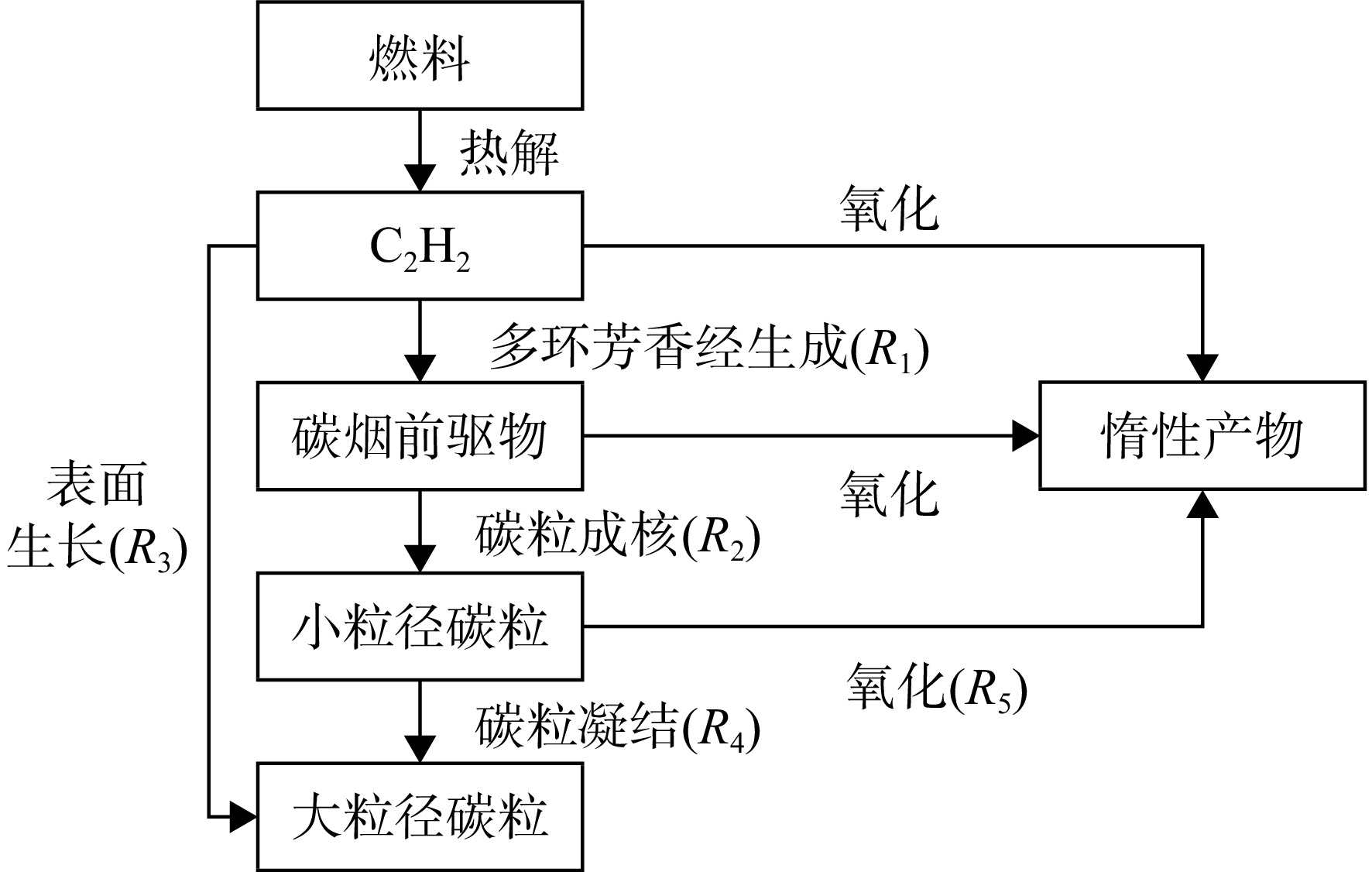
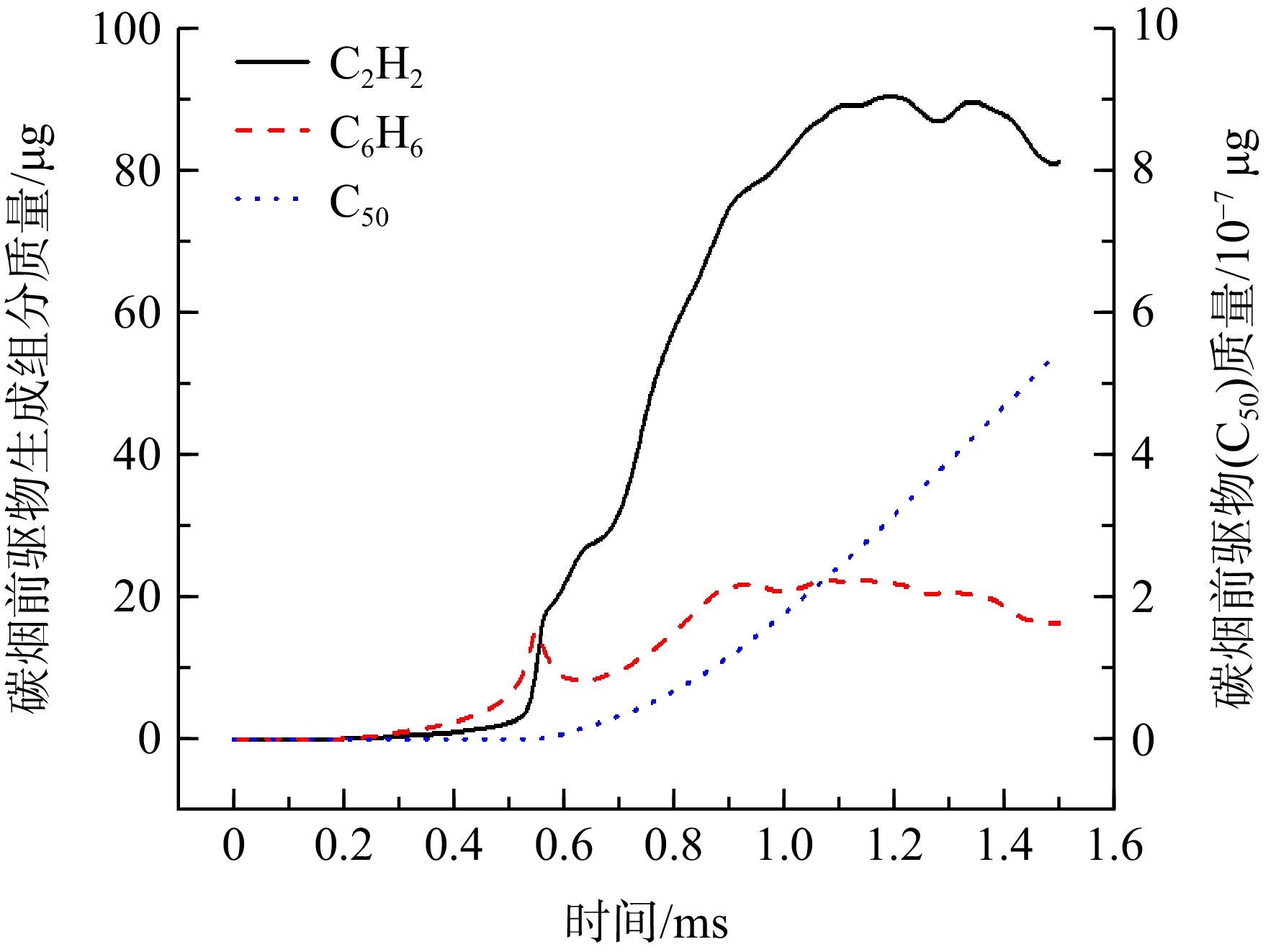
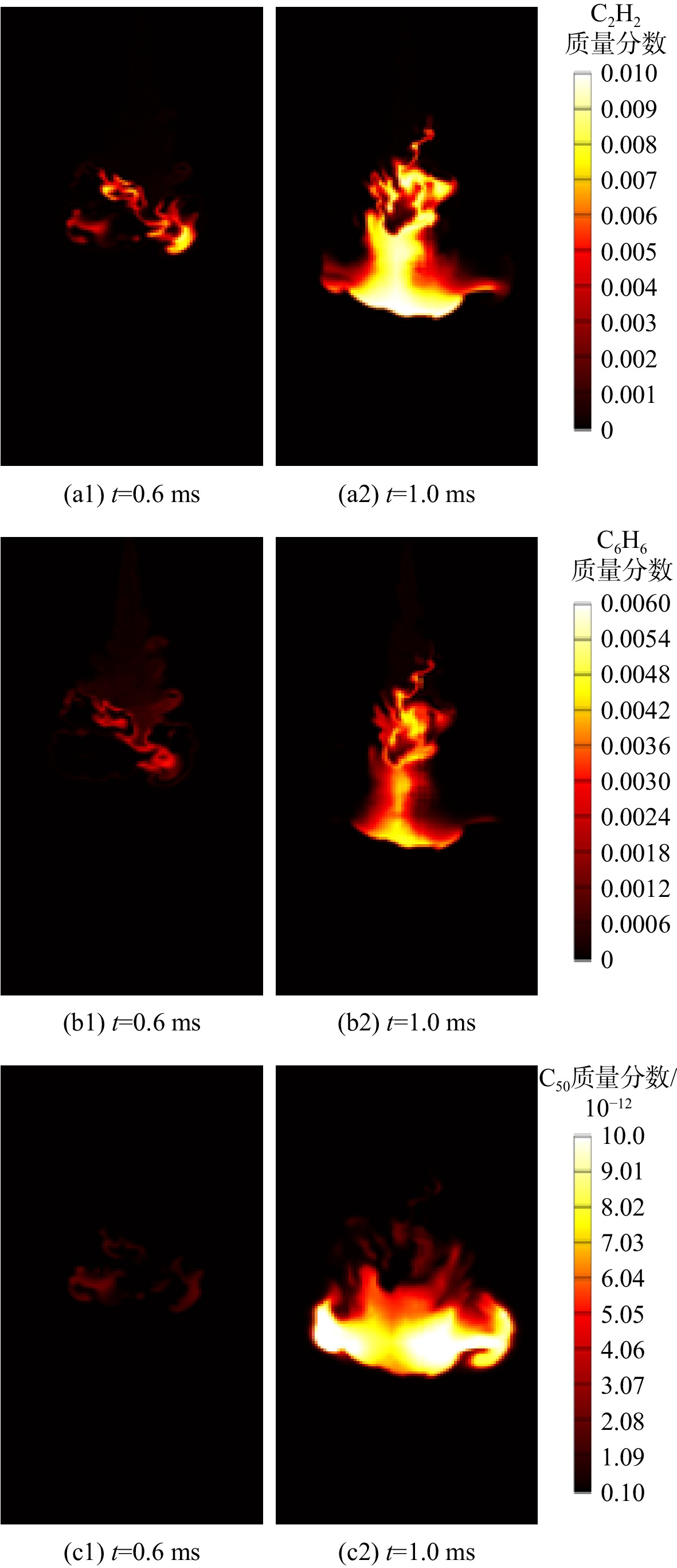
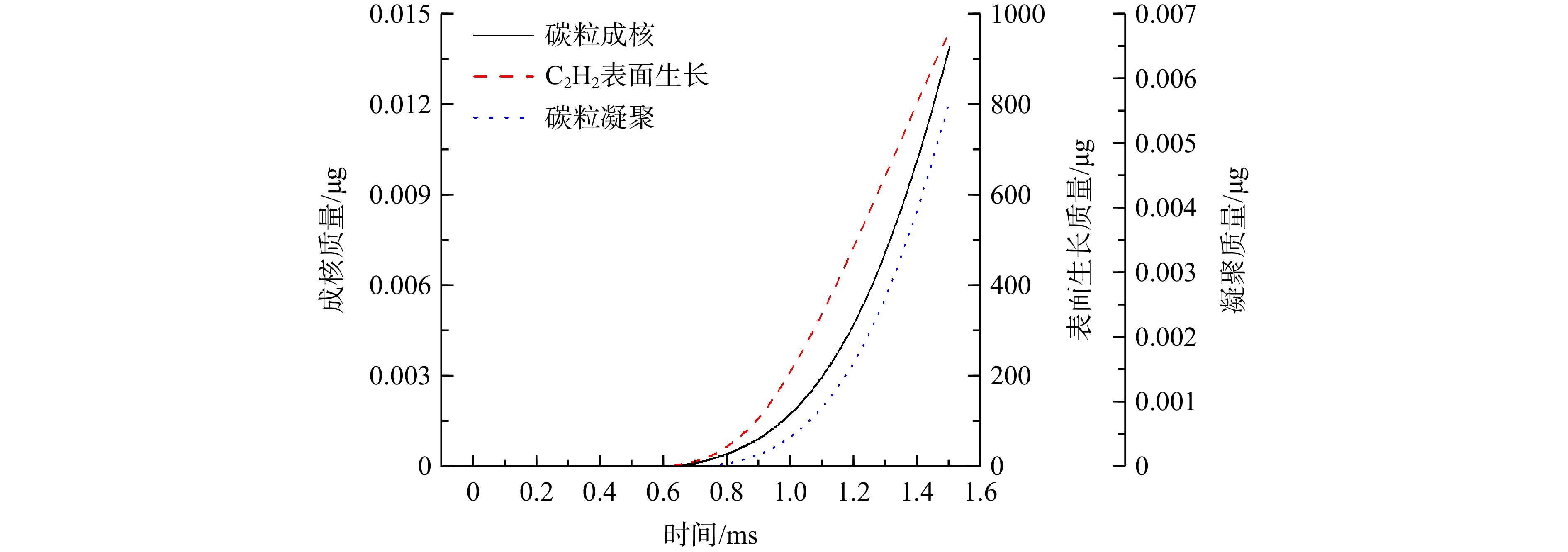
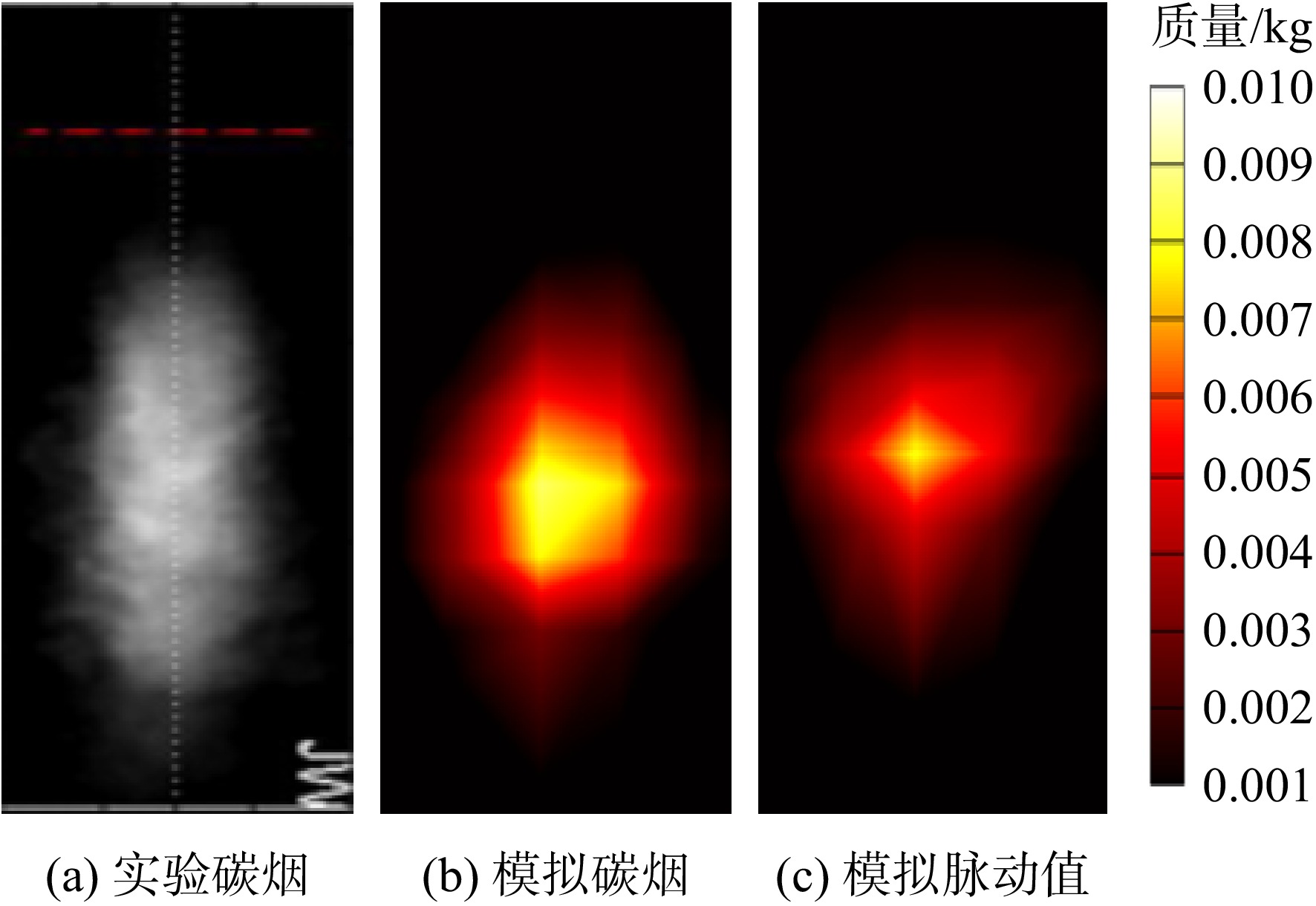
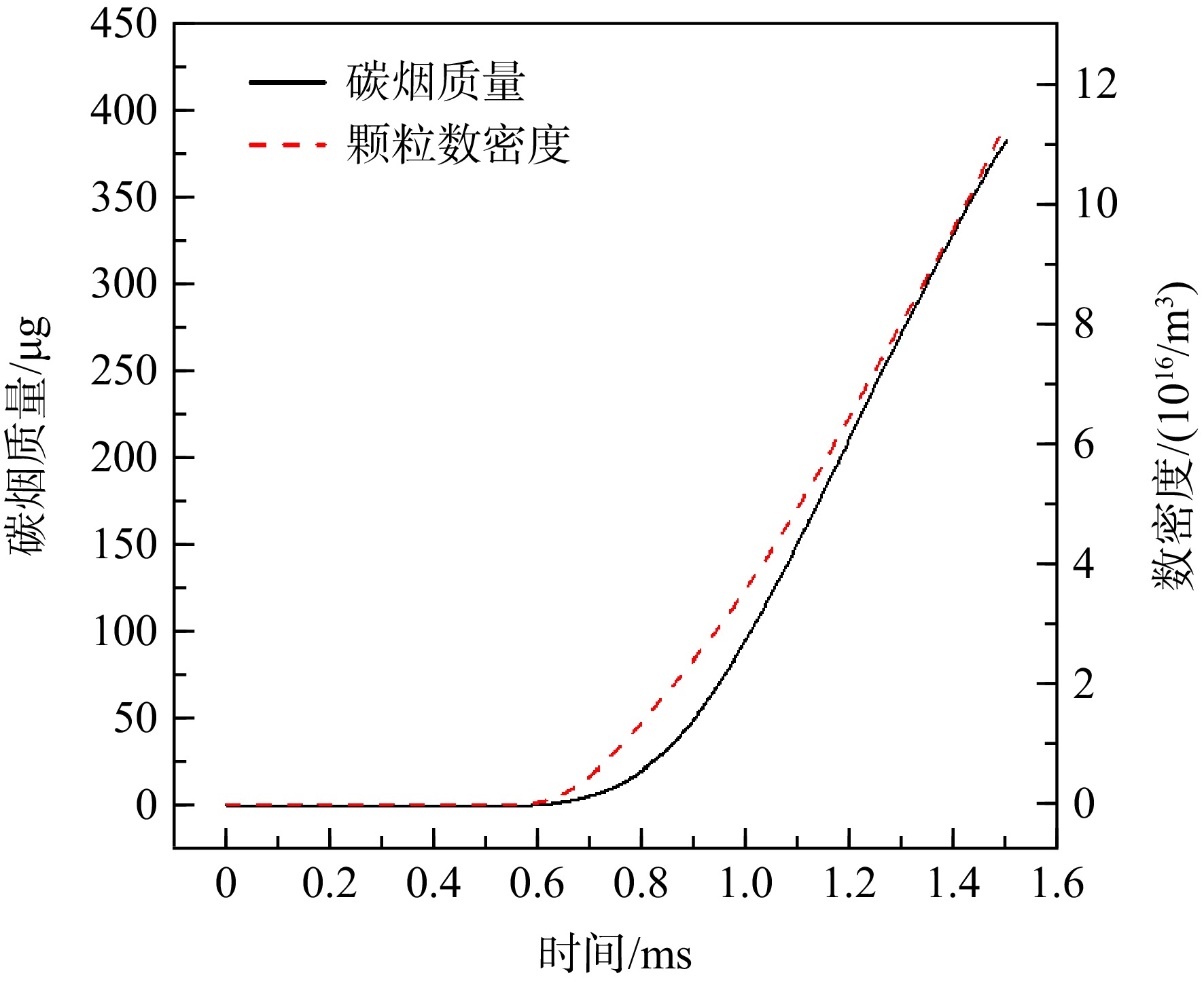
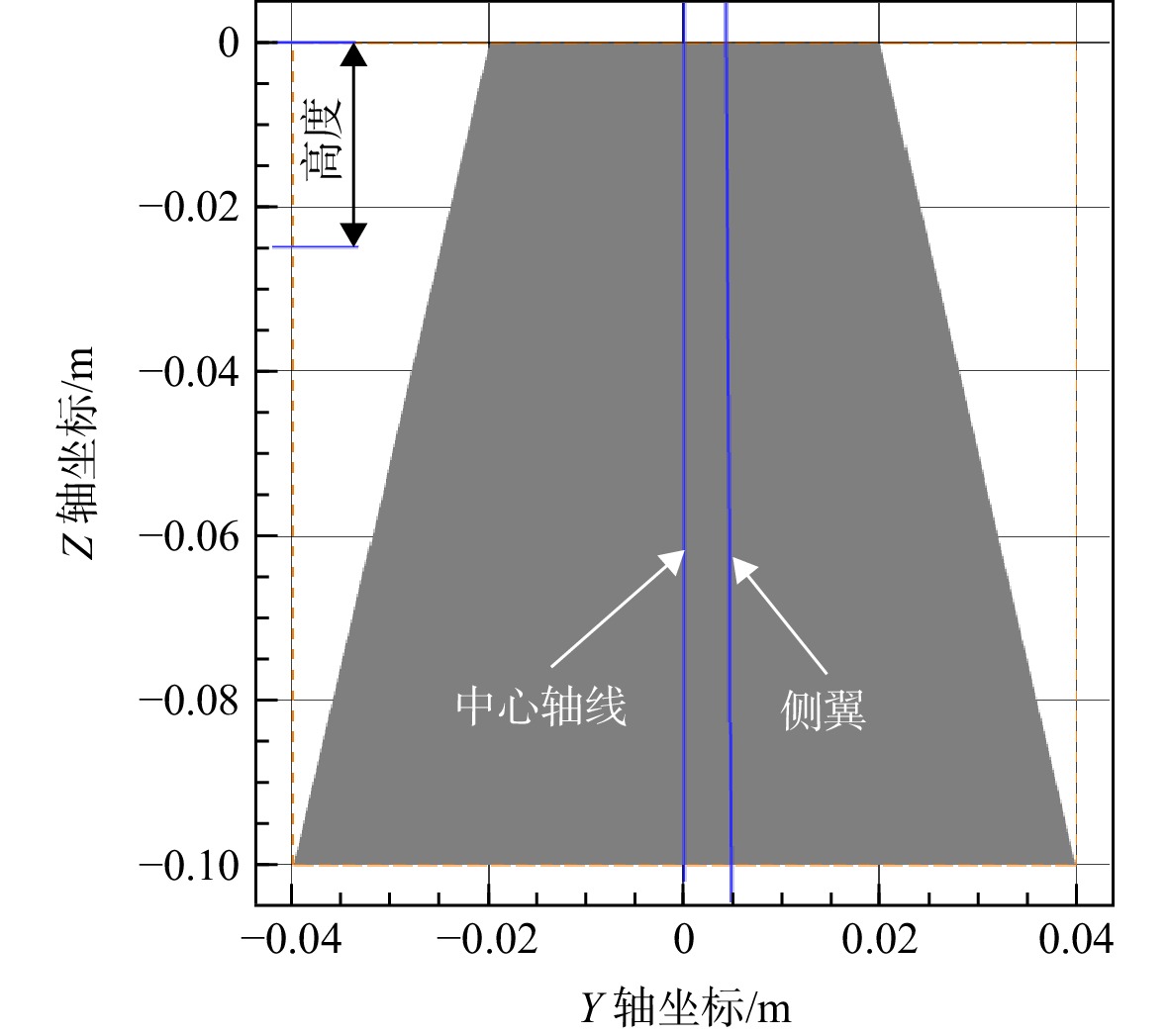
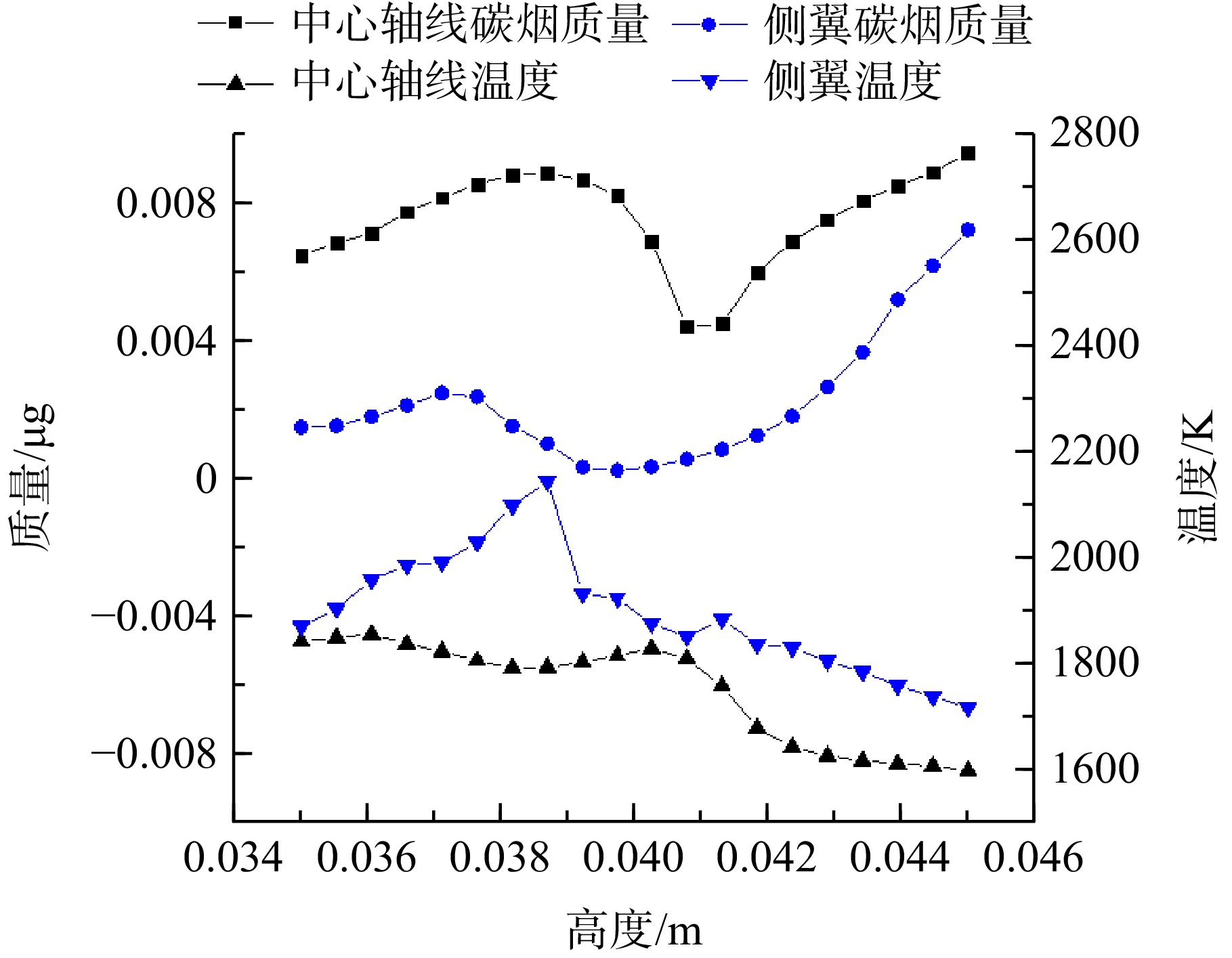
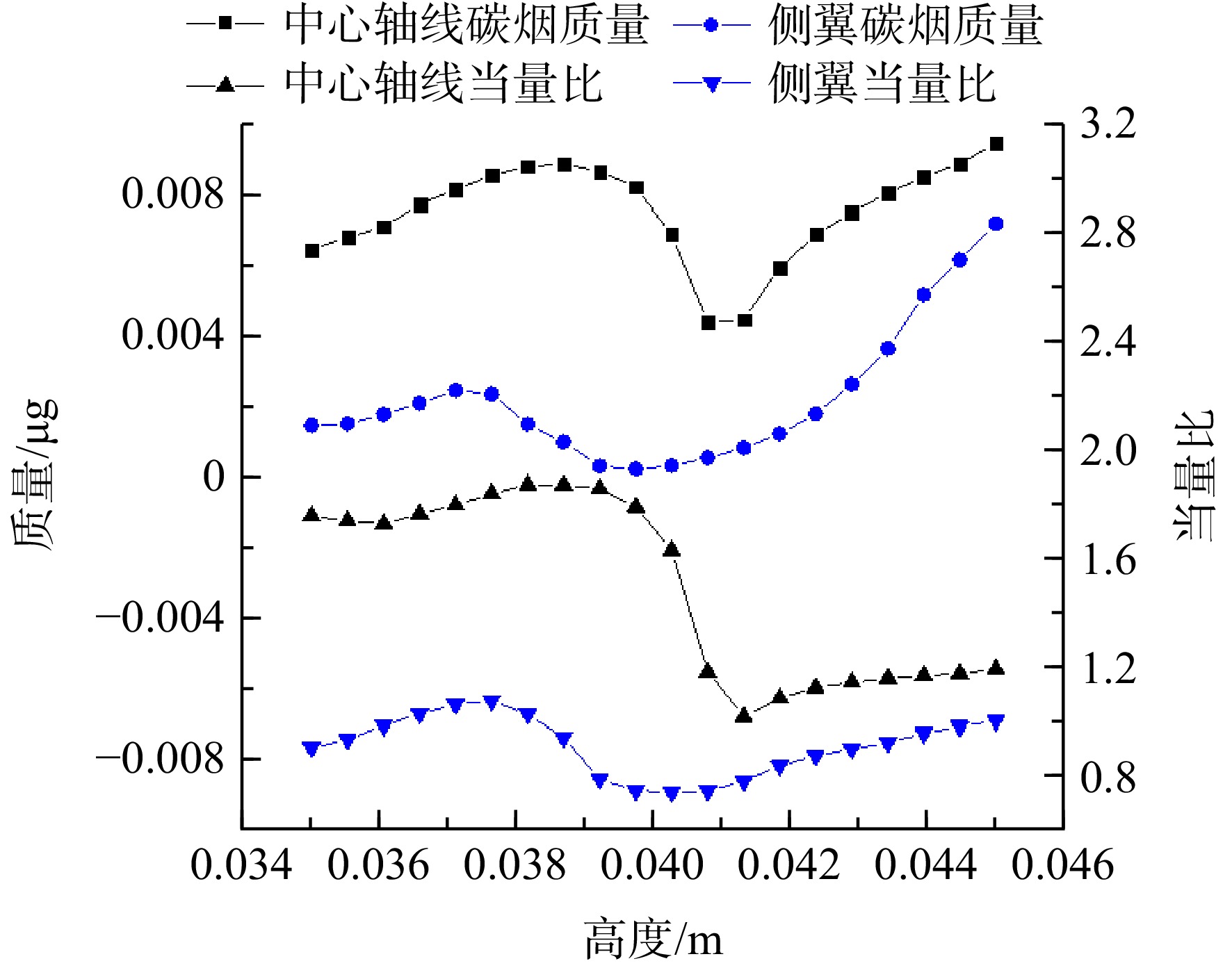
The multi-component characterization fuel Jet-A world average (JW) of aviation kerosene was selected, and the soot generation process of the characterization fuel was numerically simulated by using large eddy simulation (LES) and detailed chemical reaction mechanism. The soot precursor generation, soot particle generation and oxidation process were predicted in detail. The results showed that the Dalian soot model can predict the spatial distribution of soot mass in the combustion chamber; for the physical quantity describing soot generation, the growth of soot quality slightly lagged behind that of particle number density; the spatial distribution of soot is mainly related to the distribution of equivalence ratio and temperature. The smaller the equivalence ratio and the higher the temperature, the smaller the amount of soot generated.

Sound insulation performance of laminates based on the equivalent method and FE-BEM
PENG Tao, HOU Feng, ZOU Xuefeng, QI Zhimin, HAN Xiao
2024, 39(2): 20230191. doi: 10.13224/j.cnki.jasp.20230191
Abstract:

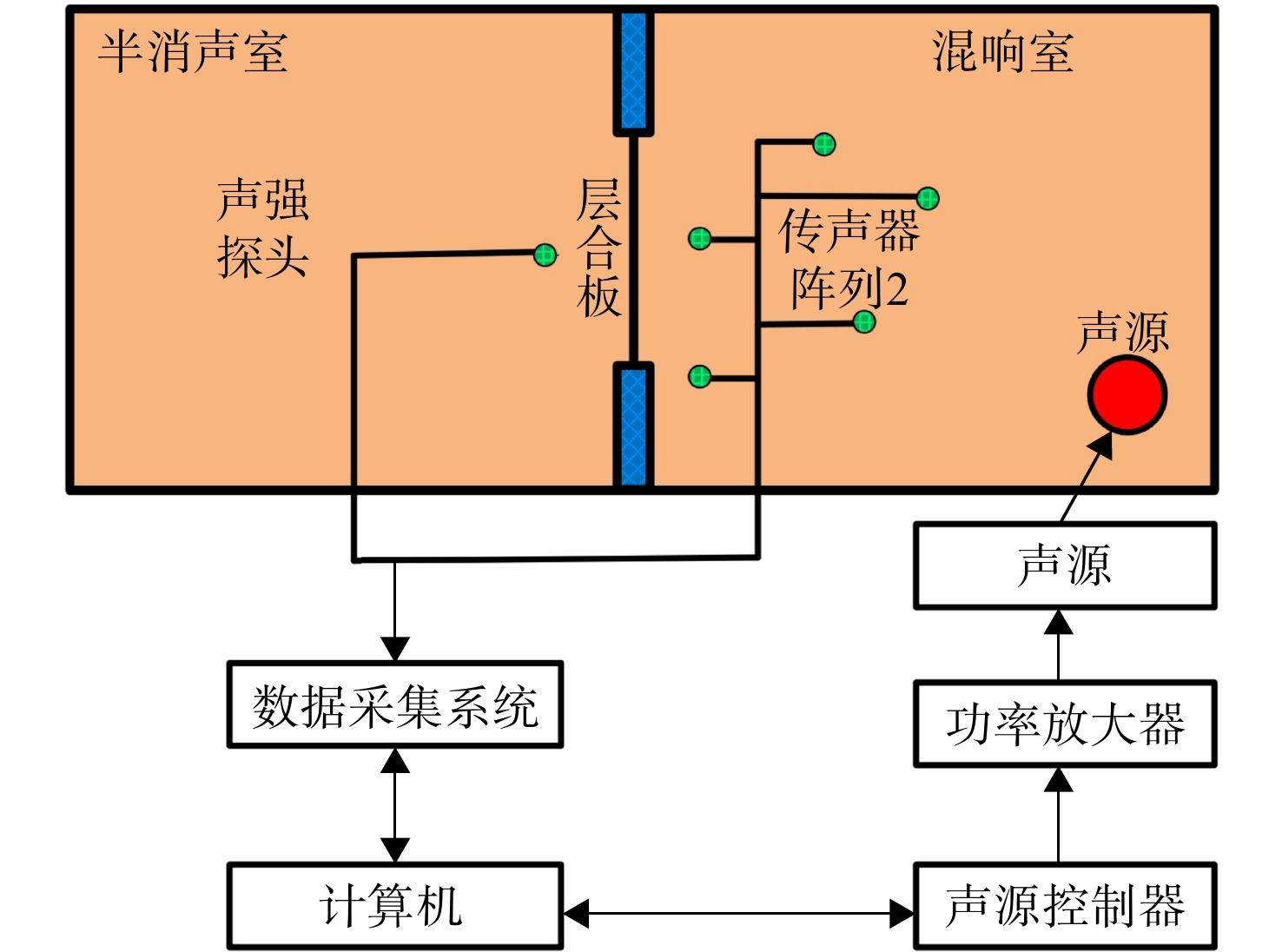
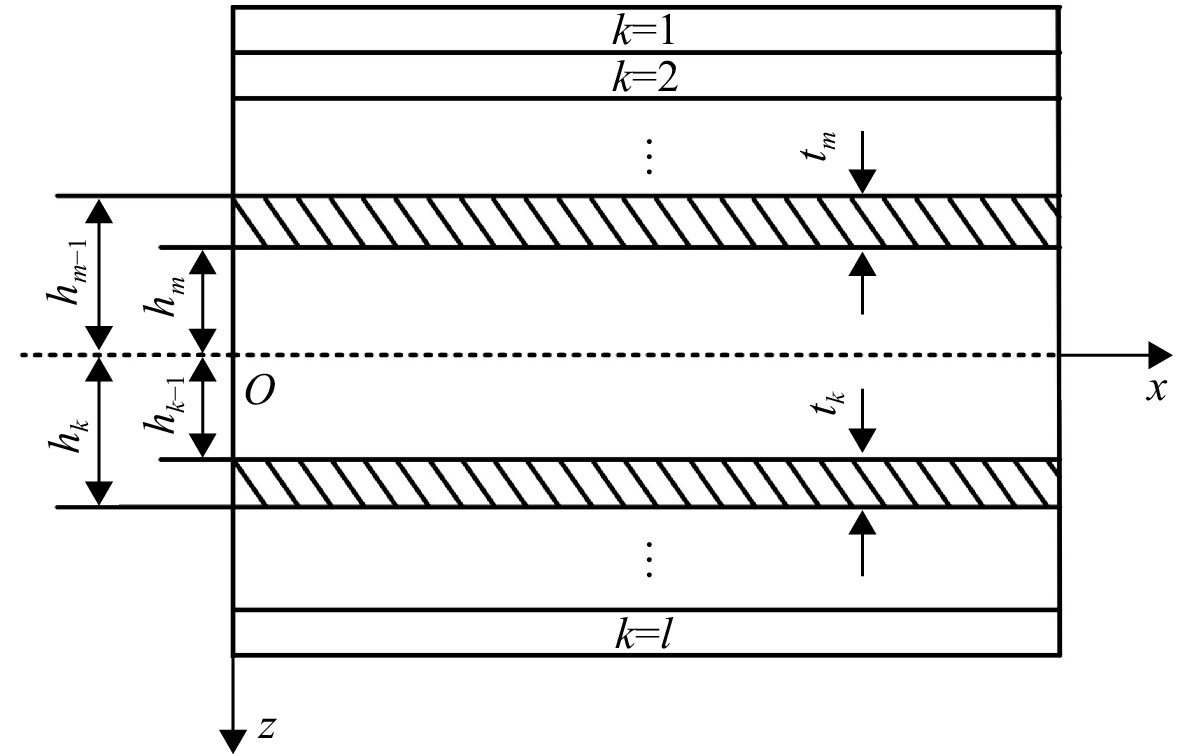
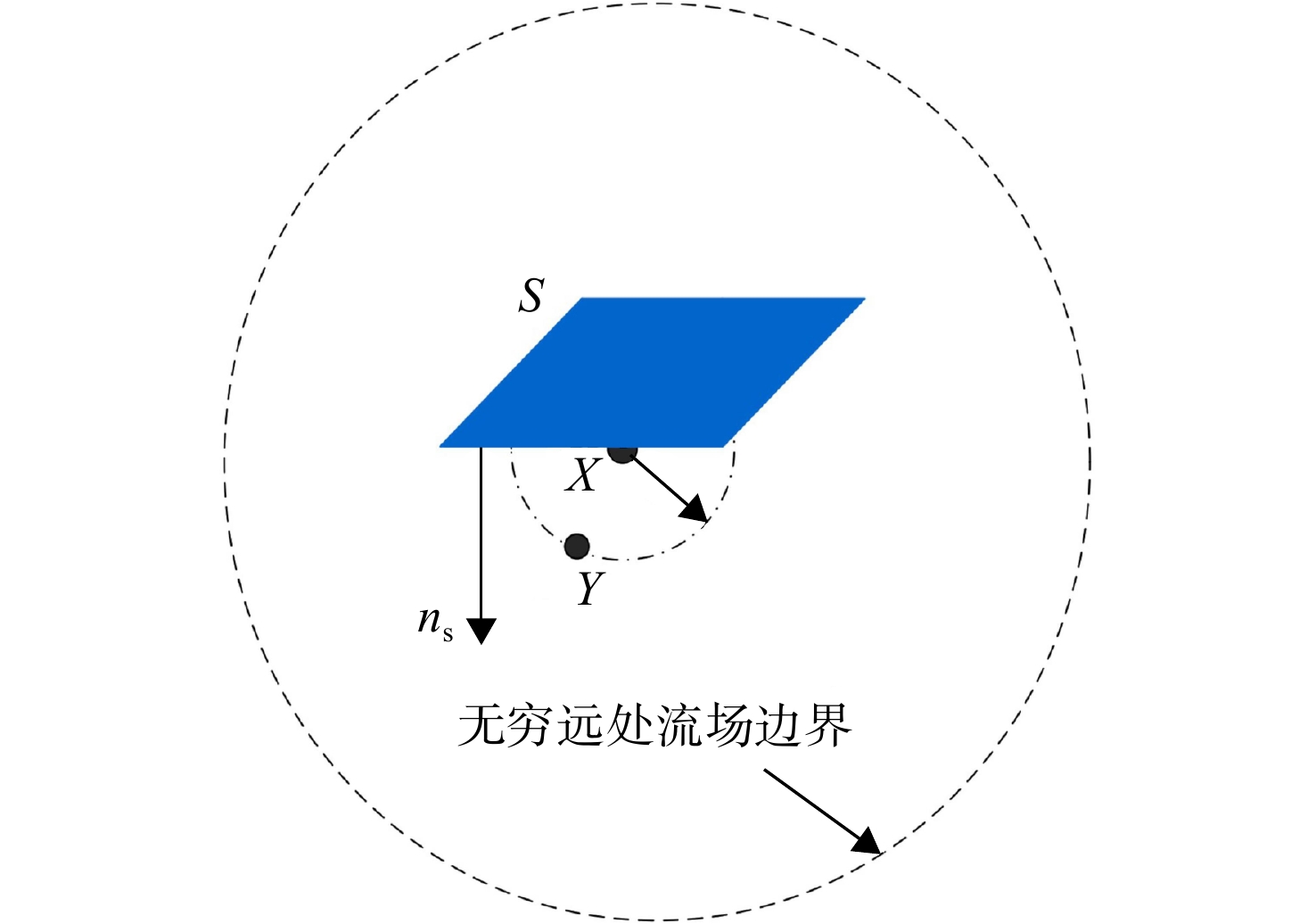
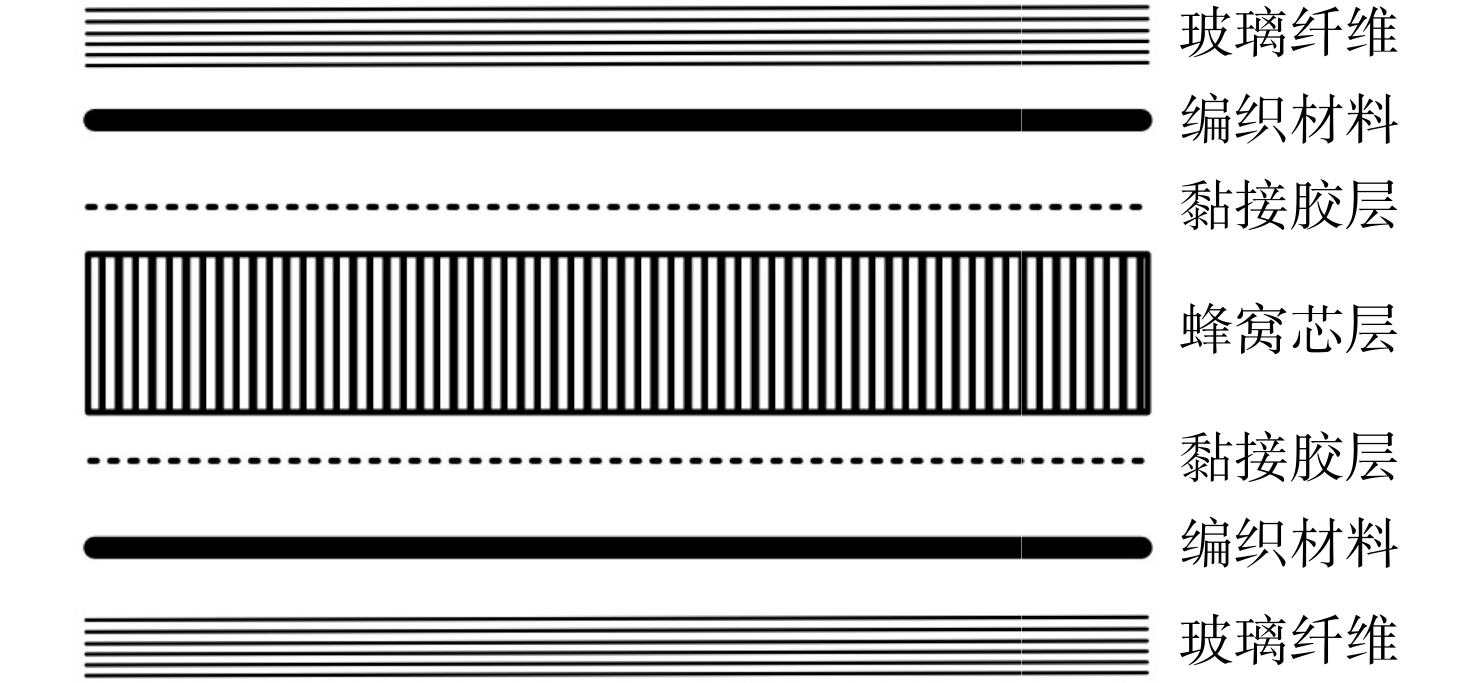
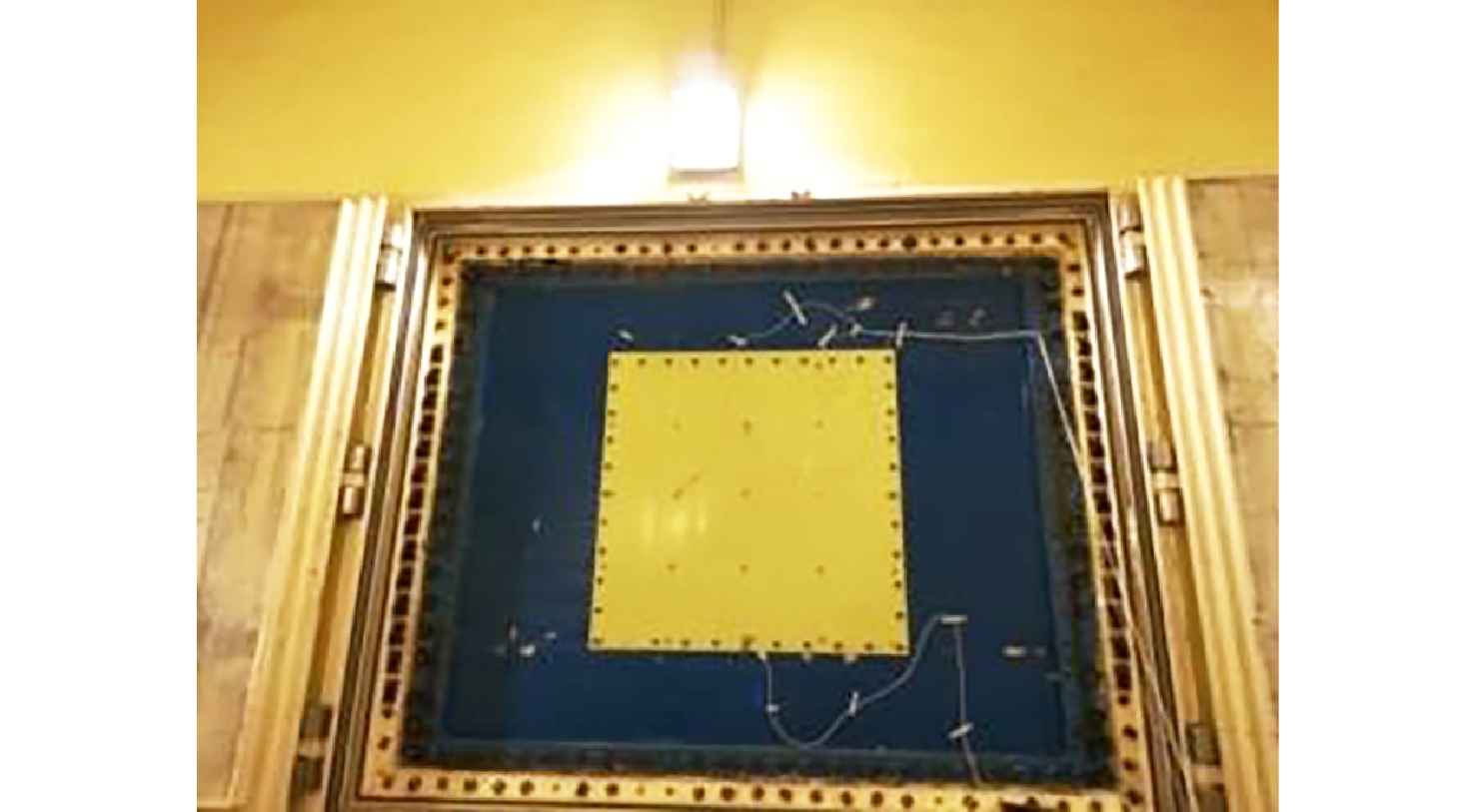
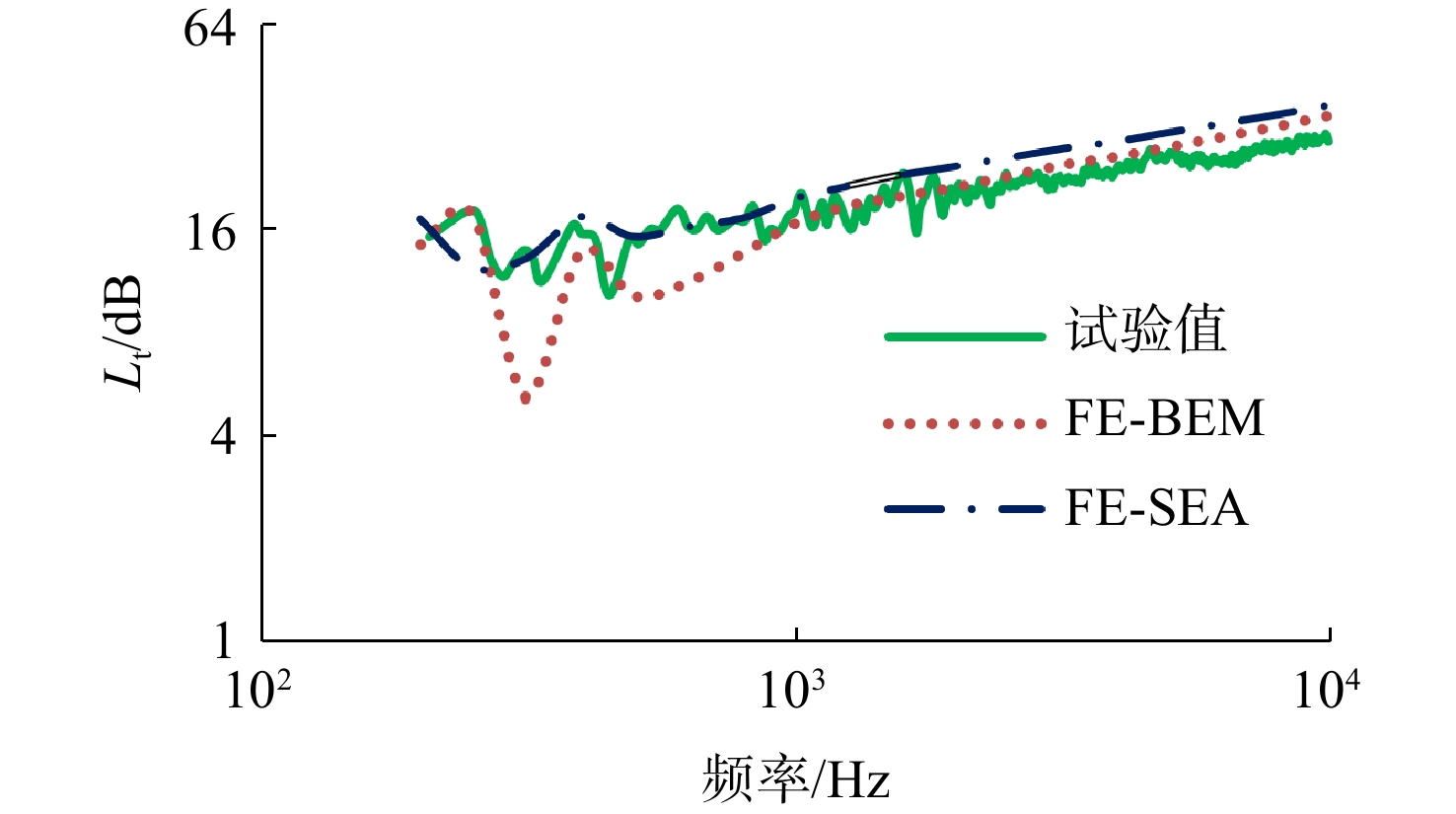
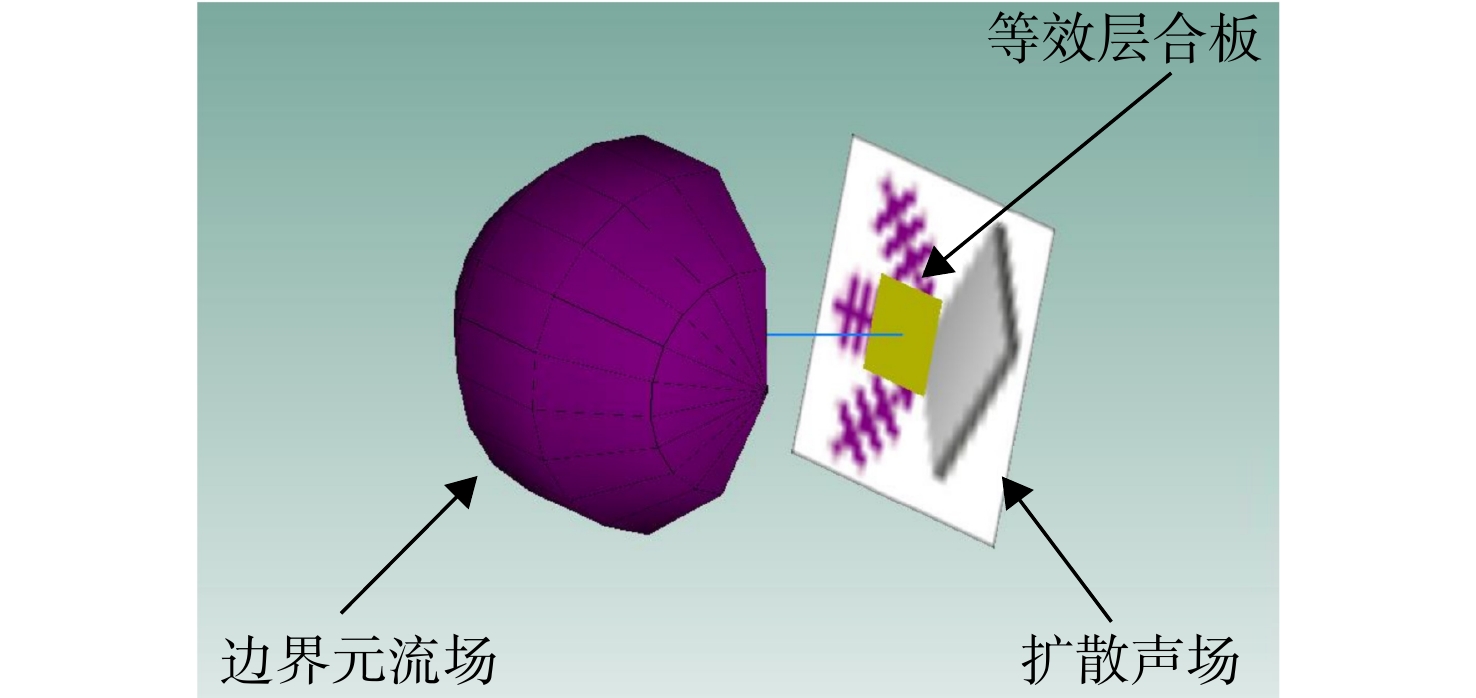
The sound insulation performance of symmetric laminate structure was estimated and verified by experiments. Based on the classical laminate theory, the symmetric laminate structure was equivalent to a single anisotropic plate, and its sound insulation characteristics under broadband noise excitation were analyzed by the FE-BEM (hybrid finite element-boundary element method). In order to verify the applicability of the equivalent method, modal experiments and numerical analyses of symmetric composite laminates were carried out. To verify the correctness of the predicted conclusions, FE-BEM results were compared with FE-SEA (hybrid finite element-statistic energy analysis) results and experimental results. The results showed that the equivalent method can correctly simulate the natural characteristics of symmetrical laminates, the simulation results were consistent with the experimental results and the corresponding error was 6.9%. The equivalent method combined with the FE-BEM was effective for sound insulation prediction of symmetric laminates, and the predicted results of the FE-BEM agreed well with the experimental results. The equivalent method combined with the FE-SEA method was effective for sound insulation prediction of symmetric laminates, the calculation time of FE-BEM model was more than FE-SEA model, and the calculation time increased by 4.4%.

Contrastive study on cool flow resistance characteristics between single-channel and three-channel diffuser
ZOU Yun, XU Baolong, WAN Bin, CHENG Ming
2024, 39(2): 20210471. doi: 10.13224/j.cnki.jasp.20210471
Abstract:

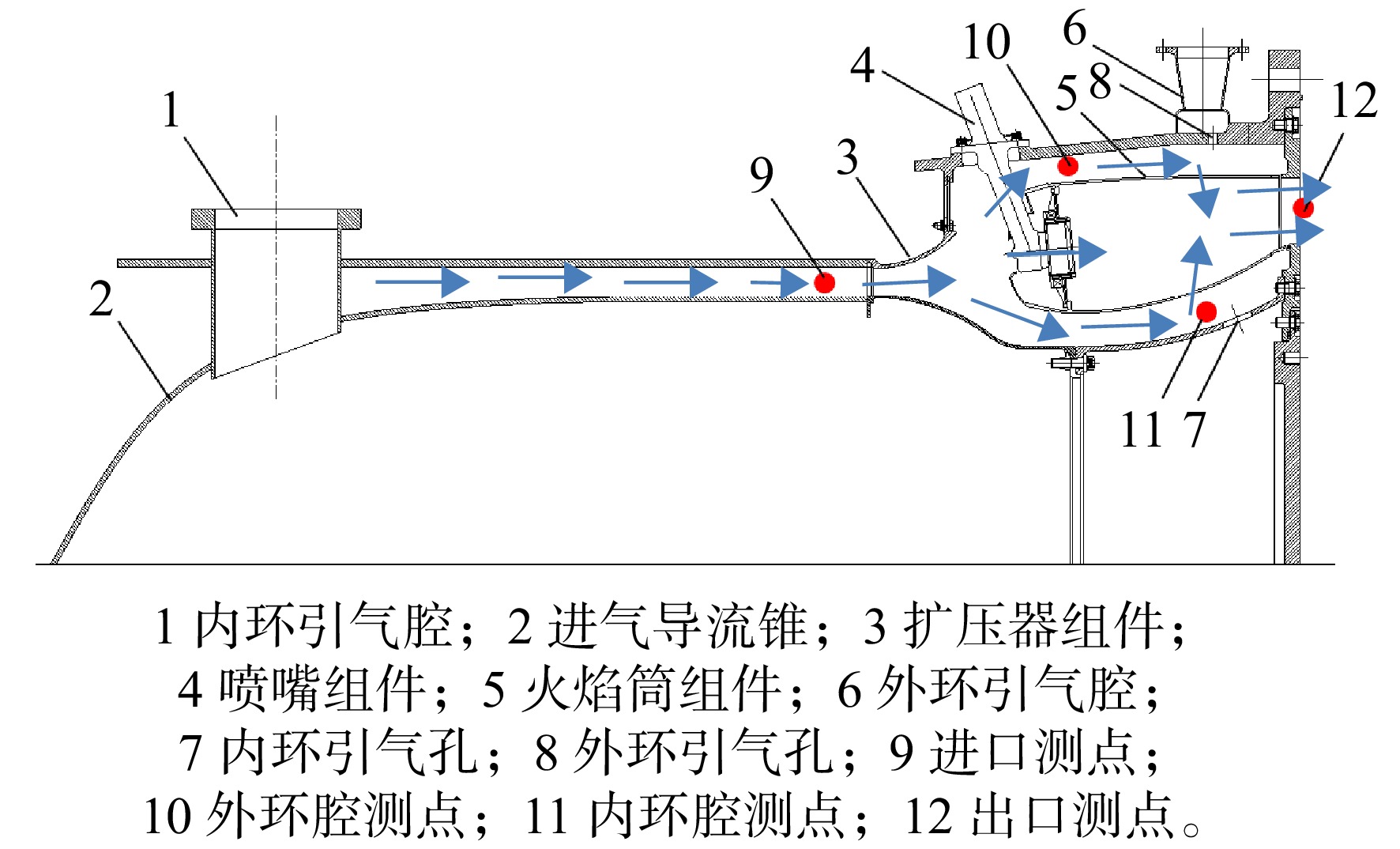
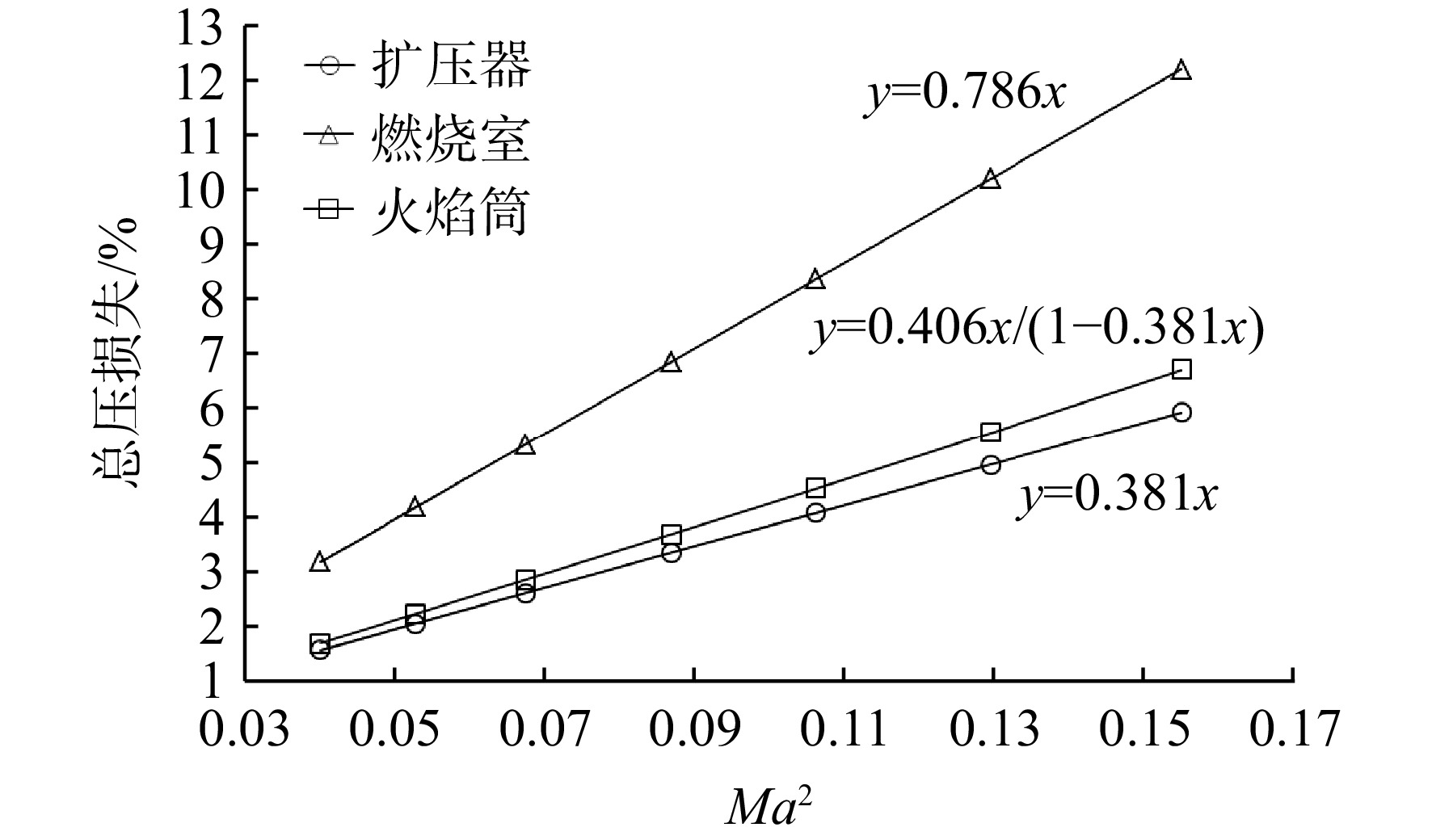
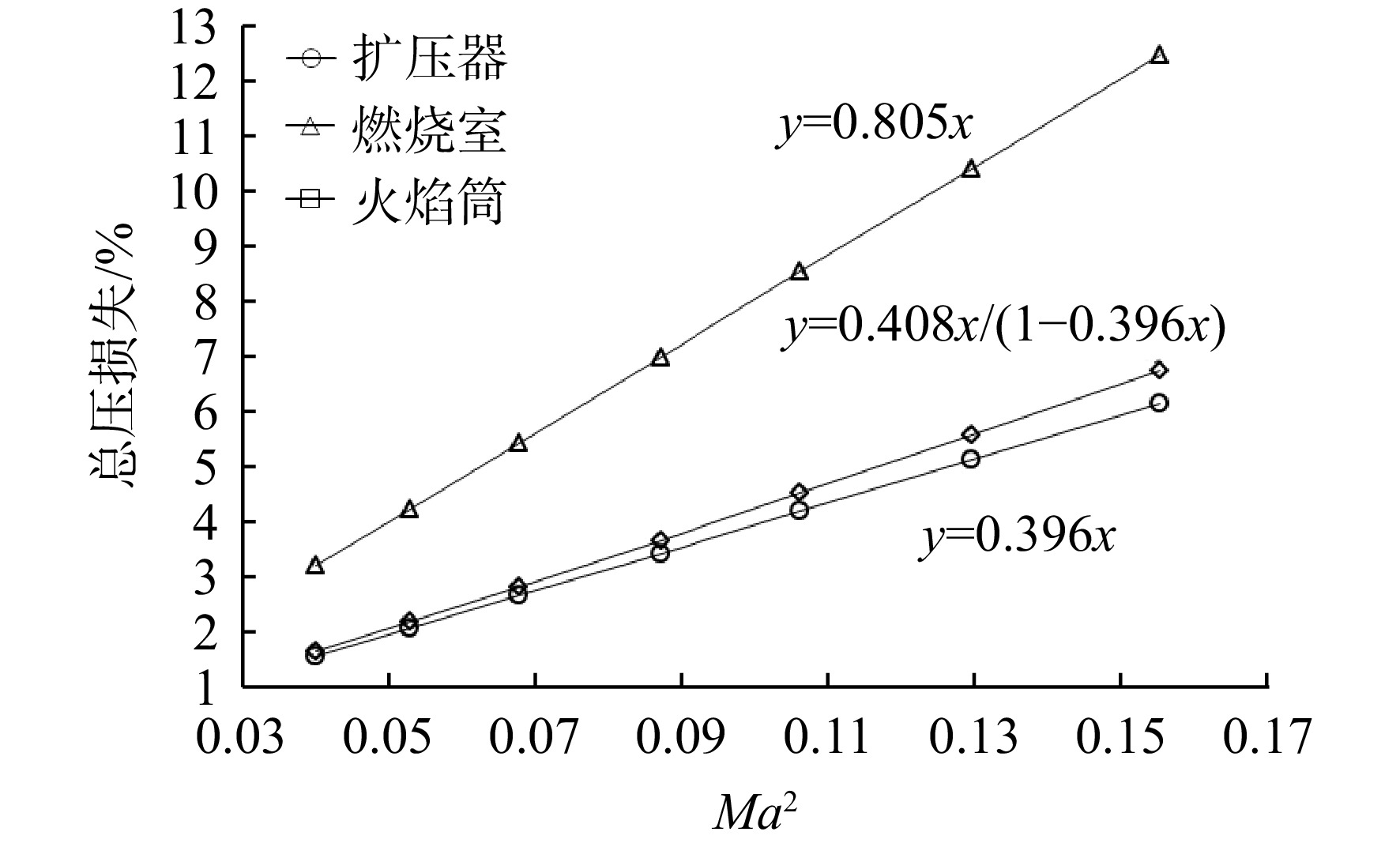
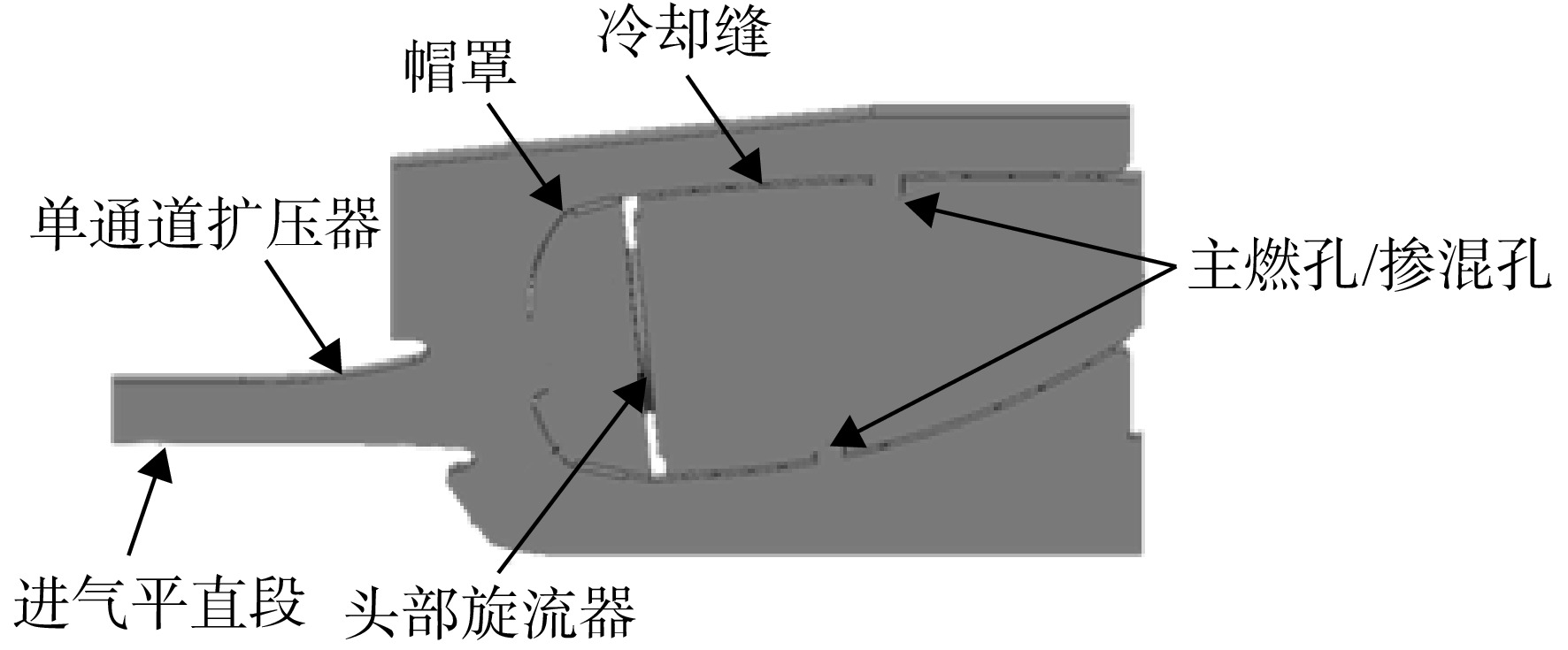
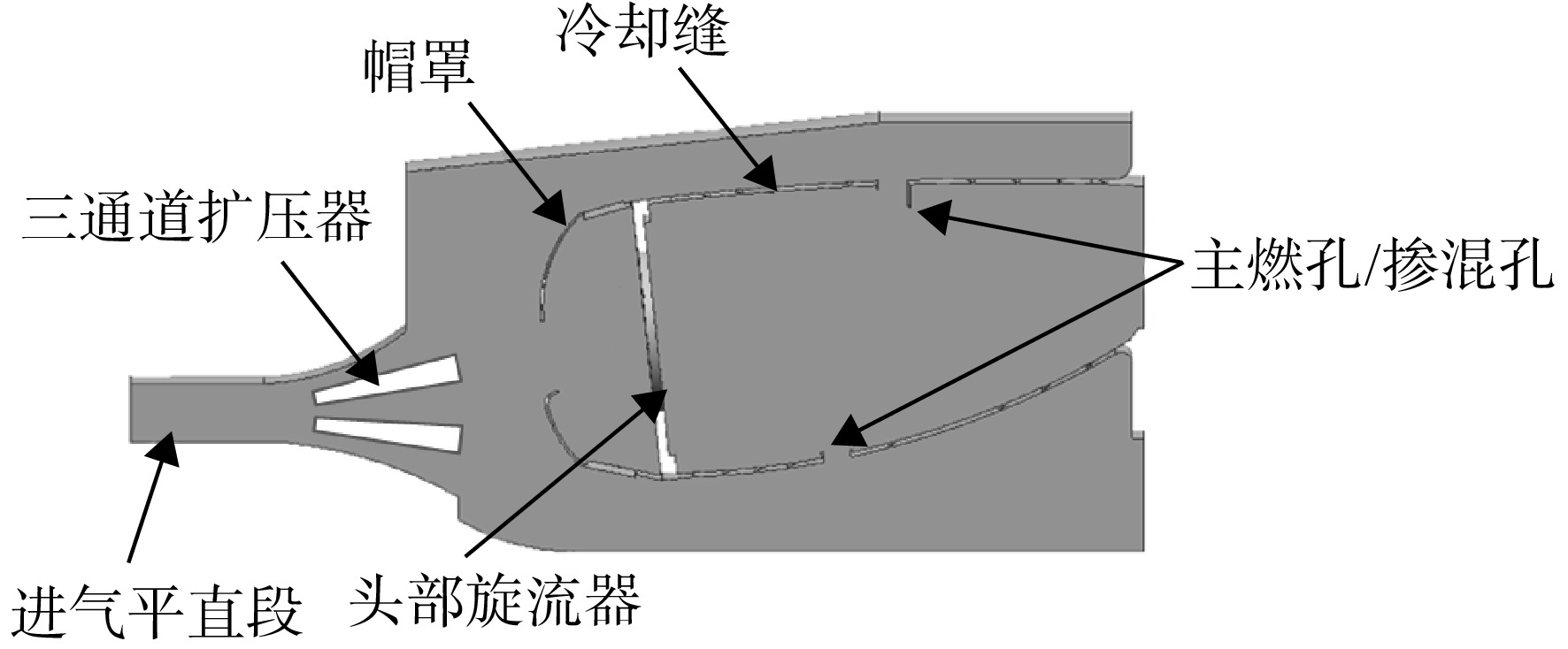
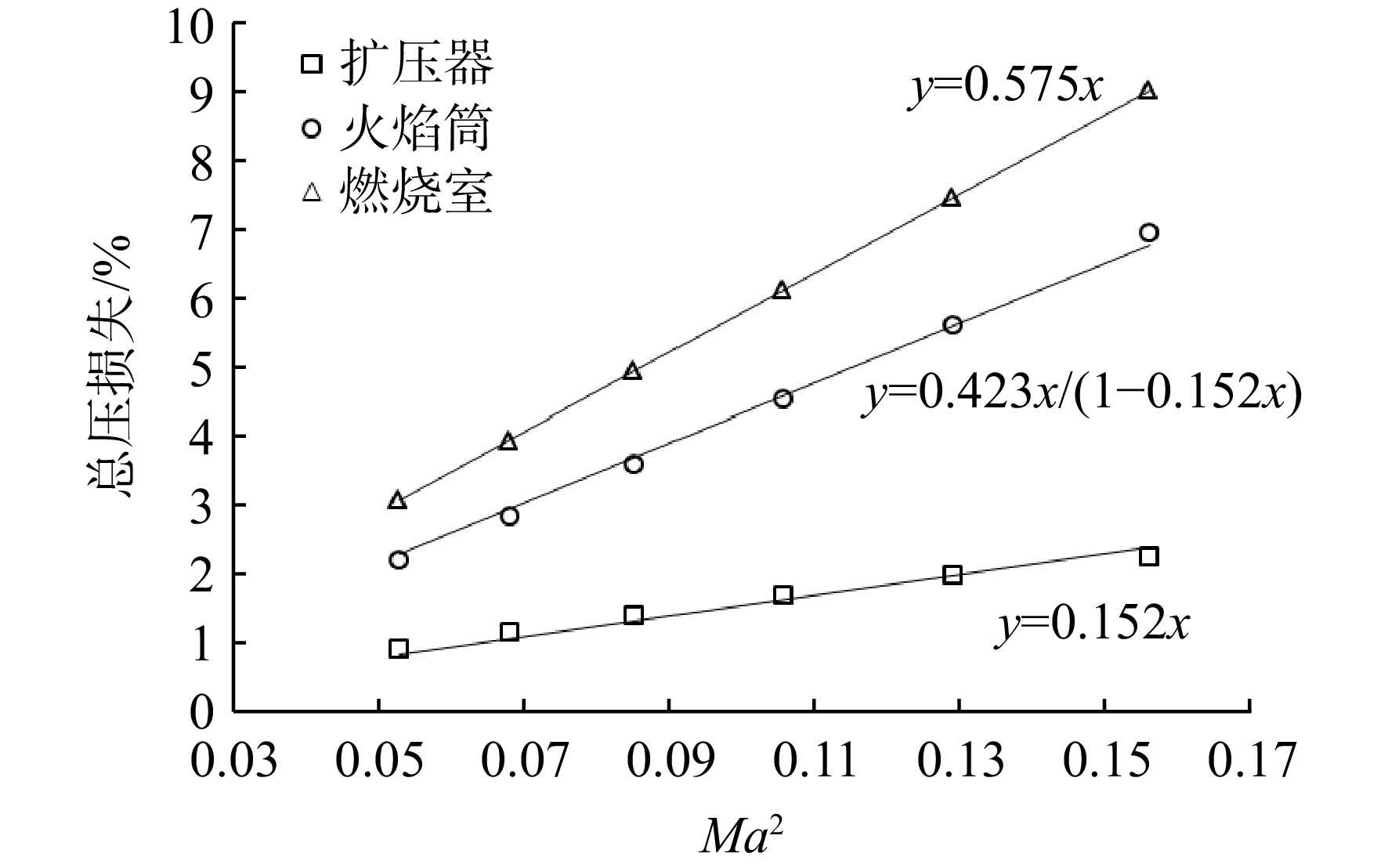
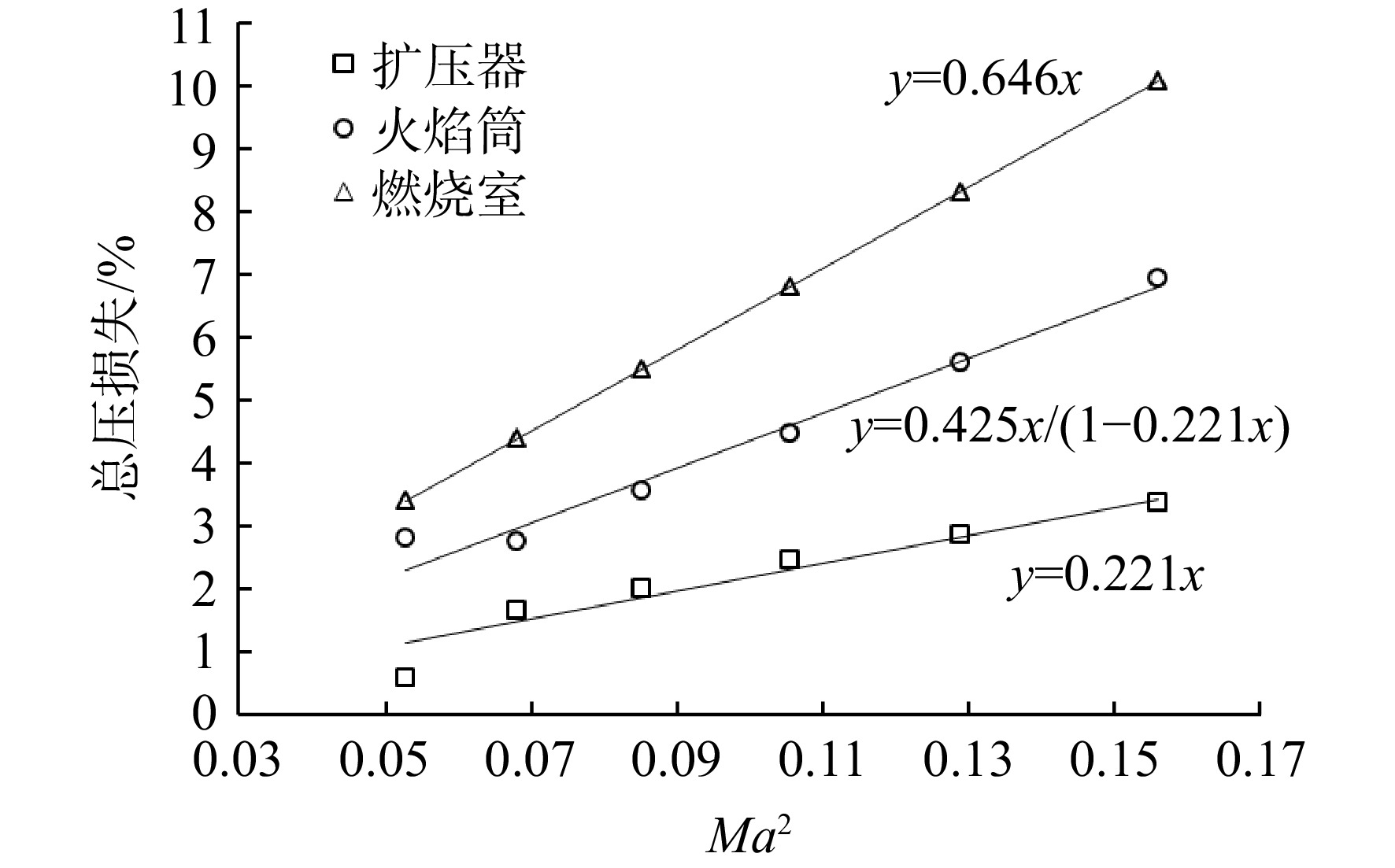
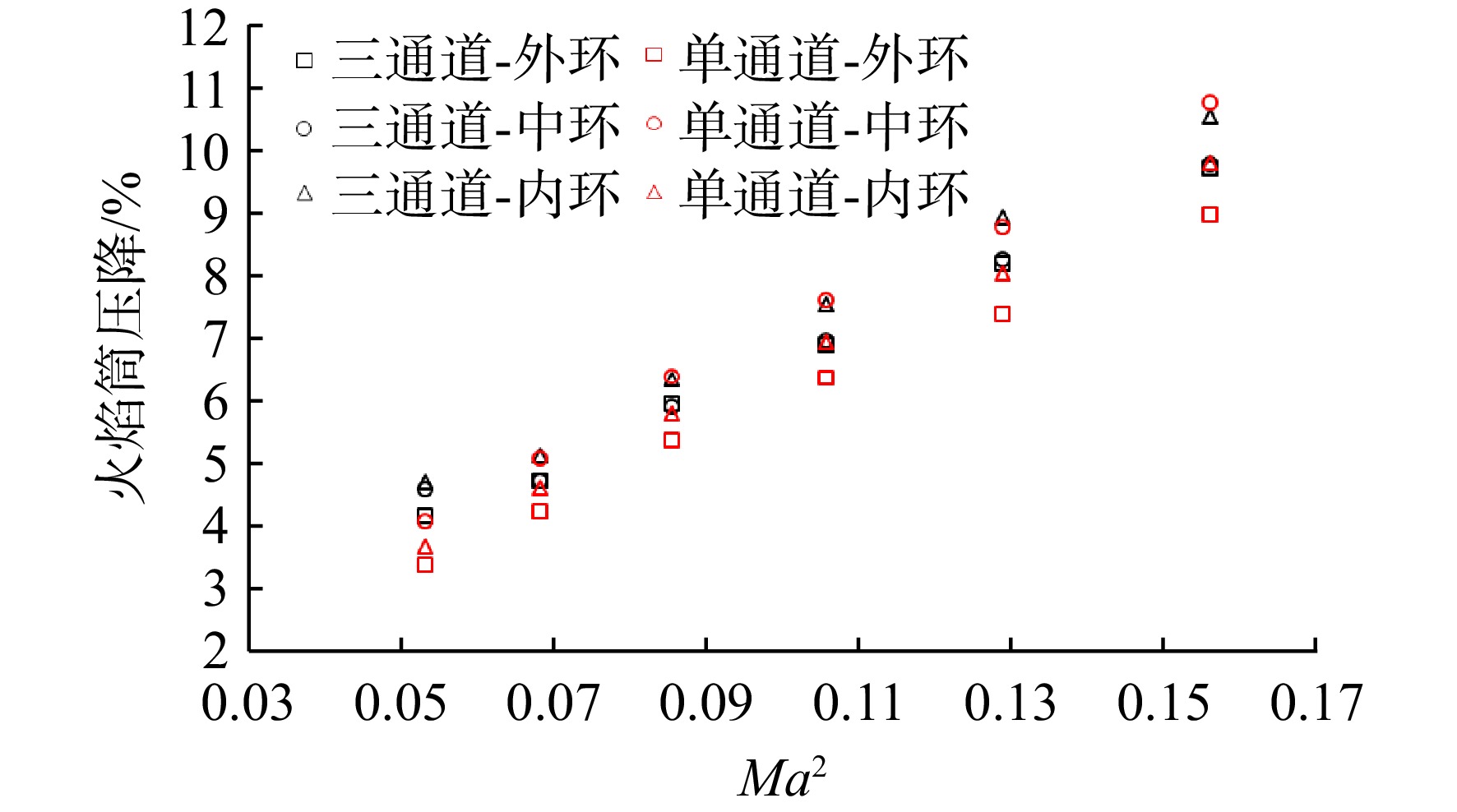
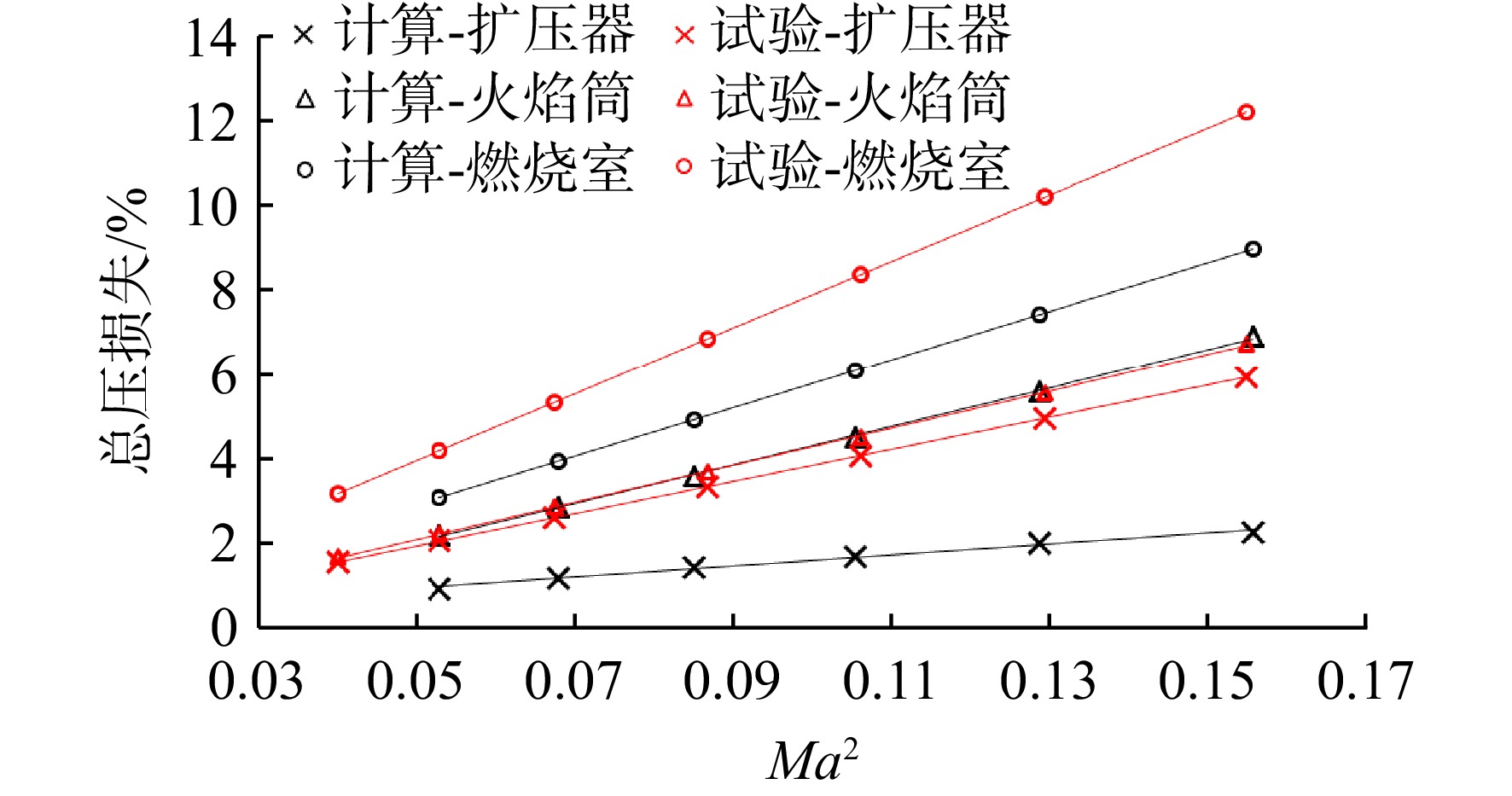
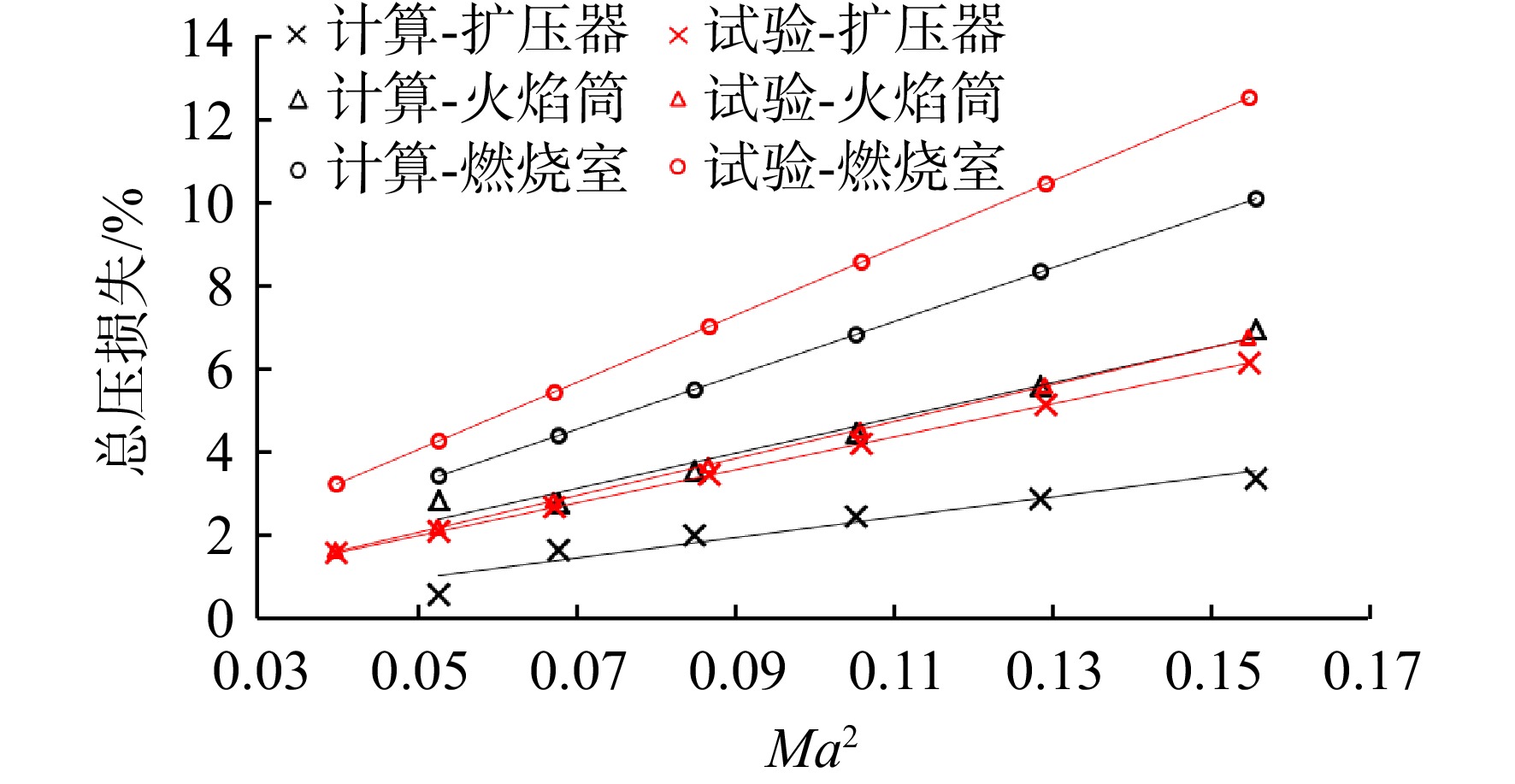
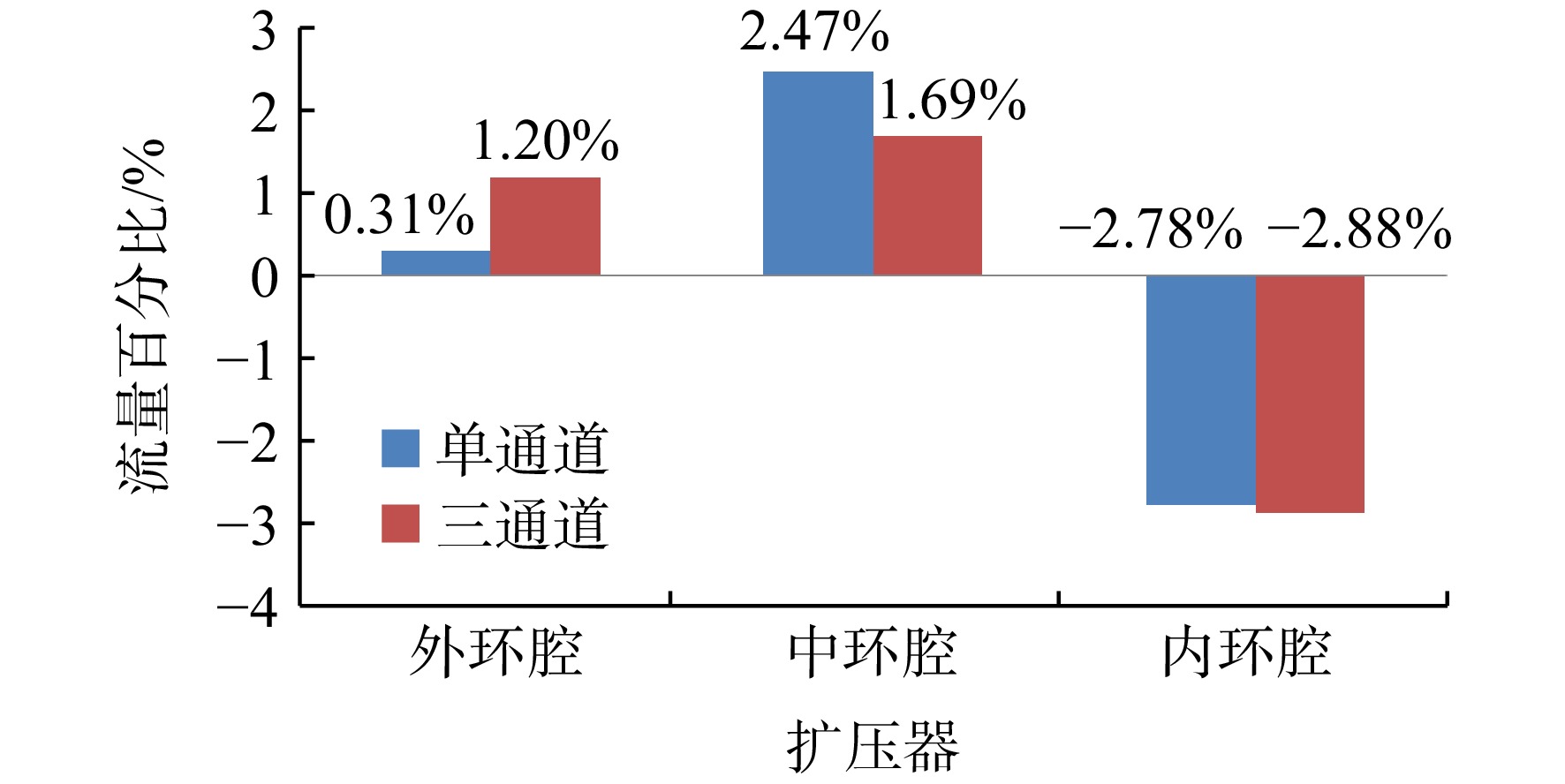
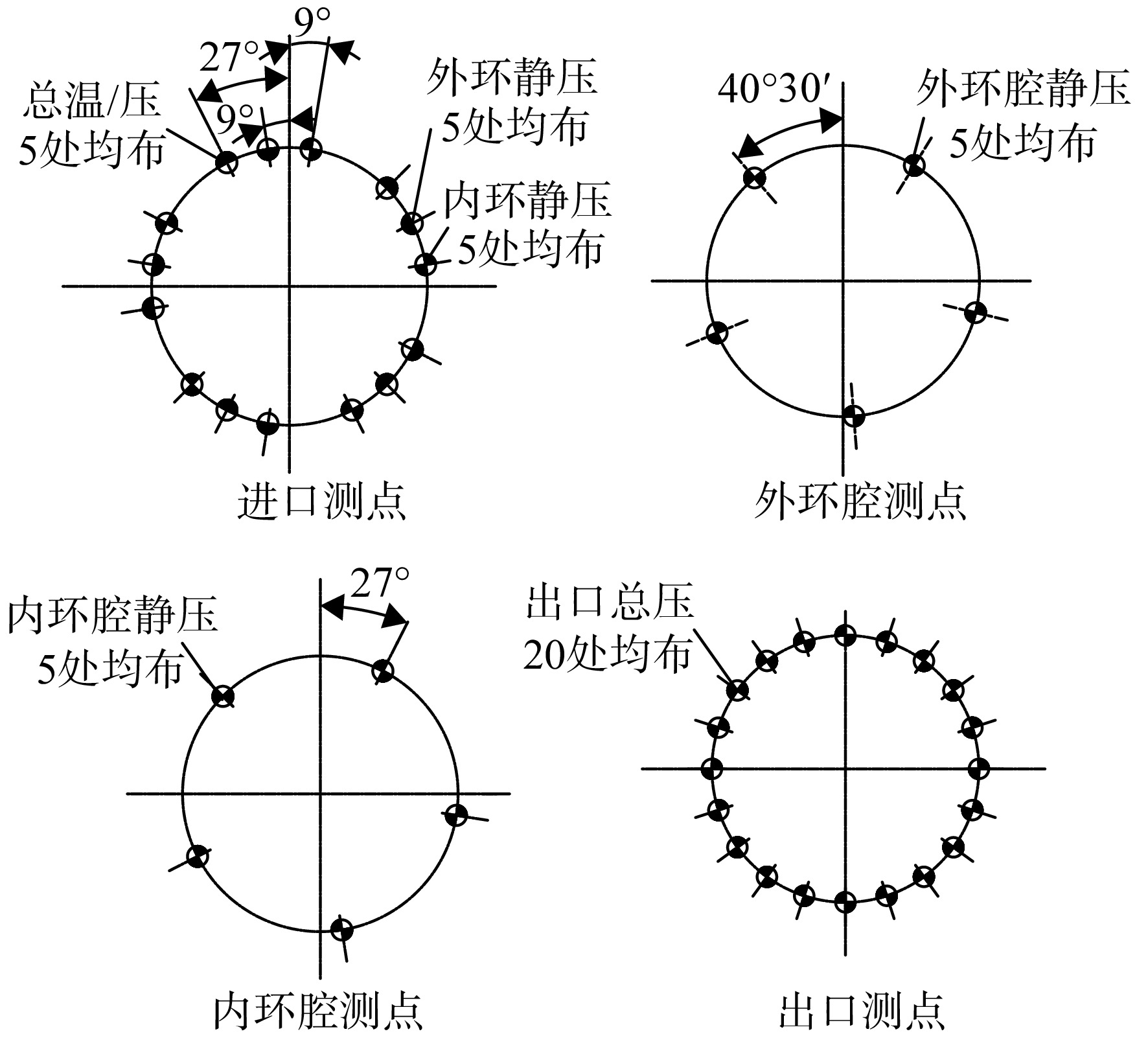
In order to provide technical support for the selection of diffuser of high-temperature rise combustor, with a high-temperature rise full annular test piece taken as the test platform, the total pressure loss characteristics varying with the combustor import Mach number of the single-channel and three-channel diffuser combustors under inlet total pressure 500 kPa and inlet temperature 500 K, and numerical simulation was conducted by means of CFD technology as well. The comparison between the experimental and numerical simulation results showed that: the total pressure loss of diffuser, flame tube, and combustor in the single-channel diffuser combustor was lower than that in the three-channel diffuser combustor, the total pressure loss of diffuser, flame tube and combustor was reduced by 0.13%, 0.02% and 0.16%, separately at the design point; the selected numerical simulation method could be used to evaluate the variation trend of cold flow resistance characteristics of combustor, but it could not accurately evaluate the absolute value of total pressure loss.

Numerical analysis on combustion characteristics of n-heptane co-firing with methane
SHI Yunjiao, SUN Jihao, XU Honghao, PANG Liyao, ZHAO Ningbo, ZHENG Hongtao
2024, 39(2): 20220152. doi: 10.13224/j.cnki.jasp.20220152
Abstract:

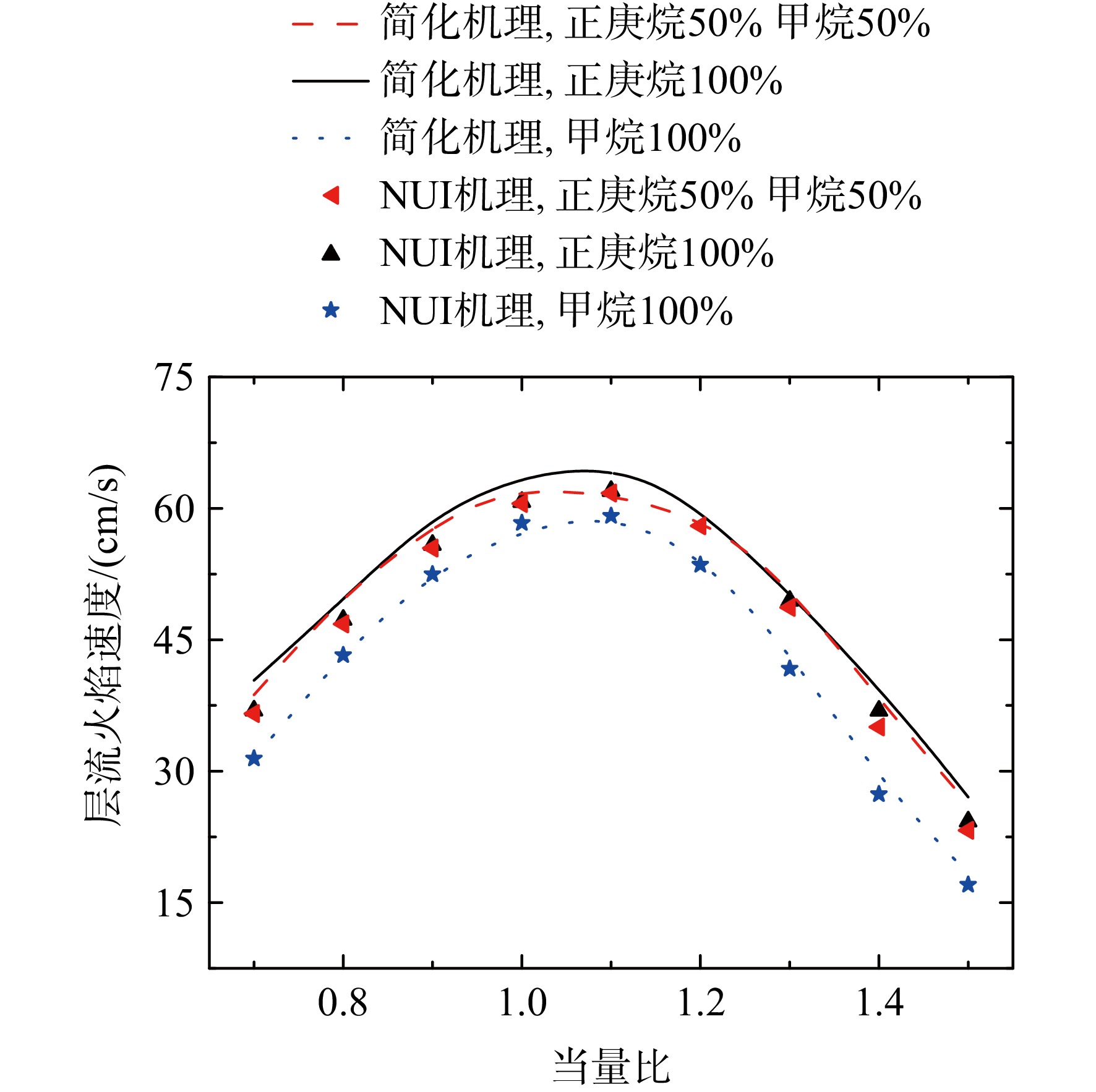
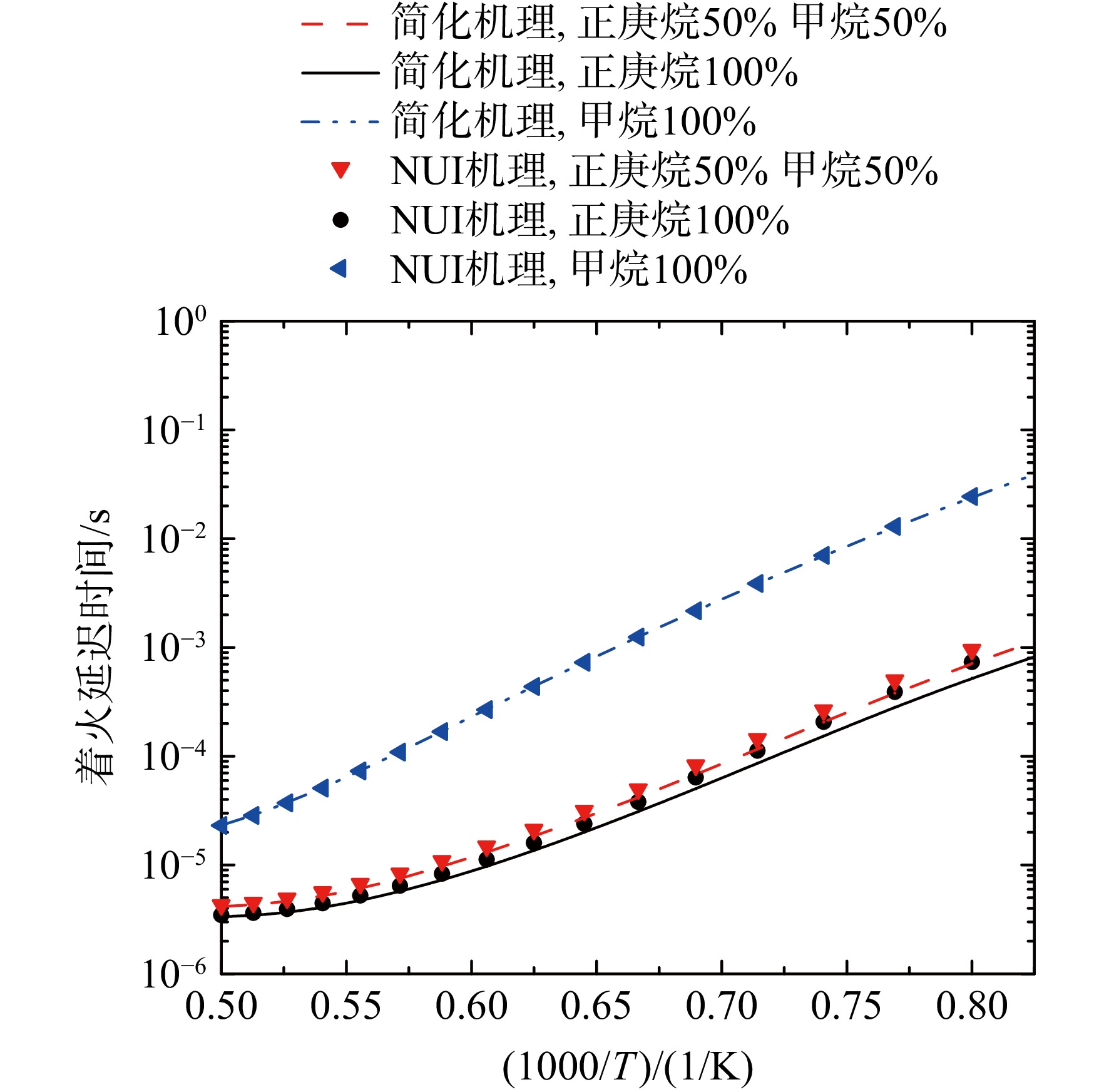
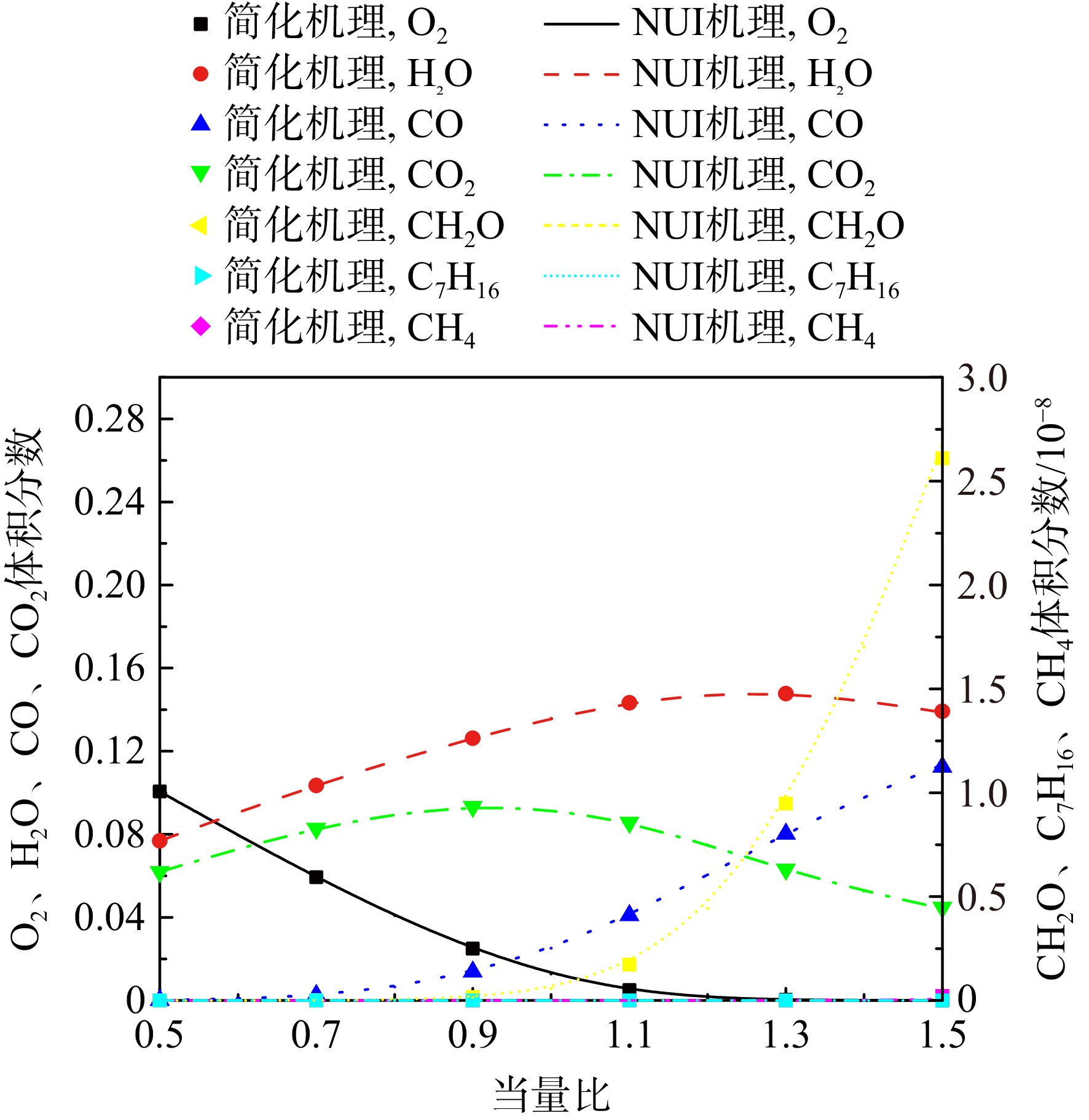
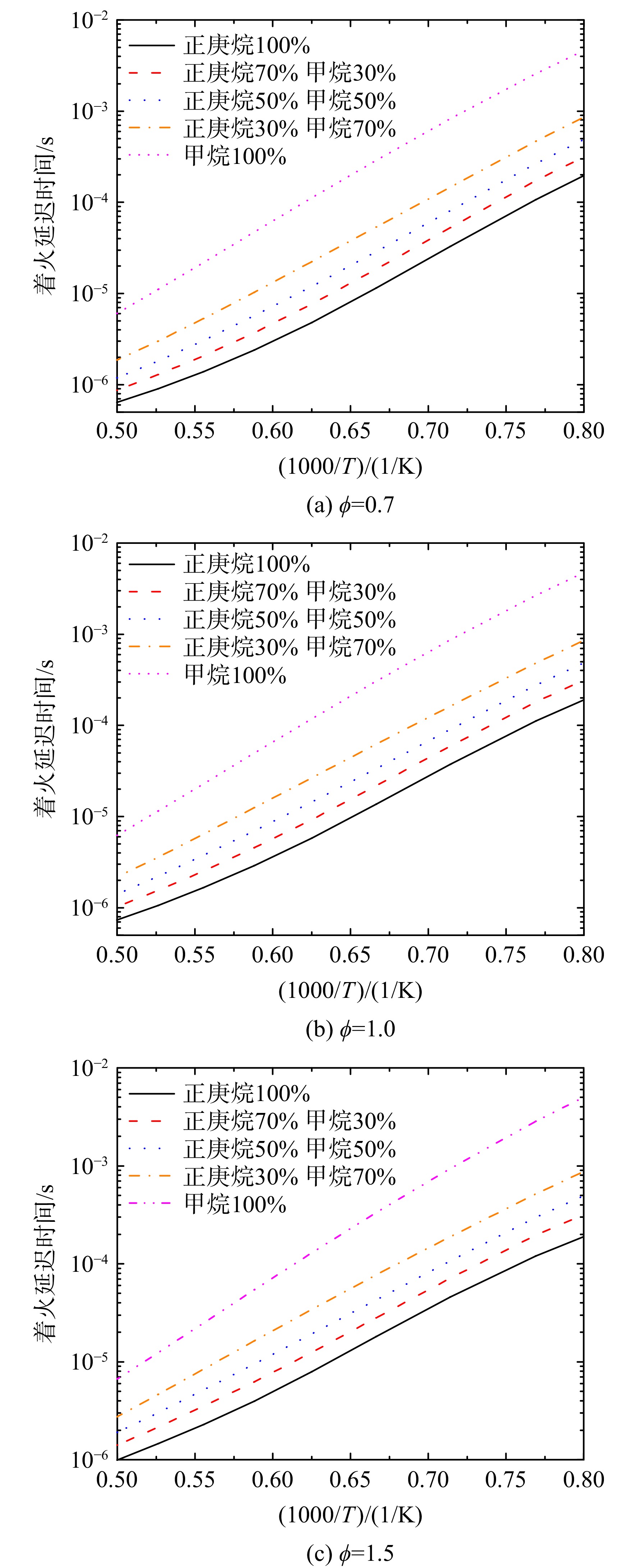
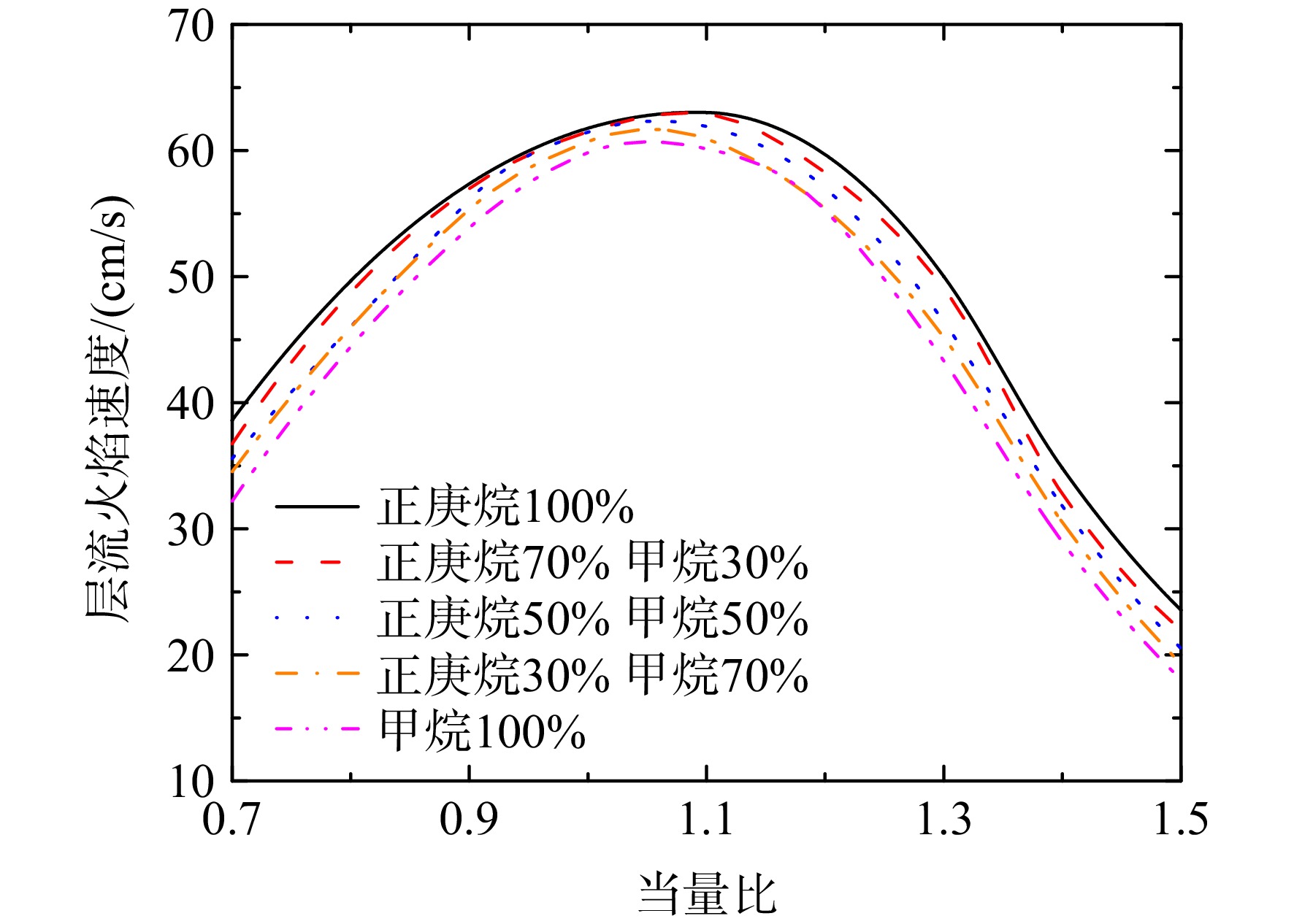
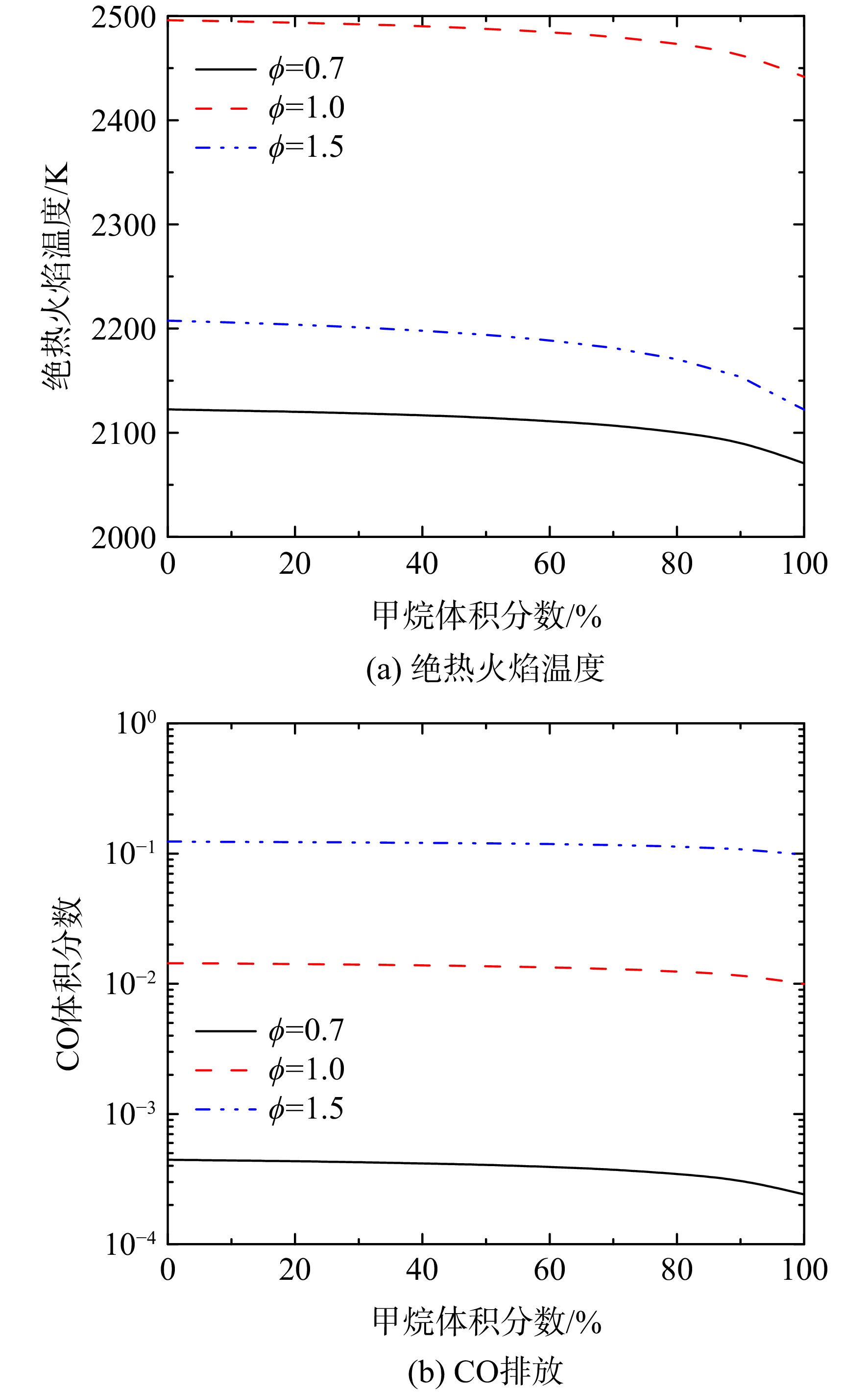
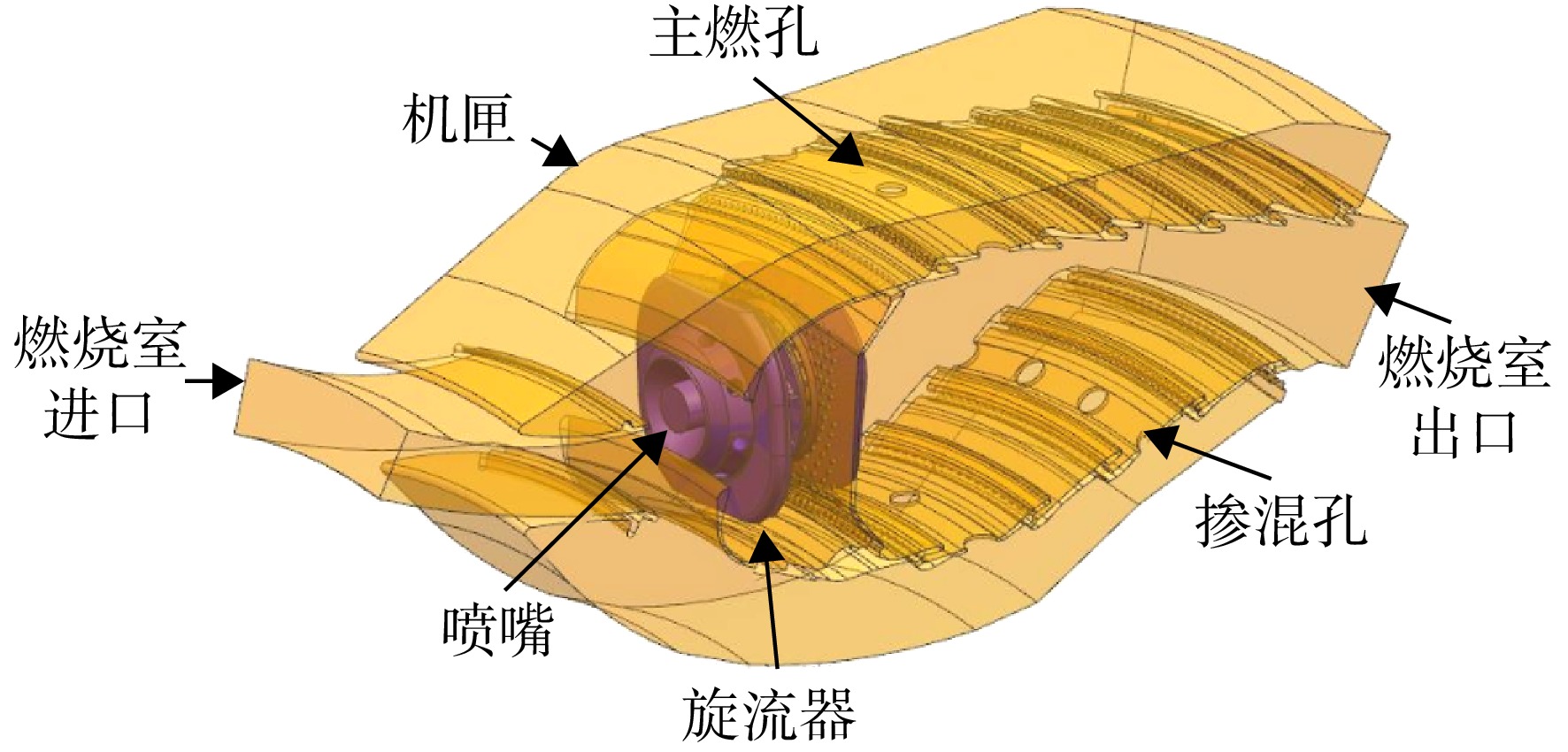
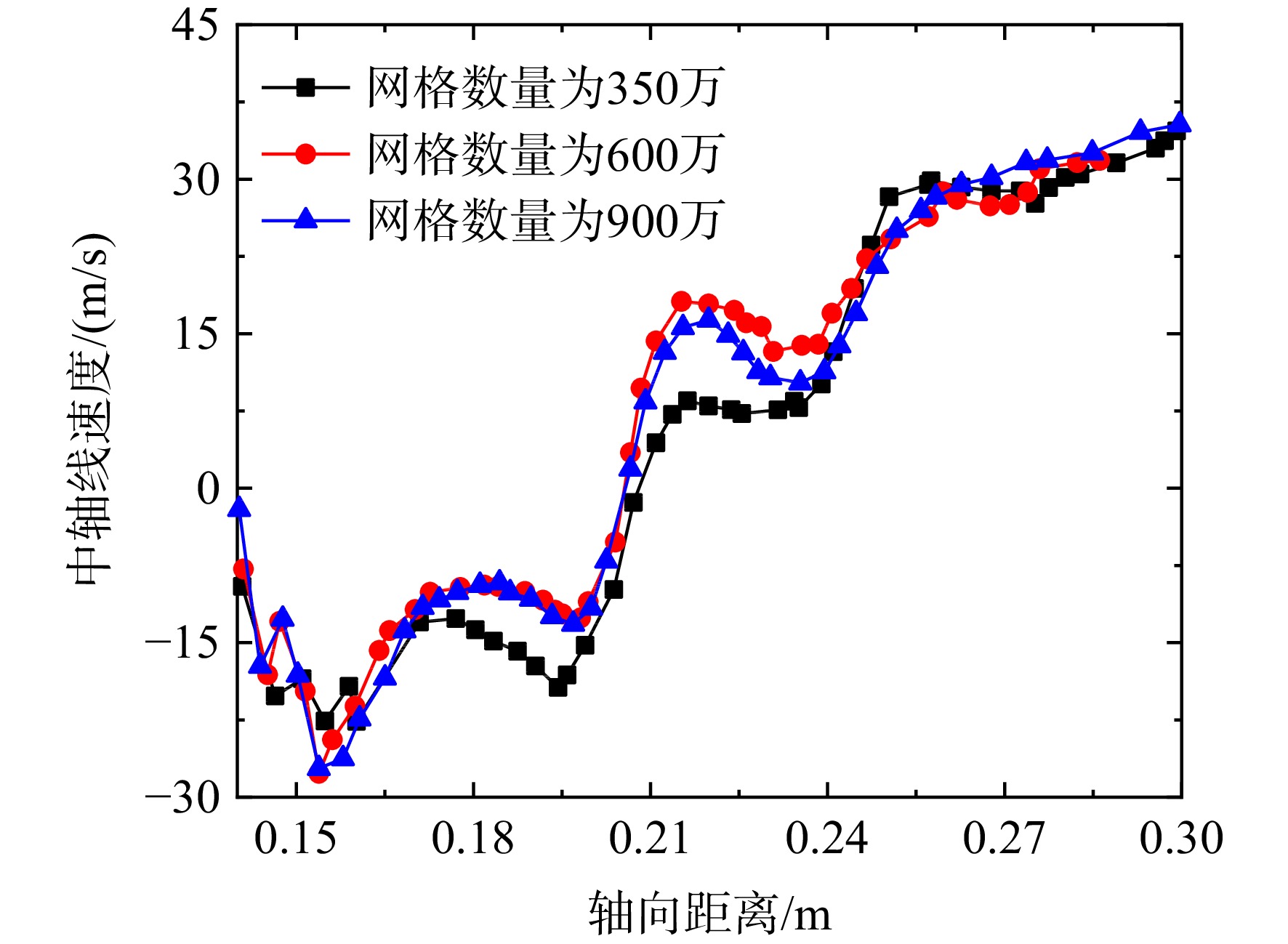
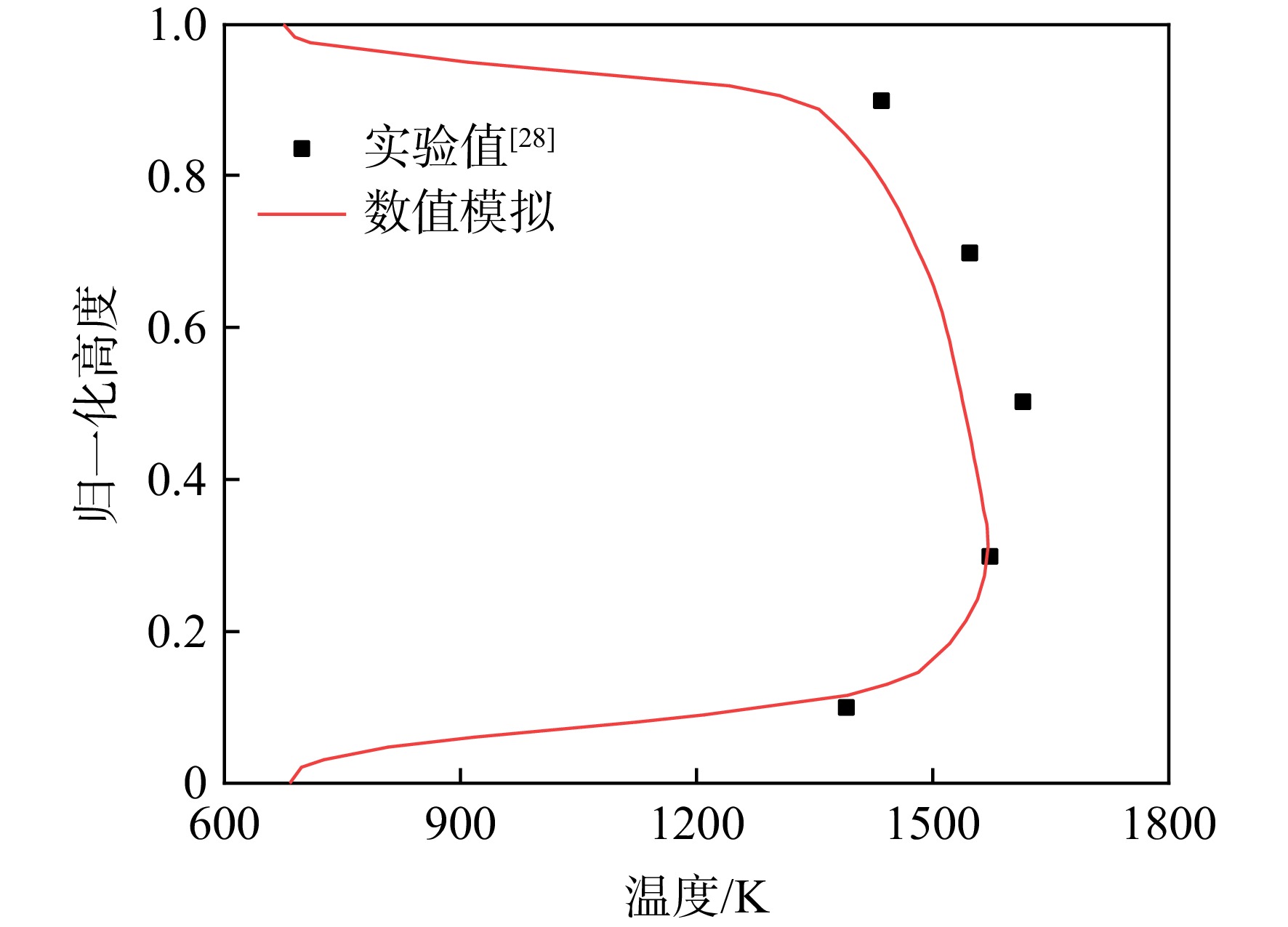
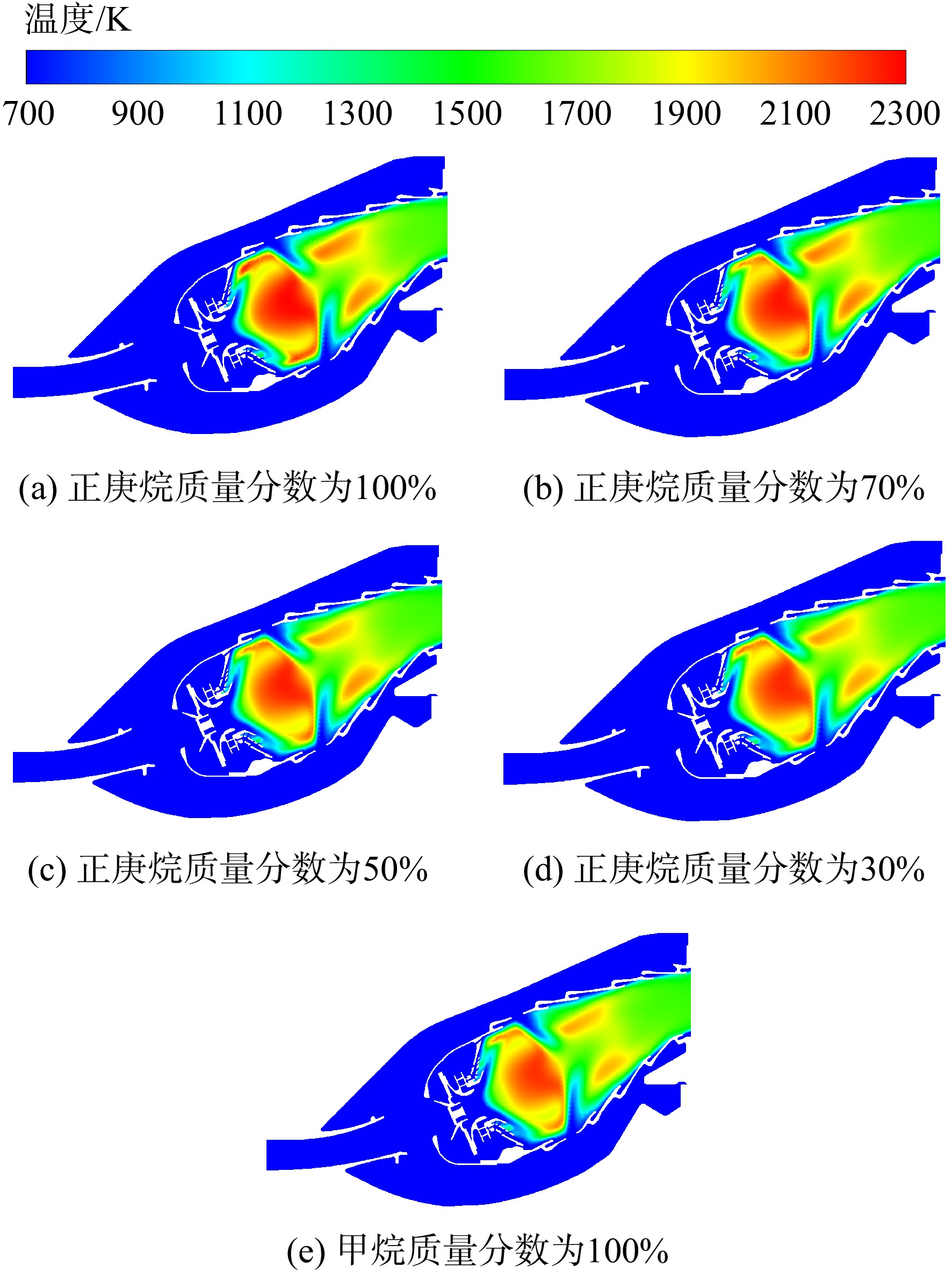
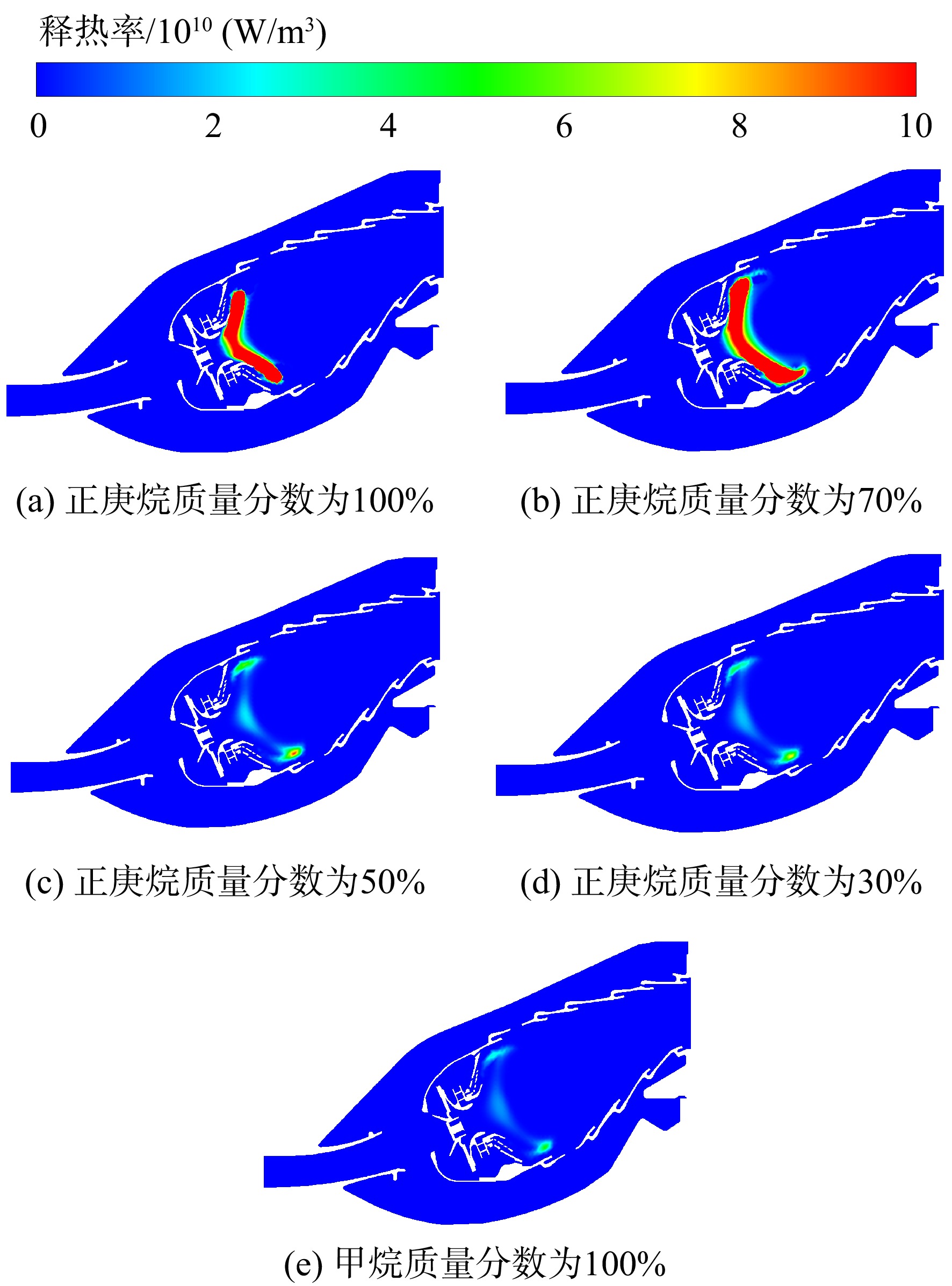
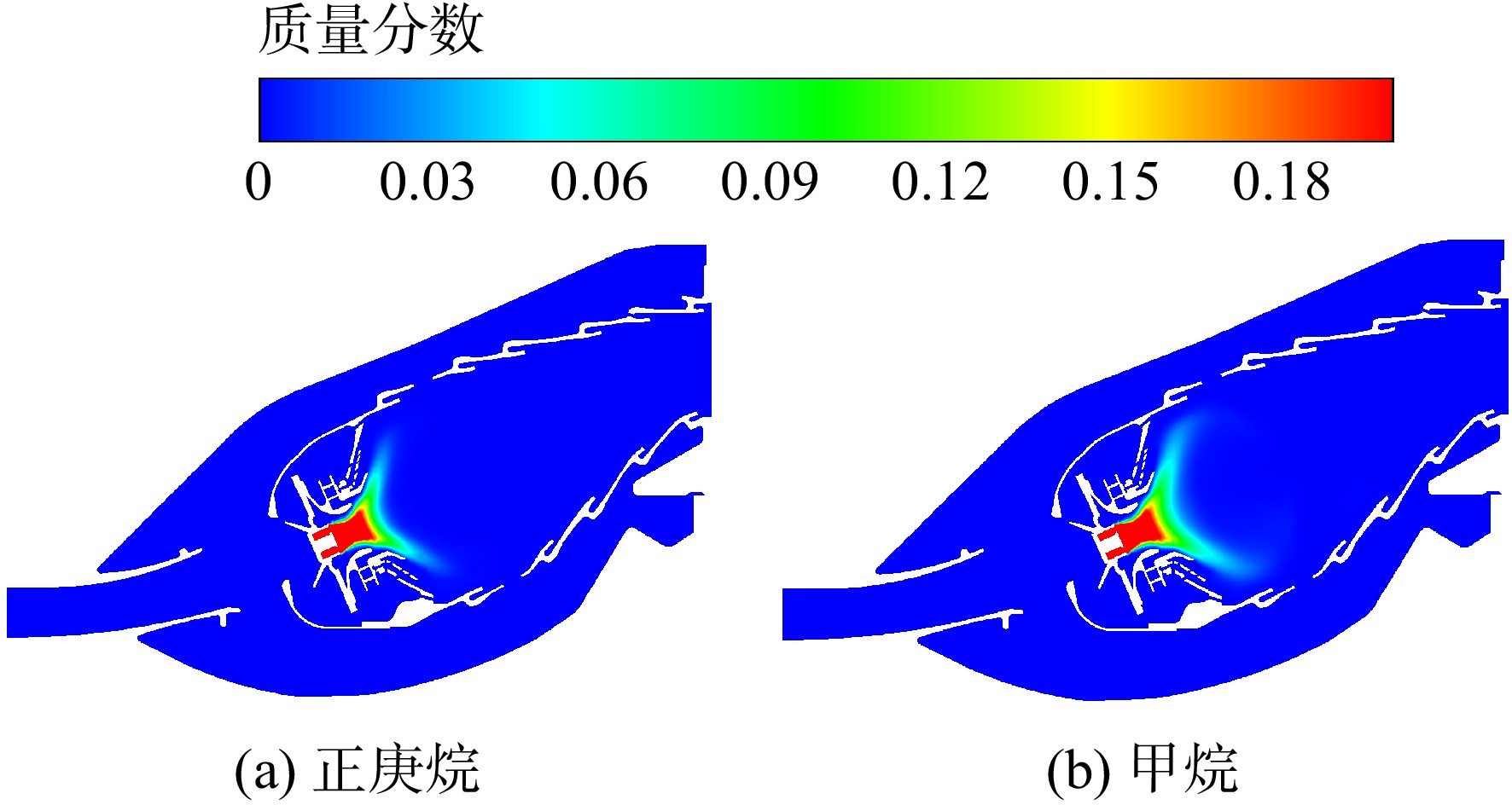
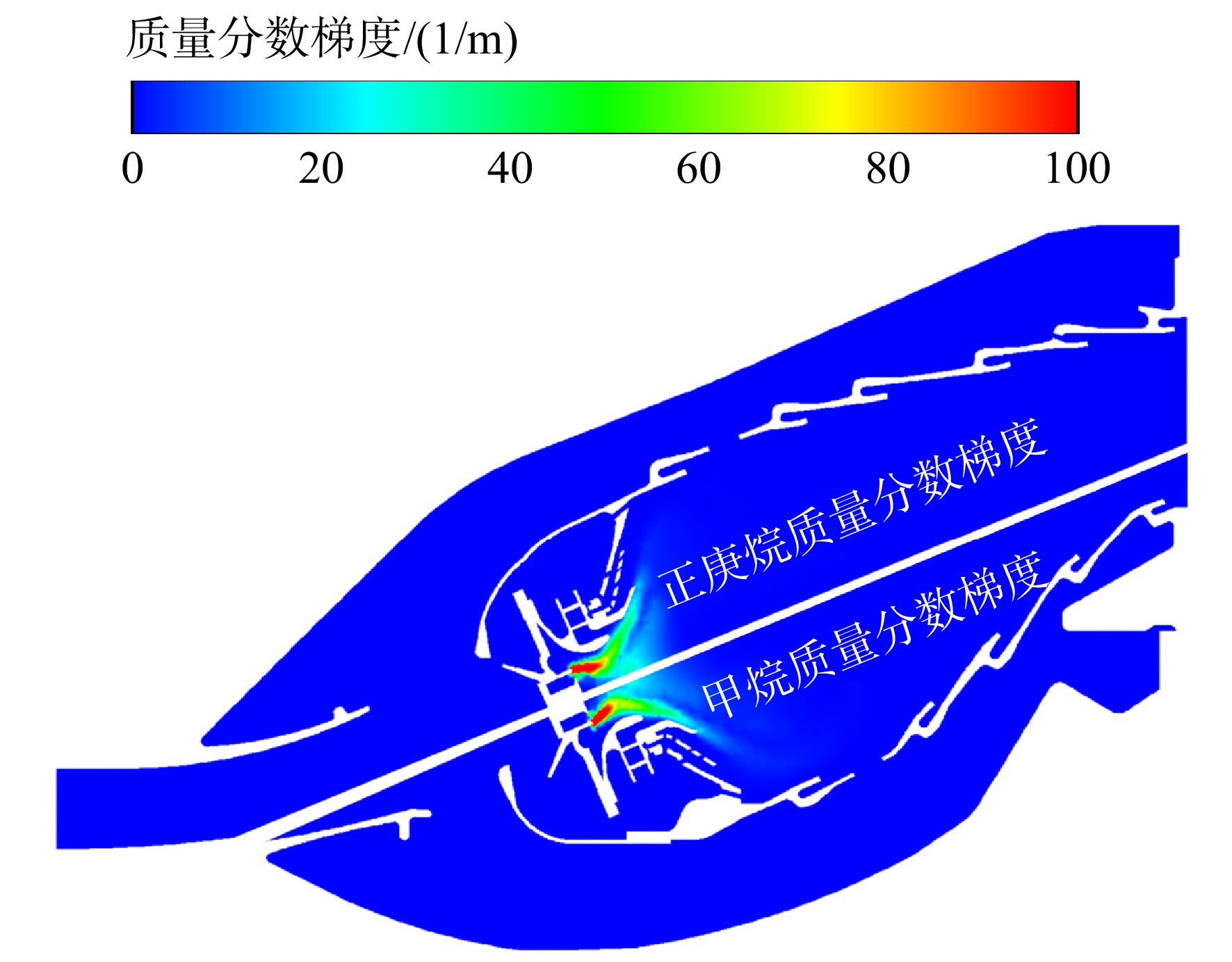
In view of the problem of dual-fuel mixed combustion of gas turbine, based on the NUI (National University of Ireland) mechanism, a reduced mechanism of n-heptane/methane combustion with 204 species and 902 reactions was obtained by applying the directed relation graph method. Effects of methane mass fraction and volume fraction in the n-heptane/methane mixture on combustion characteristics of n-heptane/methane were numerically studied based on the reduced mechanism. Results showed that increasing methane volume fraction in the fuel could increase ignition delays nonlinearly, and decrease laminar flame speeds adiabatic flame temperature and Carbon monoxide emission nonlinearly. When methane volume fraction in the fuel was above 70%, ignition delays and, laminar flame speeds were sensitive to fuel’s methane volume fraction. In the combustor, the positions of the flame fronts of n-heptane and methane were the same when co-firing n-heptane/methane. With the increase of methane mass fraction in the fuel, the flame length and flame lifted distance increased, while the combustion efficiency, pressure loss, Carbon monoxide emission and nitrogen oxide emissions decreased. When methane mass fraction in the fuel was below 30%, the flame was “V” shaped, and above this value the flame was “M” shaped.

Parameter optimization of multi-scale multi-group wide-band k-distribution models
WU Yue, HU Haiyang, WANG Qiang, DUAN Ran, XIE Yeping, DENG Hongwei
2024, 39(2): 20220144. doi: 10.13224/j.cnki.jasp.20220144
Abstract:

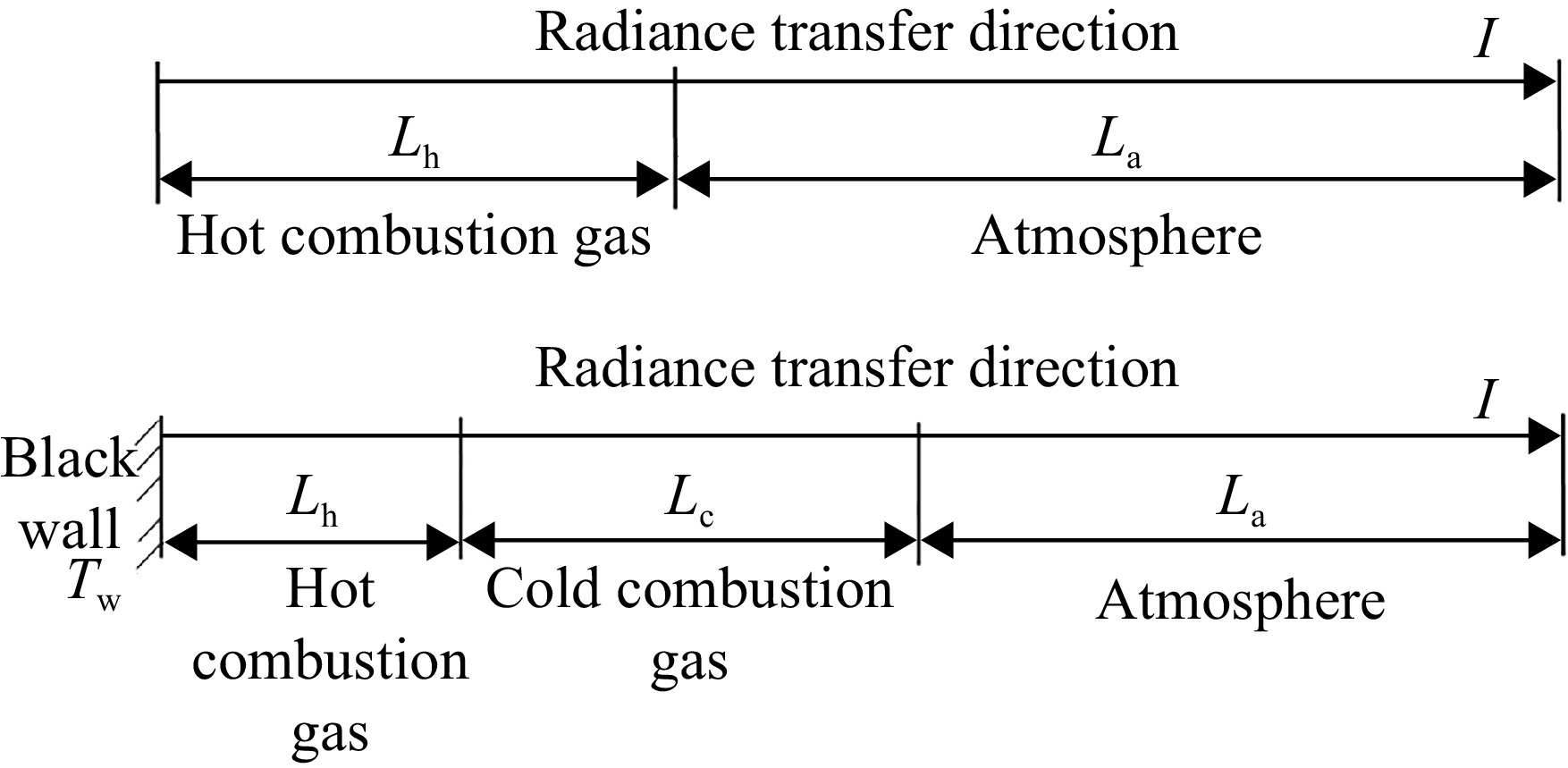
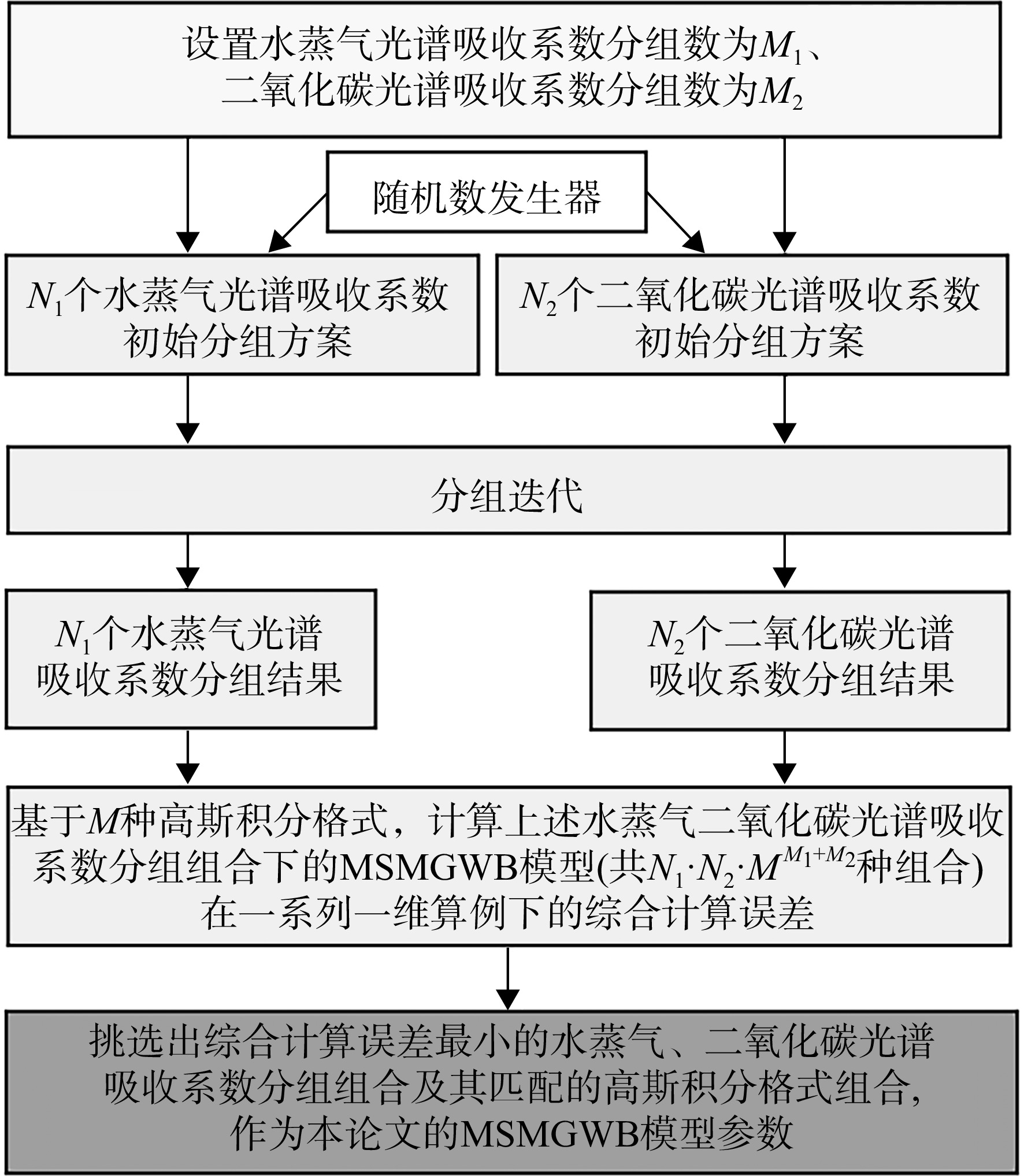
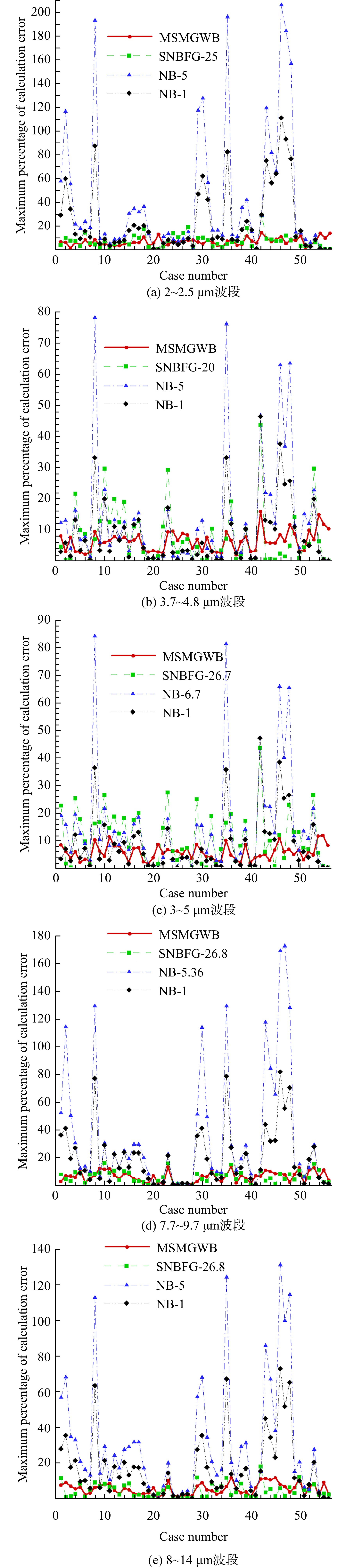
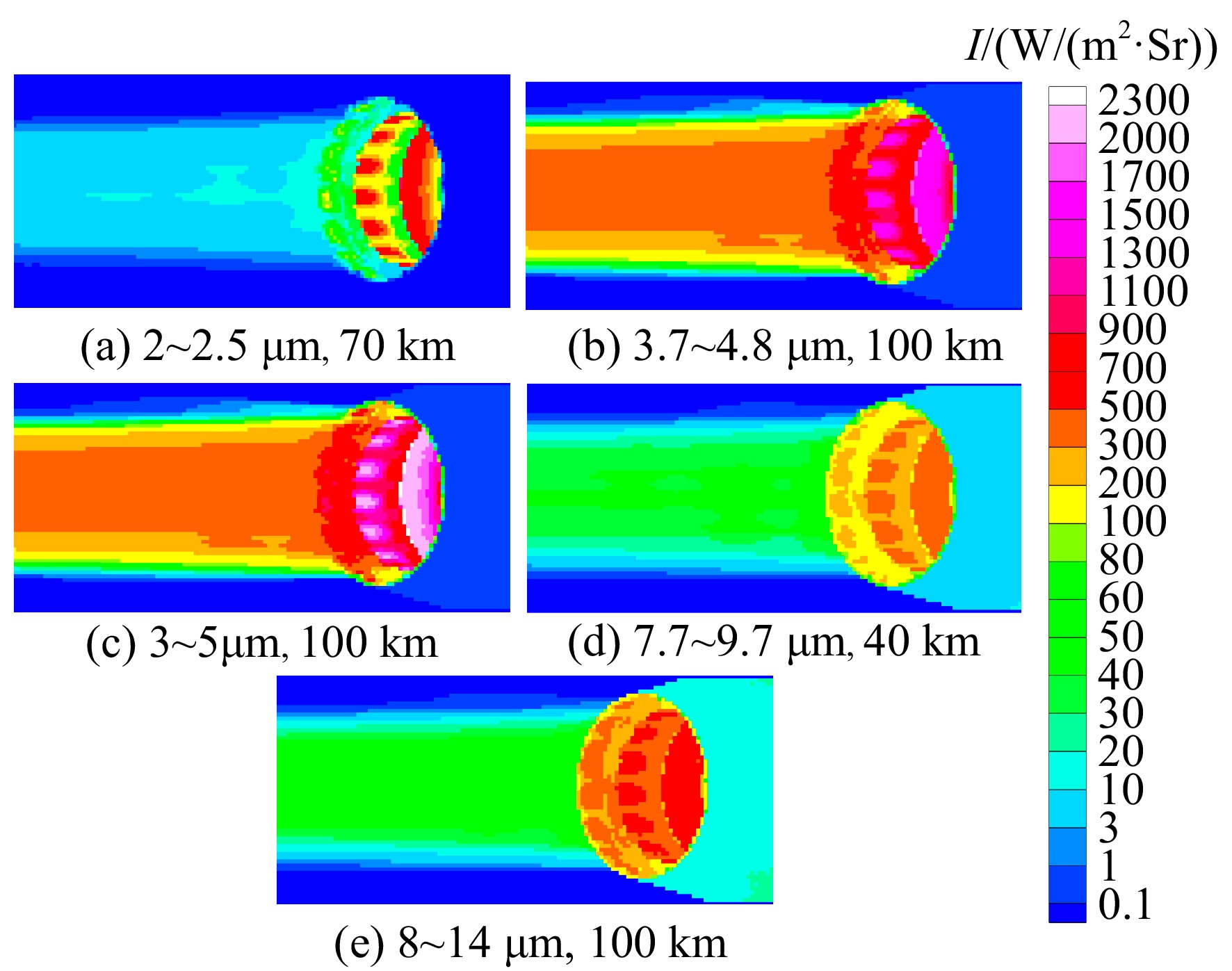
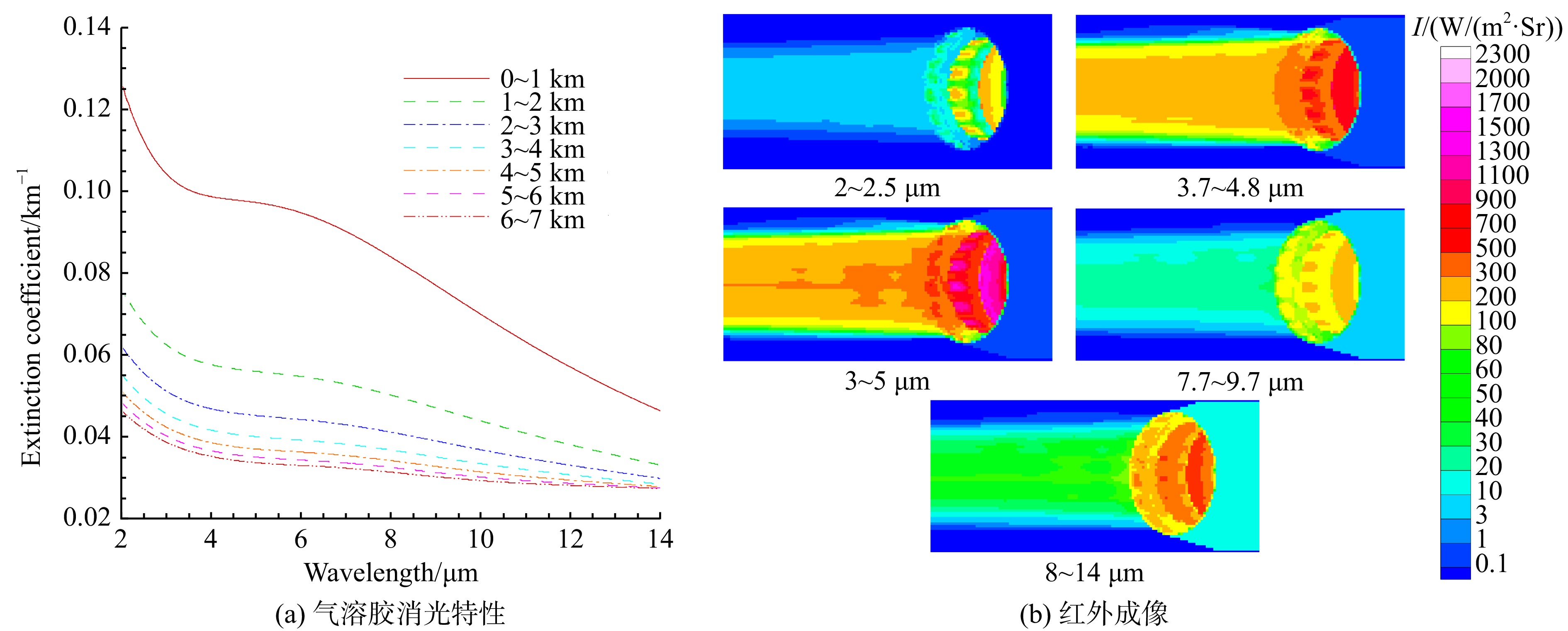
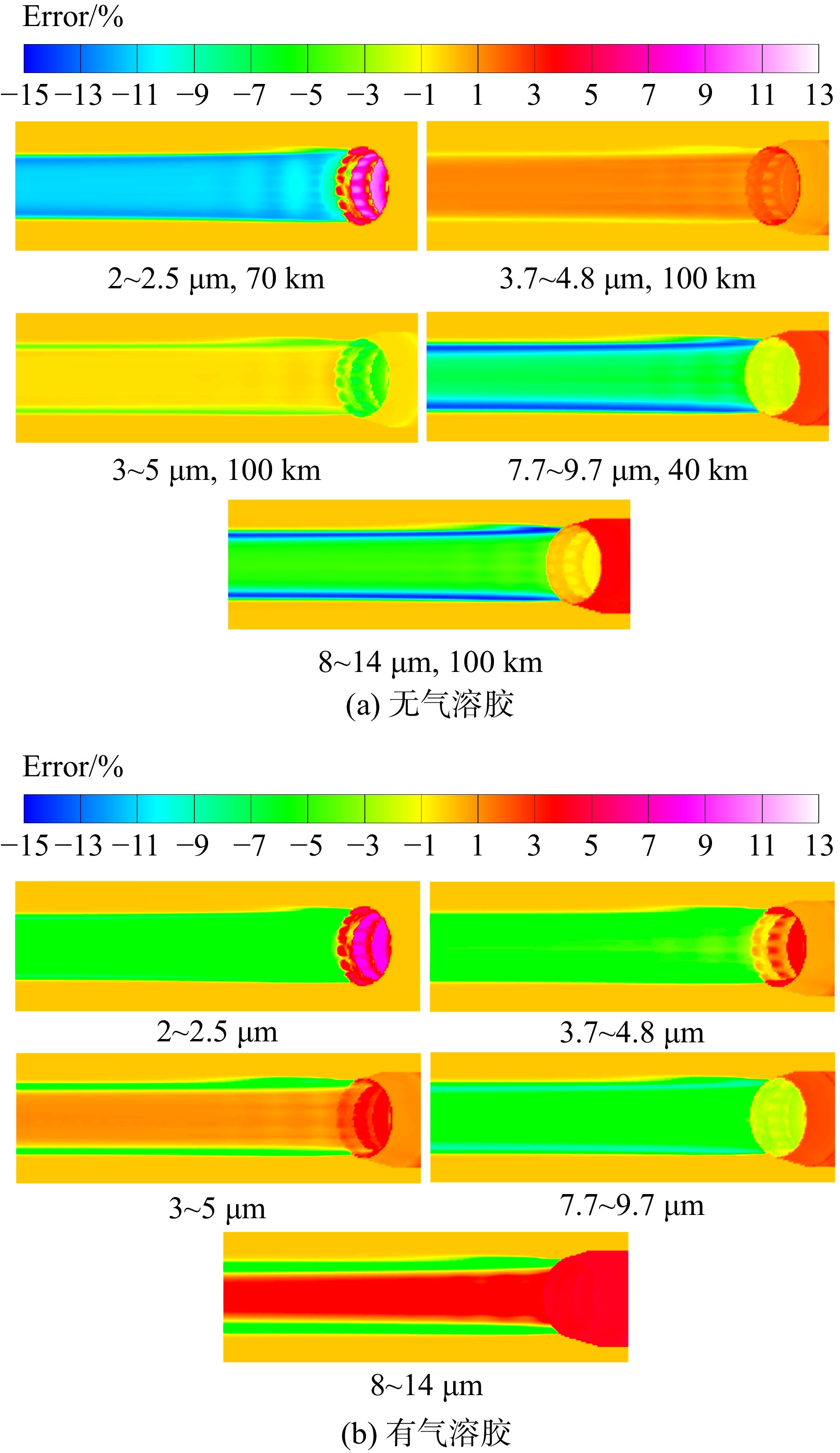
Considering the numerical calculation of remote infrared signal emitted by solid wall and hot combustion gas of jet aircraft’s transonic exhaust system, the existing multi-scale multi-group wide-band k-distribution model (MSMGWB) was expanded from 3−5 μm wave band to 2−2.5, 3.7−4.8, 7.7−9.7 μm and 8−14 μm wave bands. Moreover, the method of finding best combination of wavenumber subinterval grouping results and Gauss integral schemes was improved. The calculation results of 56 1D cases and a 3D real-structure transonic exhaust system remote infrared imaging case indicated that the optimized MSMGWB model significantly improved computation accuracy and efficiency compared with fictitious gas-based statistical narrow-band model, especially under 3−5 μm and 3.7−4.8 μm wave bands, the comprehensive calculation accuracy was nearly doubled, and the calculation efficiency was increased by 4 times and 1.5 times, respectively. At the same time, the optimized MSMGWB model’s comprehensive calculation accuracy was improved more significantly, and calculation efficiency was improved by about an order of magnitude compared with the domestic mainstream calculation method of target remote infrared signals.

Impact of fluidic nozzle on propulsion performance of pulse detonation engine
MEN Kai, QIU Hua, YAN Yu, XIONG Cha, CHEN Shanshan
2024, 39(2): 20220149. doi: 10.13224/j.cnki.jasp.20220149
Abstract:

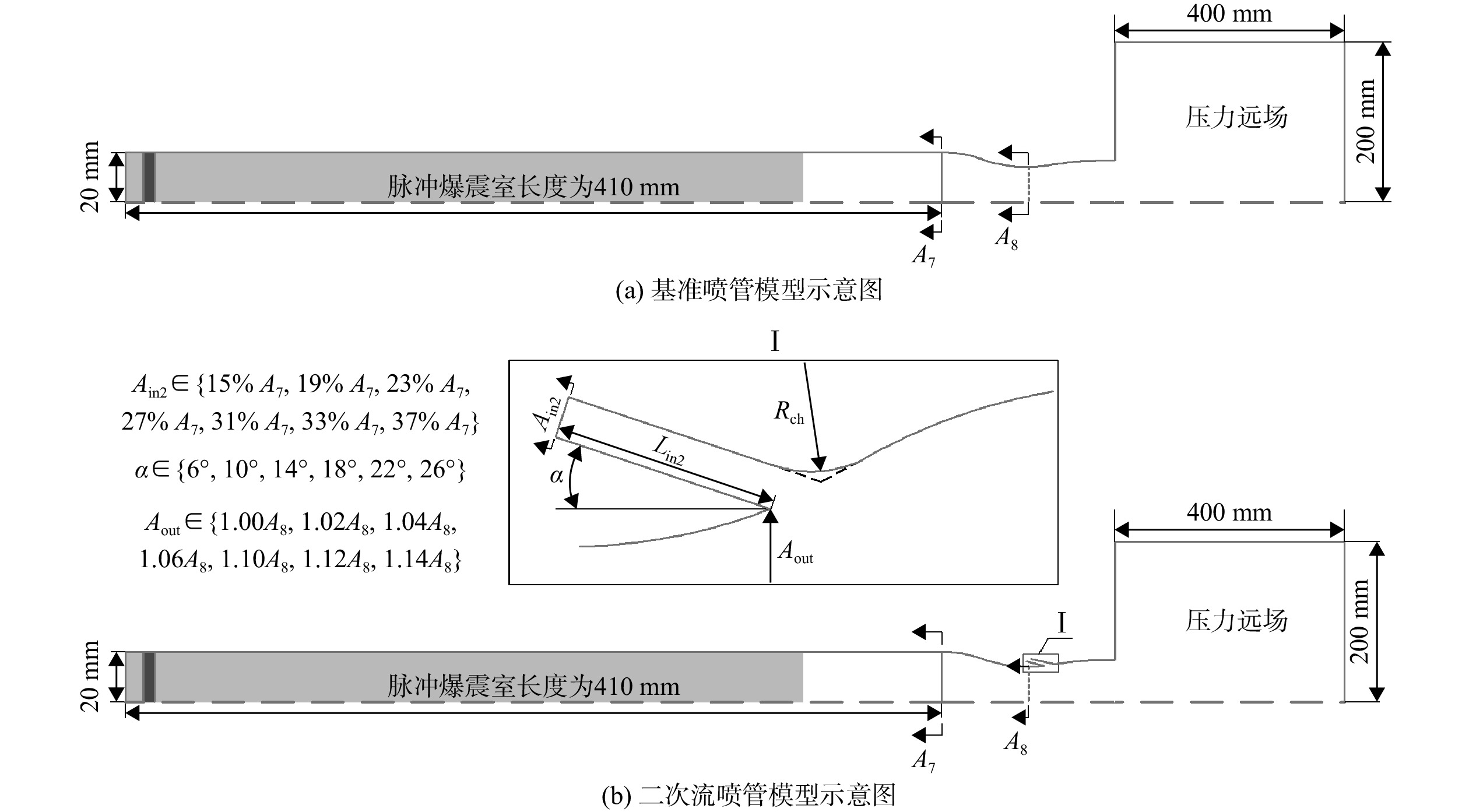
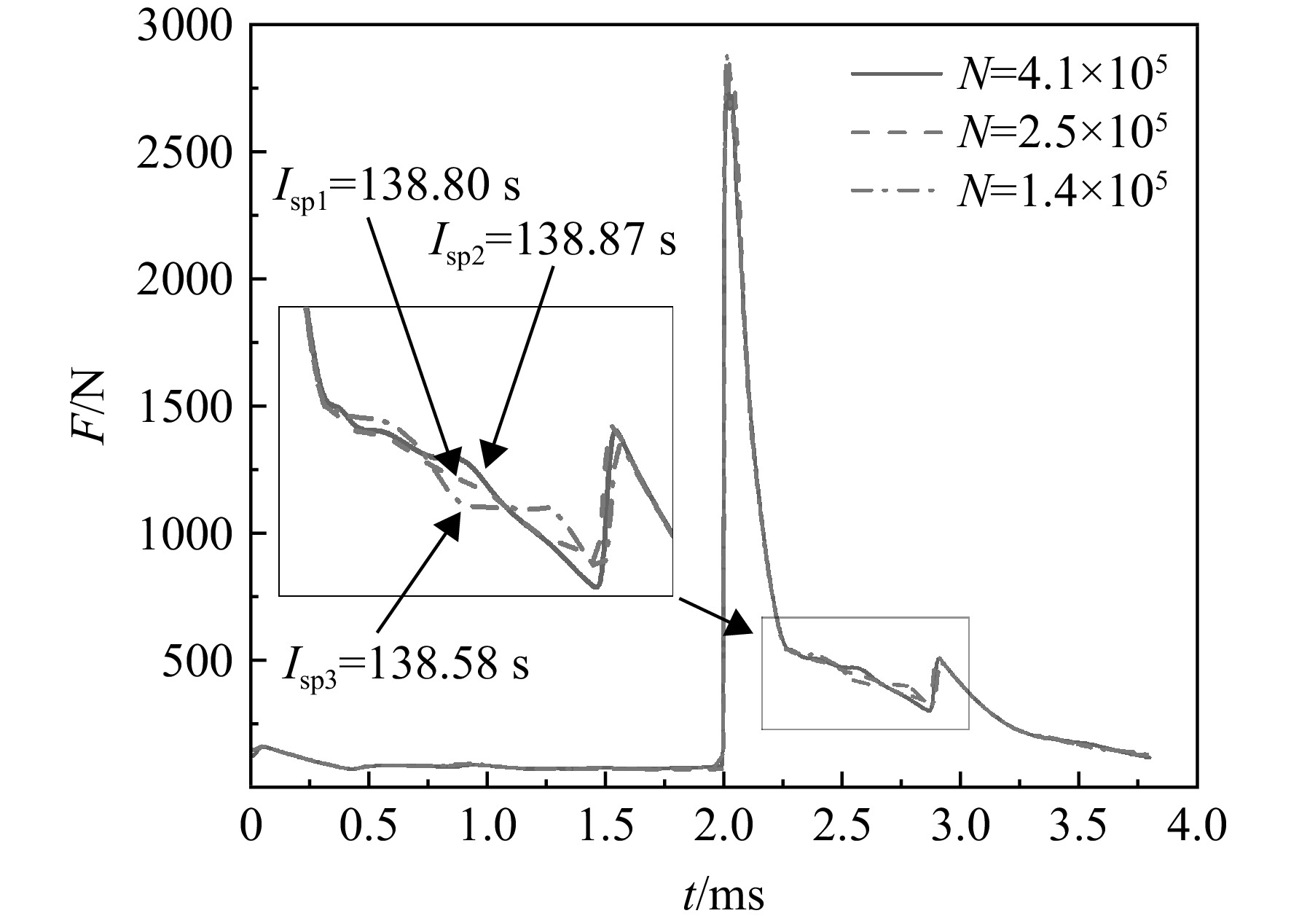
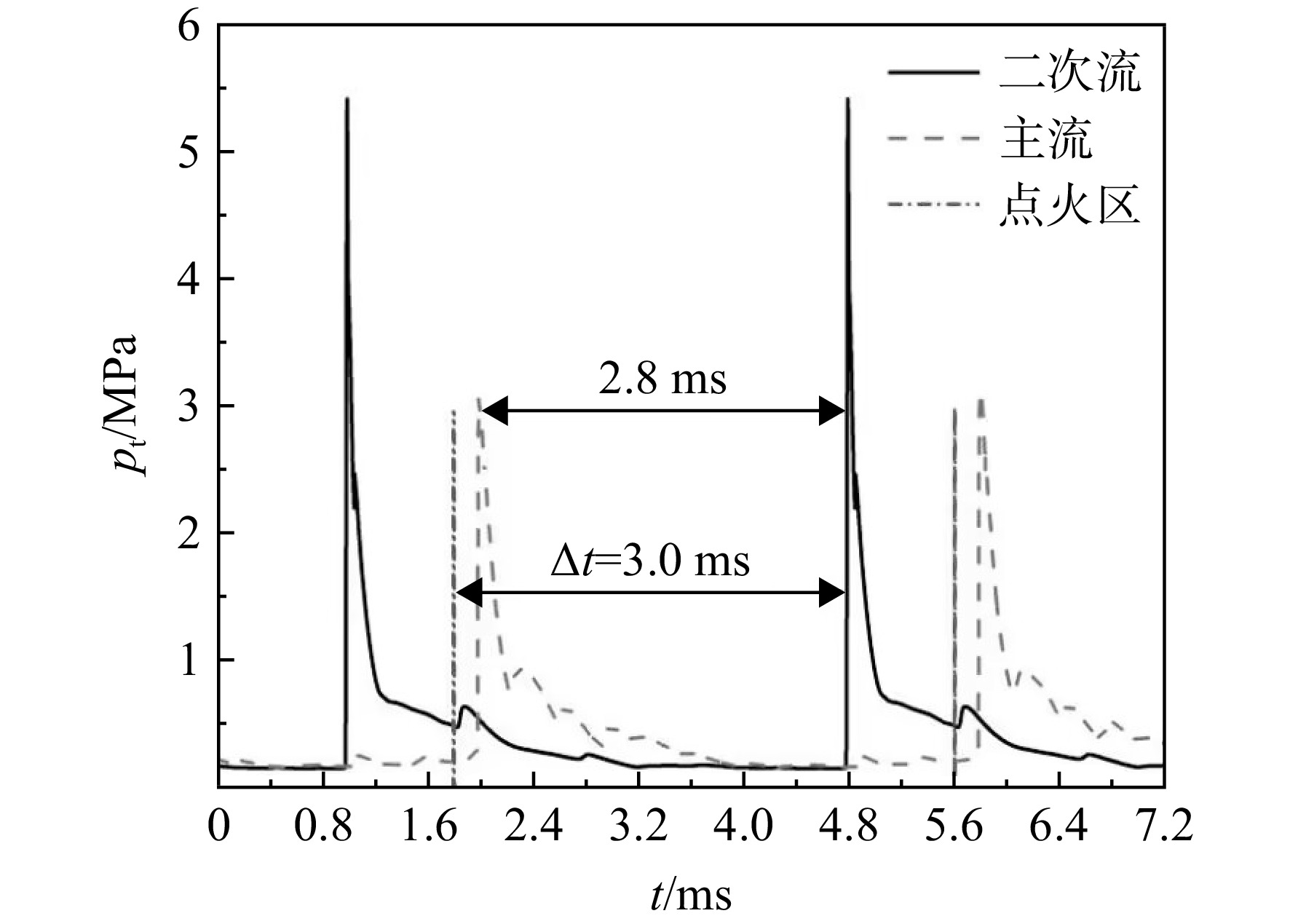
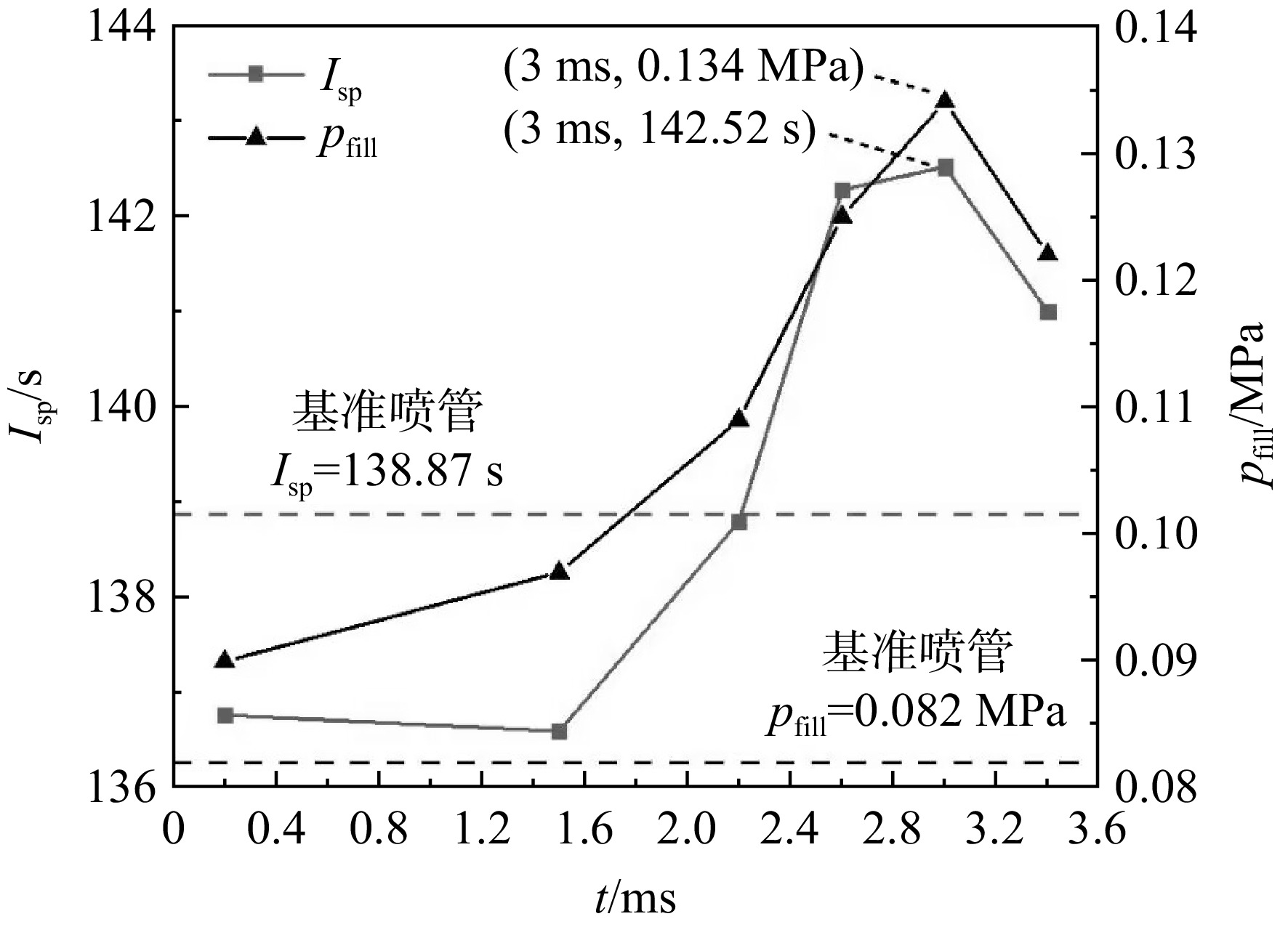
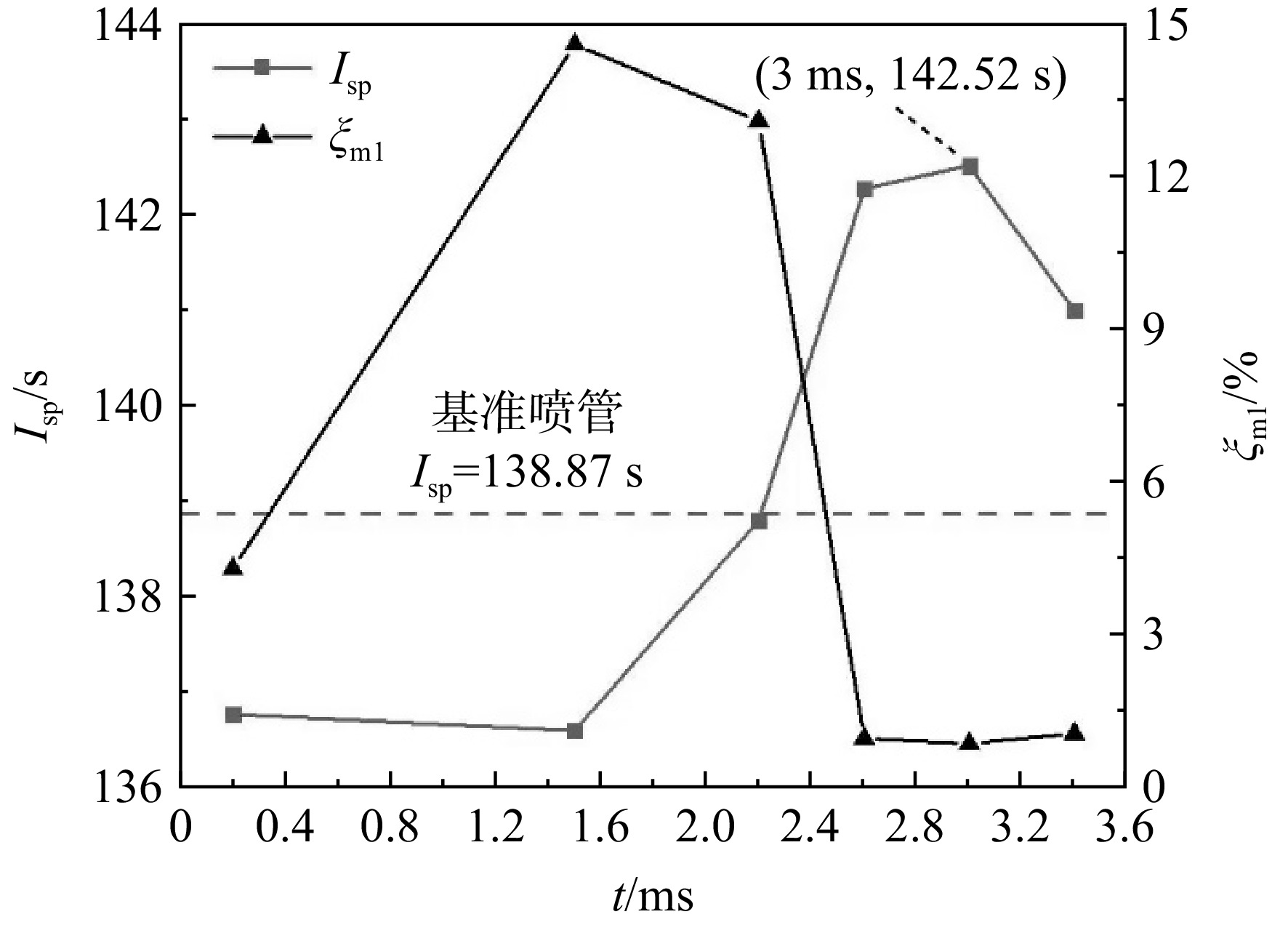
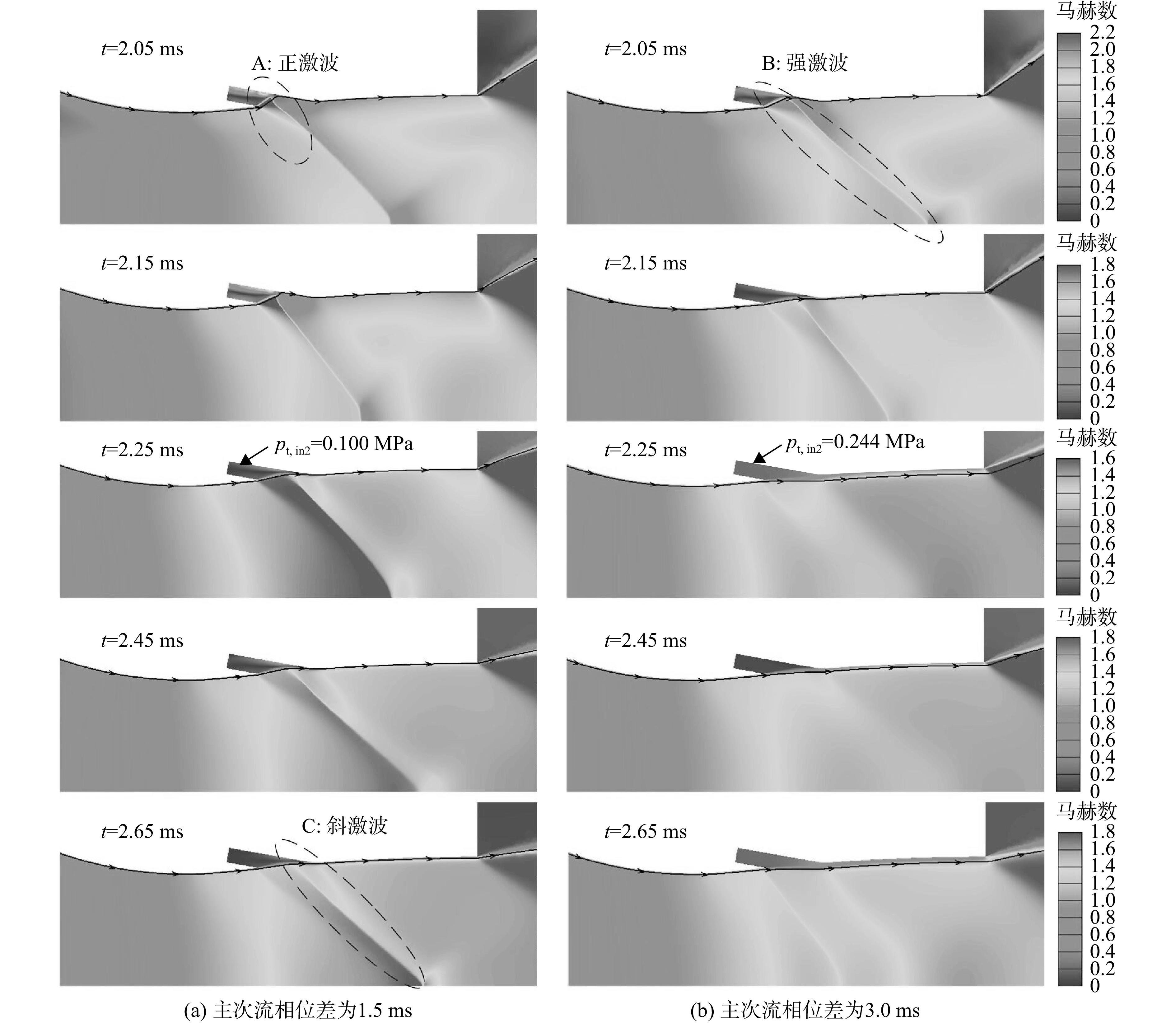
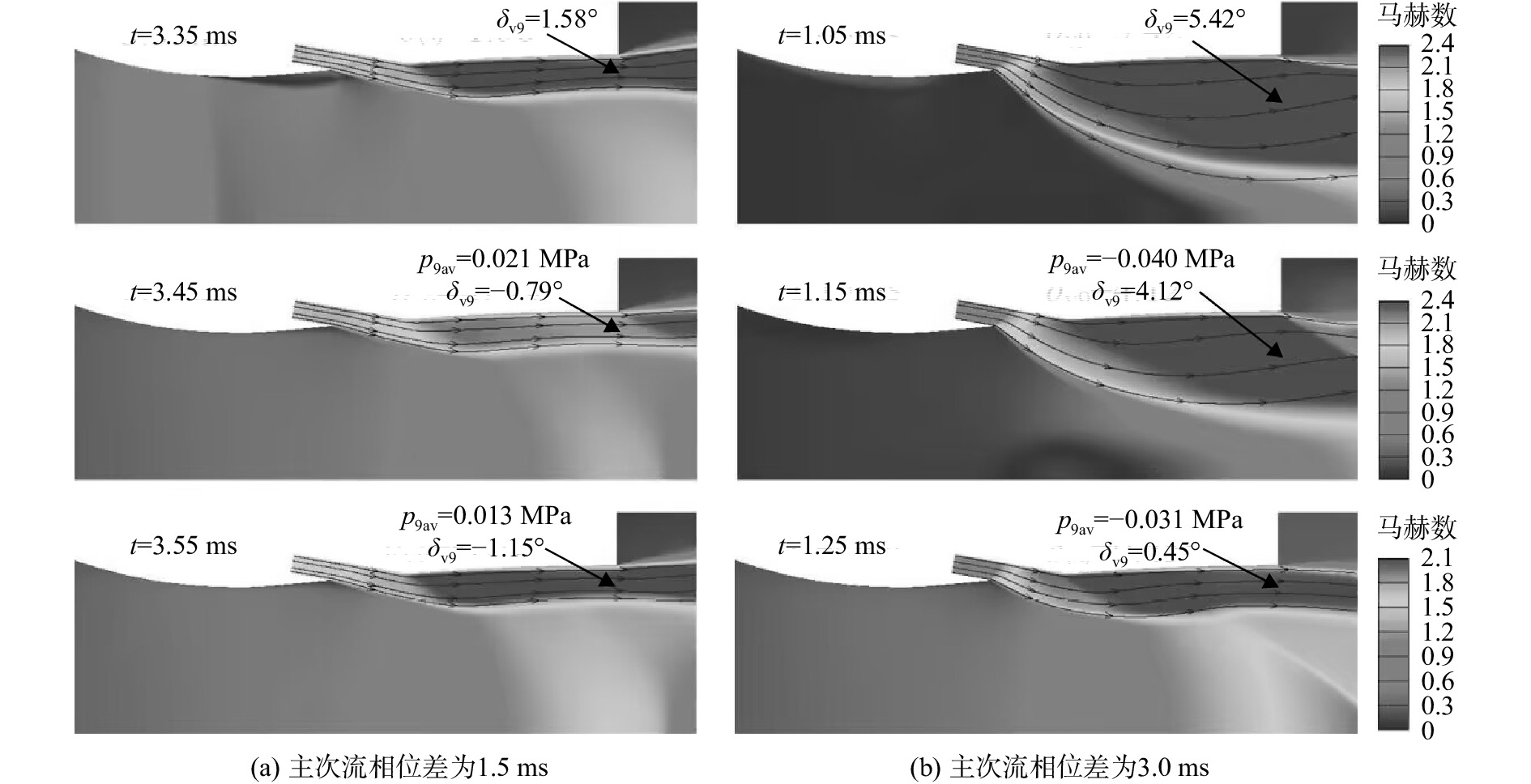
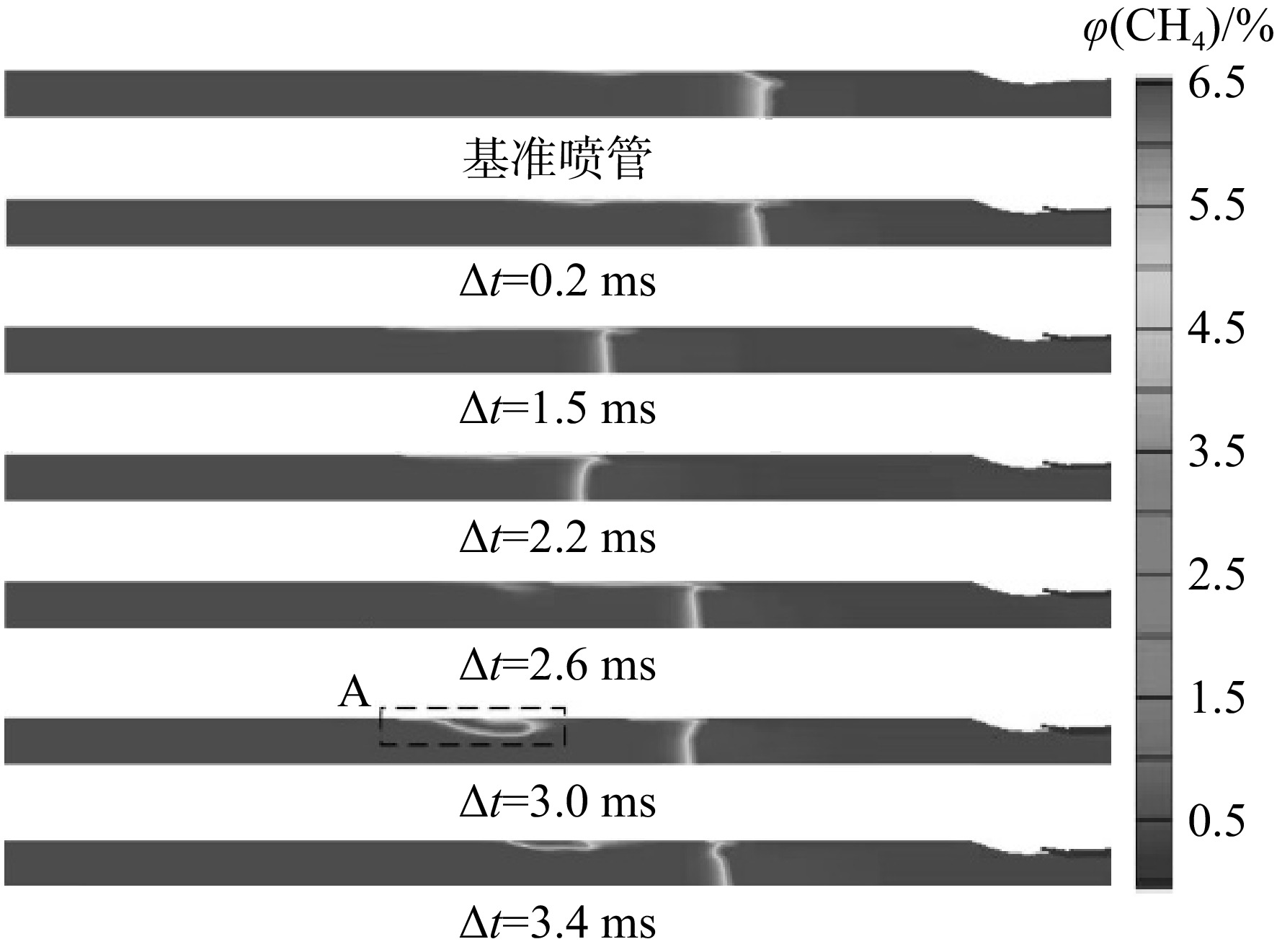
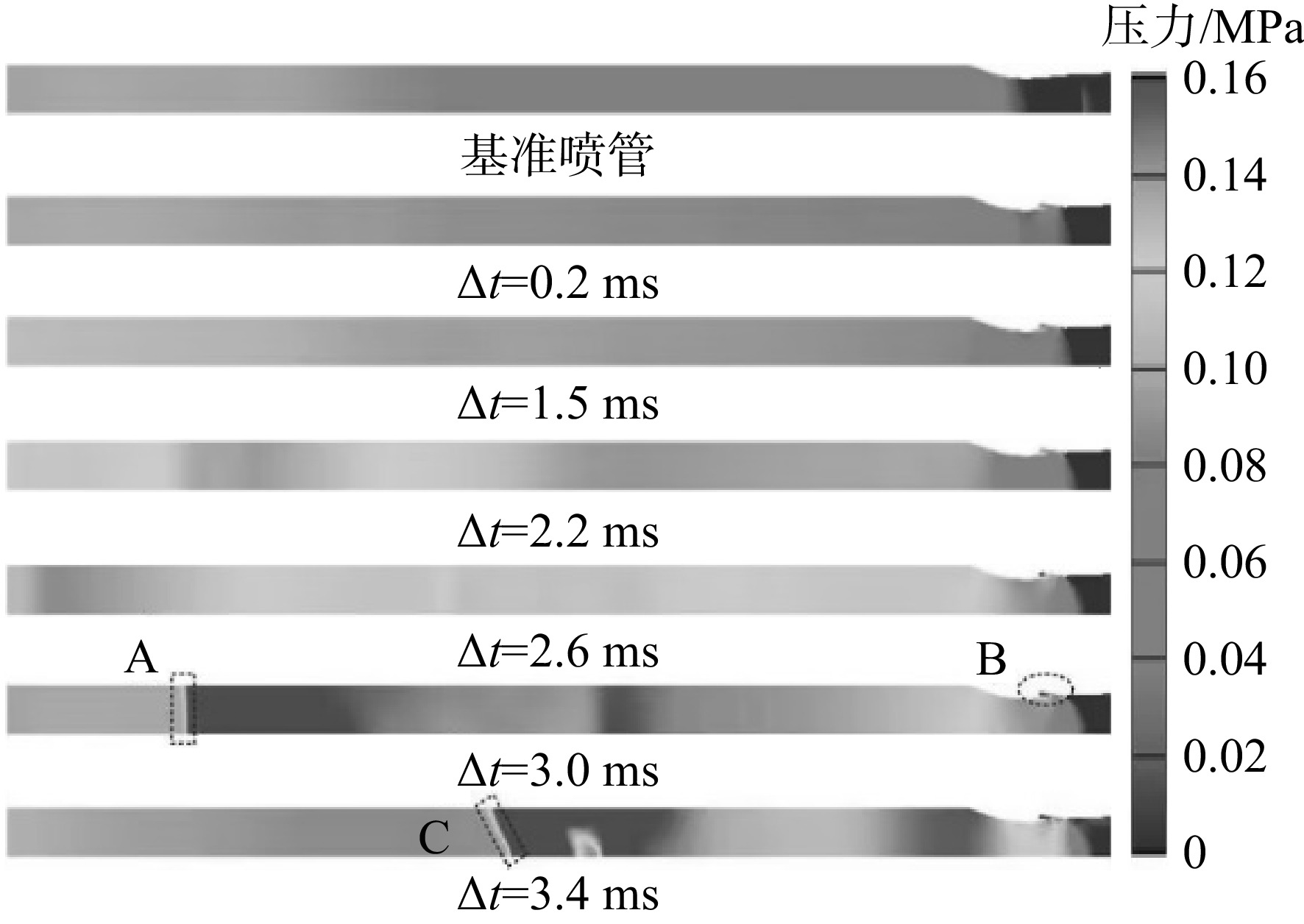
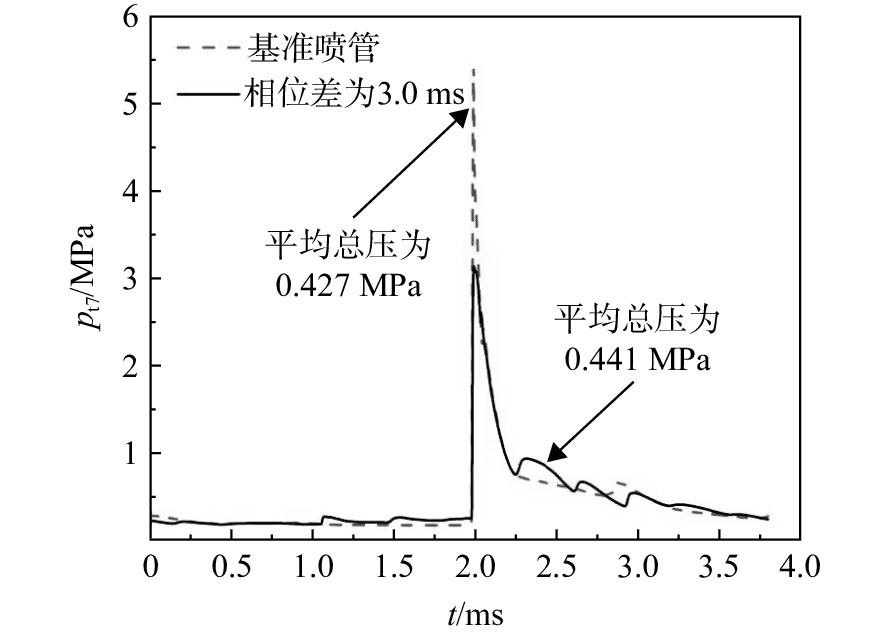
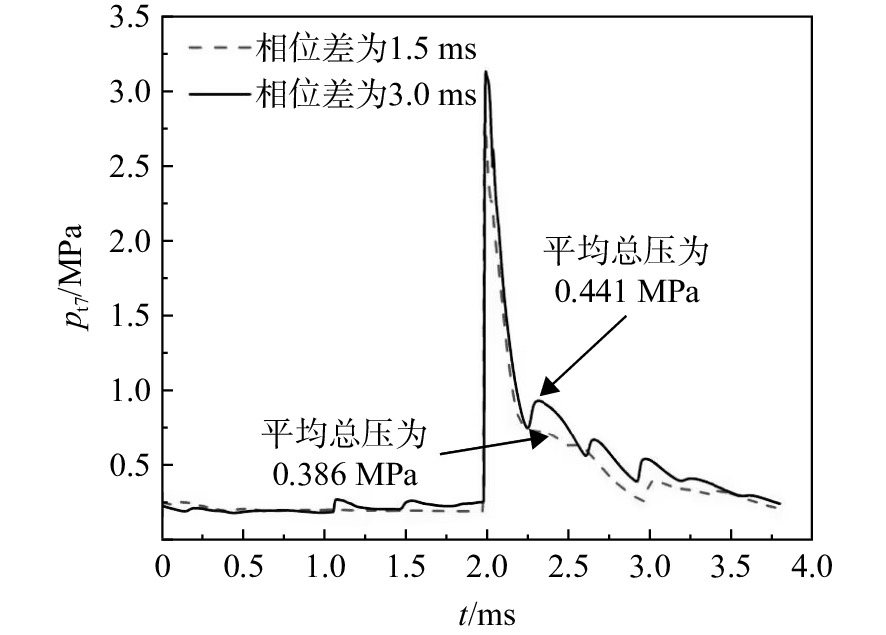
In order to further improve the propulsion performance of the pulse detonation engine(PDE), a multi-cycle numerical simulation was carried out for the PDE with fluidic nozzle, and a scheme of alternating phase injection of the main and secondary flows was proposed. According to the computational results, the new nozzle design can adjust the effective flow area of the main and secondary flows, thereby improving the off-design point state of the nozzle. Furthermore, it can increase the actual filling pressure of combustible gas, thereby enhancing the detonation combustion intensity. Also, the best phase difference between the main and secondary flows manifested the condition that the back compression wave just propagated to the head of detonation chamber. The best injection position of secondary flow was the nozzle throat. As compared with the maximum specific impulse generated by baseline nozzle, the pulse detonation engine with fluidic nozzle could produce a specific impulse gain of 5.64%.

Simulation and experiment on the laminar combustion characteristics of natural gas
DANG Jiaying, ZEGN Wen, CHEN Xiaoxiao, GU Wu, HU Erjiang, MA Hongyu
2024, 39(2): 20210468. doi: 10.13224/j.cnki.jasp.20210468
Abstract:

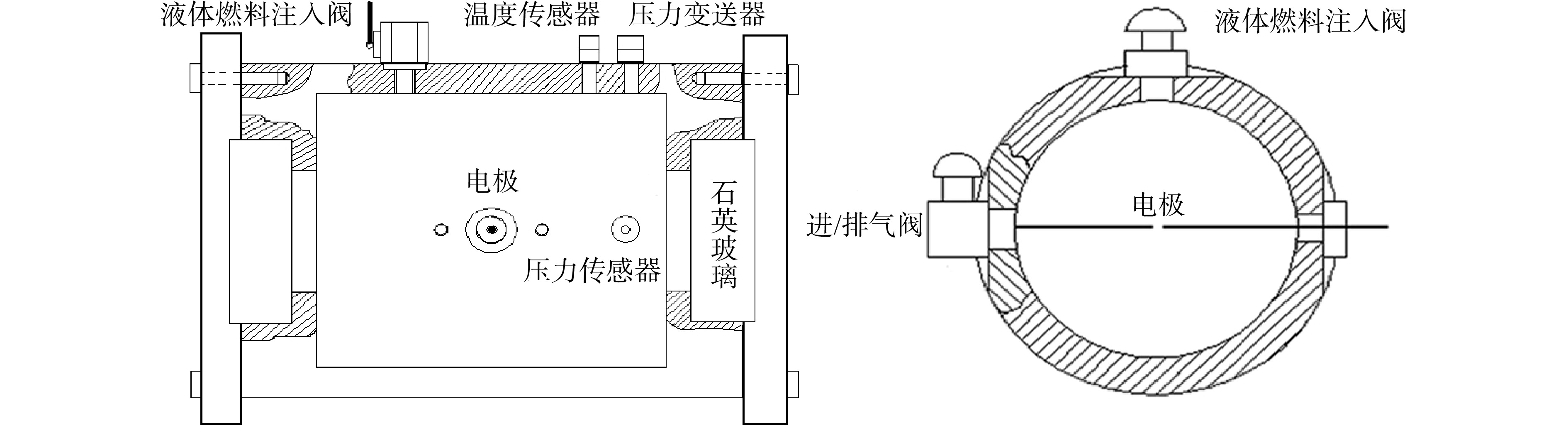
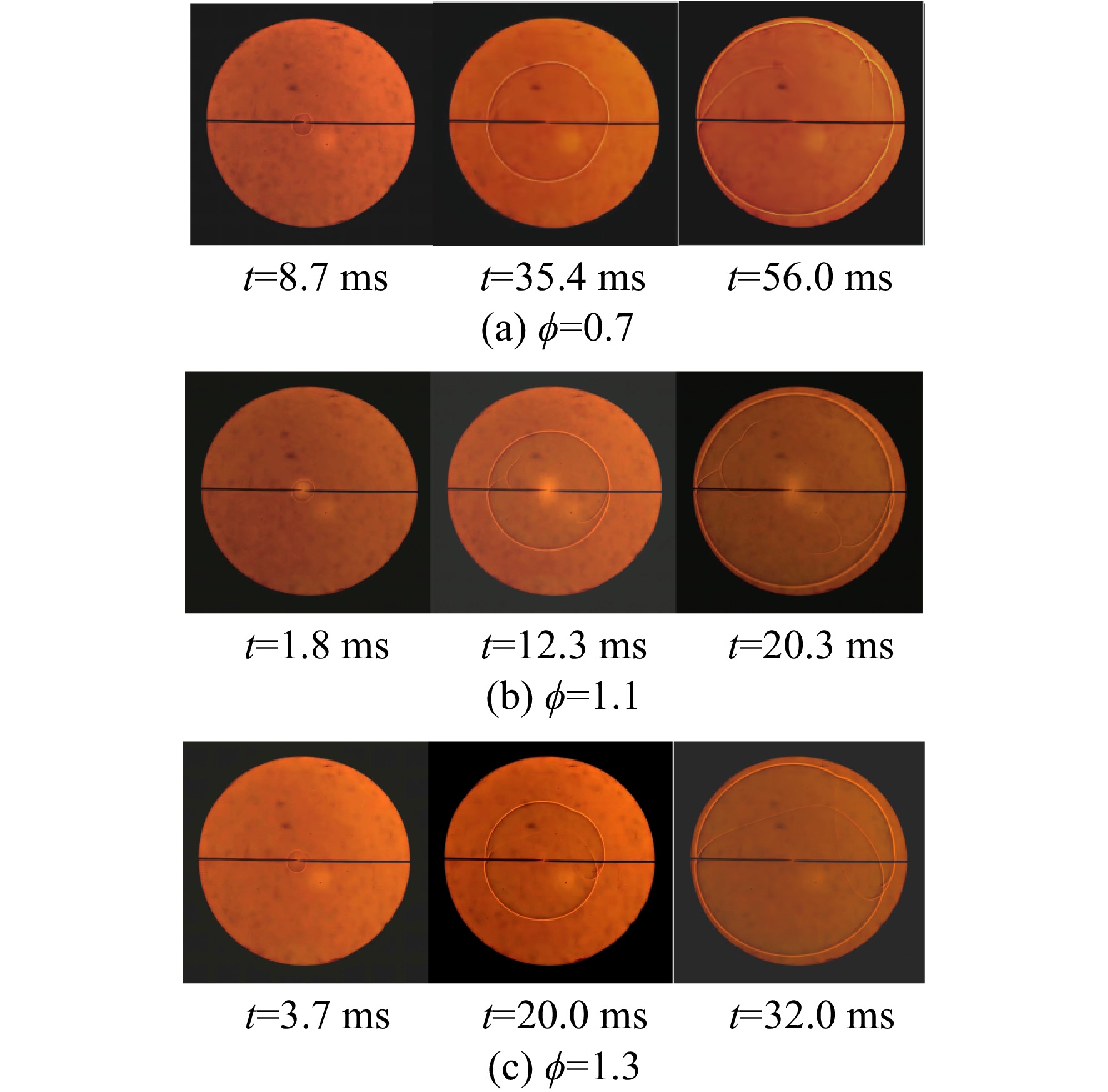
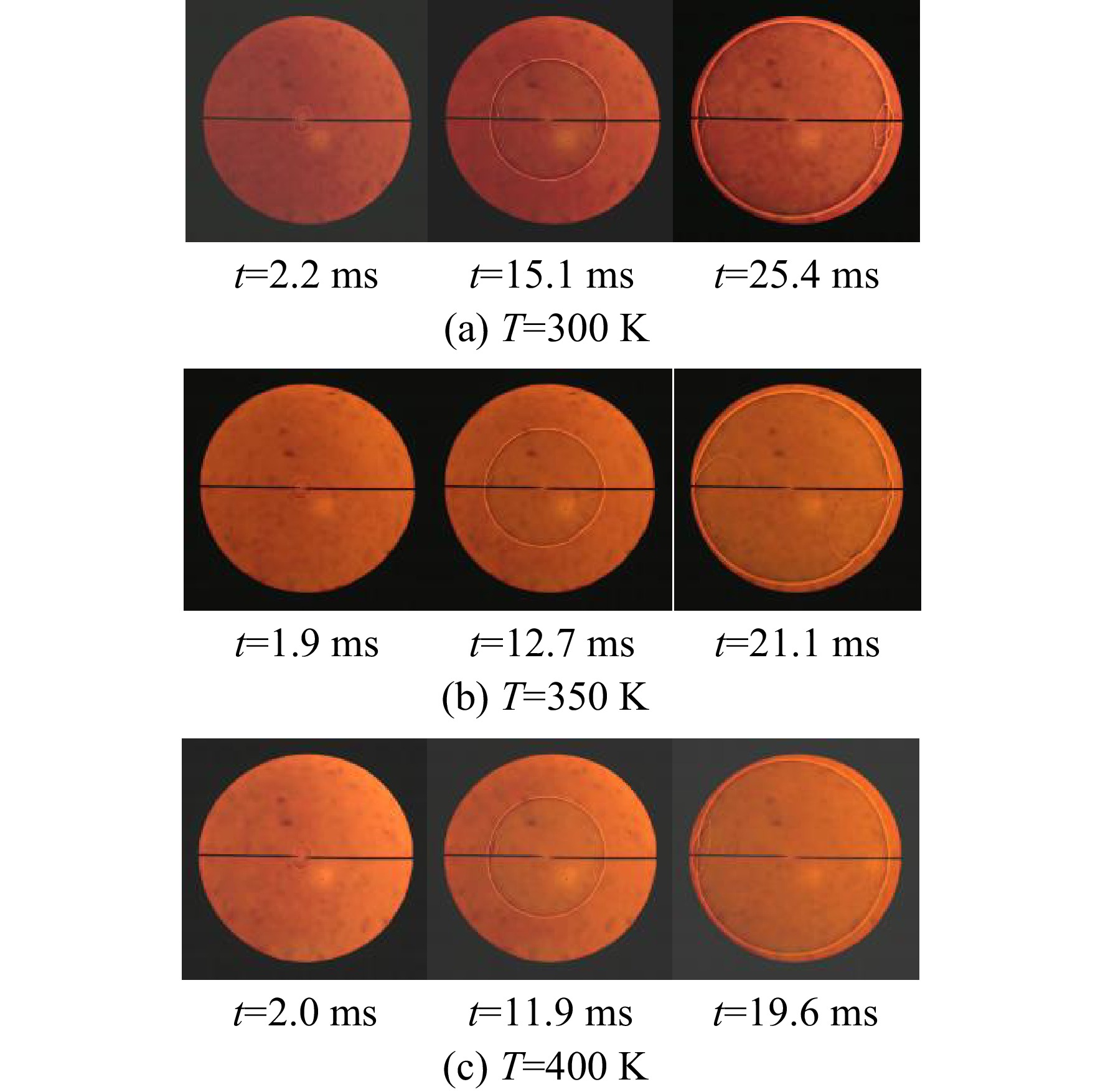
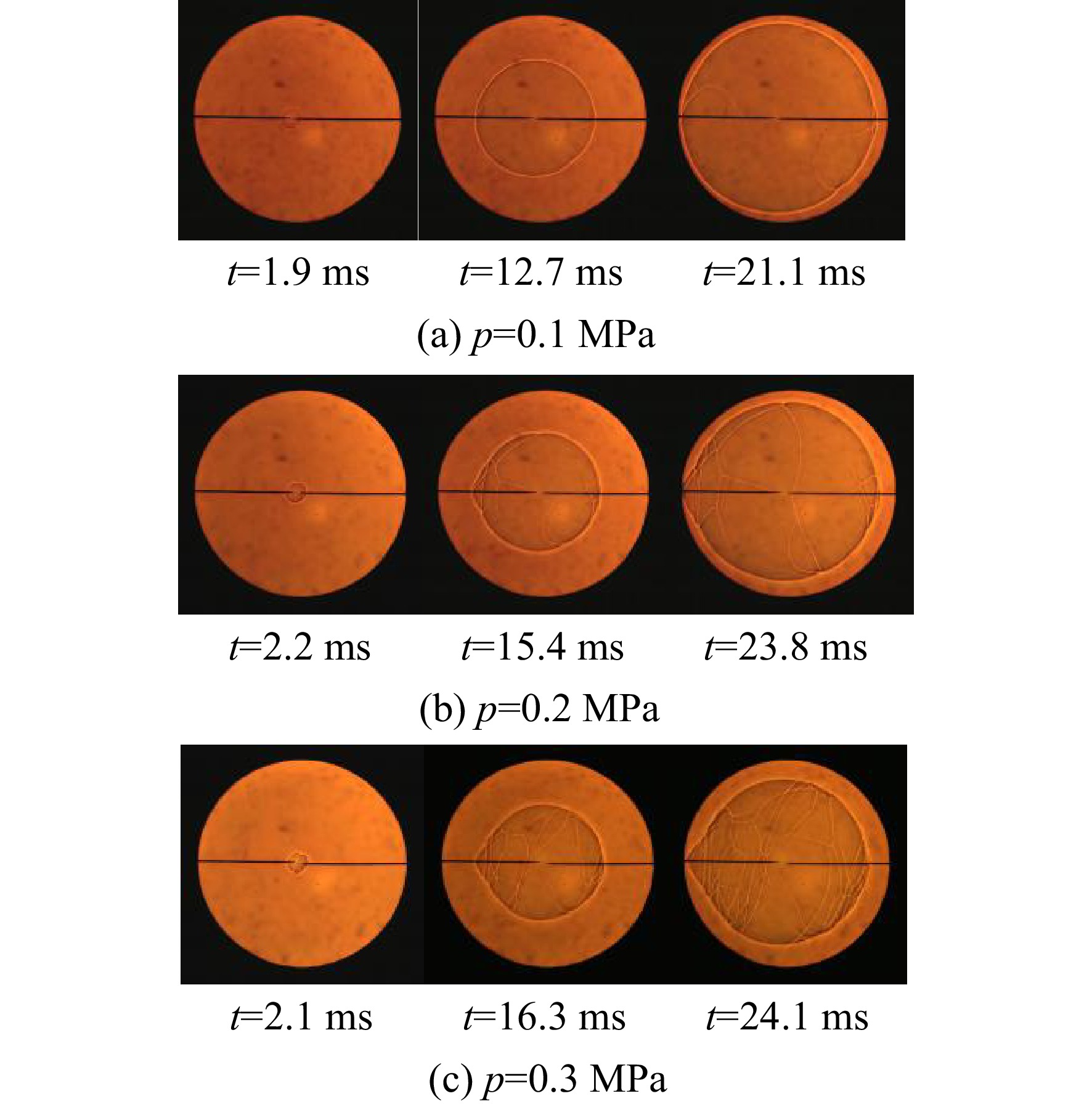
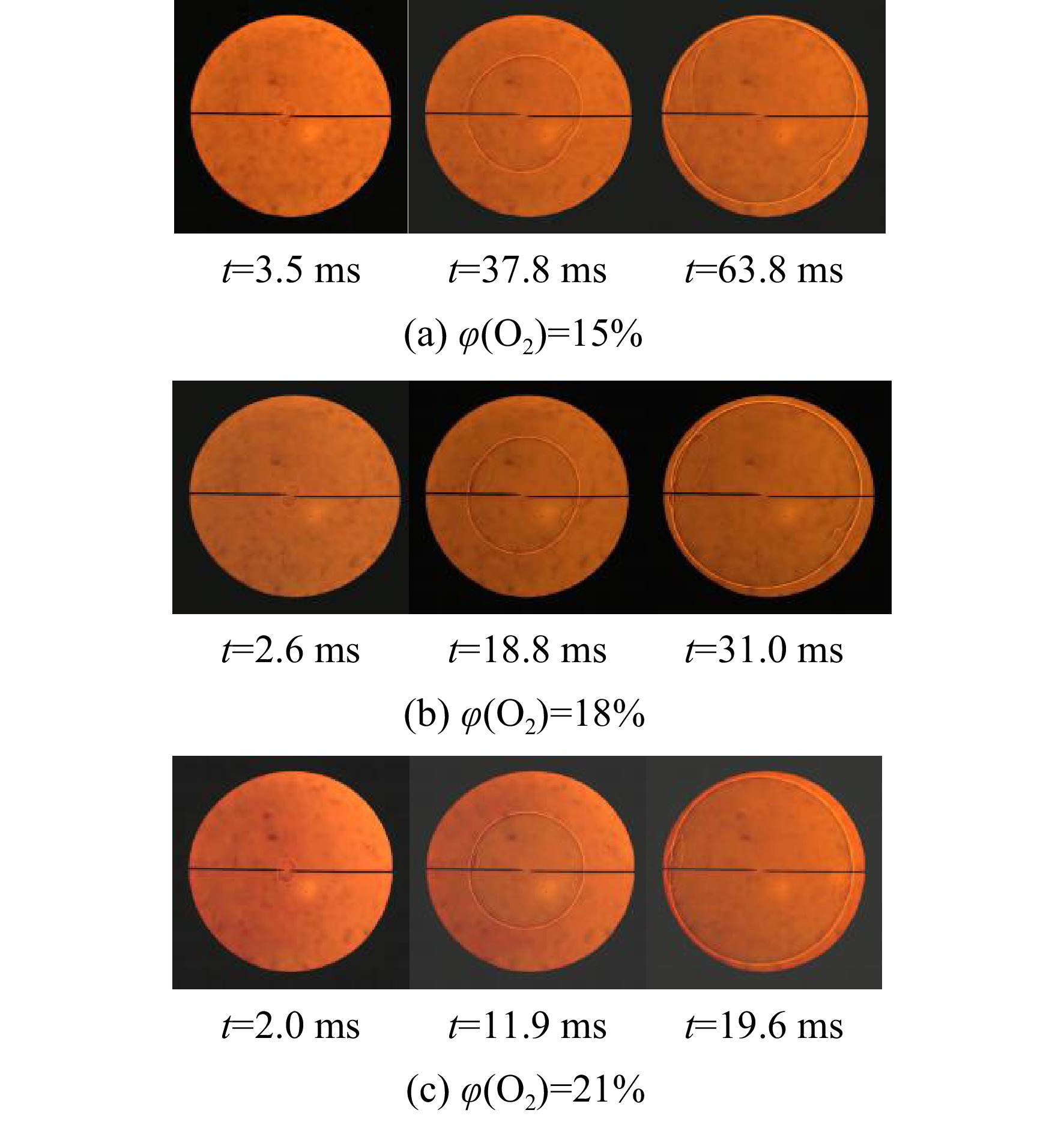
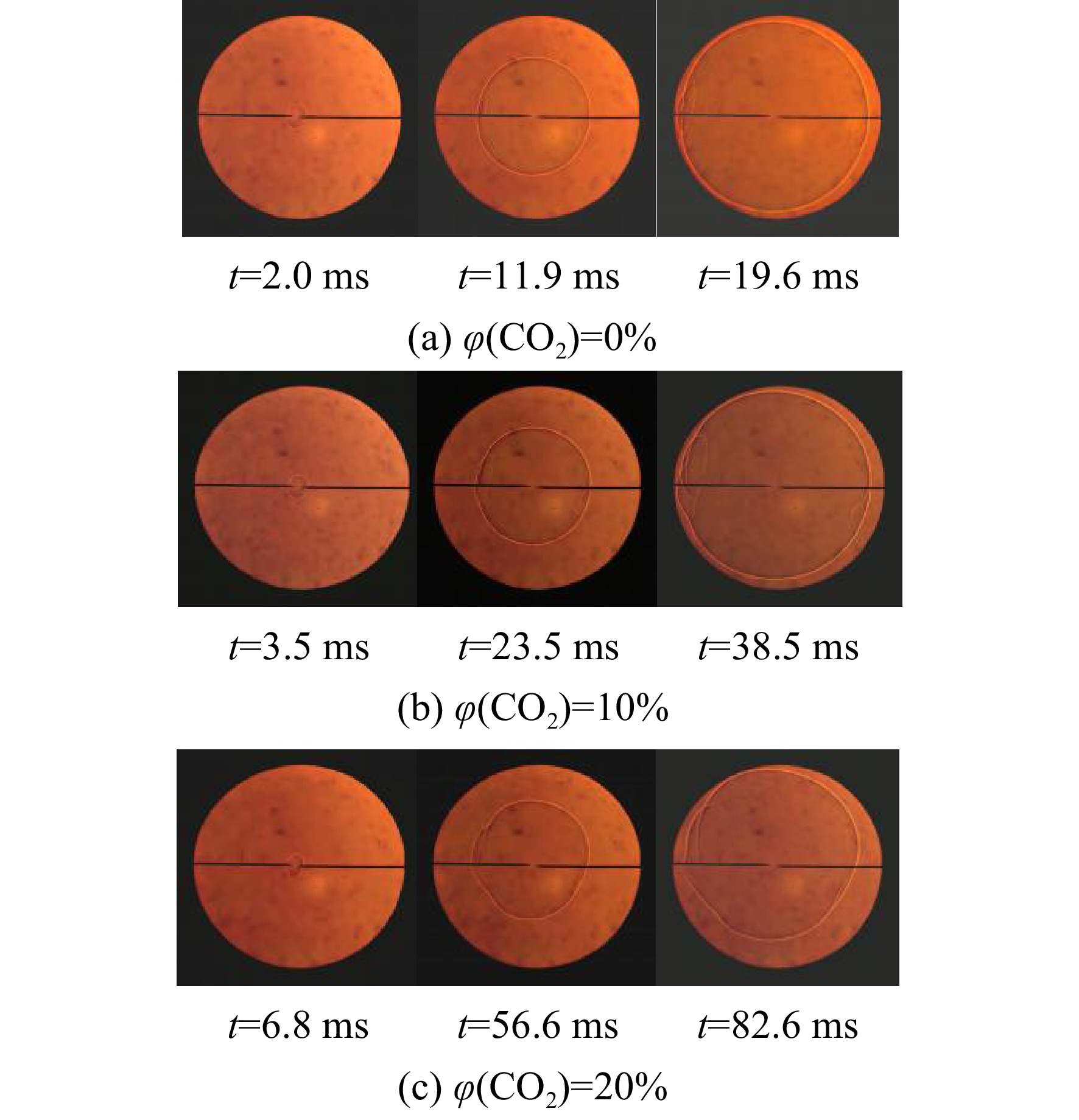
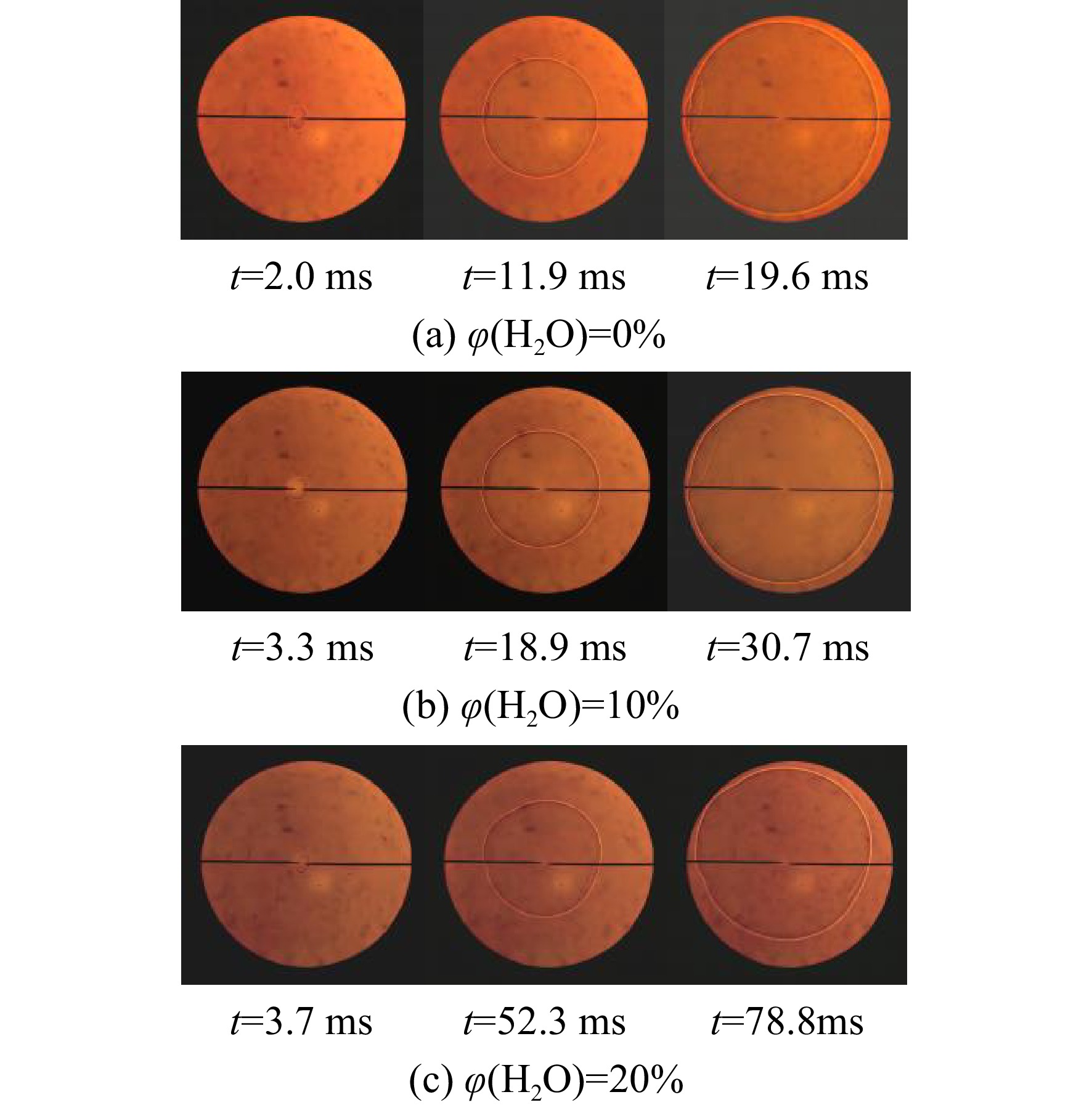
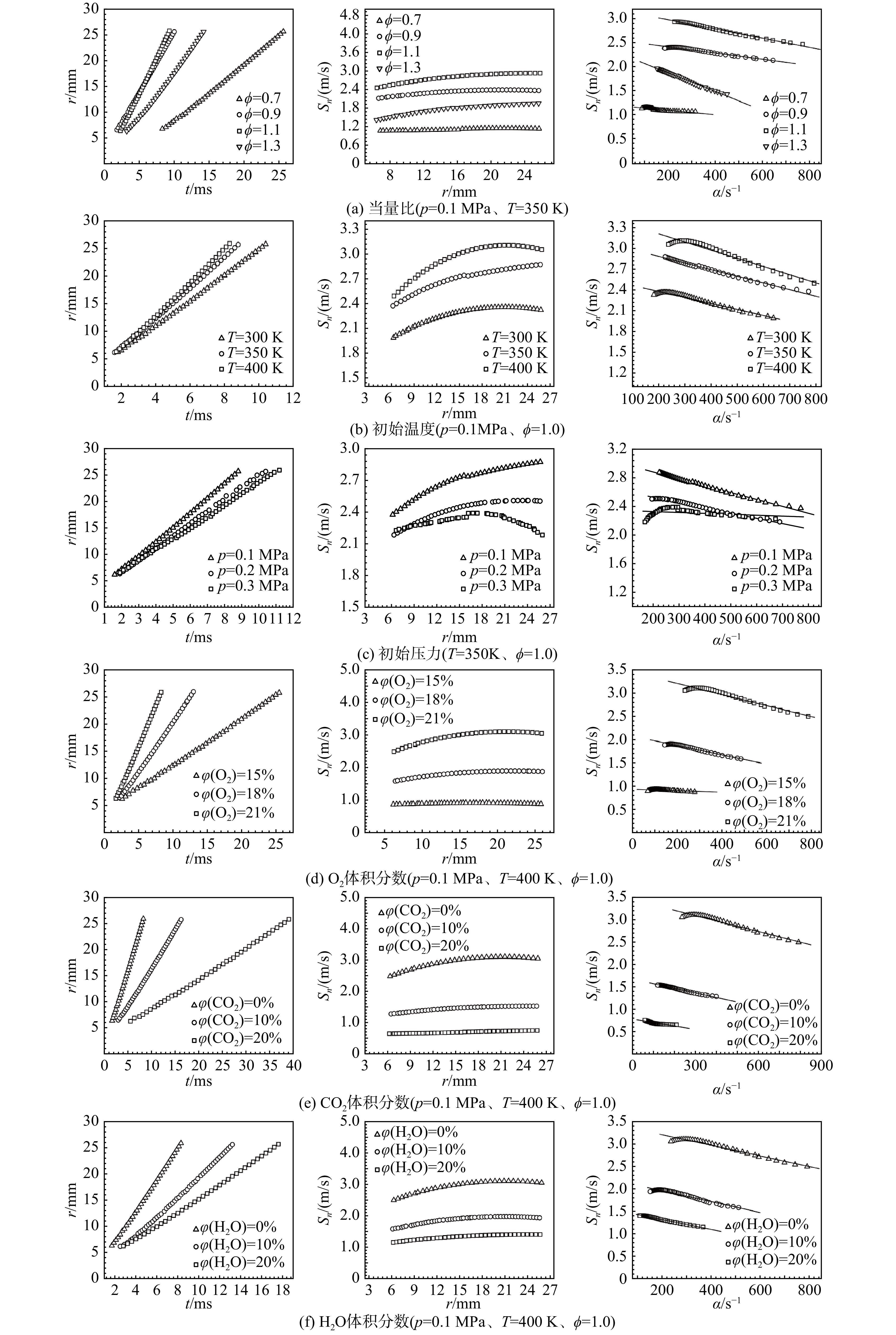
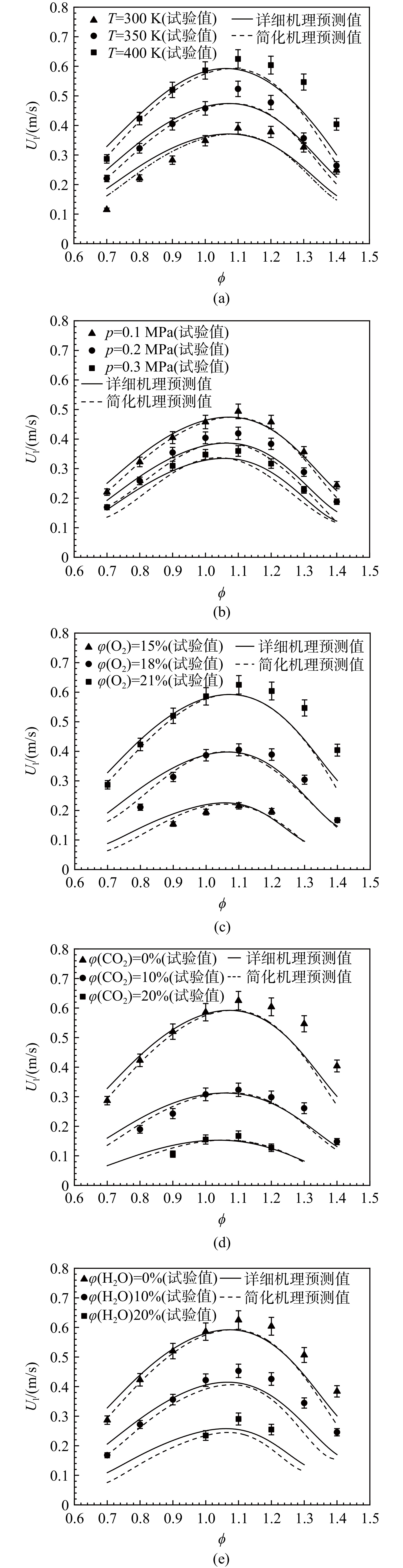
The flame propagation characteristics and laminar combustion speeds of natural gas (0.9 methane/0.07 ethane/0.03 propane, mole fraction) were experimentally tested in the constant volume bomb under the conditions of the pressures of 0.1, 0.2, 0.3 MPa, the equivalence ratios range of 0.7−1.4, the temperatures of 300, 350, 400 K, the contents of O2 of 15%, 18%, 21%, the contents of CO2 and H2O of 0%, 10%, 20%. Meanwhile, the simplified reaction mechanism of natural gas (including 40 species and 189 reactions) was constructed by sensitivity analysis and other methods, and the laminar combustion speeds of natural gas were calculated numerically. The results showed that as the equivalent ratio increased from 0.7 to 1.4, the laminar combustion speeds of natural gas rose and then declined, and the peak appears near the equivalent ratio was 1.1; With the increase of initial temperature and the content of O2 or the decrease of initial pressure, the contents of CO2 and H2O, the laminar combustion speeds gradually increased. The simplified reaction mechanism of natural gas constructed hereto can better predict the overall trends of the laminar combustion speed with the equivalent ratio. However, the predicted values were slightly lower than the experimental values under certain conditions.

Optimization method on flame transfer function of combustor based on experimental data
YANG Chen, LIU Yong, ZHANG Xiang, LI Hao, JIN Feng, LIU Chongyang
2024, 39(2): 20220157. doi: 10.13224/j.cnki.jasp.20220157
Abstract:

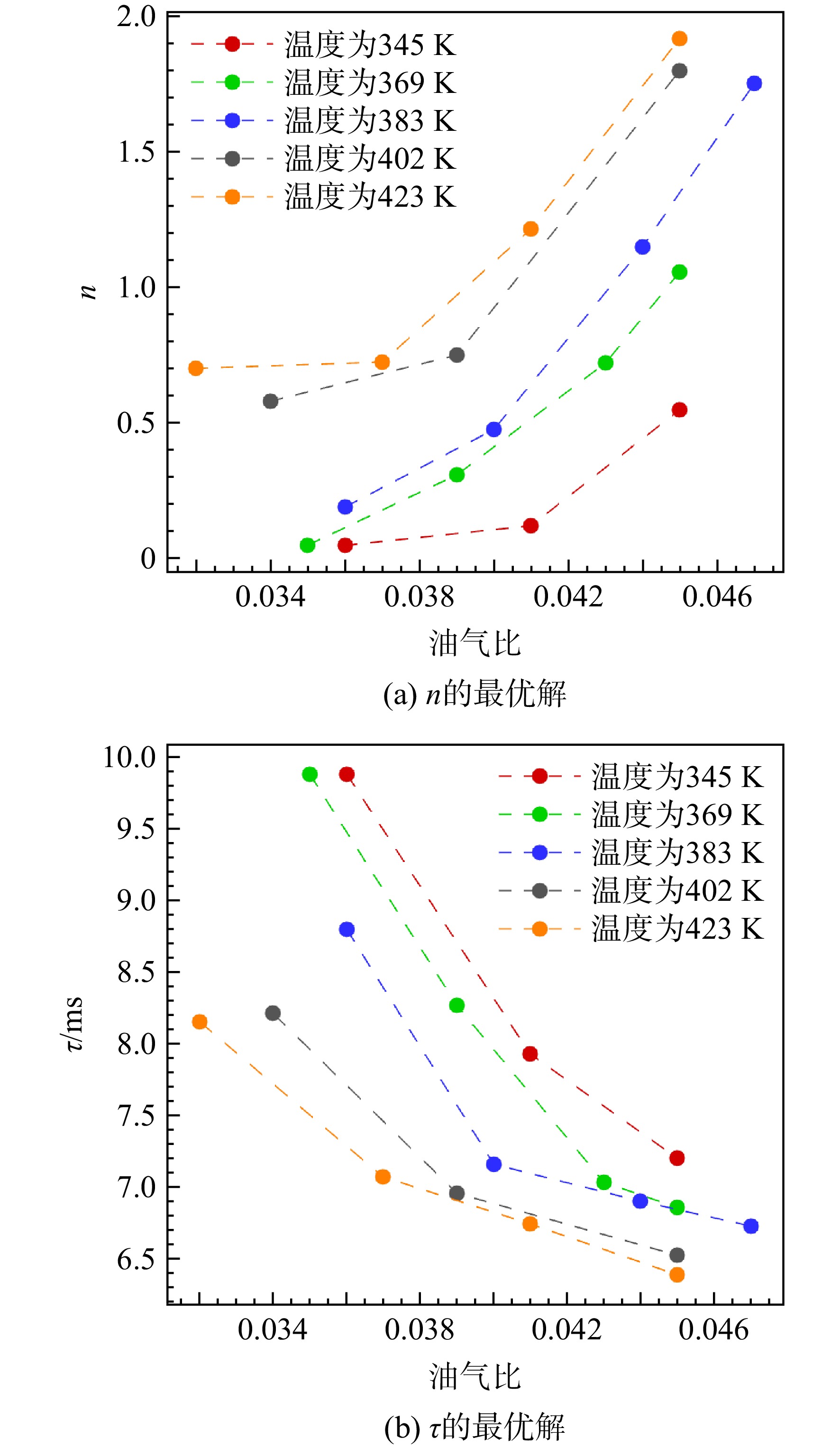
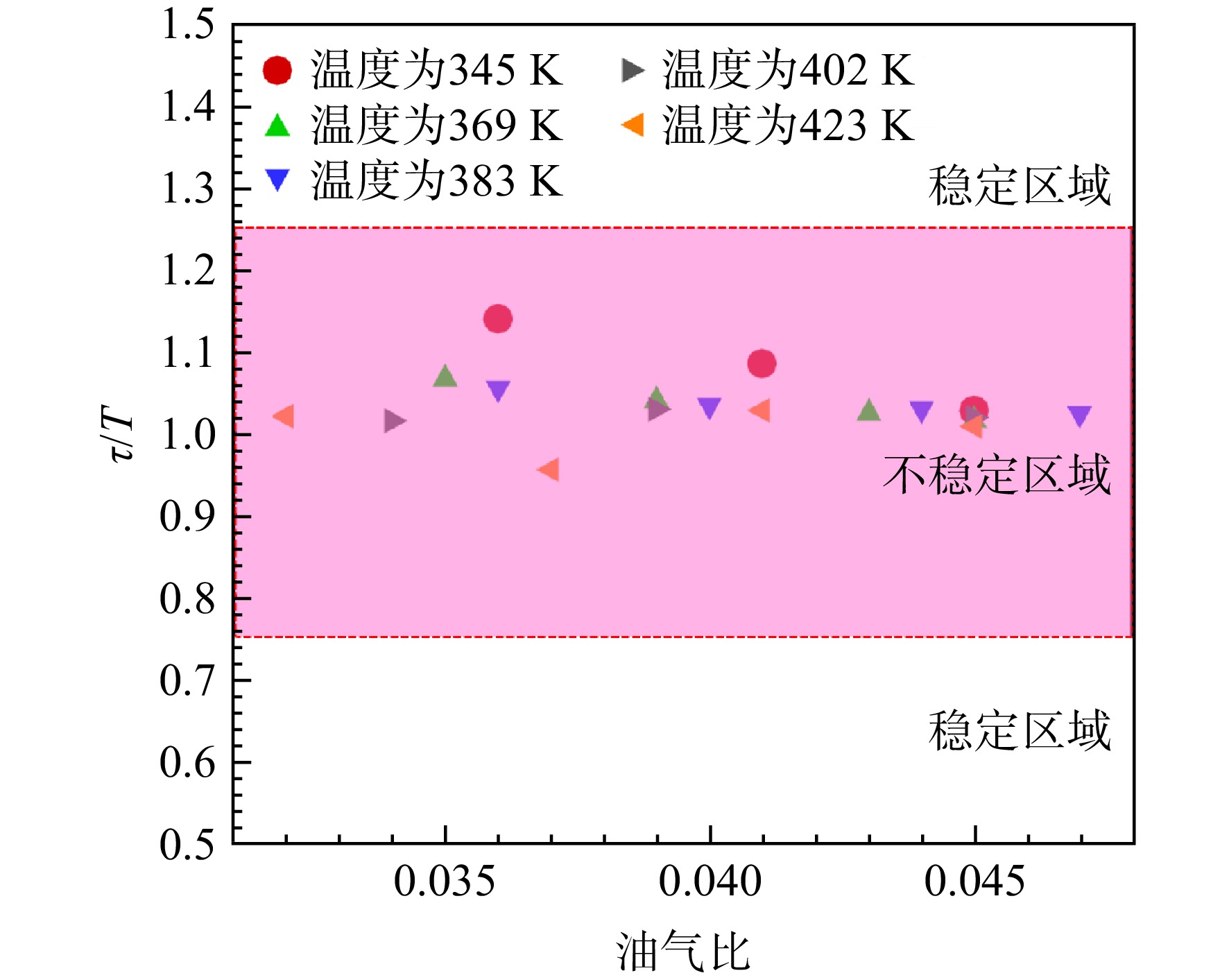
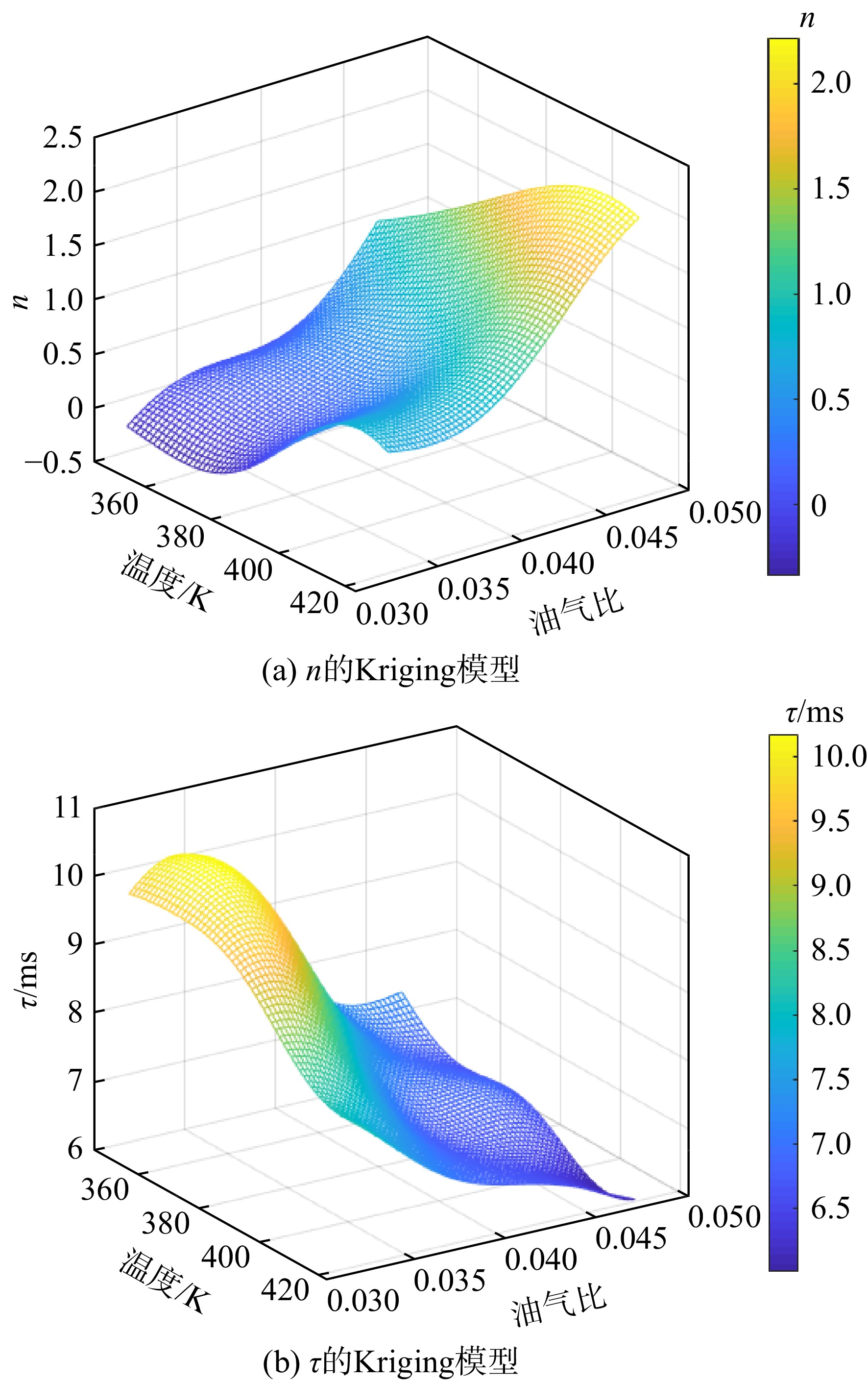
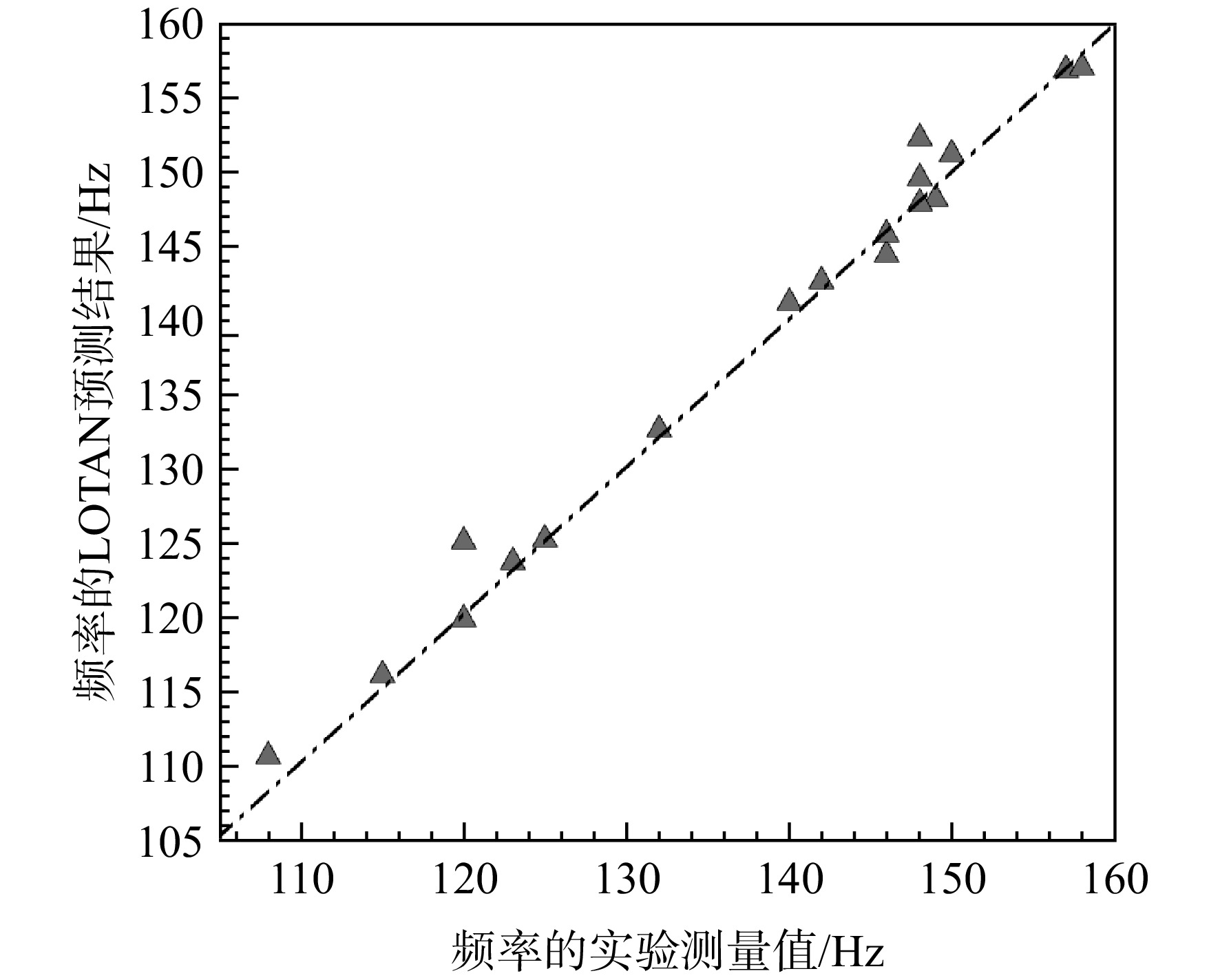
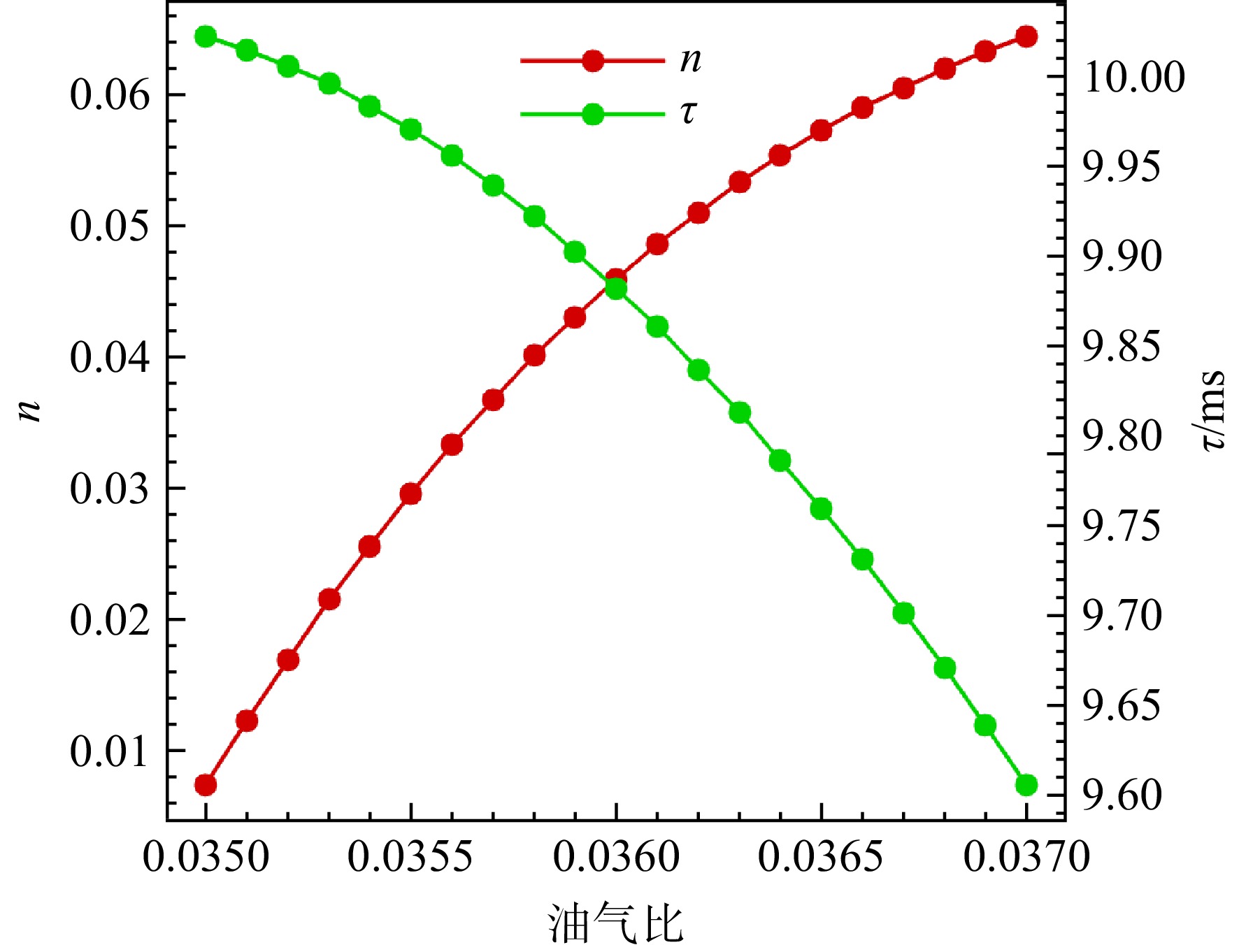
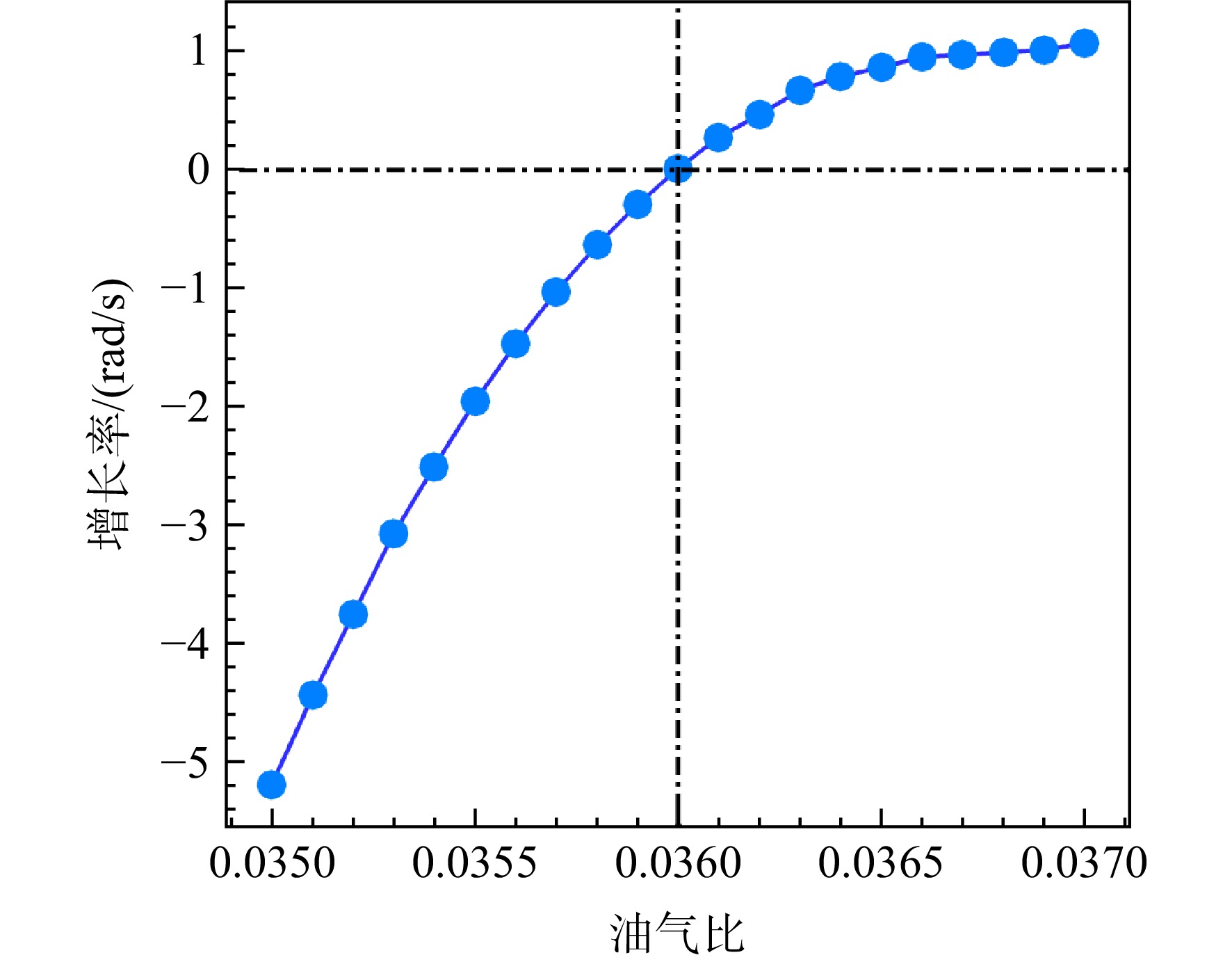
In order to simplify the modeling process of flame transfer function, the calculation model of delay time and gain was studied by using random sampling and optimization method based on the experimental data. Firstly, the low order thermoacoustic network (LOTAN) model of lean premixing prevaporizing (LPP) model combustor test system was established. Then, based on the LOTAN model and test data, Sobol sampling was used to construct the sampling space of n-τ. Finally, n-τ was reconstructed based on the Kriging model. The results showed that the flame transfer function constructed based on this method can accurately express the unsteady heat release characteristics under various working conditions; if being substituted into LOTAN, the predicted results of oscillation frequency were in good agreement with the experimental results, the maximum error did not exceed 5%, at the same time, the critical fuel air ratio (FAR) predicted by this method was consistent with the experimental results.

Structure,Strength and Vibration
Inter-shaft bearing fault diagnosis method based on generalized refined composite multiscale quantum entropy and kernel principal component analysis
TIAN Jing, ZHANG Yuwei, ZHANG Fengling, AI Xinping, GAO Chong
2024, 39(2): 20210467. doi: 10.13224/j.cnki.jasp.20210467
Abstract:

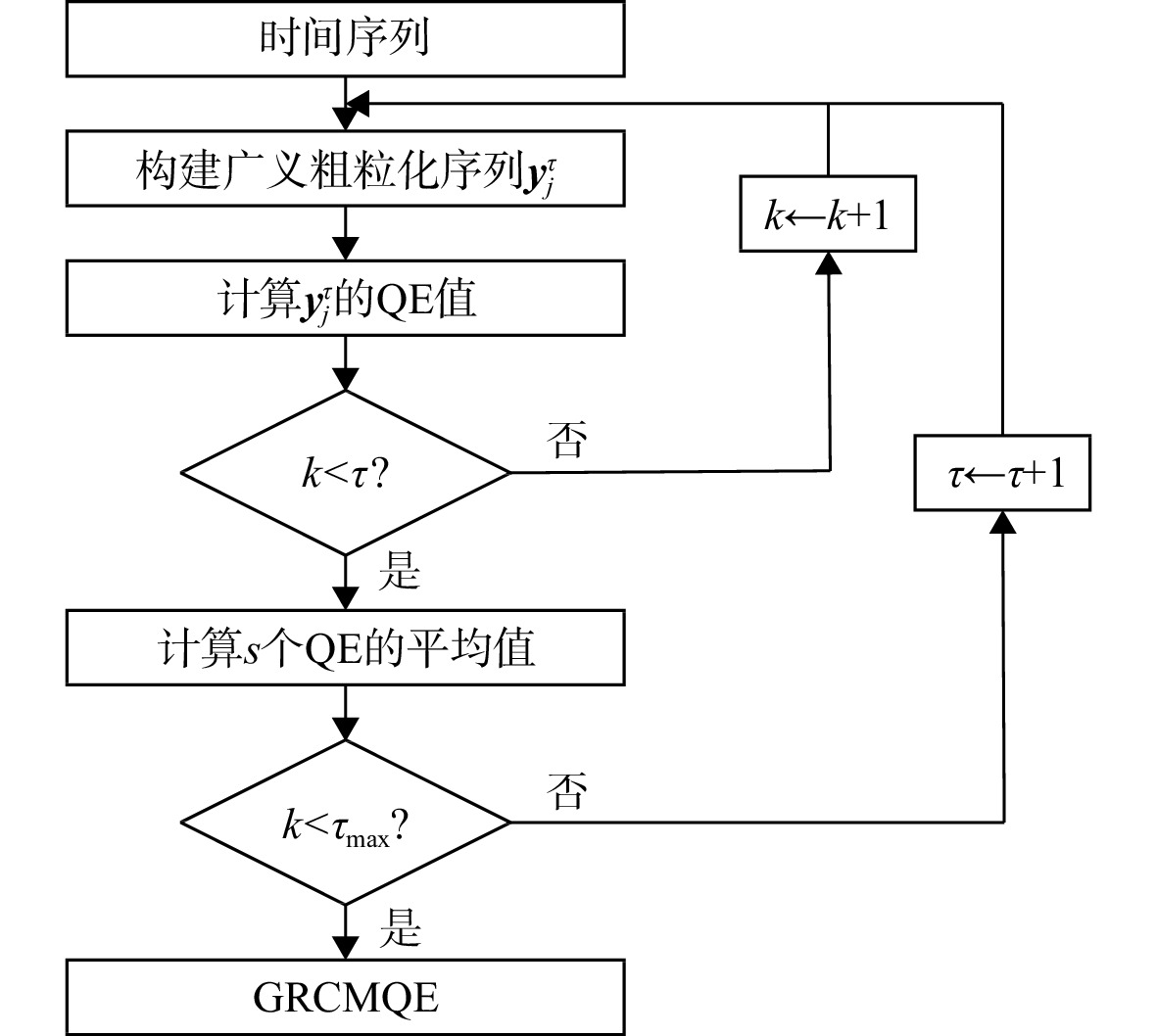
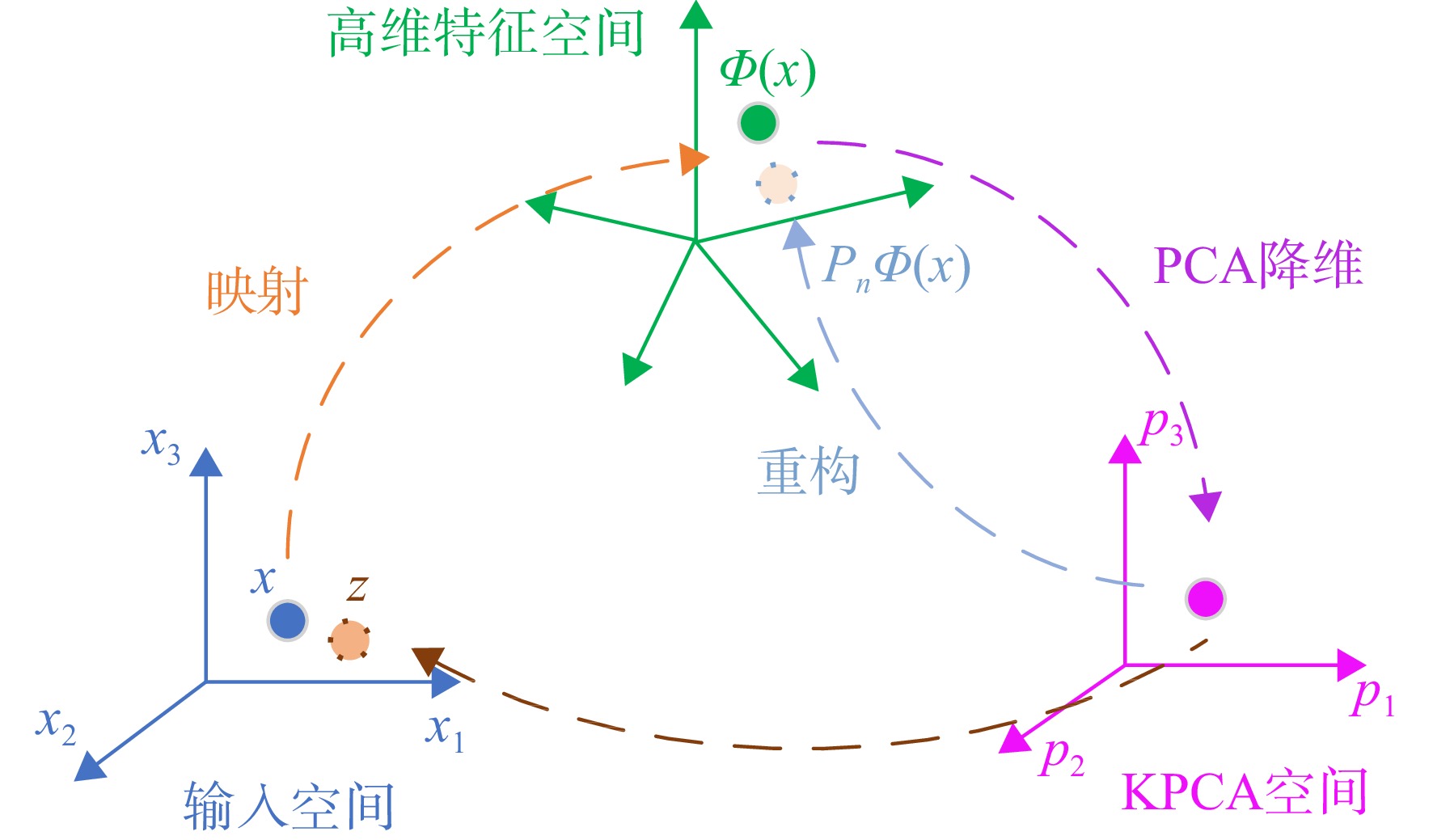
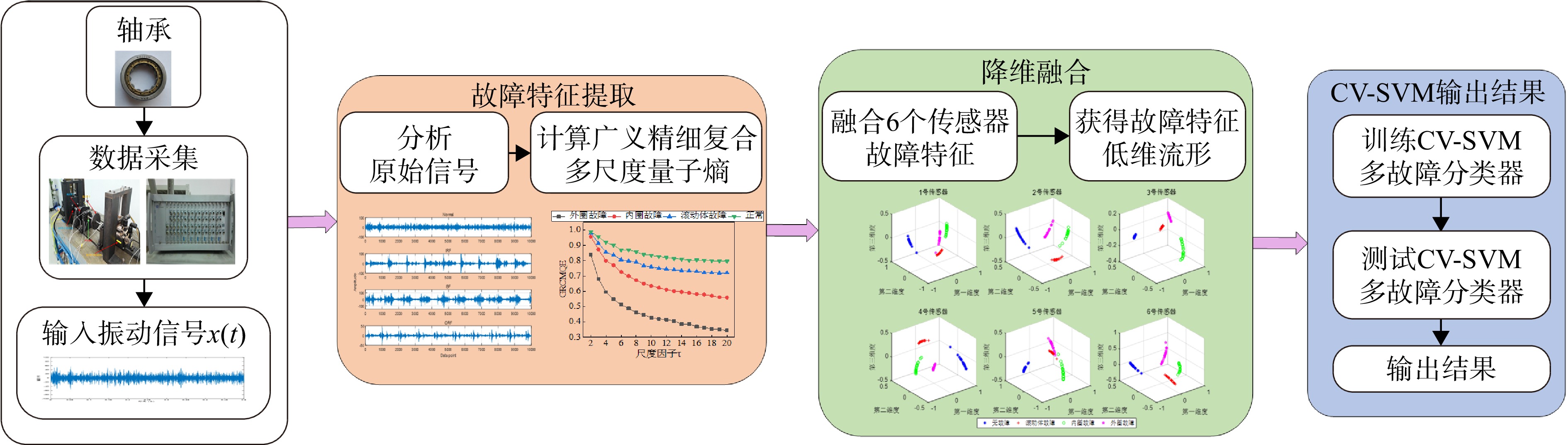
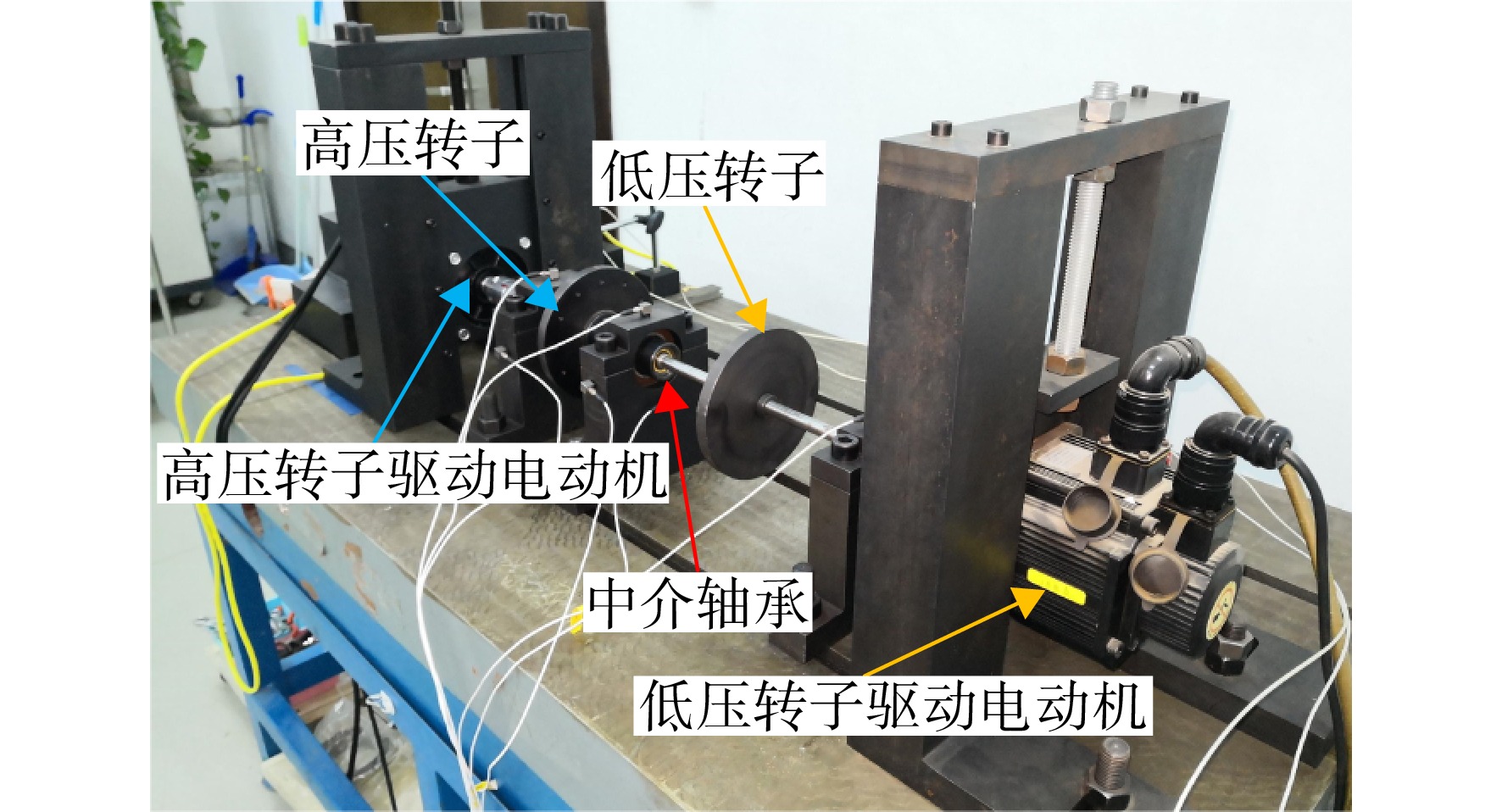
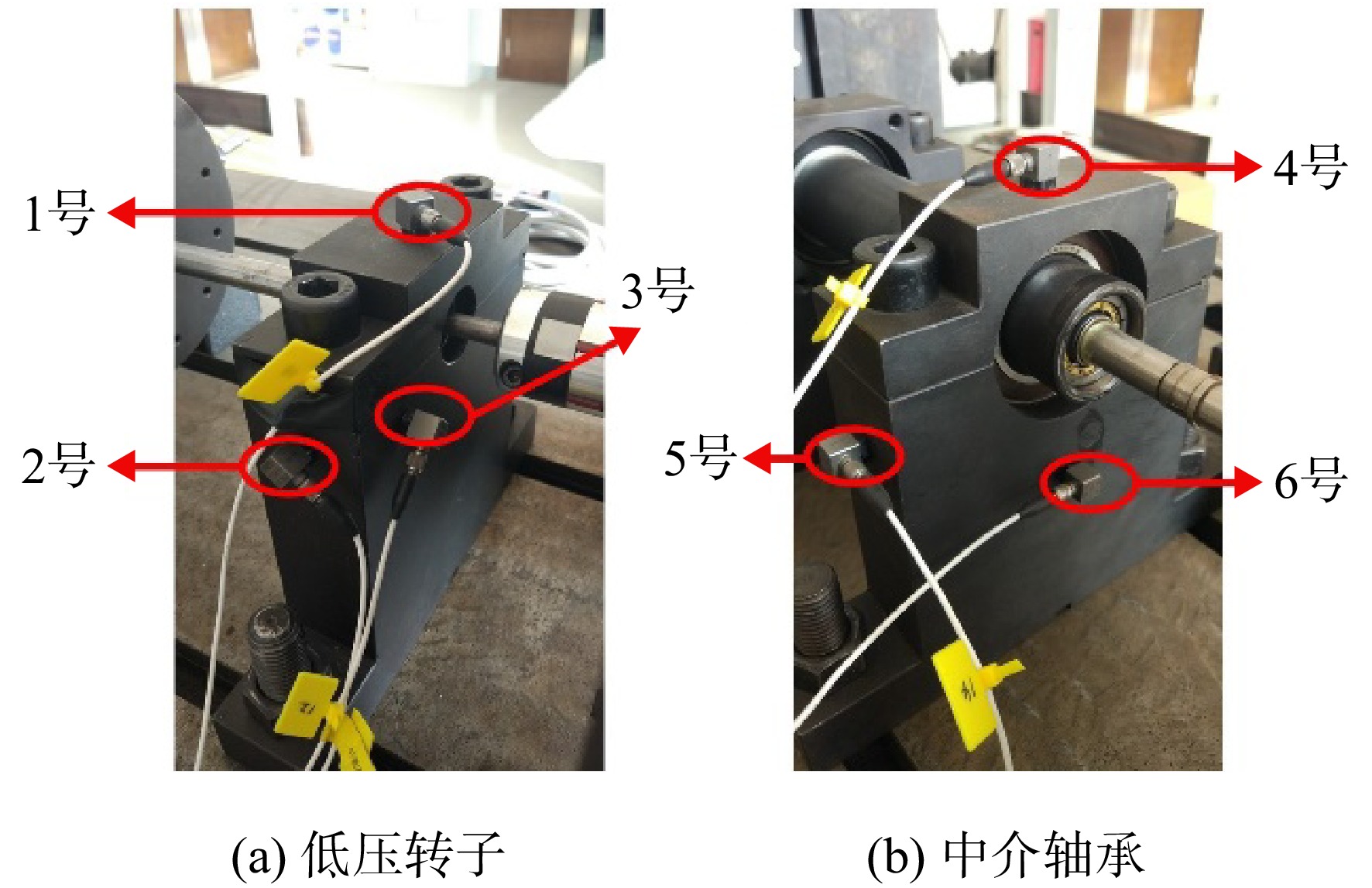
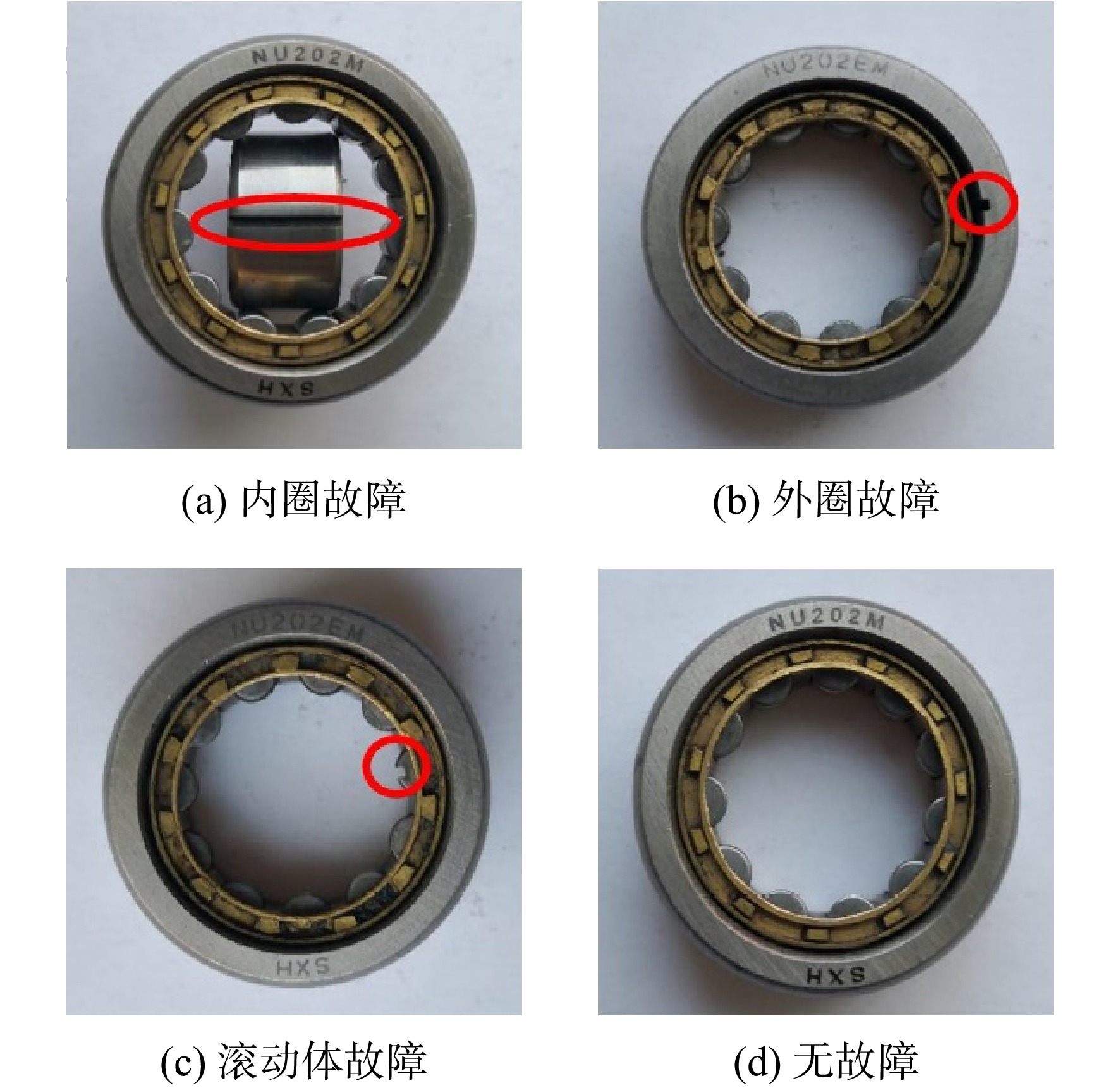
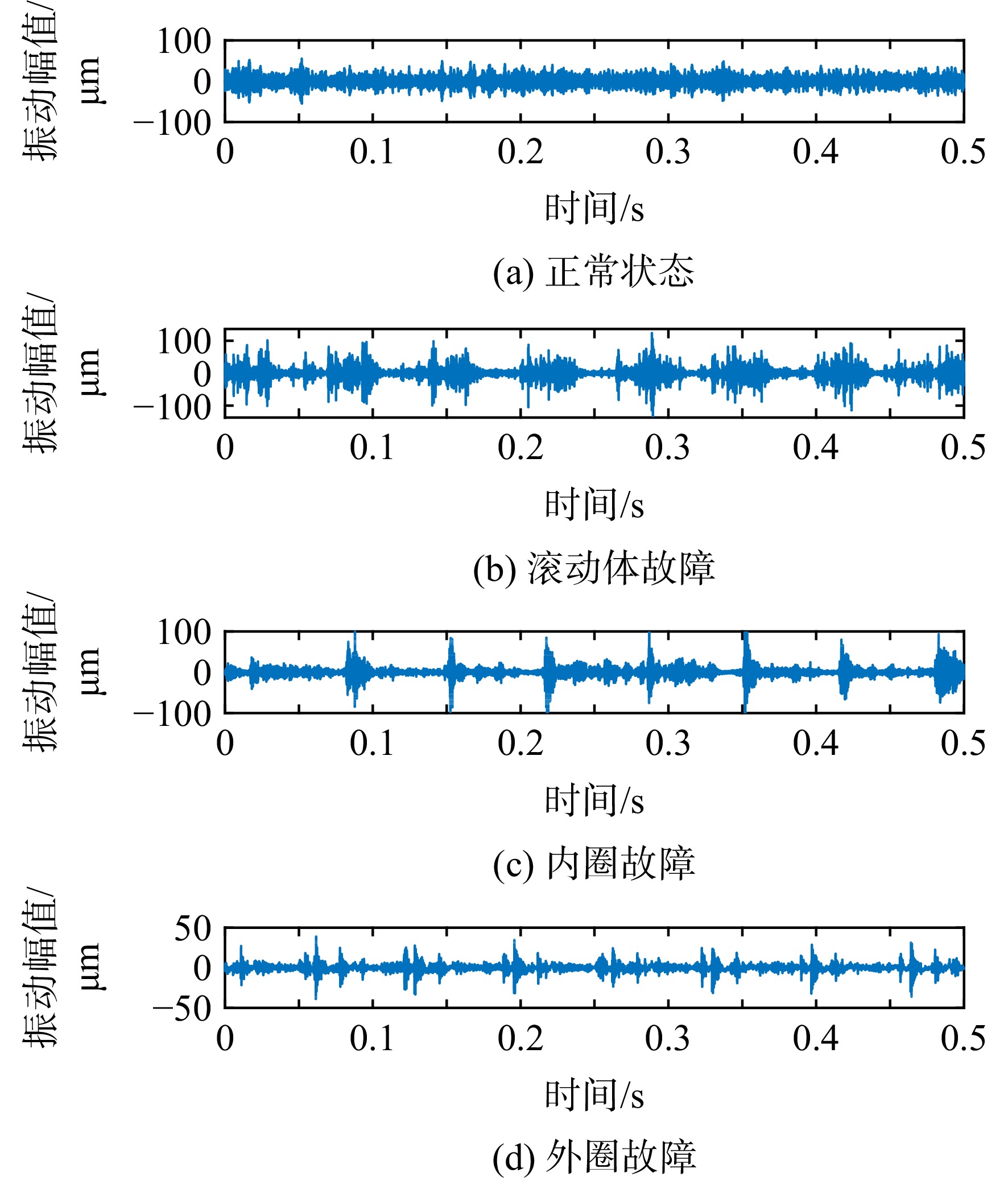
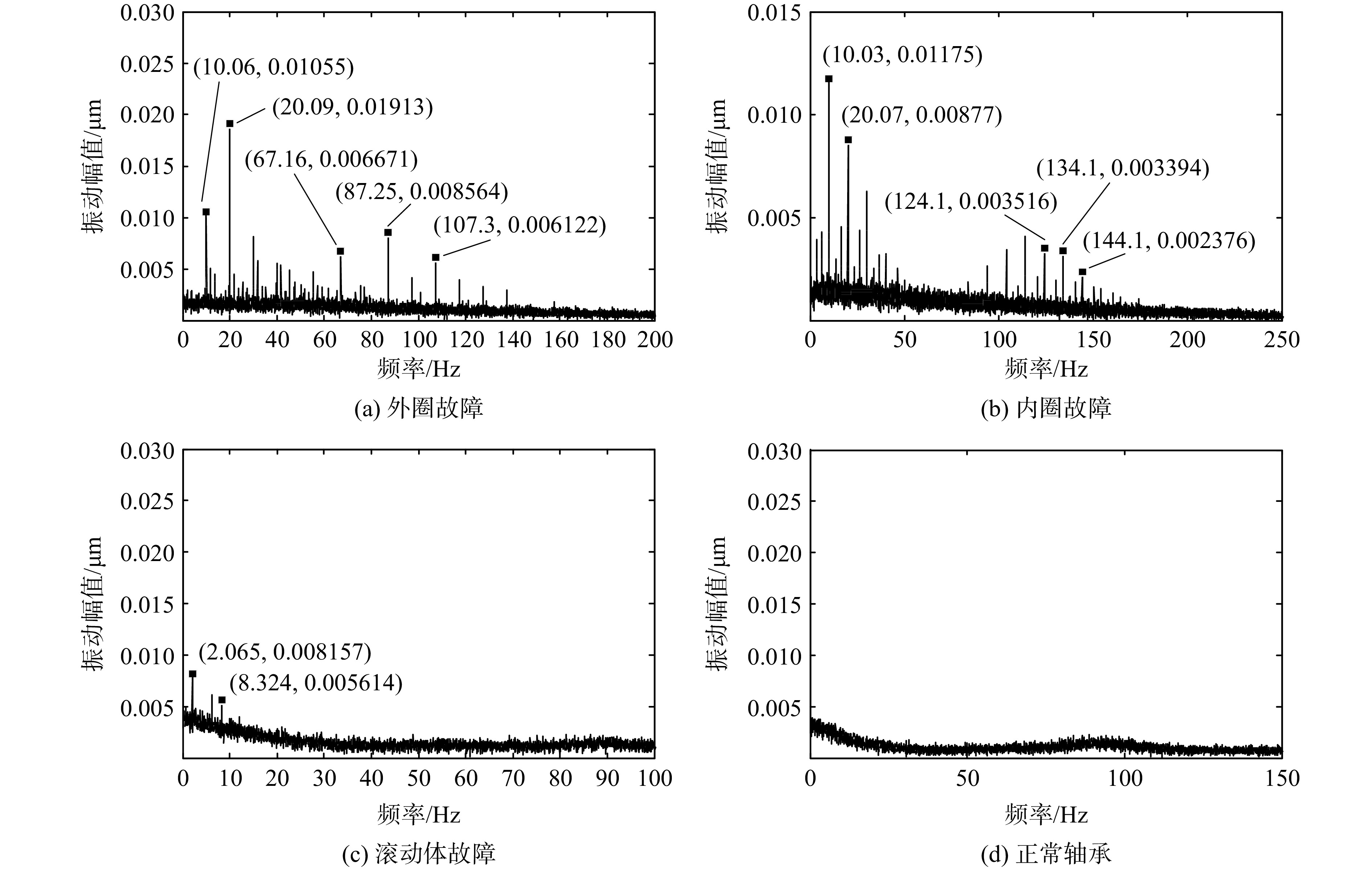
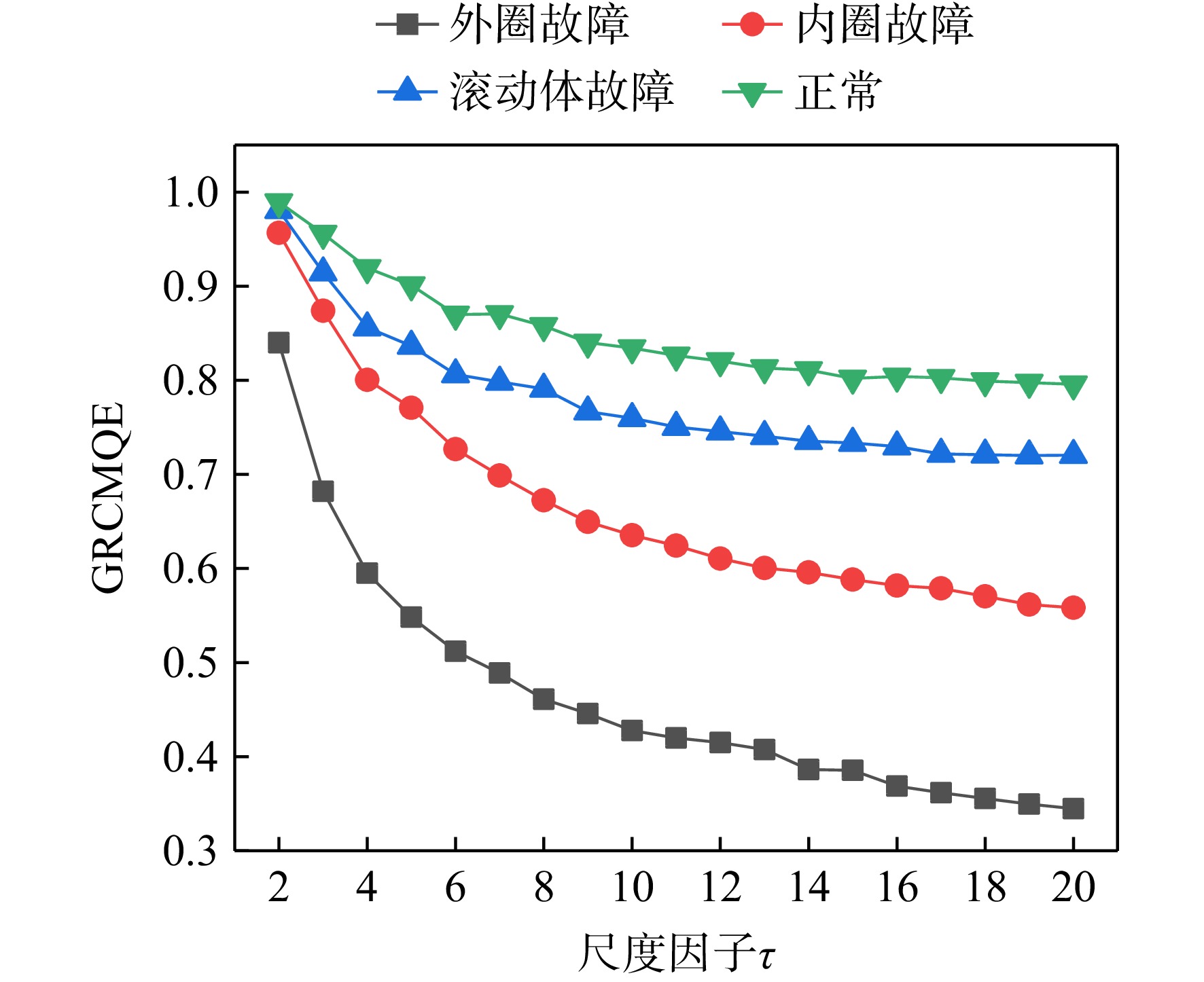
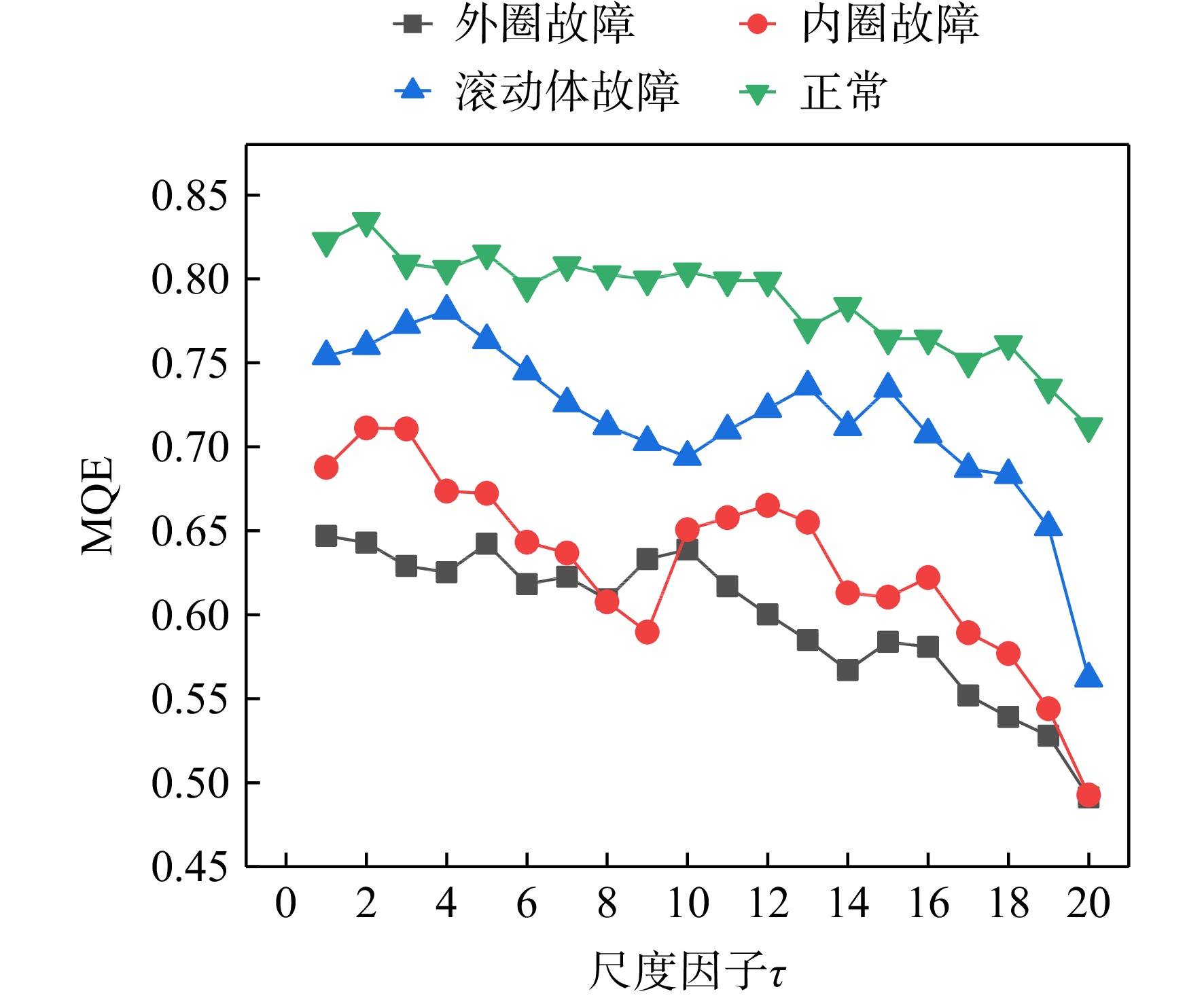
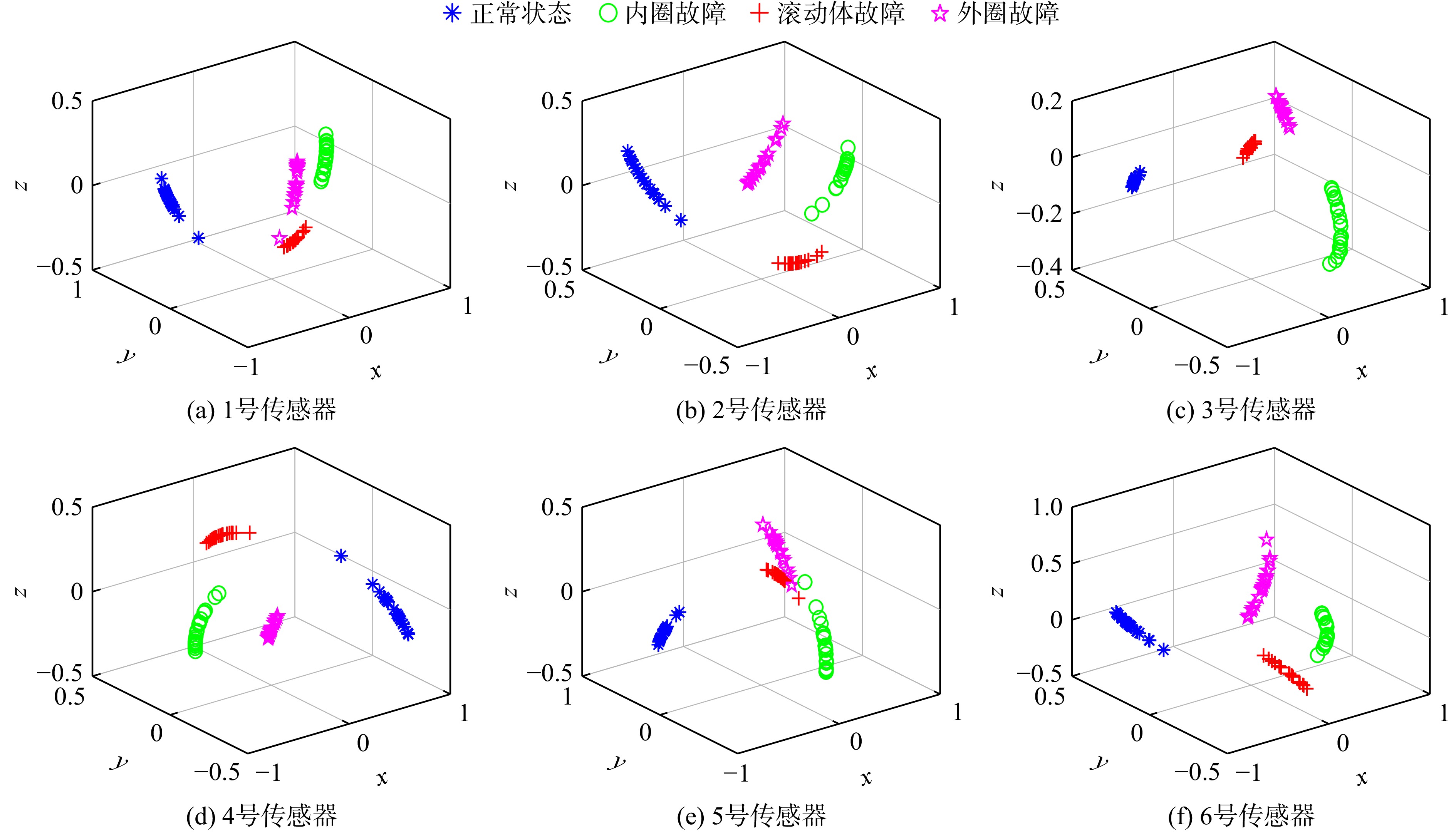
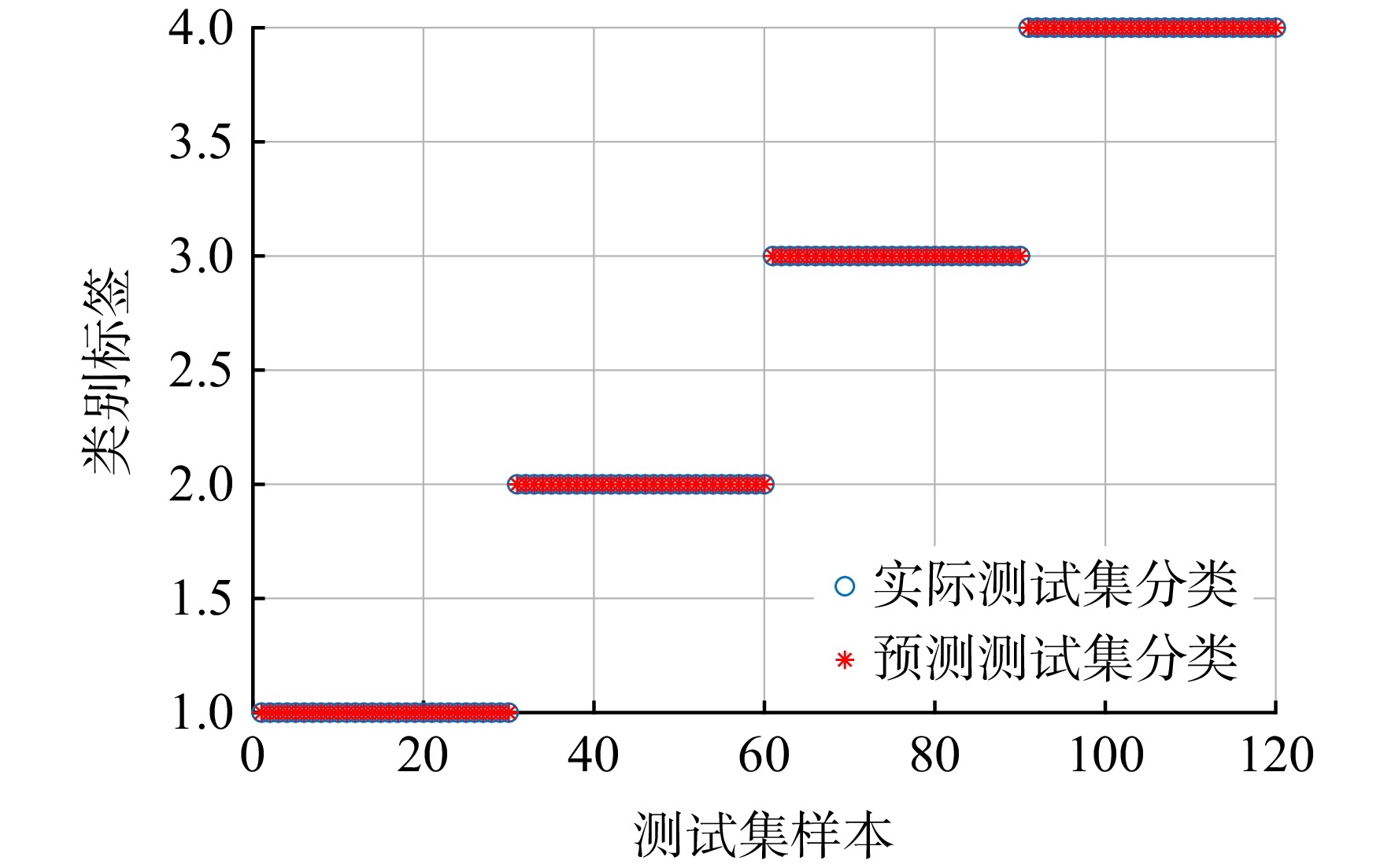
In view of the problems of complex paths of inter-shaft bearing vibration signal transmission to the measurement surface of the magazine, which lead to difficulties in fault feature extraction and identification, a fault diagnosis method based on generalized refined composite multiscale quantum entropy (GRCMQE), kernel principal component analysis (KPCA) and parameter optimization support vector machine was proposed for inter-shaft bearing fault diagnosis. Firstly, GRCMQE was used to extract fault features from vibration signals, and high-dimensional fault feature sets were constructed. Secondly, KPCA method was utilized to reduce the dimension of high-dimensional feature data to obtain low dimensional manifold features. Then, the obtained features were input into the support vector machine based on cross validation to complete the fault pattern recognition. Finally, the proposed method was tested on the intermediate bearing fault data set, and the results showed that the method can effectively identify different fault types of intermediate bearing, with the fault identification accuracy up to 98.33%.

Improved design for anti-bird impact of aero-engine fan rotor blades
WANG Songbai, NIU Xiao, HUO Jiaxin, ZHANG Zhenxiang, JIANG Baijun, LIU Zhaowei
2024, 39(2): 20230494. doi: 10.13224/j.cnki.jasp.20230494
Abstract:

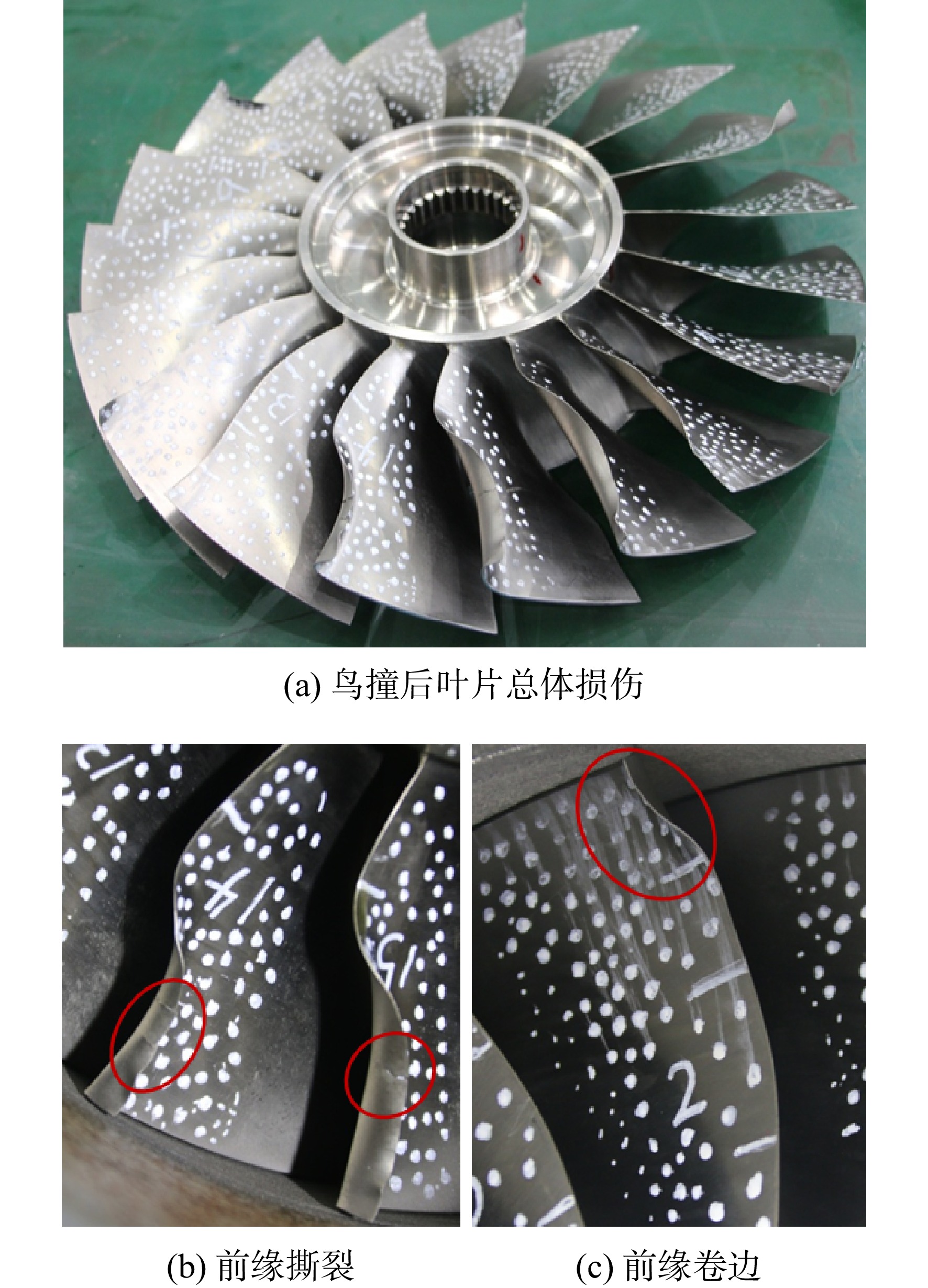
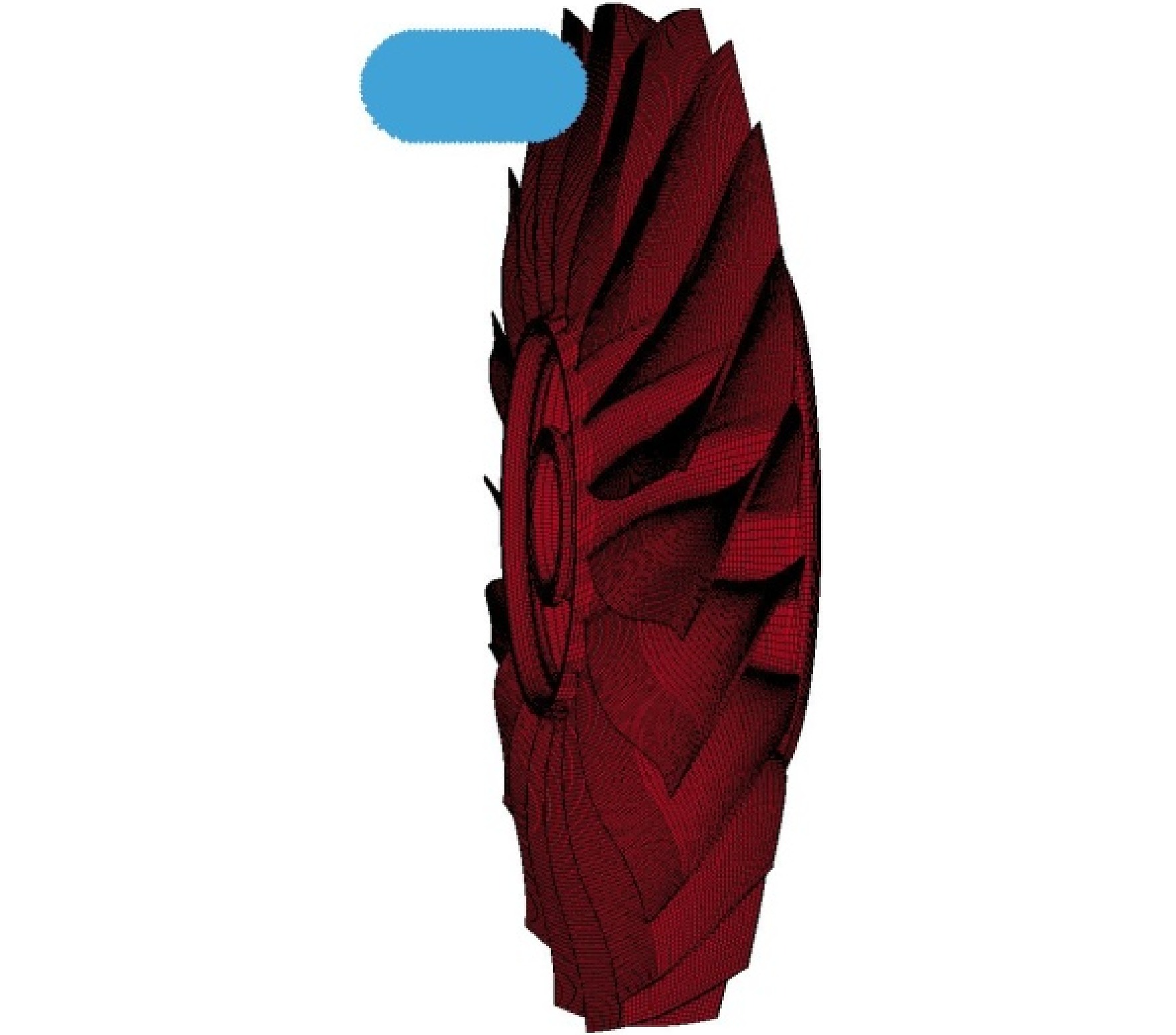
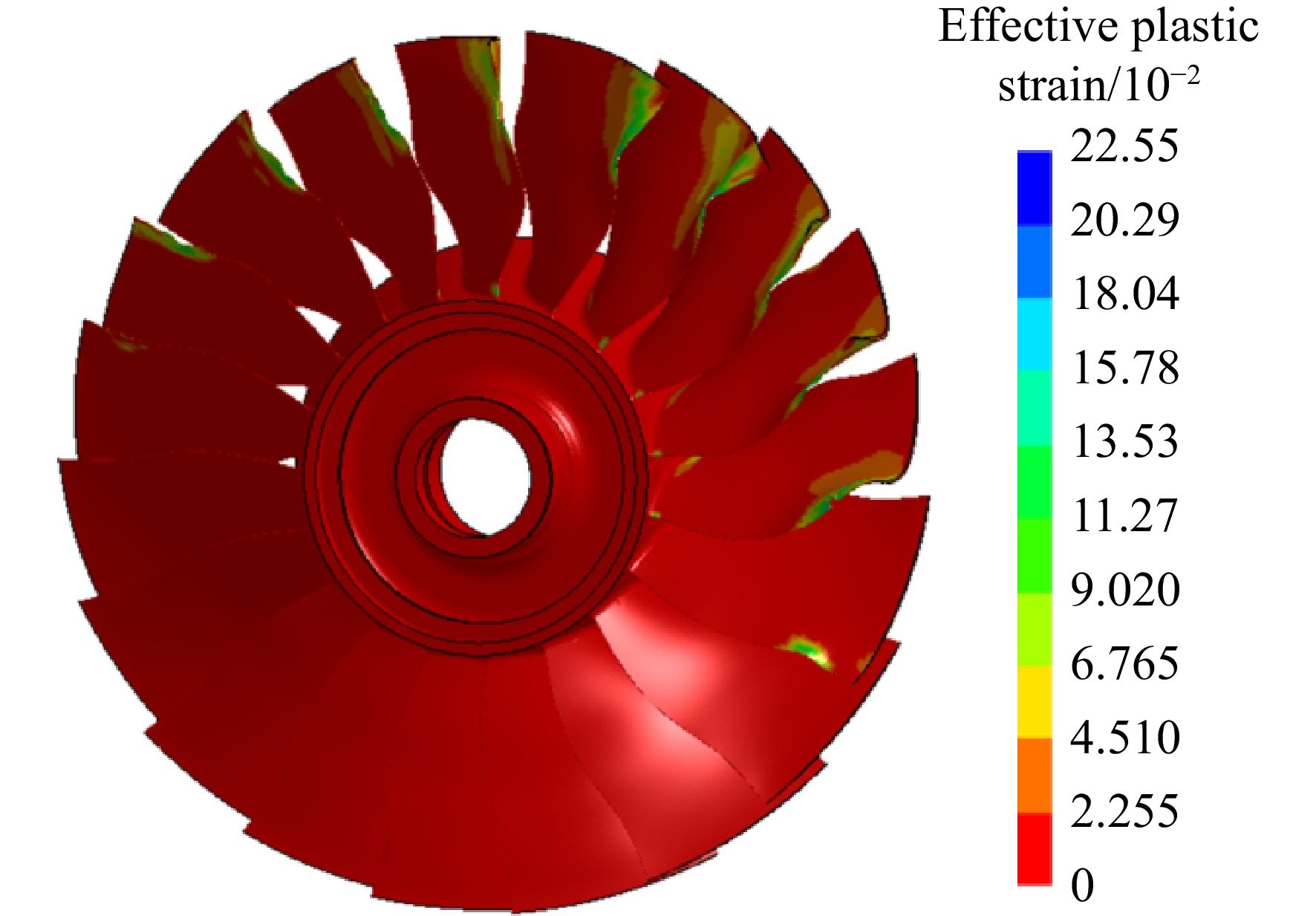
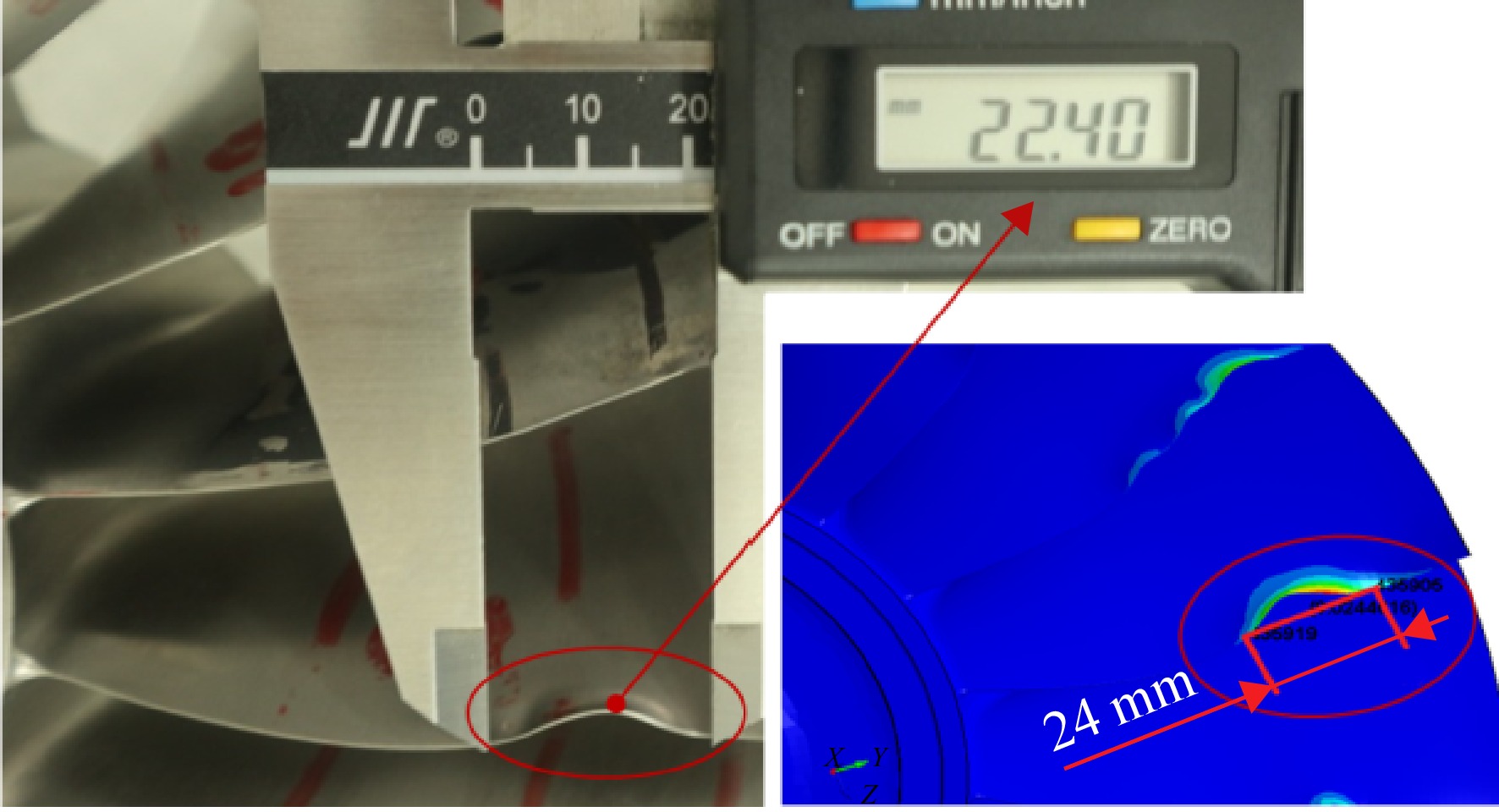
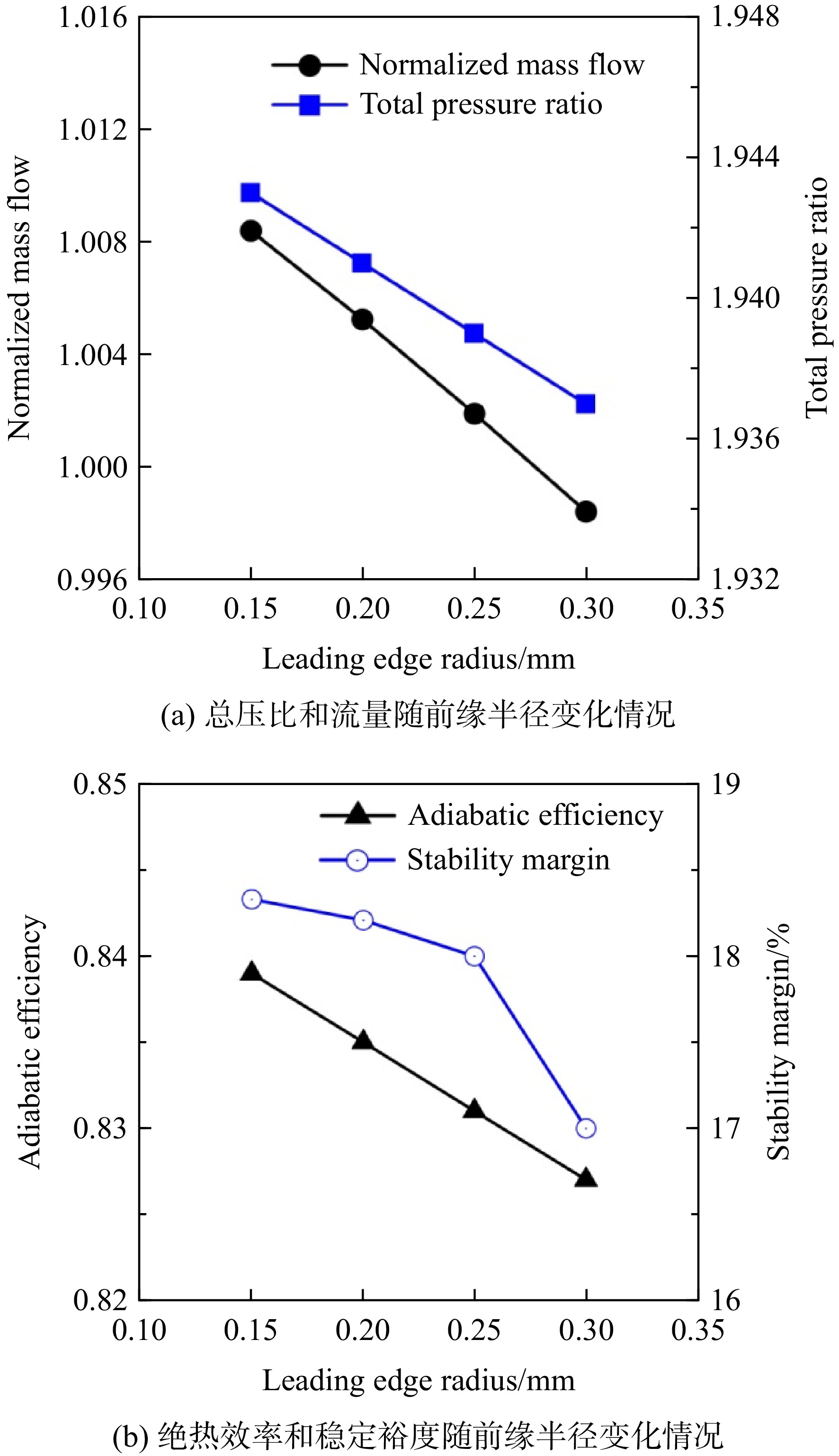
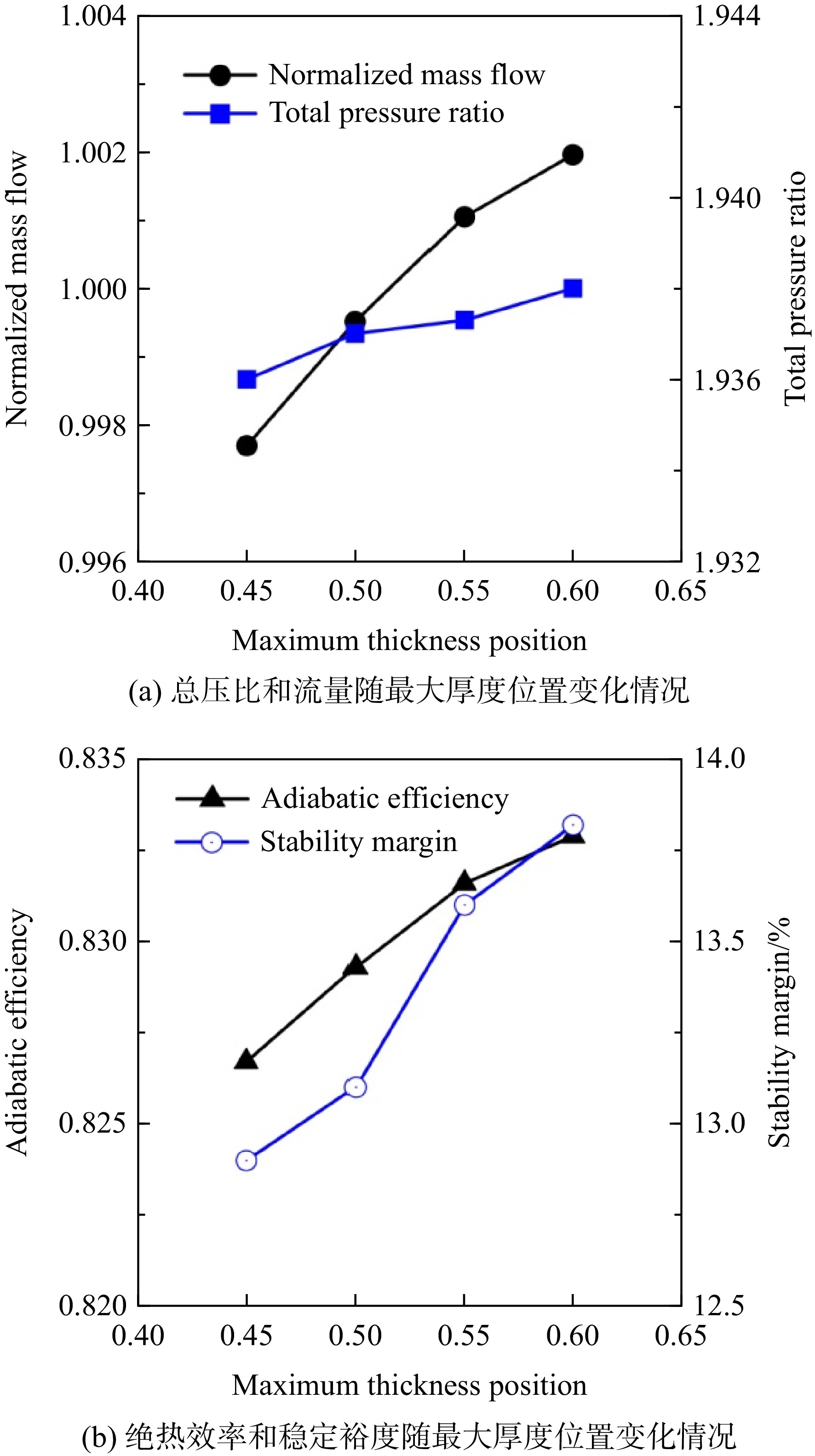
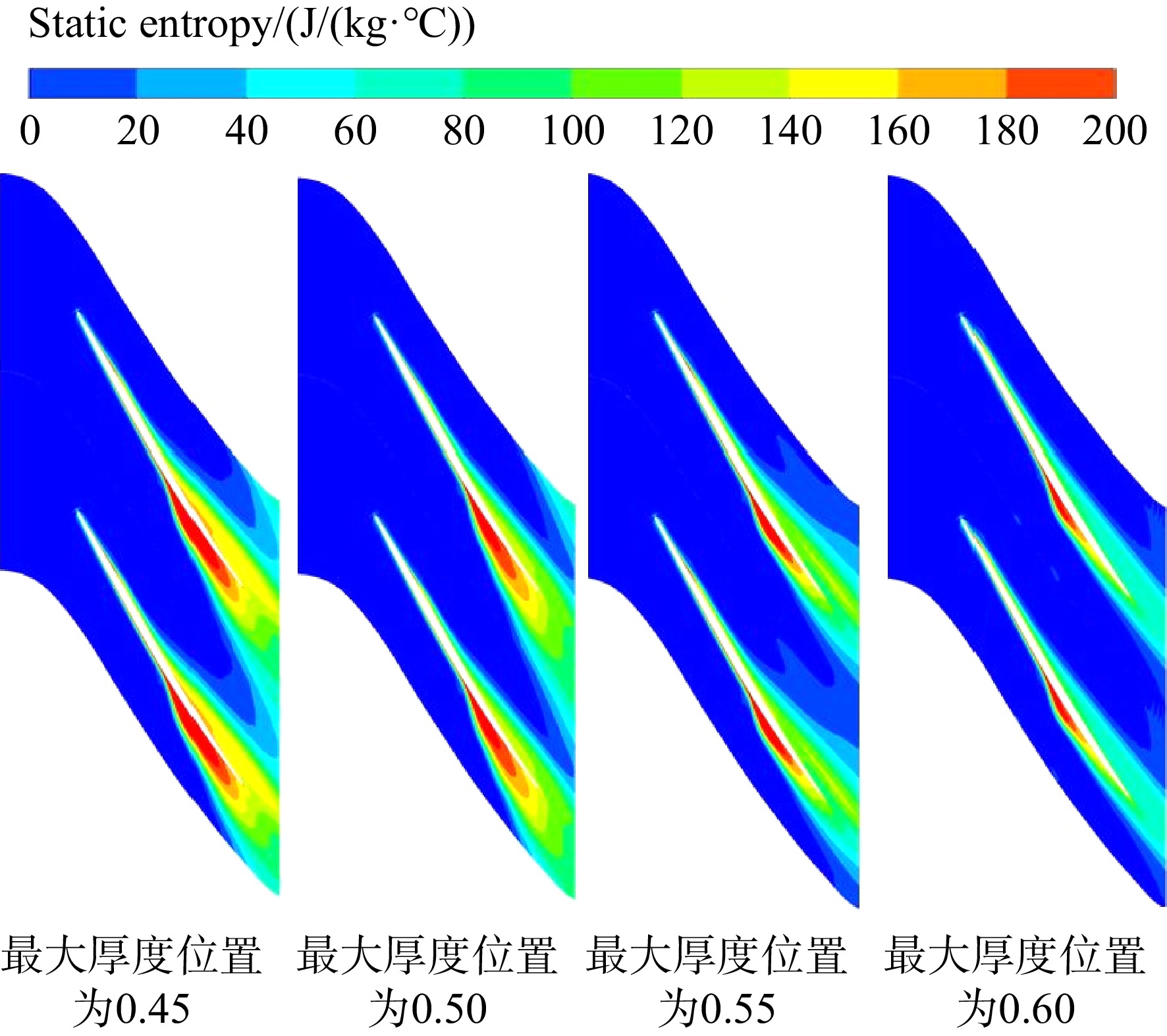
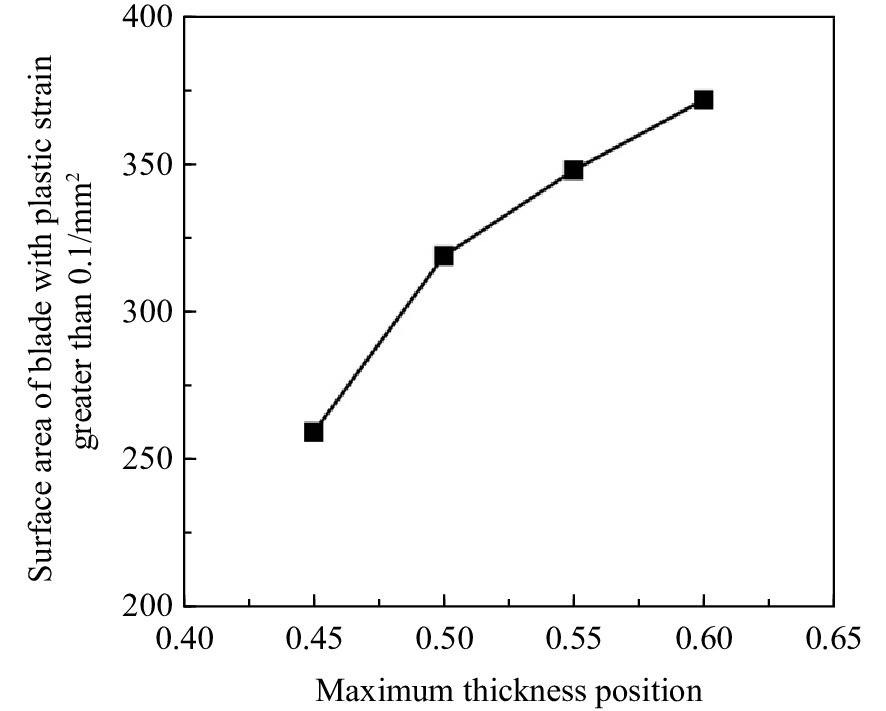
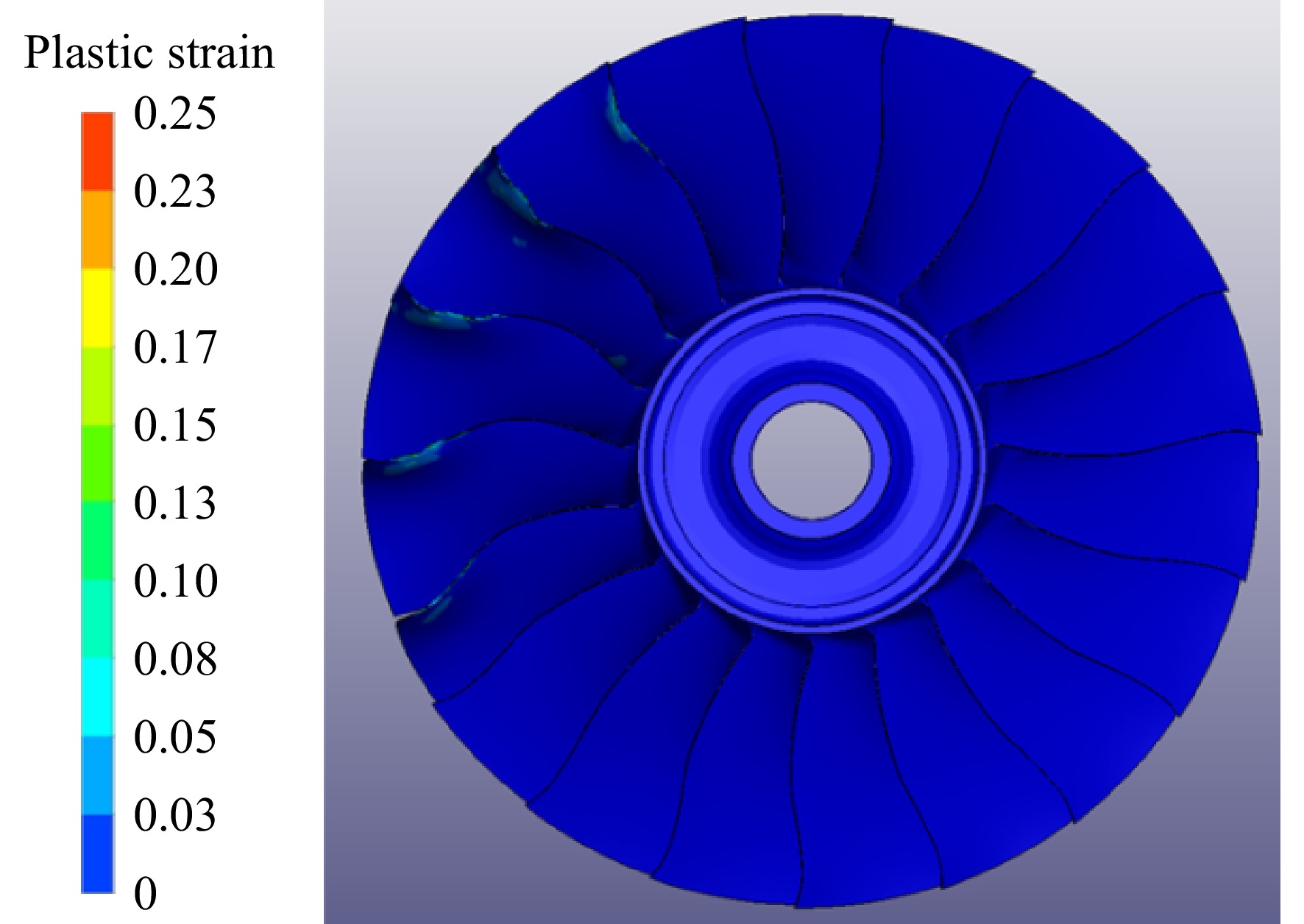
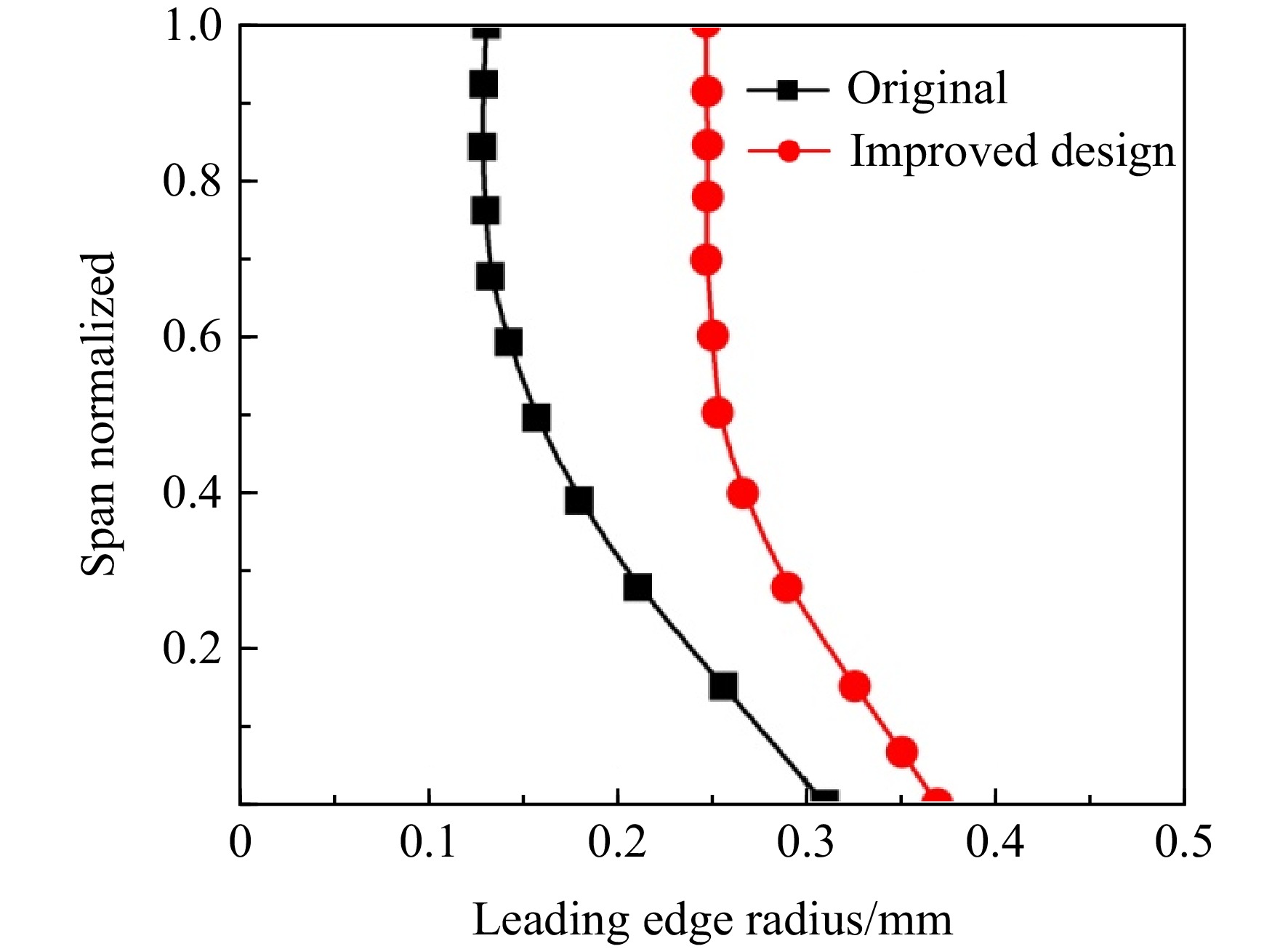
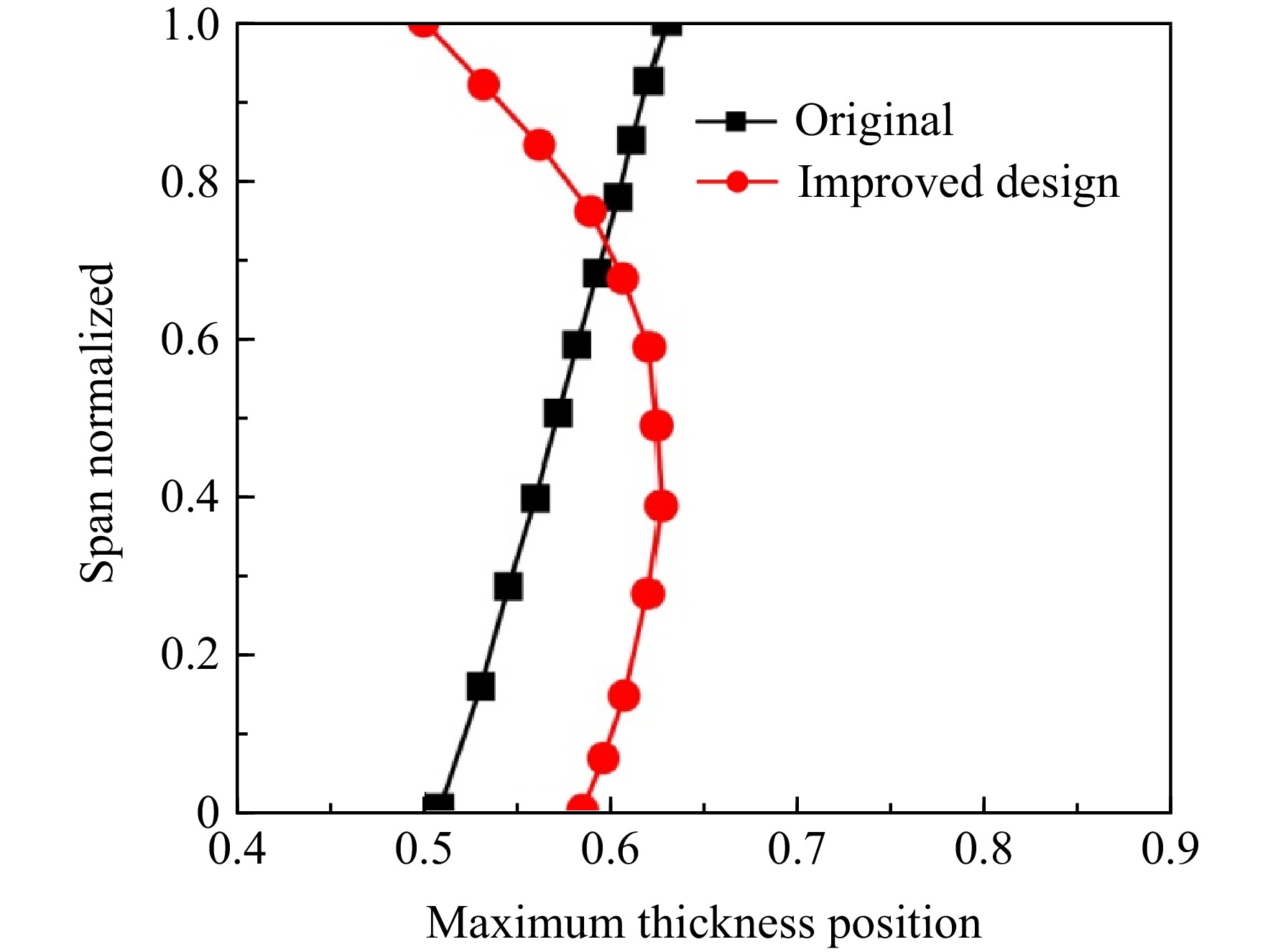
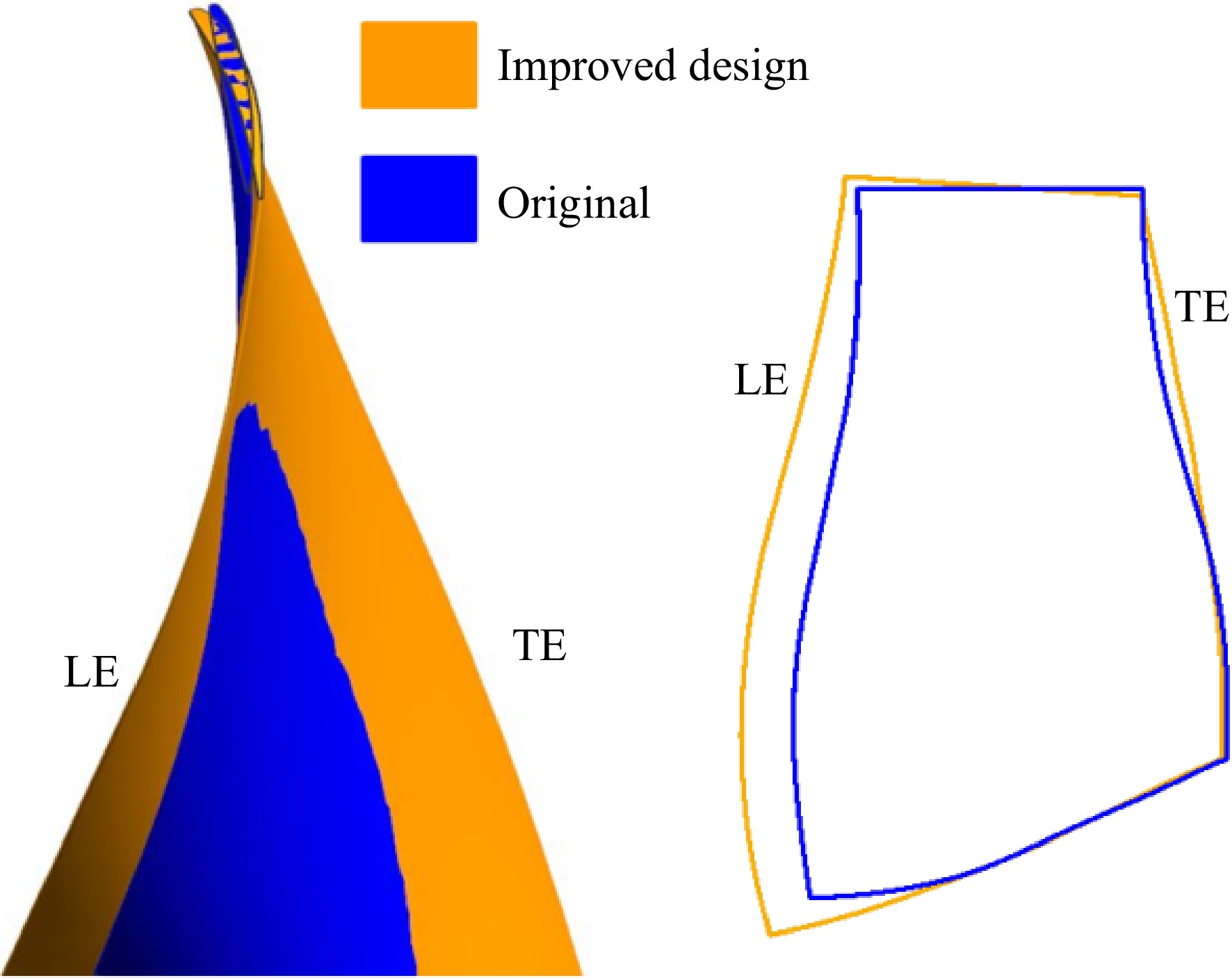
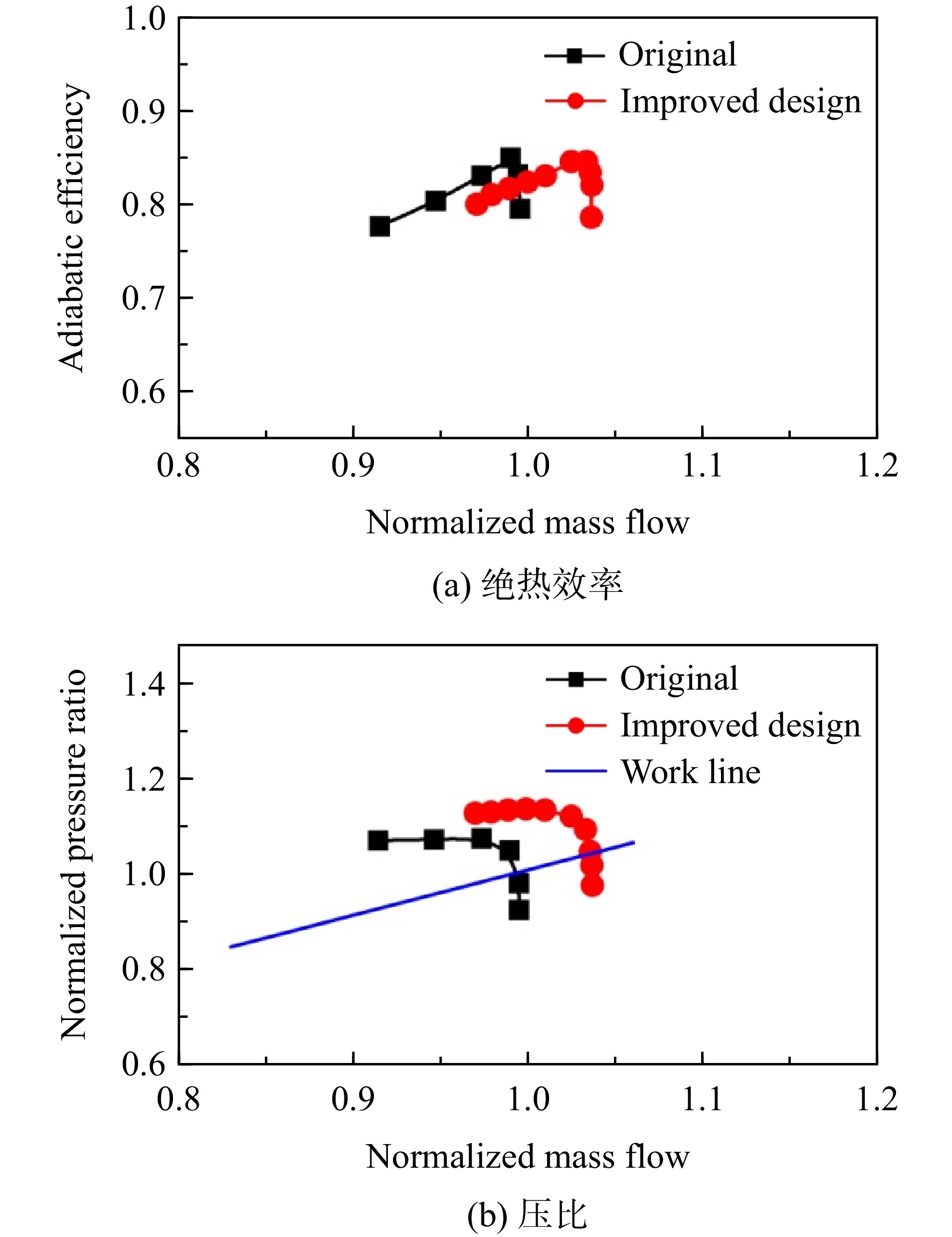
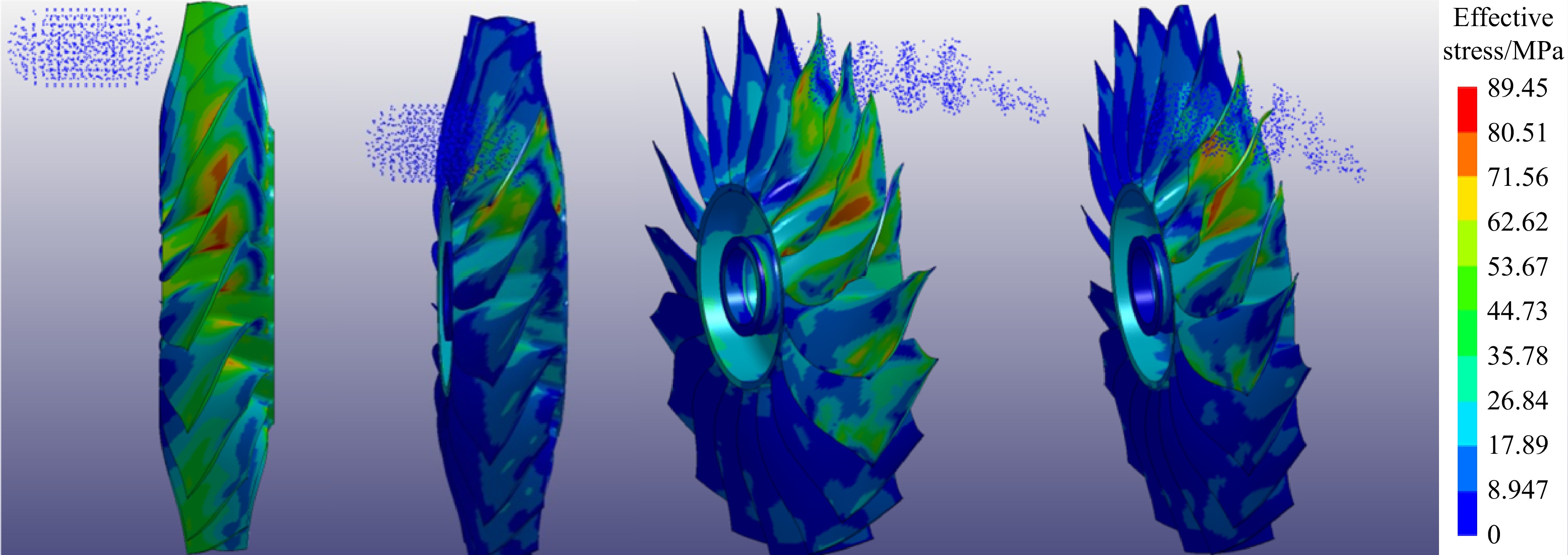
In order to improve the bird impact resistance of aero-engine fan rotor blades, the smoothed particle hydrodynamics (SPH) method and LS-DYNA software were used to evaluate the bird impact resistance of fan rotor blades, and the effects of key design parameters on aerodynamic performance and bird impact resistance were analyzed. The results indicated that the realistic bird impact mainly caused deformation, curling, and tearing of rotor blade leading edge. The aerodynamic performance decreased with the increase of the leading edge radius, the stability margin sharply decreased as the leading edge radius was larger than 0.25 mm. The maximum thickness position moving afterward was beneficial for aerodynamic performance, while the bird impact resistance decreased. By selecting reasonable design parameters to maintain the aerodynamic performance, the fan rotor blade design was improved. The anti-bird ability of fan rotor blade had been significantly increased from 30 g to 50 g.

Design and experimental study on turbulence excitation of aeroengine rotor blade system
YANG Zhengbing, LI Jing, LI Guanghui, XU Qi
2024, 39(2): 20230041. doi: 10.13224/j.cnki.jasp.20230041
Abstract:

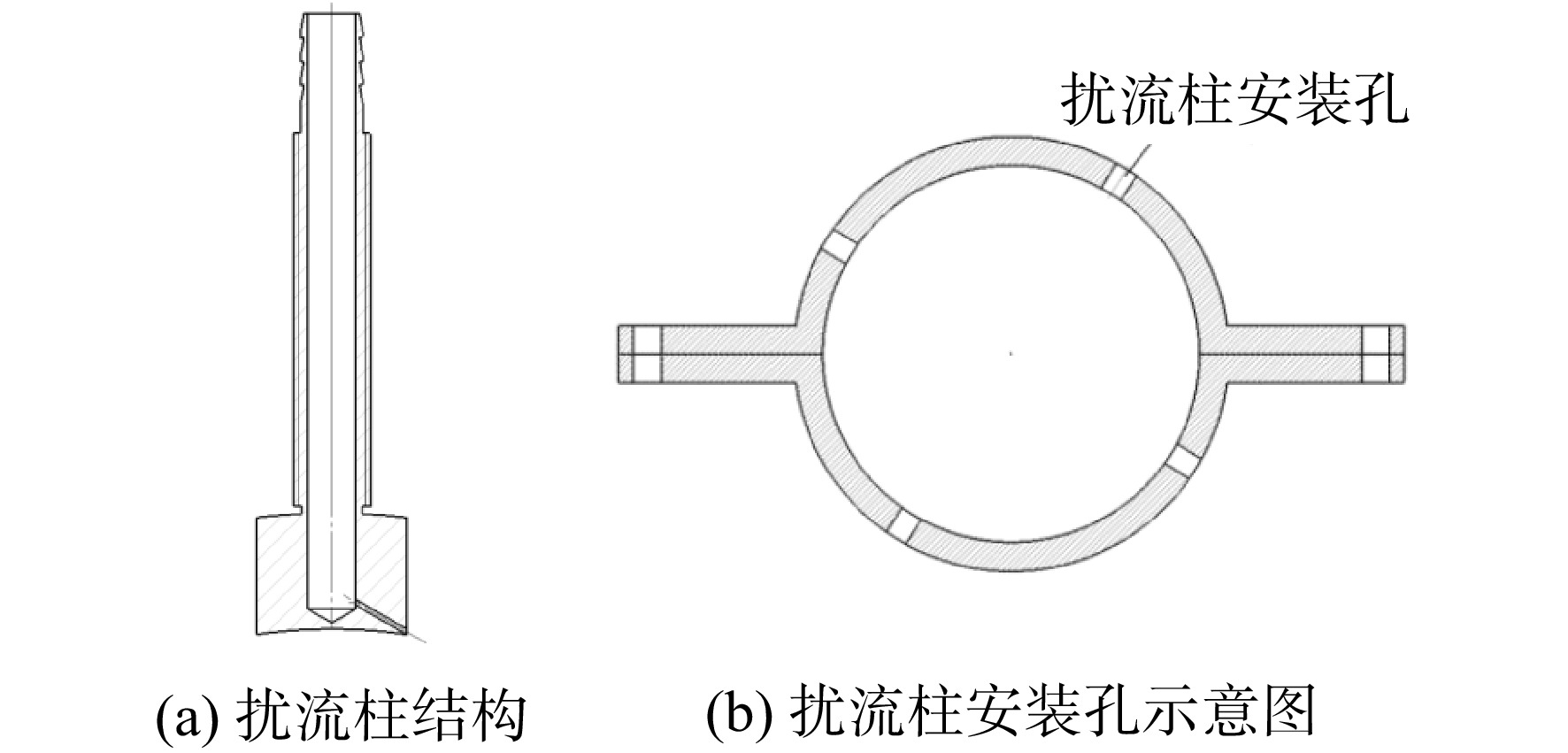
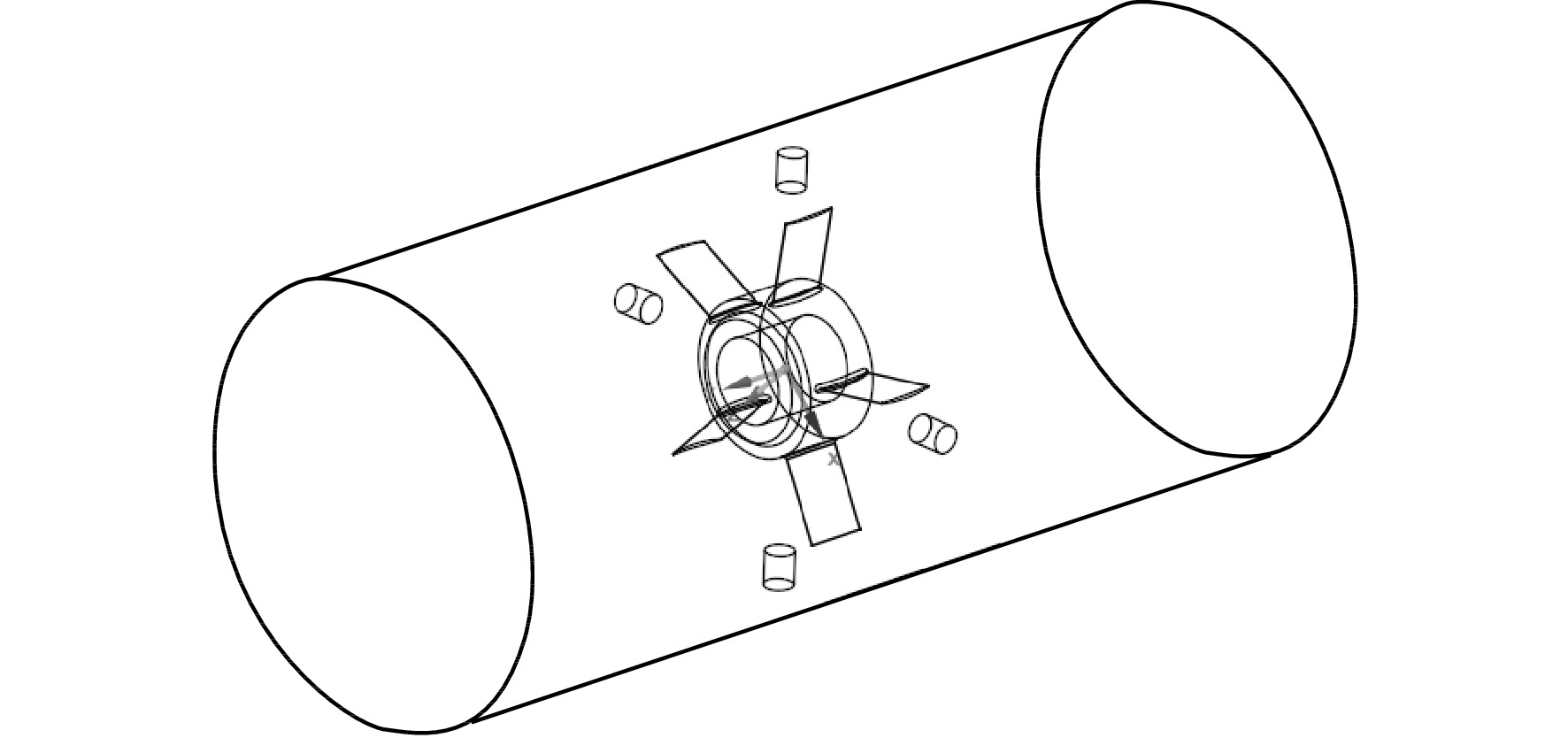
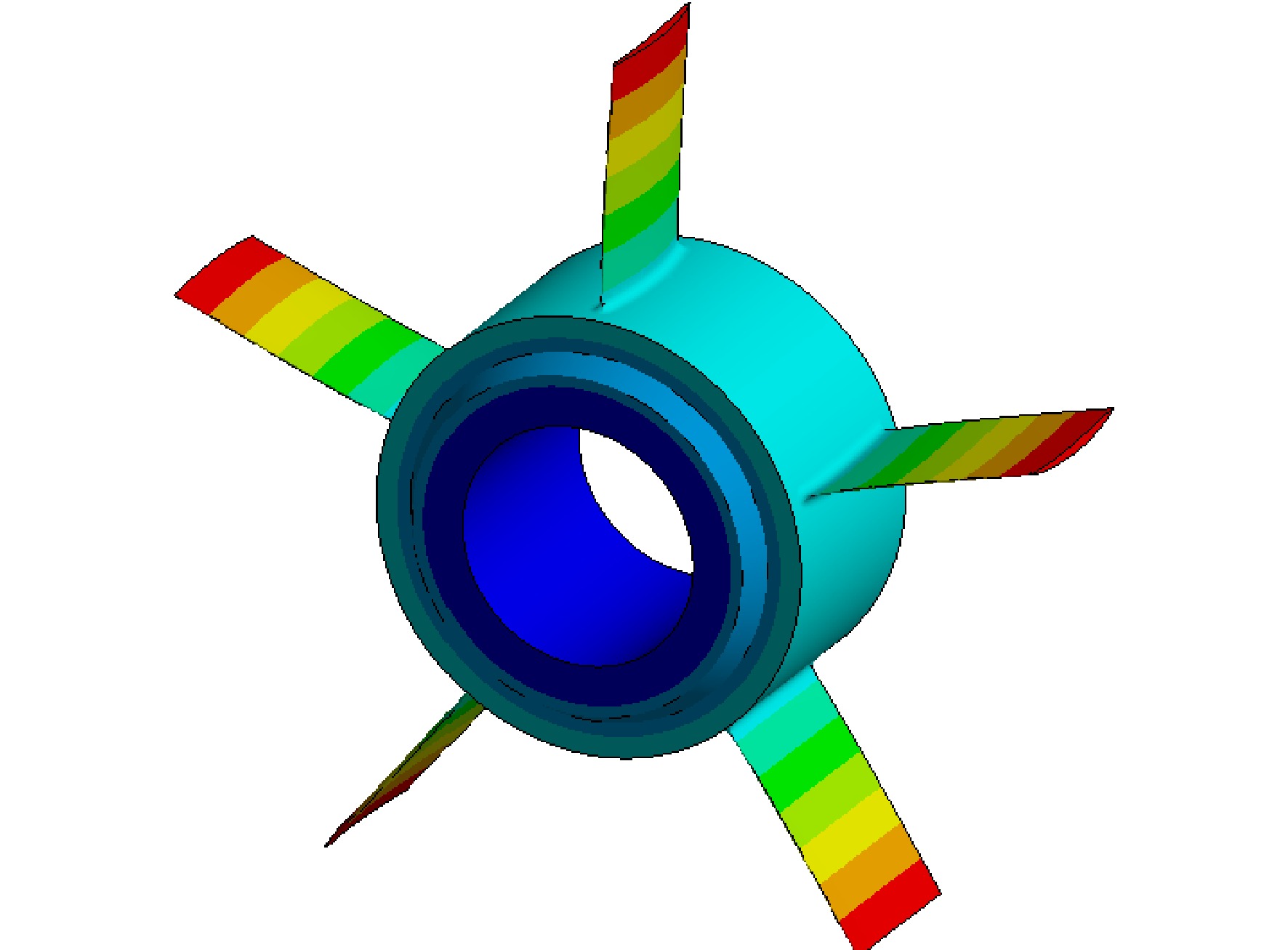
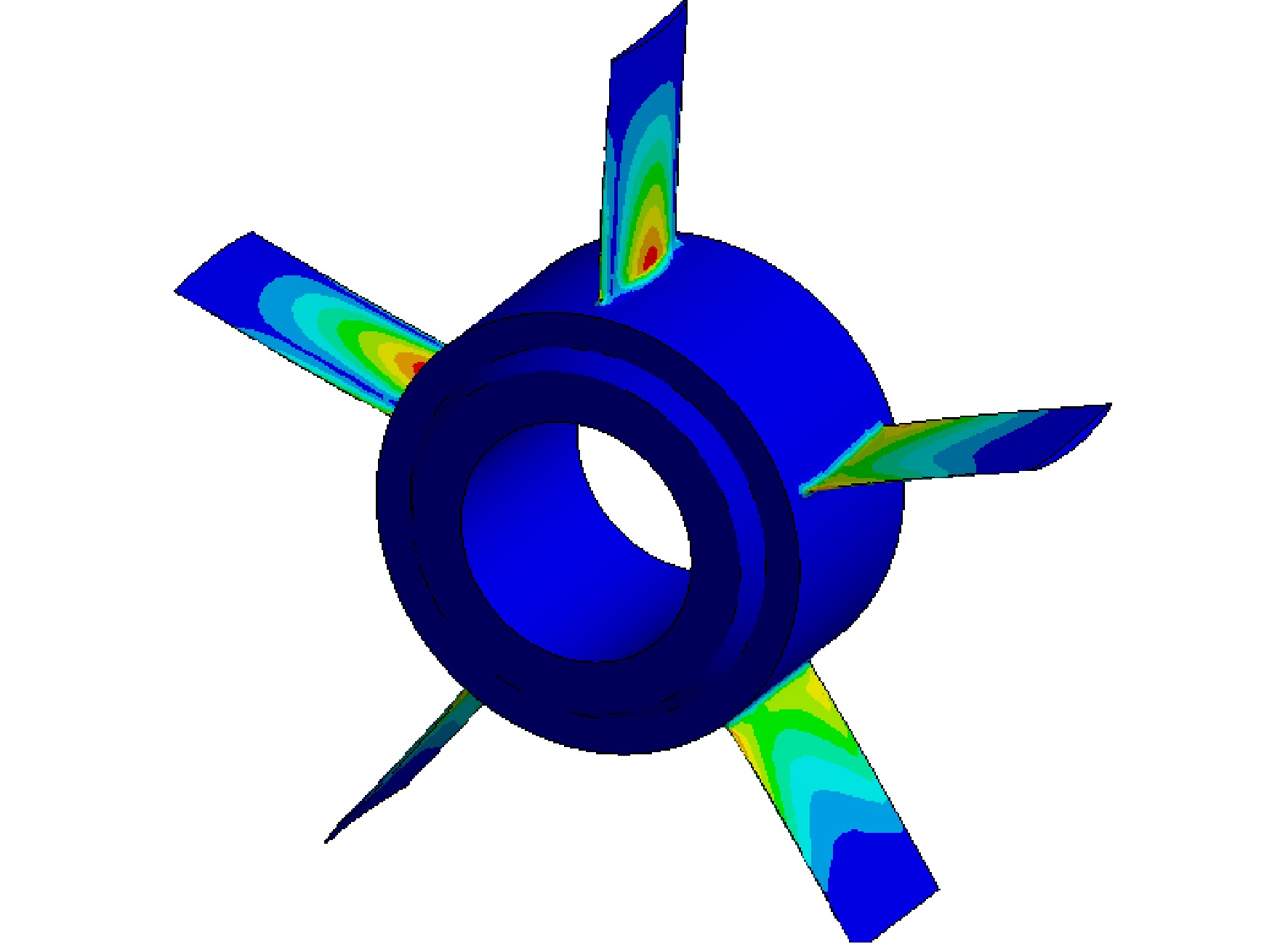
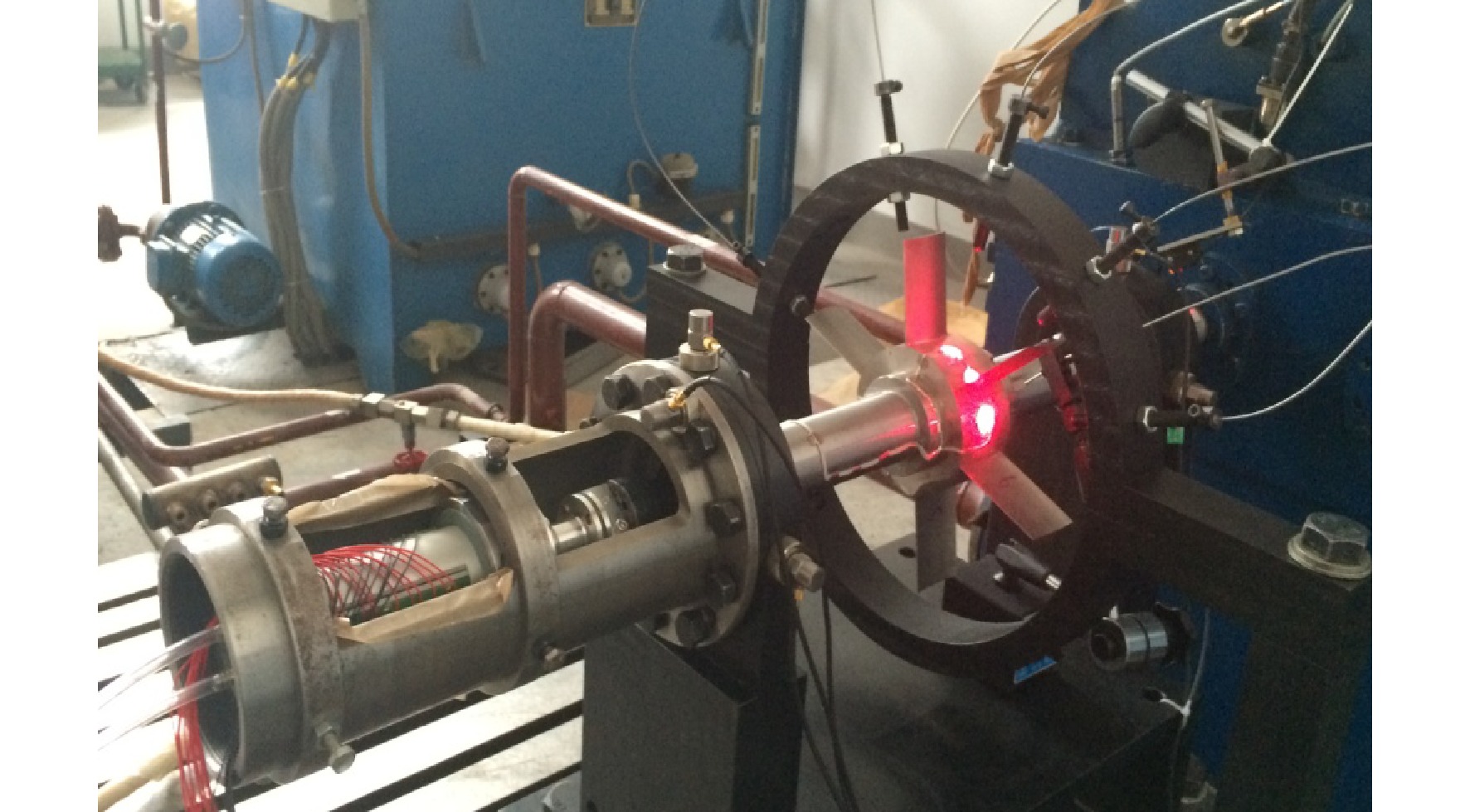
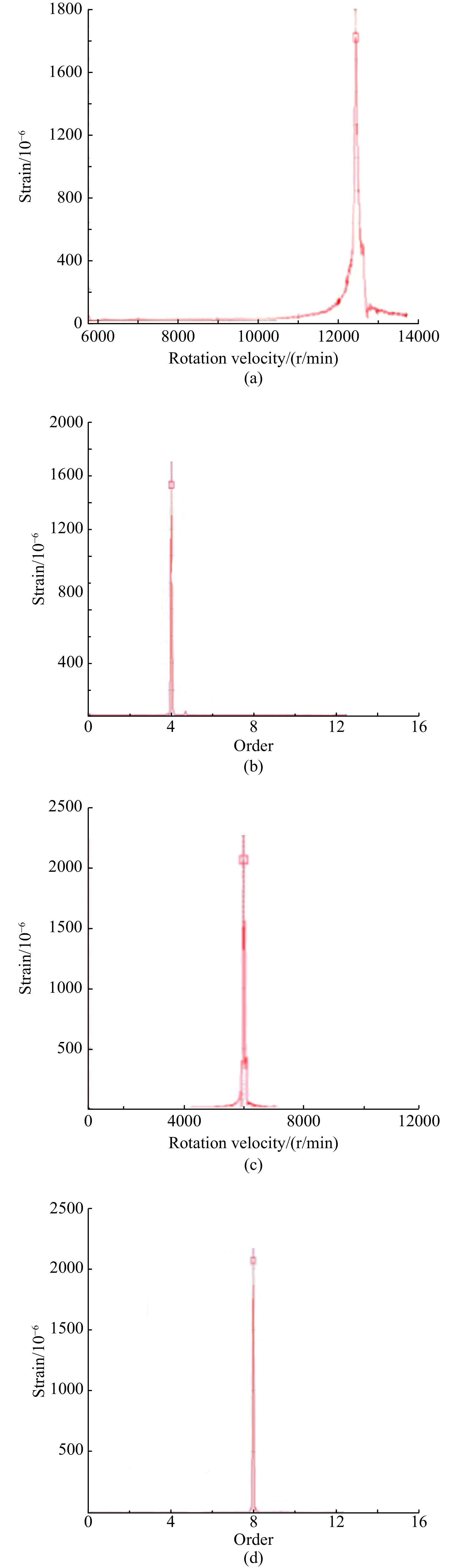
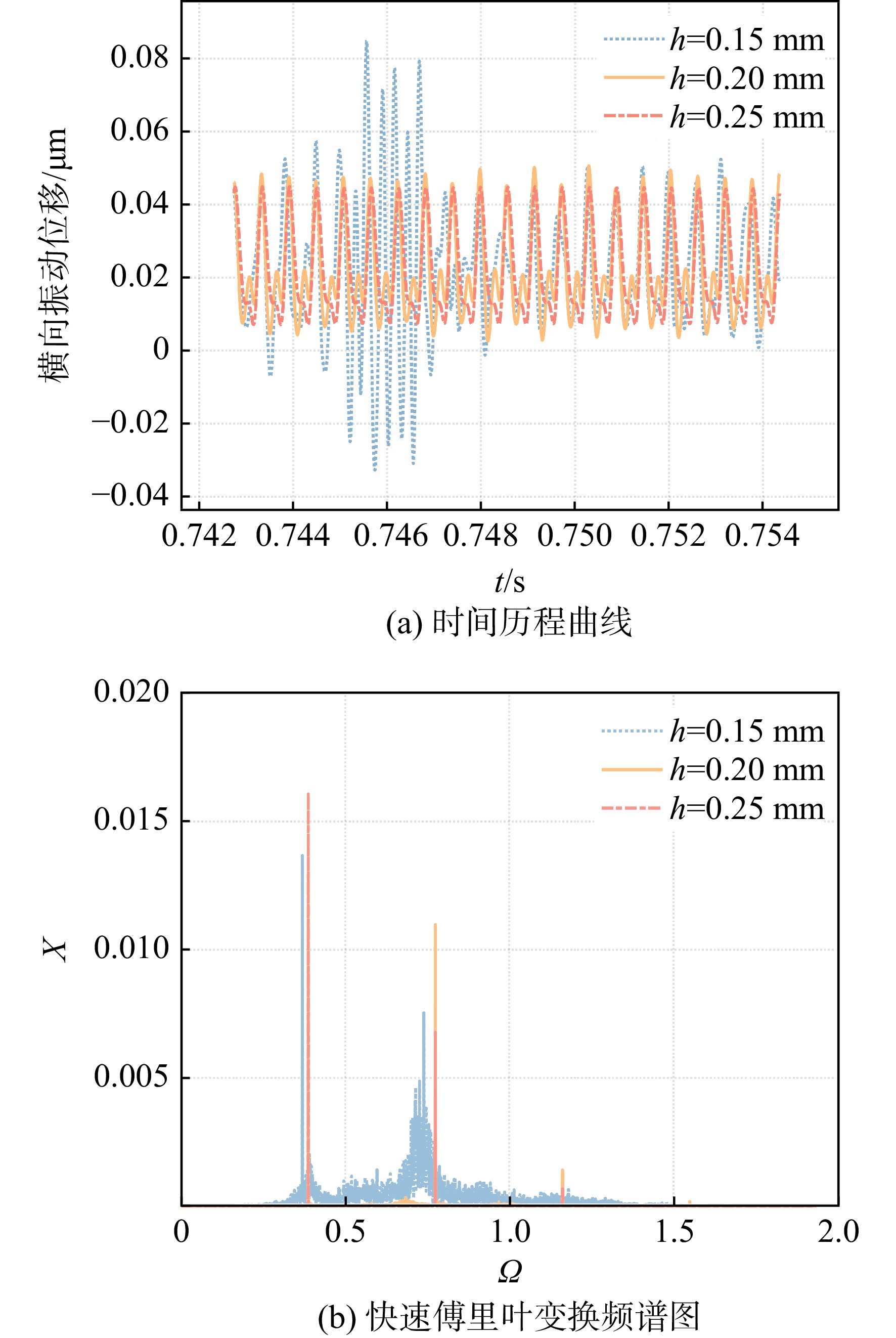
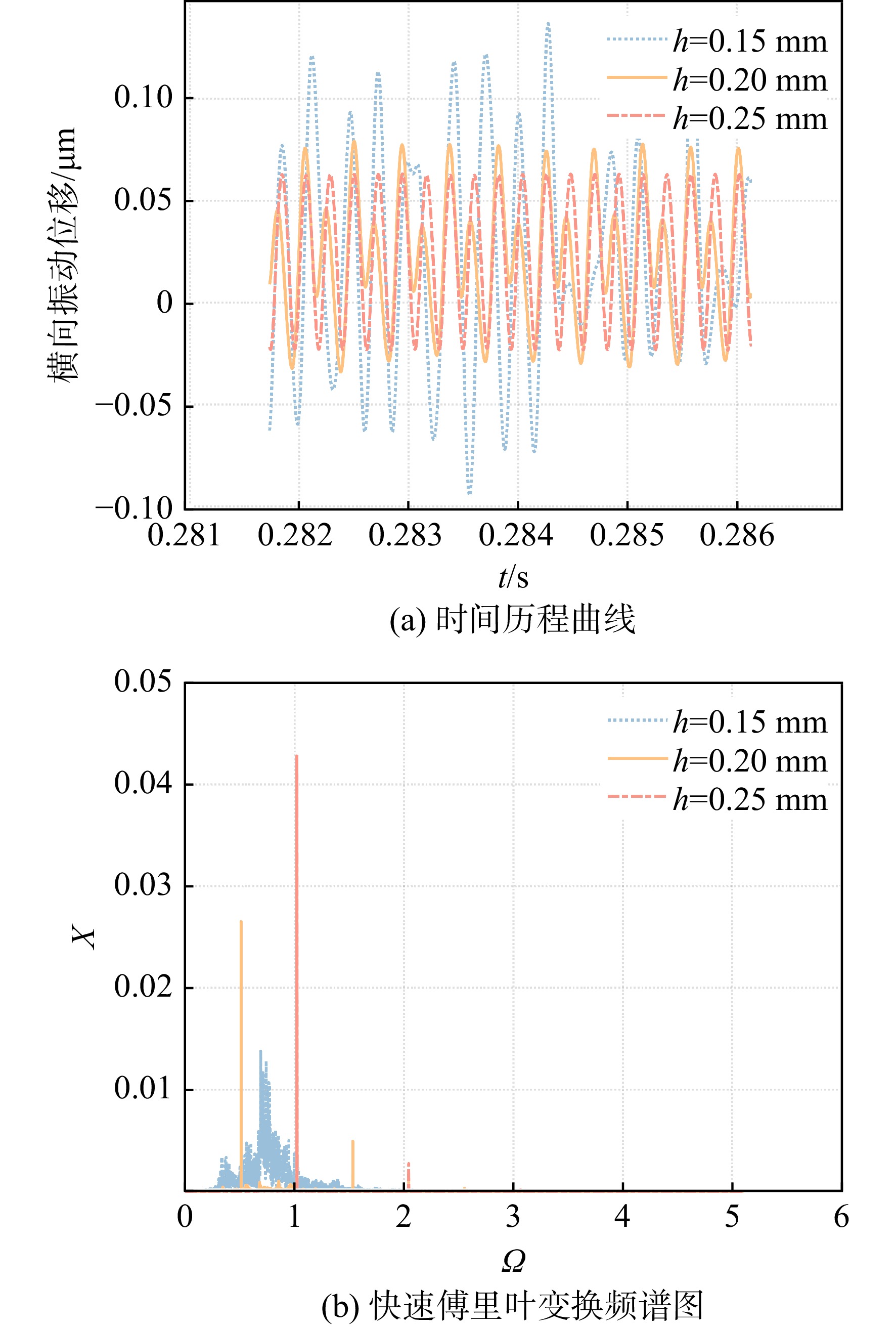
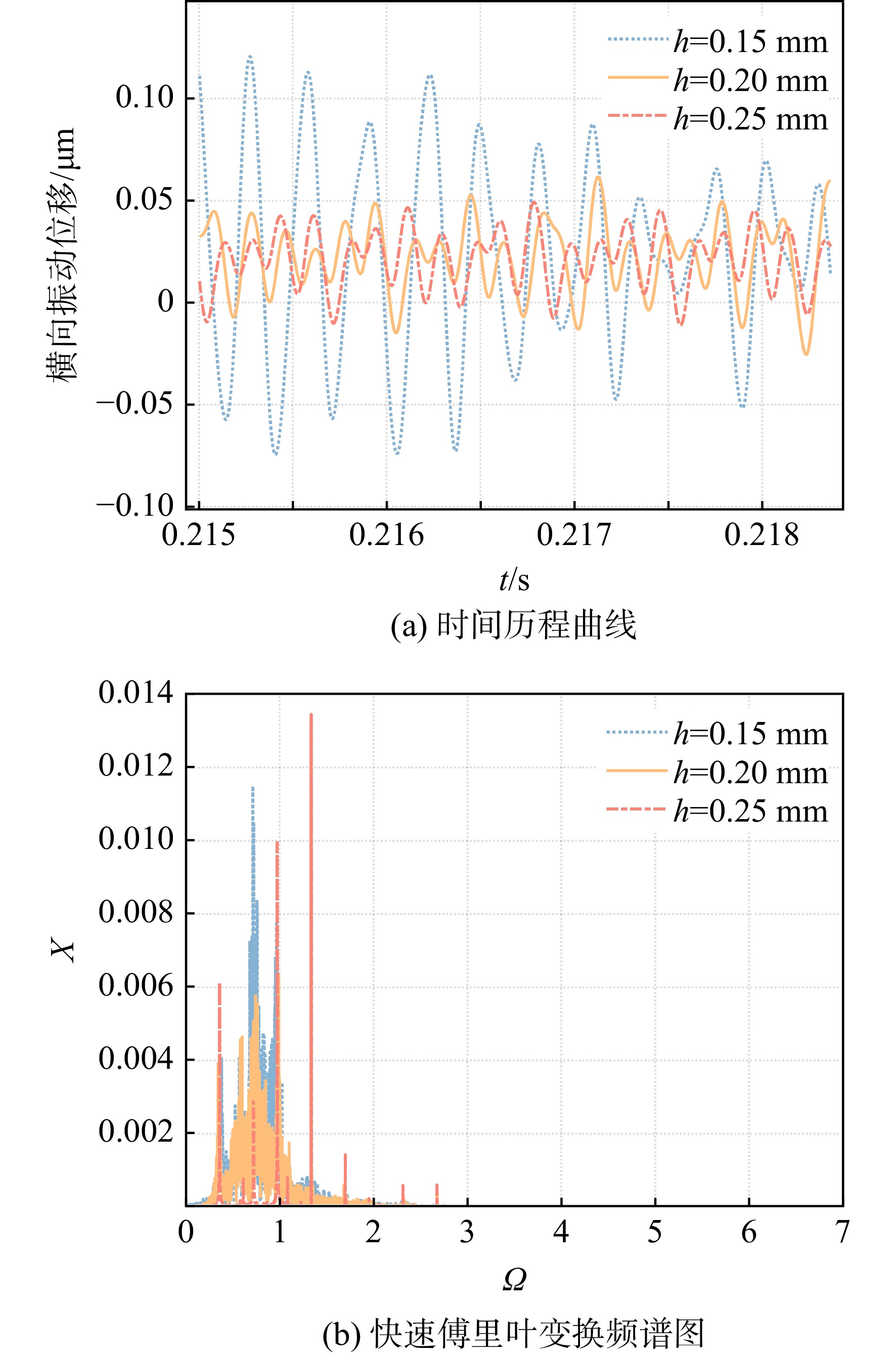
To study the parametric resonance characteristics of rotor blade systems, a method based on turbulent excitation was proposed. Through proper structure design and layout of the rotor system and turbulent column, and by using the fluid-solid coupling calculation method, the dynamical characteristics of the blade responses under different working conditions were simulated and analyzed, and significant first-order resonance of the rotor blades within the target rotation velocity range was achieved, even without the need of extra excitations. During the experimental verification, the dynamic responses of the rotor blade system can be greatly enlarged by increasing the turbulent excitation pressure. Similarly, slow speed-up rate of the rotor blade system also increased the dynamic responses of the system. Hence via proper turbulent excitation pressure and speed-up rate, the blade dynamical response can be effectively controlled. This work can provide a technical support for the study of dynamical strain, blade tip amplitude, and fatigue characteristics of the resonant rotor blade system at high rotation velocities.

Hierarchical modeling and elastic property prediction of the needled composite
LIU Yu, WANG Rongqiao, HU Dianyin, LIU Xi, PANG Shengyang
2024, 39(2): 20220728. doi: 10.13224/j.cnki.jasp.20220728
Abstract:

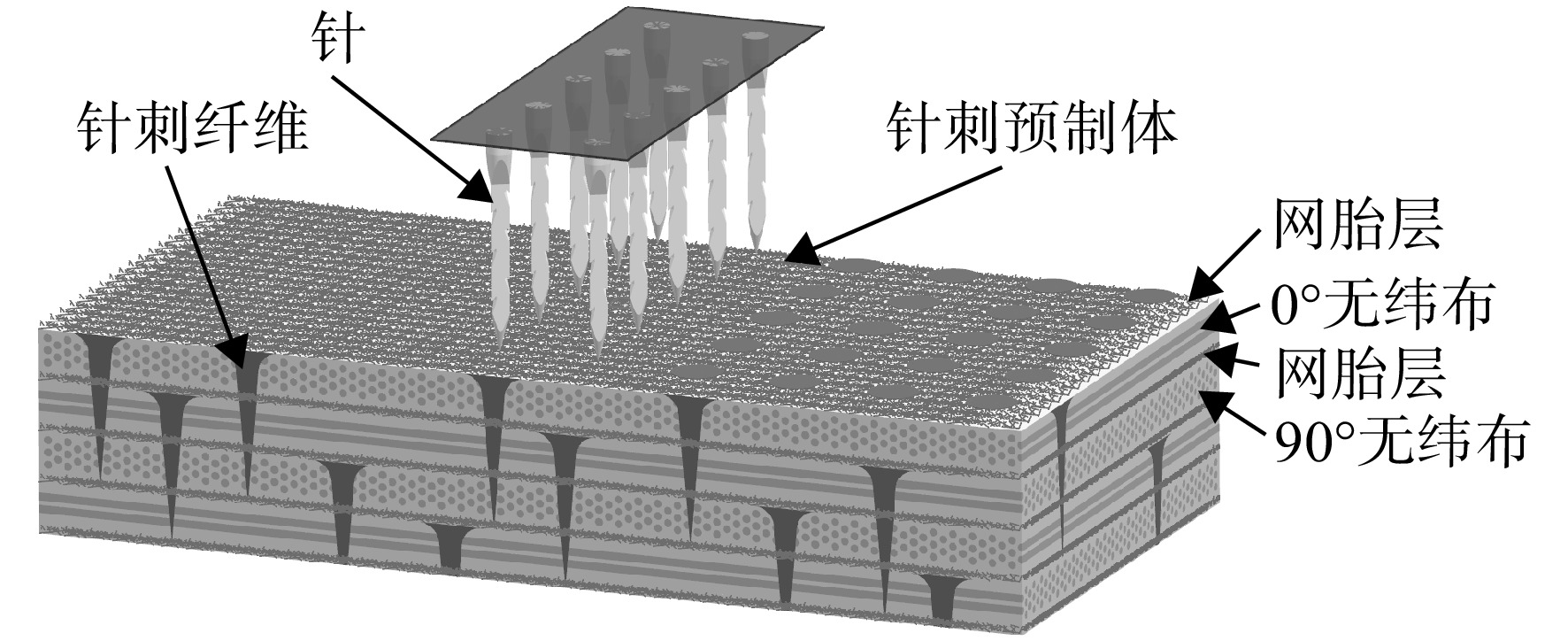
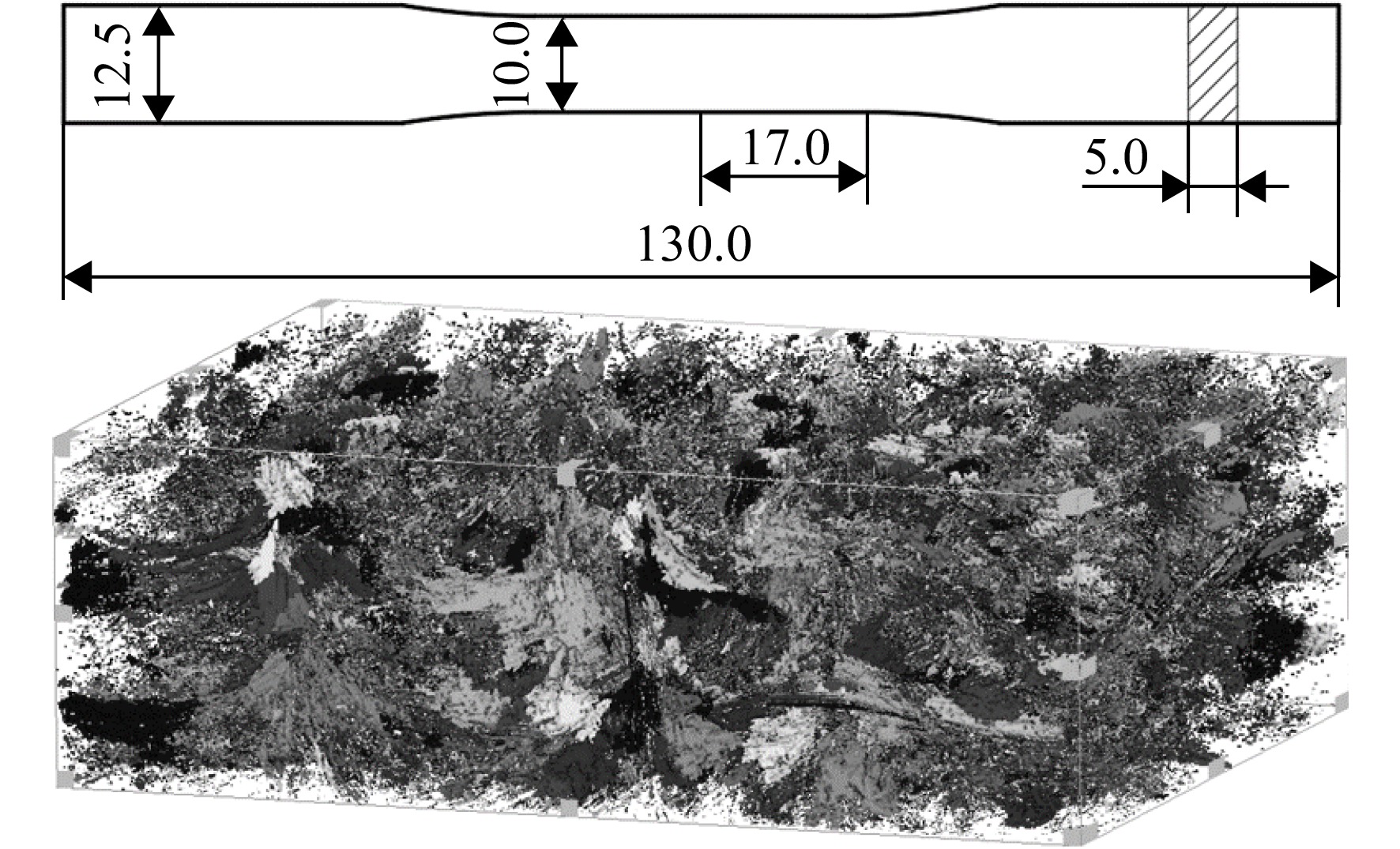
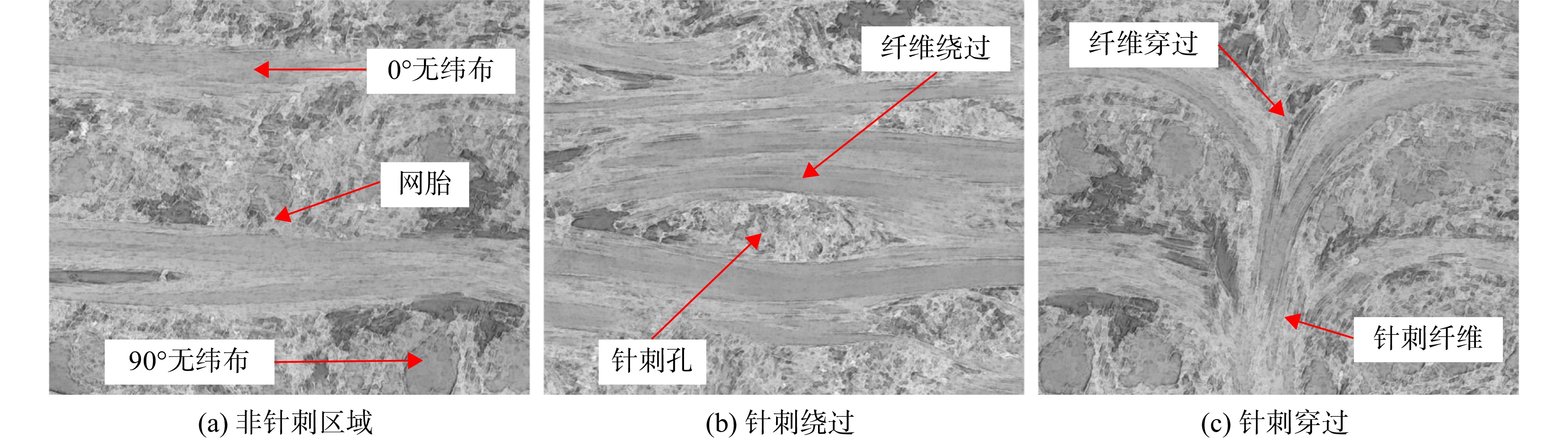
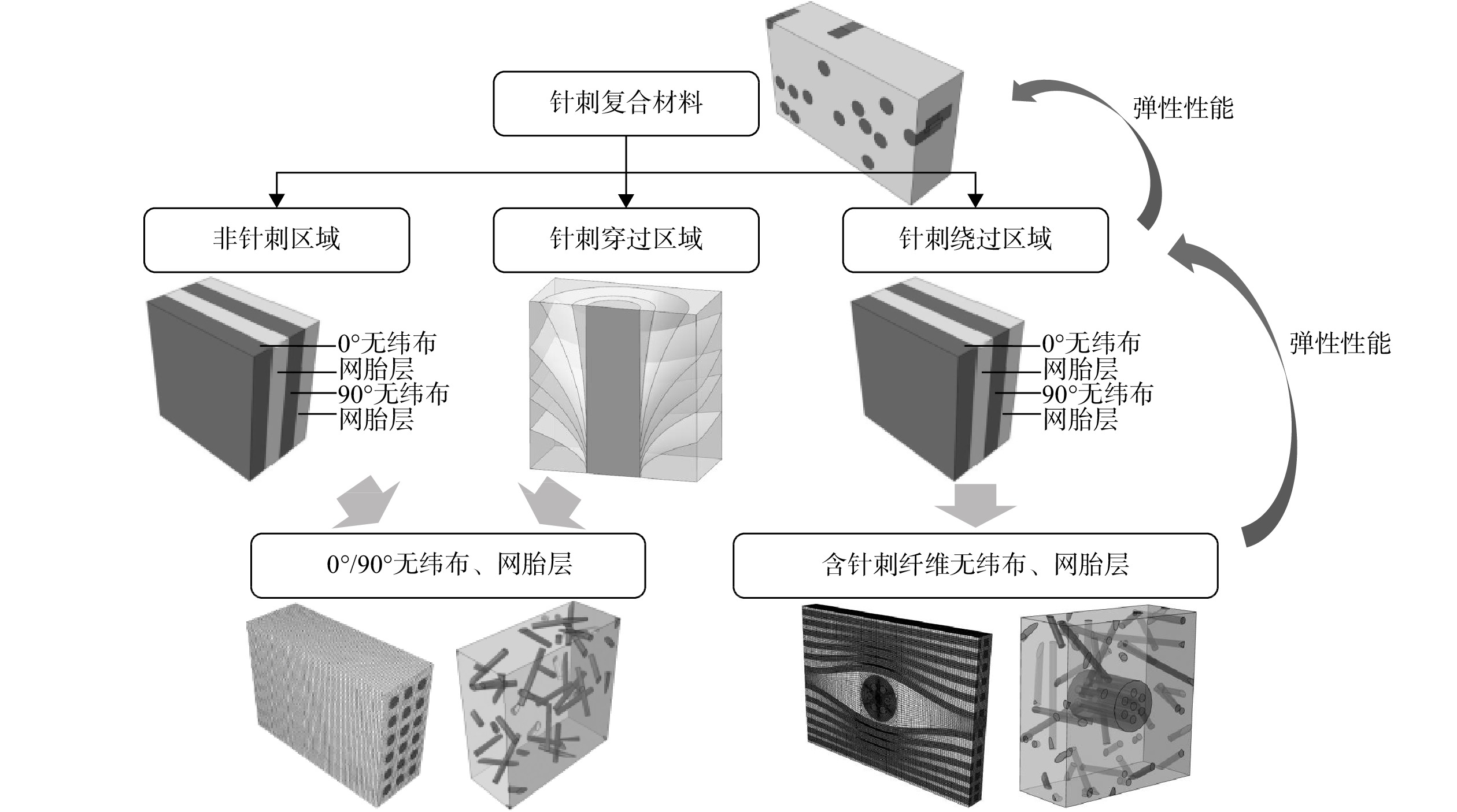
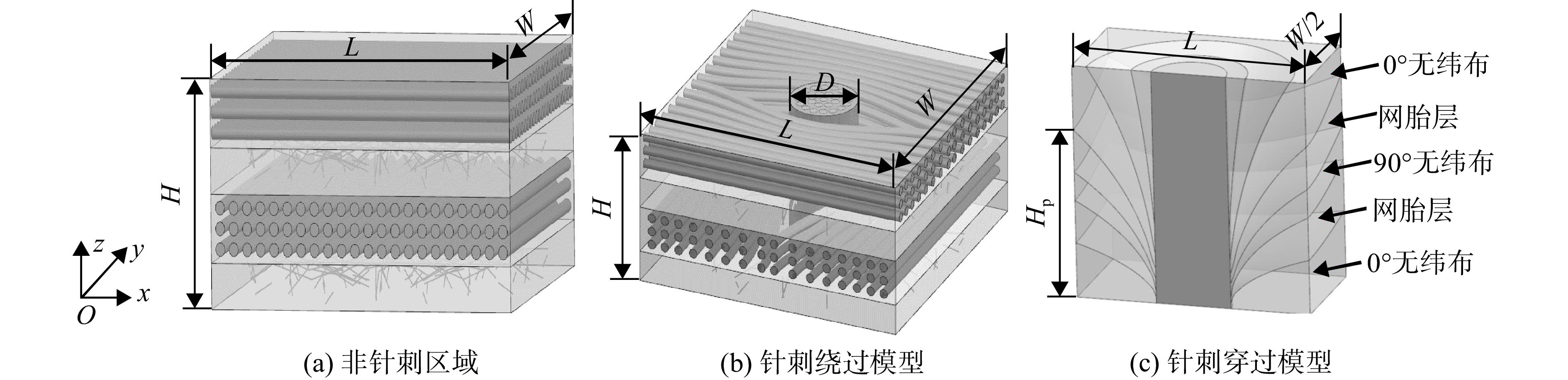
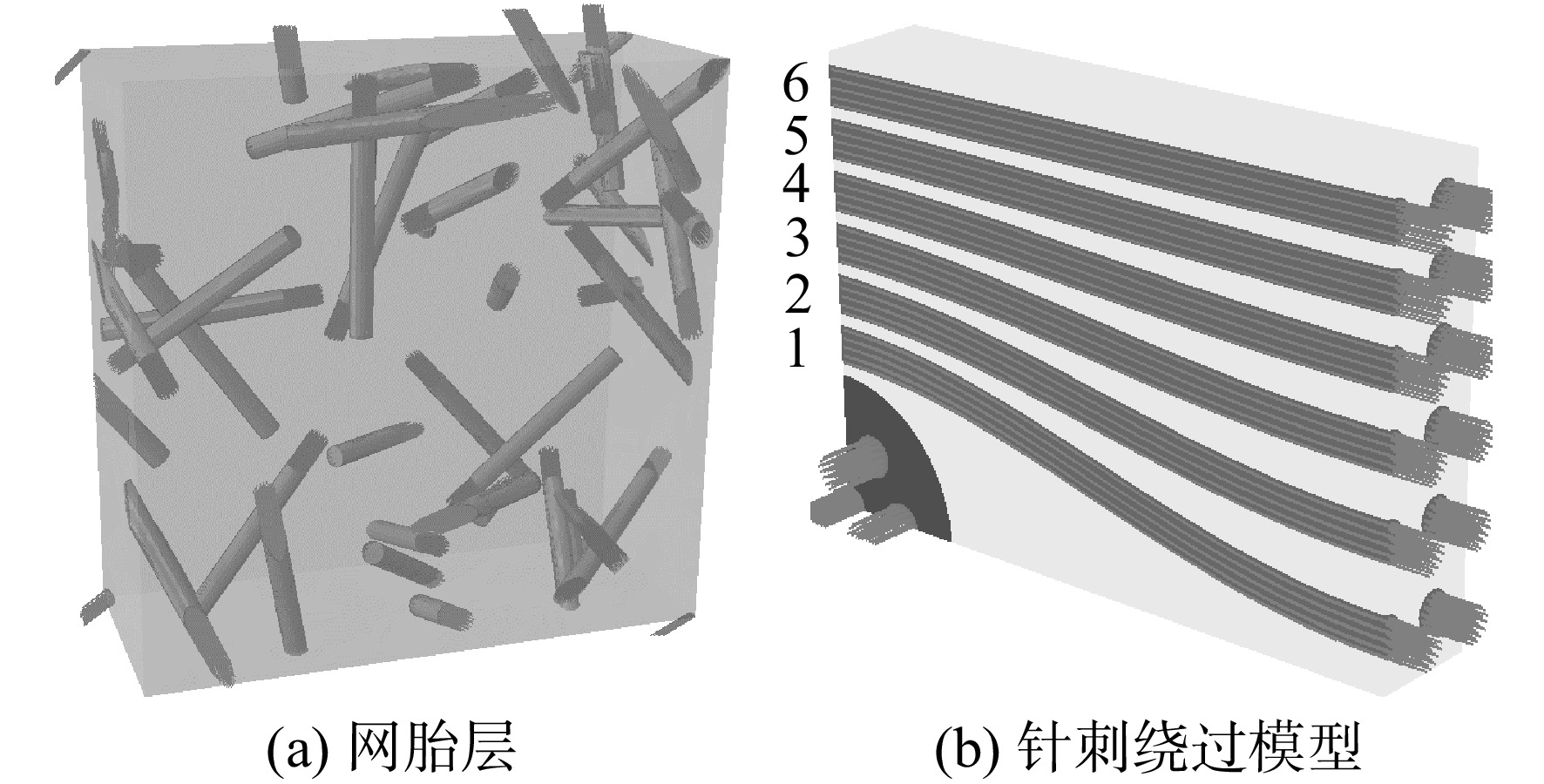
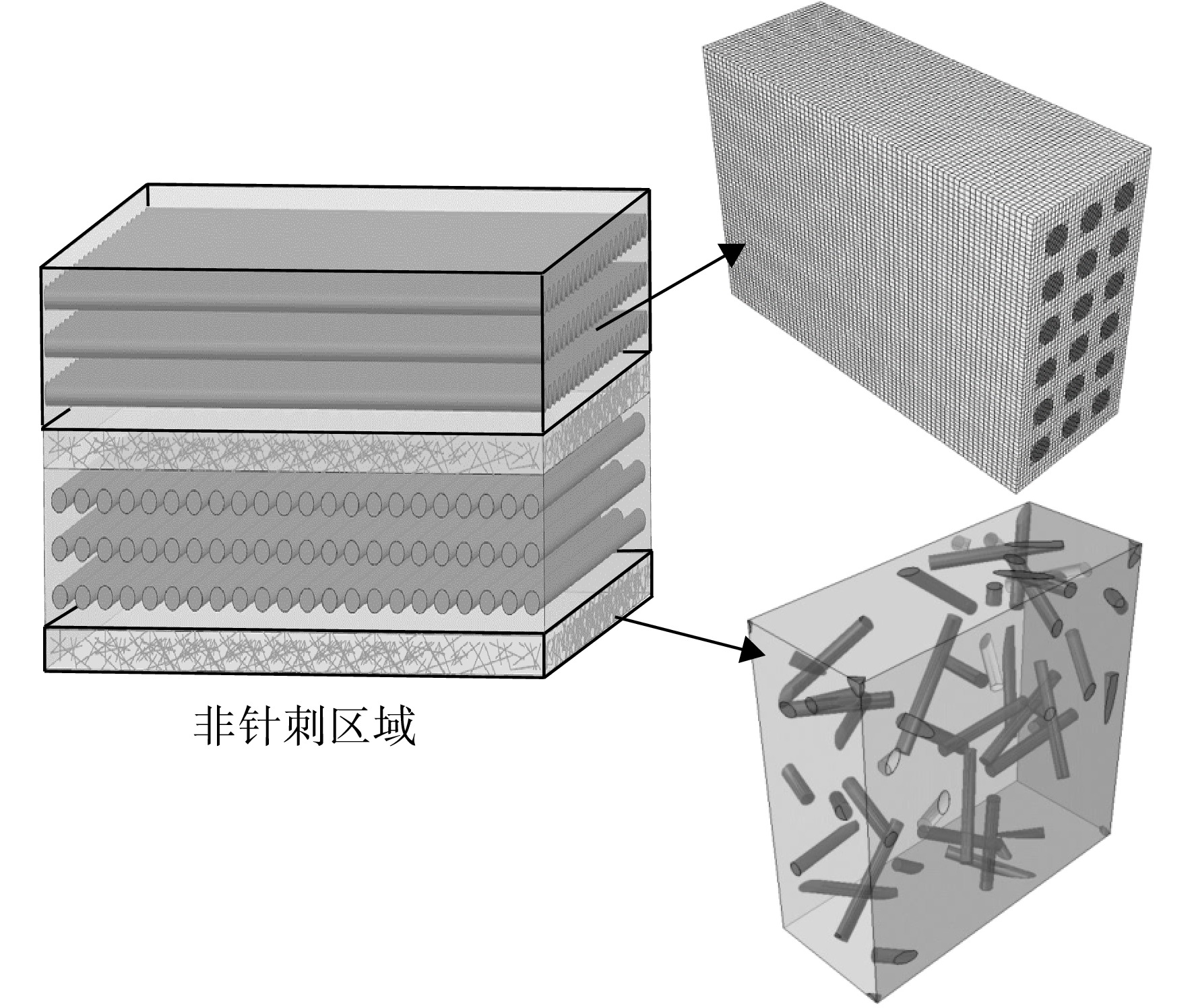
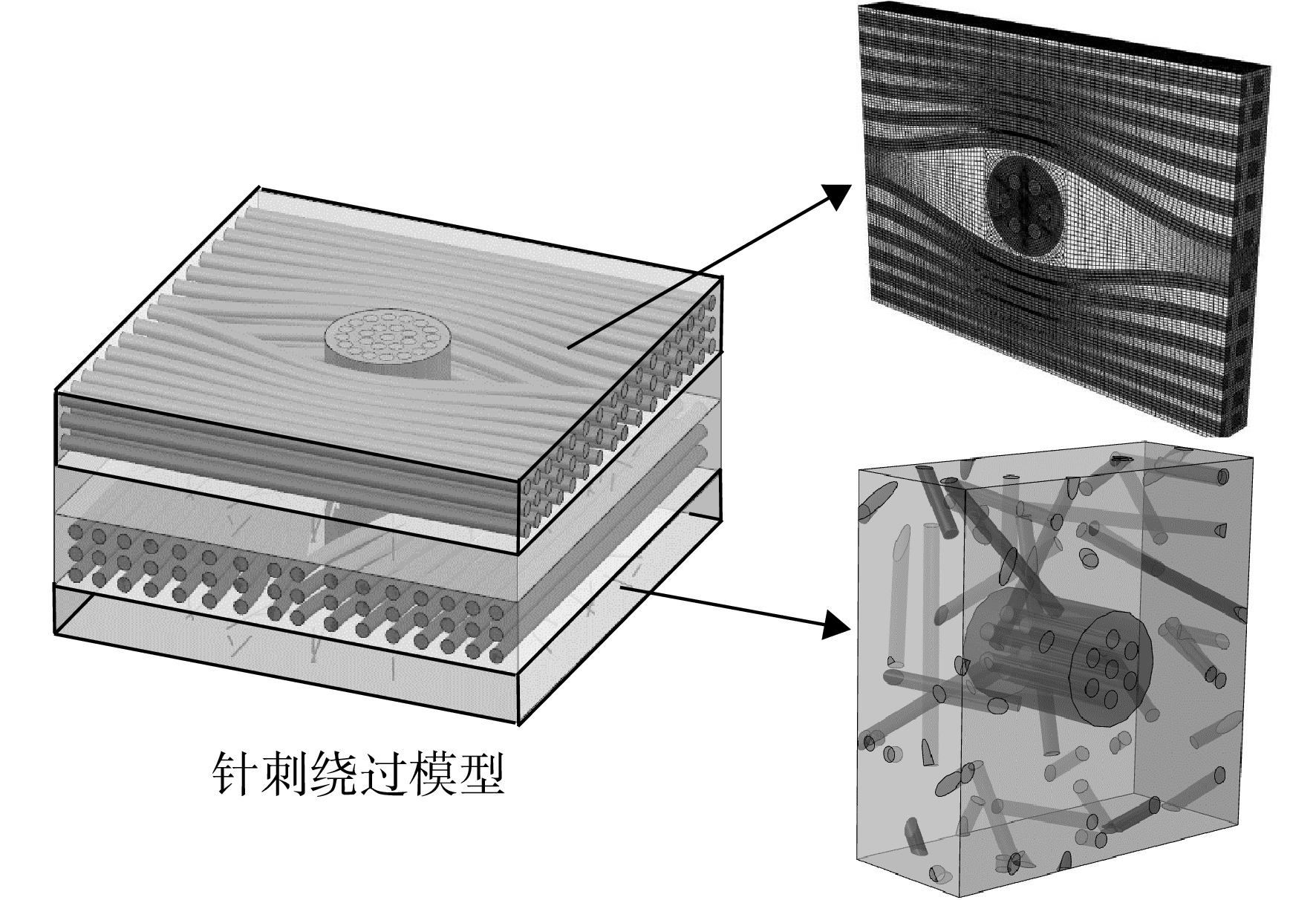
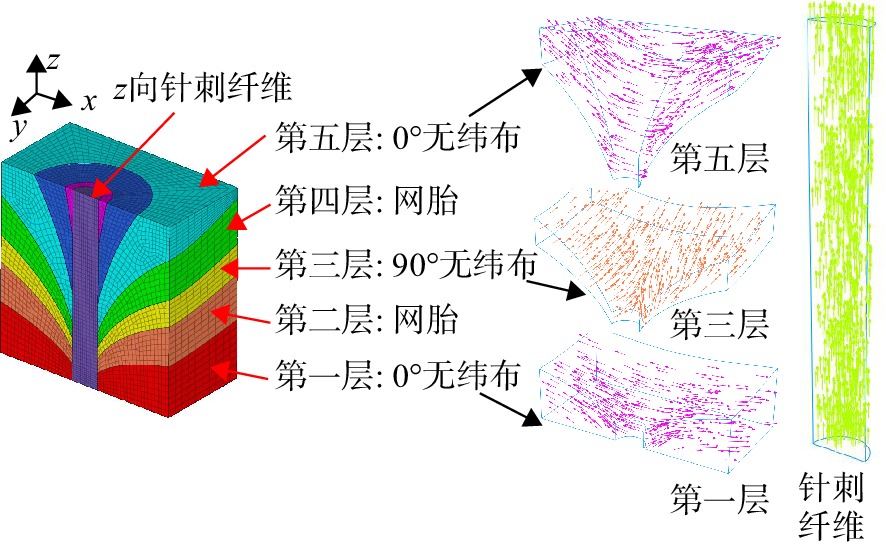
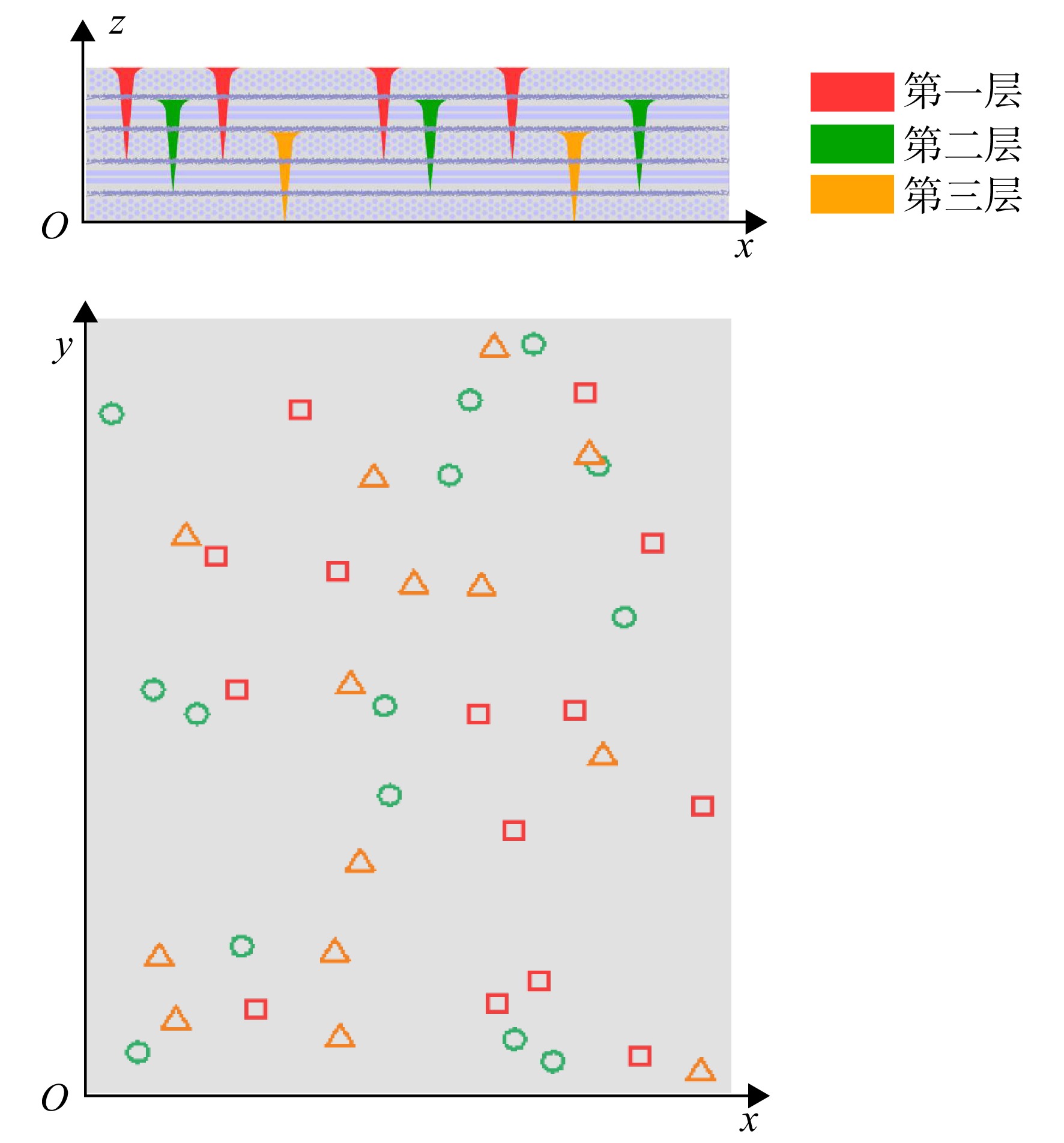
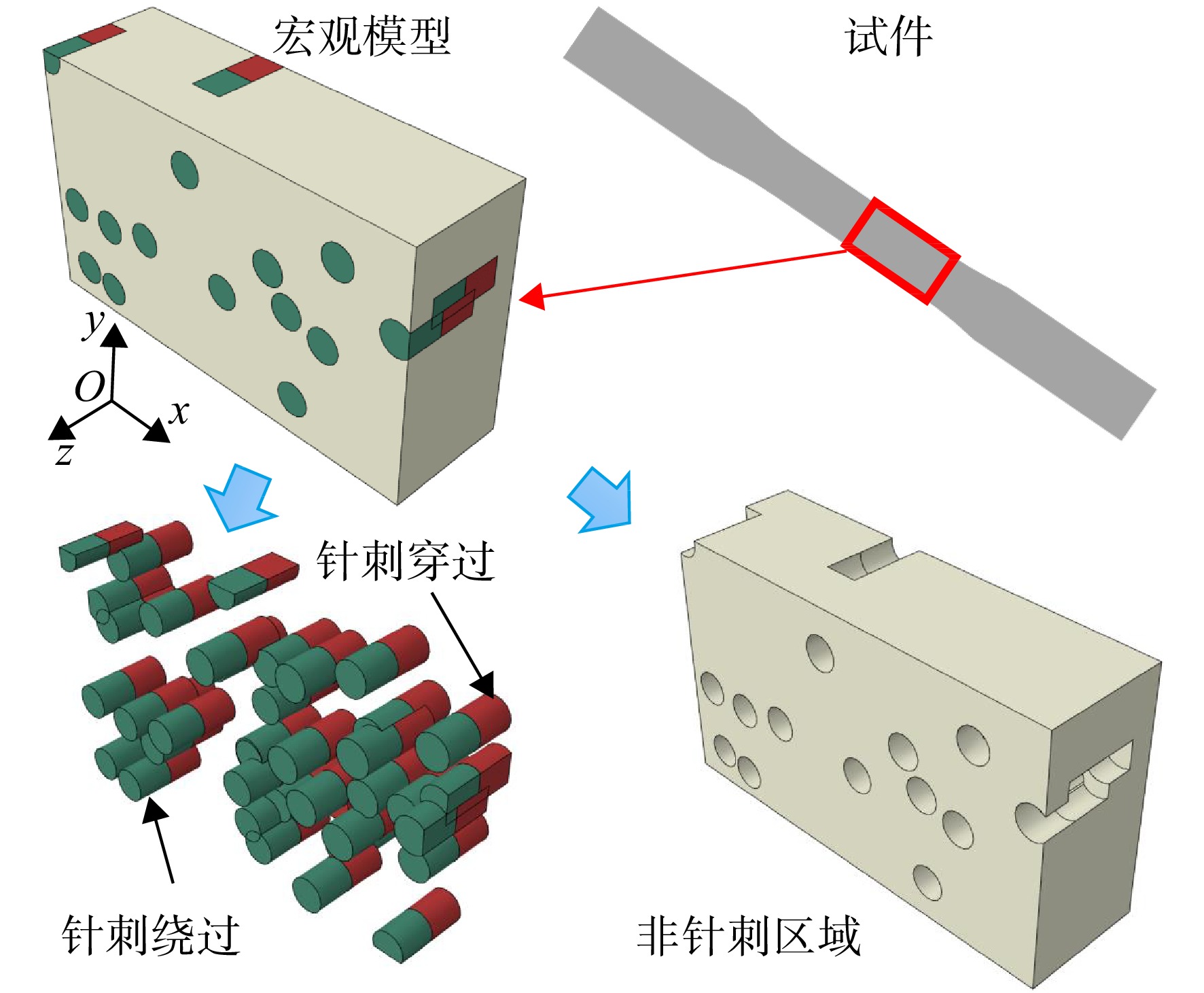
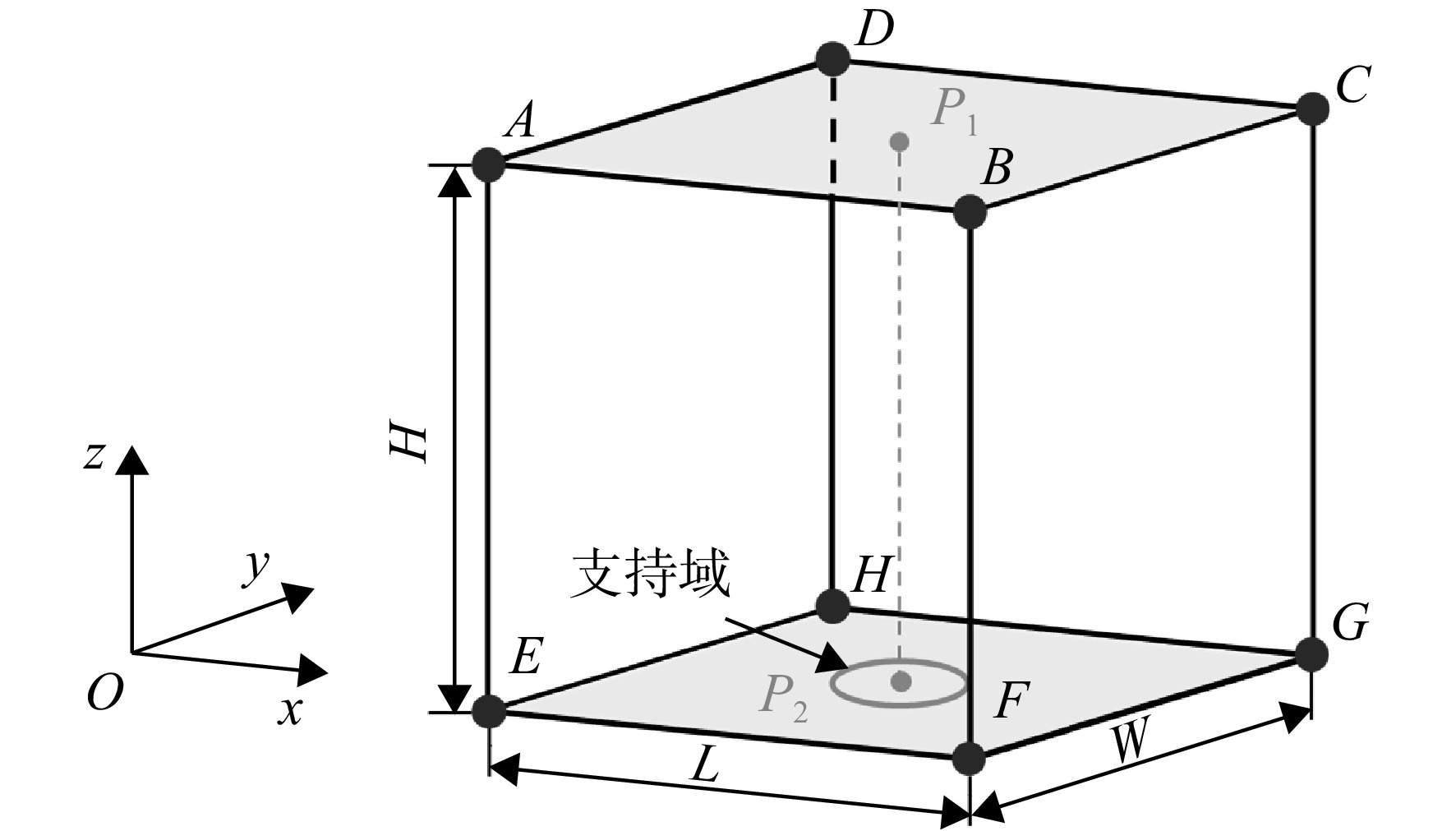
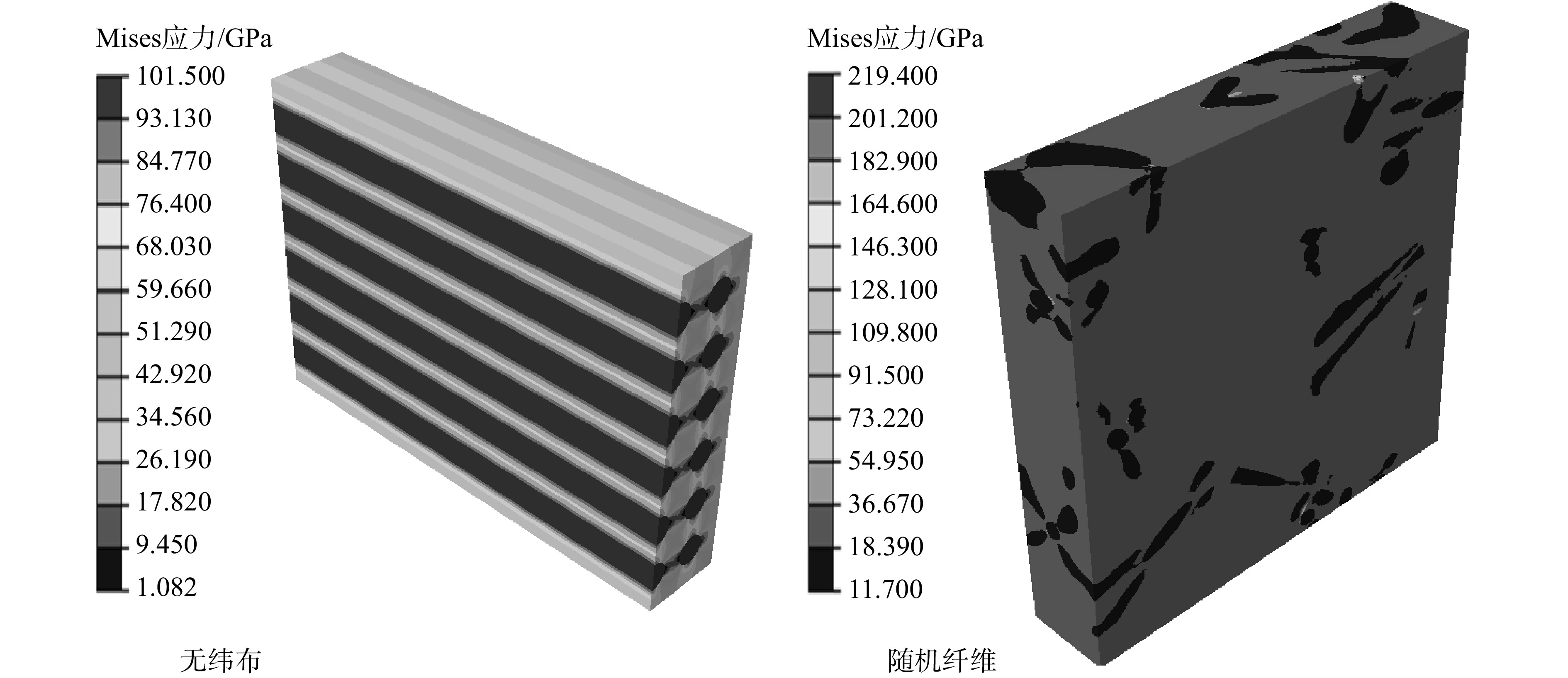
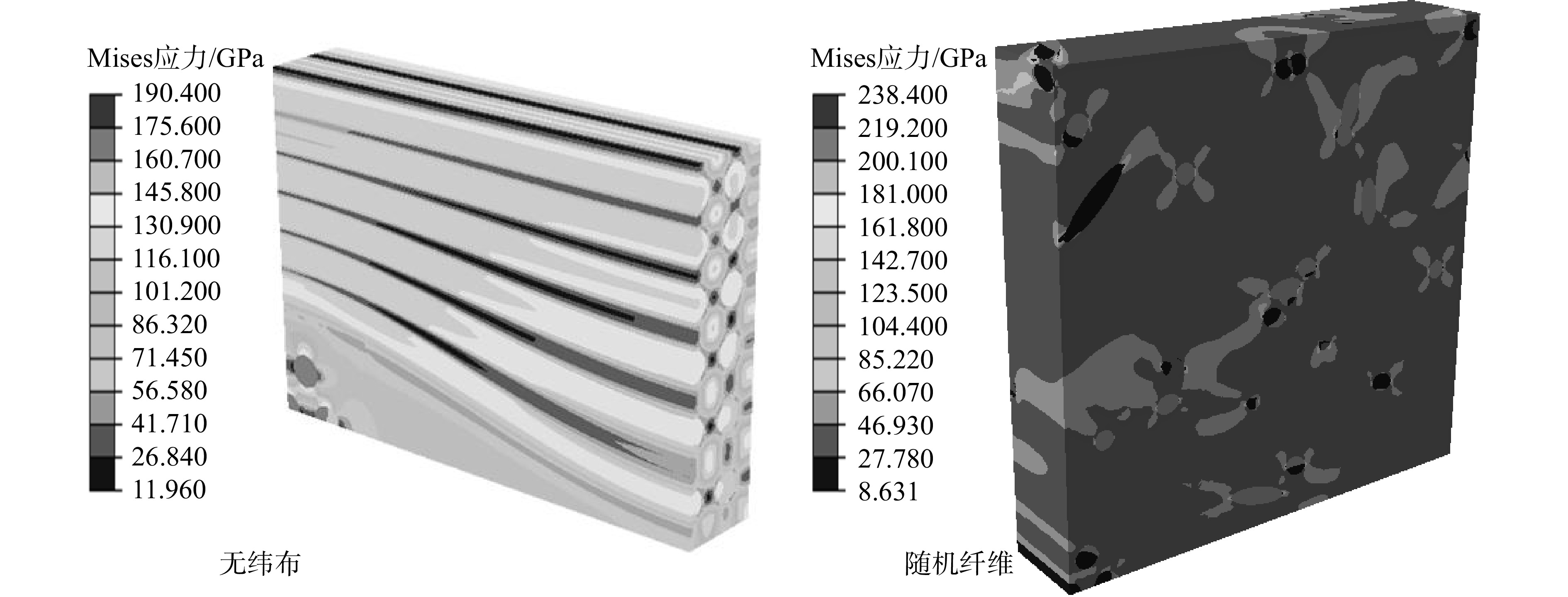
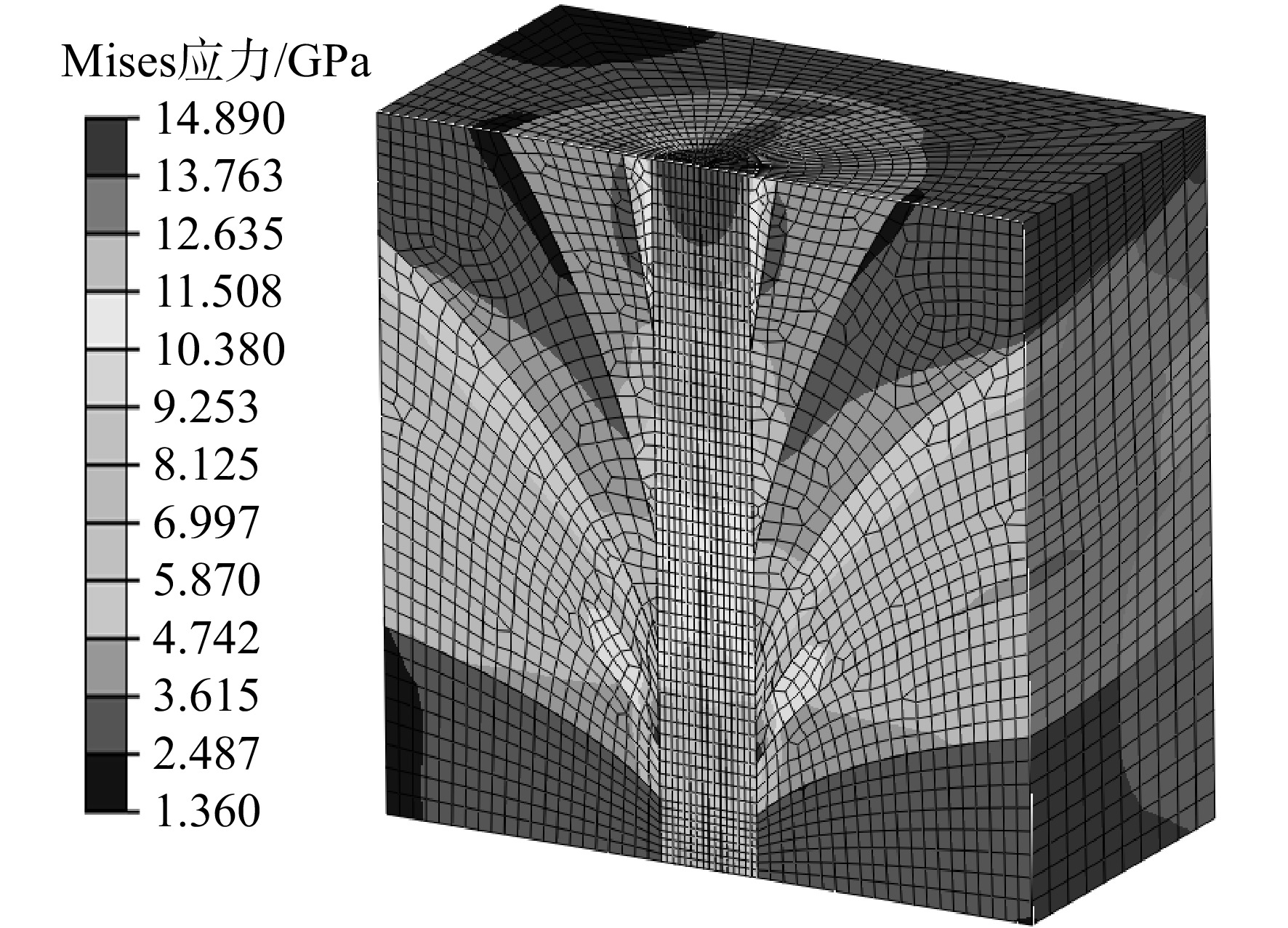
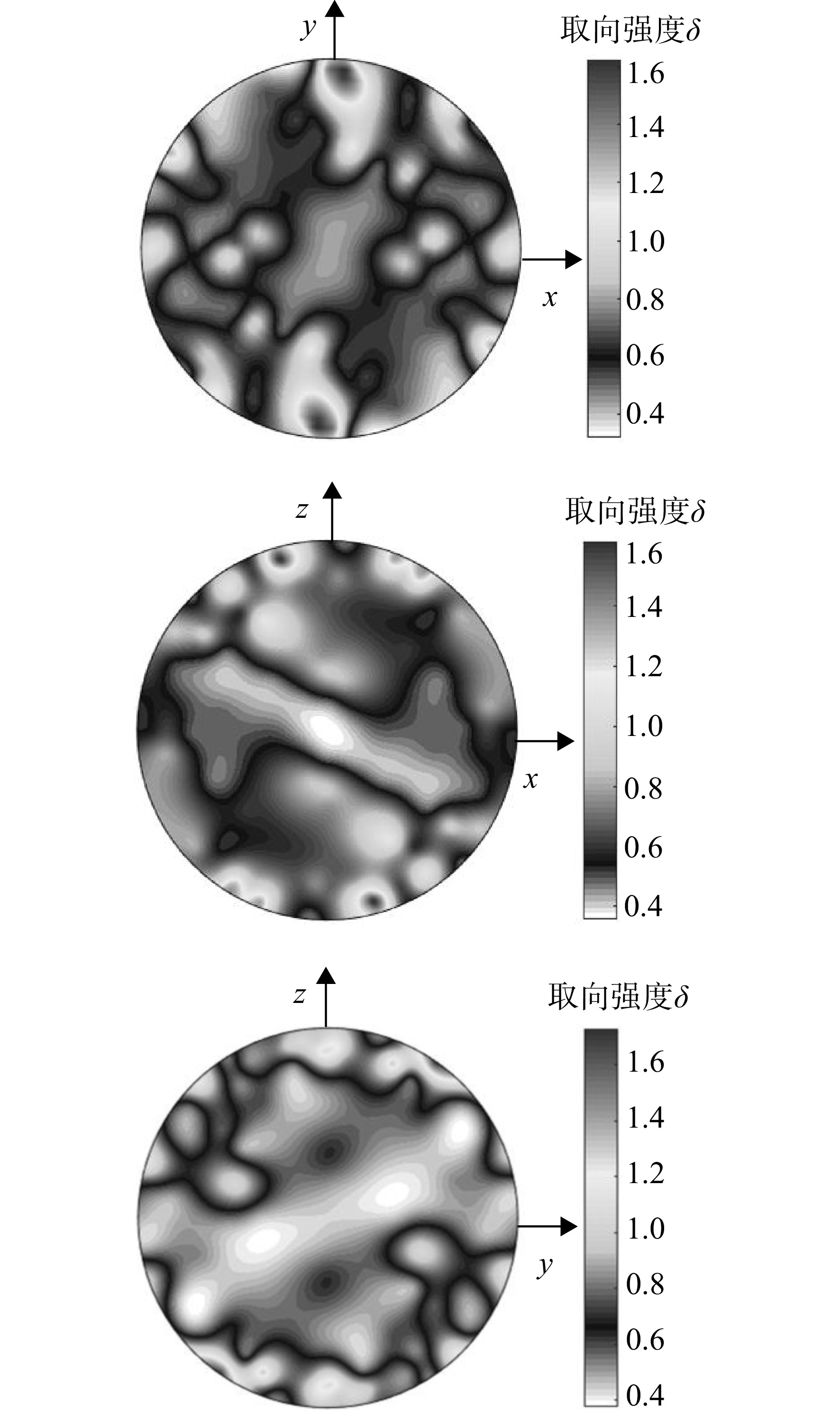
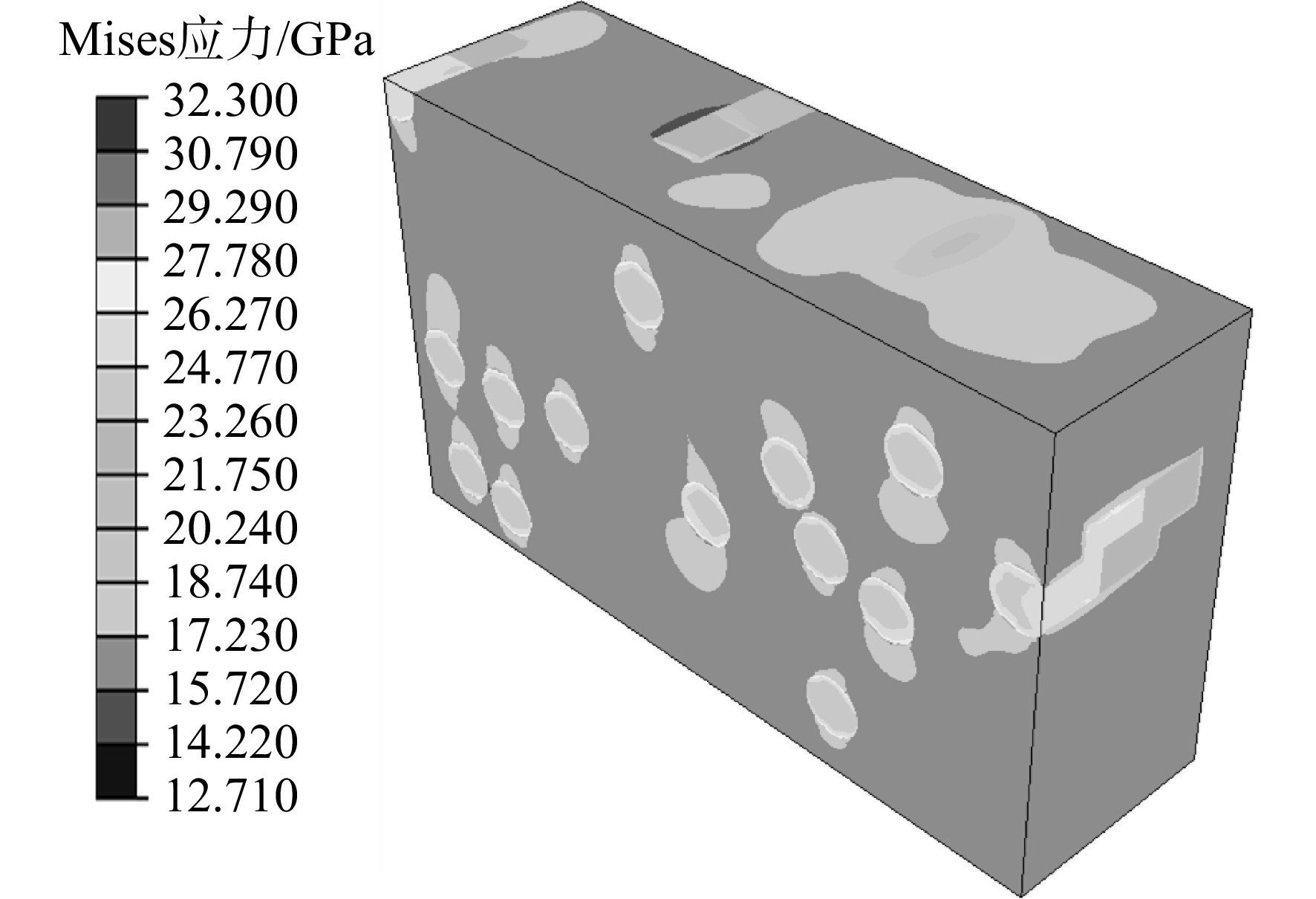
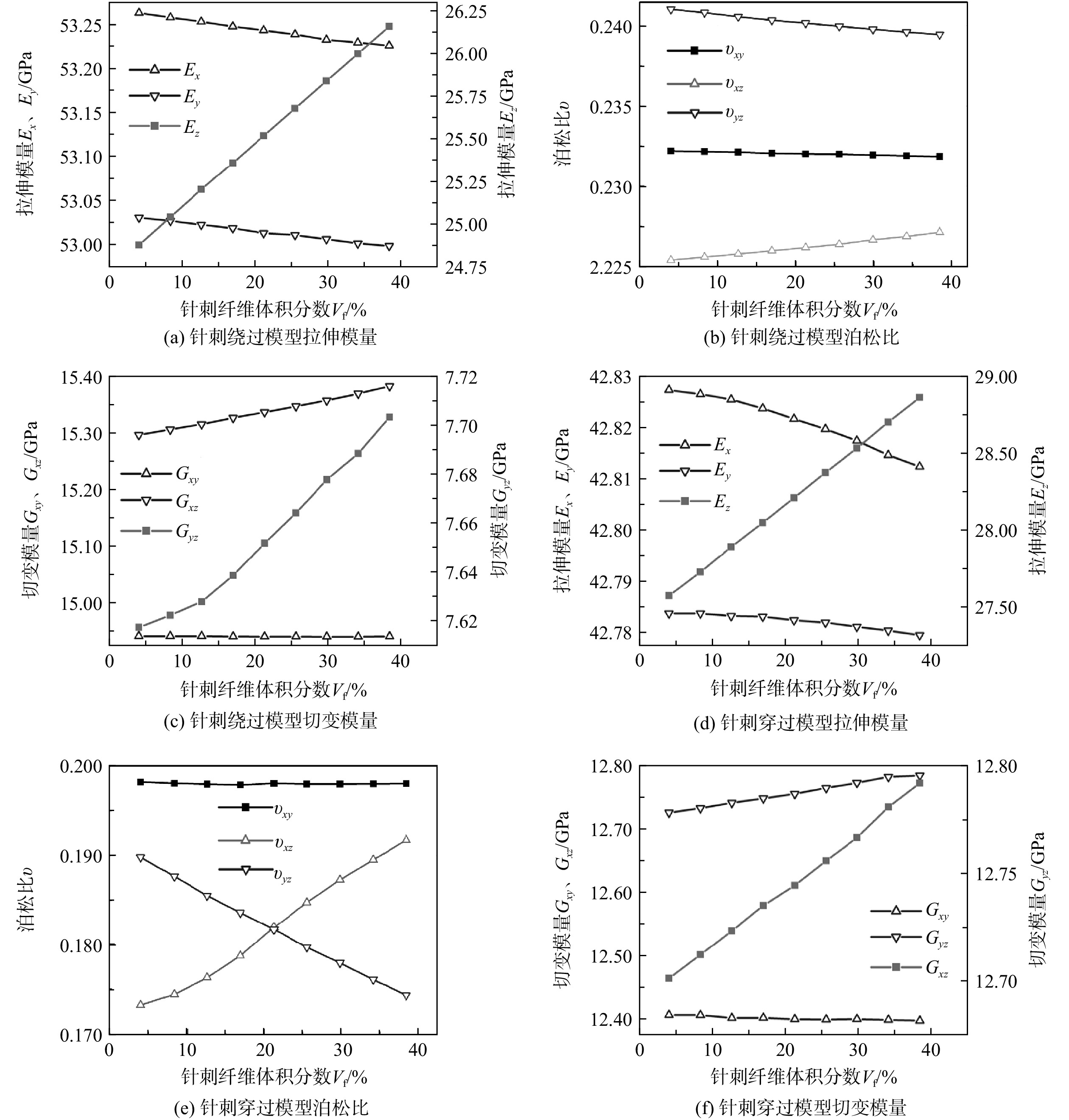
In order to address the problem of complex structures such as random fiber layers in needled composites that make it difficult to assign periodic meshes, a periodic boundary condition imposition method for non-periodic meshes was developed based on the local radial point interpolation model (LRPIM). First, X-ray tomography tests were carried out to analyze the material microstructure, from which three typical characteristic structures of un-needling region, needling bypass region and needling through region were extracted. Subsequently, considering the complex composition of needled composites, a hierarchical modeling method based on multiple feature structures was proposed to decompose the complex microscopic feature structures into single material phases for refinement modeling, and homogenization by level was achieved to obtain the material’s elastic properties. Finally, the mechanical properties tests of the needled composites were carried out. The results showed that the prediction errors of the x-direction tensile modulus and in-plane shear modulus were 1.5% and 6.4%, respectively, which verified the accuracy of the proposed modeling approach.

Numerical study on the generation mechanism of temperature variation effect of static labyrinth seals
LI Changwei, SUN Dan, ZHAO Huan, WANG Zeming, ZHANG Ran
2024, 39(2): 20220219. doi: 10.13224/j.cnki.jasp.20220219
Abstract:

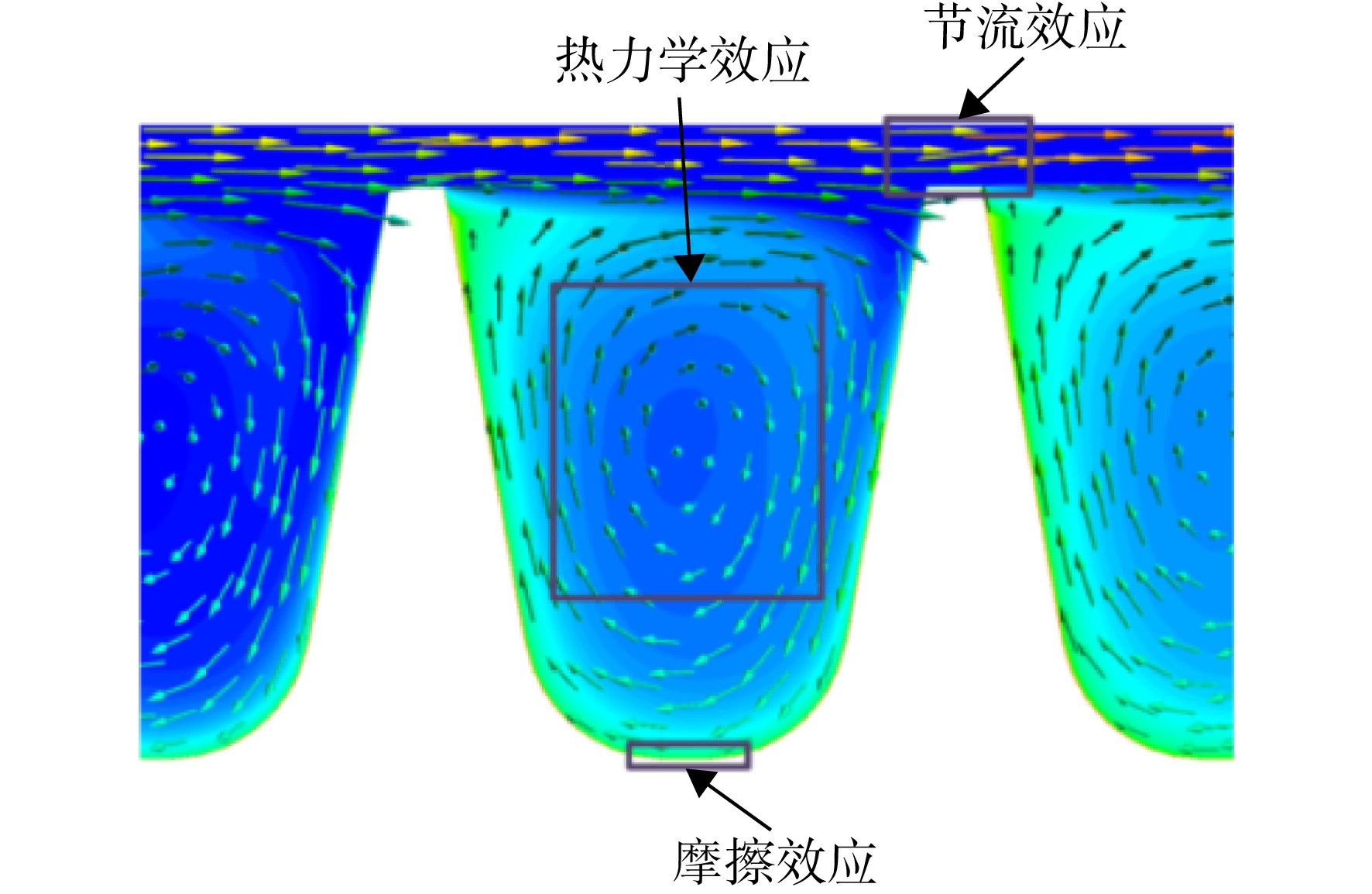
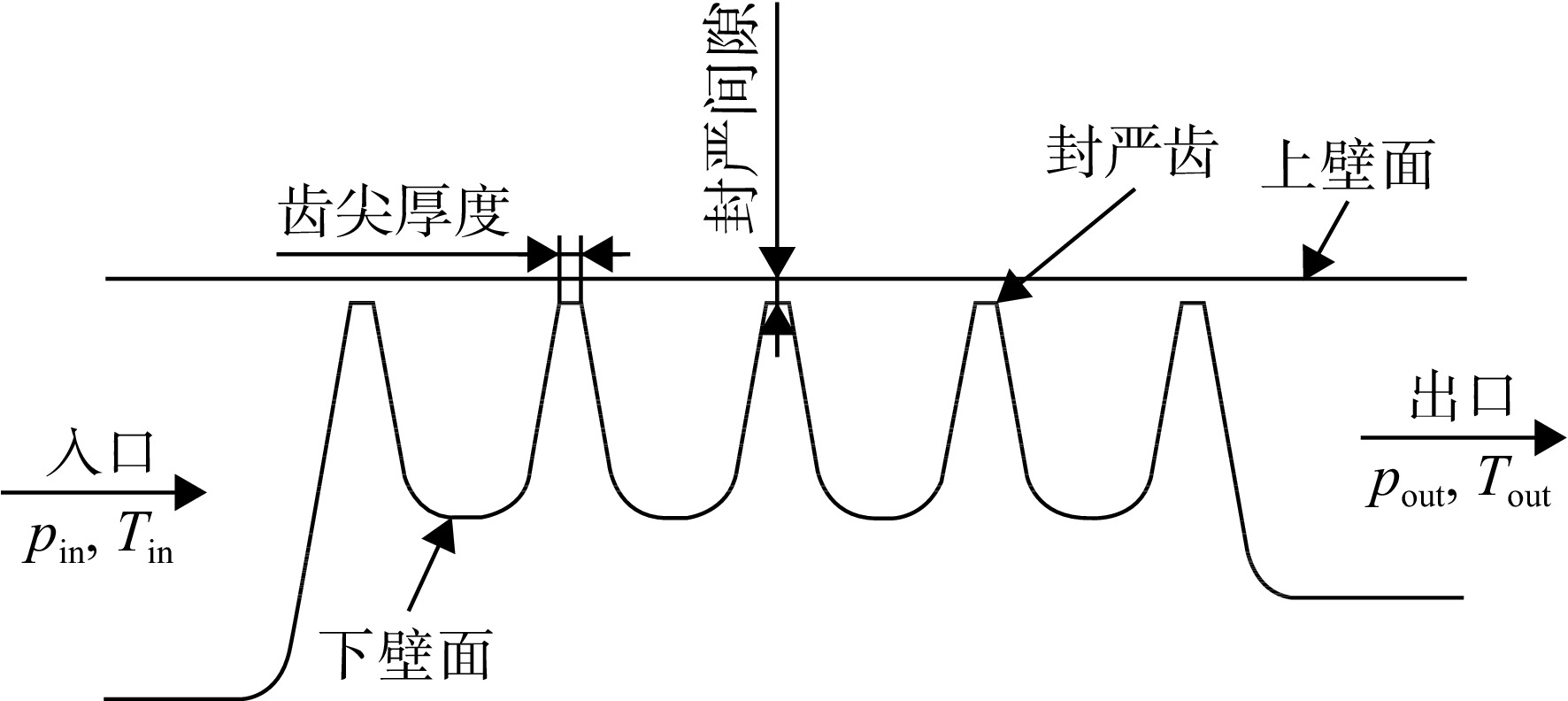
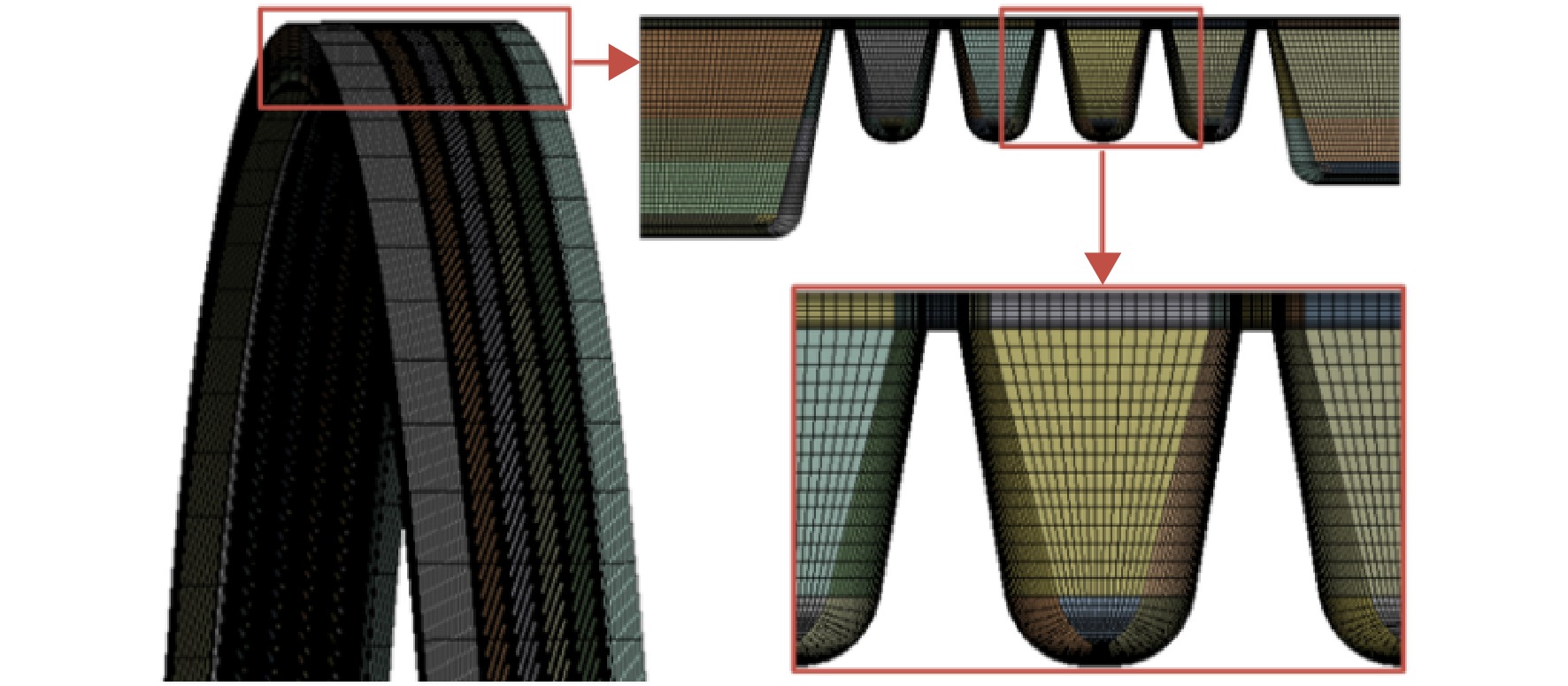
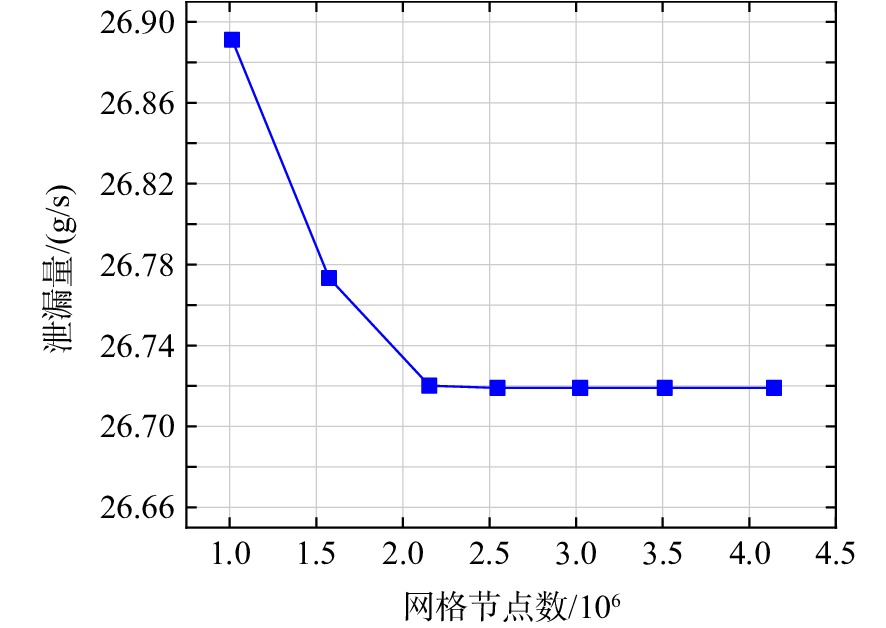
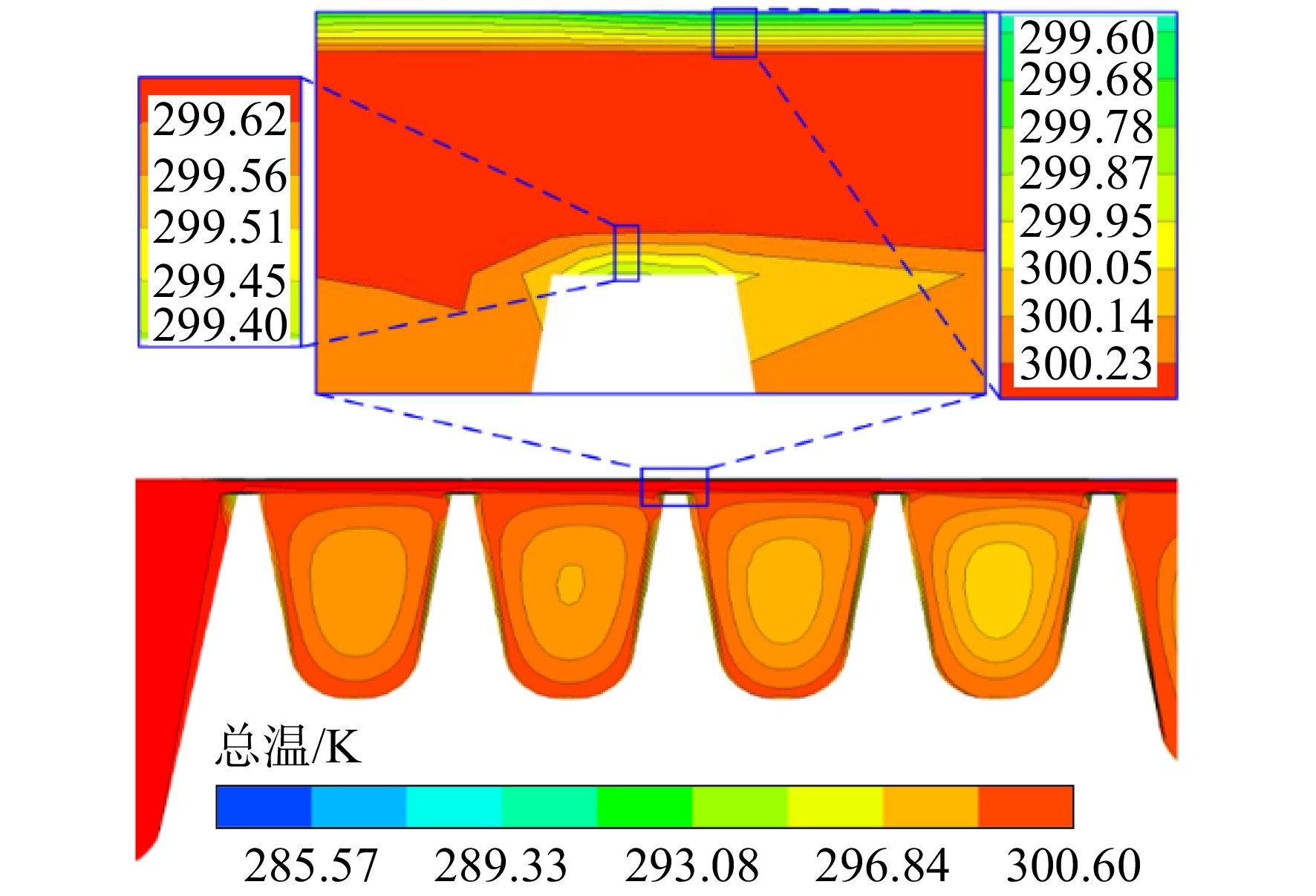
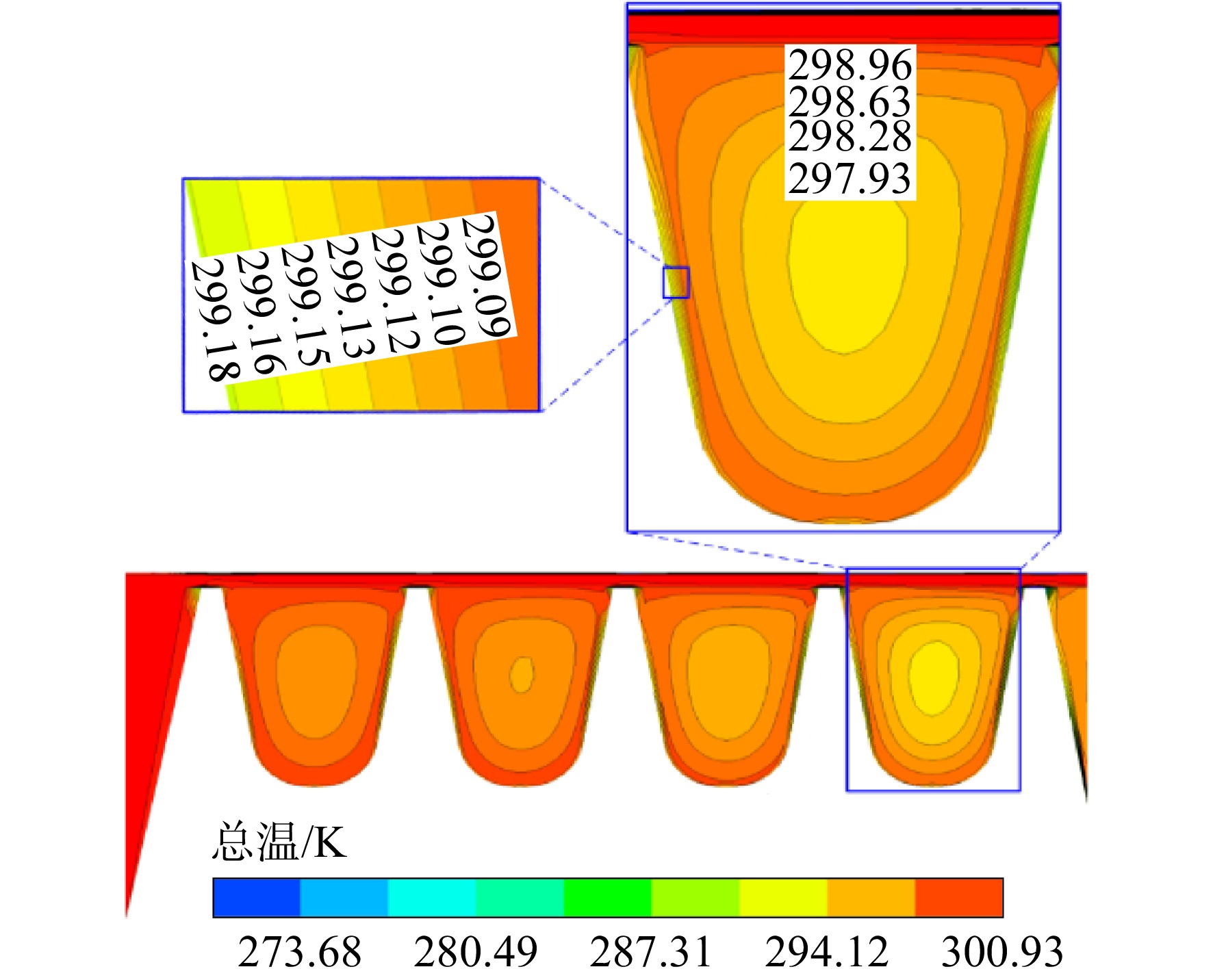
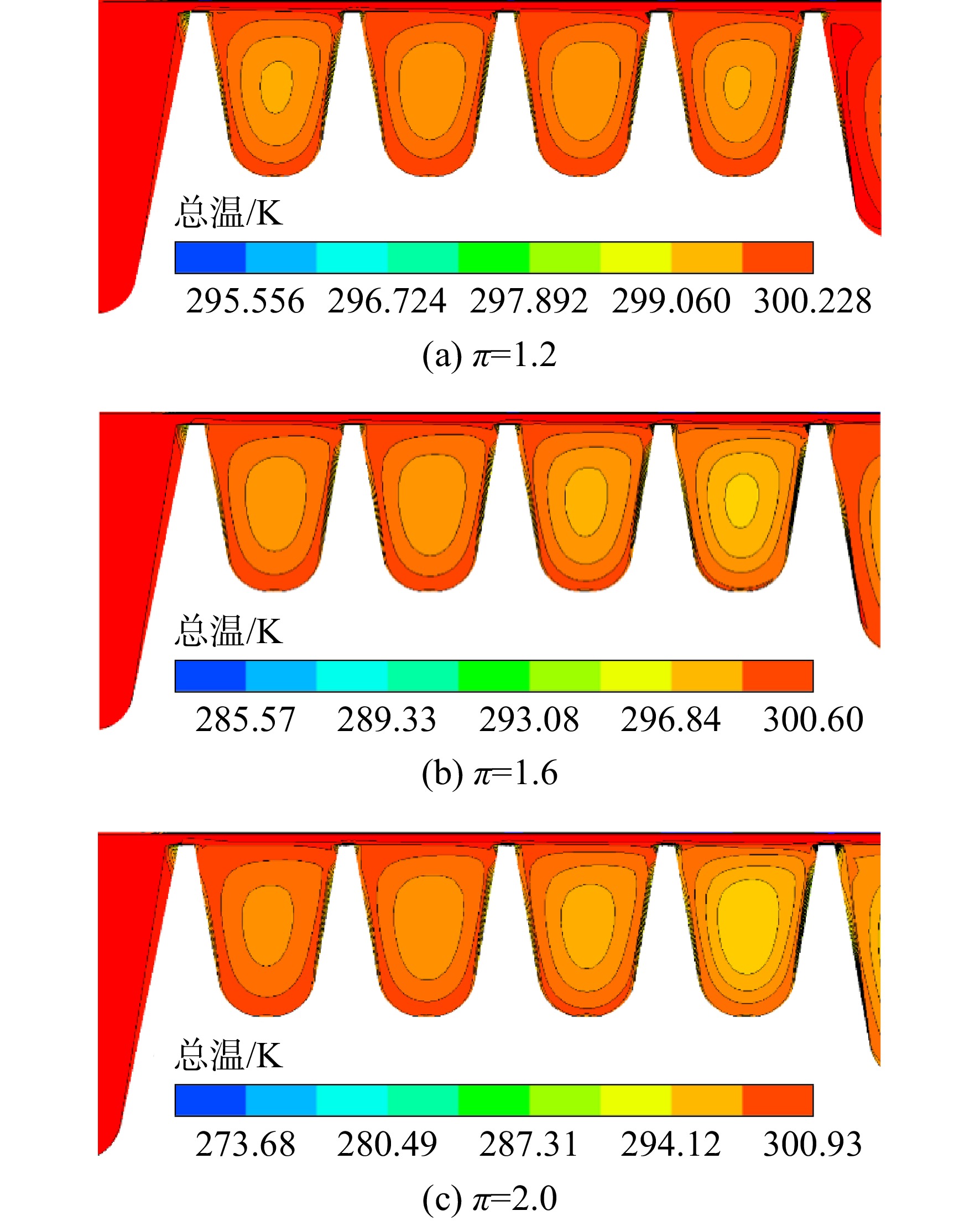
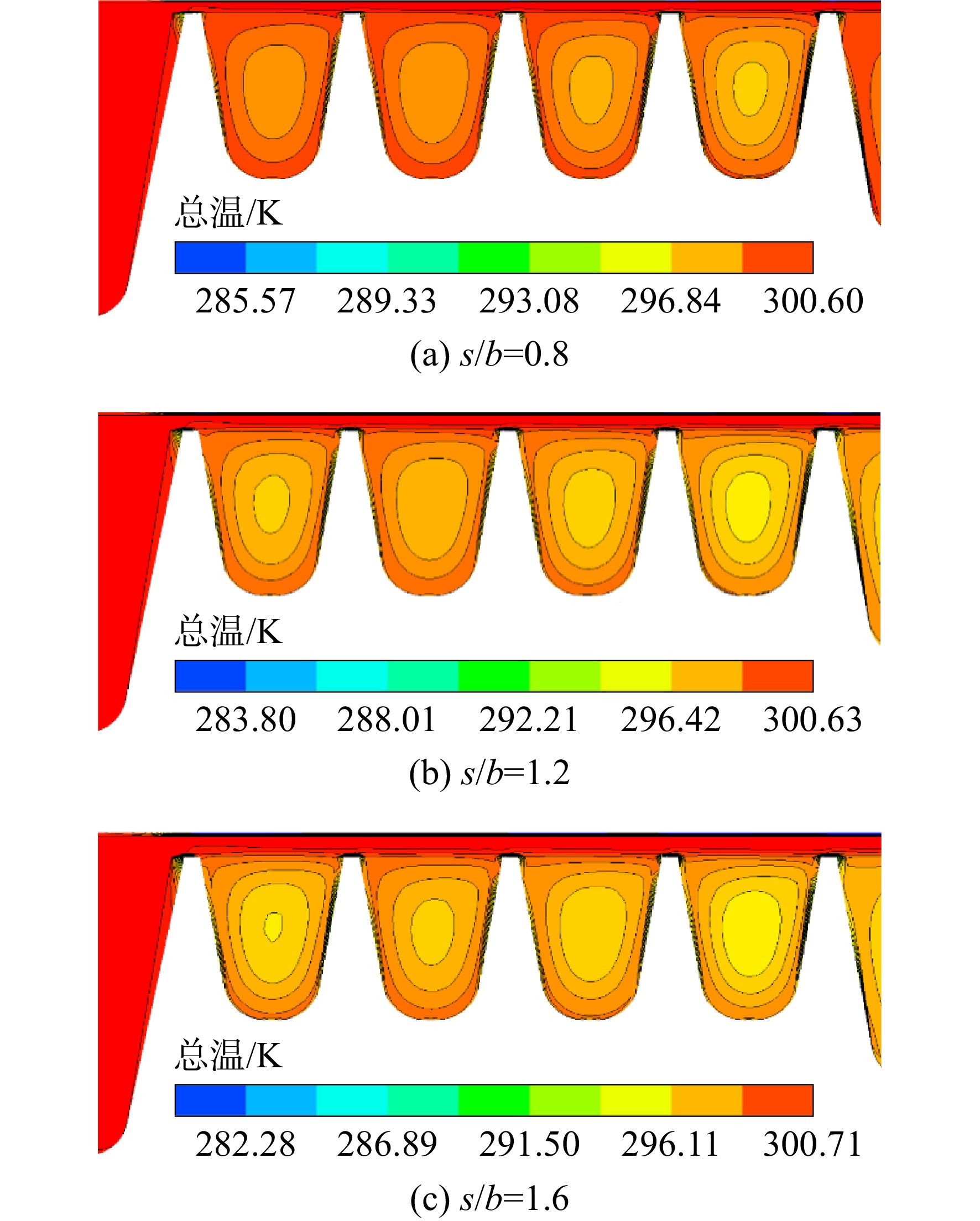
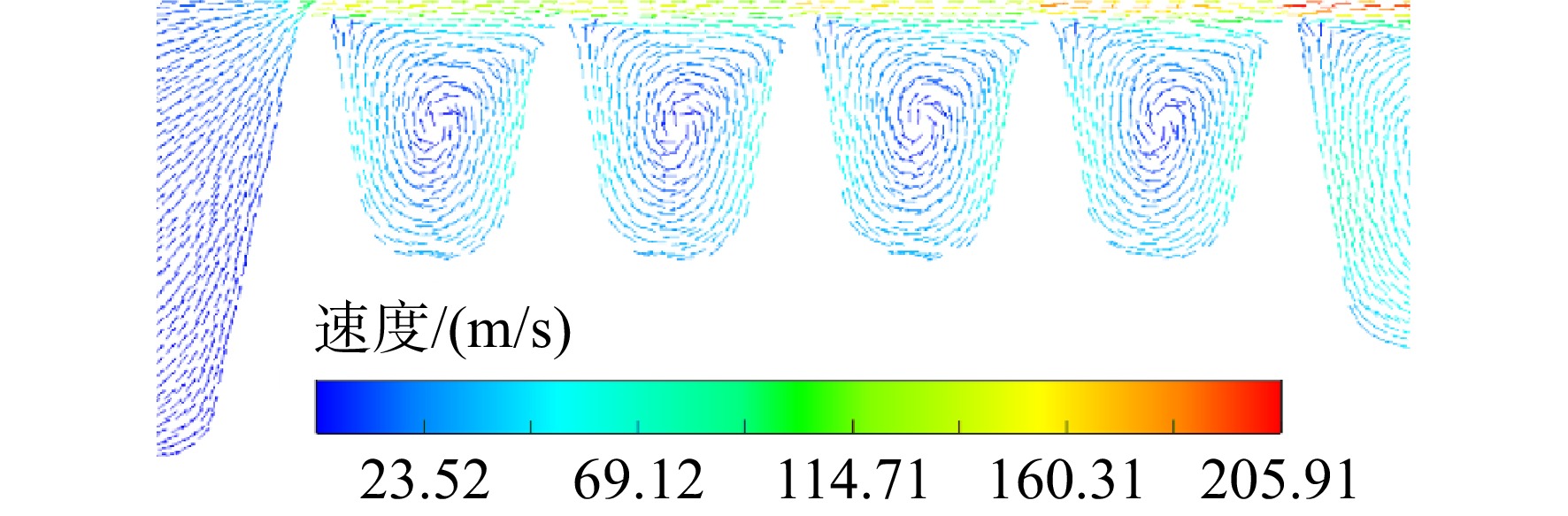
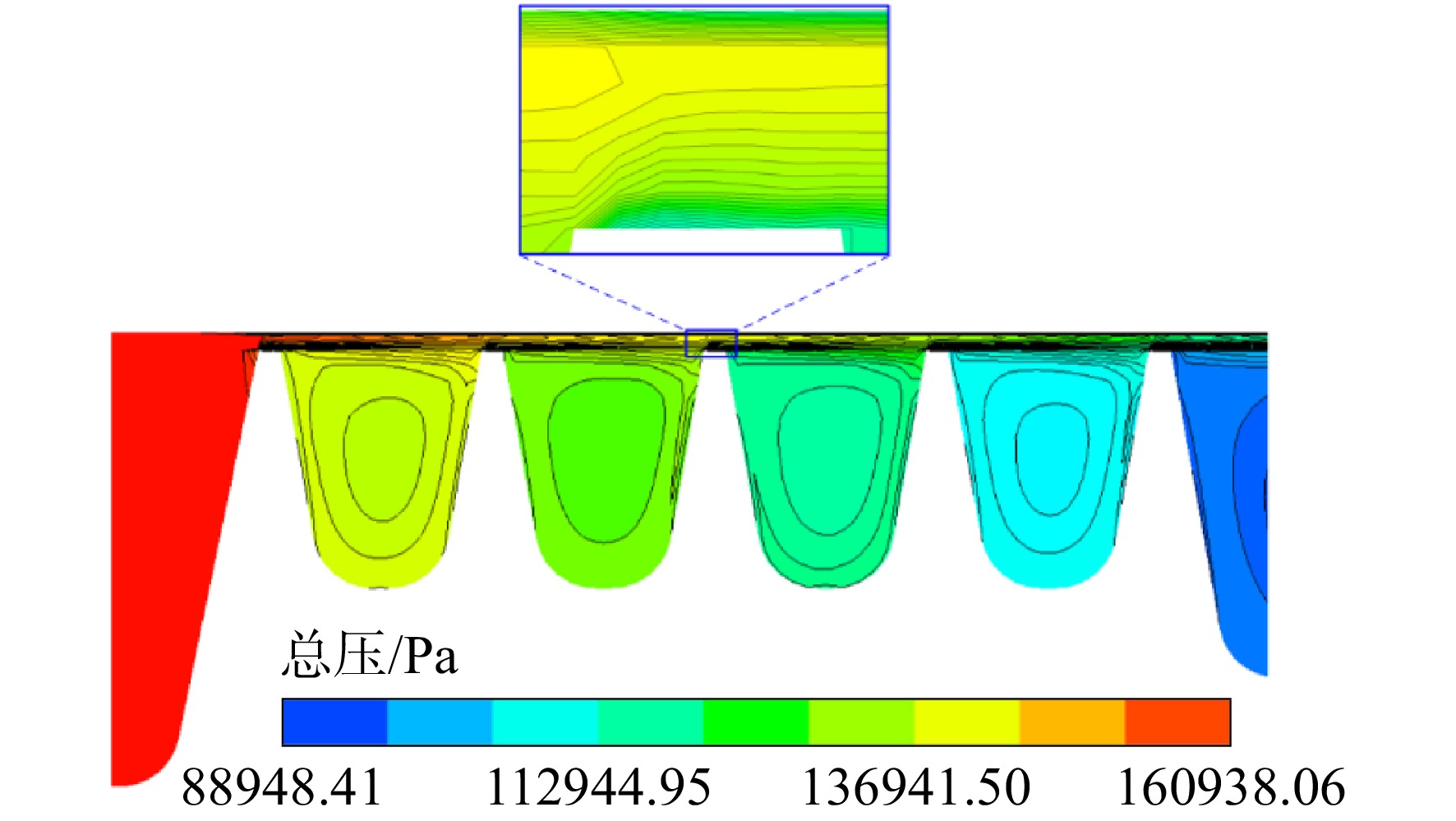
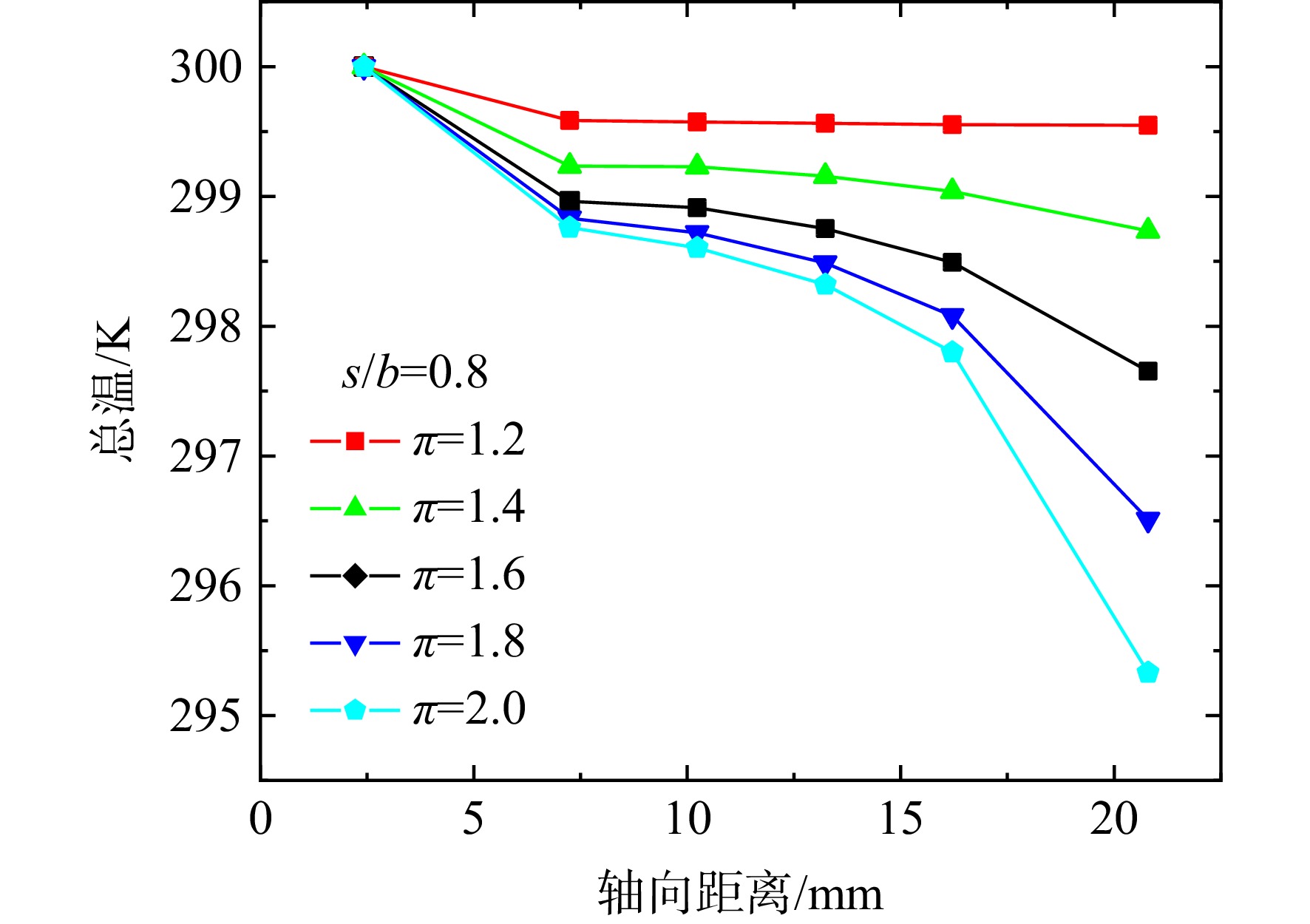
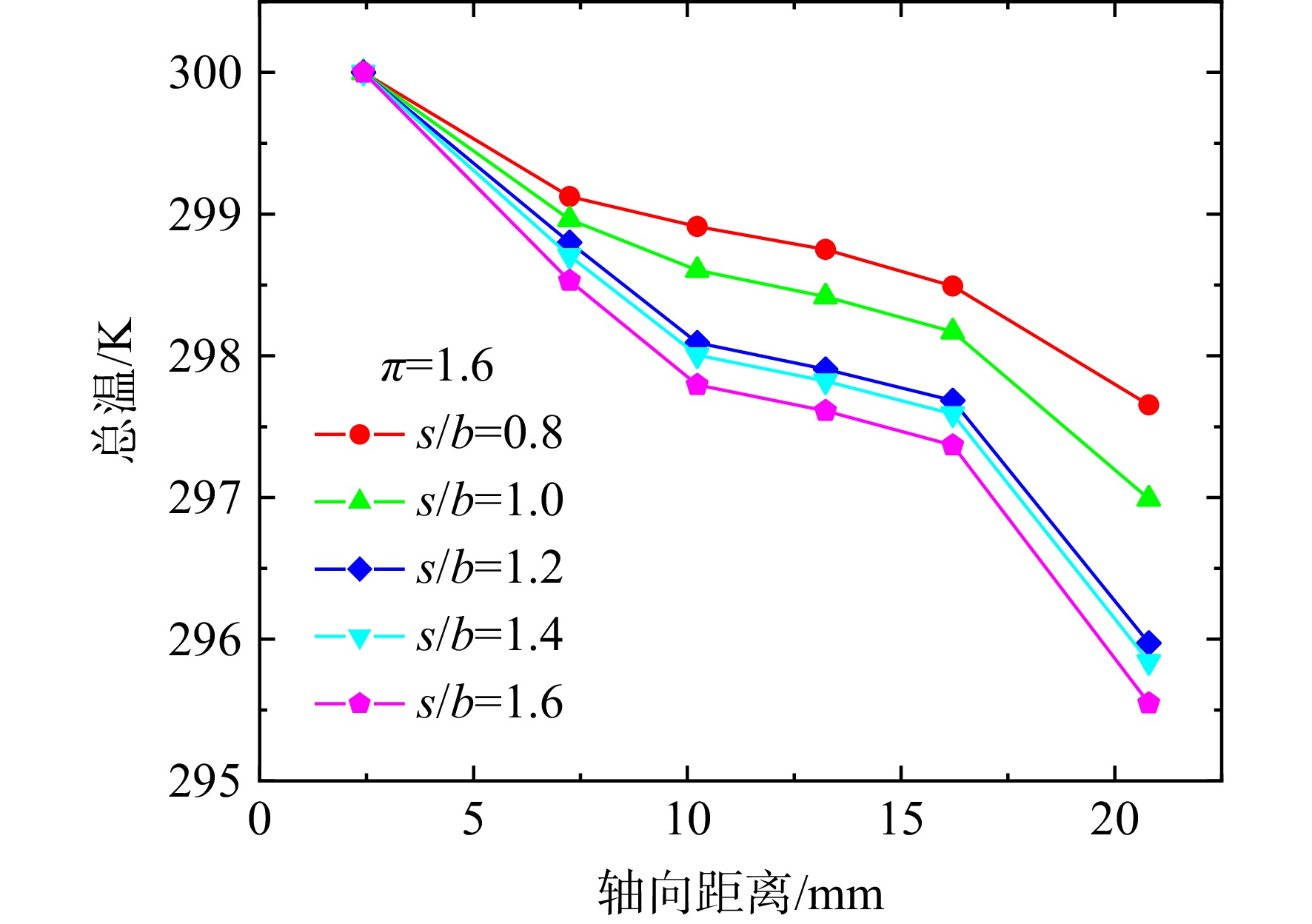
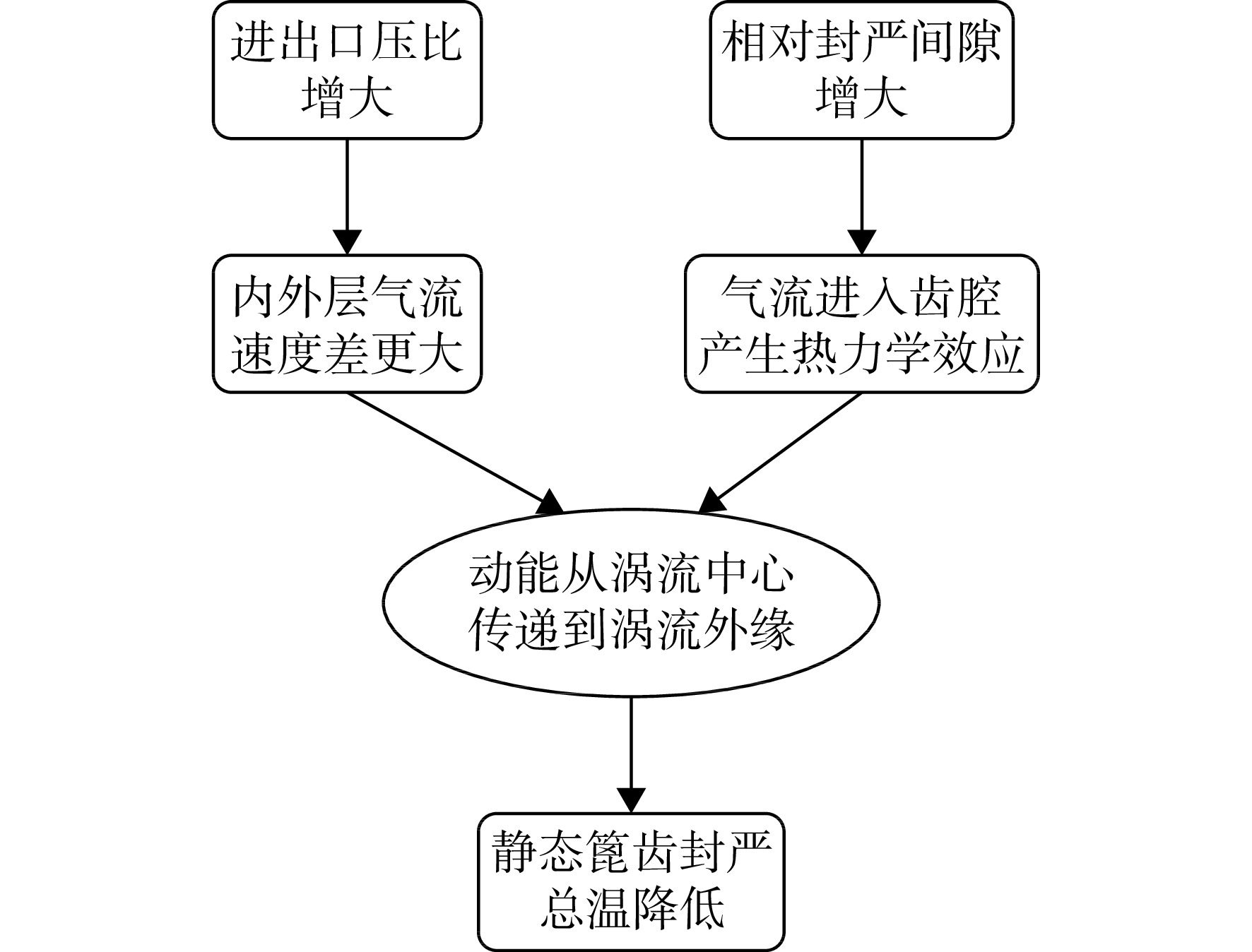
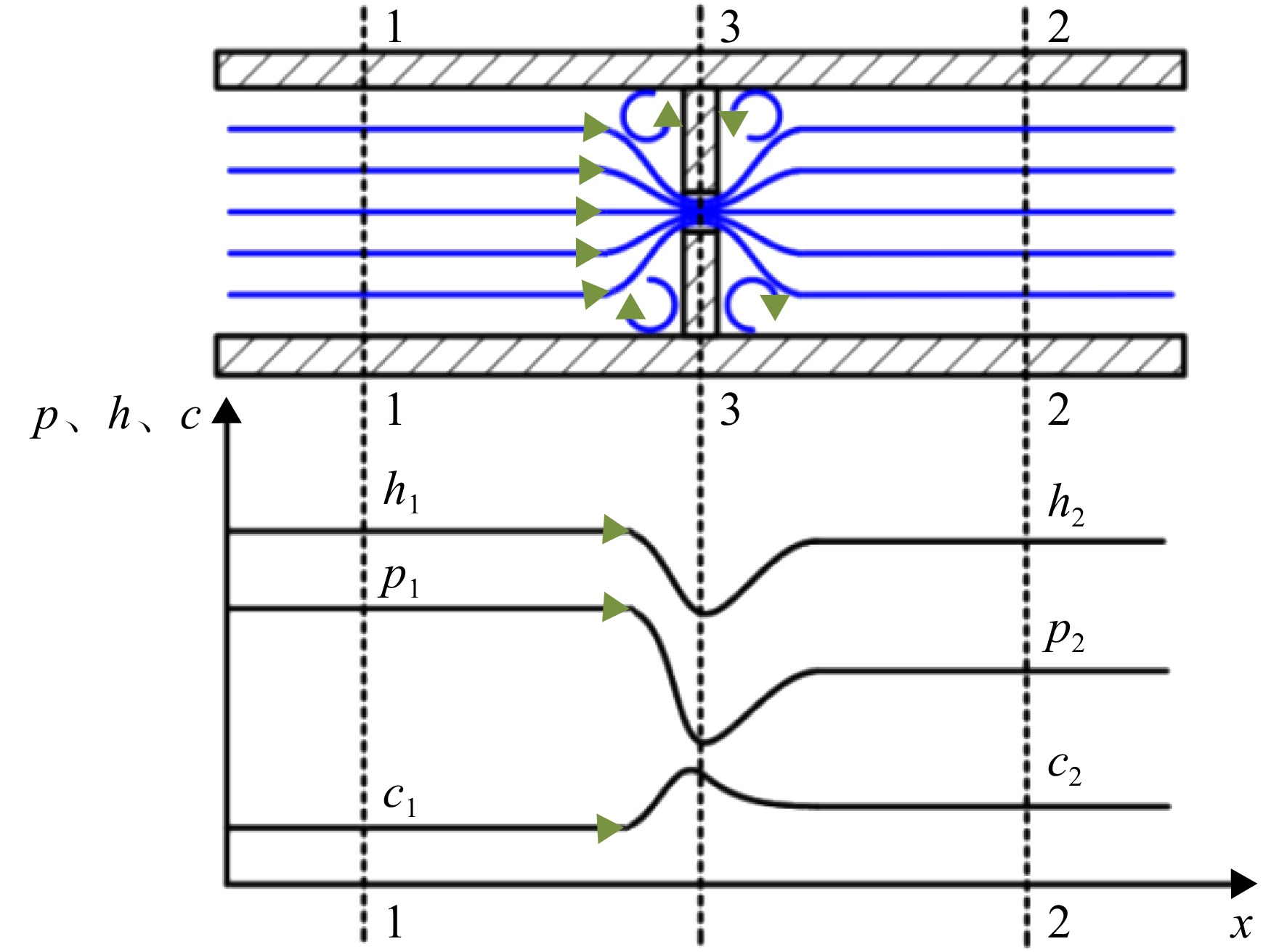
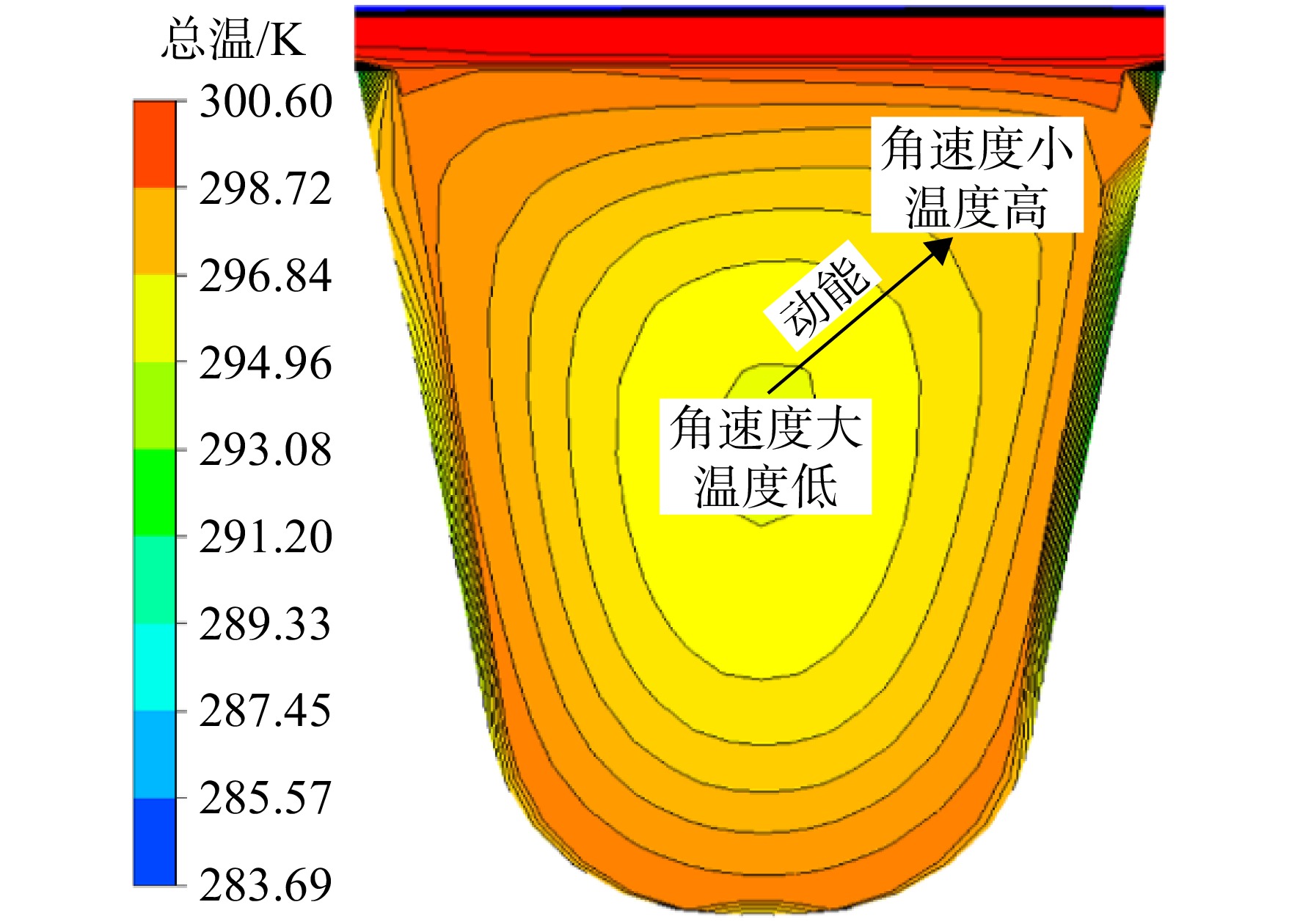
Theoretical analysis and numerical calculation methods were used to systematically study the generation mechanism and influencing factors of the temperature variation effect of the static labyrinth seals. A theoretical analysis of the temperature variation effect of the static labyrinth seals was carried out, and a numerical solution model based on the RNG (renormalization group) k-ε turbulence equation was established. The temperature variation effect of static labyrinth seals was studied, the influence of pressure ratio and relative seal clearances on the temperature variation effect was analyzed, and the generation mechanism of the temperature variation effect of static labyrinth seals was revealed. The results showed that the temperature of the gas flowing through the seal clearances first decreased and then increased, and the temperature increased from the center of the swirl to the outer edge, and the temperature of the gas near the wall of the labyrinth cavity increased. The local gas temperature of the labyrinth seals increased or decreased, and the overall temperature decreased along the axial direction; the temperature of the static labyrinth seals gas decreased with the increase of the pressure ratio and the relative seal clearances. When the pressure ratio was 1.6 and the relative seal clearances was 1.6, the temperature drop was at most 4.70 K; the temperature variation effect of the static labyrinth seals was mainly caused by its throttling effect, thermodynamic effect and friction effect. Due to the throttling effect in the clearances, the molecular kinetic energy of the gas decreased. In the labyrinth cavity, due to the thermodynamic effect, the kinetic energy of the center of the swirl was transferred to the outer edge of the swirl. Due to the friction effect on the near wall of the labyrinth cavity, the kinetic energy of the gas was converted into heat energy. The research results provide a theoretical basis for the thermal analysis of the airflow in the labyrinth seals clearances.

Autocontrol
Active disturbance rejection control method of auxiliary power unit
QIU Xiaojie, ZHANG Yufei, LI Yebo
2024, 39(2): 20220035. doi: 10.13224/j.cnki.jasp.20220035
Abstract:

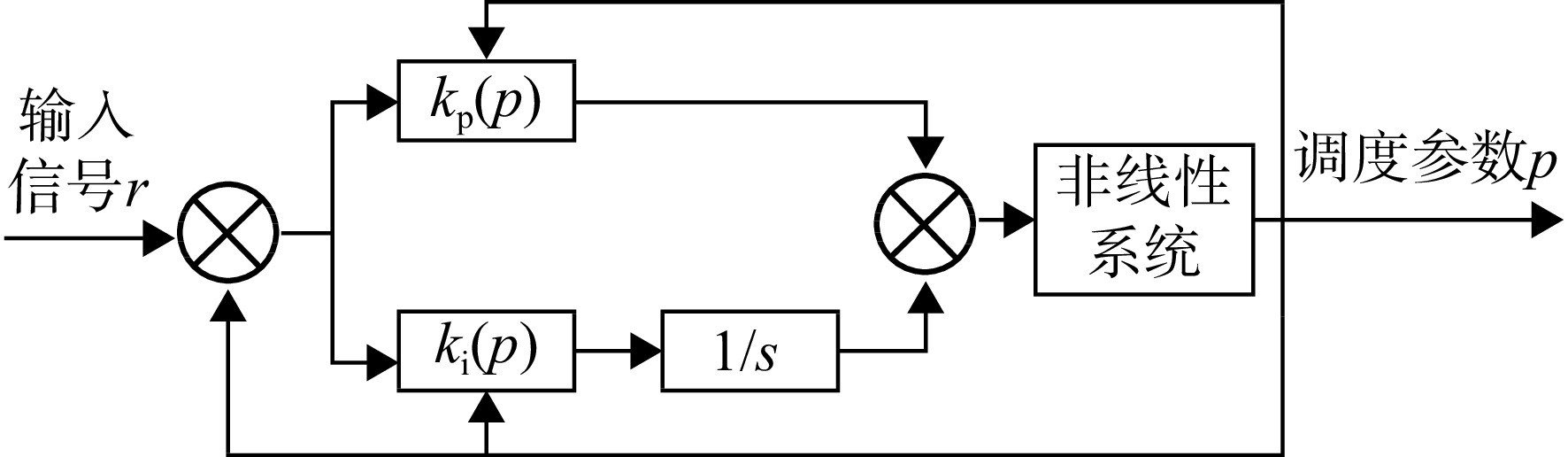
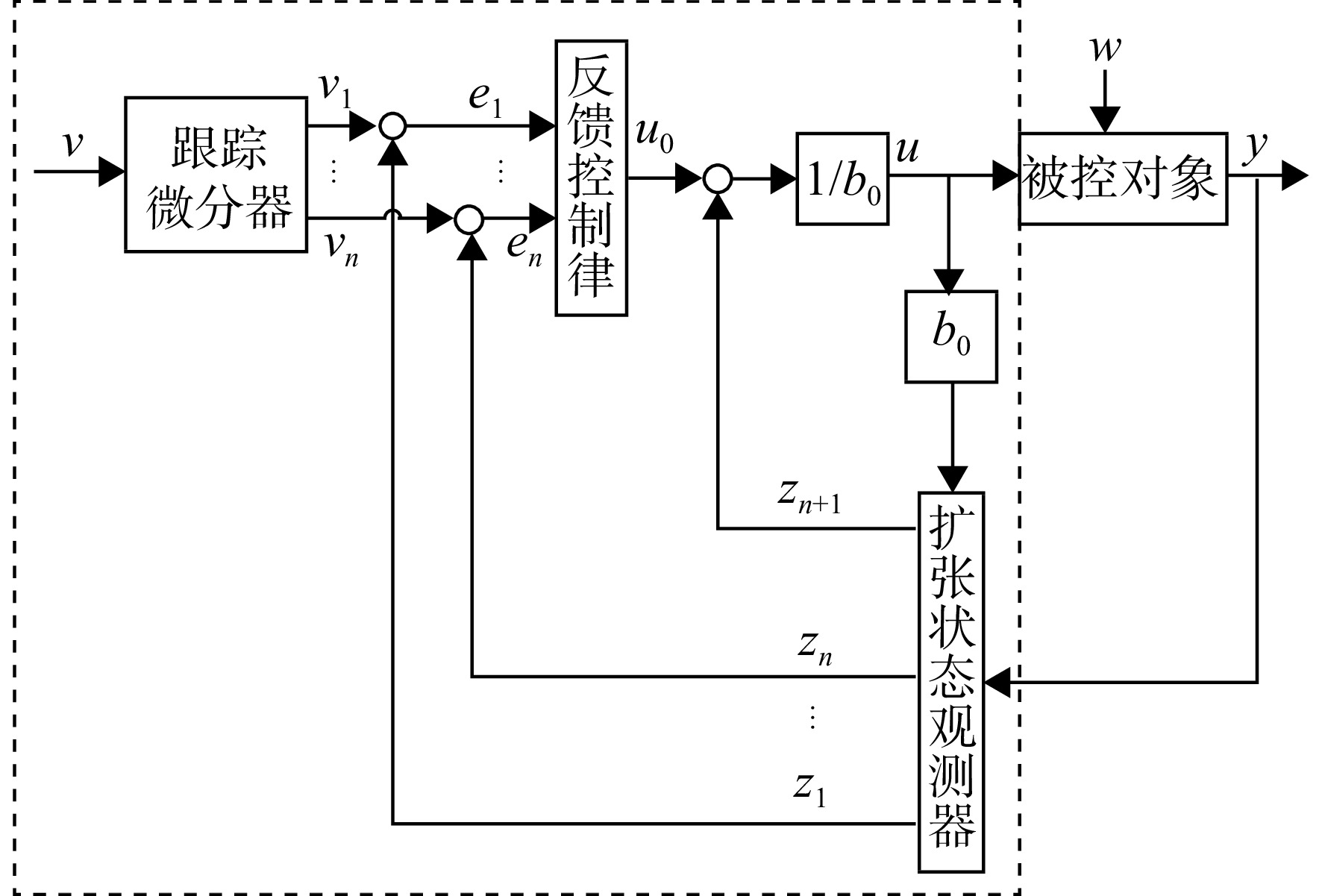
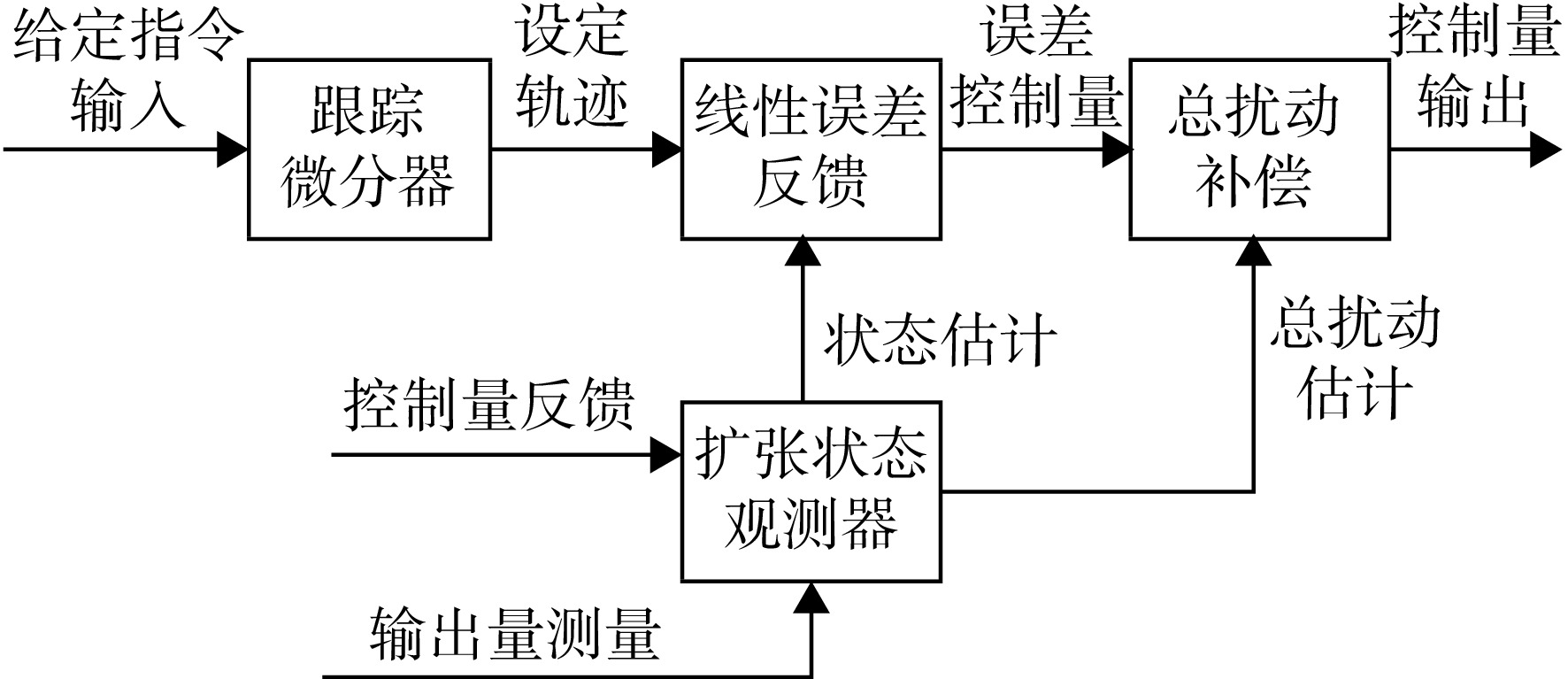
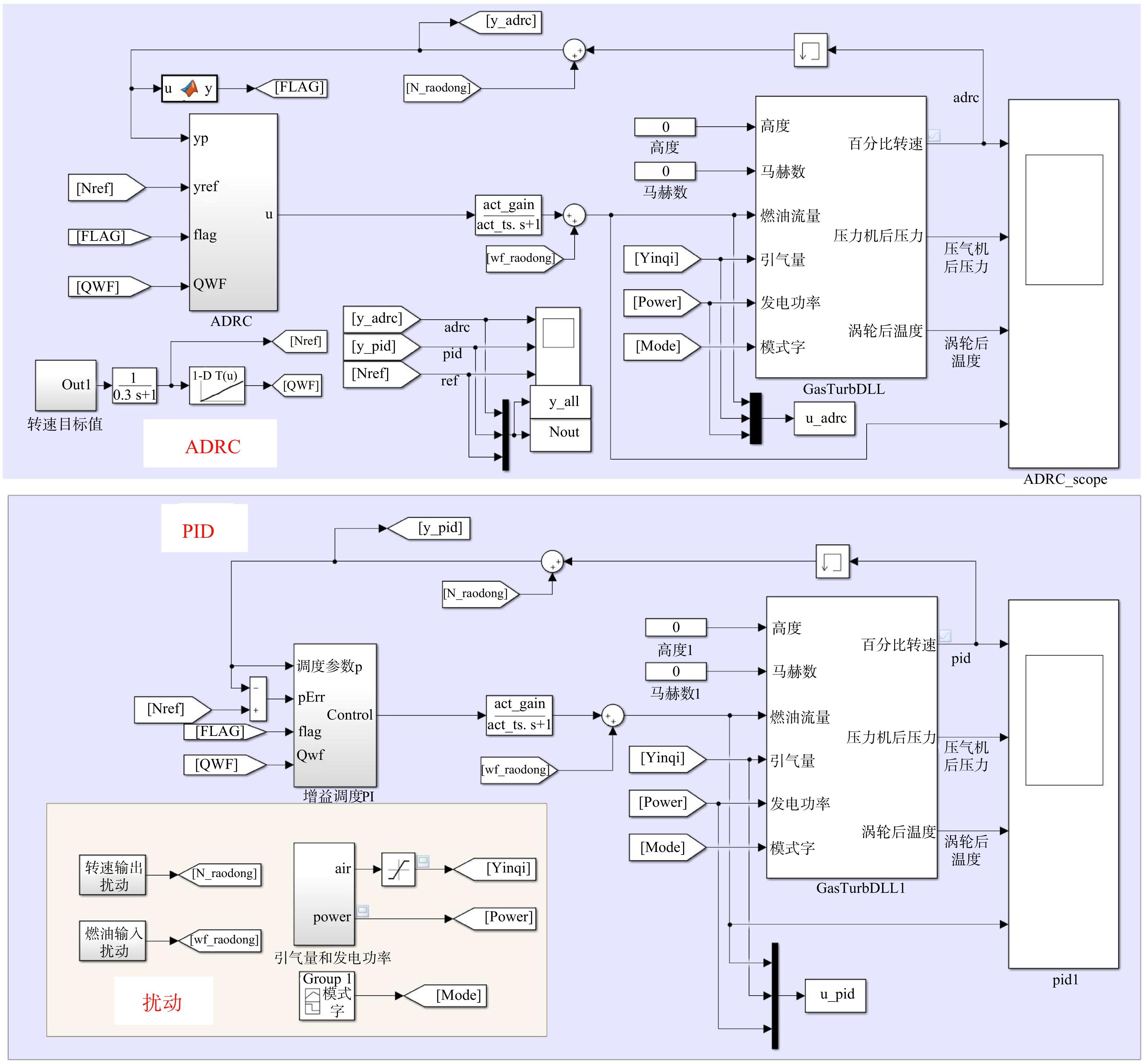
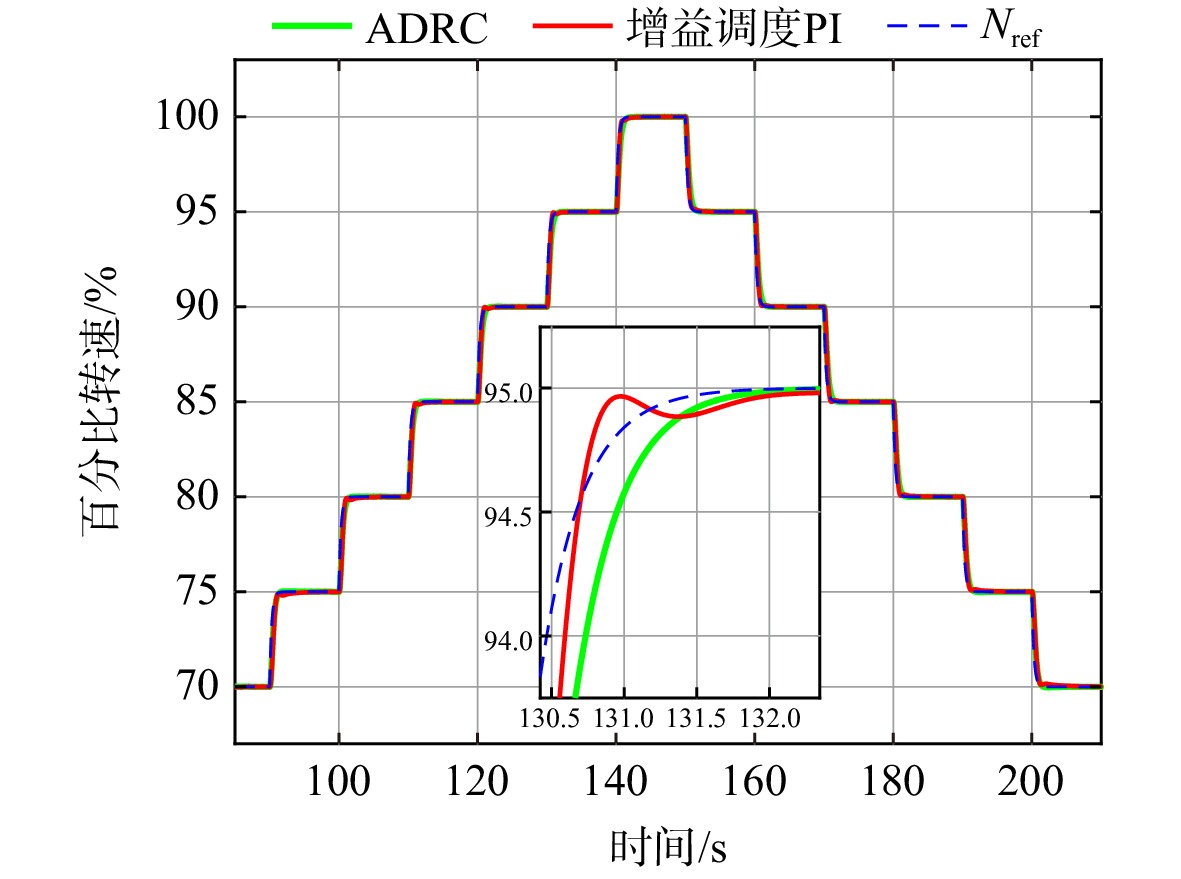
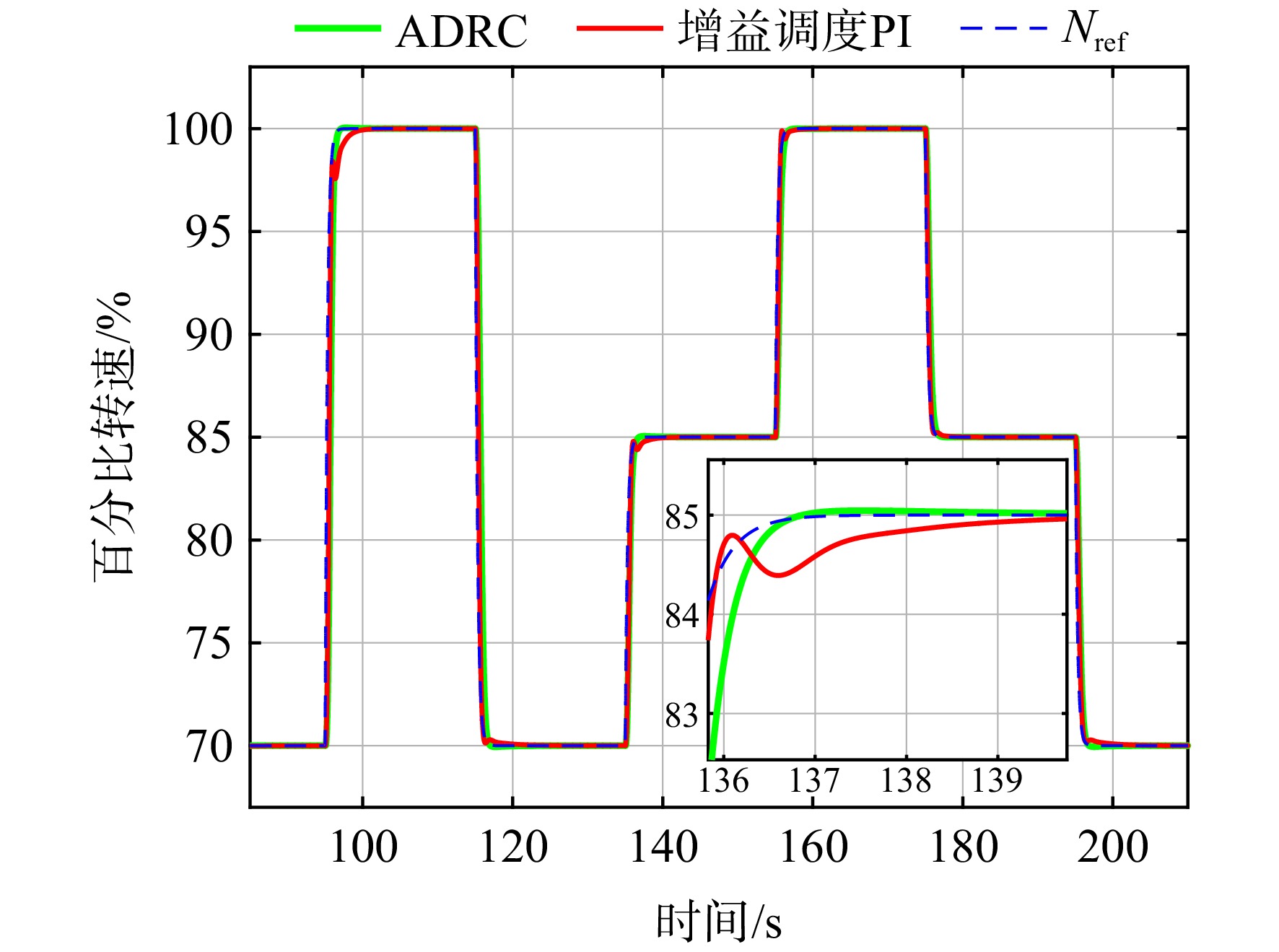
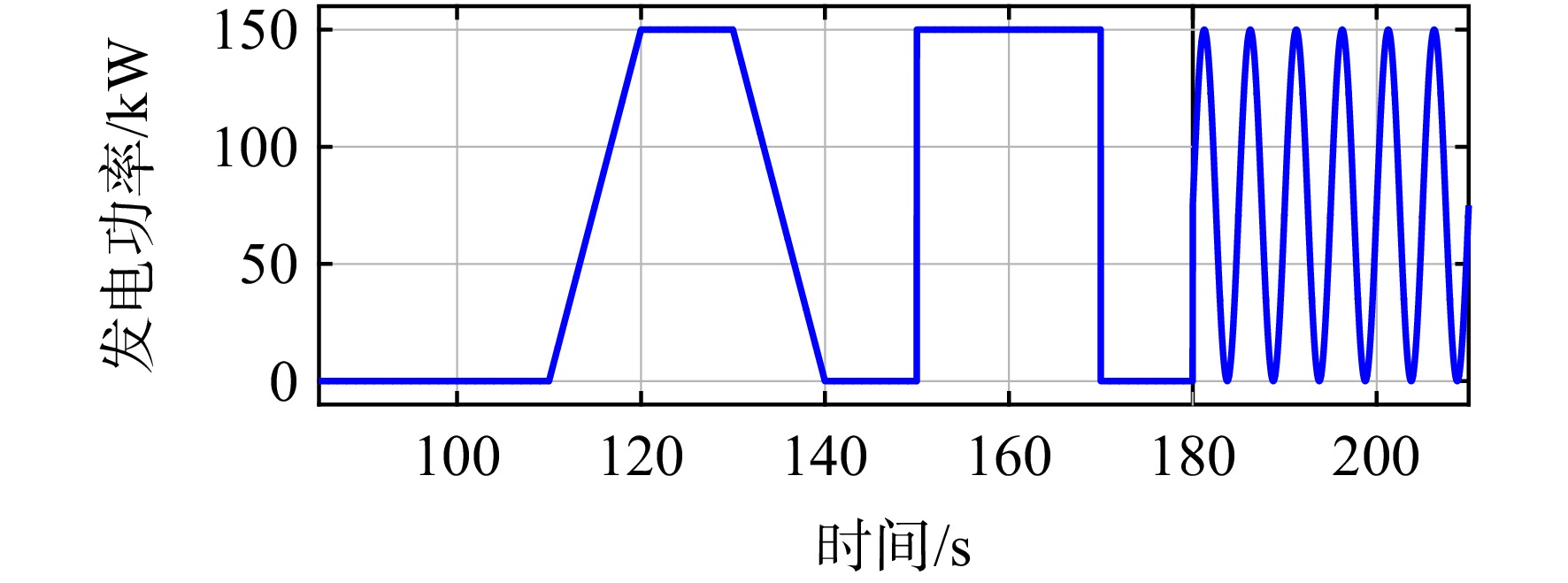
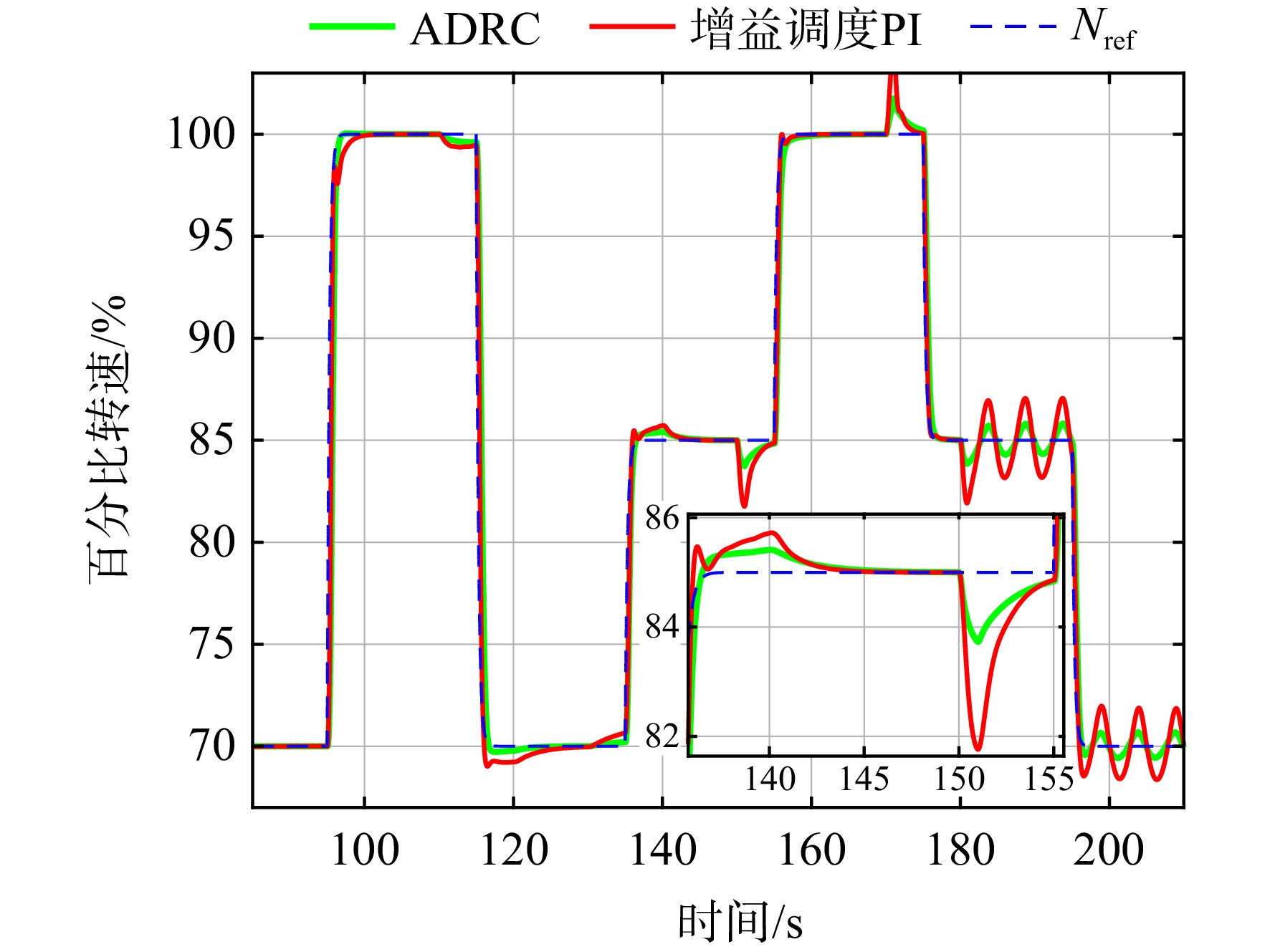
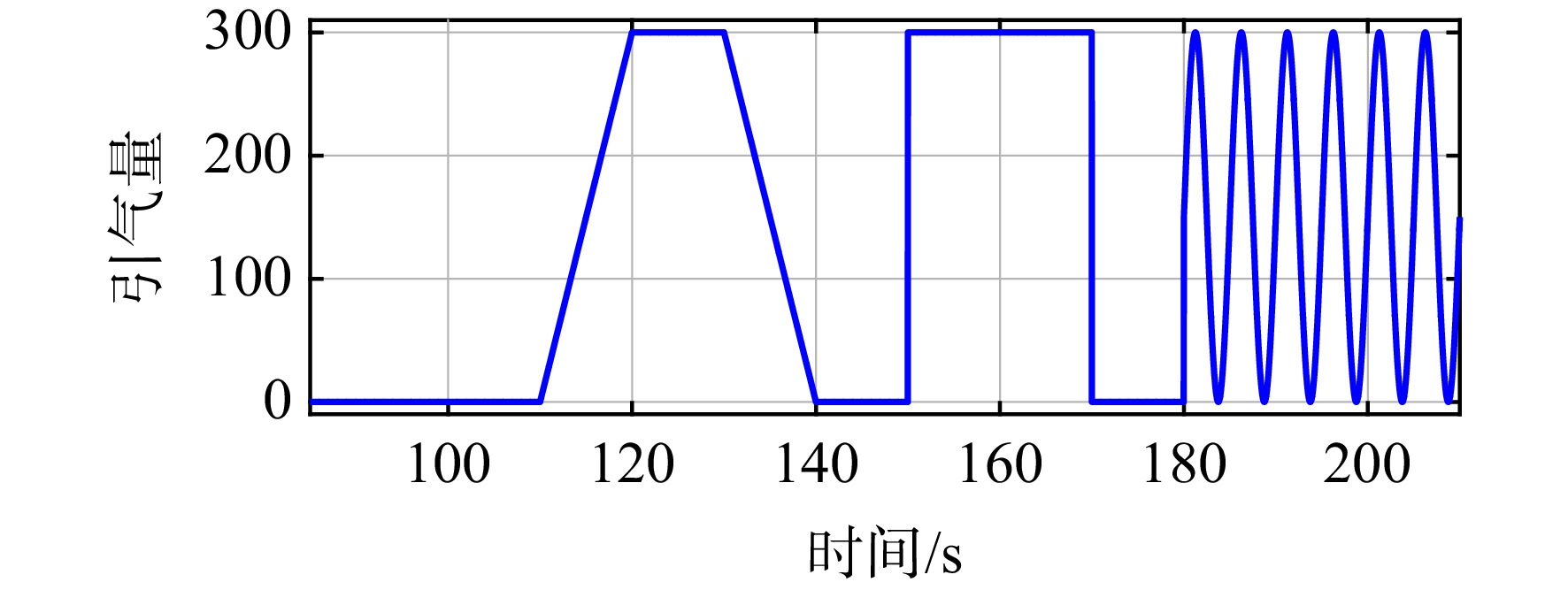
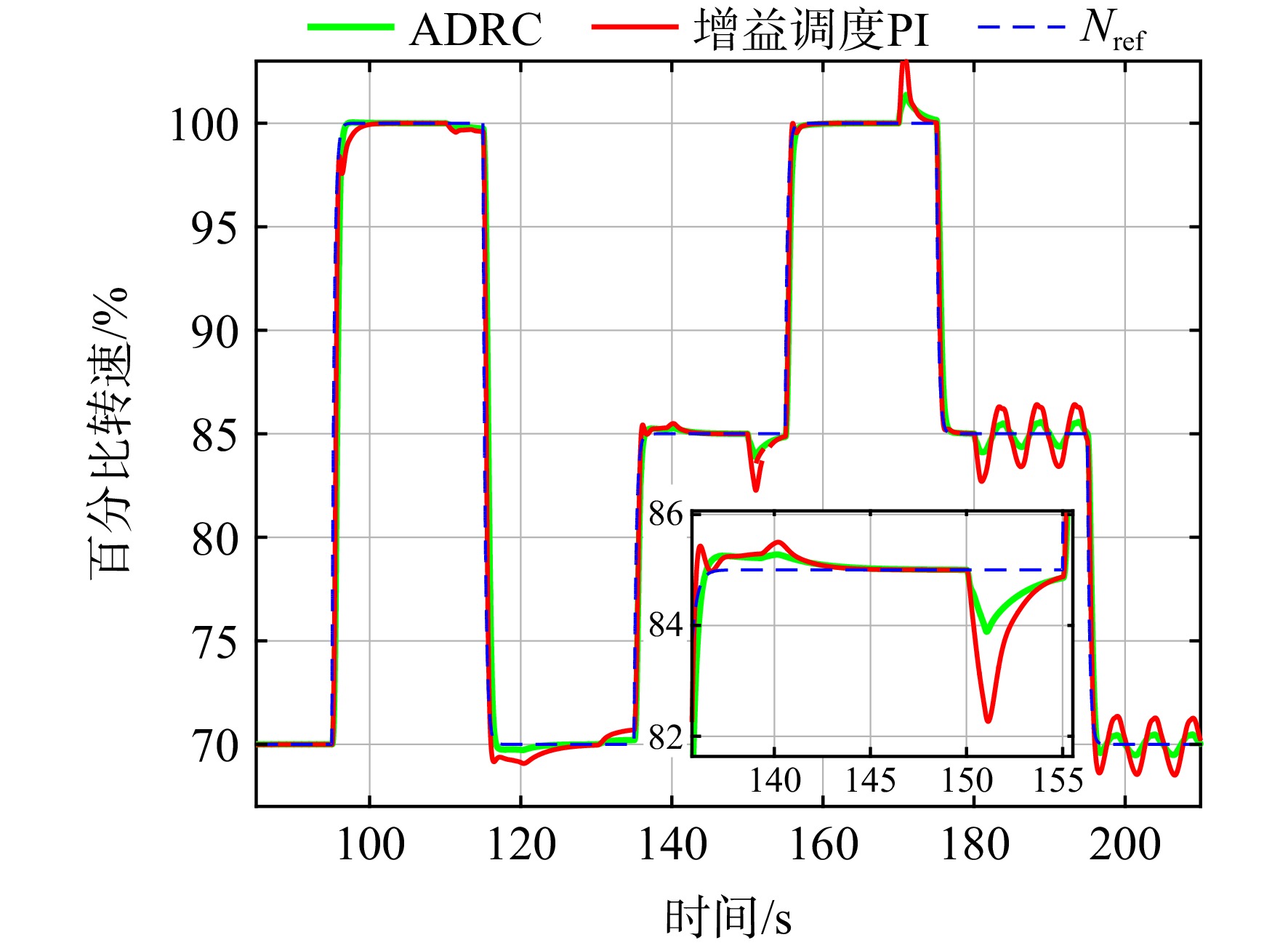
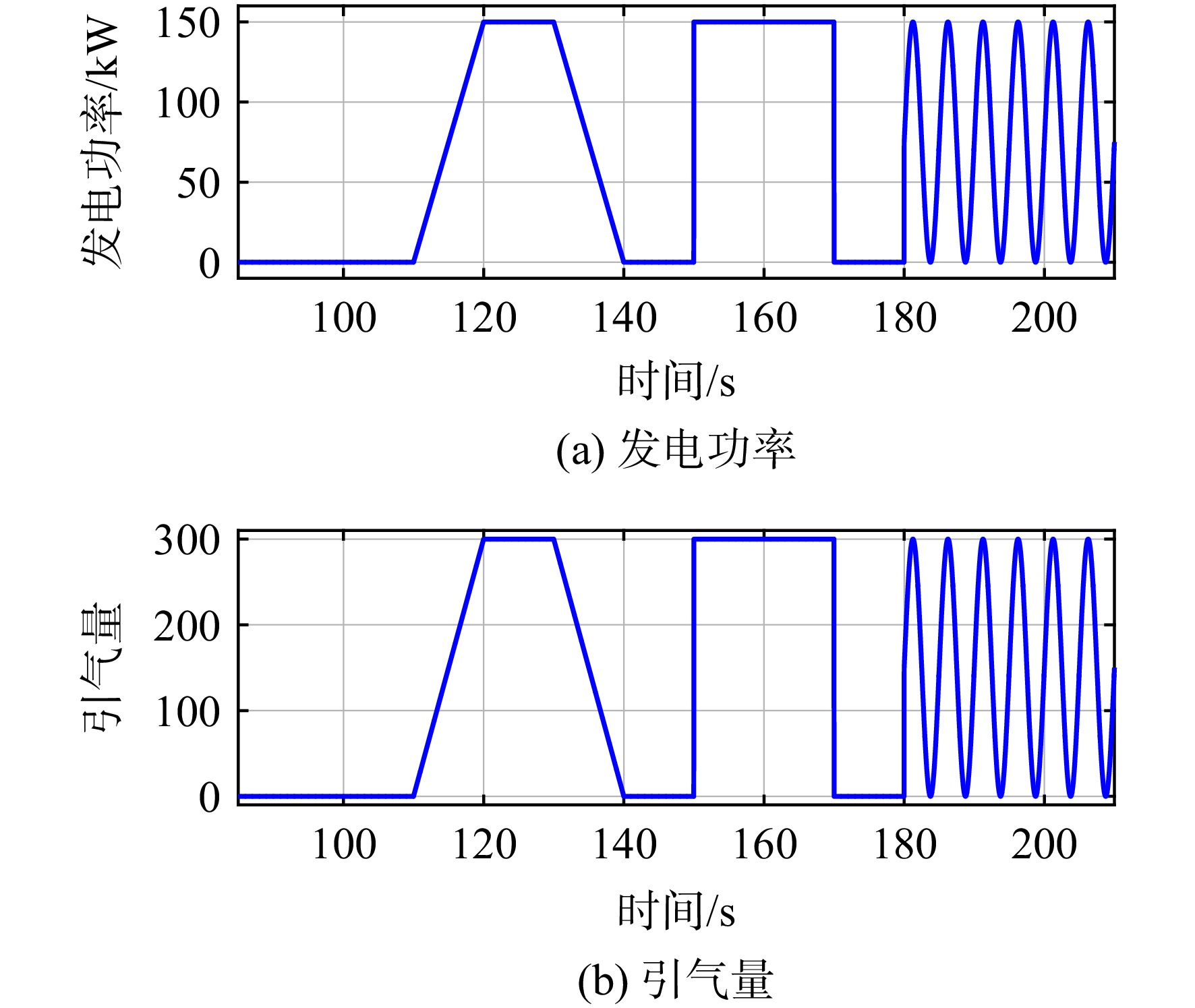
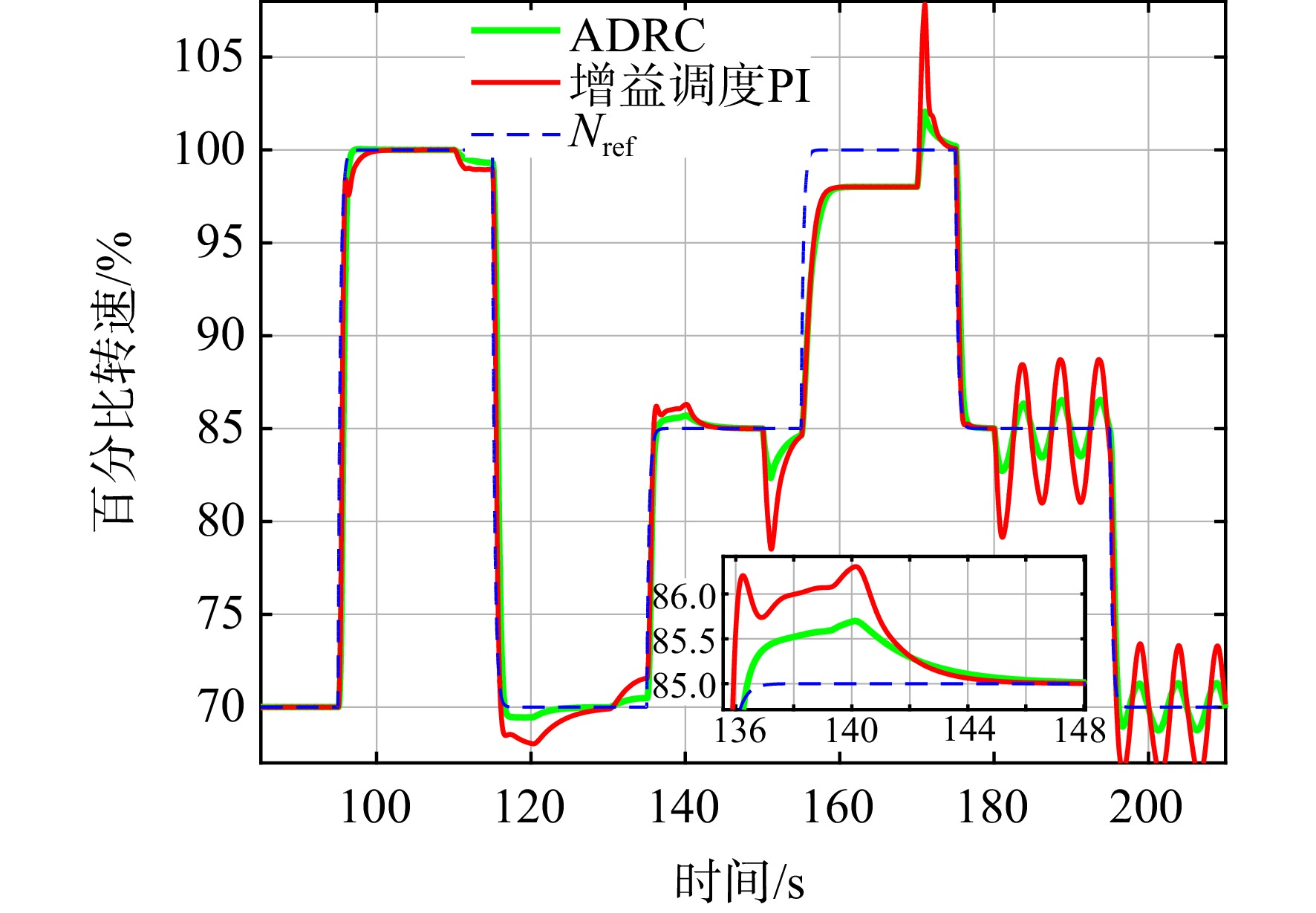
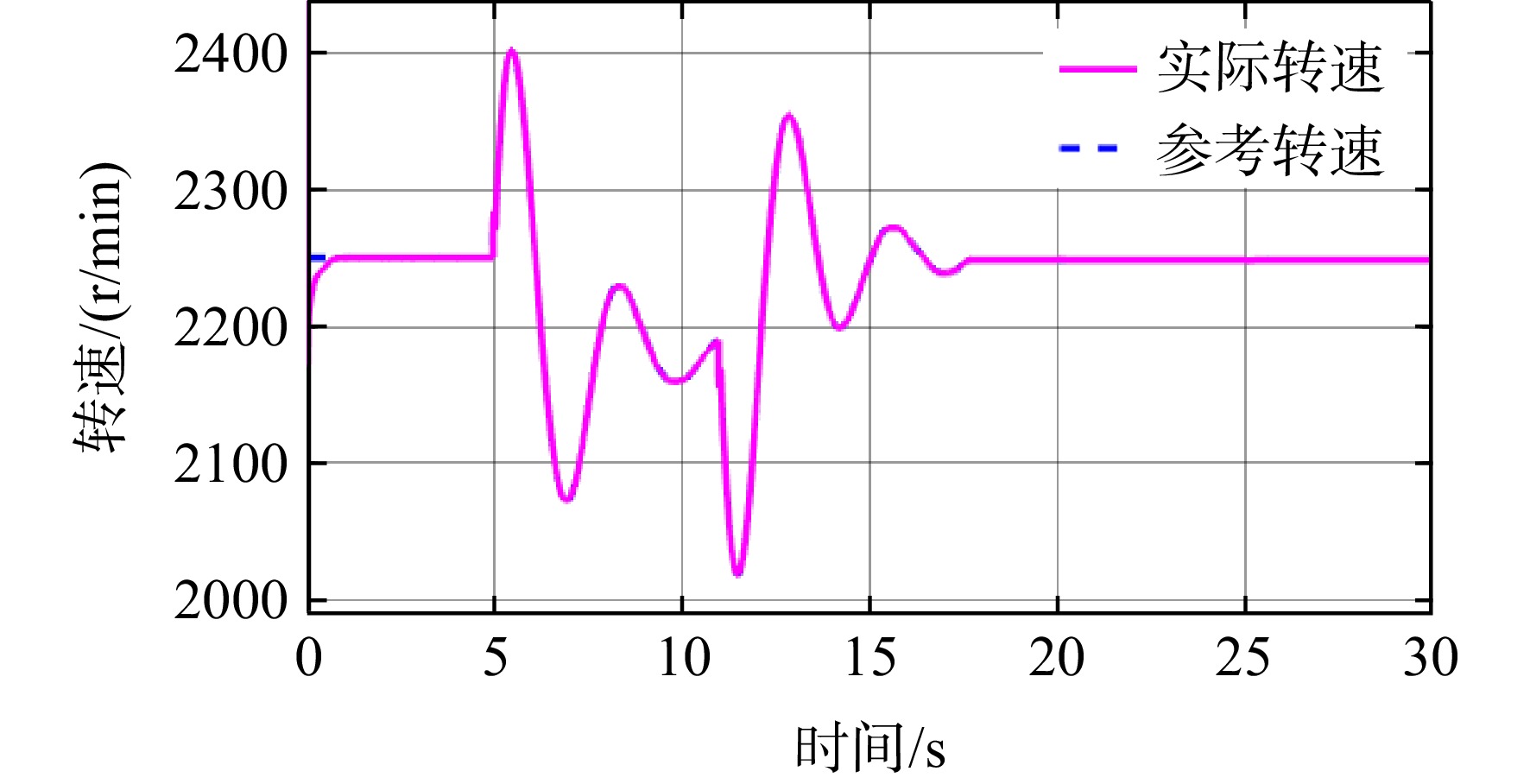
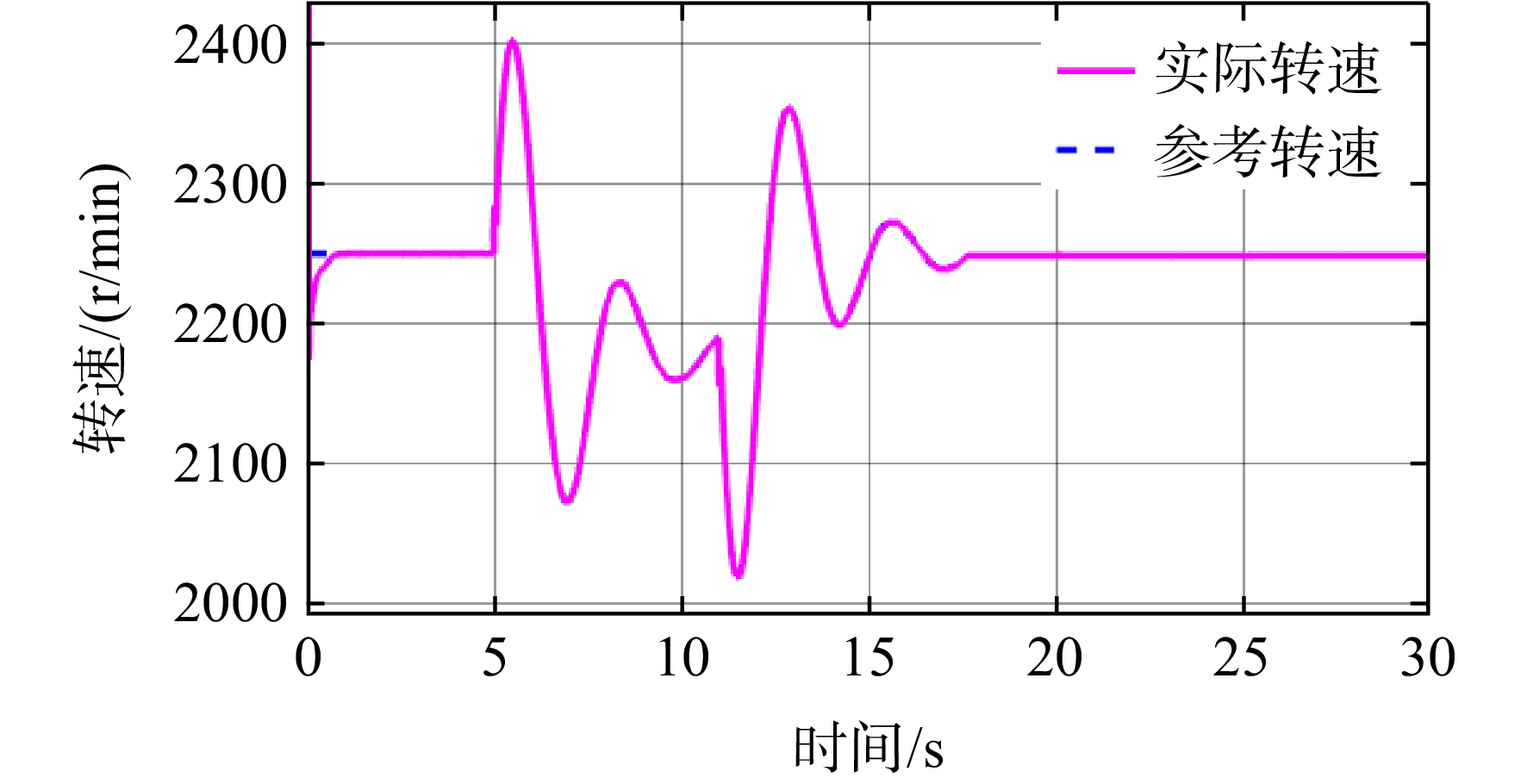
The auxiliary power unit is often used to extract shaft power and air flow for power generation and bleed. In order to reduce the interference caused by this process to the turbine engine and improve the anti-interference performance of the original control system, the active disturbance rejection control method and its parametric design method were studied, so as to design the corresponding control parameters according to the linearization model in engineering applications, and numerical simulation of a factory model based on the traditional gain scheduling PI control method and active disturbance rejection control (ADRC) method was conducted. Results showed that, on the premise of keeping the basic performance similar to that of PI control, ADRC had good anti-power generation interference and air entrainment interference performance, and can recover to the original working state faster when the interference occurred. More specifically, the speed fluctuation of ADRC was reduced by 35%, and the speed adjustment time was shortened by 9%, revealing the superior potential for practical engineering applications.

Aeroengine fault risk early warning model based on improved DRSN
MAO Haoying, SUN Youchao, LI Longbiao, YAN Chuanqi
2024, 39(2): 20210473. doi: 10.13224/j.cnki.jasp.20210473
Abstract:

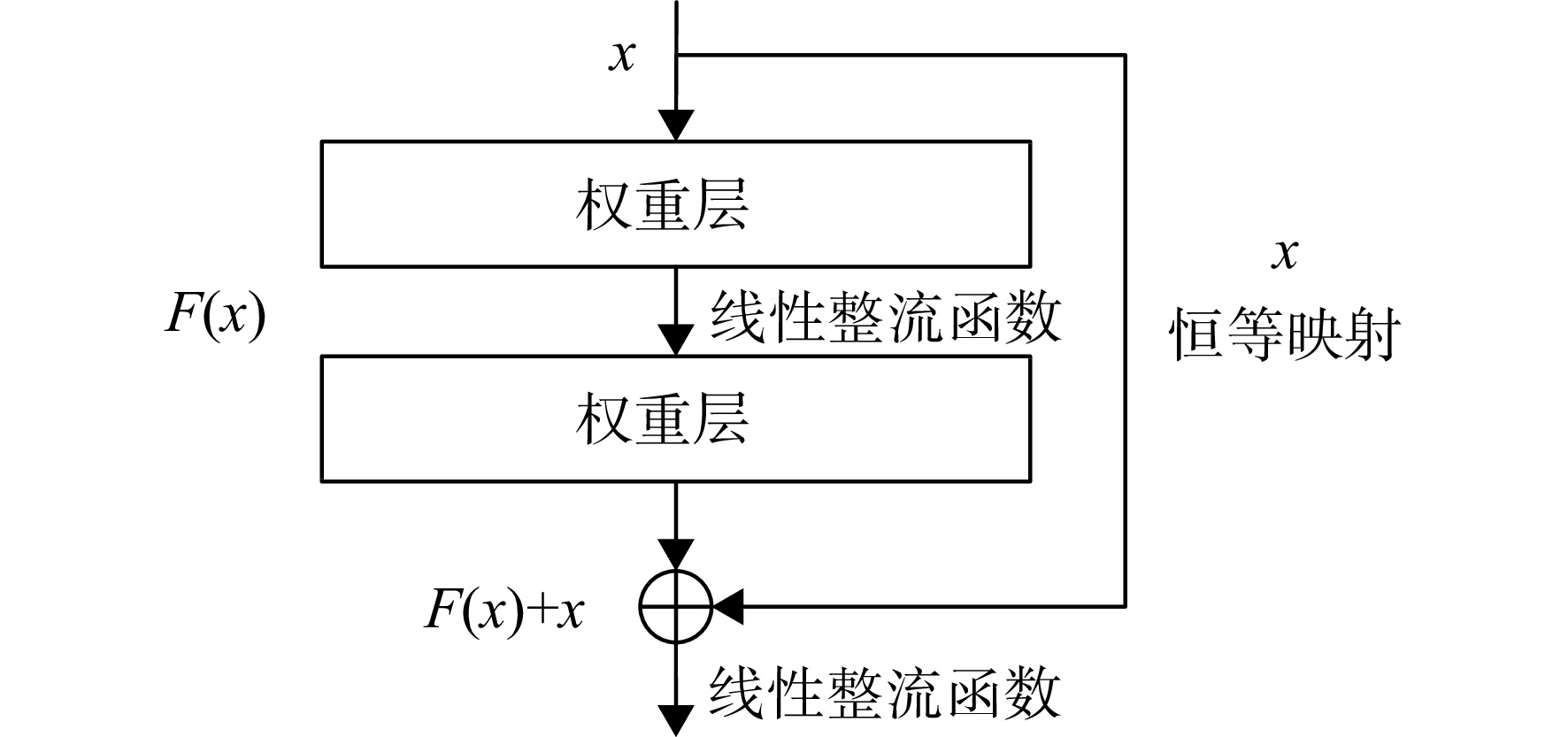
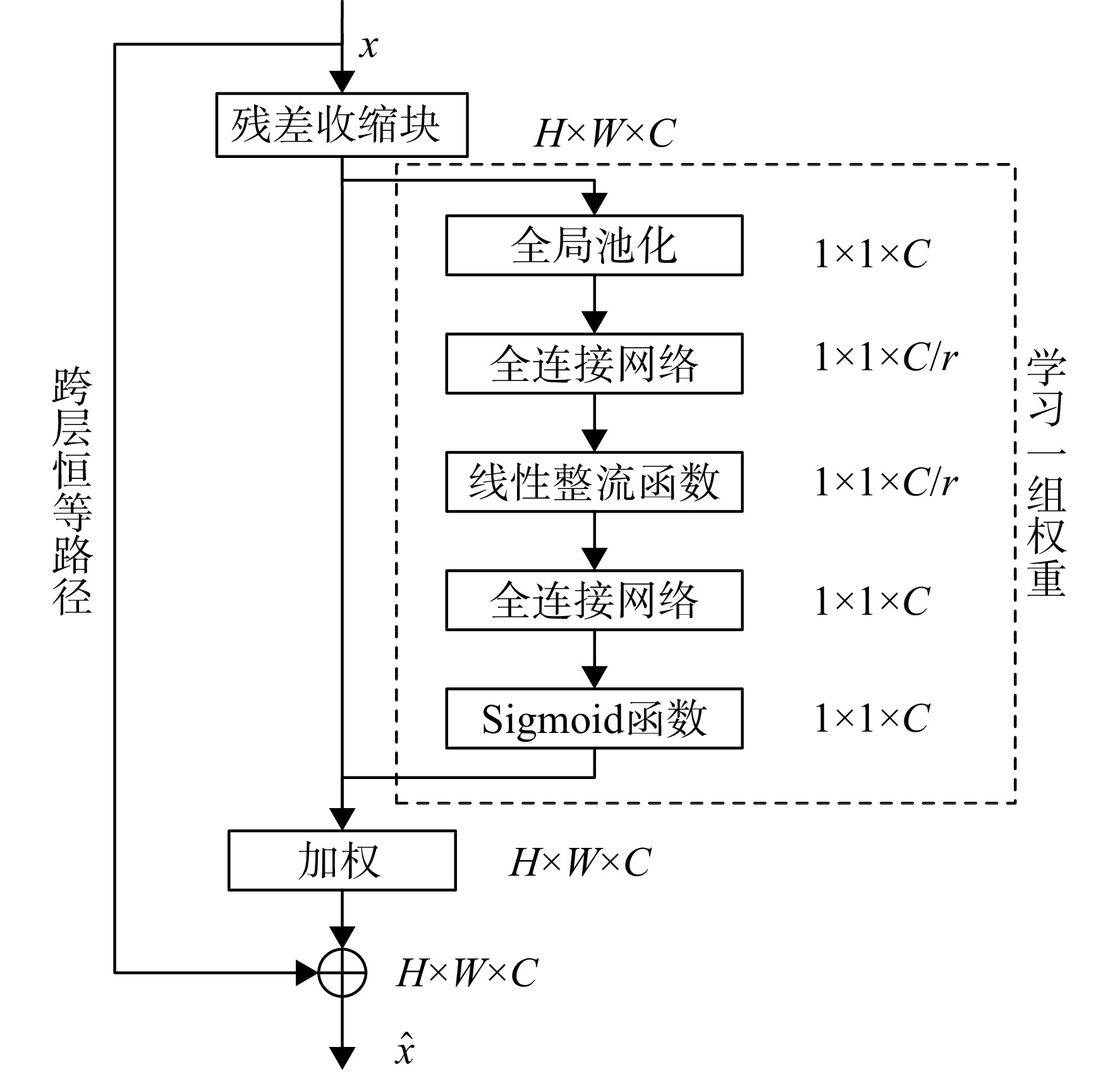
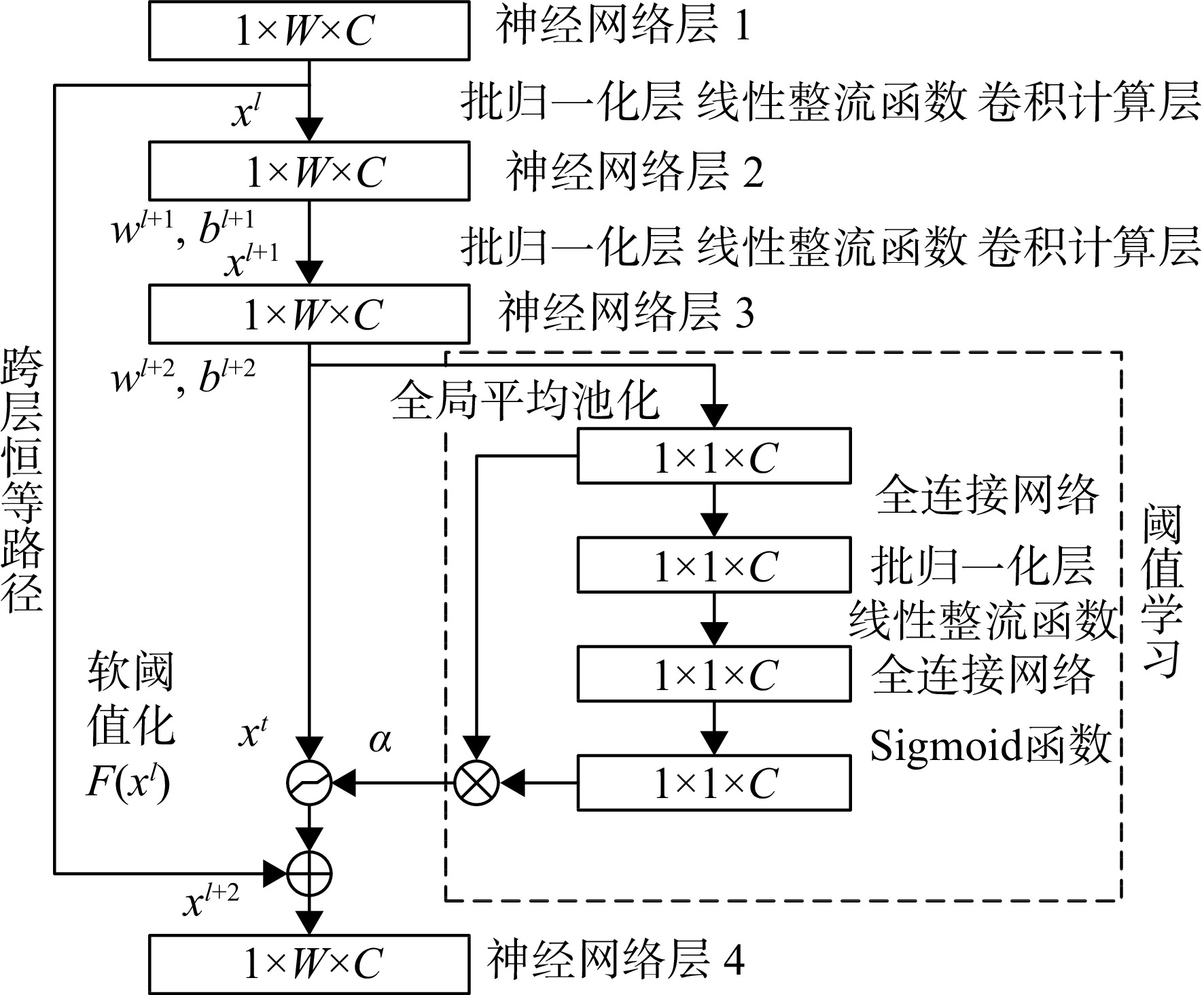
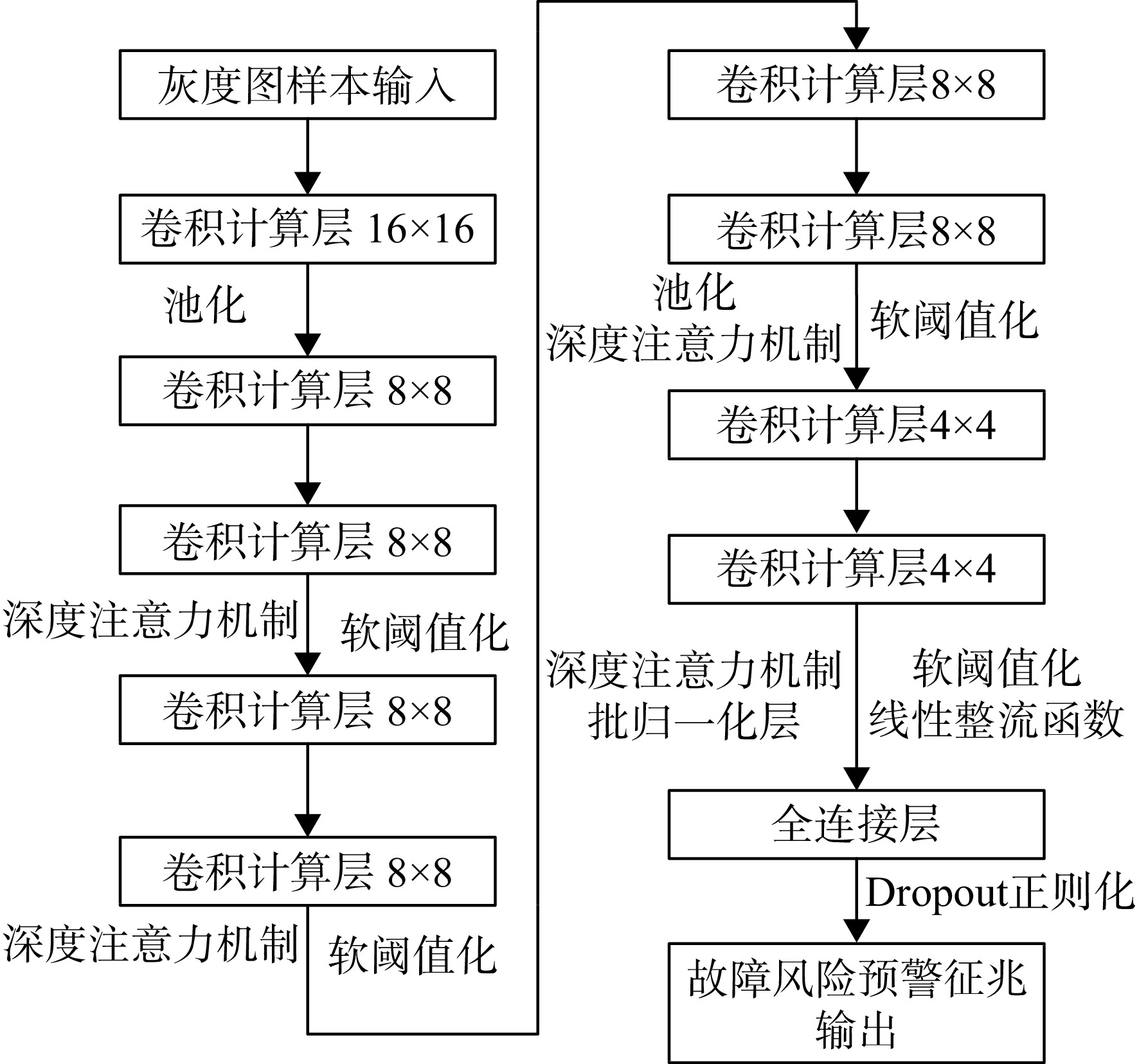
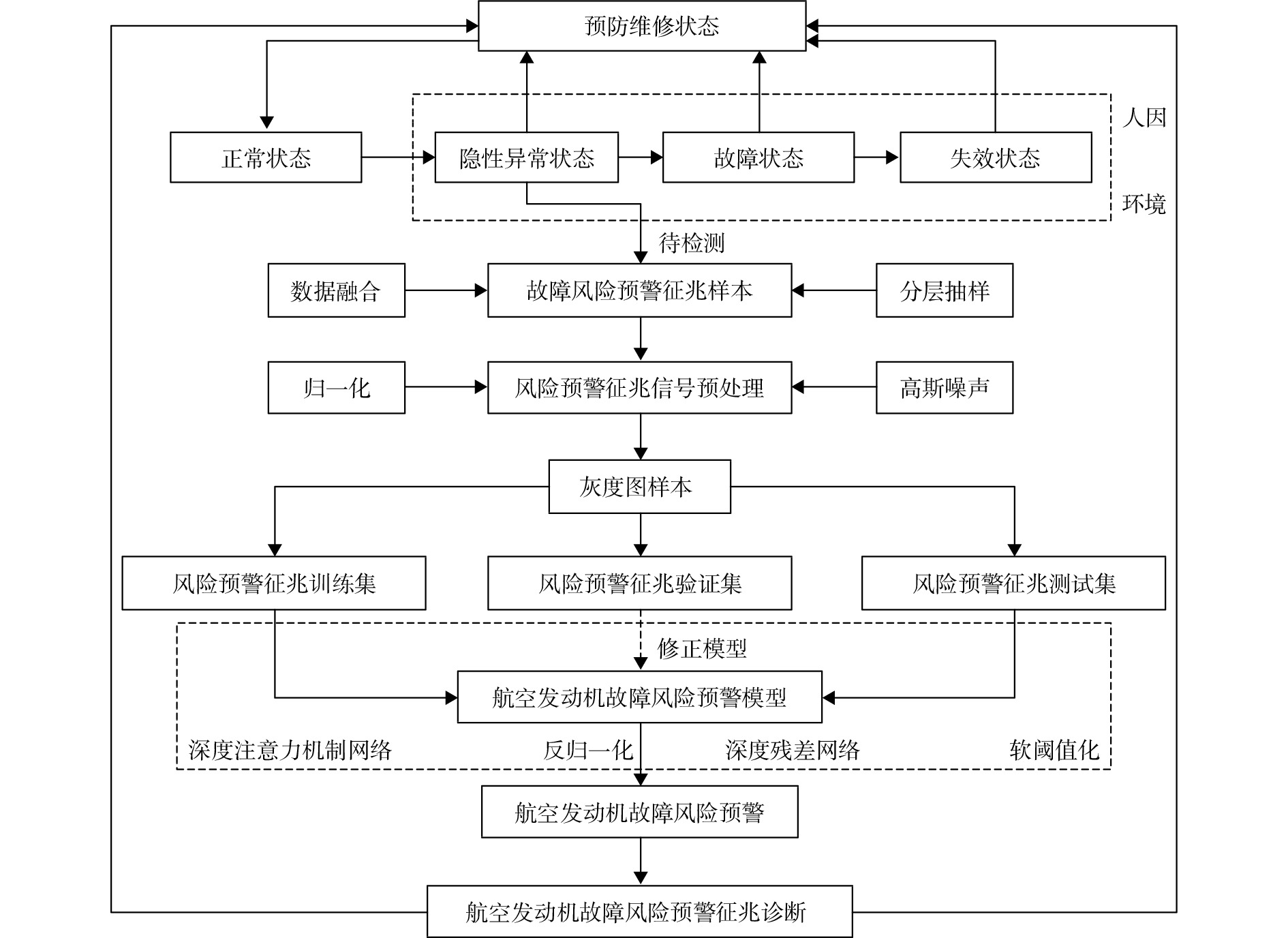
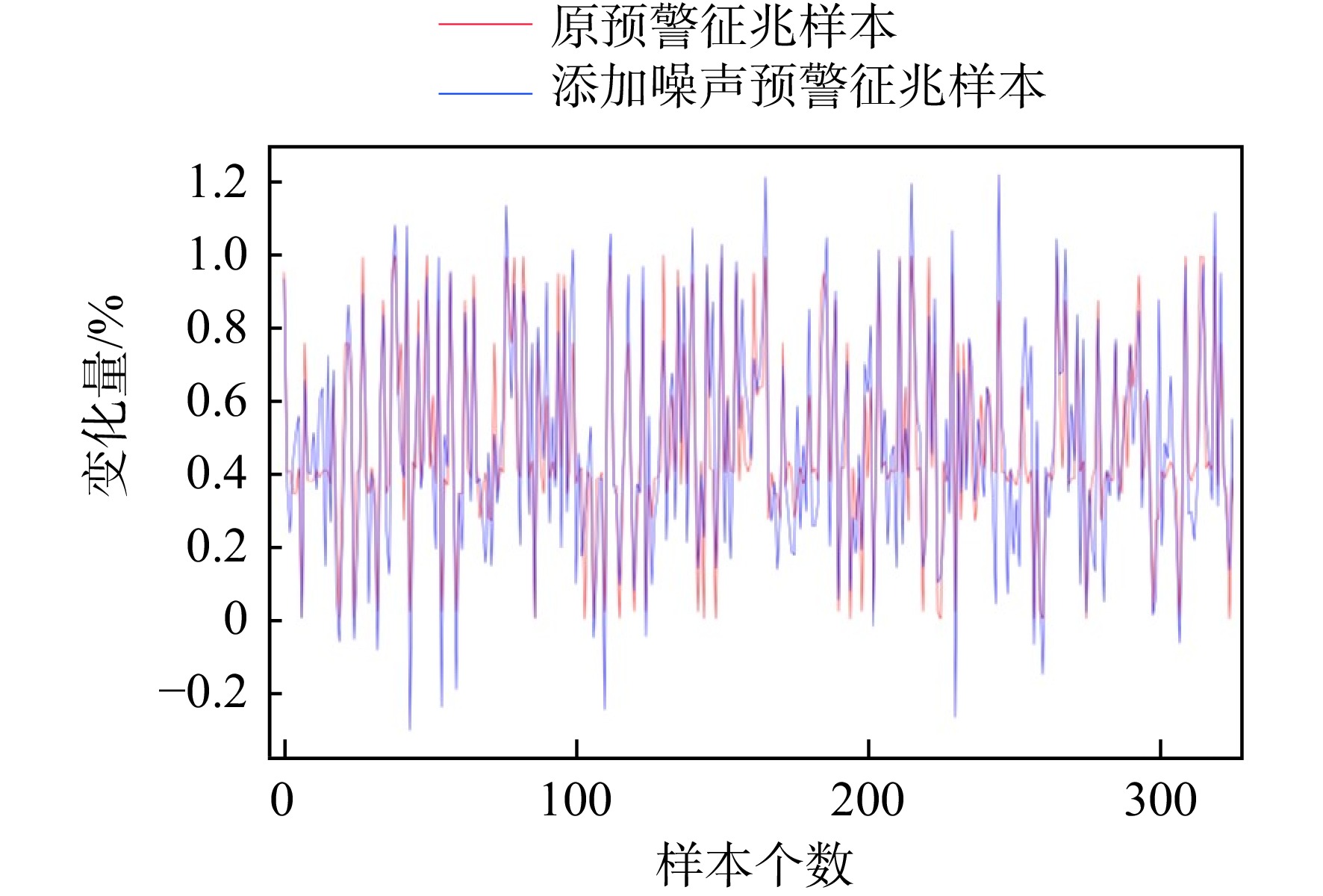
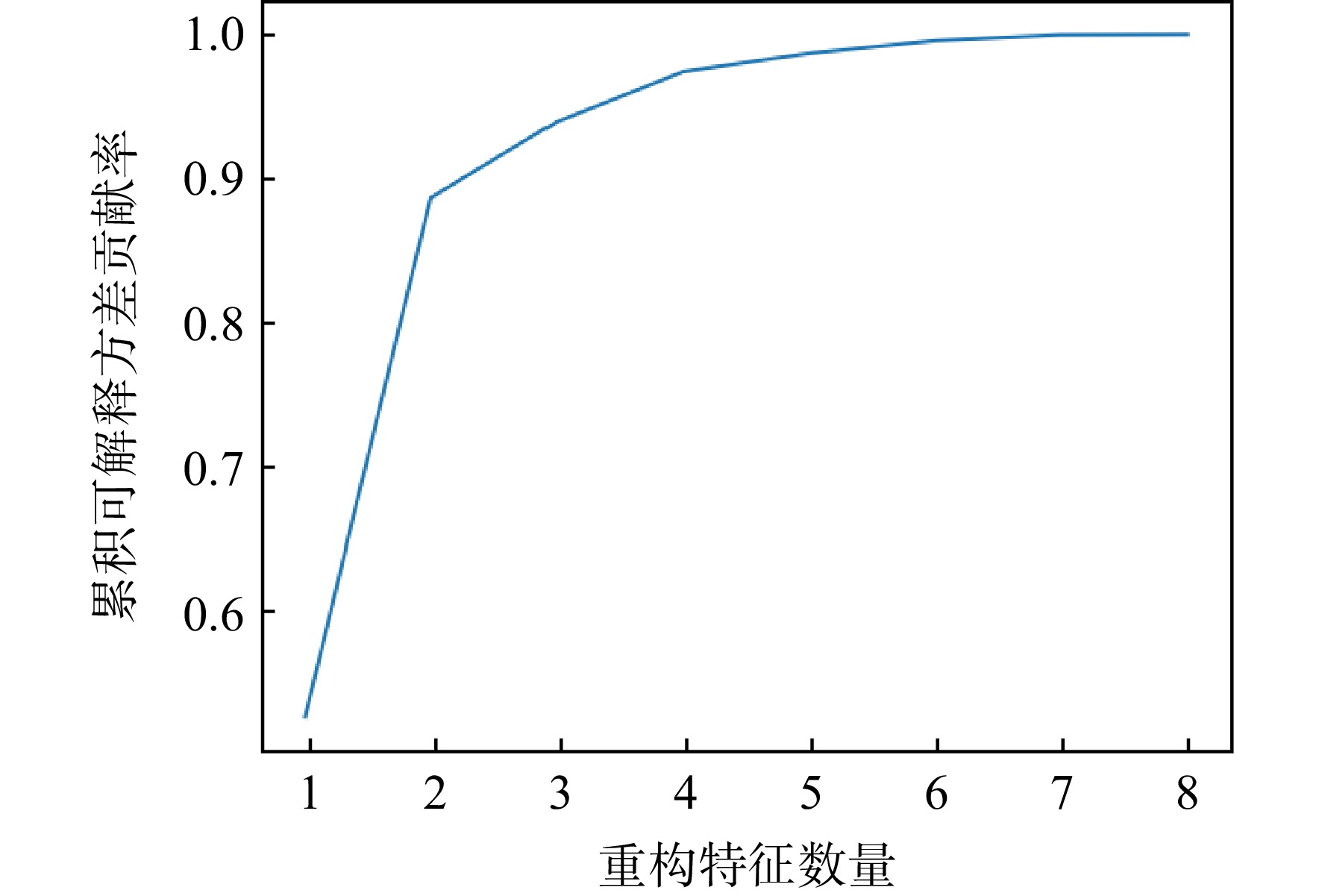
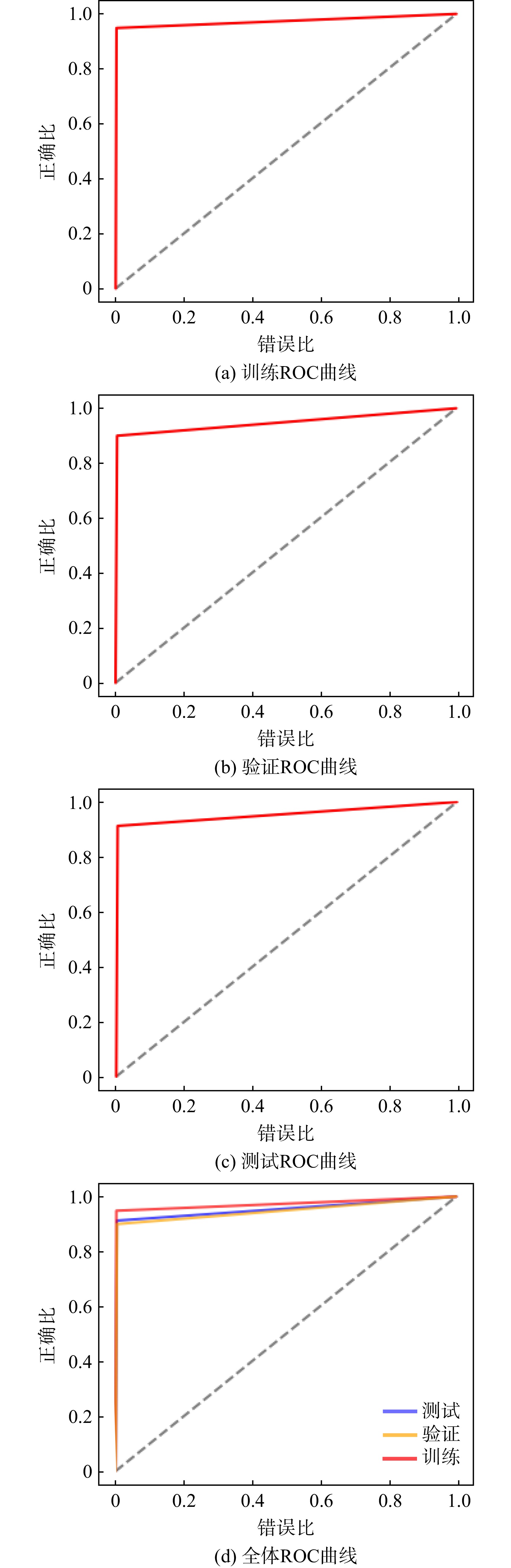
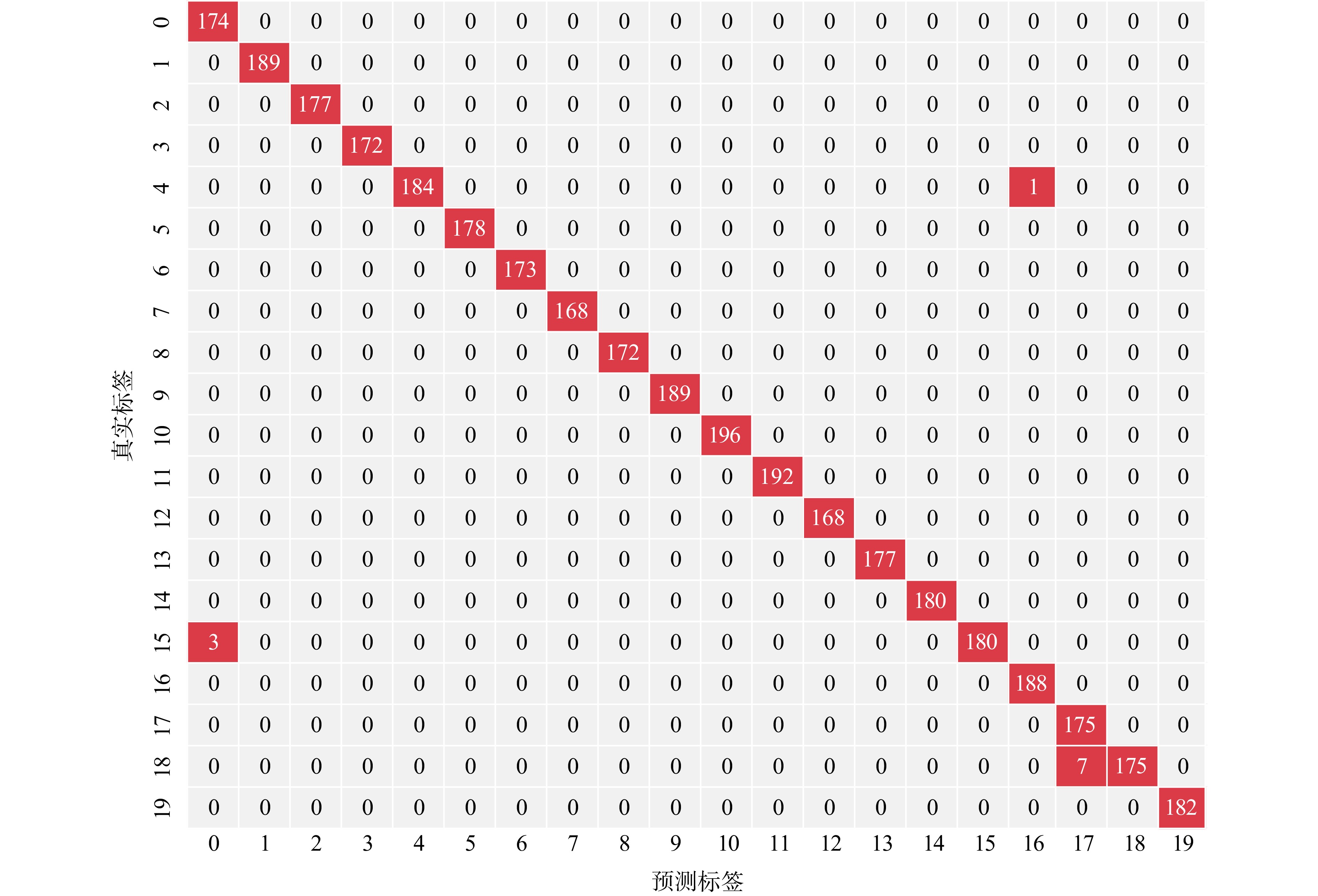
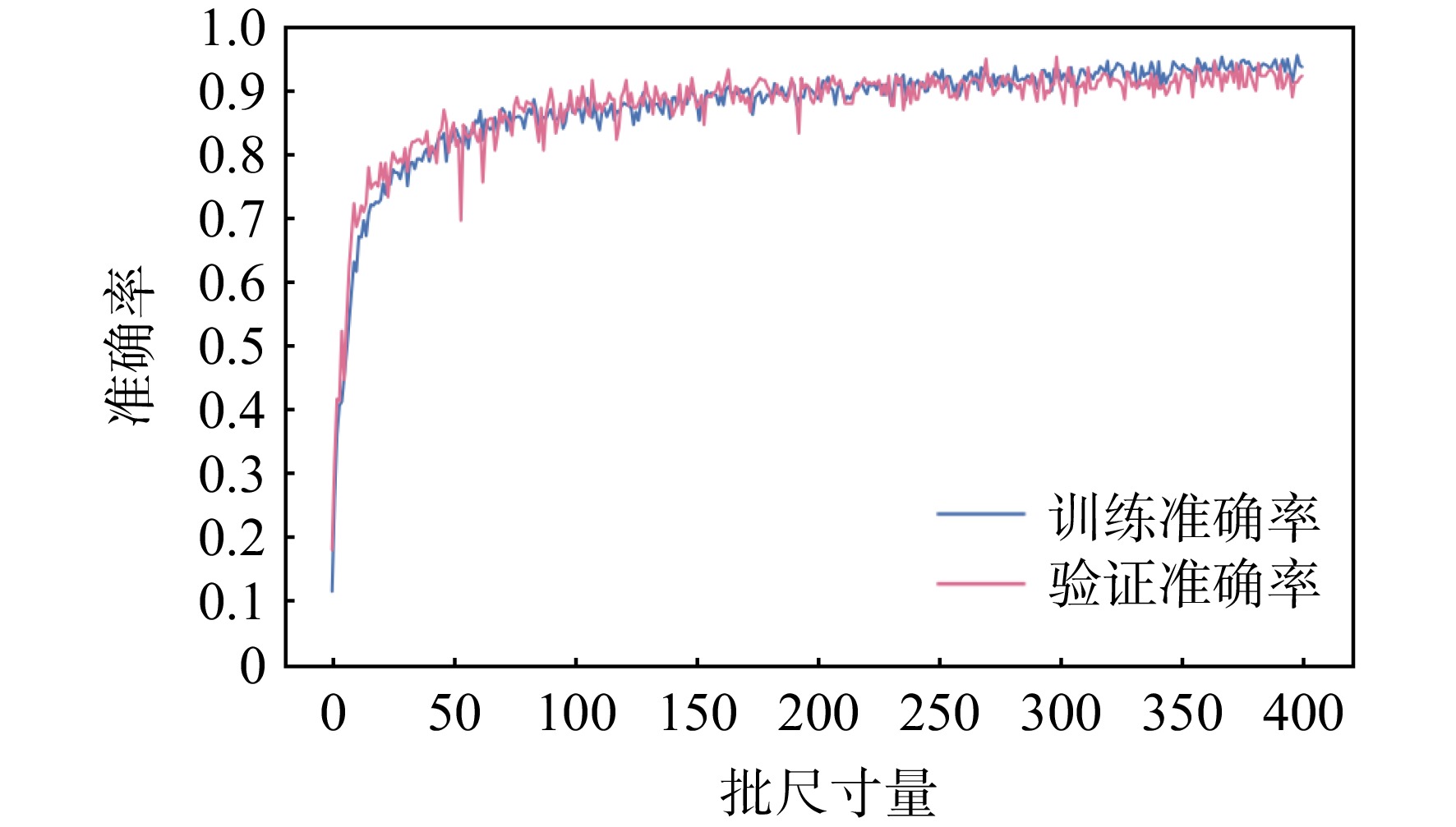
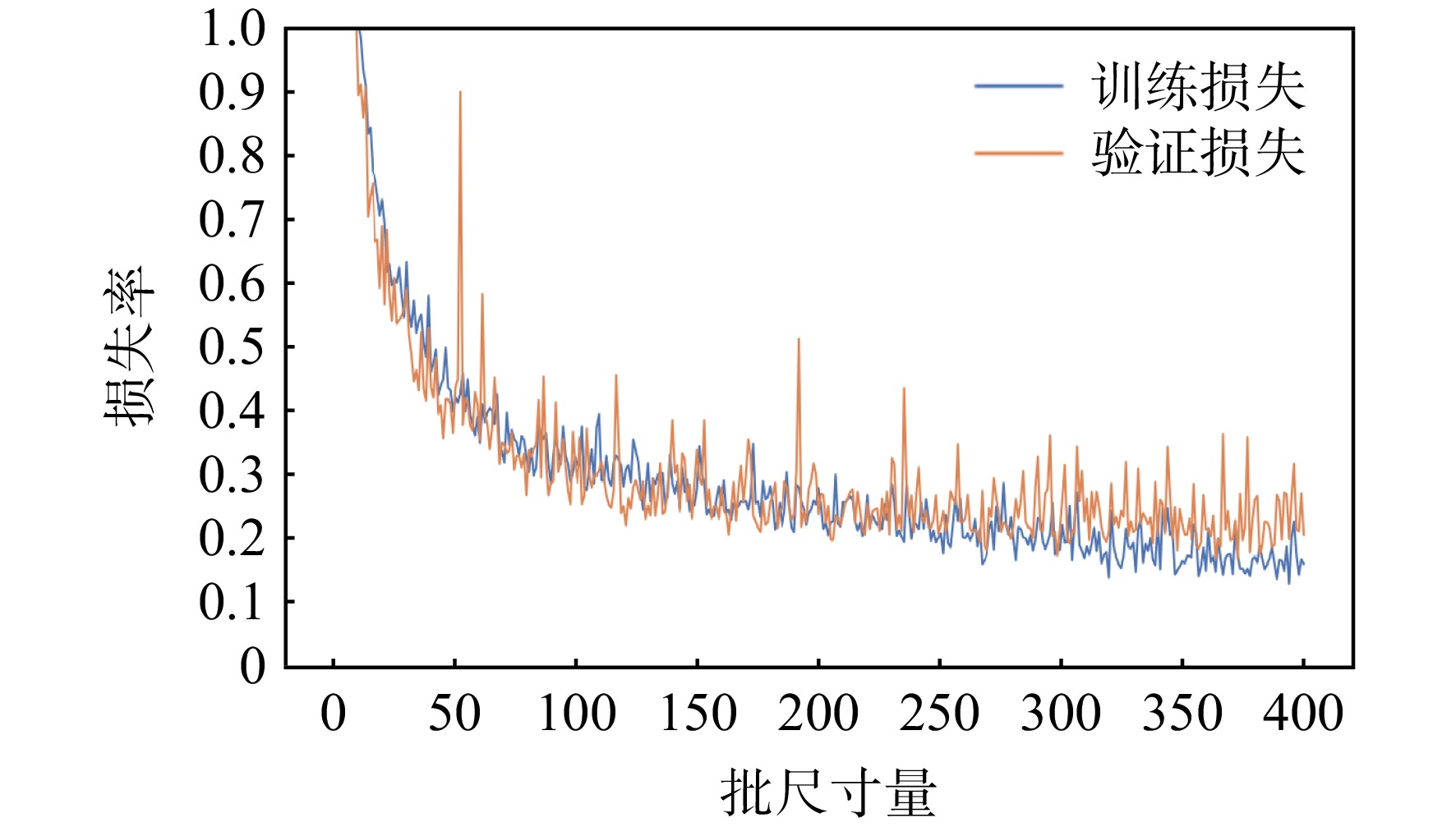
Aero-engine is a kind of mechanical equipment with possible multi-fault risk. The application of advanced computing training method can effectively realize accurate risk early warning analysis, and provide reference for the guidance of engine operation and maintenance. Multivariable time series samples were extracted from the early warning symptom data set of engine failure risk, and the samples were matrix-transformed into gray scale samples. Image samples were preprocessed and enhanced, and sequence sample tags were thermally encoded. Deep attention mechanism and residual shrinkage block with threshold were integrated into the deep residual shrinkage network (DRSN), so as to obtain high discriminant features and realize soft thresholding. Combining long short term memory layers with multiple hidden layers, DRSN model was improved, and principal component analysis was made to reconstruct features and extract principal components. The cumulative interpretable variance contribution rate was 93.7%. The training accuracy for identifying, classifying, and warning 20 potential fault symptoms was 96.1%. An improved early warning DRSN model of engine fault risk was proposed. Compared with other algorithms, this model of strong robustness improved the accuracy by at least 4.4%.

Event-triggered sliding mode control for aero-engine distributed systems
WANG Weixuan, PENG Jingbo, ZHANG Zhifen, ZHANG Yu, XIE Shousheng, WEN Guangrui, ZHENG Jinsong
2024, 39(2): 20220676. doi: 10.13224/j.cnki.jasp.20220676
Abstract:

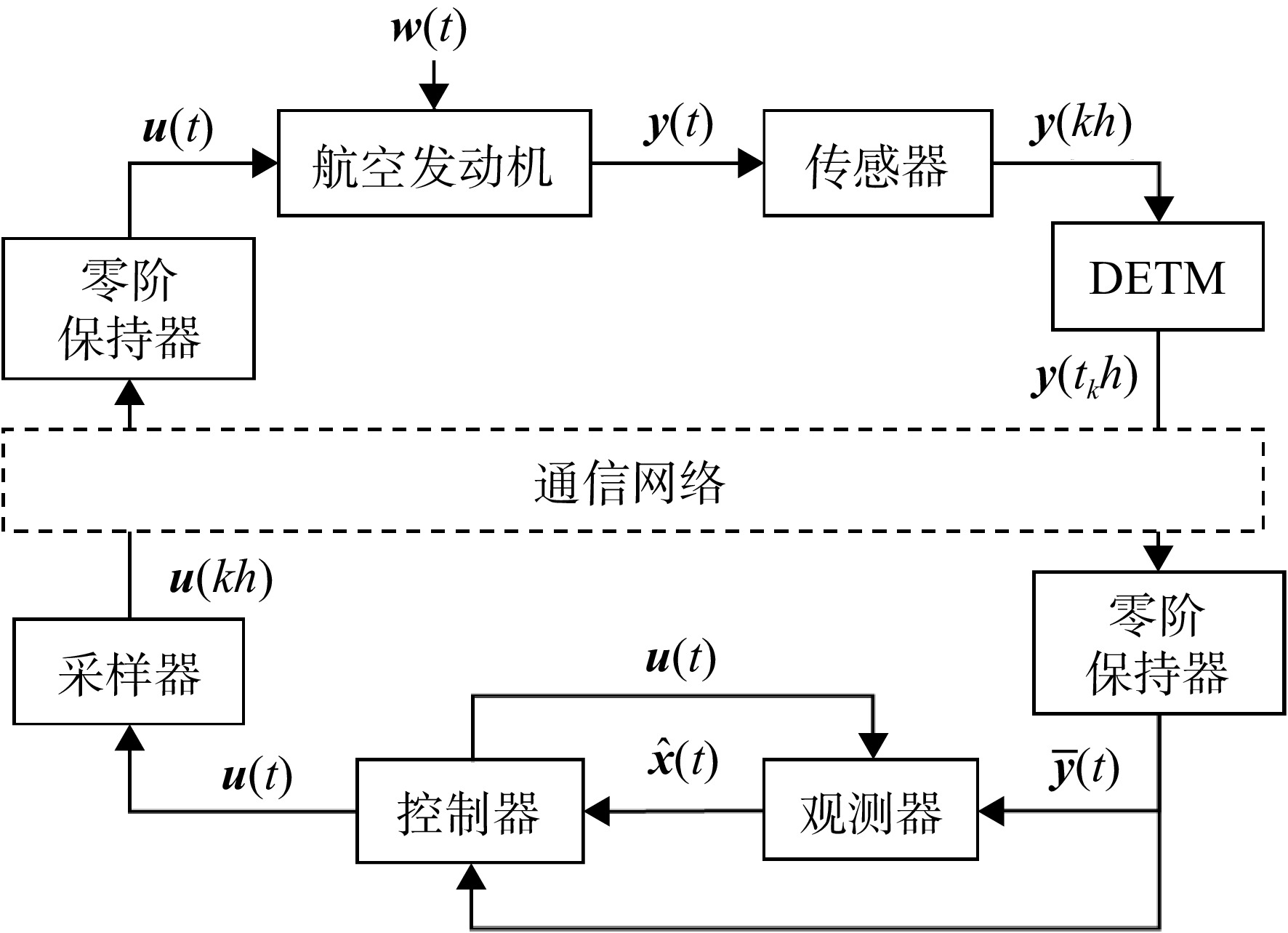
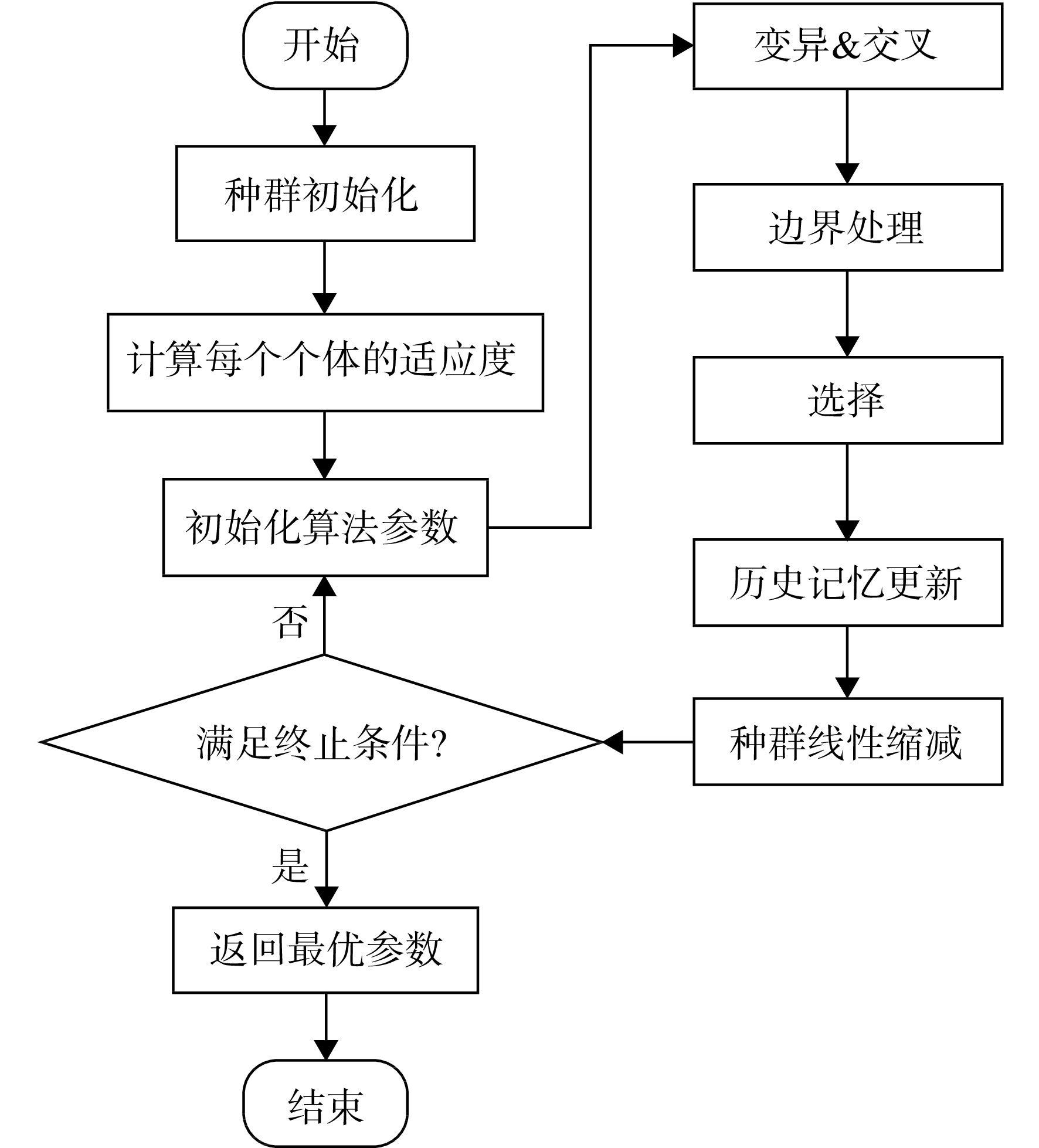
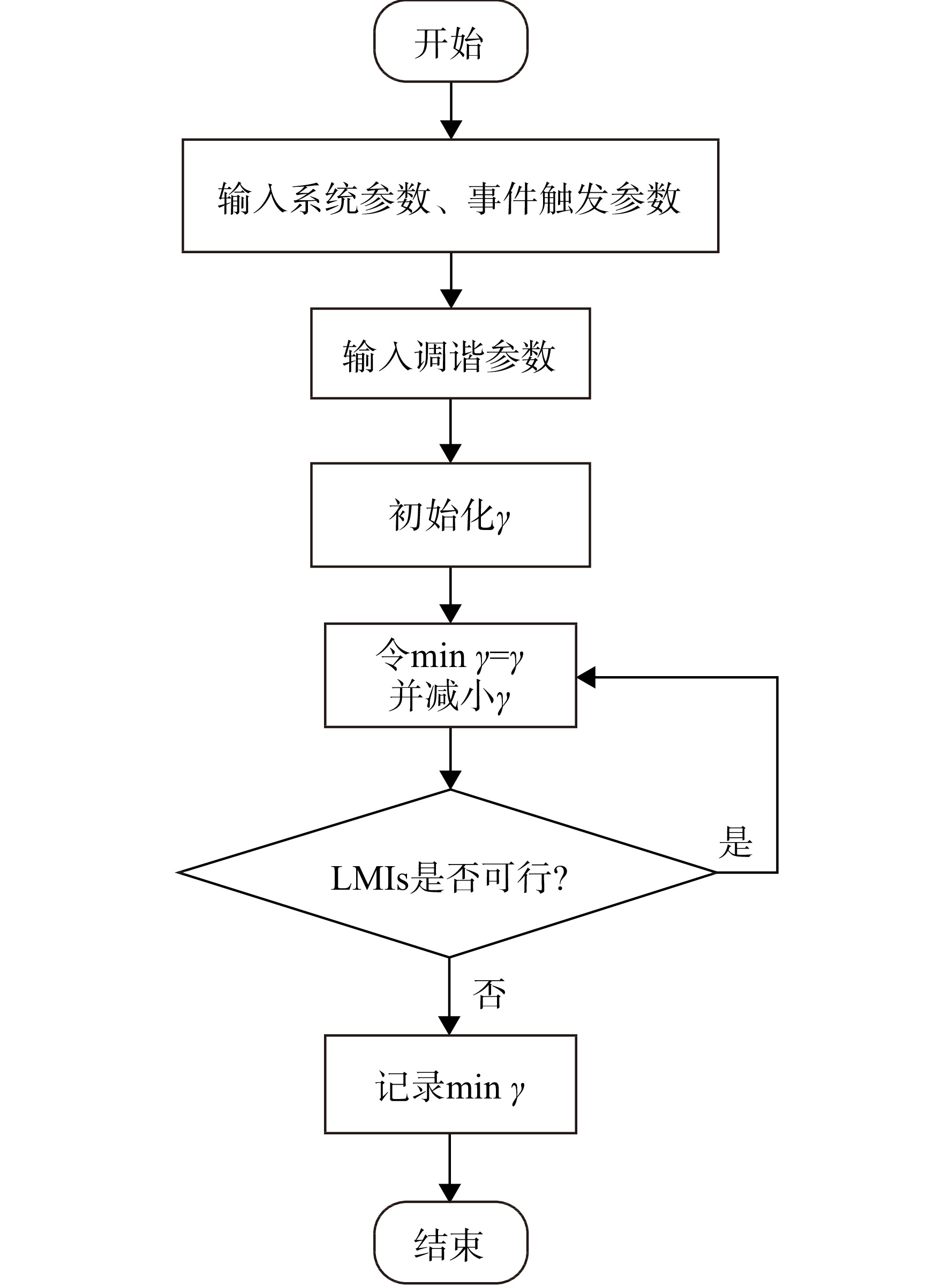
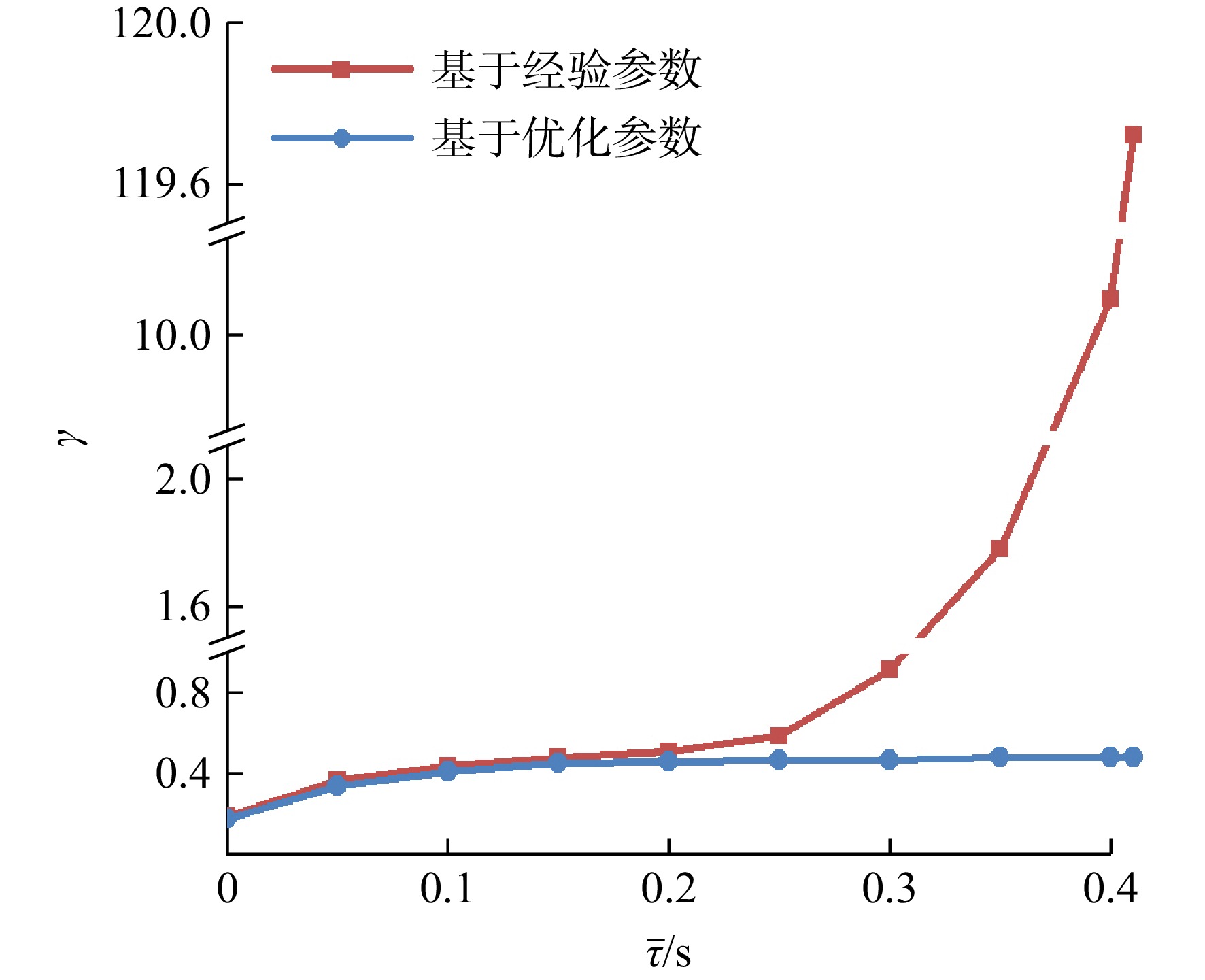
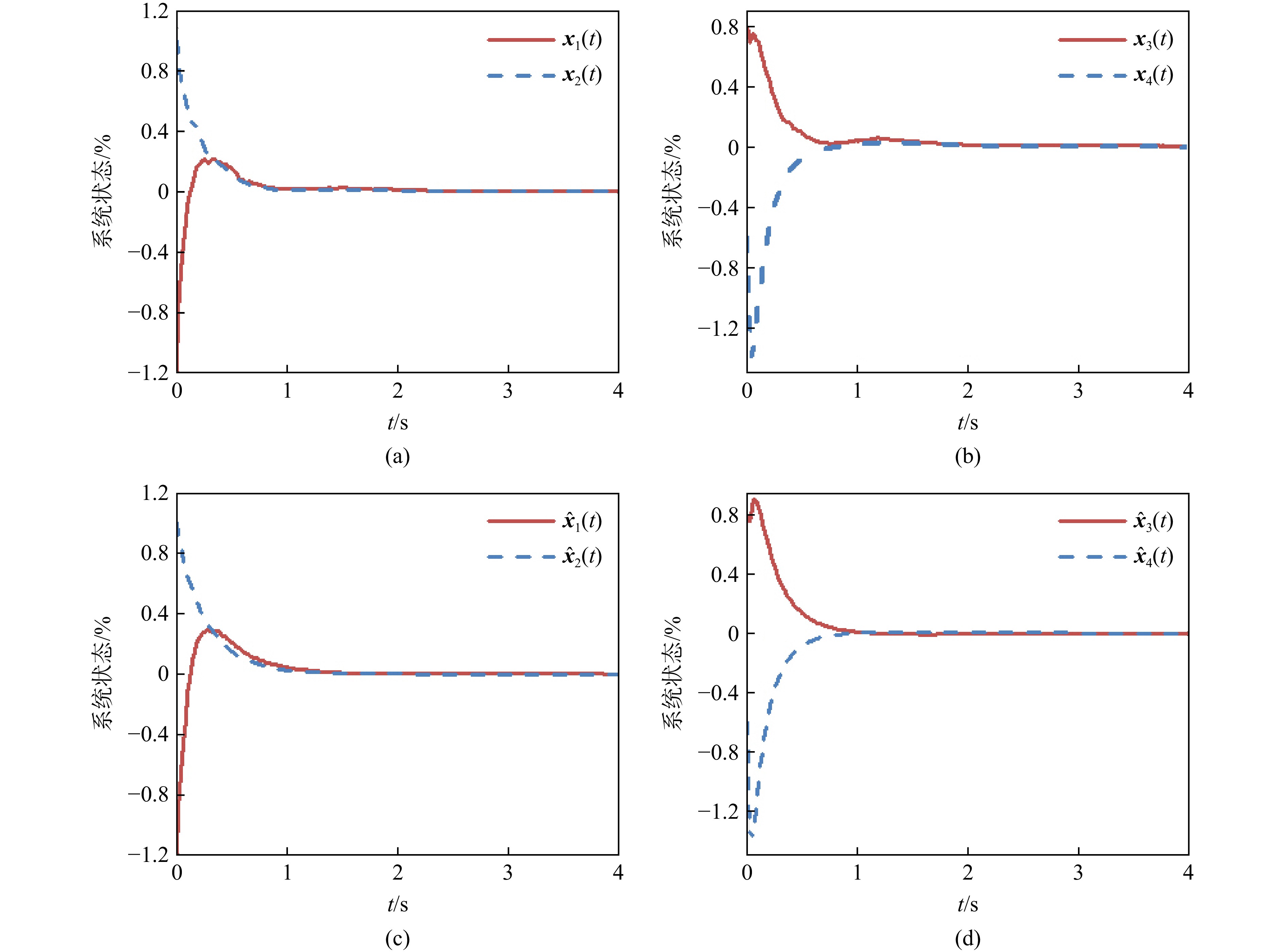
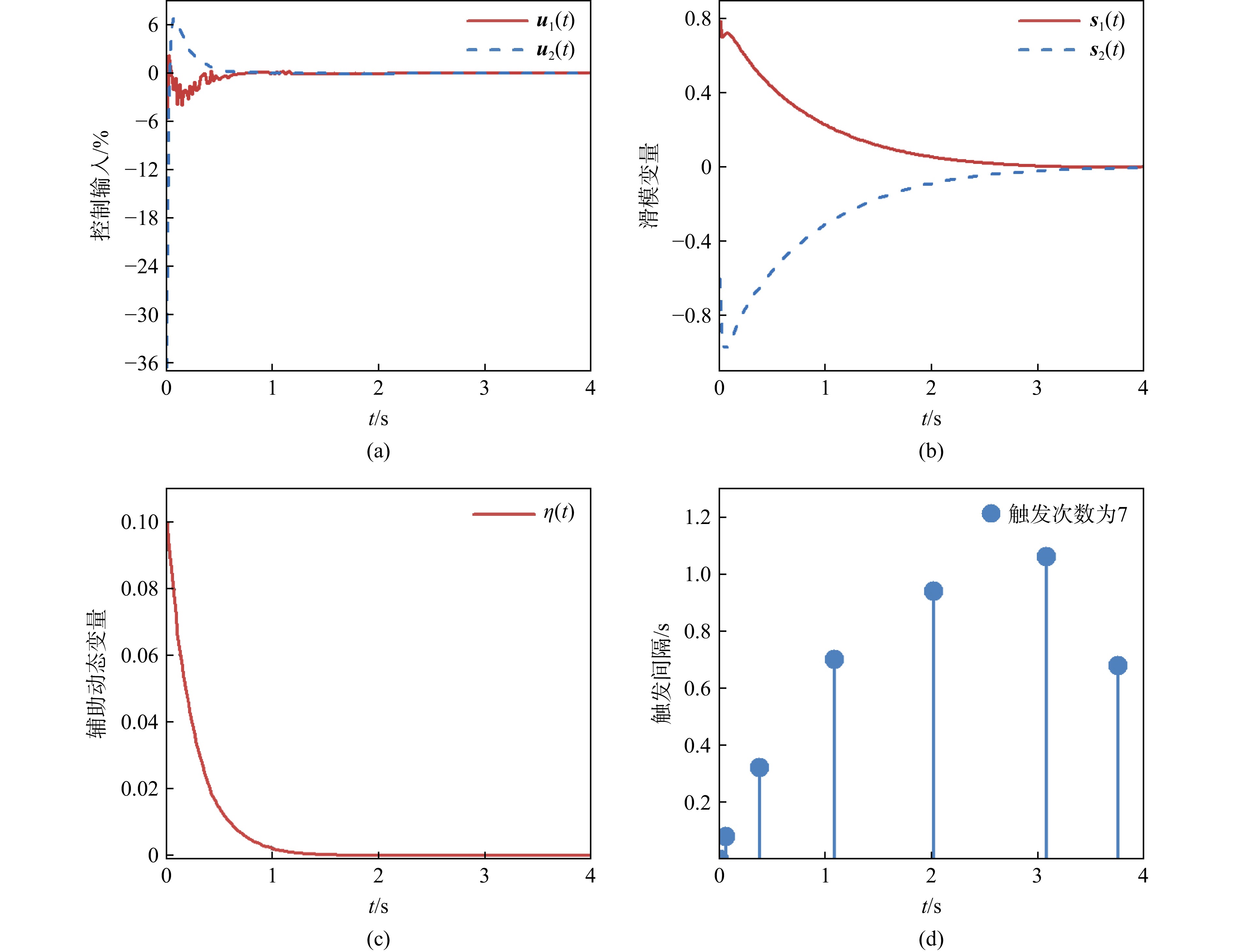
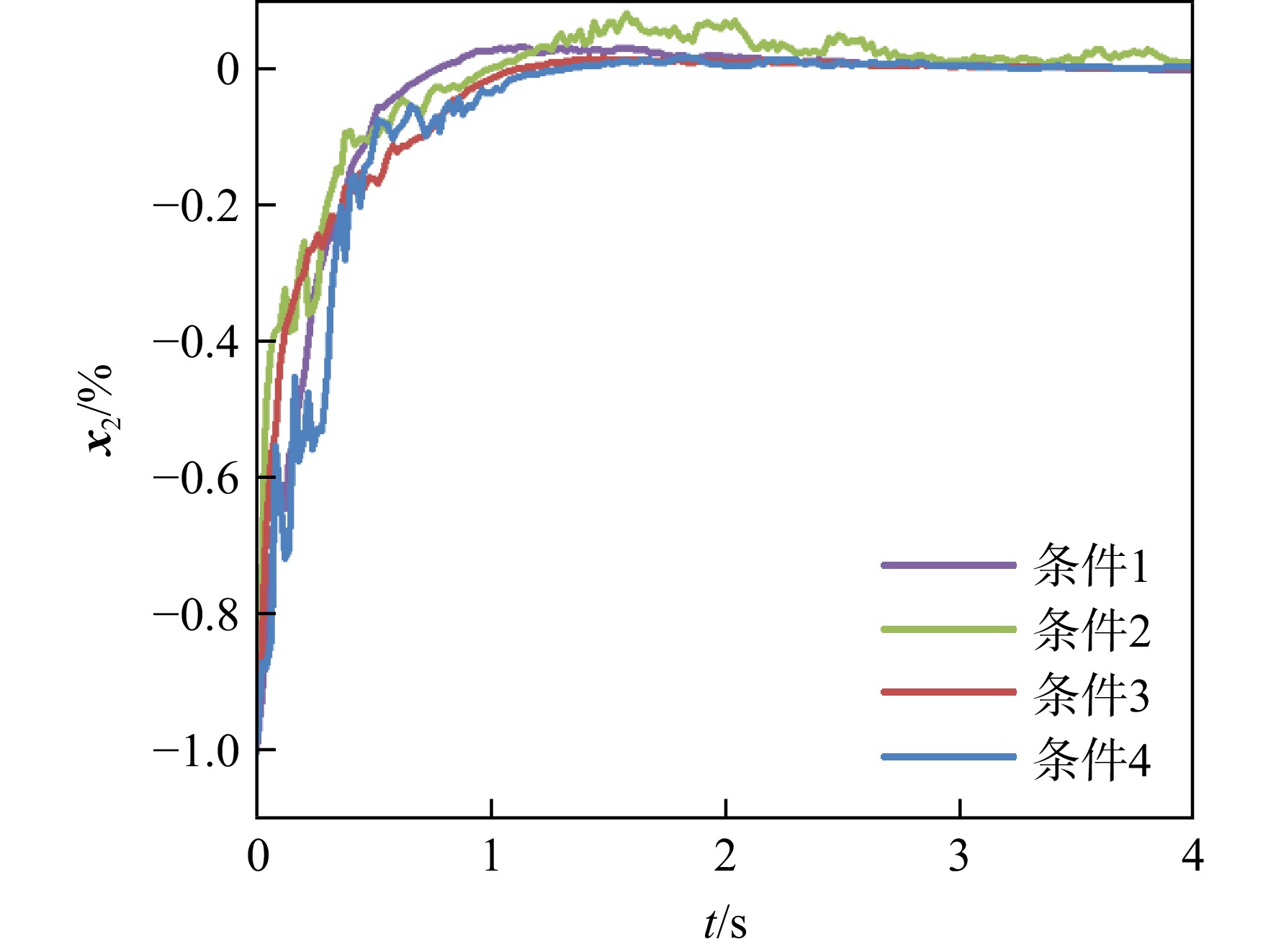
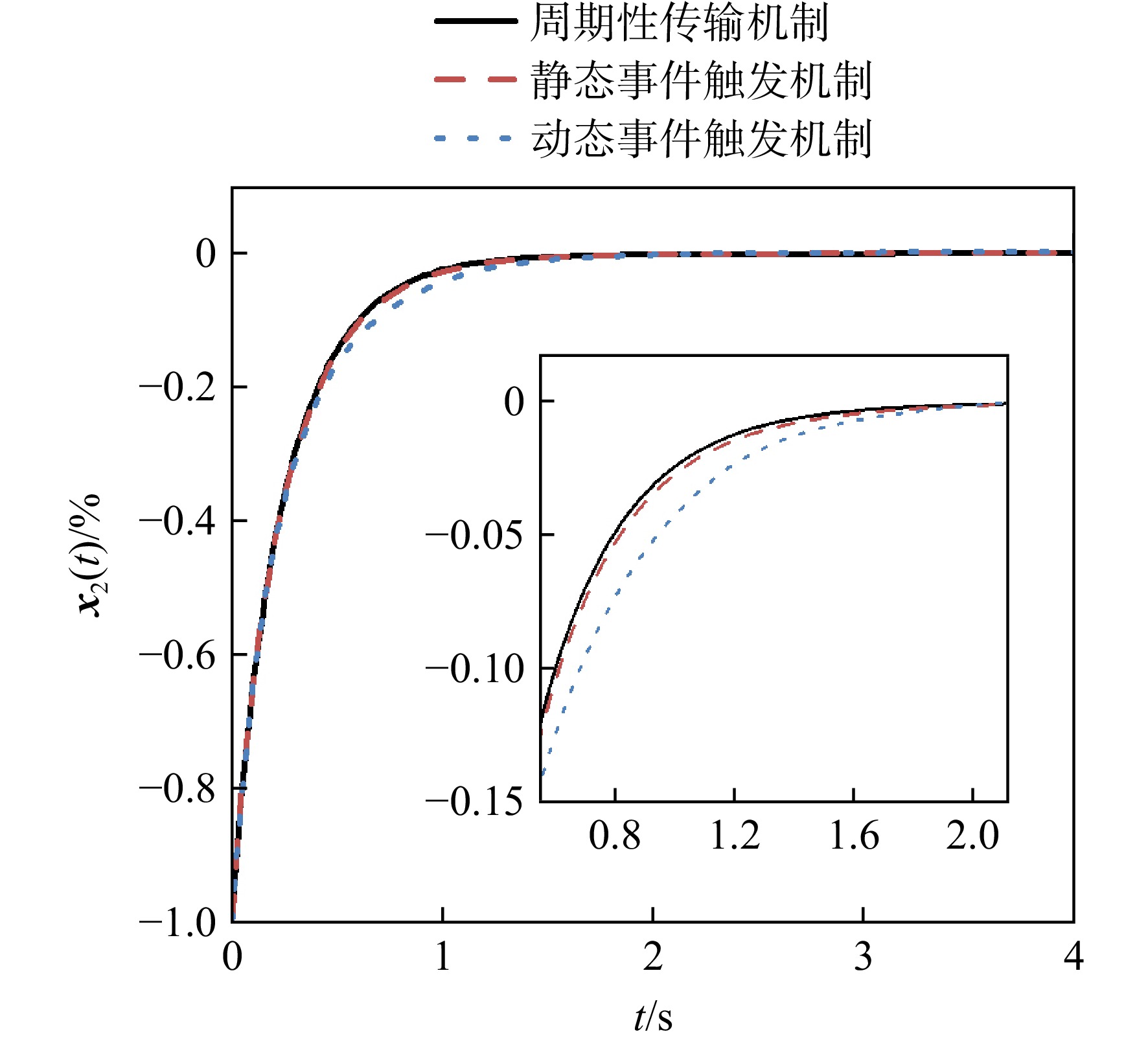
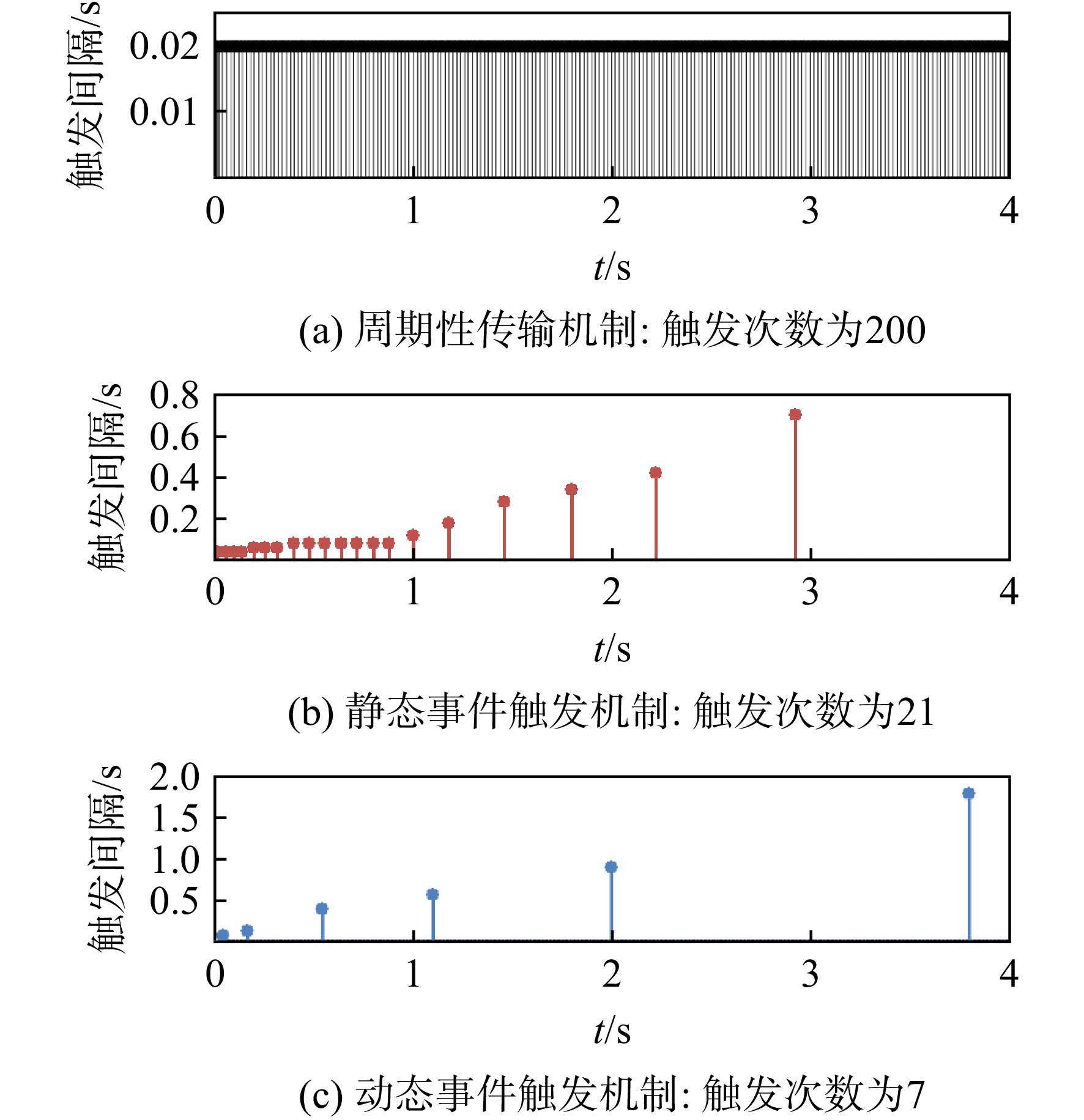
An event-triggered sliding mode controller was designed to ensure the asymptotic stability of the aero-engine distributed control systems subjecting to time-varying delay, random packet dropout and external disturbances. To improve the resources utilization, a dynamic event-triggered mechanism (DETM) was introduced to schedule the transmission of the sampled output signals. To facilitate the establishment of sliding mode surface, an observer was designed and an integral sliding mode surface was constructed based on the observed states. By Lyapunov method, the stability criterion was obtained, and the parameter calculation method of controller, observer and DETM was presented in form of linear matrix inequalities (LMIs). Then the sliding mode control law was designed to ensure the accessibility of the sliding surface. In addition, an LMI parameters adjustment method based on iL-SHADE was proposed to improve the feasibility of LMIs. The simulation results showed that the closed-loop system can guarantee better control performance for the given control structure. And under the given simulation conditions, the signal transmission was reduced by 96.5%, greatly saving the communication resources.

Nonlinear dynamic inversion for the powered yaw control of distributed electric propulsion aircraft
YOU Shun, KOU Peng, YAO Xuanyu, WANG Jing, LIANG Deliang, LIANG Zhe
2024, 39(2): 20220222. doi: 10.13224/j.cnki.jasp.20220222
Abstract:

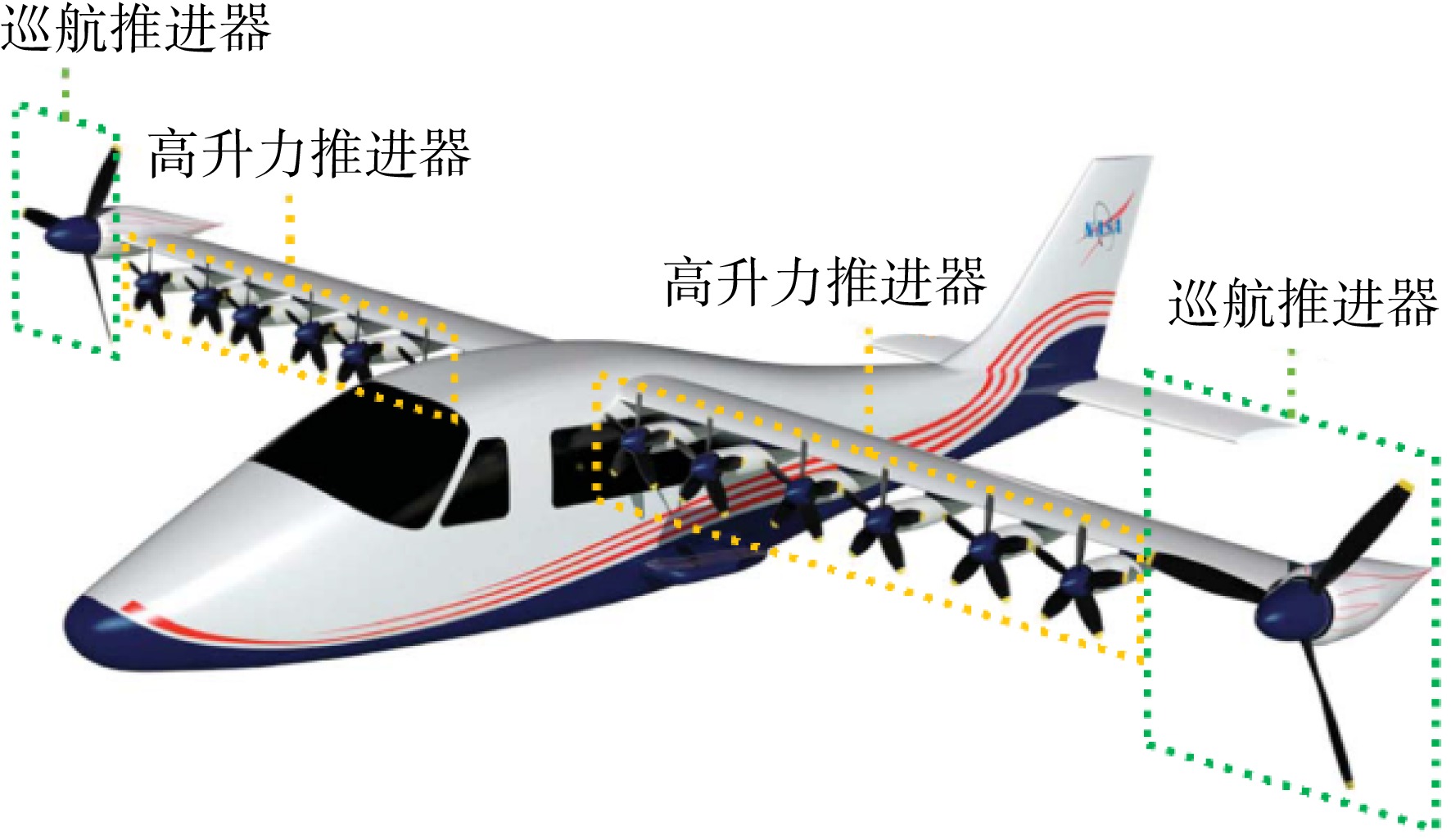
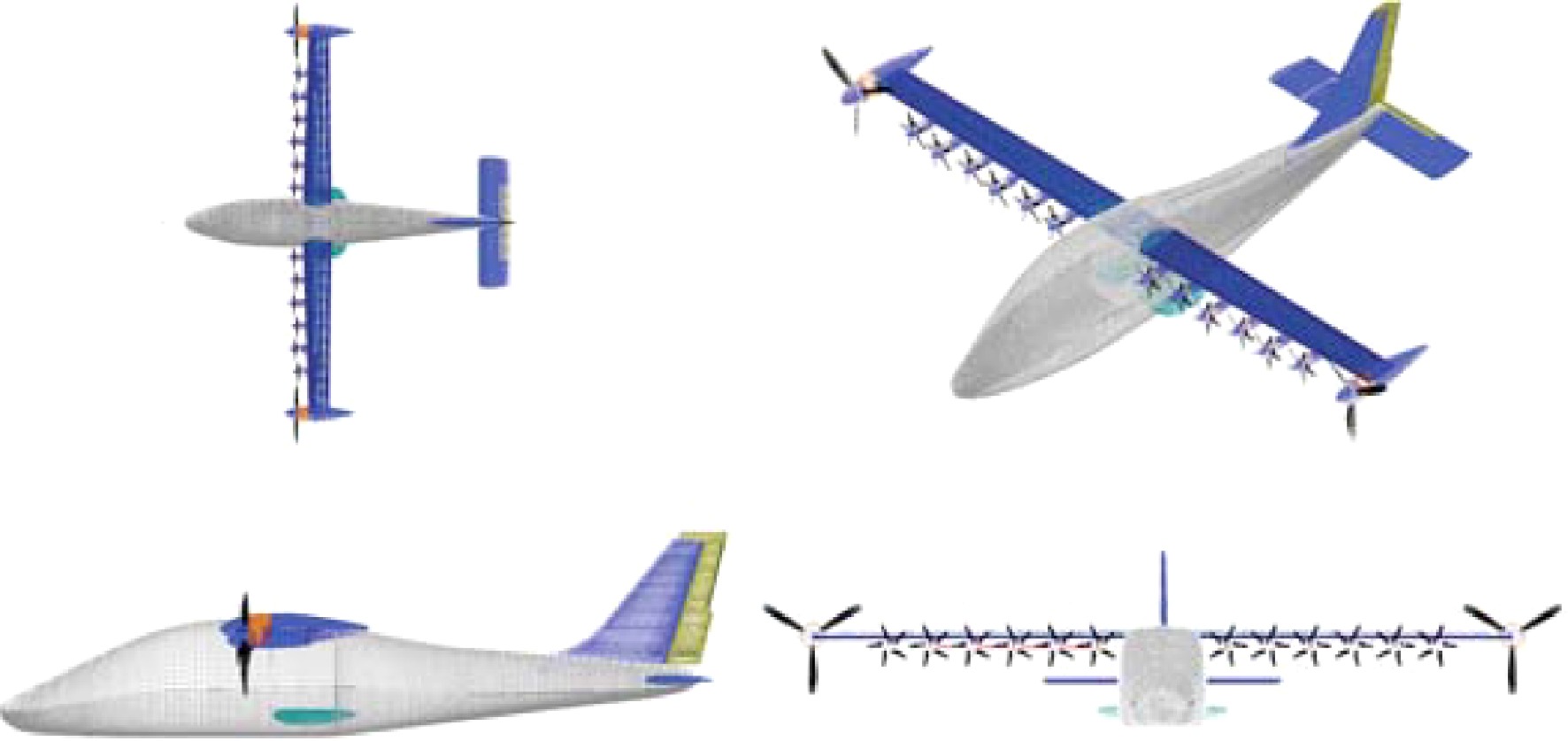
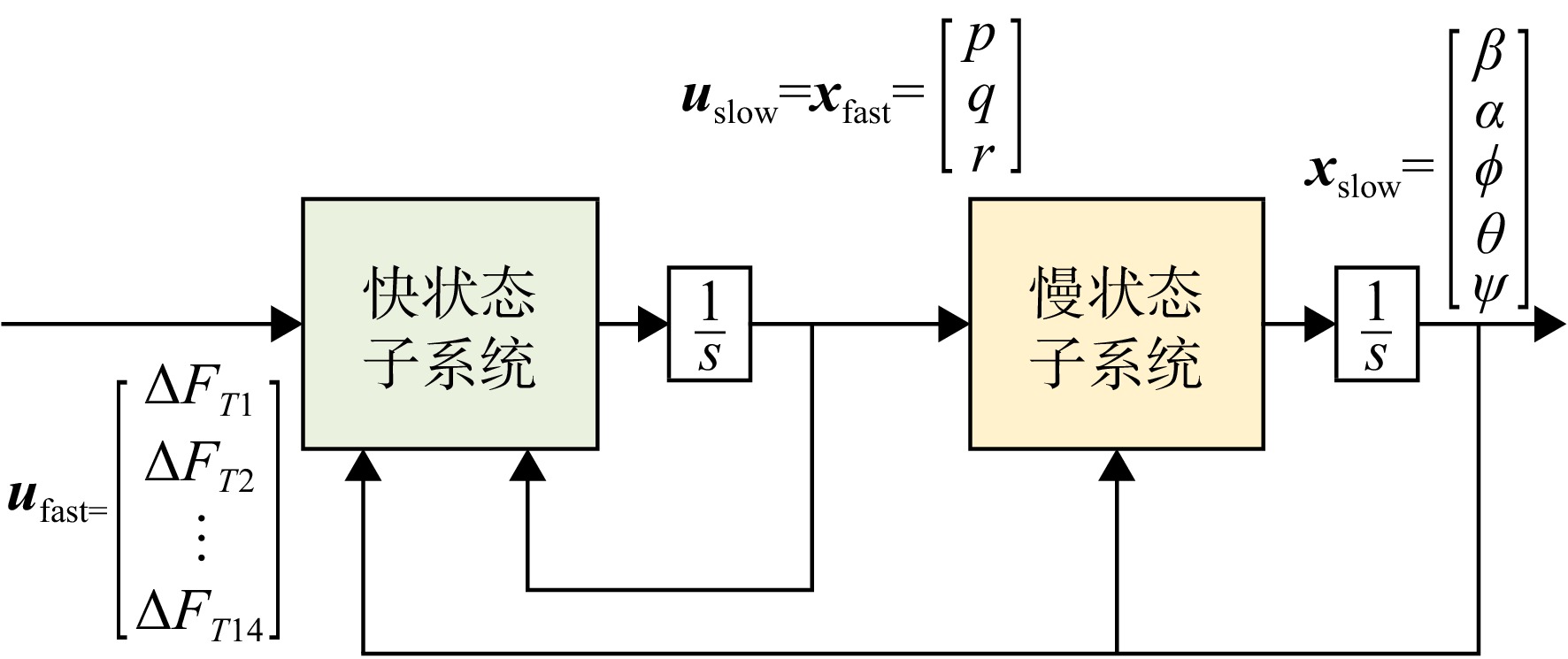
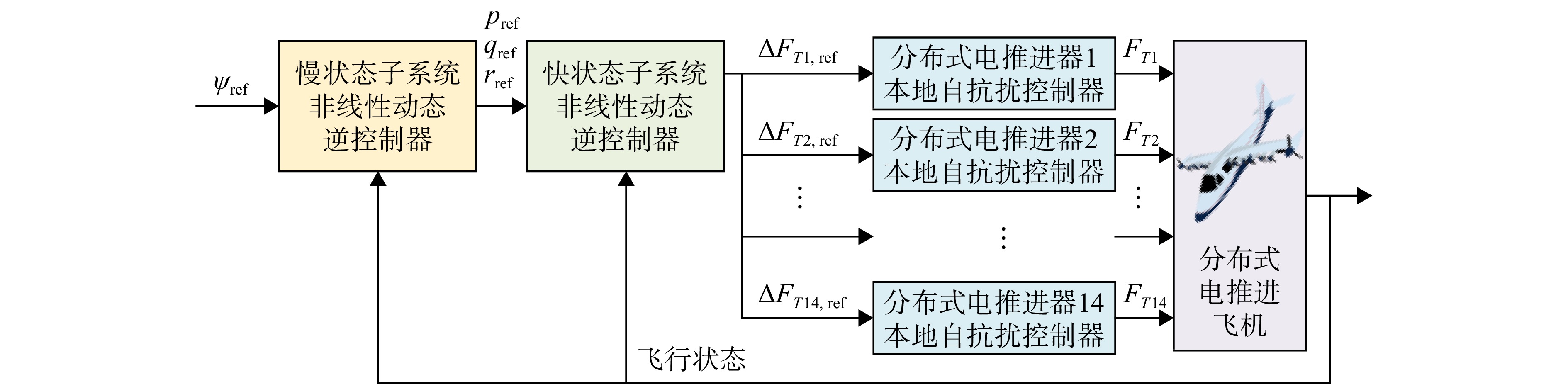
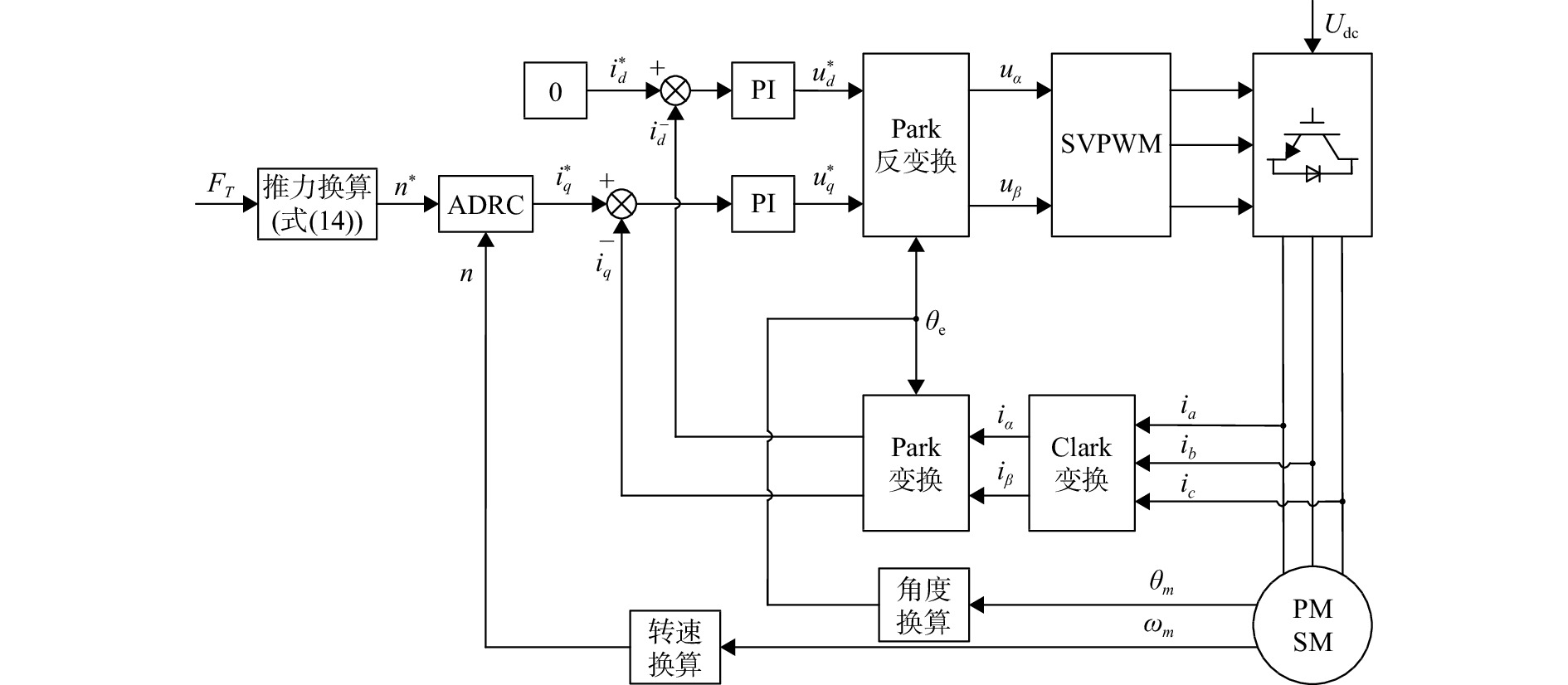
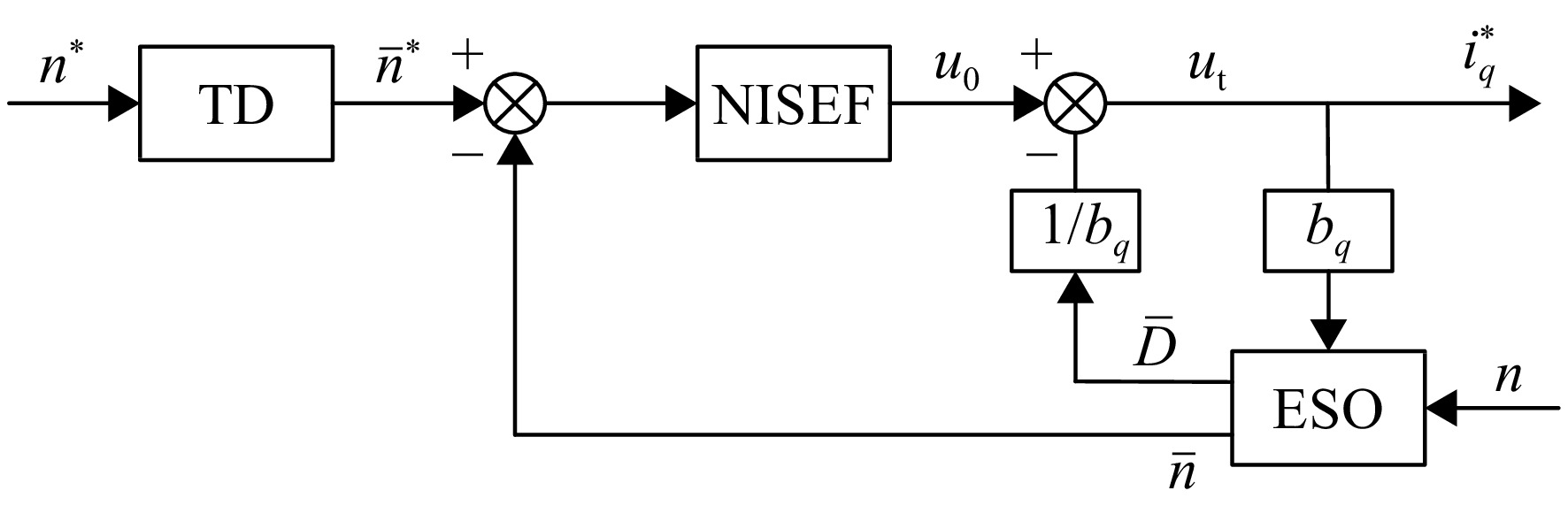
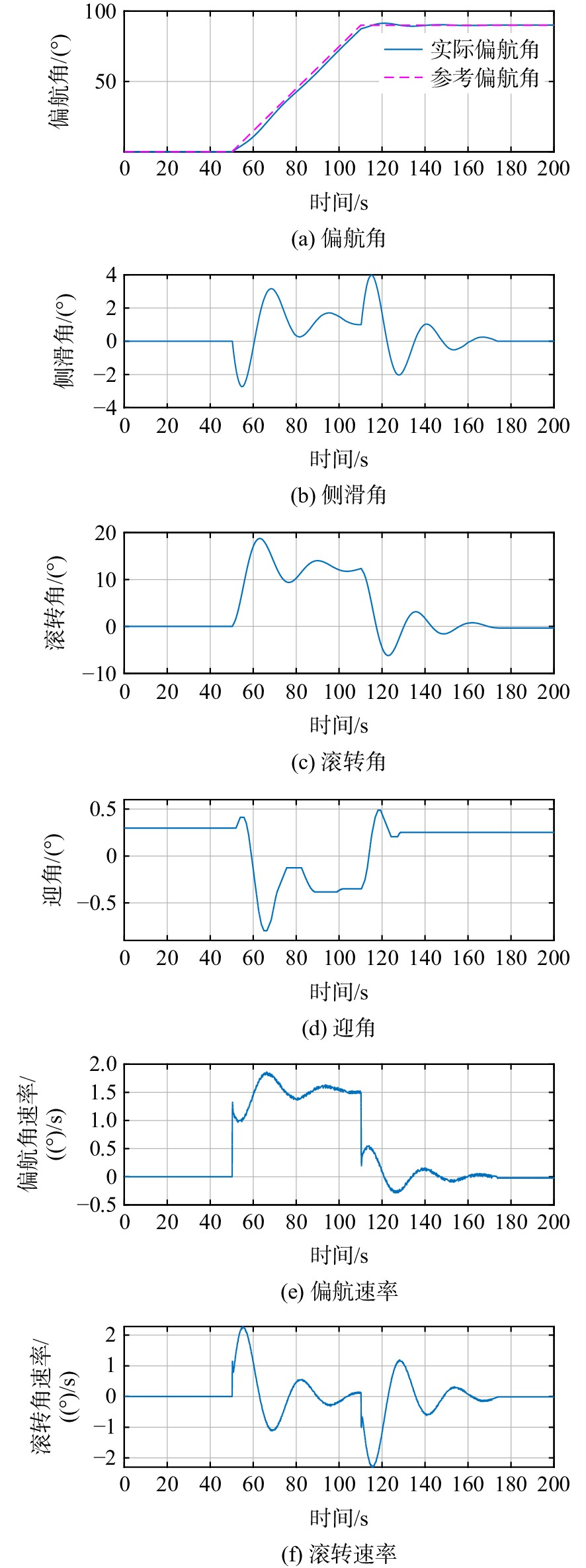
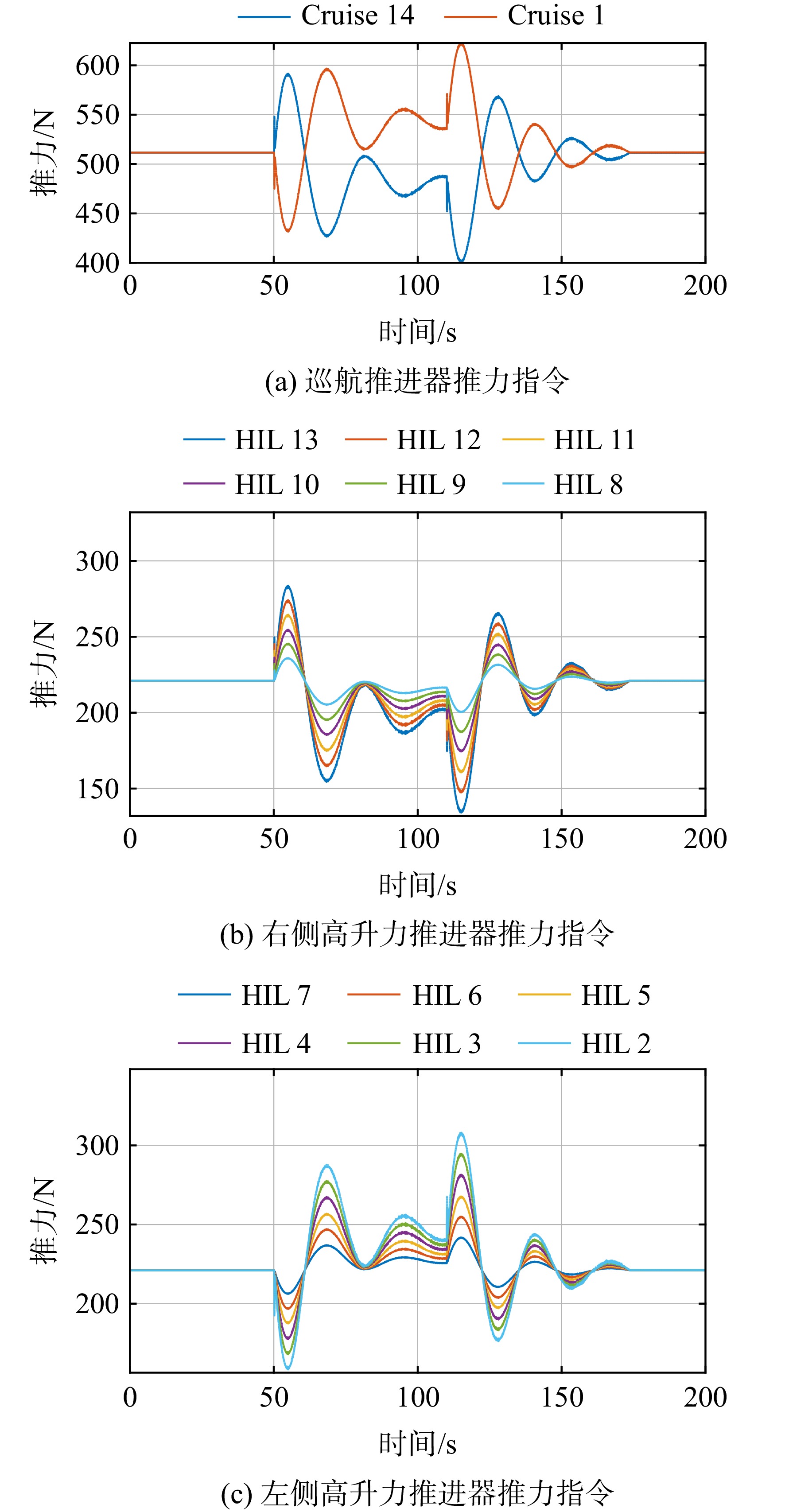
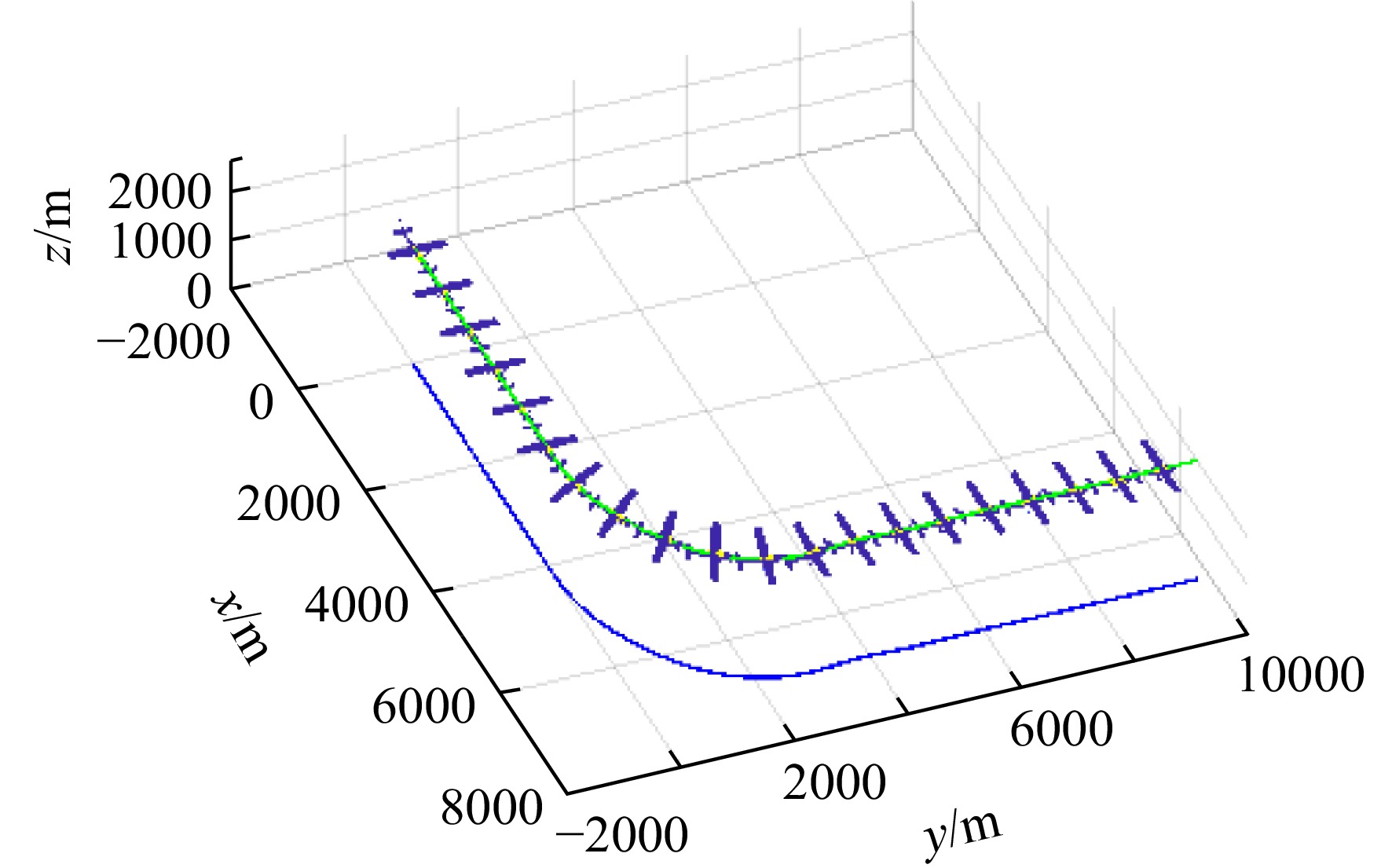
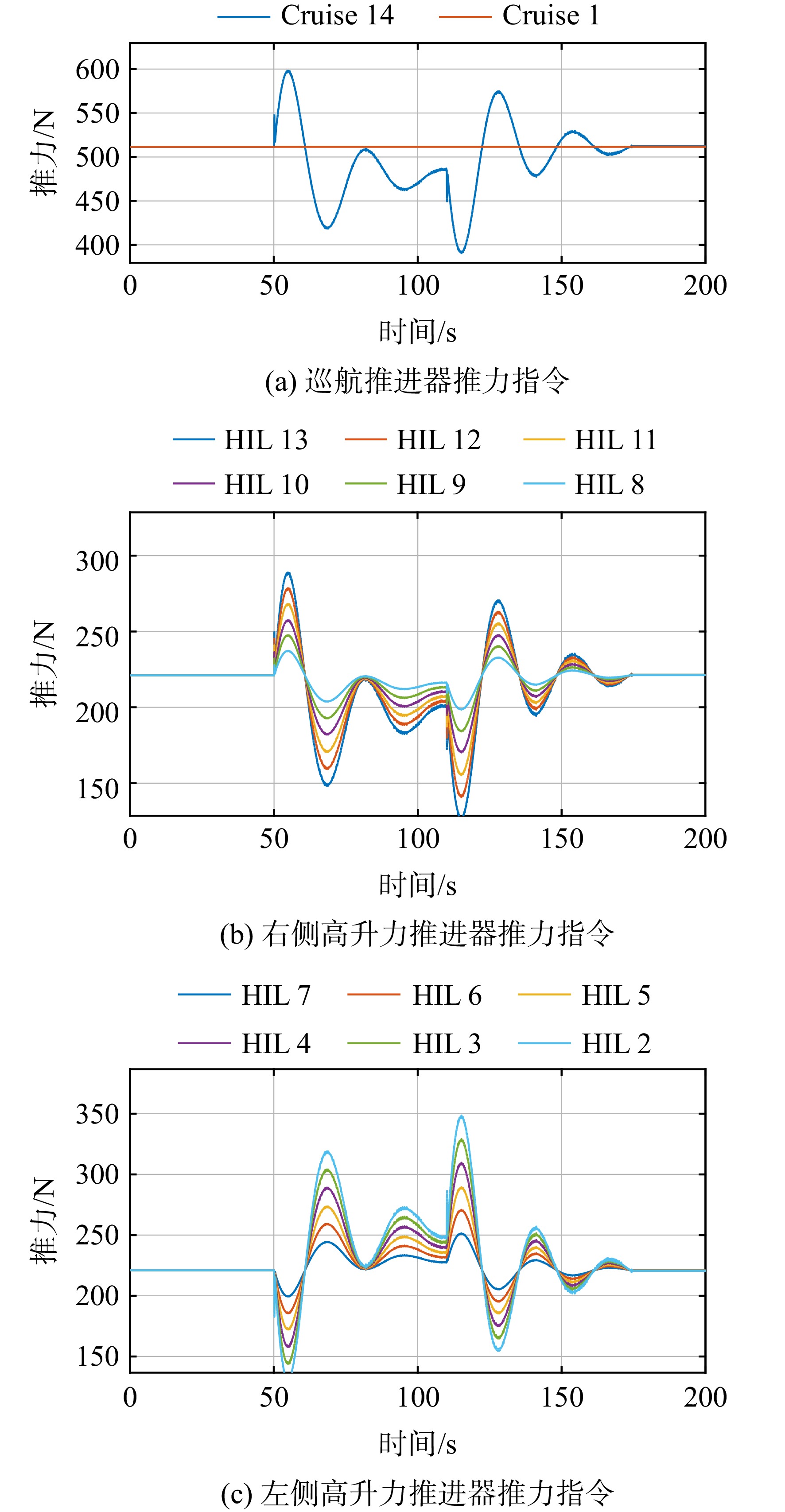
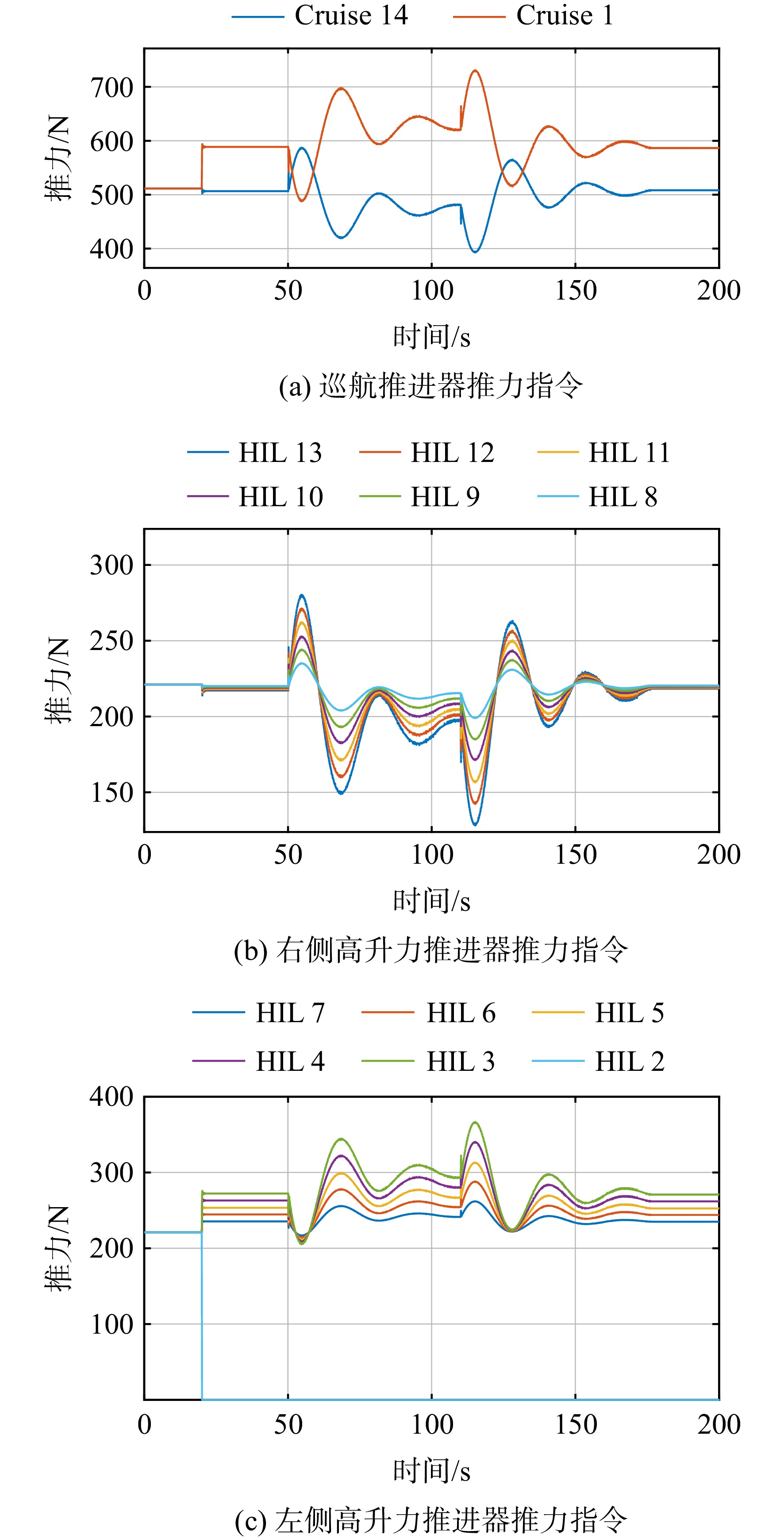
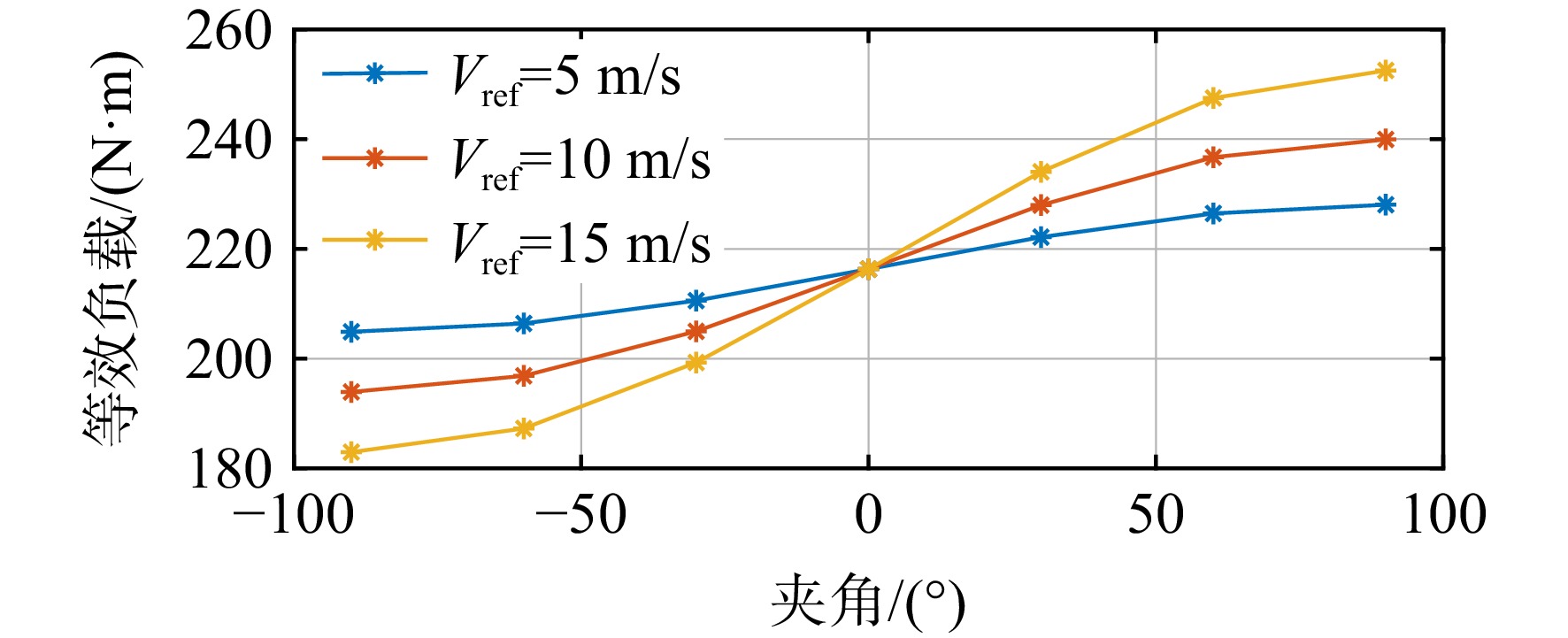
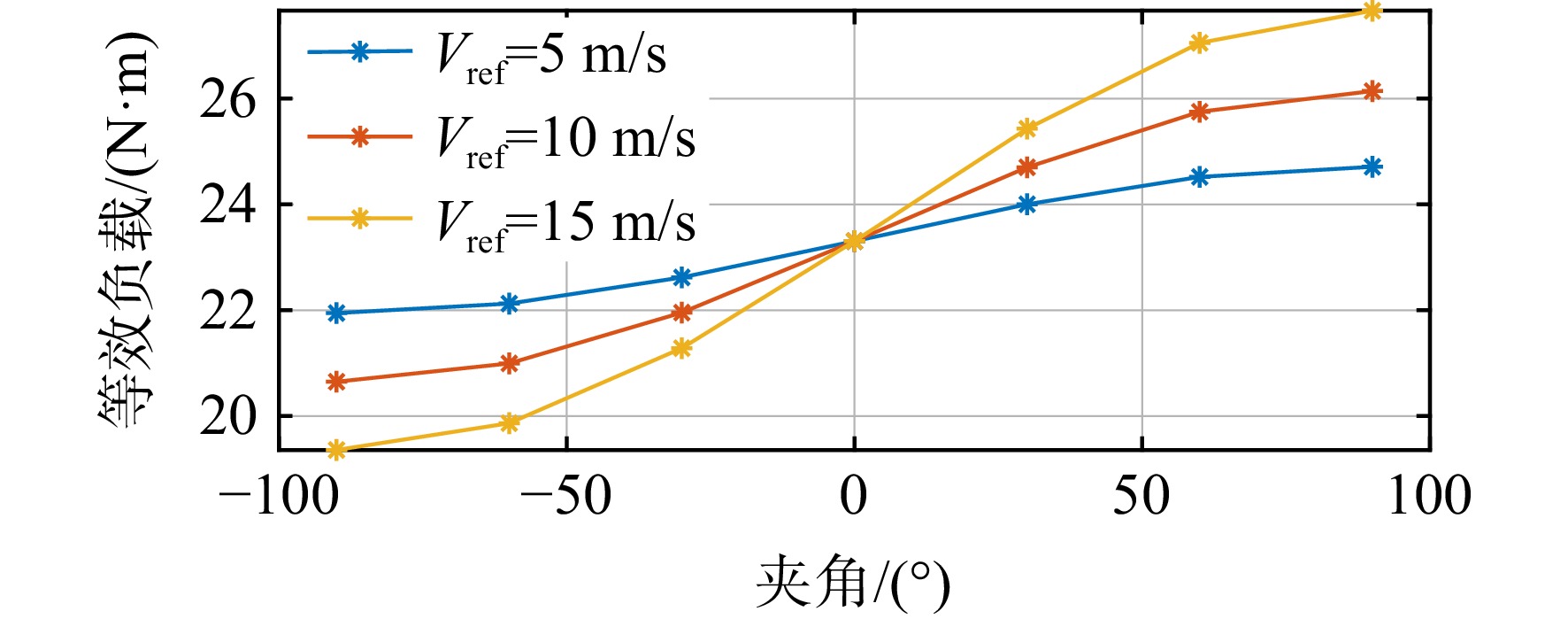
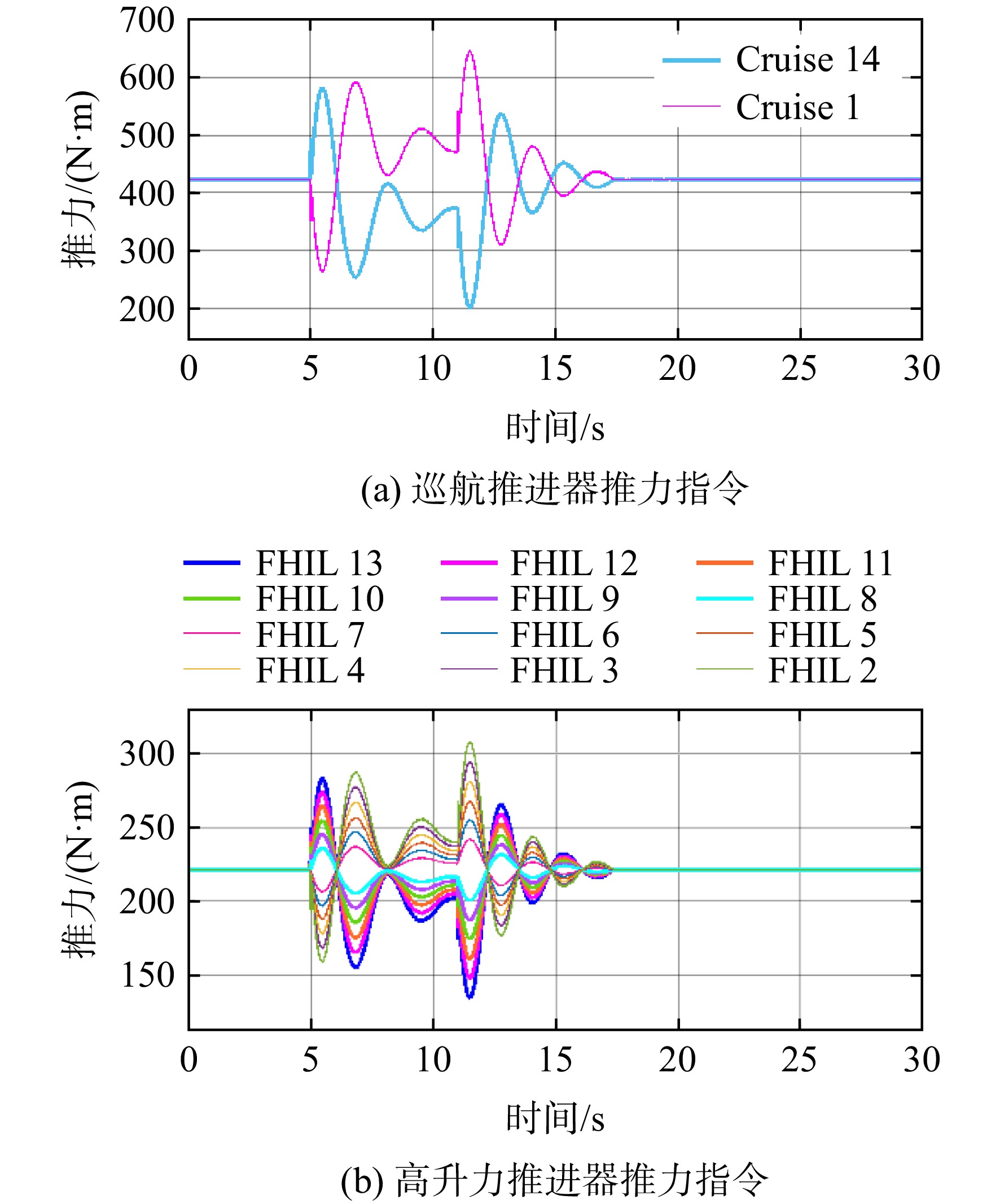
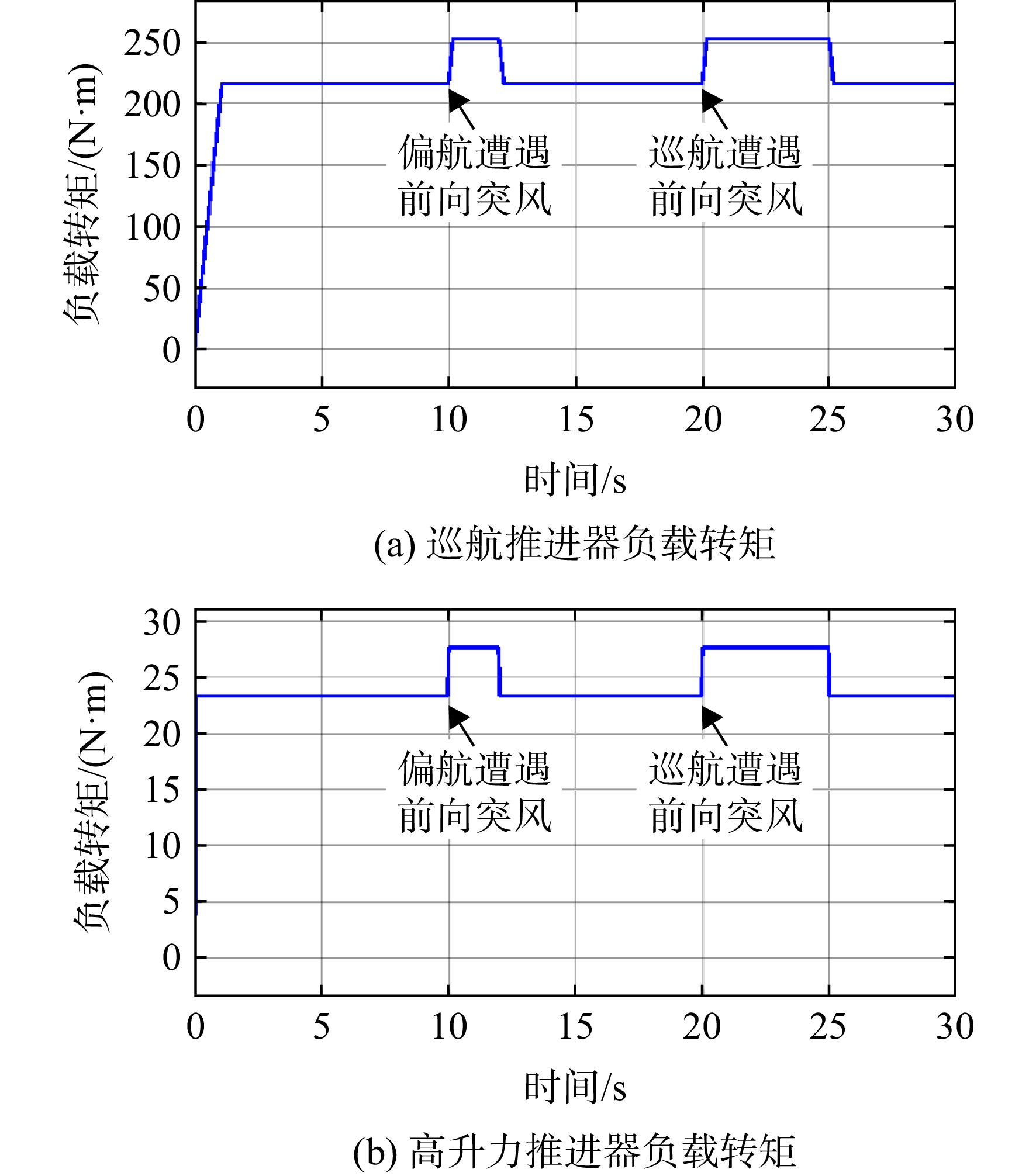
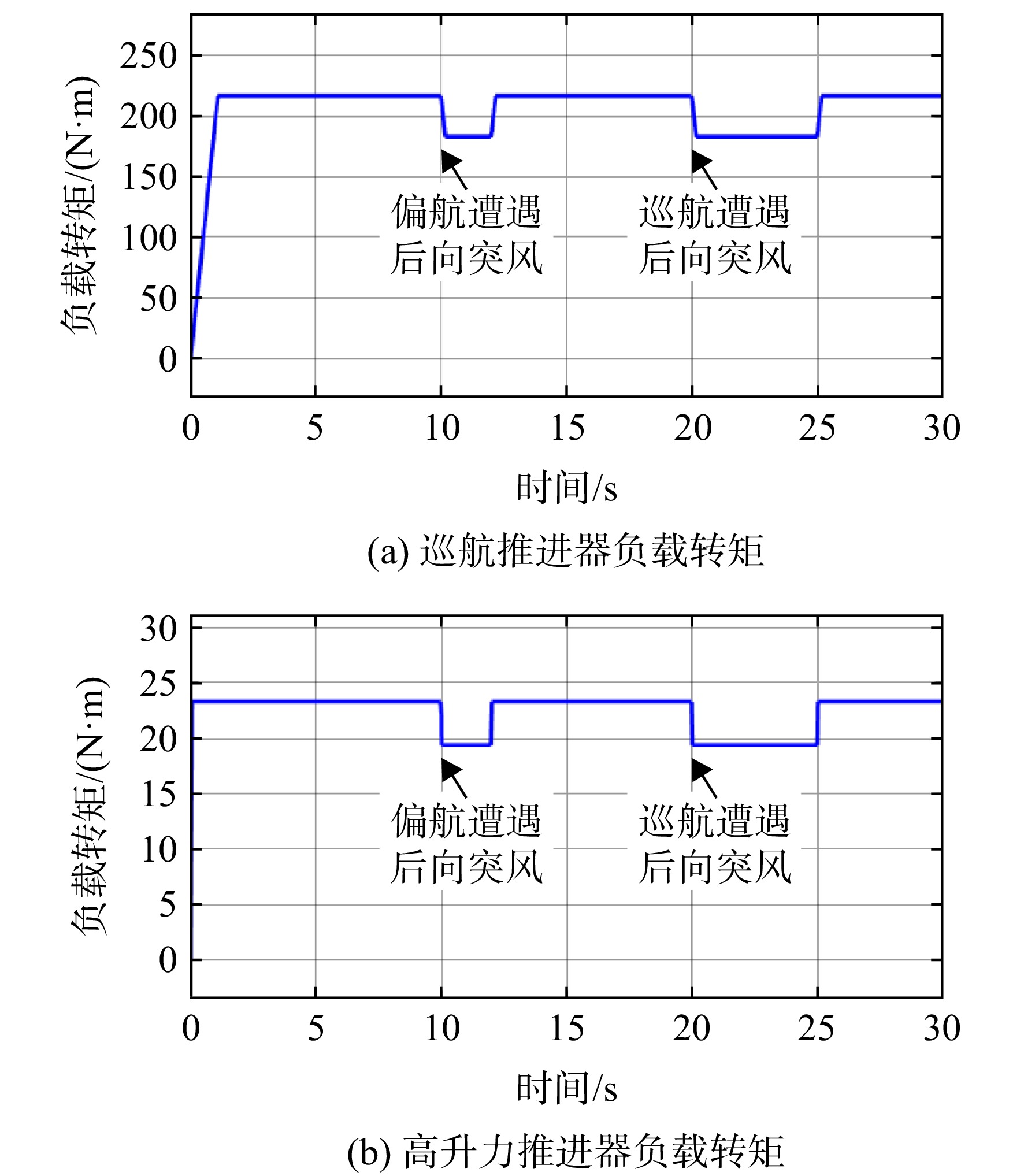
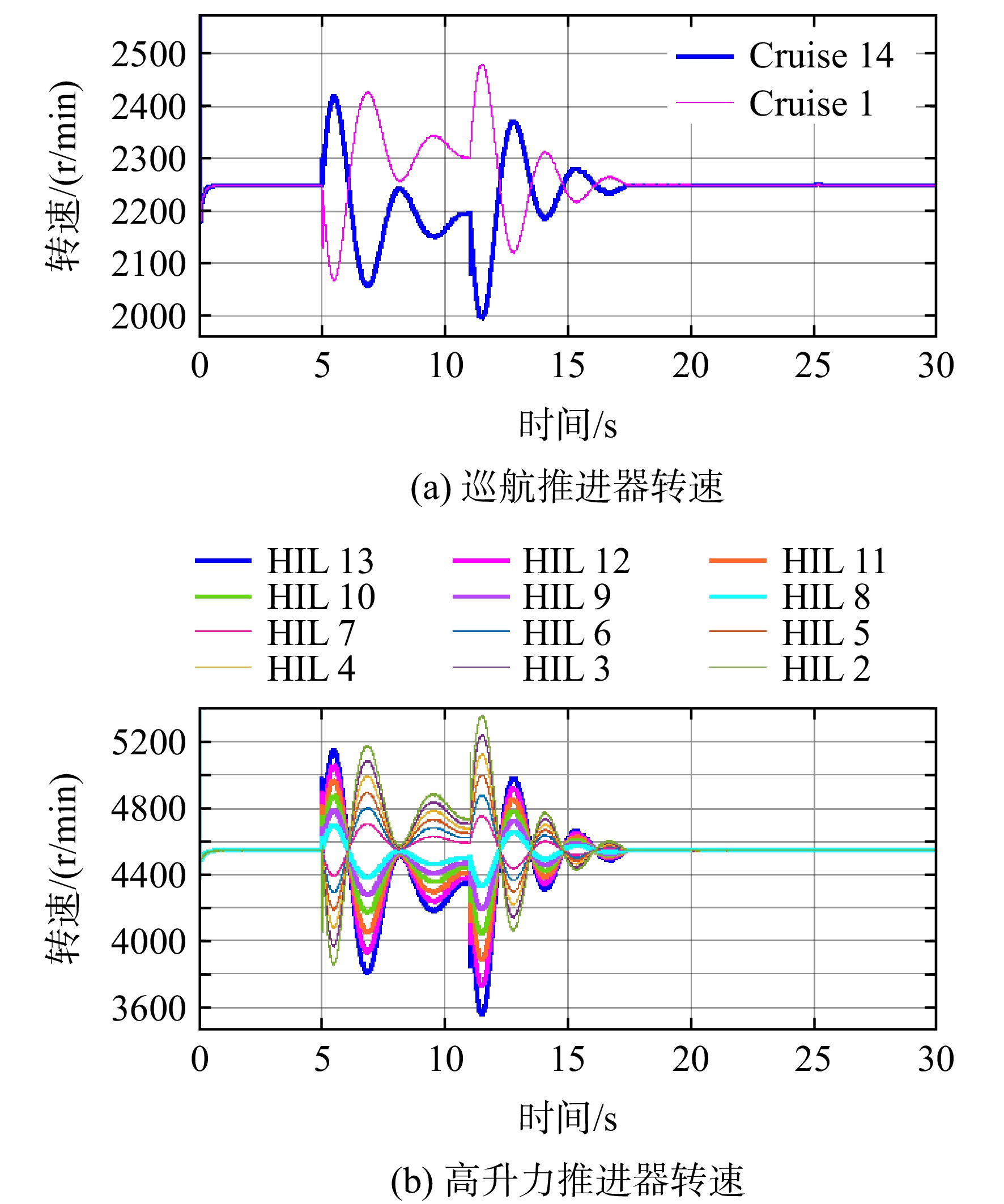
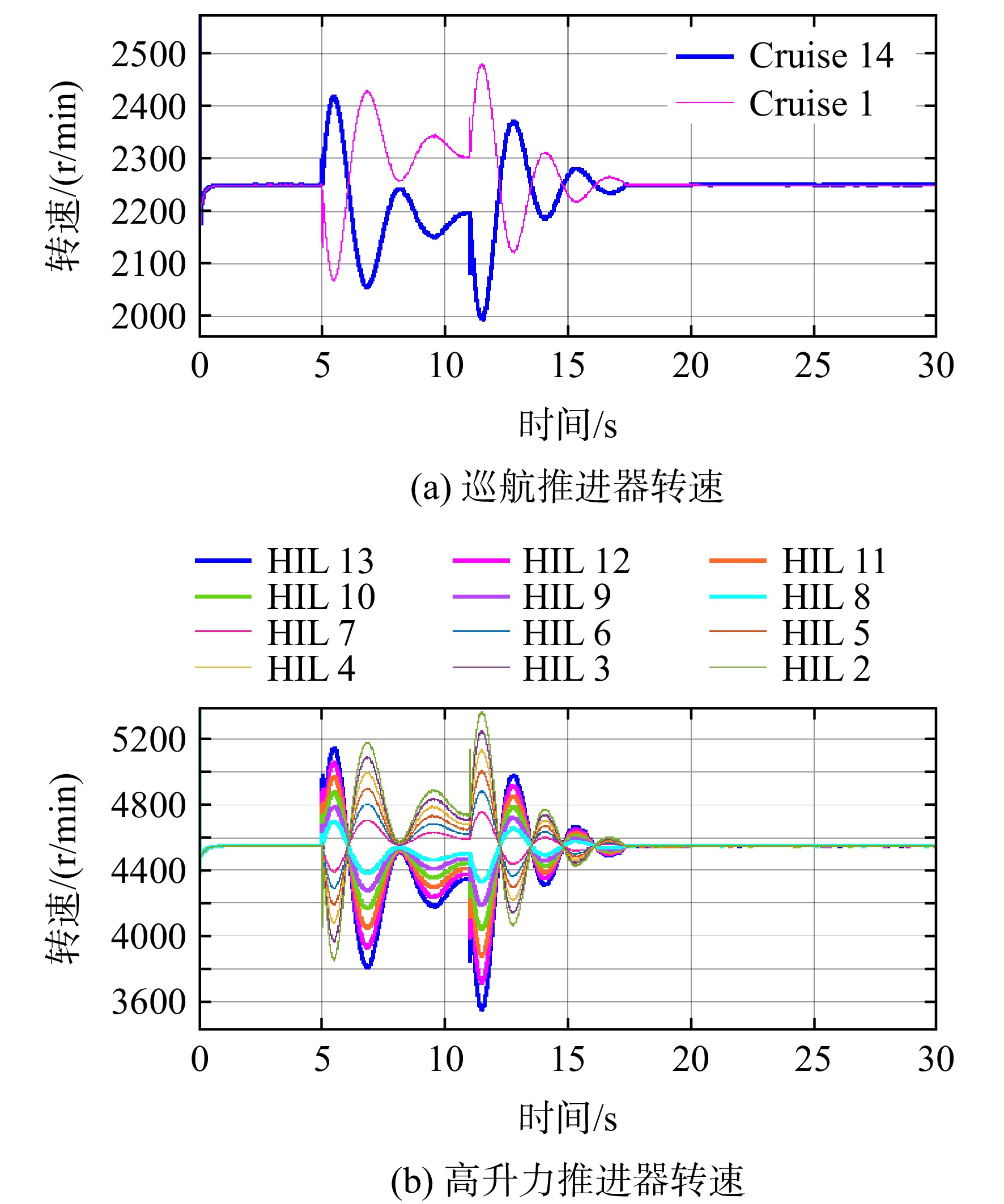
Distributed electric propulsion aircraft makes it possible for additional control authority by differential thrust, thus giving rise to the concept of powered yaw control. A powered yaw control scheme based on the nonlinear dynamic inversion was proposed. A nonlinear flight dynamic model was established for the distributed electric propulsion, which explicitly considered the effect of differential thrust. Subsequently, according to the time-scale separation principle, this model was divided into two subsystems for the fast and slow dynamics, respectively. An nonlinear dynamic inversion controller was designed for the slow dynamics for the powered control, while the computed roll, pitch, and yaw rate were sent to the fast dynamic sub-system as reference. The fast dynamics controller was also designed using nonlinear dynamic inversion, which realized the tracking of the desired roll, pitch, and yaw rate by adjusting the thrust of multiple electric propulsors. Considering the redundancy and fault-tolerance of distributed electric propulsion system, the powered yaw control strategy was extended to the redundancy and propulsor failure scenarios. Meanwhile, to overcome the effect of gust encounters and changes in motor parameters, the local thrust controller for each electric propulsor was designed in the framework of active disturbance rejection control. The numerical simulation results show that the strategy can achieve 90° powered yaw and resist gust encounter of 15 m/s.

Turbomachinery
Influence of manufacturing uncertainty of blunt leading edge on aerodynamic performance of compressor blade
WANG Haohao, GAO Limin, YANG Guang, HUANG Ping, TANG Kai
2024, 39(2): 20220252. doi: 10.13224/j.cnki.jasp.20220252
Abstract:

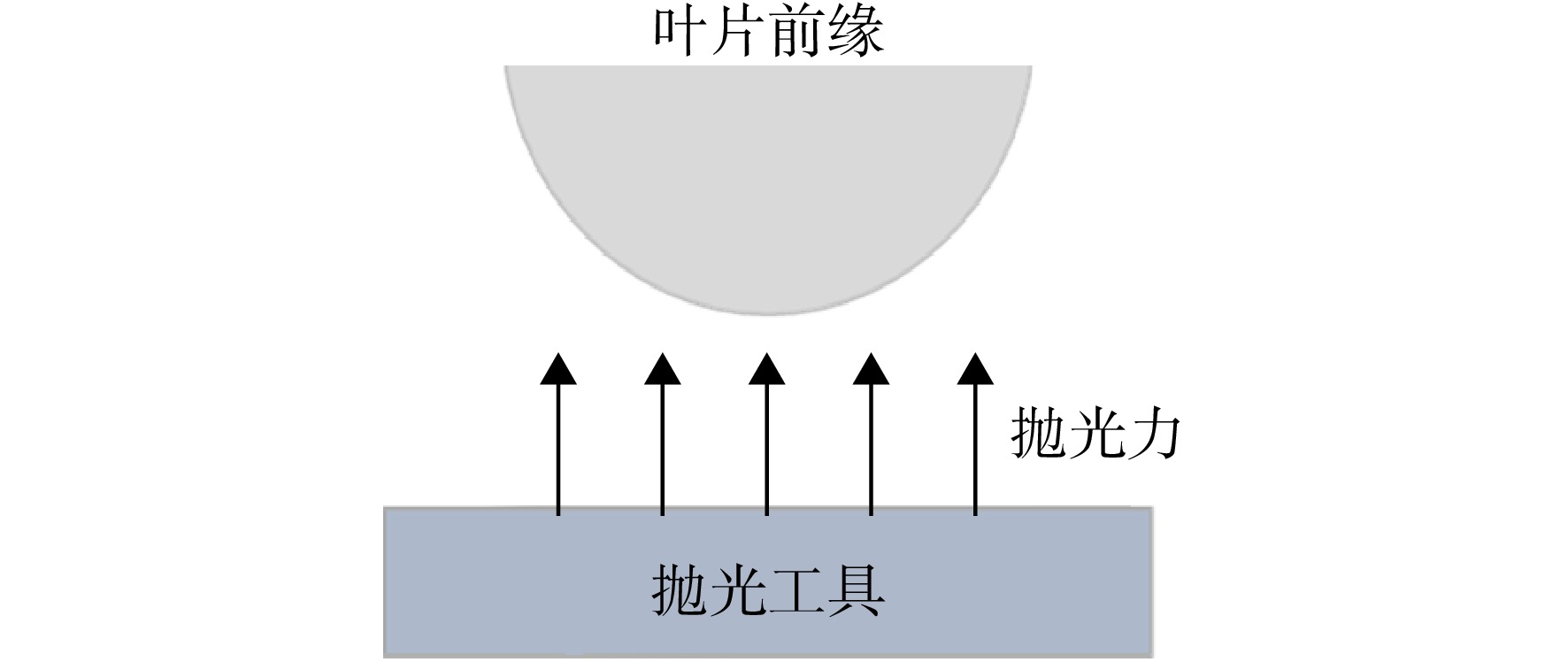
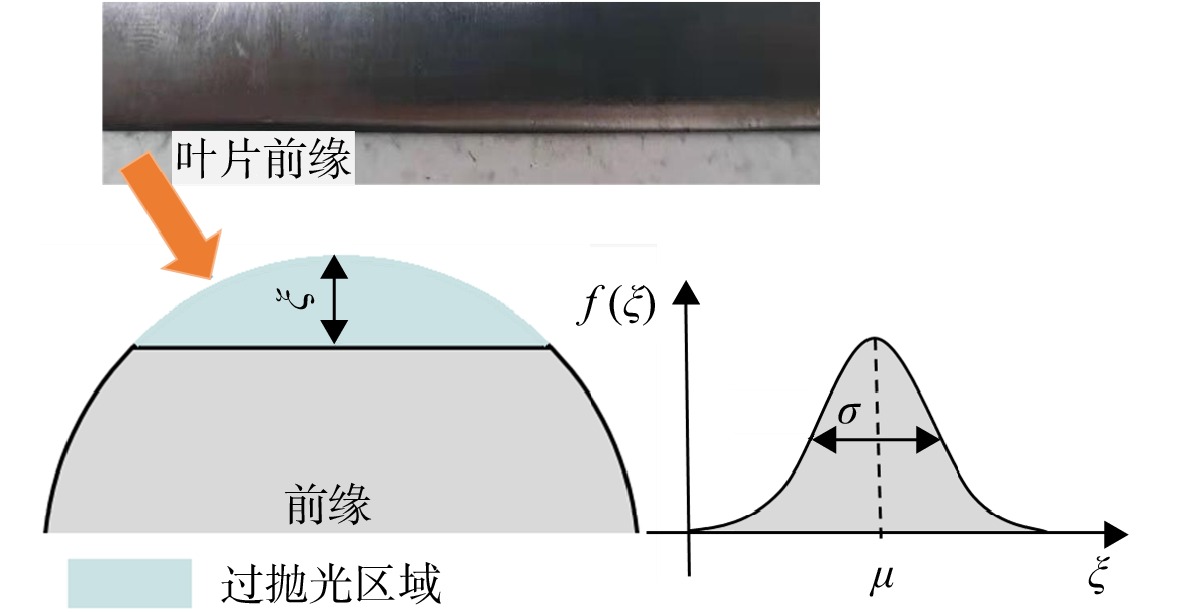
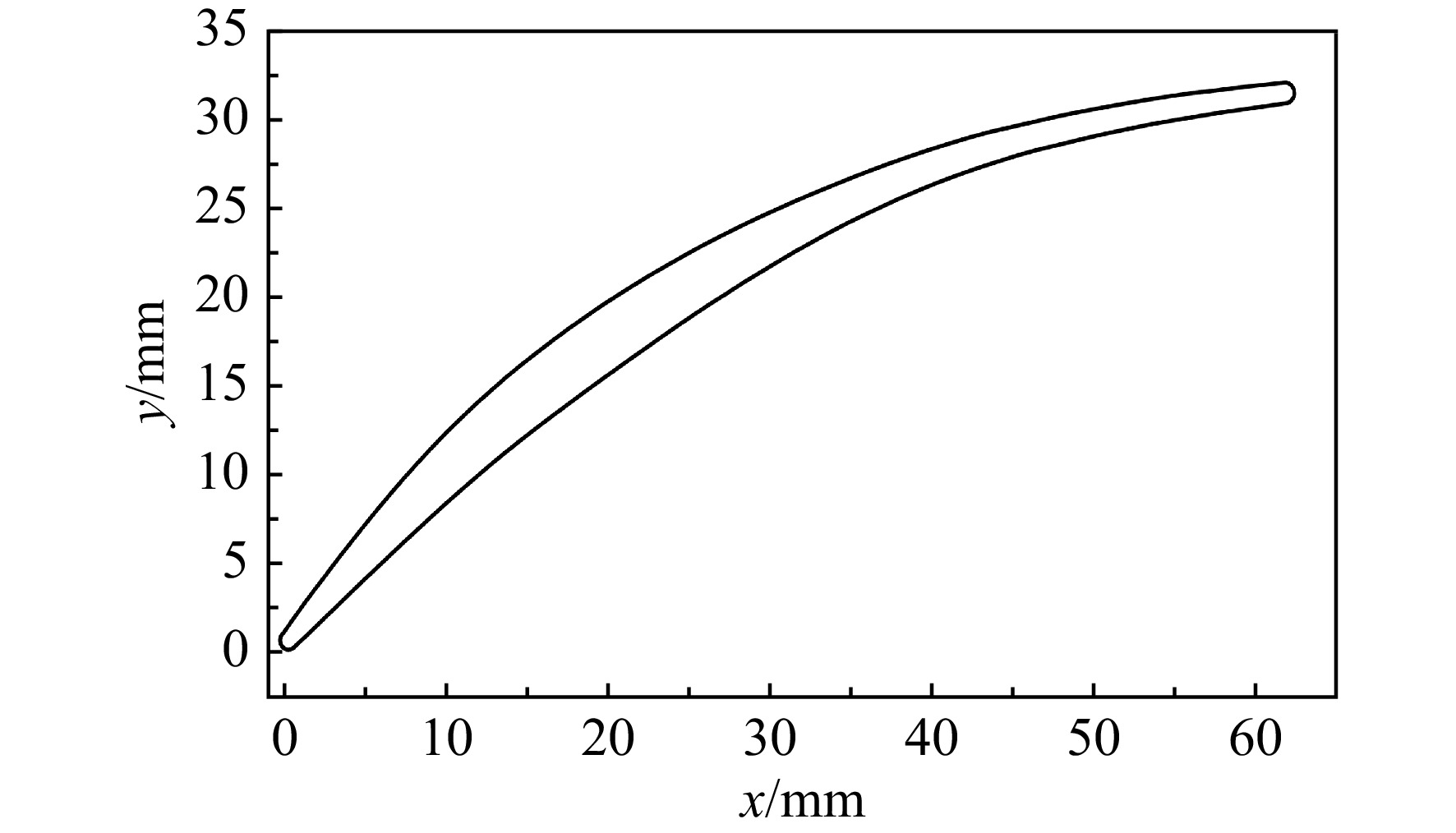
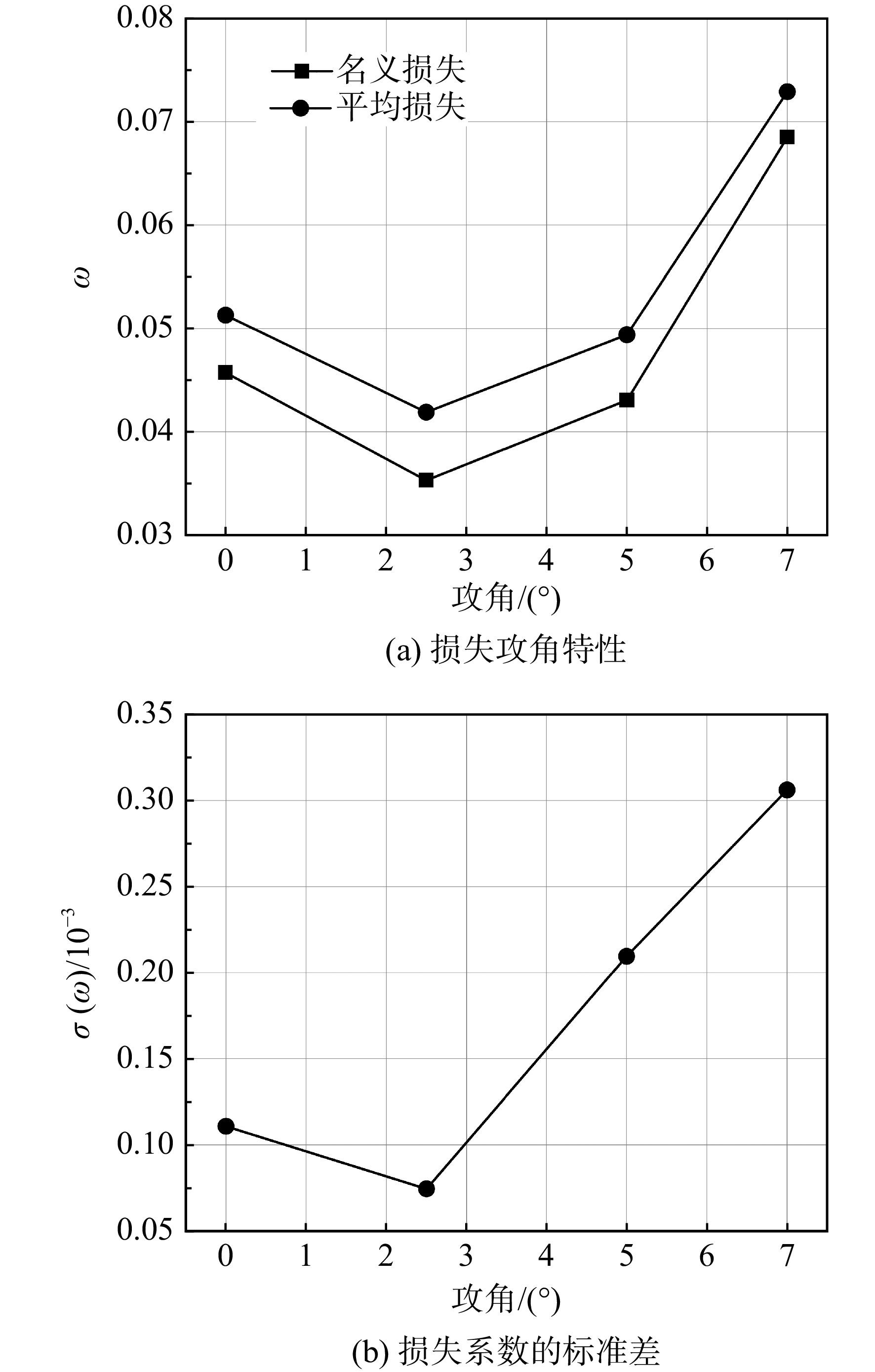
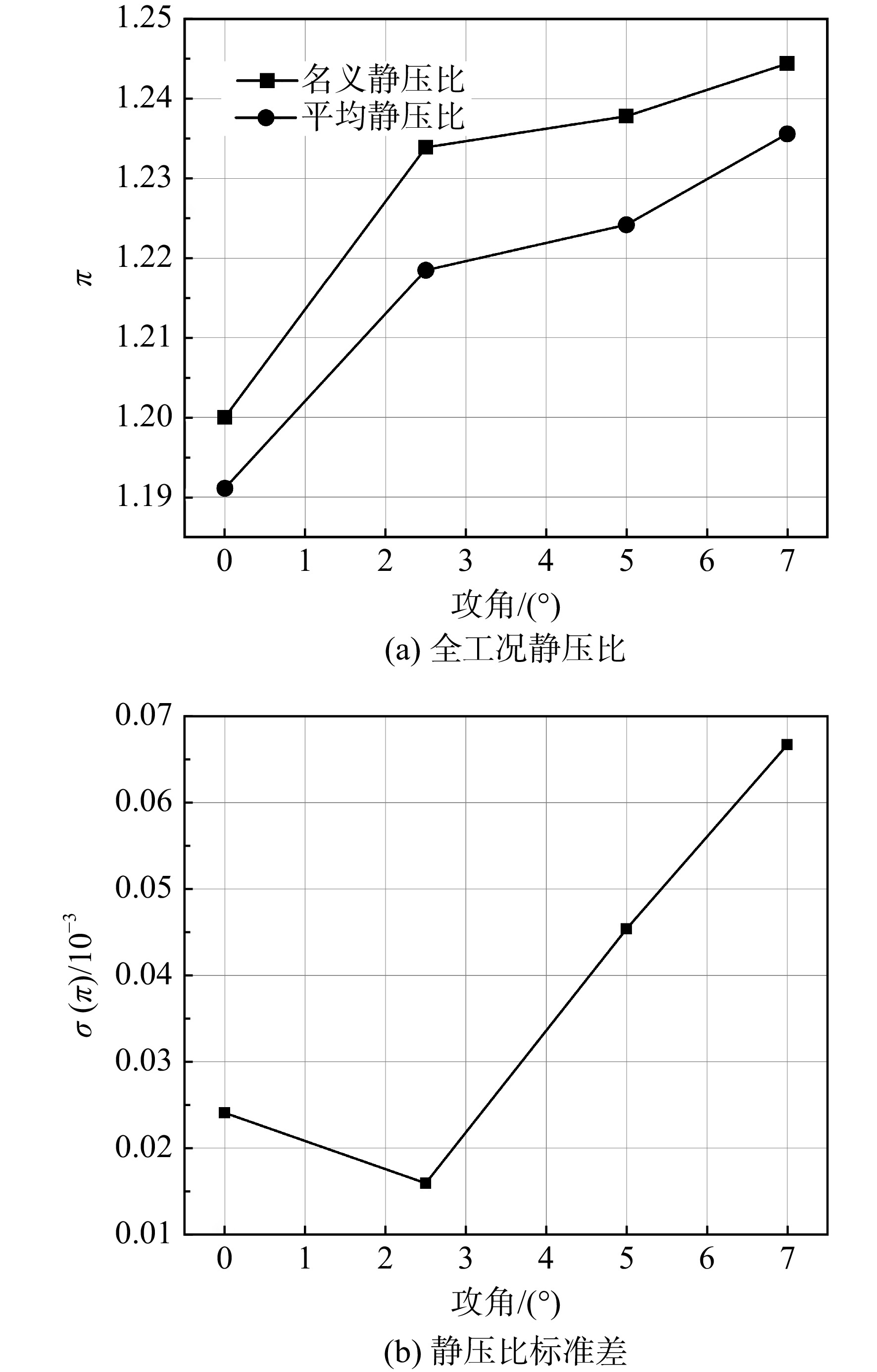
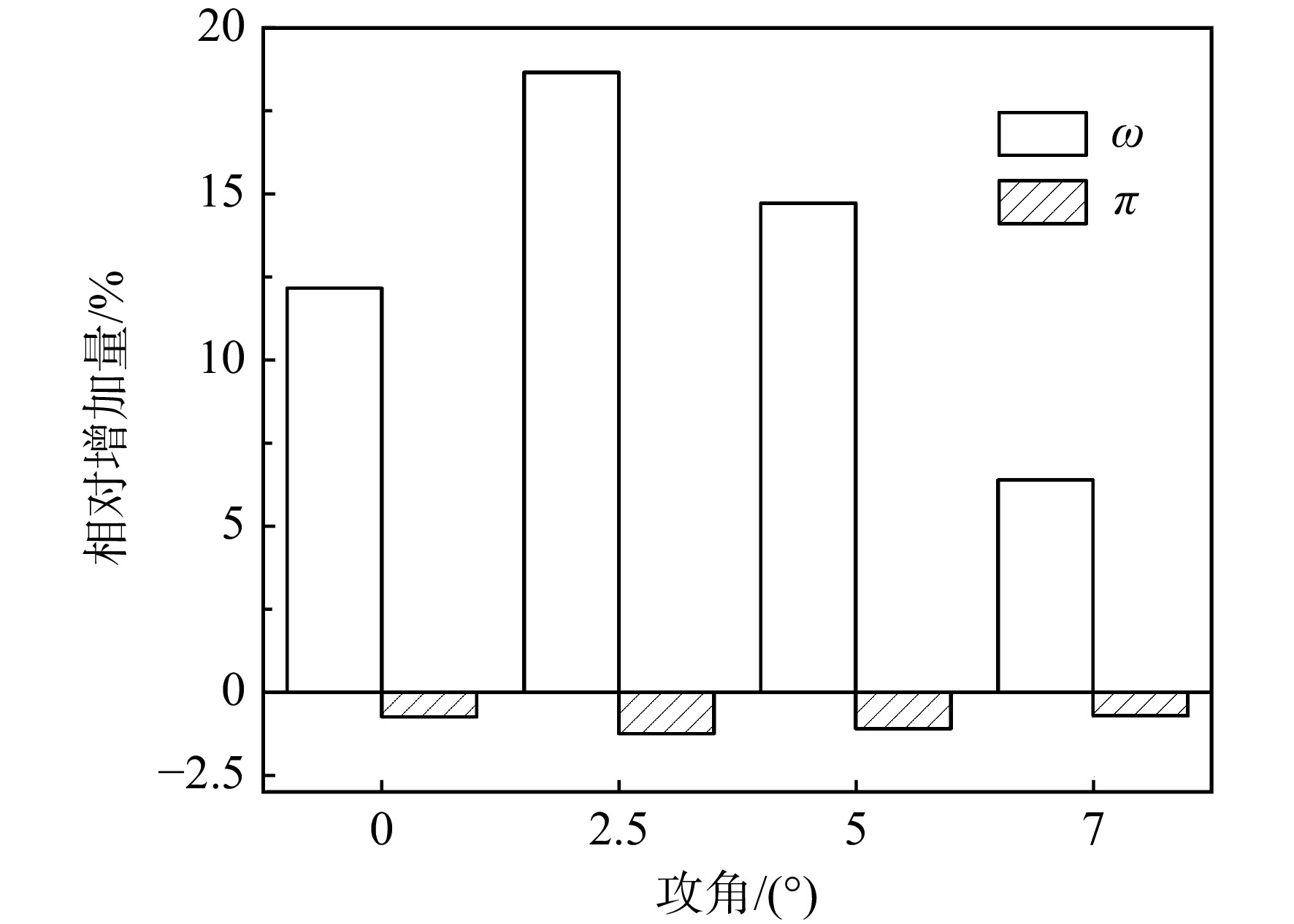
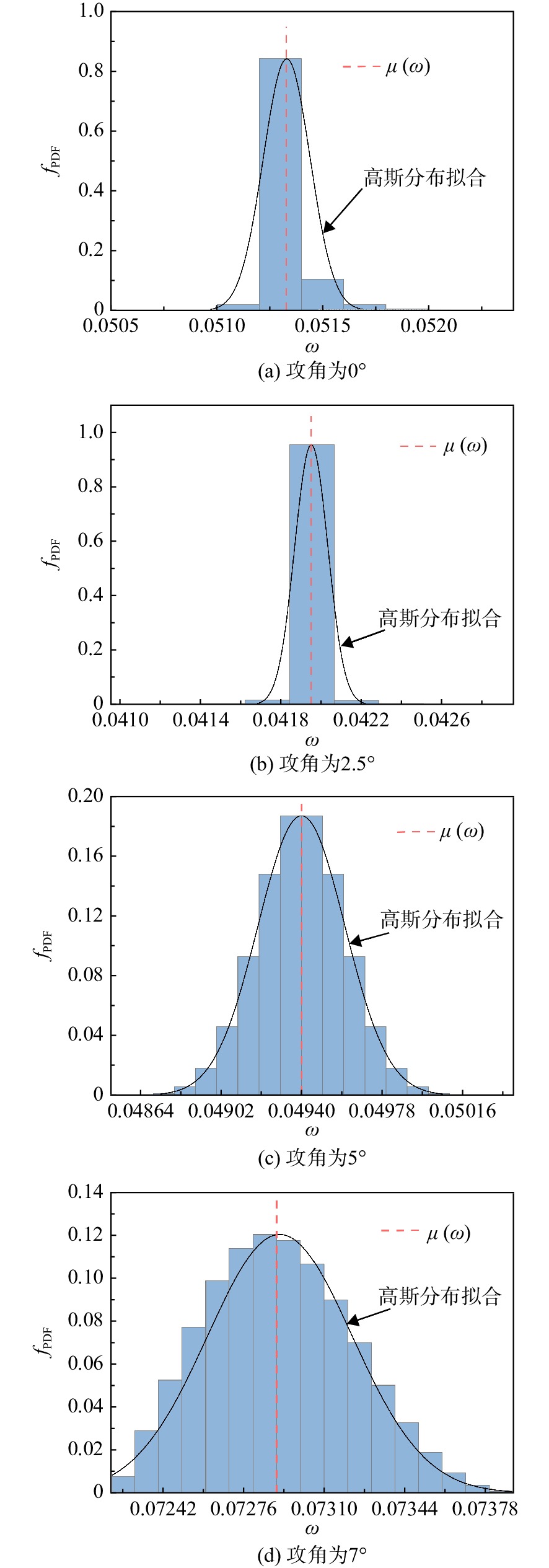
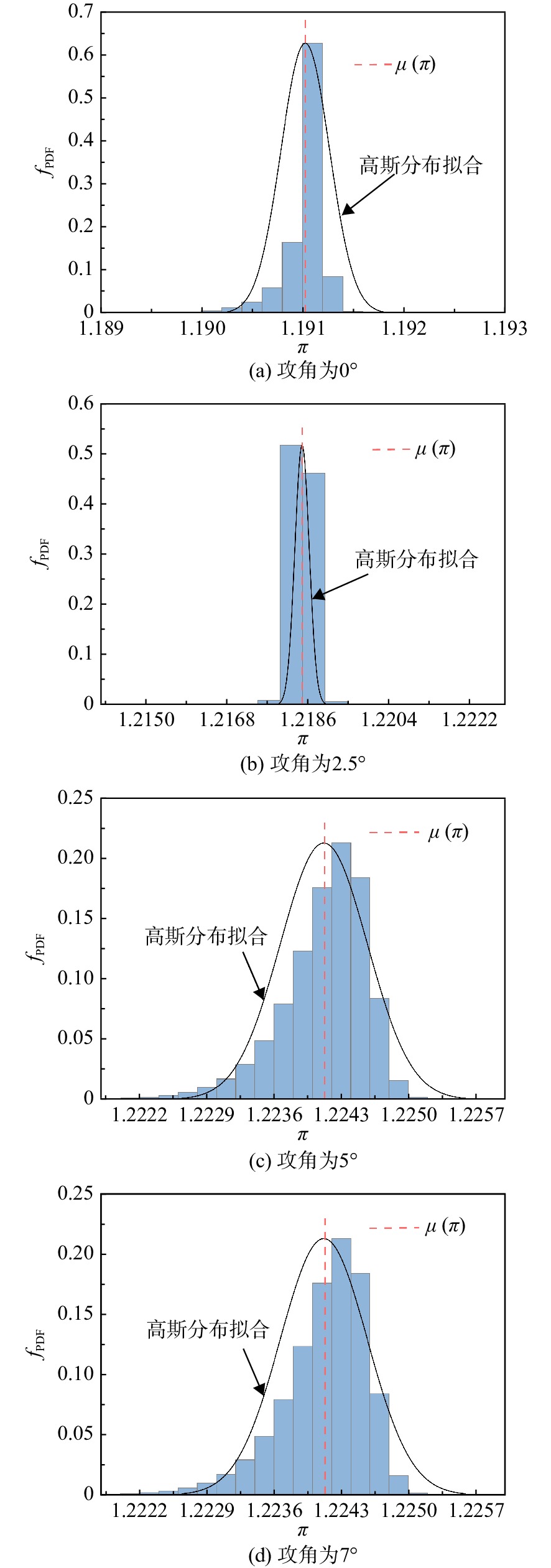
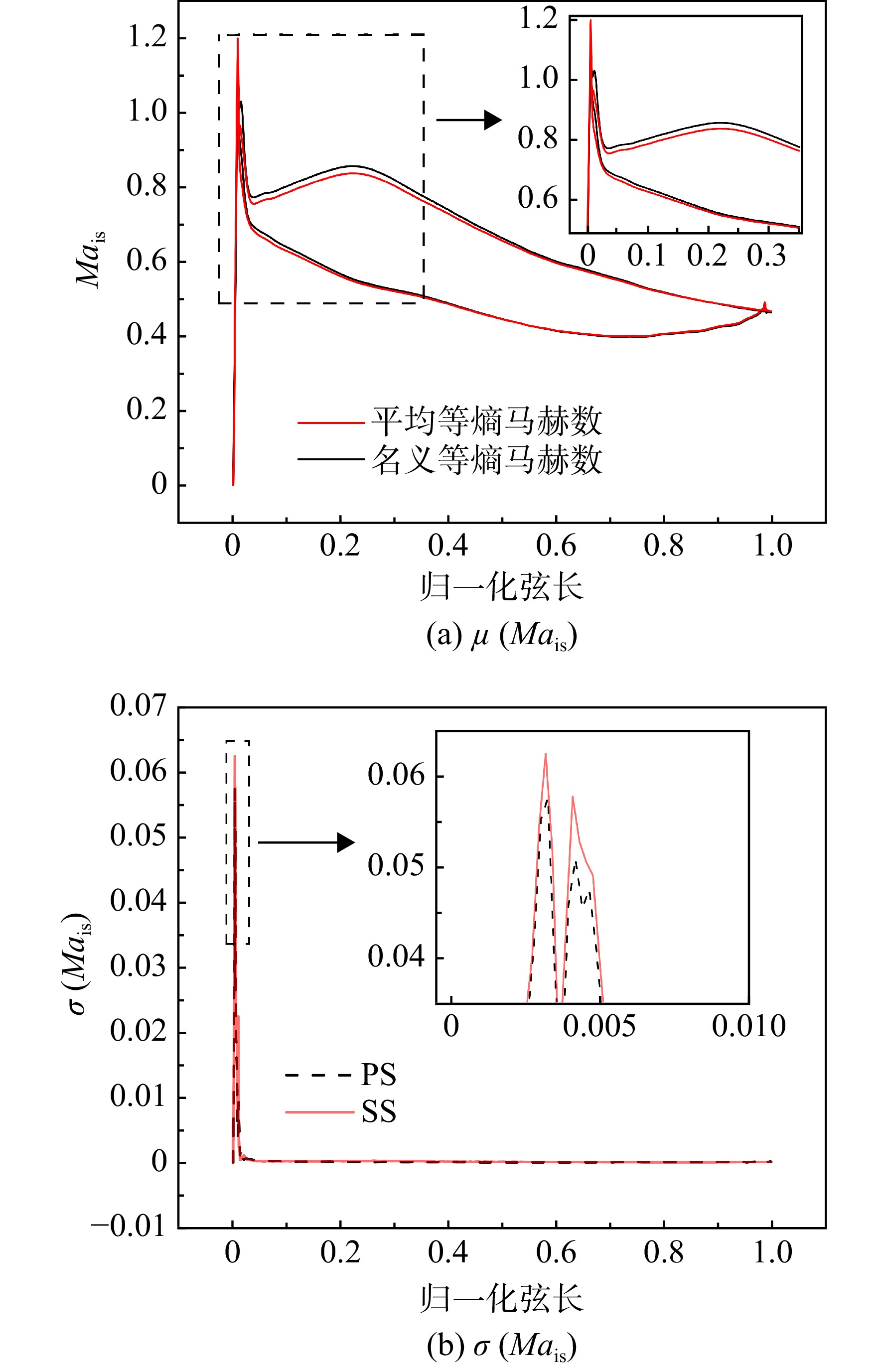
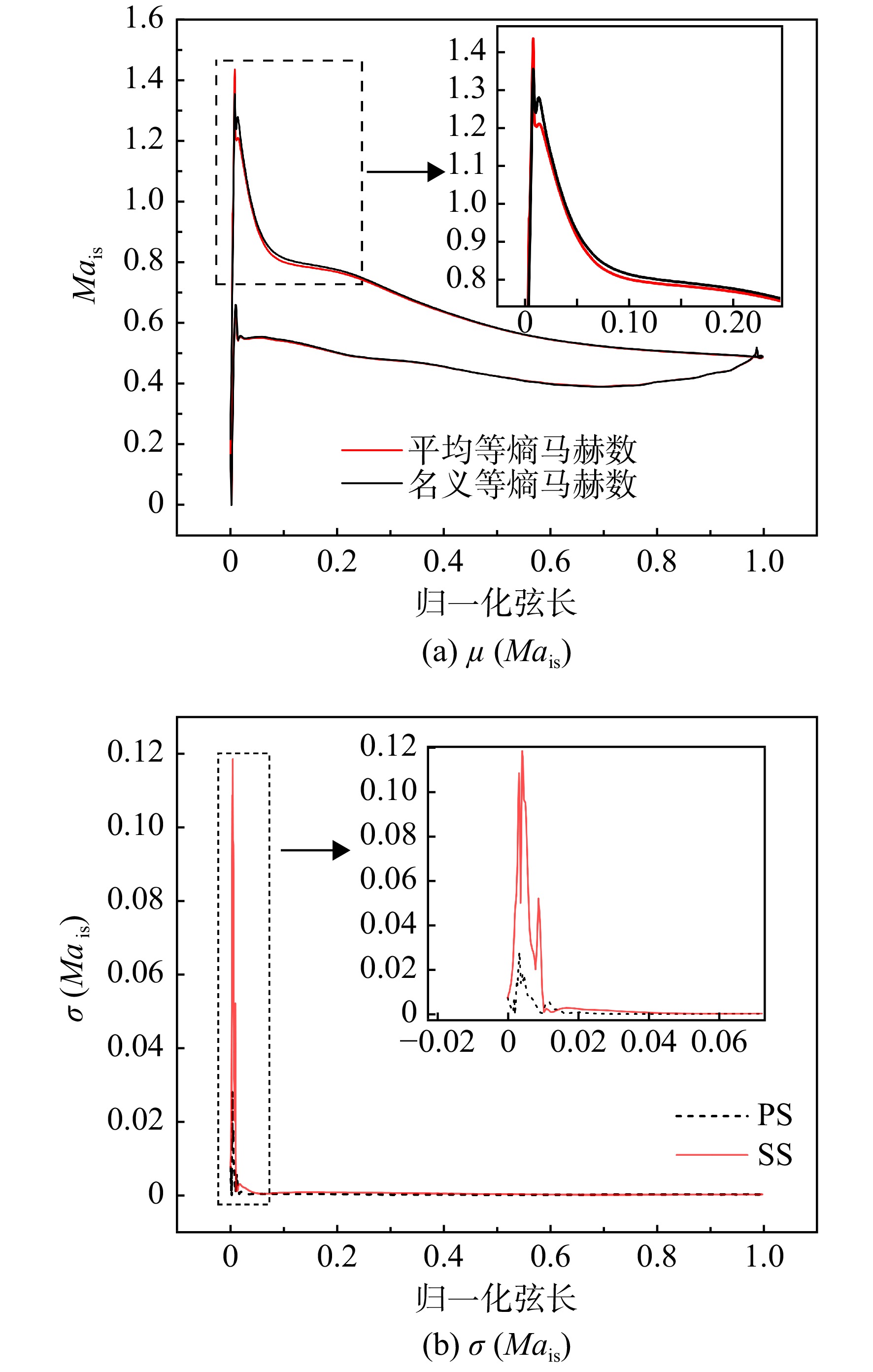
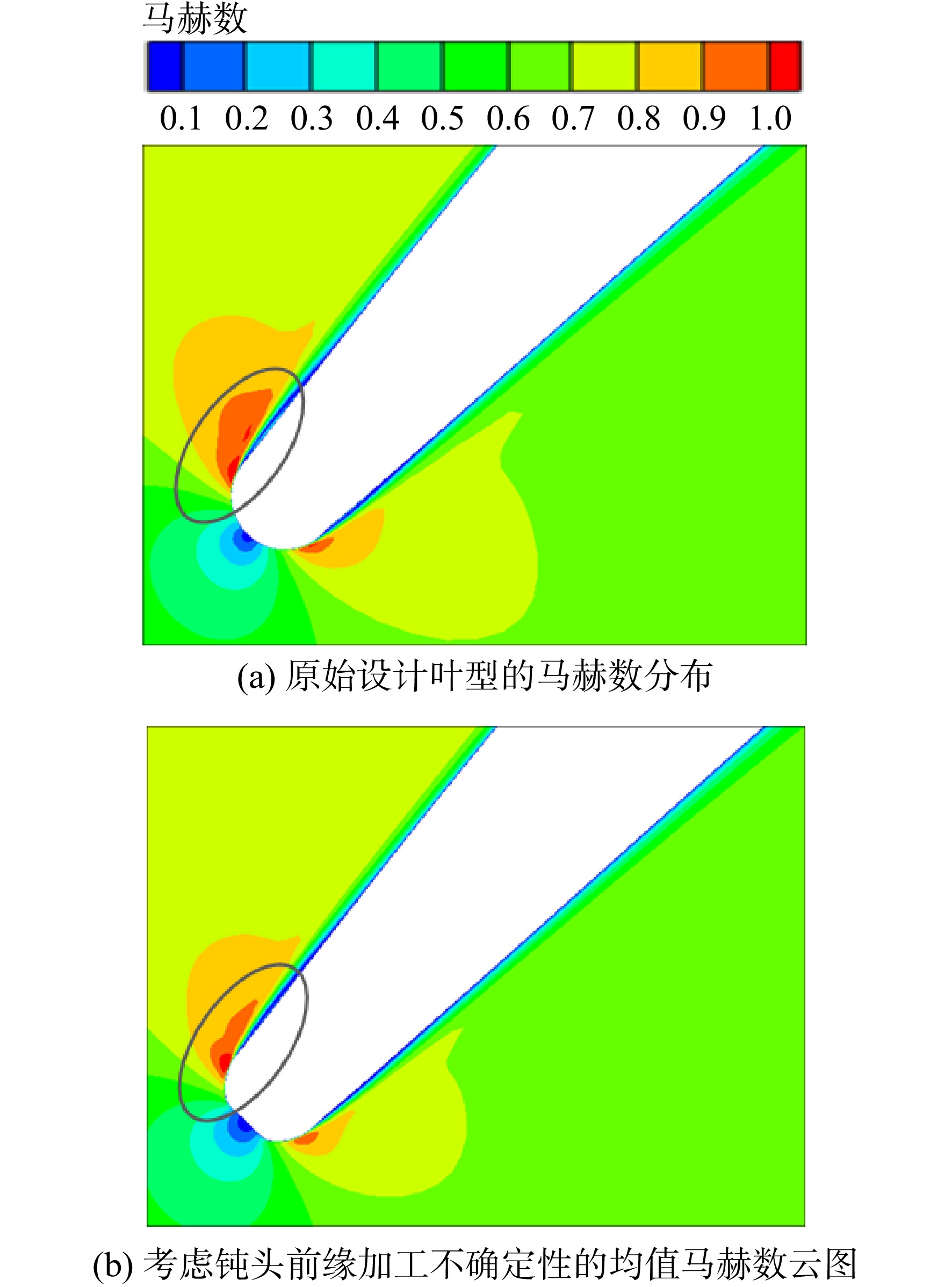
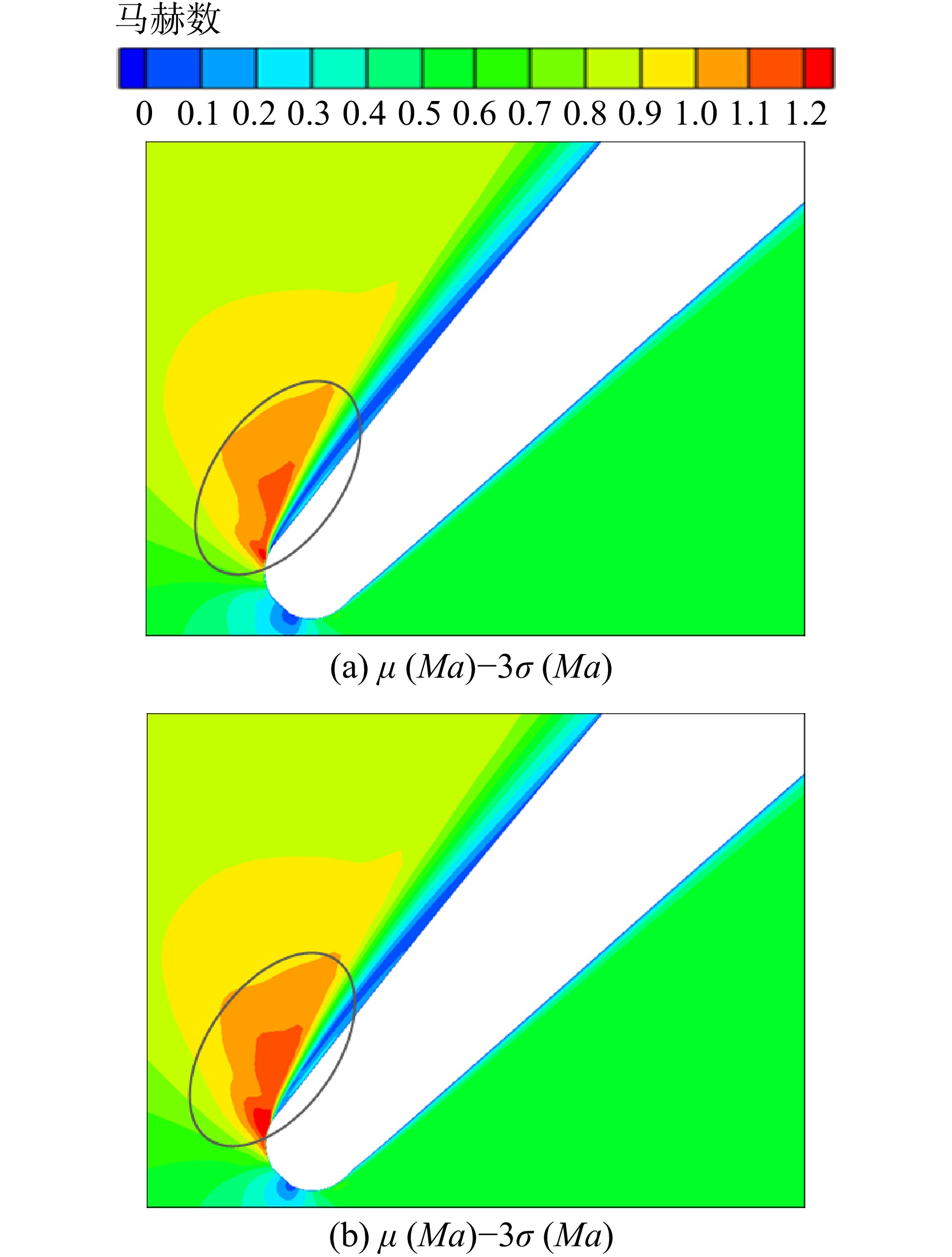
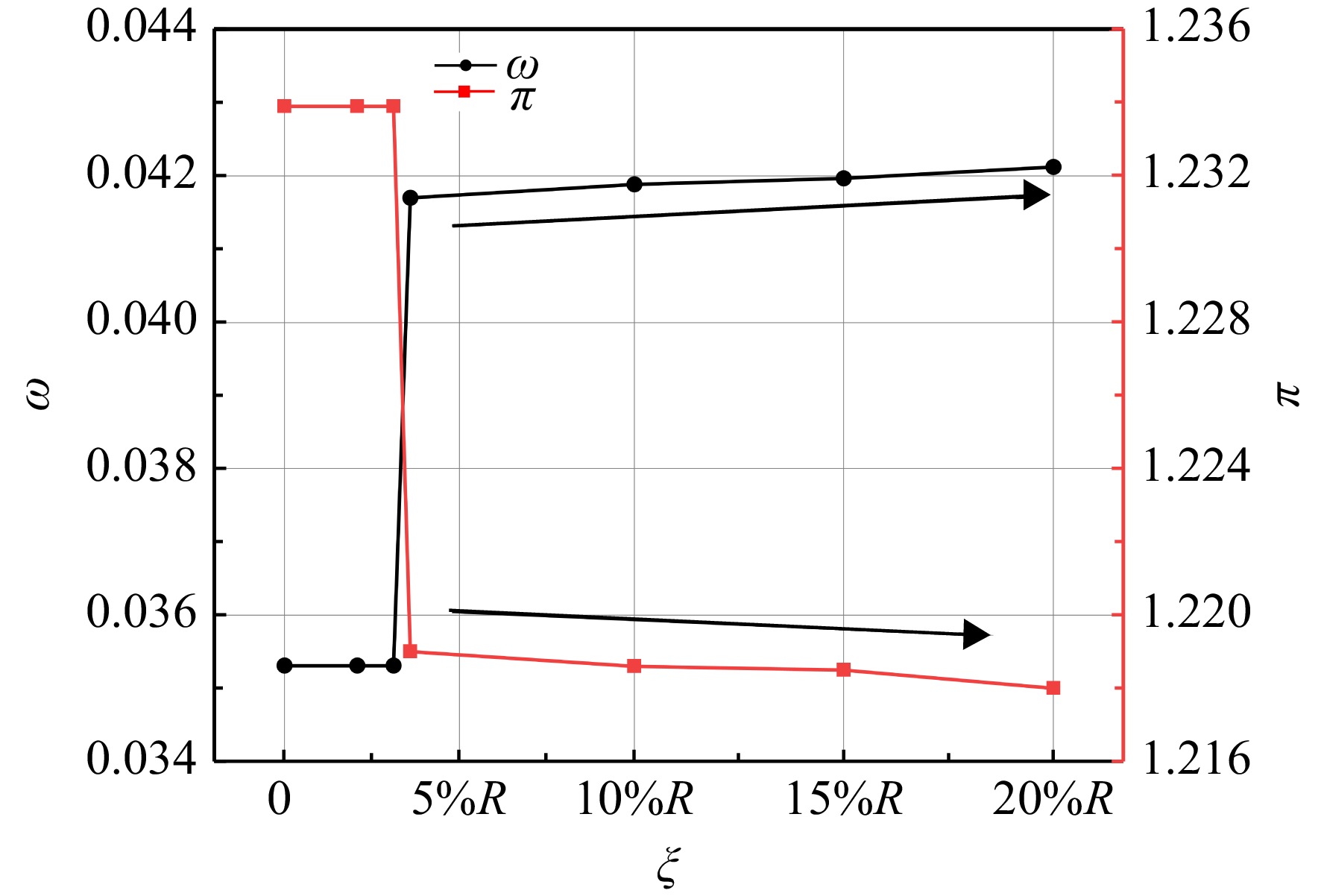
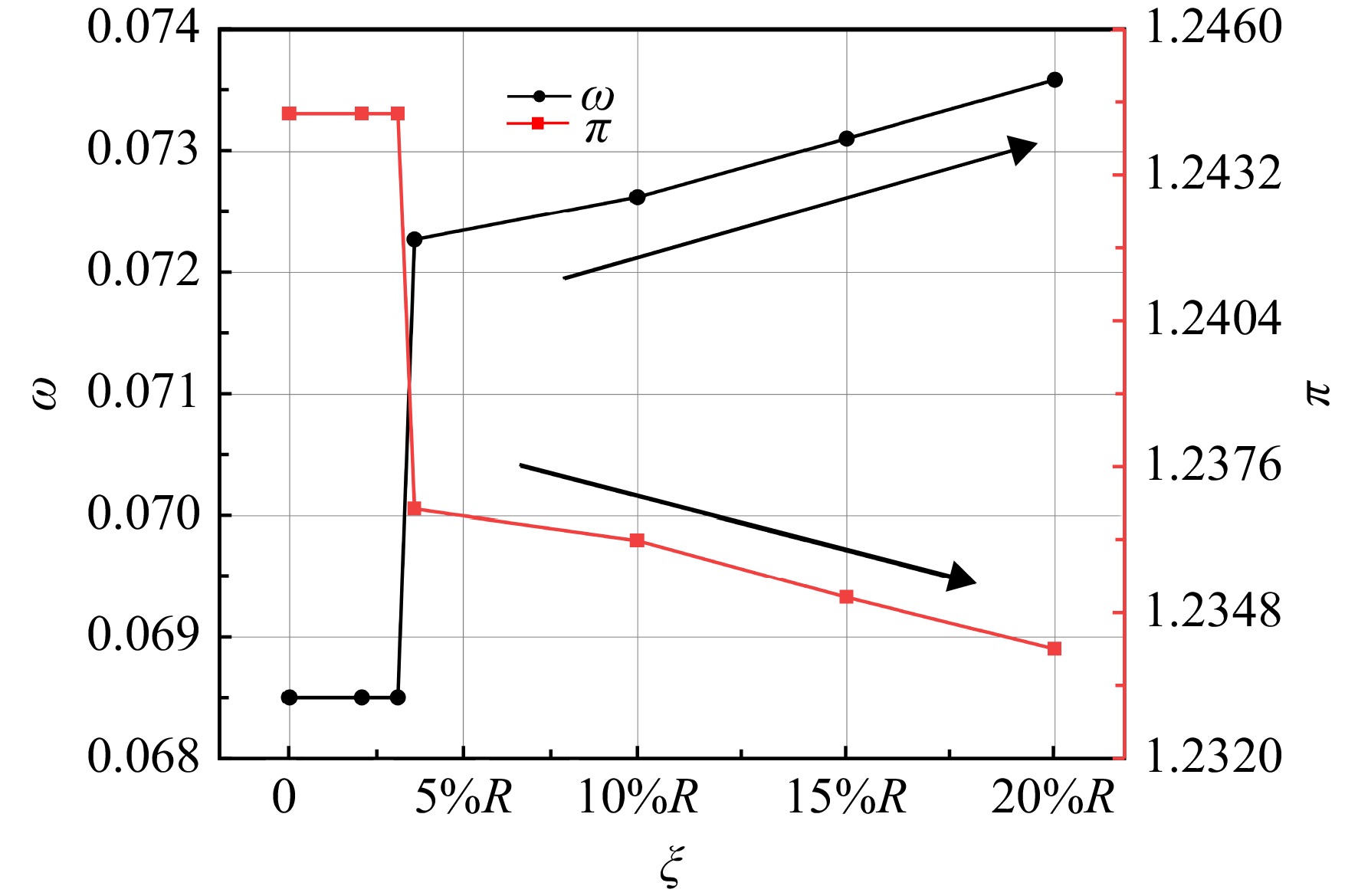
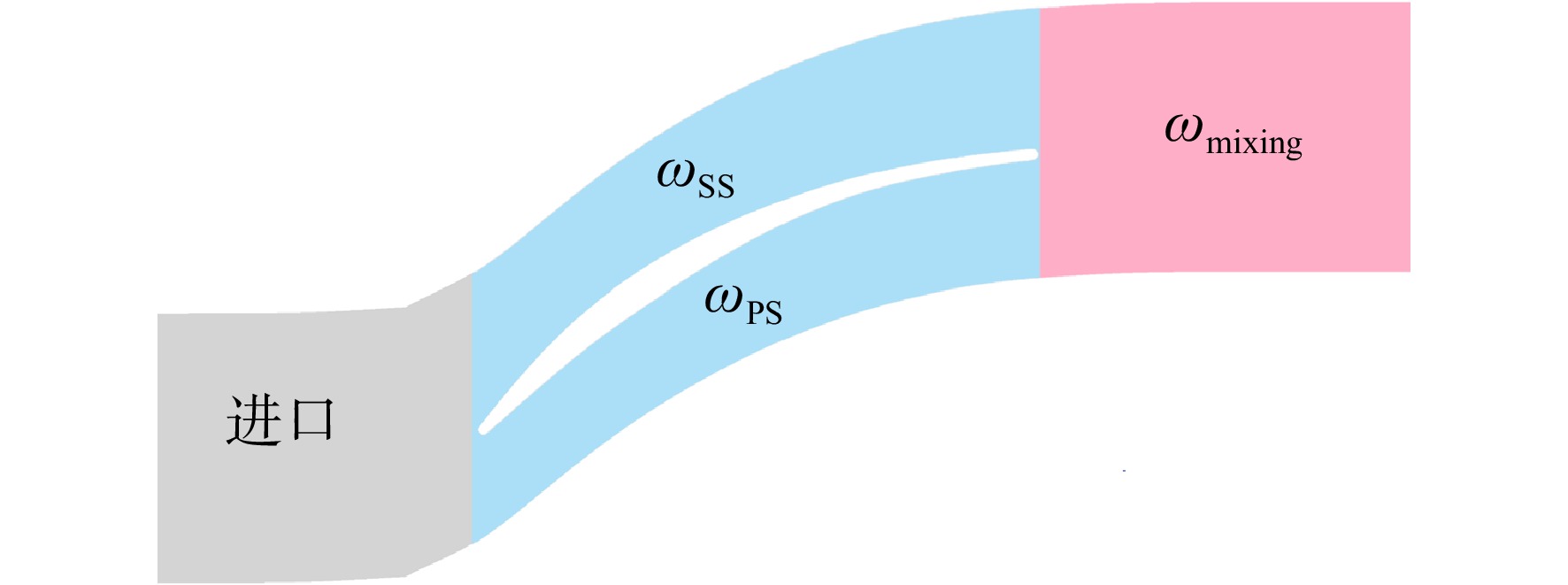
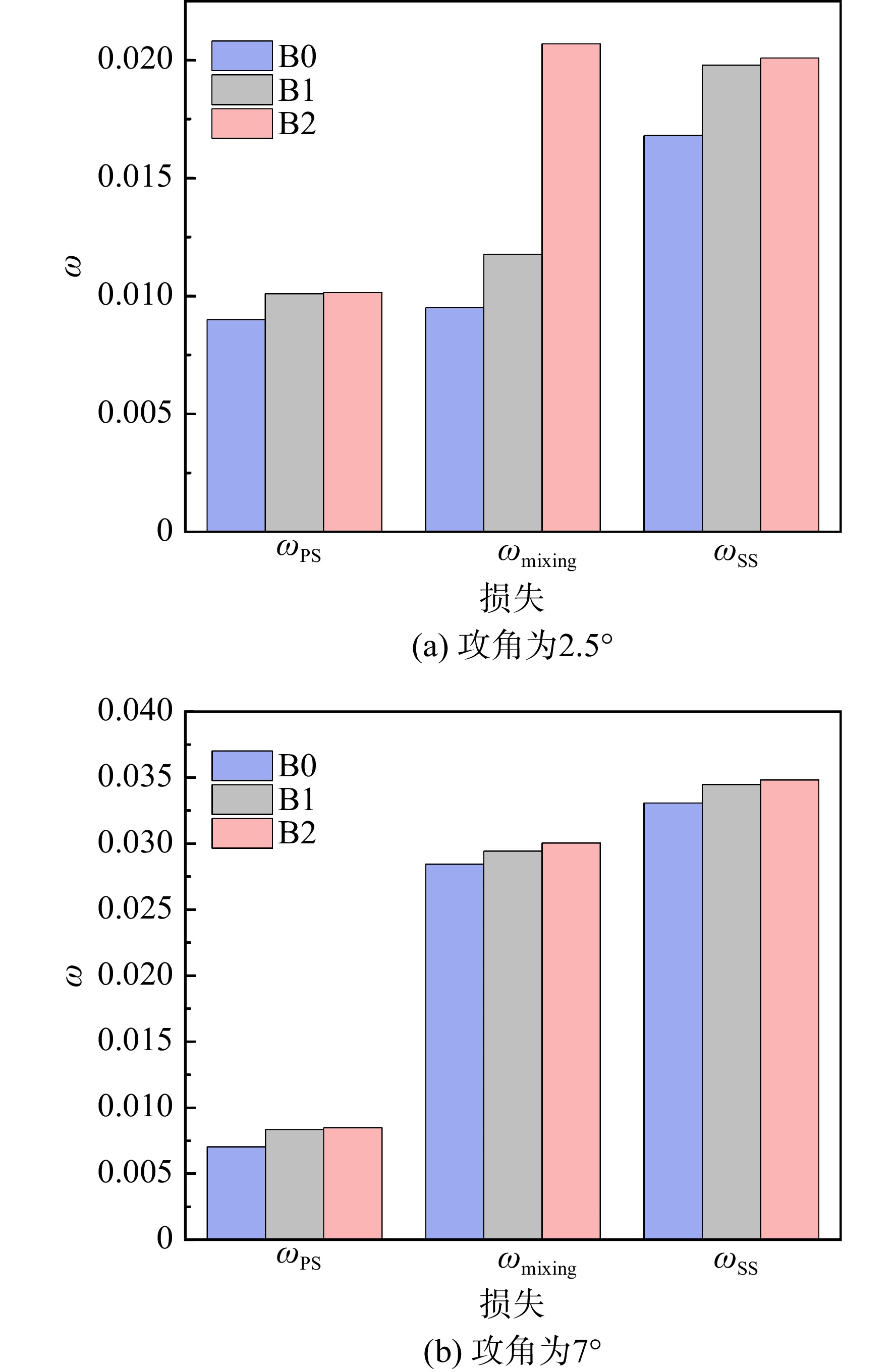
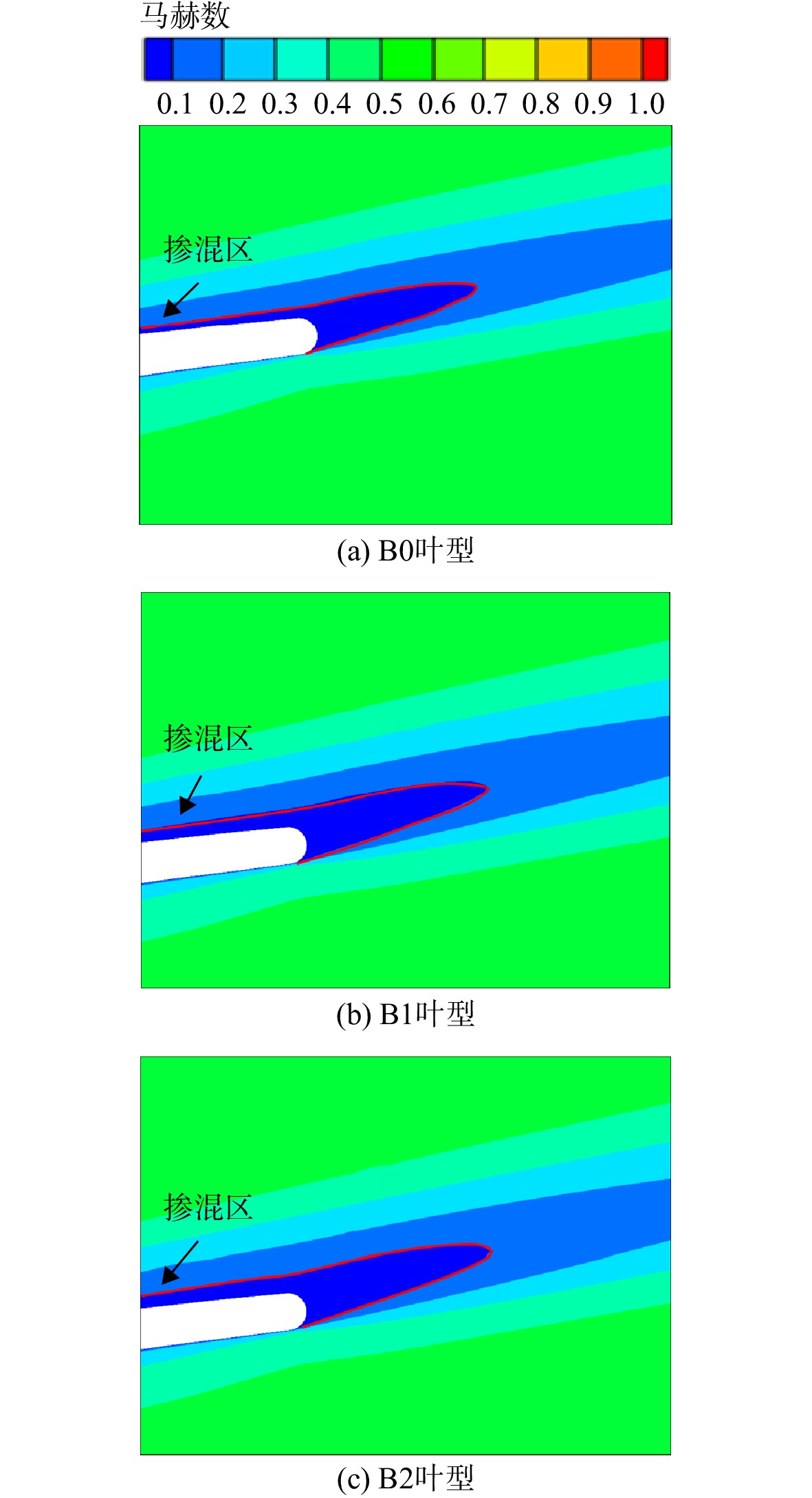
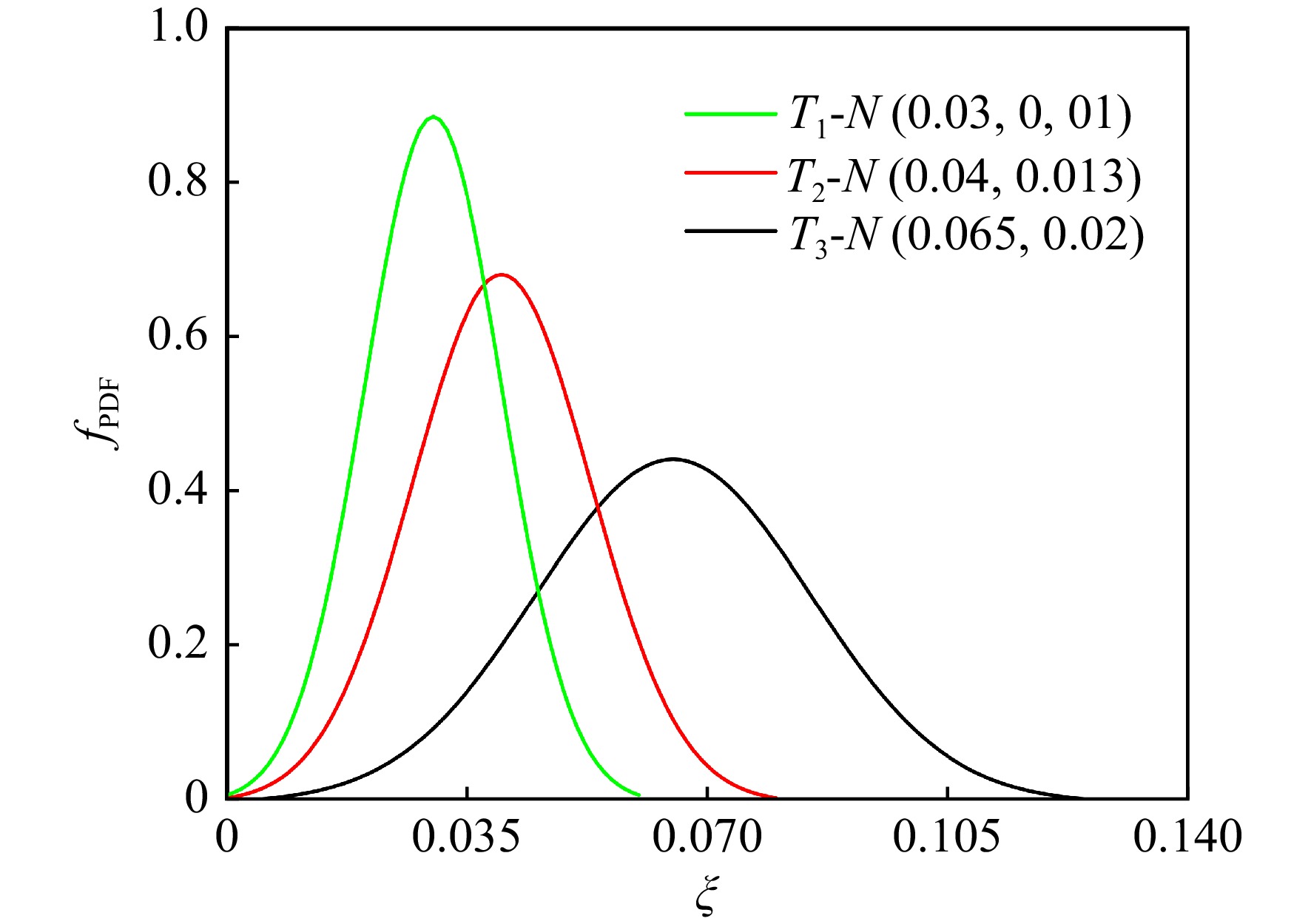
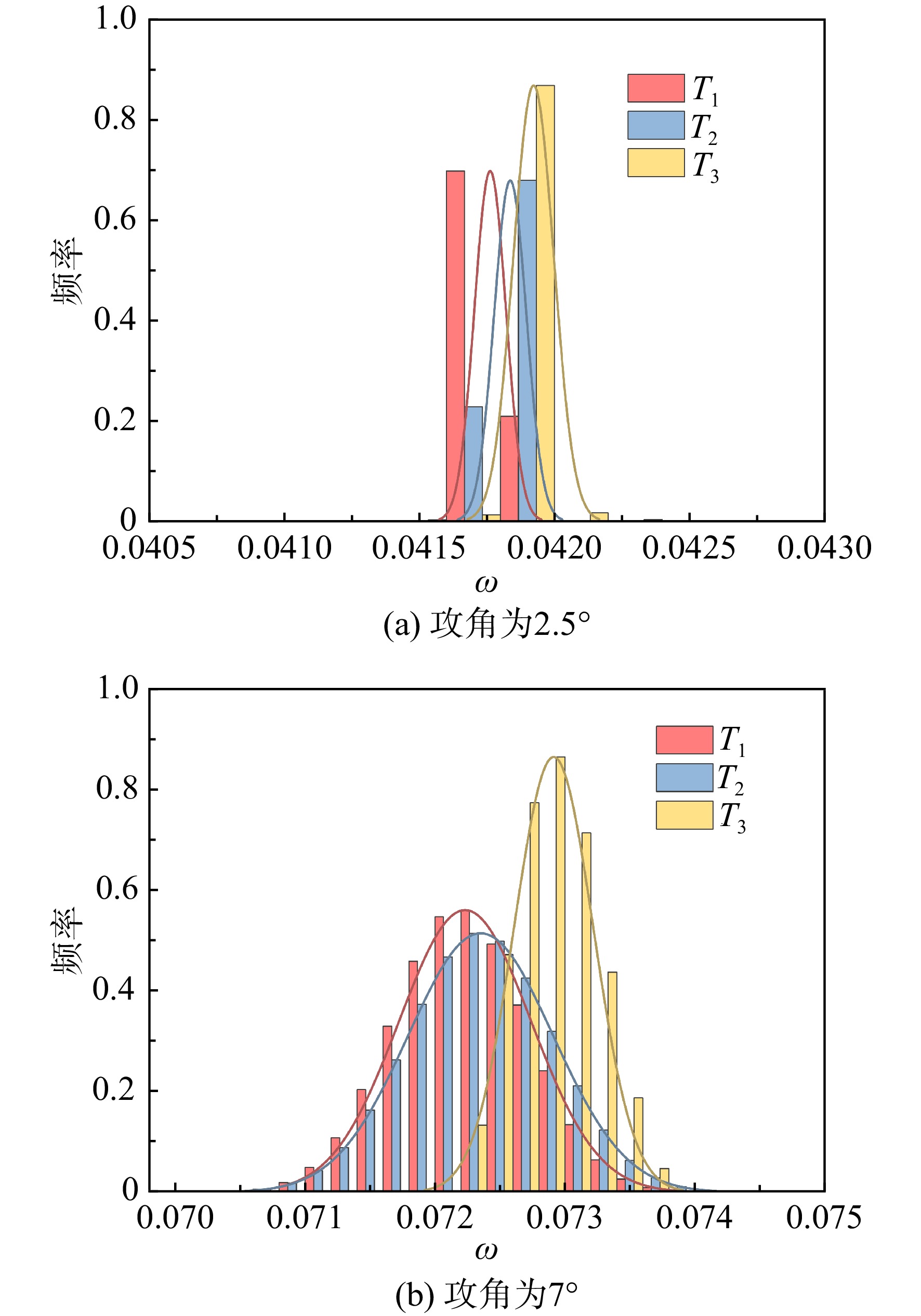
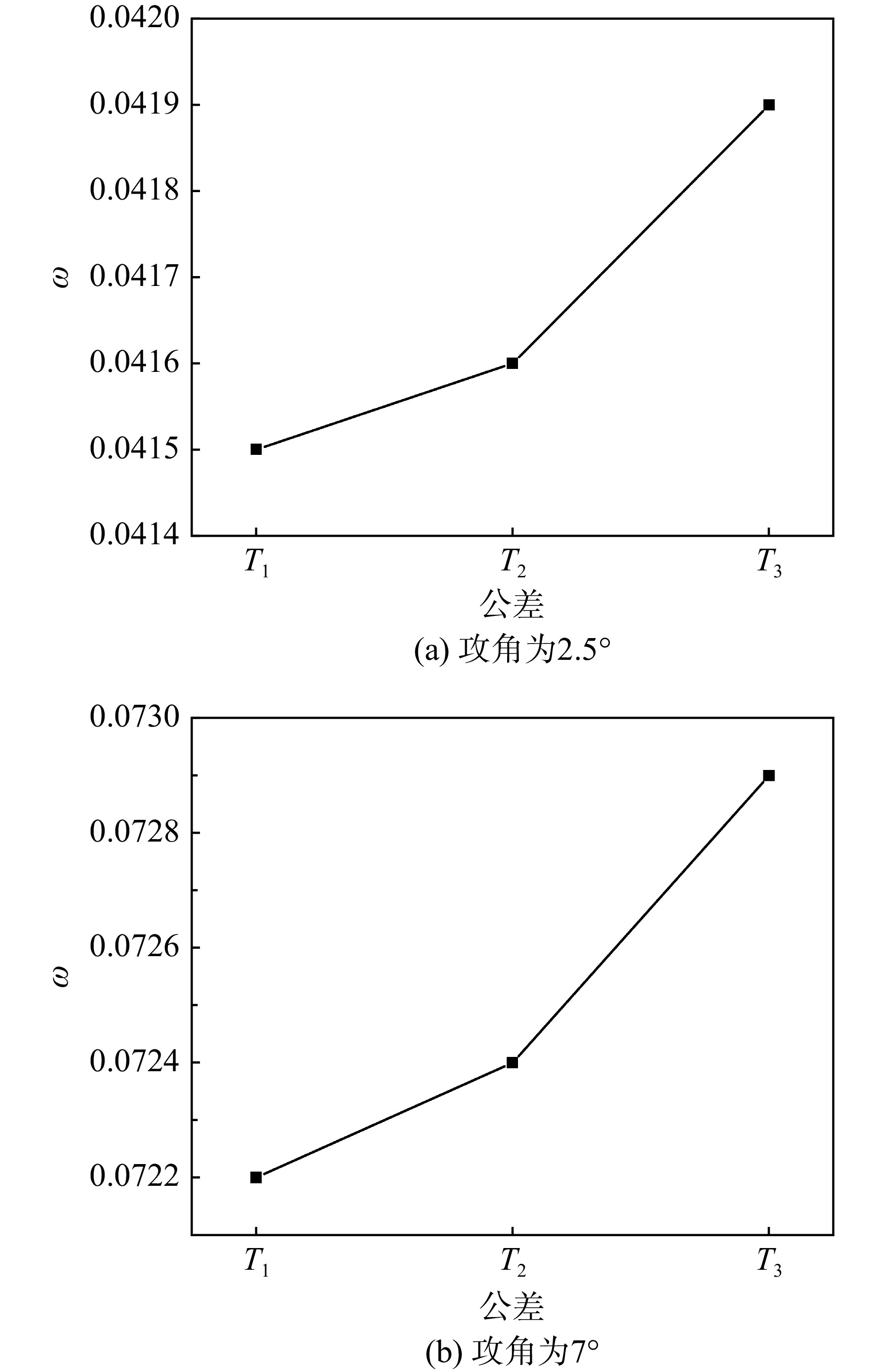
In order to provide a strong reference for the fine design and manufacturing of leading edge of the compressor blades, a high subsonic compressor blade was used as the research object. Based on the non-intrusive polynomial chaos method, the uncertainty impacts of the machining error of blunt leading edge on the blade performance were quantitatively evaluated. Results showed that the blunt leading edge deteriorated the mean performance of the blade in the full range of working conditions. Under incidence of 7°, the fluctuation range of the blade performance was the largest. Under the design incidence, the machining uncertainty of the blunt leading edge caused the increase of mean loss by 18.7% and the decrease of mean pressure ratio by 1.2%. Under incidence of 7°, the fluctuation range of the total pressure loss coefficient of the blade was 4 times that of the design incidence condition. According to the results of sensitivity analysis, it can be found that the aerodynamic parameters and manufacturing error of blunt leading edge showed an approximate linear relationship. Through the uncertainty analysis of the blade flow field, the manufacturing error of blunt leading edge had a significant effect on the flow conditions near leading edge, which led to the increase of suction side loss and wake mixing loss. The influence of the blunt leading edge on the blade under different leading edge machining tolerances was analyzed, and the machining tolerance of the leading edge polishing was determined.
Surge prediction of radial compressors based on three-dimensional body-force method
ZENG Hanxuan, FAN Tengbo, WEN Mengyang, WEI Jie, WANG Junying, SUN Zhenzhong, ZHENG Xinqian
2024, 39(2): 20220047. doi: 10.13224/j.cnki.jasp.20220047
Abstract:

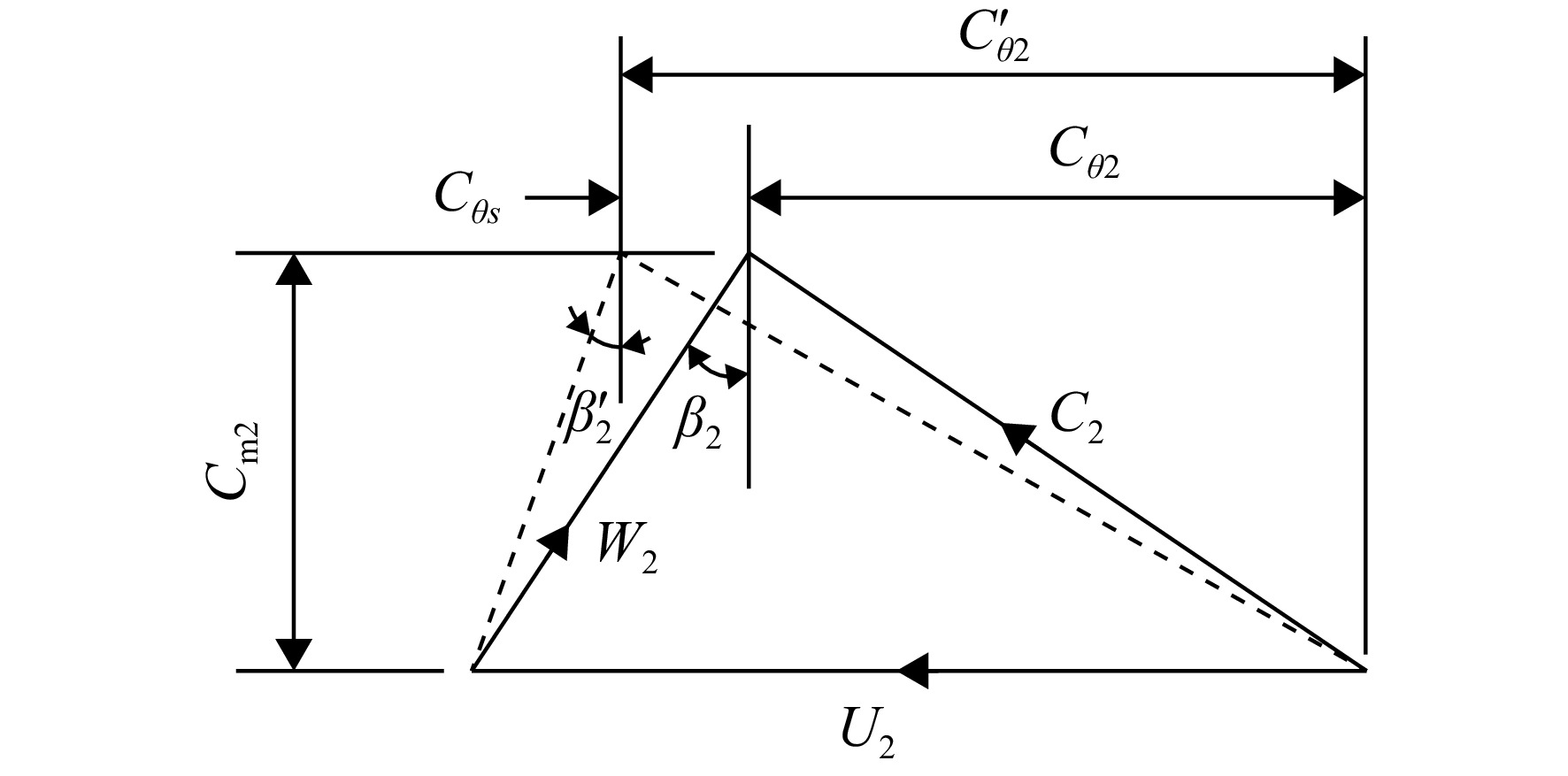
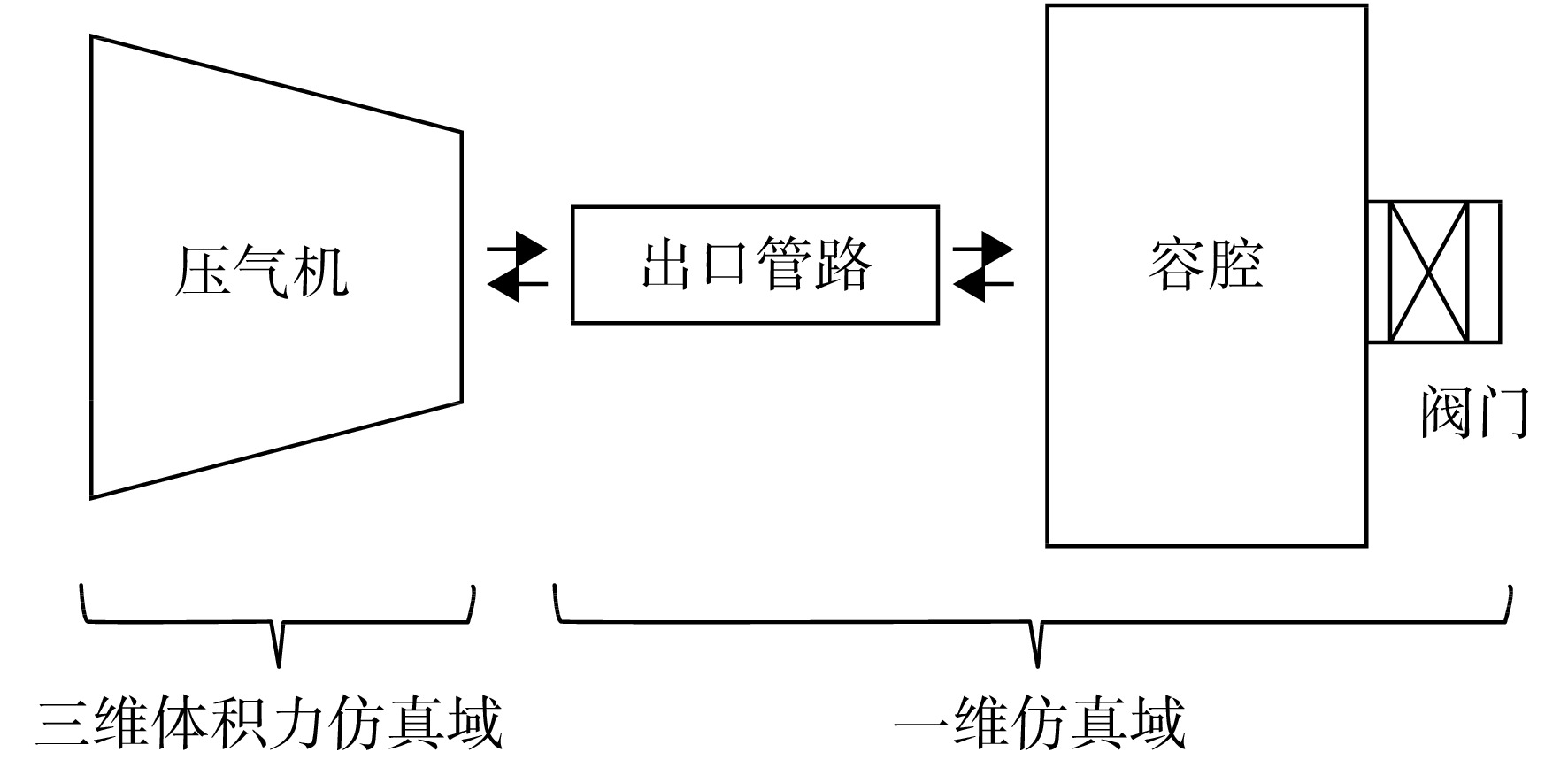
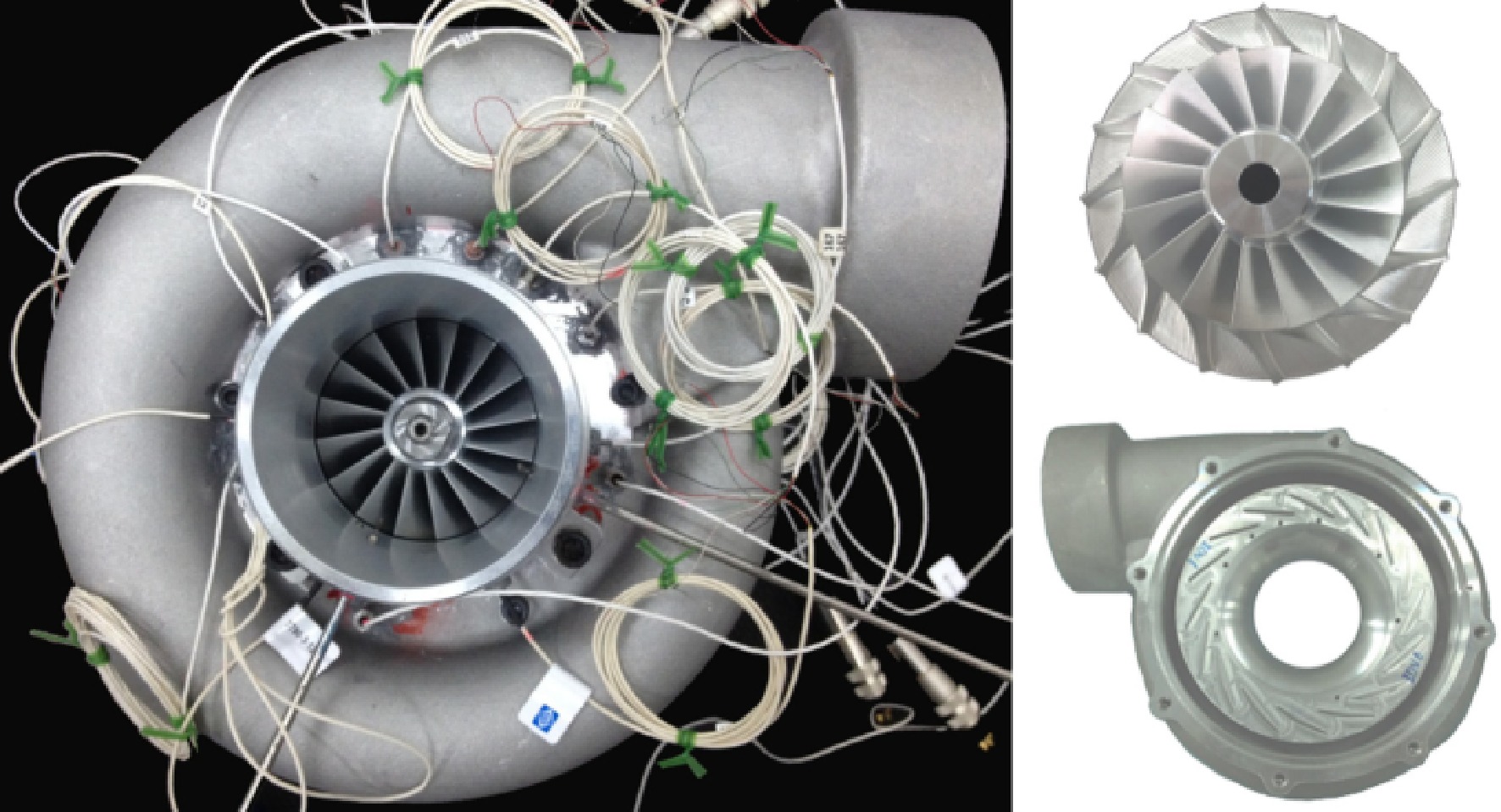
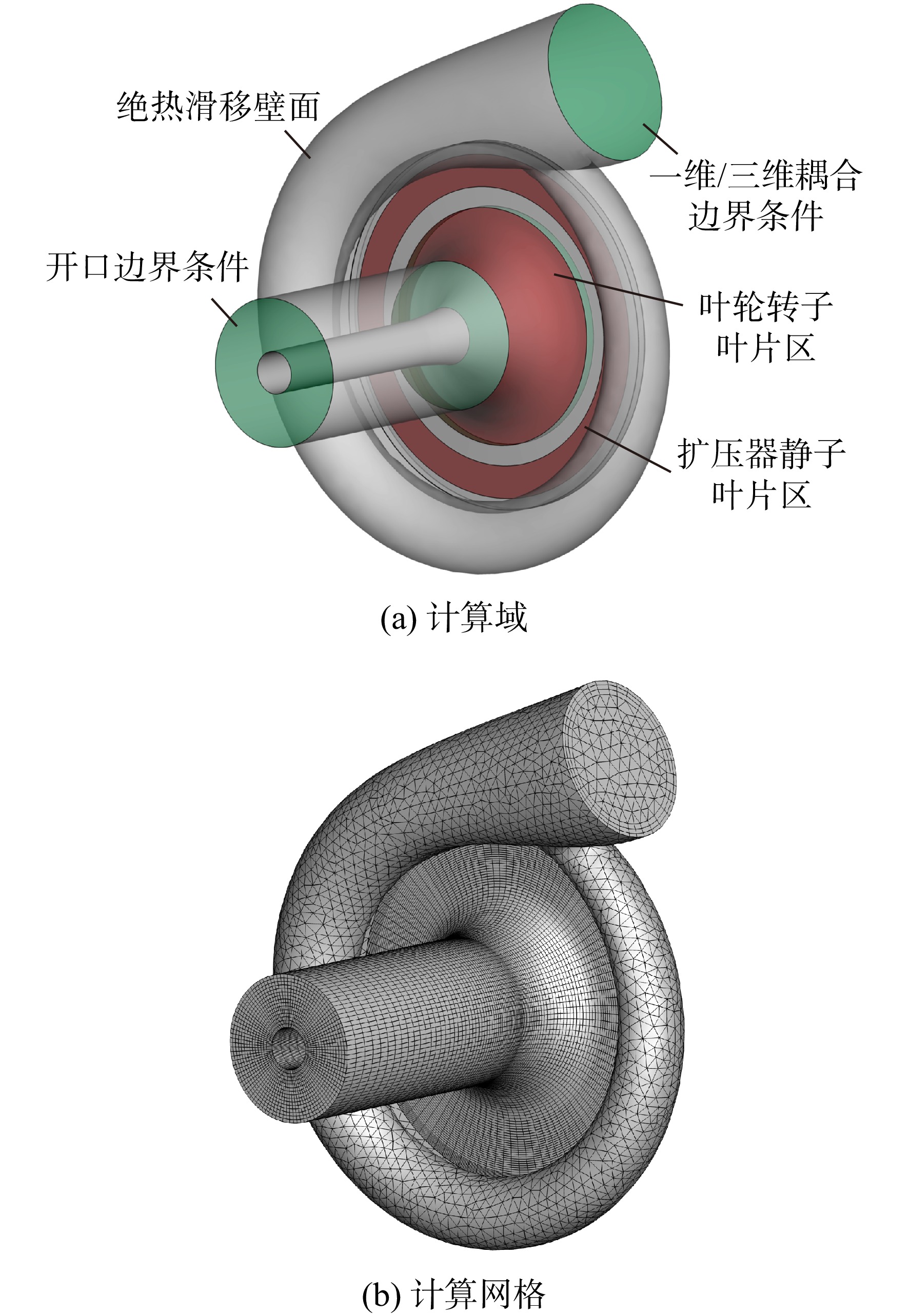
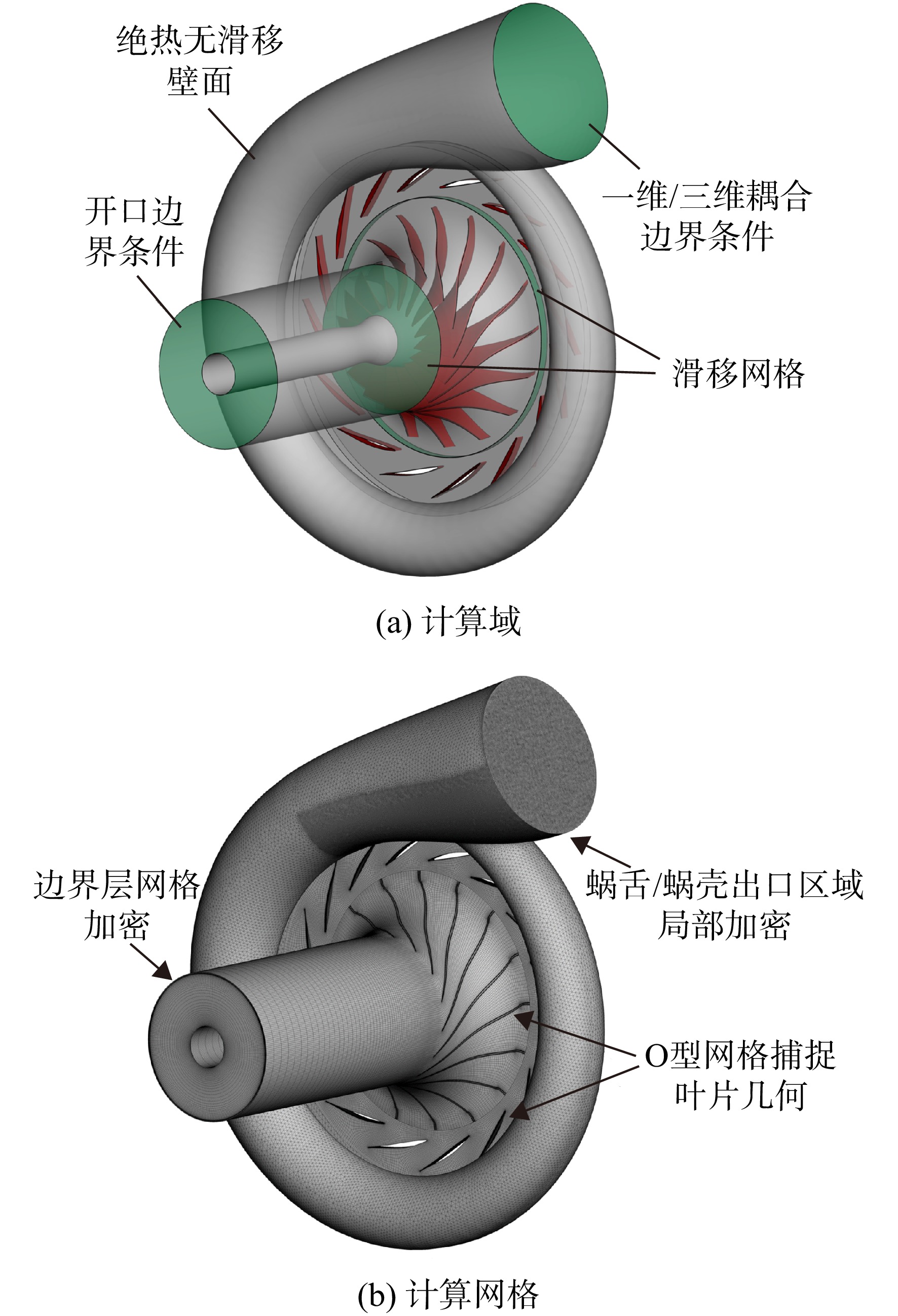
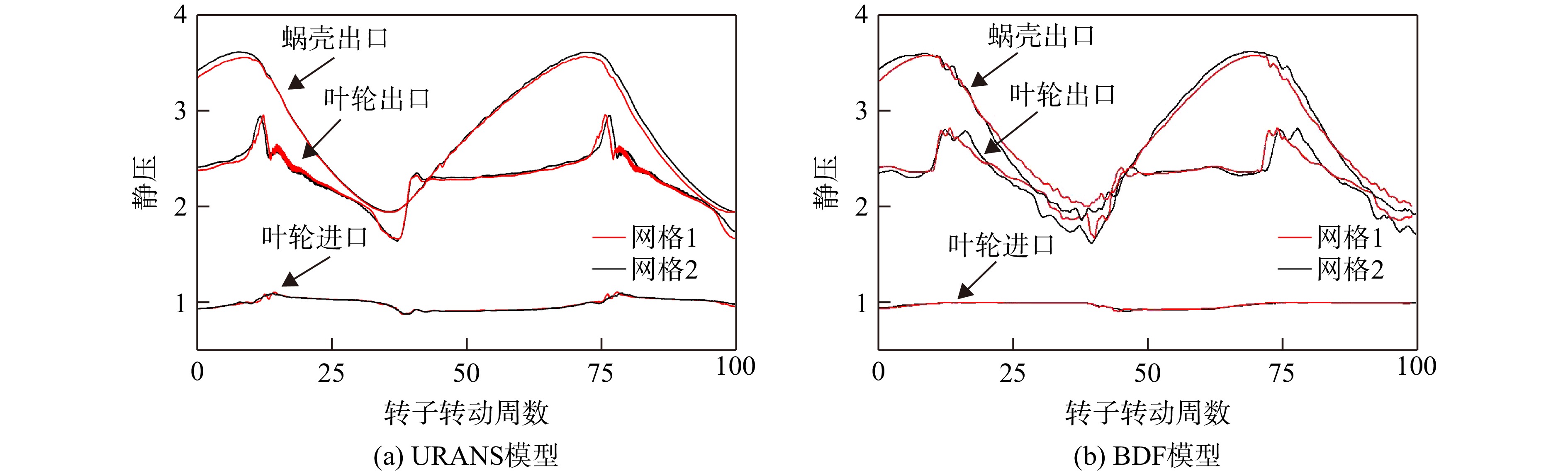
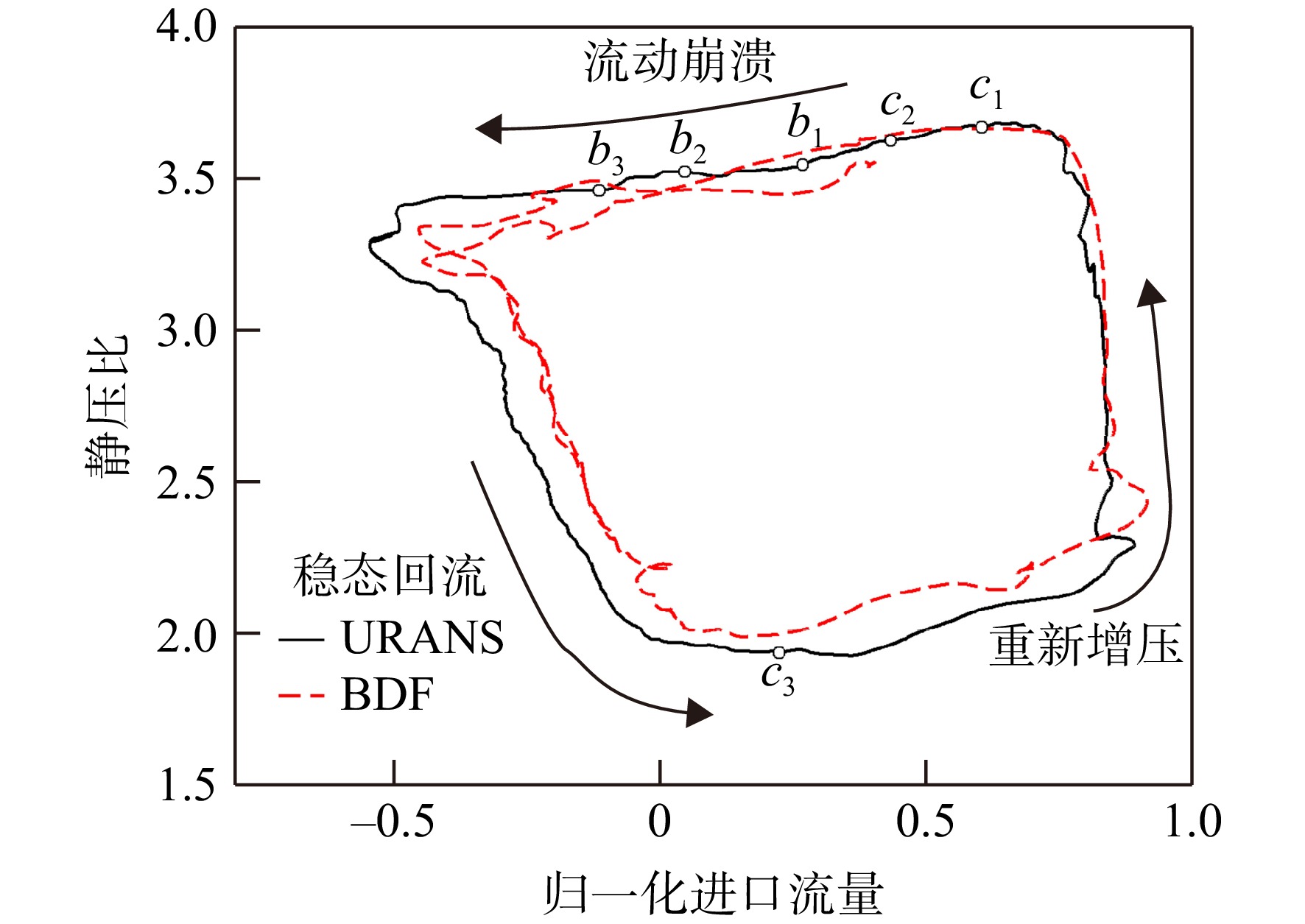
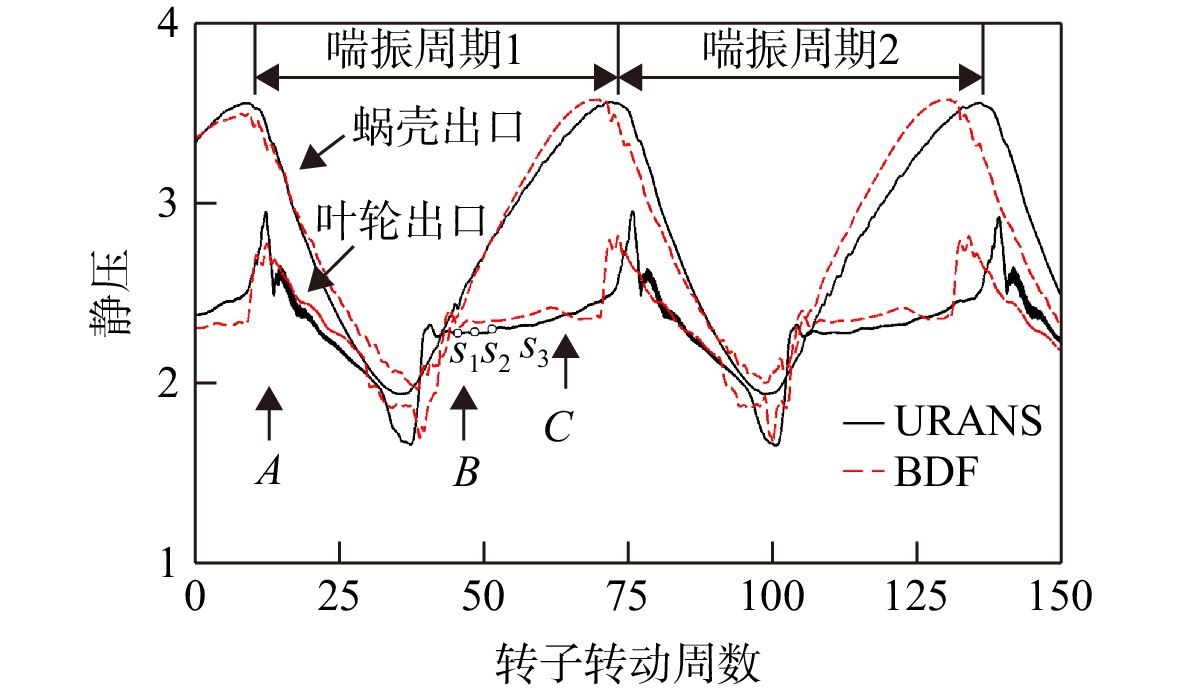
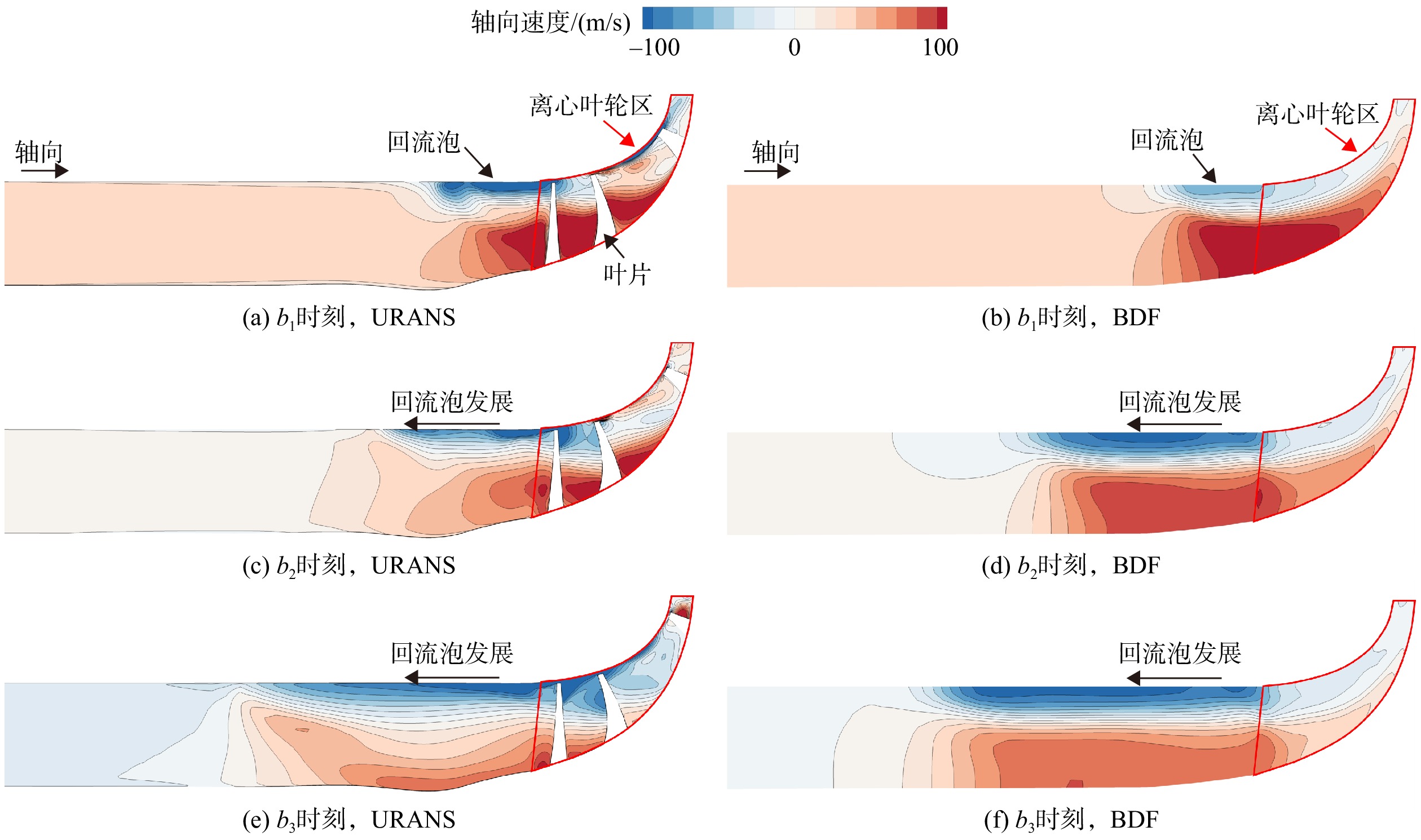
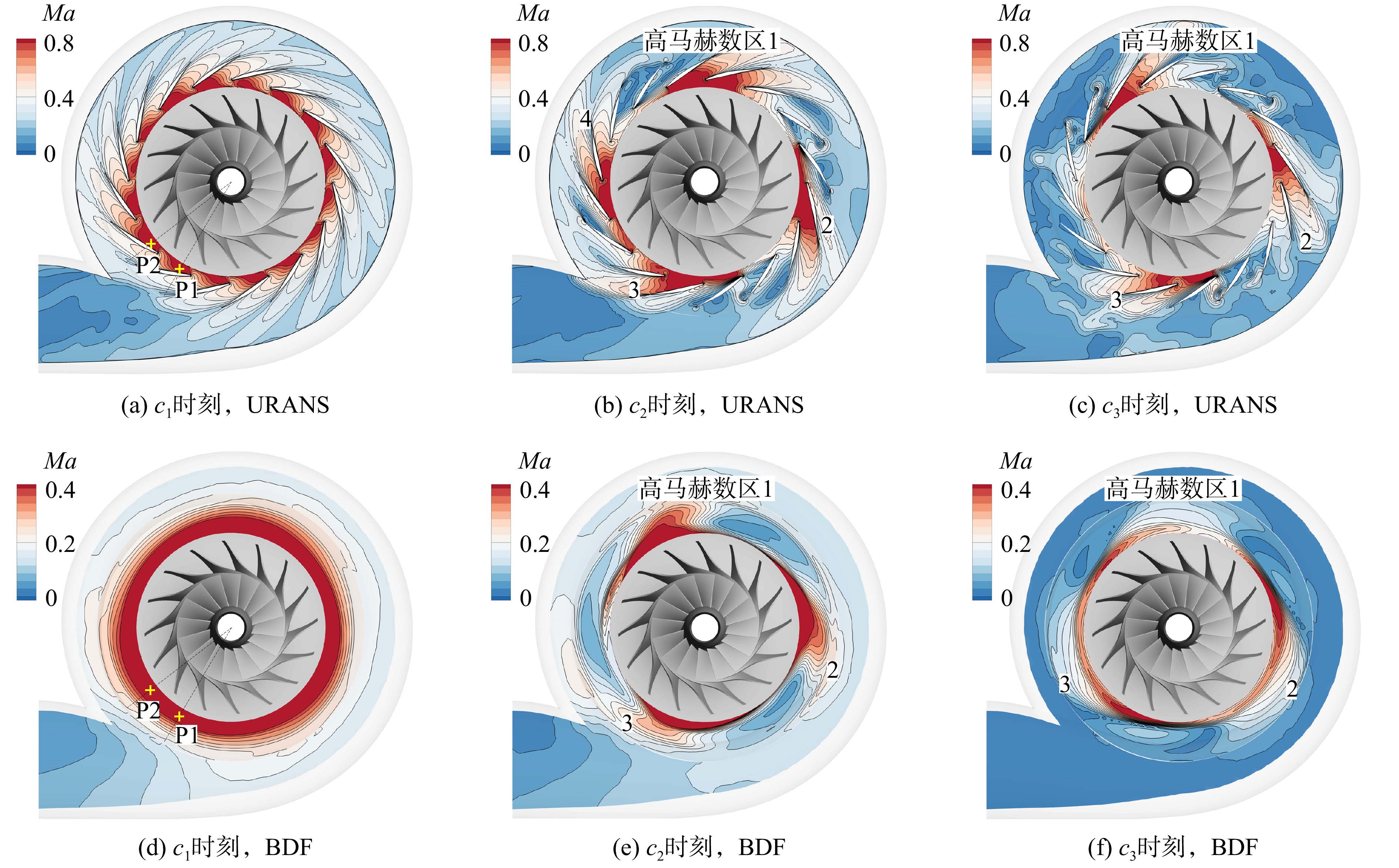
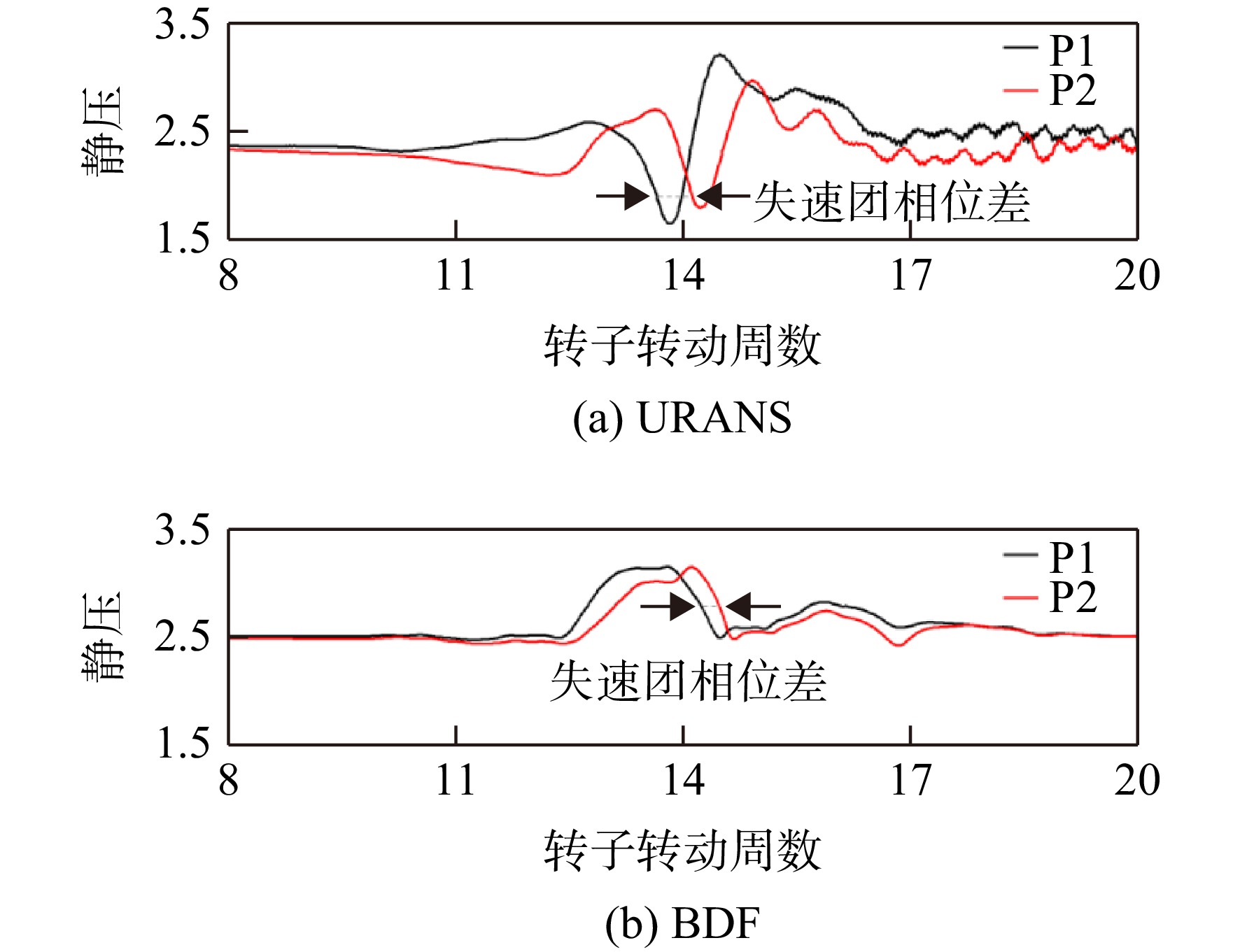
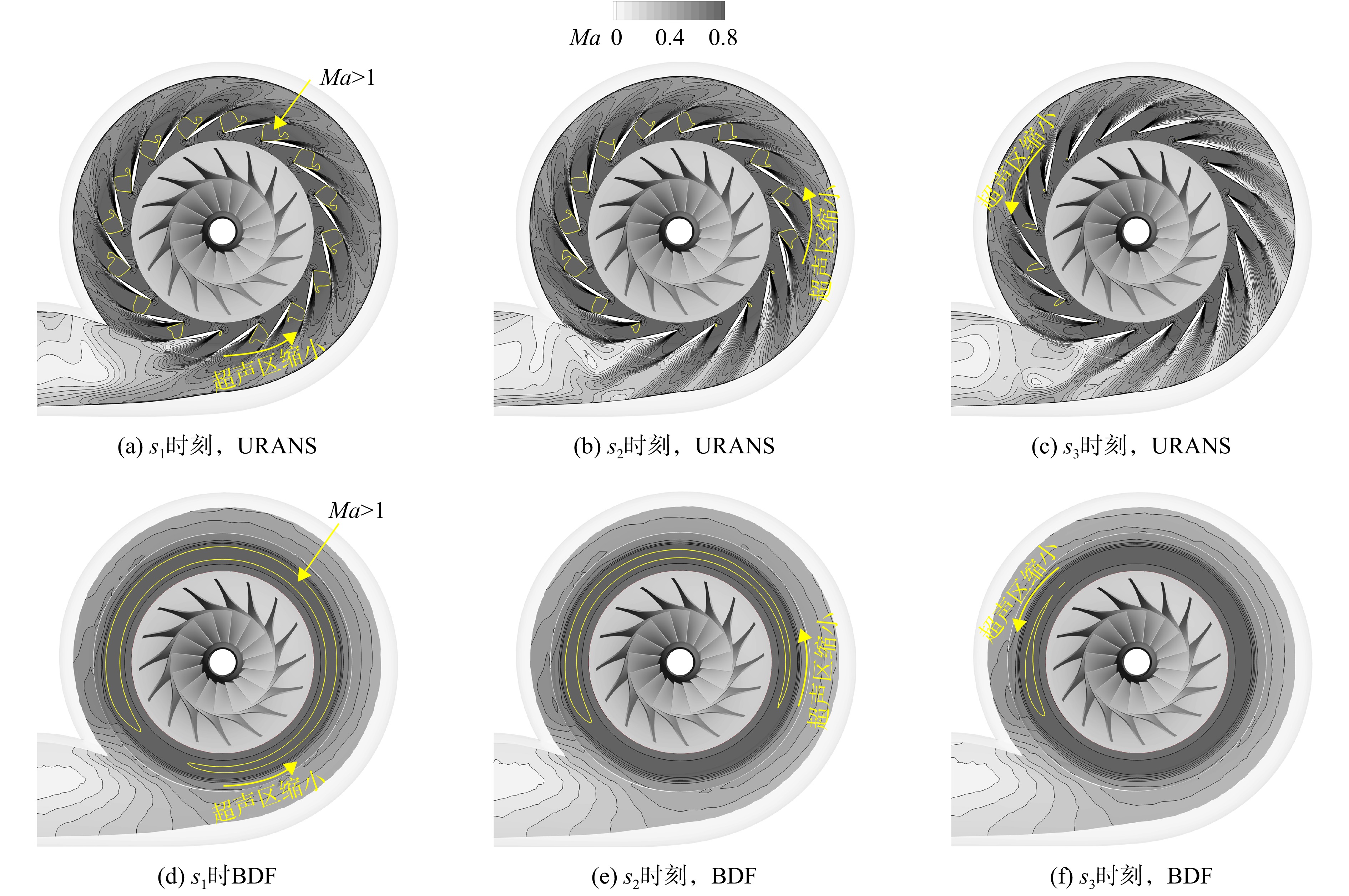
To predict the three-dimensional and unsteady flow features of surge accurately and efficiently, a method of surge simulation for centrifugal compressors based on the three-dimensional body-force model was proposed. The method was further validated on a transonic centrifugal compressor. Typical flow field features like the development of the recirculation bubble at the impeller inlet tip, the existence of rotating stall during surge, and volute-induced asymmetry were captured. By comparing against the unsteady Reynolds averaged Navier-Stokes (URANS) results (validated by the experimental results), it can be shown that the proposed method is capable of predicting key features of surge, with the calculation time about 1/20 of the URANS method.

Non-axisymmetric endwall based on secondary flow control law modeling optimization design
YOU Fuhao, LI Xiangjun, LU Qing, CUI Yiqiang, ZHU Zhengyu
2024, 39(2): 20220215. doi: 10.13224/j.cnki.jasp.20220215
Abstract:

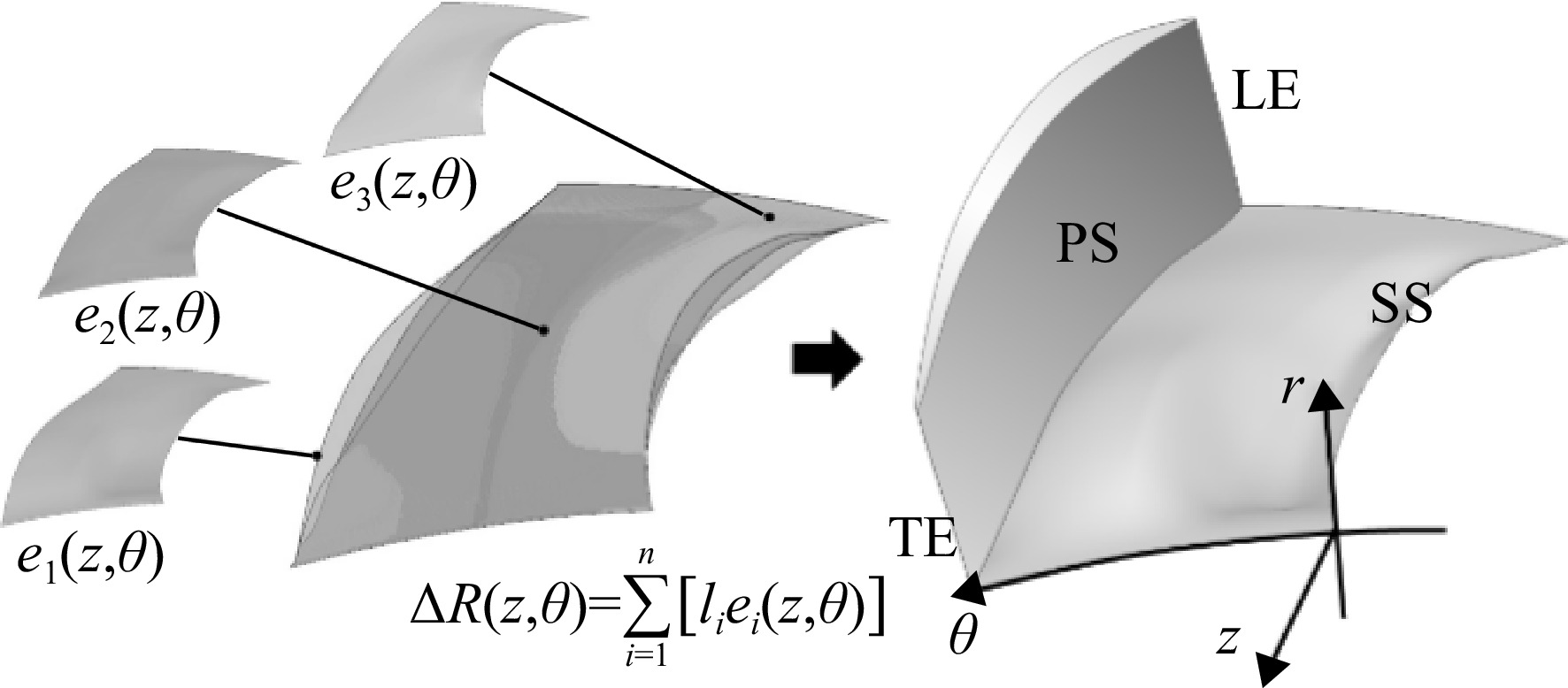
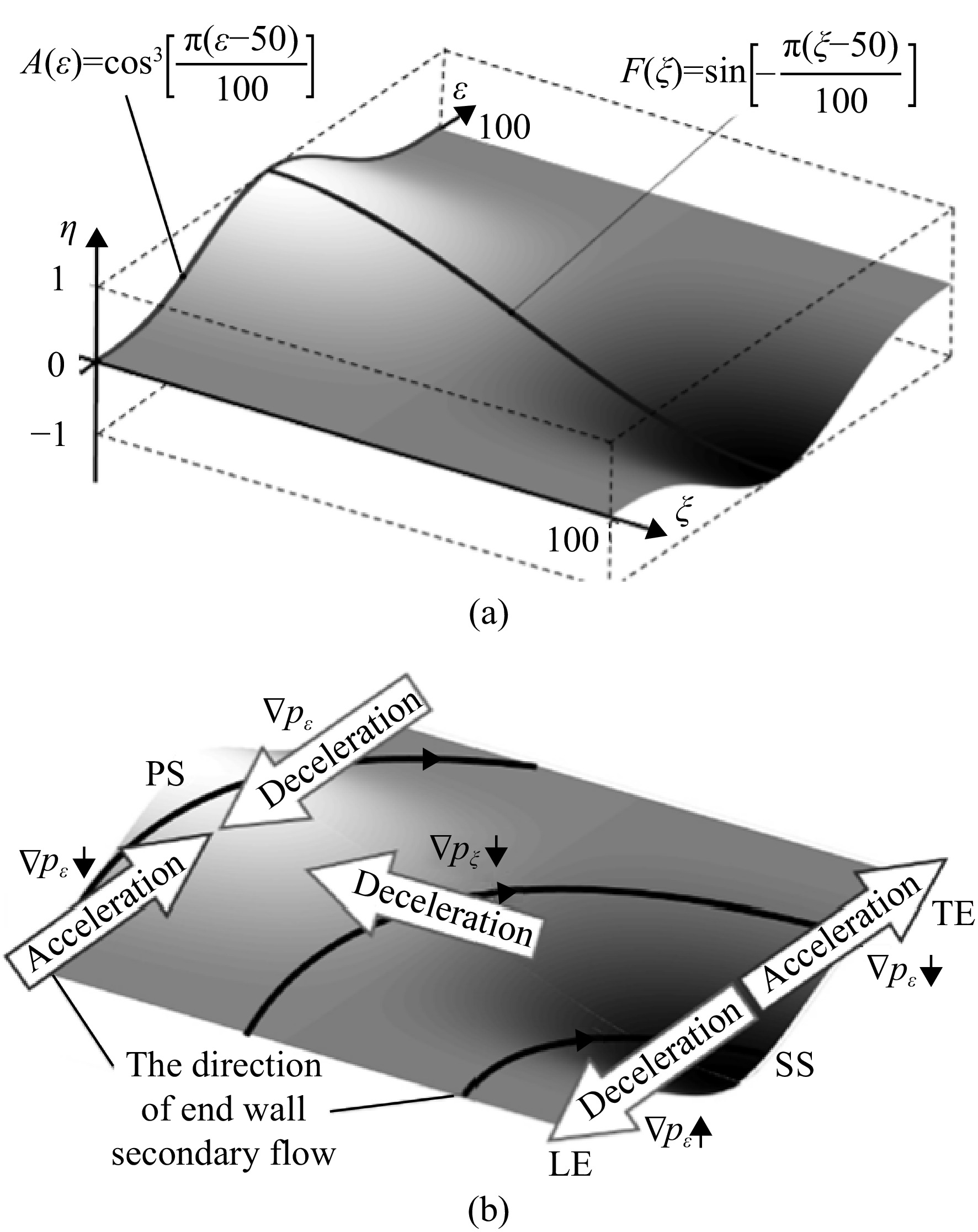
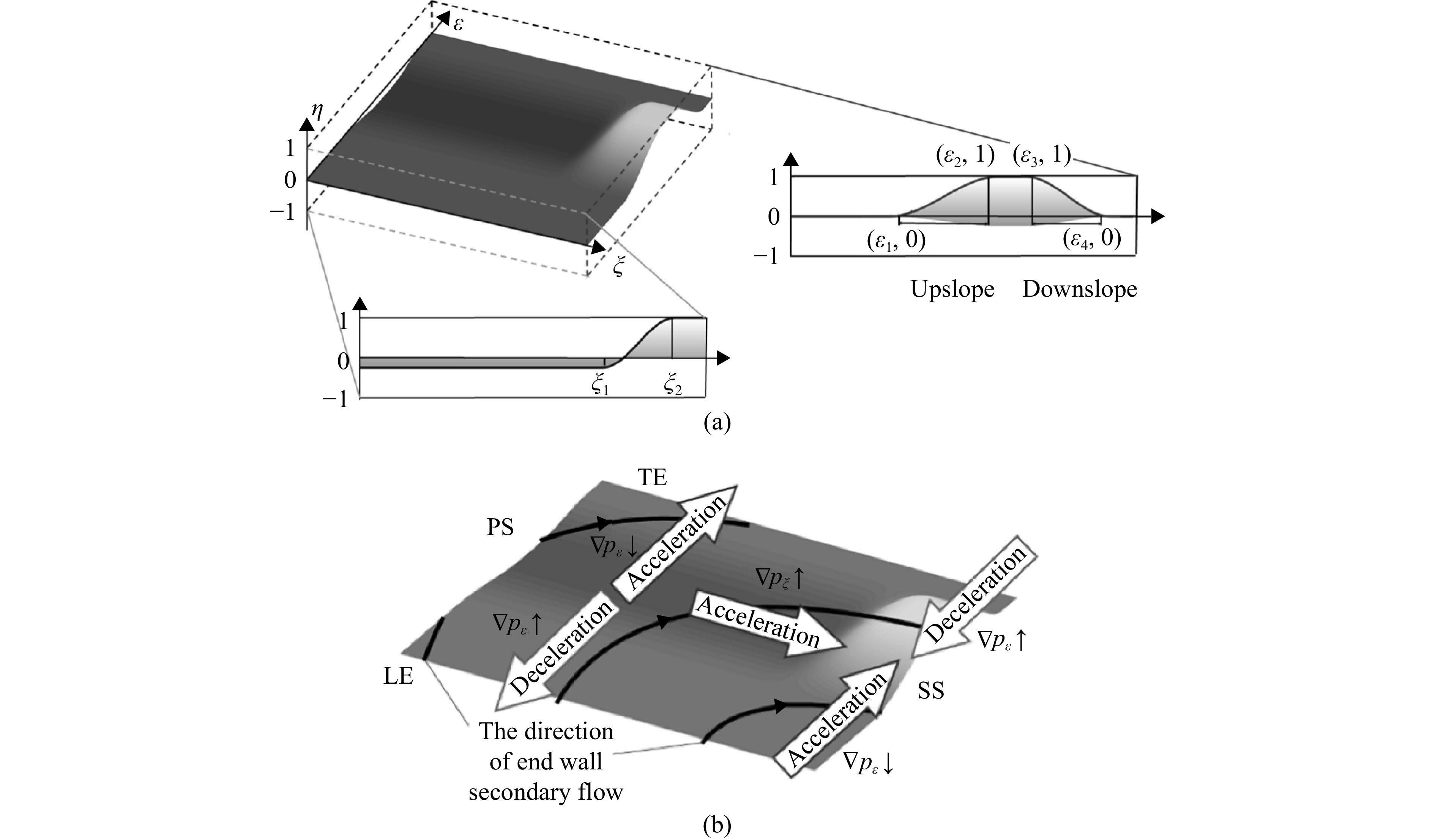
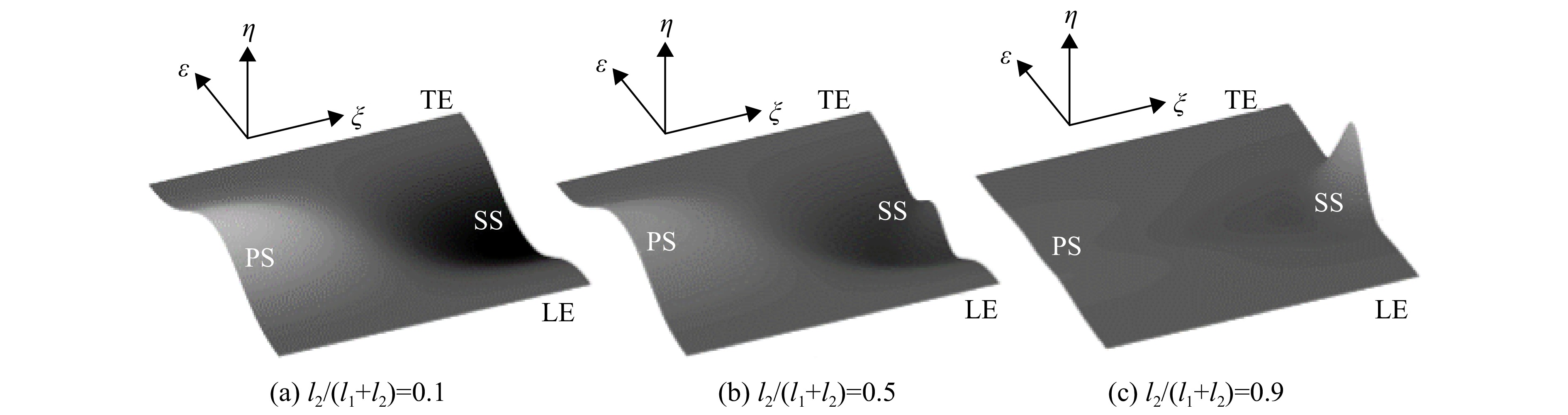
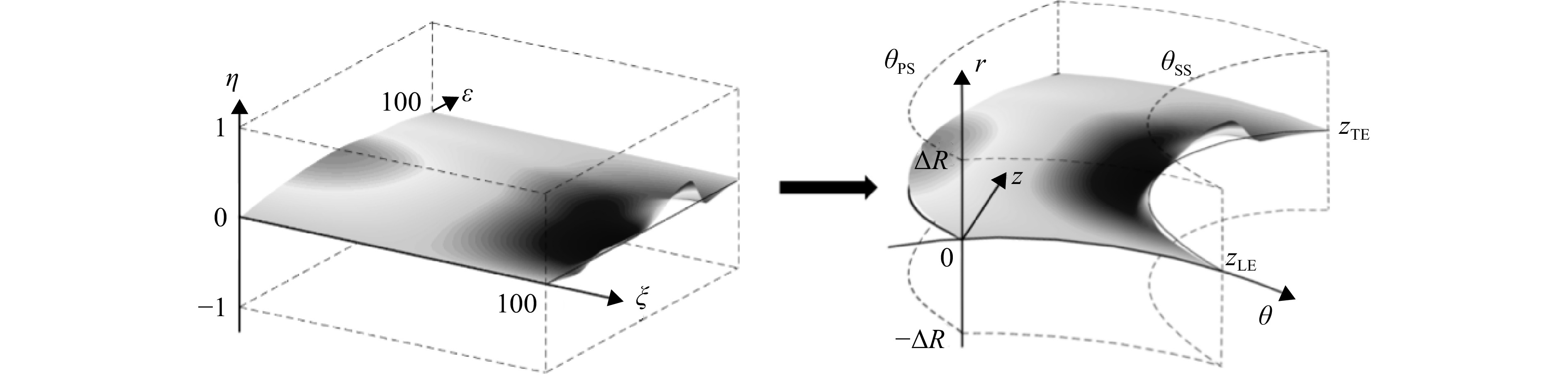
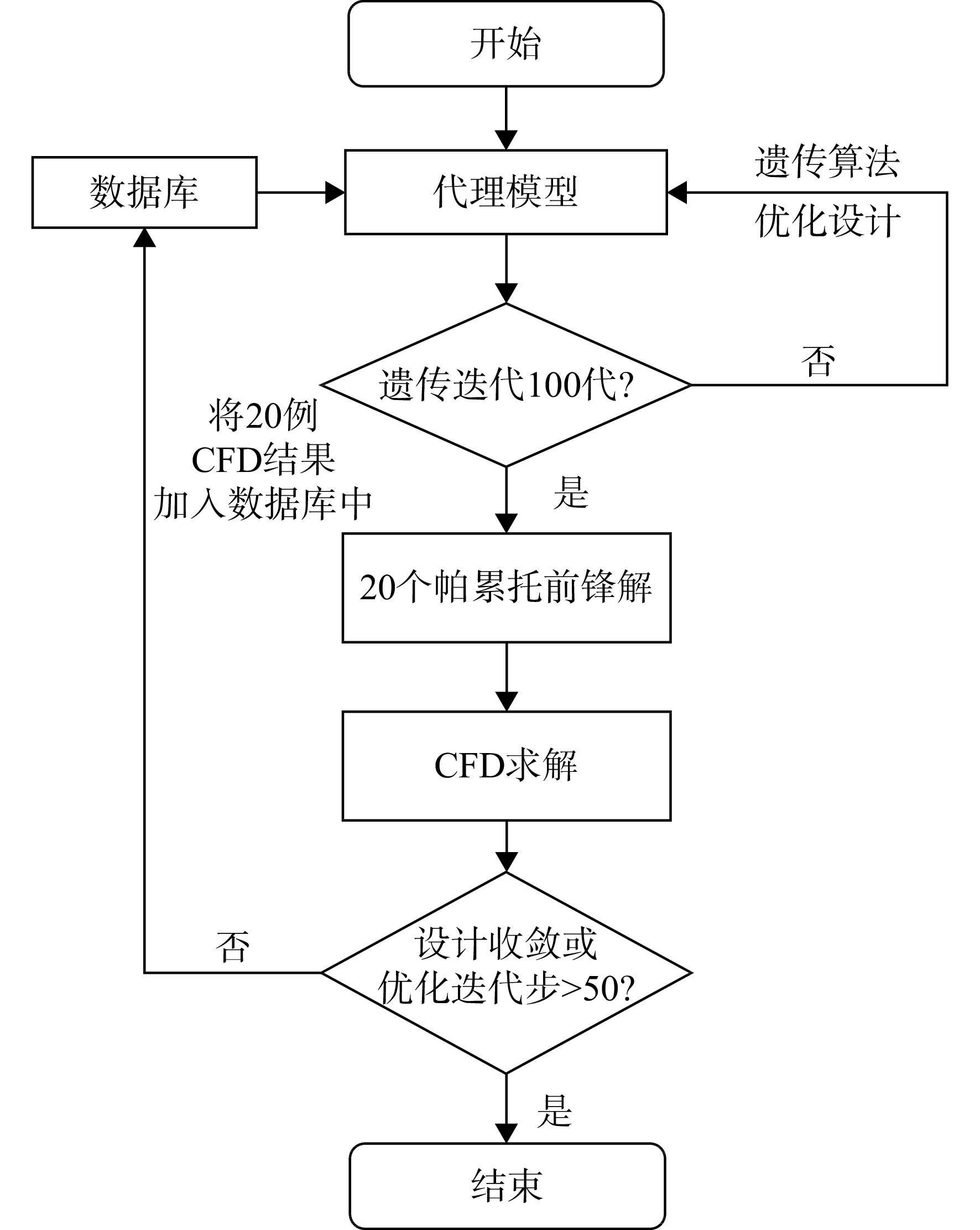
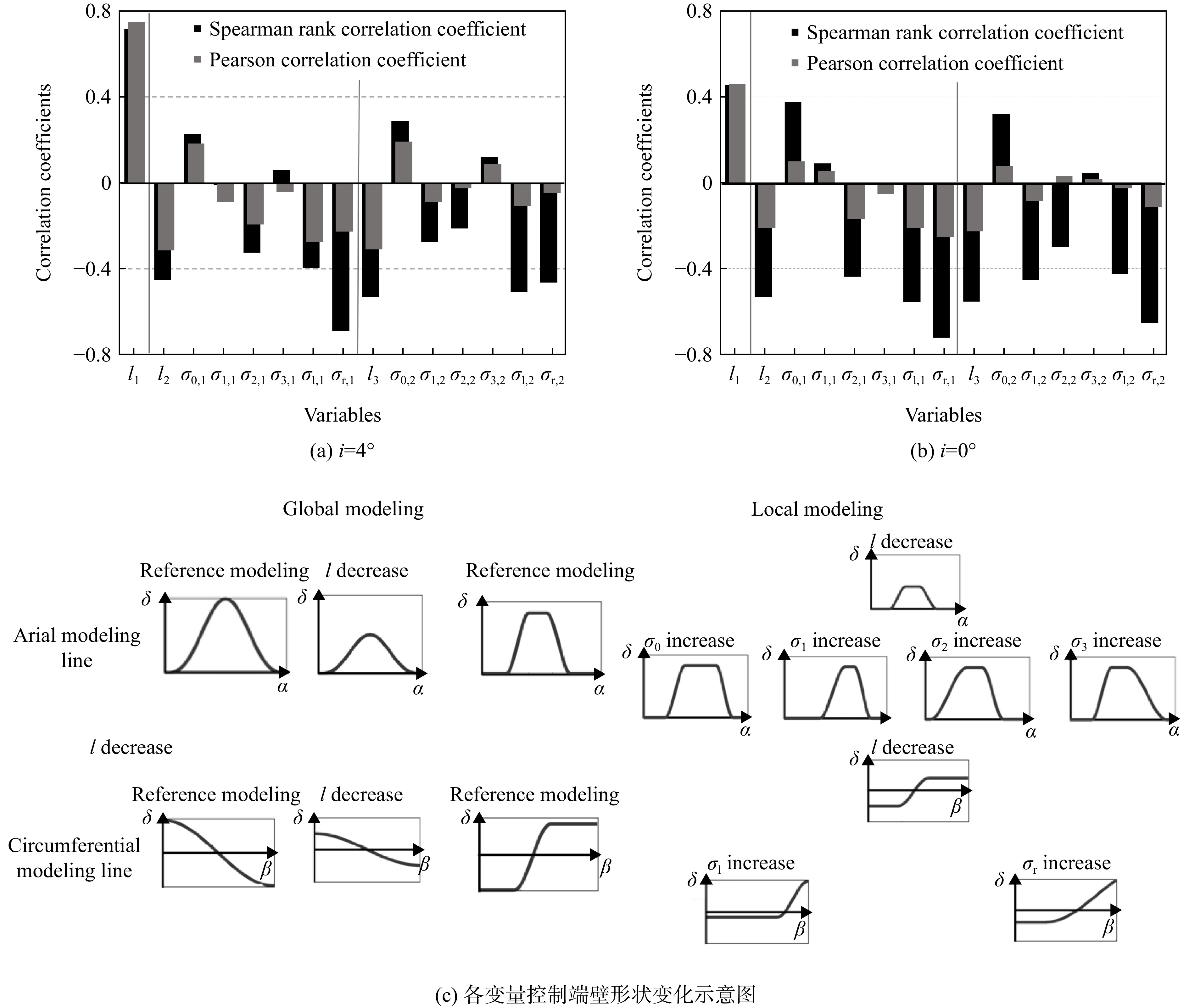
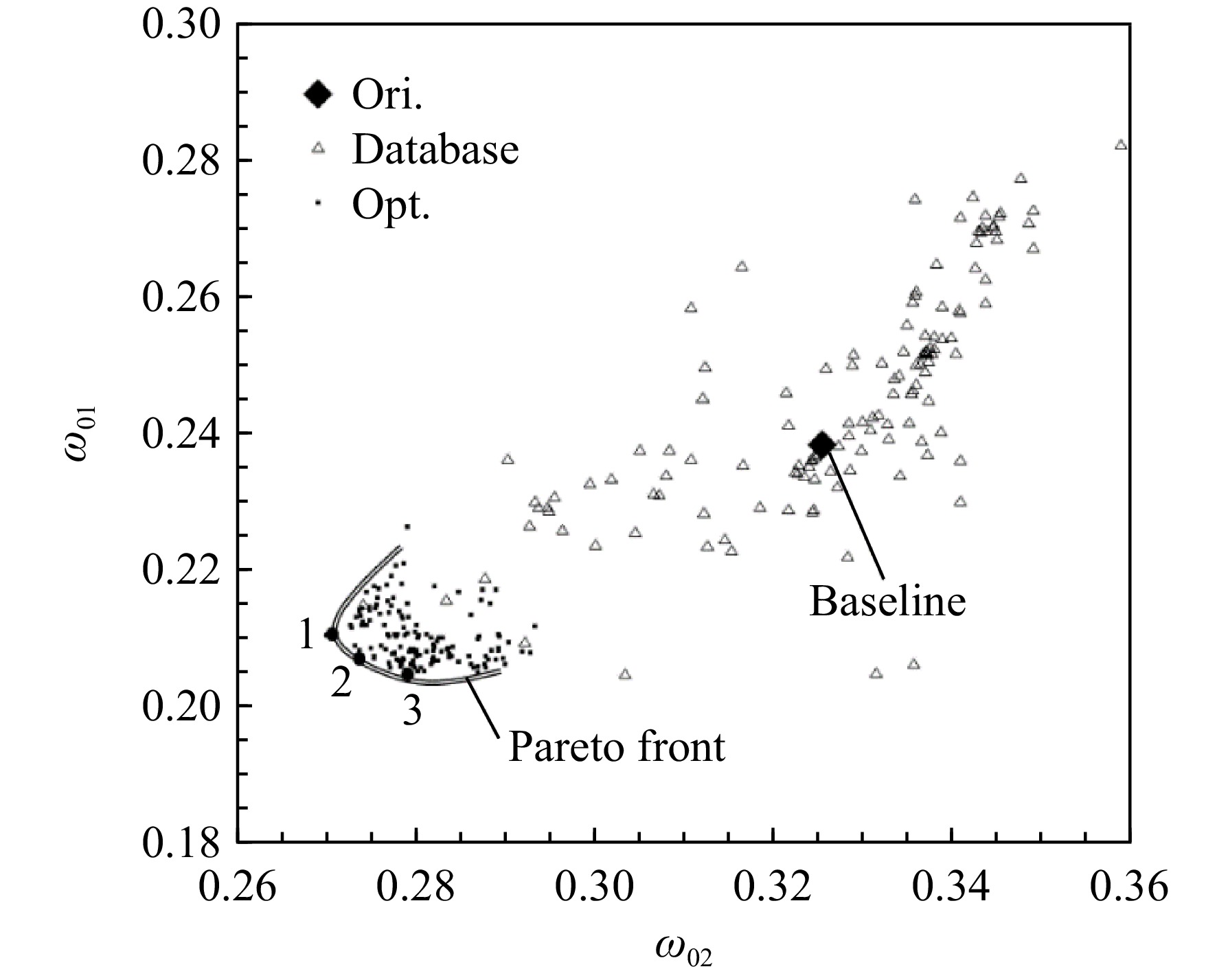
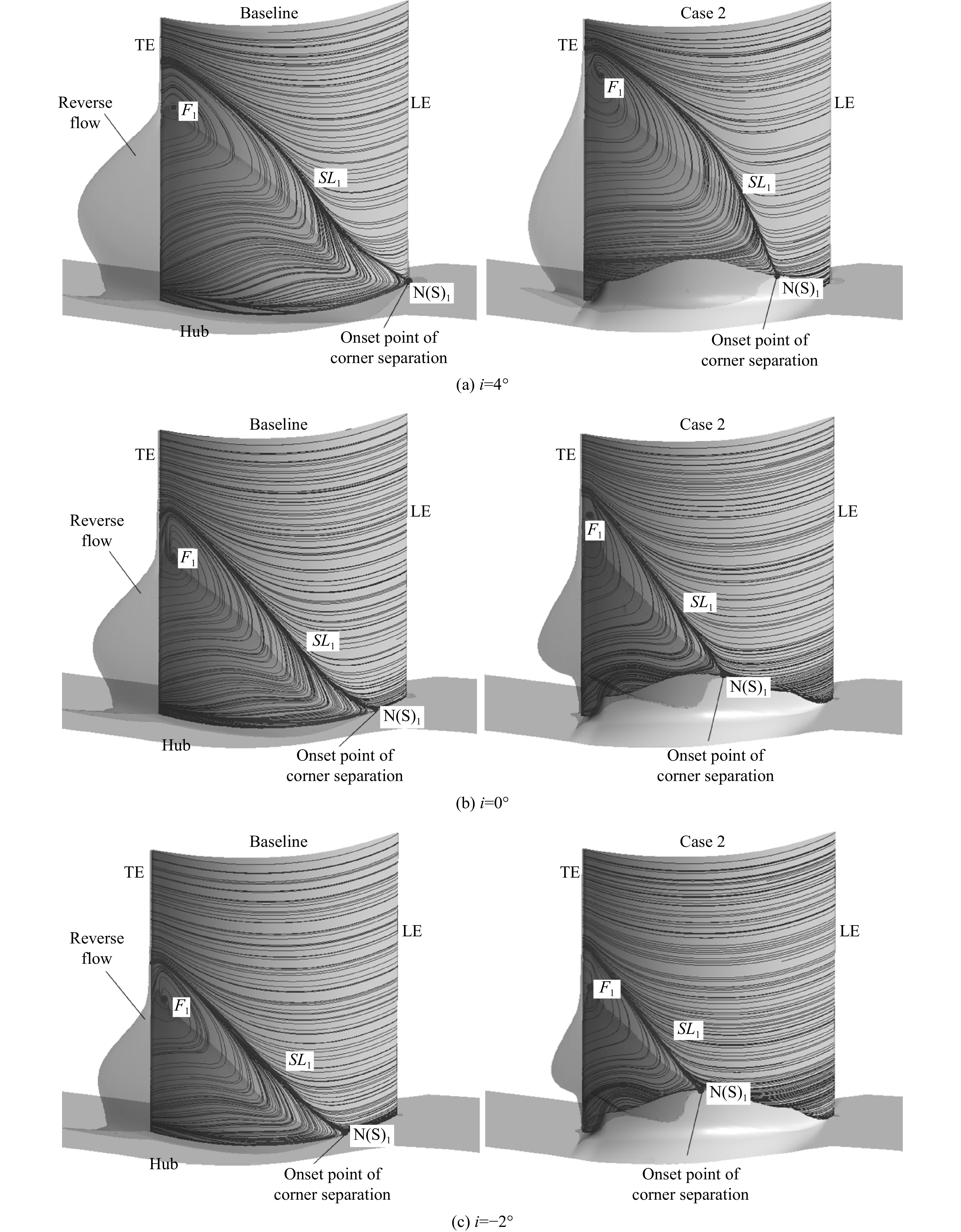
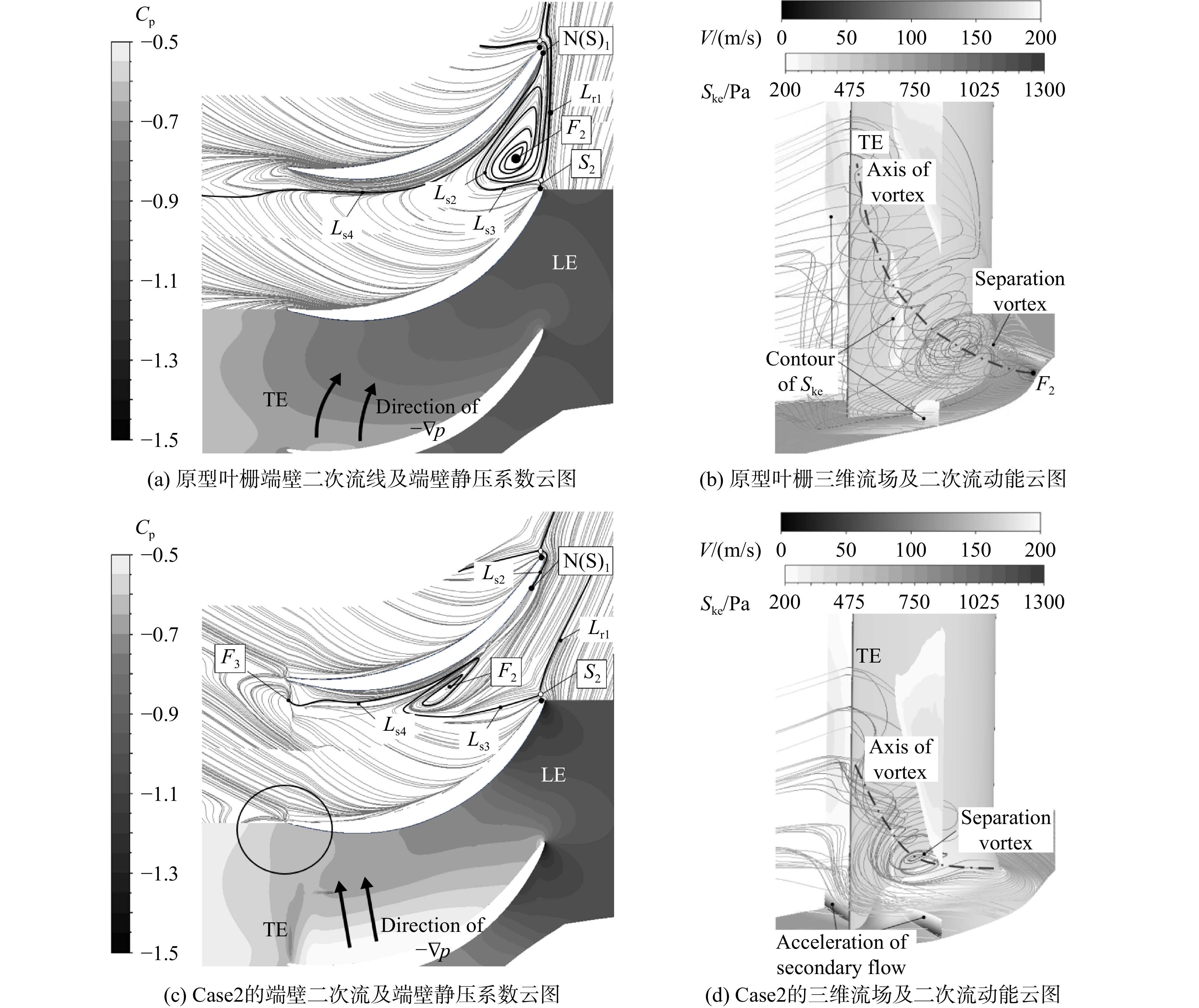
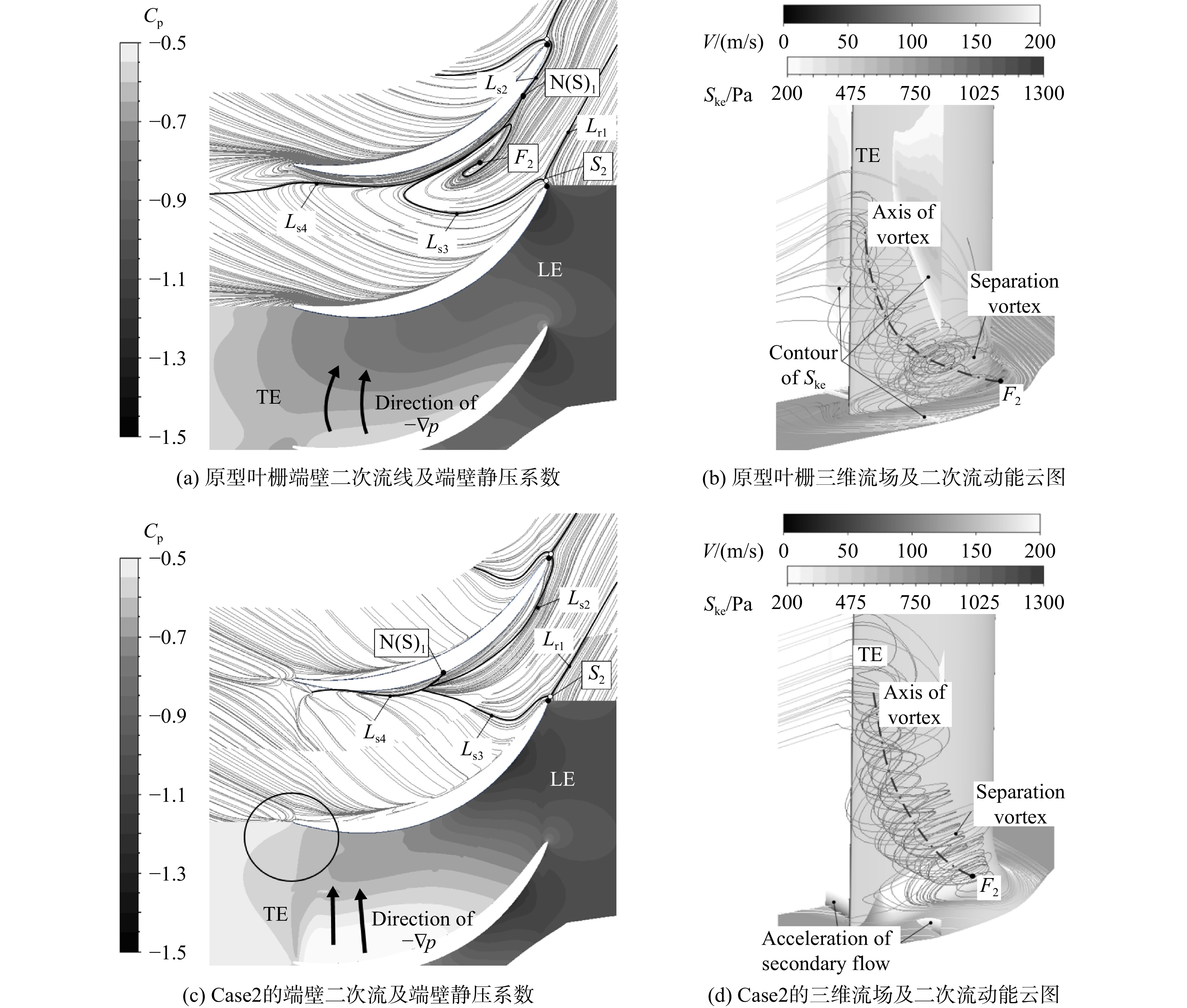
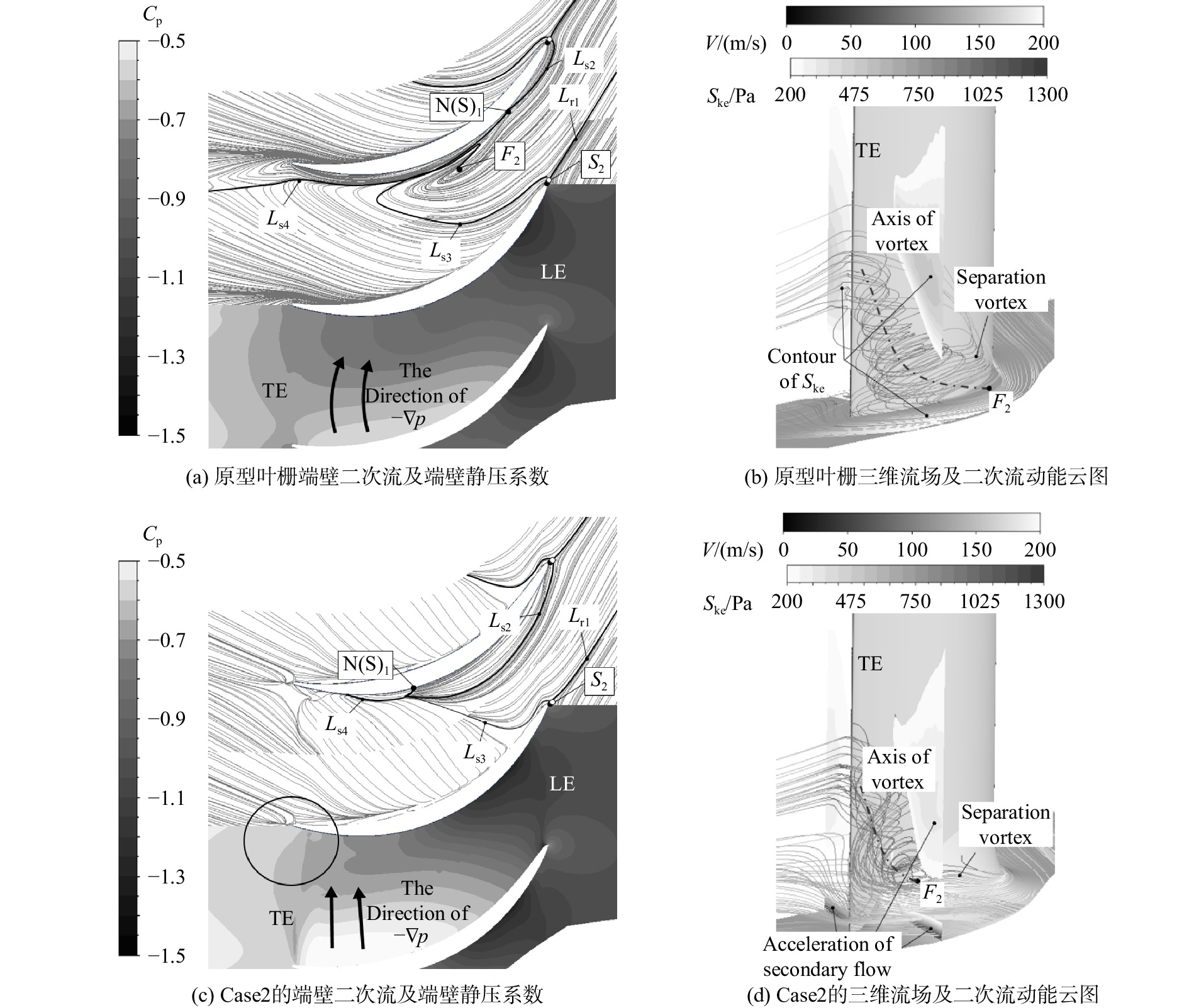
To deal with corner separation in high-load axial compressors, a new endwall contouring method for controlling the endwall second flow in more than one local area, generating the geometry with fewer control variables, and adapting to multiple working conditions was proposed. According to the idea of the new method, surface units with different effects on endwall secondary flow were defined, then their effects were combined by superimposing their geometry. Then the method was applied to multi-objective optimization design, The optimization results showed that the total pressure loss coefficient of the high-load cascade was reduced by 0.03 at the design point and 0.05 at the increased incidence. Compared with the traditional method, the optimization design process of the new method converged faster and the calculation time was shorter. As per the most effective design rules, an endwall surface with the rising suction side and sinking pressure side in the blade channel was constructed while locally raising the suction surface corner with a gentle upstream slope. The flow field analysis showed the new method achieved a clear and intuitive influence on the endwall geometry with fewer control variables. Also, it effectively combined the functions of the surface units in secondary flow control to suppress the corner separation. It thus indicates the advantages of the newly developed endwall contouring method compared with previous studies.

Power Transimission
Radial stiffness analysis of cylindrical roller bearing
ZHANG Yueming, JIA Yingshuai, JI Shuting
2024, 39(2): 20210474. doi: 10.13224/j.cnki.jasp.20210474
Abstract:

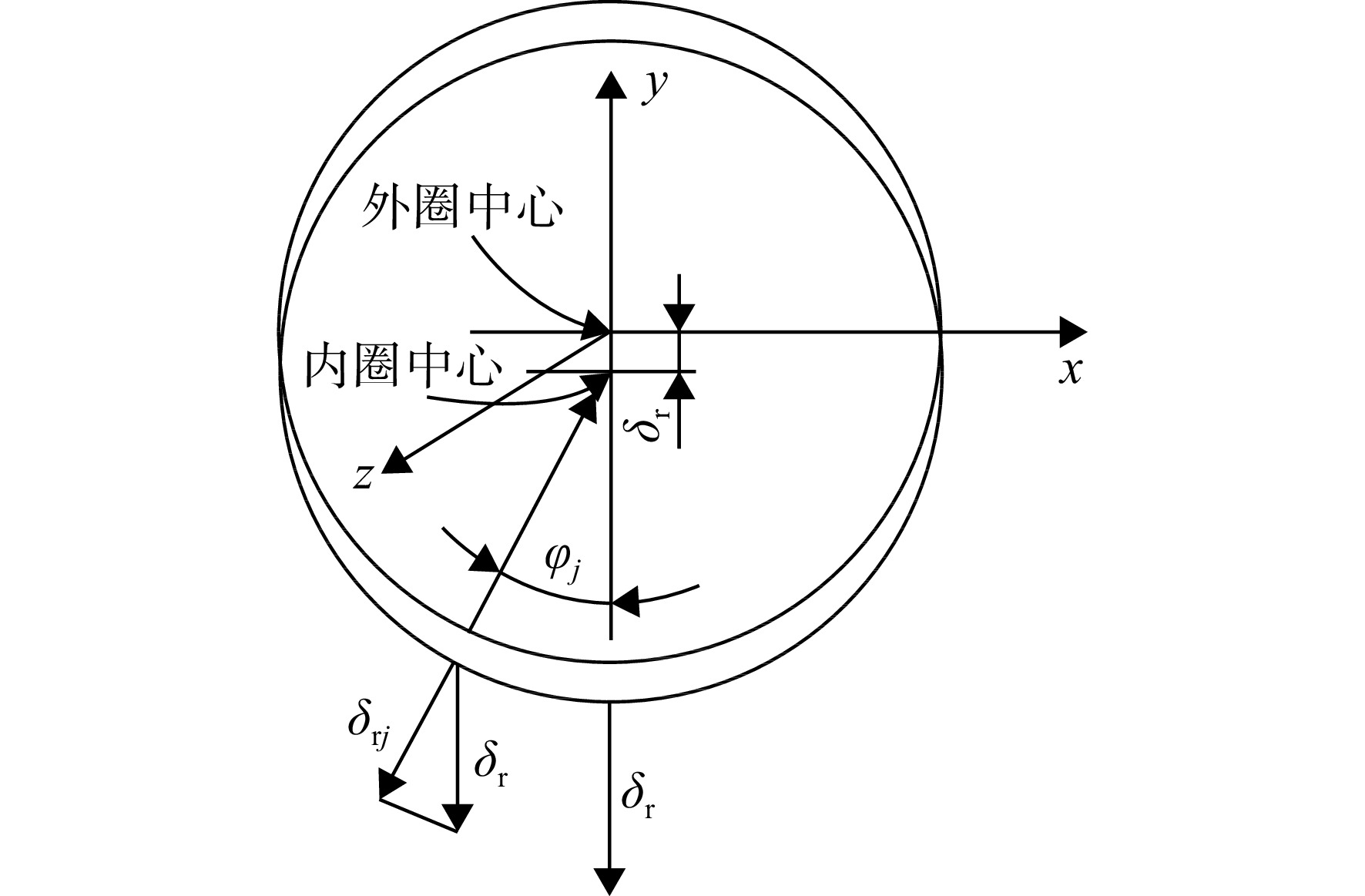
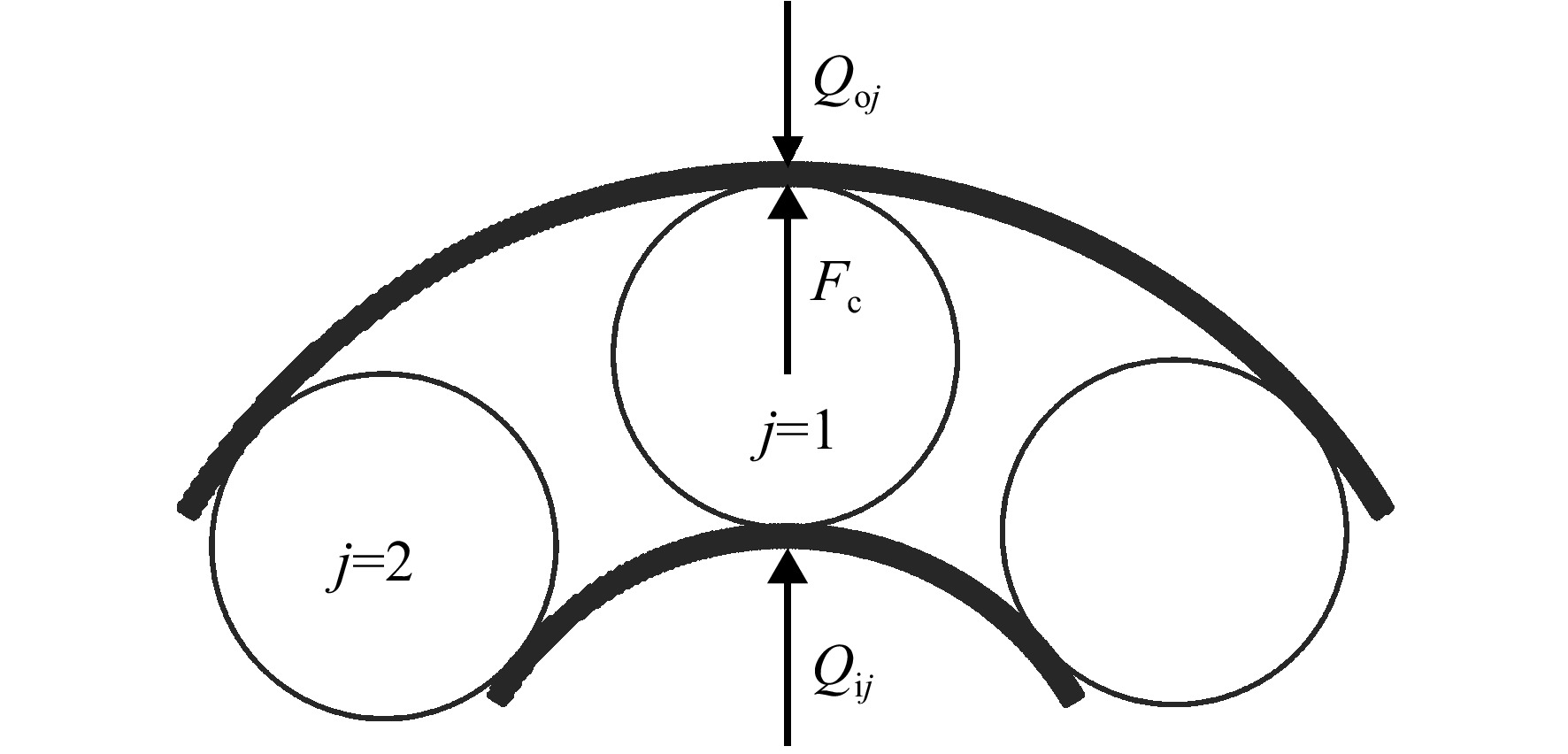
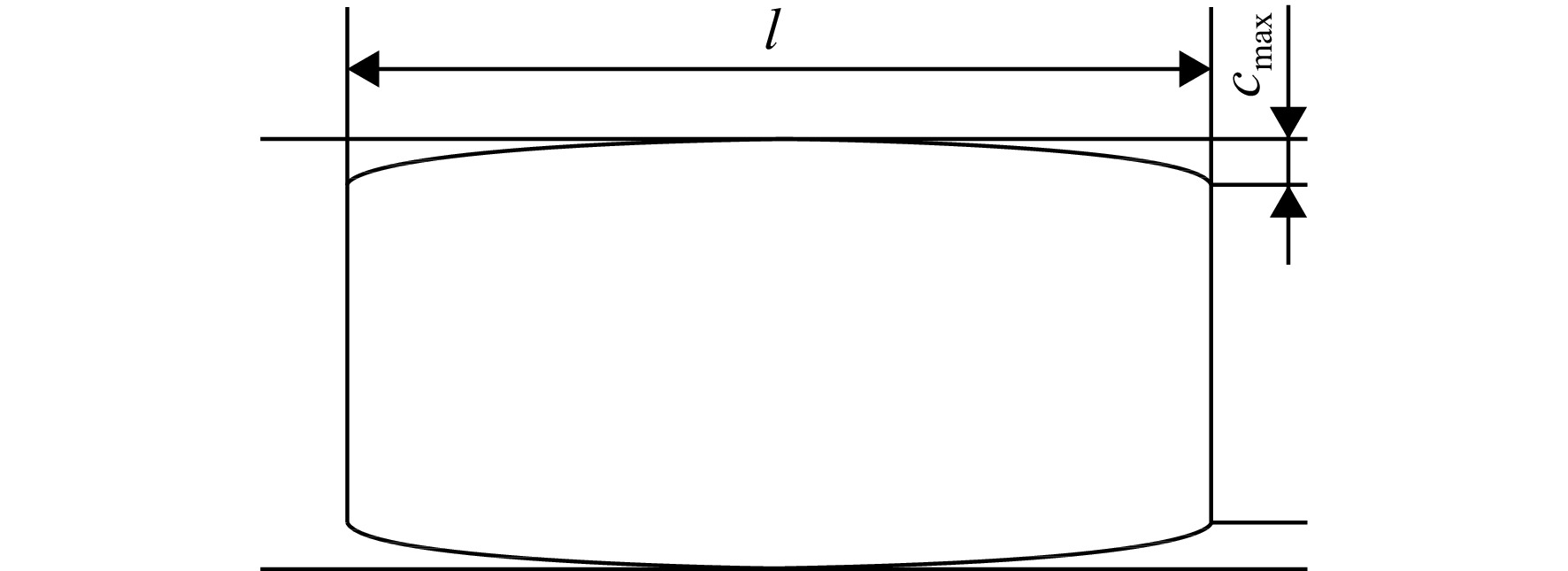
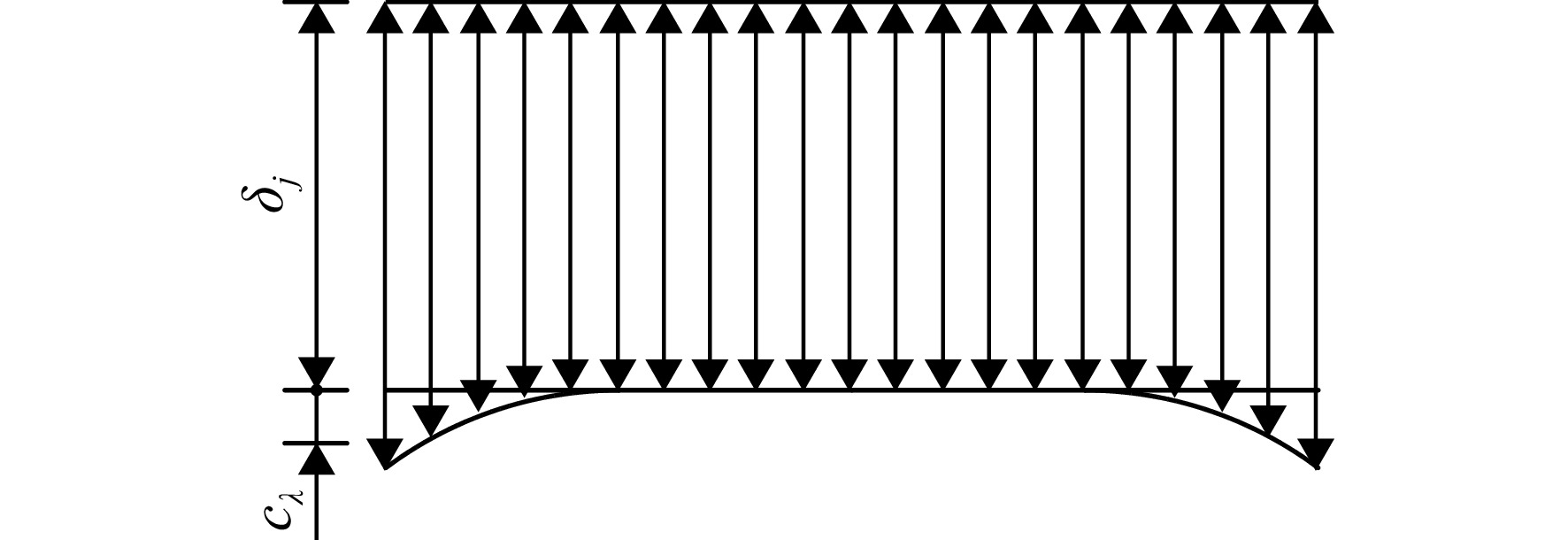
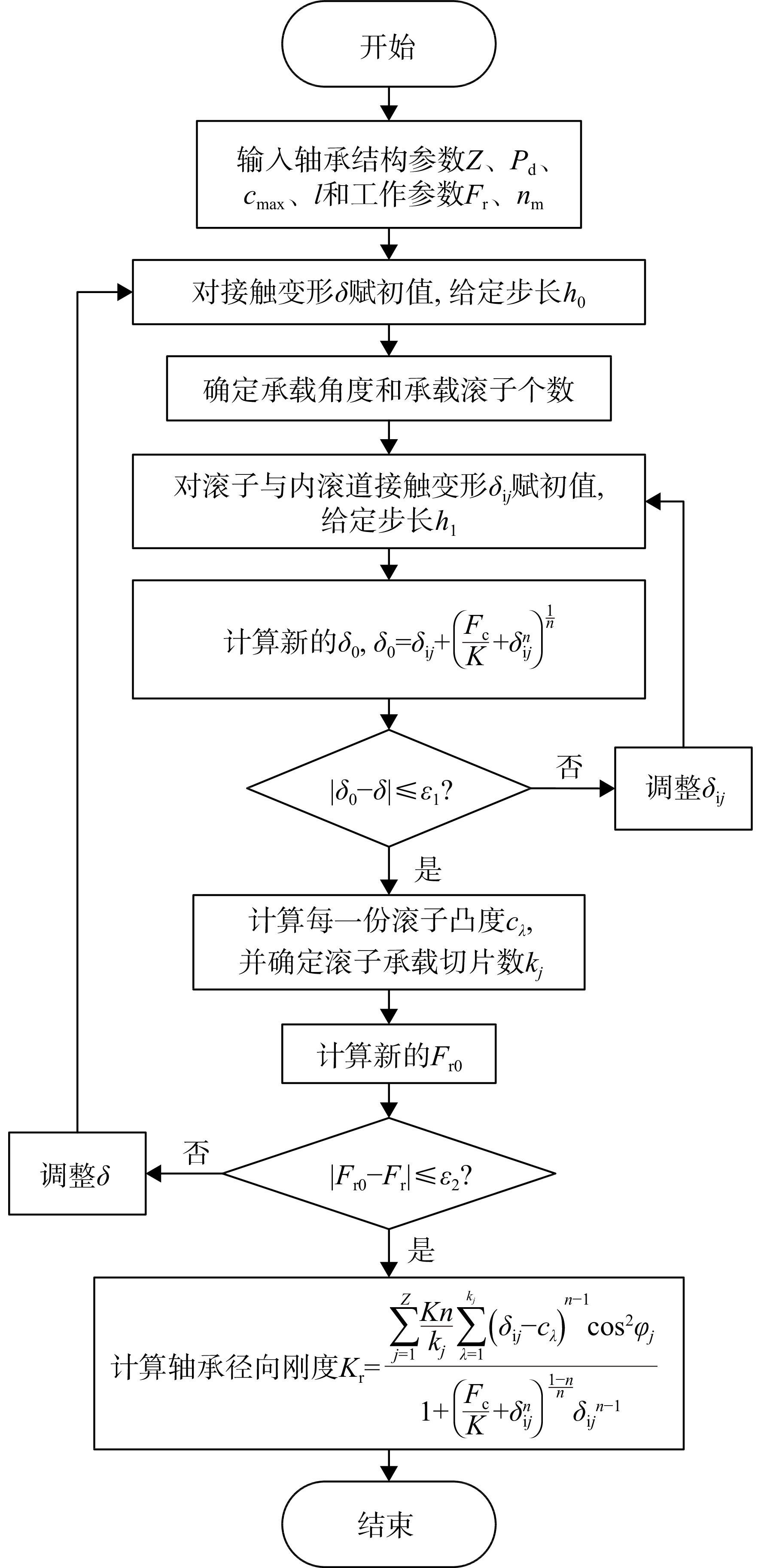
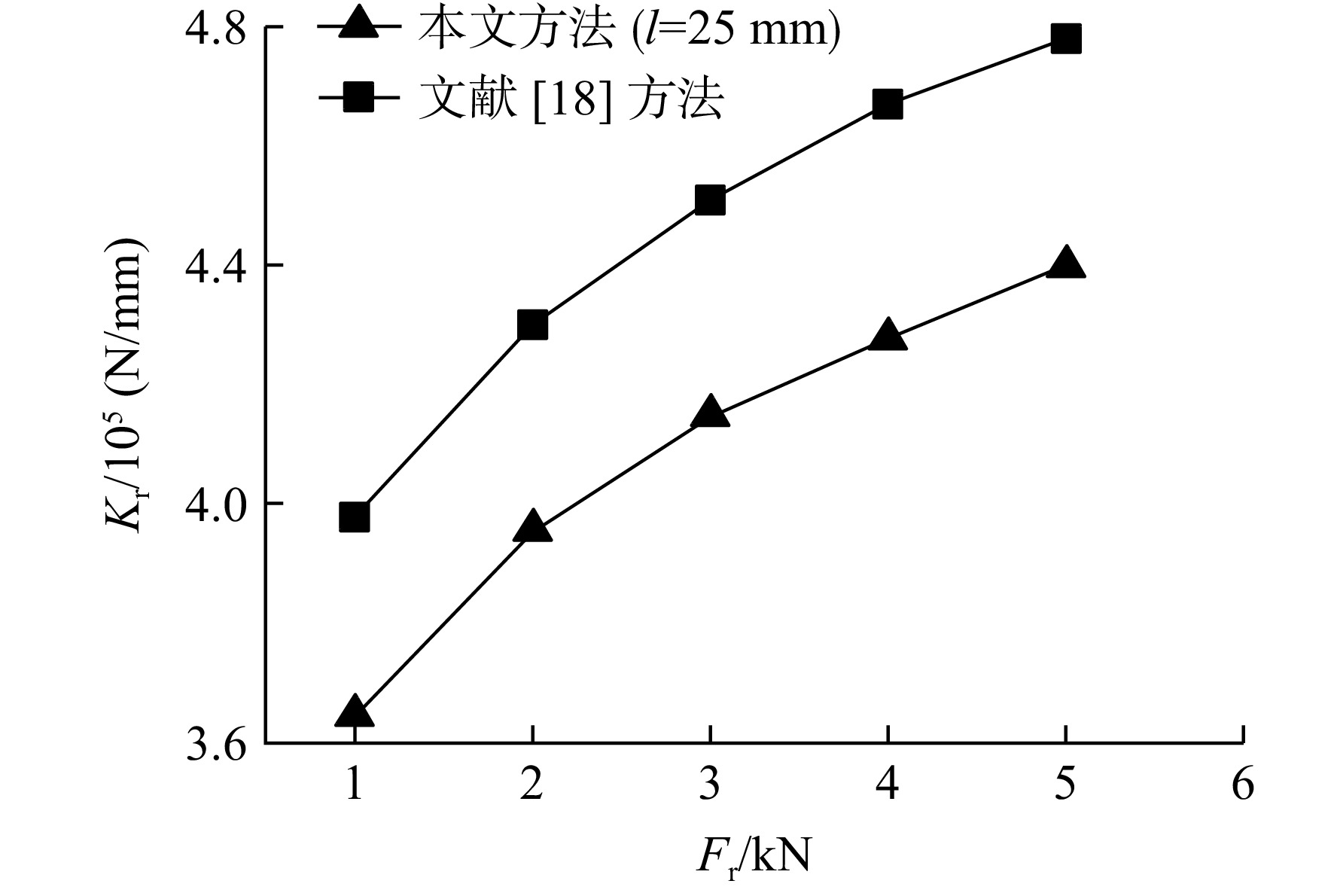
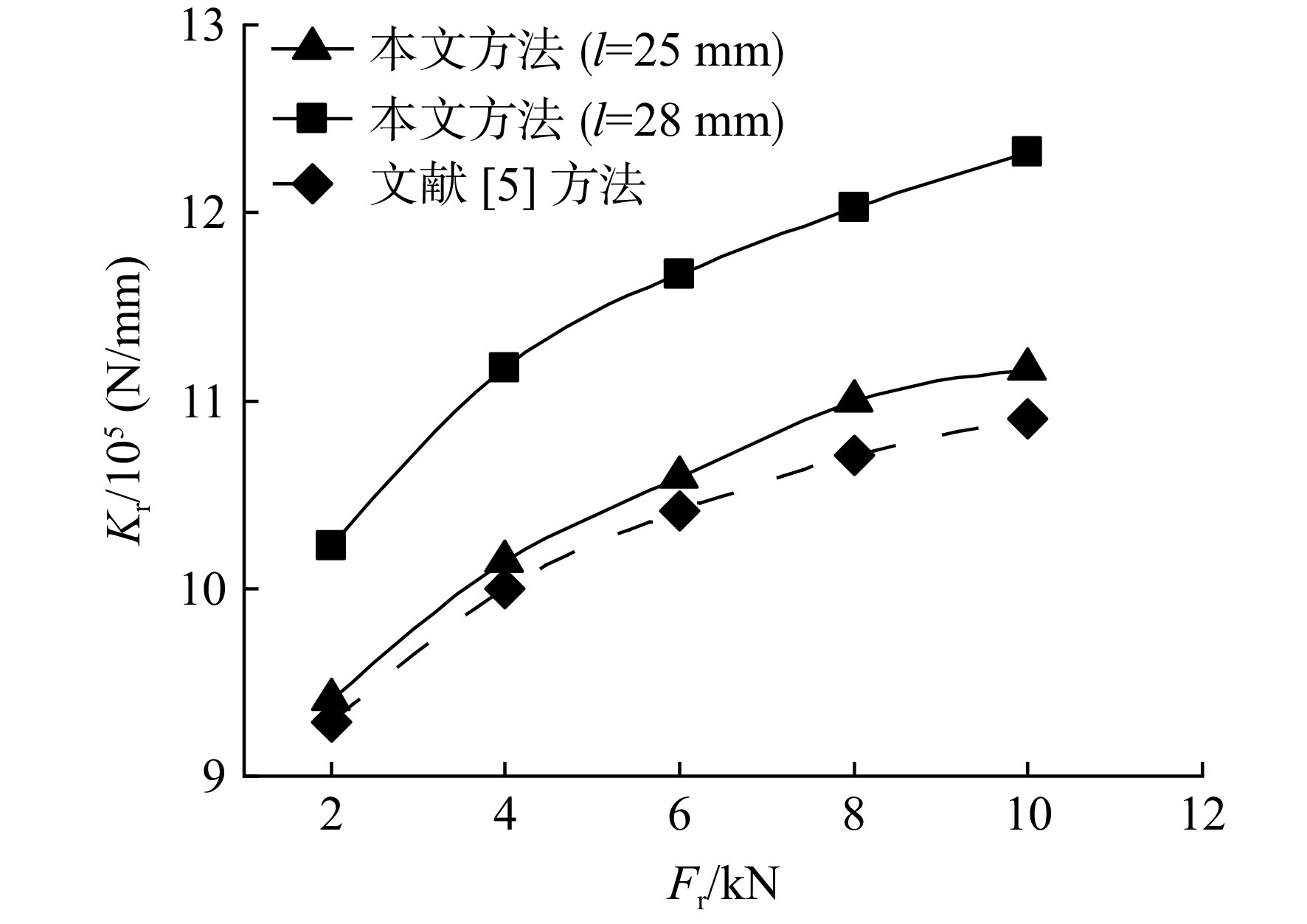
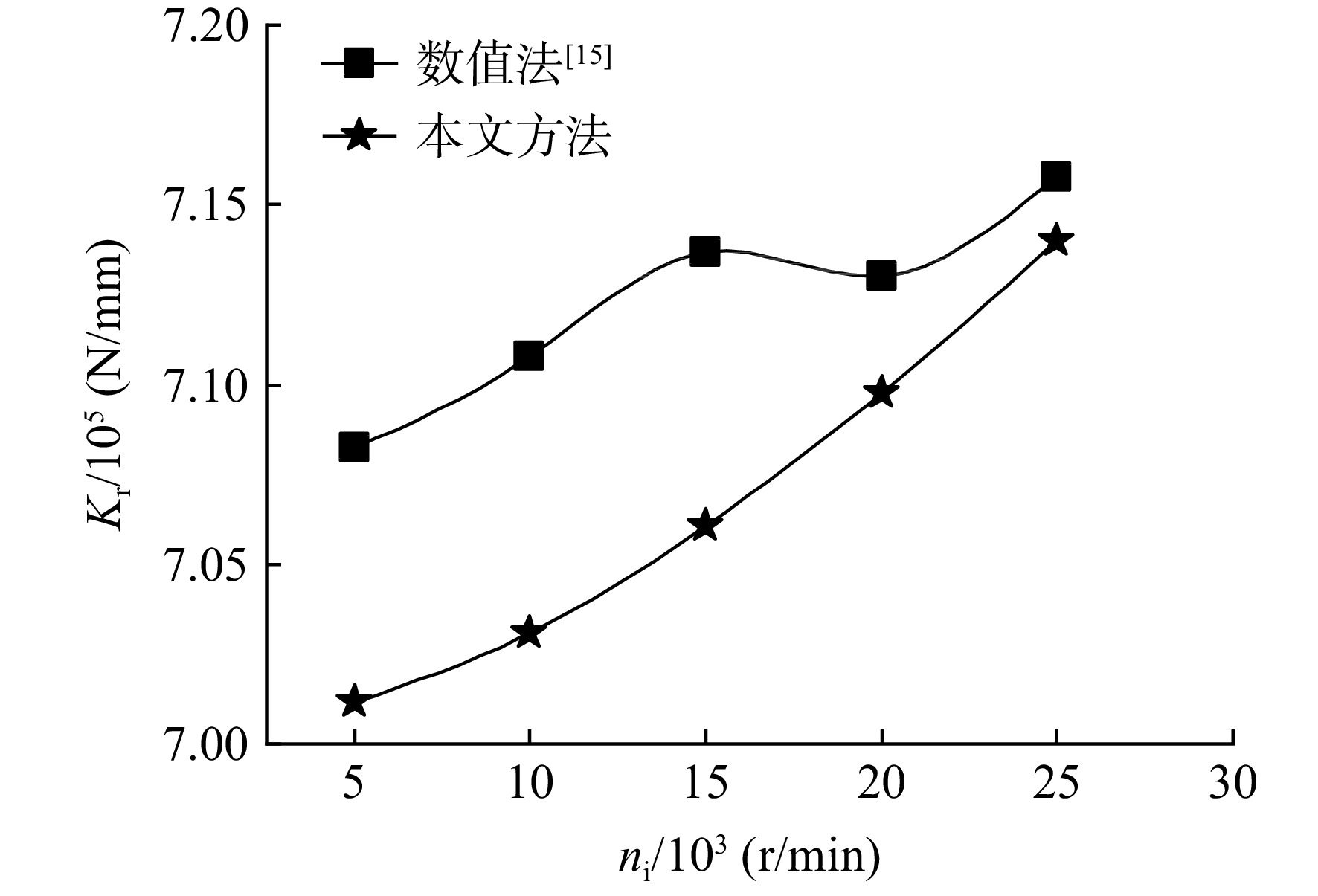
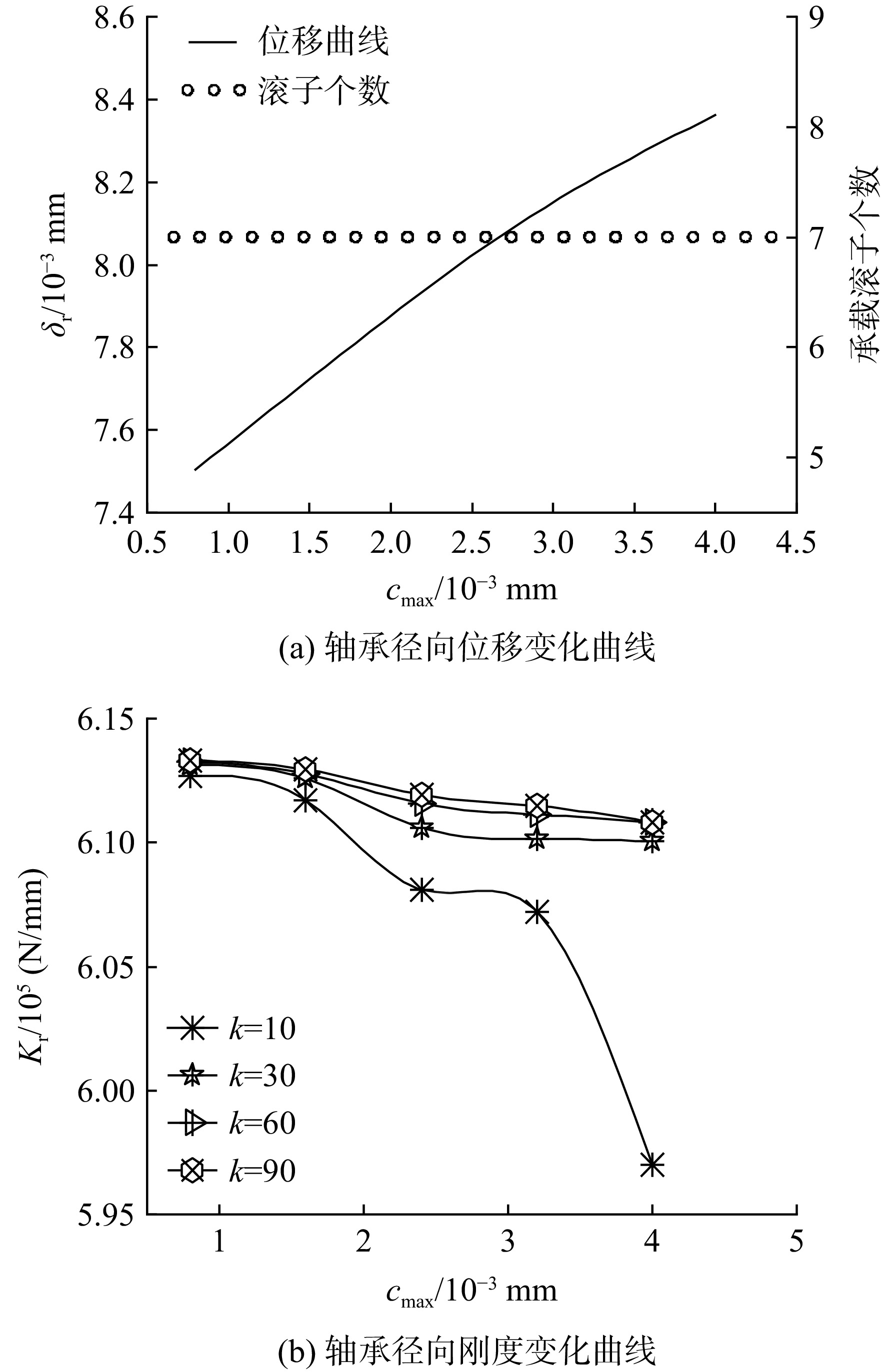
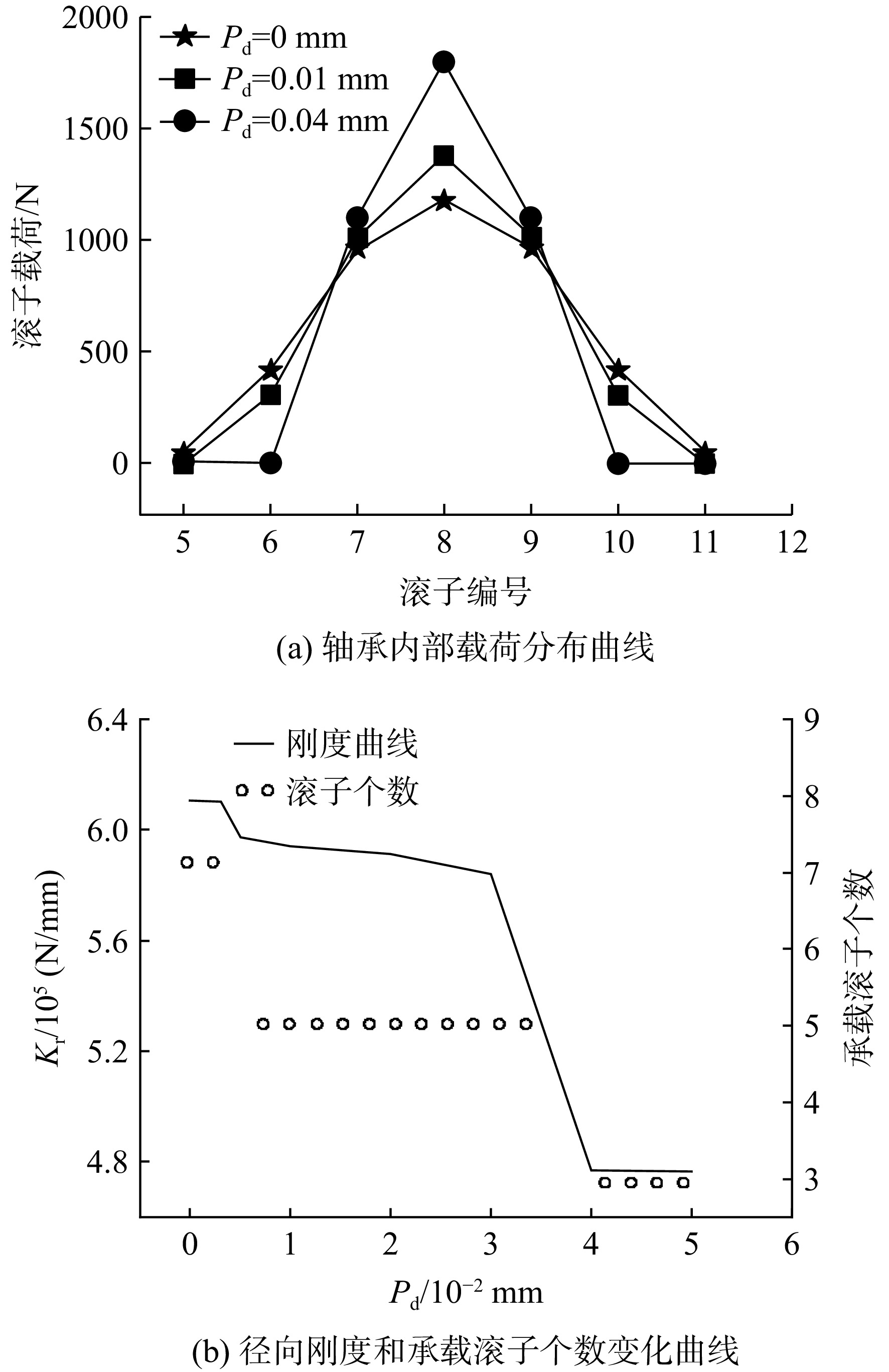
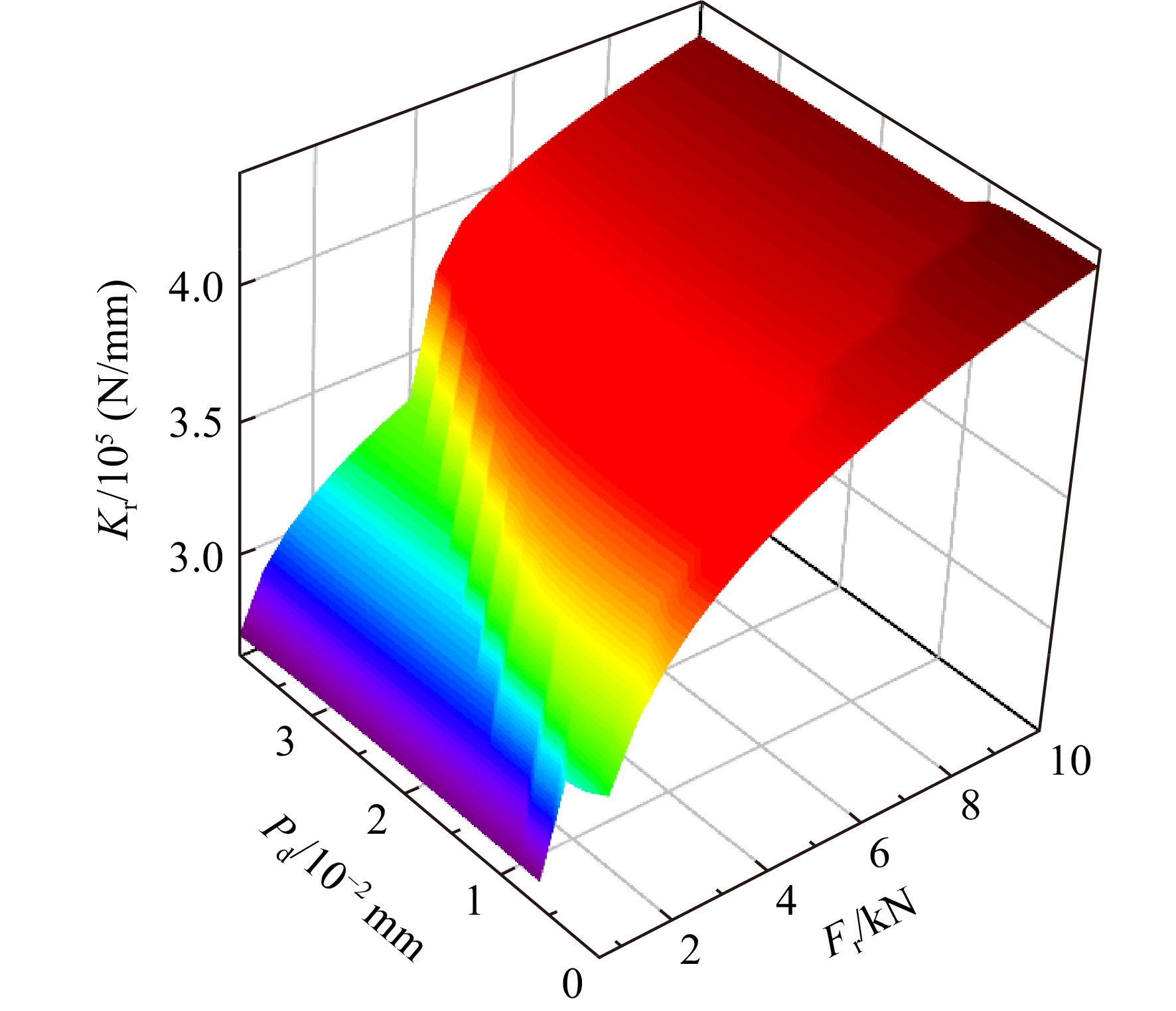
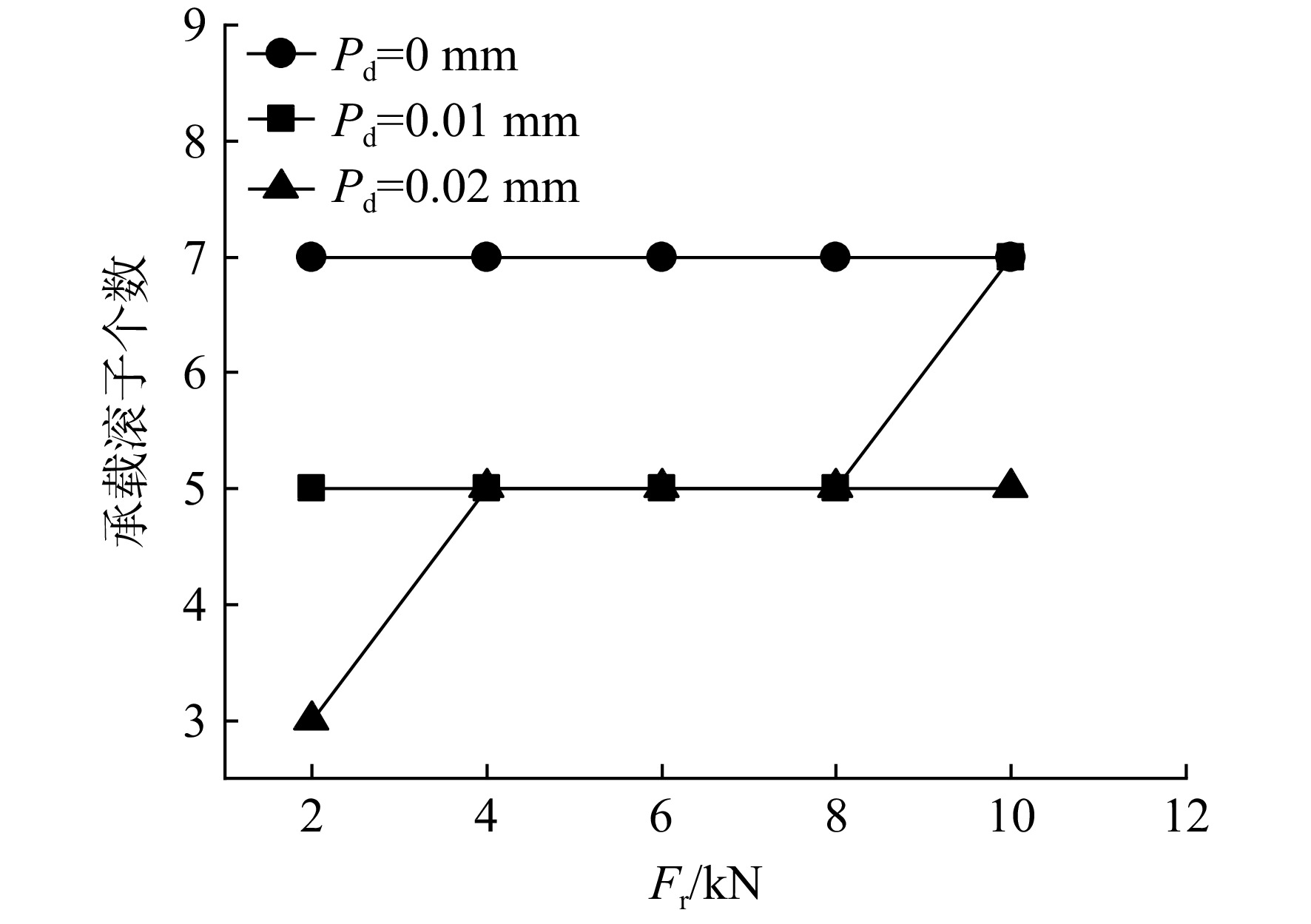
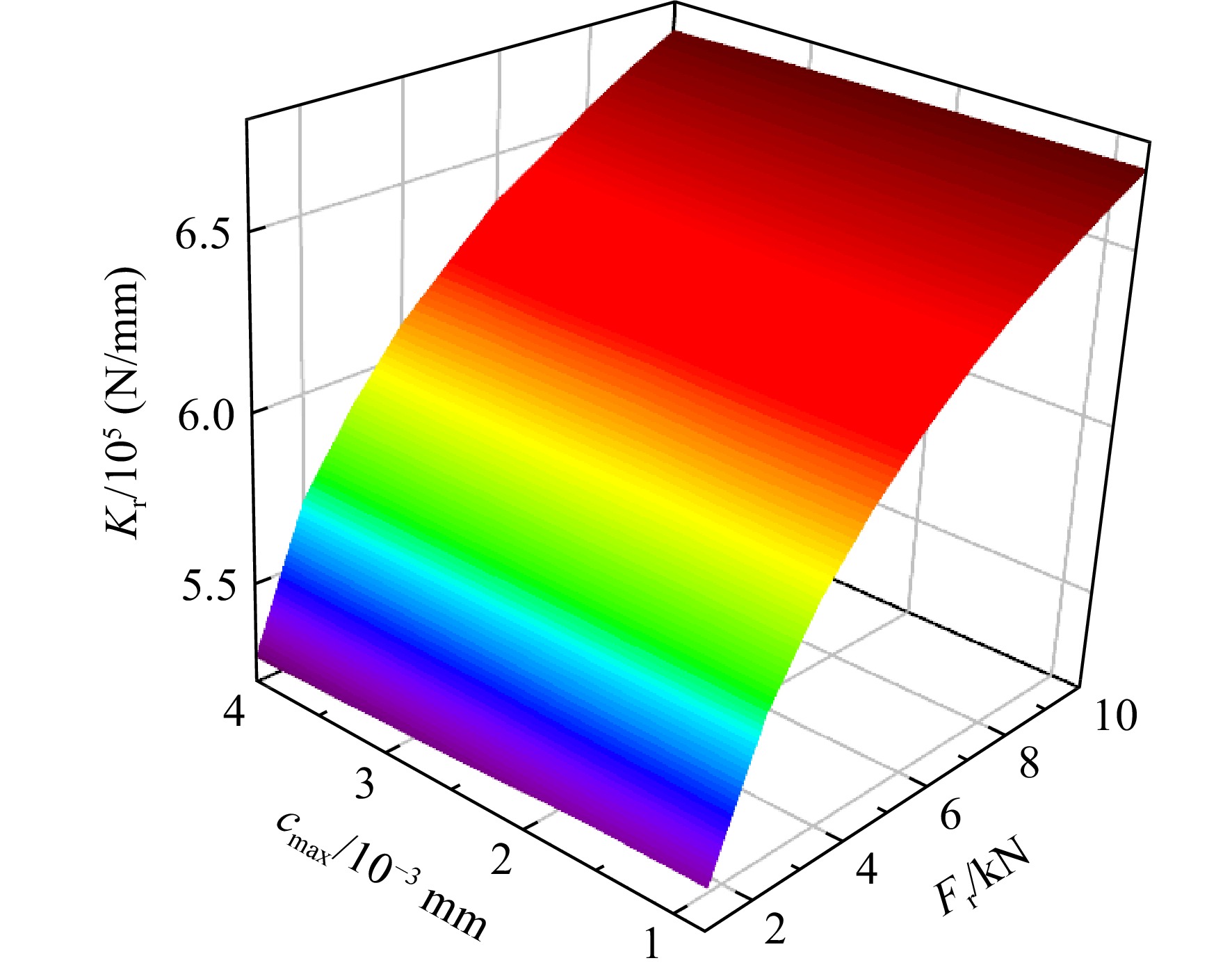
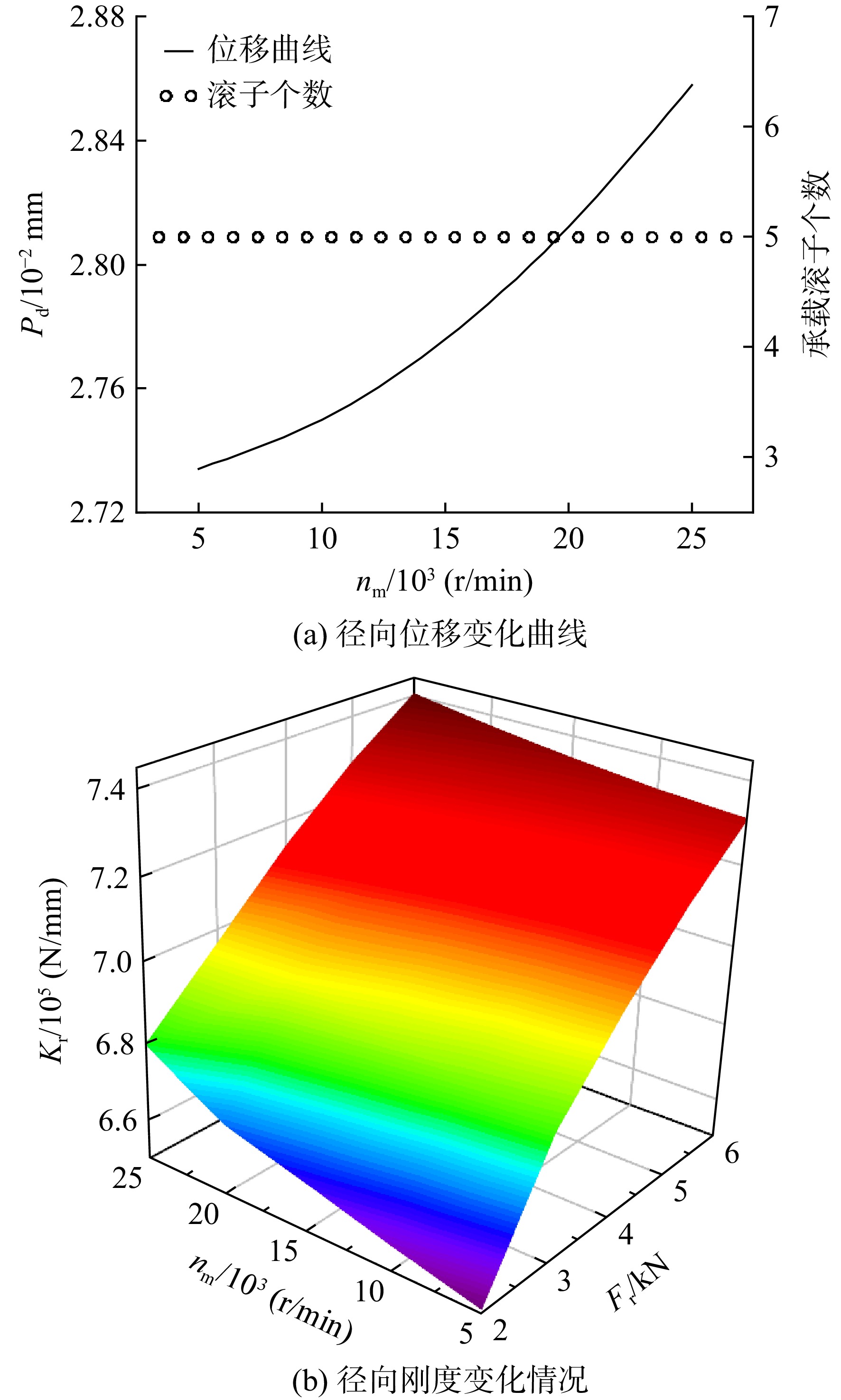
To reveal the effect of roller convexity and bearing speed on the radial stiffness of cylindrical roller bearing, an analytical model of cylindrical roller bearing radial stiffness considering roller convexity and bearing speed was established. The influences of factors such as roller convexity, bearing speed, radial clearance and radial load on the radial stiffness of the bearing were analyzed. The established model was compared with other literature methods to verify the correctness. The research results showed that the radial stiffness of cylindrical roller bearings decreased with the increase of roller convexity and radial clearance, and increased with the increase of bearing speed and radial load. With the increase of radial load, the influences of roller convexity, bearing speed and radial clearance on the radial stiffness of the bearing were weakened.

Dynamic characteristic of aviation spiral bevel gear with ERSFD
REN Hongfei, WANG Sanmin, ZOU Haoran, CHEN Peng, ZHANG Xuyang
2024, 39(2): 20220240. doi: 10.13224/j.cnki.jasp.20220240
Abstract:

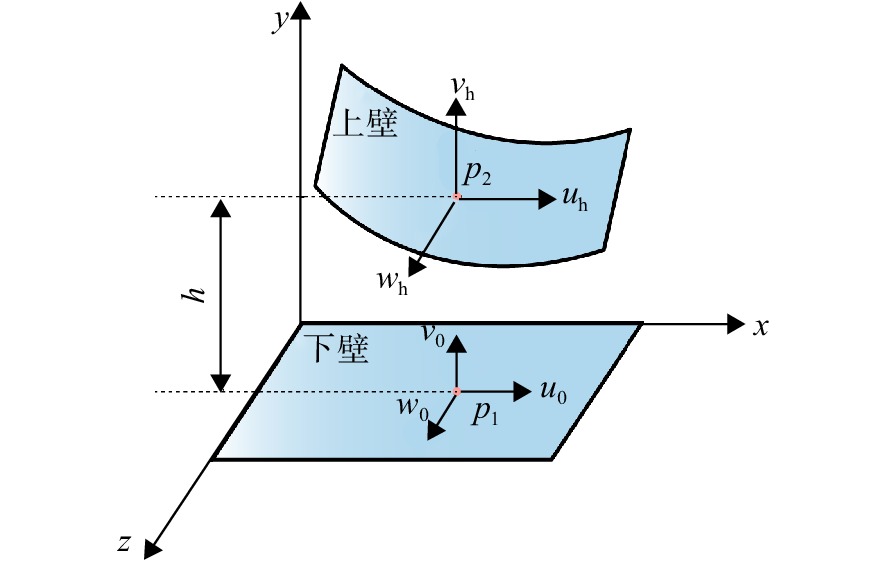
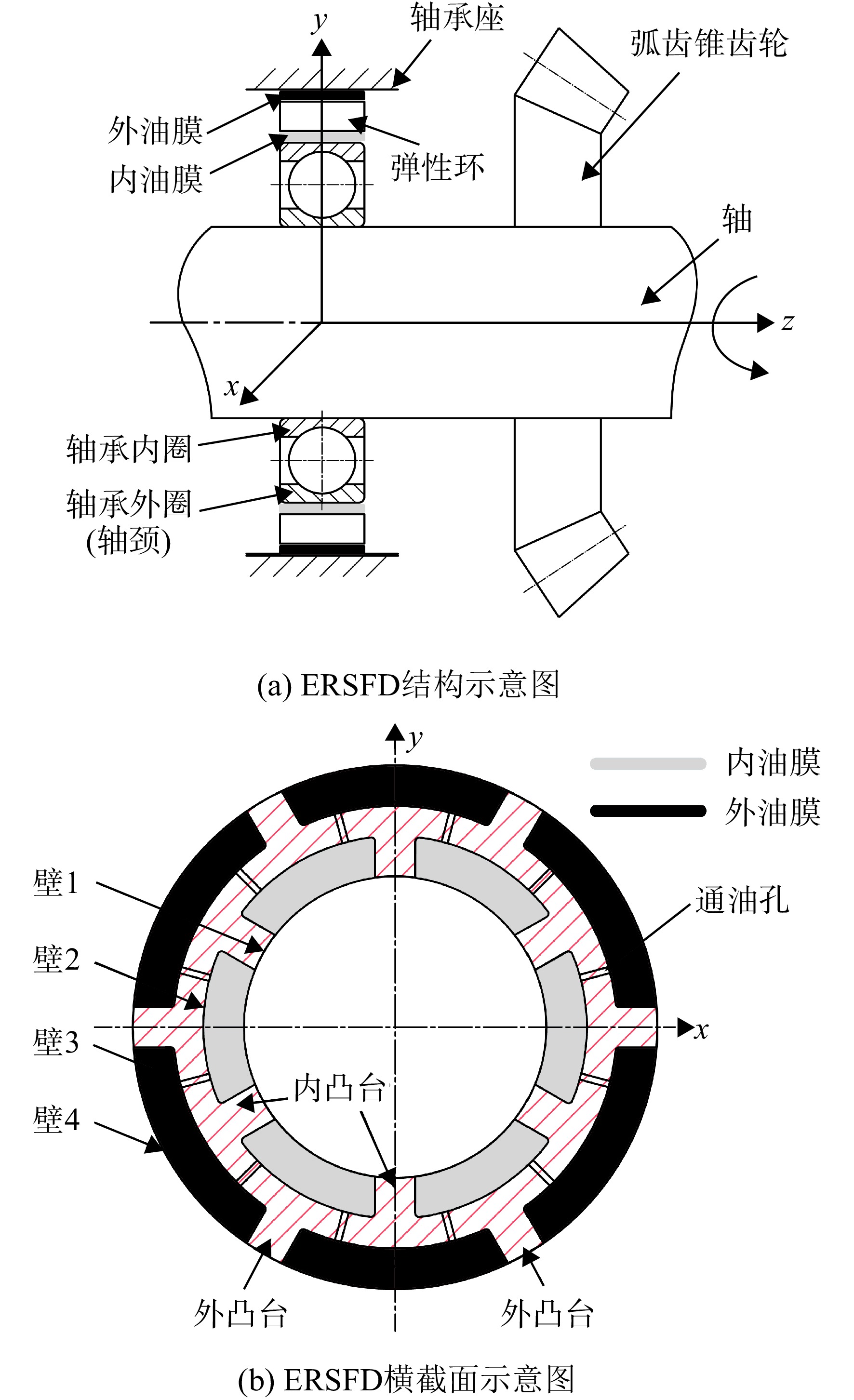
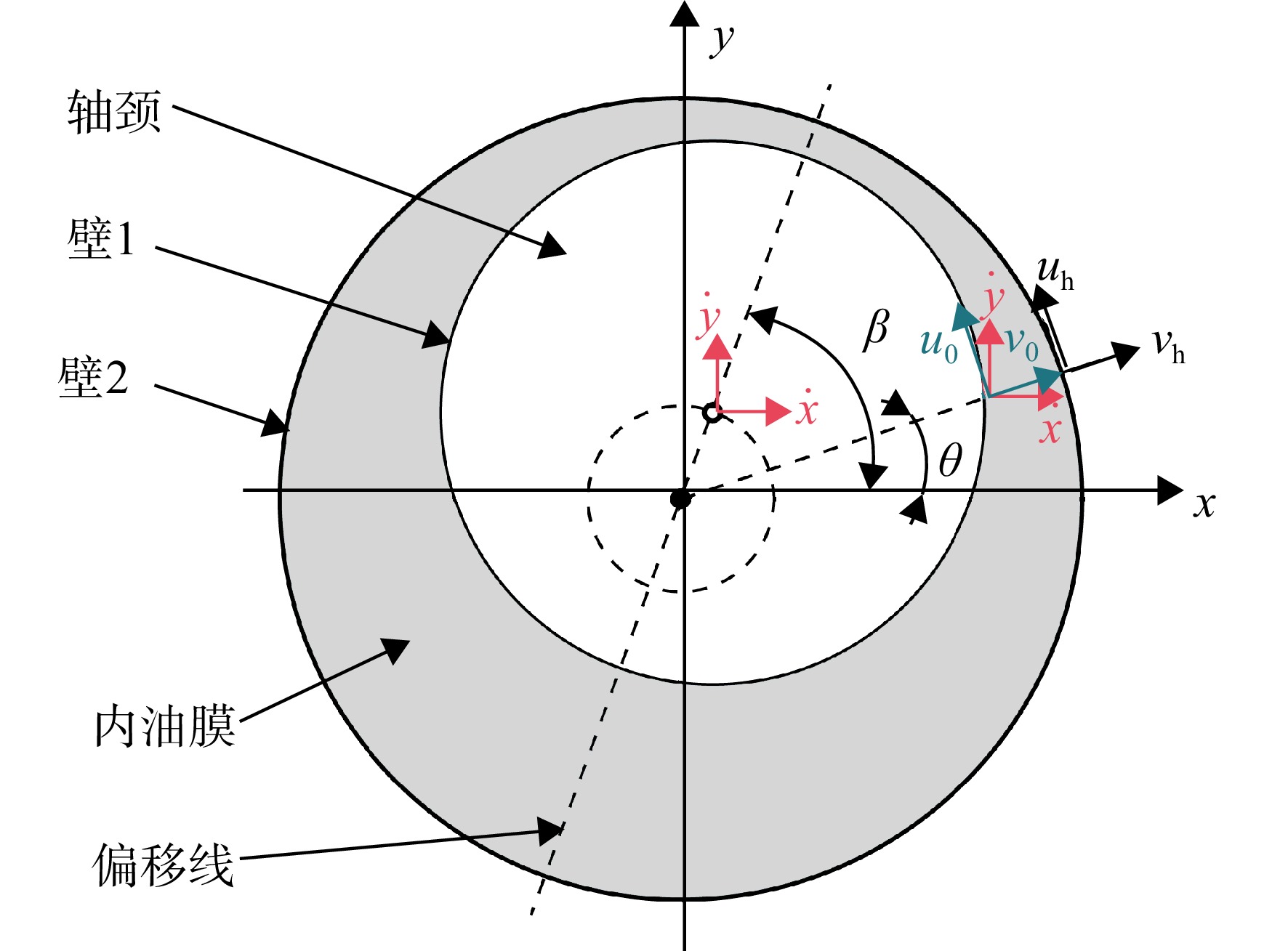
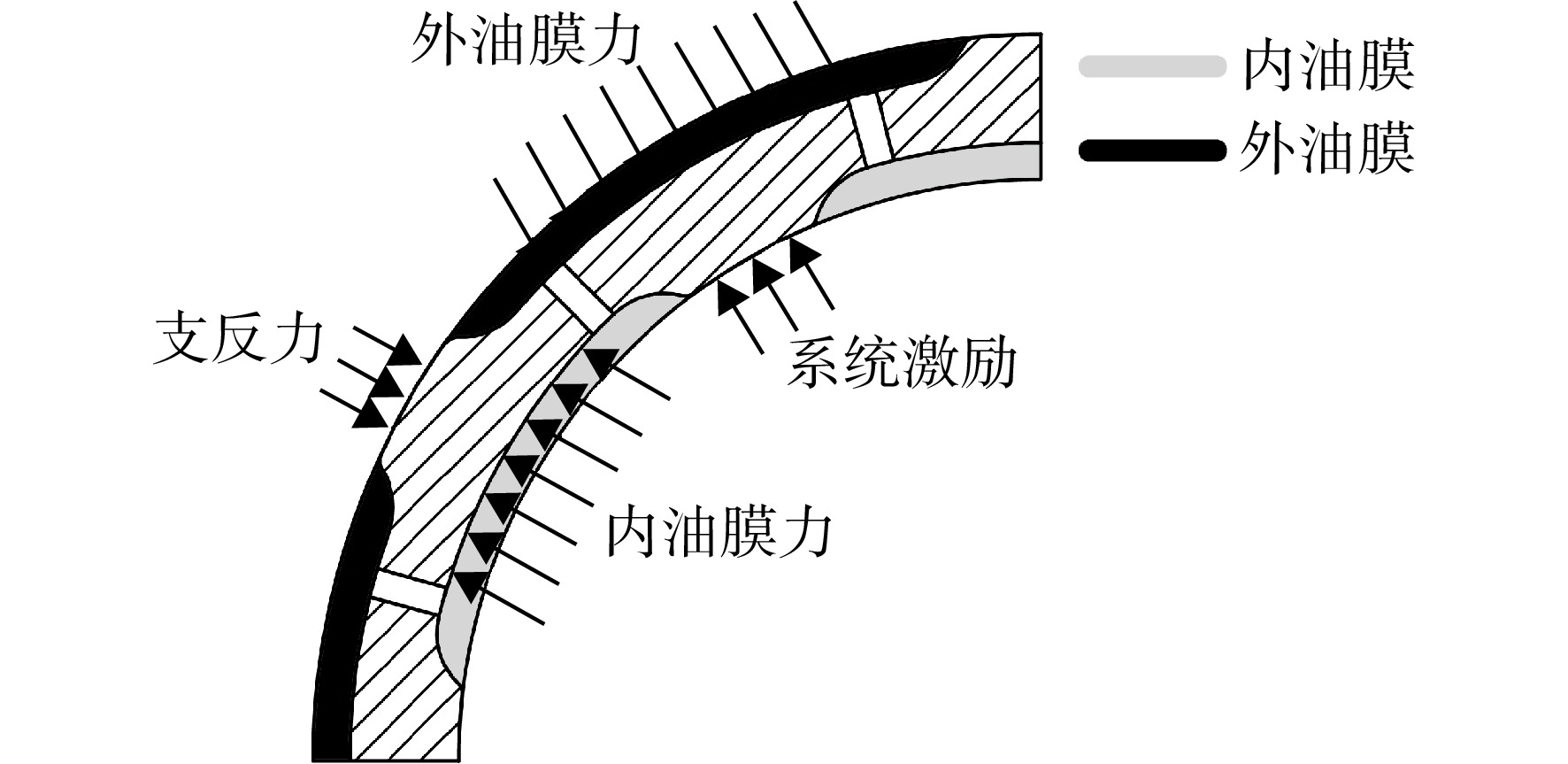
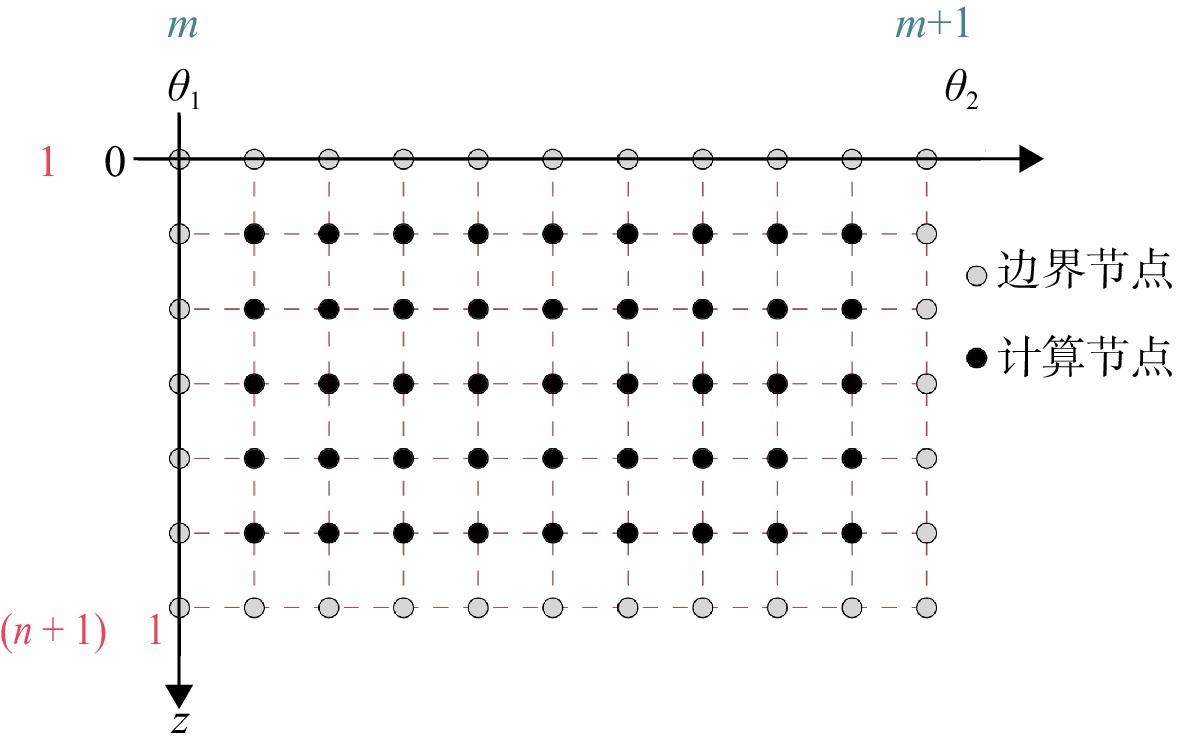
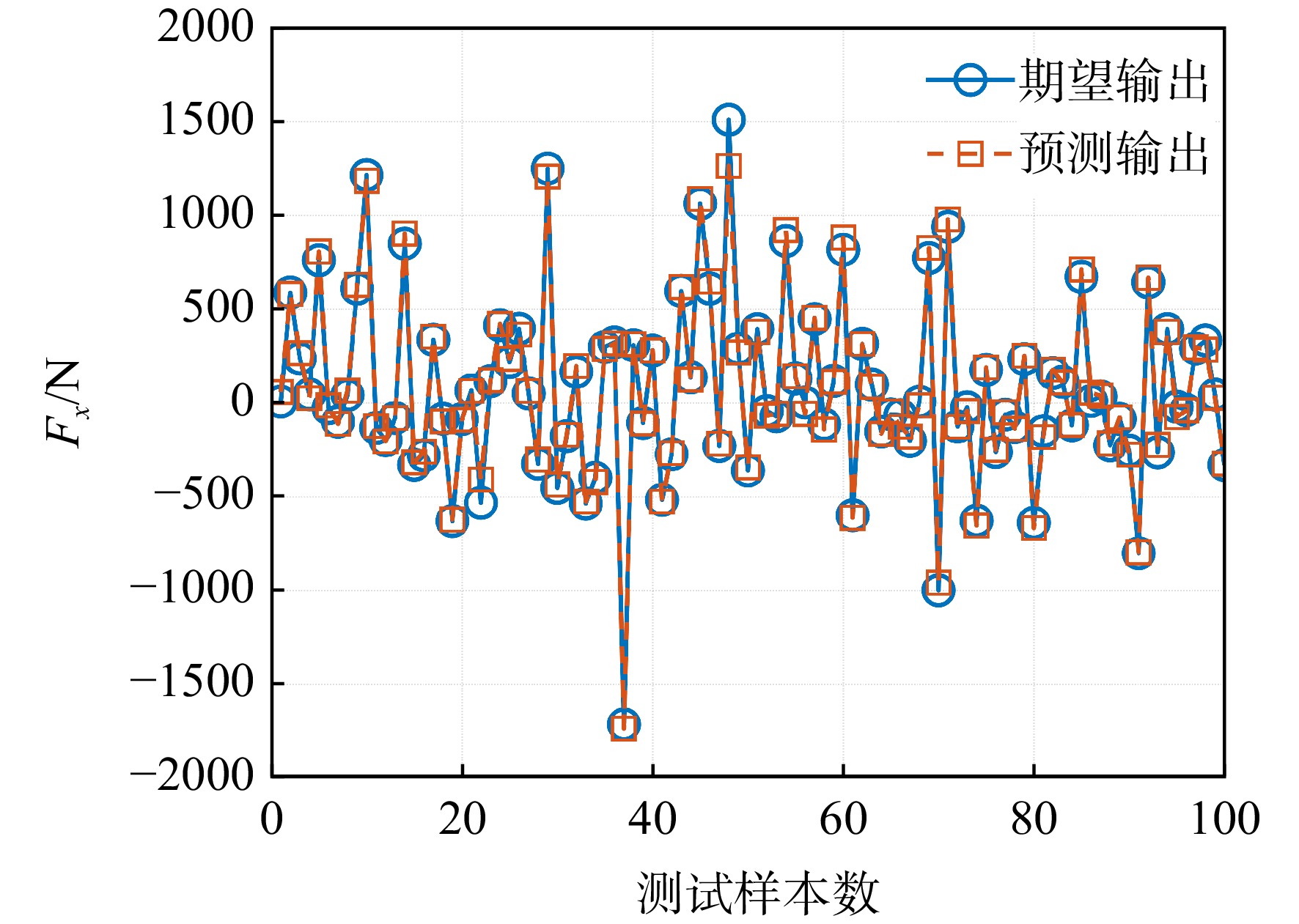
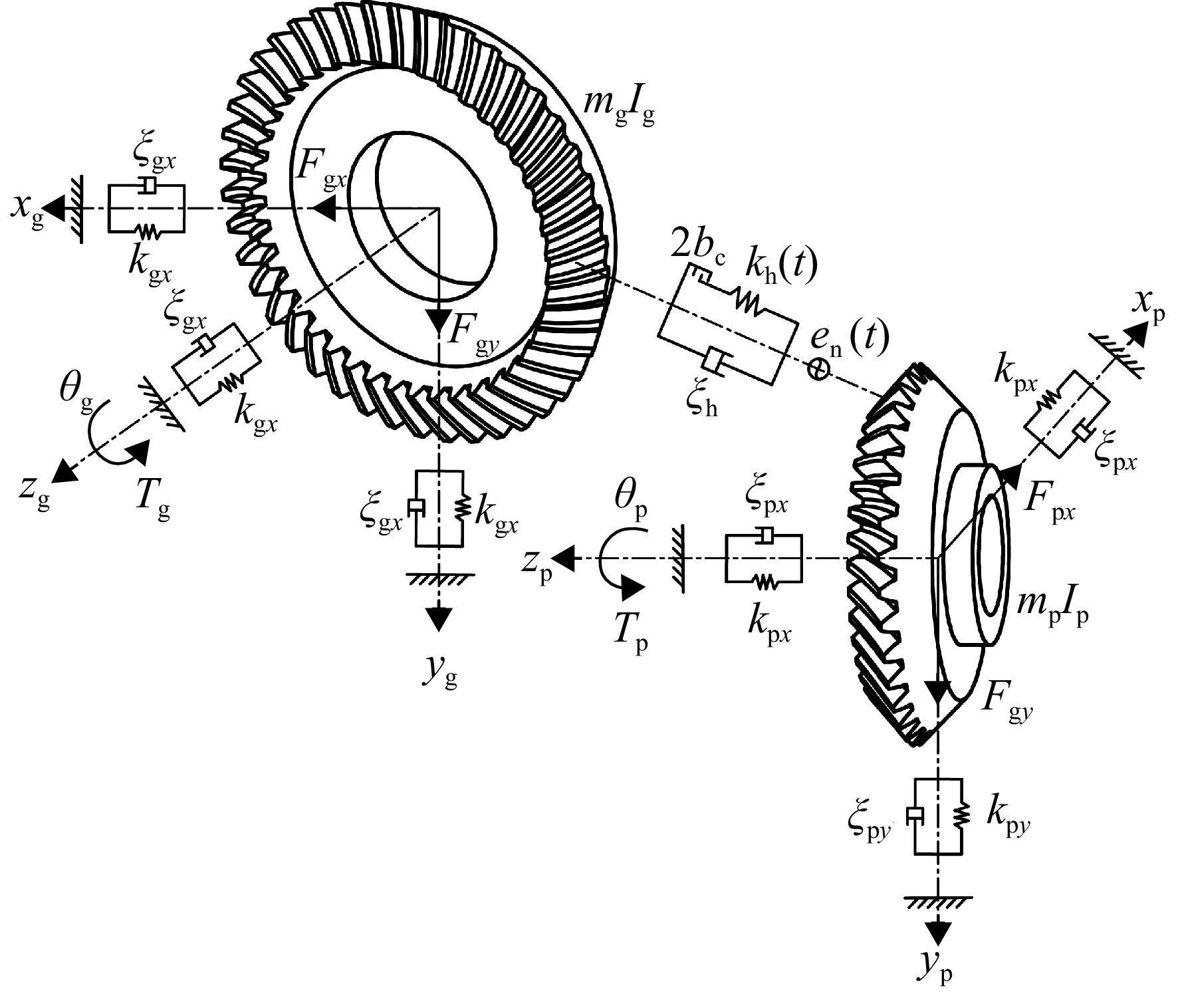
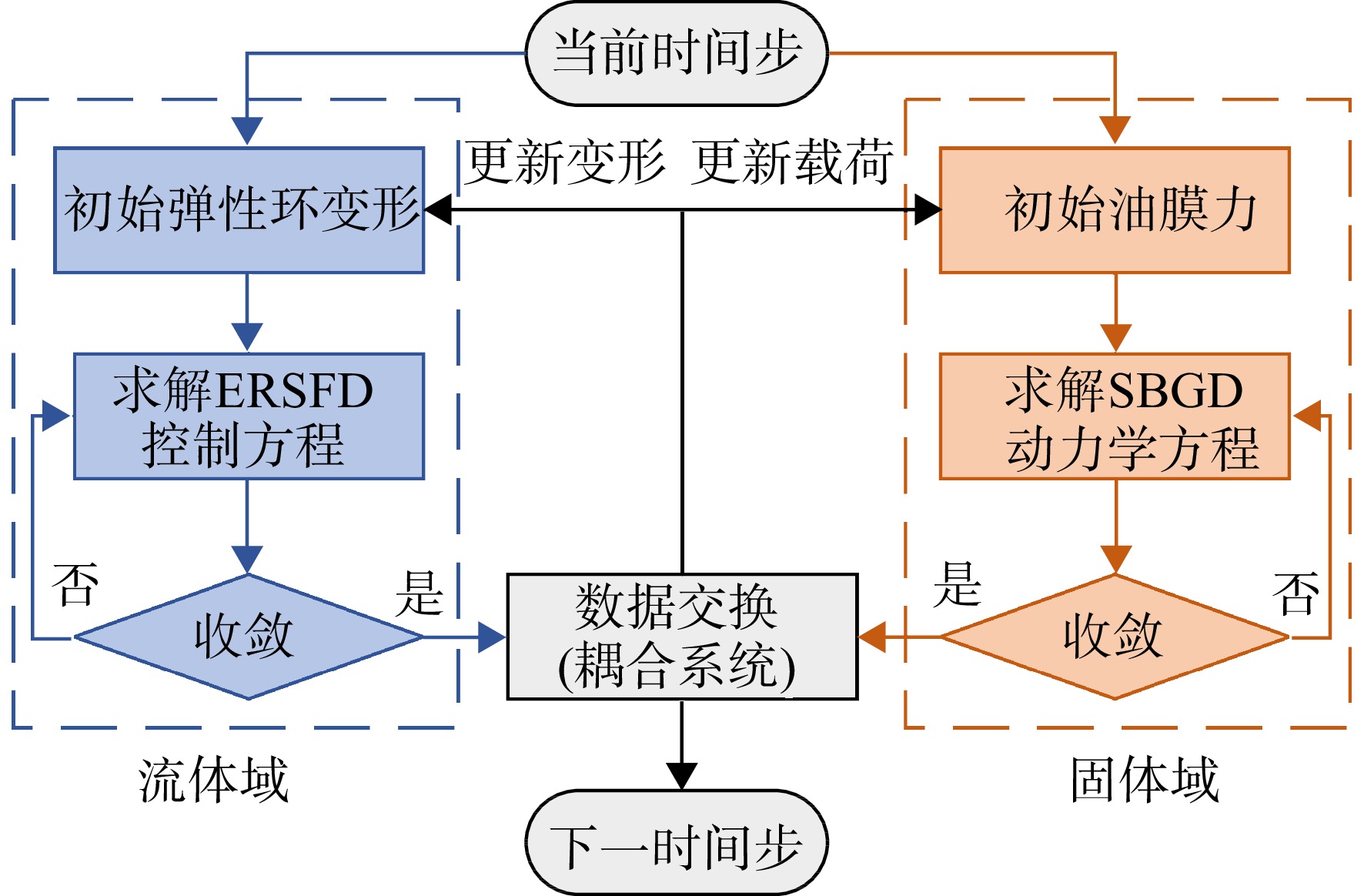
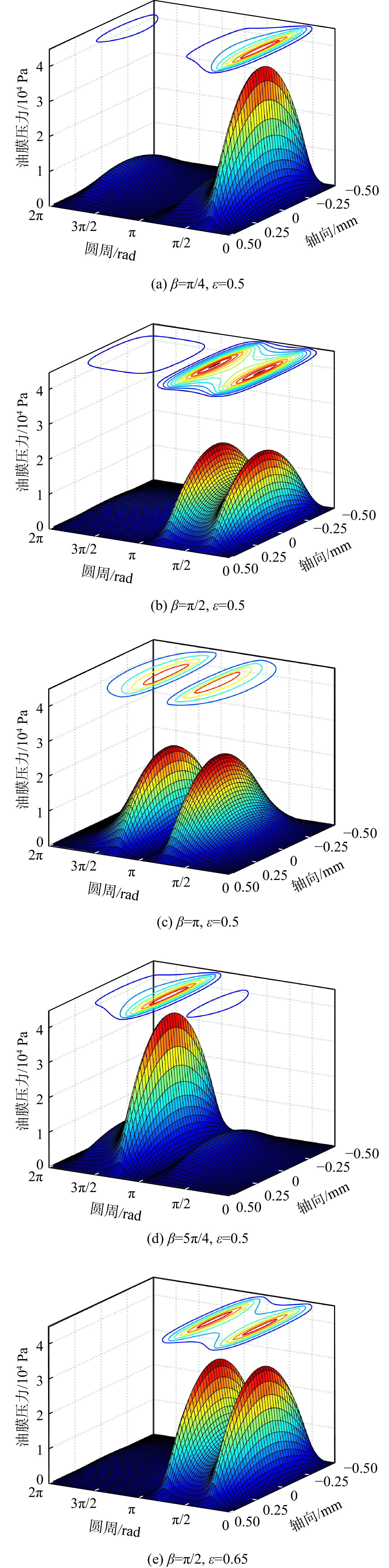
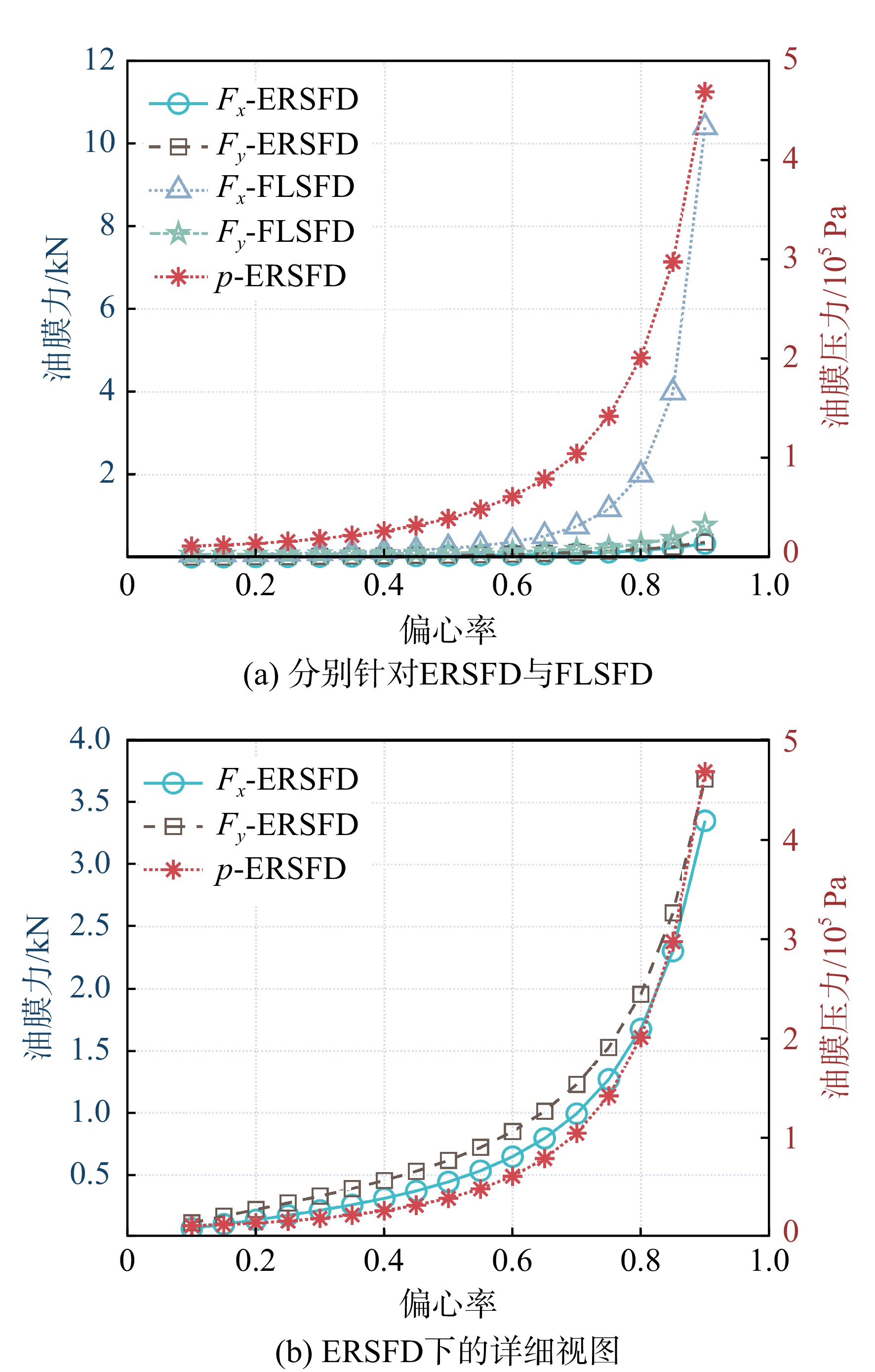
Elastic ring squeeze film damper (ERSFD) was introduced into the spiral bevel gear drive (SBGD) to improve its dynamic characteristics. Based on the generalized Reynolds equation, the internal and external oil film control equations were established. The deformation of the elastic ring was obtained by semi-analytical method. After obtaining the ERSFD oil film force, an approximate model was established based on the radial basis function (RBF) neural network. A bidirectional fluid-structure interaction dynamic model of an 8 degree of freedom spiral bevel gear transmission system with ERSFD support was established. The steady-state response of the system was obtained by the block interation method. The results showed that the inner oil film pressure was distributed in segments along the circumference and asymmetrically distributed along the offset line. The existence of ERSFD effectively weakened the nonlinear relationship between oil film force and eccentricity. The increasing thickness of the elastic ring boss reduced the amplitude of the vibration response of the system, suppressed the chaotic behavior of the system within the speed range of 5200−8200 r/min, and effectively improved the dynamic characteristics of the spiral bevel gear transmission system.

Safety,Airworthiness
Full scale civil aircraft engine cold start experiment in climatic environmental test laboratory
MA Jianjun, WU Jingtao, DU Wenhui, WANG Jiaxi, DU Yapeng
2024, 39(2): 20220163. doi: 10.13224/j.cnki.jasp.20220163
Abstract:

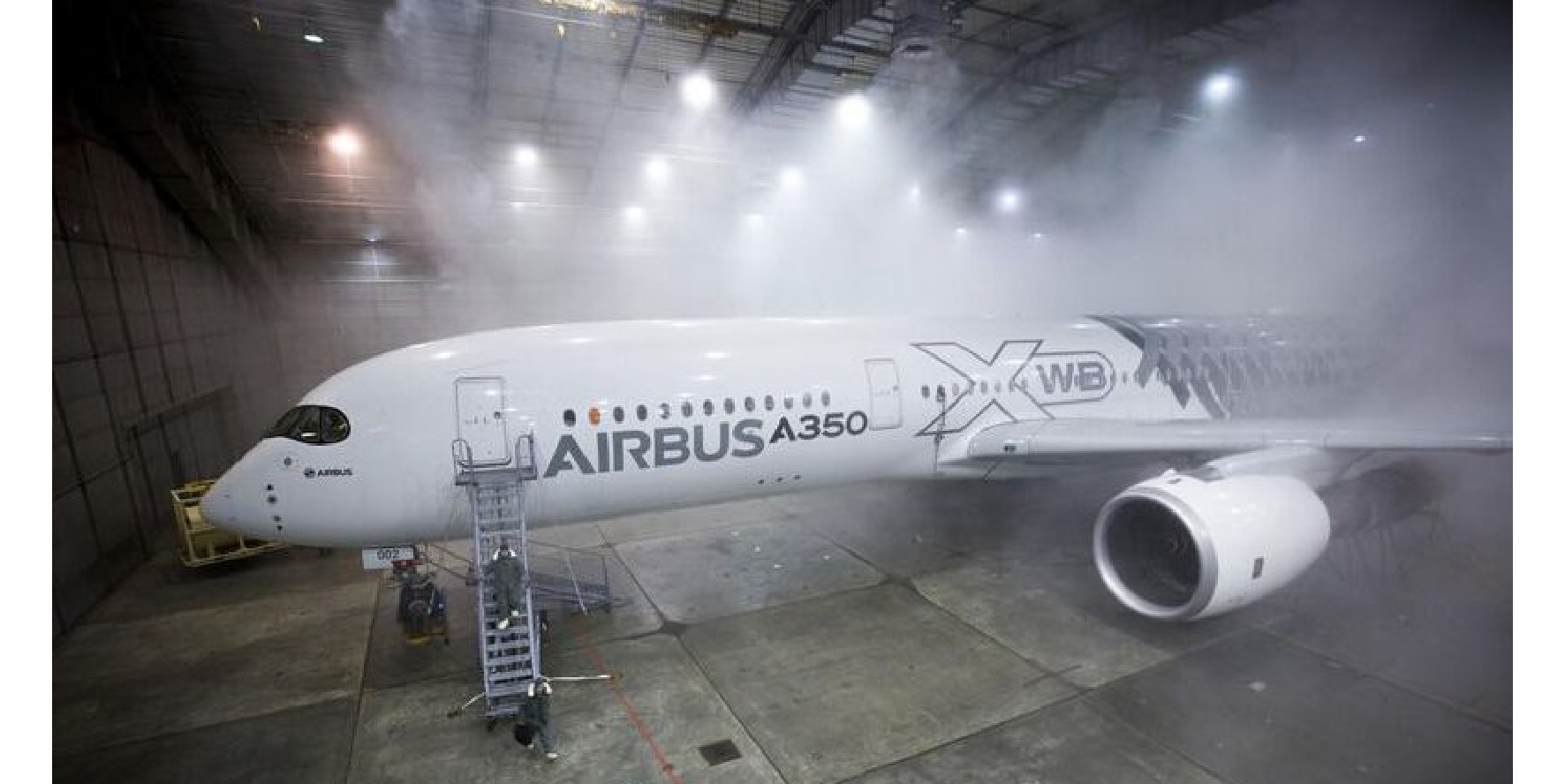
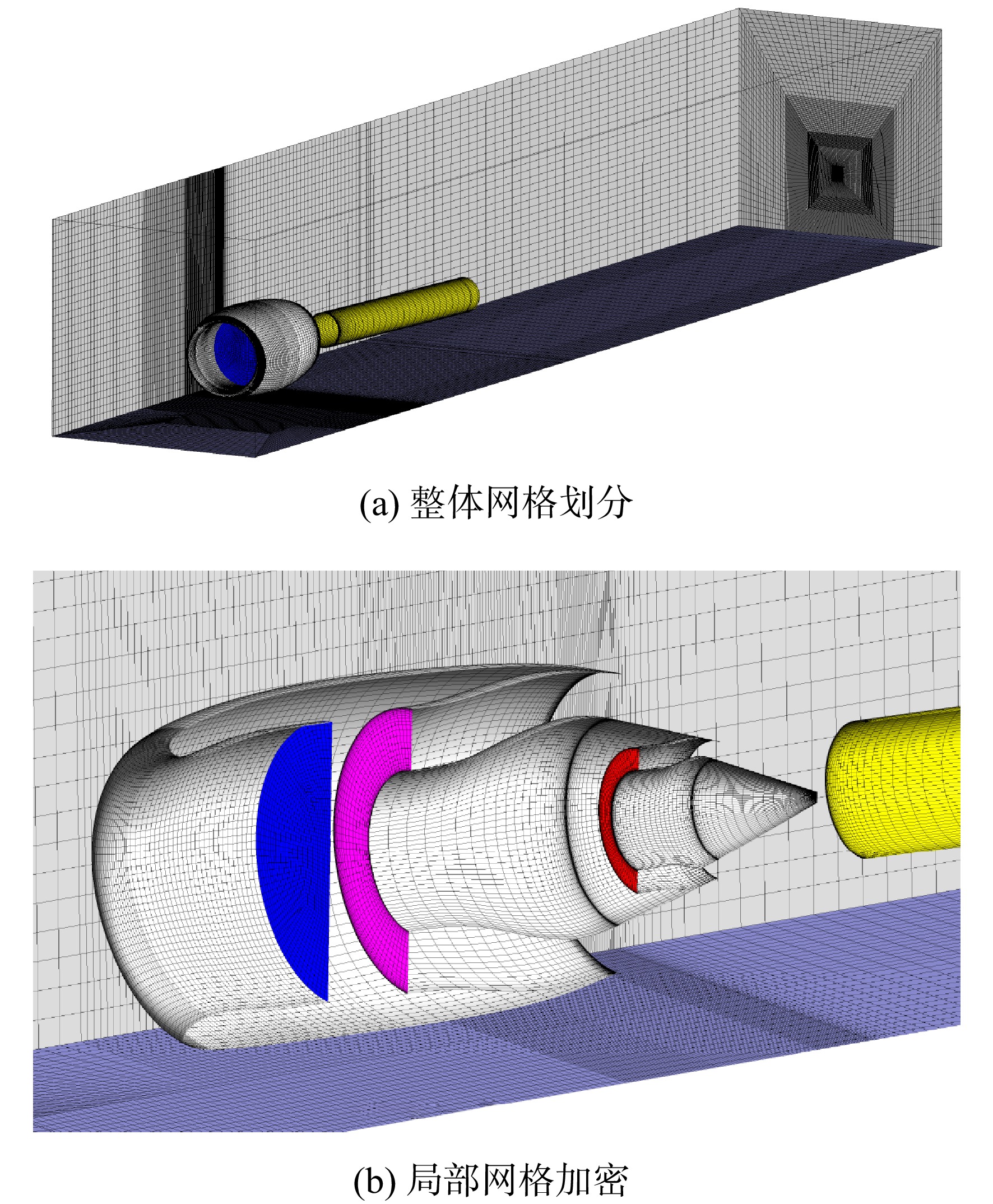
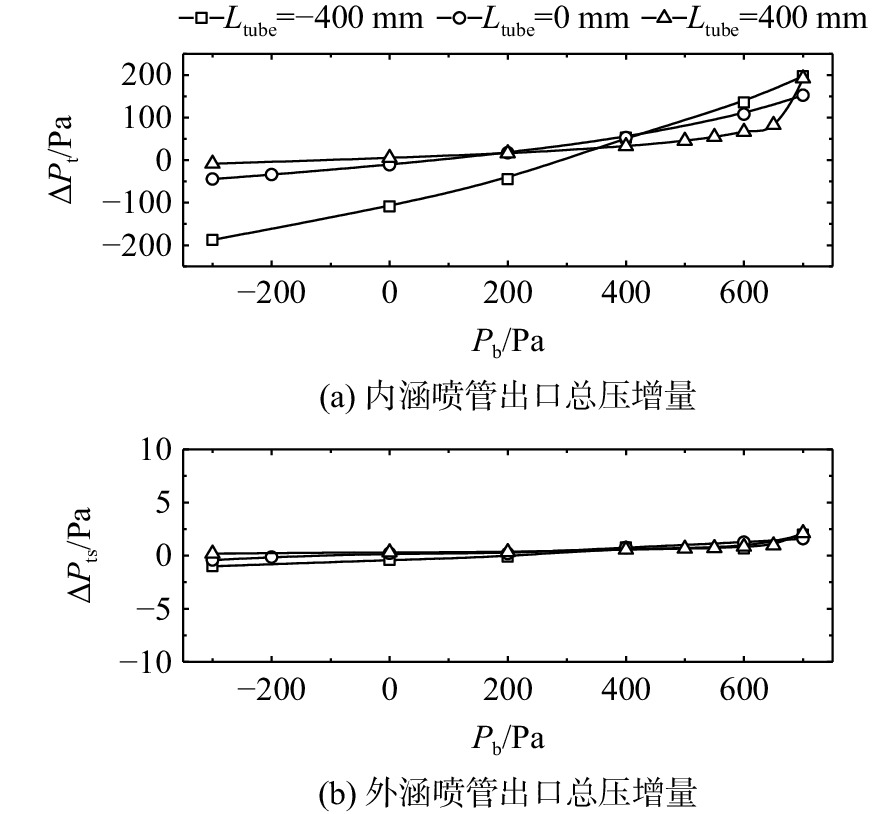
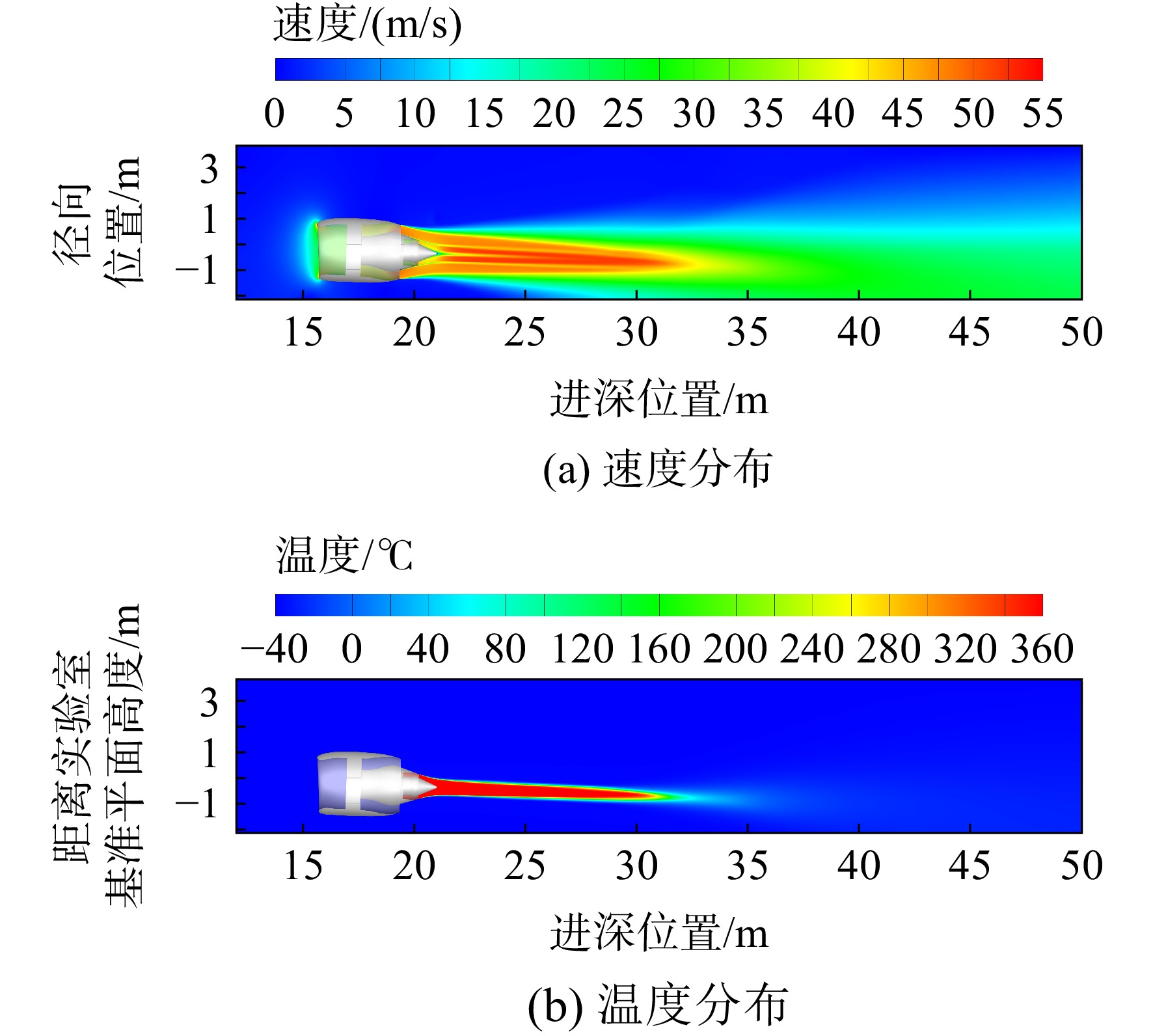
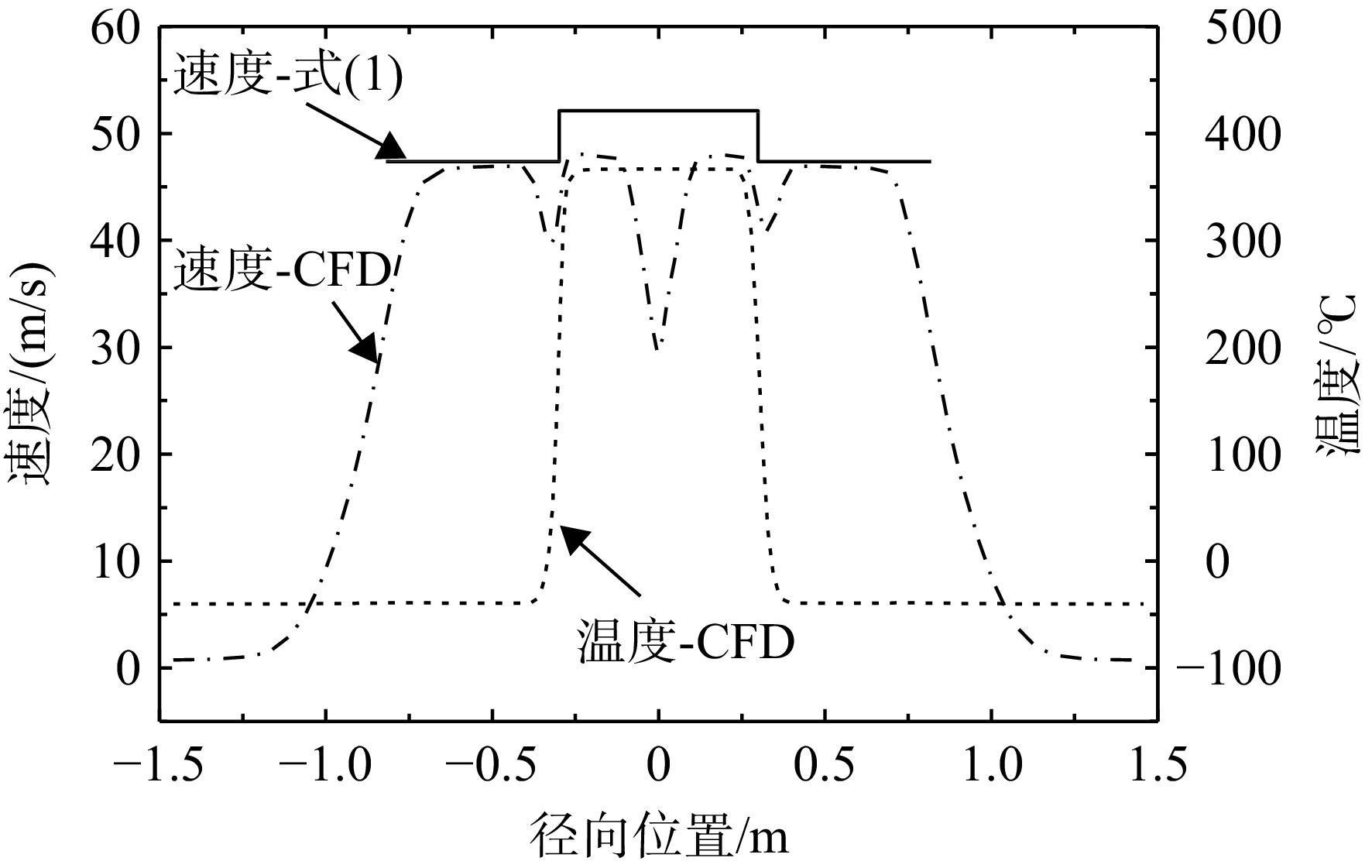
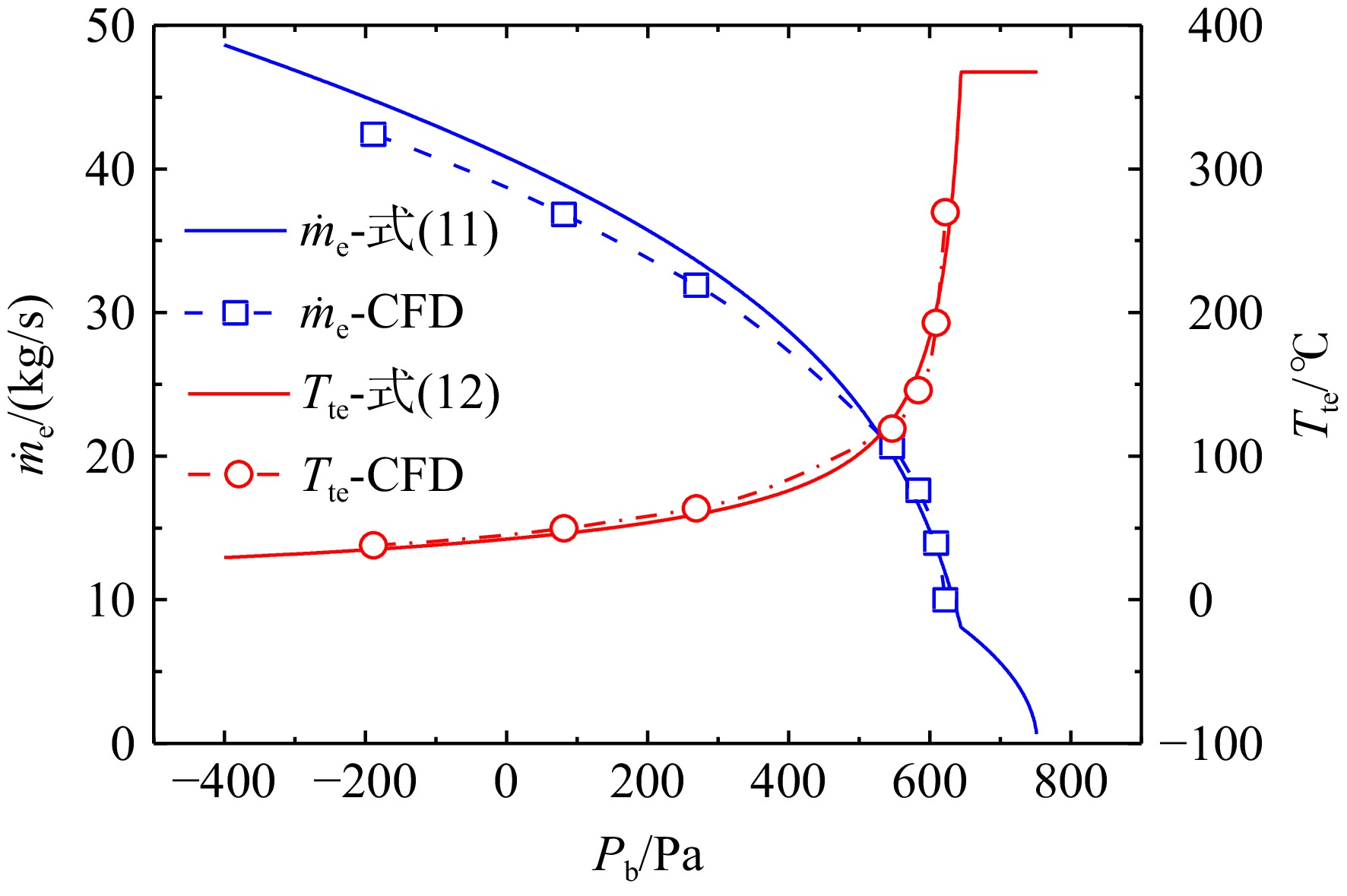
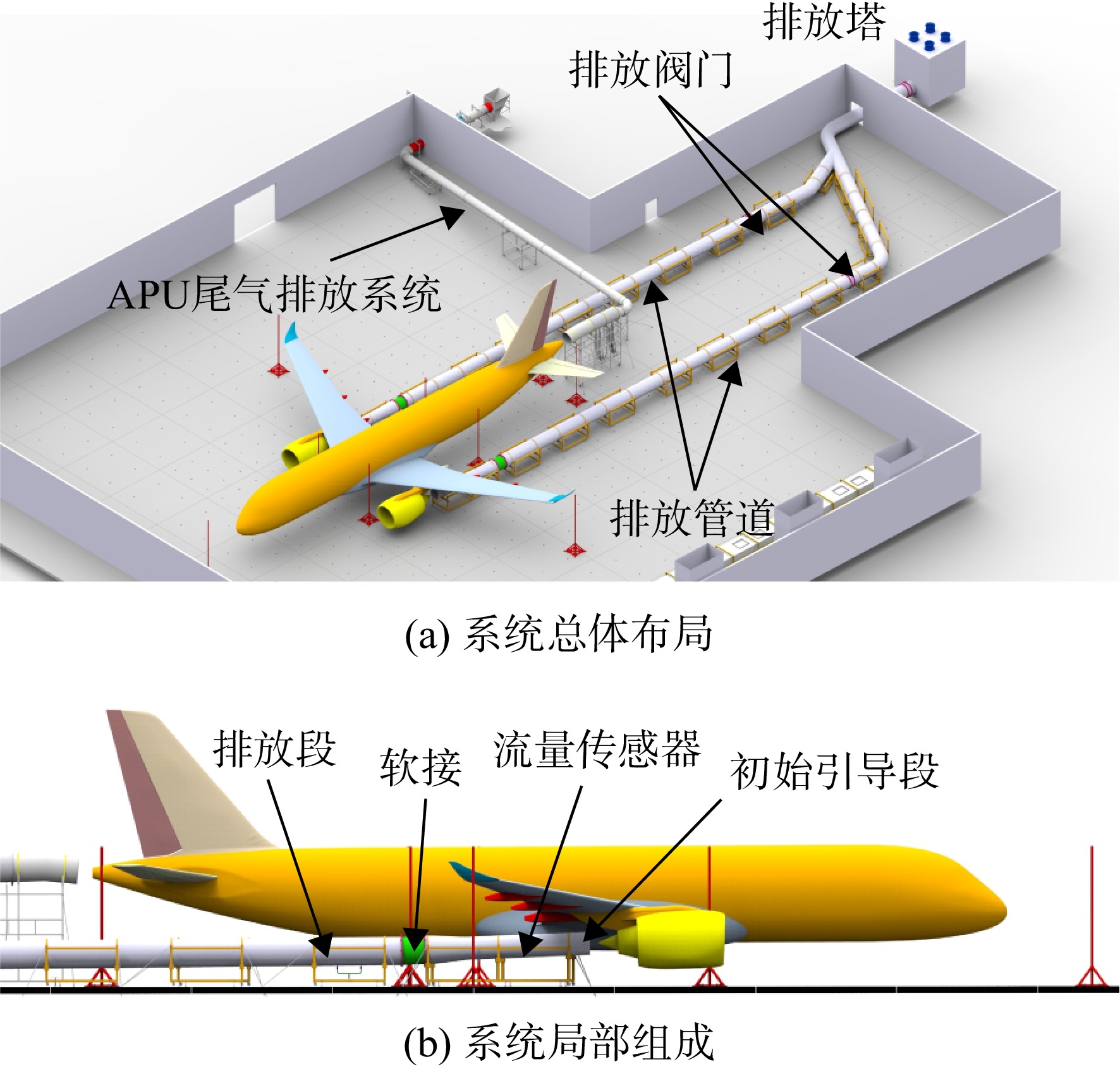
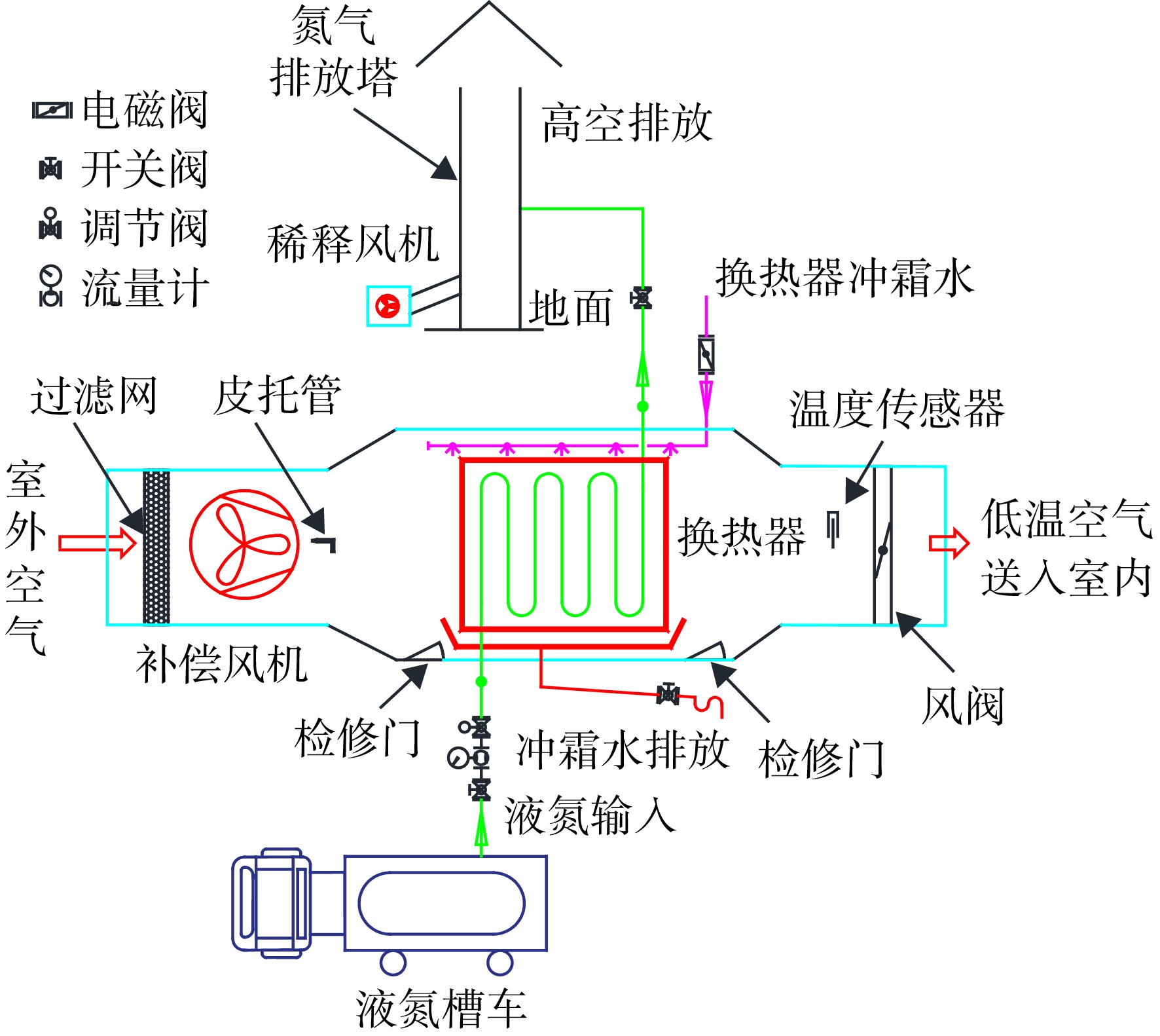
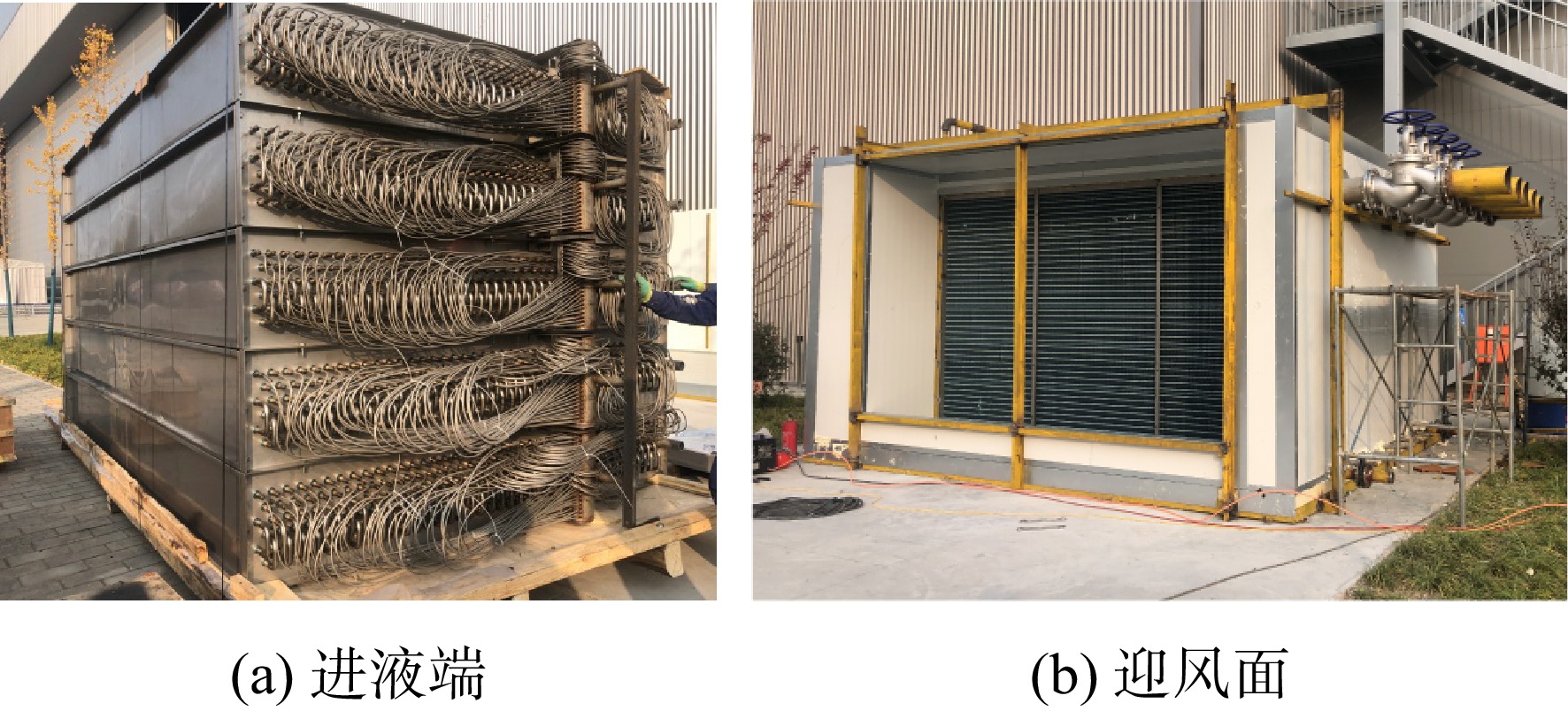
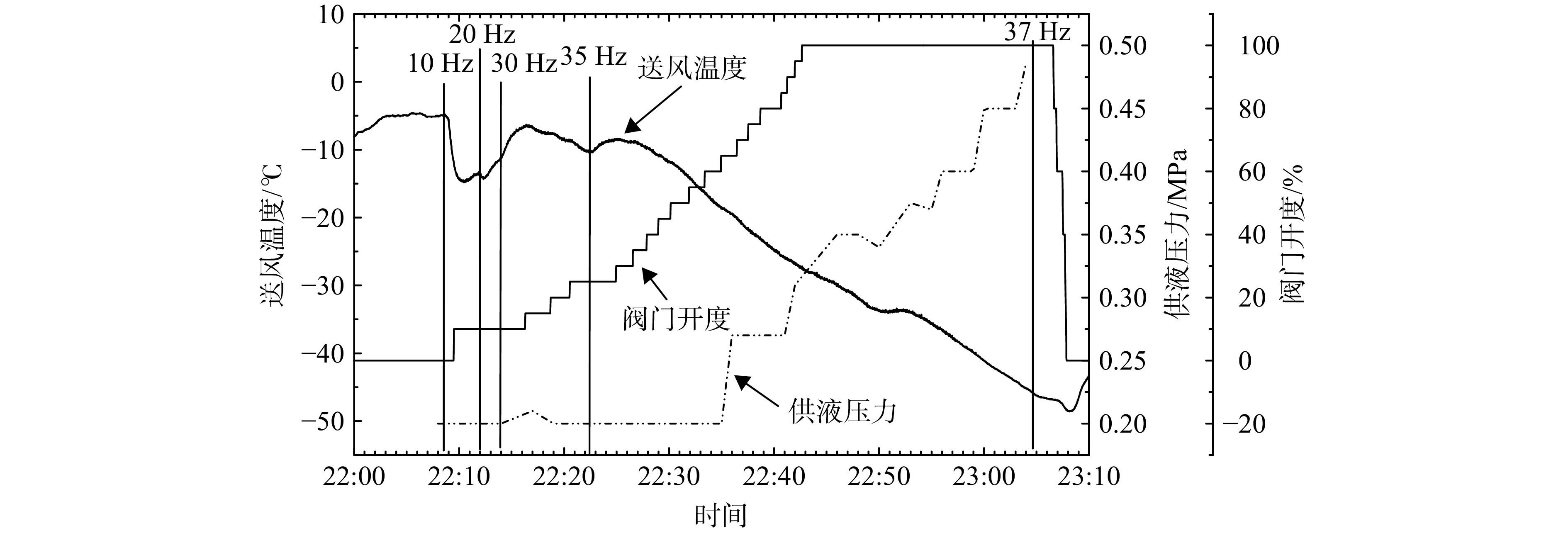
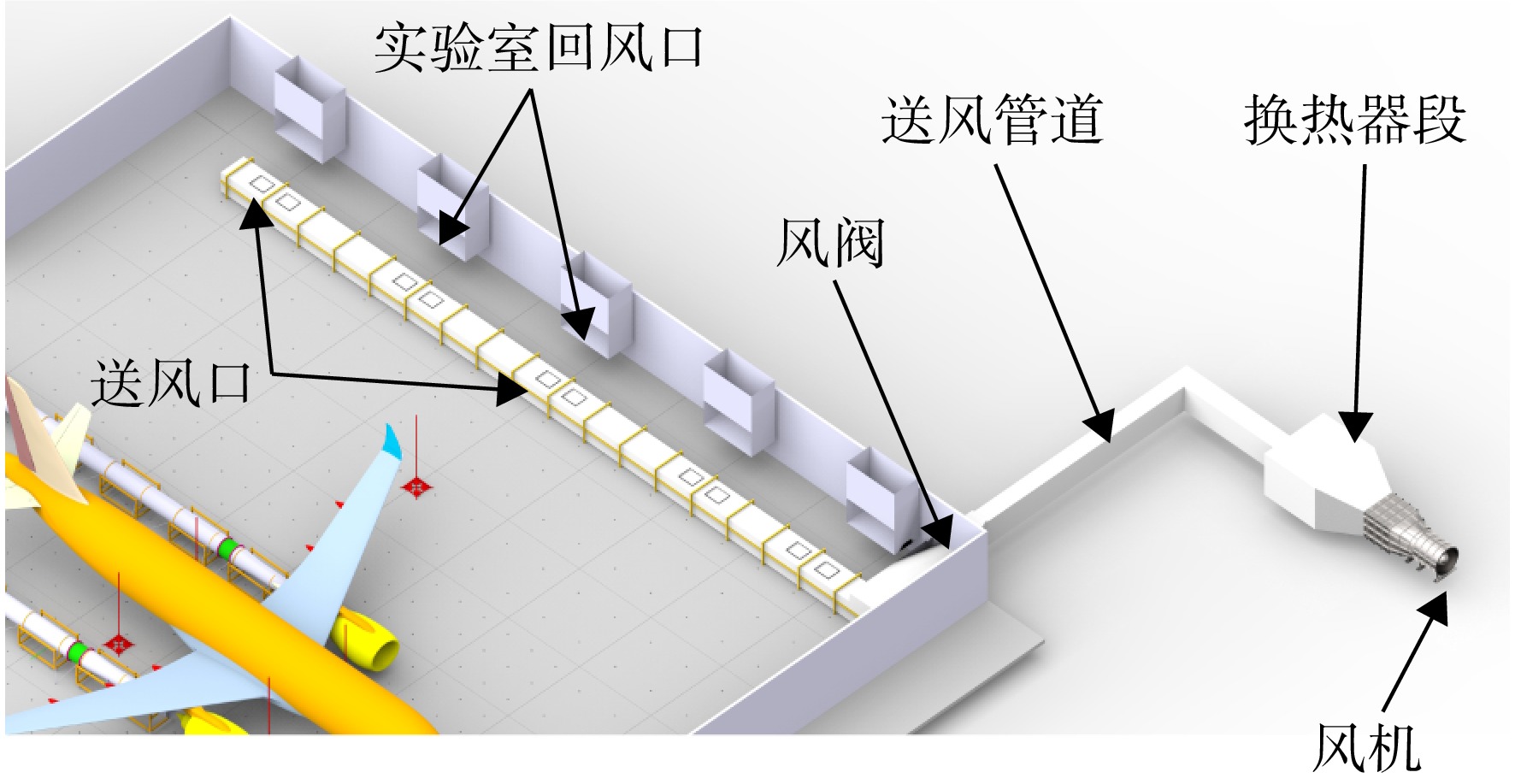
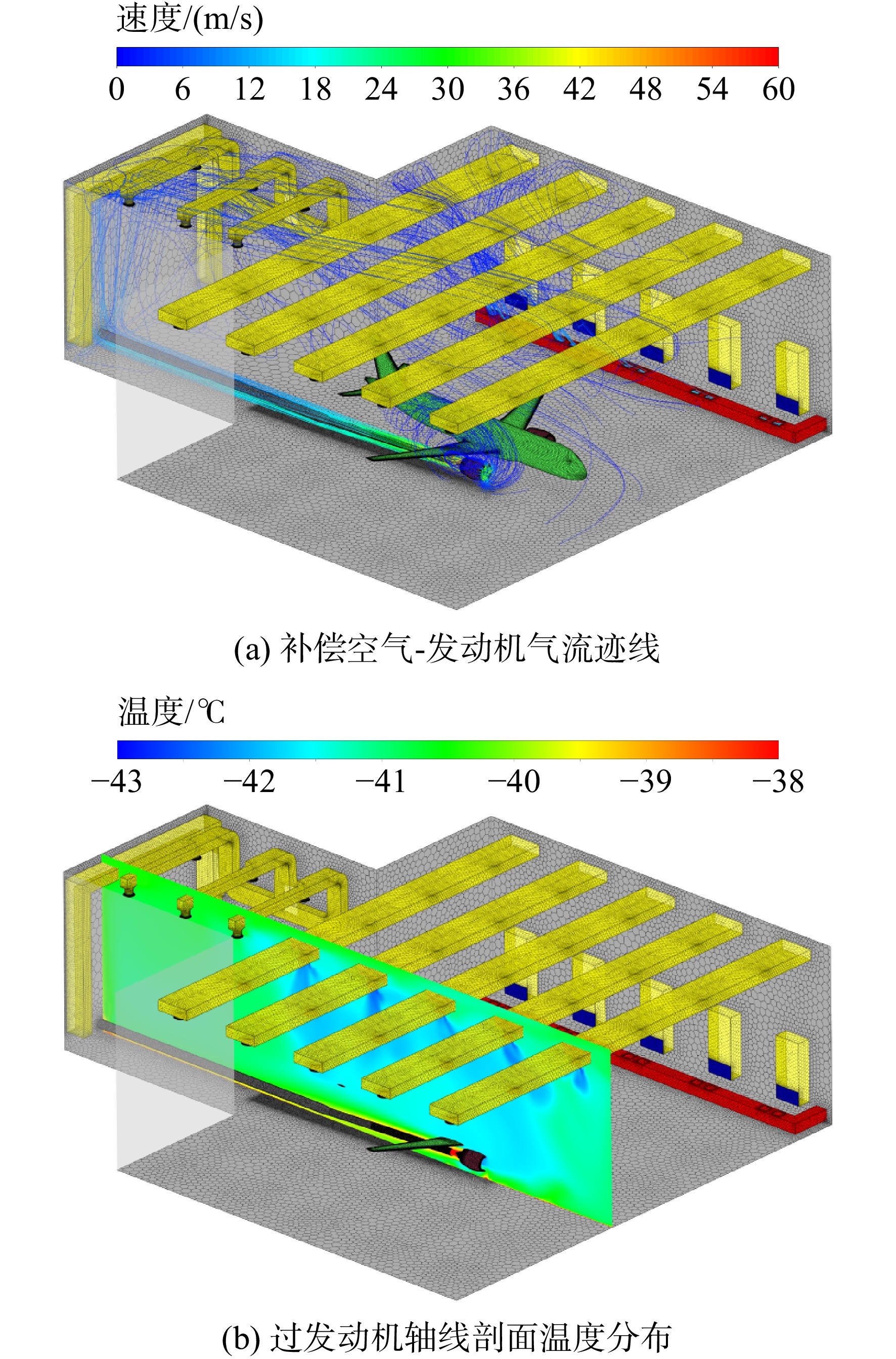
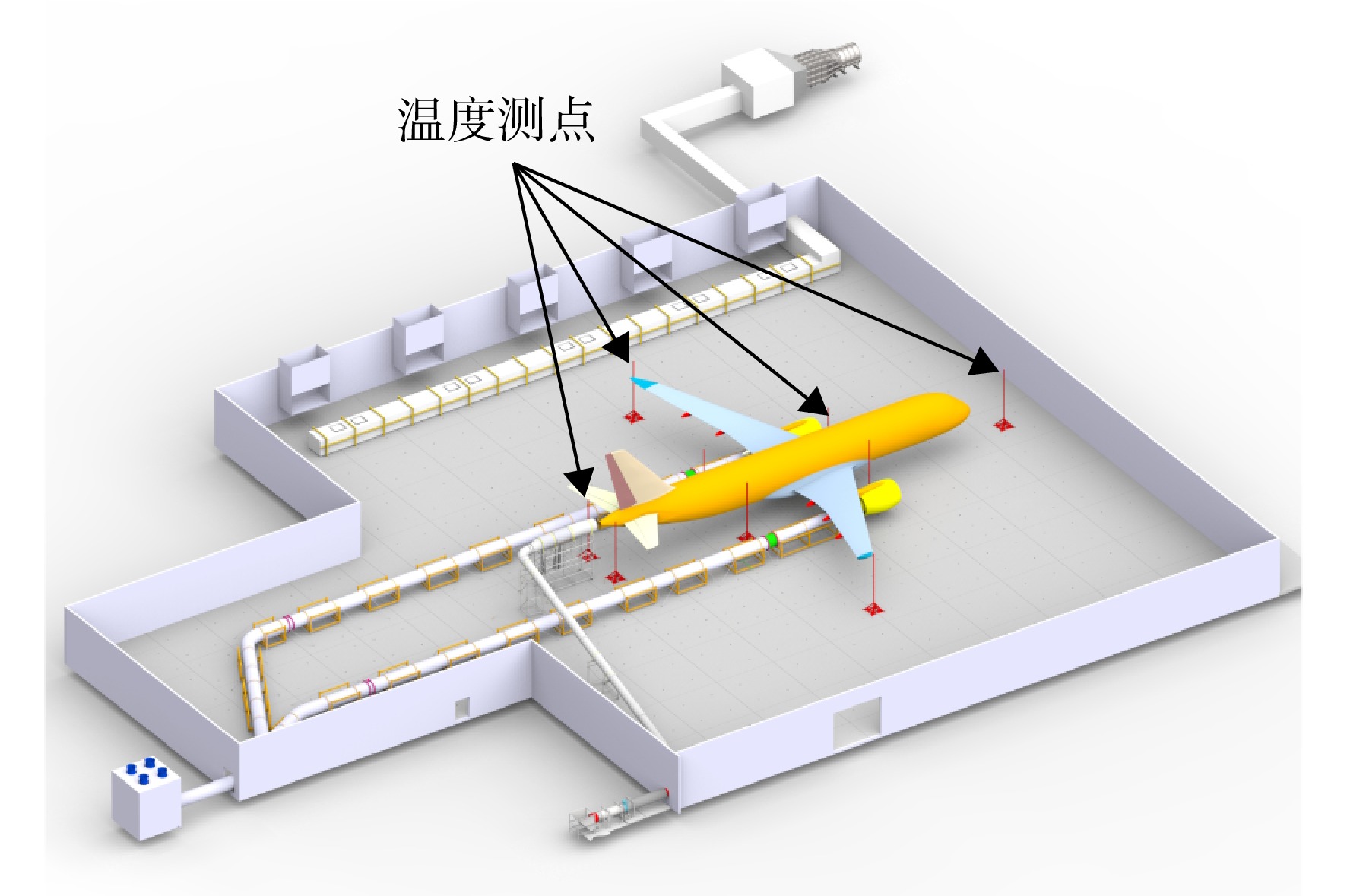
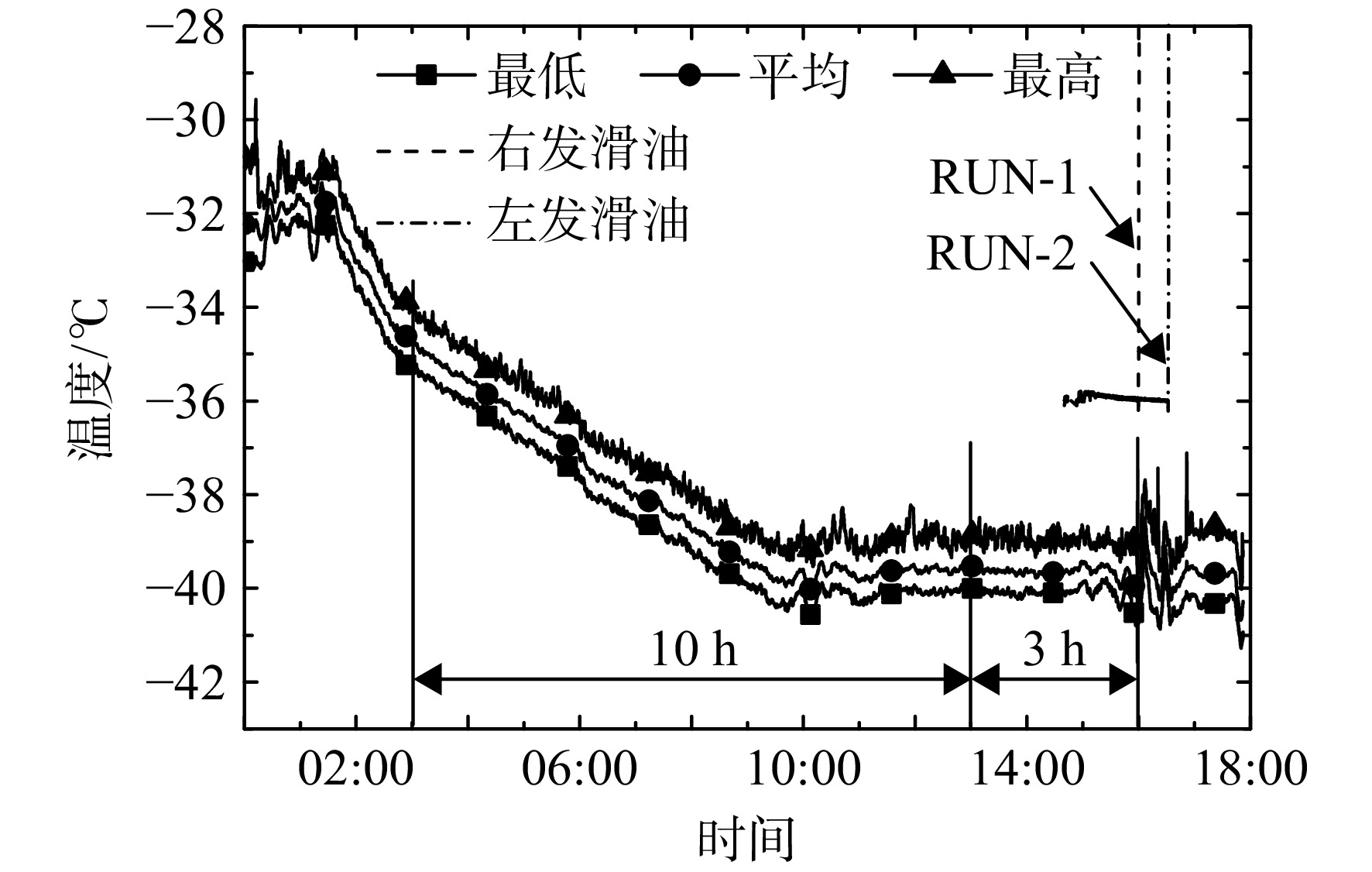
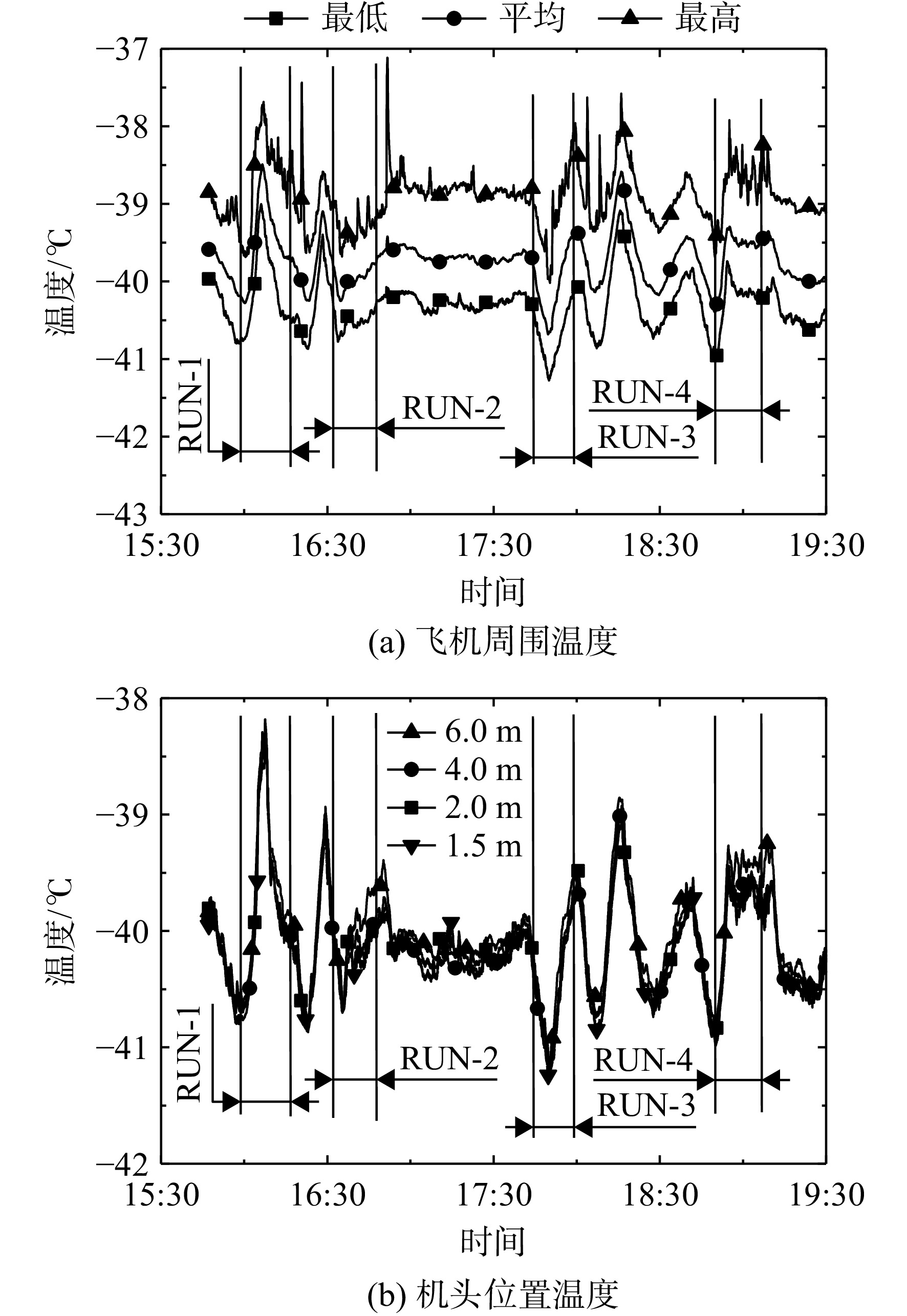
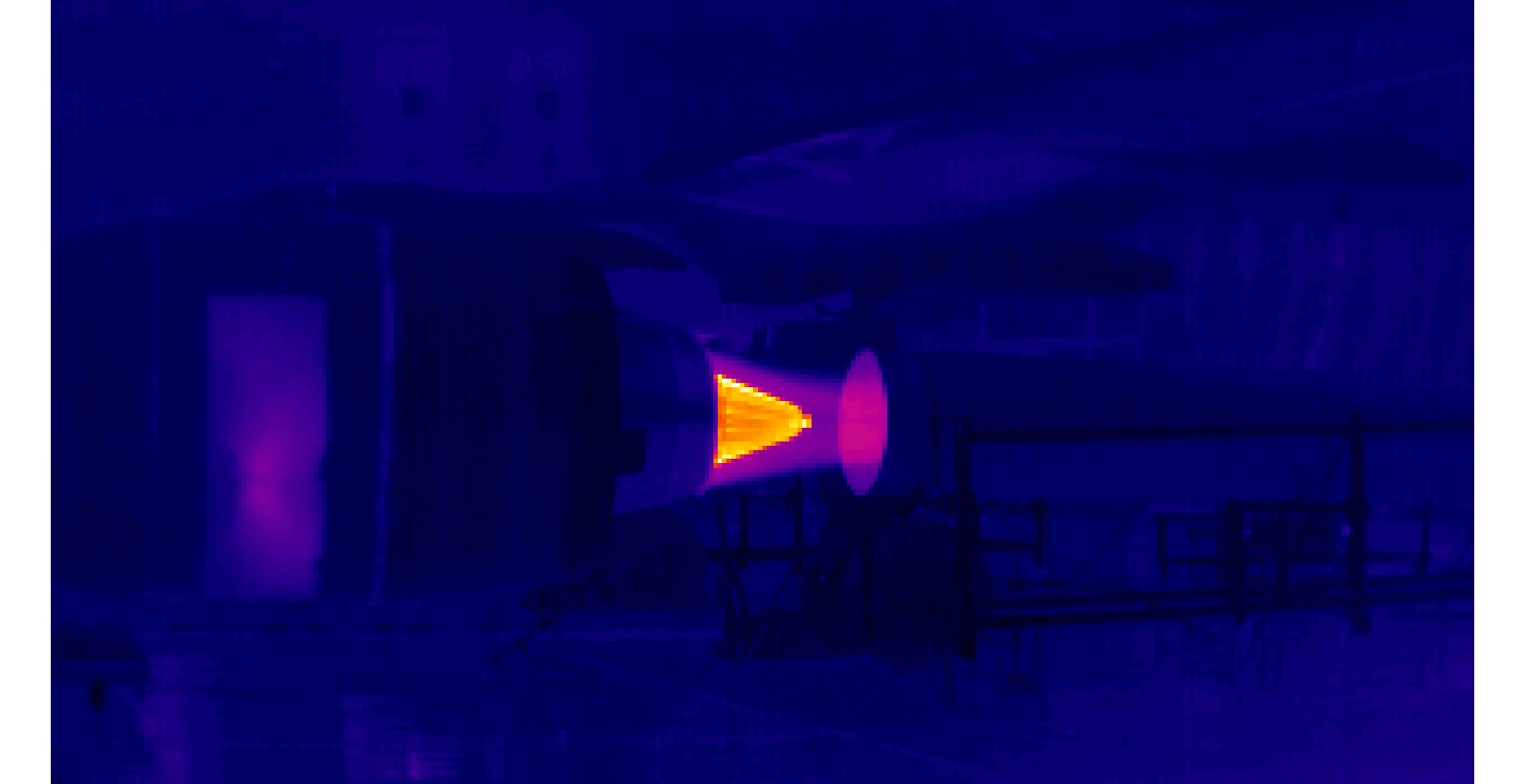
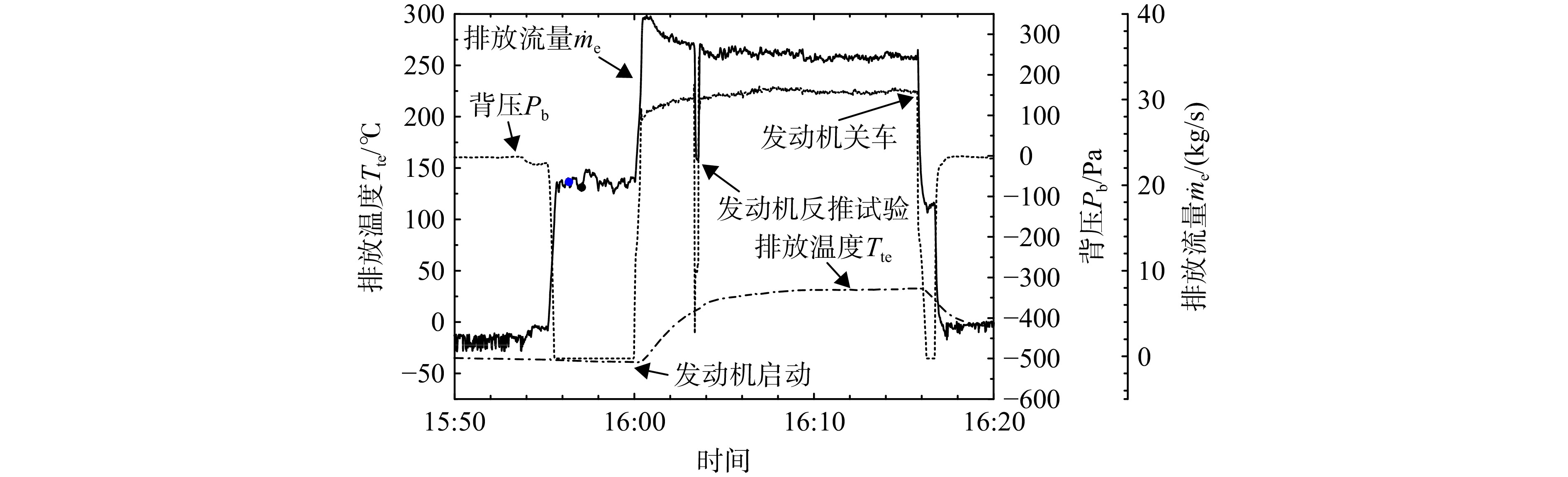
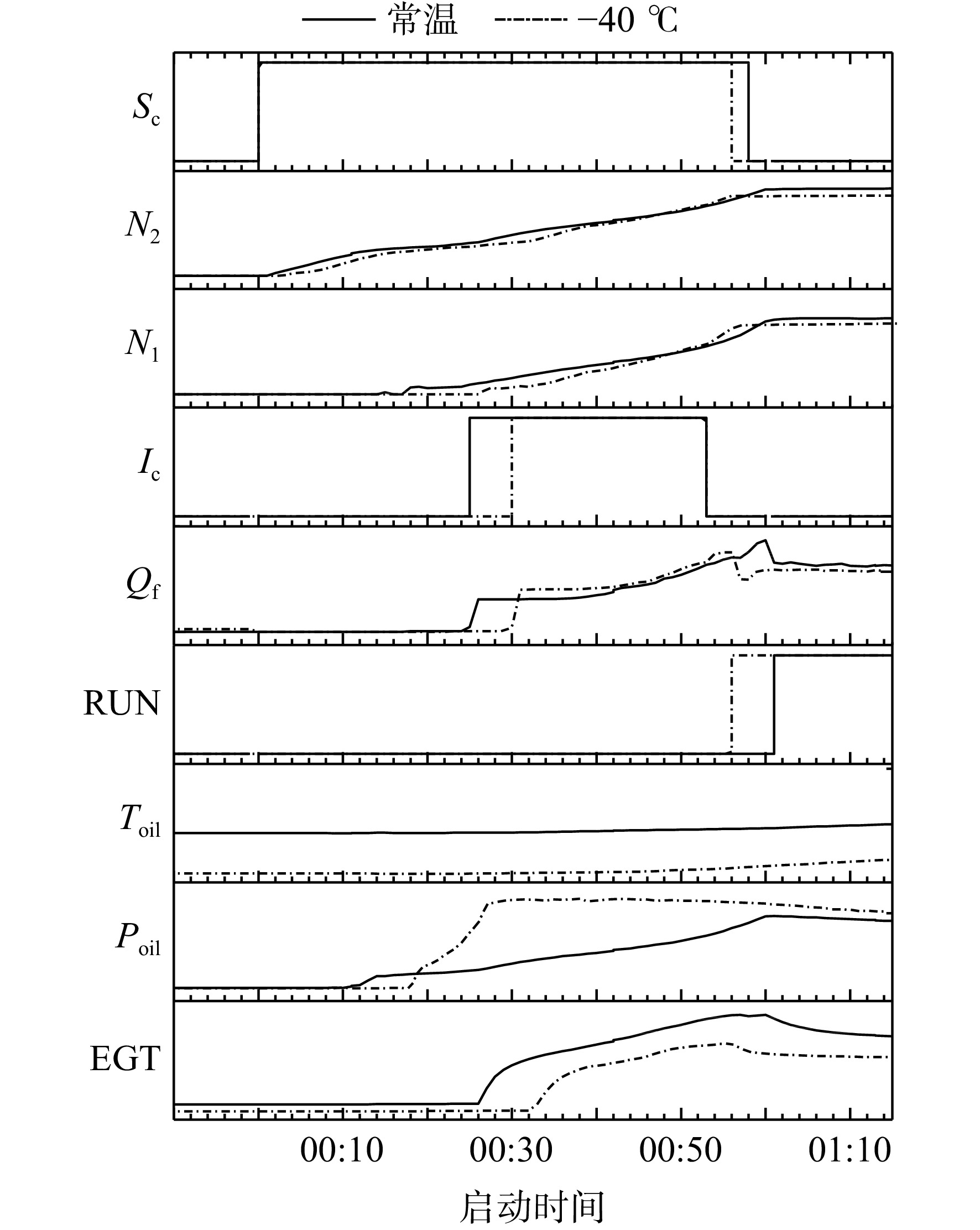
In order to solve the strong disturbance and safety problems caused by the extreme low temperature start up experiment of the full-scale civil aircraft engine in the closed large climatic environmental test laboratory, based on existing capabilities of the laboratory, the aircraft engine cold start experiment technology was developed from two aspects: engine exhaust gas discharge and low temperature air make-up. In the aspect of engine exhaust gas discharge, a concept of “split discharge” and a discharge air flow rate estimation method for high bypass ration turbofan engines were proposed, which reduced the low temperature air flow discharged from the laboratory. In the aspect of low temperature air make-up, liquid N2 was used as a cold source to cool down the normal temperature air outside the laboratory to extremely low temperature of −50 ℃ and continuously replenish it into the laboratory to make up for discharge losses, and maintain the stability of the low temperature environment in the laboratory and the balance of indoor and outdoor pressure for the experiment safety. For the first time in China, the airworthiness compliance experiment of the full-scale civil aircraft at −40 ℃ engine low temperature startup was successfully carried out. The experiment result showed that: the aircraft cold soak time continued 10 h and the experimental temperature fluctuated within ±3 ℃ during the whole experiment process; compared with normal temperature, the engine starting function and performance had no obvious degradation. The success of this experiment has provided a practical basis and technical reserve for other full-scale civil aircraft to carry out engine cold start experiment in the laboratory and formulate relevant airworthiness standards and specifications.
Aerothermodynamics and Aeroengine Design
Research on starting modeling and control law of variable cycle engine
CHEN Li, GOU Xuezhong, CHEN Min
2024, 39(2): 20210470. doi: 10.13224/j.cnki.jasp.20210470
Abstract:

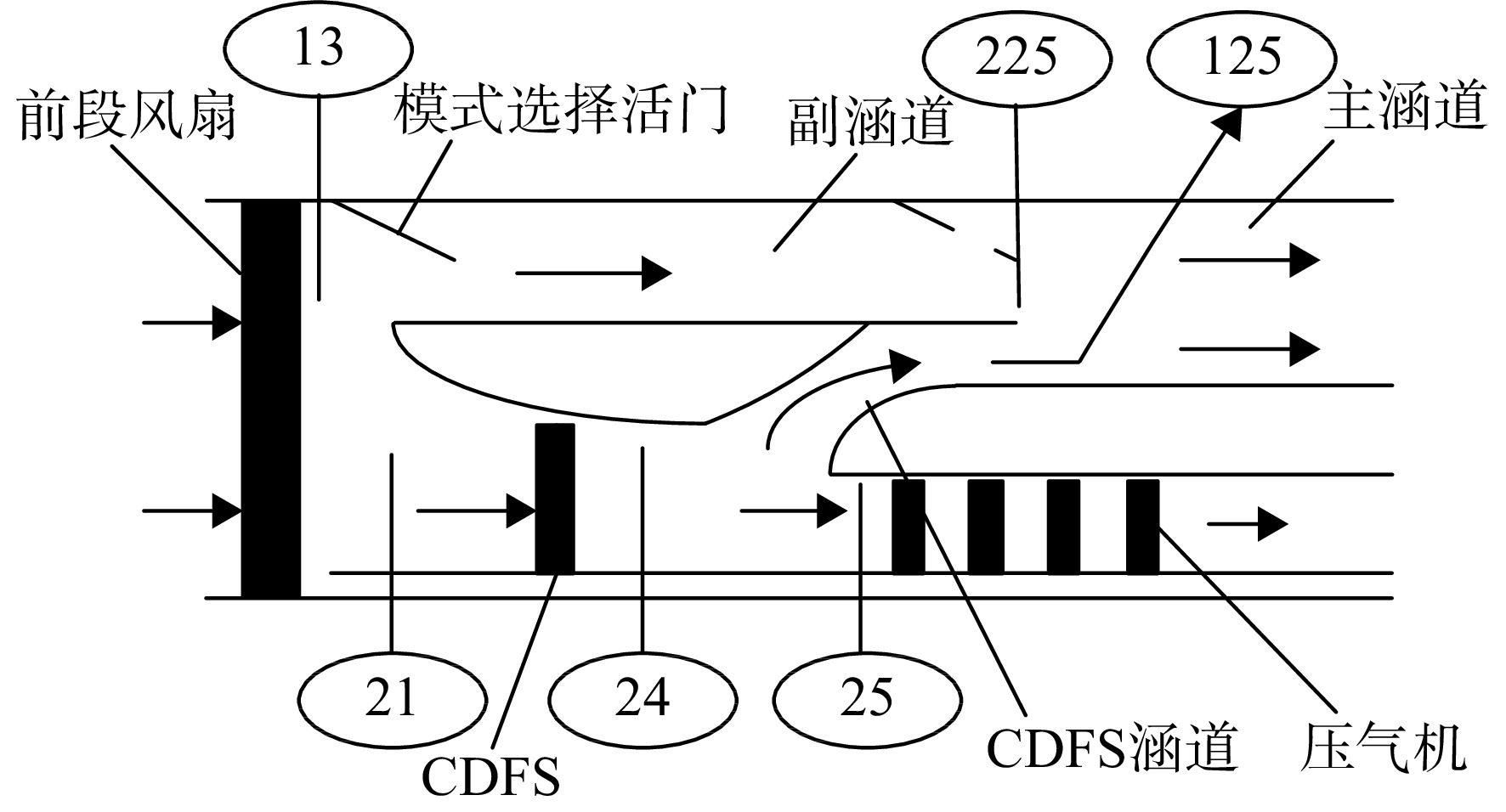
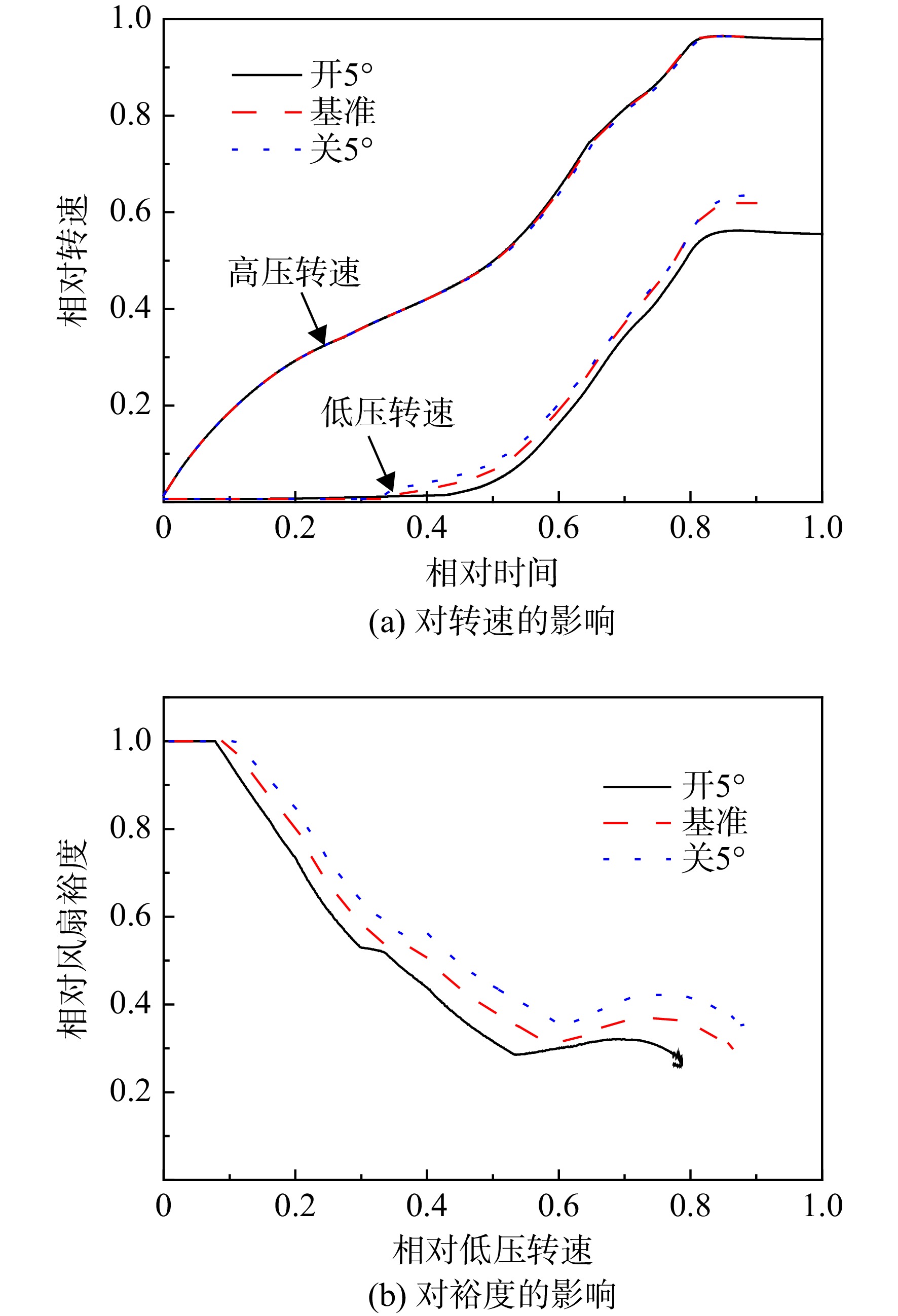
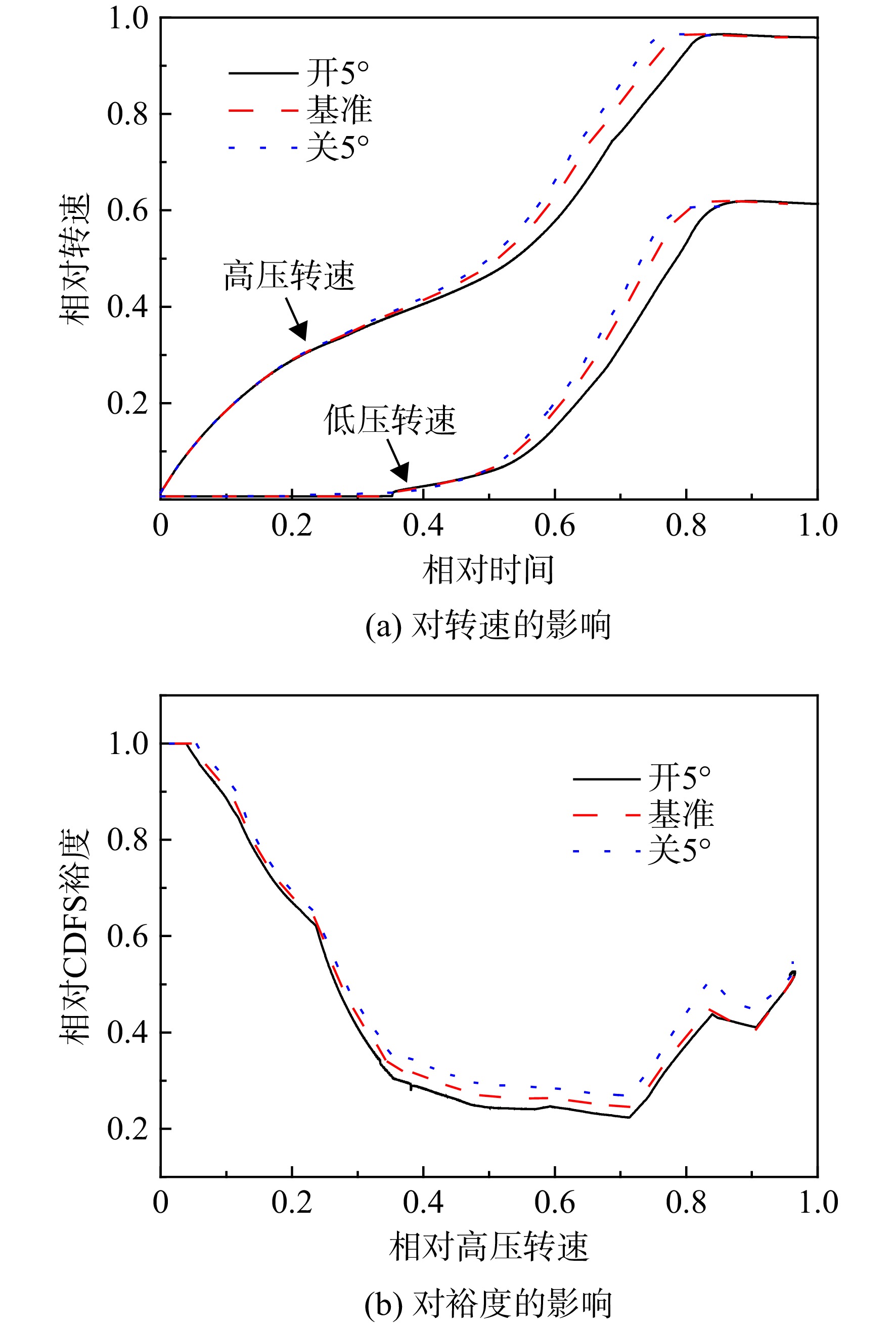
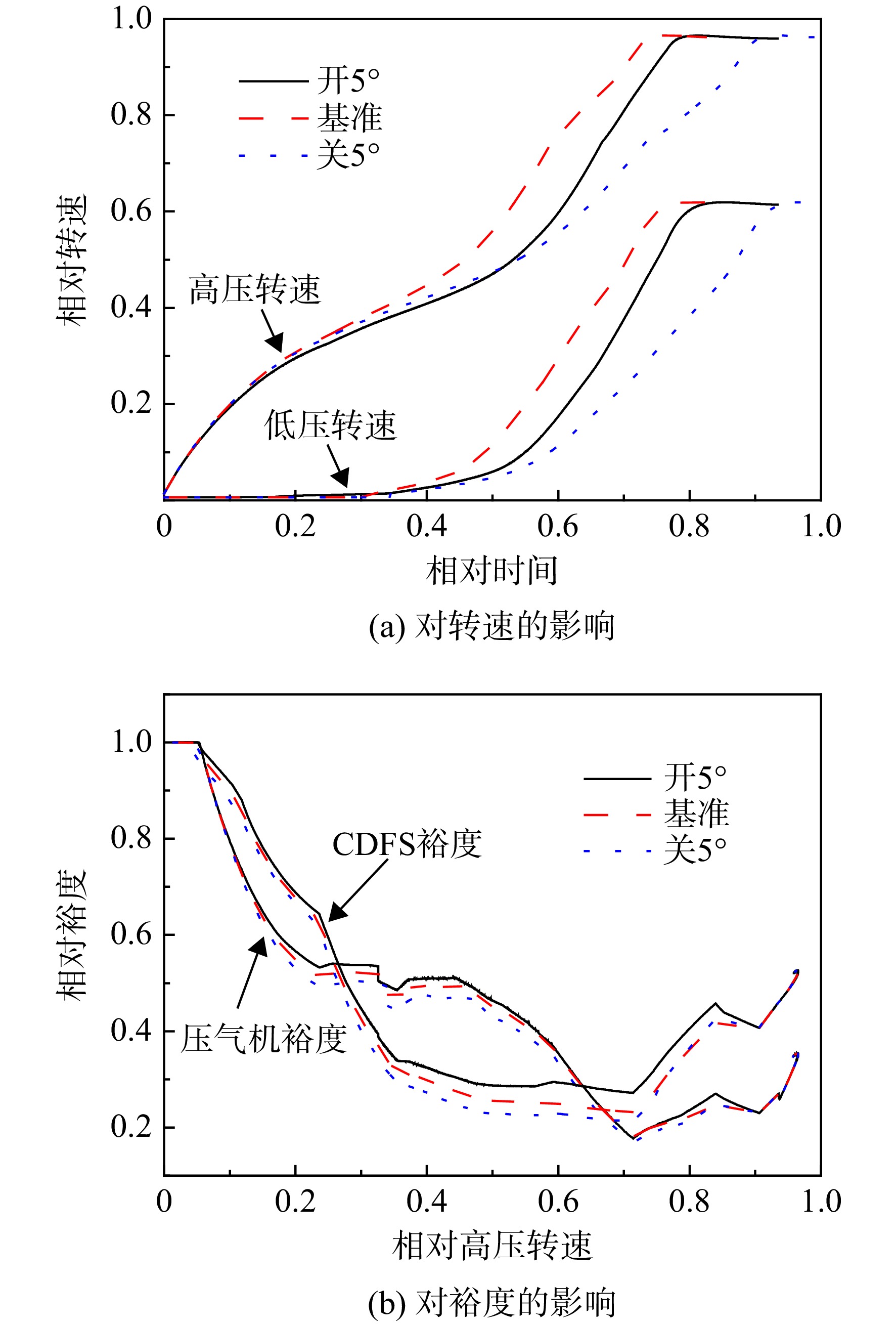
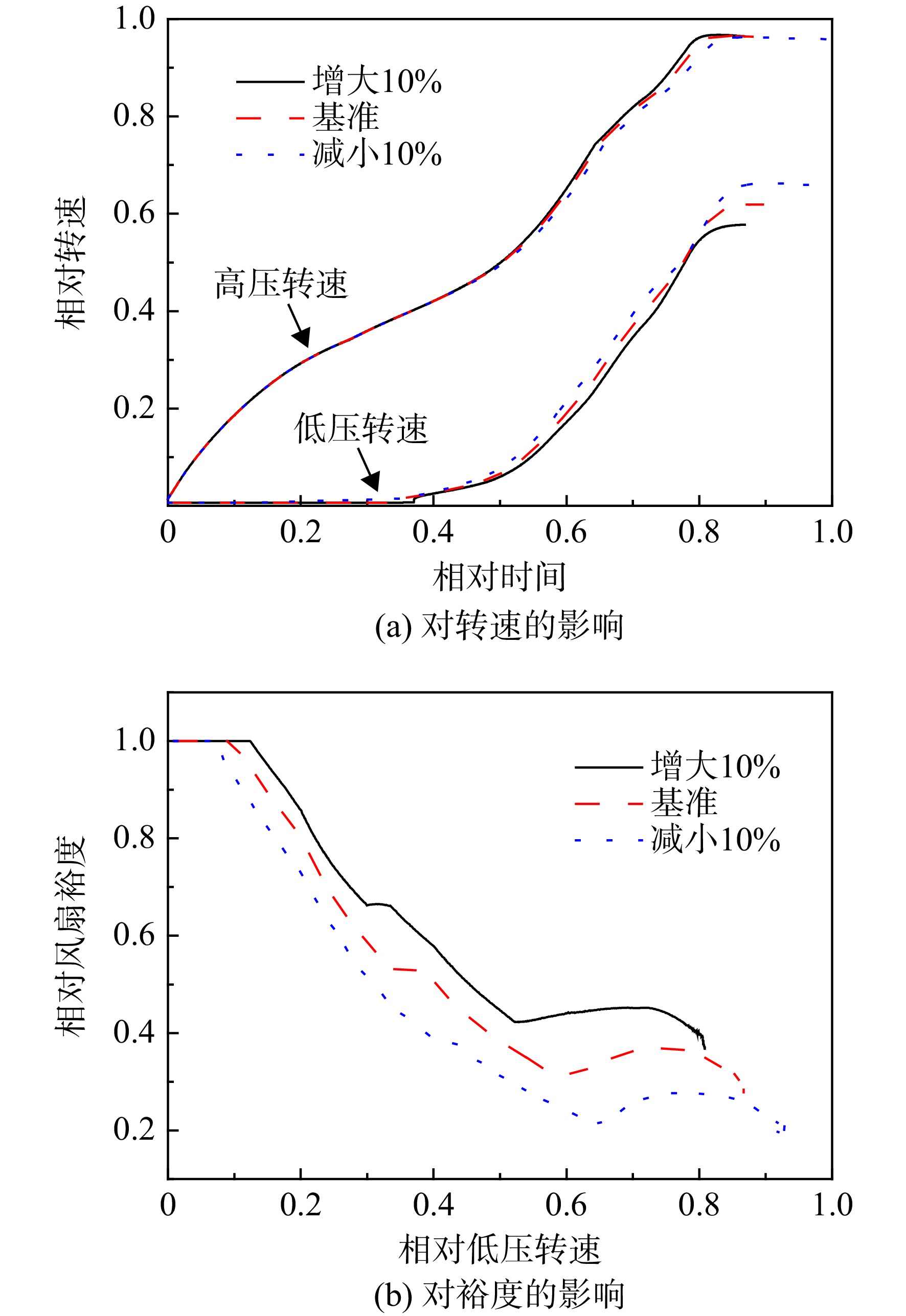
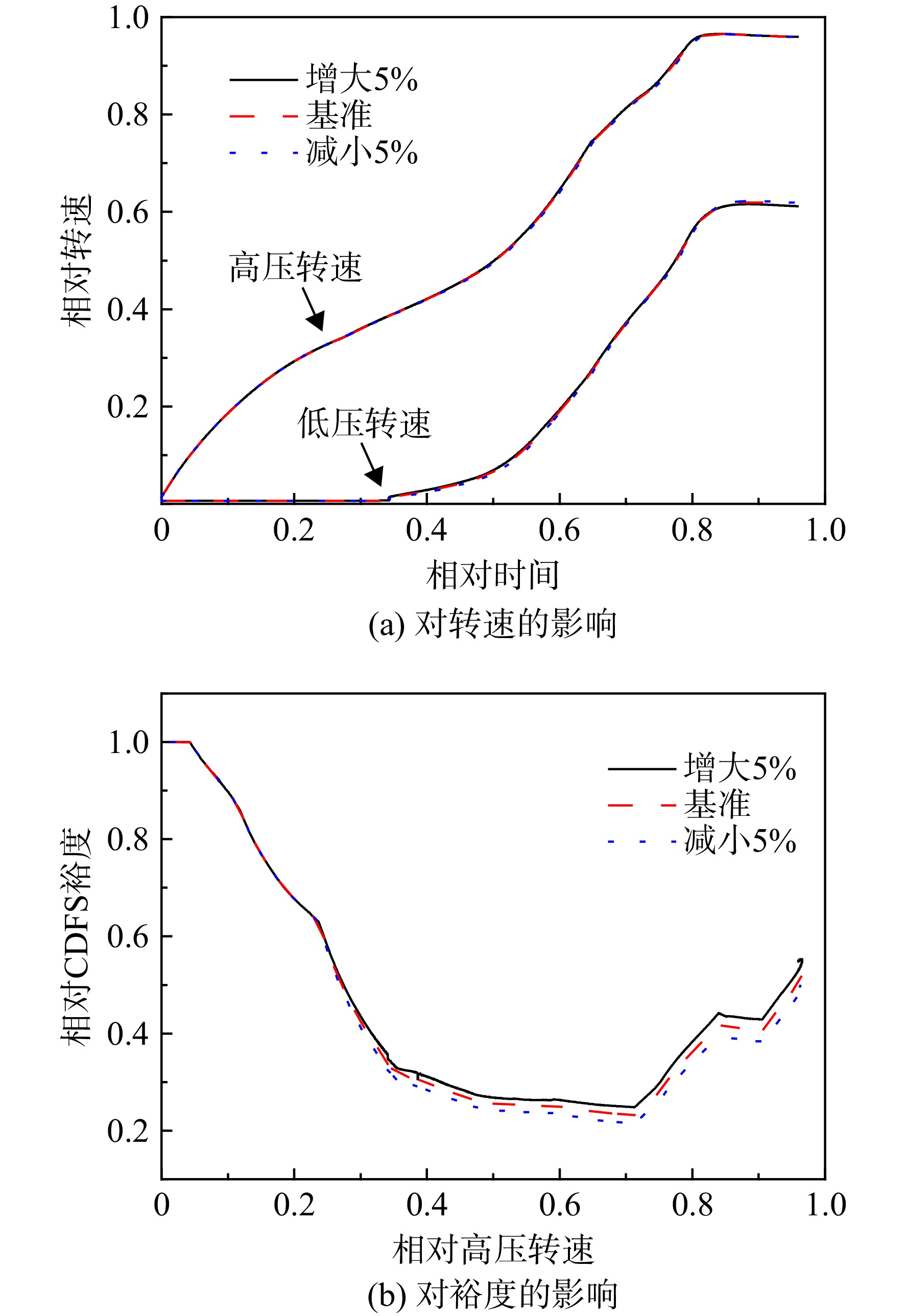
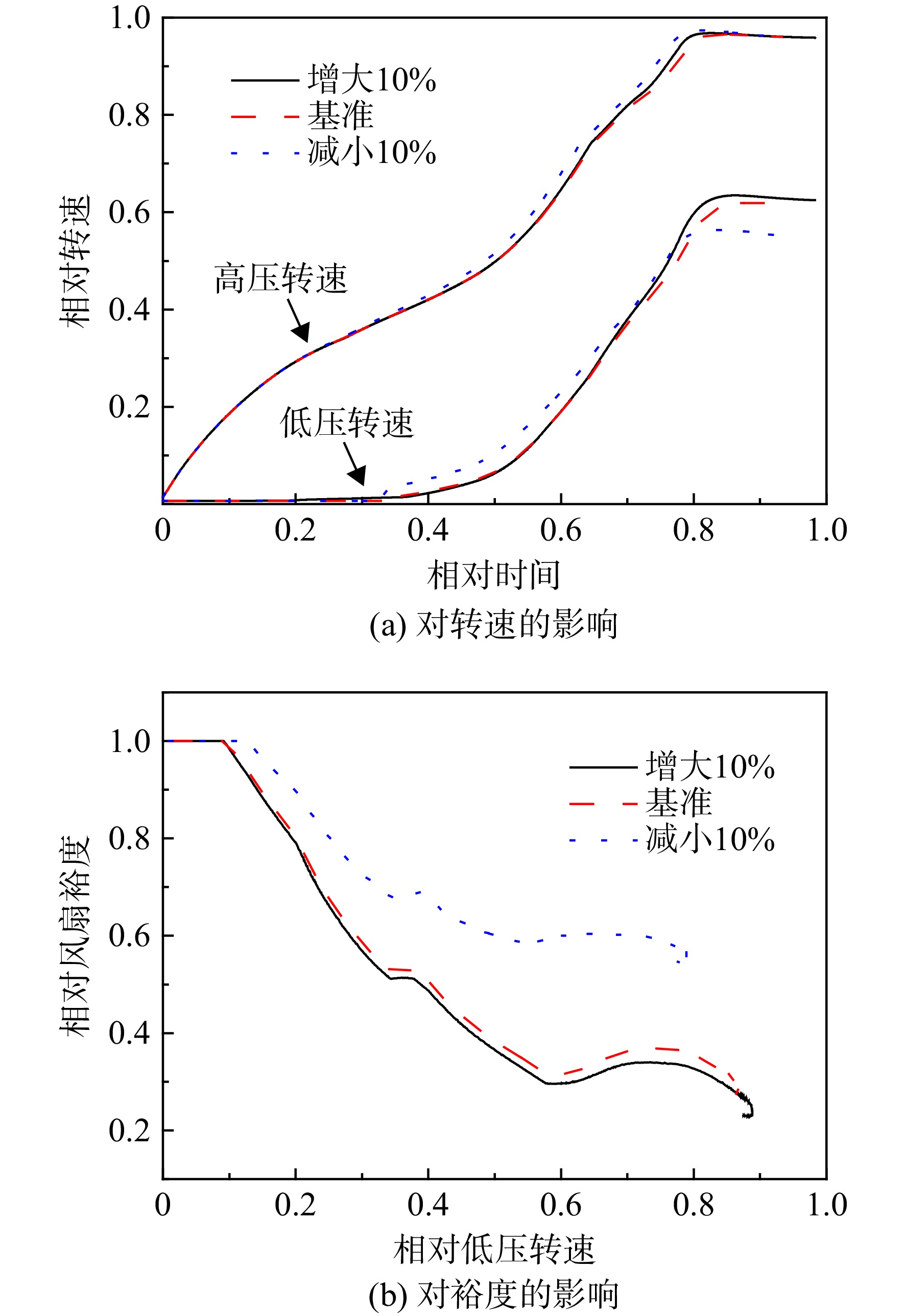
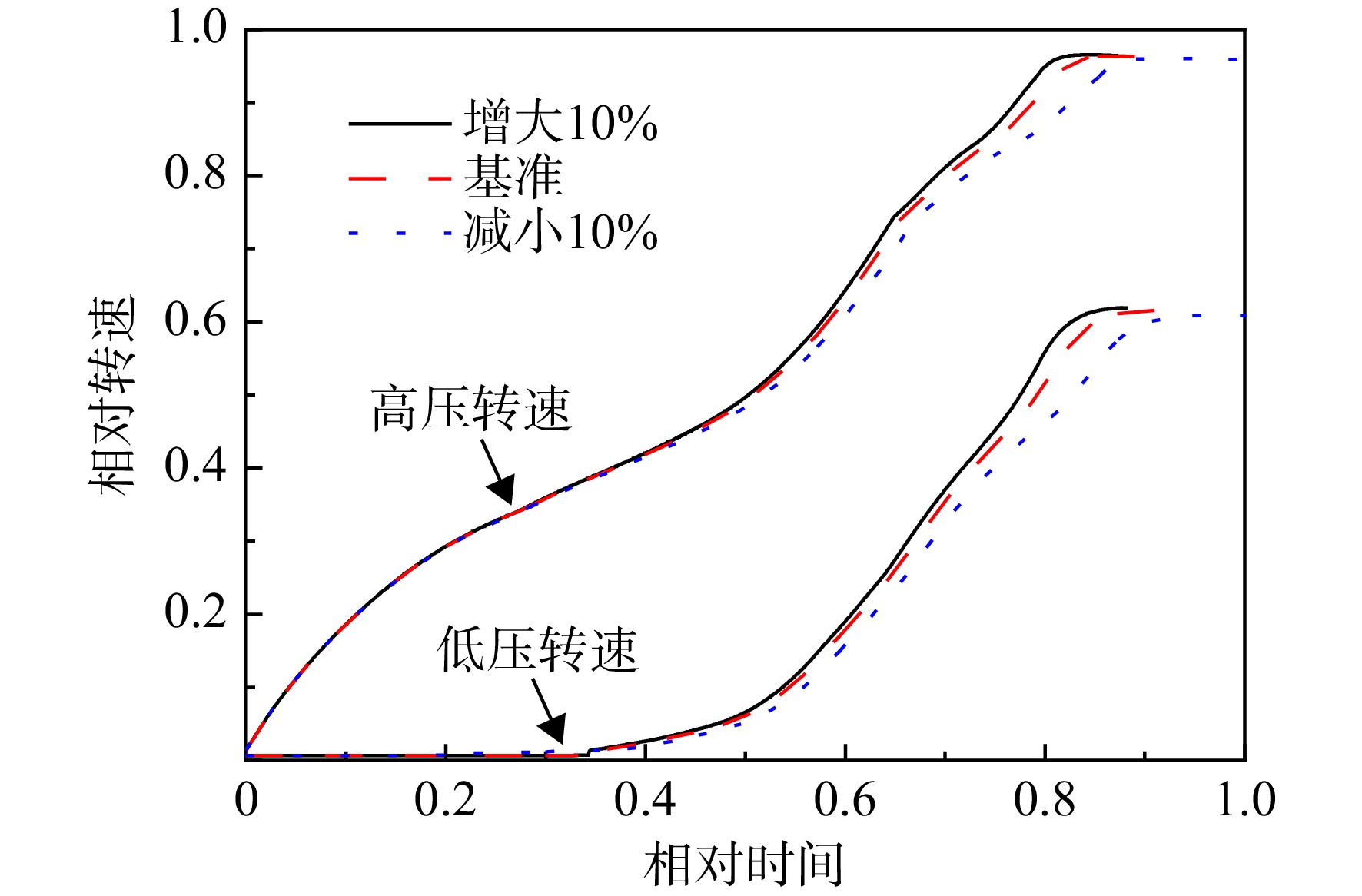
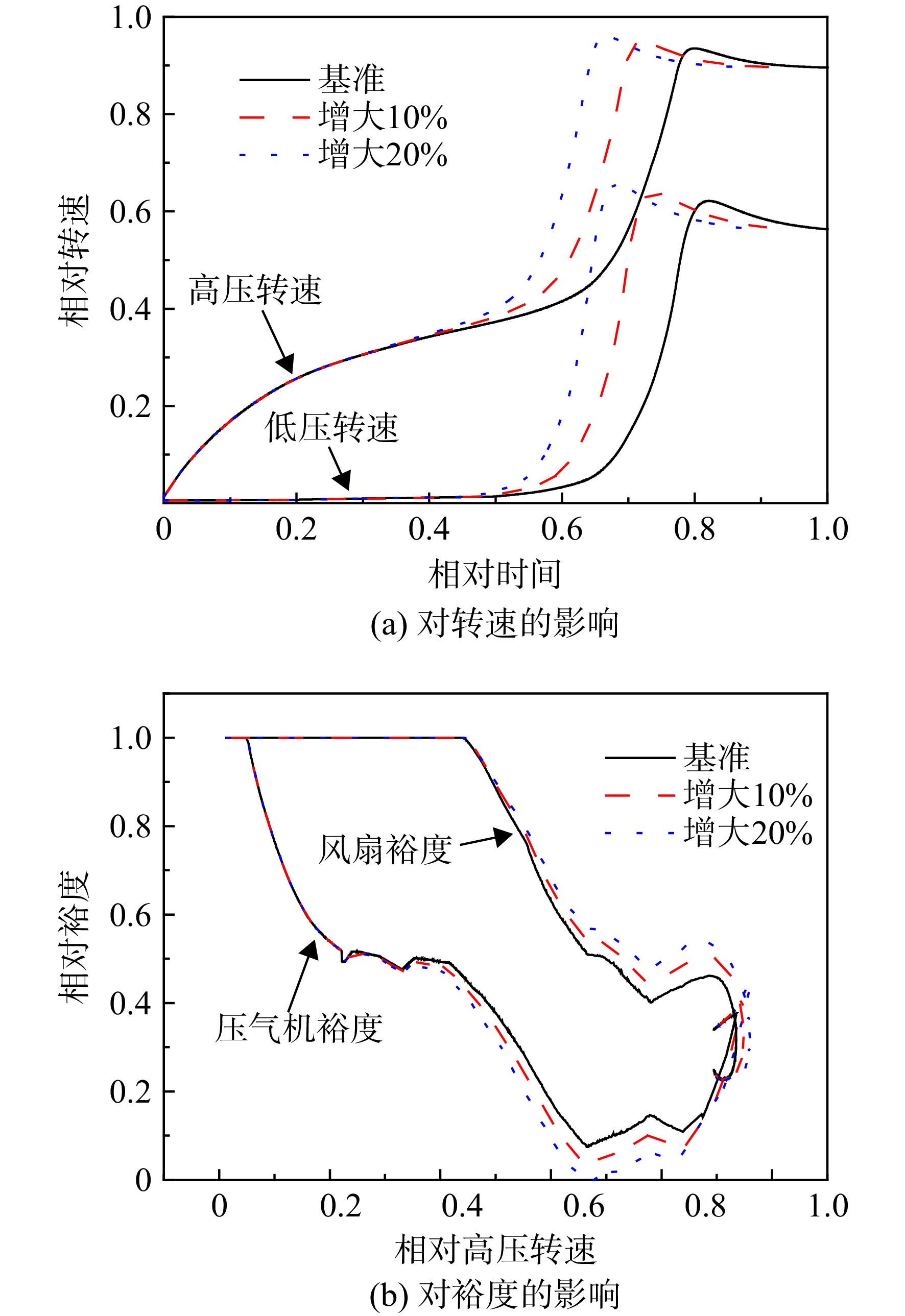
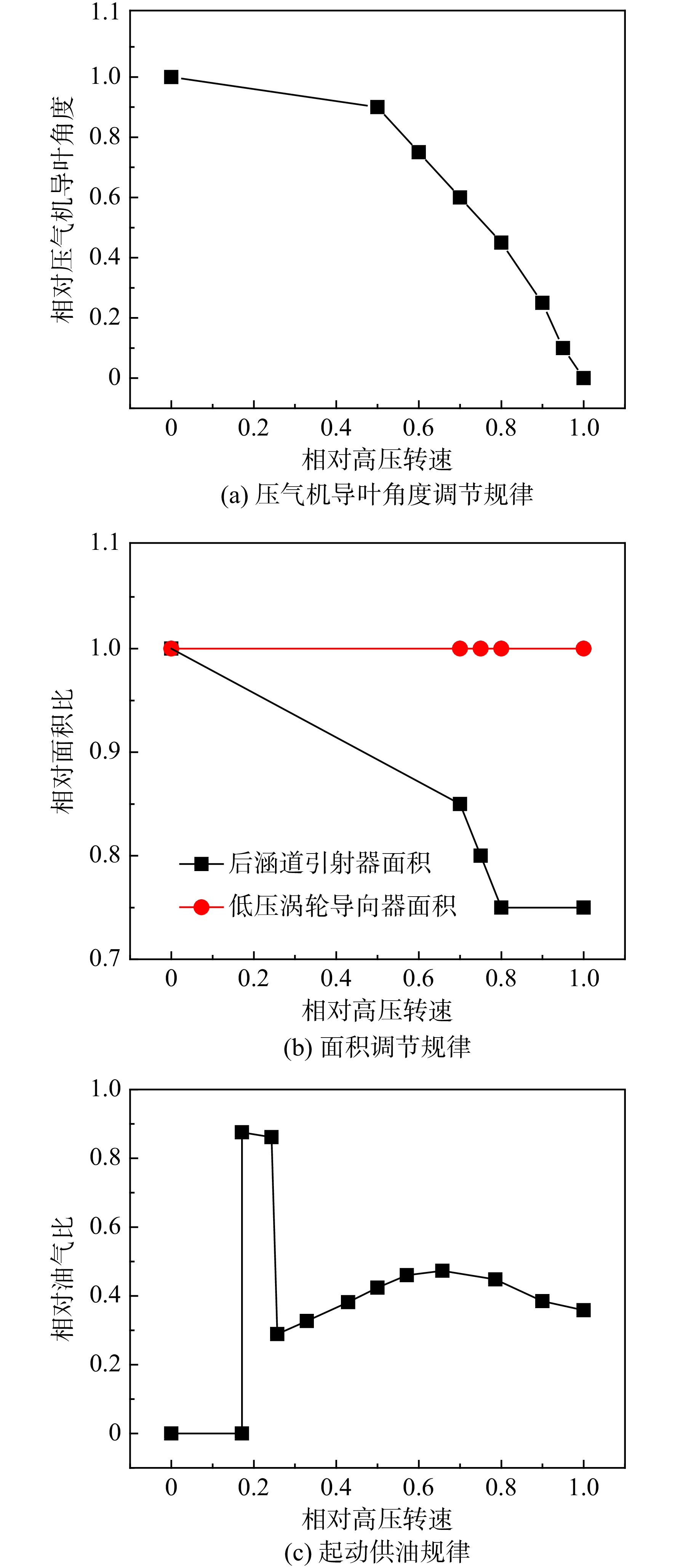
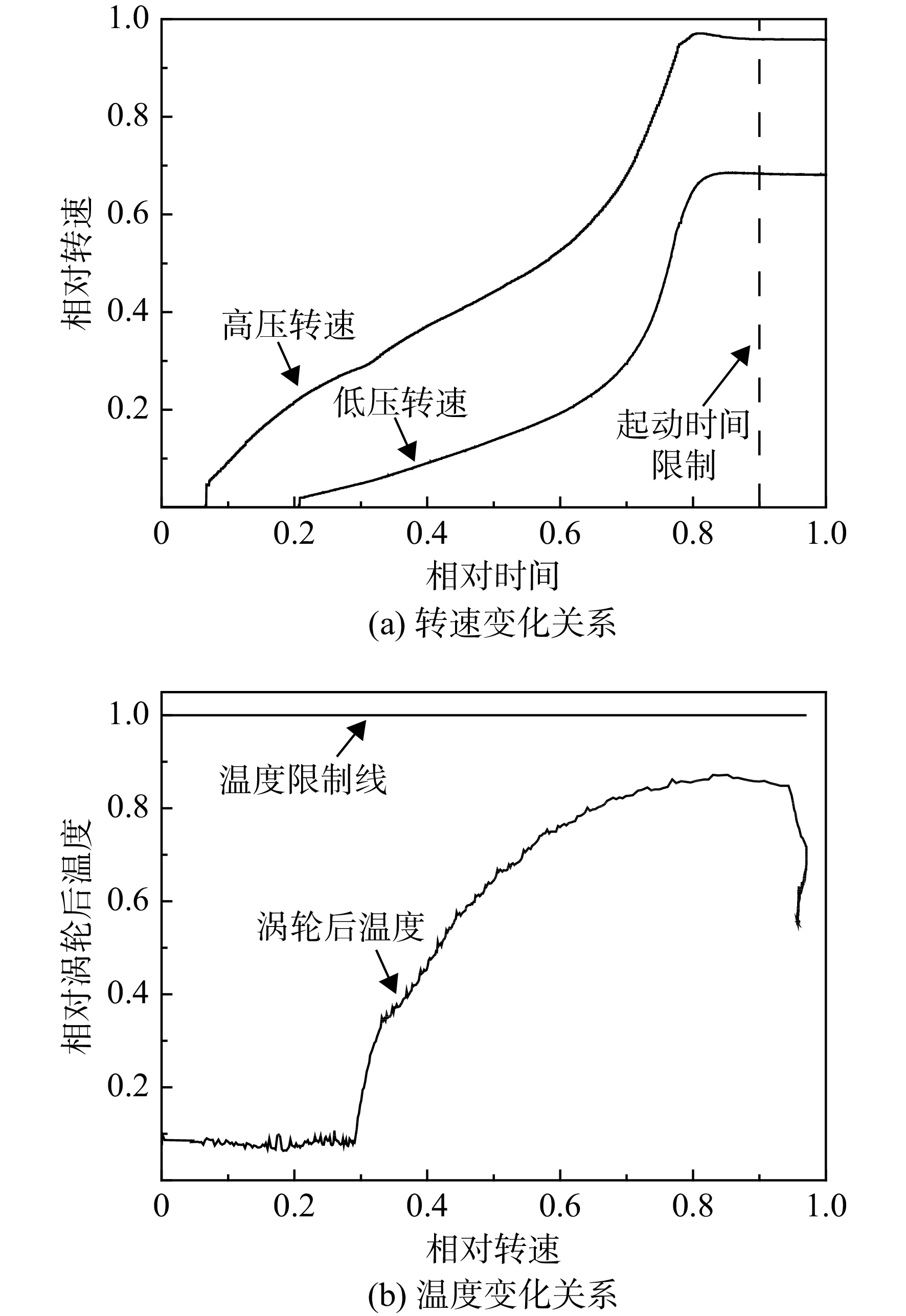
To research the starting control law of double-culvert variable cycle engine, based on the modeling method of component, the method of air mass flow balance was used to establish corresponding common working equations, and the double-culvert variable cycle engine starting model was established by considering the processing method of variable geometry characteristics for adjustable components and the low speed characteristic extrapolation method of the rotating components. Through using single factor analysis method, it changed single geometry adjustments, including the guide vane angle of fan, core driven fan stage (CDFS) and compressor, the throat area of low pressure turbine, the area of front variable area bypass injector (FVABI), rear variable area bypass injector (RVABI) and exhaust nozzle, and studied the influence on the starting performance of engine to obtain the influence matrix of geometric variables. Based on this, starting control law was researched. Research showed that in this starting control law, the guide vane angle of fan and CDFS, FVABI and nozzle were kept at closed position, and the throat area of low pressure turbine kept at the max position, whilst the area of RVABI and the guide vane angle of compressor decreased with the increase of rotation speed. Test result showed that, the starting control law was correct and feasible, and variable cycle engine started successfully. The conclusion provides a reference for variable cycle engine control law and starting performance design.