2023 Vol. 38, No. 12

Combustion,Heat and Mass Transfer
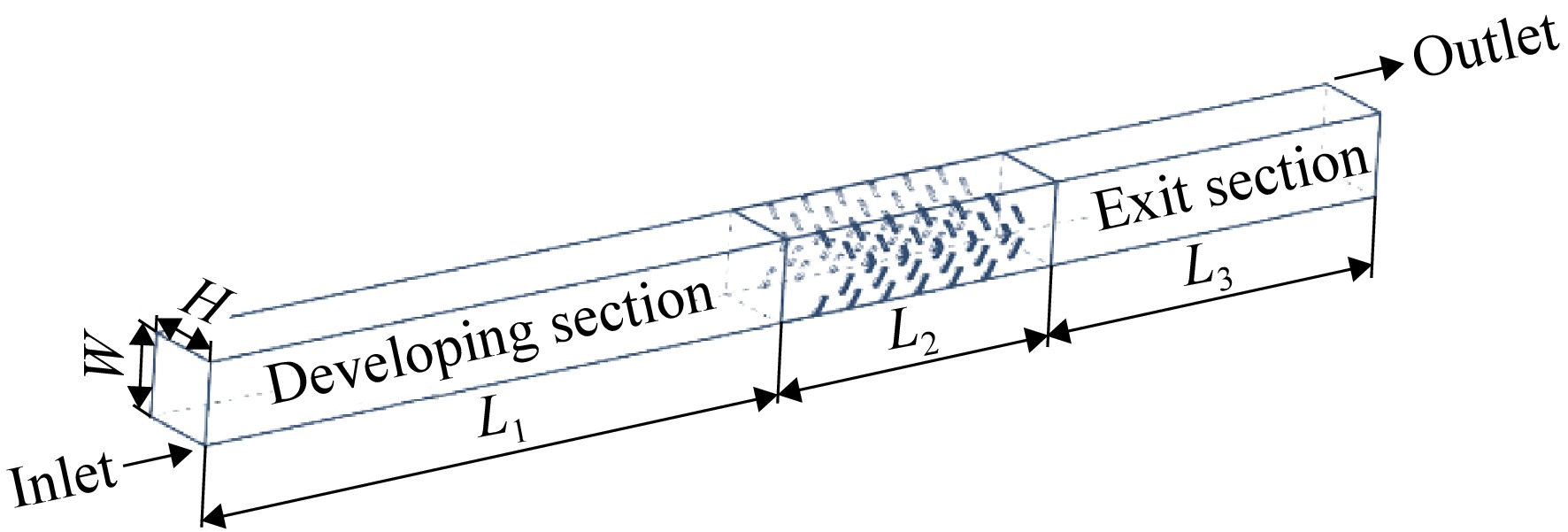
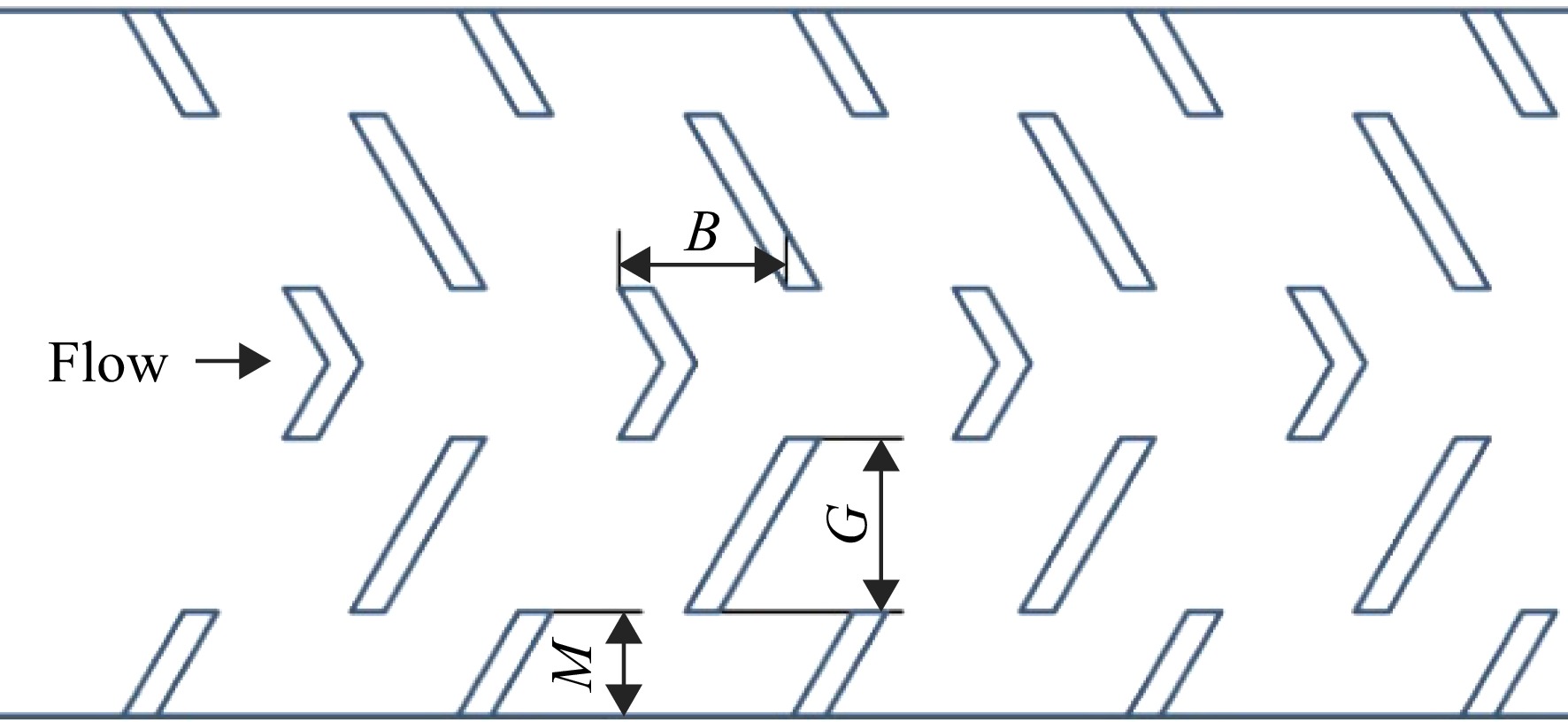
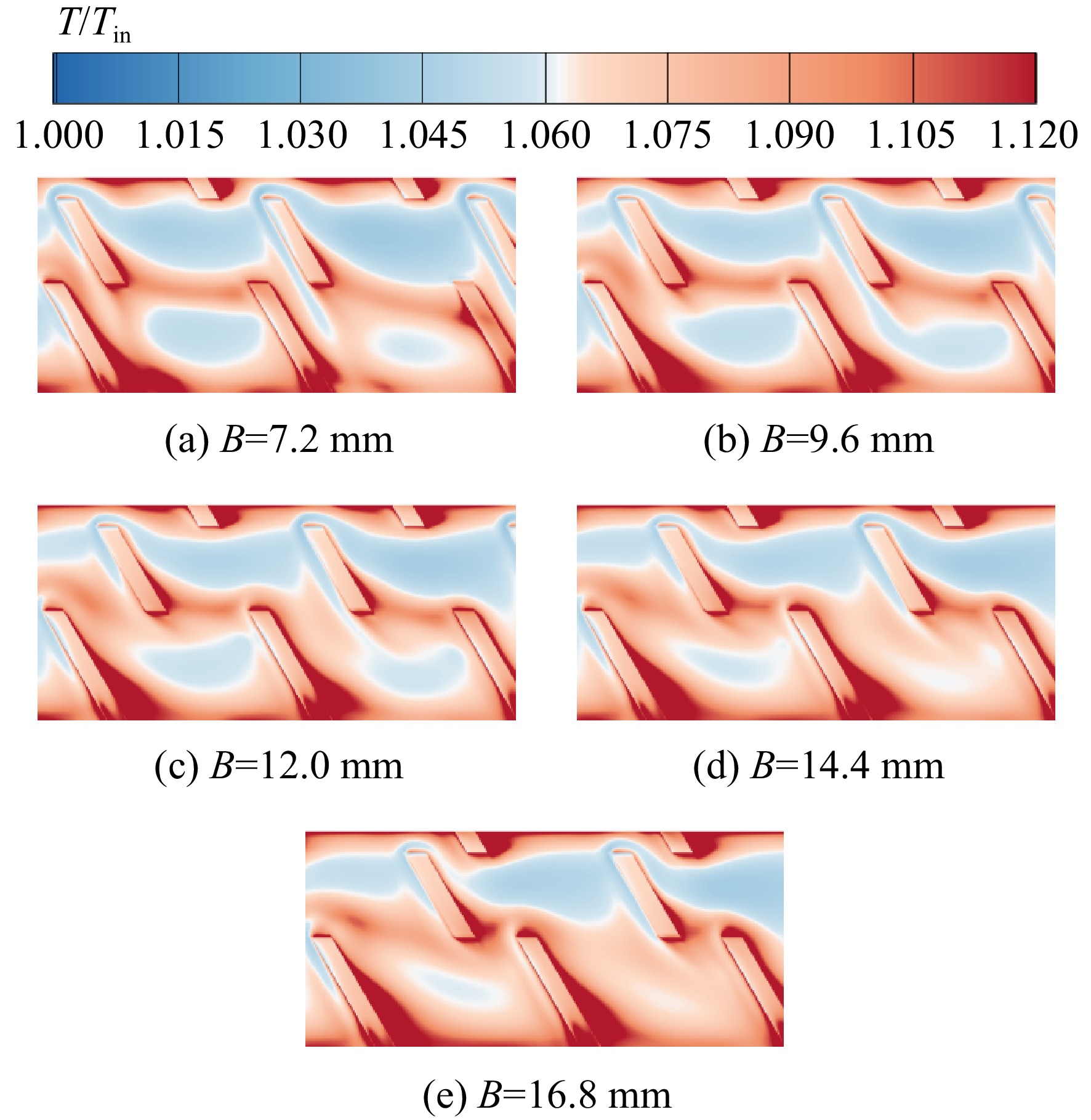
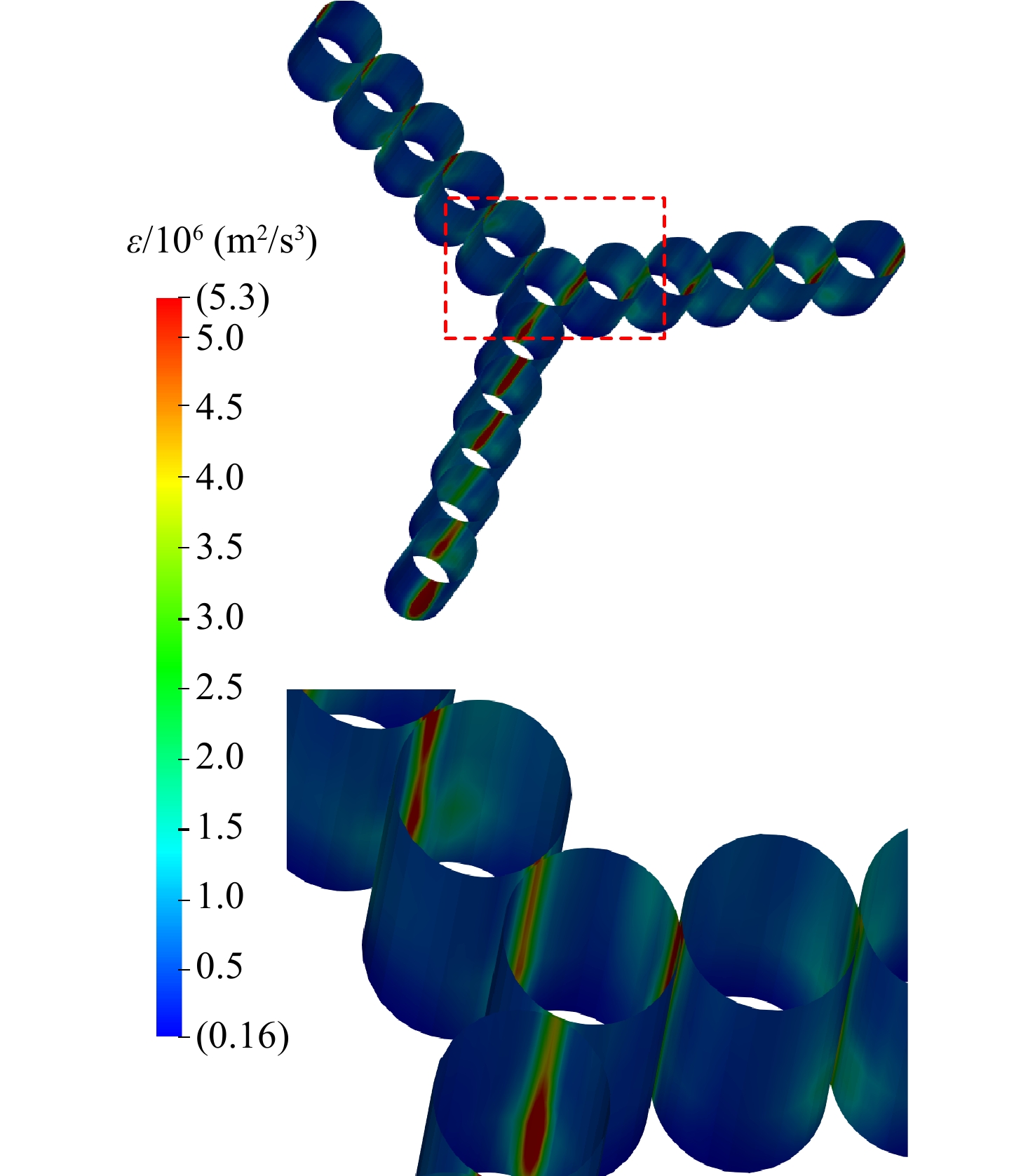
Study on heat transfer characteristics of V-shaped discrete ribs in turbine blade passage
WU Rong, MIAO Keke, HOU Chang
2023, 38(12): 2817-2828. doi: 10.13224/j.cnki.jasp.20210390
Abstract:

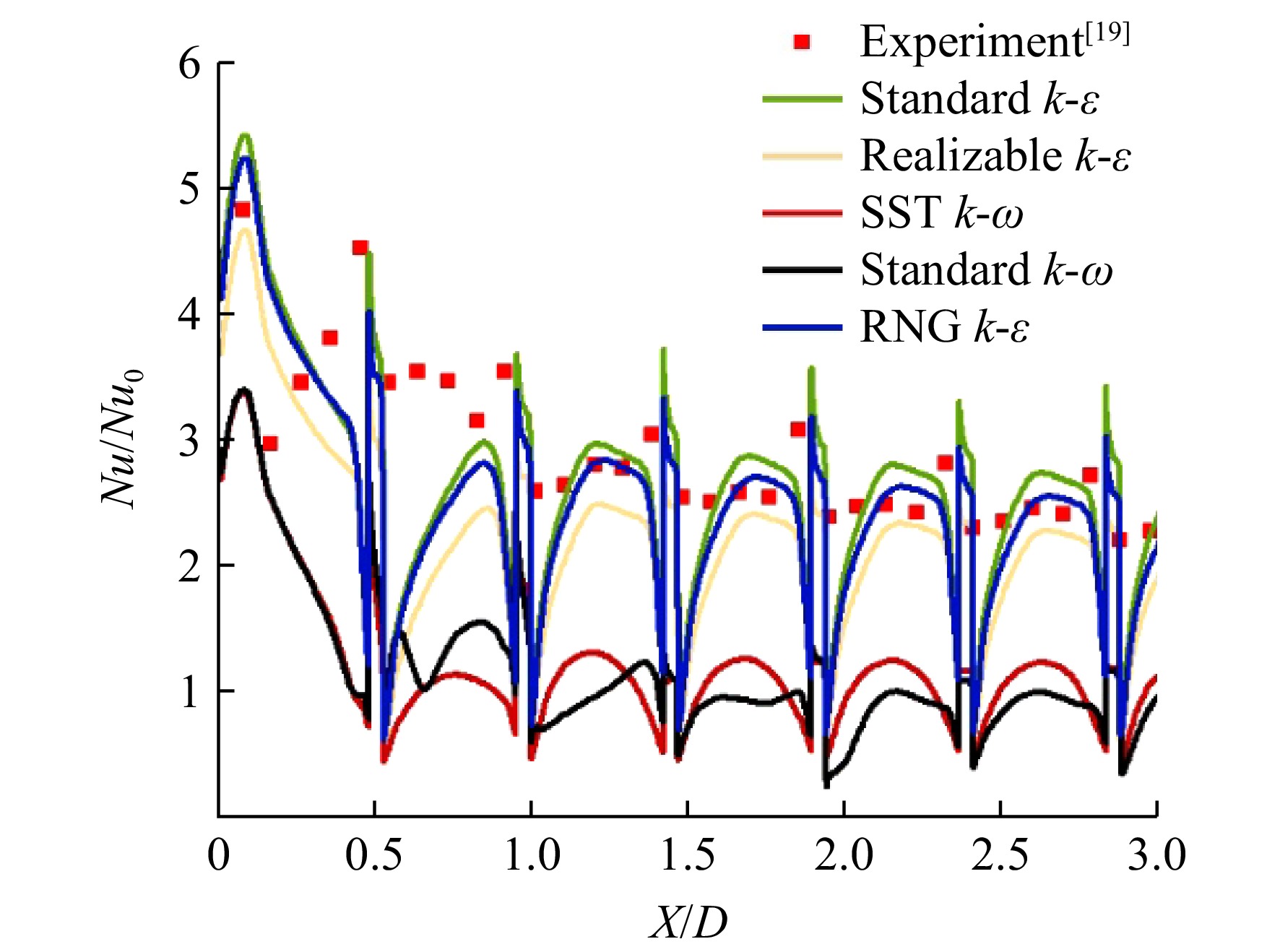
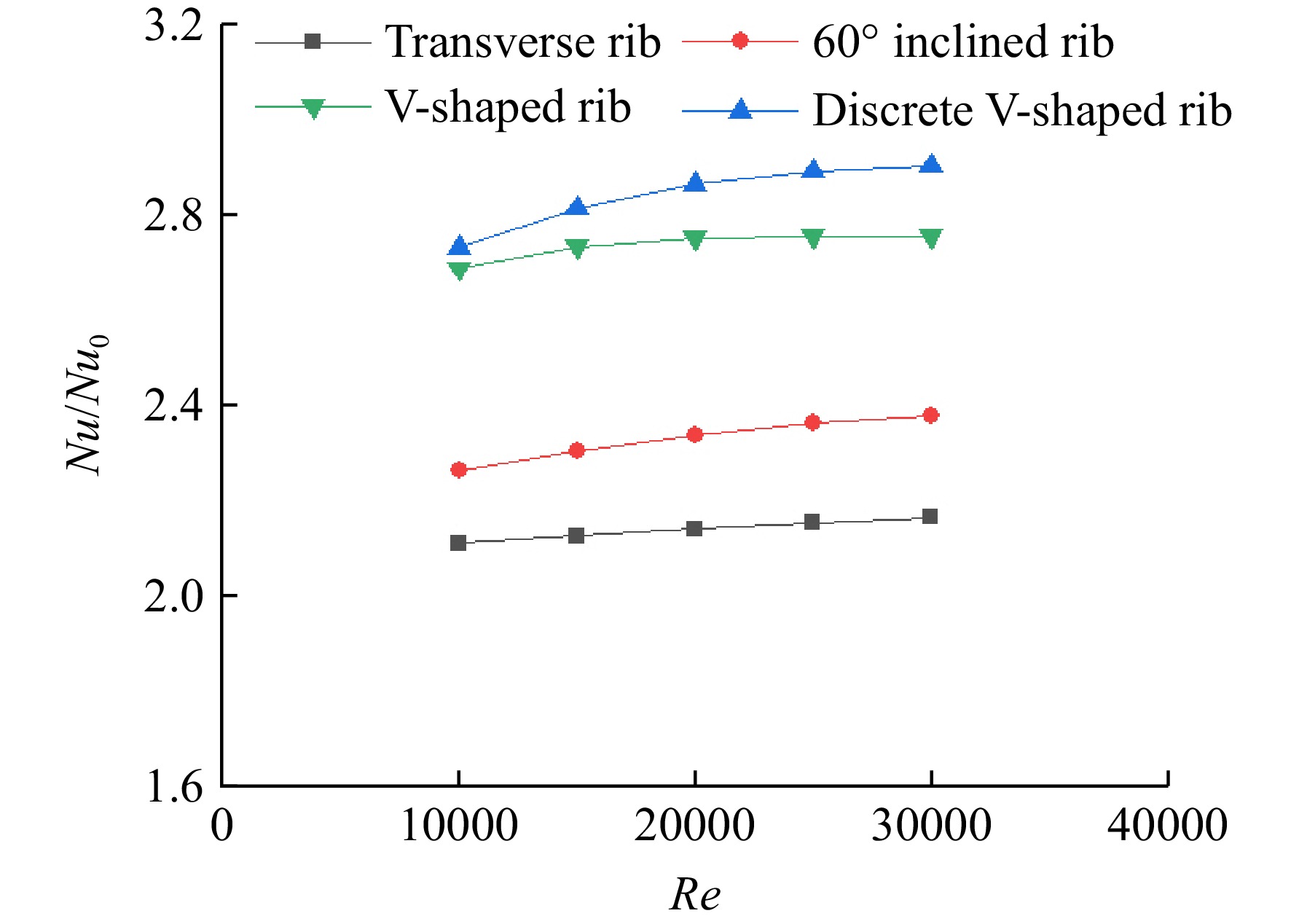
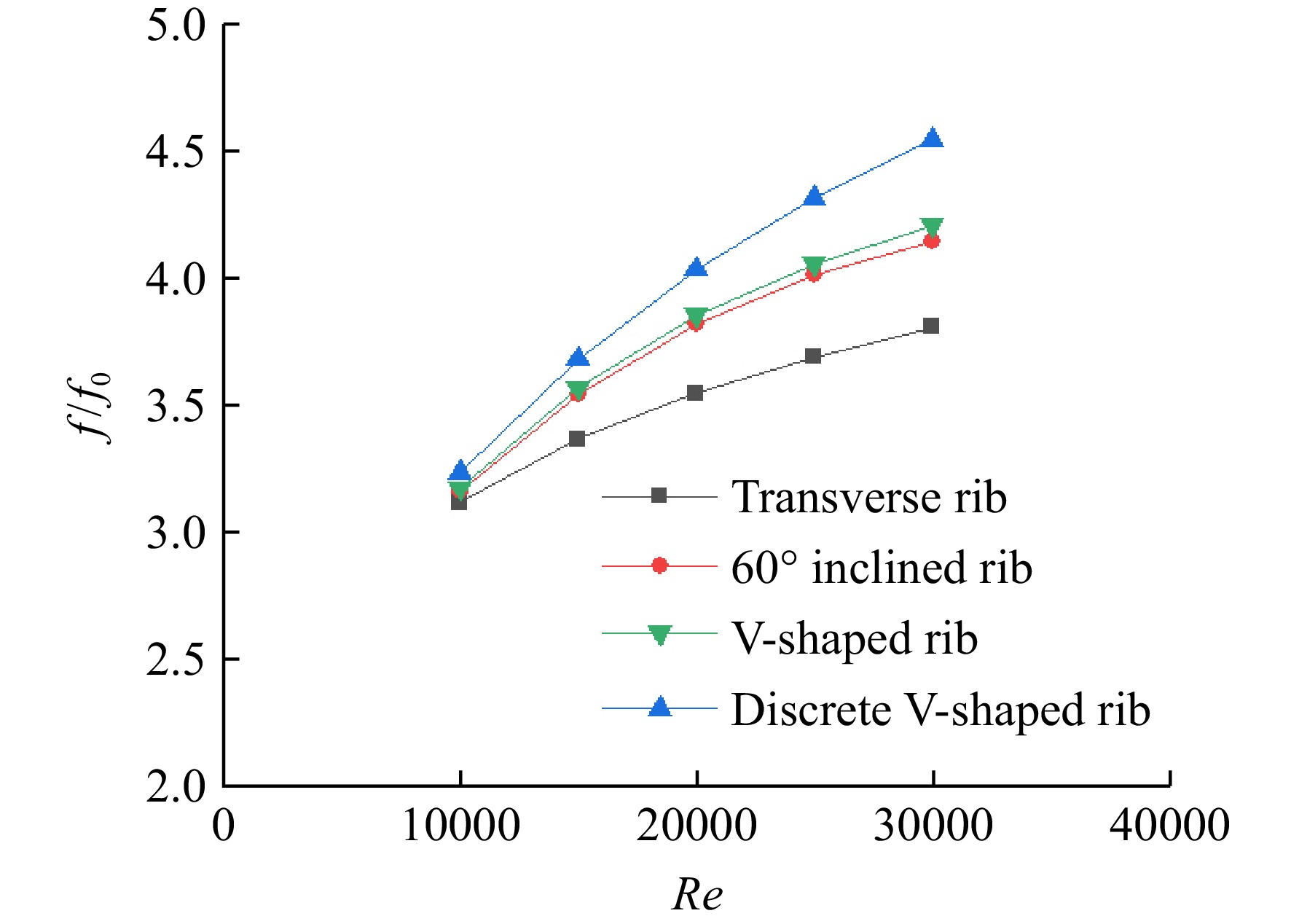
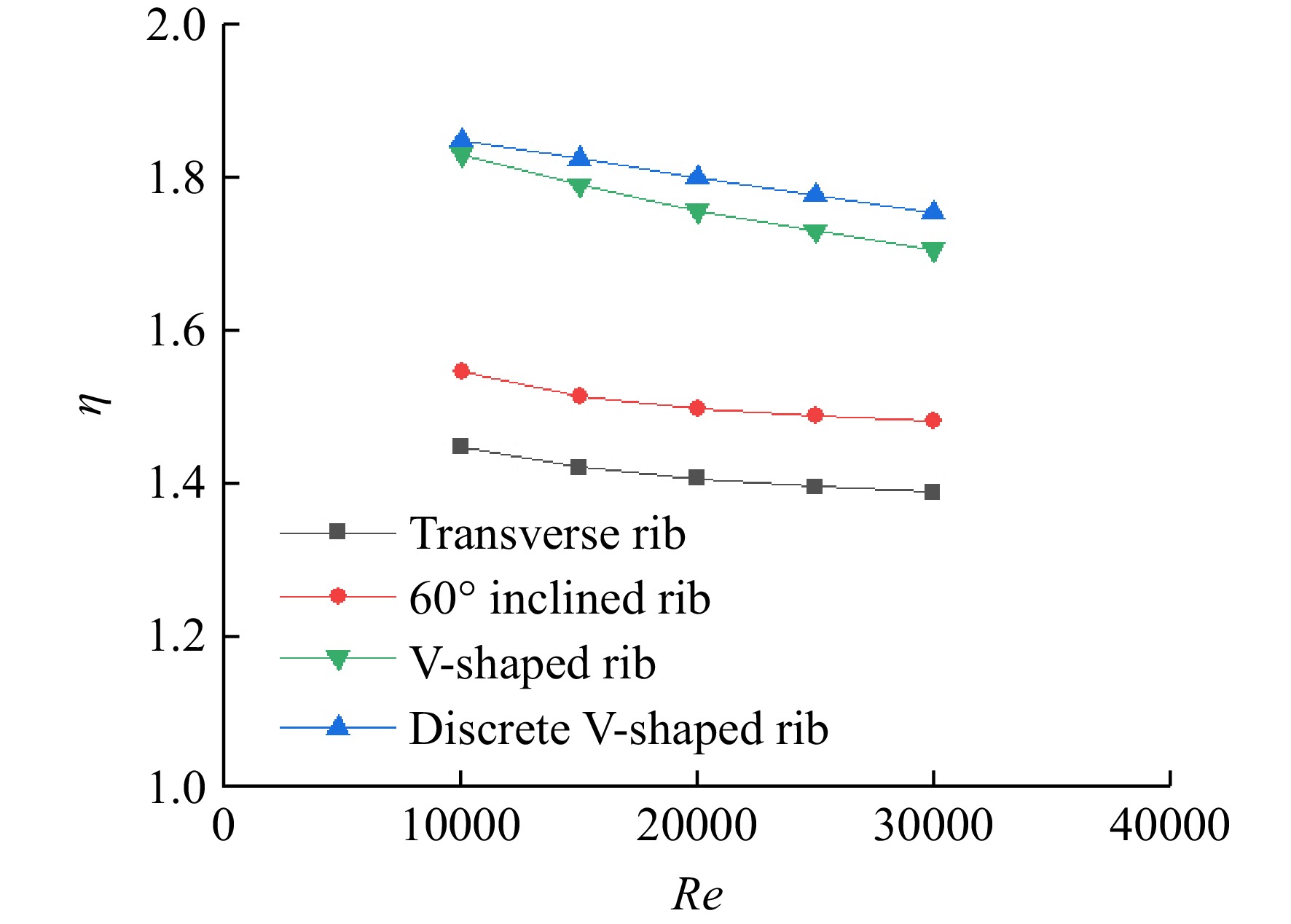
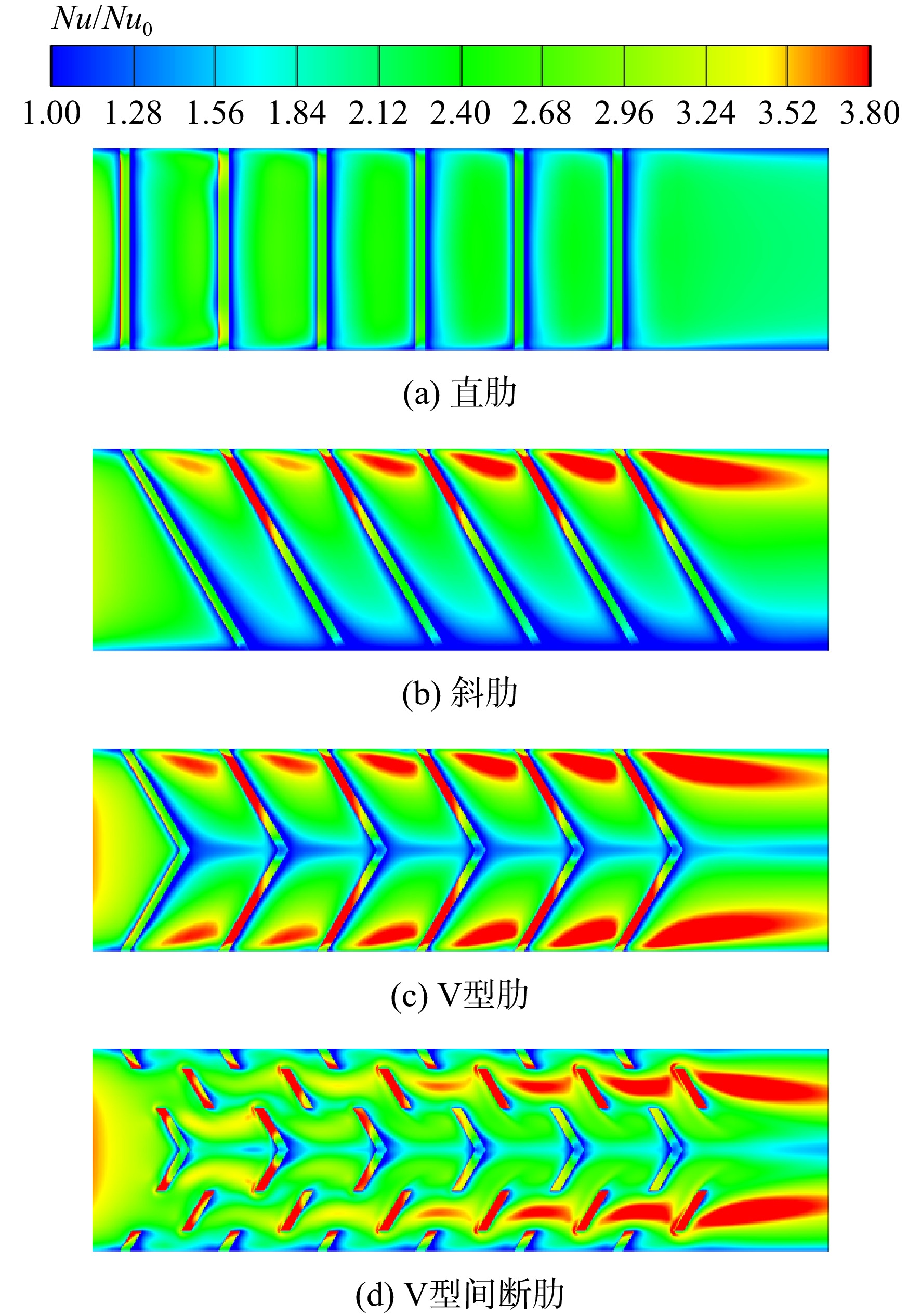
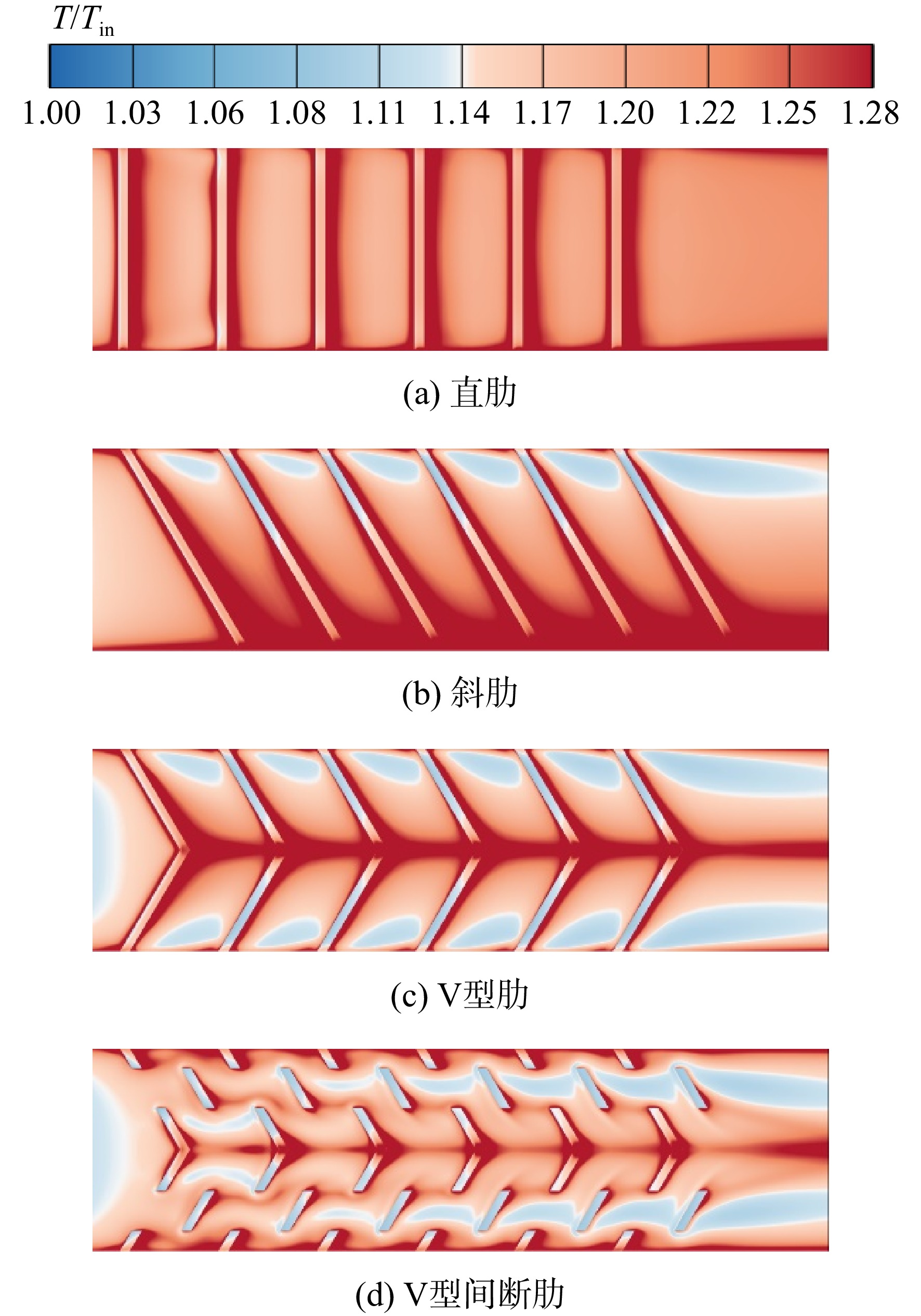
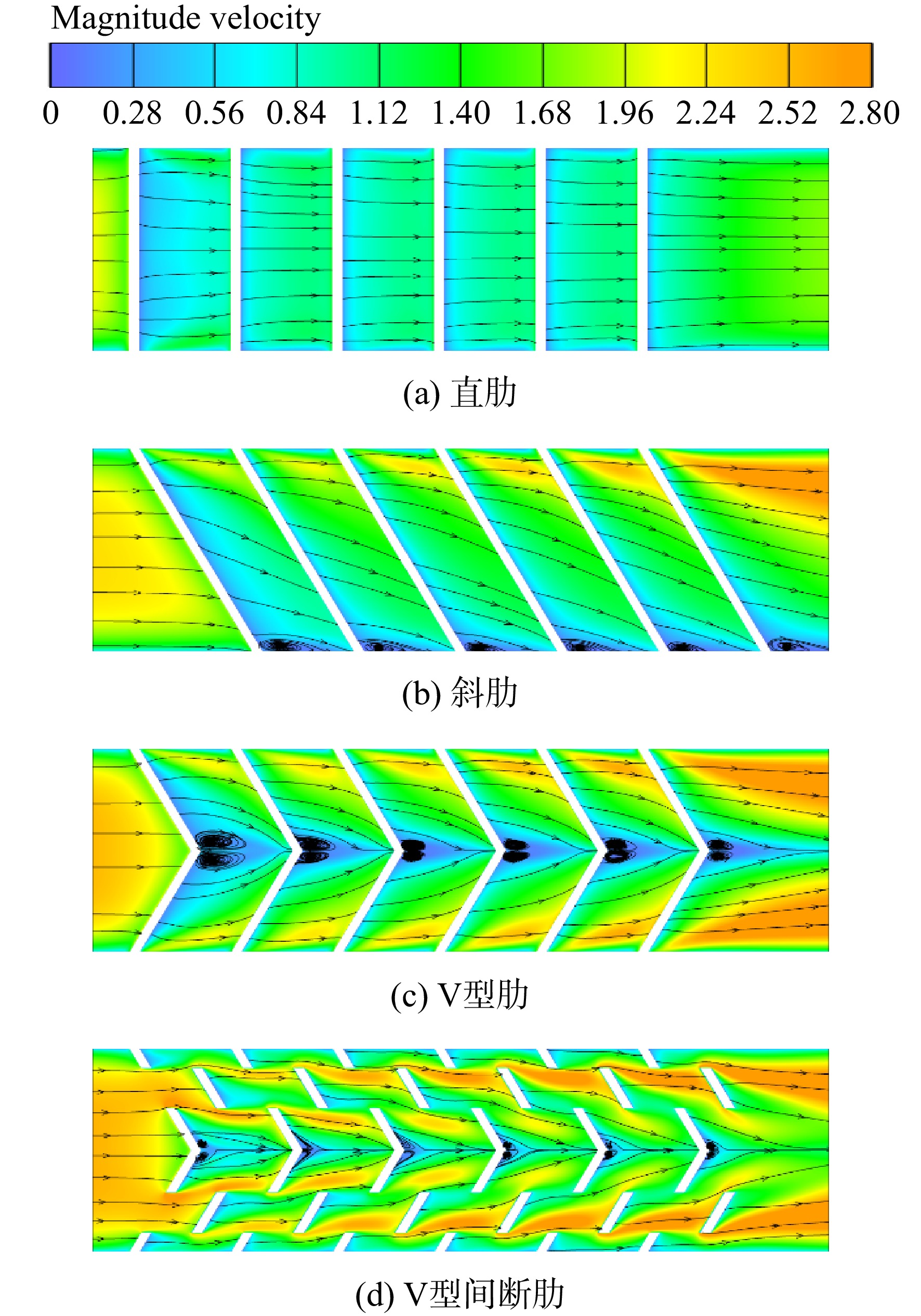
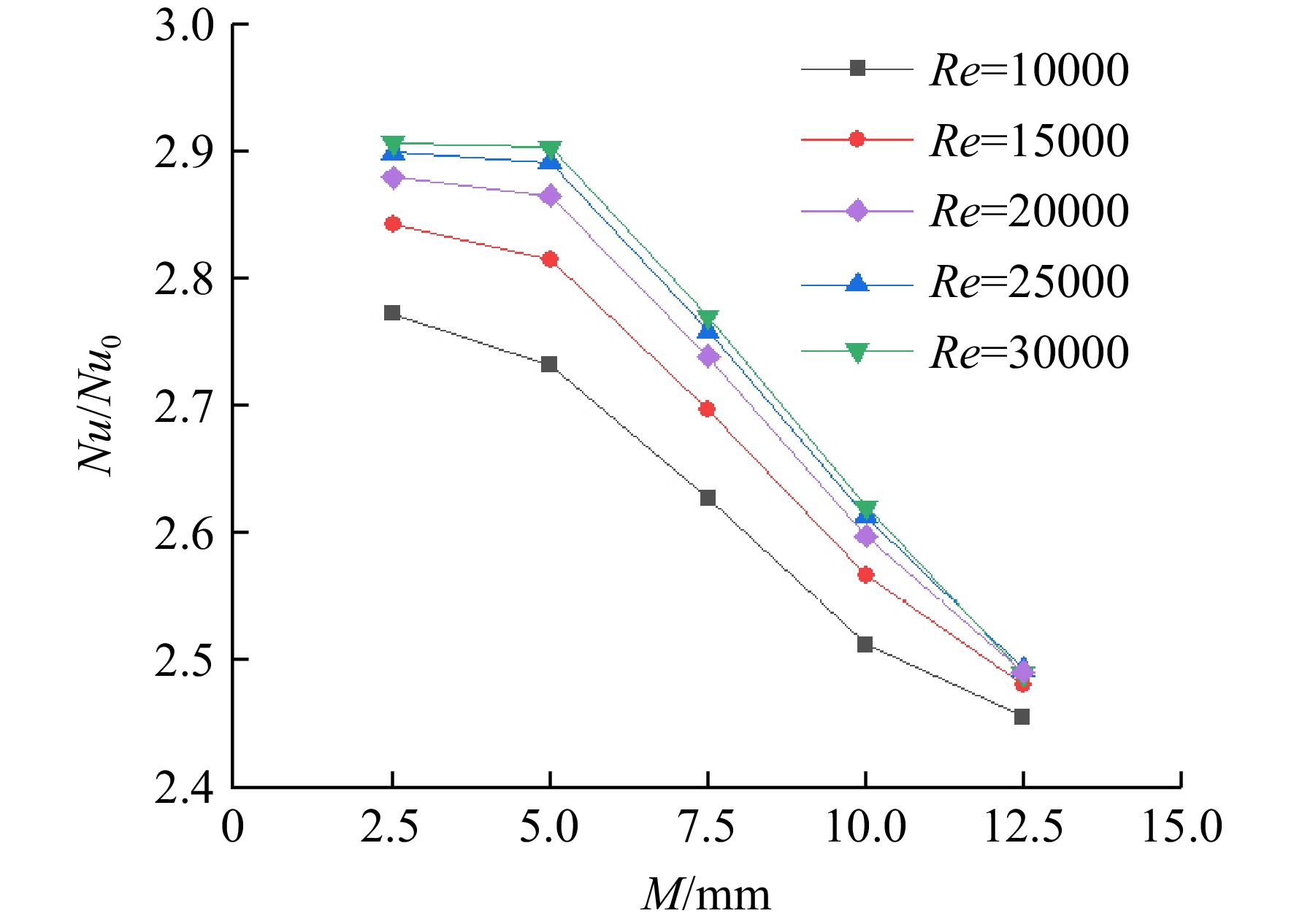
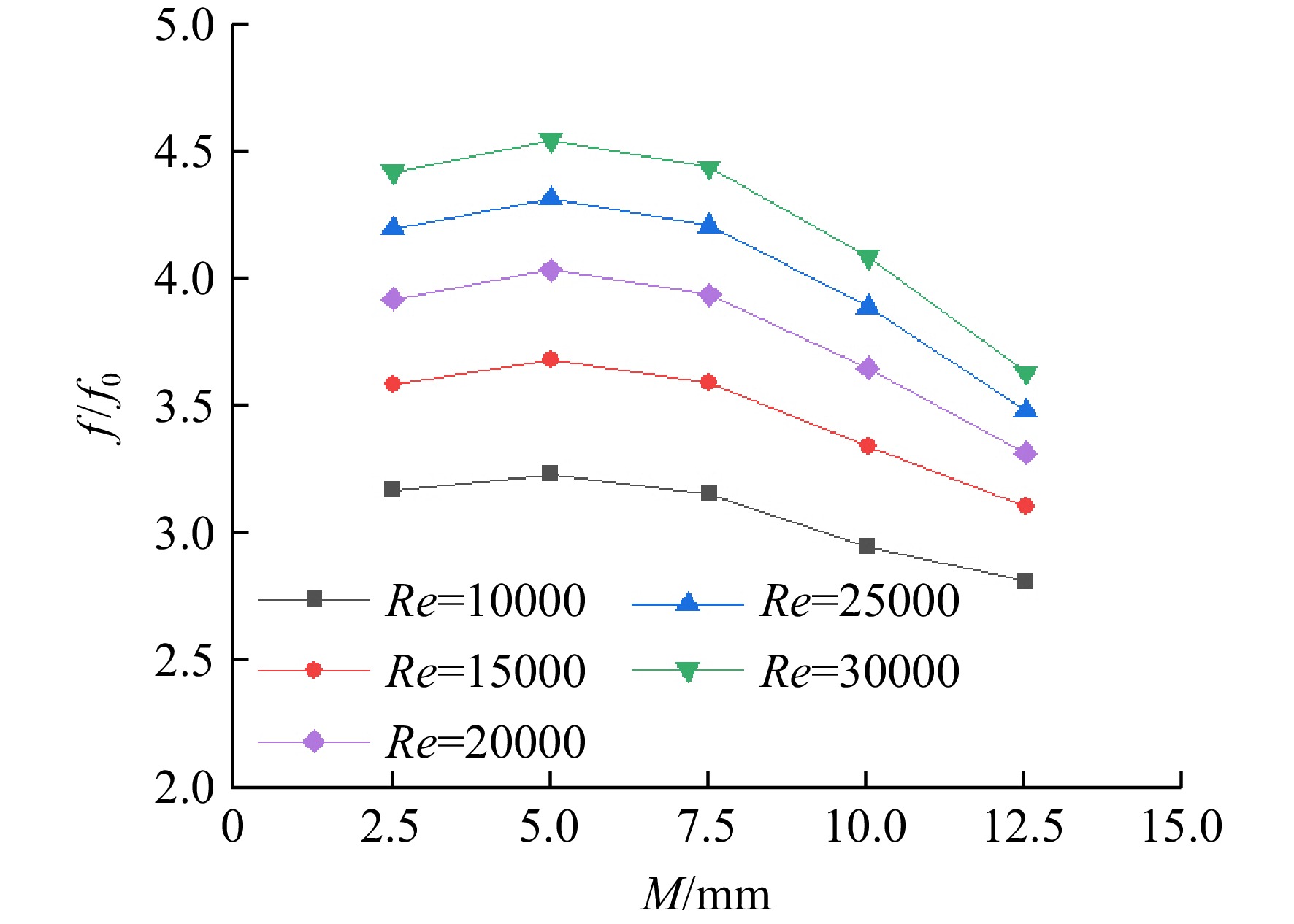
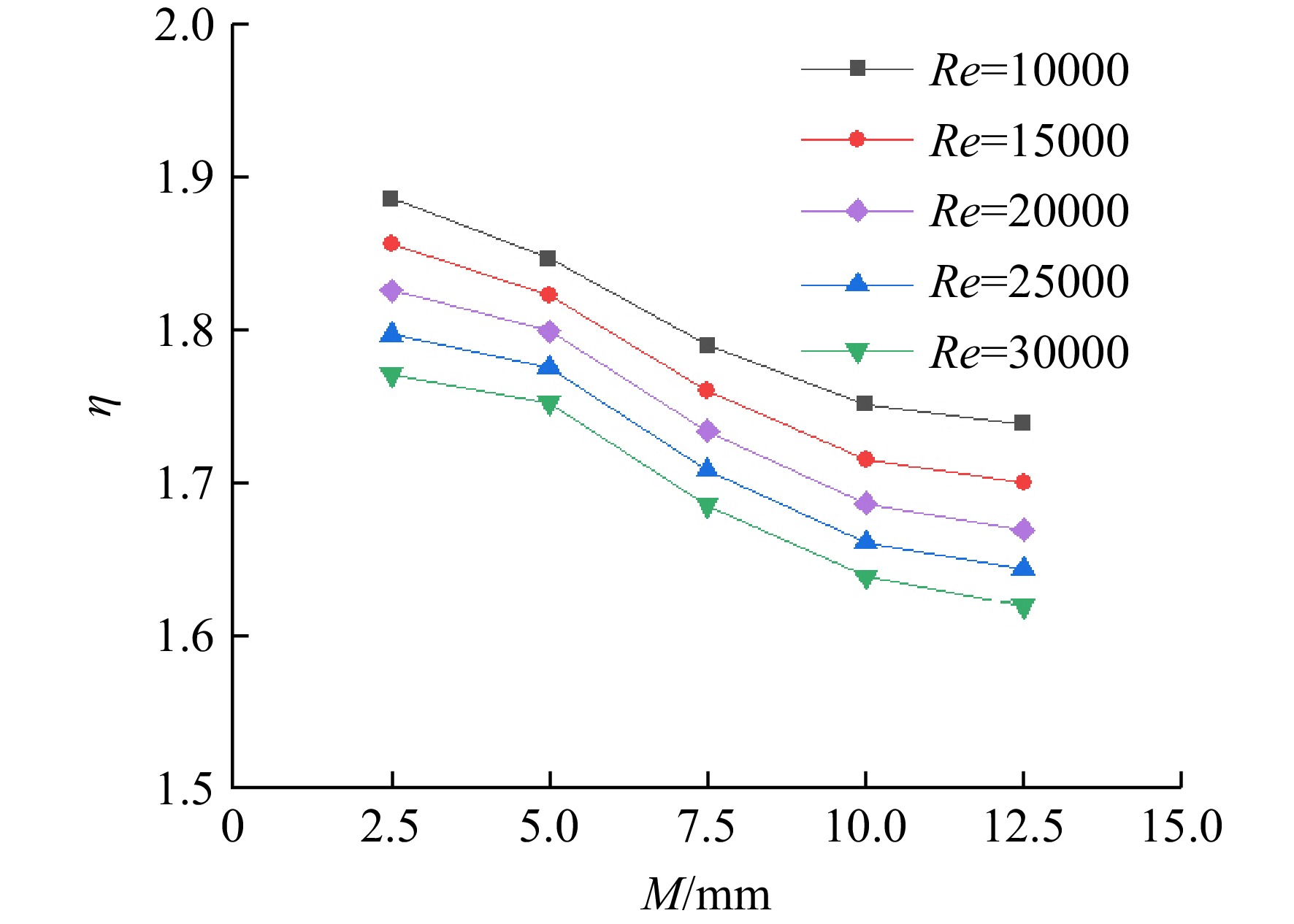
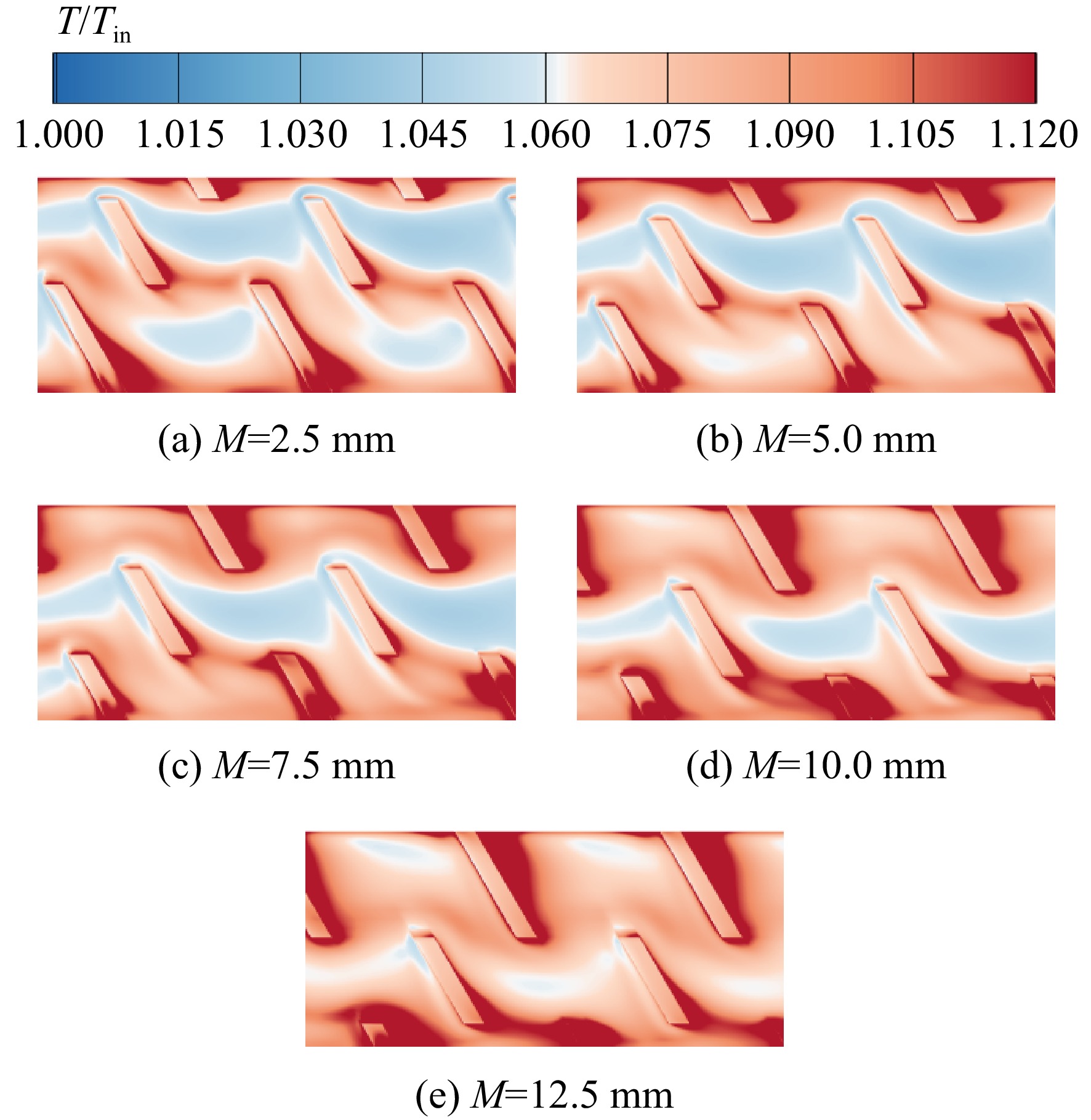
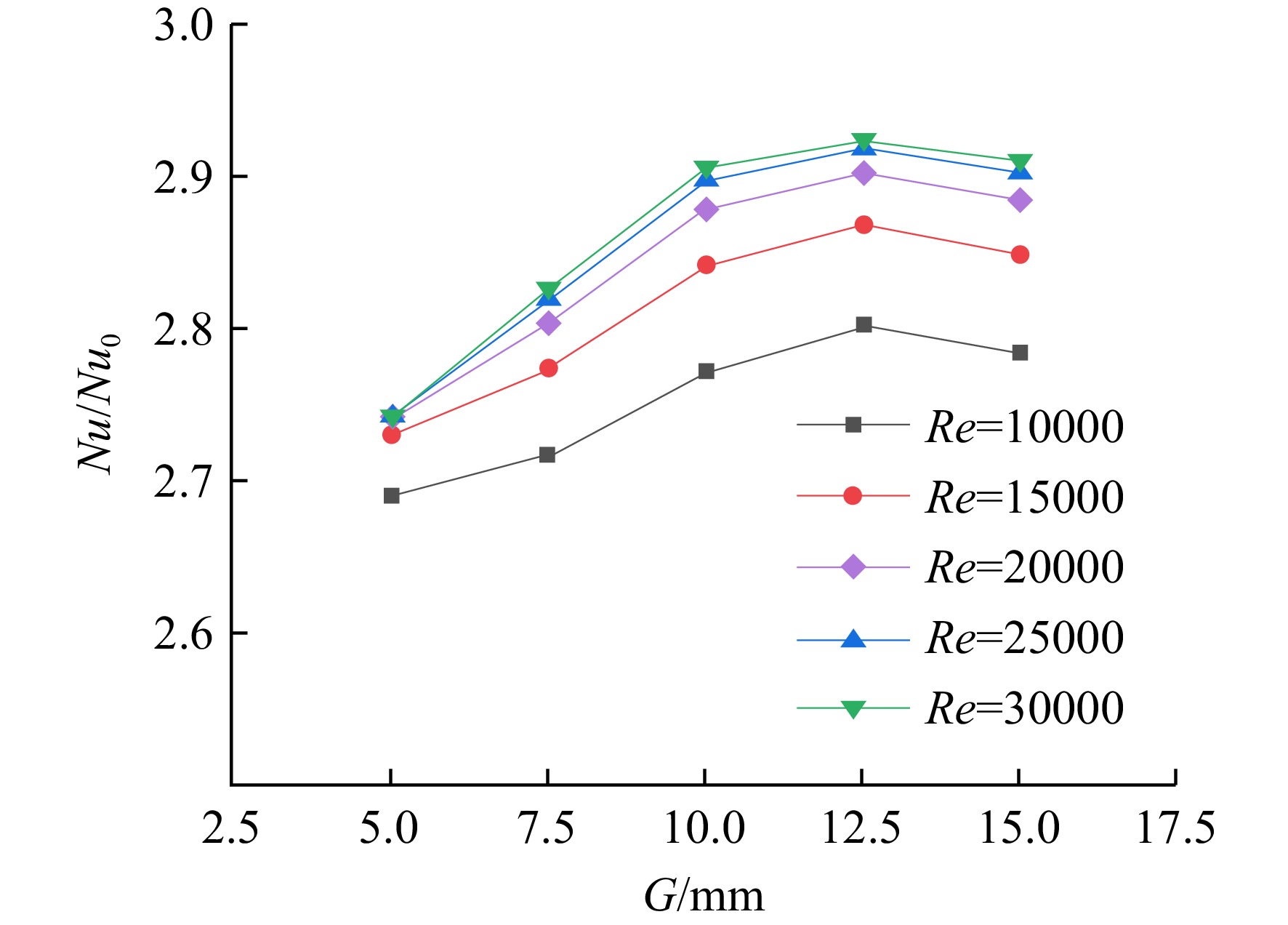
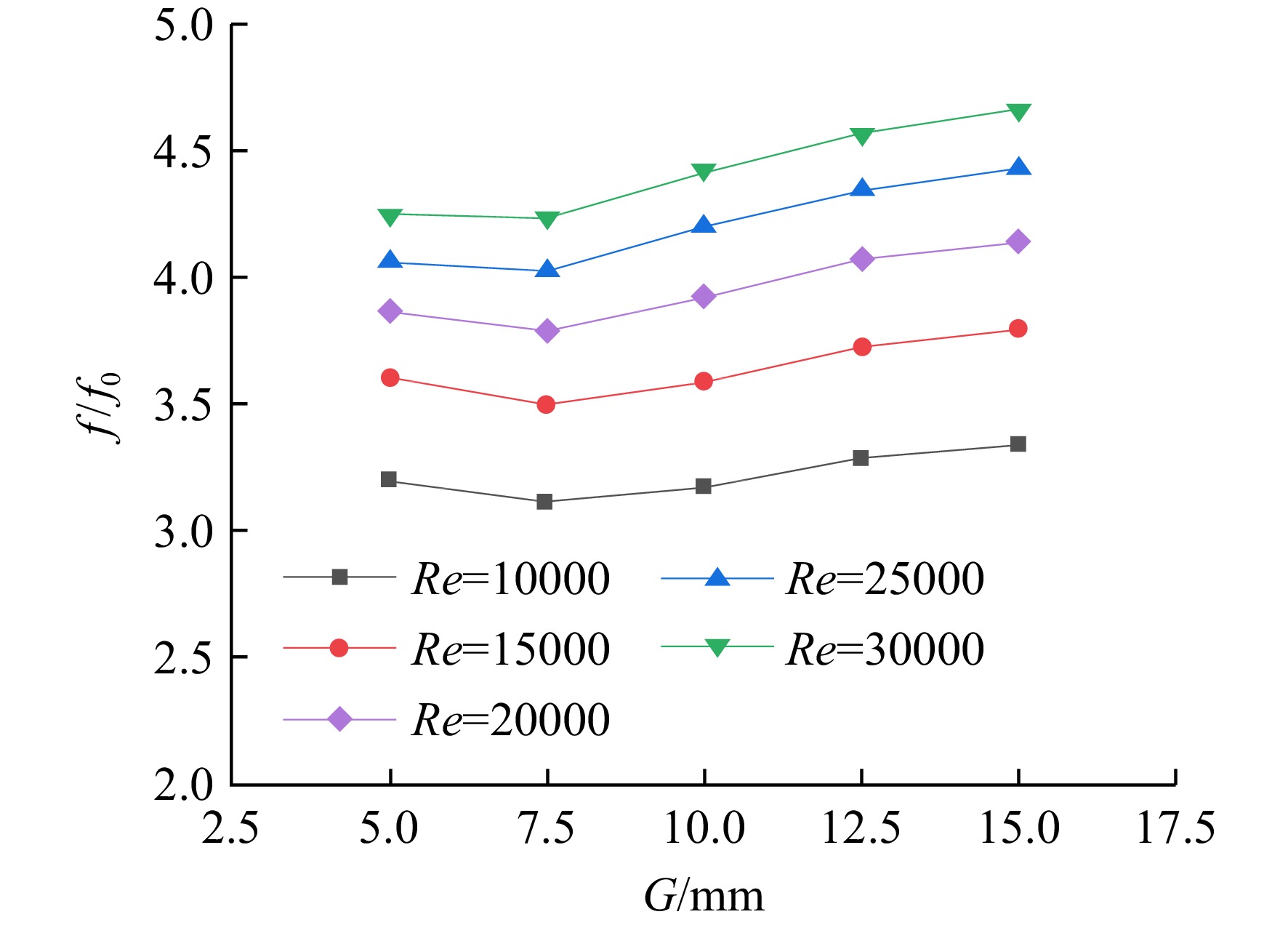
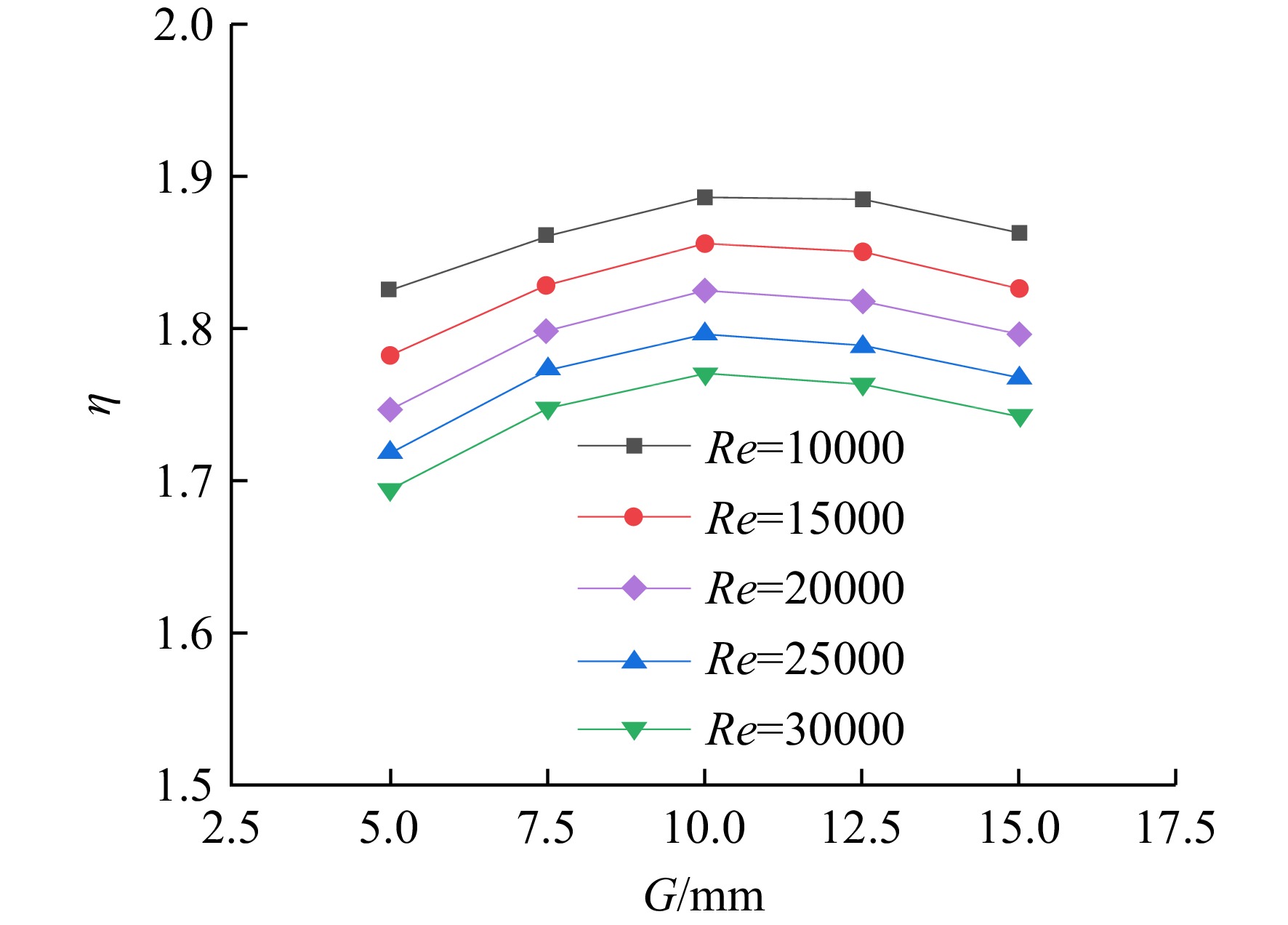
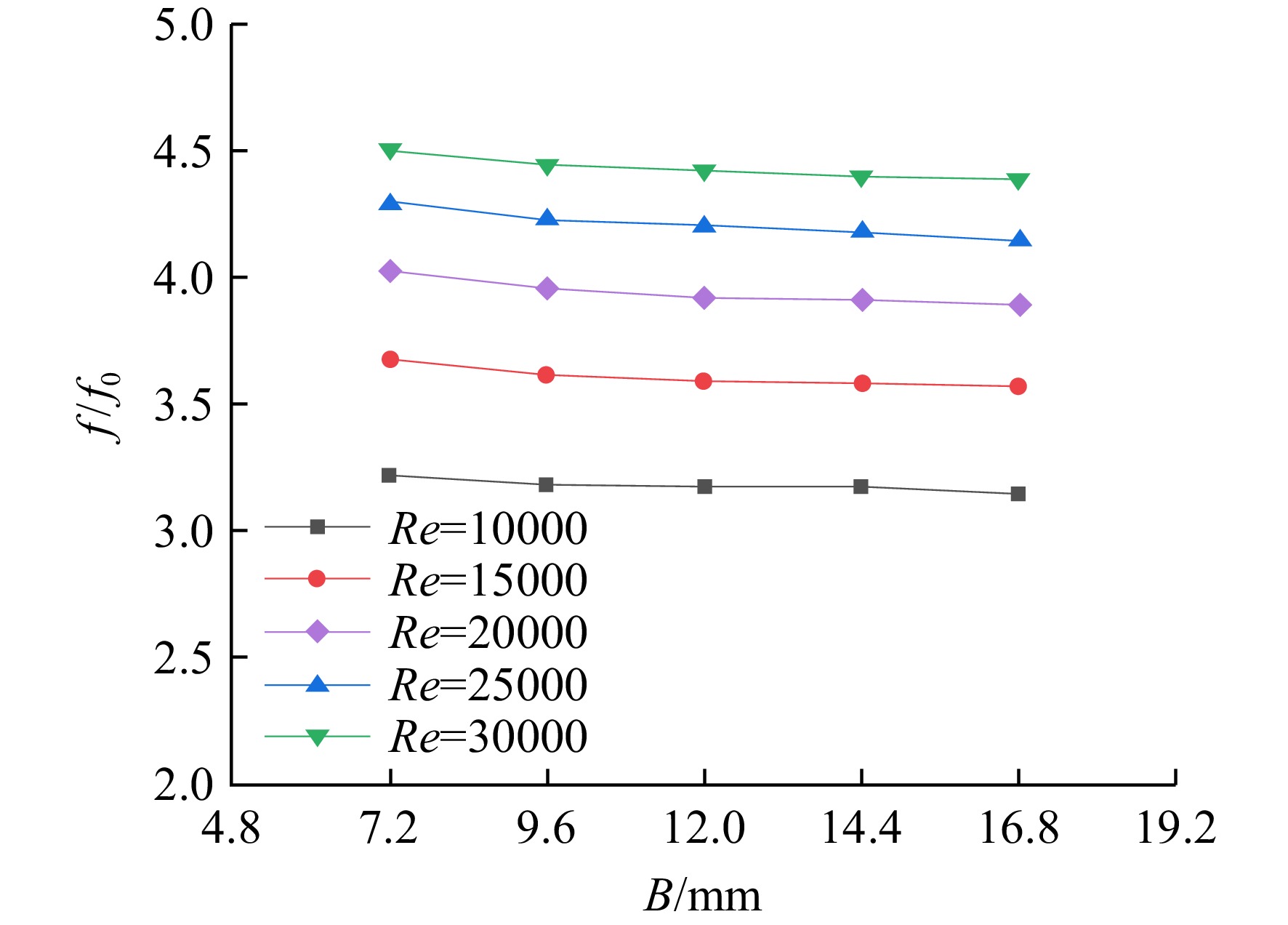
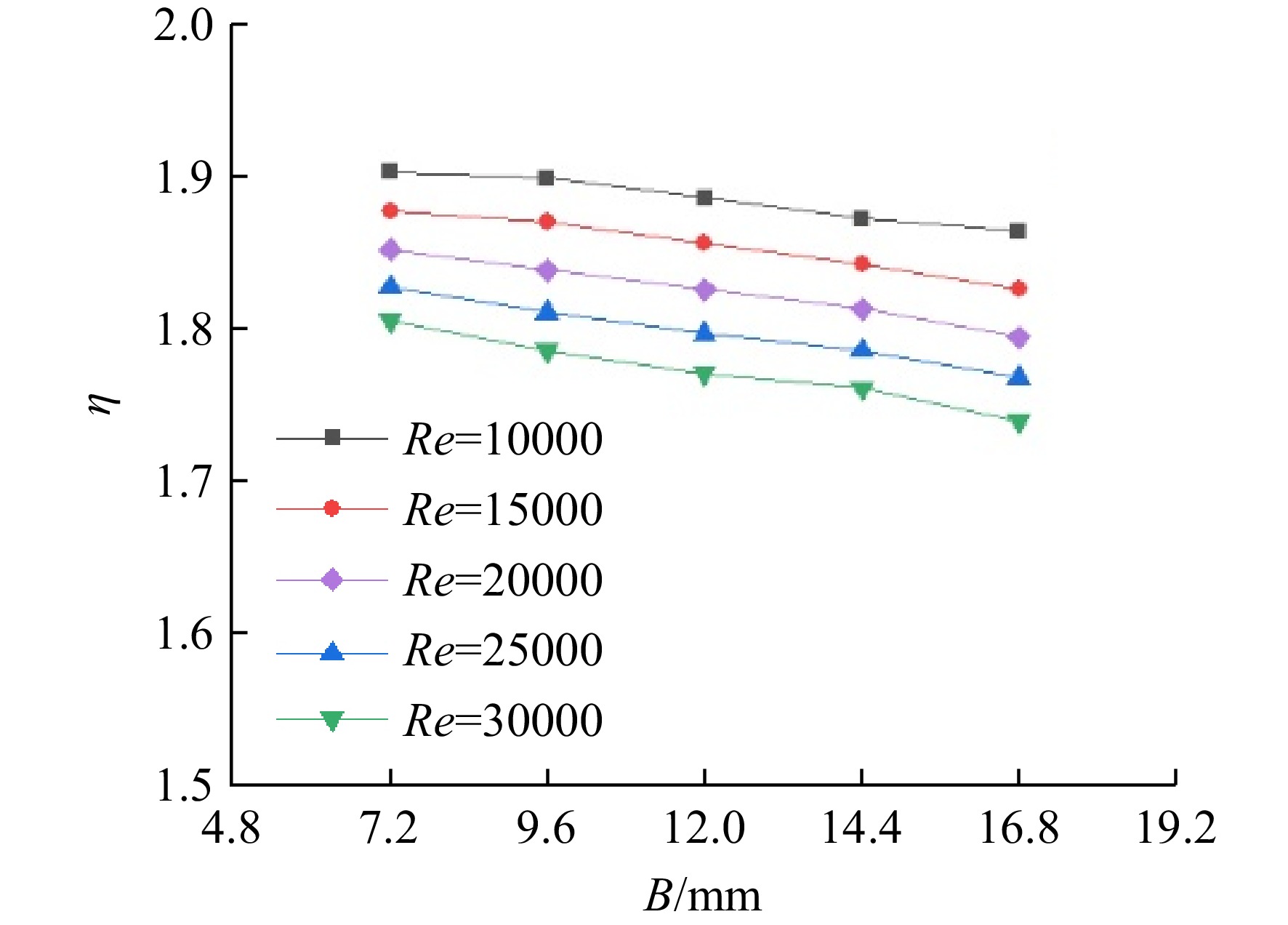
The heat transfer characteristics of V-shaped discrete ribs in the internal passage of turbine blade were studied by simulation. The effects of structural parameters (separation positions, separation rib length, separation rib distance) on the heat transfer performance of the channel were investigated. The results showed that: compared with the traditional structure (transverse rib, 60° inclined rib, 60° V-shaped rib), V-shaped discrete rib had more advantages in terms of average relative Nusselt number, comprehensive heat transfer coefficient and temperature distribution uniformity. By changing the discrete parameters, the comprehensive heat transfer coefficient of V-shaped discrete ribs can be greatly improved. The channel had the best heat transfer performance when the separation positions was 2.5 mm, the length of separation rib was 10.0 mm and the distance behind separation rib was 9.6 mm. At the Reynolds number of 30 000, compared with the channel with transverse ribs, the average Nusselt number of the optimized V-shaped discrete ribs increased by 35.75%, and the comprehensive heat transfer coefficient increased by 28.95%.

Performance evaluation method of thermal management system based on exergy analysis and compensatory loss
ZHAO Weiwei, LOU Decang, ZHONG Shilin
2023, 38(12): 2829-2836. doi: 10.13224/j.cnki.jasp.20220121
Abstract:

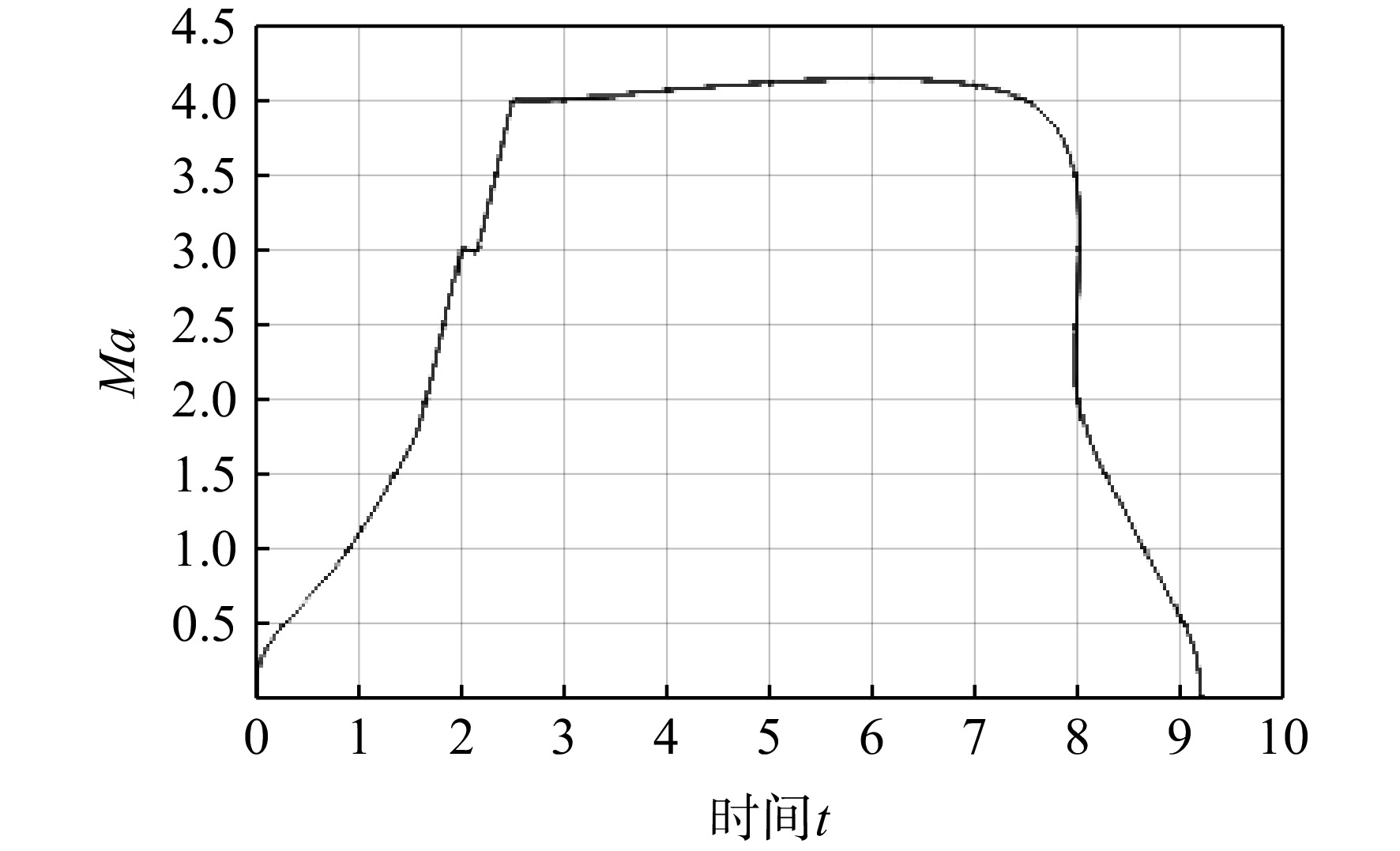
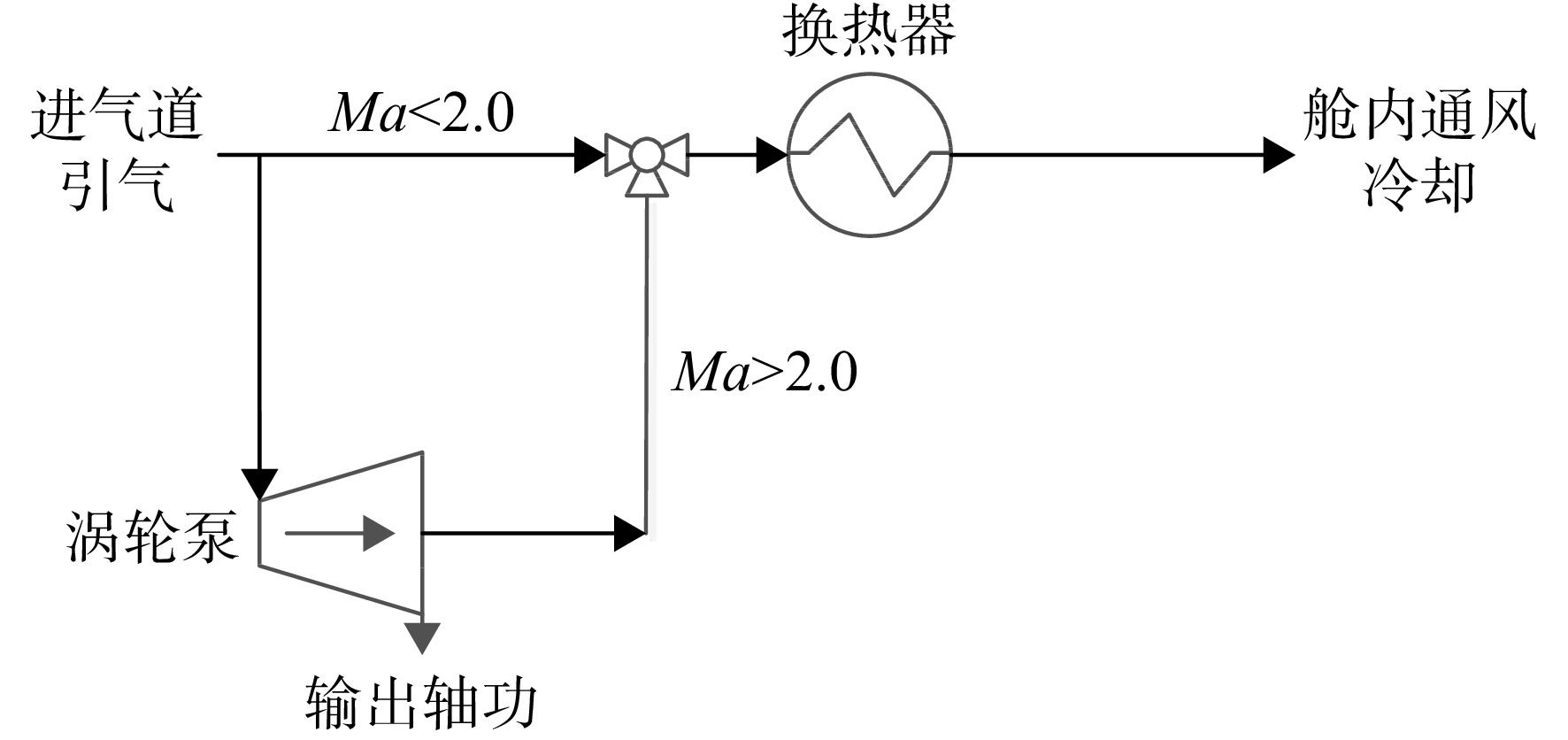
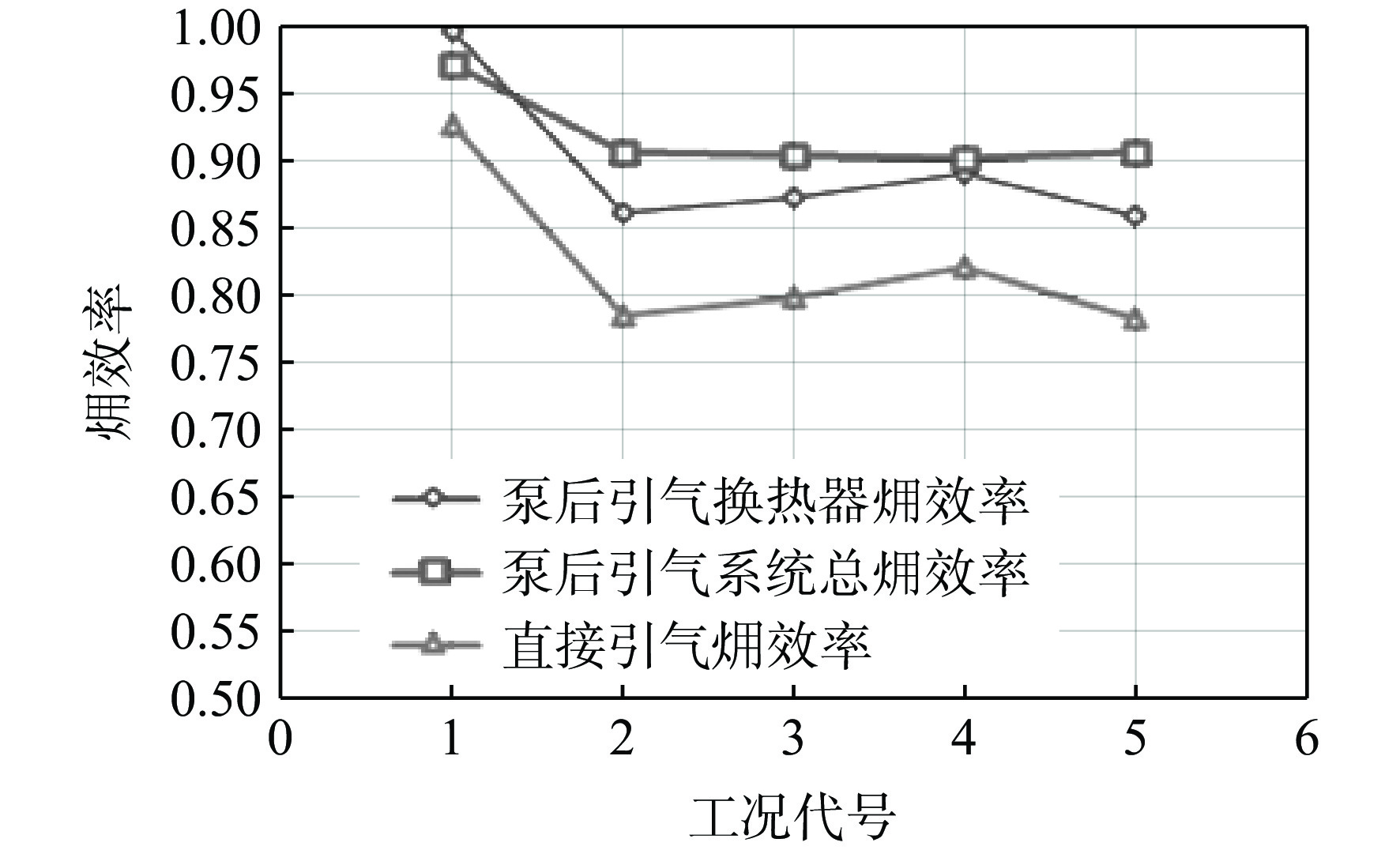
A method based on exergy analysis and compensatory loss was put forward to evaluate the performance of aero-engine thermal management system. Different thermal management system schemes were compared and analyzed from the perspectives of thermodynamic performance and total takeoff weight added value. According to the established analysis method, the performance of two schemes of engine compartment thermal management system (direct air bleed and bleed after pump) was comprehensively evaluated. The results showed that the scheme of the heat management system of the air intake after the pump can realize comprehensive utilization of the power extraction and cooling, and reduce the aerodynamic resistance loss caused by the whole air intake, which was better than the scheme of the direct air intake, as the maximum exergy efficiency was increased by 12.3%, and the total mass of take-off was reduced by 233.7 kg. Therefore, the comprehensive performance of the heat management scheme after pumping was better than that of direct air intake scheme. This method can provide a reference for the performance evaluation of other similar system schemes.

Analysis on 3D full flow field in a cooling channel with diamond pin fins based on MRV
ZHANG Ke, DUAN Jingtian, LEI Jiang, WANG Zirui, JI Wentao, WU Junmei
2023, 38(12): 2837-2847. doi: 10.13224/j.cnki.jasp.20220051
Abstract:

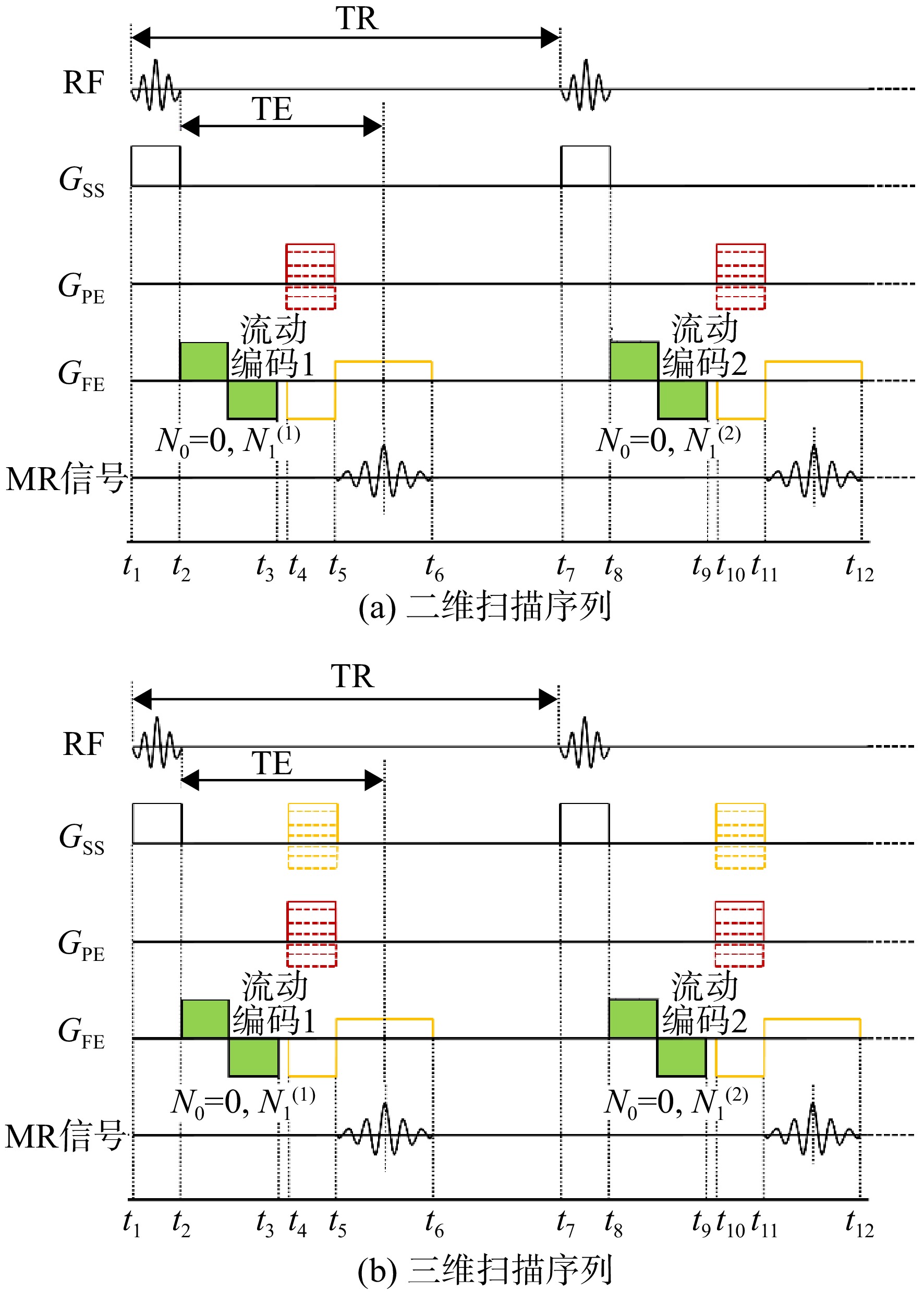
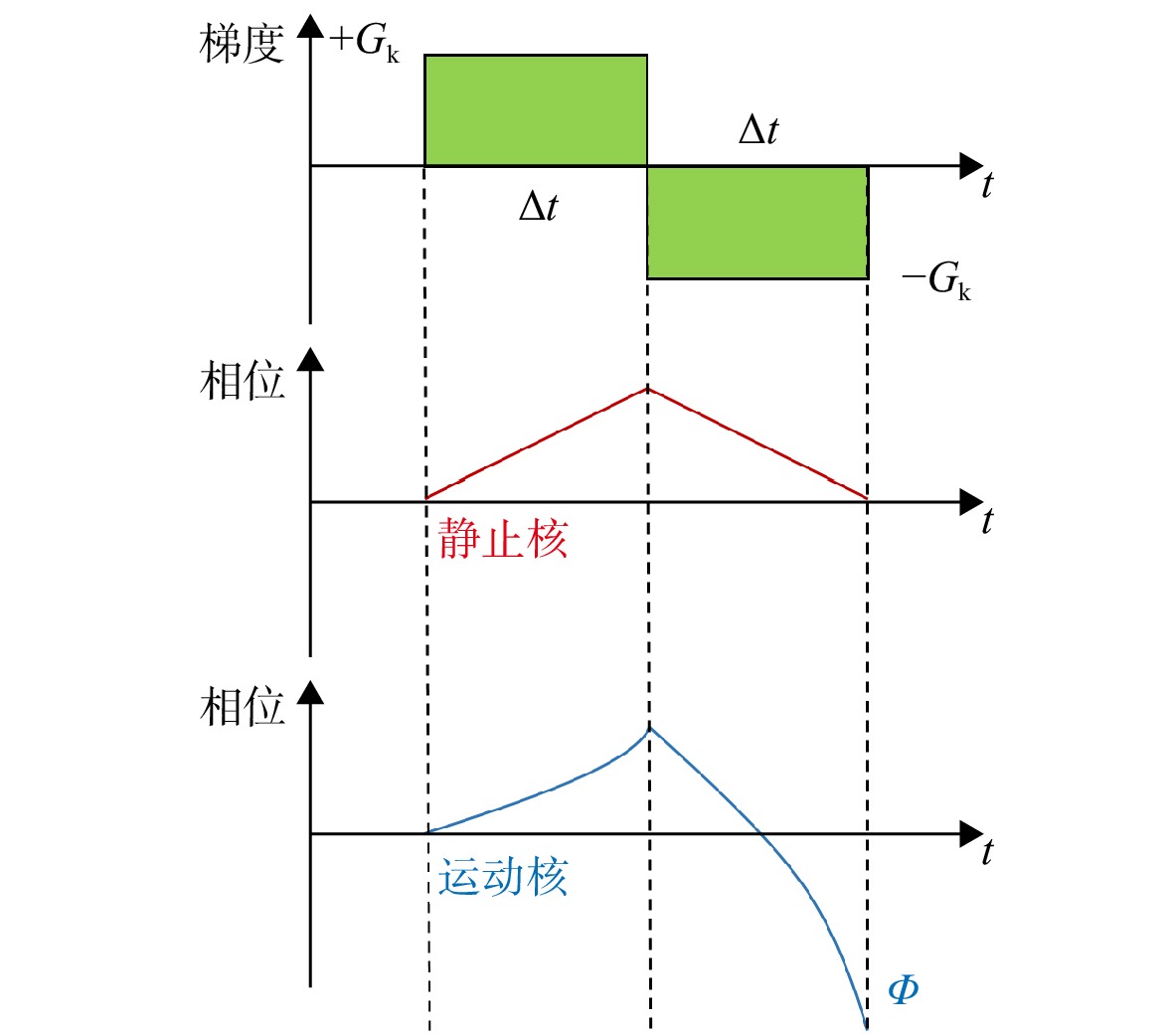
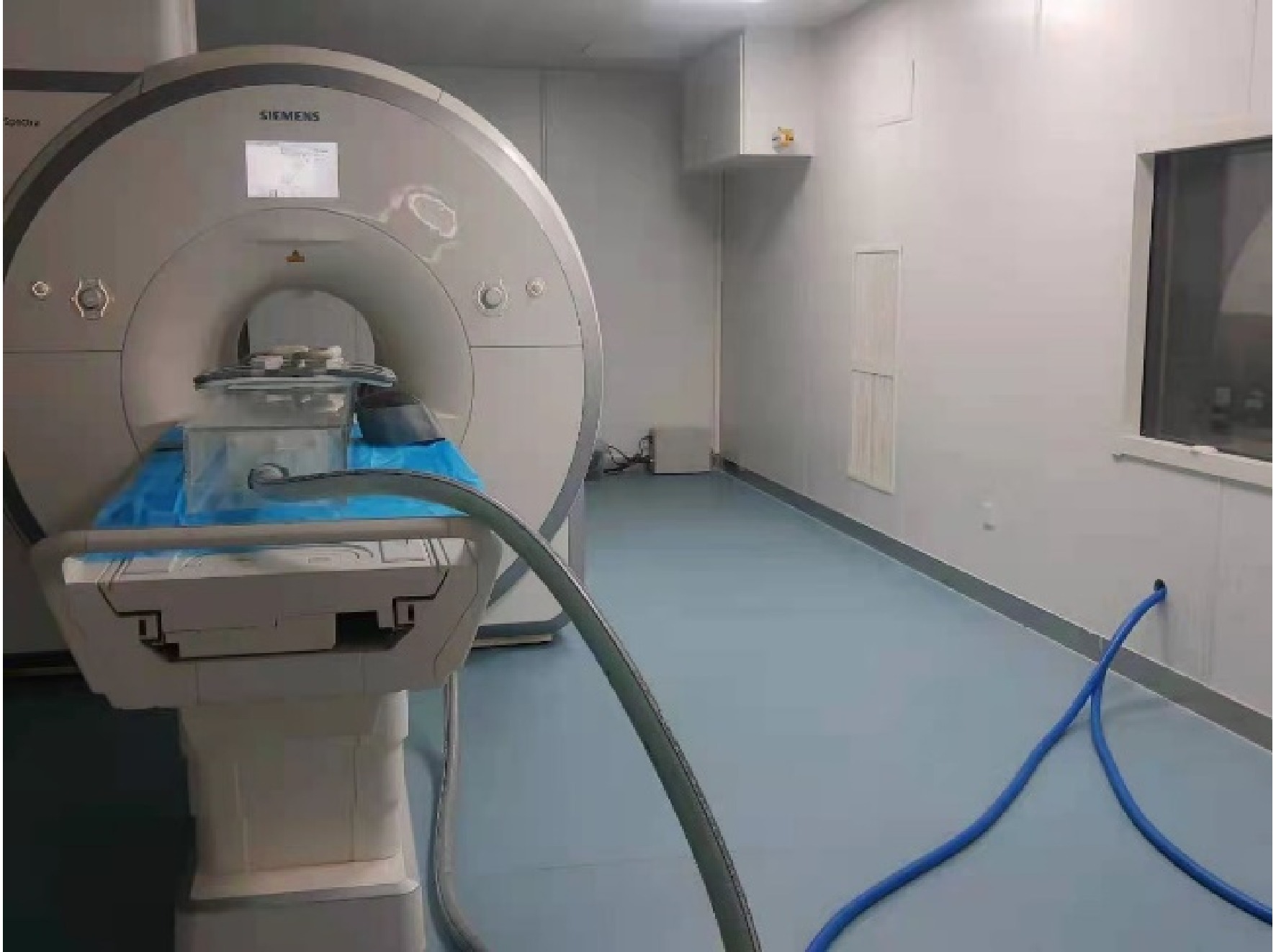
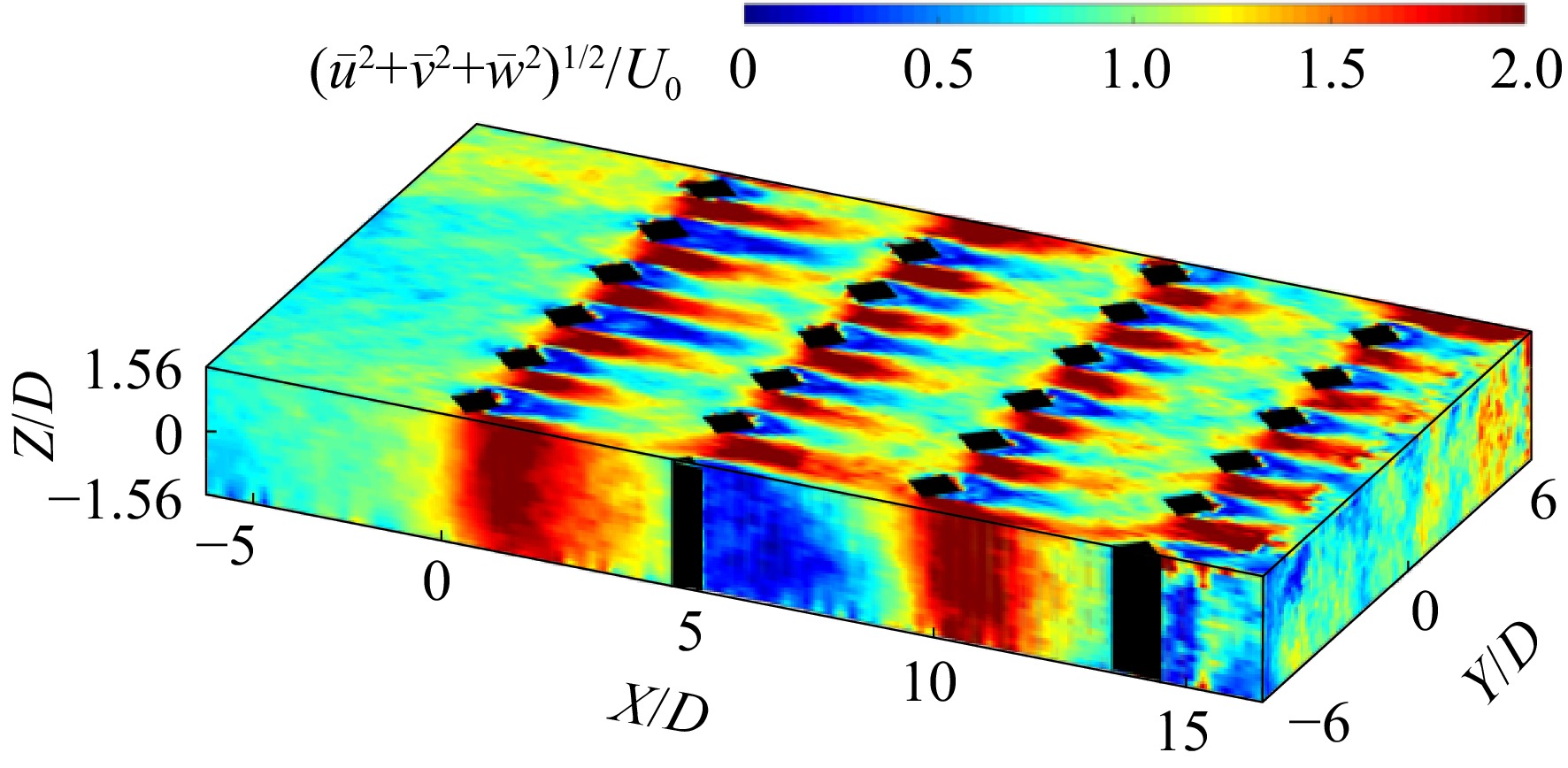
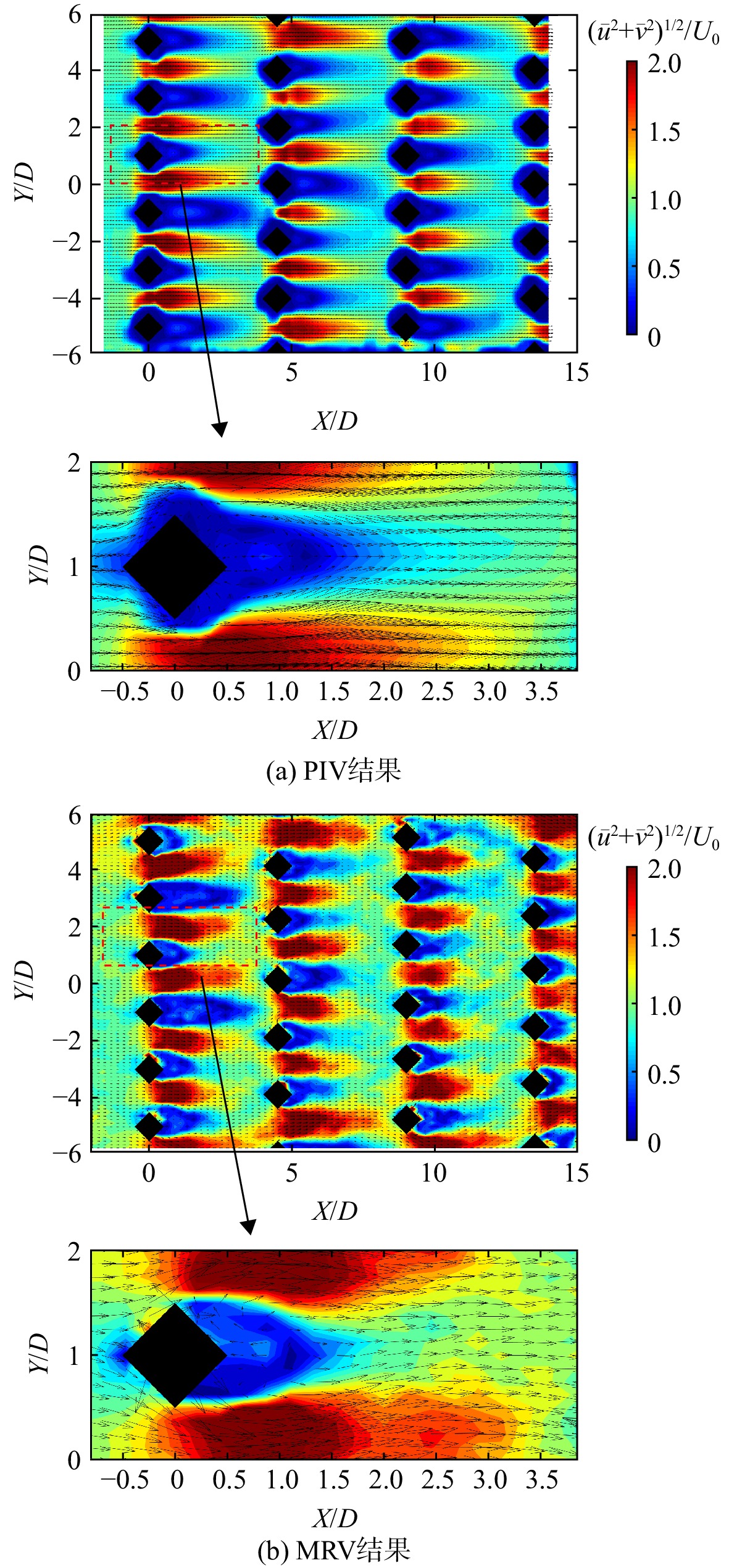
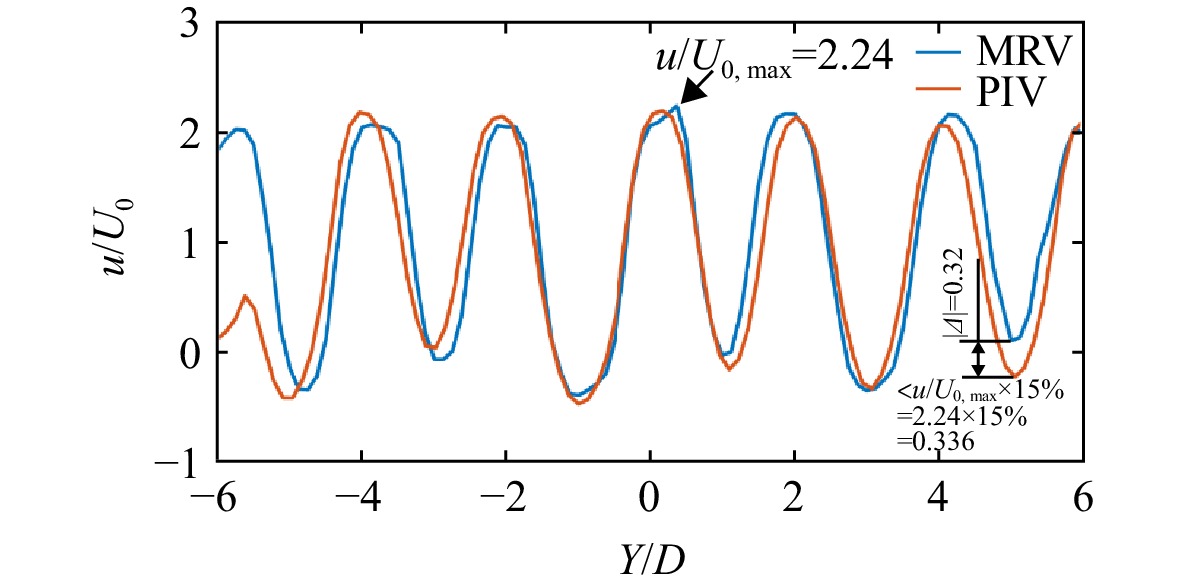
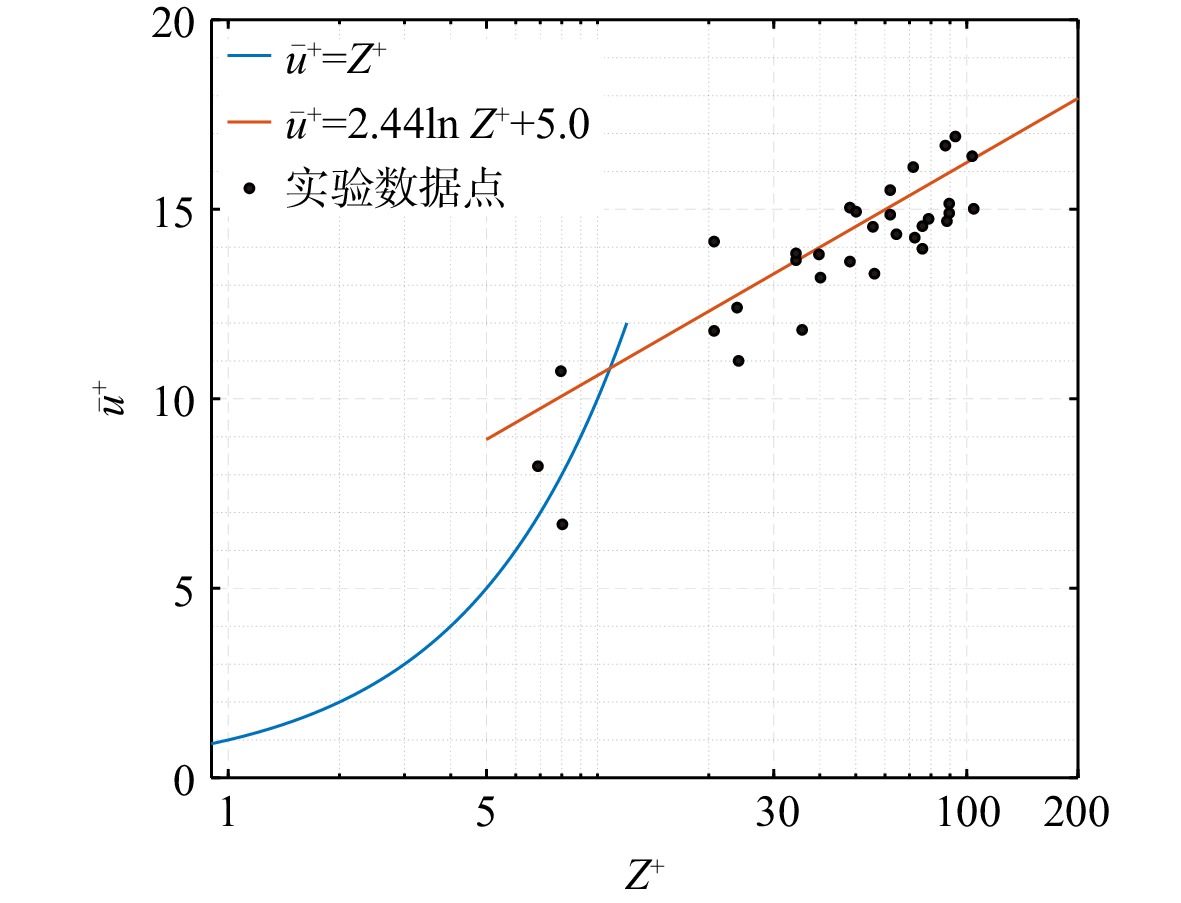
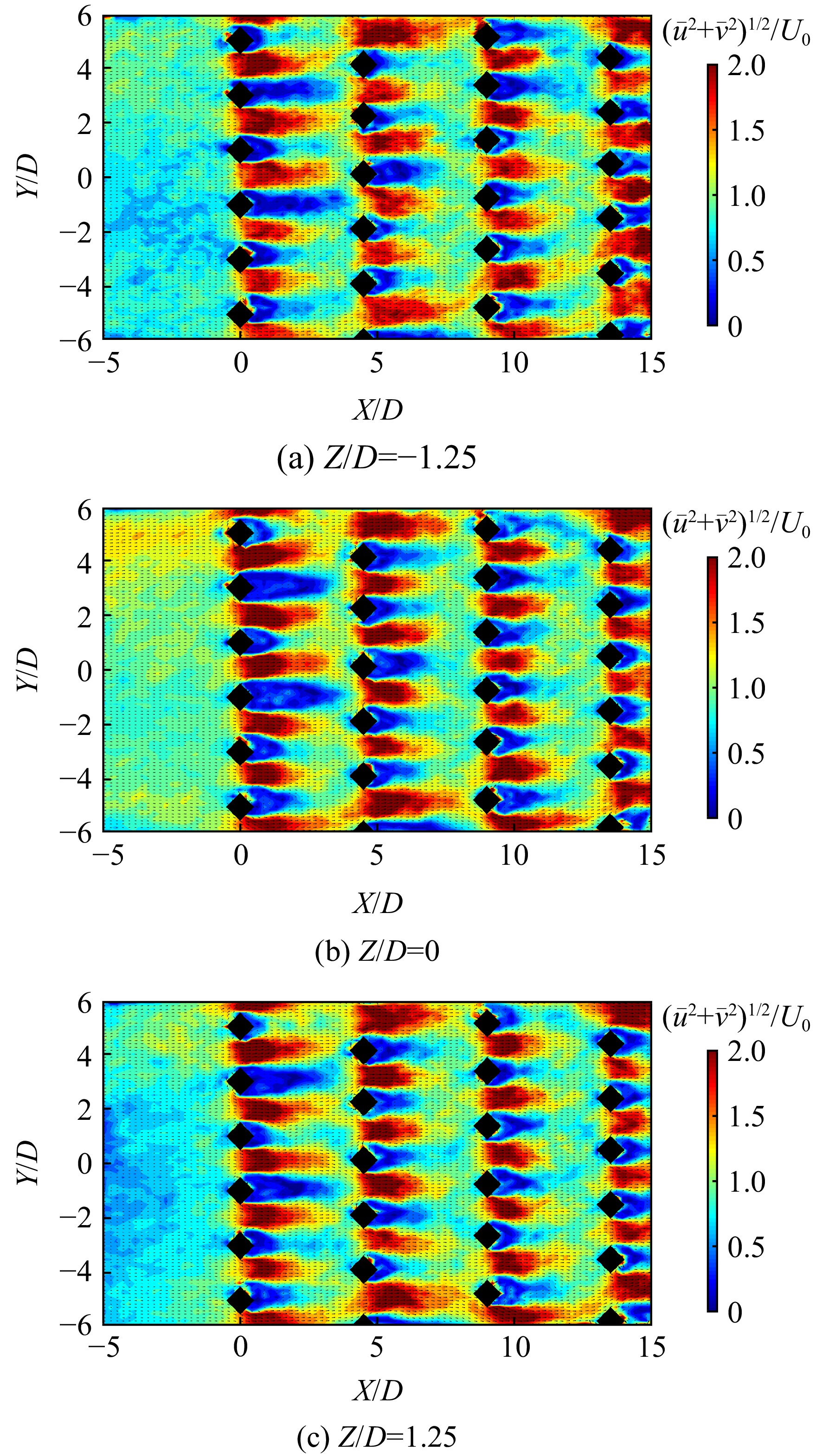
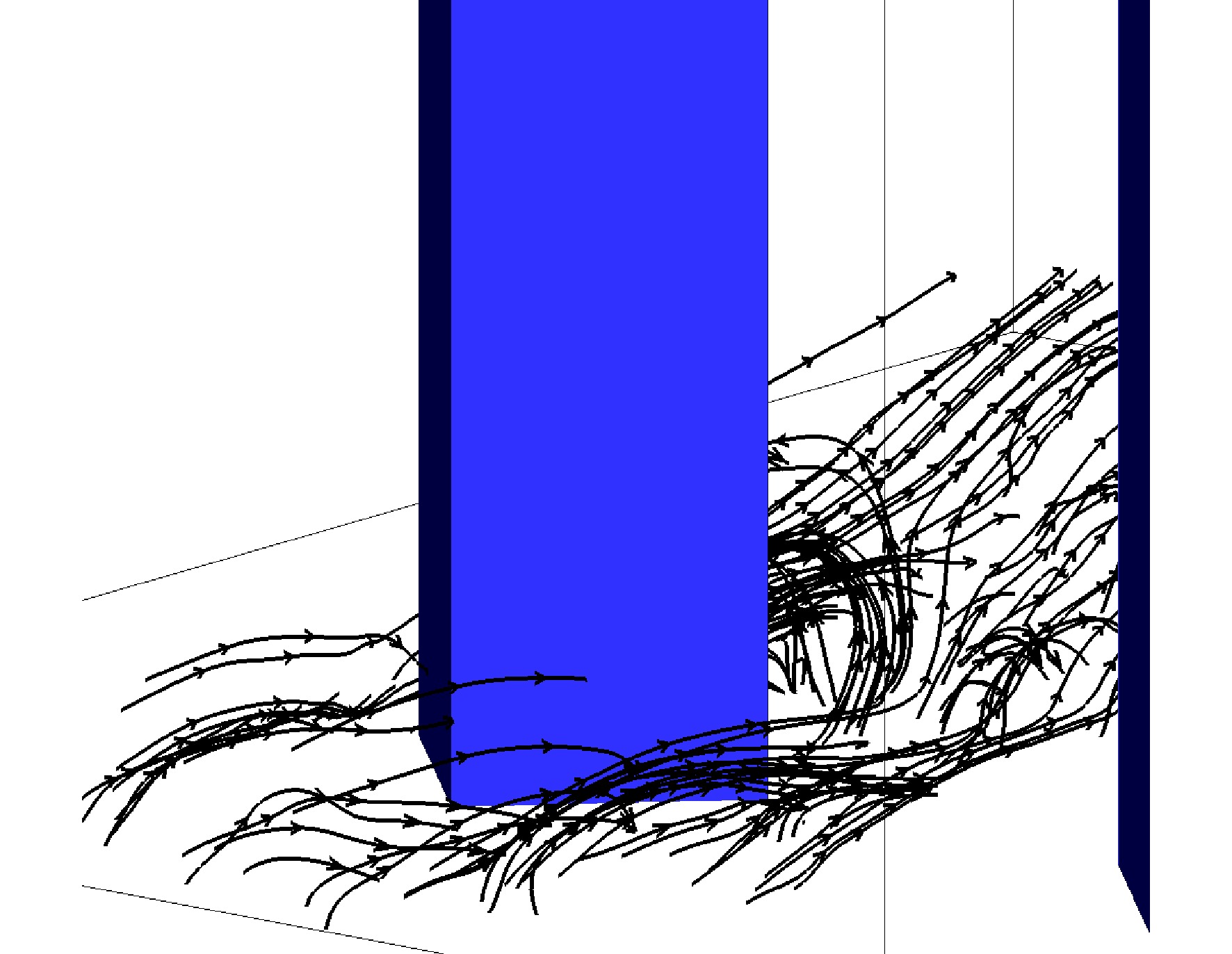
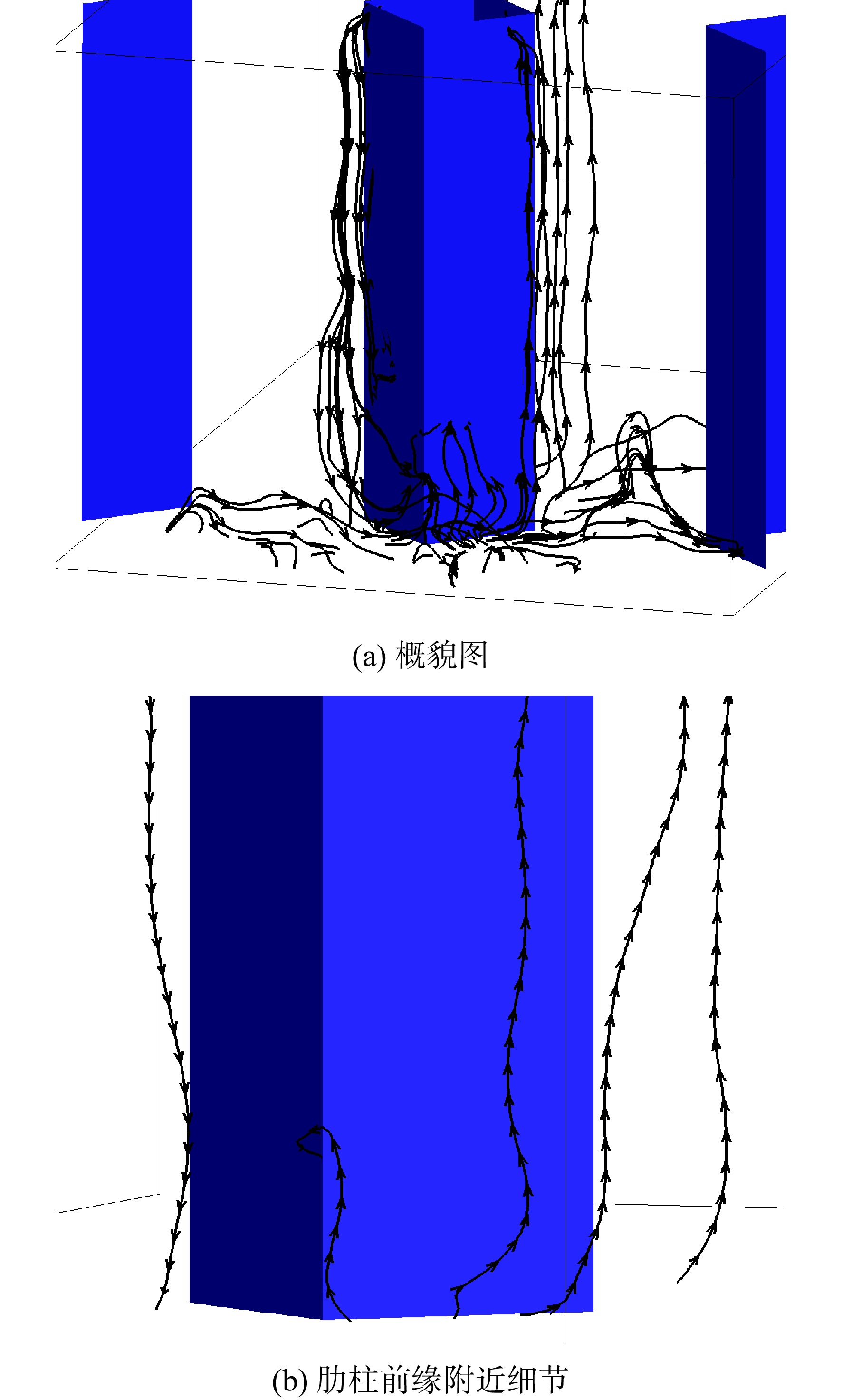
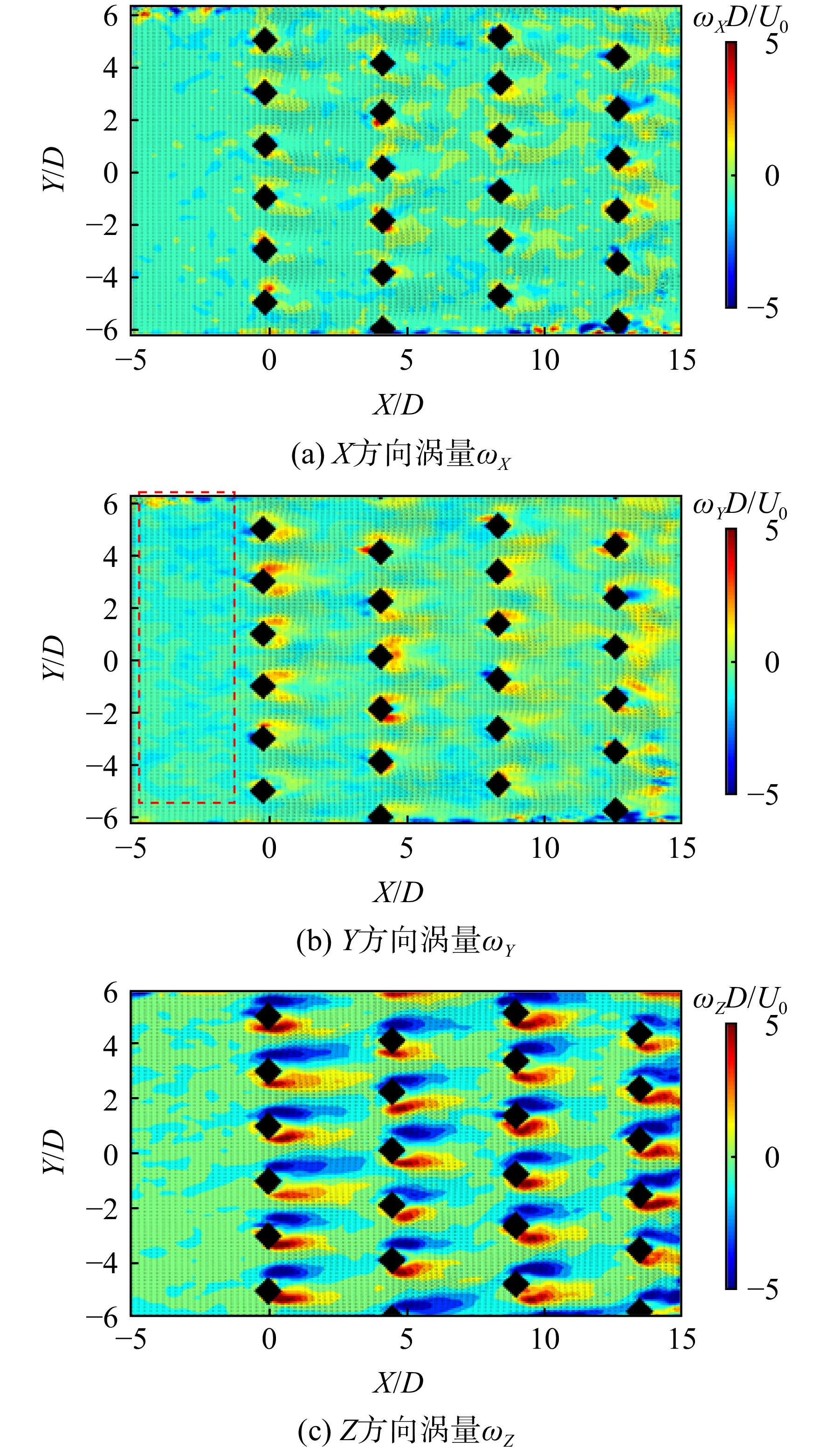
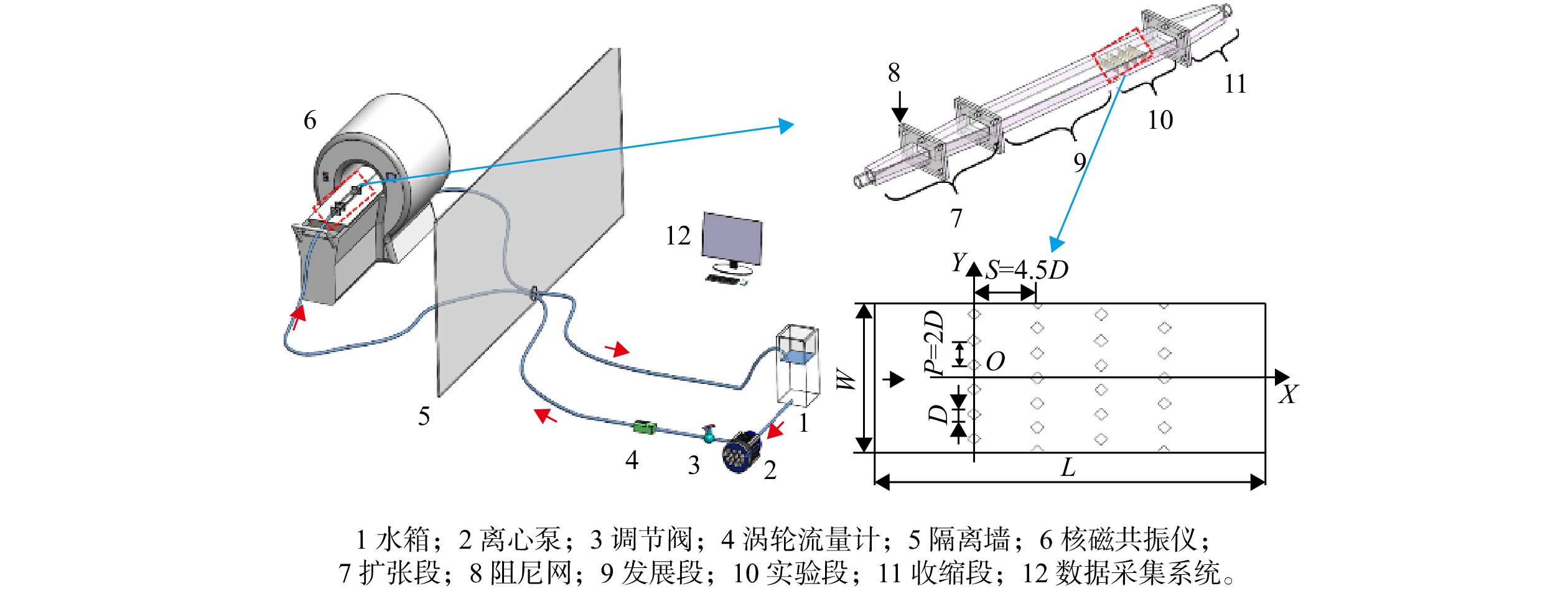
Based on the study of core method of magnetic resonance imaging velocimetry (MRV), the 3D velocity field of 200×100×25 spatial points in a large aspect ratio channel with pin fins was obtained in 10 min successfully, and the flow field was resolved deeply. The velocity distribution in the mid-plane of channel measured by MRV was compared with the experimental results of particle imaging velocimetry (PIV), which were in good agreement. The 3D velocity distribution measured by MRV presented the complex 3D flow field and vorticity field distribution around diamond pin fin and end wall. It was found that when the fluid near the end wall approached to pin fin, it impinged the end wall firstly and horseshoe vortex only occurred on both sides of the leading point. Then fluid climbs up around the sharp corners on both sides of the pin fin, and the vortex in the end wall boundary layer rapidly evolved into shear layer vortex near the sharp corners on both sides of the pin fin and downstream section.

Experiment of compact finned-tube air-fuel heat exchanger
LIU Qihang, WEN Jie, LÜ Lulu, LIU Yinlong, ZHUANG Laihe, DONG Bensi
2023, 38(12): 2848-2860. doi: 10.13224/j.cnki.jasp.20220002
Abstract:
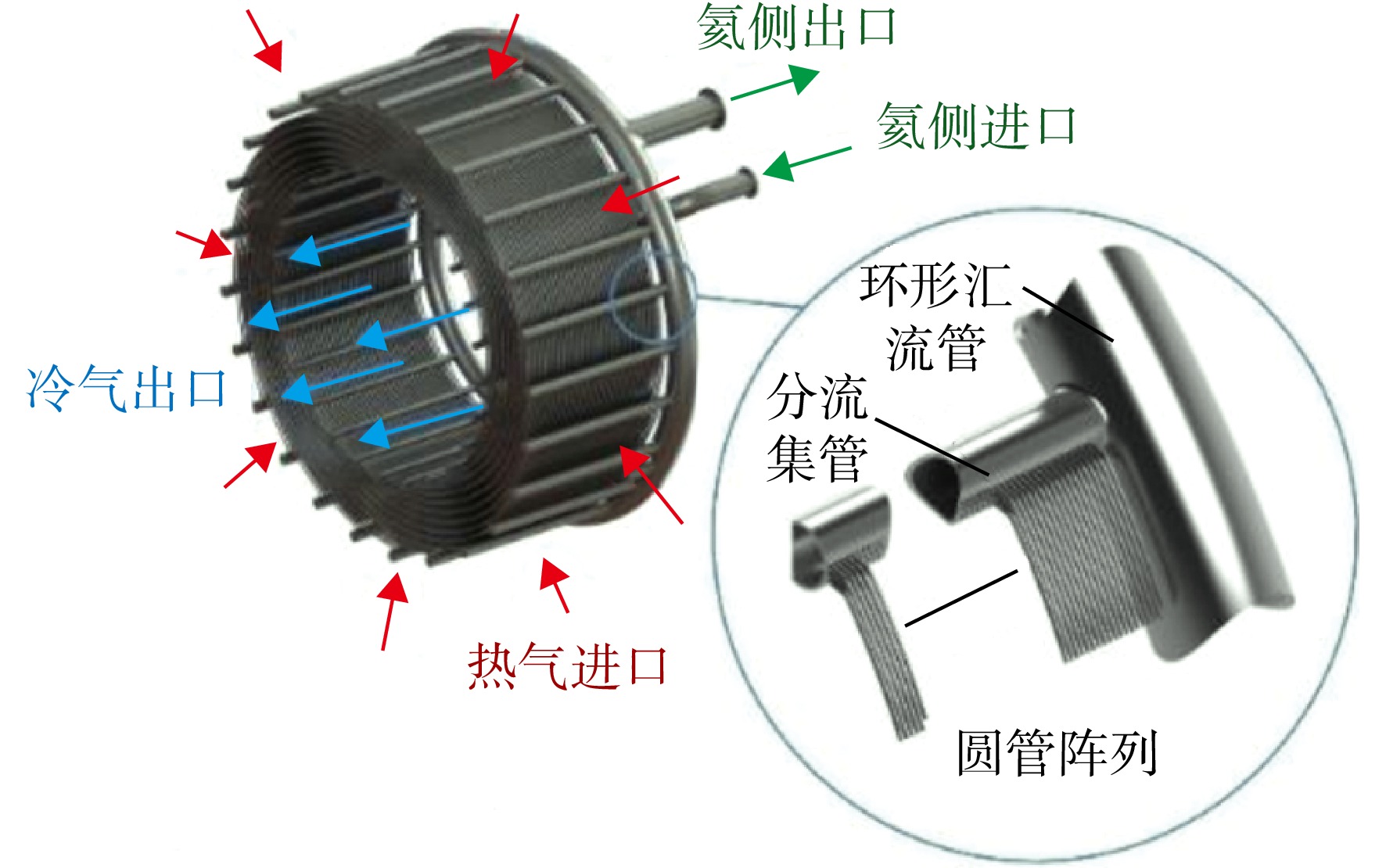
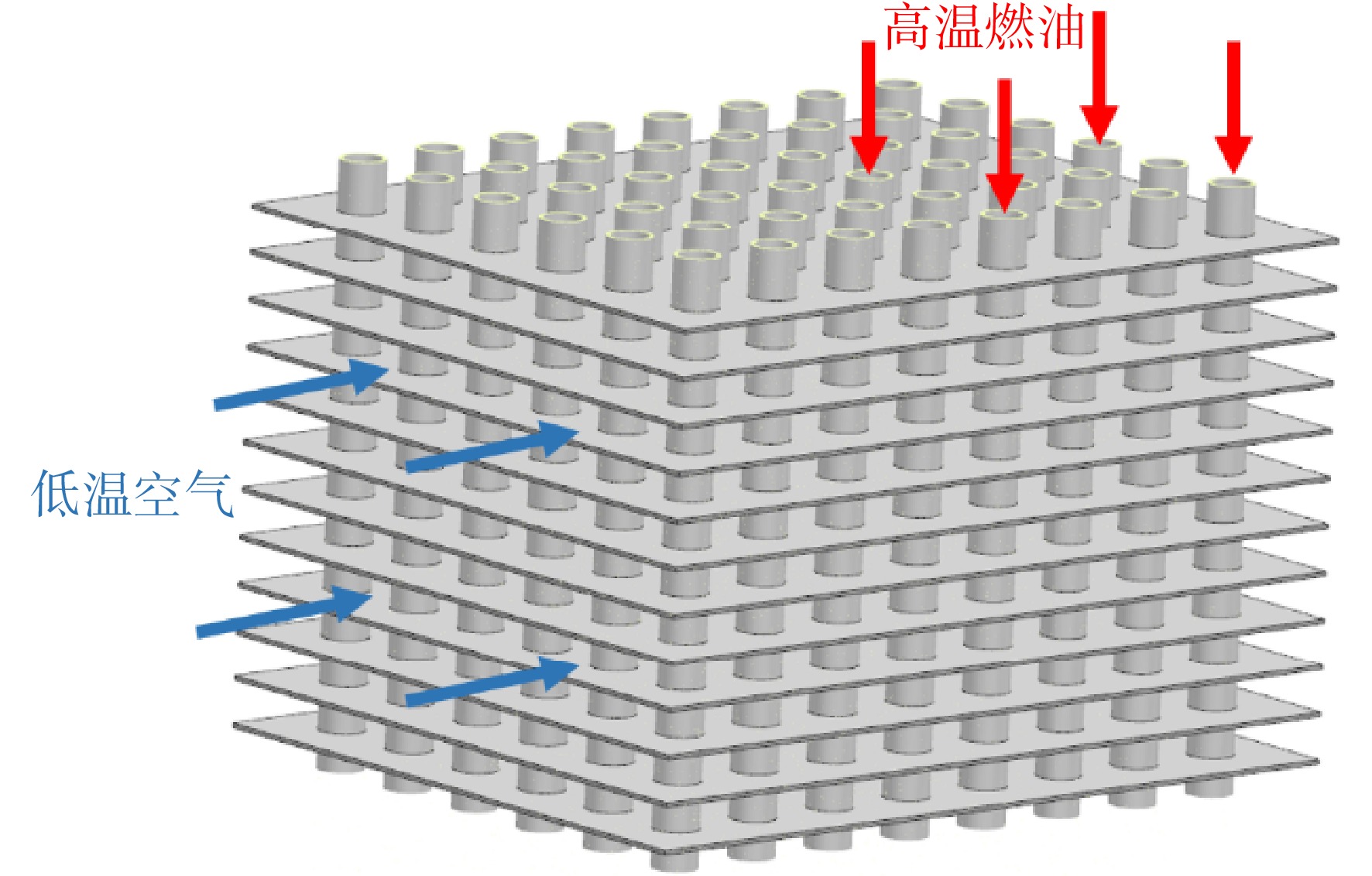
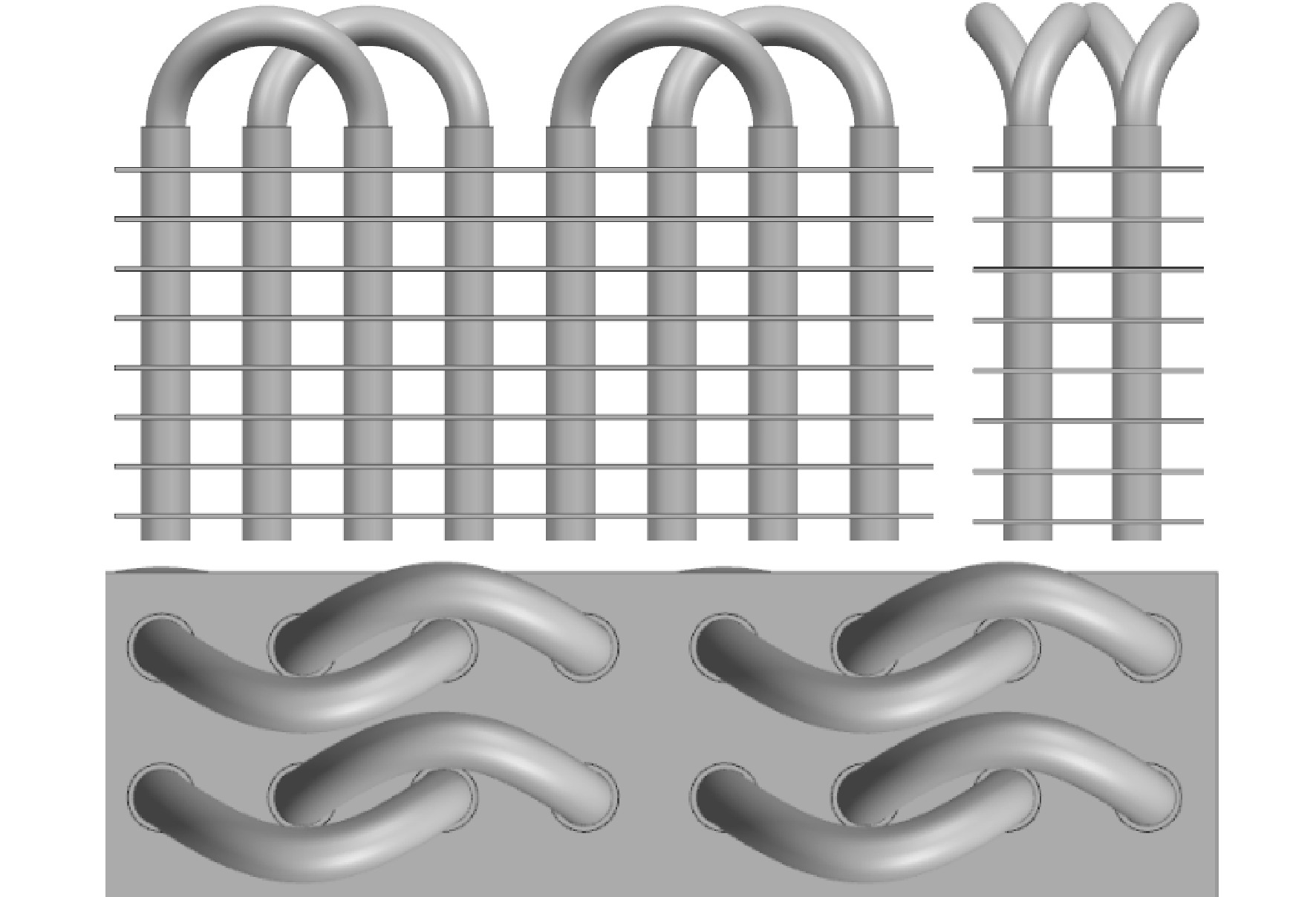
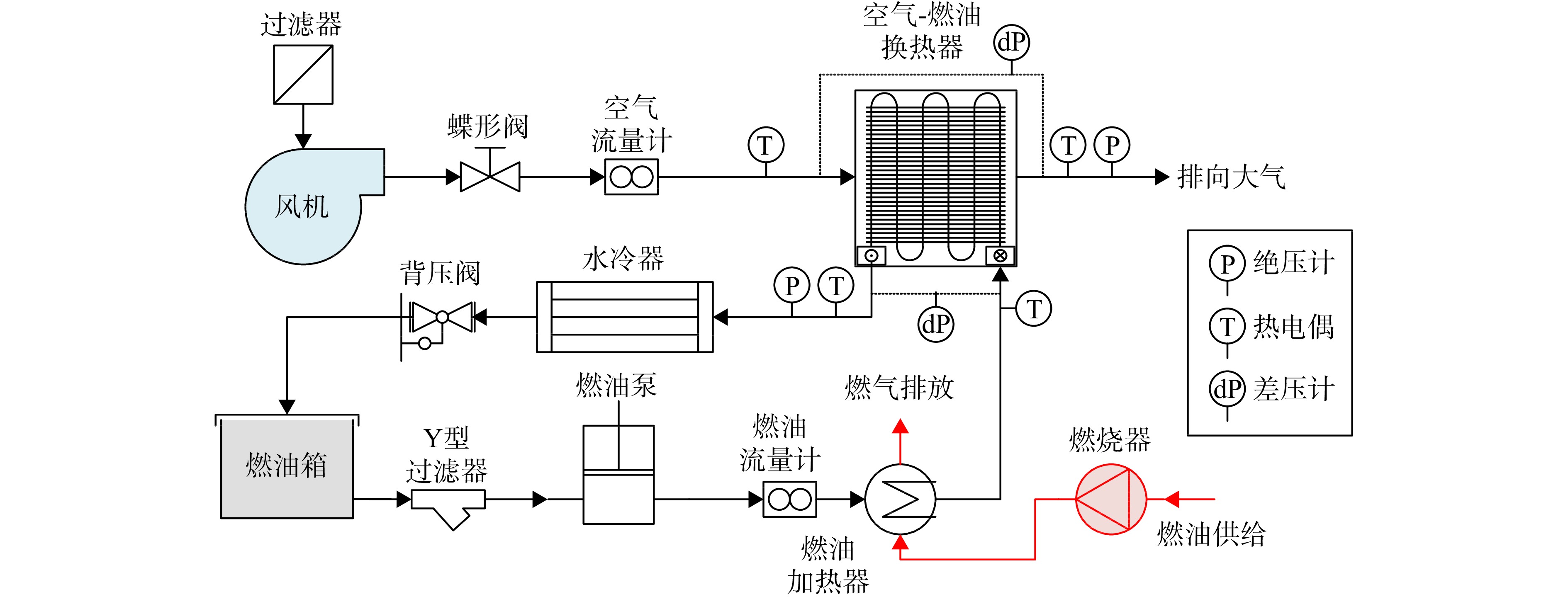
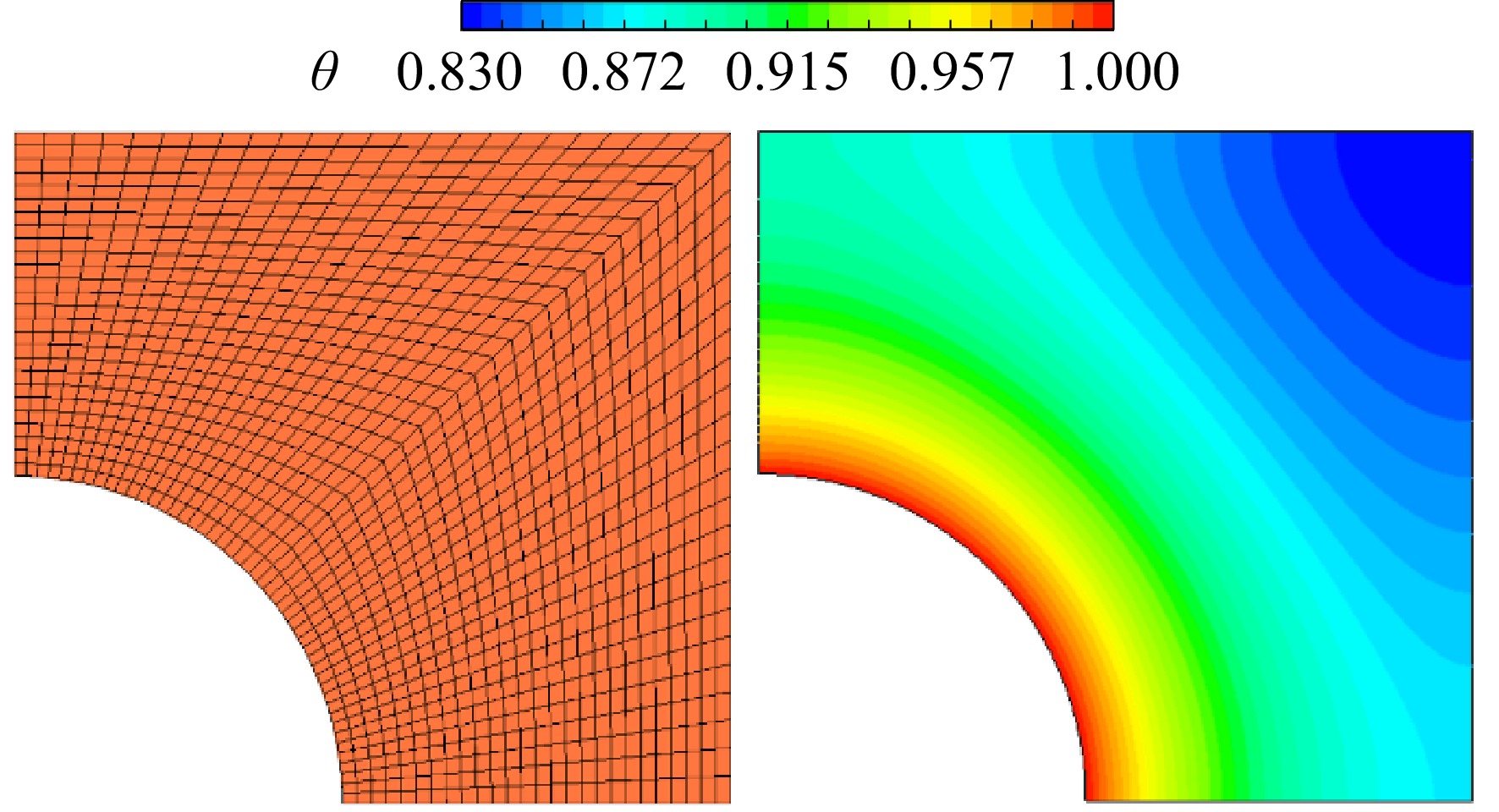
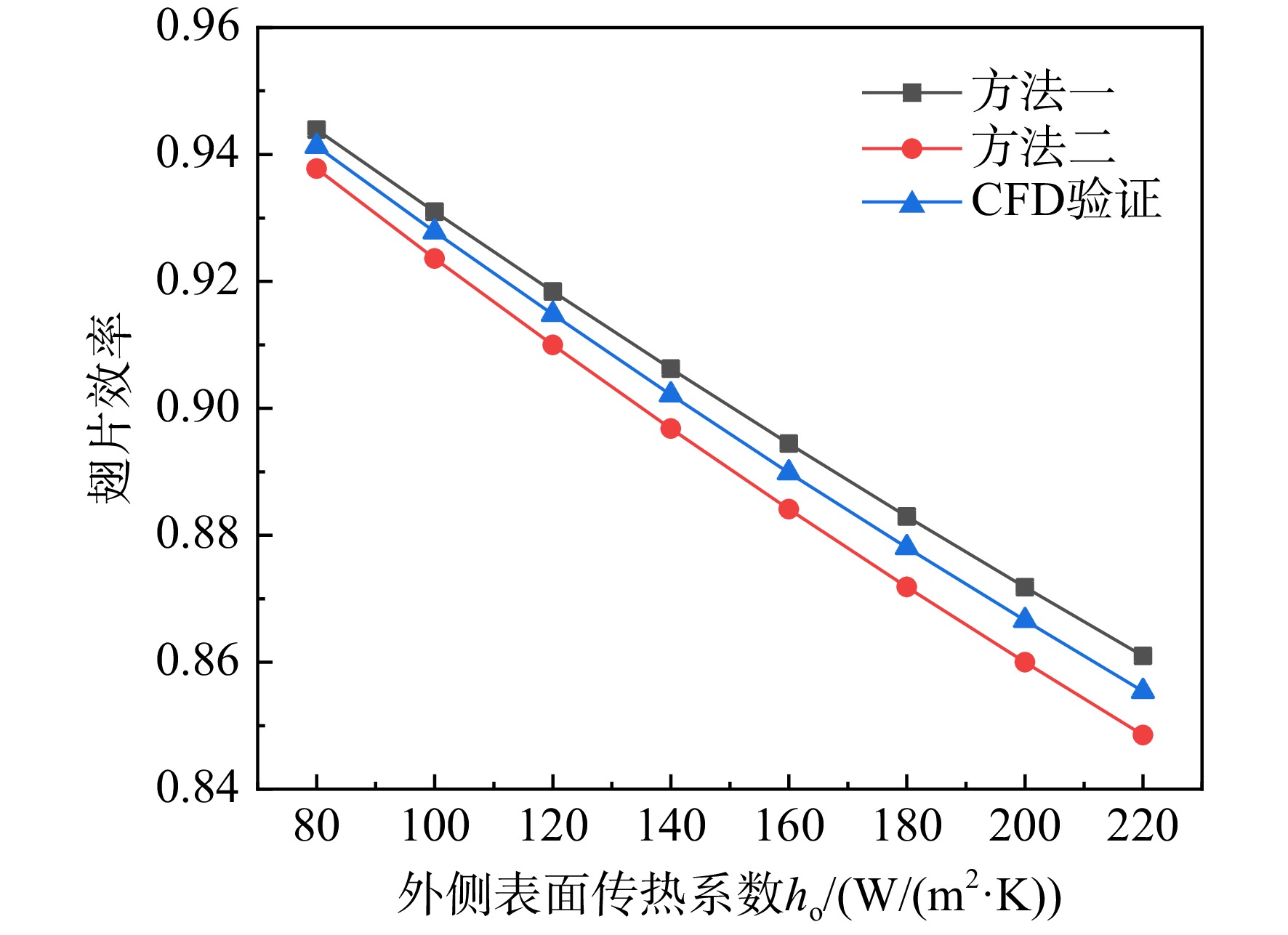
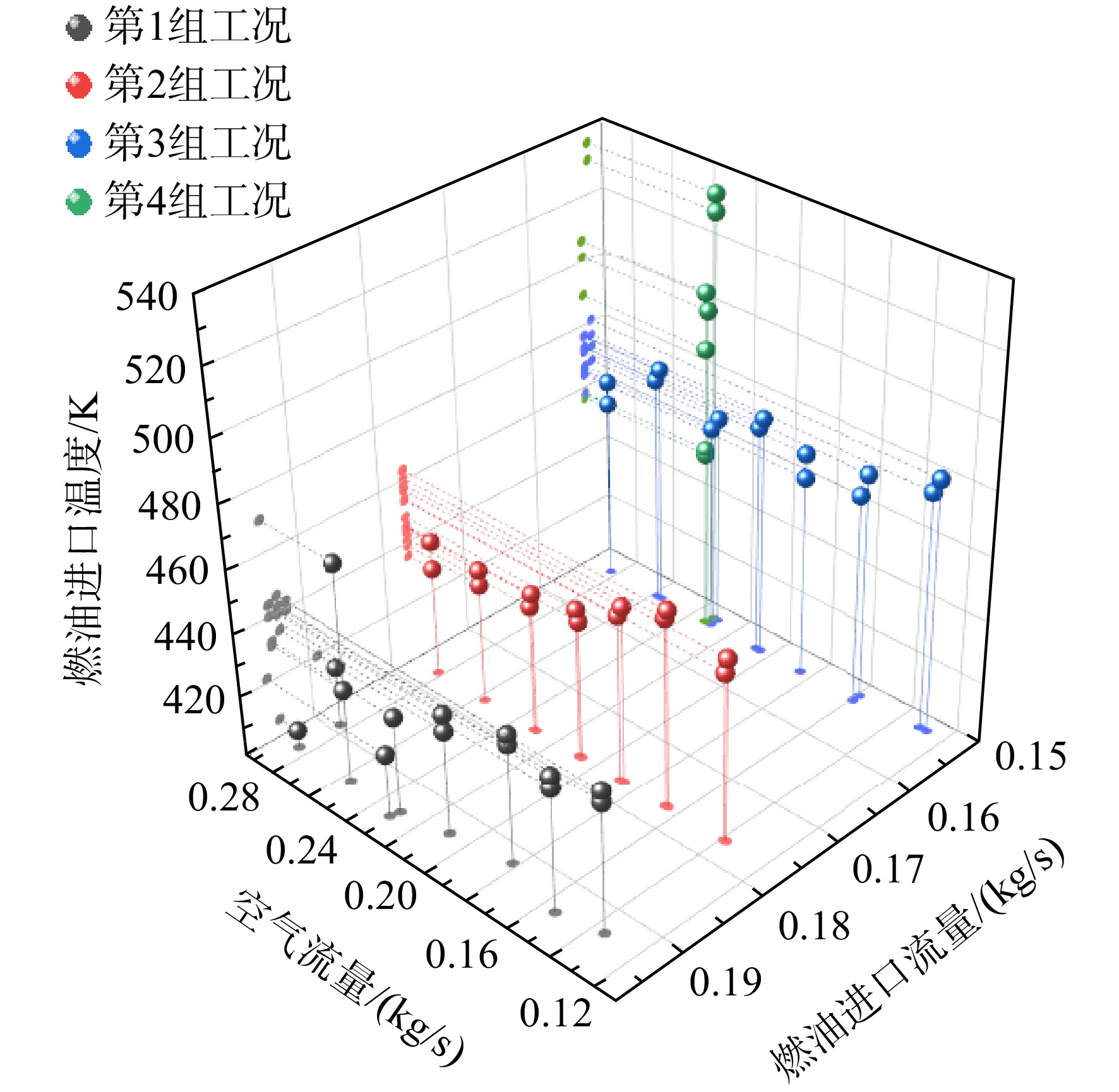
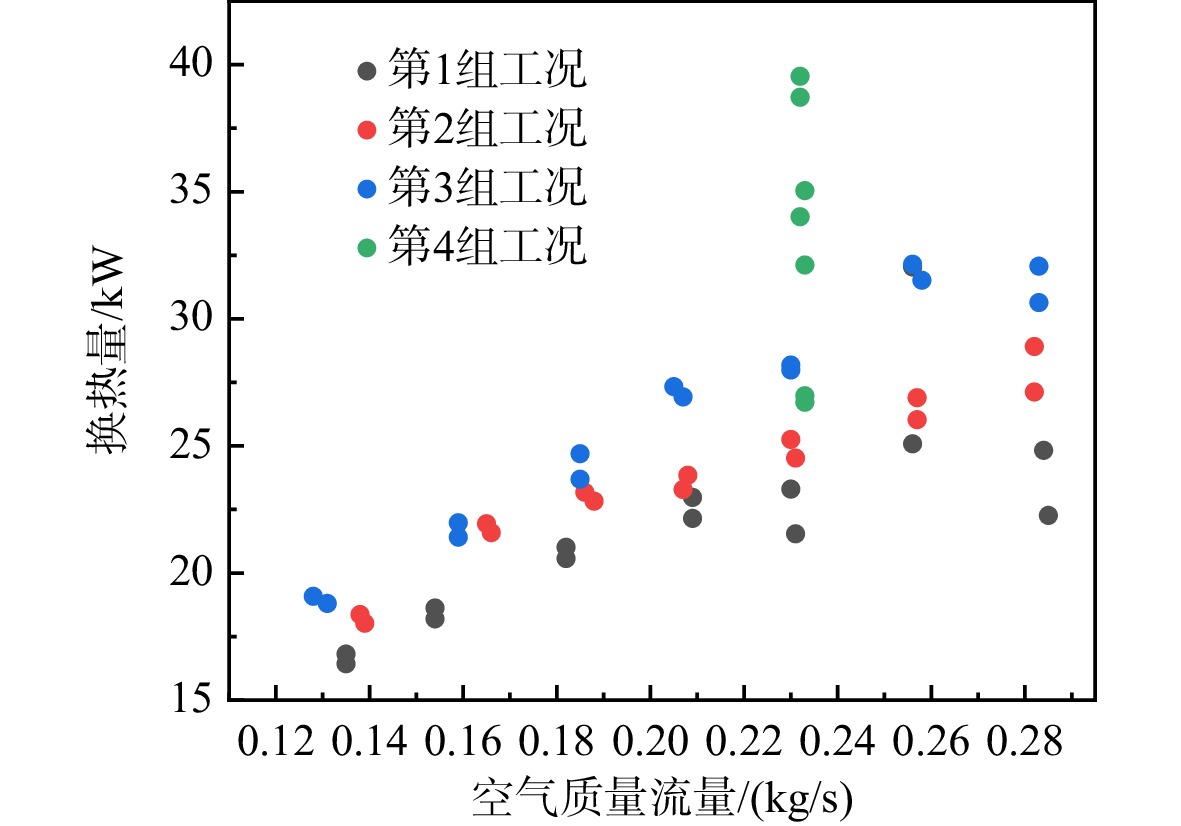
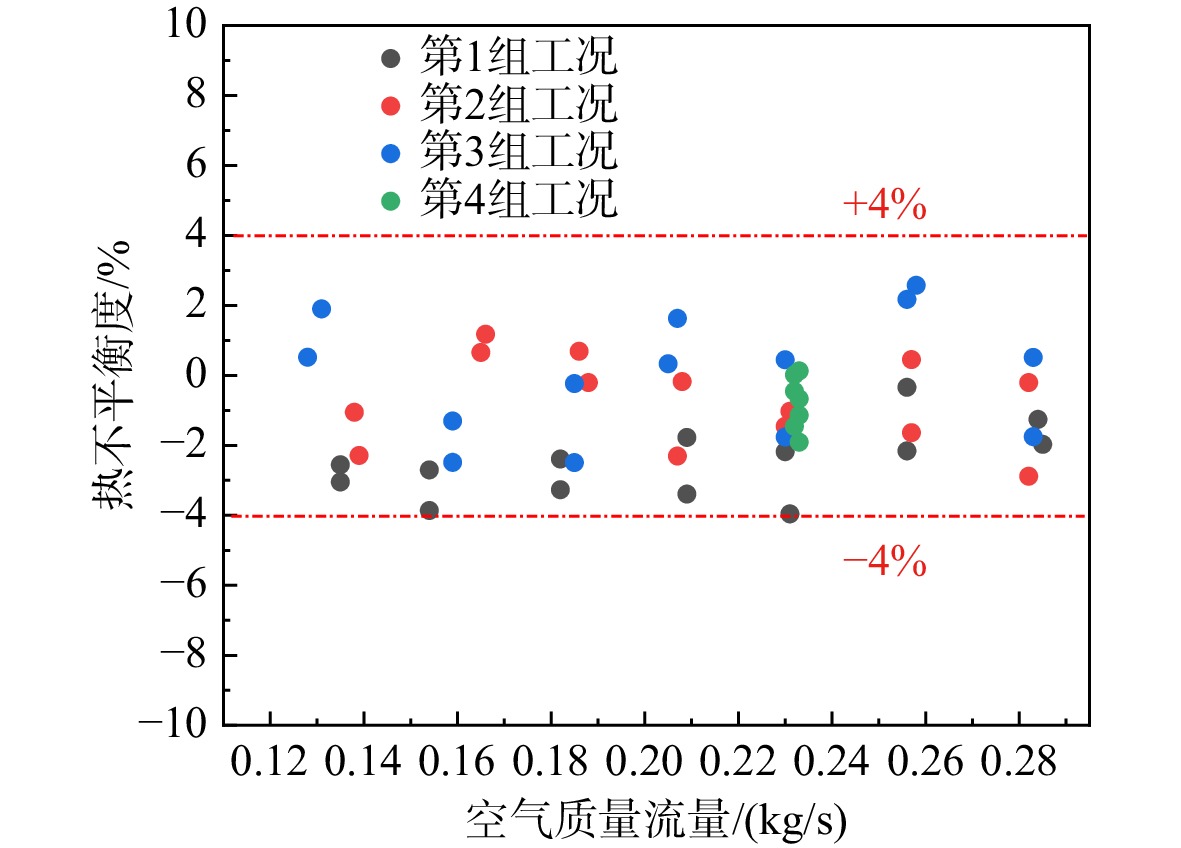
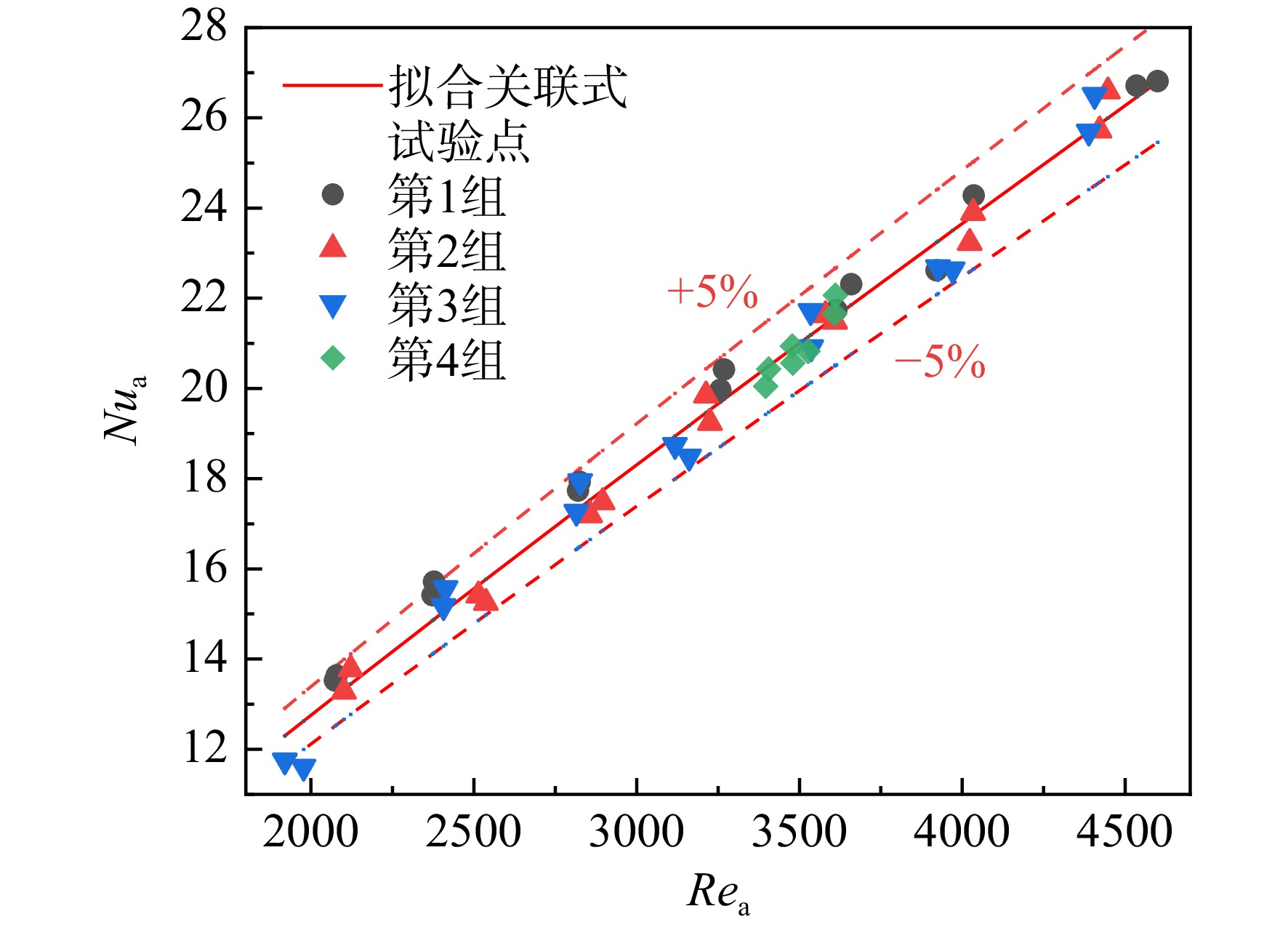
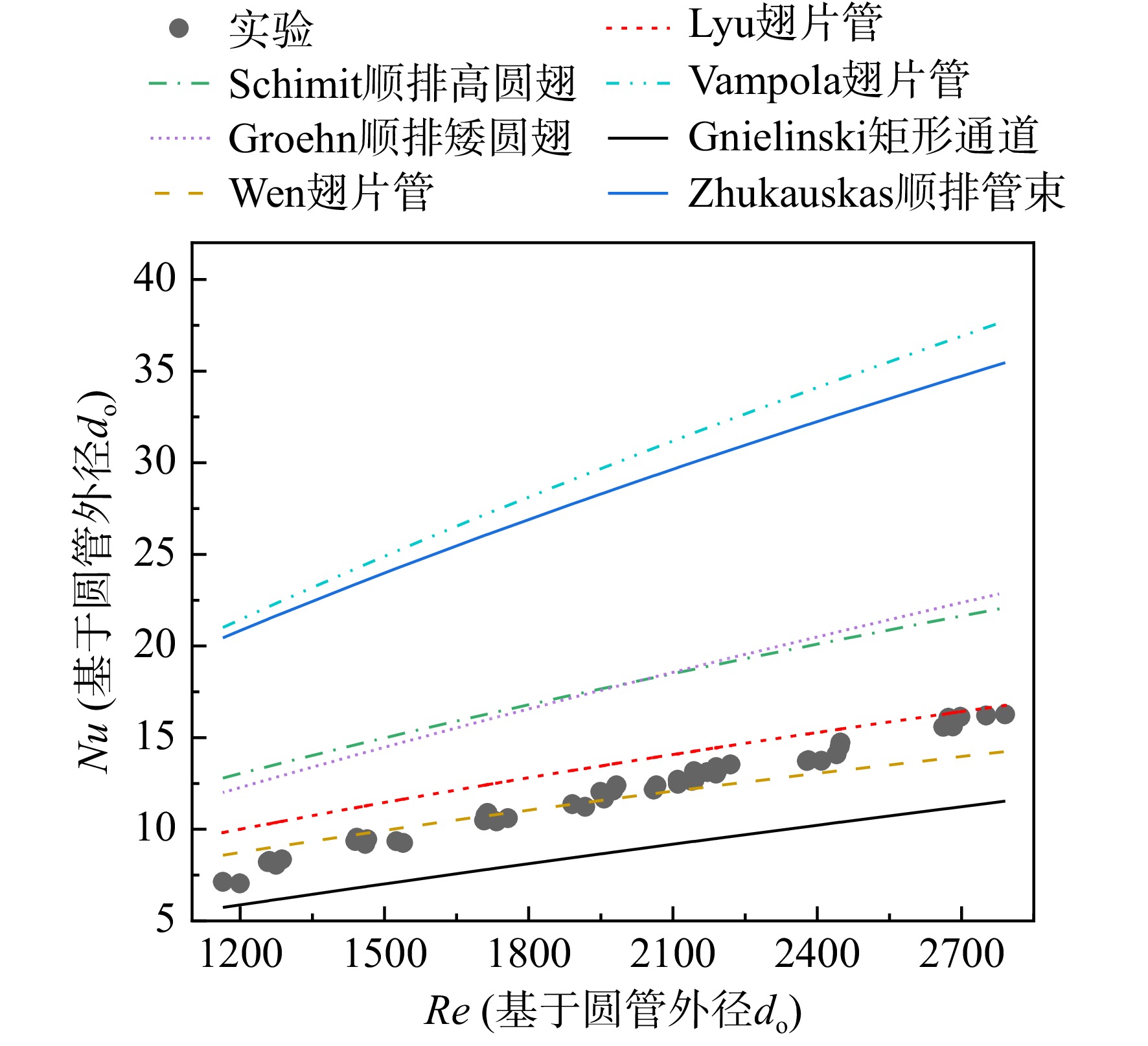
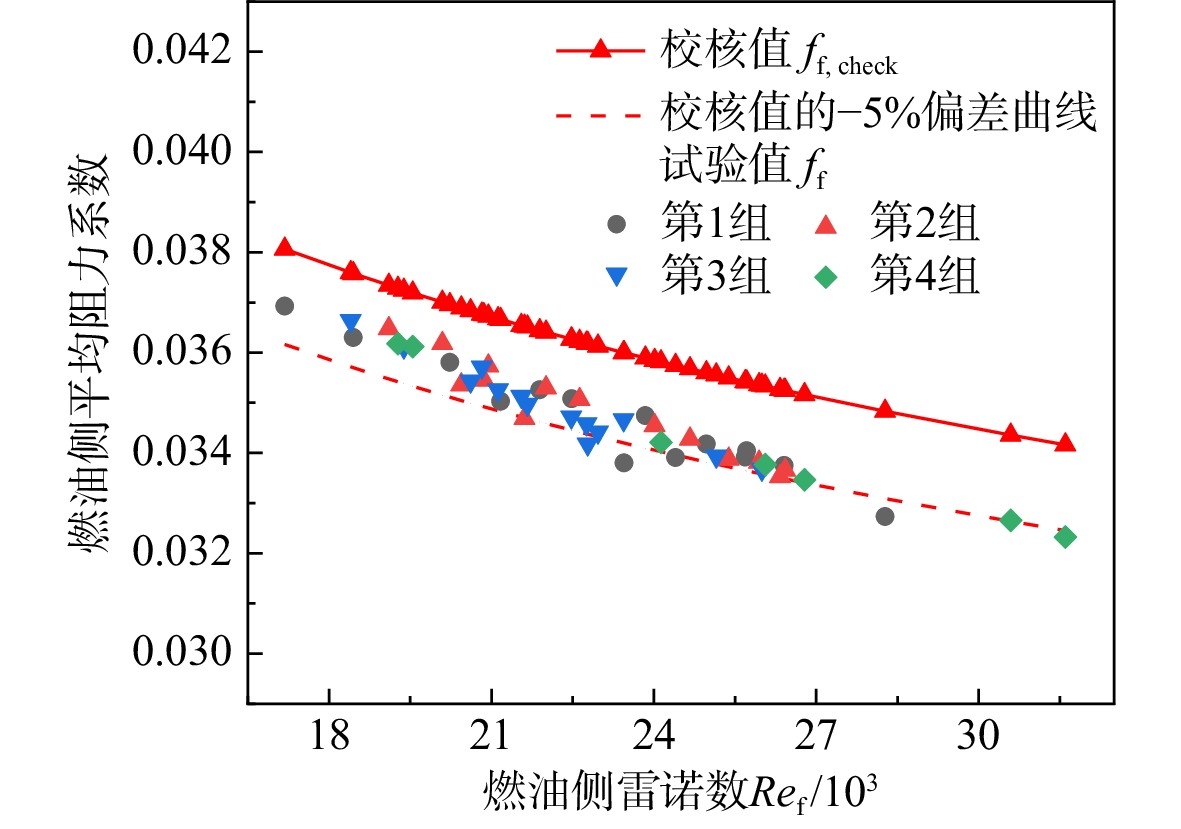
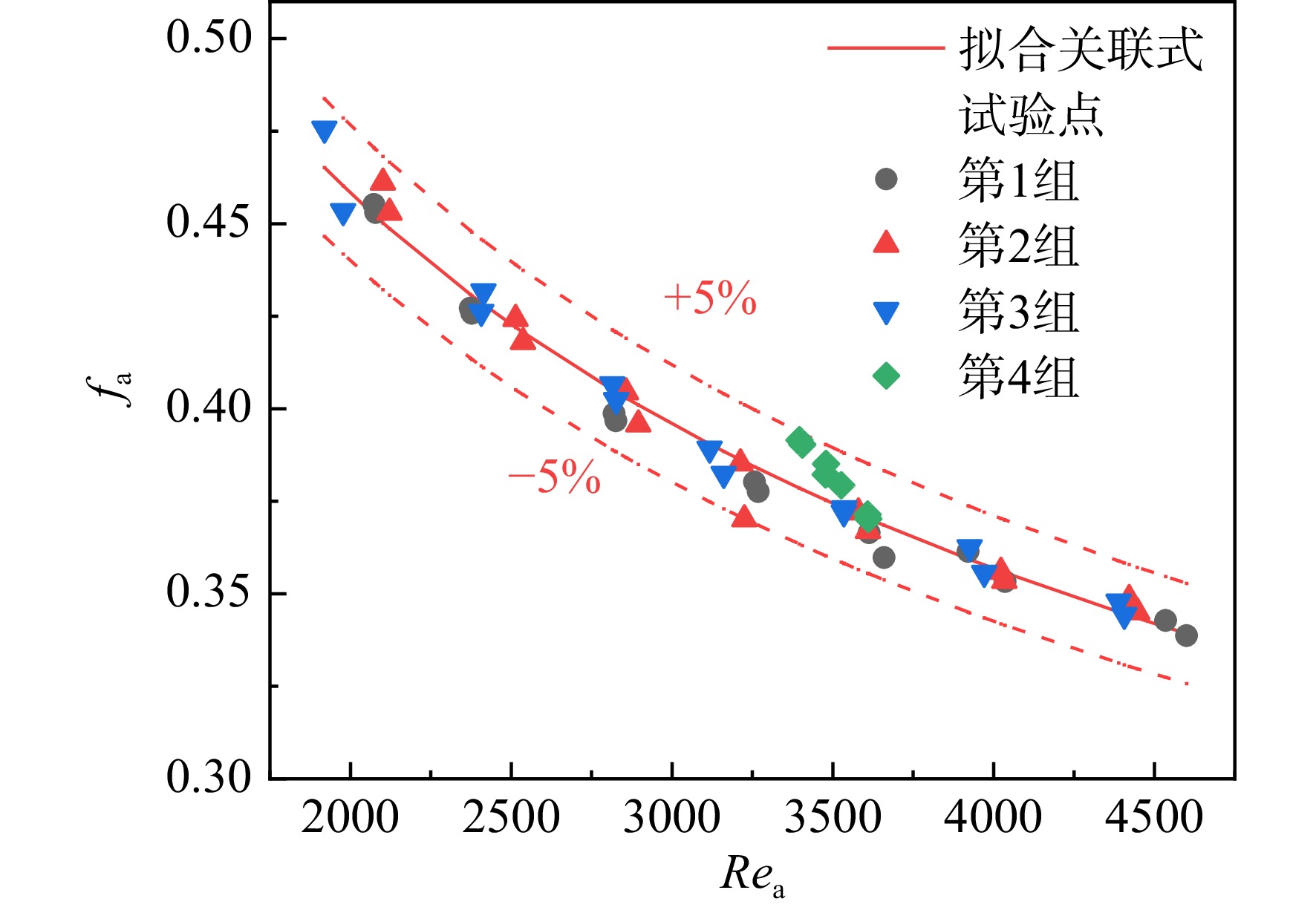
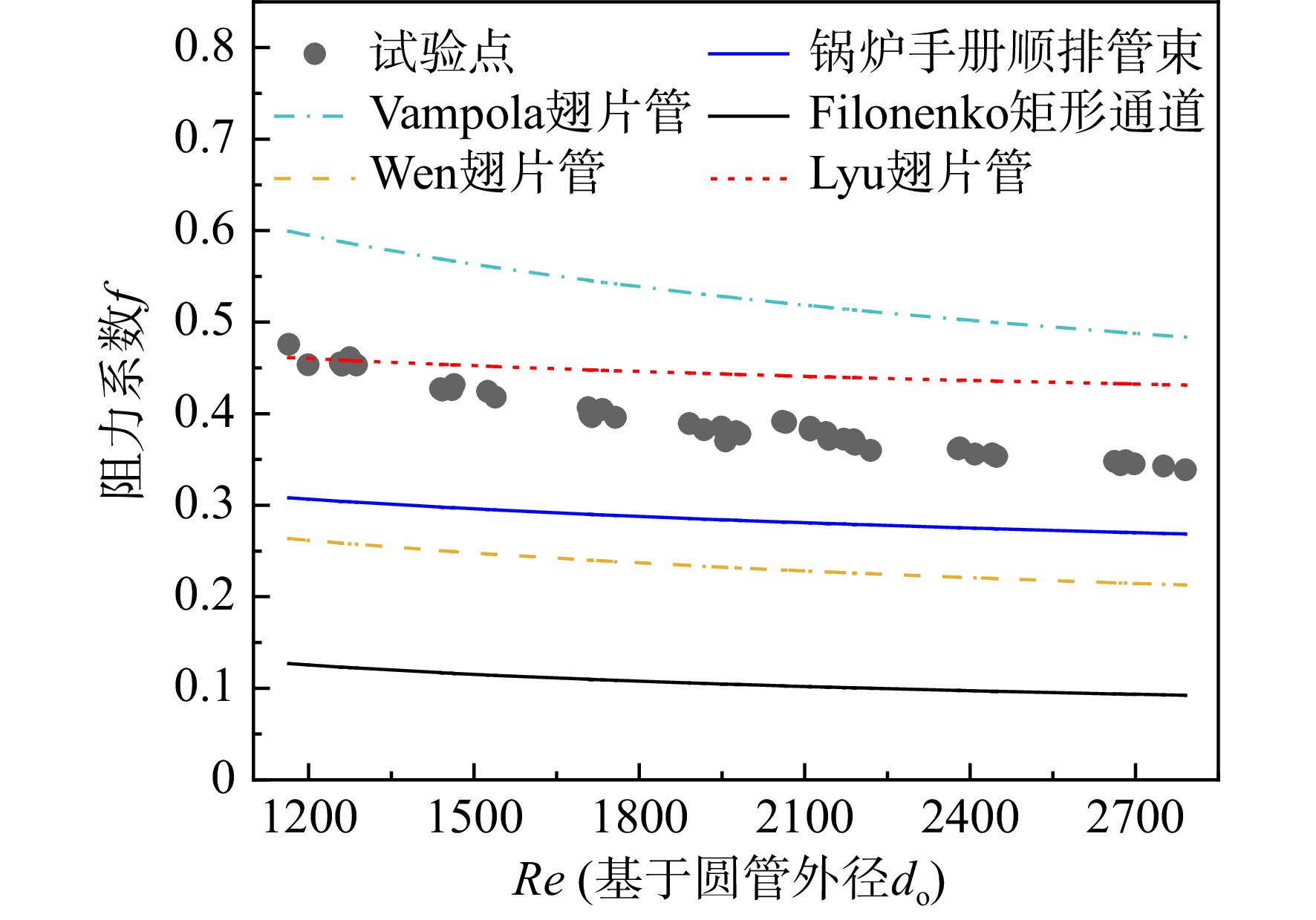
In order to realize effective interaction between the internal thermal environment and heat sink of aeroengine, the flow and heat transfer characteristics of heat exchanger were studied. Taking the heat exchanger for fuel cooling as an example, the flow and heat transfer performance of small-diameter rectangular finned-tube air-fuel heat exchanger was studied. High temperature fuel and room-temperature air were used as media in the heat exchanger to explore the flow and heat transfer performance under different working conditions. And the empirical correlations for the outside of the tube were obtained. The results showed that the convective heat transfer coefficient of the rectangular finned tube bundles was about 44% of the bare tube bundle with the same structural parameters, while its flow resistance was still higher than the bare tube bundle. Therefore, the influence of fins on flow and heat transfer performance should be comprehensively considered in the design of finned tube heat exchanger. The fitting deviations of the empirical correlations of the Nusselt number and resistance coefficient outside the finned tube heat exchange unit were both lower than 5%, accurately reflecting the flow and heat transfer characteristics outside the finned tube bundles.

Research progress on phosphor thermometry technology for aero-engine hot section component
LIU Jianyu, QUAN Yongkai, XU Guoqiang, CHAI Jieming, YIN Qiuyang, LIU Jichen
2023, 38(12): 2861-2871. doi: 10.13224/j.cnki.jasp.20220968
Abstract:

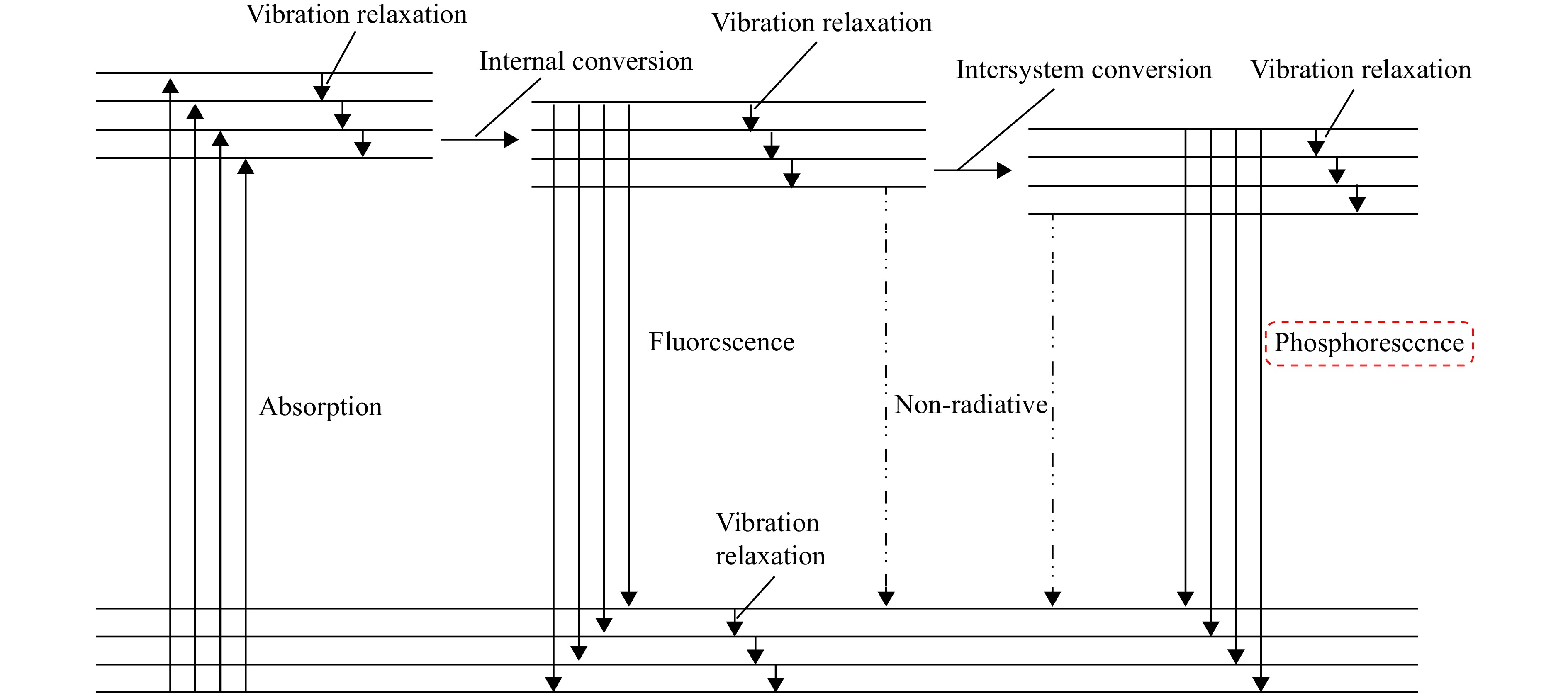
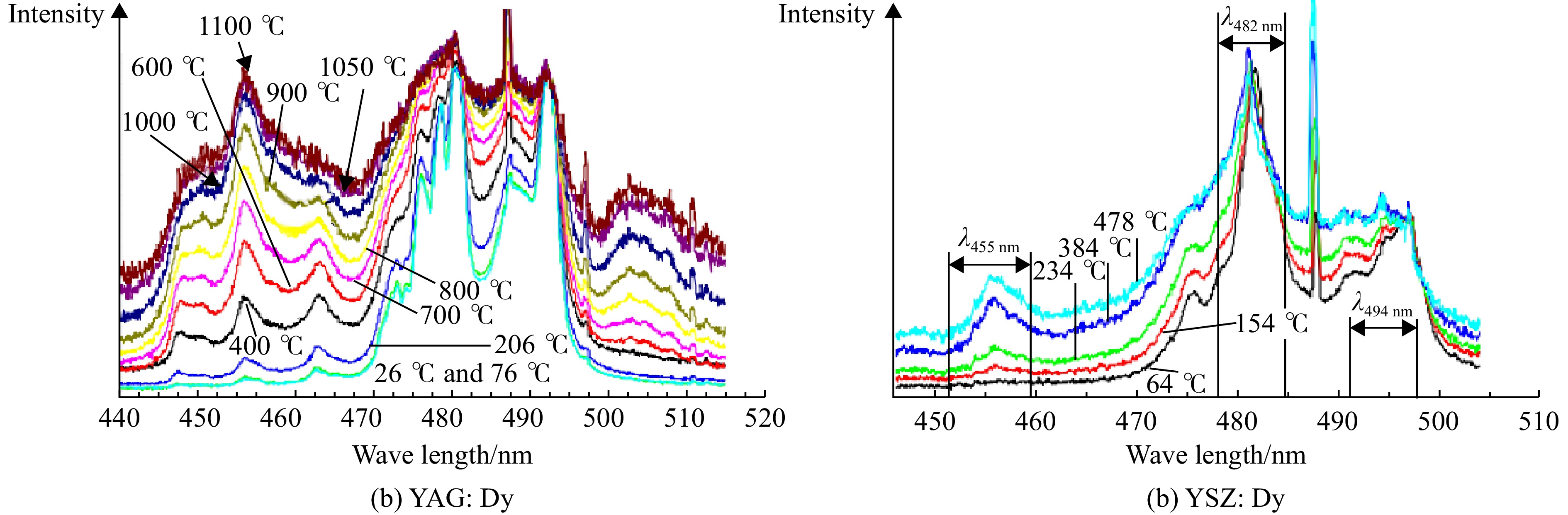
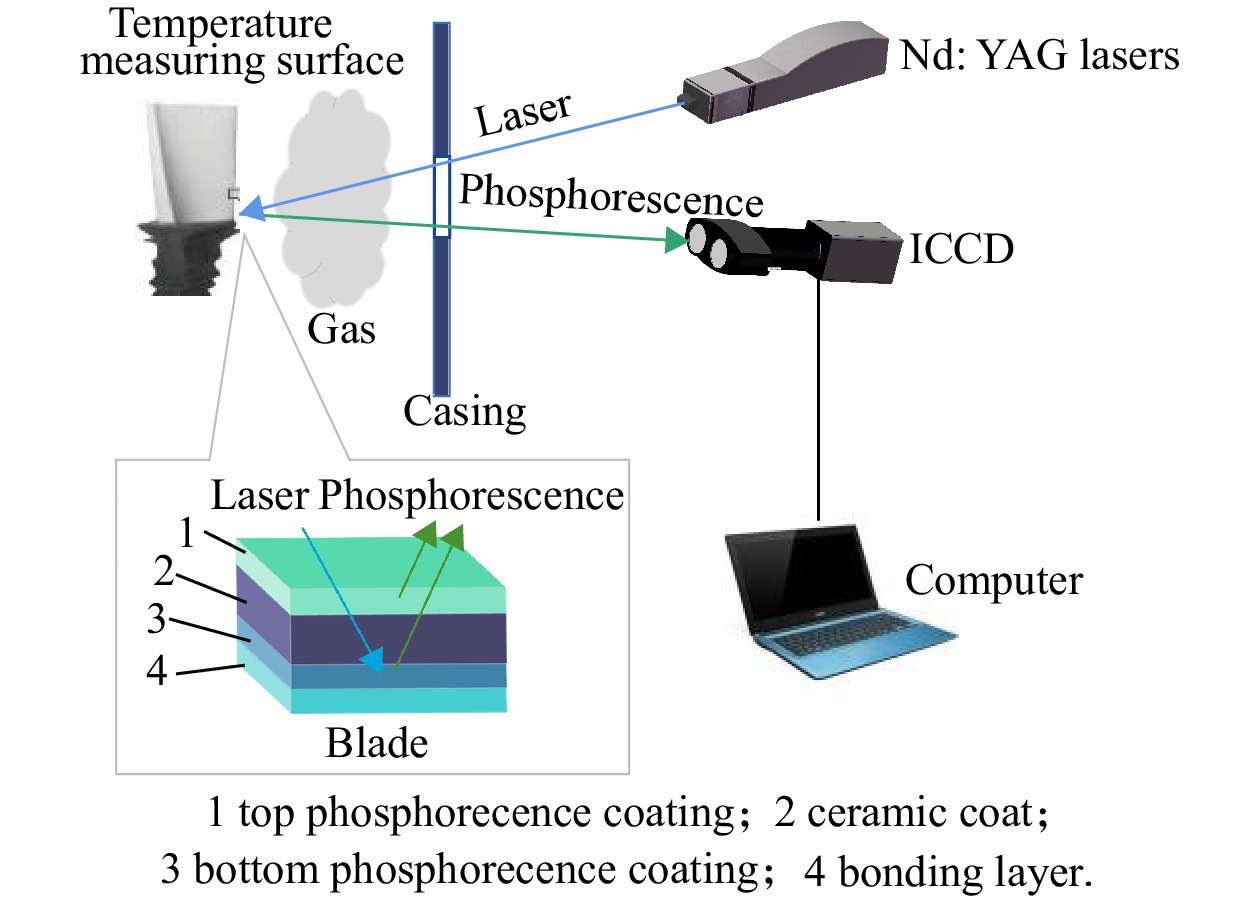
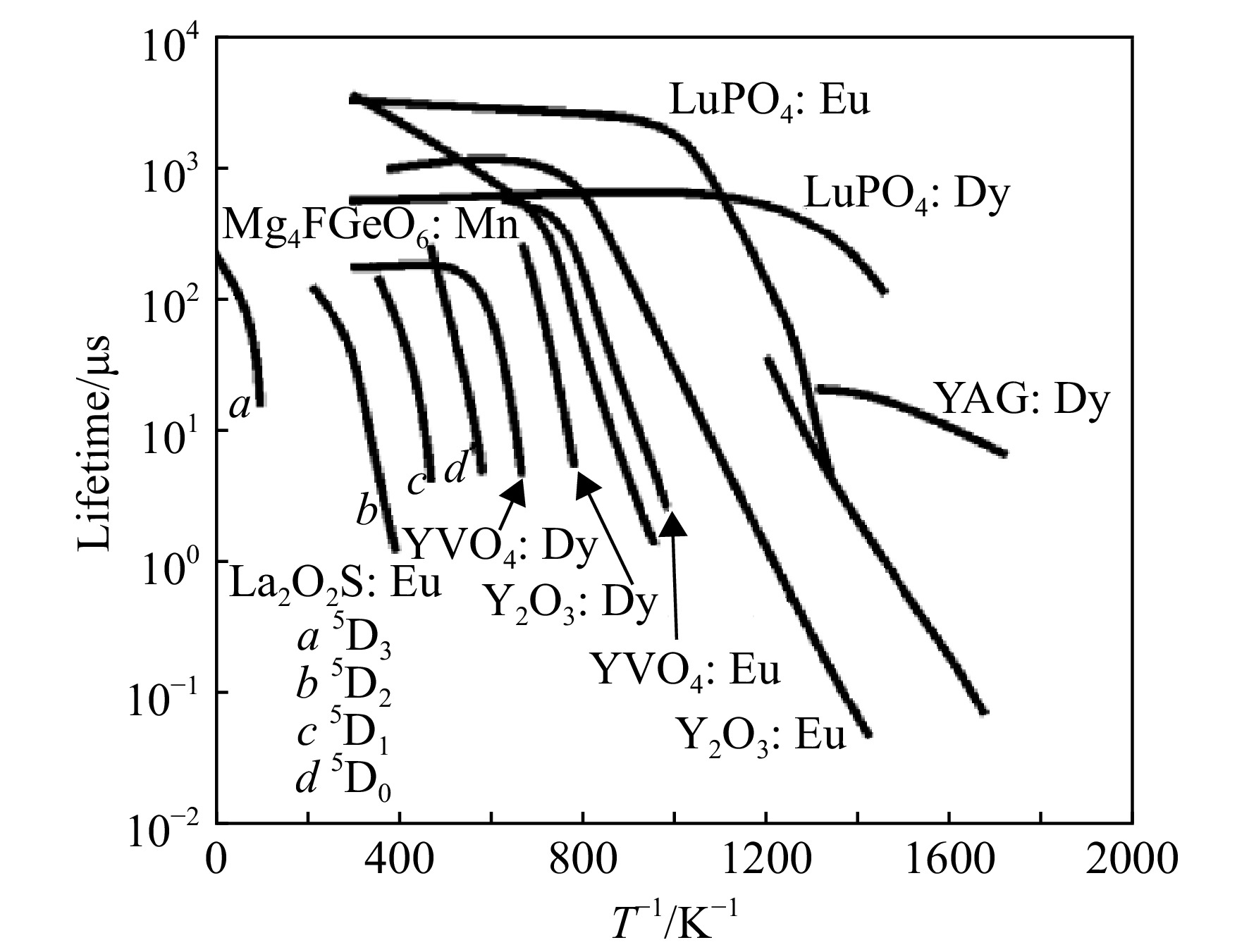
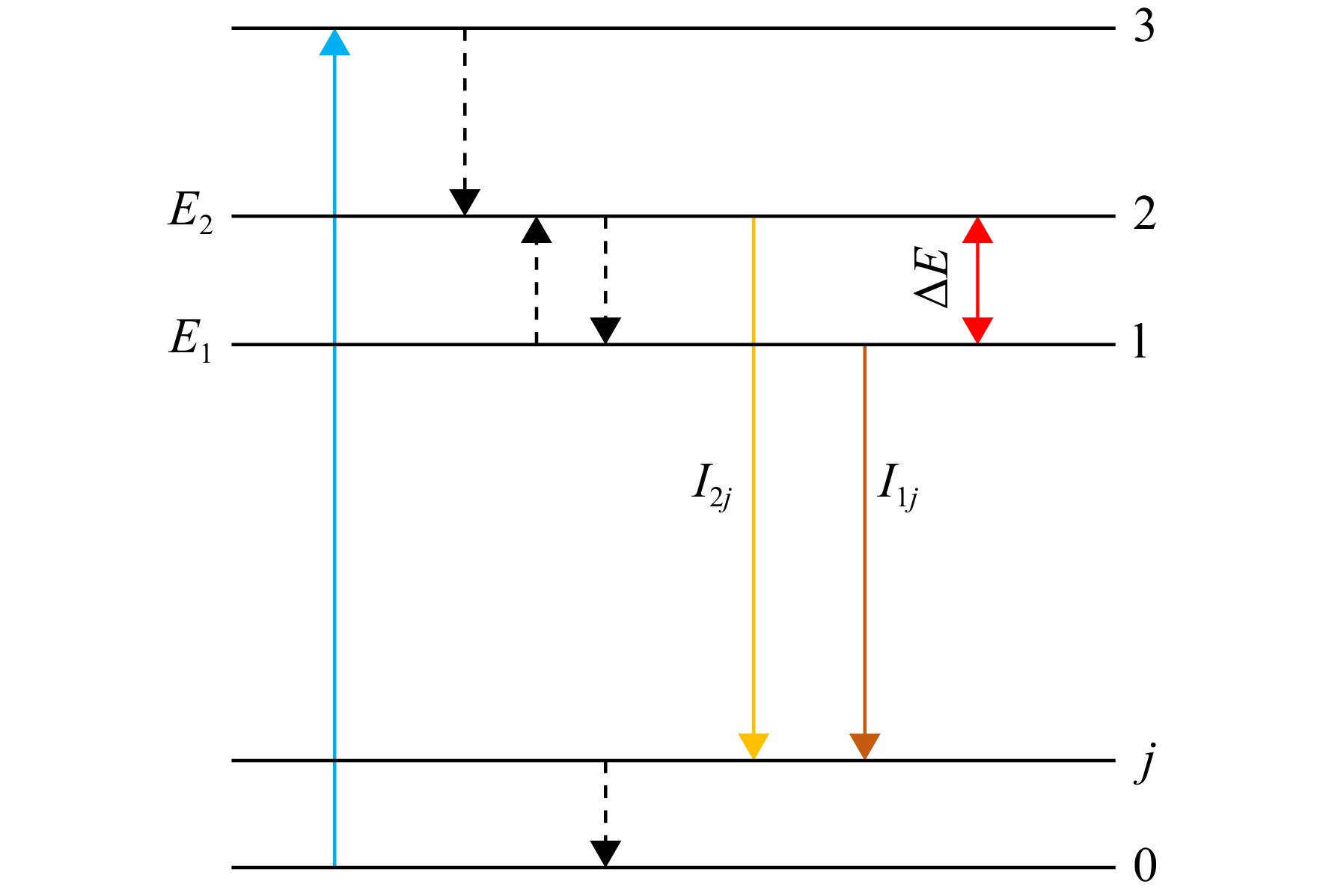
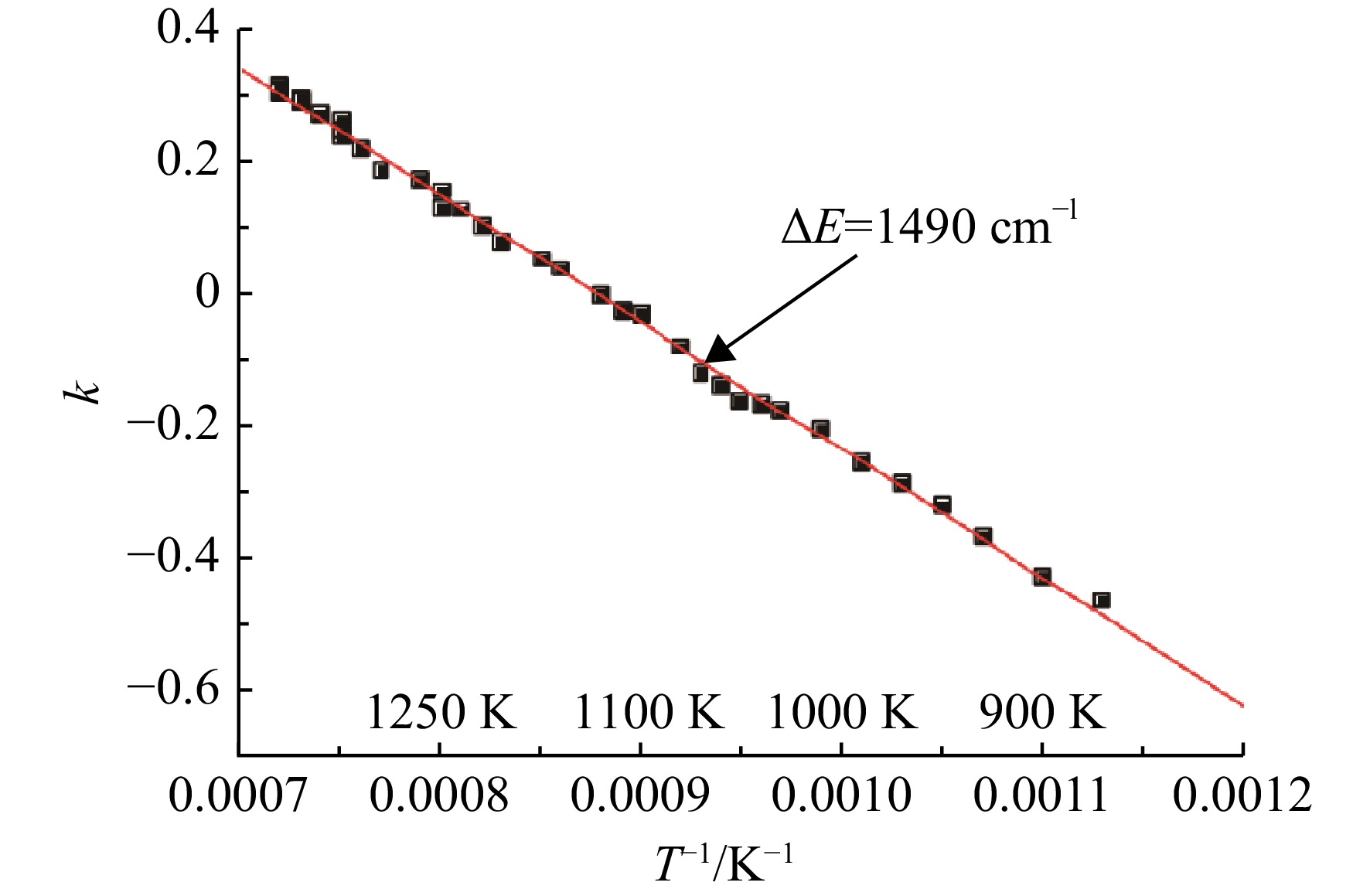
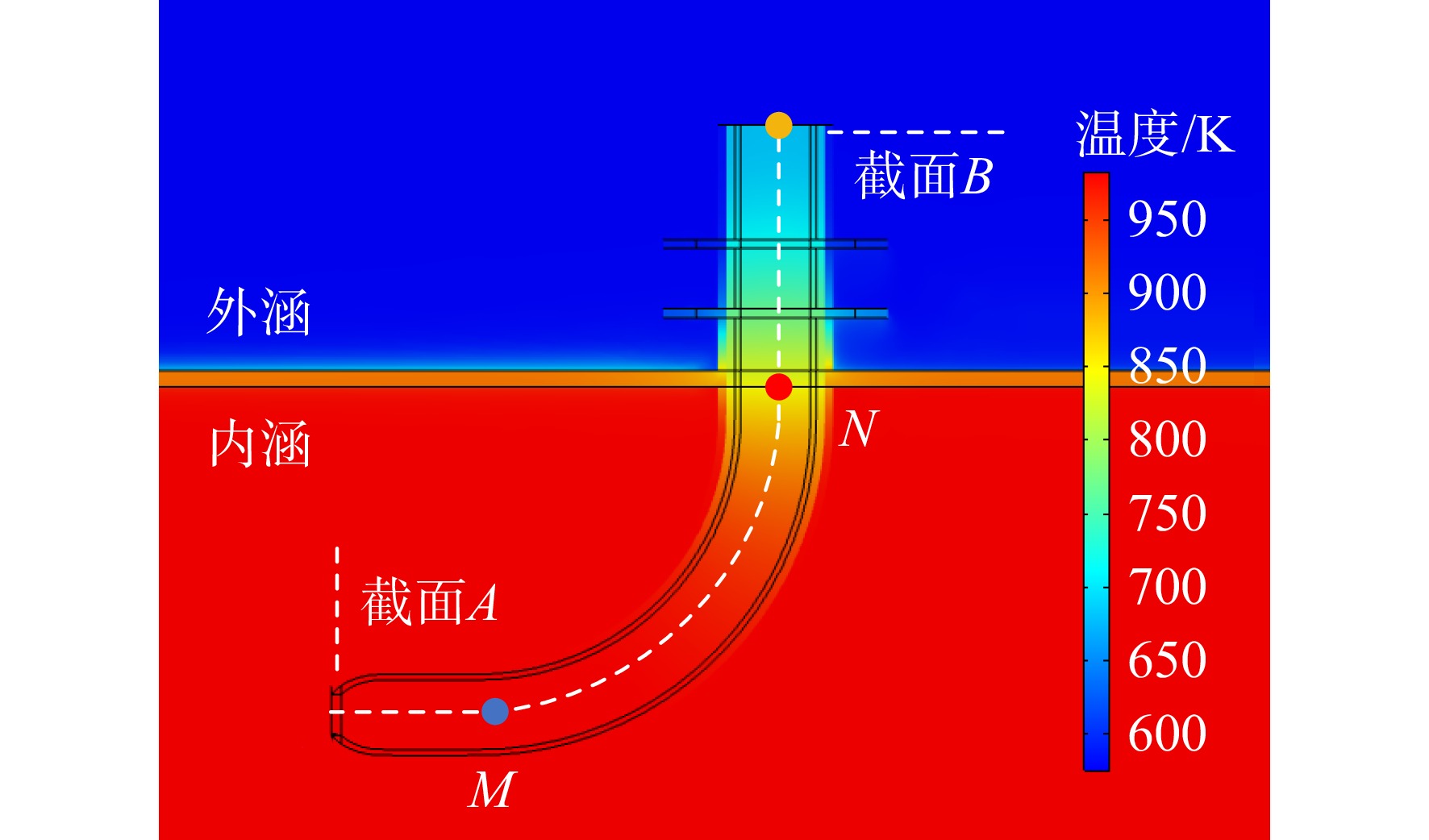
The physical mechanisms, testing methods, commonly-used materials and preparation processes of phosphor thermometry technology were described in detail. The development history and research progress of phosphor thermometry technology in the field of surface temperature measurement for the aero-engine hot section components were also reviewed from three aspects: phosphorescence materials and its preparation process, temperature measurement methods and systems, signal transmission schemes in the engine environments. Through comprehensive analysis on the research progress of phosphor thermometry technology for aero-engine hot section component, the unique advantages of phosphor thermometry were fully validated, including: independence of surface emissivity, less affected by the absorption and scattering of complex gases, and capability of measuring the inner temperature field of transparent media. This highlighted the application potential of phosphor thermometry in the transient temperature field testing of hot section components in extreme aero-engines environments. Phosphor thermometry is expected to achieve higher temperature measurement range and accuracy, supporting the refined design of new generation aero-engines.

Design and optimization of dynamic total pressure probe structure in aero-engines
WU Lequn, PAN Muxuan, ZHENG Tianxiang, DING Hang
2023, 38(12): 2872-2882. doi: 10.13224/j.cnki.jasp.20220059
Abstract:

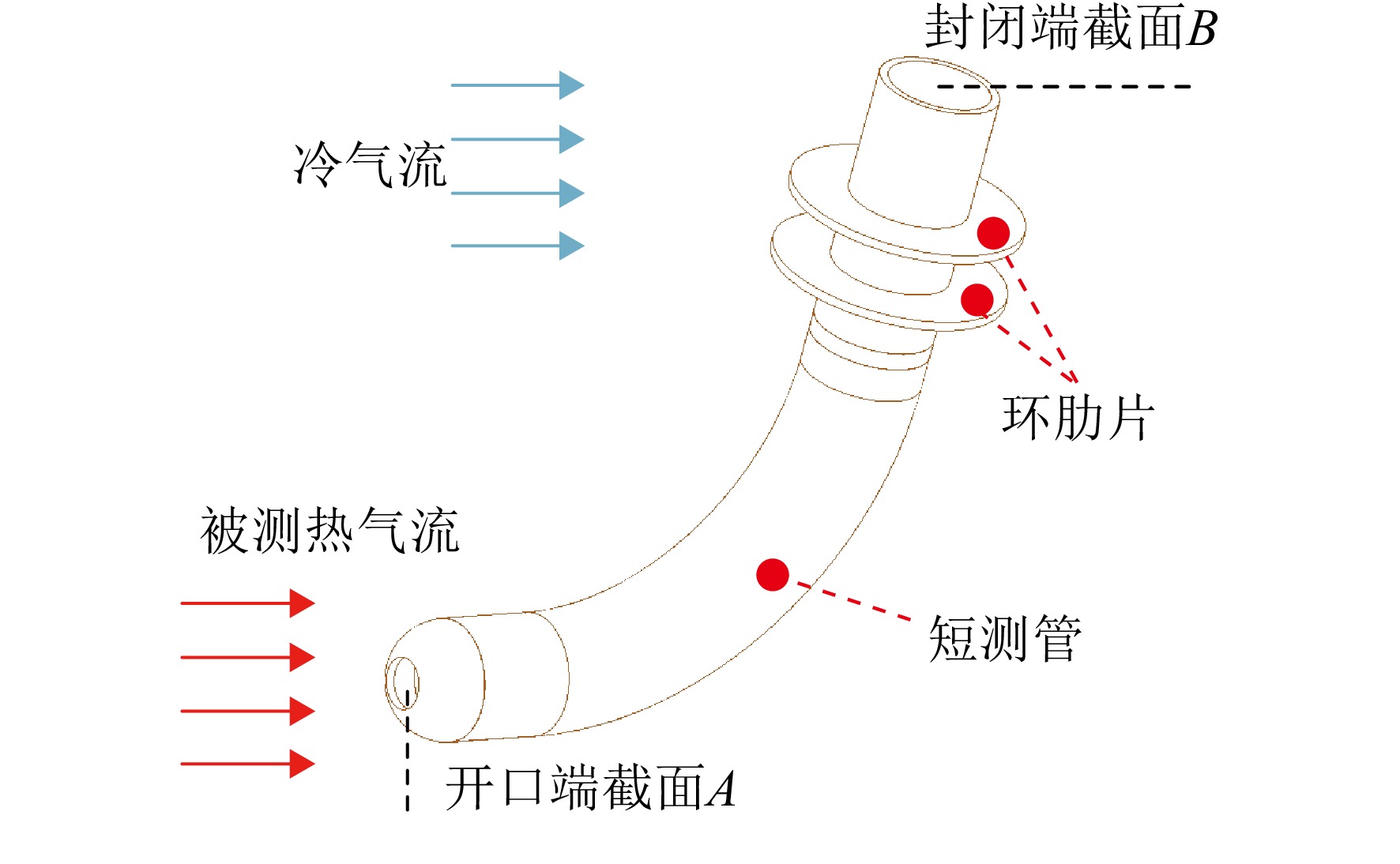
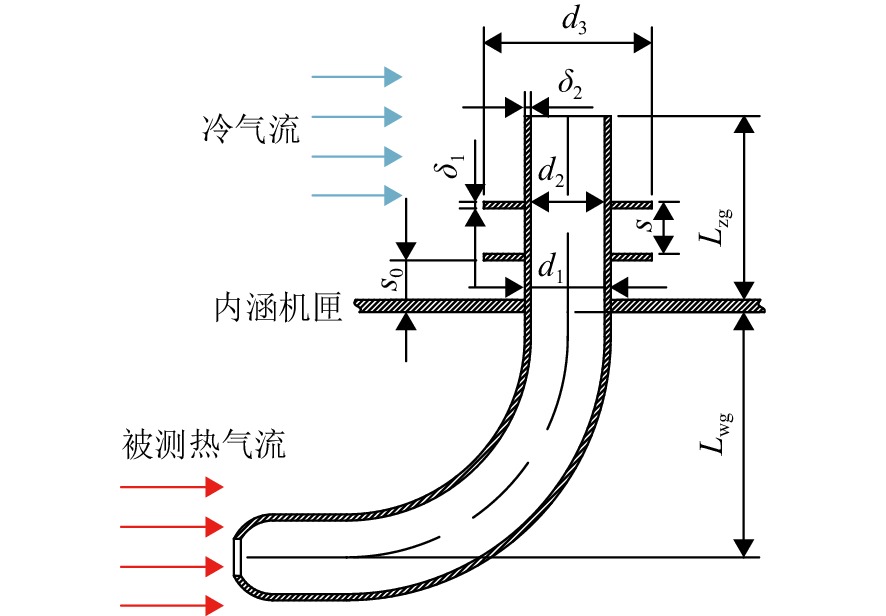
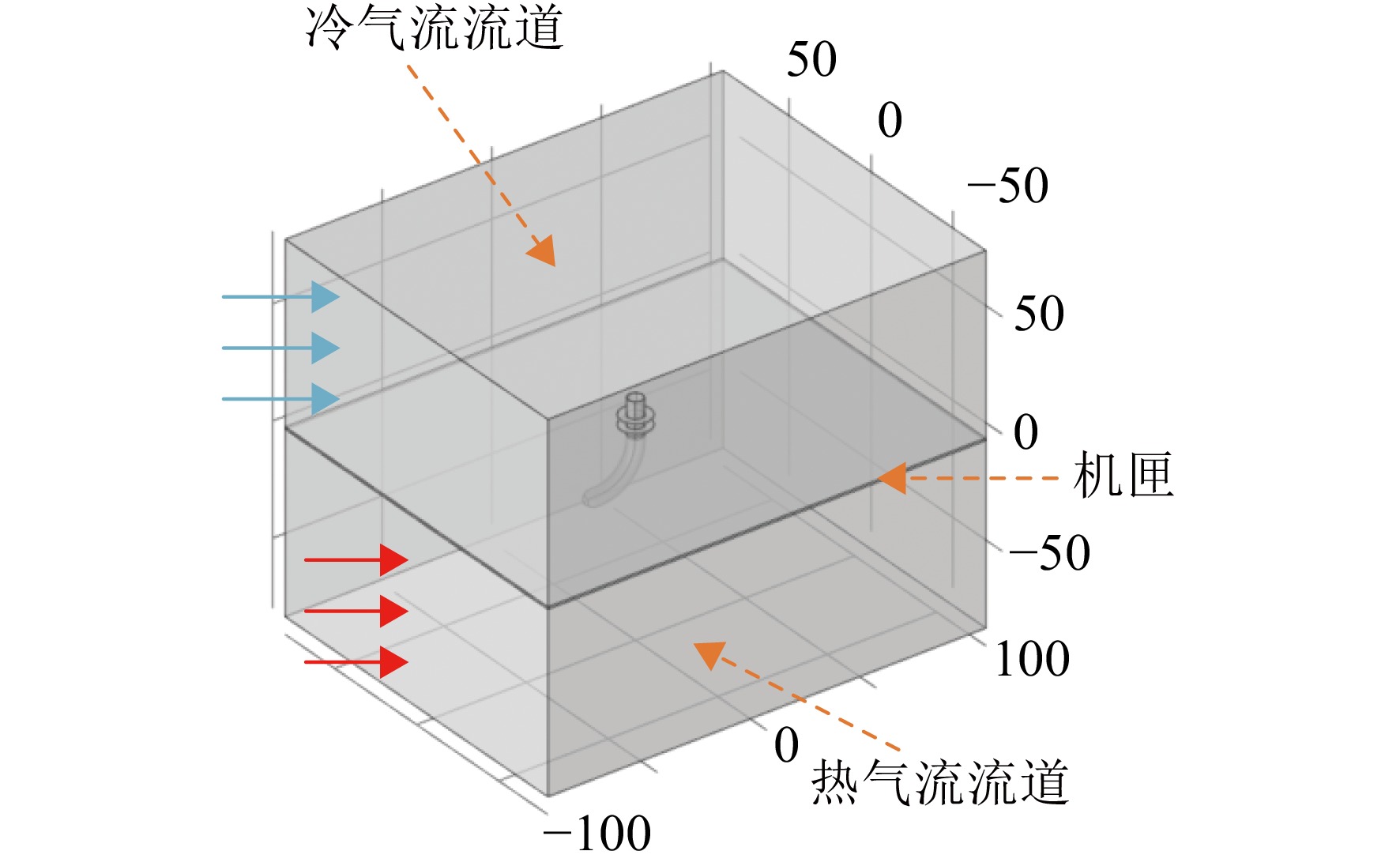
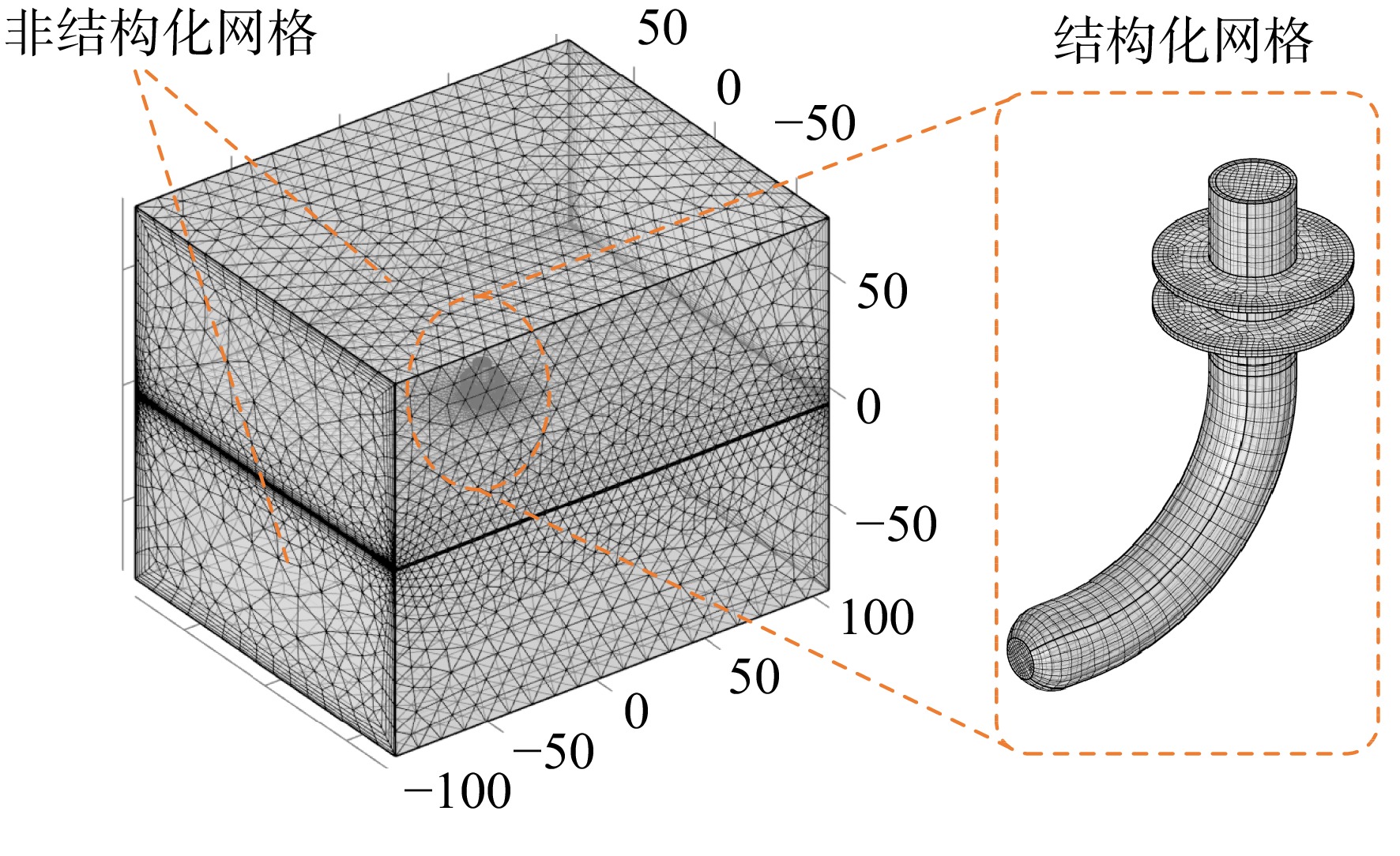
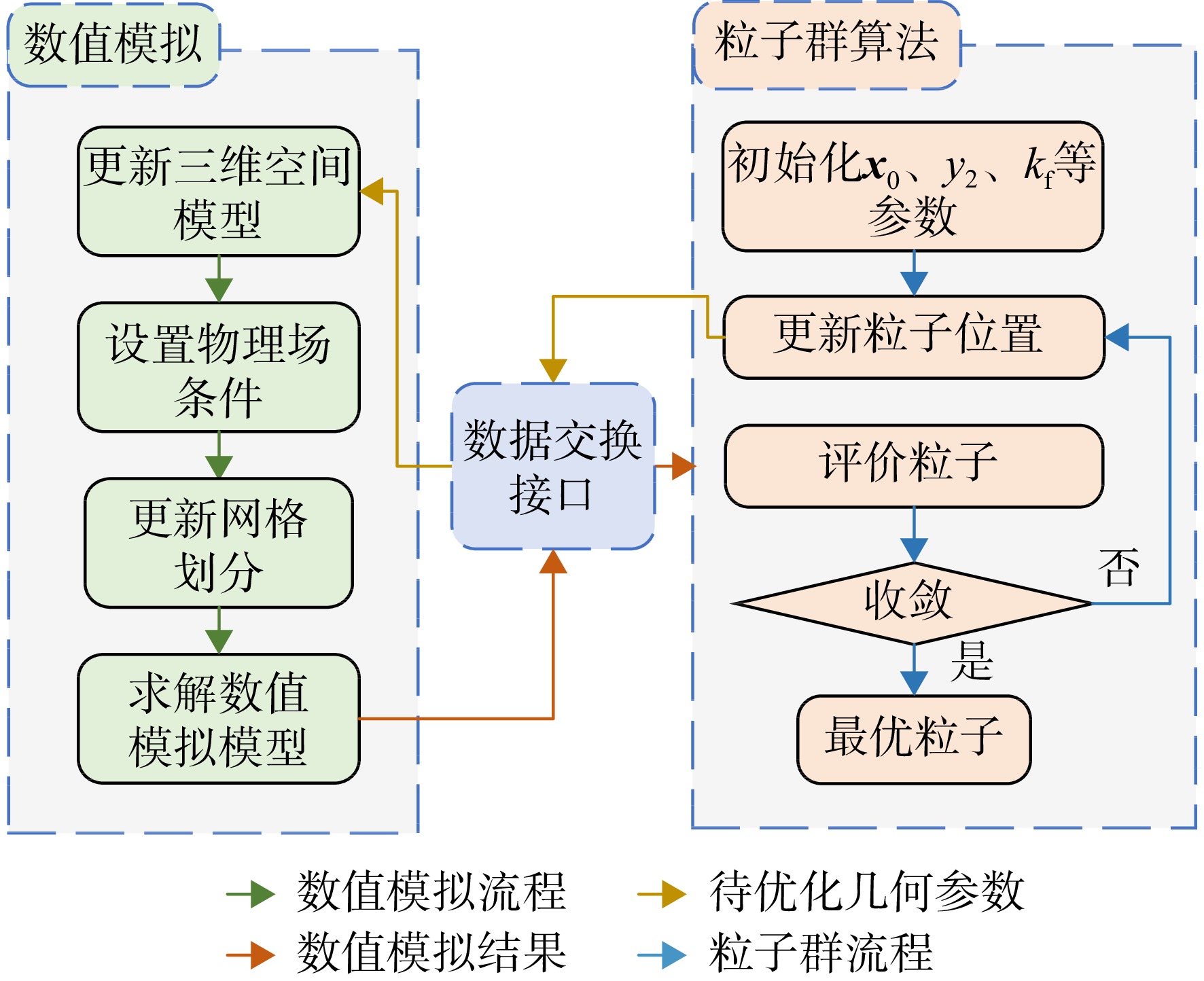
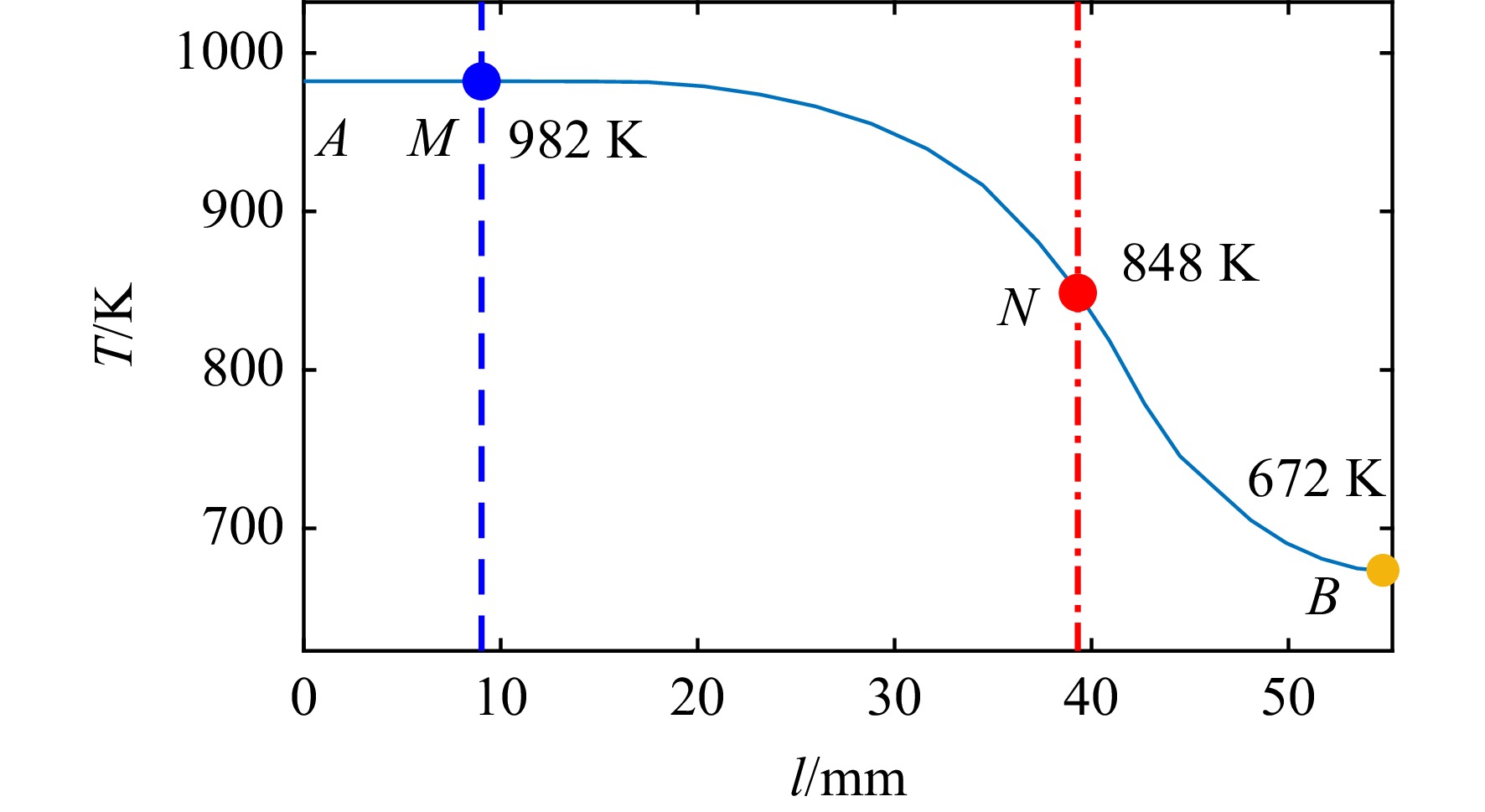
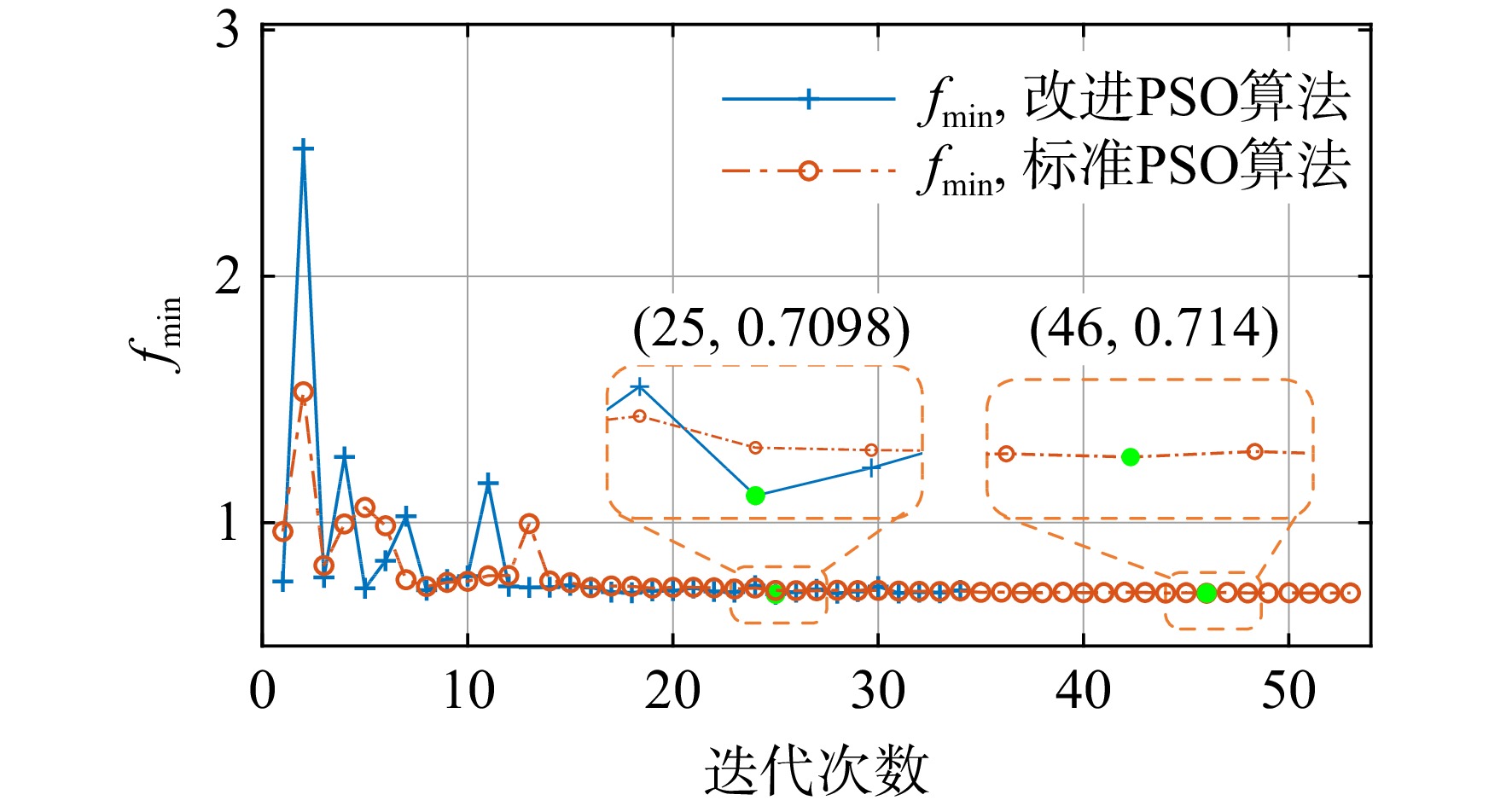
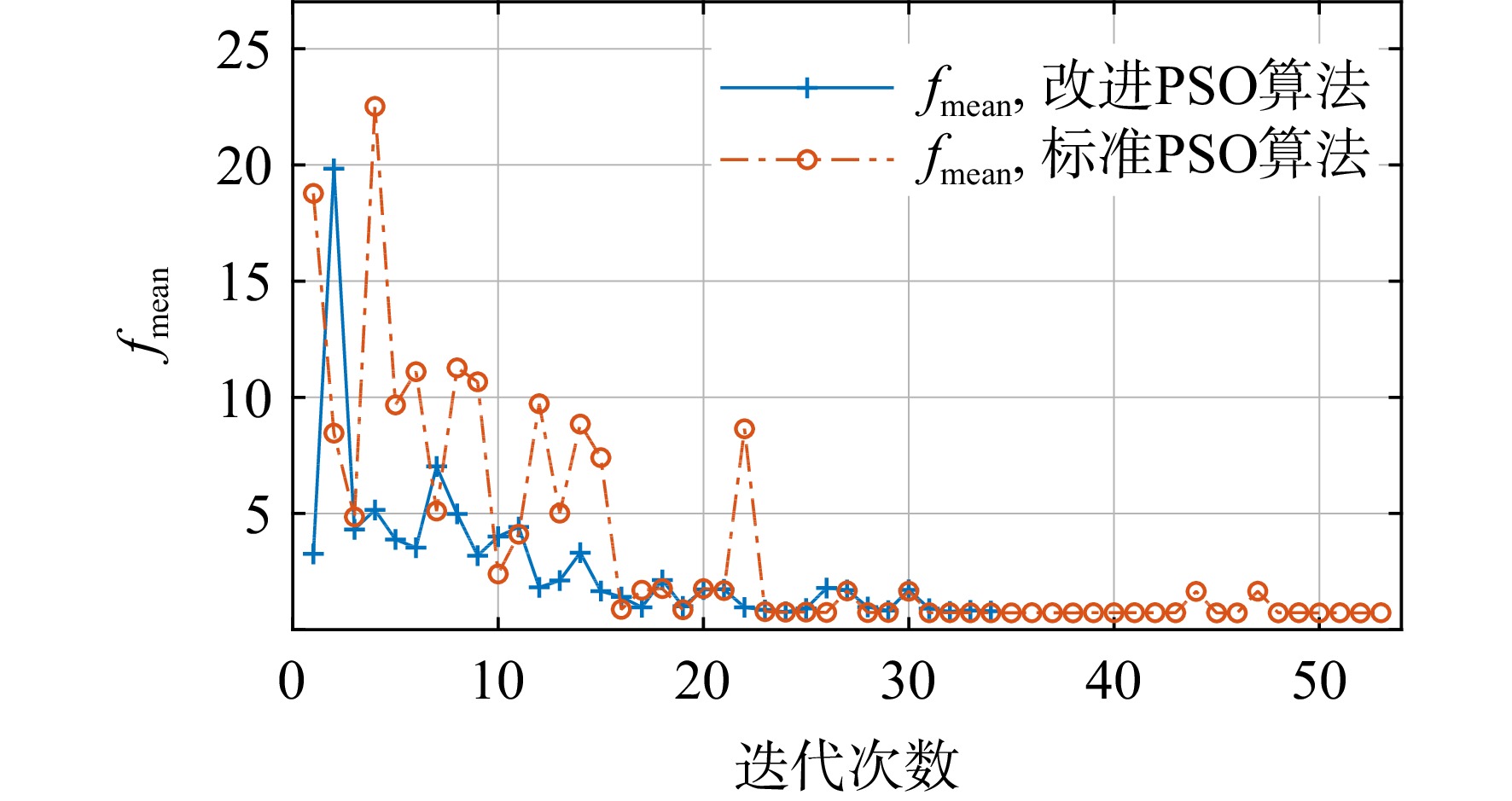
A short-tube total pressure probe with an enhanced heat transfer structure was proposed. The multi-physical numerical simulation model of the probe was established. Based on the numerical simulation and the improved Particle Swarm Algorithm, a joint approach was proposed to optimize the probe’s structure. A hybrid grid generation technology was utilized to reduce the number of meshes. The normal distribution was employed to initialize the particle’s position. The social adjustment weight and the neighbor fraction were increased to improve the optimization efficiency of the algorithm. The simulation results showed that the number of grid vertices was reduced by 47%, and the iteration of optimization was reduced by 37%; the optimization efficiency was improved. The optimized total pressure probe satisfied the temperature constraints with the short length and the light mass.

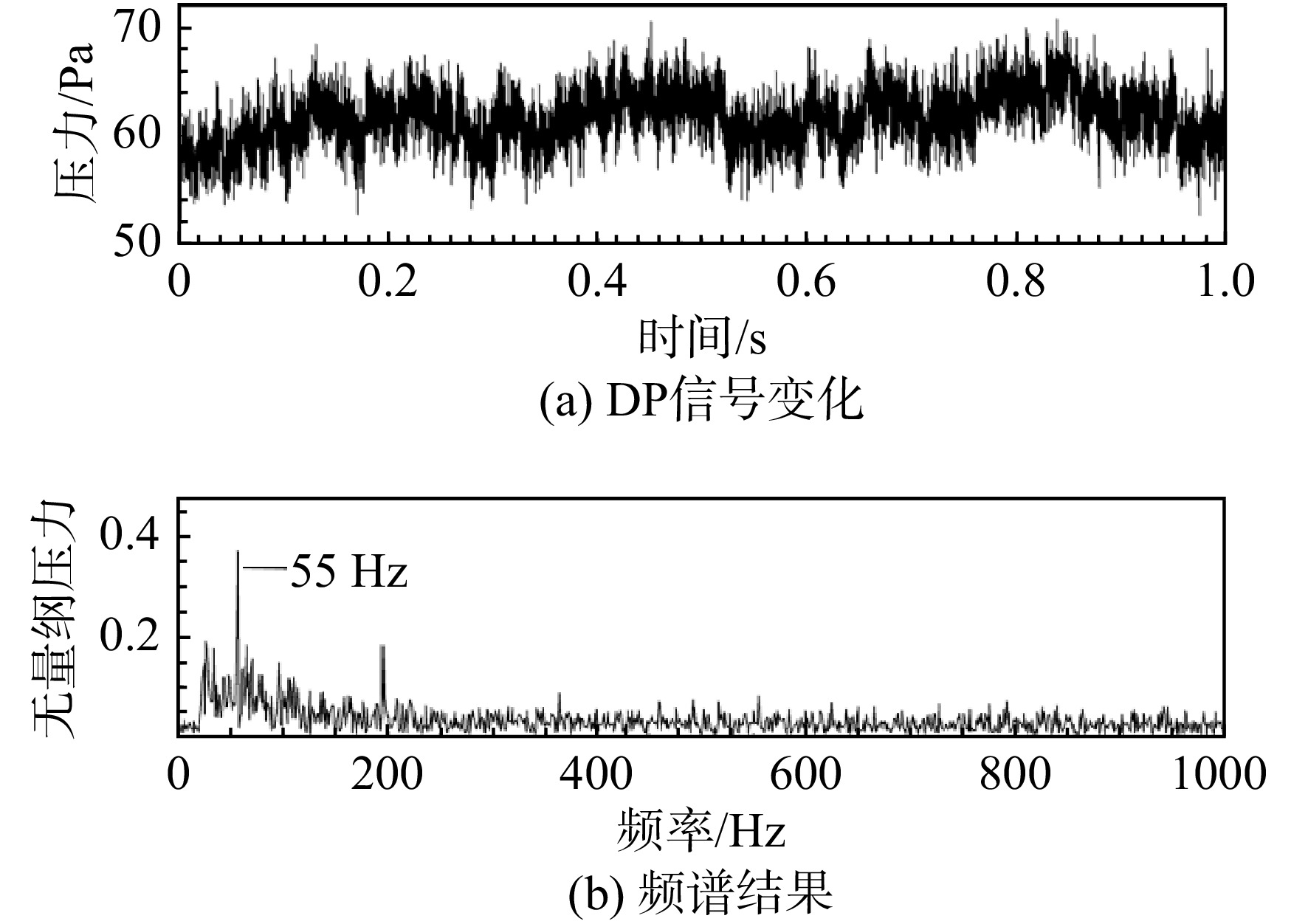
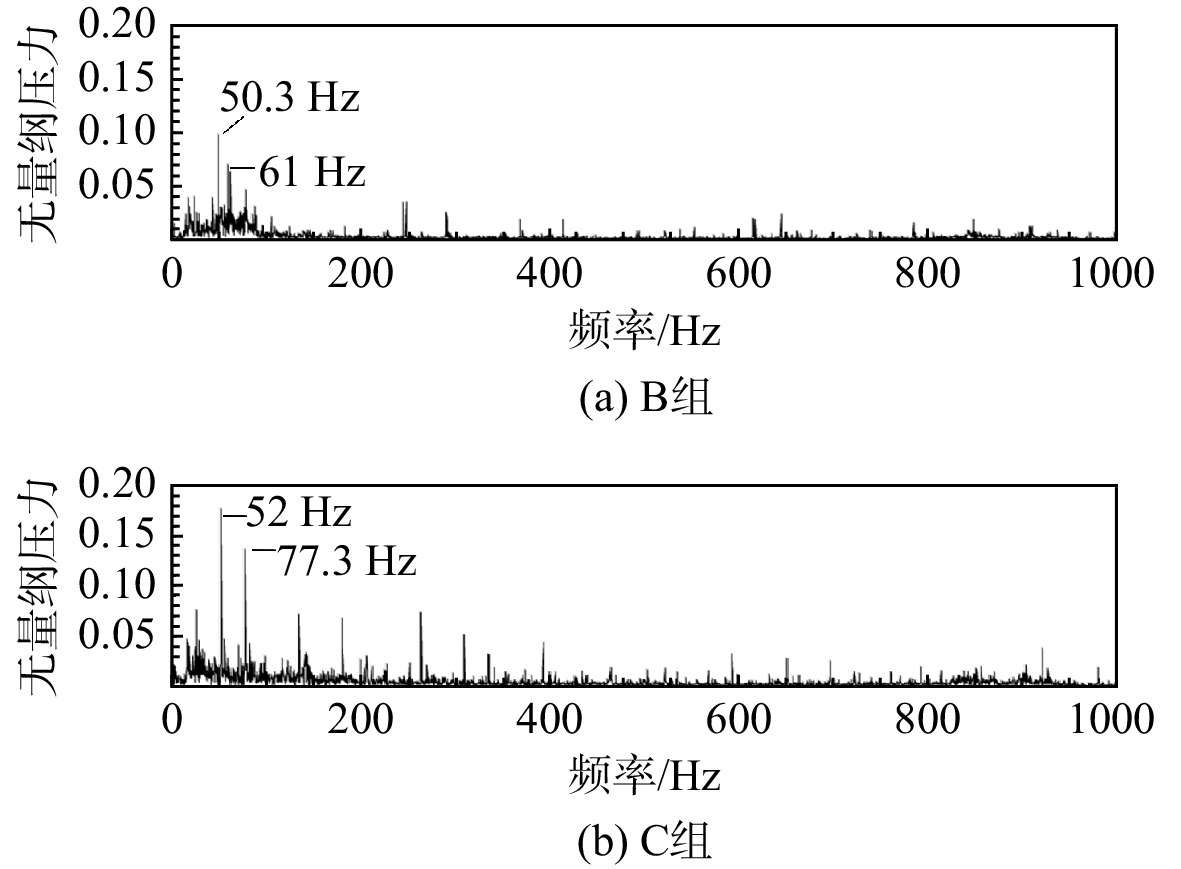
Characteristic analysis of dynamic pressure signal of unstable combustion in central staged swirl combustor
WANG Xuhuai, LIU Yong, ZHANG Xiang, YANG Chen, LI Hao
2023, 38(12): 2883-2894. doi: 10.13224/j.cnki.jasp.20220045
Abstract:

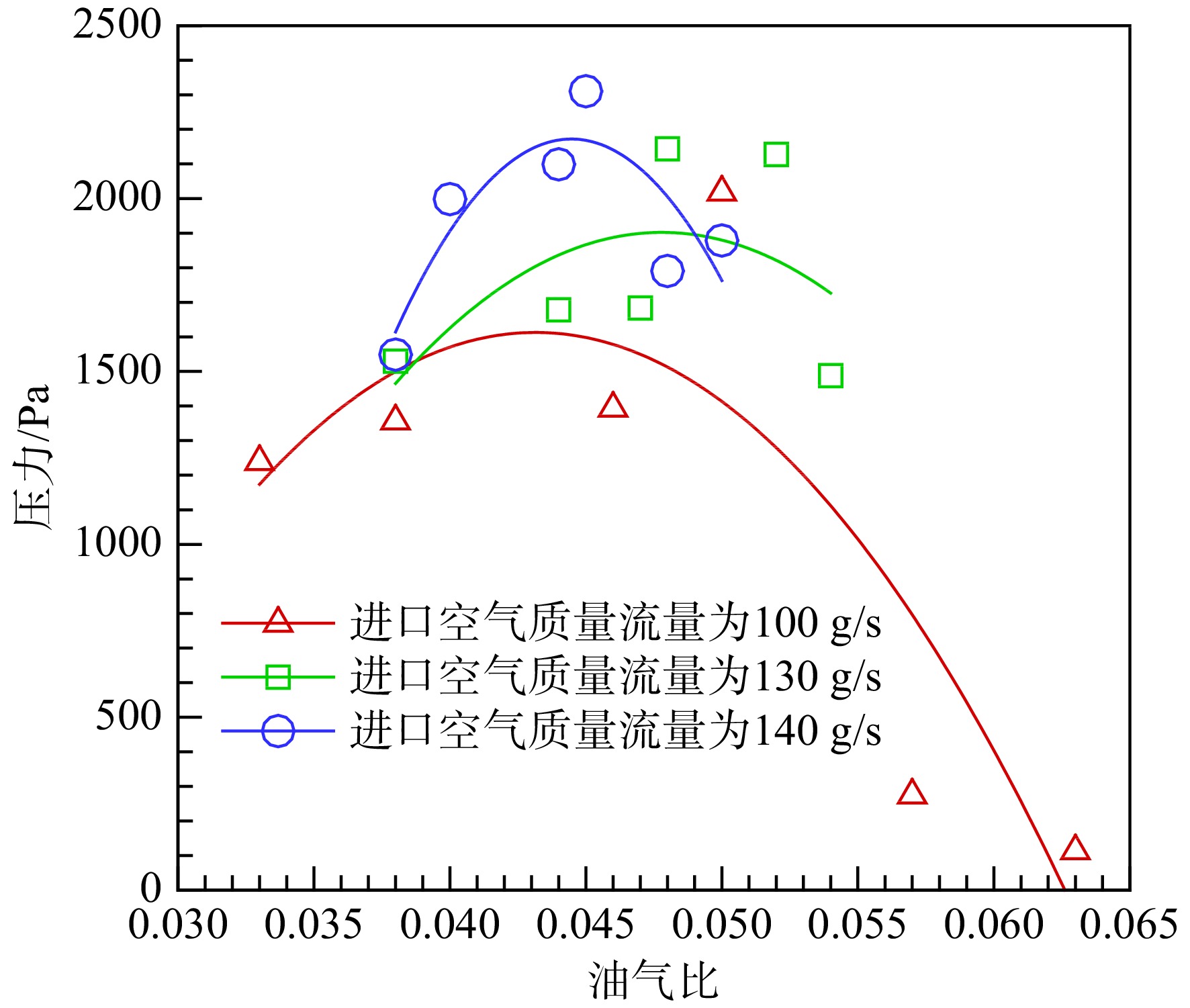
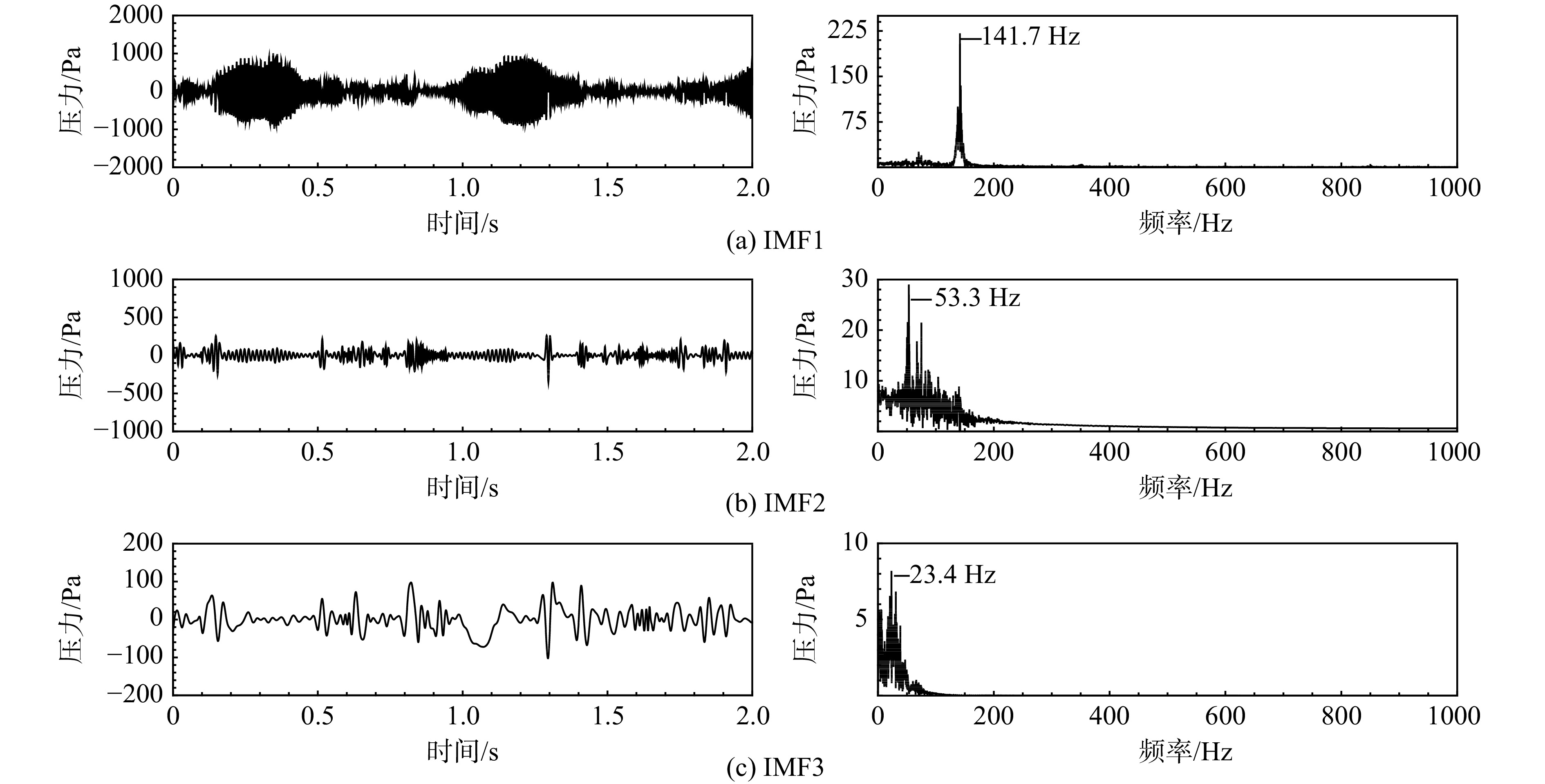
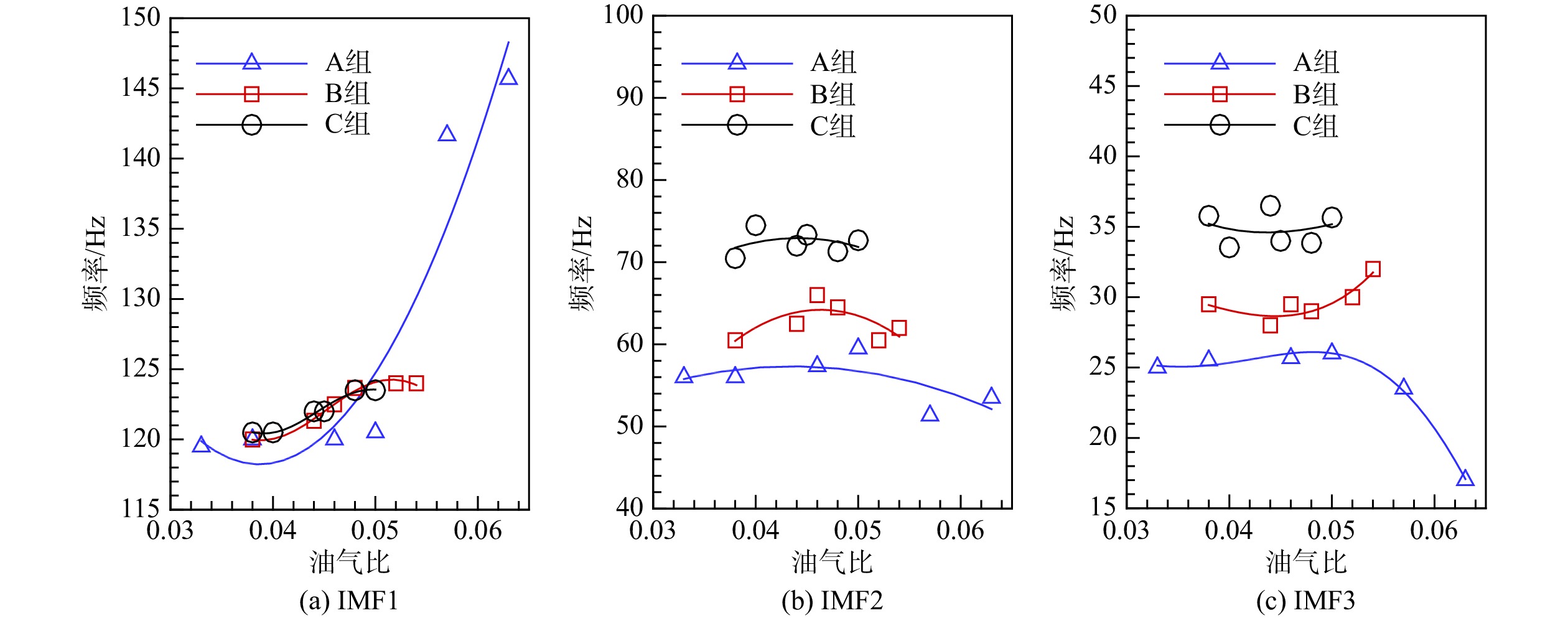
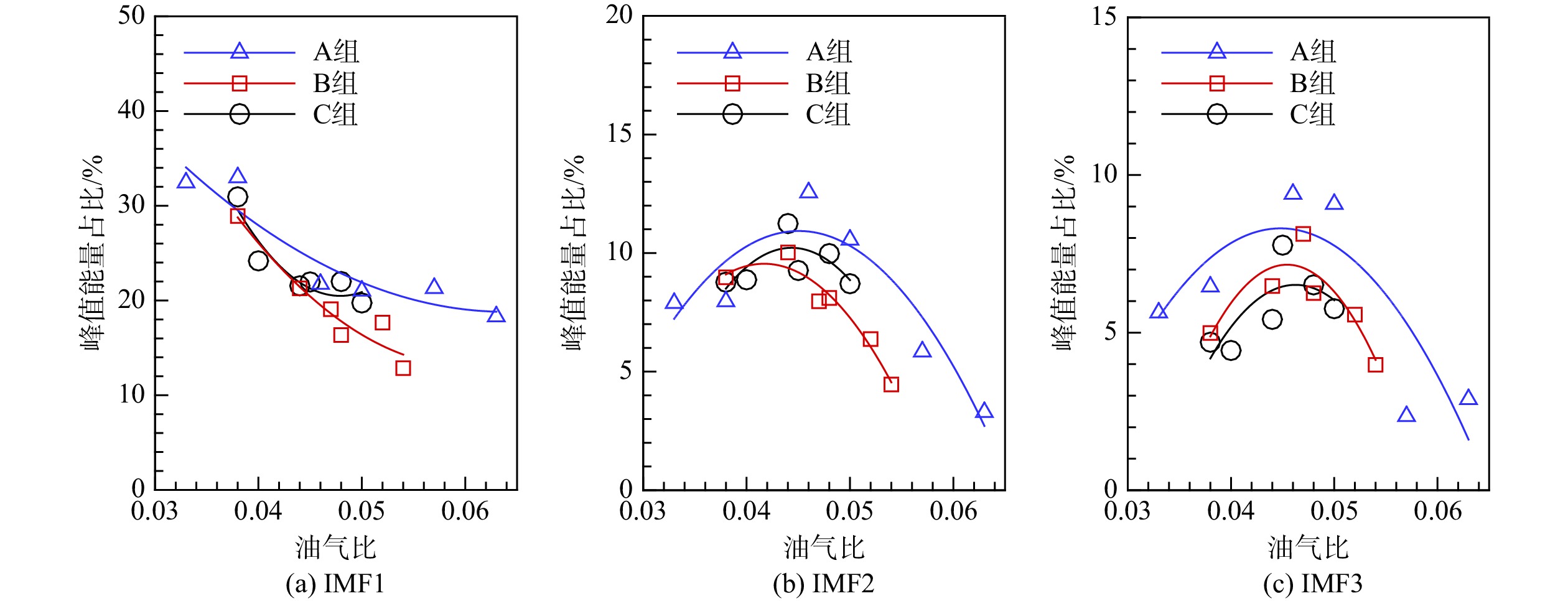
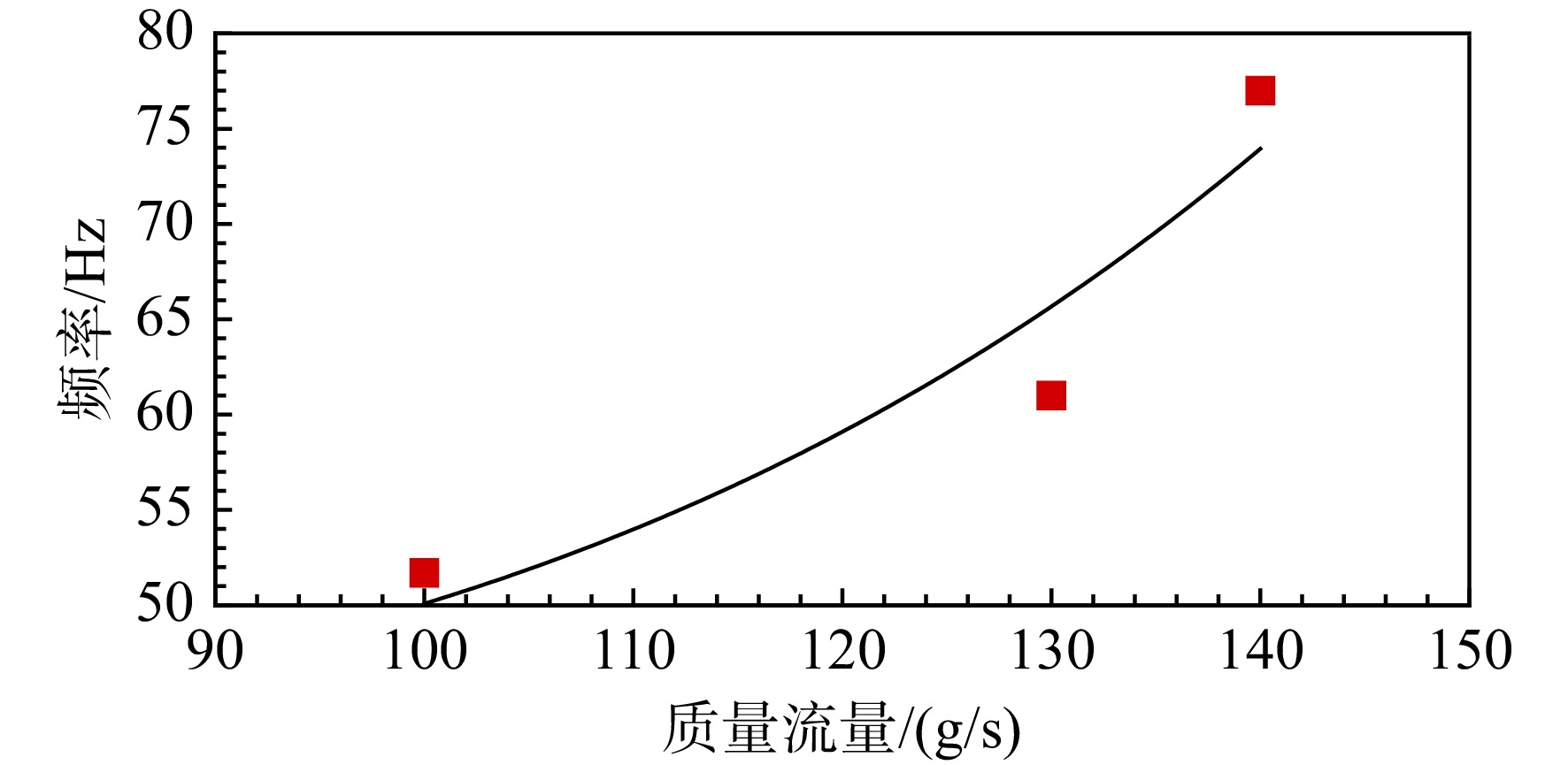
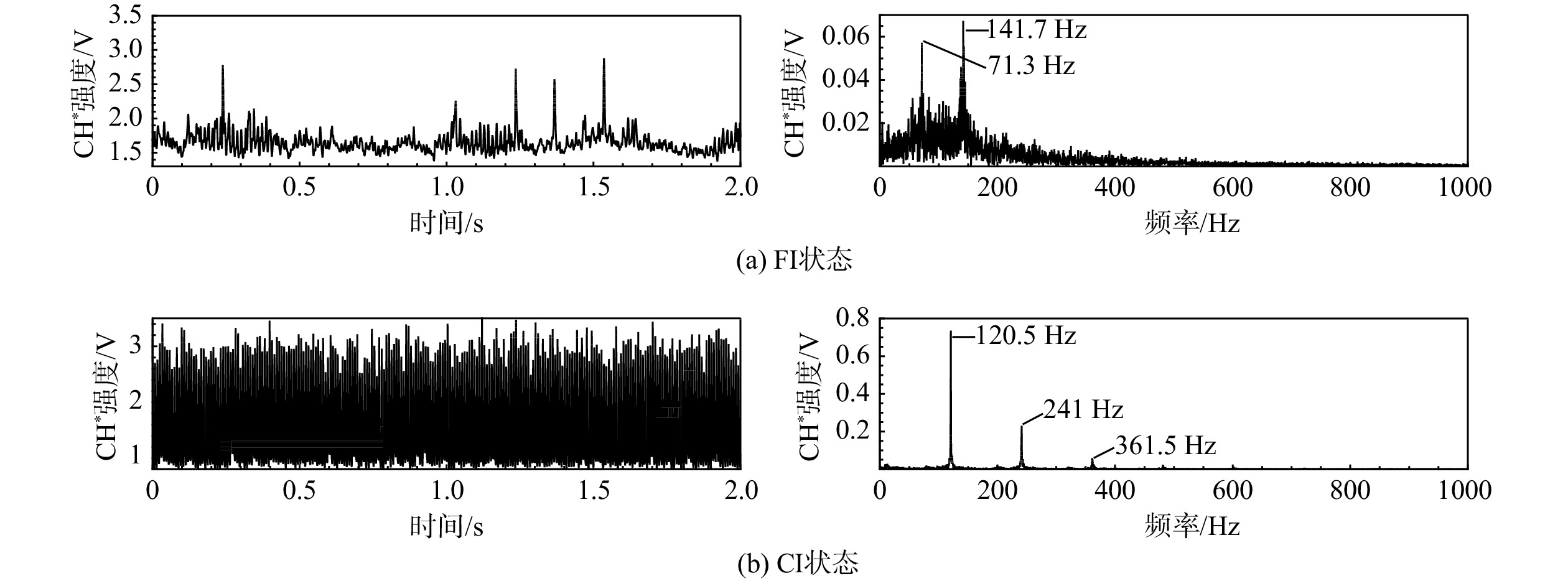
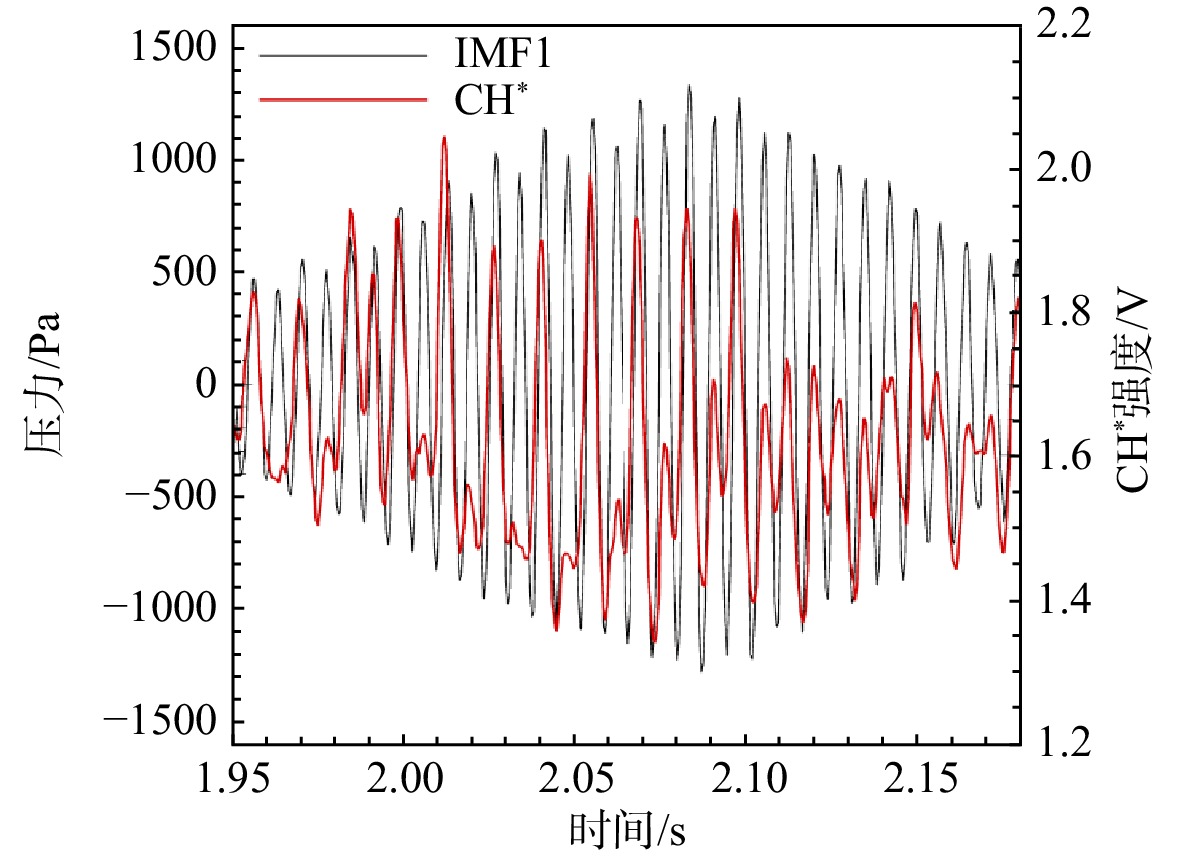
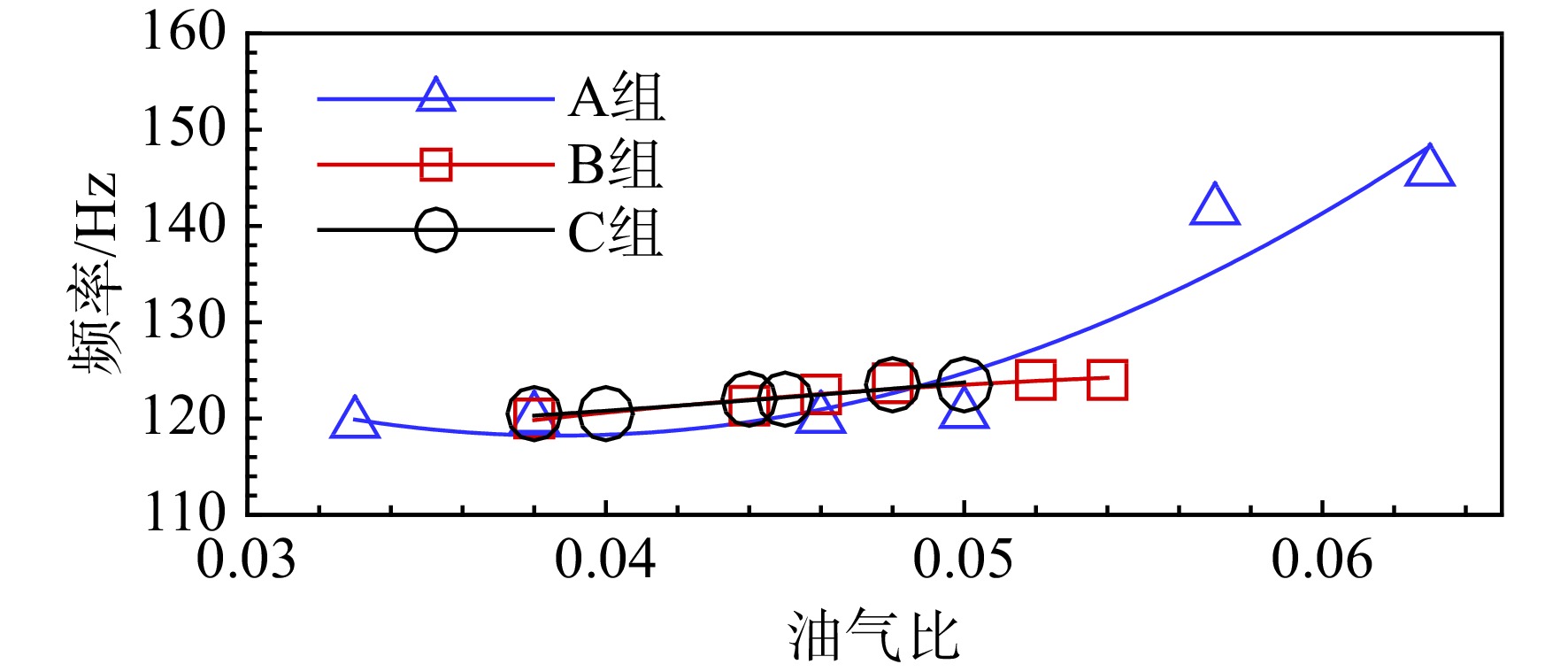
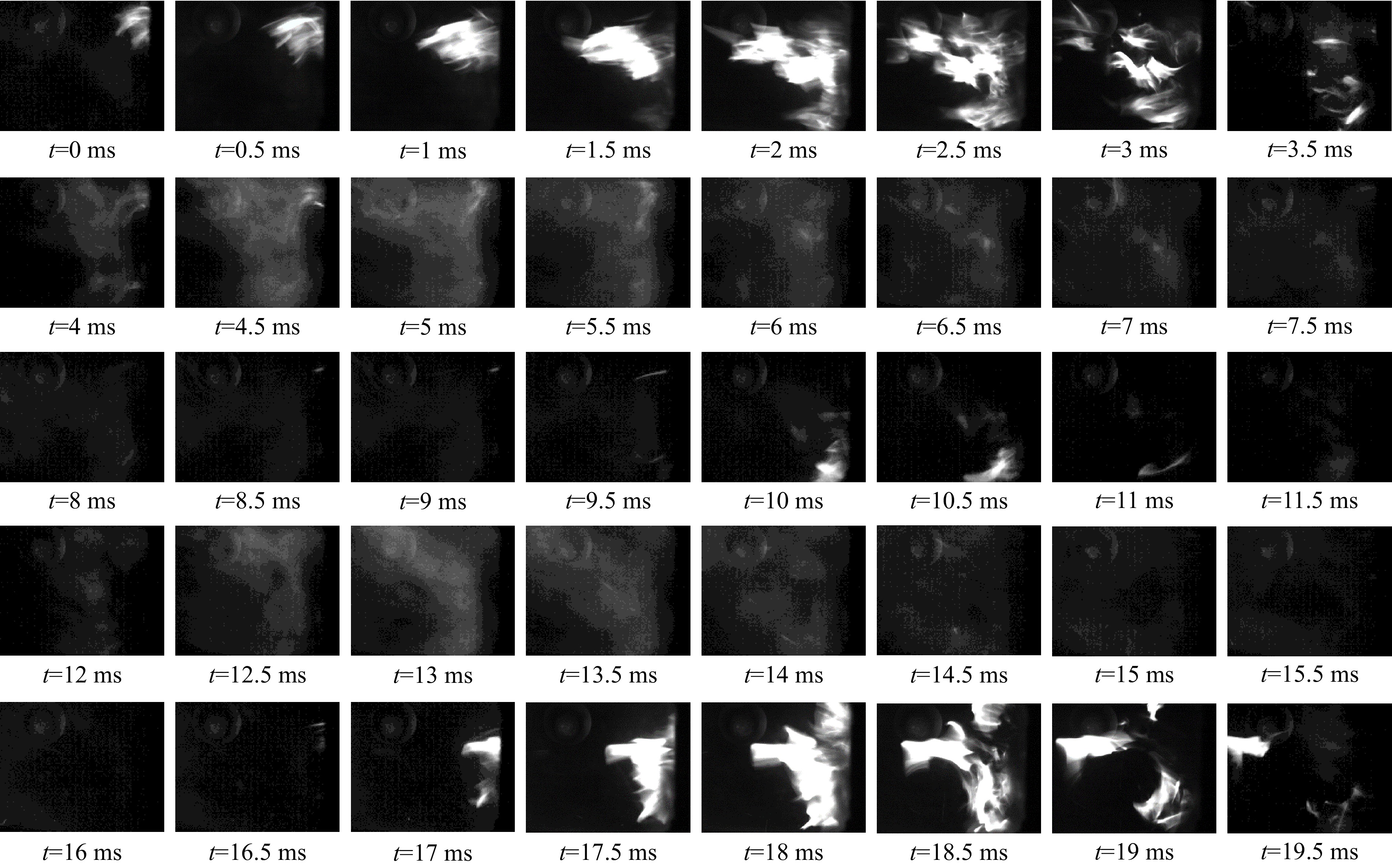
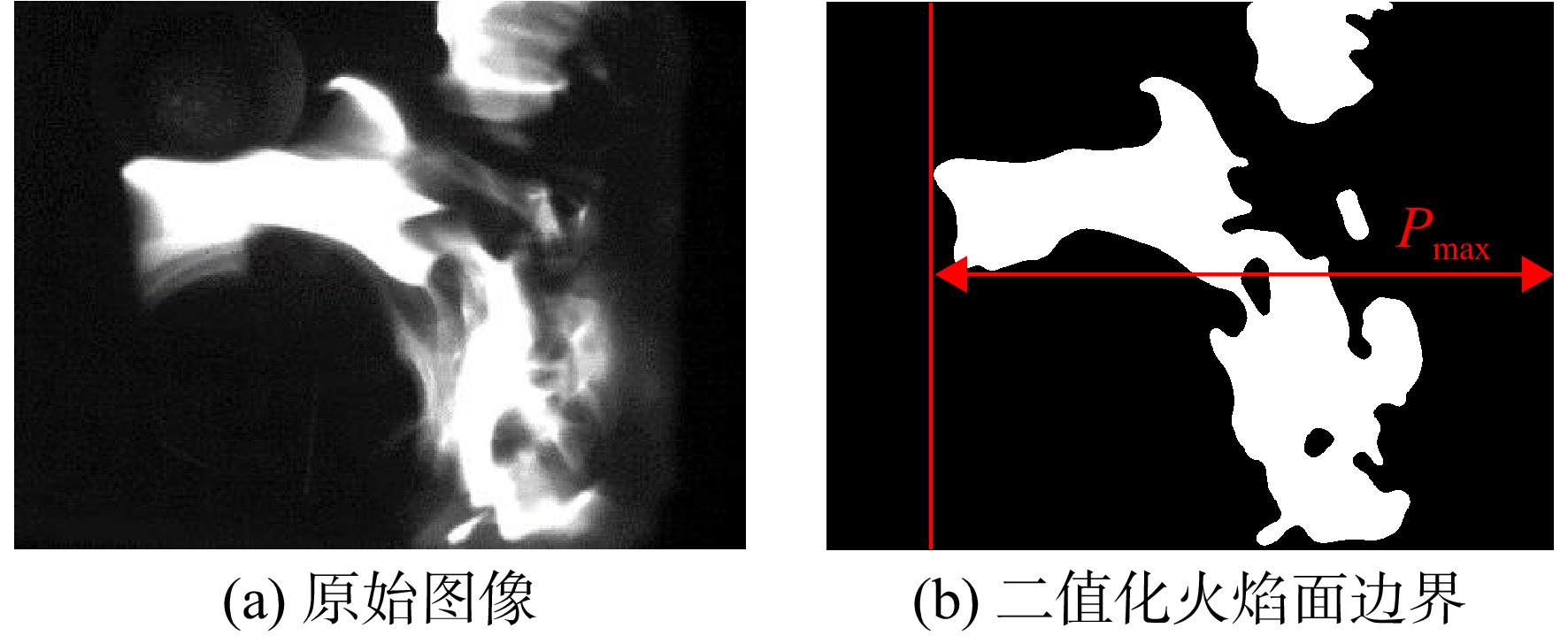
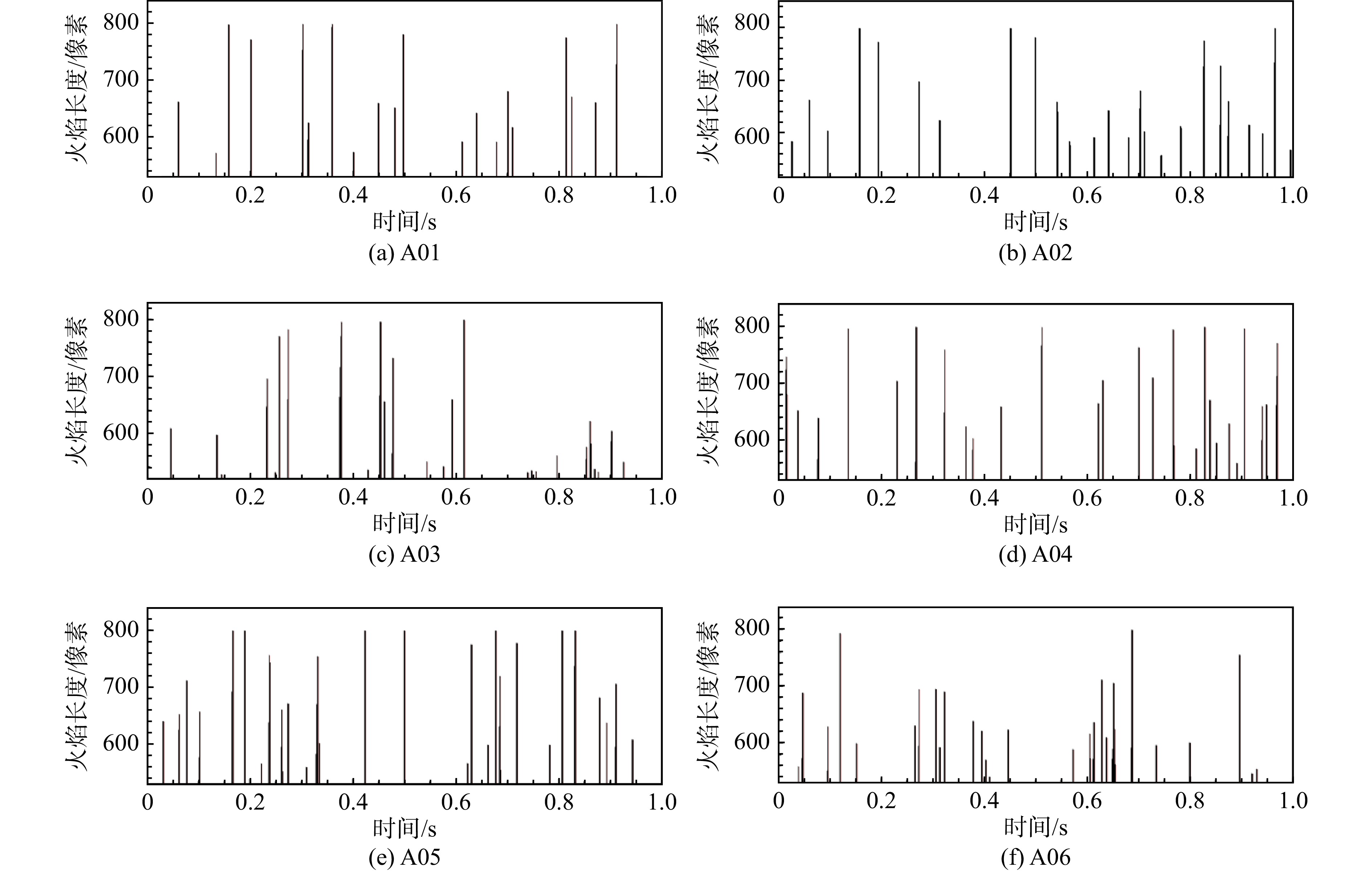
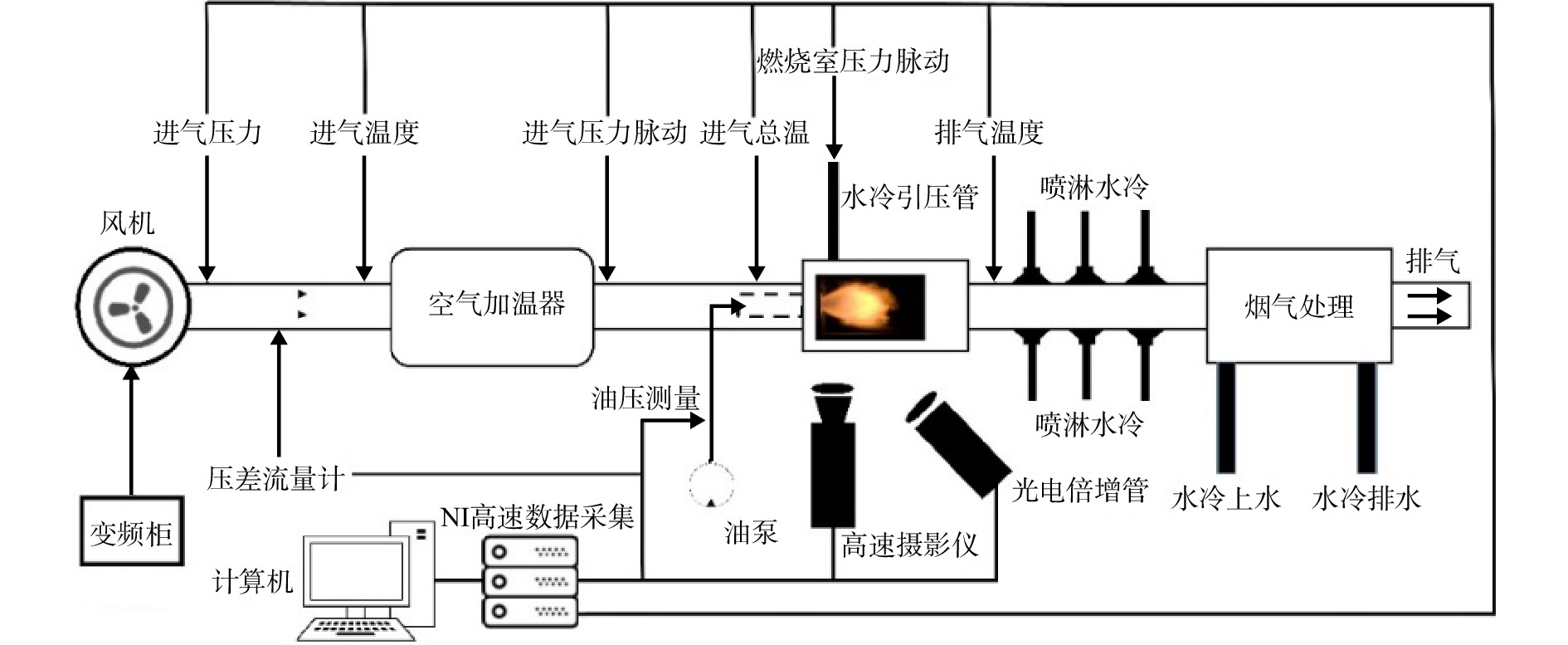
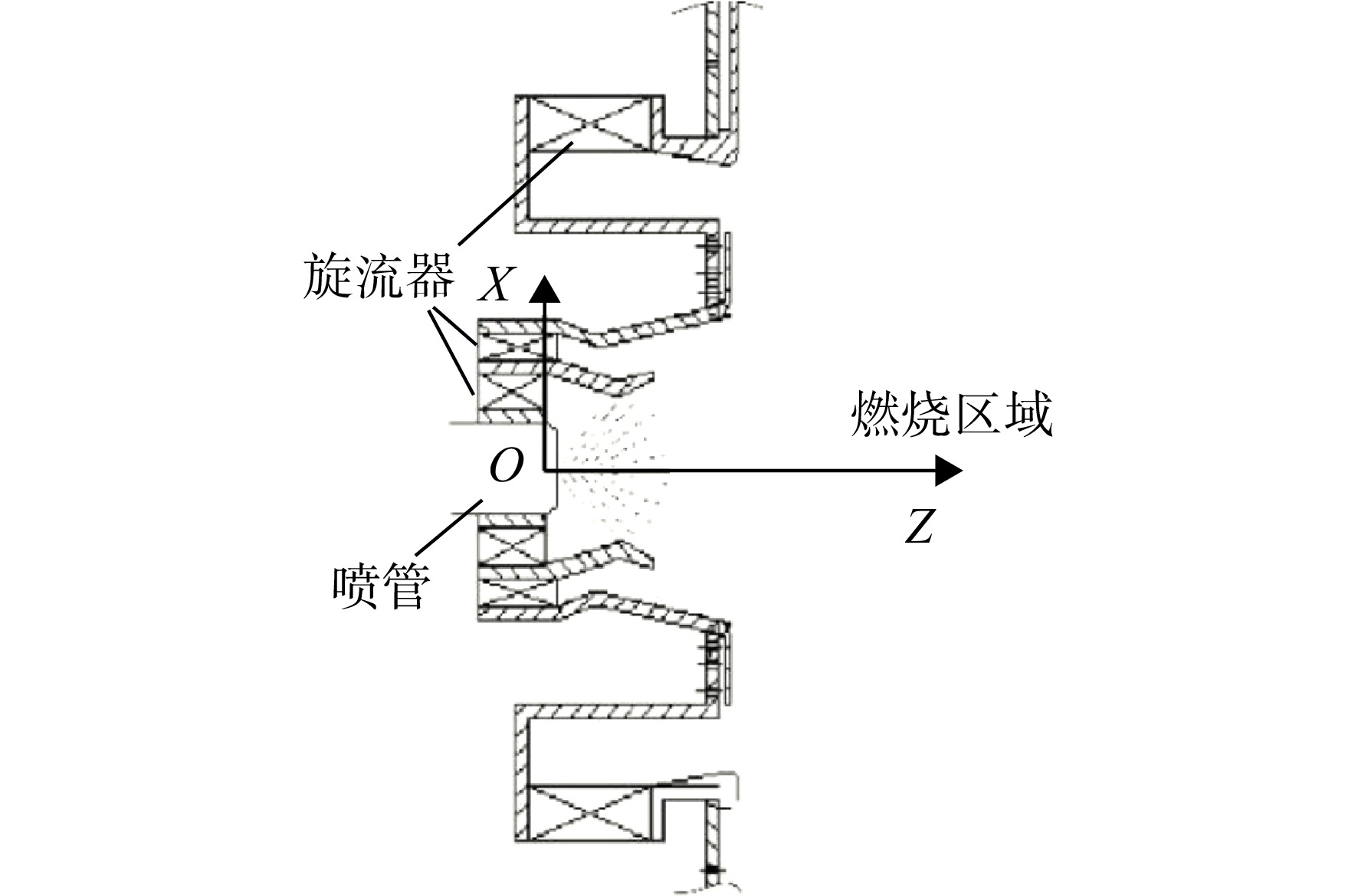
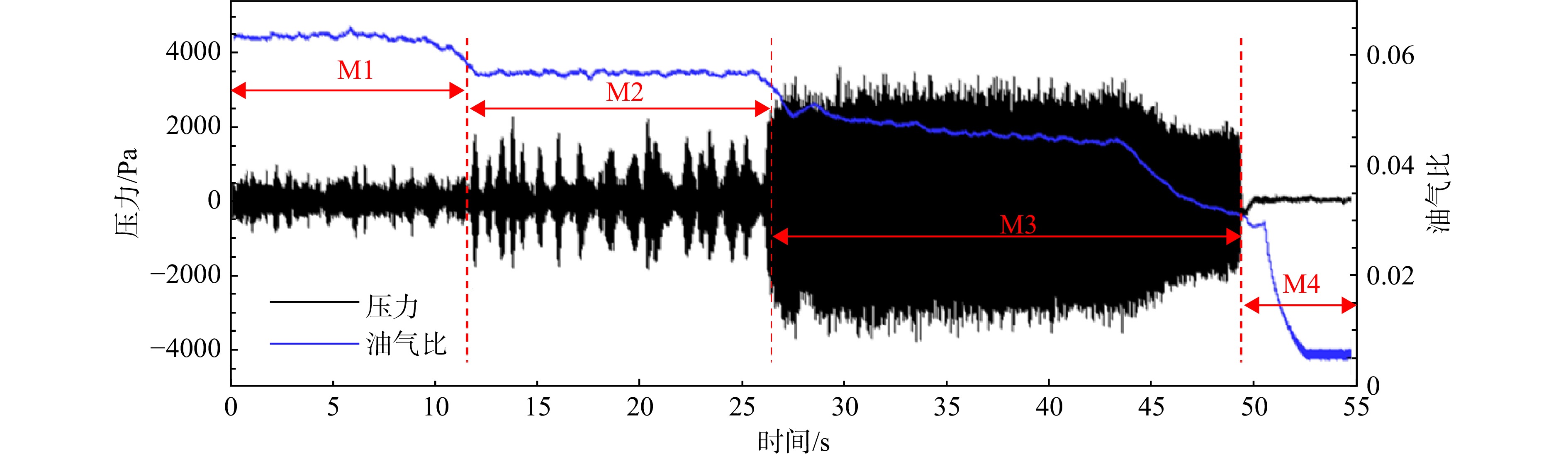
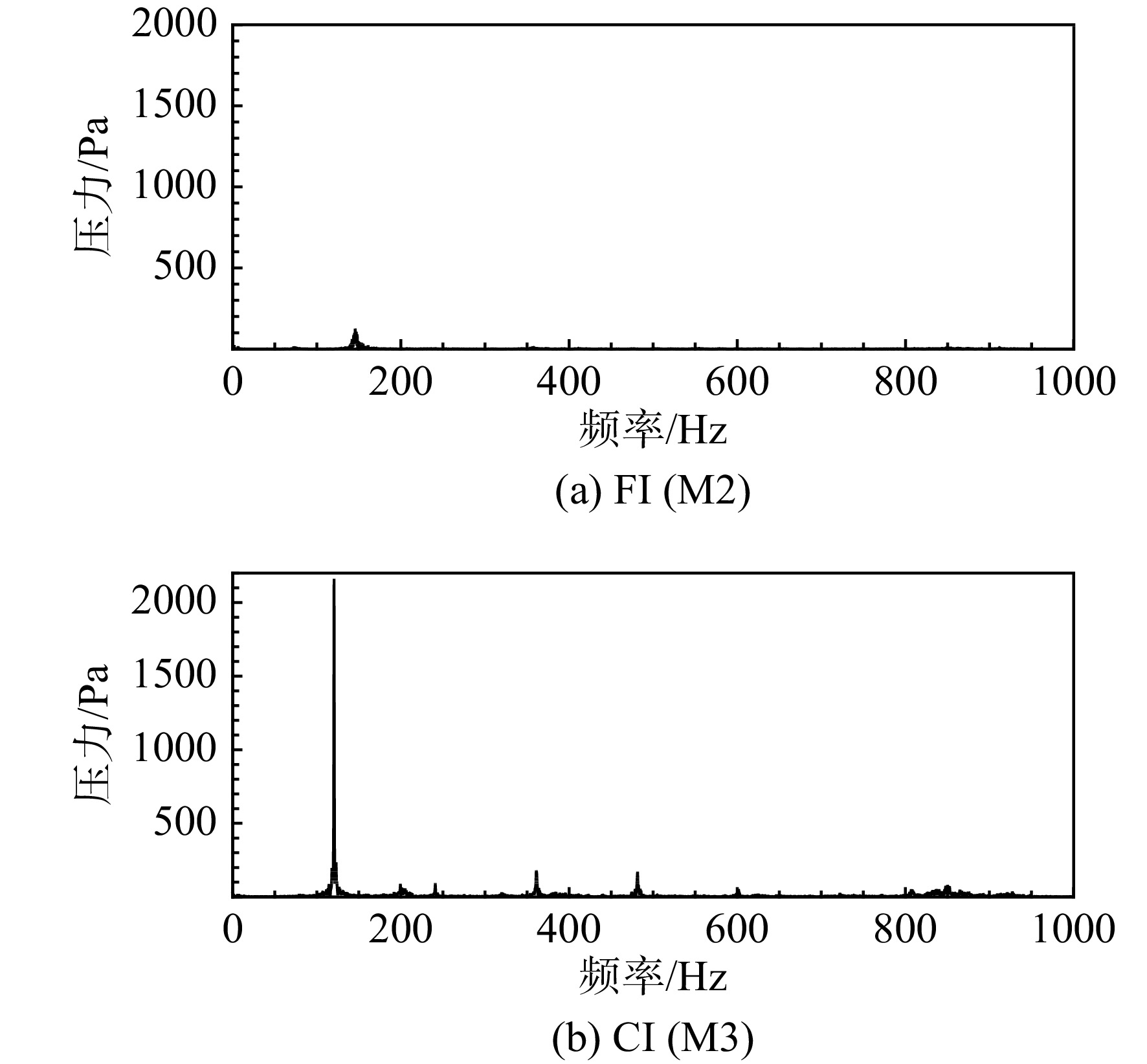
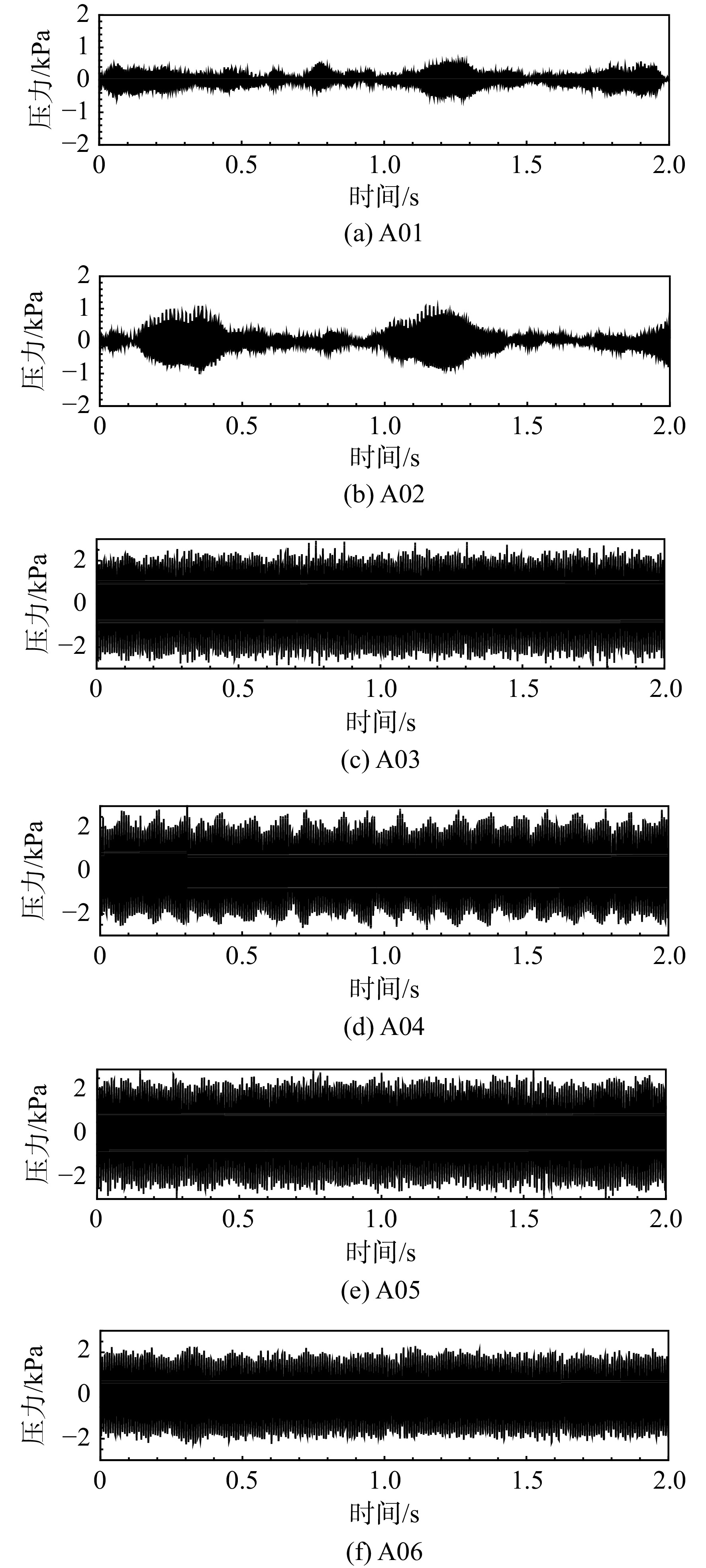
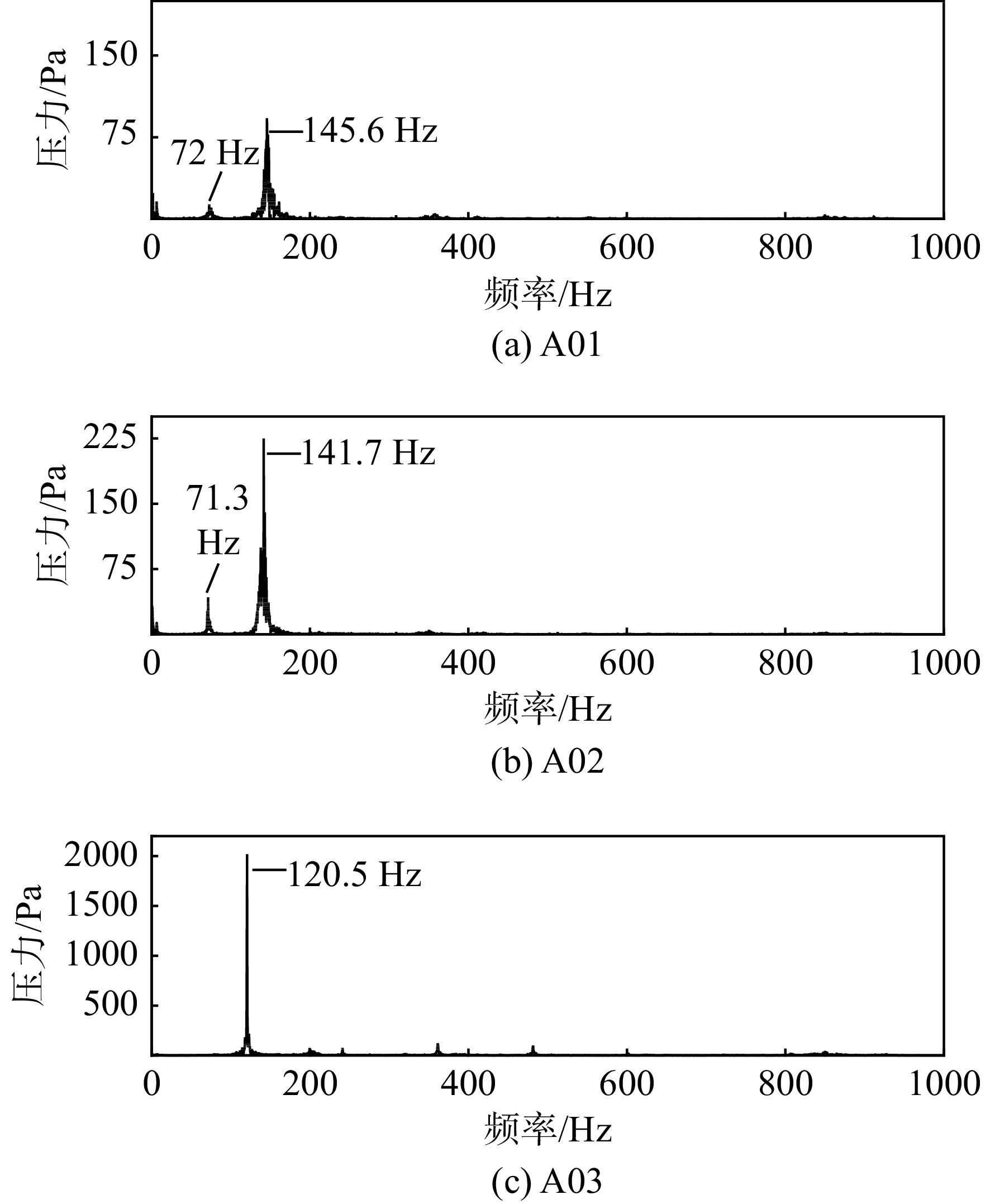
The unsteady combustion characteristics in the central staged swirl model combustor were experimentally studied. The dynamic pressure pulsation signal, heat release rate pulsation signal and high-speed flame image signal of the combustor under different working conditions were synchronously collected in the atmospheric pressure test. The pressure pulsation signal was analyzed by empirical mode decomposition (EMD), finding that the pulsation characteristics were mainly concentrated in the first three intrinsic mode function (IMF). These IMFs were found to be consistent with the characteristic spectra of heat release rate pulsation, airflow swirl pulsation and flame instability pulsation, respectively, after the main frequency analysis by fast Fourier transform (FFT). Furthermore, it can be judged that the pulsation characteristics of three main physical processes can be decomposed from the single pressure pulsation signal of combustor through EMD decomposition, thus providing a data processing method for further analyzing the induction mechanism and combustion diagnosis of oscillatory combustion in engineering combustor test.

Prediction of natural acoustic frequency of gas core in centrifugal injector
QIAO Xingwei, SUN Jiguo, LIU Qian
2023, 38(12): 2895-2904. doi: 10.13224/j.cnki.jasp.20220054
Abstract:

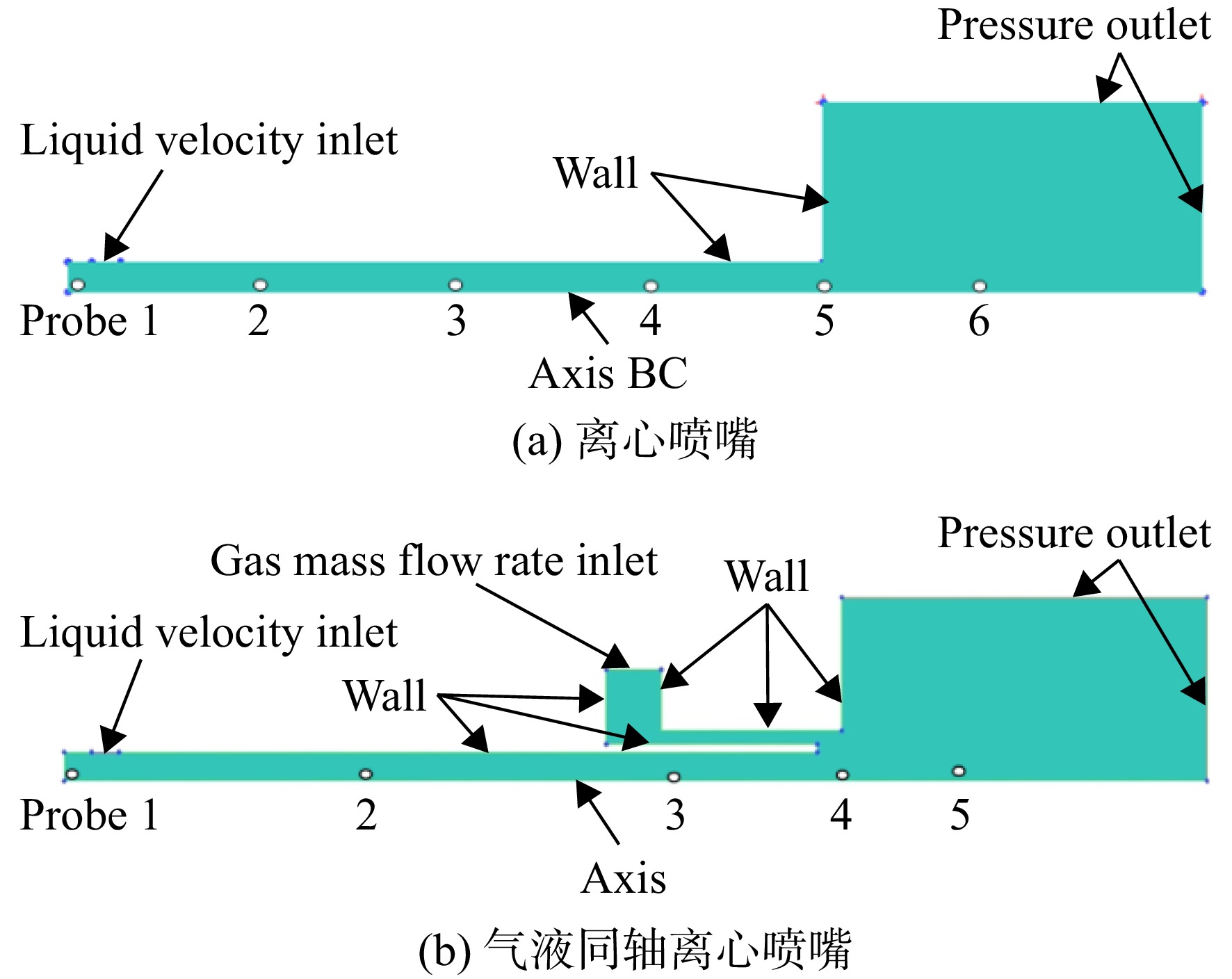
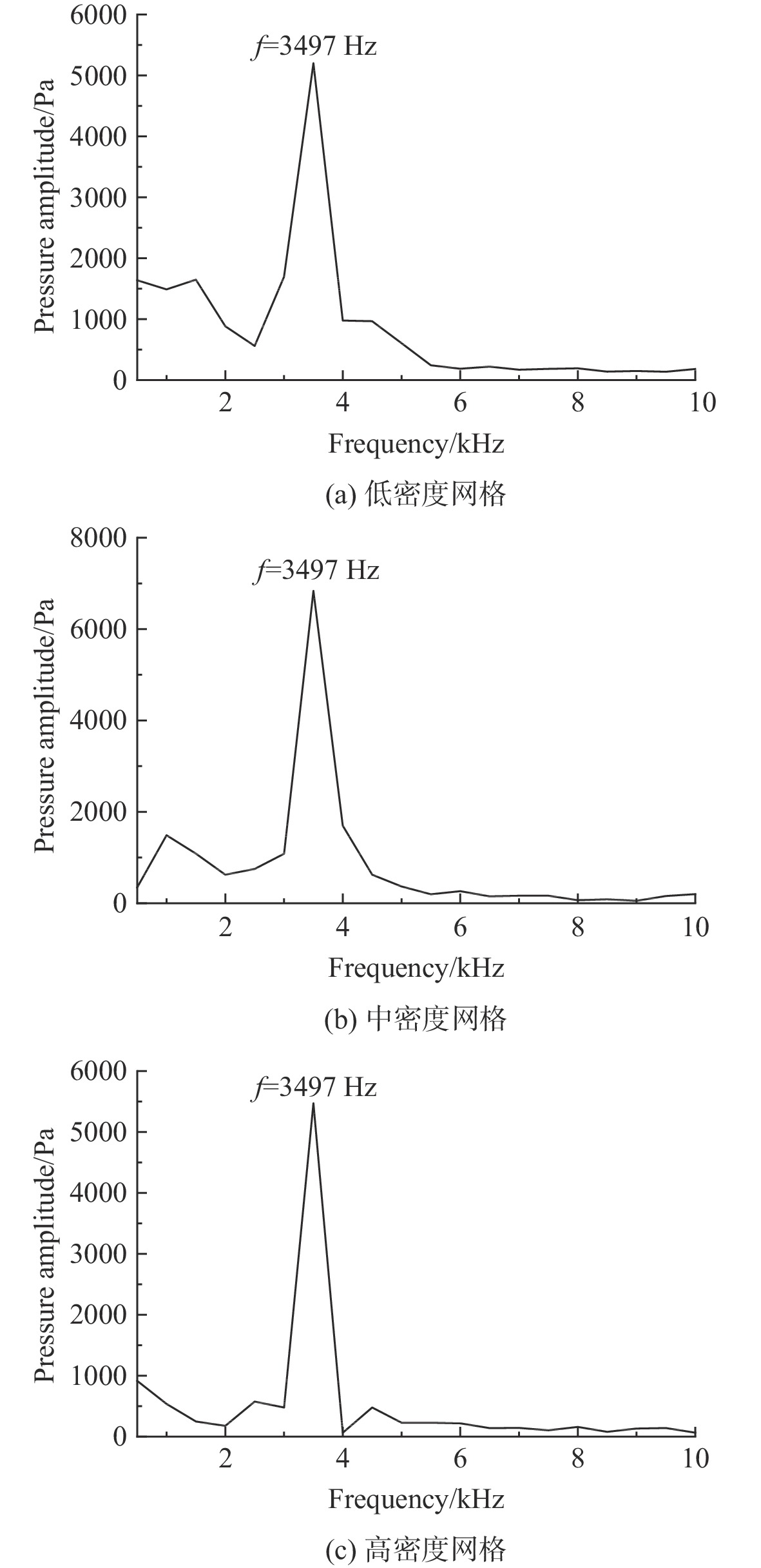
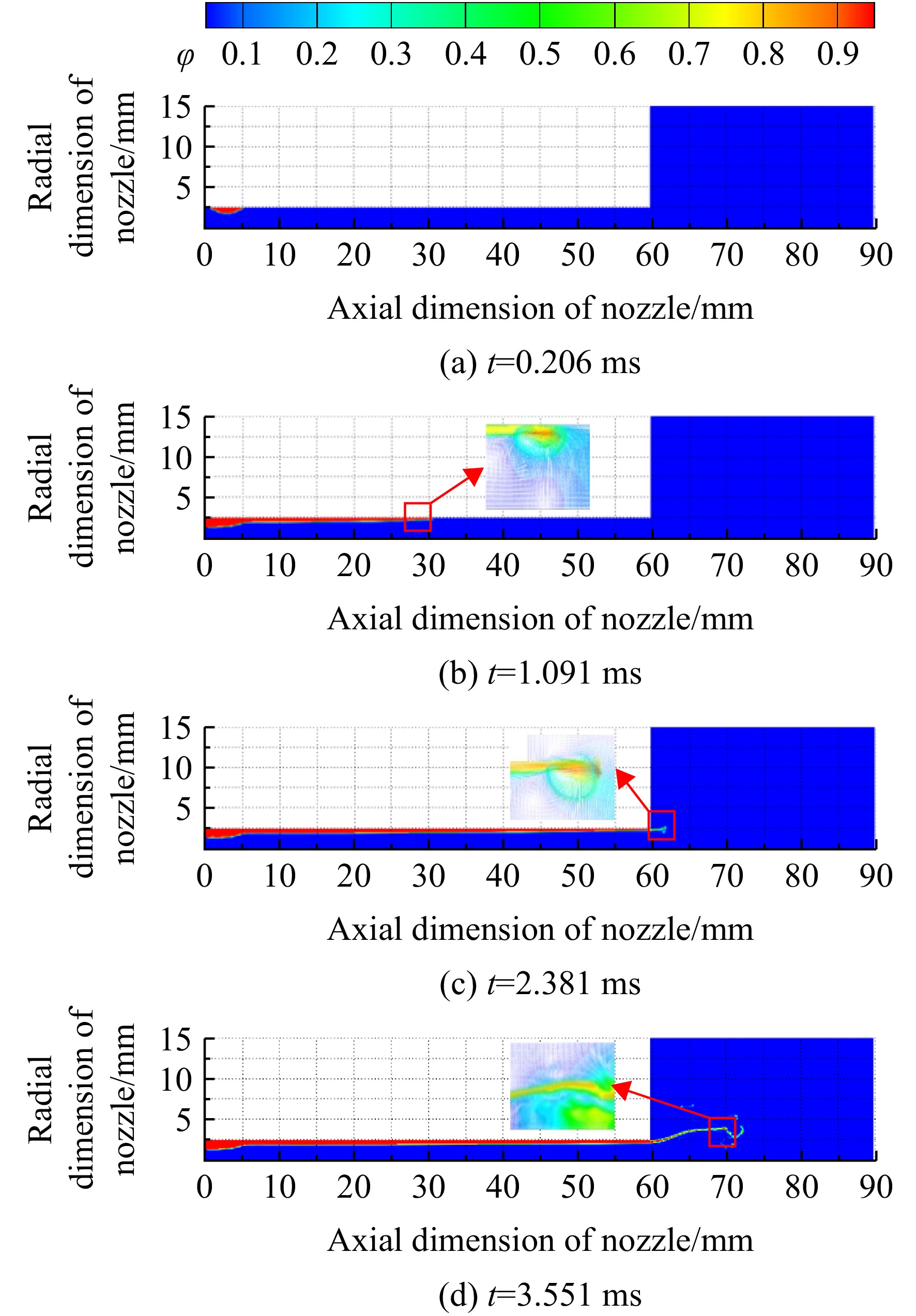
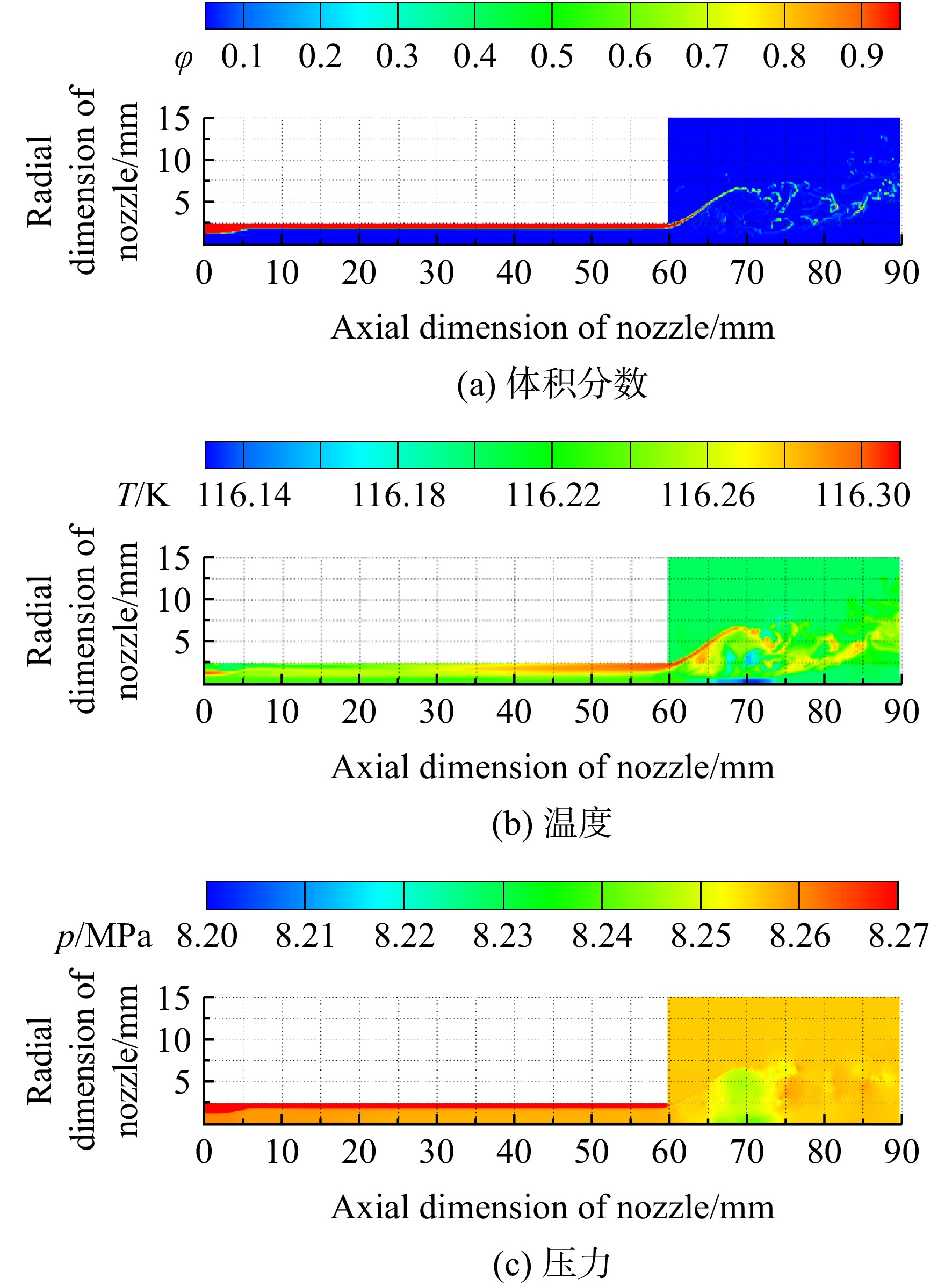
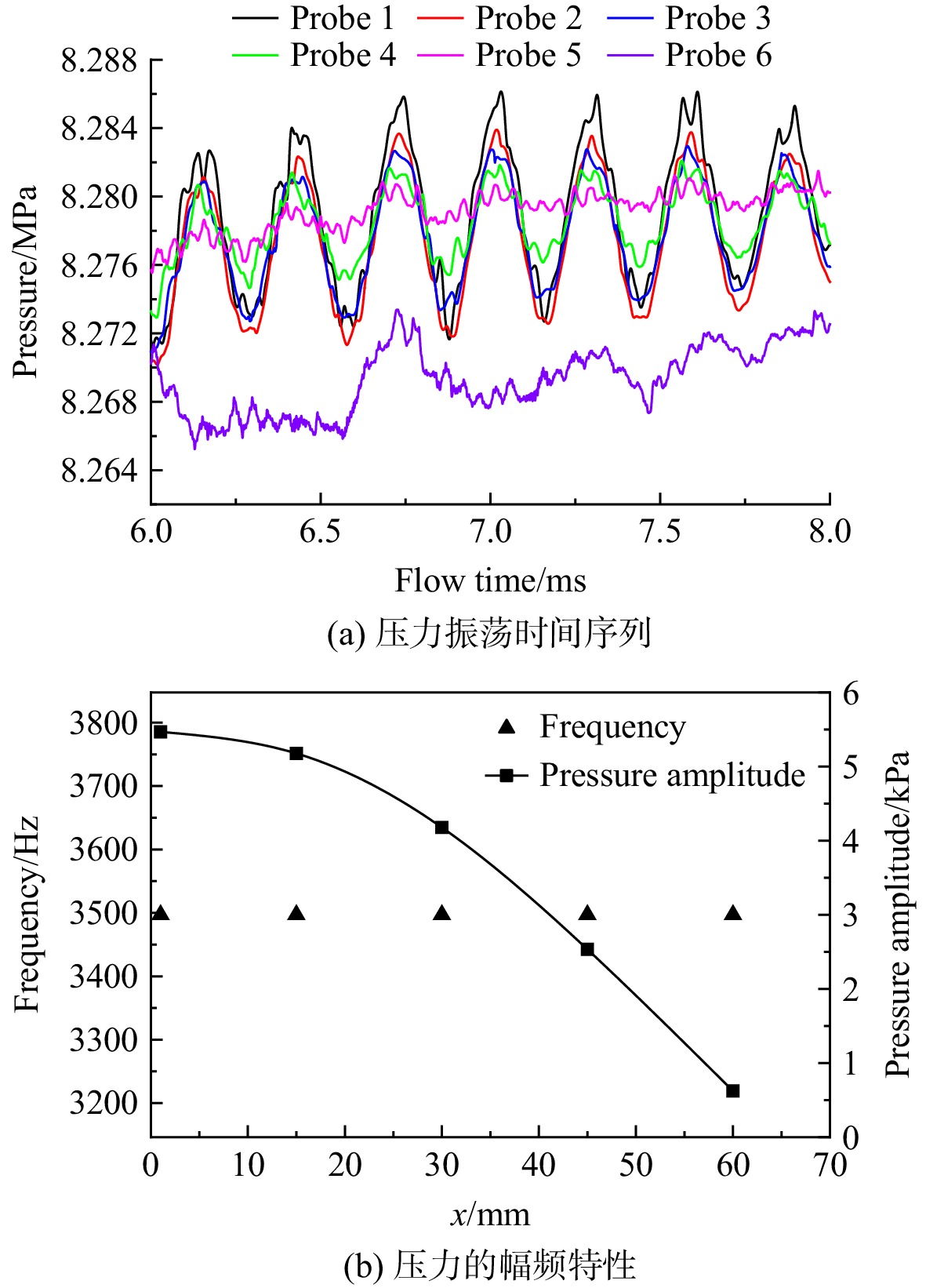
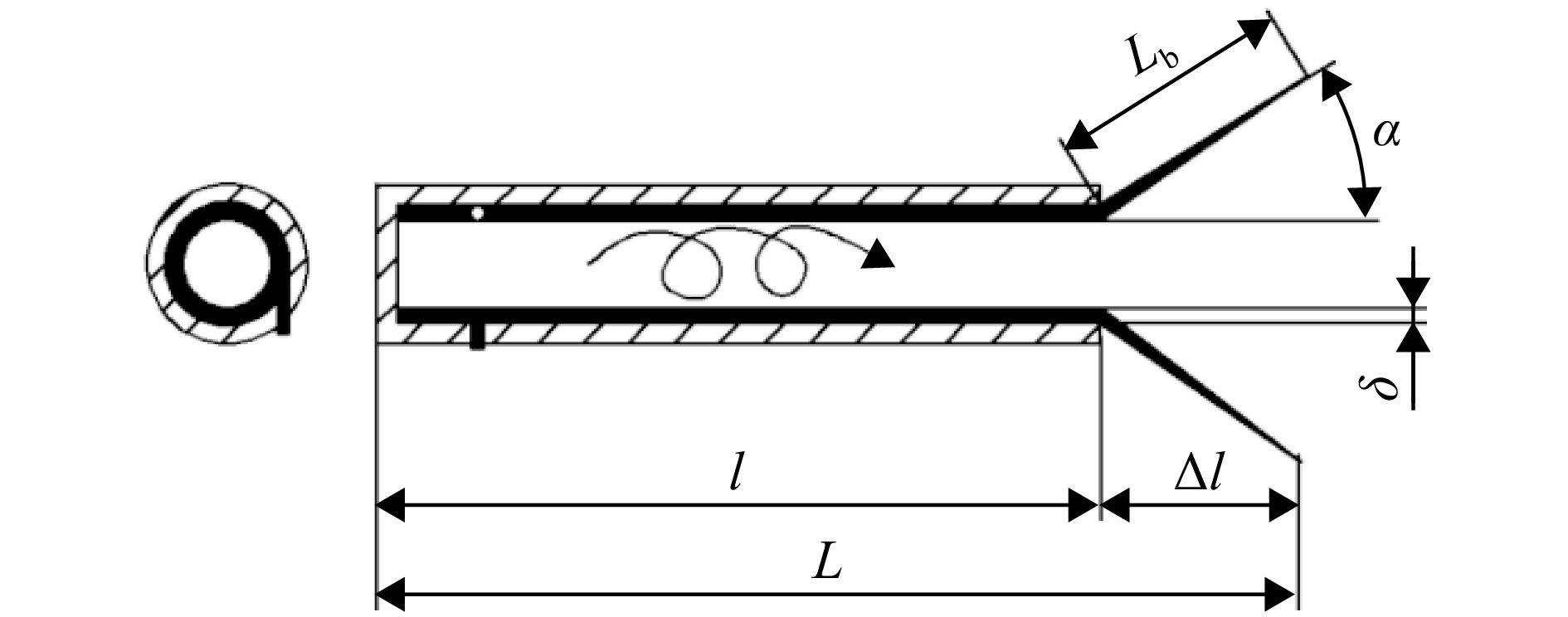
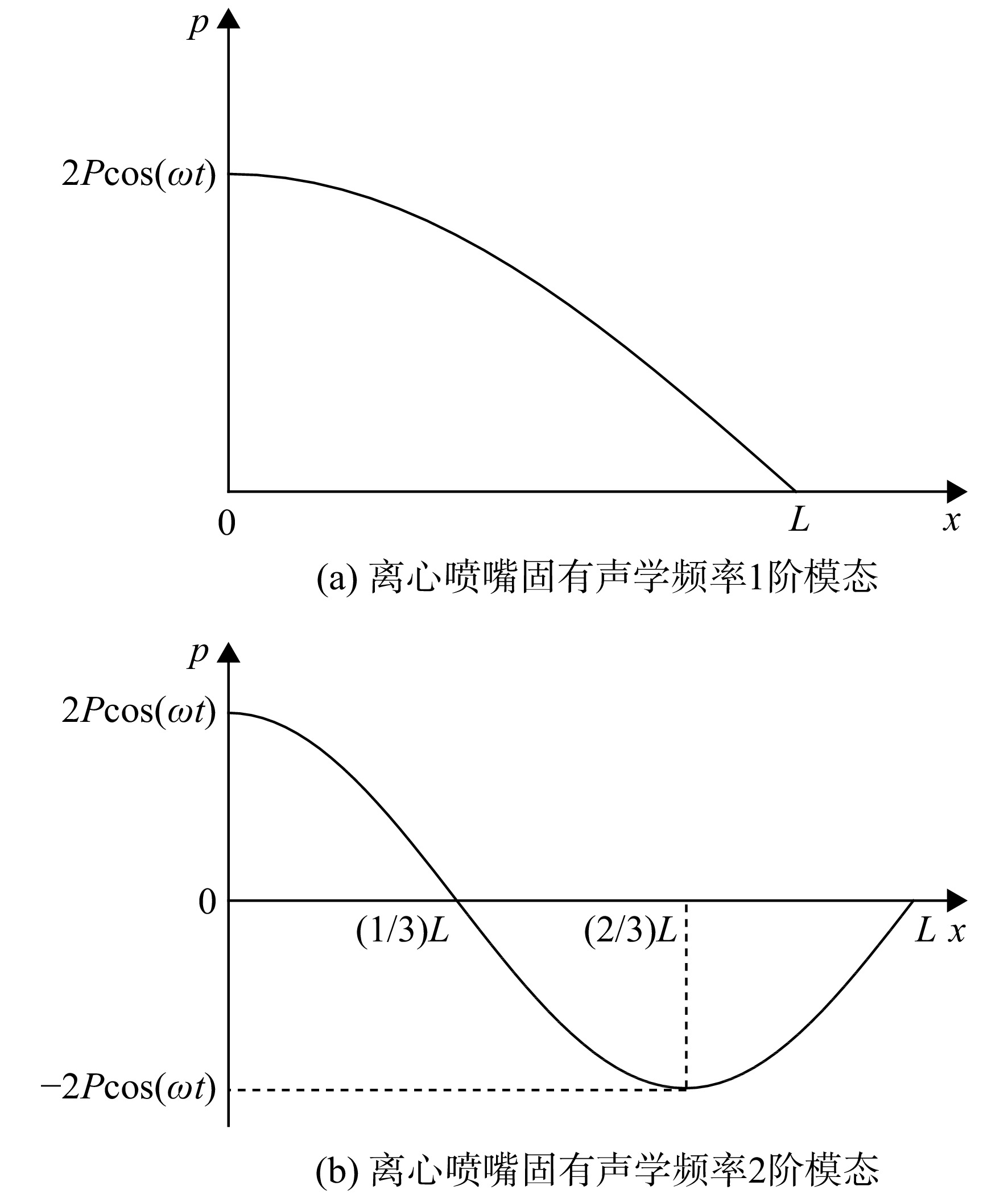
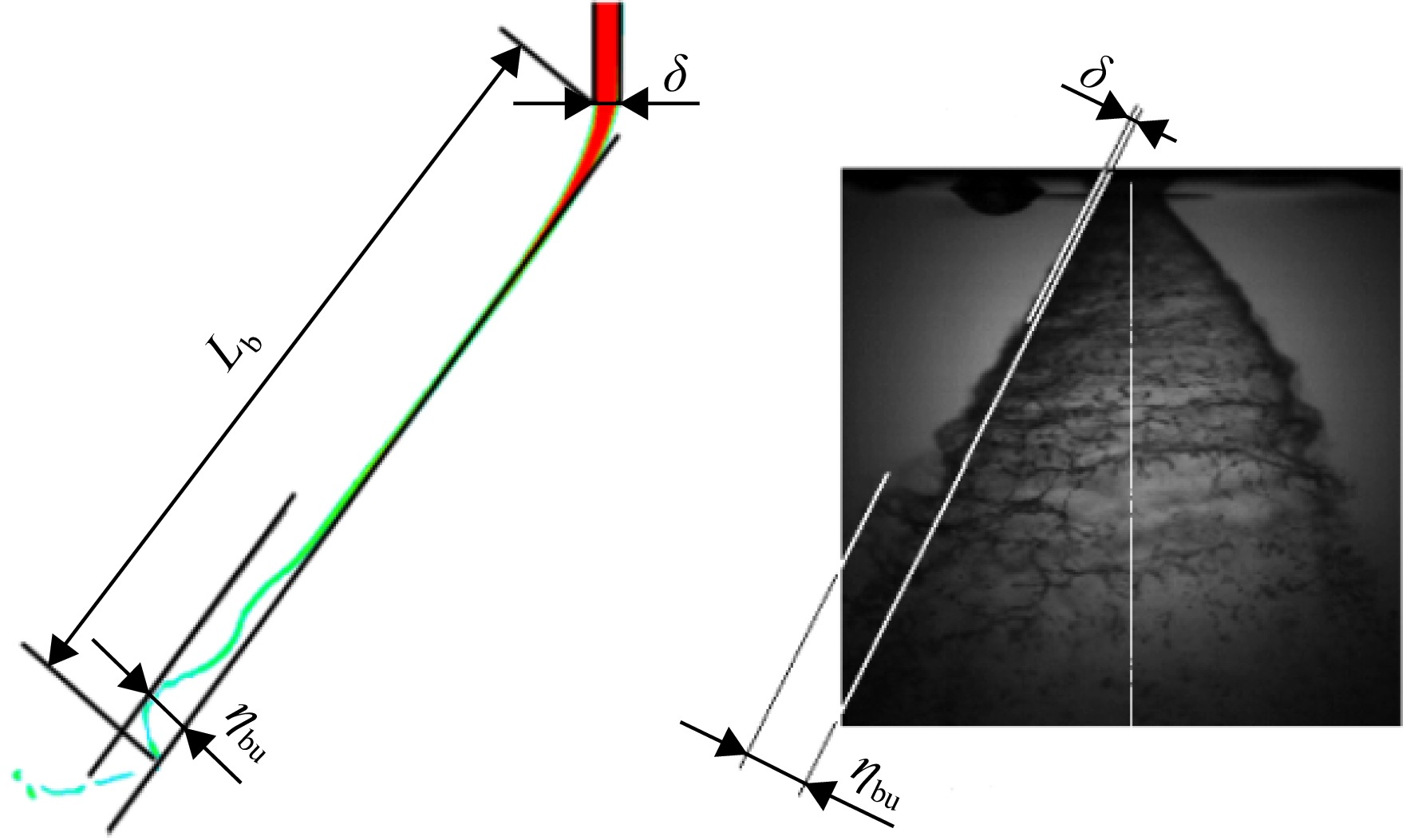
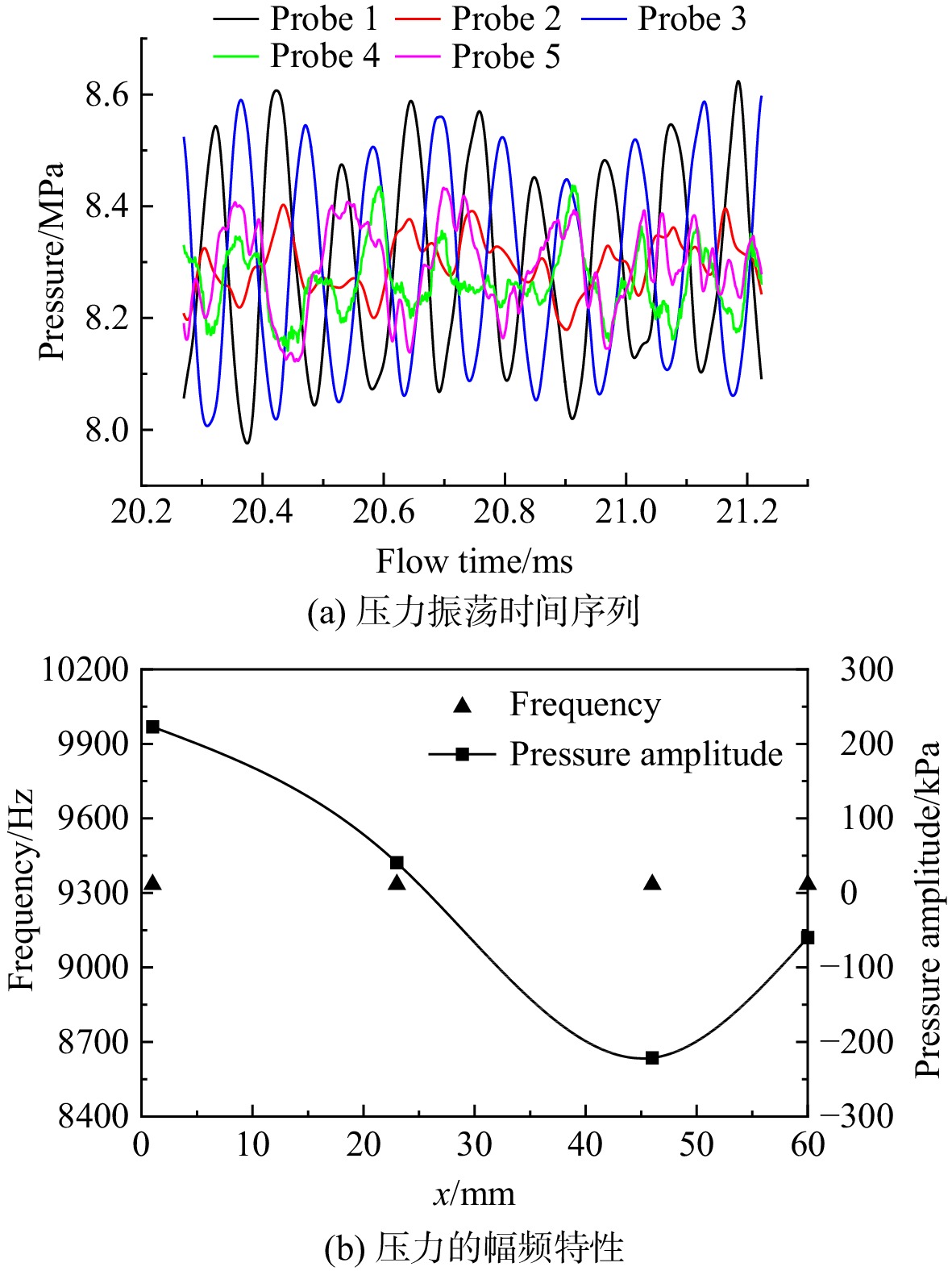
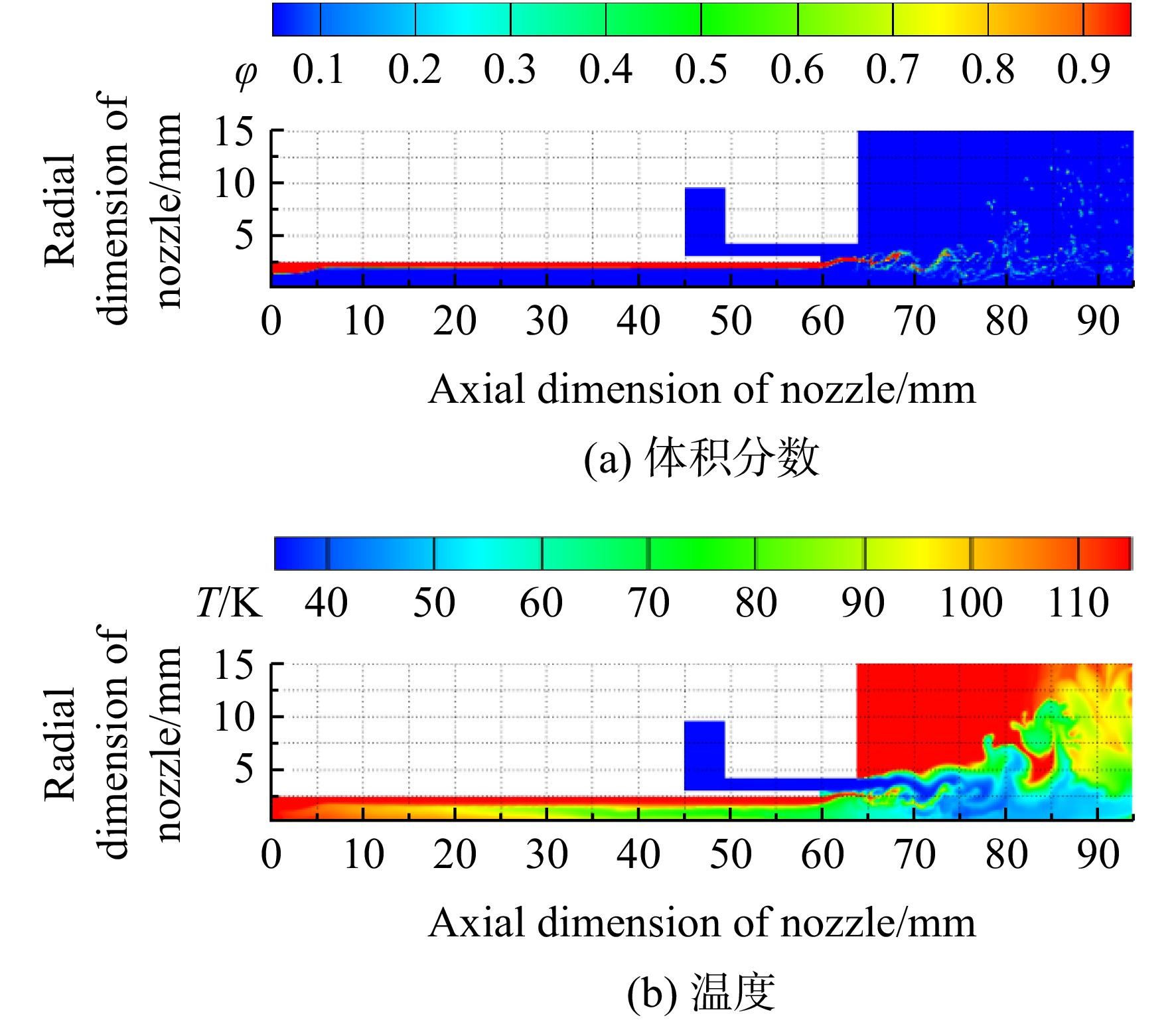
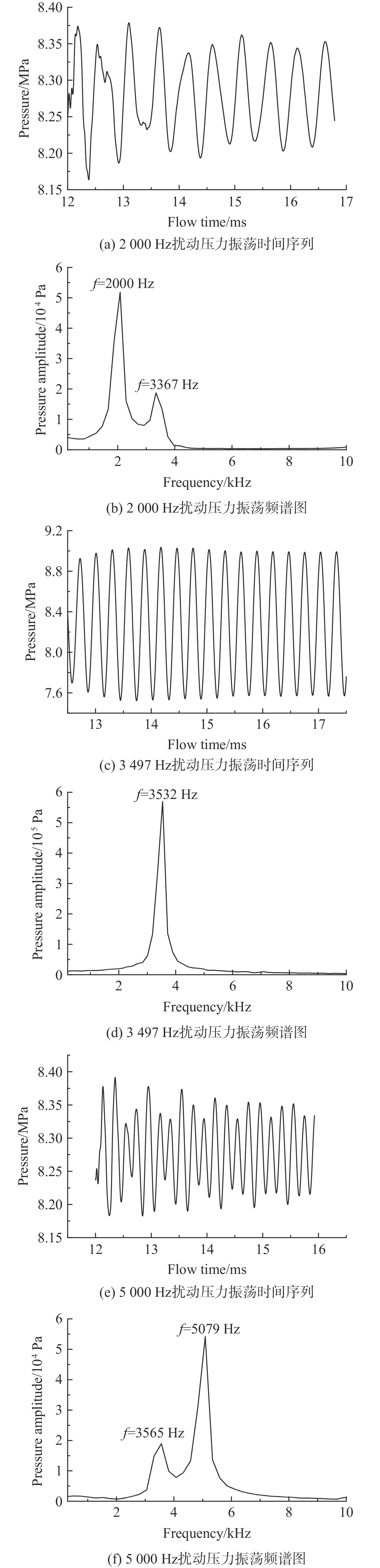
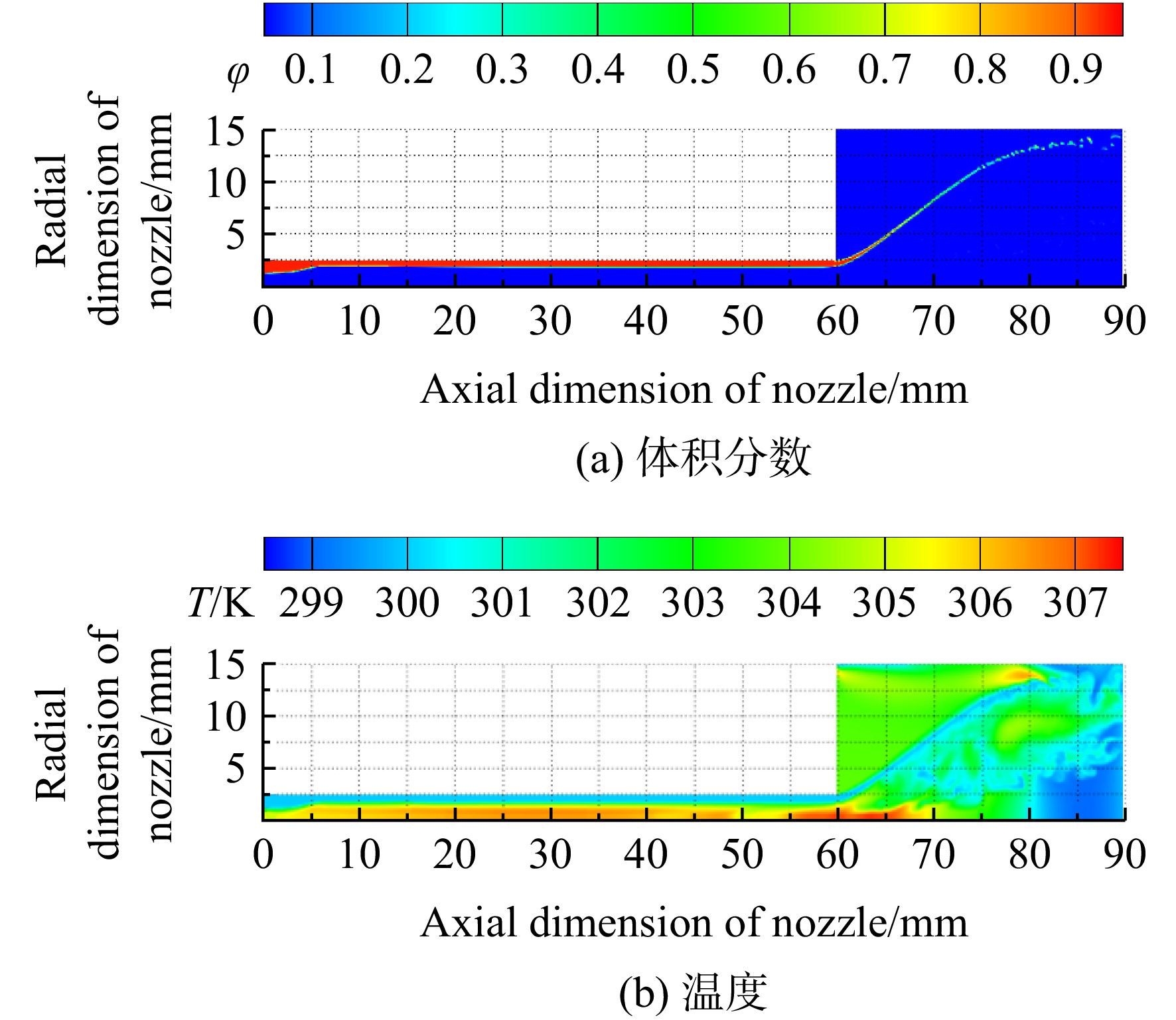
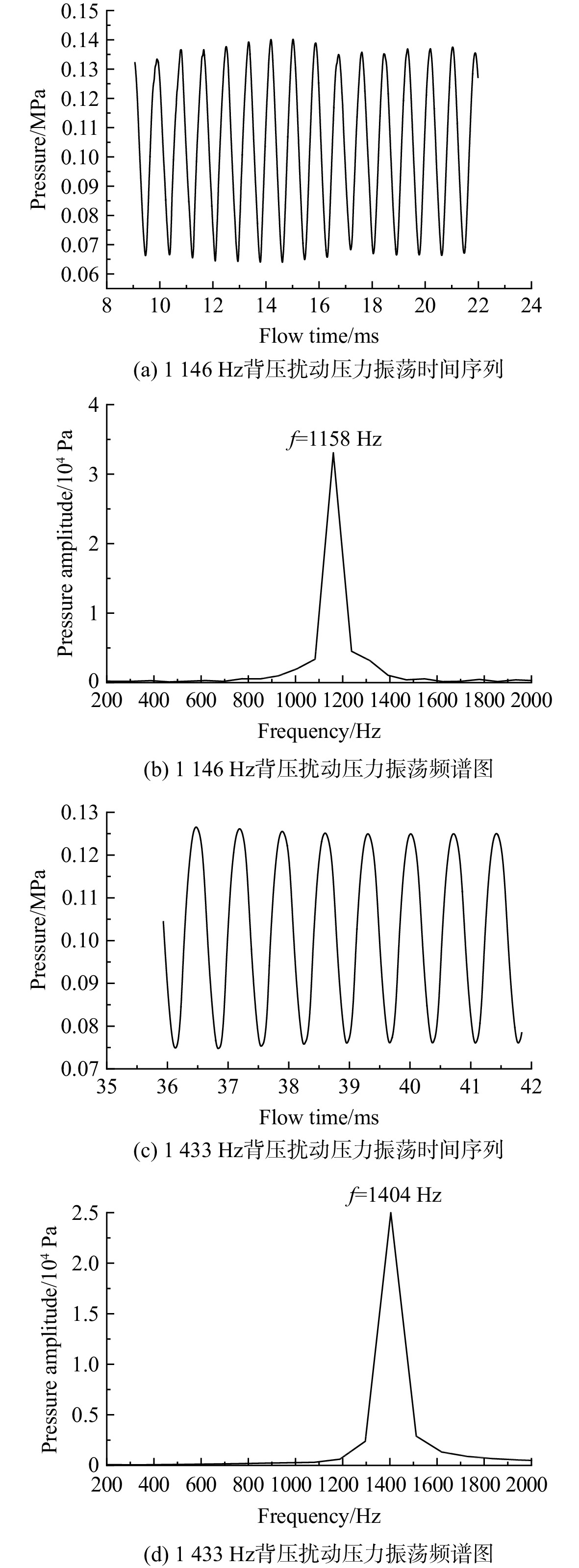
In order to obtain accurate natural acoustic frequency of the gas core in centrifugal injector, numerical simulation was carried out by using renormalization group (RNG) $k{\text{-}}\varepsilon$ turbulence model and volume of fluid (VOF) two-phase flow model. The simulation results showed that it could predict acoustic frequency of the centrifugal injector accurately by regarding the injector and conical liquid film at the exit of the injector as an acoustic system, and the modified formula of the acoustic frequency of the centrifugal injector can accurately calculate the first-order and second-order acoustic frequency of different gas media in the gas core, the error was within 3%. The coupling resonance occurred when the chamber pressure disturbance frequency was equal to acoustic frequency of the centrifugal injector, and the increase of the pressure amplitude in gas core was about 16 times of the chamber pressure disturbance amplitude, the gas core acoustic pressure pulsation may be introduced into the upstream supply system, resulting in the instability of the injection.

Comparative investigation and experimental verification on depth subcooling schemes of cryogenic liquid oxygen
SUN Qiang, MA Yuan, GAO Yan, GAO Qiang, LI Yanzhong
2023, 38(12): 2905-2911. doi: 10.13224/j.cnki.jasp.20210382
Abstract:
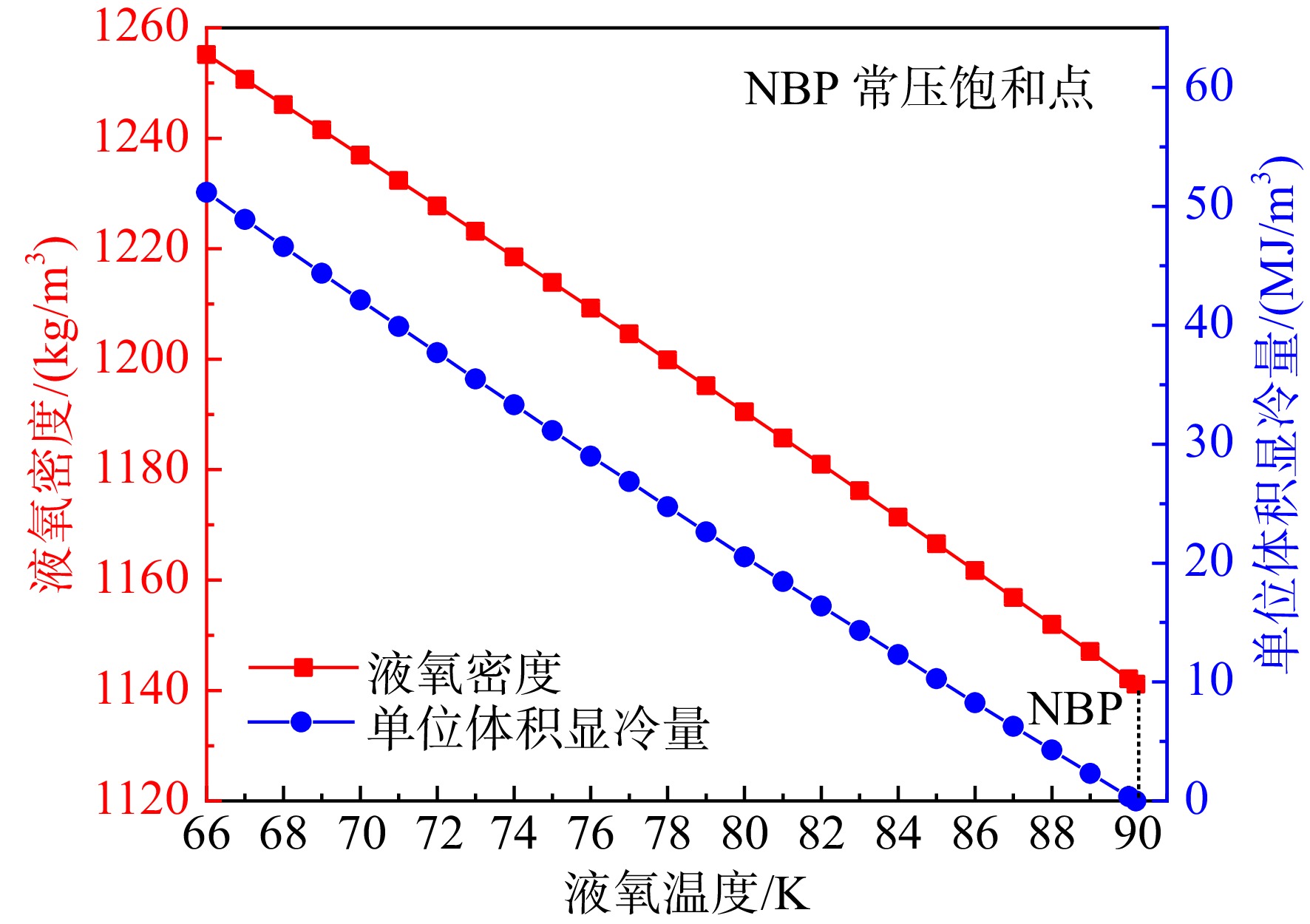
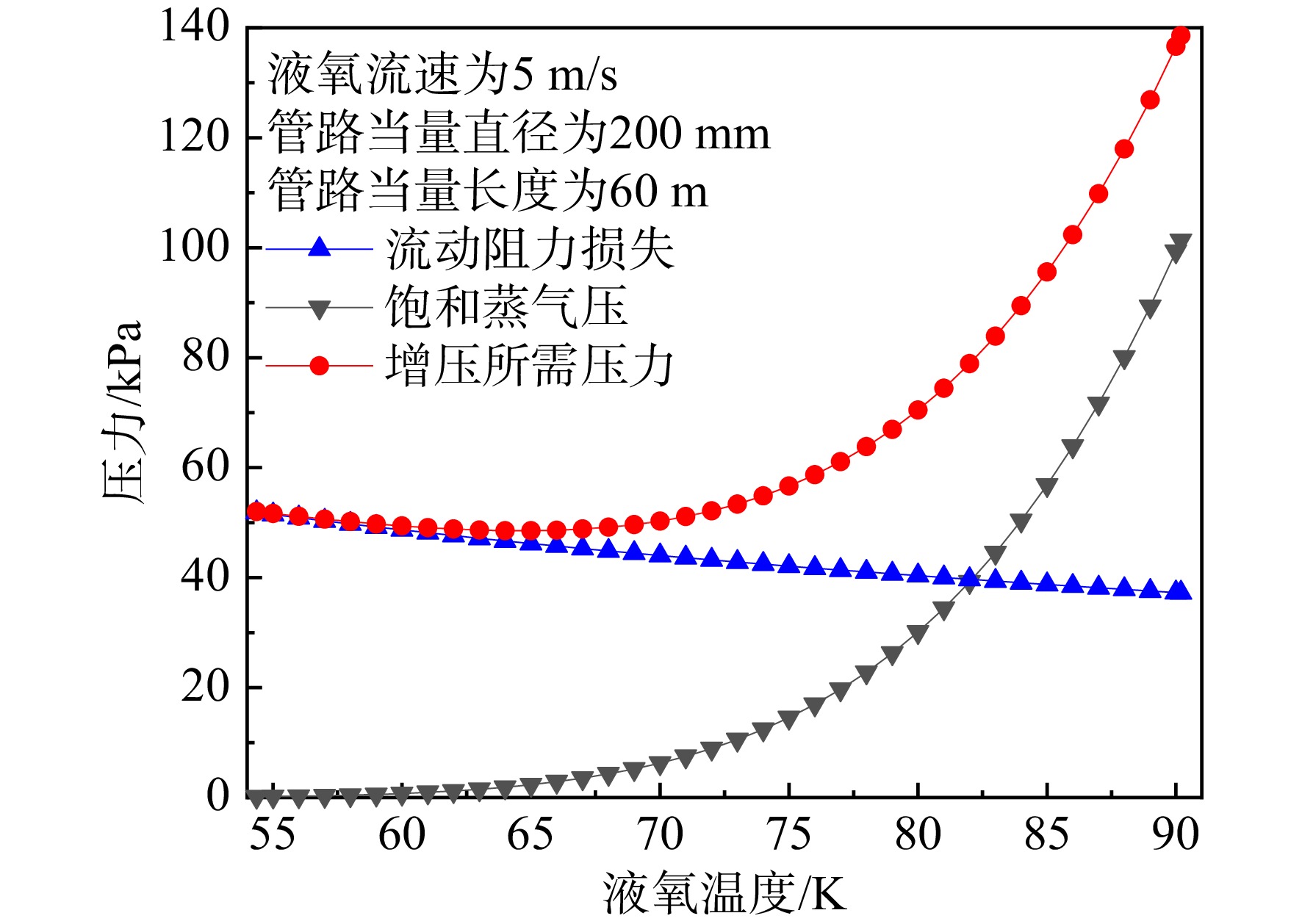
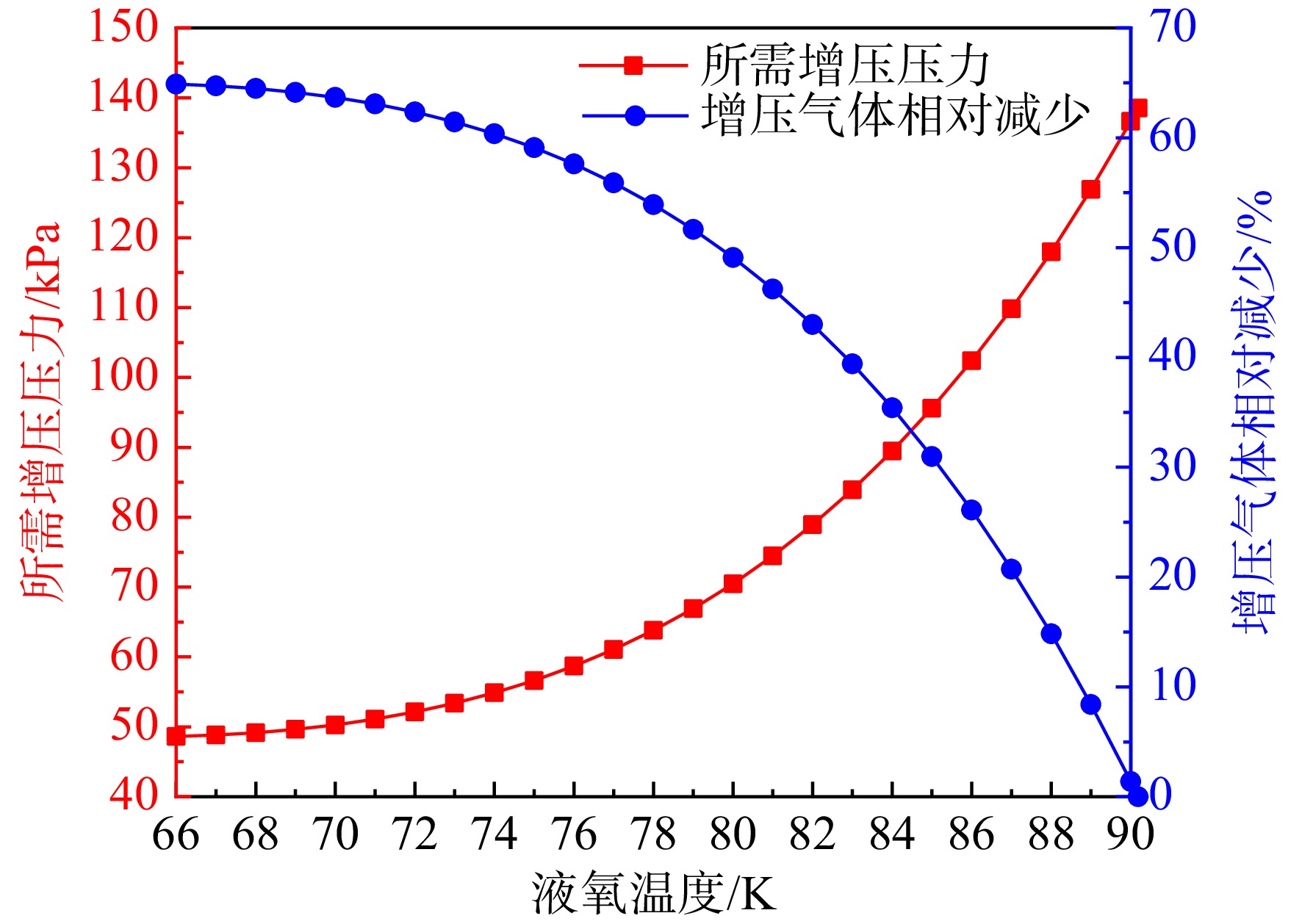
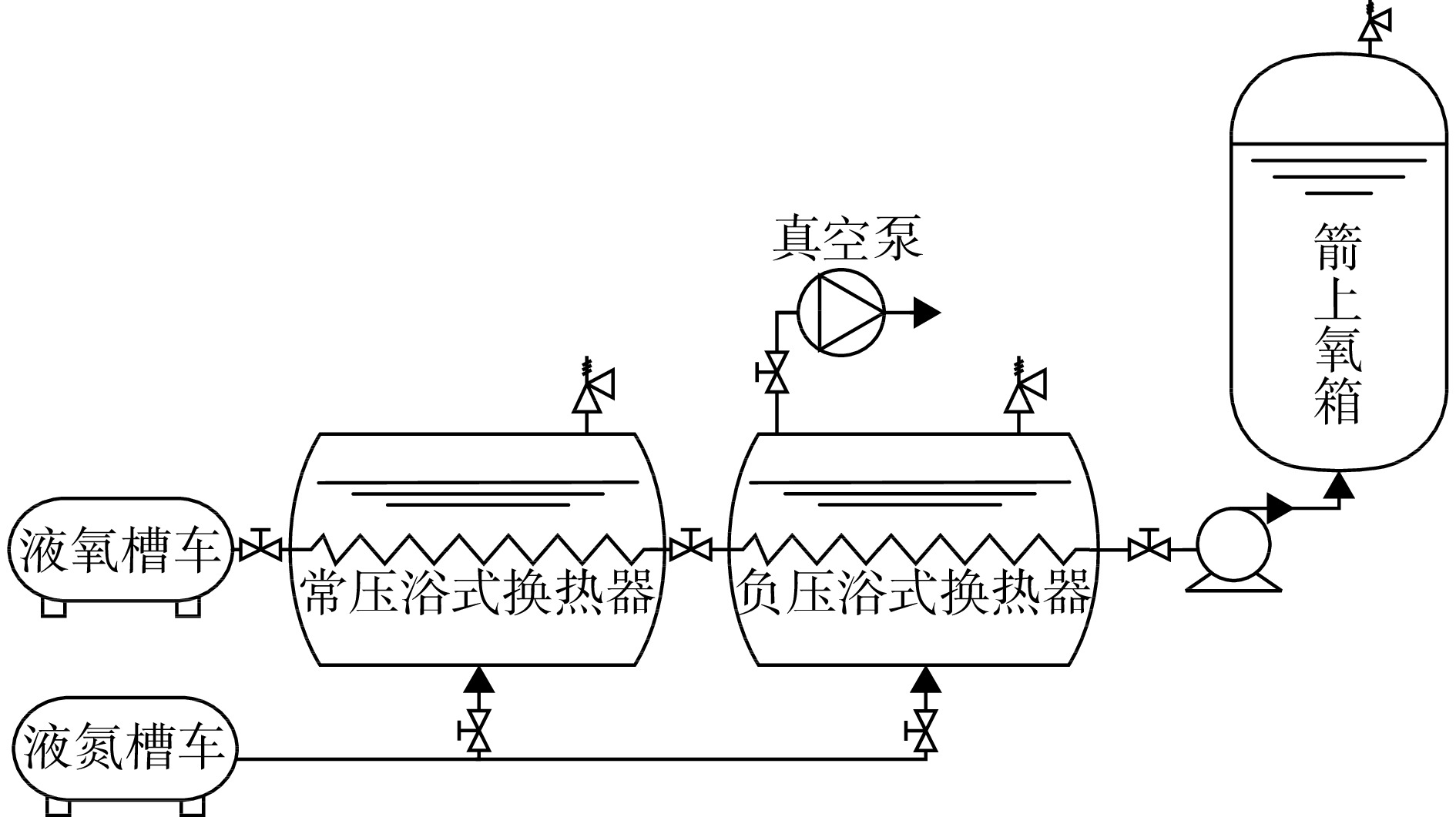
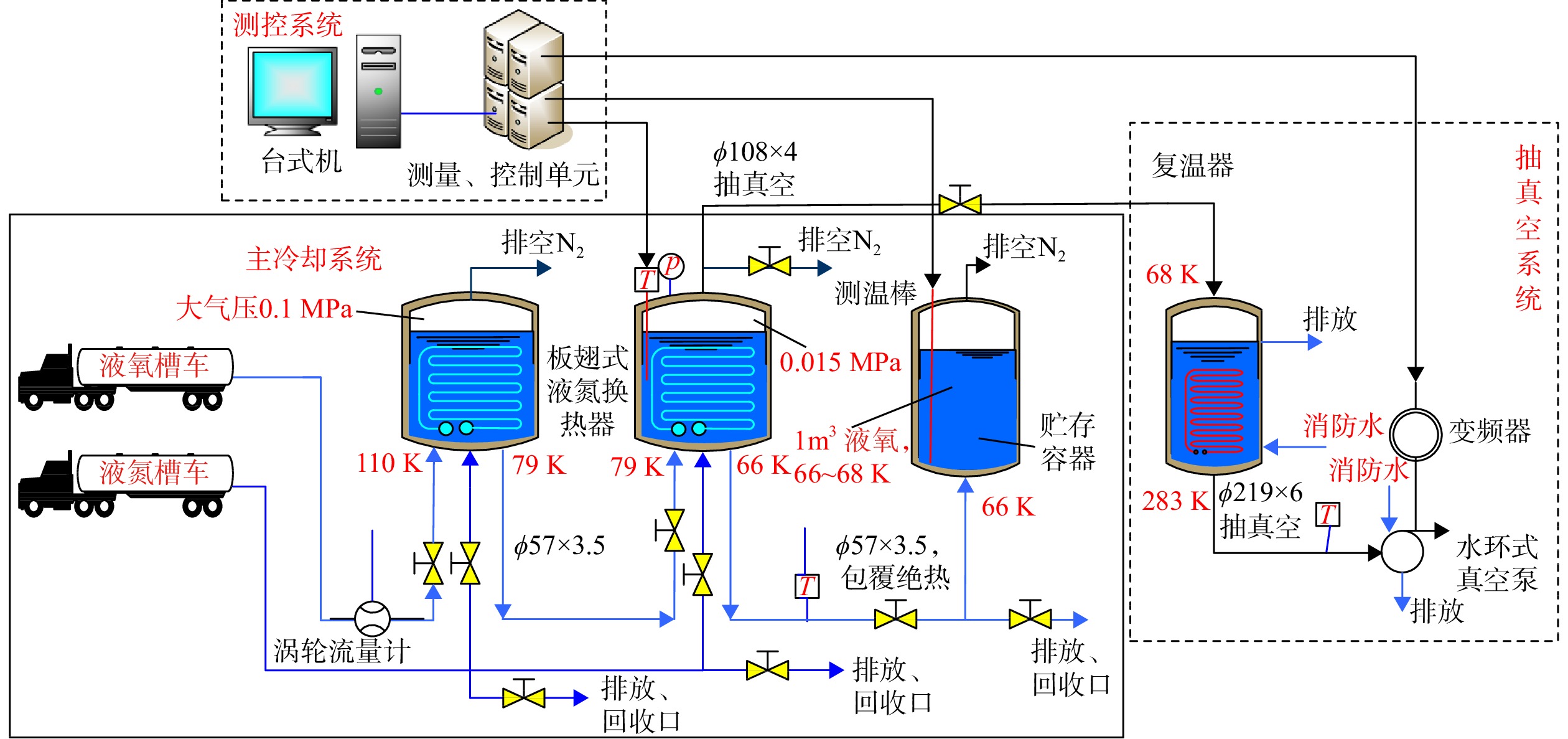
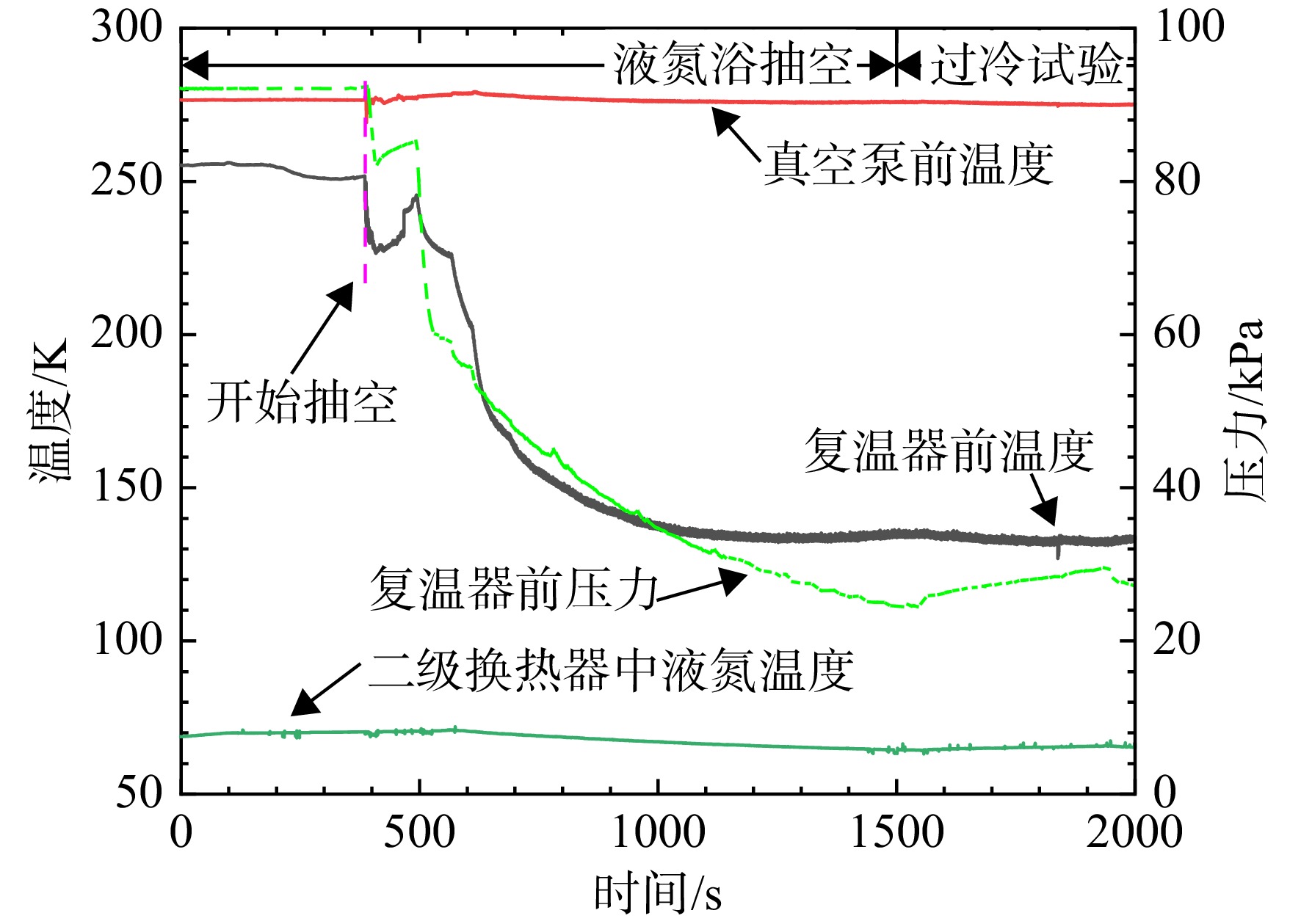
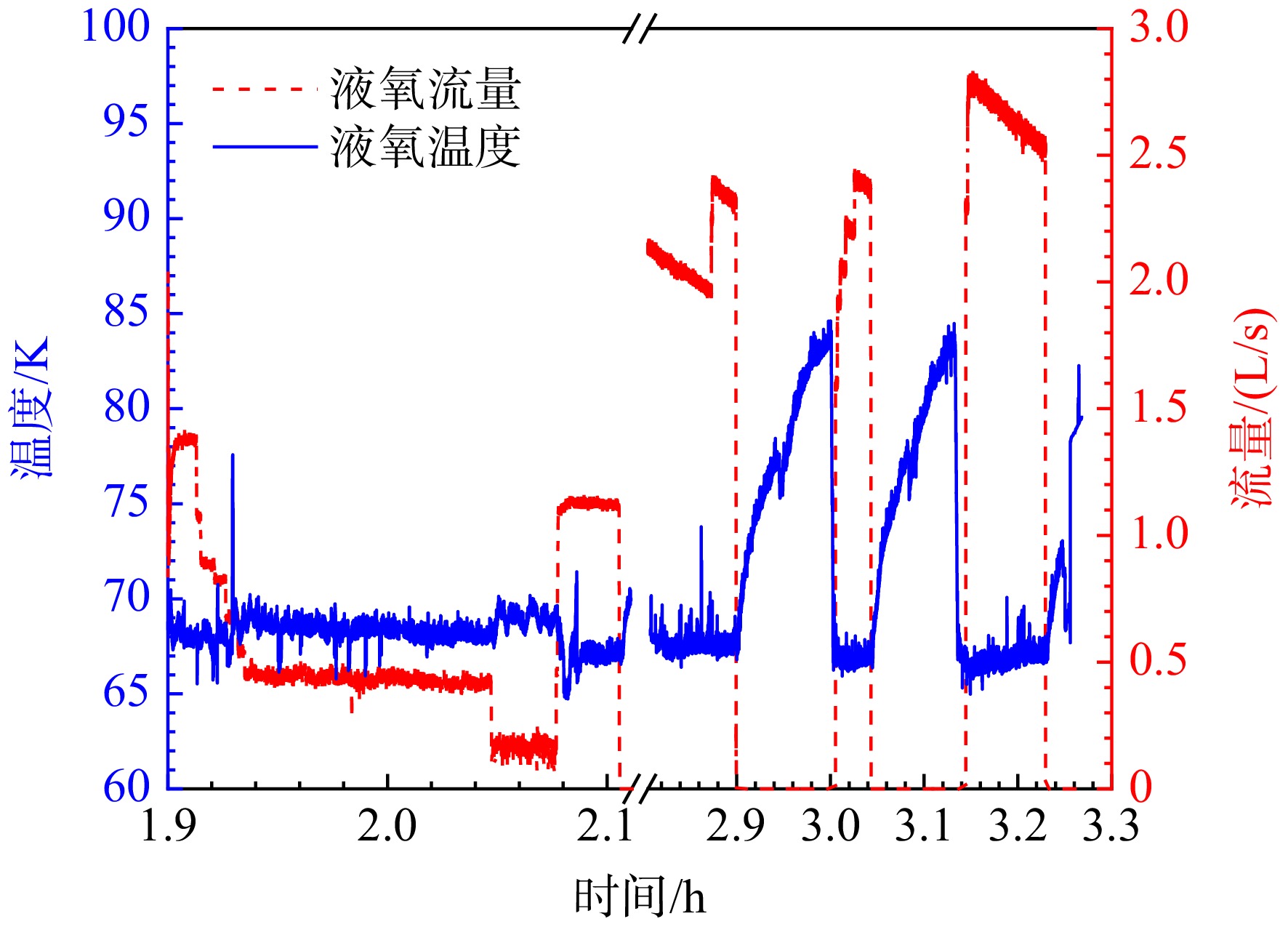
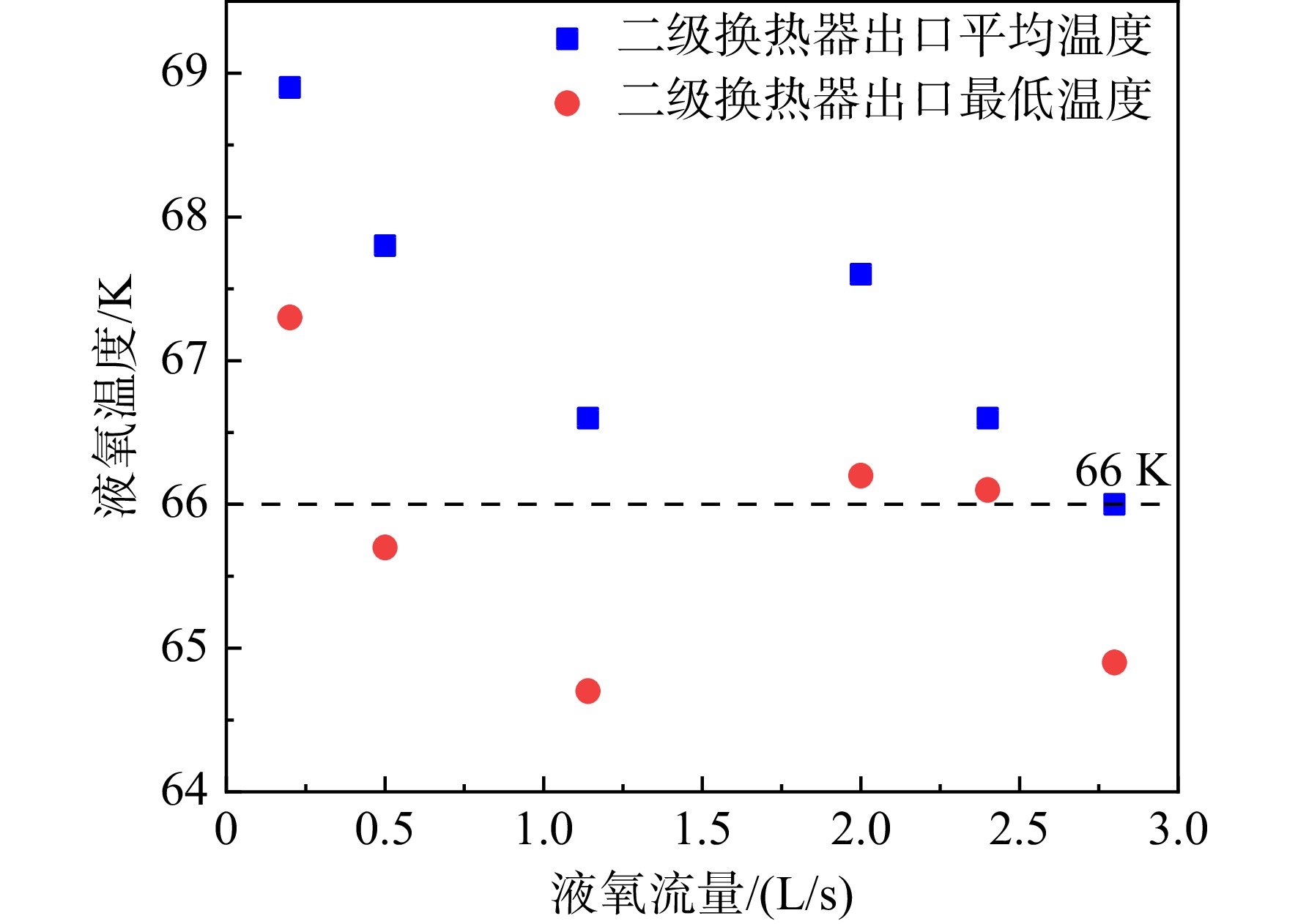
The advantages of using subcooled liquid oxygen were illustrated in terms of density, apparent cooling capacity and pressurization pressure of the tank. For the purpose of acquiring 66 K subcooled liquid oxygen, three subcooling schemes, including: liquid oxygen evacuation, negative pressure liquid nitrogen bath and helium refrigeration cycle, were quantitatively and qualitatively compared from the perspectives of cryogenic mass consumption, work consumption, system process complexity and system security. The single-stage and two-stage subcooling schemes were further compared for the liquid nitrogen bath subcooling technology, and the two-stage liquid nitrogen bath subcooling scheme was finally recommended to acquire 66 K depth subcooled liquid oxygen. A semi-industrial experimental system of subcooled liquid oxygen acquisition was established based on the two-stage subcooling scheme, and liquid nitrogen was successfully subcooled to below 66 K. The experimental results showed that within the flowrate range of 0−3 L/s, the temperature of liquid oxygen in the process of subcooling filling decreased with the increase of flowrate due to the pipeline heat leakage. The feasibility of the two-stage liquid nitrogen bath subcooling scheme was verified by this experiment. This research could provide a theoretical and technical reference for the upgrading of propellant filling systems at launch sites for cryogenic rockets.

Rocket Engine
Agglomeration phenomenon of aluminized solid composite propellant particles
QIN Wenjin, SHAO Yu, WANG Lipo, QI Guanchao, YAN Jun, LOU Yongchun, ZHAO Yu
2023, 38(12): 2912-2918. doi: 10.13224/j.cnki.jasp.20210388
Abstract:
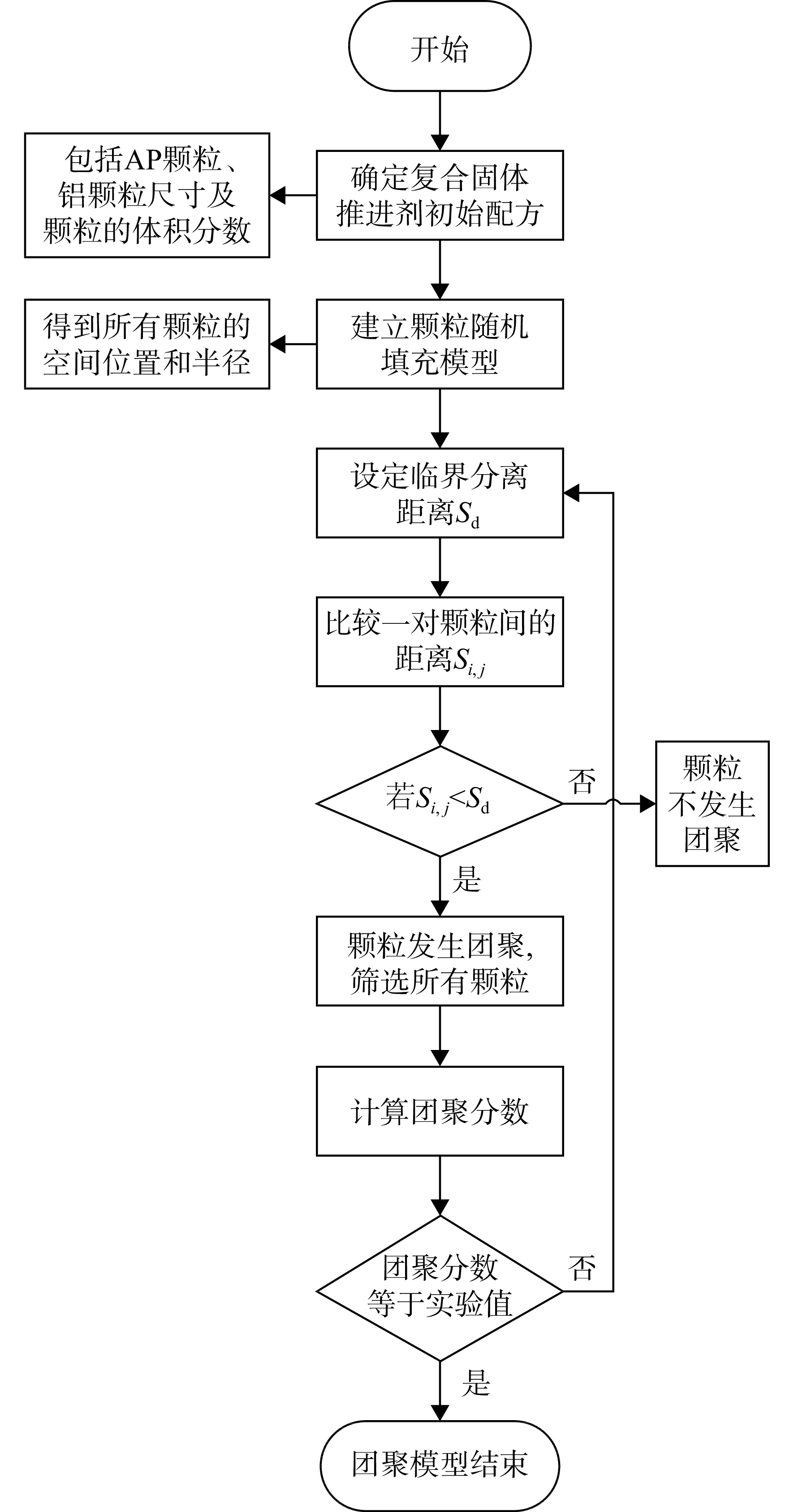
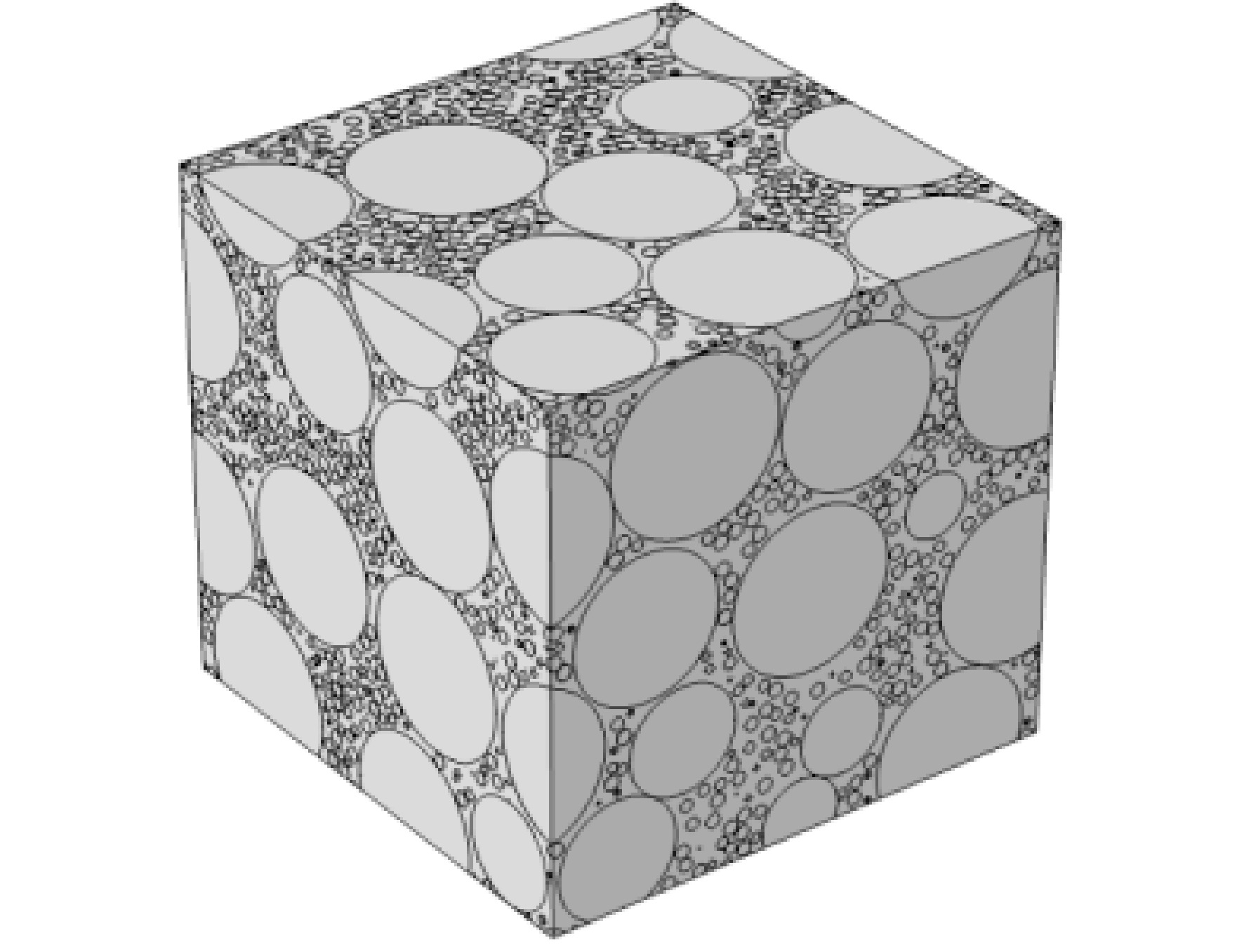
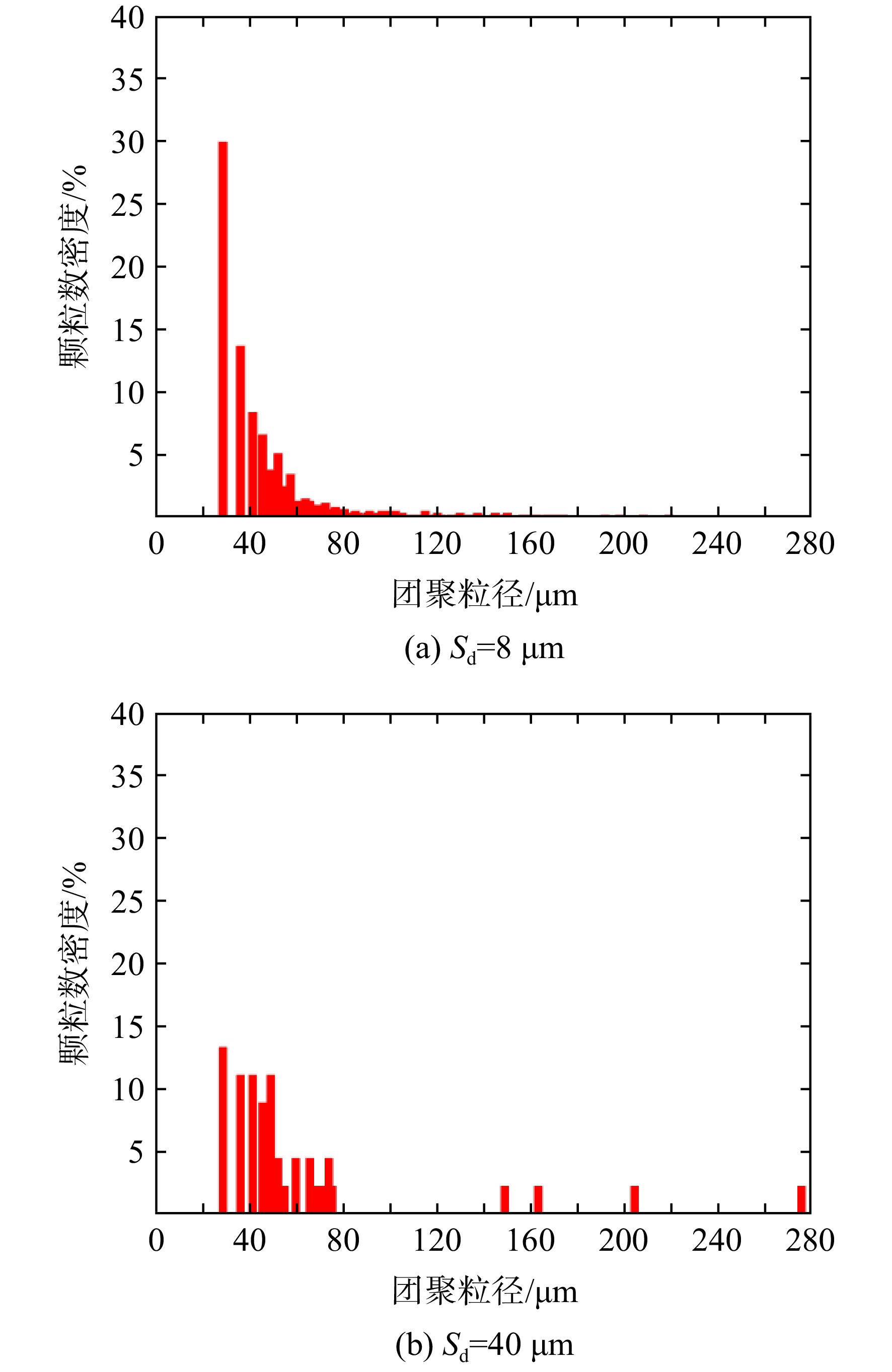
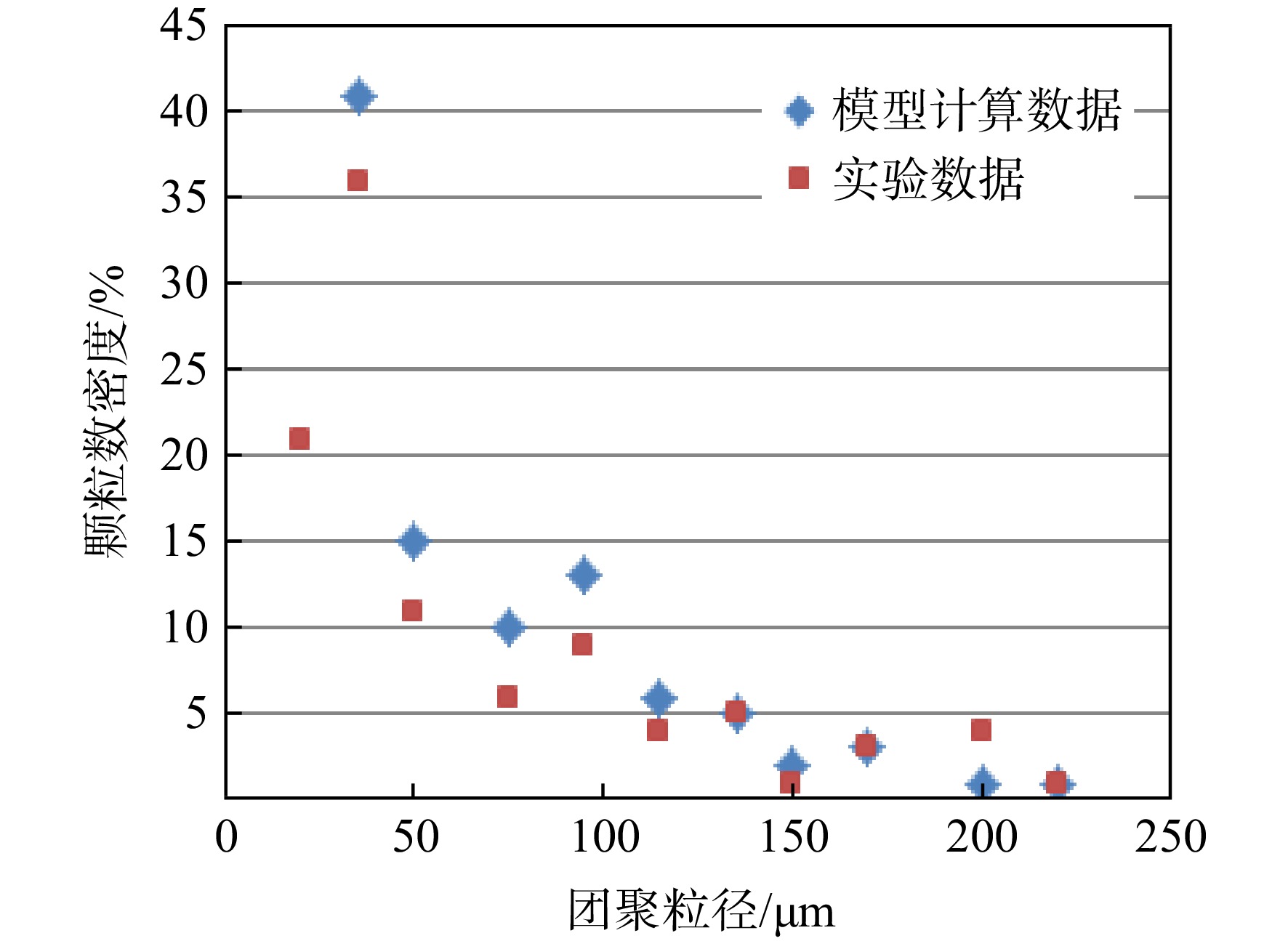
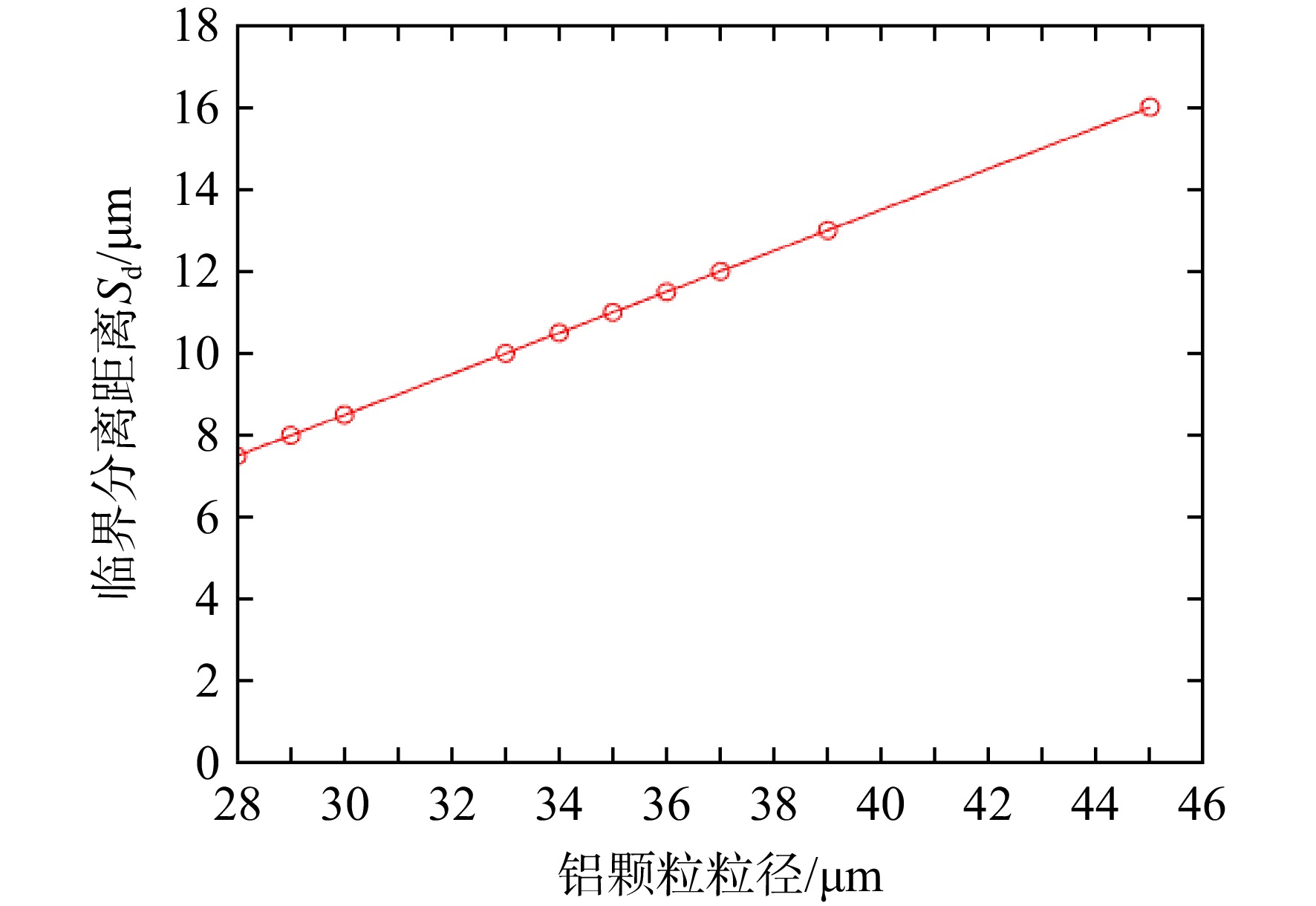
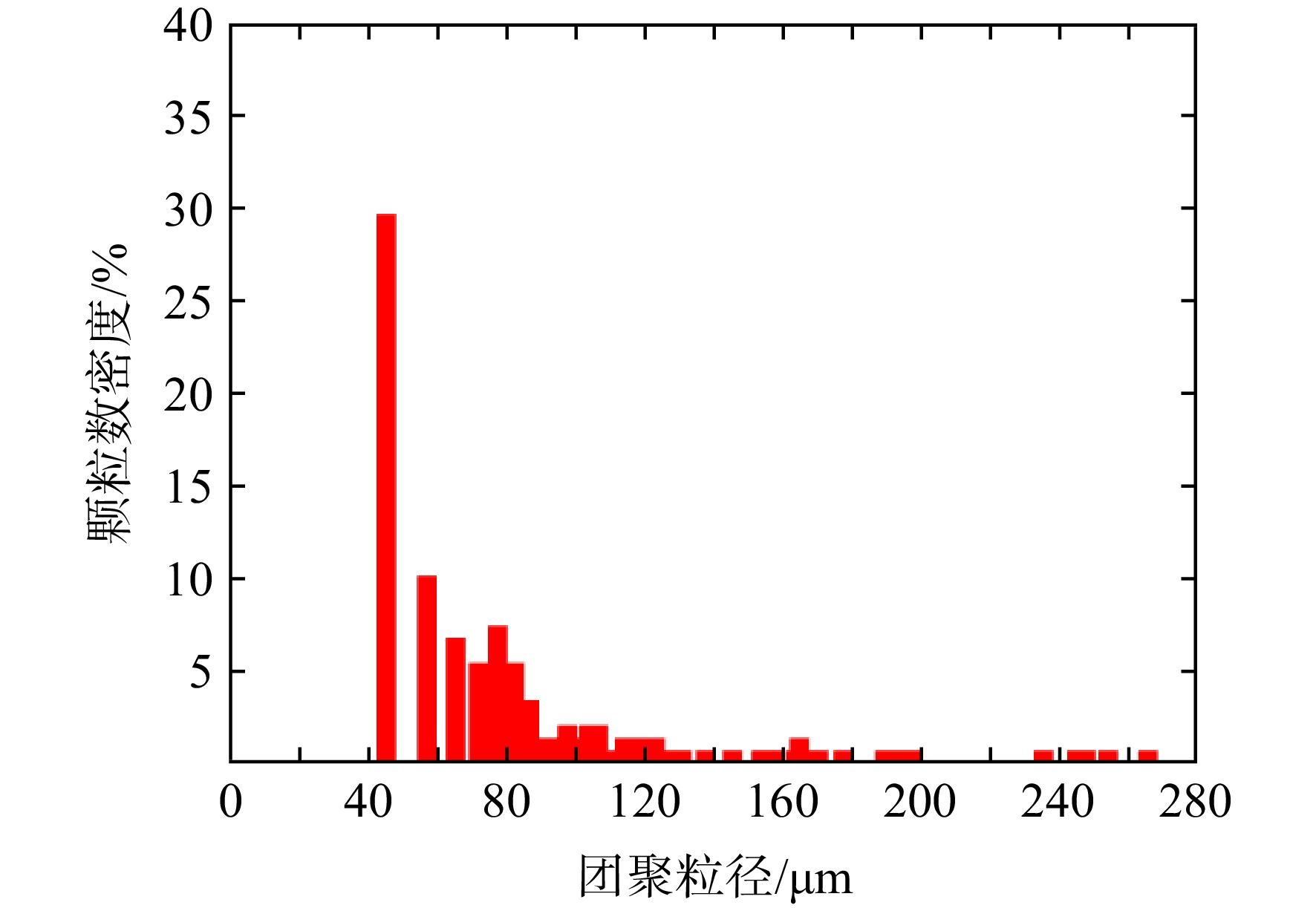
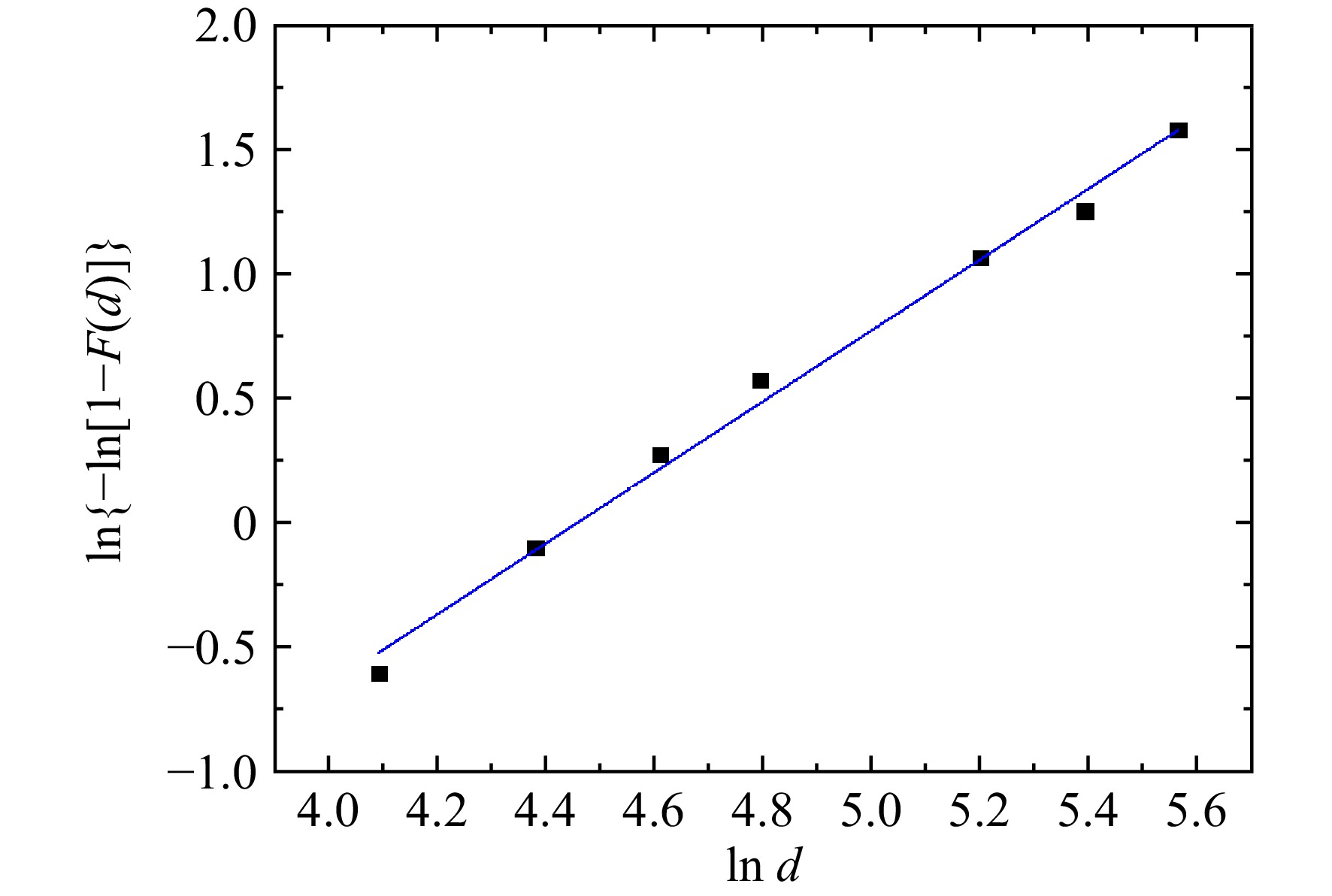
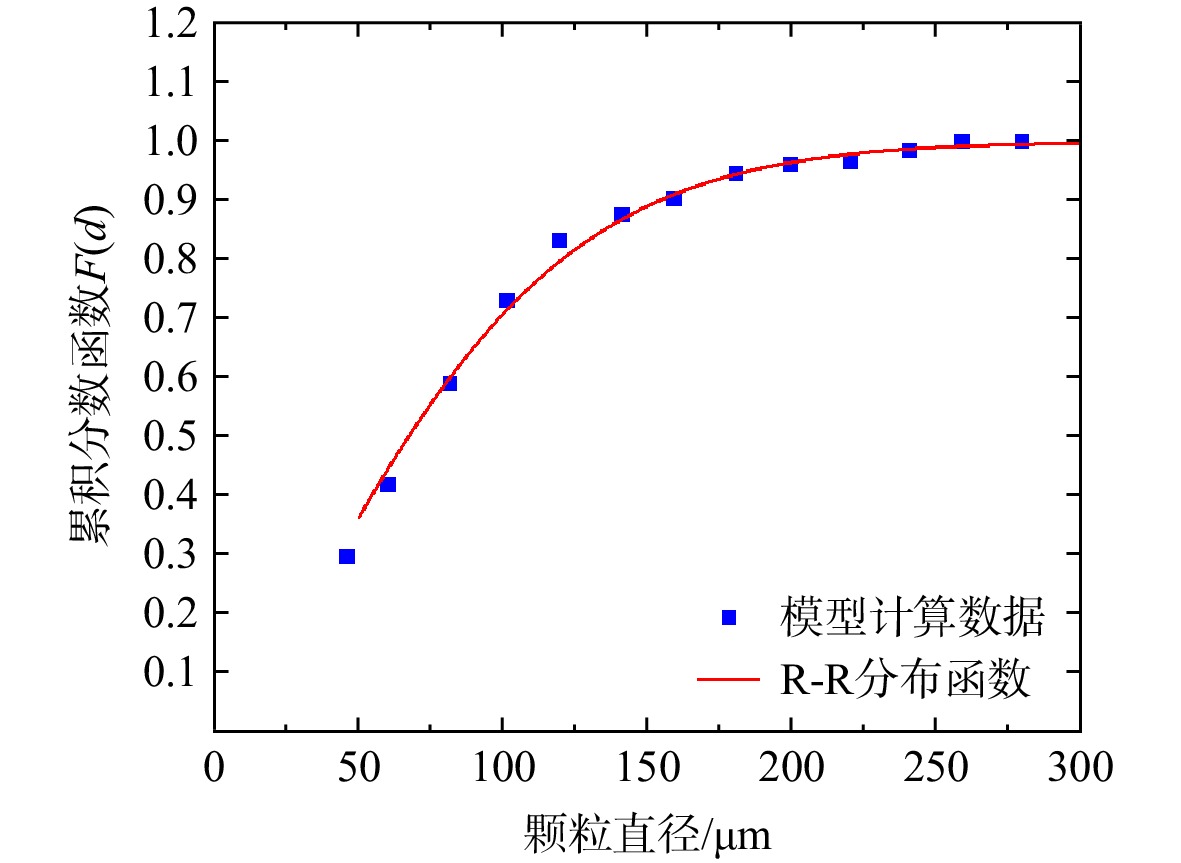
During the combustion process of solid composite propellants containing Al, a phenomenon of Al particle agglomeration on the combustion surface was found to have a significant impact on the performance of rocket engines. A three-dimensional particle microscopic model of solid composite propellants was established by using molecular dynamics algorithms to simulate the random distribution characteristics of AP and Al particles in three-dimensional space. And a particle aggregation model was established to analyze and study the aggregation phenomenon of Al particles in the random filling model. The distribution patterns of Al particle size under different critical separation distances were obtained, and compared with experimental data. Finally, the appropriate empirical formula for critical separation distance and Al particle diameter was summarized. Then, the distribution law of Al particle size after agglomeration at the gas-solid interface was summarized, and the Rosin Rammler probability distribution function of Al particles at the gas-solid interface was designed. The uniformity coefficient and characteristic coefficient were 1.4453 and 86.49, respectively, through analysis, which can be used for numerical simulation to calculate the initial particle size of surface Al particle injection during the retreat process of solid fuel combustion surface.

Research progress on system oscillation and stability of liquid rocket engine
DONG Meng, TAN Yonghua, XING Lixiang, XU Haohai
2023, 38(12): 2919-2936. doi: 10.13224/j.cnki.jasp.20220036
Abstract:
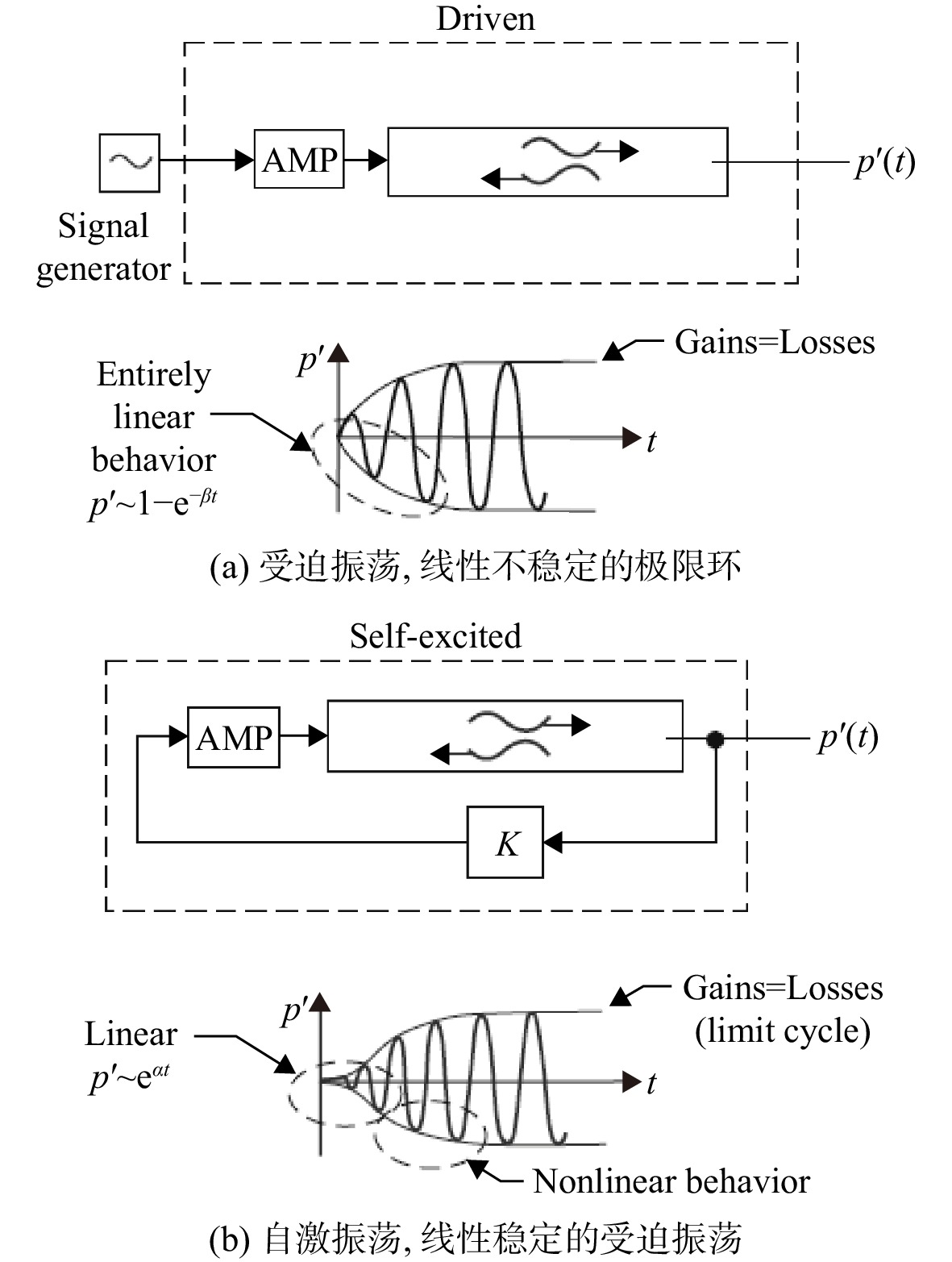
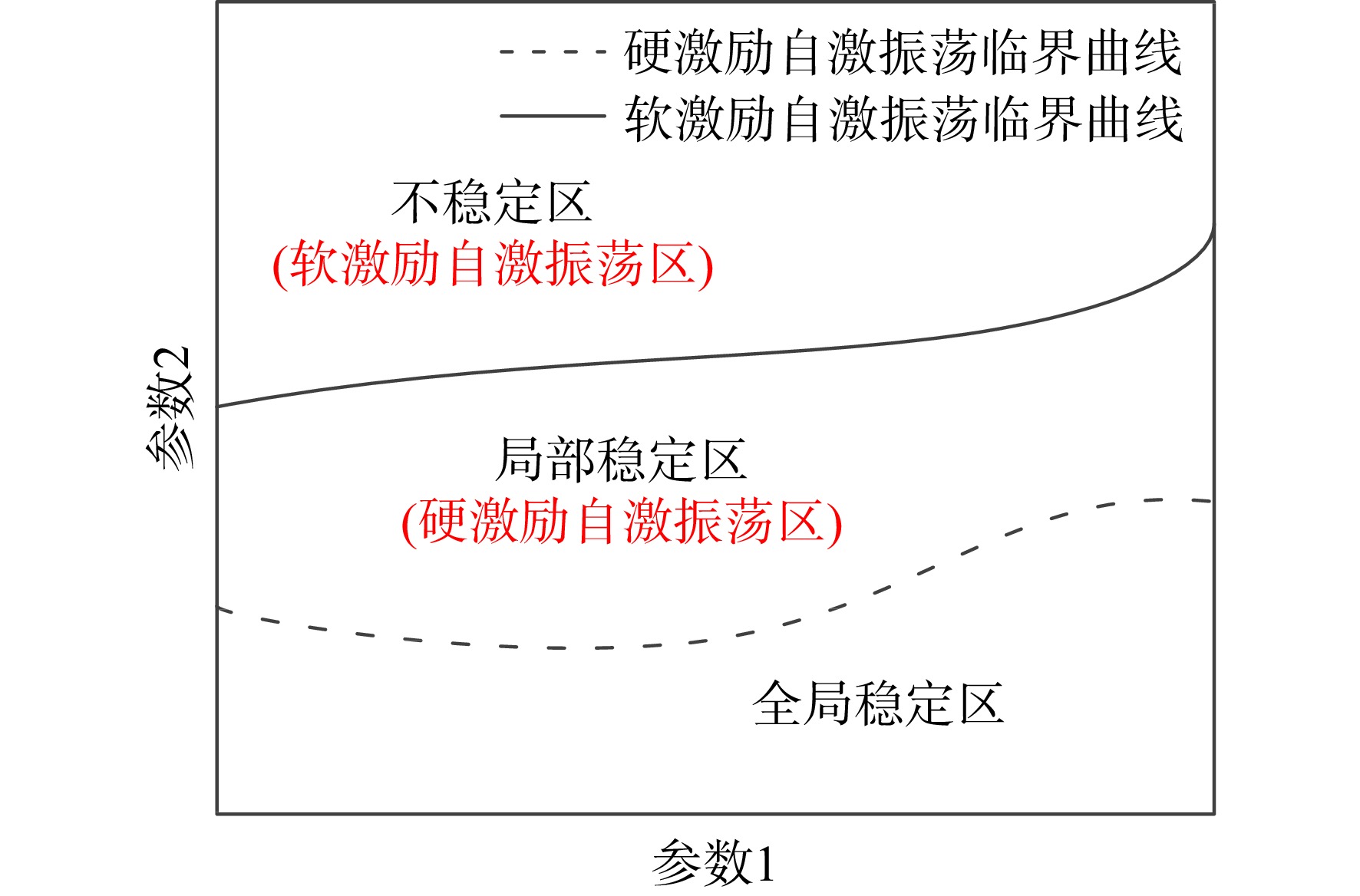
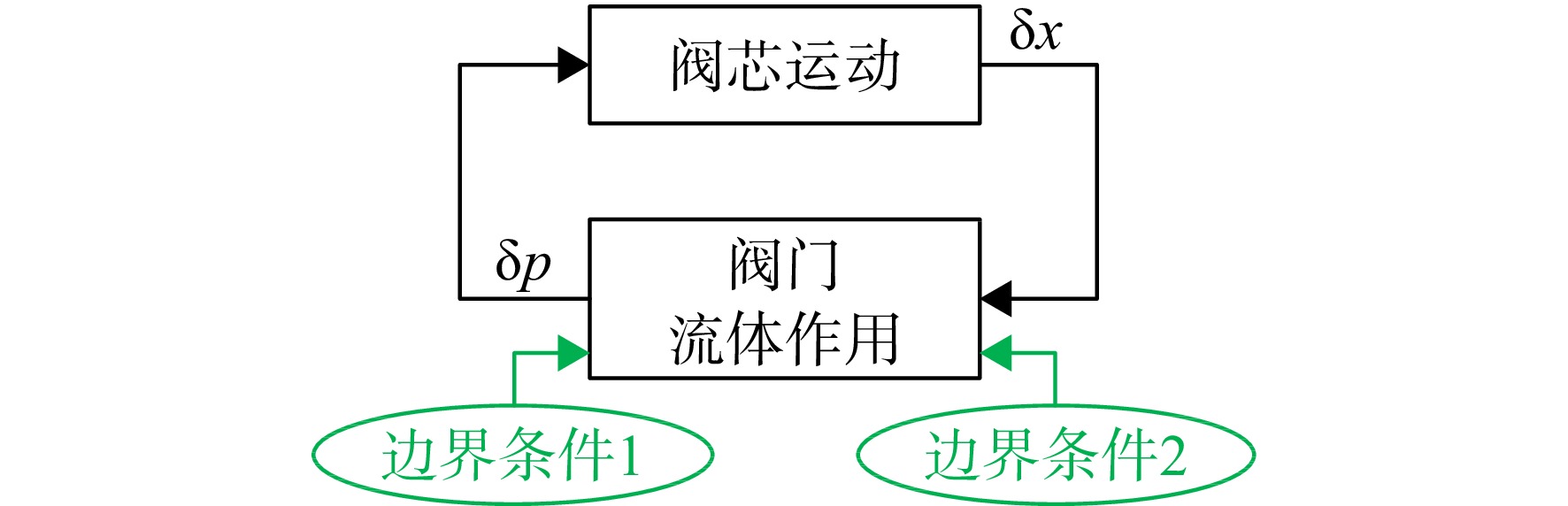
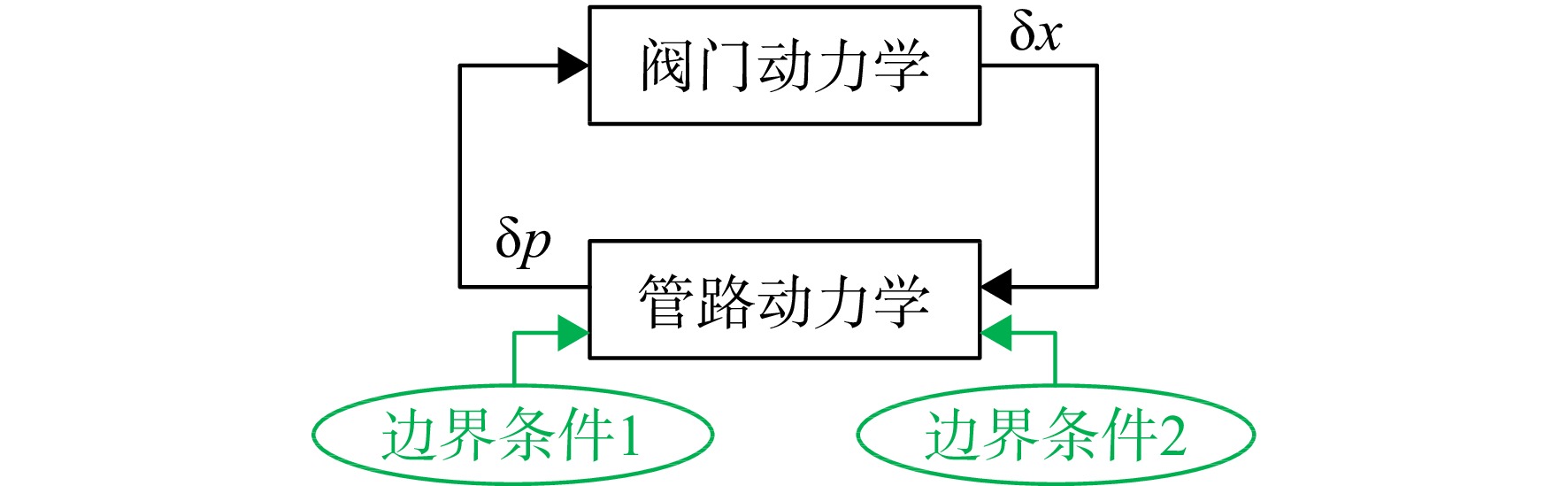
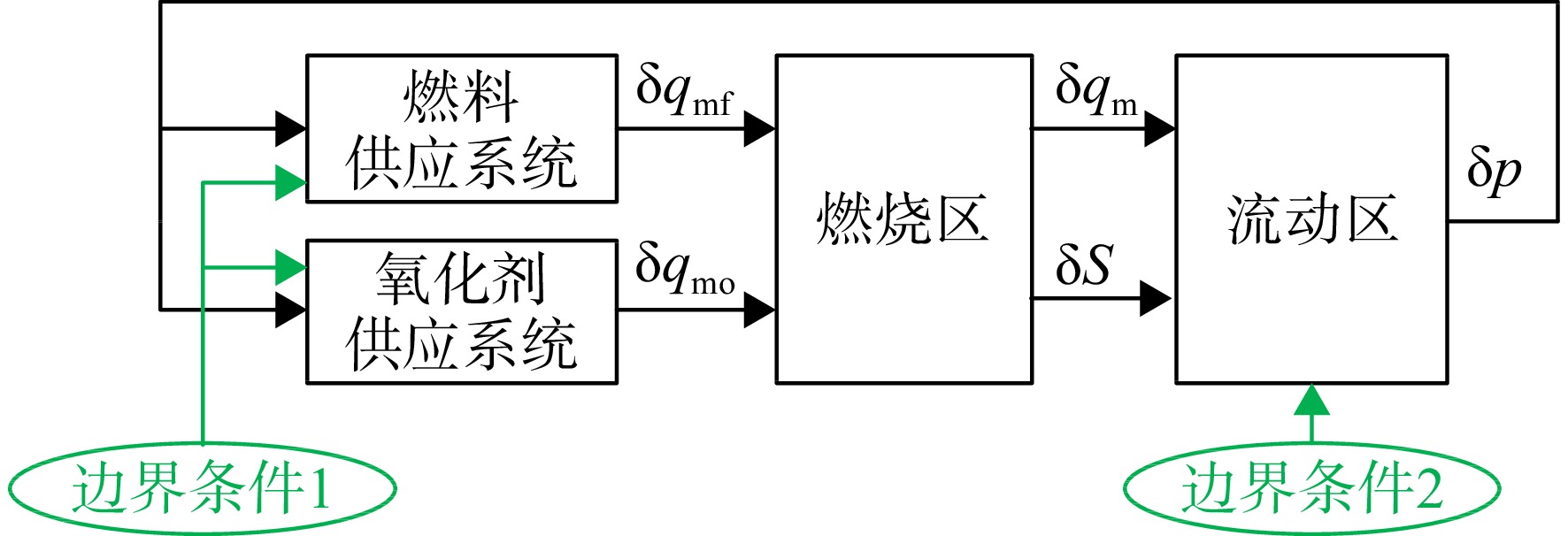
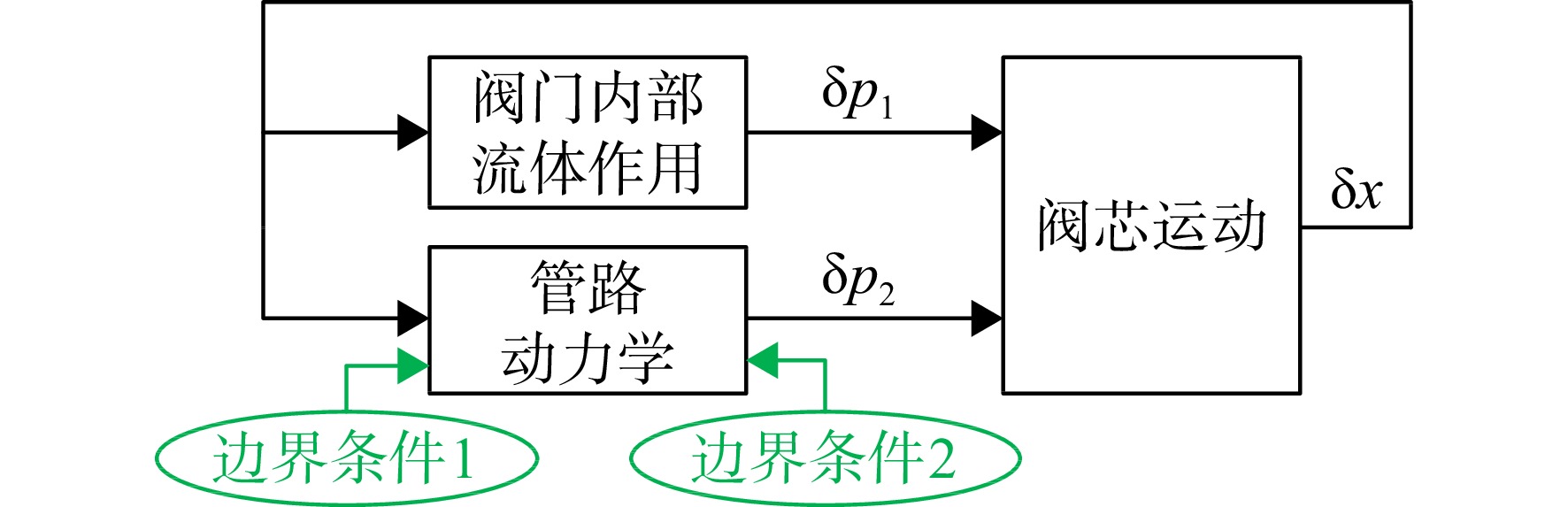
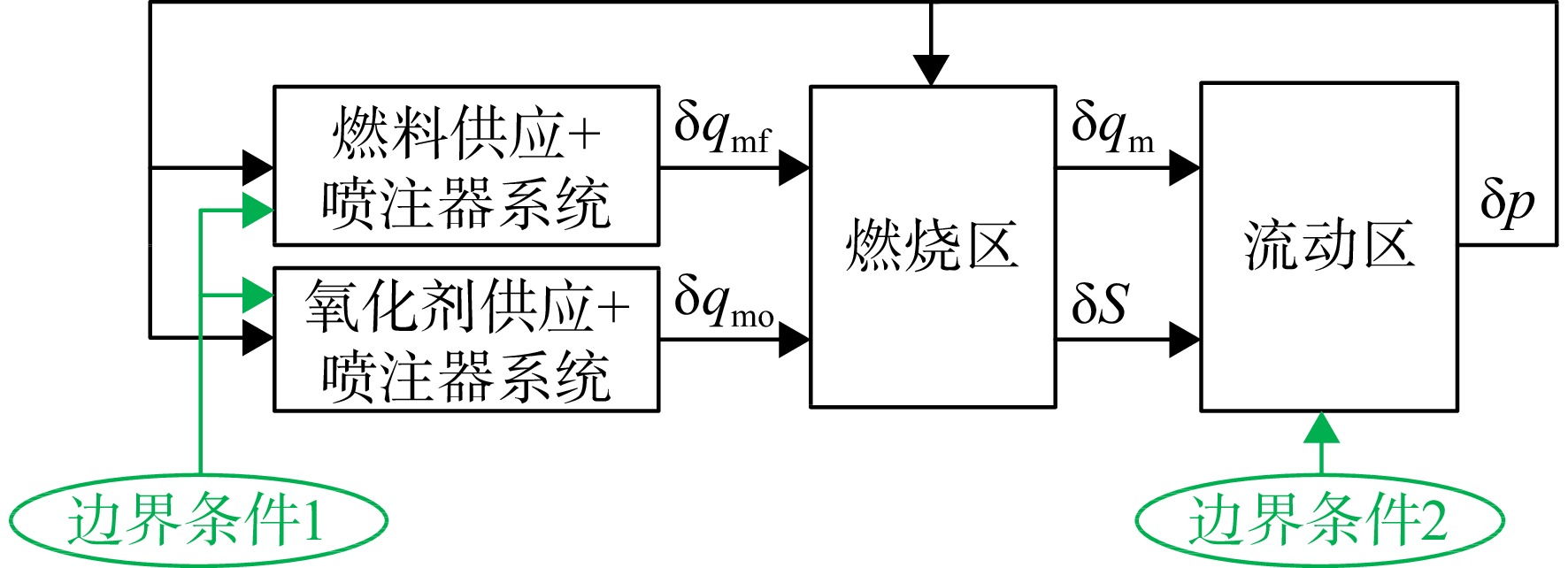
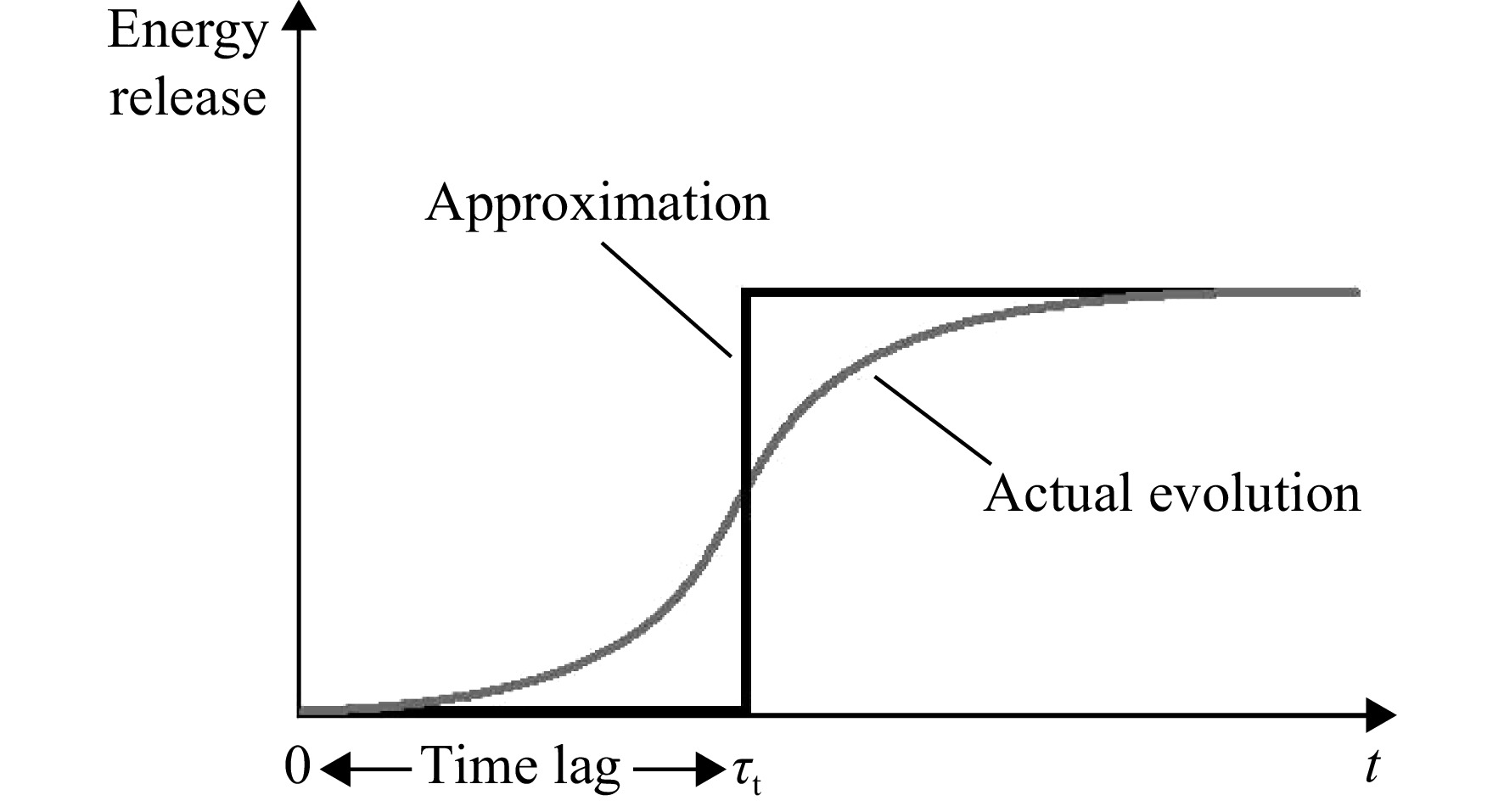
In view of two kinds of important oscillations related to the valve and the combustion component in liquid rocket engine, the research progress of the oscillation phenomenon, oscillation mode and stability of the engine system was expounded. The results showed that the oscillations related to the valve were mainly manifested as the instability of the valve itself and the coupling instability of the pipeline system. With focus put on sensitive parameter analysis, there existed difficulty in obtaining critical stability parameters and identifying oscillation frequency of self-excited oscillation. The oscillations related to the combustion component included three modes: combustion instability coupled with the feed system, combustion instability coupled with the injection, and instability in the combustion process itself. The research on the flow-type stability mechanism was relatively mature, but there was a relative lack of accurate modeling of the intrinsic stability mechanism. The further exploration of the time-delay model and the improvement of the combustion process will be the focus and difficulty of future system instability oscillation research.

Analysis of flow field of three-dimensional ejector nozzle with open-close alternate intake valve at transonic velocity
LI Zijie, WANG Hao, HUANG Hexia
2023, 38(12): 2937-2947. doi: 10.13224/j.cnki.jasp.20210581
Abstract:
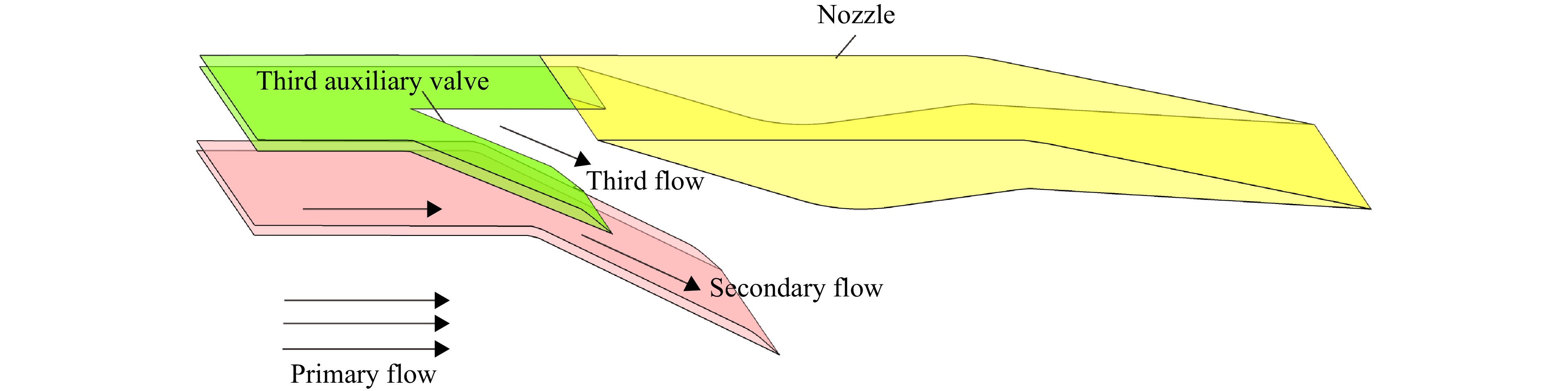
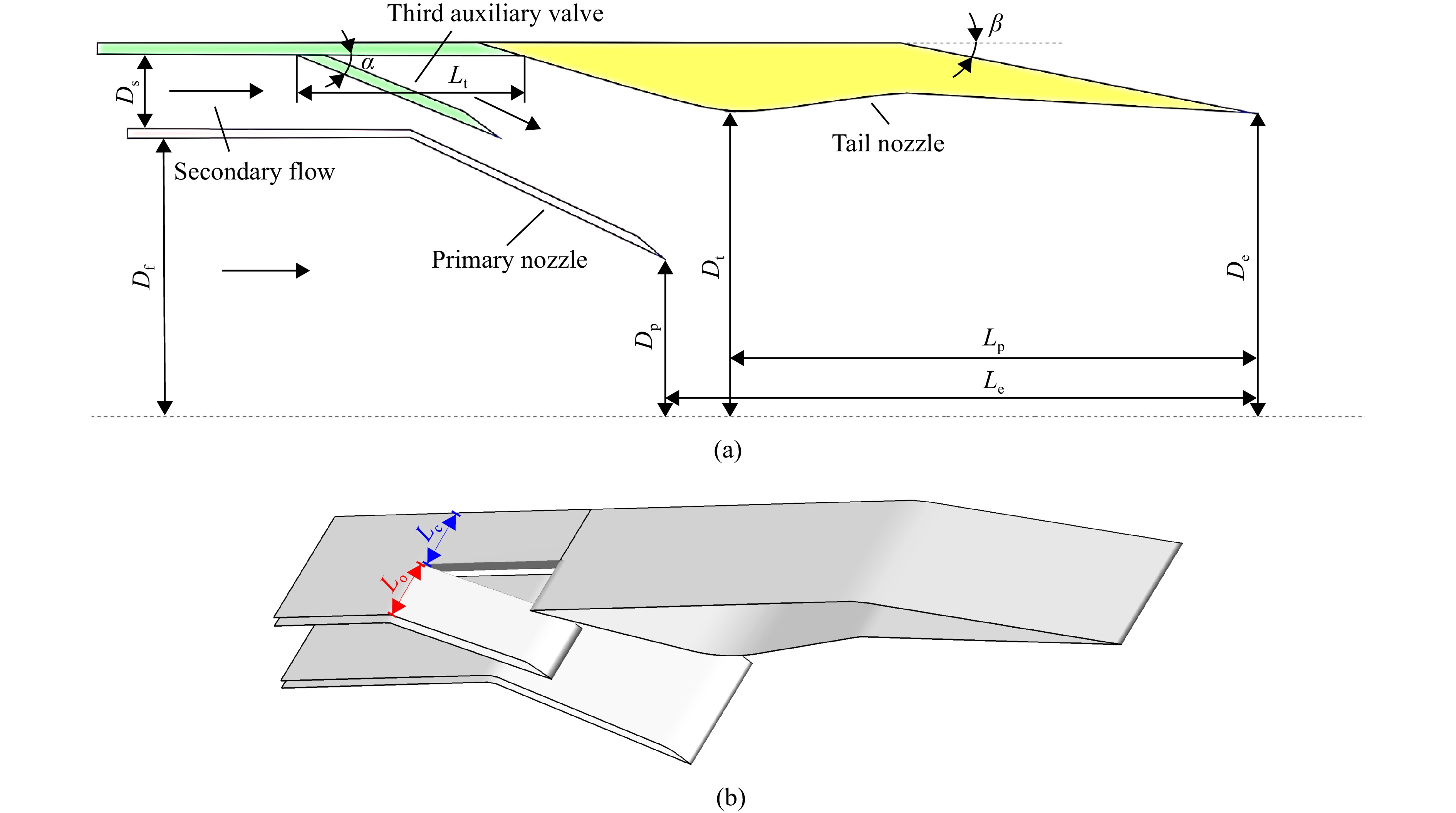
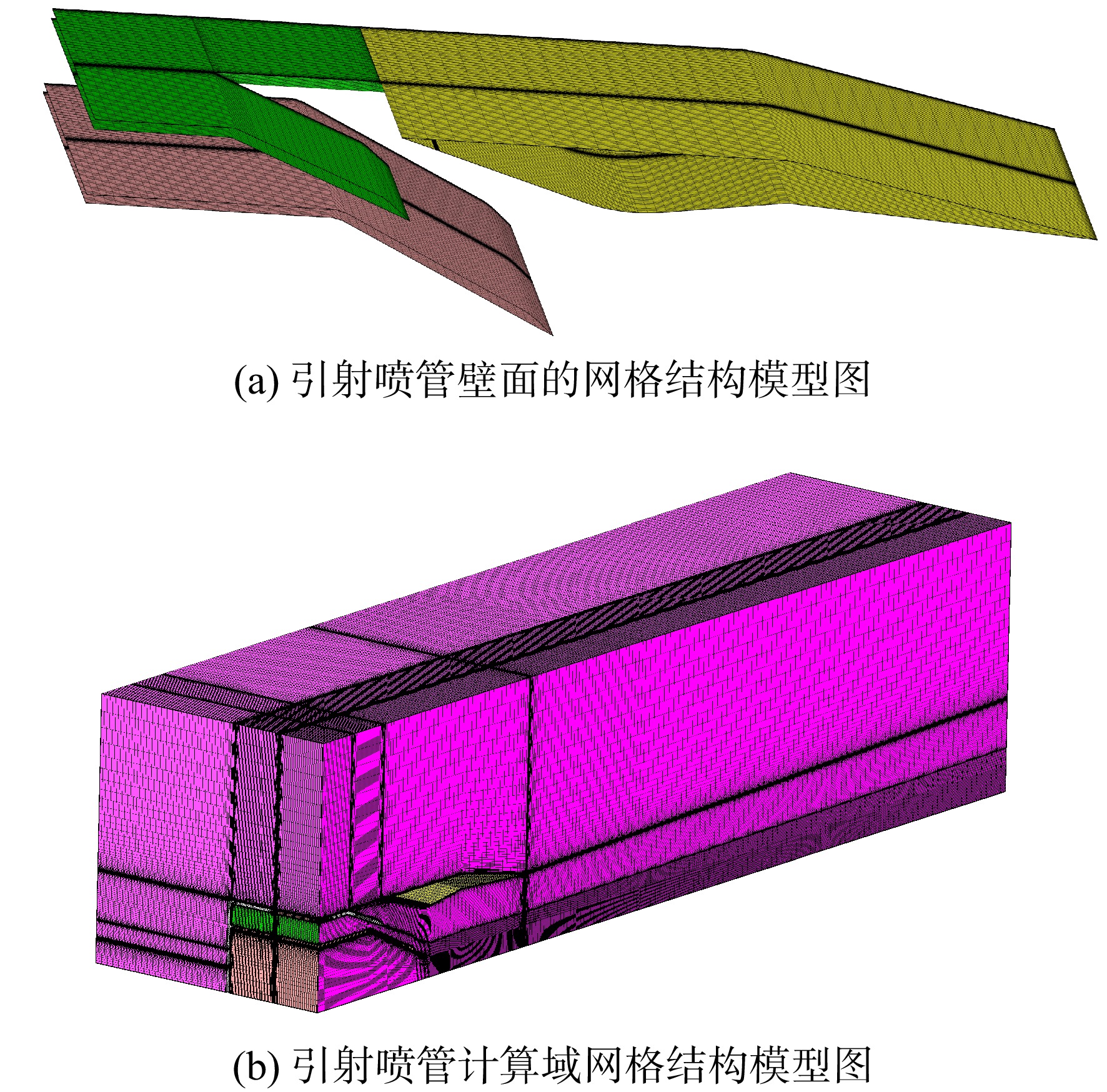
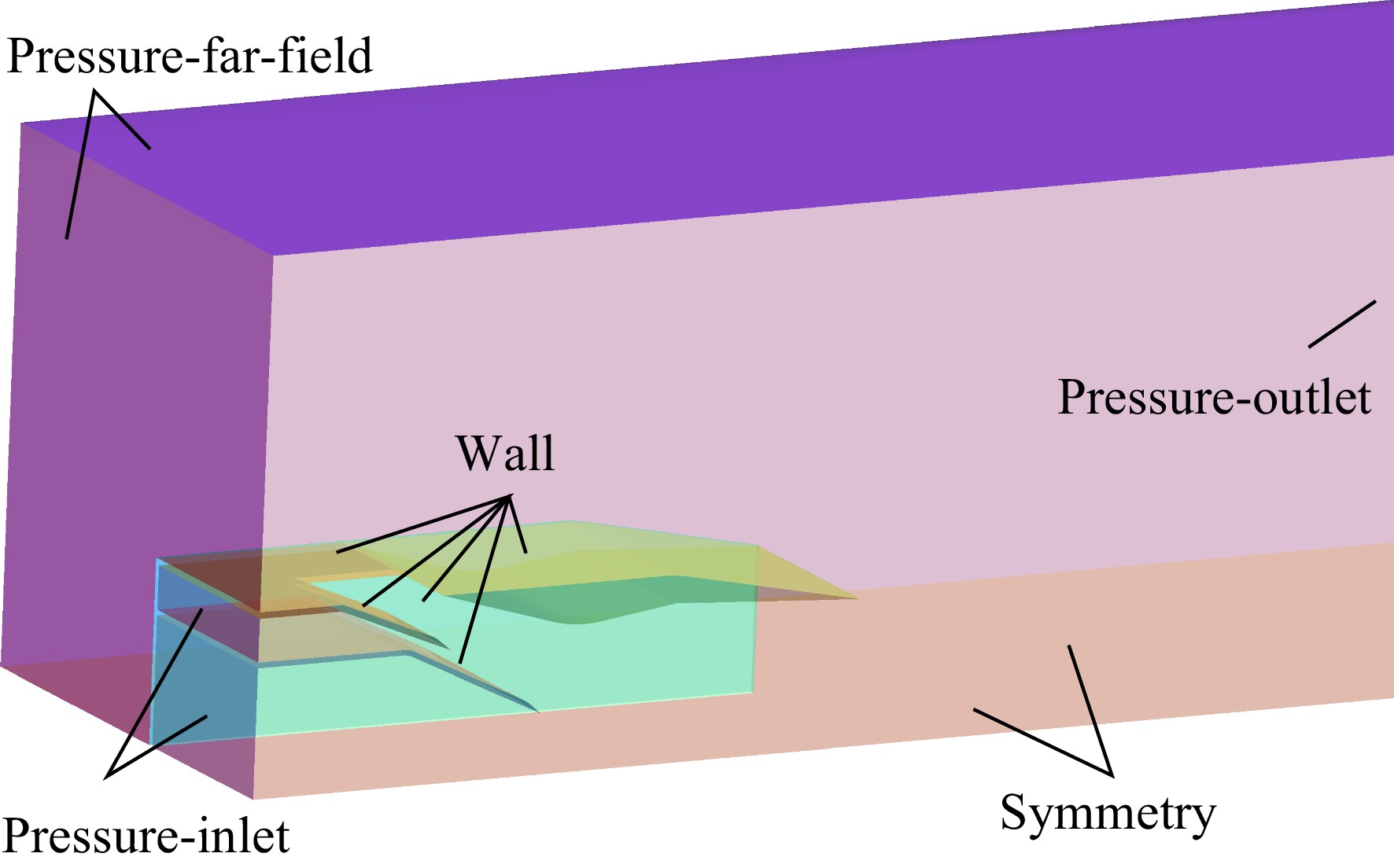
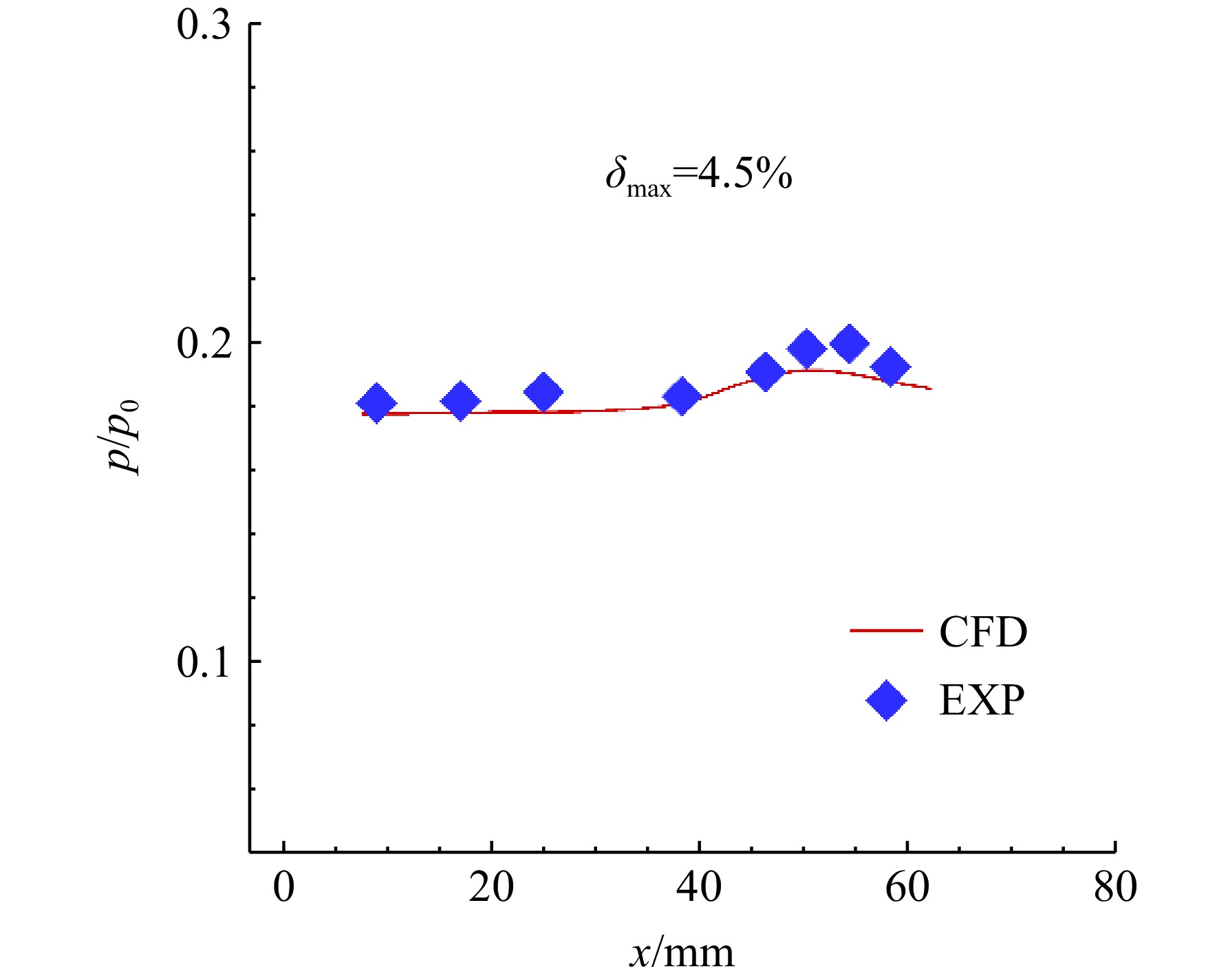
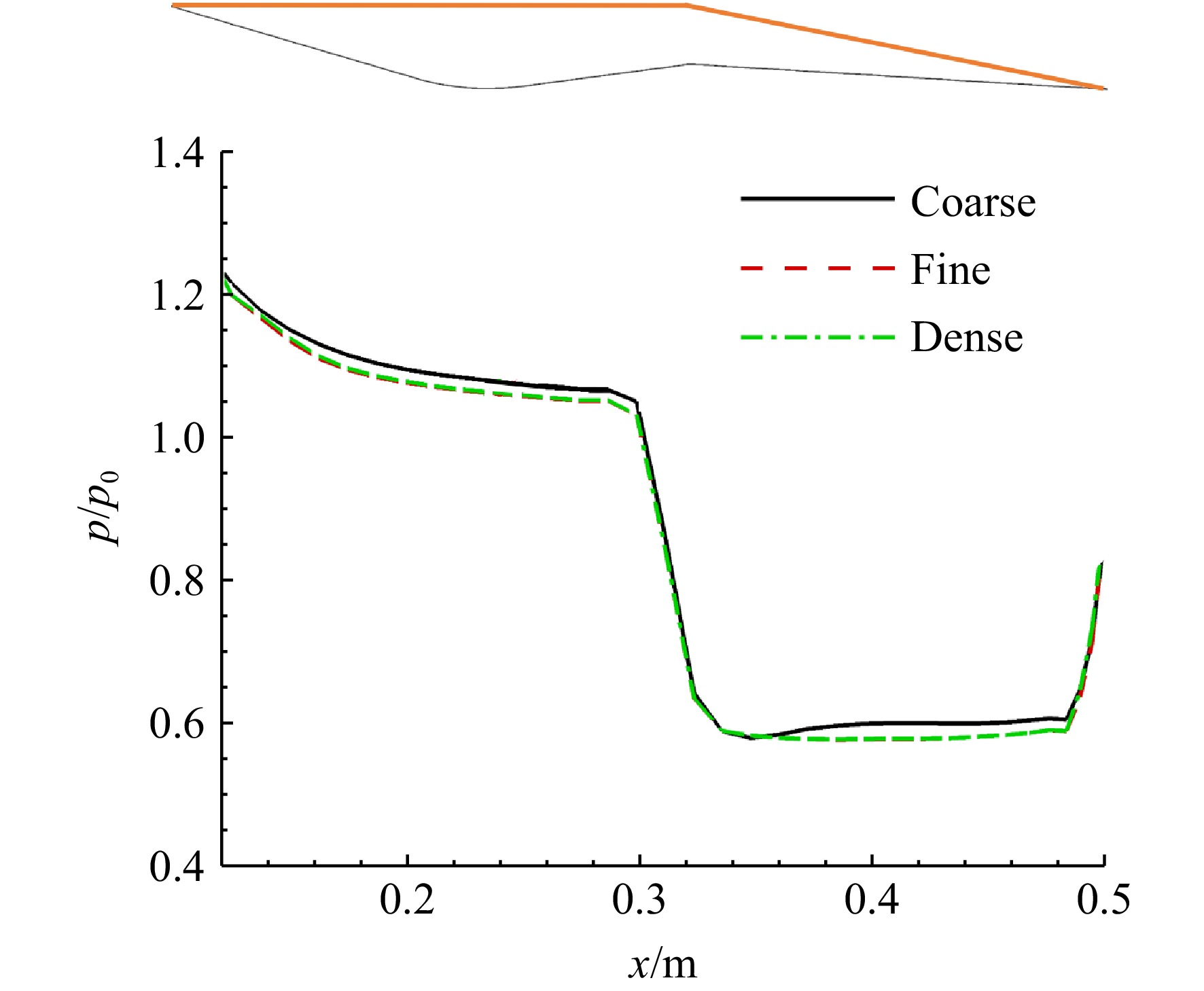
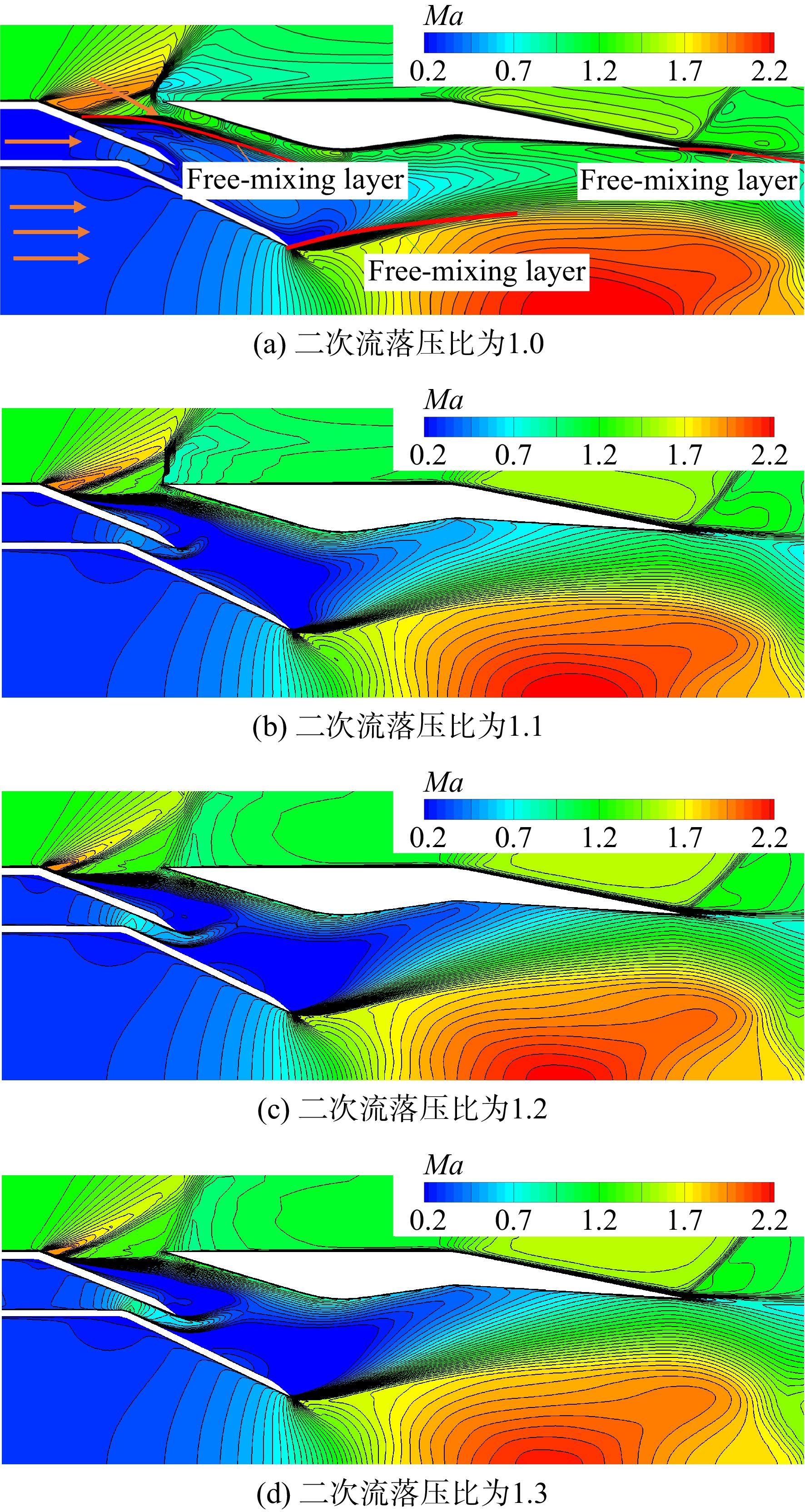
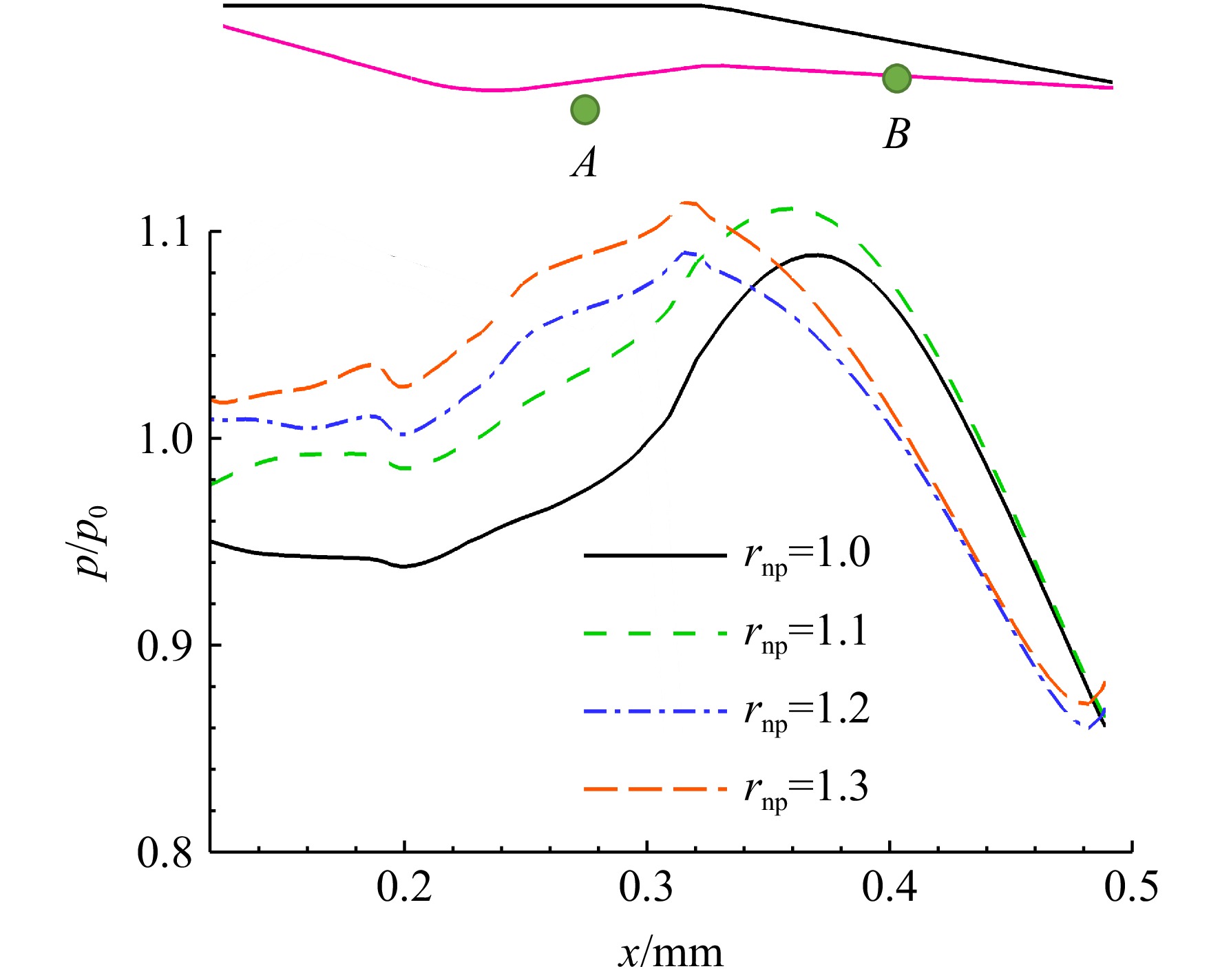
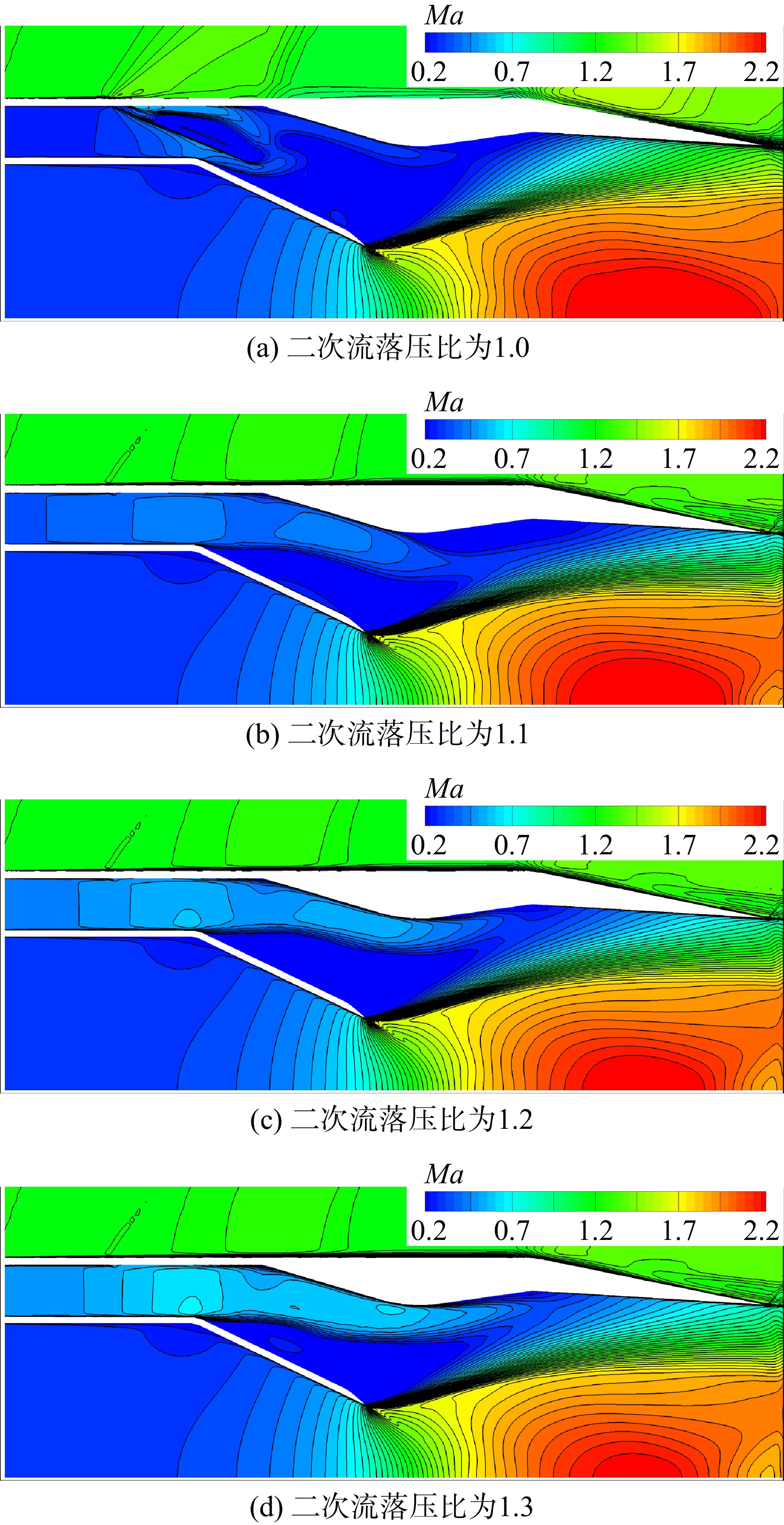
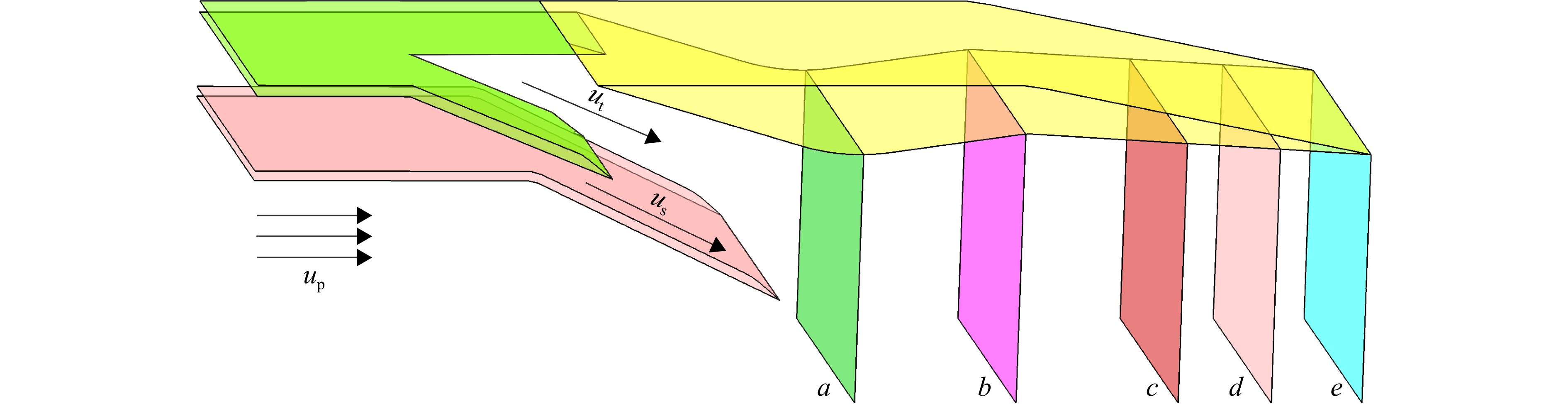
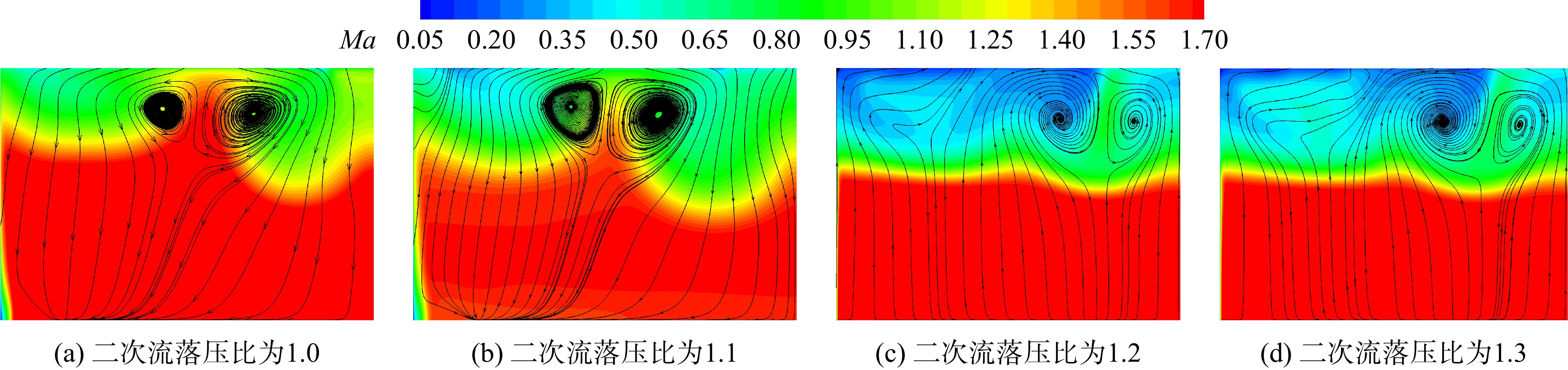
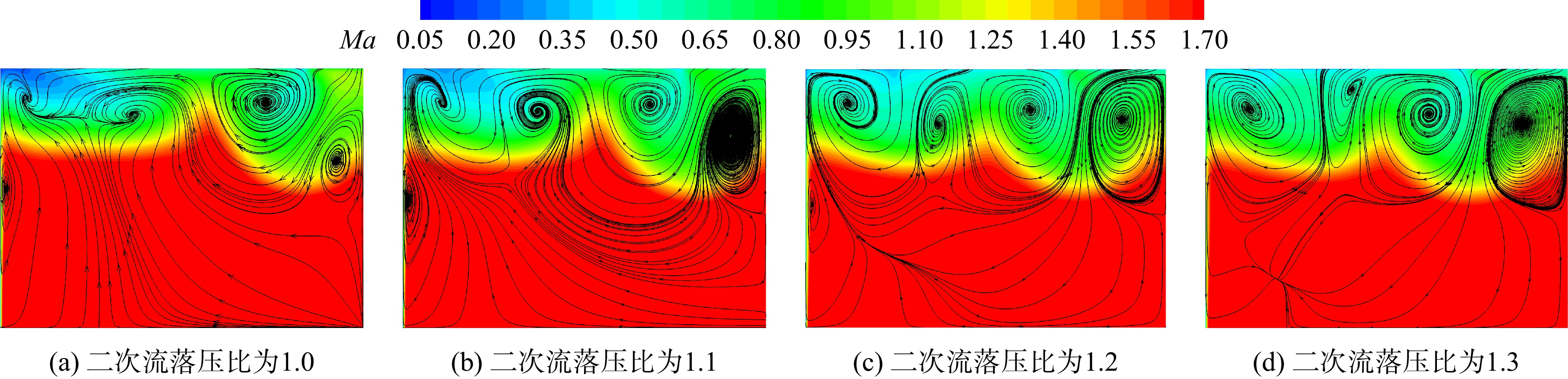
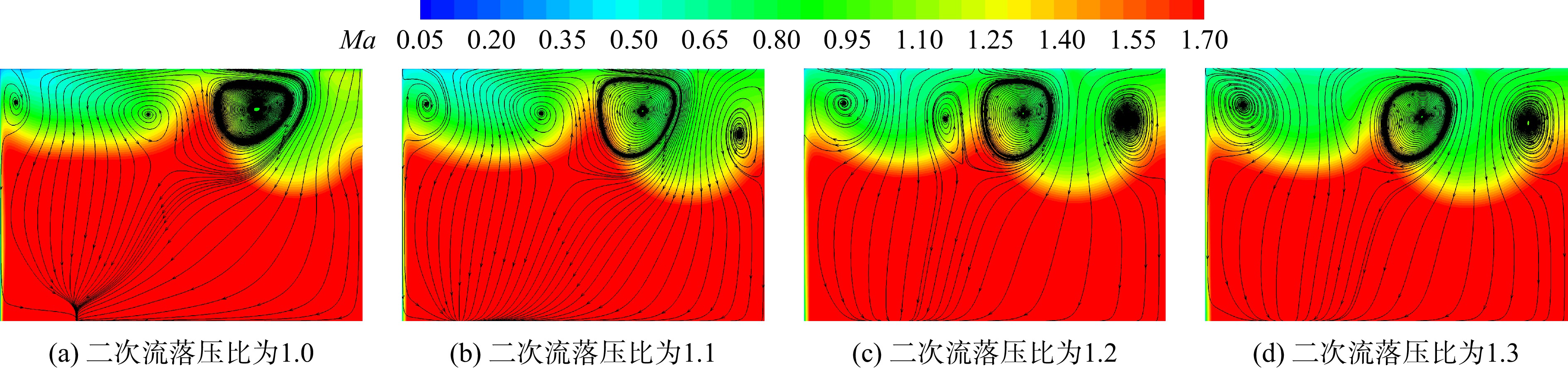
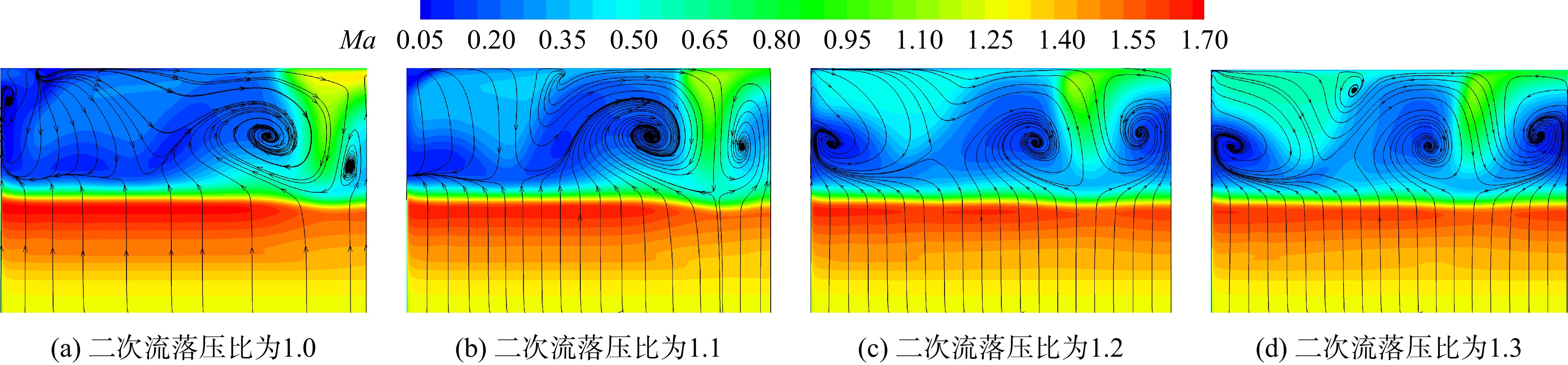
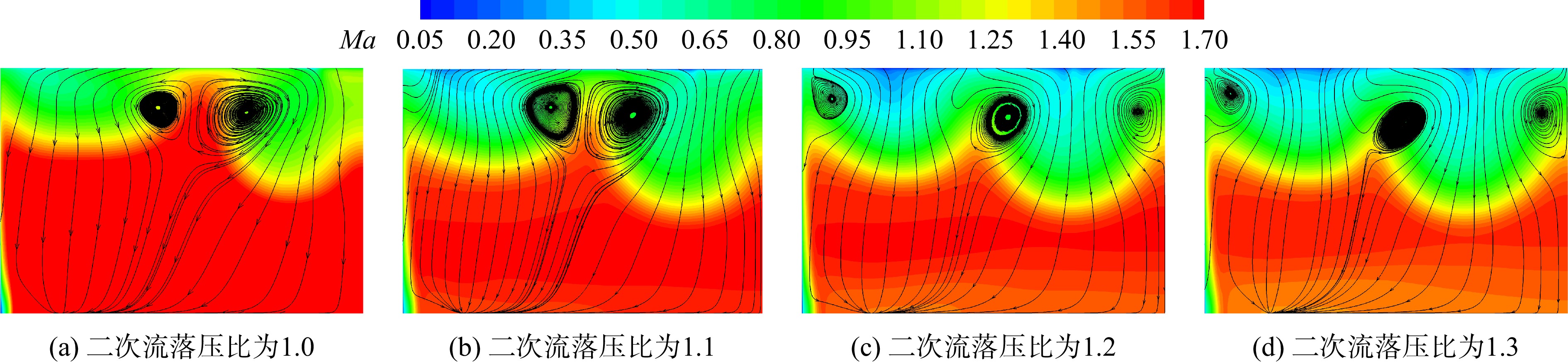
To analyze the influence of different secondary air intake states, the flow characteristics of an ejector nozzle with open-close intake valves in the transonic flight state (Ma=1.2) were simulated and studied. By changing the nozzle pressure ratio (NPR) of the secondary flow, the flow state of the third flow, the development characteristics of the vortex, and the thrust performance in the nozzle were analyzed. The results showed that the airflow in the ejector nozzle with the open-close alternate intake valve had the phenomenon of lateral flow, forming a vortex ring that the size of the flow vortex gradually decreased along the flow direction. The main flow maintained an over-expansion state, which dominated the inner flow of the ejector nozzle, and formed a shear layer structure with the secondary flow. With the increase of the NPR of the secondary flow, the flow rates of the secondary and third flows increased, which led to a stronger binding effect on the main flow. Therefore, the mainstream over-expansion phenomenon was effectively suppressed, so the thrust performance increased from 0.698 to 0.819.

Numerical comparative analysis of suppression effect of nozzlebaffle and regenerative cooling fin baffle on high-frequency unstable combustion
XU Boqi, GUO Kangkang, REN Yongjie, TONG Yiheng, NIE Wansheng, HUANG Weidong
2023, 38(12): 2948-2956. doi: 10.13224/j.cnki.jasp.20220098
Abstract:
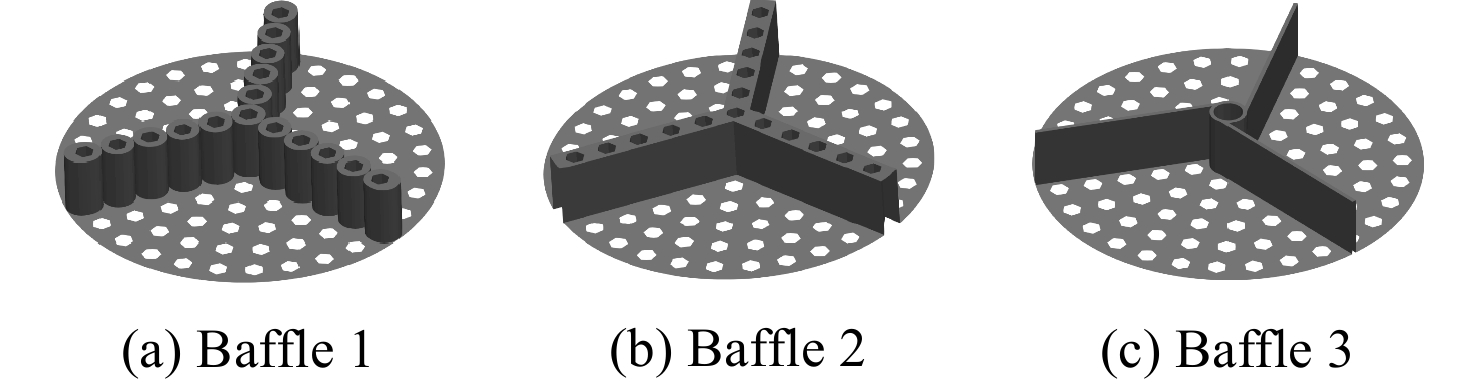
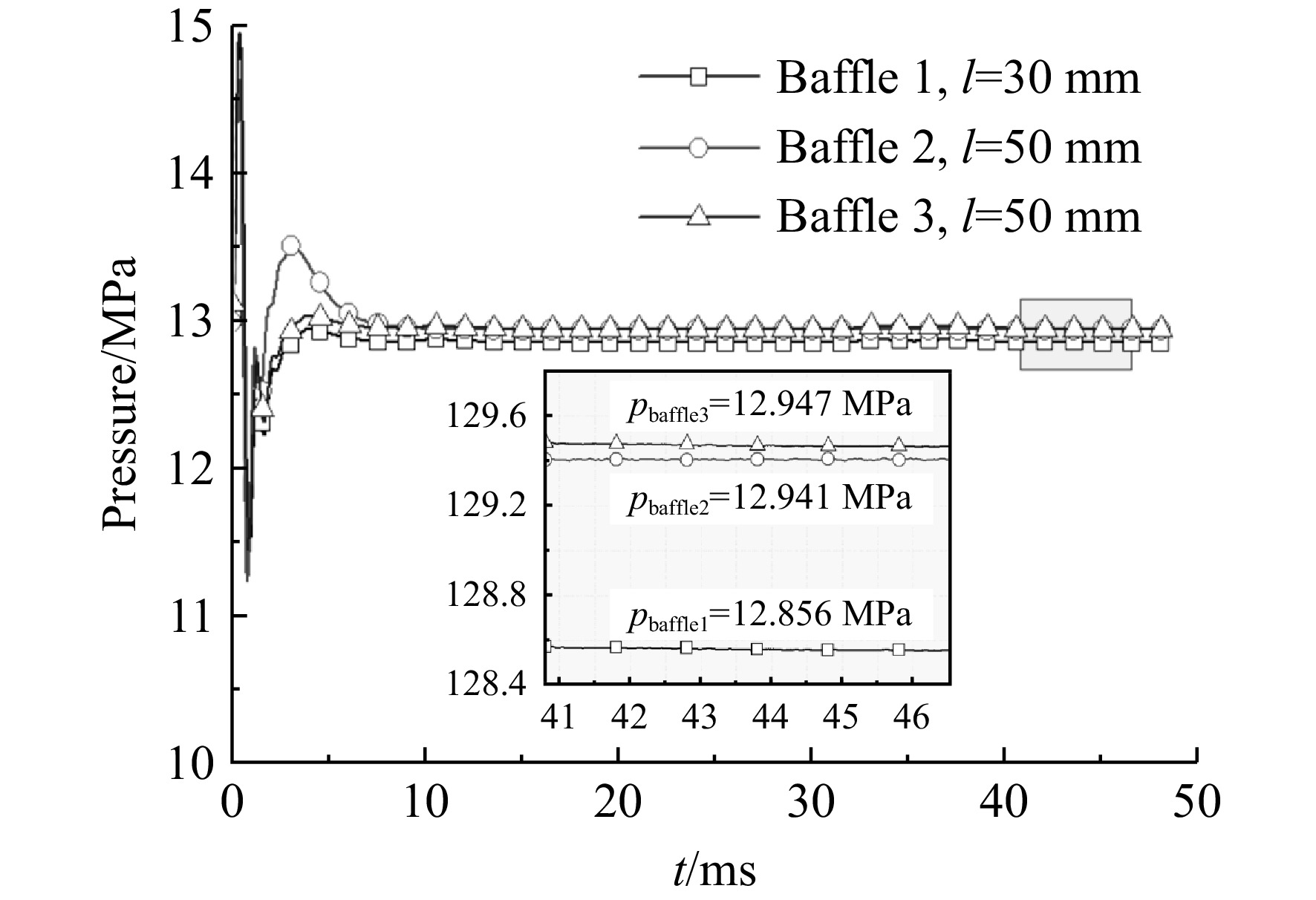
Based on the 3D URANS (unsteady reynolds-averaged Navier-Stokes) model, the high-frequency combustion instability of a full-scale liquid oxygen/kerosene rocket engine was simulated. The suppression effects of three kinds of baffles on high frequency tangential combustion instability were studied. When the length of baffles was 30 mm, the nozzle baffle can effectively suppress the combustion instability, meanwhile regenerative cooling fin baffles cannot completely suppress the combustion instability. After increasing the length of baffles to 50 mm, the combustion became stable. The results showed that the short baffle cannot completely envelop the chemical reaction area, and the longitudinal distribution of propellant had relatively little inhibitory effect on the combustion instability. After the length of baffles was increased, it can effectively divide the chemical reaction area at the head of the combustion chamber, which improved the combustion stability margin. The mechanism for the nozzle baffle to suppress the tangential combustion instability is that there is a viscous influence zone with large viscosity and large shear force on the nozzle wall of the baffle. Research results can provide some guidance for the design of baffles in the liquid rocket engine.

Thrust control scheme for electric expander cycle of variable thrust liquid rocket engine
LIANG Tao, HU Runsheng, LI Qinglian, CUI Peng, SONG Jie, CHEN Lanwei
2023, 38(12): 2957-2972. doi: 10.13224/j.cnki.jasp.20210377
Abstract:
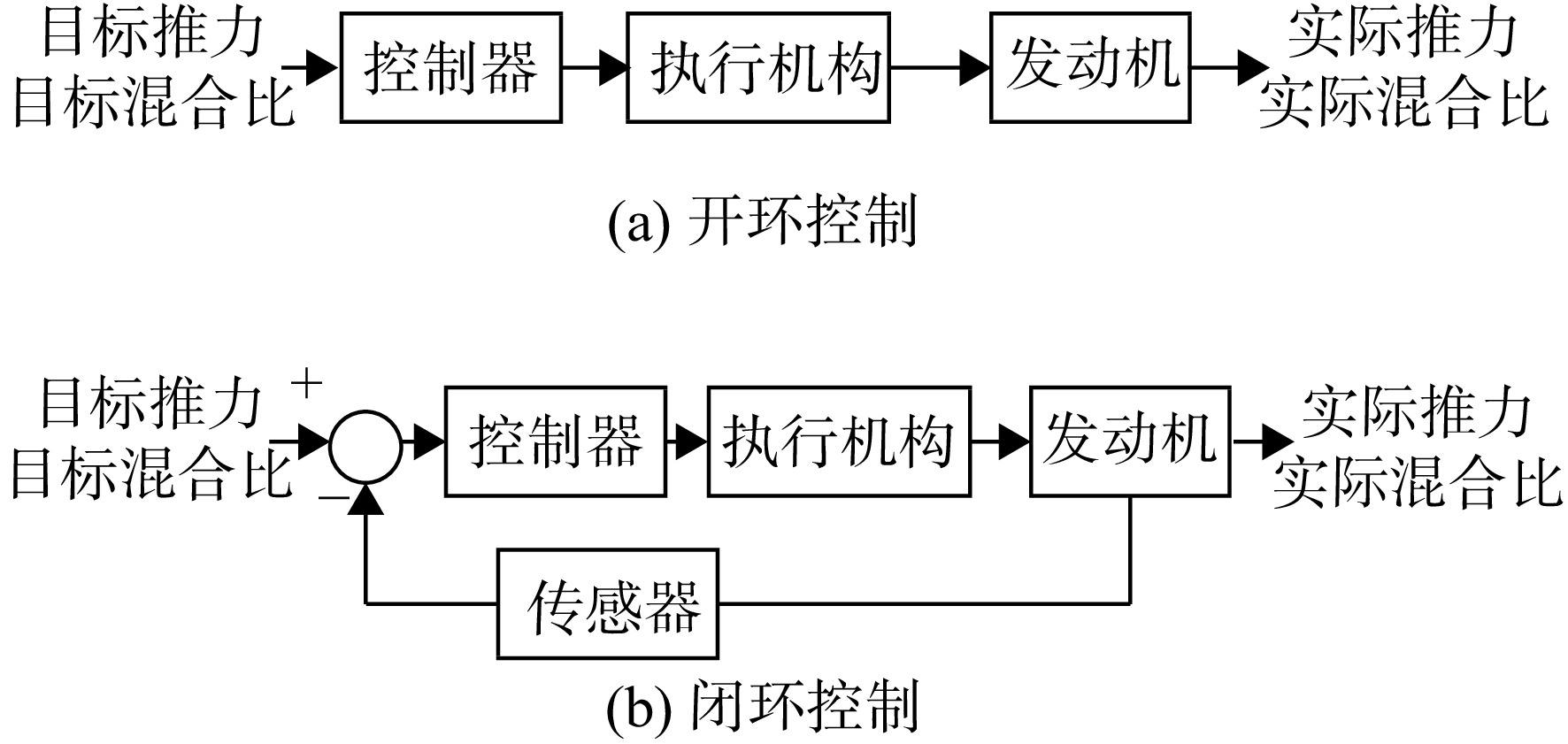
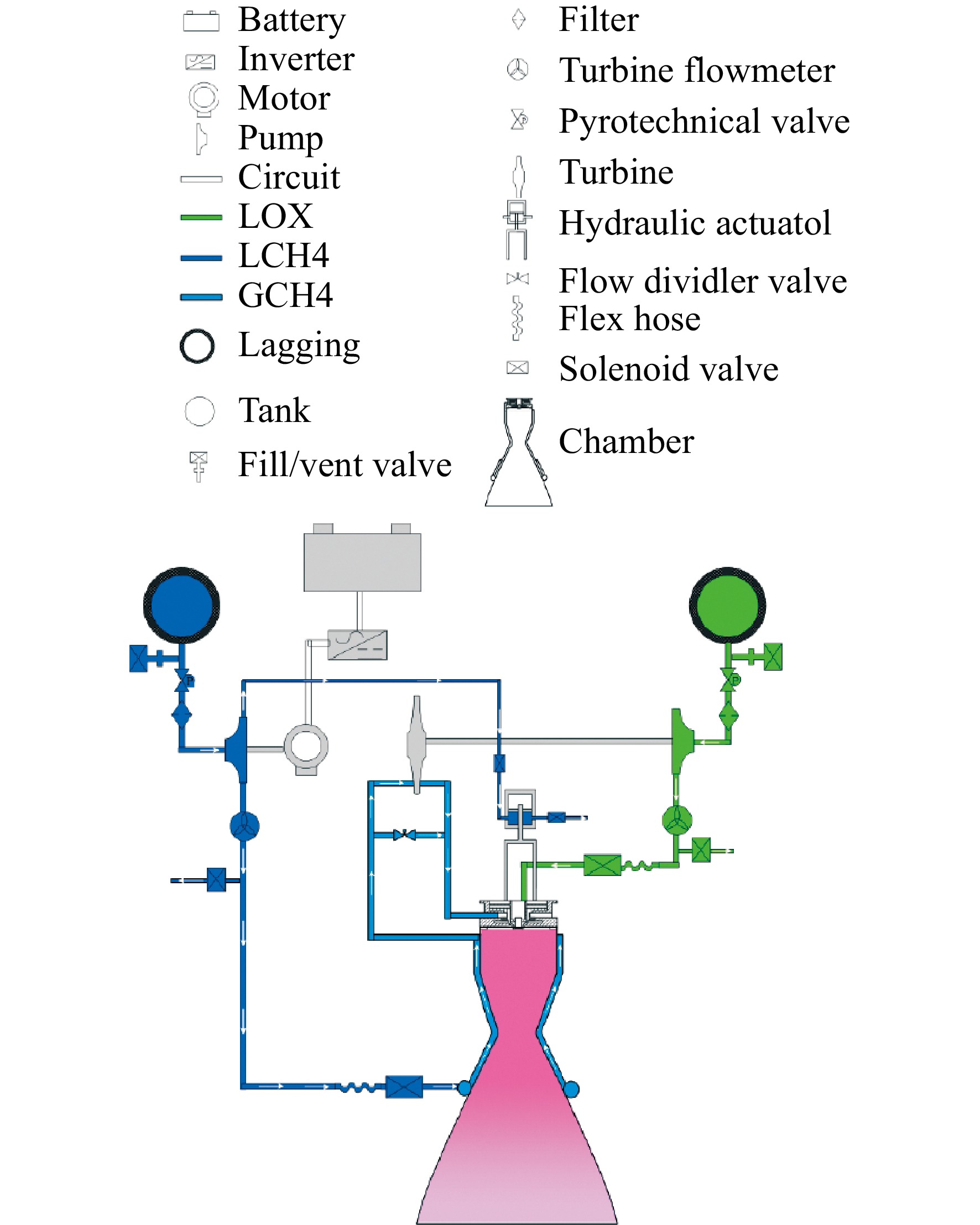
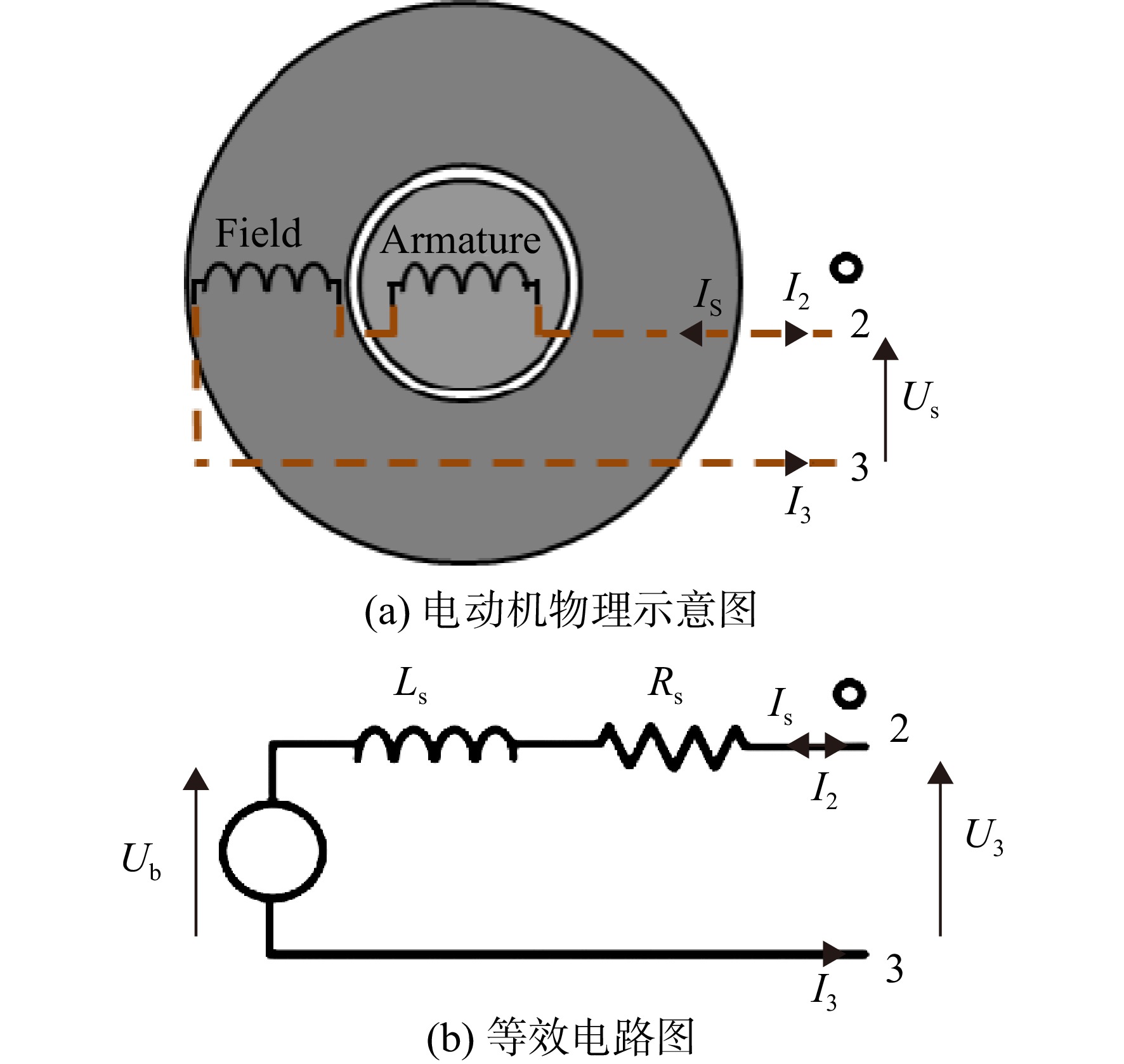
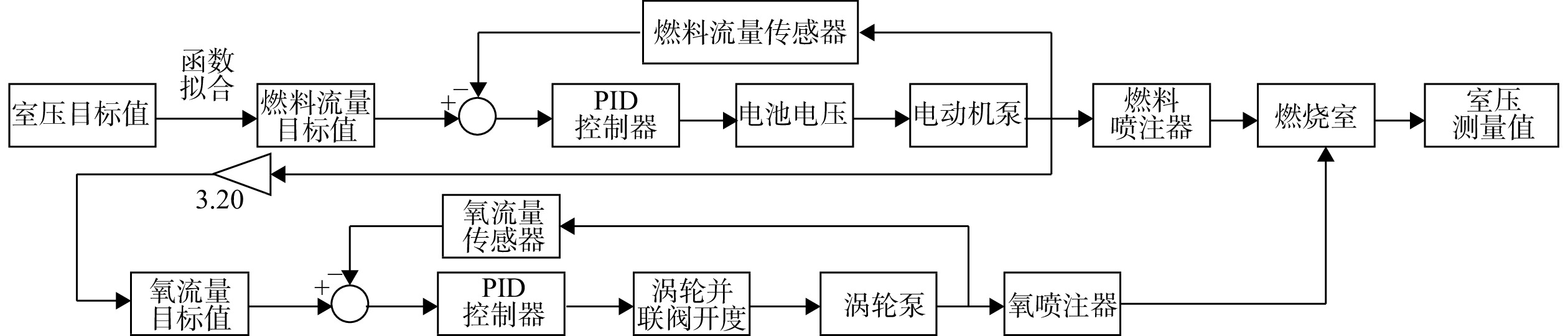
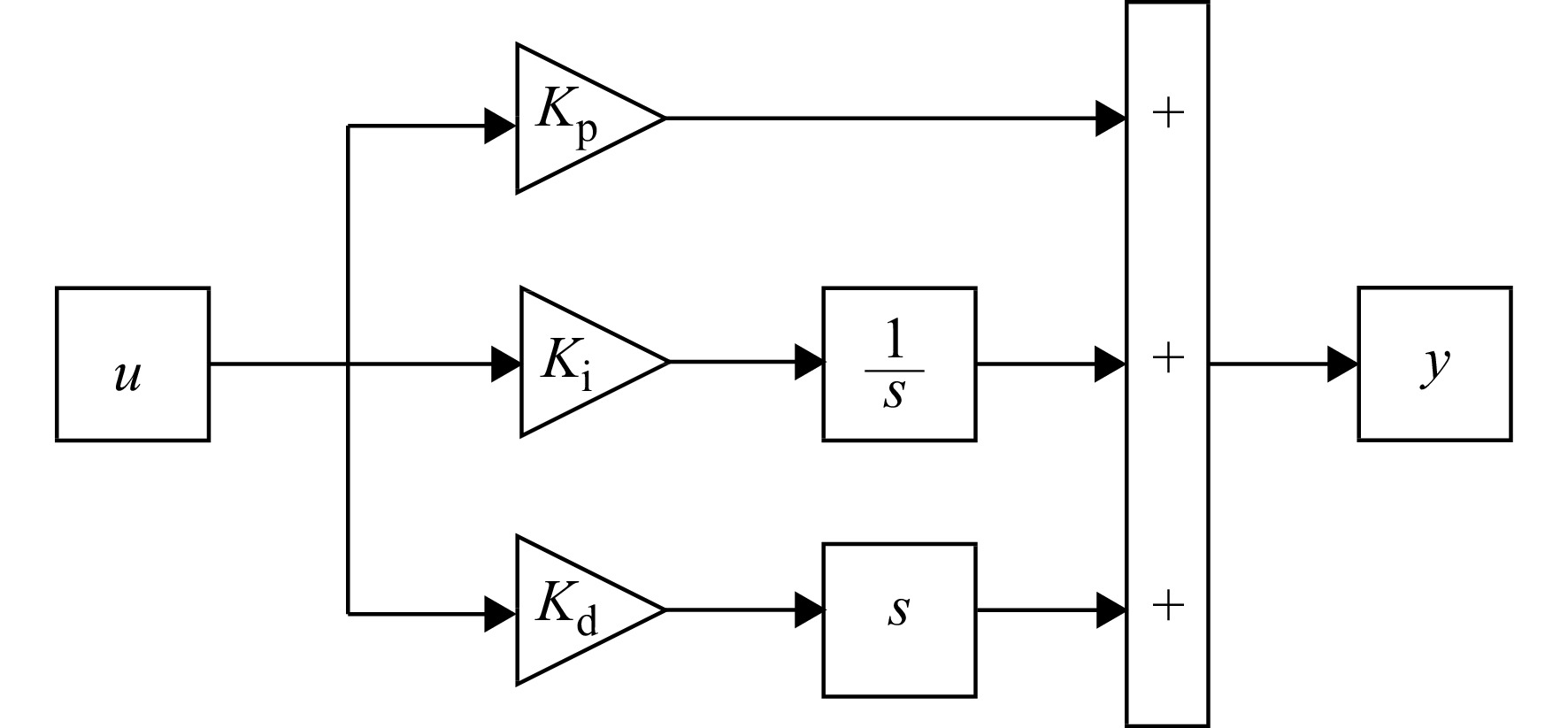
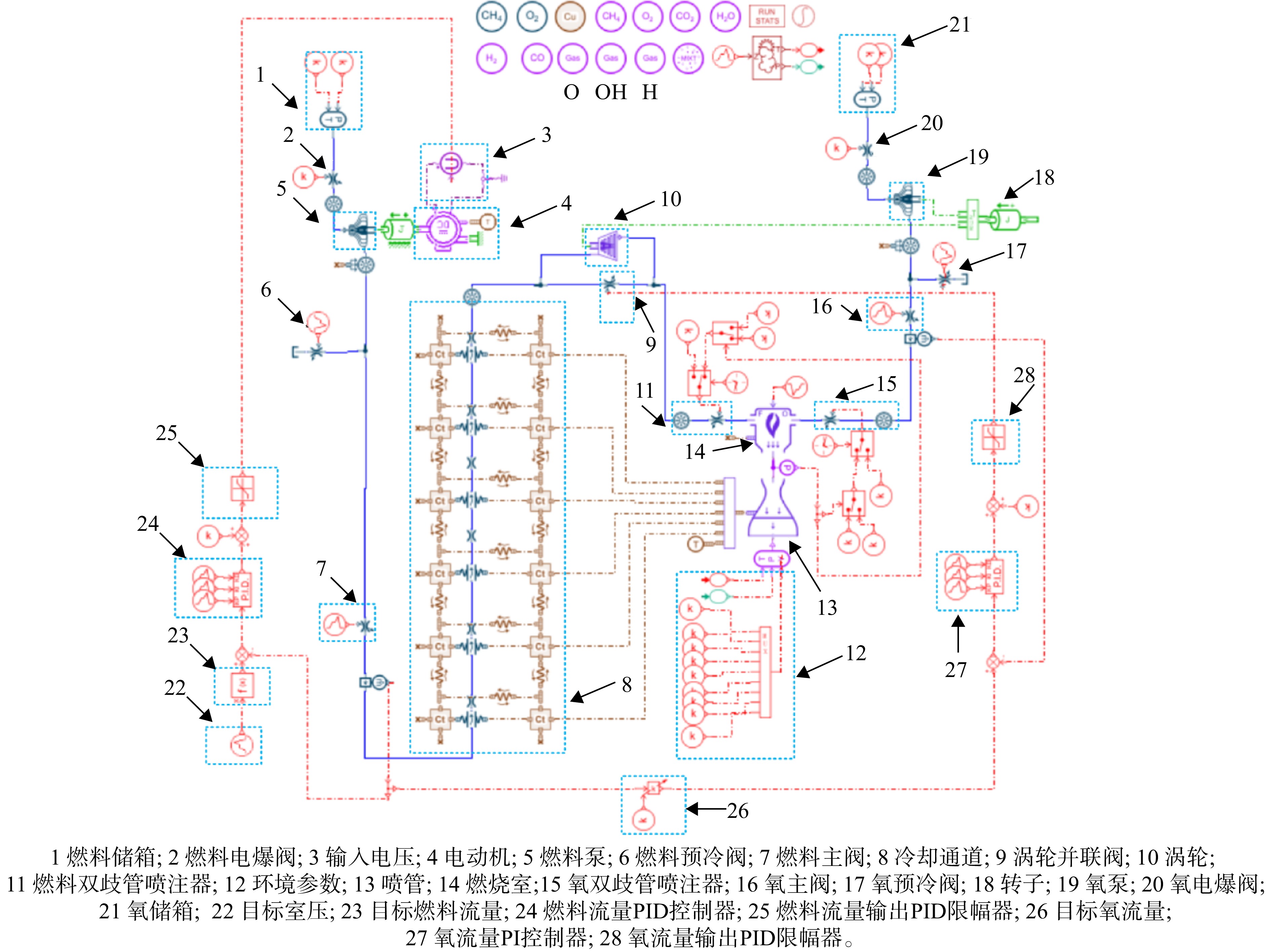
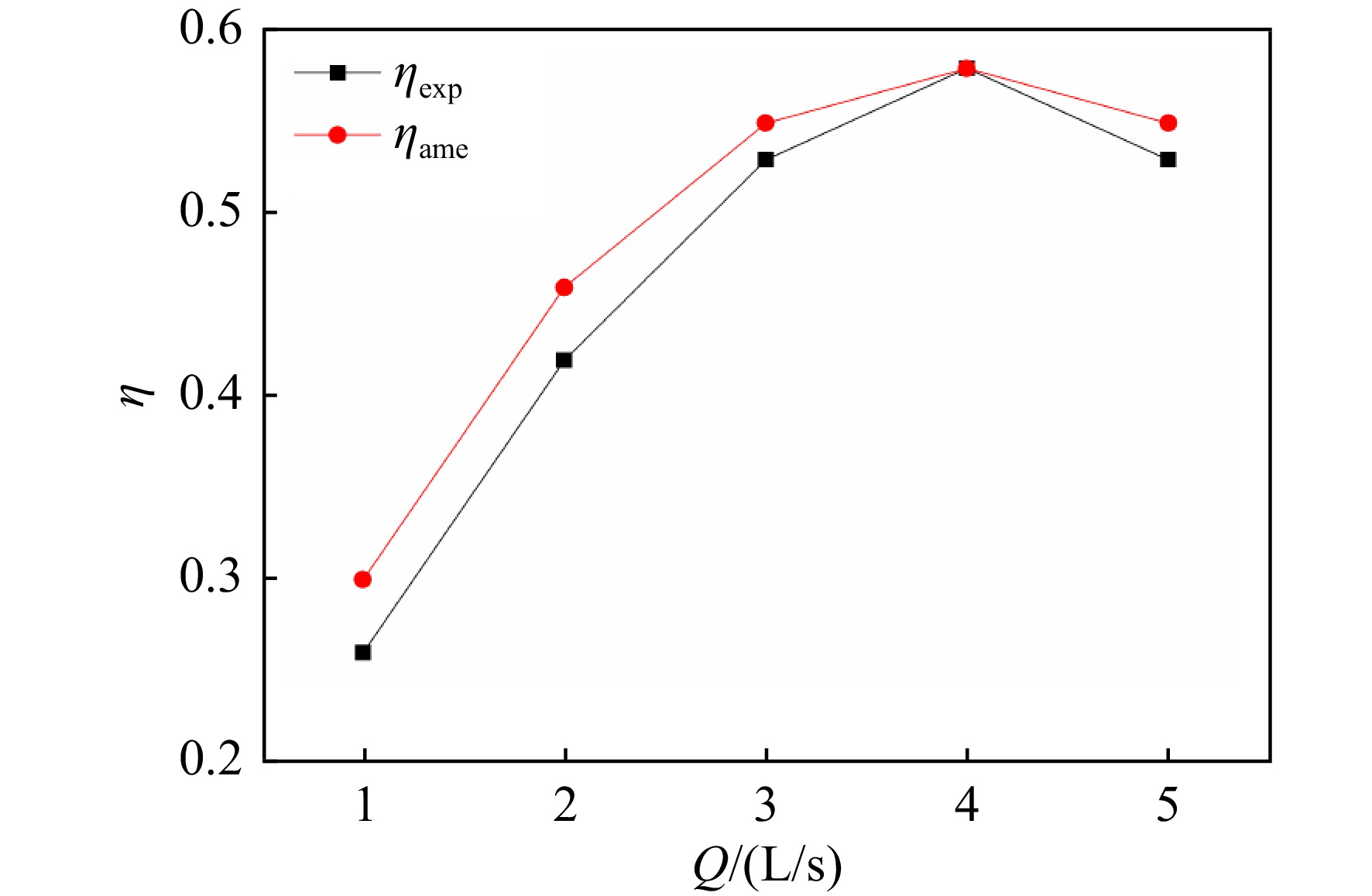
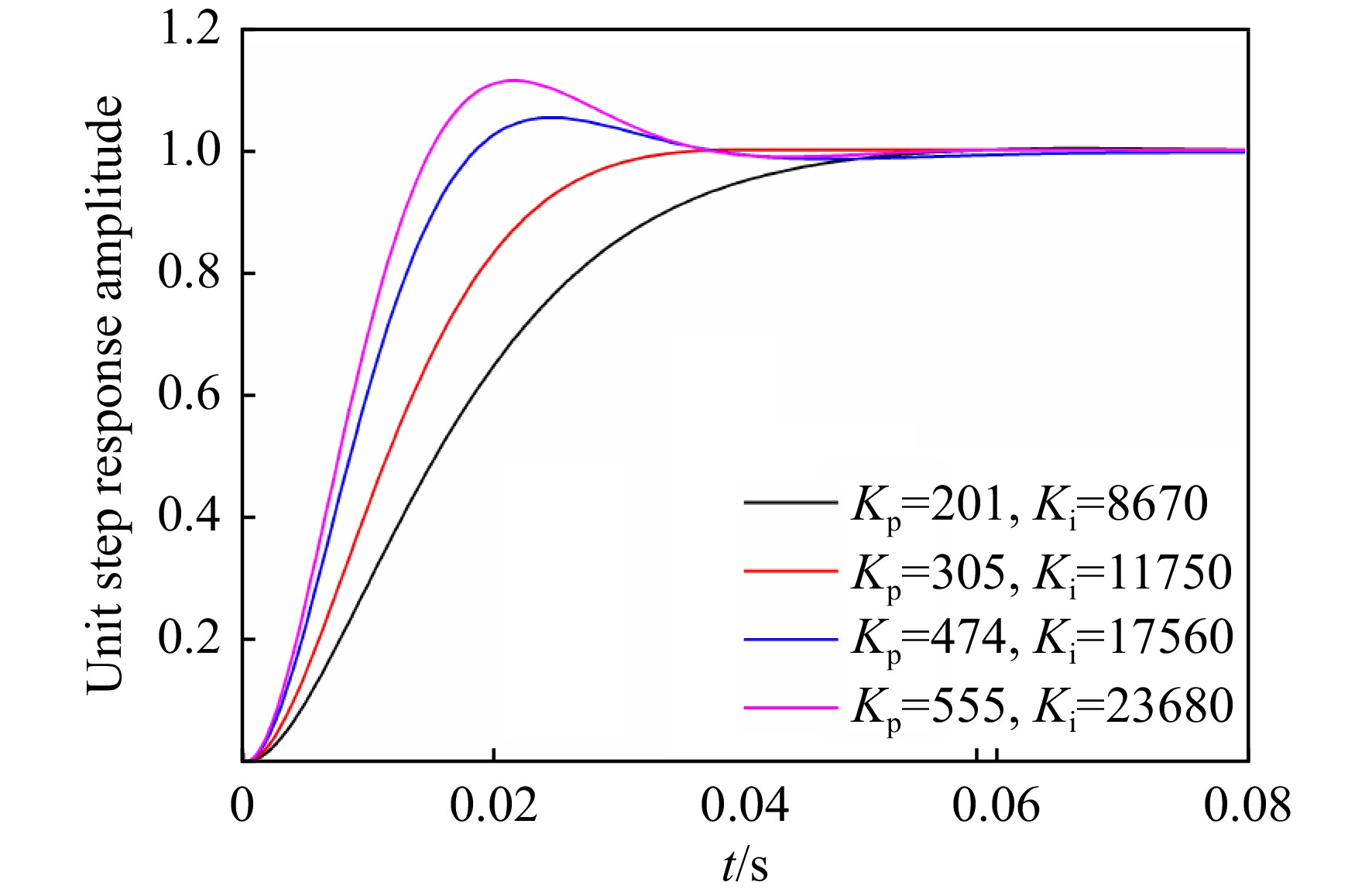
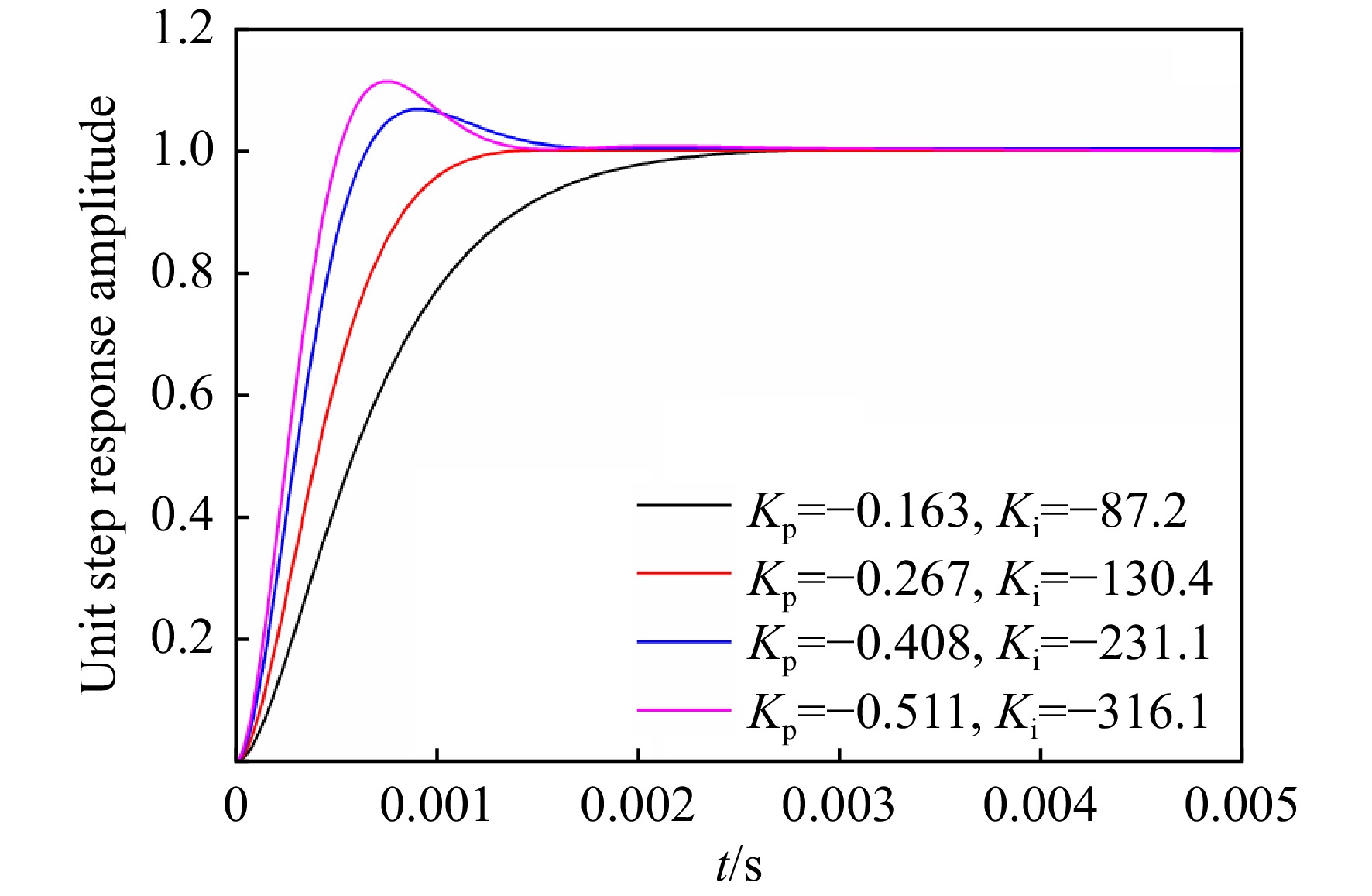
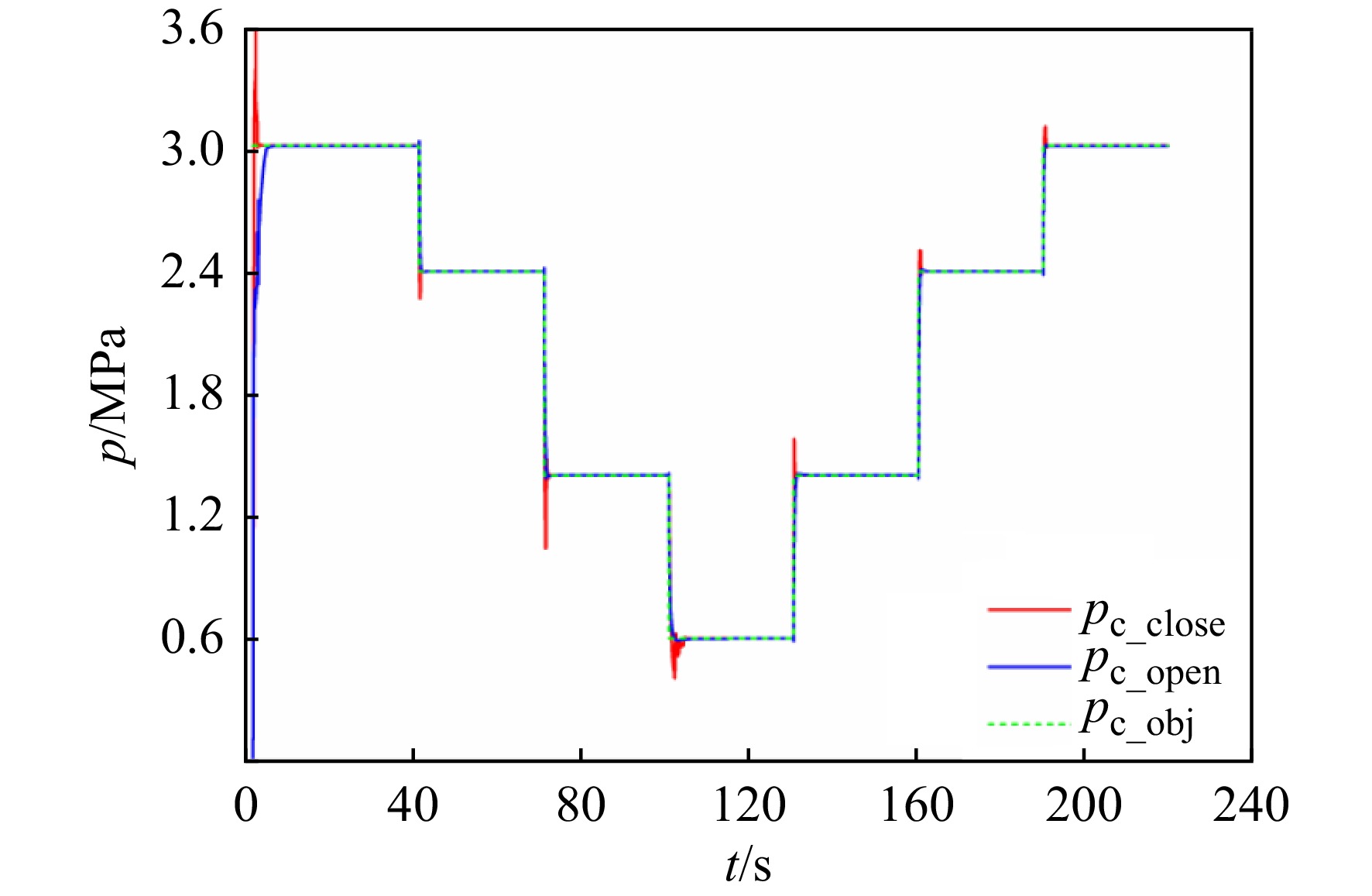
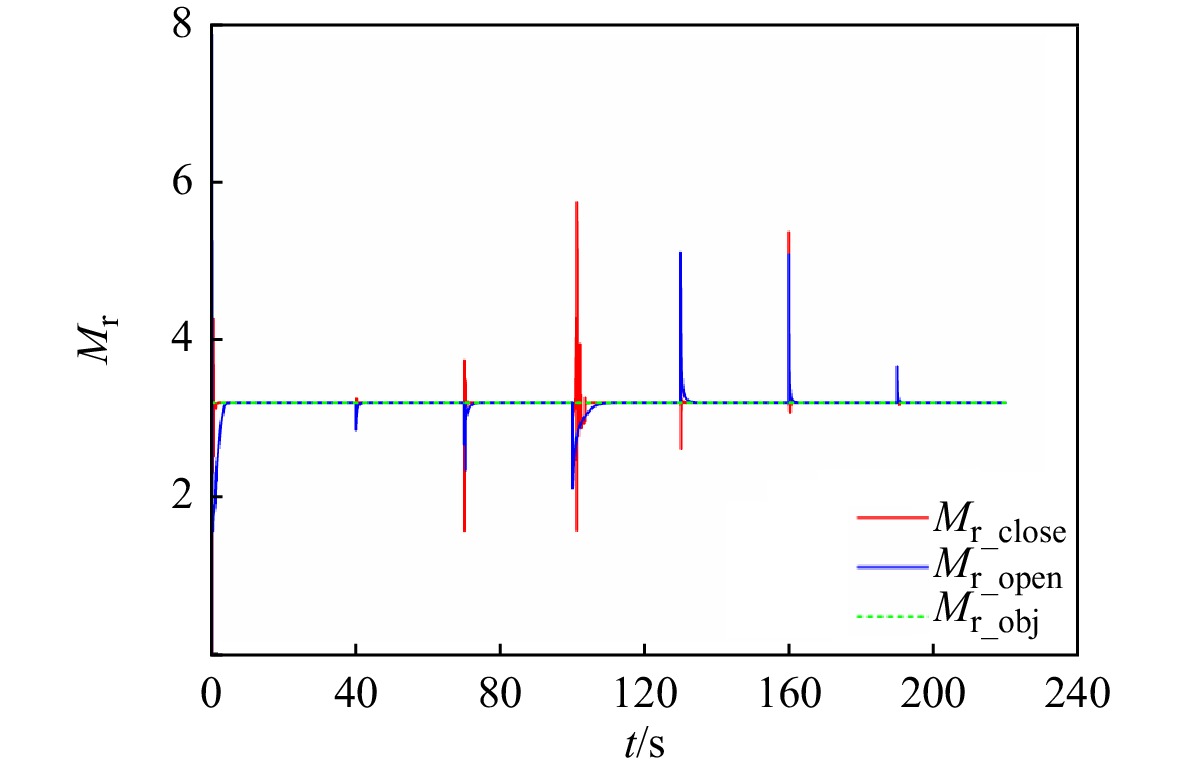
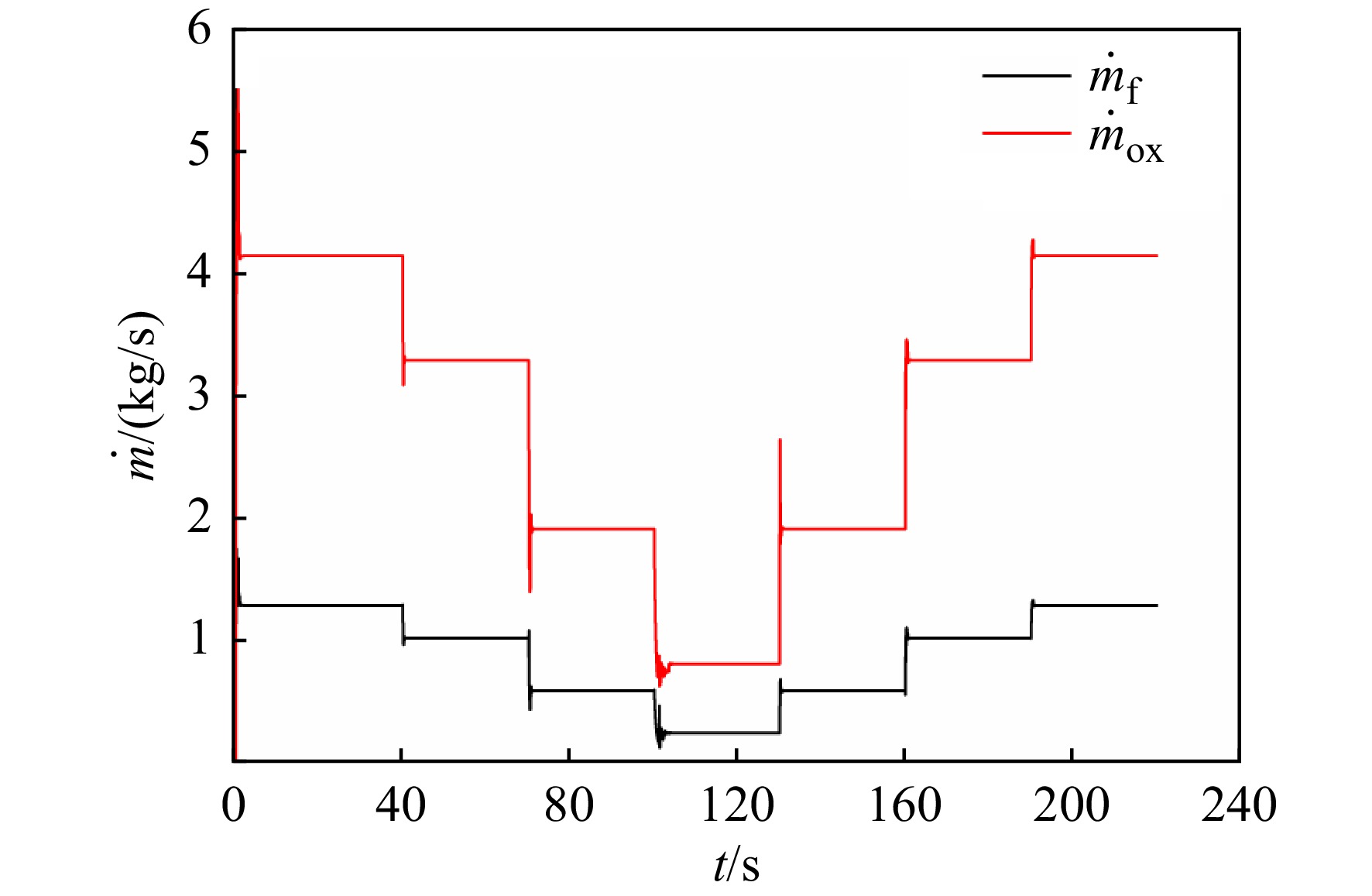
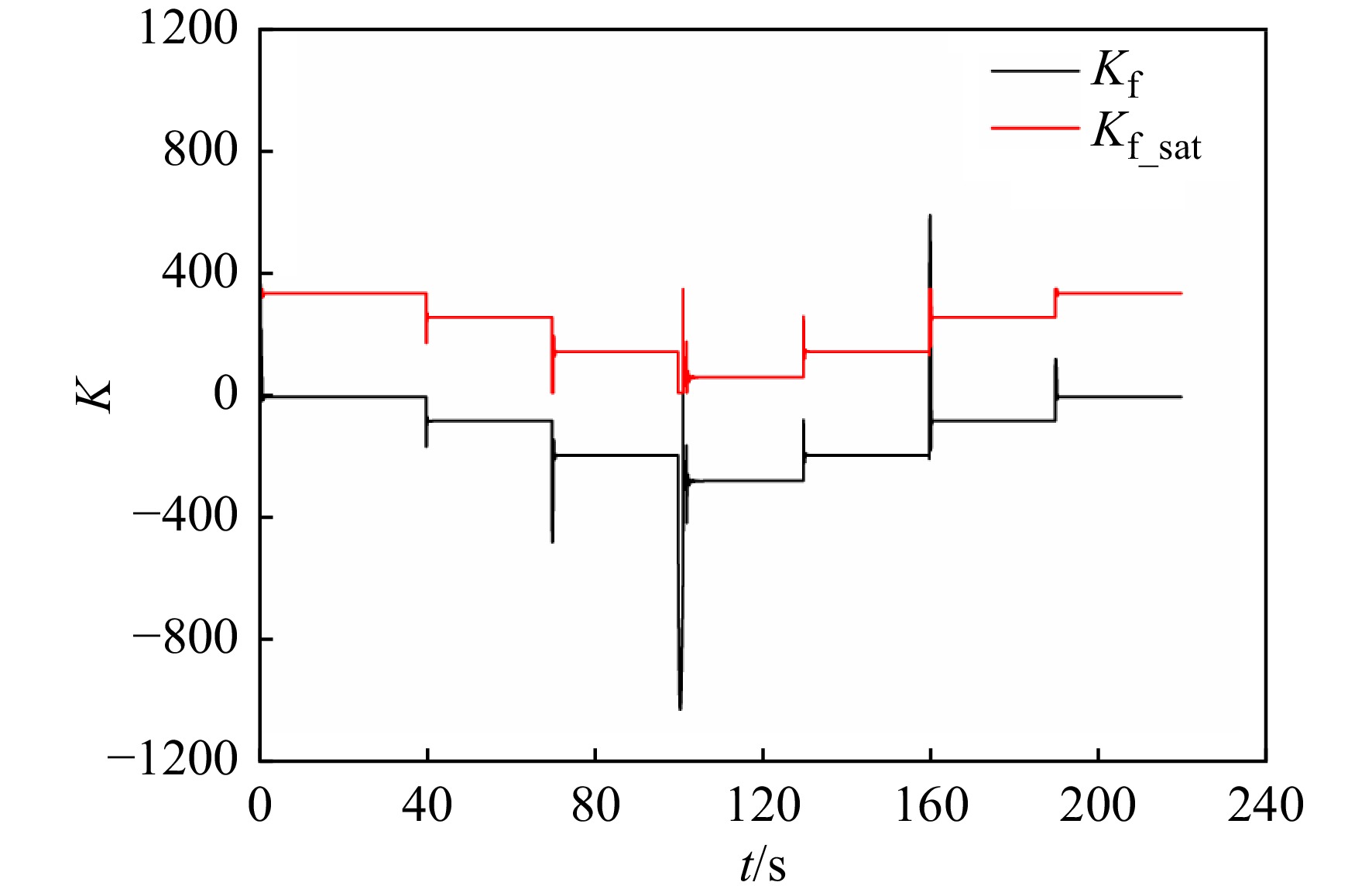
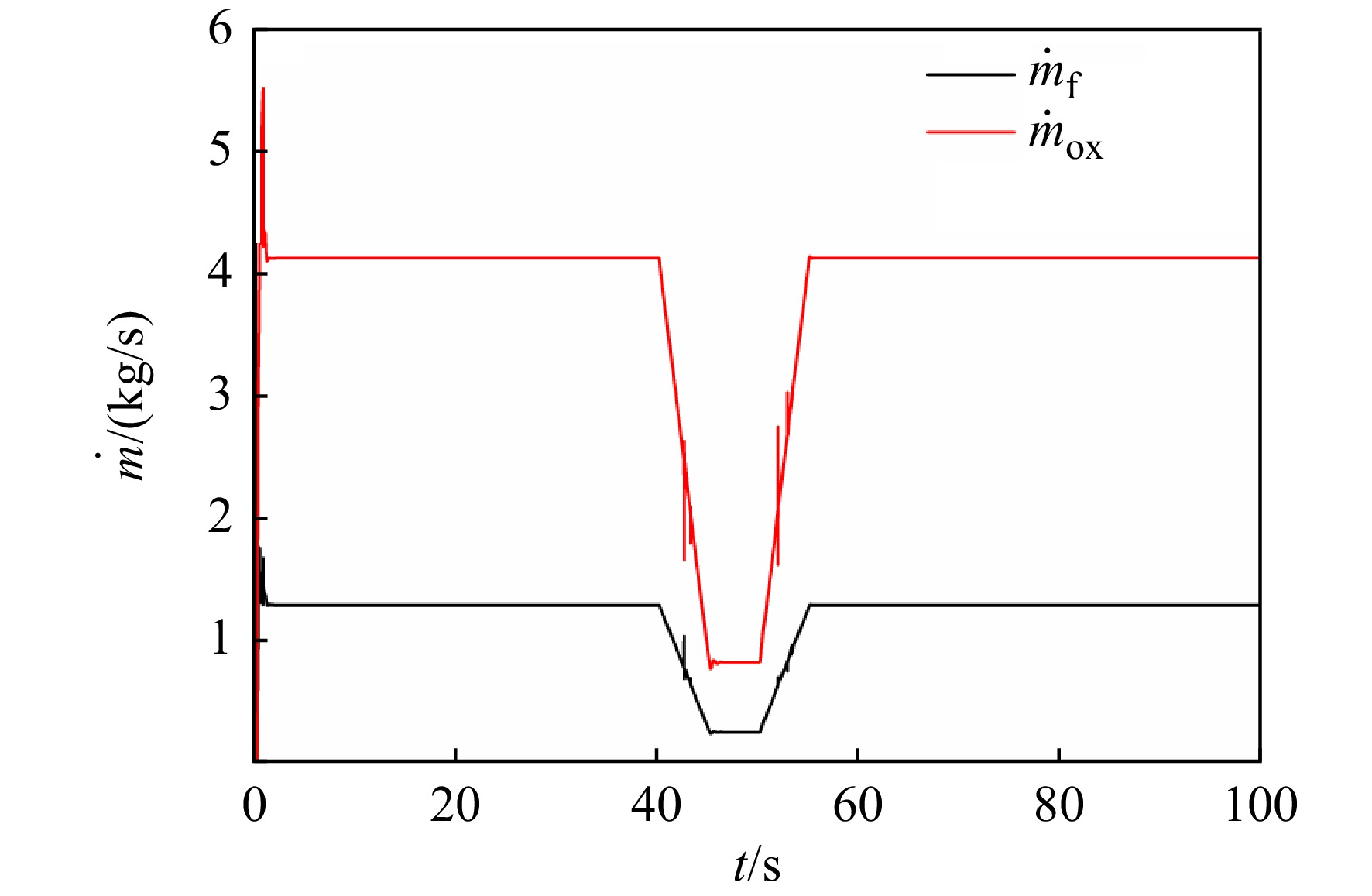
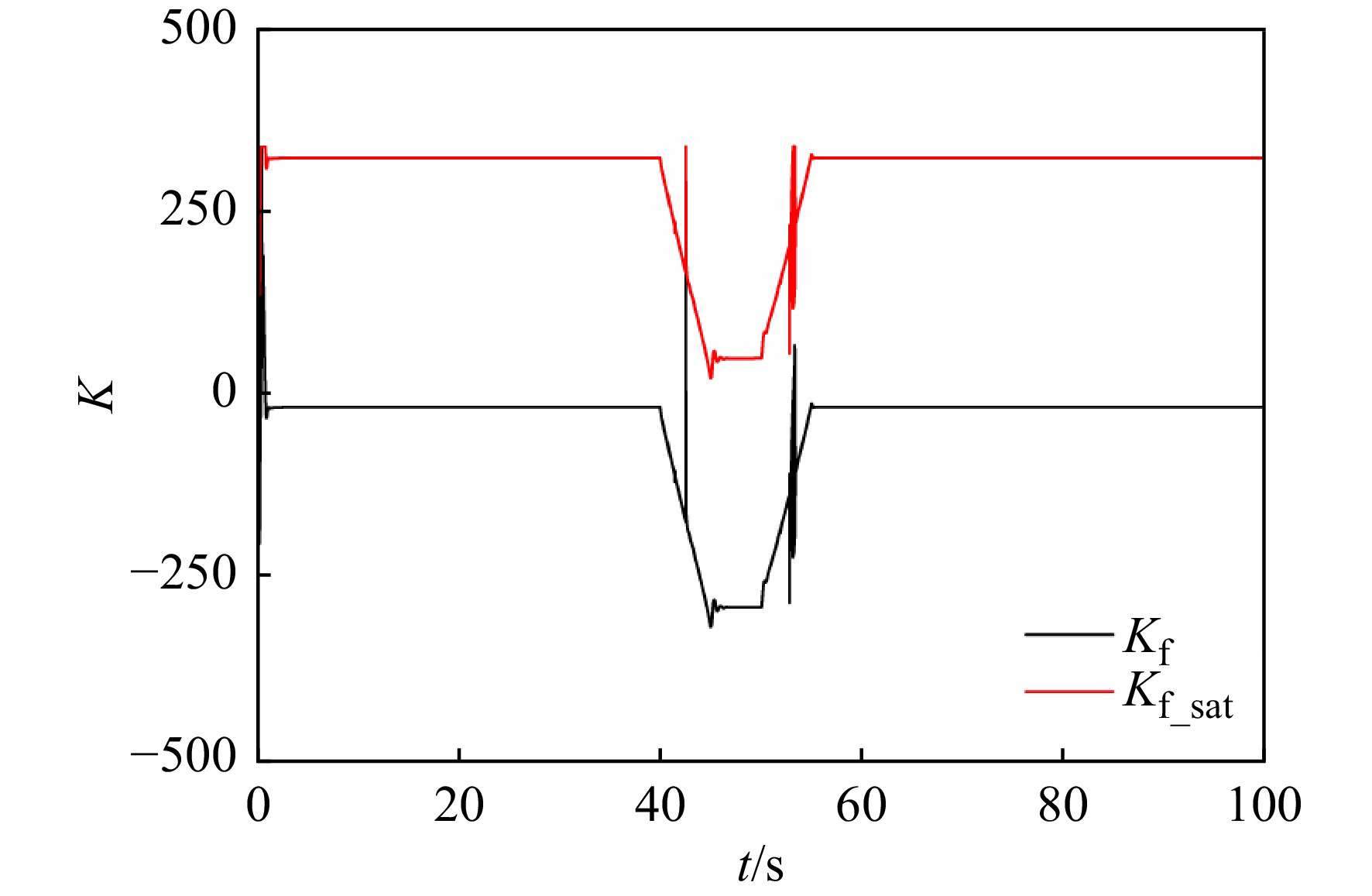
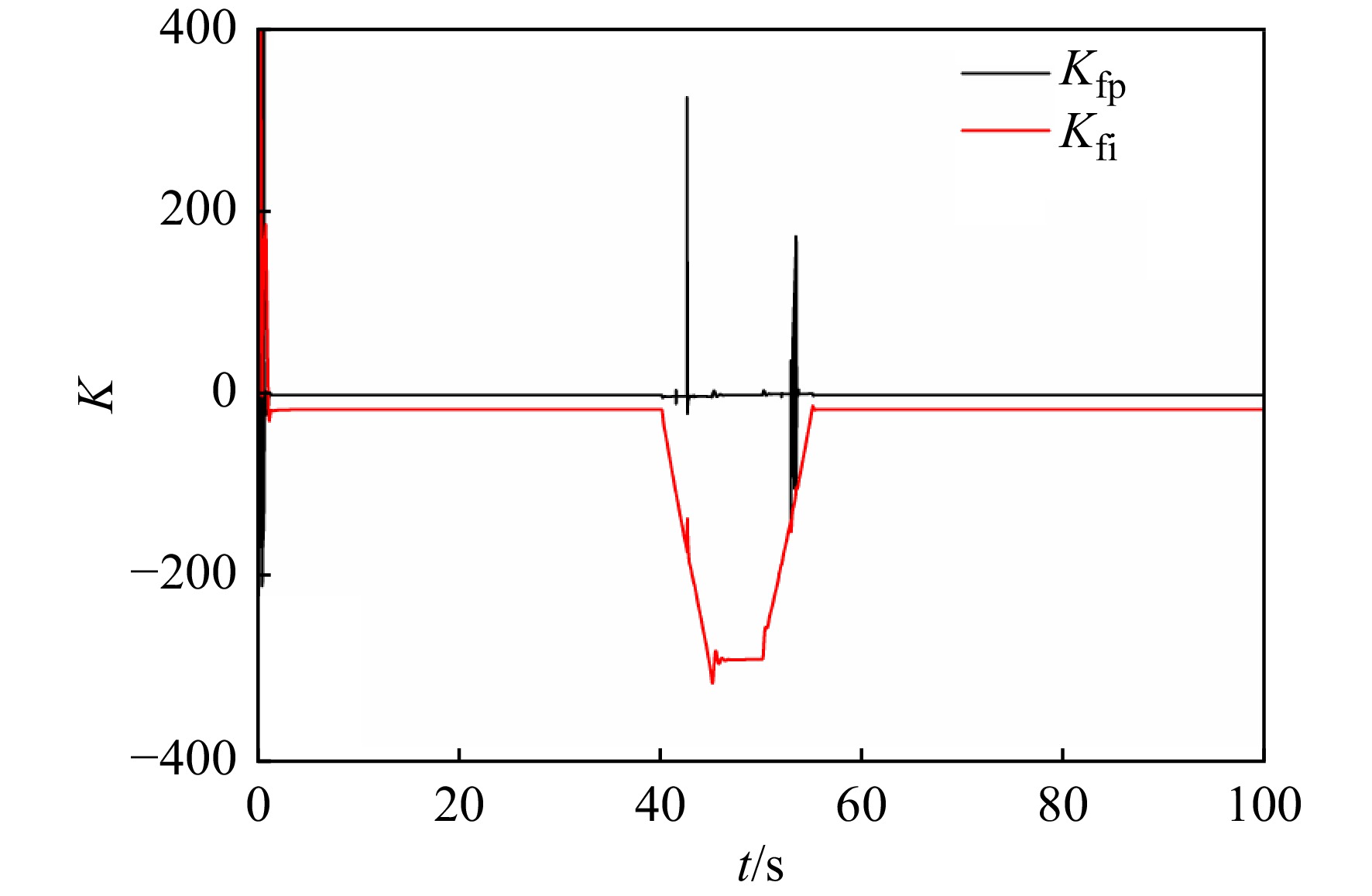
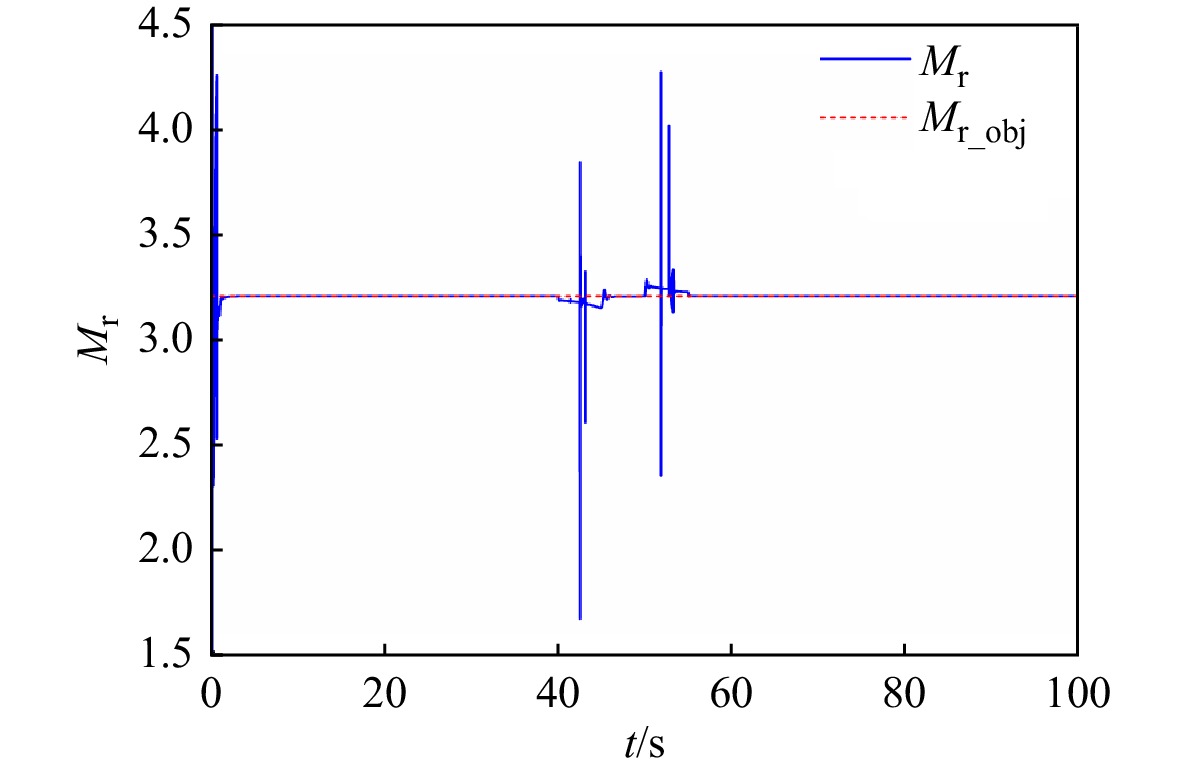
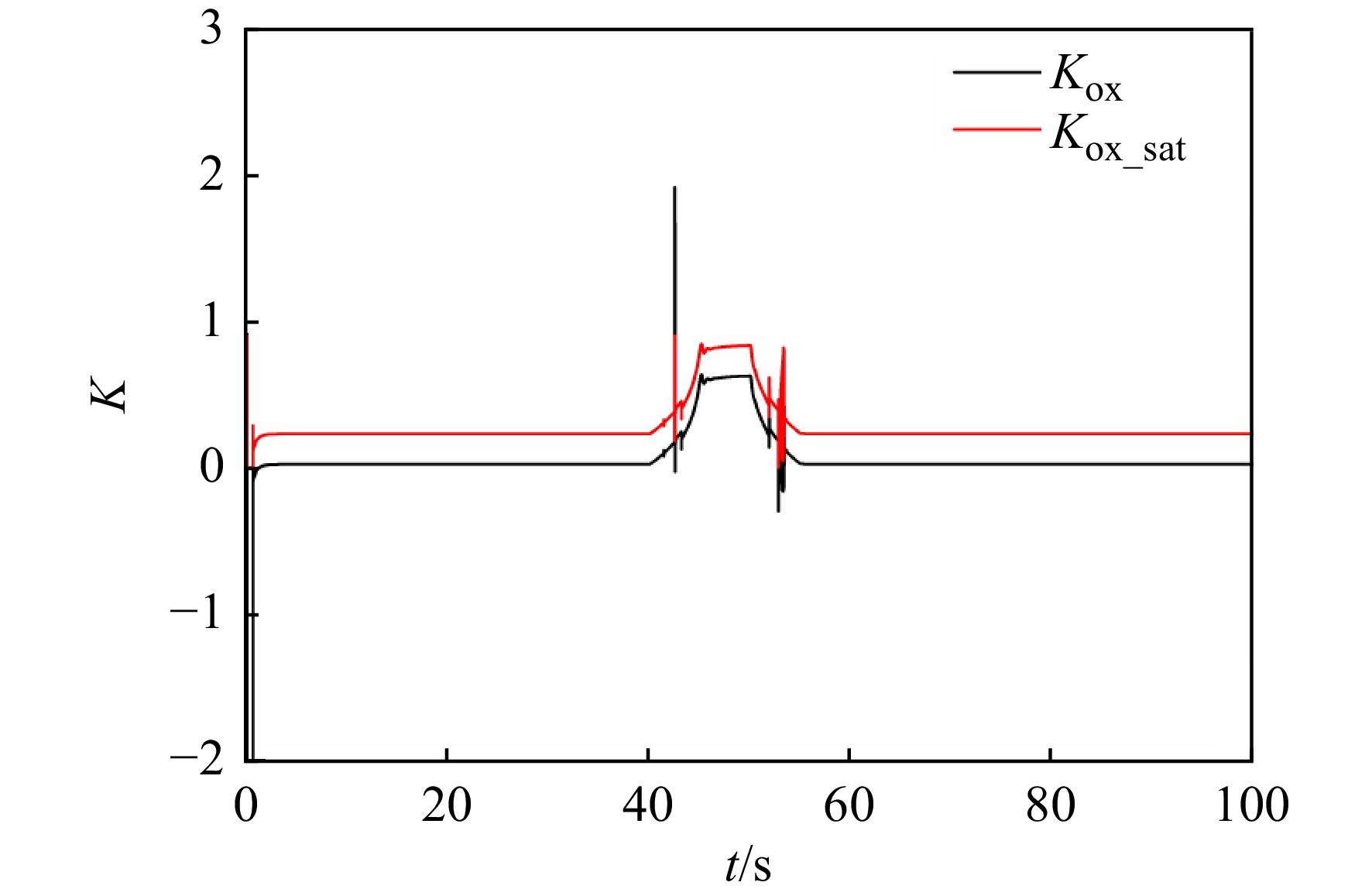
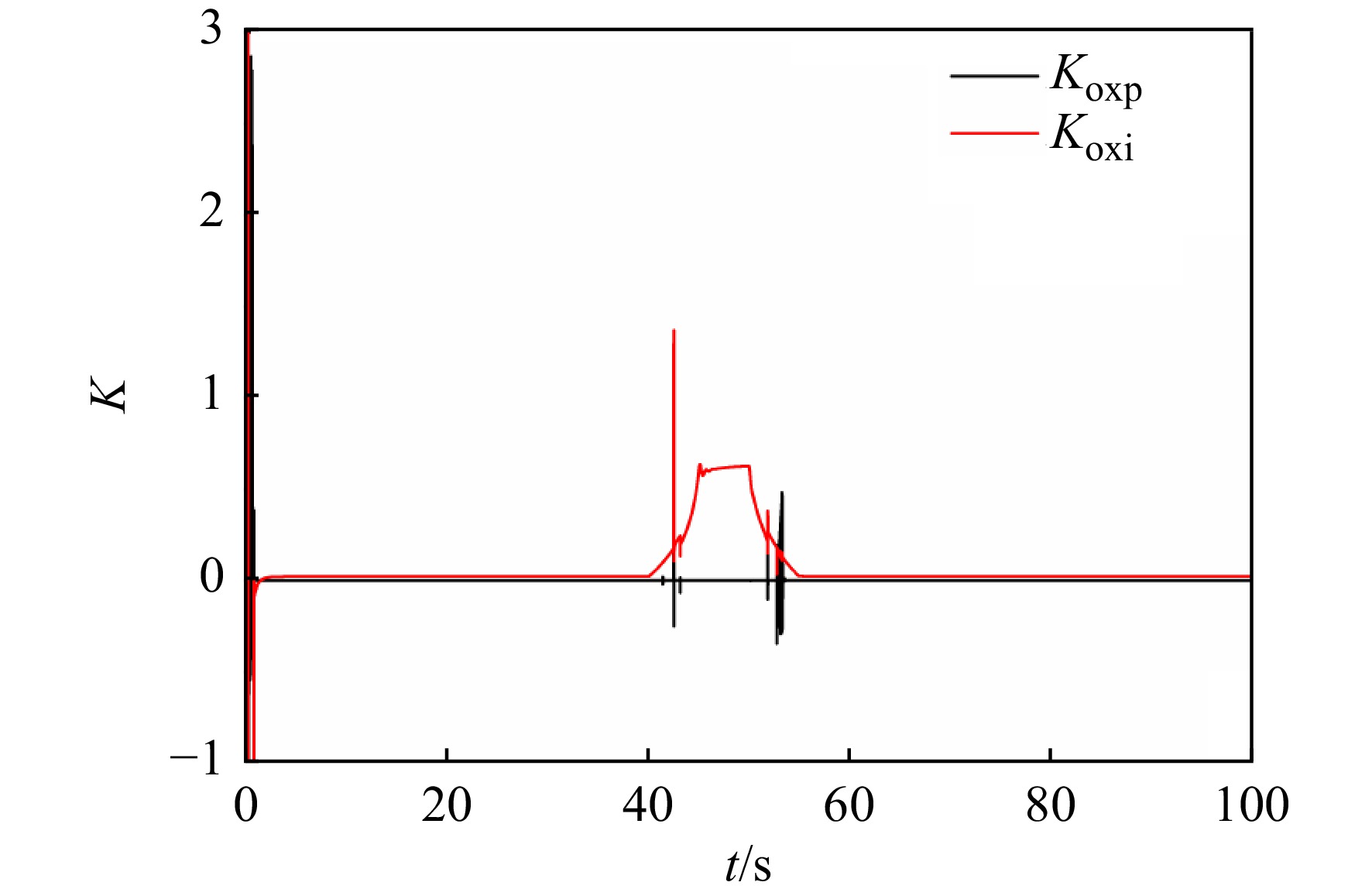
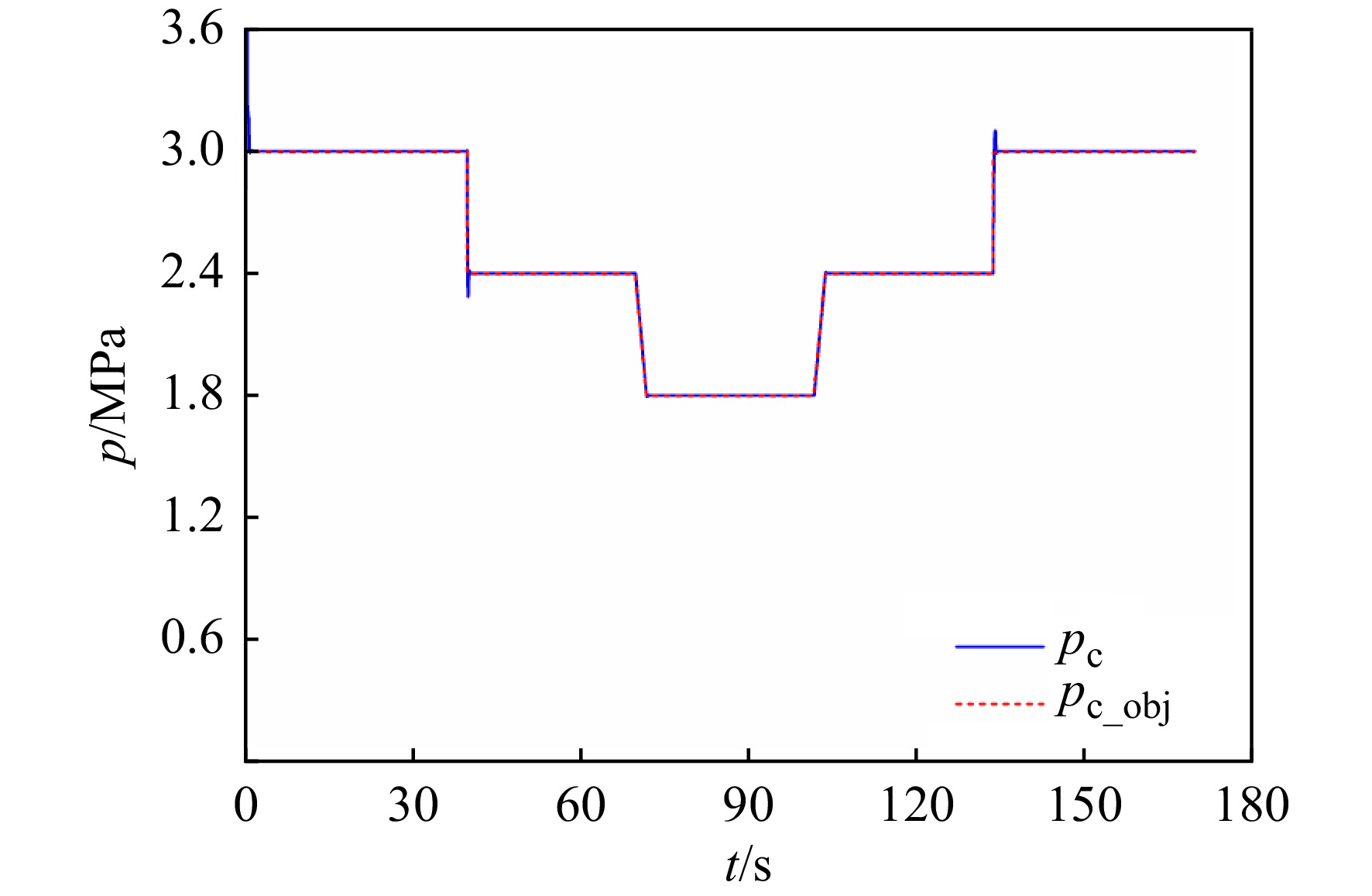
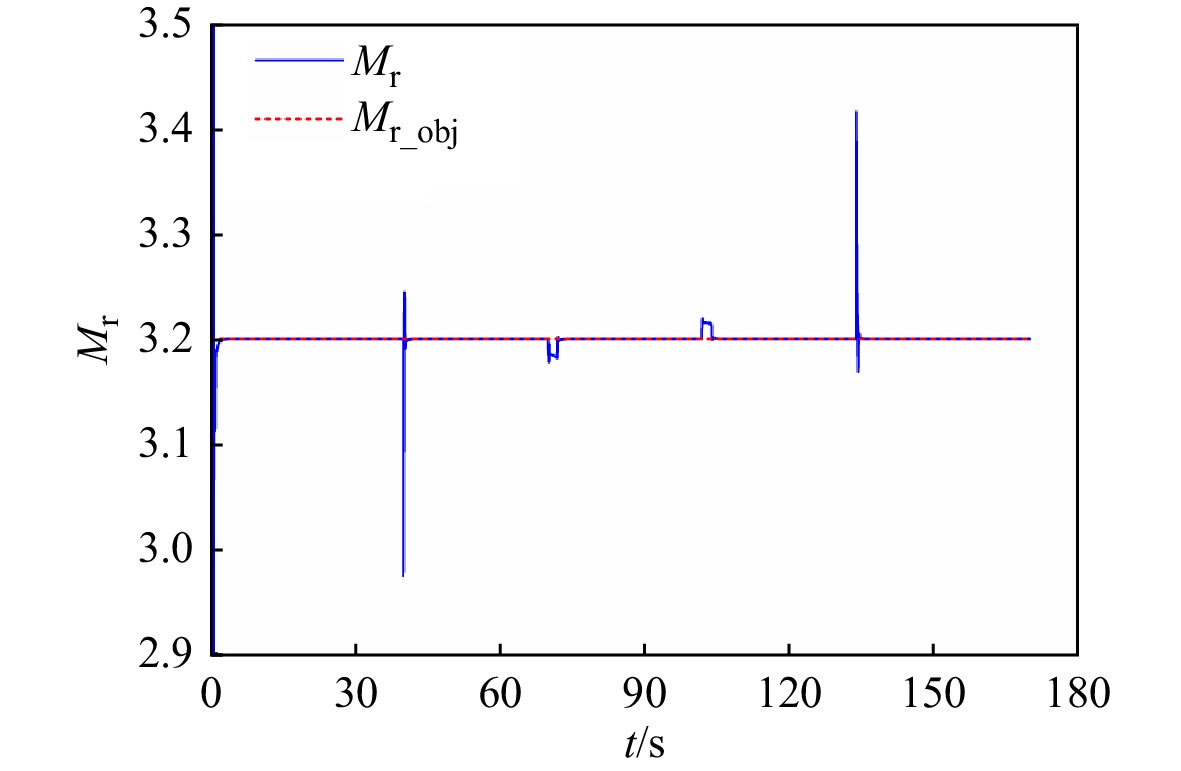
A thrust closed-loop control scheme for electric expander cycle of variable thrust liquid rocket engine was designed, and the control system simulation model was established based on AMESim platform. Besides, the simulation model of some important components was verified. Secondly, the PID (proportional-integral-derivative) controller parameters were selected based on the dynamic models of motor pump and turbopump. Finally, control simulation was carried out for the step signal and slope signal of thrust regulation. The results showed that the double PI controller was suitable for the thrust regulation control of electric expansion cycle engine within the range of thrust ratio 5∶1, and there was no steady-state error in the system, though the oscillation of thrust existed during the throttling process; secondly, for the throttling process, the proportional output oscillation of the control signal of the dual PI controller contributed much to the fluctuation of the control target, and it cannot restrain the fluctuation effectively; compared with step signal, the effect of dual PI controller tracking slope signal was better, so in practice, the slope signal should be considered for thrust throttle.

Power Transimission
Intelligent fault diagnosis of rotating machinery based on impact feature extraction
HU Aijun, SUN Junhao, XING Lei, XIANG Ling
2023, 38(12): 2973-2981. doi: 10.13224/j.cnki.jasp.20220106
Abstract:
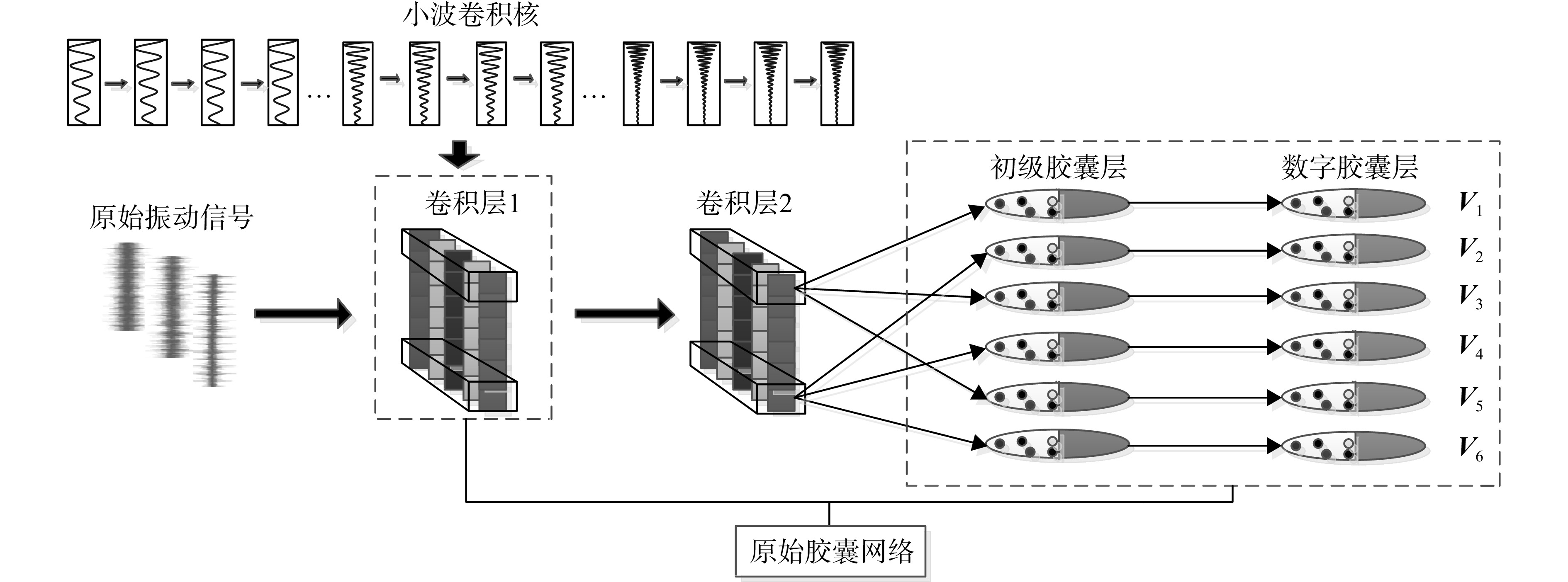
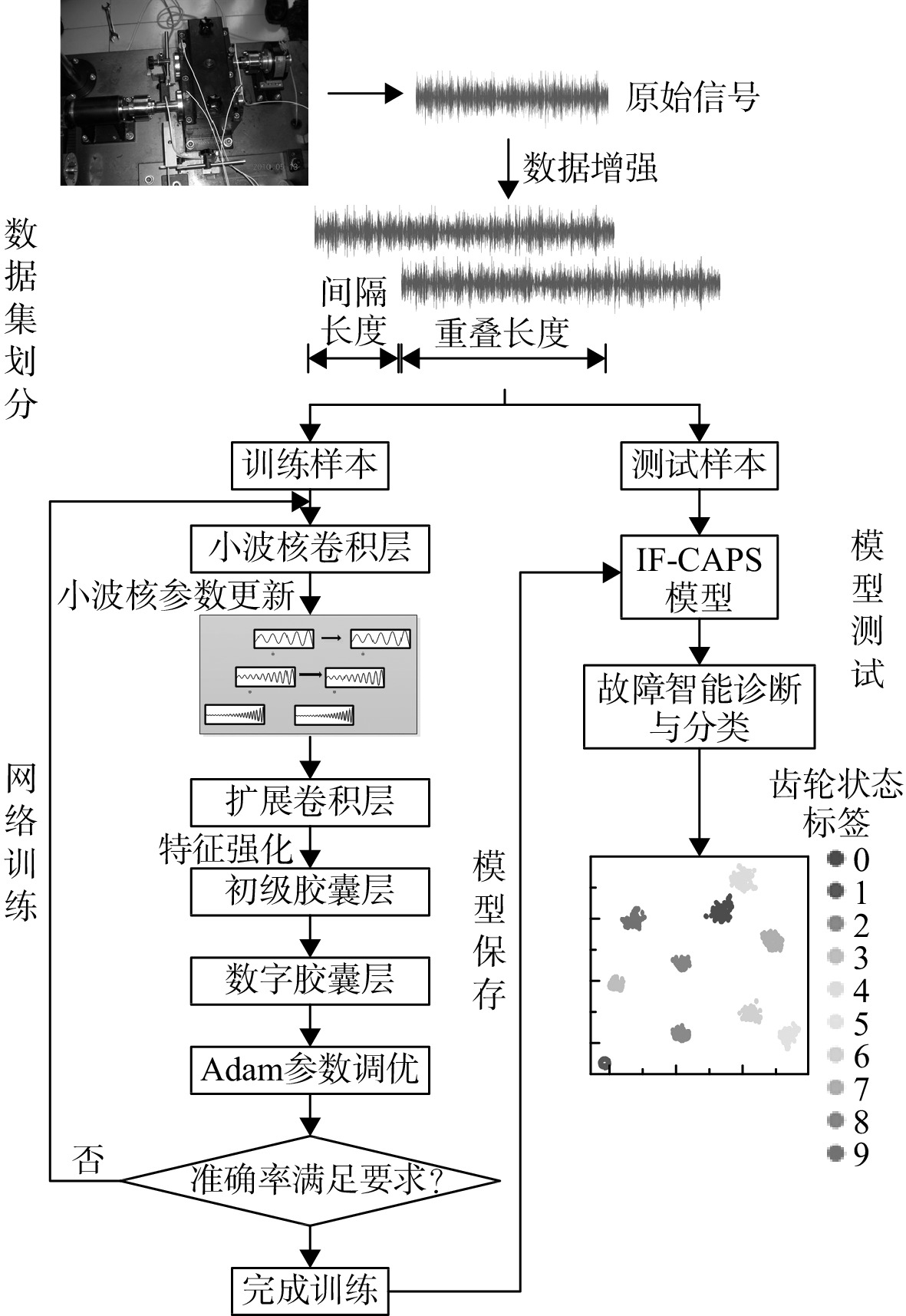
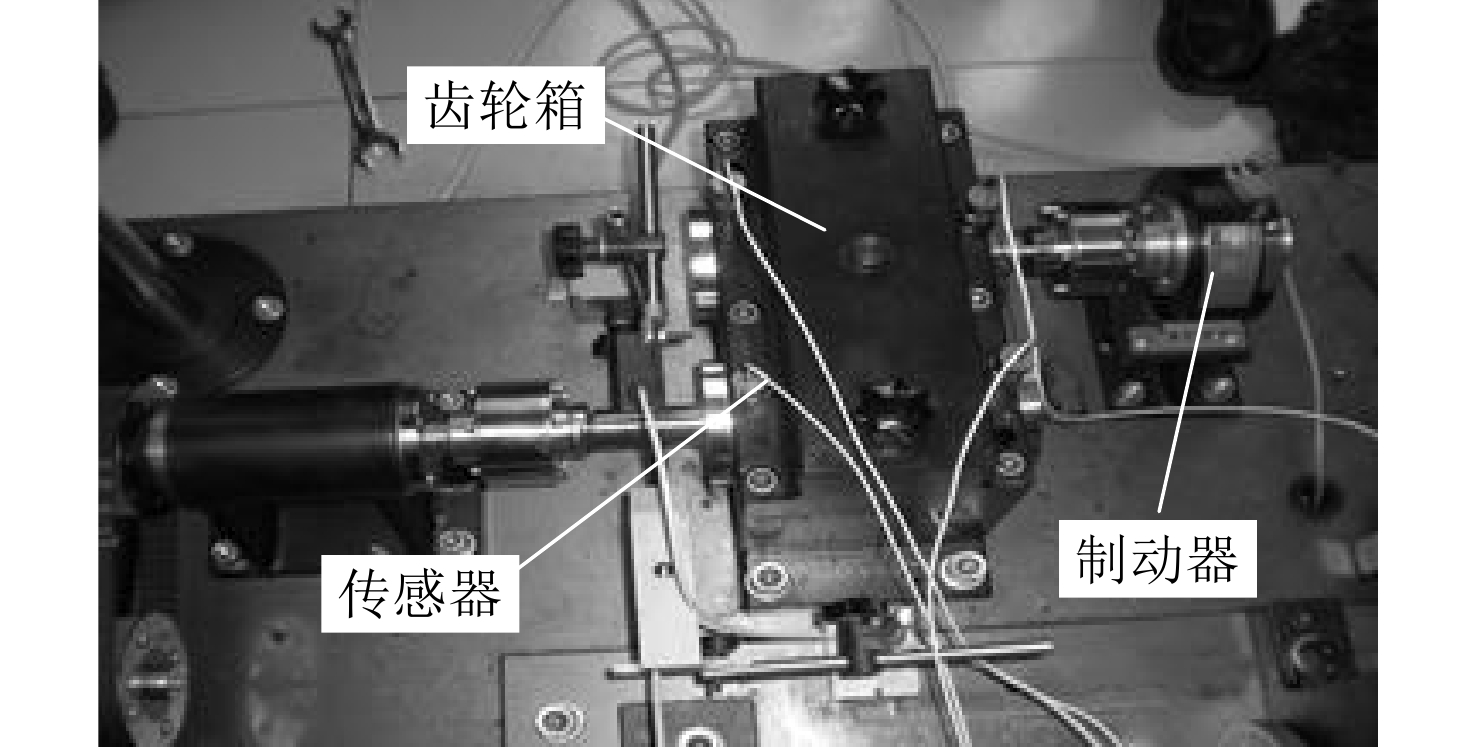
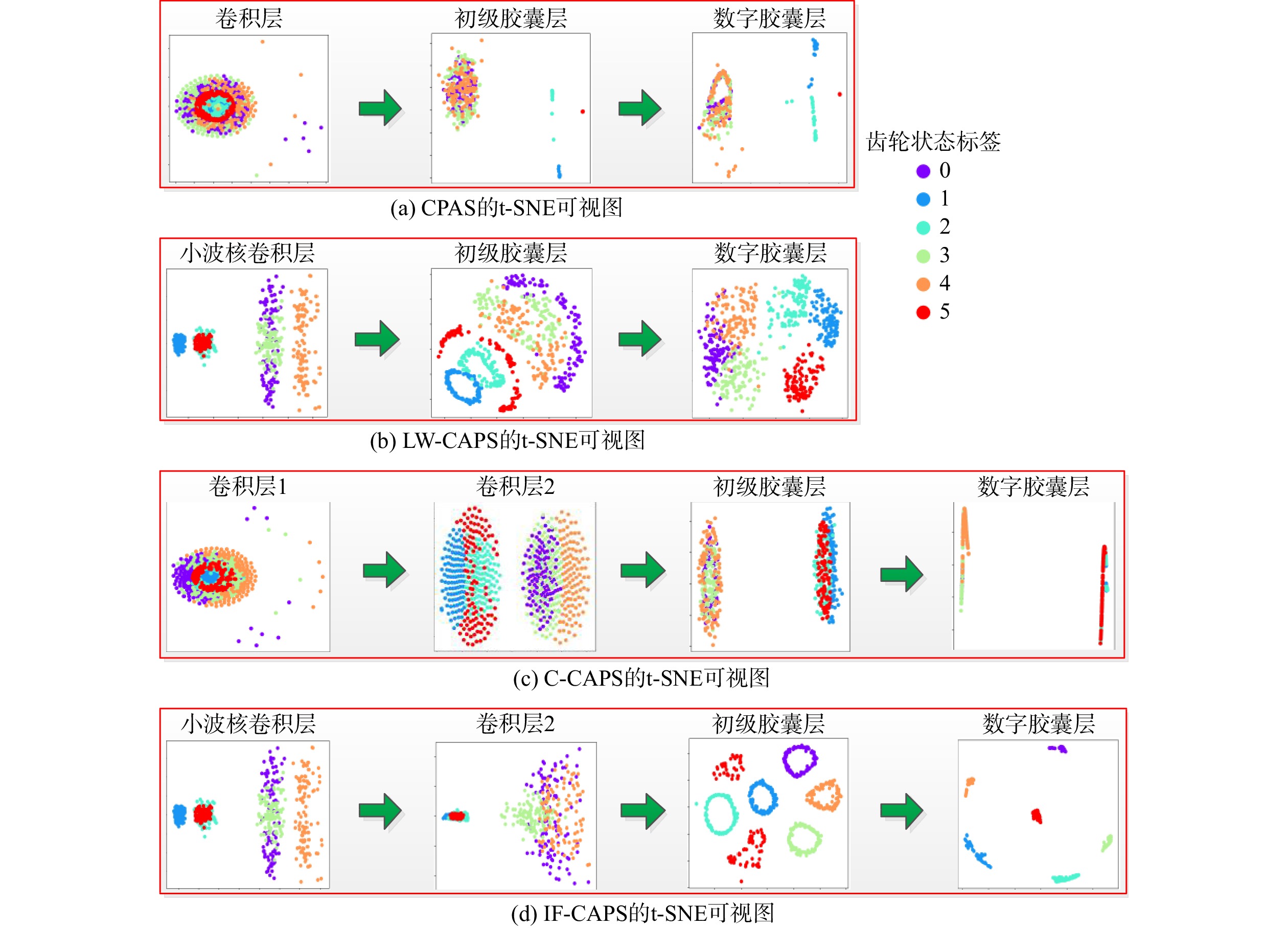
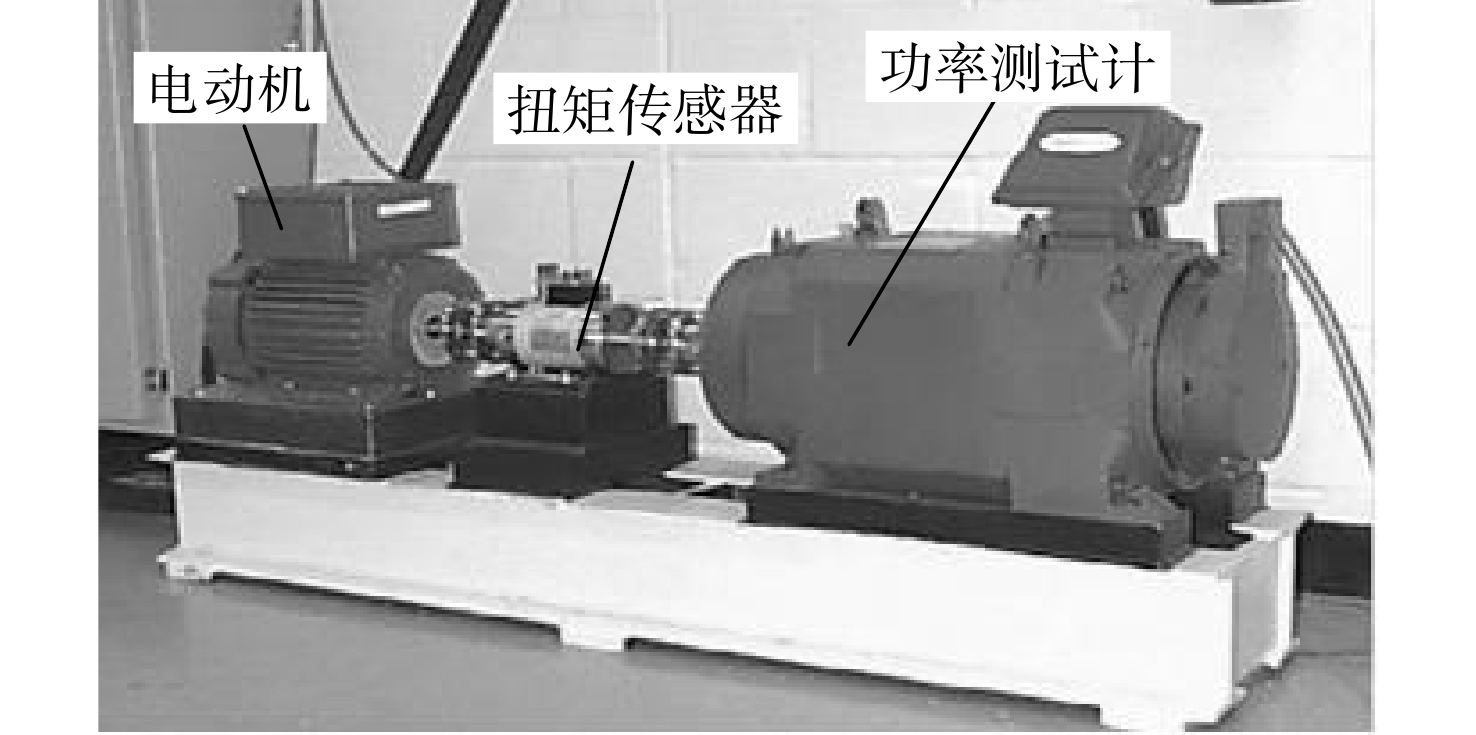
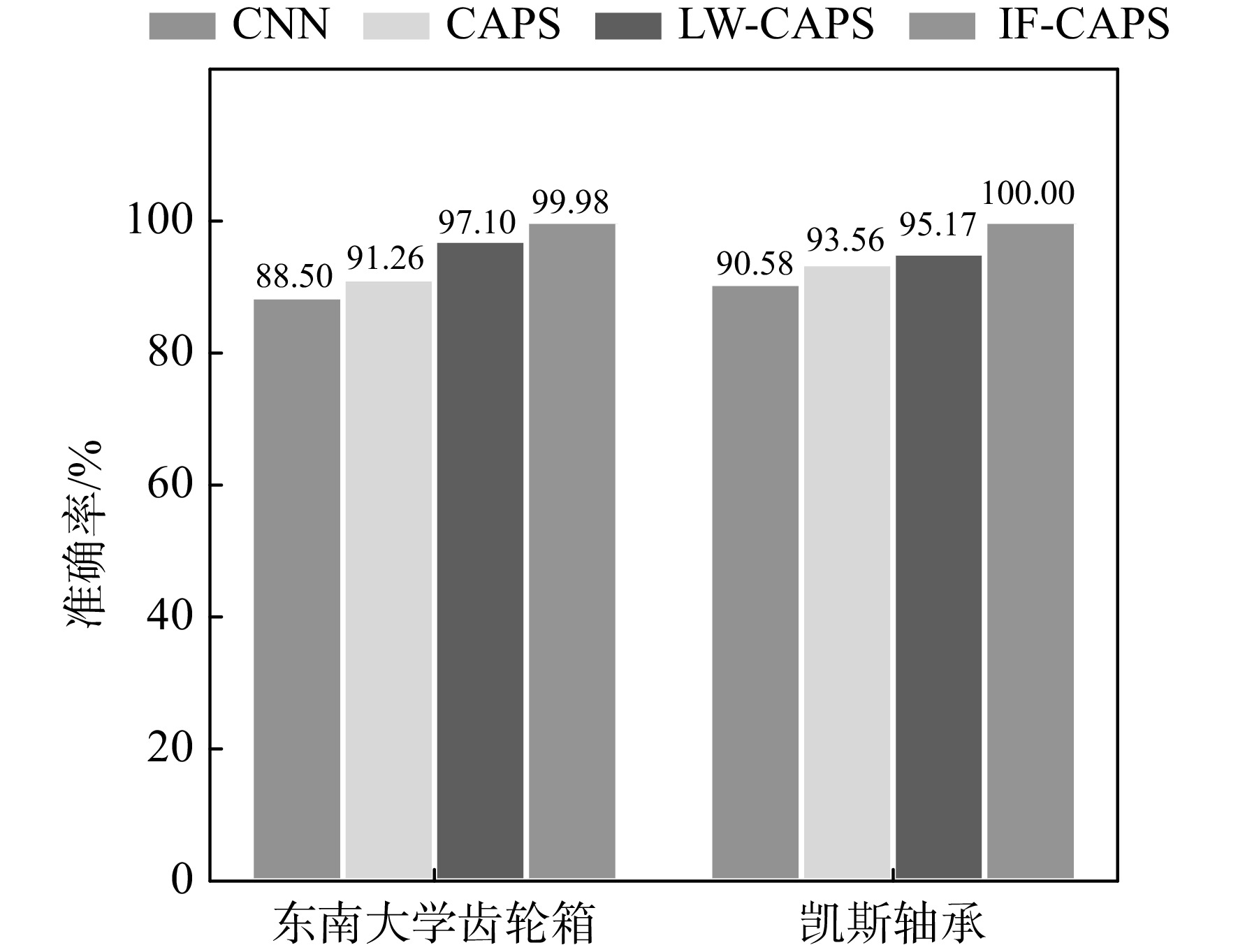
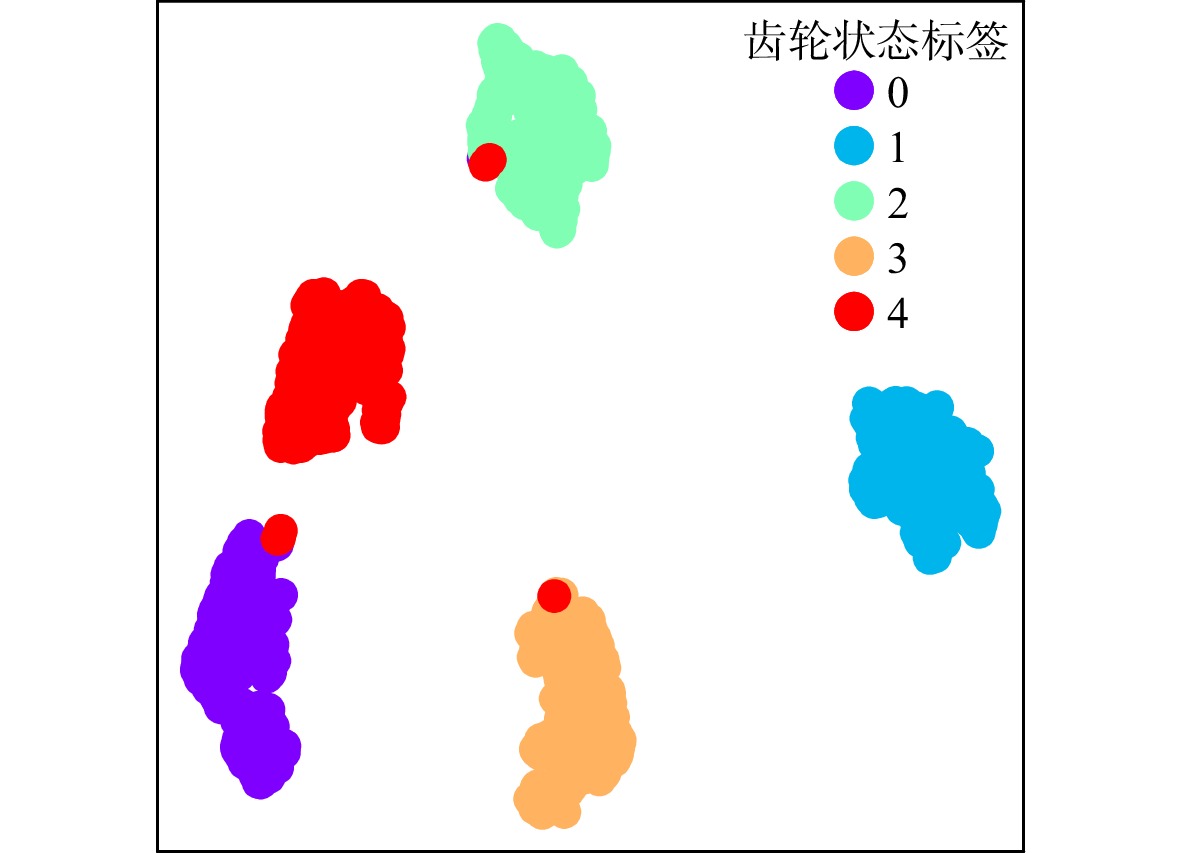
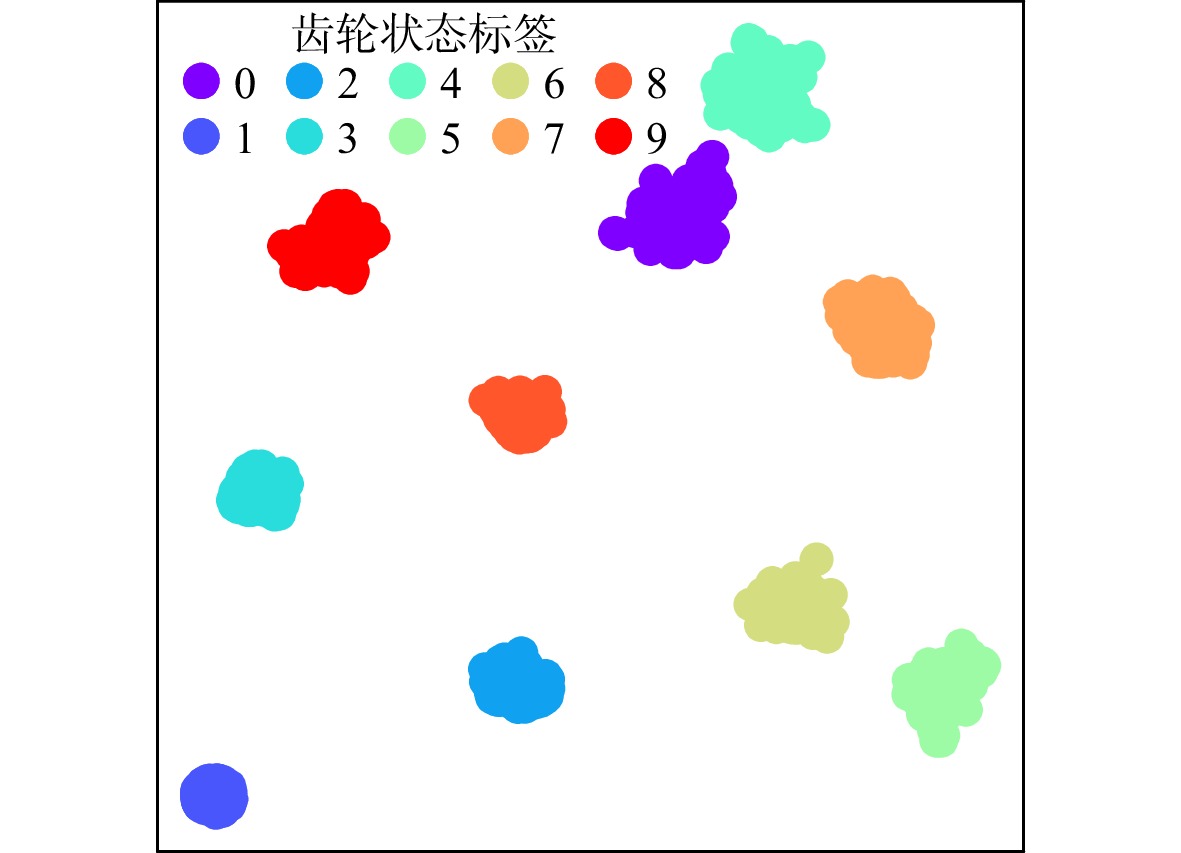
In view of the gear and bearing faults, an intelligent fault diagnosis model of rotating machinery based on impact feature extraction capsule network was proposed. Based on the structure of the capsule network, the original fault vibration signal was taken as the input, and the first wavelet kernel convolution layer was constructed to extract the impact fault features, so as to improve the interpretability of the feature extraction of the deep learning network. After the wavelet kernel convolution layer, a convolution layer was extended to strengthen the features extracted by the first wavelet kernel convolution layer. The enhanced features were processed through the primary and digital capsule layers to output the final diagnosis result. Therefore, an “end-to-end” wavelet convolution capsule network model was constructed. The impact feature extraction ability of the proposed model was verified through the feature visualization analysis for each layer. The datasets verification results of three different experimental platforms show that the recognition accuracy of gears and bearings with different fault types and fault degrees can reach 100% at most, presenting good generalization ability.

Ease-off surface topological modification of helical gear tooth surface calculation method of adhesive wear
WANG Yongqiang, WEI Bingyang, XIE Xuekai, LI Jiaqi
2023, 38(12): 2982-2990. doi: 10.13224/j.cnki.jasp.20210568
Abstract:
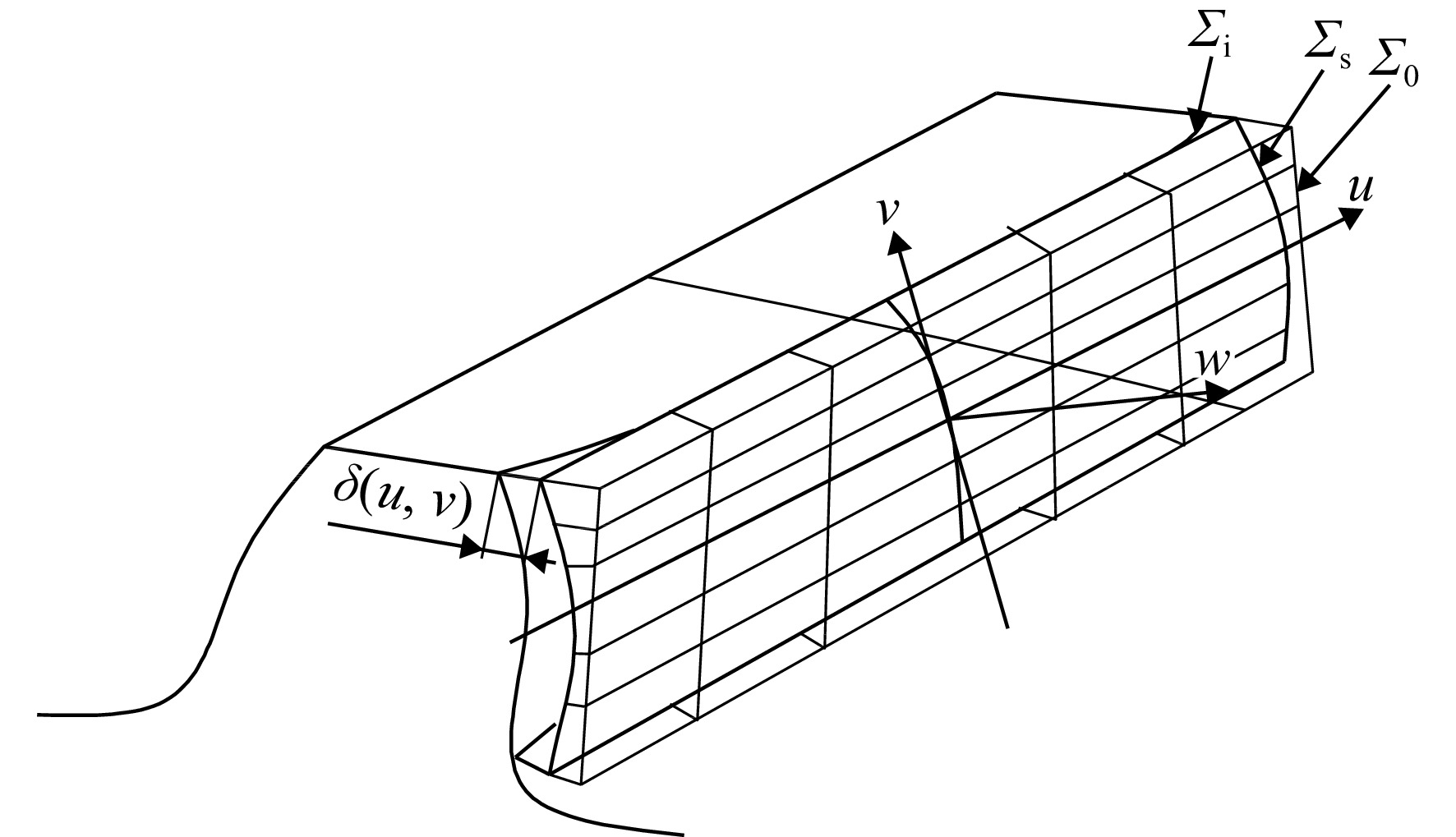
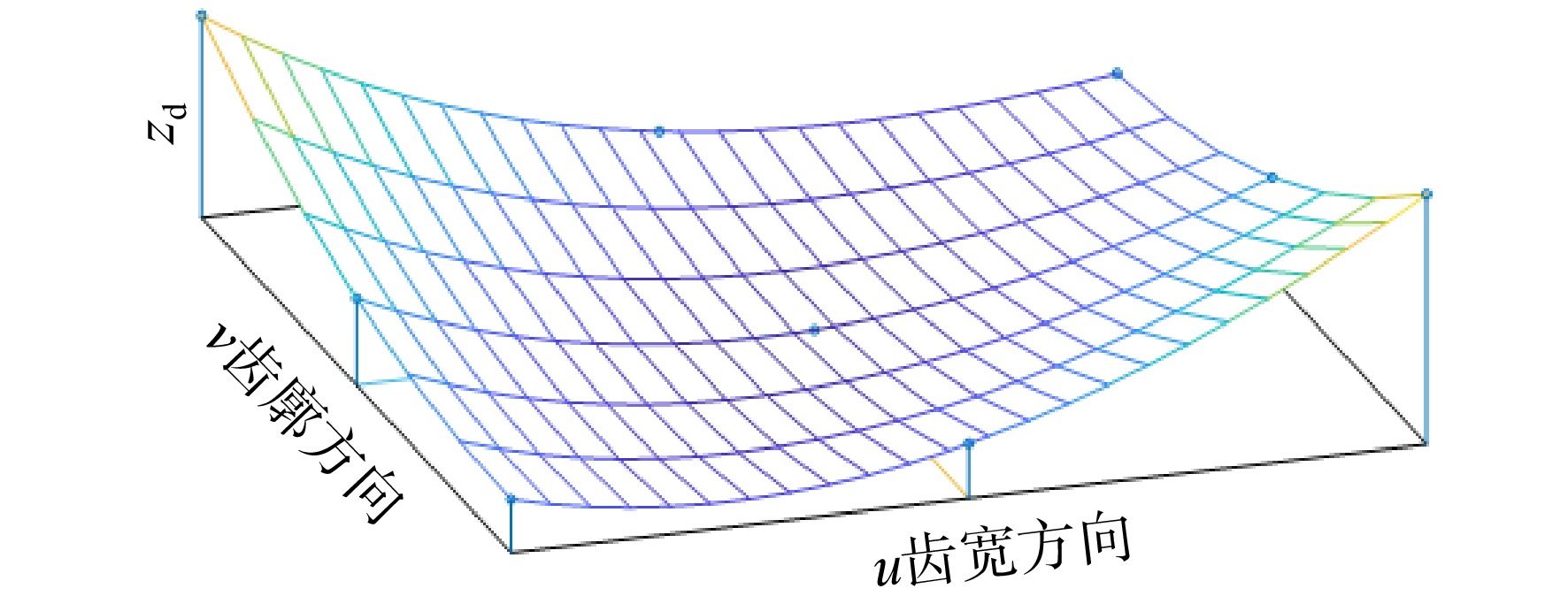
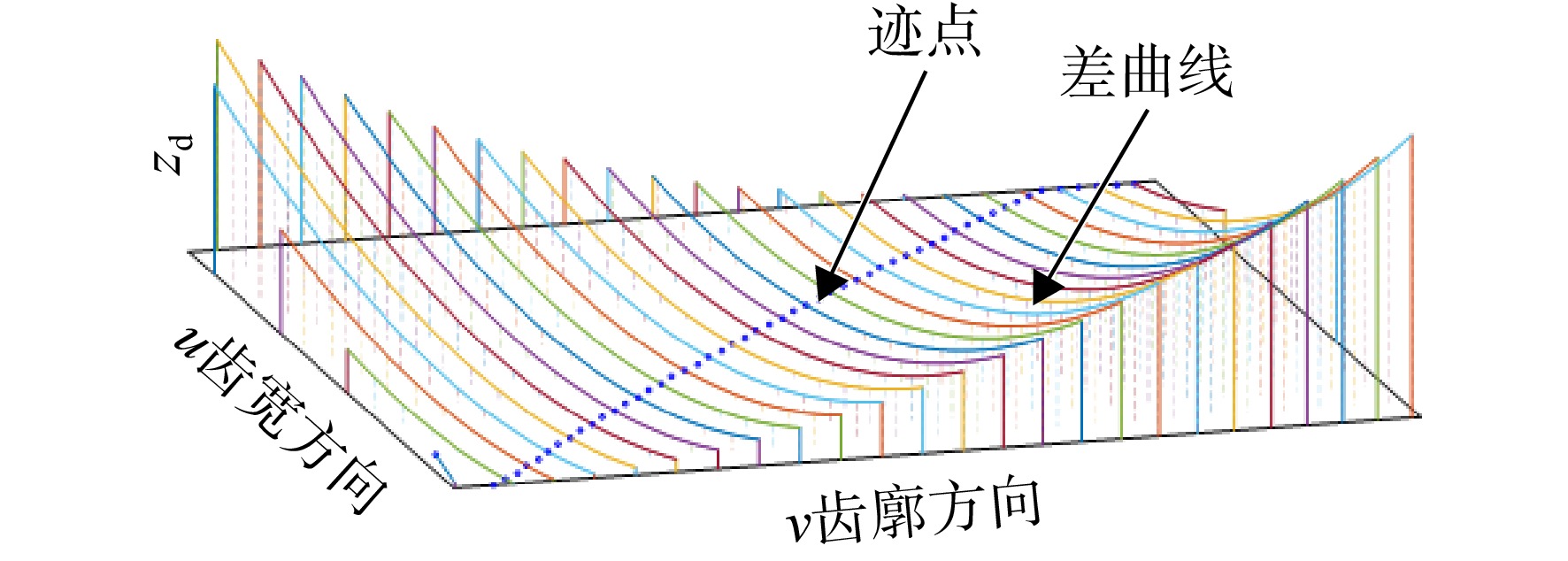
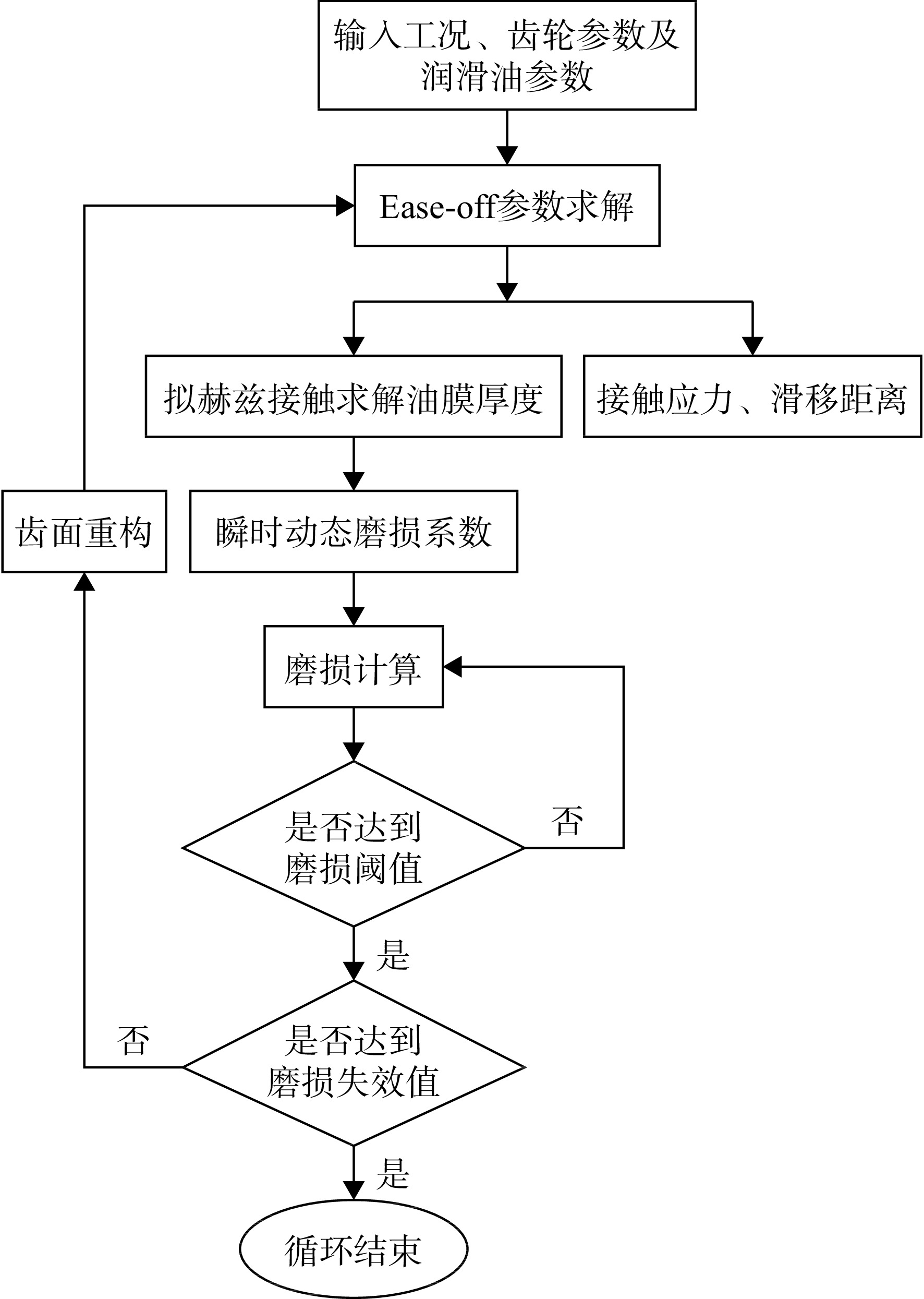
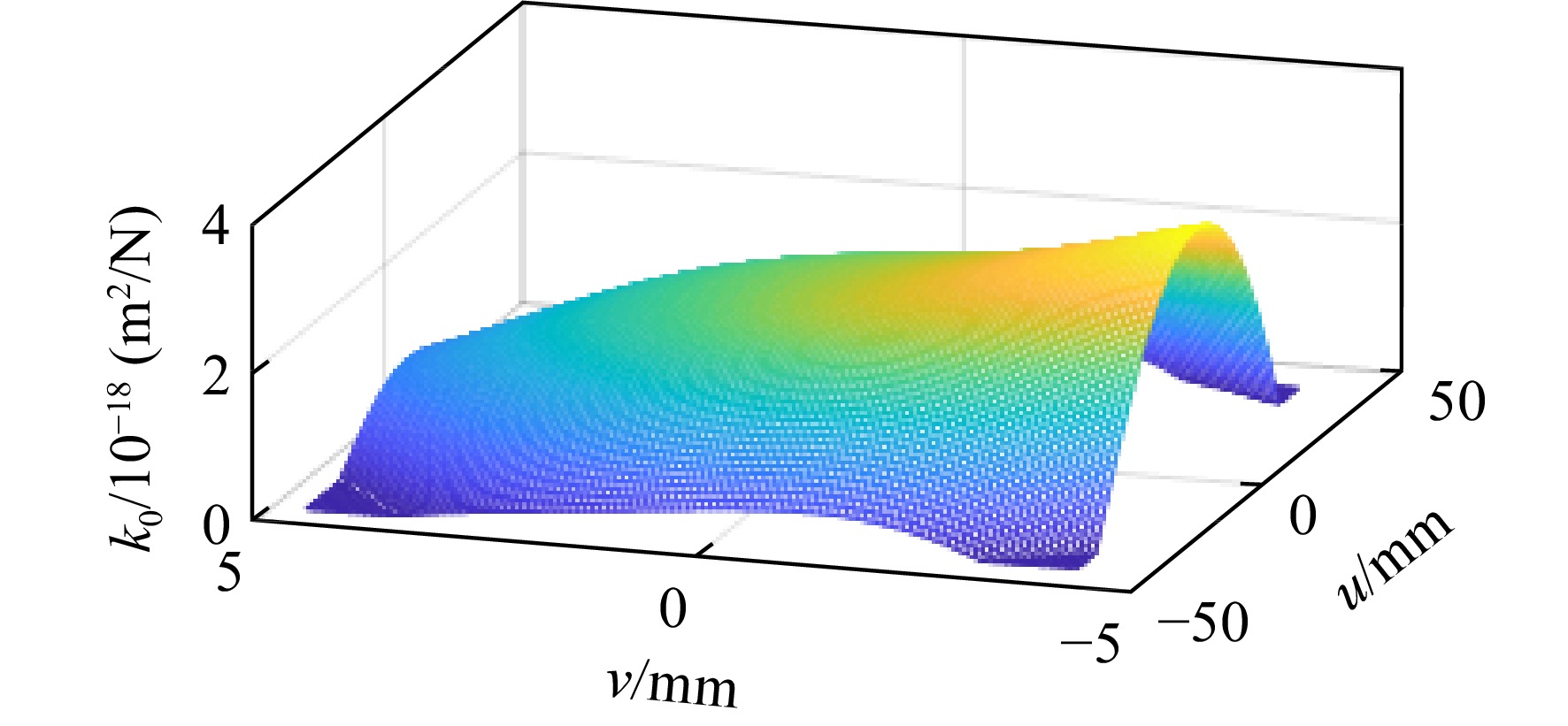
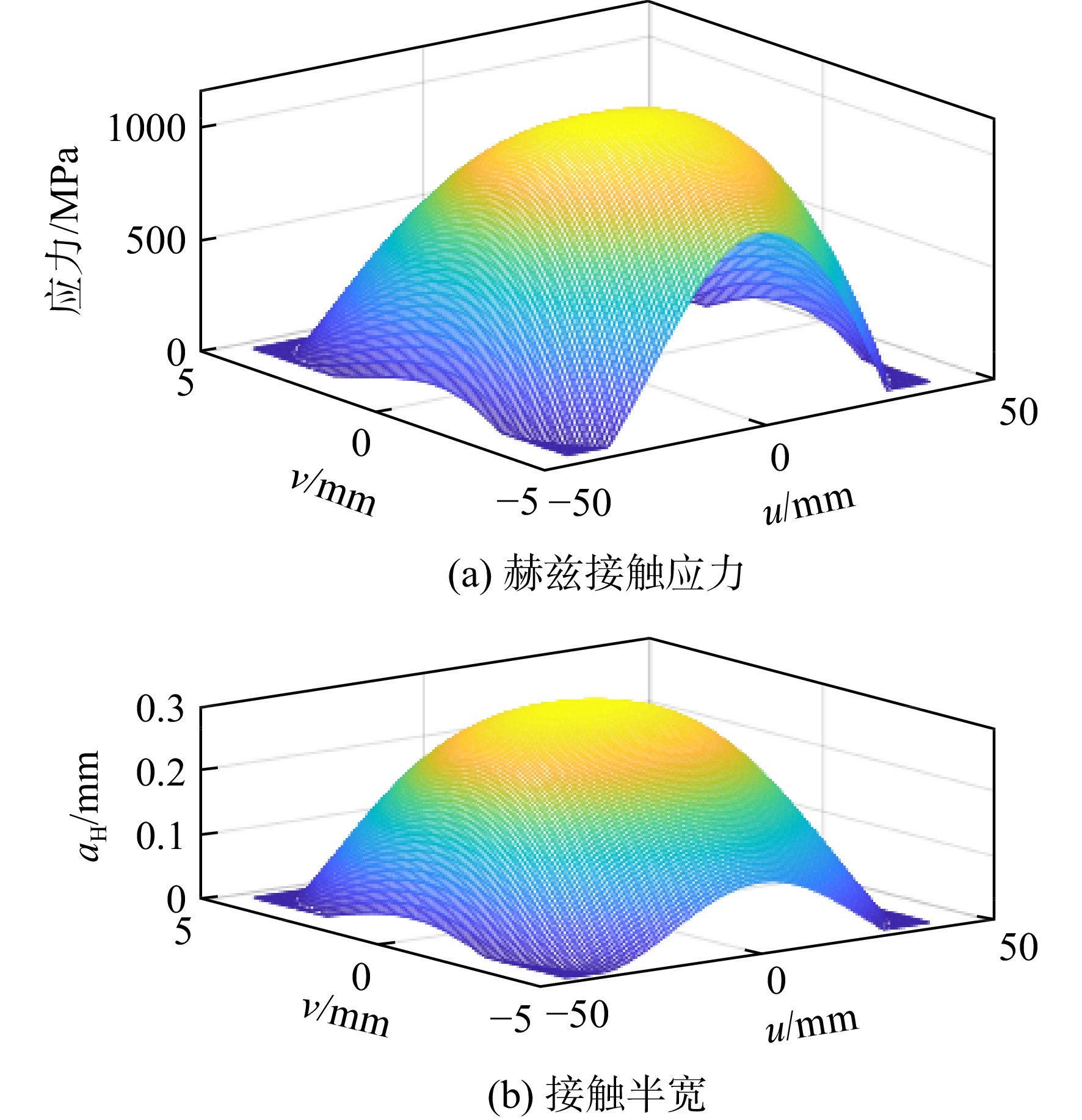
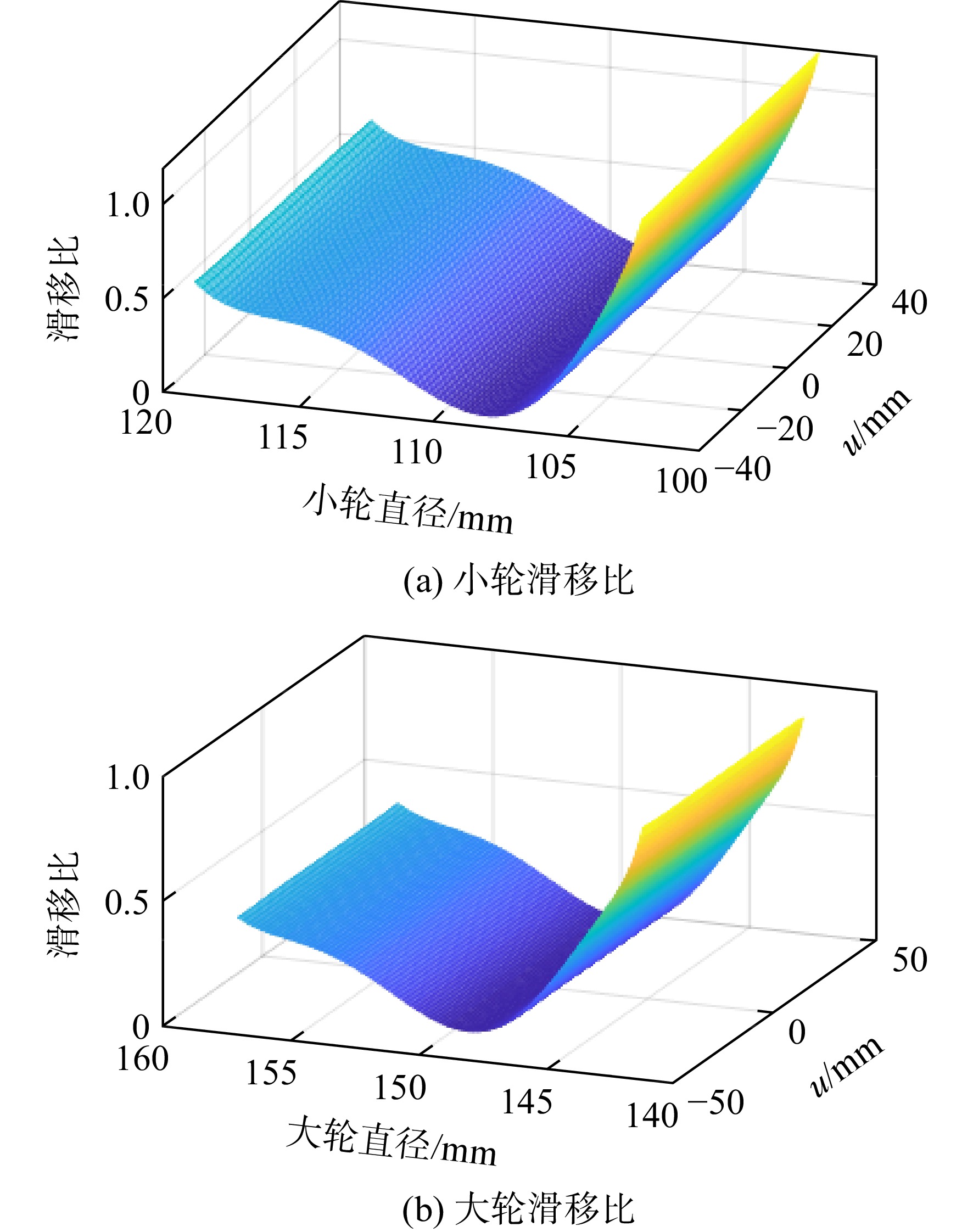
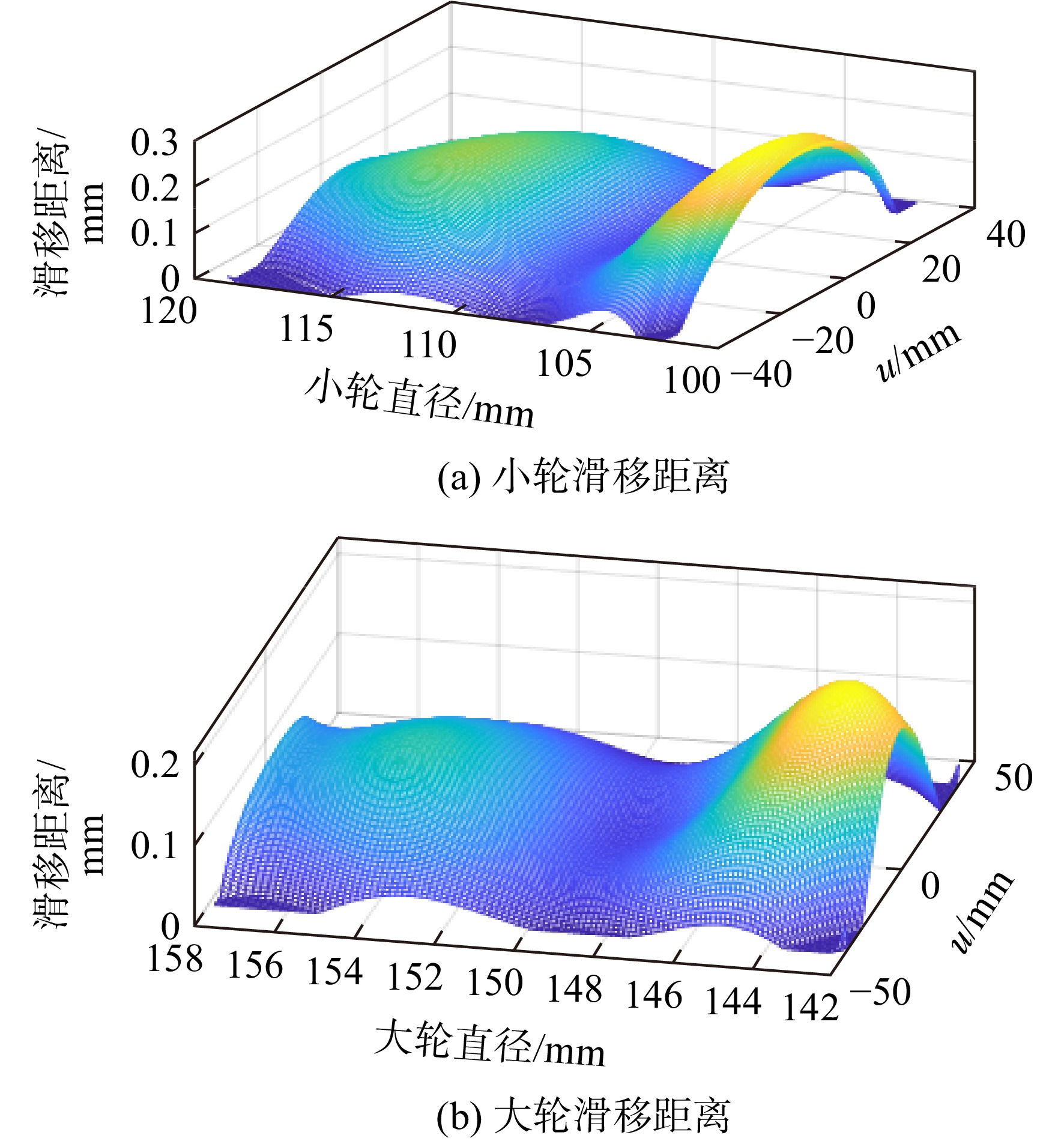
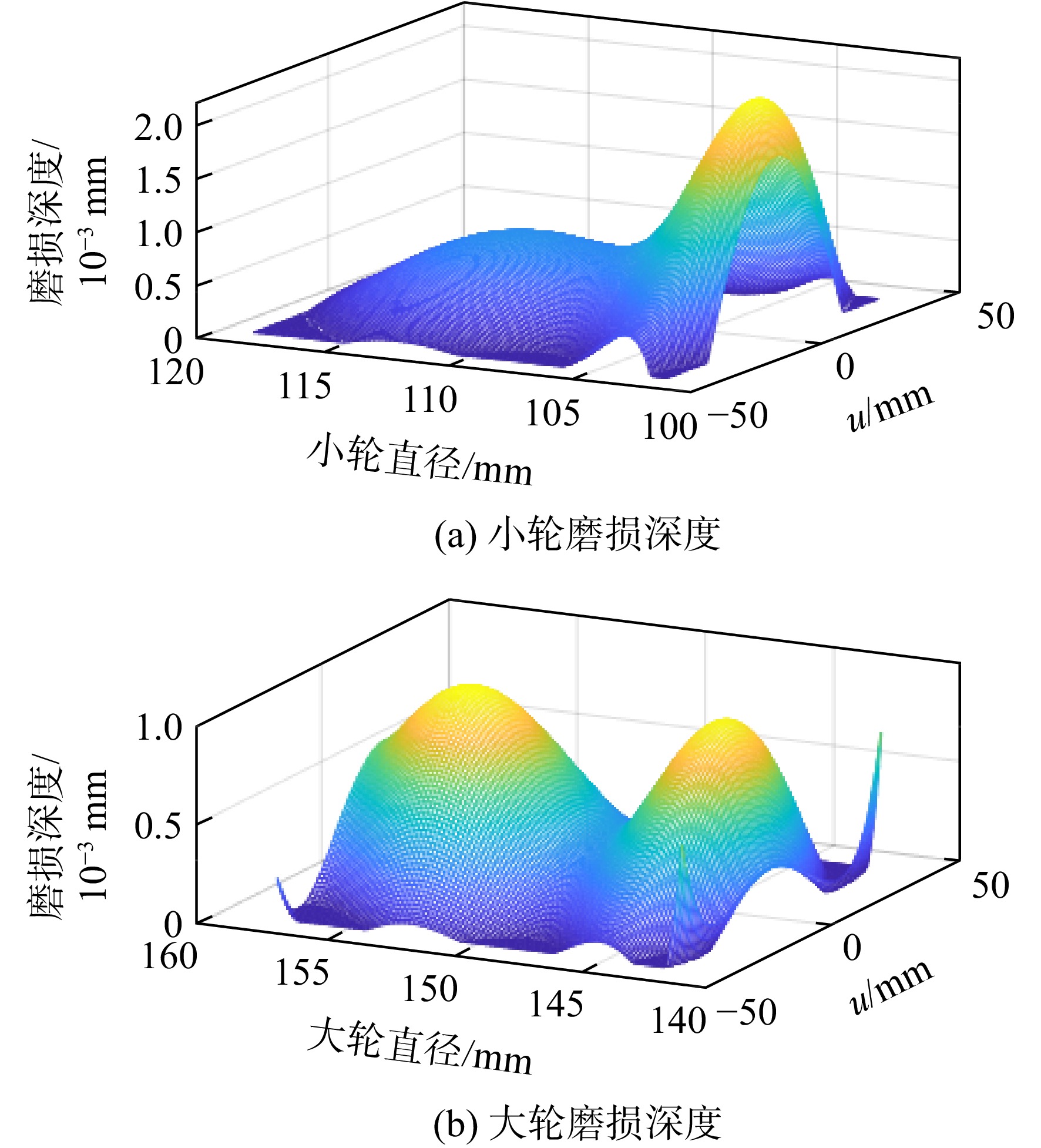
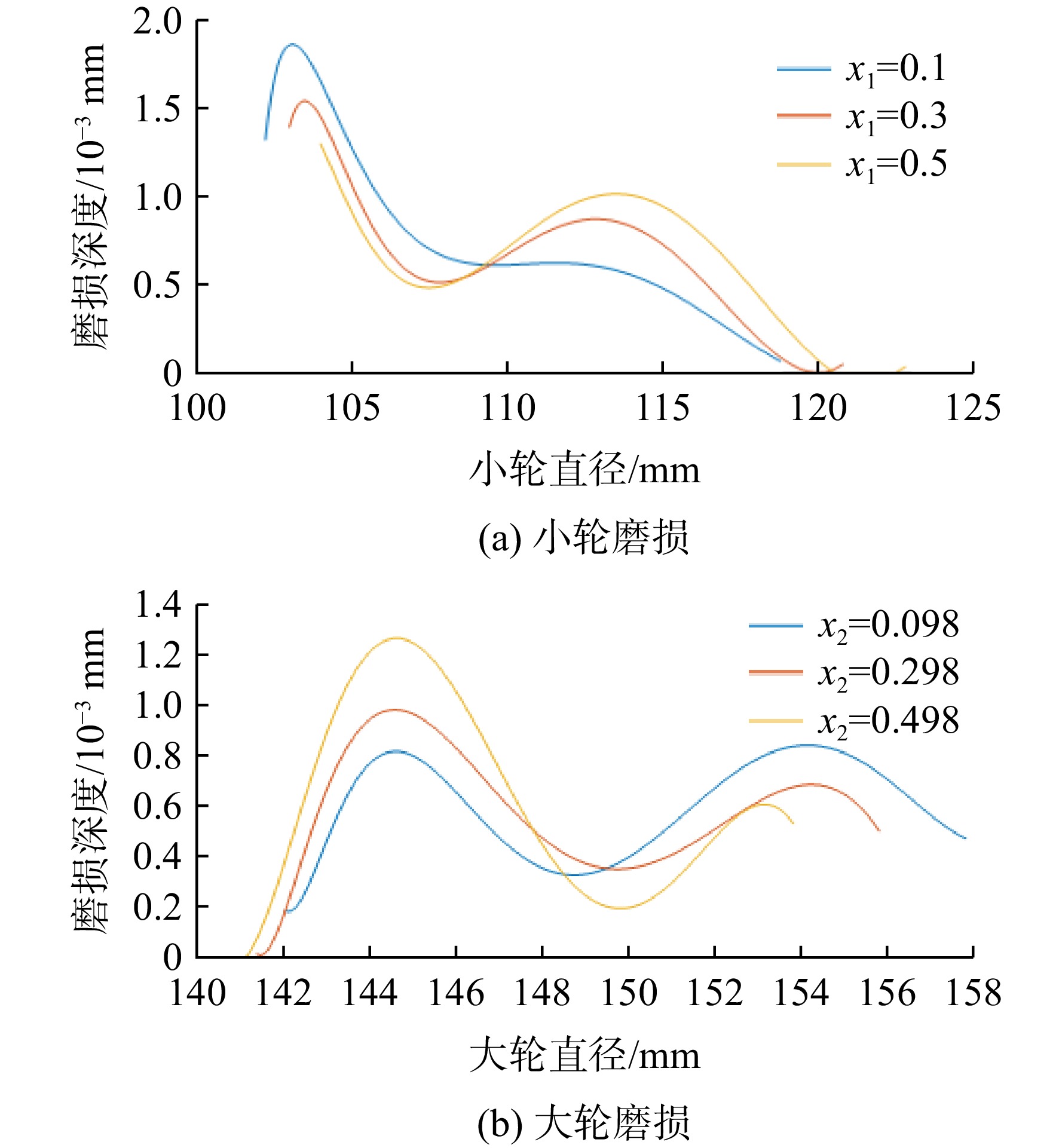
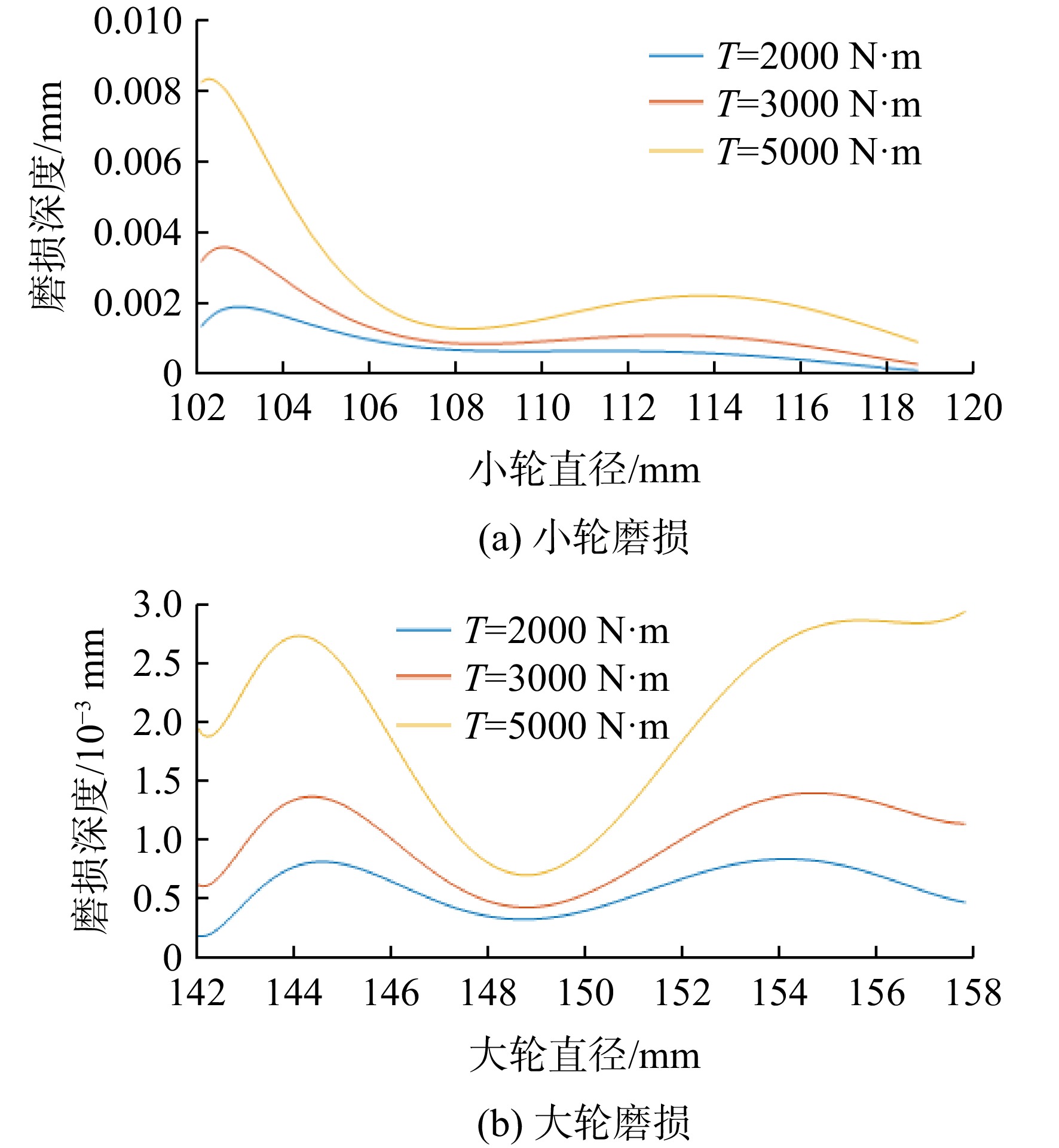
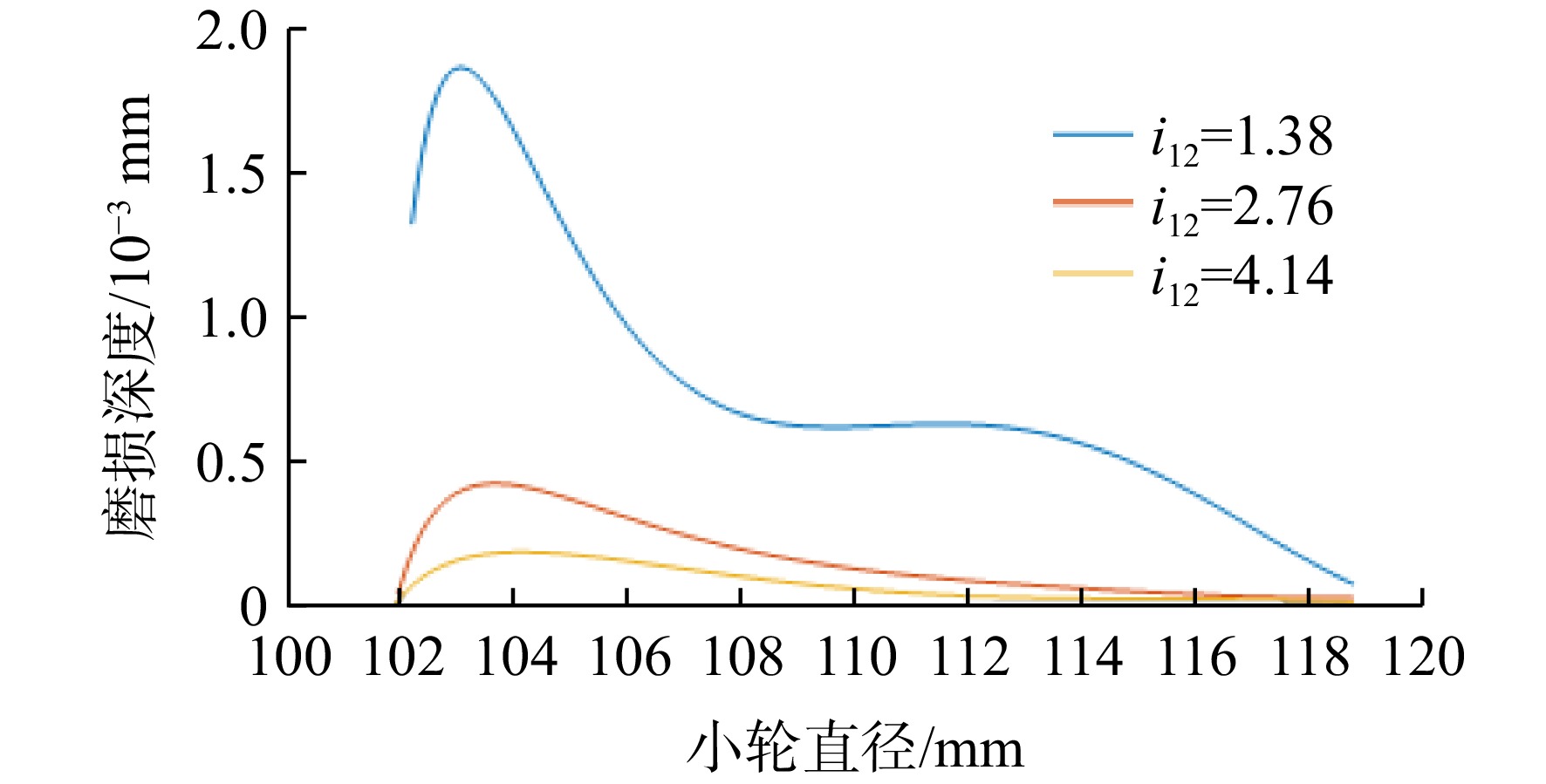
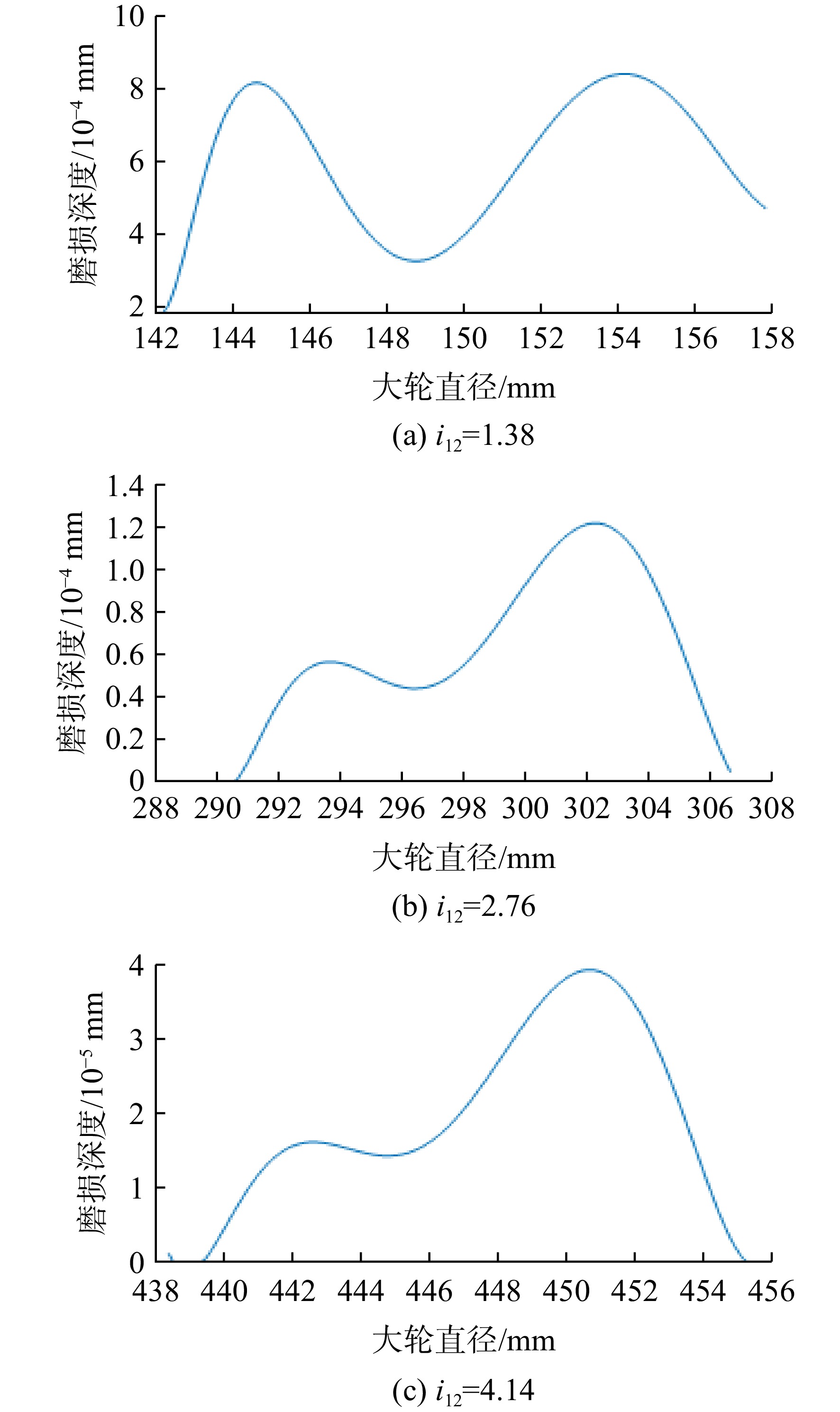
Based on ease-off surface topology, the meshing parameters of modified helical gear were analyzed, and the tooth contact, motion and mechanical parameters of gear surface were obtained. The discrete contact line finite element method simulating the point contact of Quasi Hertz was used, and the problem of stress concentration in instantaneous contact zone of tooth surface boundary was solved; using the classical friction and wear modthe dynamic wear coefficient on the instantaneous contact line of tooth surface was solved quickly. The 3D distribution nephogram wear of two tooth surfaces was obtained. The results showed that the wear at the root of the pinion gear was far greater than that at the tip, and the wear at the top of the gear was slightly greater than that at the root of the tooth. Engaging-in of the pinion wore a lot, while the engaging-out wore uniformly. The wear change of the gear in the meshing area was not obvious. Parabolic modification made the wear of tooth surface concentrated to the middle part of tooth width, helping to improve the wear distribution of tooth surface. The wear distribution of the tooth surface can be adjusted and the precision life of the tooth surface can be prolonged by selecting appropriate modification coefficient and modification quantity. It could provide a theoretical method for wear calculation and friction reduction design of modified and multivariable coupling helical gear conditions such as displacement modification.

Test and analysis of skidding characteristics of high-speed and light-load cylindrical roller bearings
ZHANG Jiaming, QIU Ming, PANG Xiaoxu, DONG Yanfang
2023, 38(12): 2991-2999. doi: 10.13224/j.cnki.jasp.20220042
Abstract:
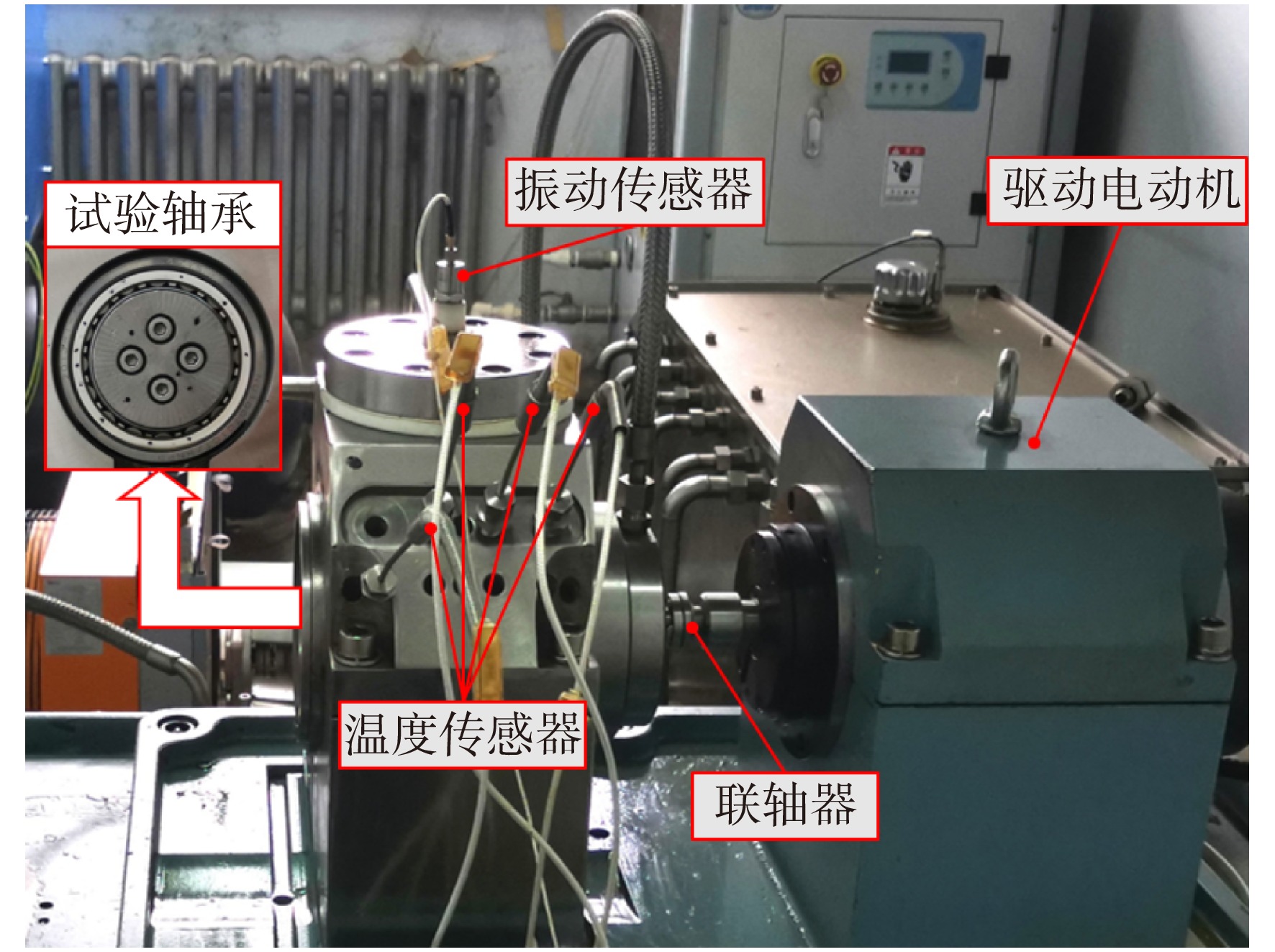
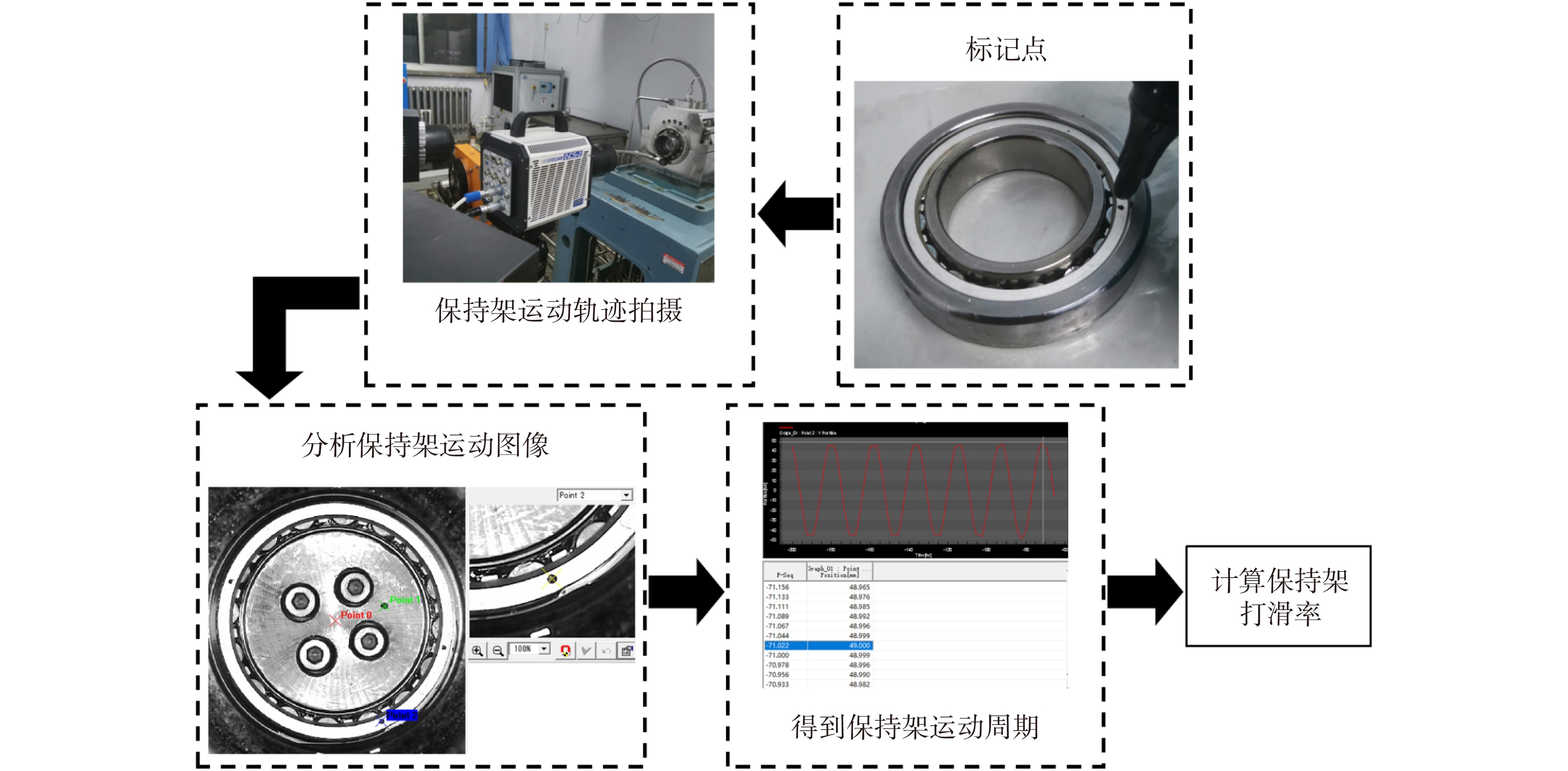
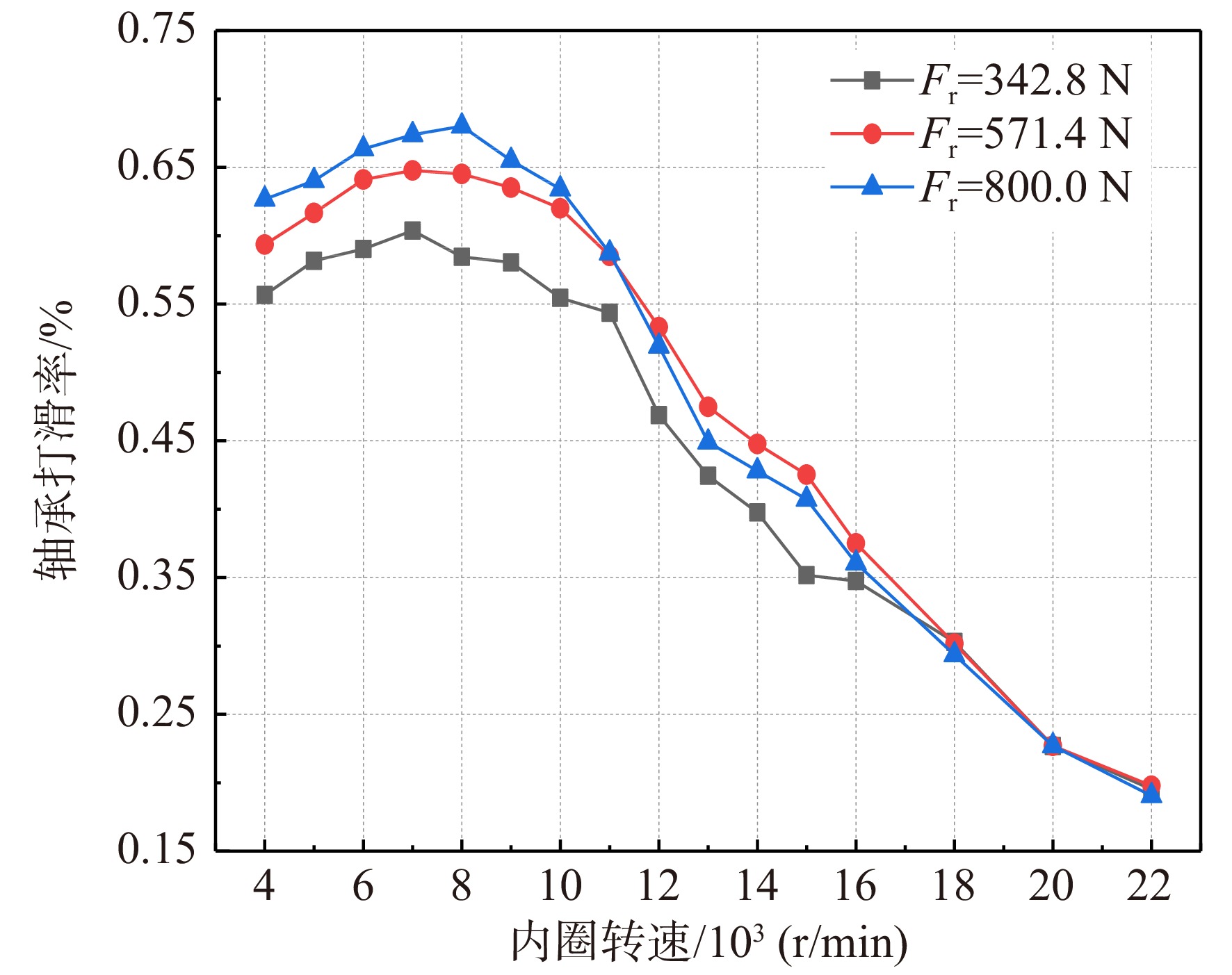
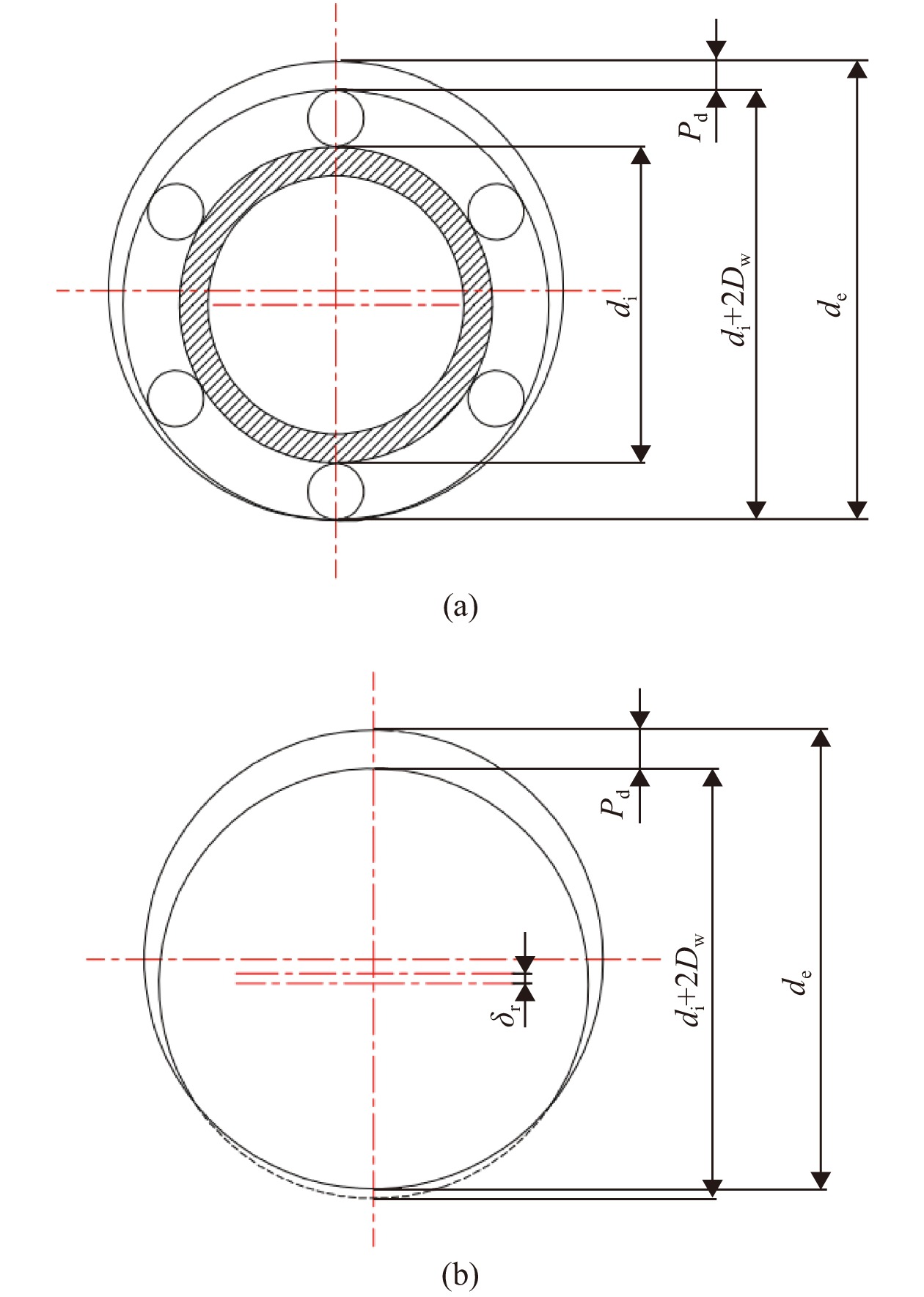
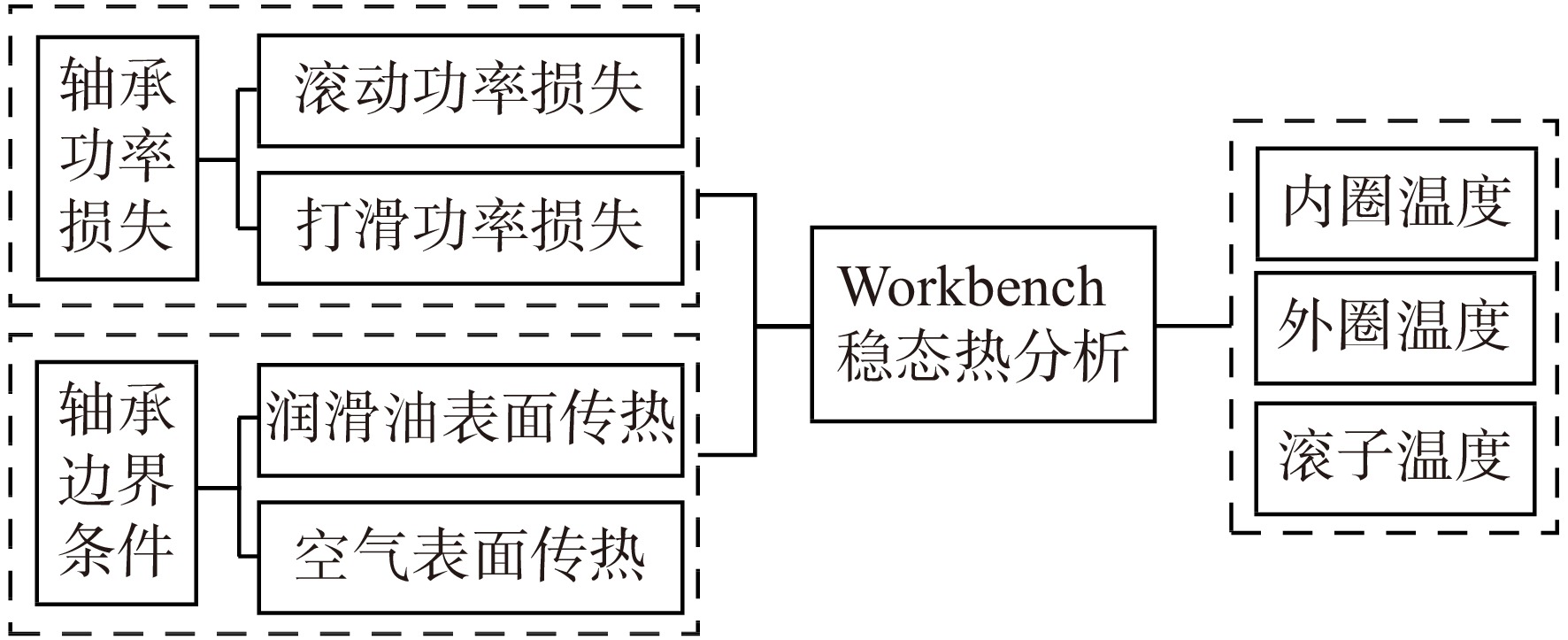
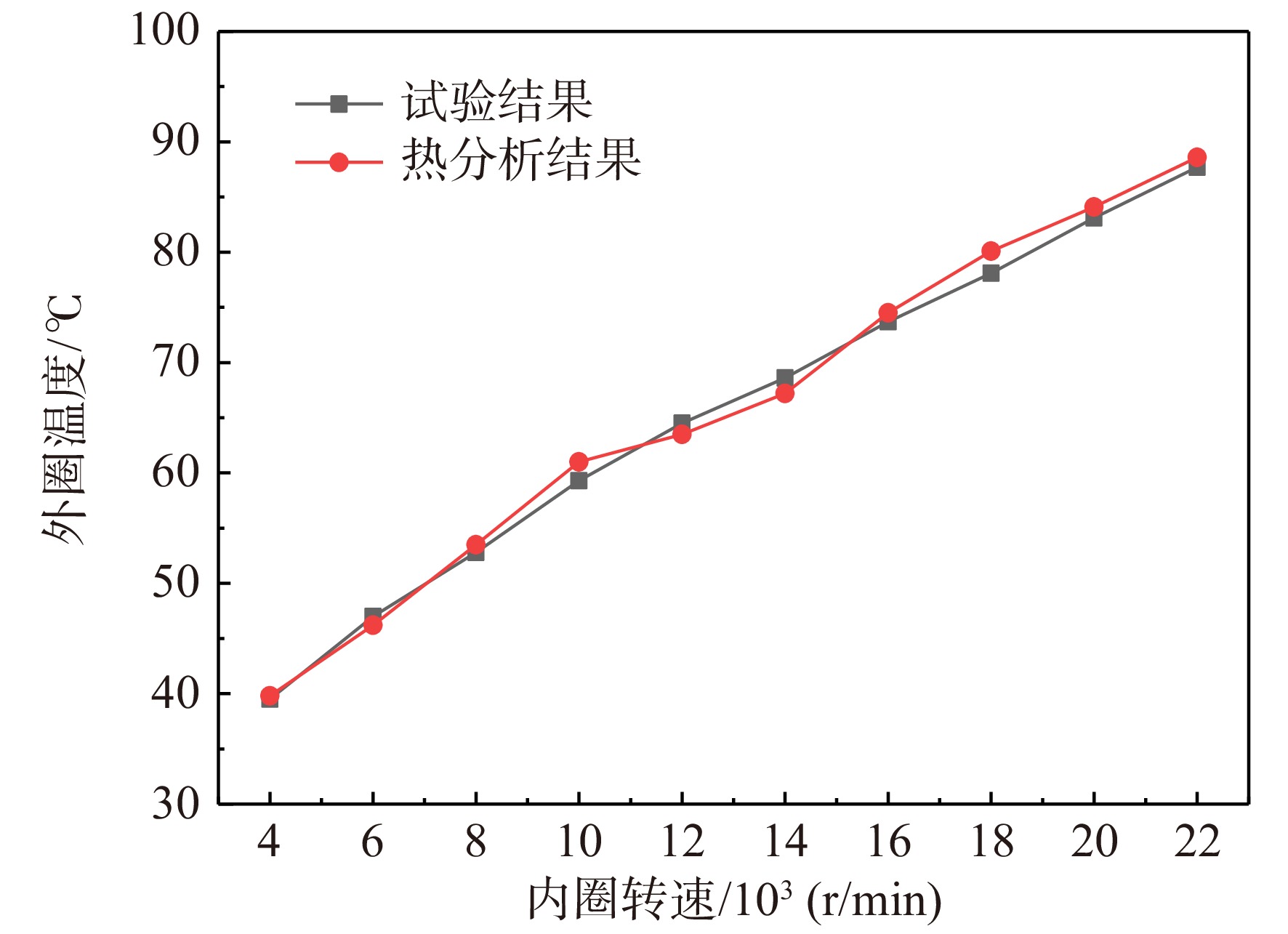
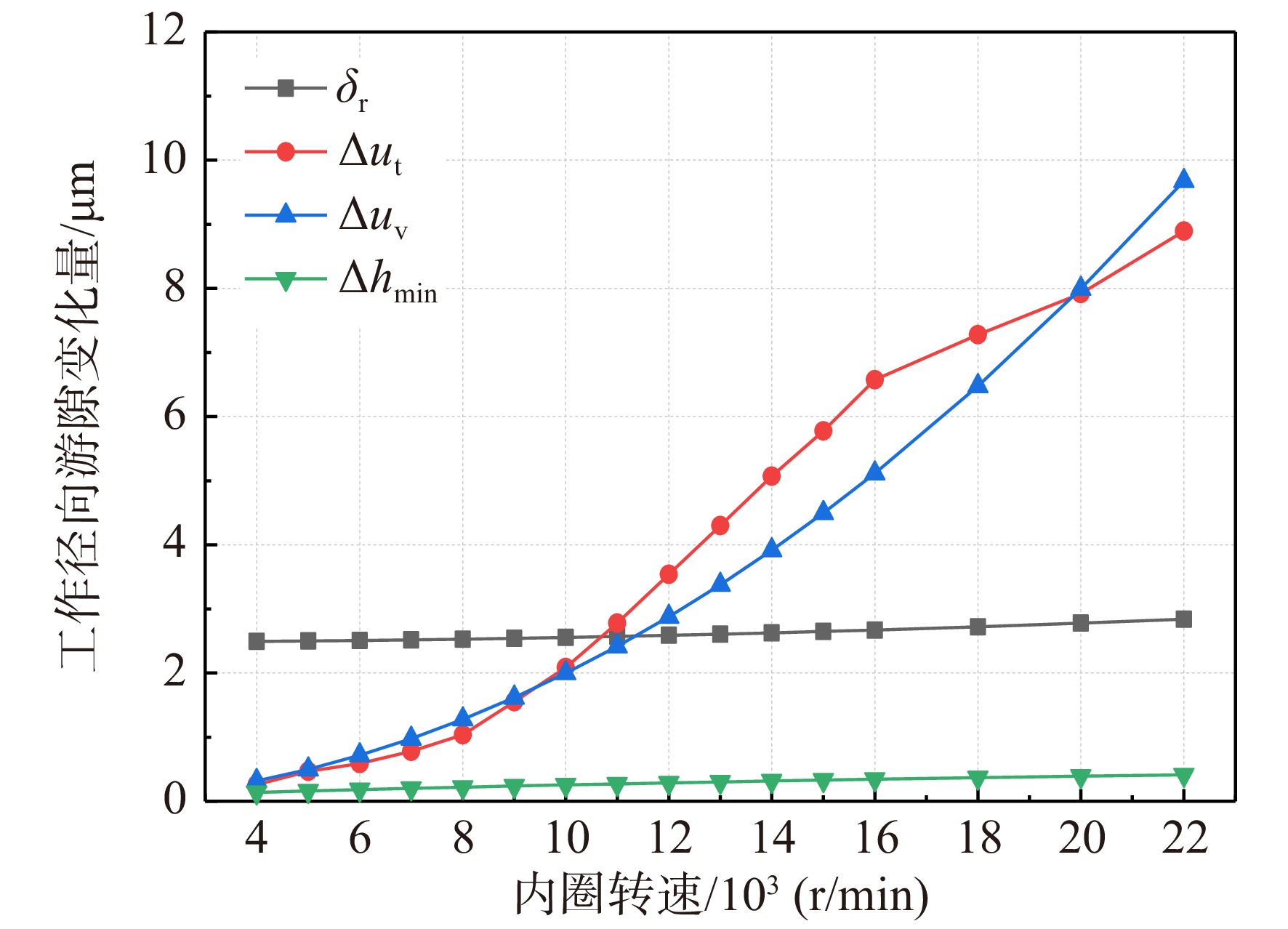
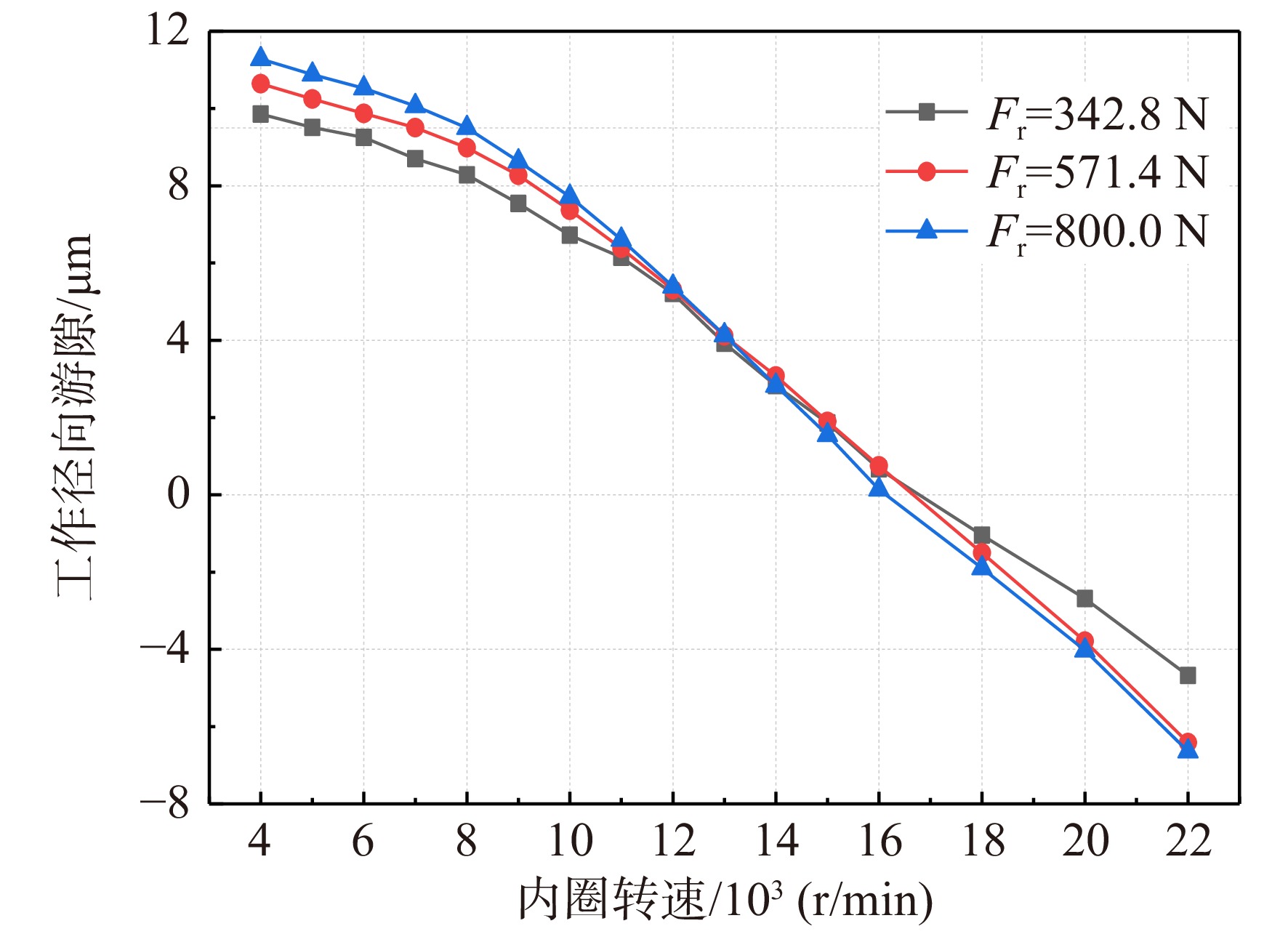
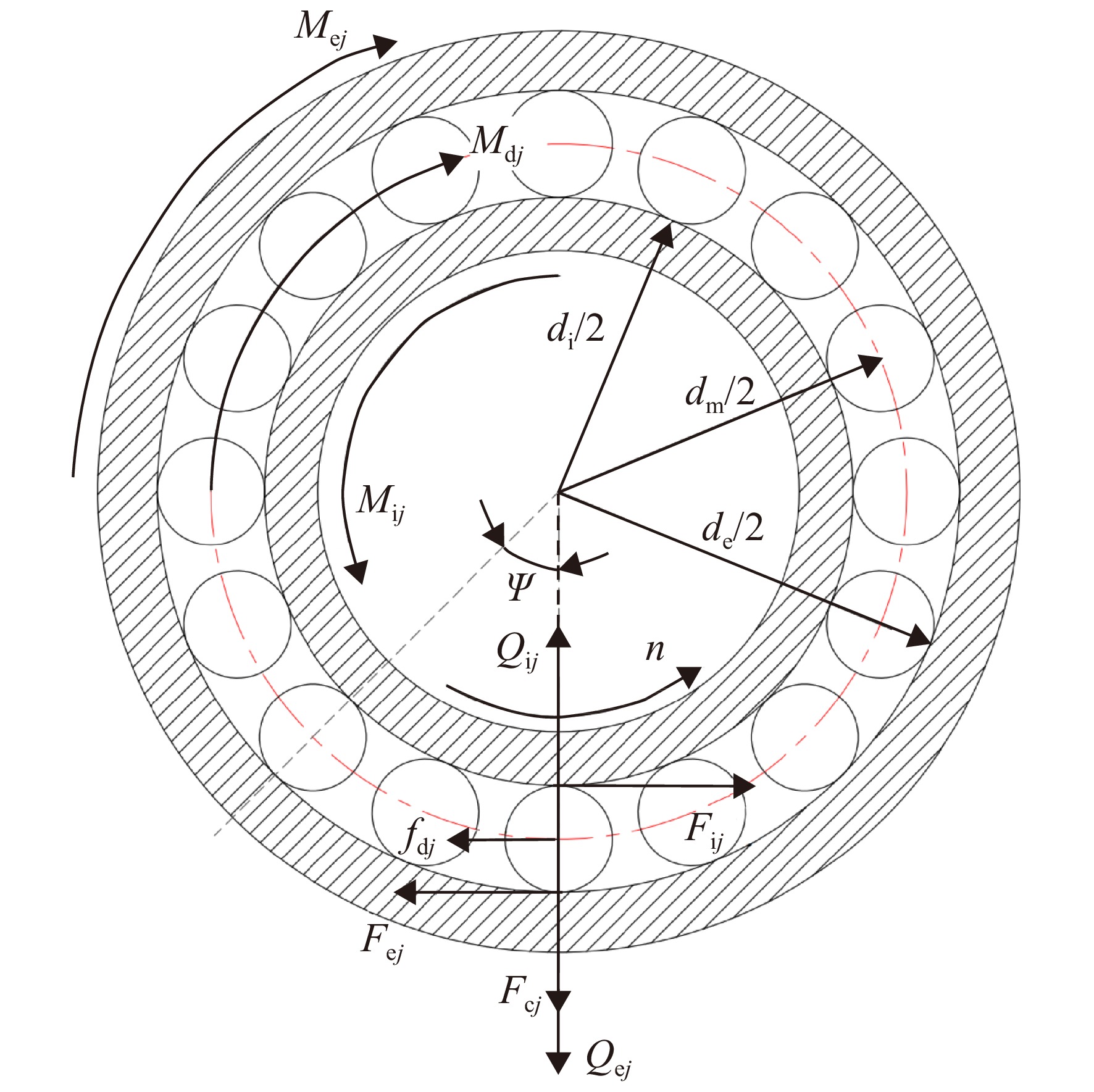
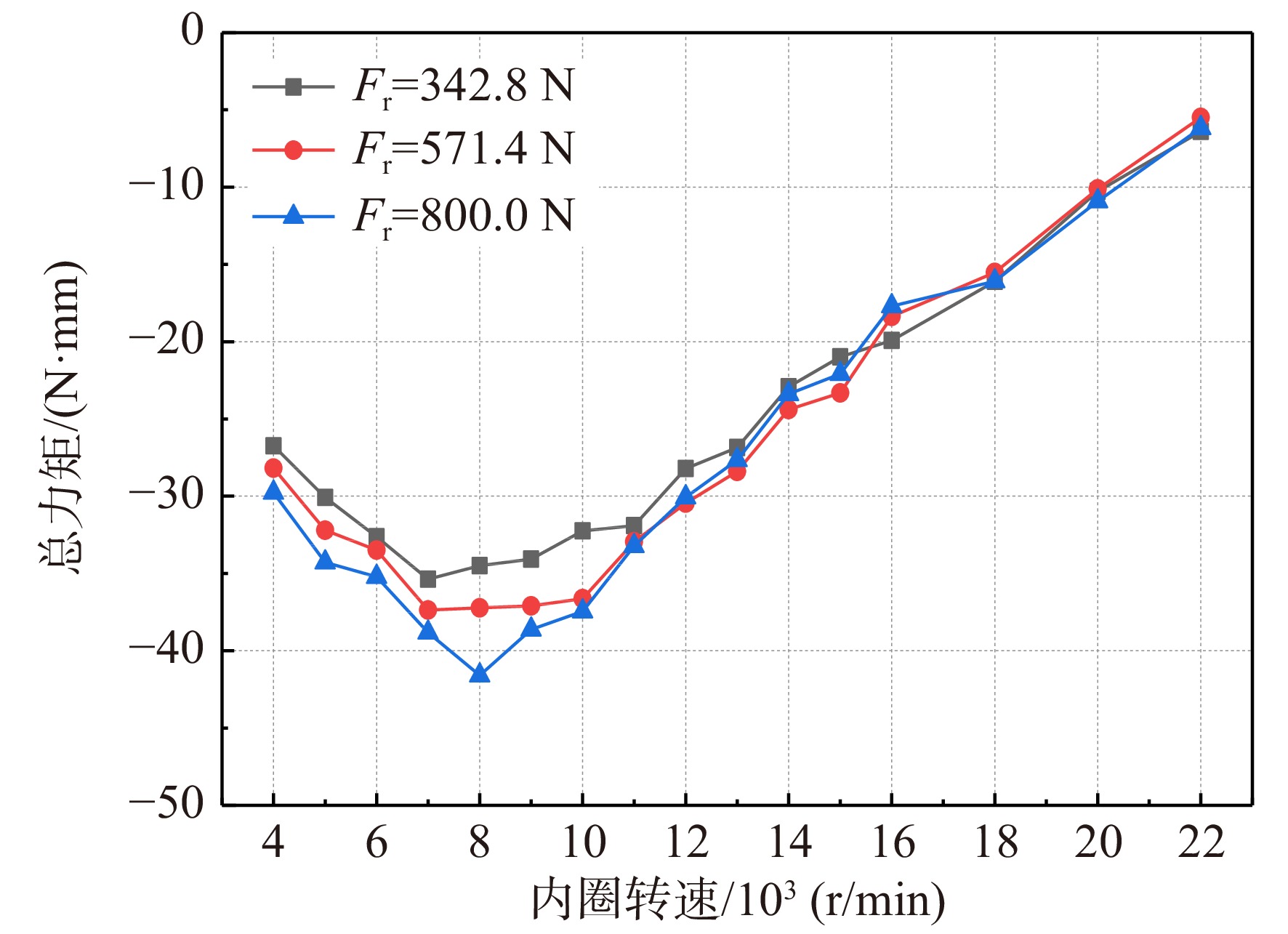
Experimental and theoretical studies were carried out to solve the problem of aeroengine cylindrical roller bearing skidding under high speed and light load. Based on the skidding test of rolling bearing, the influence of inner ring speed and radial load on bearing skid characteristics was investigated. At the same time, considering the variation of working radial clearance of the bearing, the force on the roller and the total torque of the bearing were solved, and analyzed with the test results. The results showed that when the speed of the inner ring of the bearing was lower than 10 000 r/min, the increasing radial load increased the radial clearance of the bearing and aggravated the degree of skidding. With the increase of inner ring speed, the working radial clearance of bearing decreased gradually. There was a critical inner ring speed, when the bearing slip rate was the maximum. The critical speed of inner ring was different under different radial loads, and the critical speed of inner ring was between 7000—8 000 r/min in this test. The total torque of the integral roller of bearing directly affected the sliding degree of bearing.

Tooth root crack fault detection of planetary transmission based on local synchronous fitting and narrowband demodulation
HUA Jianxiang, GUO Yu, CHEN Xin, FAN Jiawei, YIN Xingchao
2023, 38(12): 3000-3008. doi: 10.13224/j.cnki.jasp.20220012
Abstract:
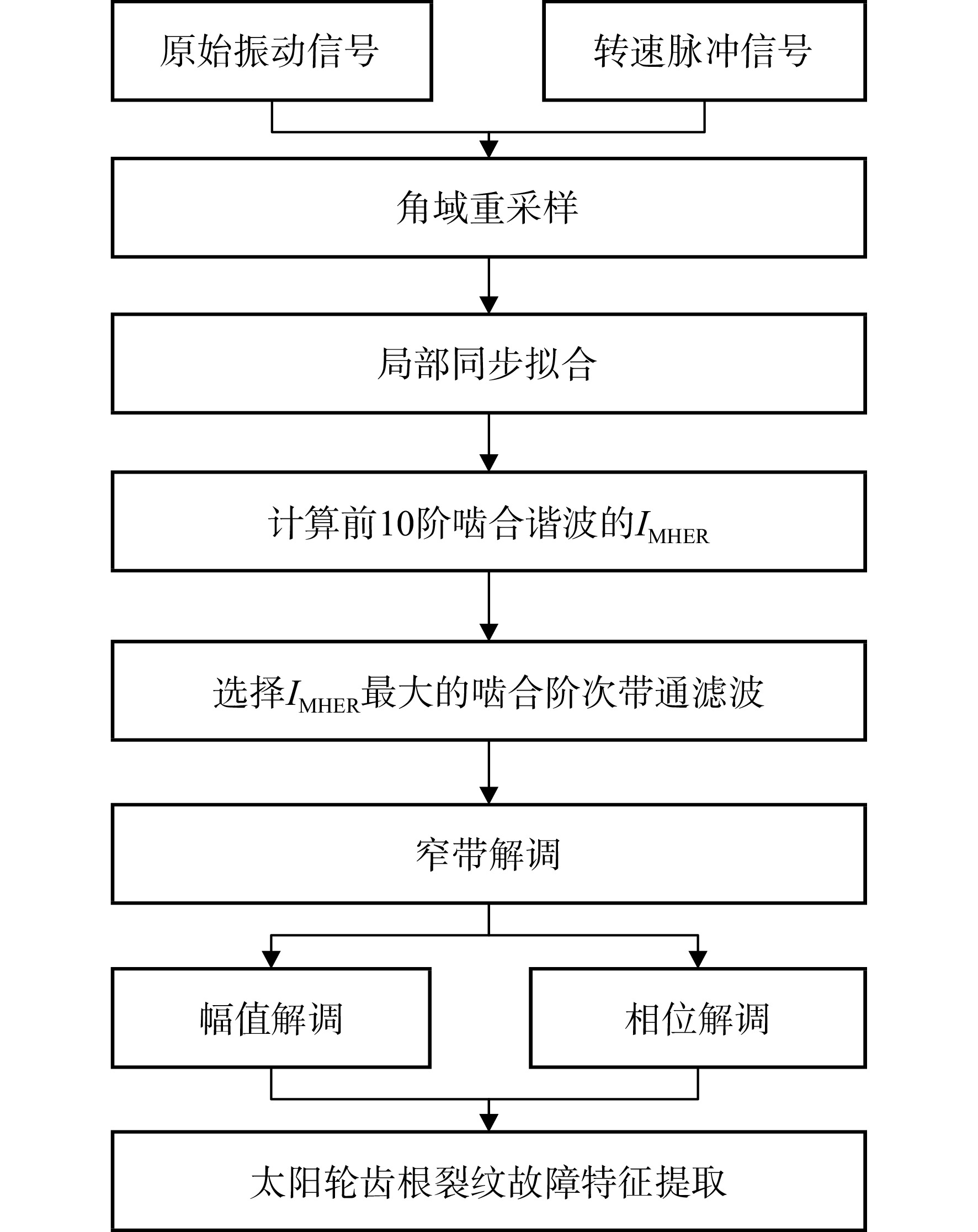
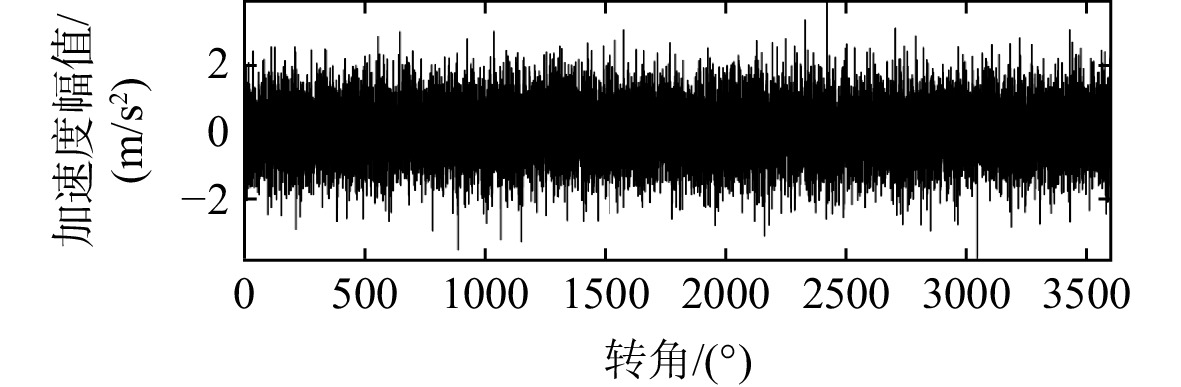
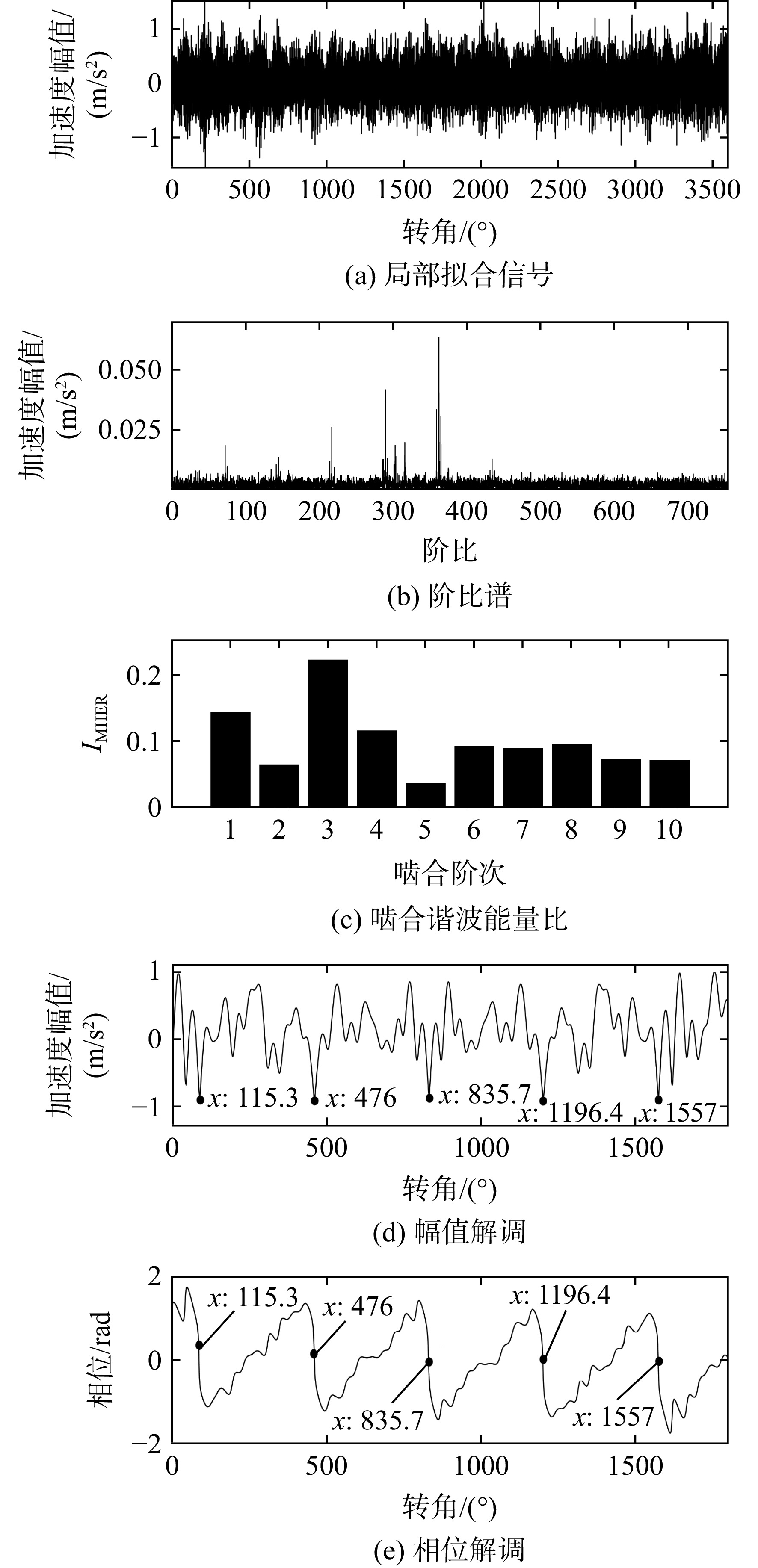
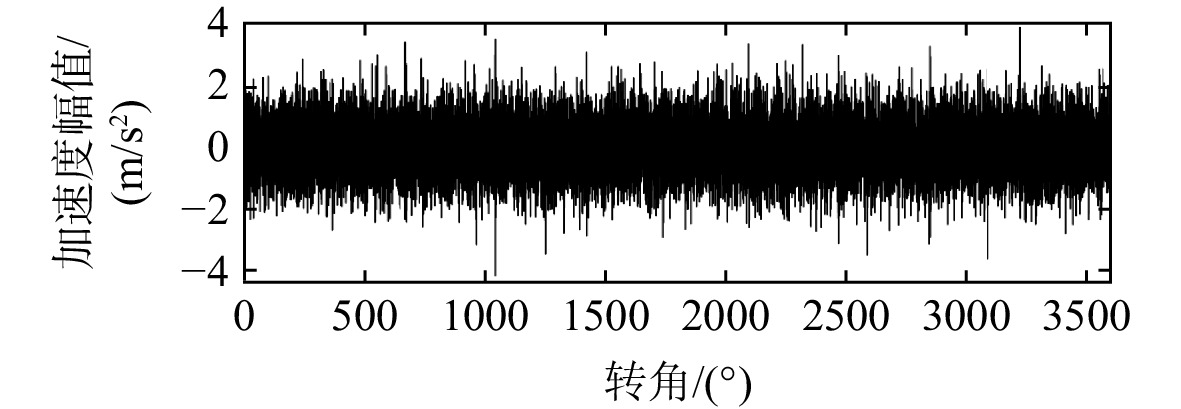
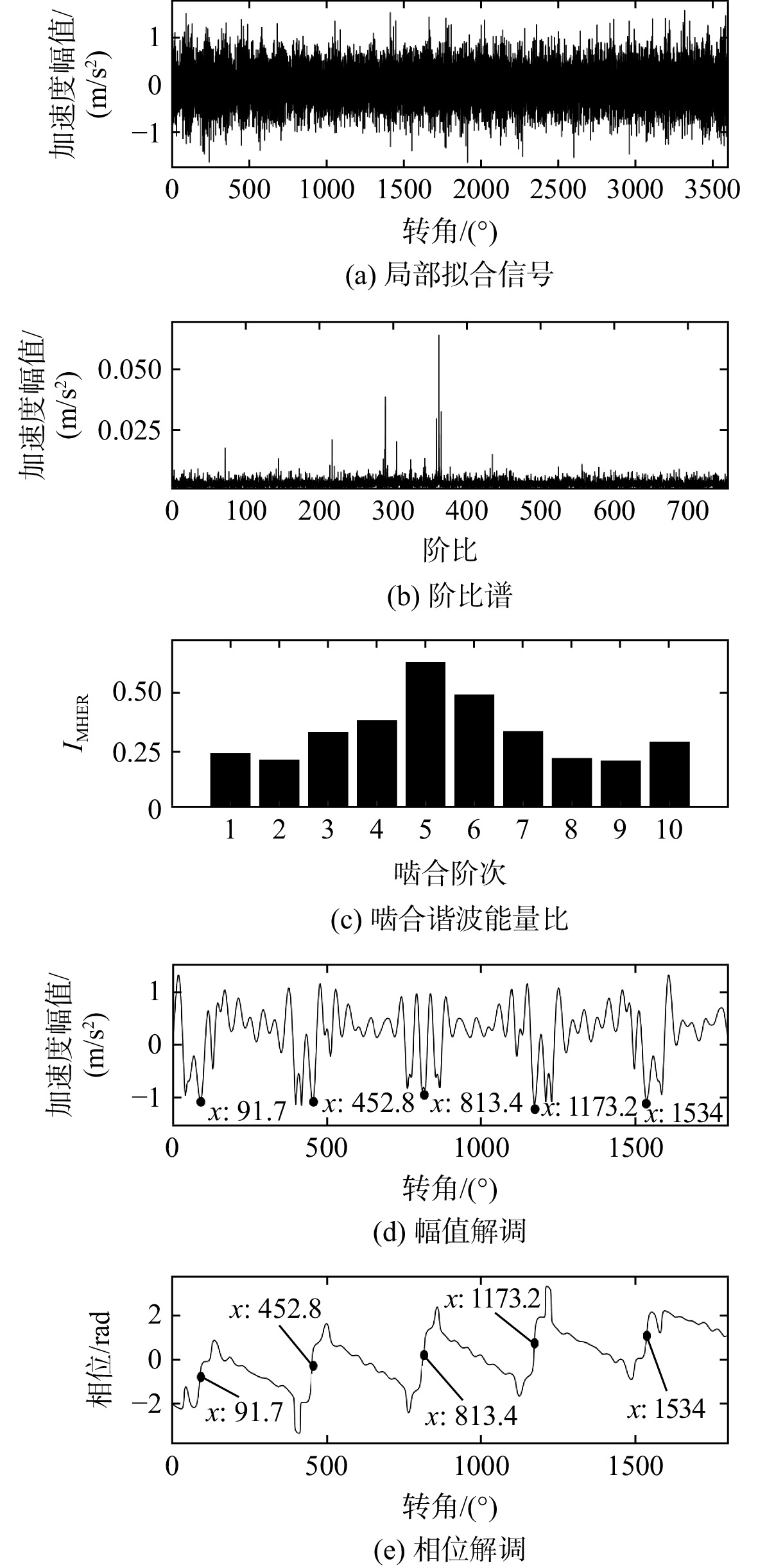
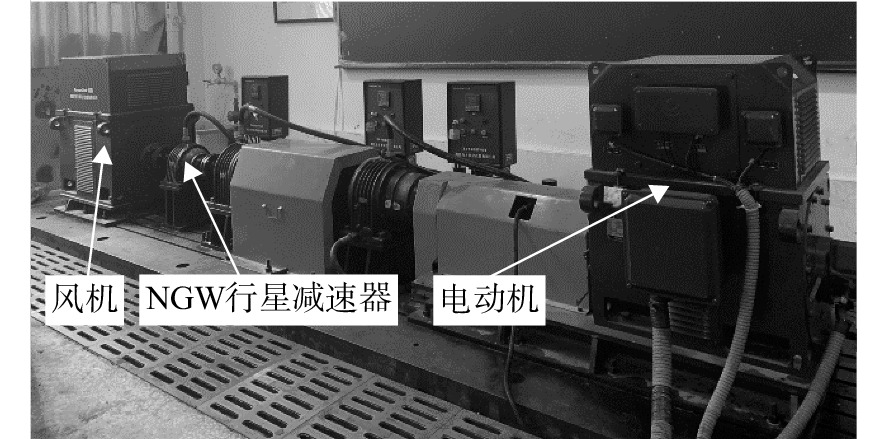
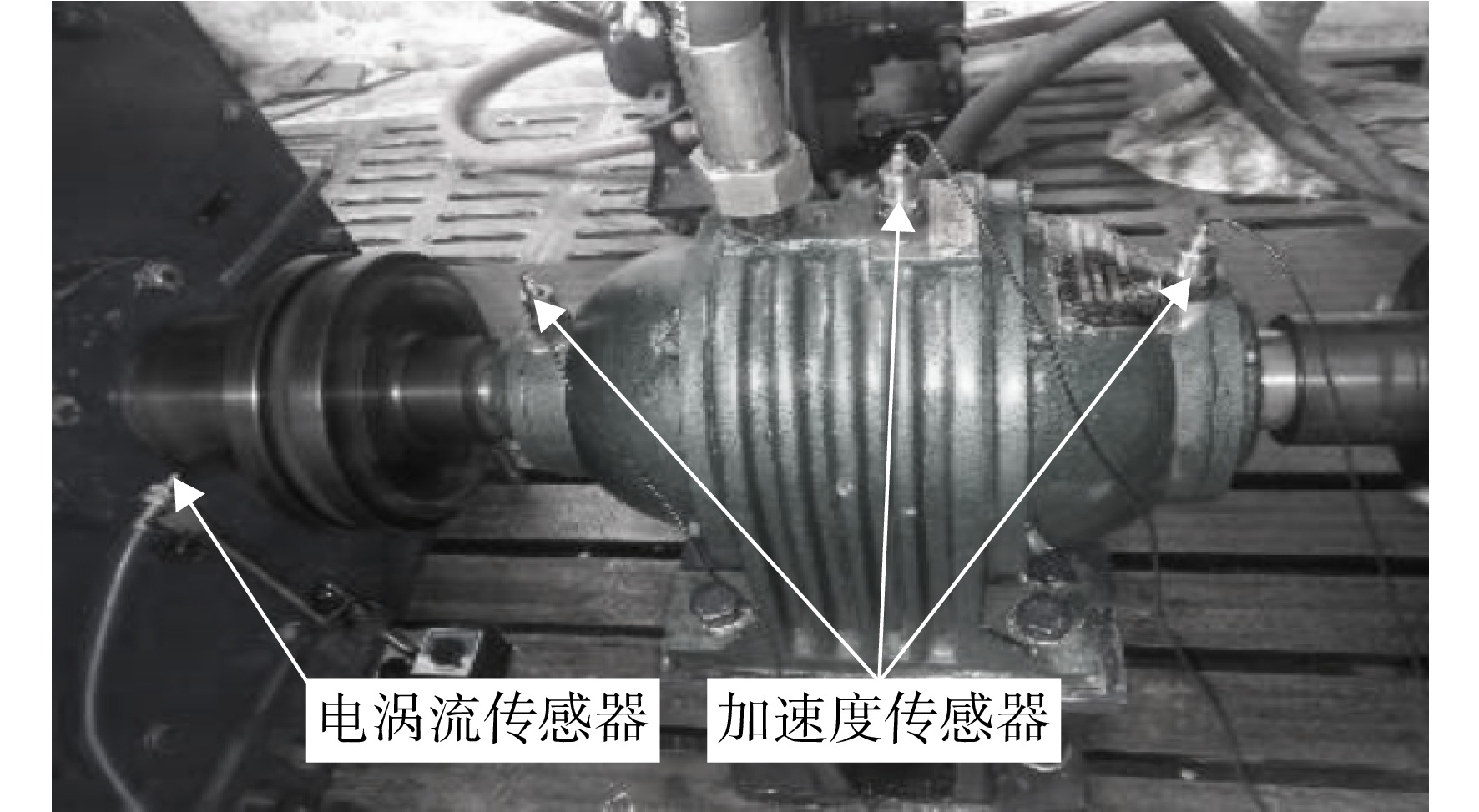
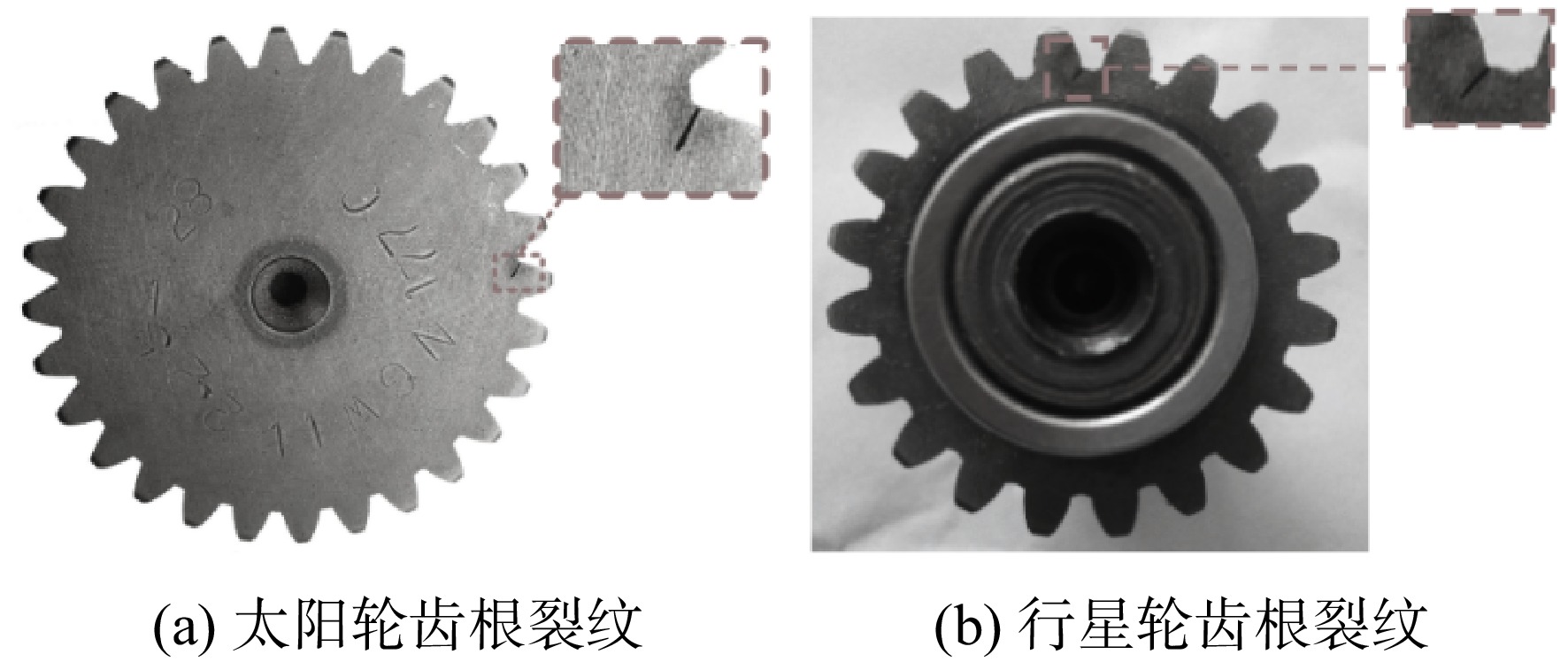
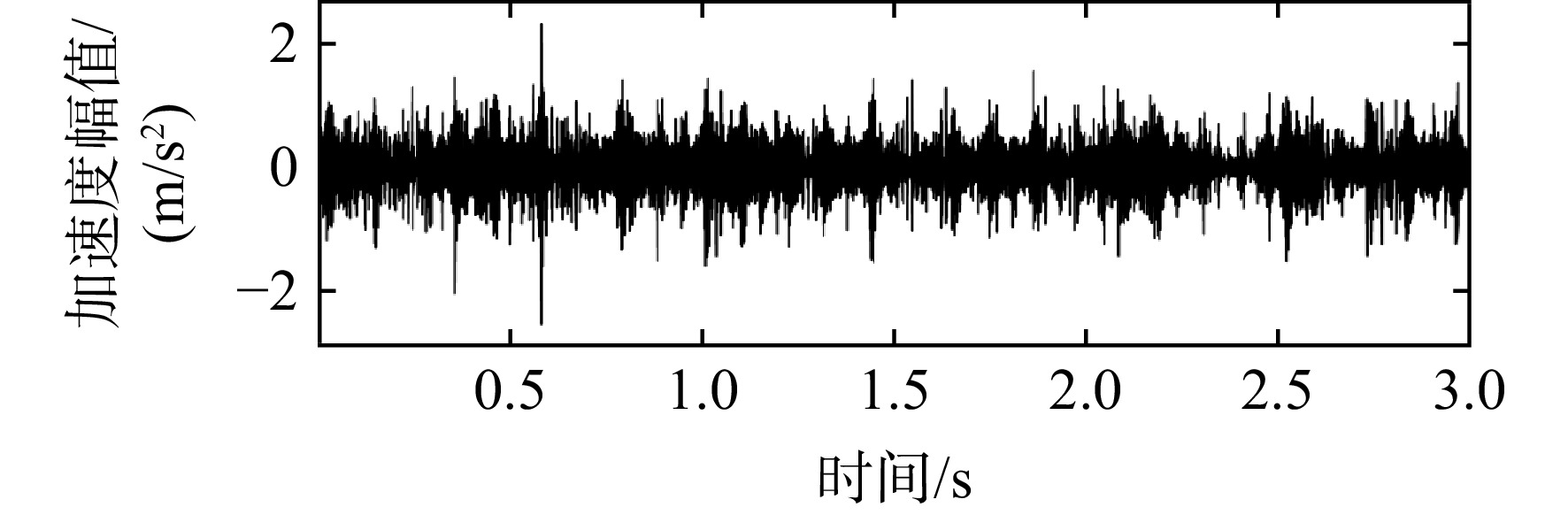
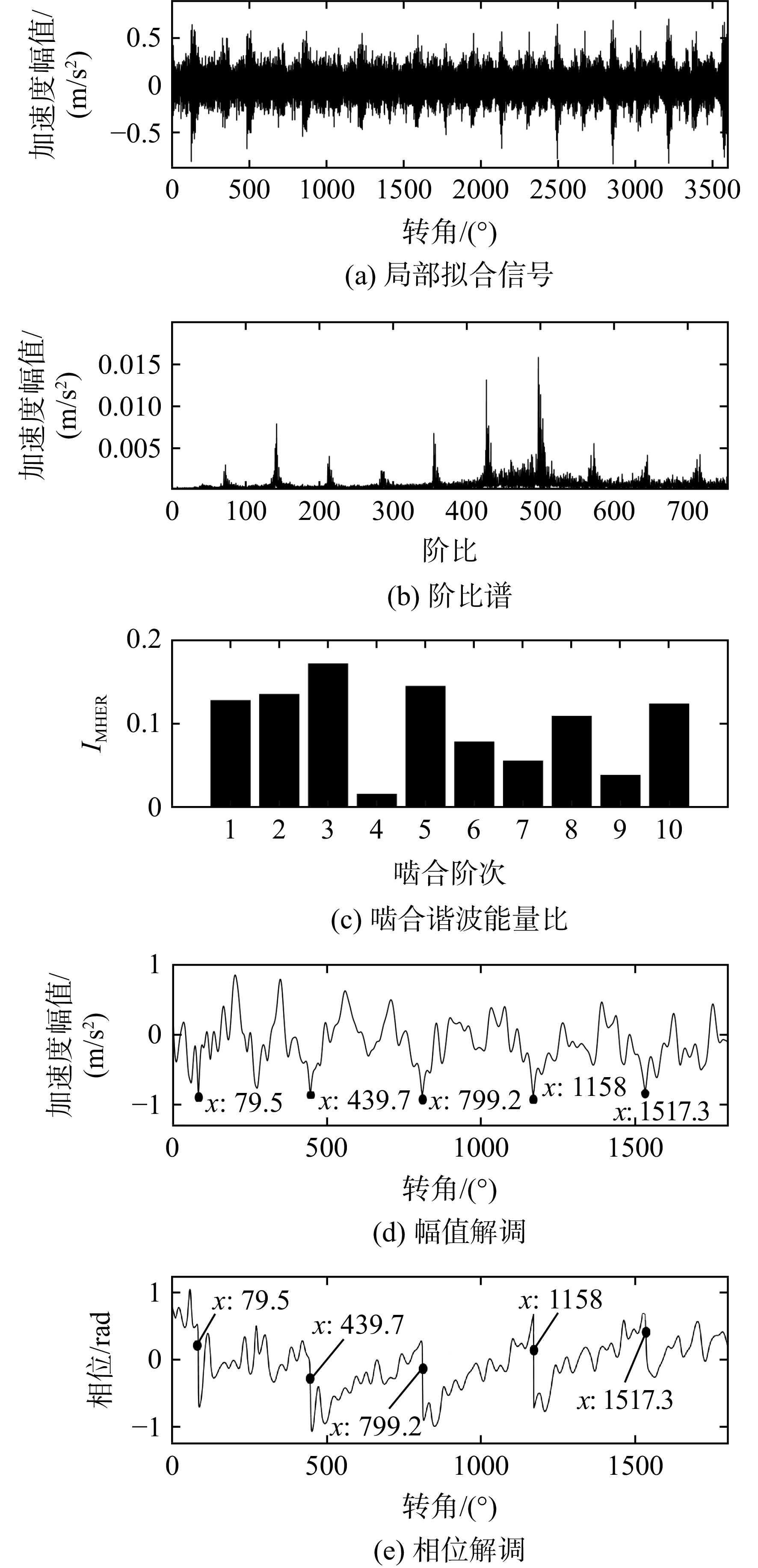
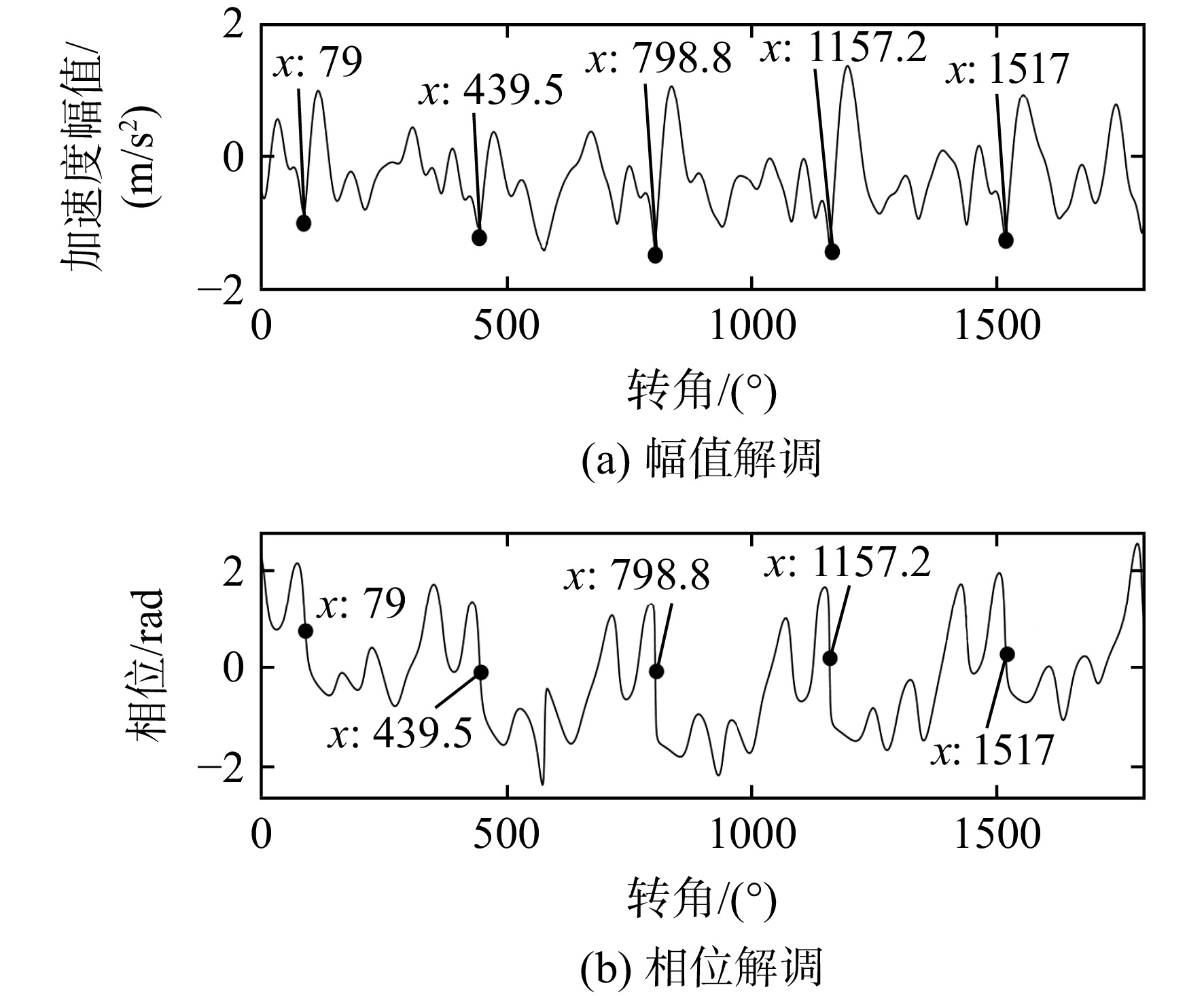
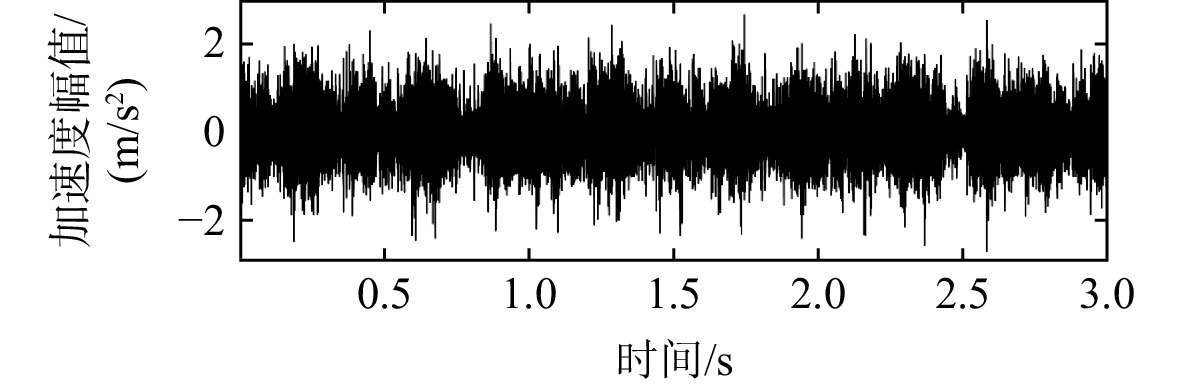
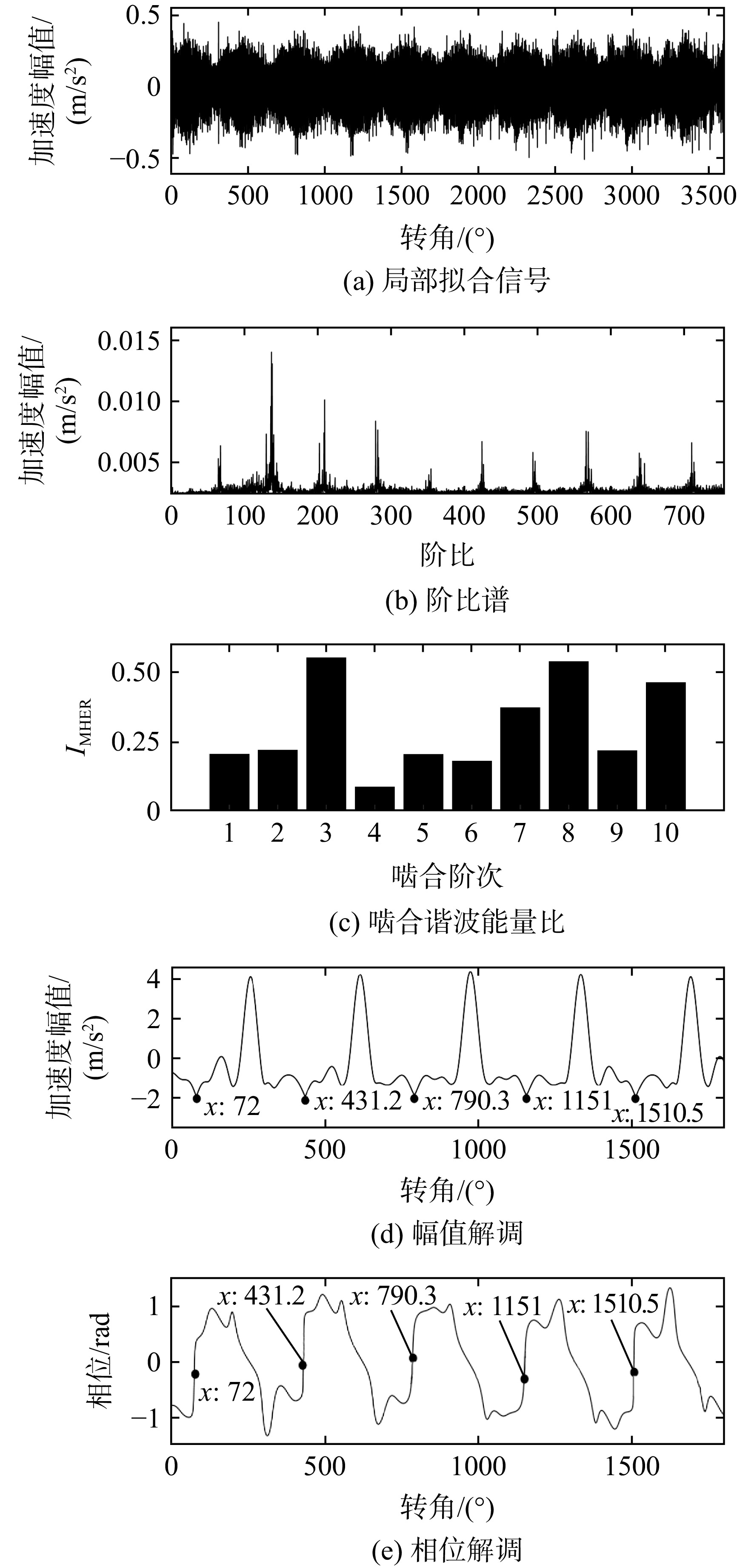
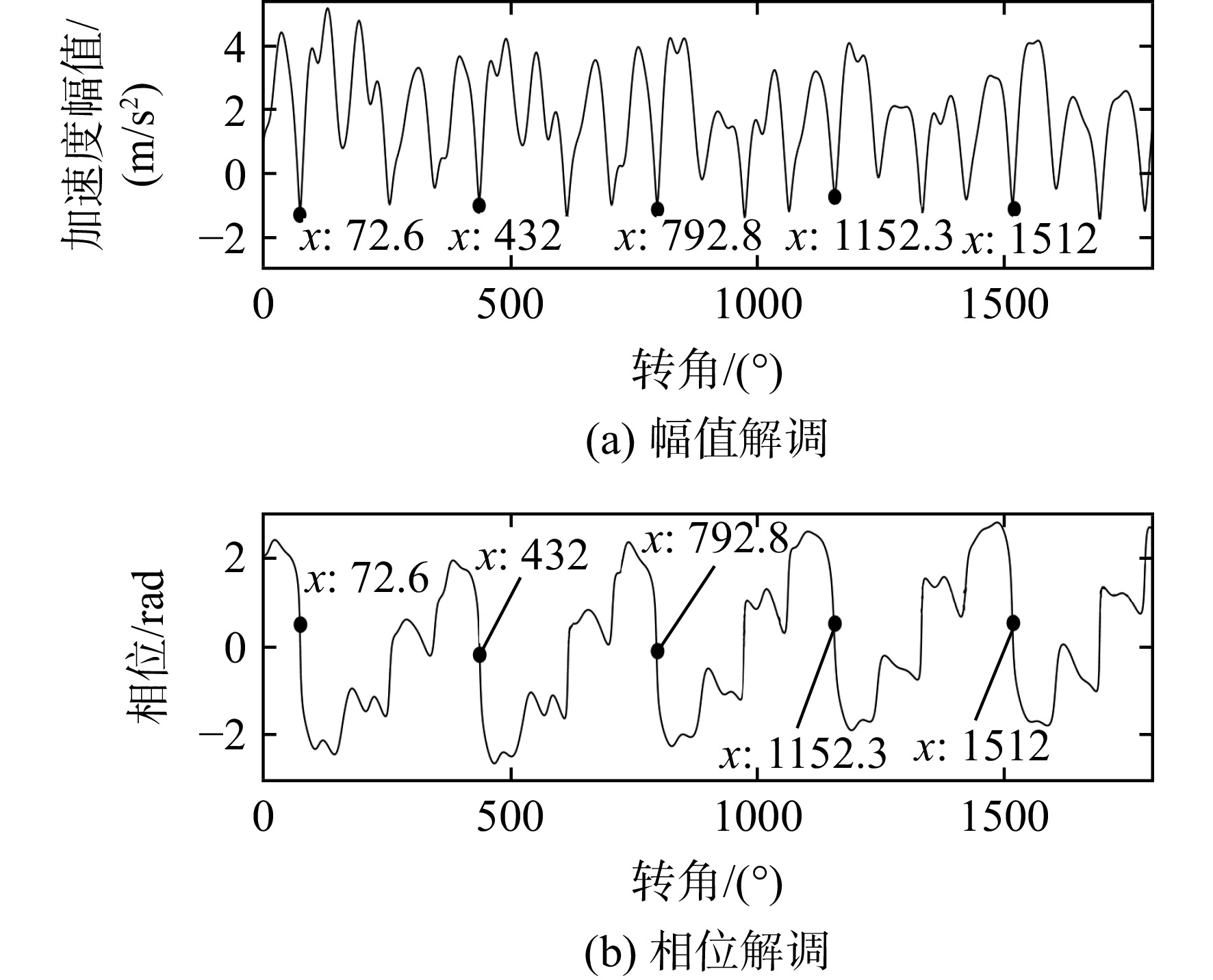
In order to realize the fault detection of planetary transmission gear under the condition of less rotation cycles, a fault detection method for tooth root crack of planetary transmission based on local synchronous fitting and narrowband demodulation was presented. Firstly, the angular domain resampling of the vibration signal was carried out, and then the local synchronous fitting was used to estimate the deterministic component; according to the maximum meshing harmonic energy ratio criterion proposed in the research, the filter order frequency band with the most abundant gear fault information was selected automatically and demodulated; finally, the gear fault characteristics were revealed by amplitude demodulation and phase demodulation. The experimental and comparative results showed that this method can effectively detect the periodic amplitude and phase mutation caused by the root crack, and the amount of data required was less than the traditional windowed synchronous average method. The root crack fault detection under the condition of few revolutions had certain advantages.

Structure,Strength and Vibration
Mechanical model of locking mechanisms of folding wing for spacecraft
REN Haoyuan, WANG Yi, WANG Liang, ZHOU Jianbo, CHANG Hanjiang, CAI Yipeng, LEI Bao
2023, 38(12): 3009-3019. doi: 10.13224/j.cnki.jasp.20220032
Abstract:
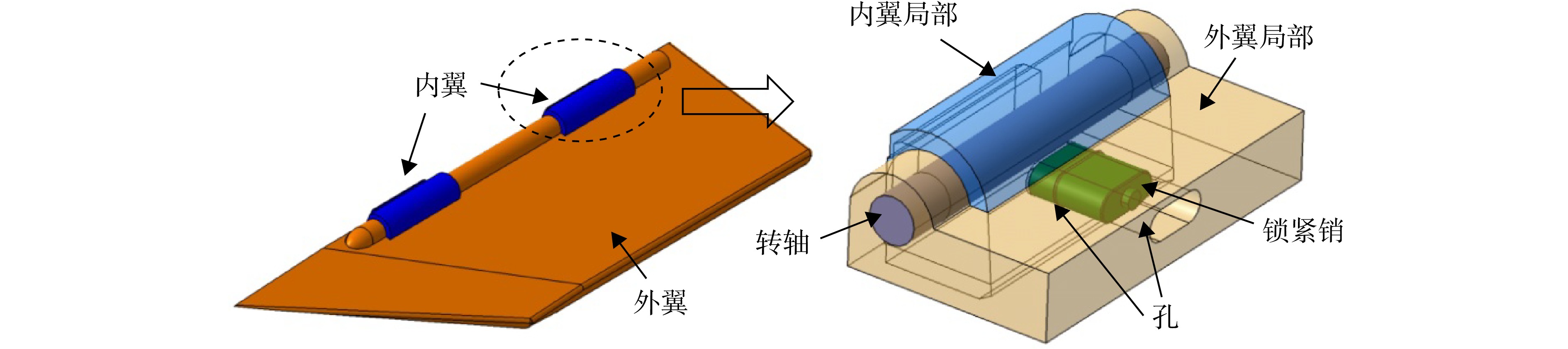
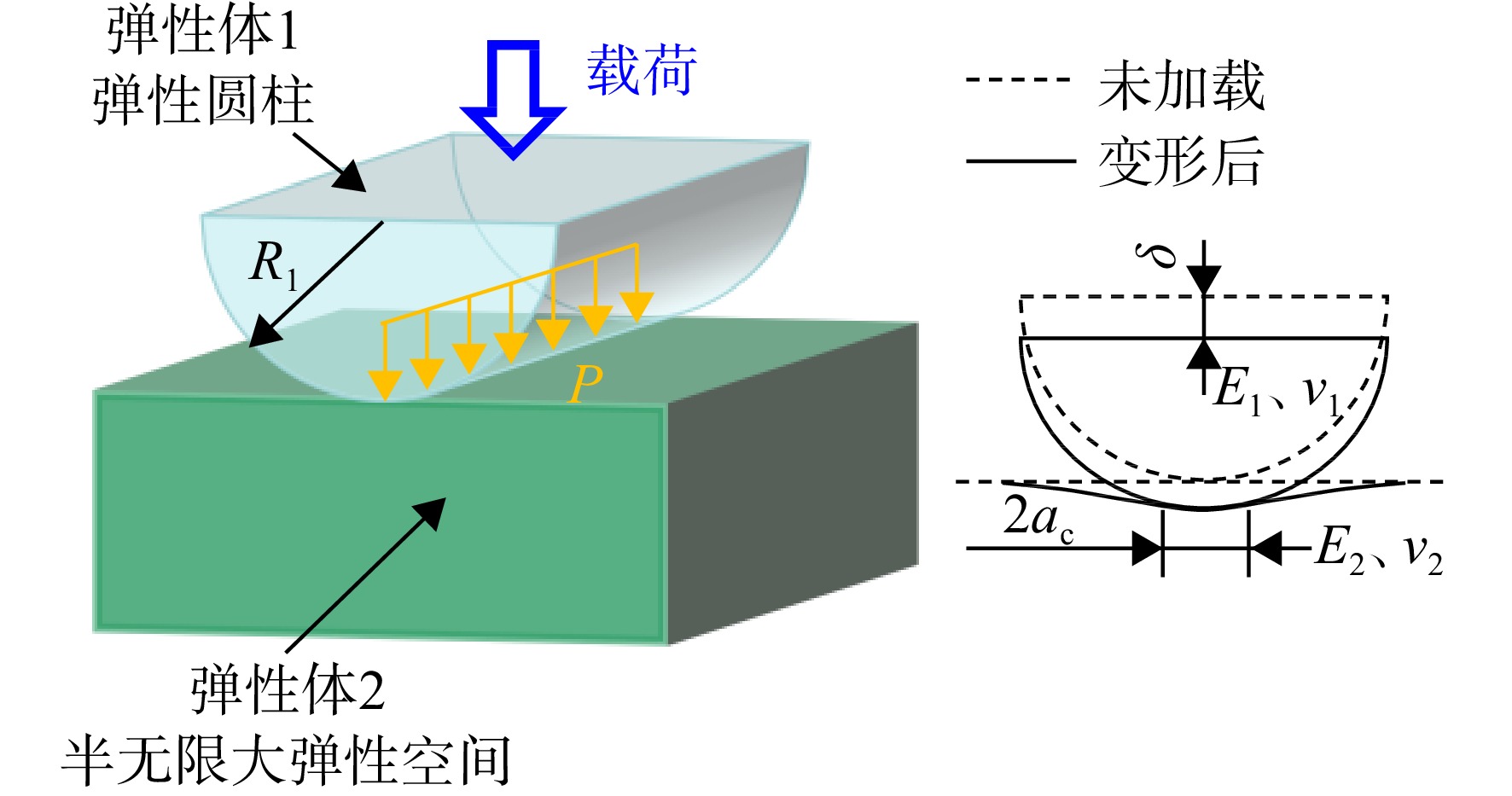
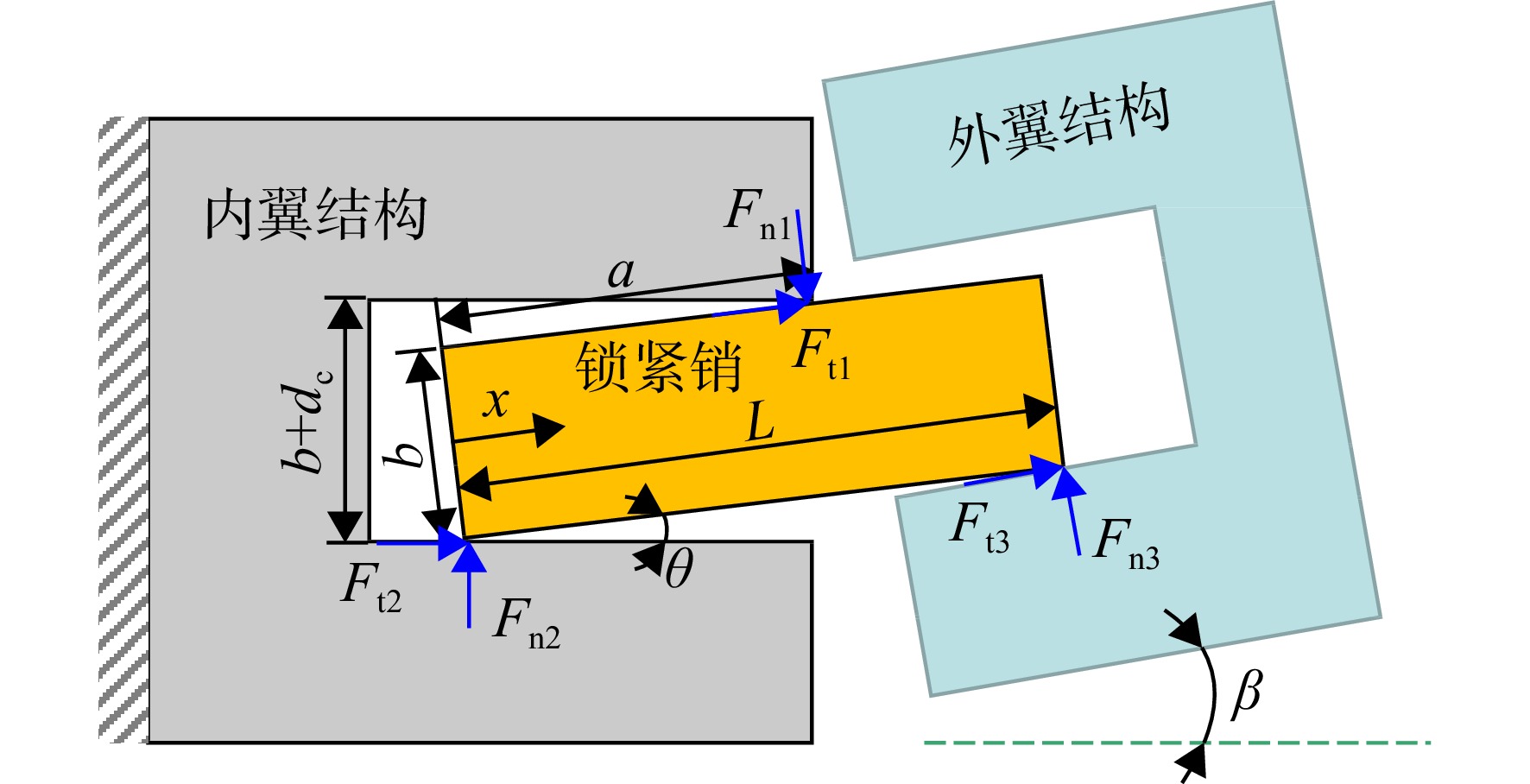
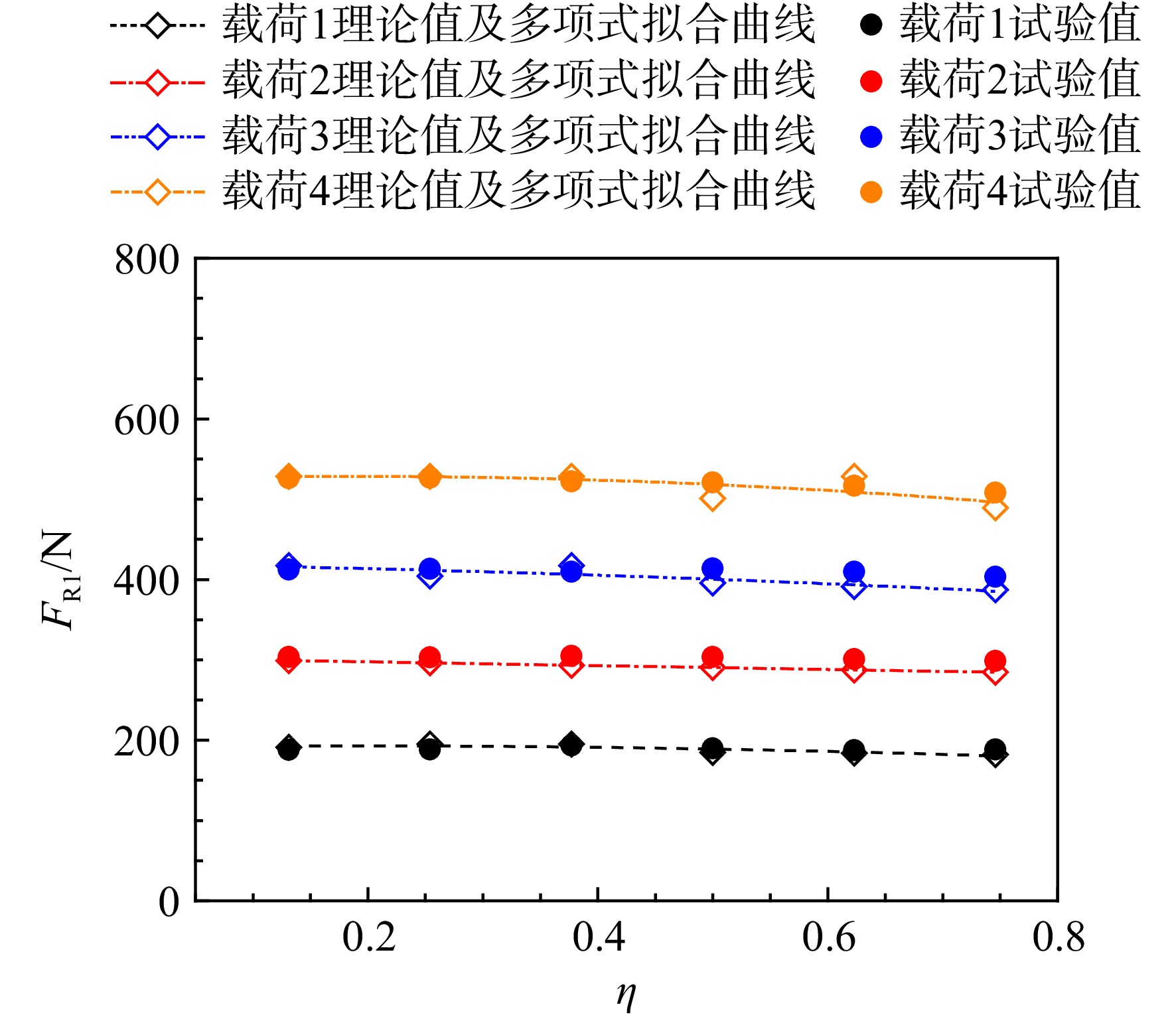
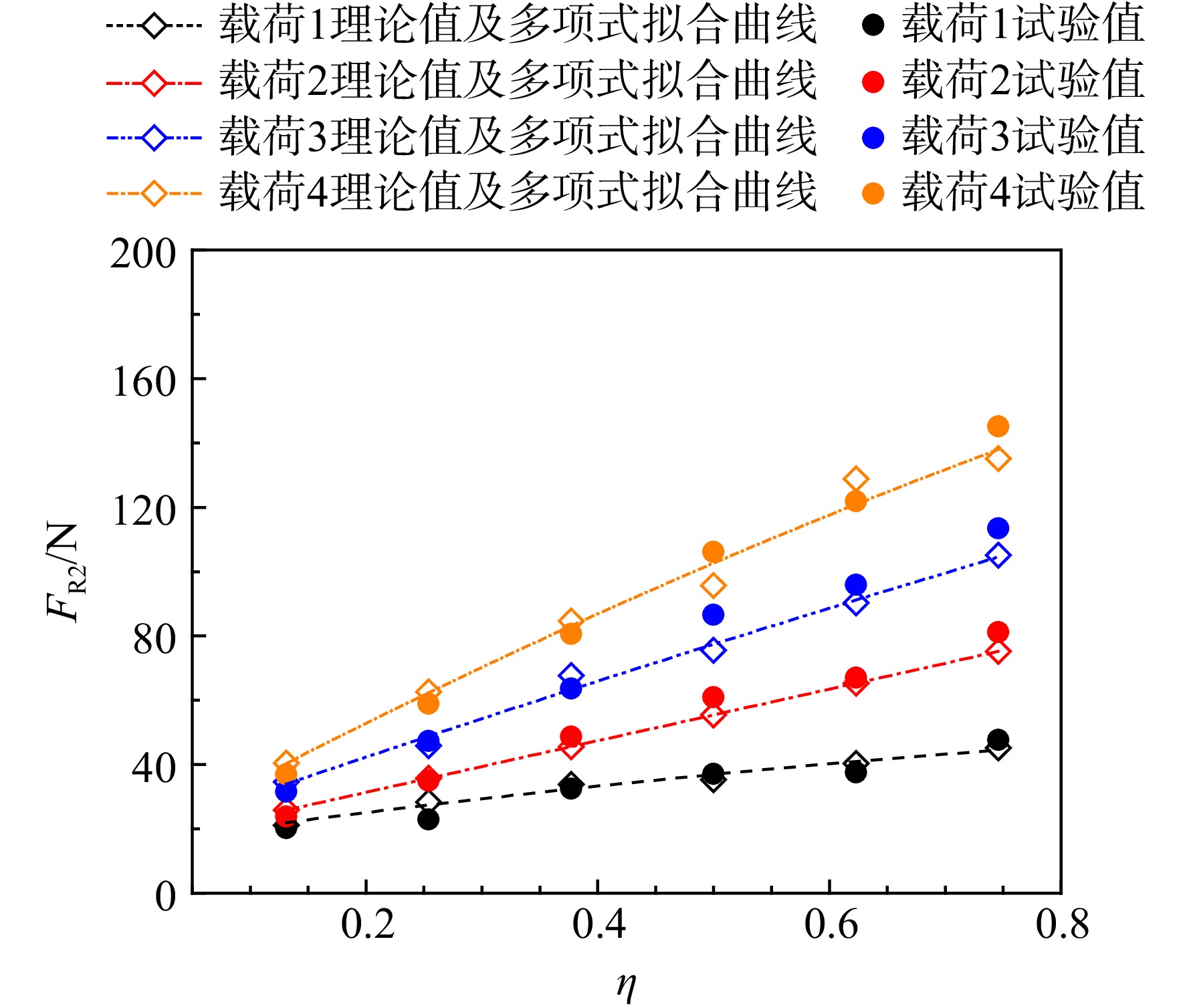
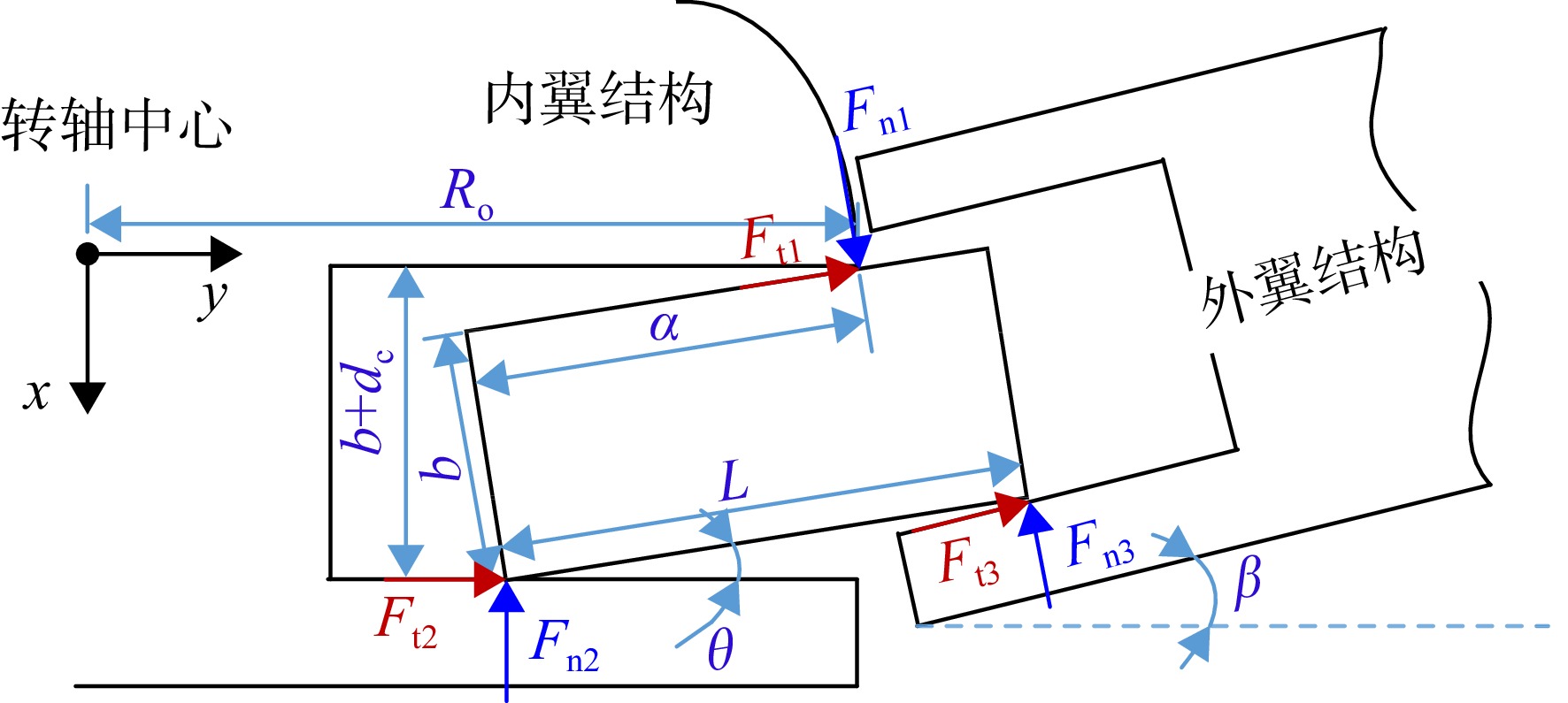
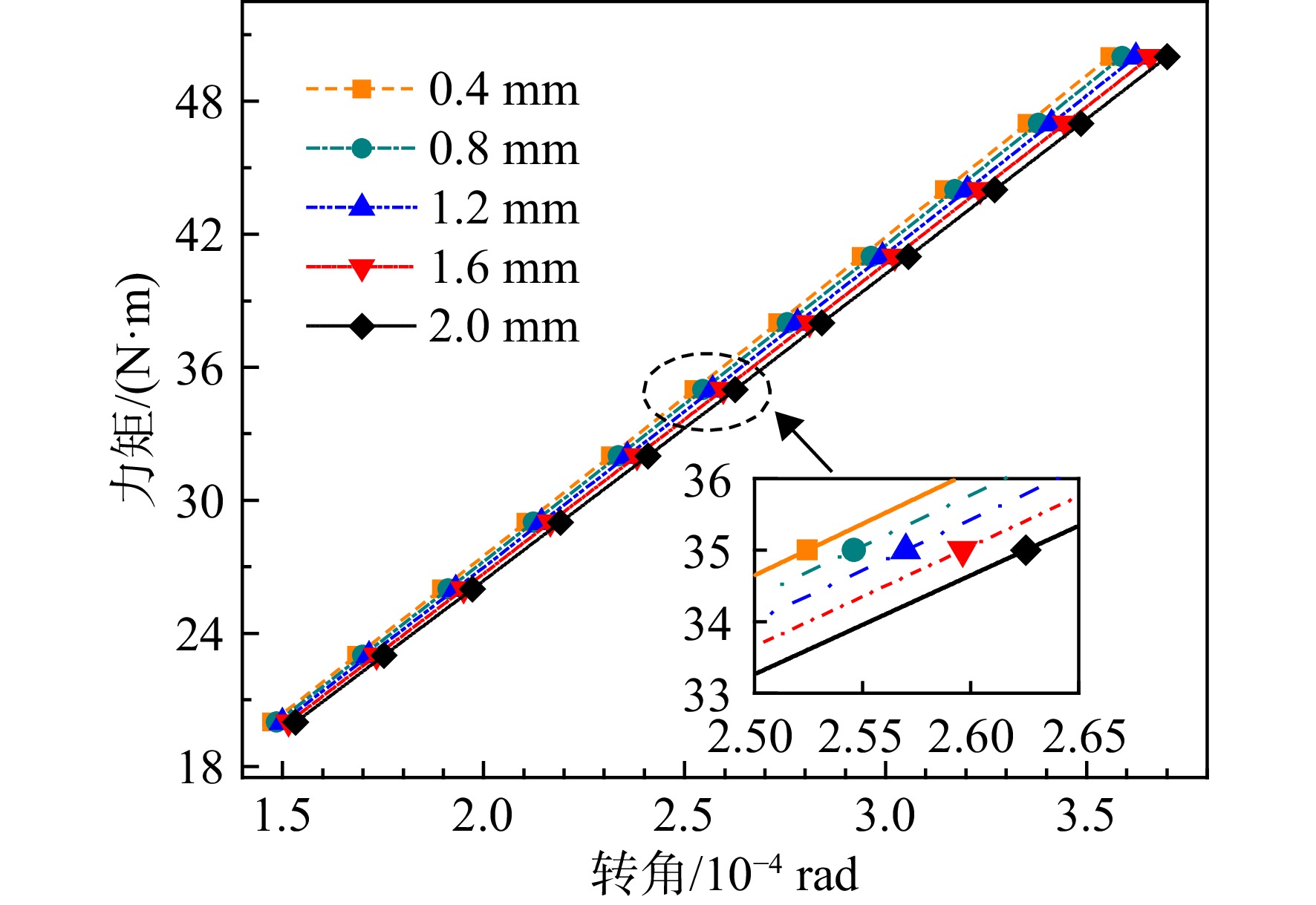
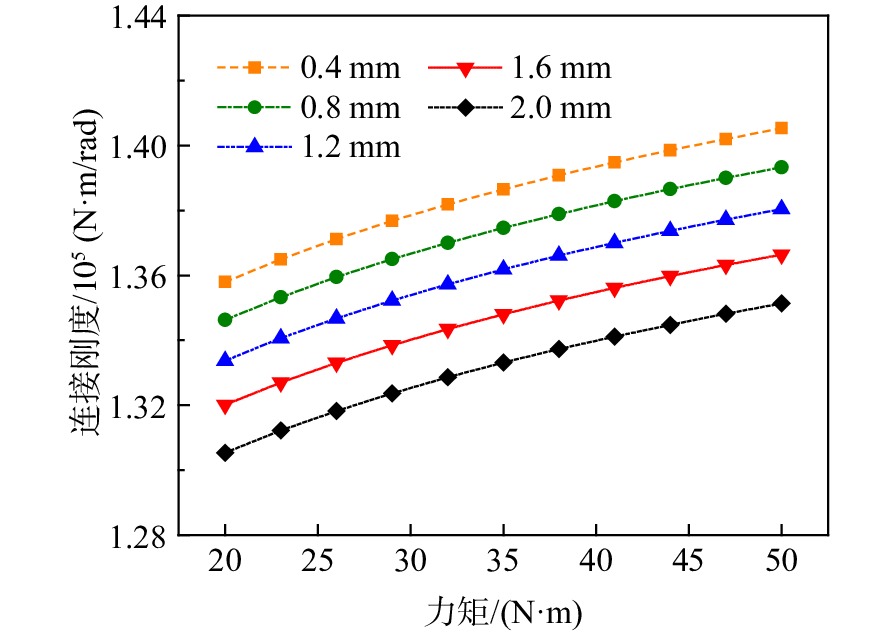
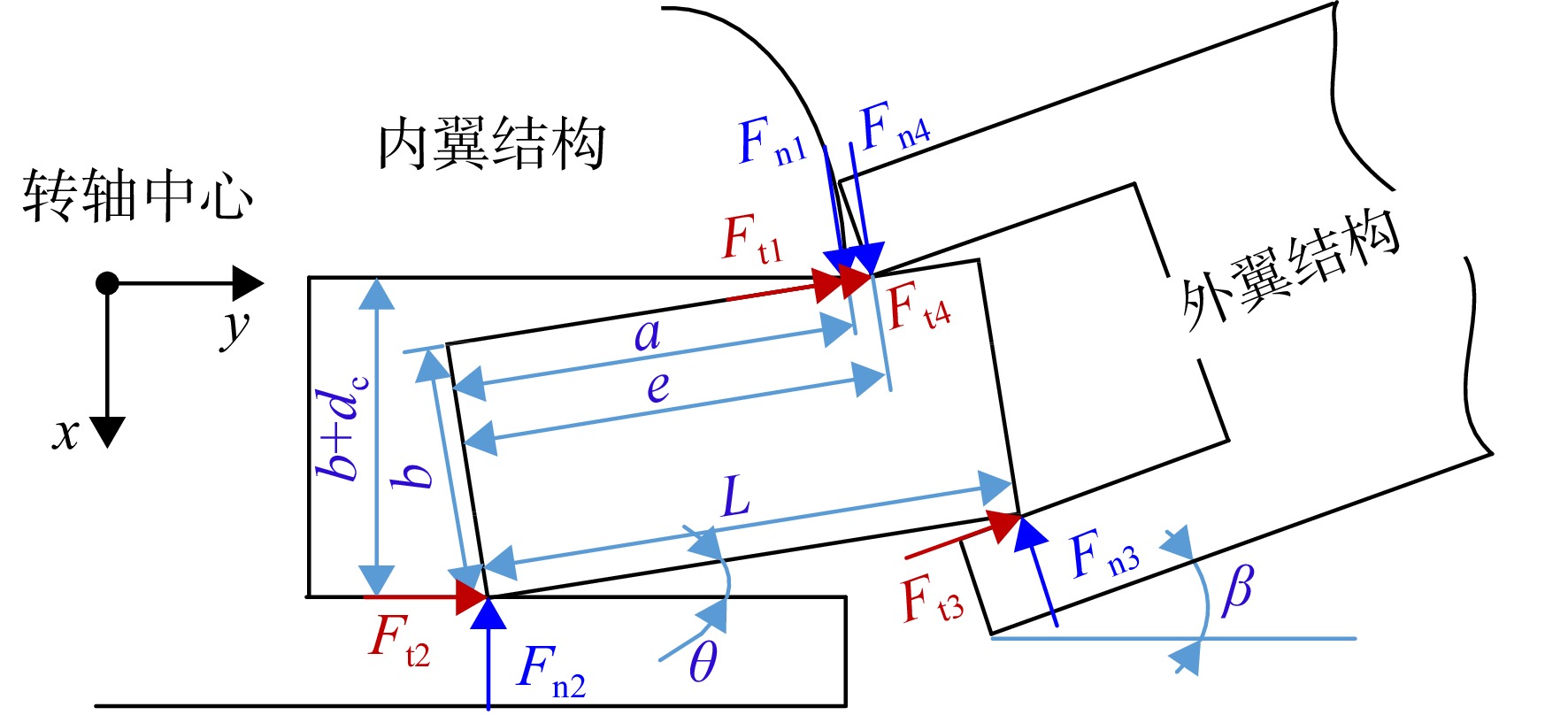
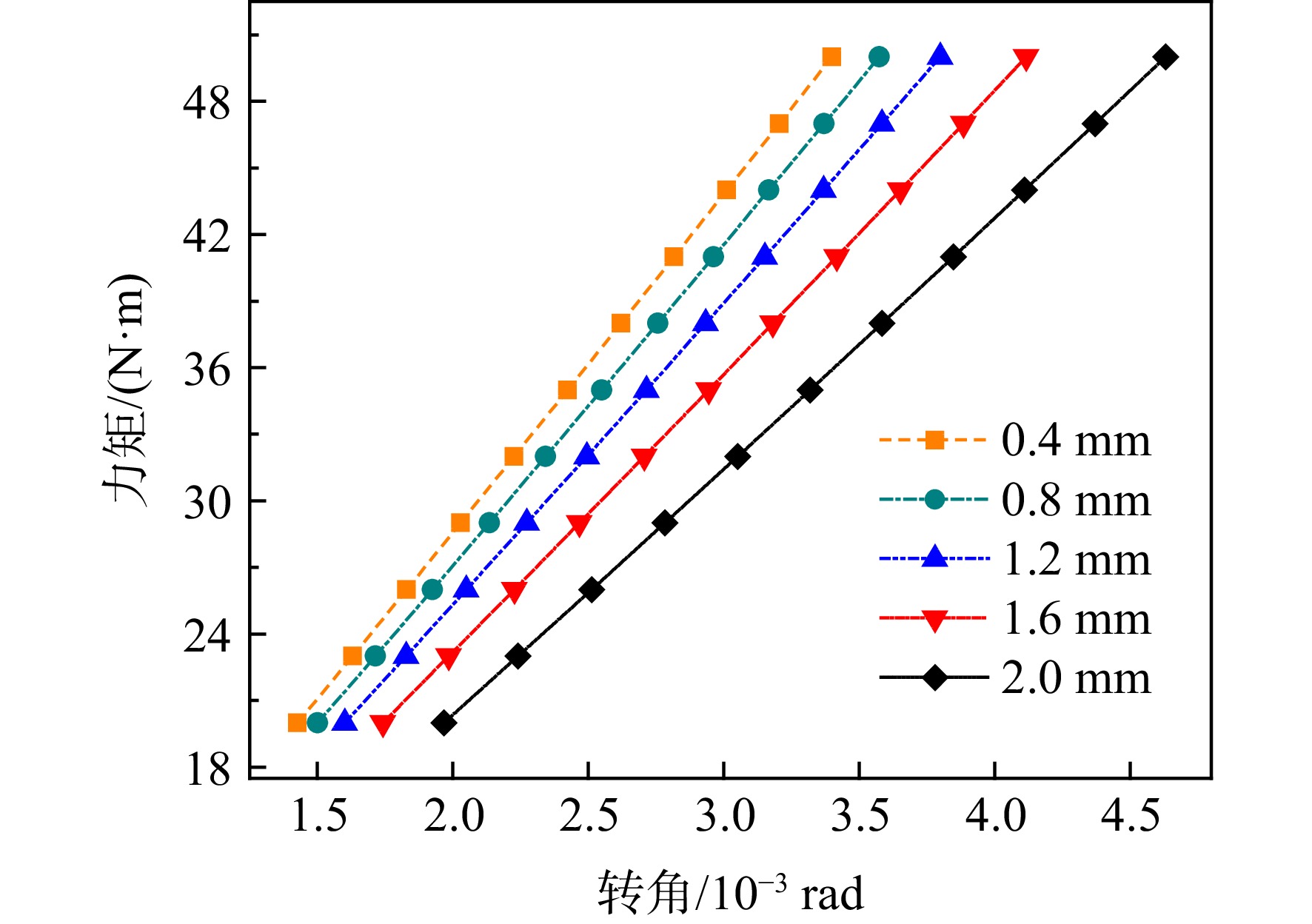
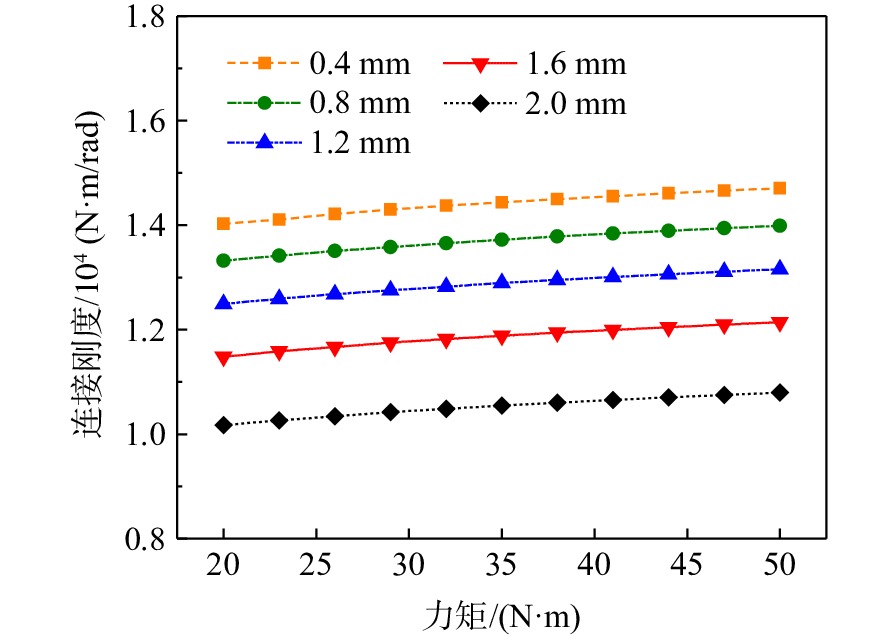
To model the plug-in locking mechanism, the plane strain assumption and superposition principles were used for dimensionality reduction and simplification, and an analytical model of connection stiffness considering the effect of gap was established. Firstly, the energy method was used to solve the indeterminate problem caused by contact friction, and the normal and tangential contact forces were obtained. Then, the equivalent contact stiffness was calculated by using Hertz’s theory, and the bending deformation of elastic pins was calculated through beam model. To validate the applicability of the method, the analytical results were compared with the experimental results from the reference paper. Finally, the parameter influence analysis was carried out, and the effect of load and clearance on connection stiffness was proposed. The results showed that when the load changed from 20 N·m to 50 N·m, the connection stiffness of the locking mechanism increased by about 3%—5%, demonstrating a hardening spring nonlinear effect. With the increase of the clearance, the connection stiffness showed a downward trend, owing to the fact that the fit size affected the relative attitude of the elastic pin and the hole.

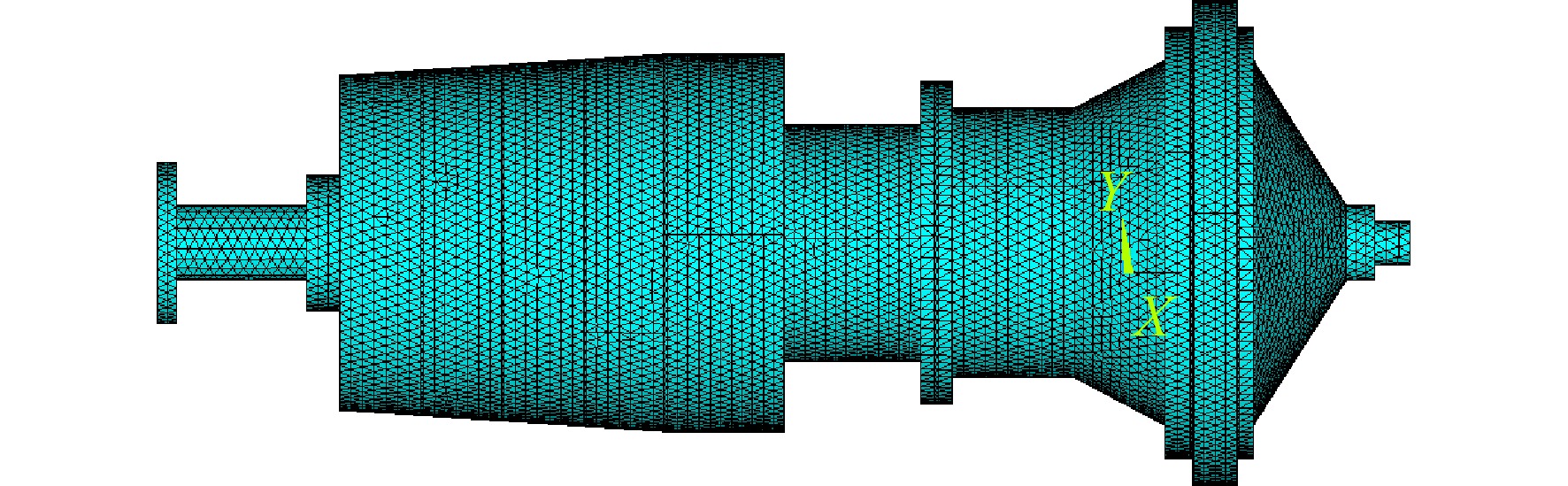
Modelling of pre-tightening force in rod-fastened rotors and it induced vibration localization
WANG Qi, JIA Ruidong, YANG Shuhua, MENG Jigang, ZHANG Jiazhong
2023, 38(12): 3020-3030. doi: 10.13224/j.cnki.jasp.20210383
Abstract:
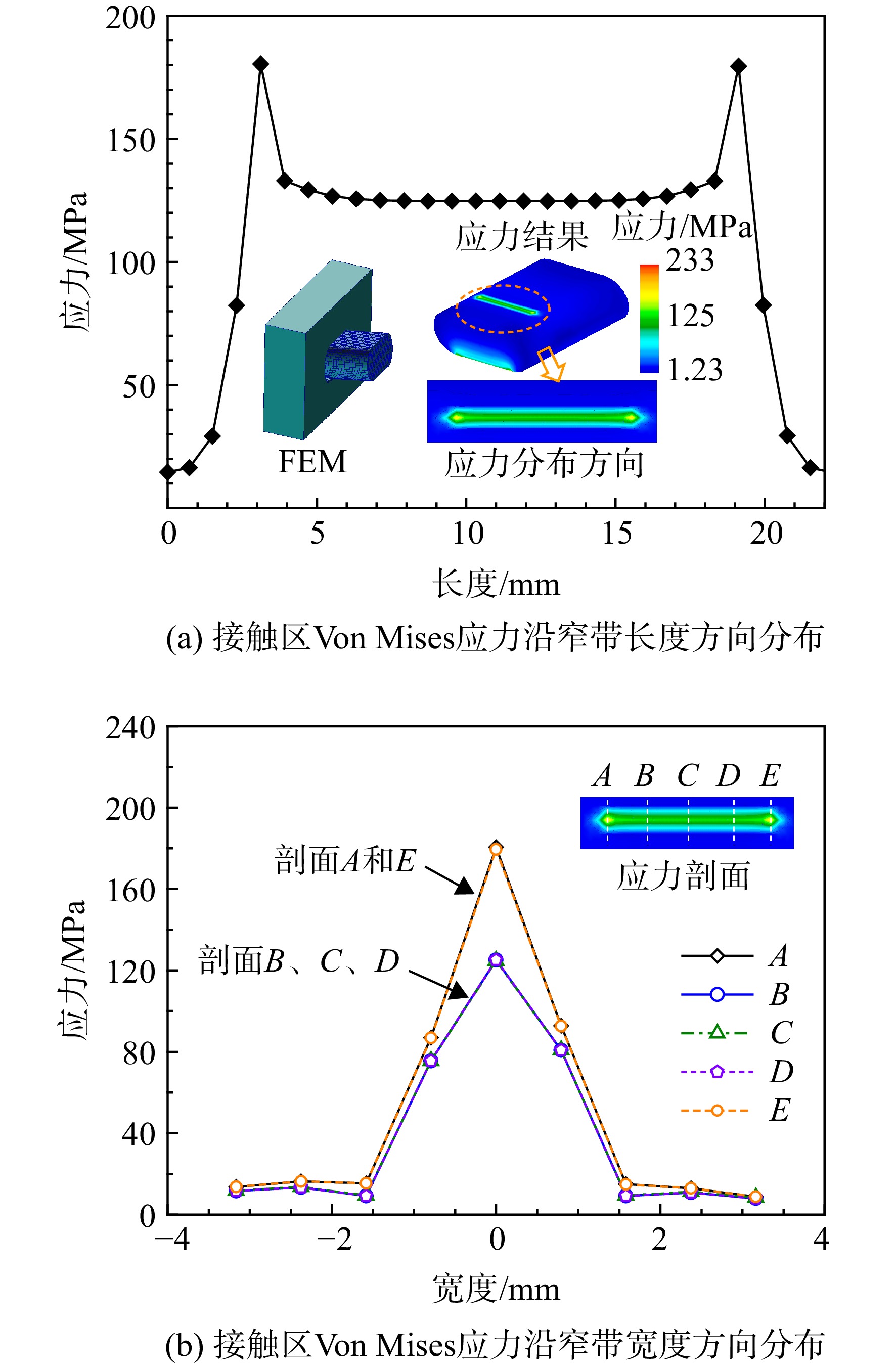
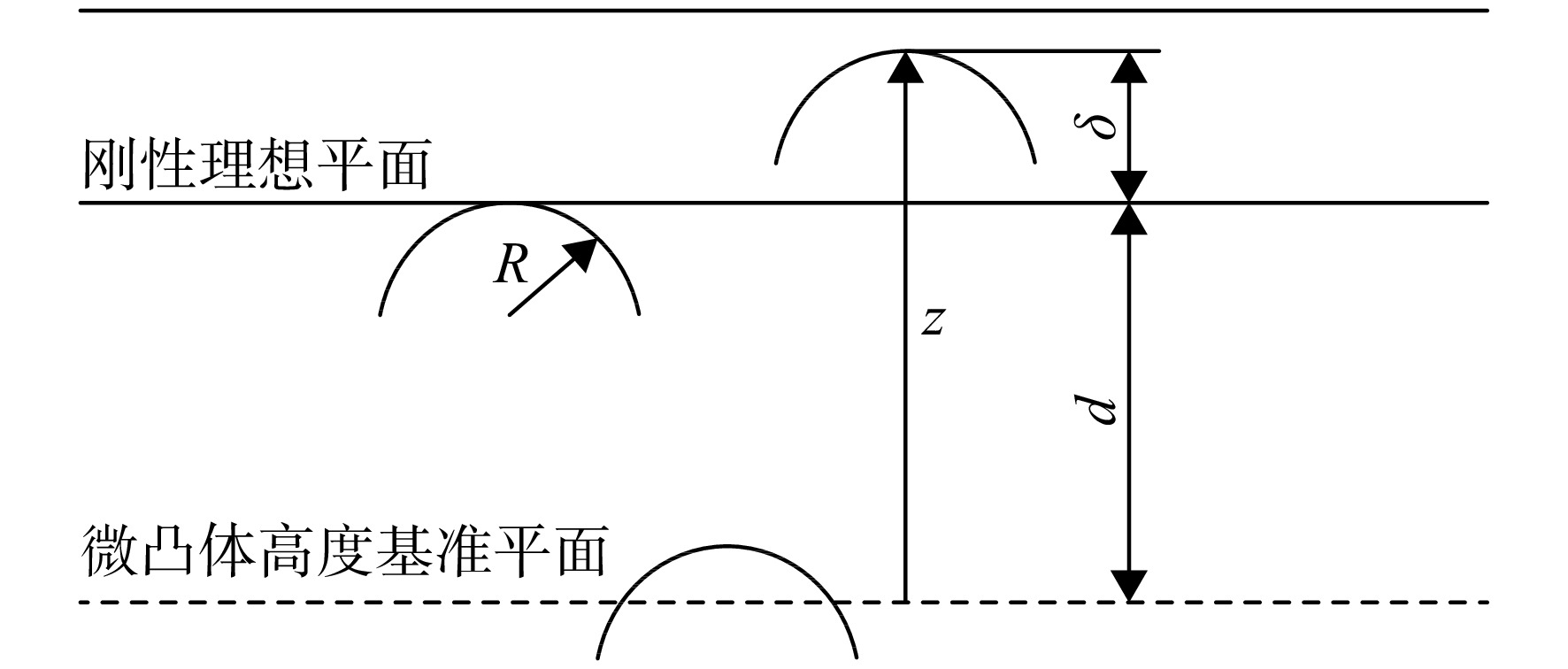
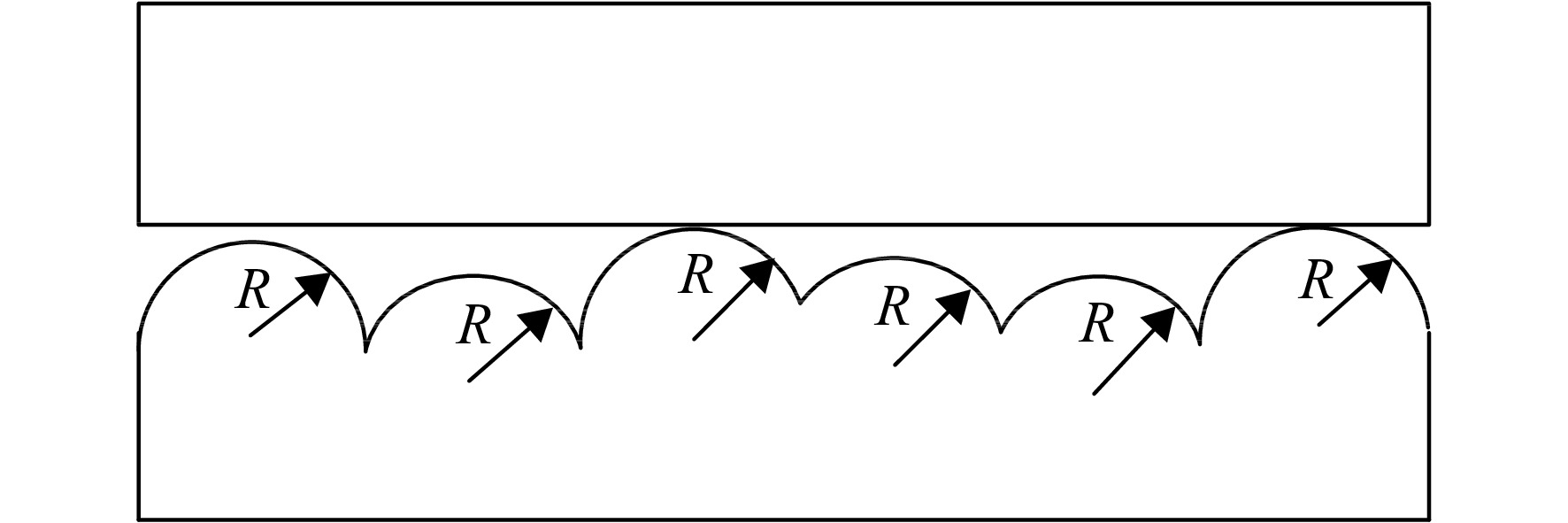
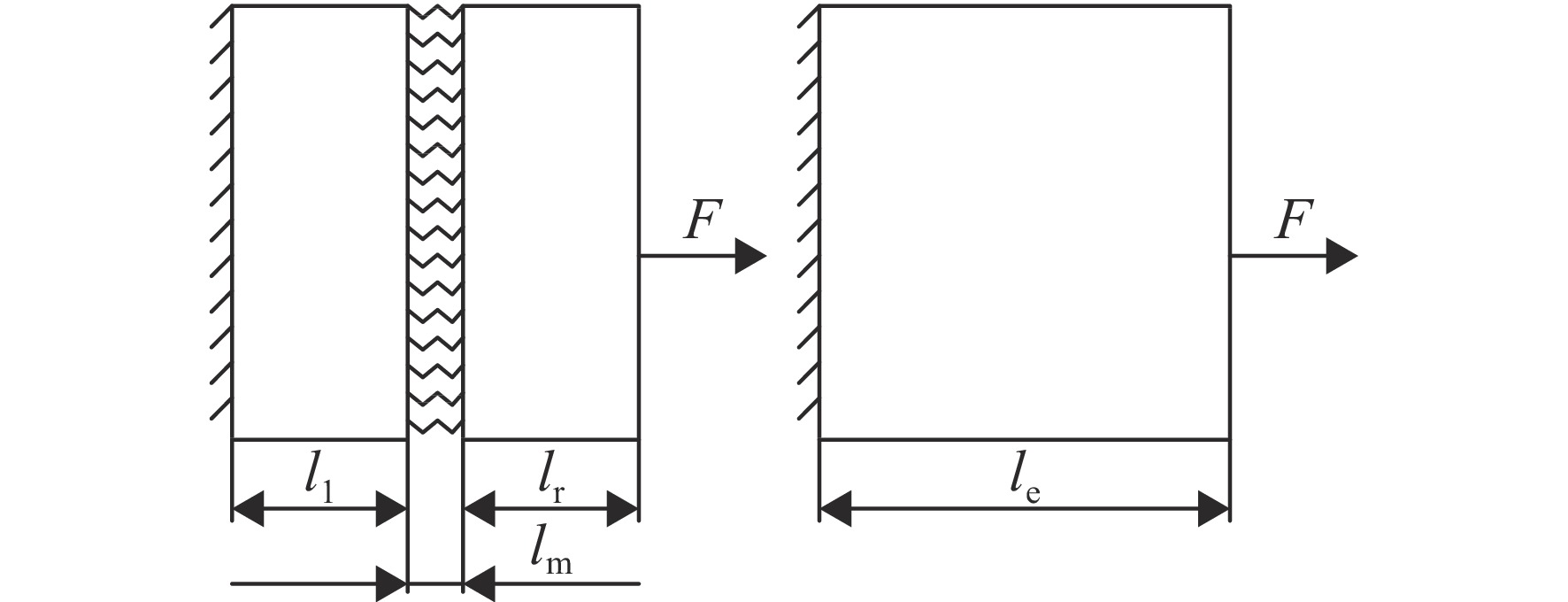
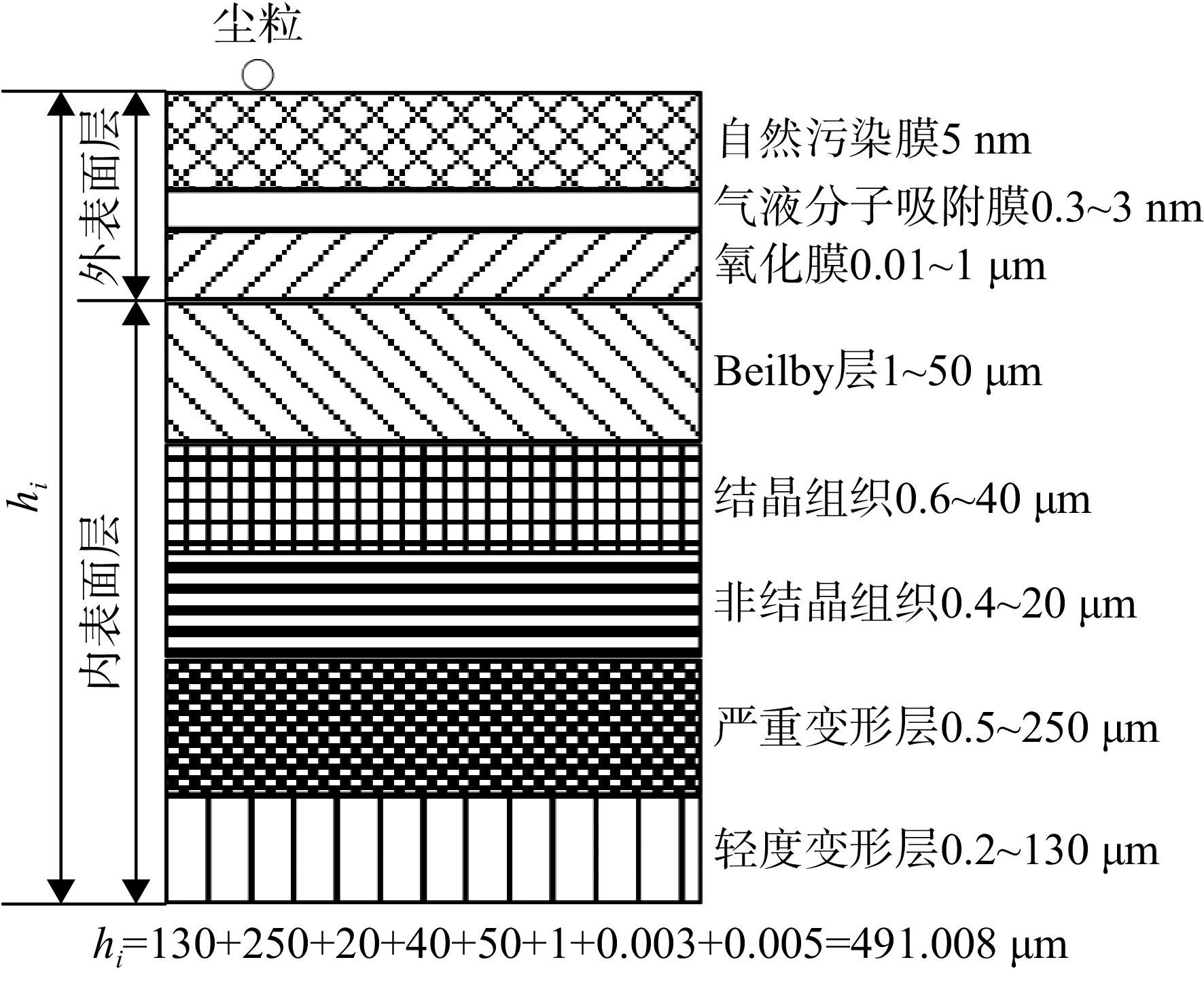
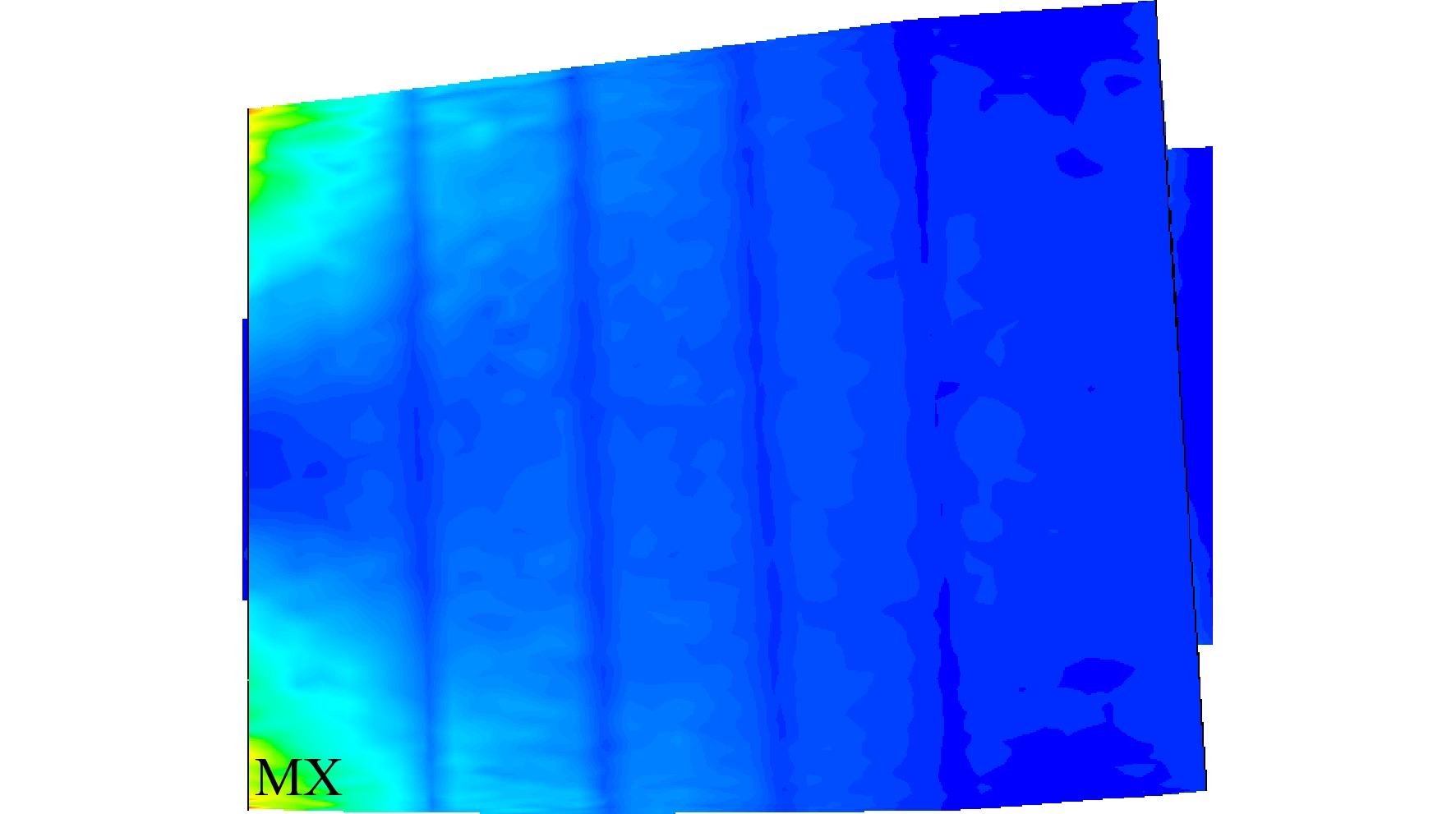
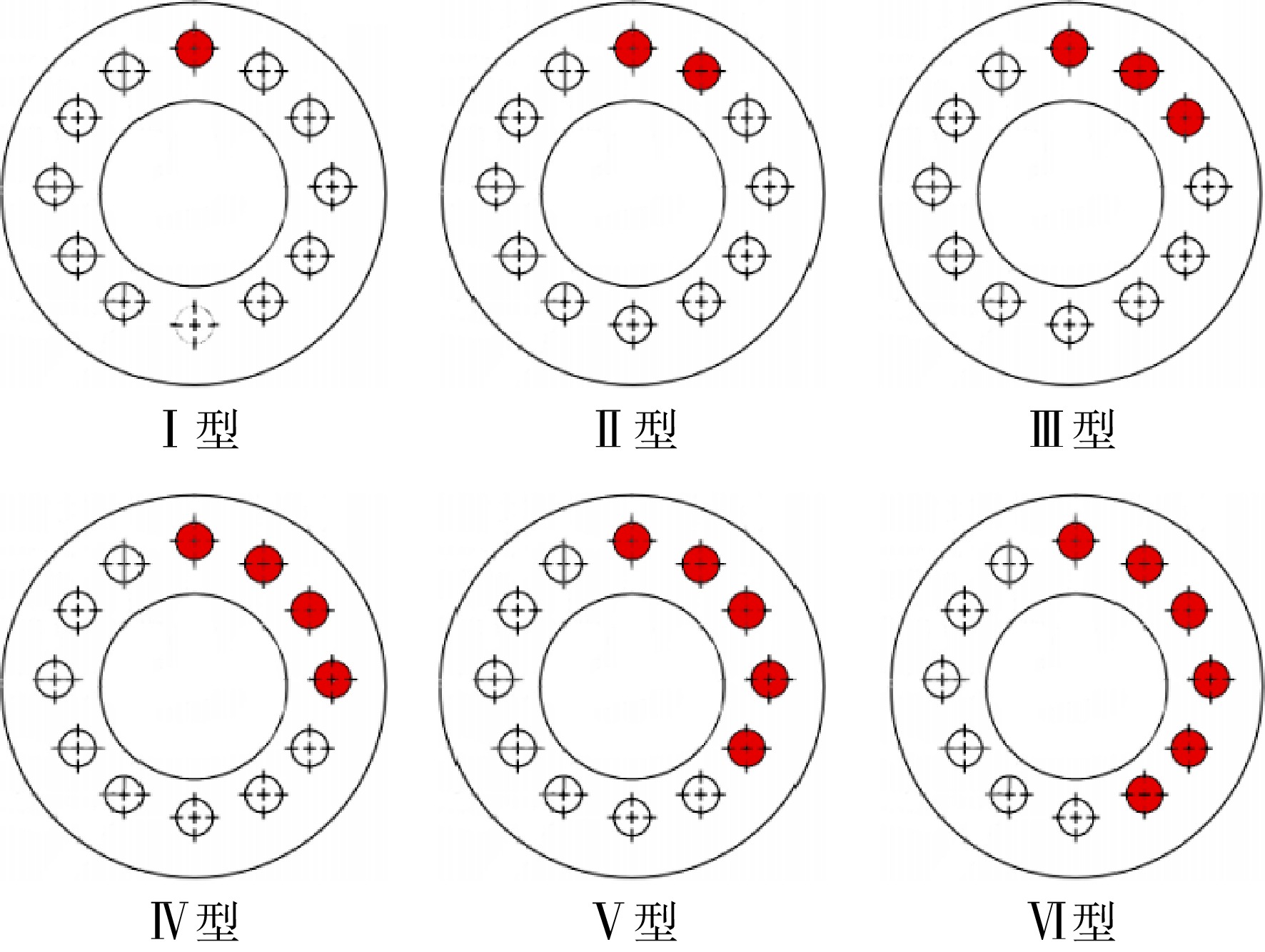
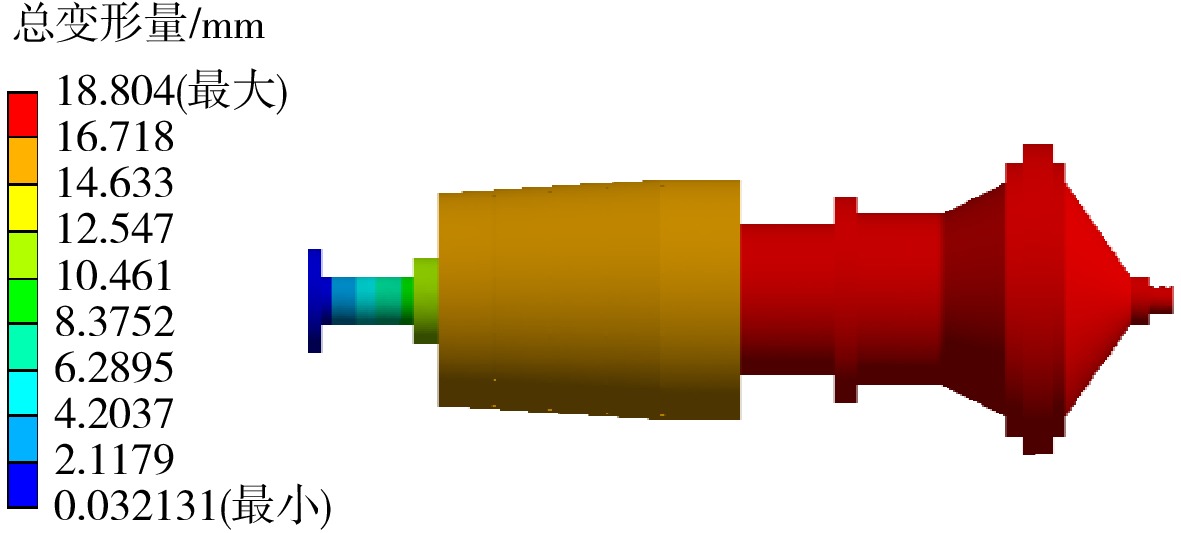
In order to explore the mechanism of the vibration induced by the pre-tightening mistune of the rod-fastened rotor considering the mechanical characteristics of the contact surface, and viewed from the elastoplastic theory and the microscopics of the contact surface, the deformation laws and mechanical characteristics of a single asperity in the contact process were analyzed in detail, and the macroscopic mechanical contact model of the contact surface was obtained through Gaussian distribution. First, an equivalent contact layer was established to ensure that the main characteristic parameters of the original model could be kept unchanged and its thickness was determined, based on the mechanical properties of the contact surface; then, the variation law of critical speed and natural frequency when the pre-tightening force was reduced and detuned in the circumferential direction was further analyzed by this equivalent contact layer model; finally, the mechanism of vibration mode localization of rod-fastened rotor induced by circumferential detuning of pre-tightening force was revealed by means of wave transmission. The results showed that the equivalent contact layer stiffness and the critical speed and natural frequency decreased as the pre-tightening reduced. Moreover, the critical speed and natural frequency of the rotor became lower, as the number of pre-tightening detuning rods increased. As the fluctuation frequency of the rod-fastened rotor was within the frequency stop-band, the vibration energy cannot be transmitted throughout the whole structure. The research results can provide a reference method for the dynamic analysis and optimal design of complex rod-fastened rotors.

Turbomachinery
Research on sound power and far-field directivity of fan ducted broadband noise
XU Kunbo, CHEN Yu, TONG Fan, QIAO Weiyang
2023, 38(12): 3031-3042. doi: 10.13224/j.cnki.jasp.20220015
Abstract:
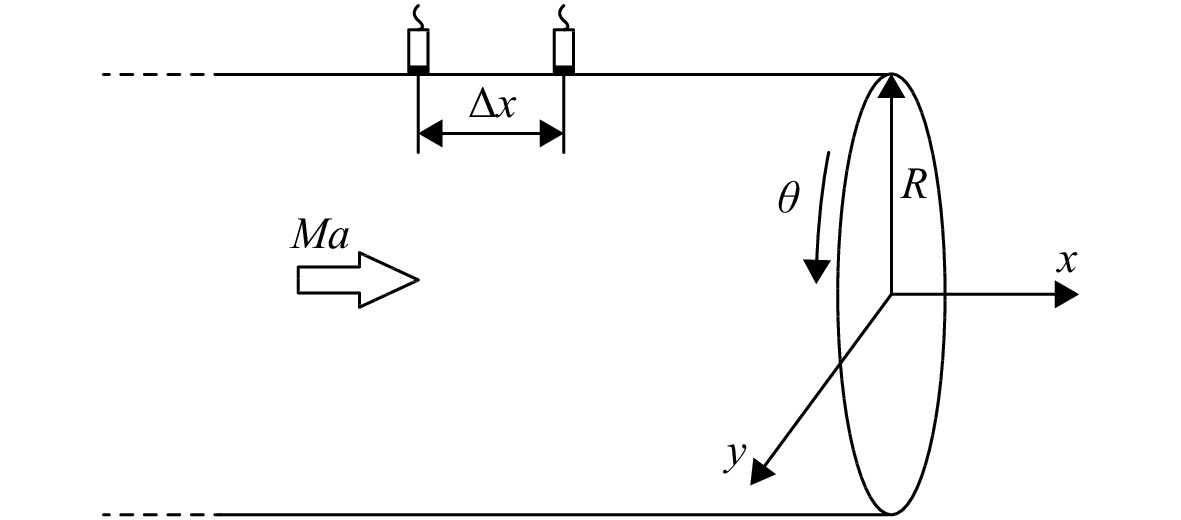
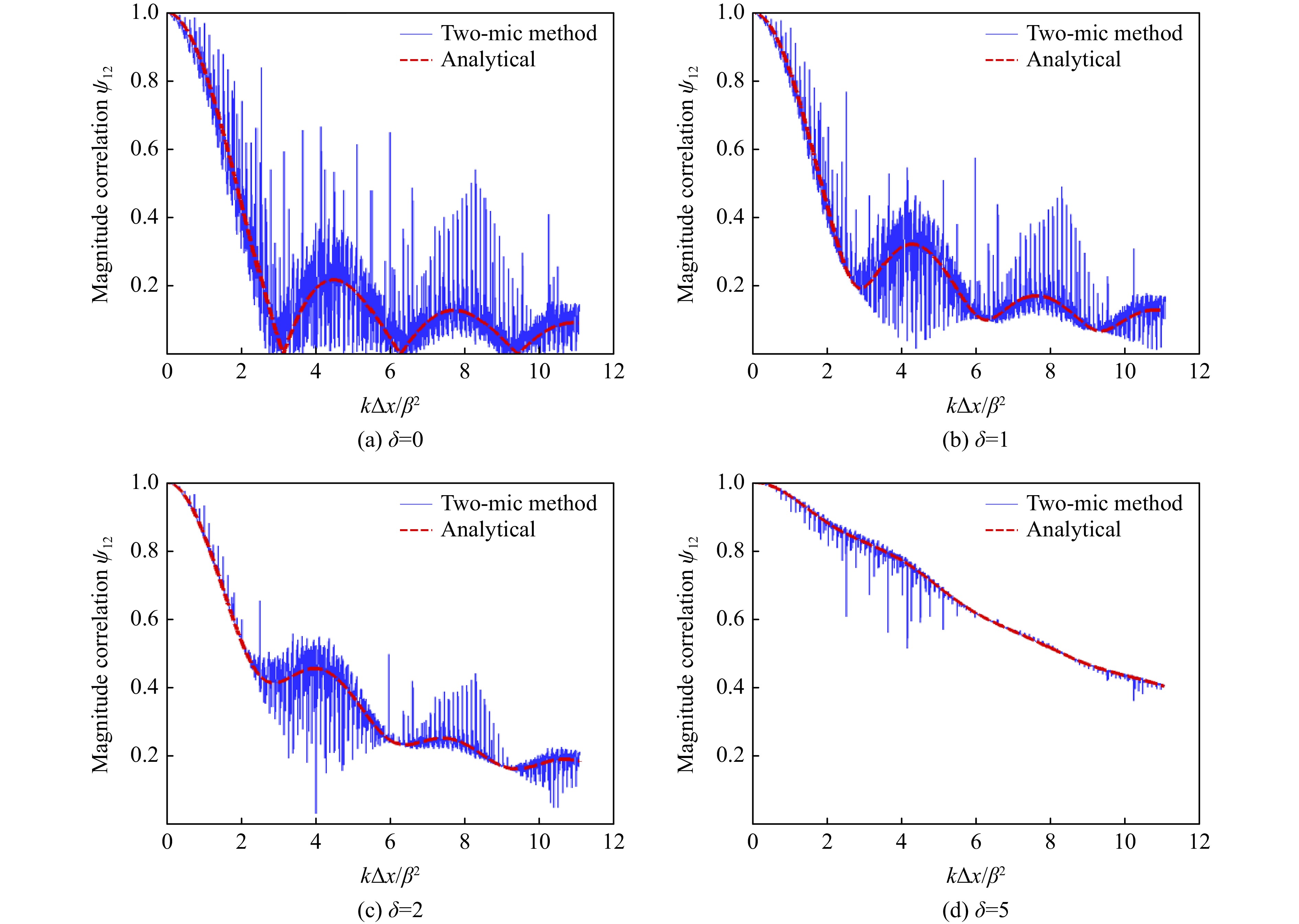
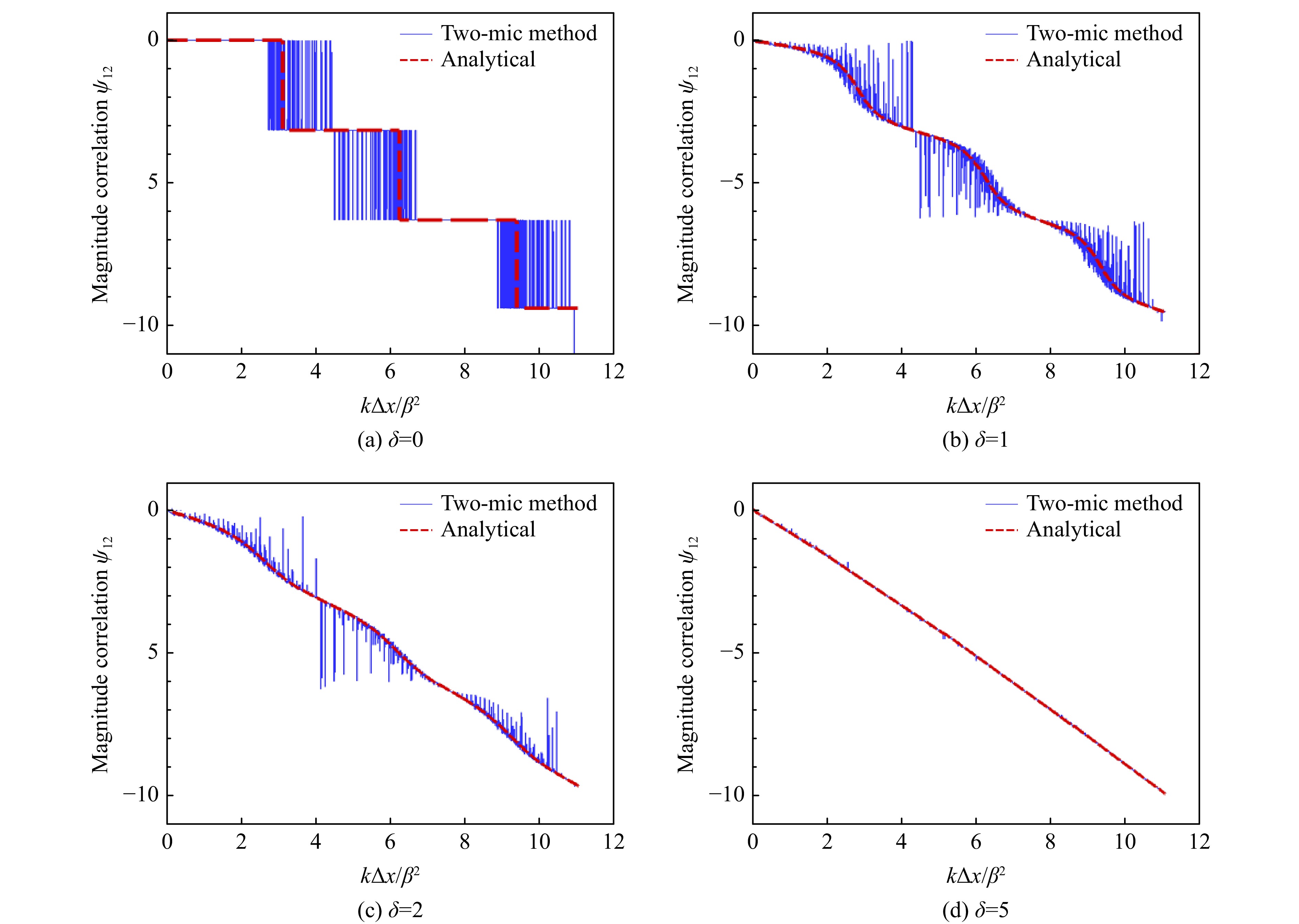
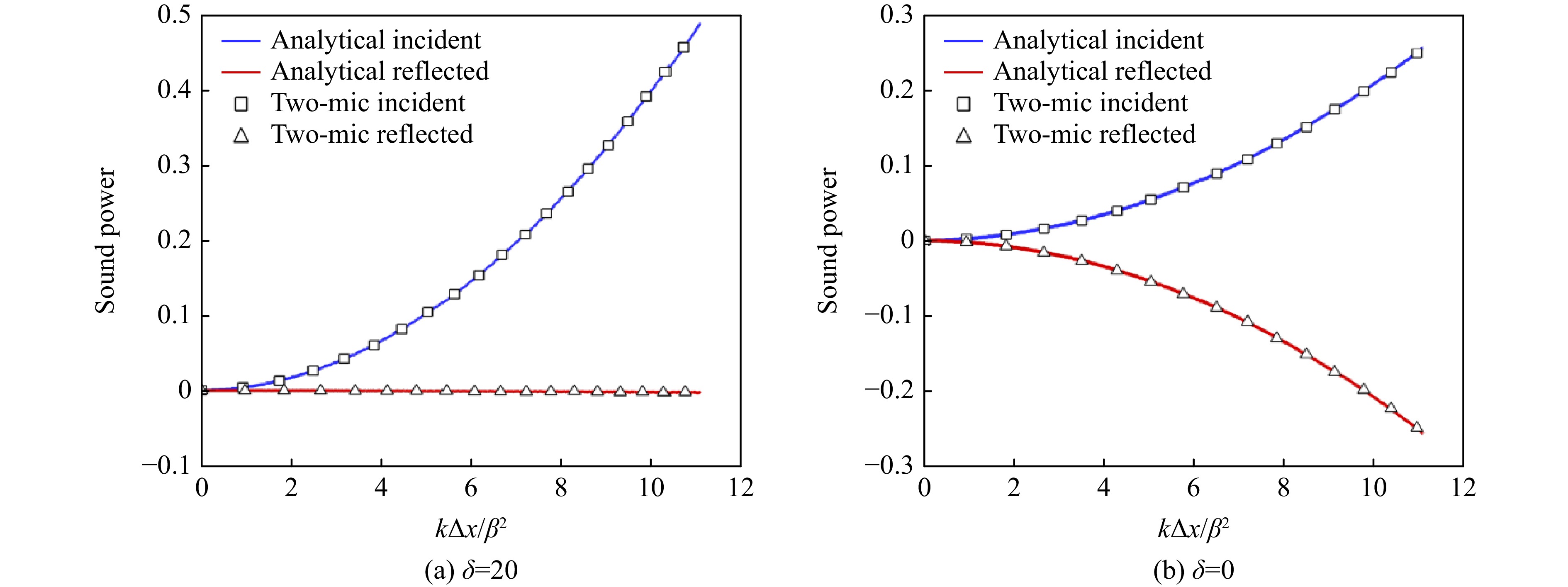
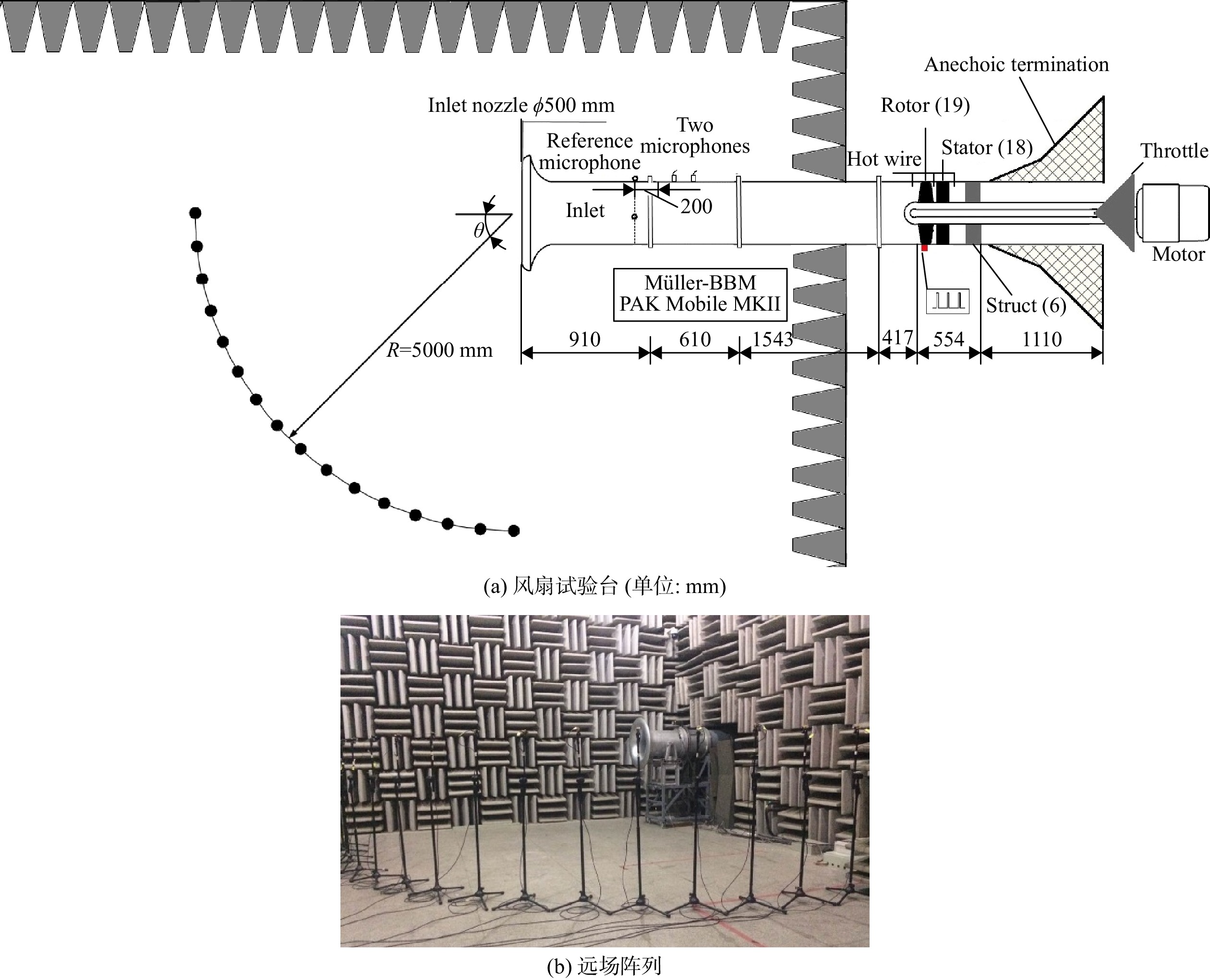
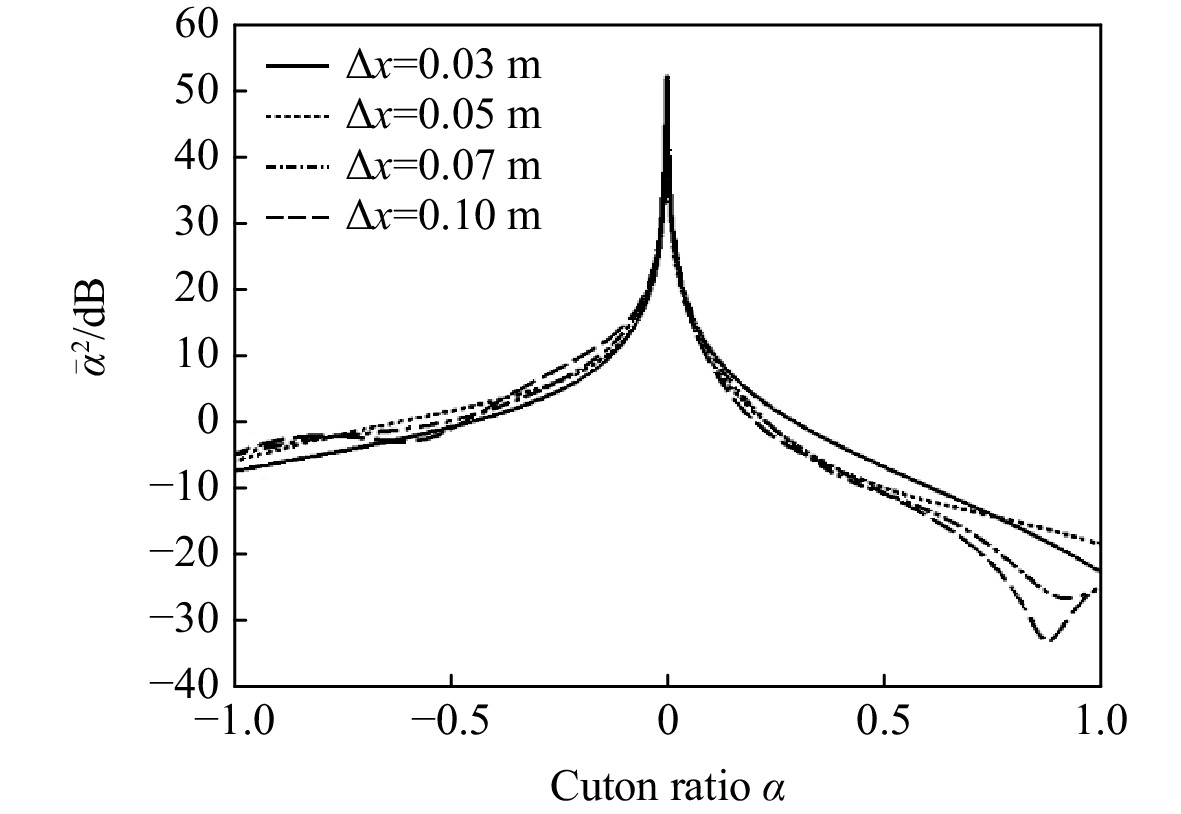
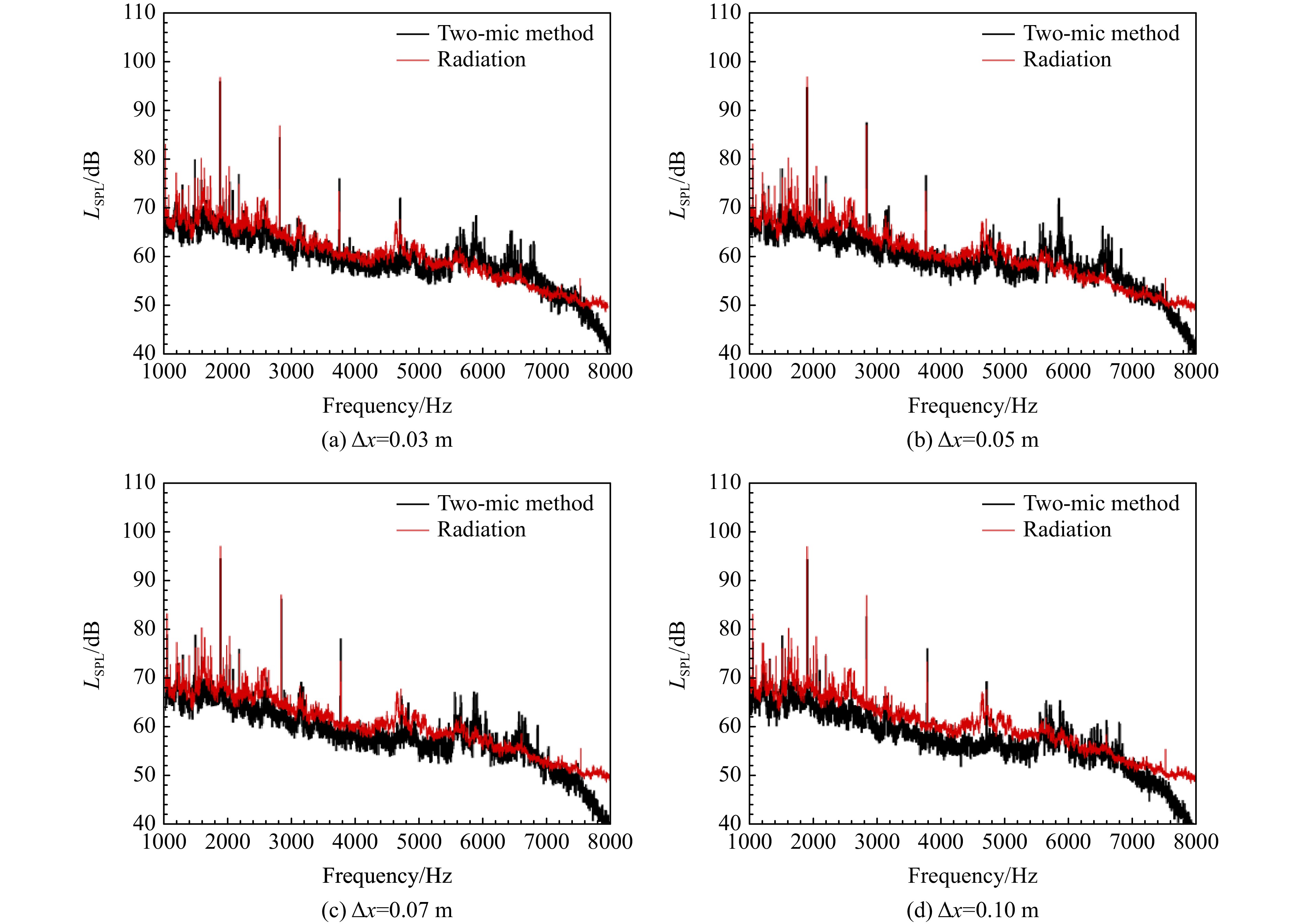
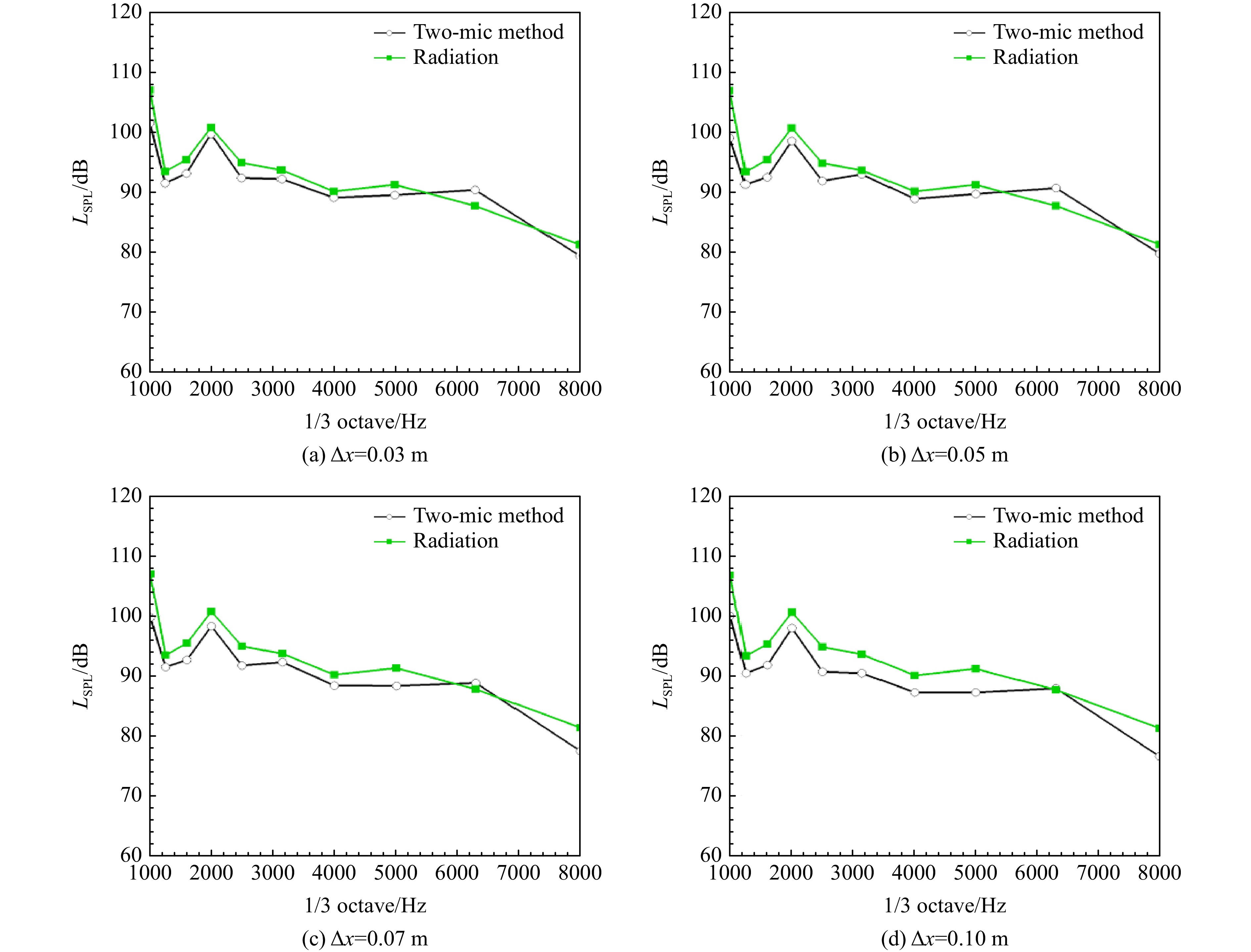
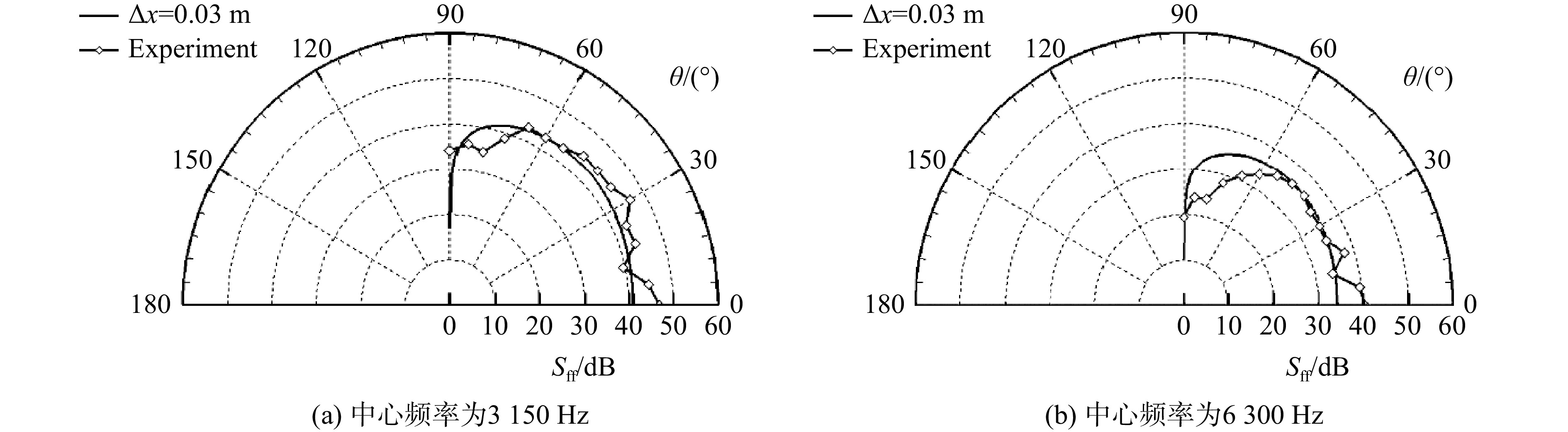
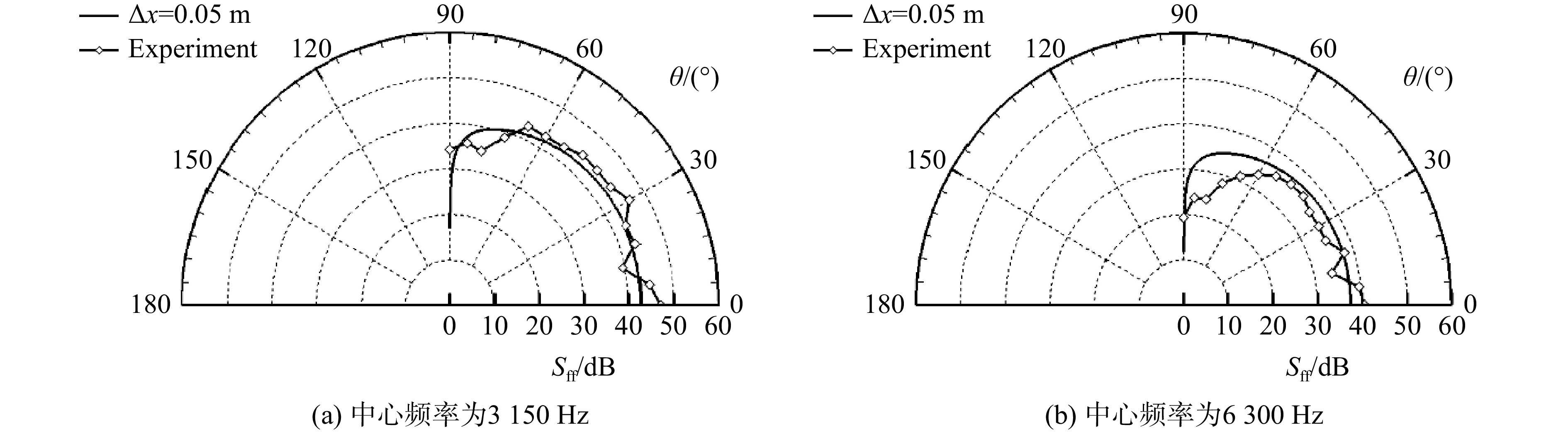
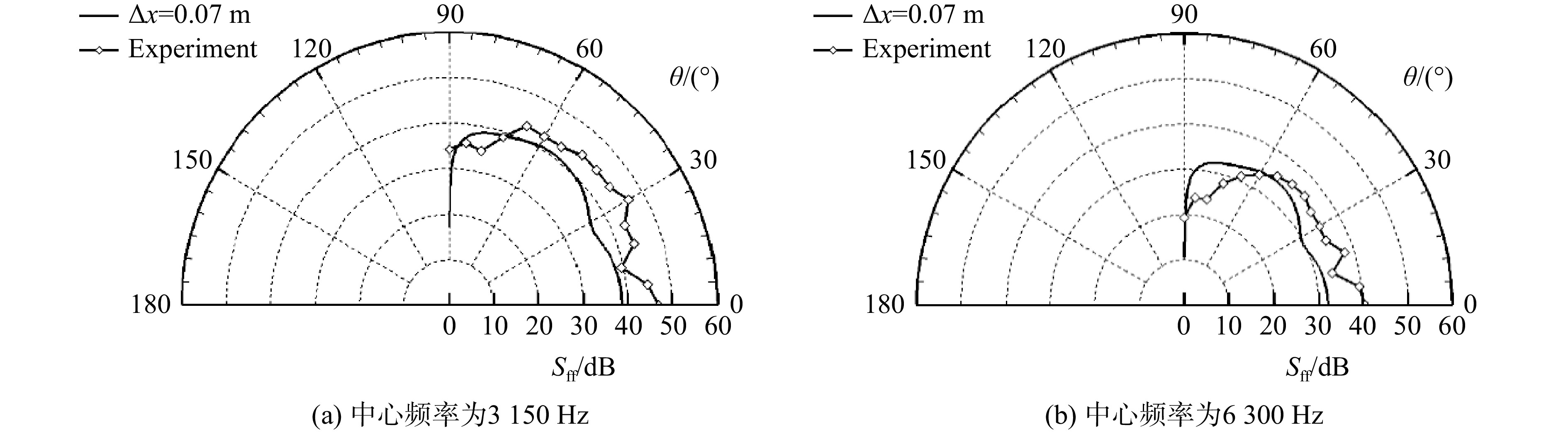
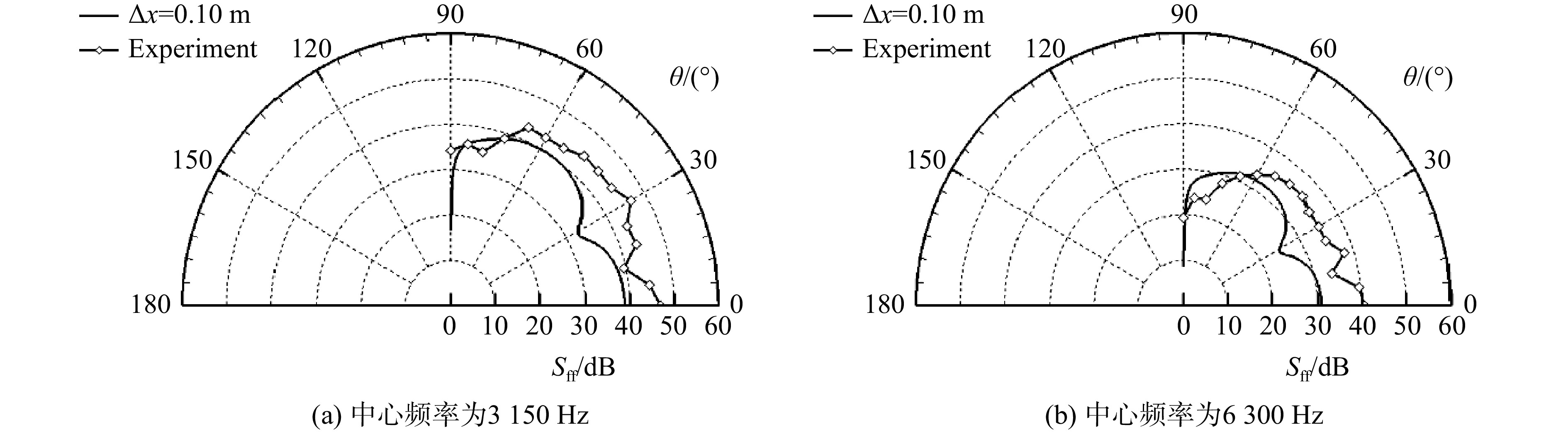
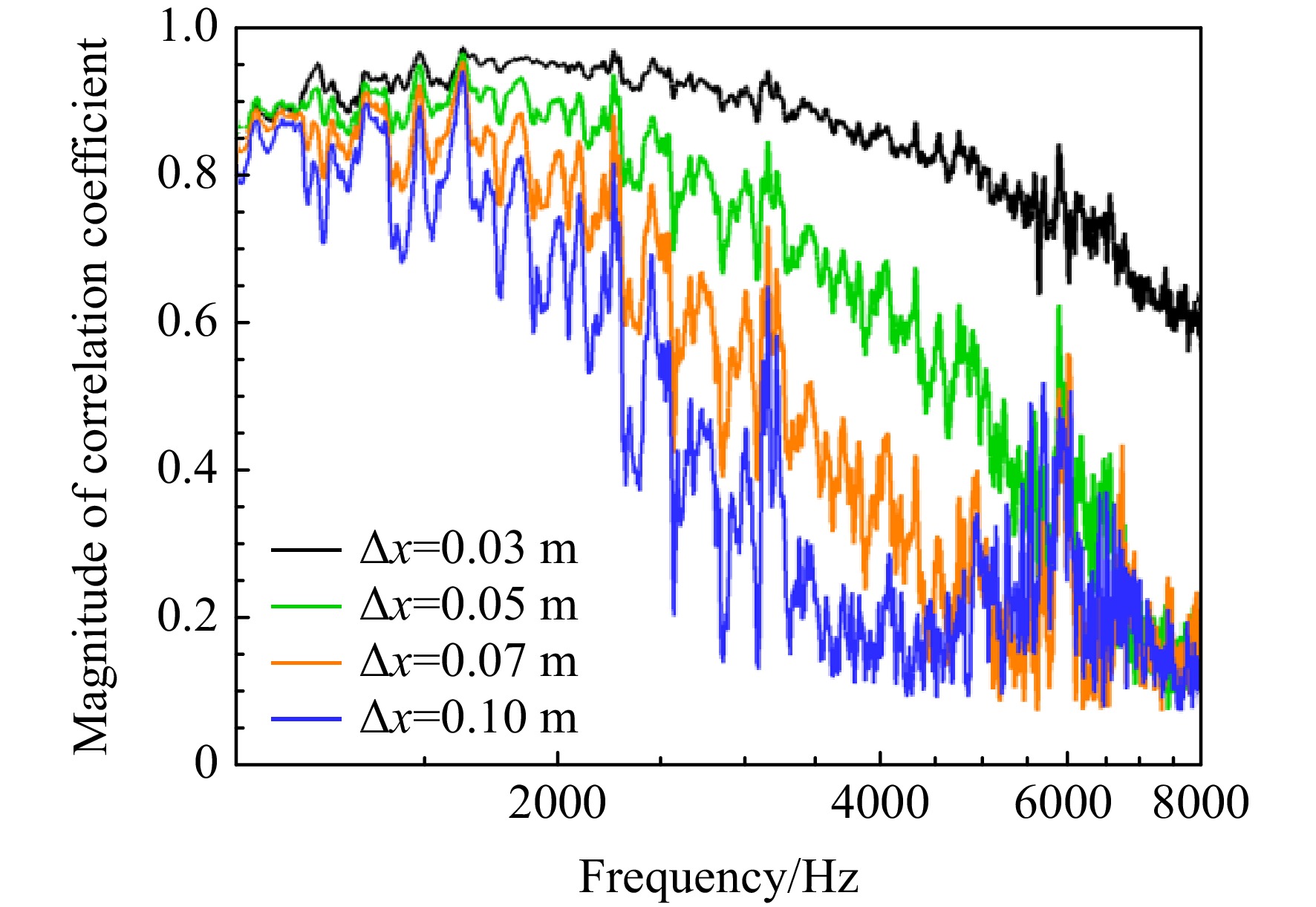
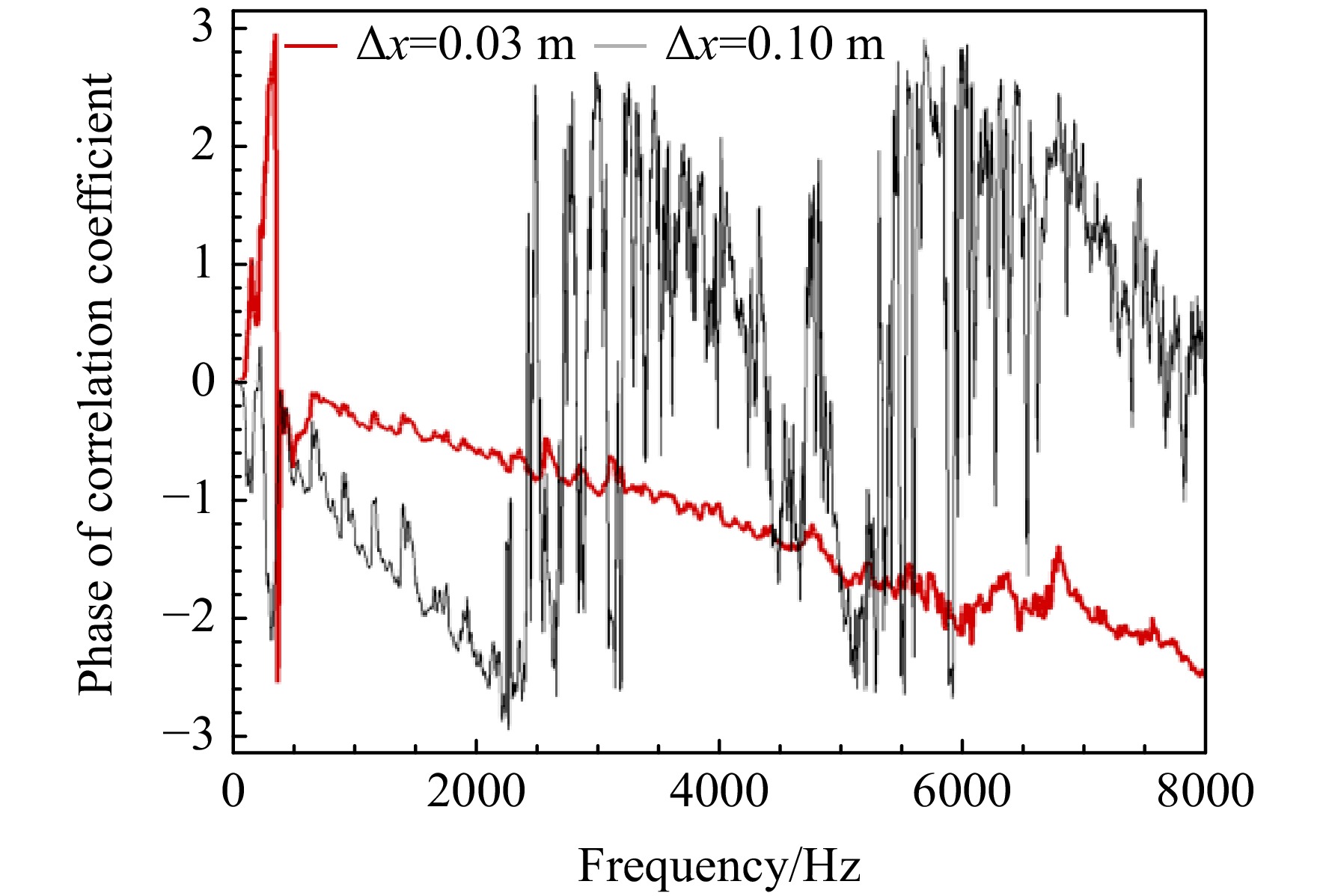
For the fan ducted broadband noise, a two-microphone modal decomposition method was used to study the fan broadband noise modal decomposition, sound power measurement and far-field radiation characteristics. Compared with the measurement method requiring a larger number of microphone arrays, it is especially prominent in the measurement of broadband noise in high frequency pipelines. A numerical study on the effectiveness and accuracy of the method was carried out, and the accuracy of the method was verified based on the axial fan experiment. The sound power predicted by this method was in perfect agreement with the theoretical value. The experimental measurement results of fan noise showed that the two-microphone method had high accuracy in terms of sound power, and the maximum error was 3 dB. The predicted radiation directivity can accurately capture the far-field noise radiation characteristics of the fan from 20 to 60 degrees, but it should be pointed out that its prediction accuracy was very sensitive to the micro-phone spacing, and the correlation characteristics of small-spacing microphone measurements were more stable, making its prediction accuracy higher than results with larger spacing.

Research on online detection of test status for heavy gas turbine compressors
WANG Xin, HUANG Dan, PENG Shenghong, DONG Manshou, ZHOU Shengjun
2023, 38(12): 3043-3049. doi: 10.13224/j.cnki.jasp.20230589
Abstract:
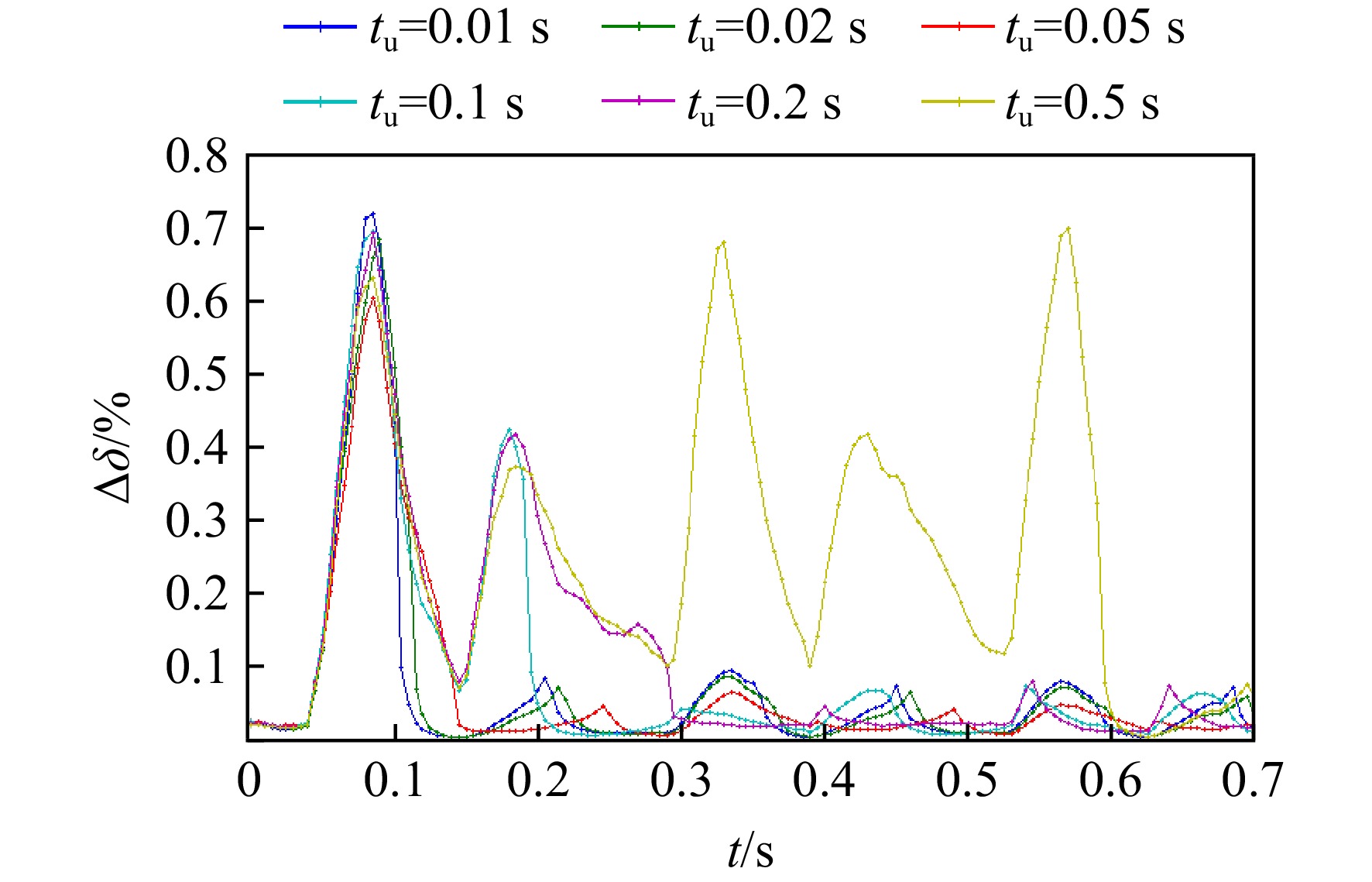
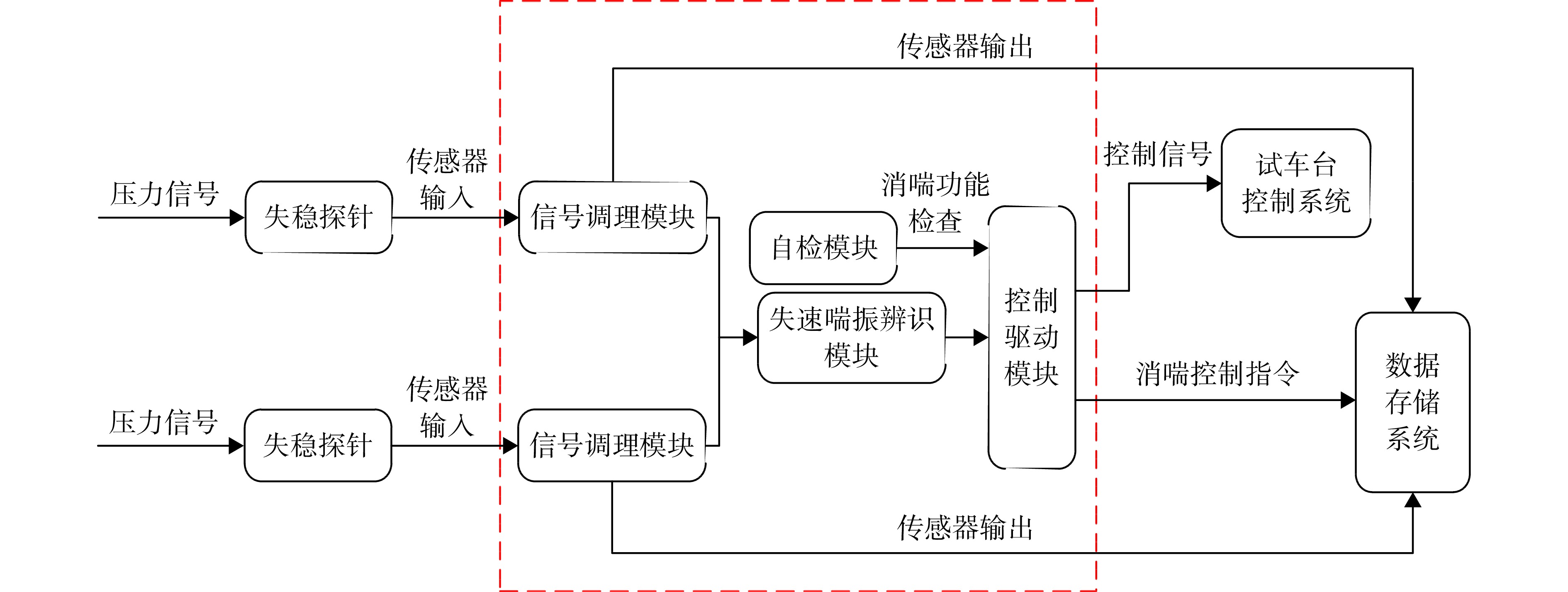
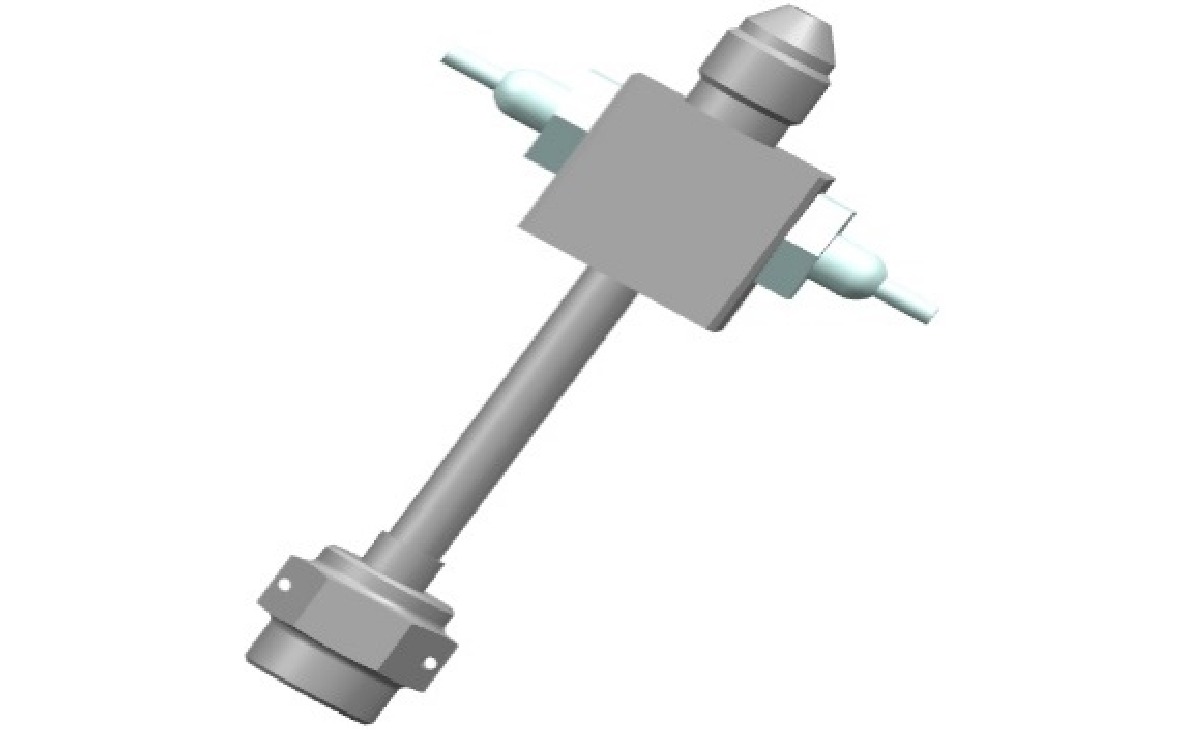
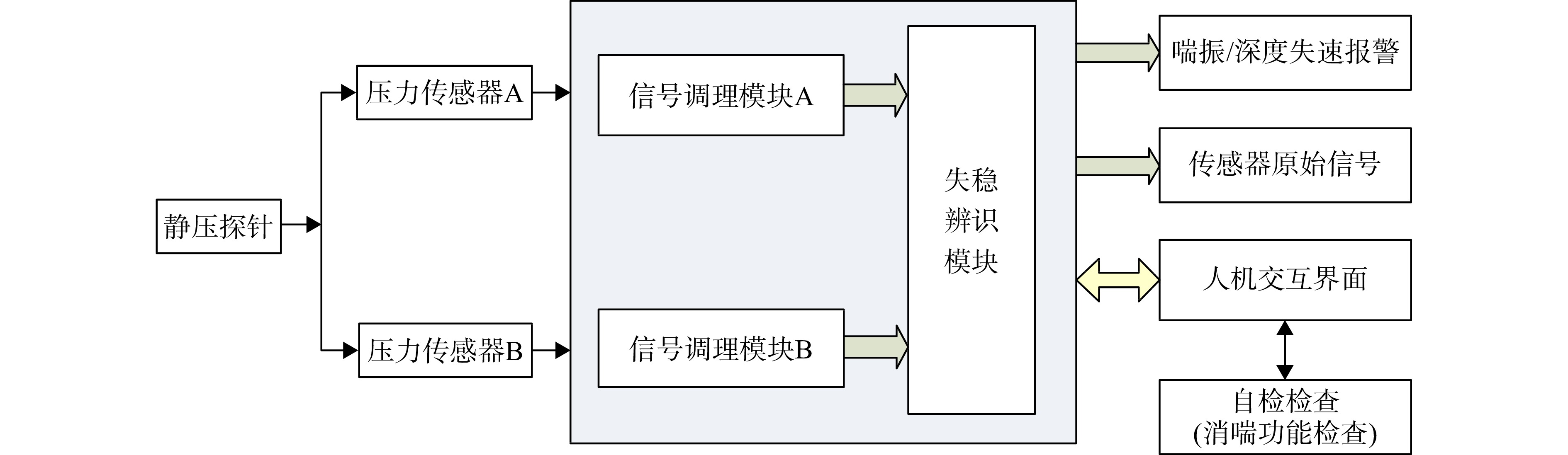
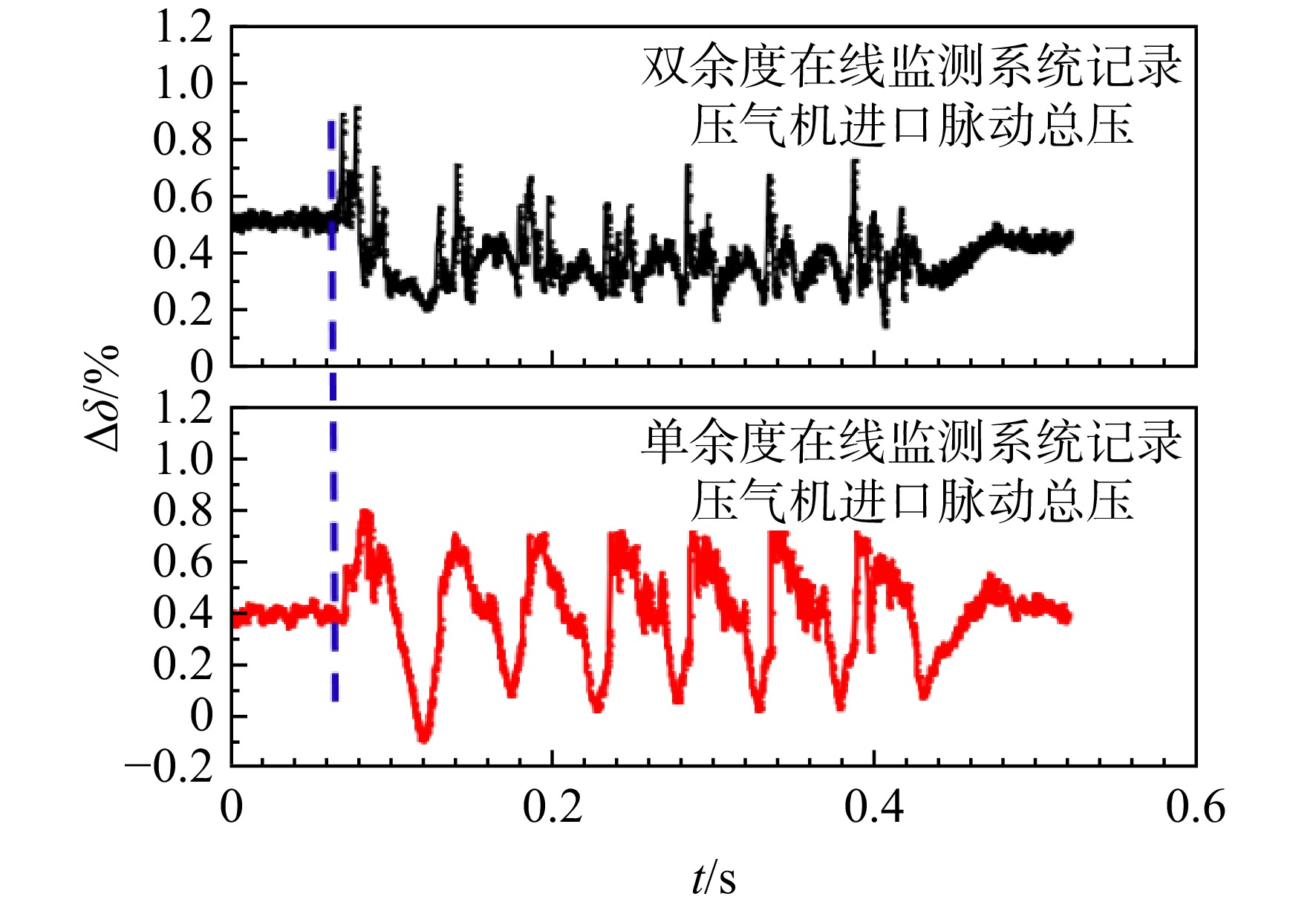
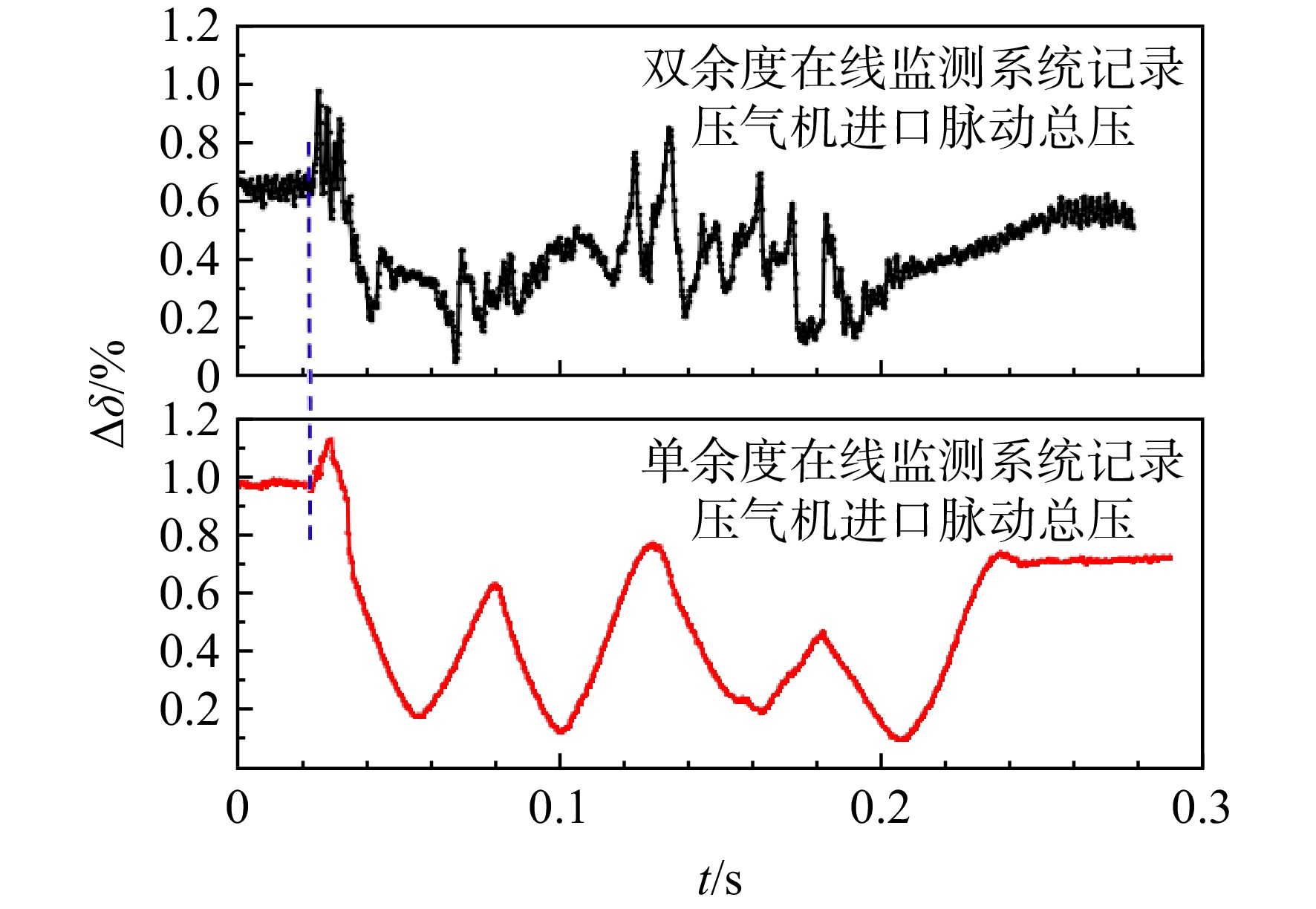
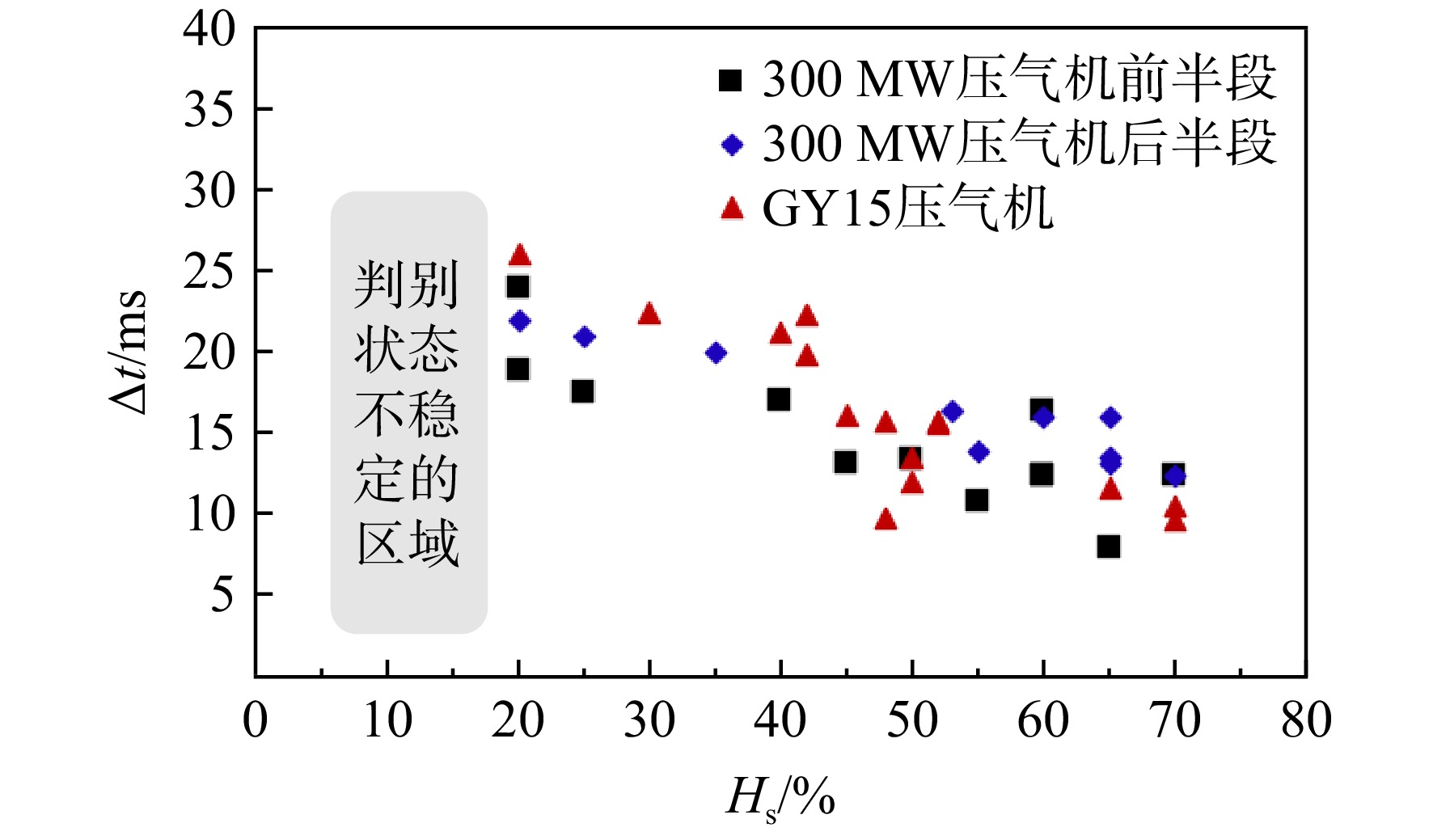
Based on the characteristics of heavy gas turbine compressor components, such as heavy weight, large air flow, high rotating speed, and high test risk, research on the online detection technology of double-redundancy-model for heavy gas turbine compressor components’ test status was carried out. By analyzing parameter characteristics of unstable operating status in compressors test, designing identification algorithm based on time-frequency and wavelet analysis, a double-redundancy-model online detection system for heavy gas turbine compressors’ test status was developed with domestic independent intellectual property rights, then the technological problem of effective safety automatic detection in the test process was solved. Compared with similar domestic products, the system can detect the dynamic characteristic signal of unstable operating status for compressors test more reliably, accurately and timely, and identify response time of the system within 50 ms. The research can provide the ability of on-line pre-warning of the test status for heavy gas turbine compressor components.

Airworthiness
Aero-engine stall/surge airworthiness certification under combined pressure-temperature distortion
LI Zhiping, CHEN Jiahui, ZHU Xingyu, ZHAO Yujie
2023, 38(12): 3050-3062. doi: 10.13224/j.cnki.jasp.20220107
Abstract:
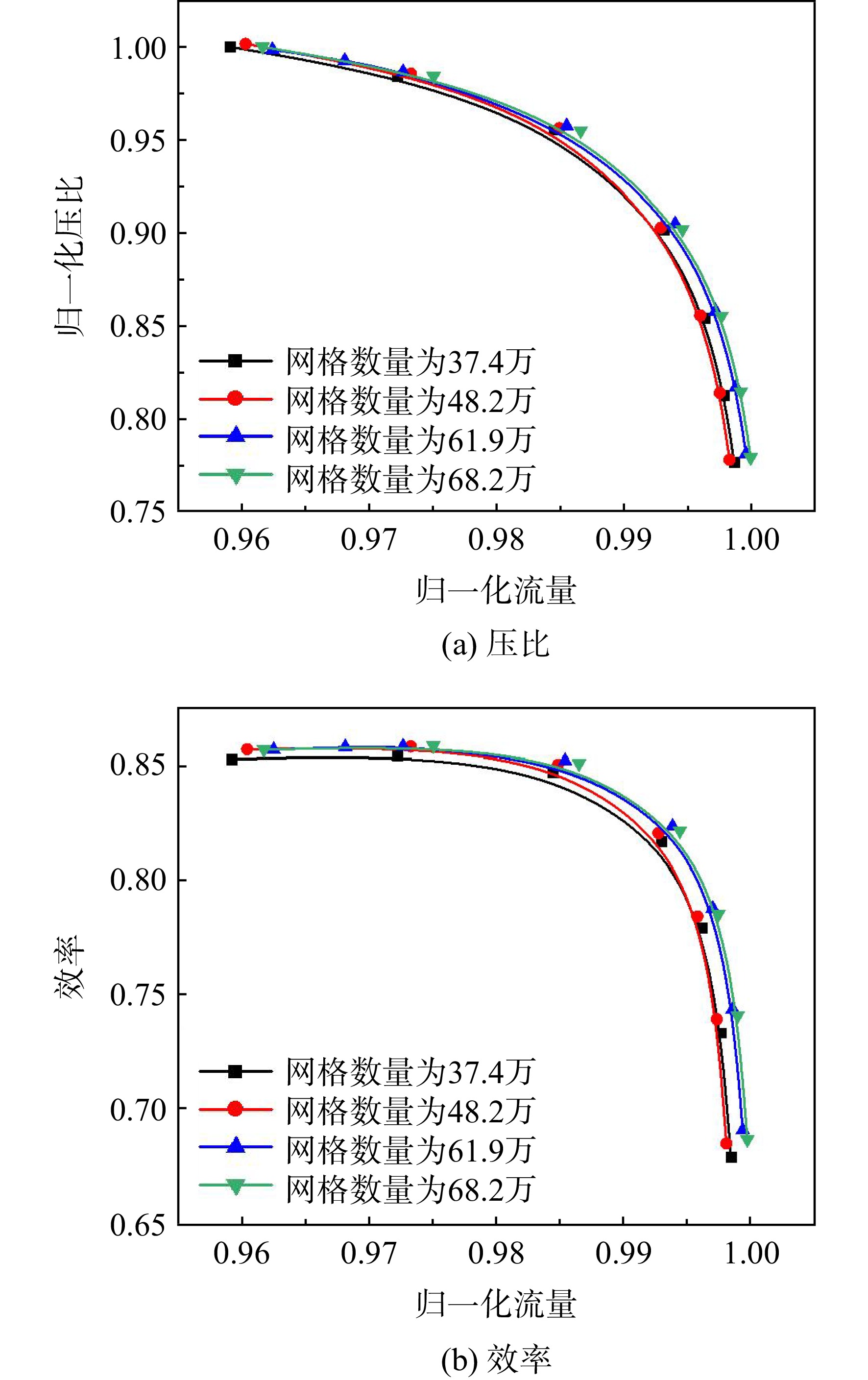
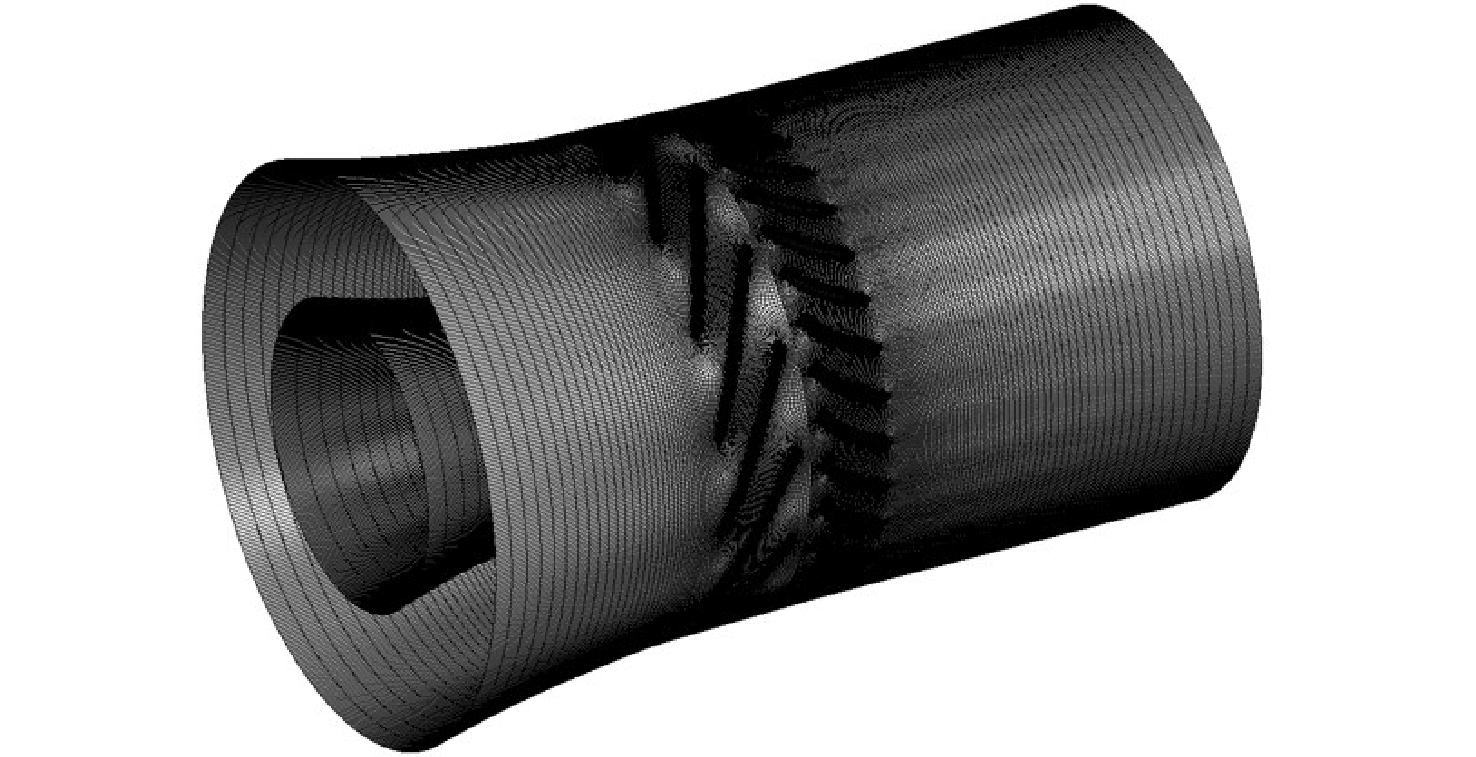
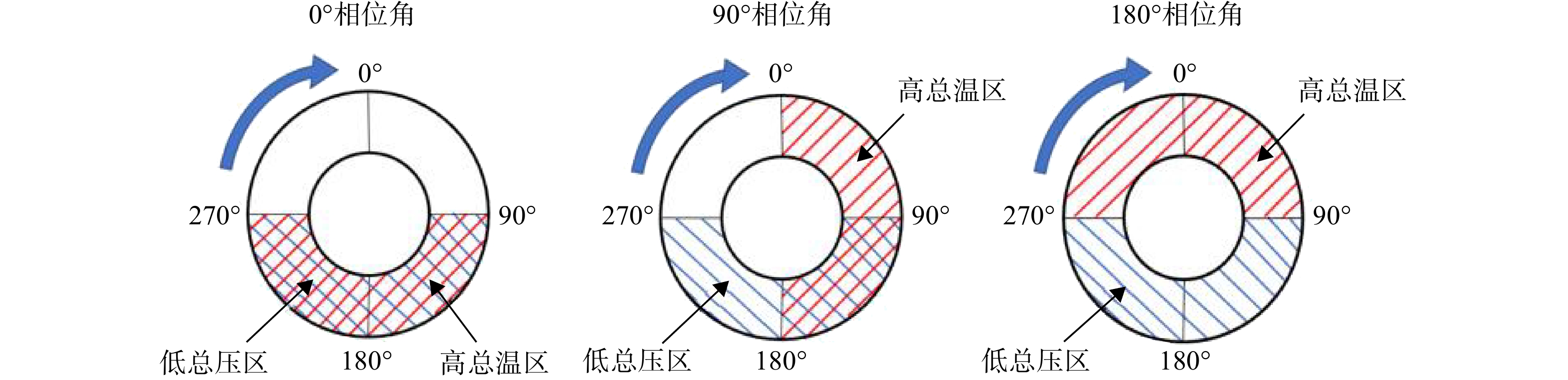
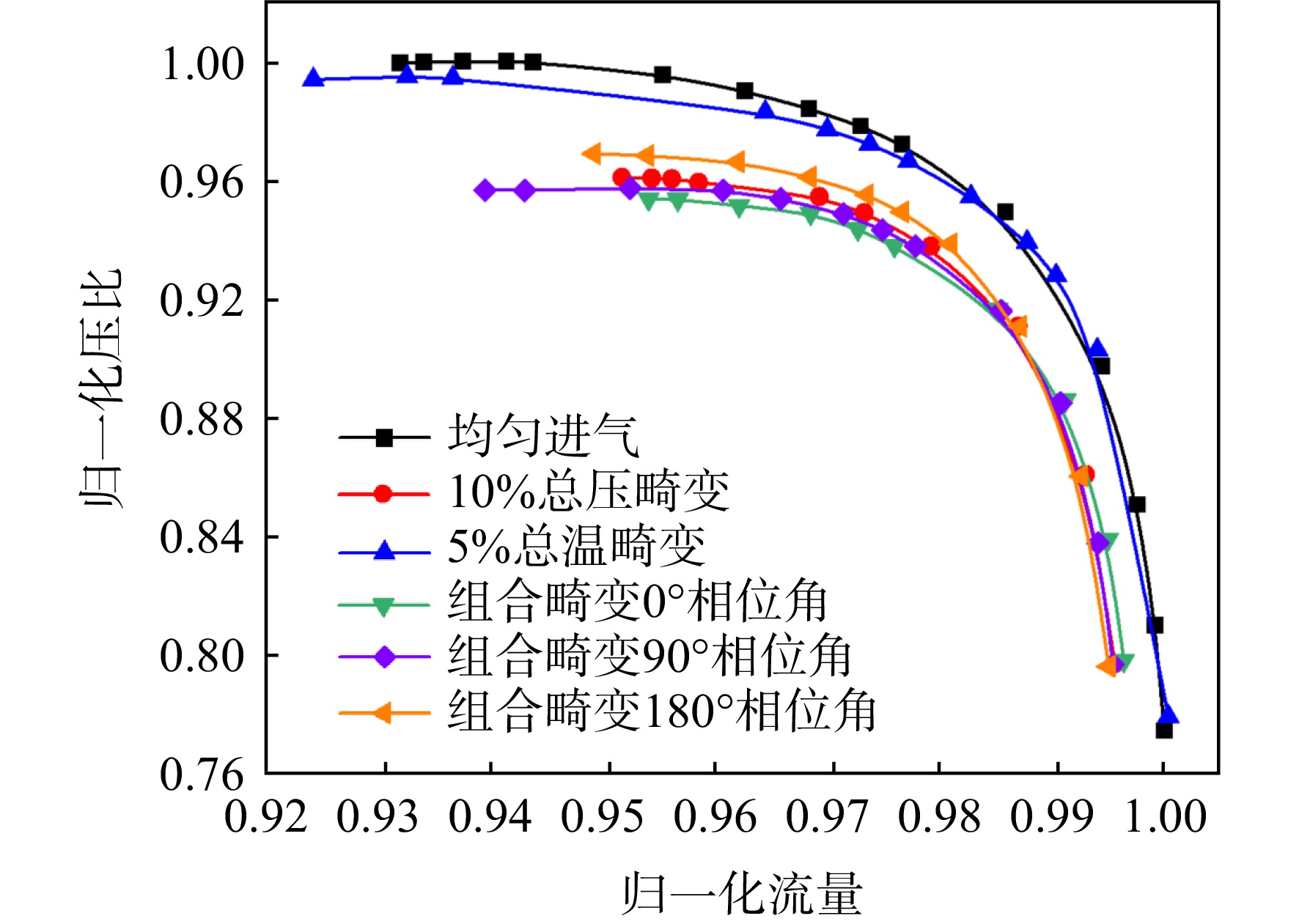
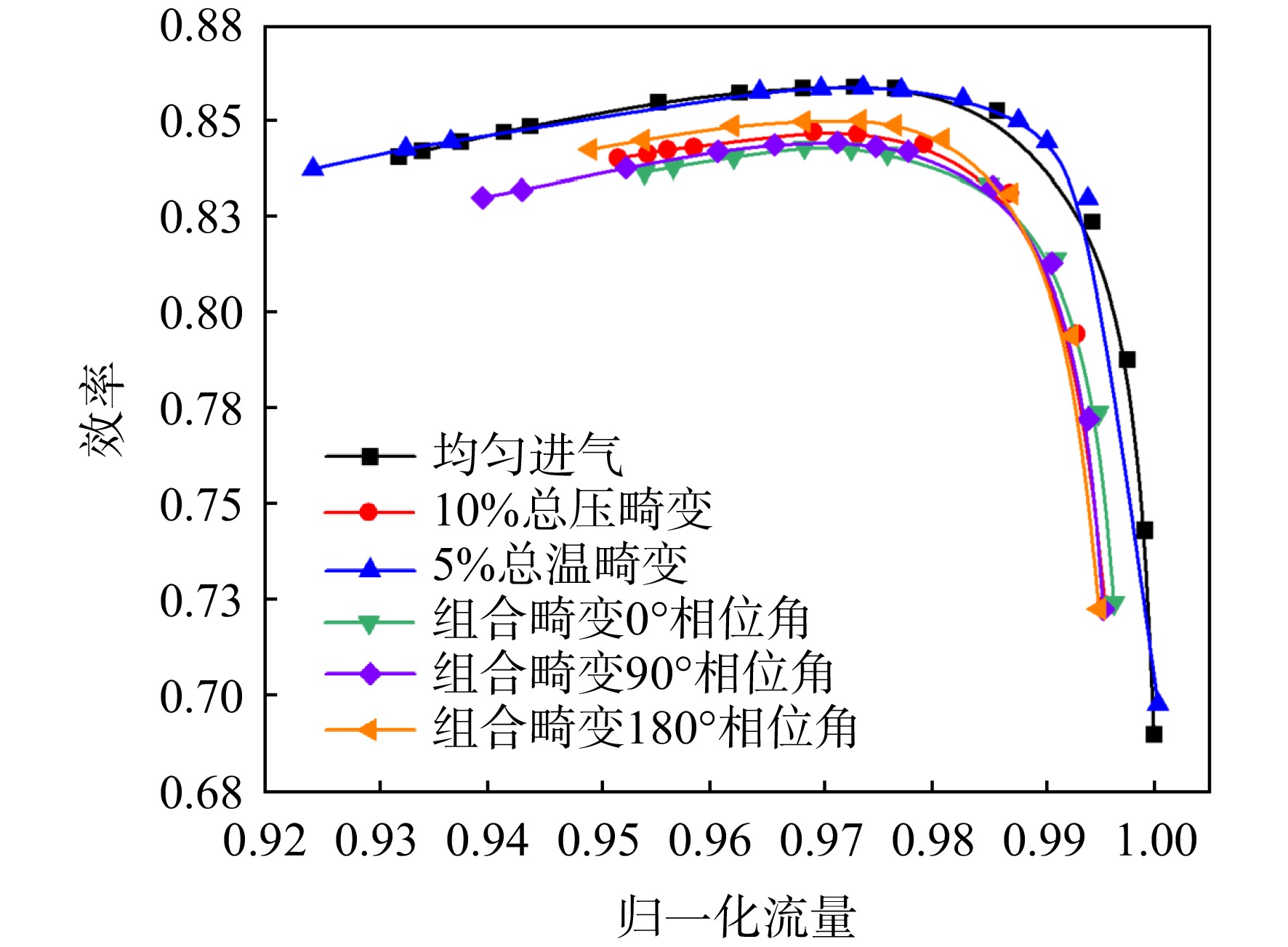
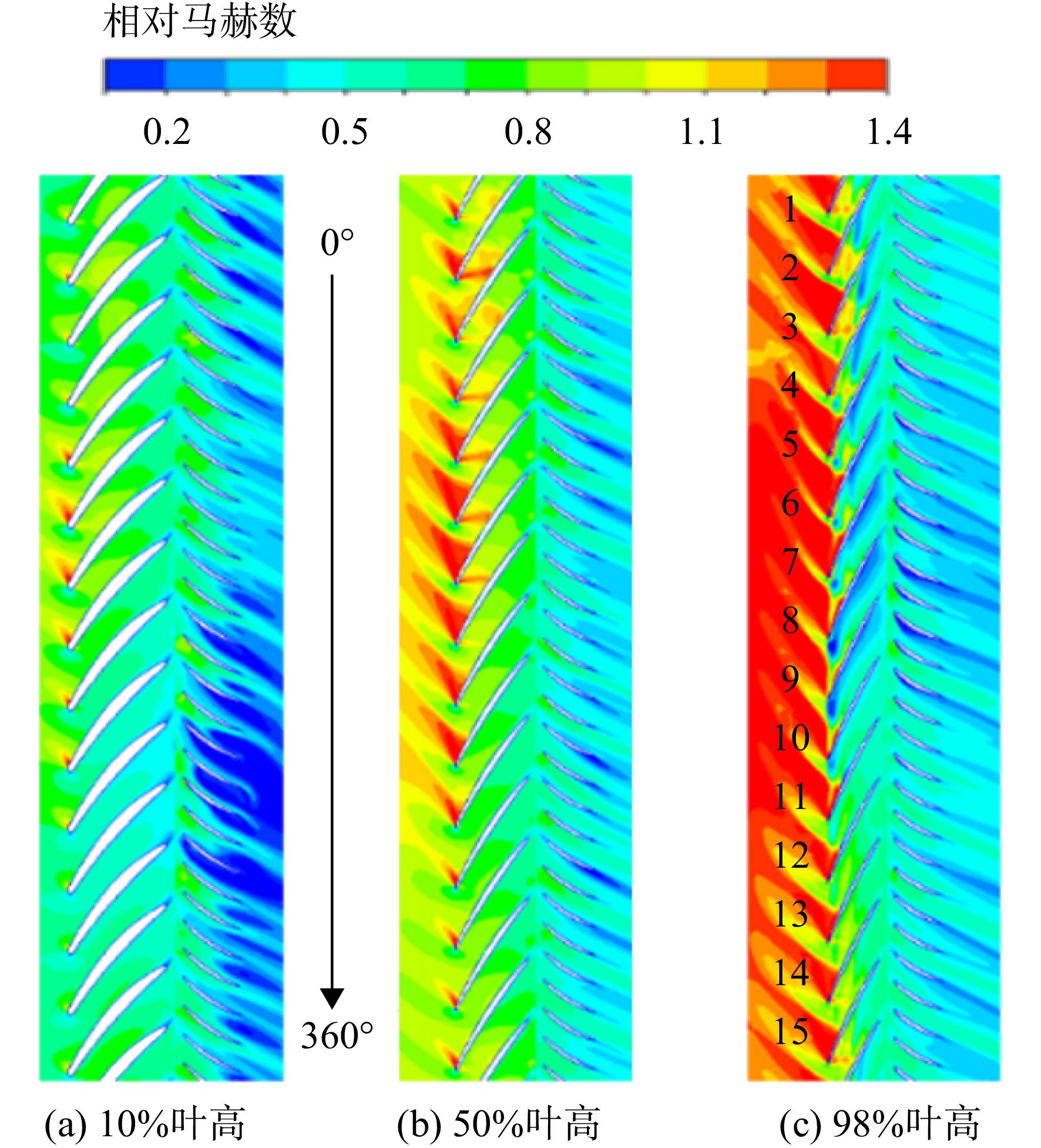
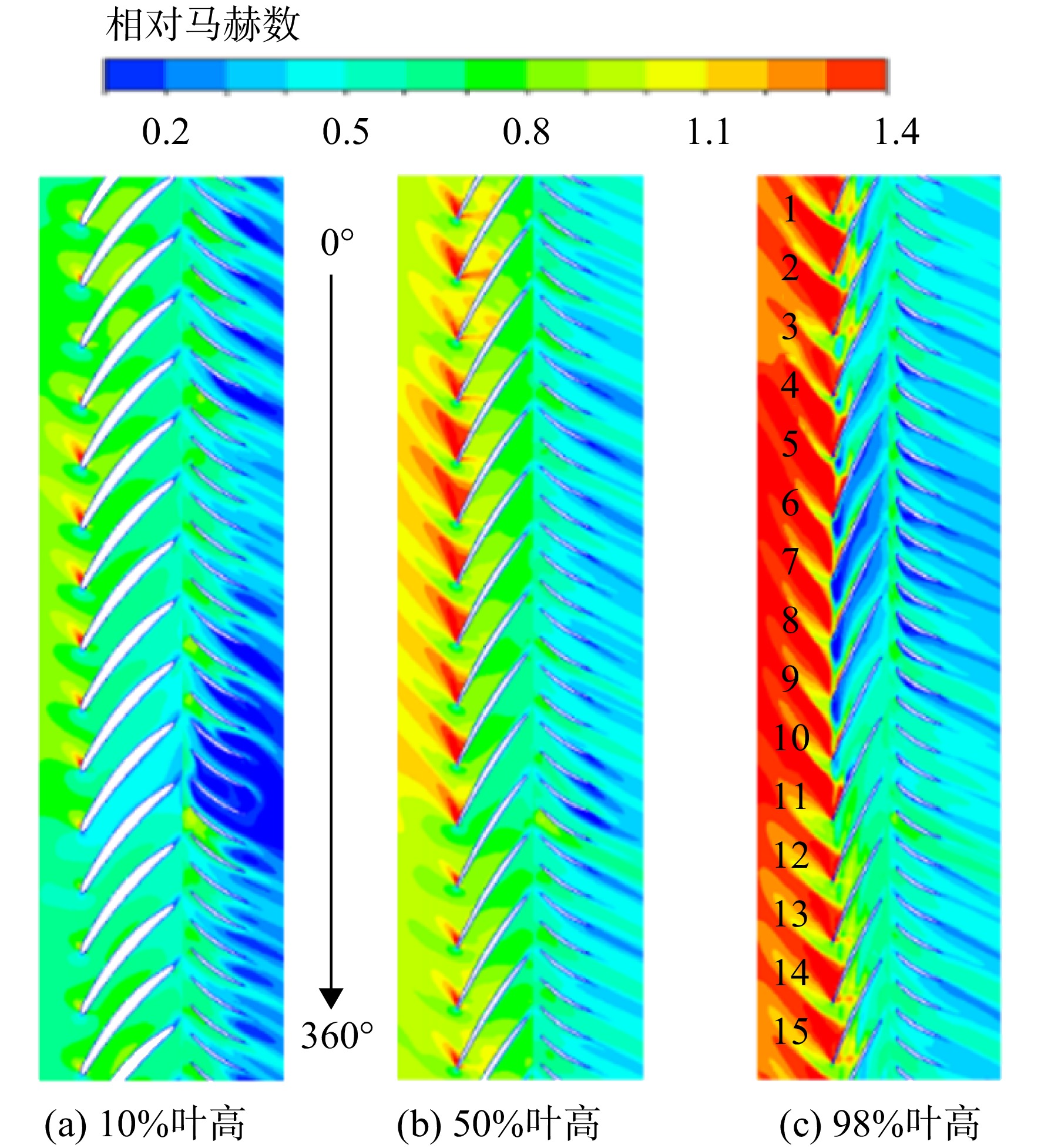
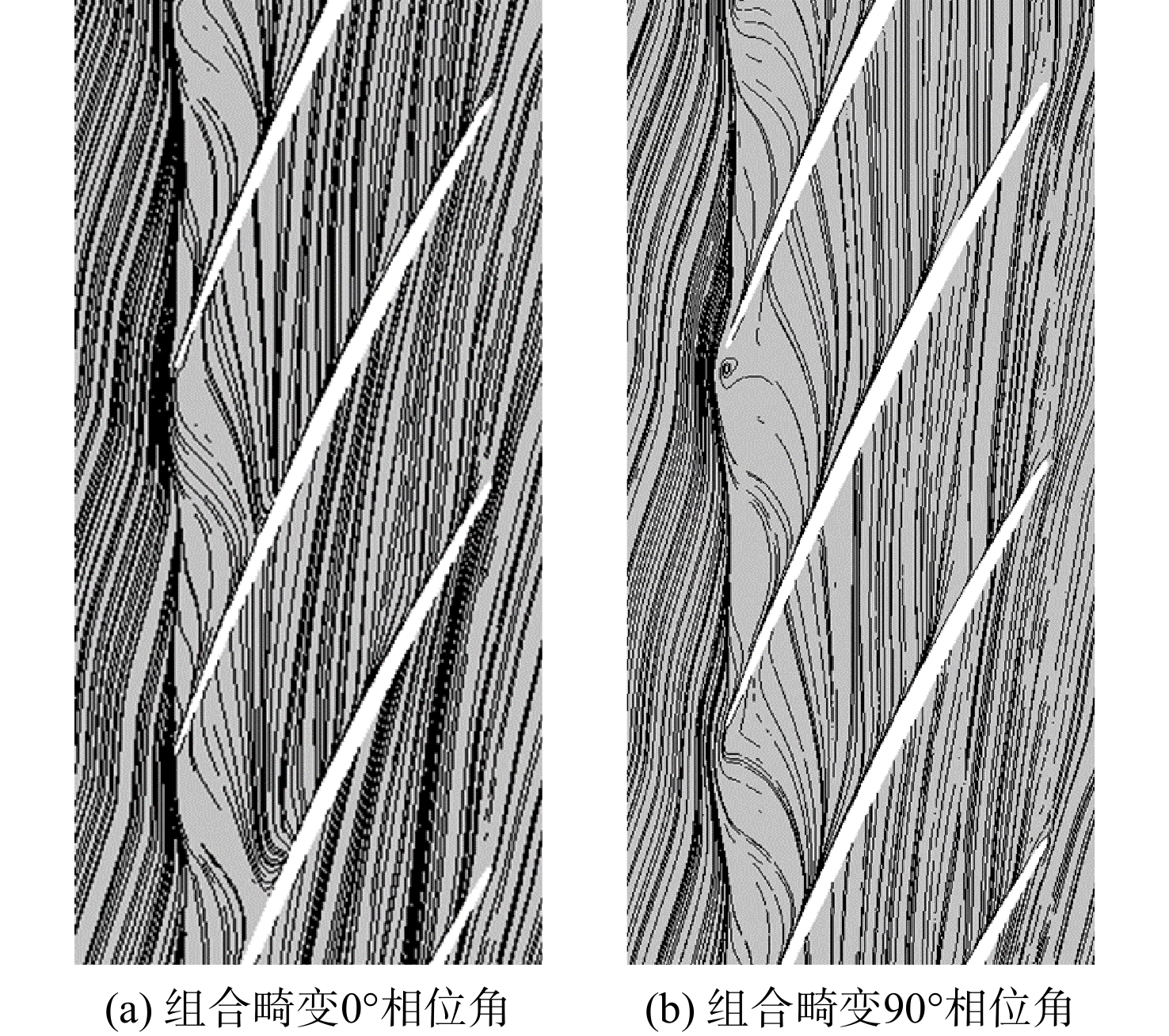
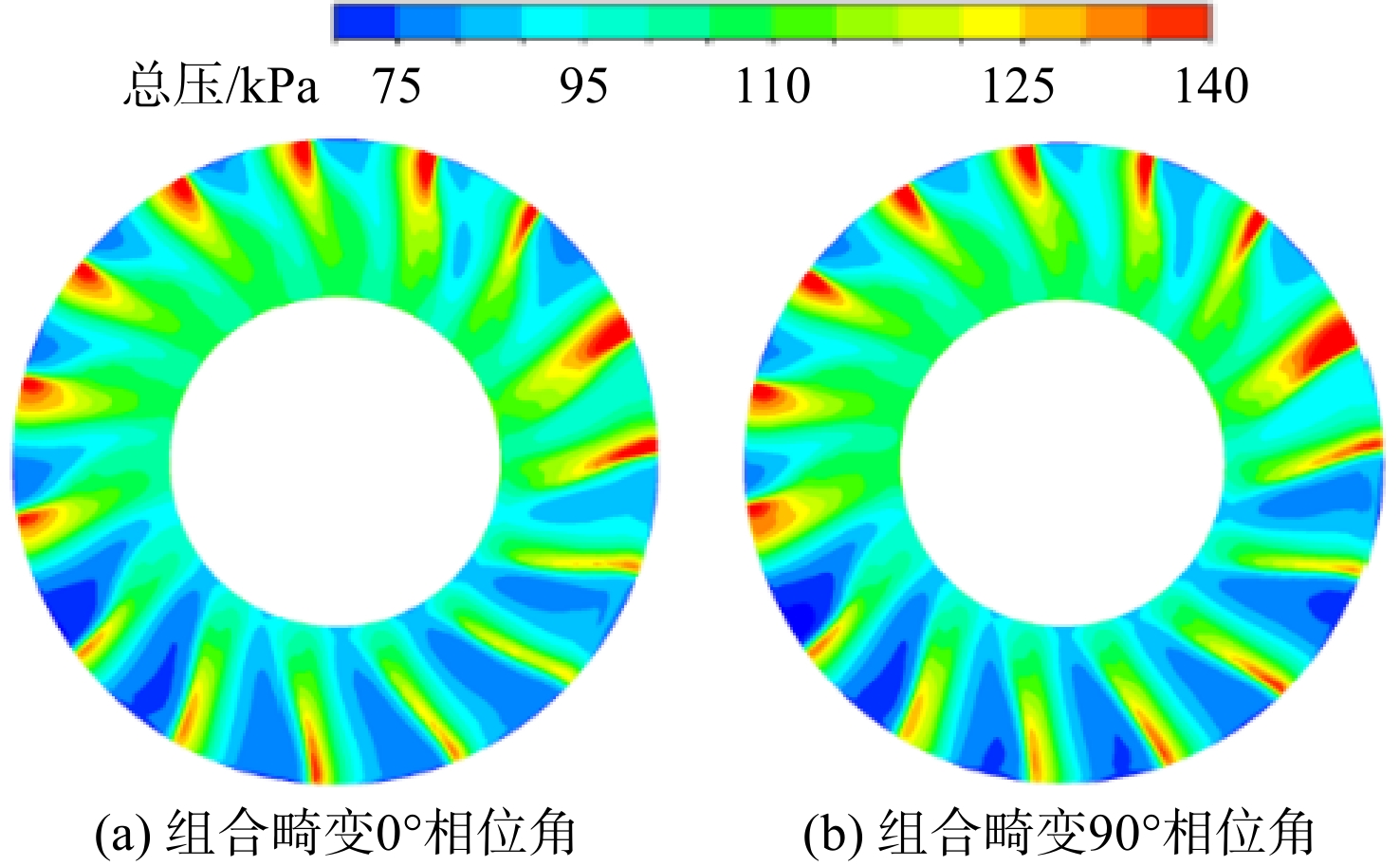
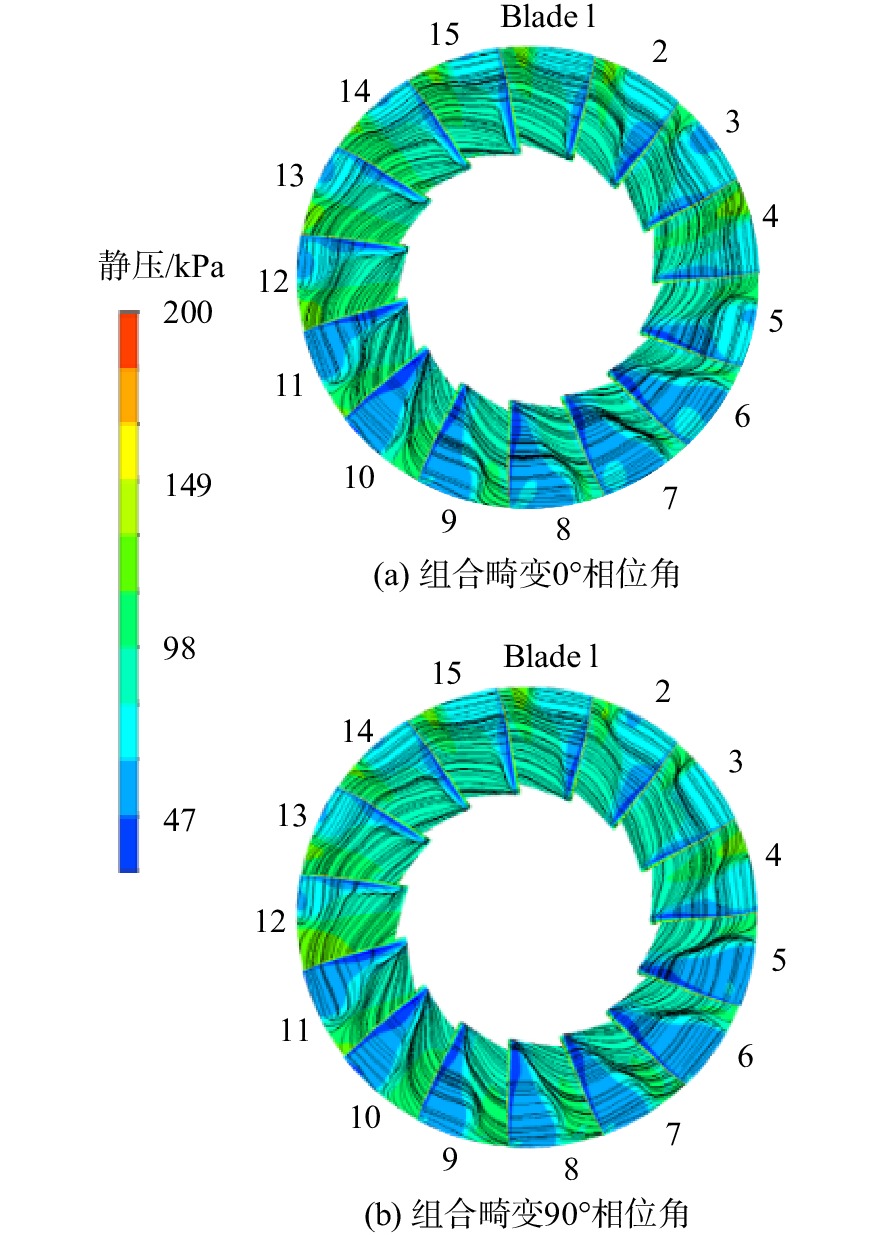
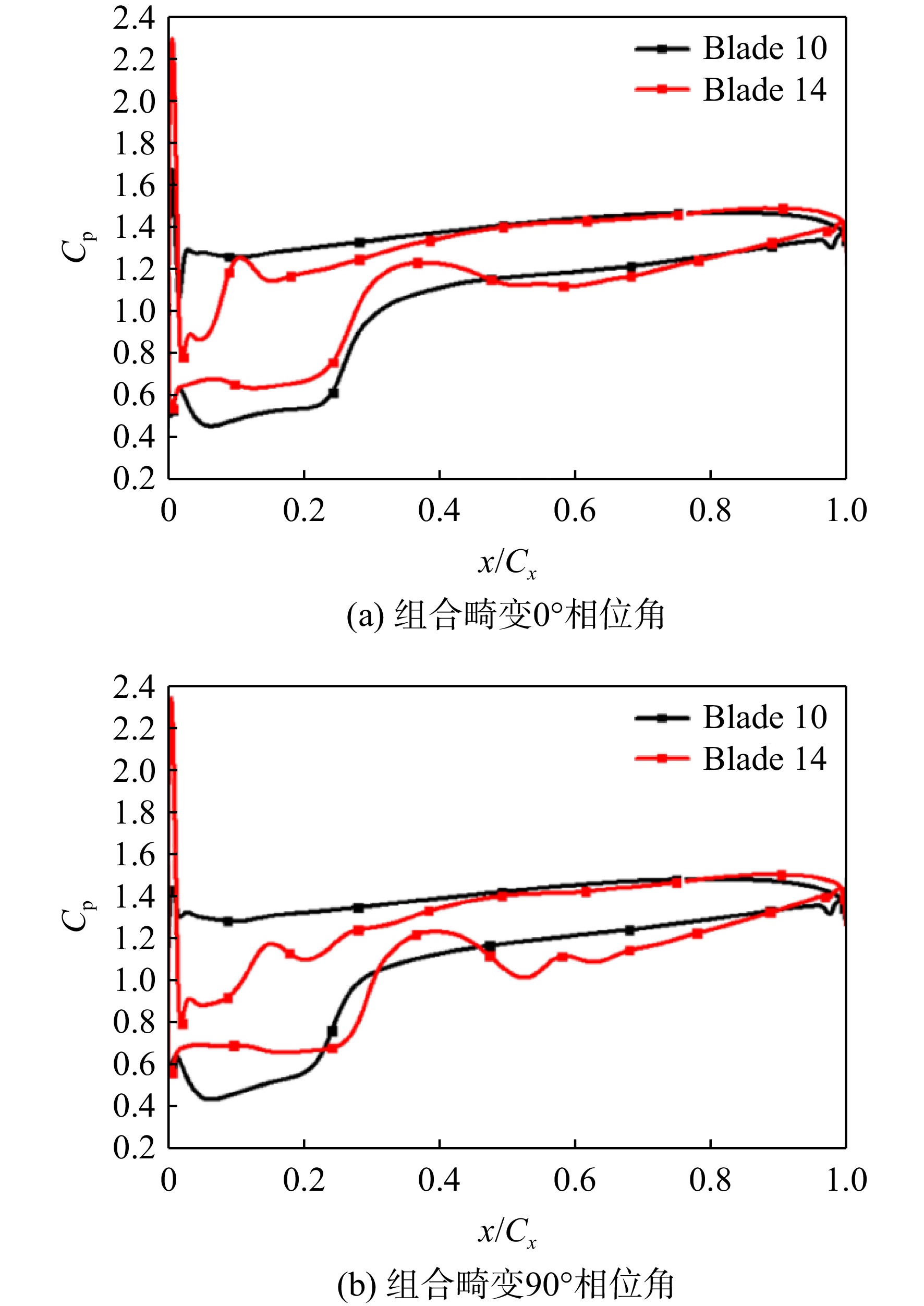
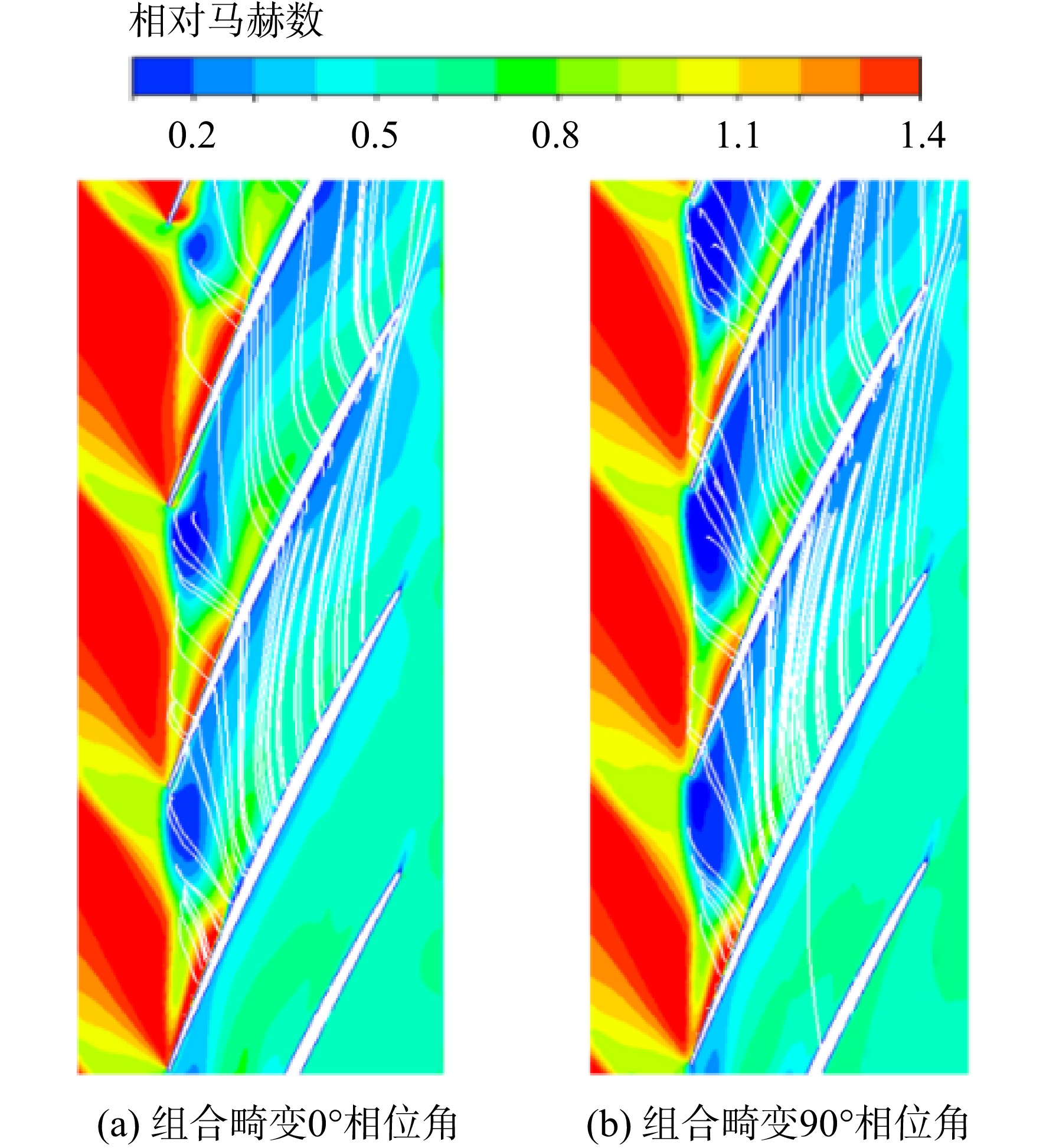
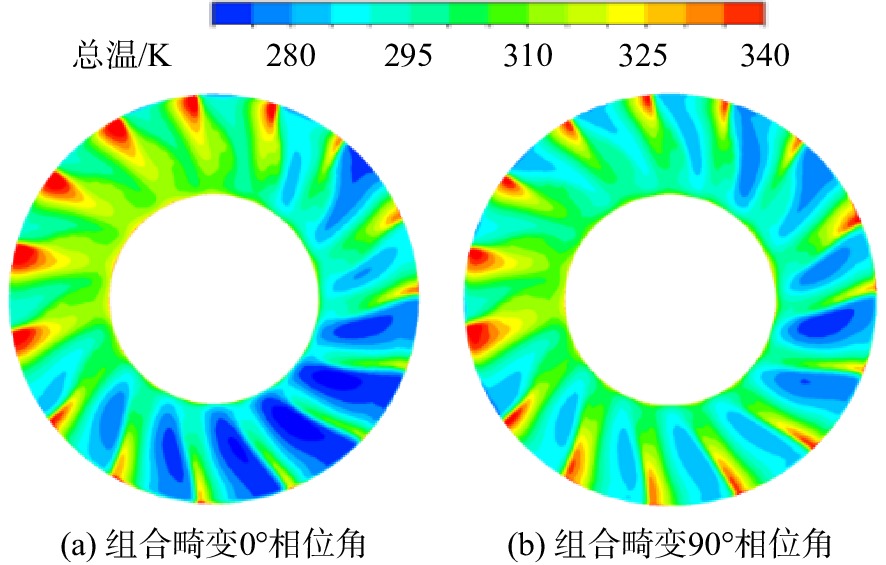
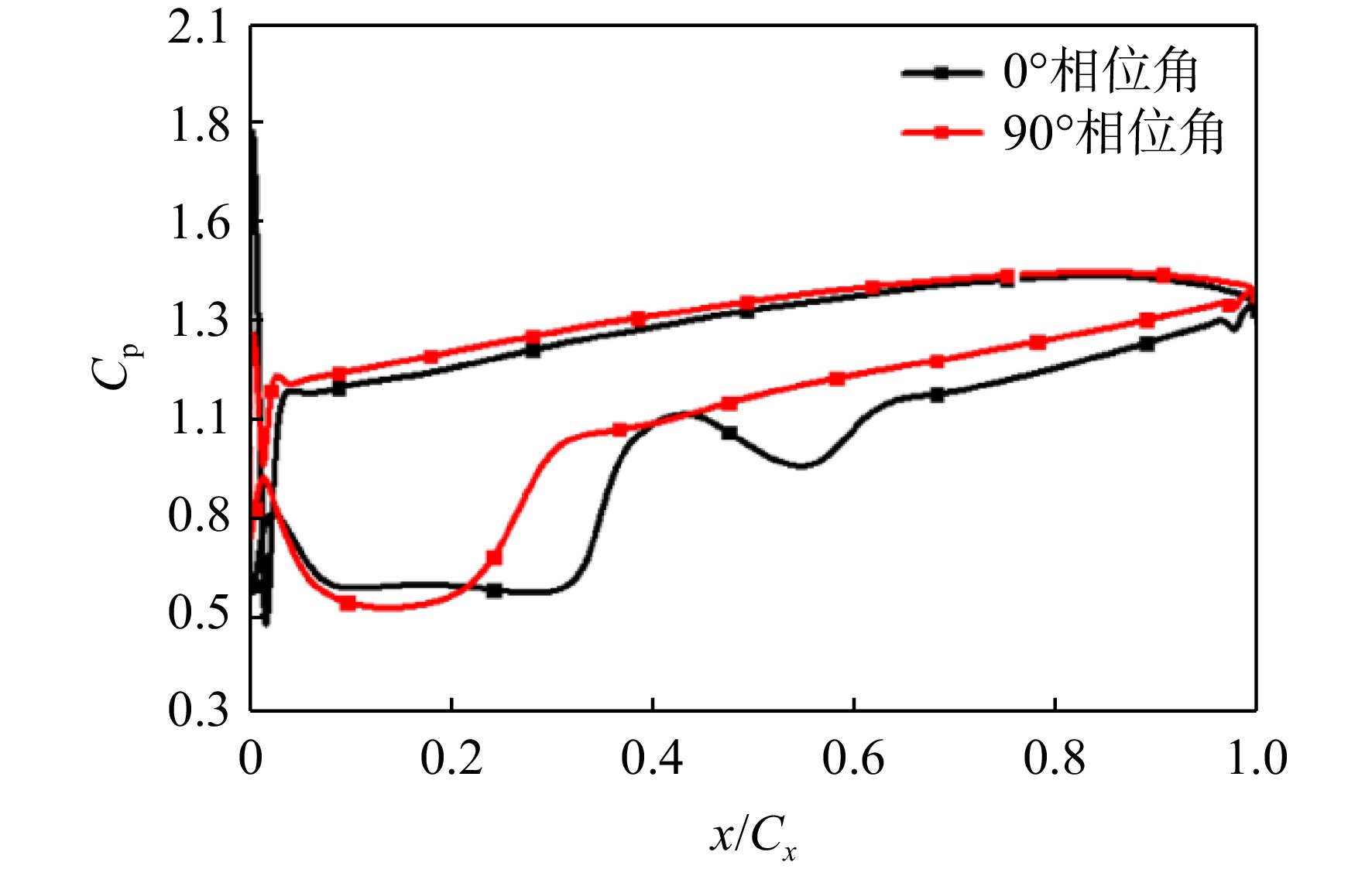
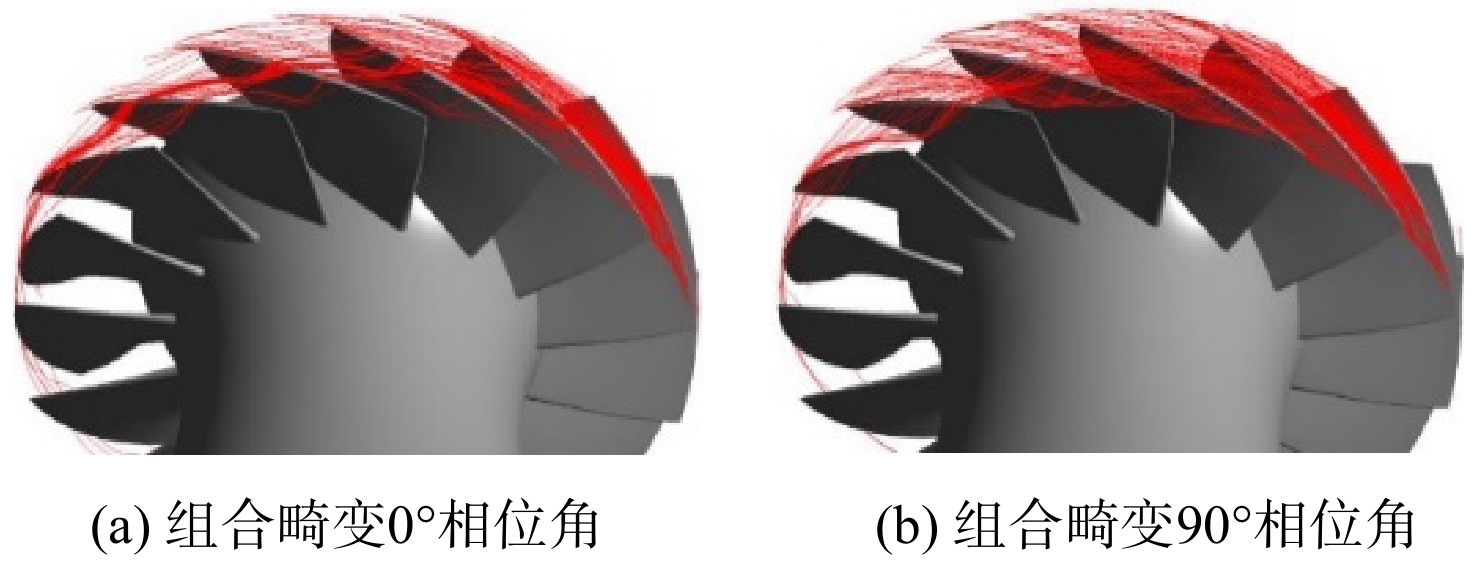
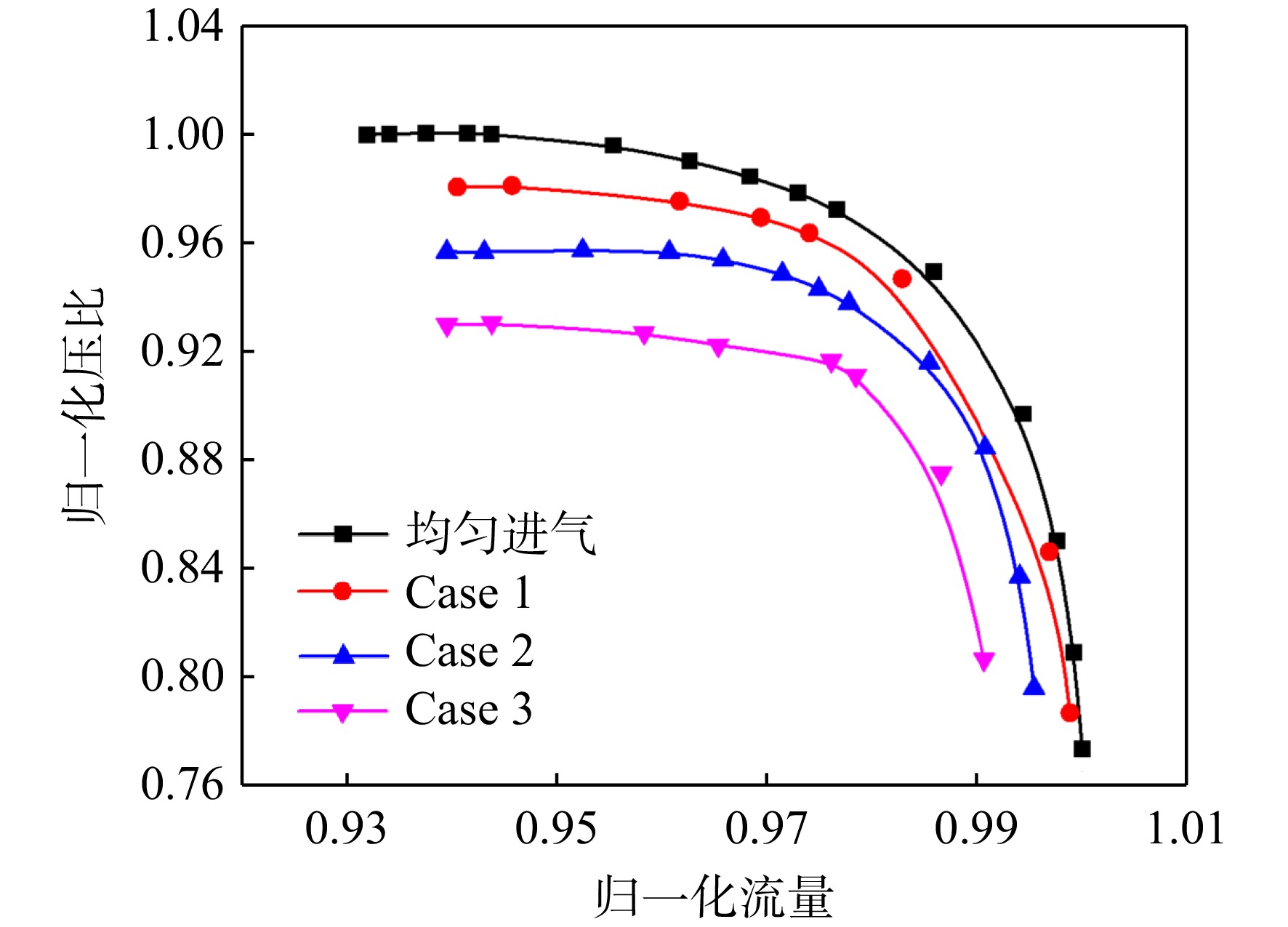
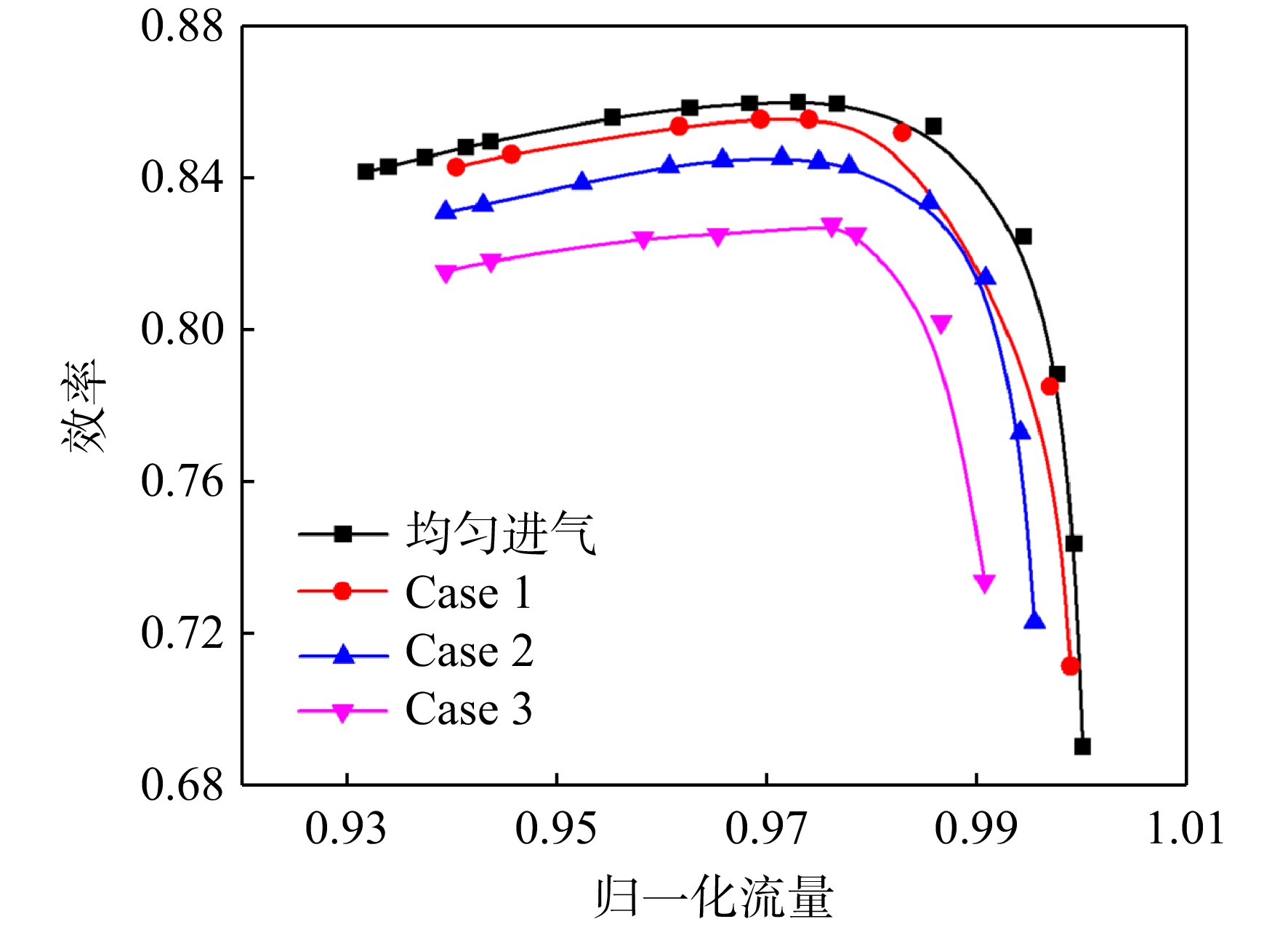
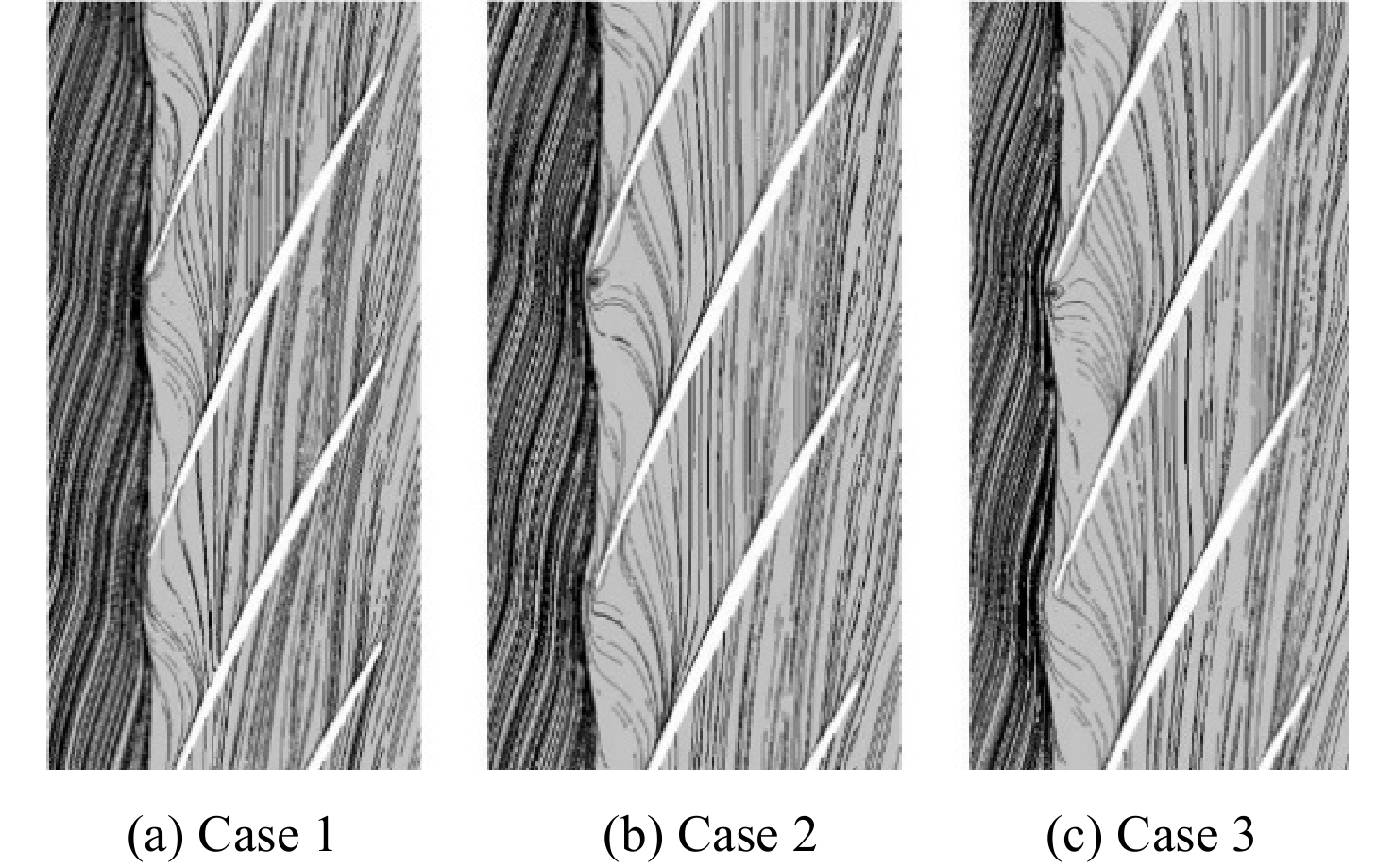
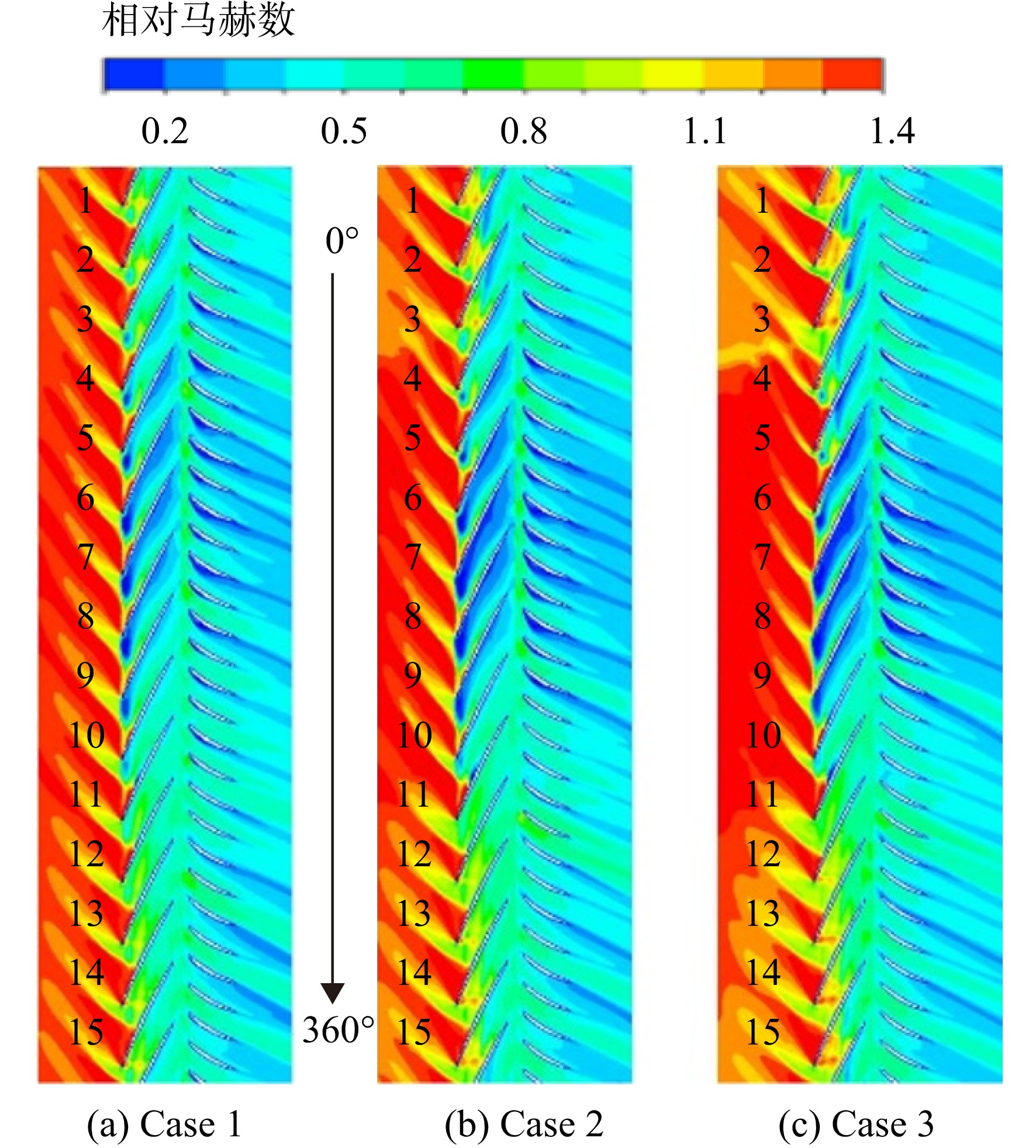
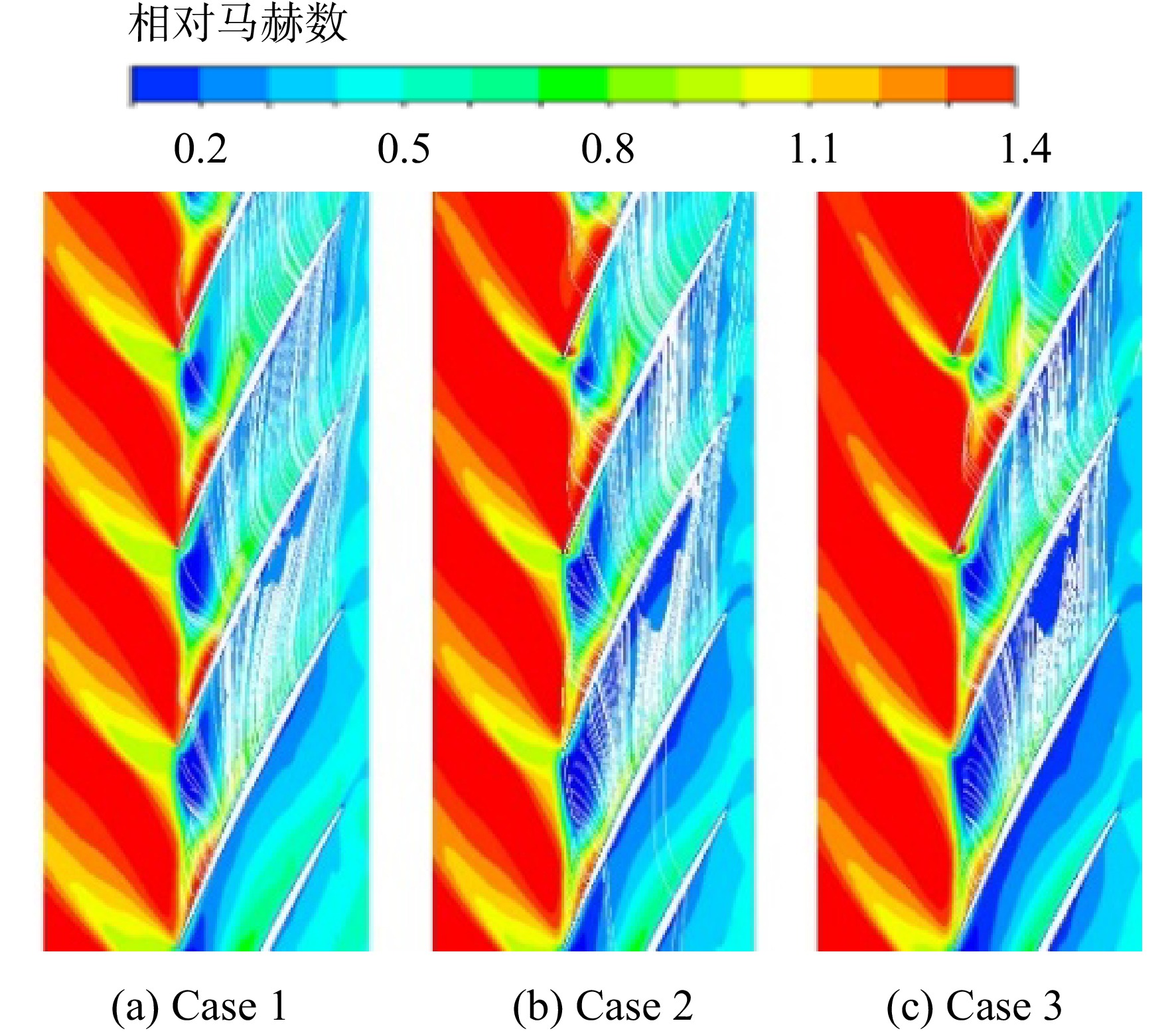
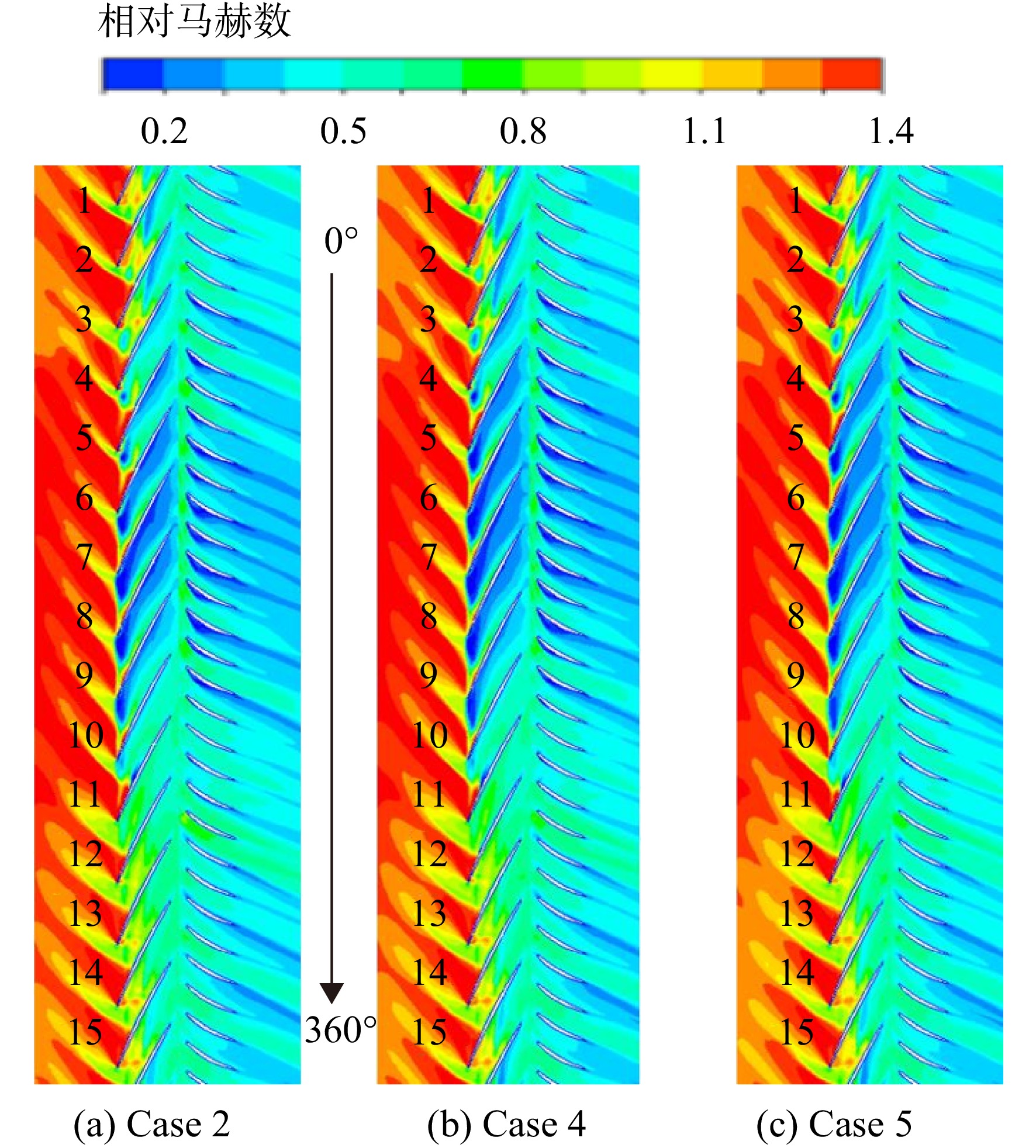
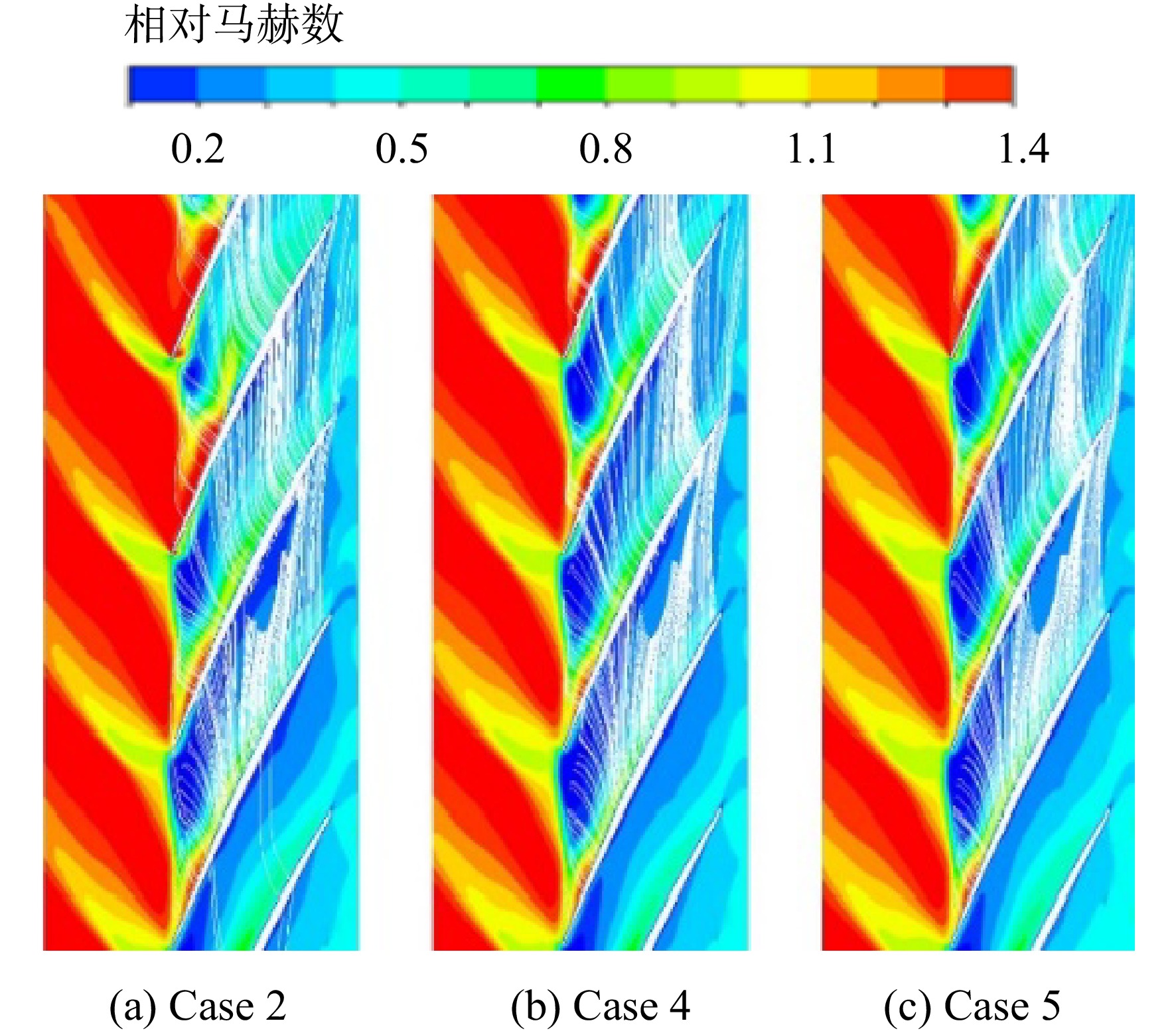
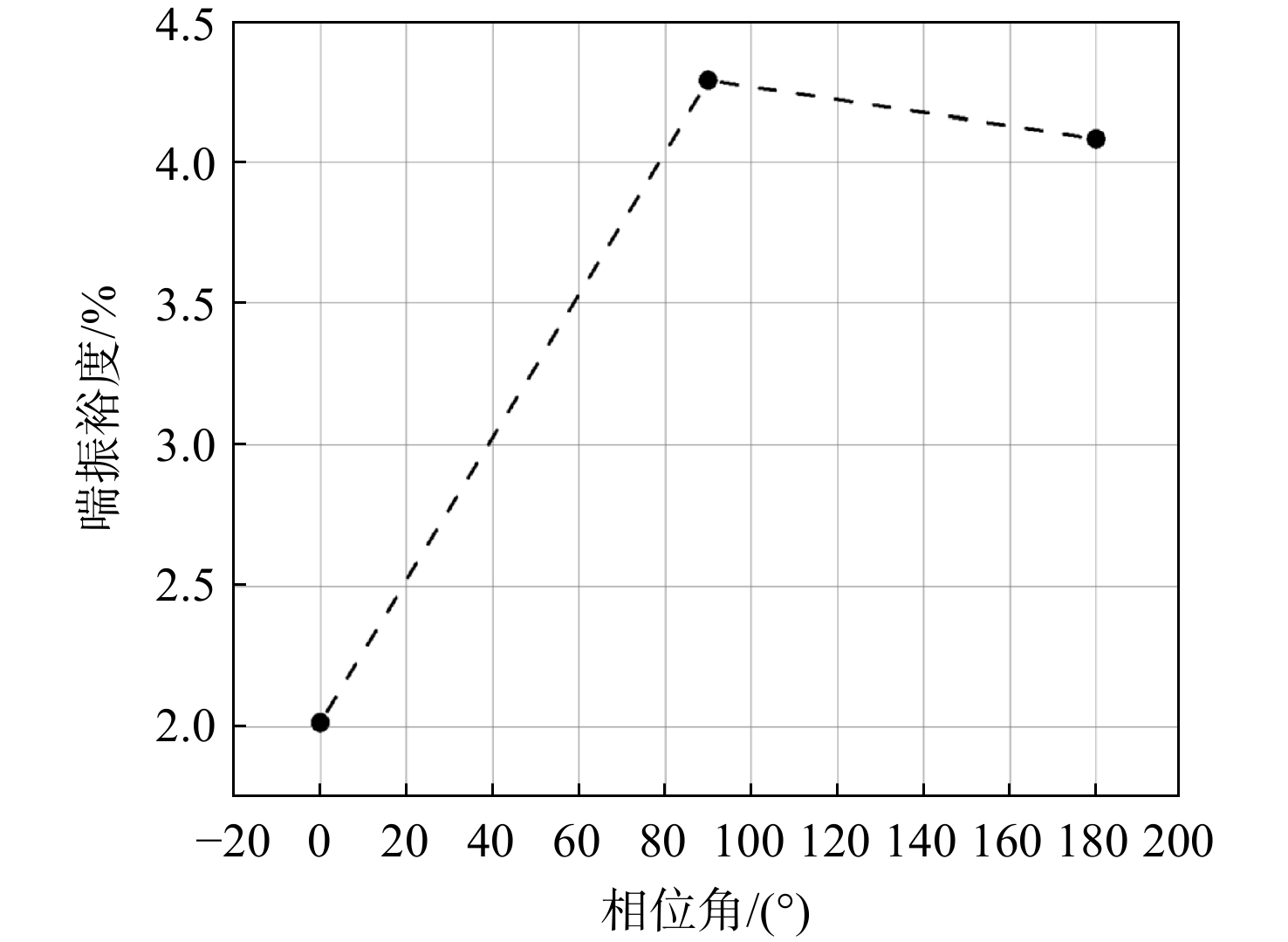
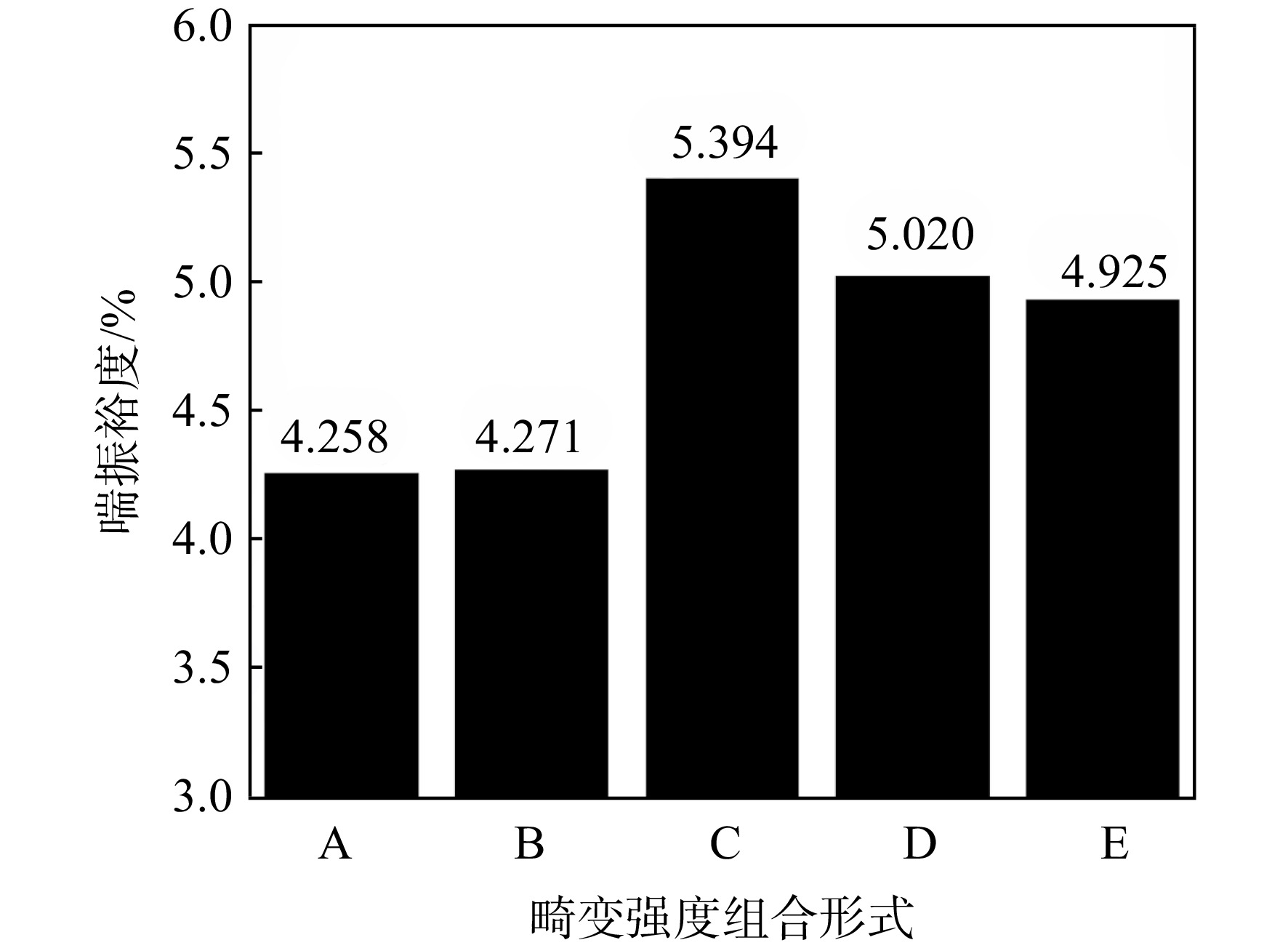
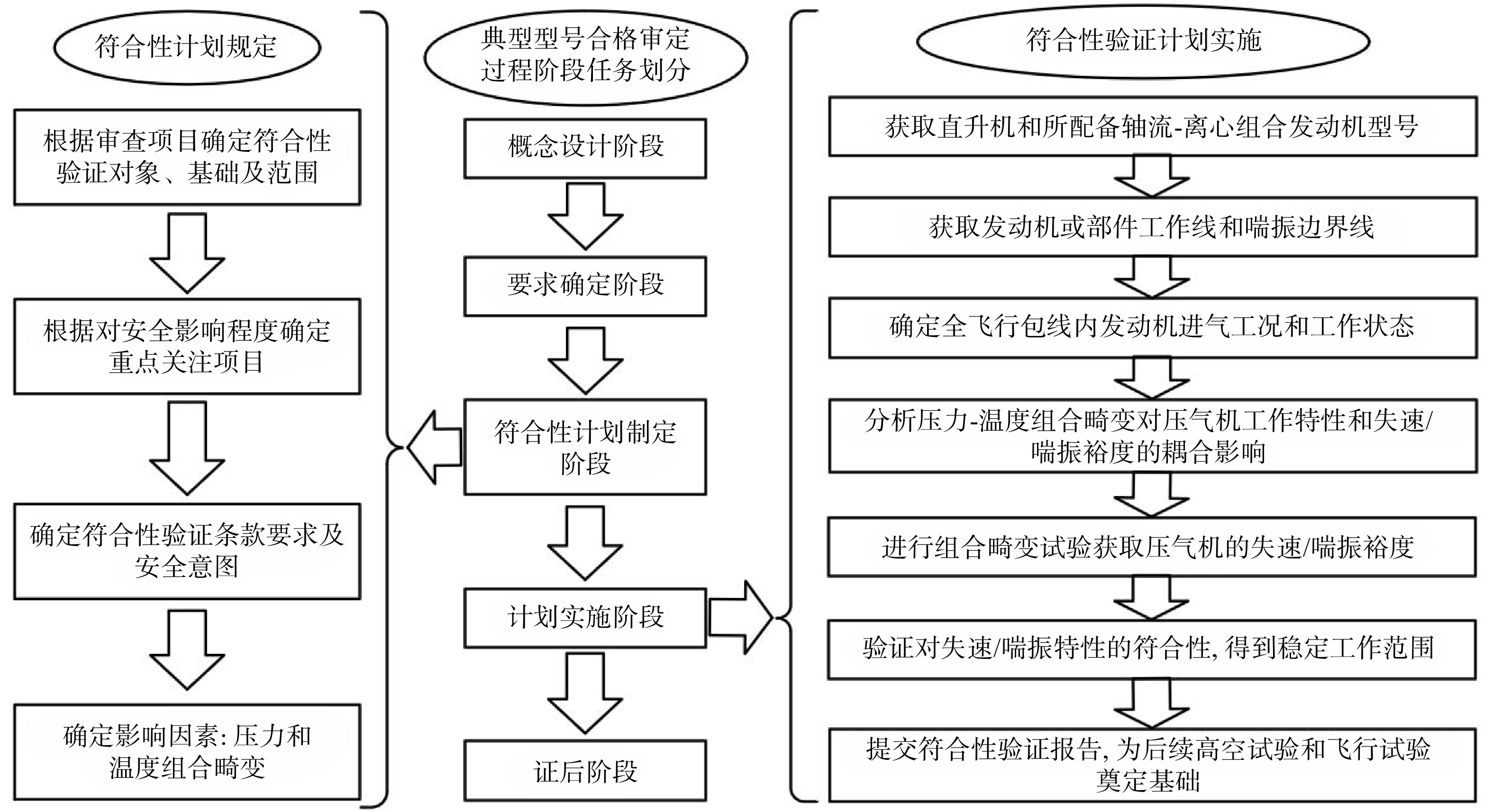
Due to its complex nonlinear mechanism, the combined distortion of pressure and temperature poses great challenges to the stability evaluation. Through numerical simulation of a single stage axial compressor, the influence of the combined pressure-temperature distortion on the stability of the compressor under different combined distortion intensities and combined phase angles was investigated. The results show that the smaller the phase angle is, the greater the loss of stability margin is, and the maximum loss of surge margin is at 0° phase angle. Changing the total pressure distortion intensity affects the relative Mach number distribution of the aerodynamic measurement section and the inlet angle of attack. The increase of the total pressure distortion intensity leads to the delay of the leading edge overflow, so the flow difference at the instability point is small under different total pressure distortion intensities. Finally, according to the requirements of relevant clauses, the verification process of aeroengine stall/surge compliance under the combined distortion of pressure and temperature is established.

Aerothermodynamics and Aeroengine Design
Investigation on drag and heat flux reduction induced by a novel combinational spike and channel concept for high speed vehicles
ZHANG Shuai, GUO Jian, DAI Wuye
2023, 38(12): 3063-3072. doi: 10.13224/j.cnki.jasp.20220199
Abstract:
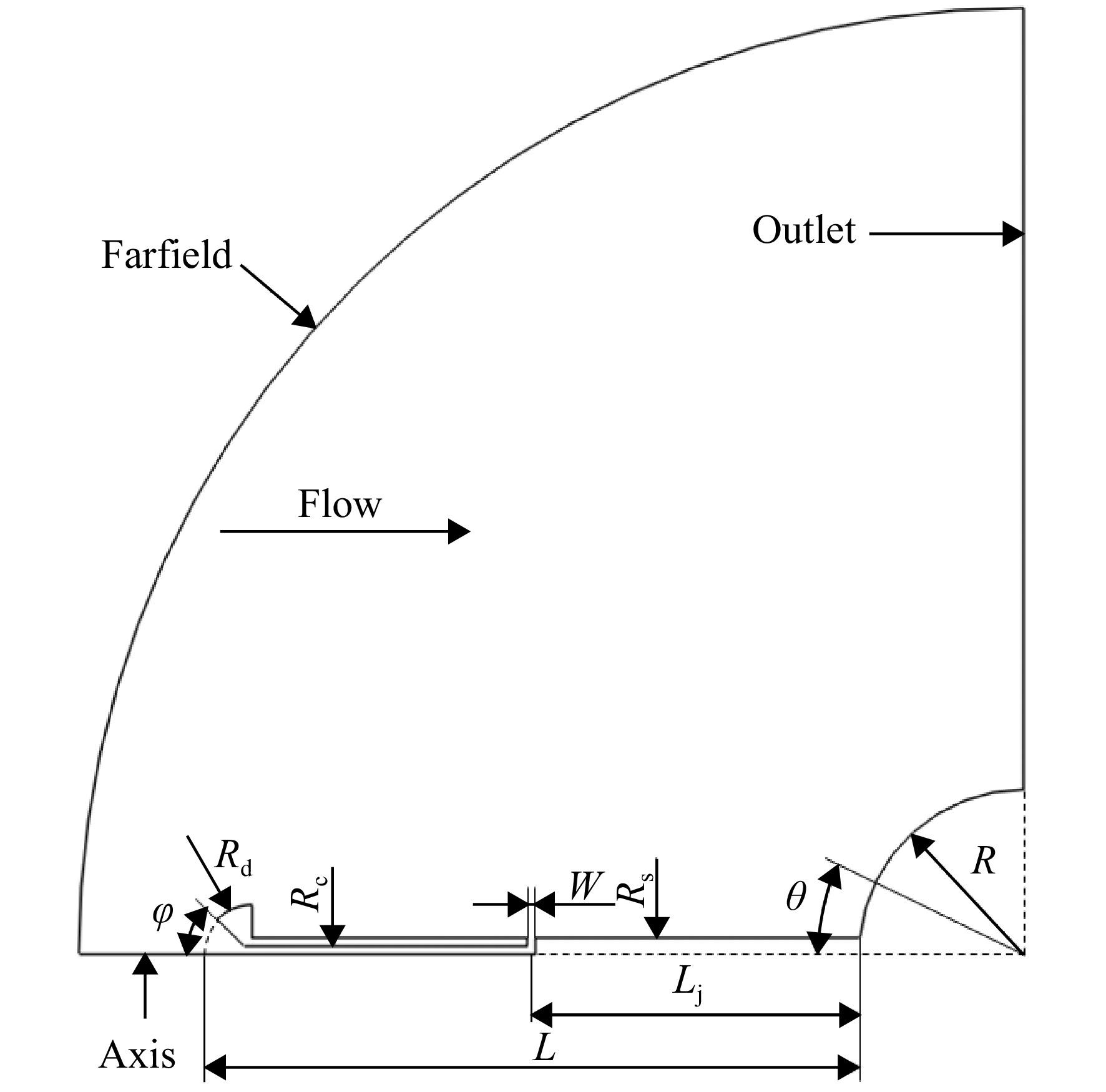
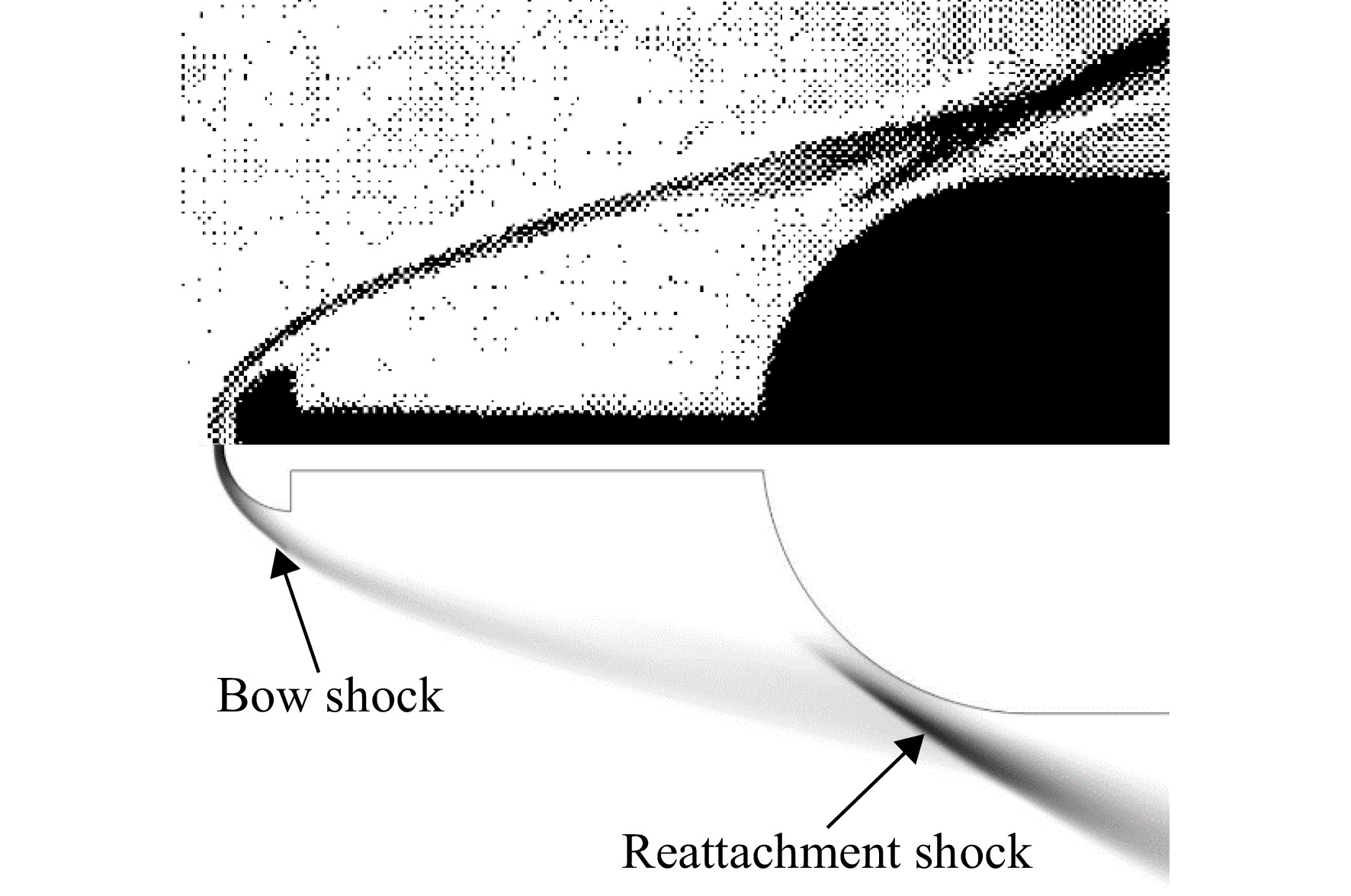
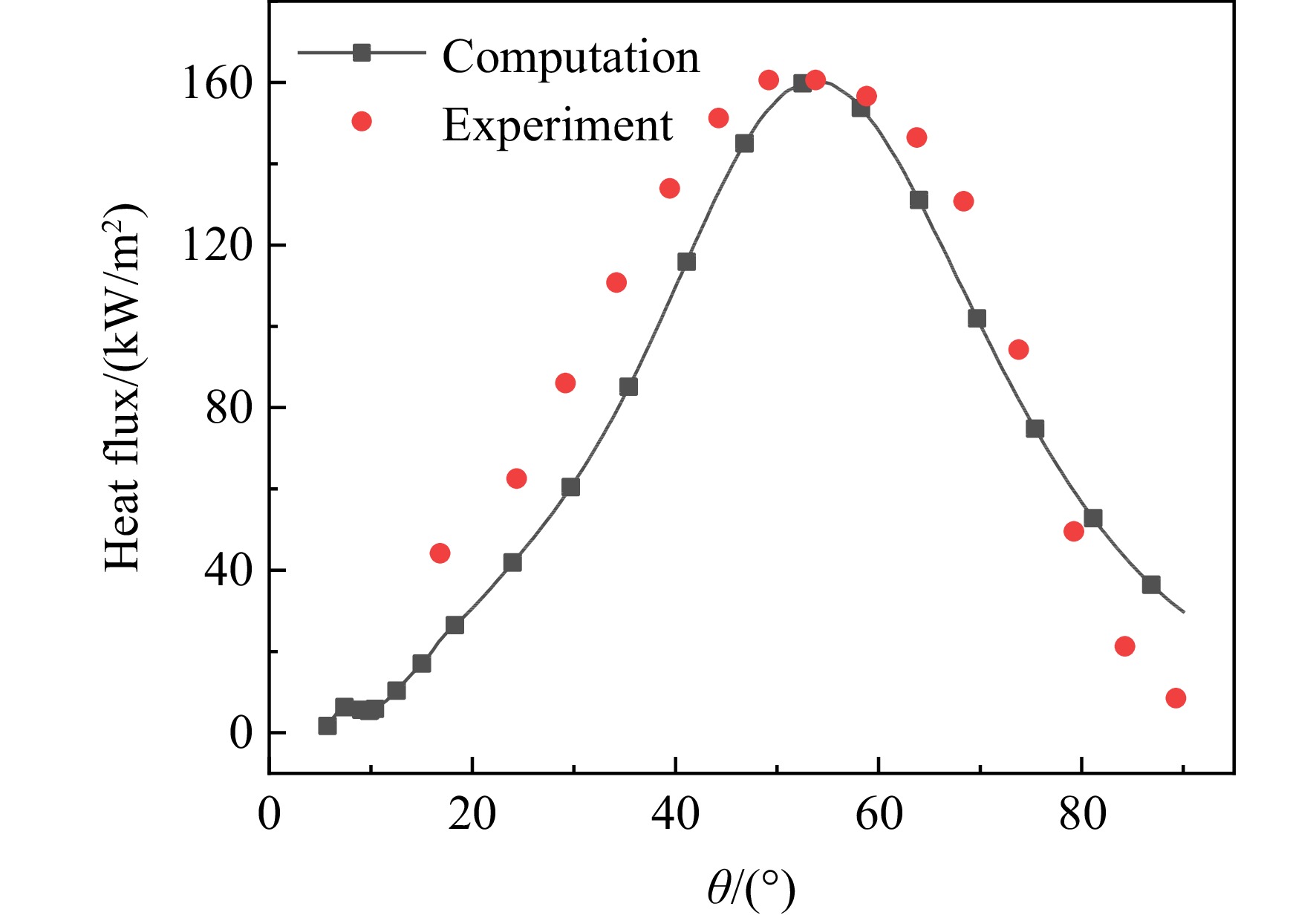
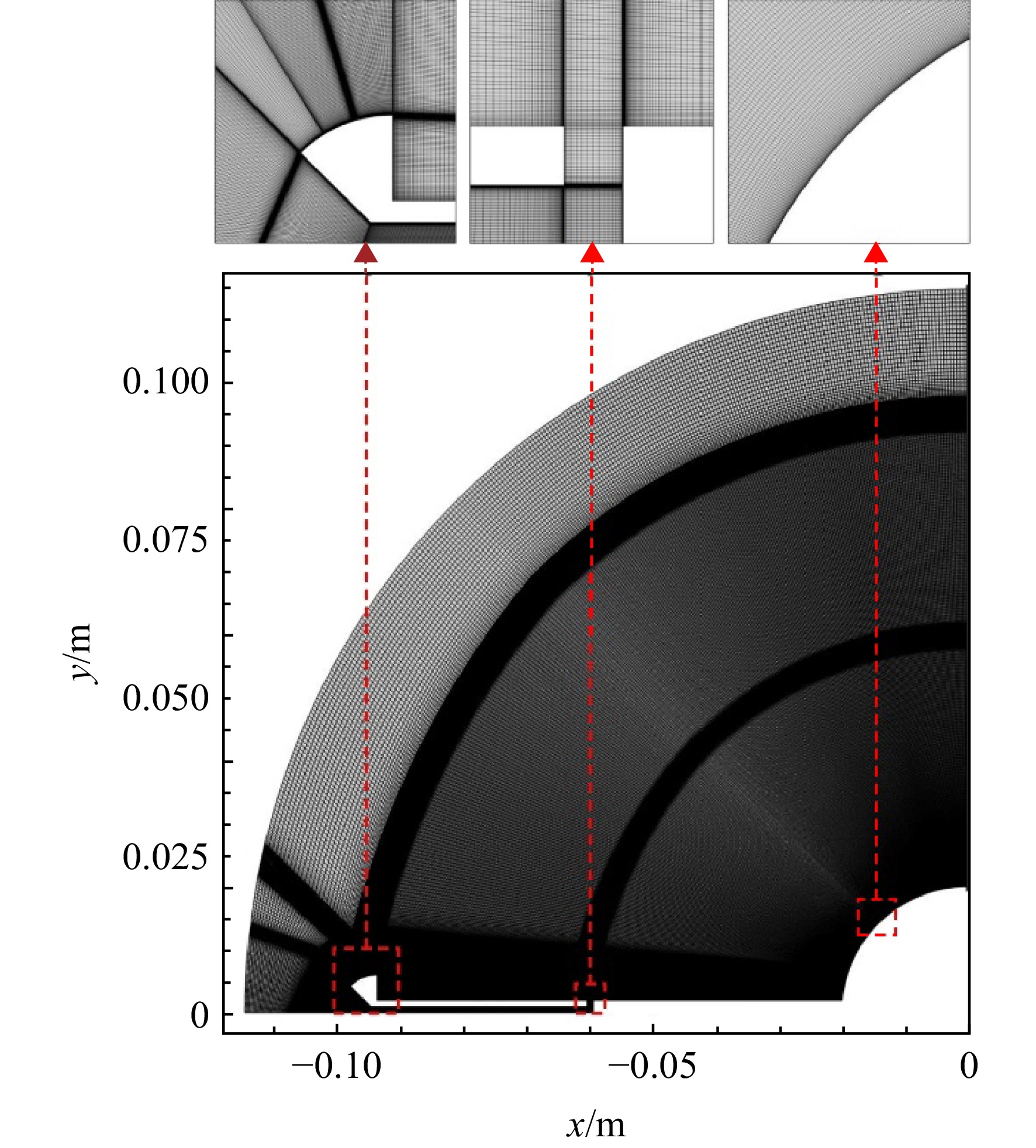
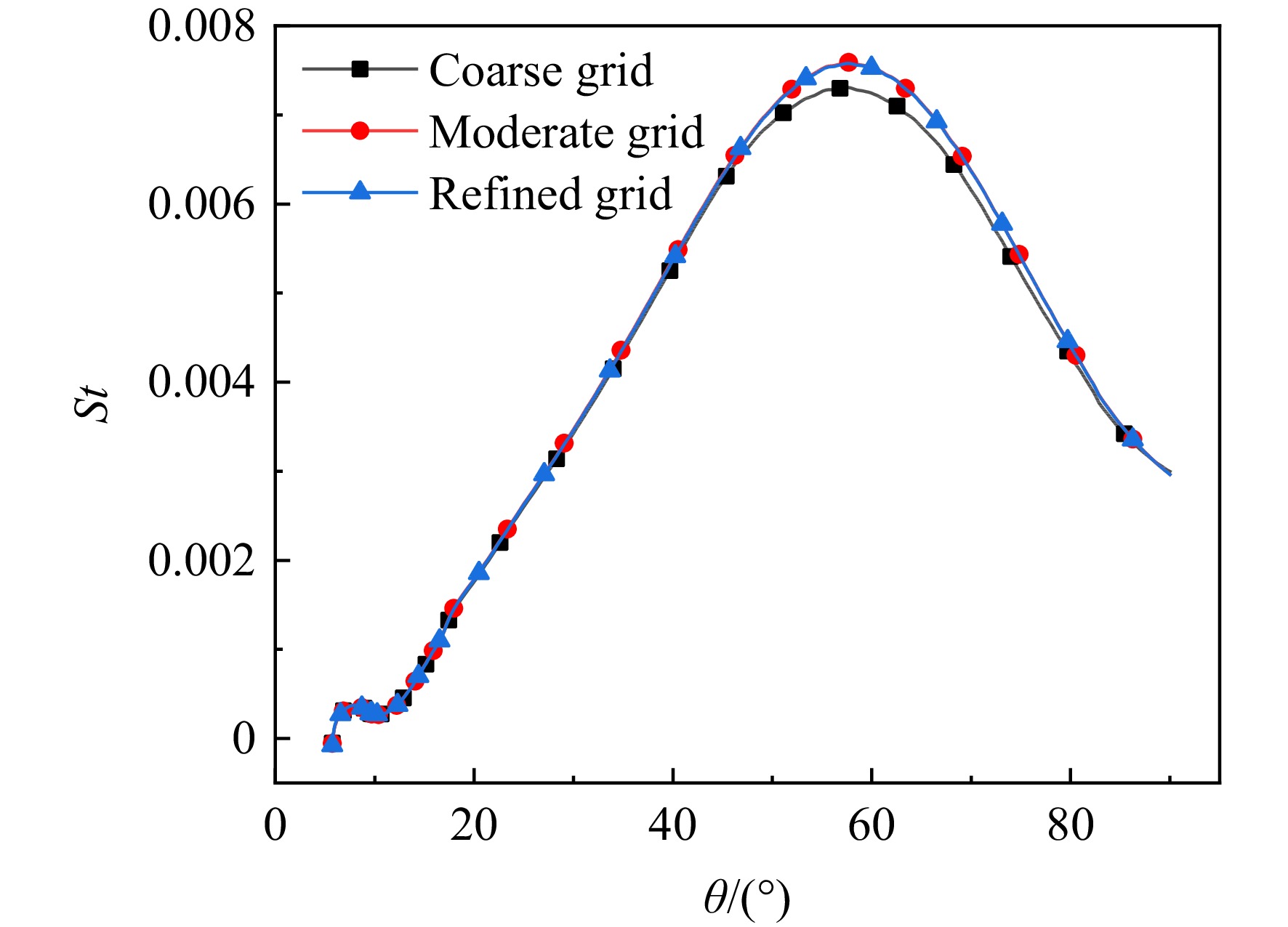
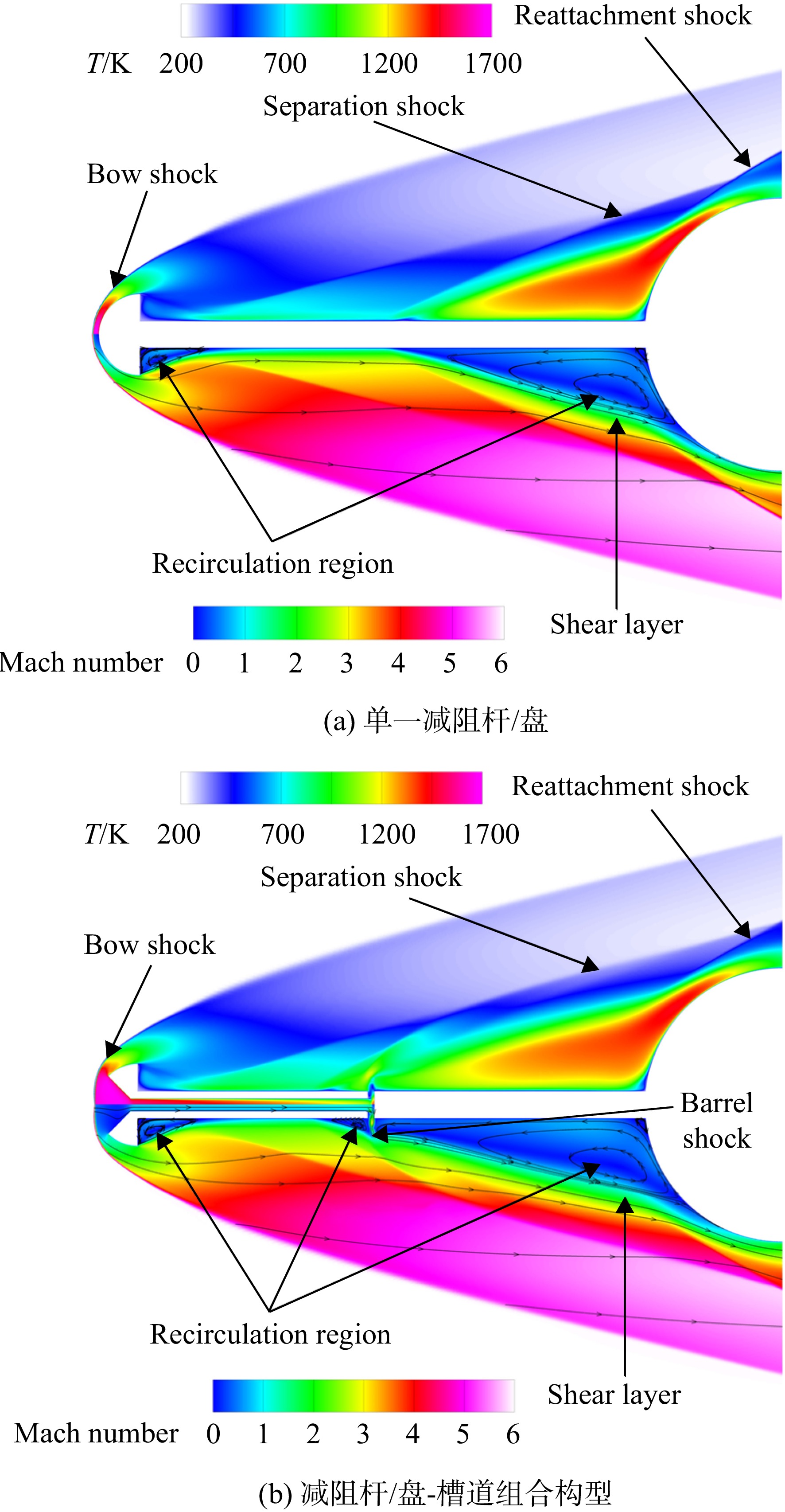
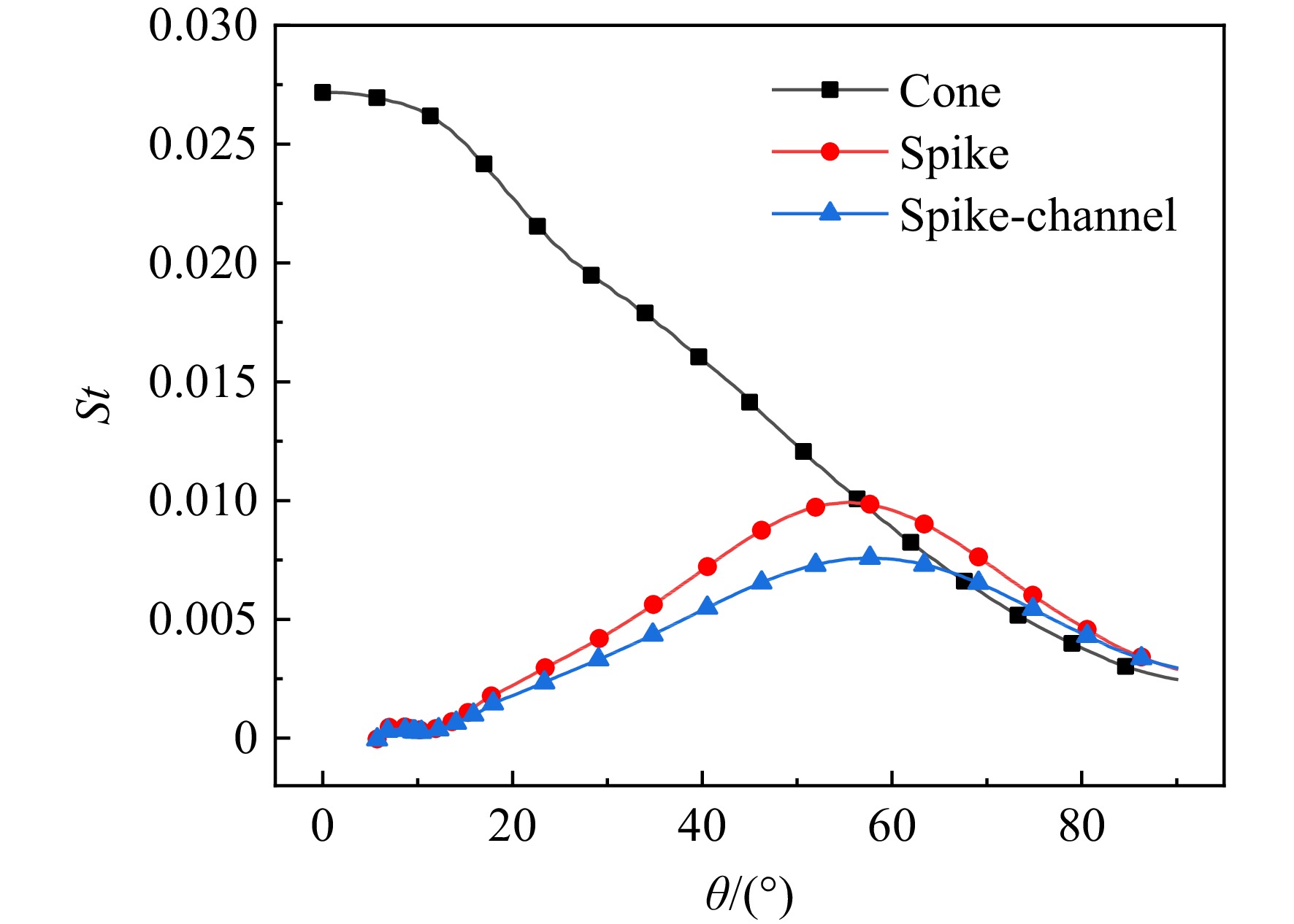
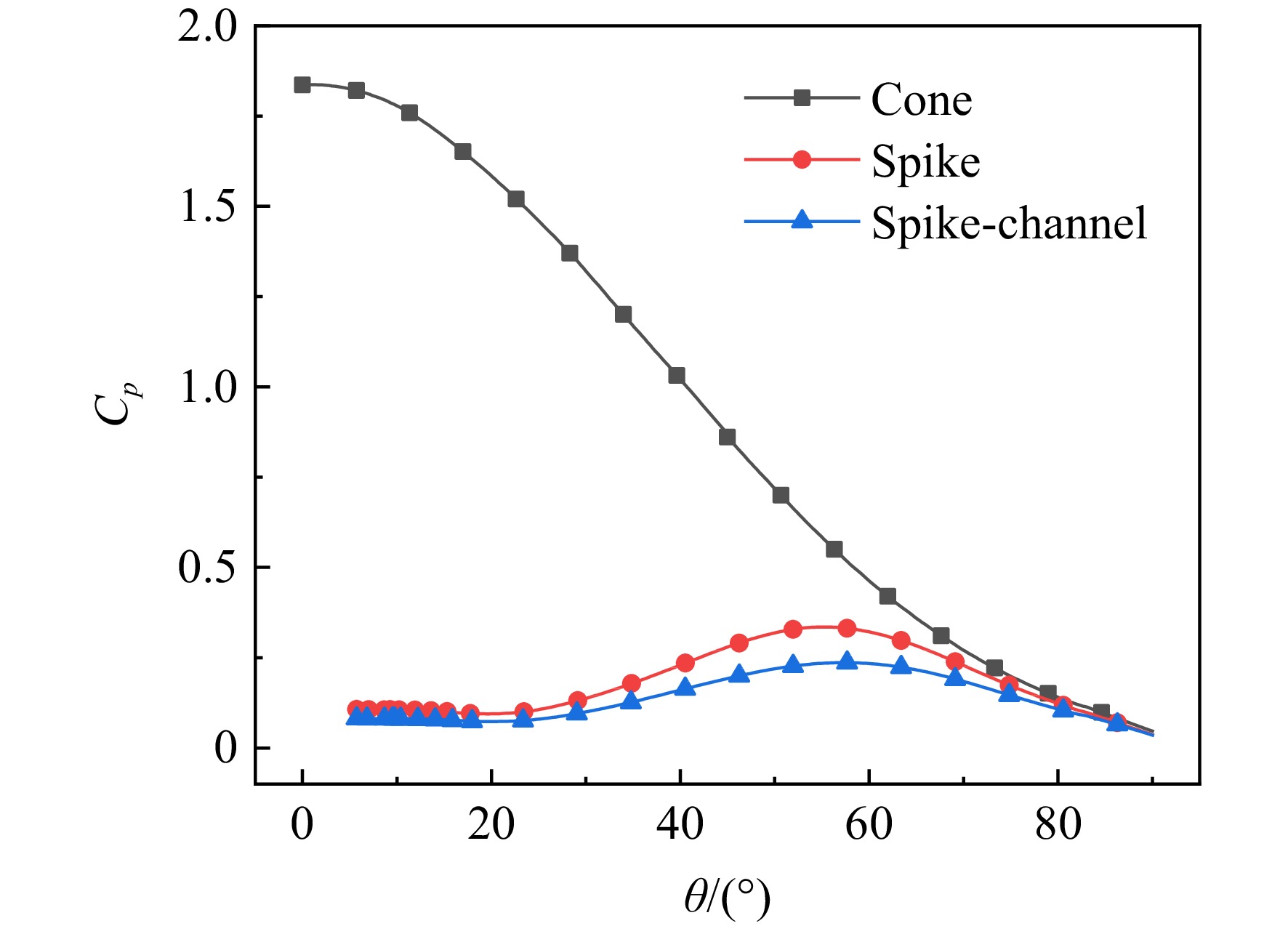
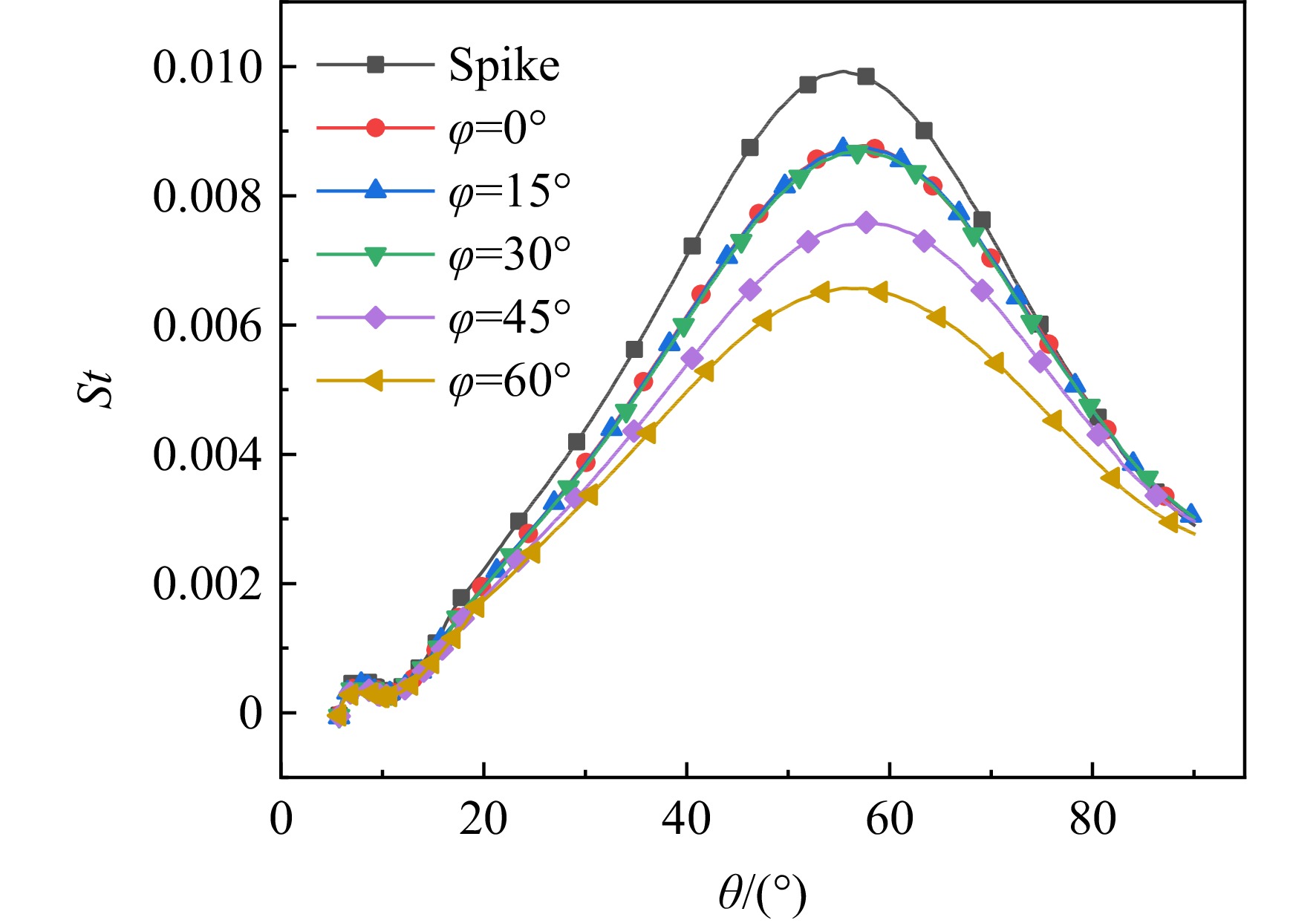
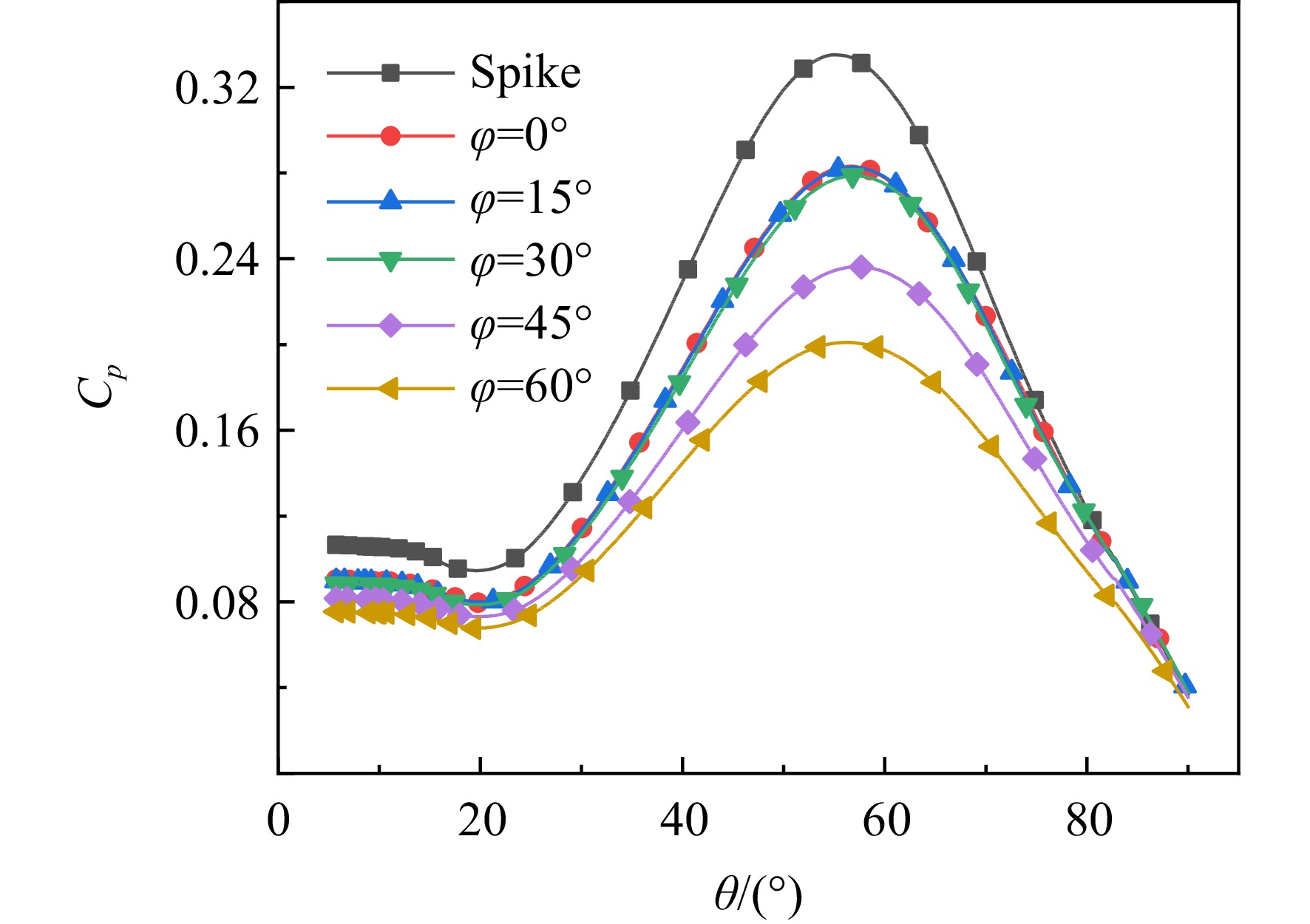
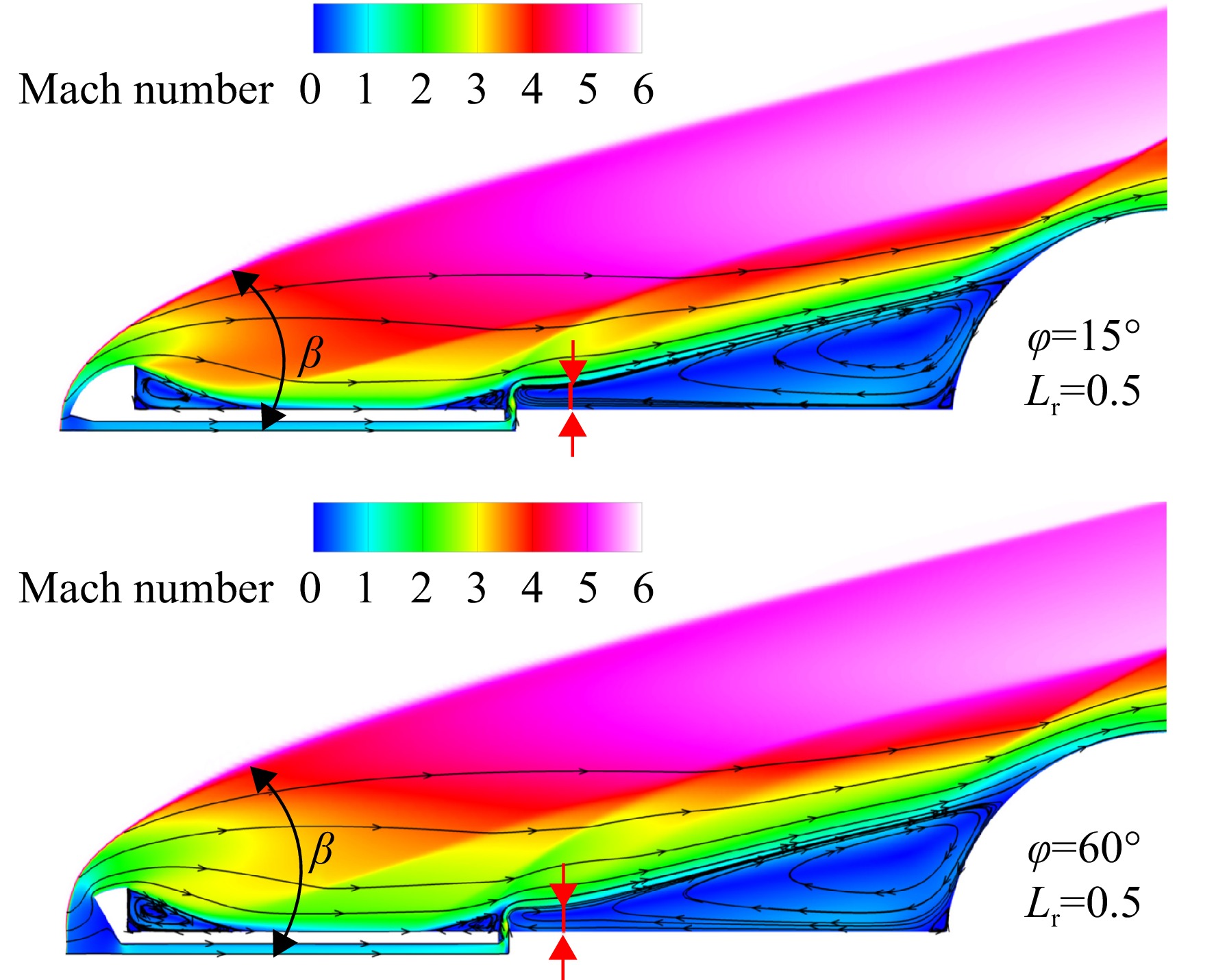
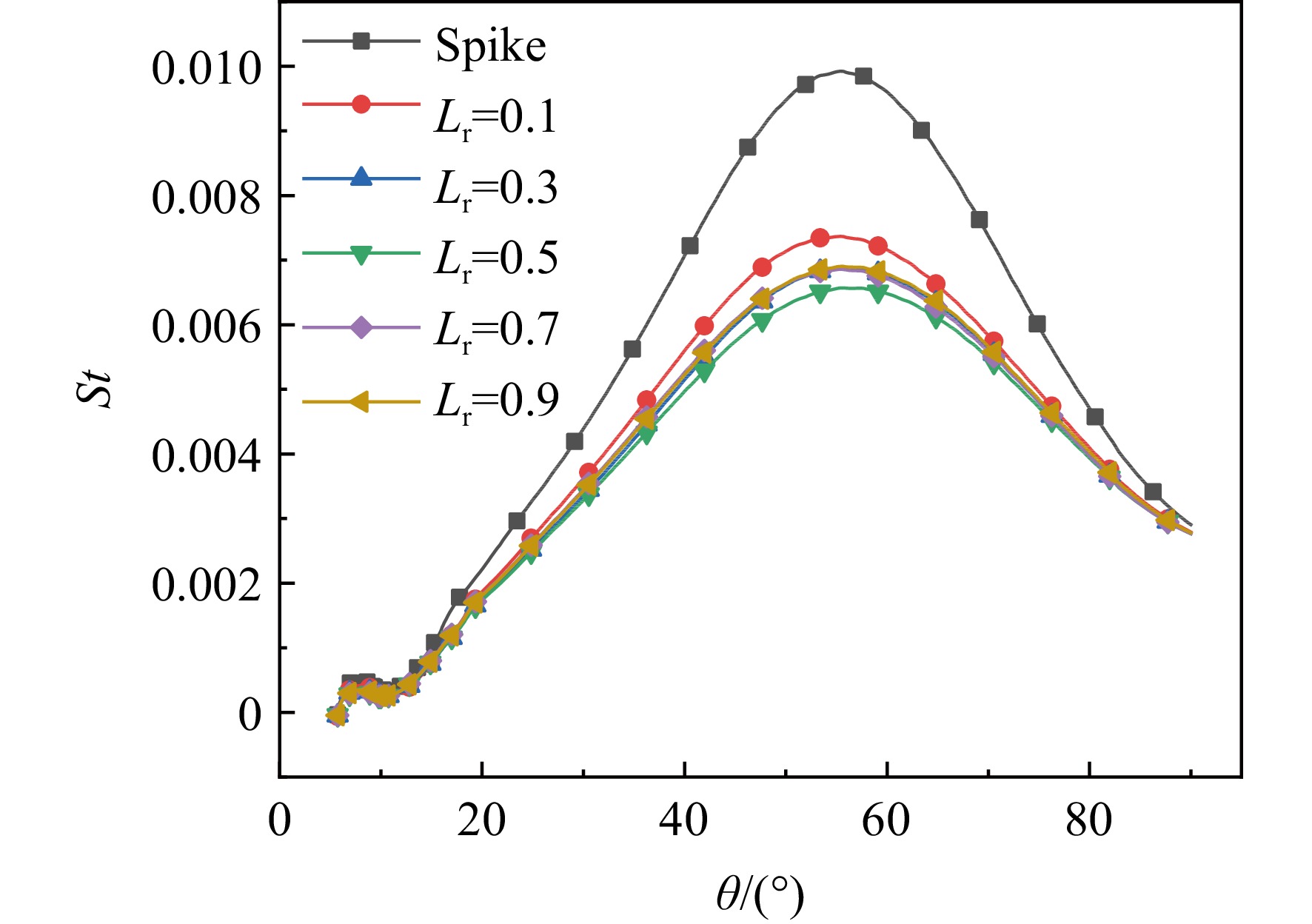
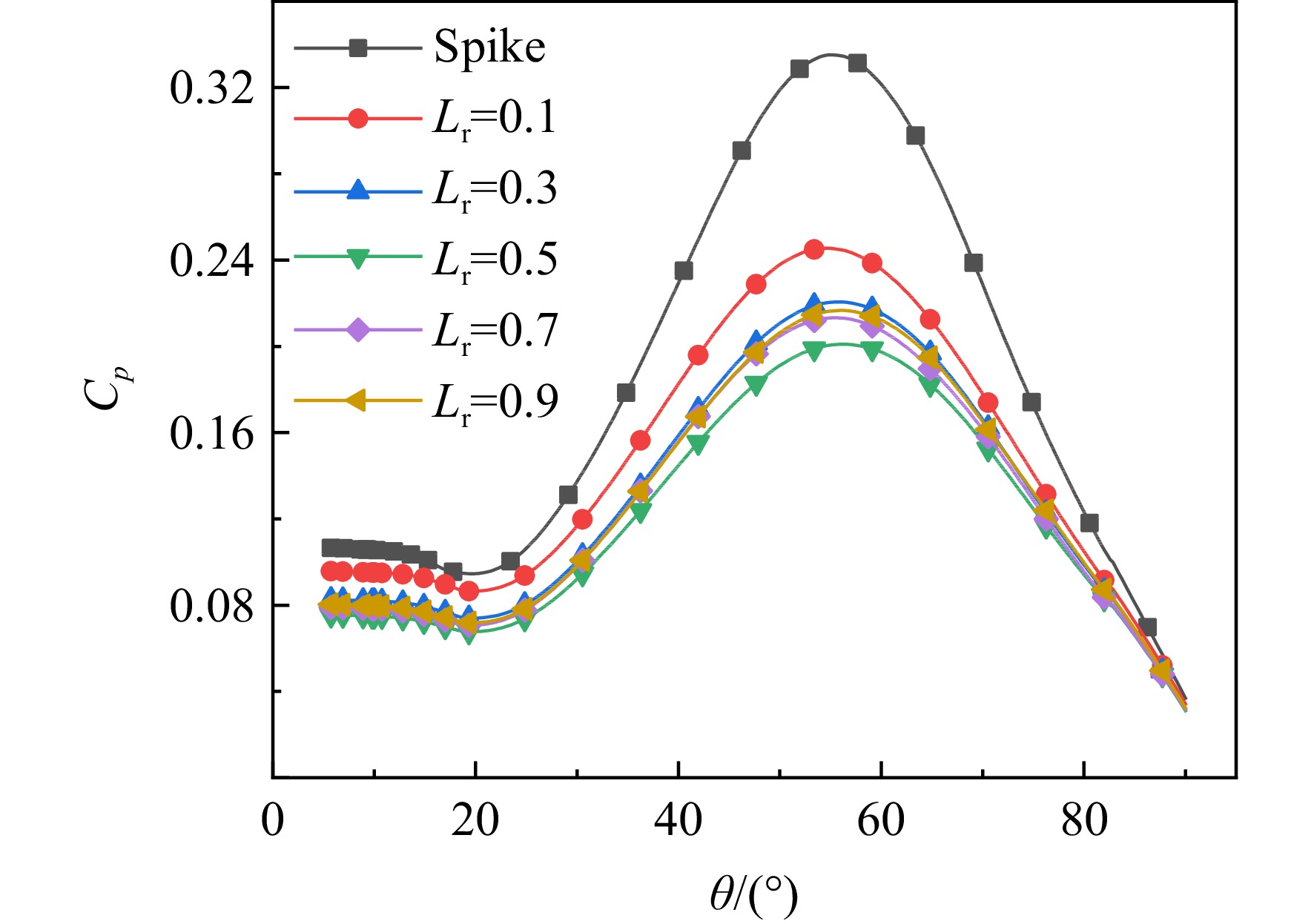
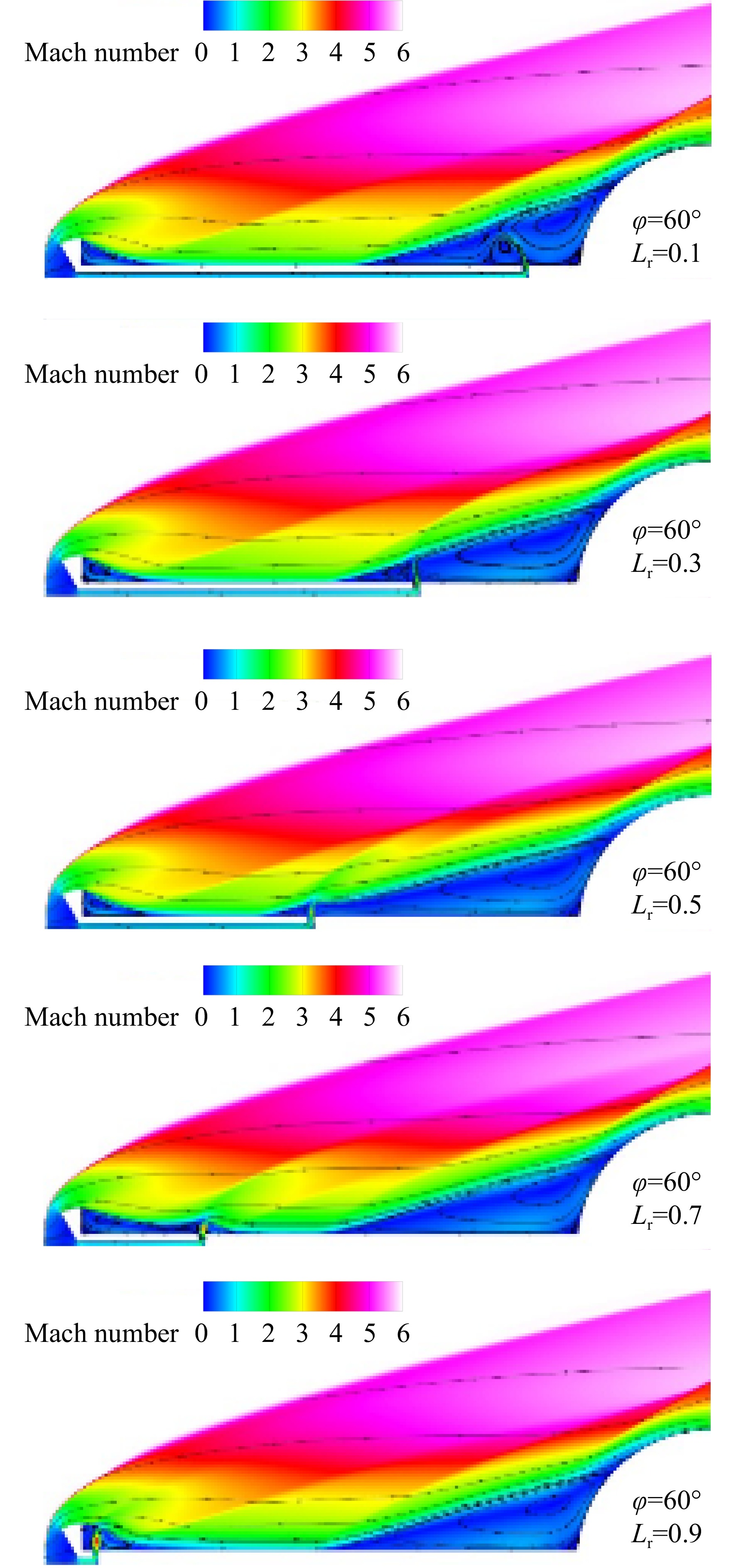
For the drag and heat flux reduction of high speed vehicles, a novel combinational spike and channel concept was proposed. The high pressure air behind the bow shock flowed into the channel at the head of the spike, and then sprayed out through the lateral jet near the middle of the spike. Based on the SST k-ω turbulence model, the two-dimensional axisymmetric Reynolds average Navier-Stokes equations were solved by the finite volume method, and the flow field of the combinational configuration was numerically simulated. Compared with the single spike, with the introduction of the channel, the lateral jet pushed the separated shock wave away from the spike, and the intensity of the reattachment shock wave was significantly weakened, thus improving the drag and heat flux reduction efficiency. The influencing factors of the combined configuration were analyzed; the larger convergent half angle of the channel indicated the closer location of the lateral jet to the middle of the spike, and the better overall drag and heat flux reduction result of this configuration. With the increase of dynamic pressure, the drag and heat flux reduction performance of the configuration was continually improved. In the research range, the combined configuration in which the convergent half angle was 60° and the lateral jet was located at the middle of the spike had the best overall result of drag and heat flux reduction, and the result reached the best when the dynamic pressure was 30.15 kPa. Compared with the spike, the peak value of heat flux along the blunt body wall was reduced by 33.84% and the total drag of the configuration was reduced by 14.44%.