2025 Vol. 40, No. 7

Structure,Strength and Vibration
Study on tensile properties of SiCf/TC17 composites and strength analysis of blade-ring structure
SHI Duoqi, HAO Wenqi, LIU Changqi, HUANG Hao, ZHAO Wenxia, LI Jia, YANG Xiaoguang
2025, 40(7): 20230626. doi: 10.13224/j.cnki.jasp.20230626
Abstract:

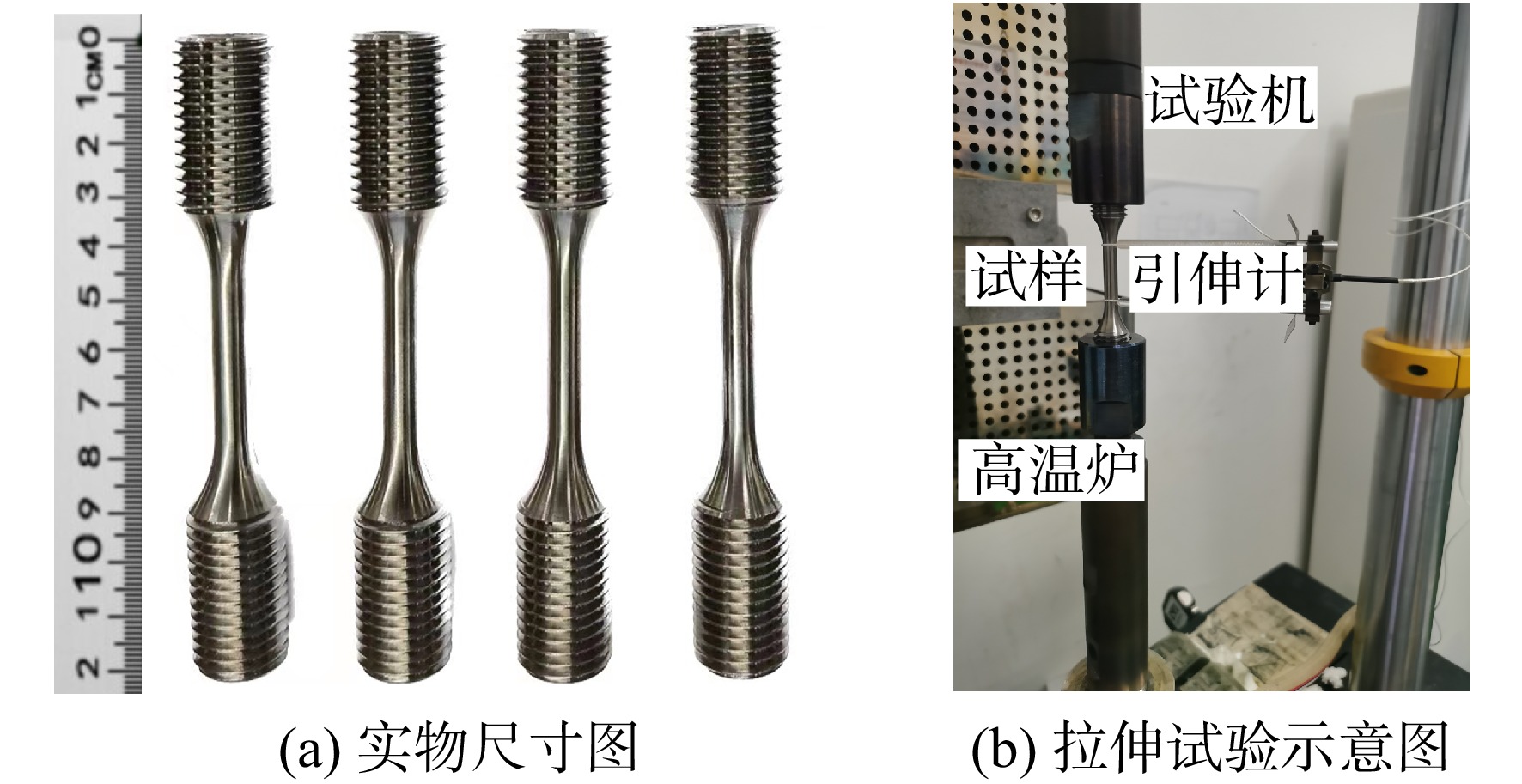
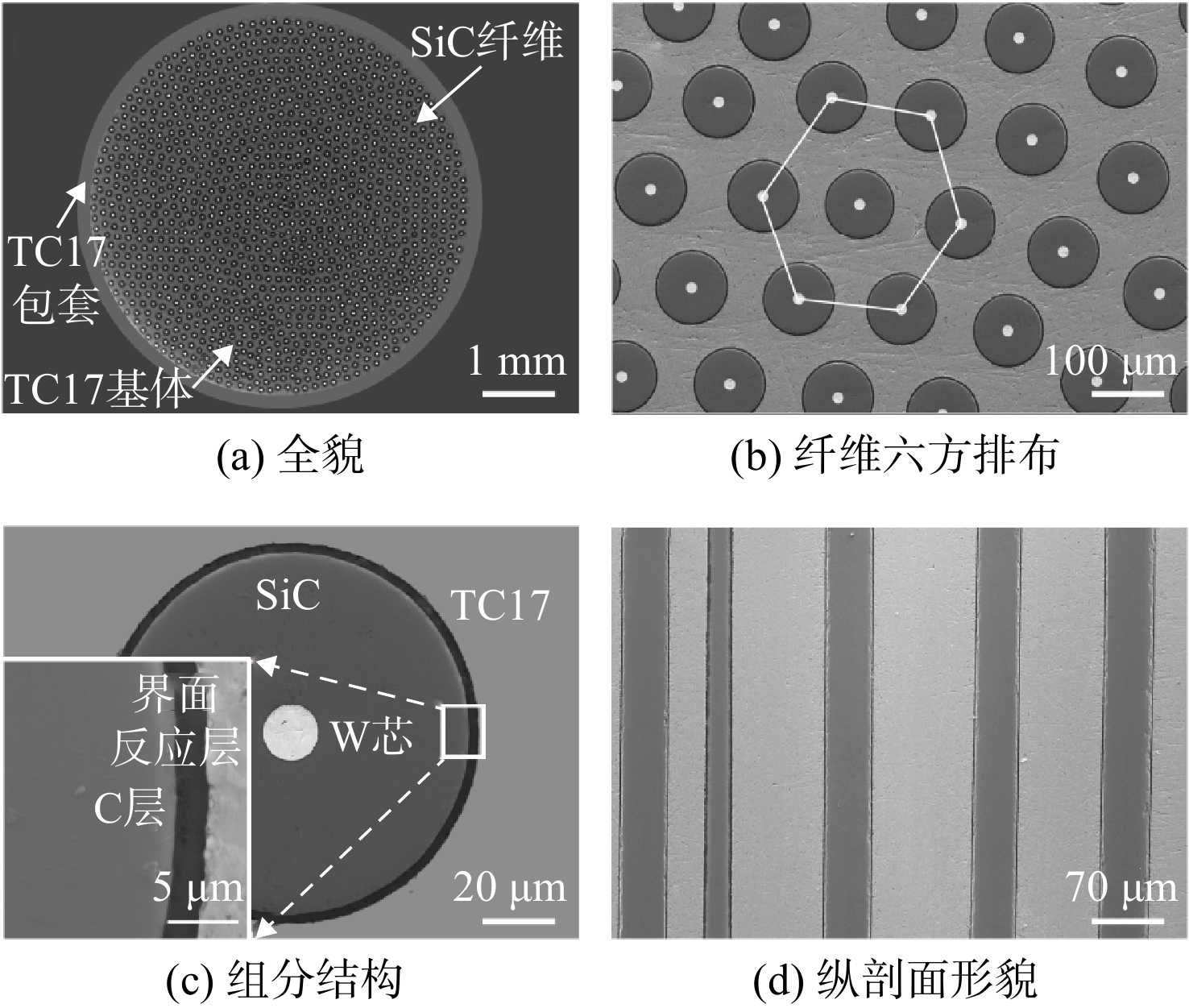
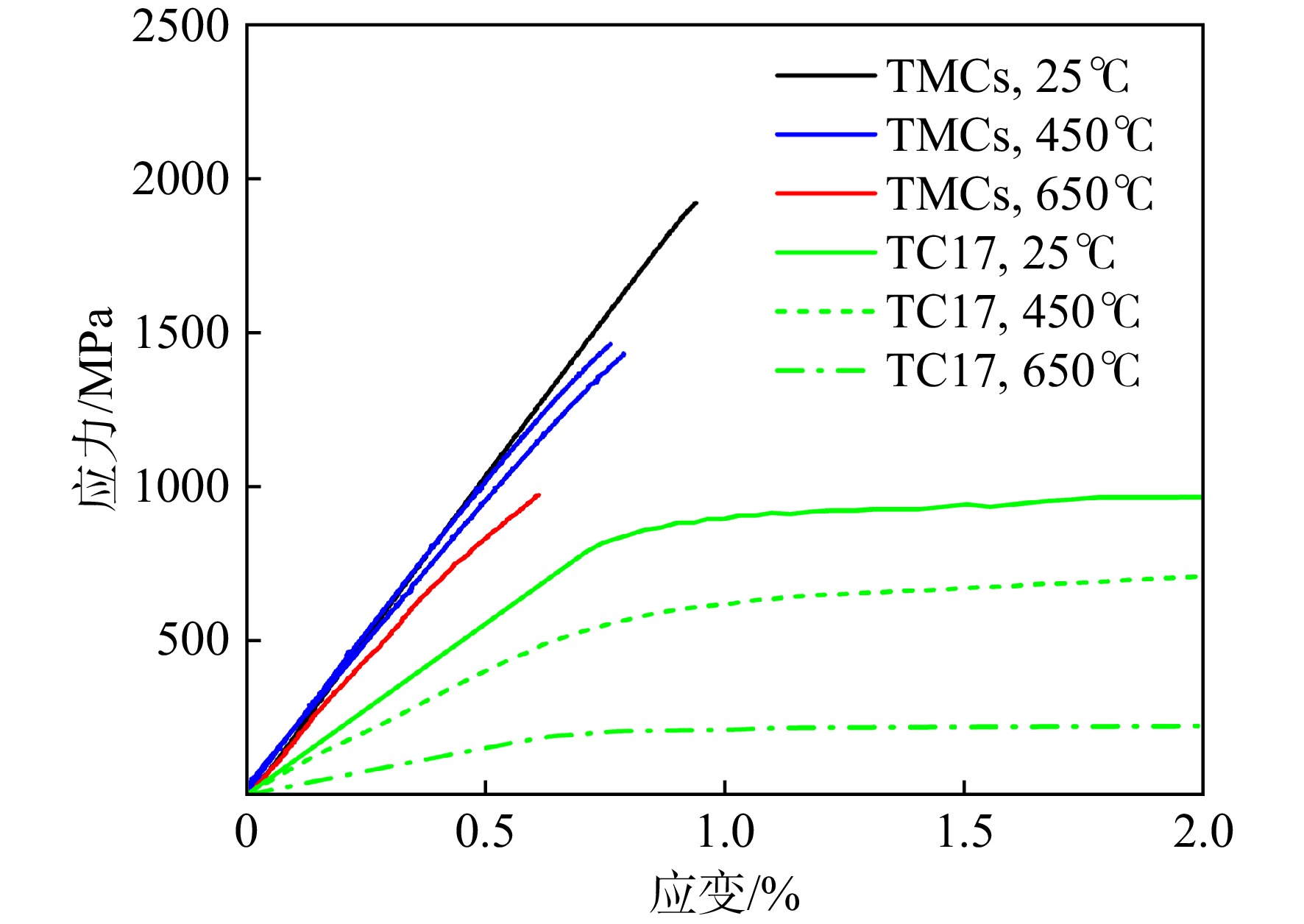
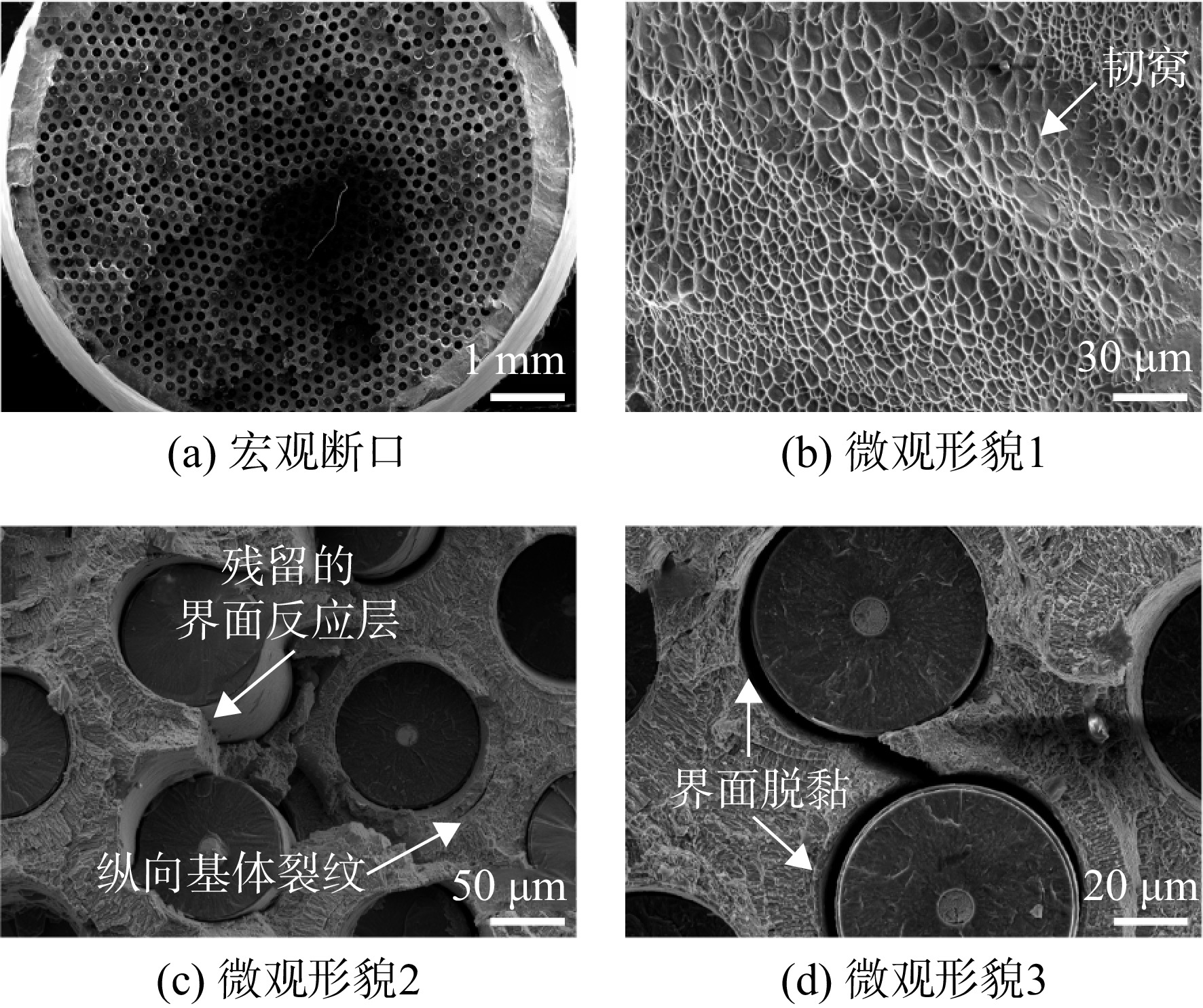
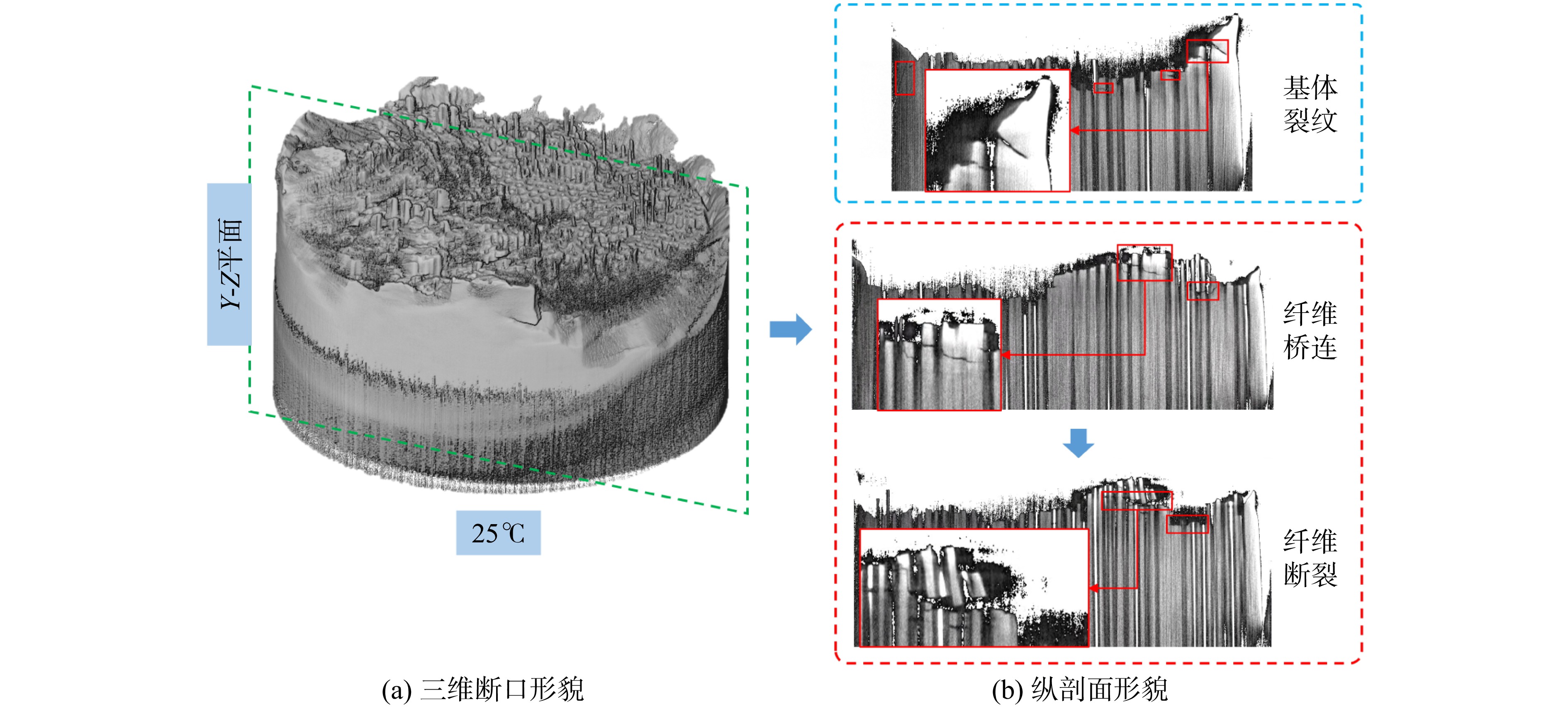
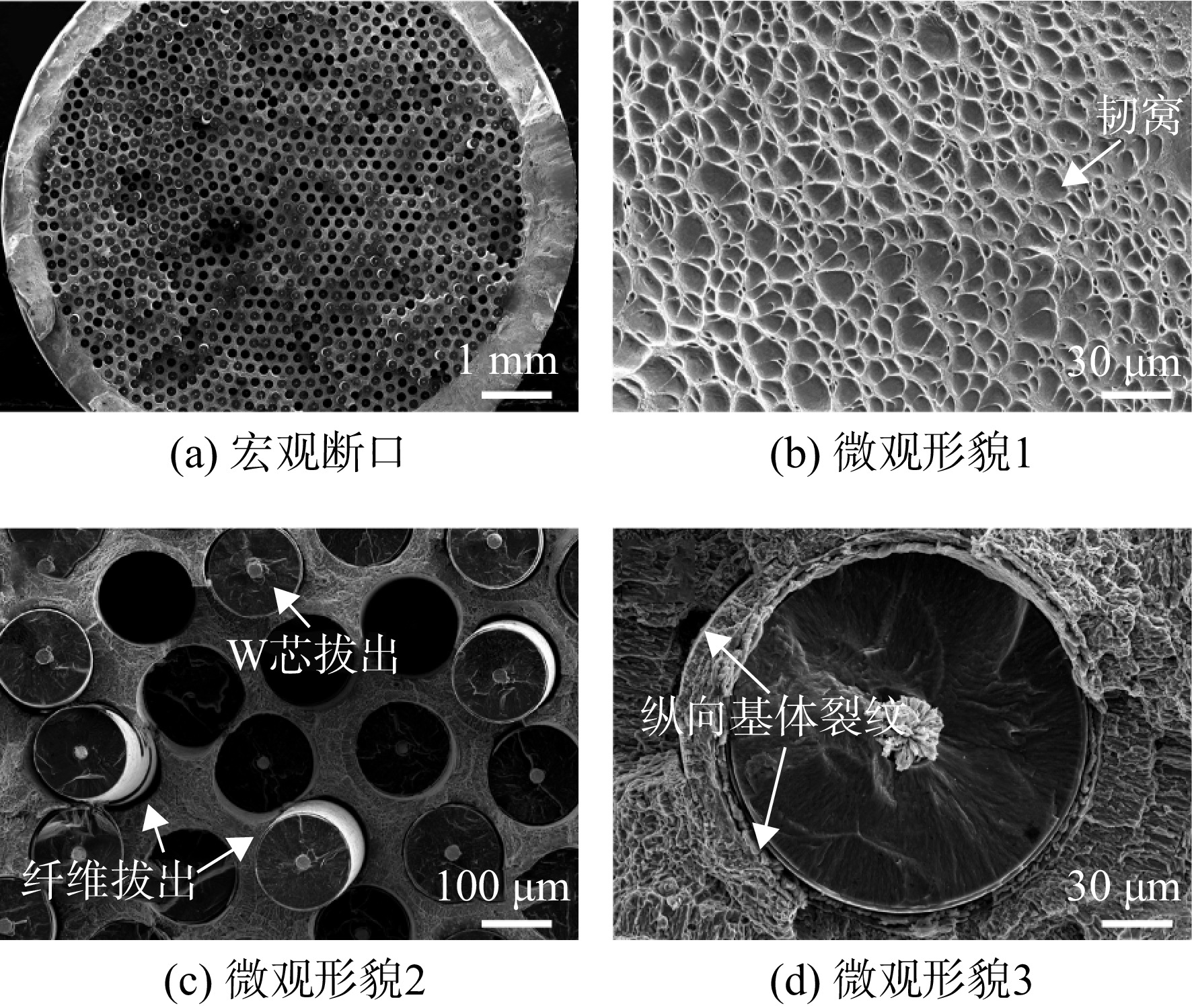
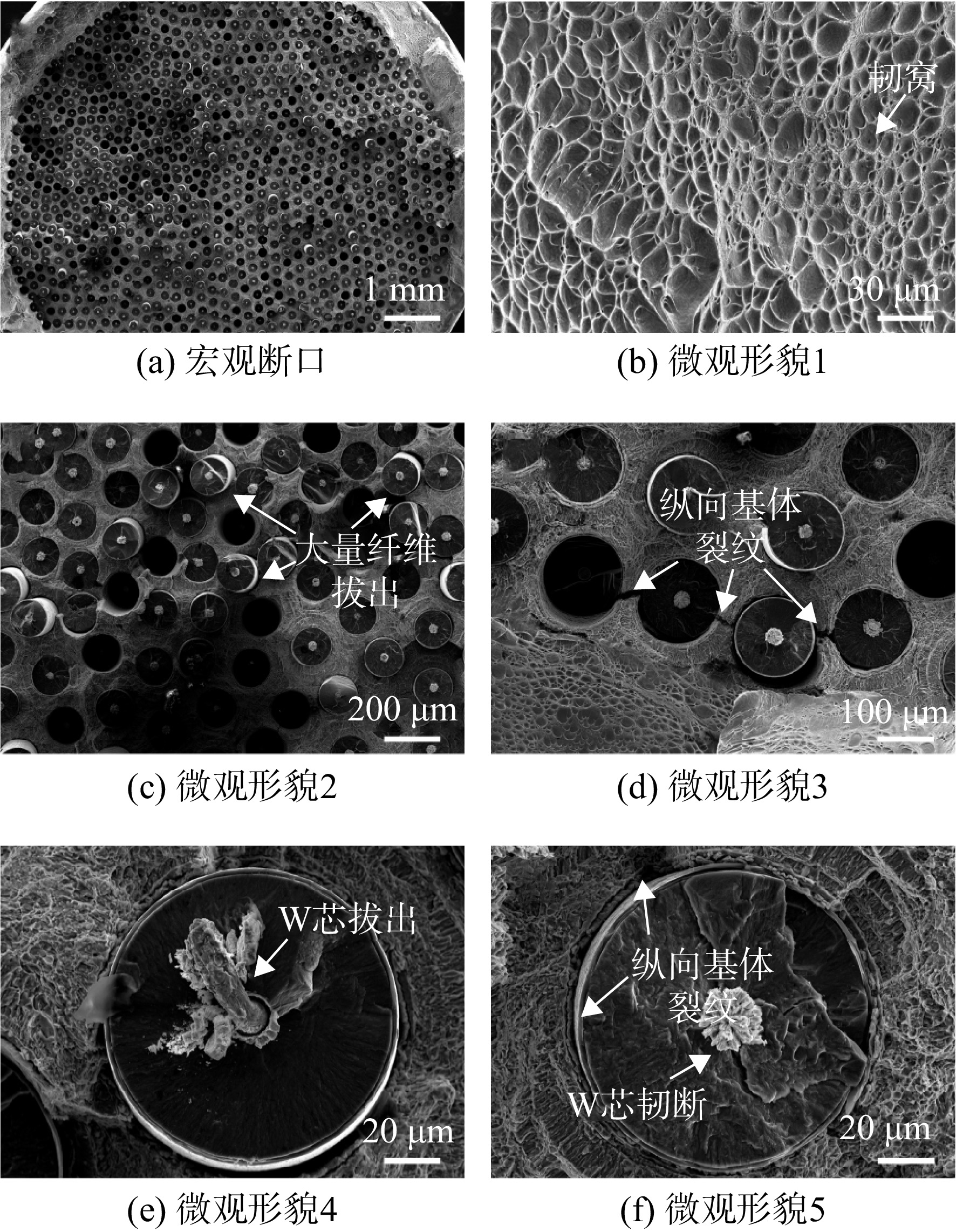
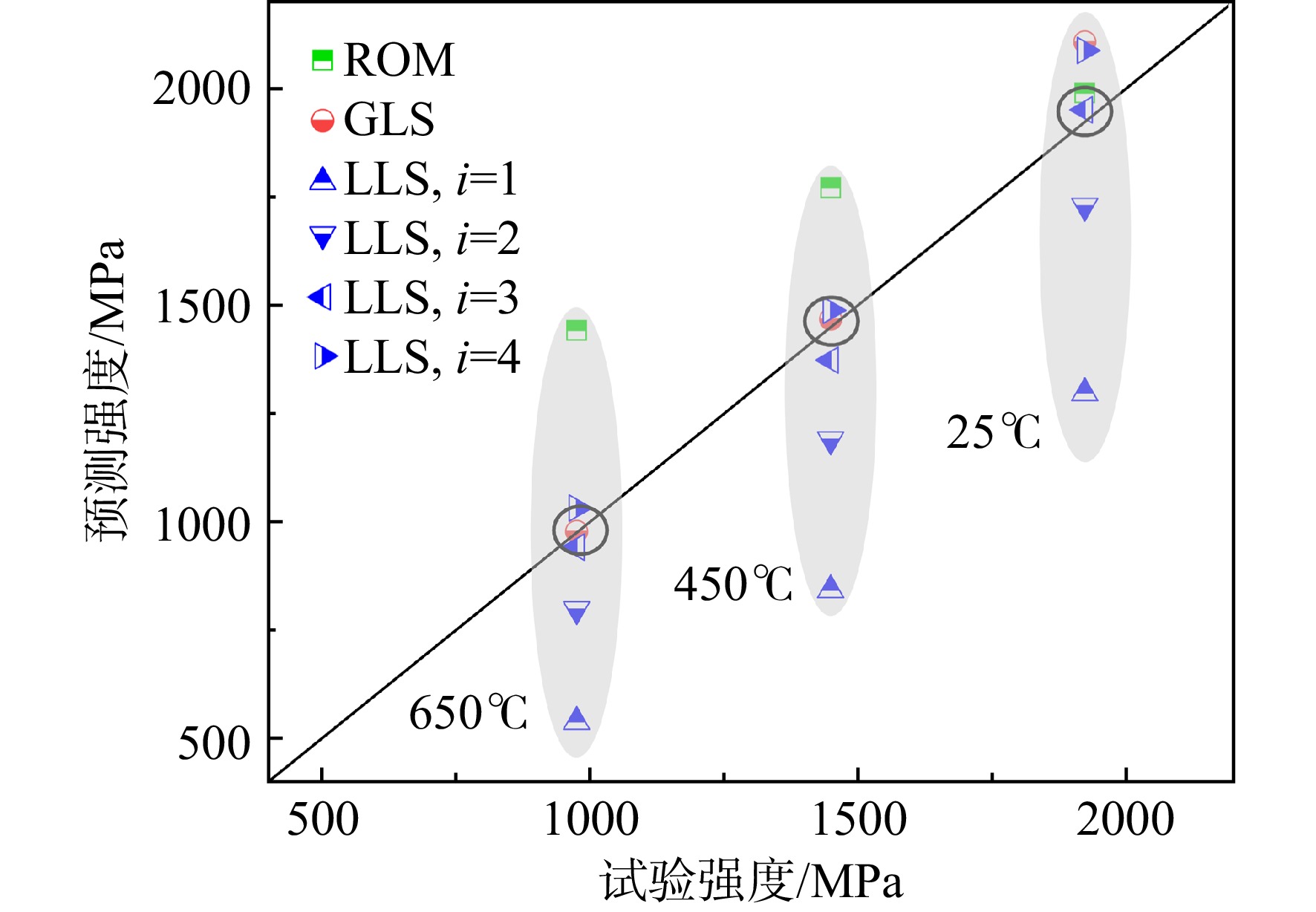
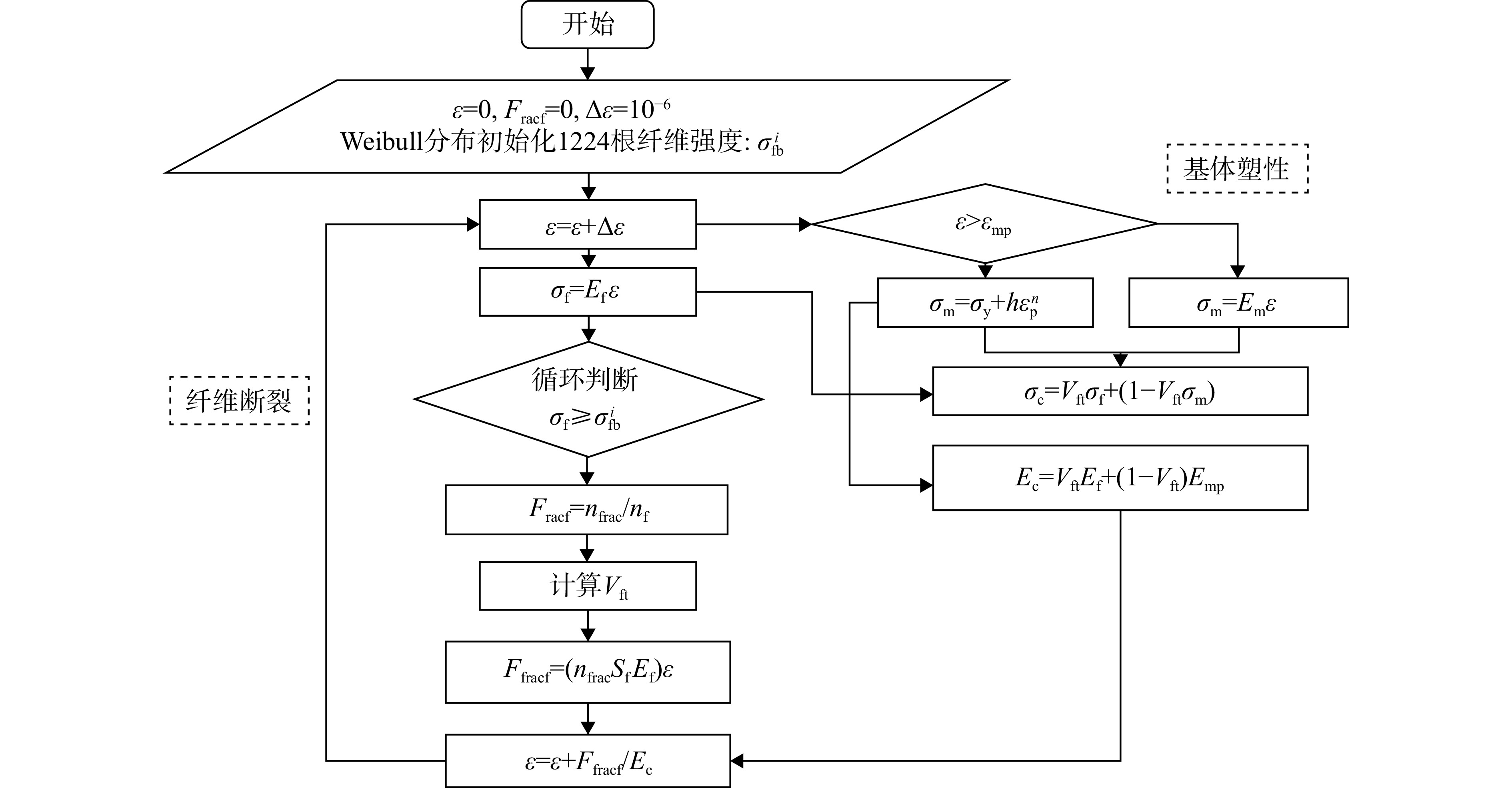
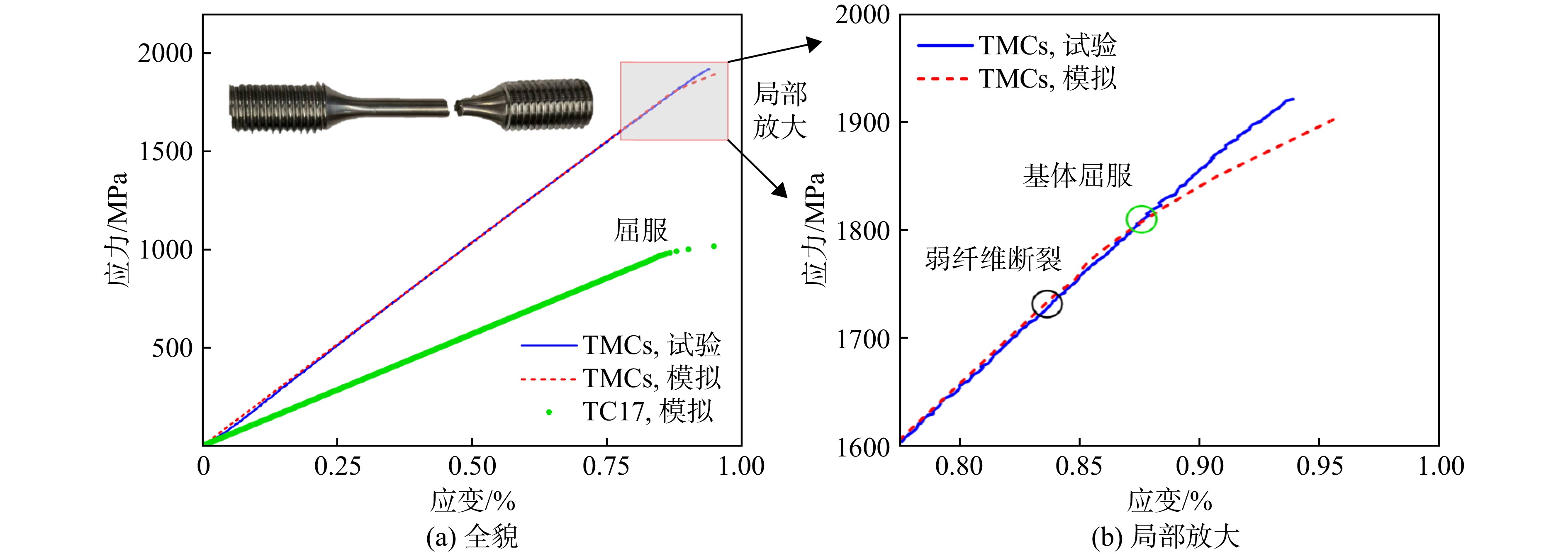
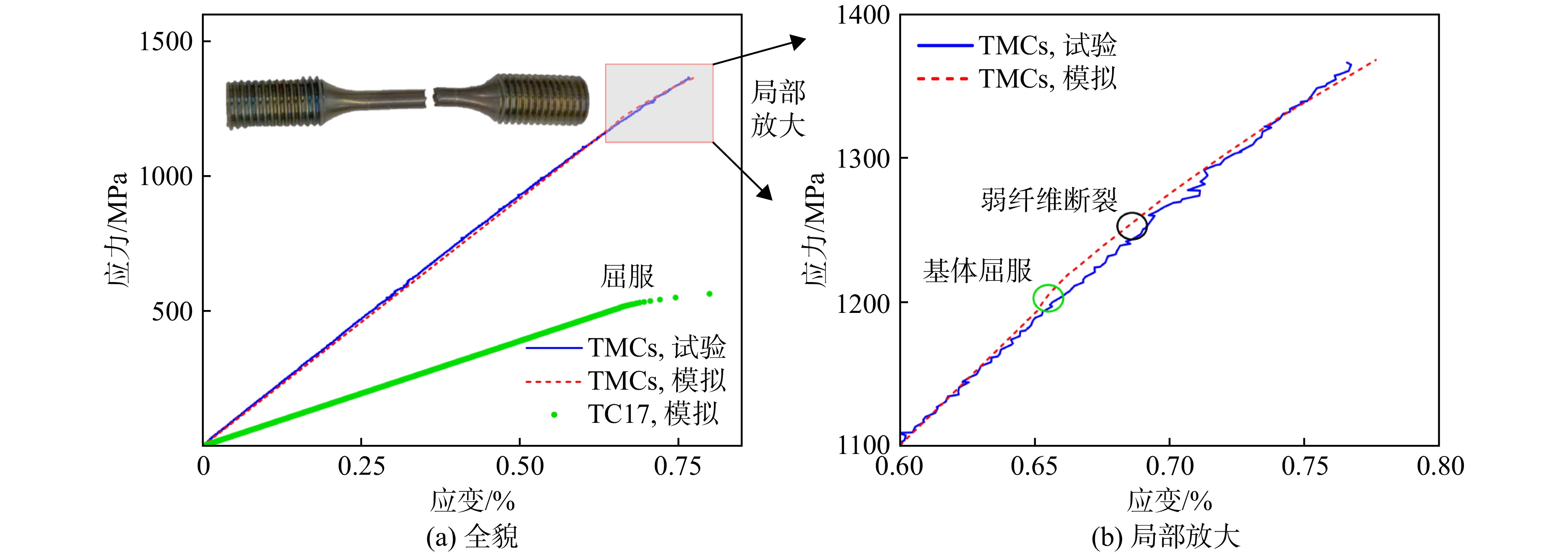
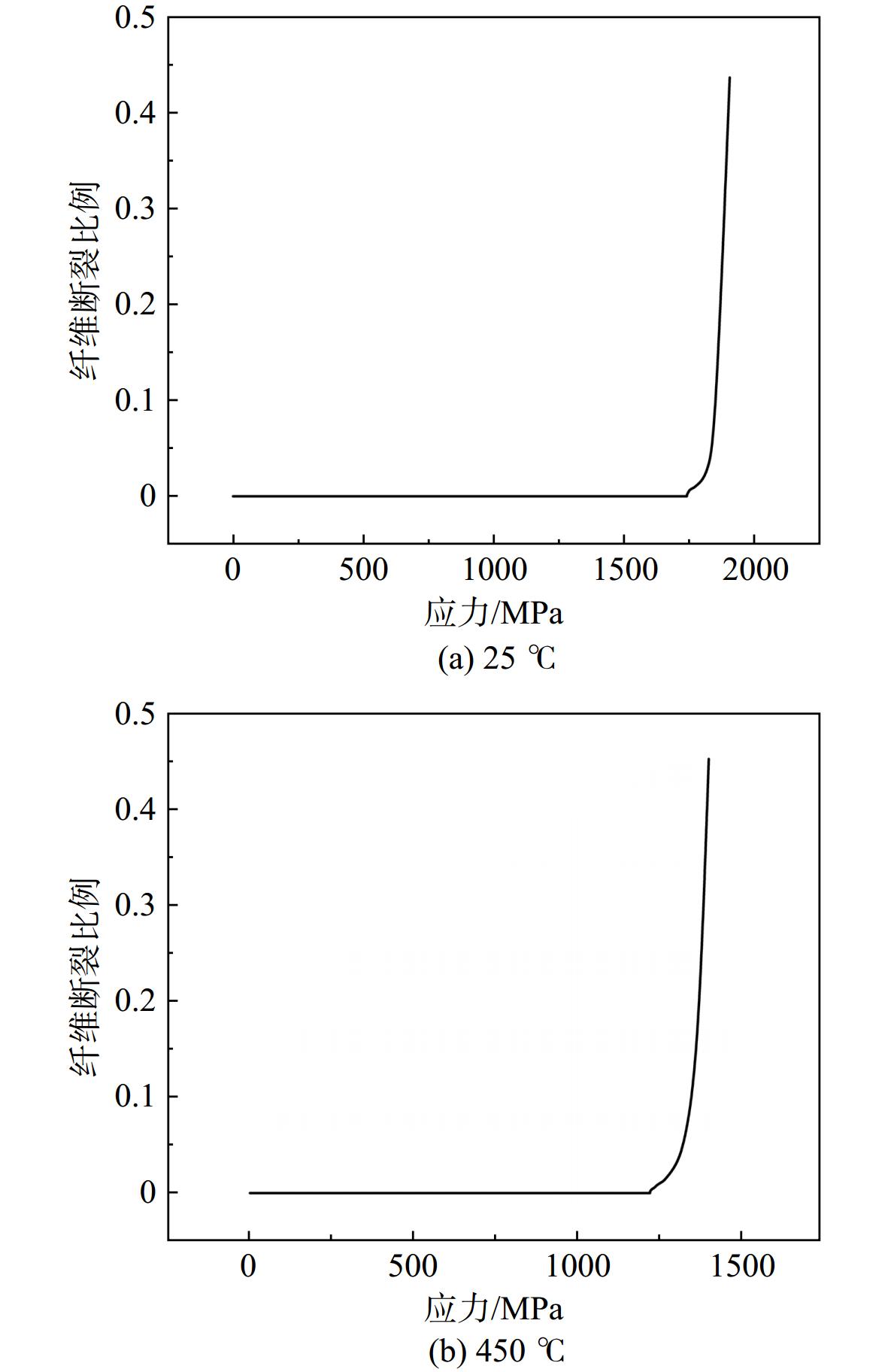
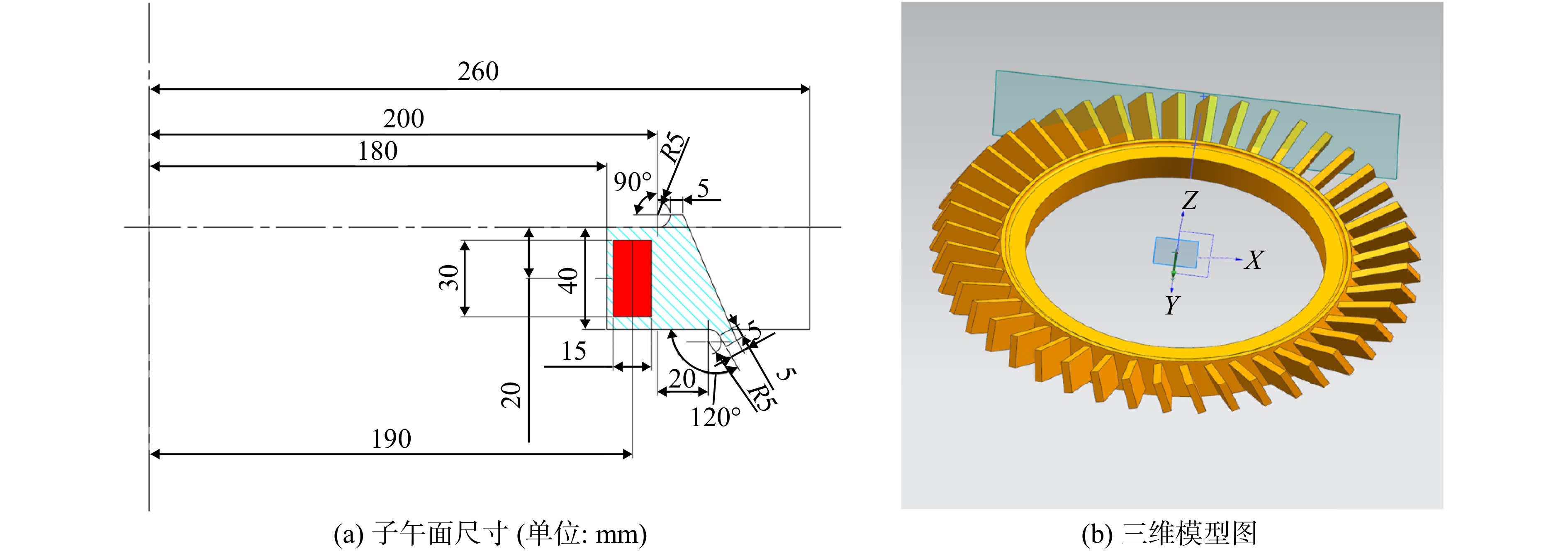
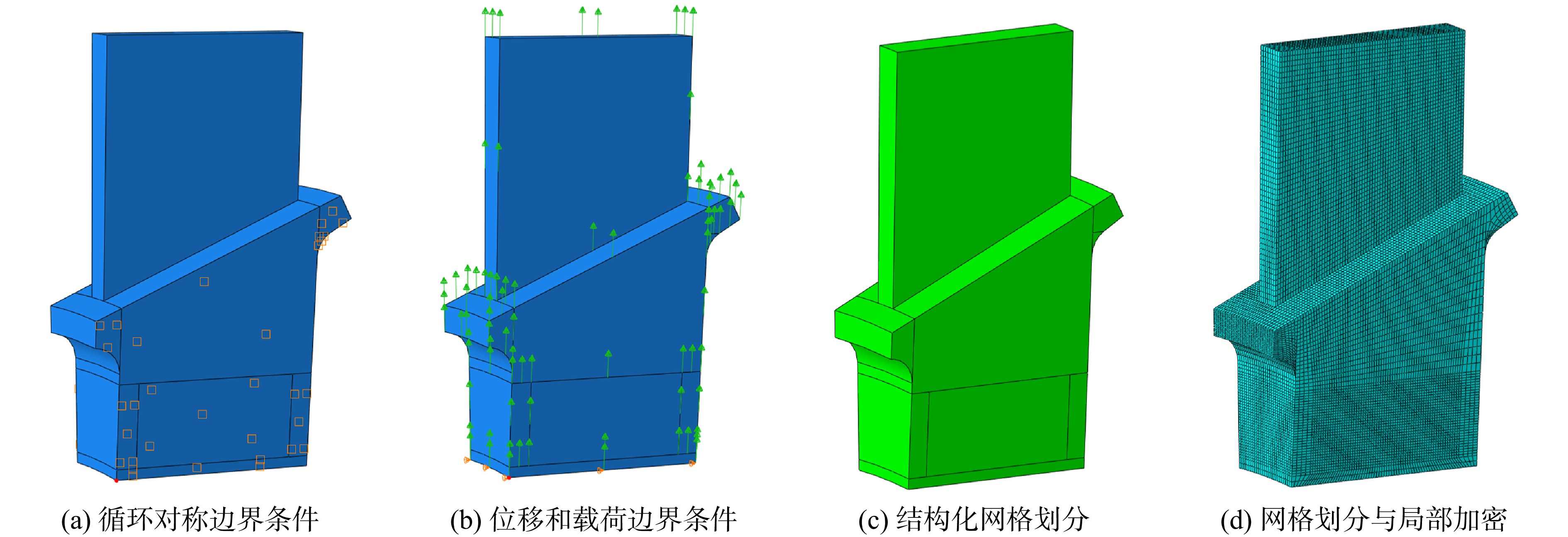
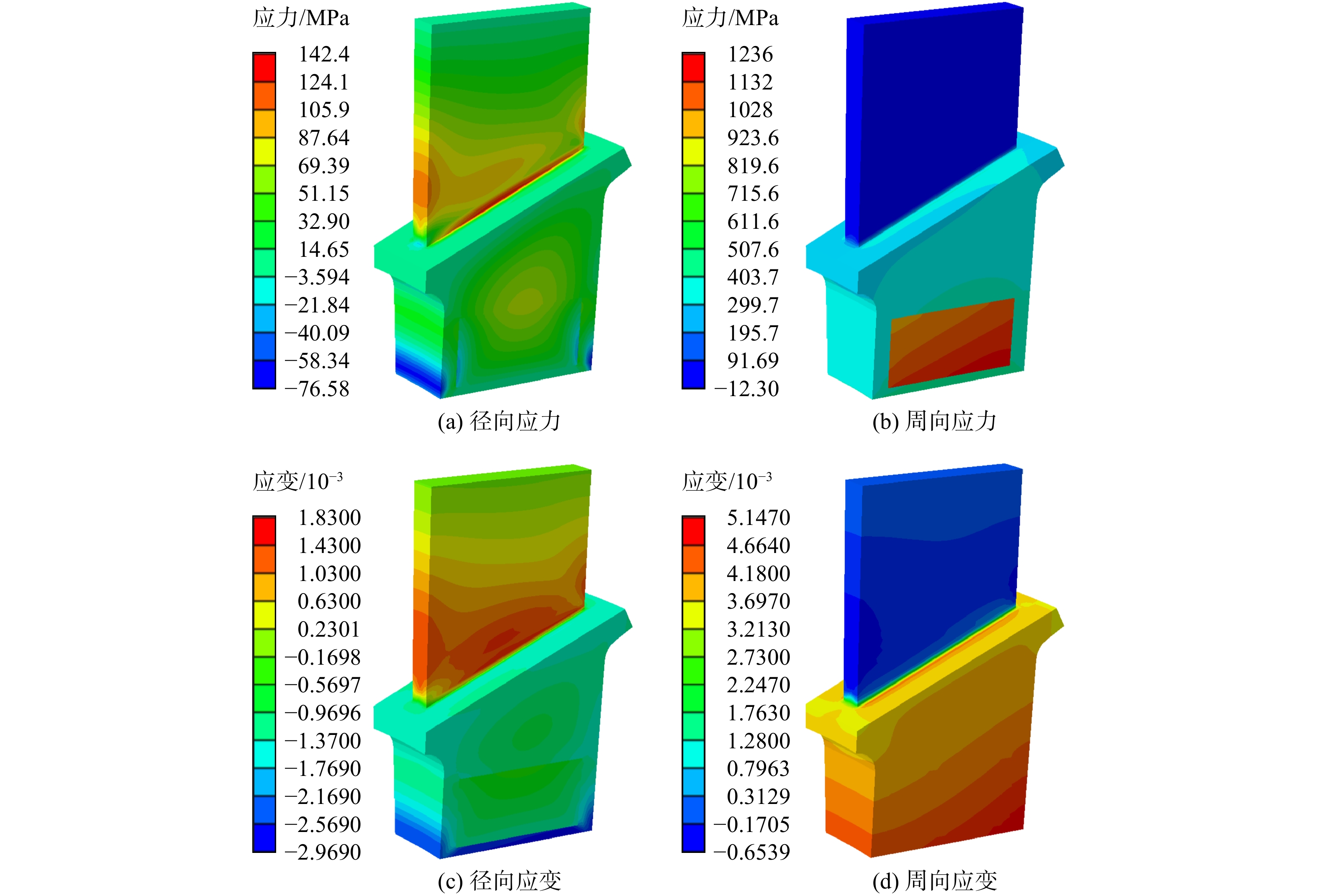
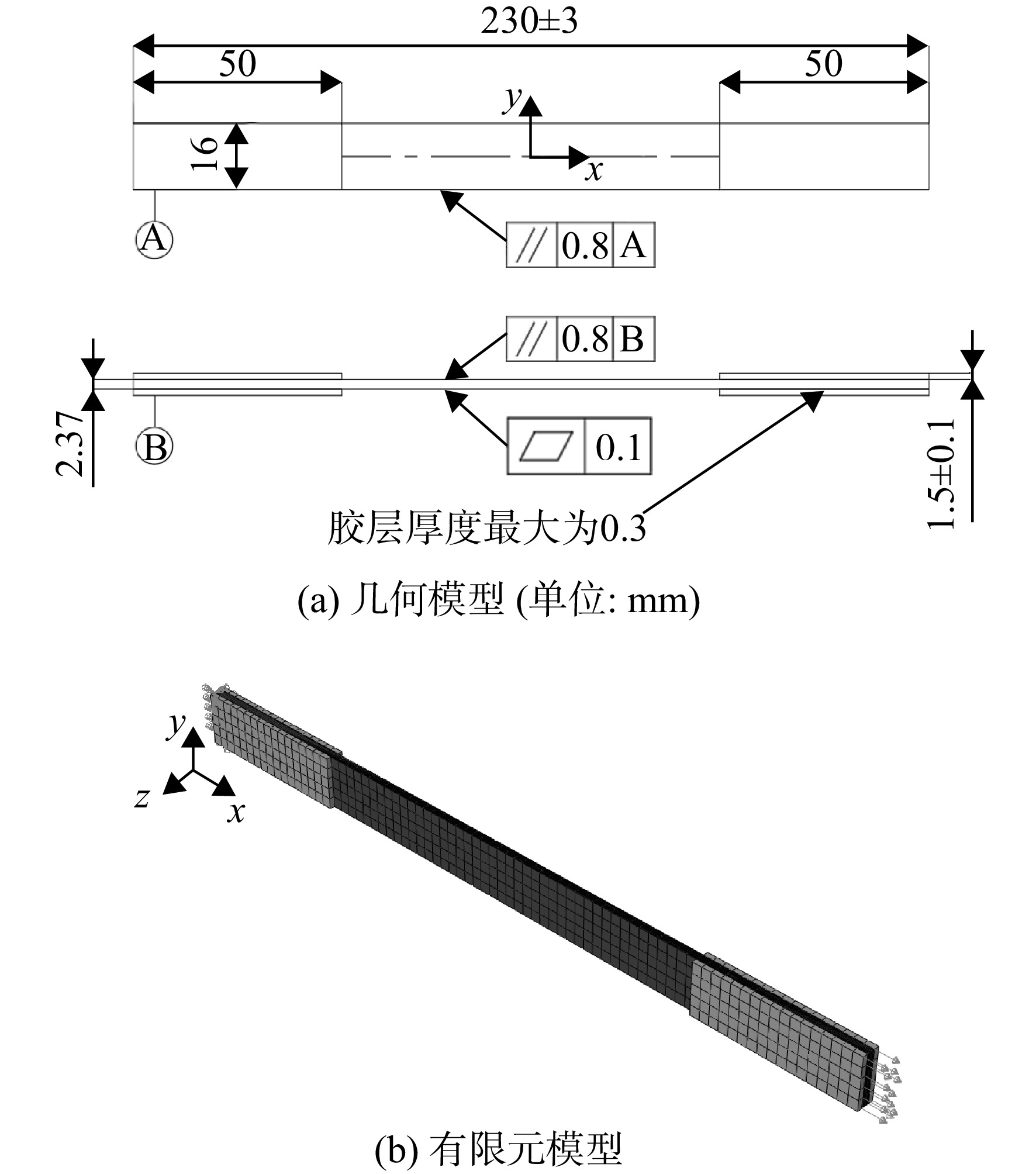
Longitudinal tensile tests were carried out on SiCf/TC17 composites at room/high temperature to investigate the tensile behaviors. The damage evolution and failure mechanisms were revealed based on microscopic fracture morphology analysis. Afterwards, a constitutive model was developed to describe the tensile behaviors of SiCf/TC17 composites. The results showed that the ultimate tensile strength of SiCf/TC17 composites decreased with the increasing temperature, while the nonlinear segment of the stress-strain curve increased. The major failure mechanisms at room temperature (25 ℃) lied in multiple fractures of the interfacial reaction layer and random breakage of weak fibers, whereas large-scale interface debonding and fiber pullout, matrix cracking and fiber breakage were more common at high temperatures. The results of different strength-predicted models demonstrated that the failure mode of SiCf/TC17 composites at 25 ℃ was controlled by local loading sharing, while the high-temperature ultimate tensile strength was more consistent with the global loading sharing model. The stress-strain curve of SiCf/TC17 composites was simulated by the proposed constitutive model with coupling fiber cumulative damage. The simulation results exhibited a trend similar to that of the experimental data at 25 ℃ and 450 ℃. Finally, based on the tensile properties obtained from the tests, finite element stress-strain analysis and static strength calibration of the TMCs blade-ring structure were carried out. The result indicated that the blade-ring structure exhibited a significantly elevated strength reserve factor at the typical service temperature.

Fault warning method for aircraft engine rolling bearings based on characteristic energy
LUAN Xiaochi, ZHAO Junhao, SHA Yundong, LIU Xinhang, ZHANG Wenhao, YANG Jie
2025, 40(7): 20240094. doi: 10.13224/j.cnki.jasp.20240094
Abstract:

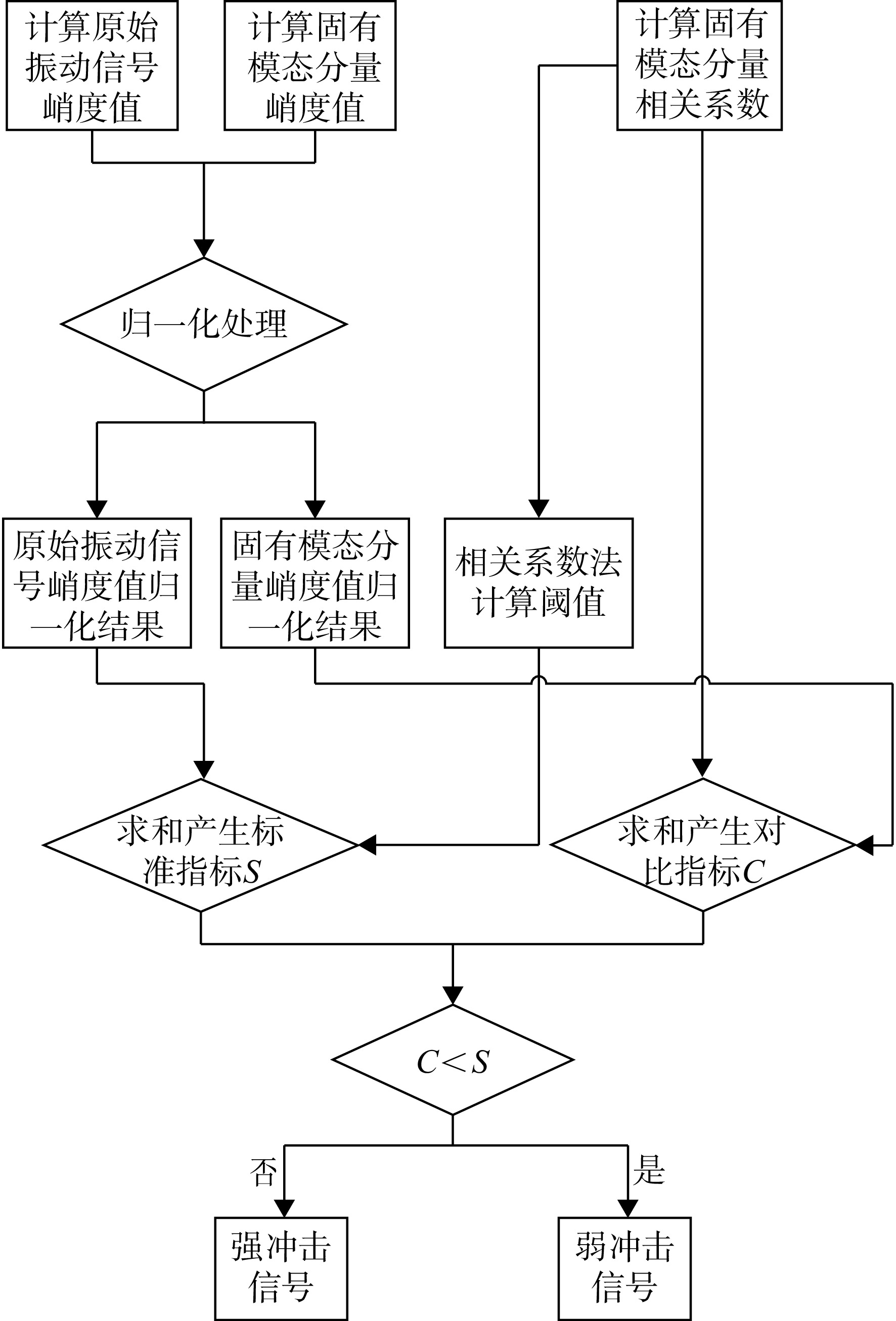
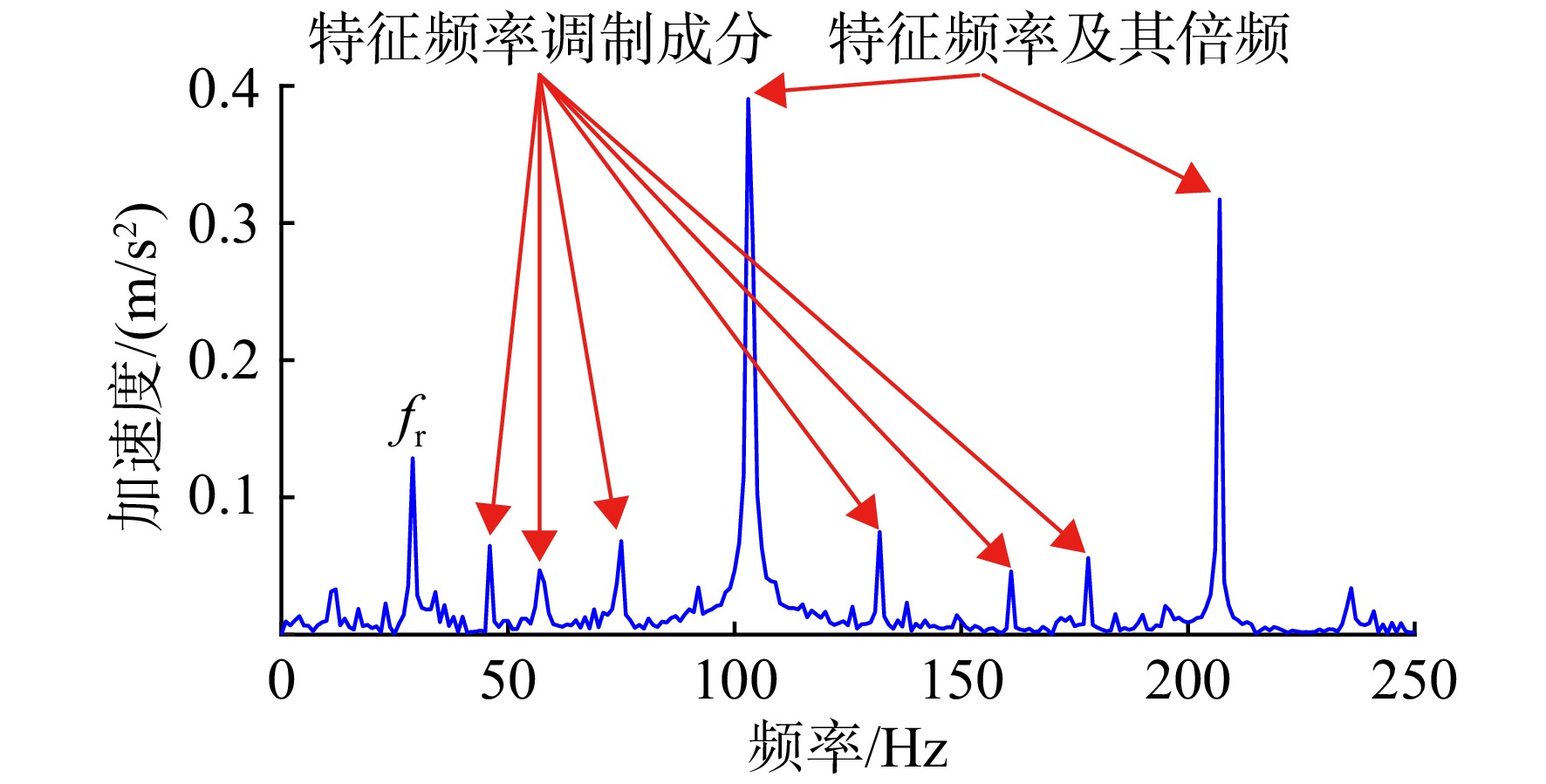
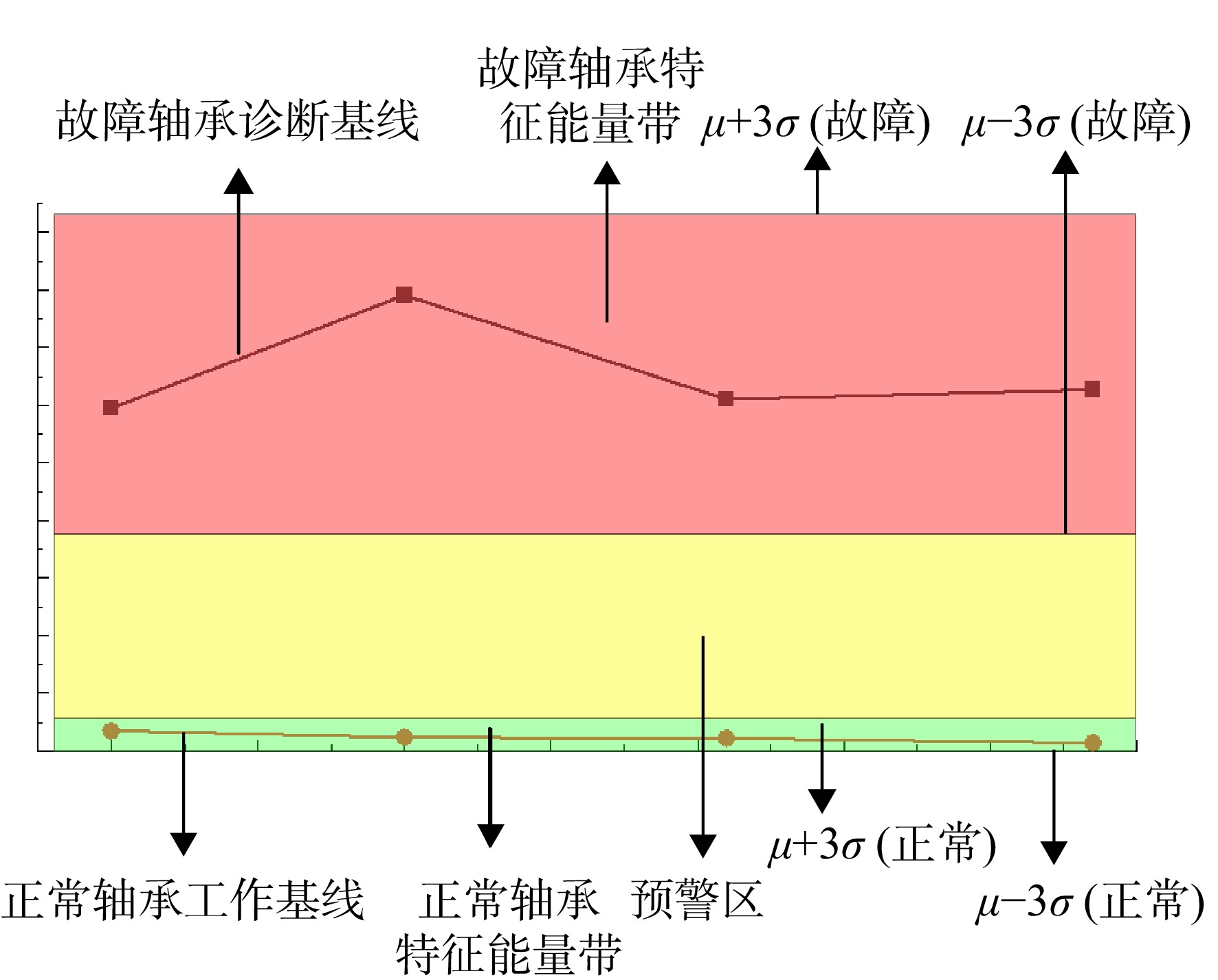
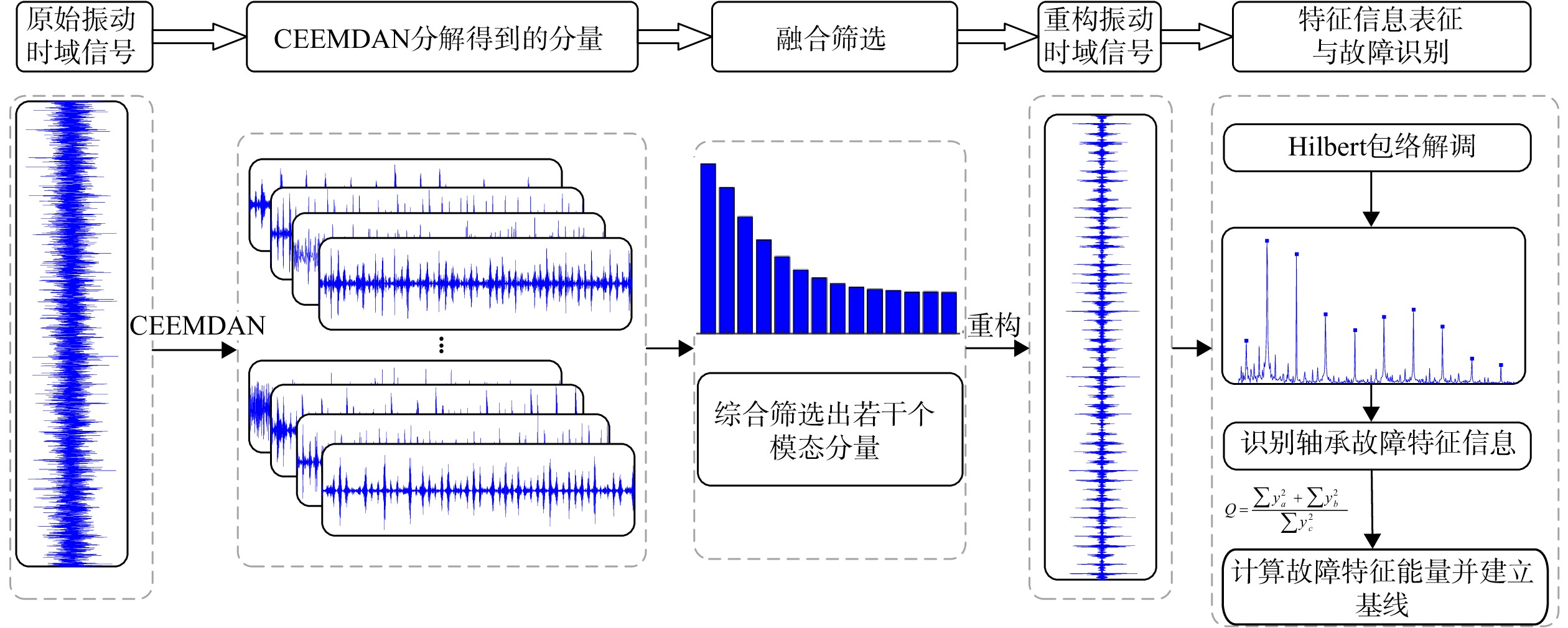
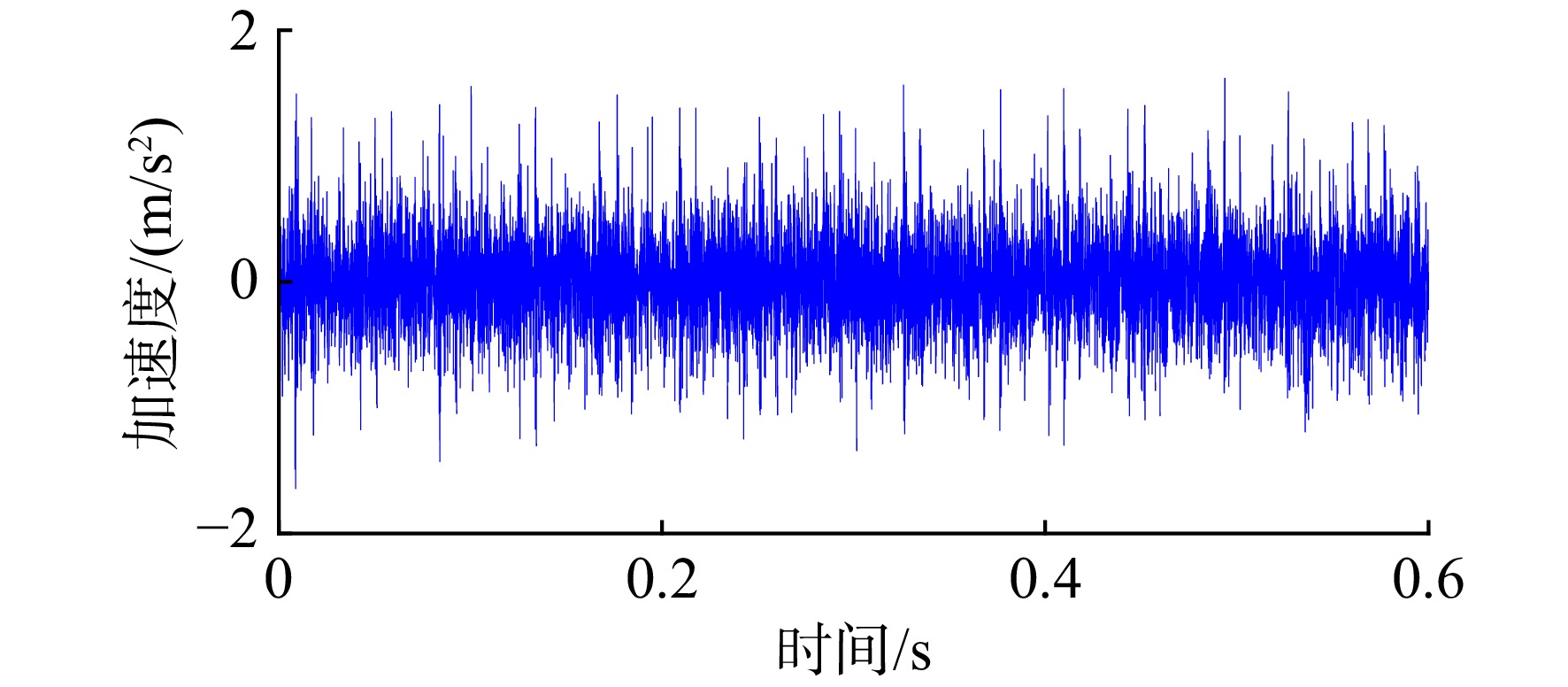
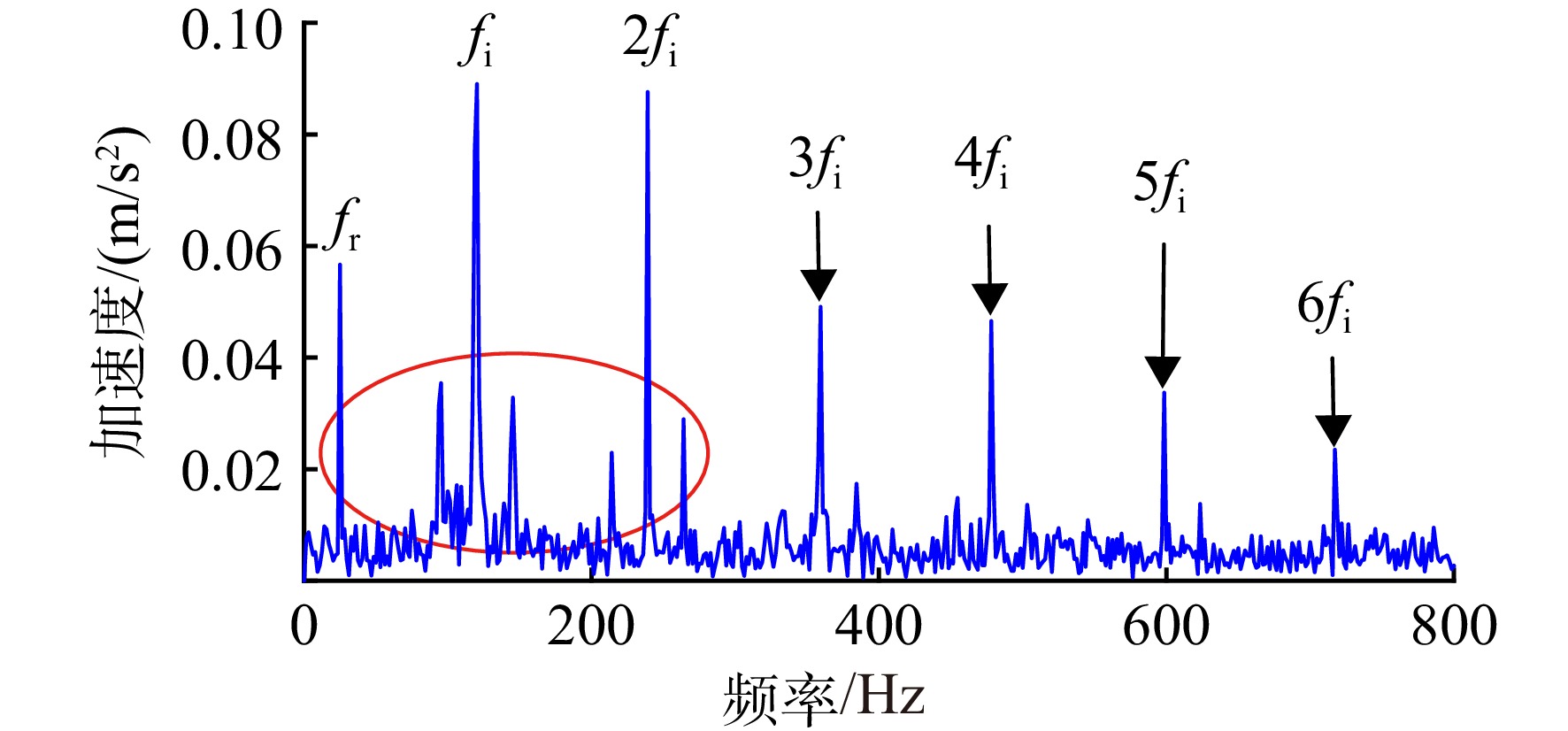
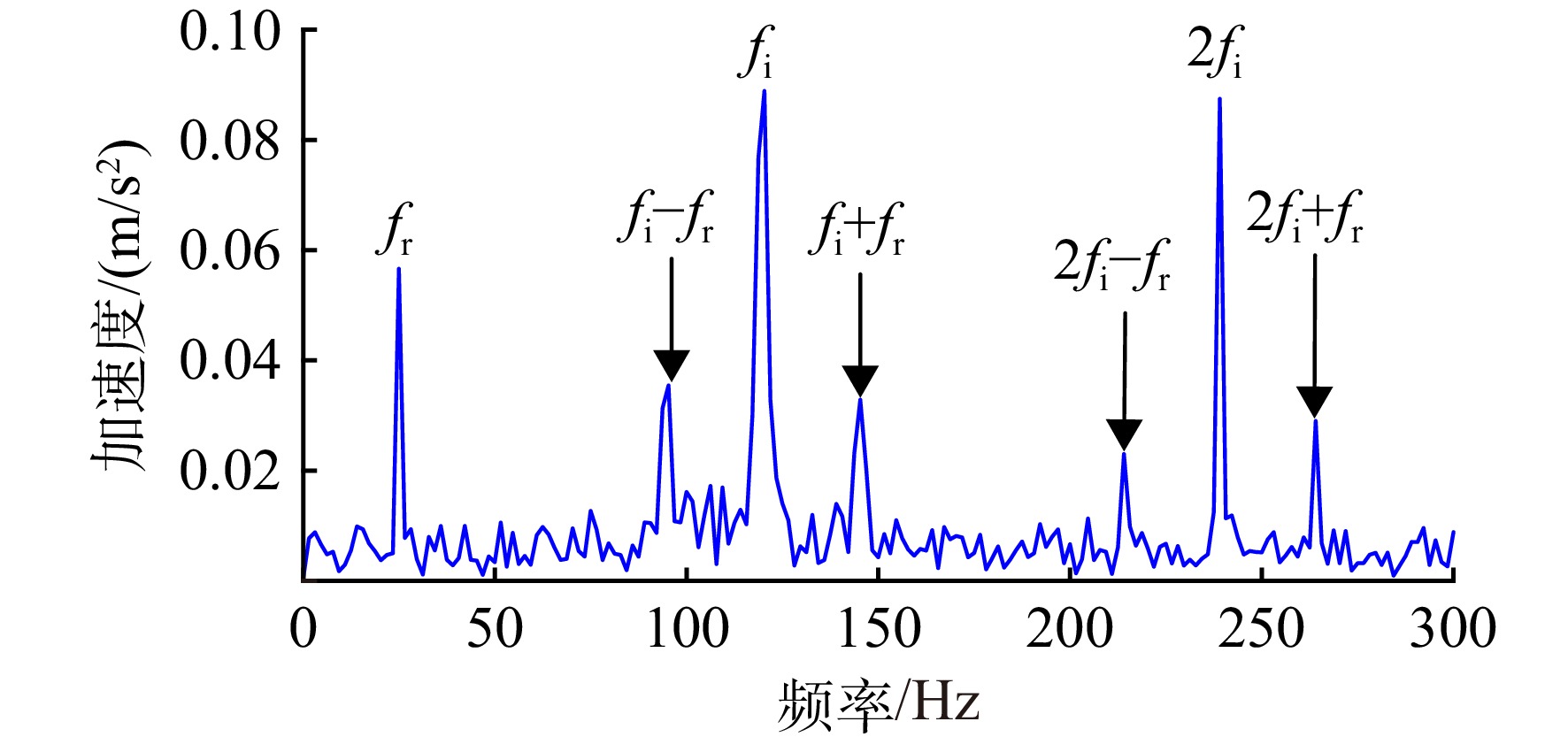
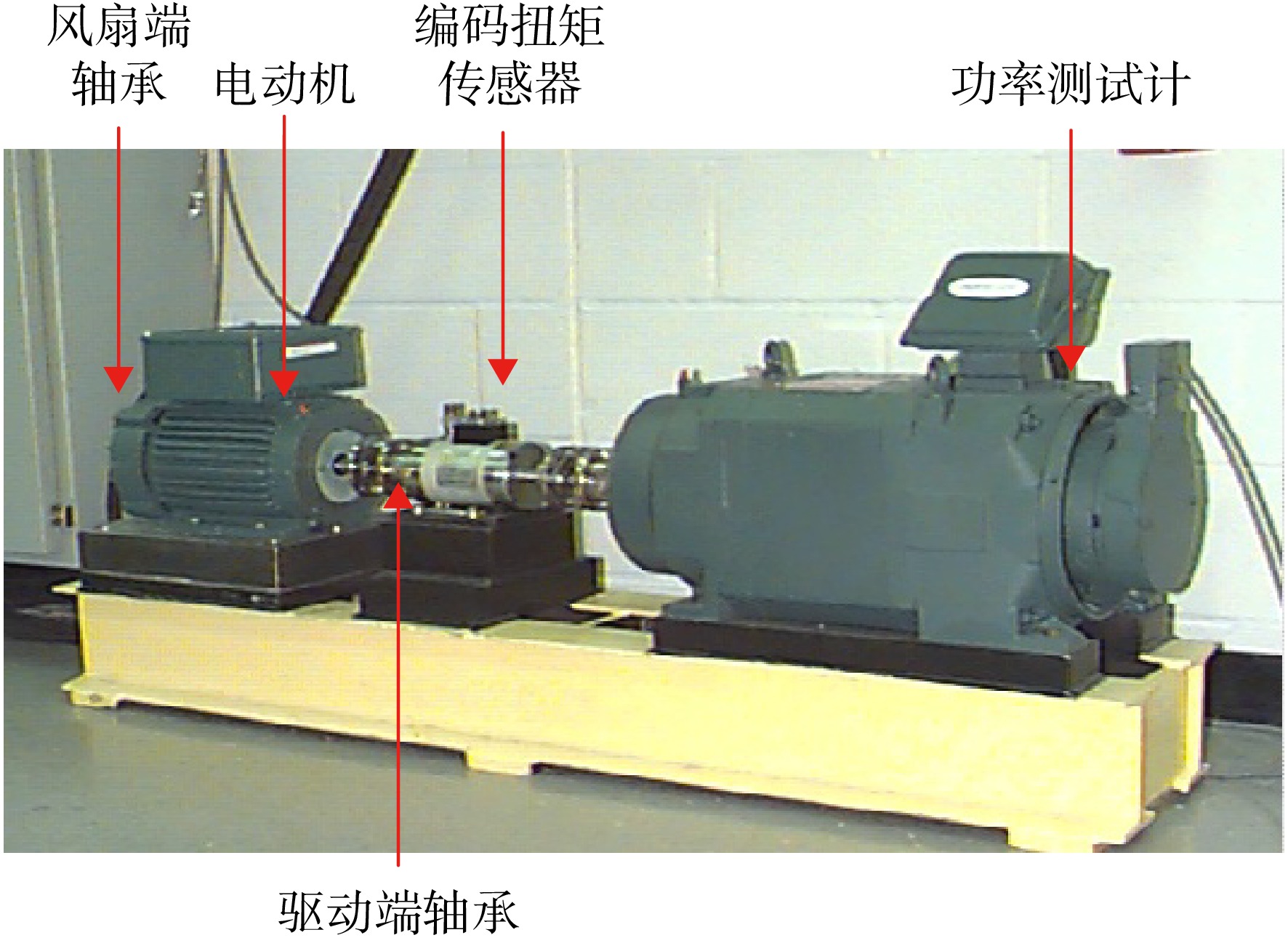
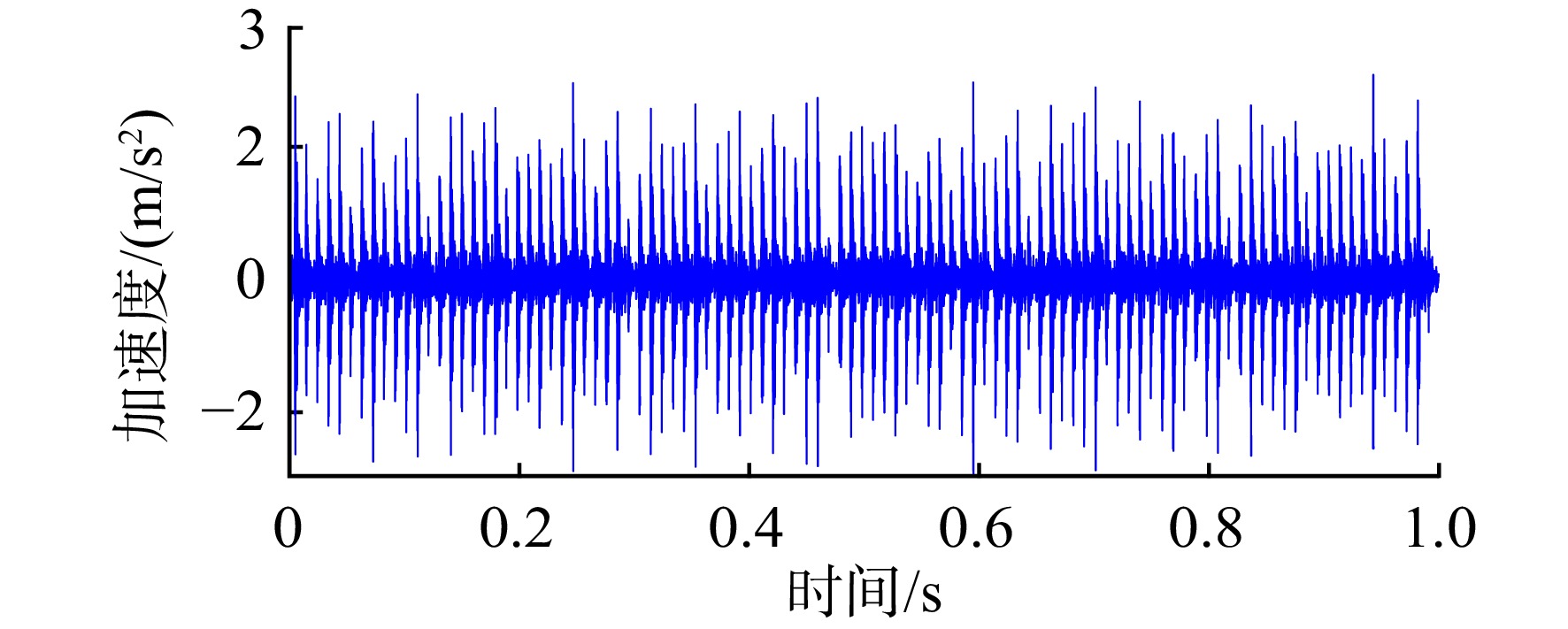
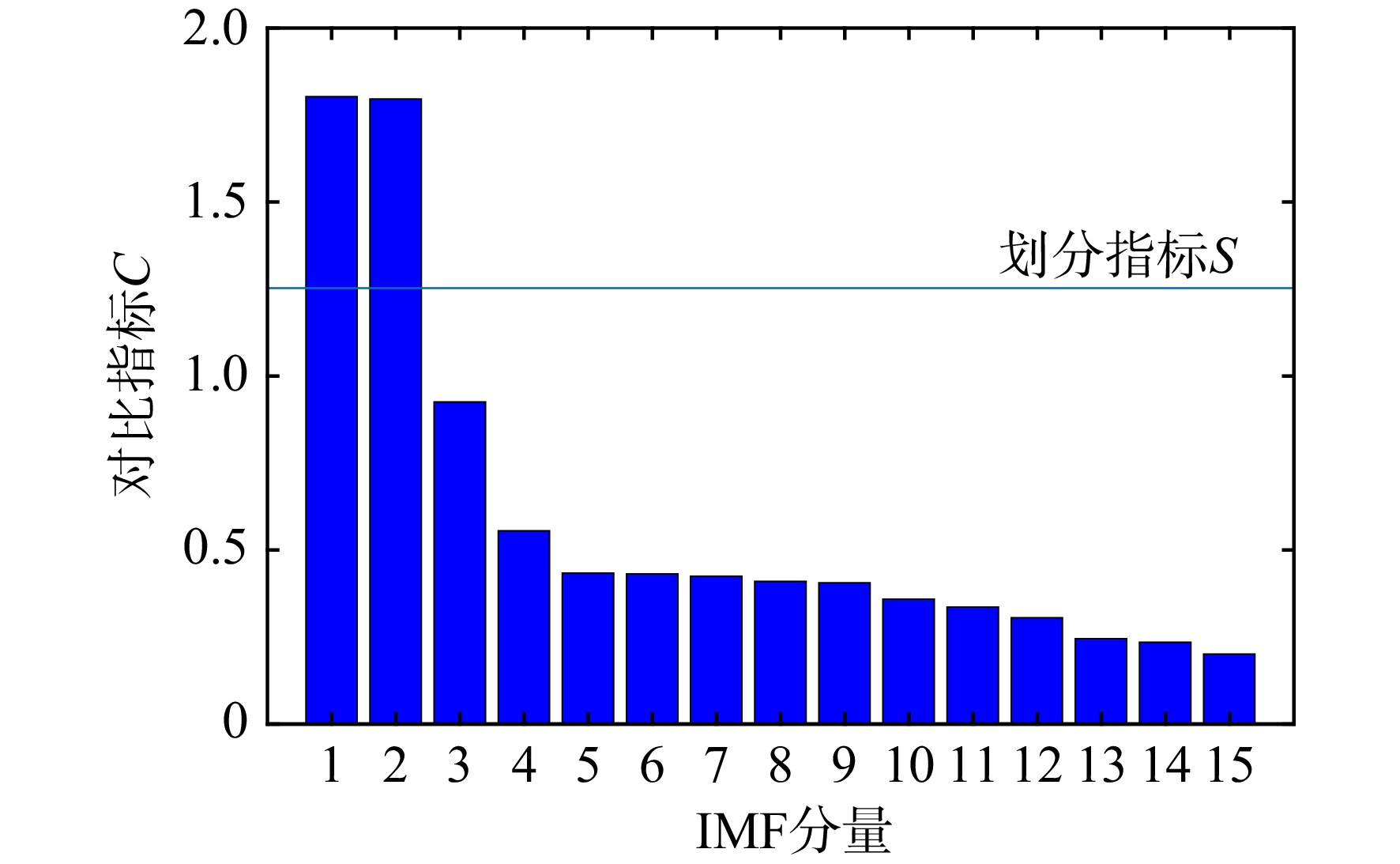
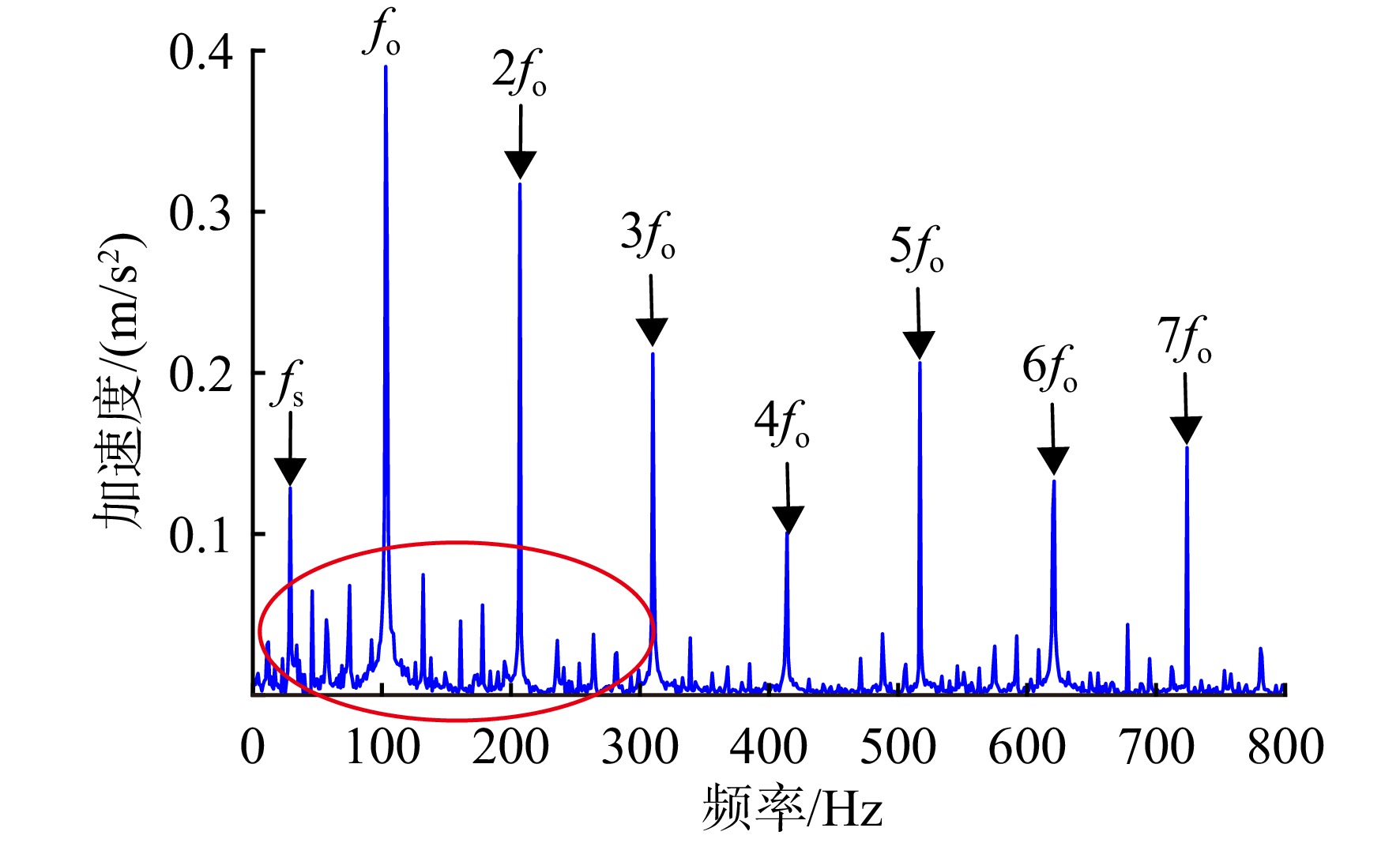
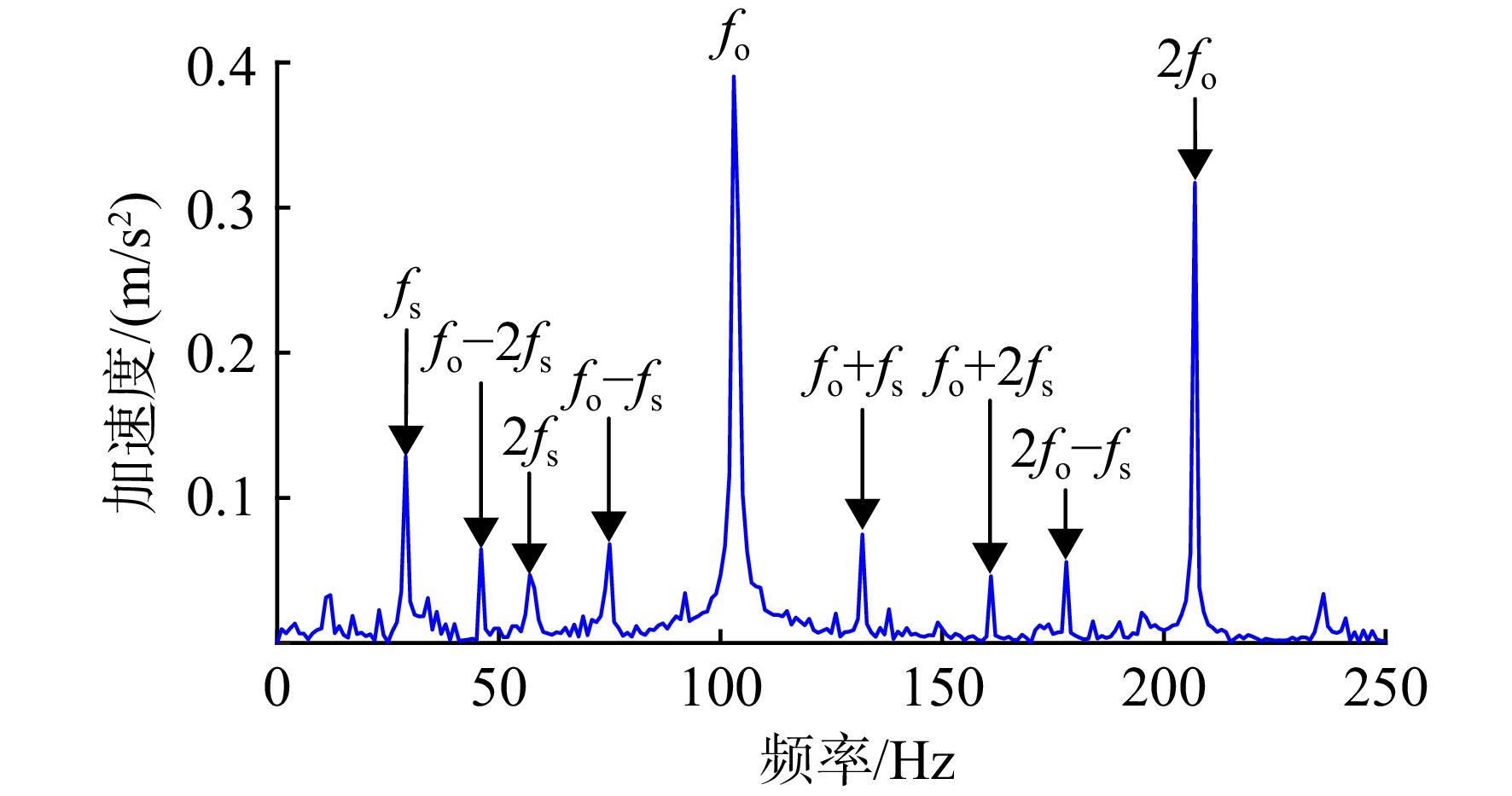
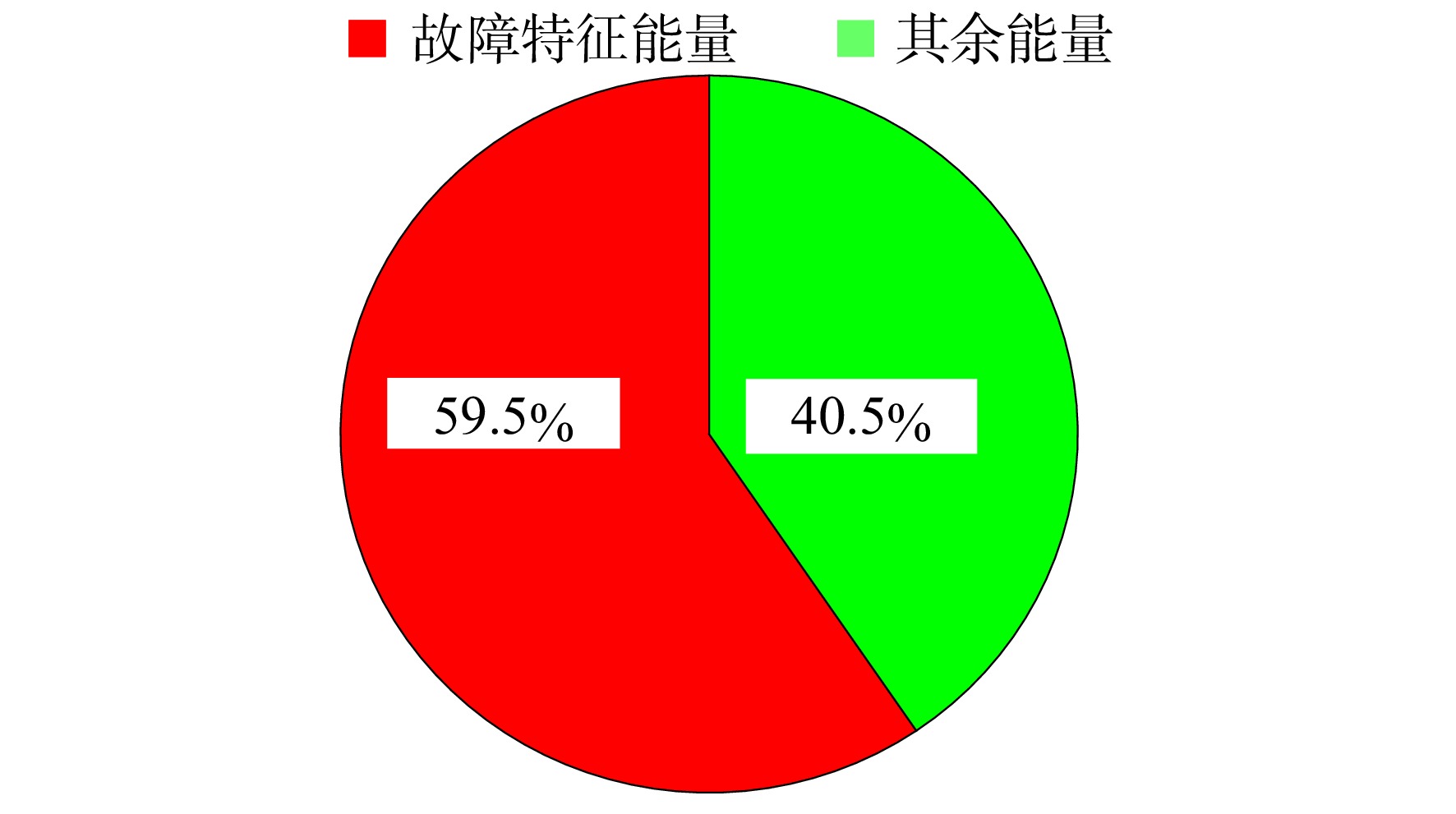
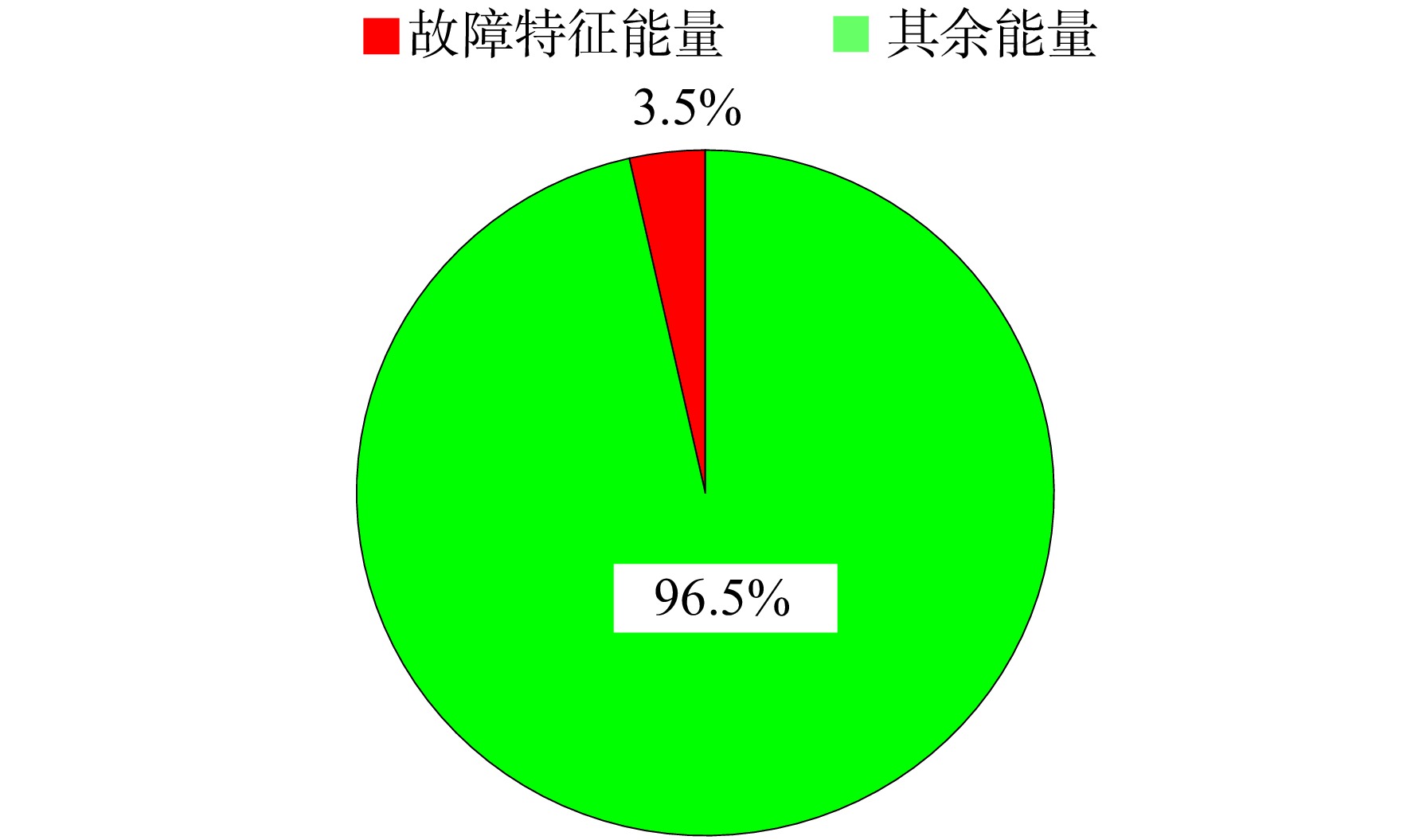
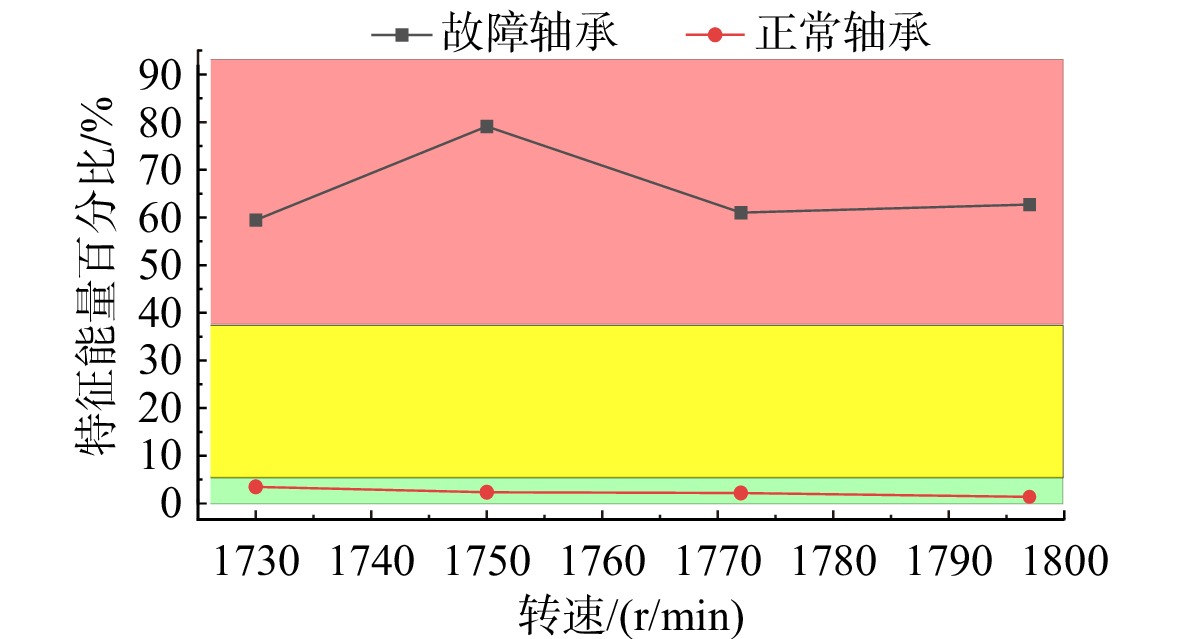
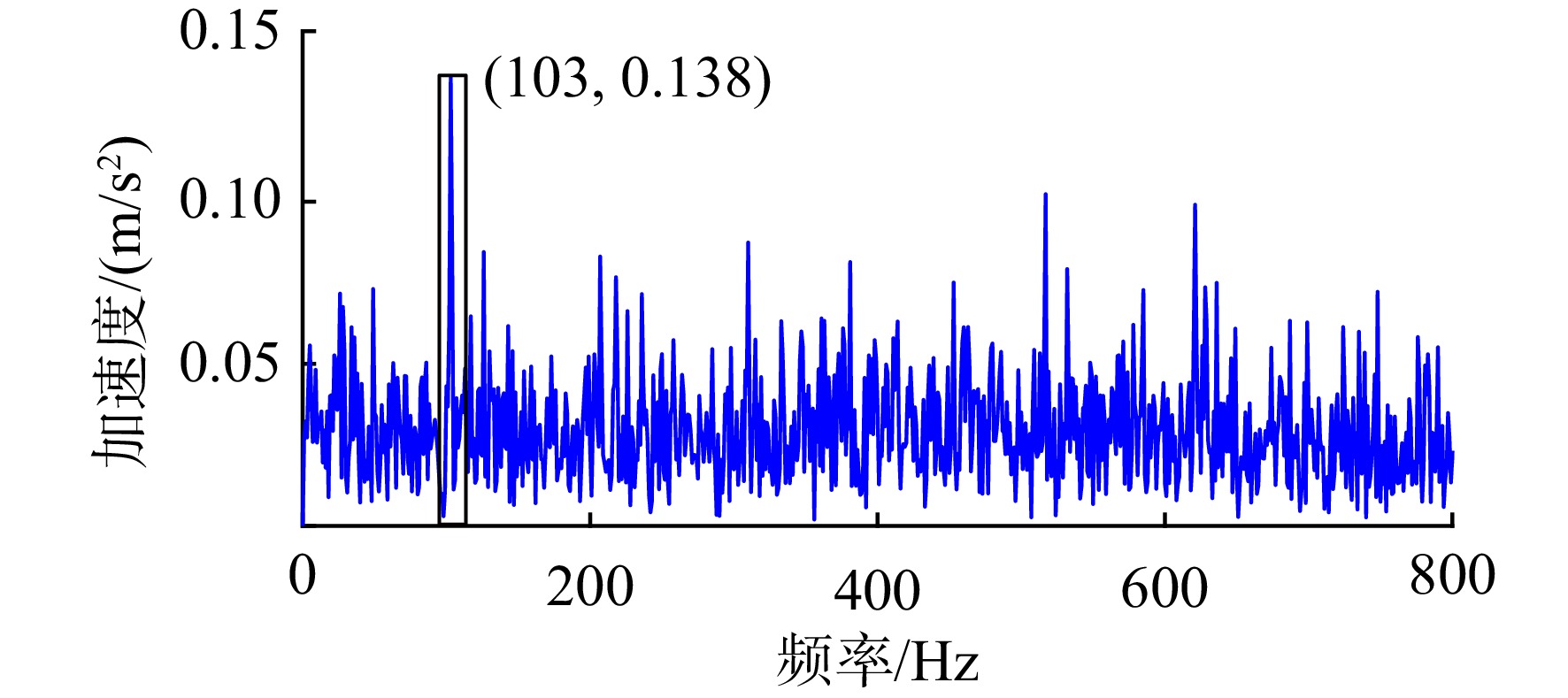
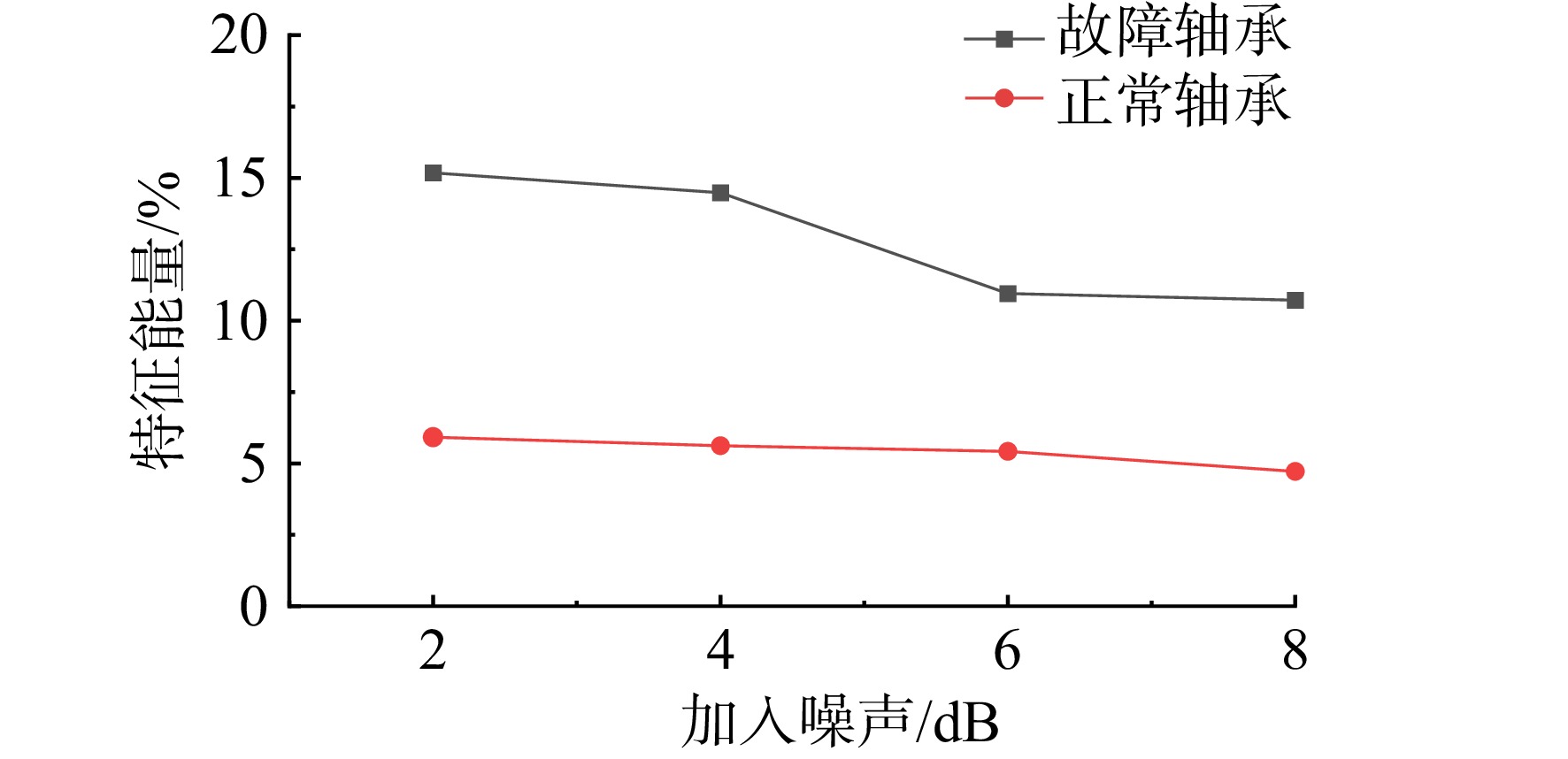
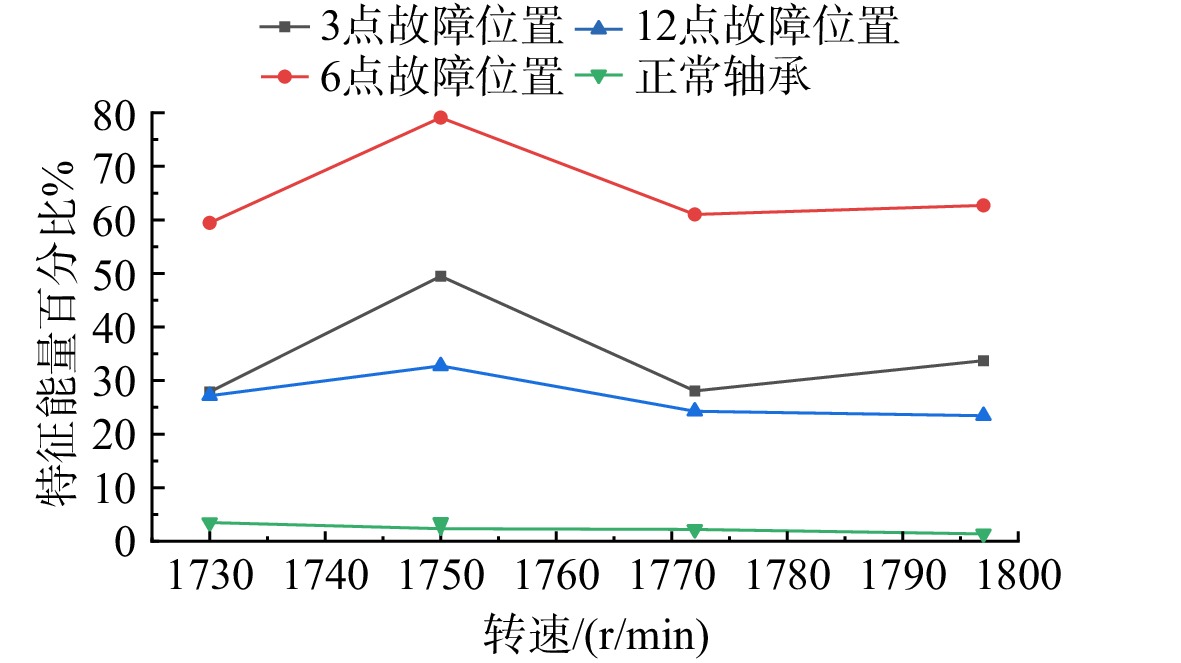
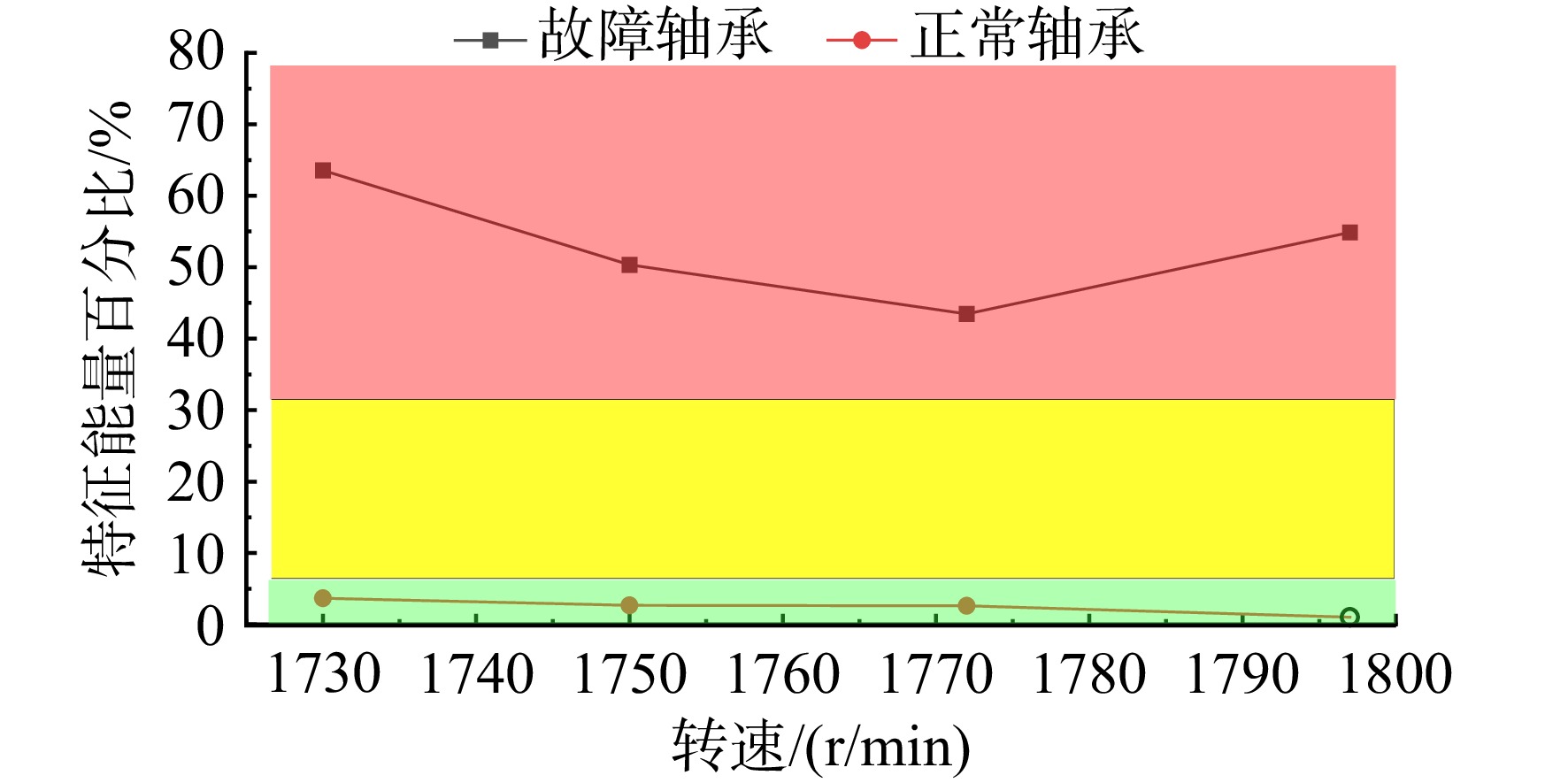
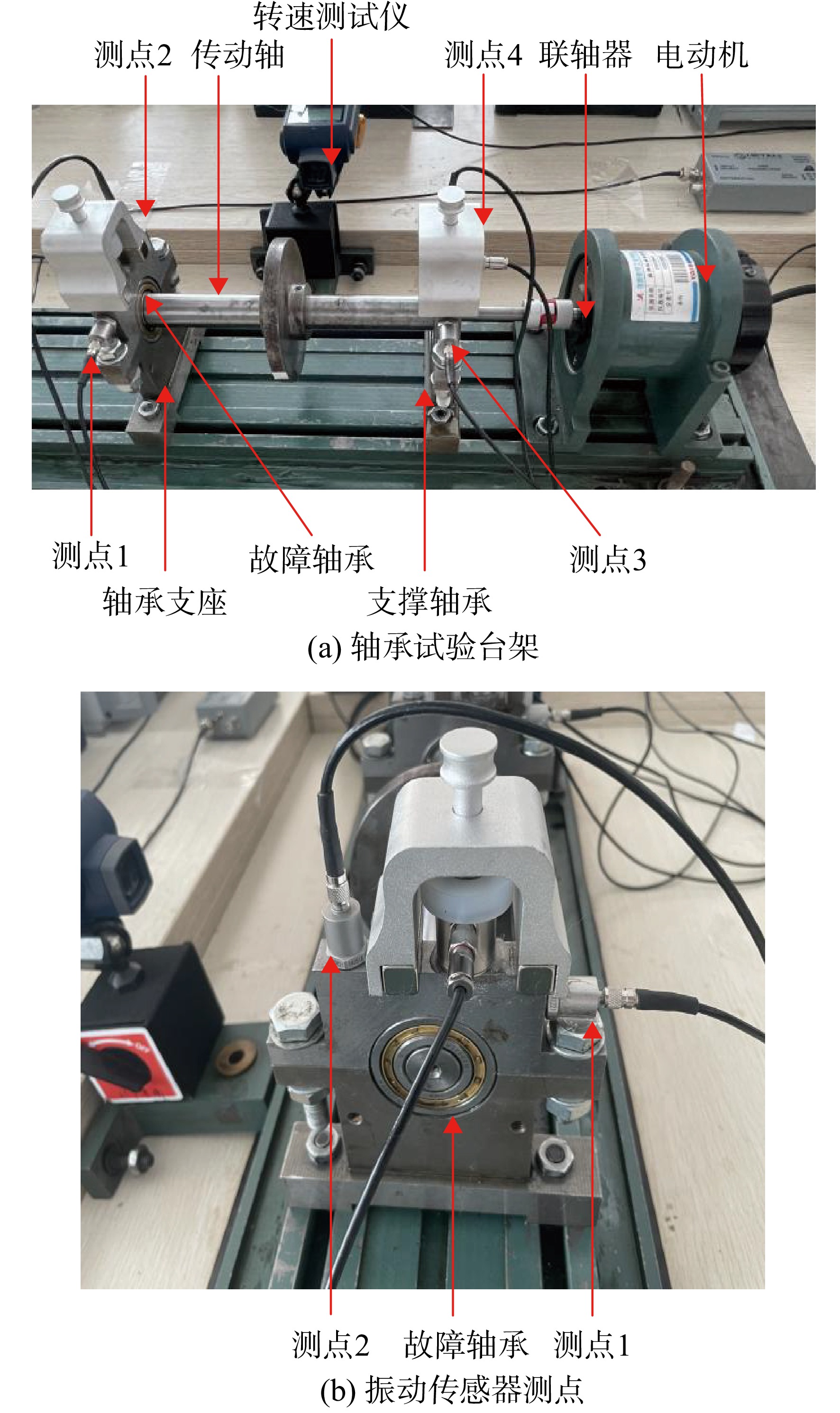
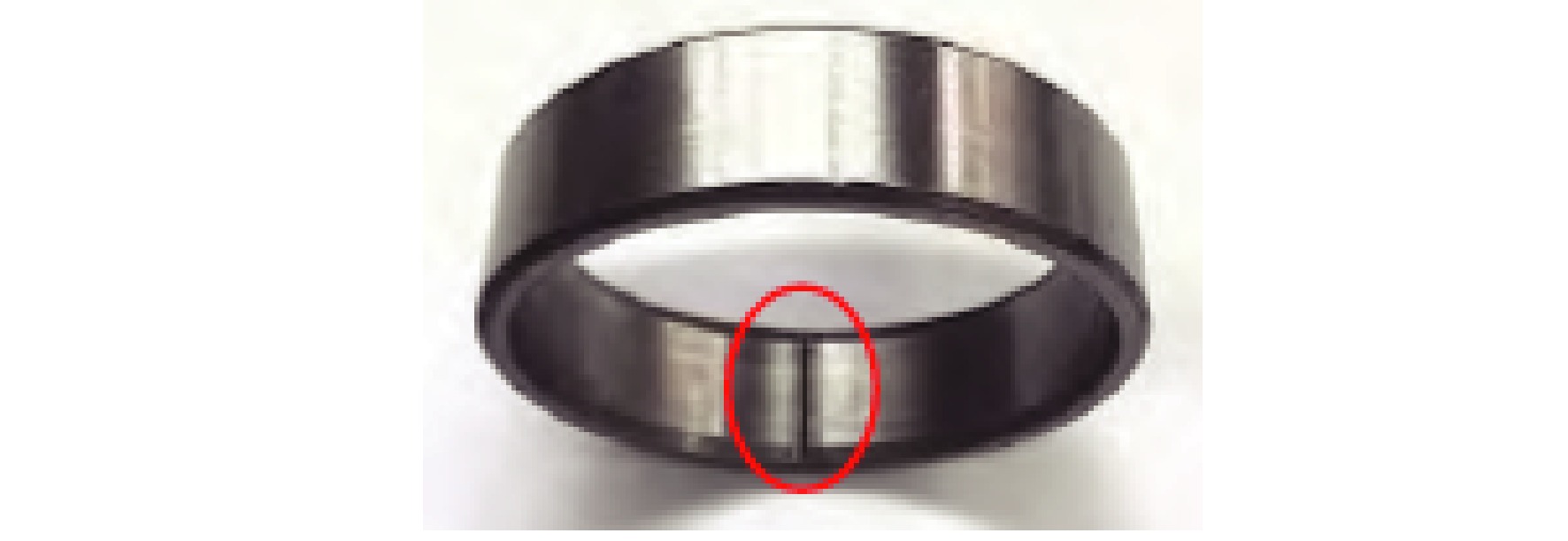
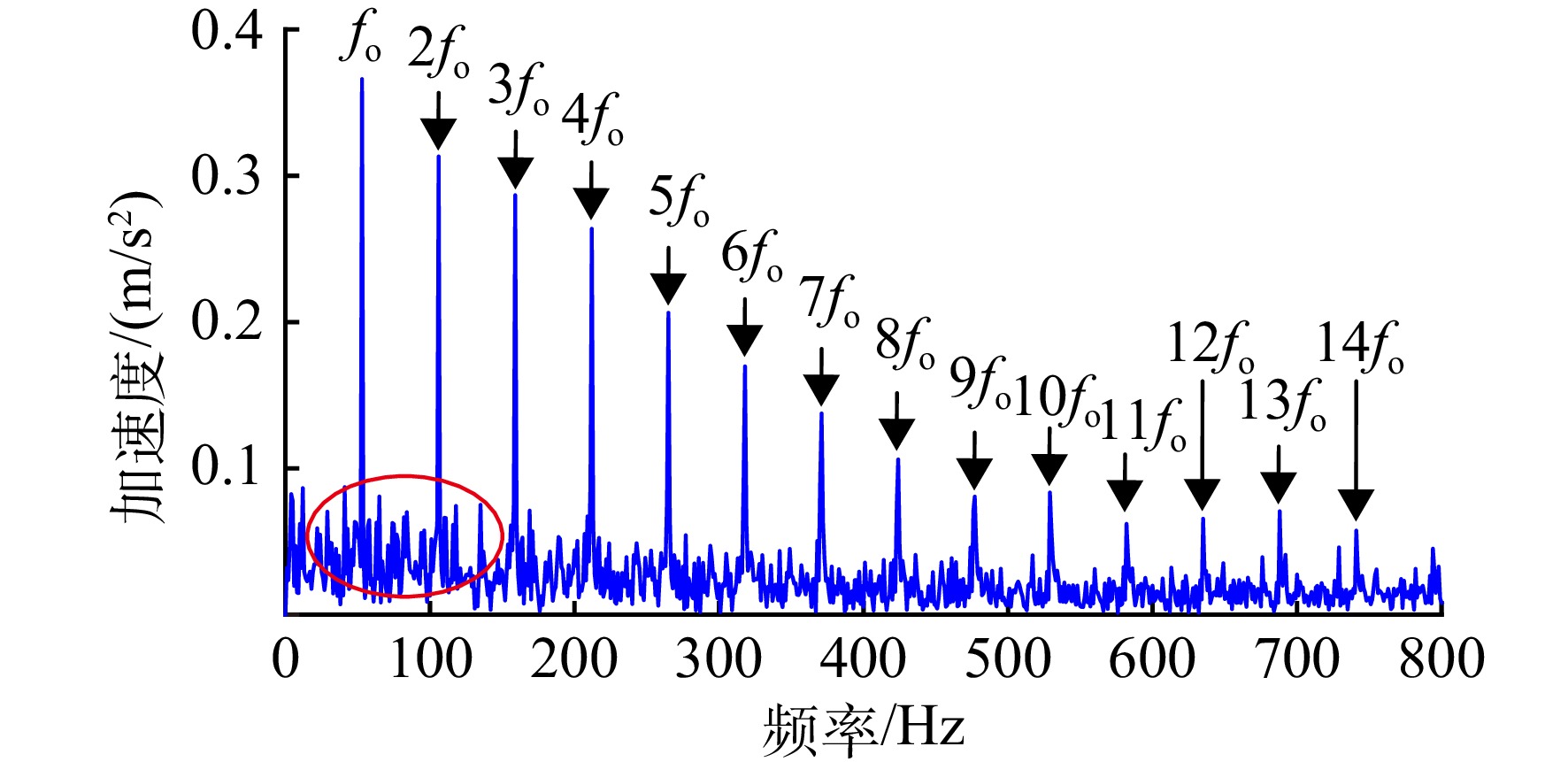
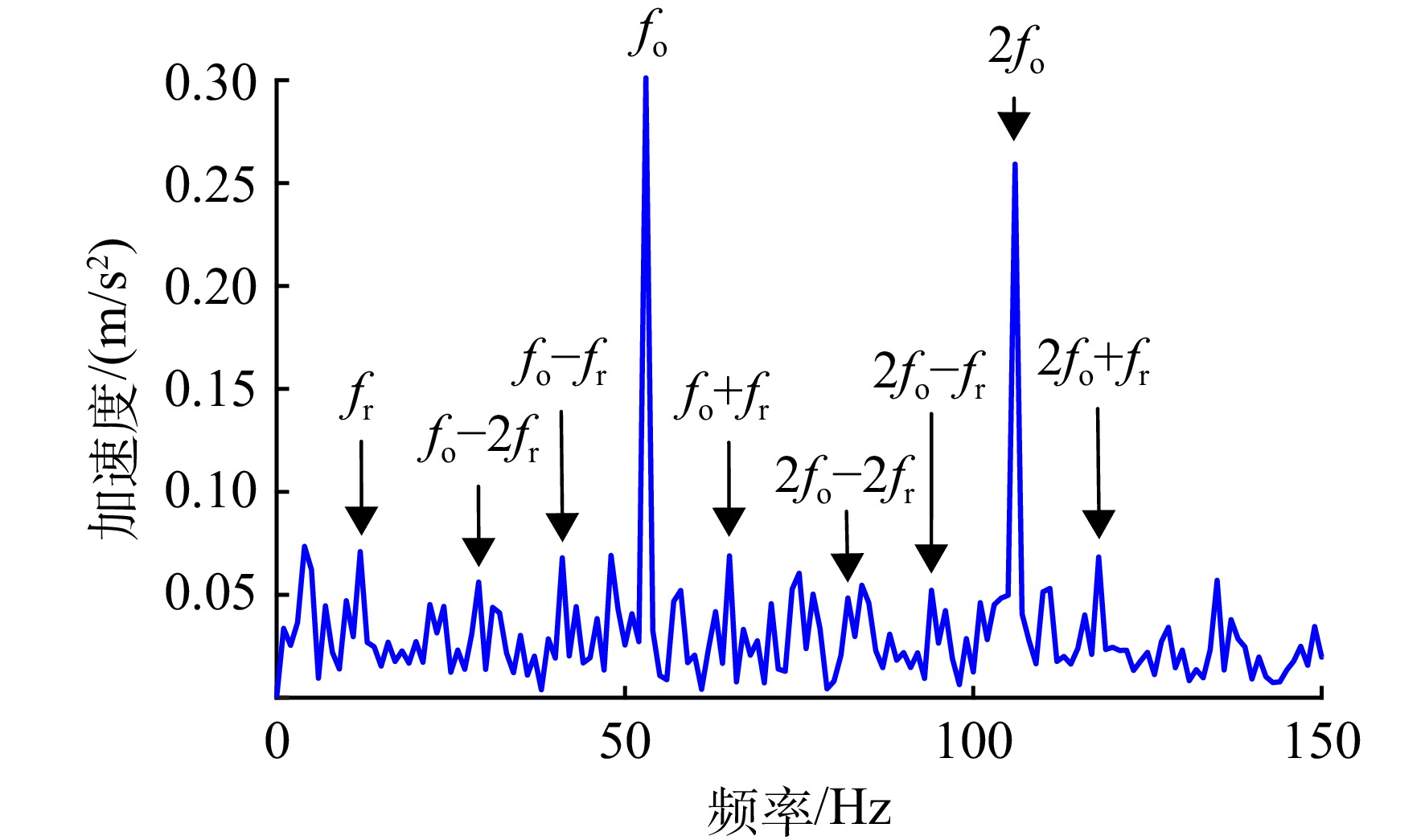
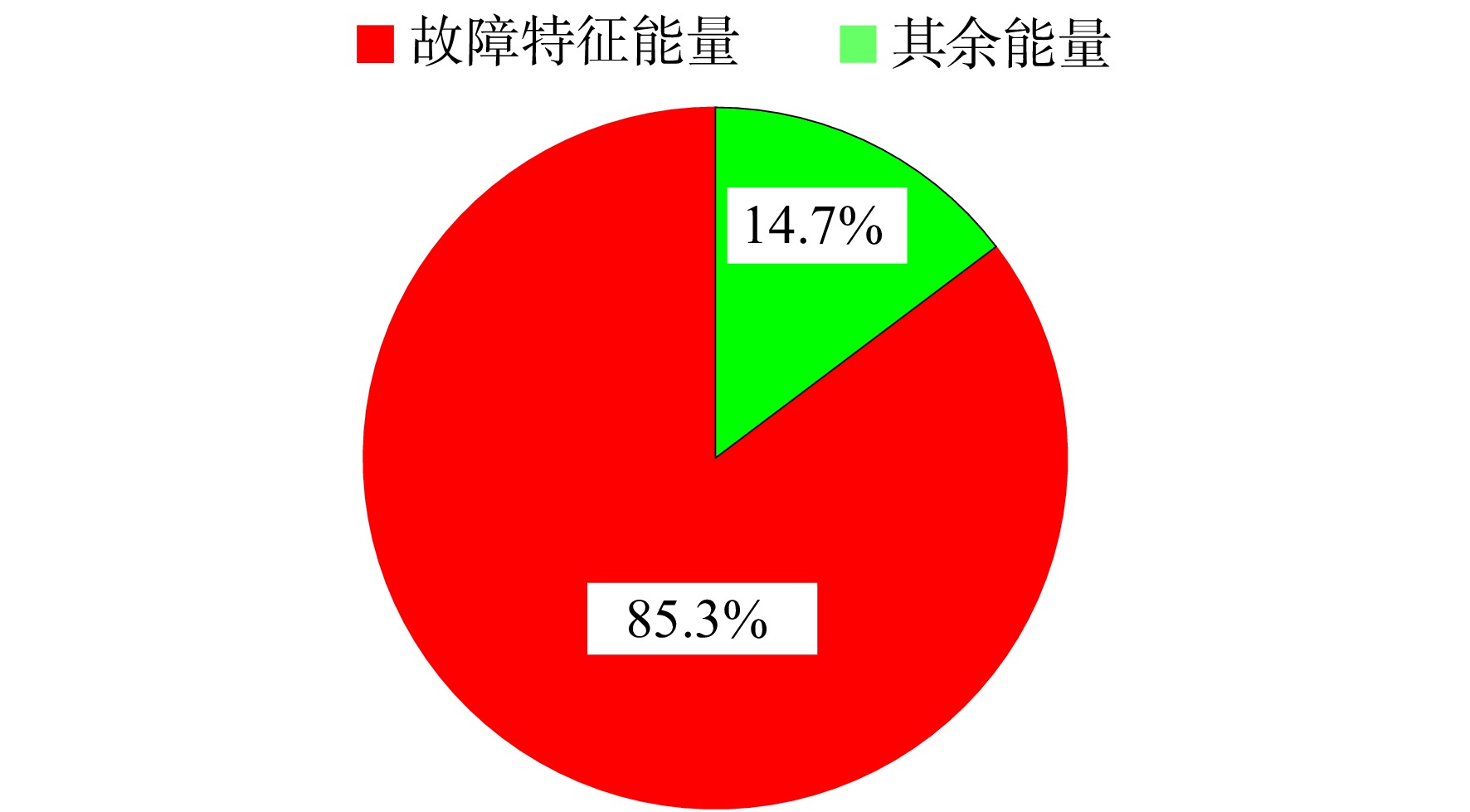
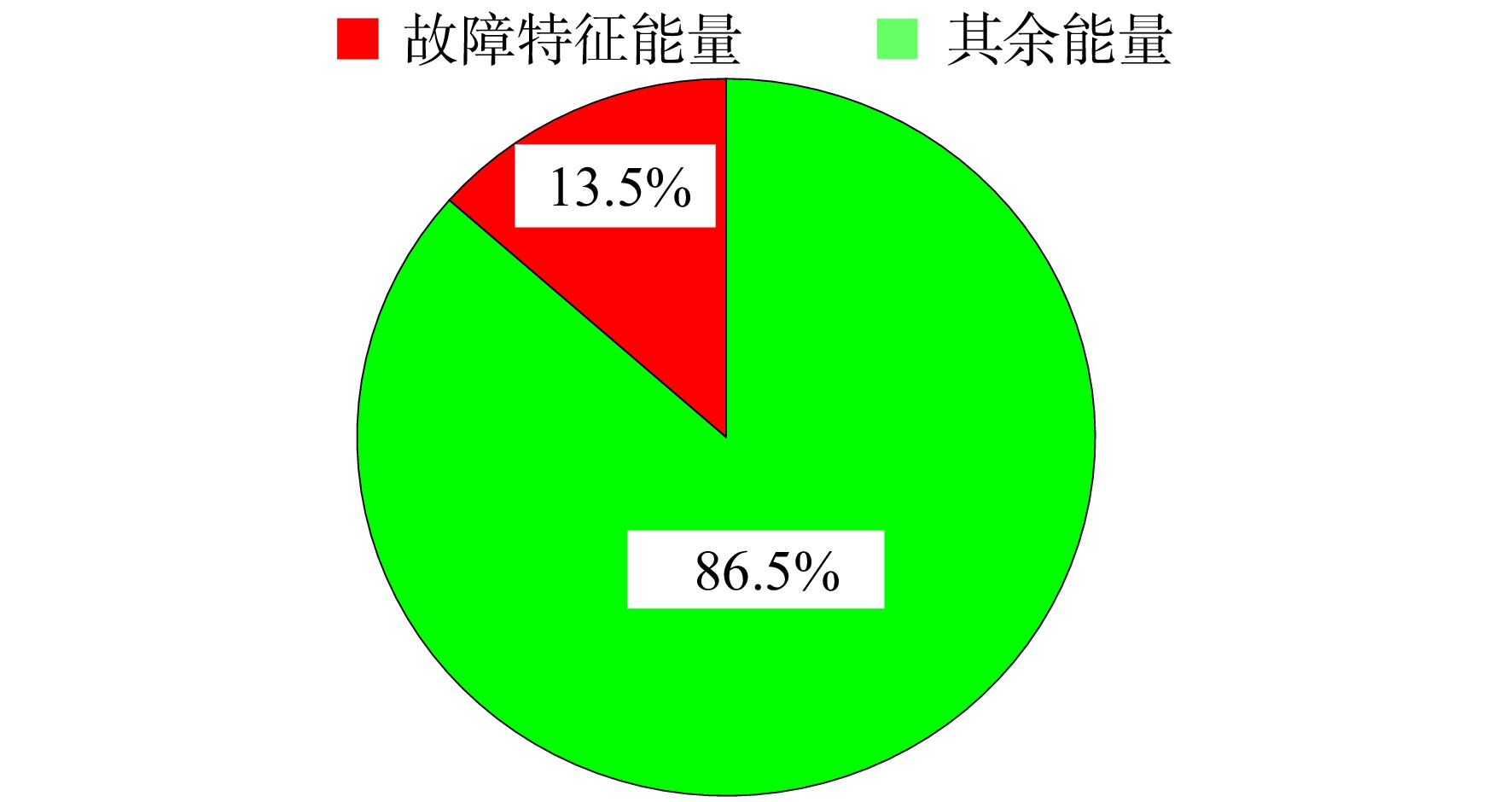
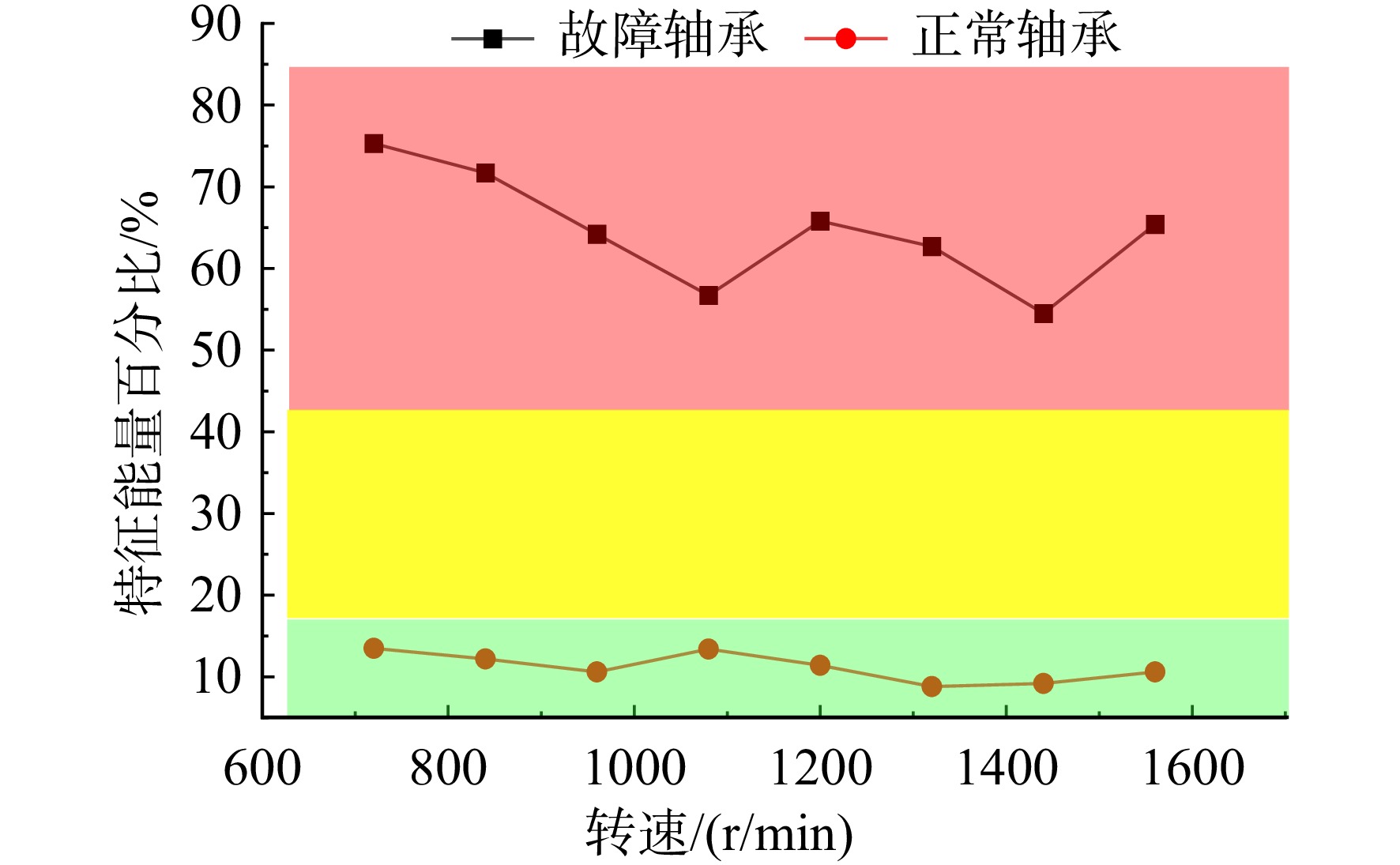
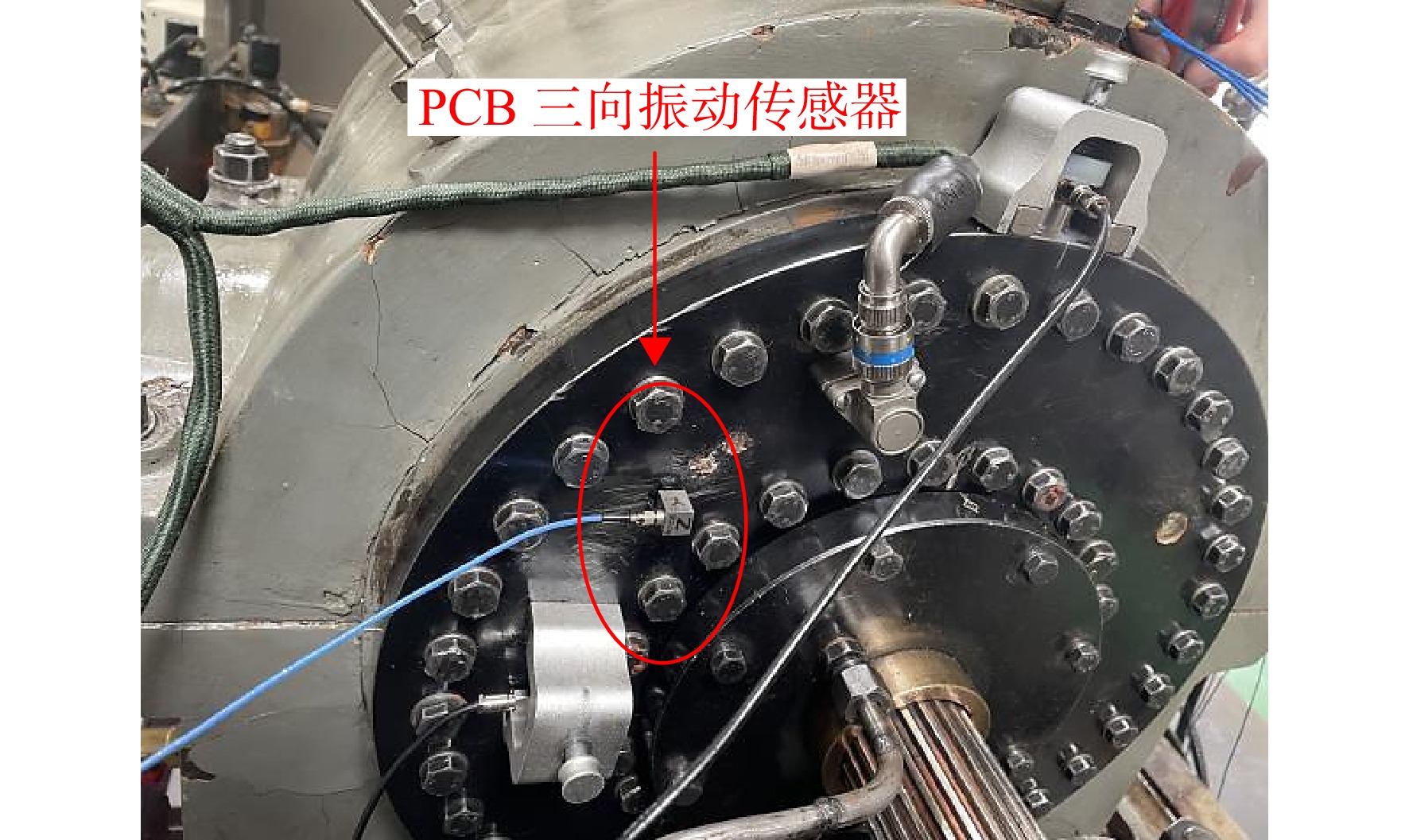
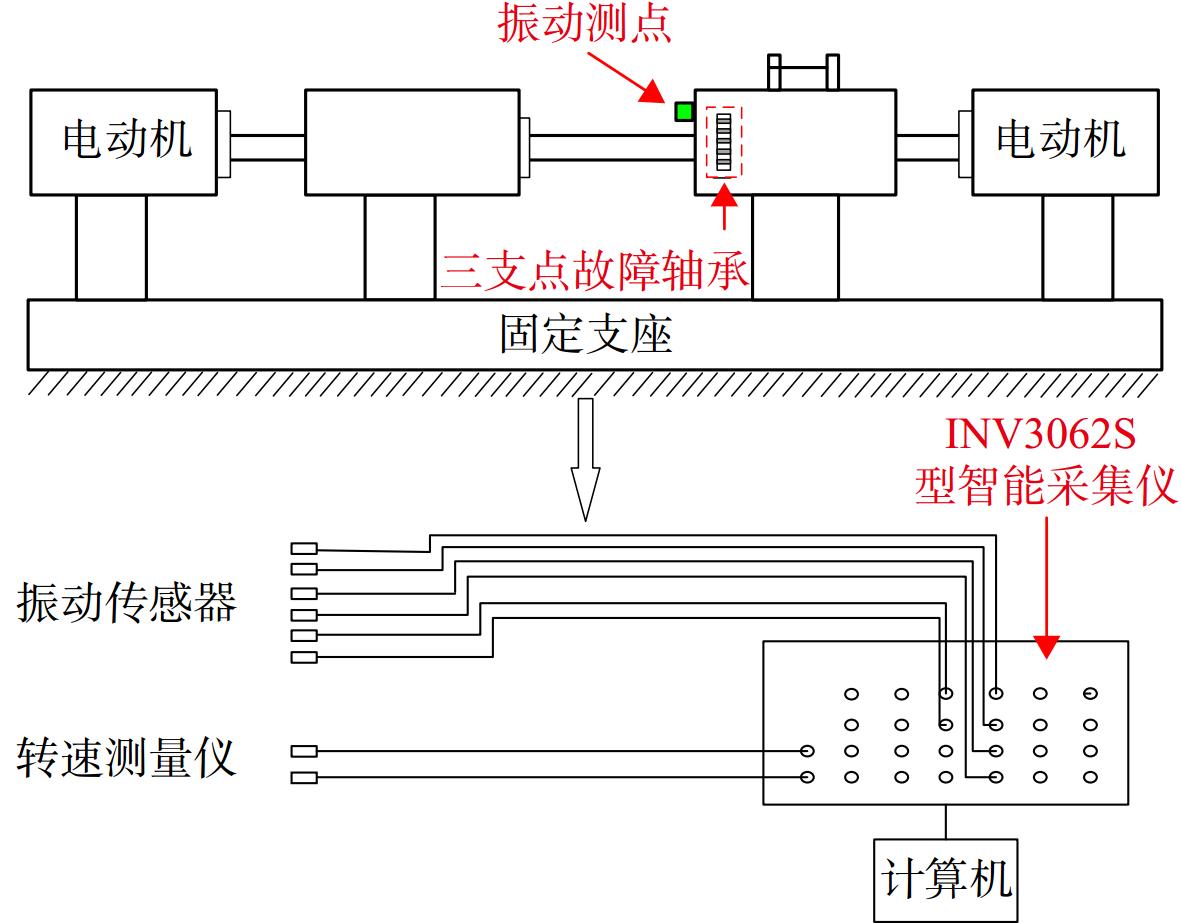
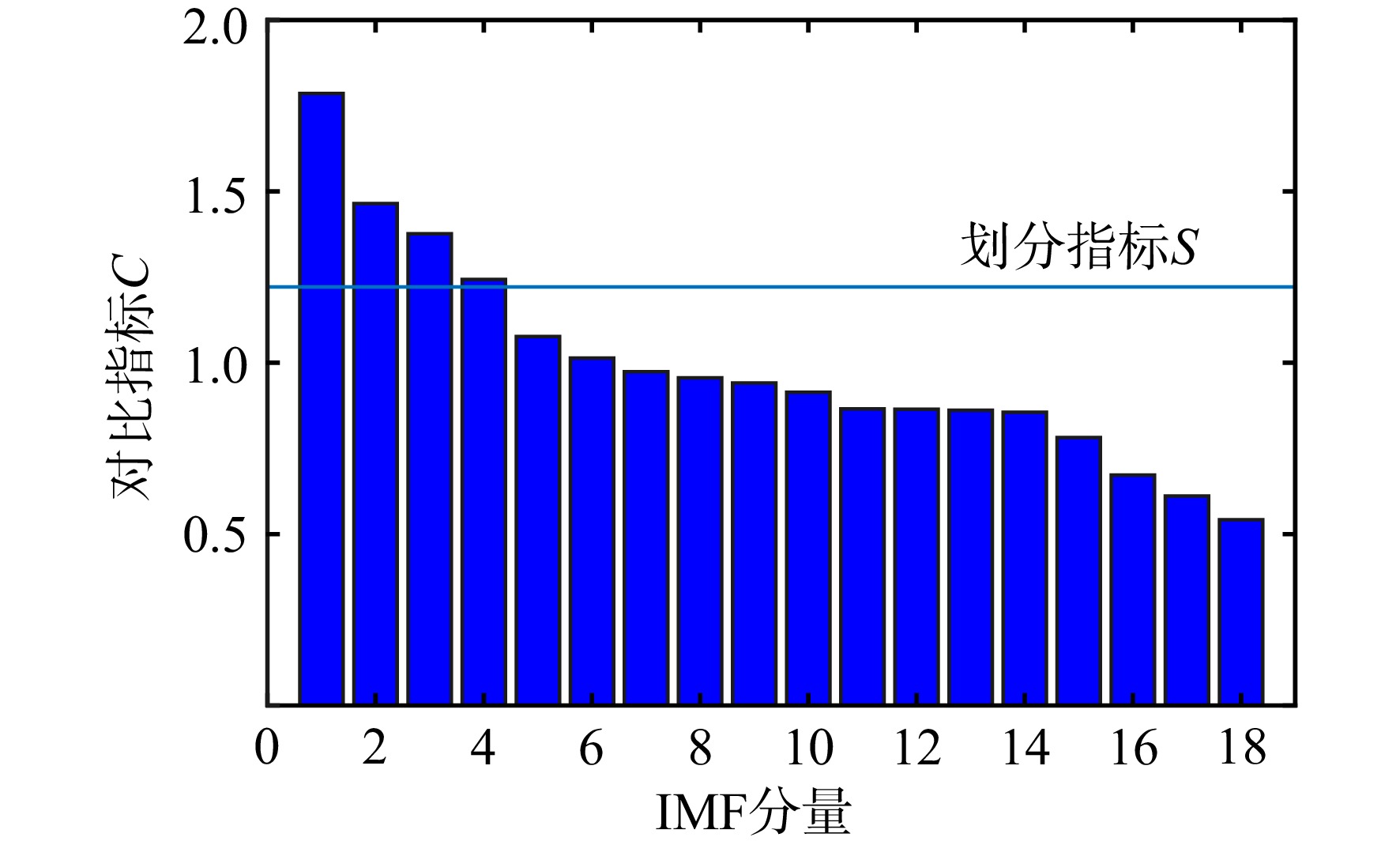
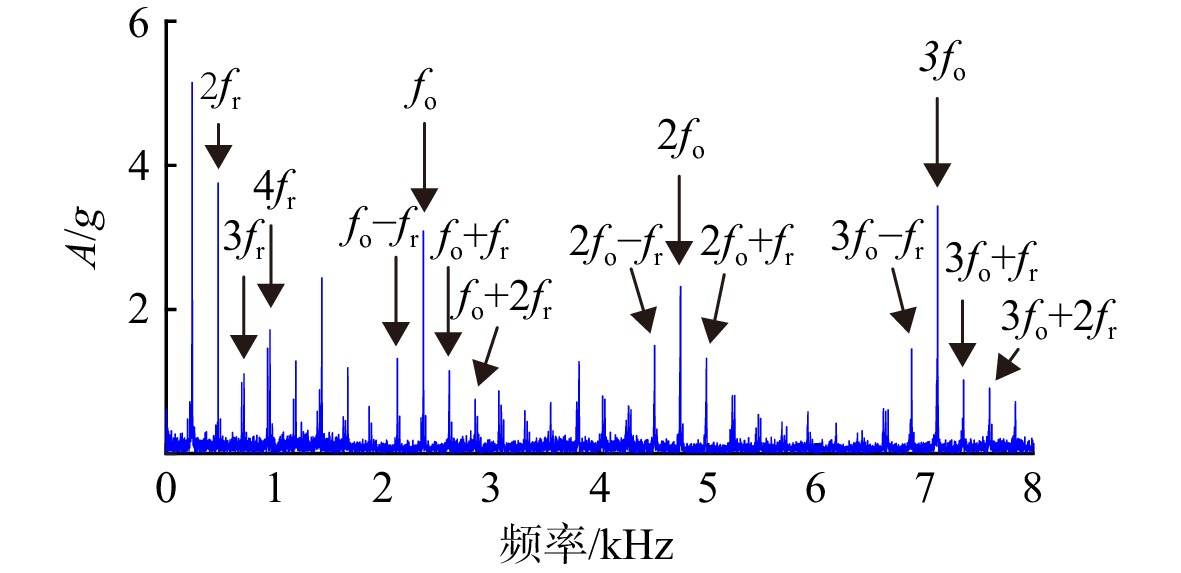
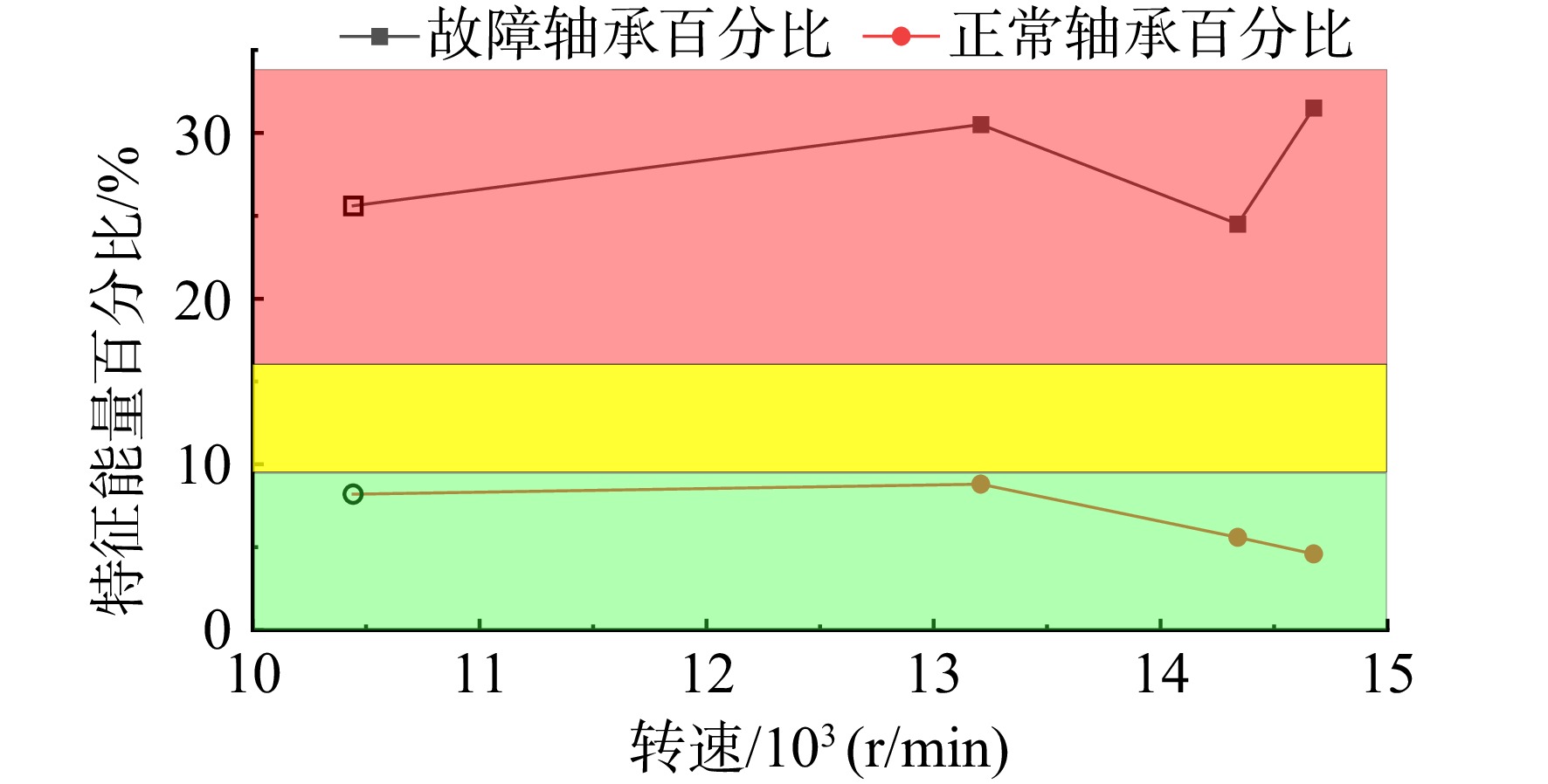
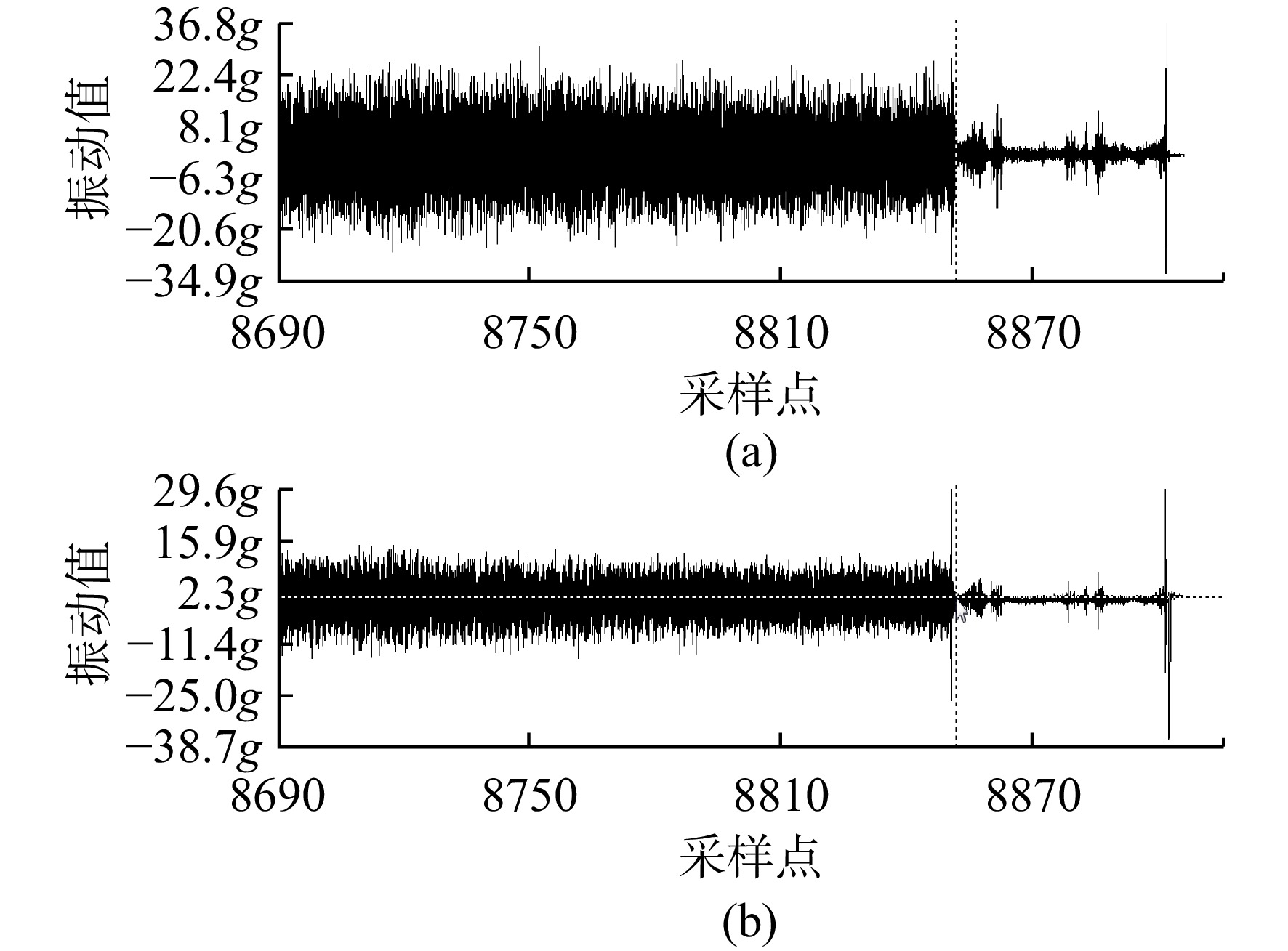
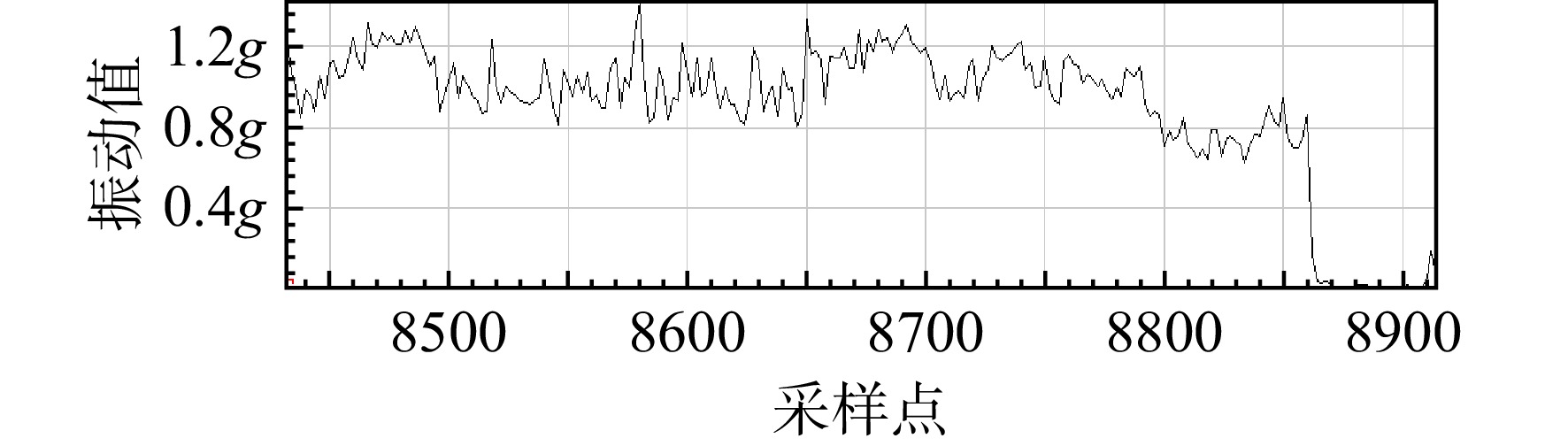
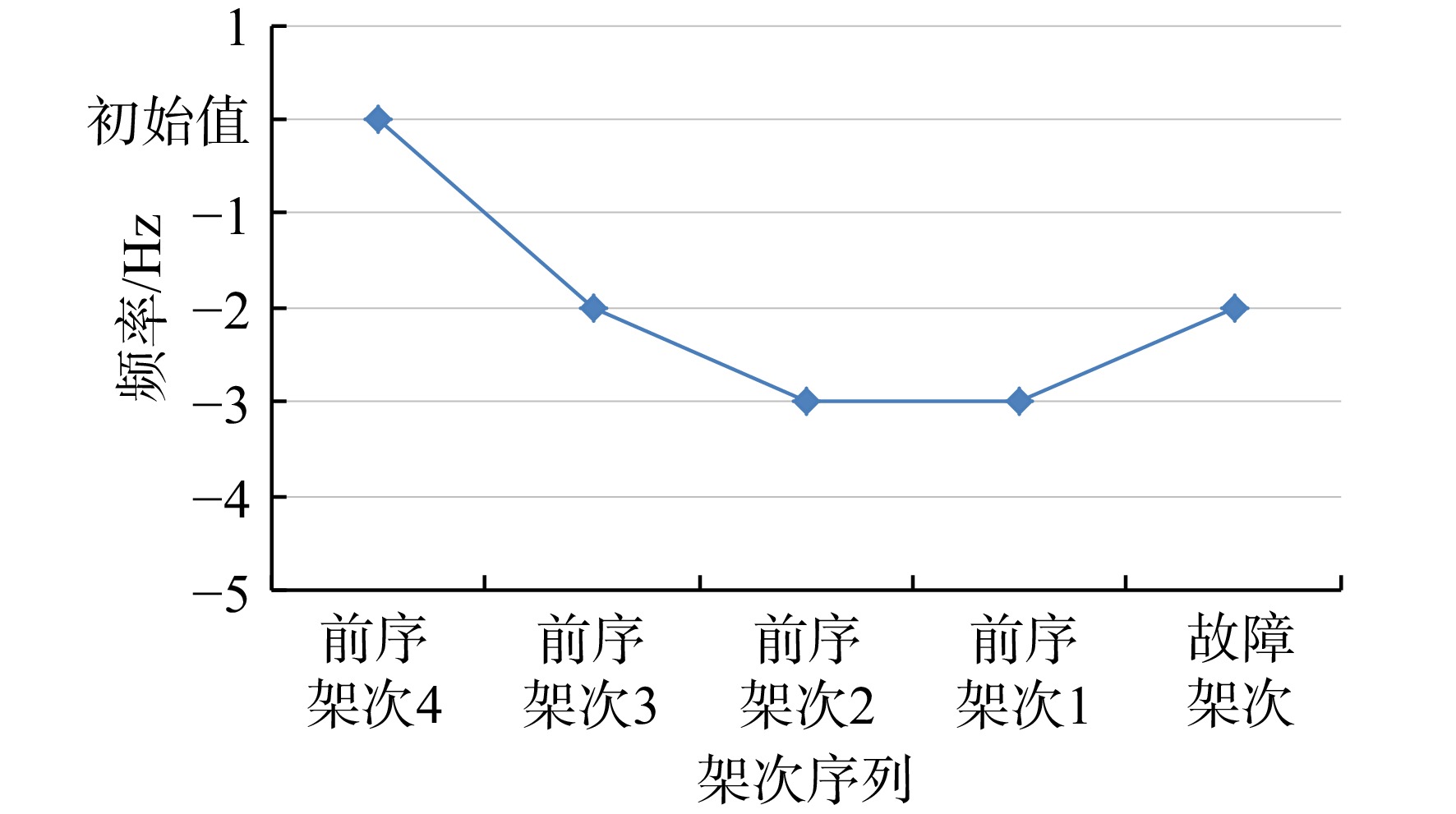
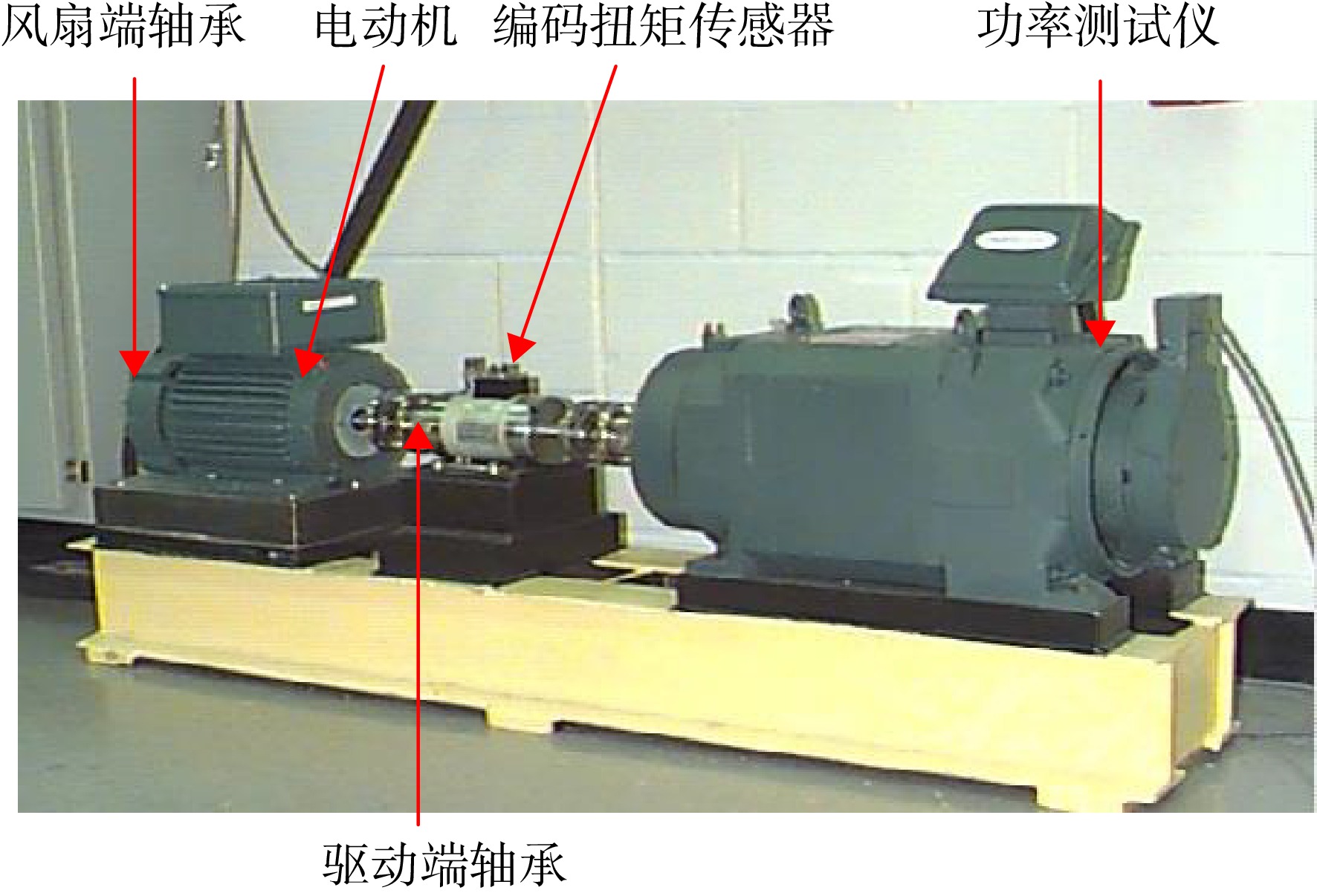
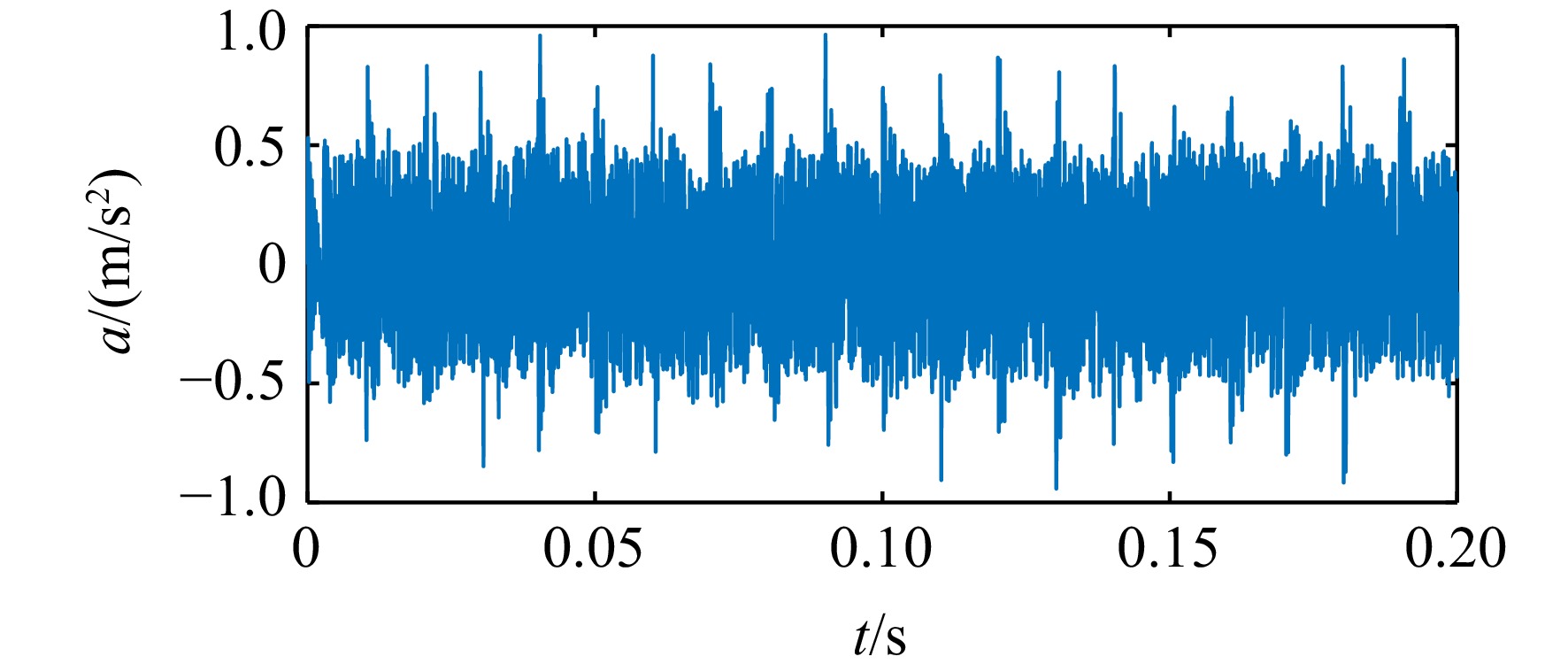
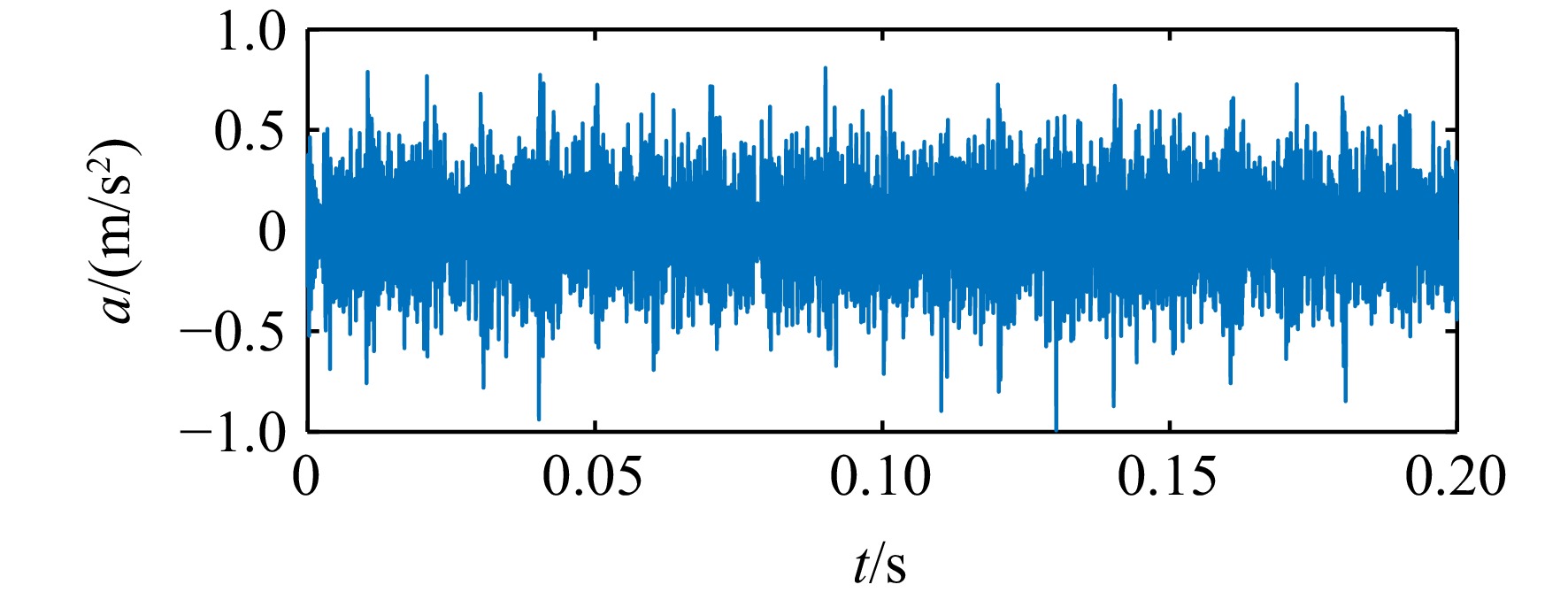
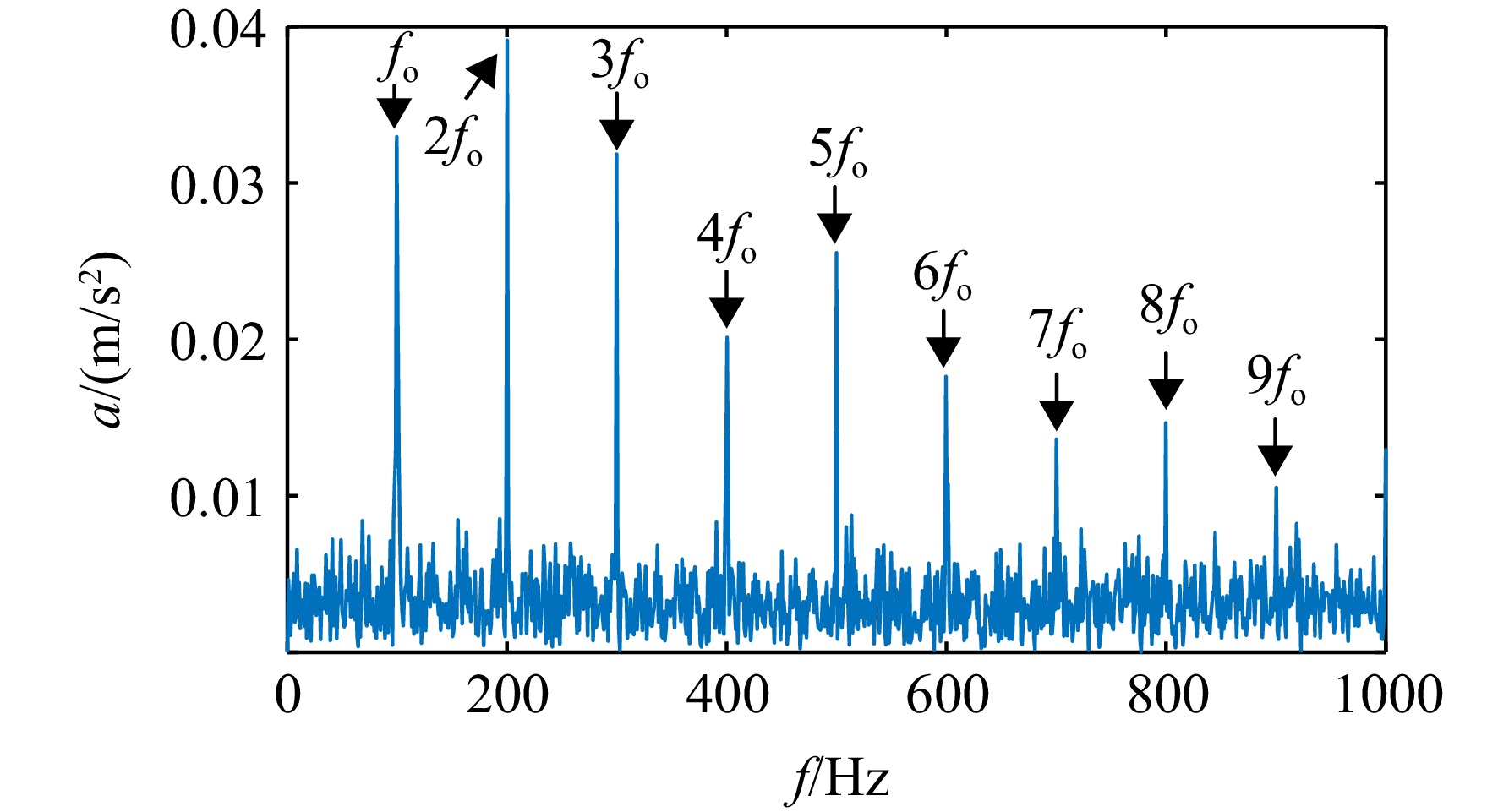
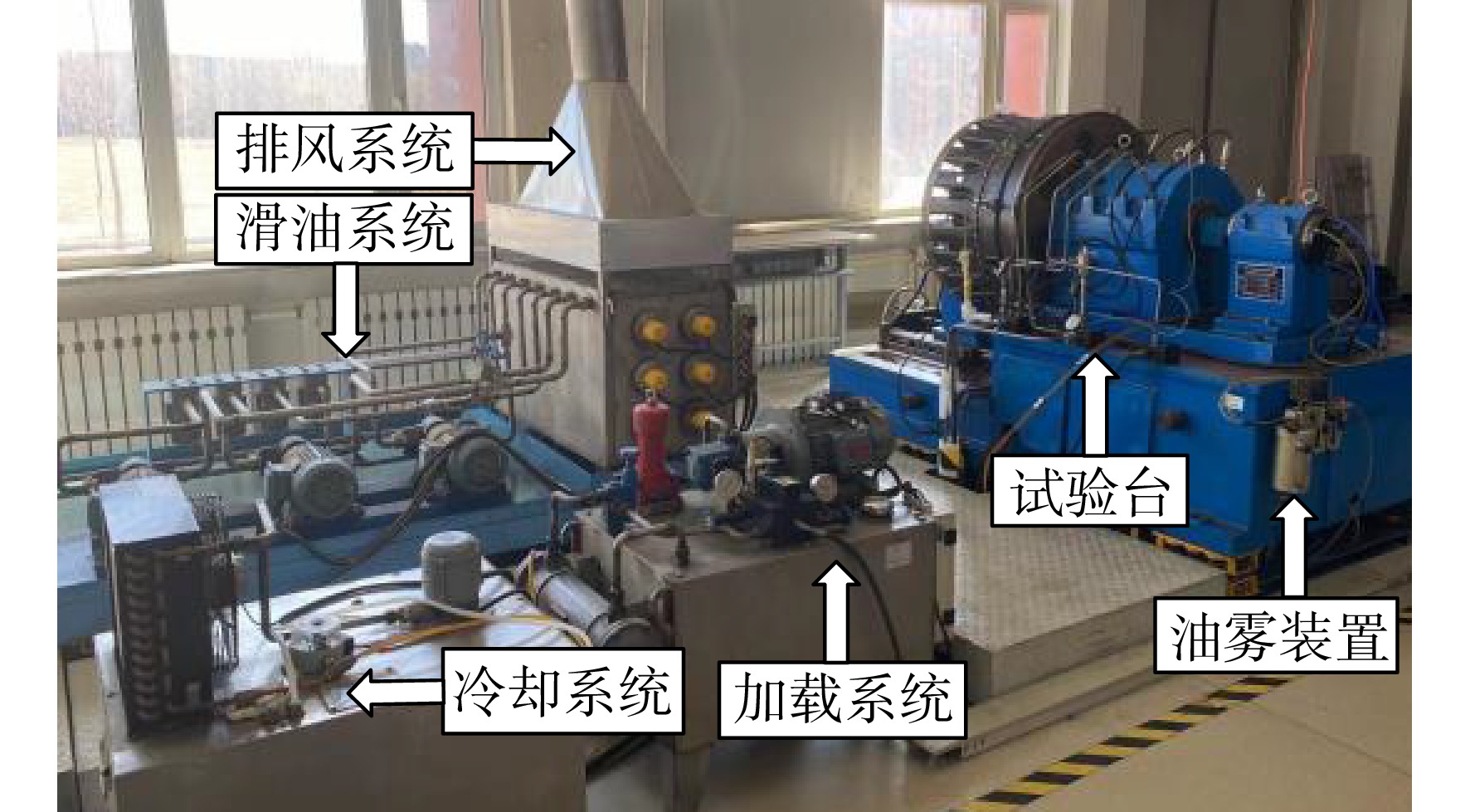
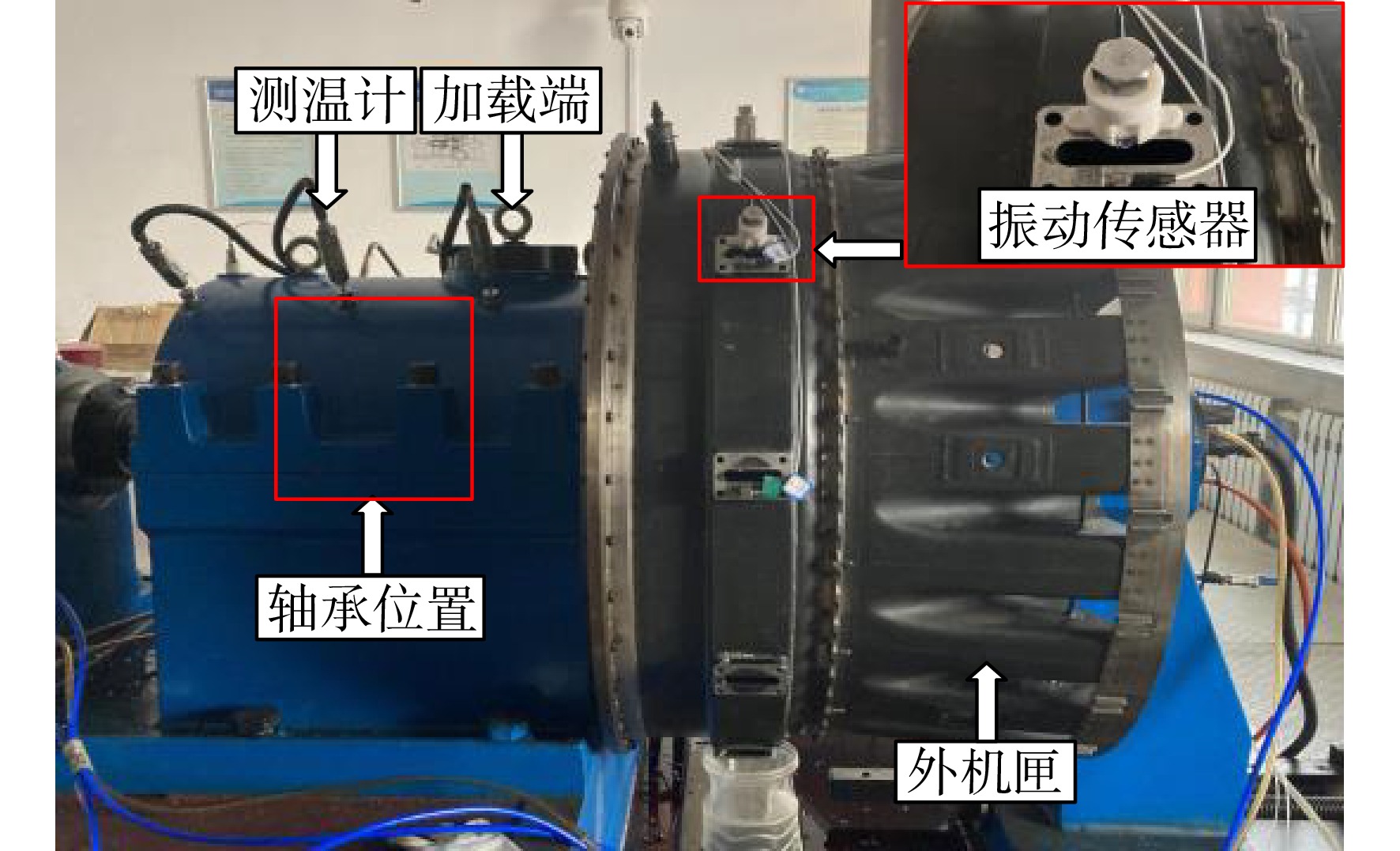
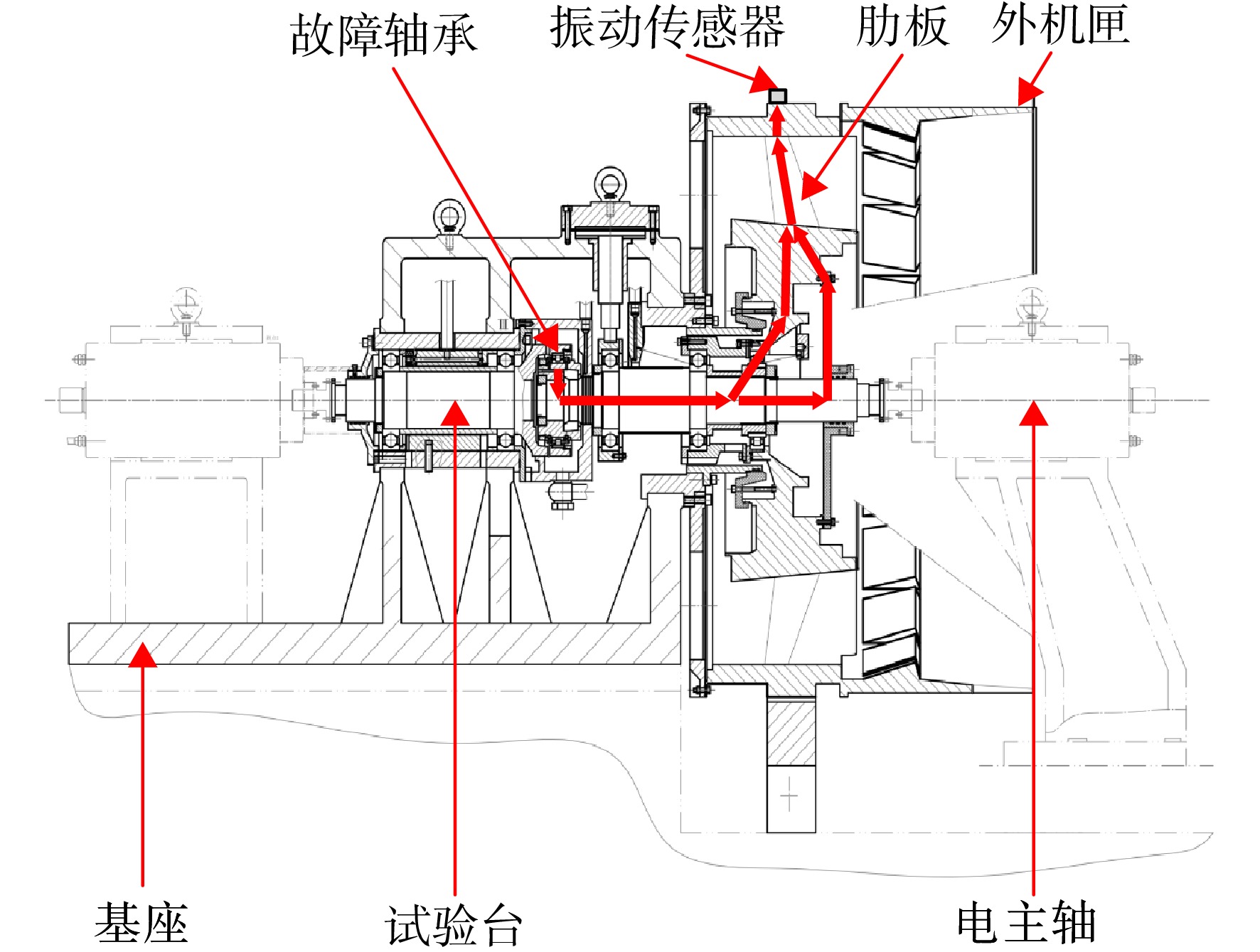
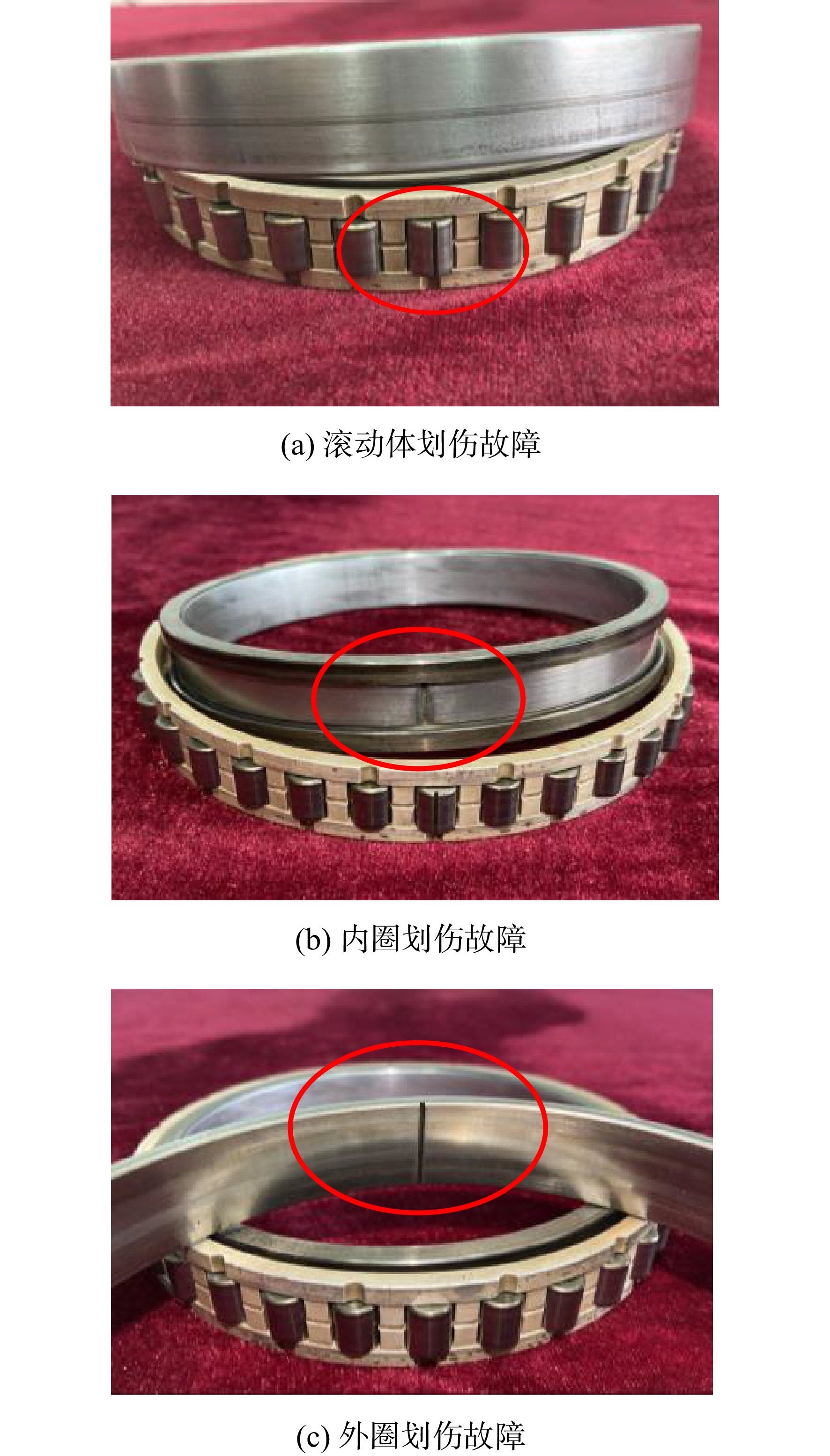
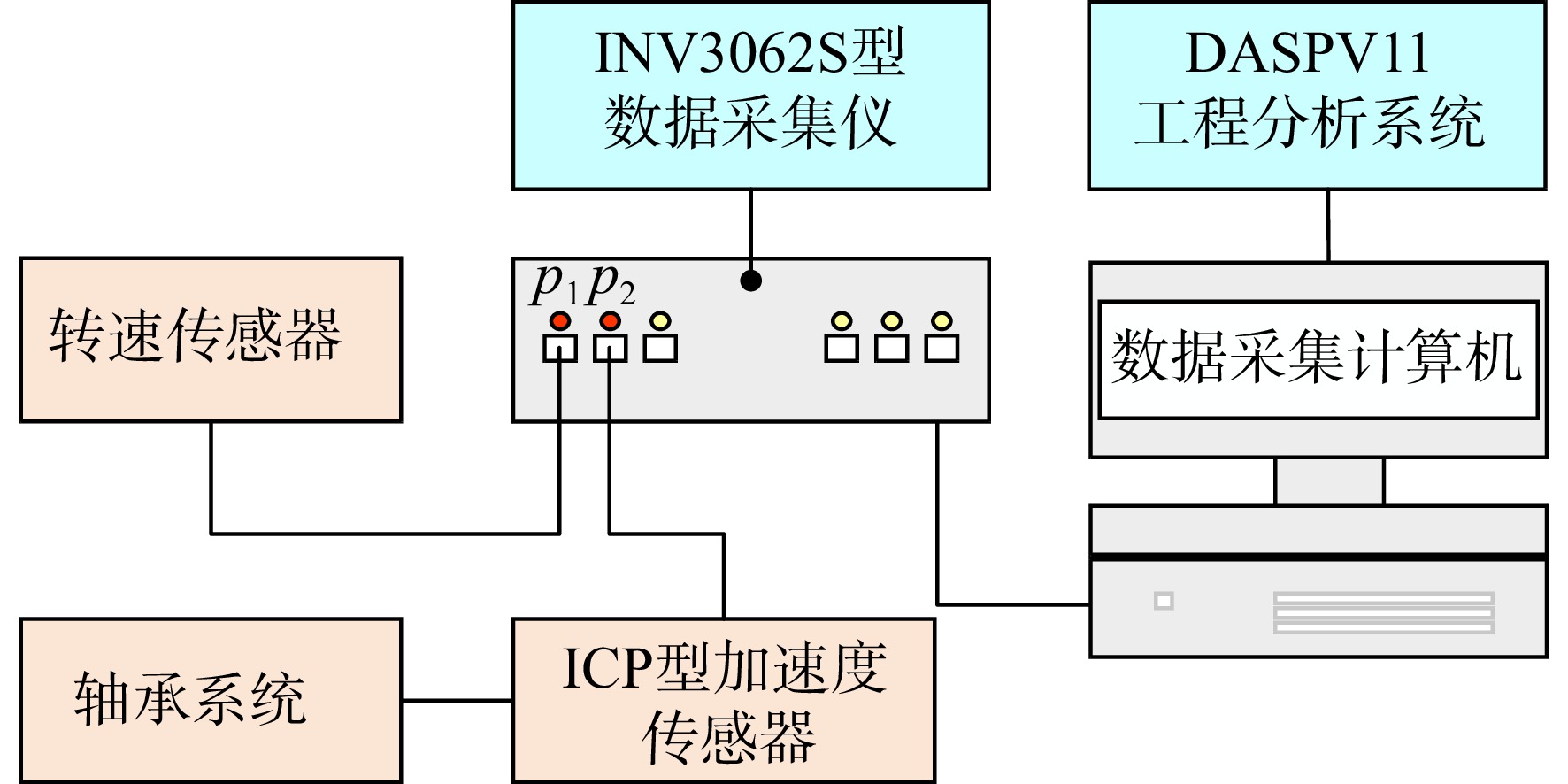
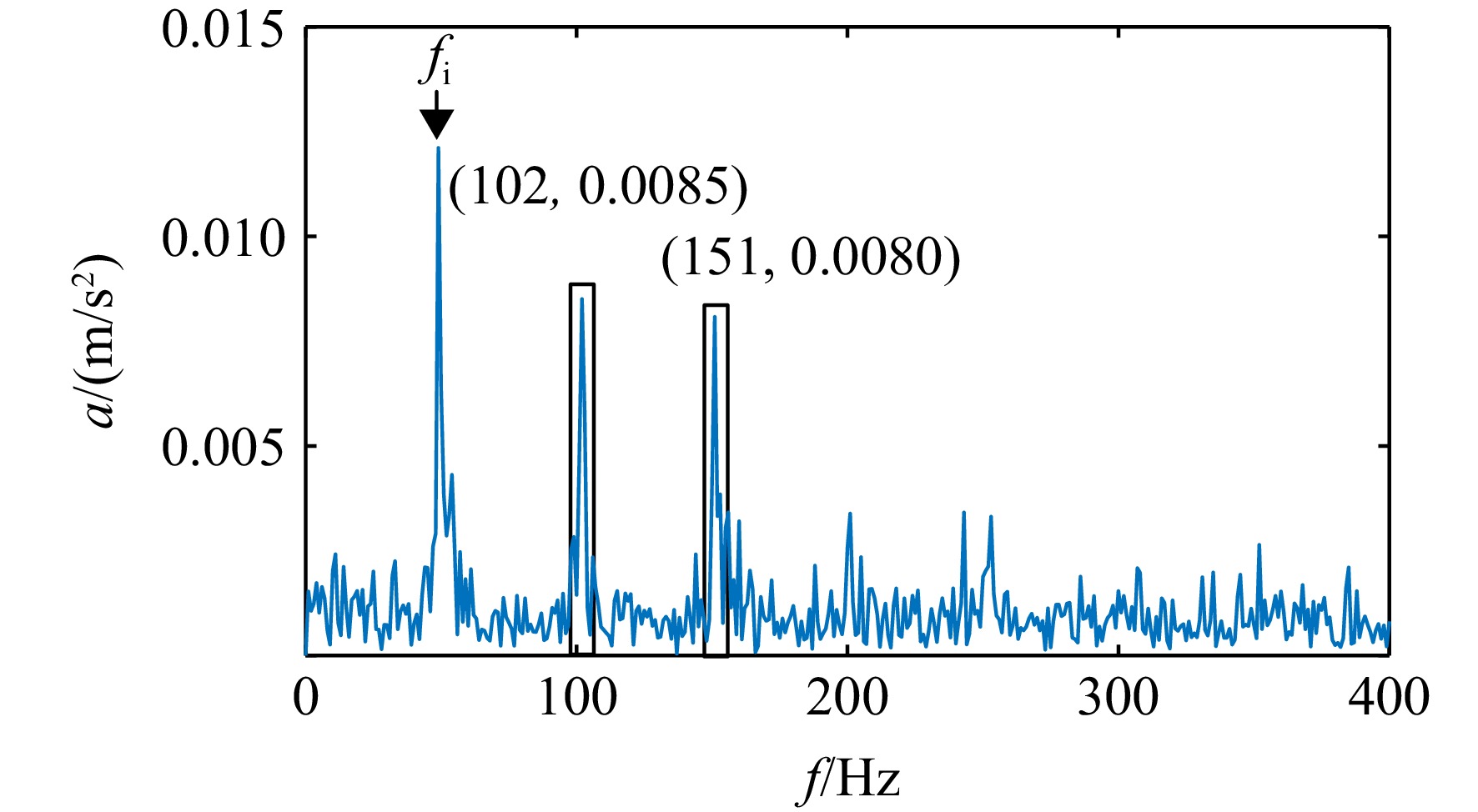
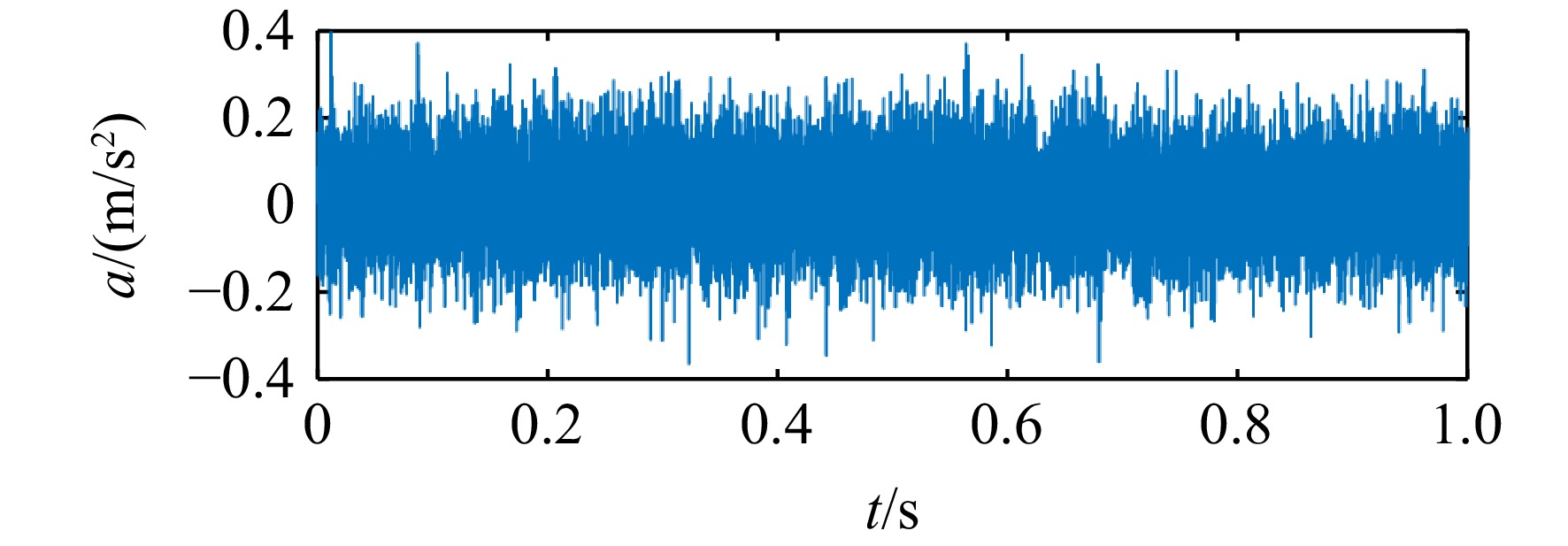
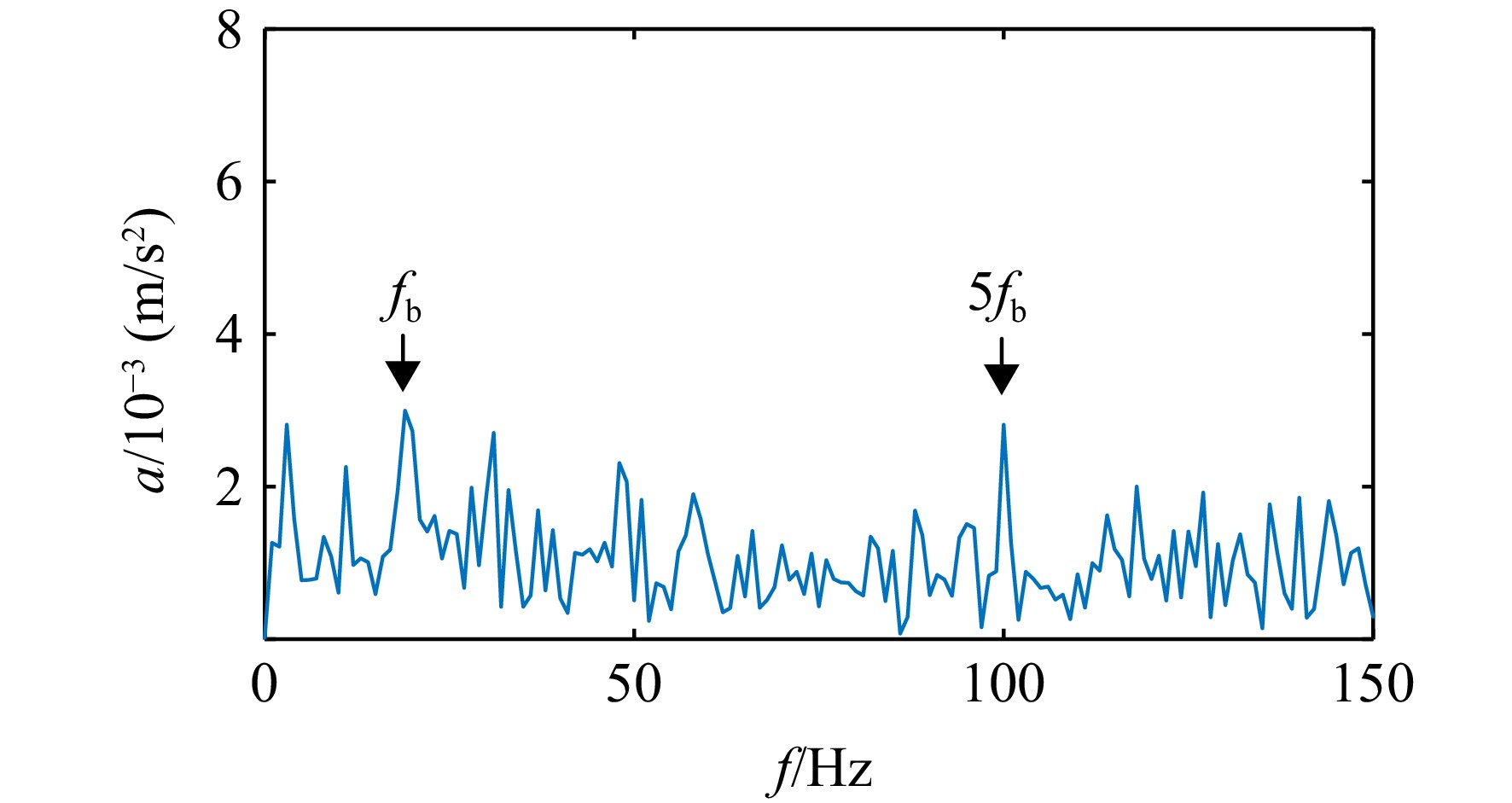
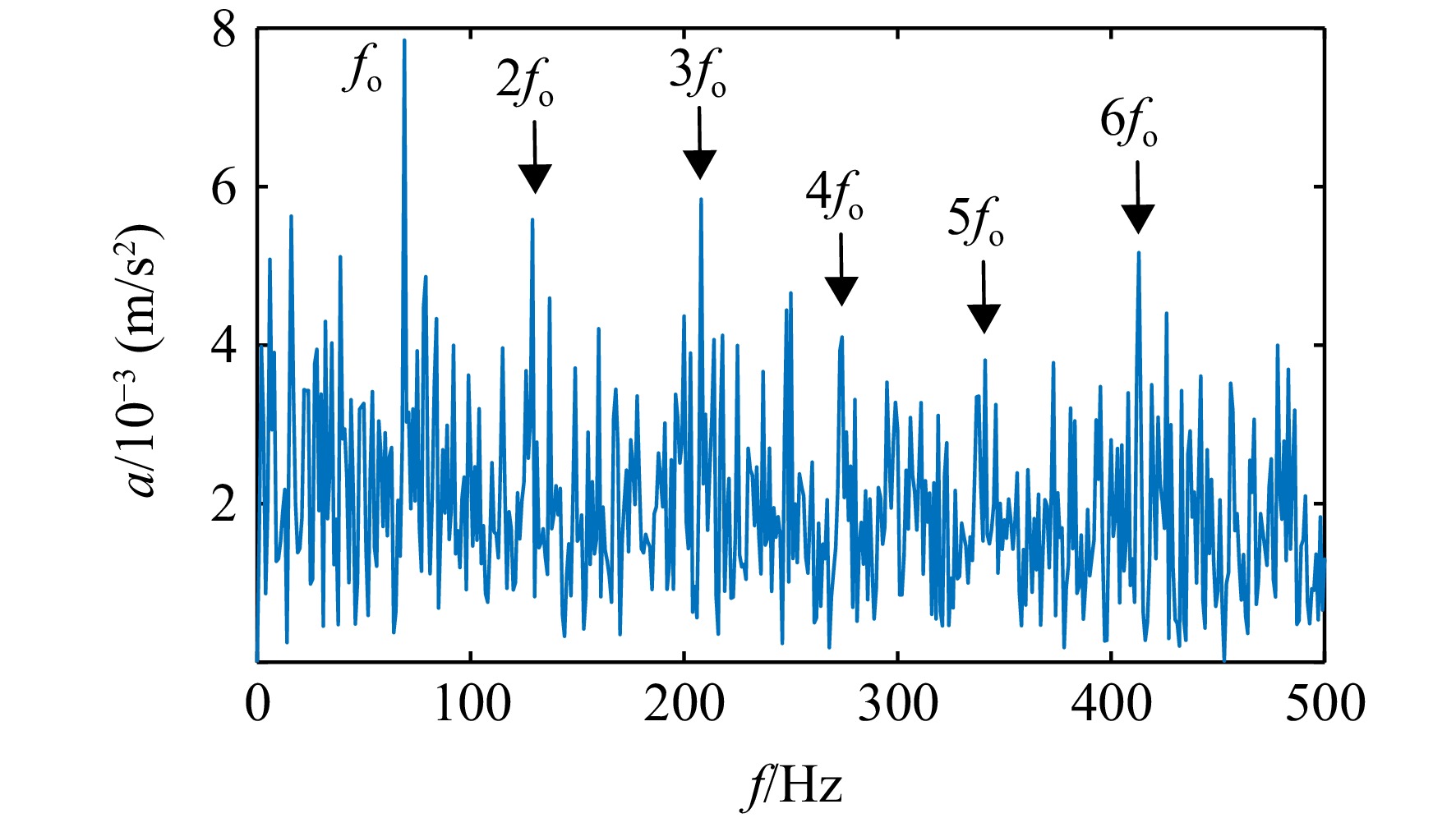
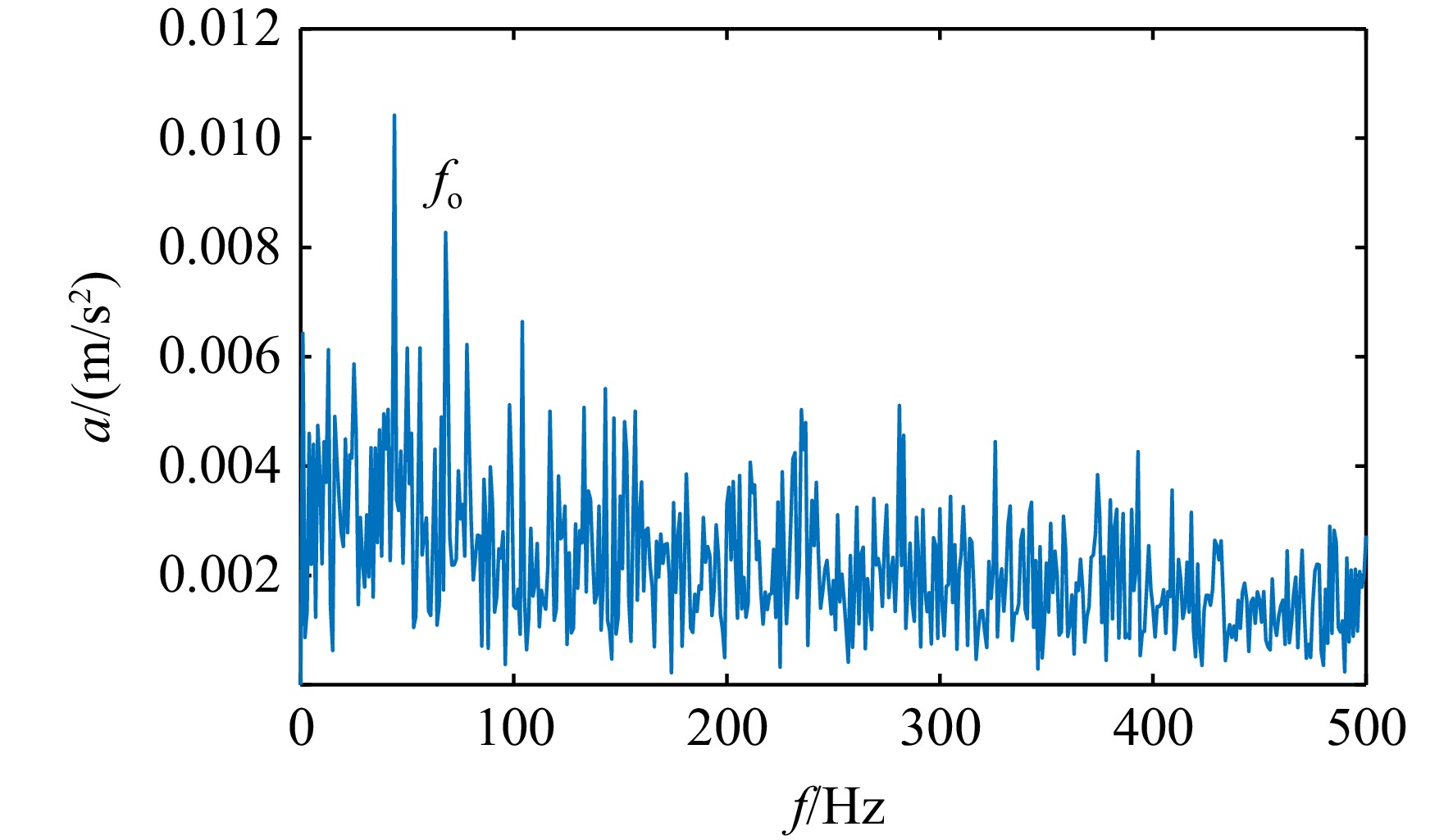
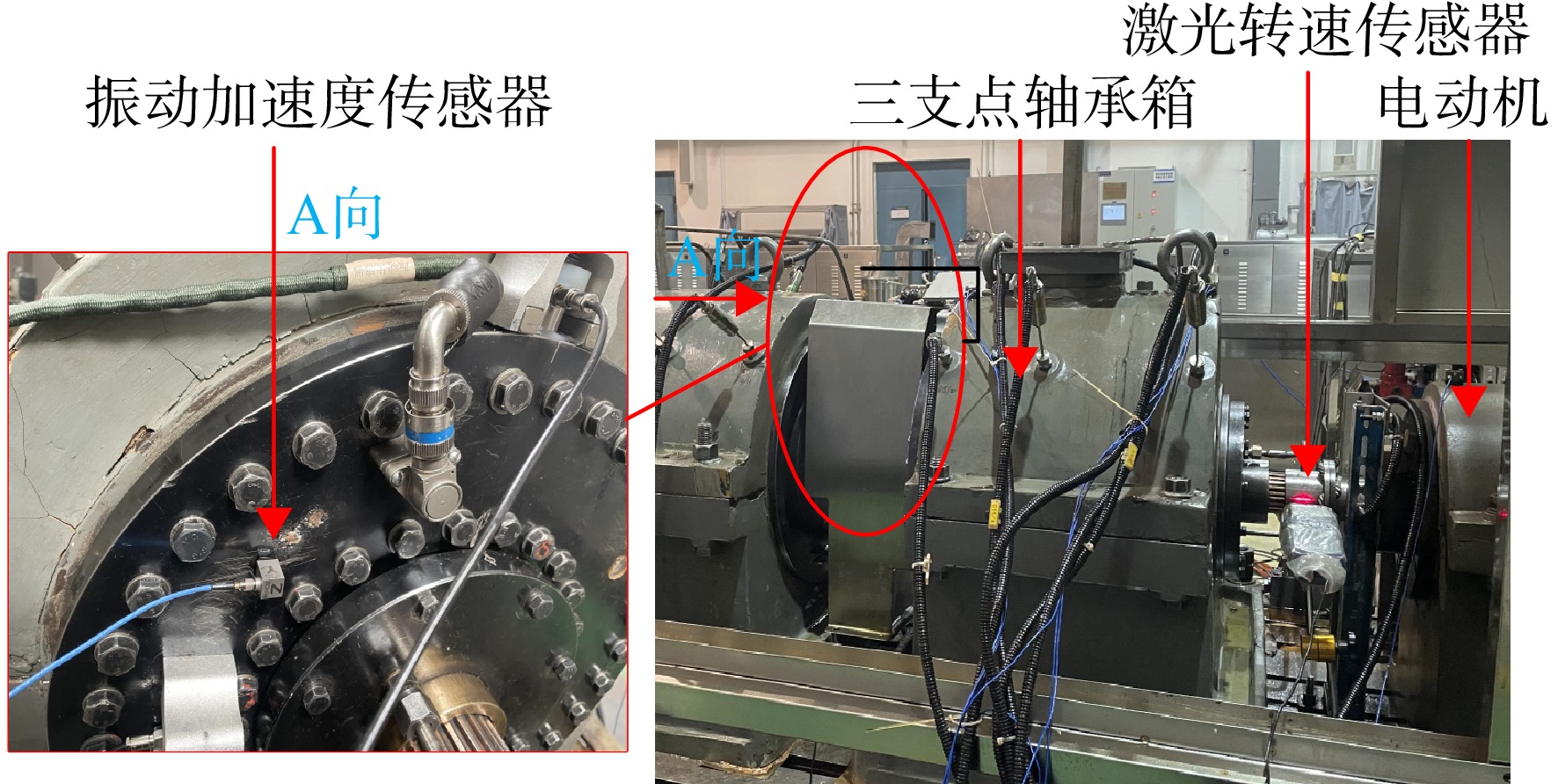
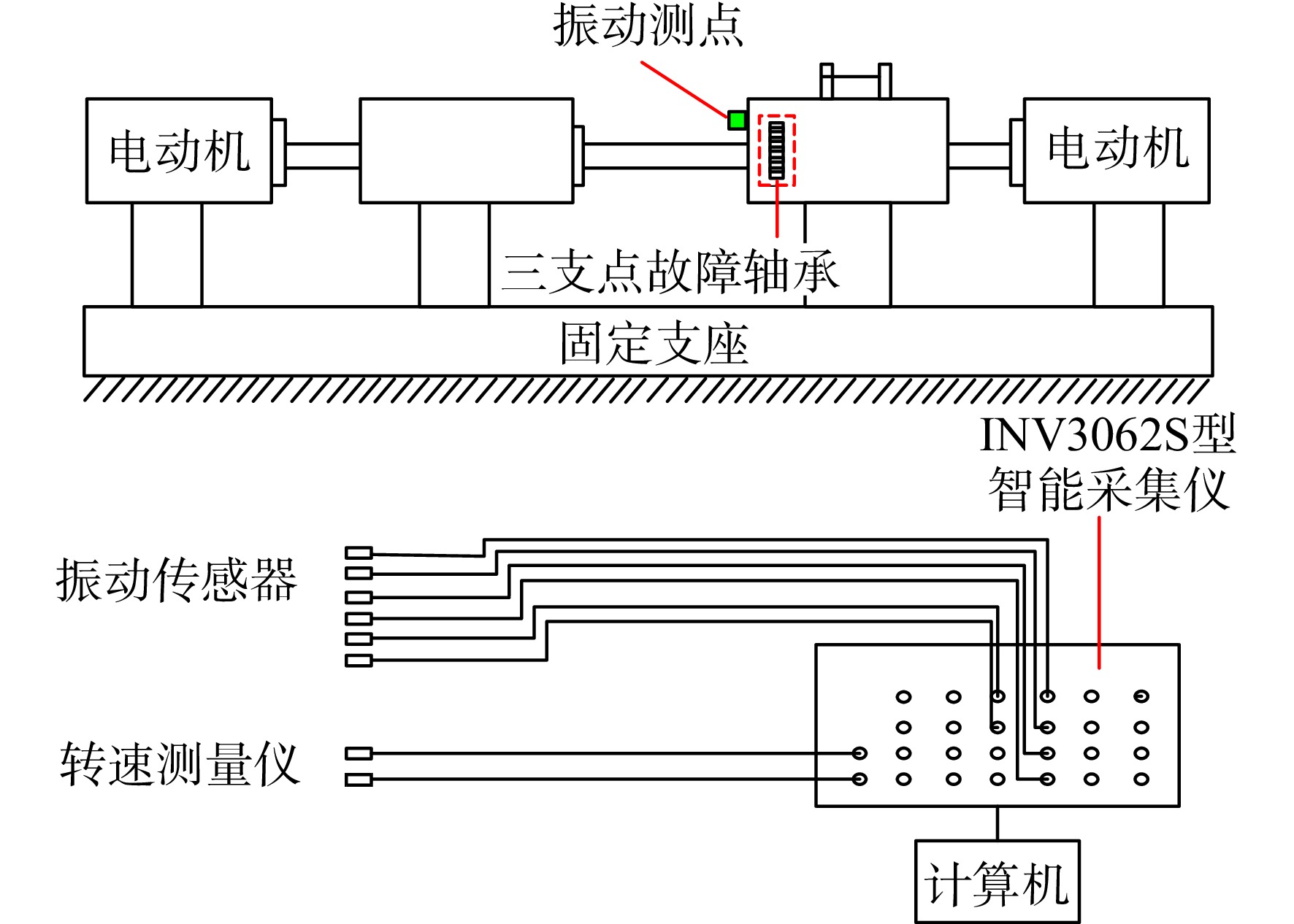
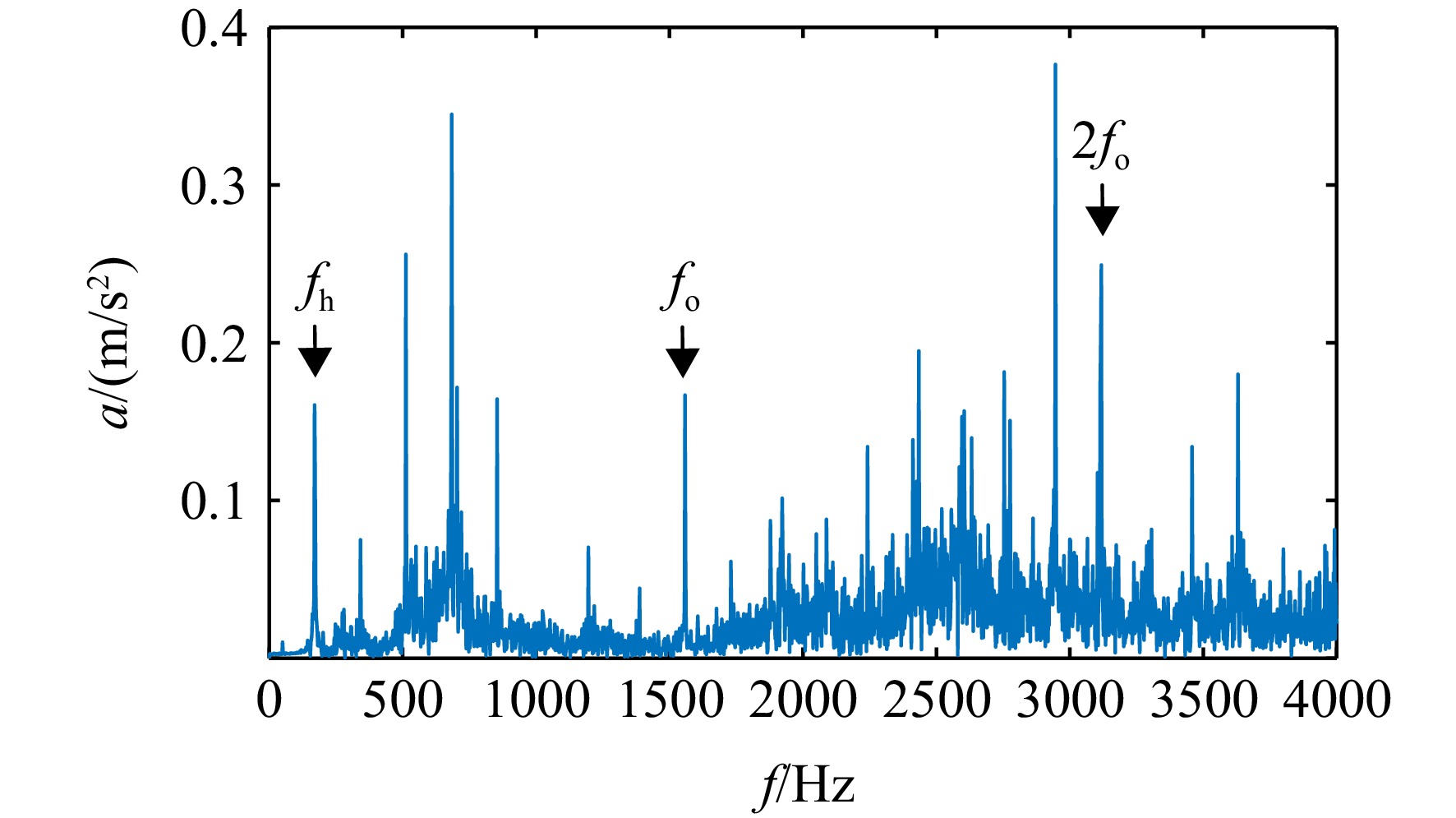
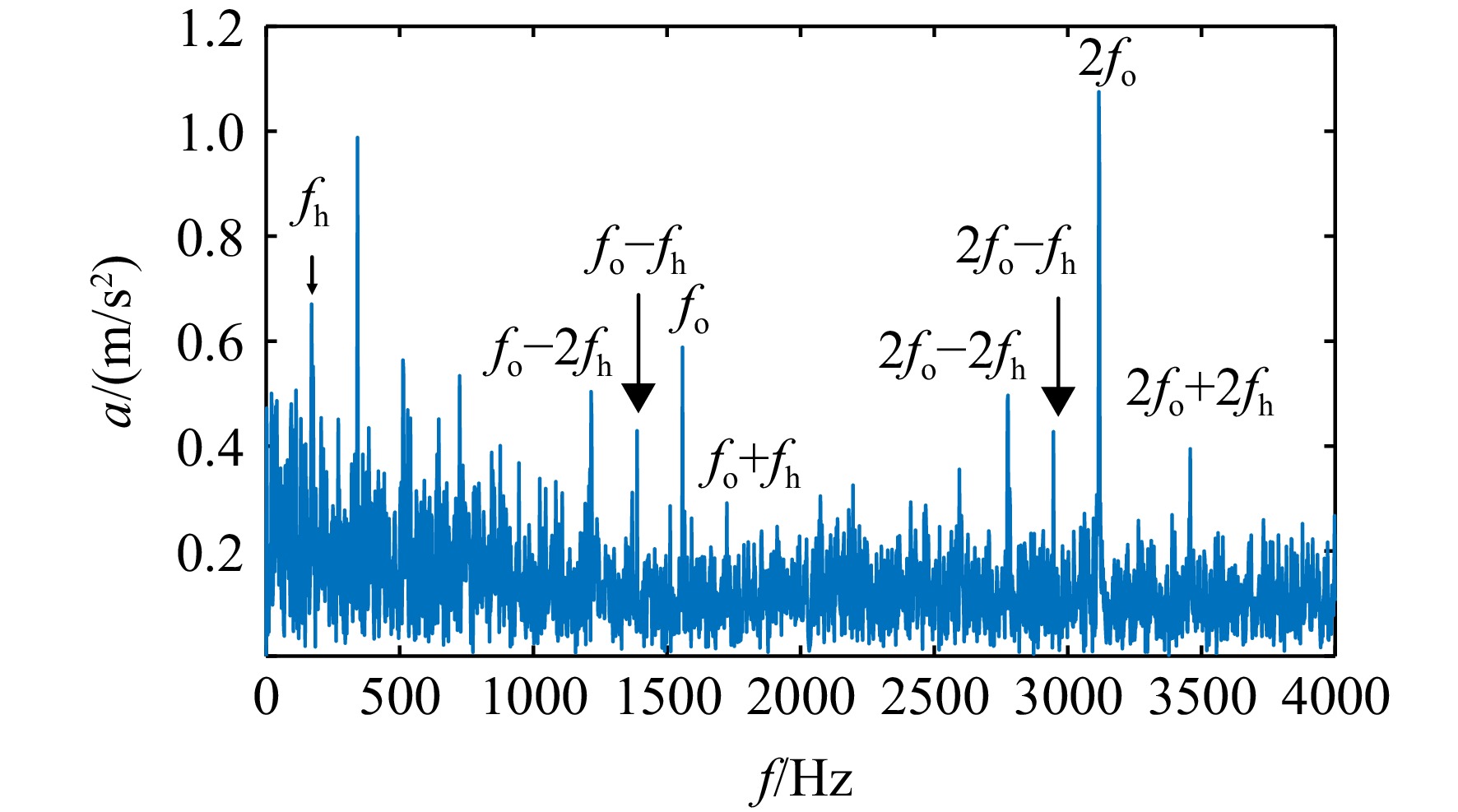
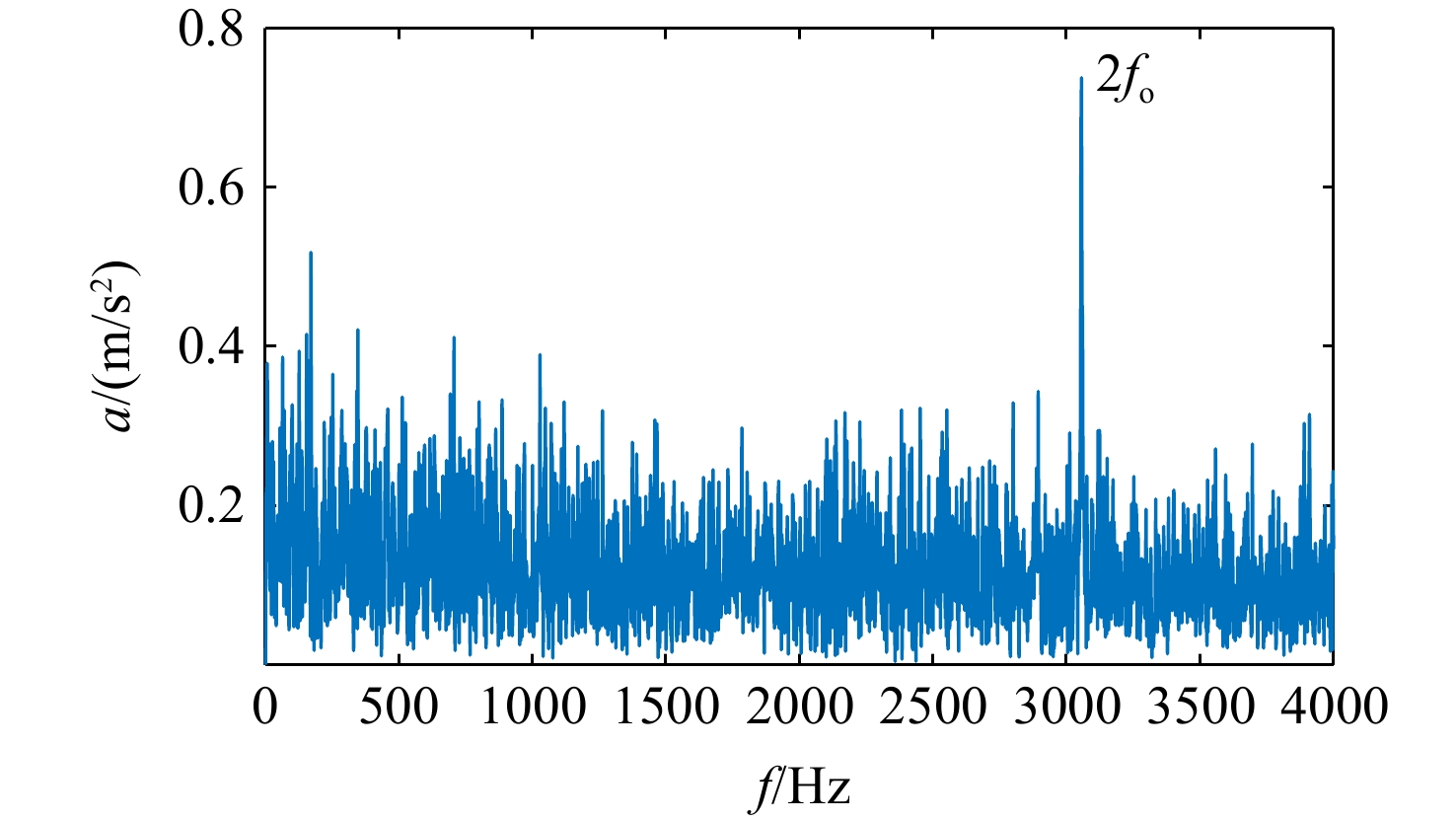
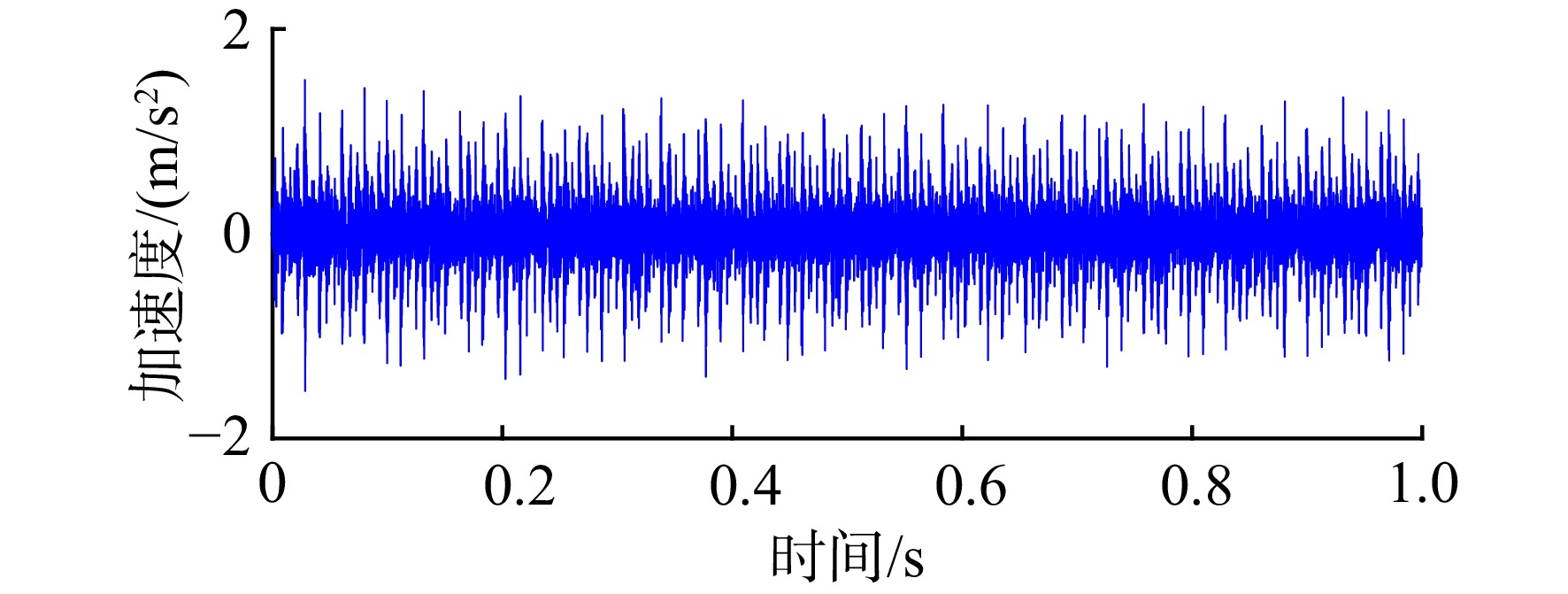
A method for real-time monitoring of rolling bearings in aircraft engines based on characteristic energy was proposed to address the challenging issue of real-time monitoring of rolling bearings in aircraft engines. This method first decomposed the original vibration signal using CEEMDAN to obtain several components, and then calculated the kurtosis and correlation coefficient of each component. Subsequently, based on the kurtosis-correlation coefficient criterion, it selected strong impact components for reconstruction and performed envelope demodulation to maximally retain effective information related to bearing fault impact components. Finally, the method calculated the characteristic energy of faulty and normal bearings from the information in the envelope spectrum, established a diagnostic baseline and characteristic energy belt, and achieved monitoring of bearing operating status. The effectiveness of this approach was validated using data from the Case Western Reserve University deep groove ball bearing test rig, a constructed rolling bearing test rig, and a test rig for a certain type of turbofan aircraft engine bearing component. The results showed that the proportion of the characteristic energy of the outer ring fault bearing in the whole envelope spectrum energy was 59.5%—75.9%, and the method can provide an effective means for the fault diagnosis and online monitoring of the main bearing of aircraft engine.

Numerical investigation of the influence of wheel shoulder seal structure on sealing characteristics
ZHAI Yingni, WANG Xiaoming, DU Kun, LIU Cunliang, OU Lei, LI Kunyang
2025, 40(7): 20230043. doi: 10.13224/j.cnki.jasp.20230043
Abstract:
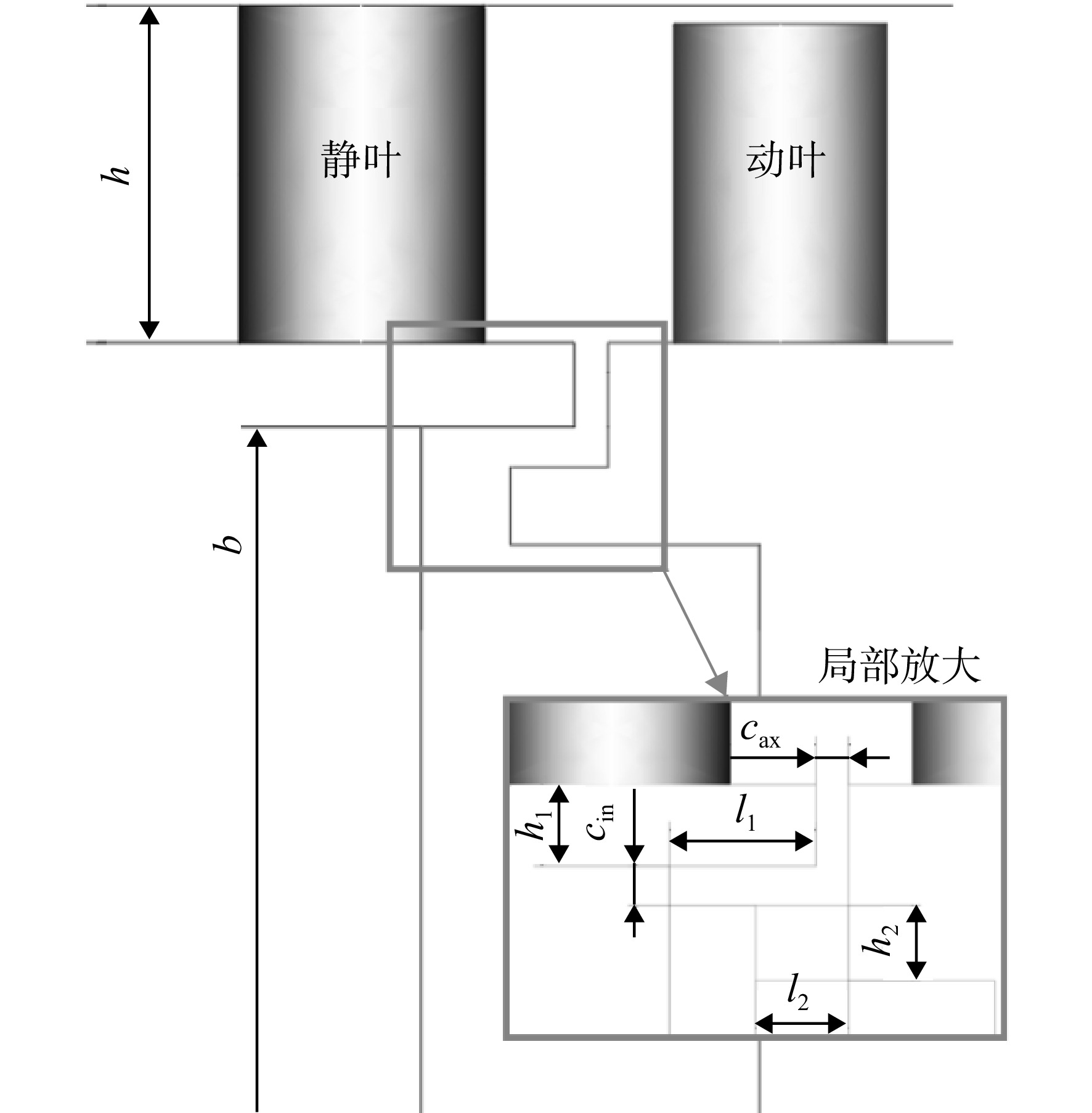
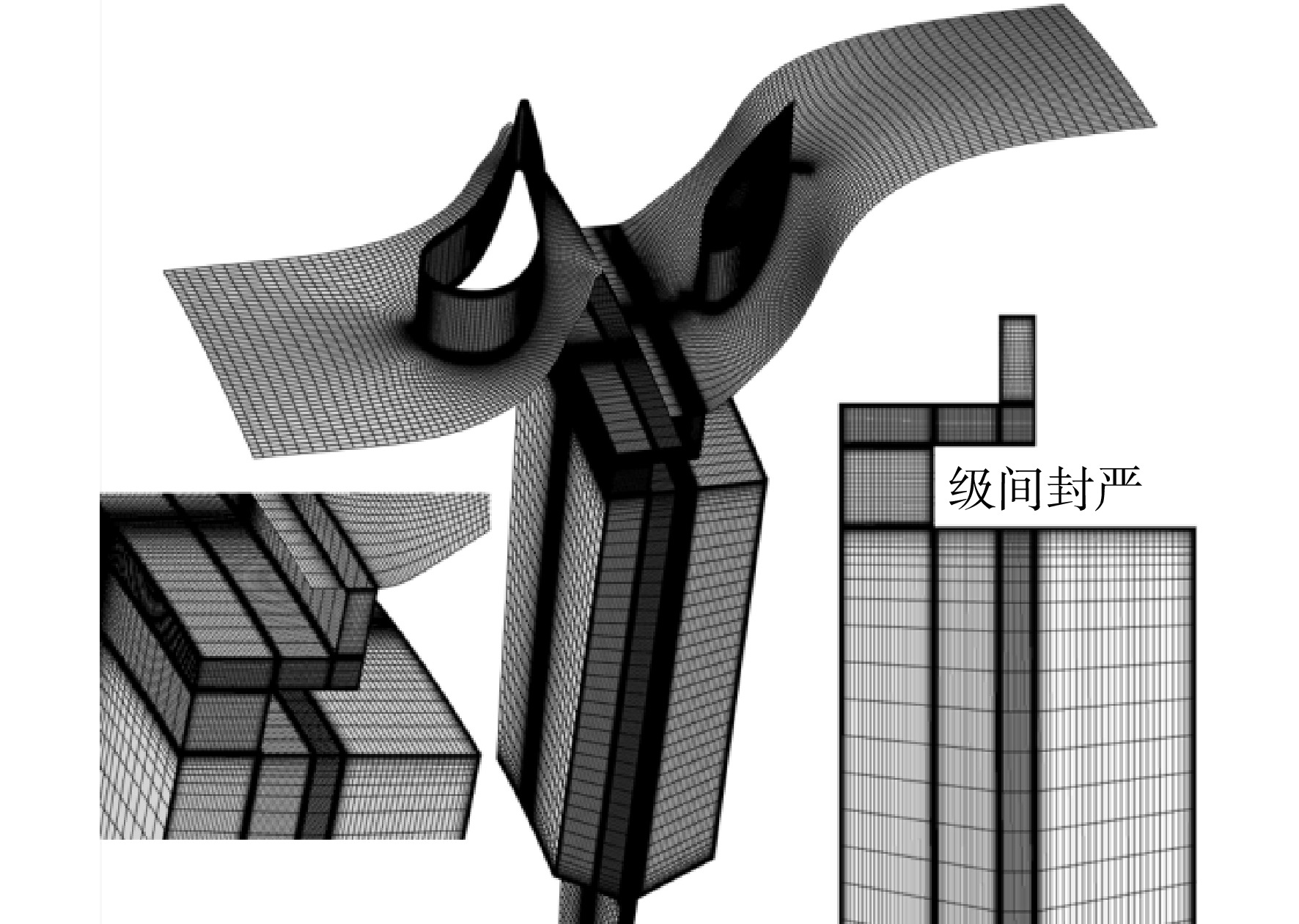
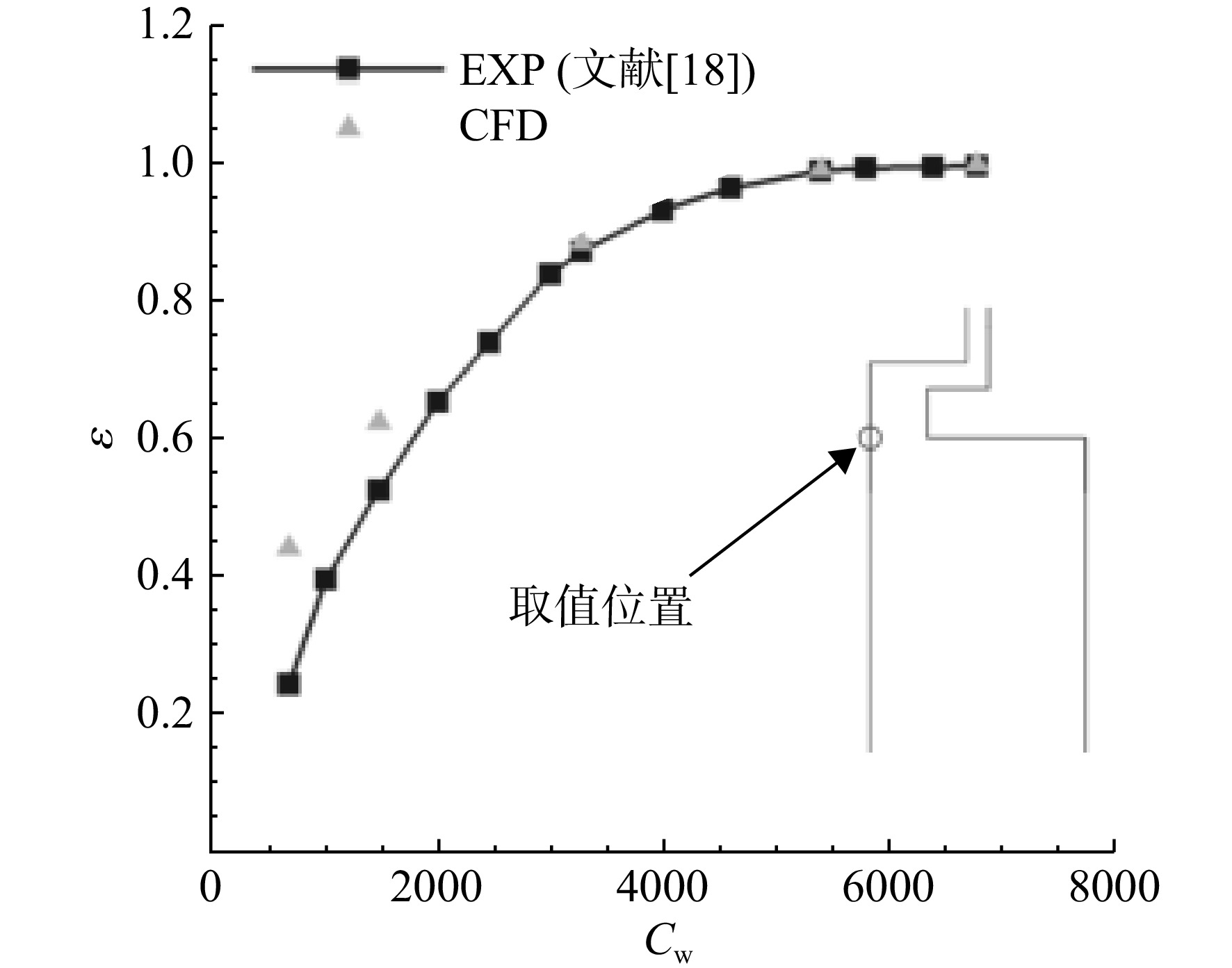
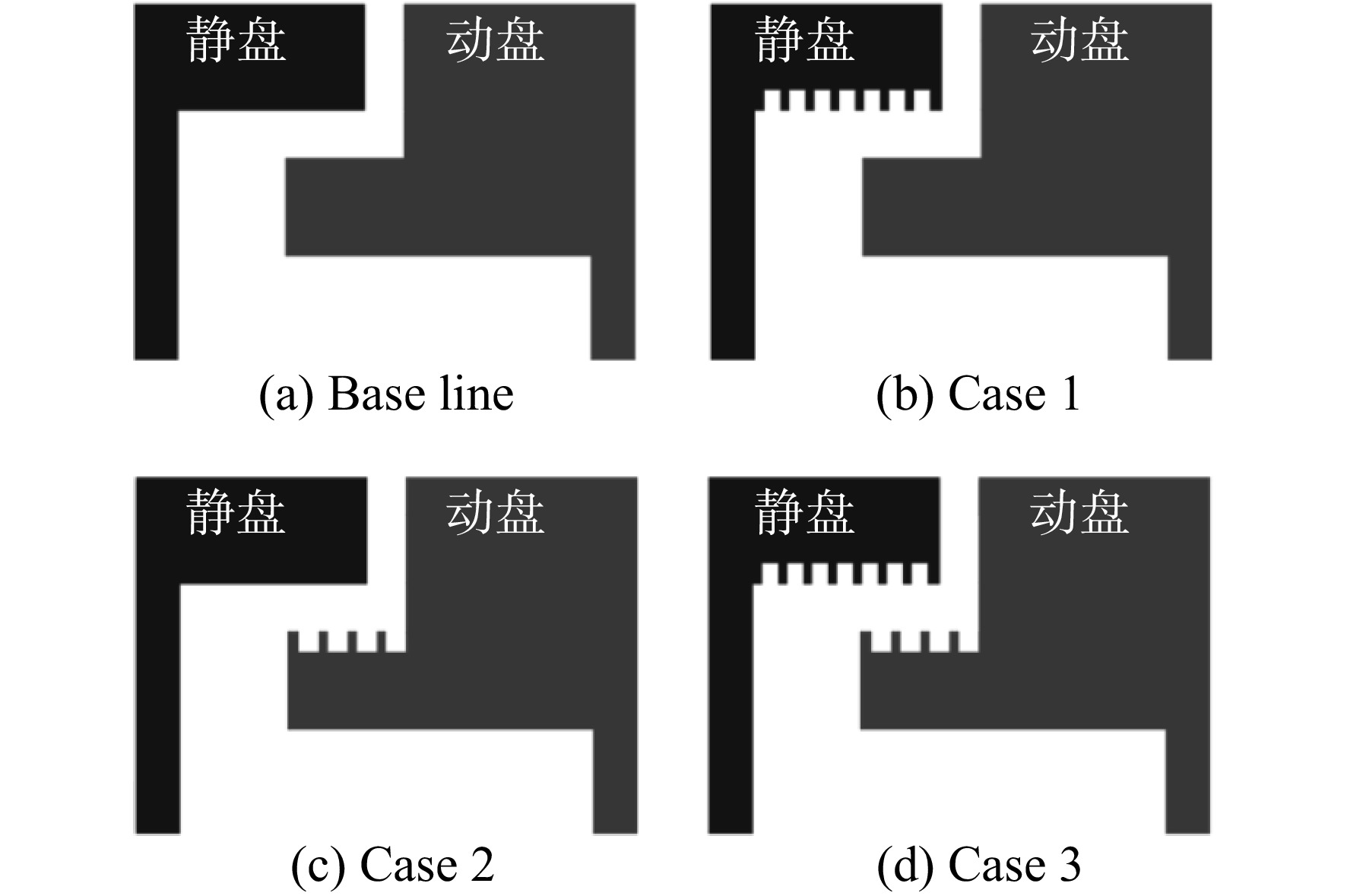
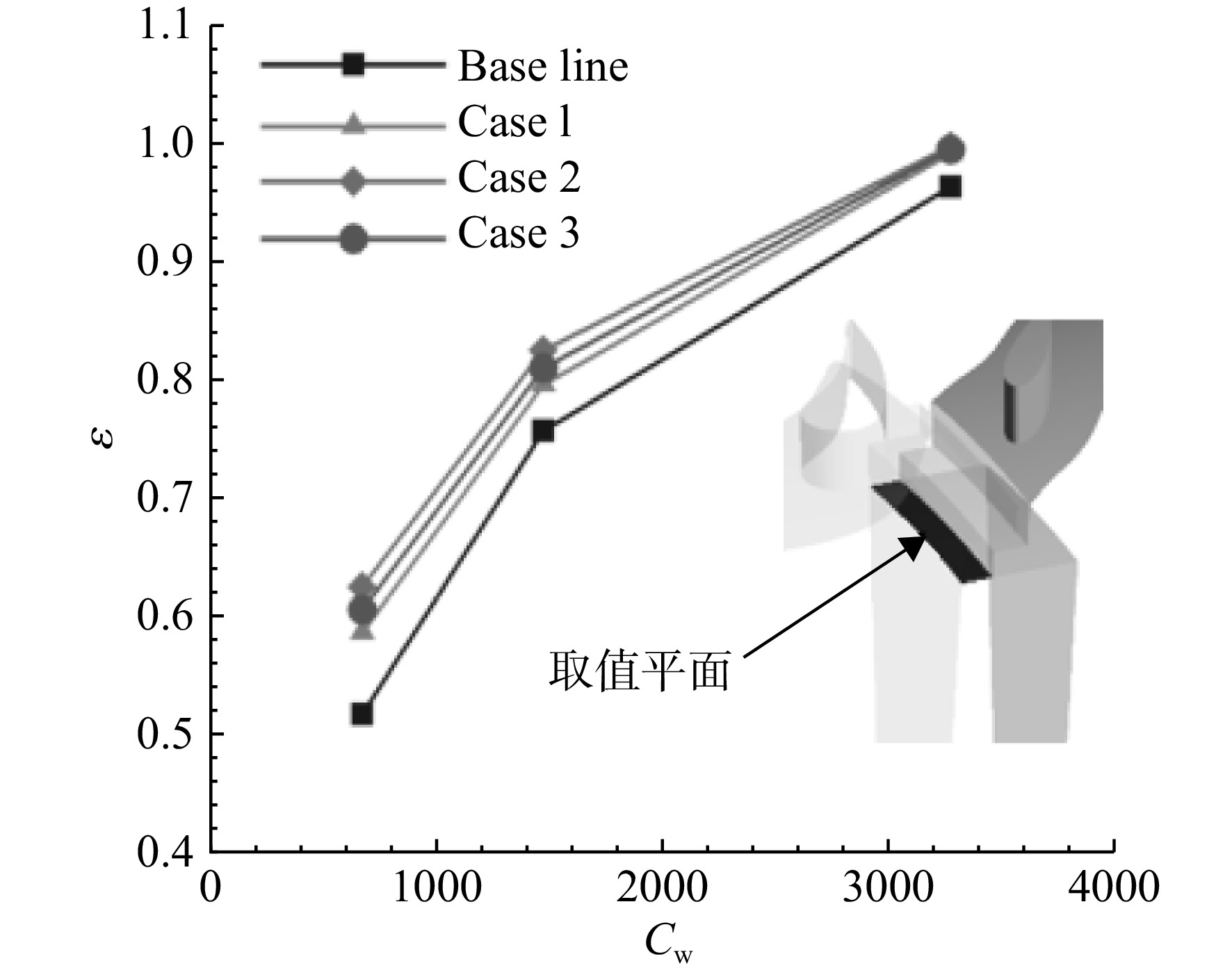
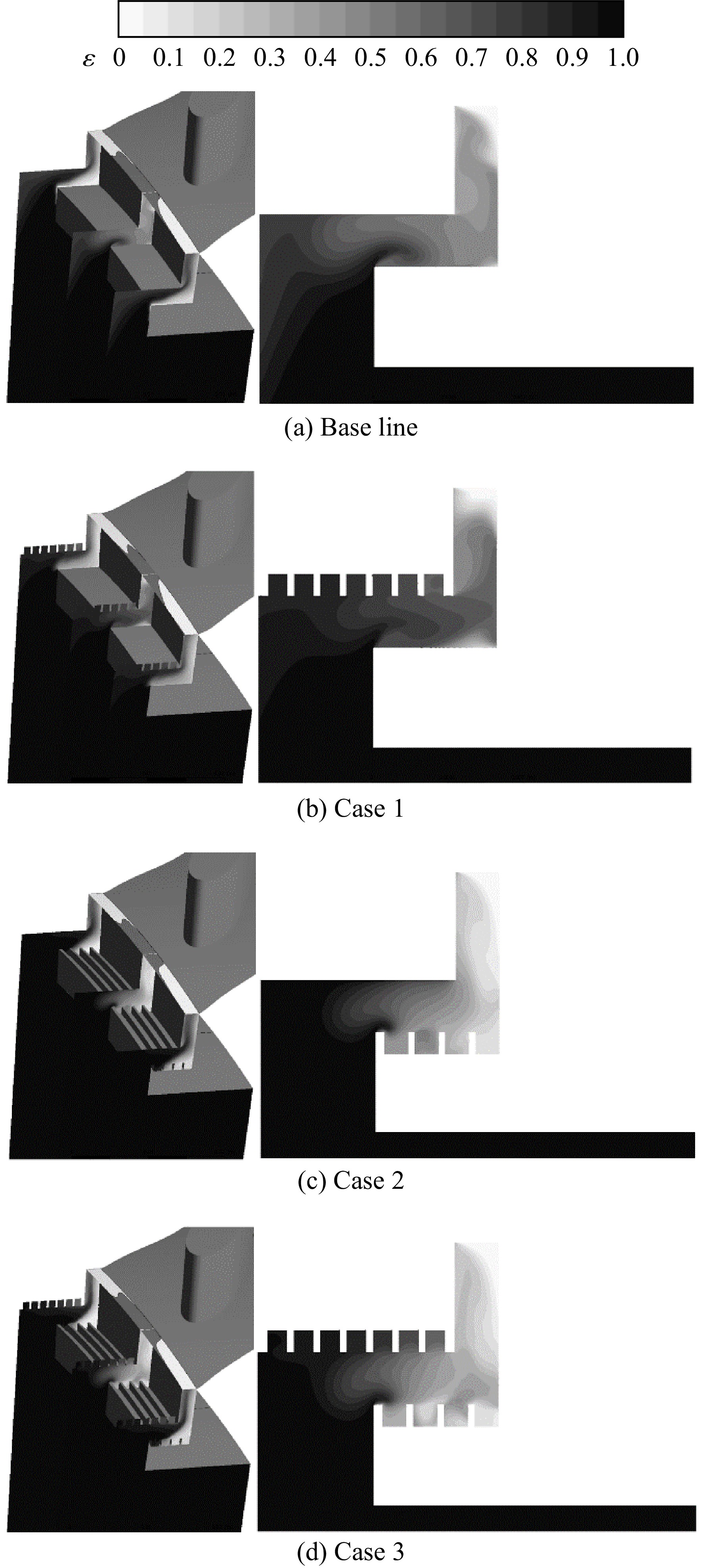
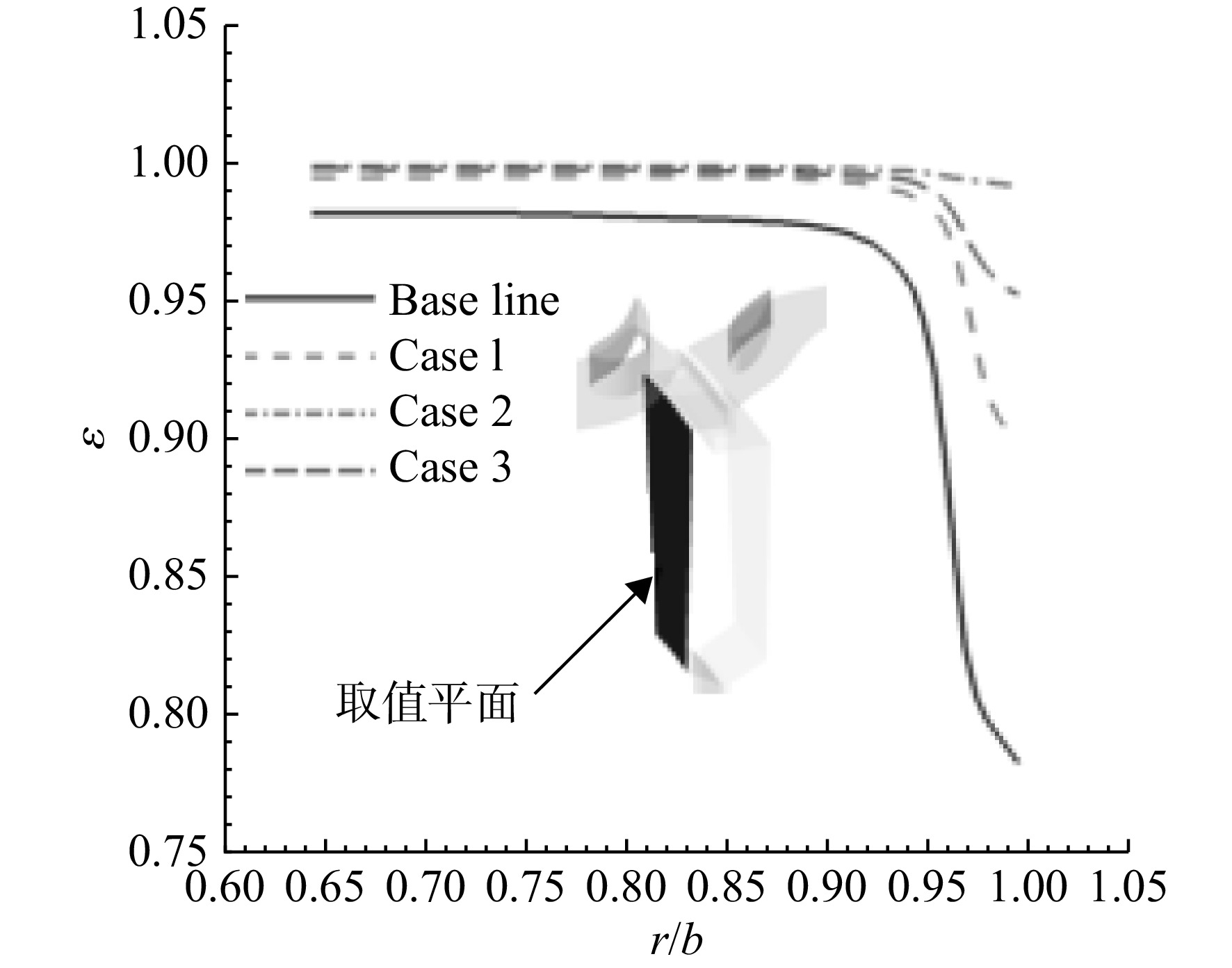
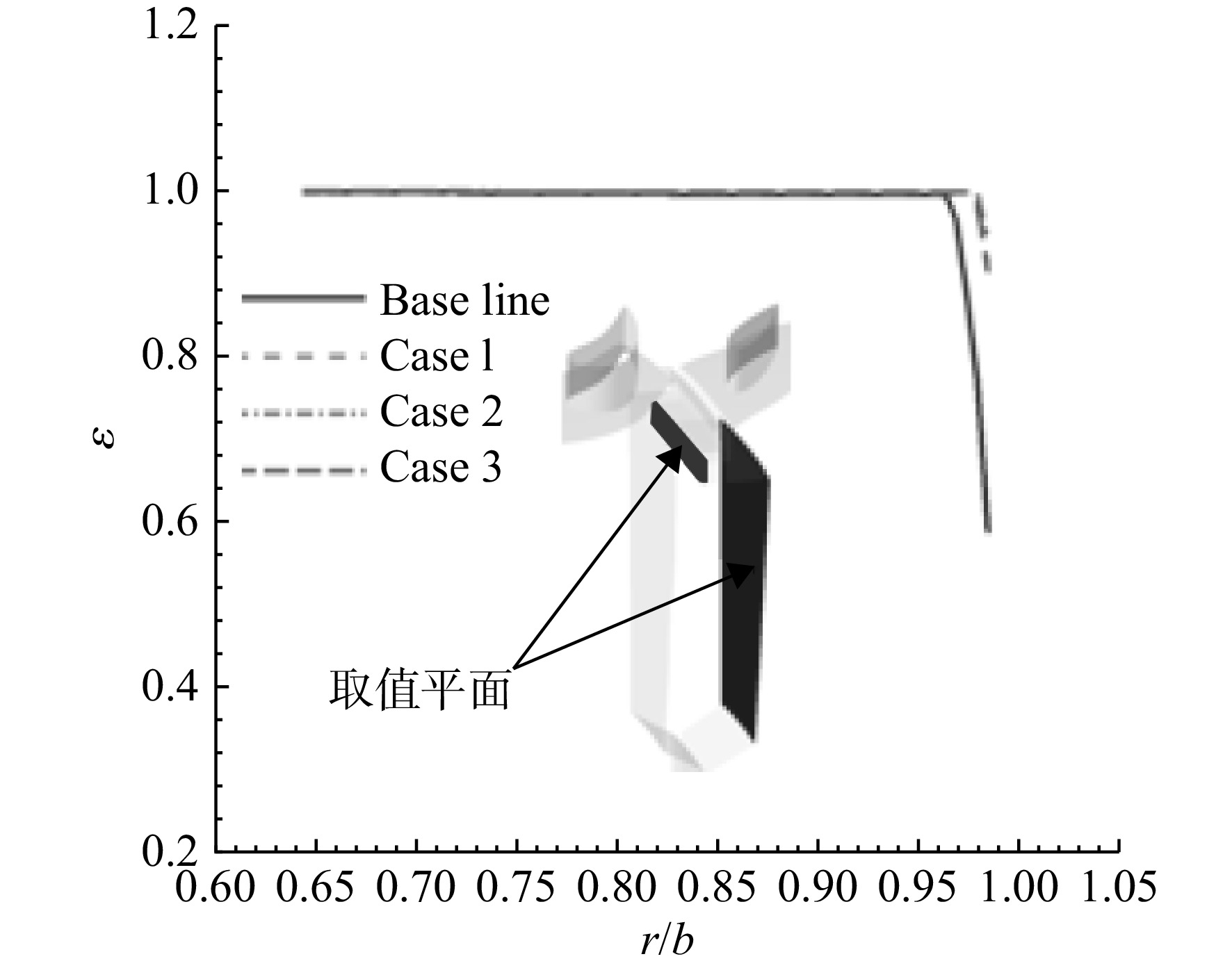
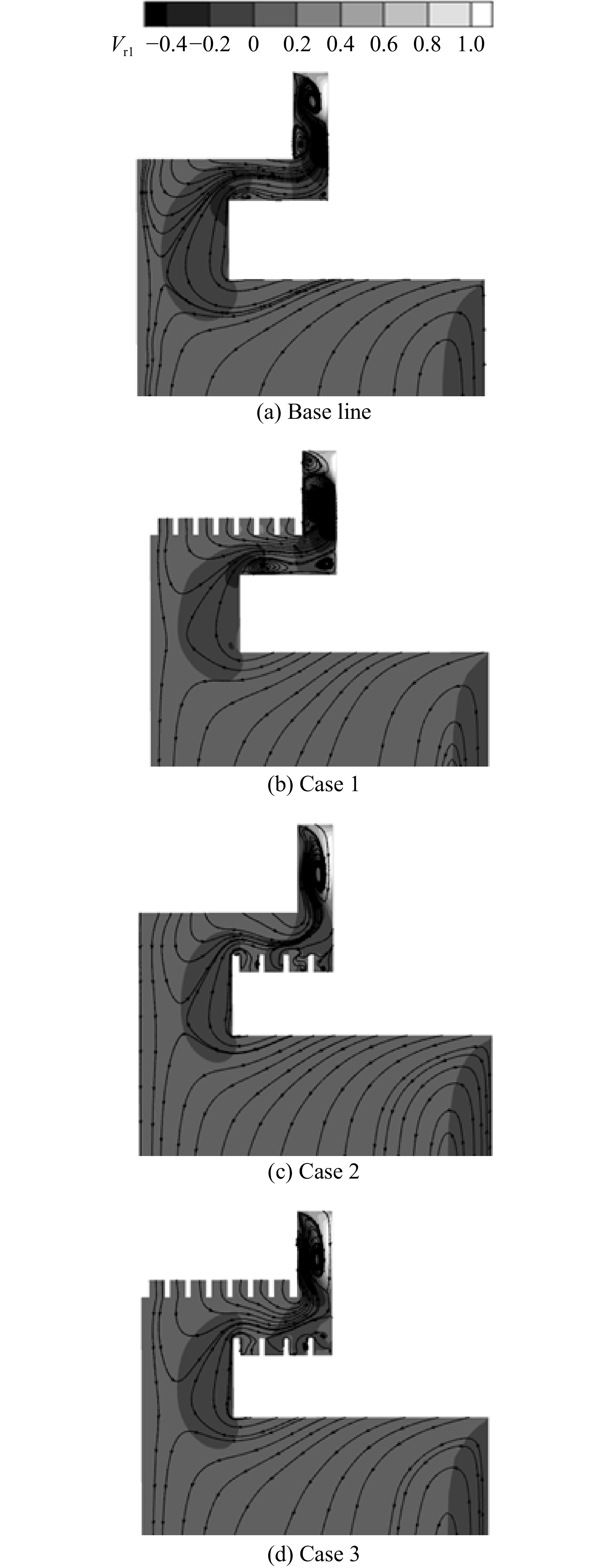
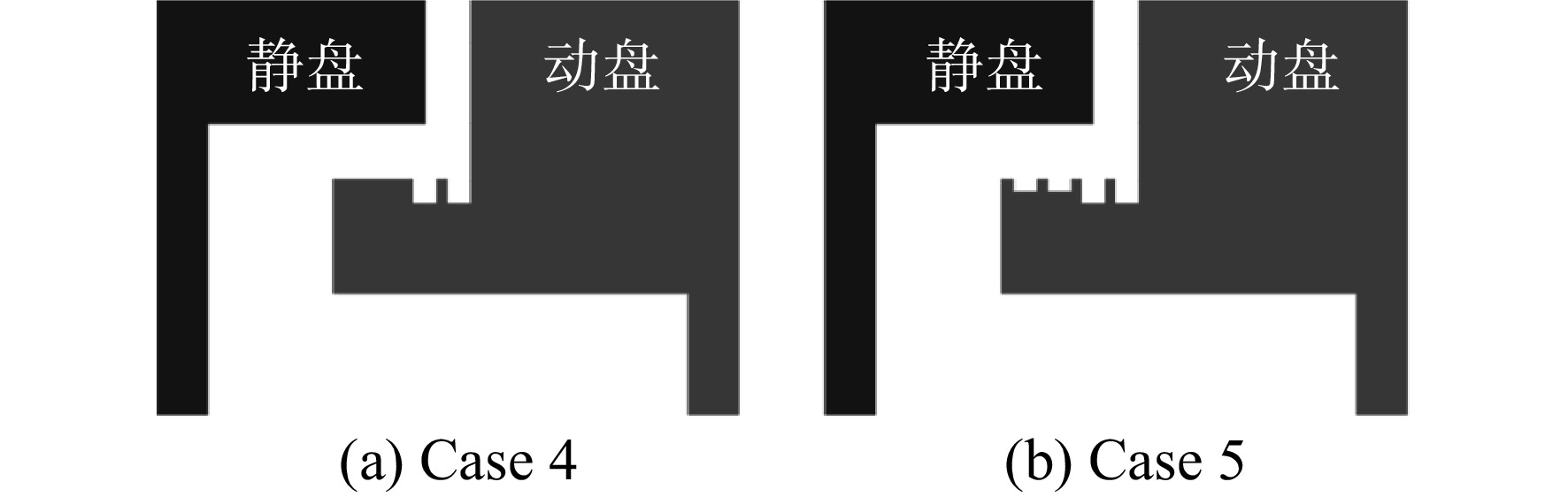
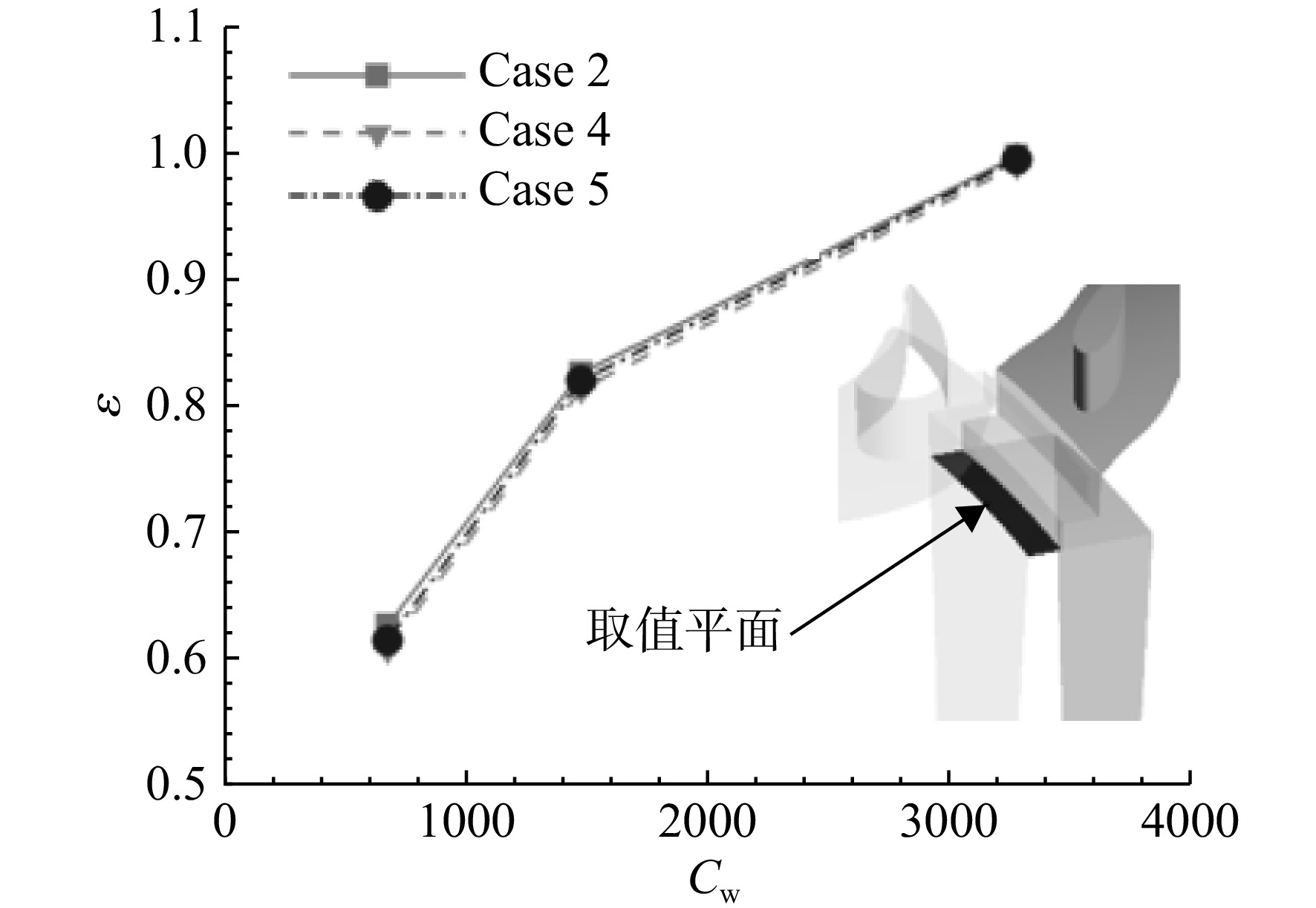
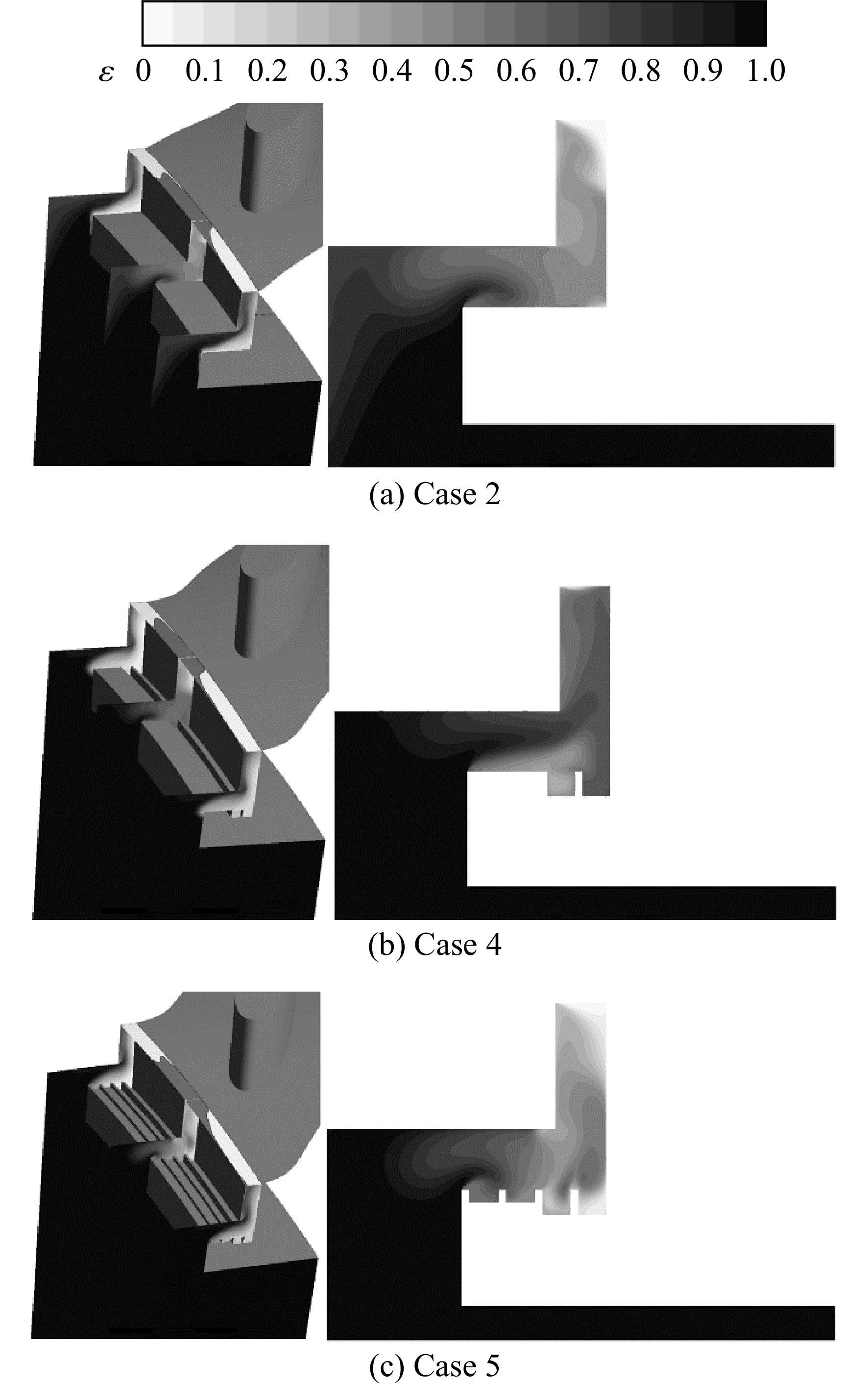
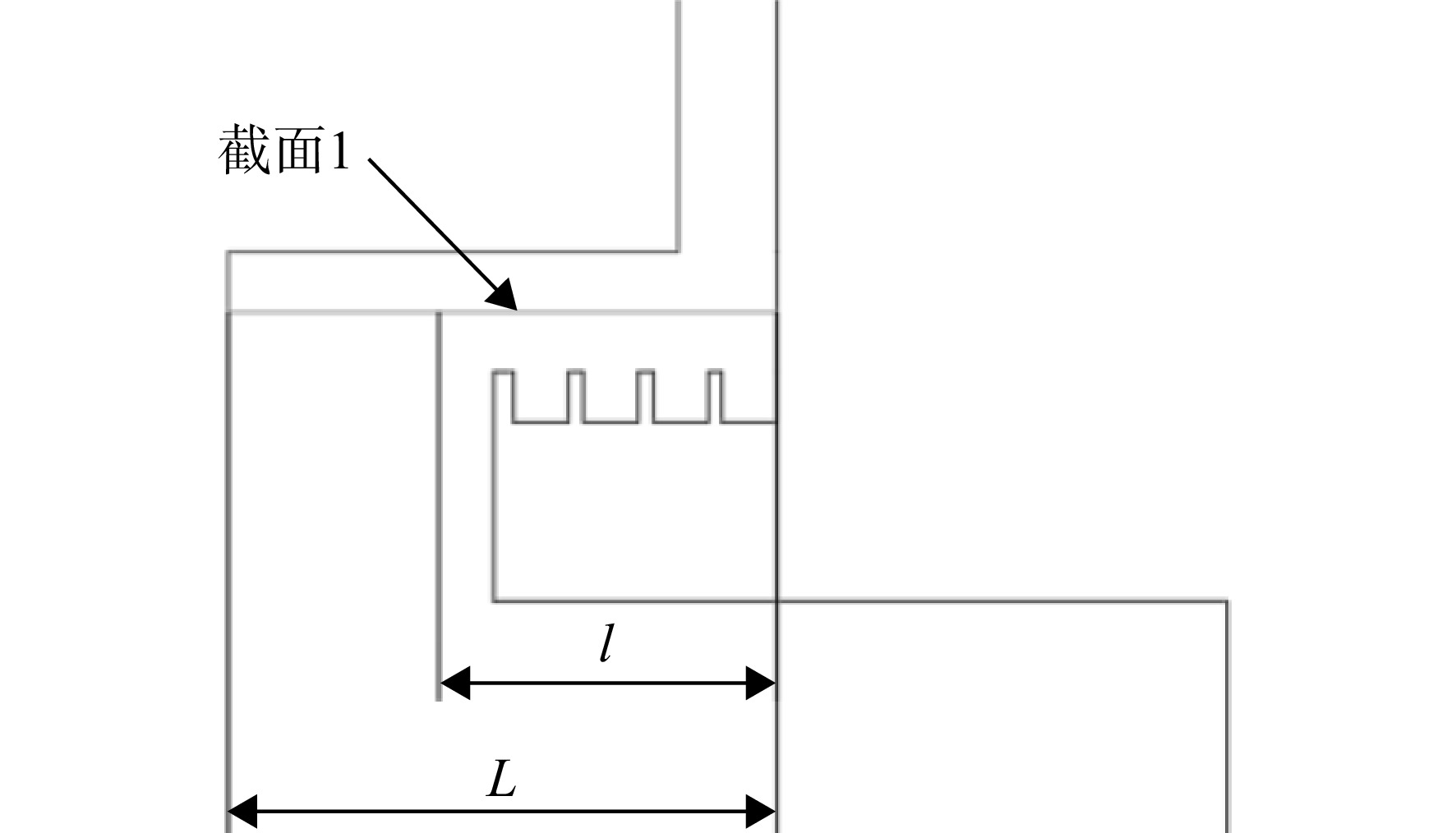
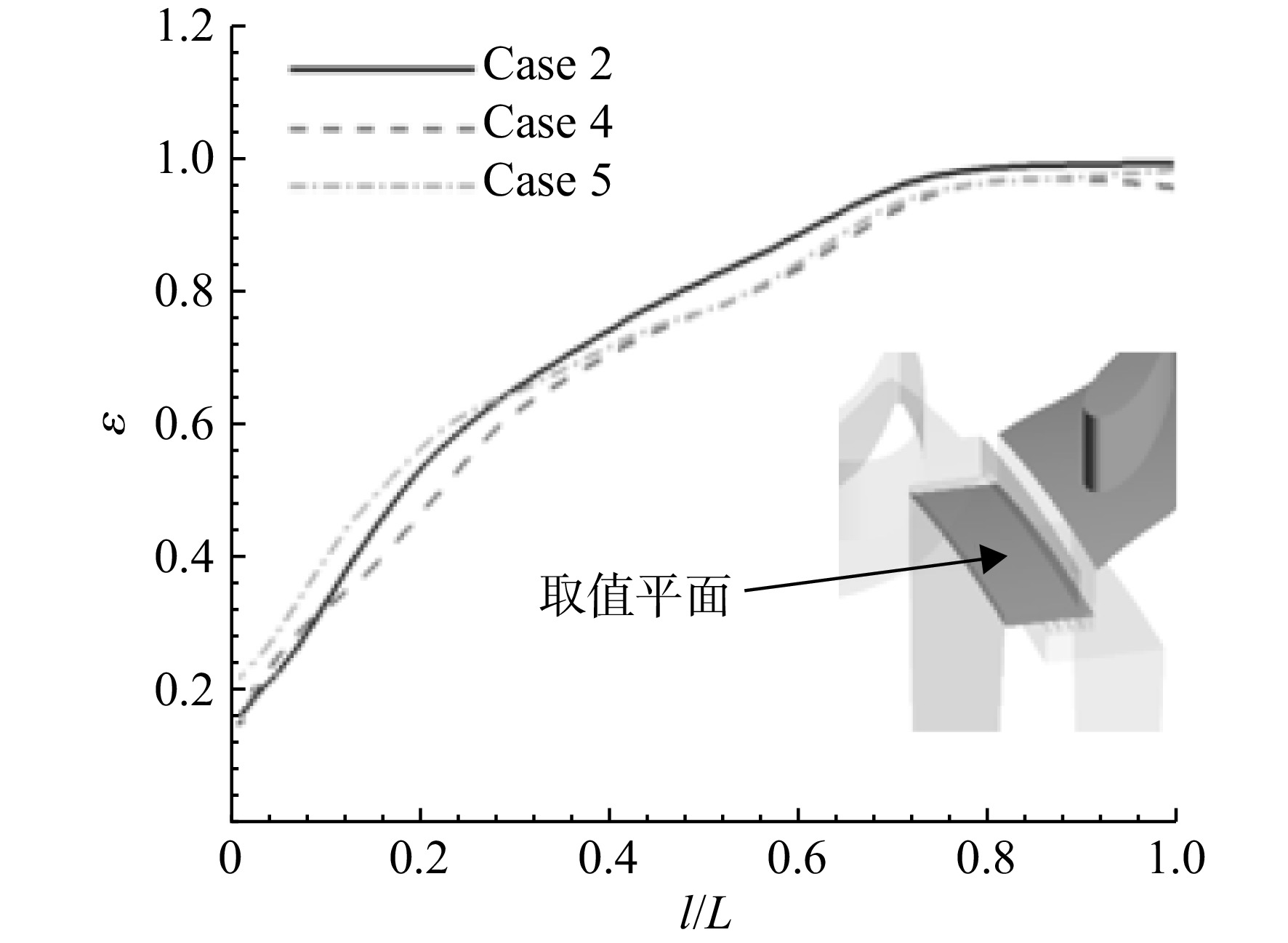
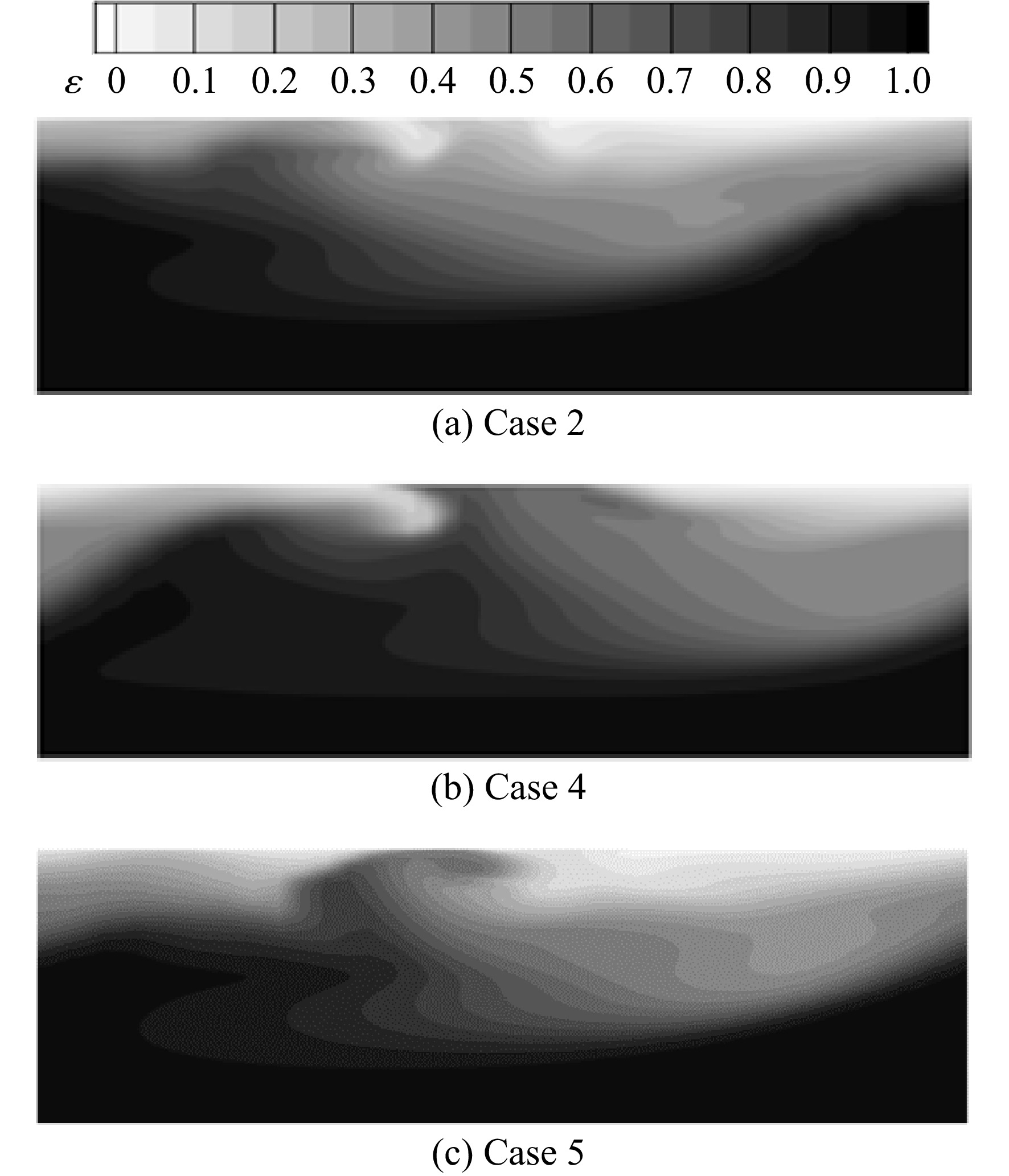
In order to solve the problem of the ingestion of mainstream gases into the wheel-space between the turbine rotor and stator under the externally-induced and rotationally-induced flows, which caused overheating of the turbine disk, three structures and two extended structures with rectangular slots at different positions of the radial rim seal were presented. Reynolds-Averaged Navier-Stokes (RANS) equations were utilized to investigate the influence of setting rectangular slots at different locations on the mainstream ingestion and sealing performance of five kinds of wheel shoulder seal structures. The results showed that the numerical calculations were in agreement with the experimental data, the validation of the numerical approach for the sealing effectiveness was reliable. The sealing effectiveness of three improved structures was better than the radial rim seal with different flows, and the best sealing performance was achieved by setting the rectangular slots on the side shoulder of the rotating disc. The sealing effectiveness of this structure was higher than original structure with 21% at the low sealing flow rate, and the invasion area of intrusion section was reduced by 33.8% at the high sealing flow rate. In addition, the two structures expanded based on this structure reduced the heat transfer area at the convex shoulder, but also reduced the sealing effectiveness, and the expansion was not reasonable.

Fracture fault analysis of tail rotor drive shaft on a helicopter
HOU Bo, XU Guanfeng, YUAN Liangliang, CHU Xiaoyang, YAN Huijuan
2025, 40(7): 20240791. doi: 10.13224/j.cnki.jasp.20240791
Abstract:

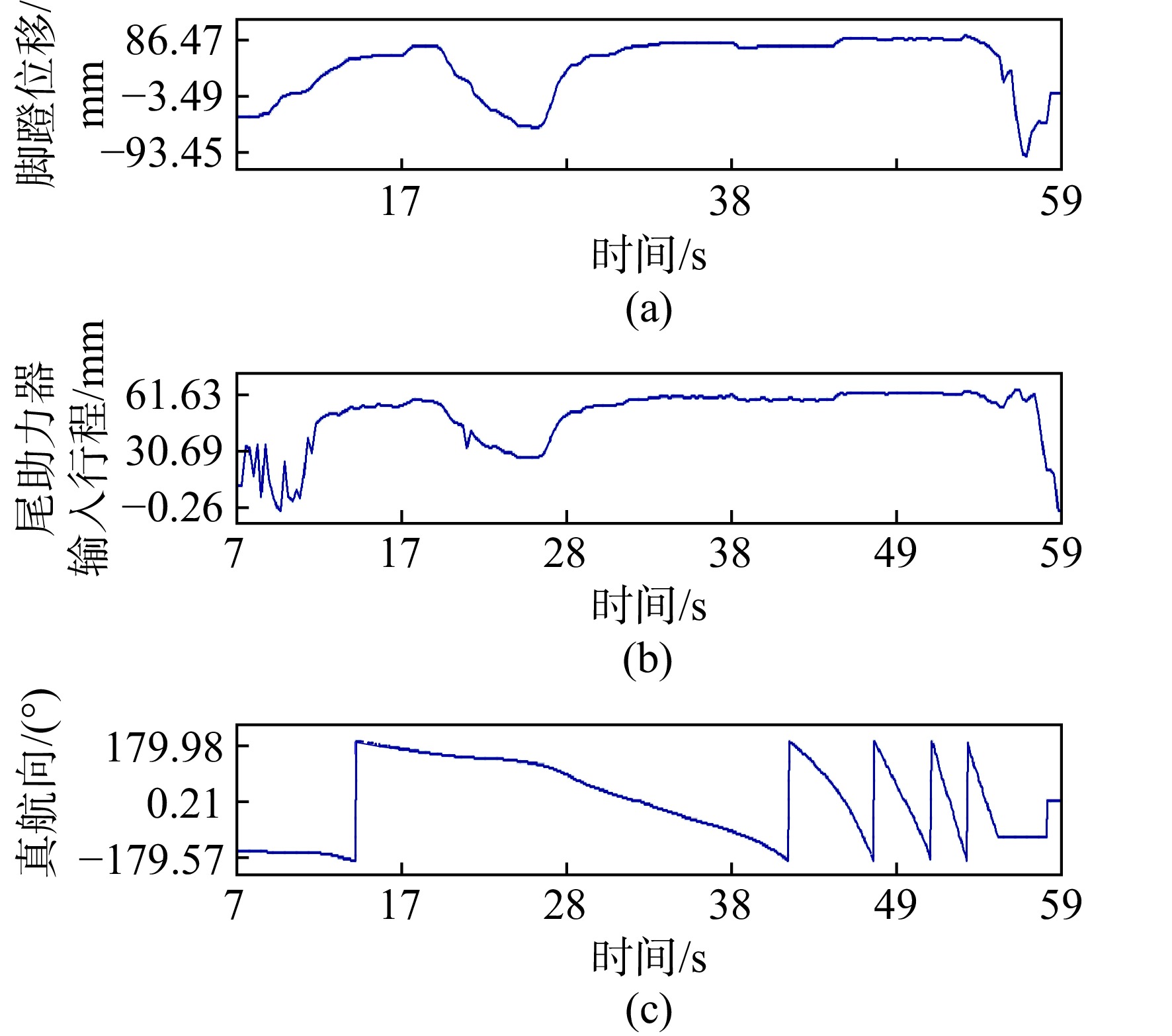
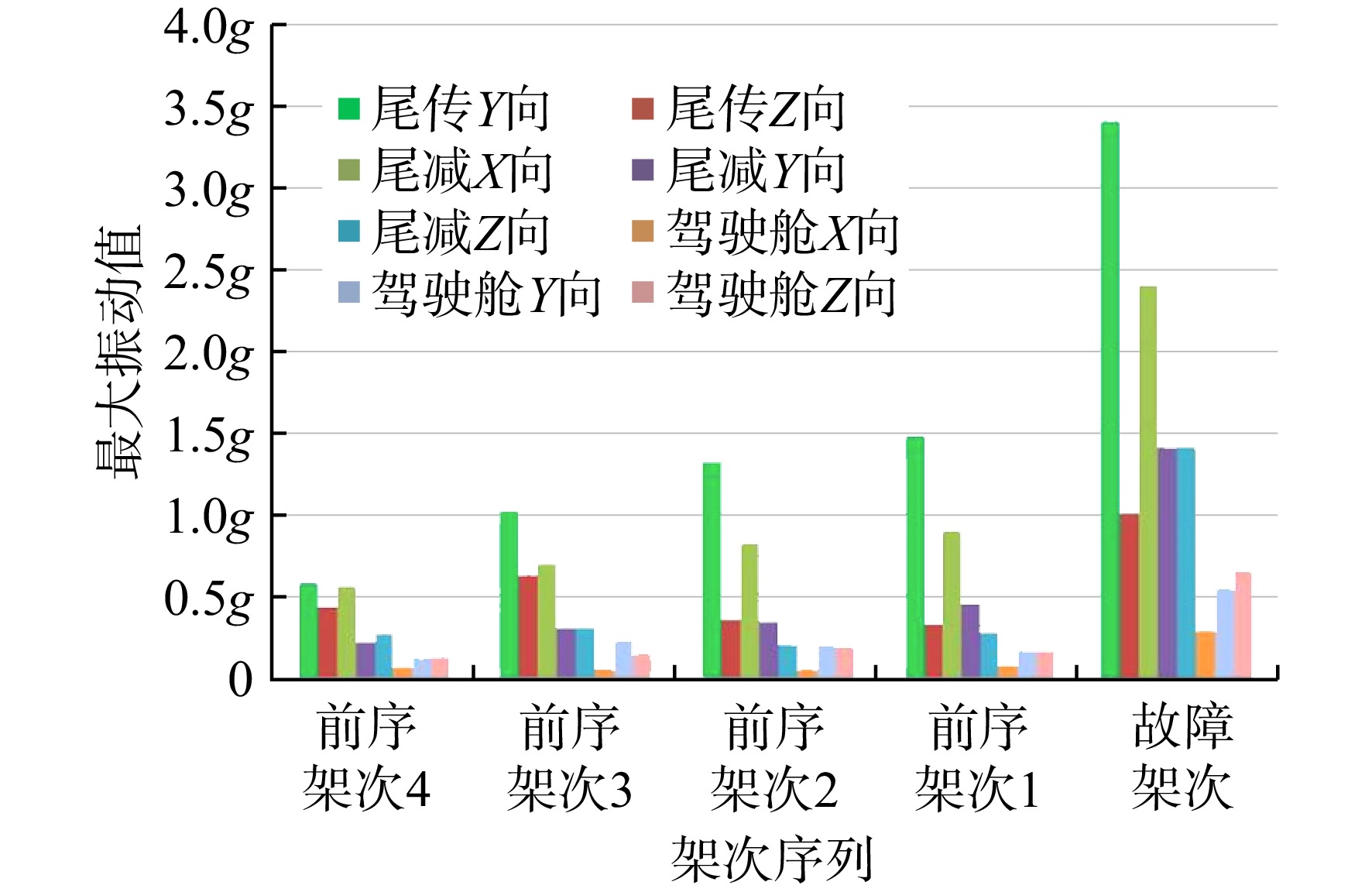
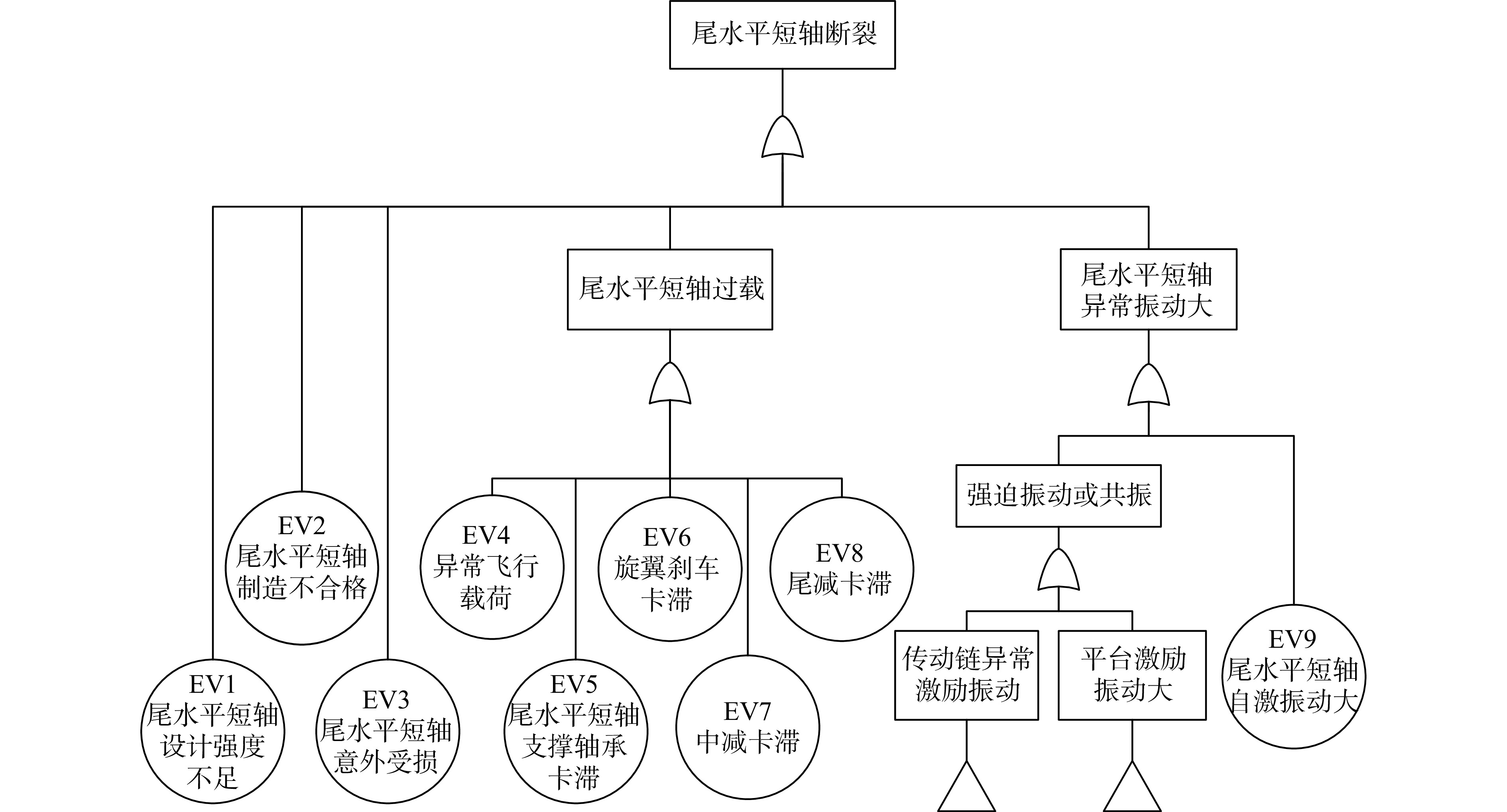
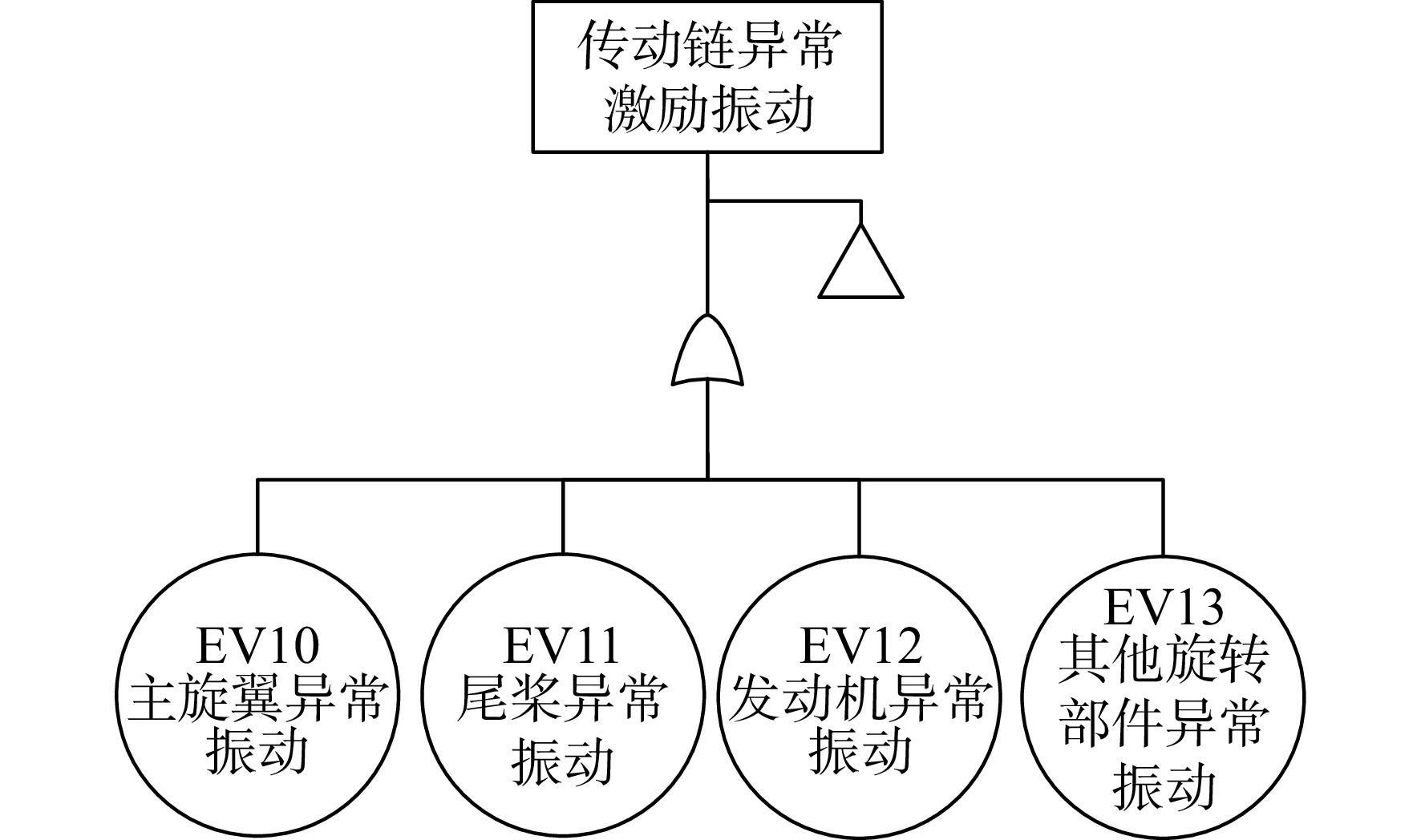
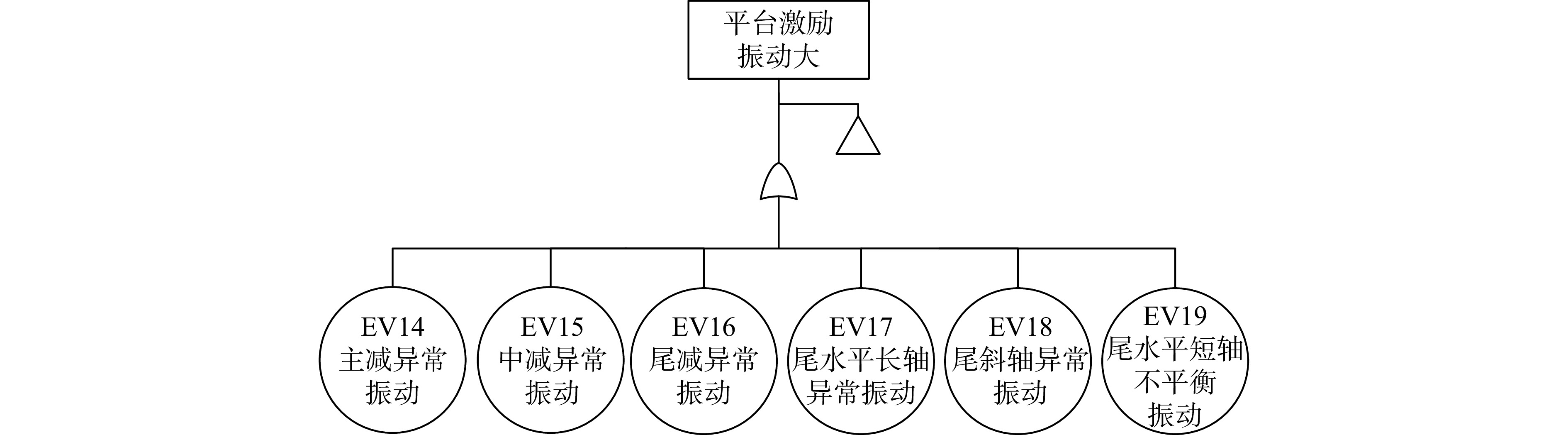
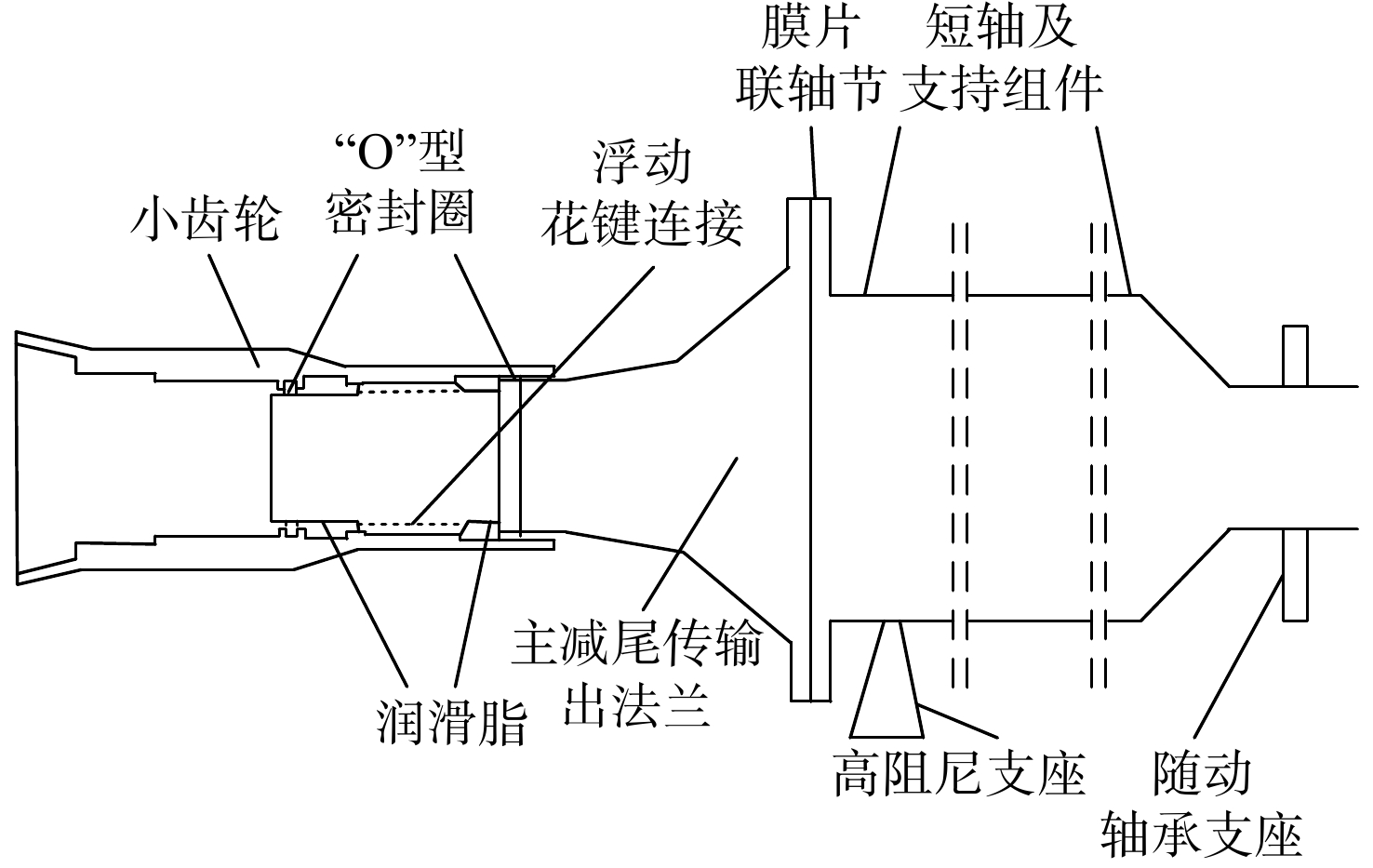
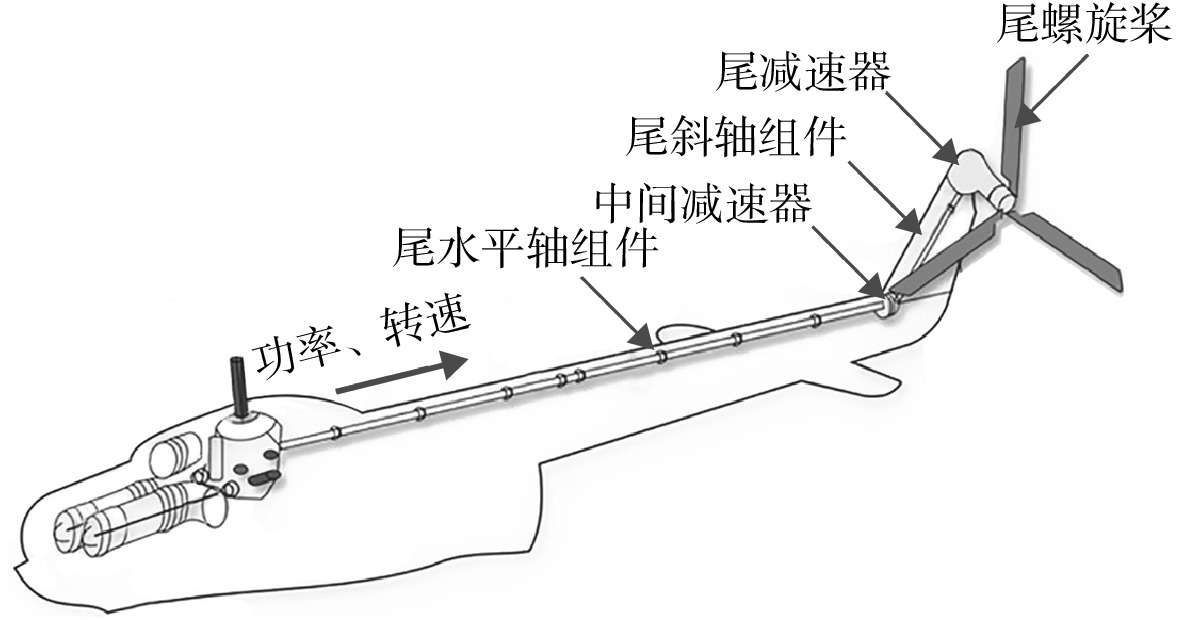
To identify the cause of the high-frequency abnormal vibrations and tail rotor control failure in a certain type of helicopter, fault localization and analysis were conducted. Through analysis of the flight parameters and vibration data, the fault was located as the fracture of the horizontal short shaft in the tail drive shaft assembly of the transmission system. A fault tree was constructed with the fracture of the horizontal short shaft of the tail drive as the top event, and fault tree analysis and bottom event verification were carried out to determine that the fault attributed to the divergence of self-excited vibration in the horizontal short shaft of the tail drive. An analysis of the self-excited vibration mechanism of the tail horizontal short shaft was performed. Contact models for mating internal and external spline teeth pairs, as well as a lumped parameter model for the shafting-spline system, were established. A stability analysis of the horizontal short shaft of the tail drive under the radial friction force of the spline was conducted, clarifying the conditions for system instability and the measures against instability. The dynamic characteristics test of the tail horizontal short shaft was carried out, confirming that self-excited vibration occurred under conditions of inadequate lubrication at the spline pair position, wear on the spline tooth surfaces and locating section of the flange, etc. Analysis of the failure mechanism and test results indicated that the friction in the spline locating section was the fundamental cause of the self-excited oscillation in the horizontal short shaft of the tail drive. The divergence of this self-excited vibration ultimately led to the fracture of the shaft. This finding could provide theoretical guidance for optimizing drive shaft design, maintenance, and failure prevention.

Prediction of full-condition vibration trend of aero-engine based on combined model
YAO Shangpeng, WANG Yankai, LUO Xiao
2025, 40(7): 20240209. doi: 10.13224/j.cnki.jasp.20240209
Abstract:

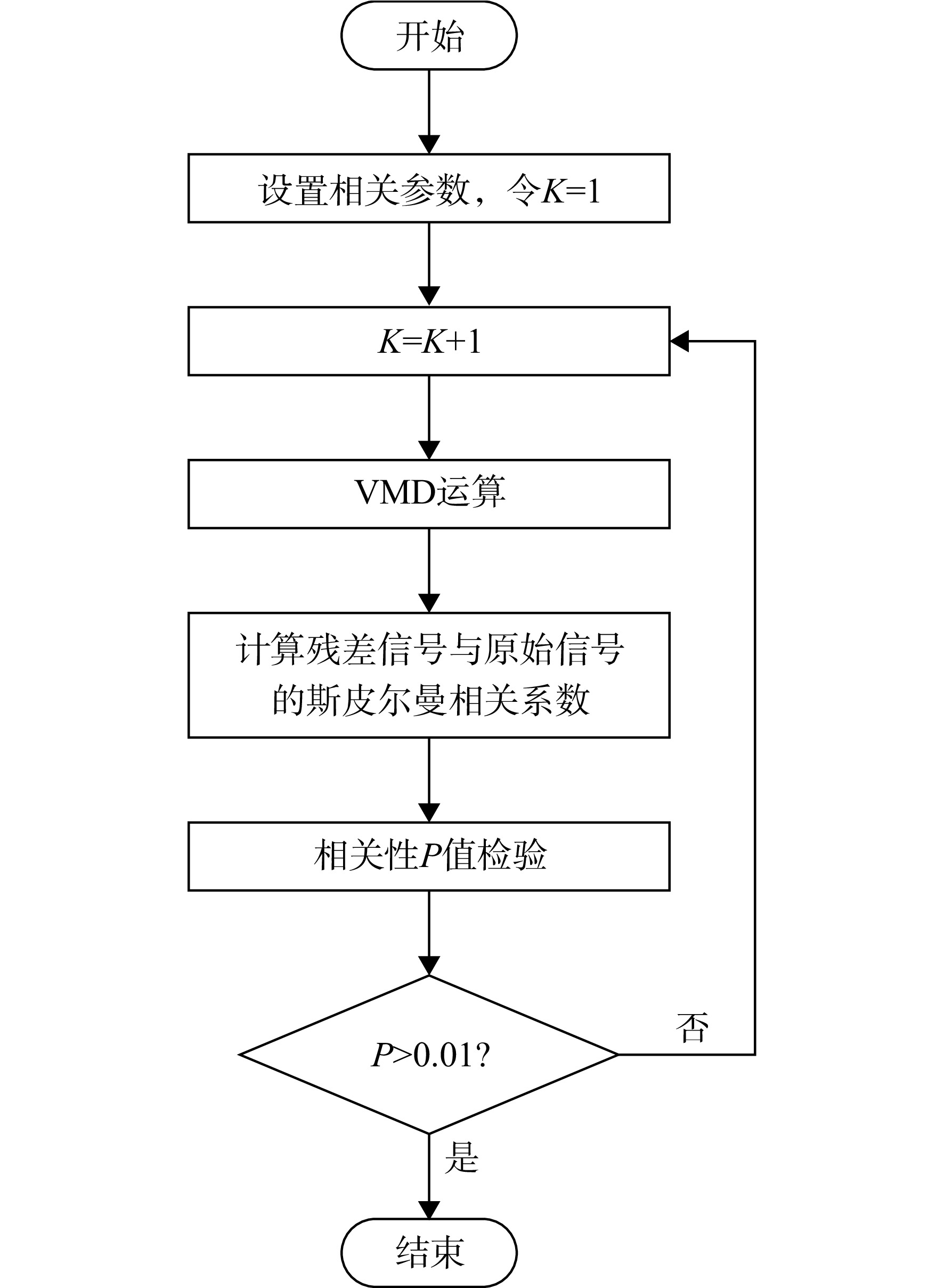
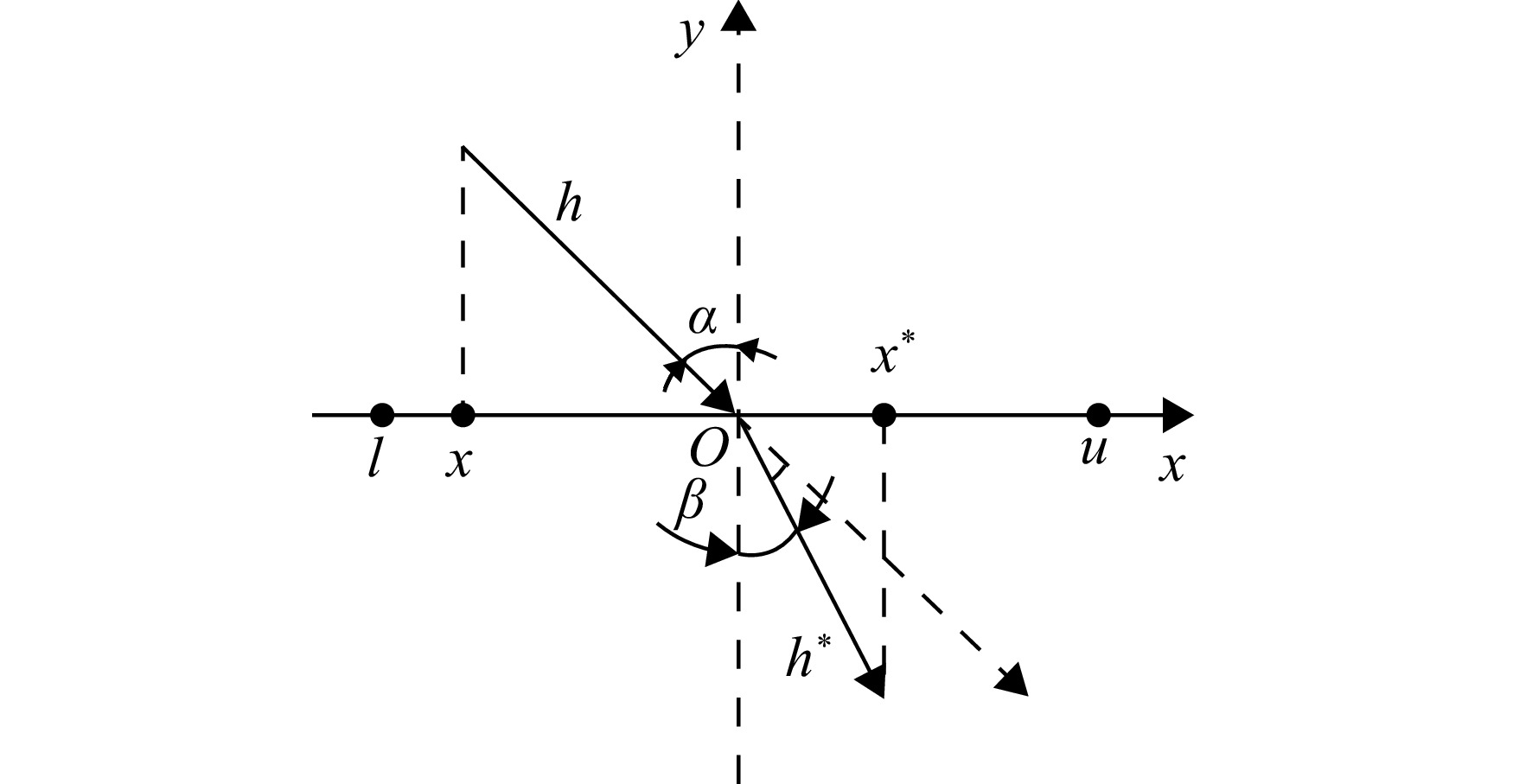
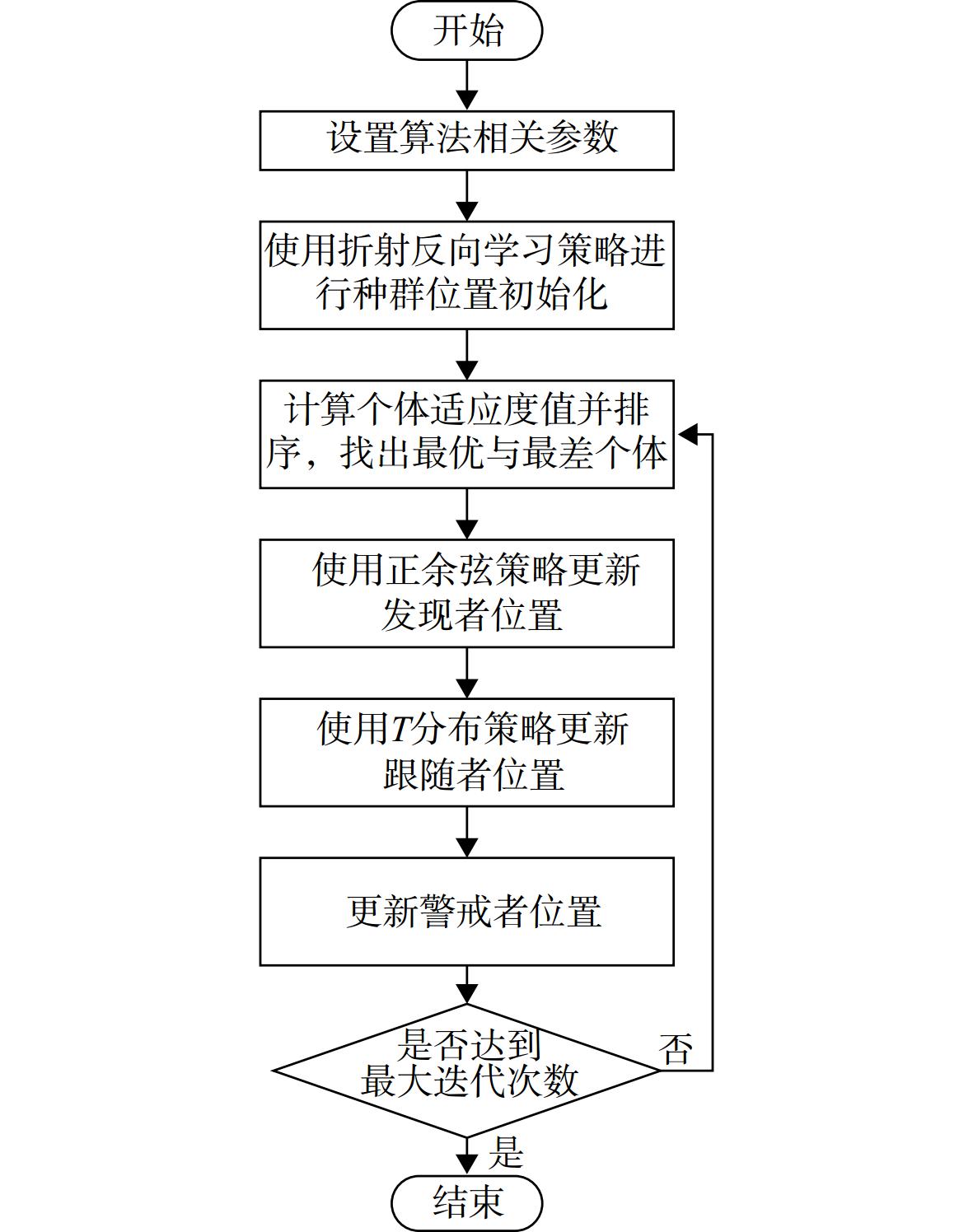
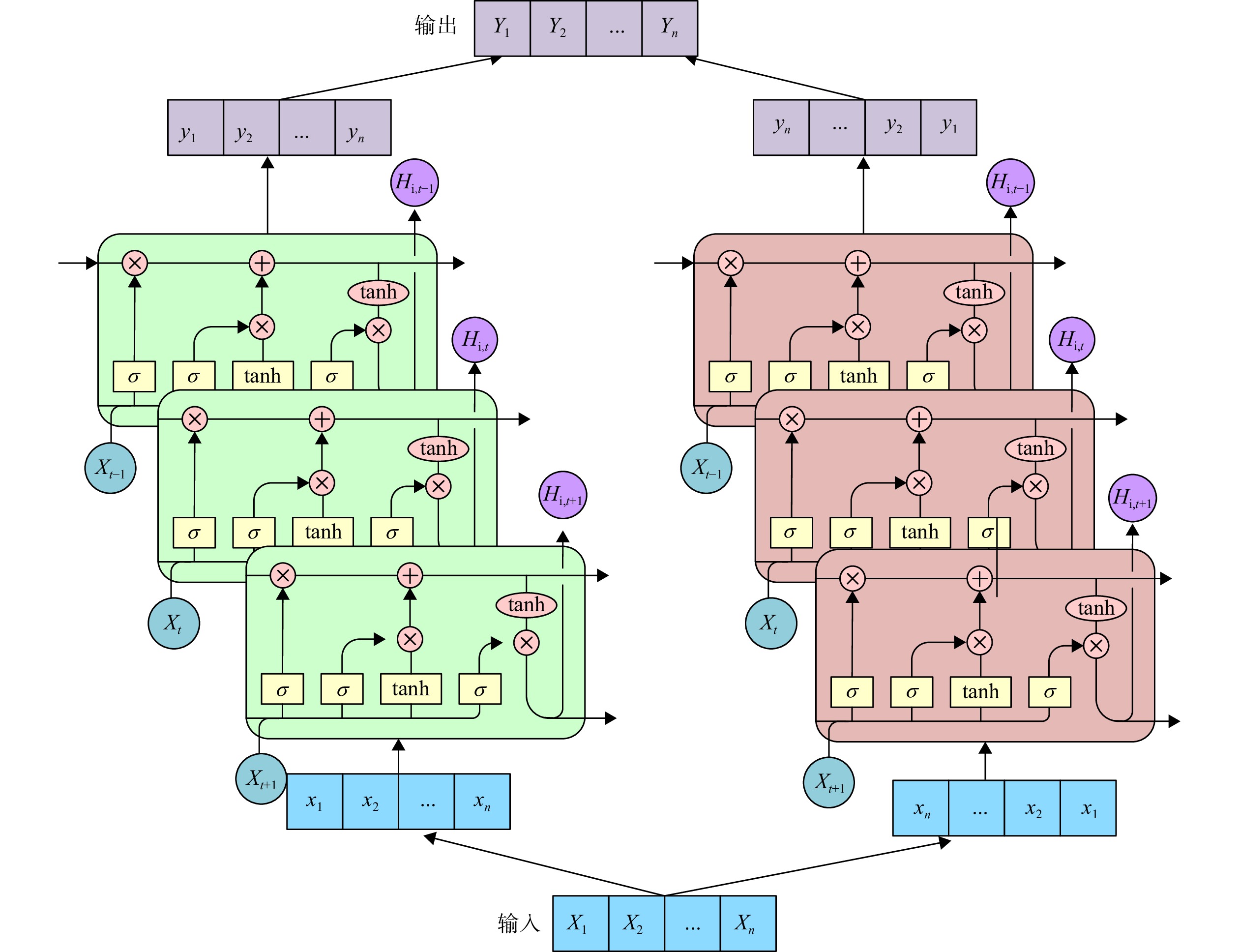
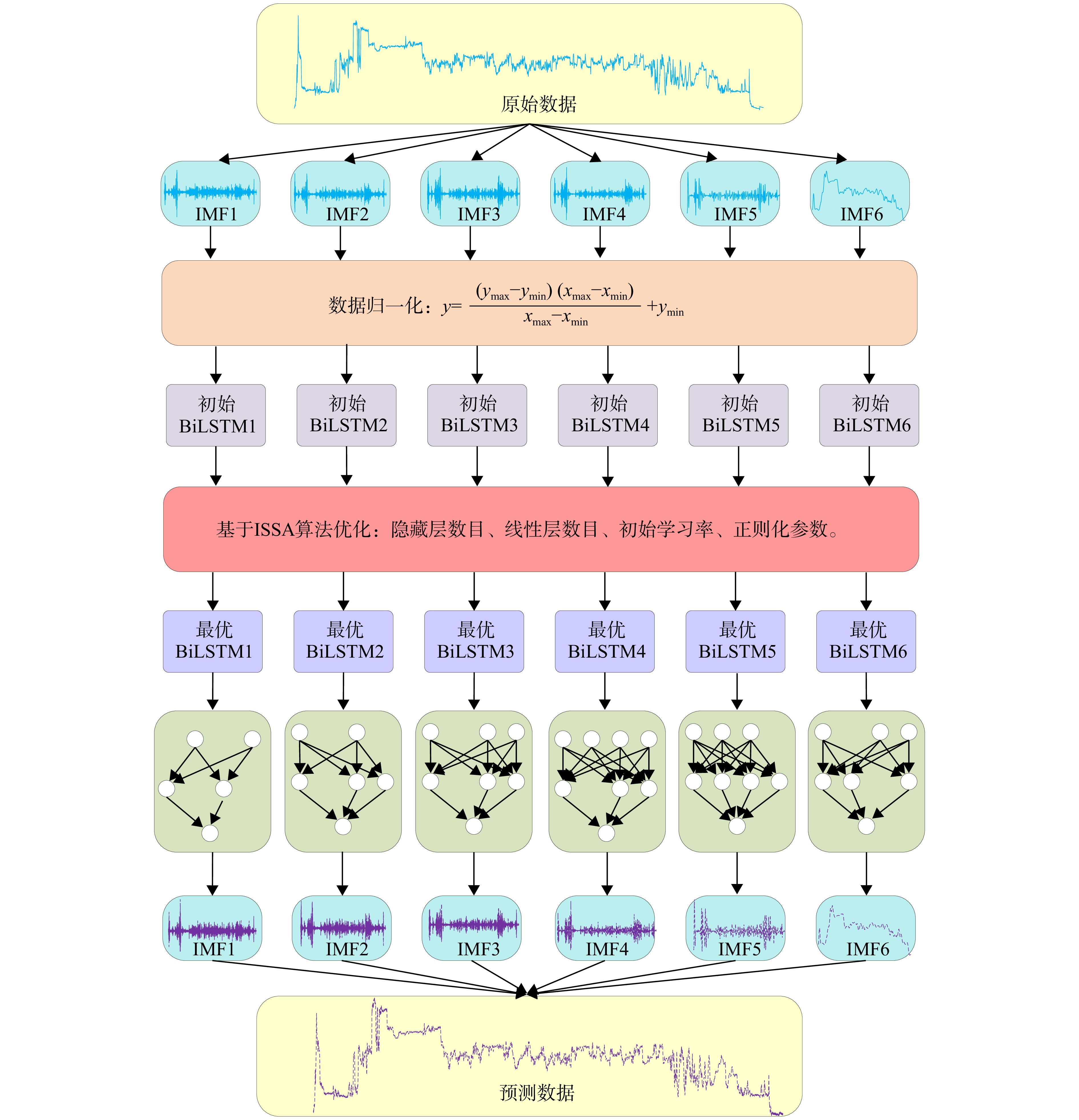
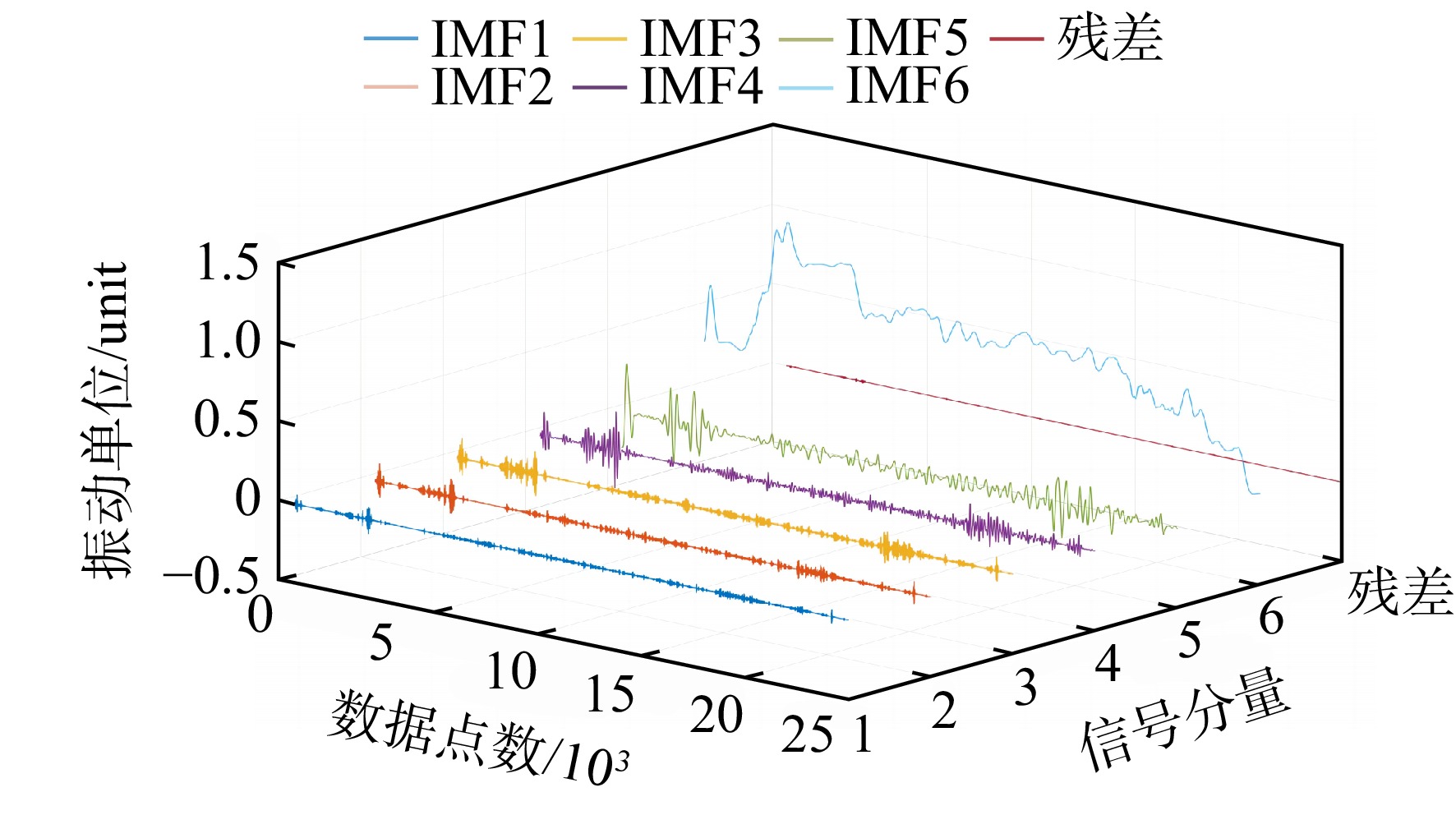
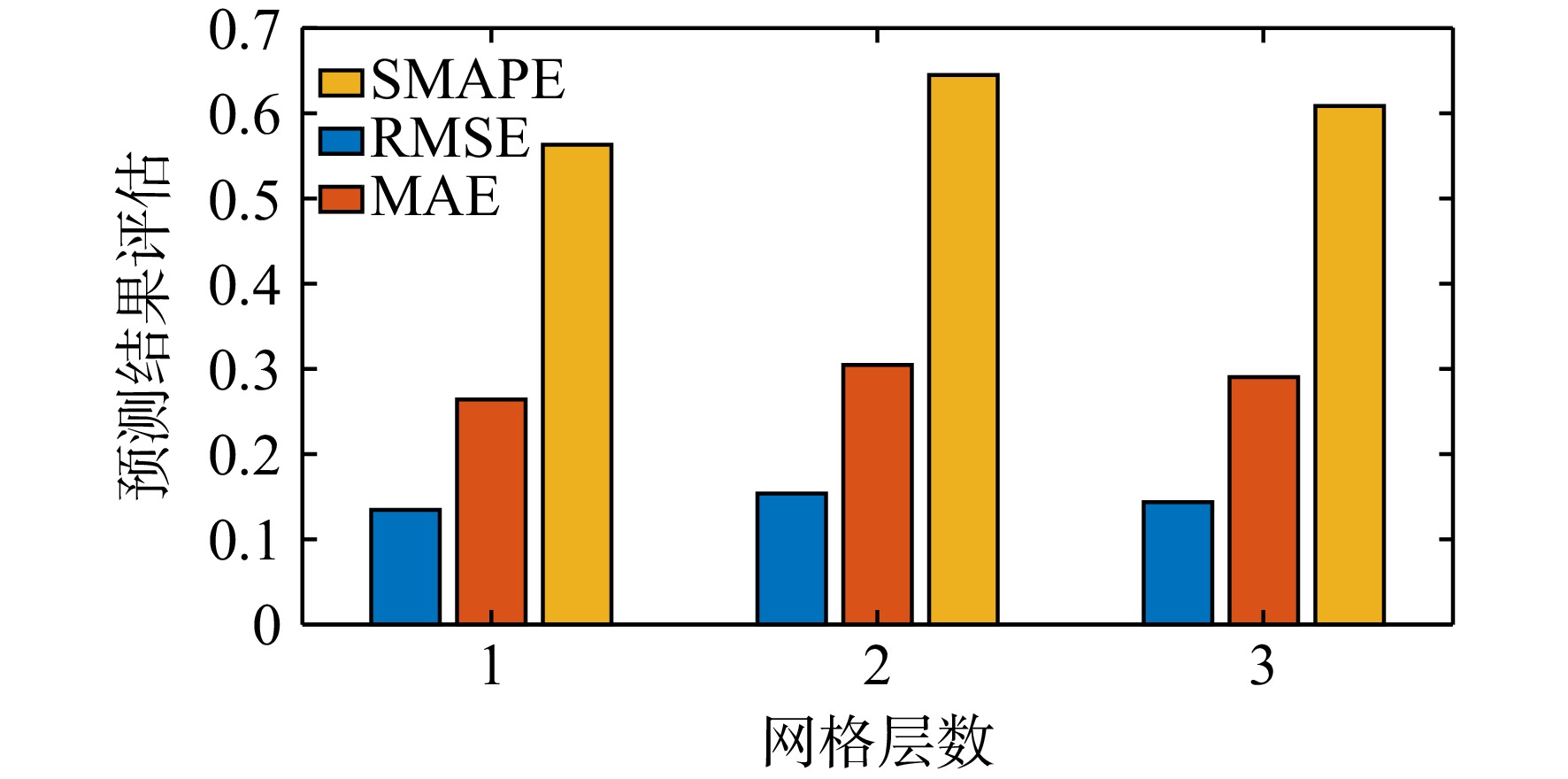
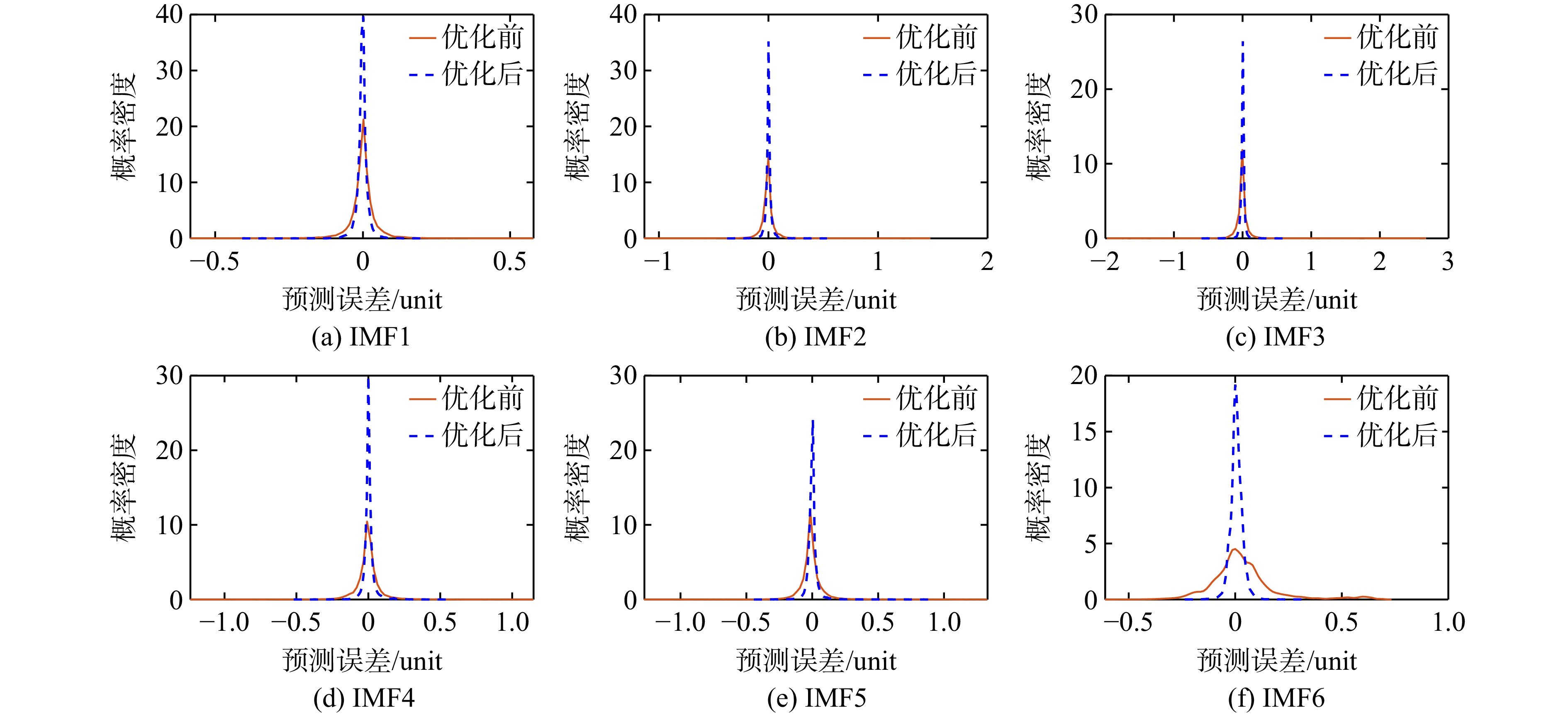
The steady state and transition state are intertwined during the operation of aero-engine, resulting in strong nonlinearity and high time variability of vibration trend data. In view of the problems of single working condition and low prediction accuracy in the existing vibration trend prediction research, a combined model was proposed to predict the vibration trend of an aero-engine based on the full-condition. The improved variational modal decomposition algorithm (IVMD) was used to decompose the vibration data to weaken the nonlinearity and time-varying nature; the improved sparrow search algorithm (ISSA) was used to optimize the network parameters of the IVMD-BiLSTM (bidirectional long and short-term memory) prediction model; and the prediction performance of the prediction model was examined based on the vibration trend data of the aircraft engine under the steady state and transition state conditions. Finally, the prediction performance of the model was examined under steady state and transitional conditions based on aero-engine vibration trend data. The model validation results showed that: for the vibration trend data in full-conditions, after data decomposition and optimization of the combined model parameters by the ISSA, the comprehensive evaluation indicators (CEI) of the prediction effect can be up to 55.13%; besides, the combined model had excellent prediction performance for the vibration trend of steady state and transition state in different states, and the model had good generalization.

Response prediction modeling and experiment study of helicopter tail drive system
CHEN Guowang, TANG Qian, LI Heng, YANG Zhen
2025, 40(7): 20240364. doi: 10.13224/j.cnki.jasp.20240364
Abstract:

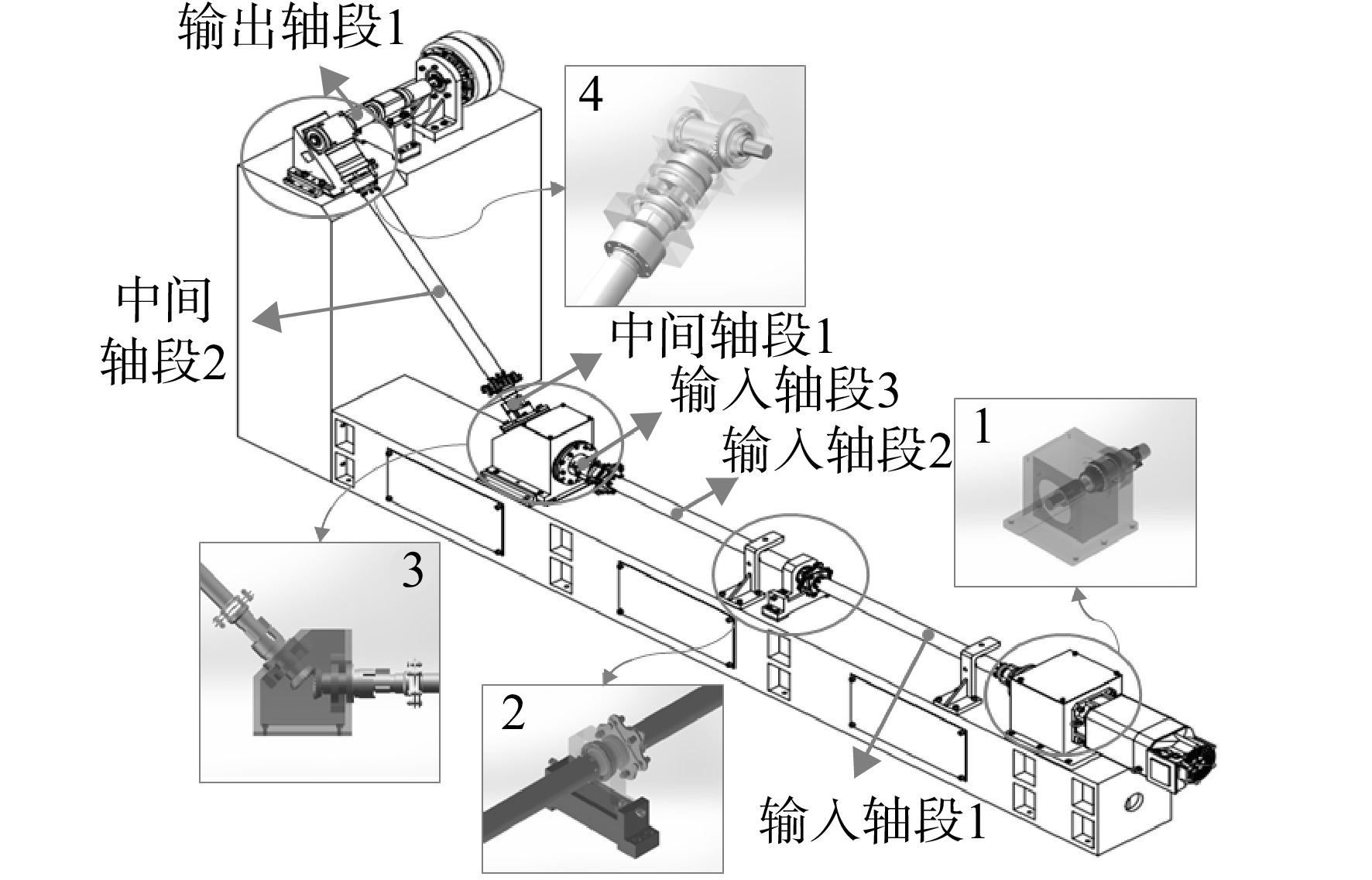
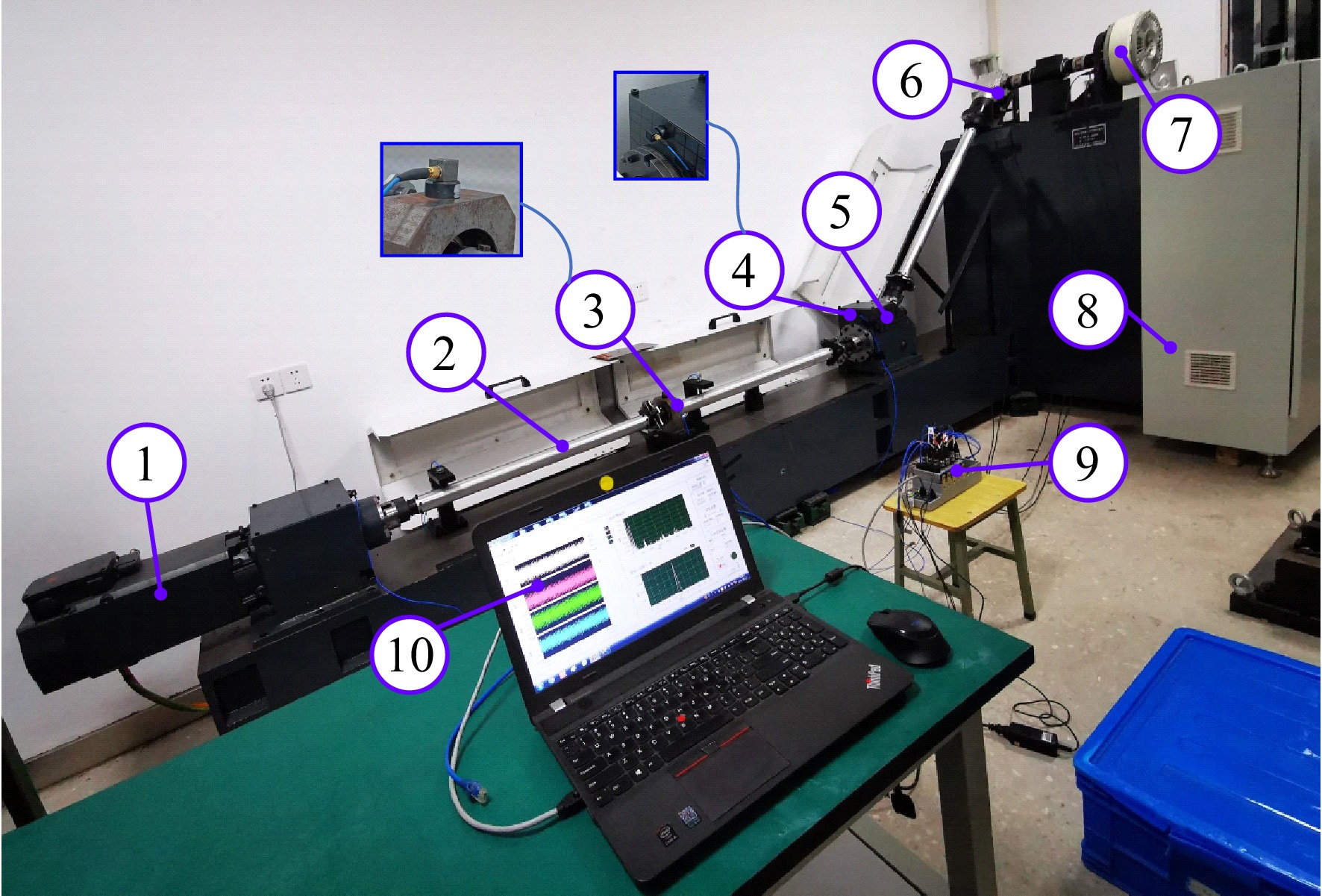
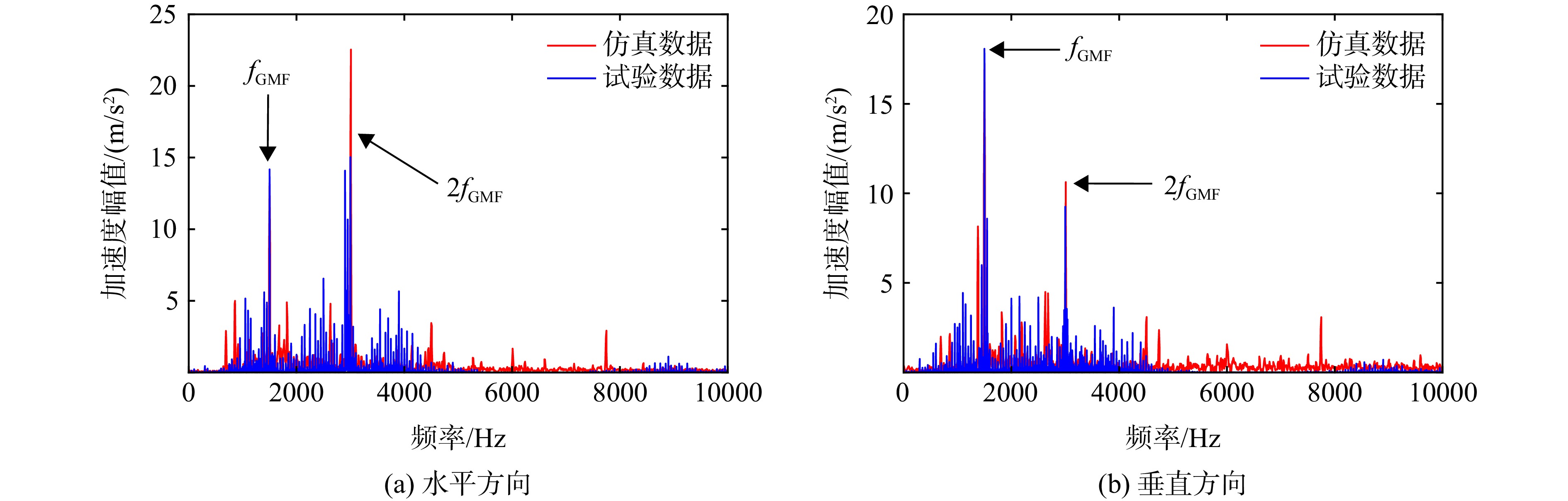
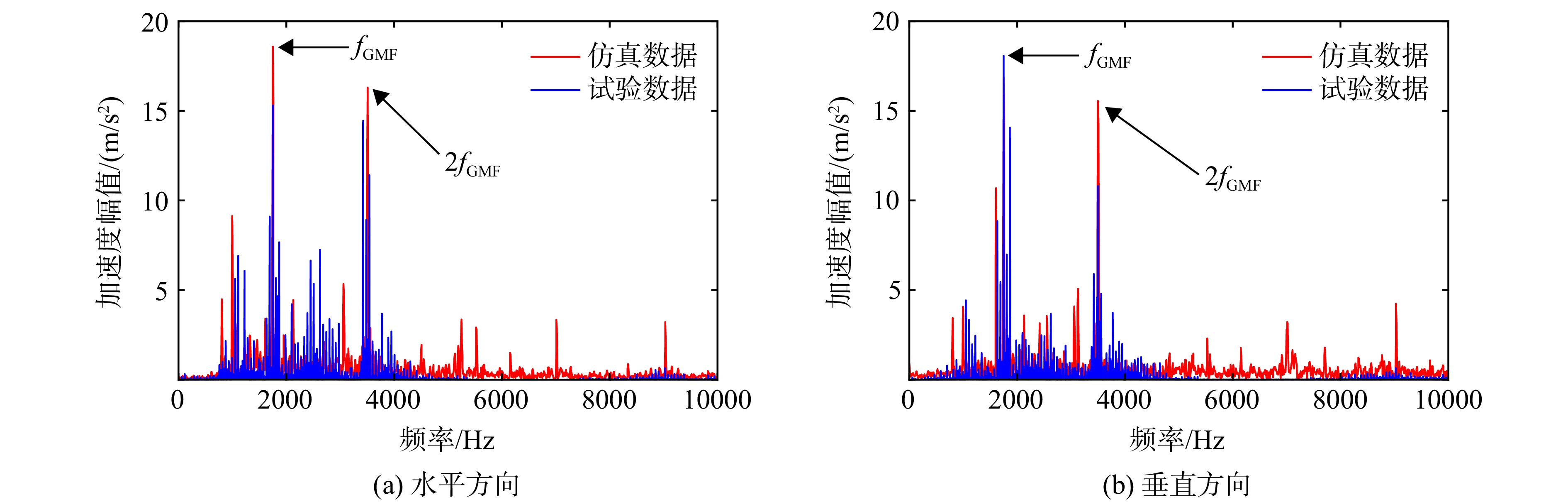
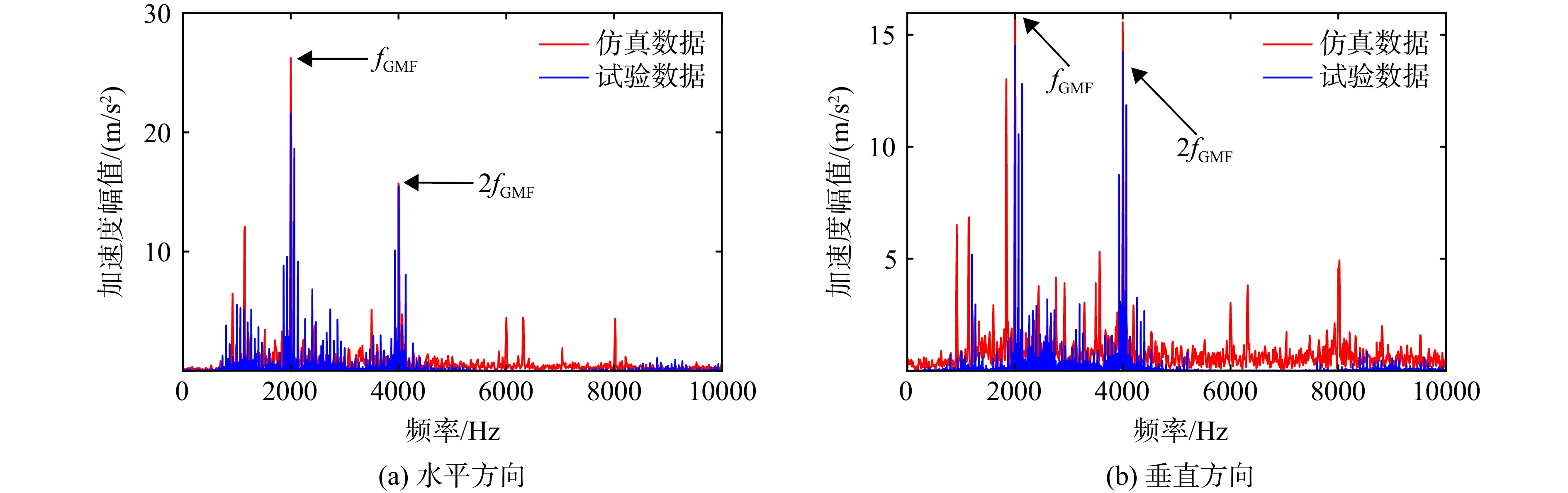
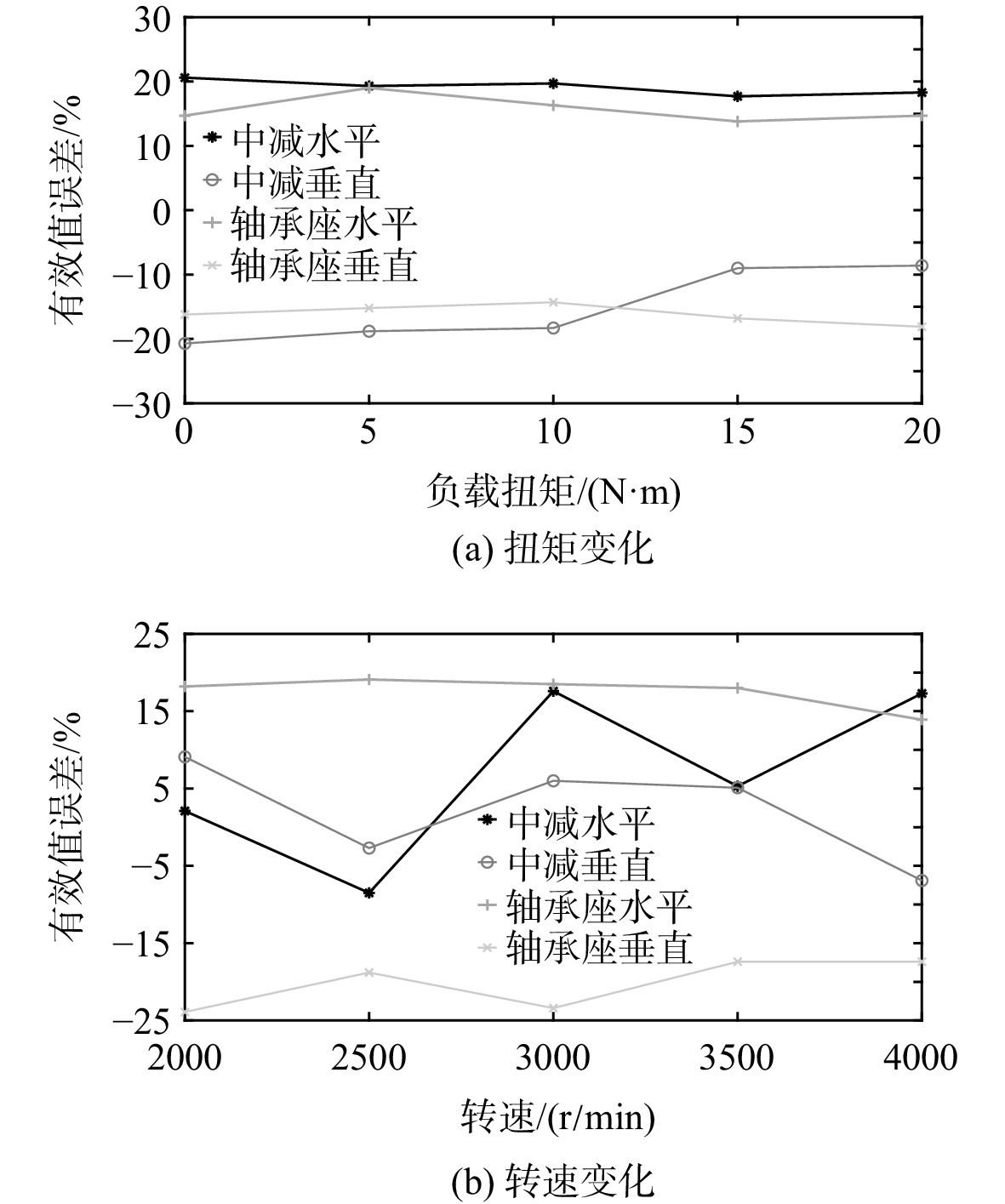
To solve the problem of predicting the vibration response of the helicopter tail drive system during actual operation, a model for predicting the response of the helicopter tail drive system based on rigid-flexible coupled multibody dynamics was established. A simulation test bench of the system was built to analytically compare with the predicted value of the proposed model. The results showed that the response prediction model of the system can reflect the meshing frequency and the octave components consistent with the test data, and the error of the effective value of the vibration acceleration was within the range of −23.9%—20.6% under the conditions of variable rotational speed and variable load, which proved that the reliability of the proposed vibration response prediction method was demonstrated in the comparative results. The results provide a theoretical and experimental basis for the high safety service of helicopters.

Data-driven approach for efficient multiscale damage analysis of fiber reinforced composites
MA Penghui, HU Dianyin, LIU Xi, LIU Yu, WANG Rongqiao
2025, 40(7): 20230051. doi: 10.13224/j.cnki.jasp.20230051
Abstract:

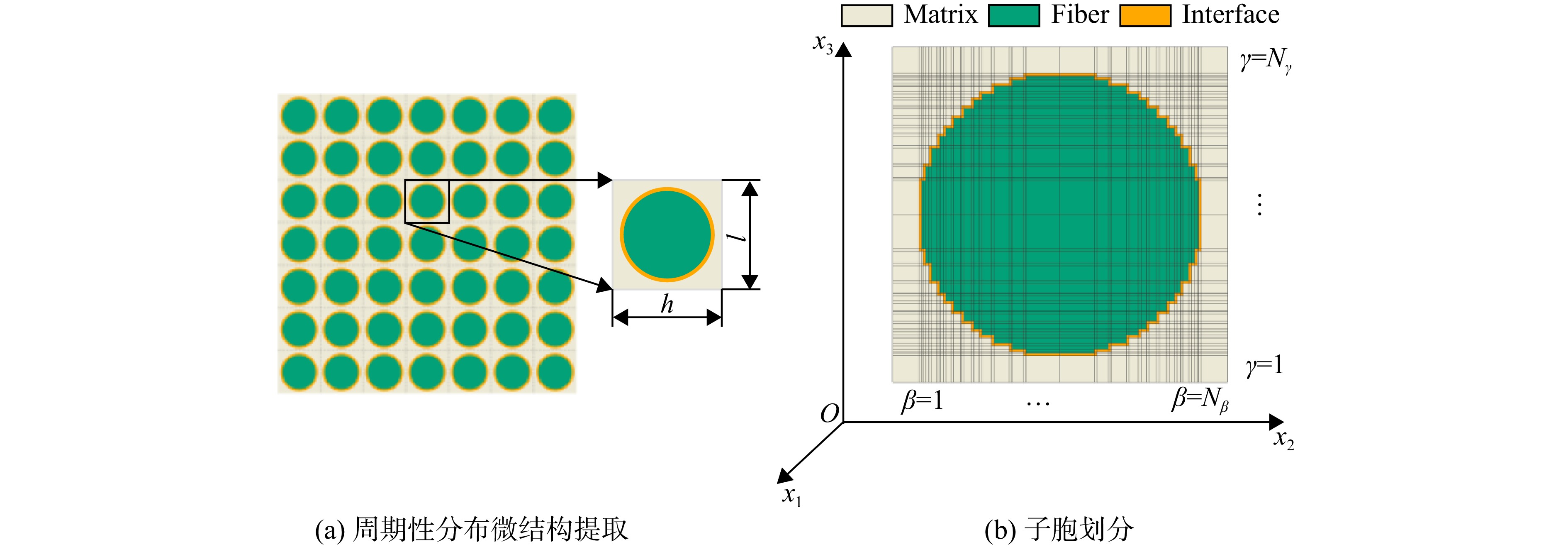
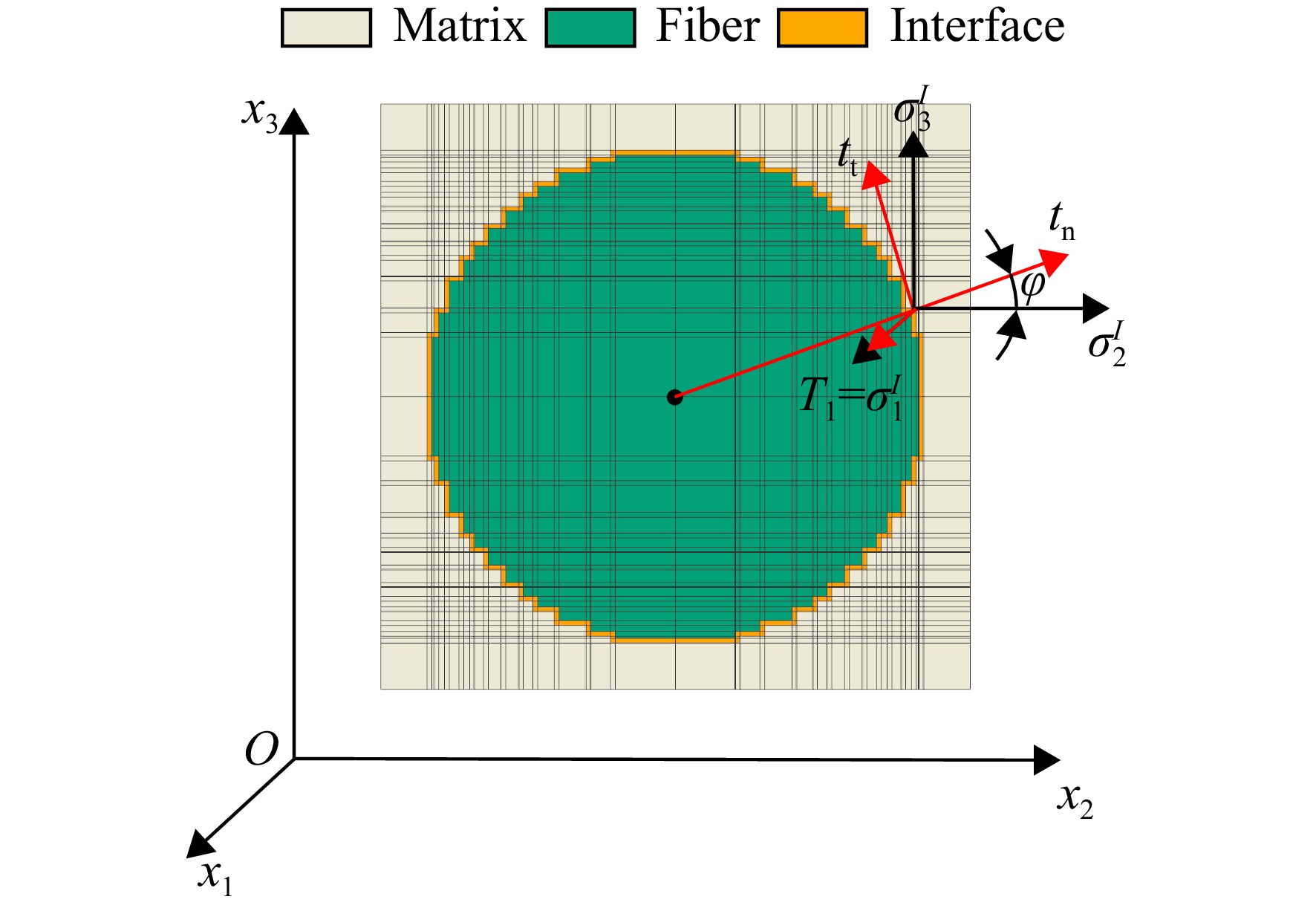
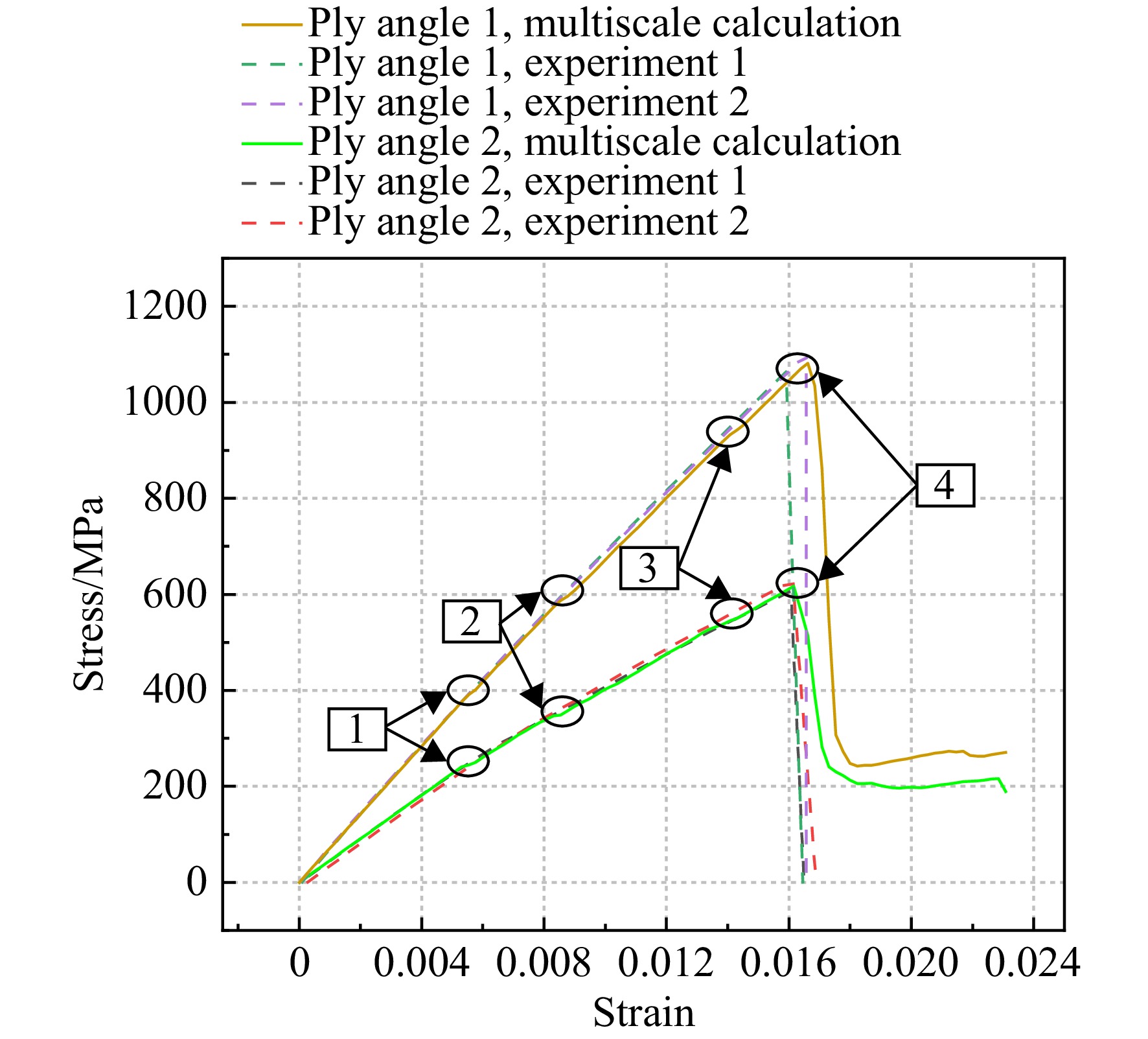
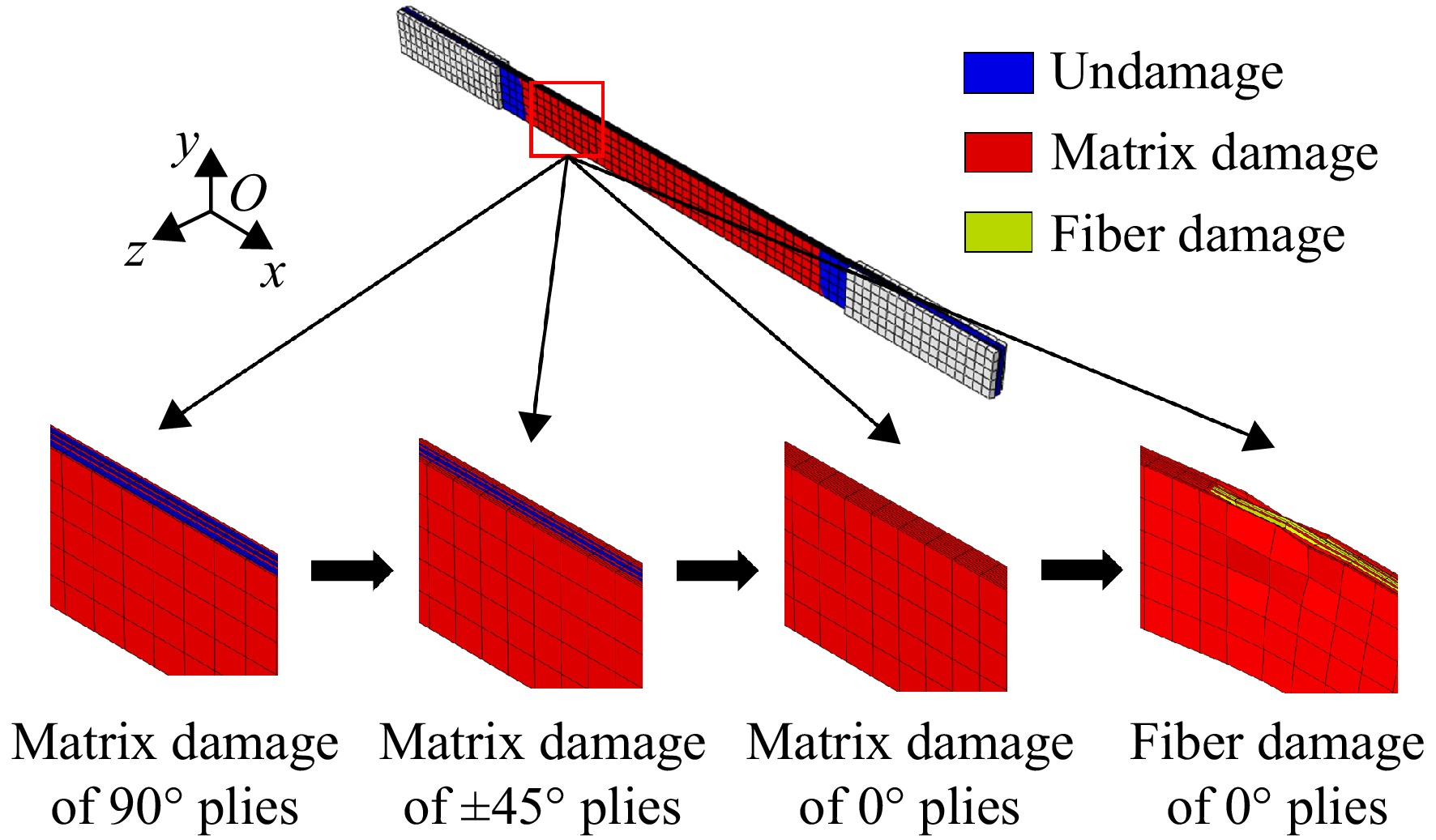
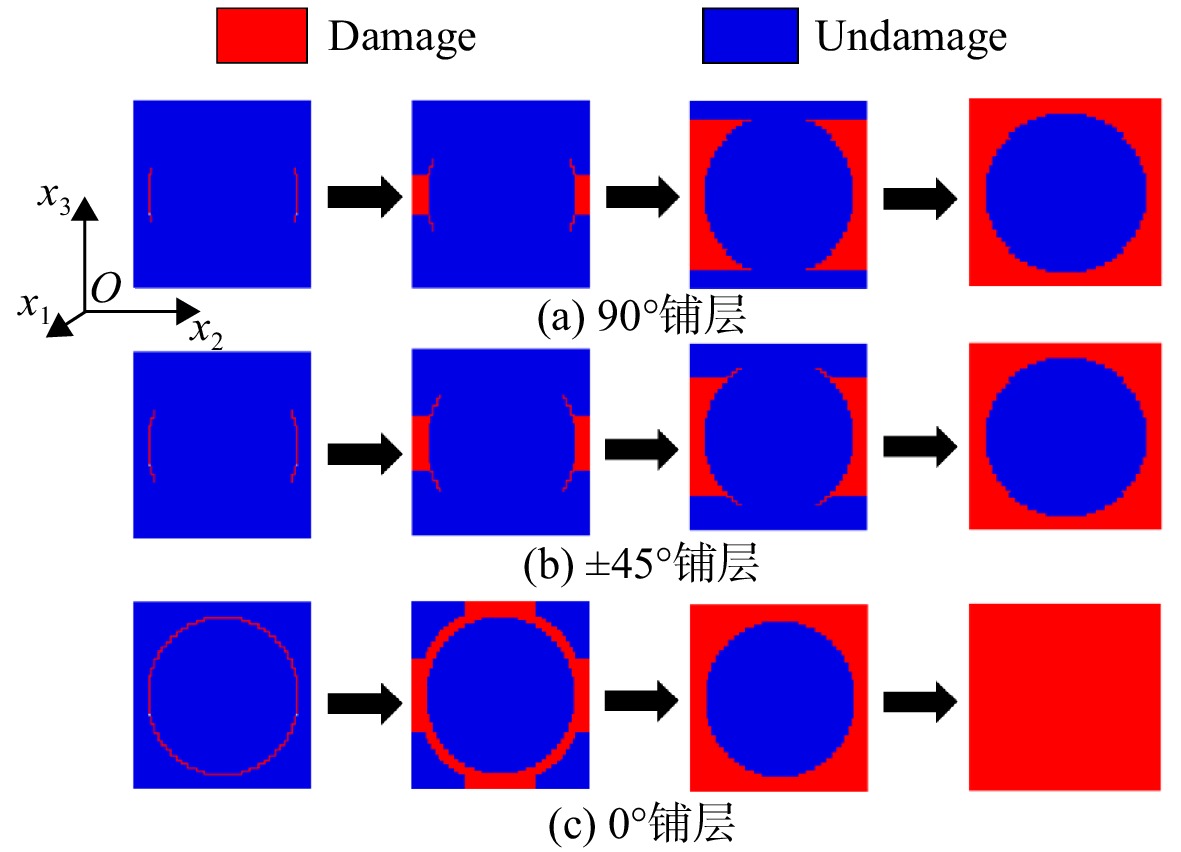
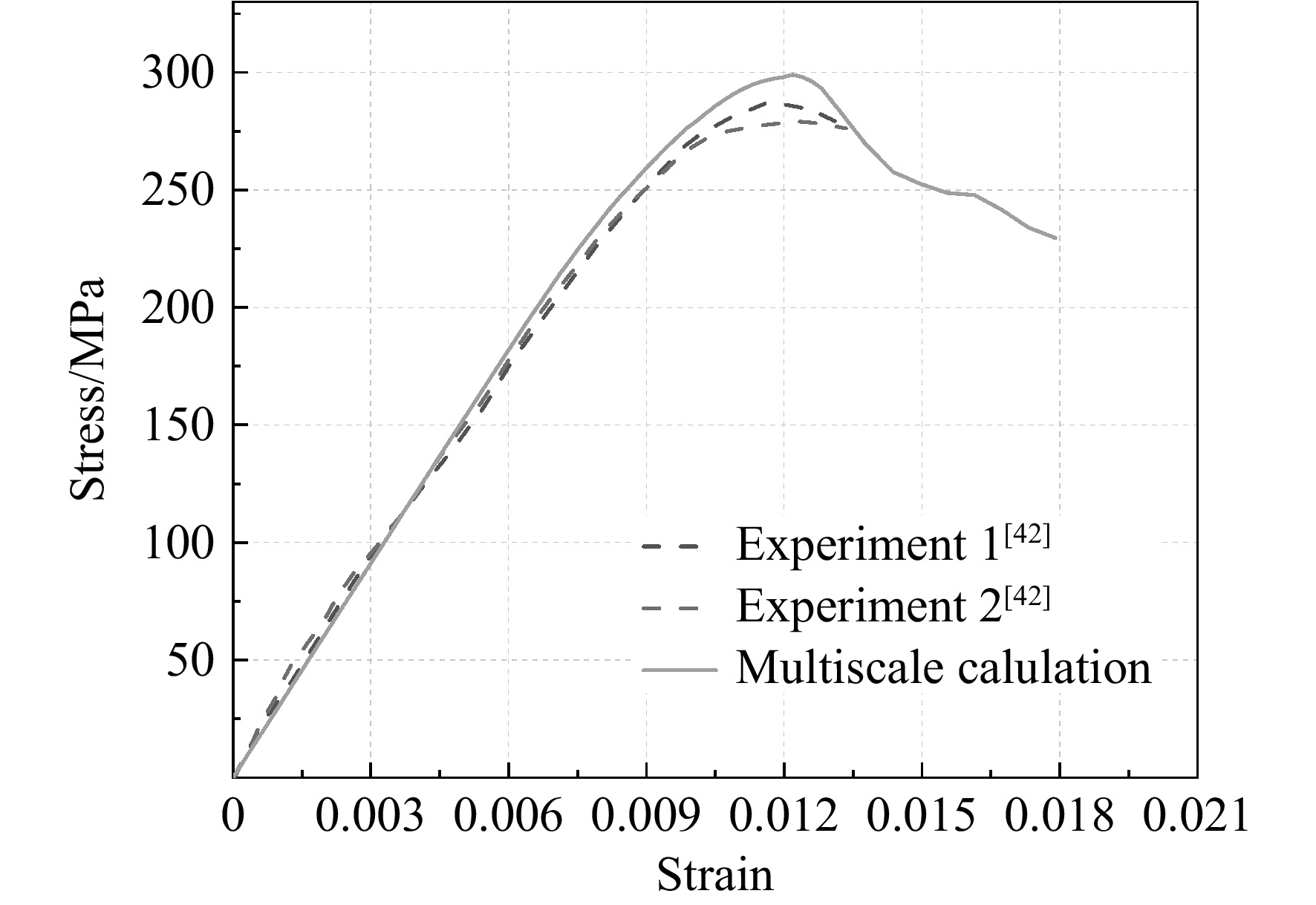
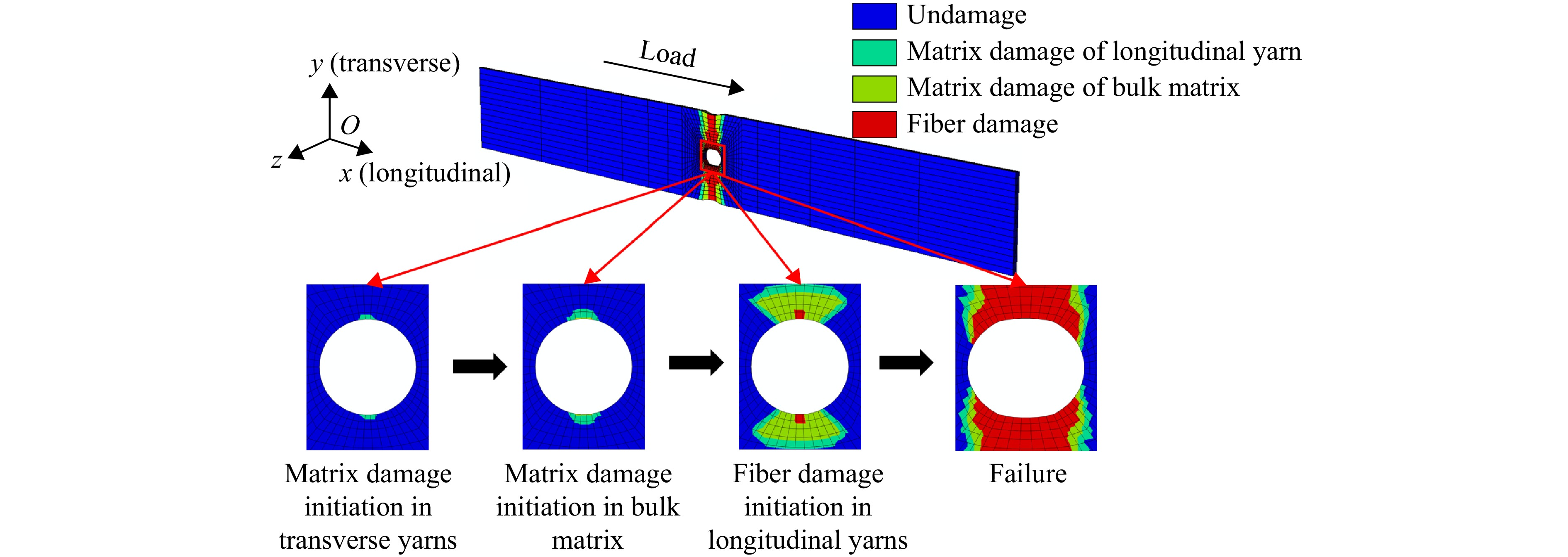
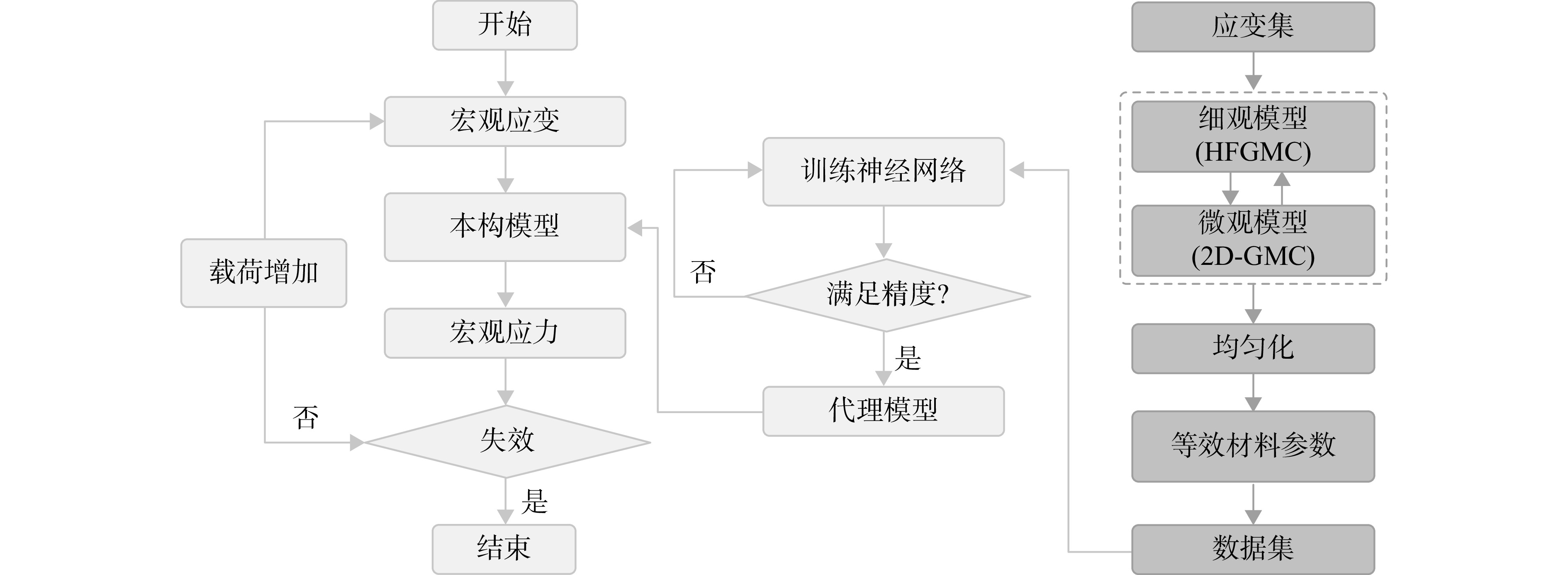
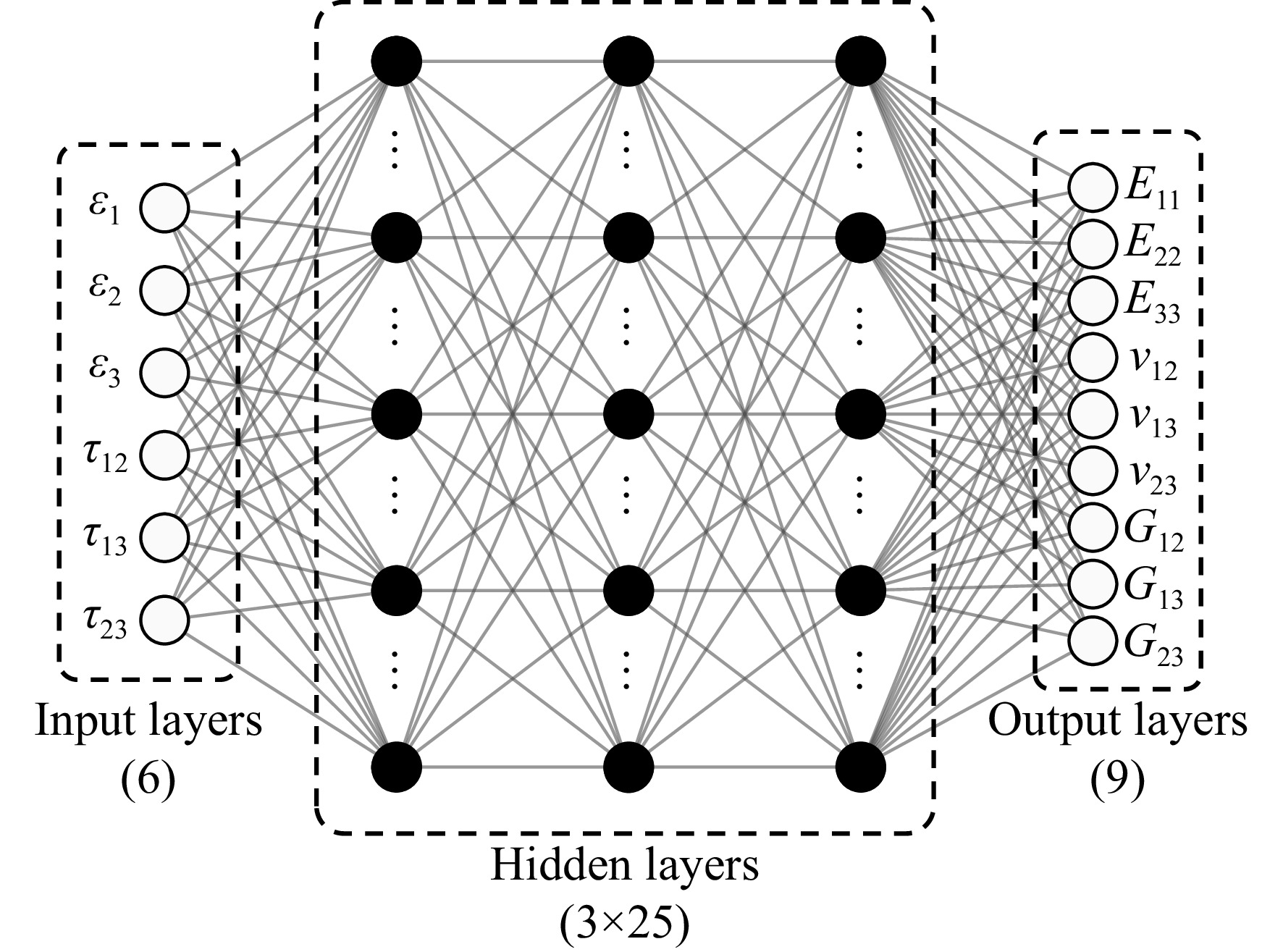
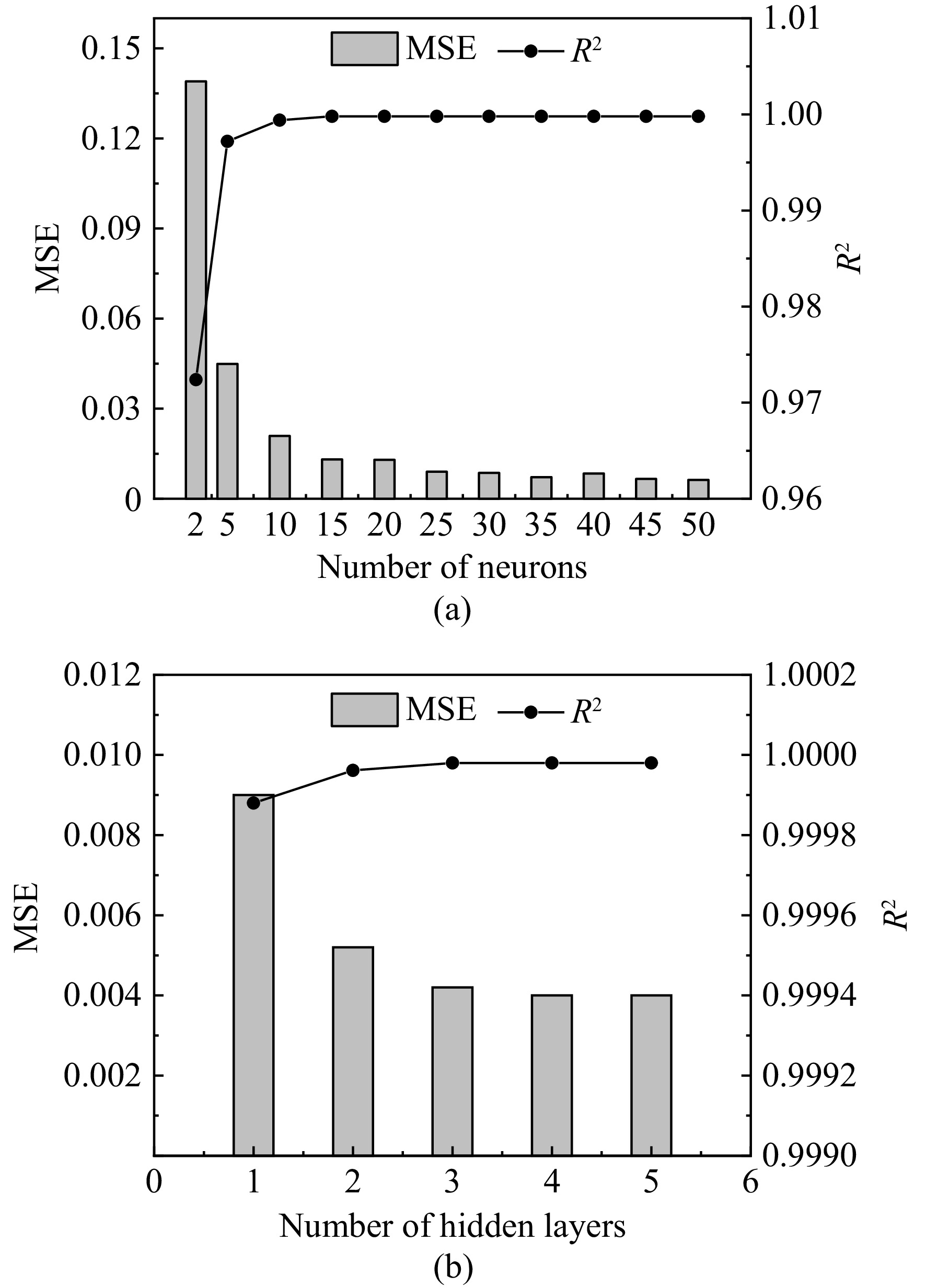
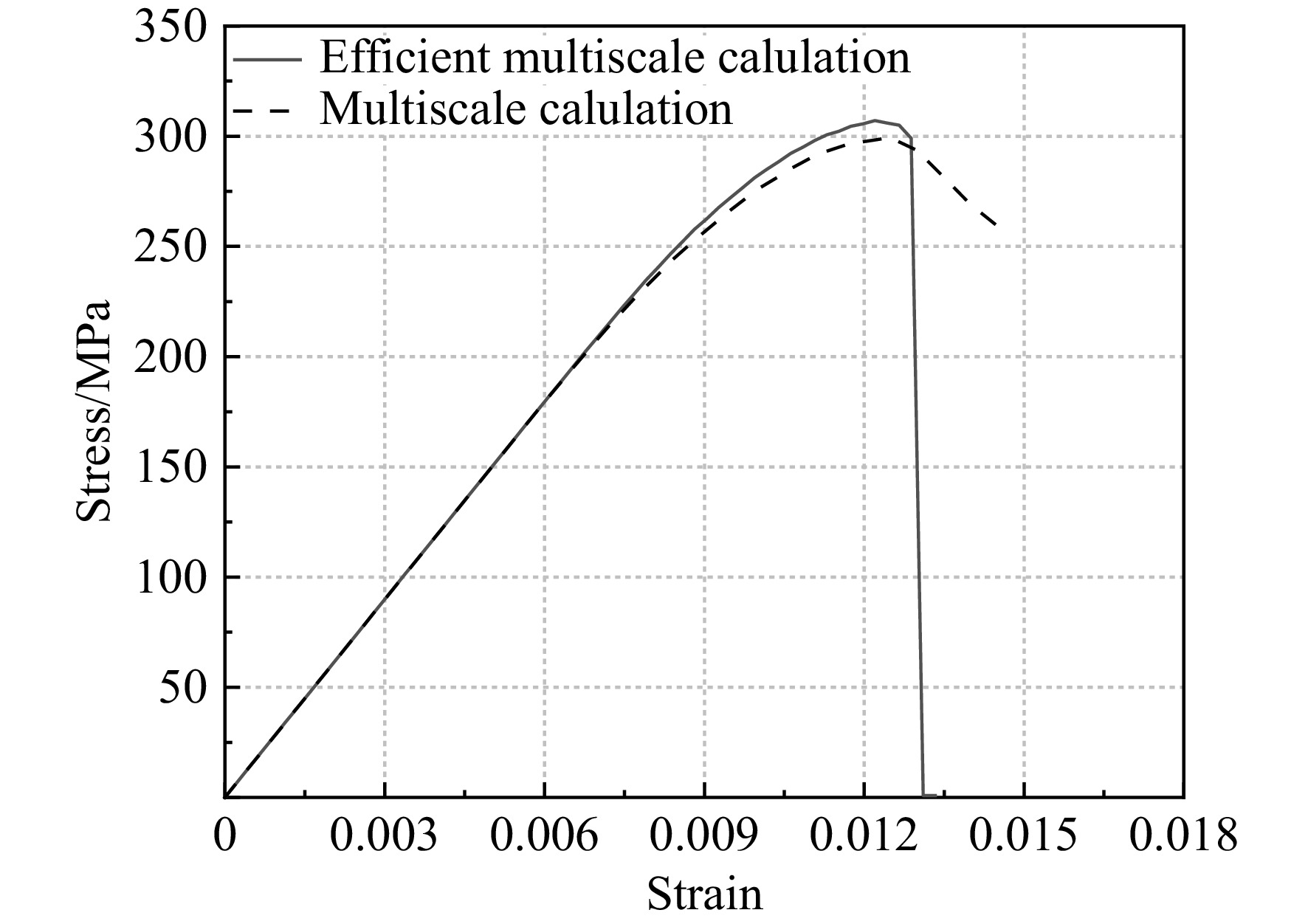
In order to realize damage analysis of the fiber reinforced composites, an efficient multiscale damage analysis method was developed. Firstly, based on the generalized method of cells, a multiscale damage analysis framework was constructed for laminate and plain weave composites, and the damage processes at the mesoscale and microscale under uniaxial tension were analyzed. The results showed that the complex weave structure of plain weave composites led to a more complex mesoscale and microscale damage evolution process, which was significantly different from the damage process of laminates. Based on this, neural networks were introduced, and a data-driven multiscale damage analysis strategy was proposed to realize the efficient damage simulation of plain weave composites. Compared with the experimental and simulant results, the error of predicting tensile strength by the efficient multiscale damage analysis method was less than 7%; and compared with traditional multiscale damage analysis method, the efficiency of macroscale calculations can be improved by about 12.47 times.

Rolling bearing RUL prediction based on Pearson correlation coefficient statistical features
LI Jiesong, LIU Tao, WU Xing
2025, 40(7): 20230630. doi: 10.13224/j.cnki.jasp.20230630
Abstract:

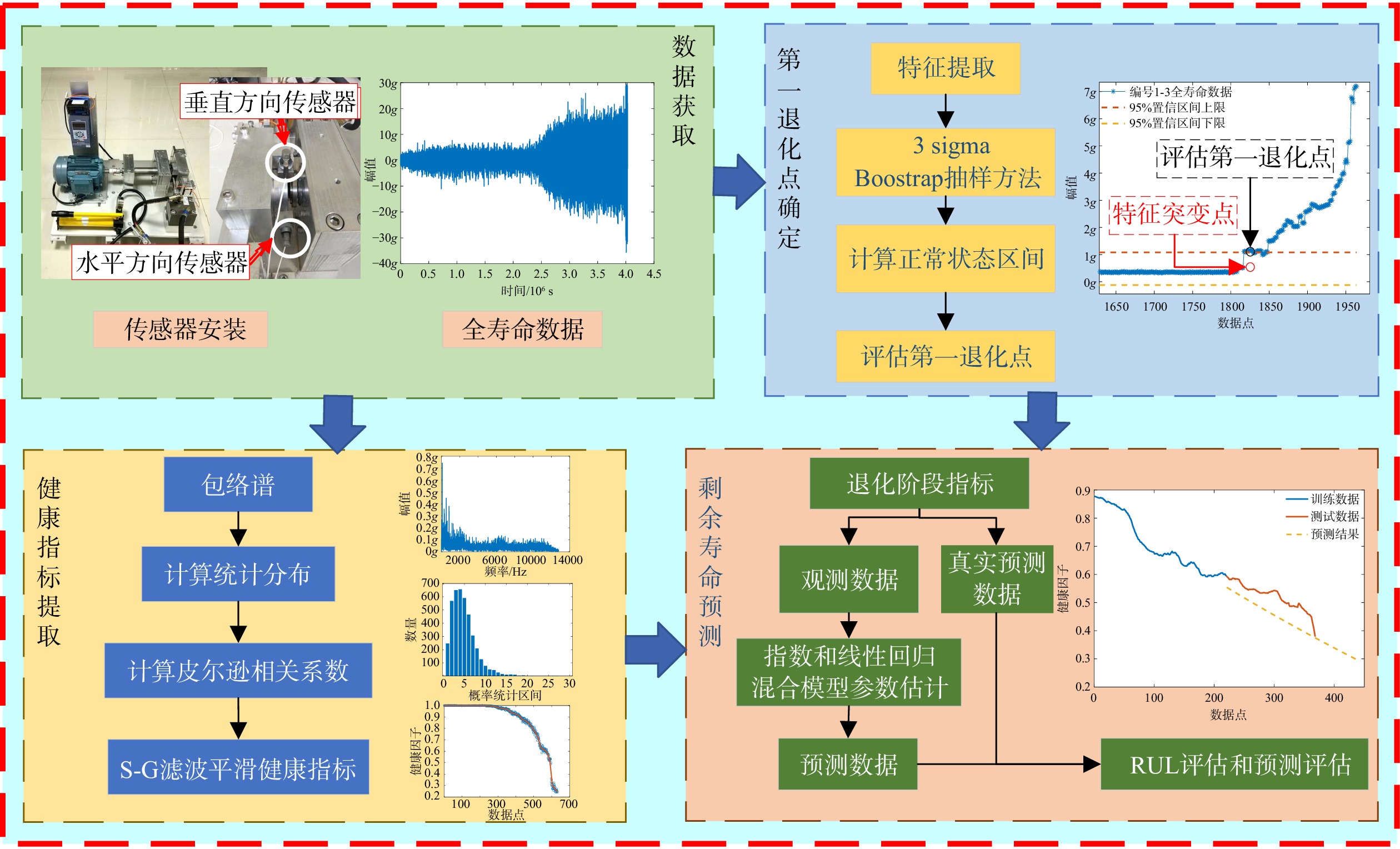
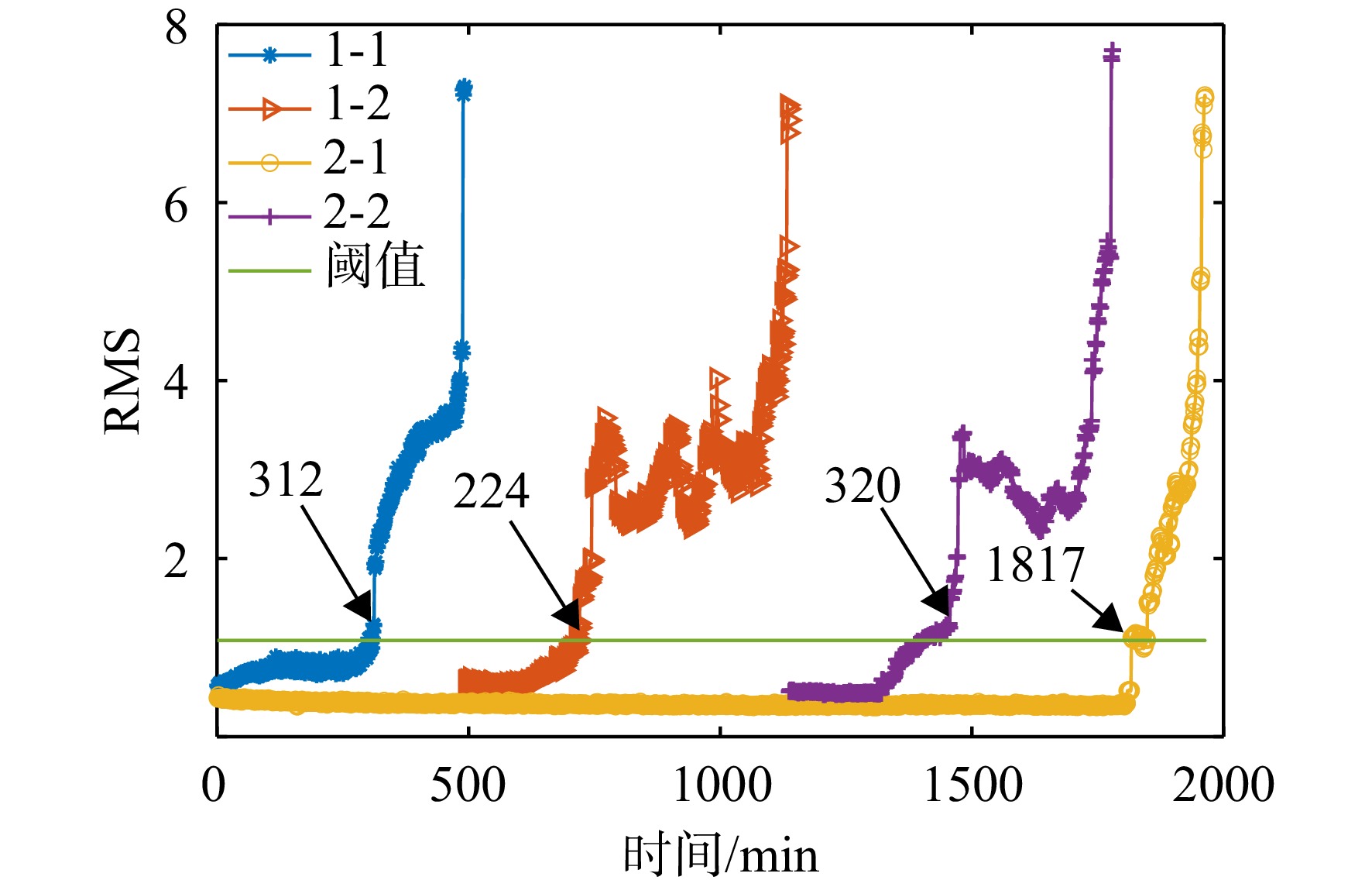
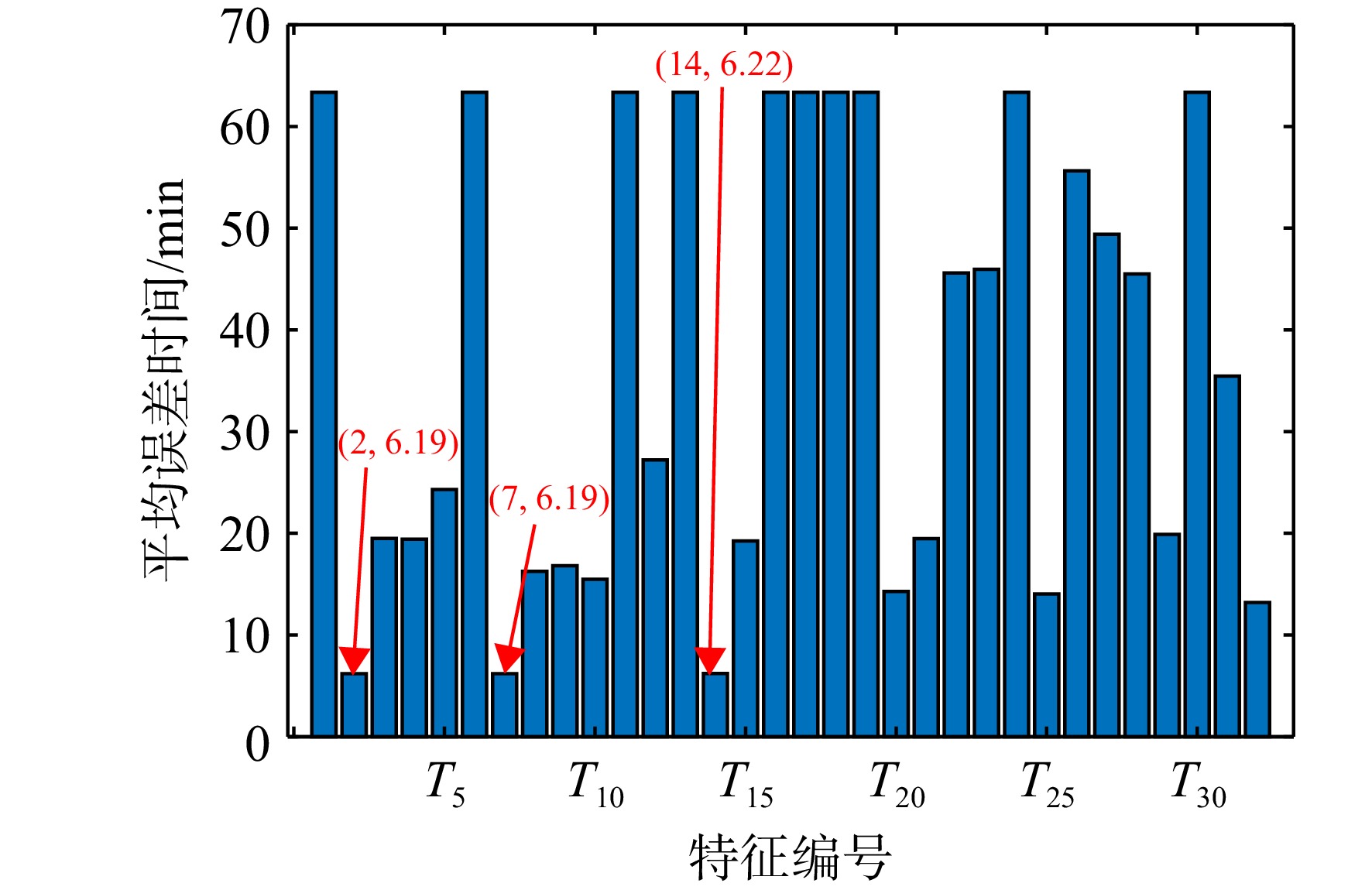
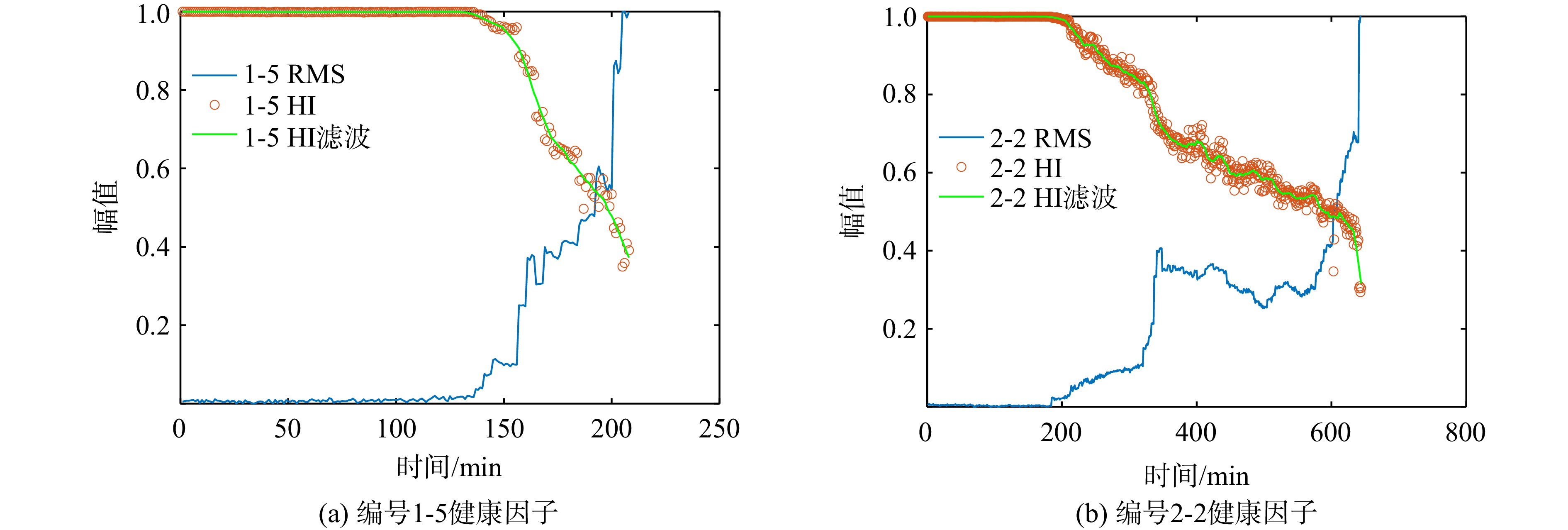
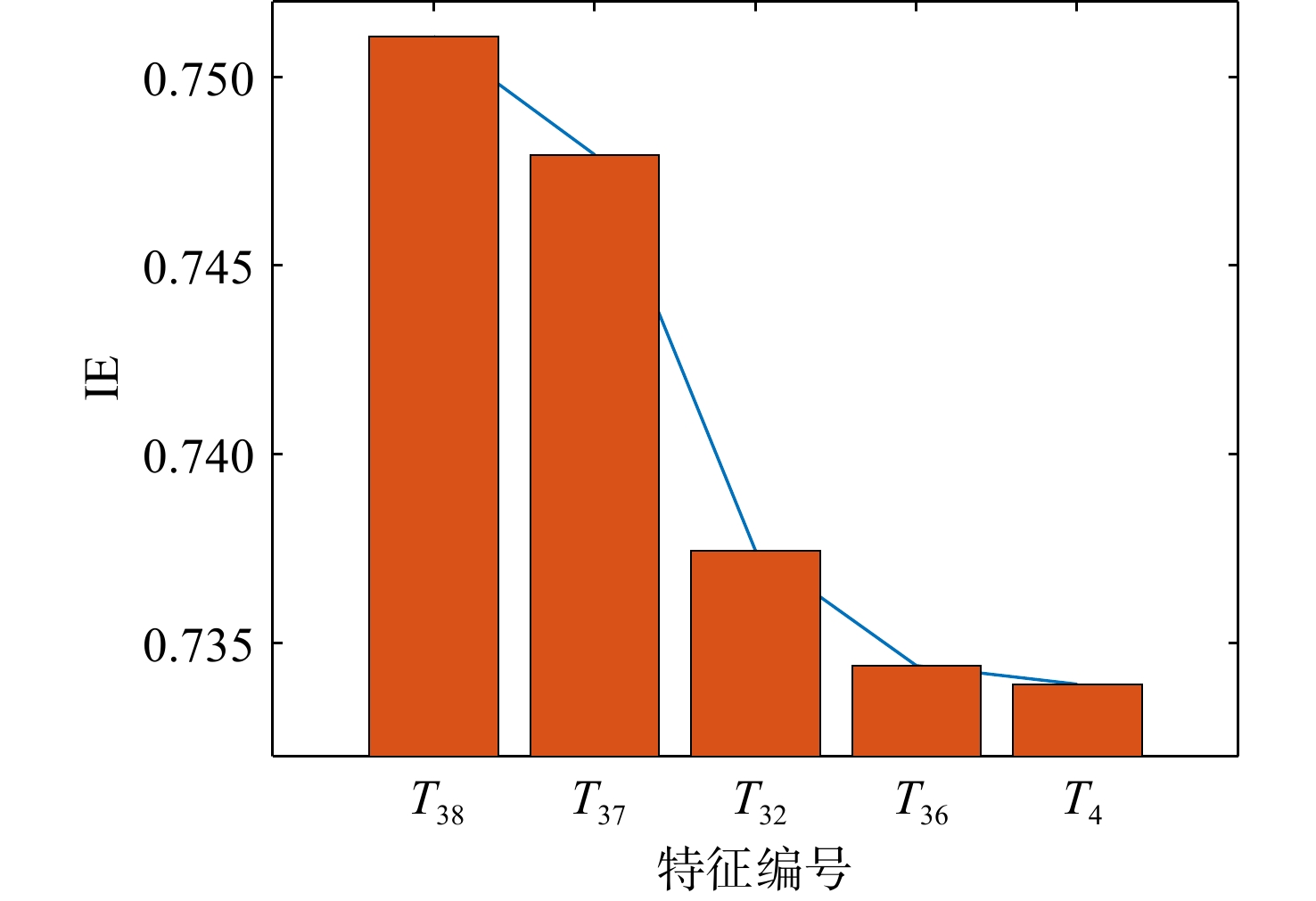
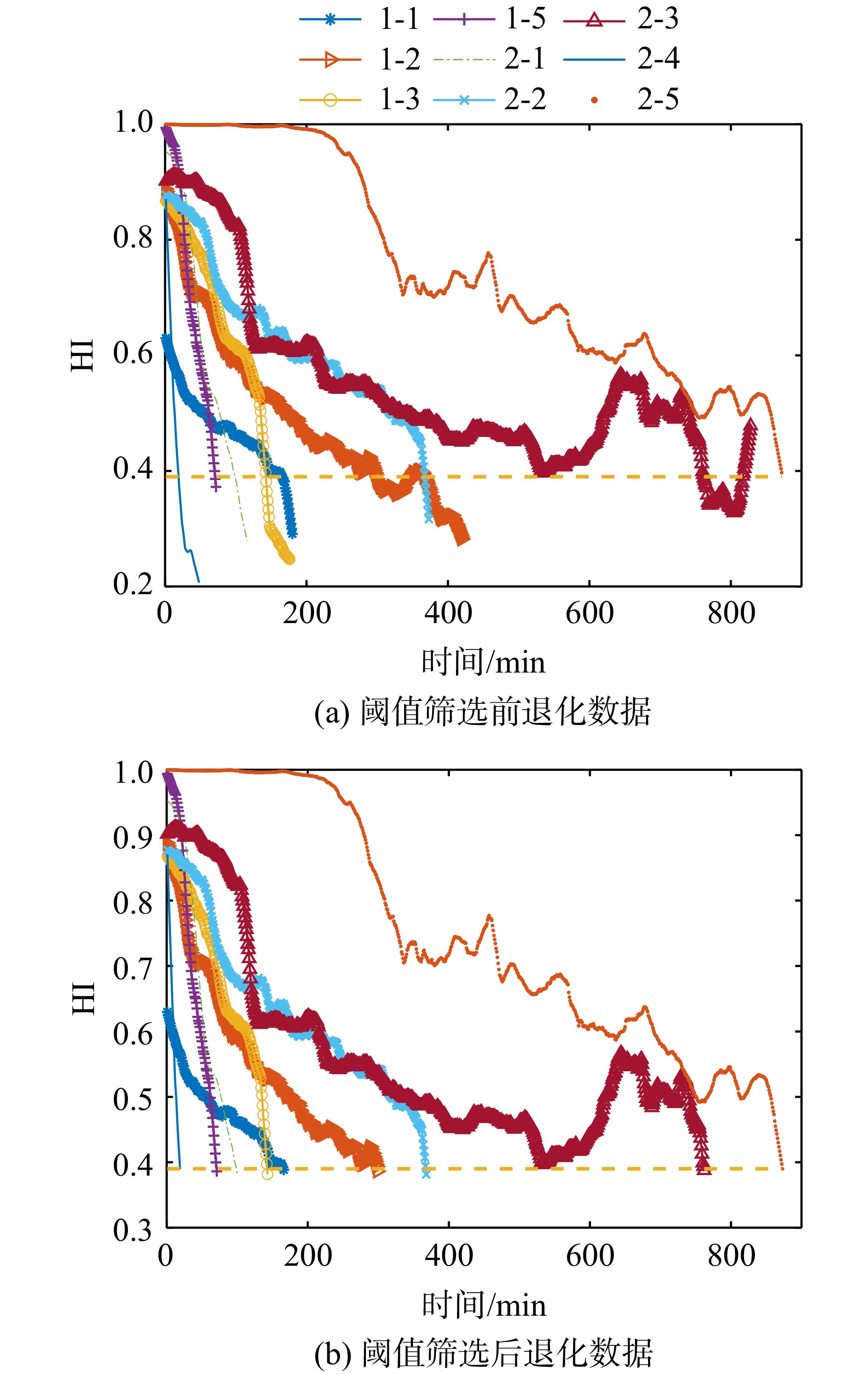
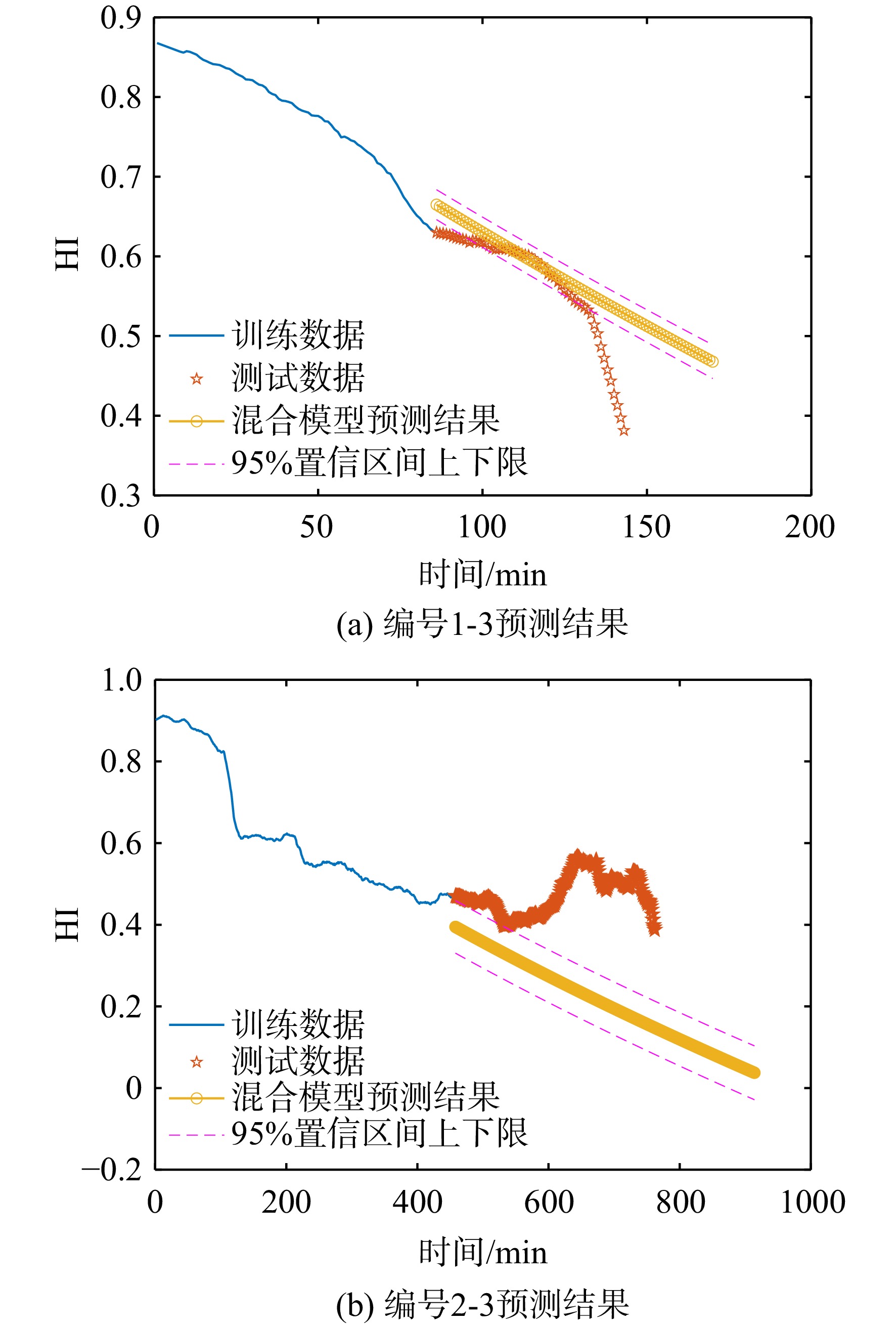
To obtain health indicators that can accurately describe the degradation process, a new health indicator based on envelope spectrum statistical features and Pearson correlation coefficient was proposed for remaining useful life prediction. Firstly, a first prediction time identification method was proposed based on the Boostrap sampling method and the 3 sigma principle to obtain a suitable full-life degradation threshold. Secondly, the envelope spectrum probability distributions at different time points were calculated and the health index was obtained based on the Pearson correlation coefficient. Finally, the remaining useful life of bearing was predicted by a hybrid model of exponential and linear regression. The experimental results showed that the proposed health index can effectively reflect the bearing degradation trend, and the prediction accuracy of the hybrid exponential and linear regression model was improved by 23.7% compared with other prediction models.

Study on the influence of micro-texture on leakage and dynamic characteristics of air film floating ring seal
WANG Xinyu, ZHAO Huan, SUN Dan, ZHANG Lijing, REN Guozhe, FAN Rufeng
2025, 40(7): 20240253. doi: 10.13224/j.cnki.jasp.20240253
Abstract:
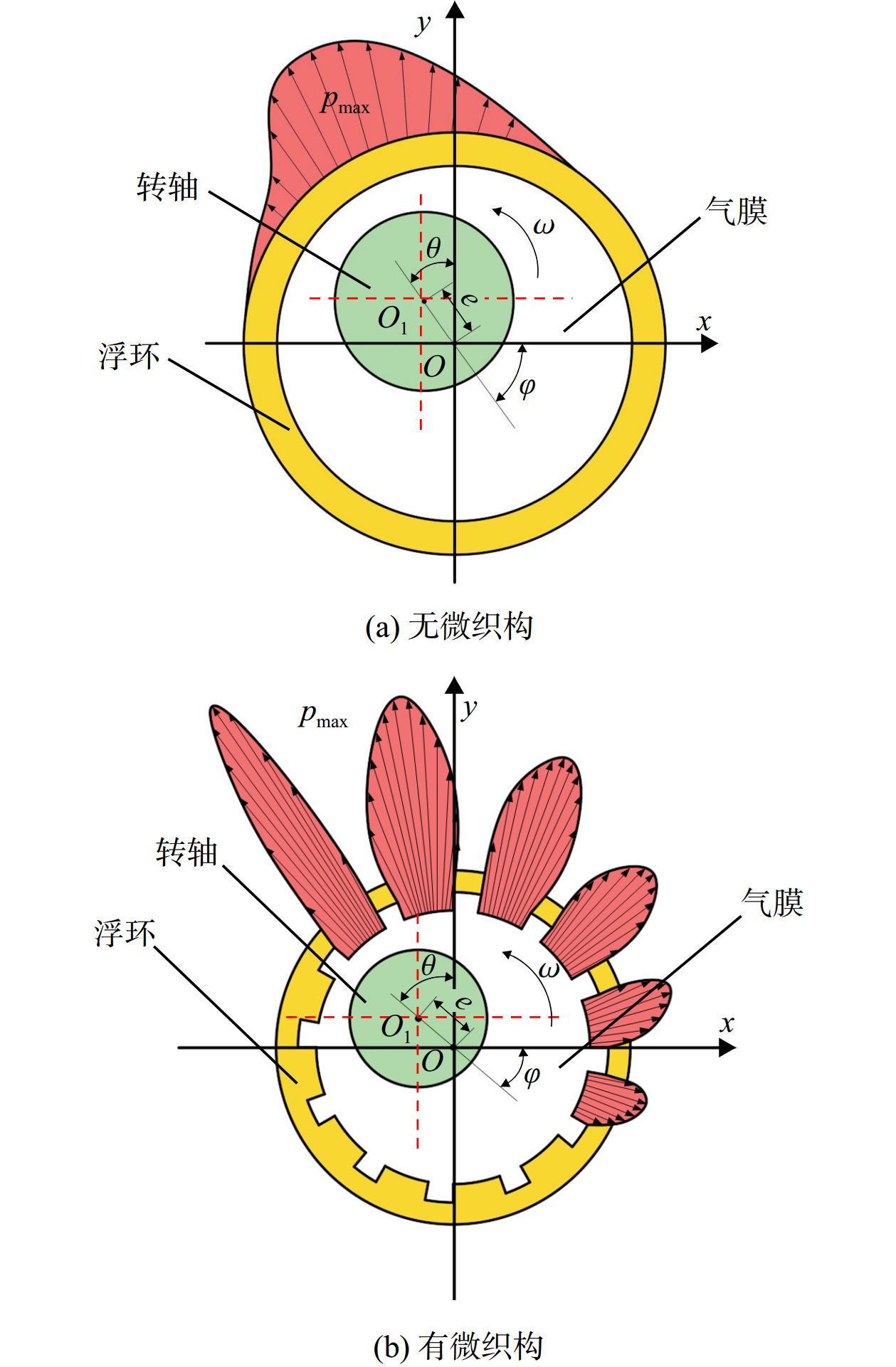
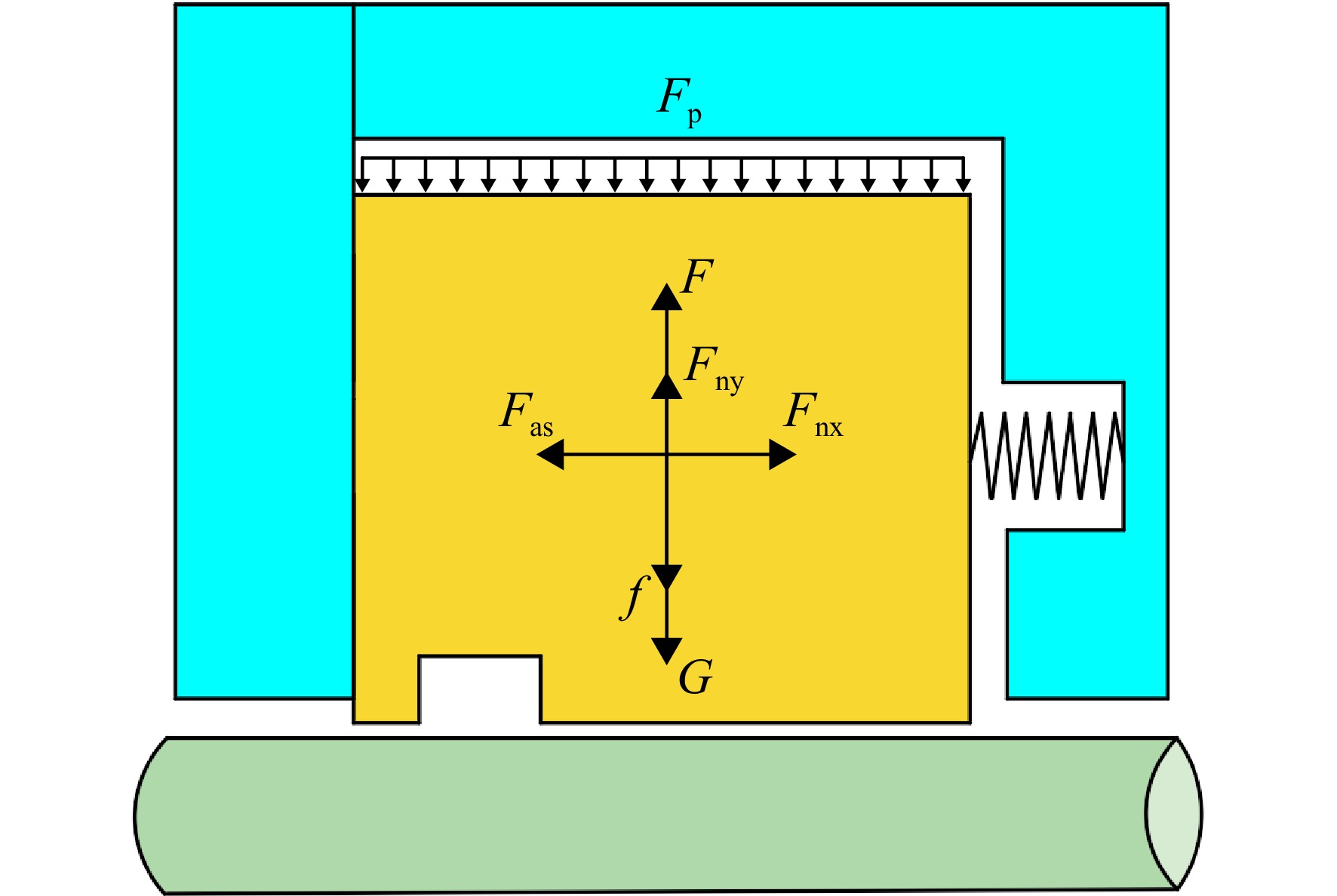
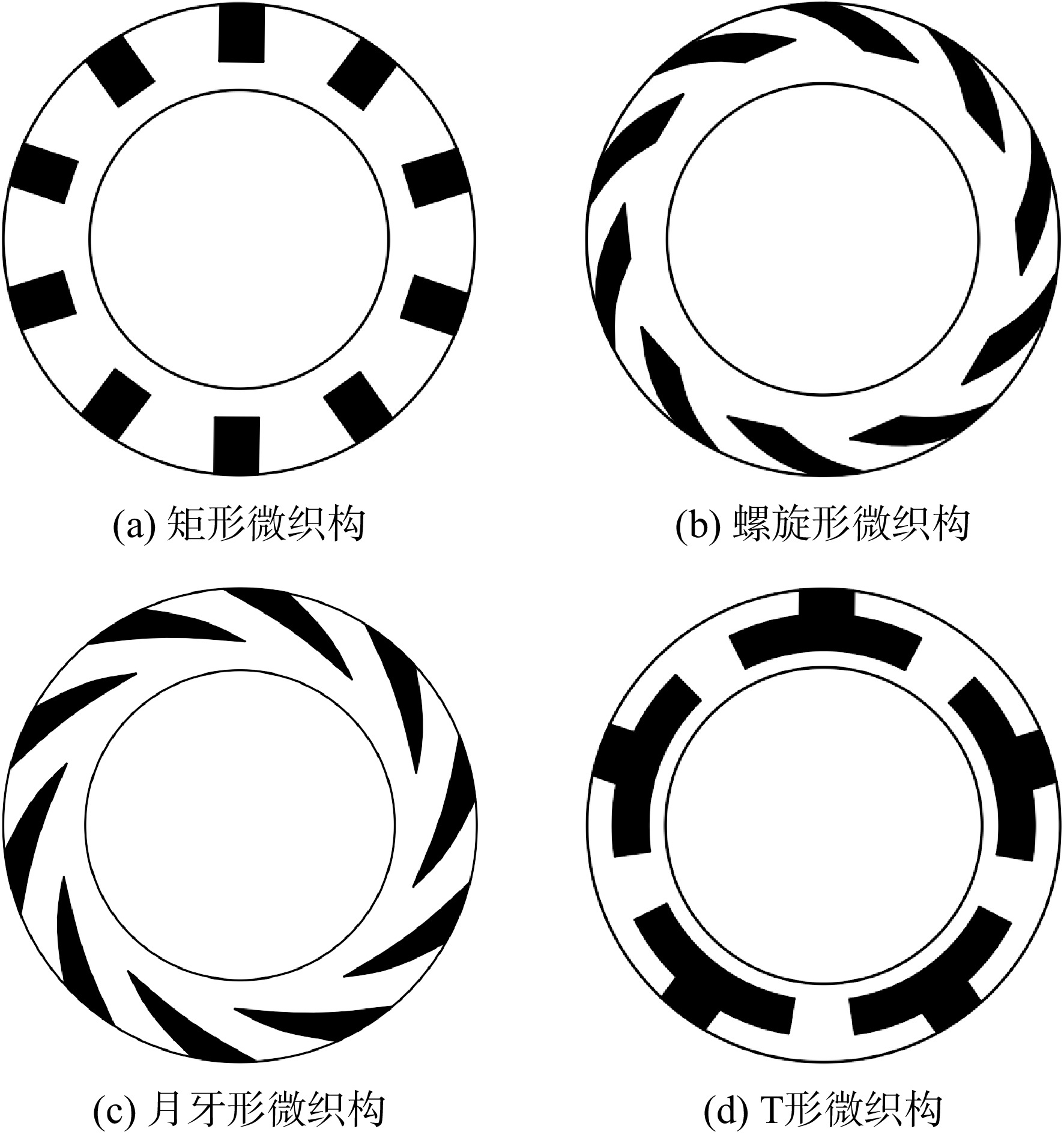
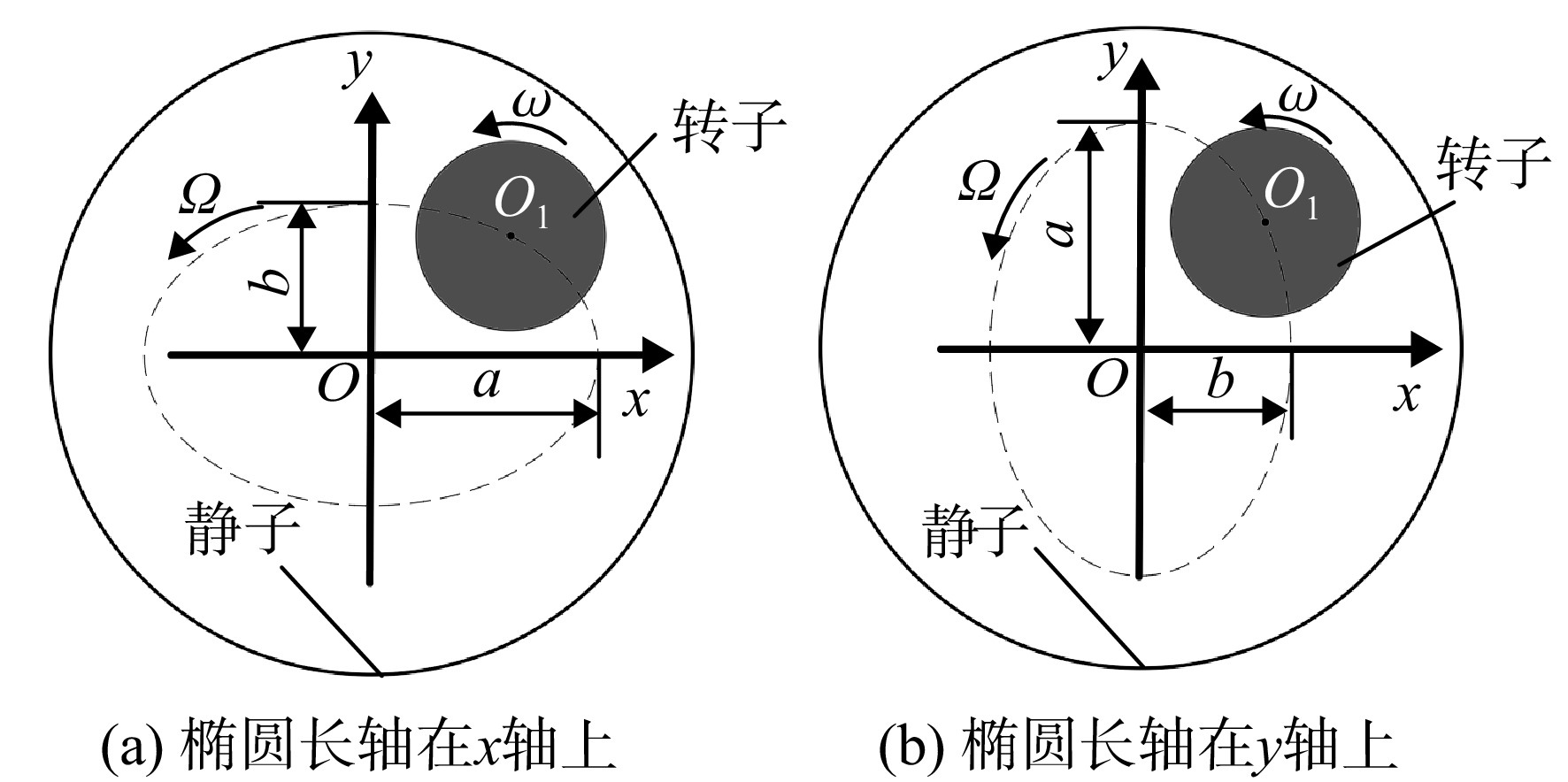
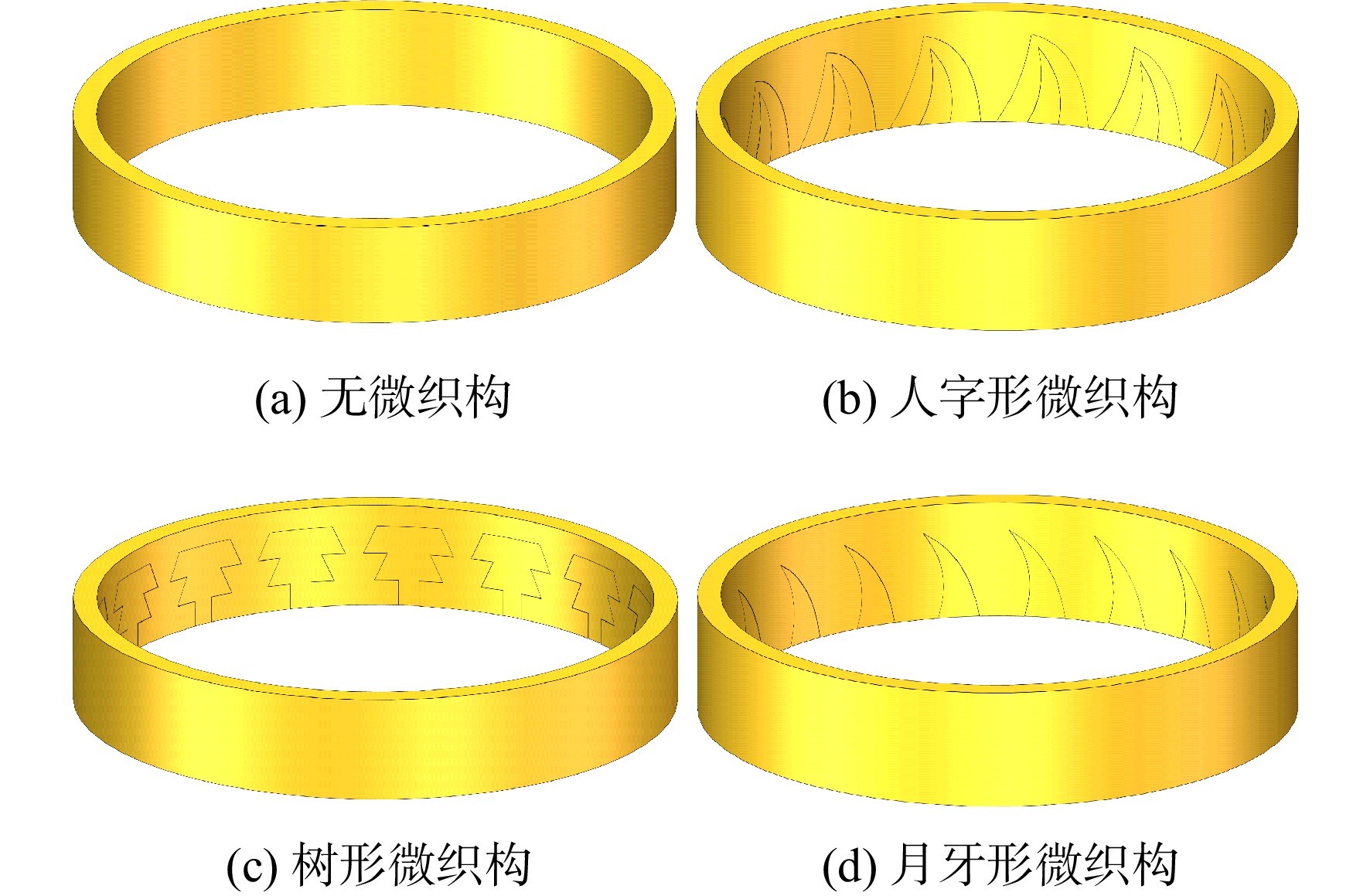
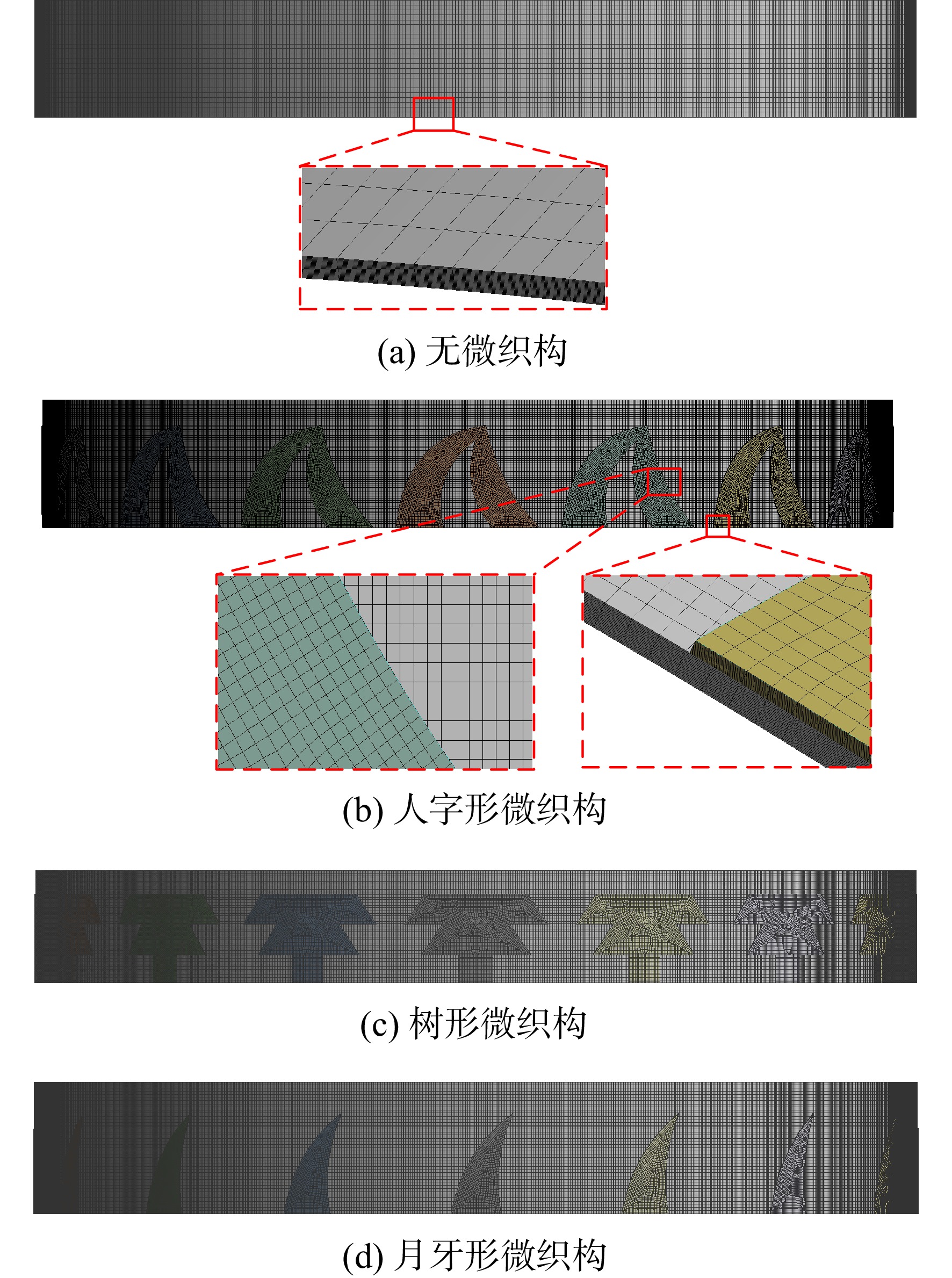
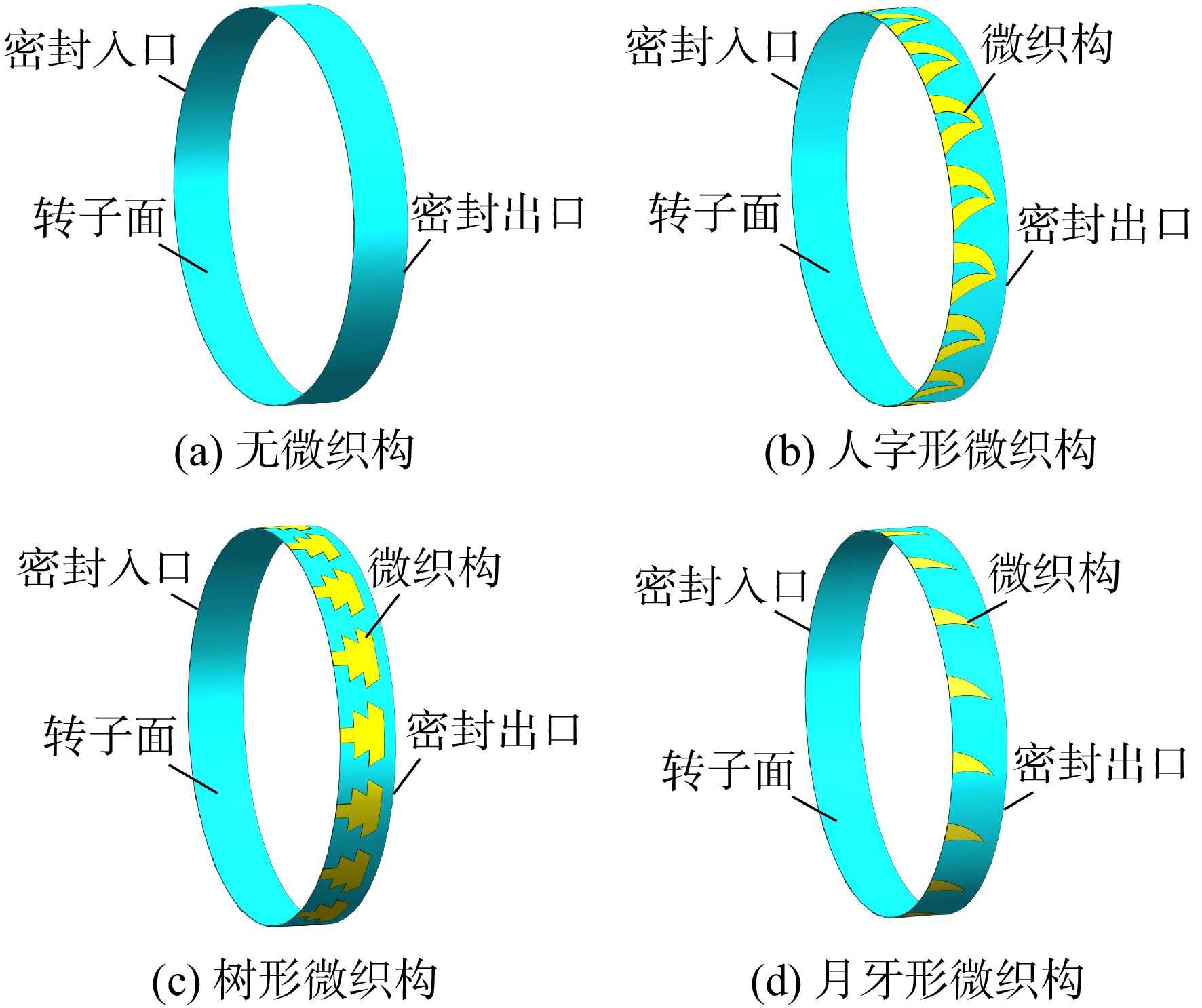
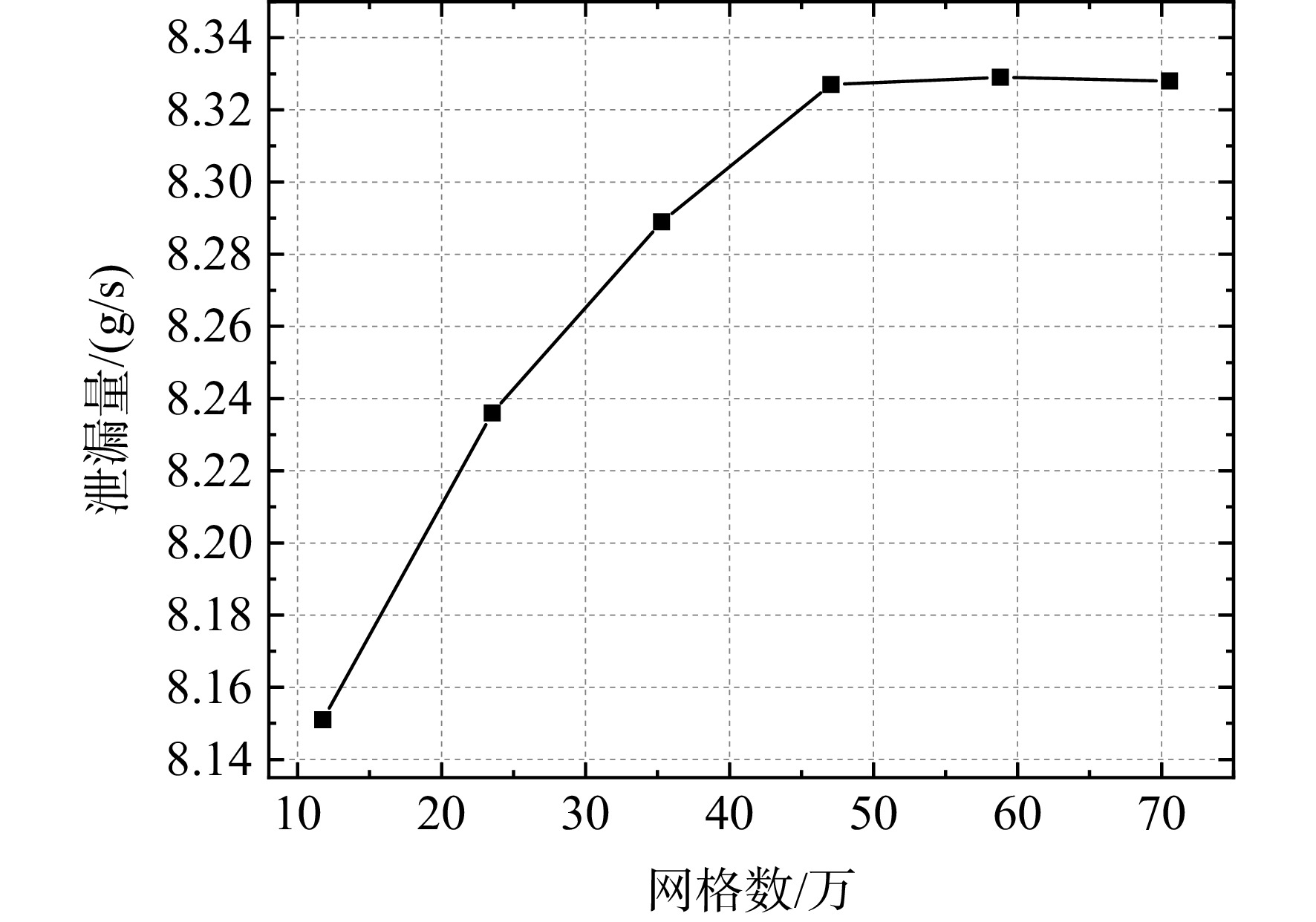
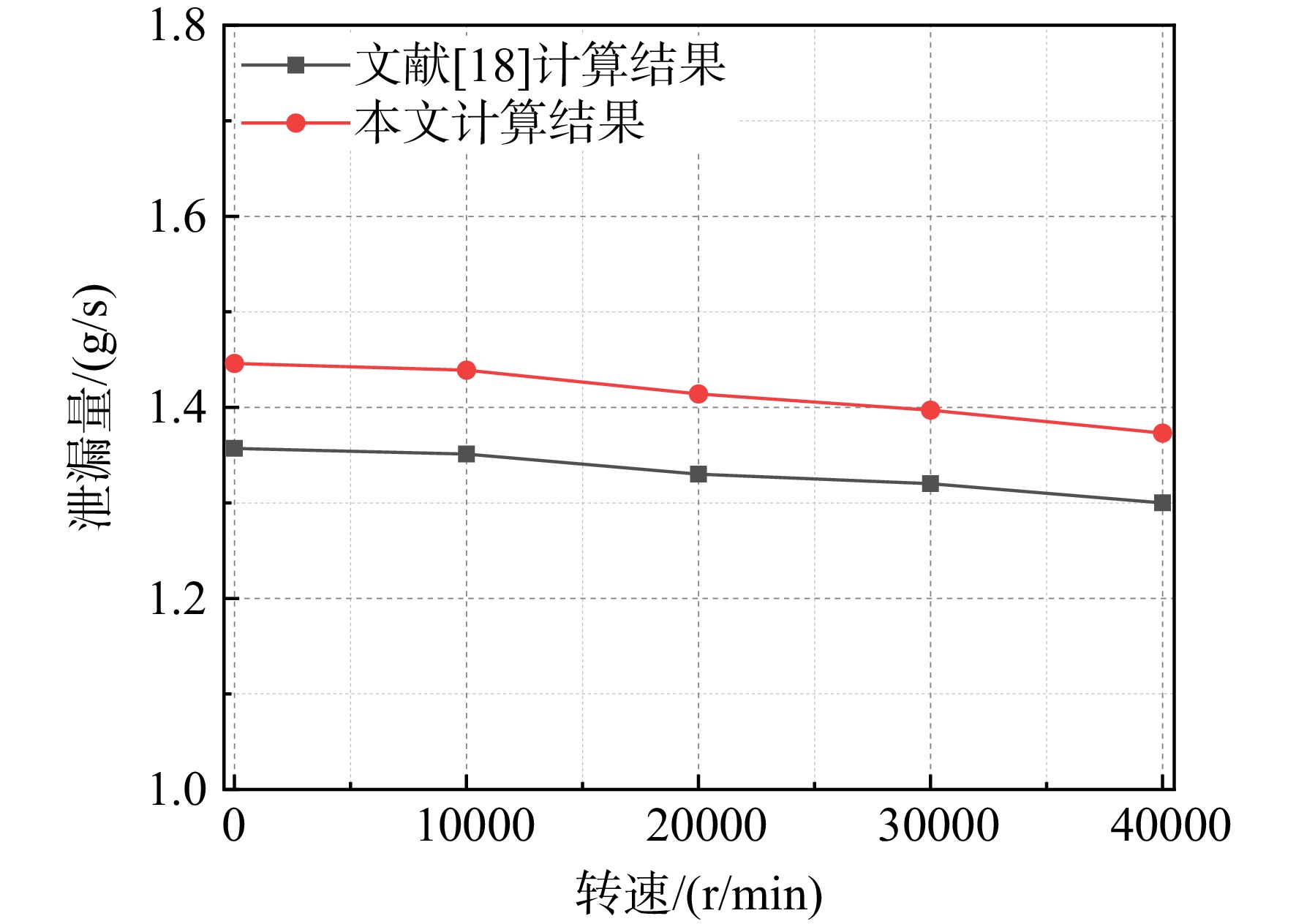
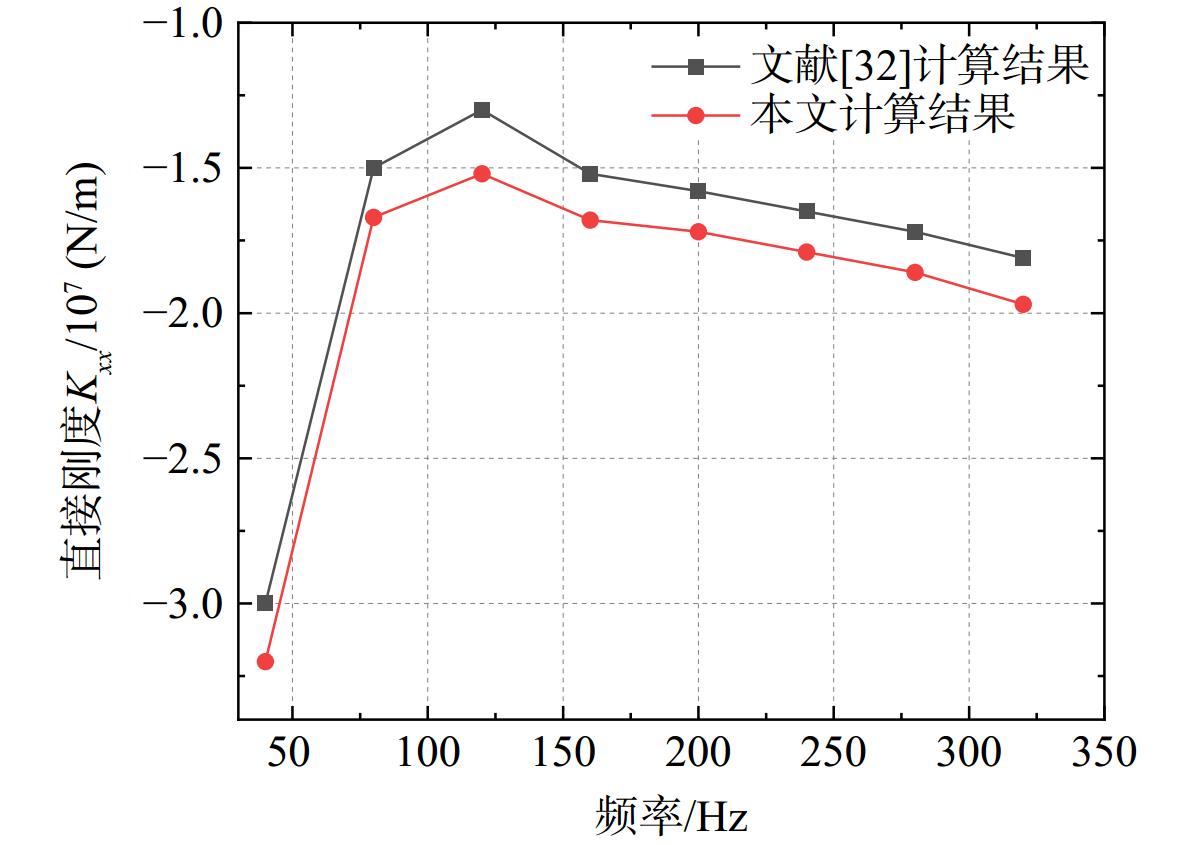
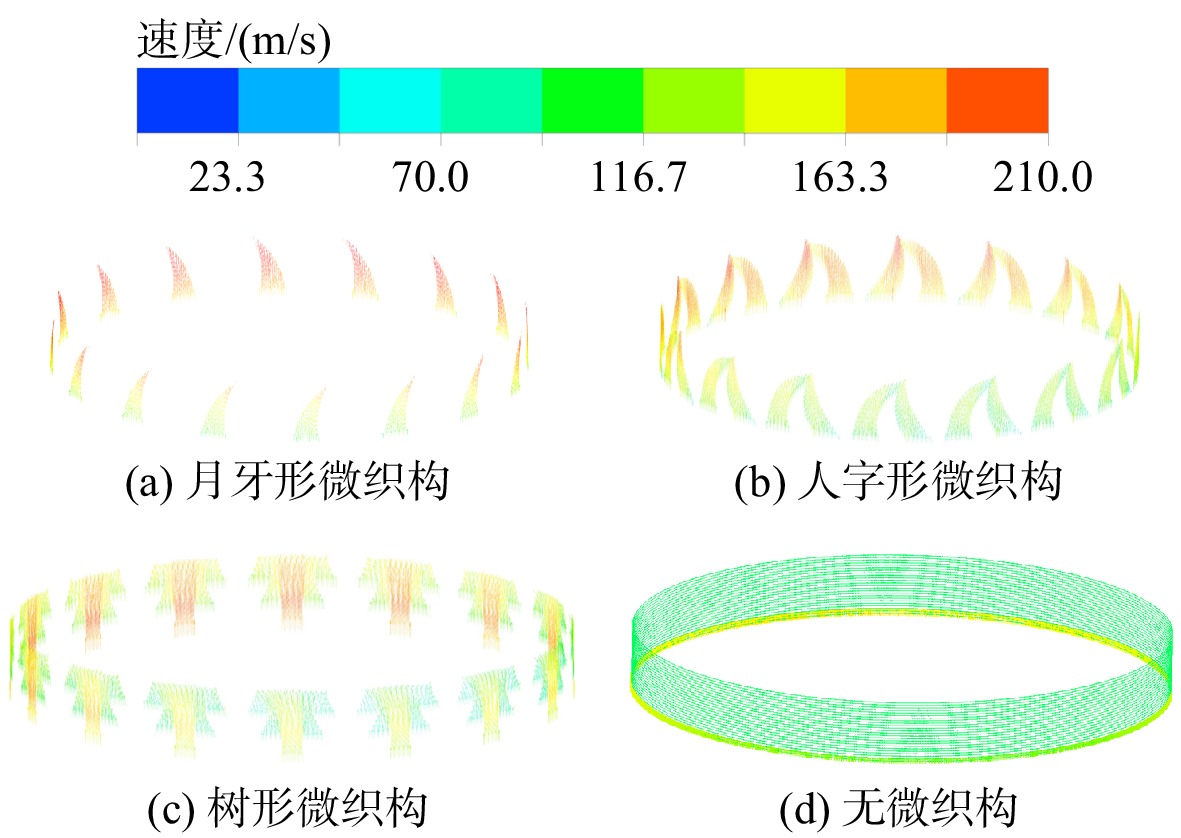
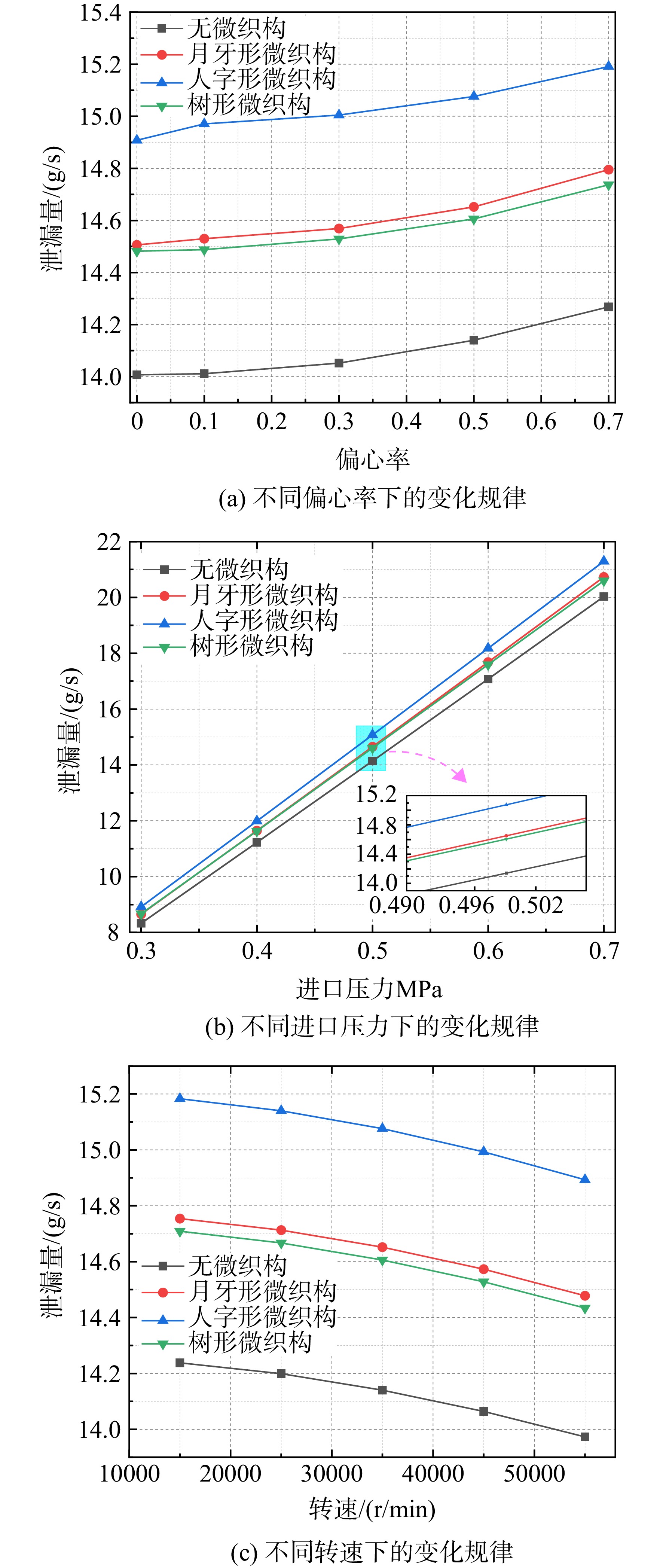
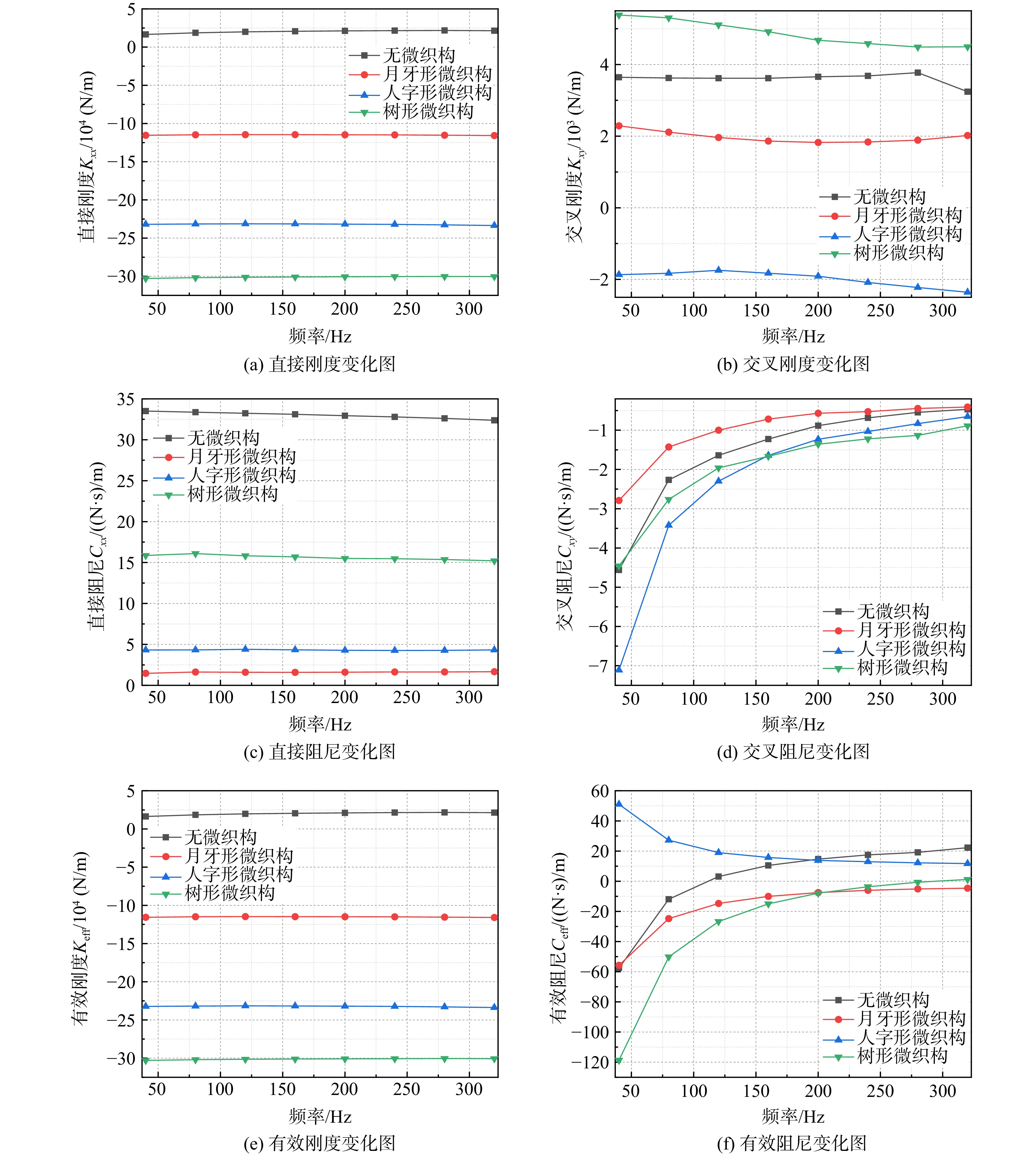
A multi-frequency elliptic eddy leakage and dynamic characteristics model of micro-textured air film floating ring seal was established by unsteady moving grid technique. The effects of micro-textured, herring-like, crescent and tree micro-textured on the leakage and dynamic characteristics of the micro-textured air film floating ring seal were analyzed based on the accuracy of the numerical method. The effects of different working conditions and eccentricity on the dynamic pressure effect, leakage amount, buoyancy lift and dynamic characteristic coefficient of the air film floating ring seal were studied, and the influence mechanism of micro-texture on the leakage and dynamic characteristics of the air film floating ring seal was revealed. The results showed that the hydrodynamic pressure effect of the three kinds of micro-texture air film floating ring seals increased with the increase of eccentricity, and the hydrodynamic pressure effect of the herringbone micro-texture was the most significant. The leakage amount increased with the increase of eccentricity and inlet pressure, and decreased with the increase of rotor speed, and the leakage amount without micro-texture was the least. The buoyancy force increased gradually with the increase of eccentricity, inlet pressure and rotor speed, and the buoyancy force of herringbone micro-texture was the largest. Under the same working conditions, the cross stiffness of the herringbone microtexture was negative, and increased first and then decreased with the increase of the vortex frequency. The cross stiffness of the other three structures was positive. The effective damping of herringbone microtexture was the largest at low frequency, and the effective damping of no microtexture was the largest when the frequency was greater than 200 Hz, followed by the effective damping of herringbone microtexture. The tangential force of no micro texture, herringbone micro texture and tree micro texture was opposite to the rotor vortex velocity, which can improve the stability of rotor system.

Robustness and mechanical effects of double set tooth connection for large bypass ratio fan rotor
BAI Yurou, WANG Yongfeng, MA Yanhong, HONG Jie
2025, 40(7): 20240124. doi: 10.13224/j.cnki.jasp.20240124
Abstract:
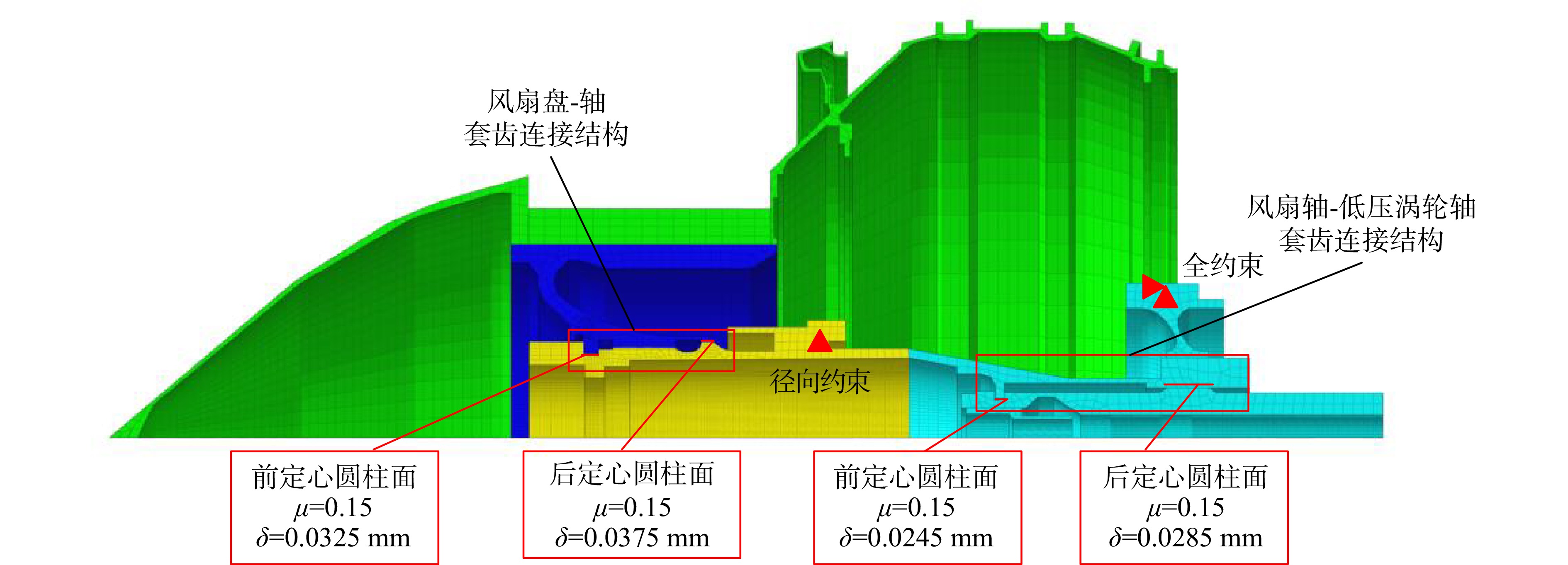
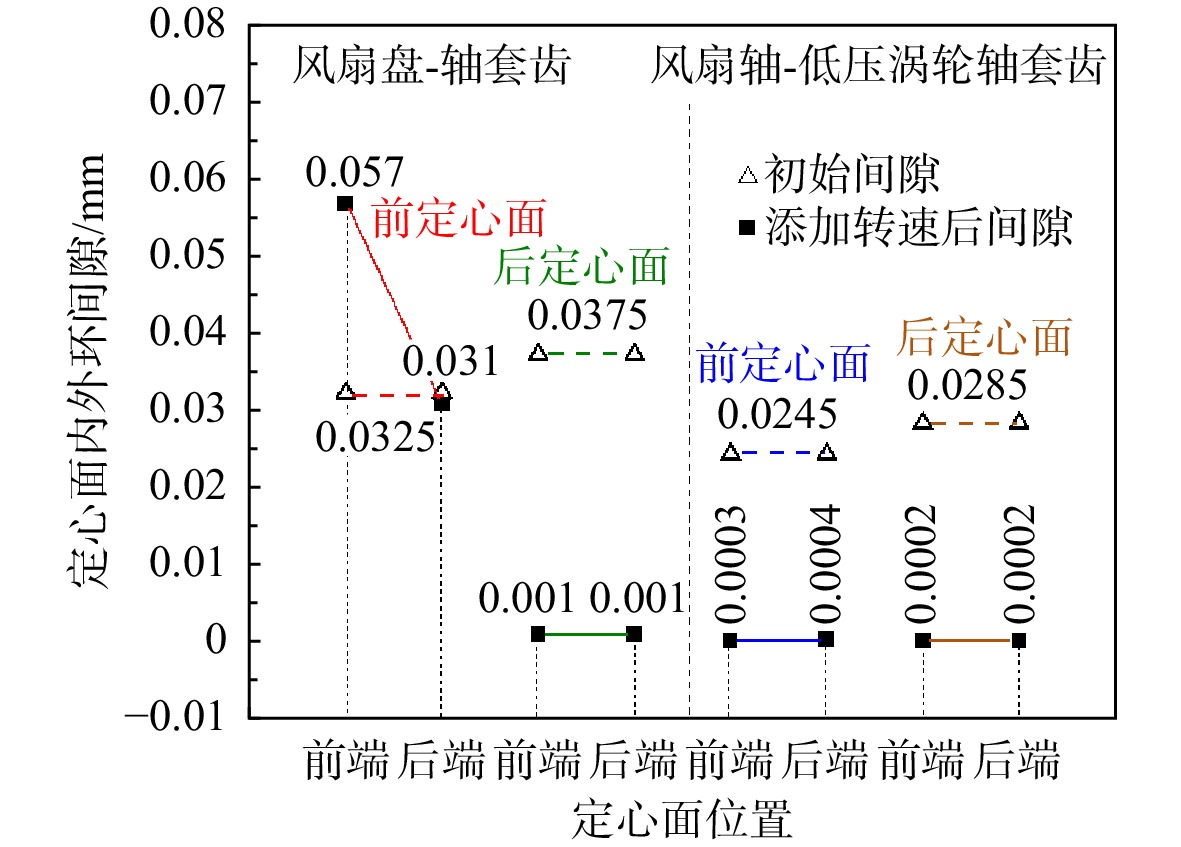
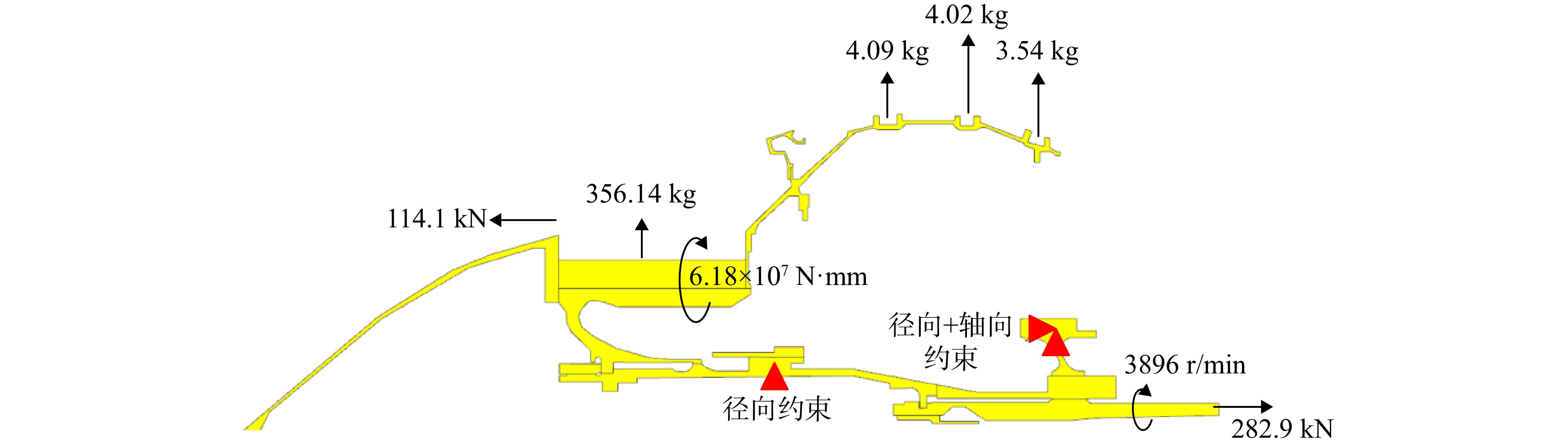
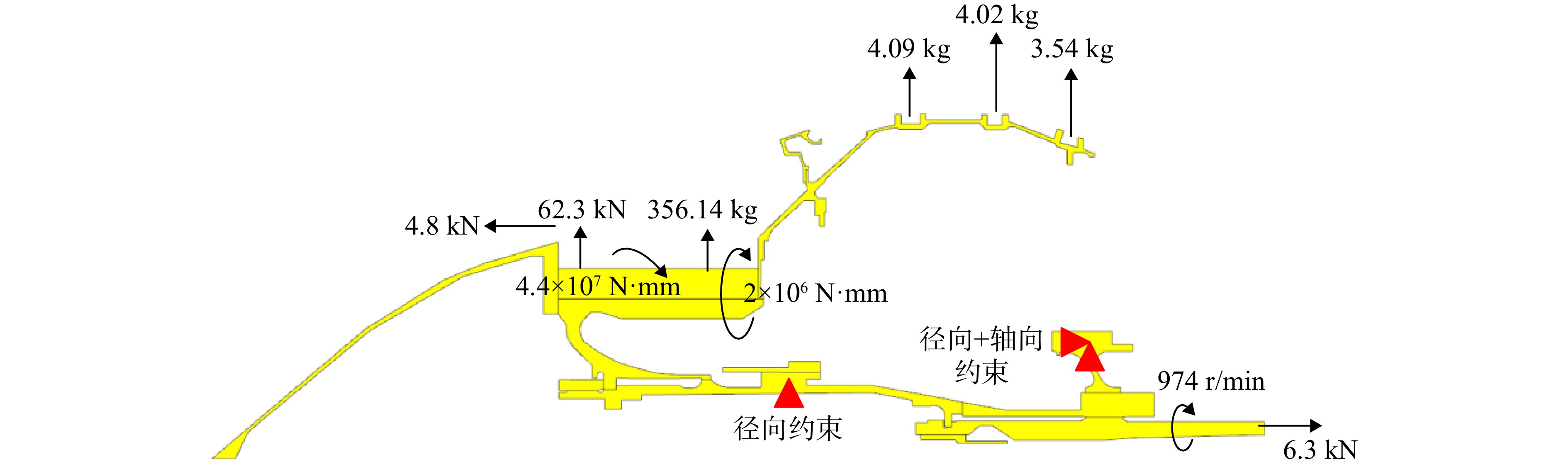
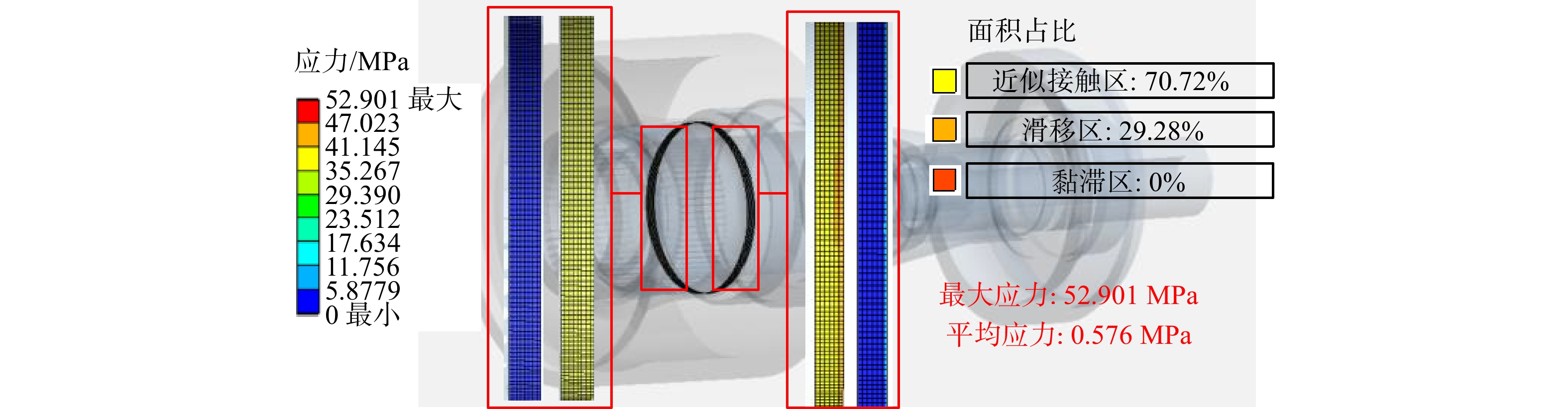
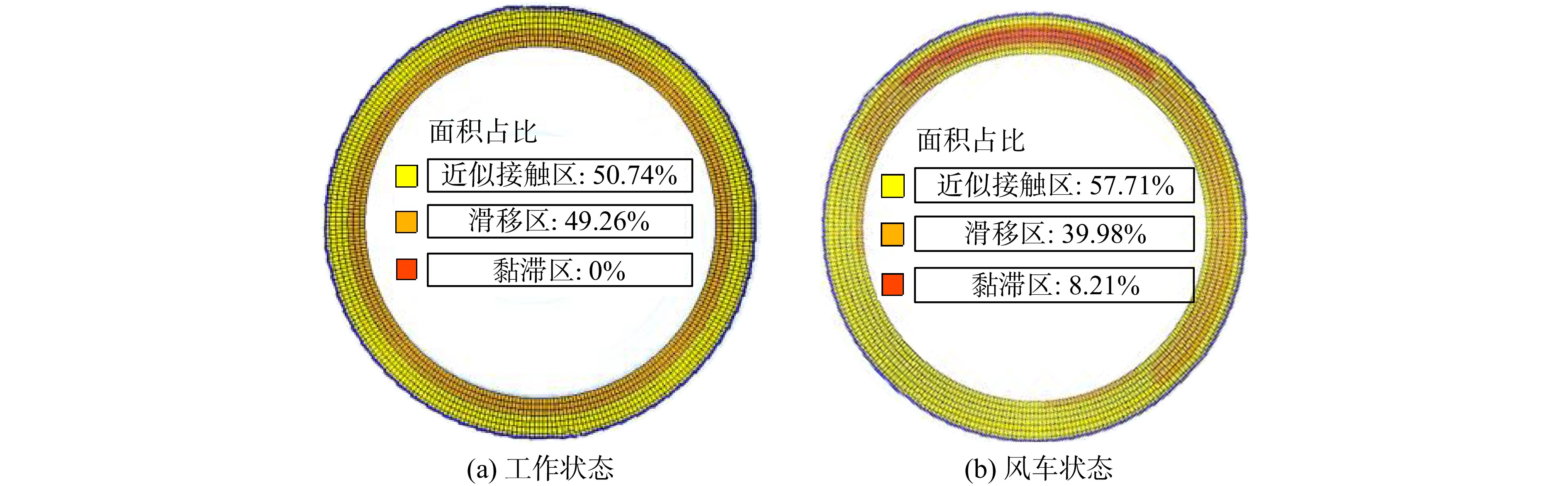
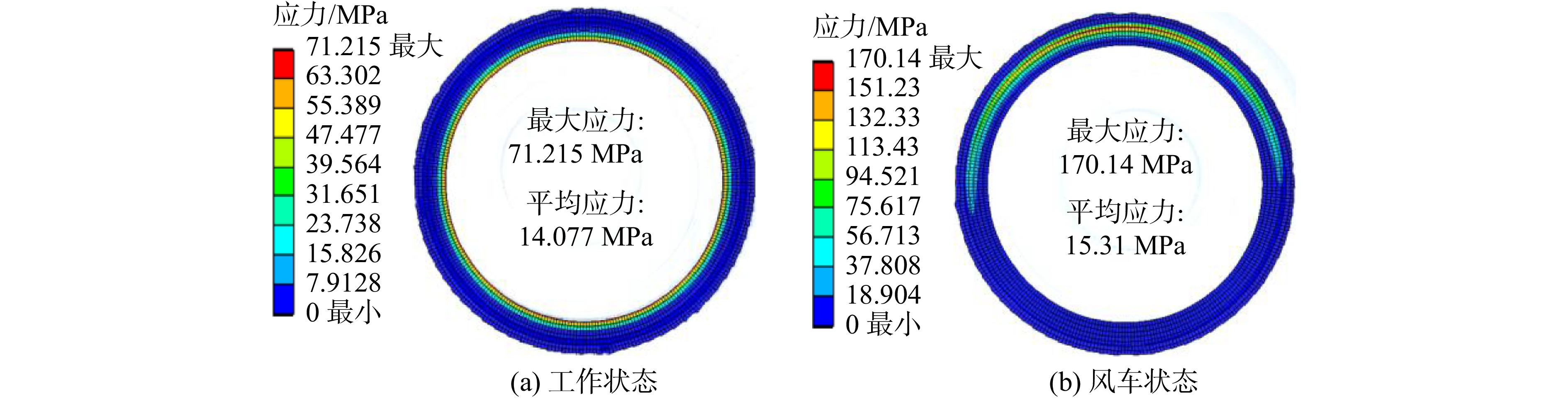
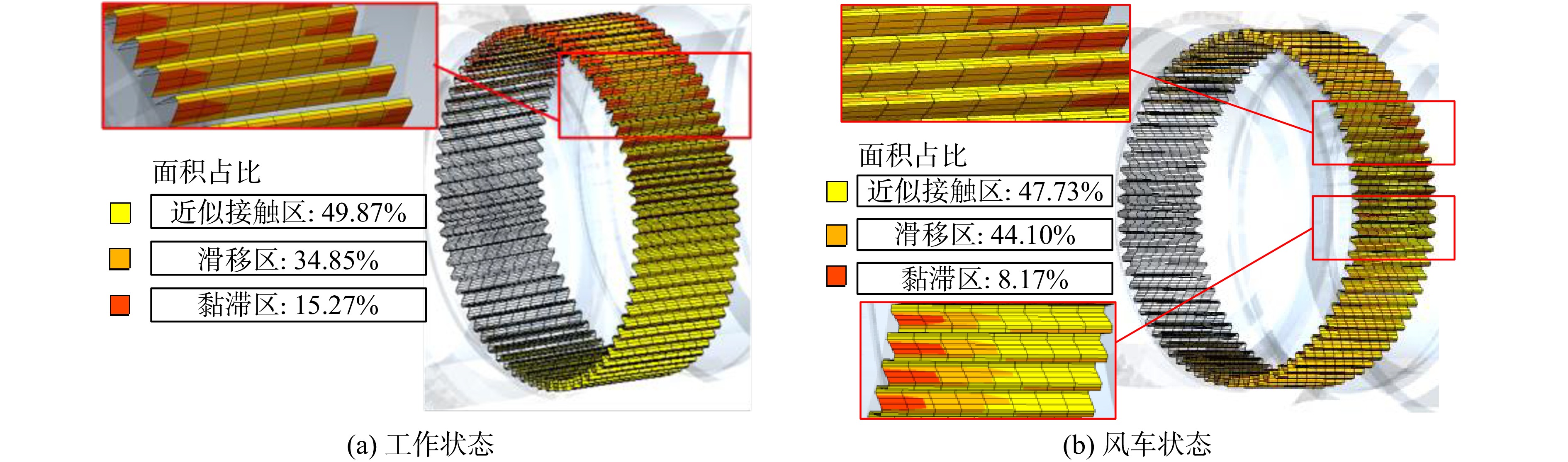
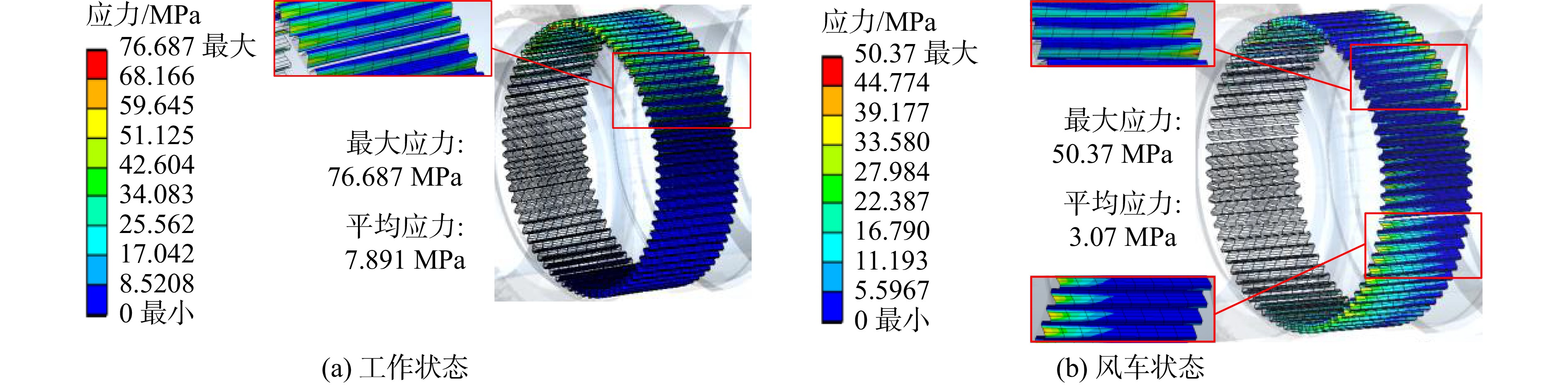
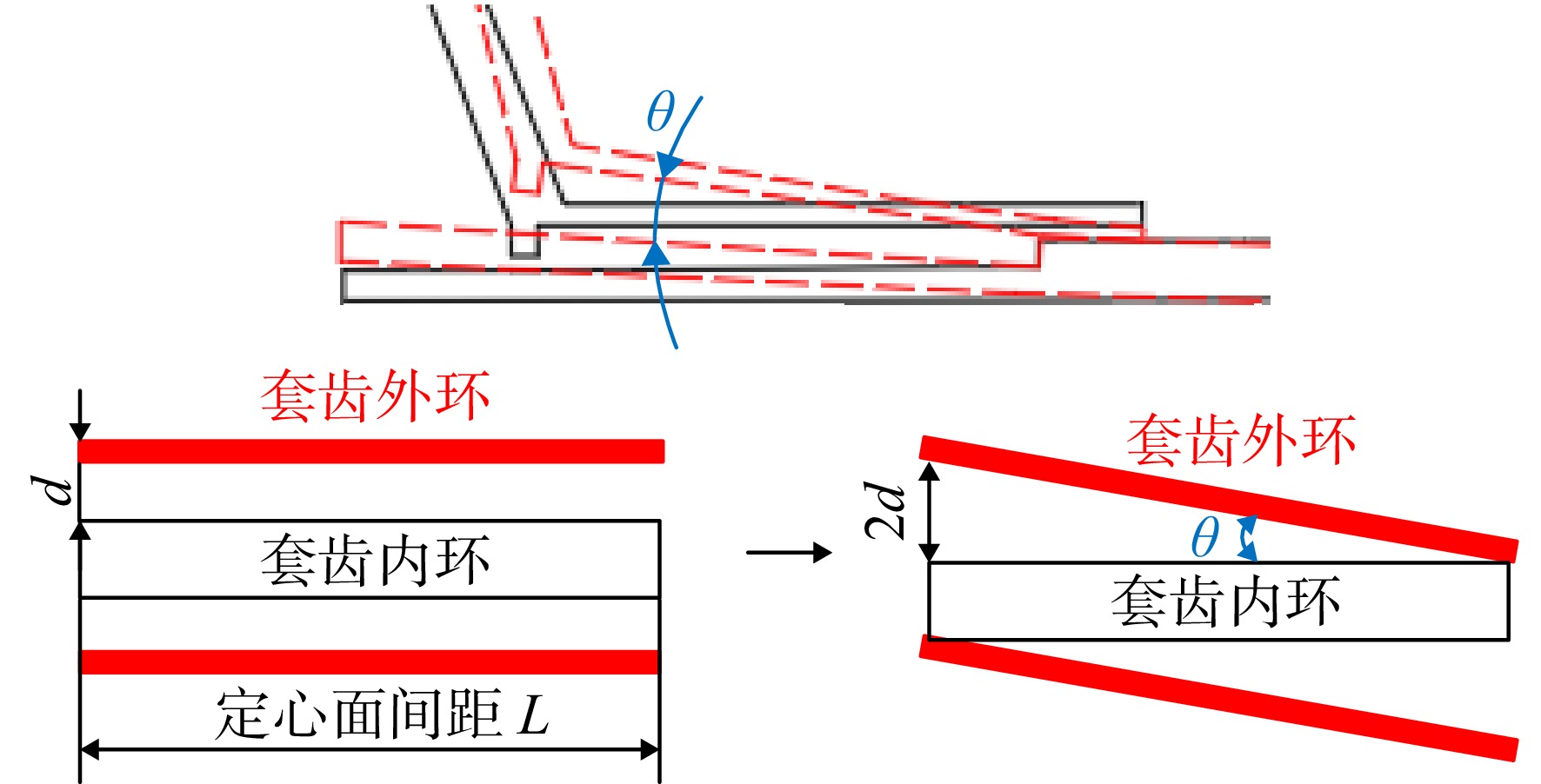
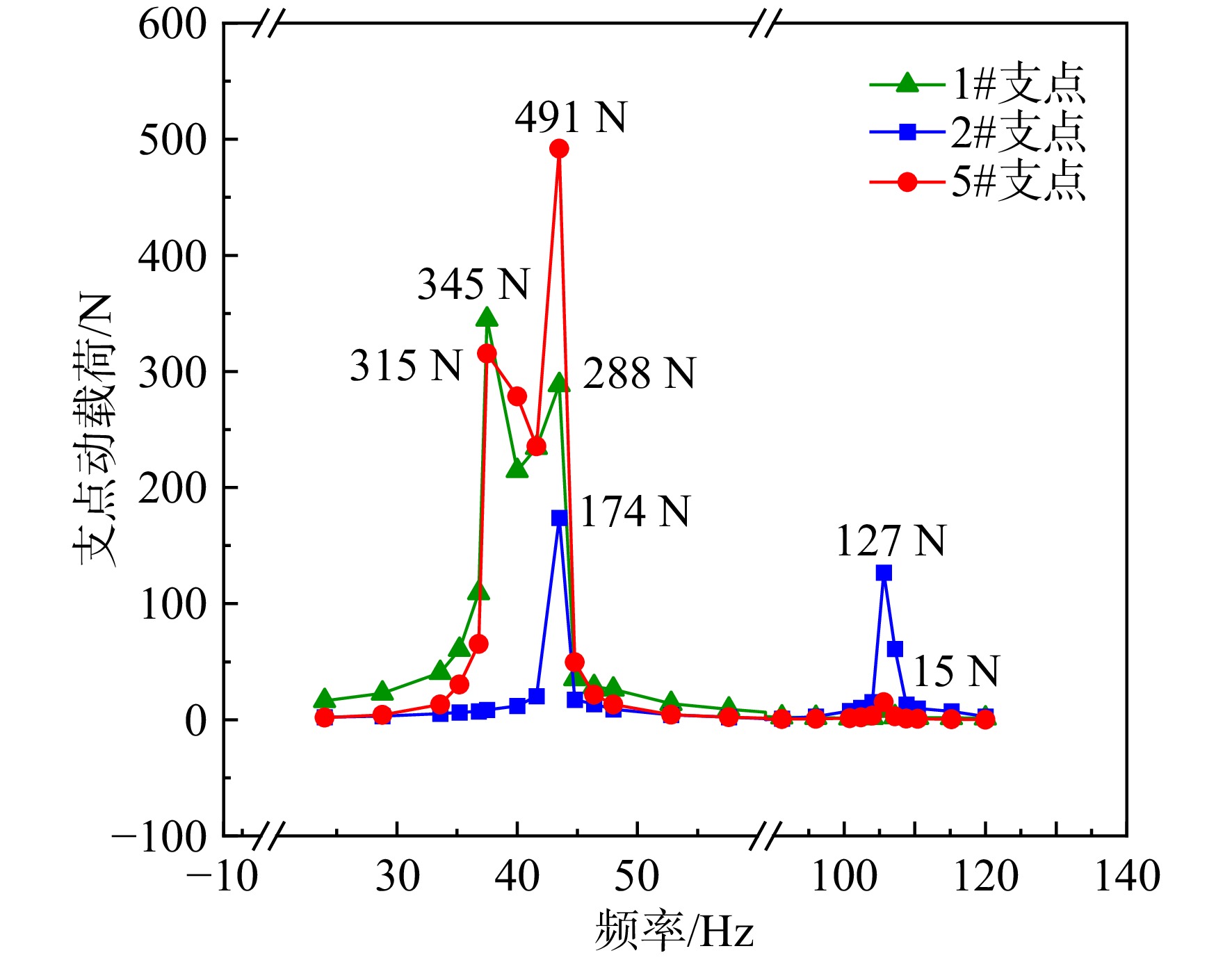
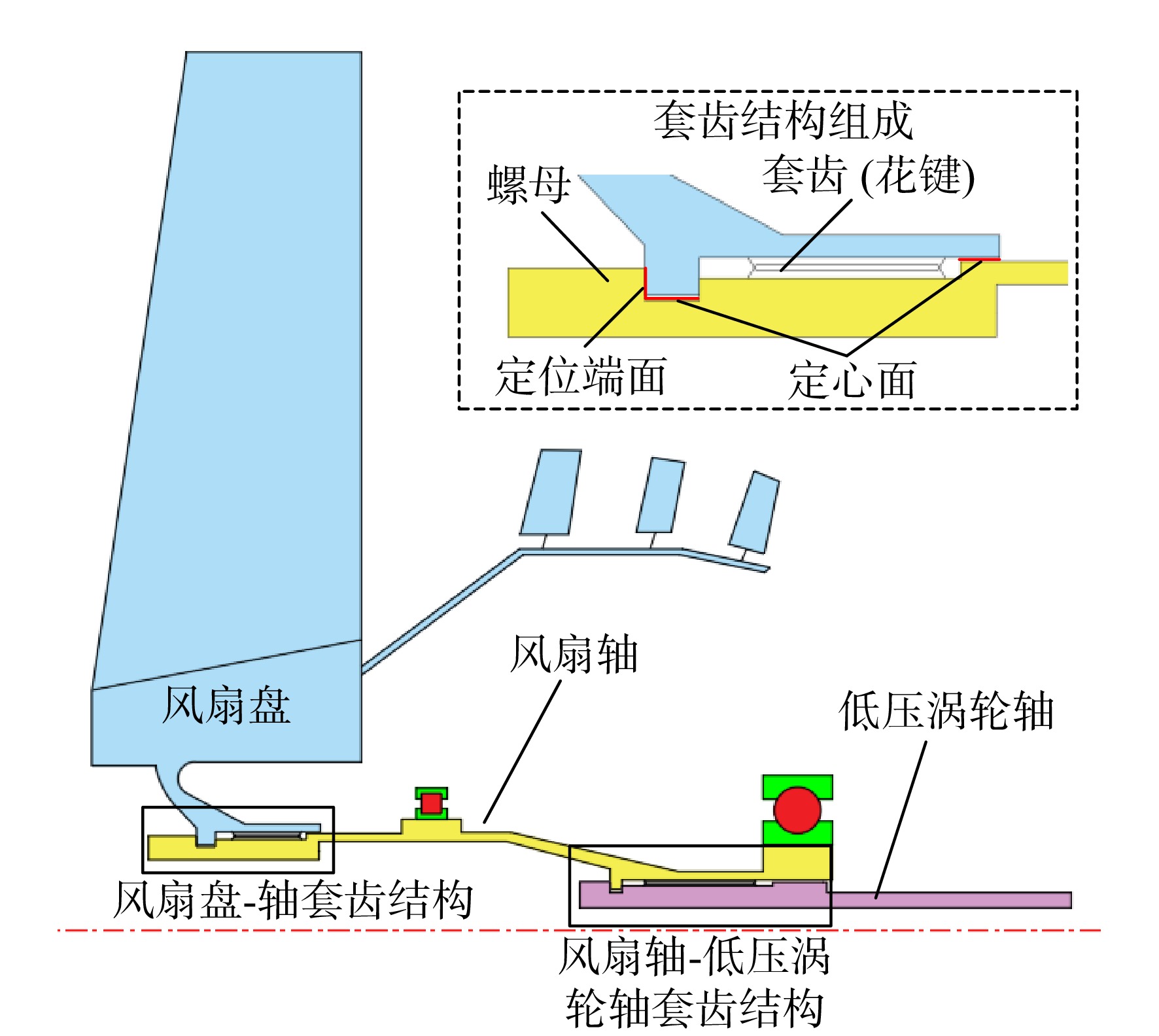
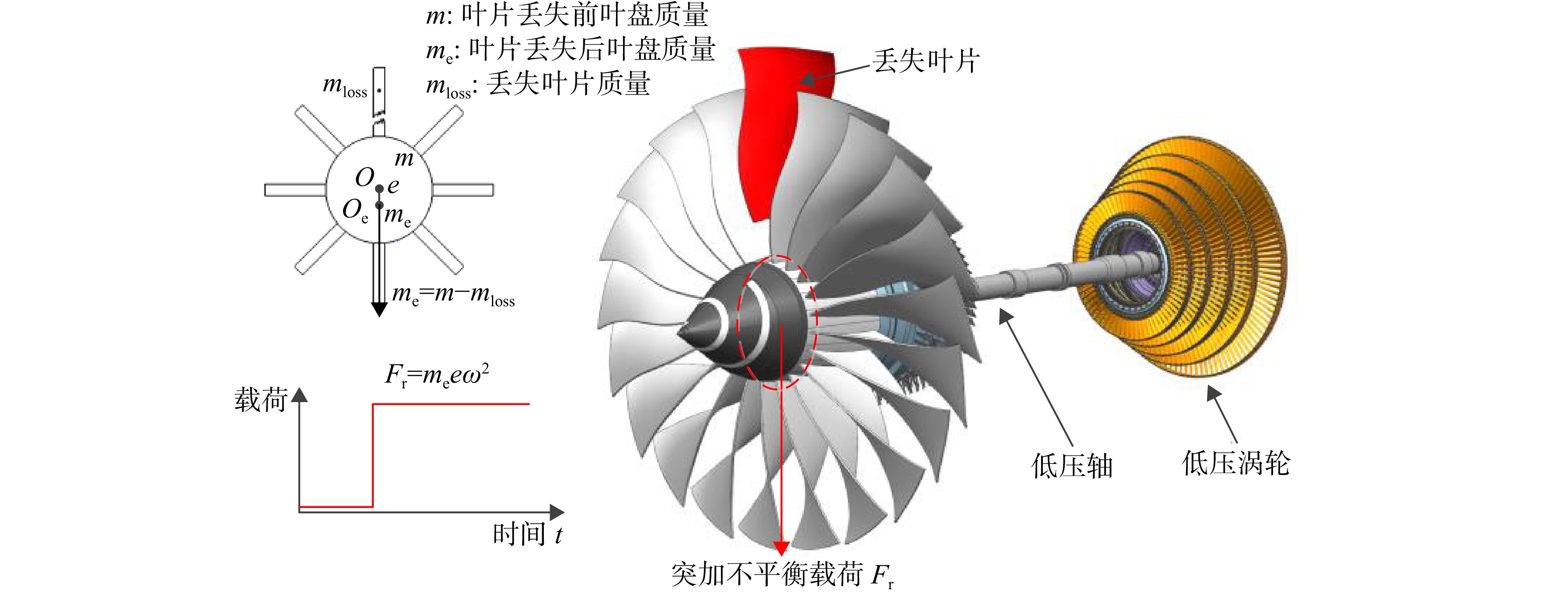
Using the finite element method, a robustness assessment was conducted for a double-tooth connection structure in a high bypass ratio fan rotor. The analysis focused on deformation coordination and interface contact states under various working loads, with special attention being paid to extreme conditions like blade loss. The model considered the clearance between double set tooth centering surfaces and assessed its impact on the rotational inertia excitation loads. Results indicated that under normal working loads, the large bypass ratio engine fan experienced minimal impact on interface contact characteristics. However, blade loss induced significant lateral loads, causing rotor tilt and generating substantial contact stress in the sleeve tooth connection, reaching up to 2.5 times normal working load. Furthermore, clearance fit of tooth centering surfaces can lead to tilt in the inertia spindle, generating rotational inertia torque excitation, increasing rotor vibration response, and amplifying dynamic loads on the fulcrum.

Fault feature extraction method of aircraft engine rolling bearings based on comprehensive dynamic screening
LIU Xinhang, LUAN Xiaochi, ZHAO Junhao, XIAO Bang, SHA Yundong
2025, 40(7): 20240210. doi: 10.13224/j.cnki.jasp.20240210
Abstract:
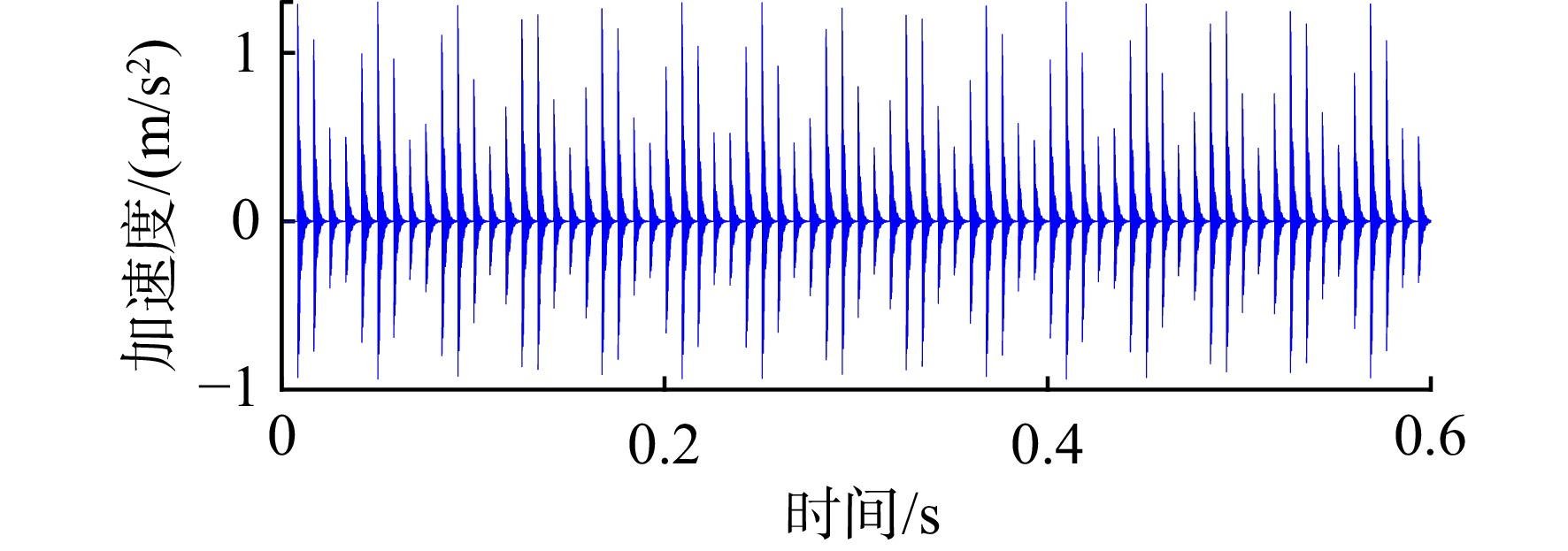
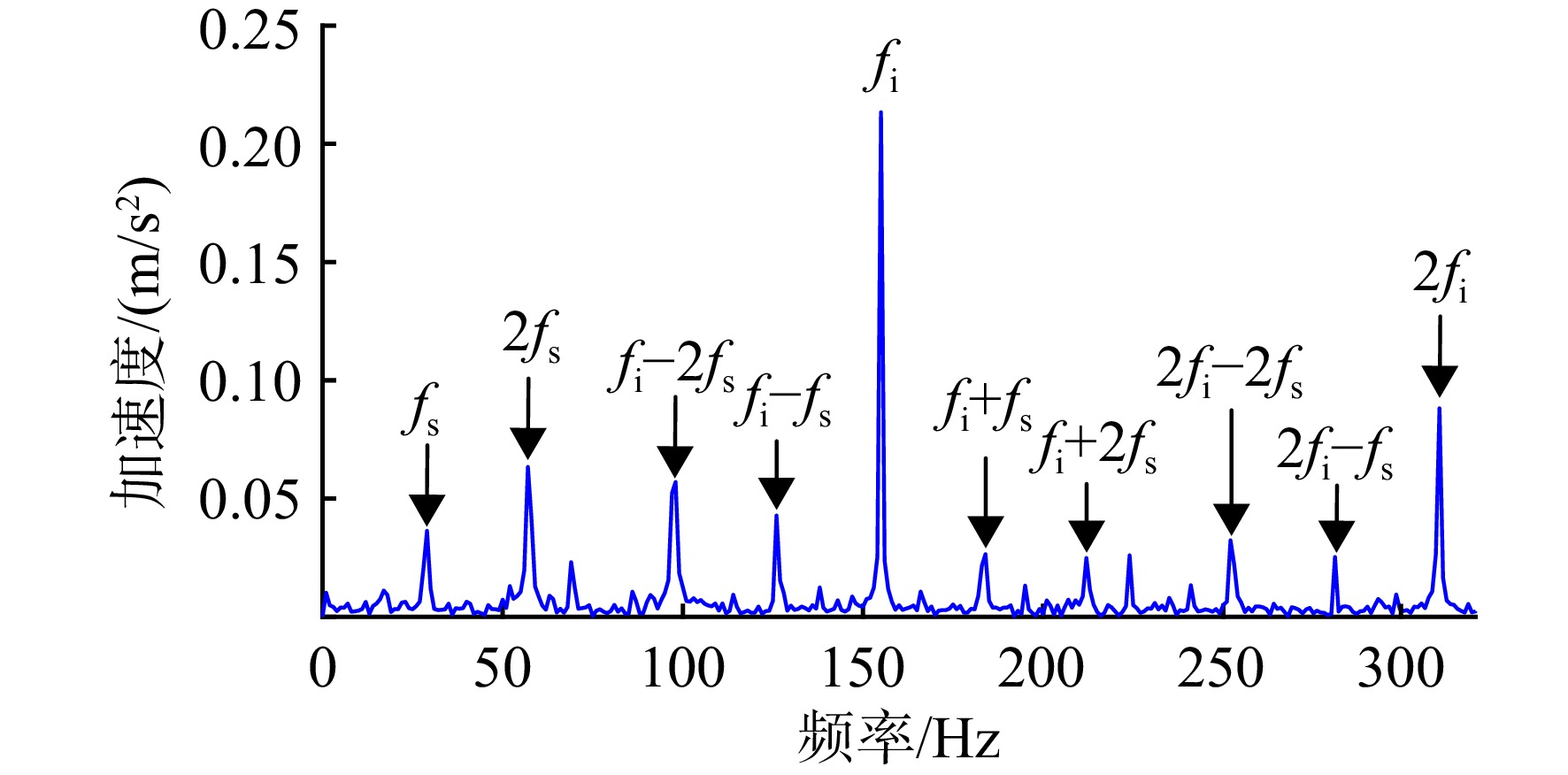
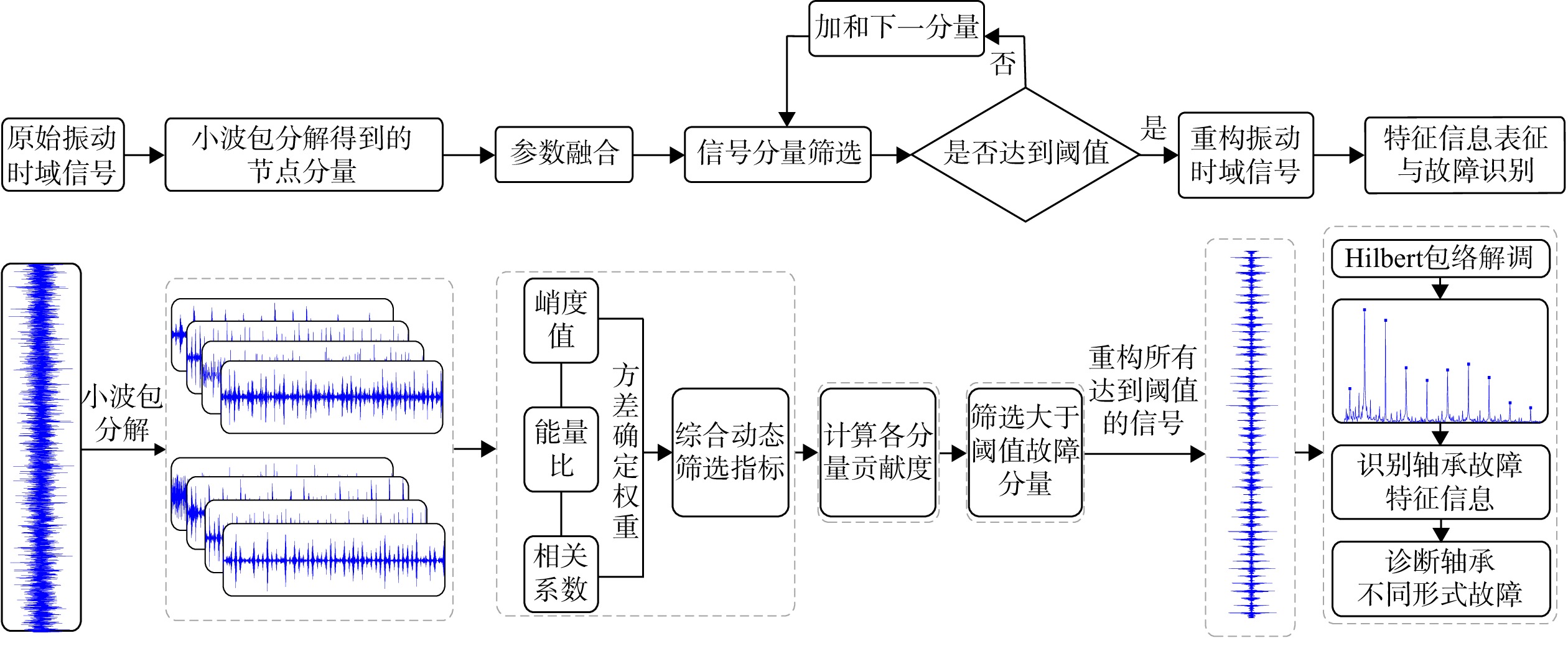
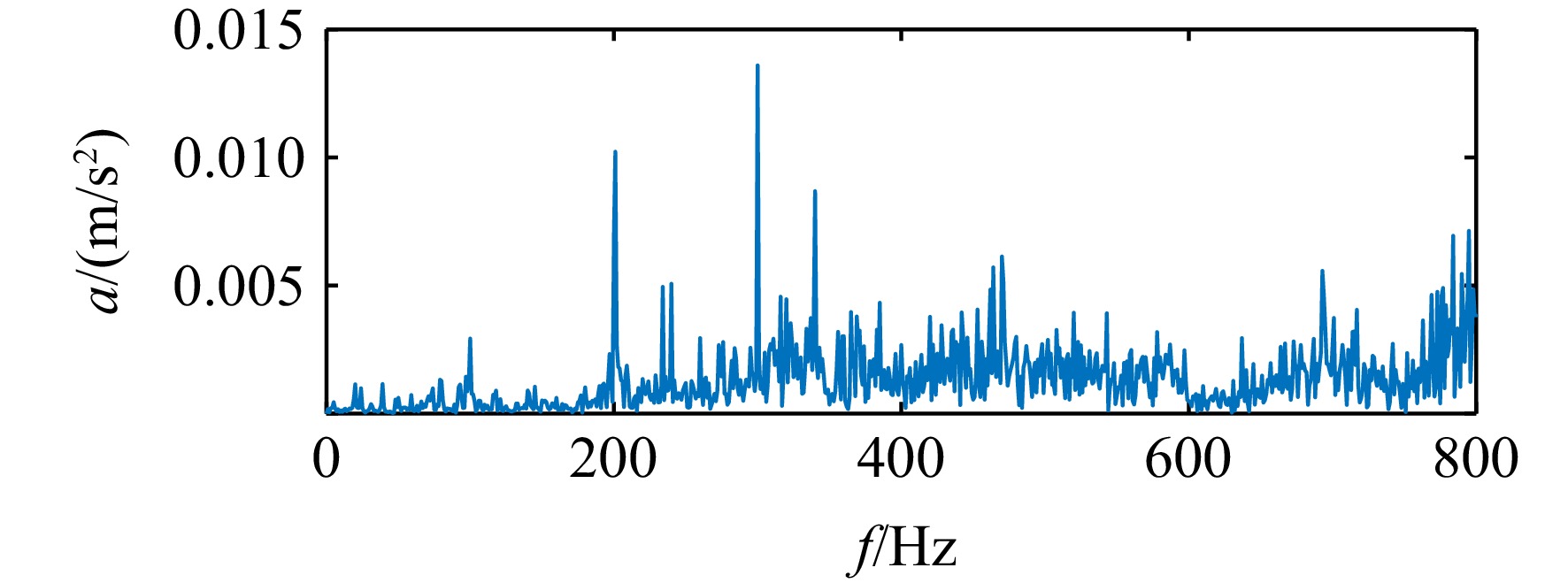
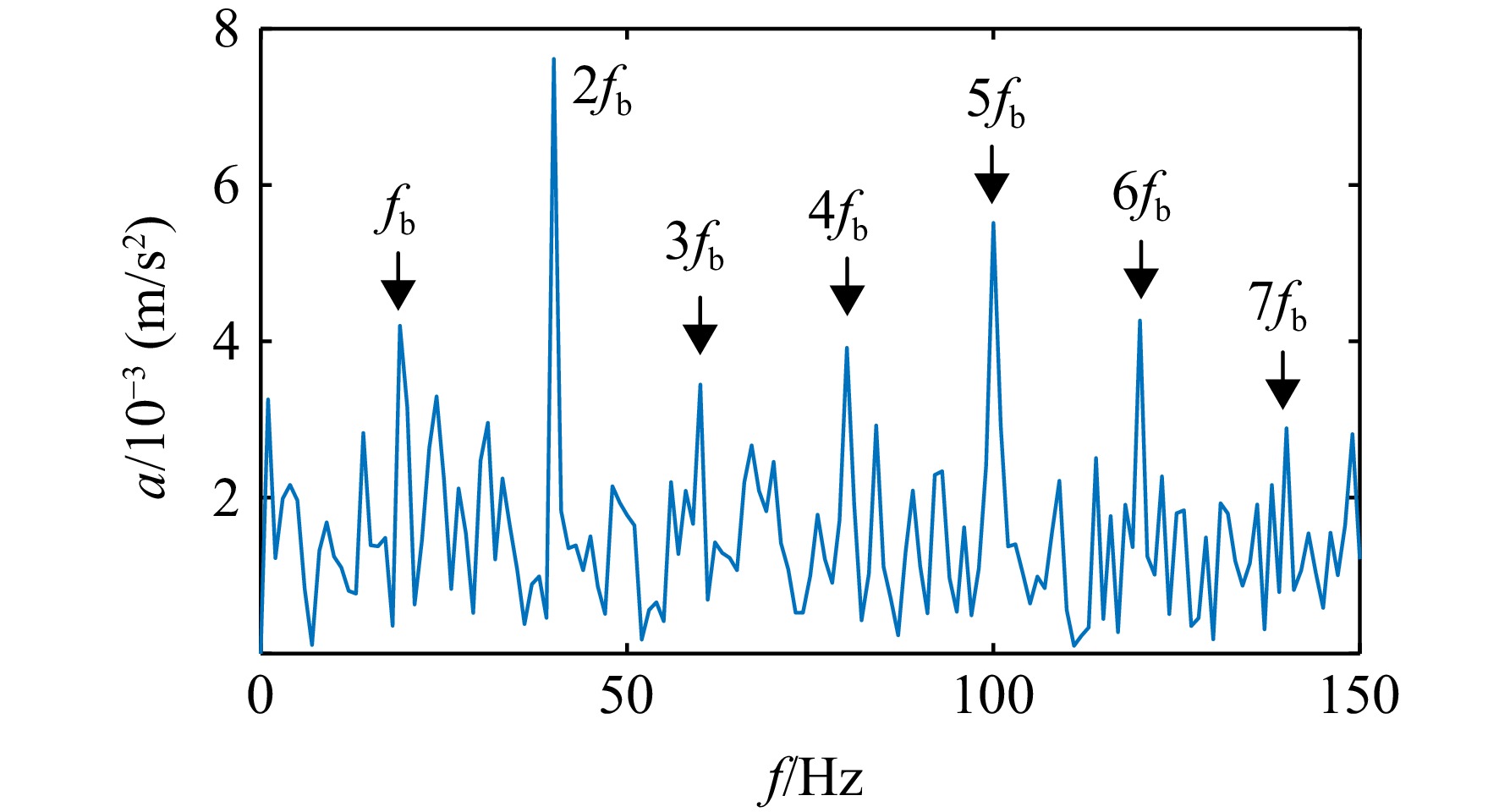
In view of the problem that the fault signal of aero-engine rolling bearing is often affected by high frequency and wide background noise, and the difficulty to extract and characterize the features, a new fault feature extraction method for rolling bearing was proposed. This method firstly performed wavelet packet decomposition on the bearing vibration signal and calculated the kurtosis value, correlation coefficient value, and energy ratio of each node component. Then using variance as an indicator, the most suitable weight for different vibration signals was found and integrated into comprehensive dynamic screening indicators. The contribution of each component was calculated. The first i node components with contribution reaching the threshold for reconstruction was selected to obtain a denoised new signal. Finally, the weak fault features of bearings were extracted through envelope spectrum analysis. Through verification by simulation signals, the signal-to-noise ratio of the denoised signal increased by 8.82 dB compared with that before denoising. Simulated tests on the intermediate shaft bearing failure of a certain type of aircraft engine and the main shaft bearing failure of a certain type of turbofan aircraft engine were conducted, effectively validating the methods proposed. Results indicated that the method presented accurately extracted the fault feature frequencies and their harmonics of the rolling bearings in aircraft engines, thereby achieving fault diagnosis. Through theoretical analysis and test validation, it can be considered as one of the effective methods for complex signal processing and diagnosis of rolling bearings in aircraft engines.

Combustion,Heat and Mass Transfer
Unsteady flow characteristics in hyper-burner with trapped vortex cavity during mode transition
ZHONG Shilin, PENG Weikang, KANG Yudong, DENG Yuanhao, HOU Lingyun
2025, 40(7): 20240749. doi: 10.13224/j.cnki.jasp.20240749
Abstract:
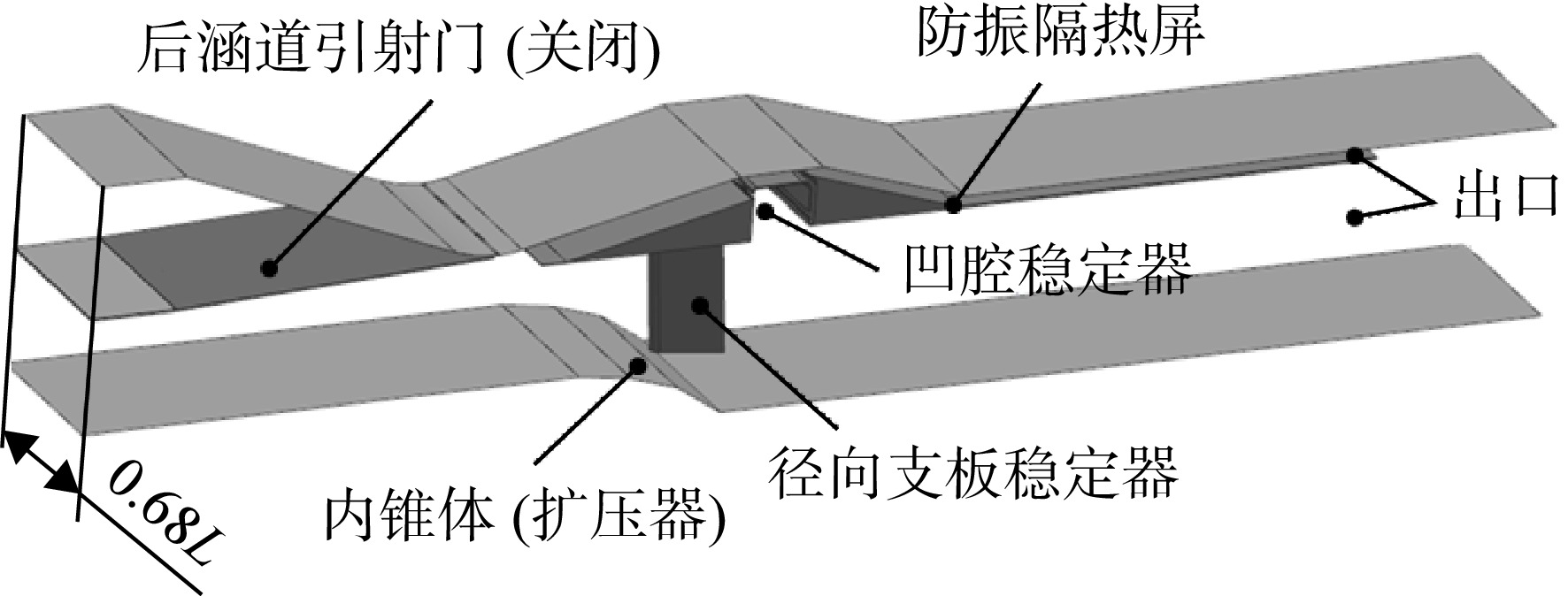
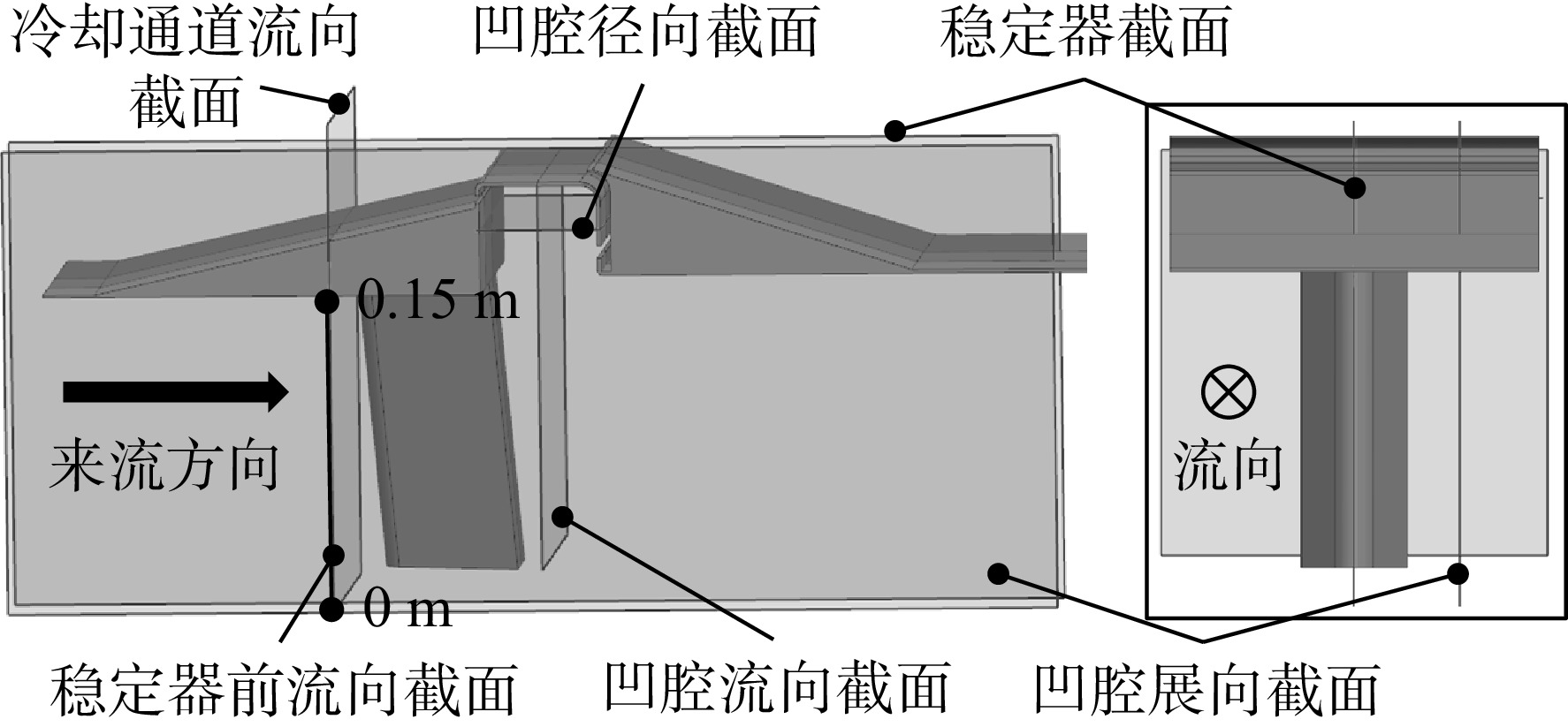
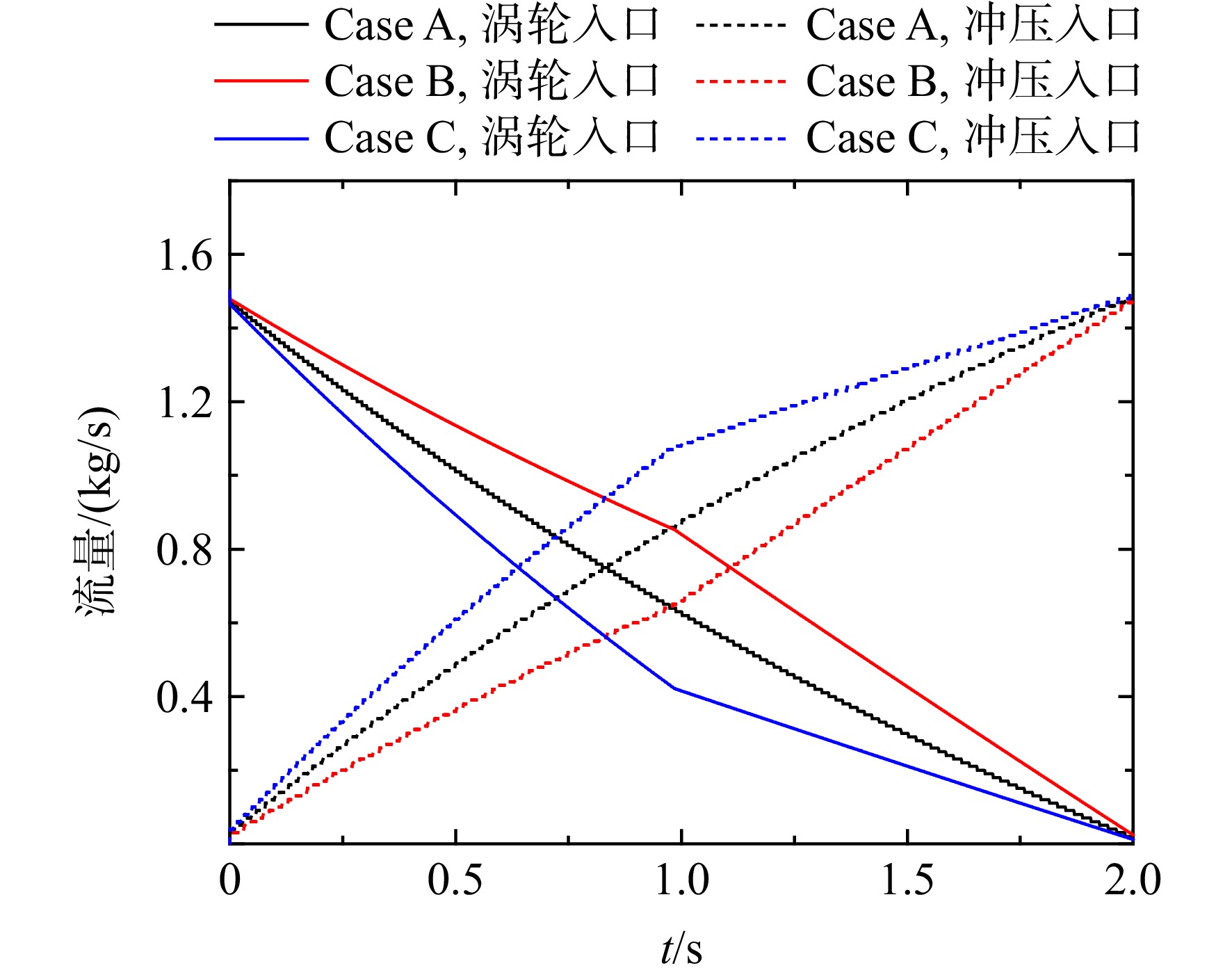
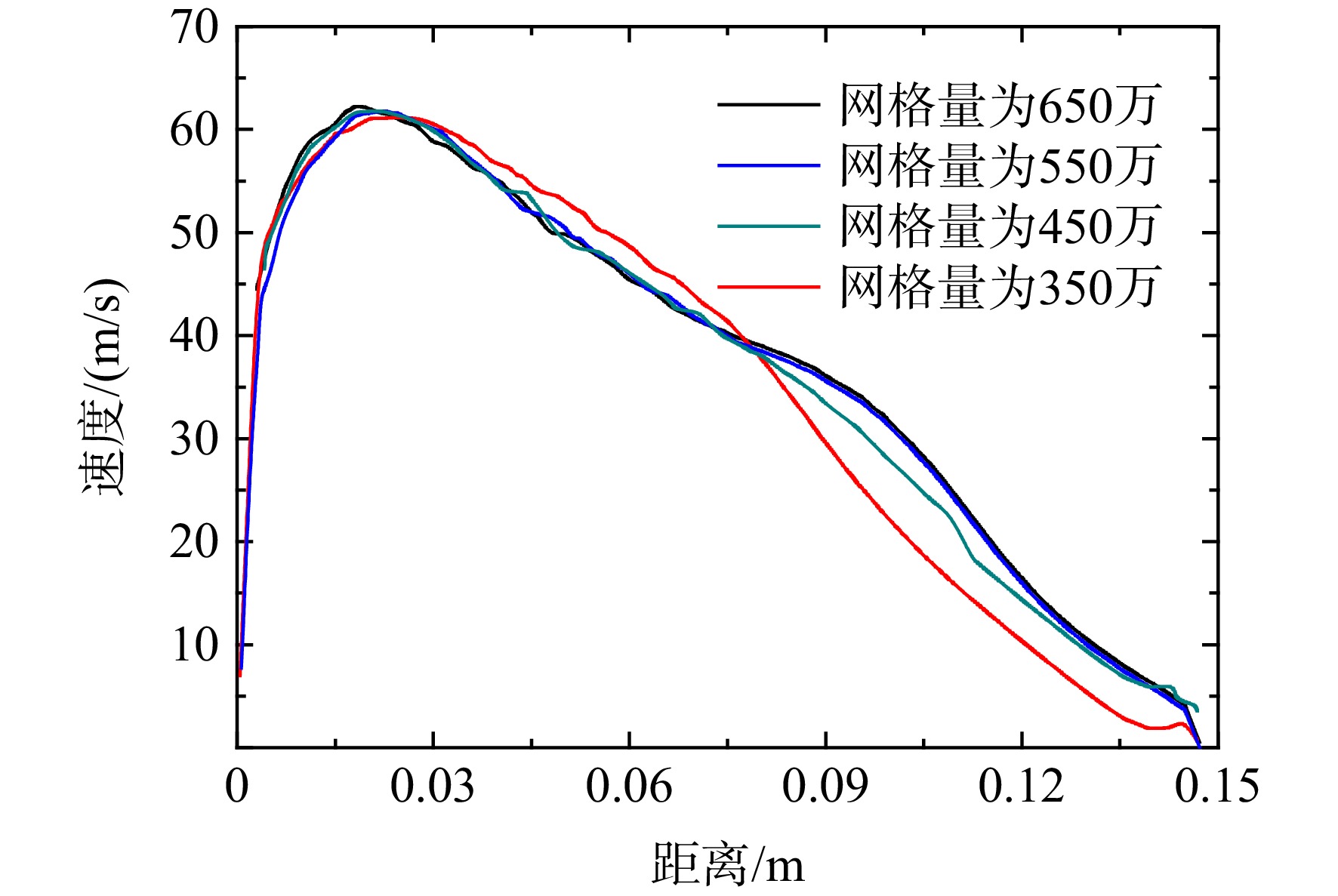
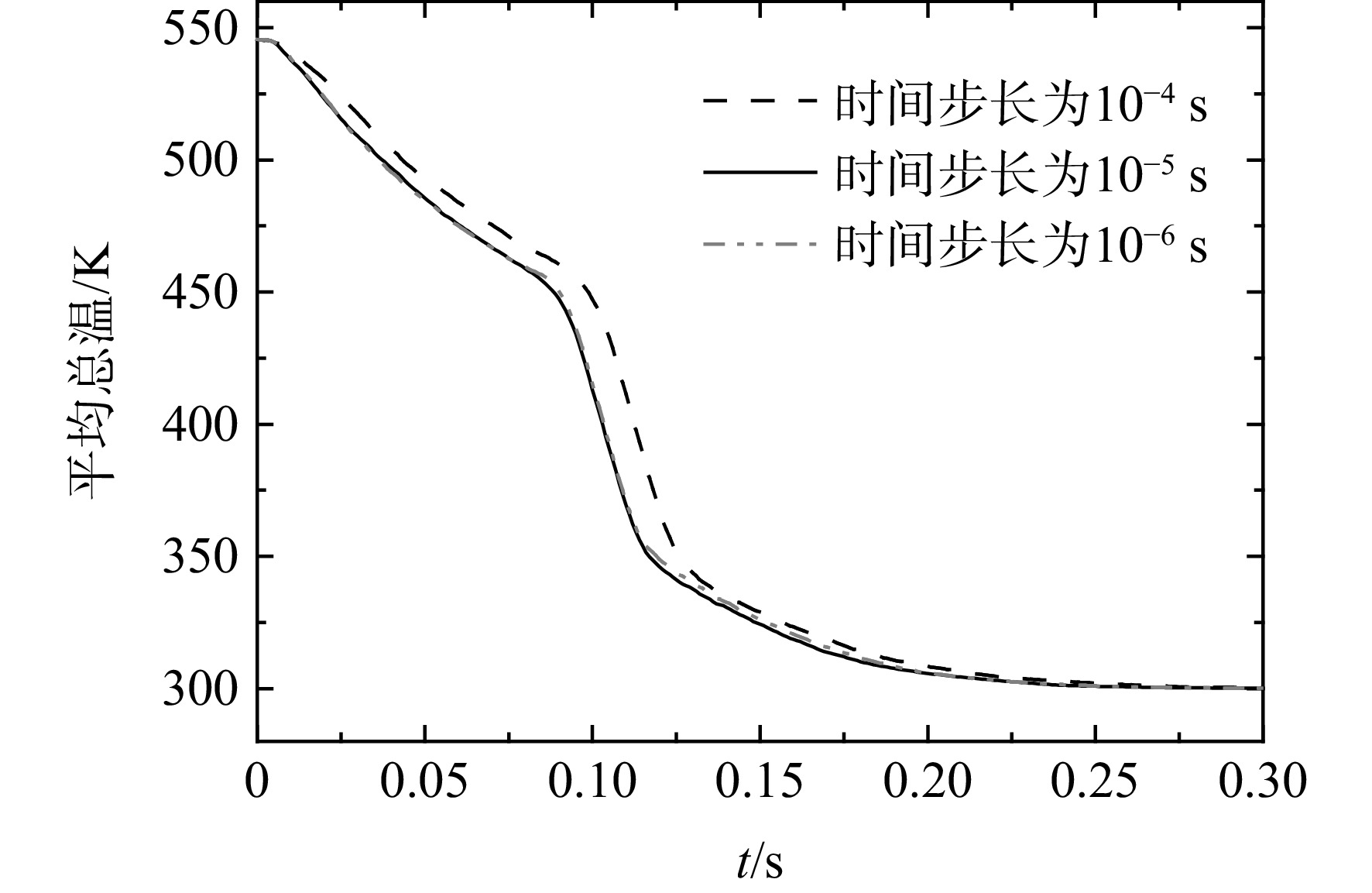
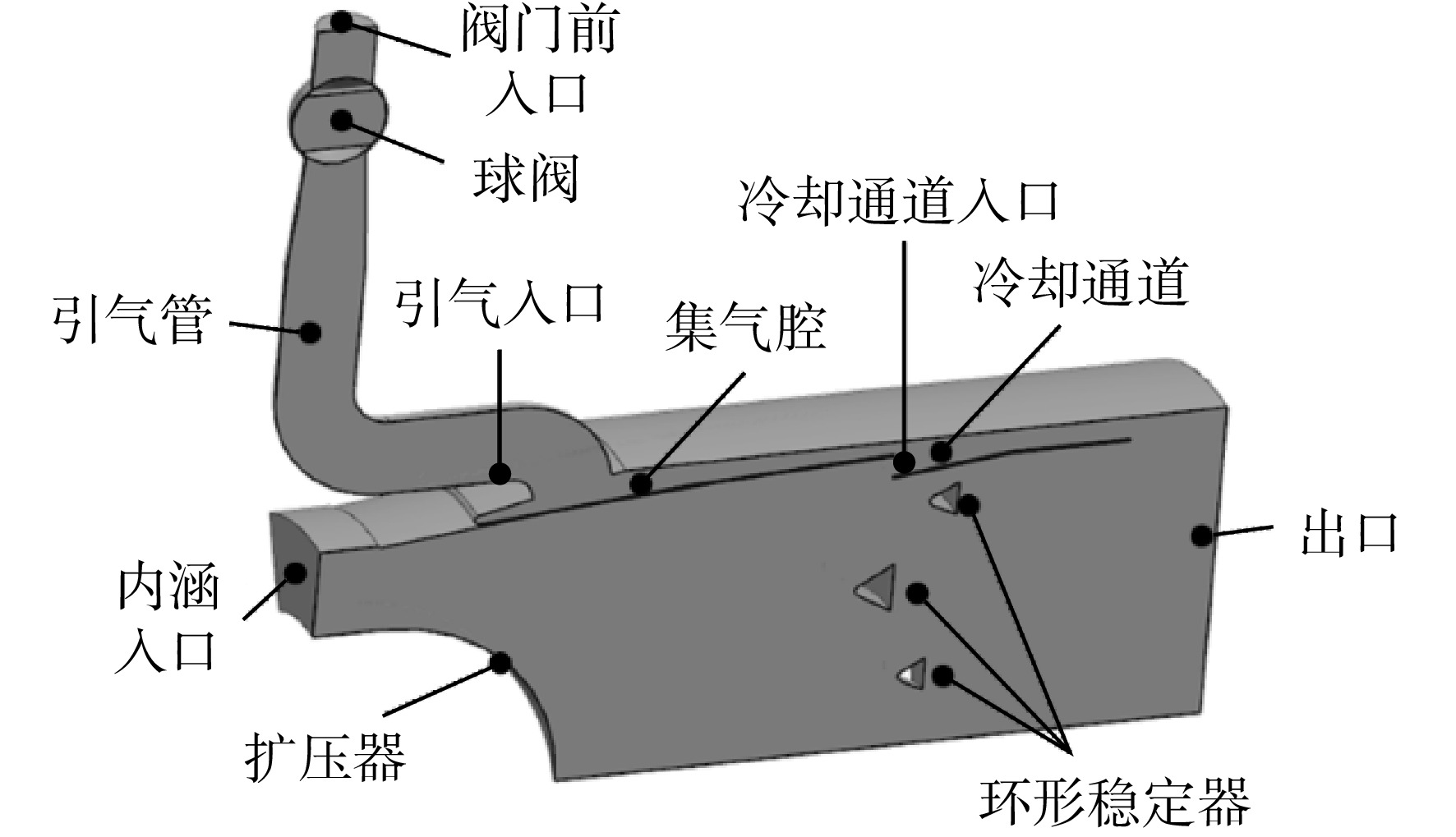
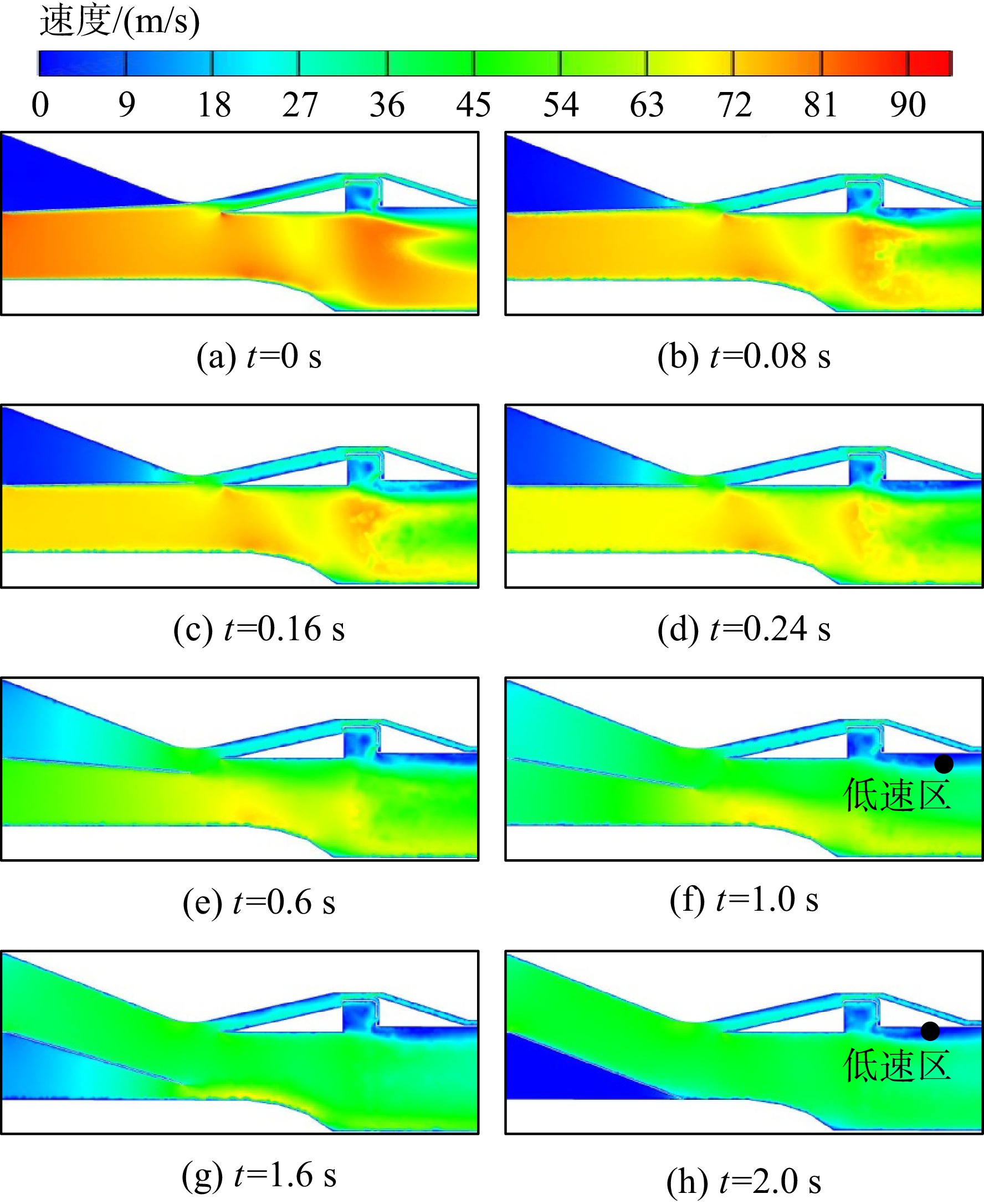
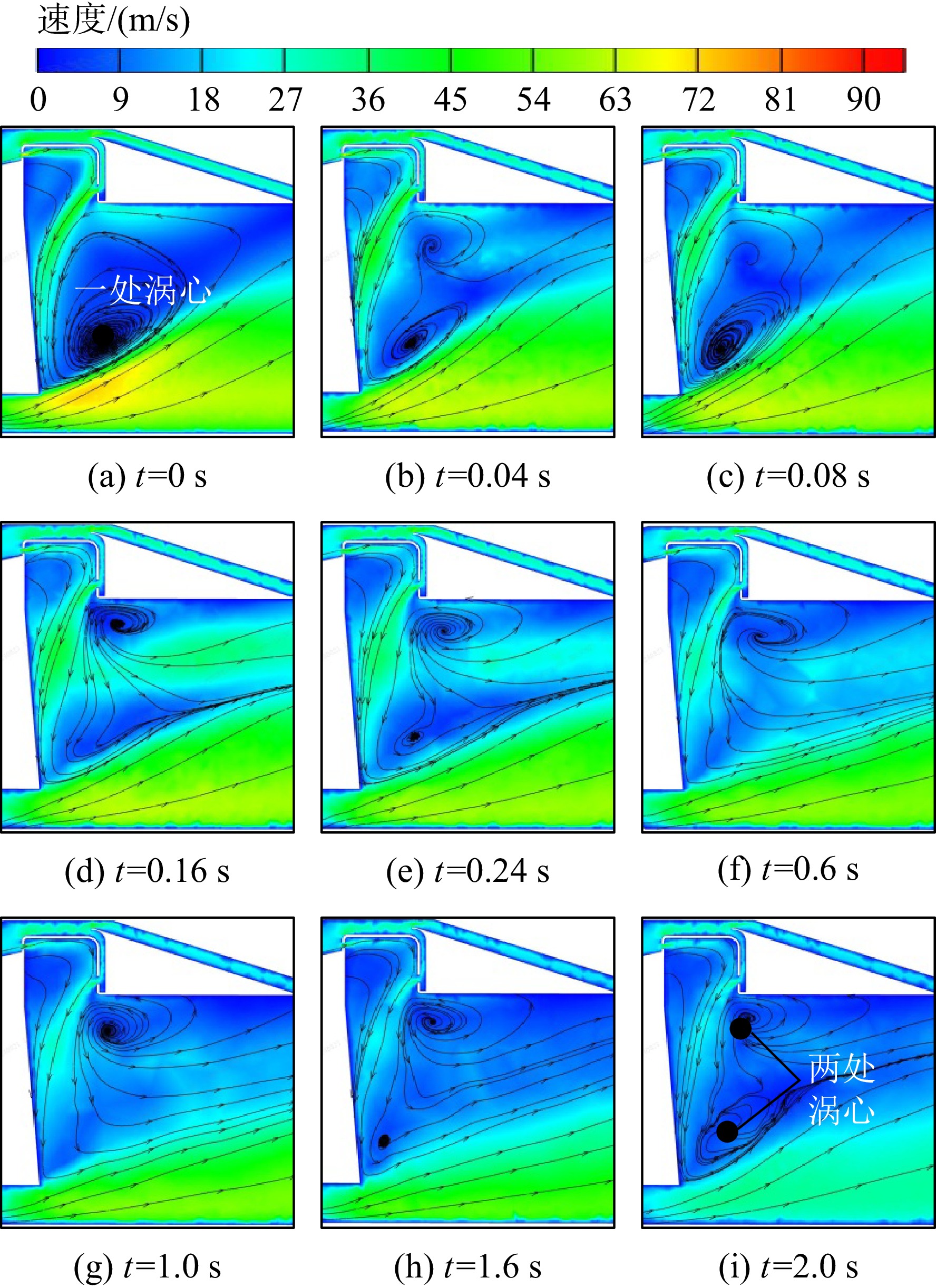
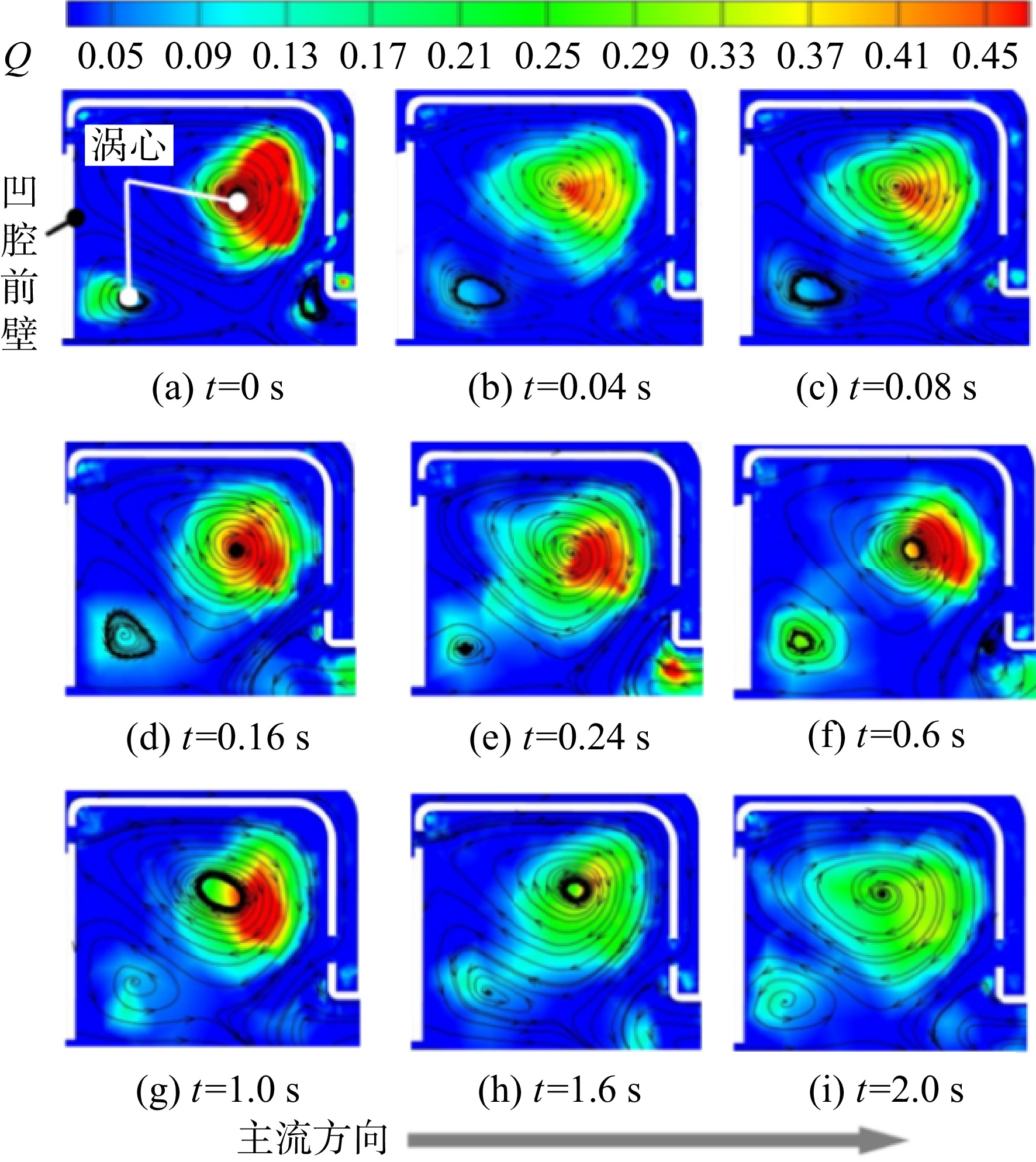
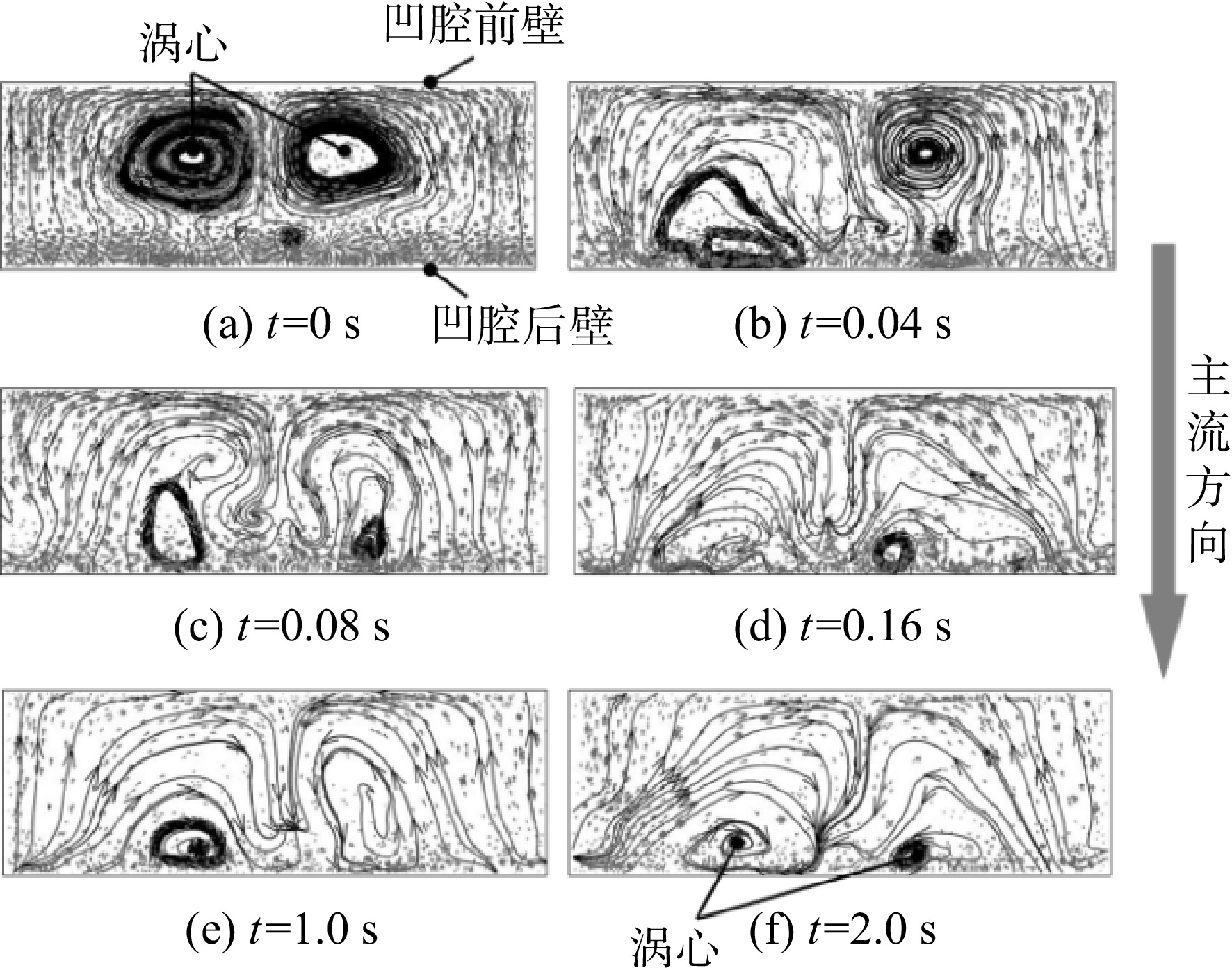
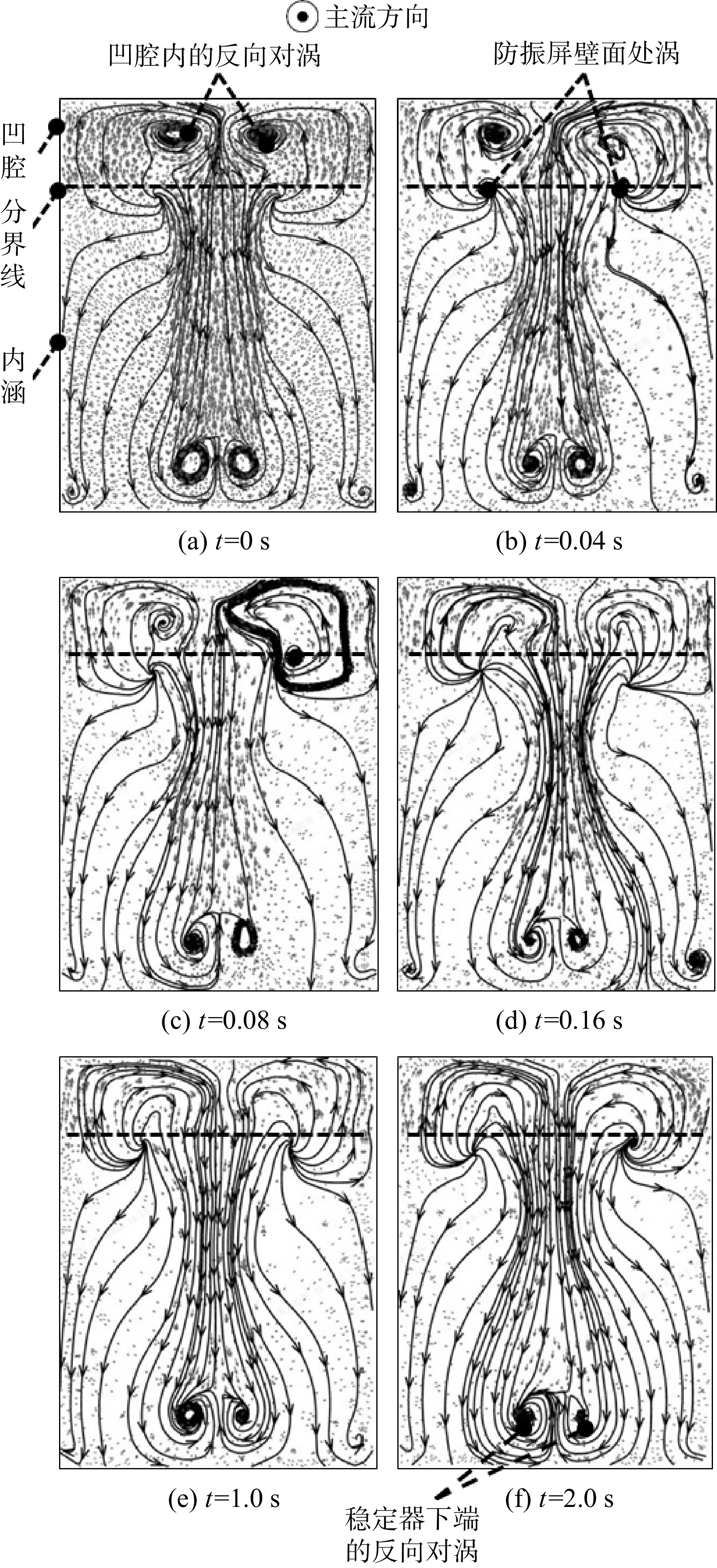
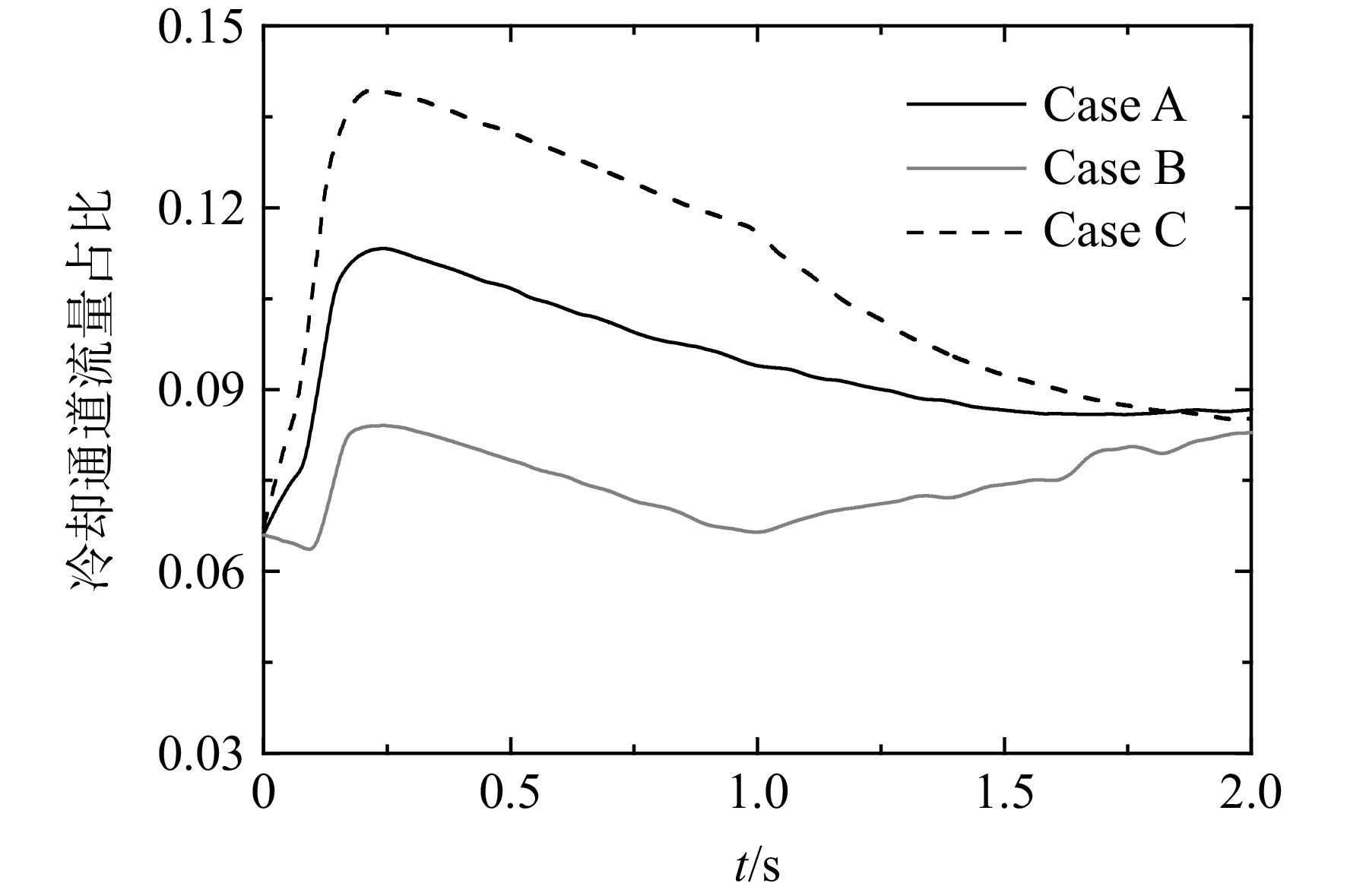
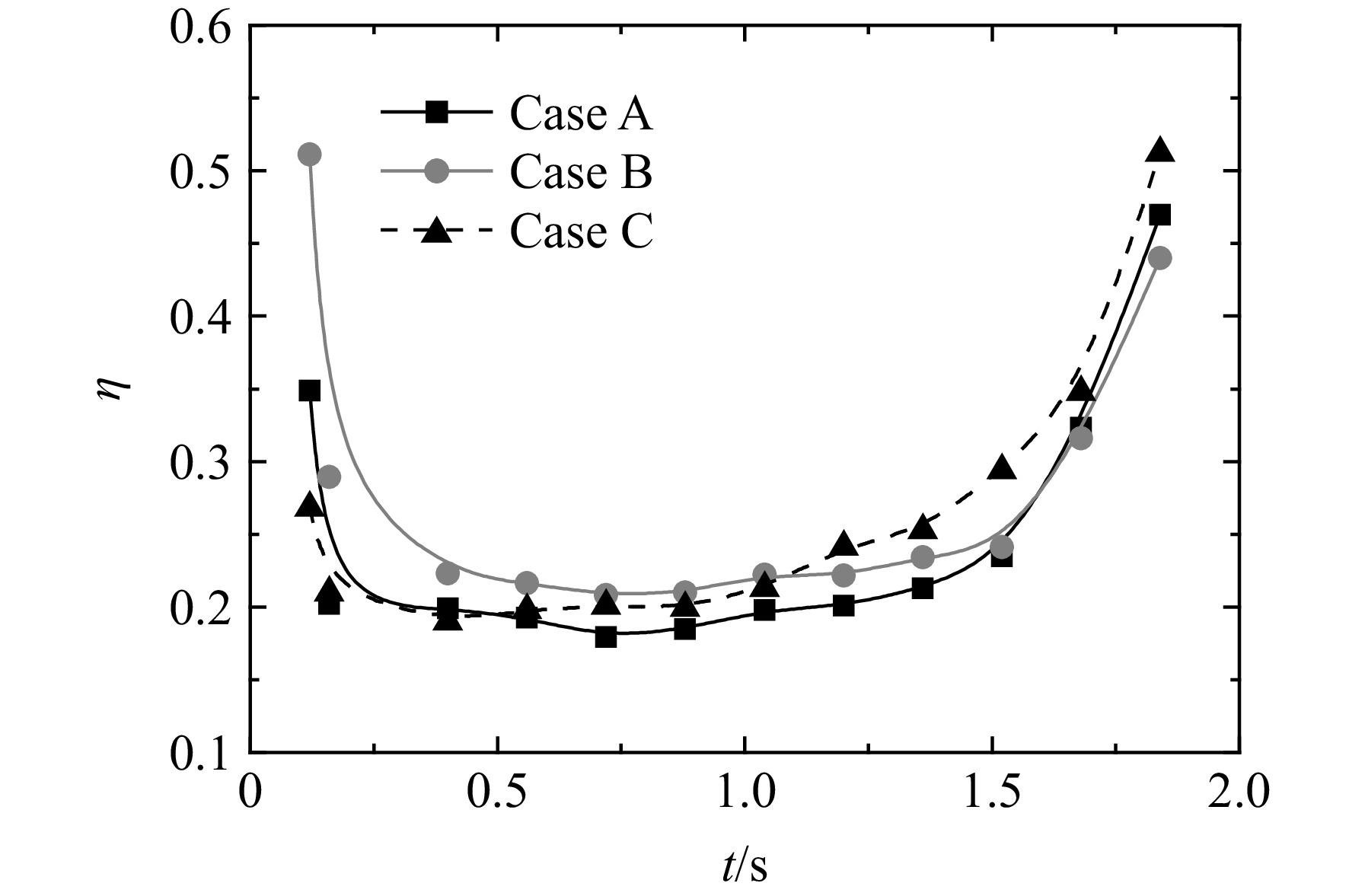
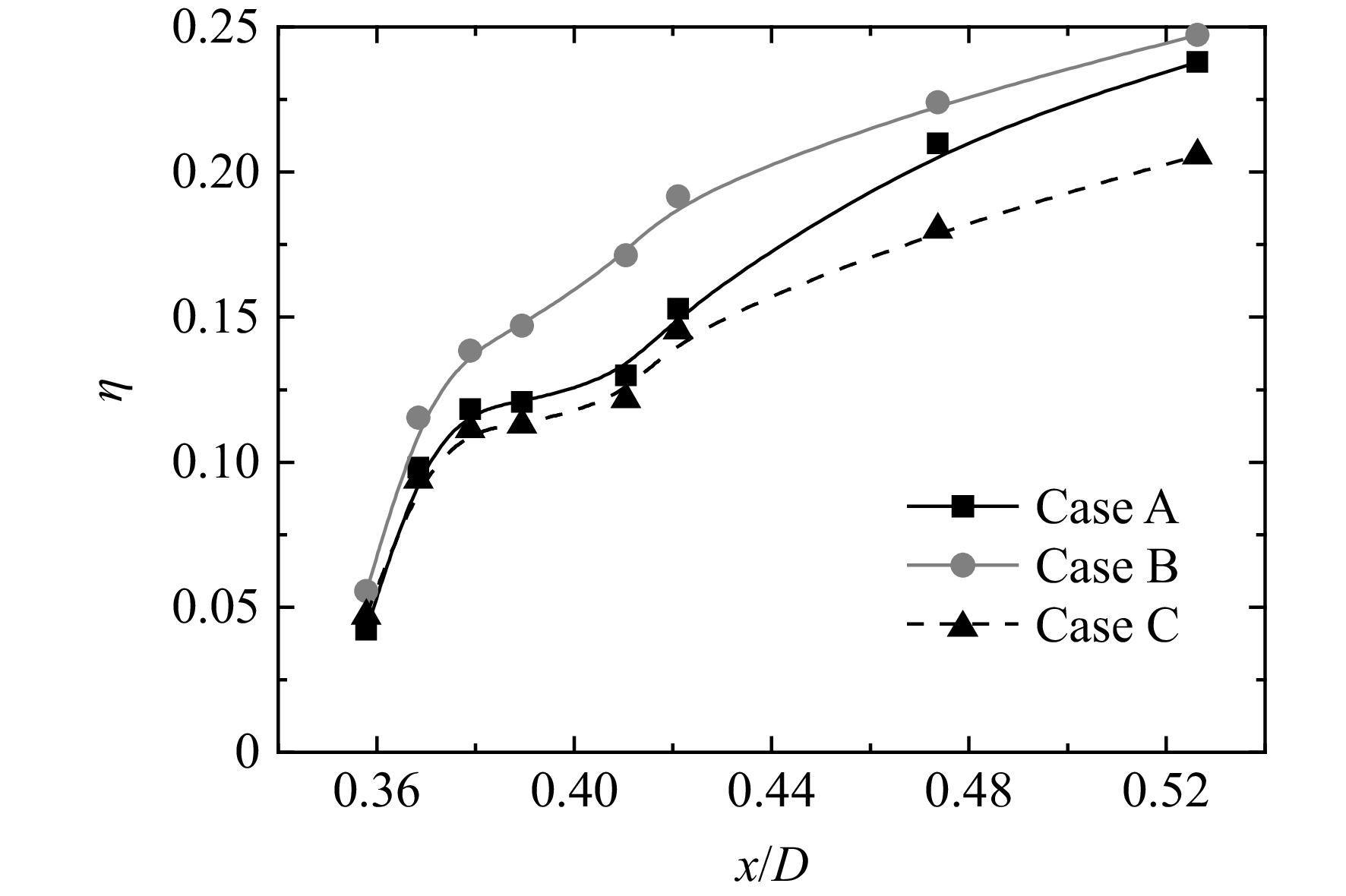
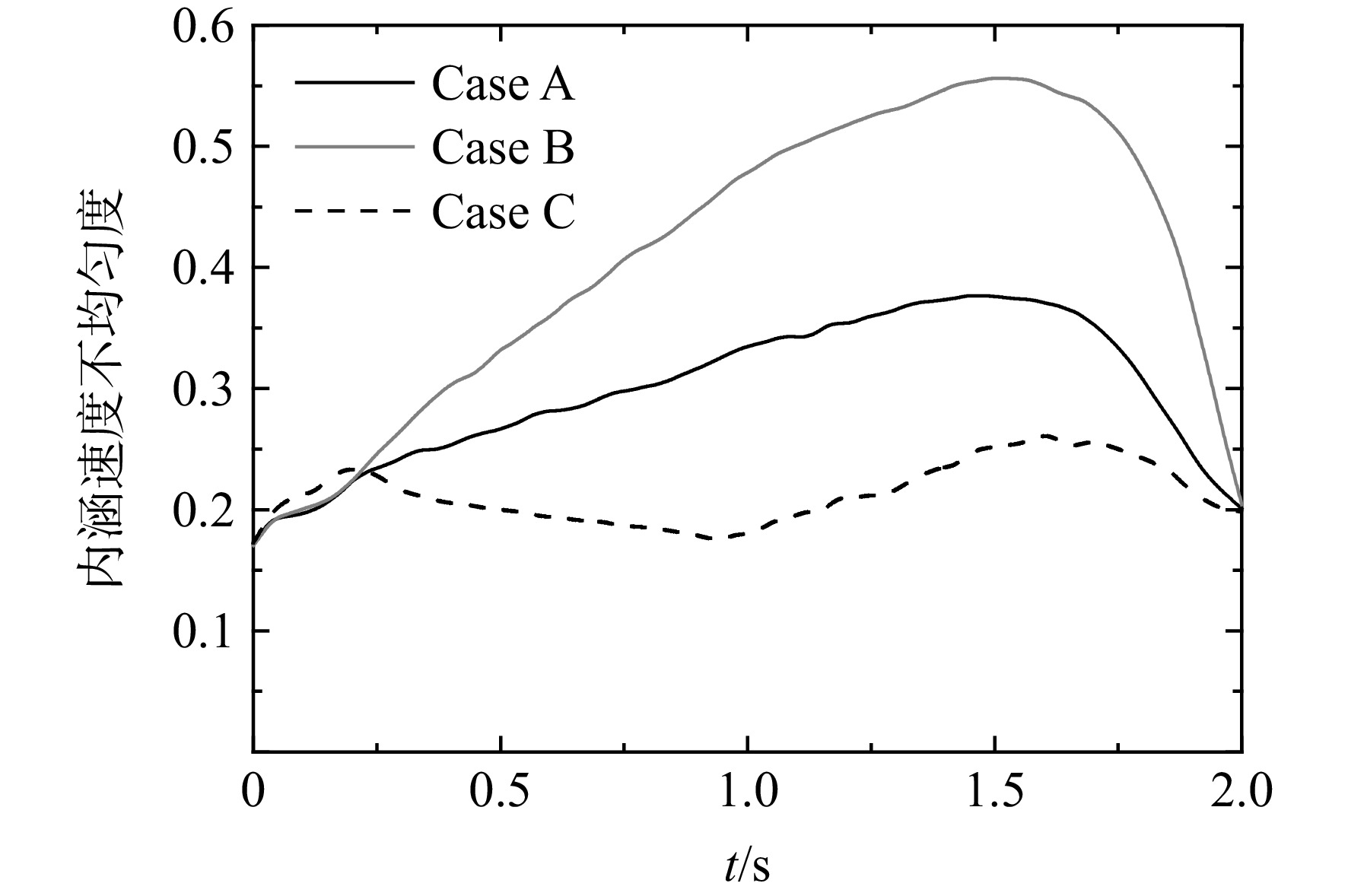
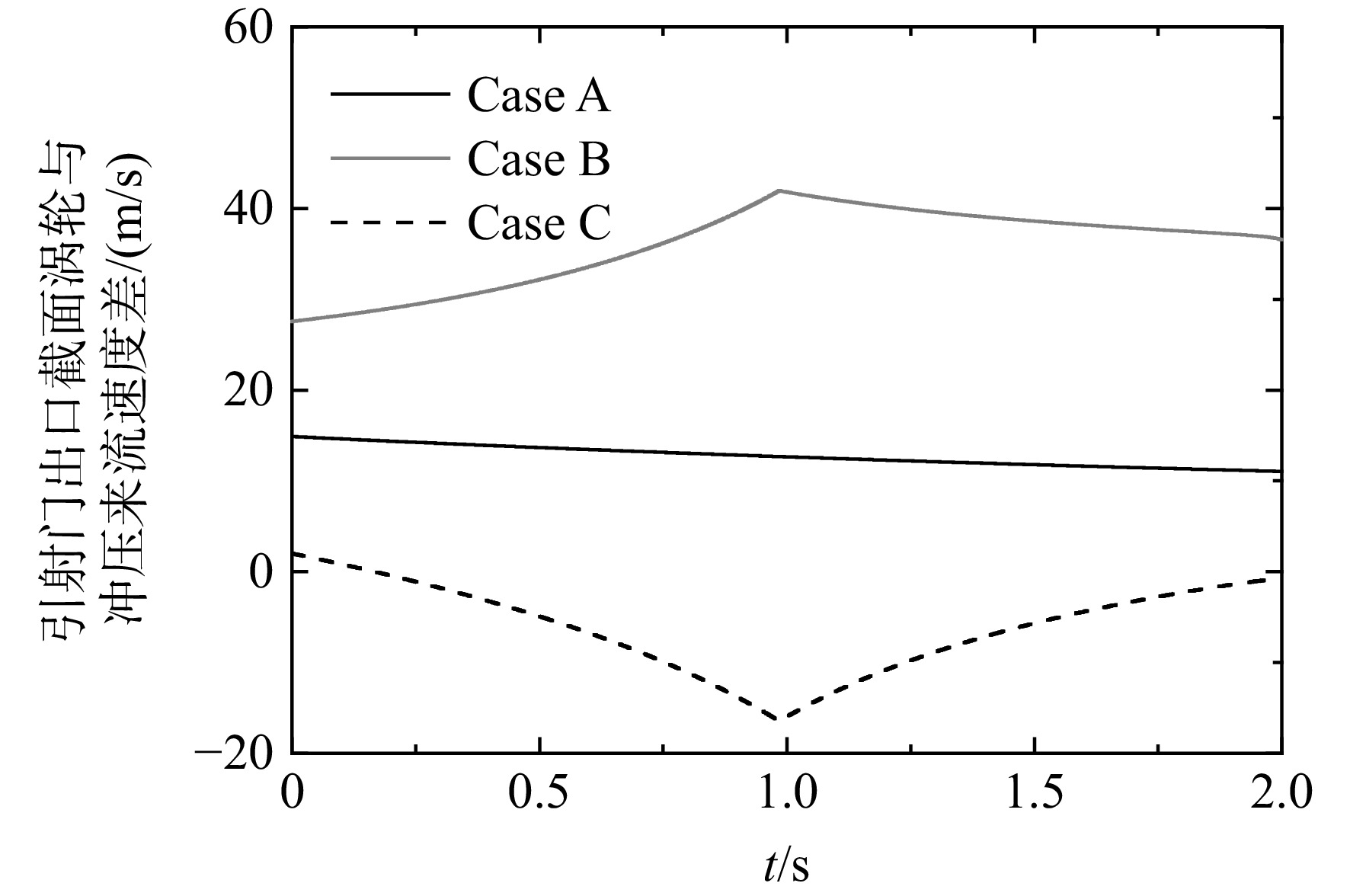
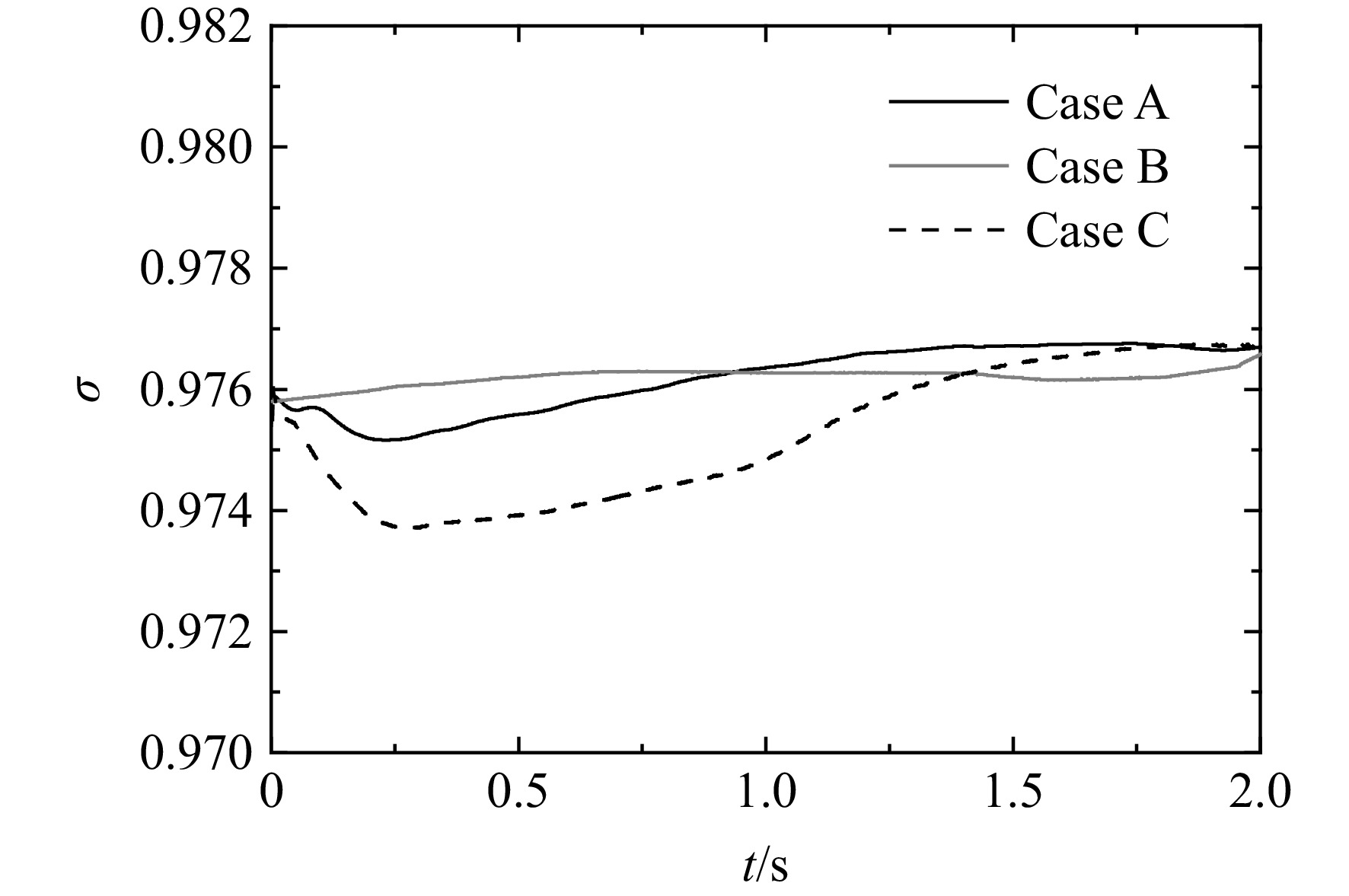
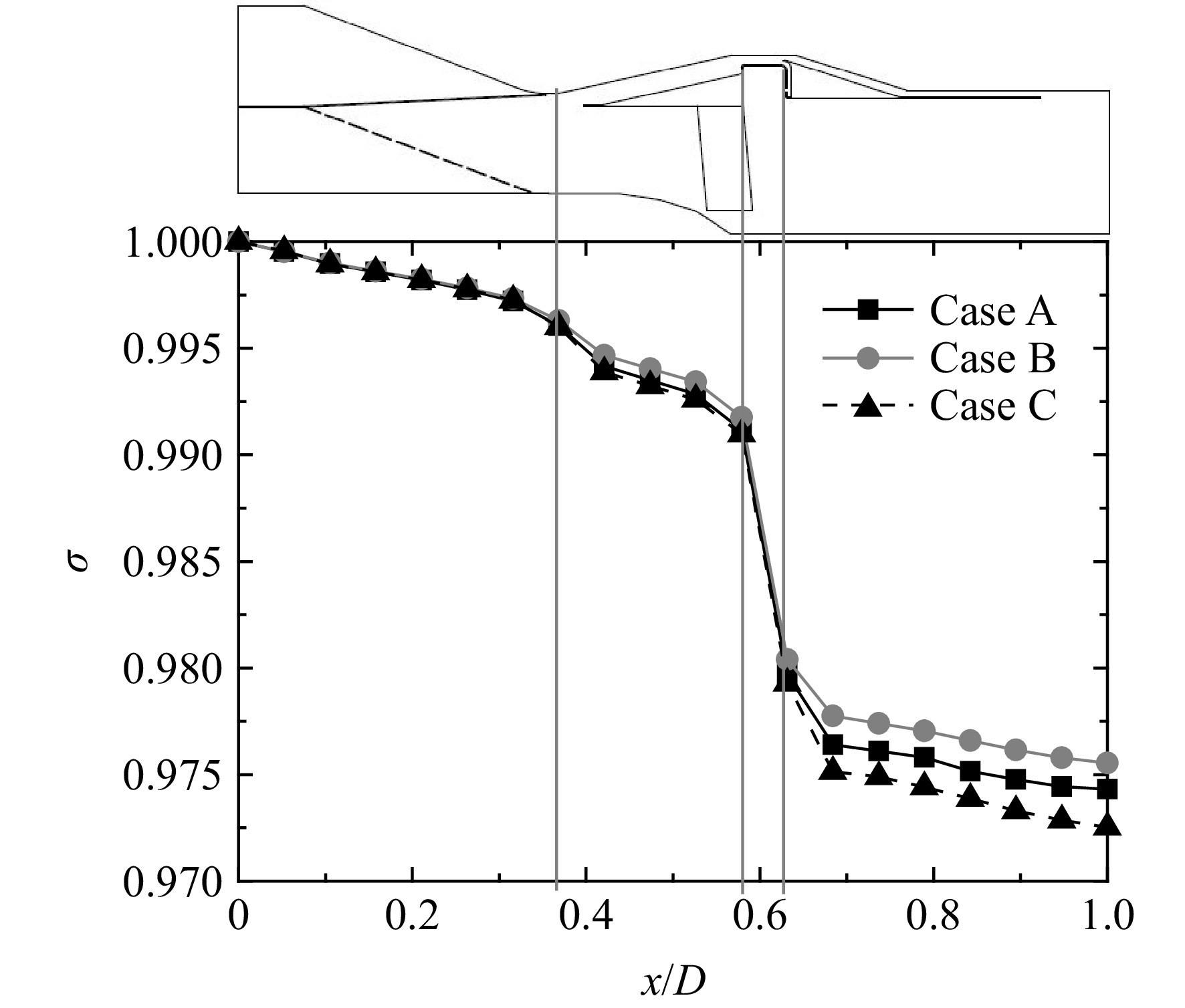
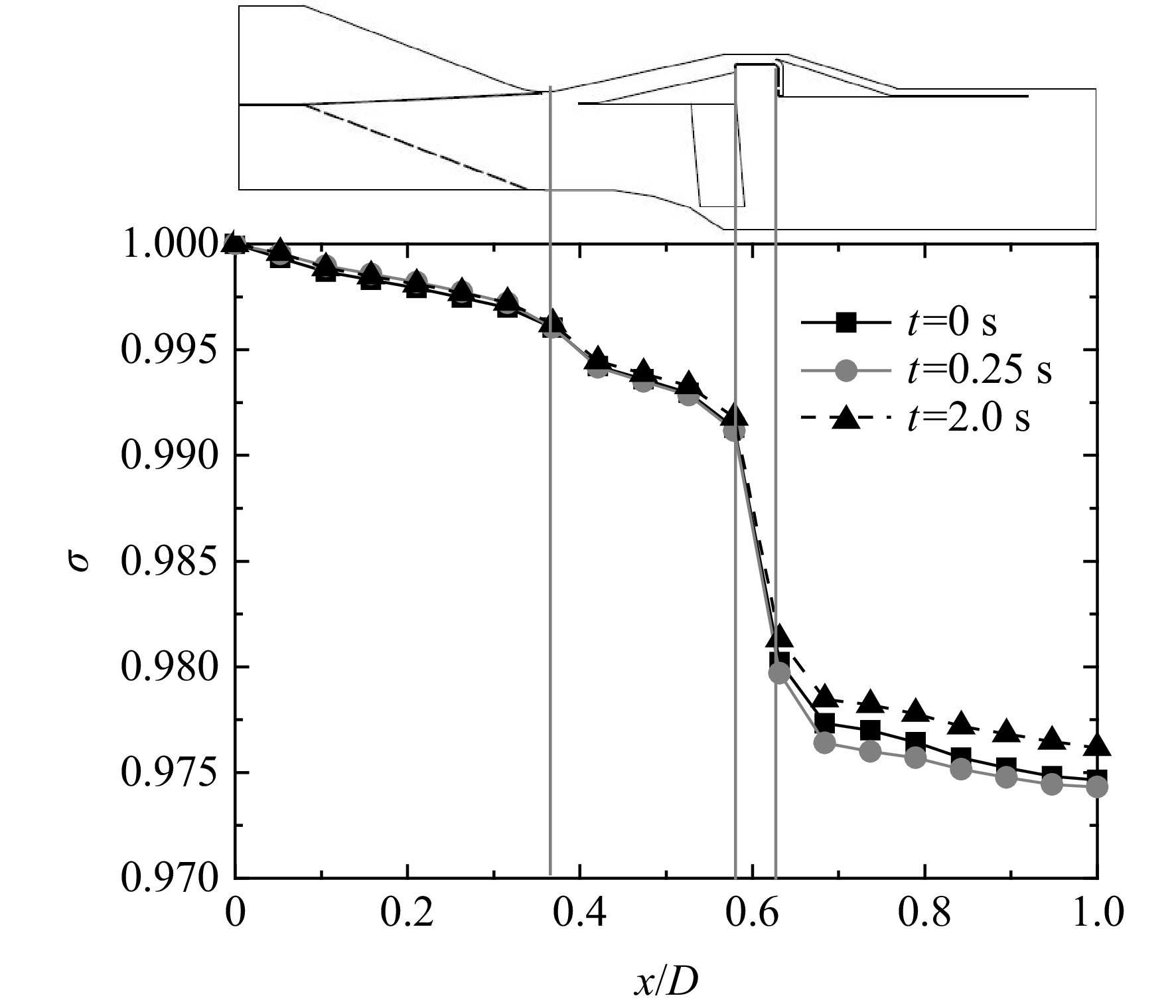
To capture the flow characteristics during transitions in a trapped vortex cavity hyper-burner, a rectangular model was designed. A three-dimensional dynamic mesh simulation method was employed to investigate the flow characteristics of the hyper-burner under three different regulation schemes of rear variable area bypass injector (RVABI): baseline scheme (Case A), slow-then-fast scheme (Case B), and fast-then-slow scheme (Case C). The operating conditions included a mass flow rate of 1.5 kg/s, turbine inlet temperature of 550 K, ramjet inlet temperature of 300 K, and a RVABI movement duration of 2 s. The flow characteristics, mass flow distribution characteristics, and the mixing characteristics were obtained. The results indicated that: the flow characteristics of the three schemes were basically consistent. 0—0.16 s, although the adjustment of the RVABI affected the shape and core position of vortex within cavity, a complete and stable vortex structure can still be established. The flat RVABI had a relatively weak mixing, which was less than 0.3. Among the three schemes for 0.25 s, Case B had the largest mass flow ratio of cooling channel and the smallest total pressure loss. The total pressure loss mainly occurred within region 0.36>x/D>0.63 (where x was the position along flow direction, D was the length of hyper-burner).

Study on surrogate model fuel and a methodology for developing skeletal mechanism for RP-3 aviation kerosene
YU Jin, GONG Xiangkui, ZHANG Junliang
2025, 40(7): 20230295. doi: 10.13224/j.cnki.jasp.20230295
Abstract:

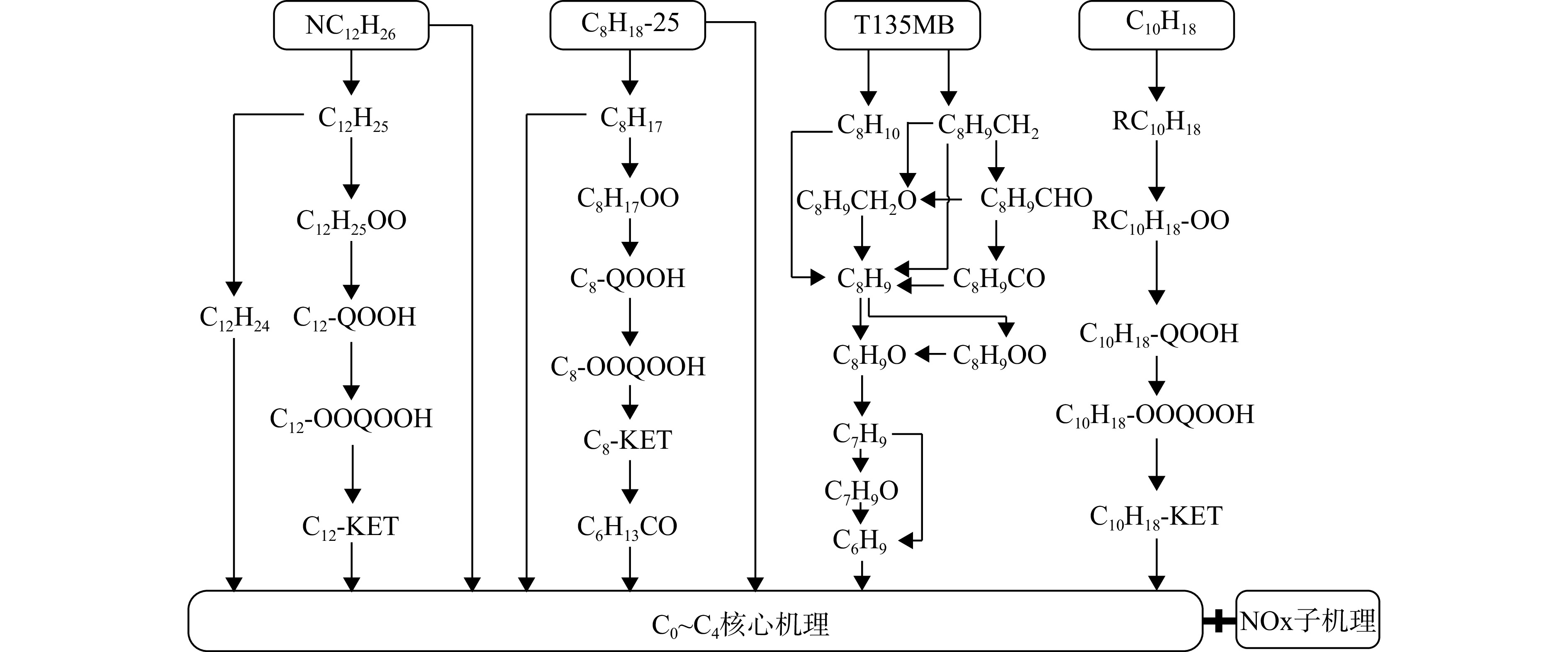
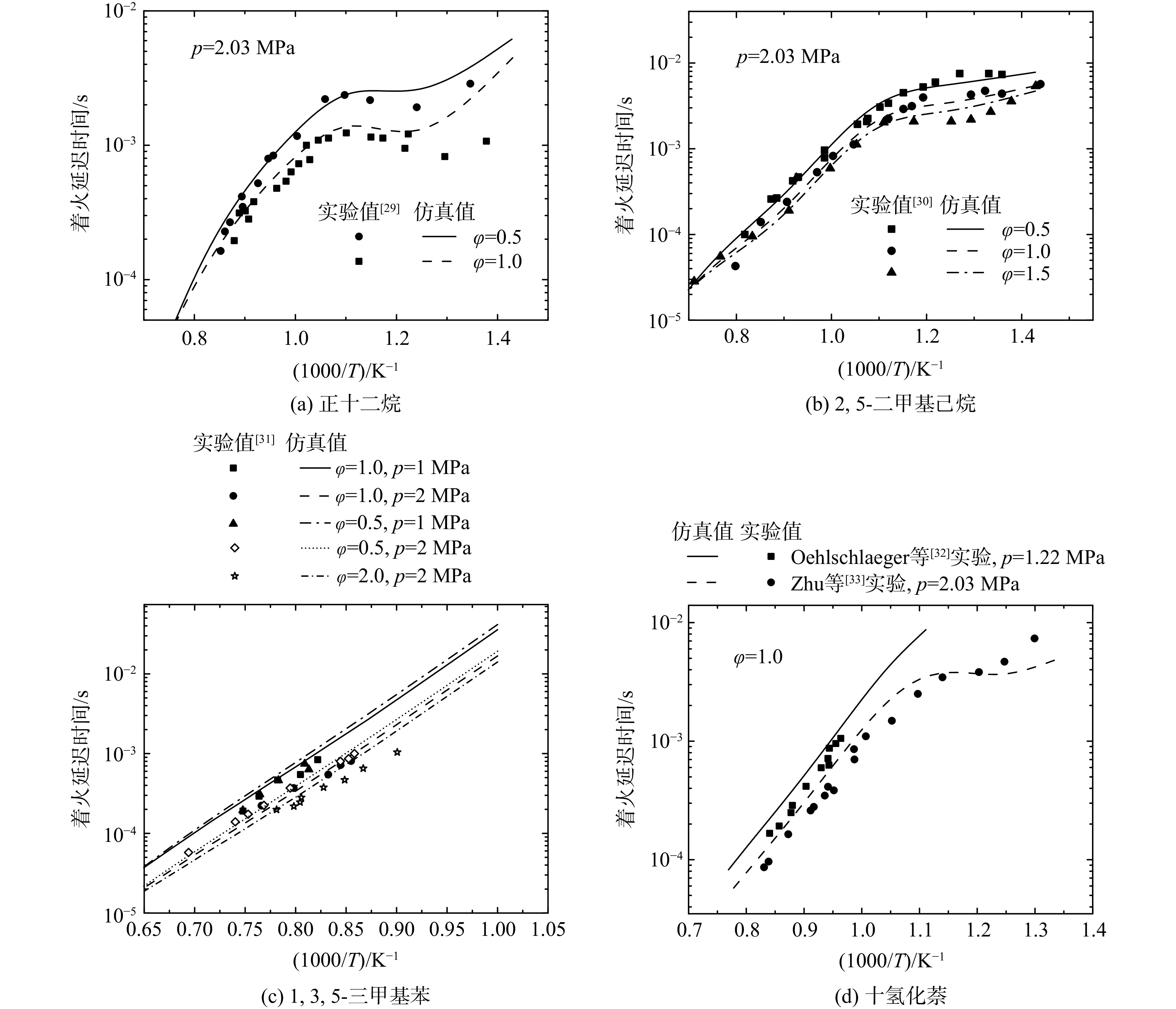
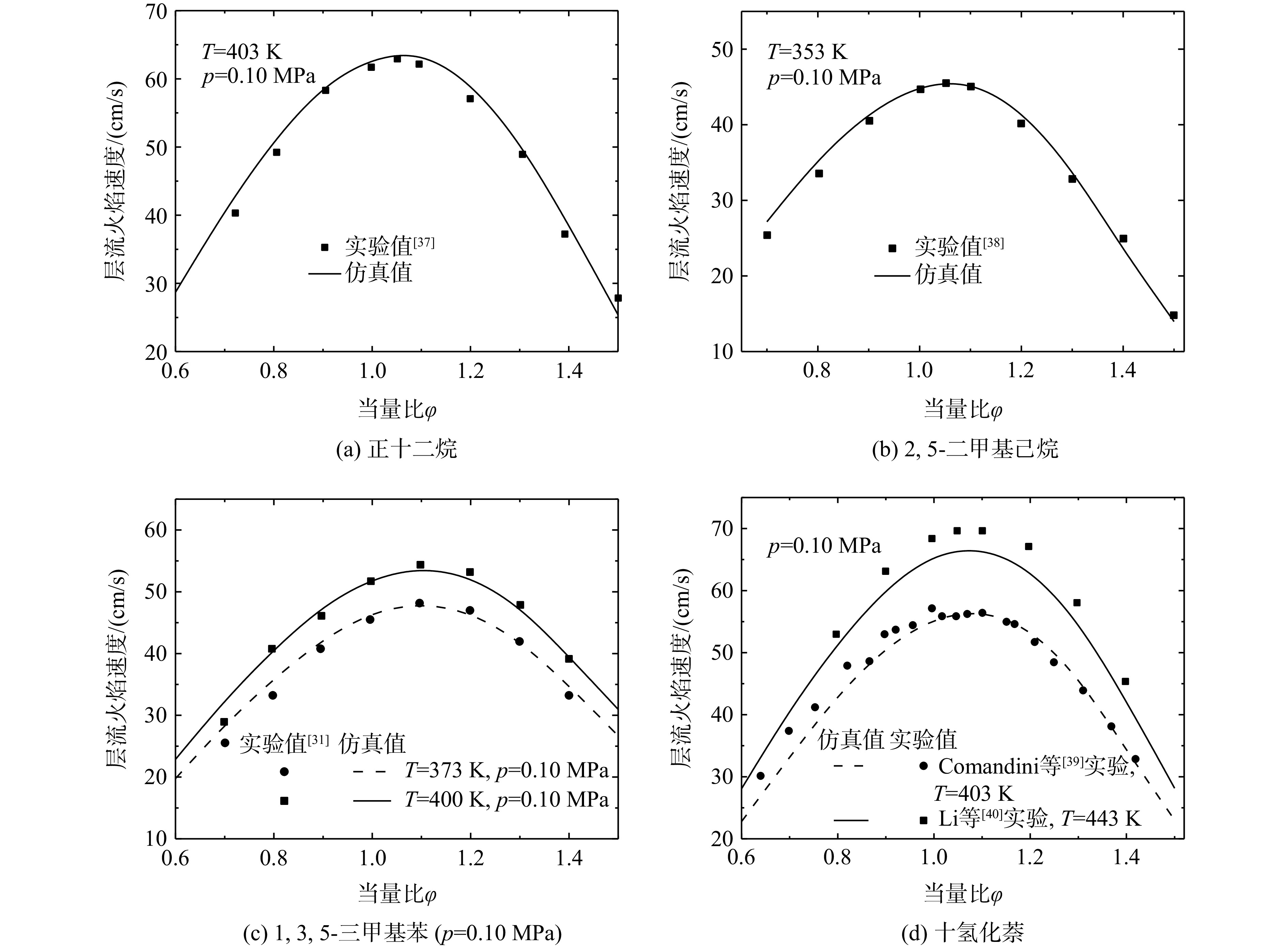
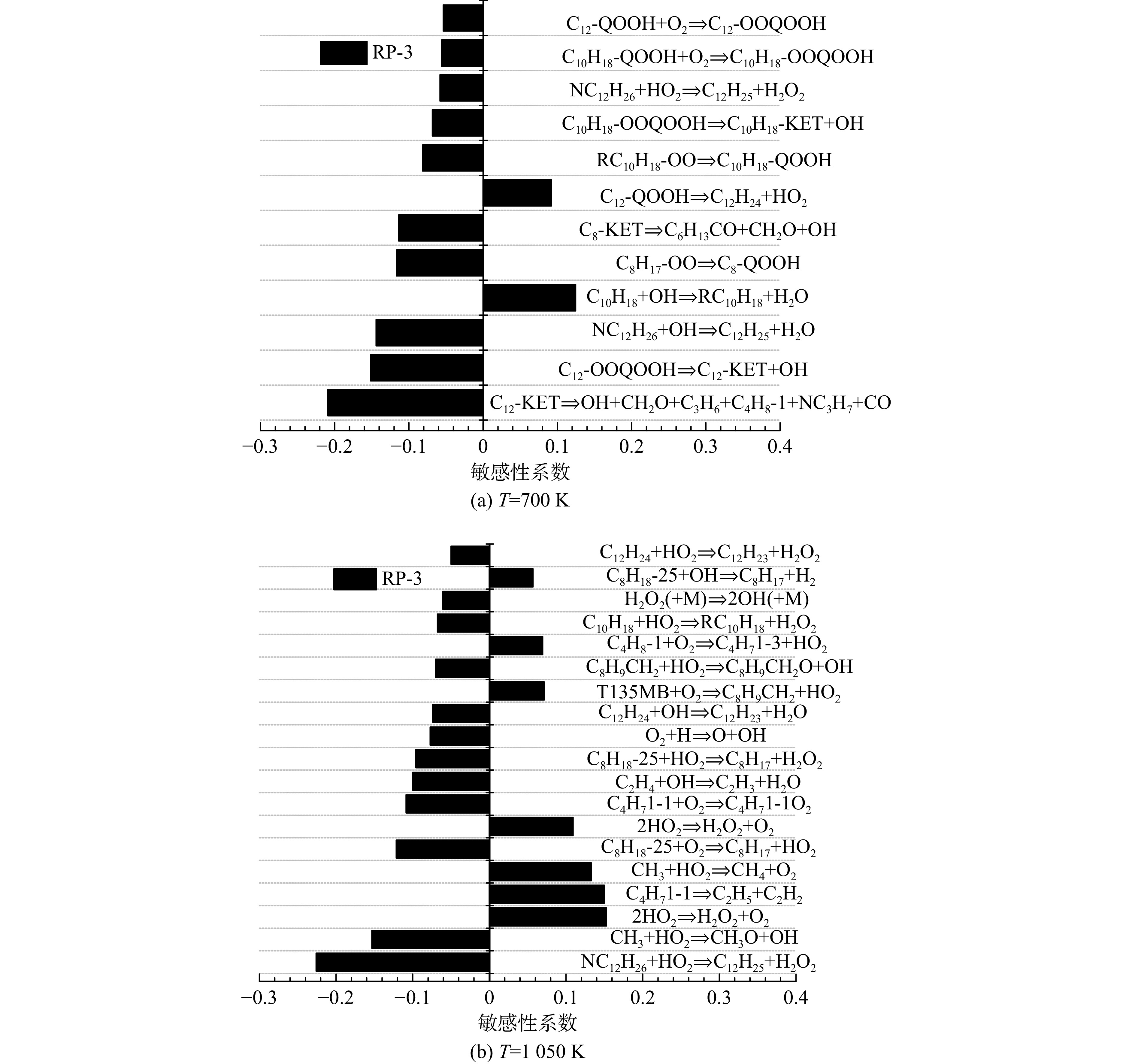
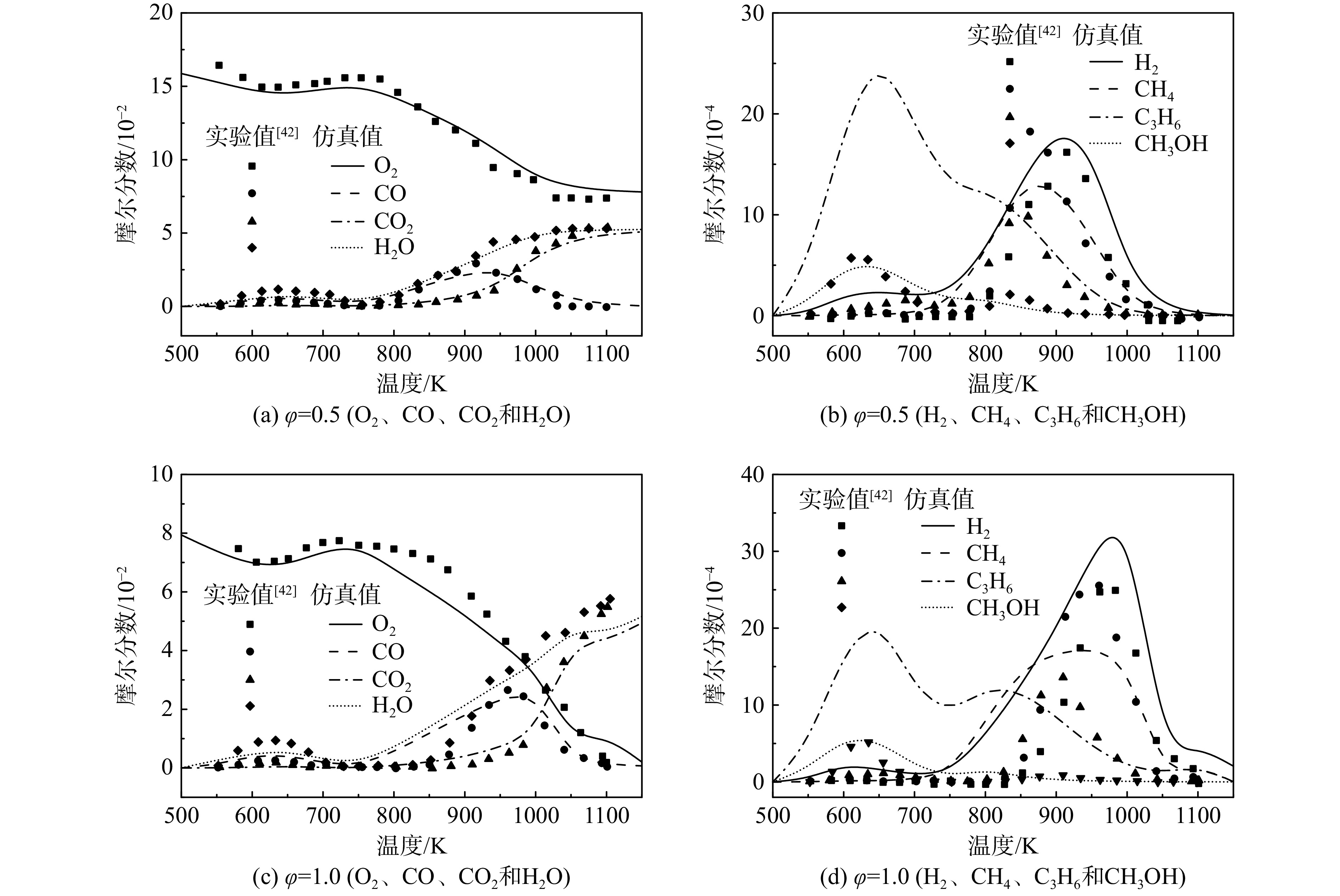
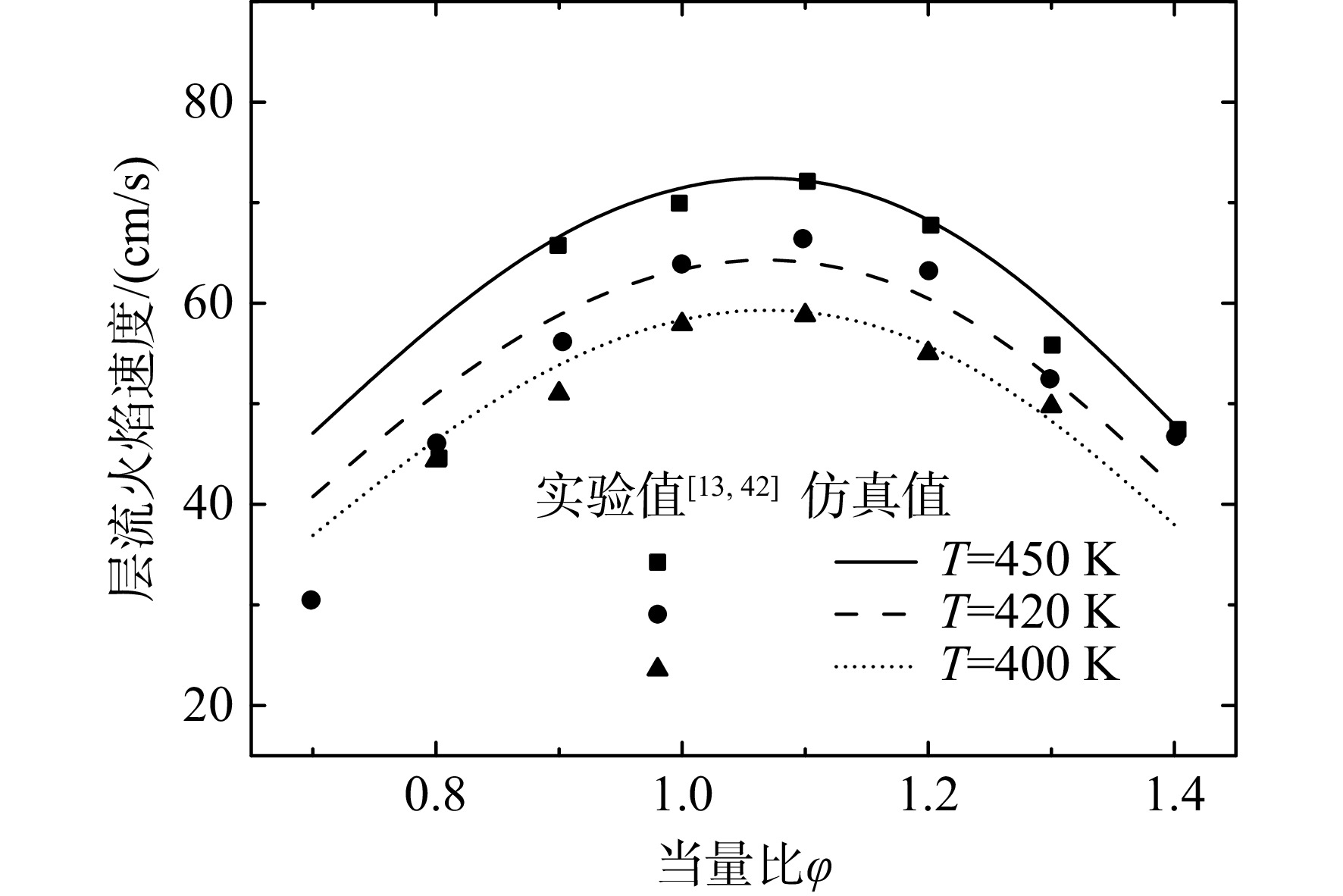
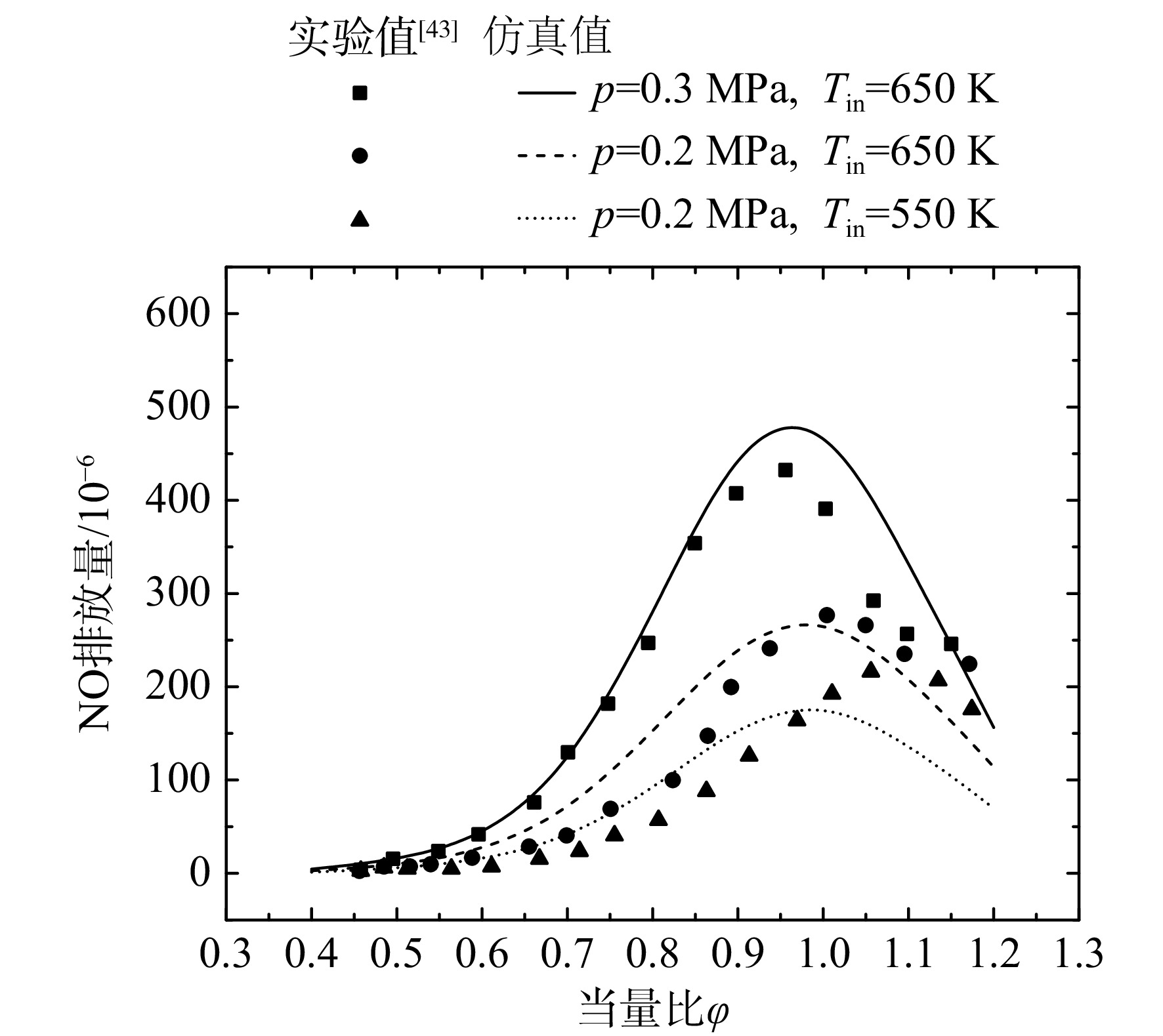
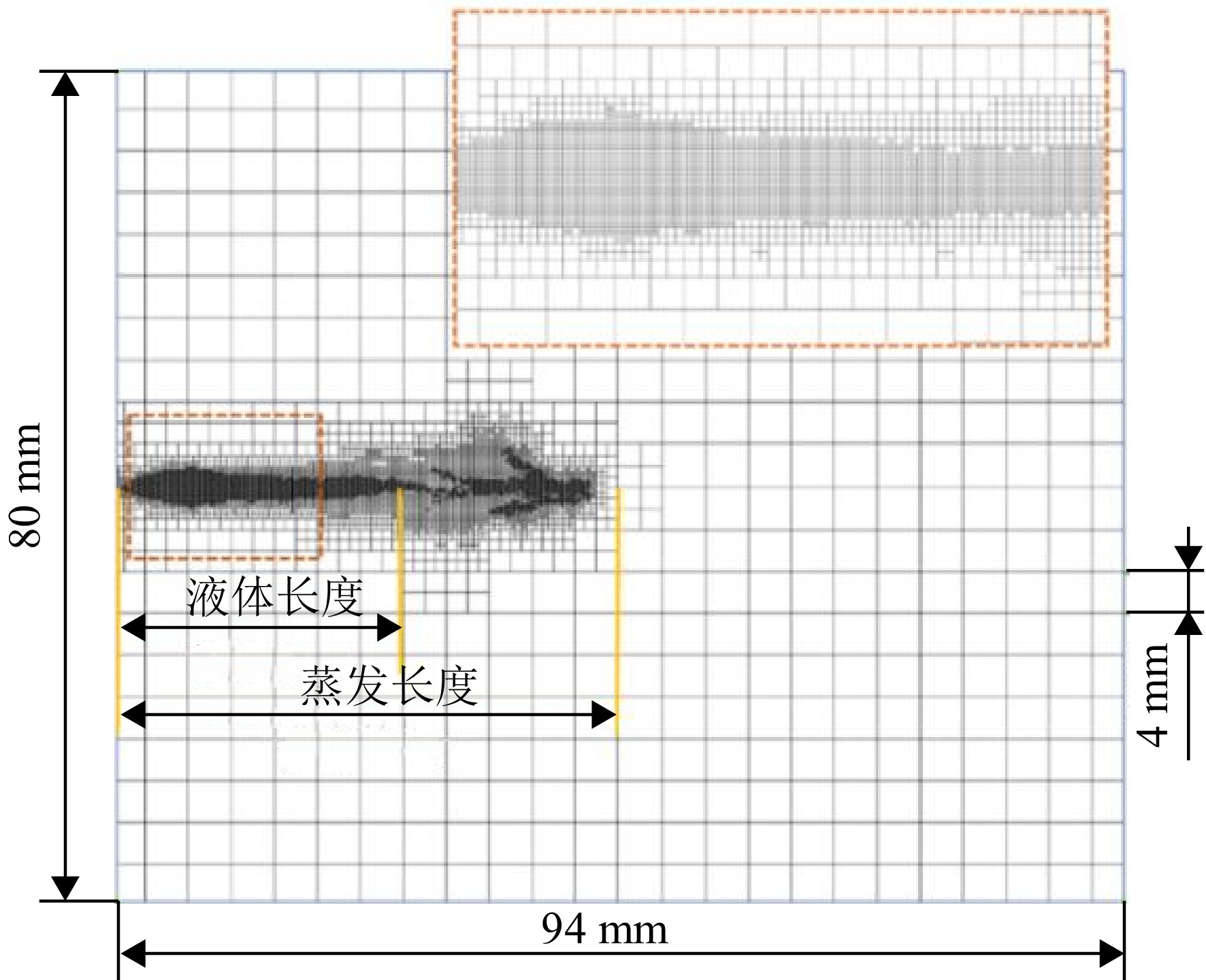
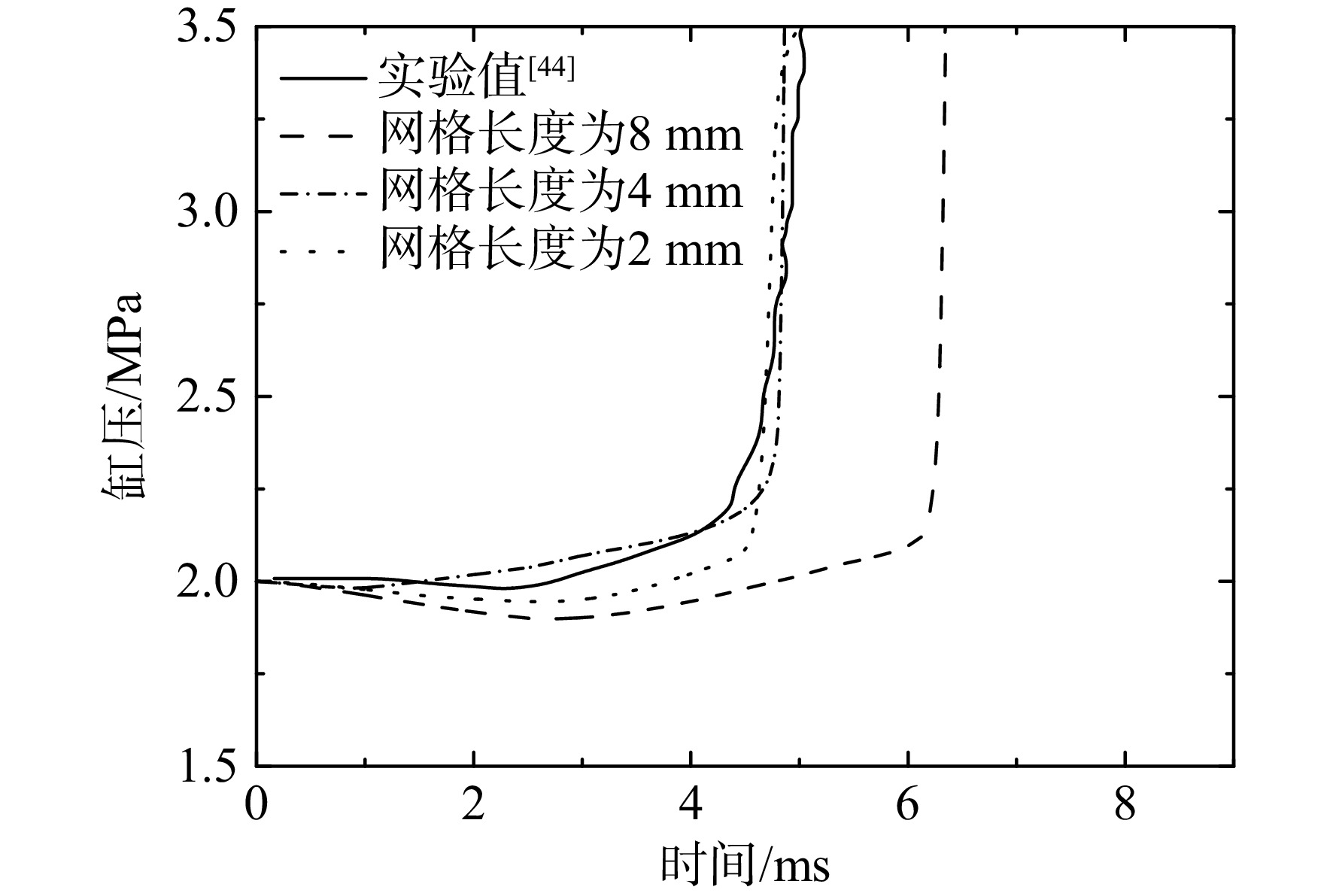
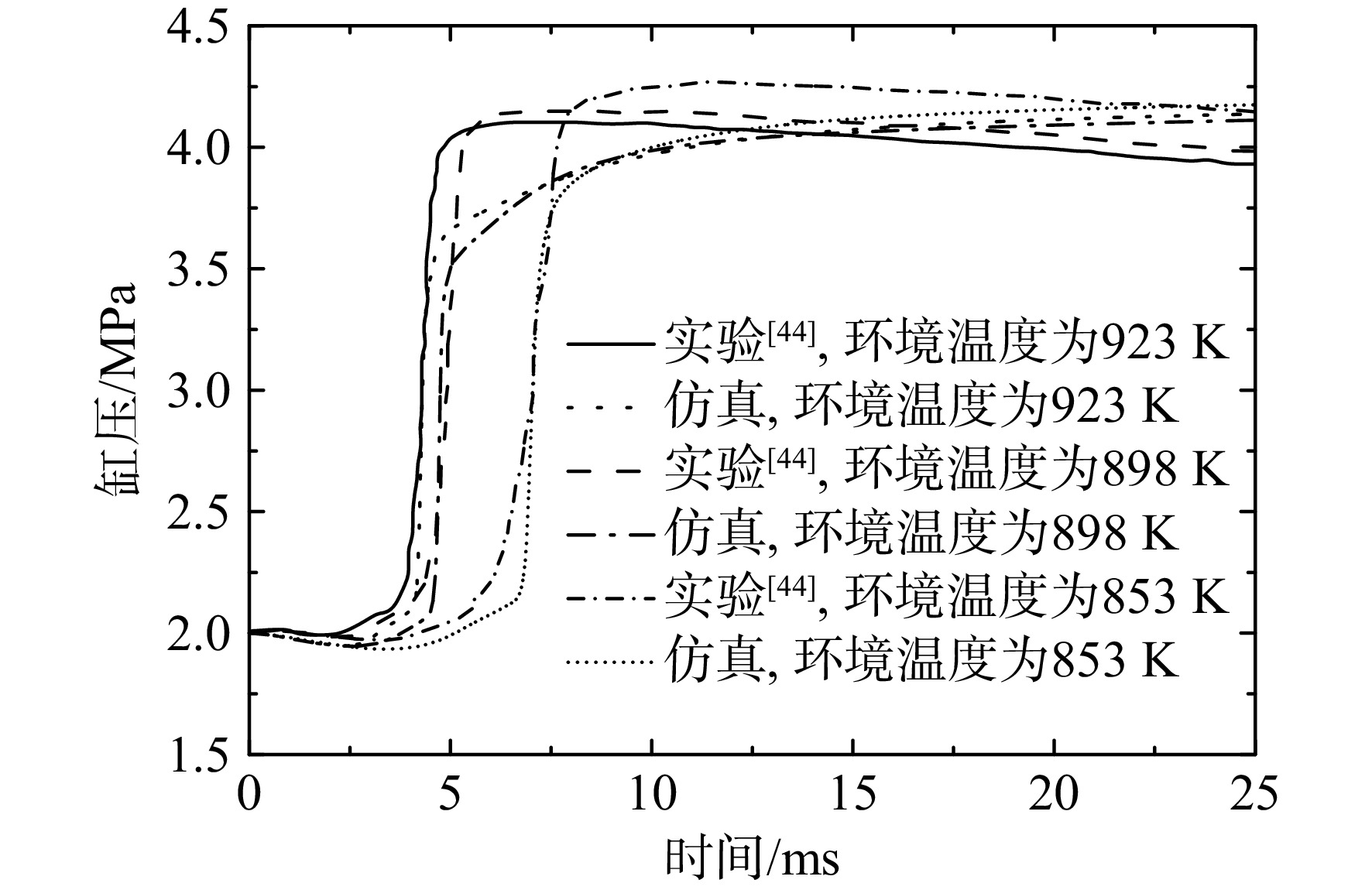
An RP-3 aviation kerosene surrogate model fuel capable of both physical and chemical surrogate was proposed. The surrogate model fuel was composed of n-dodecane, 2, 5-dimethylhexane, 1, 3, 5-trimethylbenzene and decalin, their molar fractions were 0.54, 0.22, 0.14 and 0.1, respectively. To overcome the limitations of existing skeletal mechanism construction methods, an approach was developed, leading to the successful establishment of a high-precision skeletal mechanism containing 153 species and 858 reactions. Through systematic validation, it was demonstrated that the proposed surrogate model fuel accurately predicted the physicochemical behavior of RP-3 fuel, including physical properties (density, viscosity, and spray penetration distance) and fundamental combustion characteristics (ignition delay time, species concentration evolution, laminar flame propagation, and NO emissions). Additionally, numerical simulations confirmed that the spray combustion and ignition processes of RP-3 fuel in a constant-volume combustion chamber at ambient temperatures of 853, 898 K, and 923 K can be effectively replicated, fully verifying its physical and chemical surrogate capabilities. This study could provide valuable insights into the development of high-carbon surrogate model fuel formulations and skeletal mechanisms.

Sensitivity analysis and multi-objective optimization of design parameters for film hole with curvature
REN Shurui, ZHU Jianqin, CHENG Zeyuan, FU Rong
2025, 40(7): 20240563. doi: 10.13224/j.cnki.jasp.20240563
Abstract:
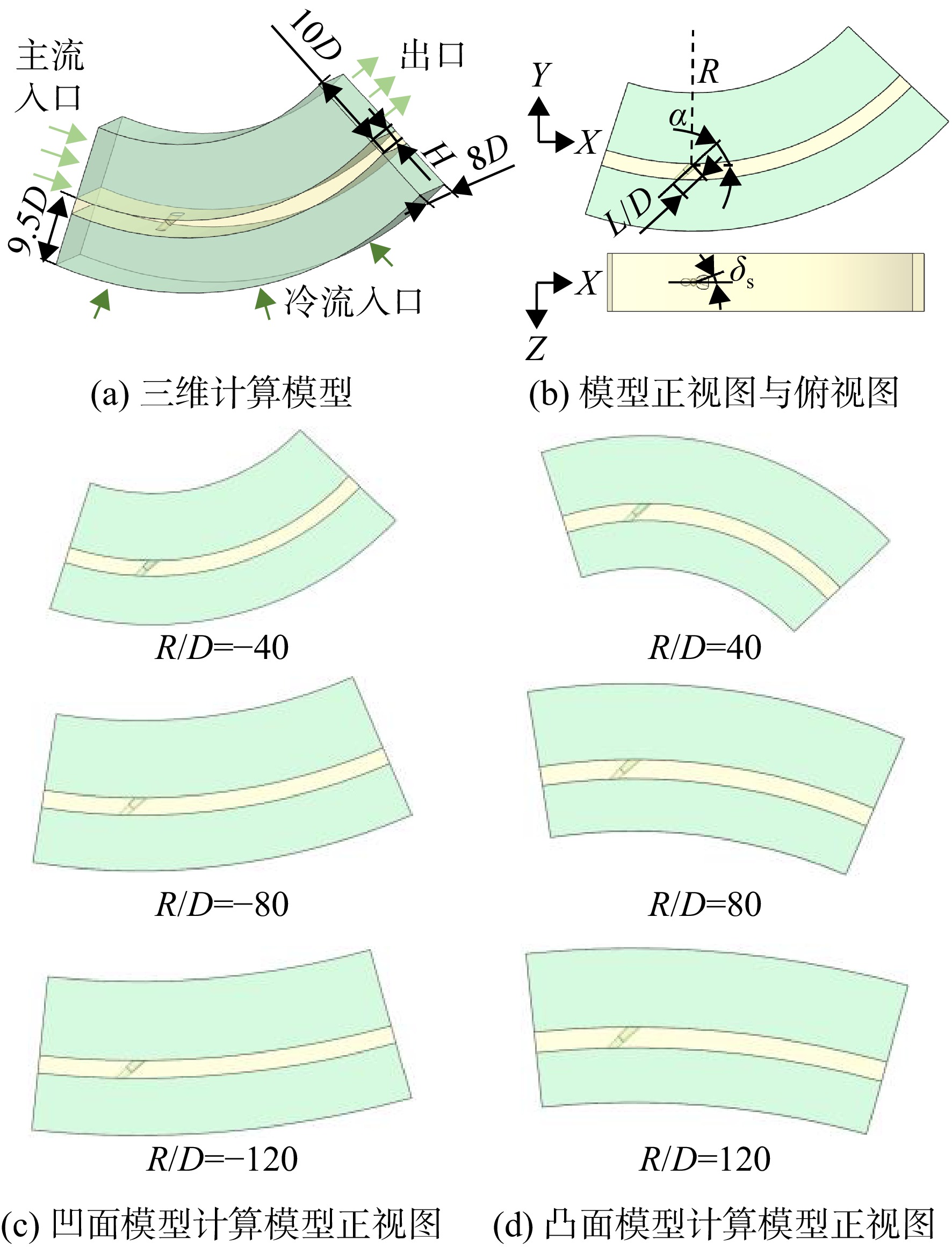
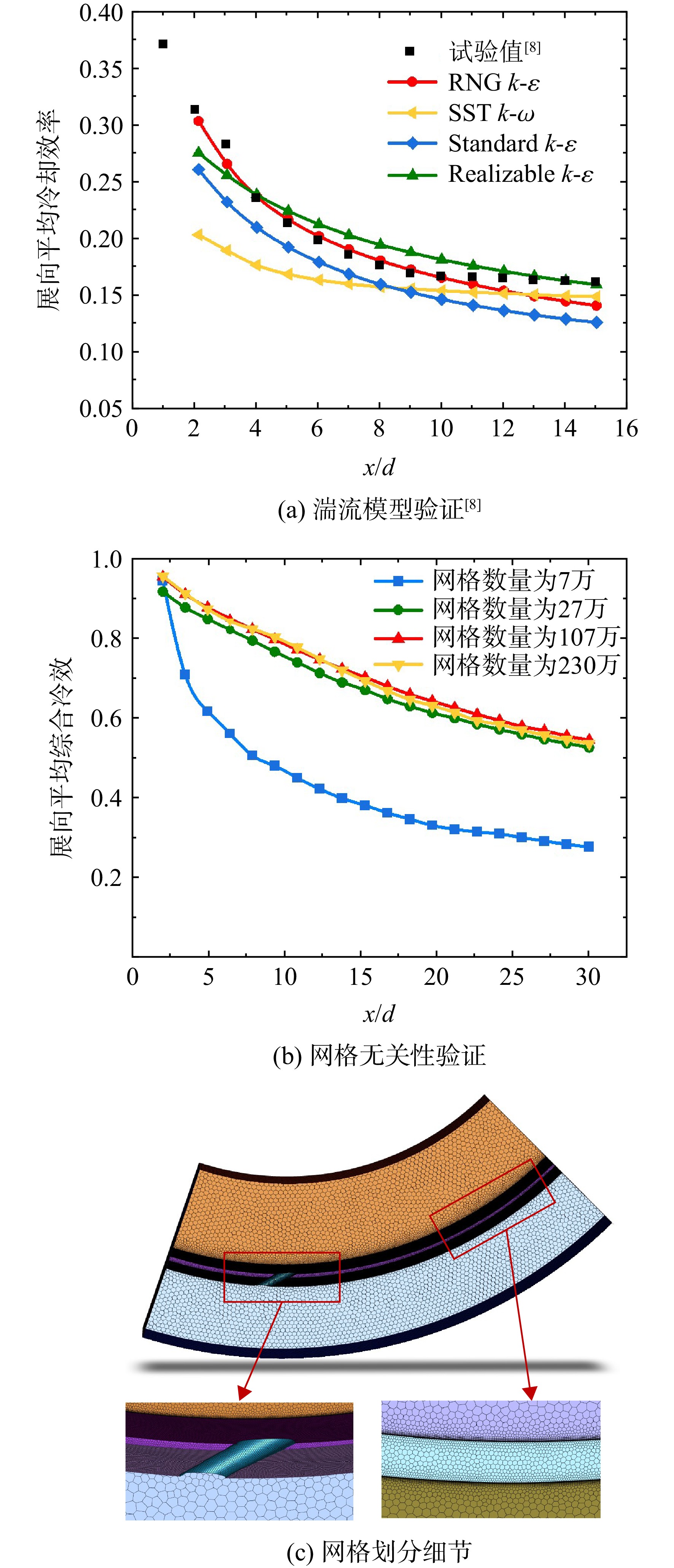
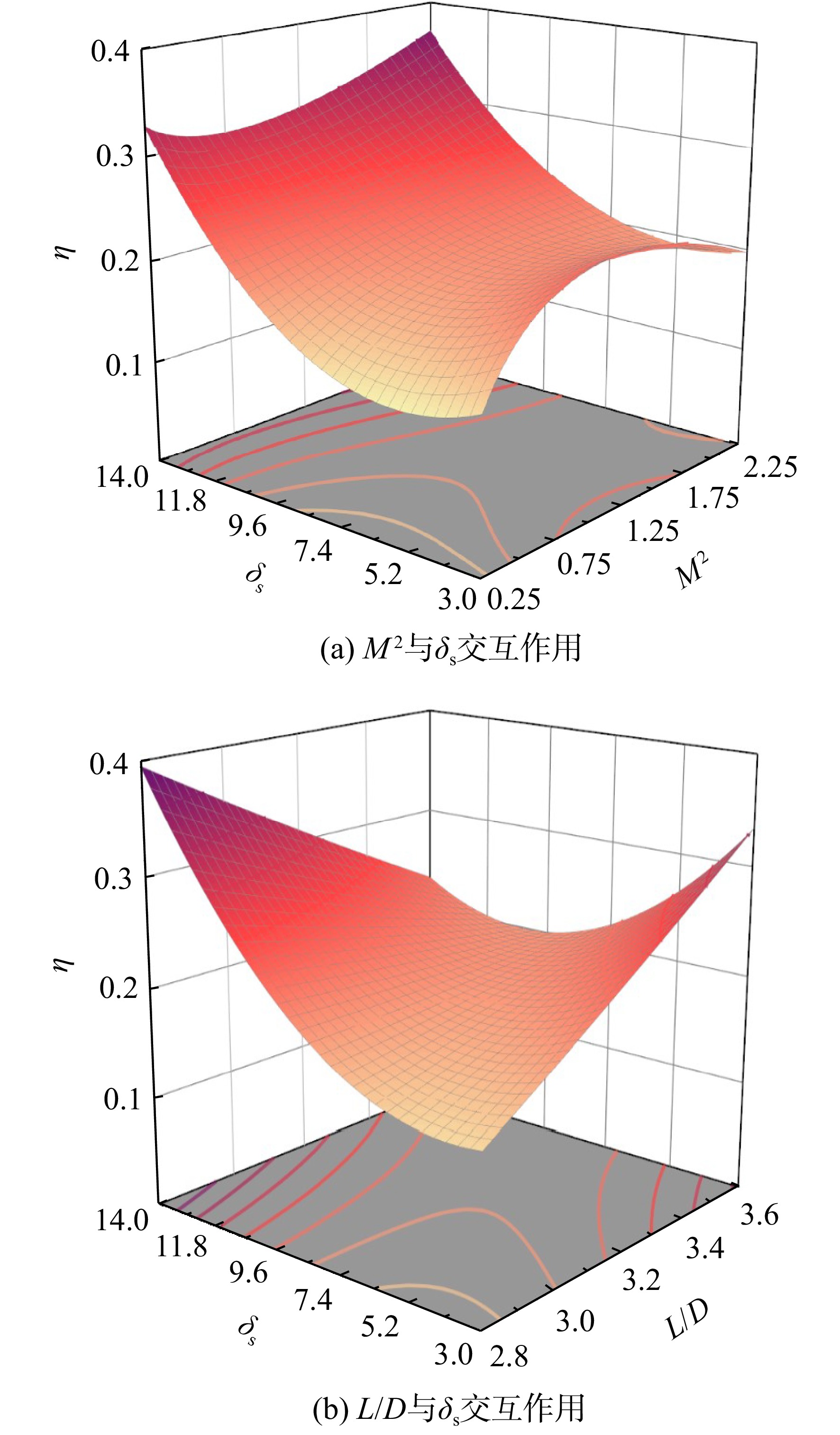
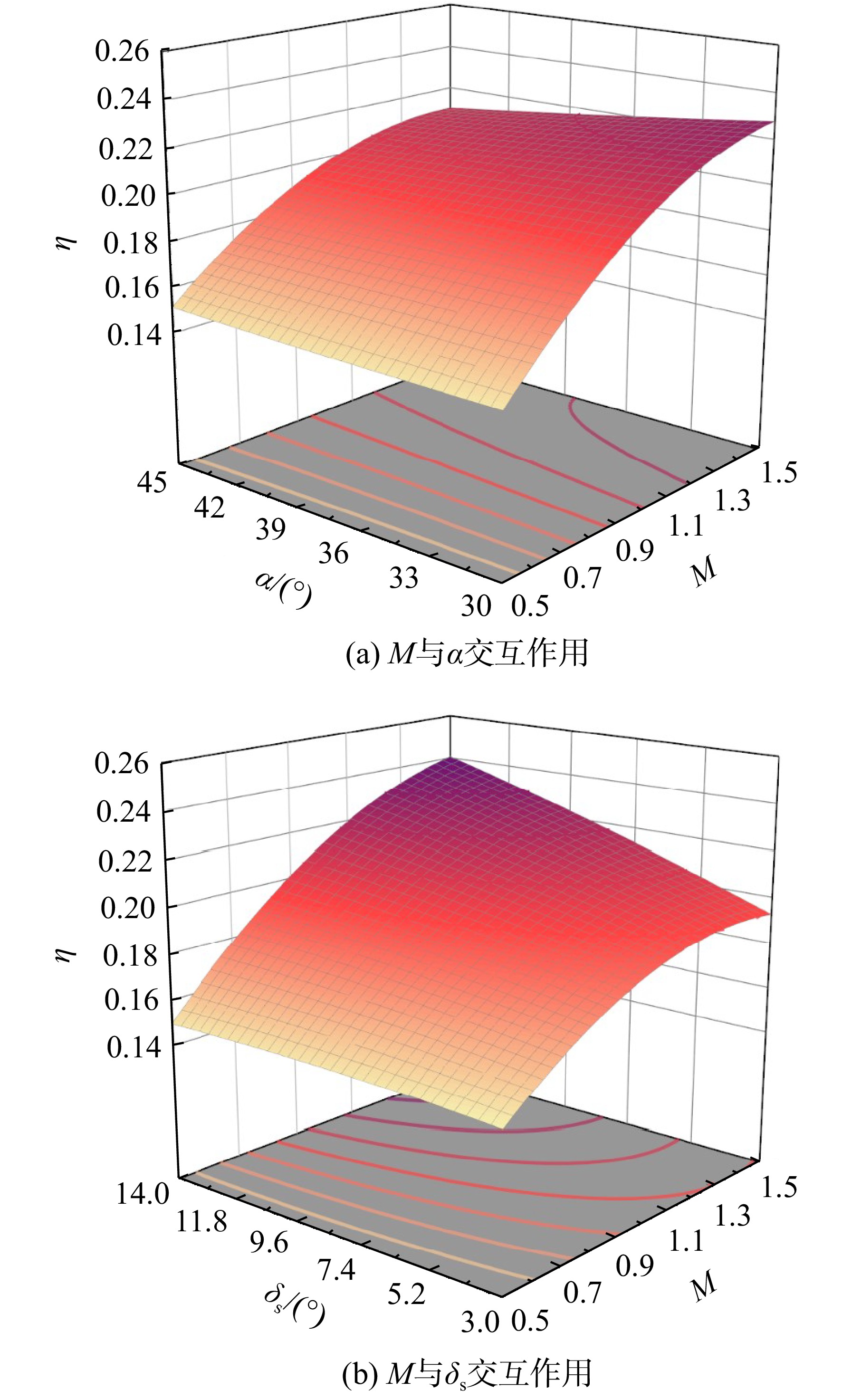
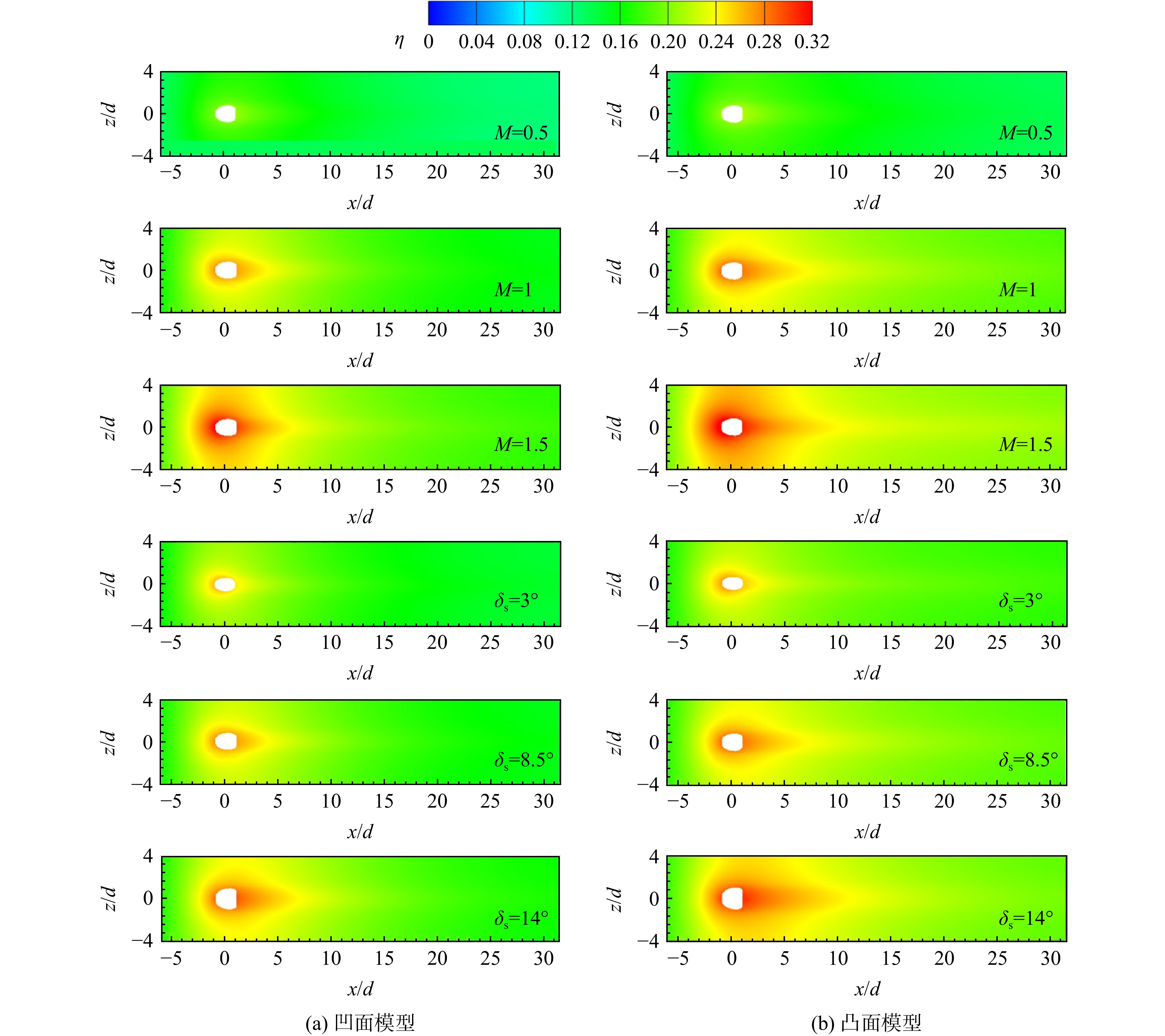
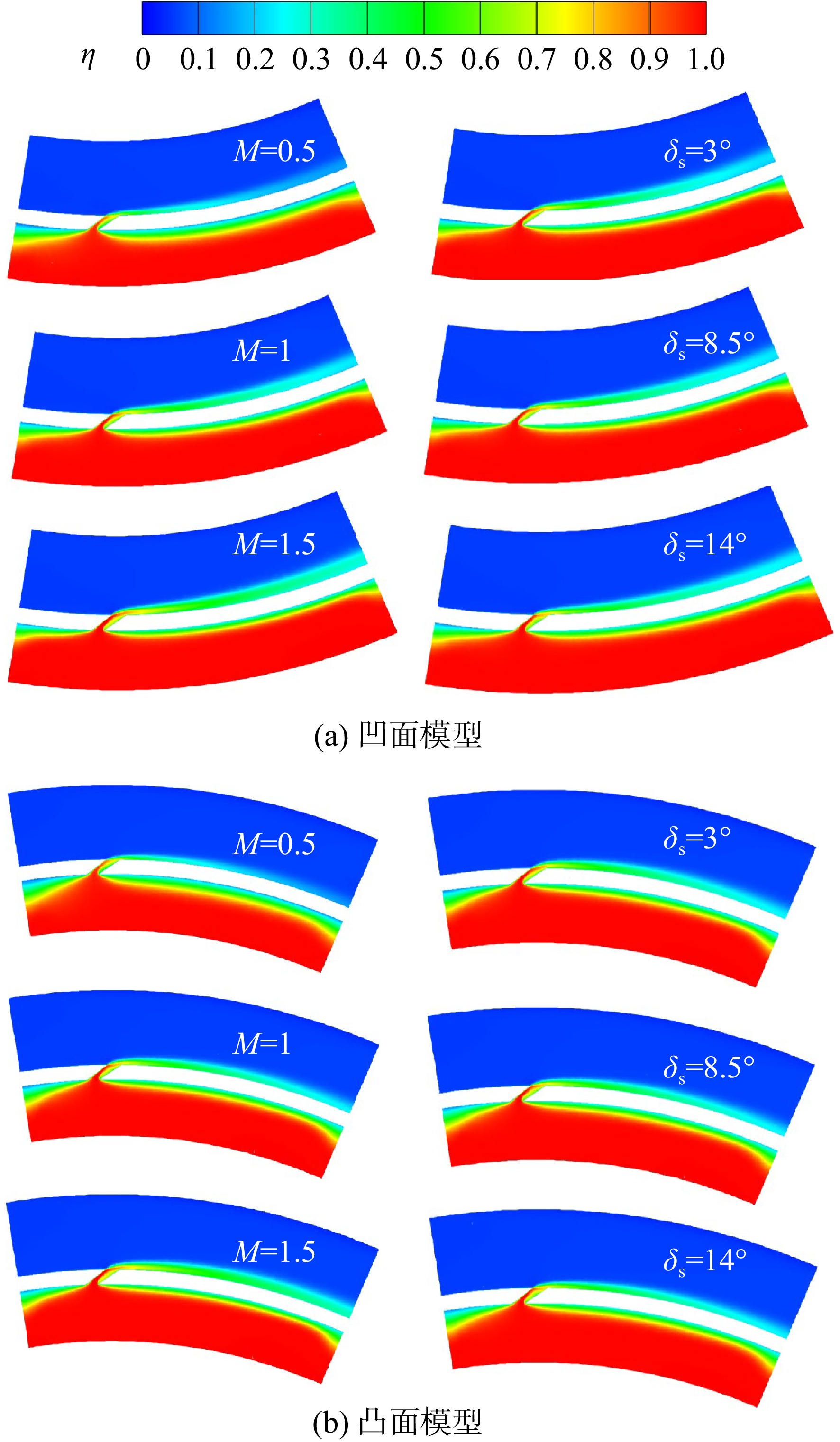
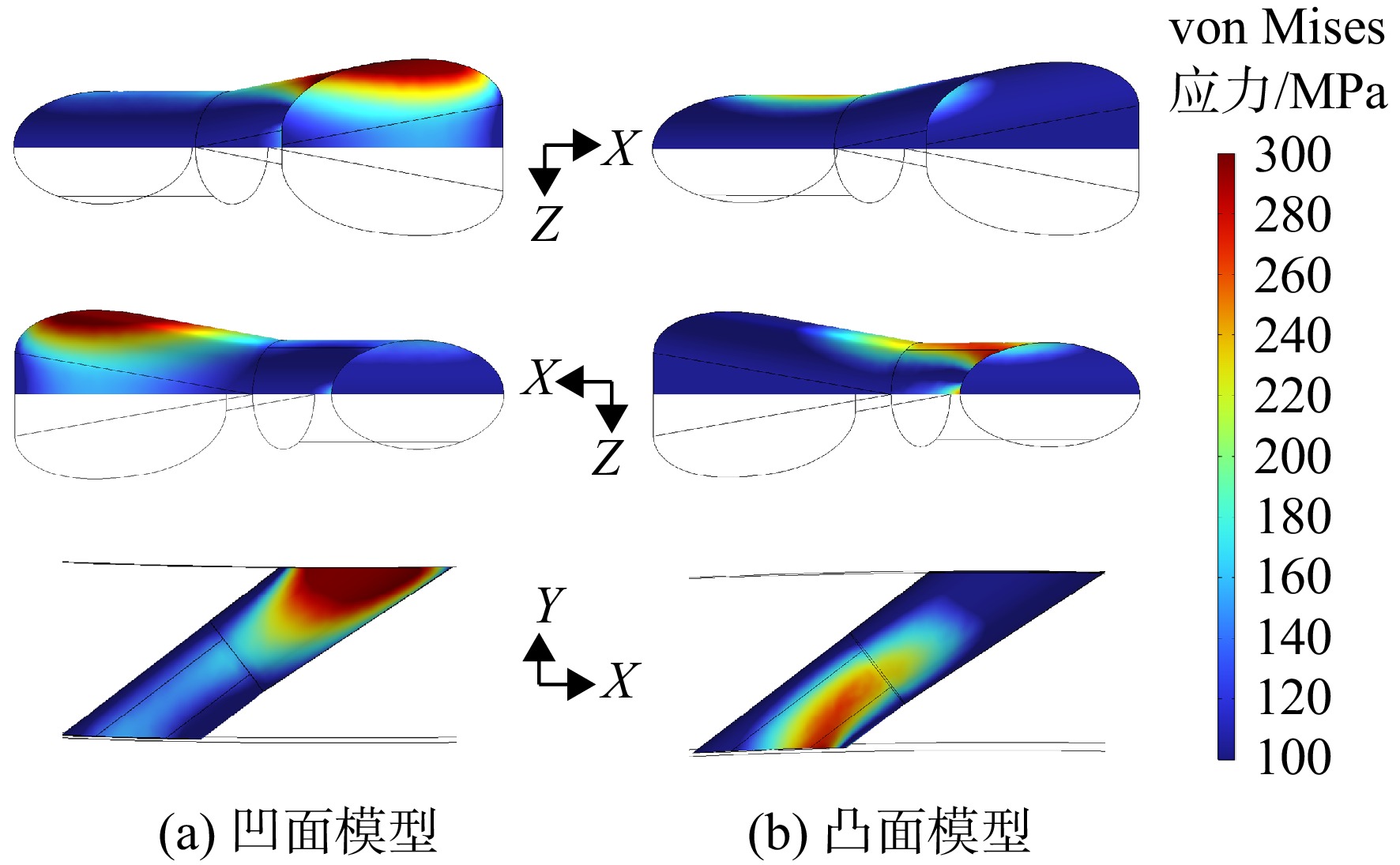
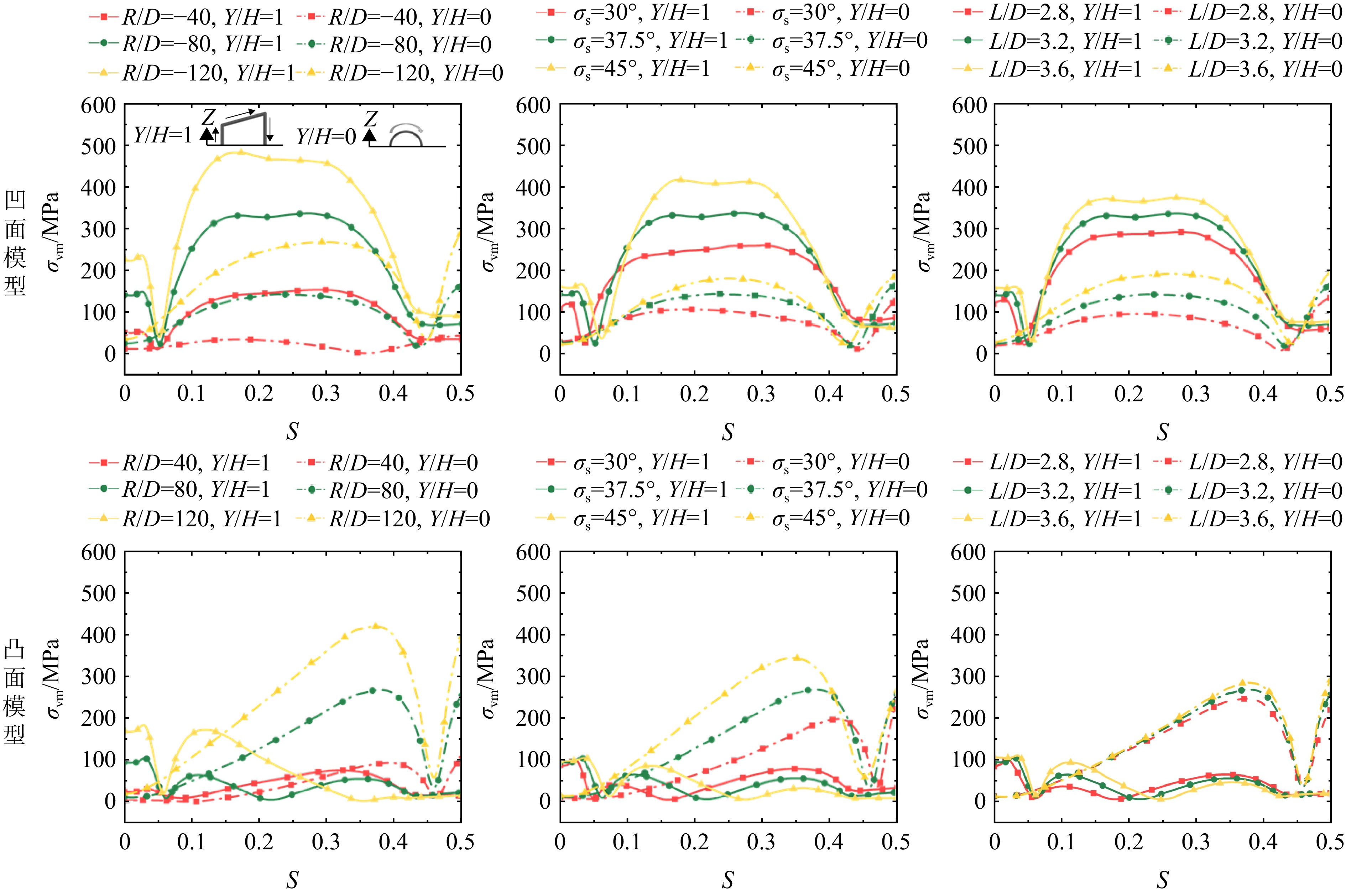
Based on the response surface method, the surrogate models with comprehensive cooling effectiveness and maximum equivalent thermal stress as responses were constructed respectively. The effects of blow ratio and structural parameters (curvature radius, incidence angle, aspect ratio, splay angle) on the cooling and strength of curved fan-shaped film holes were analyzed. The optimization design was carried out to maximize the comprehensive cooling effectiveness and minimize the maximum equivalent thermal stress. Results indicated that the blowing ratio served as the primary factor affecting the average comprehensive cooling effectiveness of curved film holes. When the blowing ratio increased from 0.5 to 1.5, the comprehensive cooling effectiveness increased by more than 43%. And the curvature radius was the main factor influencing the maximum equivalent thermal stress. Specifically, these factors can affect up to 43.15% (concave model) and 48.35% (convex model). Through multi-objective optimization, compared with the reference model, the comprehensive cooling effectiveness of the concave and convex models with the curvature radius of 40 increased by 10.11% and 17.19%, respectively, and the maximum equivalent thermal stress decreased by 26.78% and 9.62%, respectively.

Test of the ground and high-altitude performance on the two-stage lubricating oil pumps in aero-engine
LI Shu, HU Jianping, WANG Jing, LYU Yaguo, TAN Yi, WU Nan
2025, 40(7): 20240217. doi: 10.13224/j.cnki.jasp.20240217
Abstract:
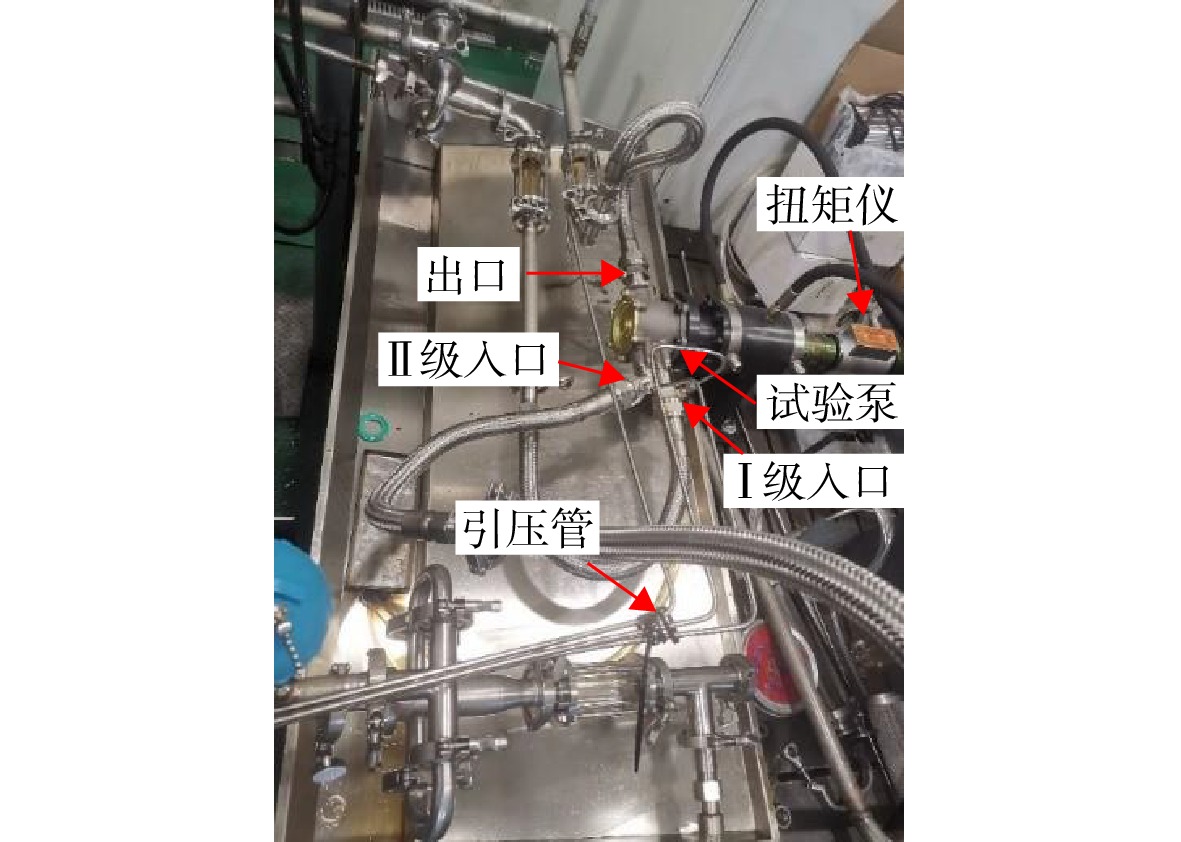
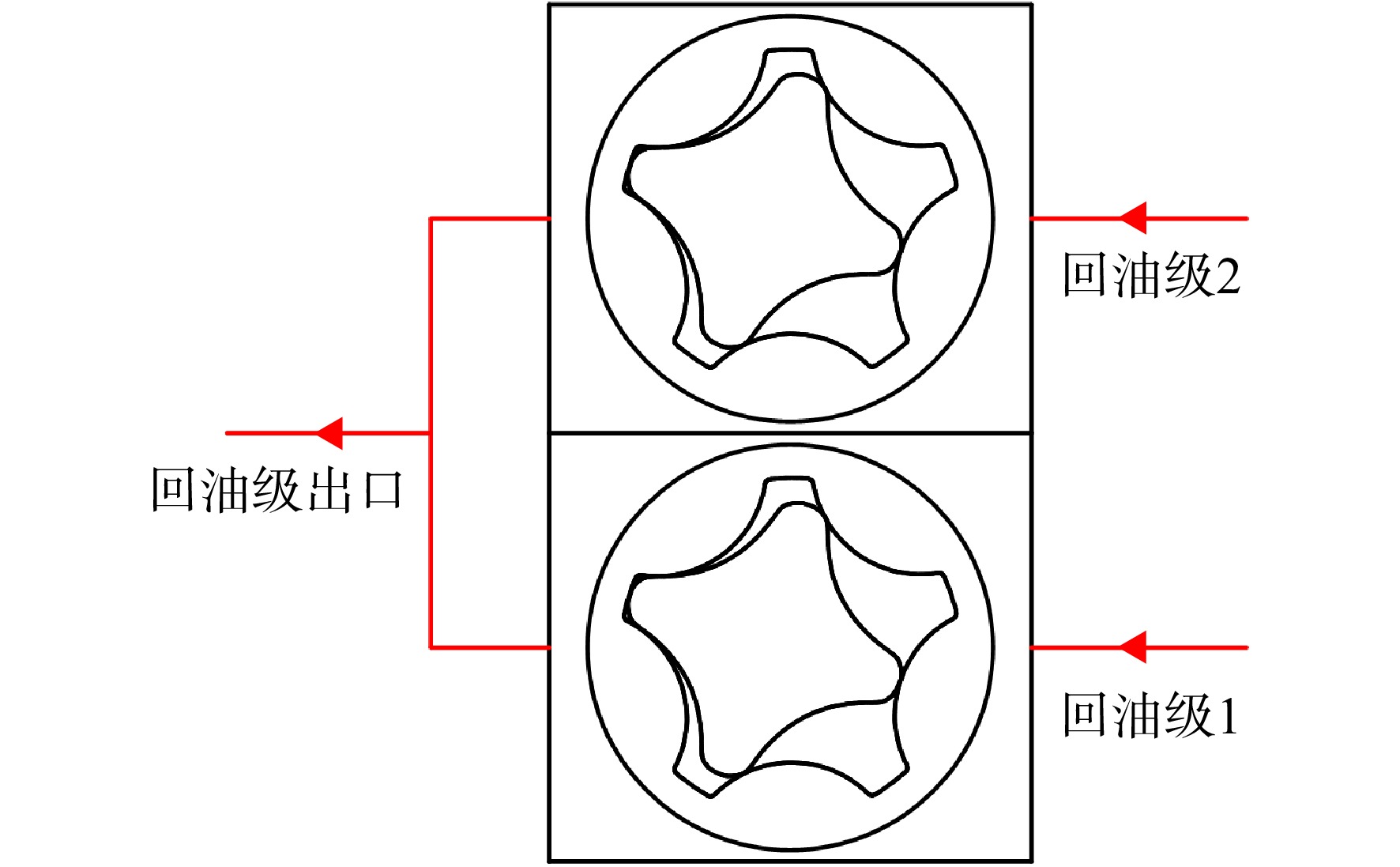
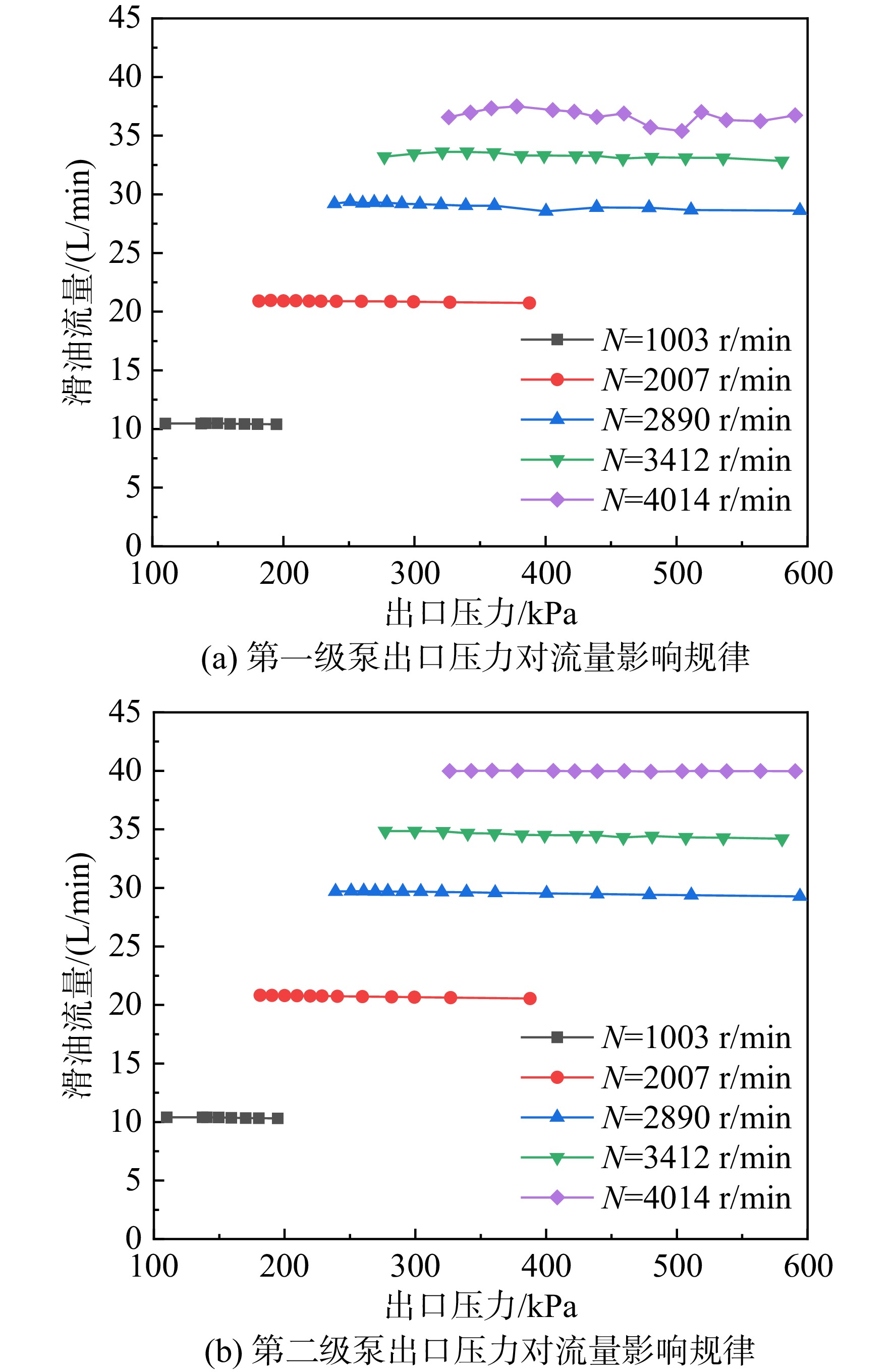
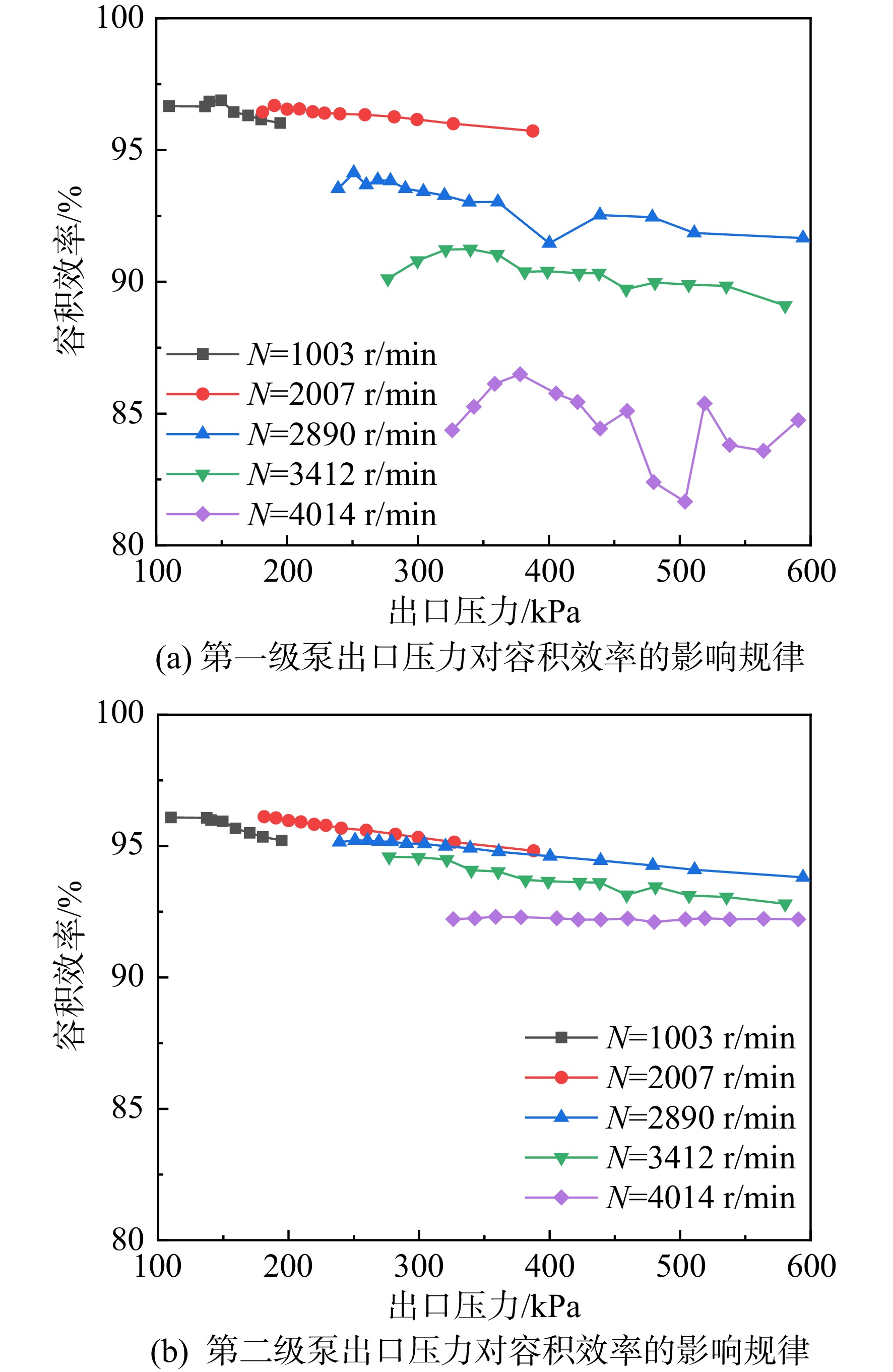
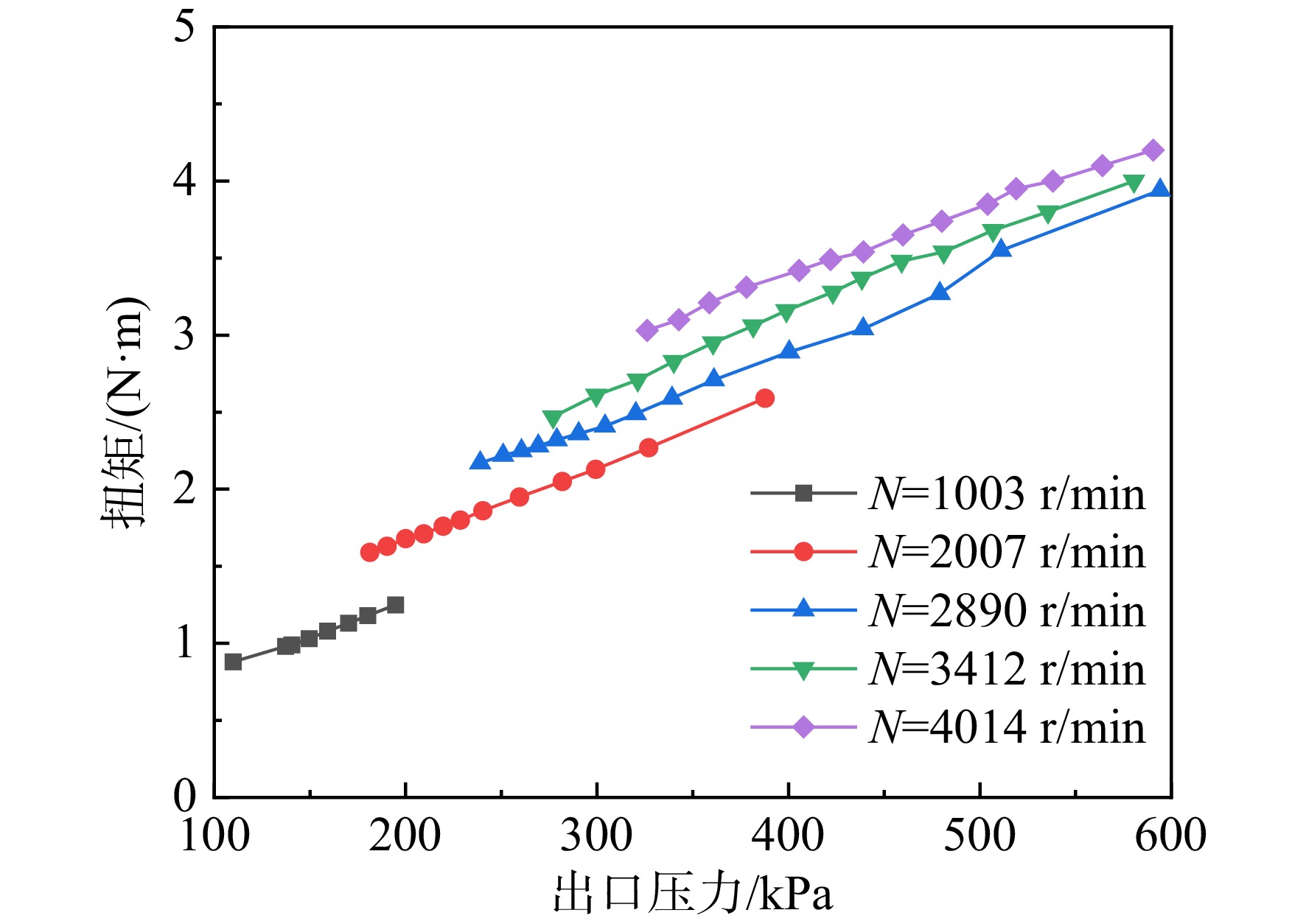
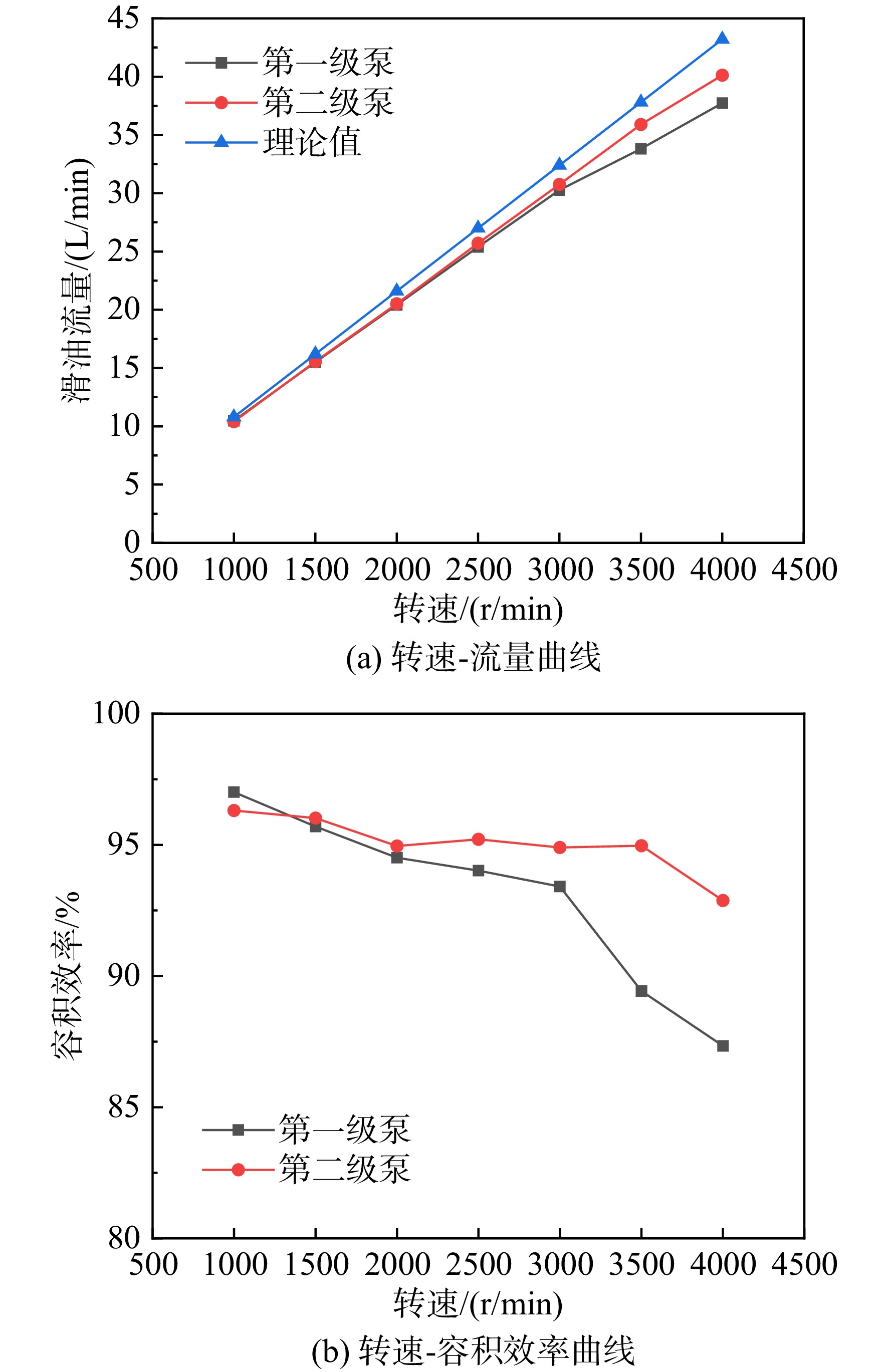
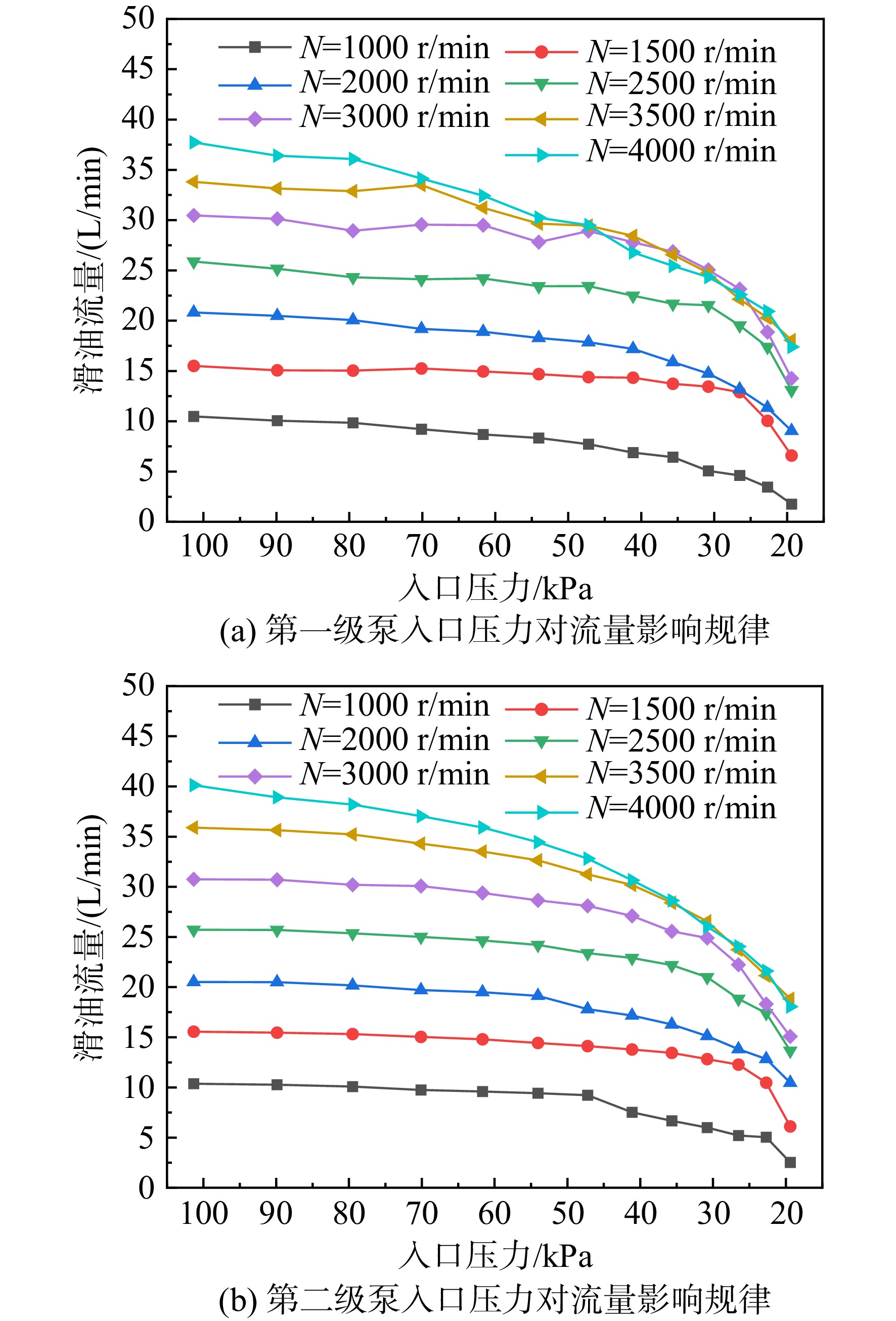
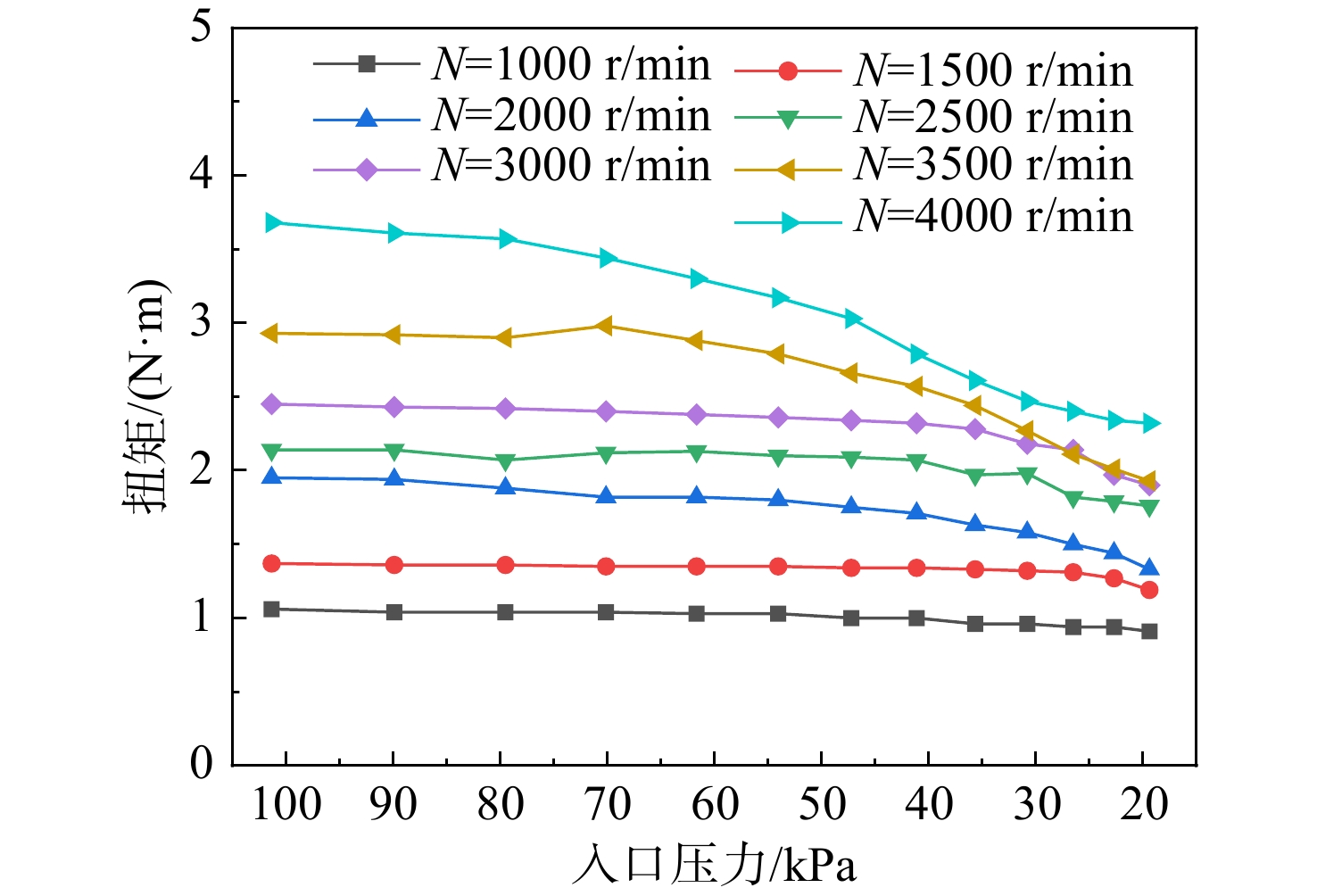
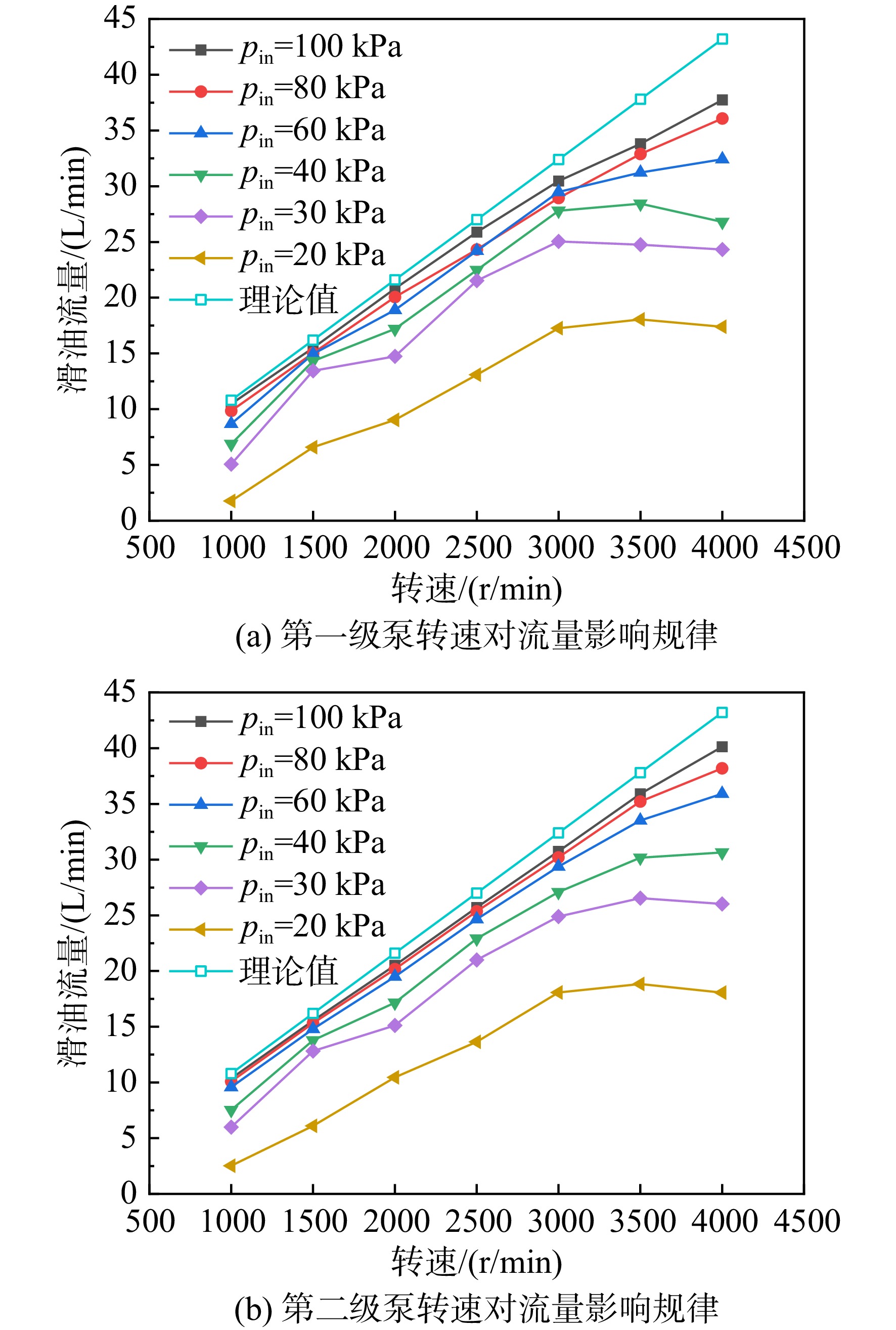
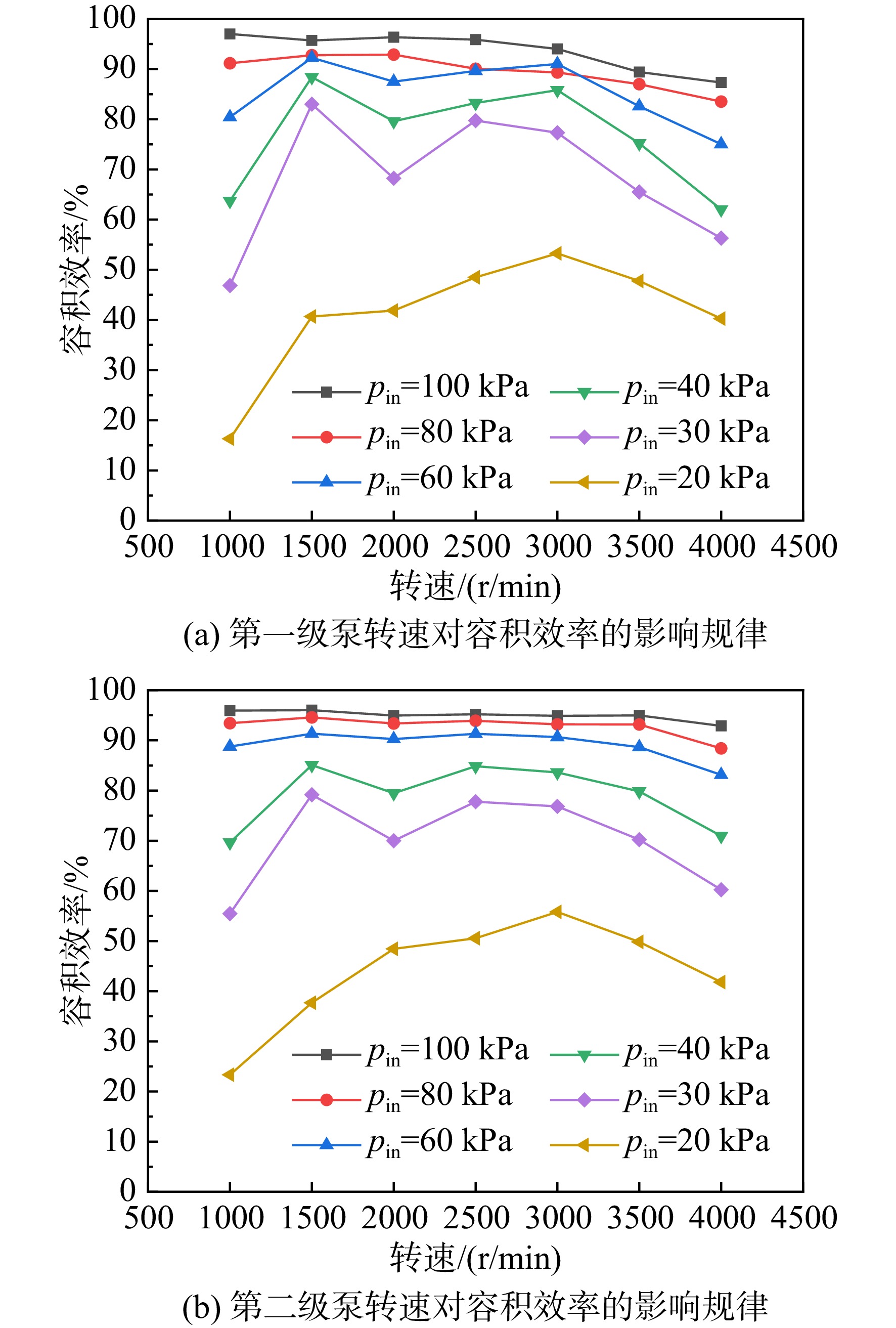
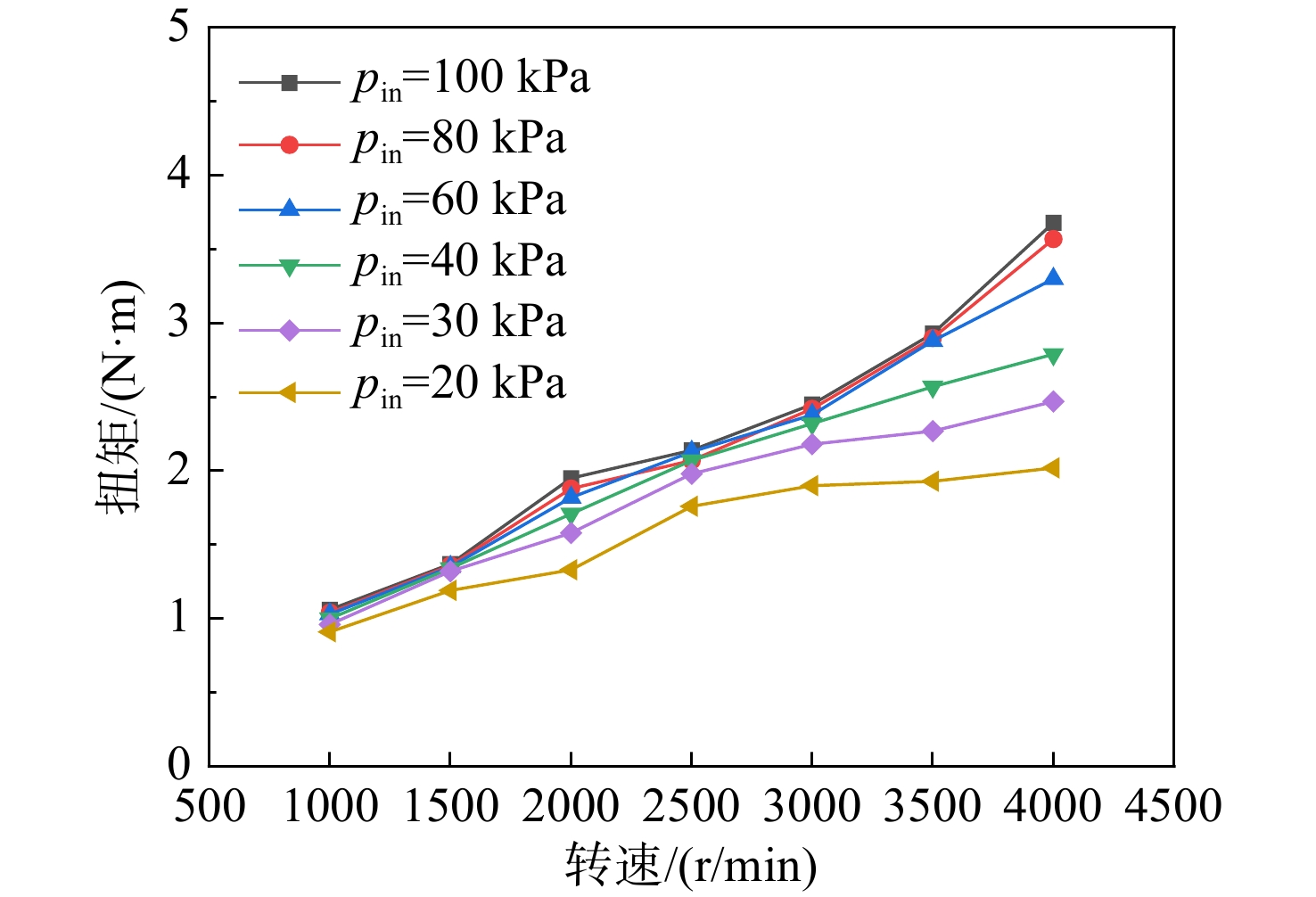
Taking a two-stage lubricating oil pump for a specific aero-engine as the object, a testing system was developed to evaluate the flow performance under pure oil medium, meeting the test requirements of the oil pump. Performance tests under pure oil medium were conducted to explore the high-altitude performance of the pump and analyze the impact of various operating parameters on the flow performance of the lubricating oil pump. The results indicated that the volumetric efficiency of the two-stage pump fluctuated by less than 5% with changes in outlet pressure, with the rotational speed ranging from 1003 to 4014 r/min, and outlet pressure below 600 kPa in the ground tests. The oil flow rate demonstrated a linear relationship with rotational speed, increasing in conjunction with the rotational speed, while volumetric efficiency declined. During high-altitude tests, the oil flow rate and volumetric efficiency of the second-stage pump exhibited a slight increase compared with those of the first-stage pump at varying inlet pressures. The oil flow rate and volumetric efficiency of the two-stage pump significantly declined with the reduction in inlet pressure. The oil flow rate and volumetric efficiency of the two-stage pump exhibited a significant decrease at flight altitudes below 8 km. With the increase of rotational speed, the decrease in oil flow rate and volumetric efficiency accelerated. The volumetric efficiency remained below 50% at all rotational speeds until reaching a flight altitude of 12 km.

Experimental study on primary atomization characteristics of double swirl air-blast atomizer in near field region
CHENG Zeyu, XIE Yu, GUO Zhihui
2025, 40(7): 20230306. doi: 10.13224/j.cnki.jasp.20230306
Abstract:
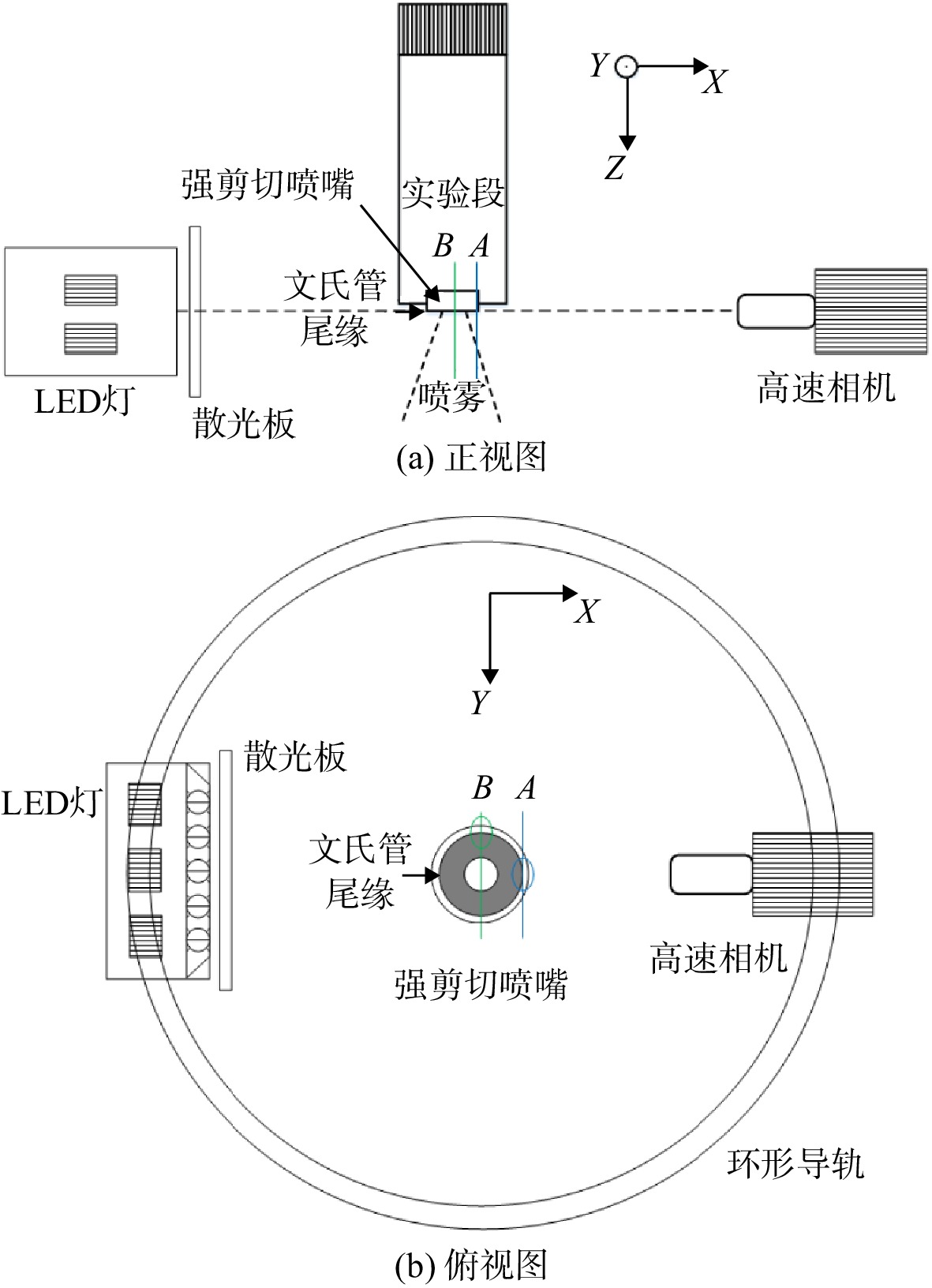
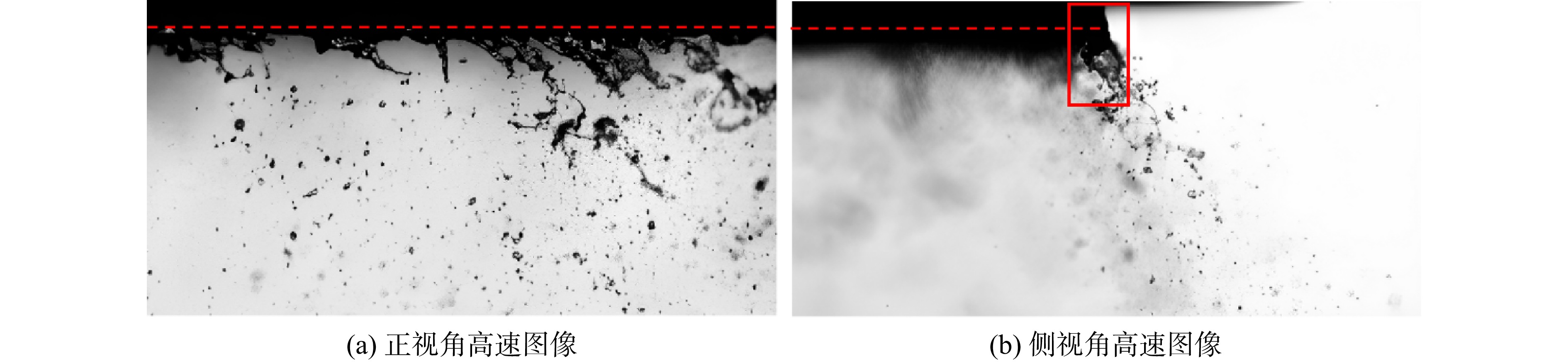
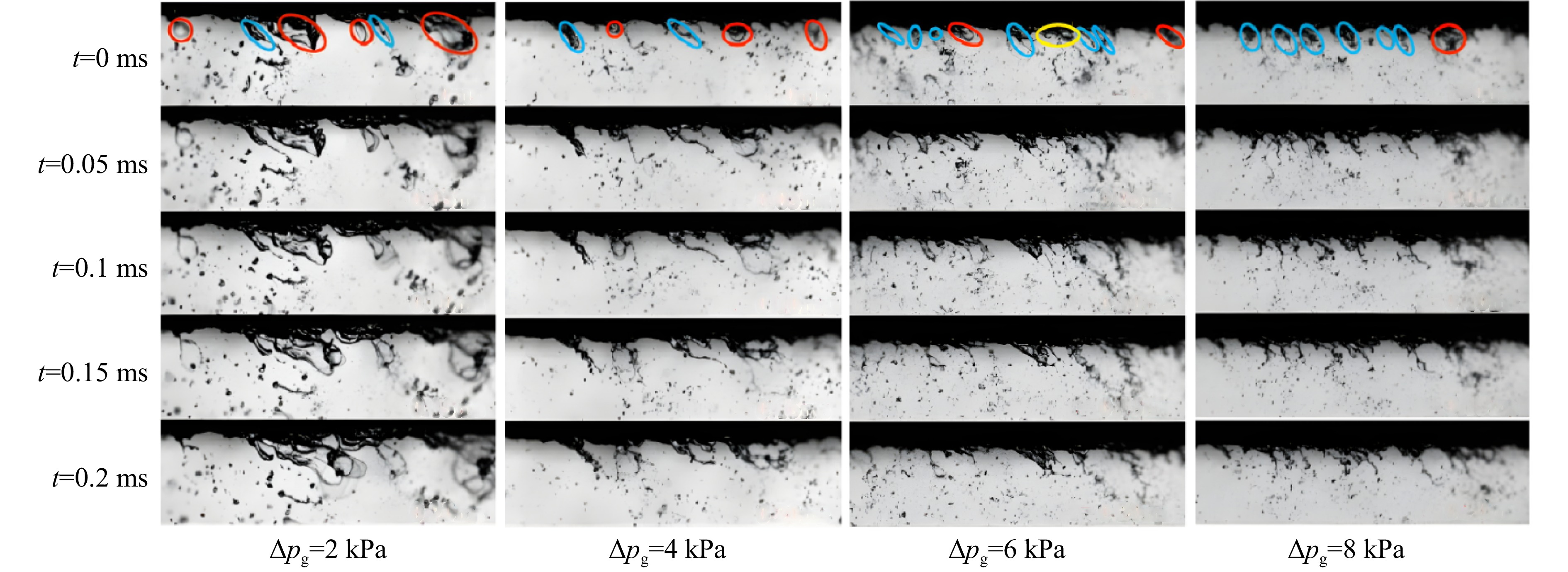
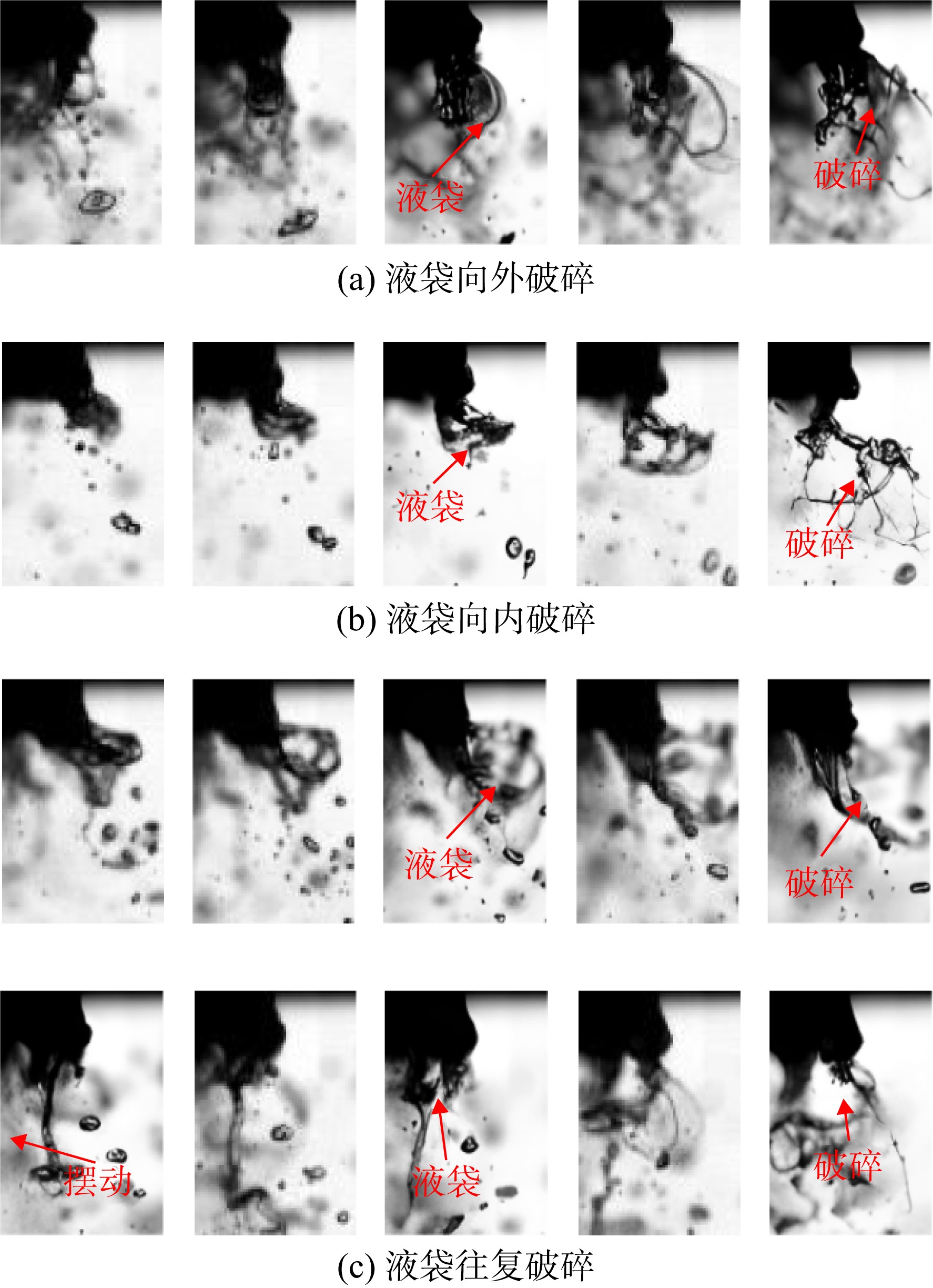
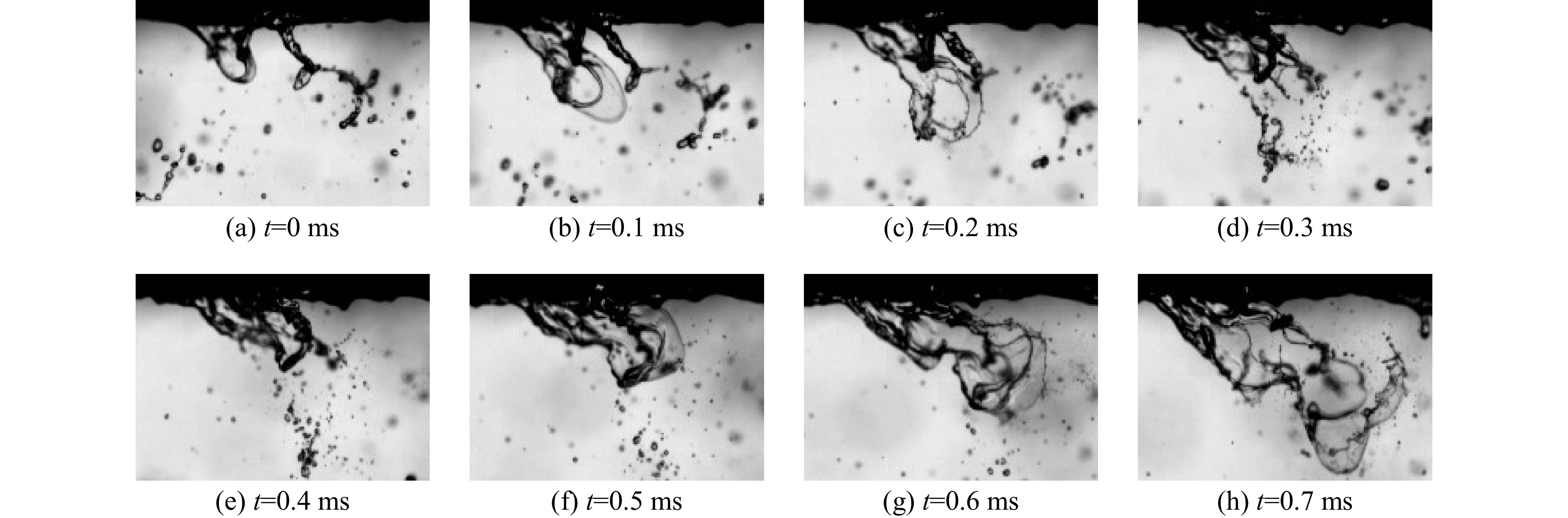
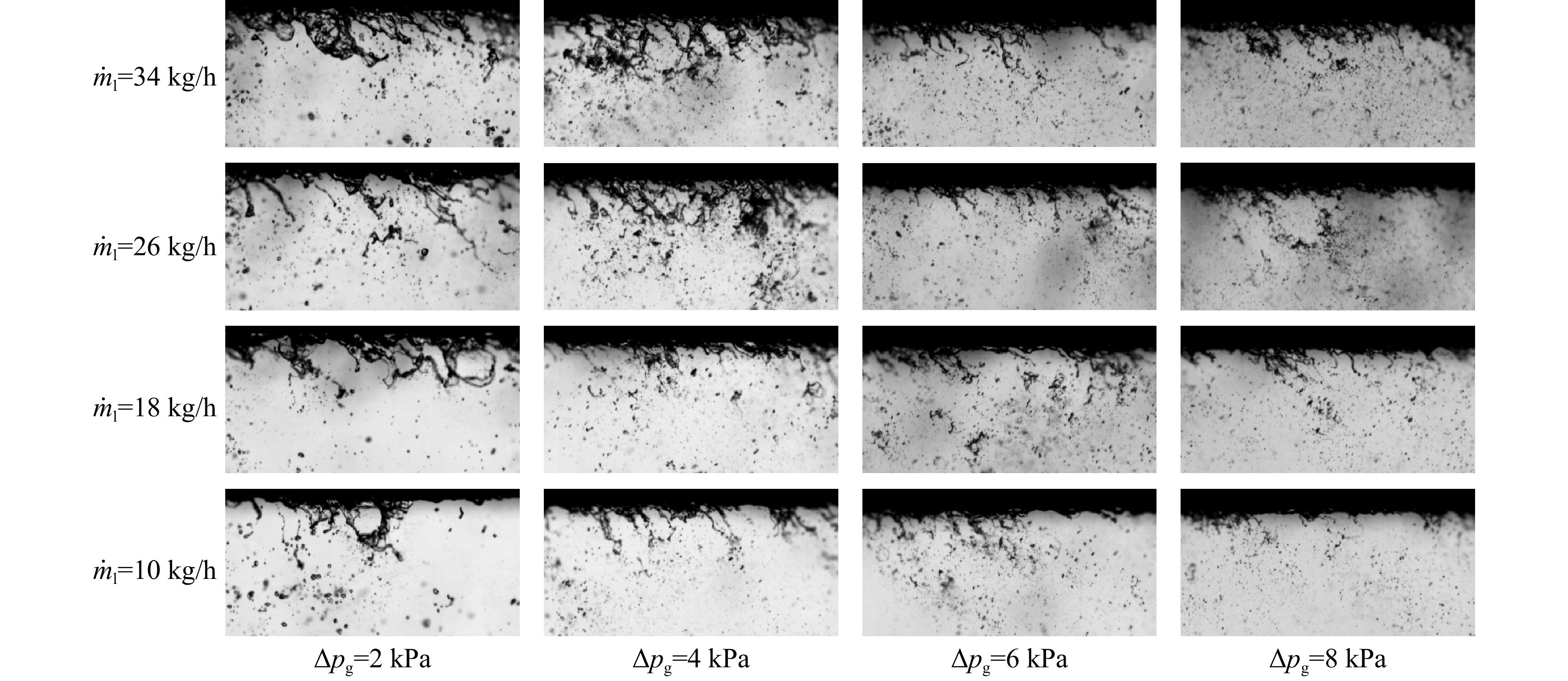
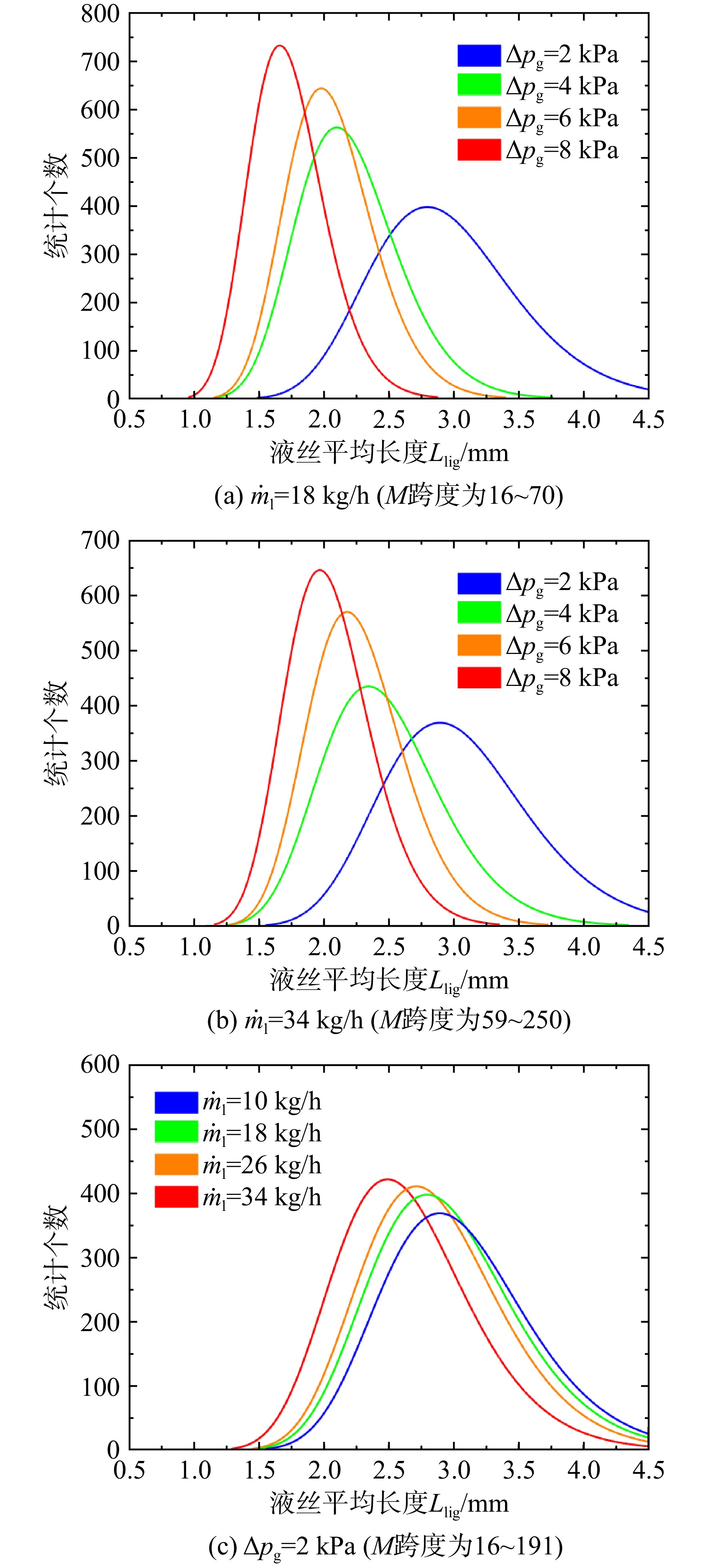
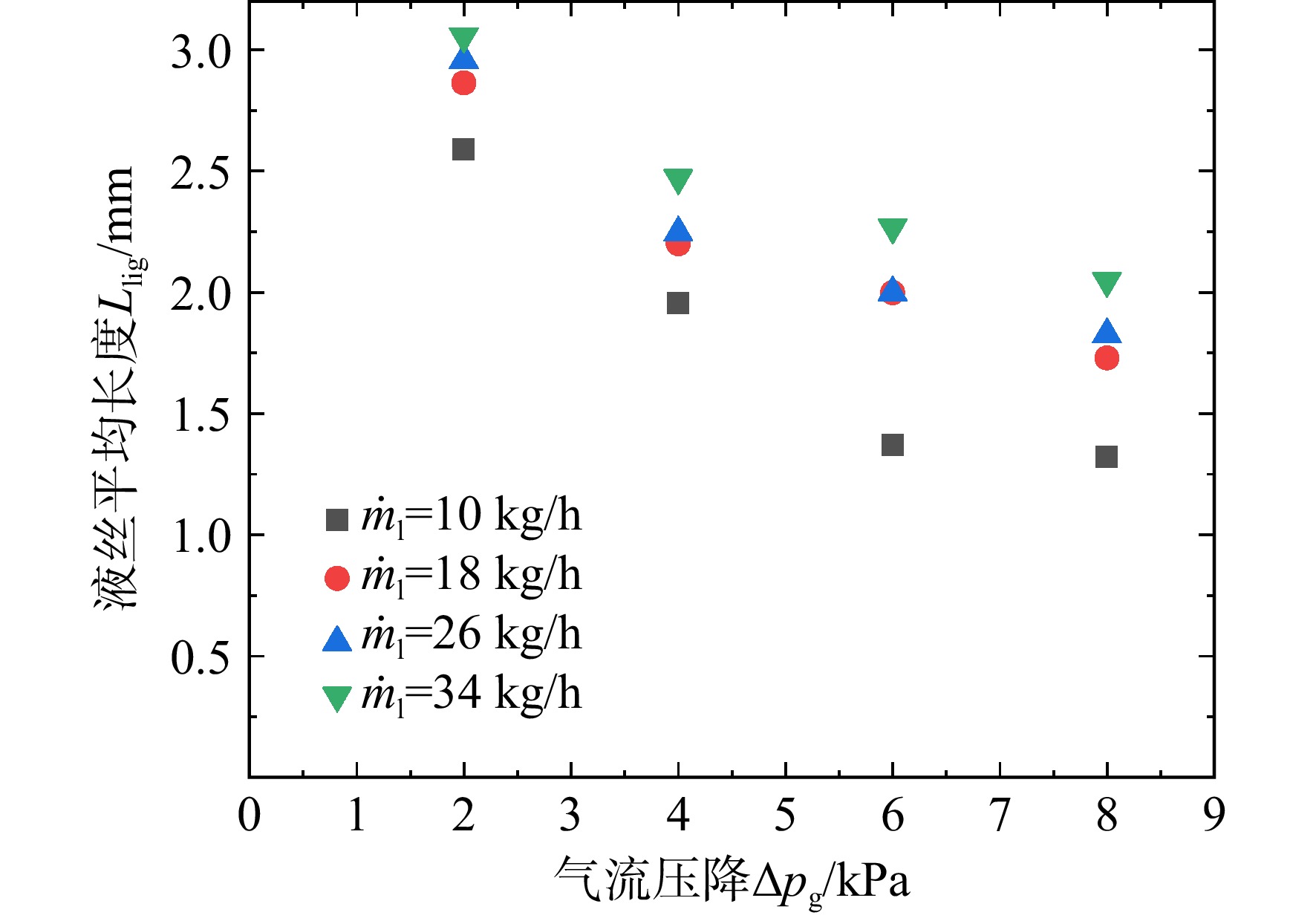
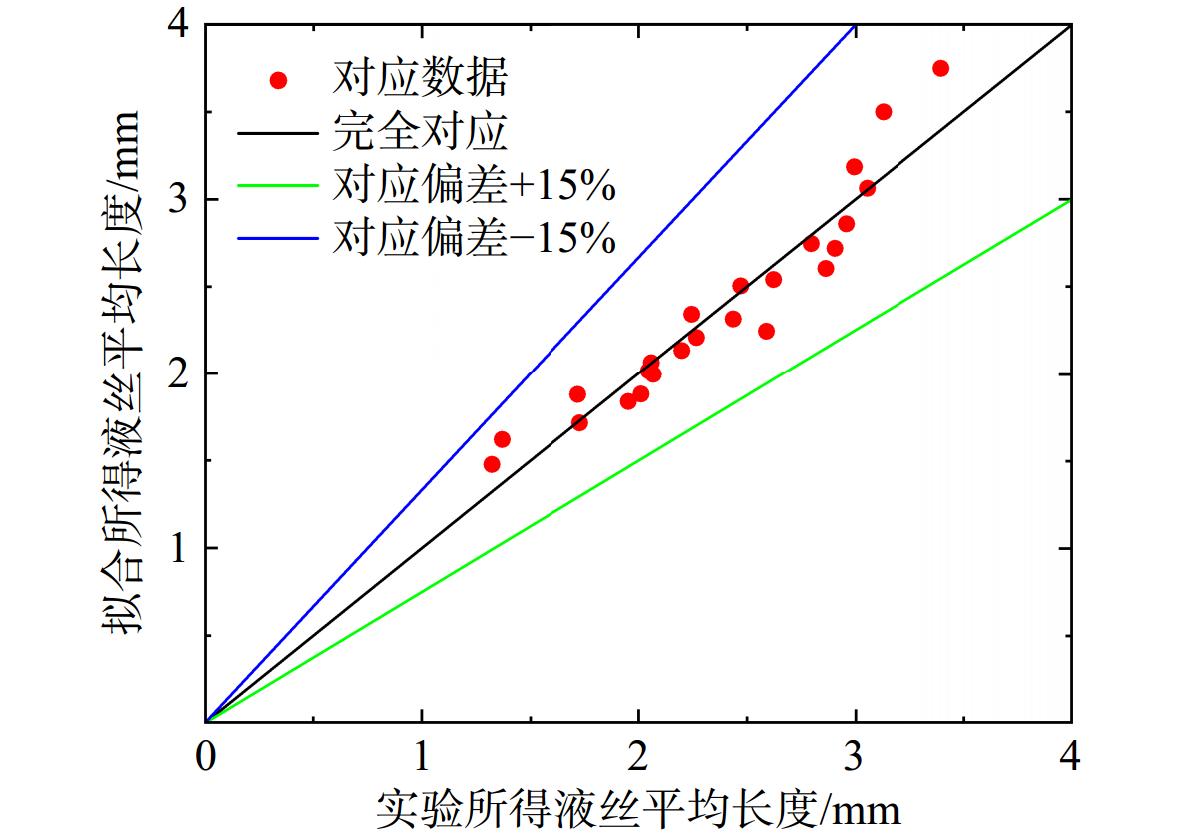
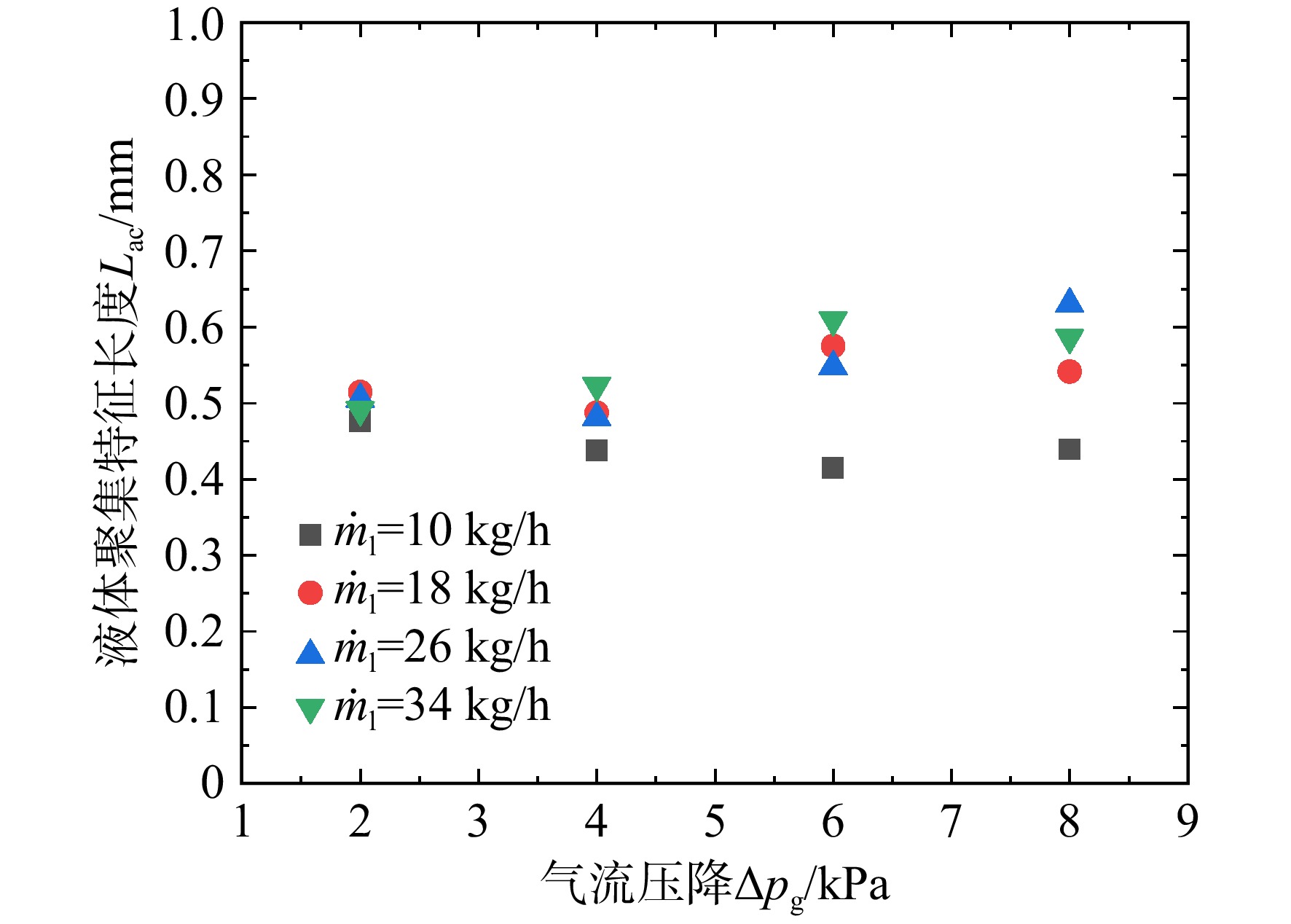
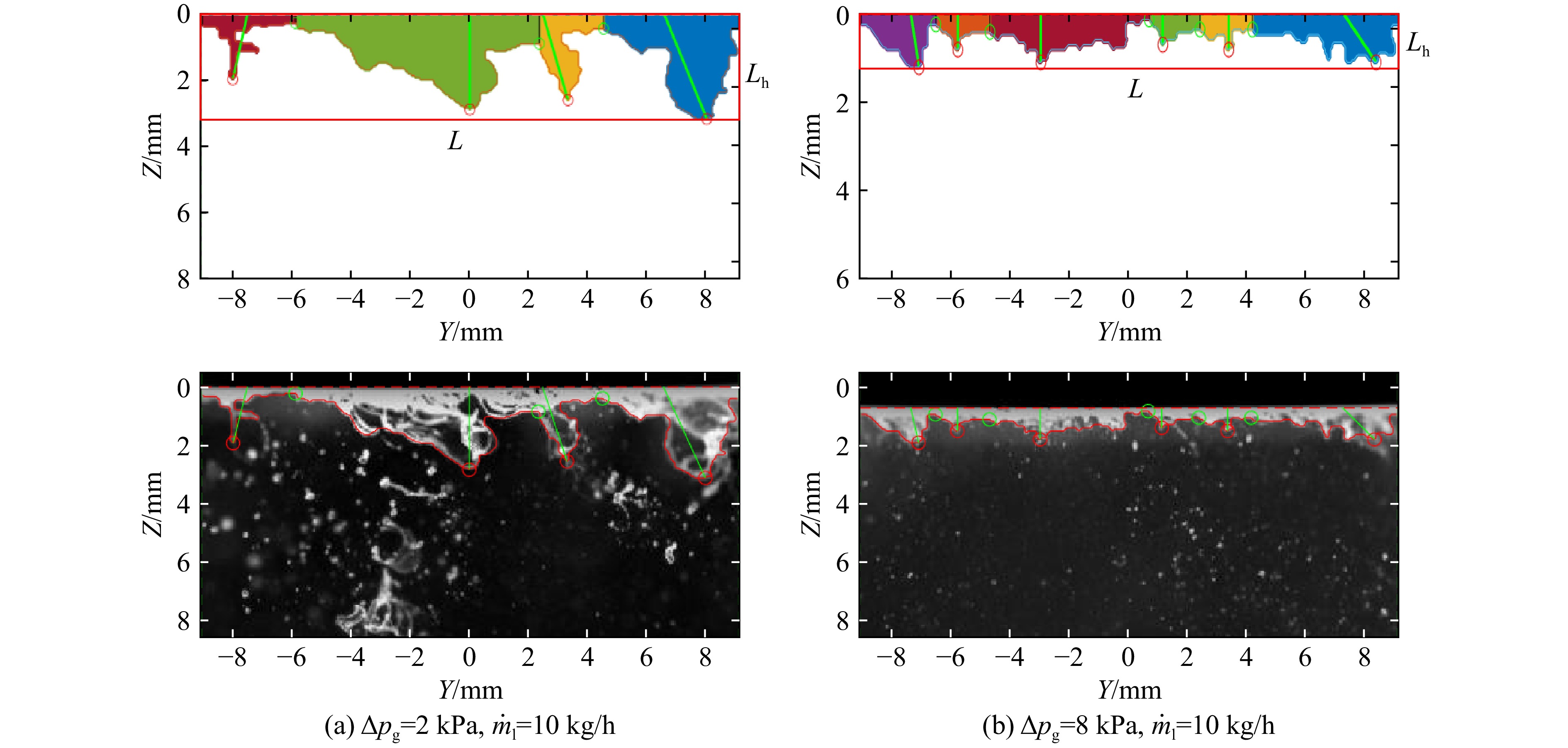
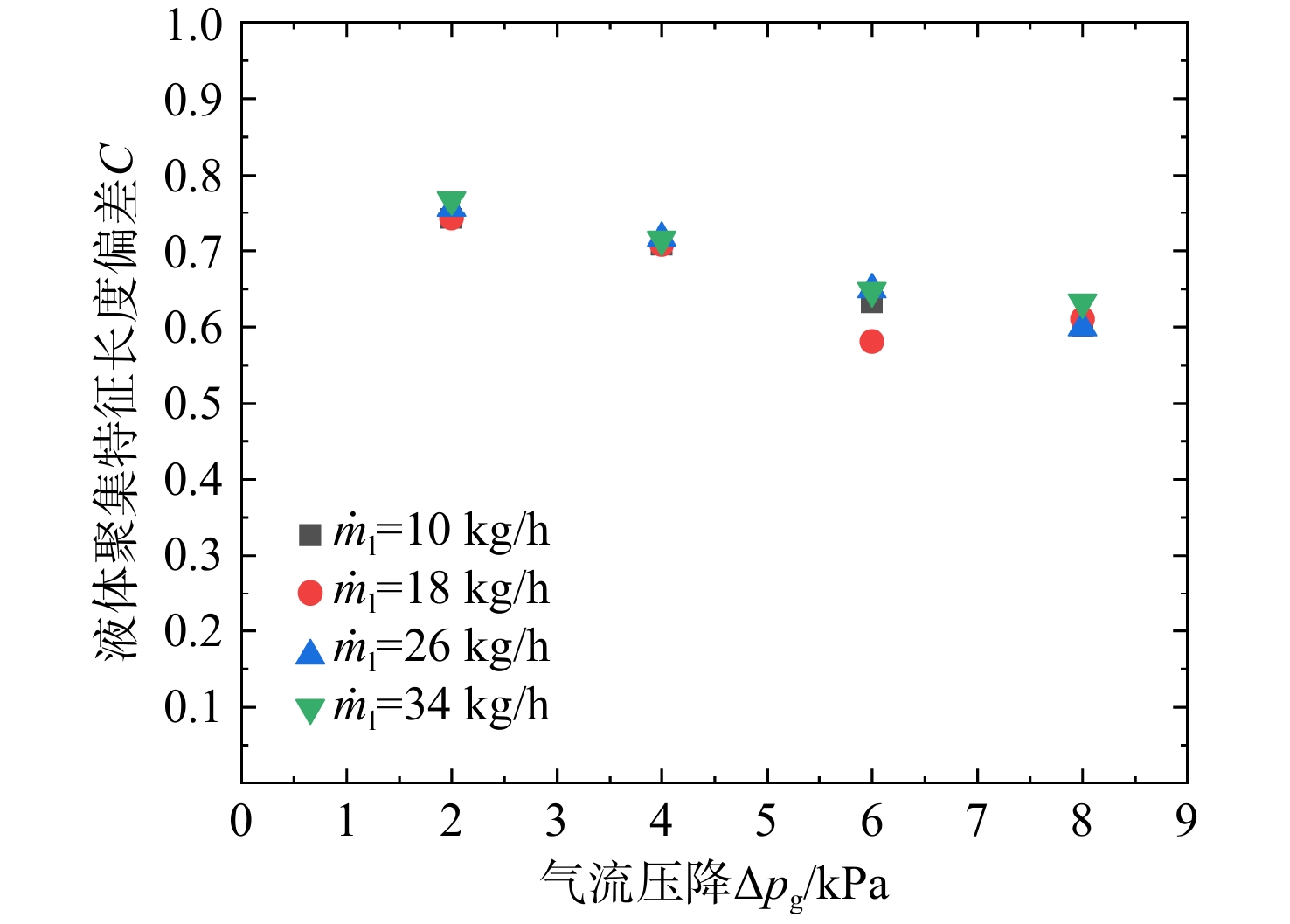
By using backlight high-speed shadowgraphy and liquid film tracking and recognition program, a full time series experimental study was conducted on the instability and breakup process of the liquid film at the exit of a double swirl air-blast atomizer. Based on the phenomenological description, the process of liquid film breakup was analyzed. The characteristics of liquid film deflection, circumferential rotation, radial flapping and spinning under swirling flow were summarized. Based on the time evolution characteristics of liquid structure during the breakup process, three typical breakup modes of liquid film under double swirl airflow were acquired as follow: sheet-bag breakup, ligament breakup, and hybrid breakup modes. By analyzing experimental statistical data and high-speed images, it was found that the average length of the ligaments was significantly affected by operating conditions. The impact of airflow pressure drop was greater than that of liquid flow rate. In addition, the empirical formulas between it and liquid Weber number and liquid Reynolds number were fitted through experimental data. A length deviation of film accumulation deviation was used to measure the probability of the occurrence of breakup modes. It was found that deviation was significant affected by airflow pressure drop and showed a decreasing tendency as airflow pressure drop increased. This indicated that airflow pressure drop dominated the change of liquid film breakup, while liquid flow rate had a less impact on deviation and did not affect the breakup modes.

Simulation study on transient two phase flow in cryogenic tube chill-down process
LI Zhuolun, YING Yuanyuan, WANG Lei, ZHANG Qidong, LI Yanzhong
2025, 40(7): 20230737. doi: 10.13224/j.cnki.jasp.20230737
Abstract:

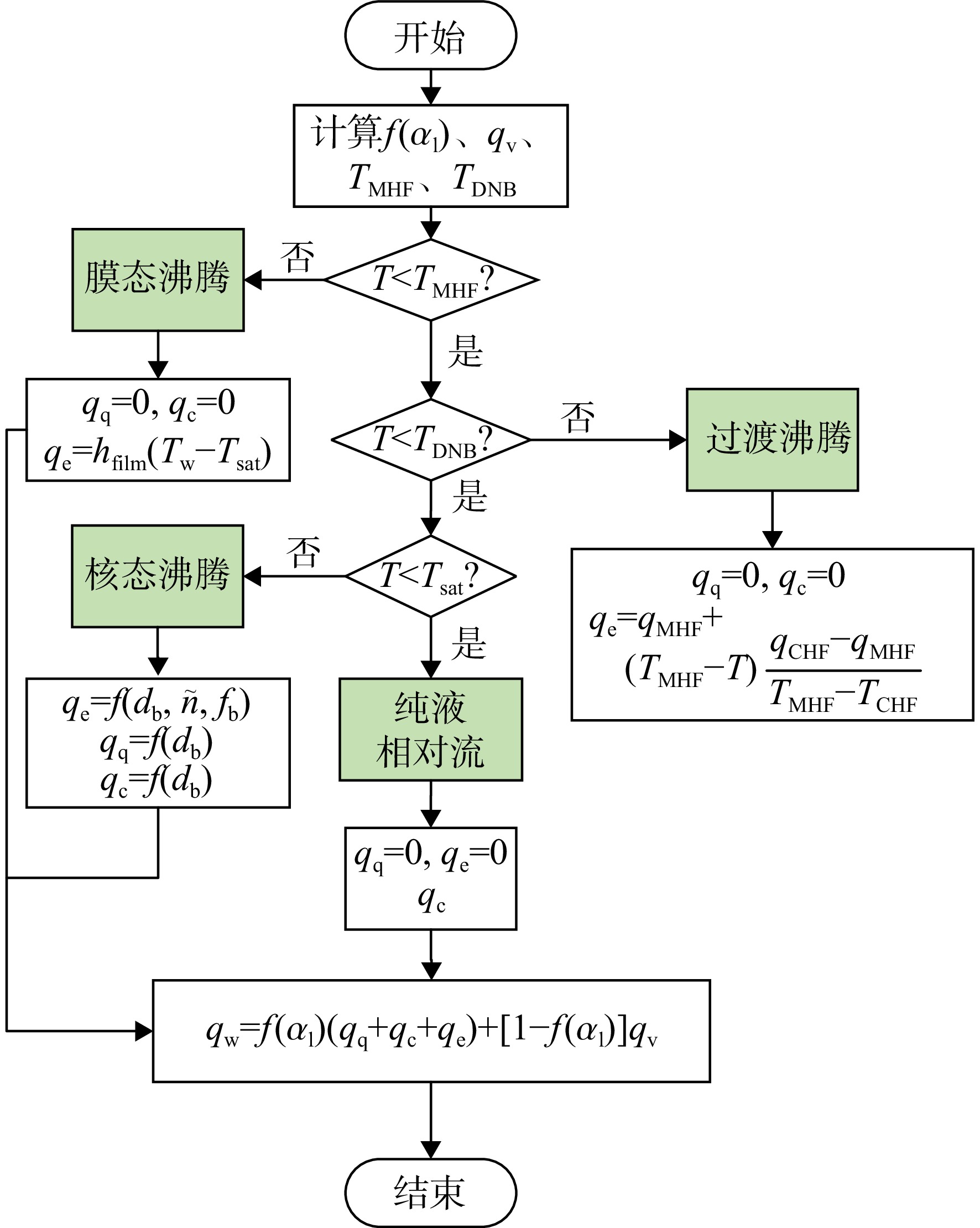
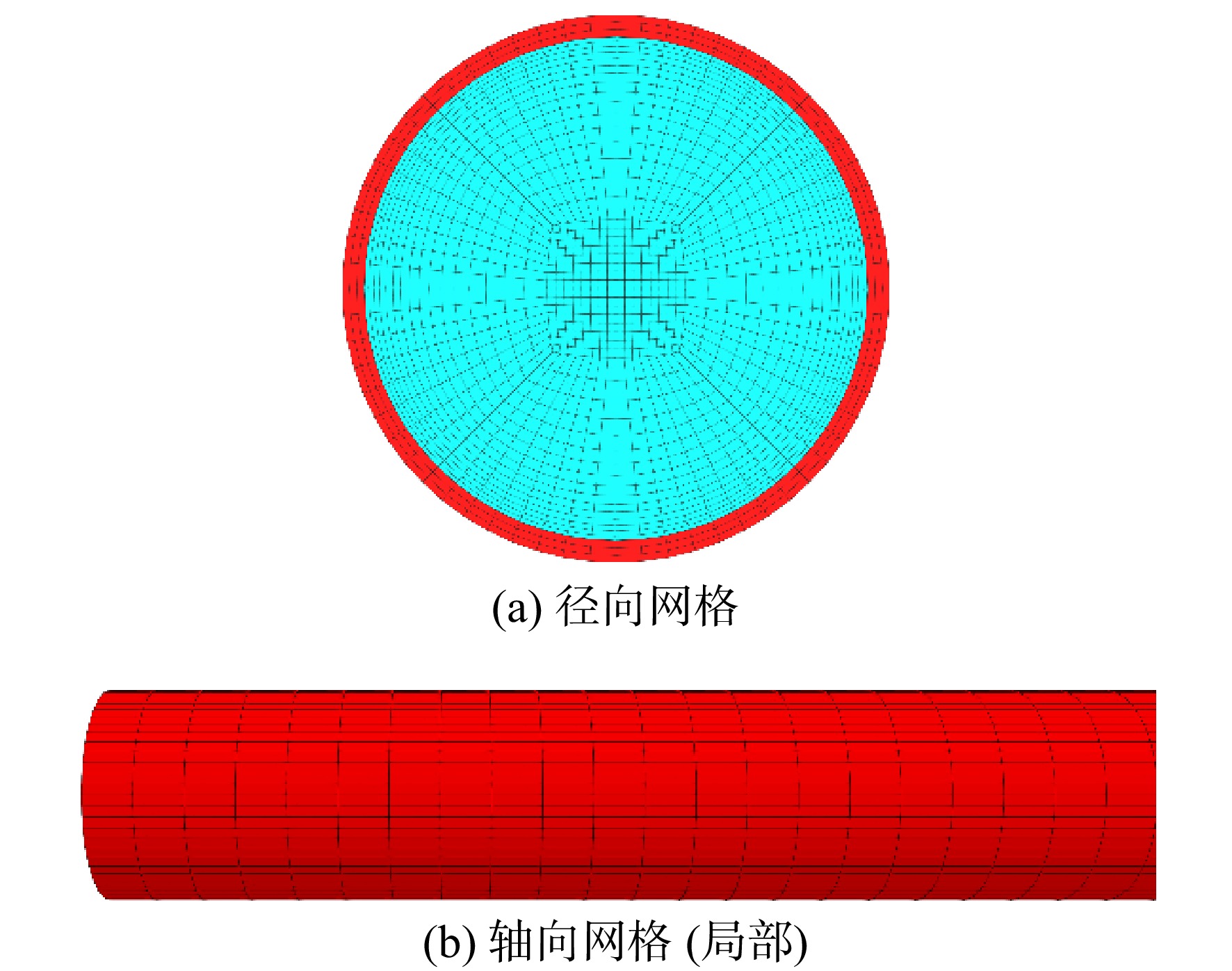
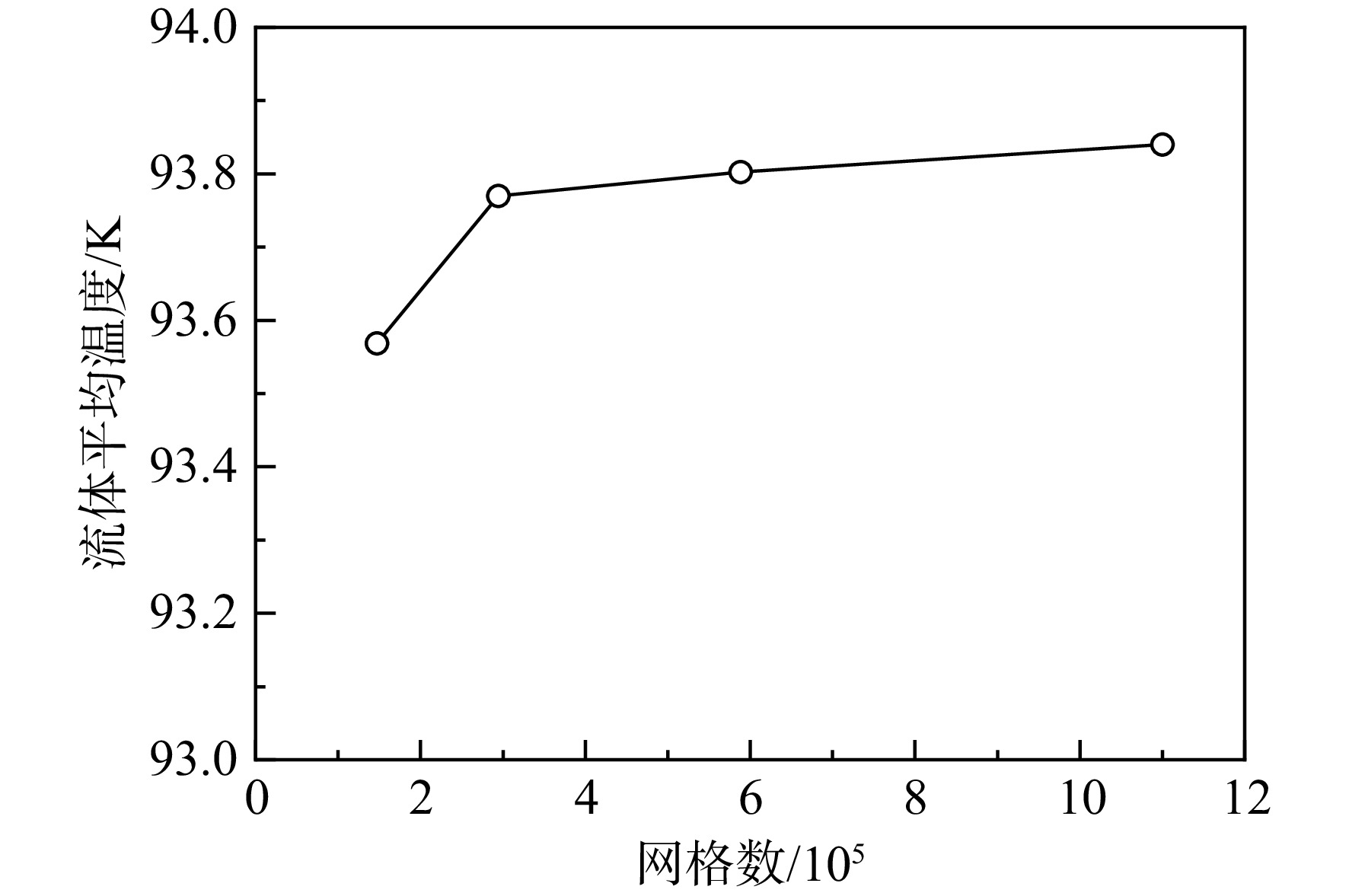
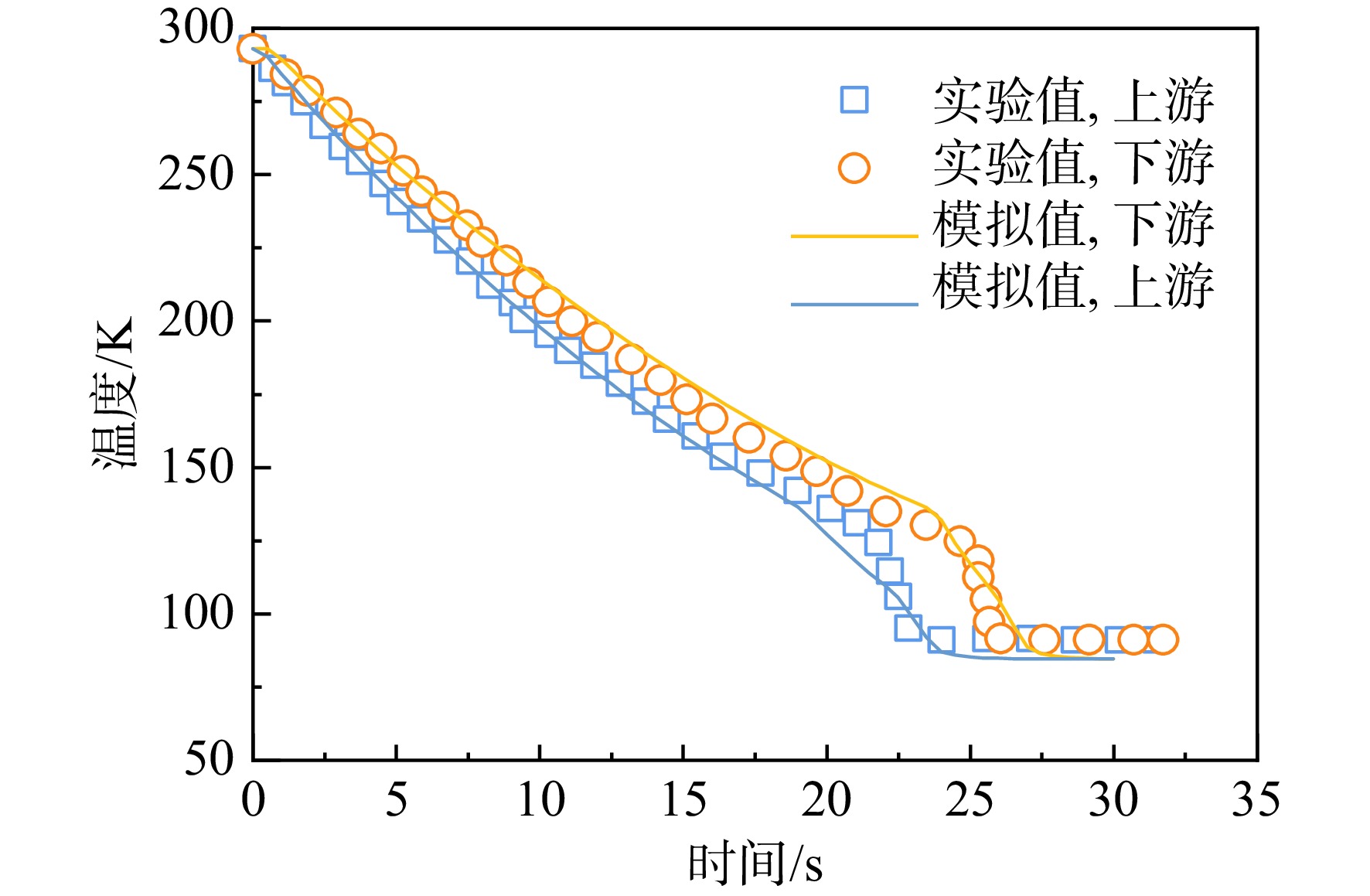
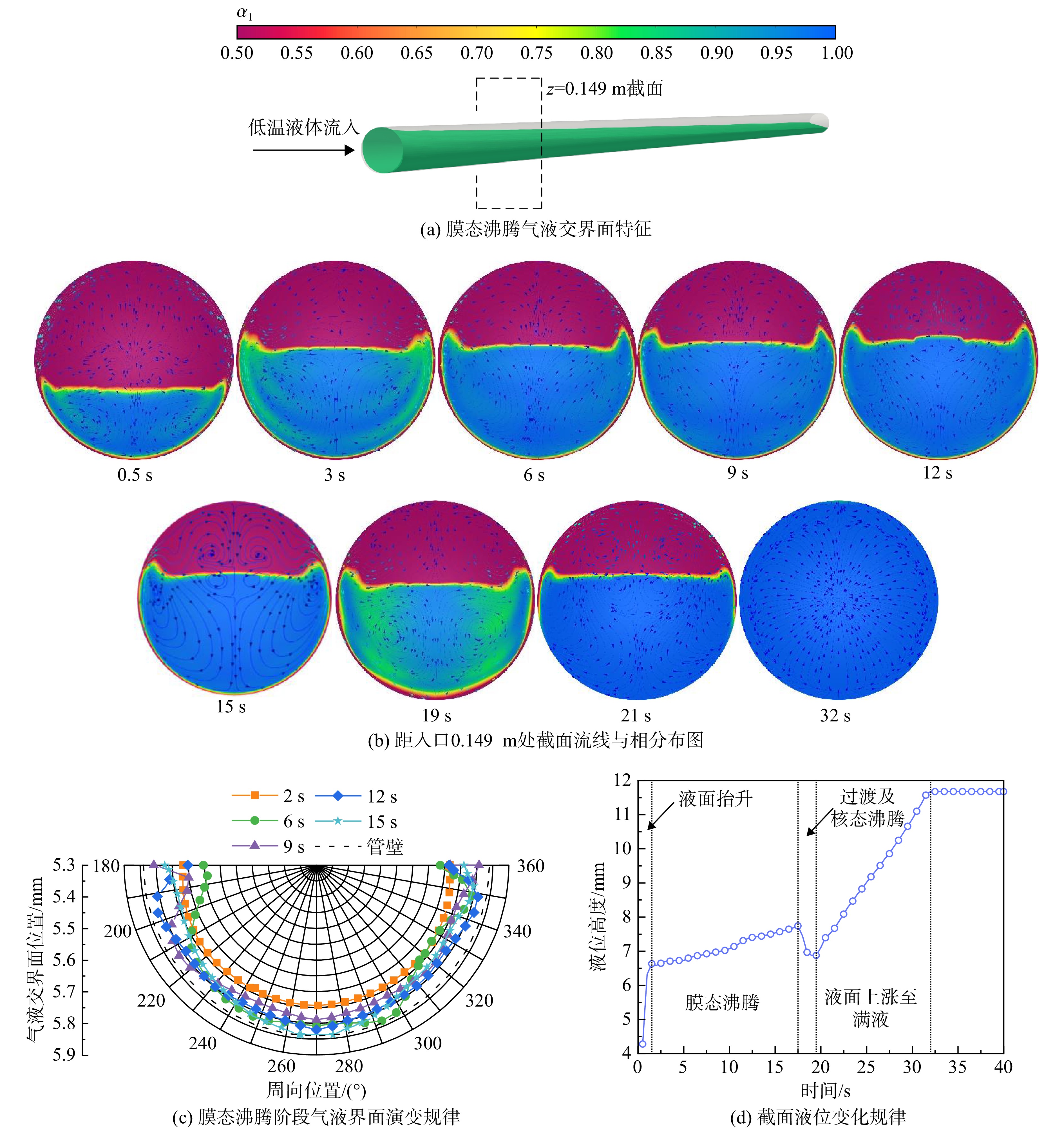
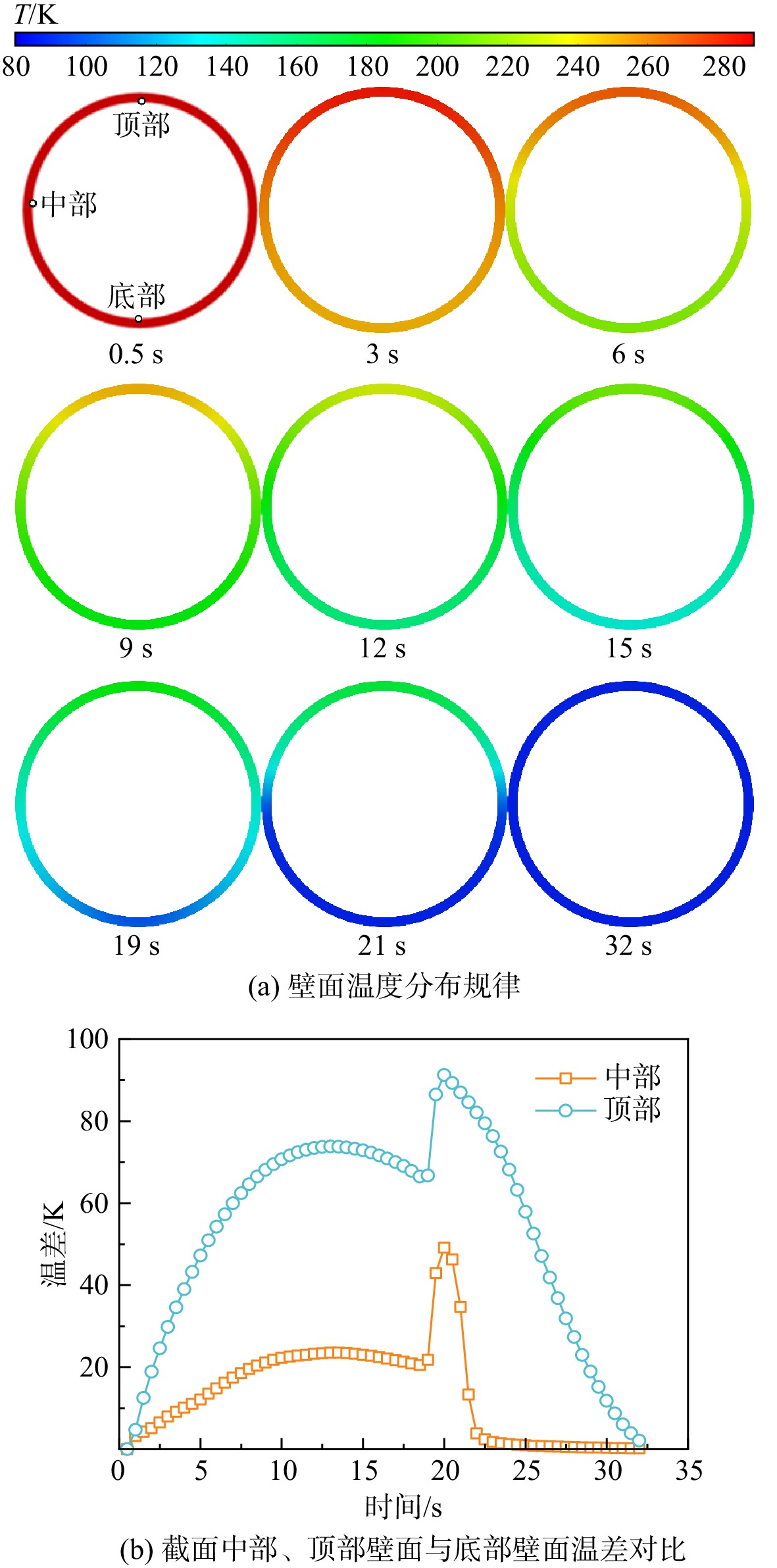
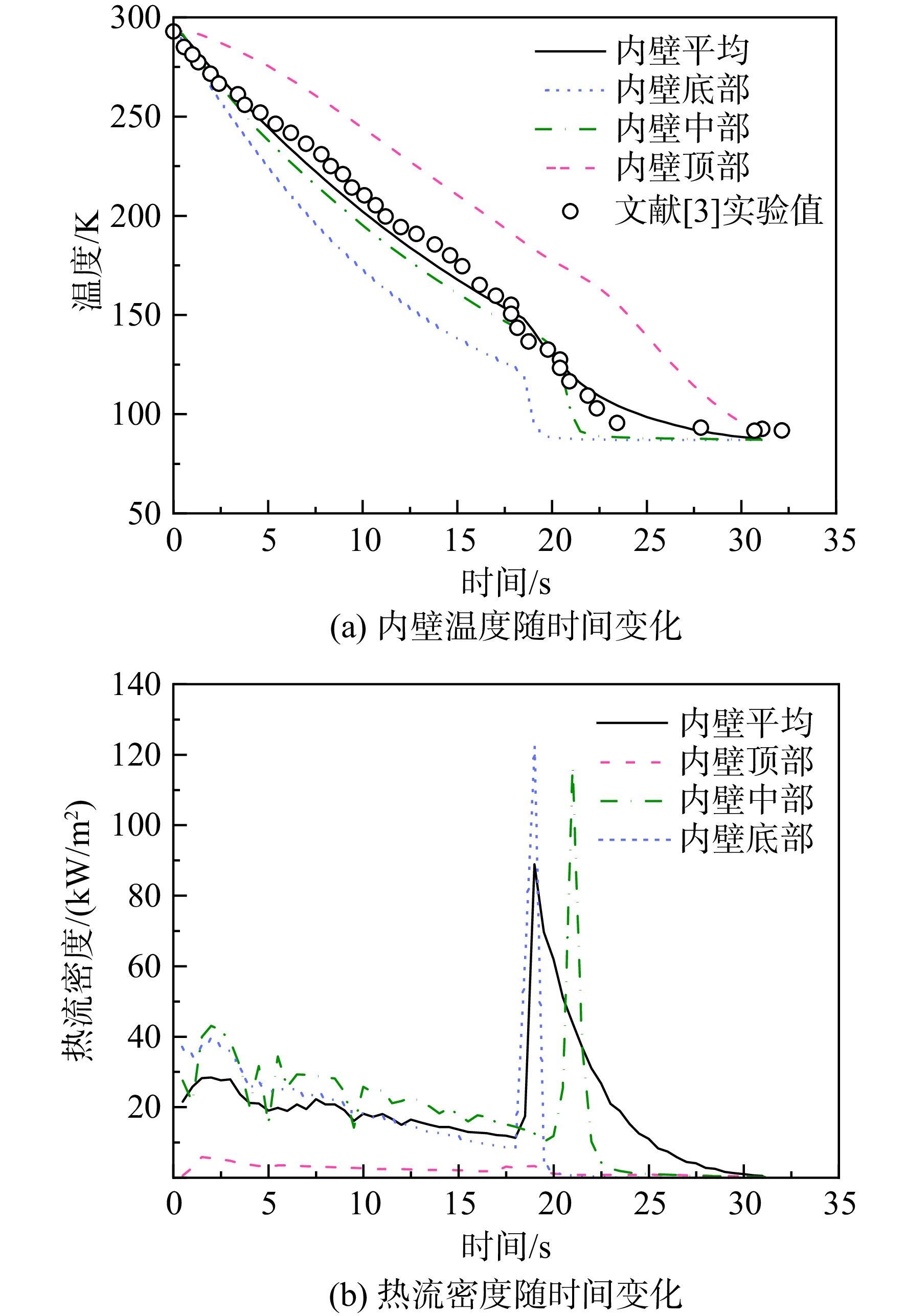
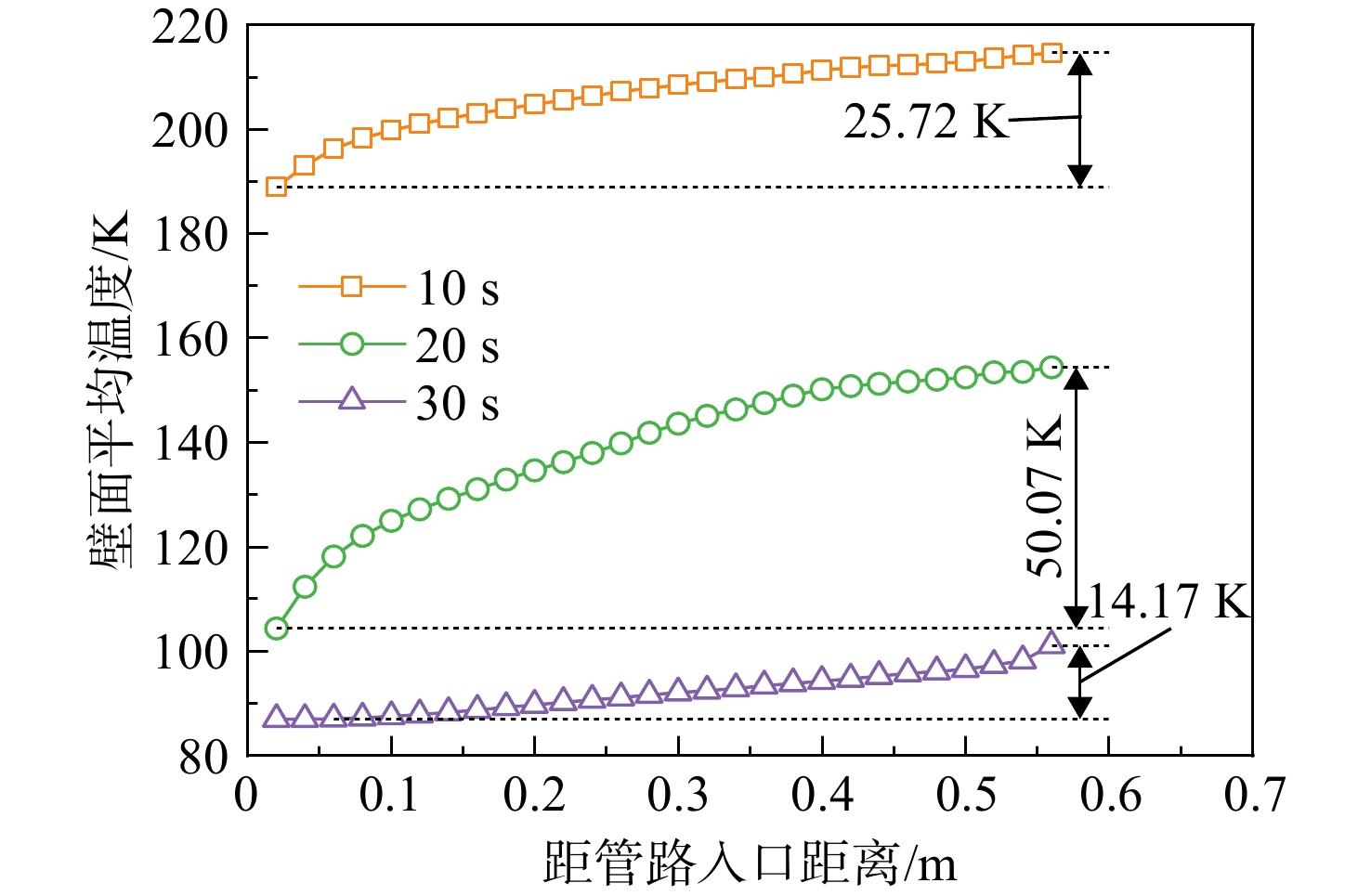
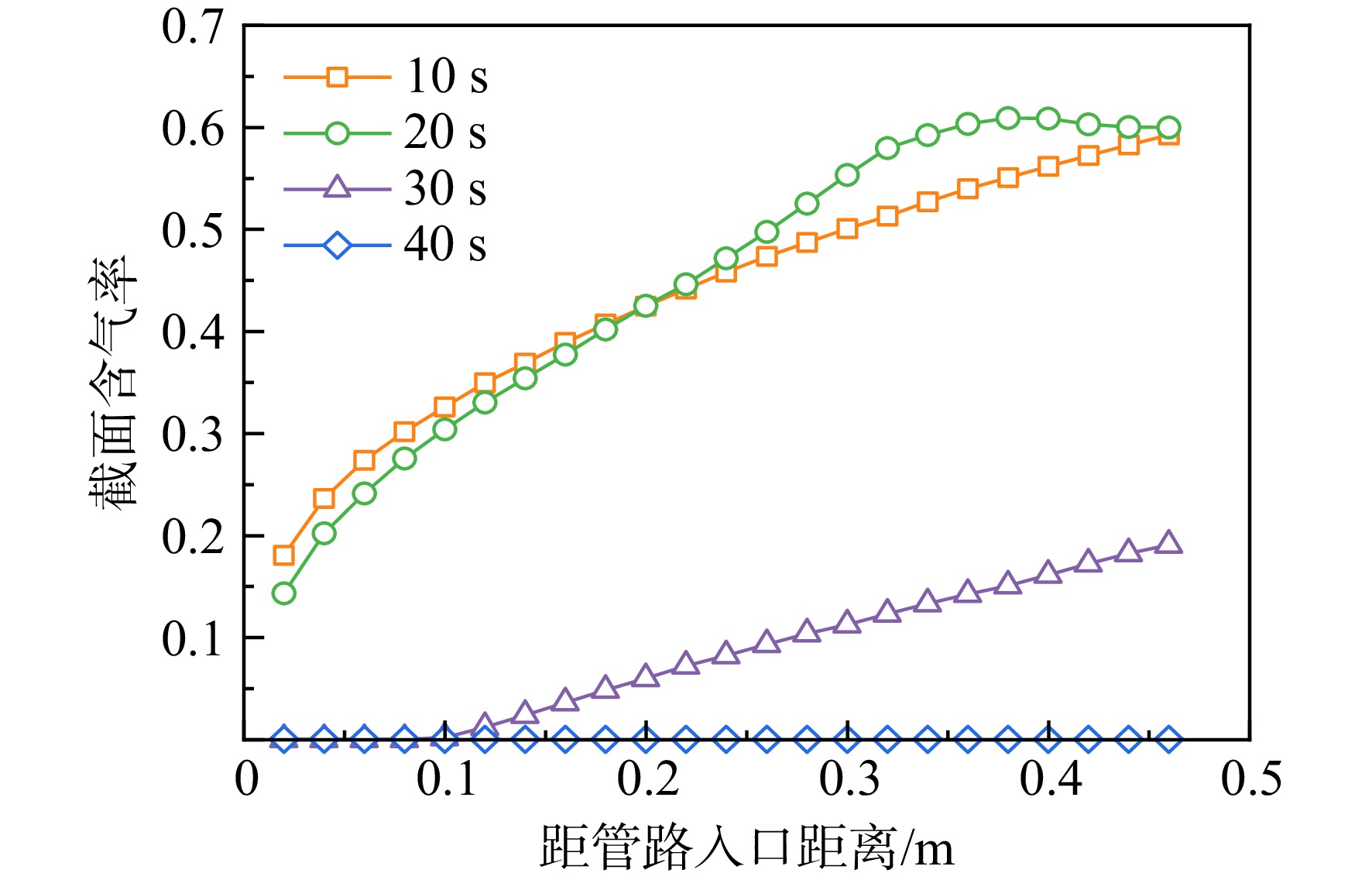
To reveal the transient properties of two-phase flow and boiling heat transfer in cryogenic tube chill-down process, a computational fluid dynamics (CFD) model to account for transient variations in the cryogenic chill-down event was developed. In this CFD model, different heat transfer models were selected to calculate fluid-solid coupling heat transfer rates at different stages of chill-down. The results showed that the flow patterns inside the tube could be divided into four stages, including liquid level rising, film boiling, transition and nucleate boiling, and pipe flooding. Due to the influence of gravity in the development of the interior two-phase flow, the distribution of a general stratified flow with local “upwarped” appeared at the liquid surface position near the tube wall. The thicknesses of the vapor film at the bottom and side wall decreased fluctuatingly from 0.093 mm and 0.124 mm, respectively. Moreover, it was found that the maximum temperature difference at the cross section was about 90 K, and the temperature difference between the tube inlet and outlet reached about 50 K. Owing to the transition from film boiling to transition and nucleate boiling, the local void fraction could increase significantly.

Study on combustion flow field characteristics of integrated afterburner with non-uniform inflow
GU Yefeng, WANG Yibo, LIU Yunpeng, LI Jinghua, YAN Yingwen
2025, 40(7): 20240138. doi: 10.13224/j.cnki.jasp.20240138
Abstract:

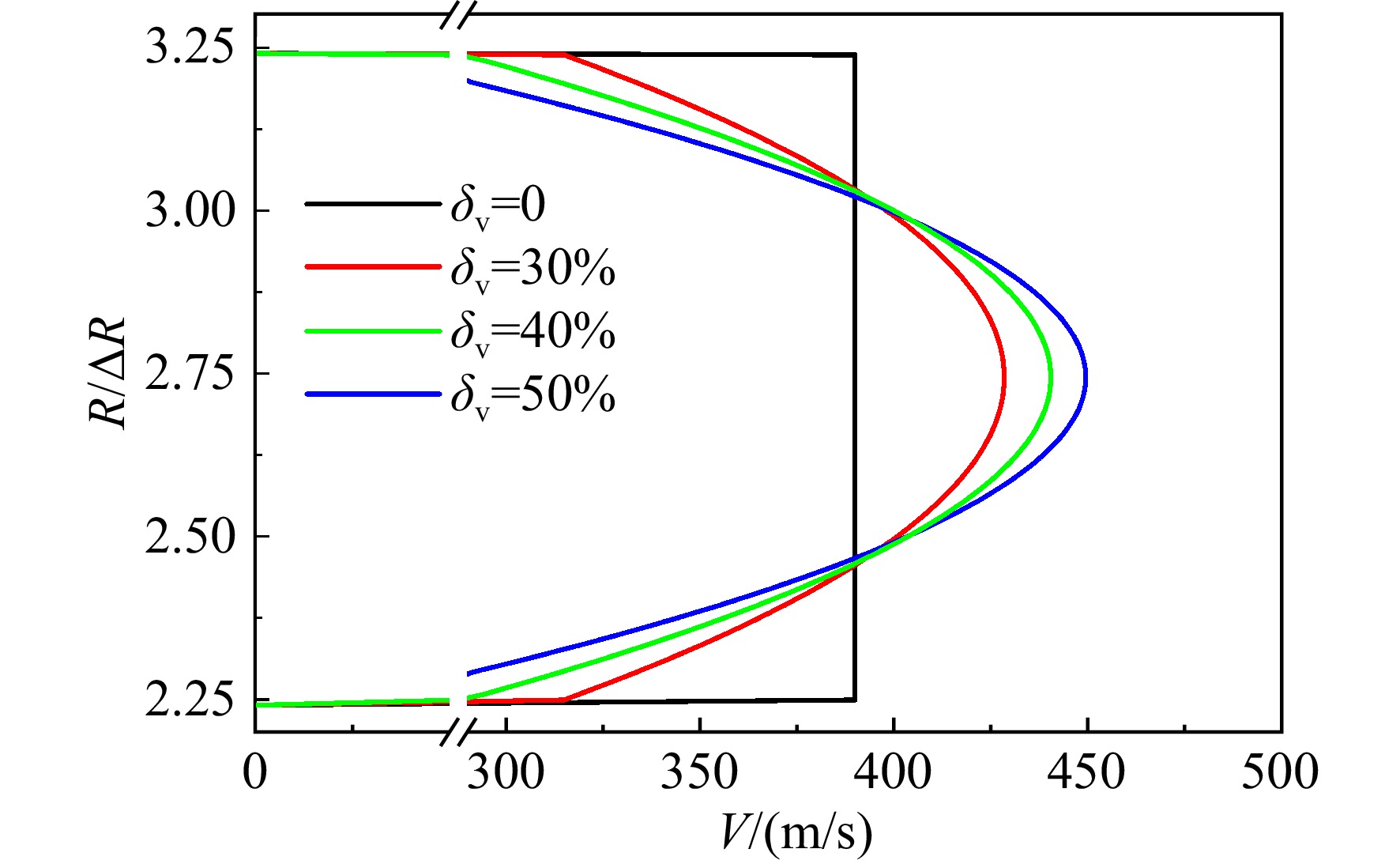
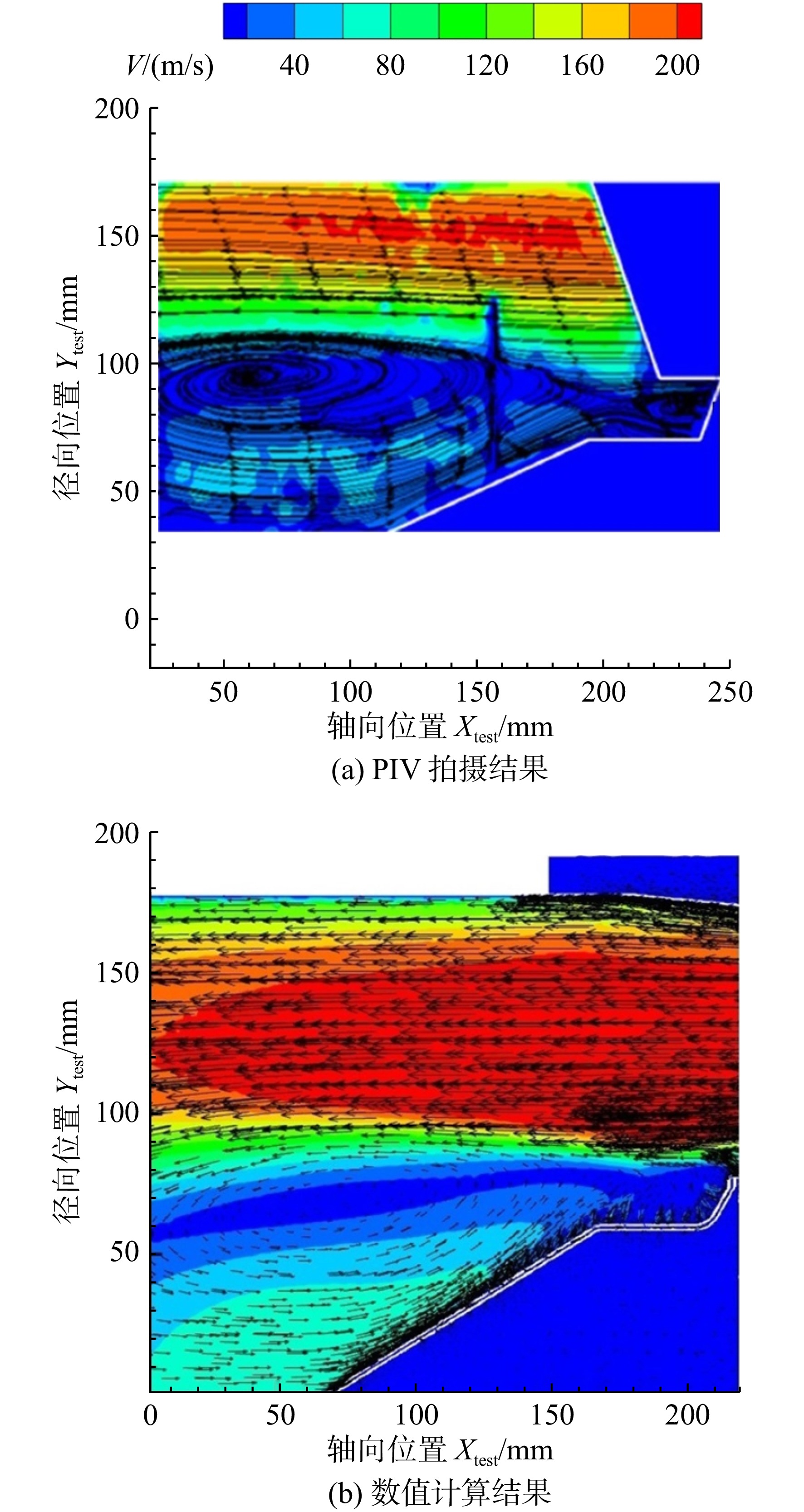
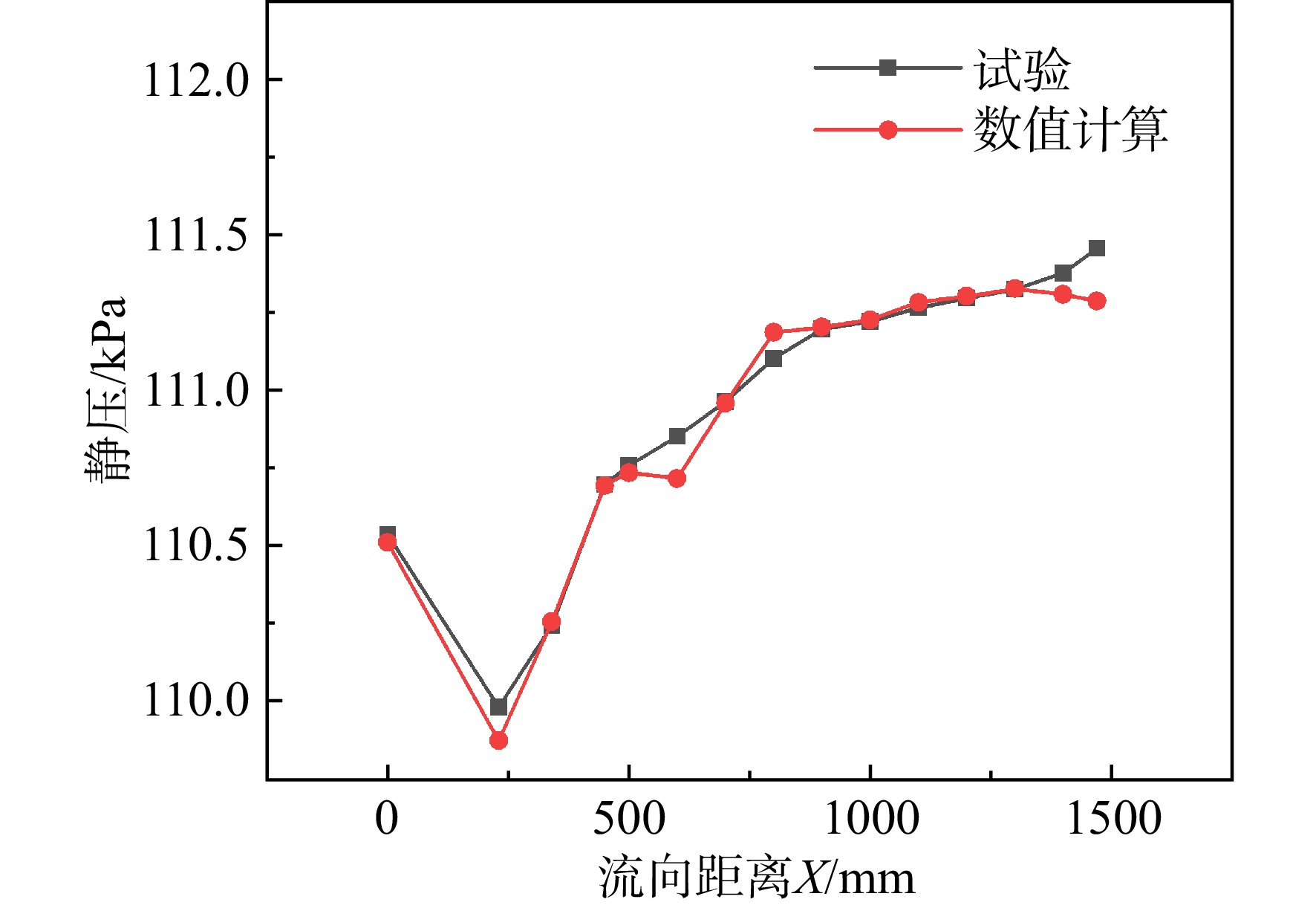
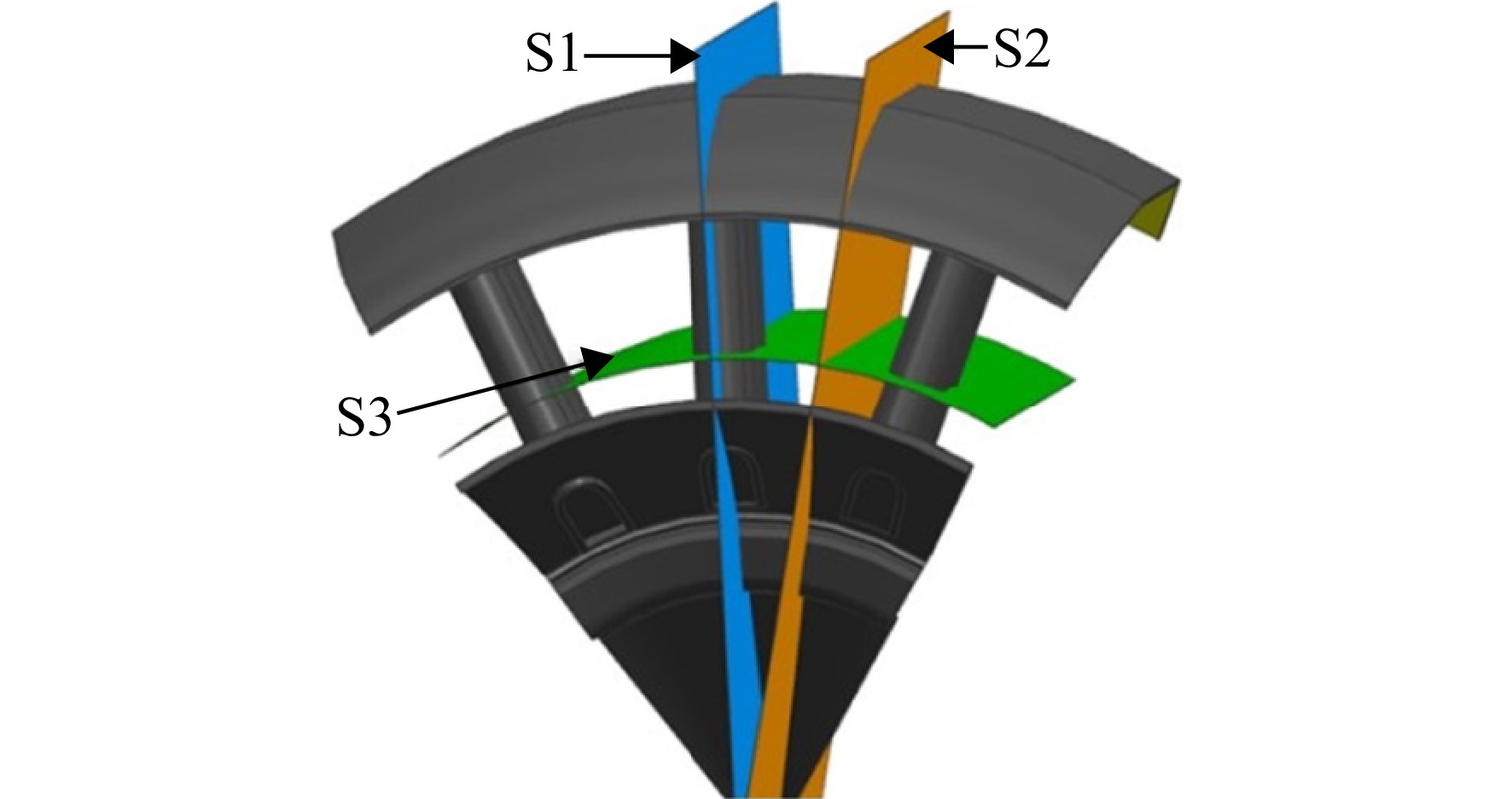
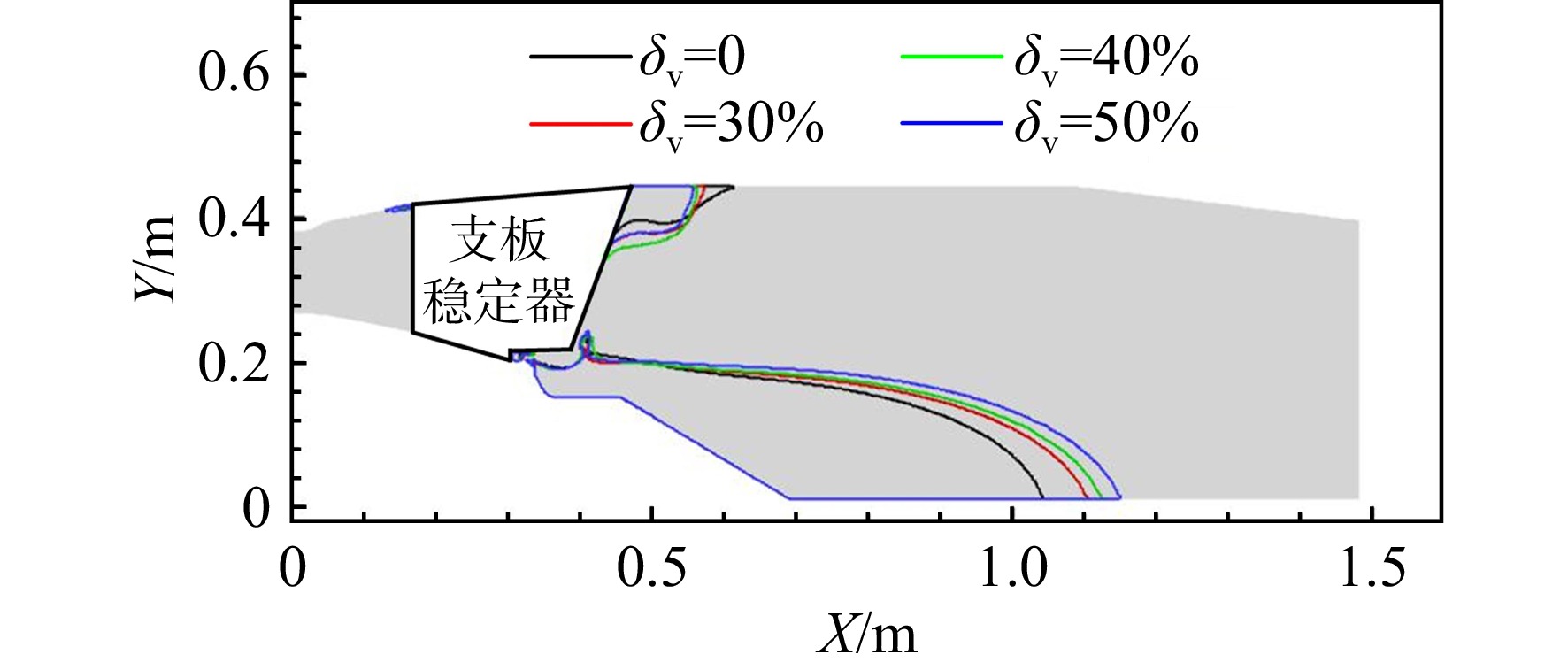
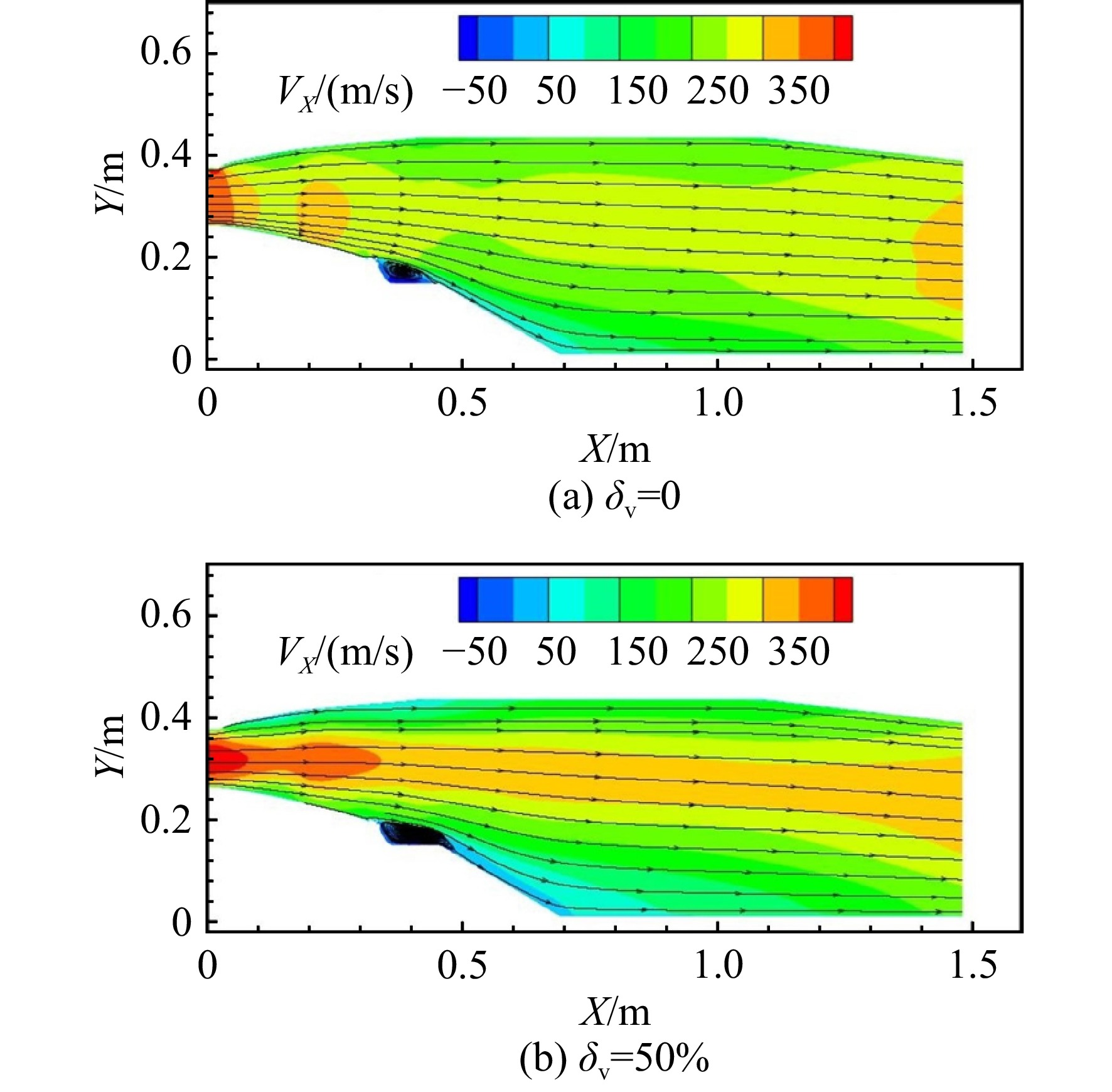
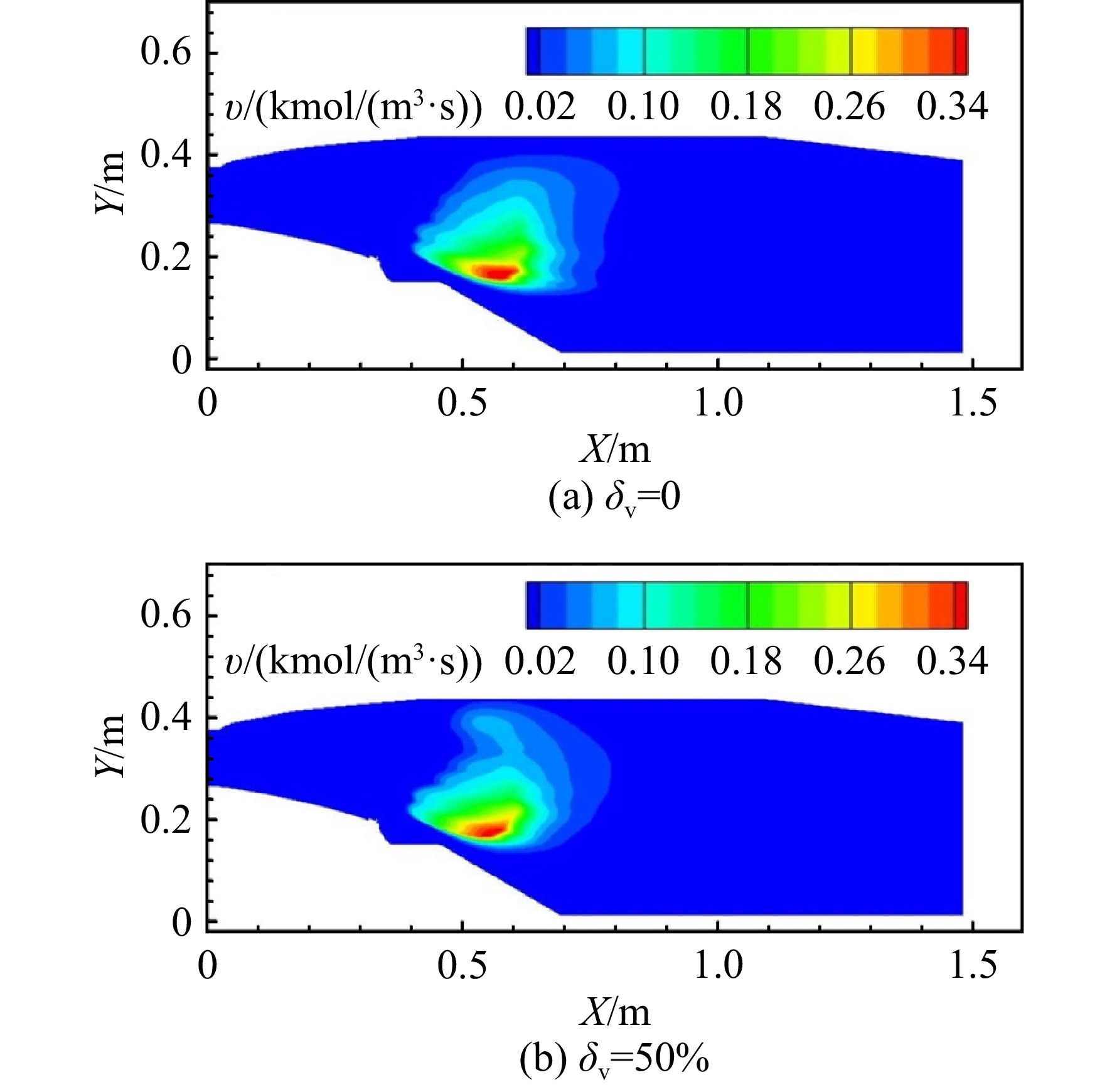
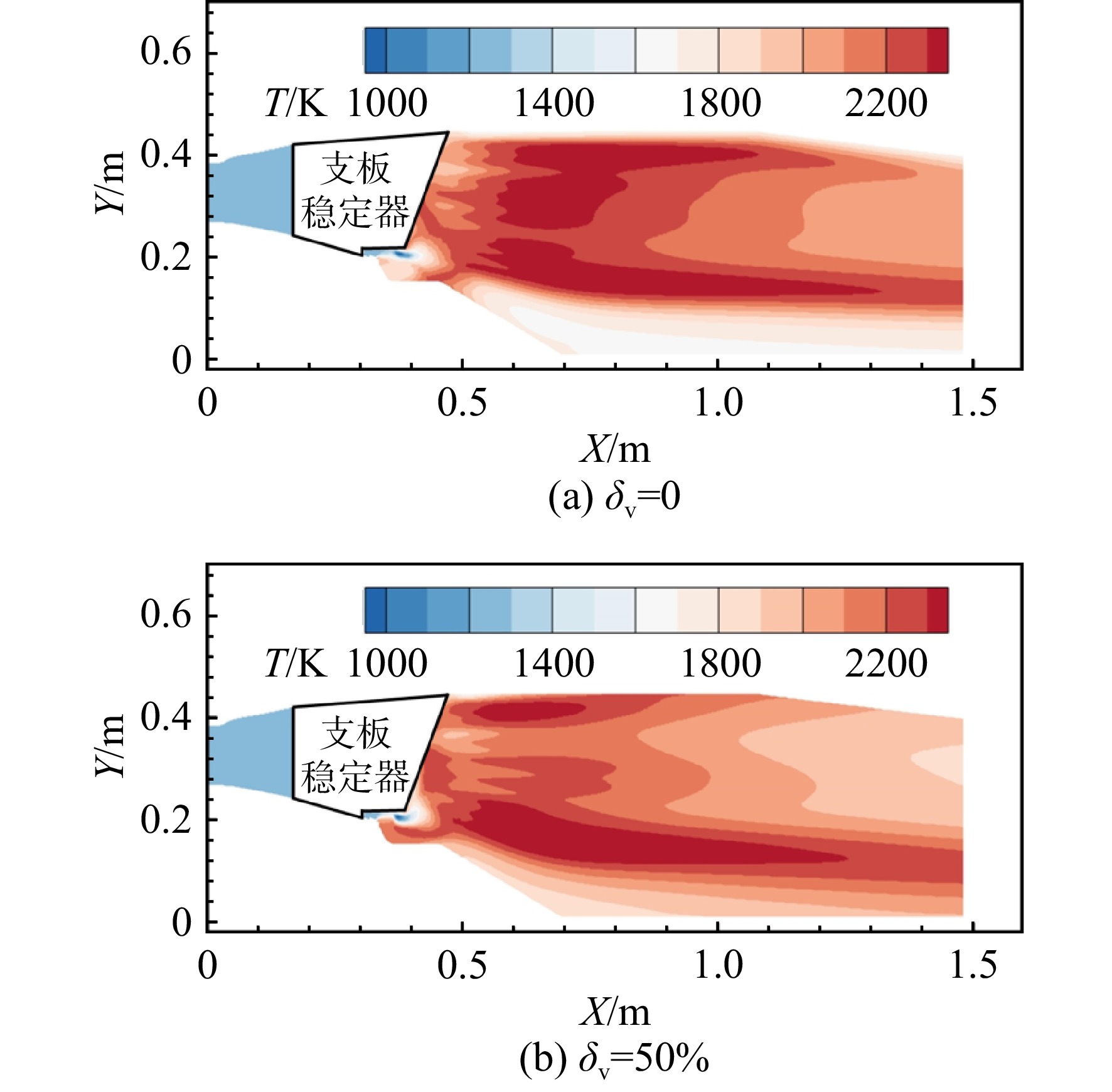
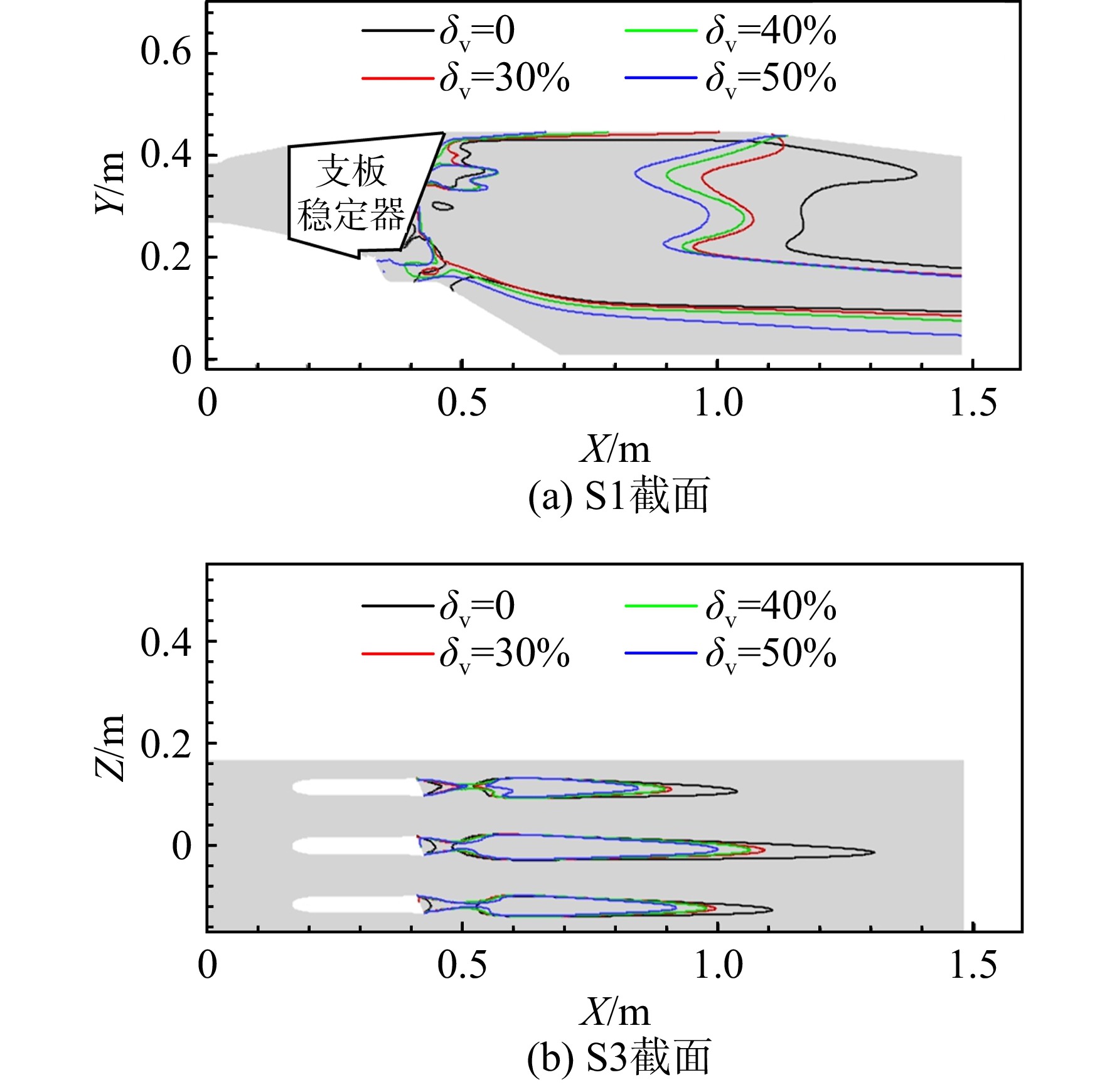
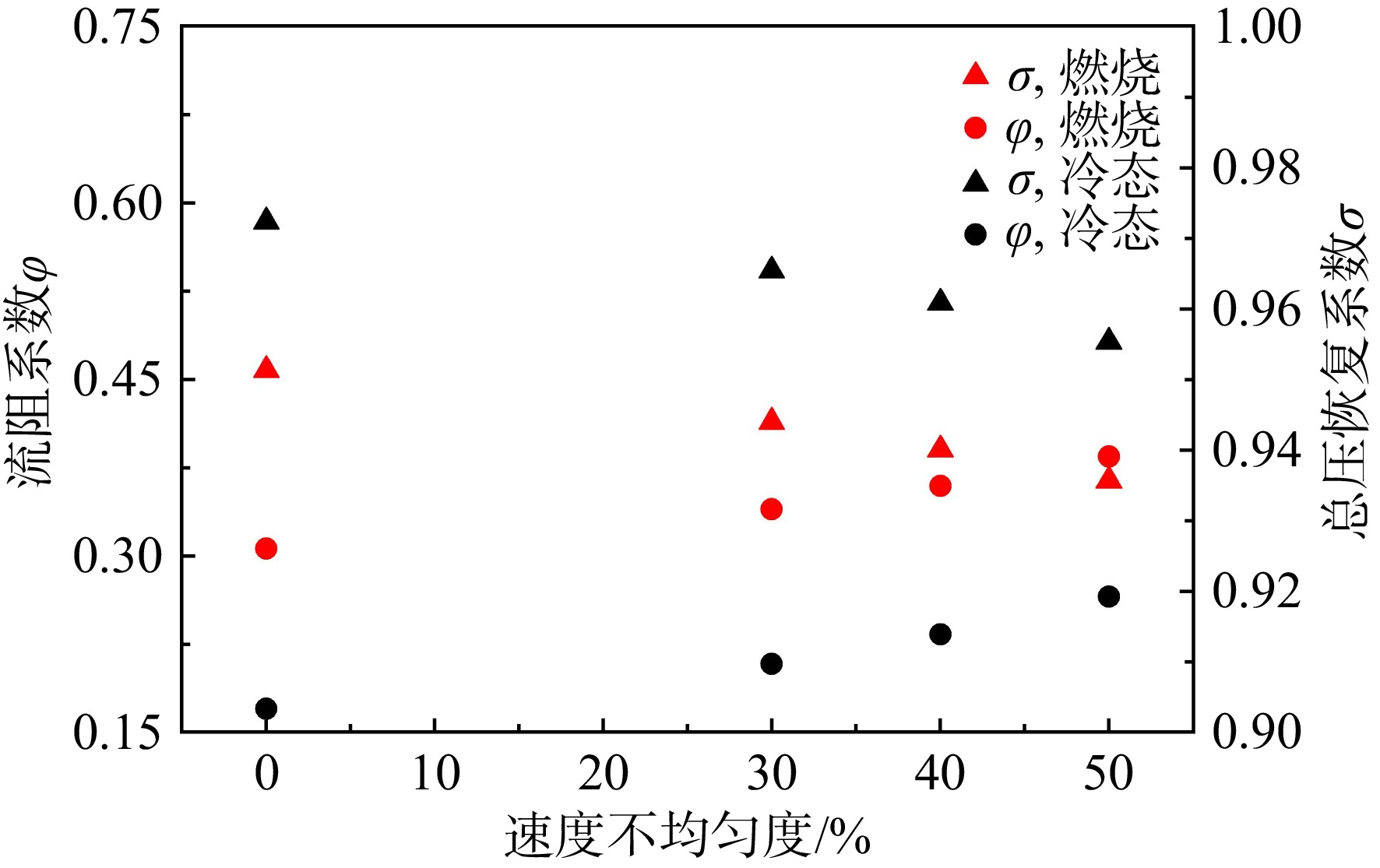
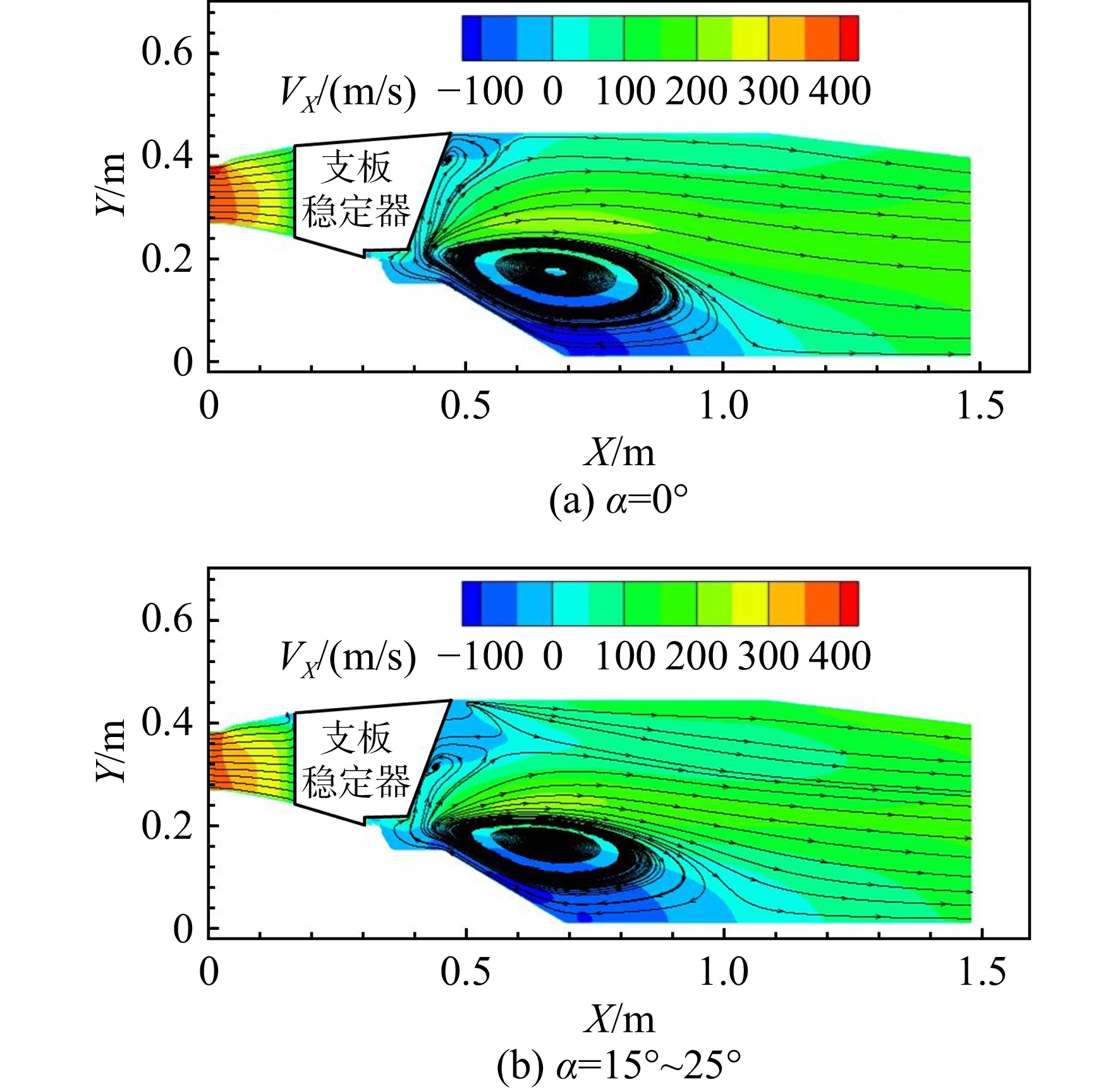
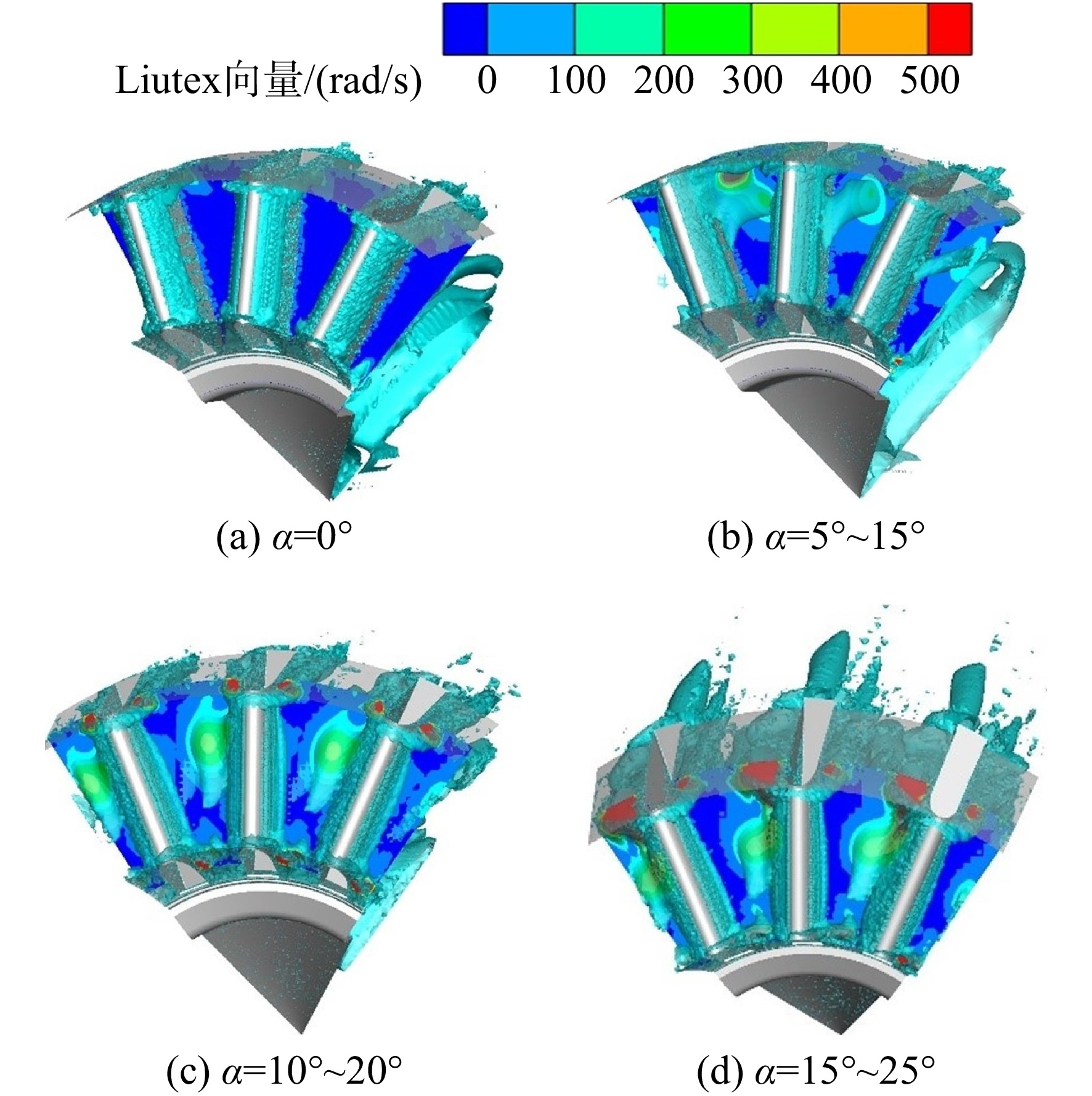
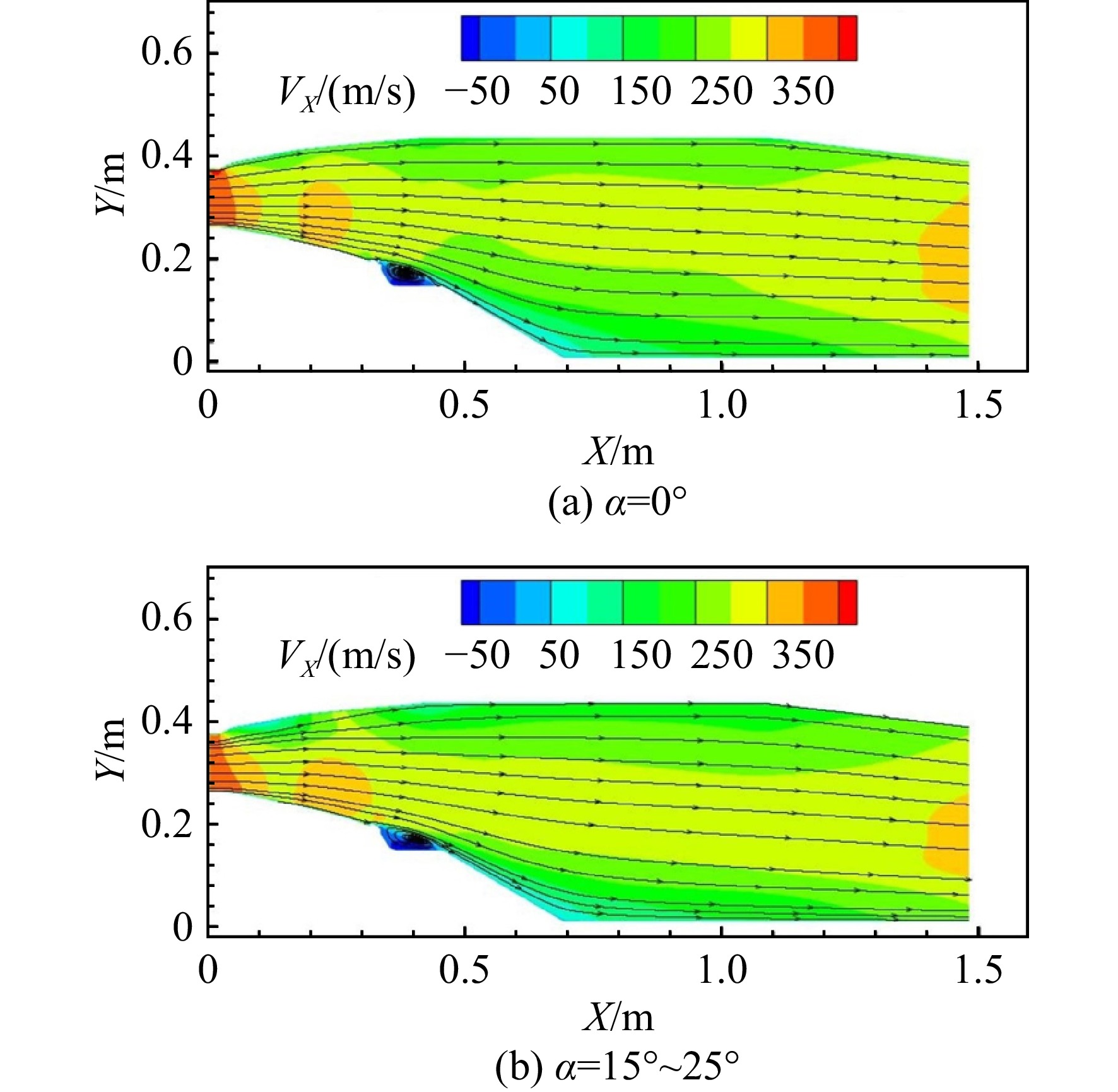
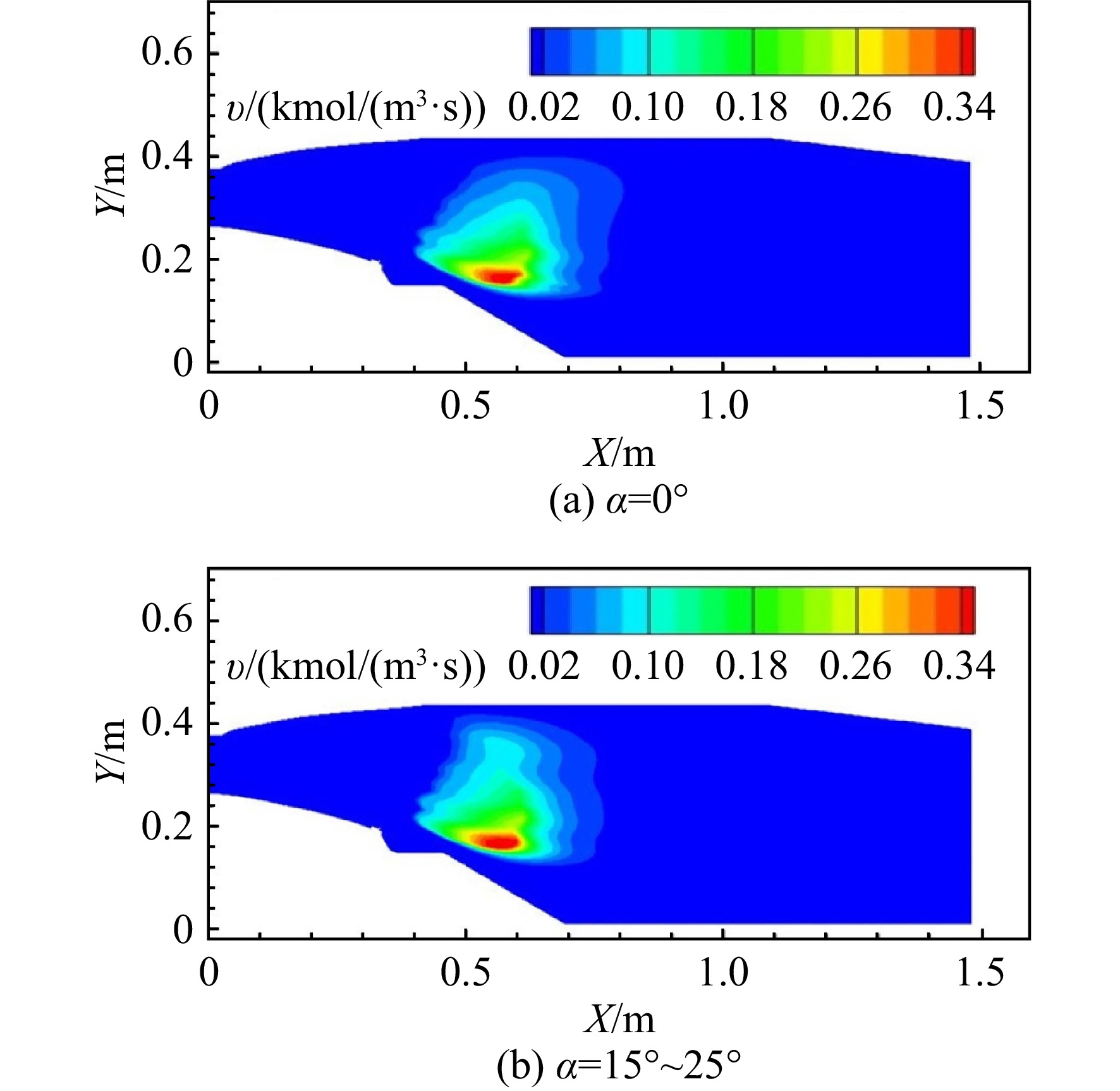
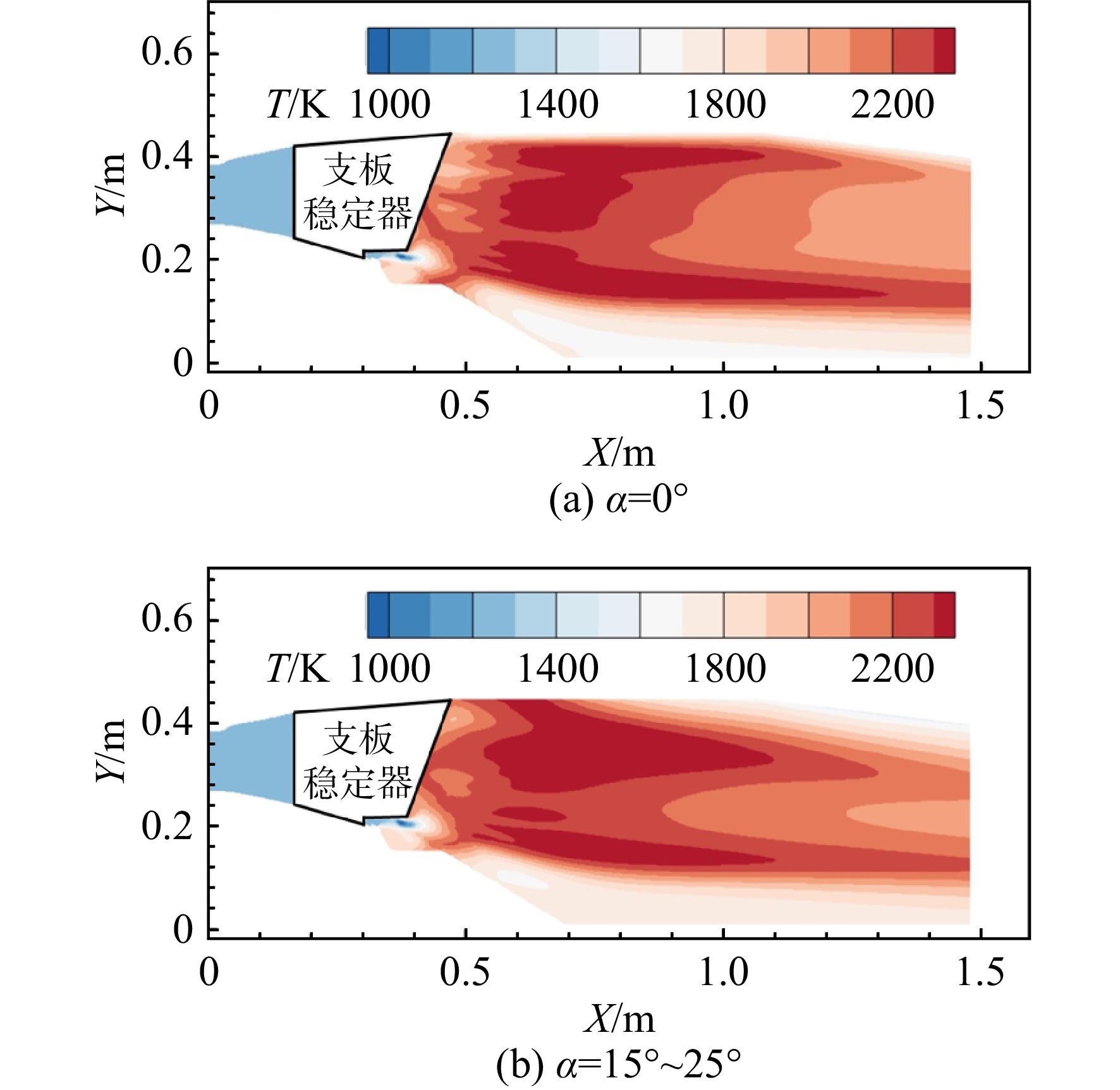
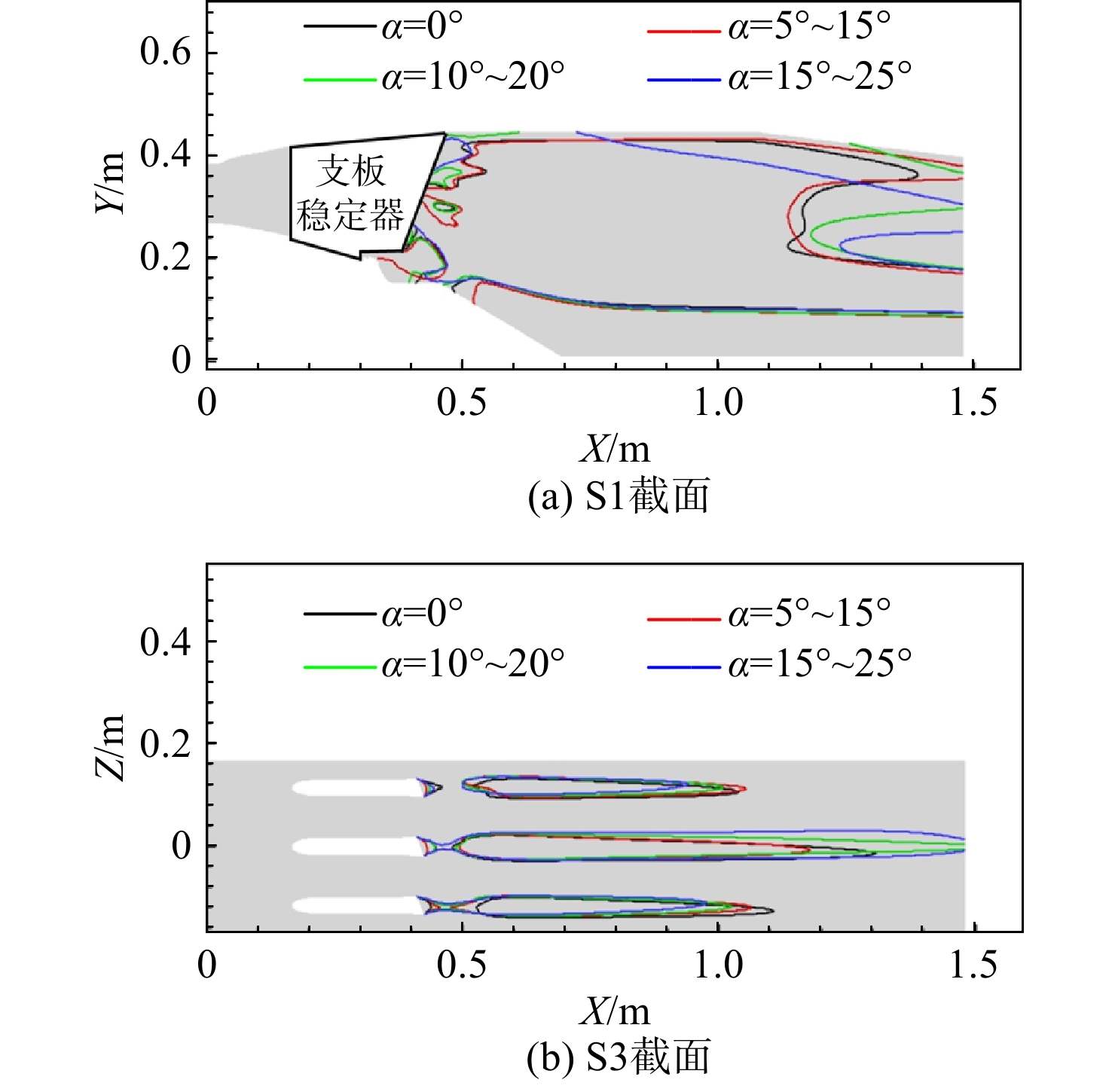
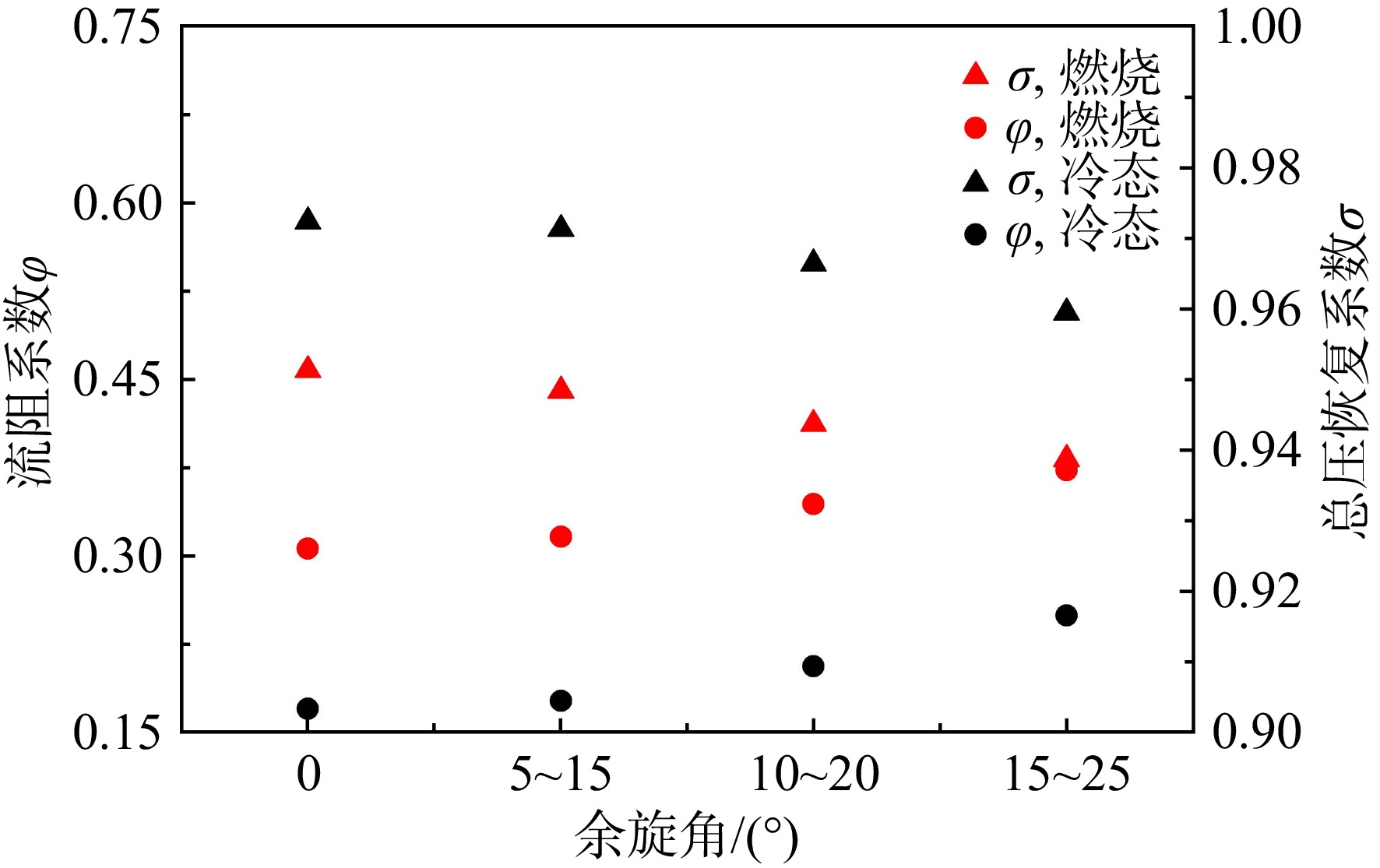
When the real afterburner operated in a fast transient transition state, the complex incoming flow caused the flow field to deviate from the design points, resulting in a poor combustion performance. In order to study the influence of non-uniform inflow on the combustion flow field characteristics of an afterburner, the flow field of an integrated afterburners with non-uniform velocity inflow and non-uniform cosine rotation angle inflow was studied numerically. The results showed that: with the increase of non-uniform inlet velocity, the velocity gradient in the integrated afterburner flow field increased radially. In the combustion flow field, the chemical reaction core zone and the high-temperature zone shrank, indicating the combustion performance became worse; With the increase of non-uniform inlet cosine rotation angle, the vortex structure between the struts expanded while the vortex intensity strengthened gradually. In the combustion flow field, the chemical reaction rate increased. The high-temperature zone became larger and shifted towards the center of the flow field radially which indicated a superior combustion performance; with the increase of inflow non-uniformity, the flow resistance loss coefficient of the integrated afterburner increased while the total pressure recovery coefficient declined, showing the increment of the flow resistance loss.
Research on a fast Lagrangian algorithm for water droplet collection efficiency in complex configurations
ZENG Tao, WANG Zhaoli, XIONG Huajie, CHEN Yu, ZHOU Zhihong
2025, 40(7): 20220539. doi: 10.13224/j.cnki.jasp.20220539
Abstract:

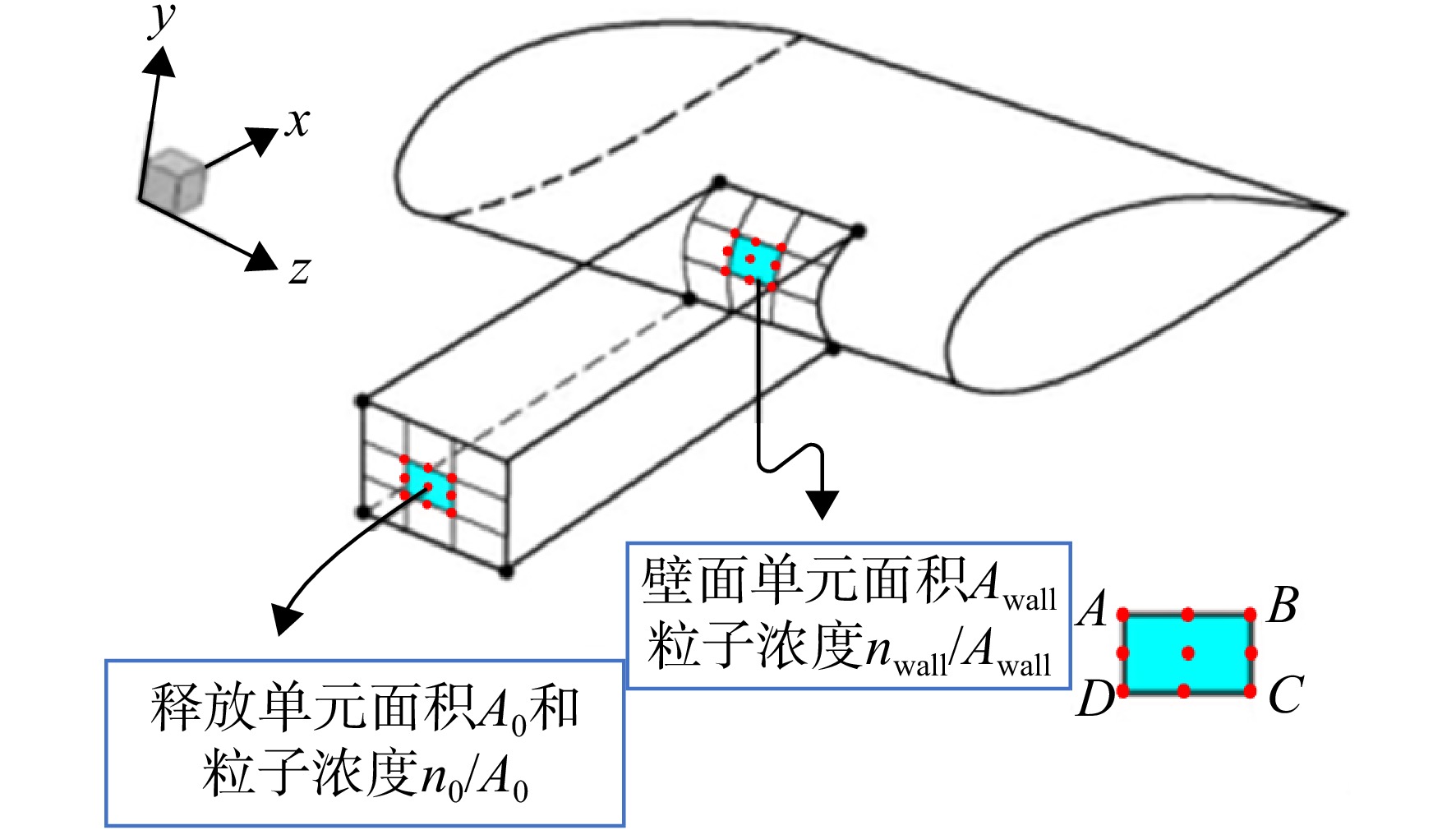
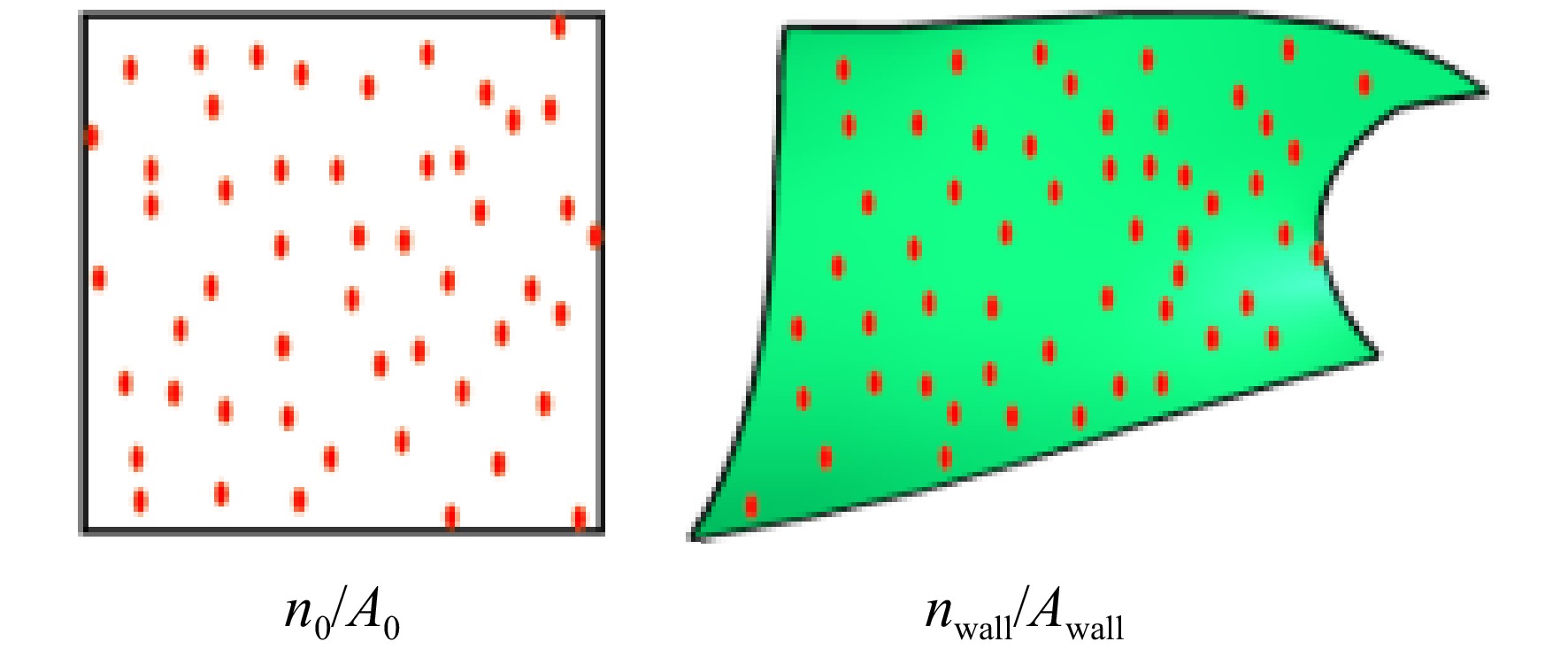
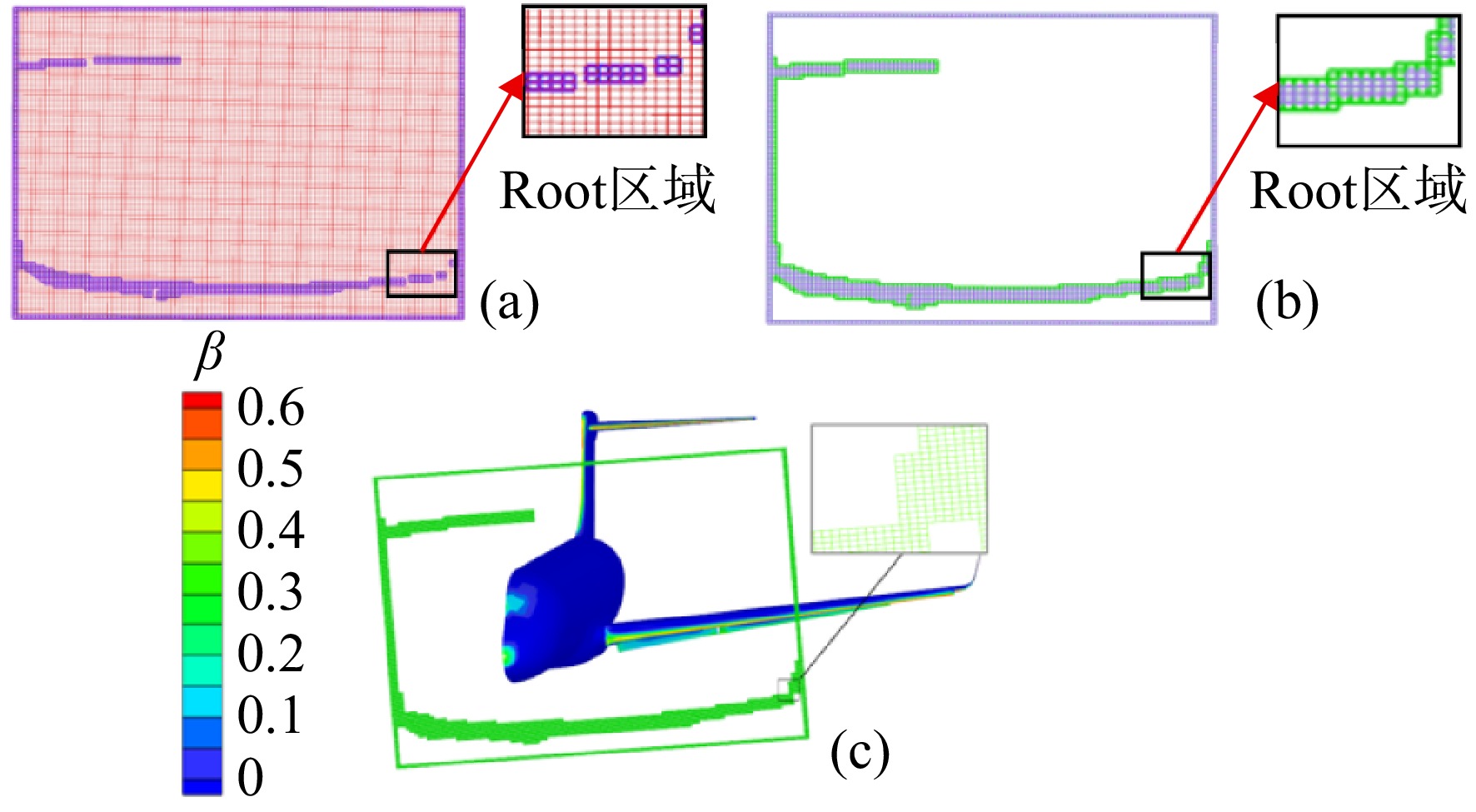
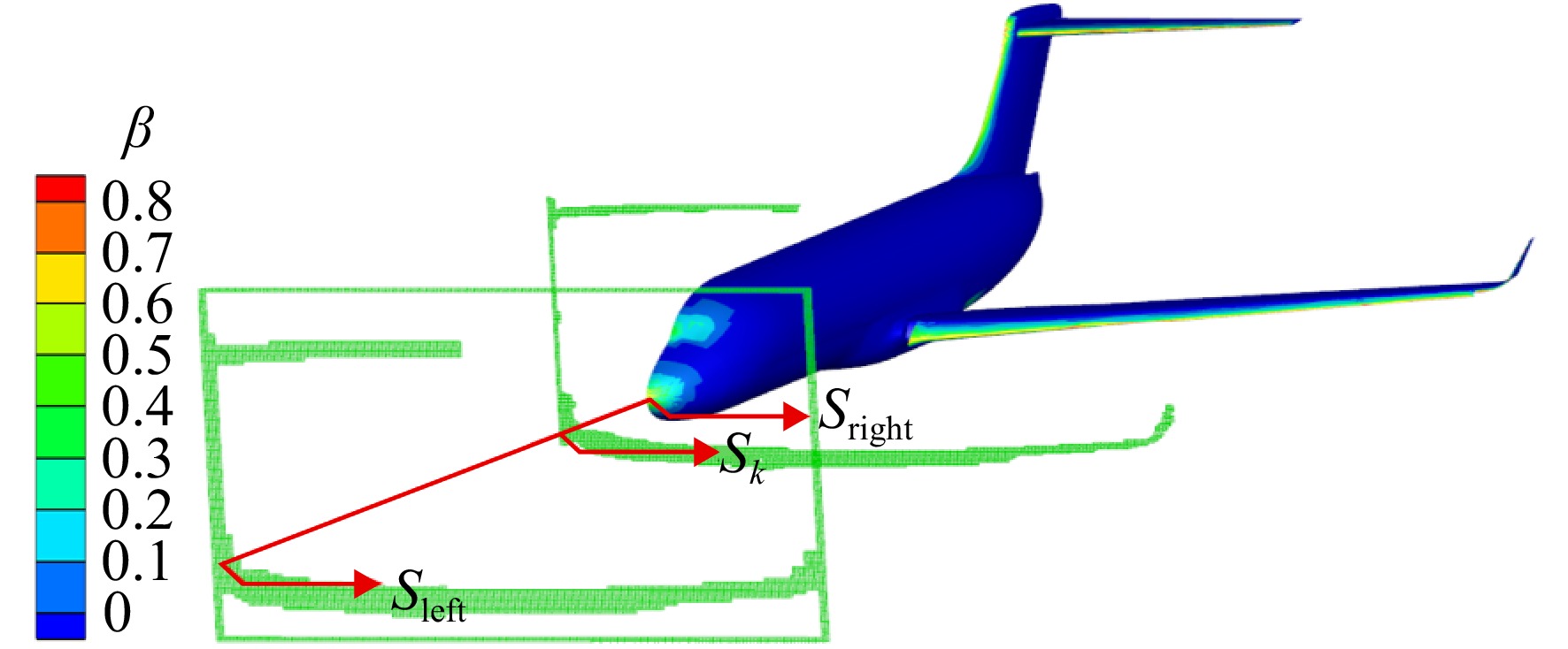
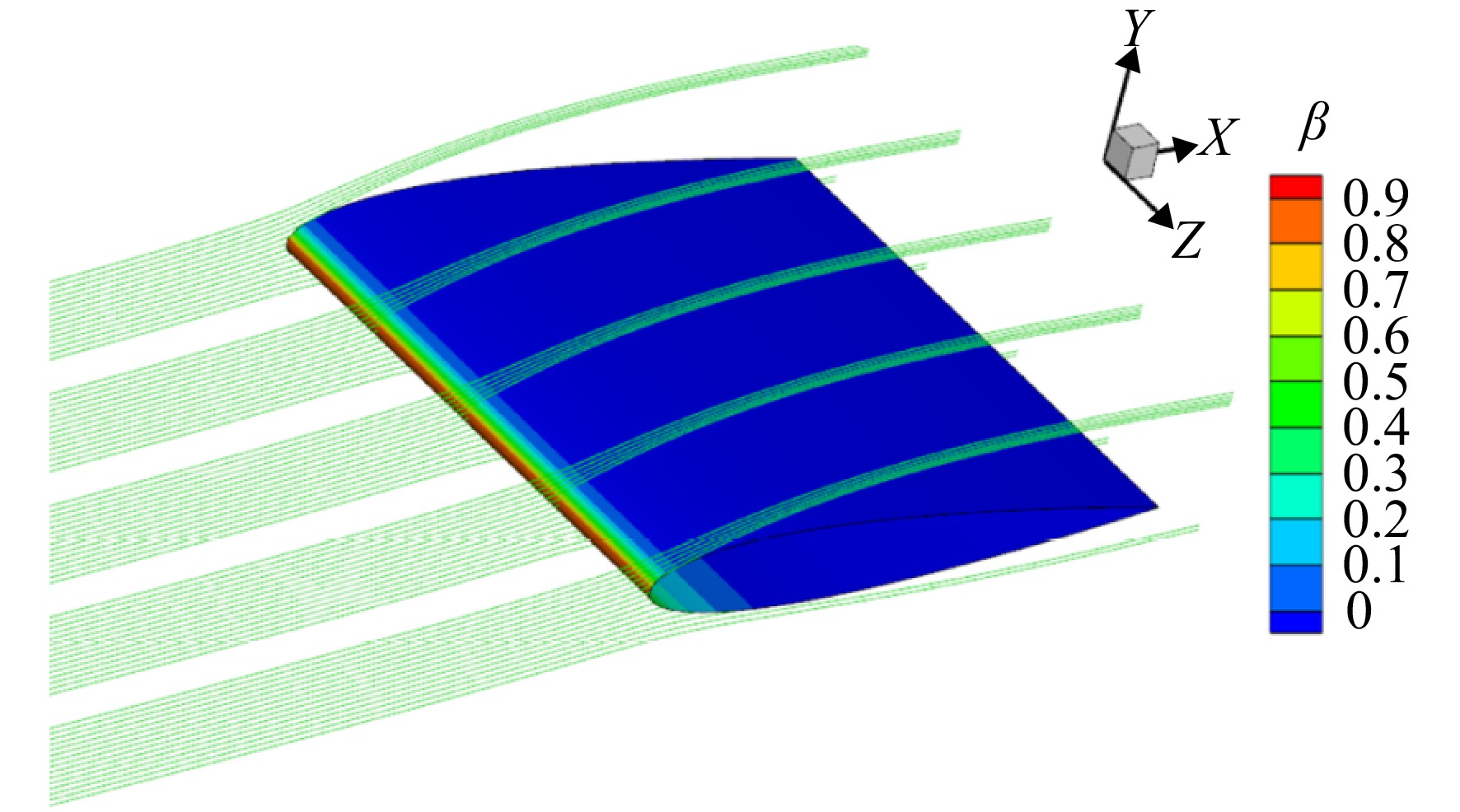
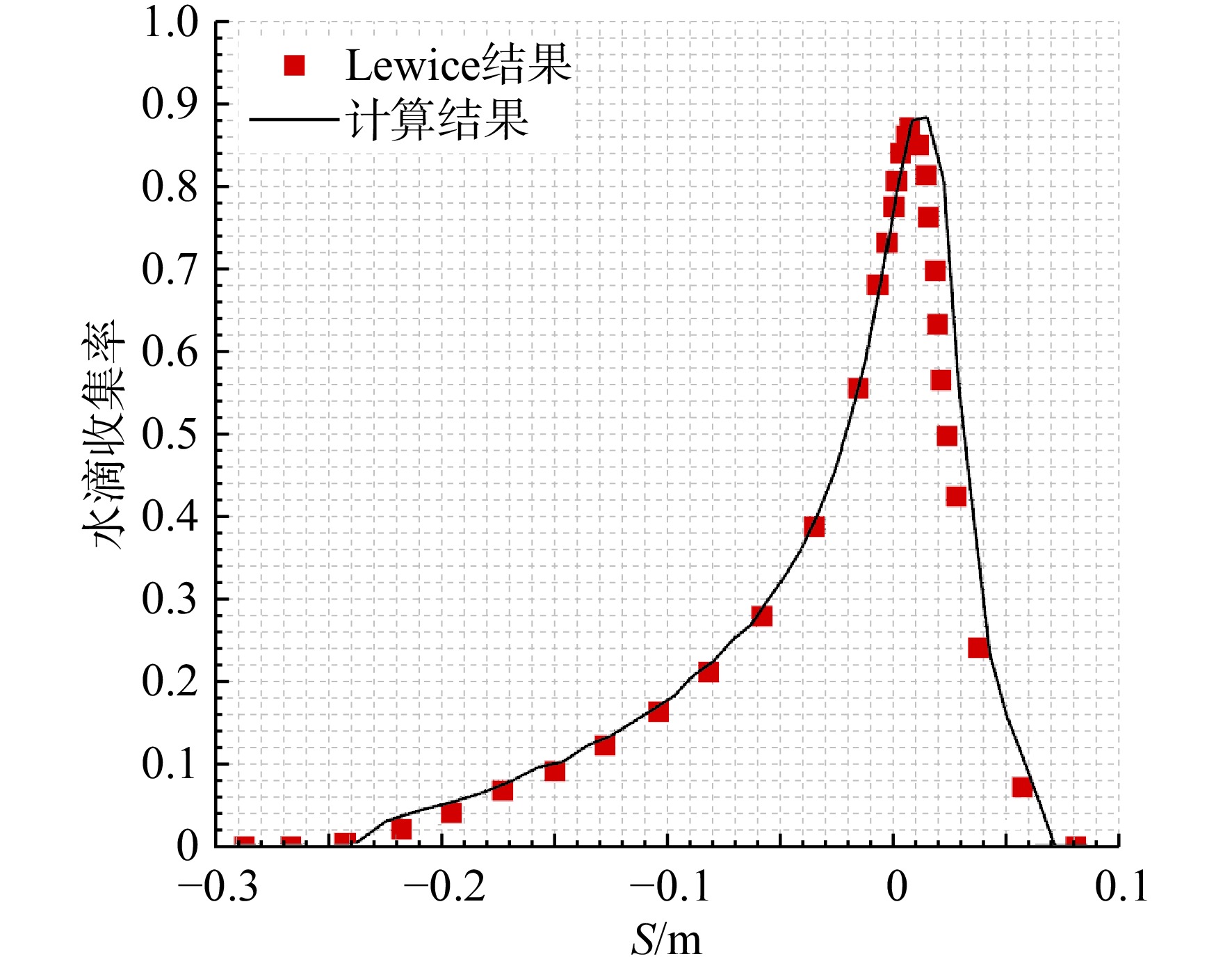
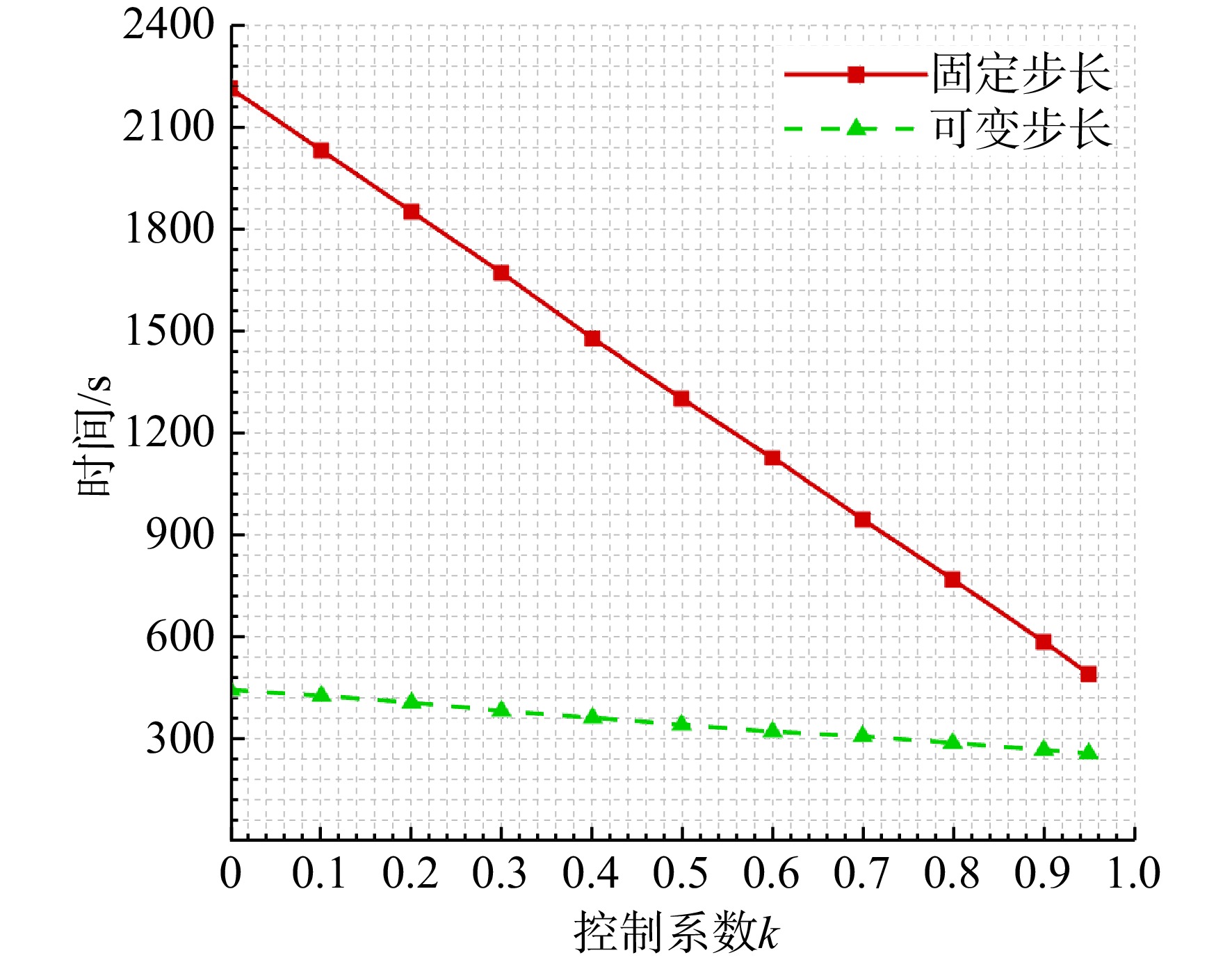
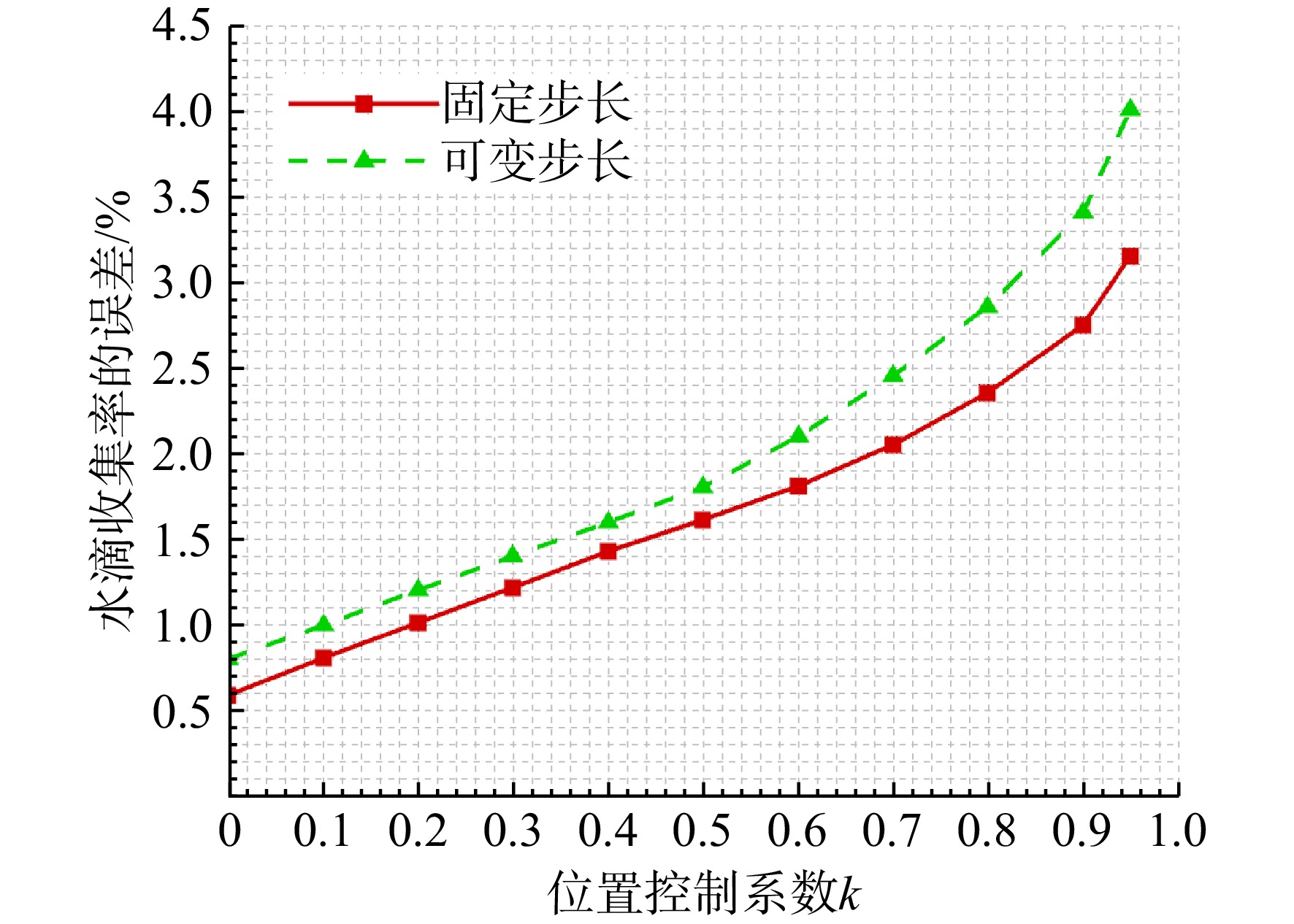
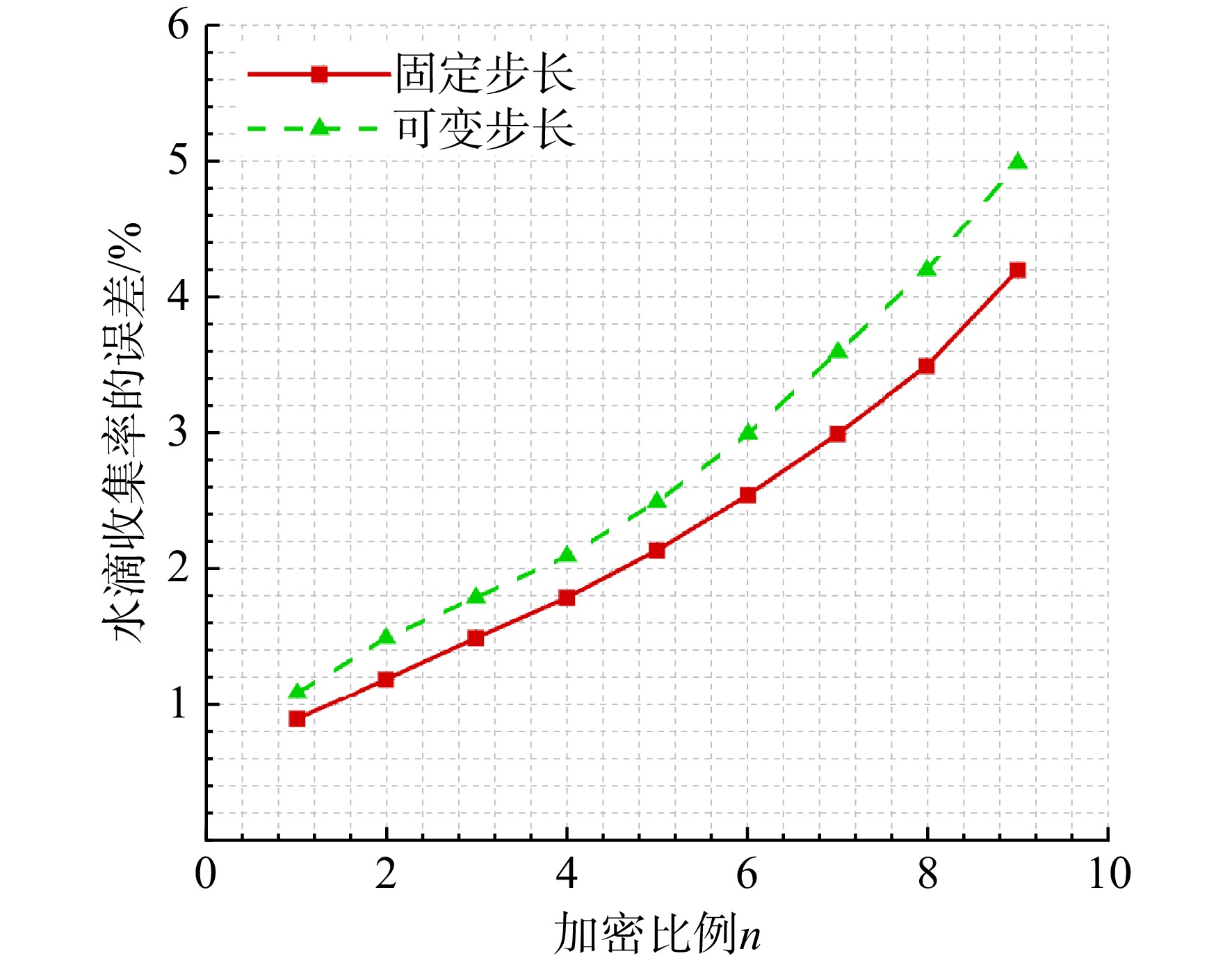
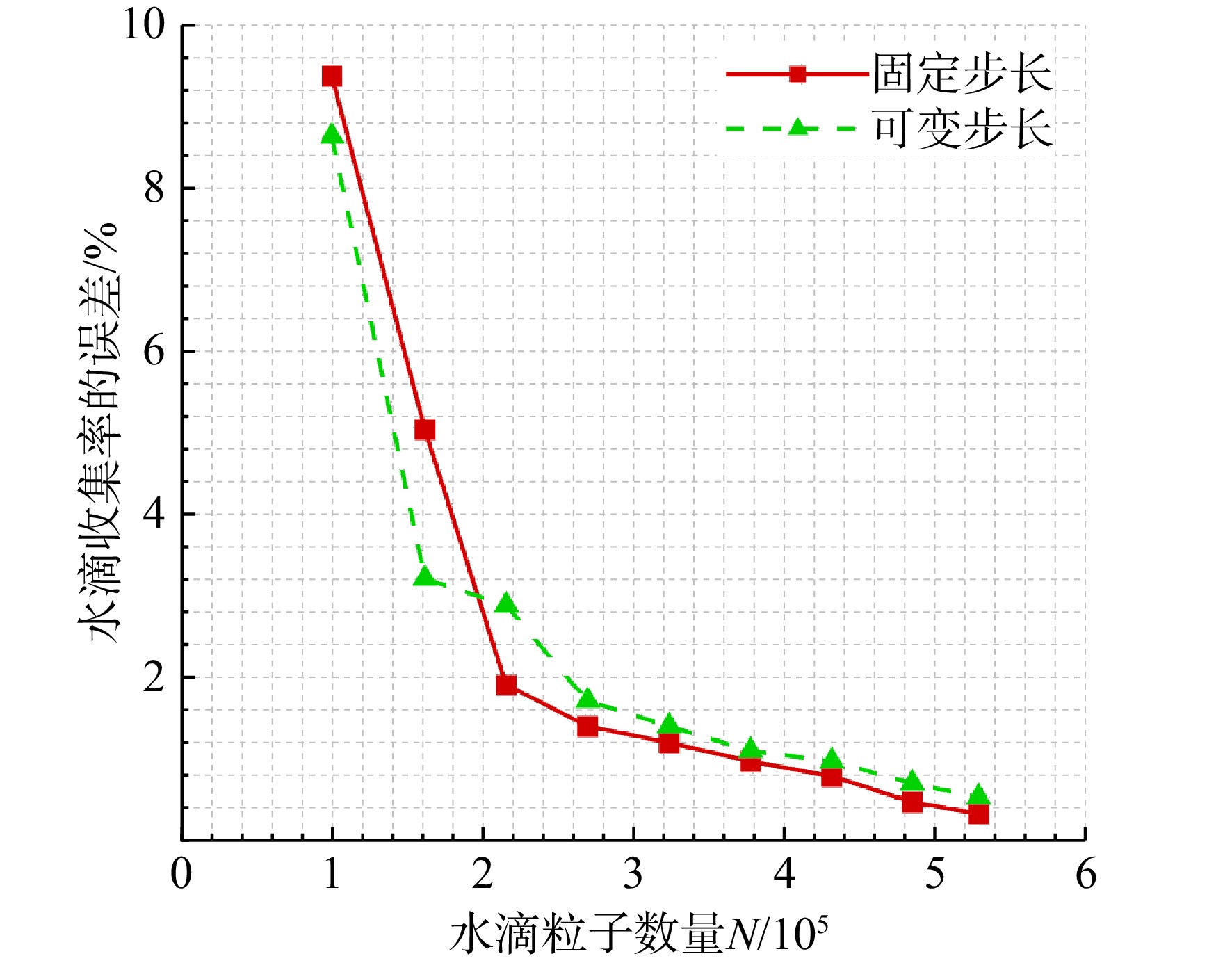
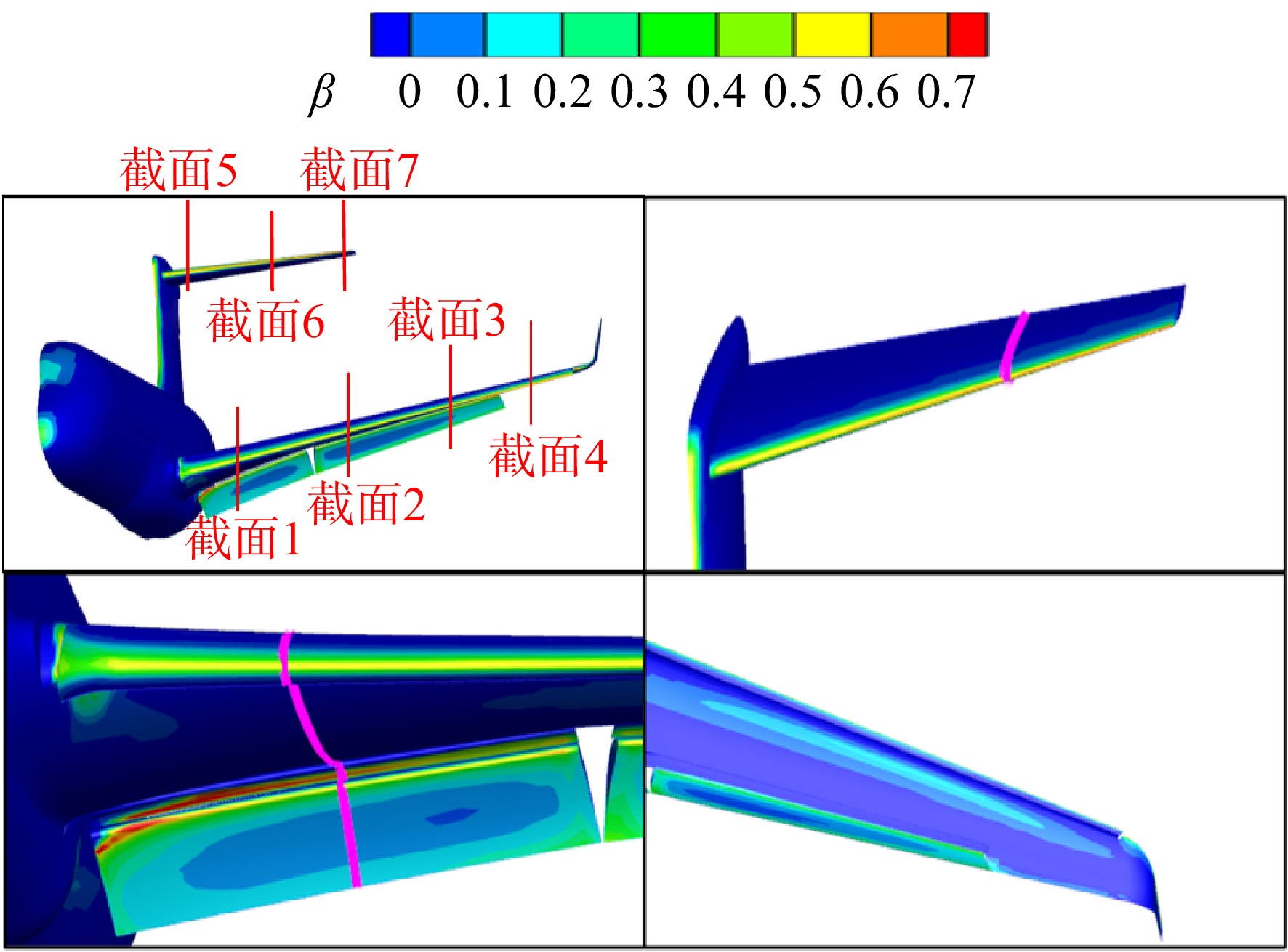
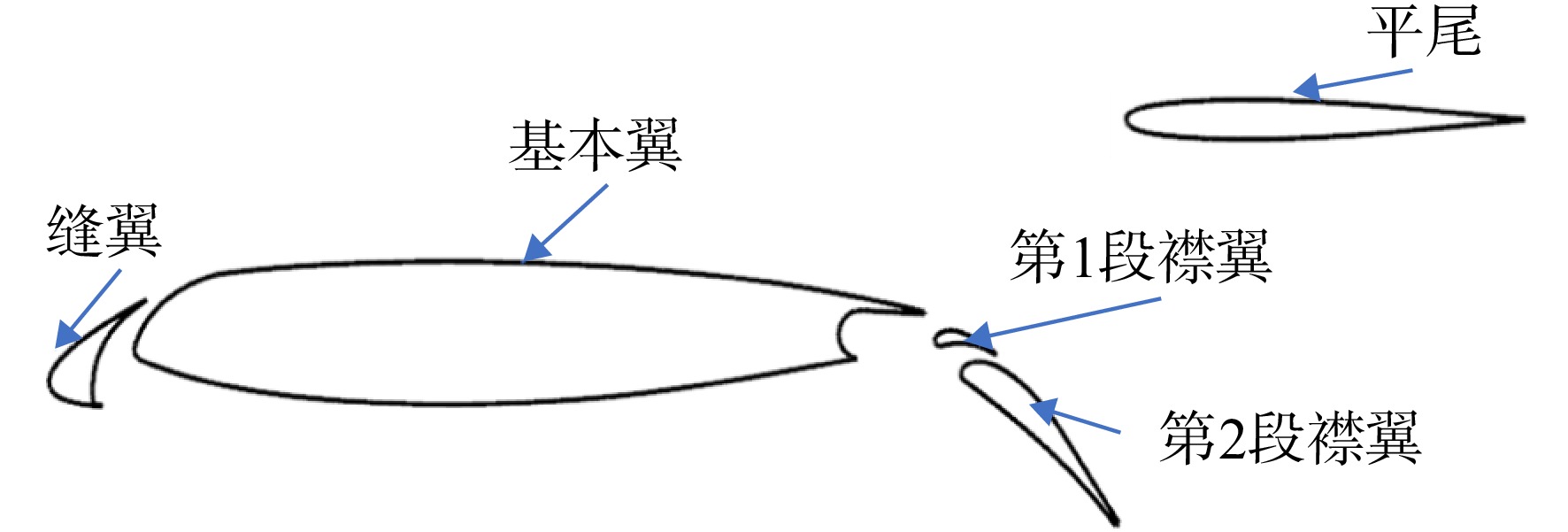
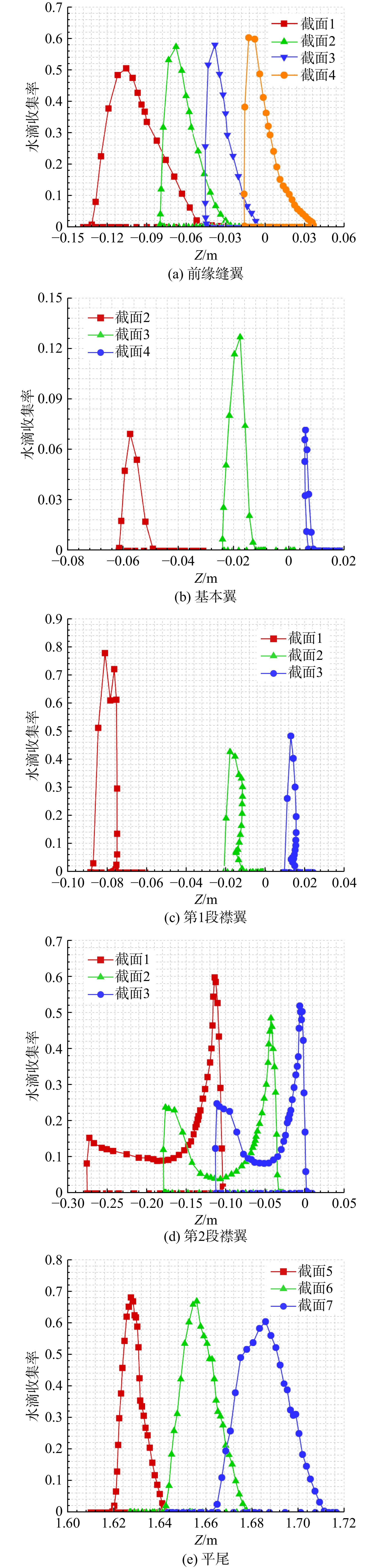
In order to solve the problems of low efficiency and poor adaptability of Lagrange method in the numerical simulation of aircraft icing, a fast Lagrangian algorithm for water droplet collection efficiency in complex configurations was proposed. Monte Carlo particle release statistical method was used to calculate the water droplet collection efficiency, which can significantly improve the adaptability of the algorithm to complex configurations. By using the adaptive analysis method of grid block tracking and wall impact judgment, the range of initial water droplet release array covering all impacting components can be determined. A method combining the encryption technology of grid array of water droplets along the way and the variable step acceleration technology based on error control was proposed, which can improve the calculation efficiency. Based on this method, the relationship between calculation efficiency and control variables in acceleration method was analyzed and obtained. The calculation results showed that the developed algorithm can obtain the three-dimensional water droplet collection efficiency accurately and efficiently, and can be applied to complex configurations, providing a new method and idea for calculating the collection rate of aircraft water droplets. It can also provide technical parameters for the study of aircraft icing characteristics and the design of anti-icing system. By adjusting the encryption proportional coefficient n (n>1) and the encryption release surface position control coefficient k (0<k<1), it can effectively improve the calculation efficiency and reduce the calculation accuracy error within 3%.

Combustion efficiency prediction model of upstream-injection flame stabilizer in afterburner
ZHAO Chang, LIU Yuying, LIU Guanghai, QIAO Chengyu
2025, 40(7): 20240588. doi: 10.13224/j.cnki.jasp.20240588
Abstract:

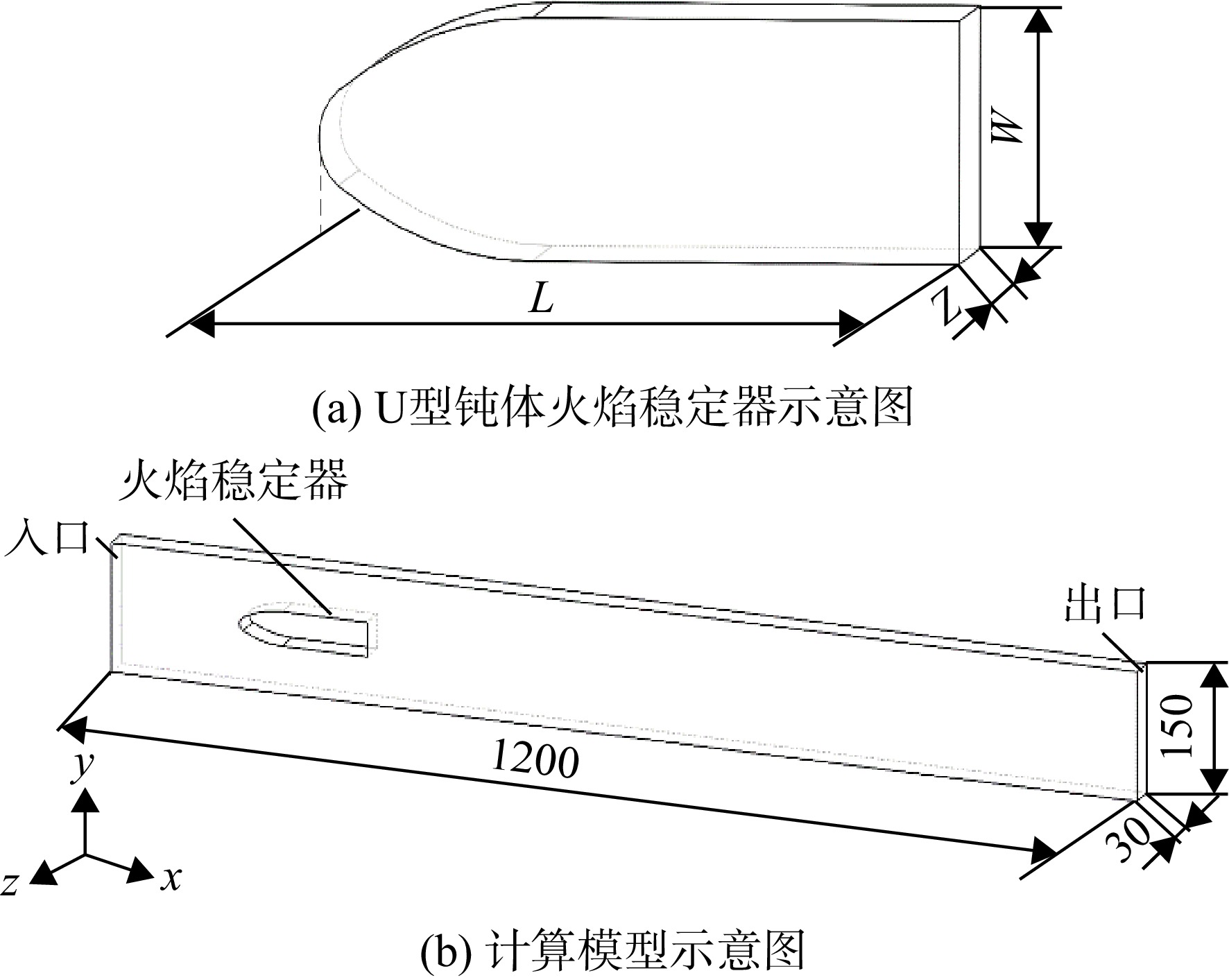
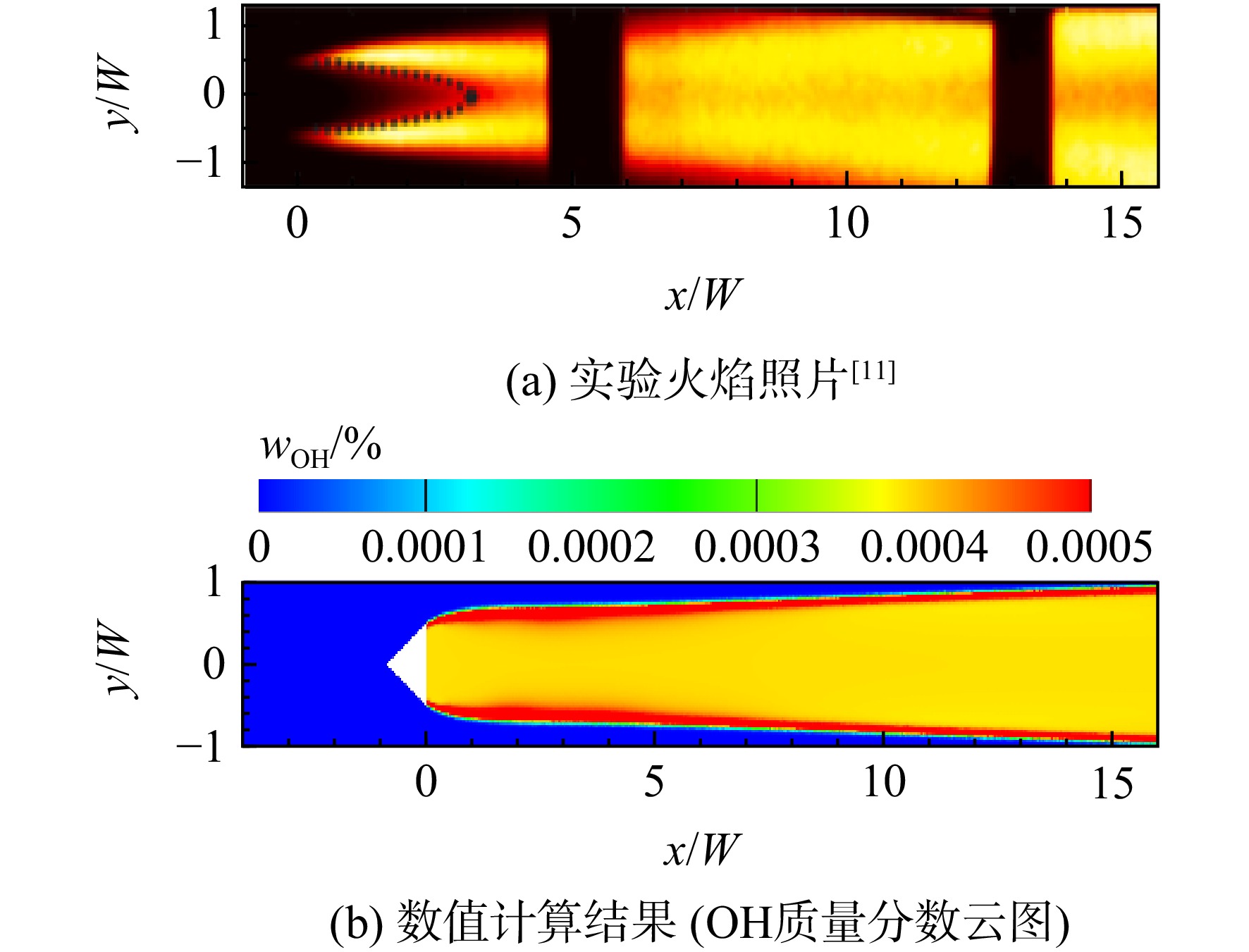
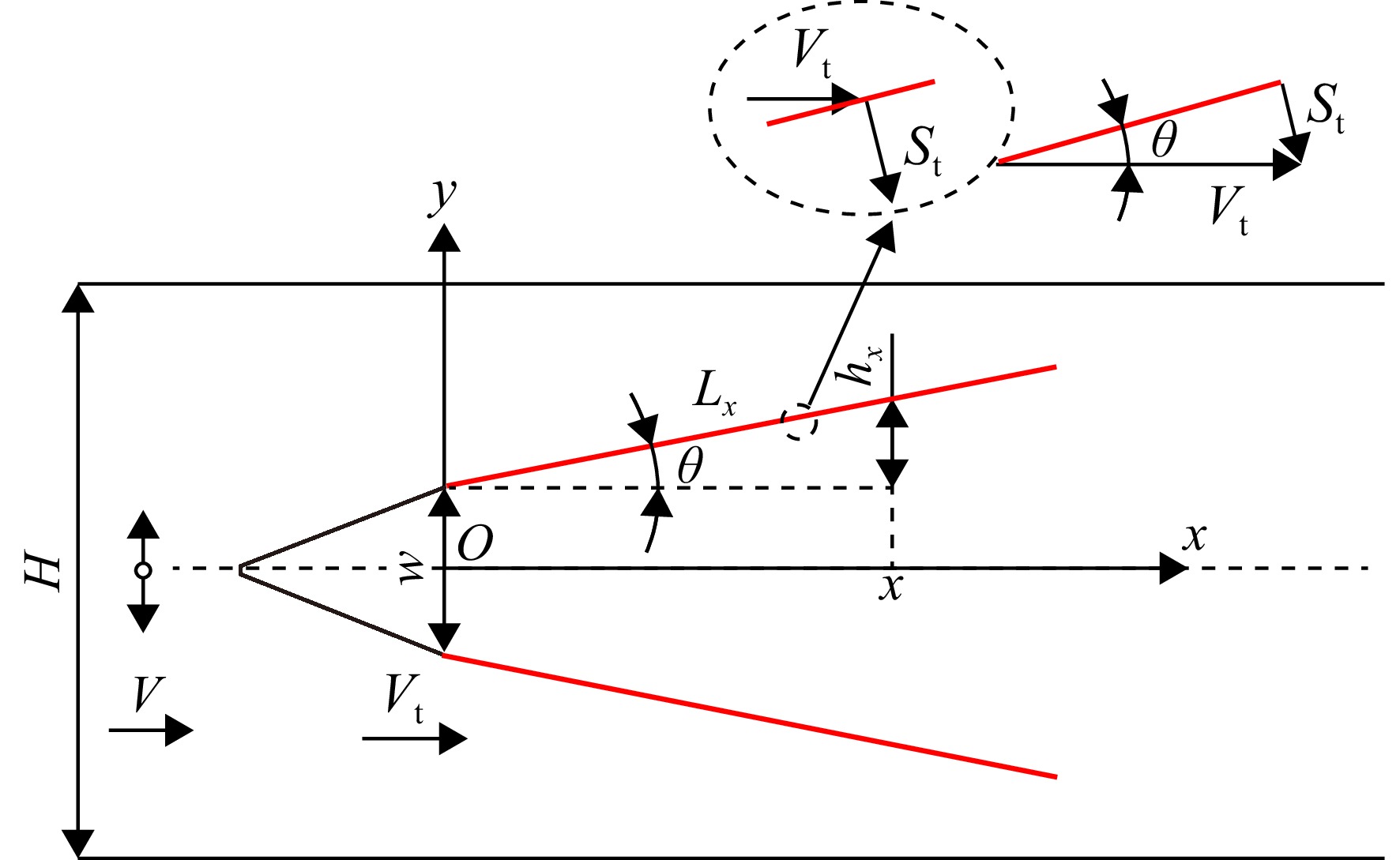
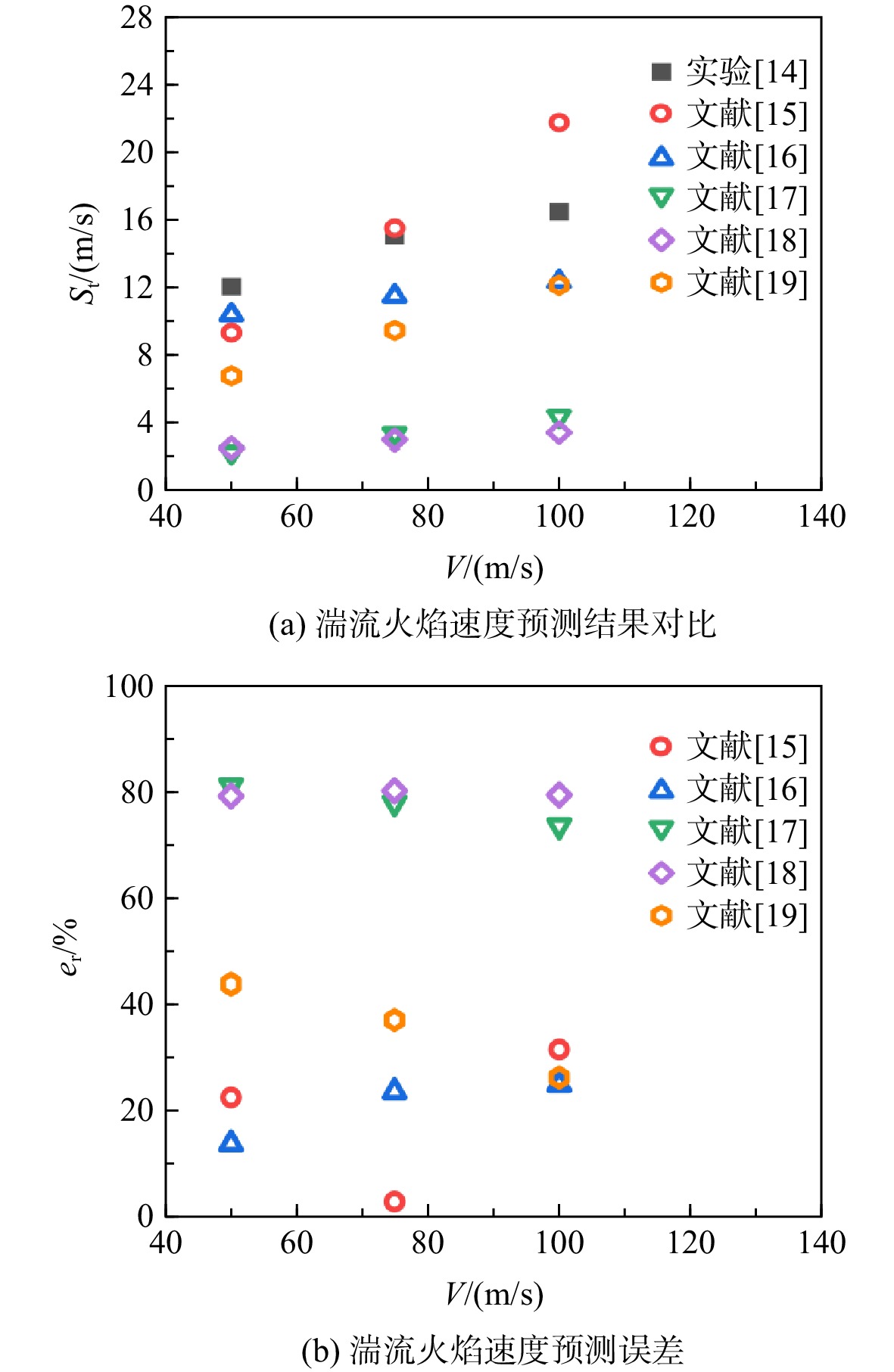
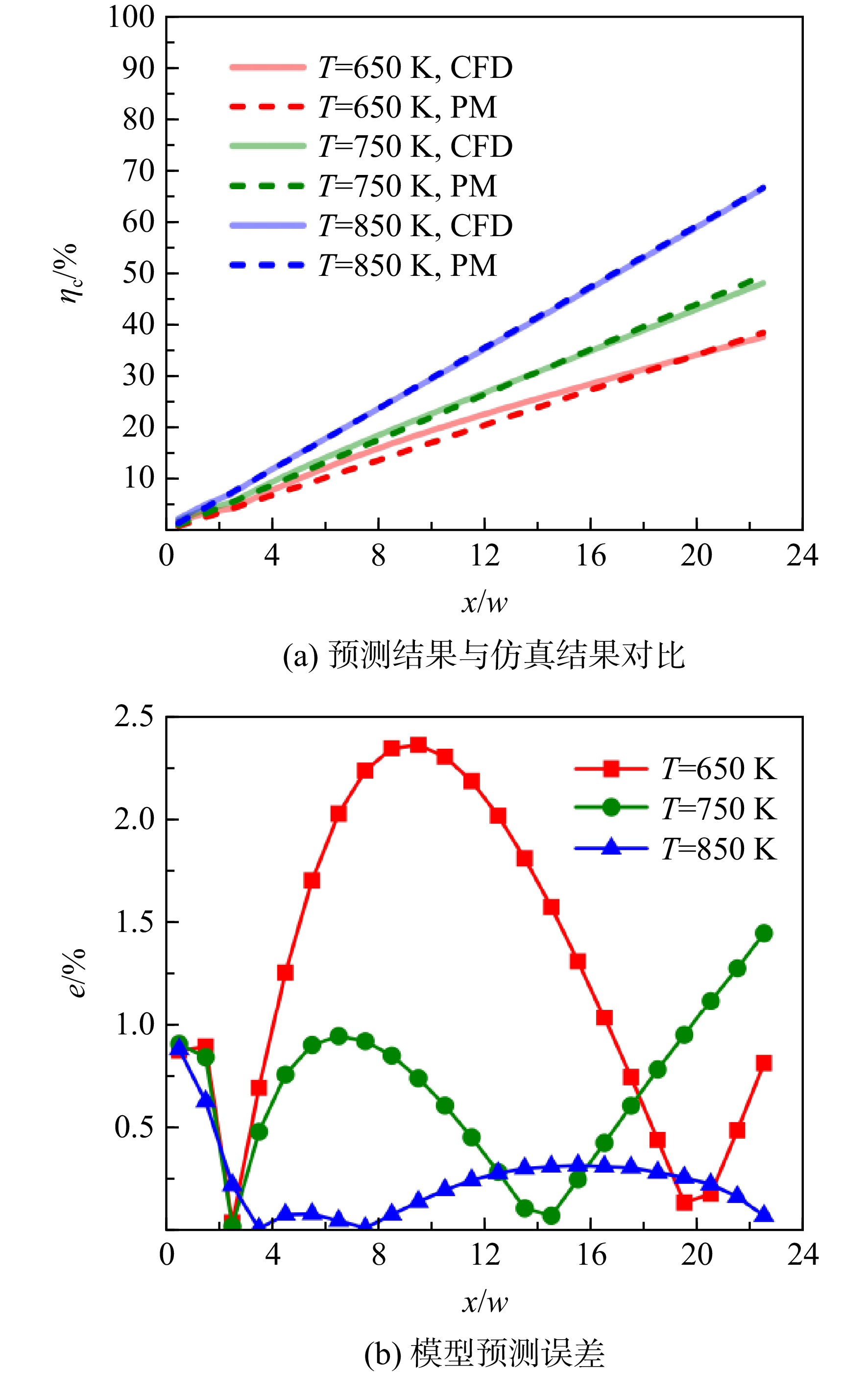
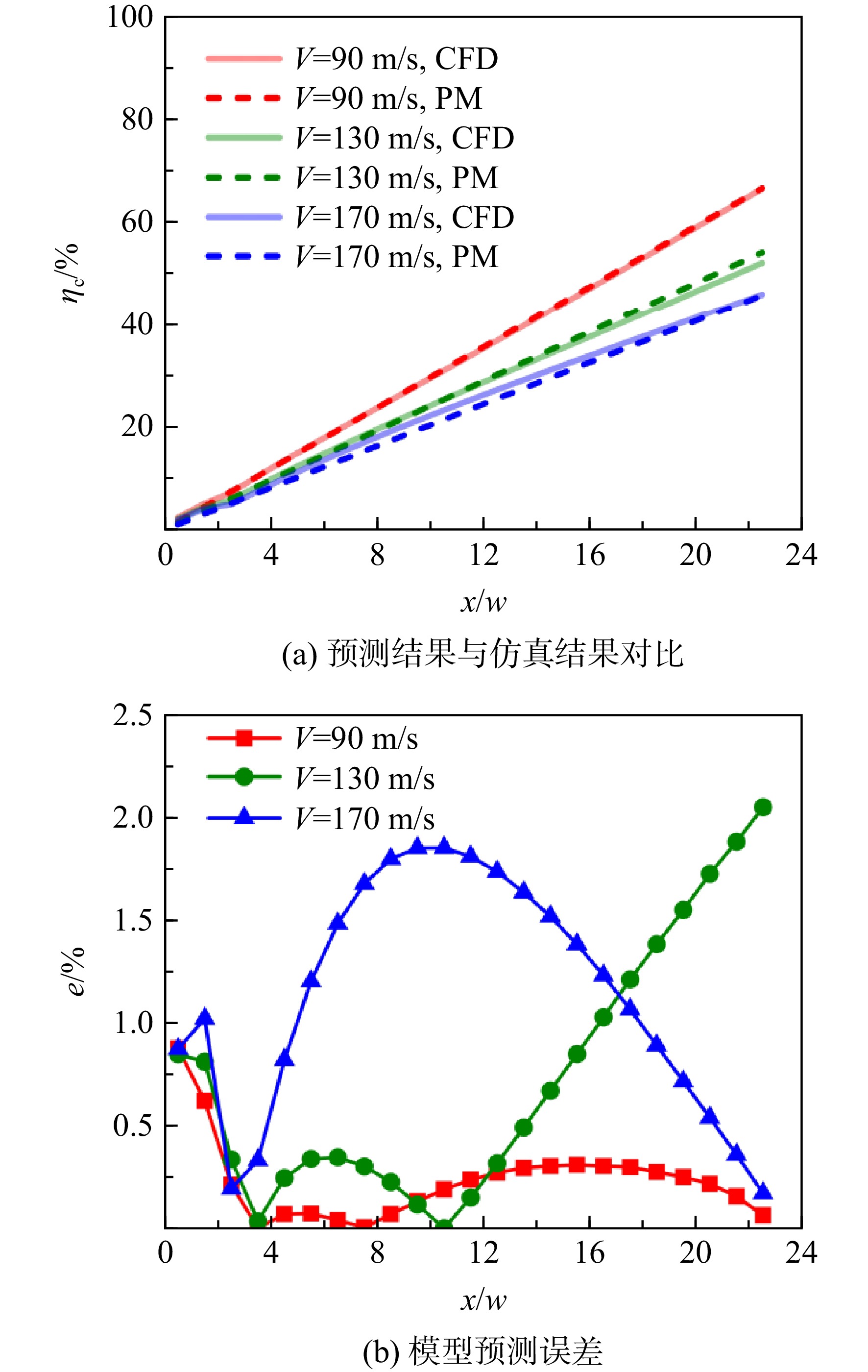
The prediction of combustion efficiency at different downstream locations of the flame stabilizer is an important problem in the length design of afterburner. Taking the upstream-injection U-shaped bluff-body flame stabilizer as the research object, a prediction model of the combustion efficiency downstream the flame holder in the afterburner based on reaction rate controlling was proposed and verified by the combination of numerical simulation and theoretical analysis, under the conditions of incoming flow temperature of 600—900 K, incoming flow velocity of 75—170 m/s and equivalent ratio of 0.22—1.20. At the same time, the prediction model of turbulent flame velocity and the semi-empirical prediction formula of turbulent intensity for afterburner were determined. The results showed that compared with the numerical simulation results, the prediction errors of the model for the combustion efficiency at different downstream locations of the flame stabilizer were less than 2.5% at different incoming temperatures and velocities, and less than 20% at different equivalent ratios.

Turbomachinery
Experimental investigation of aerodynamic instabilities in a multistage high pressure ratio compressor
LI Hongxin, JIA Bobo, CHEN Yuxi, ZHANG Zhibo, LIANG Caiyun, QUAN Fuxiang
2025, 40(7): 20230302. doi: 10.13224/j.cnki.jasp.20230302
Abstract:

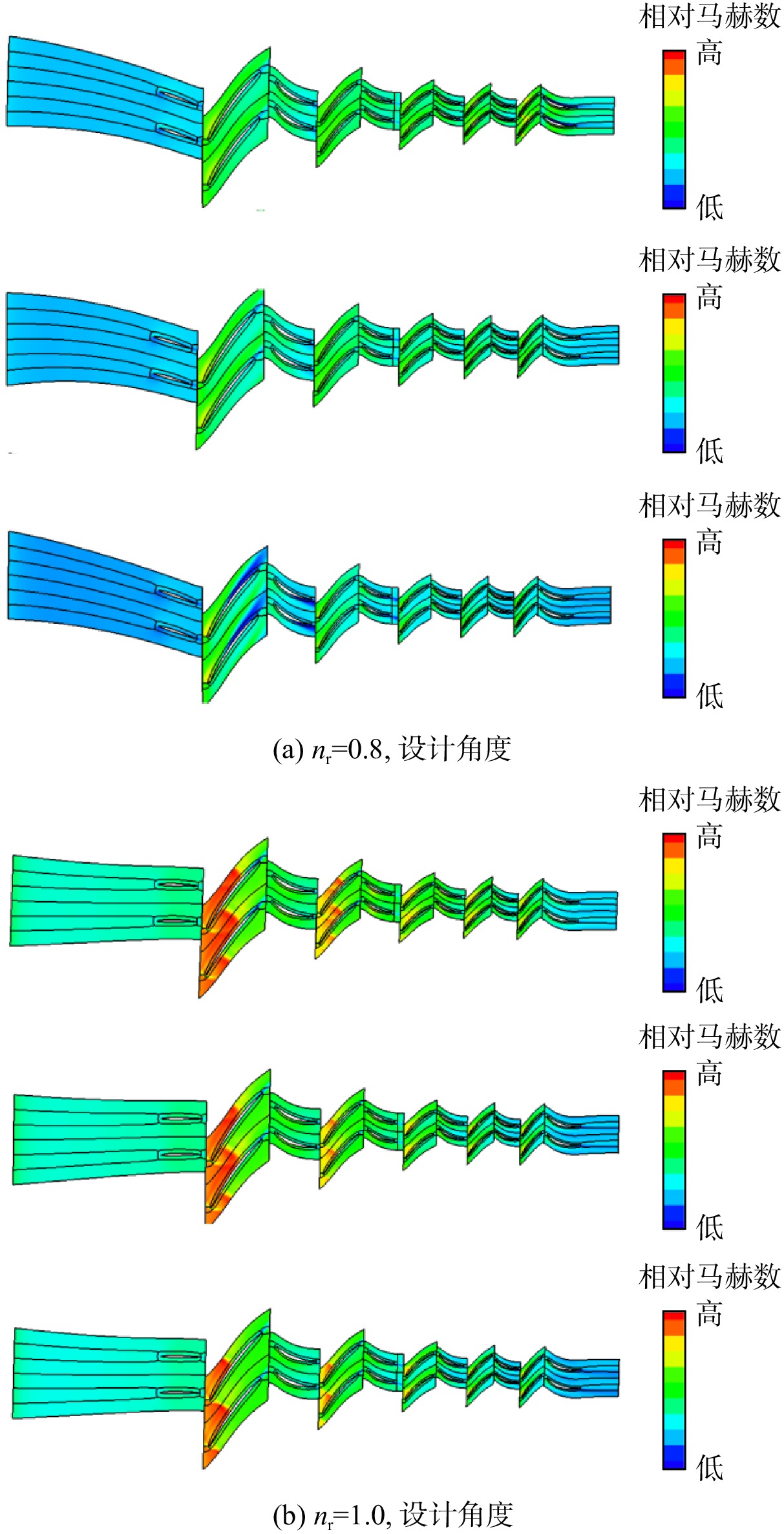
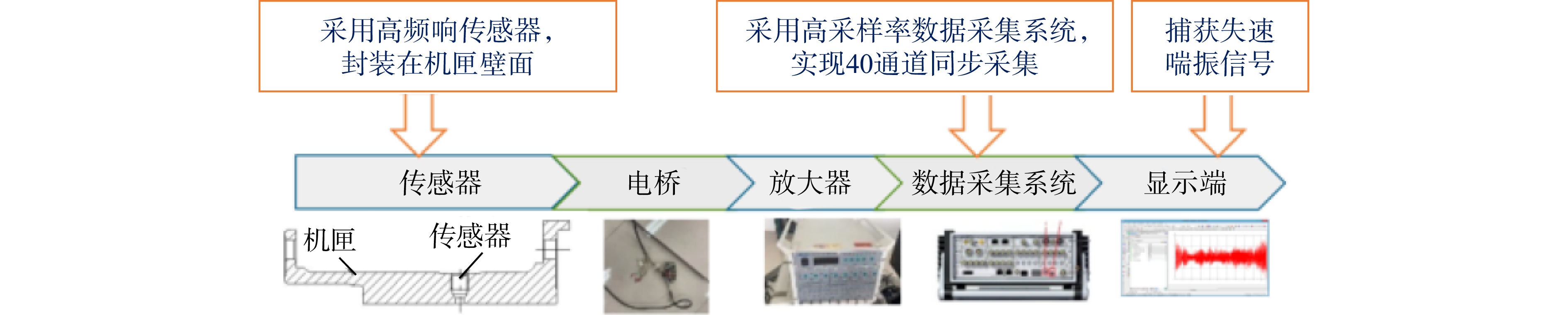
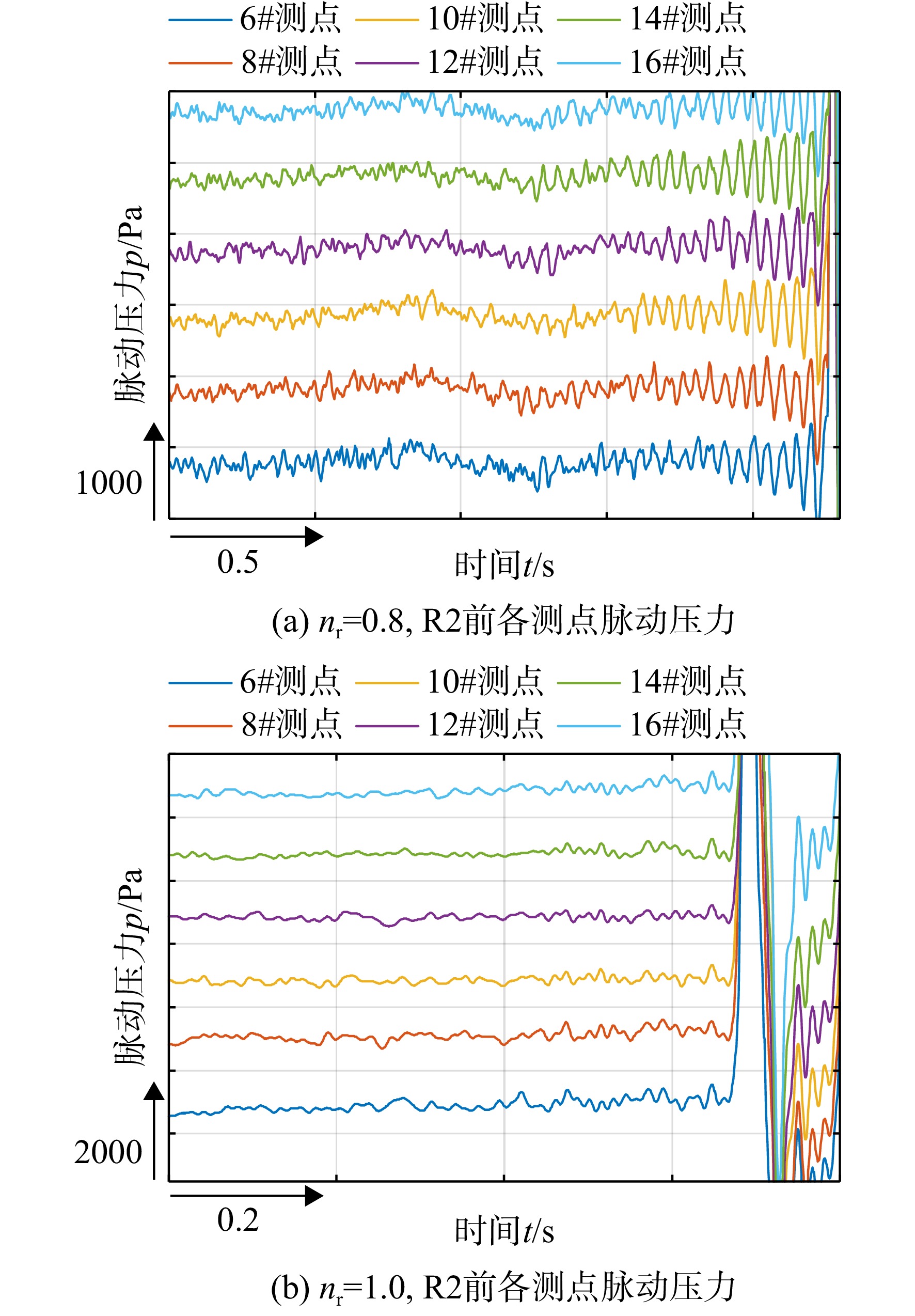
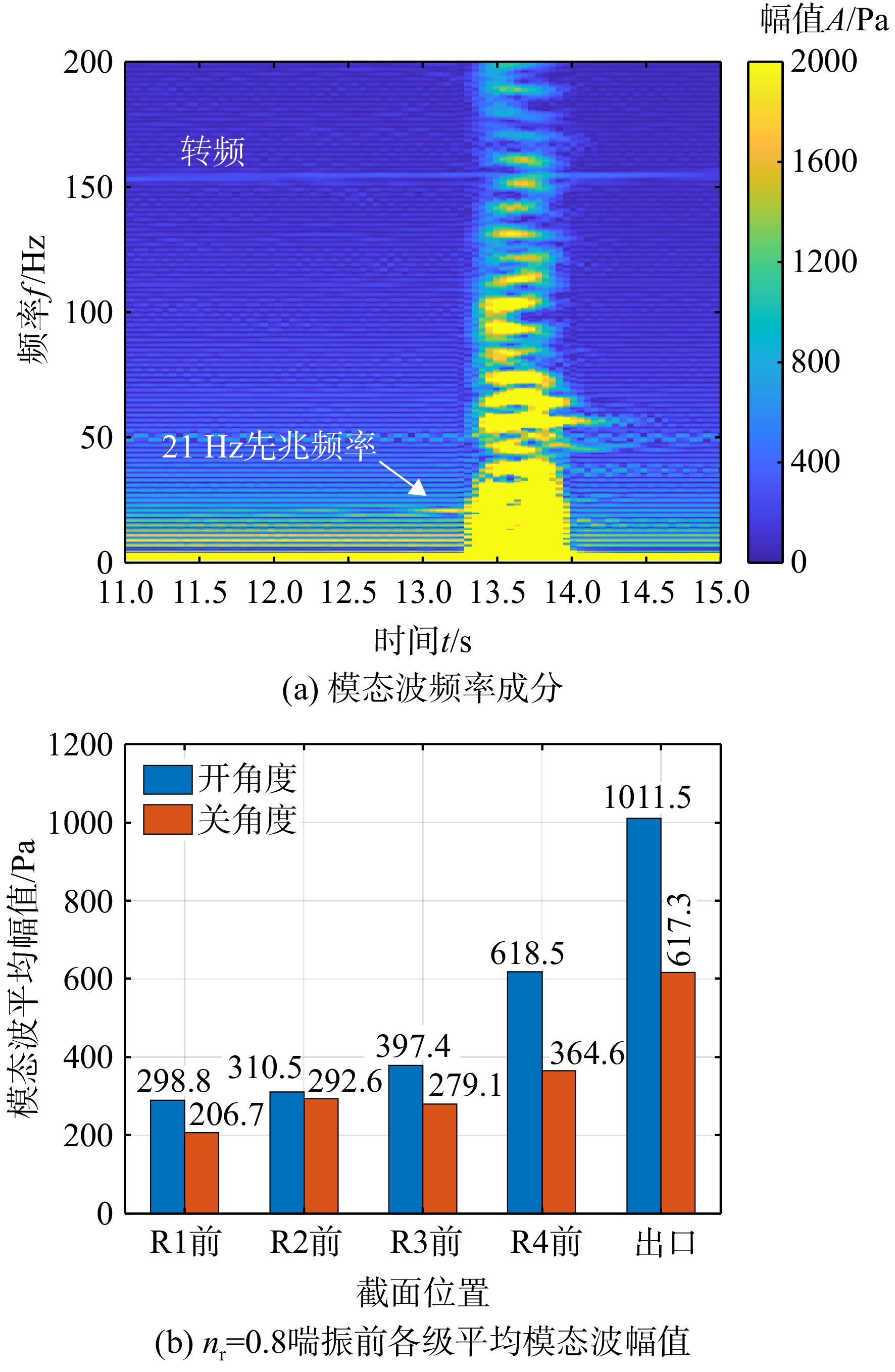
The aerodynamic instability inception of aero-engine multistage high pressure ratio compressor has weak feature, complicated mechanism and difficulty in detection and prediction. A systematic experimental investigation of rotating stall and surge inception in a full-size multistage high pressure ratio axial flow compressor was developed. The rotating stall and surge characteristics at different rotate speed and angel of variable vanes were obtained by using a multi-section, multi-phase, high sample rate test method combined with the whole ring and sector uniformed measuring point distributions. These efforts aimed at providing an important research basis for compressor aerodynamic stability research and aero engine active safety control. The results showed that at the relative corresponding speed of 0.8 and 1.0, the instability was manifested as surge; before entering the surge state, the amplitude and order of the circumferential modal wave of inception characteristic frequency increased gradually; the stage leading to instability was different at different speeds. The influence of variable vanes angle was reflected in the modal wave amplitude change before surge.

Performance prediction of compressor blade profile based on deep neural network
DU Zhou, XU Quanyong, MA Yulin, JIANG Yaodong
2025, 40(7): 20240123. doi: 10.13224/j.cnki.jasp.20240123
Abstract:

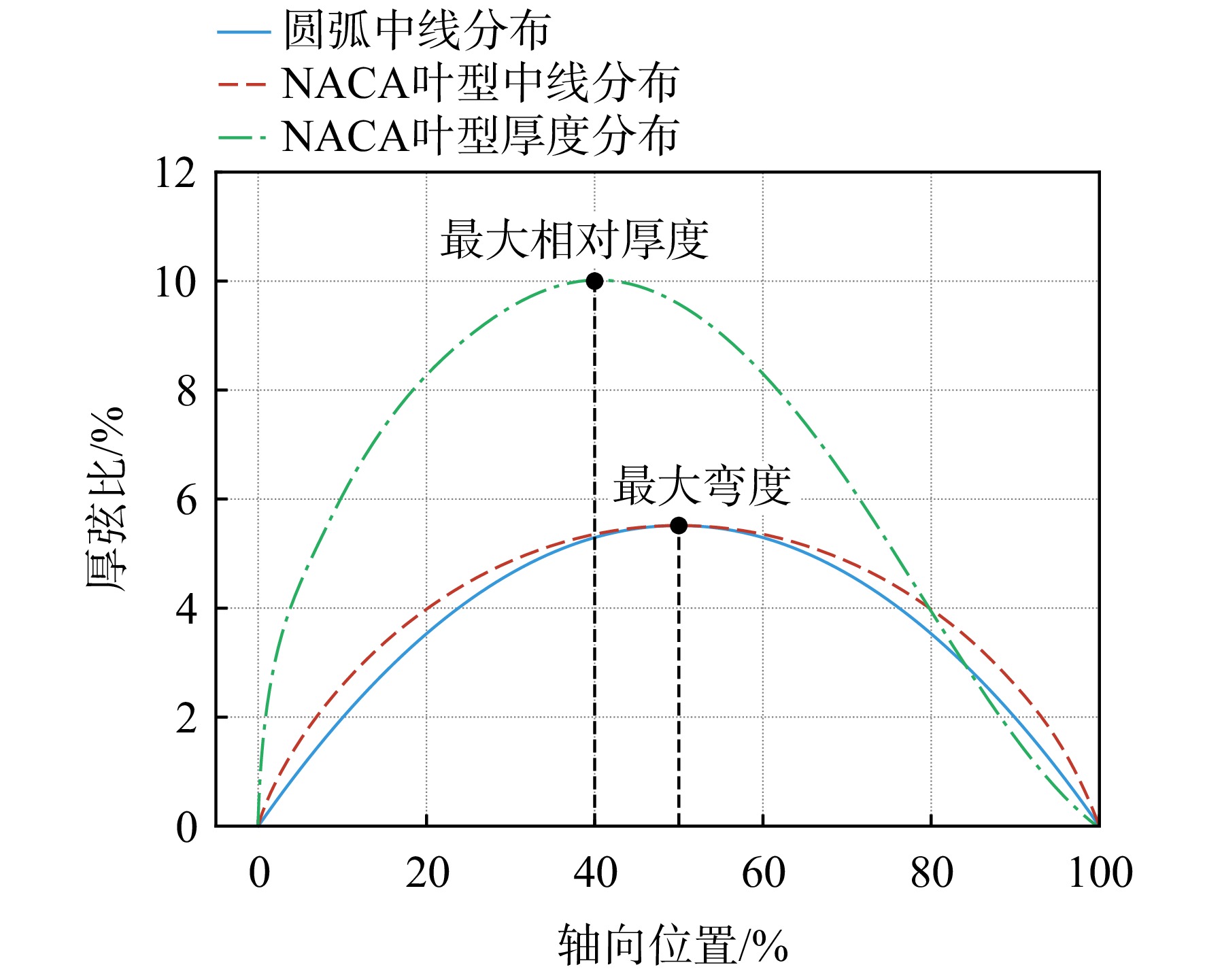
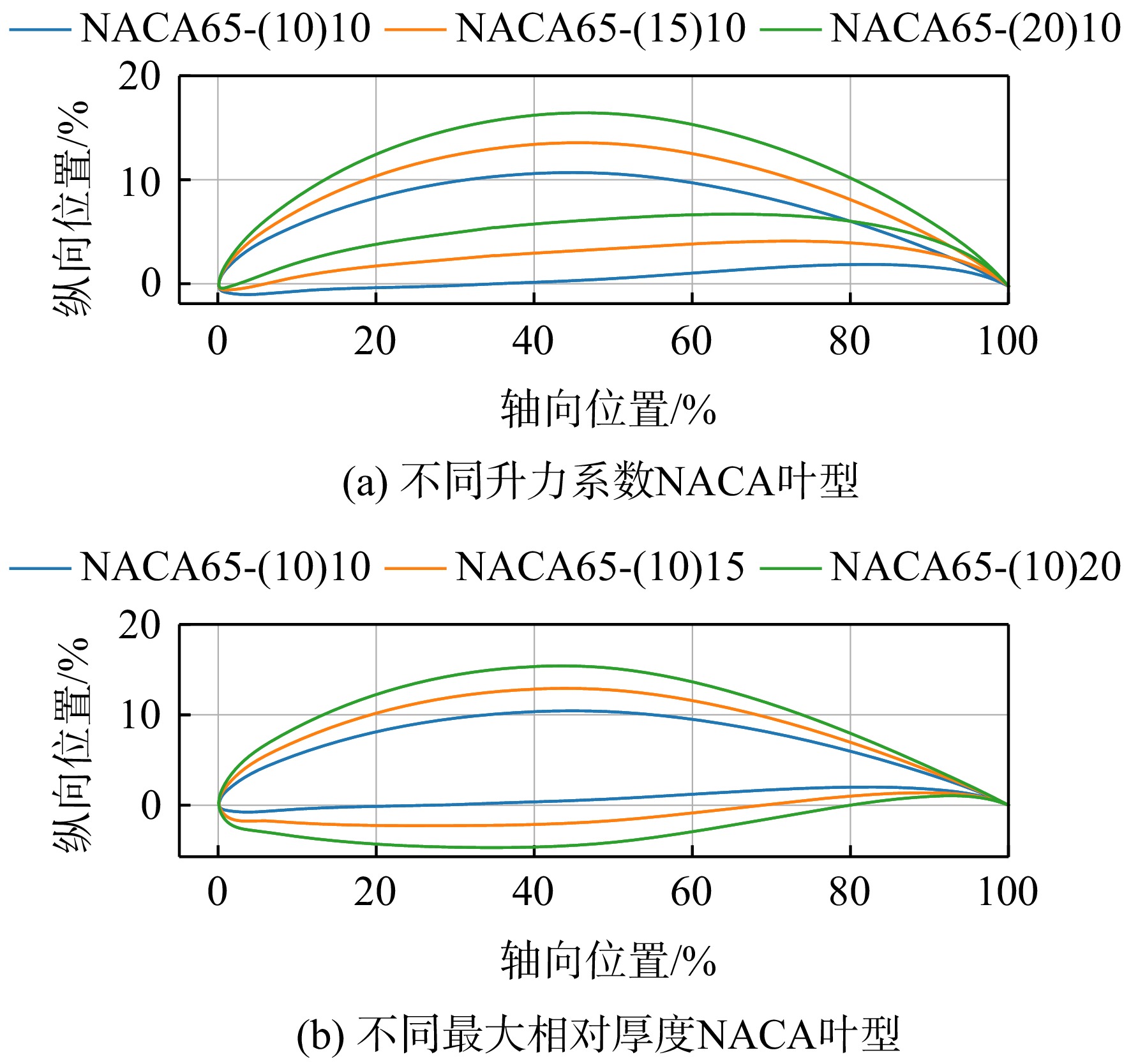
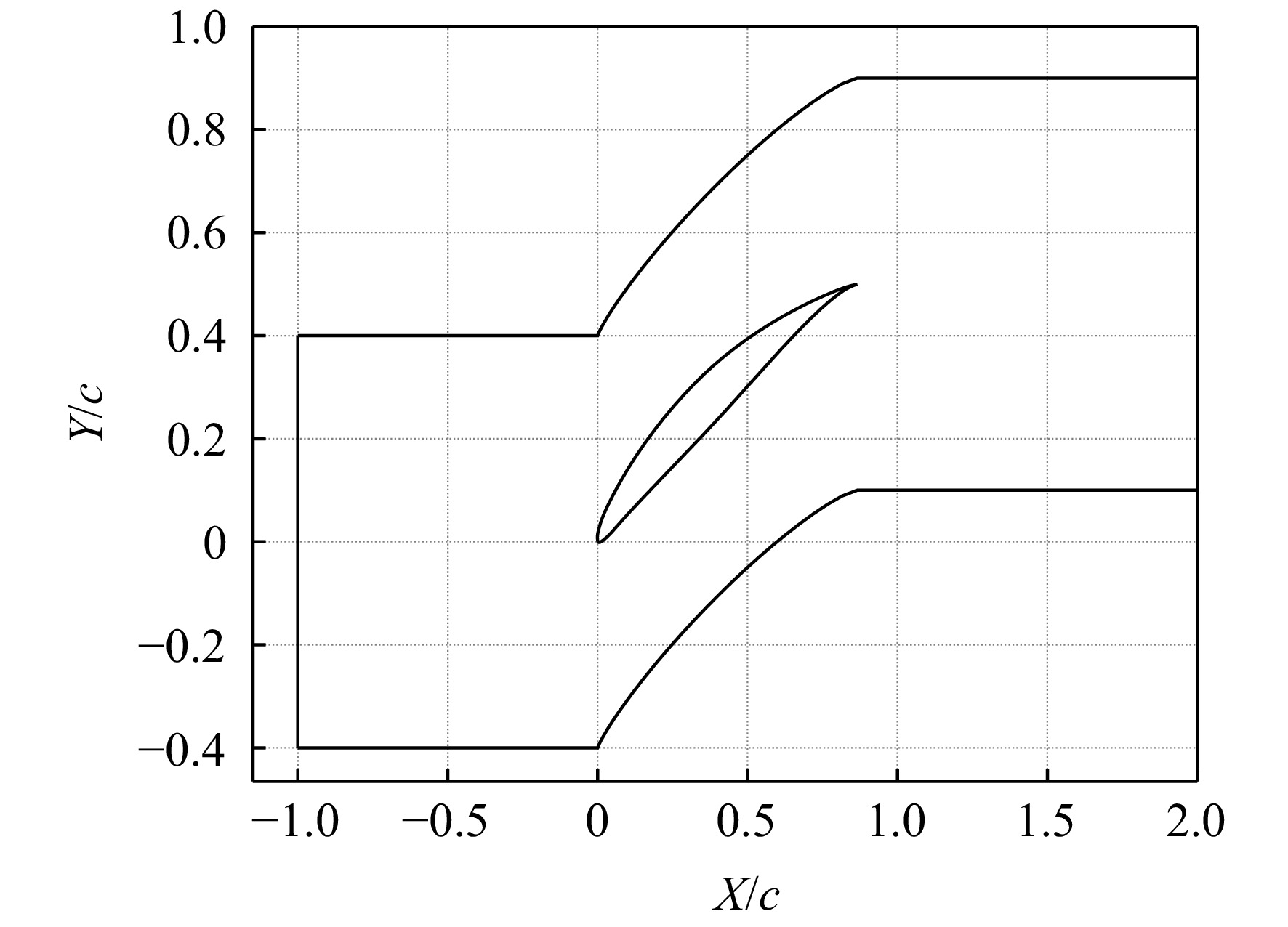
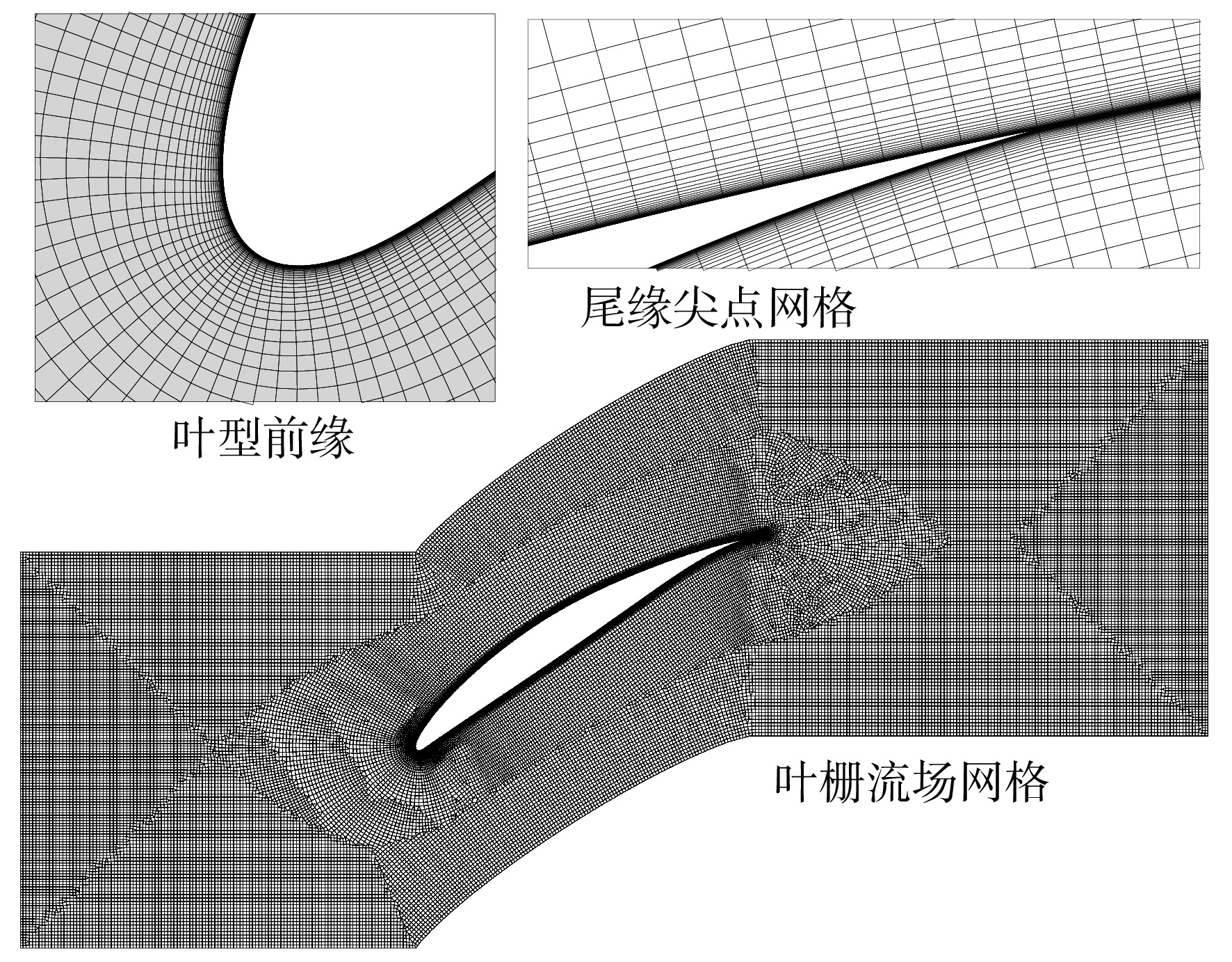
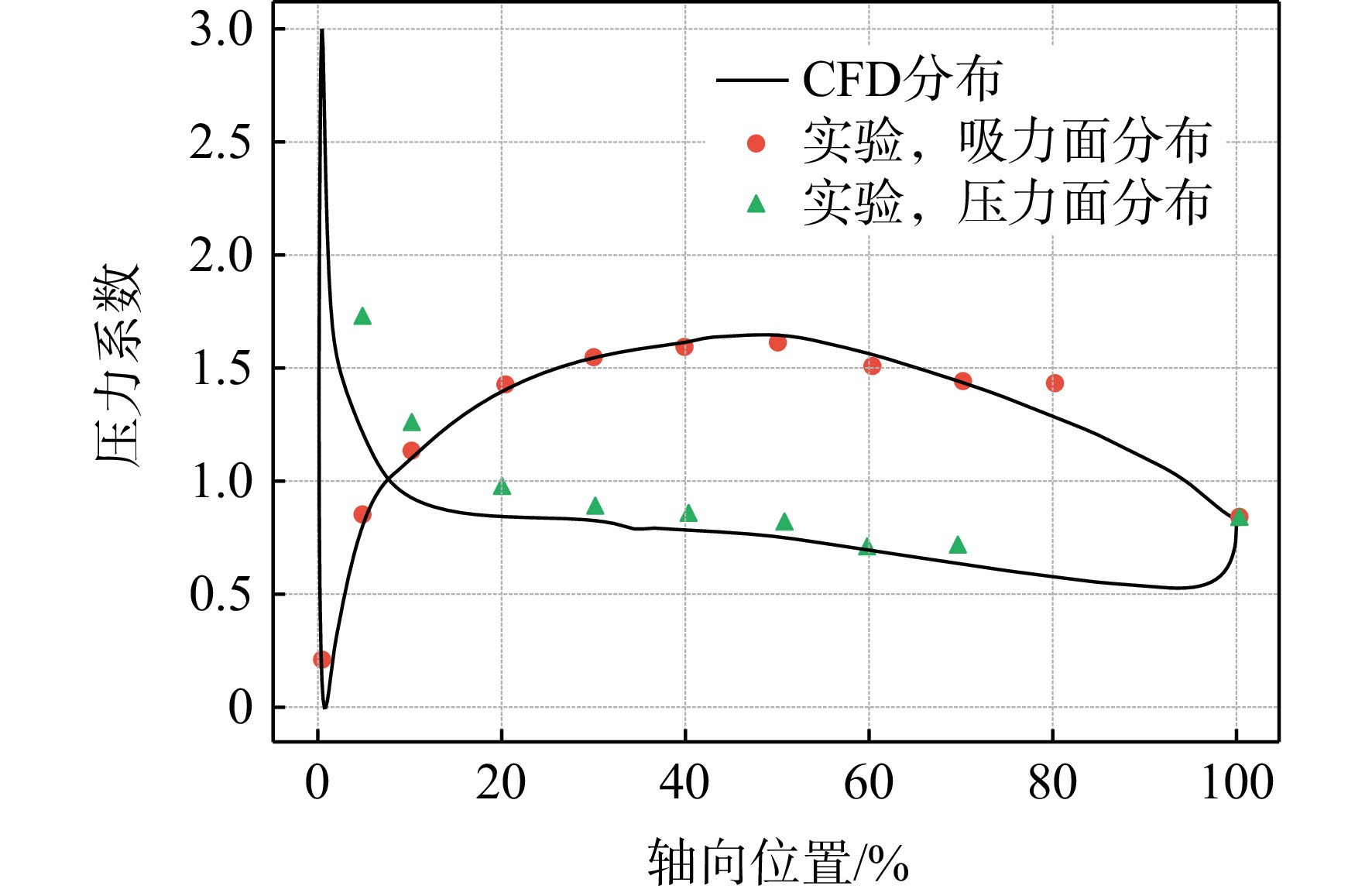
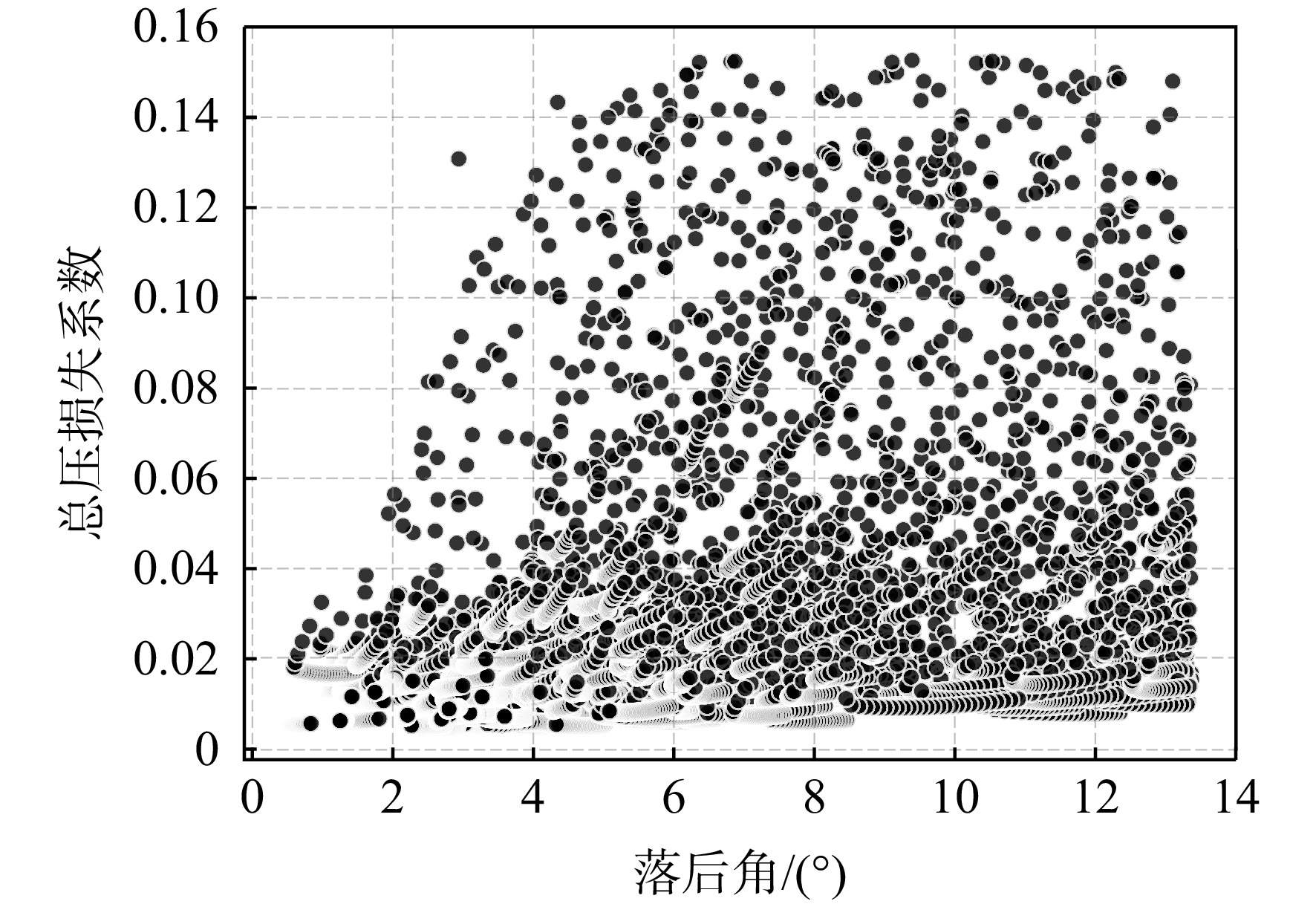
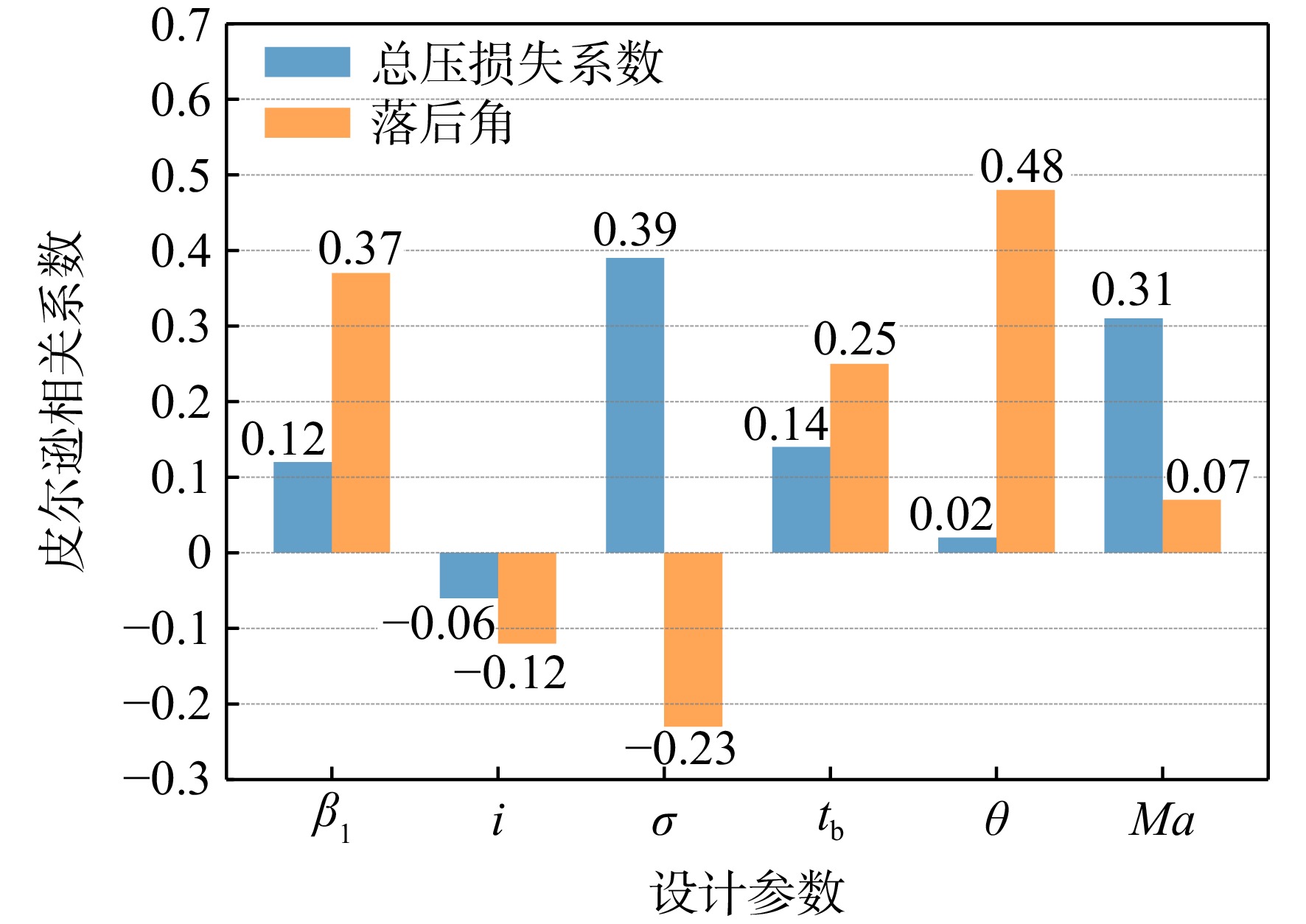
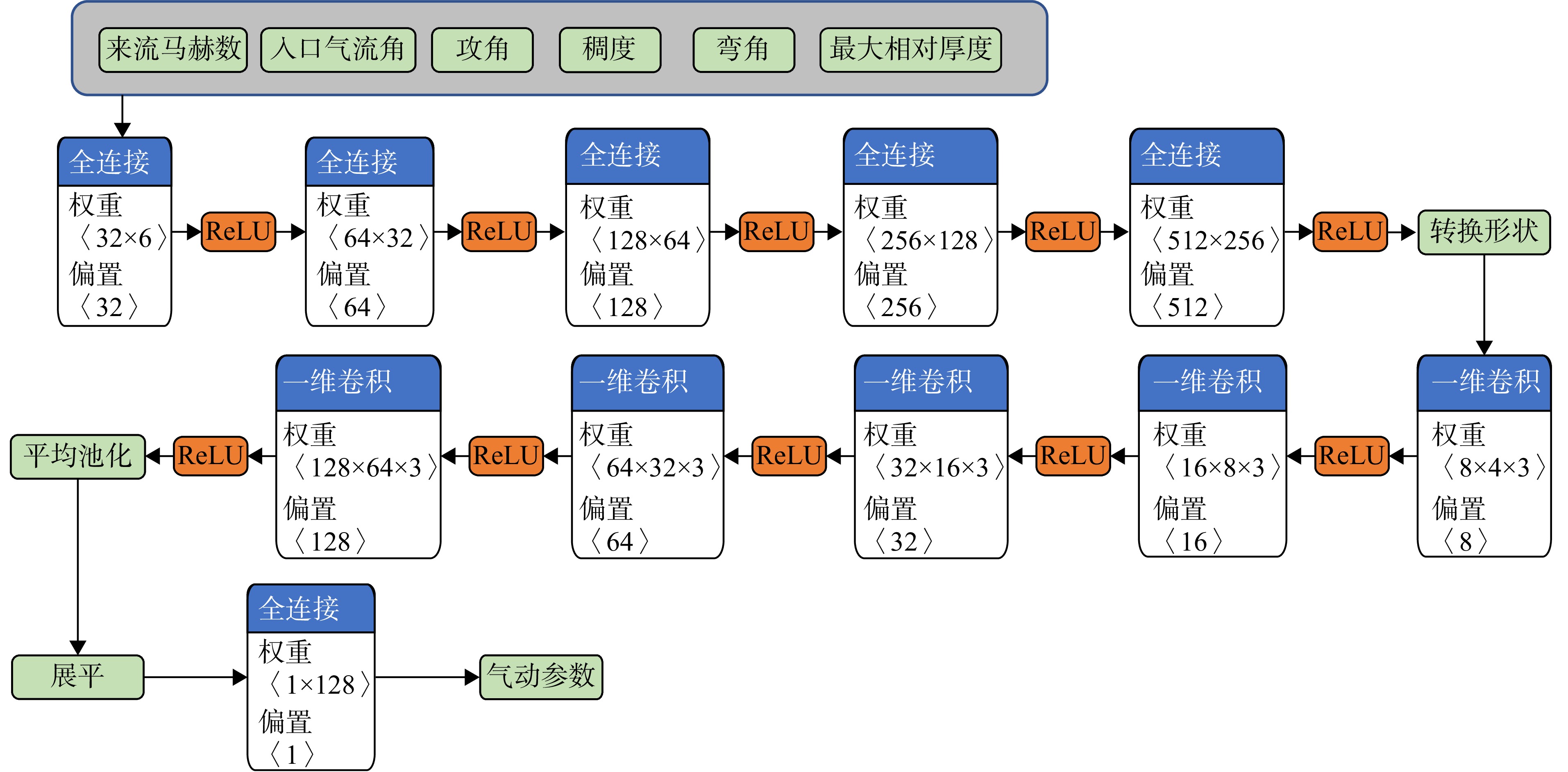
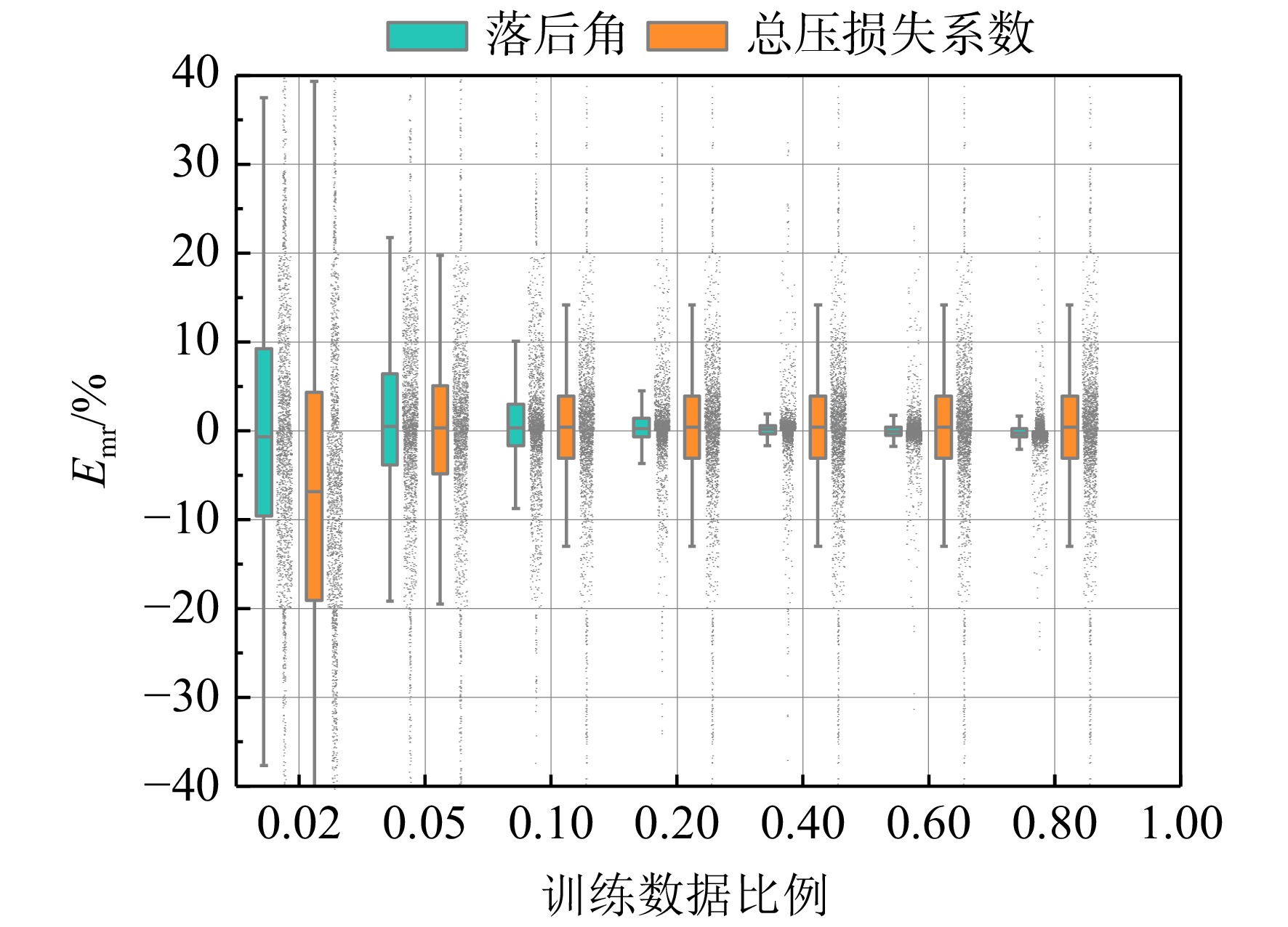
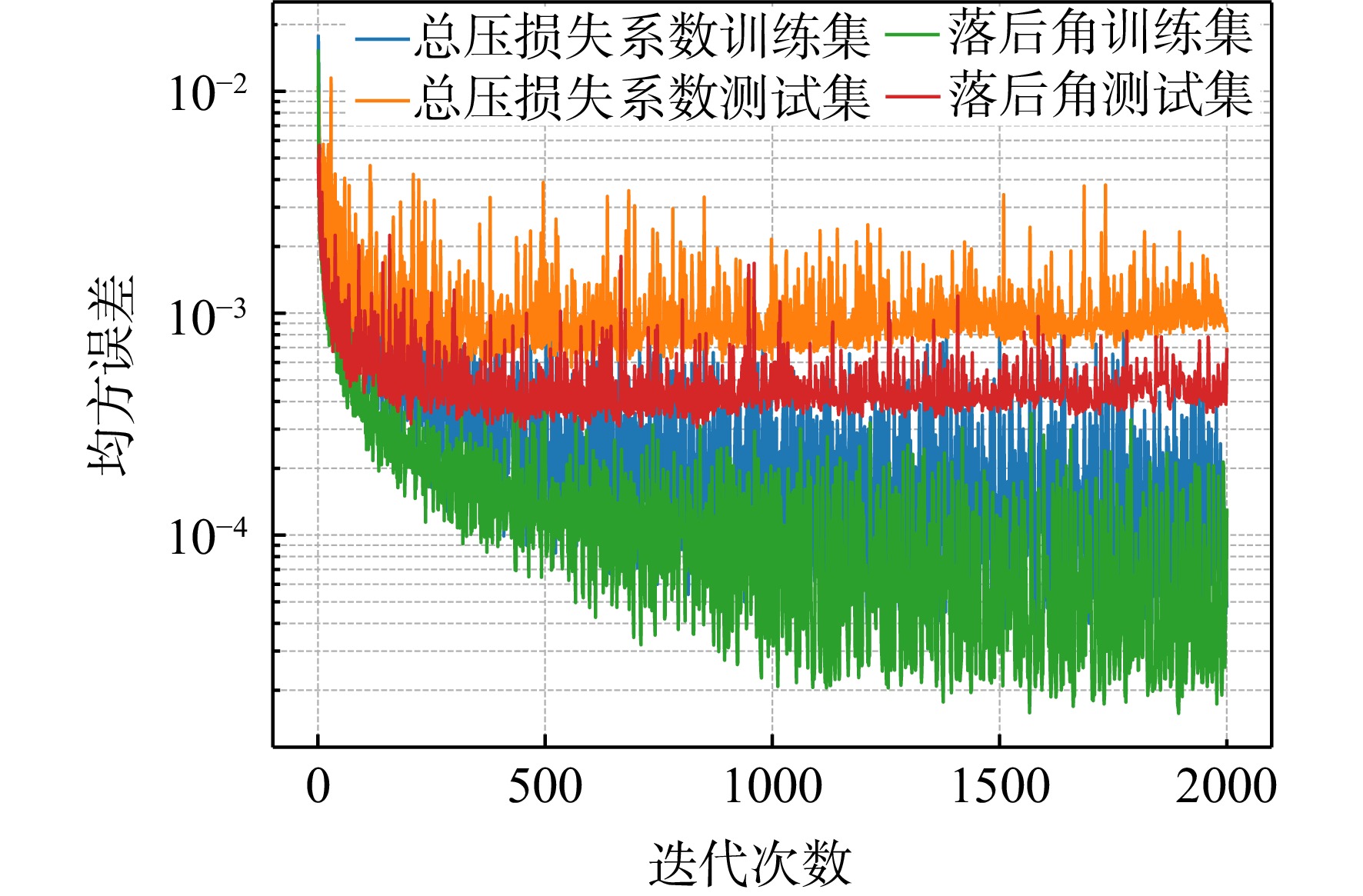
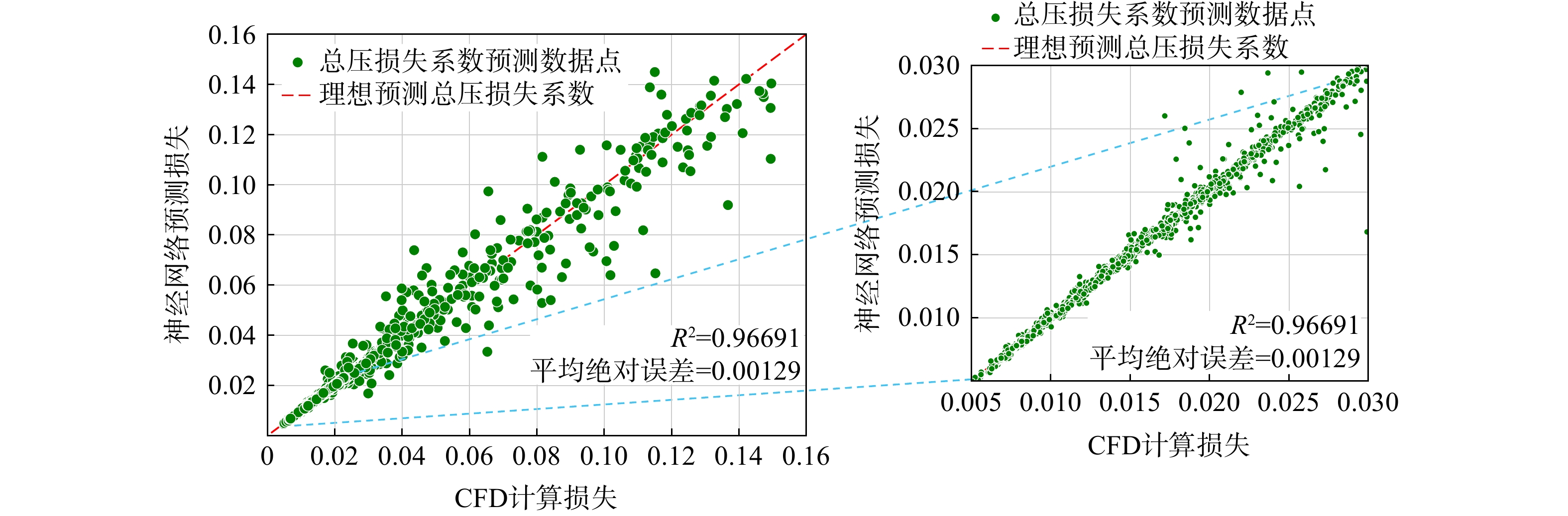
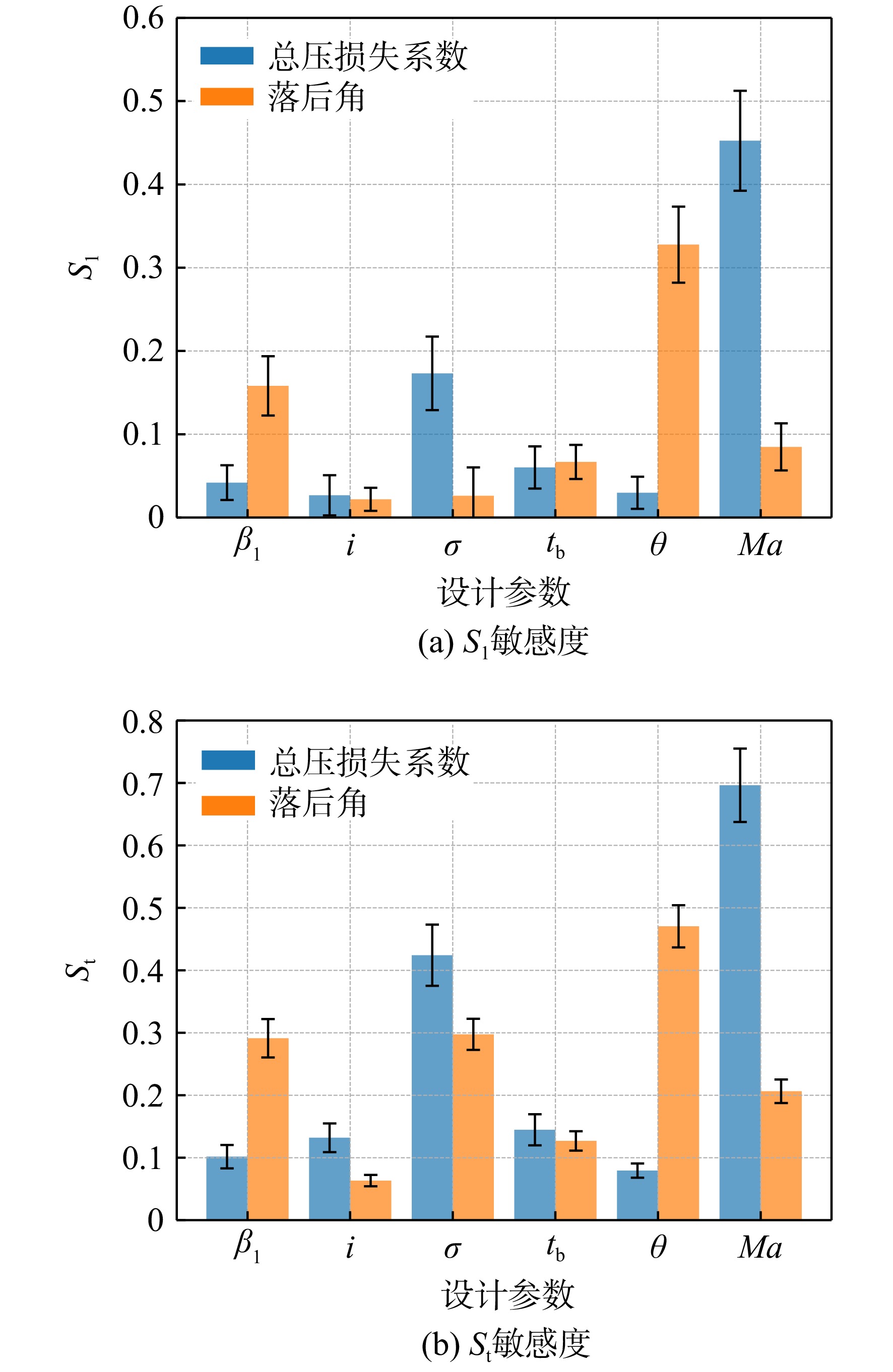
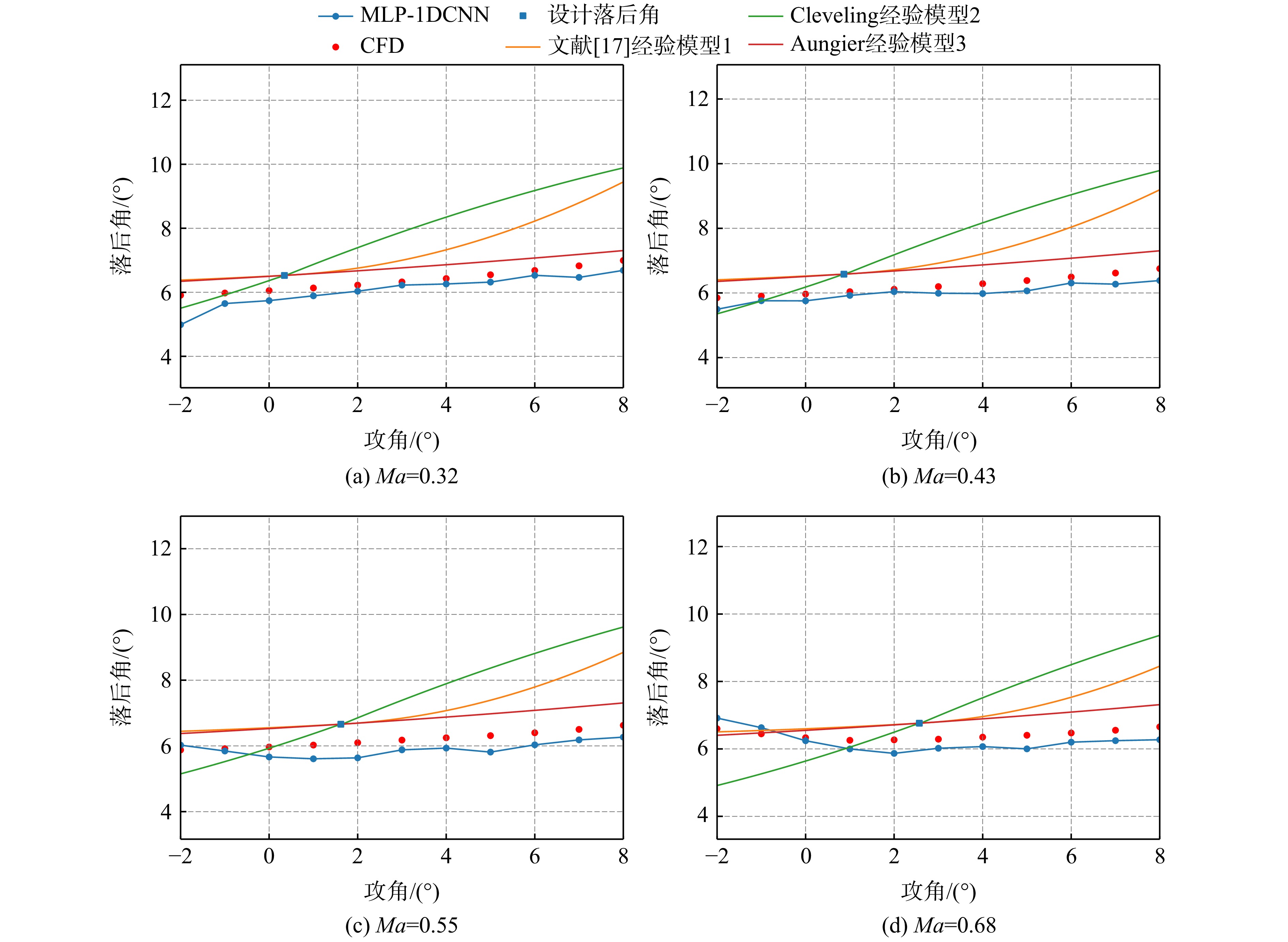
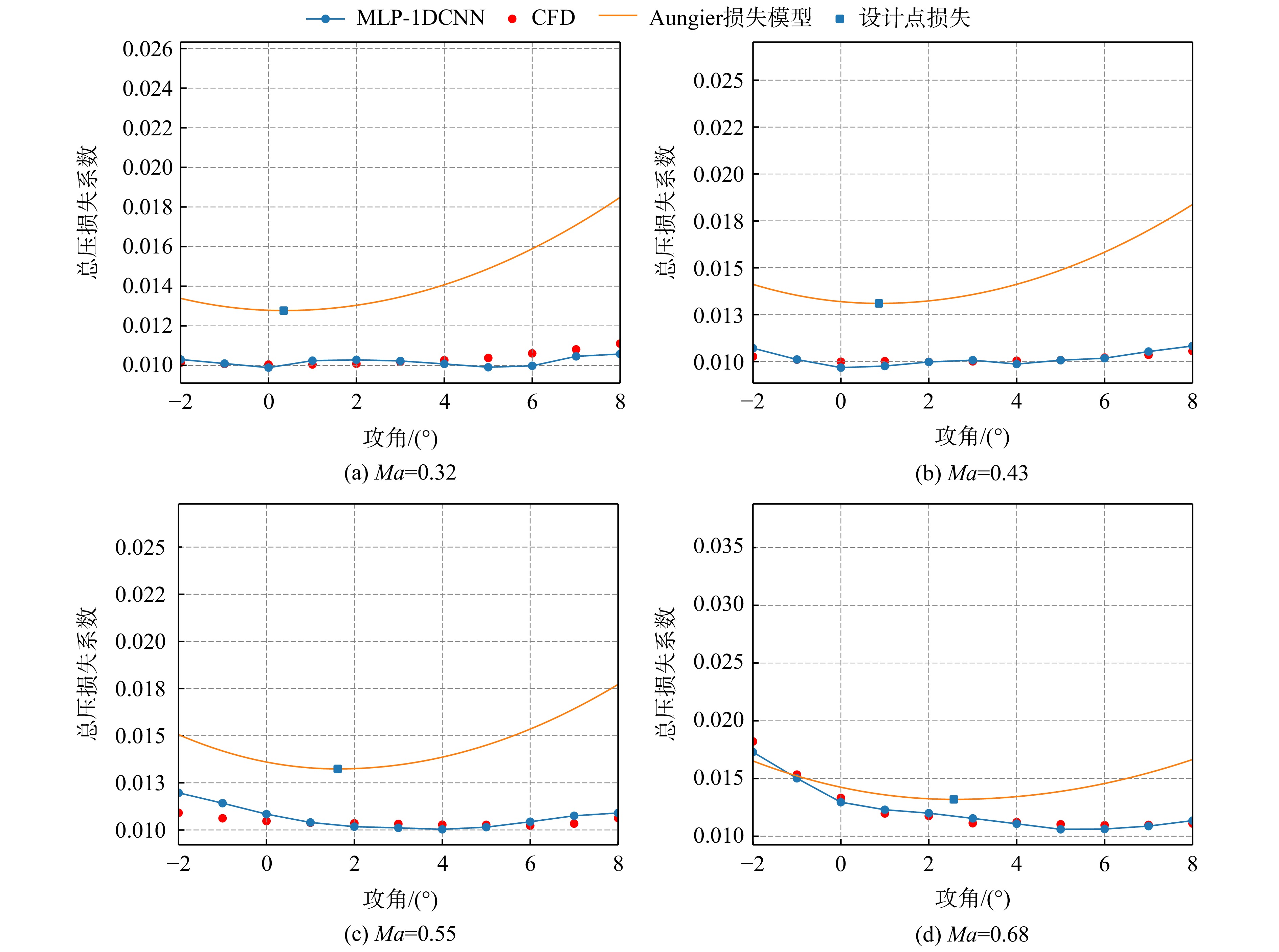
A process for predicting the total pressure loss coefficient and deviation angle of axial compressor blades under off-design conditions was established using deep learning methods. Taking the NACA65 series blades as an example, a customized blade generation method considering blade design variables and incoming flow conditions was developed using Latin hypercube sampling, under a total of 15500 operating conditions. Two-dimensional simulation calculations were performed for the corresponding blade cases under these flow conditions. The calculated total pressure loss coefficient and deviation angle data were analyzed and processed, and the processed data, along with the corresponding design variables, were provided to a neural network for training. The final model for blade total pressure loss coefficient and deviation angle was obtained, with a total pressure loss coefficient and deviation angle mean absolute error of 0.00129 and 0.18673°, respectively. A comparison with traditional empirical models for off-design total pressure loss coefficient and deviation angle was conducted for validation. The results showed that the deep learning-based approach can accurately predict loss and deviation angle under off-design conditions with higher accuracy compared with empirical models. This surrogate model can be applied to aerodynamic design of axial compressors.

Design and optimization research of swirl recovery vane on a propfan
ZHU Lei, LIU Hanru, CHEN Nanshu, WANG Yangang, HE Xiang, ZHAO Zhenguo
2025, 40(7): 20240251. doi: 10.13224/j.cnki.jasp.20240251
Abstract:

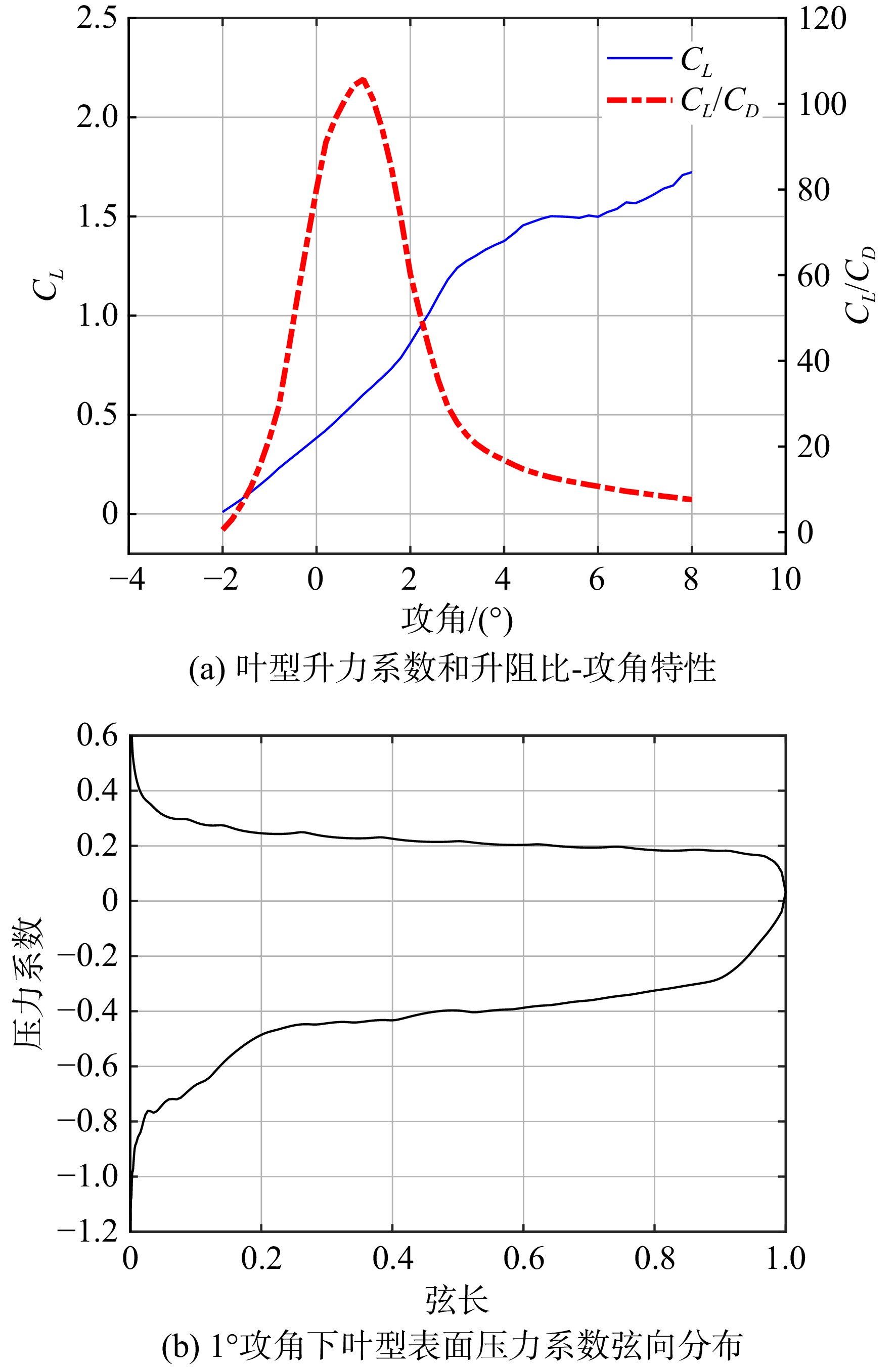
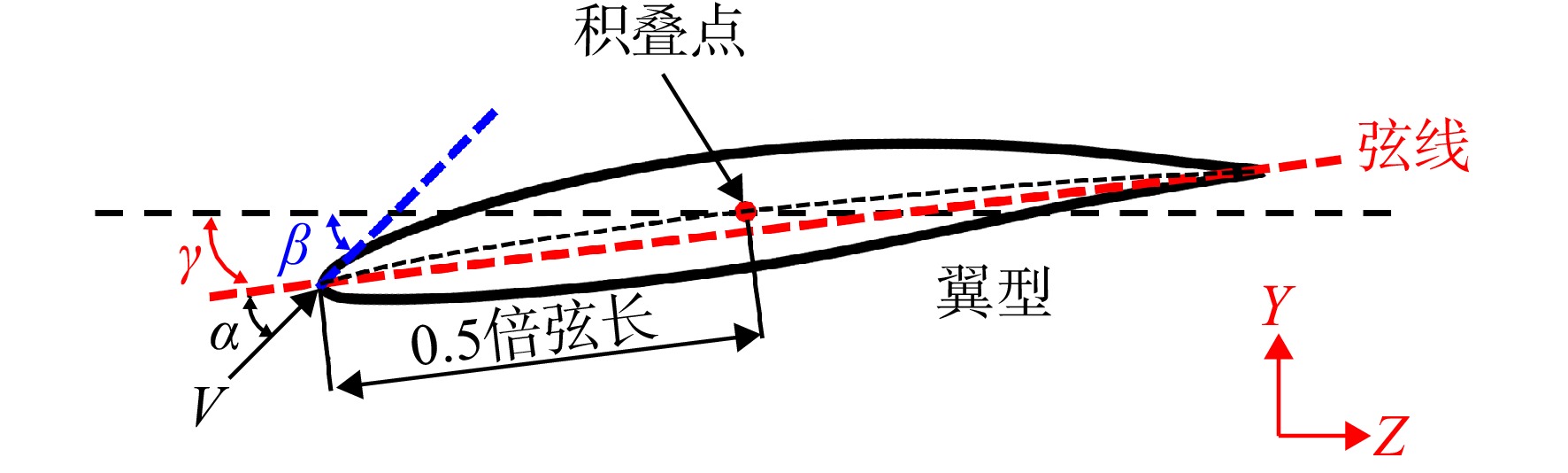
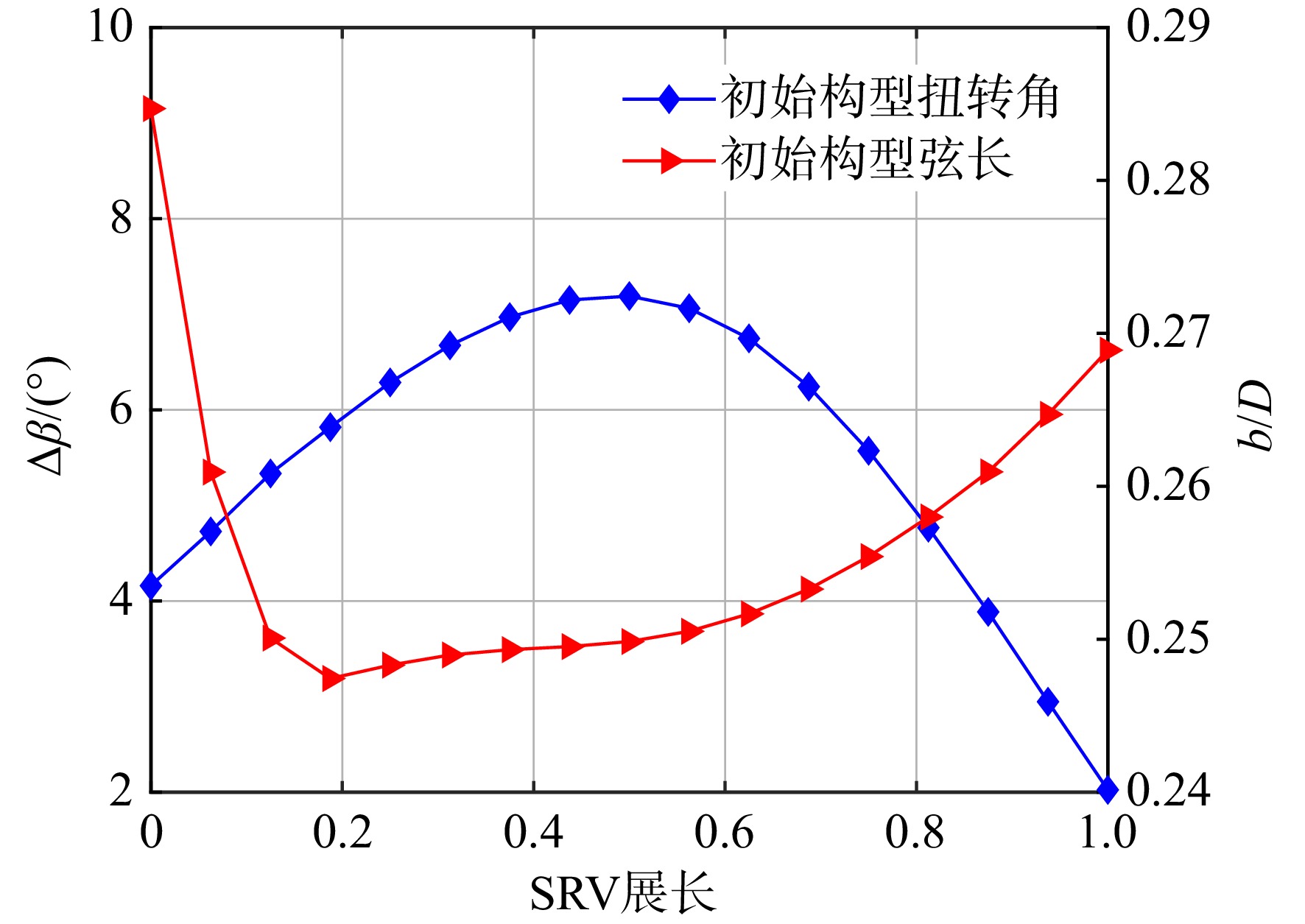
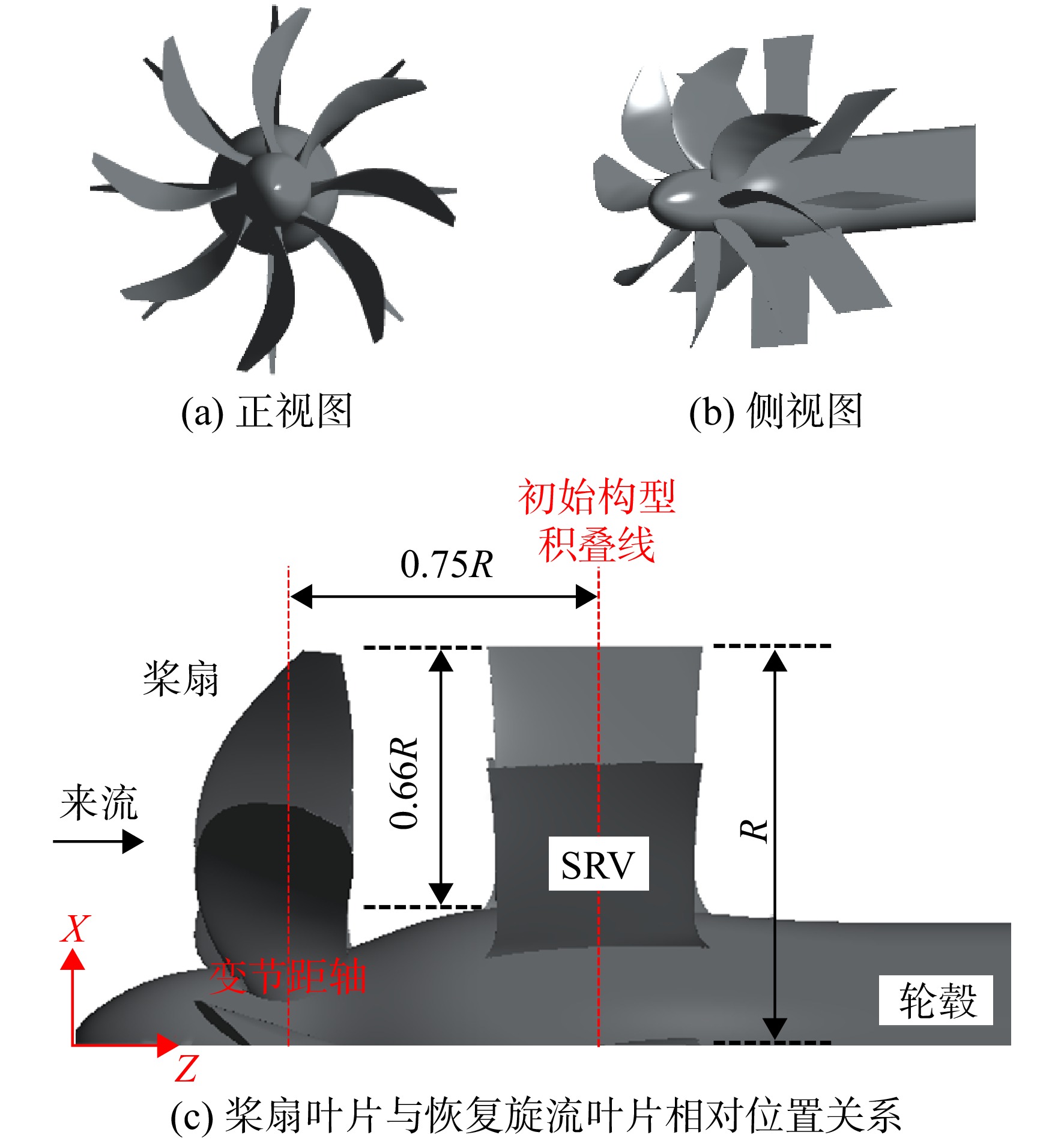
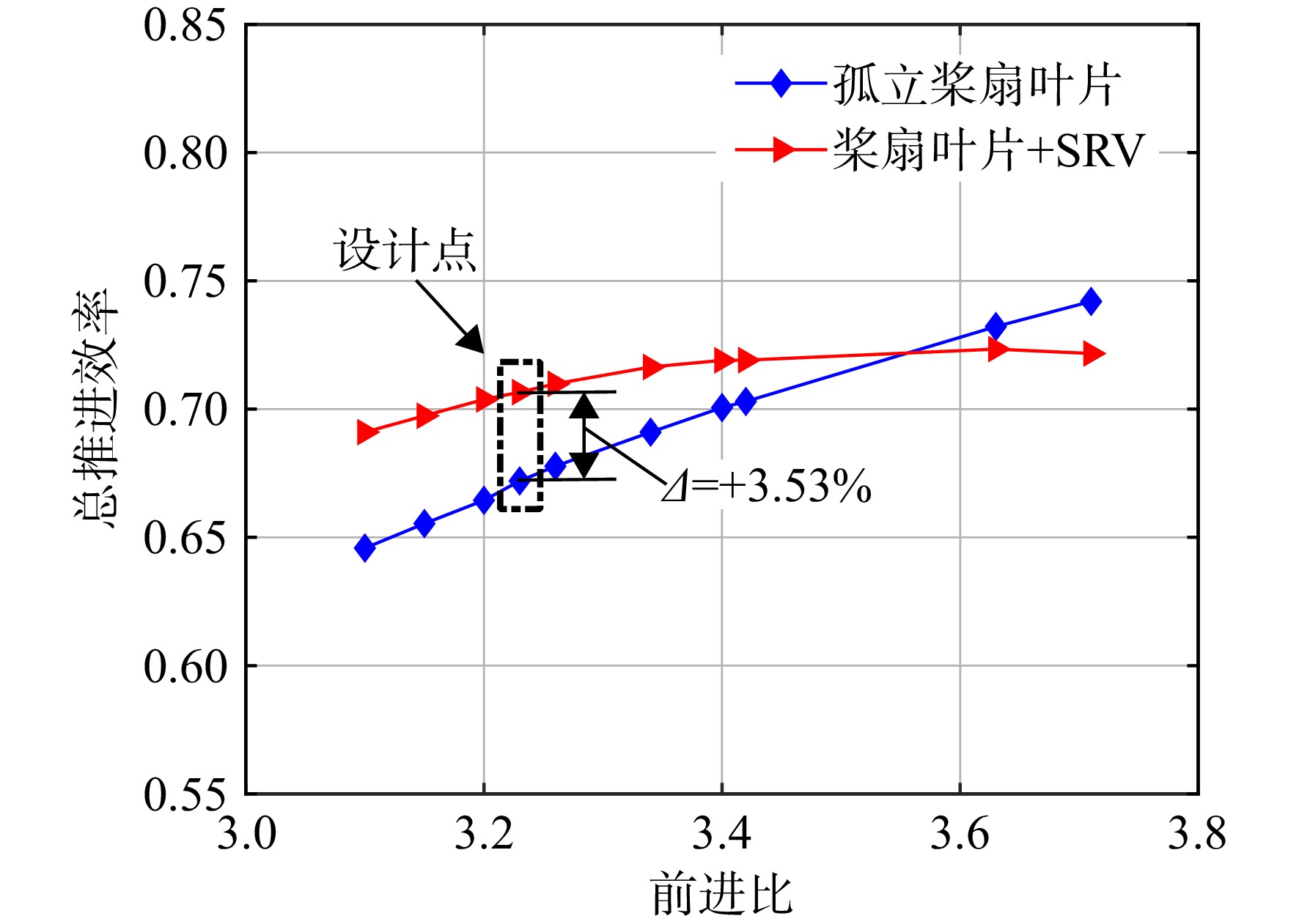
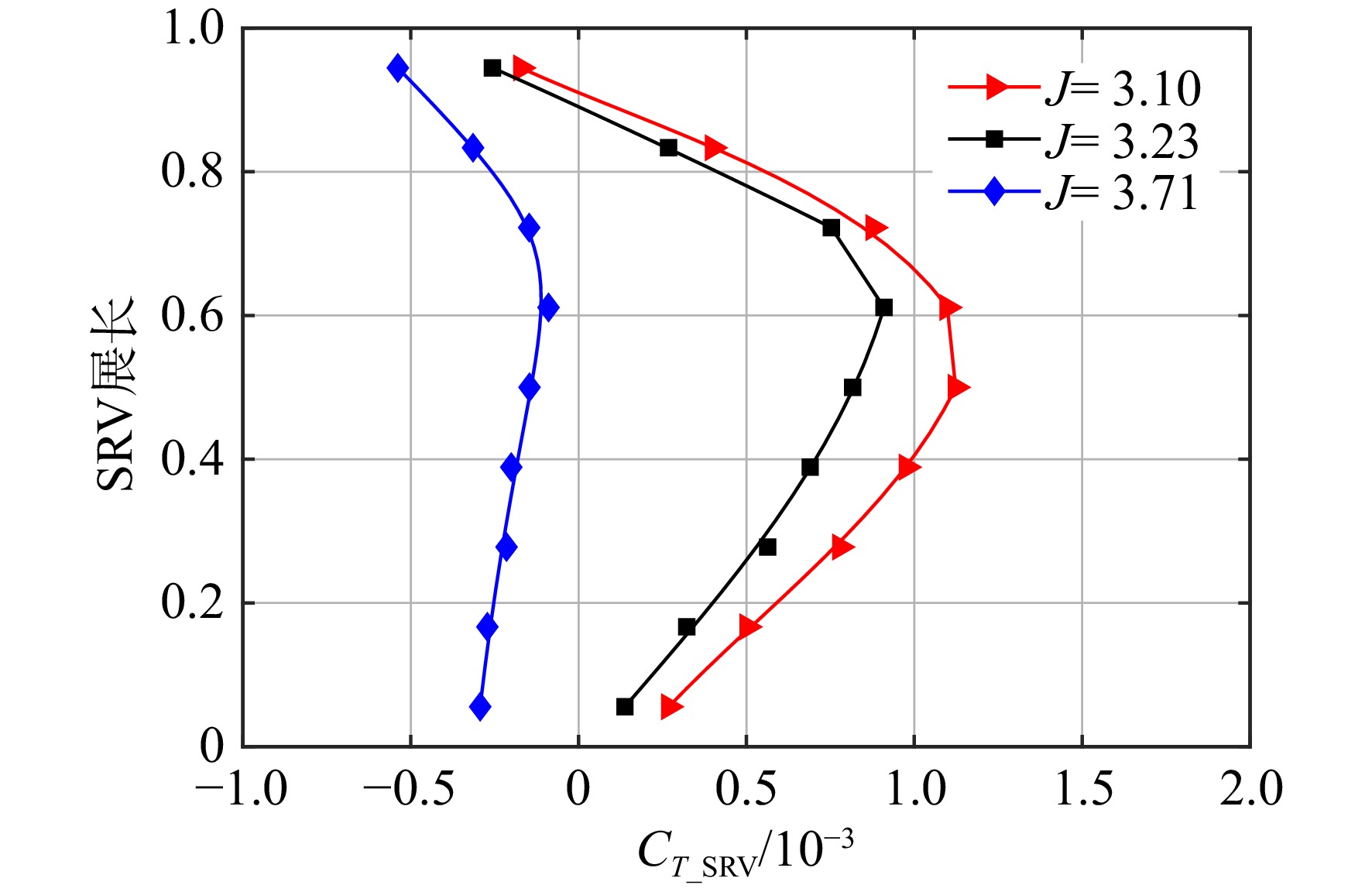
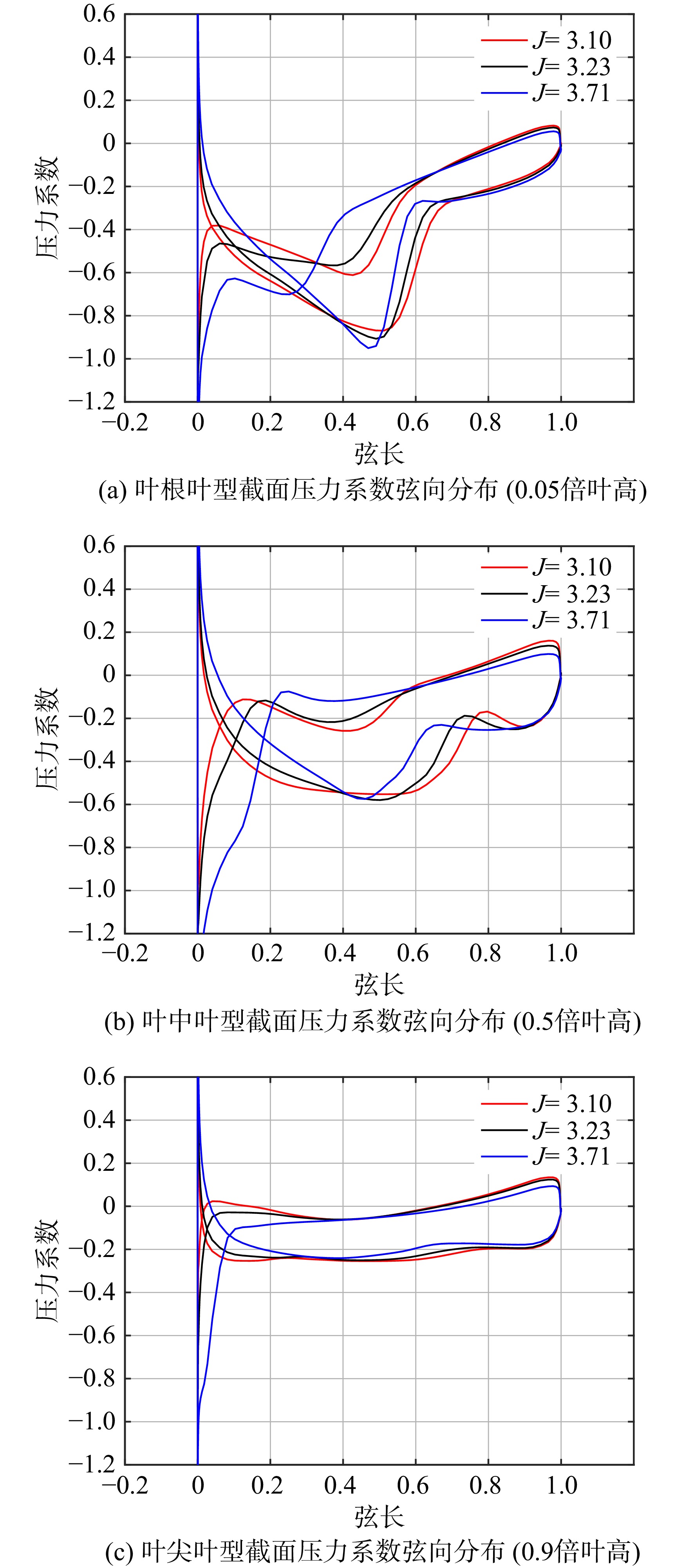
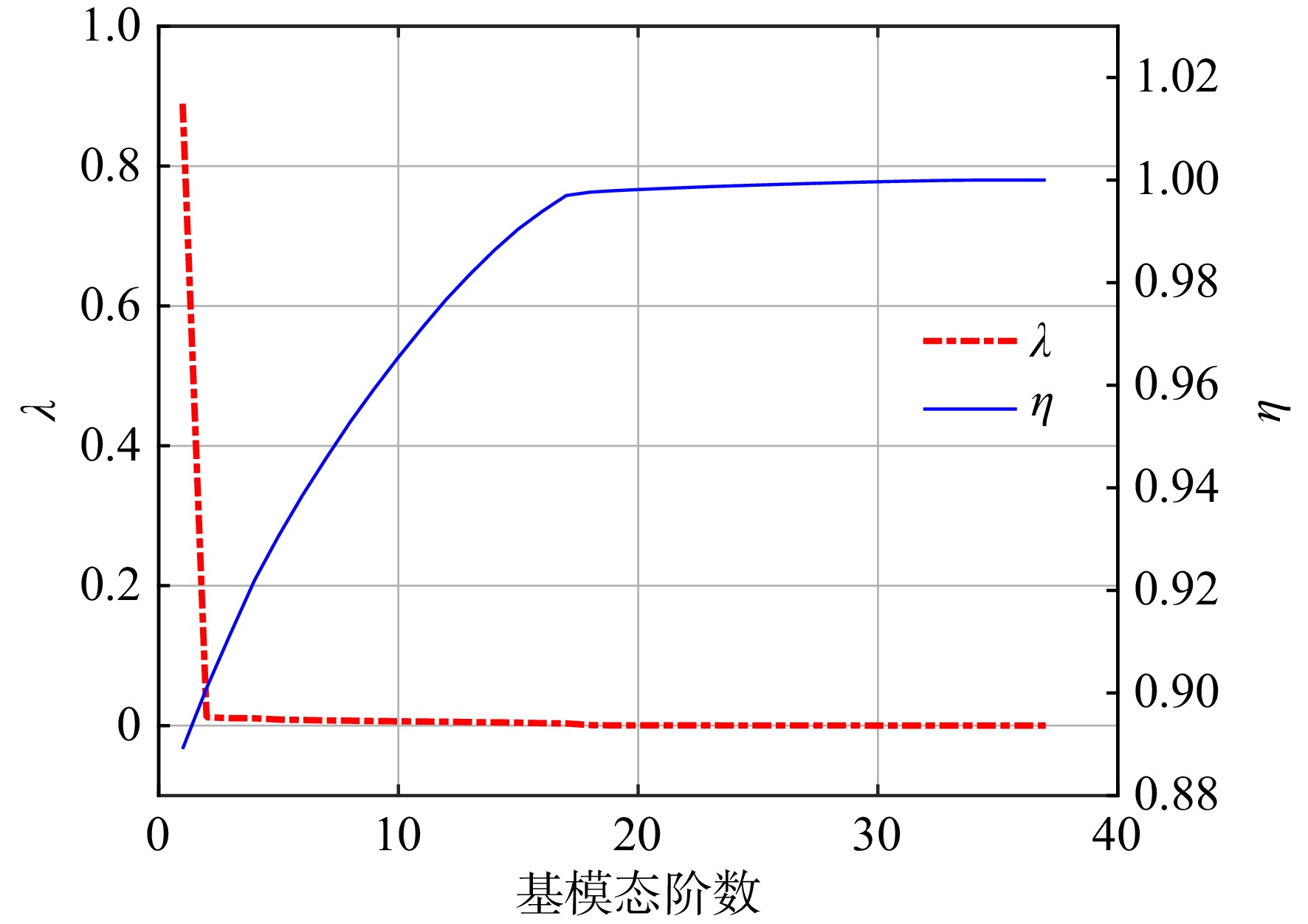
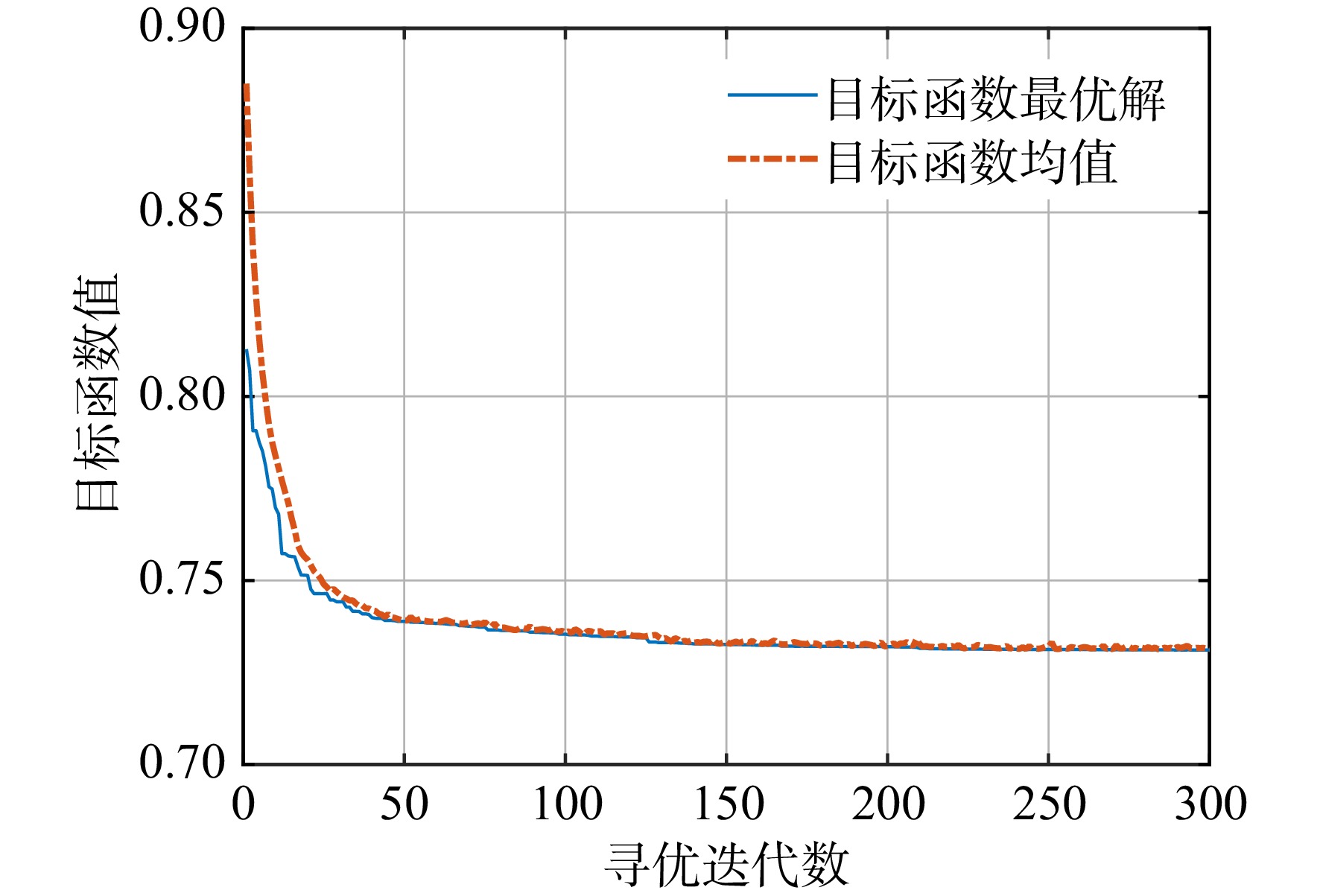
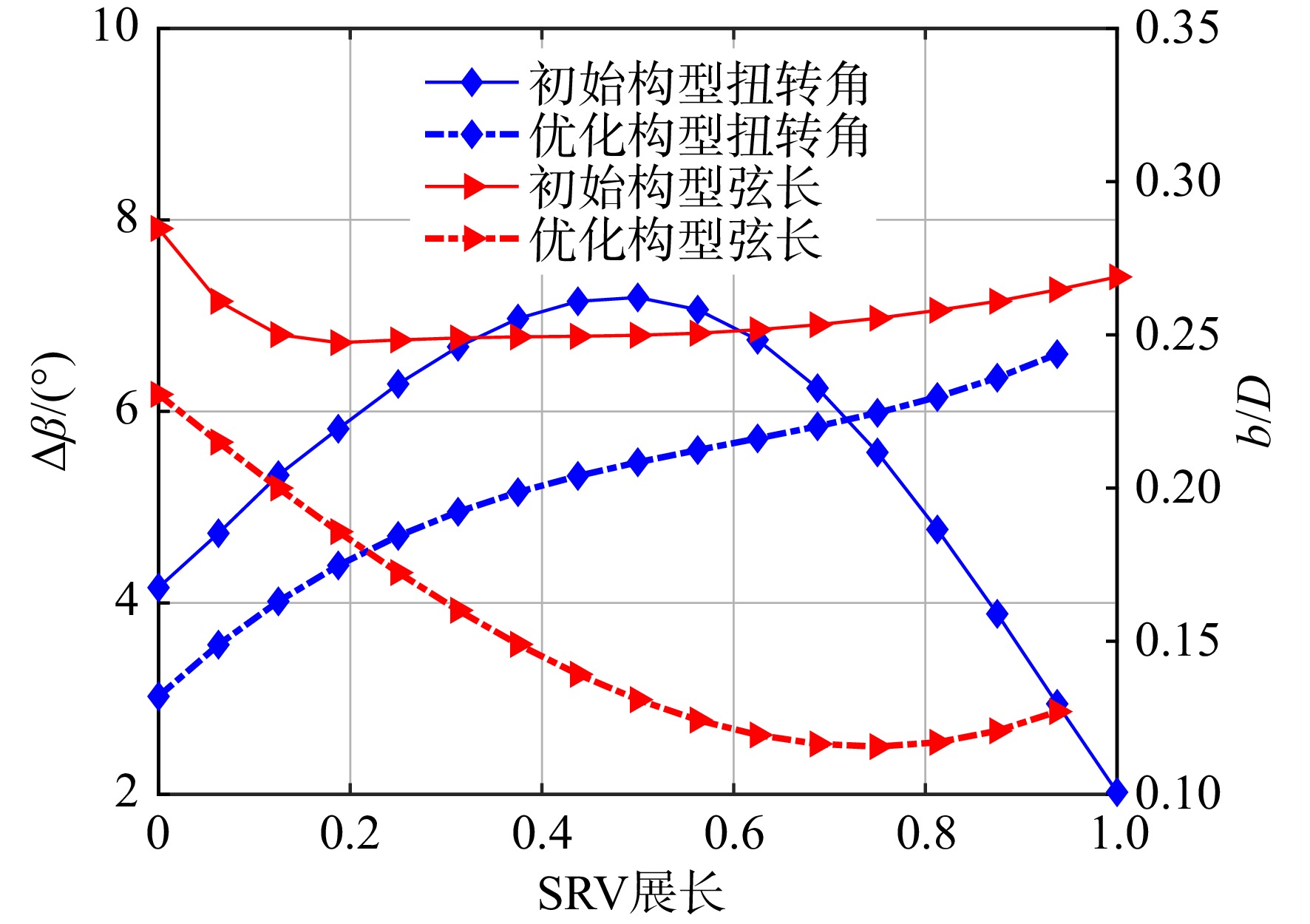
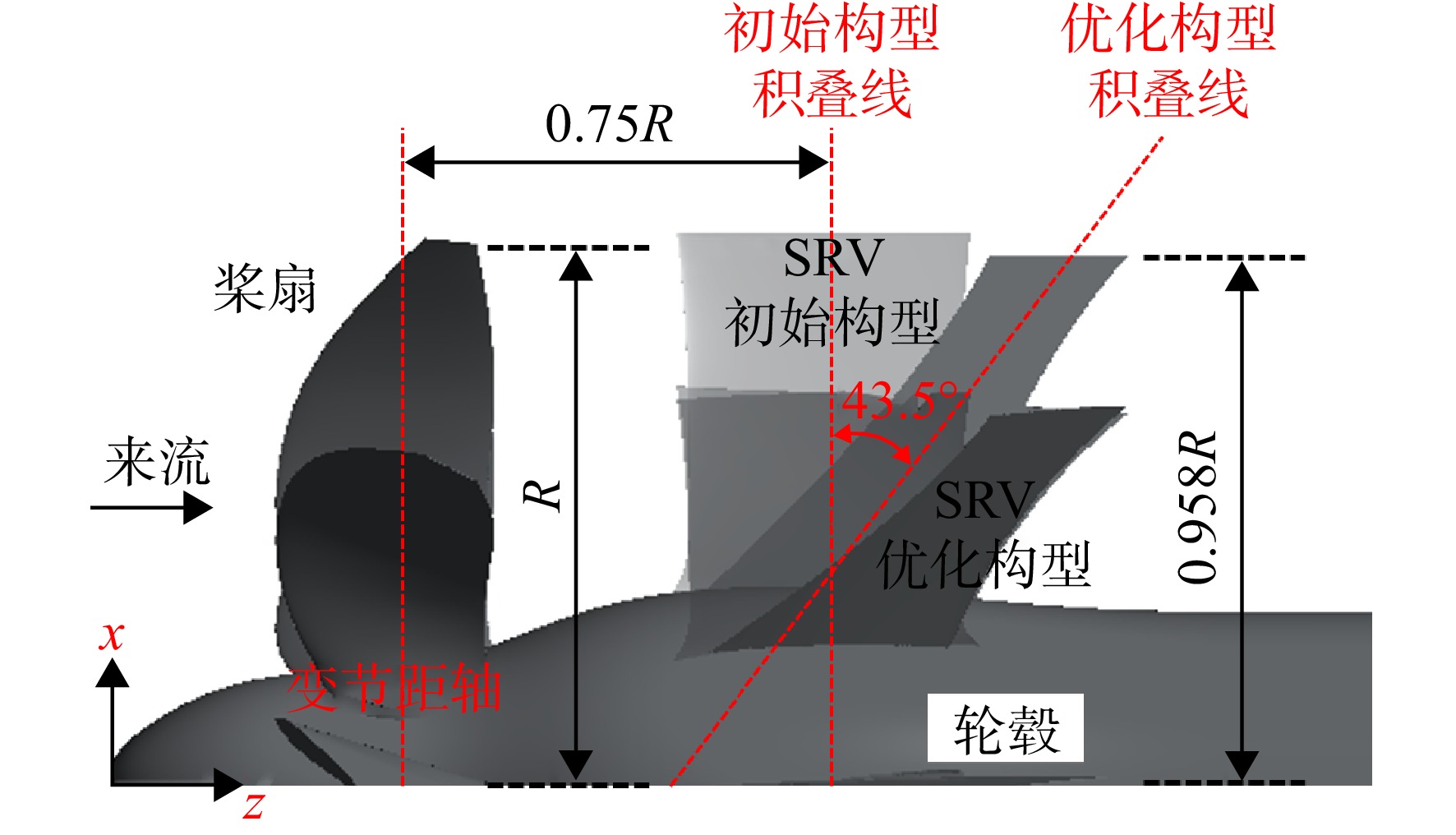
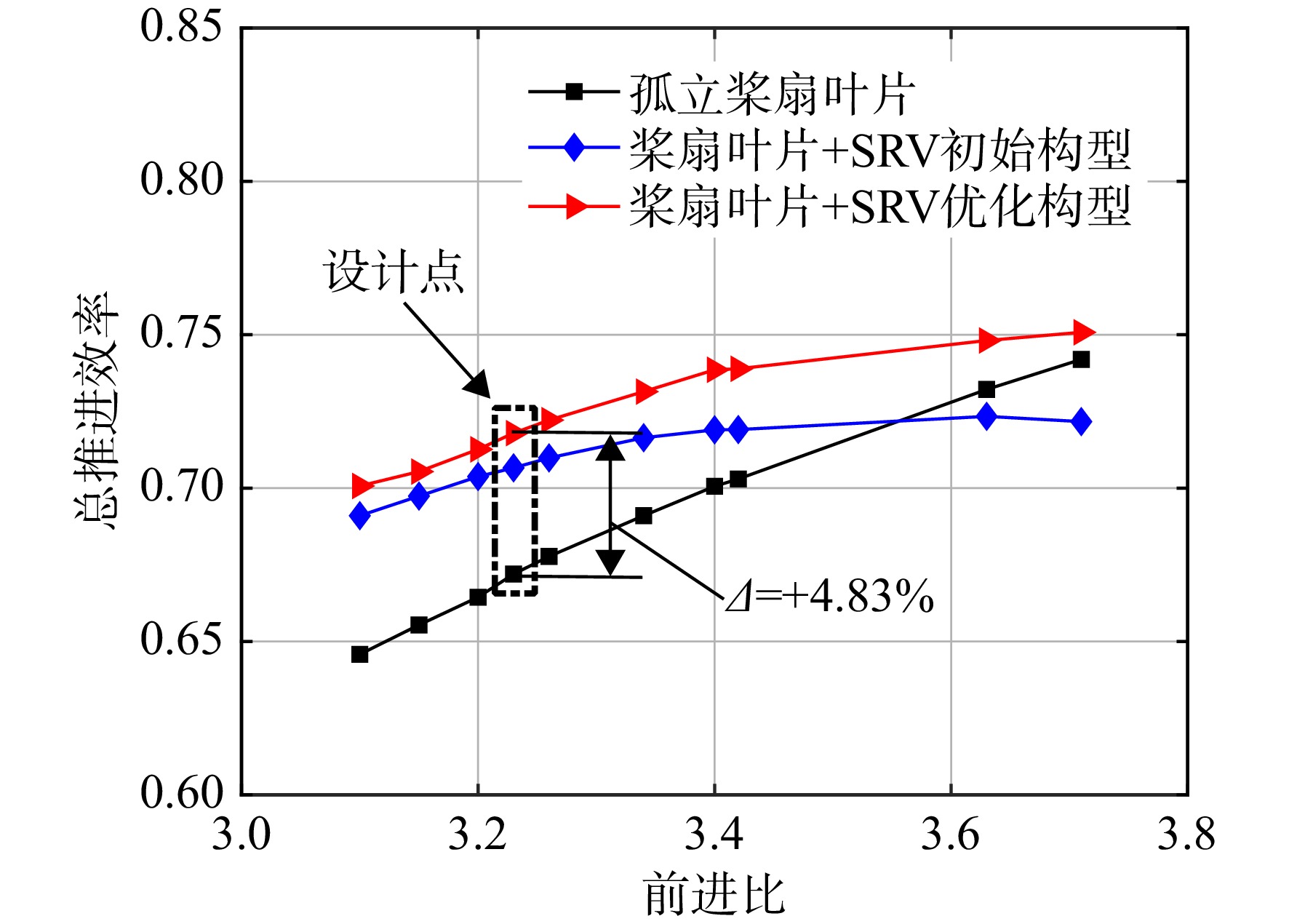
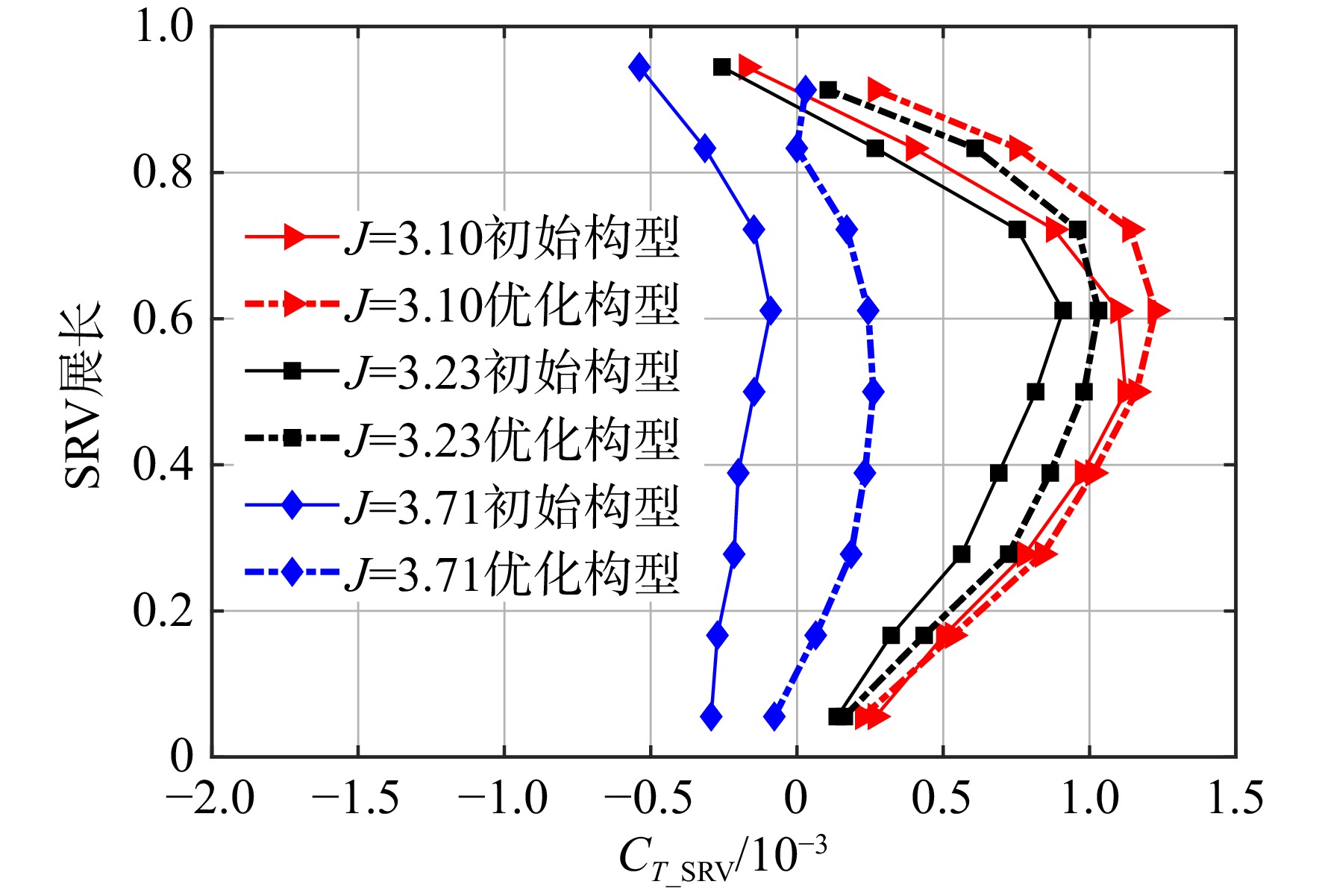
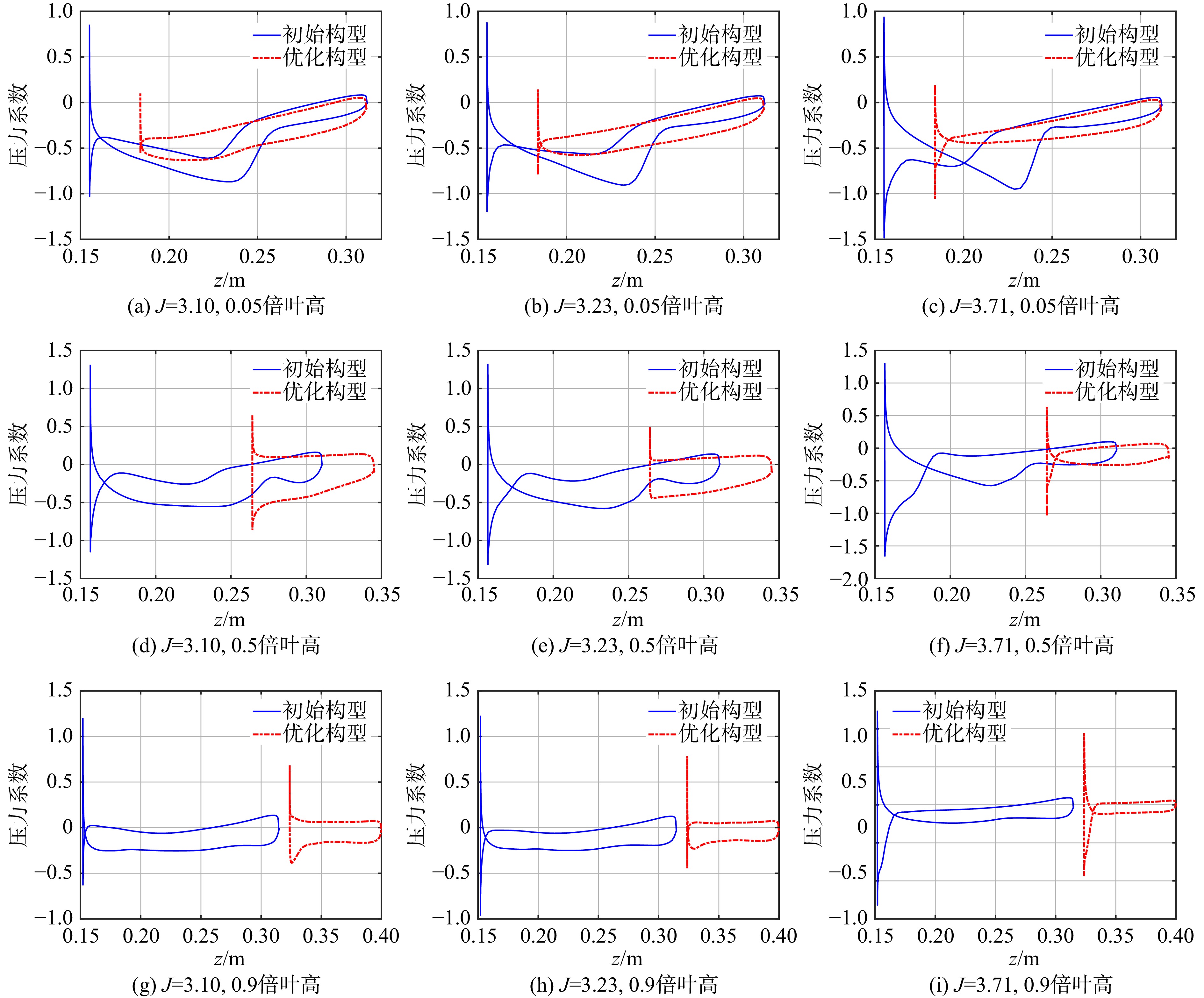
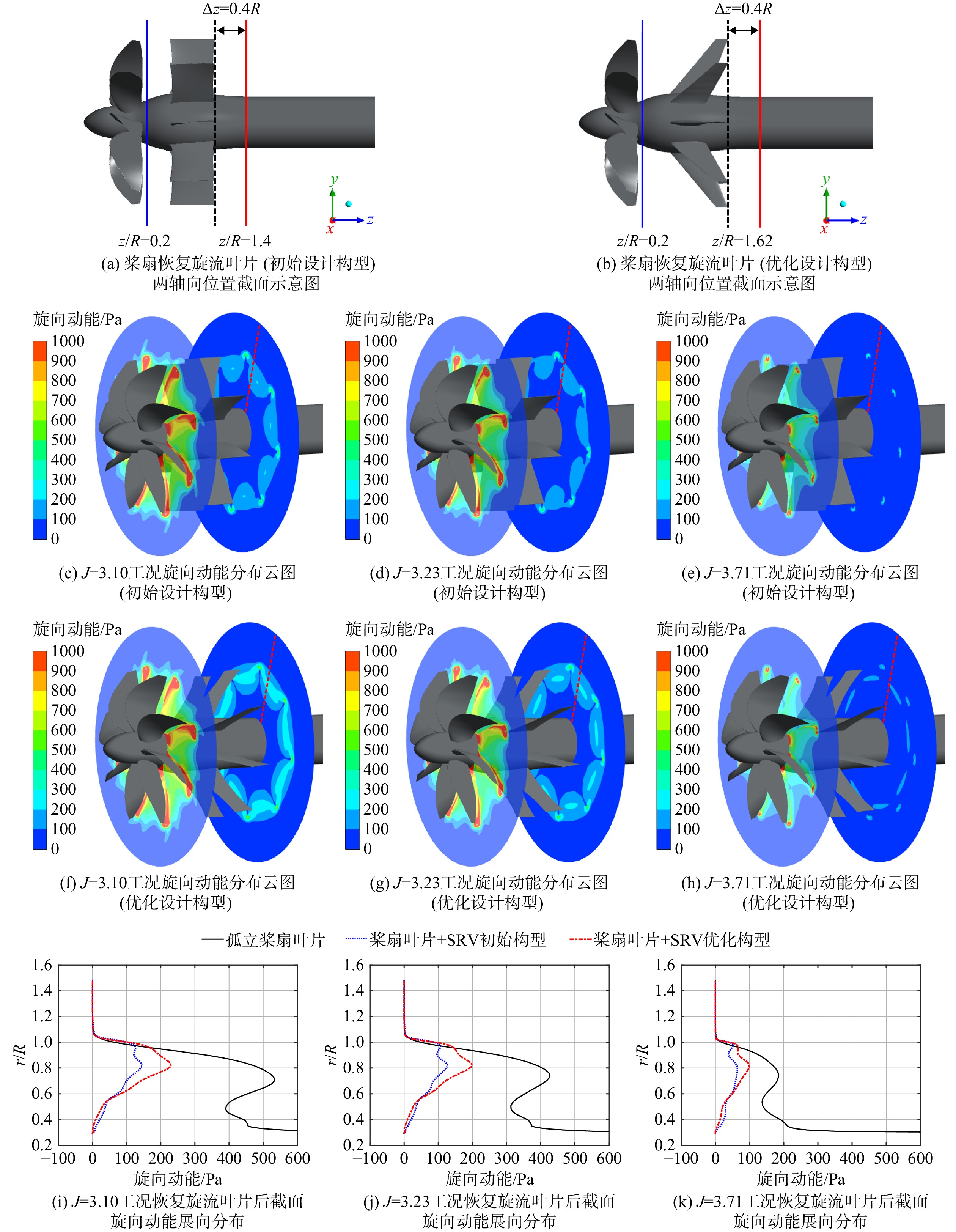
Propfan-Swirl recovery vane (SRV) structure has received renewed attention because of its relatively simple transmission mechanism, weak blade tip interference, and its ability to bring propulsion efficiency gains to the propulsion system. Based on the design idea of blade element theory, the aerodynamic shape design of the transonic propfan-SRV was carried out by using the transonic high lift drag ratio airfoil. The twist angle and chord length of the transverse section blade of the SRV, as well as the diameter and sweep angle of the SRV, were taken as the optimization design variables. A dimensionality reduction optimization design method based on proper orthogonal decomposition (POD) was used to optimize the SRV. The results showed that the optimized SRV can bring 4.83% propulsive efficiency gain to the propulsion system, and make the velocity distribution of the flow field behind the propfan more uniform, which had a good swirl recovery effect and can be used as an efficient and low-carbon aviation power system alternative.

Research on aerodynamic optimization design of variable geometry turbine with large flow adjustment range
LI Mufan, ZHOU Kun, ZHOU Yage, ZHOU Zhihong, LIU Huoxing
2025, 40(7): 20240258. doi: 10.13224/j.cnki.jasp.20240258
Abstract:

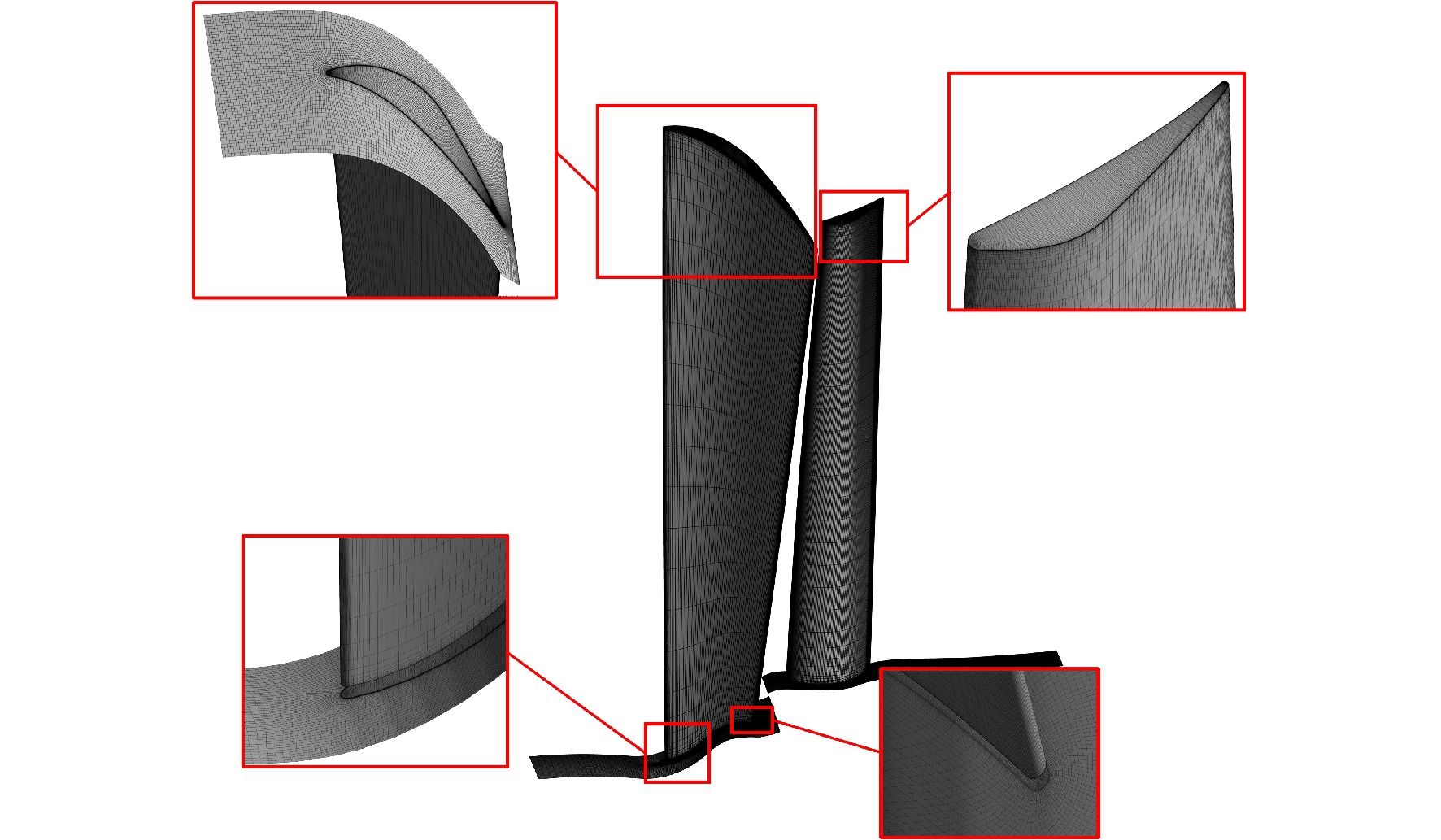
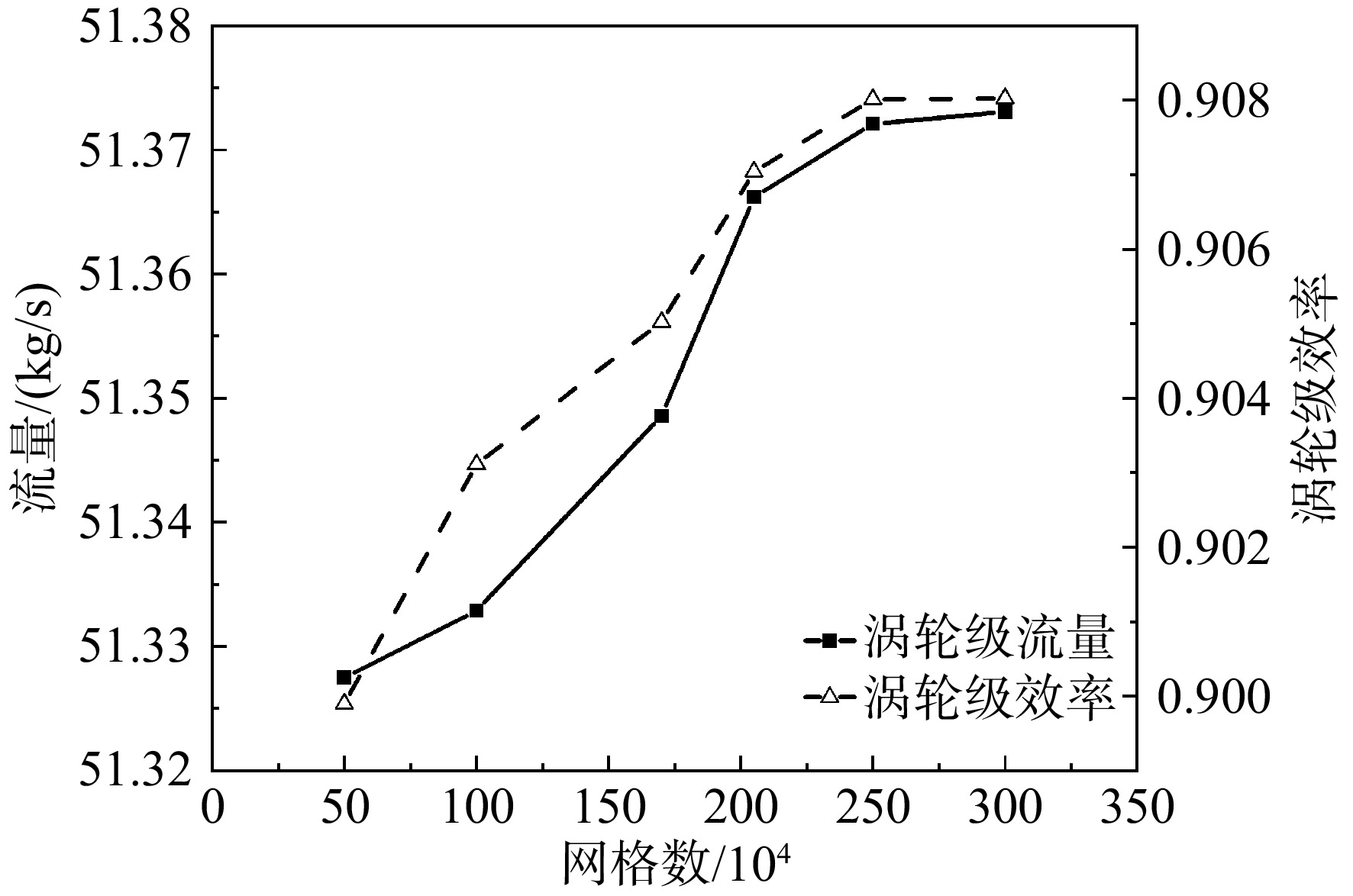
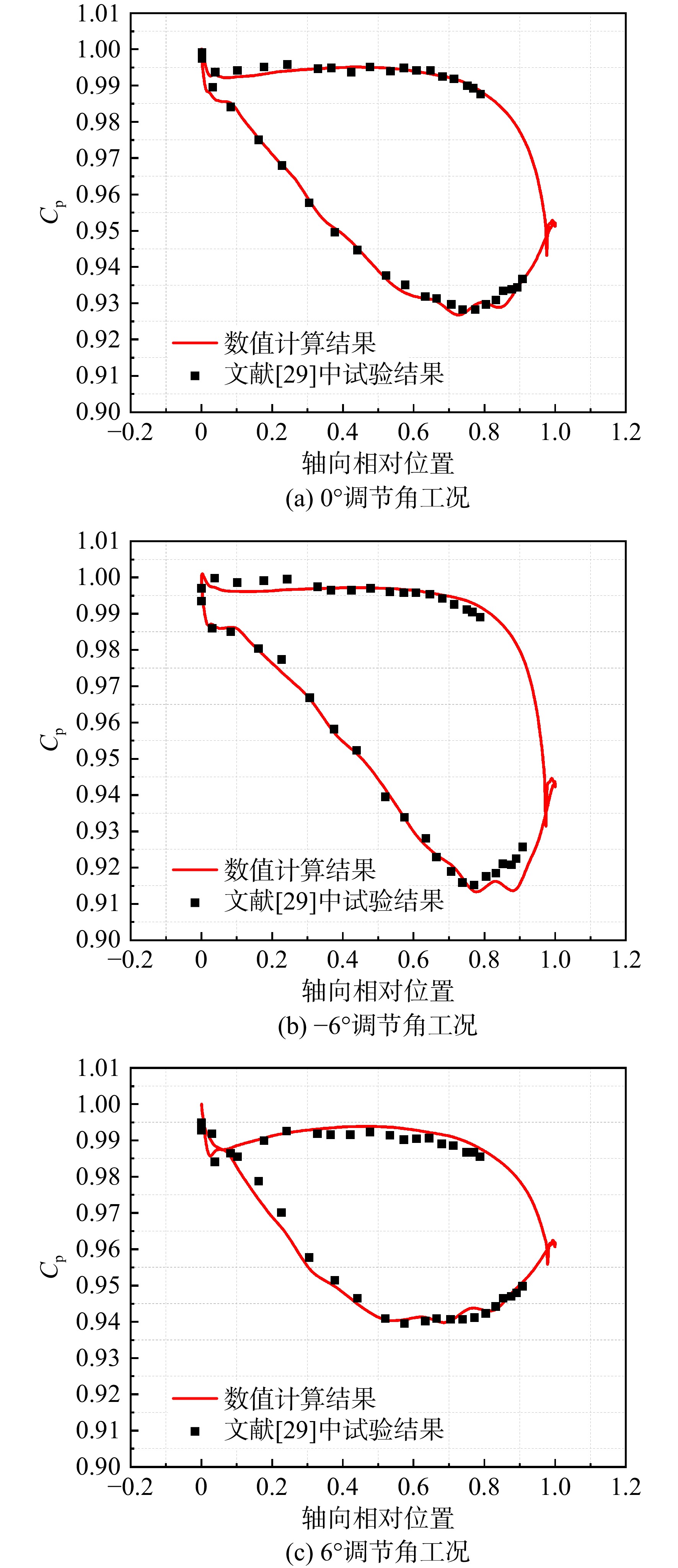
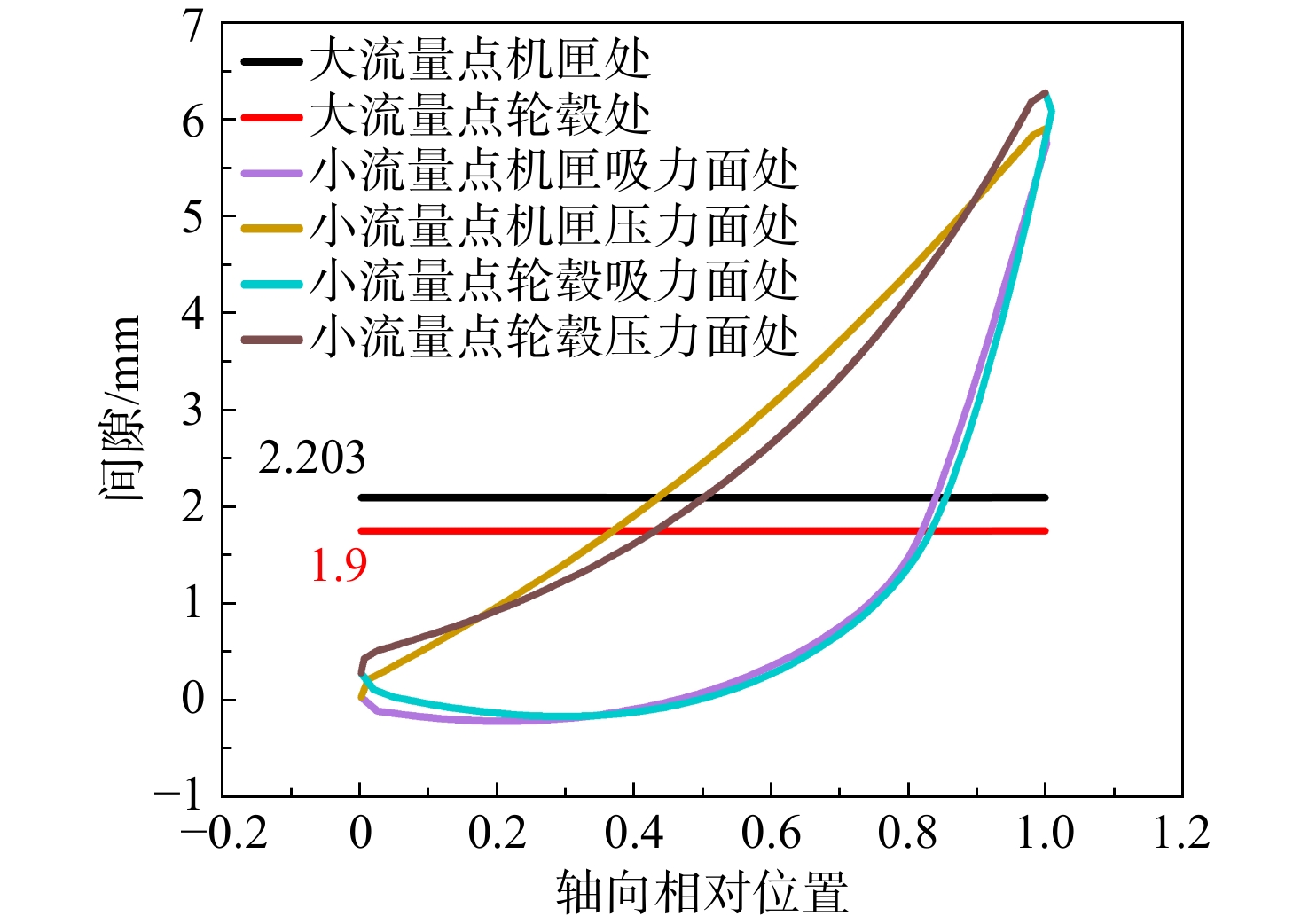
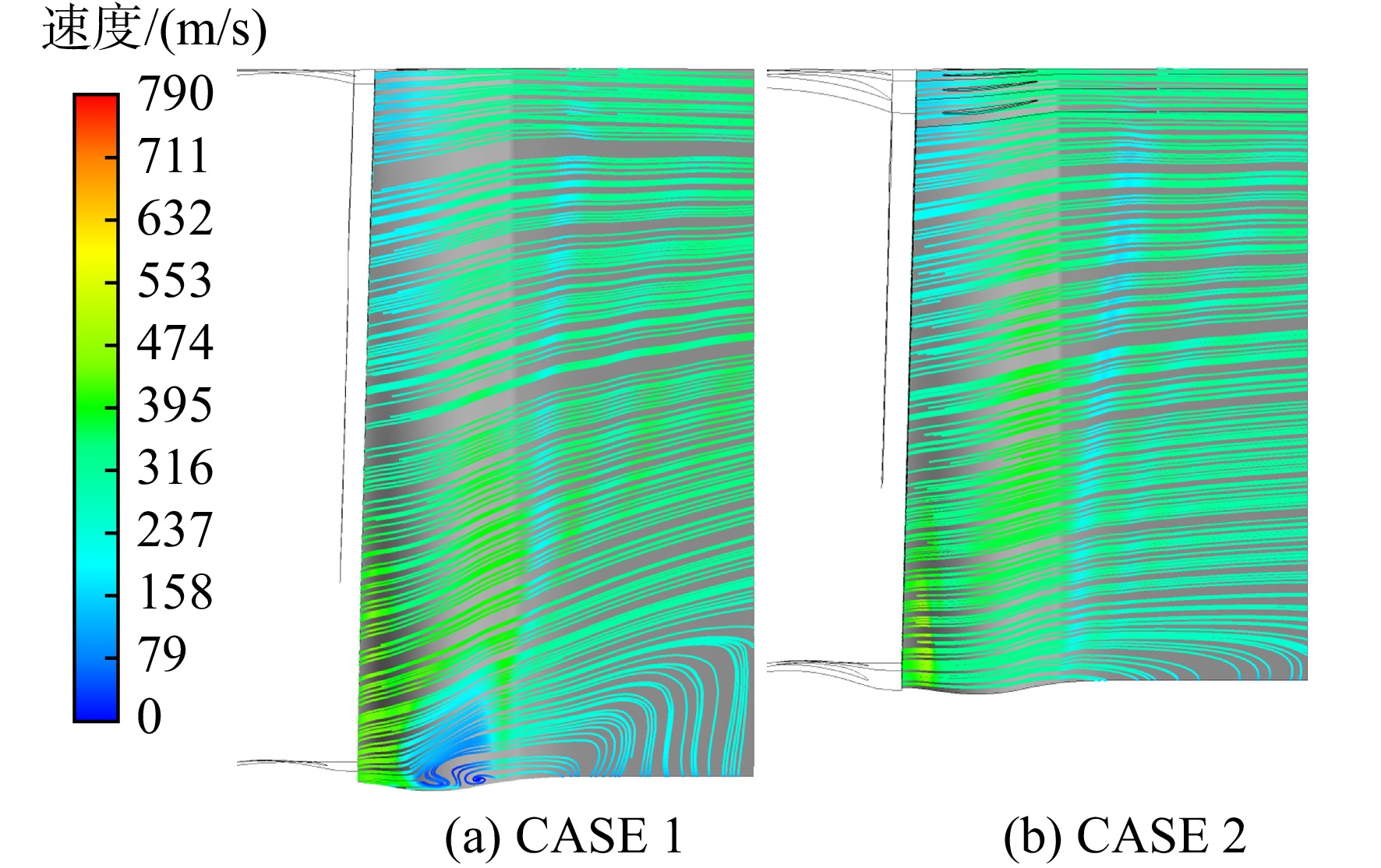
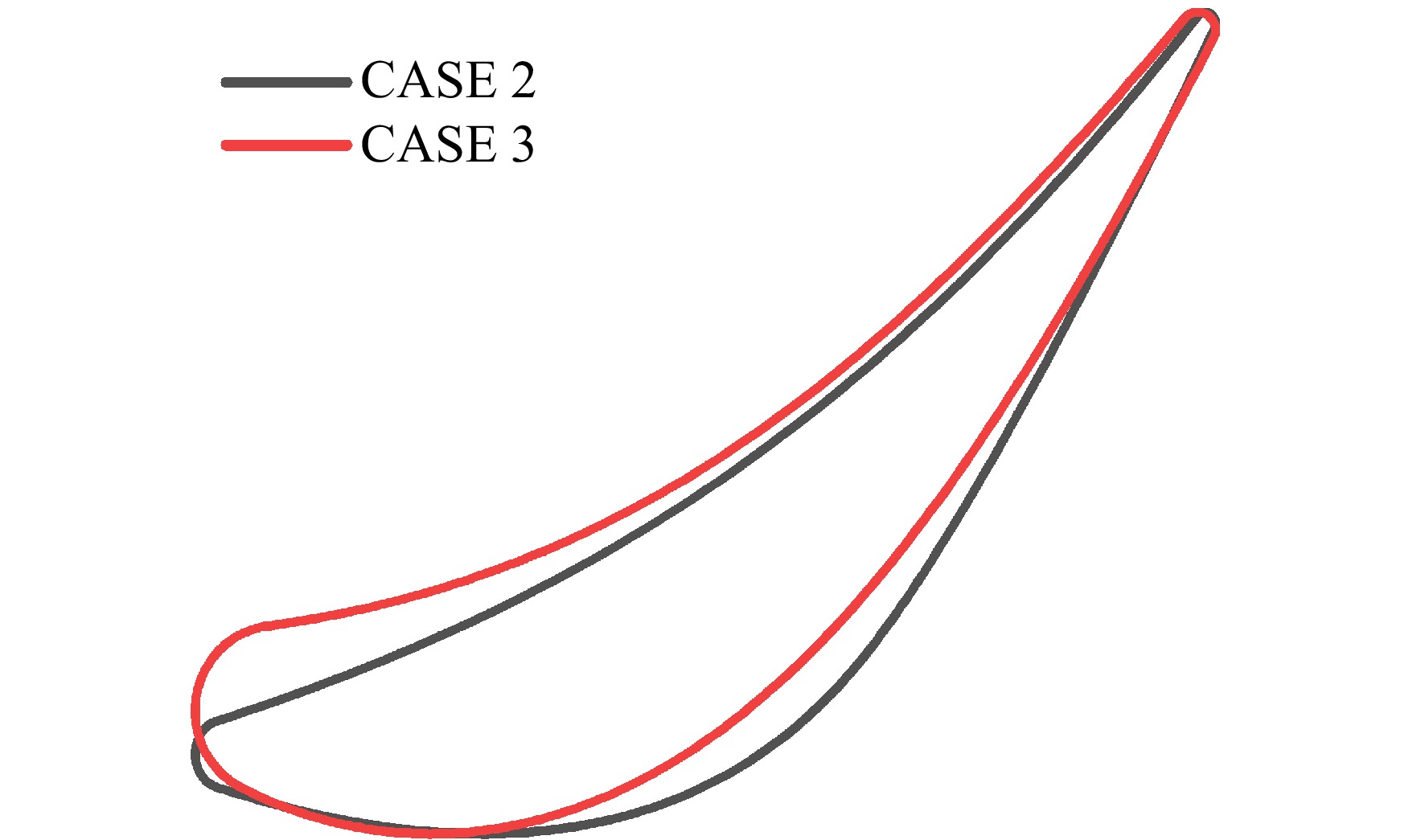
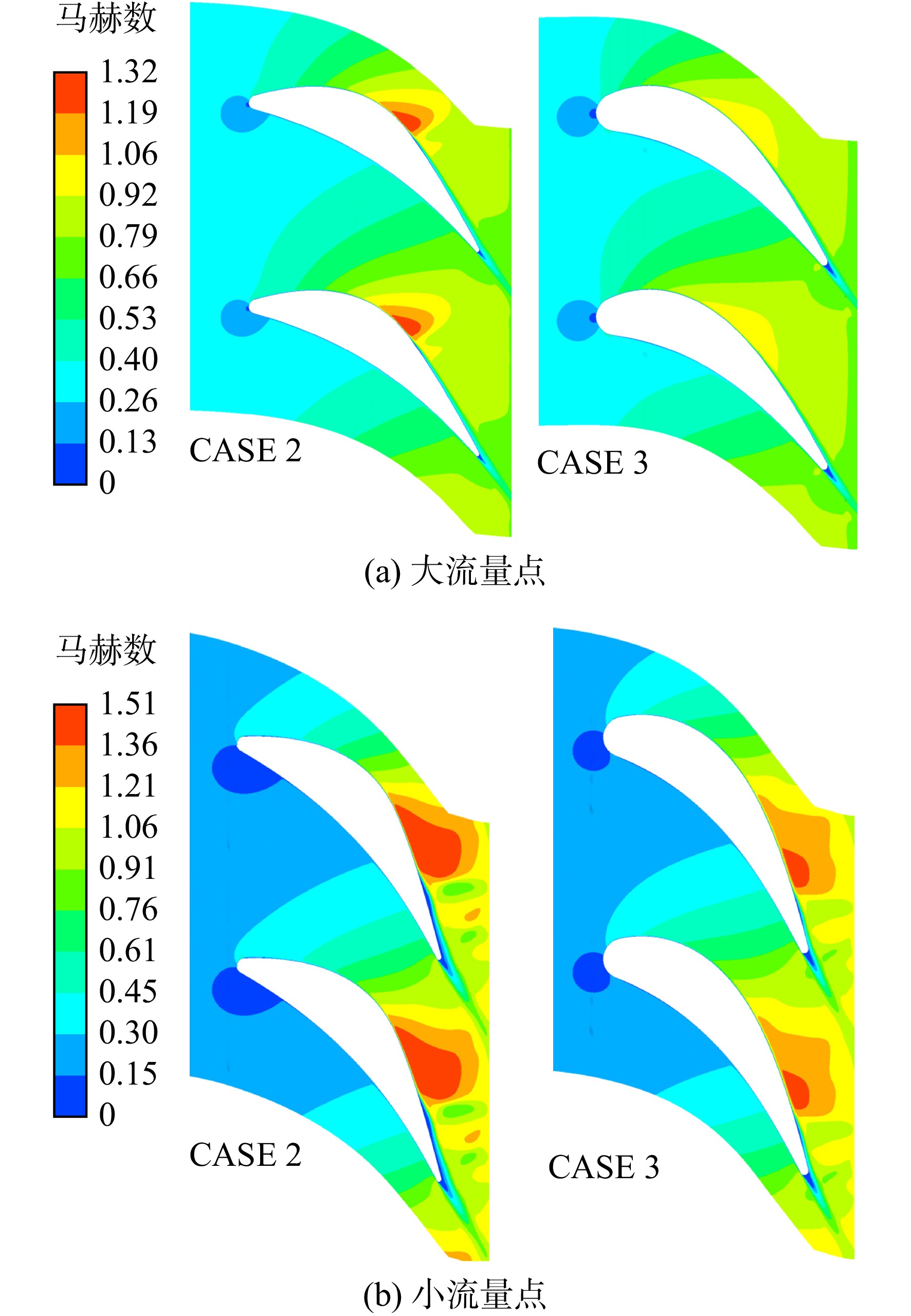
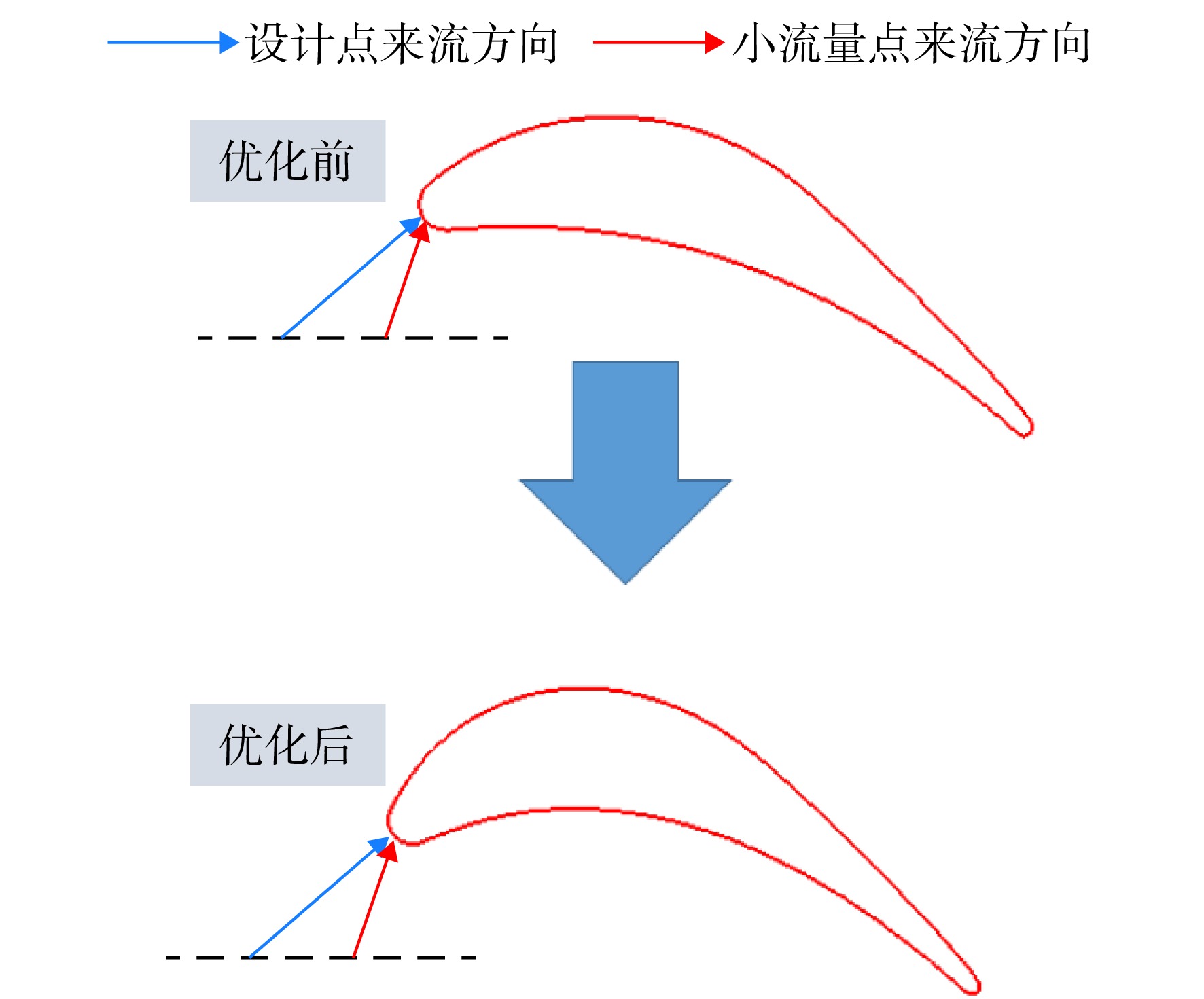
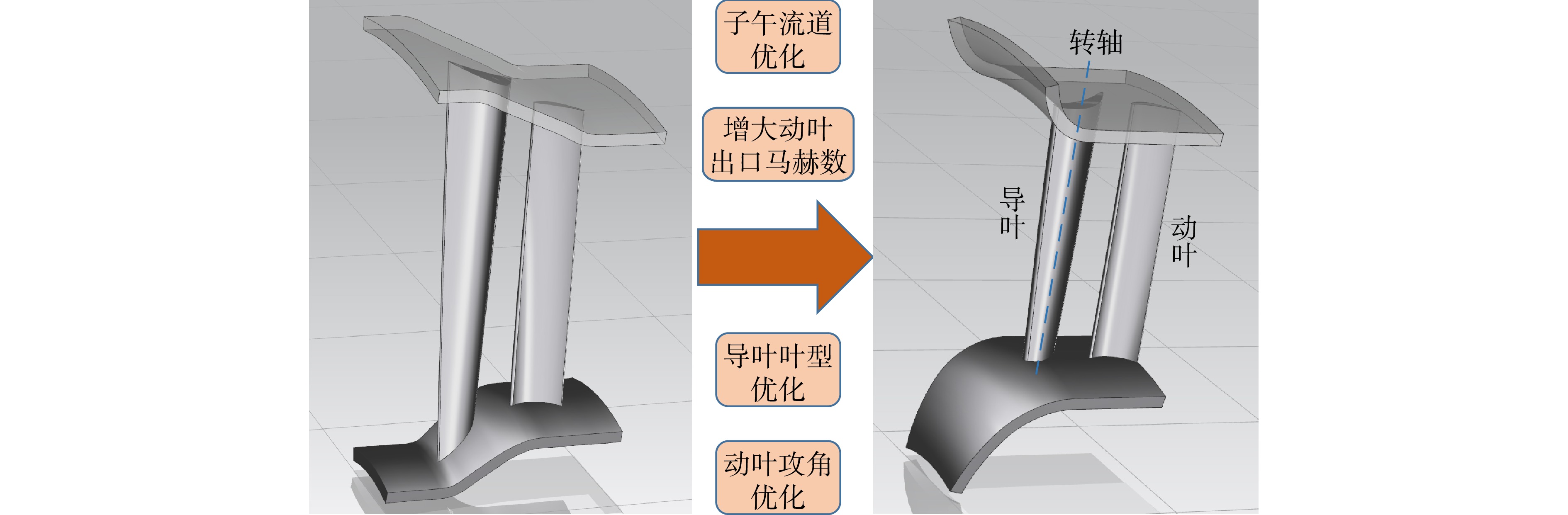
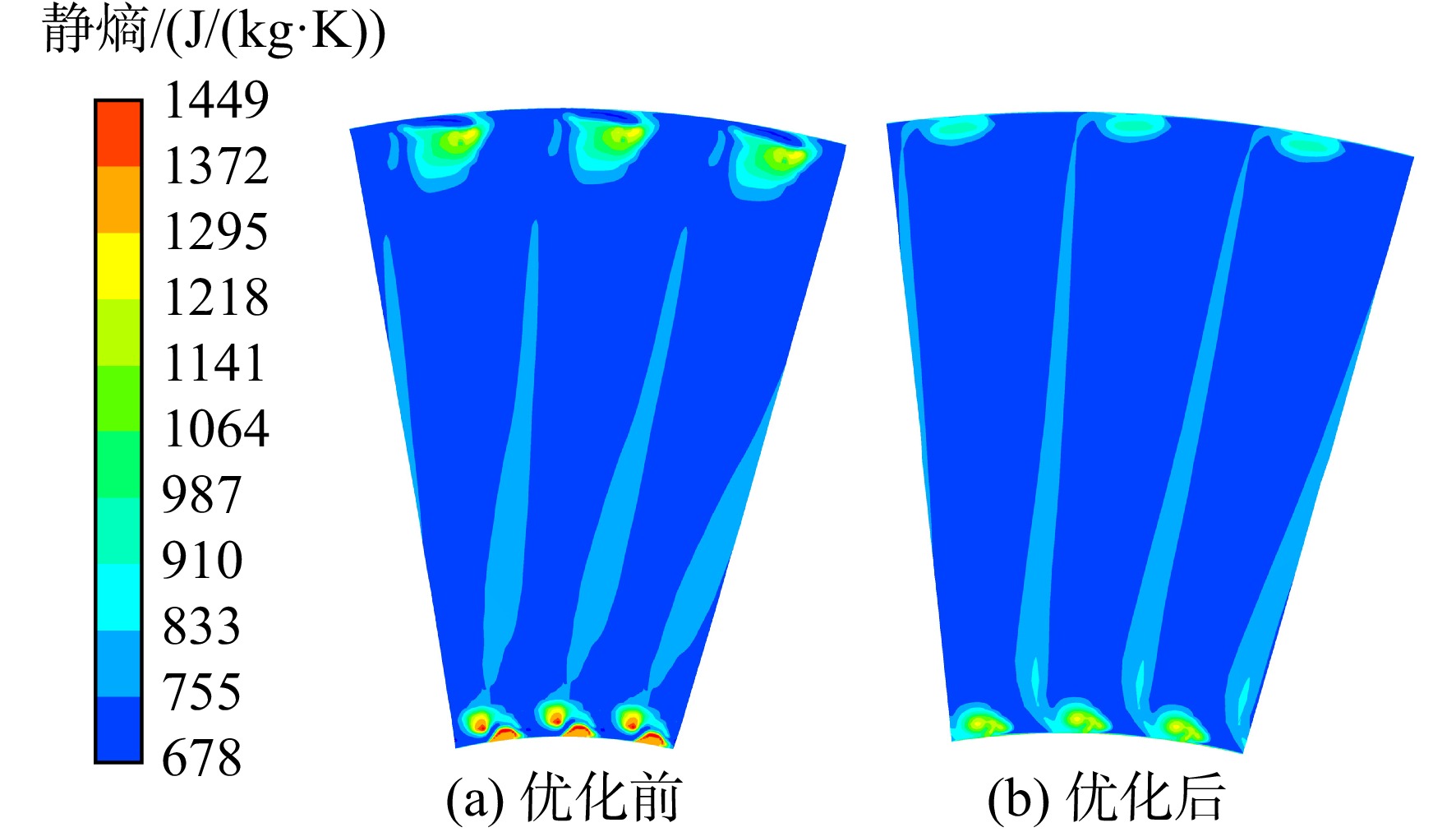
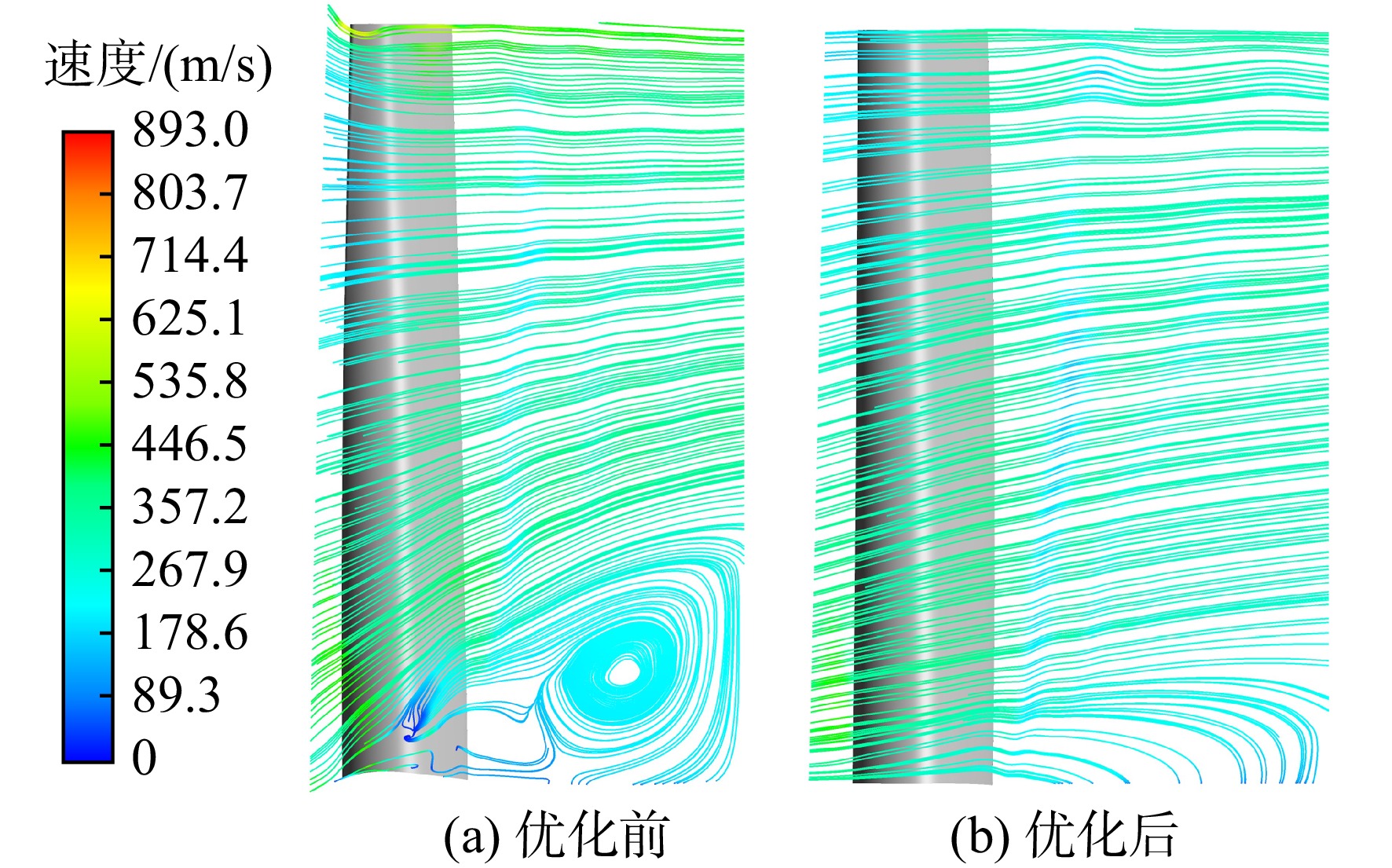
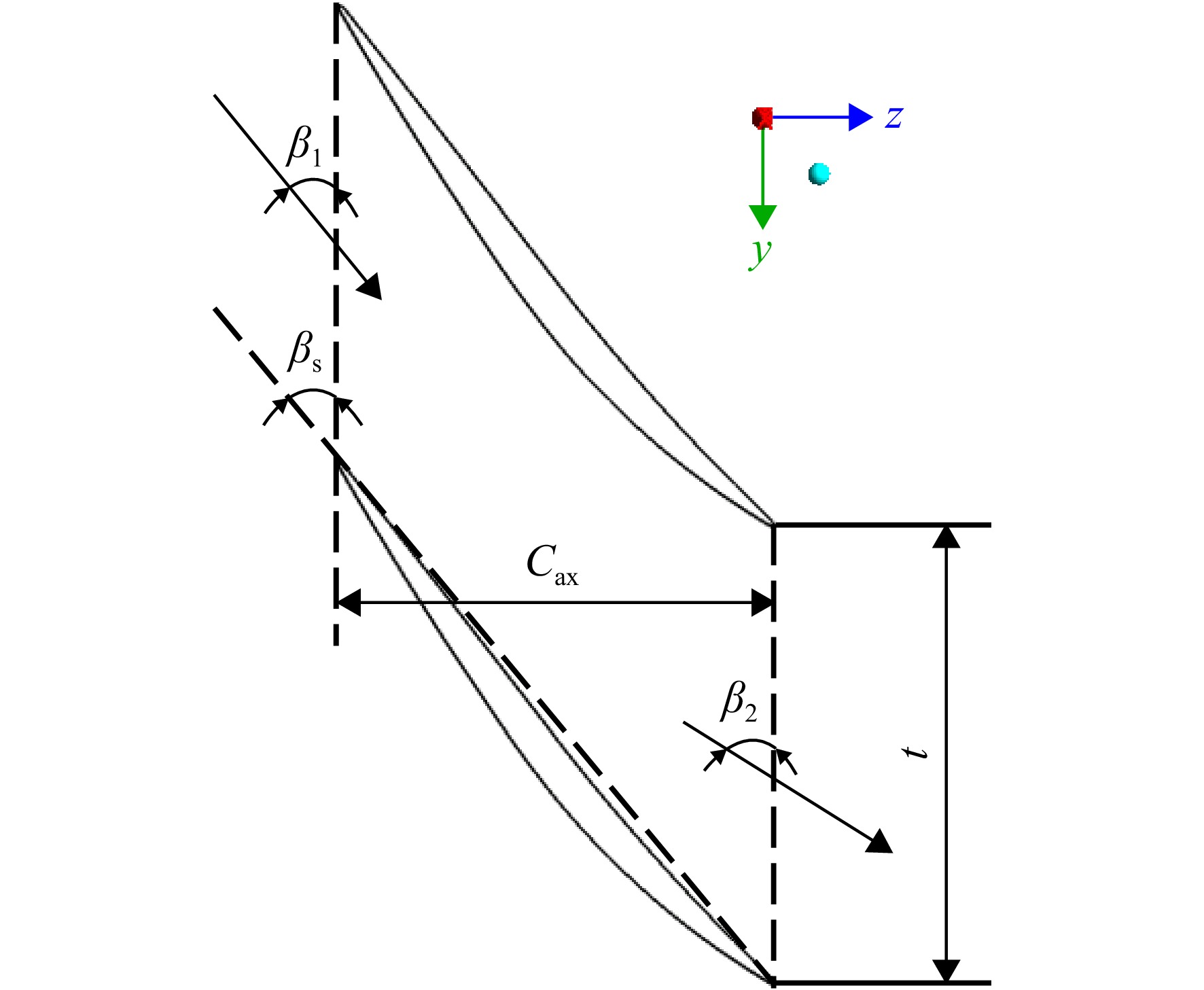
Variable geometry turbine with large flow regulation range is a crucial component of advanced variable cycle engine in the future. Numerical simulation was employed to analyze the flow loss characteristics of a single-stage variable geometry turbine with a flow regulation range exceeding 170% during extensive flow regulation, and the meridian flow channel, velocity triangle, guide vane and rotor blade profile of the turbine were optimized based on the loss source. The results showed that the efficiency of the optimized turbine was improved within the range of 100%—170% flow regulation, and the efficiency of the turbine at small flow points was 8.8% higher than that before optimization. The design of larger leading-edge diameter and negative angle of attack could help reduce the blade profile loss at small flow rate. Compared with the contraction design, the guide vane meridian channel flat design significantly reduced the tip and root clearance of the guide vane and effectively cut down the leakage loss. Increasing the outlet Mach number of the rotor could help reduce the end wall loss of the rotor blade root and improve the rotor efficiency.

Flow control of compressor rotor cascade by blade-attached vortex generator
SONG Tianchu, WANG Meng, CHEN Xiaohu, WANG Zhongyi
2025, 40(7): 20240234. doi: 10.13224/j.cnki.jasp.20240234
Abstract:

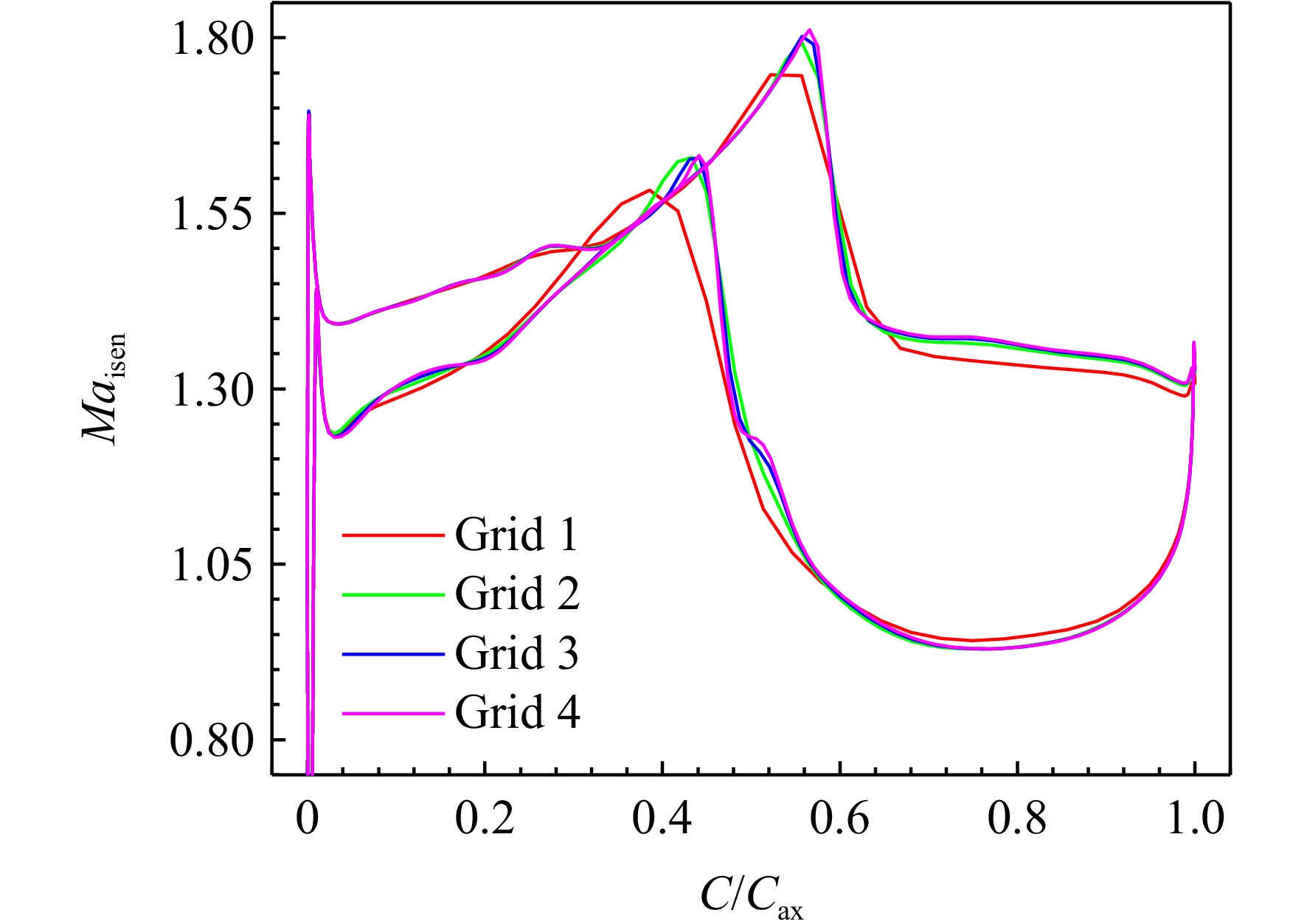
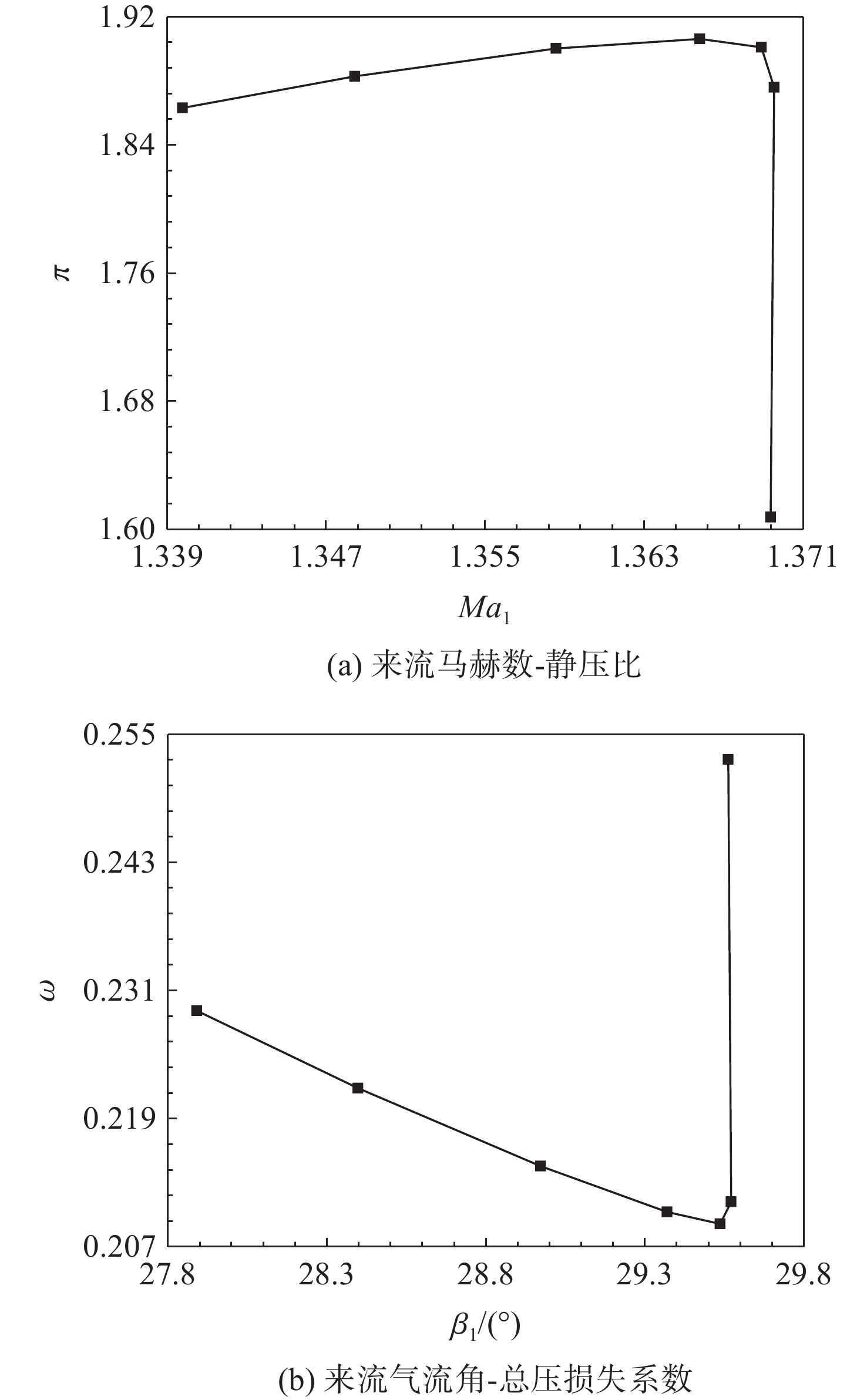
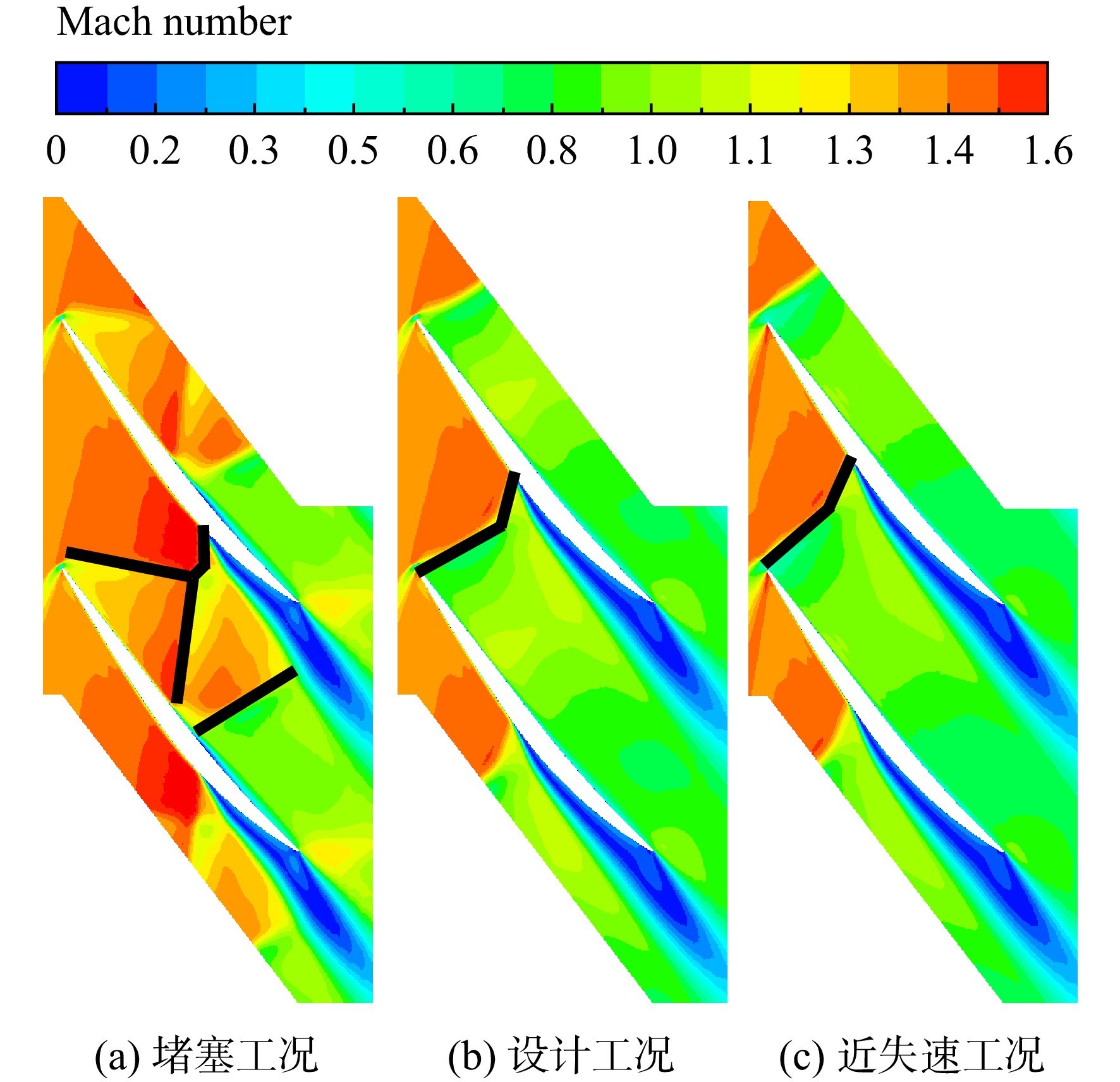
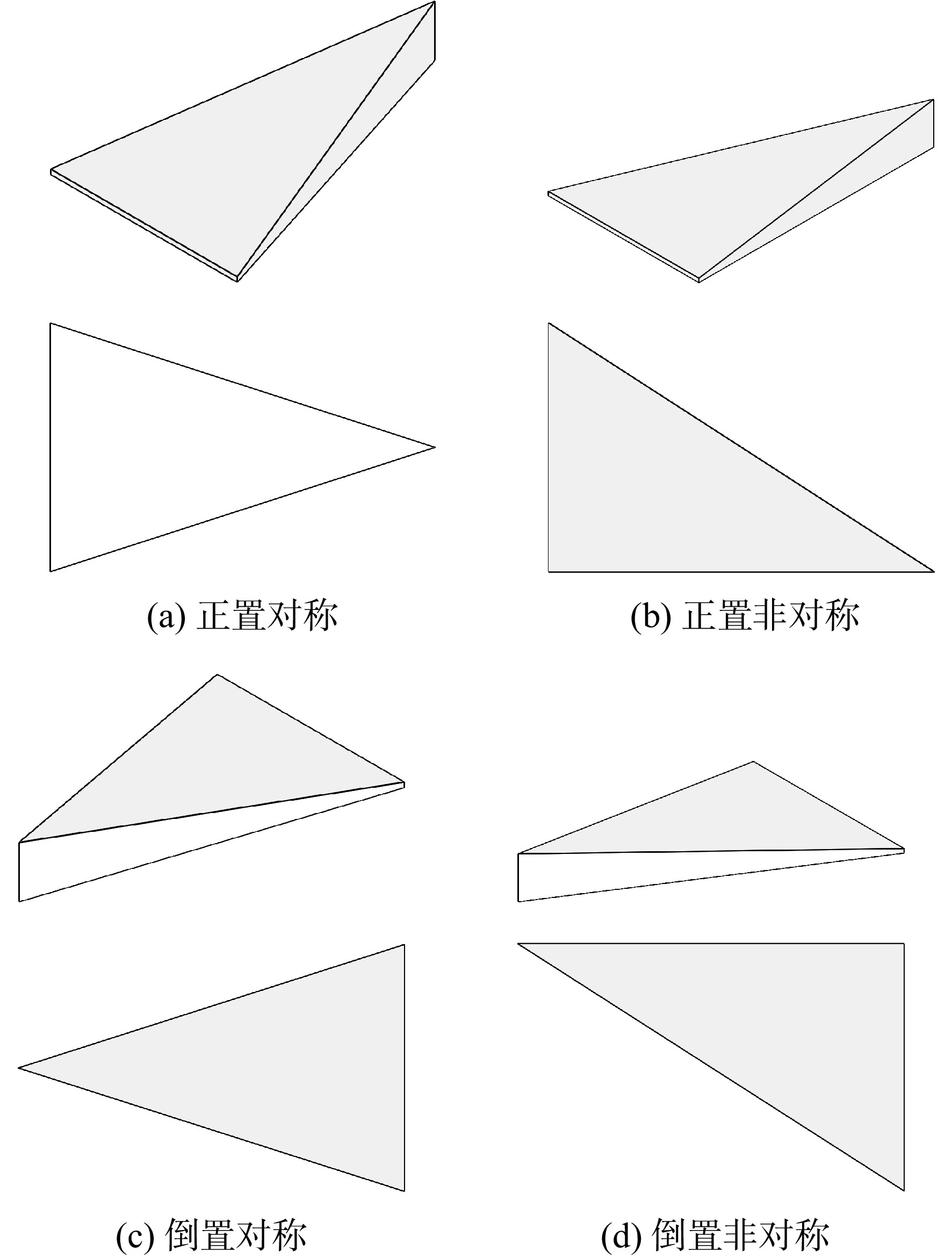
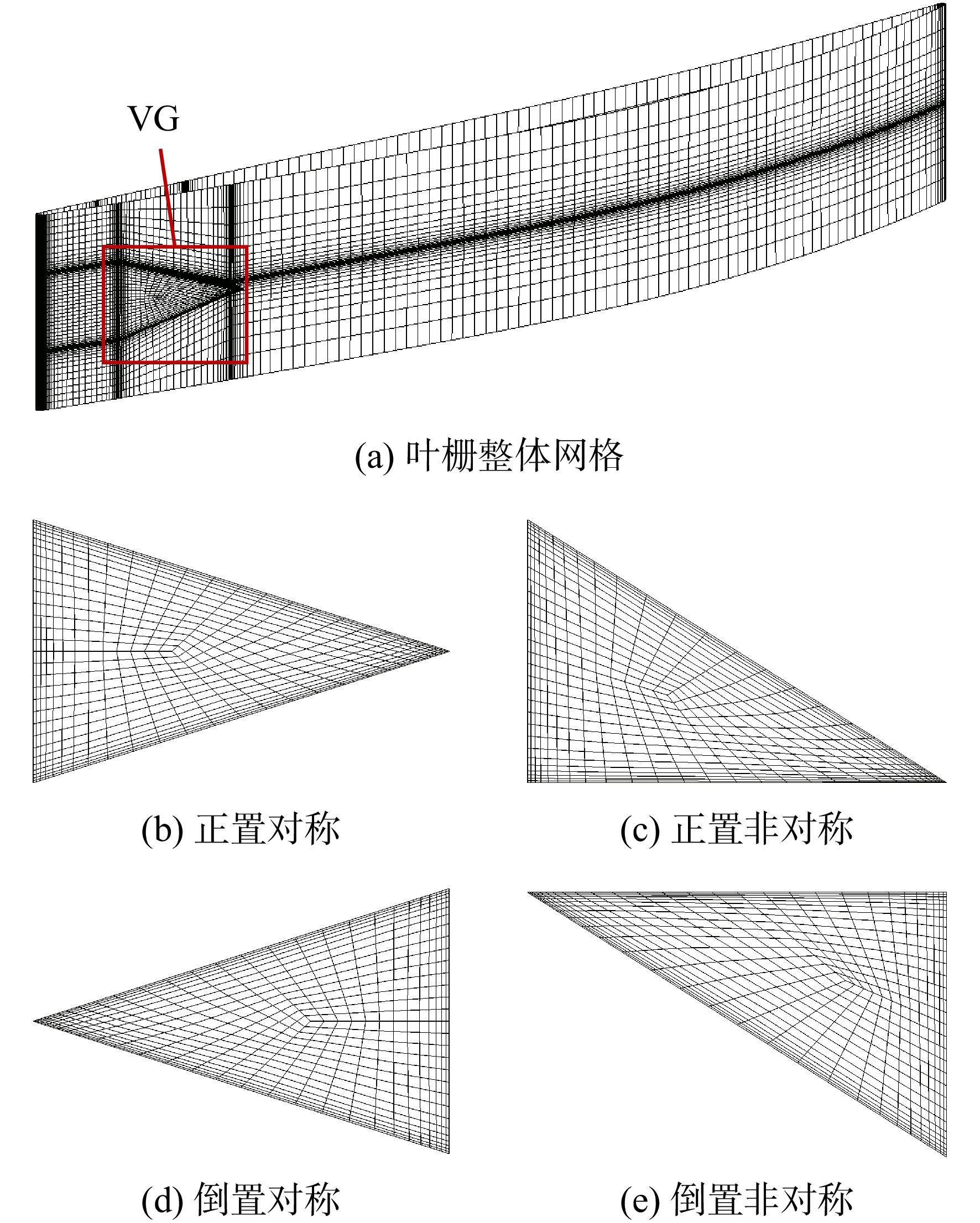
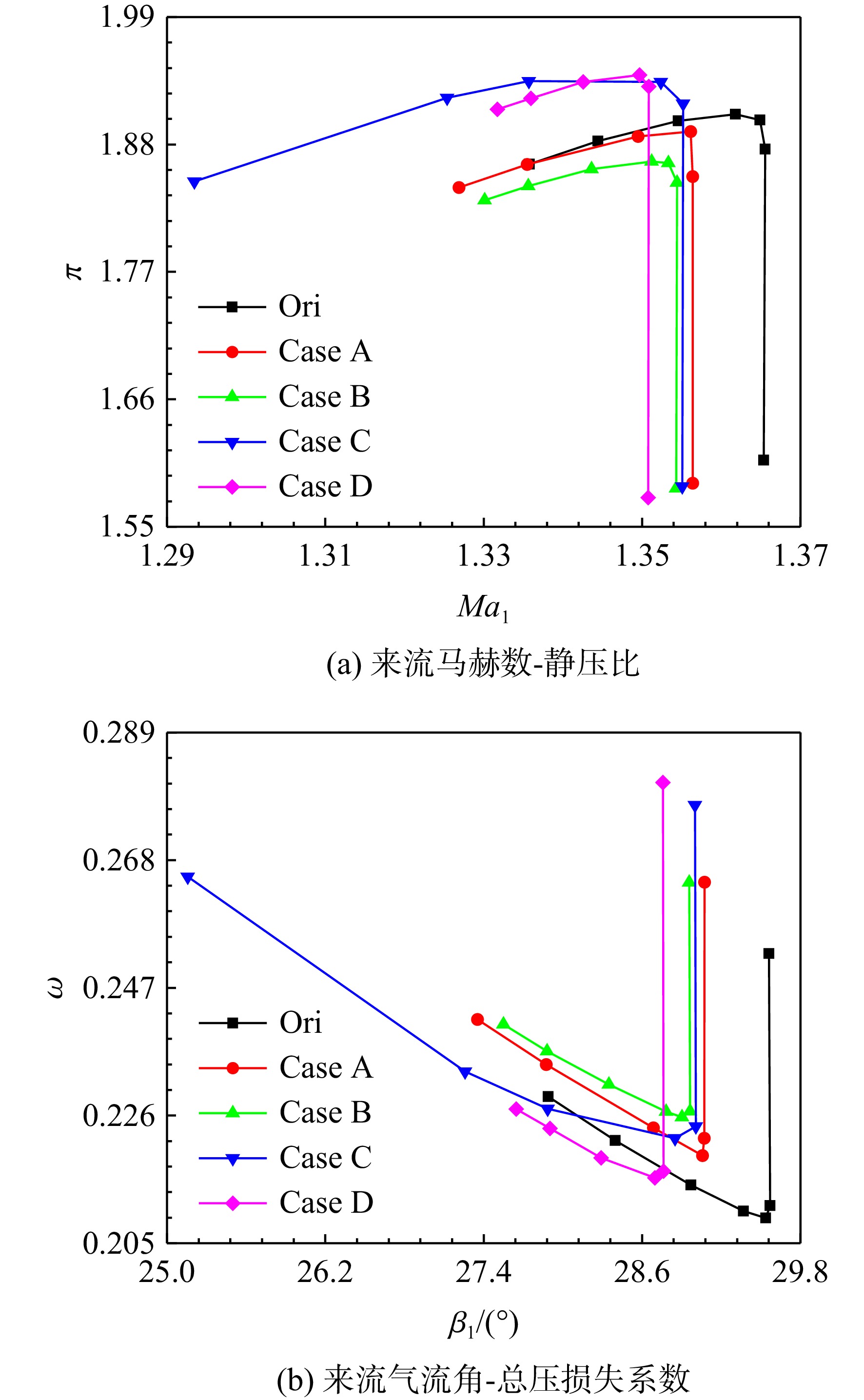
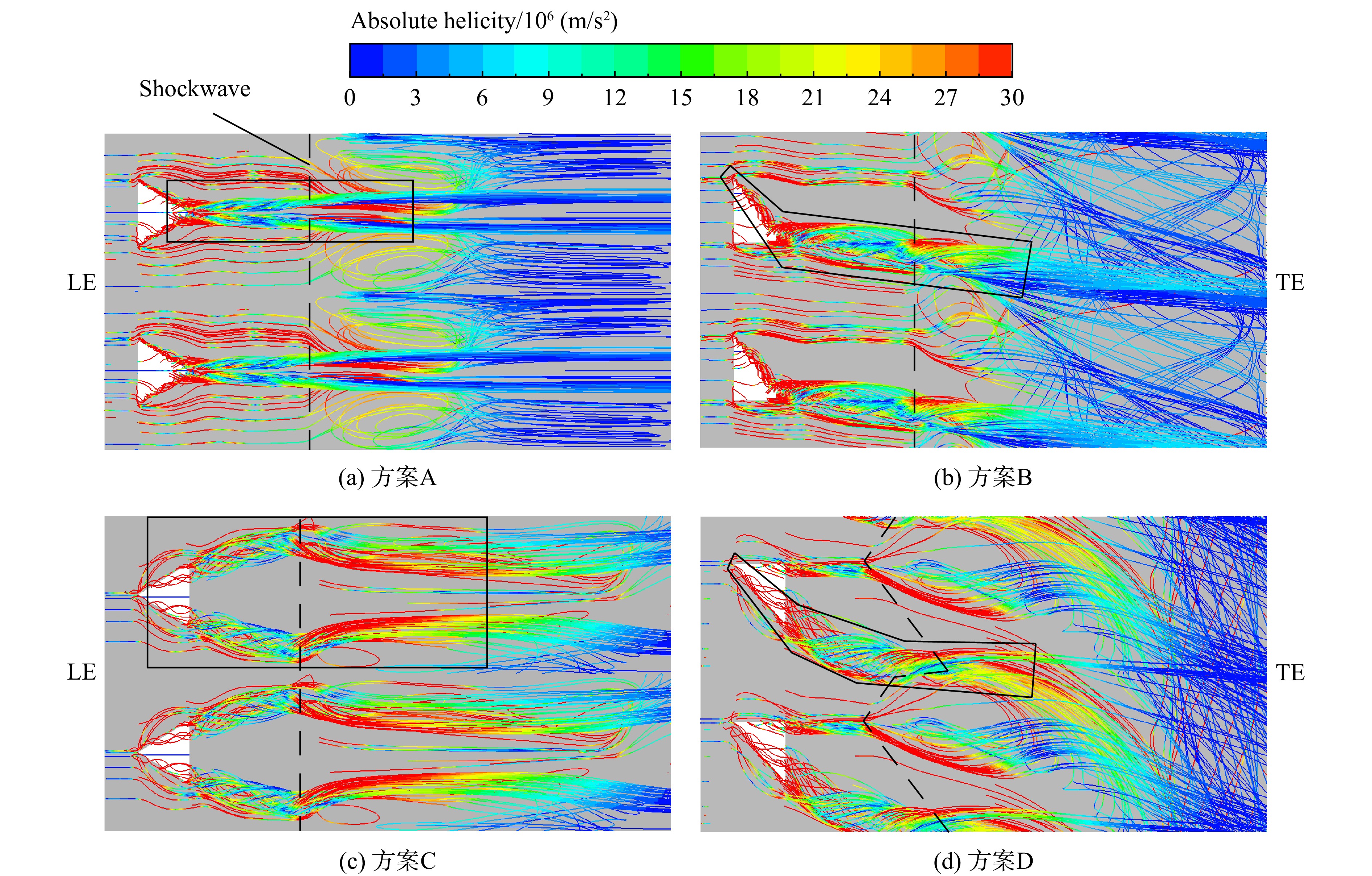
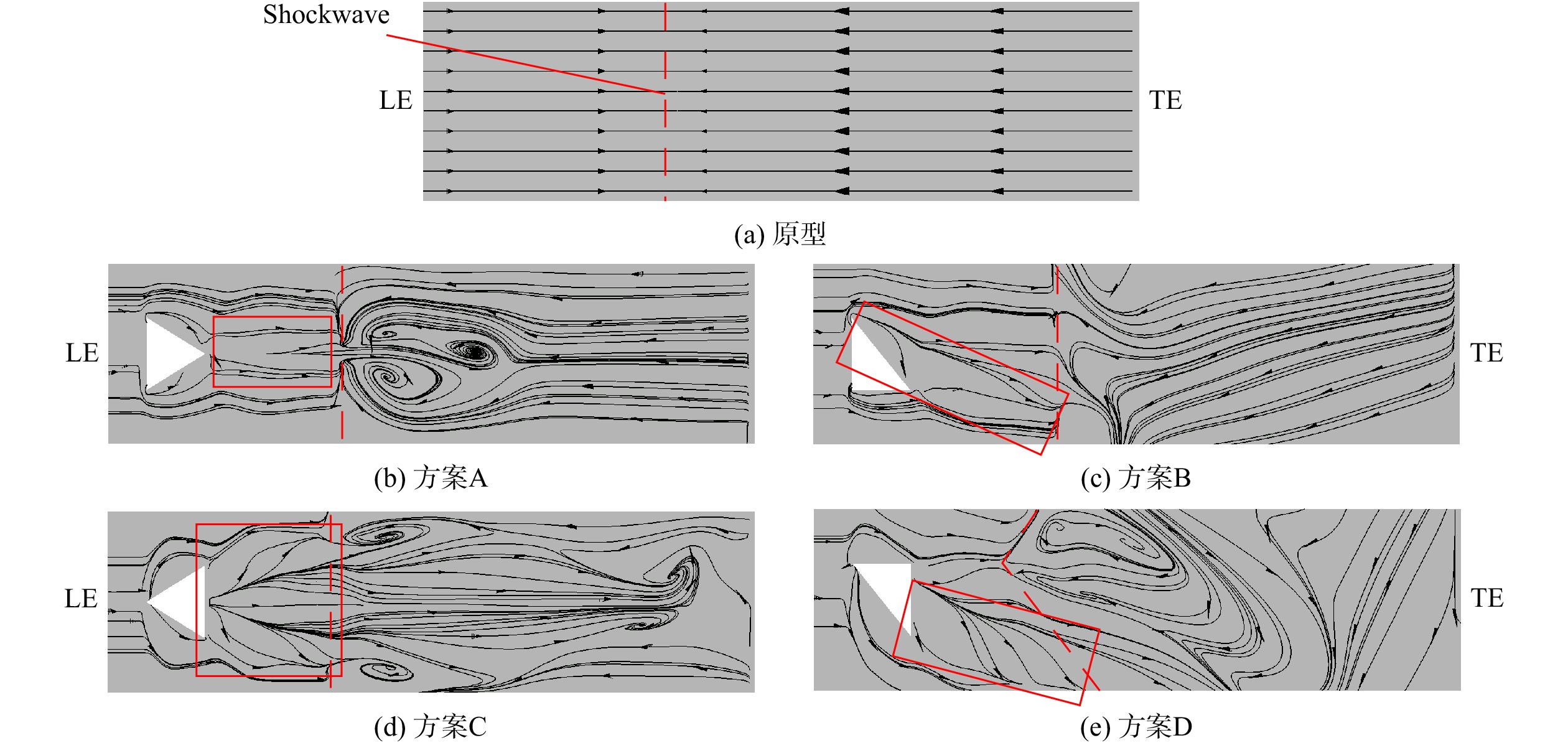
A flow control method in compressor cascade based on blade-attached wedge vortex generator (VG) was proposed, and the numerical simulation of 3D steady Reynolds-averaged Navier-Stokes (RANS) method was carried out. The numerical method was verified, and compared with the experiment results to indicate its correctness. Furthermore, the performance of cascades with four different shape VGs was calculated and the internal flow was analysed. The results showed that the VG with inverted-symmetric shape can effectively improve the cascade performance, and widen the cascade working range. The four-shape schemes can suppress shock wave/boundary layer interaction separation, but the control effects were significantly different. In curved compressor cascade passage, the VG vortex of inverted schemes was close to suction surface, and the control effect was better than that of the forward schemes away from suction surface. The weaker VG vortex pair generated by symmetric scheme can suppress shock wave/boundary layer interaction separation along the axial direction, and the stronger VG vortex from unsymmetric scheme can suppress the separation along the axial and span directions, but with greater static pressure loss. Therefore, considering the separation suppression by VG and its own negative effects, the inverted-symmetric scheme is more suitable for the flow control inside the compressor cascade.

Physically enhanced prediction method of extrapolating low speed characteristics of compressor based on PSO-SVR
ZHEN Man, DONG Xuezhi, LIU Xiyang, TAN Chunqing
2025, 40(7): 20230303. doi: 10.13224/j.cnki.jasp.20230303
Abstract:

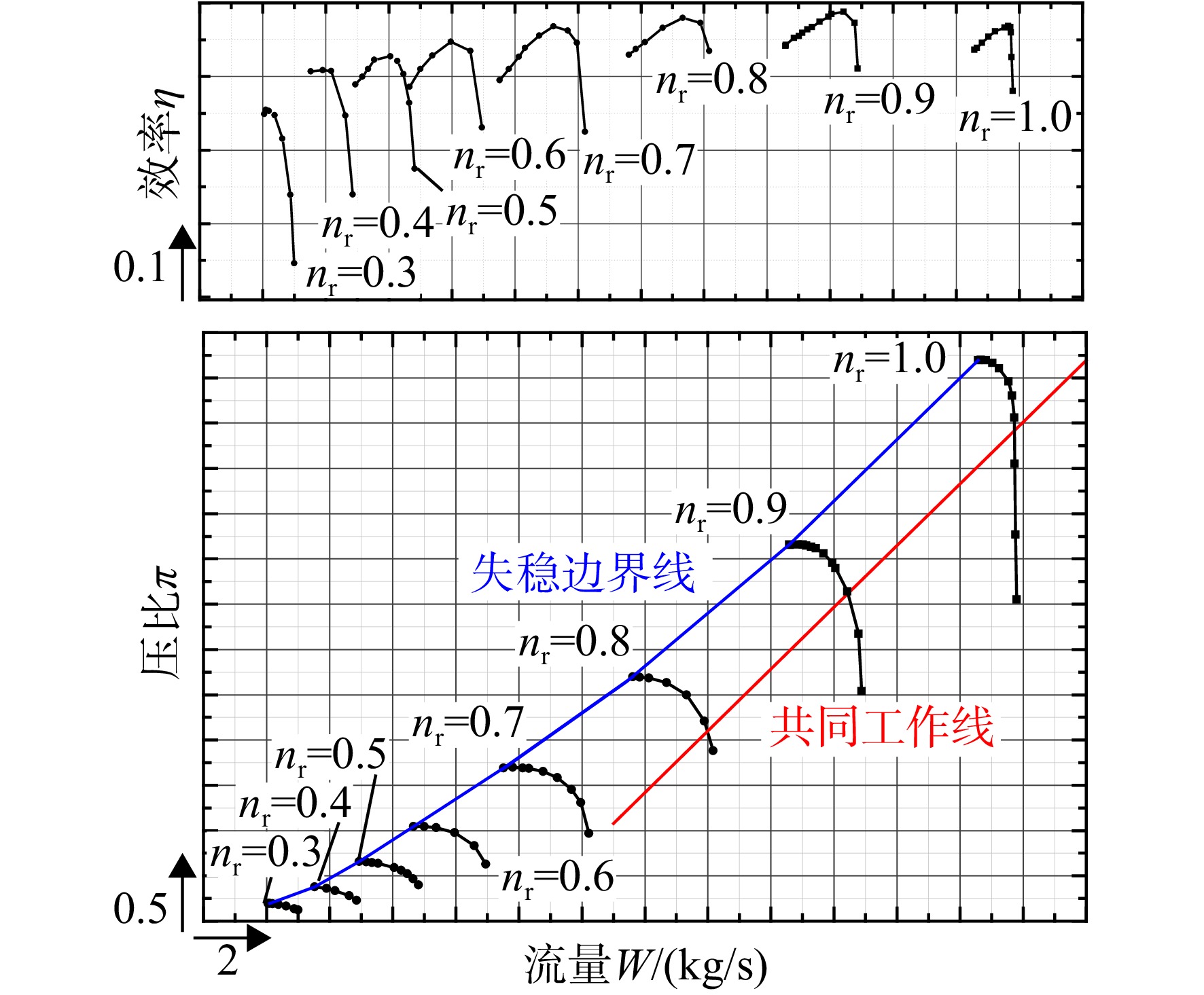
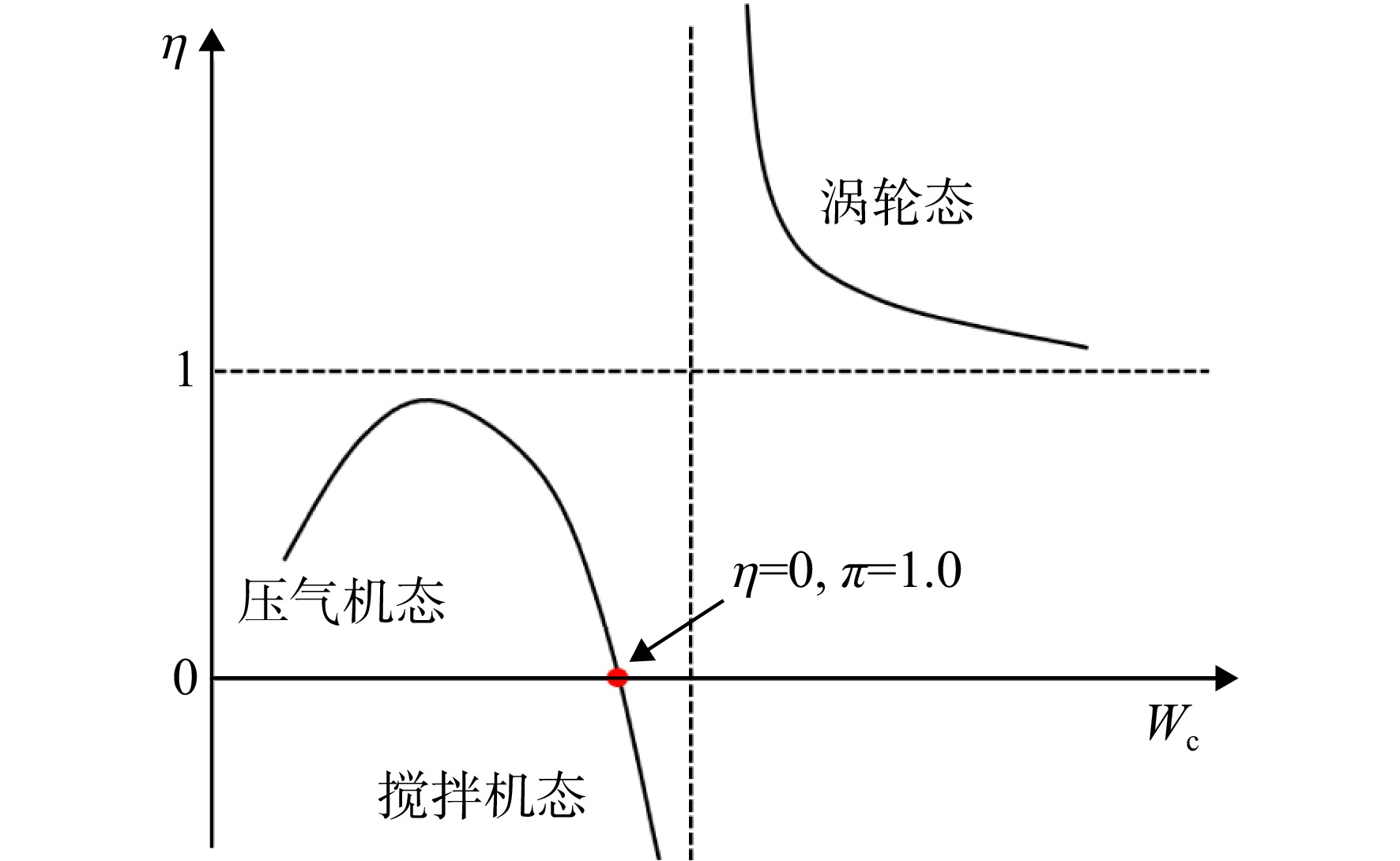
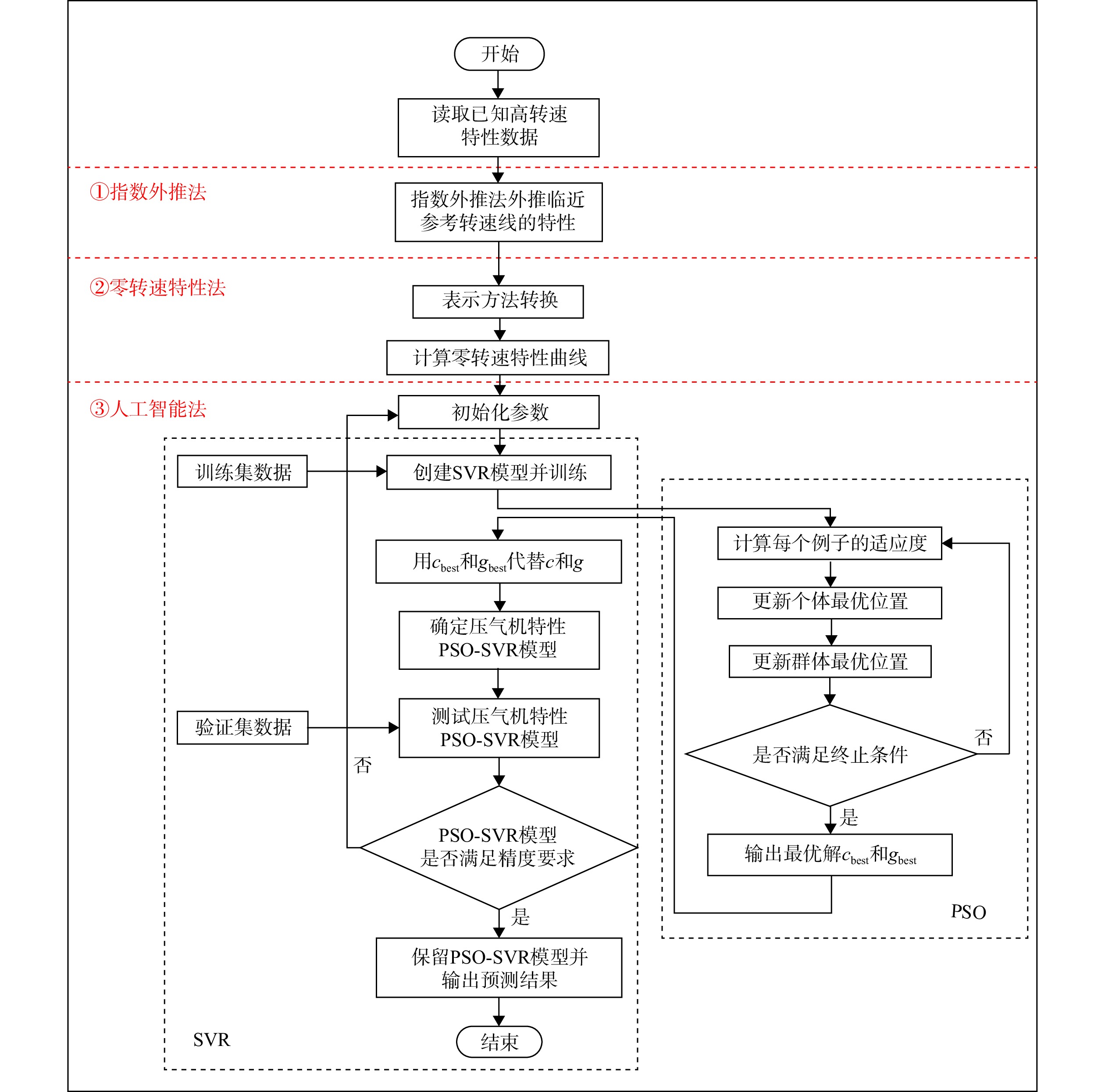
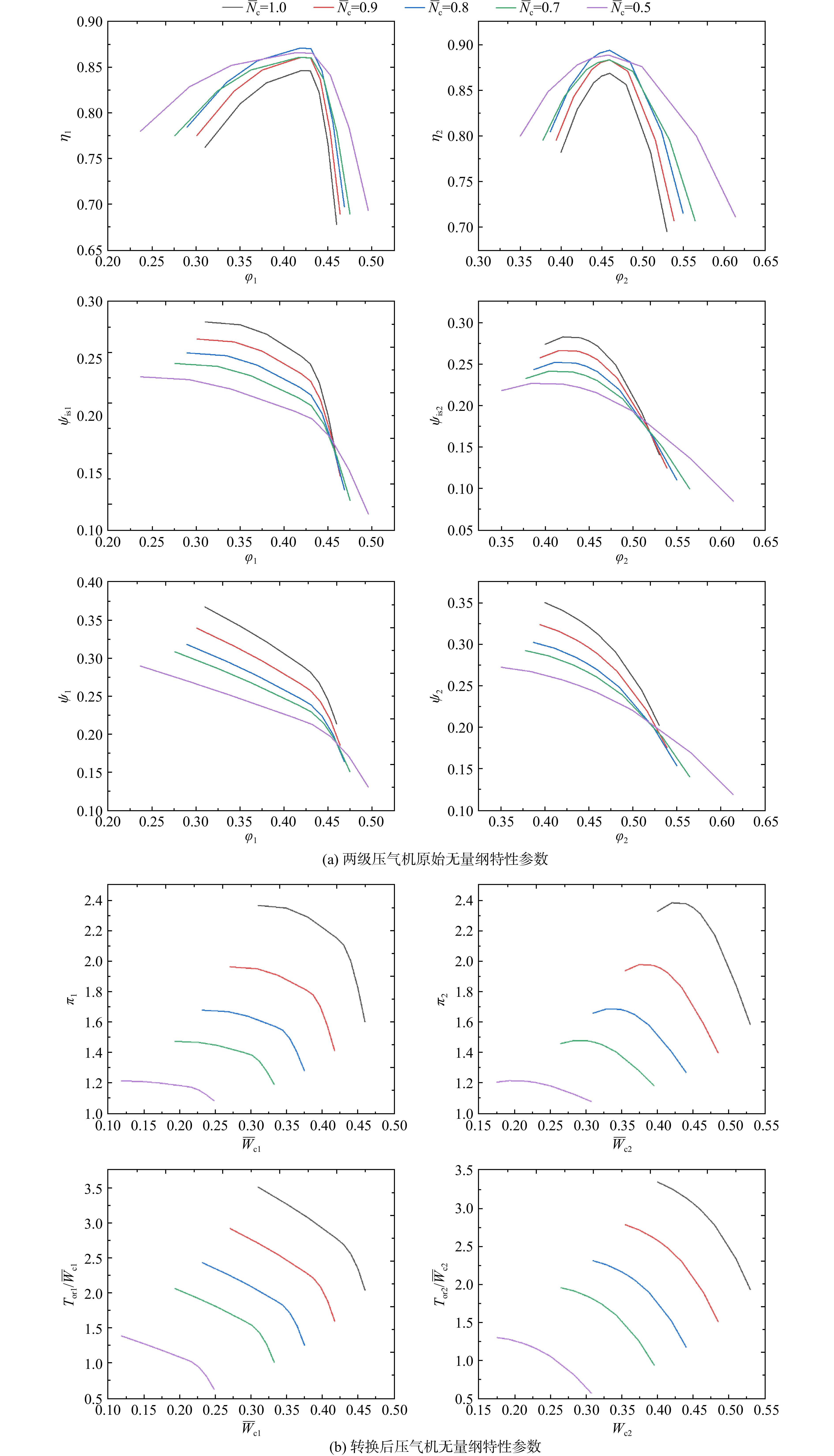
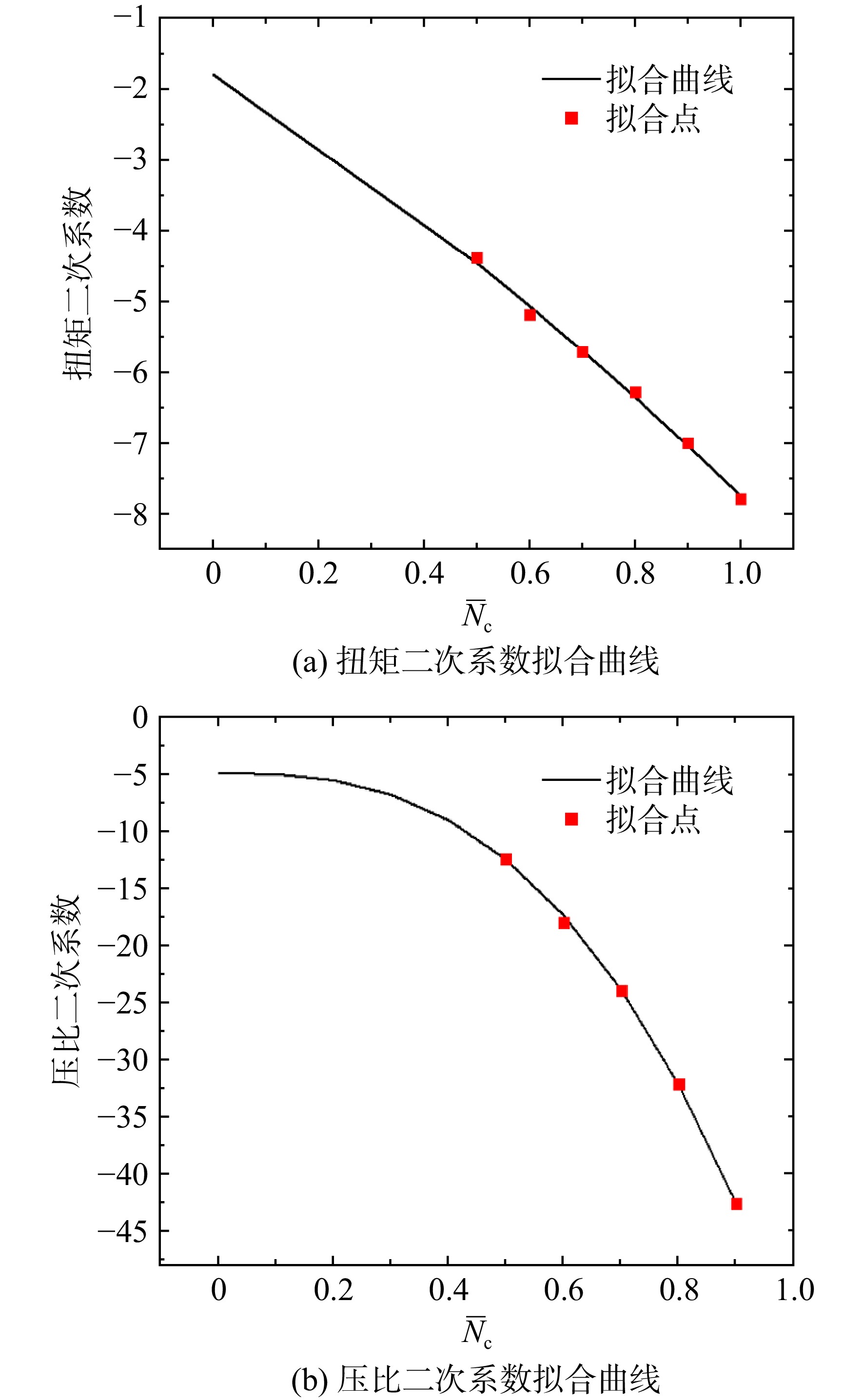
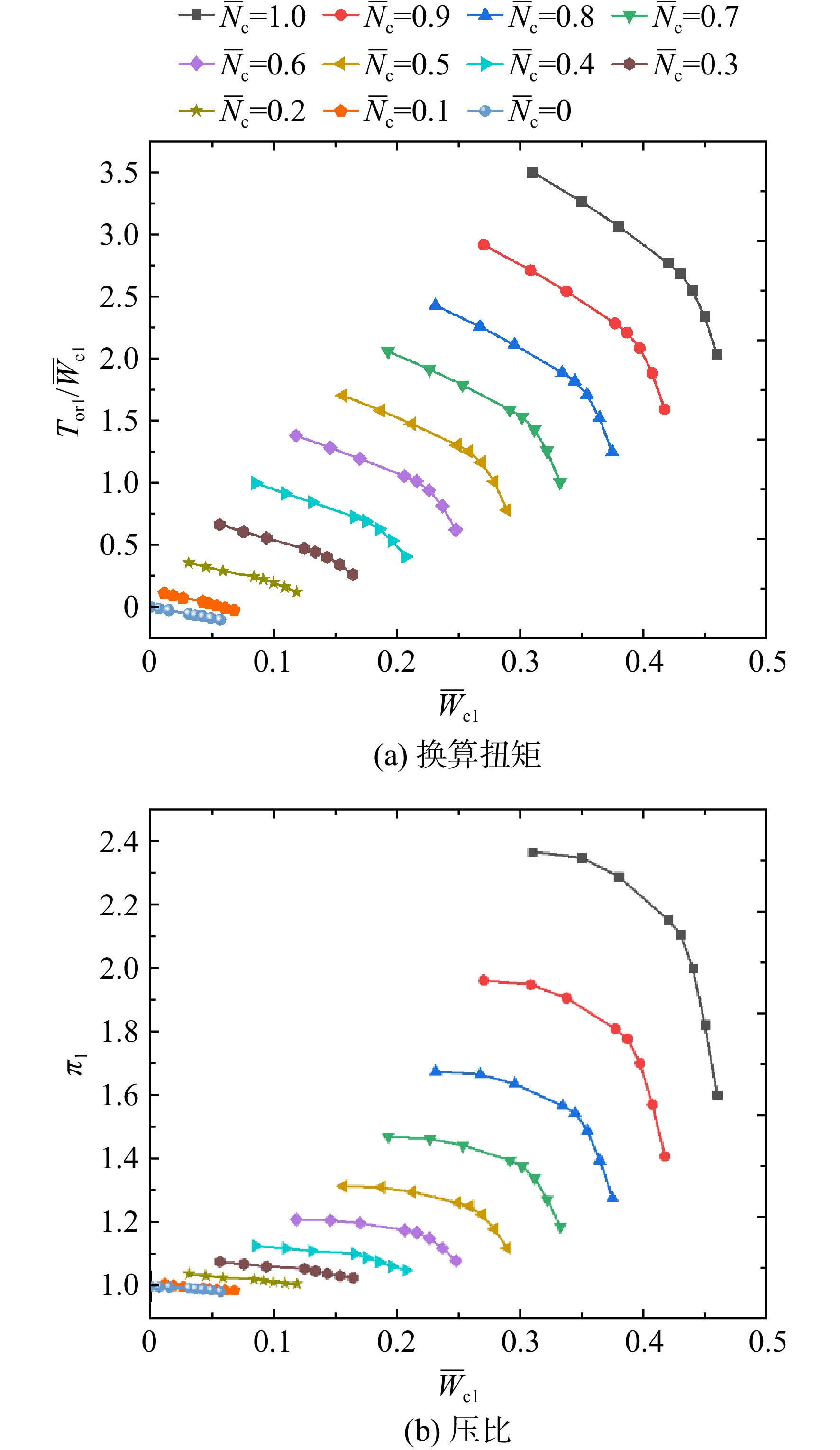
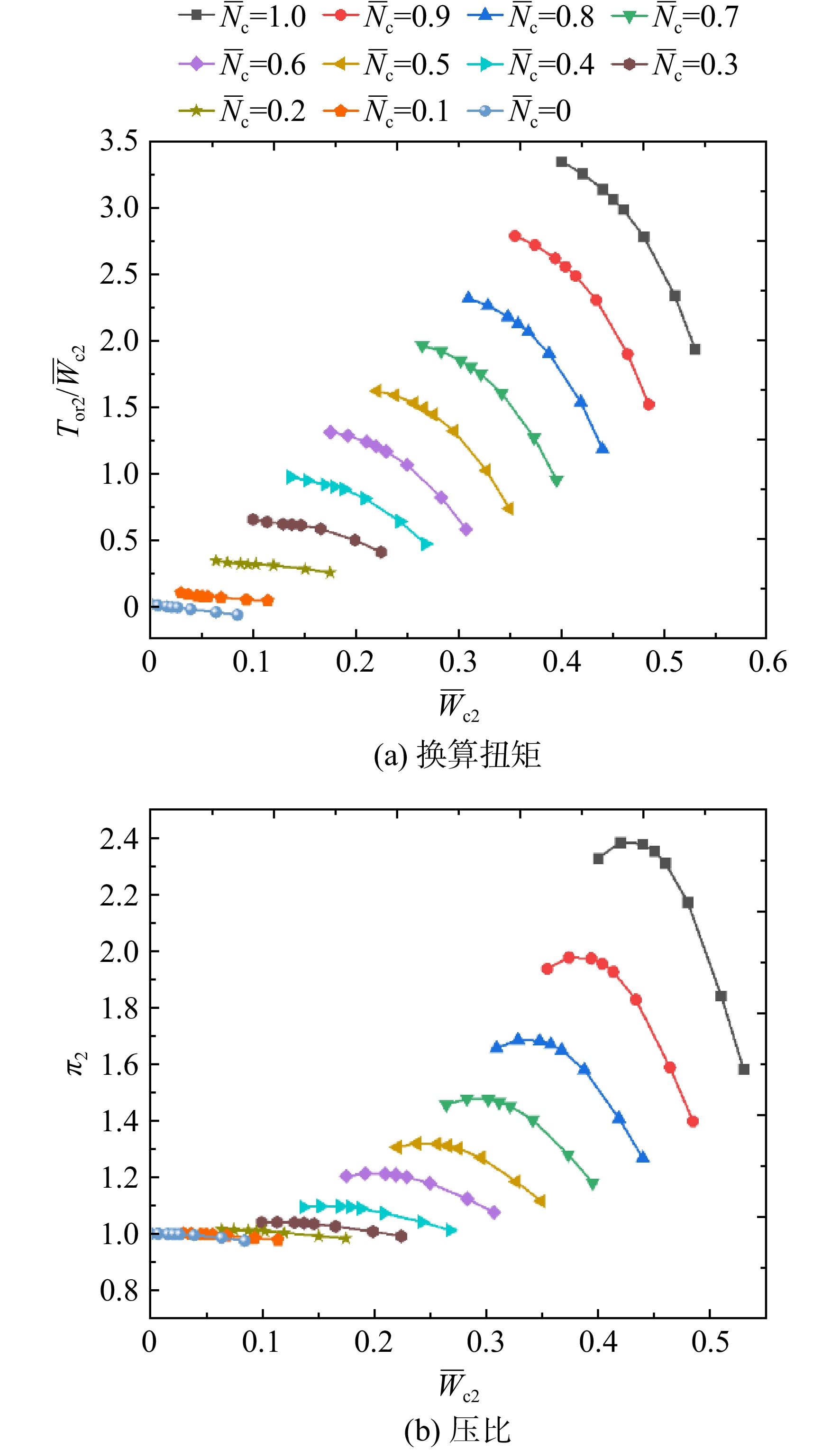
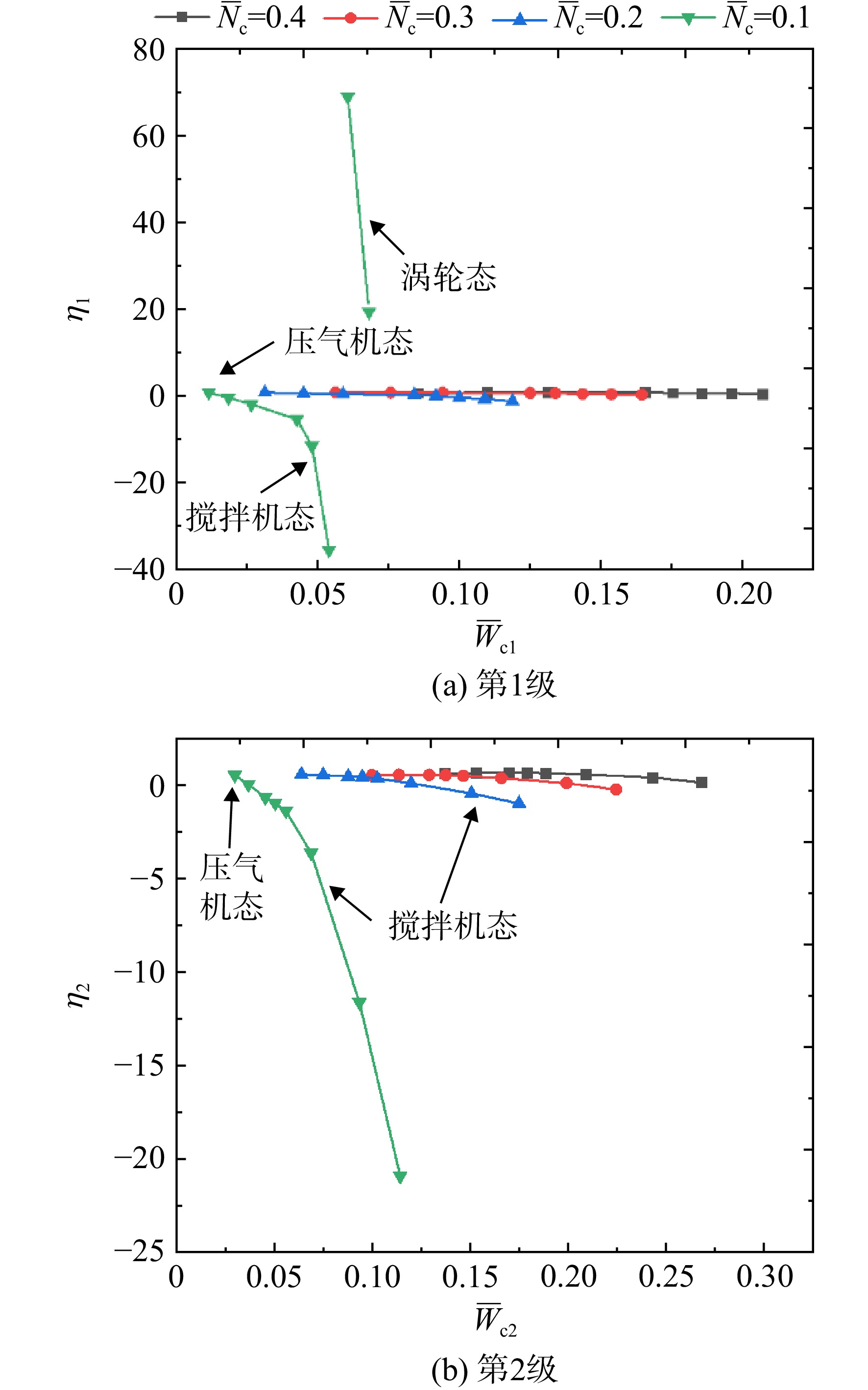
A physically enhanced prediction method based on particle swarm optimization (PSO) optimization support vector regression (SVR) was proposed to address the issue of low accuracy and discontinuous isentropic efficiency of compressor performance at low speed. This method combined several physical extrapolation methods and utilized particle swarm optimization to optimize the support vector regression model parameters for the regression prediction of compressor’s low speed characteristics. The traditional single-stage characteristic parameters of the compressor were converted into corrected torque, and the compressor zero speed characteristic line was extrapolated. The high-speed characteristics were employed as the training set to establish the support vector regression model, PSO was used to obtain the high-precision regression SVR model, and the model was applied to predict the low speed characteristics of compressor. Results showed that the minimum determination coefficient was 0.976, the maximum mean square error was 0.06%, and the maximum average relative error was 8.96% in the prediction results based on PSO-SVR model. The three working states of compressor were predicted at low speed based on PSO-SVR model, including compressor, stirrer and turbine states. Therefore, the prediction method can fully mine the information contained in the data, improve the prediction accuracy of compressor at low-speed characteristics and provide data support for engine starting simulation.

Cavitation characteristics of rotary vane pump in aeroengine lubricating oil system and their effects on pump performance
WANG Ge, WANG Yijin, HE Denghui, YANG Lina, CAO Ming, BAI Bofeng
2025, 40(7): 20240106. doi: 10.13224/j.cnki.jasp.20240106
Abstract:

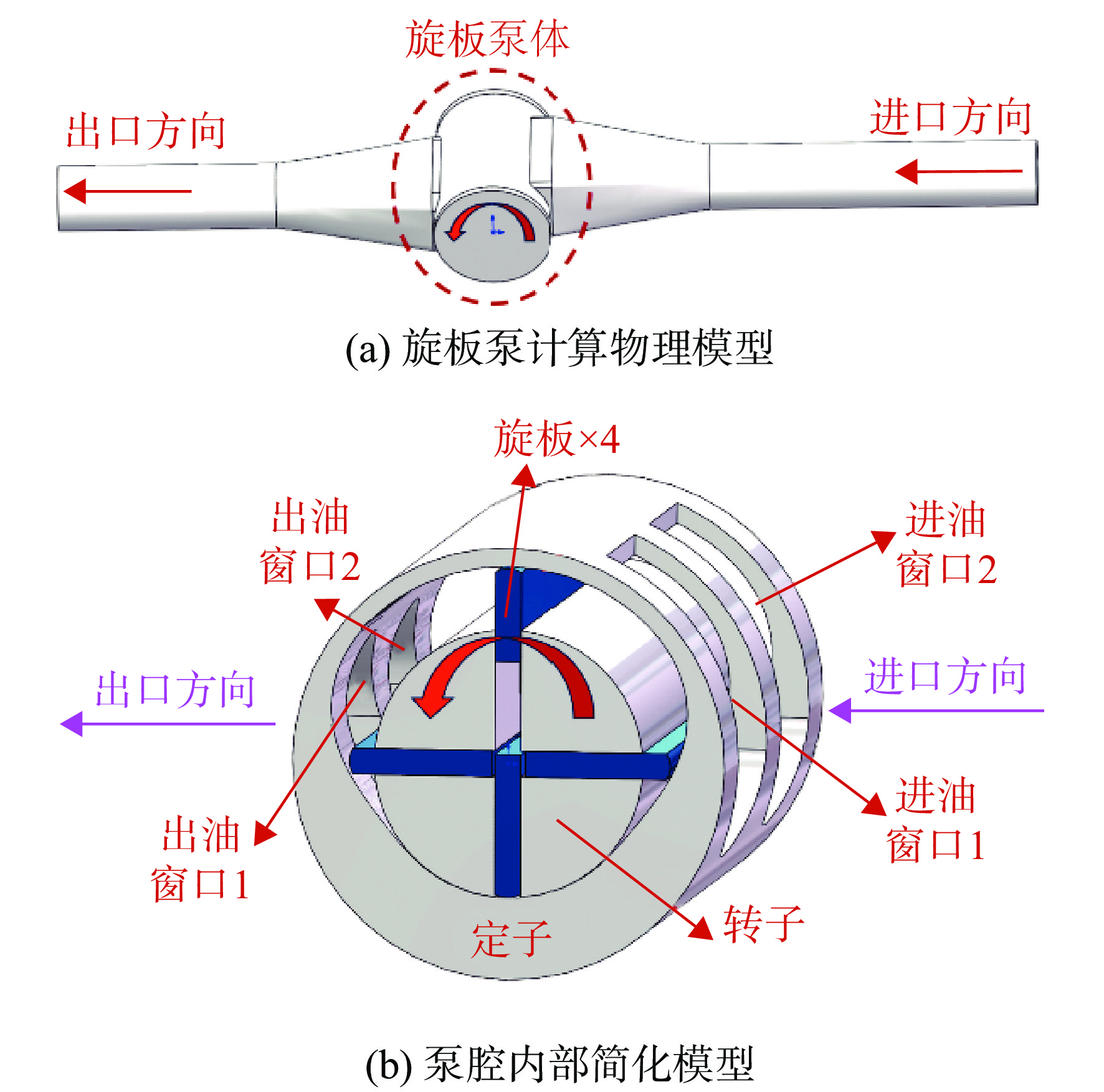
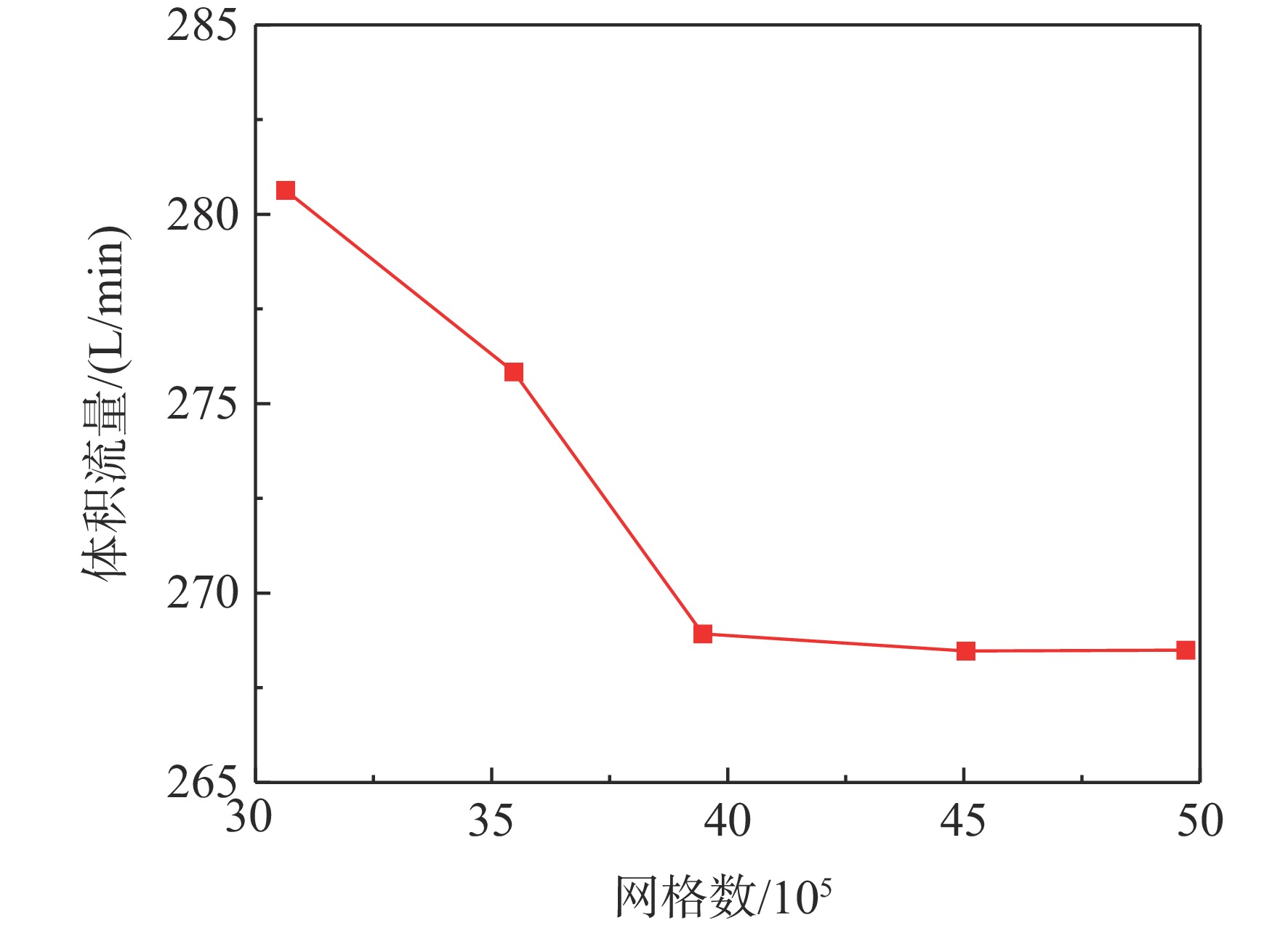
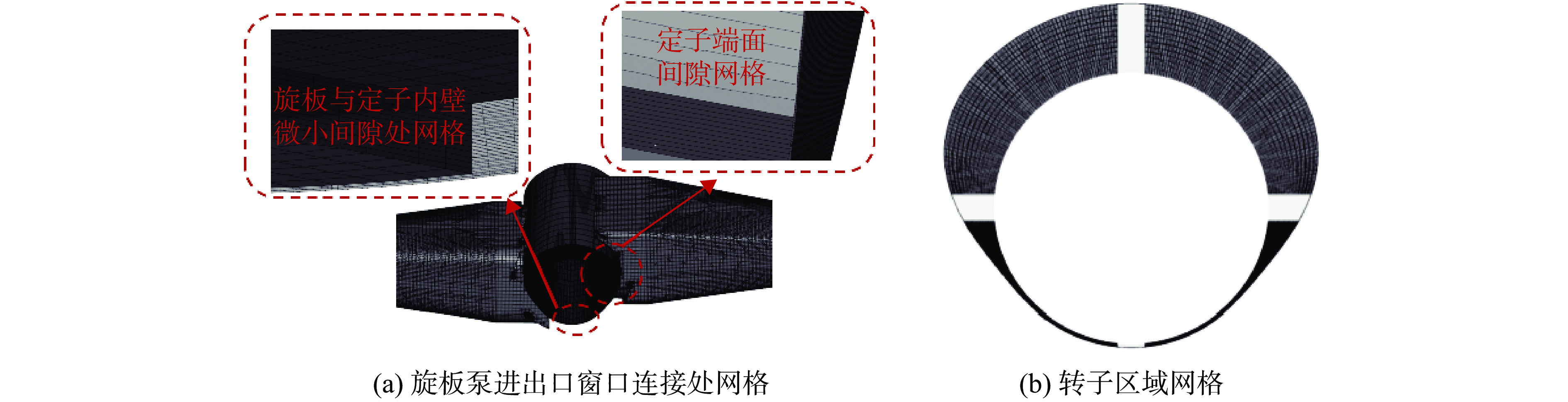
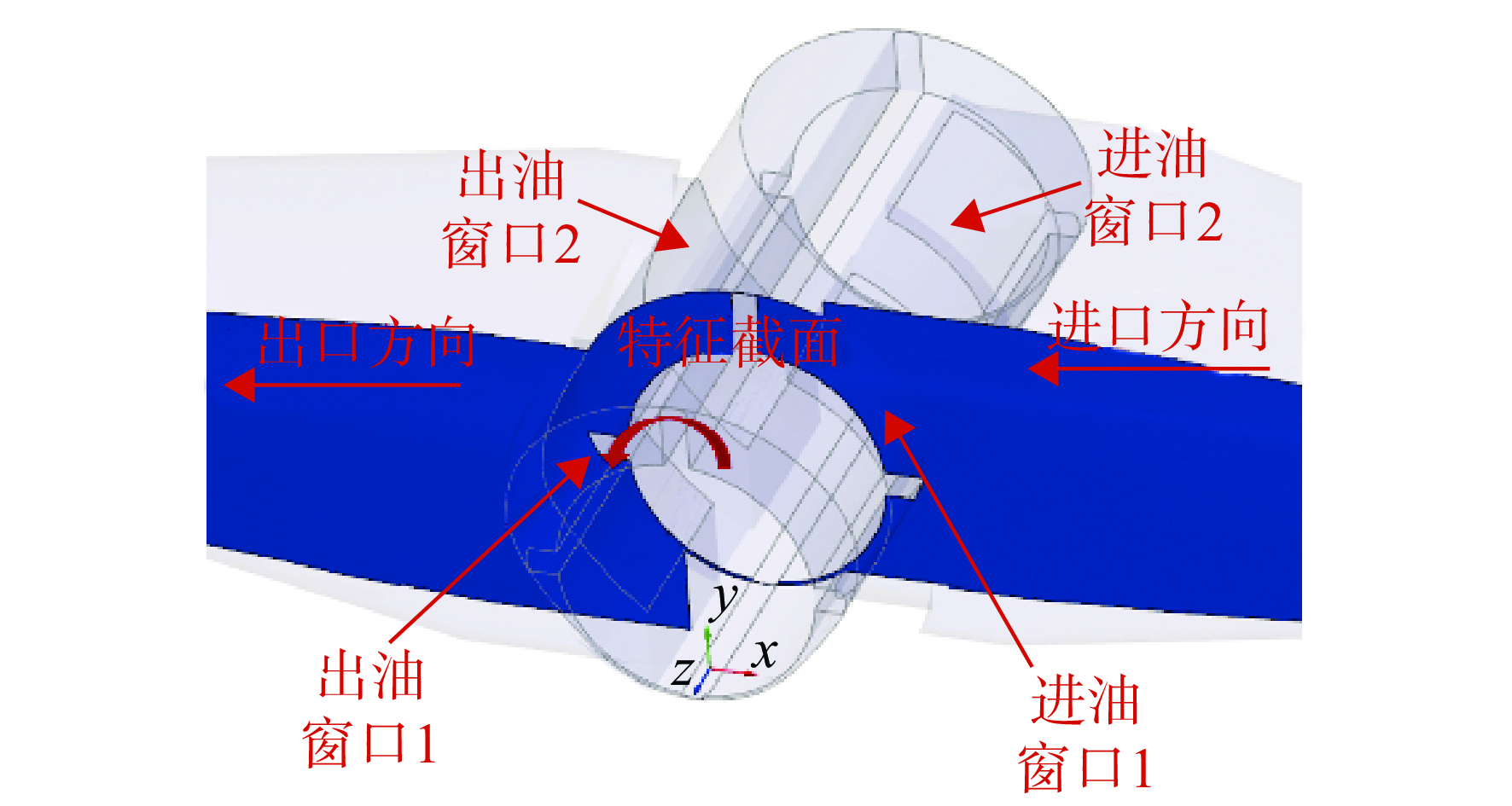
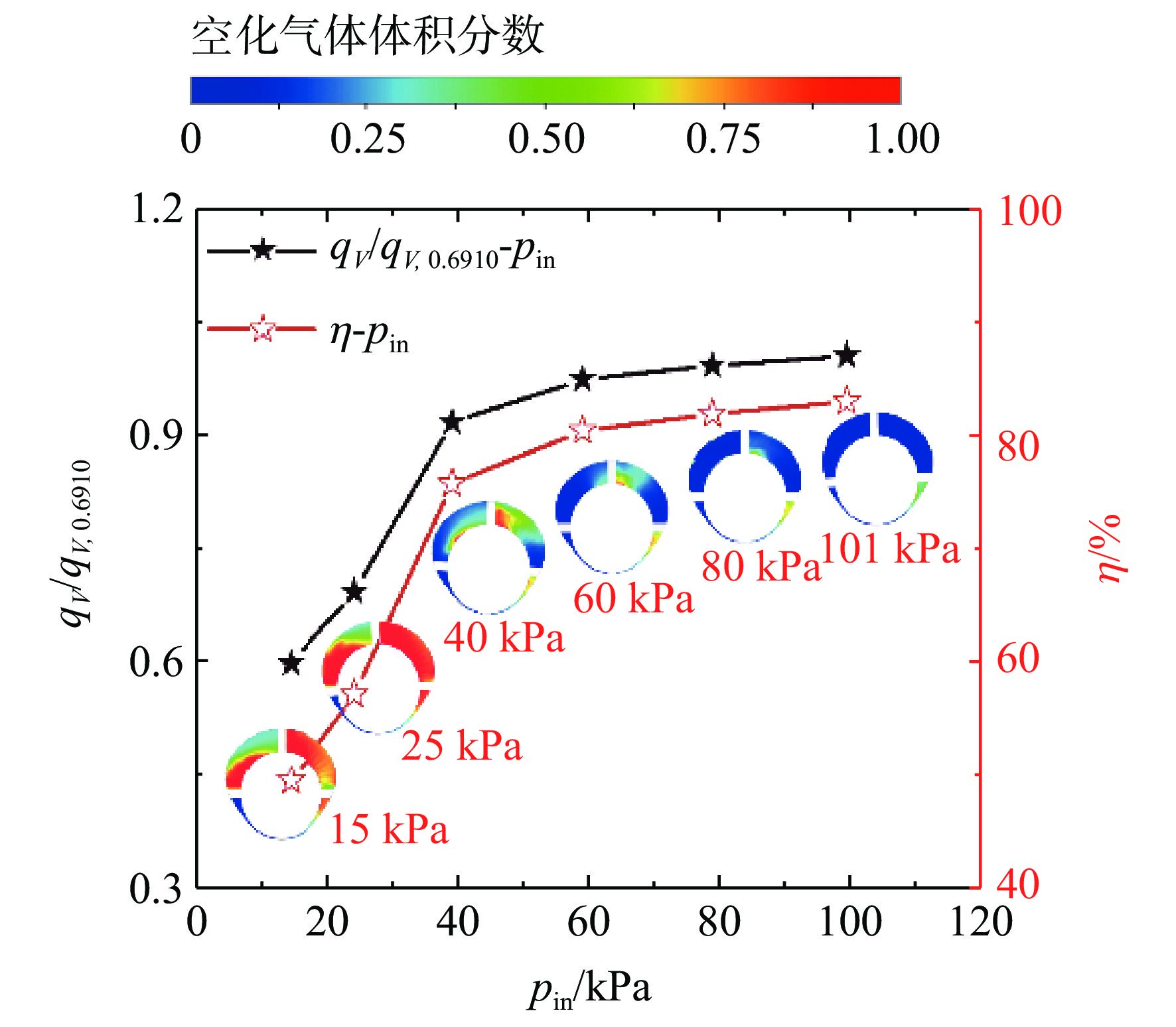
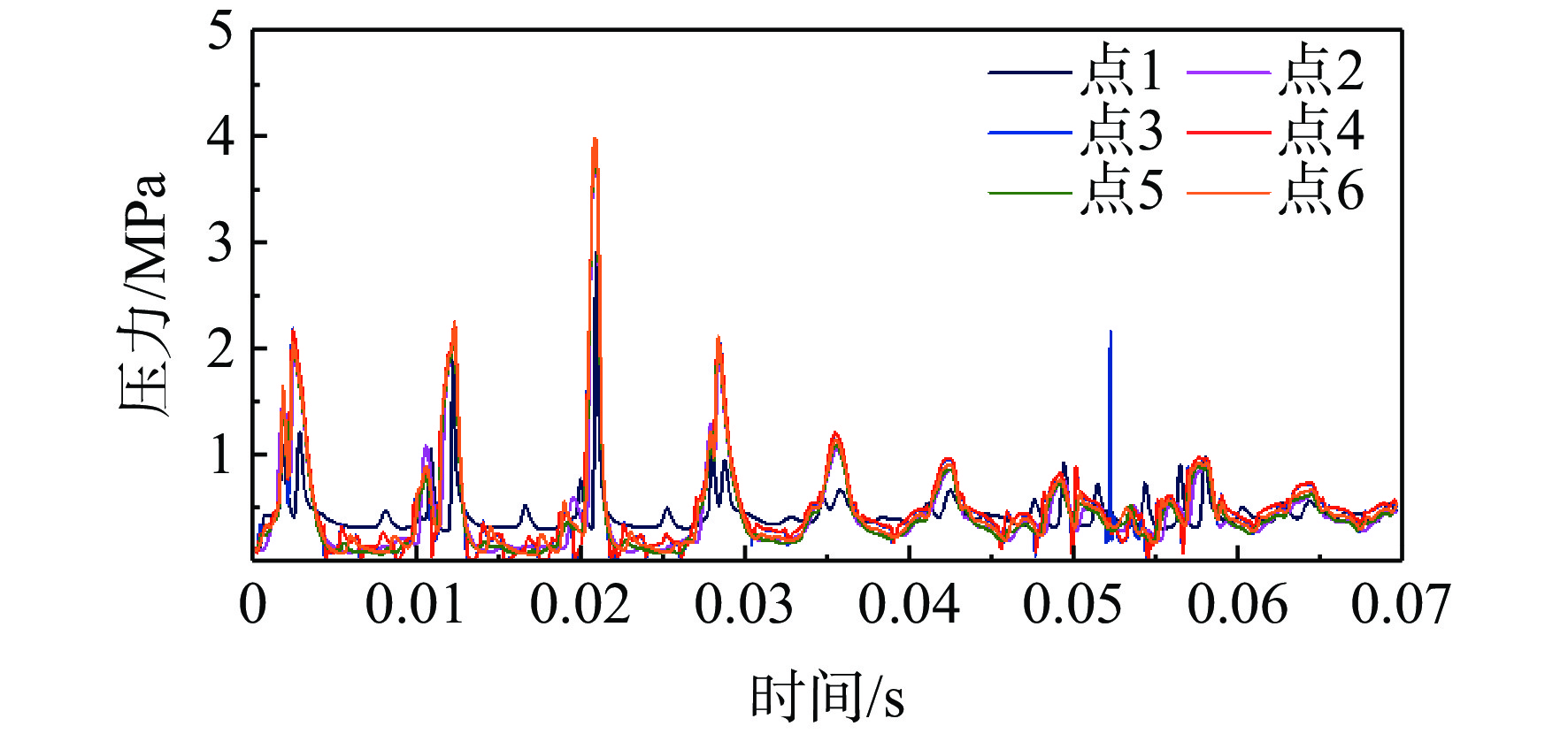
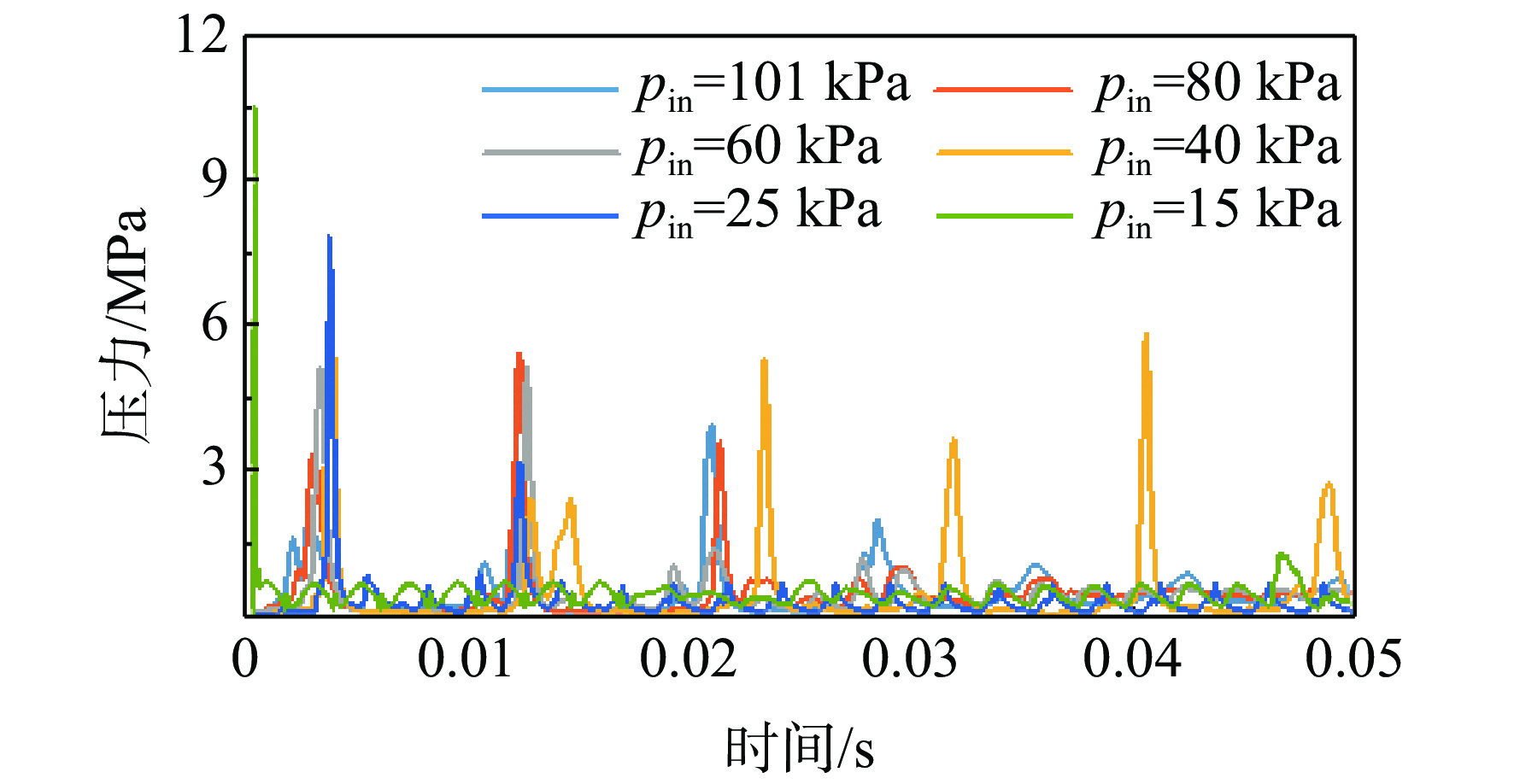
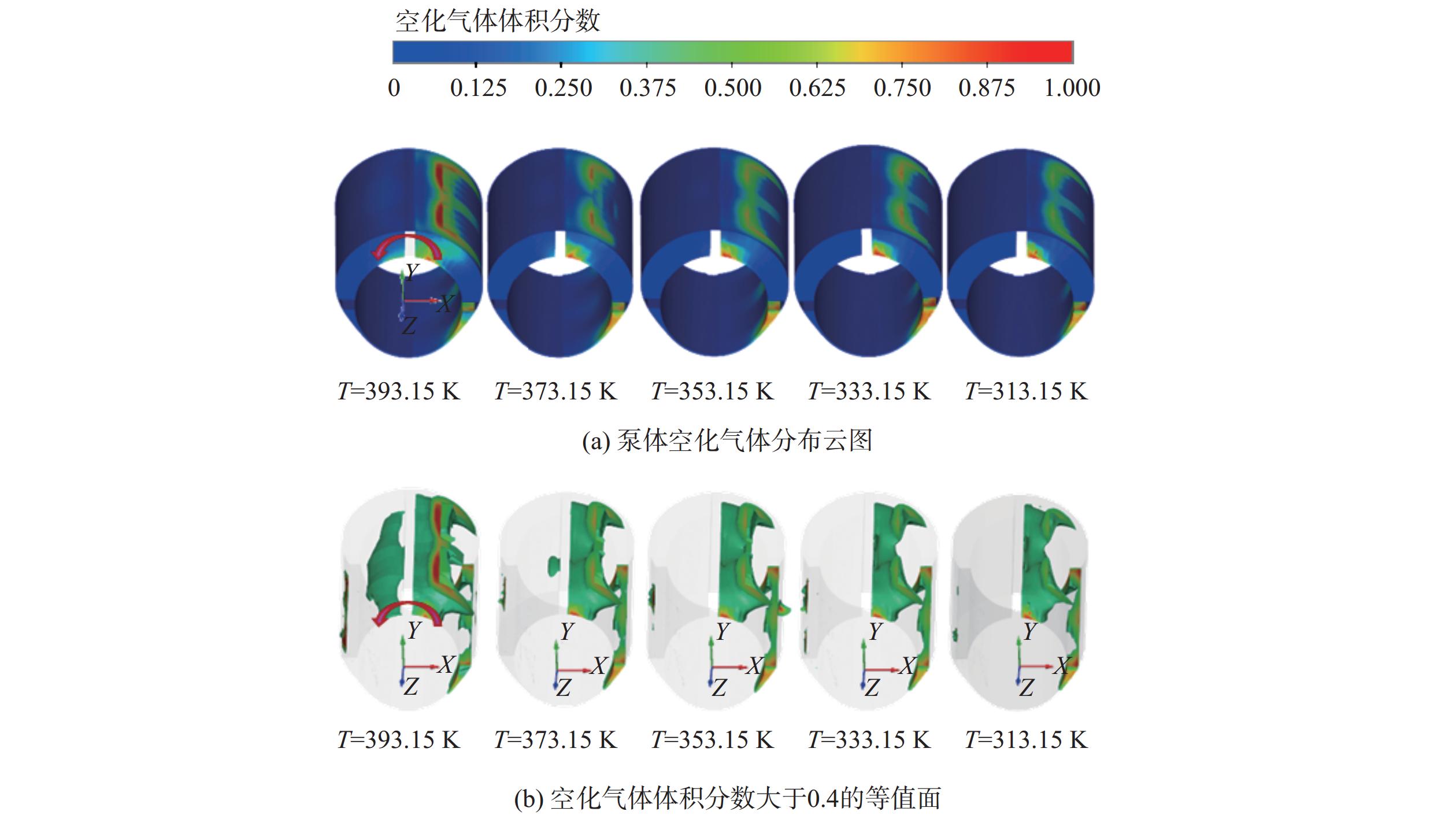
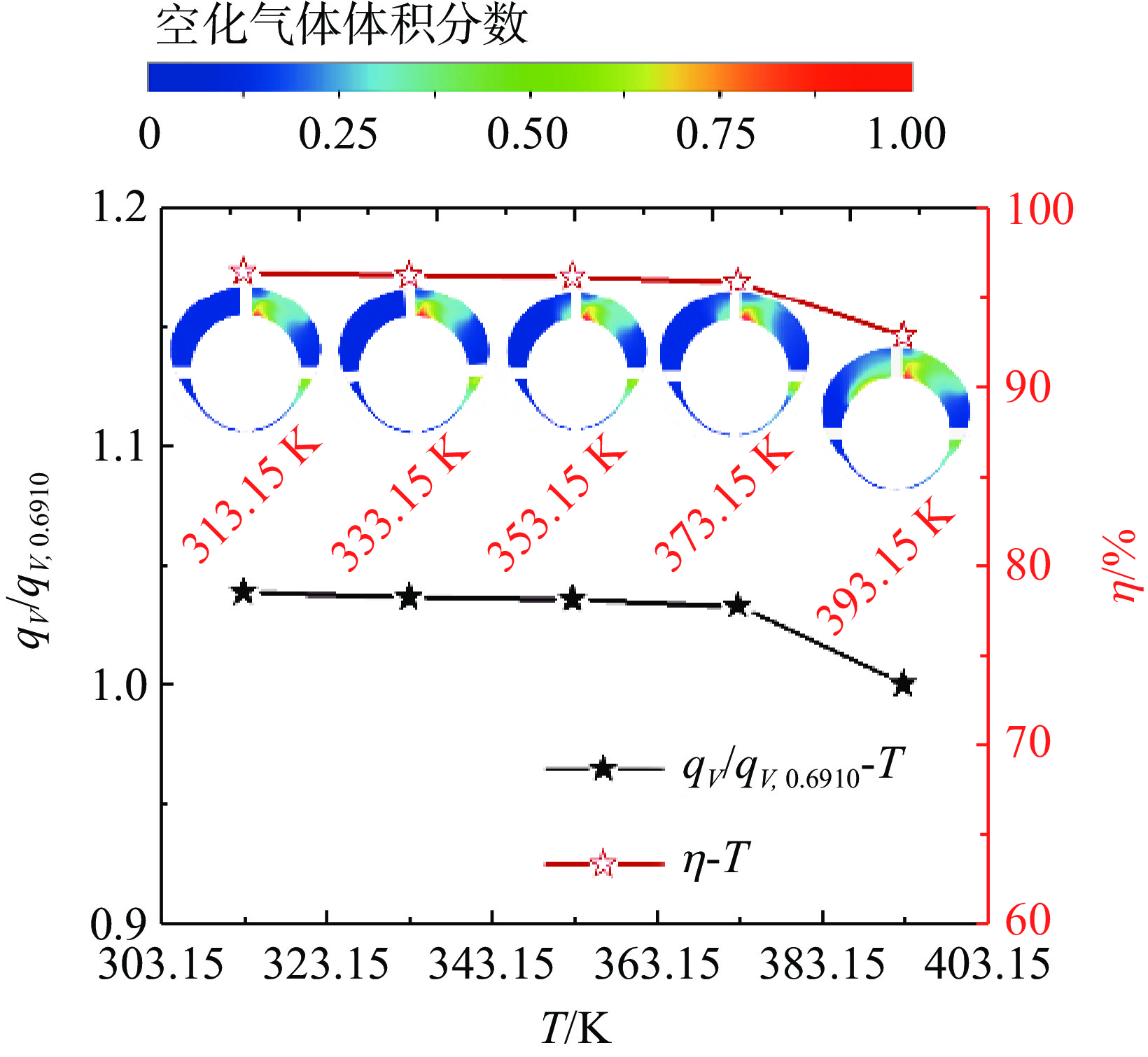
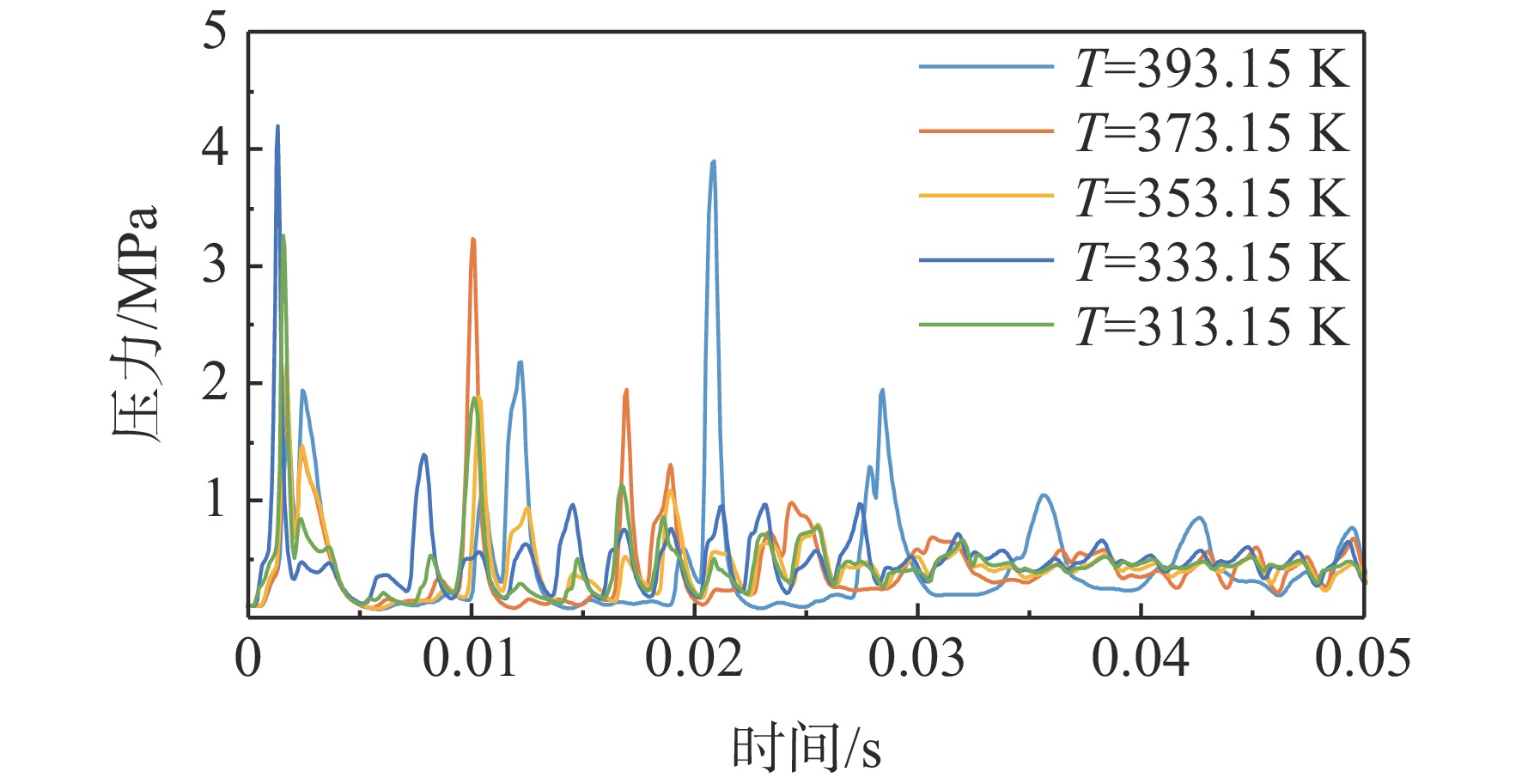
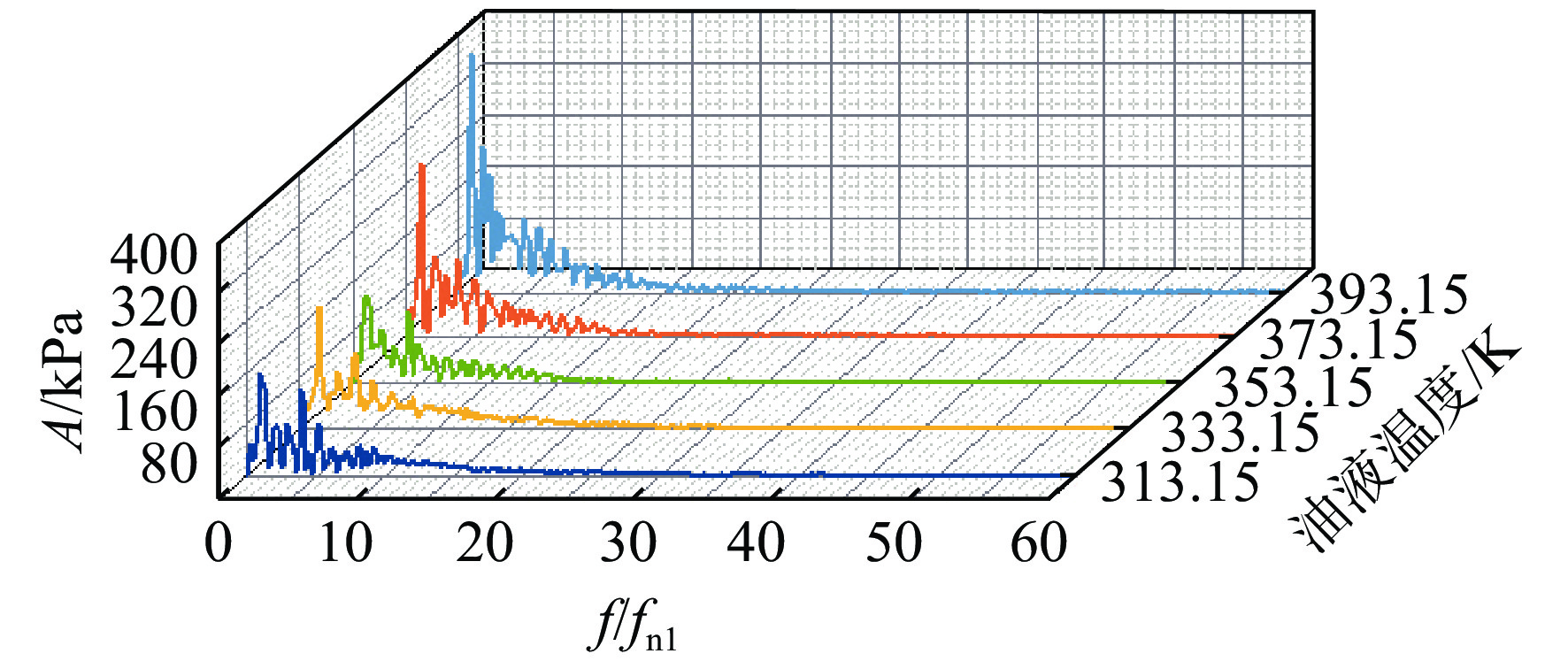
To meet the demand for high-performance oil pumps in the lubricating oil system of high thrust and high-speed aeroengines, numerical simulation was conducted on a new high-speed rotary vane oil pump. The Mixture multiphase flow model, Singhal full cavitation model, and renormalization group(RNG) k-ε turbulence model were employed for numerical calculation, and the reliability of the numerical simulation method was verified through experiments. Then, cavitation characteristics of the rotary vane pump and its impact on pump performance under different inlet pressure and oil temperature conditions were analyzed. The results showed that the cavitation gas was mainly distributed in the volume chamber on the oil suction side, as well as on the suction surface of the rotary vane and near the inner wall of the rotor. With the decrease of inlet pressure and the increase of oil temperature, the cavitation phenomenon inside the rotary vane pump intensified, and the cavitation gas increased, which in turn led to a decrease in the average oil discharge flow rate at the pump outlet and a decrease in volumetric efficiency. When the inlet pressure dropped to 40 kPa and the temperature rose to 373.15 K, the average oil discharge flow rate and volumetric efficiency at the pump outlet both significantly decreased. The pressure pulsation at the monitoring point exhibited low-frequency and high-amplitude pulsation characteristics. The cavitation of the rotary vane pump affected not only its oil discharge and volumetric efficiency, but also the stable and reliable operation of the pump.

Aerothermodynamics and Aeroengine Design
Research on flow drag reduction based on the bionic structure of dragonfly wings
SUN Peng, SUN Jie, FU Wenguang
2025, 40(7): 20230048. doi: 10.13224/j.cnki.jasp.20230048
Abstract:

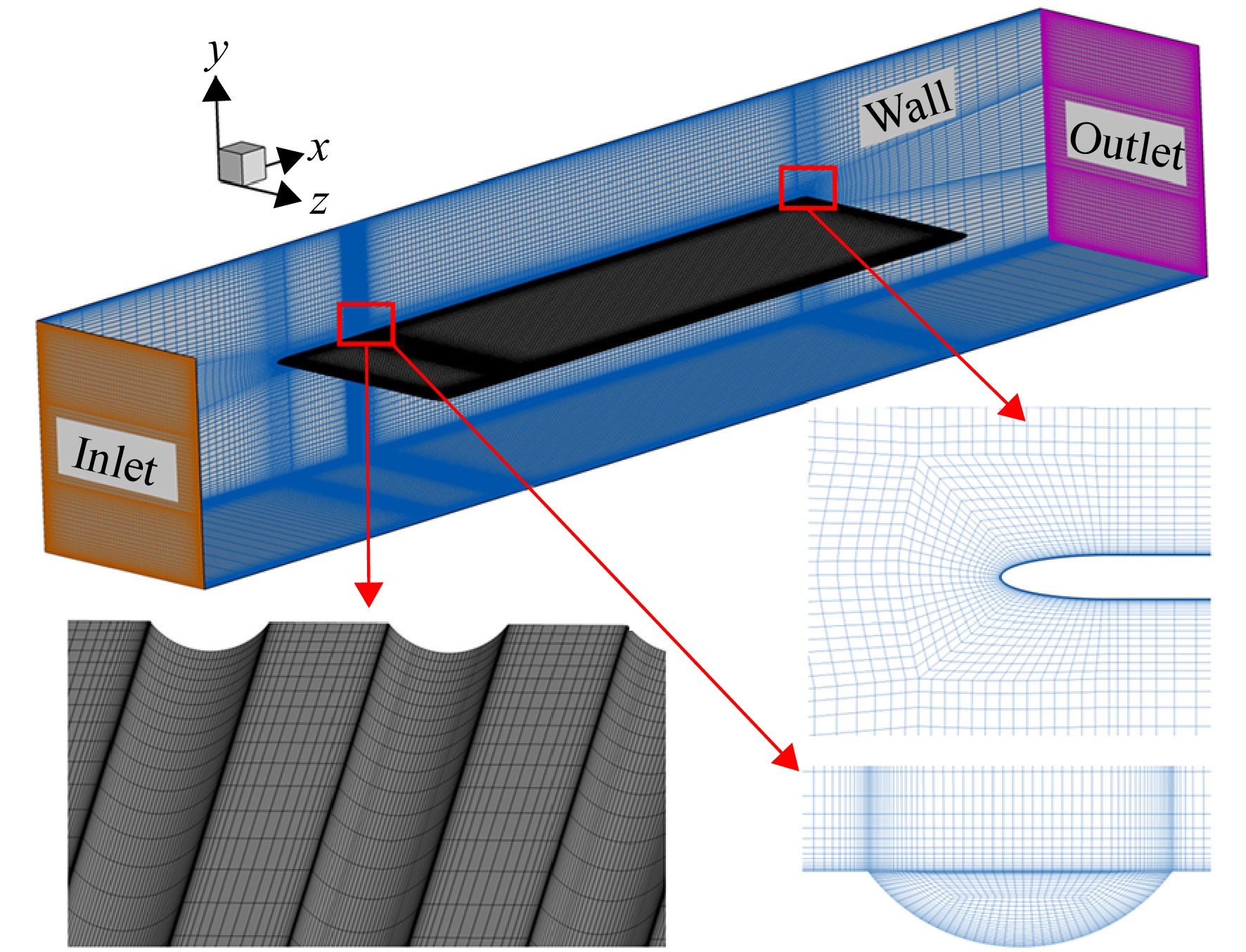
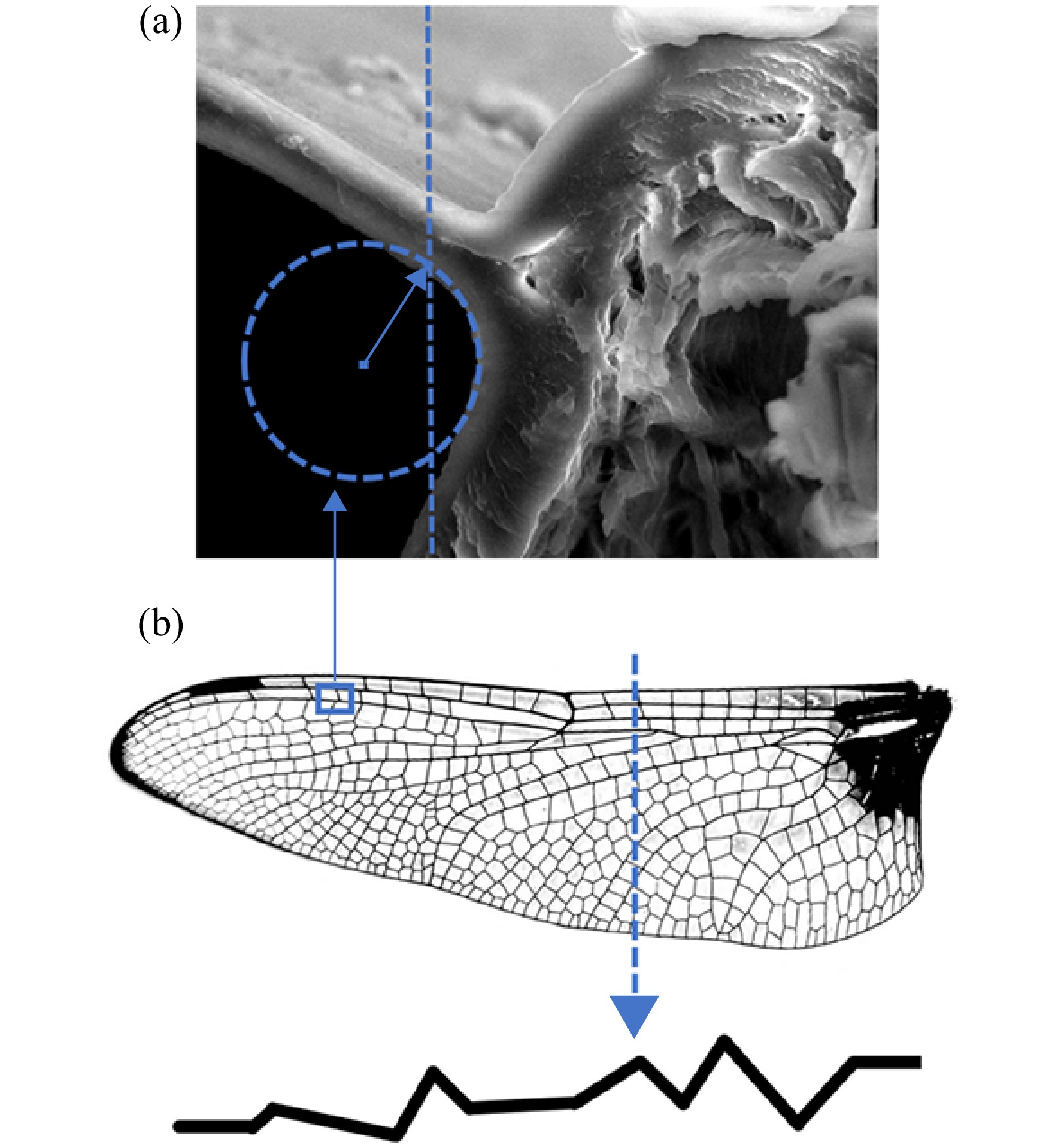
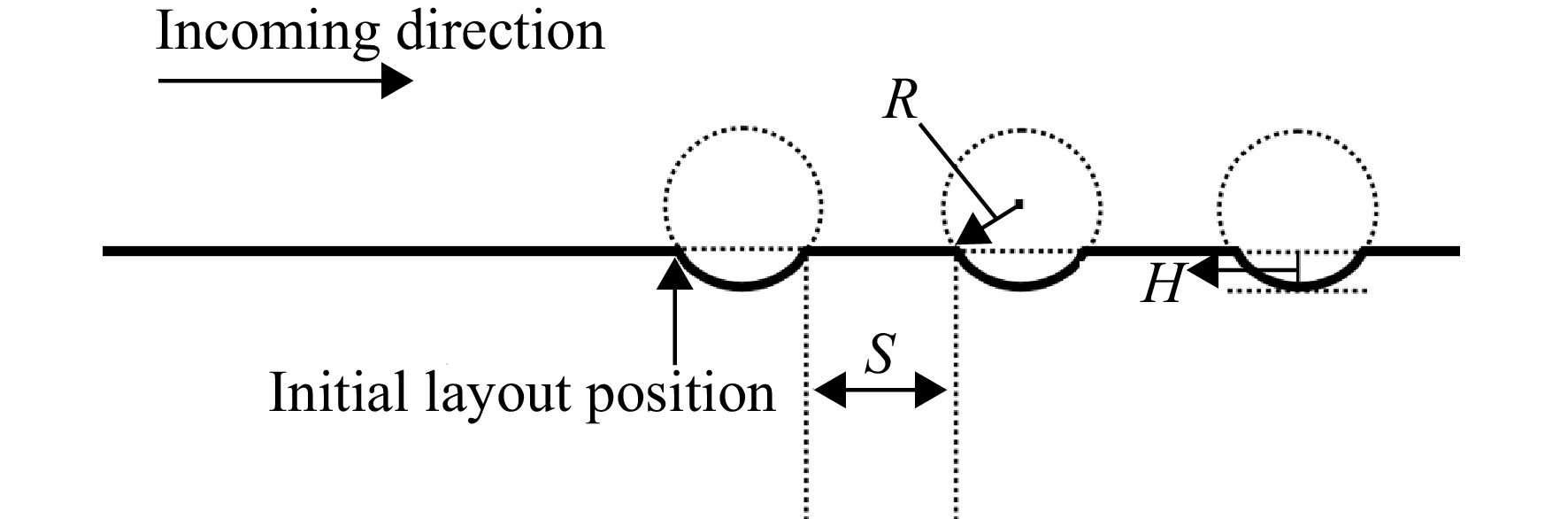
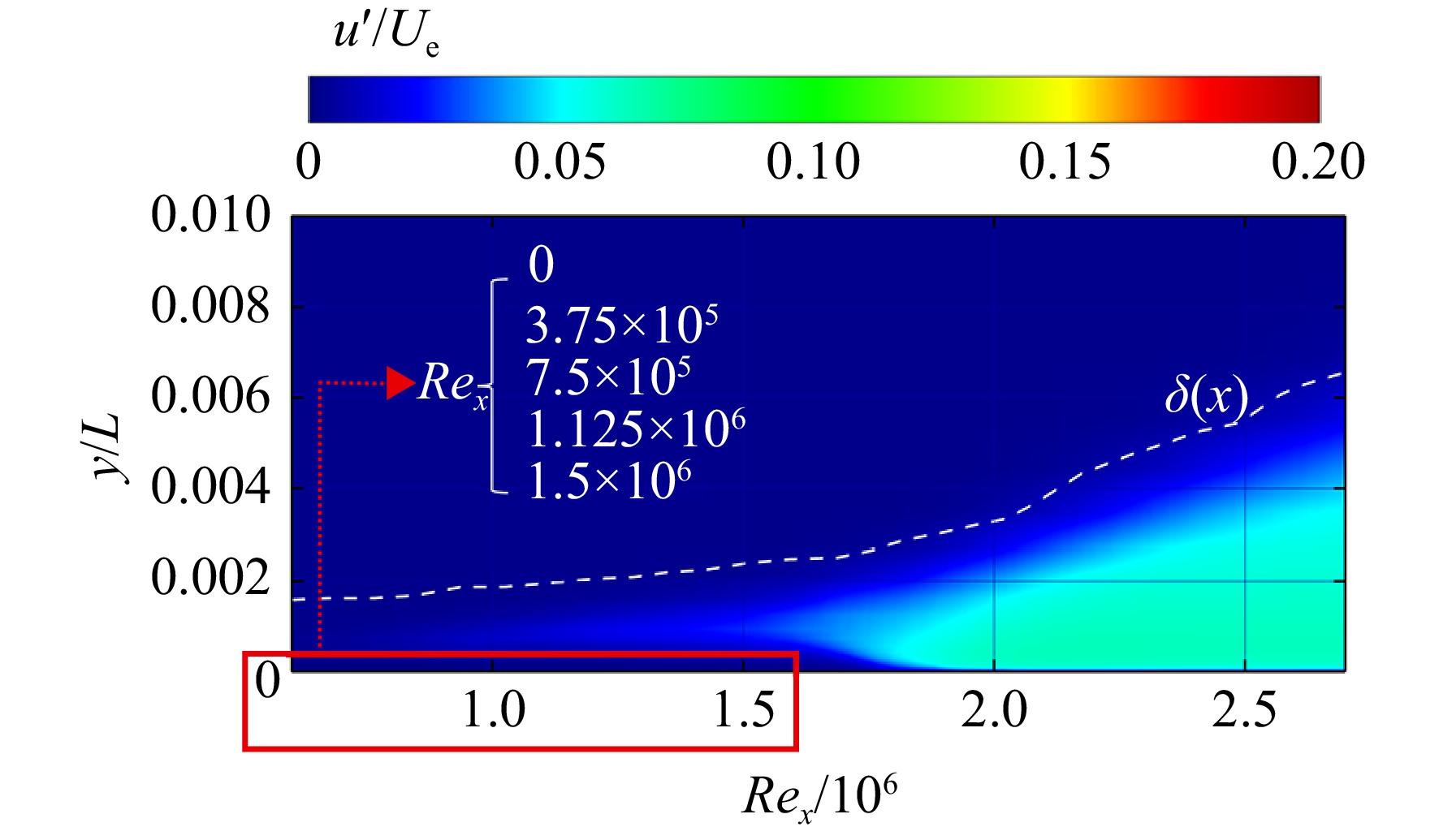
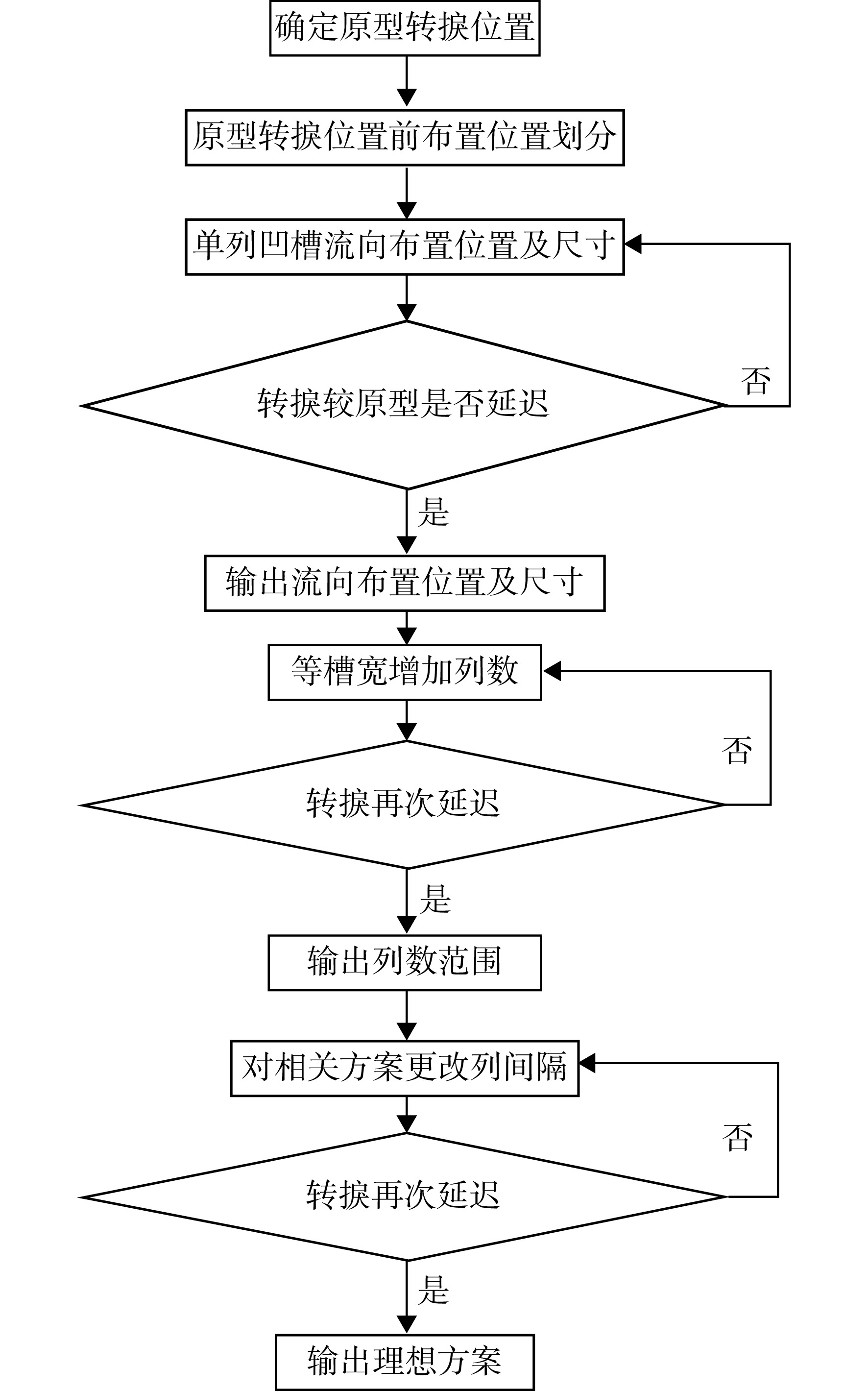
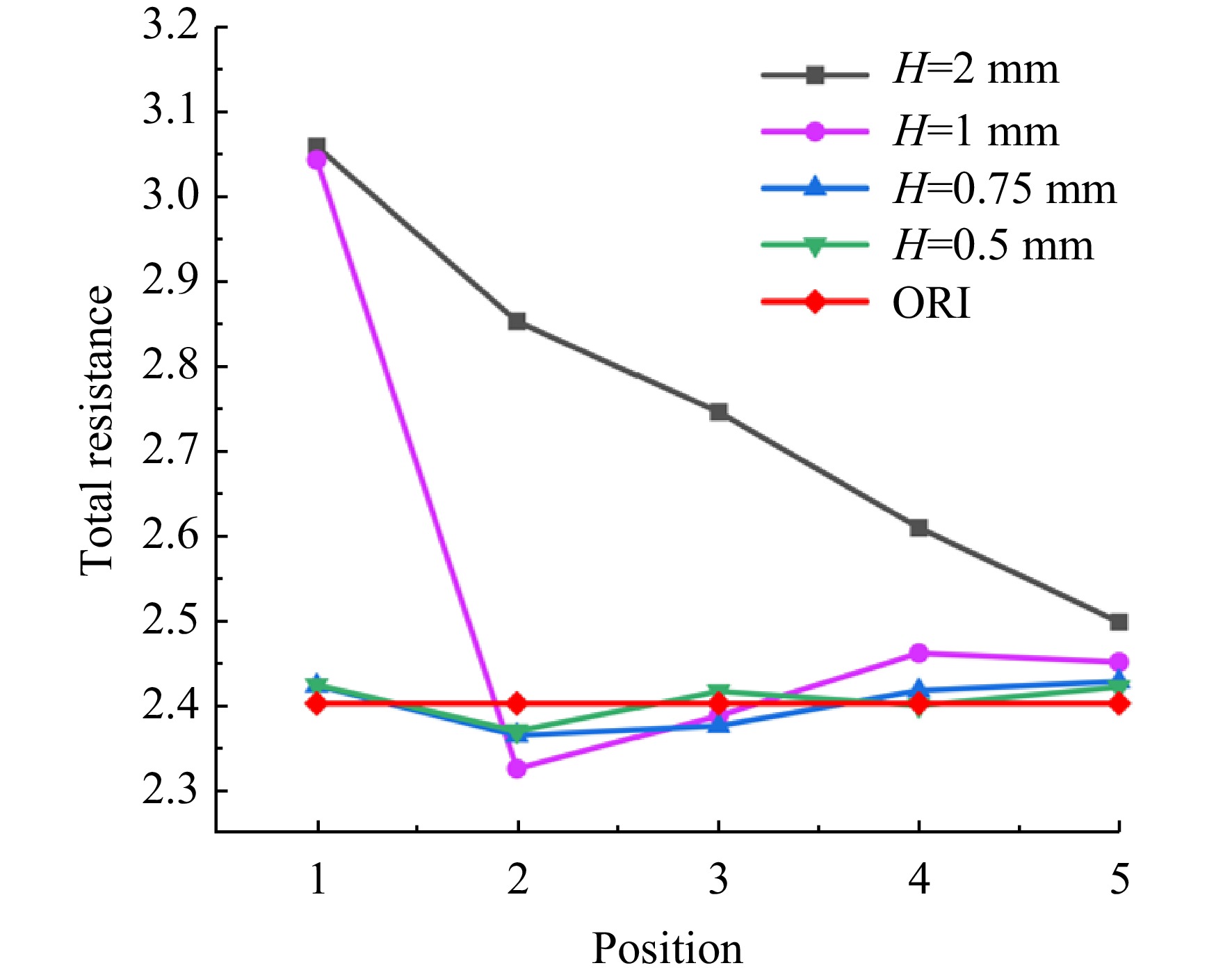
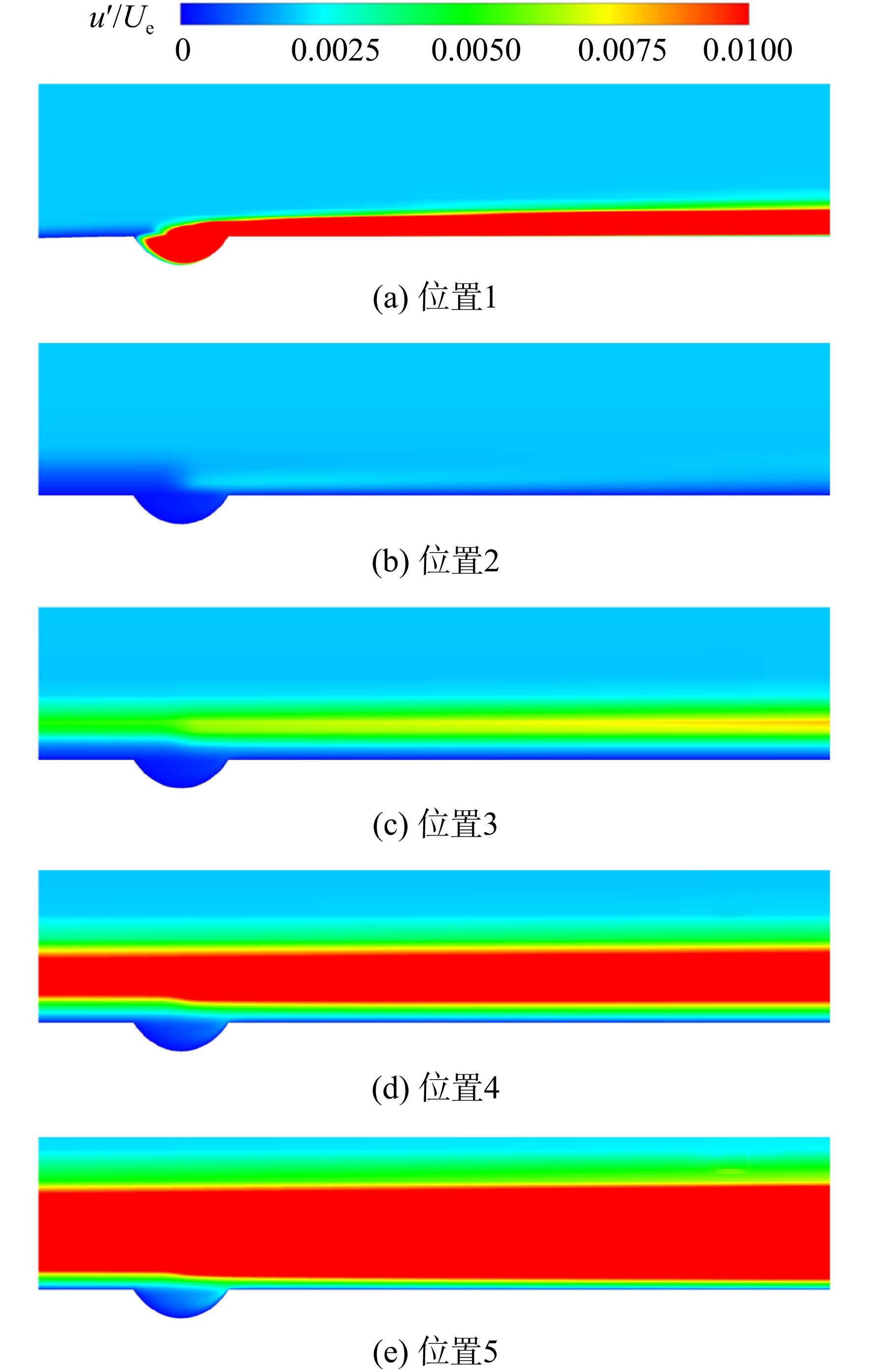
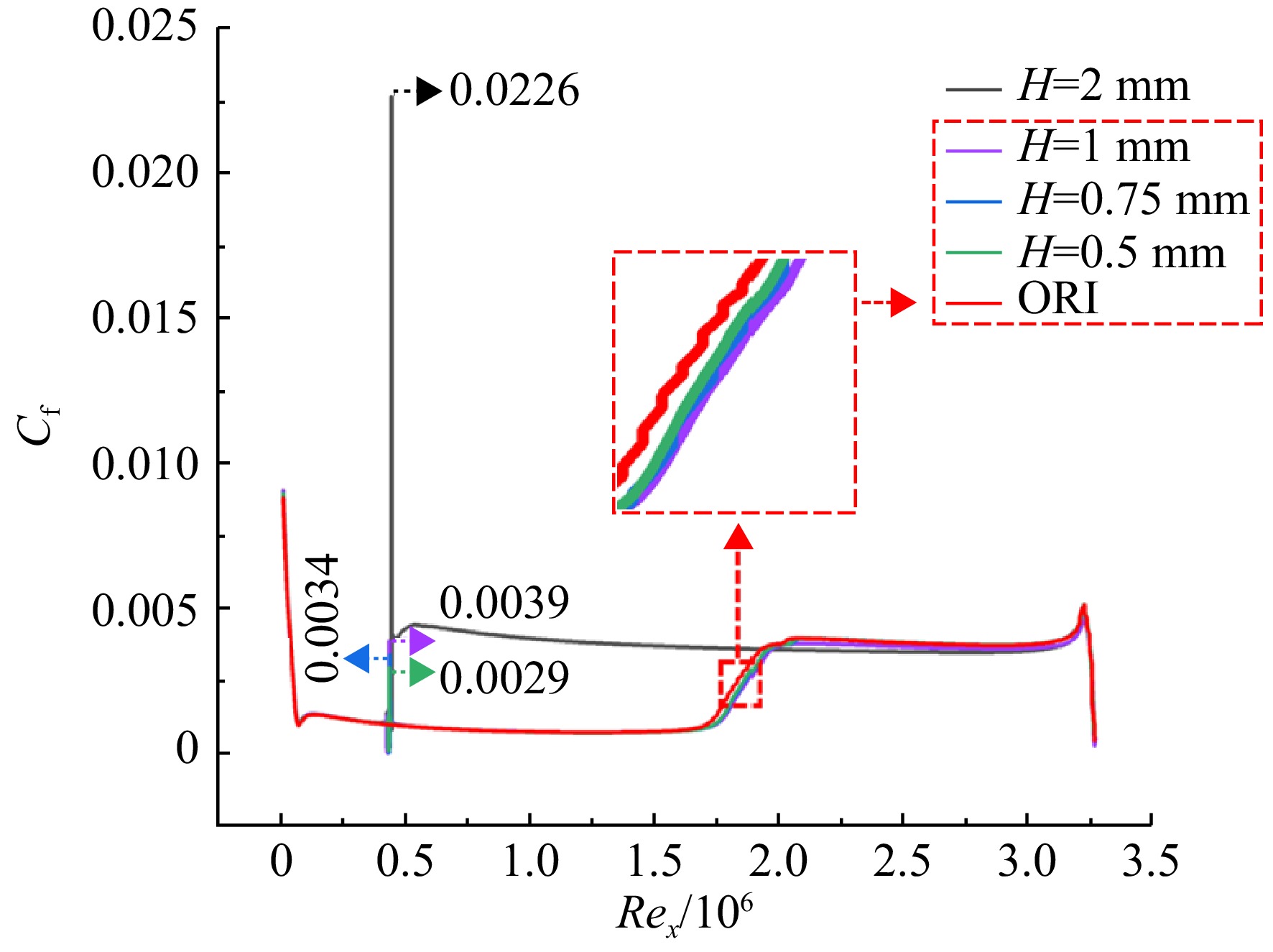
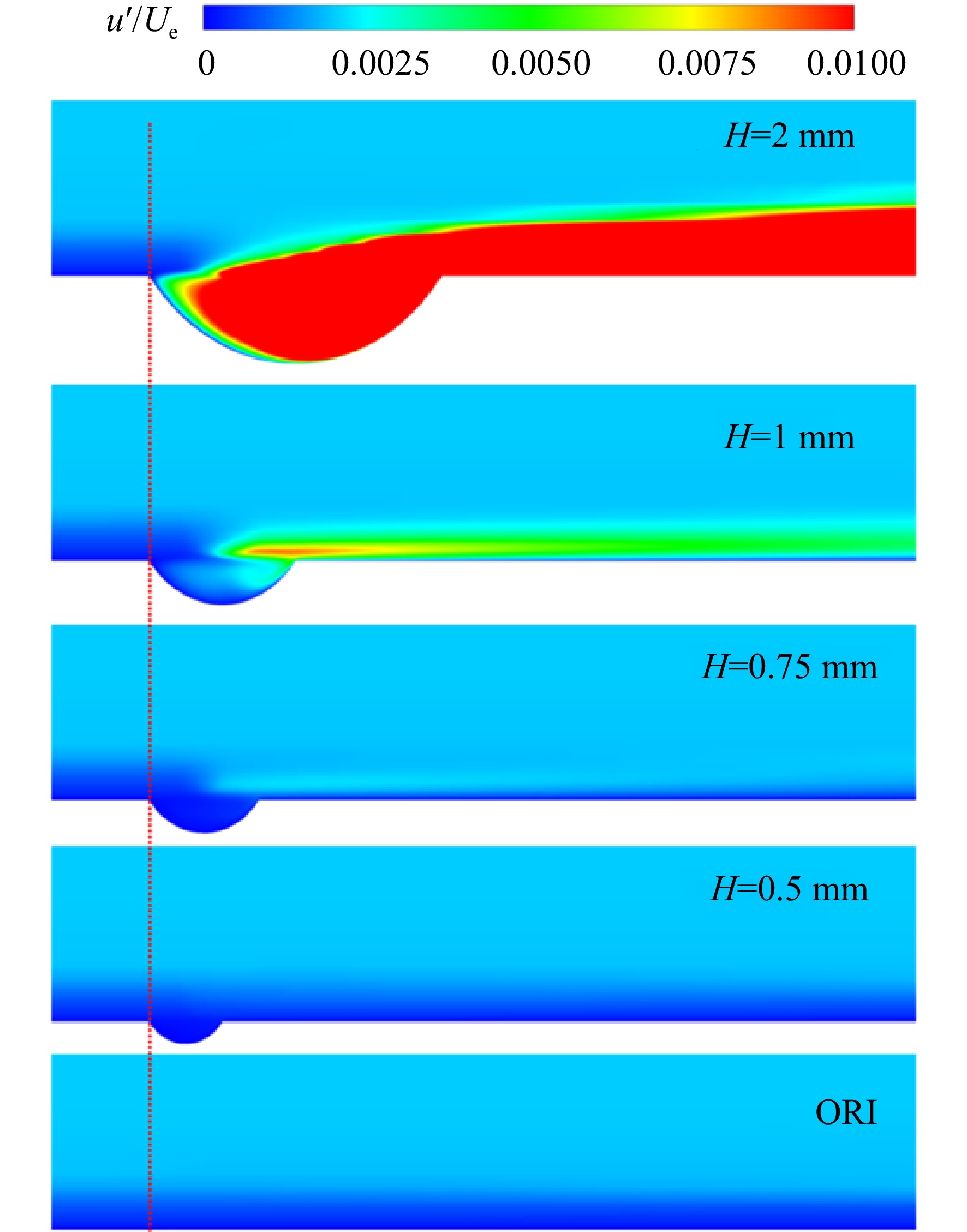
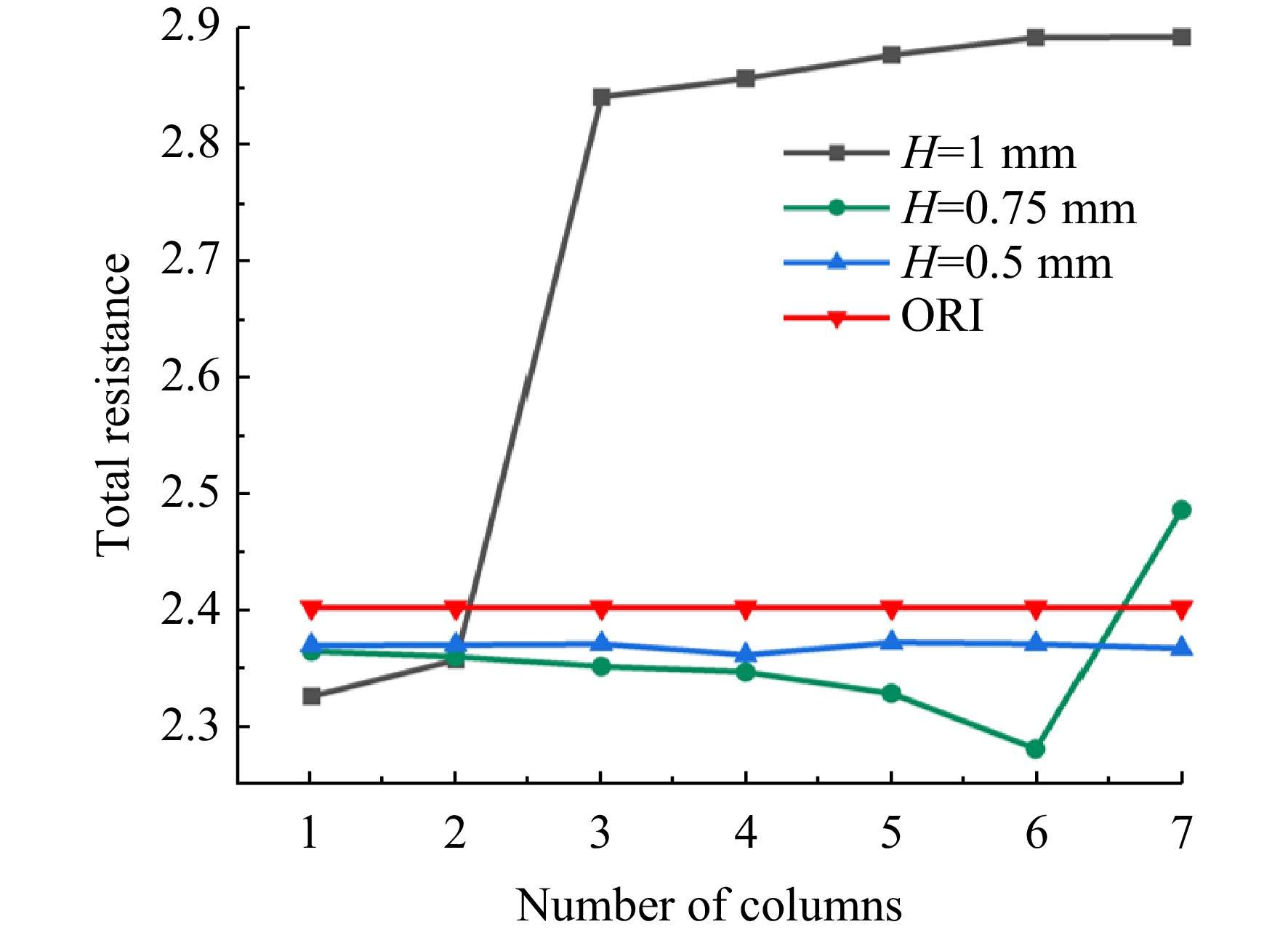
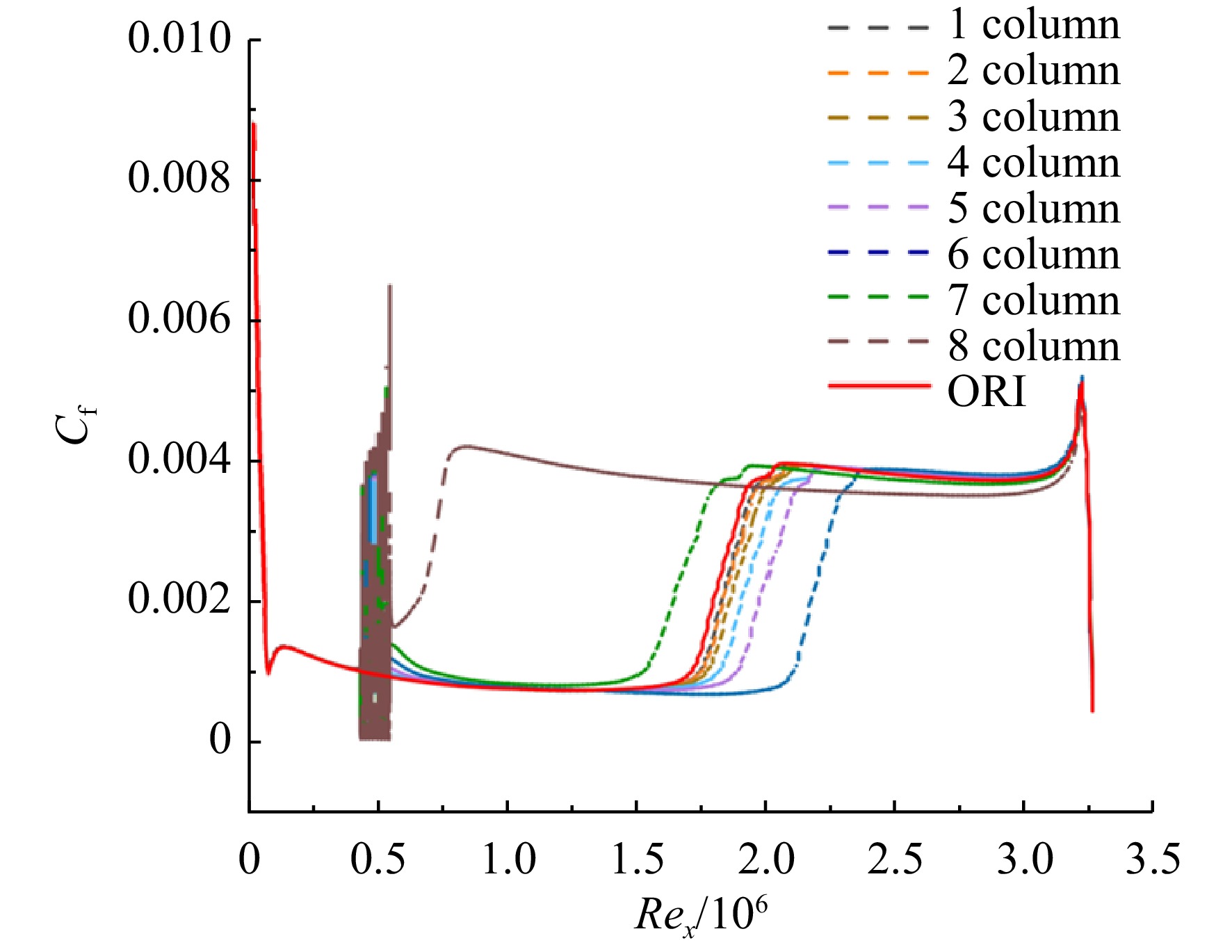
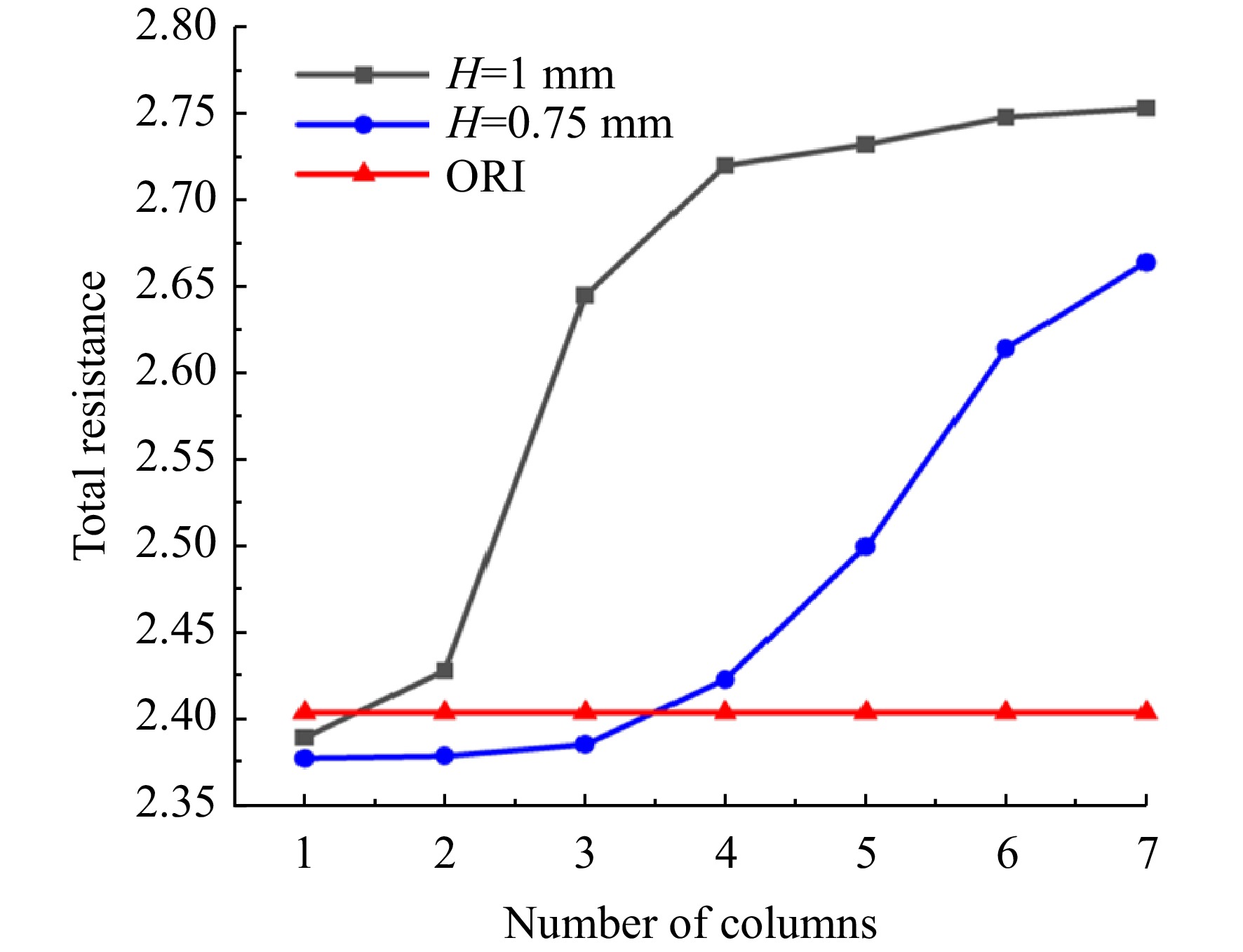
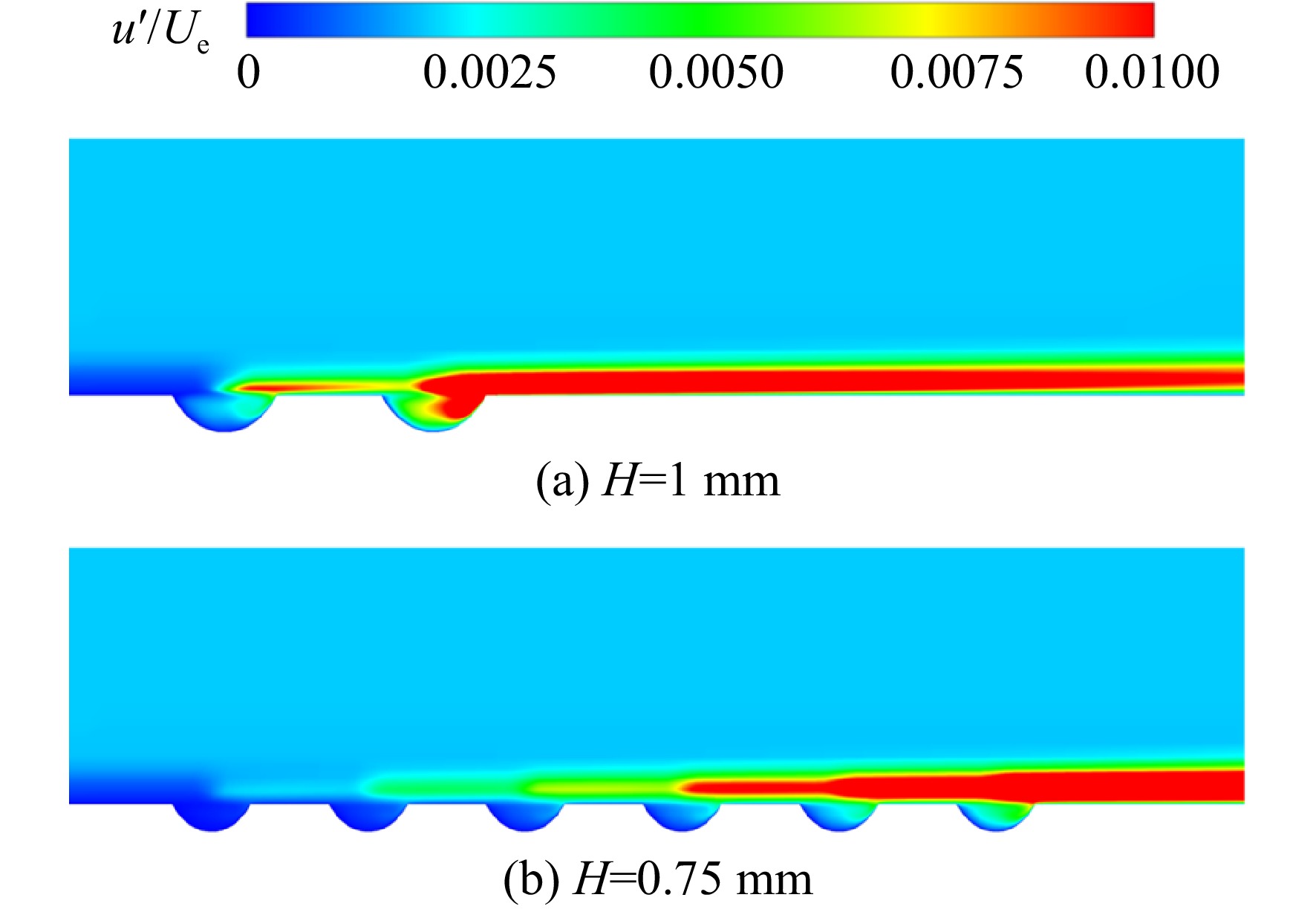
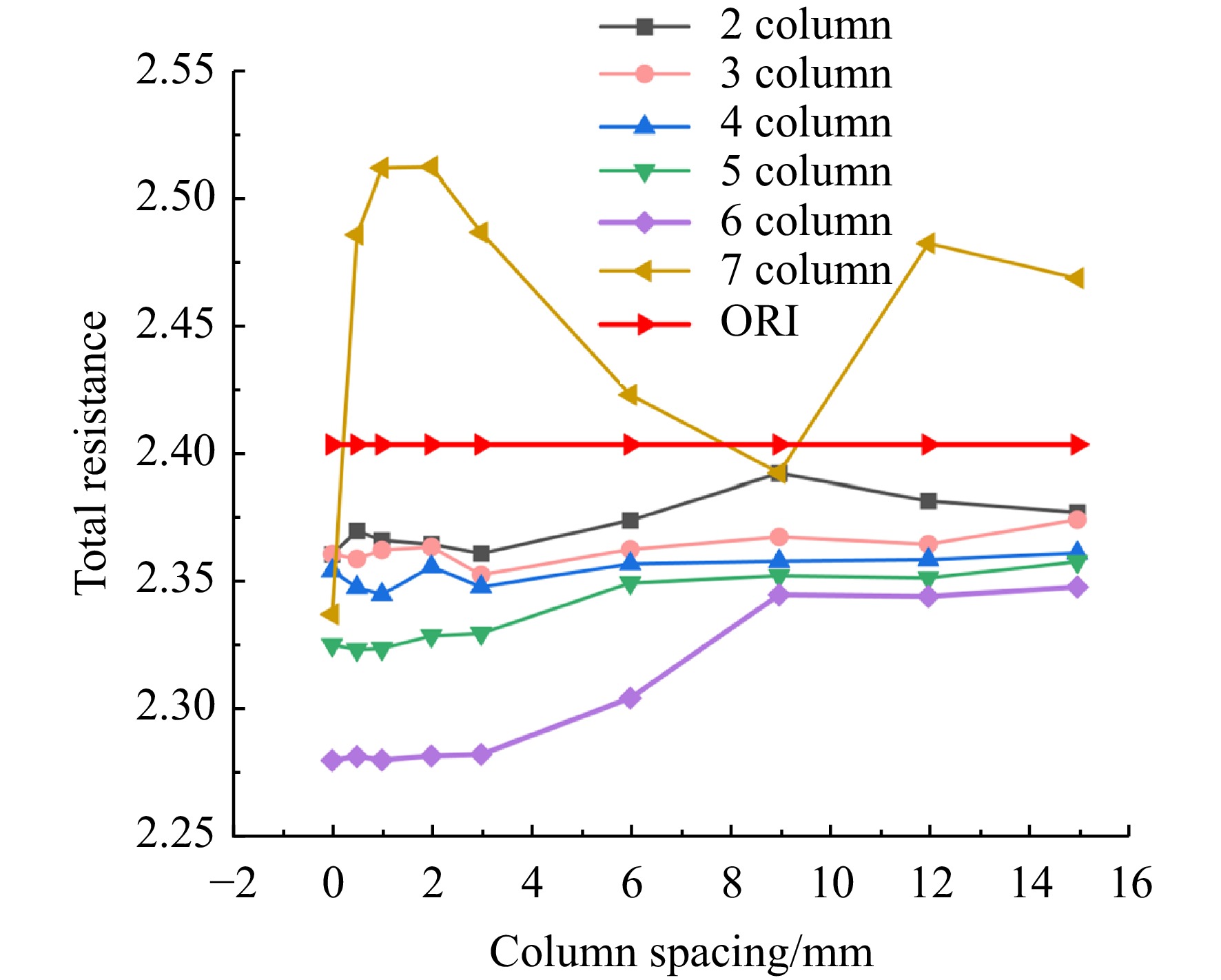
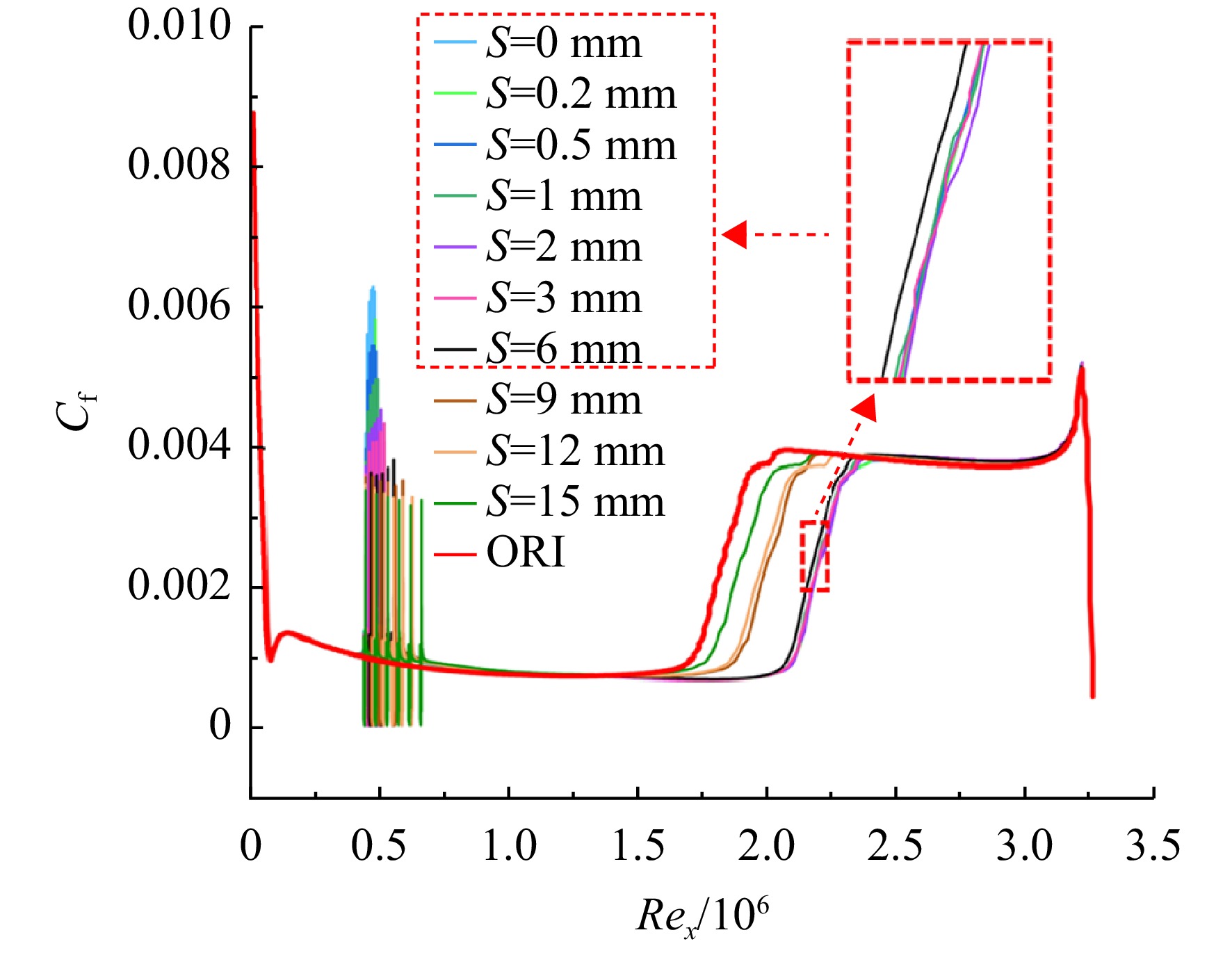
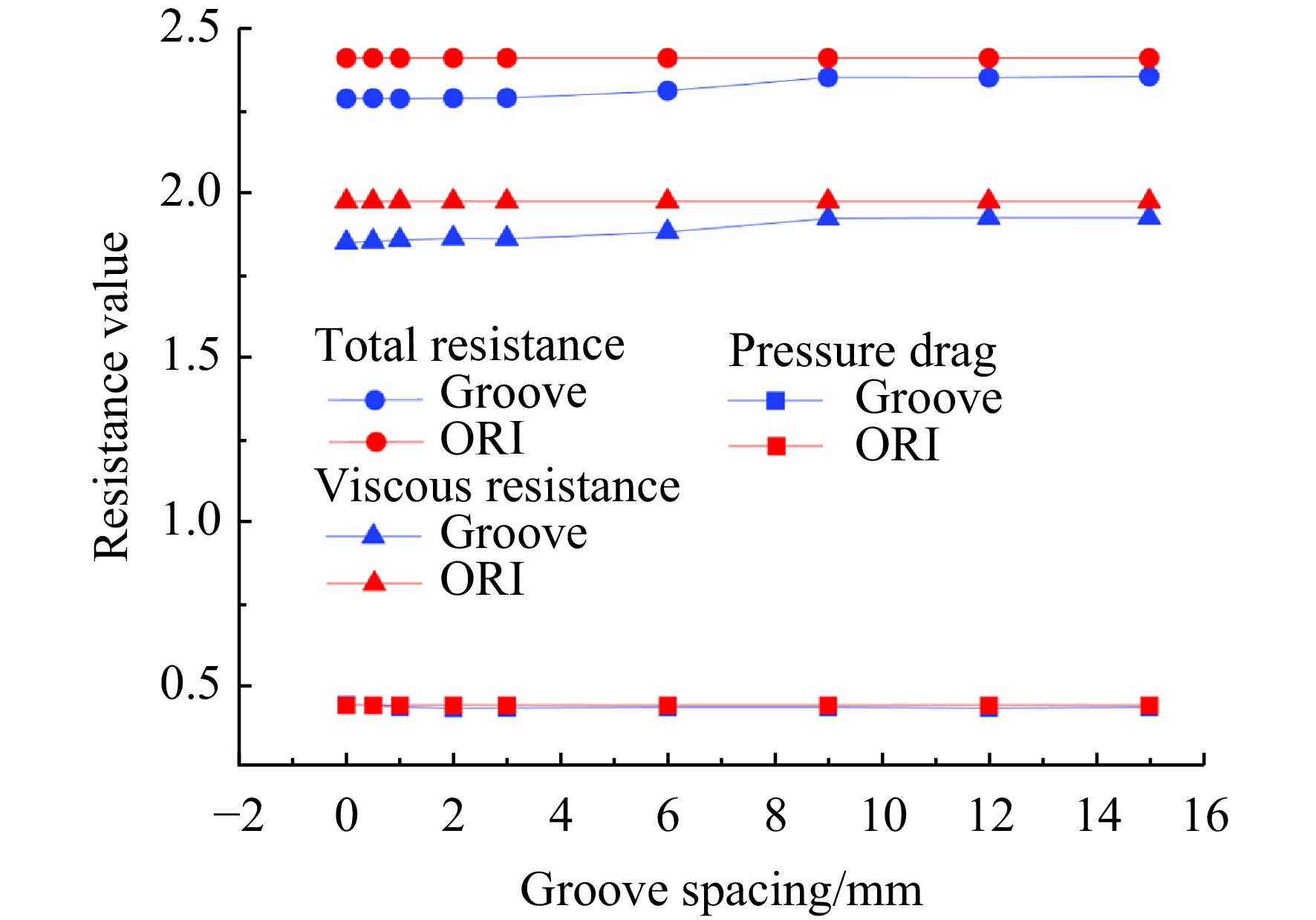
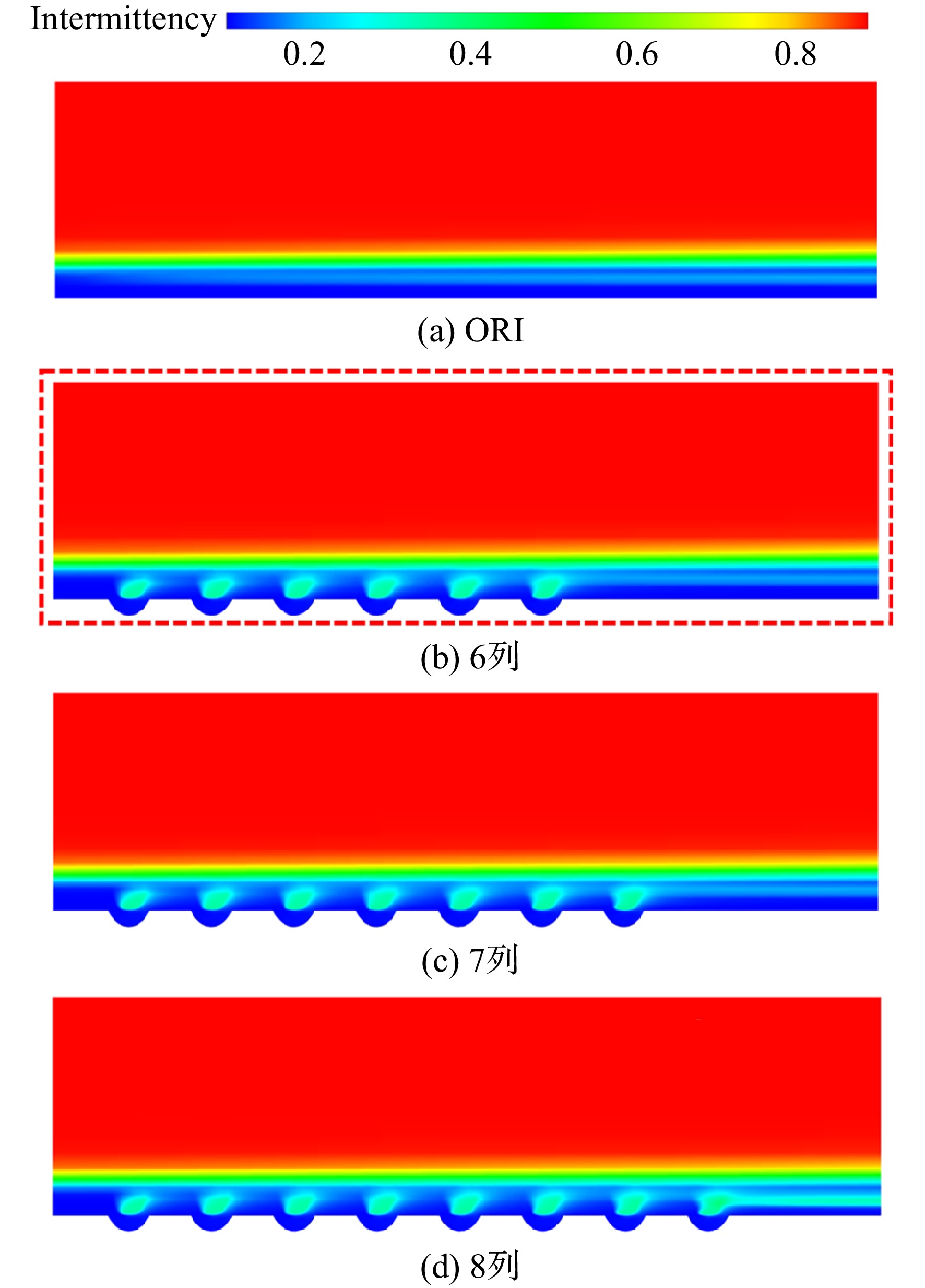
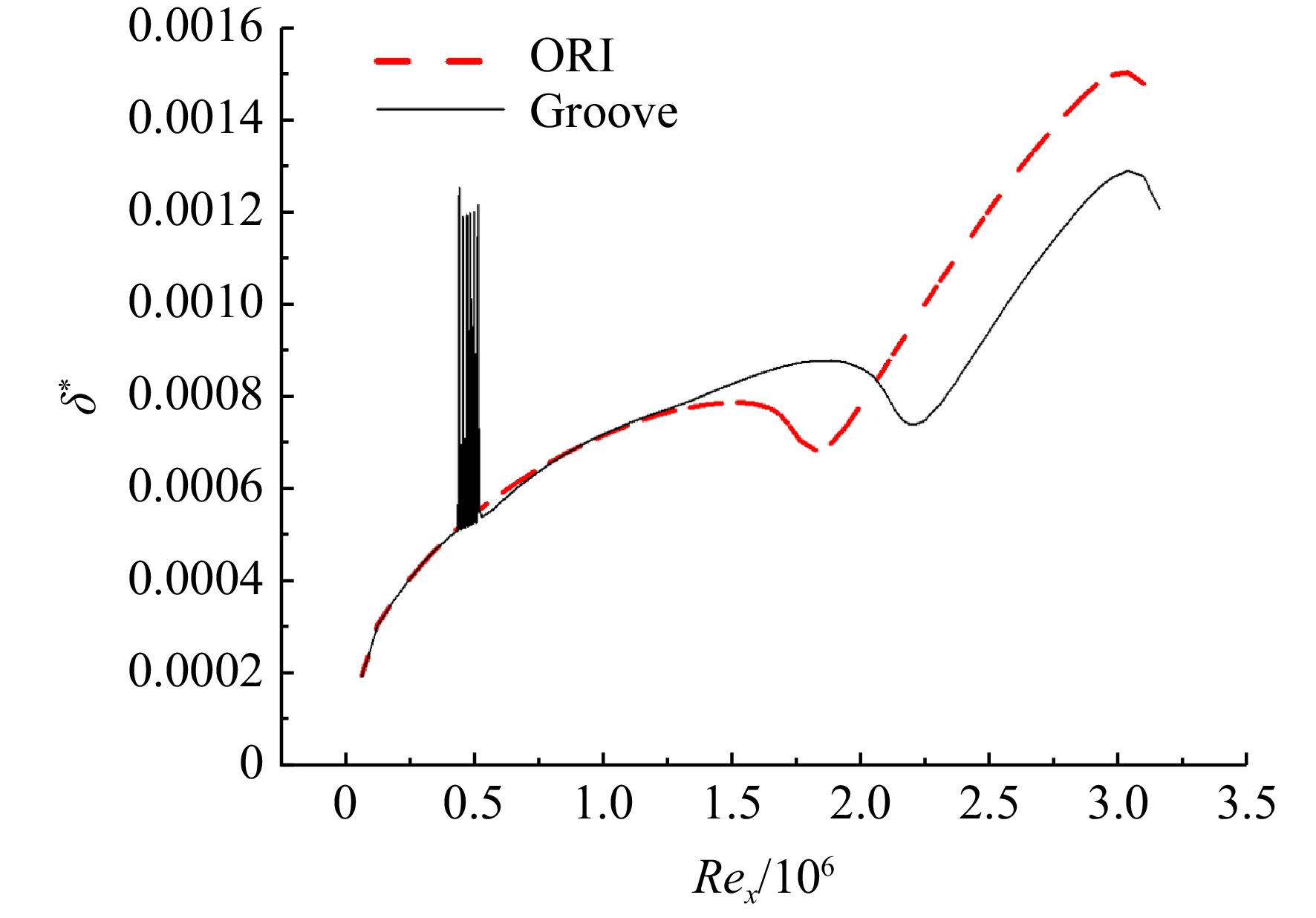
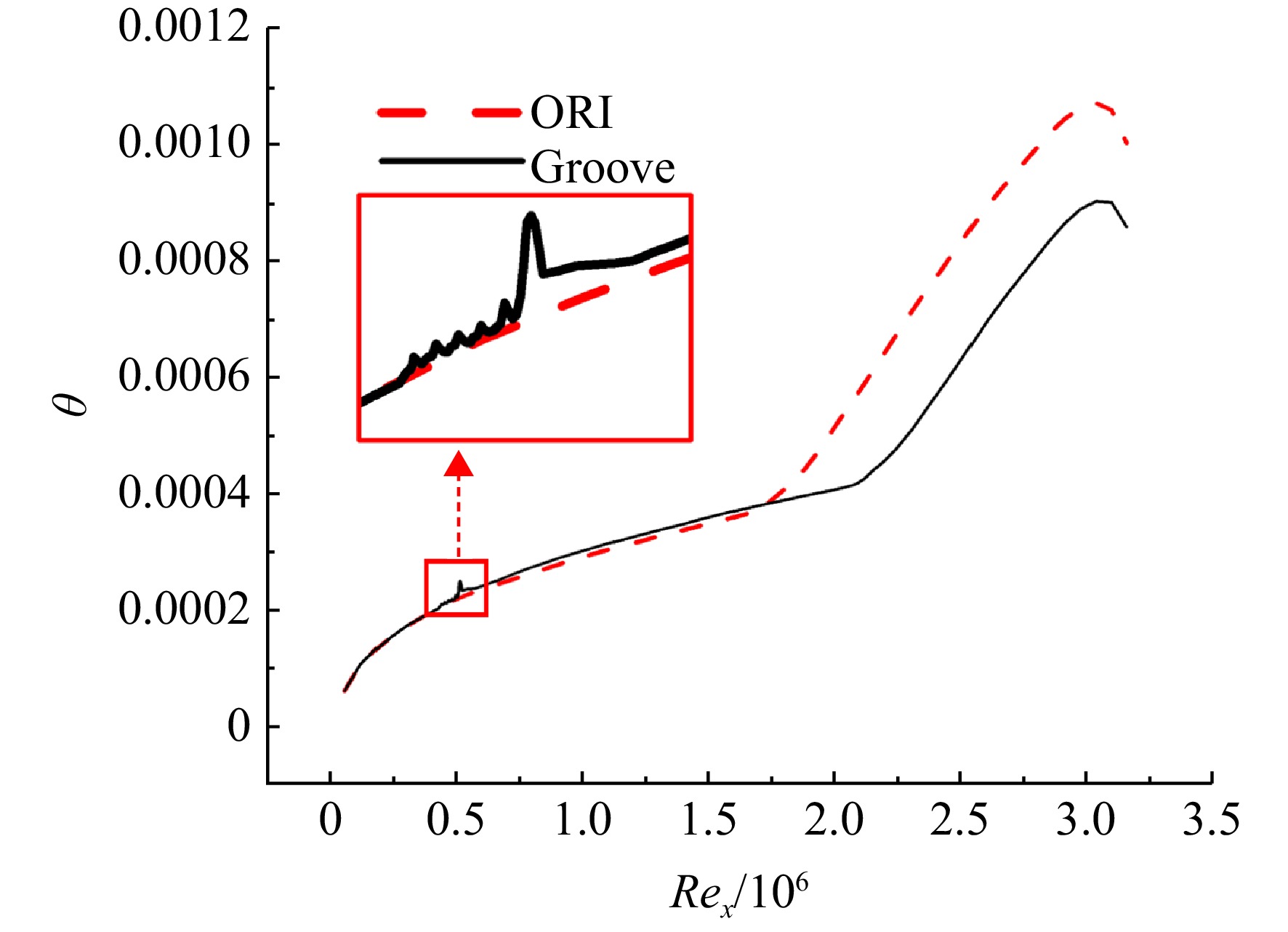
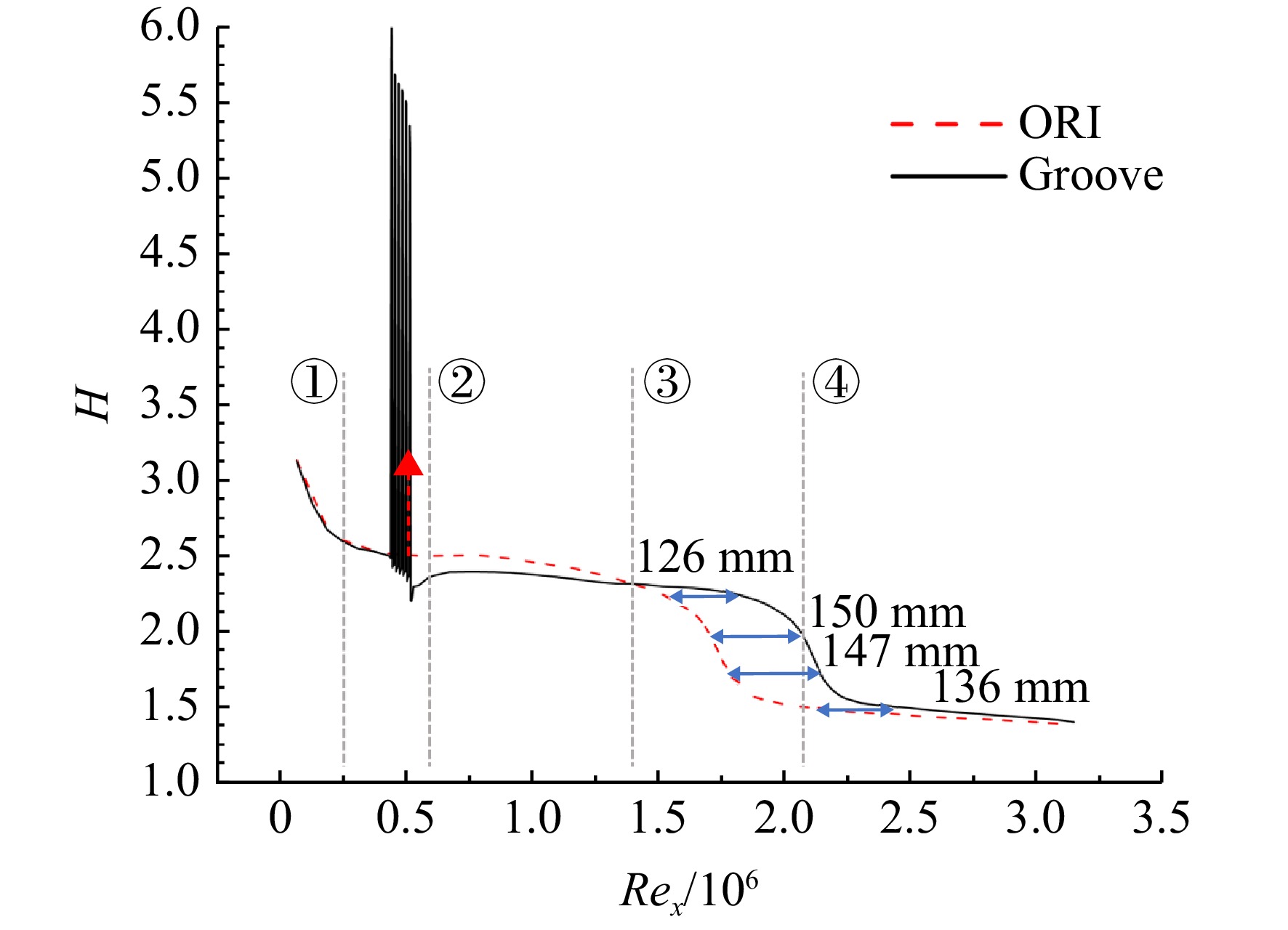
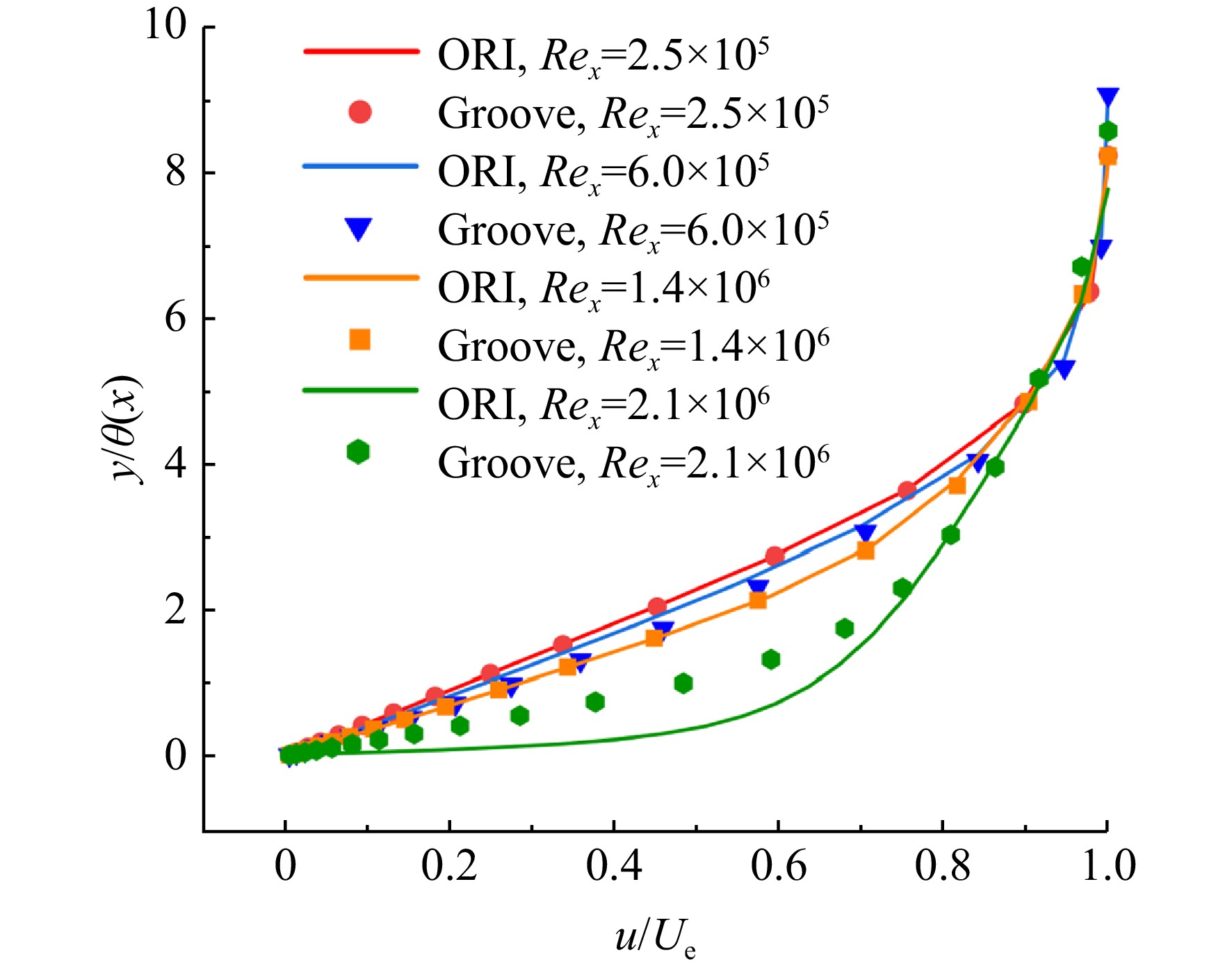
In order to achieve effective drag reduction, a bionic structure with a circular arc groove was designed based on the dragonfly wing tubular vein structure. By comparing the drag reduction related parameters and turbulence characteristics in the flow field of the incompressible-plate prototype and the modified scheme, the influences of the design parameters of the bionic structure on the resistance characteristics of the flow field and the starting position of the boundary layer transition were determined. The results showed that the arrangement of the bionic structure, the geometric size parameters and the number of groove rows affected the flow field regularly. At the same time, it was also found that the groove spacing had a similar effect on the range of size less than or equal to the groove width. The arrangement of the circular arc groove structure with a 0.75 mm deep size scheme at the first 20% flow direction length region of the transition position introduced external disturbances, which made the original laminar boundary layer velocity profile fuller and the anti-interference ability further enhanced, thus delaying the transition. In this way, the laminar flow coverage area was increased to achieve effective drag reduction. Compared with the prototype, the ideal scheme can increase 10.75% of the flow direction length range covered by laminar flow, and reduce about 6.38% of the friction resistance.

Unsteady aerodynamic interference of tilt-quadrotor due to multi-vortex effect
ZHANG Xiayang, LUO Bin, ZHAO Qijun, GUAN Tong
2025, 40(7): 20240216. doi: 10.13224/j.cnki.jasp.20240216
Abstract:

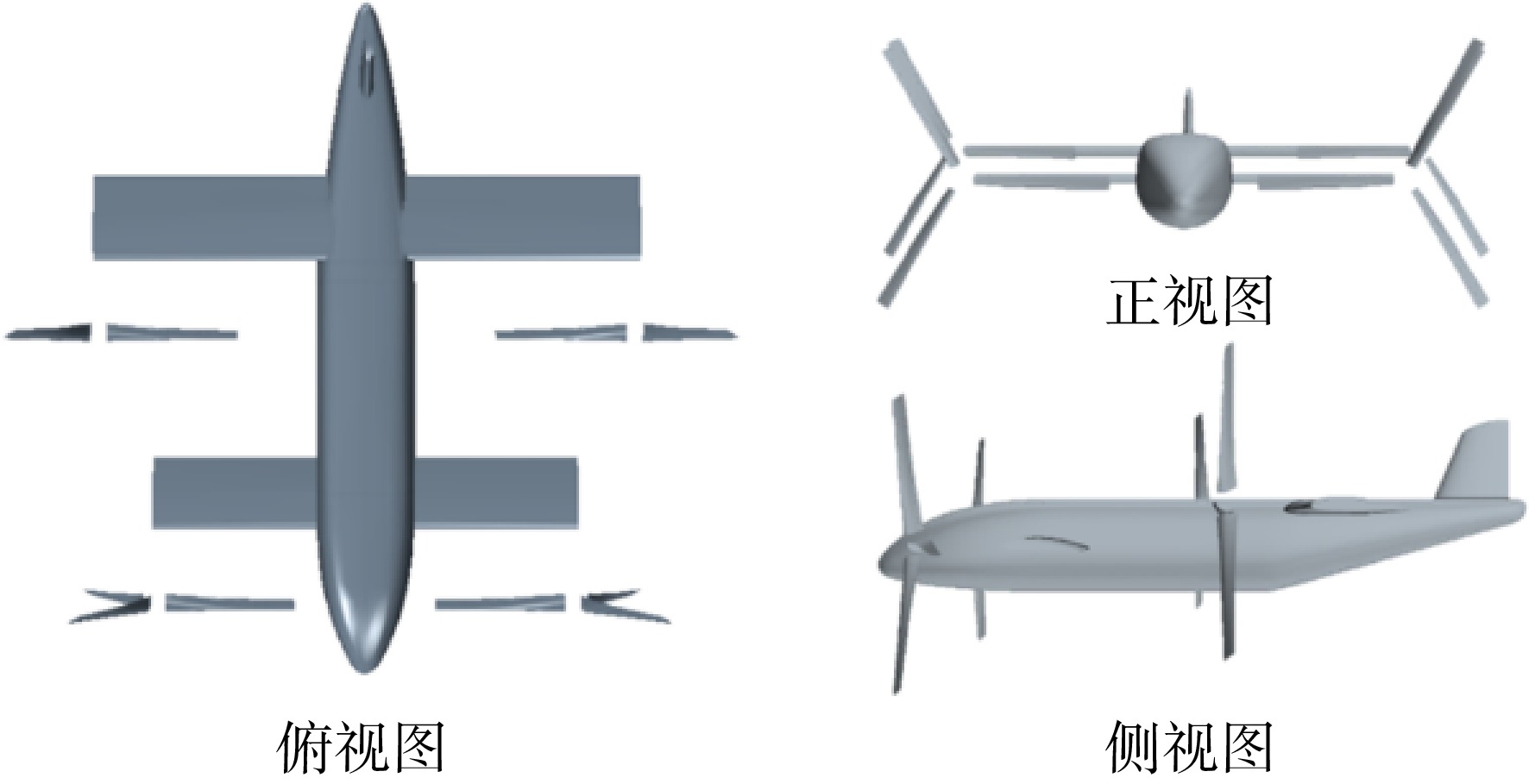
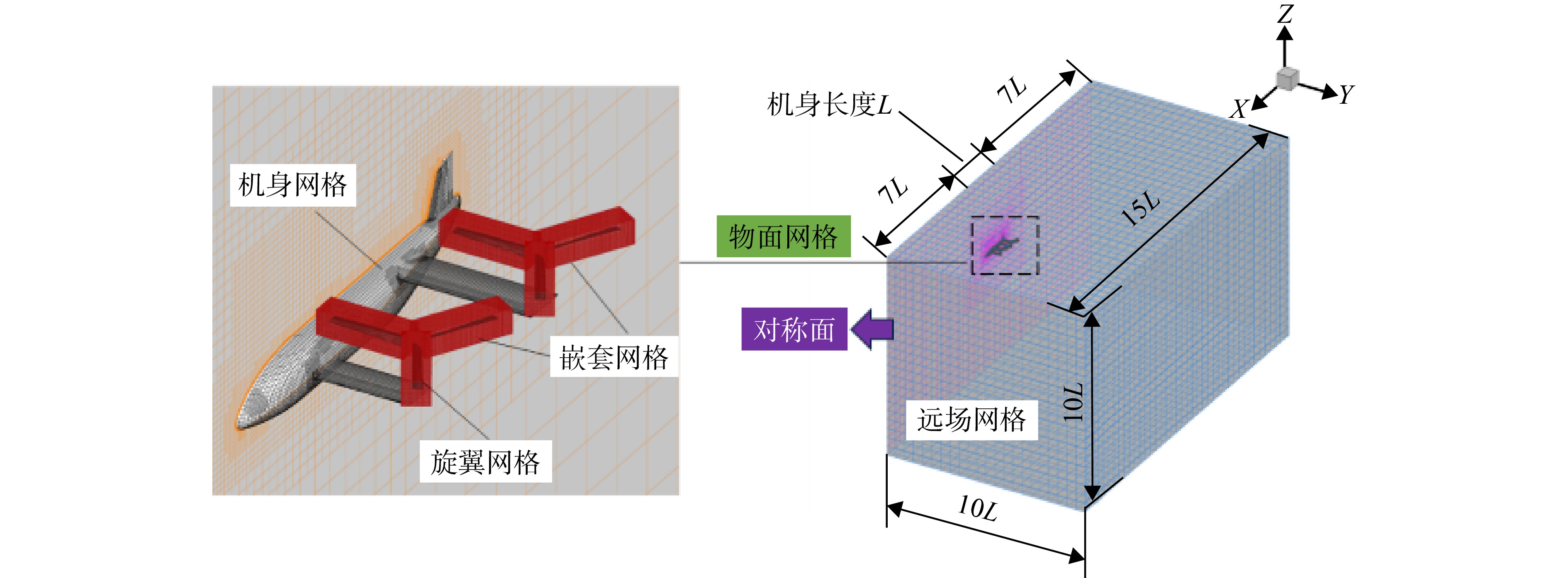
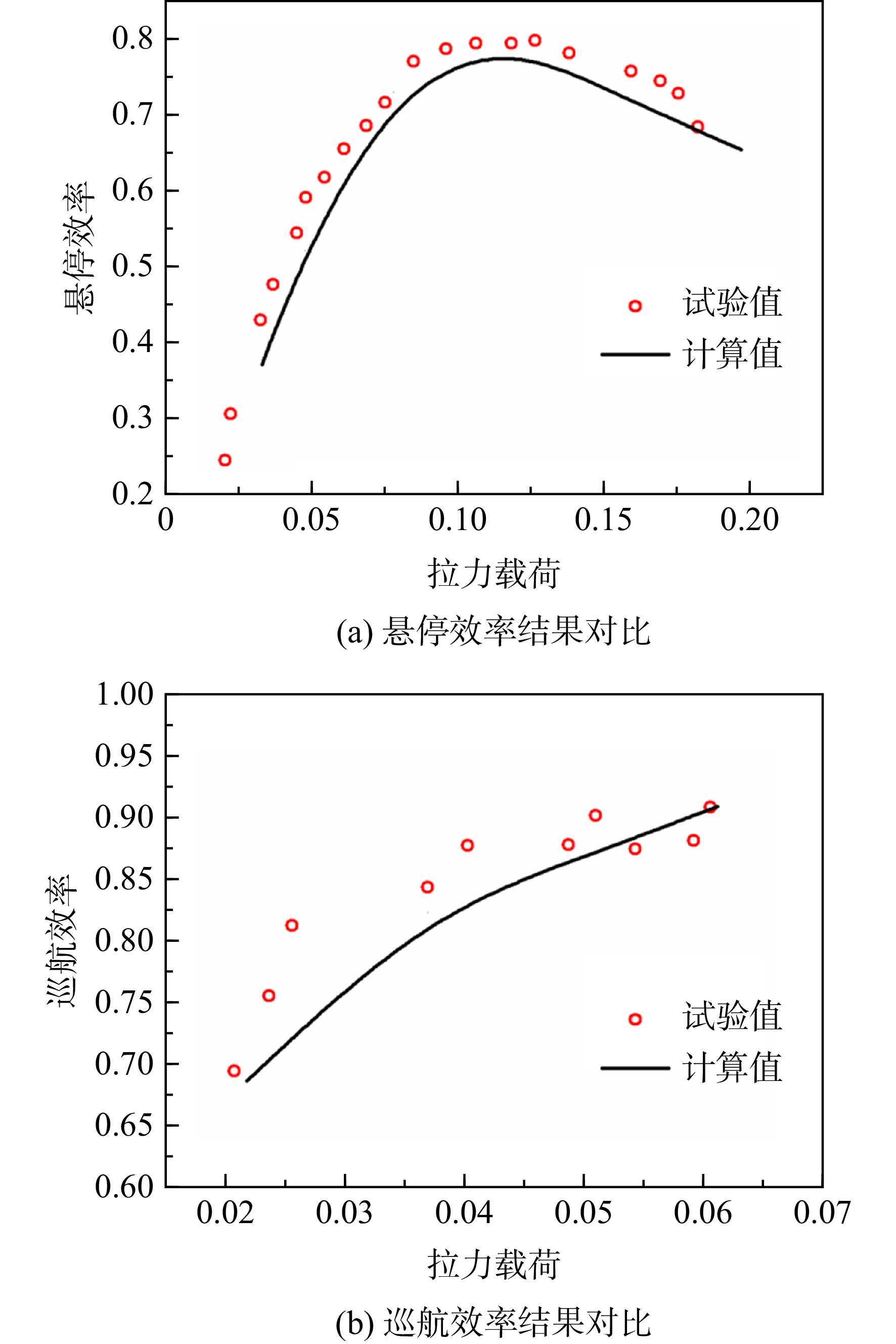
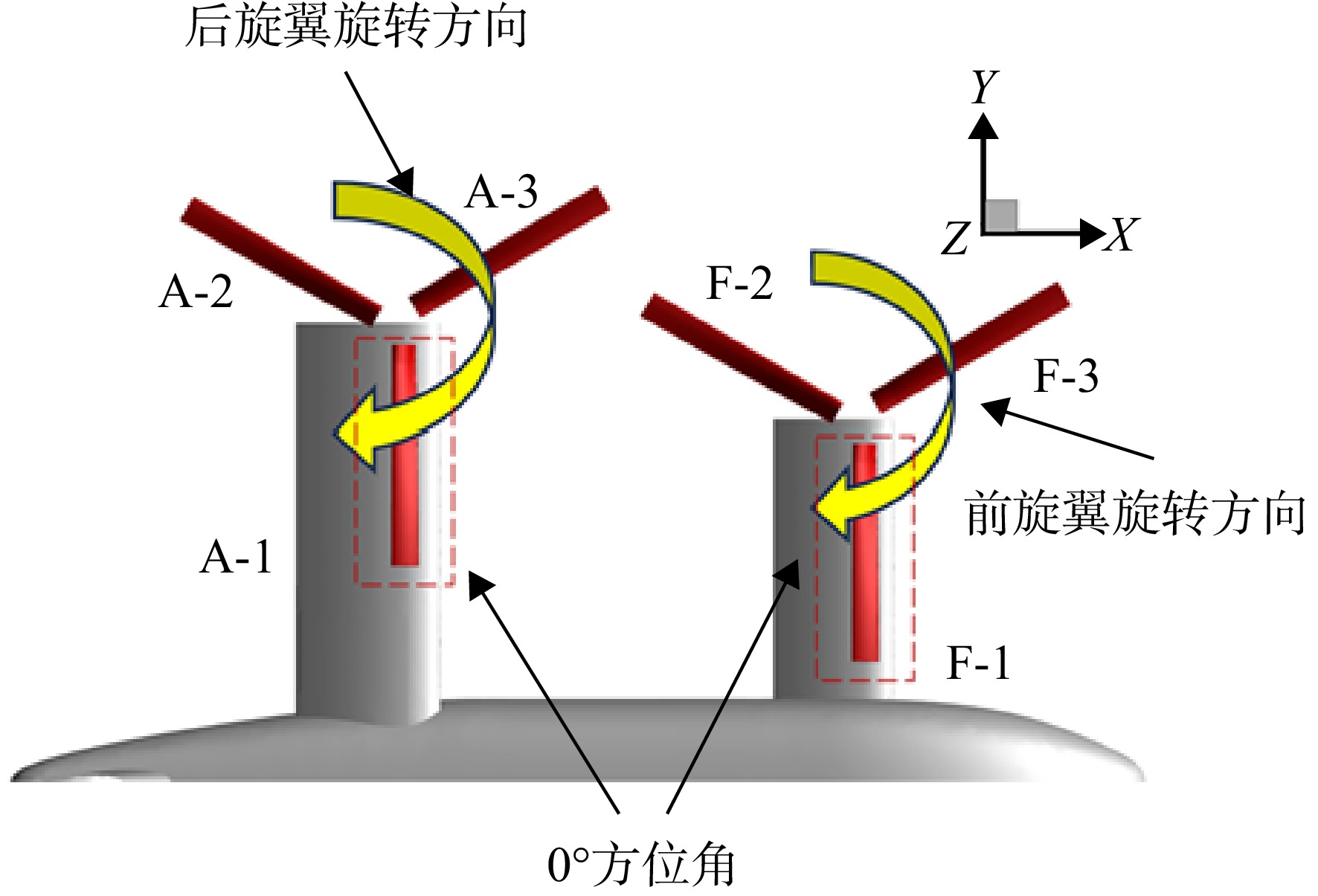
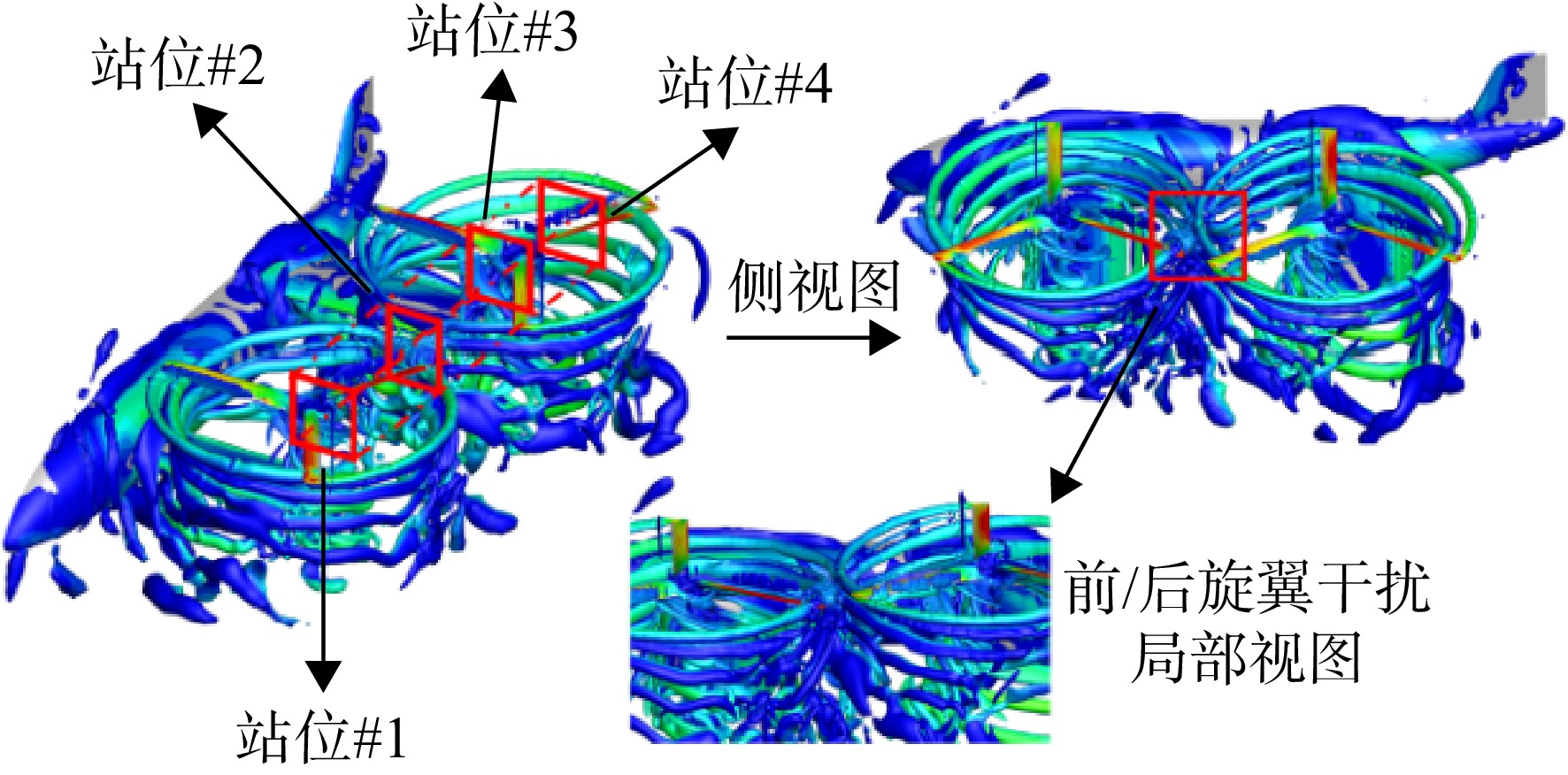
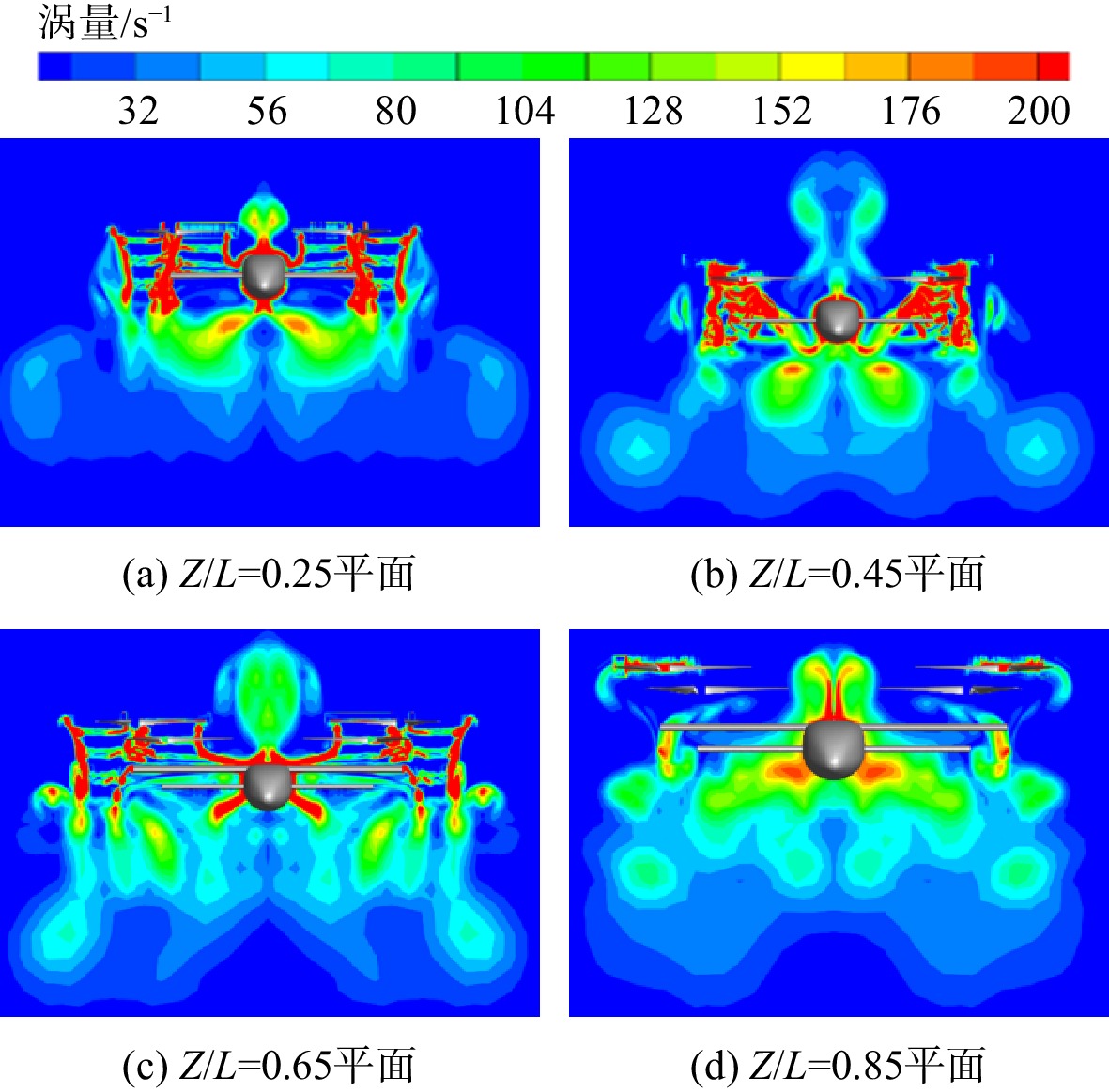
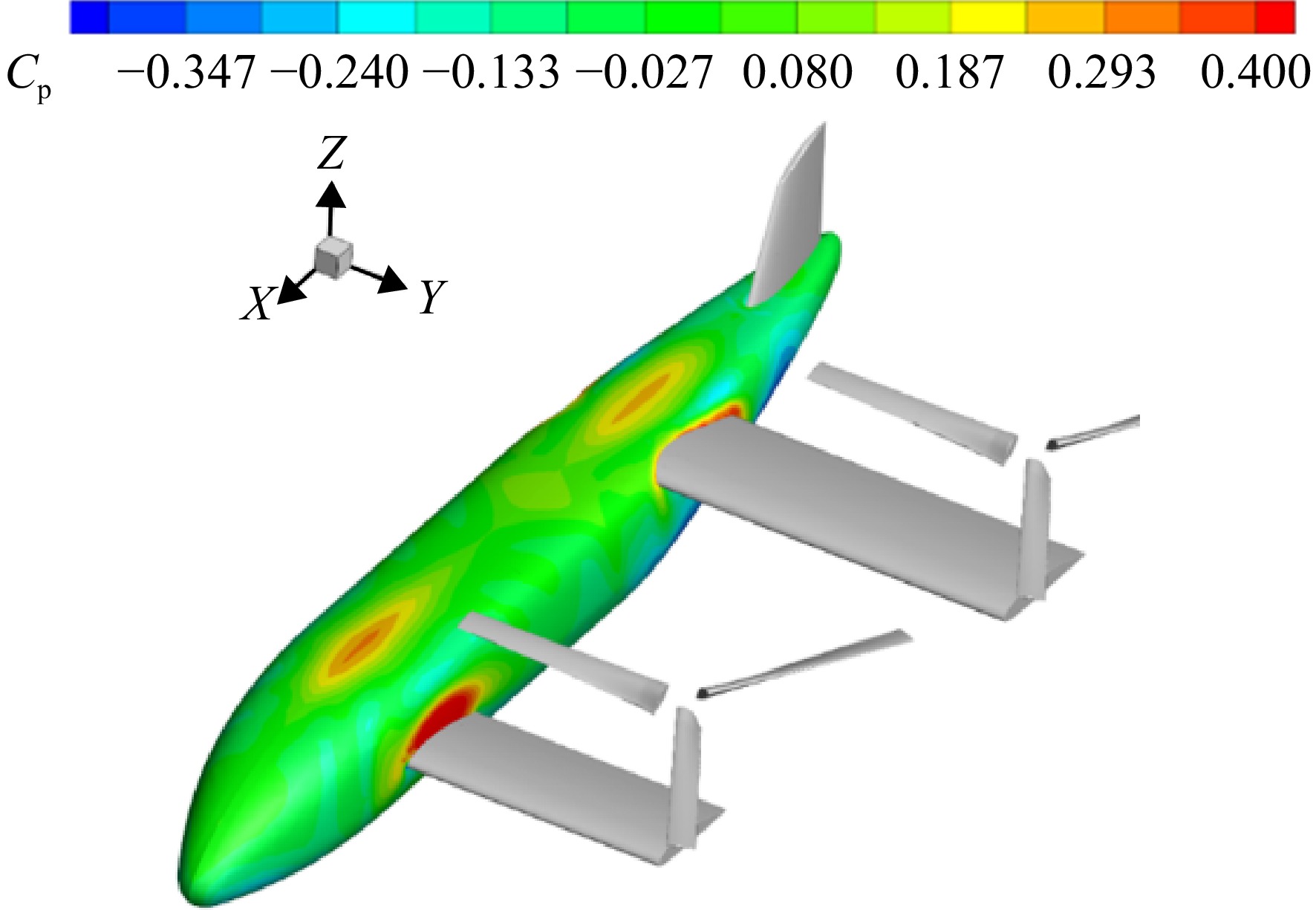
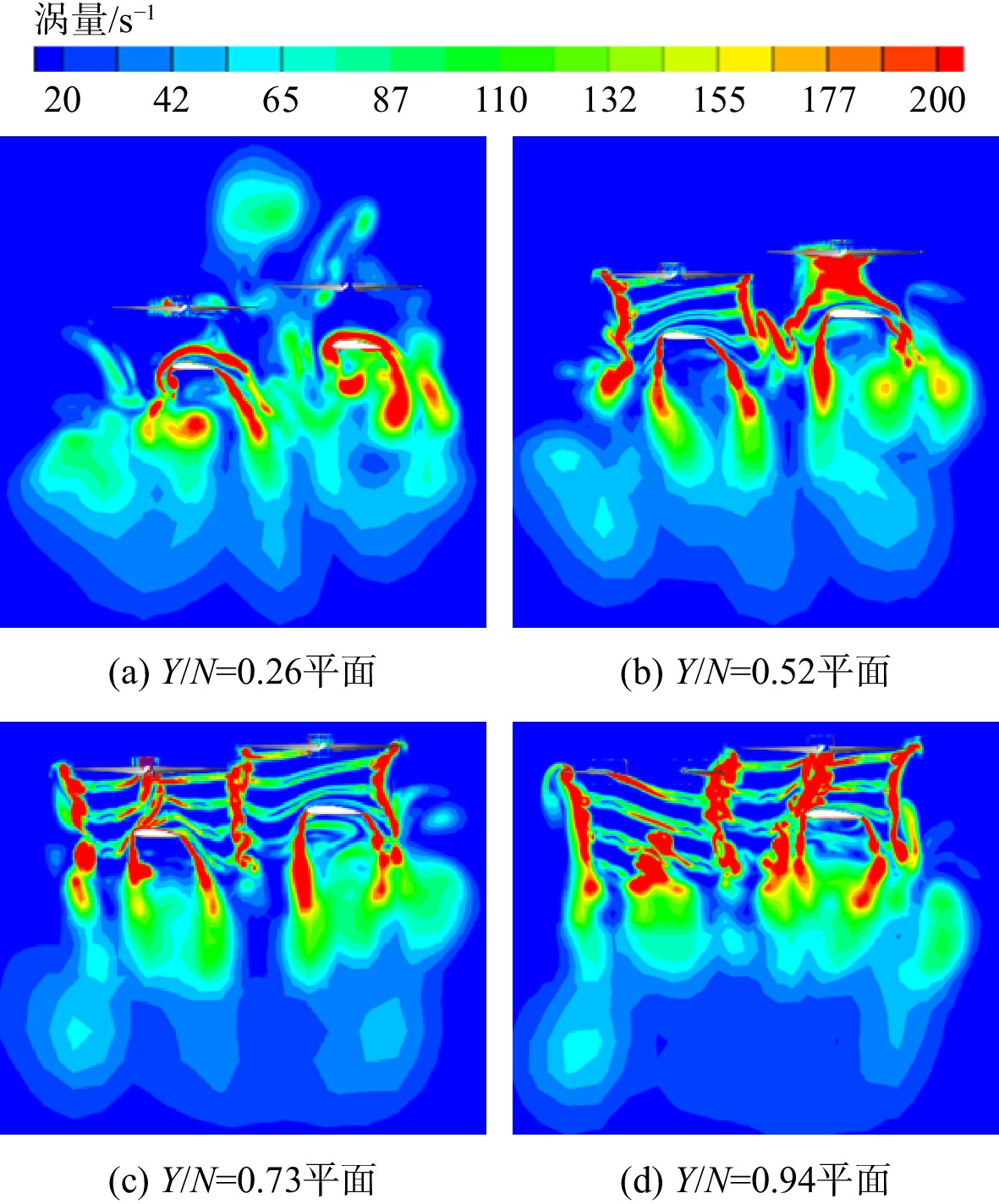
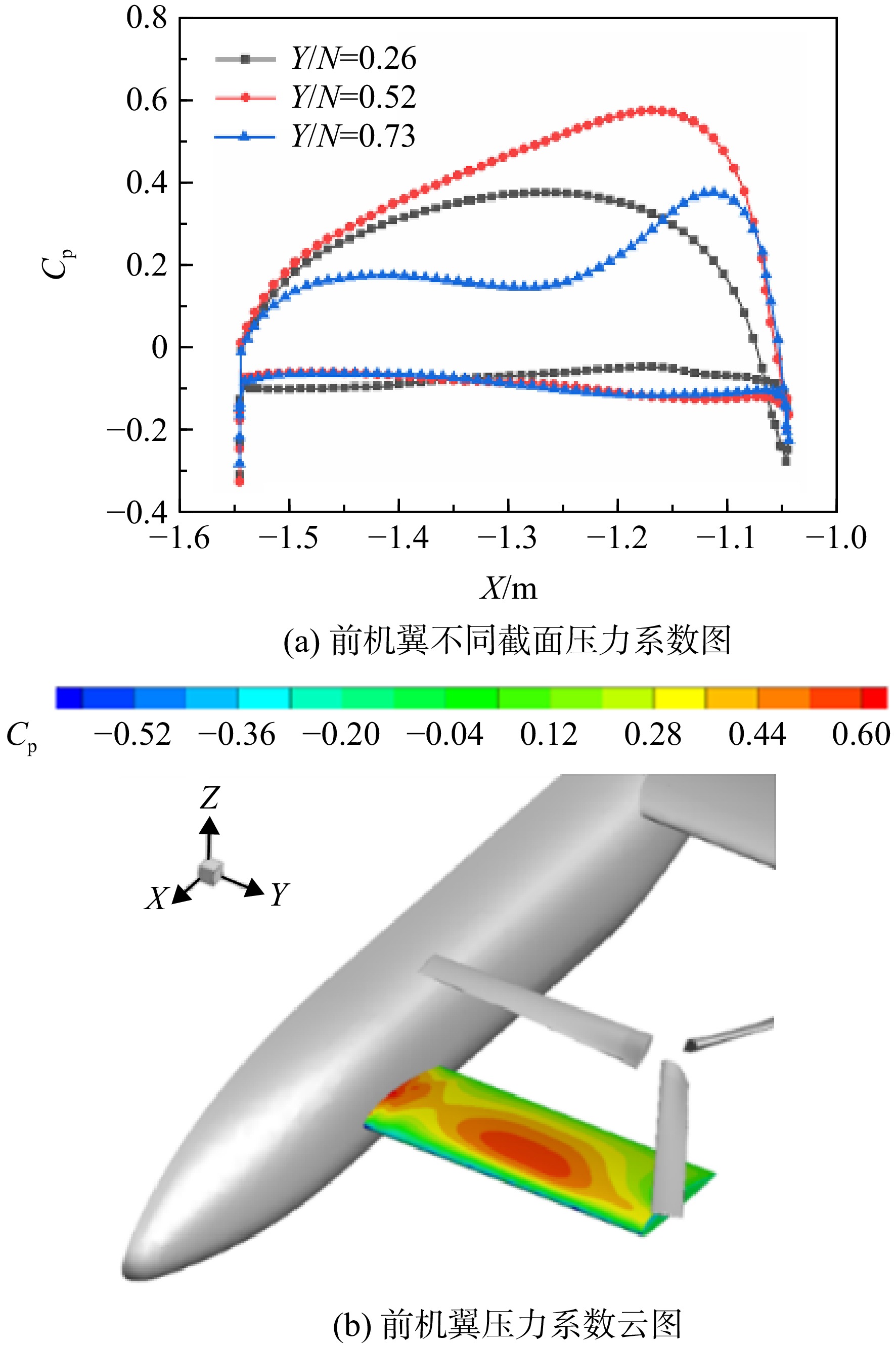
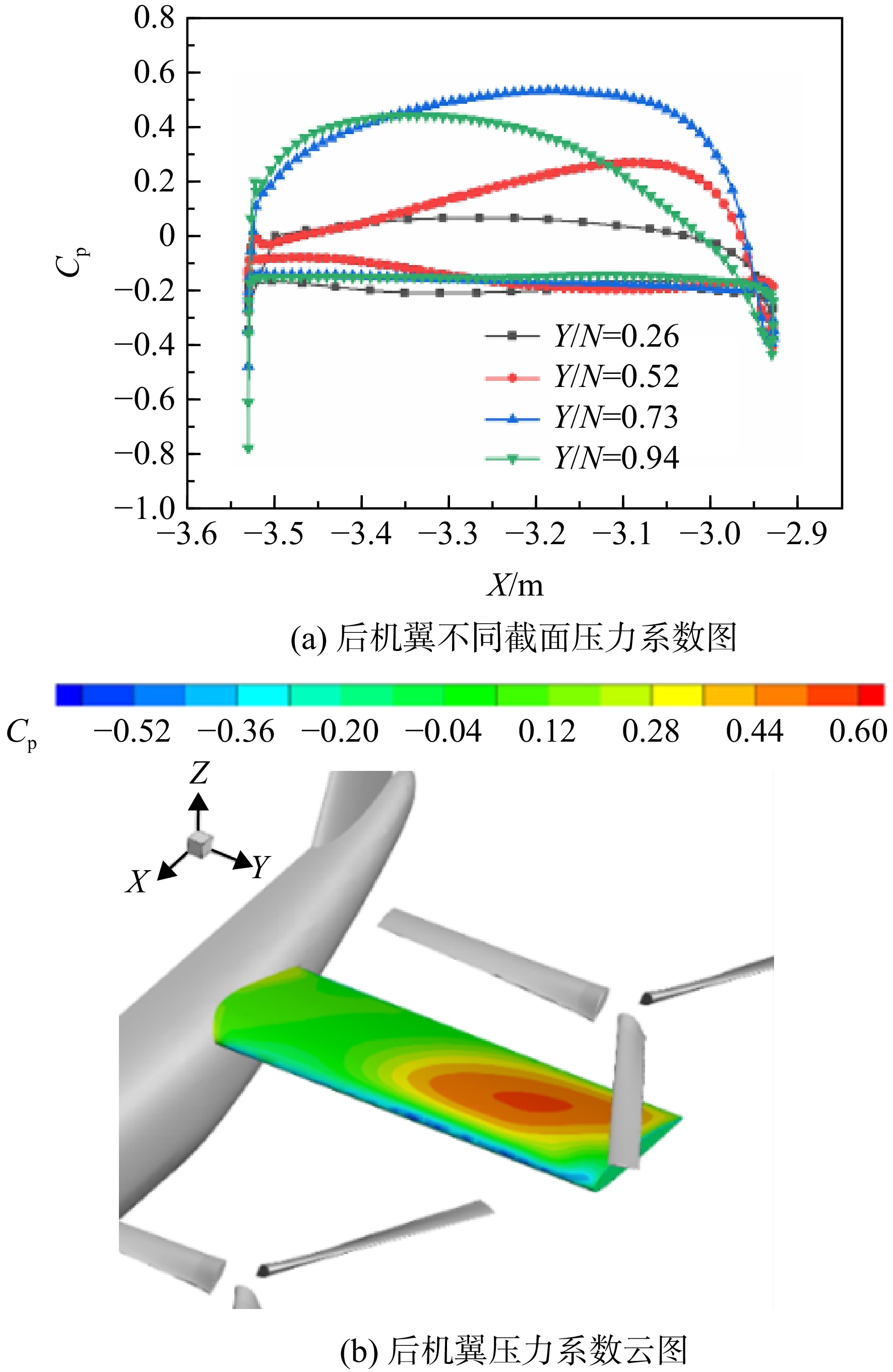
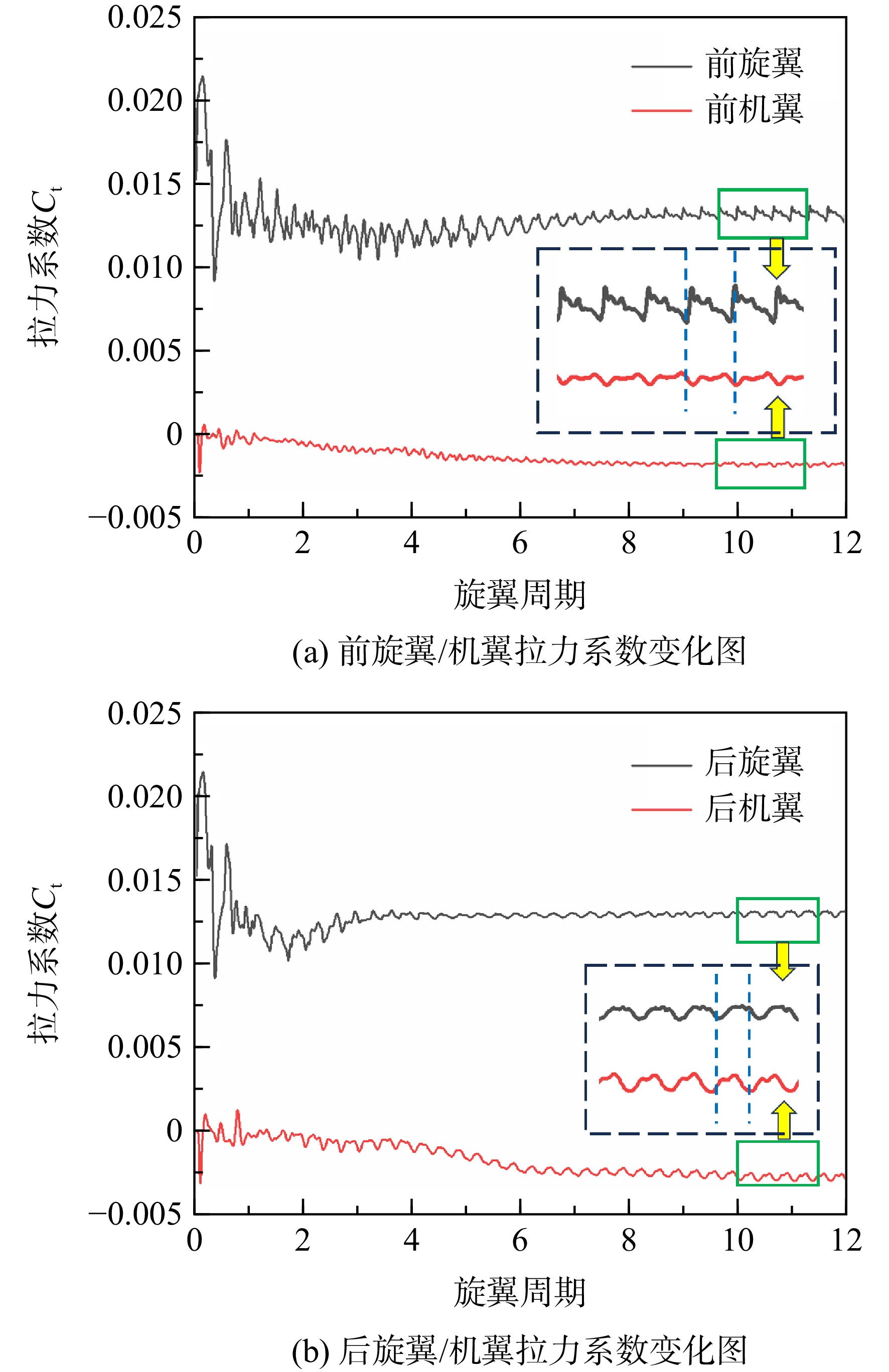
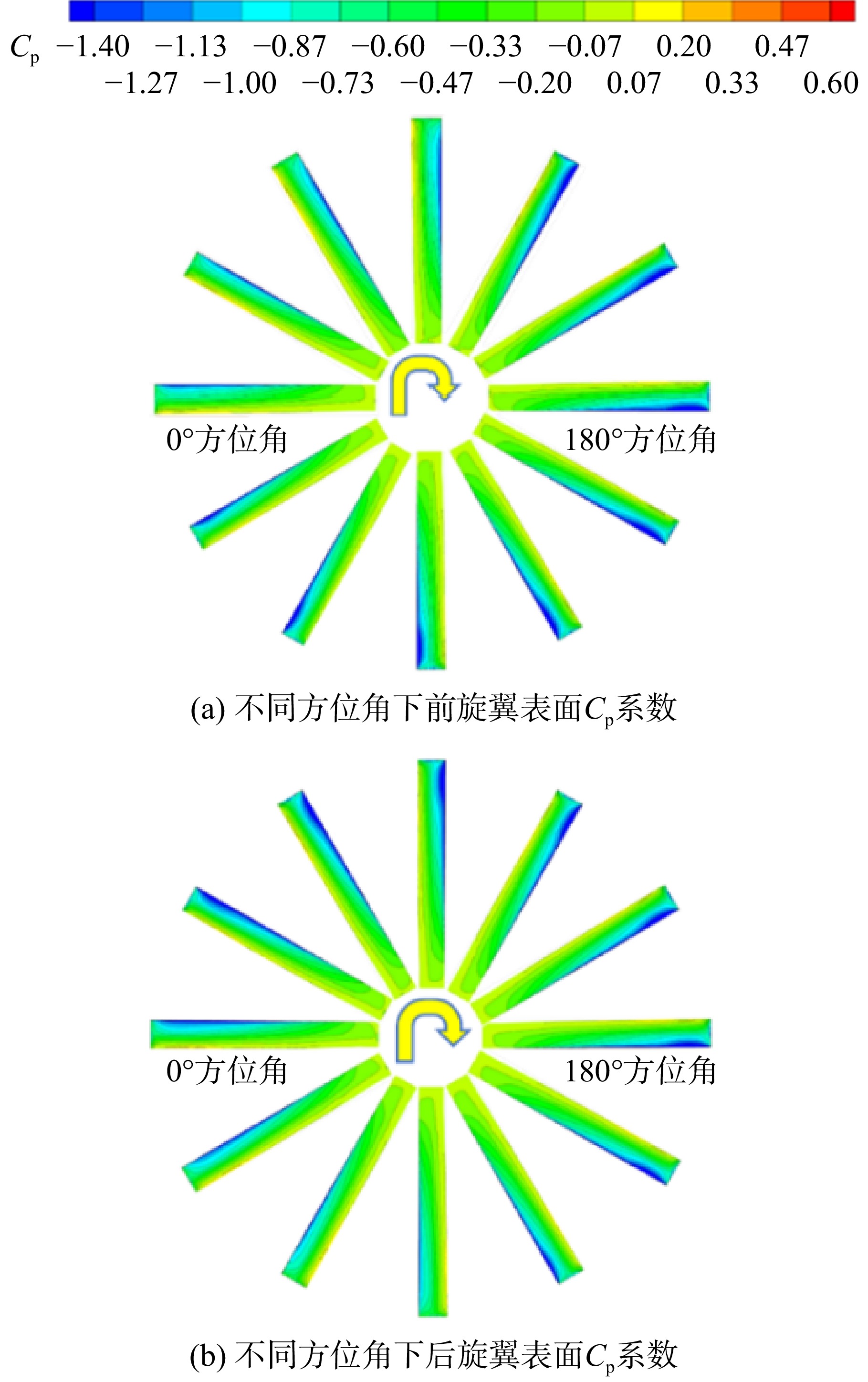
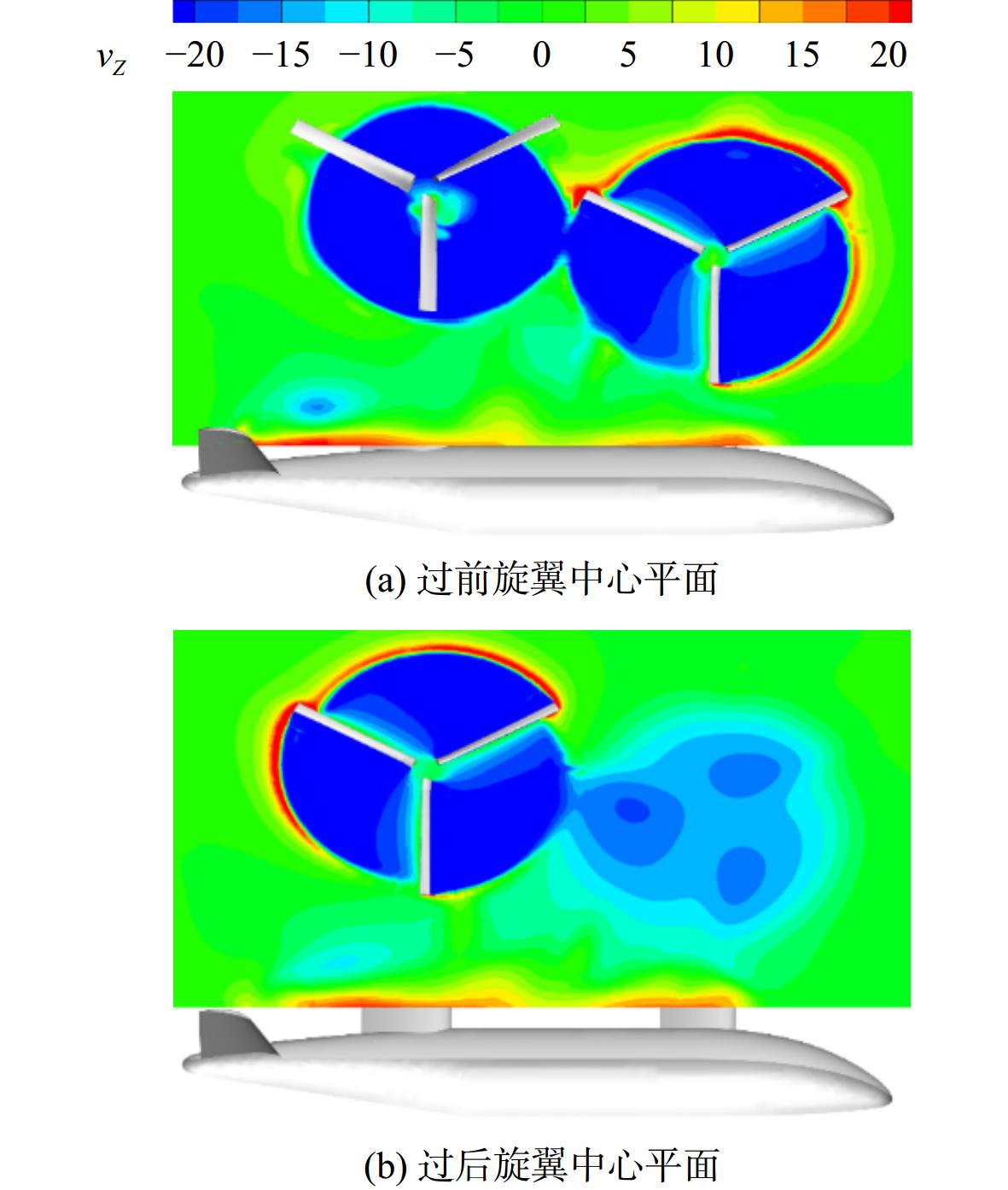
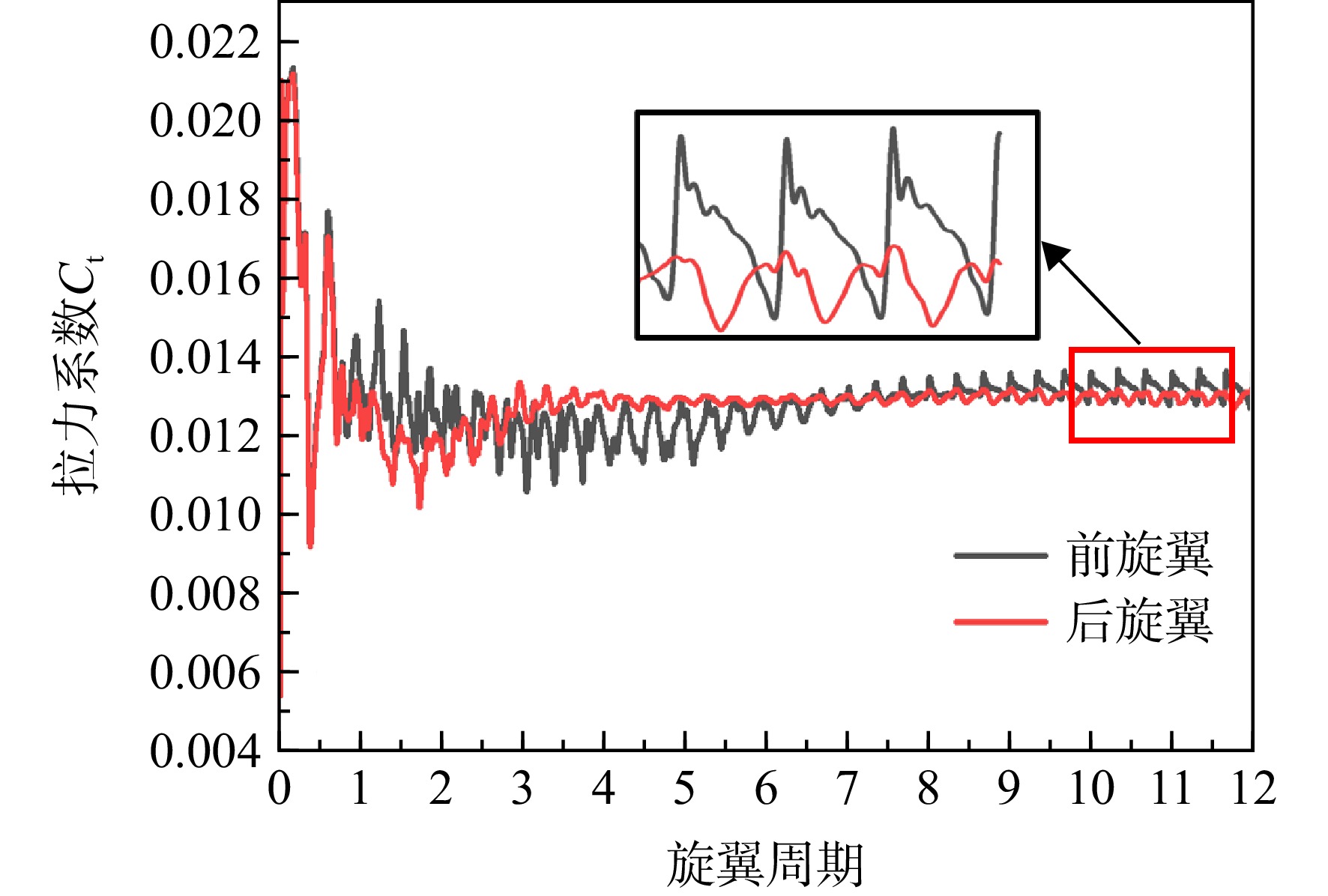
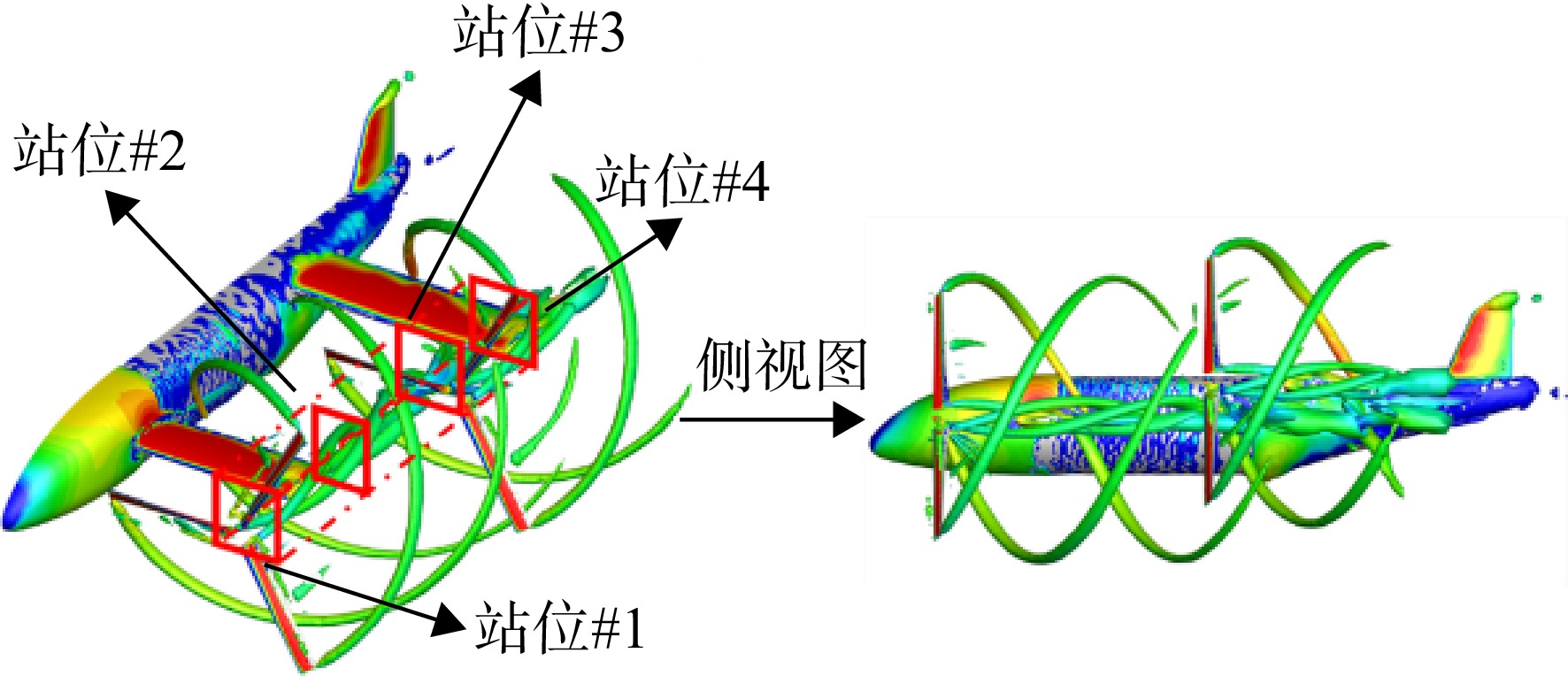
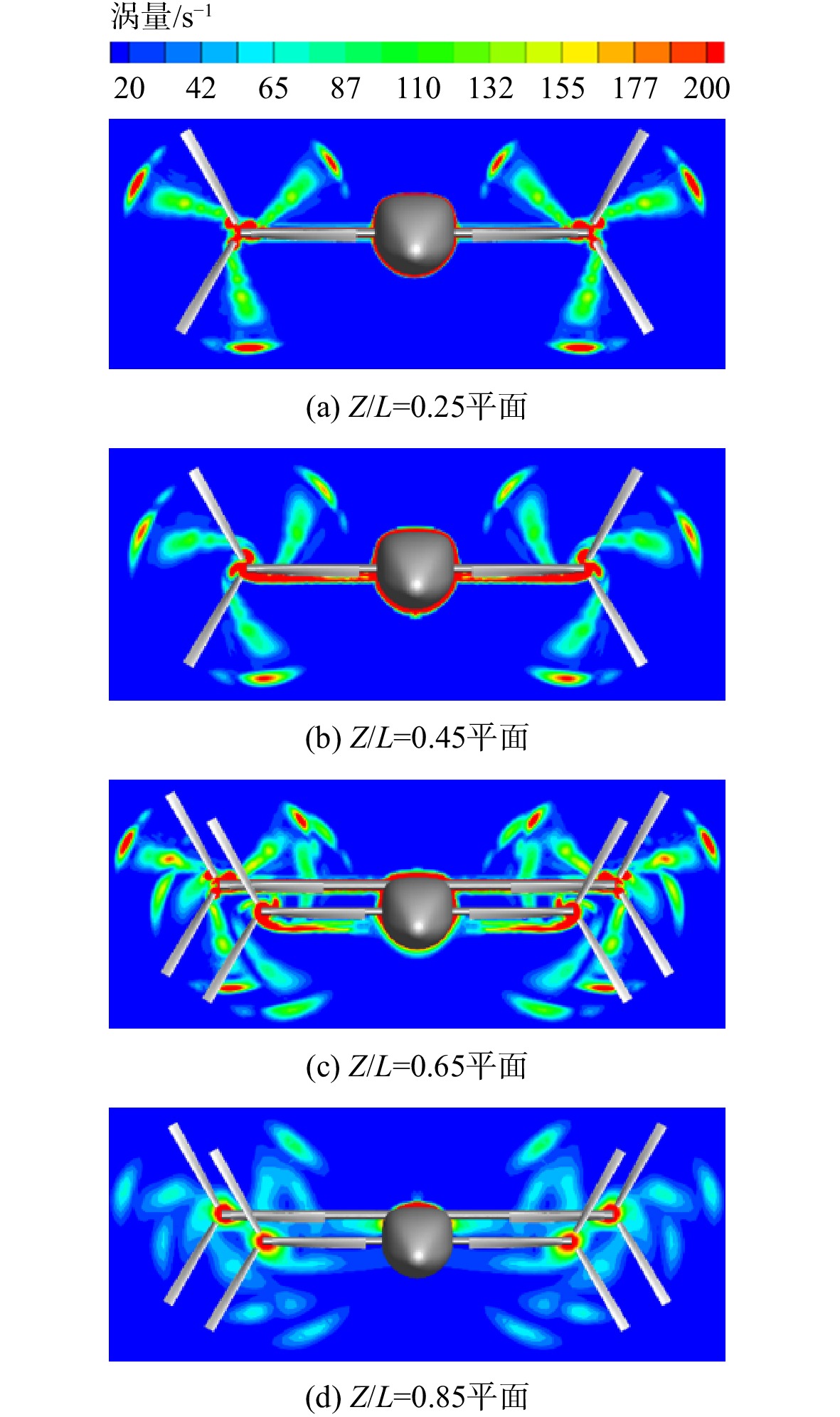
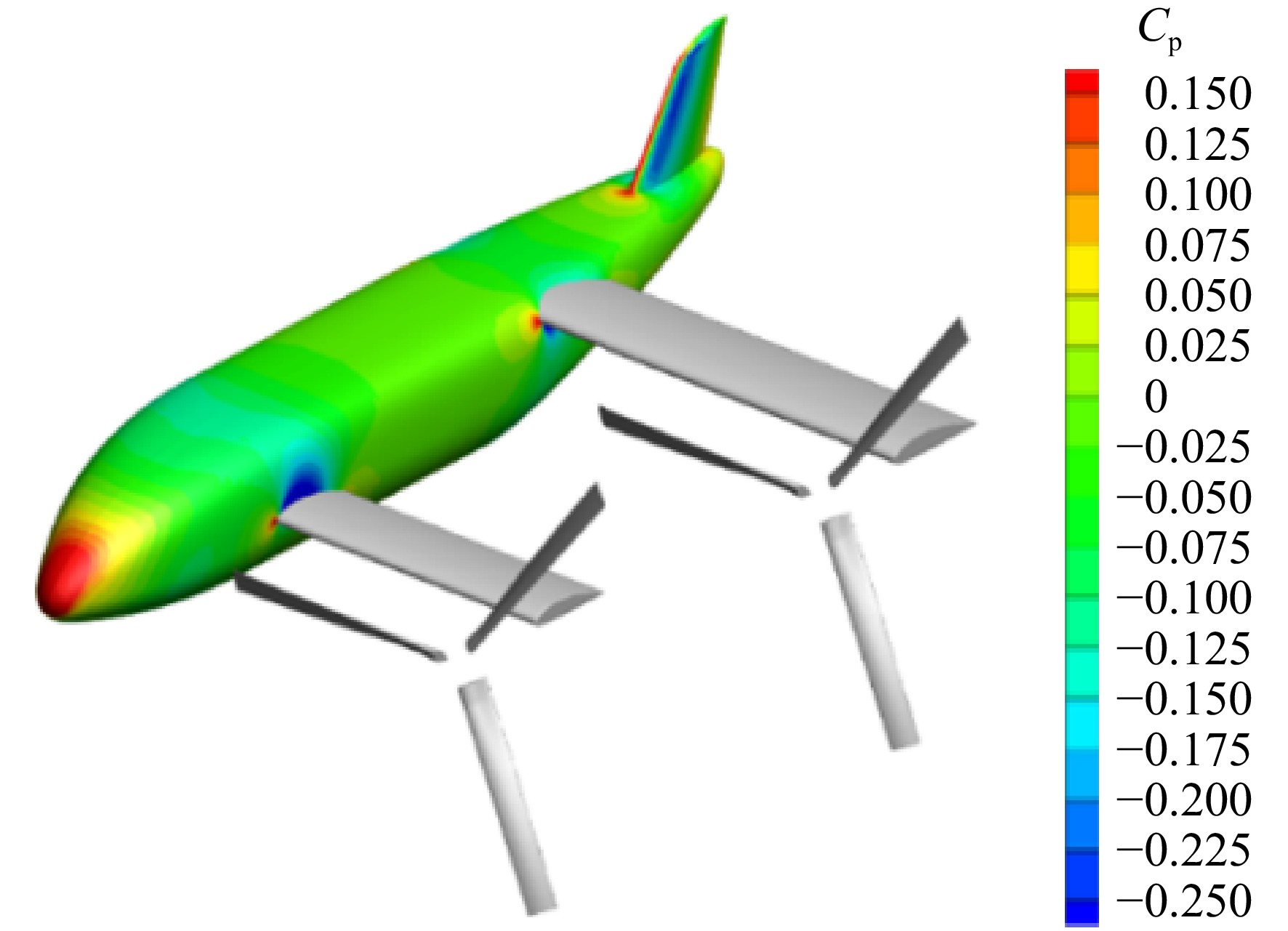
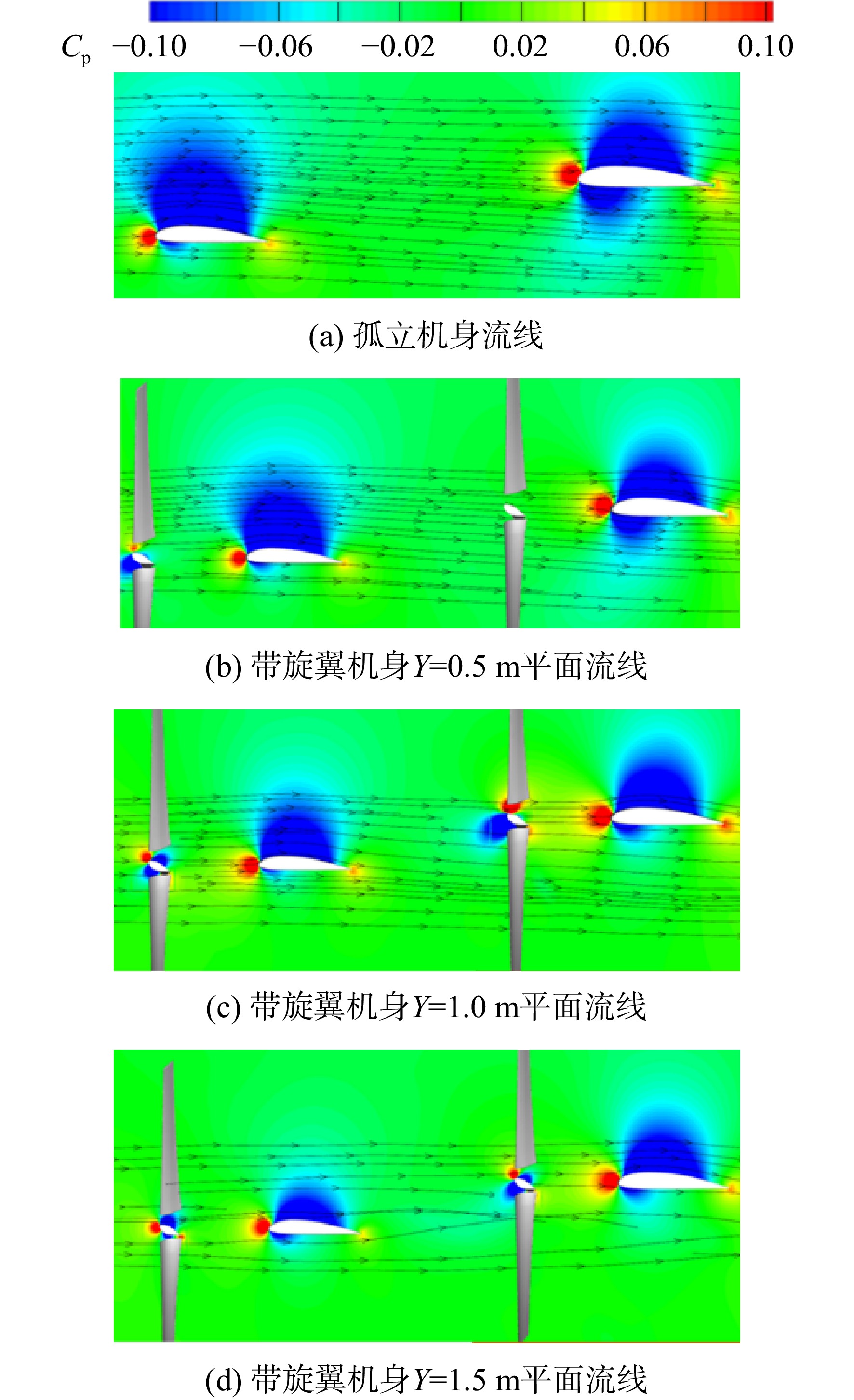
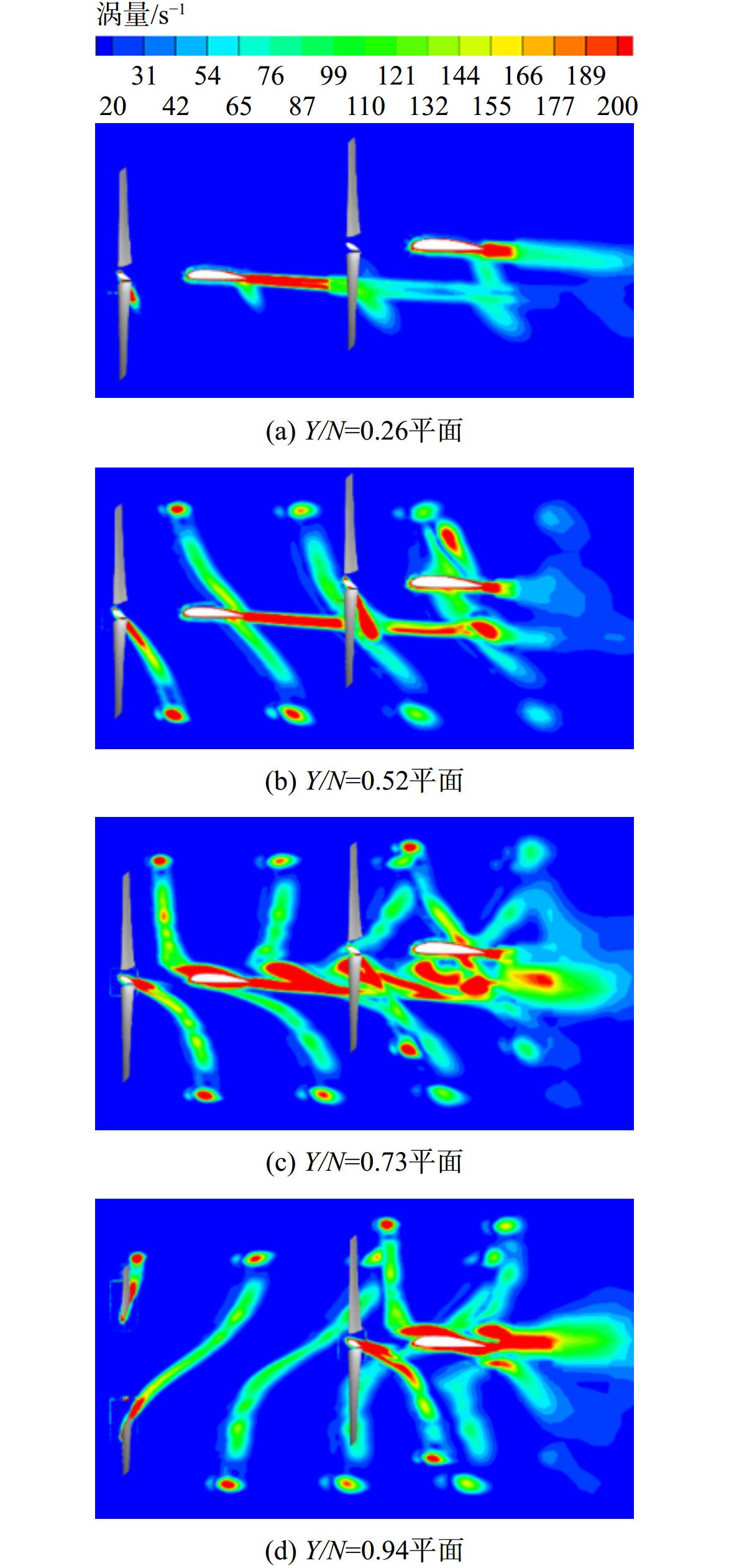
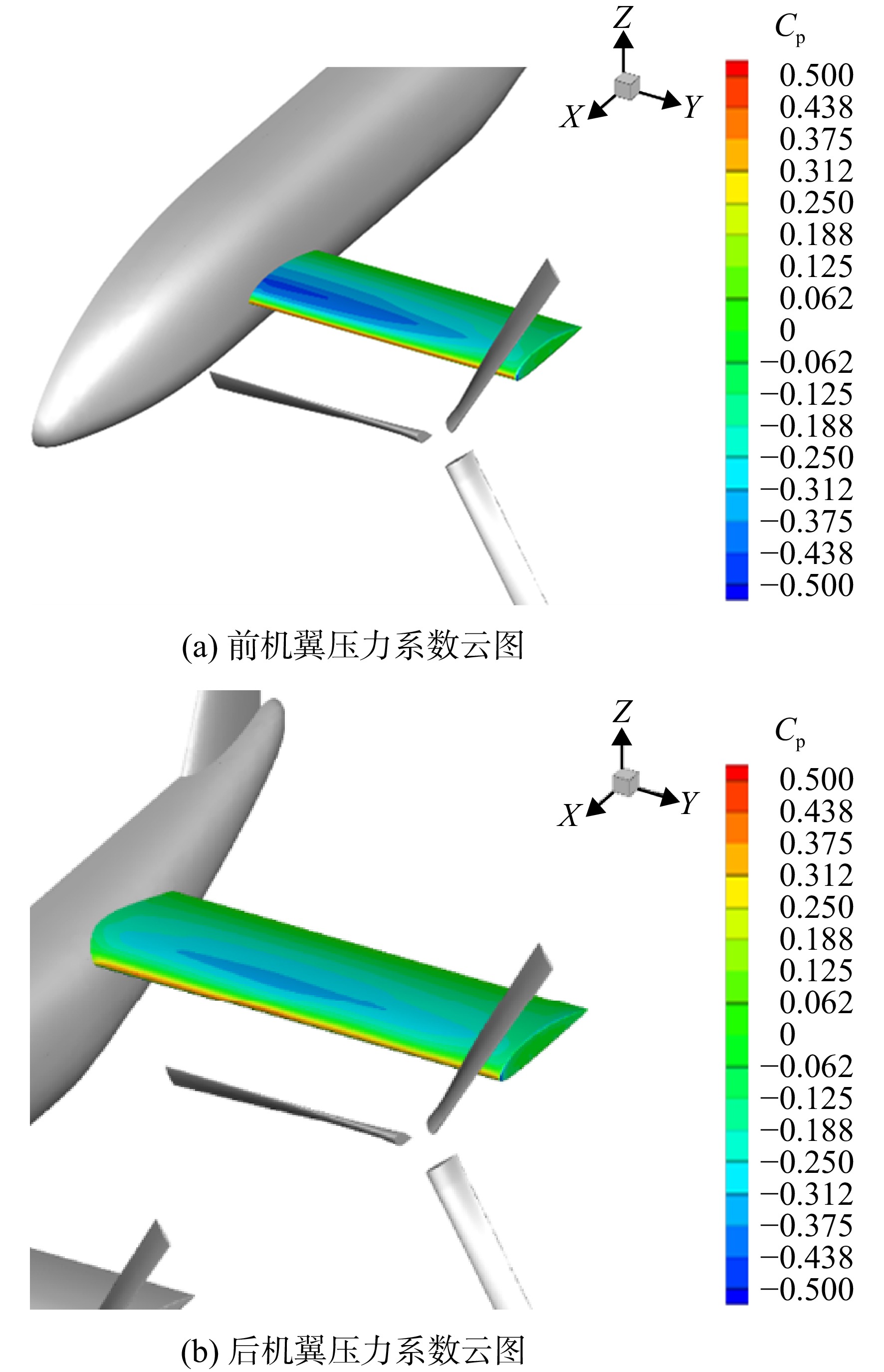
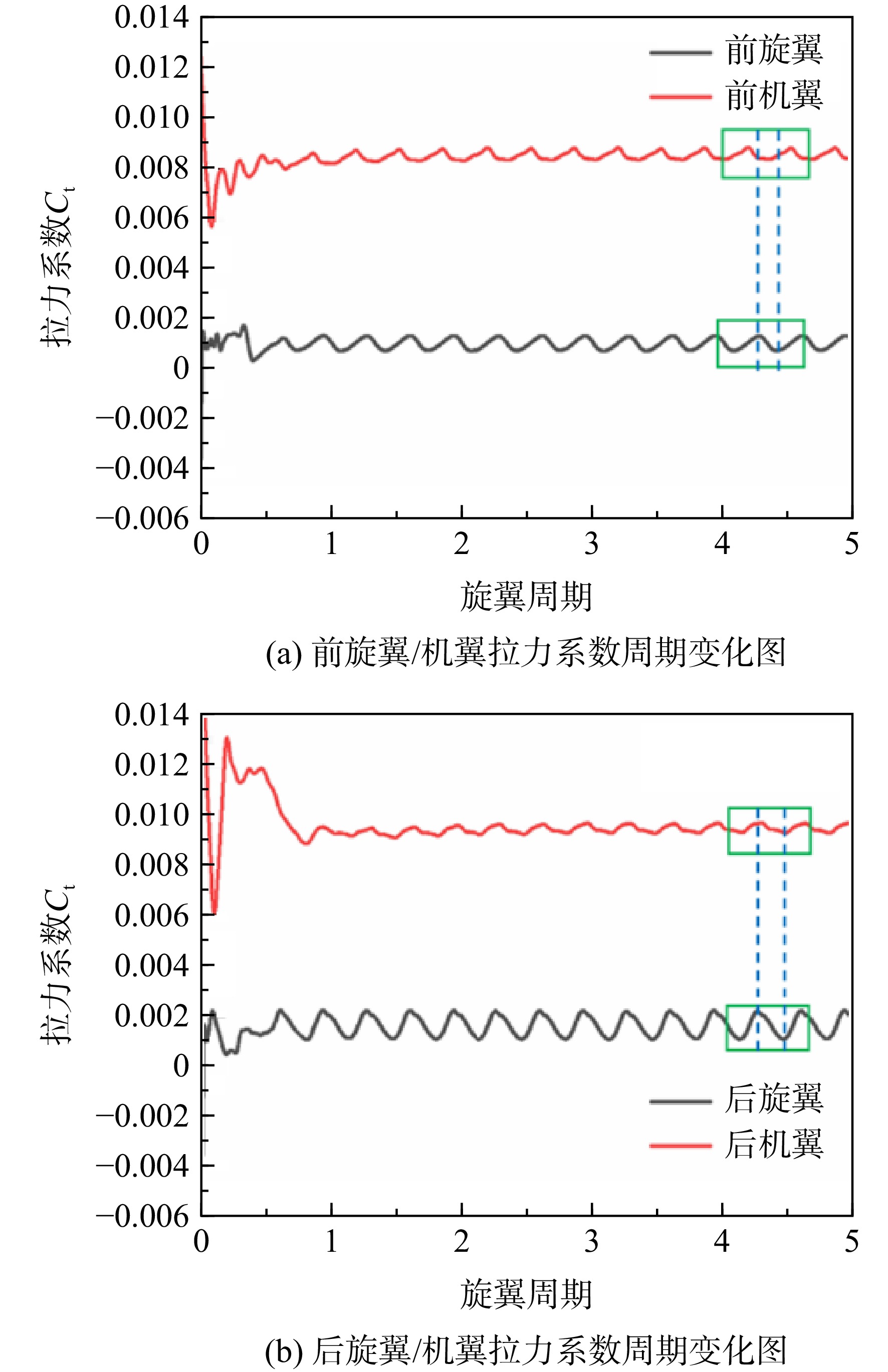
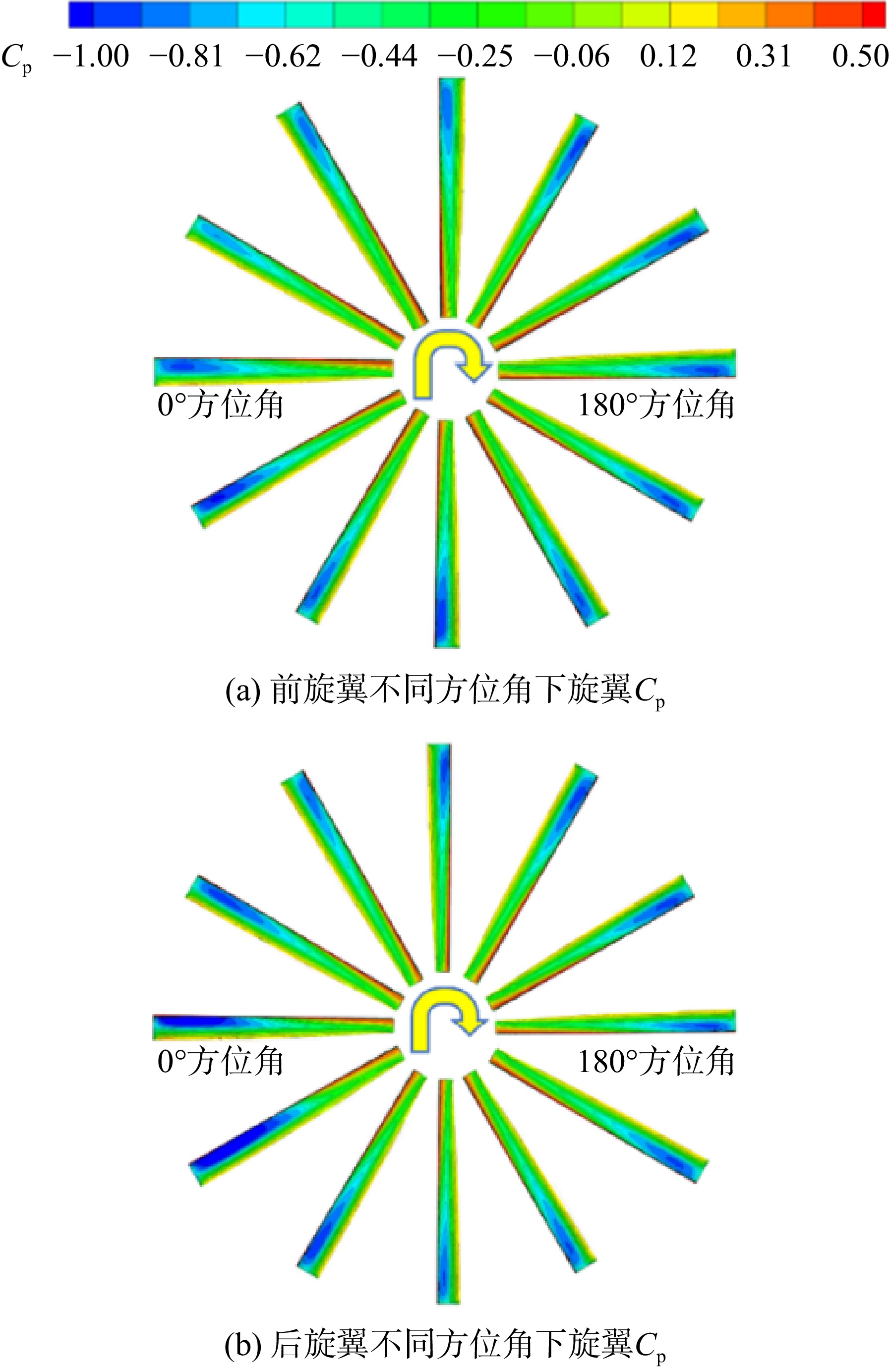
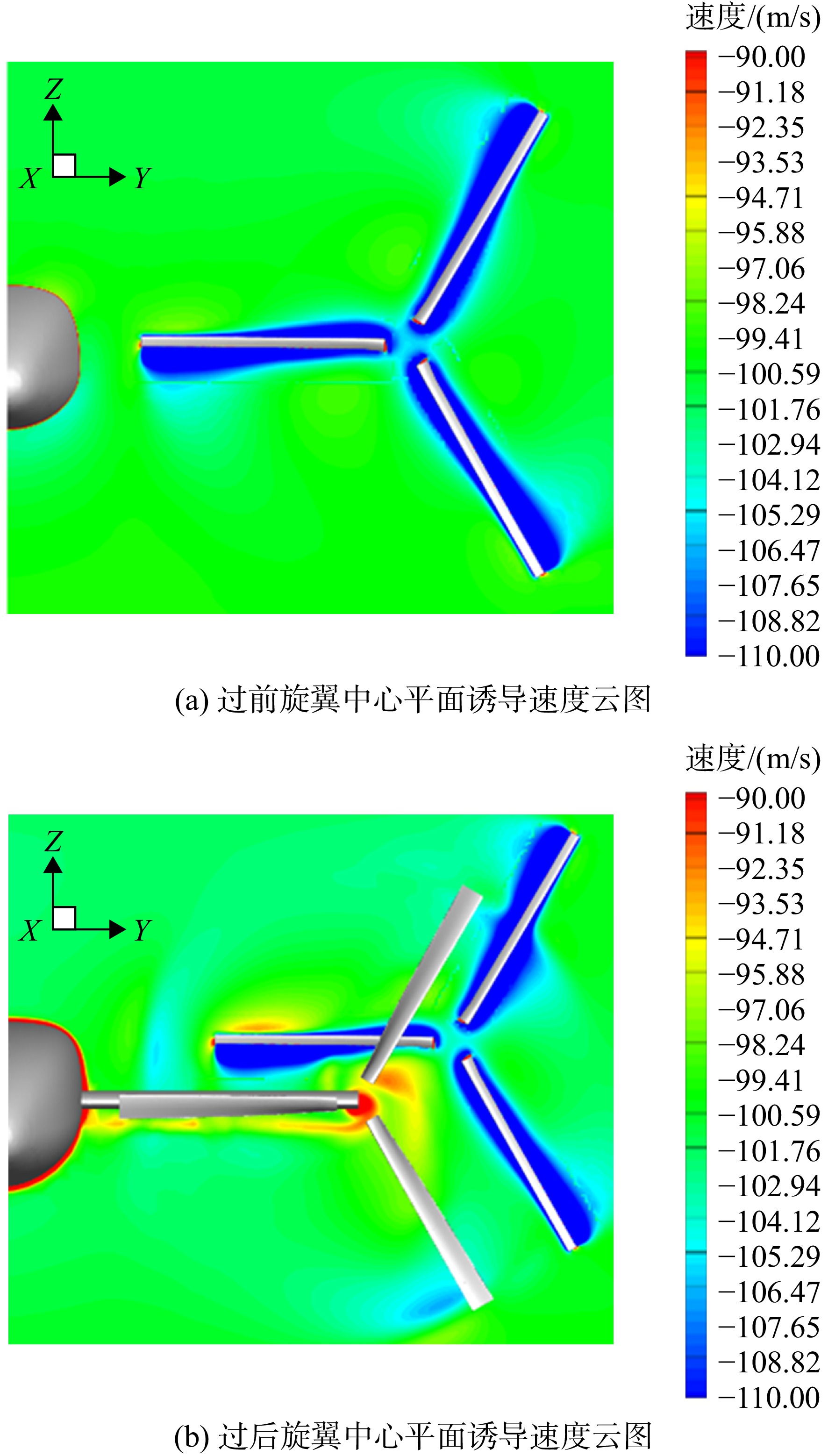
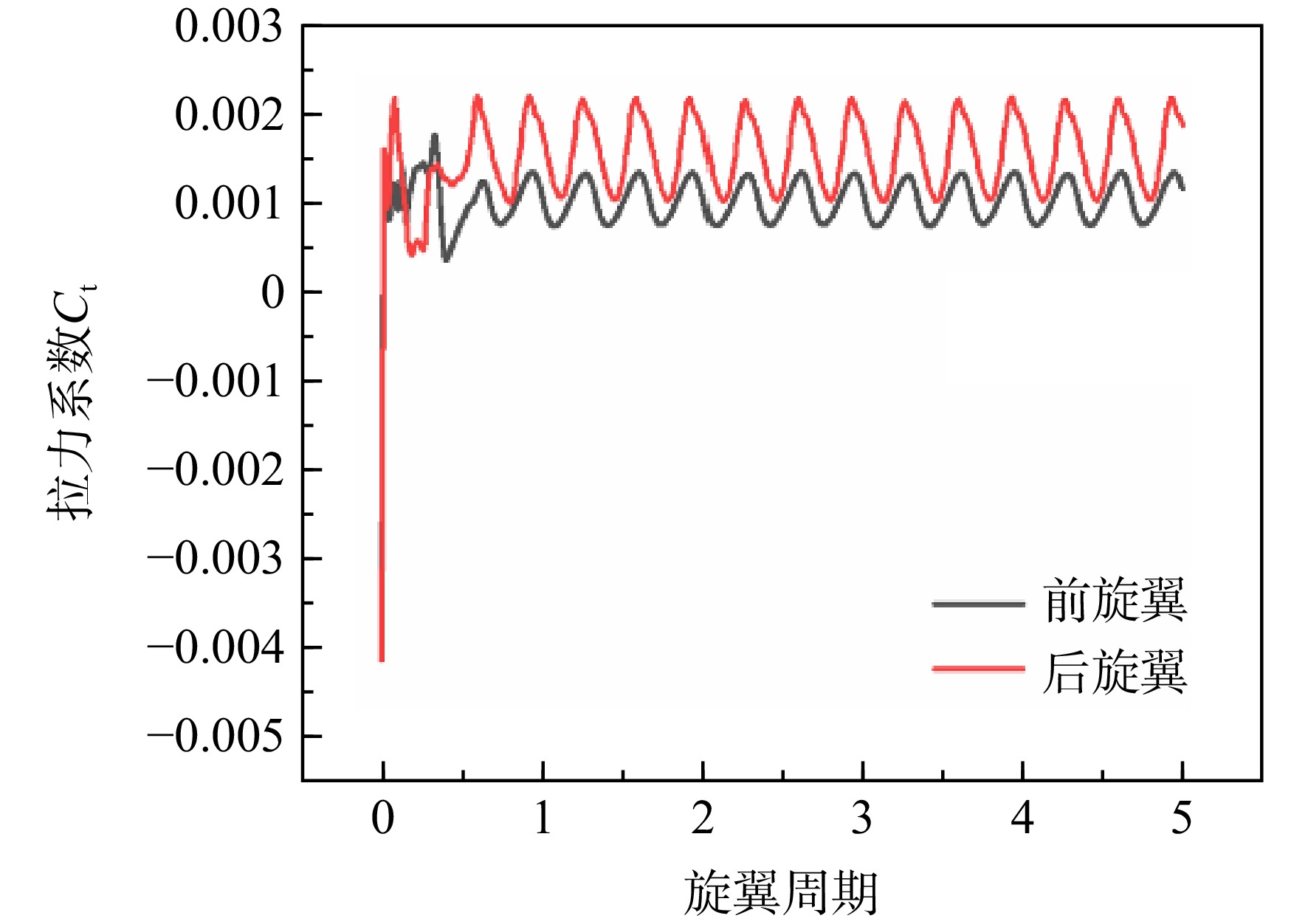
Considering the complex aerodynamic interference phenomena in the helicopter and fixed-wing modes of the tilt-quadrotor, a set of numerical methods suitable for simulation of the interference flow field of the tilt-quadrotor were established based on the CFD method. The aerodynamic interference between the rotor multi-vortex system and the wing and fuselage was systematically simulated, and the occurrence and evolution mechanisms of unsteady aerodynamic characteristics were revealed. The results showed that in the helicopter mode, the blade root vortex generated by the front rotor could act on the upper surface of the front wing and roll up the secondary vortex below the wing. The blade root vortex generated by the rear rotor could be attracted by the tip vortex of the front rotor, and the obvious left shift phenomenon may occur and act on the leading edge of the rear wing. In the fixed-wing mode, the tip vortex dragged out by the front rotor could move backward rapidly, and the aerodynamic interference with the rear rotor was less. The front/rear rotor had less influence on the fuselage pressure distribution, and the fuselage as a whole showed typical fixed-wing fuselage pressure characteristics.

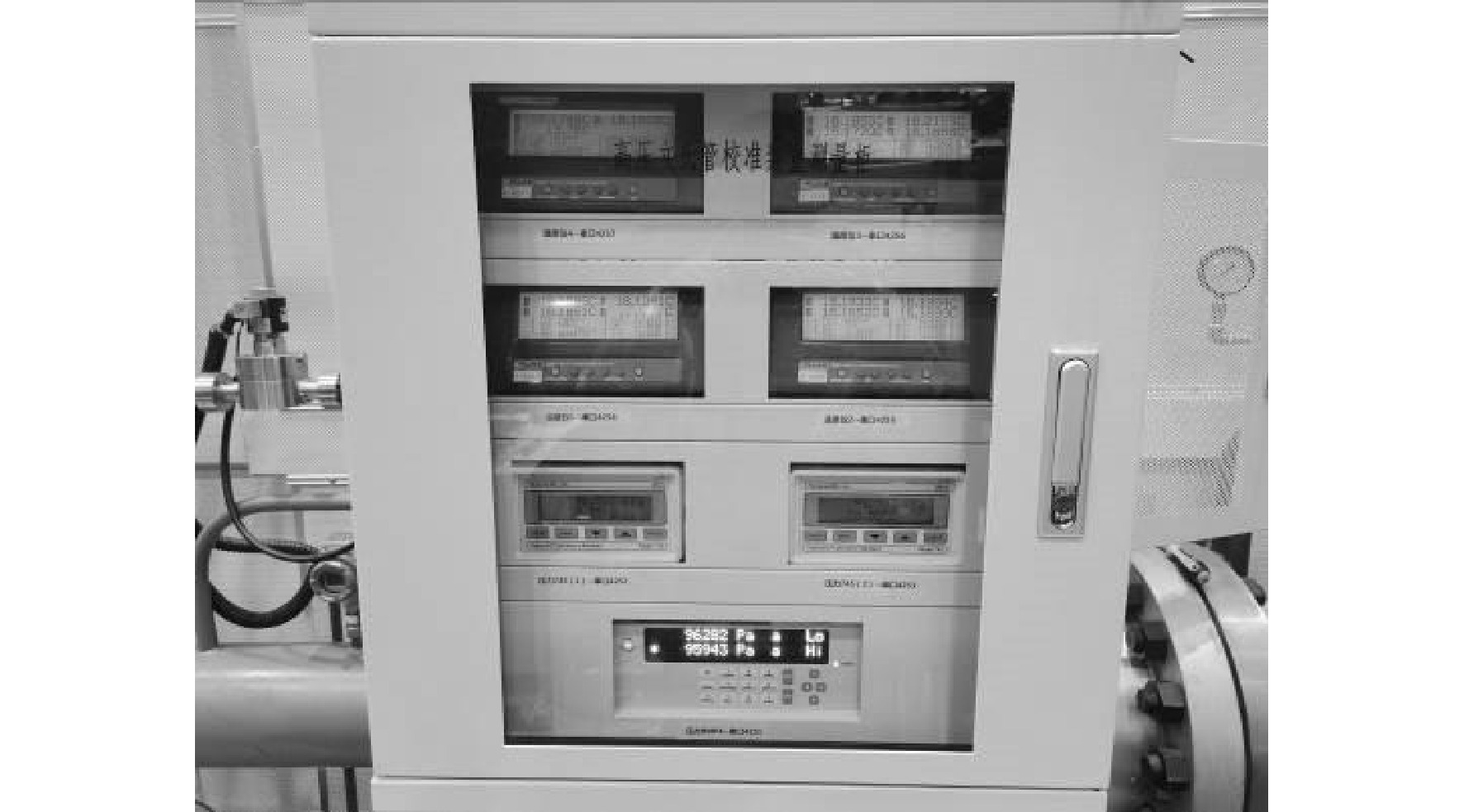
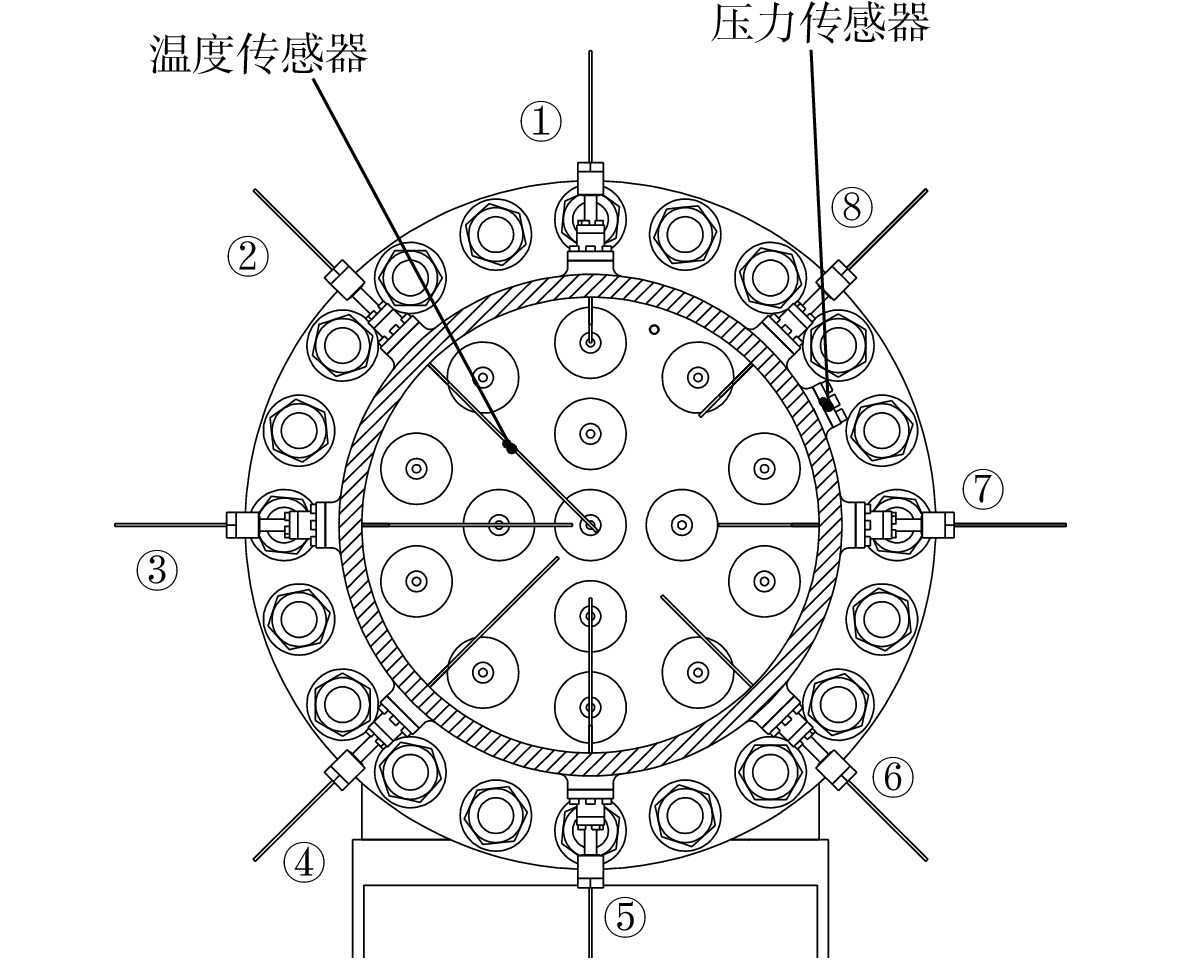
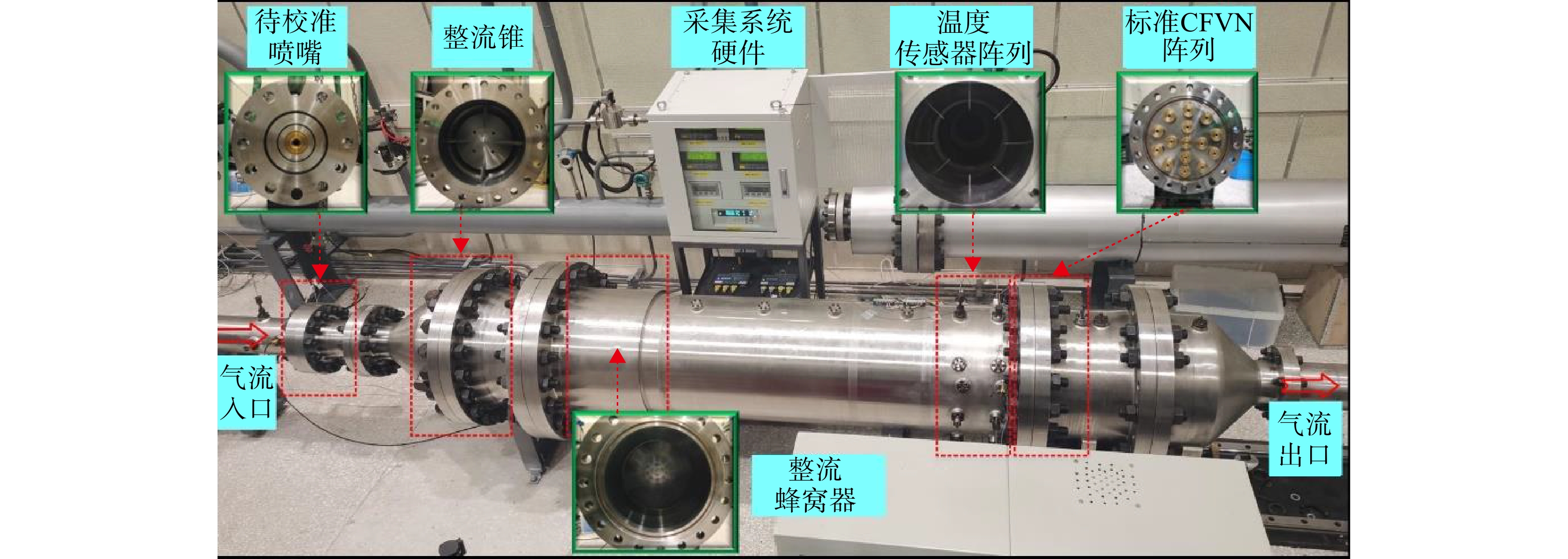
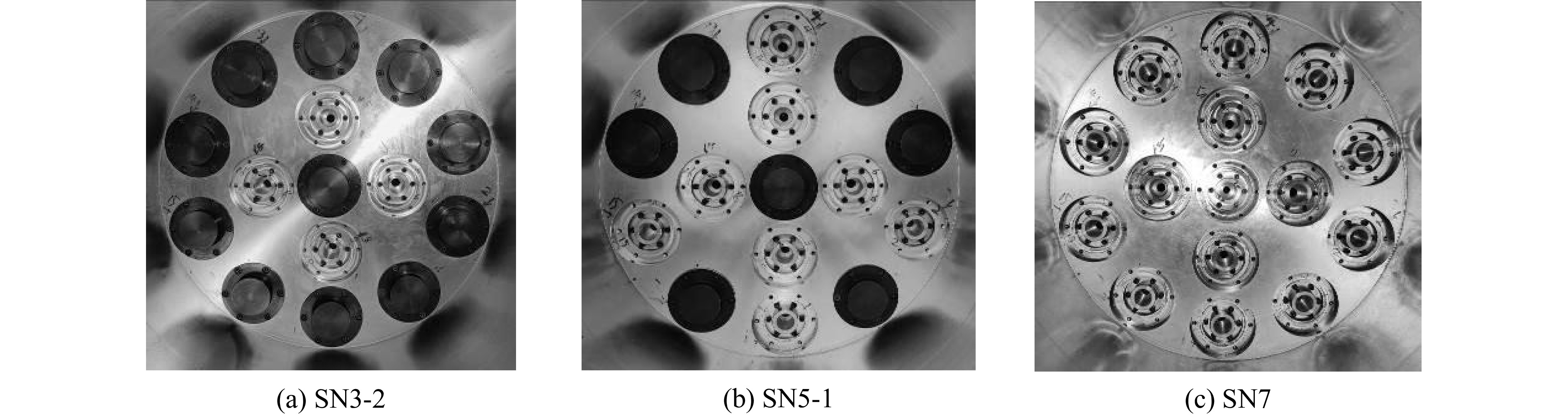
Flow calibration system test based on critical flow Venturi nozzle array
ZHAO Jiaxi, ZHANG Zhihao, WU Songling, QIN Chen, ZHANG Rongping
2025, 40(7): 20240133. doi: 10.13224/j.cnki.jasp.20240133
Abstract:

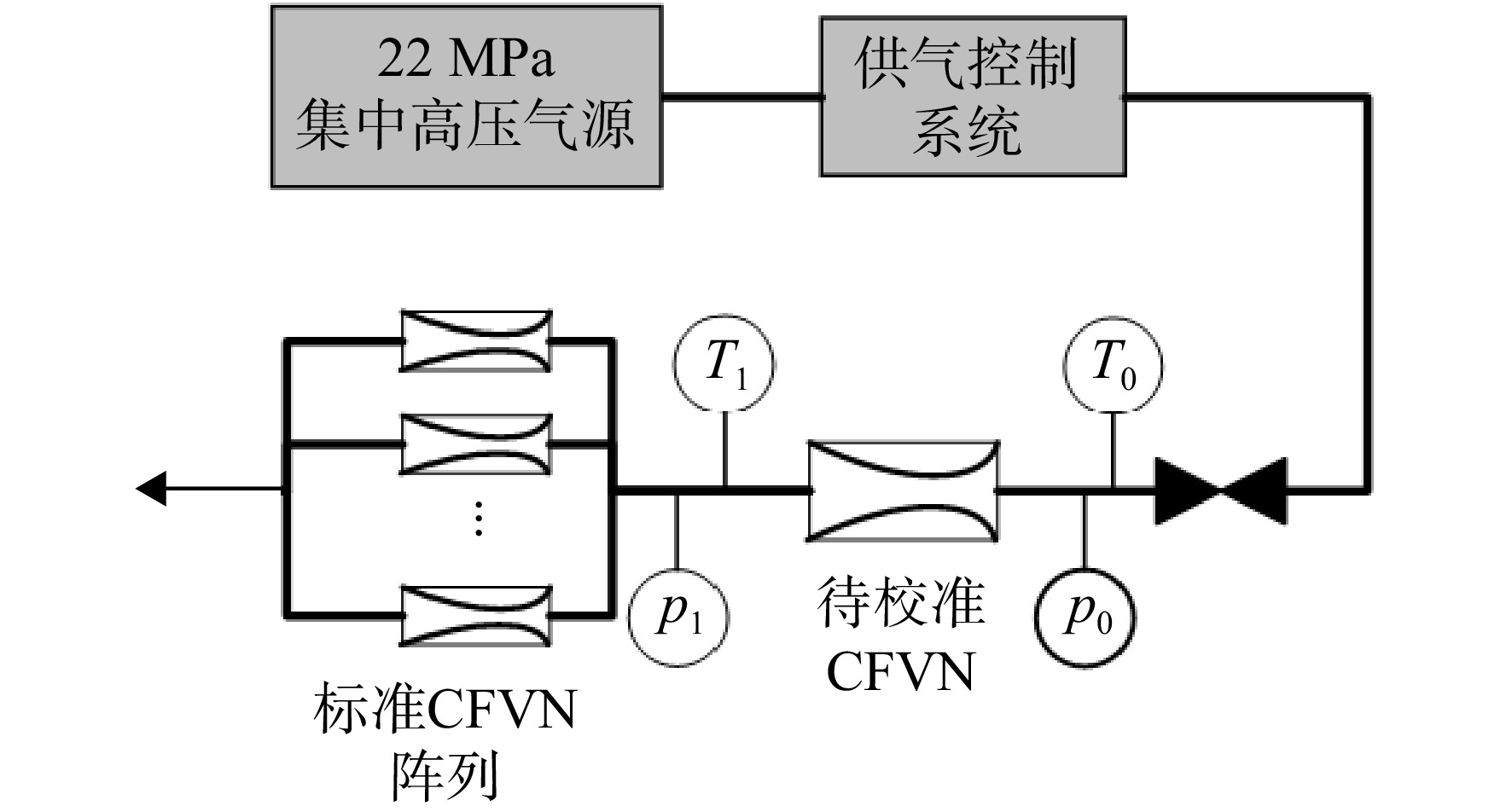
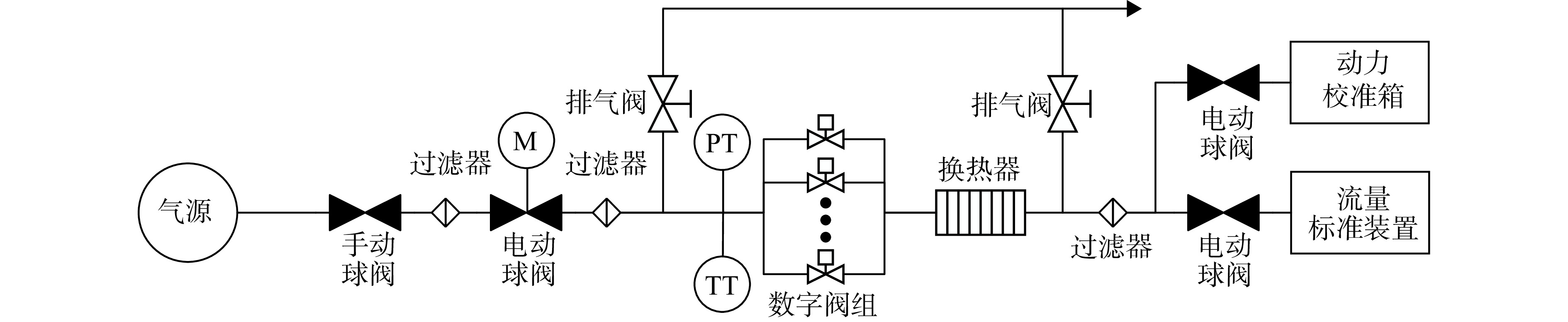
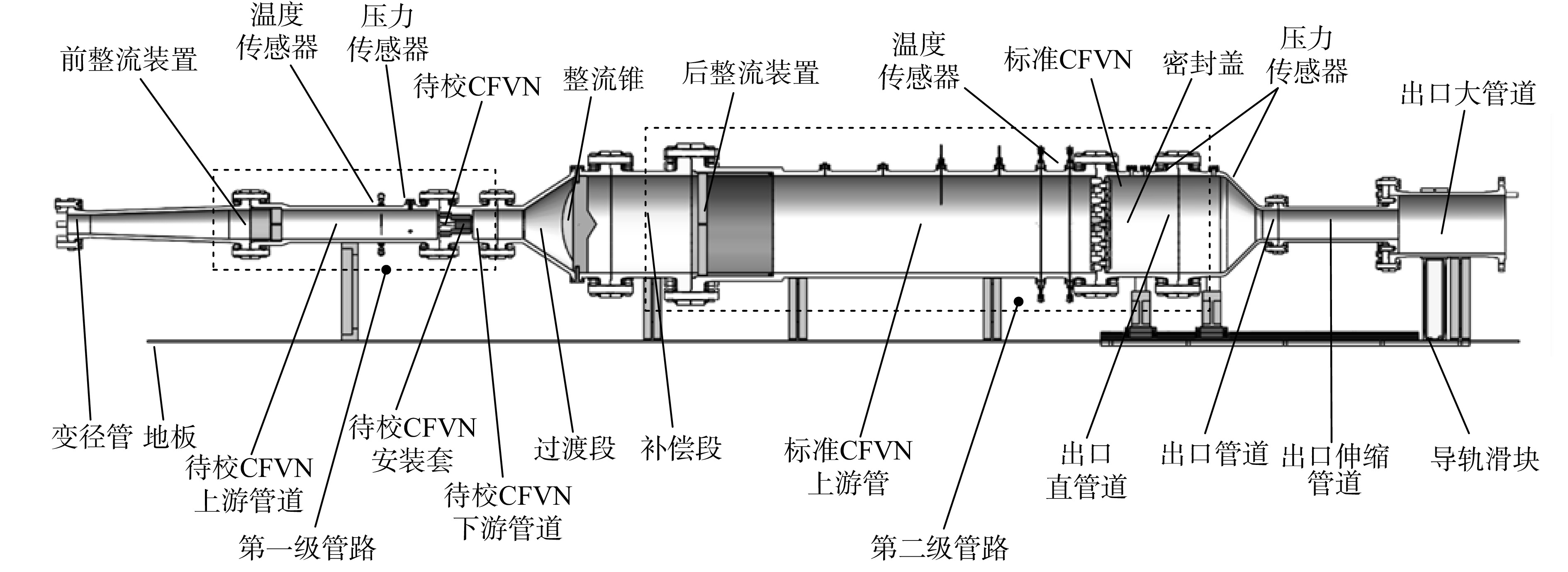
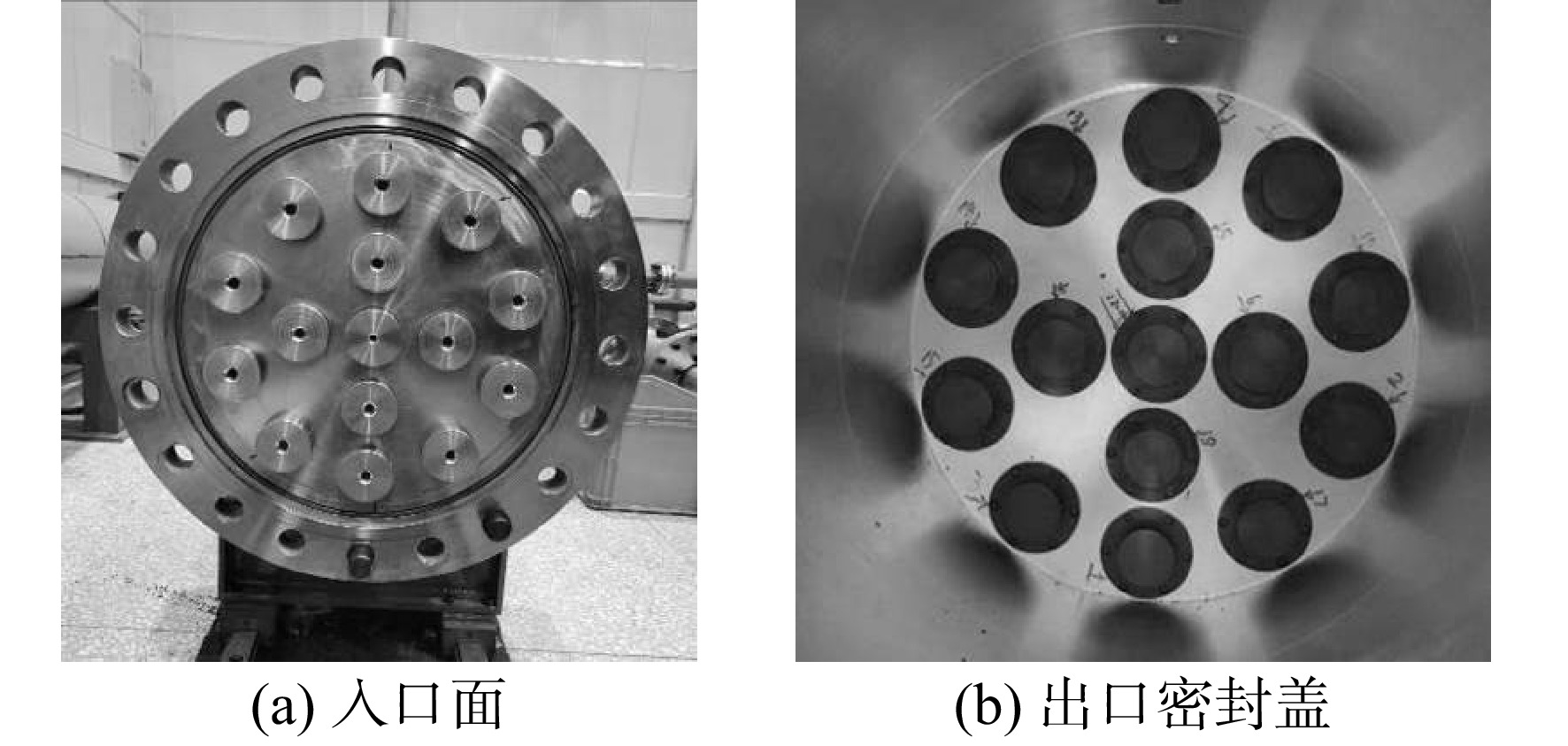
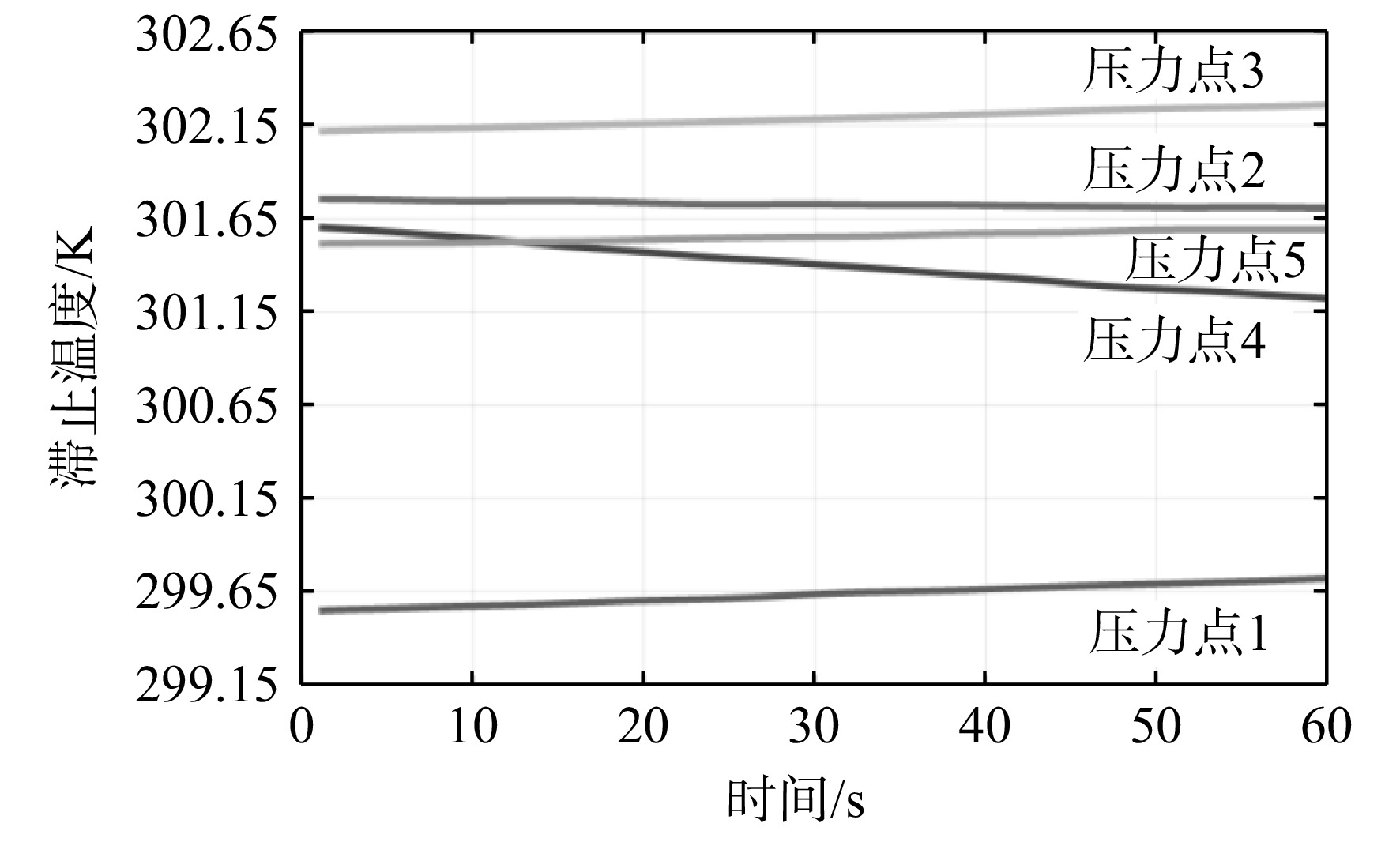
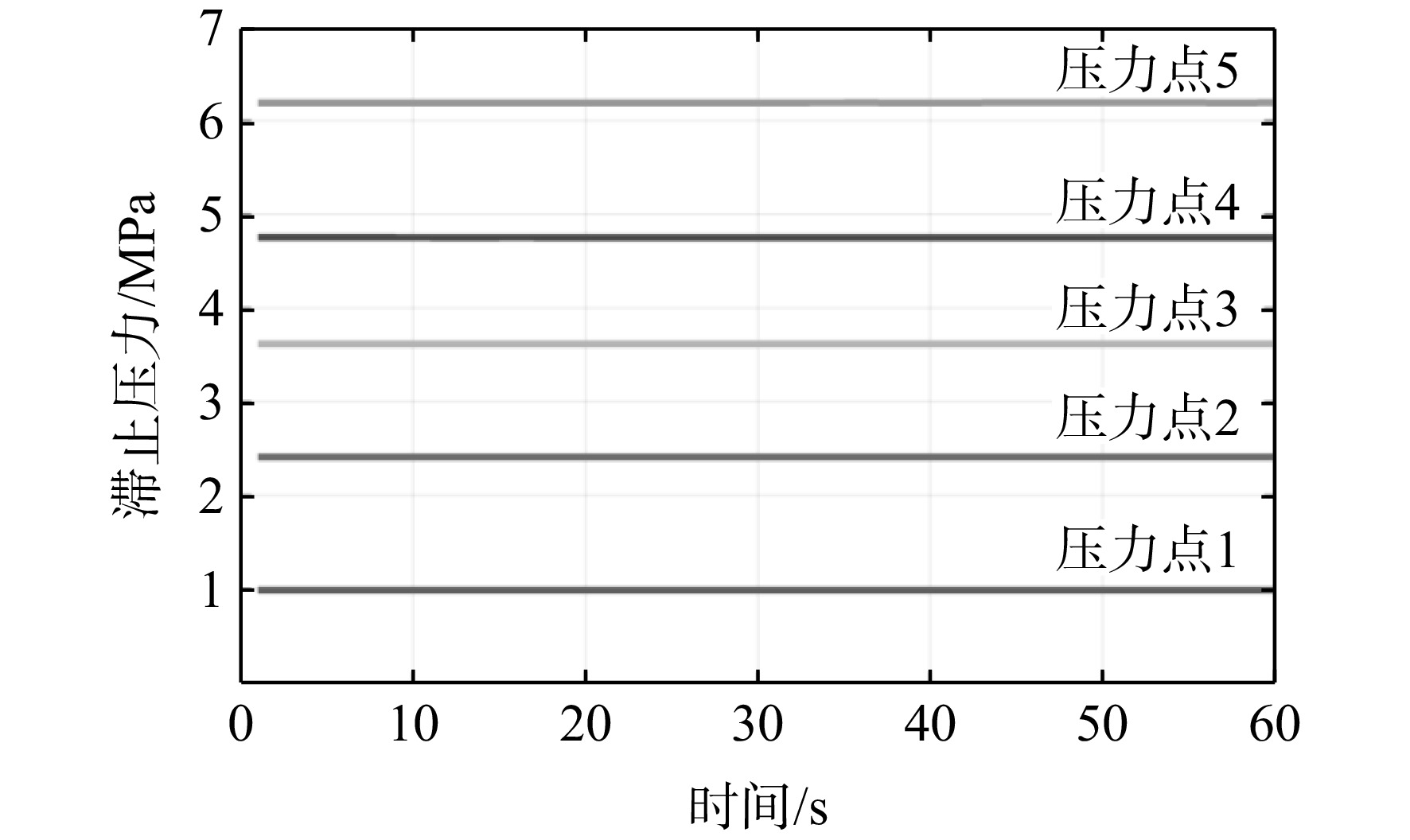
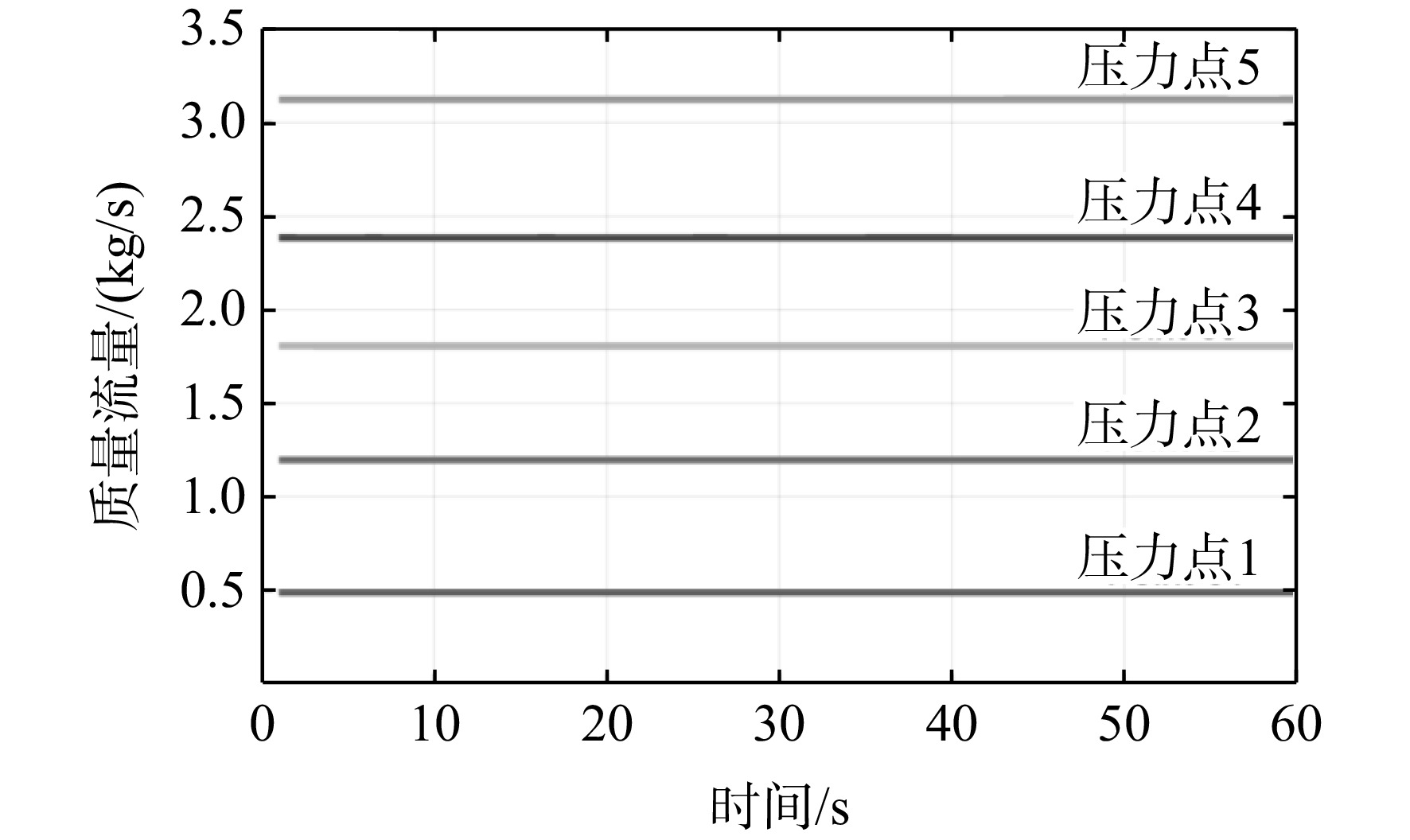
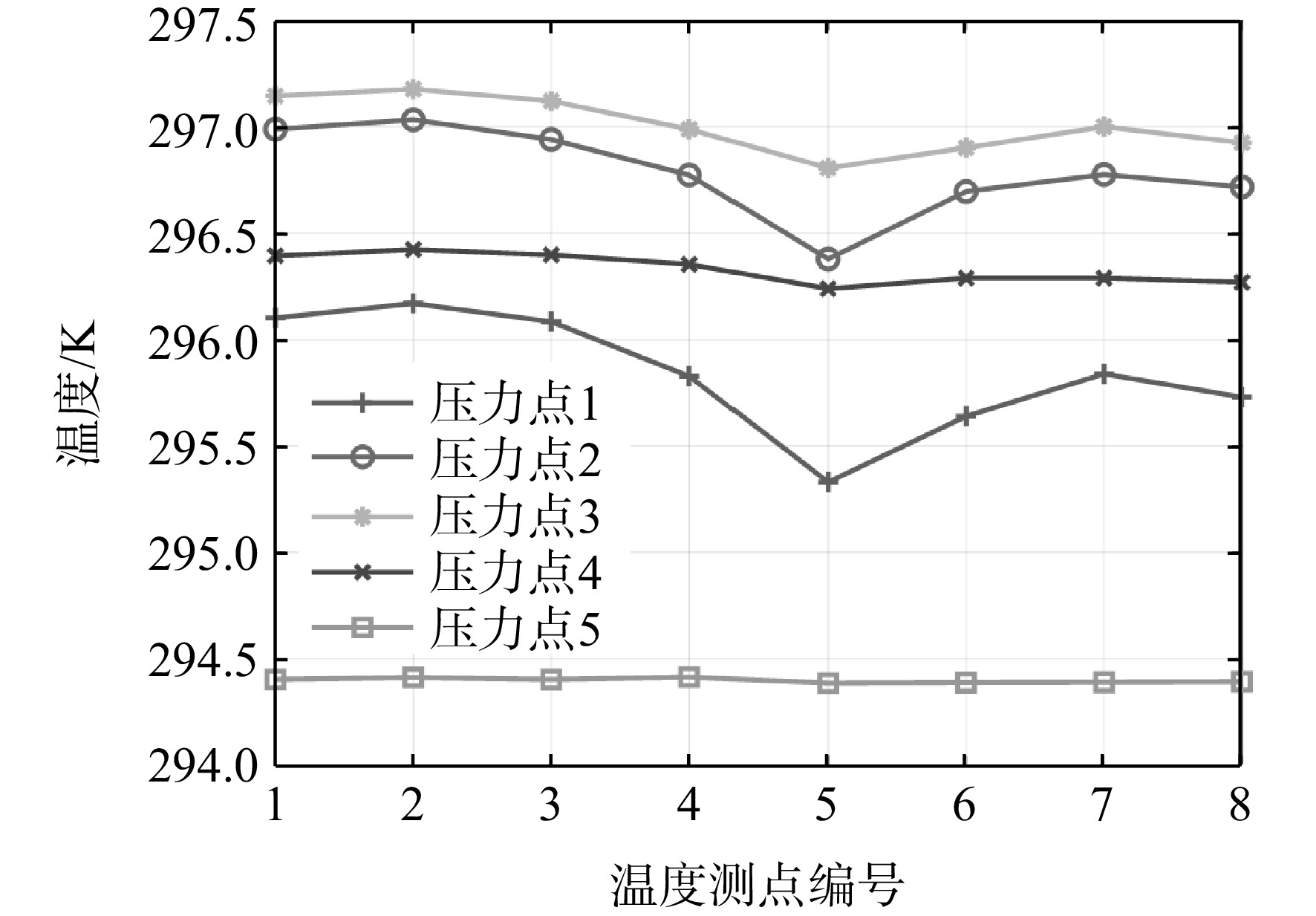
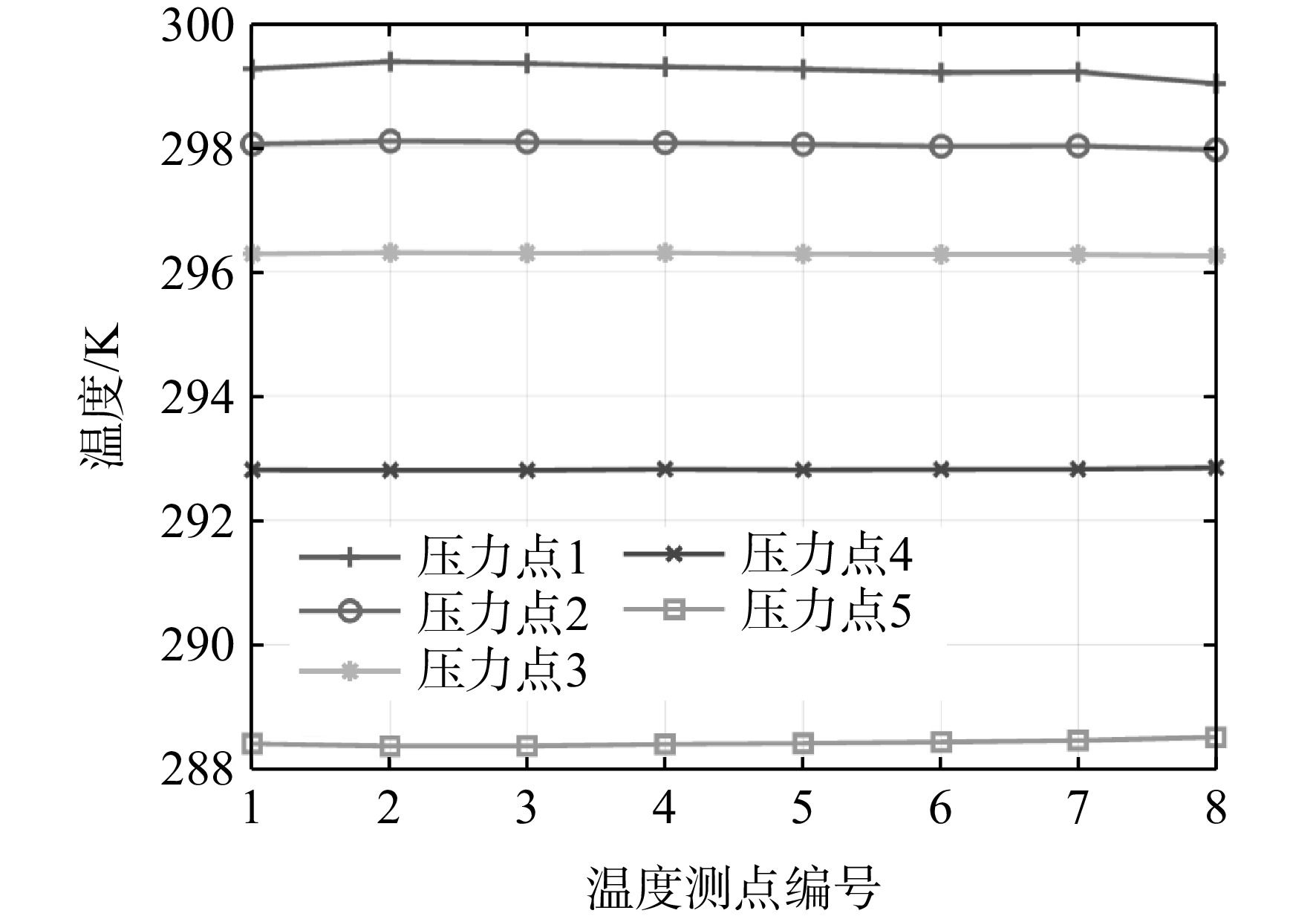
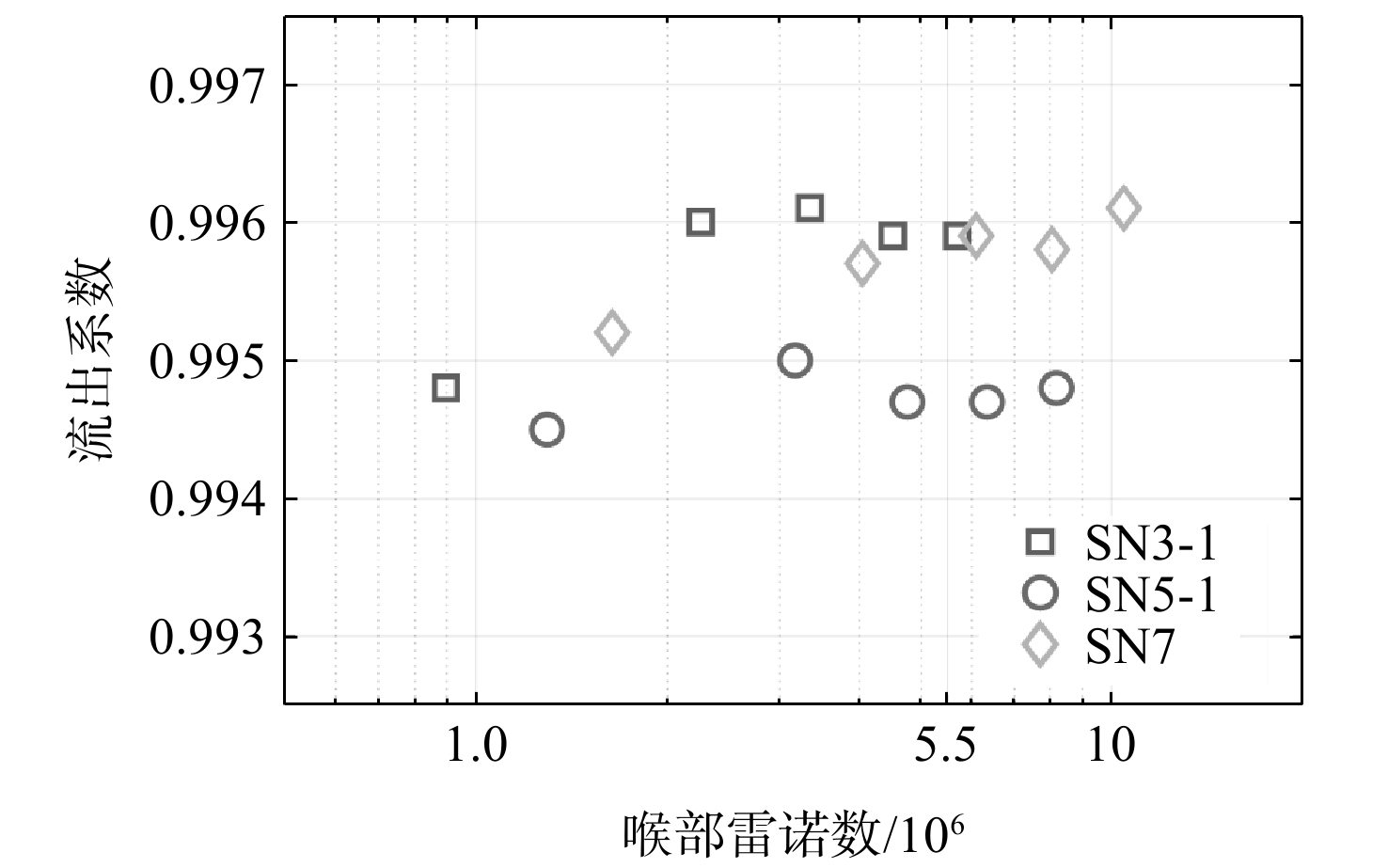
In order to improve the accuracy of wind tunnel test, a secondary flow standard device based on critical flow Venturi nozzle array was developed based on the high-pressure air source of China Aerodynamics Research and Development Center. The designed calibration pressure range was 1—6 MPa, and the flow range was 0.2—5.55 kg/s. The calibration device was composed of gas supply system, standard critical flow Venturi nozzle array and measurement system. The standard critical flow Venturi nozzles were traced to the pVTt method flow standard device of the National Institute of Metrology. The stability of the gas supply system, the temperature field inside the pipeline, and the repeatability of the discharge coefficient were experimentally studied. In addition, the uncertainty of the discharge coefficient was analyzed. The experimental results indicated that the gas supply system of the standard device had good stability. The uniformity of temperature distribution inside the pipeline increased with the increase of flow rate. The measurement repeatability of the discharge coefficient was within 0.04%, and the extended uncertainty (coverage factor k=2) was less than 0.15%.

Survey of test data correction method in heavy gas wind tunnel
LIU Yongping, XIA Hongya, LU Bo, ZHA Jun, YU Li, KOU Xiping
2025, 40(7): 20240126. doi: 10.13224/j.cnki.jasp.20240126
Abstract:

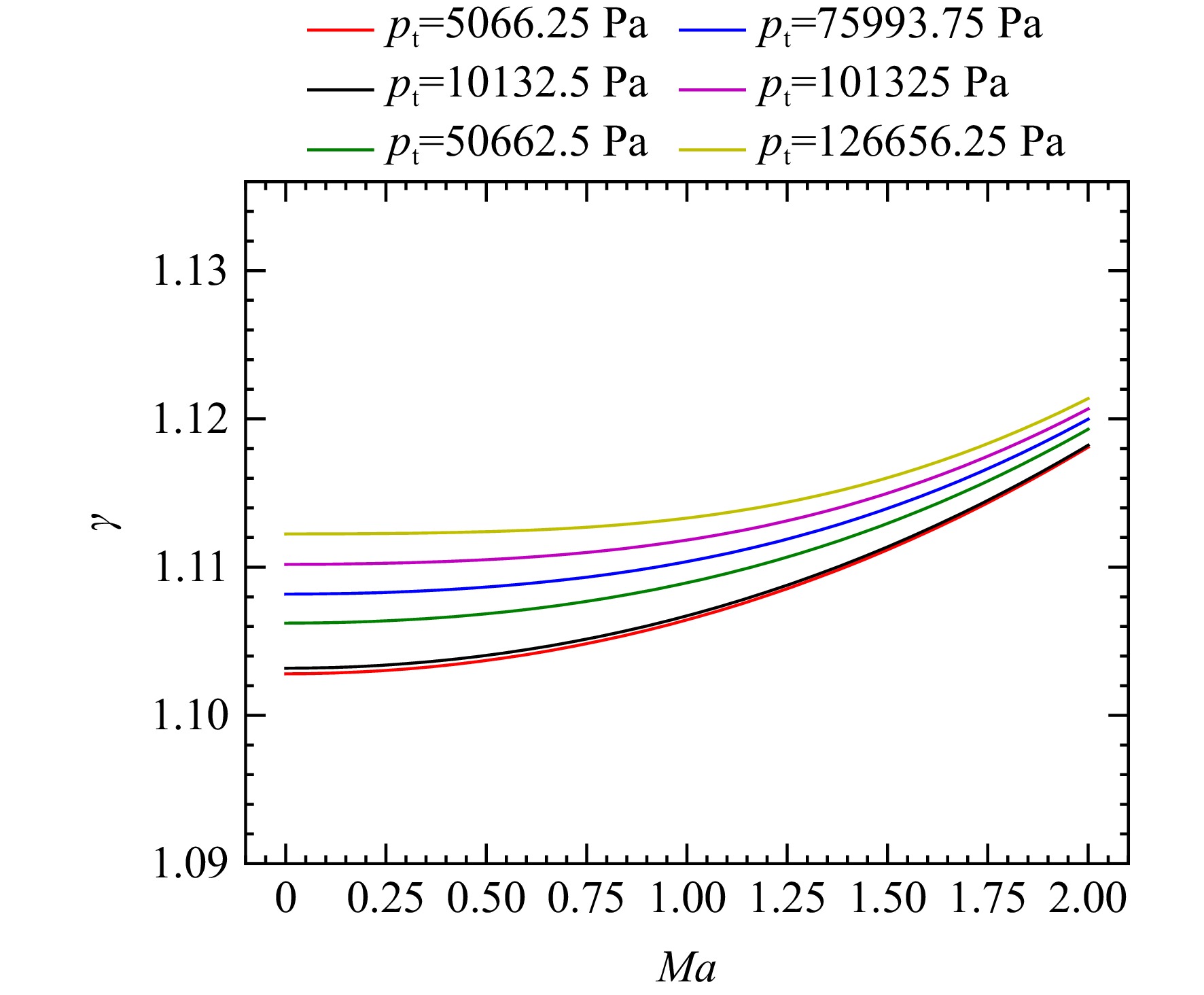
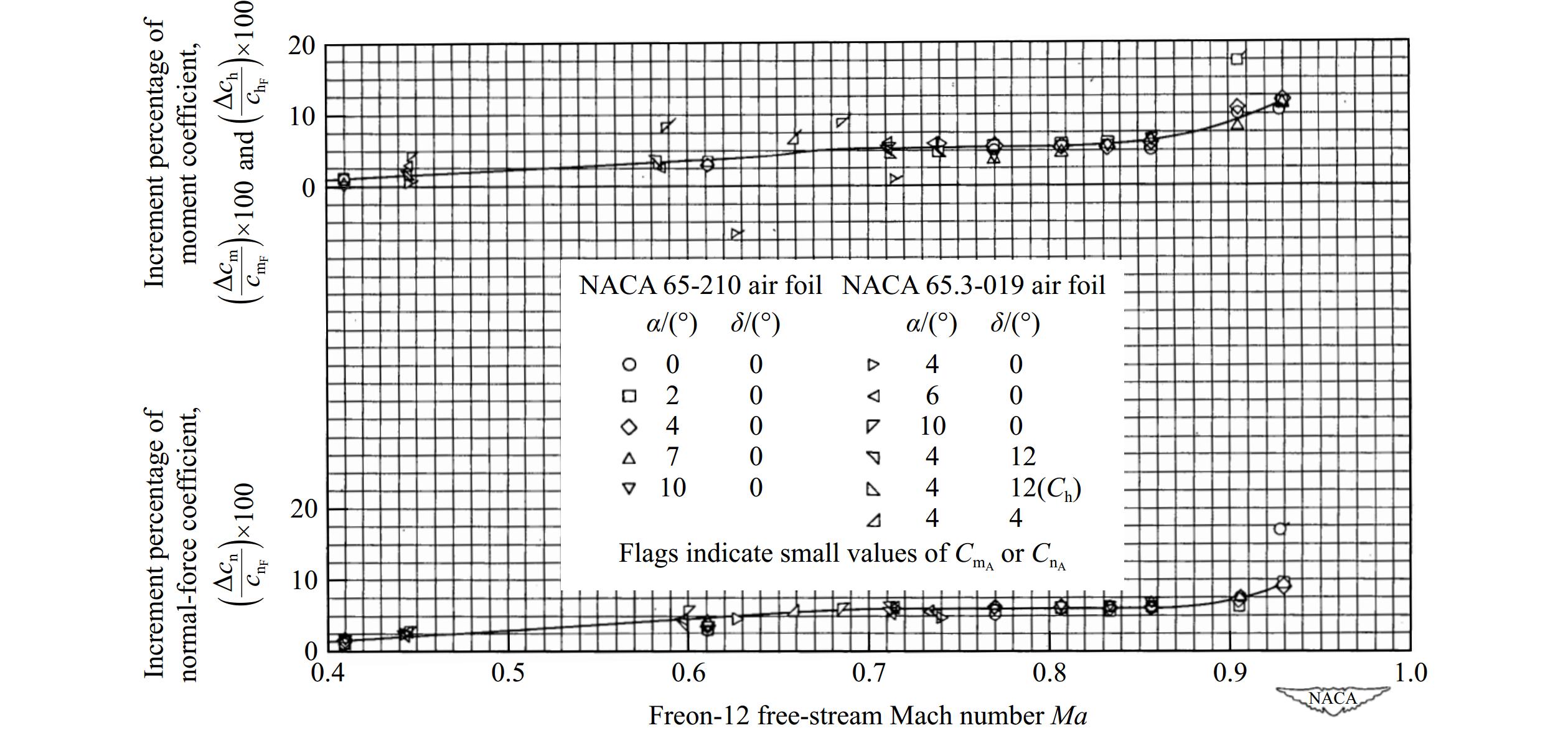
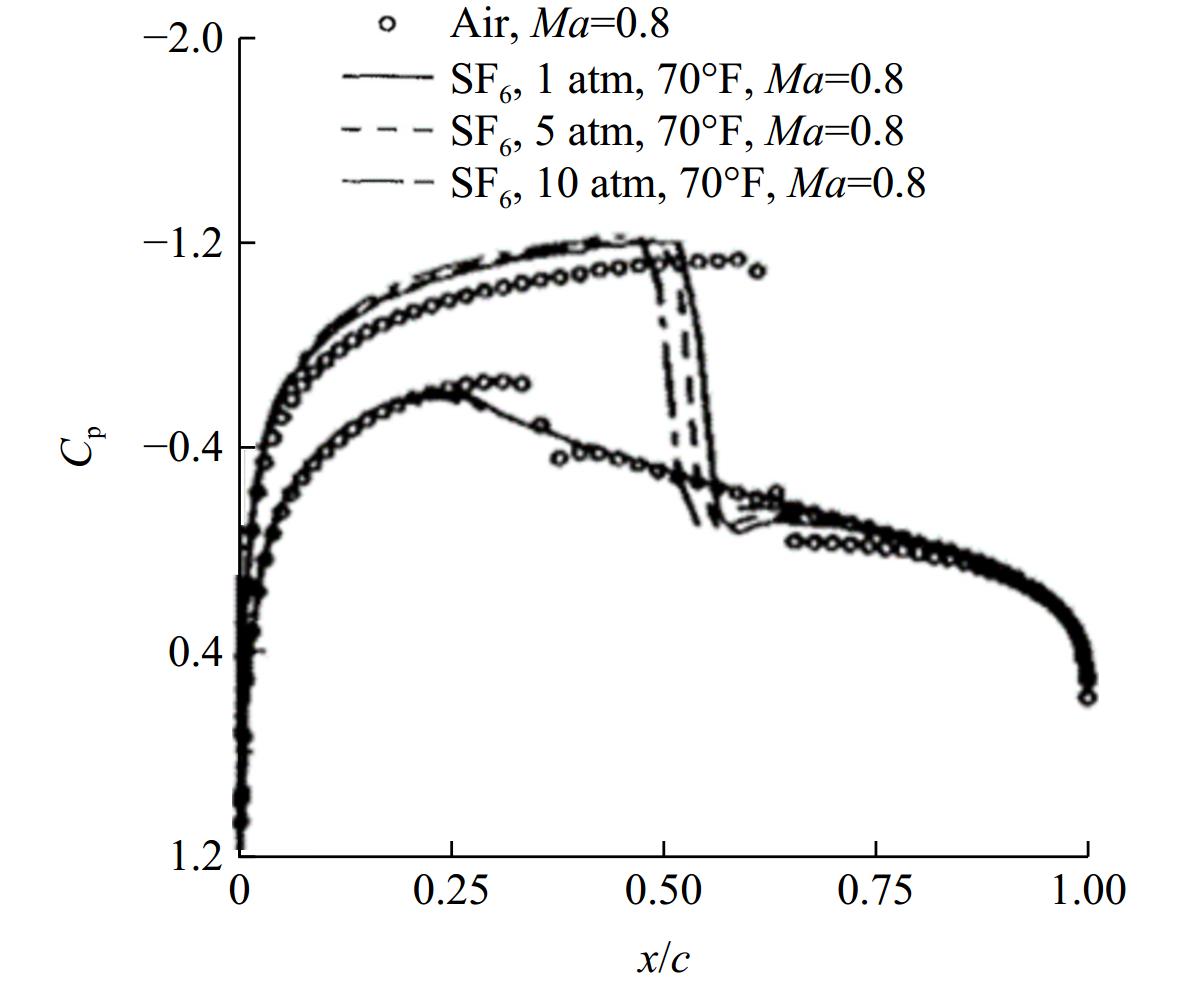
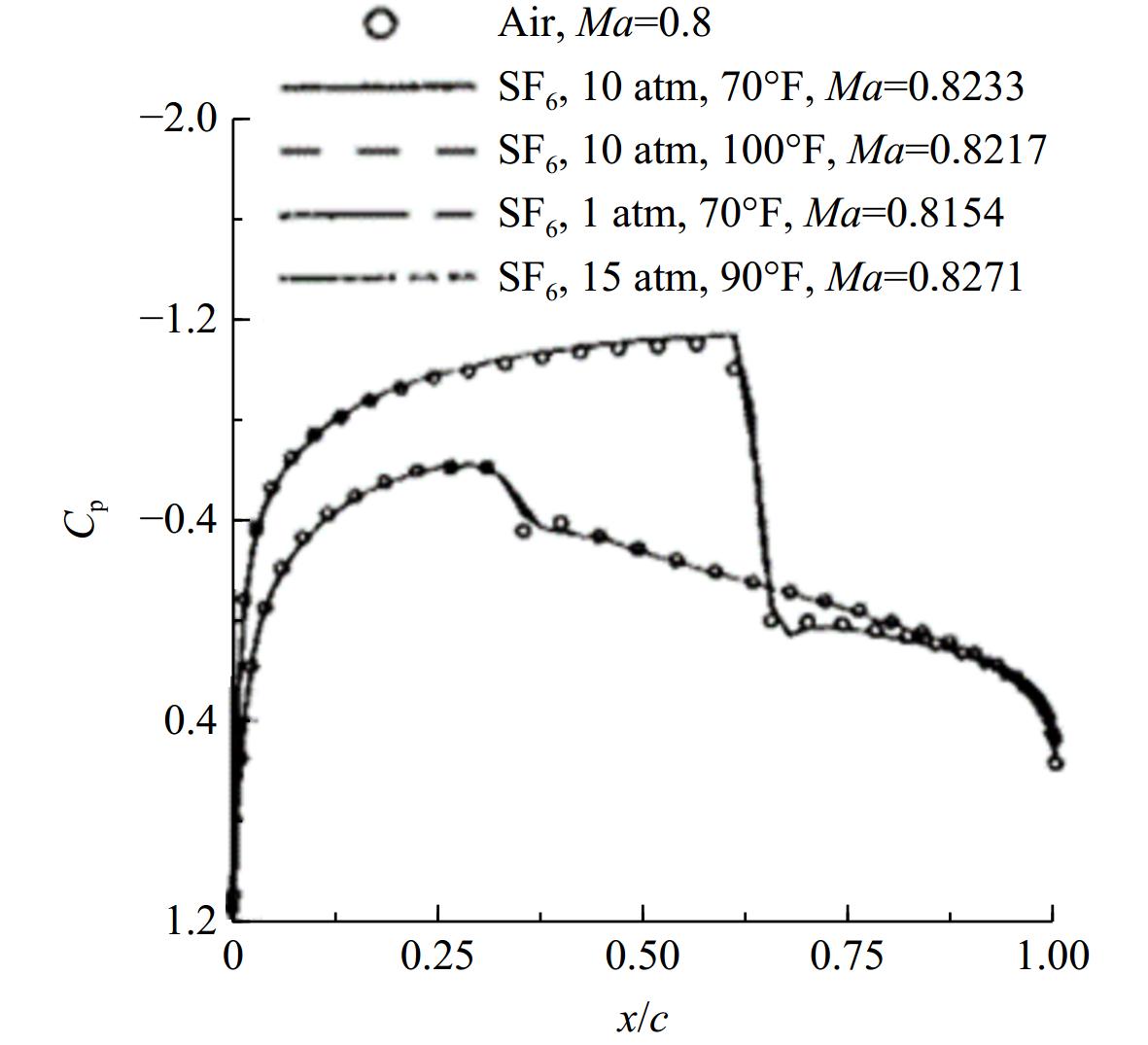
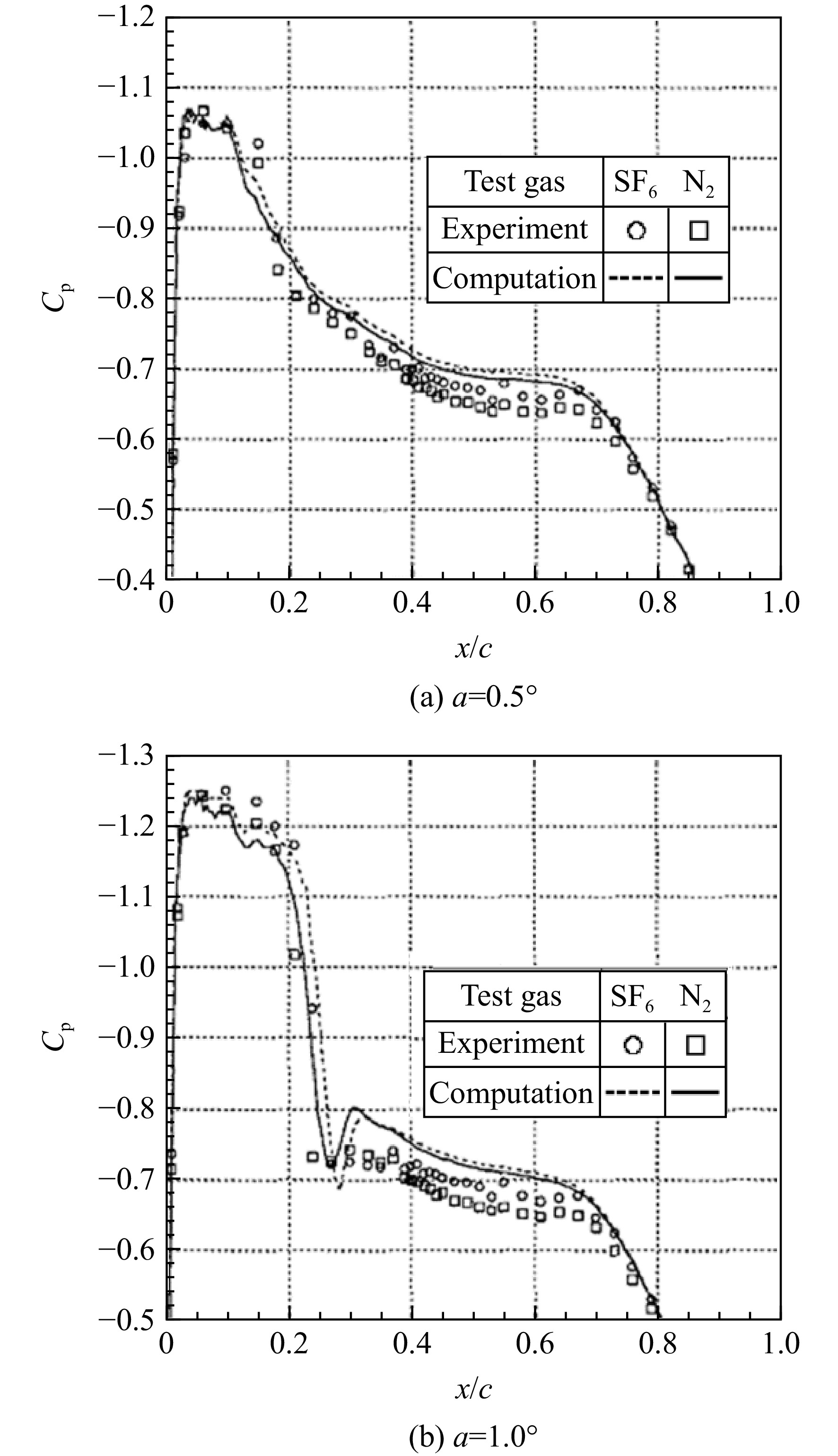
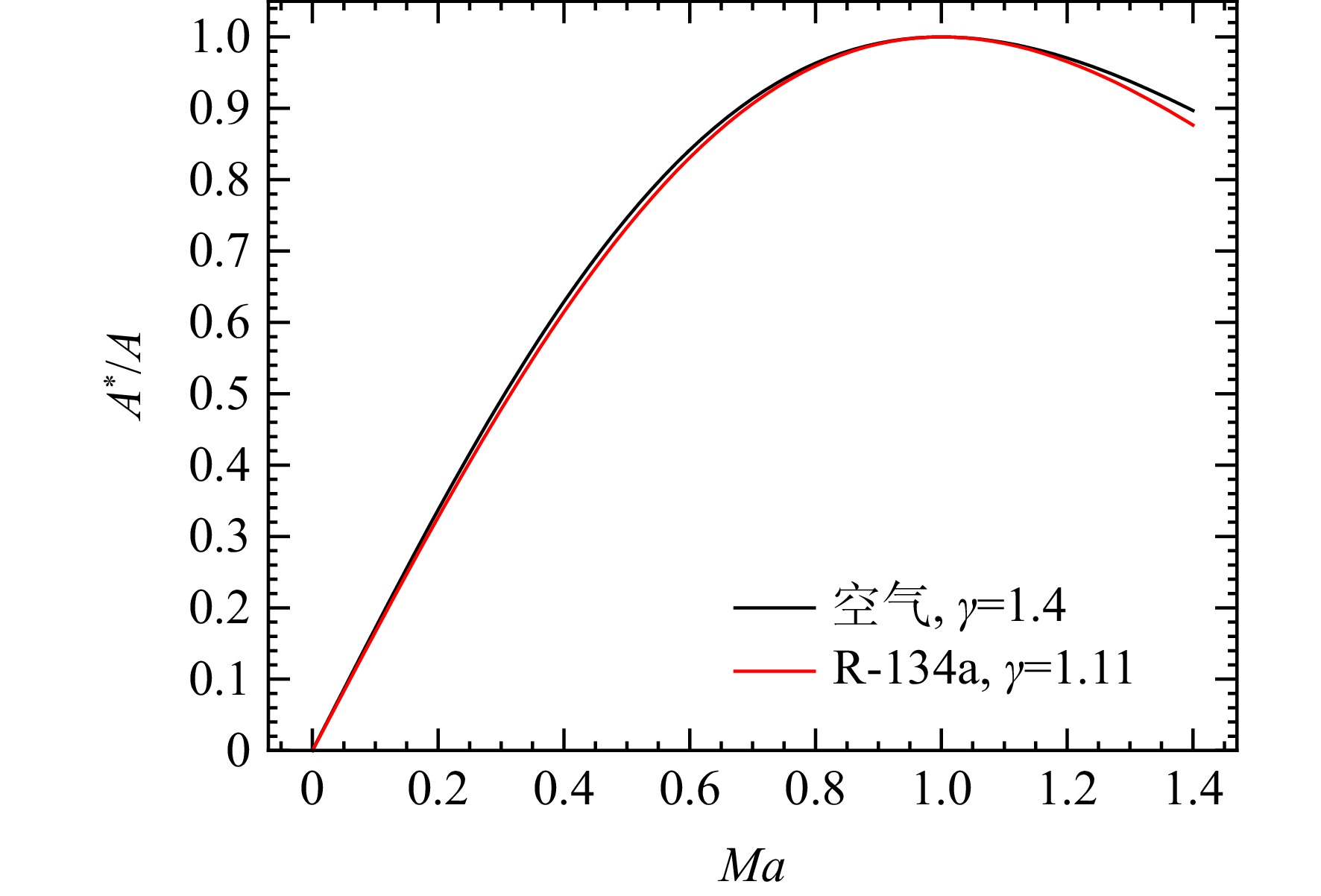
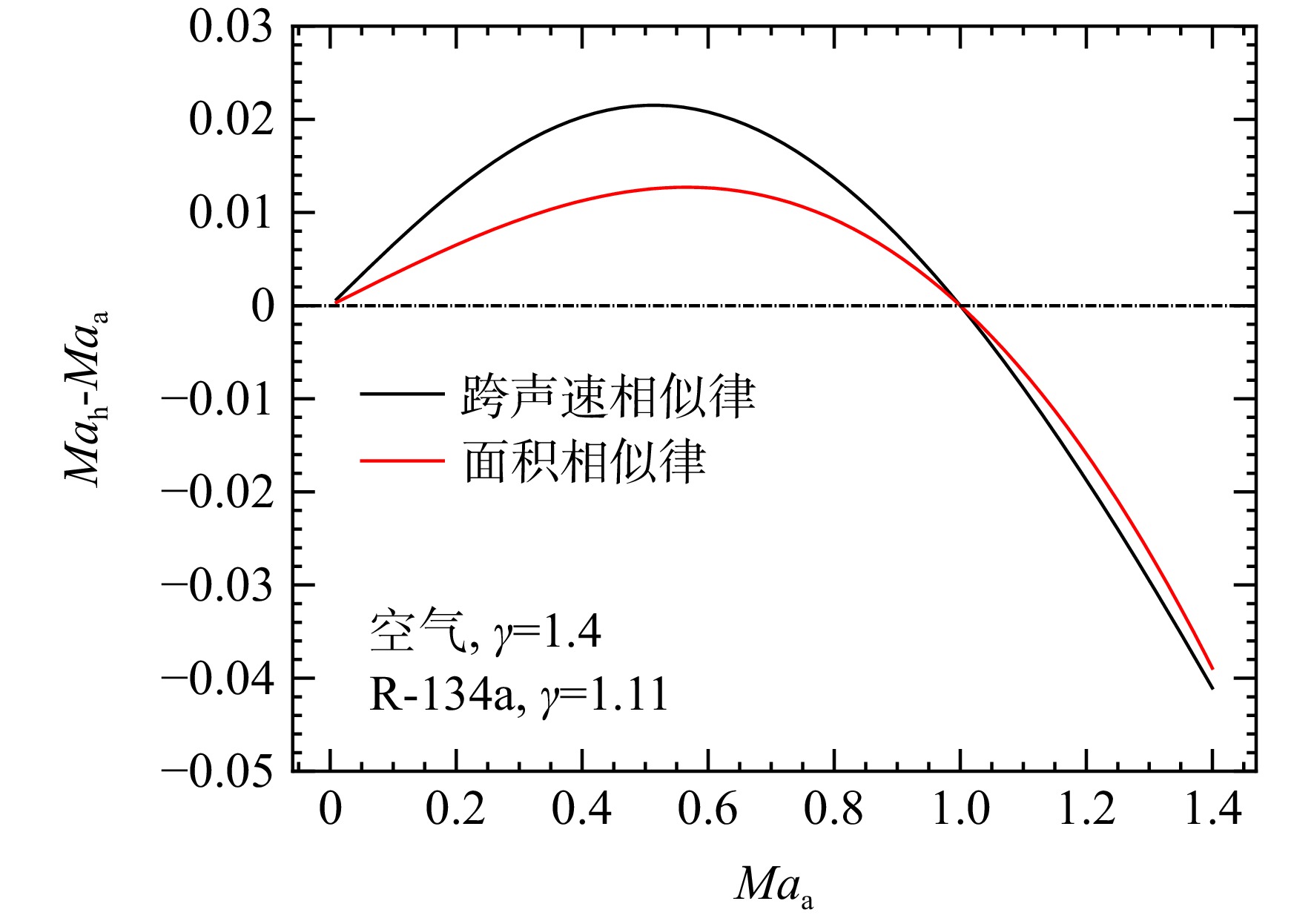
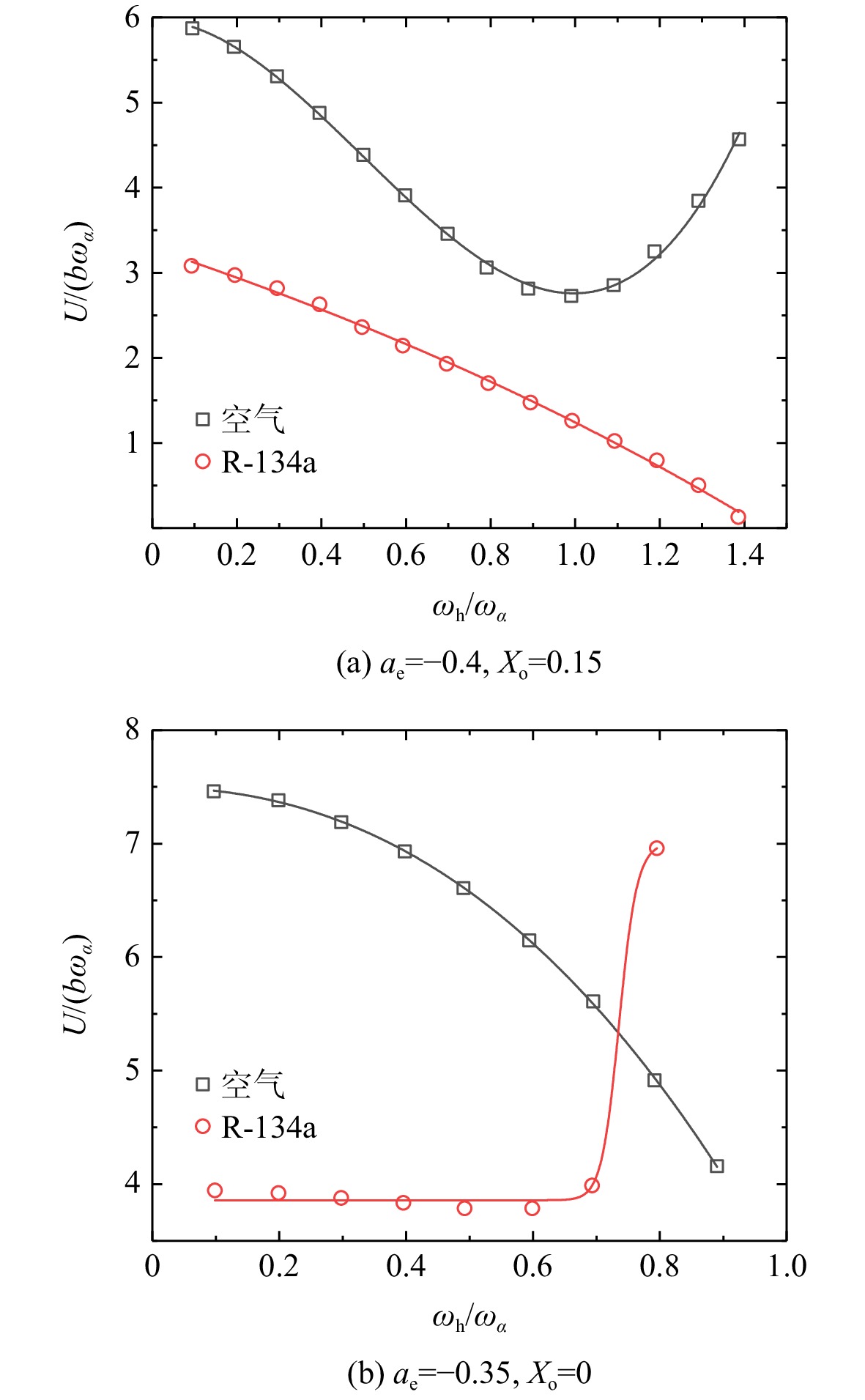
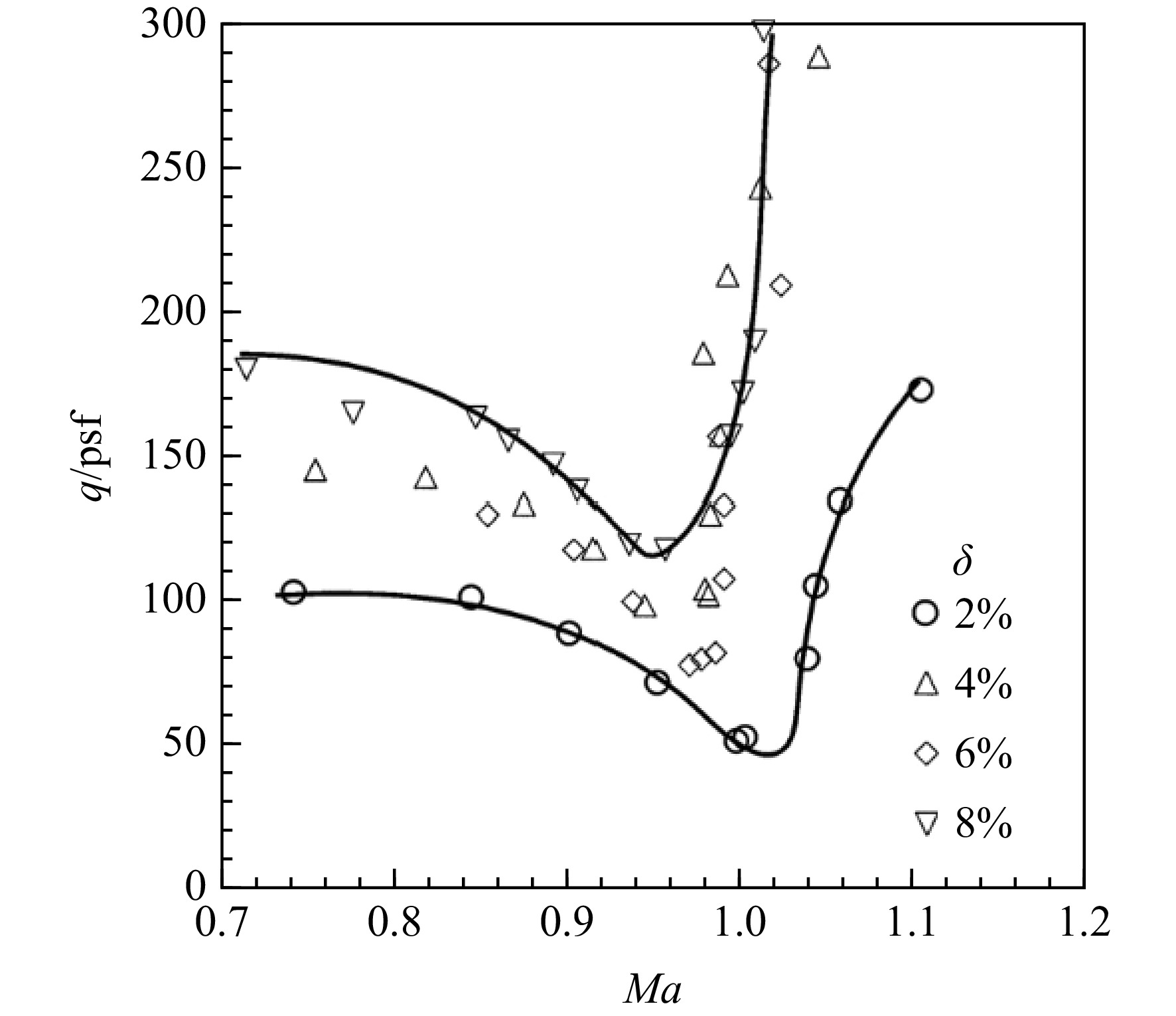
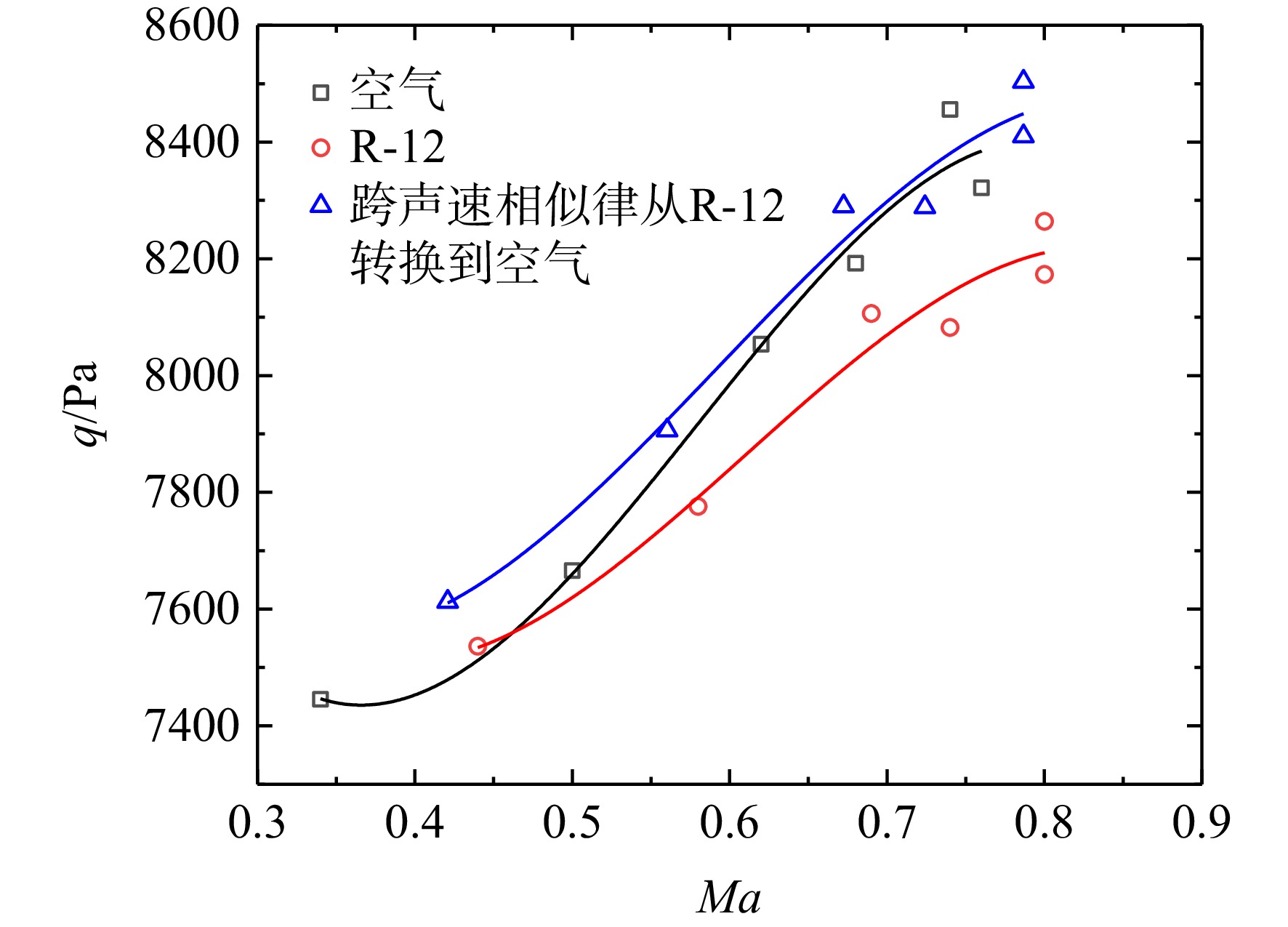
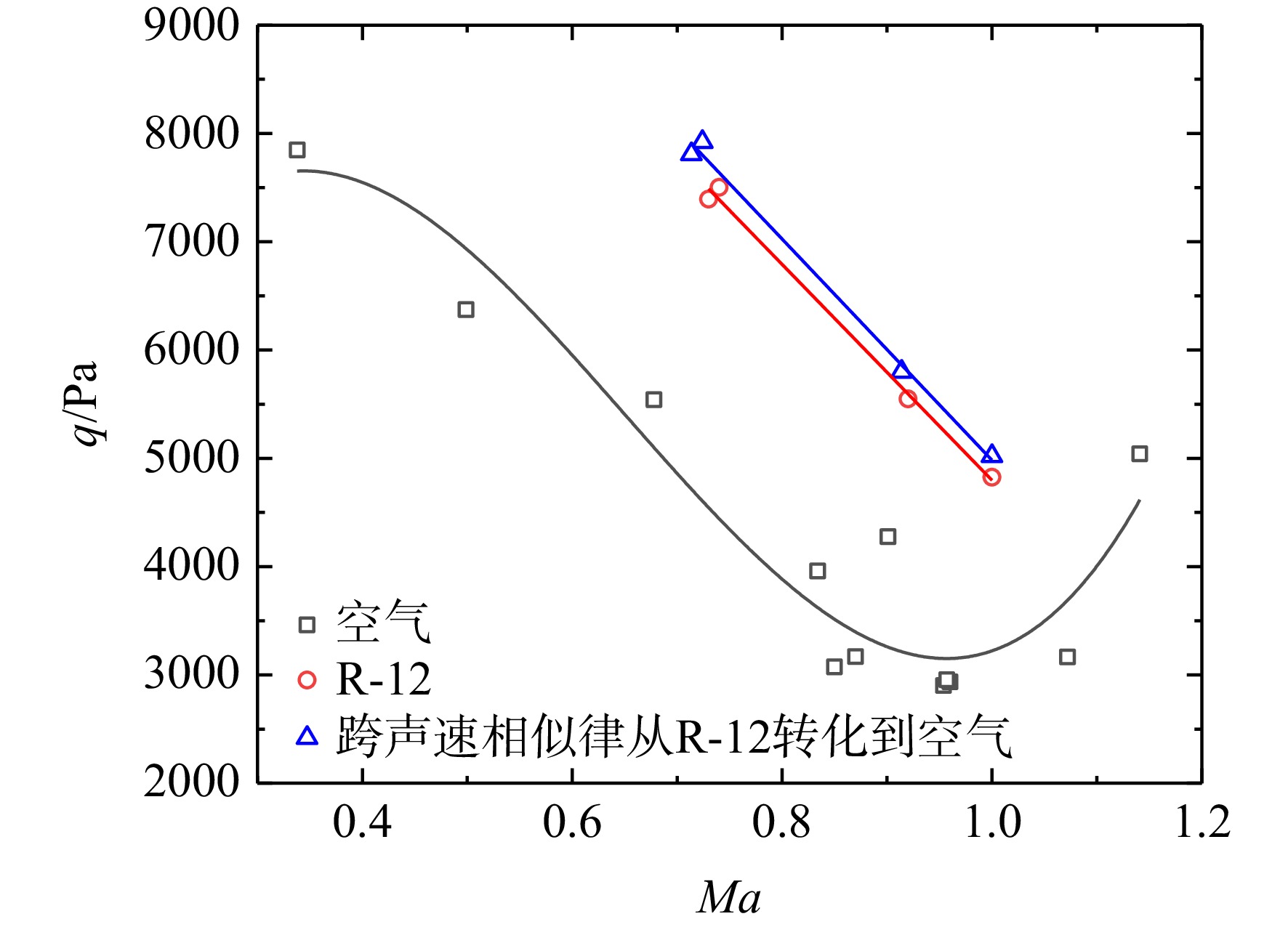
The data correction methods for heavy gas wind tunnel testing were comprehensively reviewed by thoroughly examining the unique advantages of heavy gas media in aeroelastic experiments and its impact on aerodynamic characteristics. Heavy gas media, due to its high density and low speed of sound, had significant benefits in the design of aeroelastic dynamic similarity wind tunnel models and the flutter tests. However, the thermodynamic property differences from air necessitated appropriate adjustments to the test data to ensure its applicability in air. The transonic similarity law and the area similarity law were compared from both theoretical and experimental perspectives, indicating that the transonic similarity law is more effective in adjusting aerodynamic characteristics. Furthermore, applying the transonic similarity principle to the correction of flutter test data using heavy gas media yielded satisfactory results for rigid two-degree-of-freedom wings but less effective for flexible multi-degree-of-freedom wings. Through an in-depth analysis of the theoretical basis of the transonic similarity principle, the limitations of flutter data correction methods under specific conditions were revealed. This research could provide a theoretical basis for accurate correction of heavy gas media test data.

Mechanism effect of circling parameters on the helicopter unsteady blade/vortex interaction
ZHOU Xu, ZHAO Guoqing, ZHAO Qijun, CAO Chenkai
2025, 40(7): 20240110. doi: 10.13224/j.cnki.jasp.20240110
Abstract:

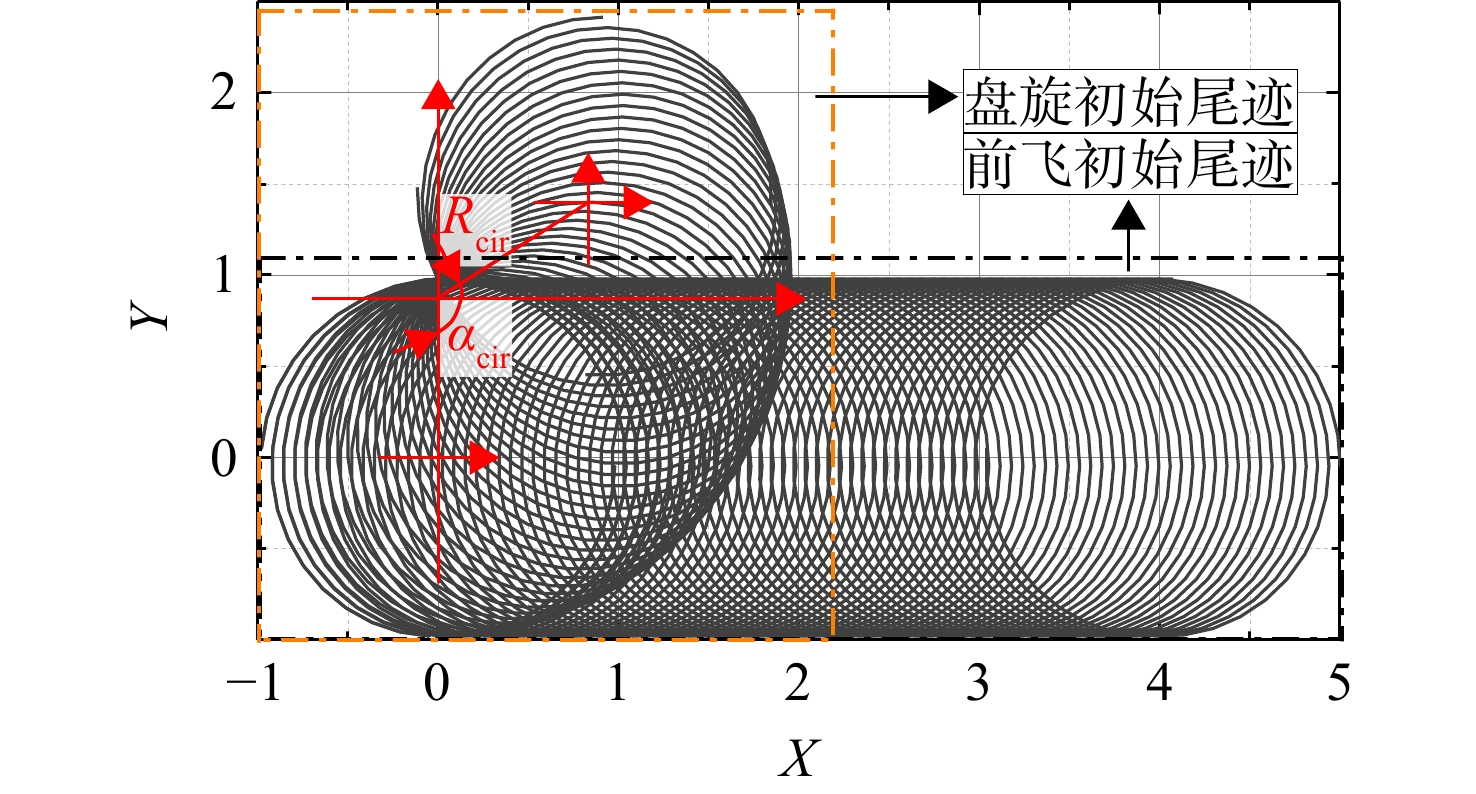
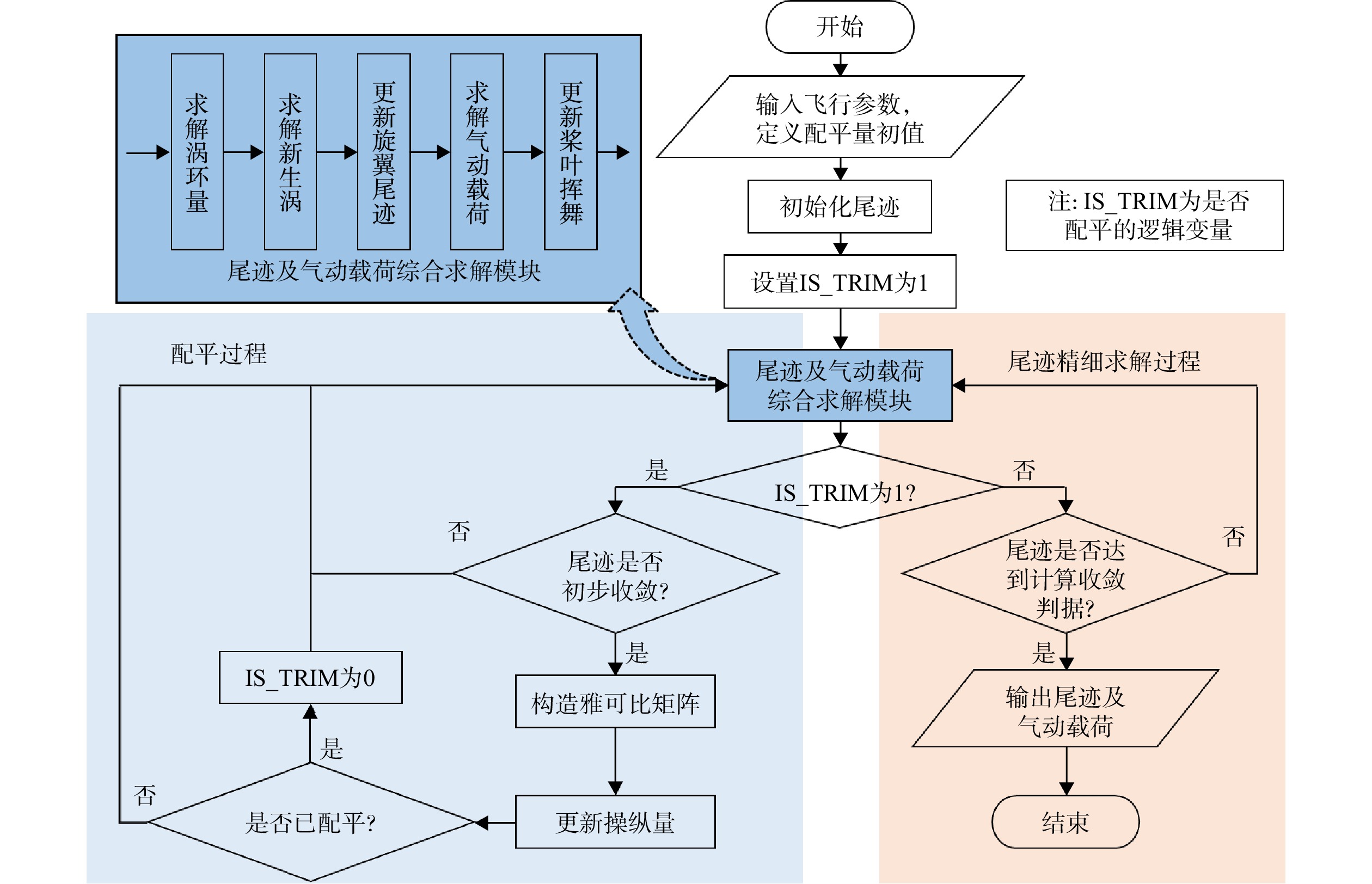
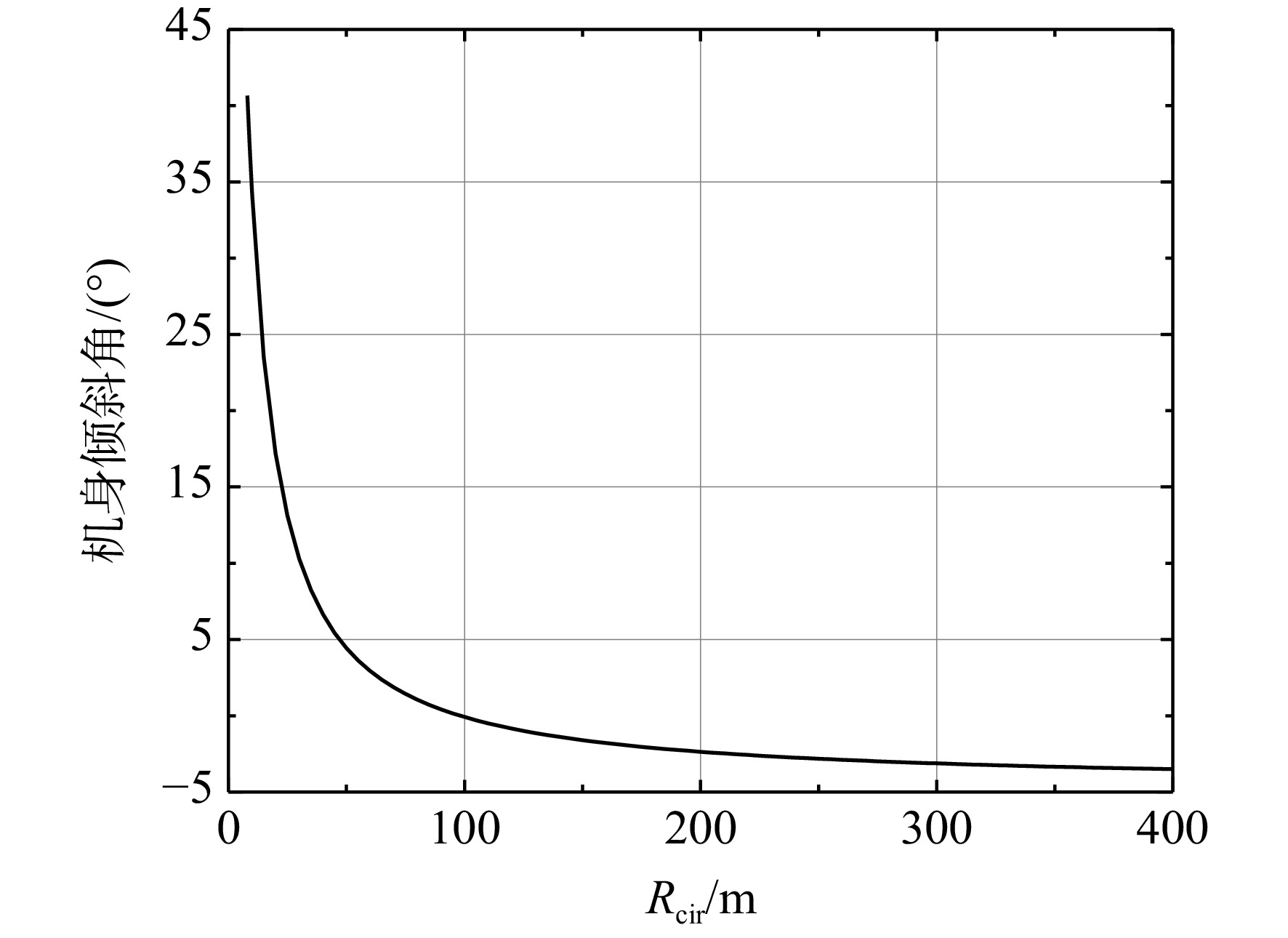
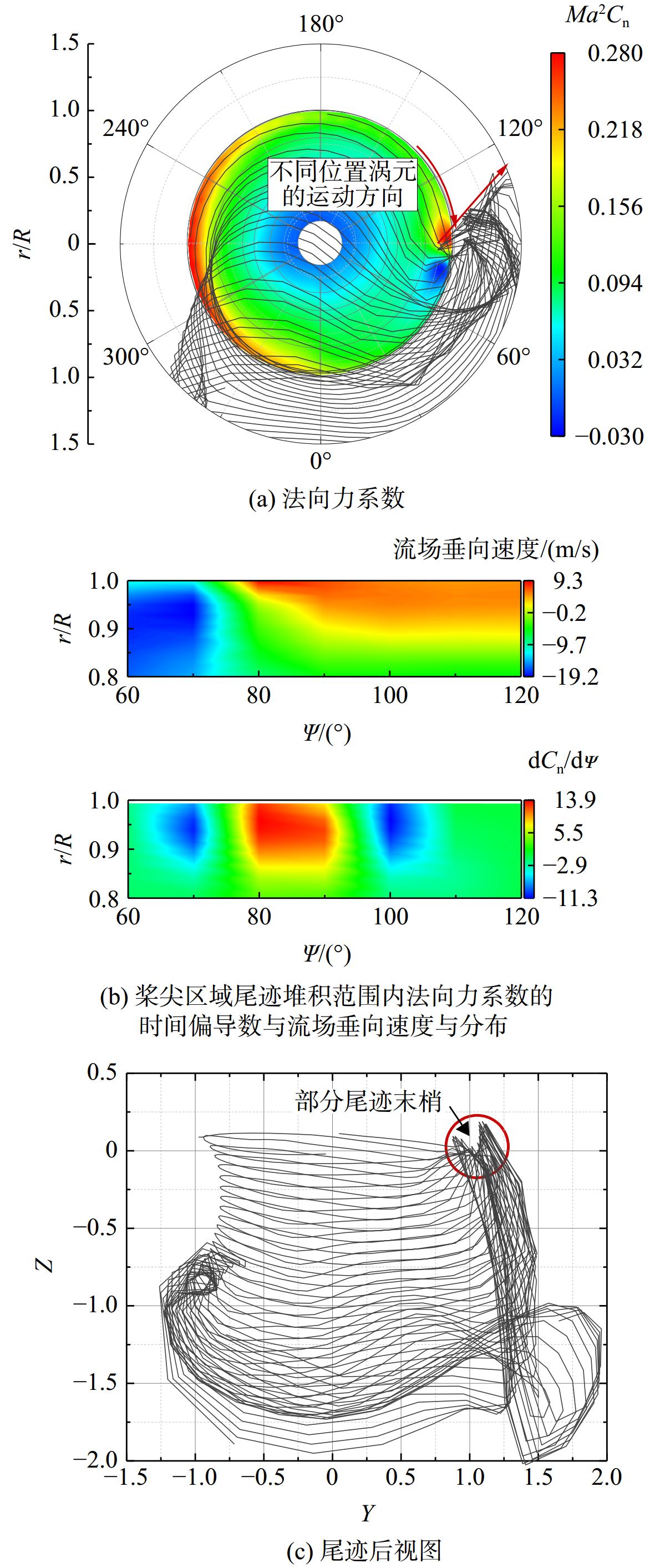
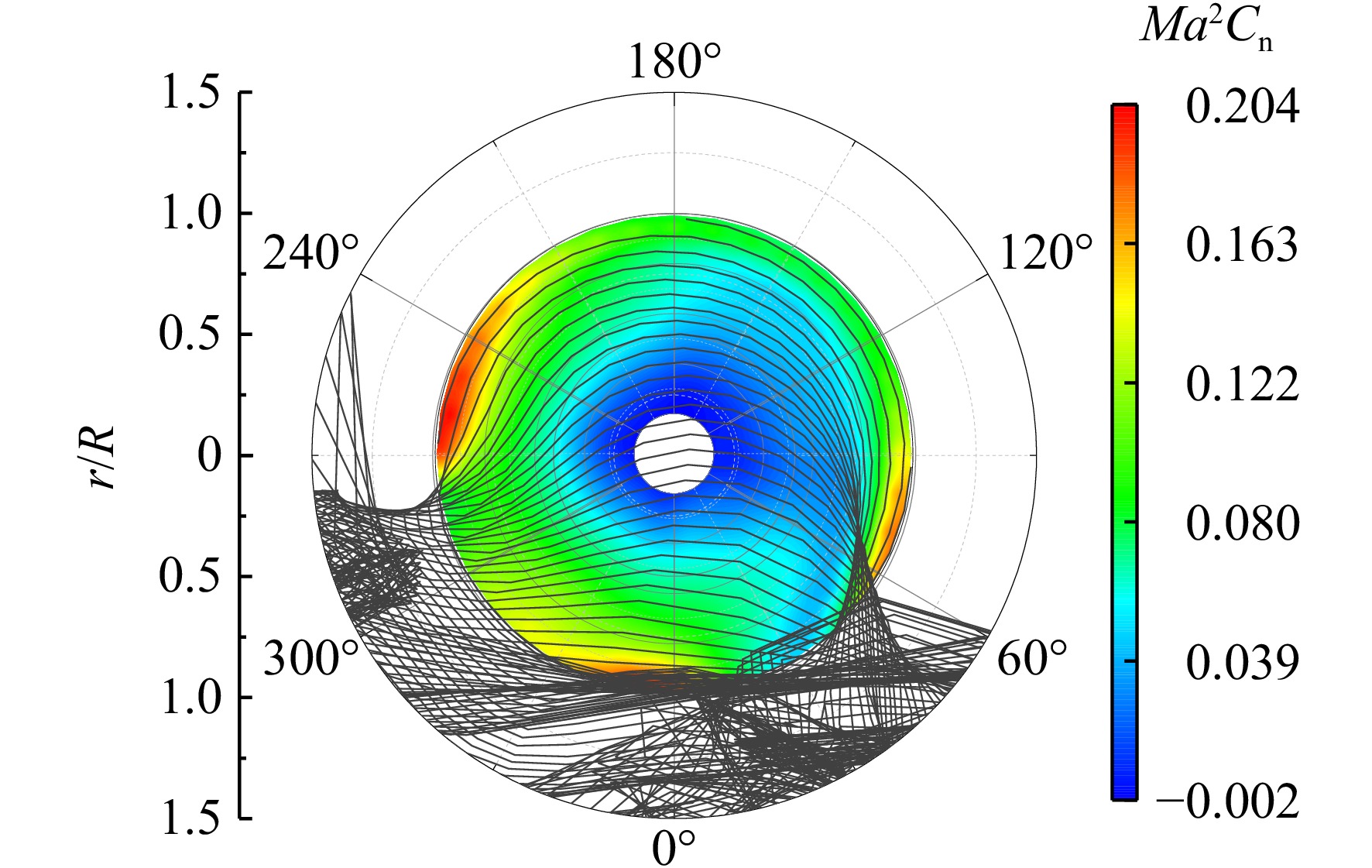
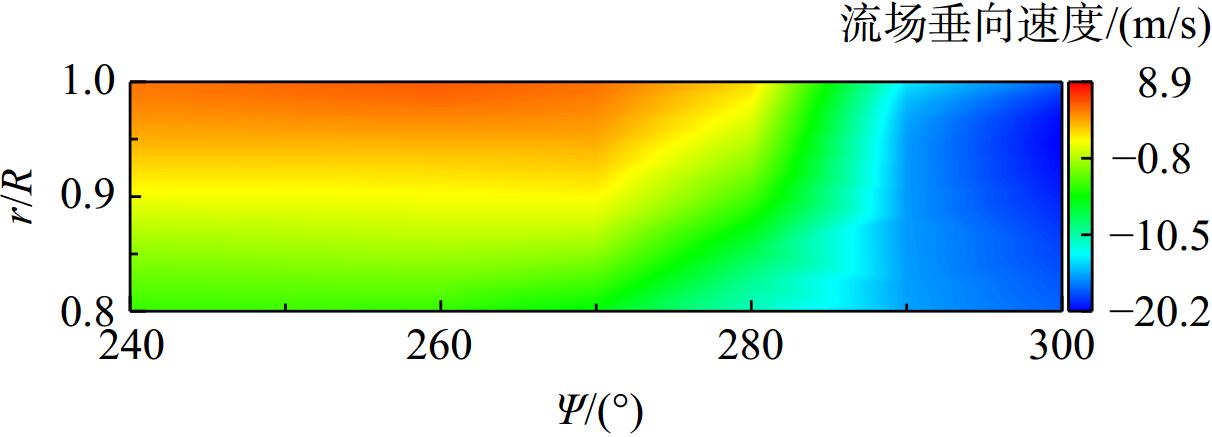
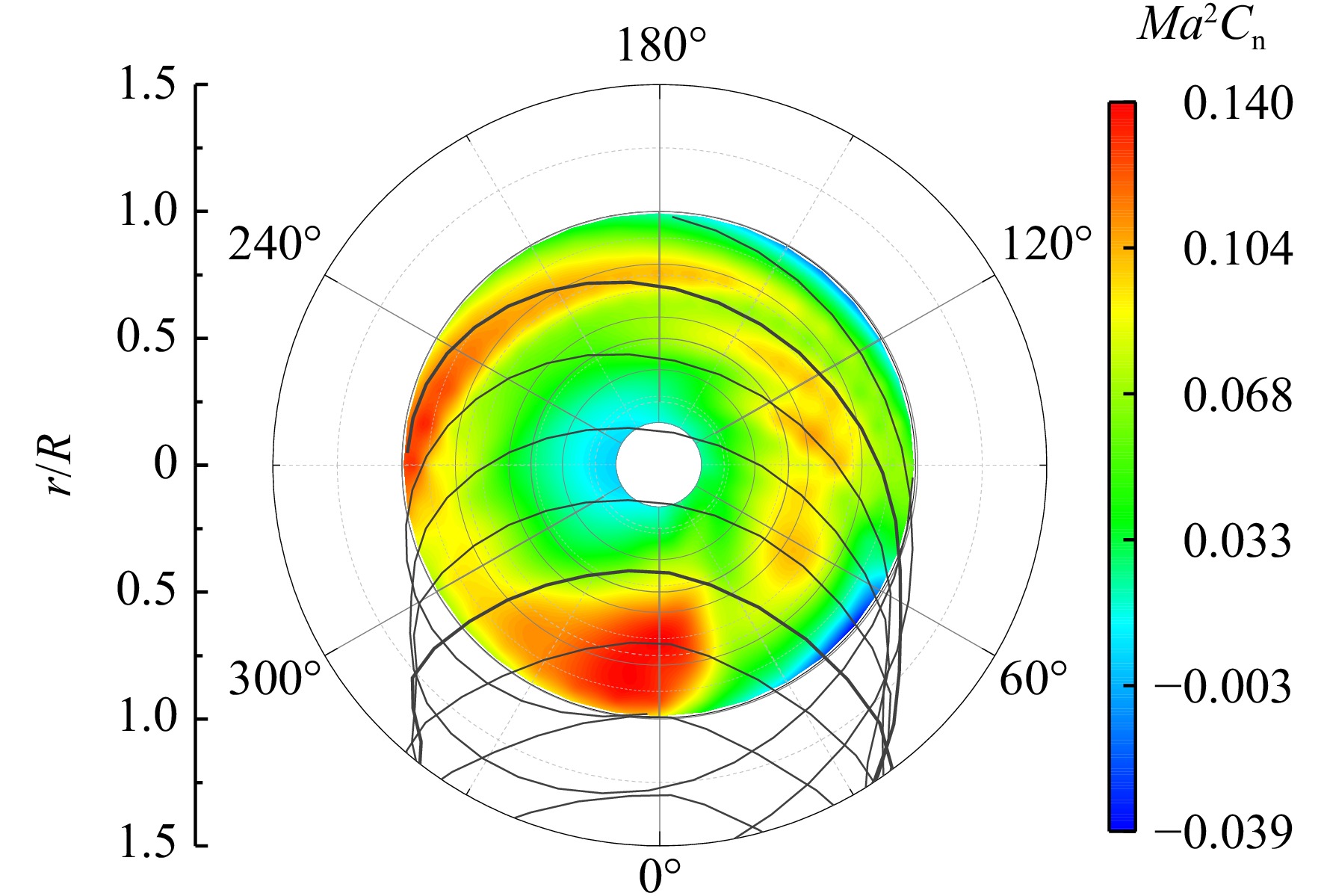
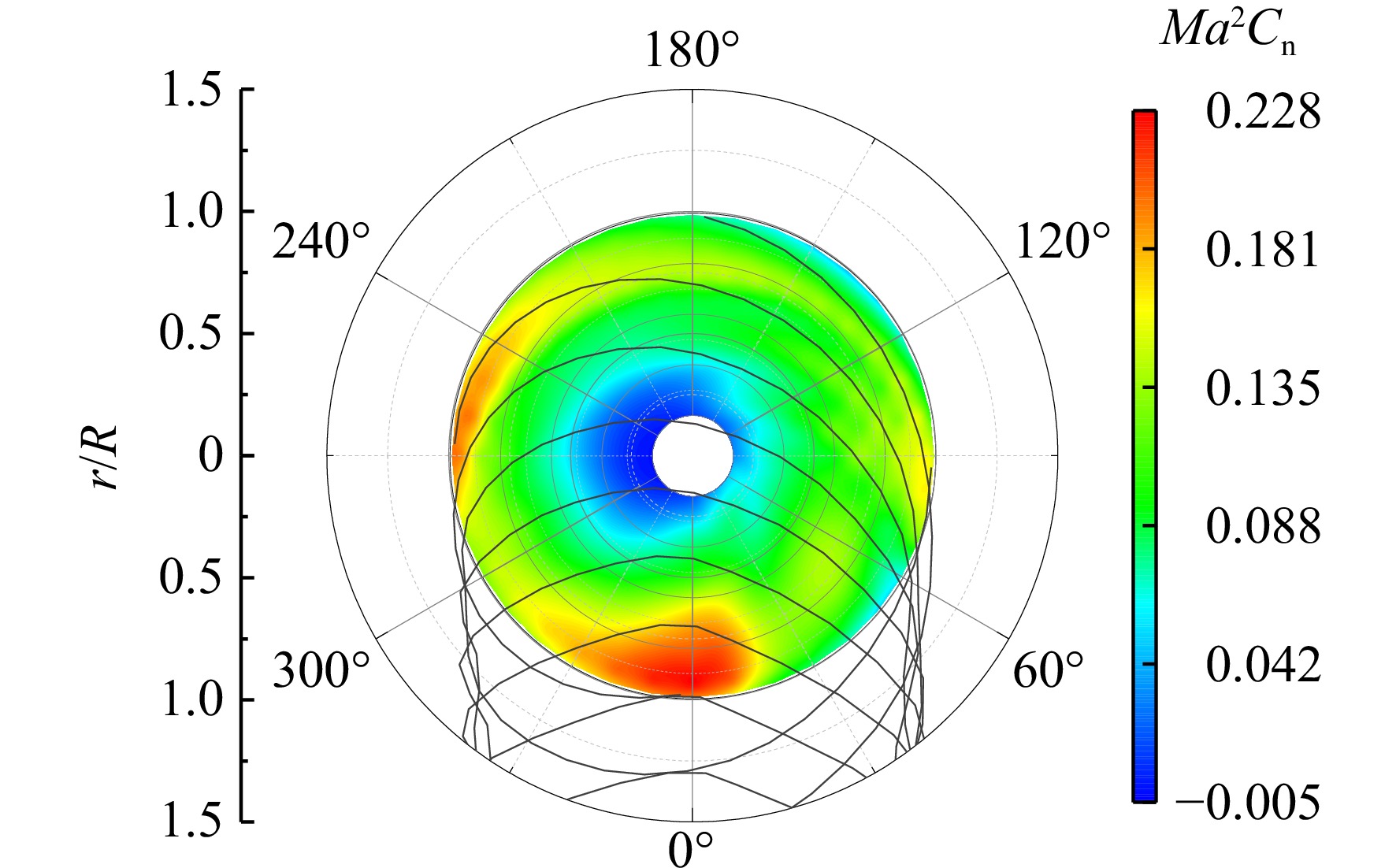
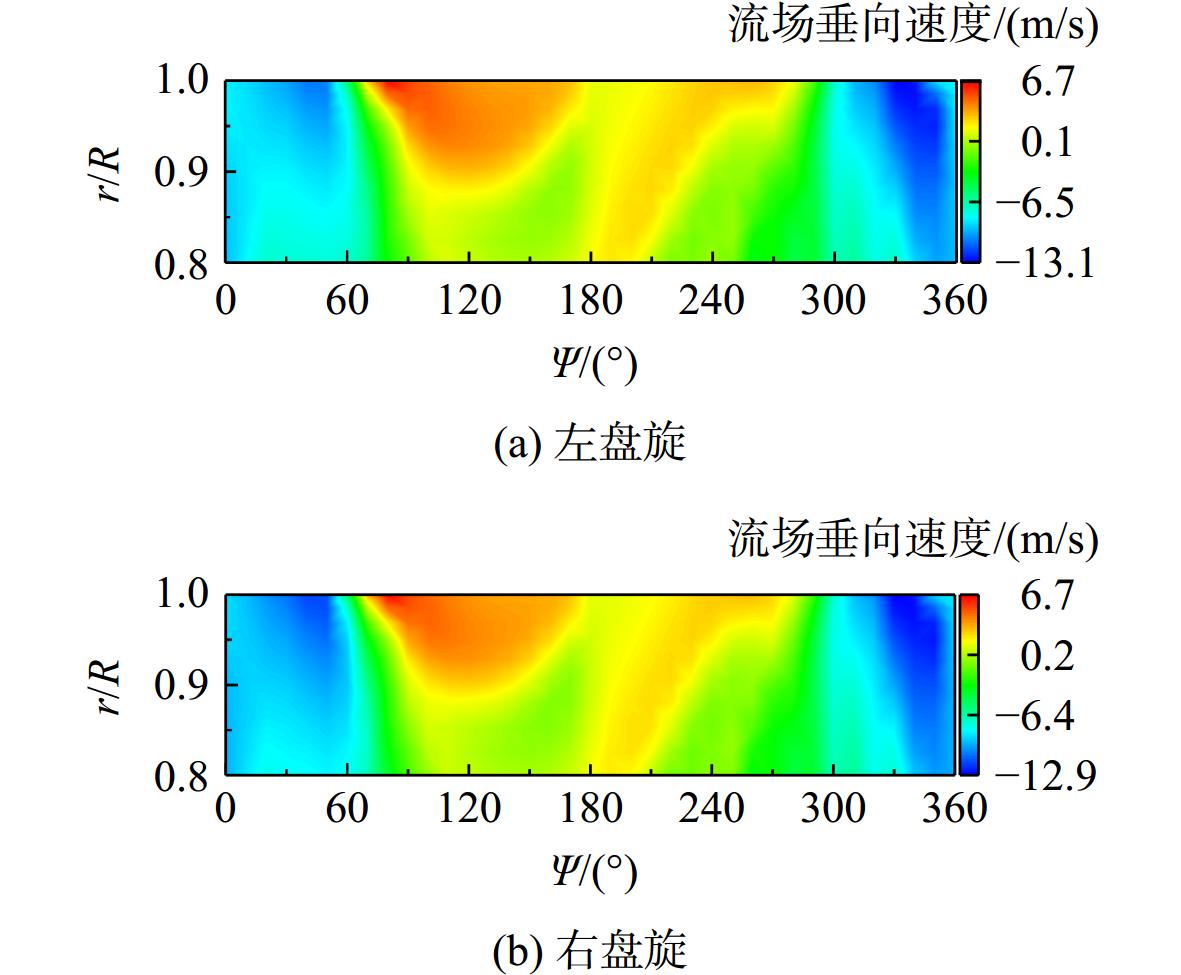
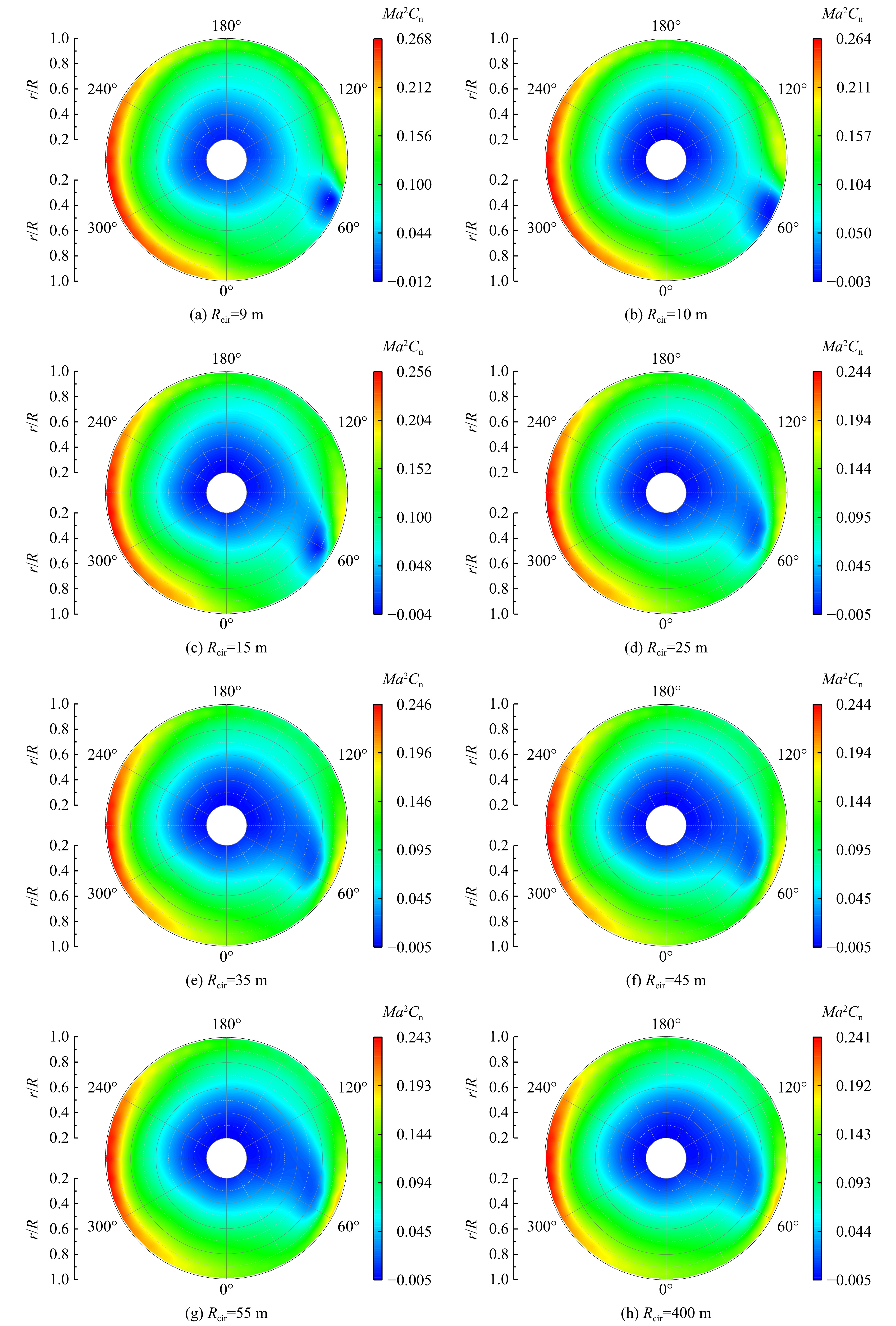
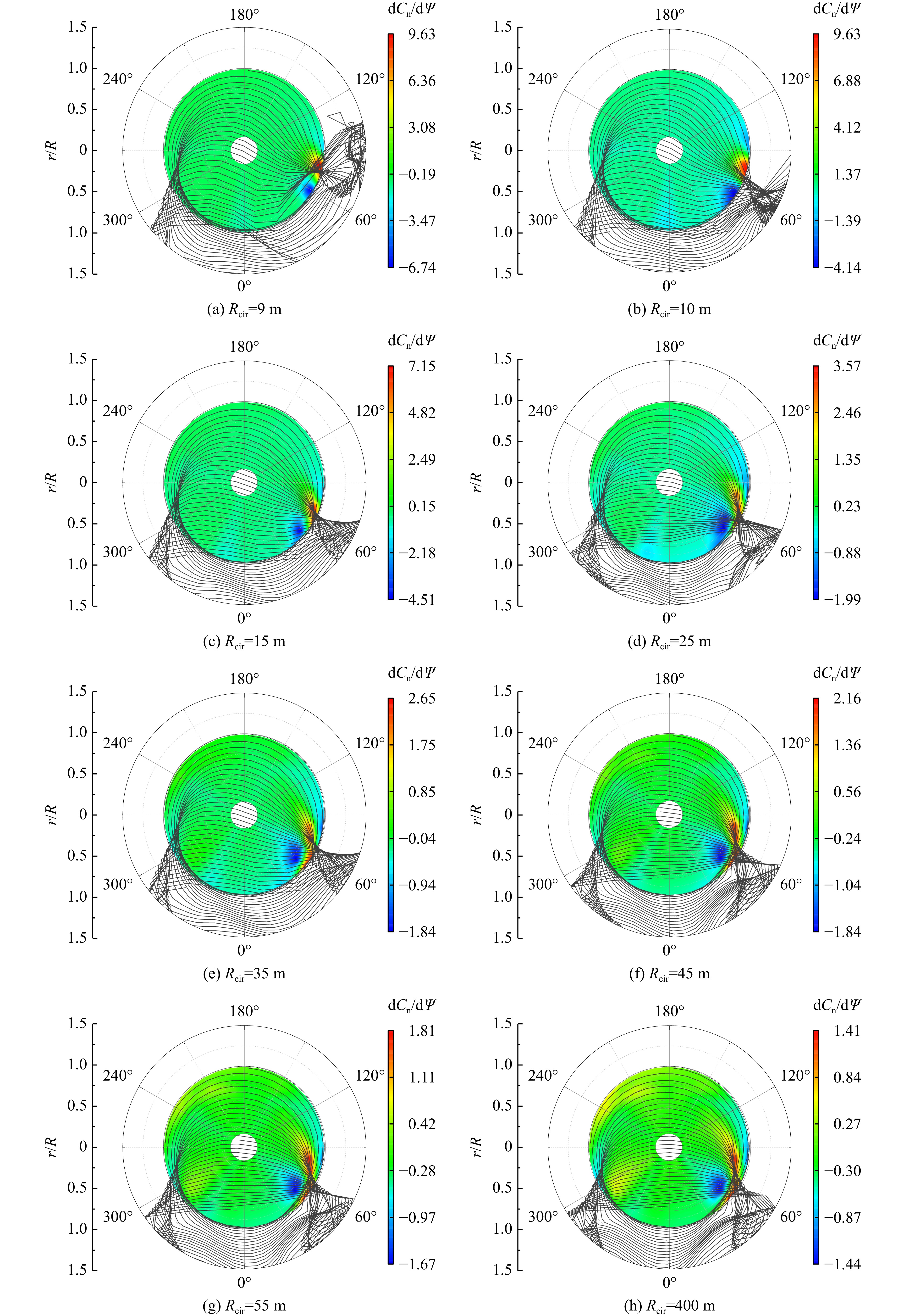
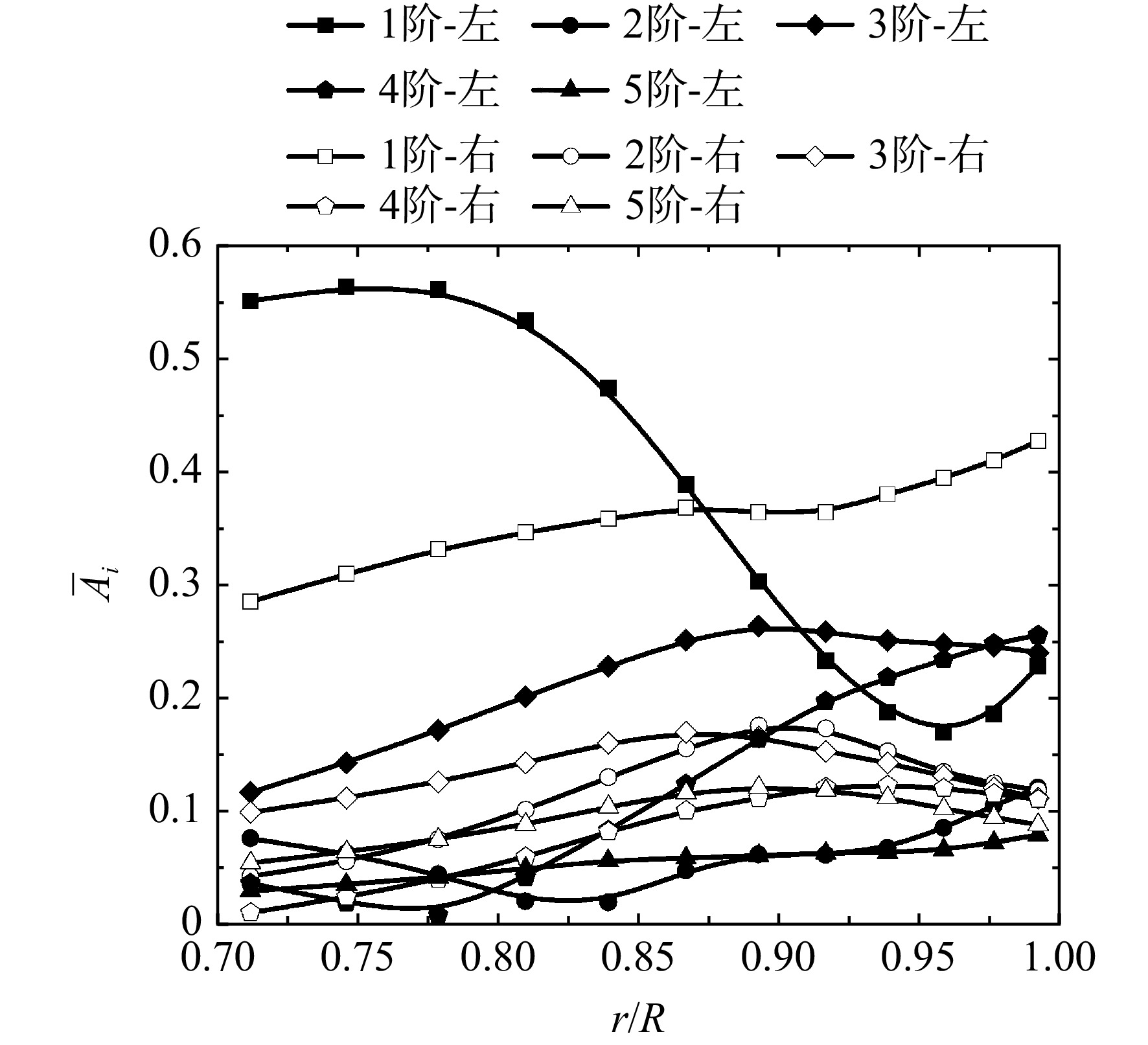
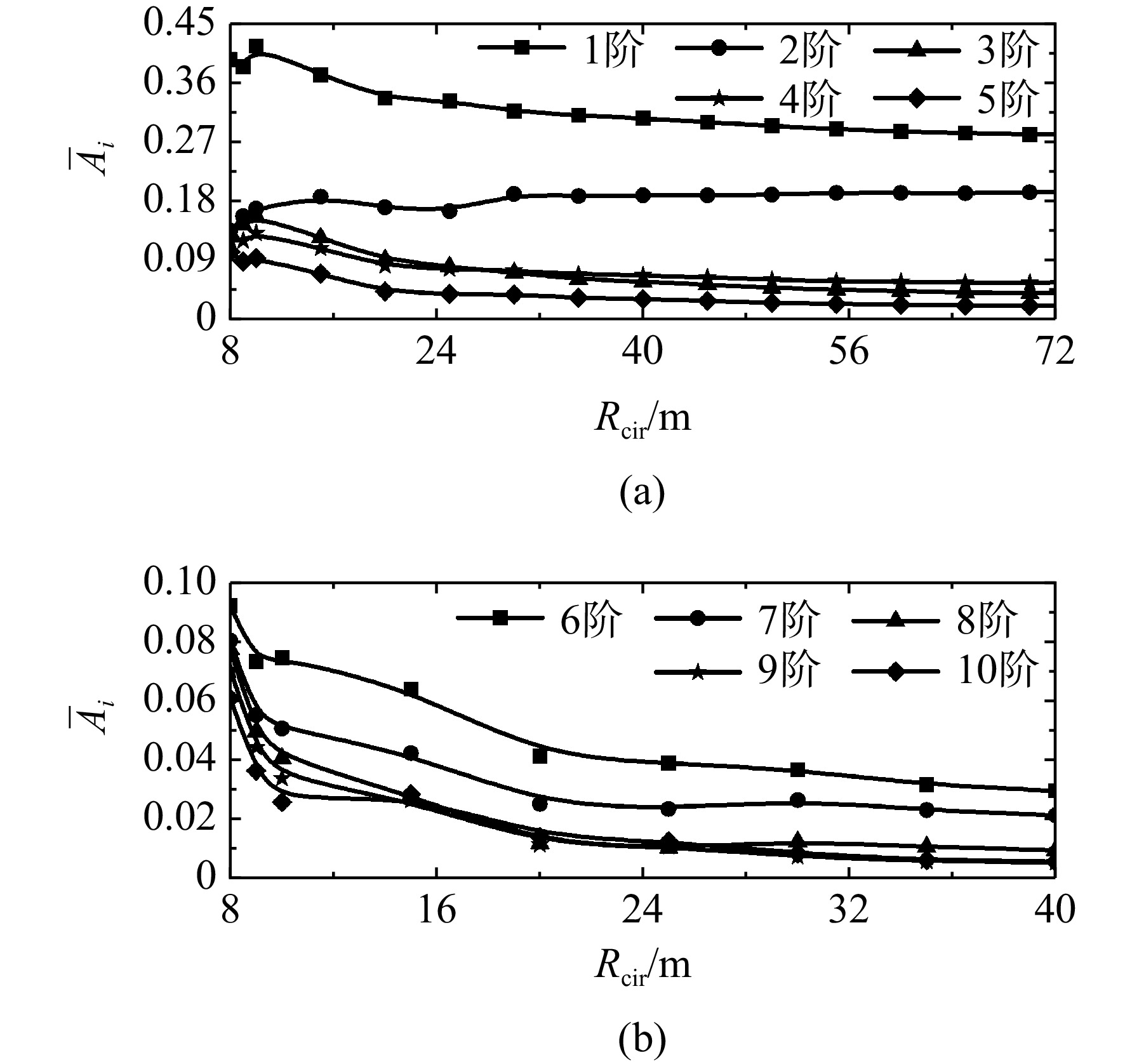
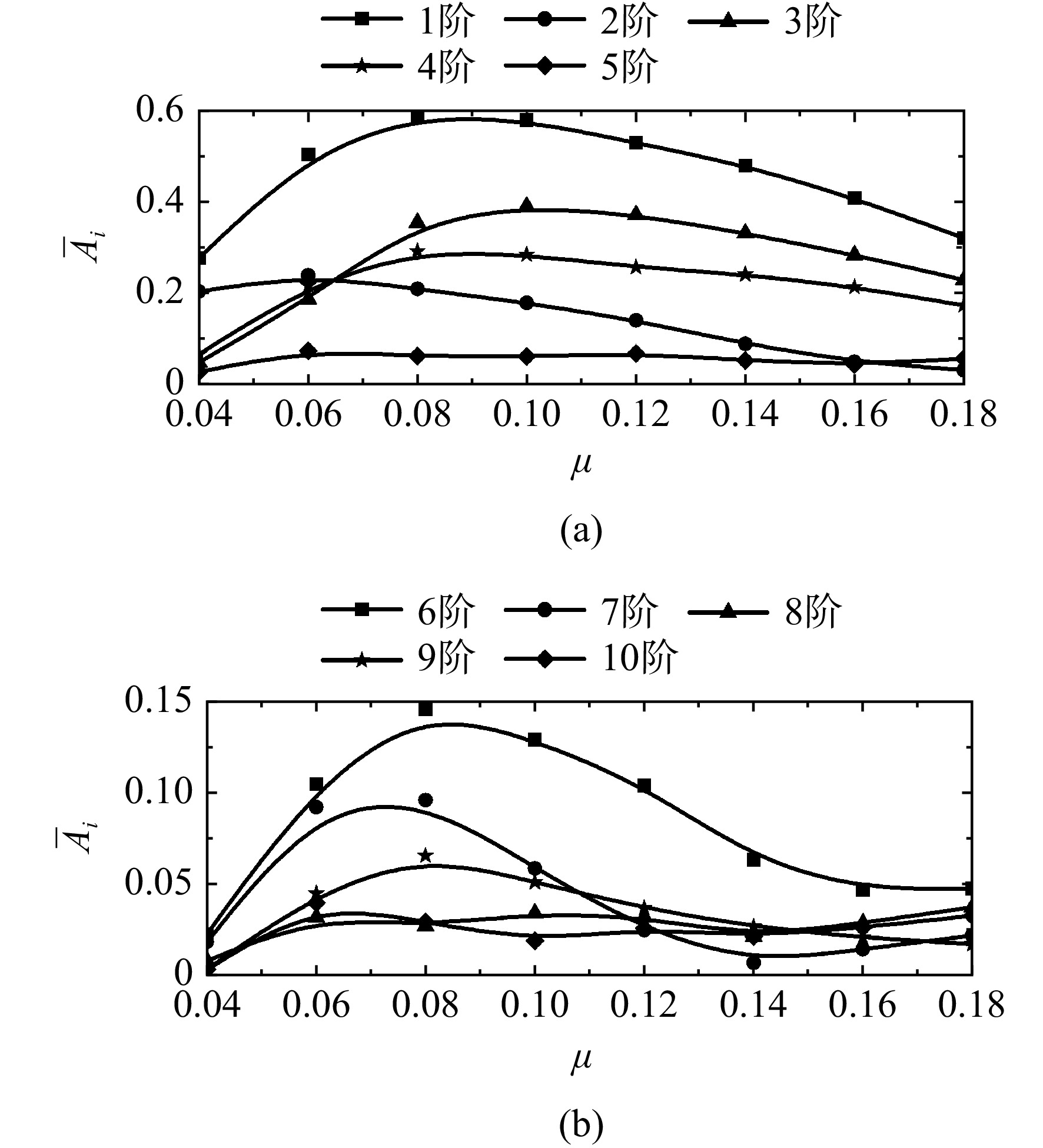
The influences of circling flight parameters on the unsteady blade/vortex interaction characteristics were studied comprehensively. An efficient and accurate simulation method for the blade tip vortex considering flapping and circling correction was established. The airloads of the fuselage and tail rotor were calculated by the numerical fitting of wind tunnel test data. Based on this, a comprehensive trim method of balancing the efficiency and accuracy was constructed. Afterwards, under the trim condition, the distributions of the rotor wake and aerodynamic loads in different circling states were simulated, revealing the influence mechanism of circling flight parameters on the unsteady blade/vortex interaction characteristics. The results showed that the vortex was distorted under rotor disc after $ \varPsi $=60° and certain segments of the vortex rolled into the region above the rotor disc after $\varPsi $=90° on the inner side of the circling direction with low circling speed and small radius. The resulting continuous and concentrated interaction led to rapid changes in the vertical induced velocity, causing abrupt changes in local aerodynamic loads. The circling direction did not affect the influence mechanism of blade/vortex interaction. Instead, it affected the harmonic characteristics of aerodynamic load and the first order component was most sensitive to the circling direction. With the increase of circling radius, the weakening of wake distortion led to the rapid disappearance of the concentrated interaction phenomenon above rotor disc. Other interactions within the rotor disc became prominent gradually, causing the distribution of aerodynamic loads to move along the circumferential direction. As for the circling radius, the aerodynamic loads above the fifth order fell out fast, and the influence range of lower order aerodynamic loads was wider than higher order parts. The increase in circling speed stretched the wake vortex, weakening the blade/vortex interaction phenomenon in spatial distribution. The aerodynamic loads of each order showed the same changing trend.

Overall performance study on turboshaft engine with inter-stage turbine burner
TAO Rui, ZHAO Jun, WU Chuan, JIANG Jin, CHEN Shuxian
2025, 40(7): 20230526. doi: 10.13224/j.cnki.jasp.20230526
Abstract:

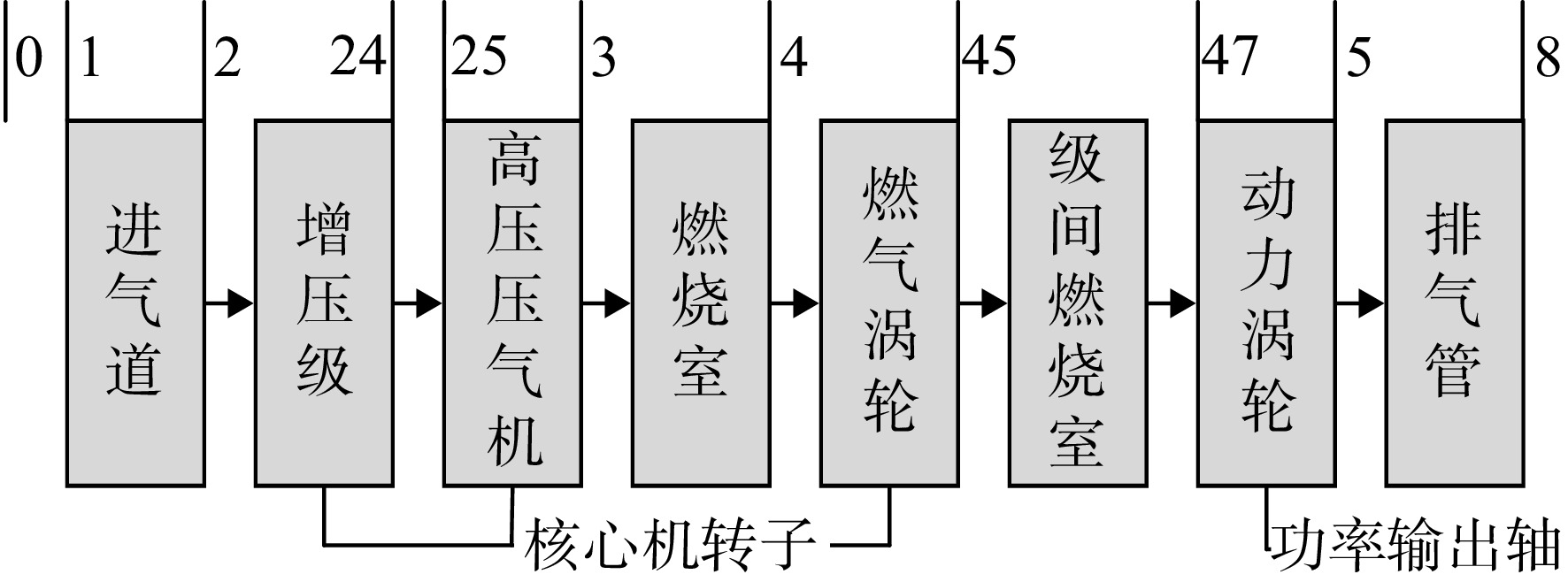
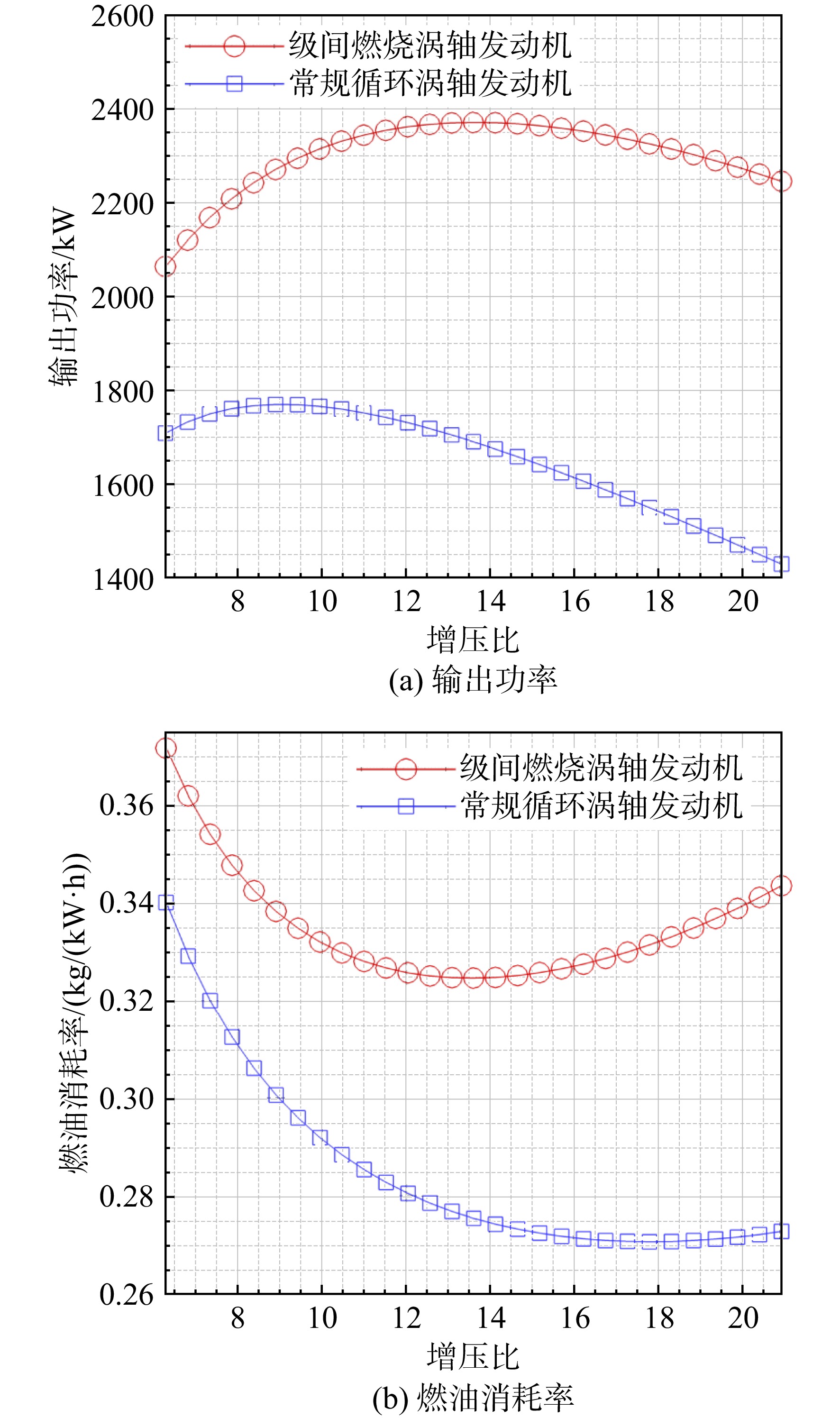
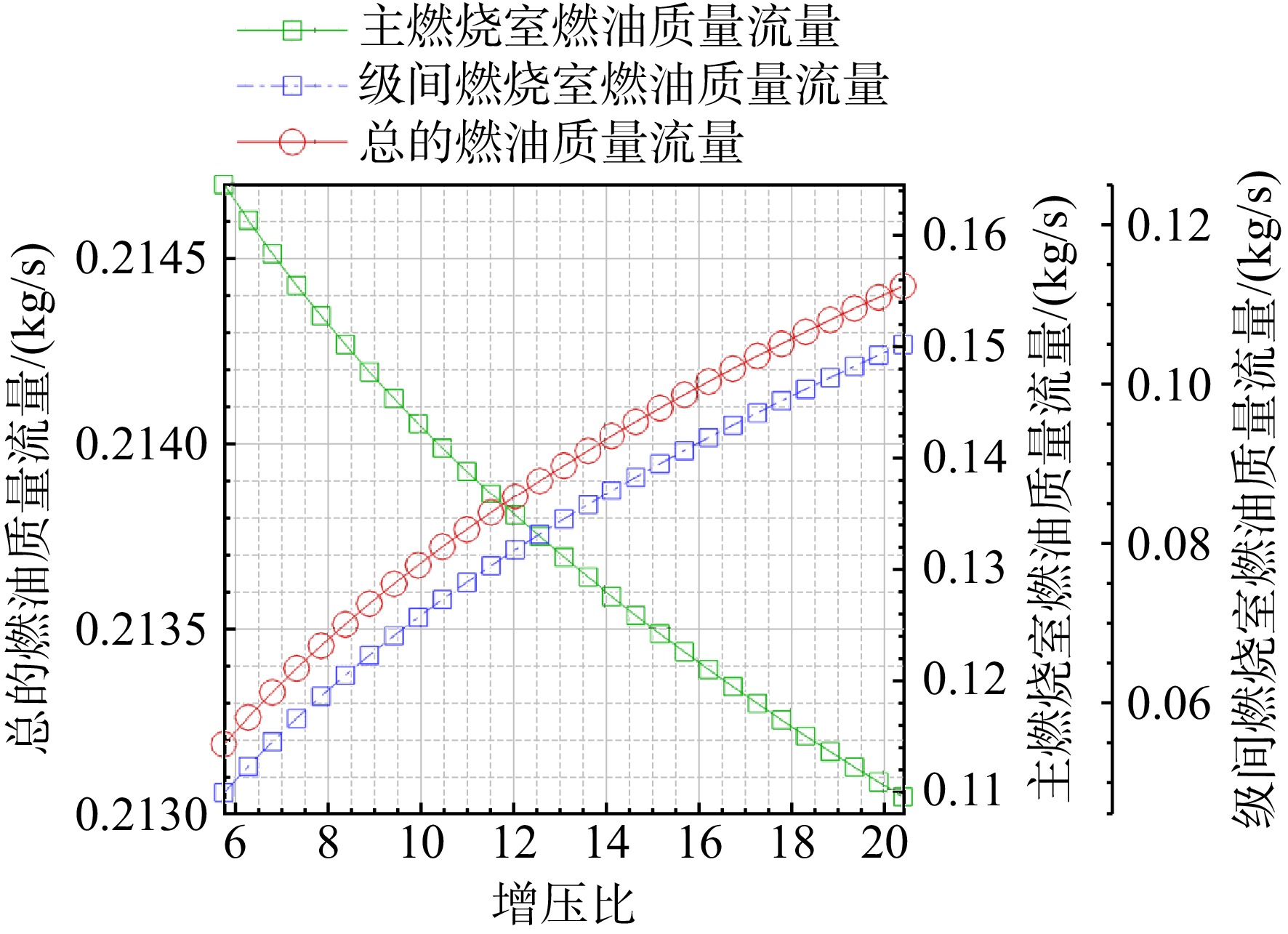
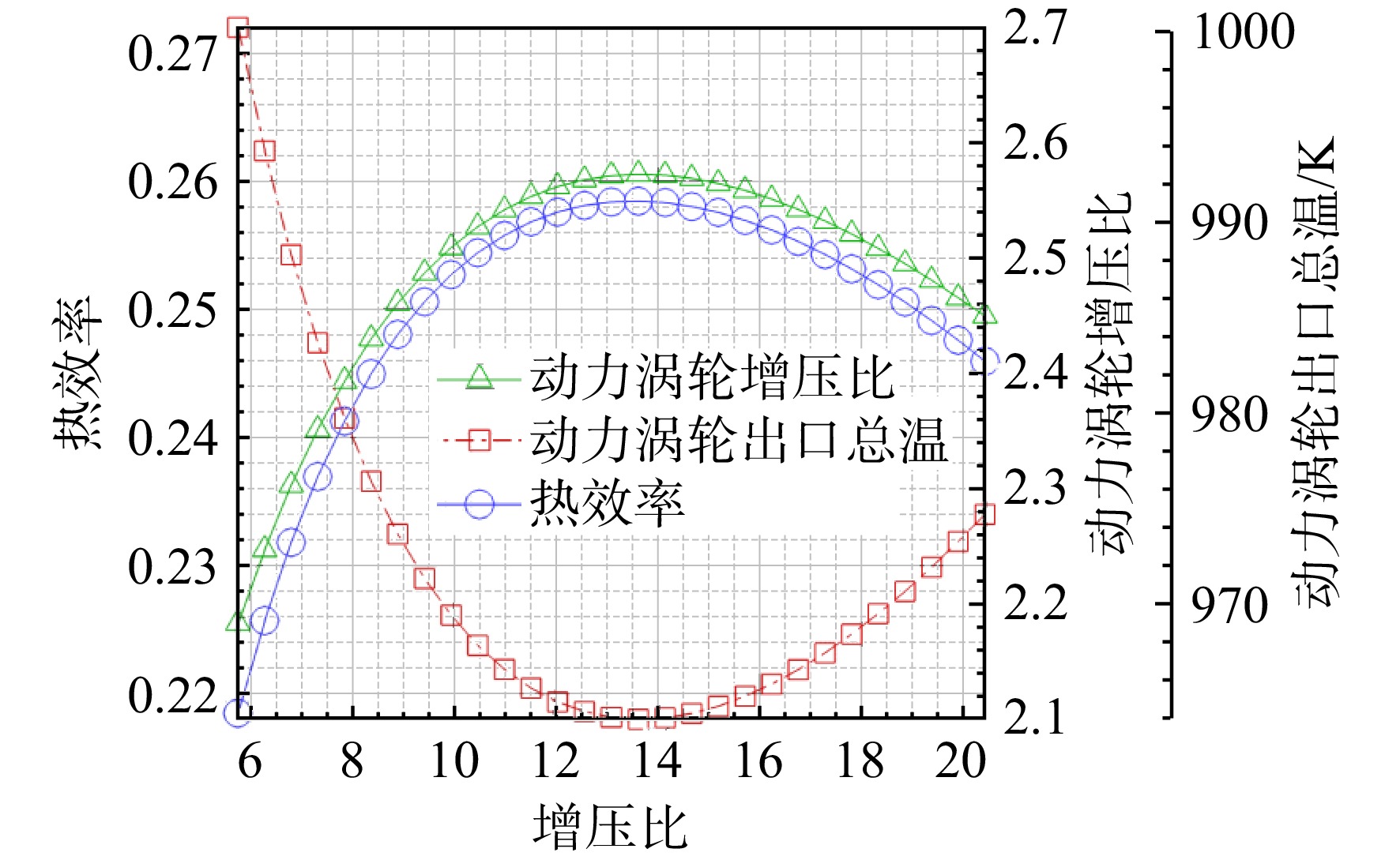
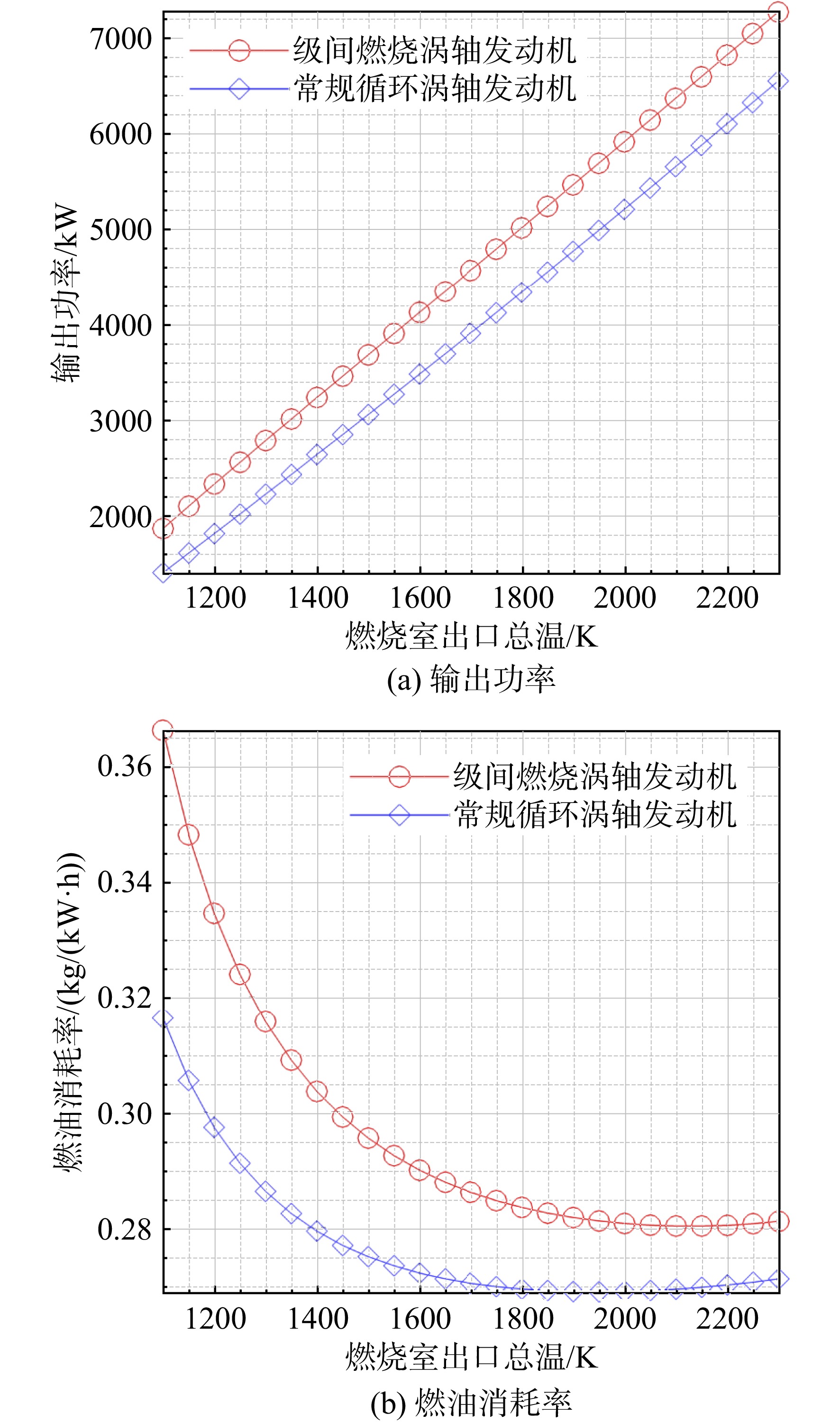
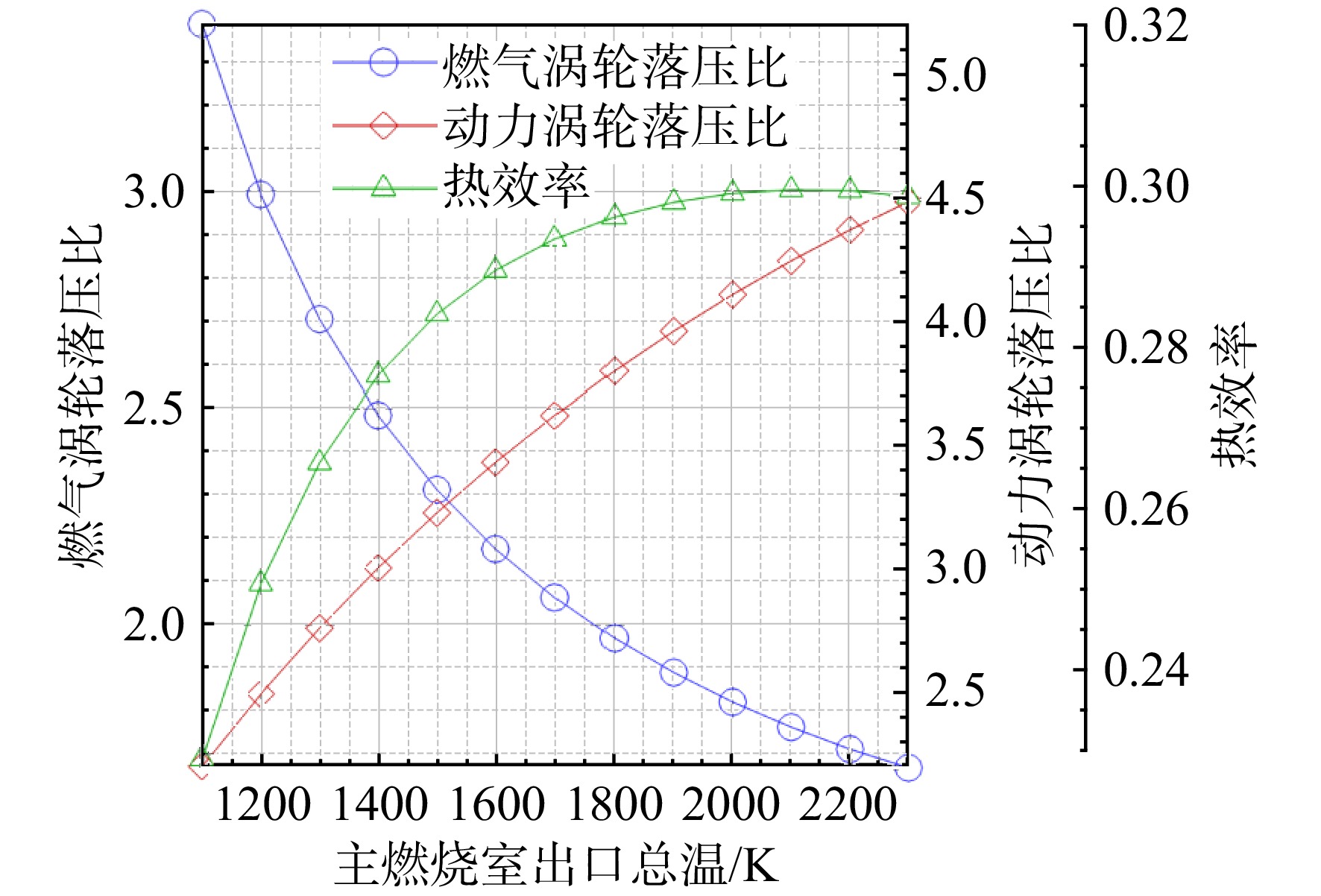
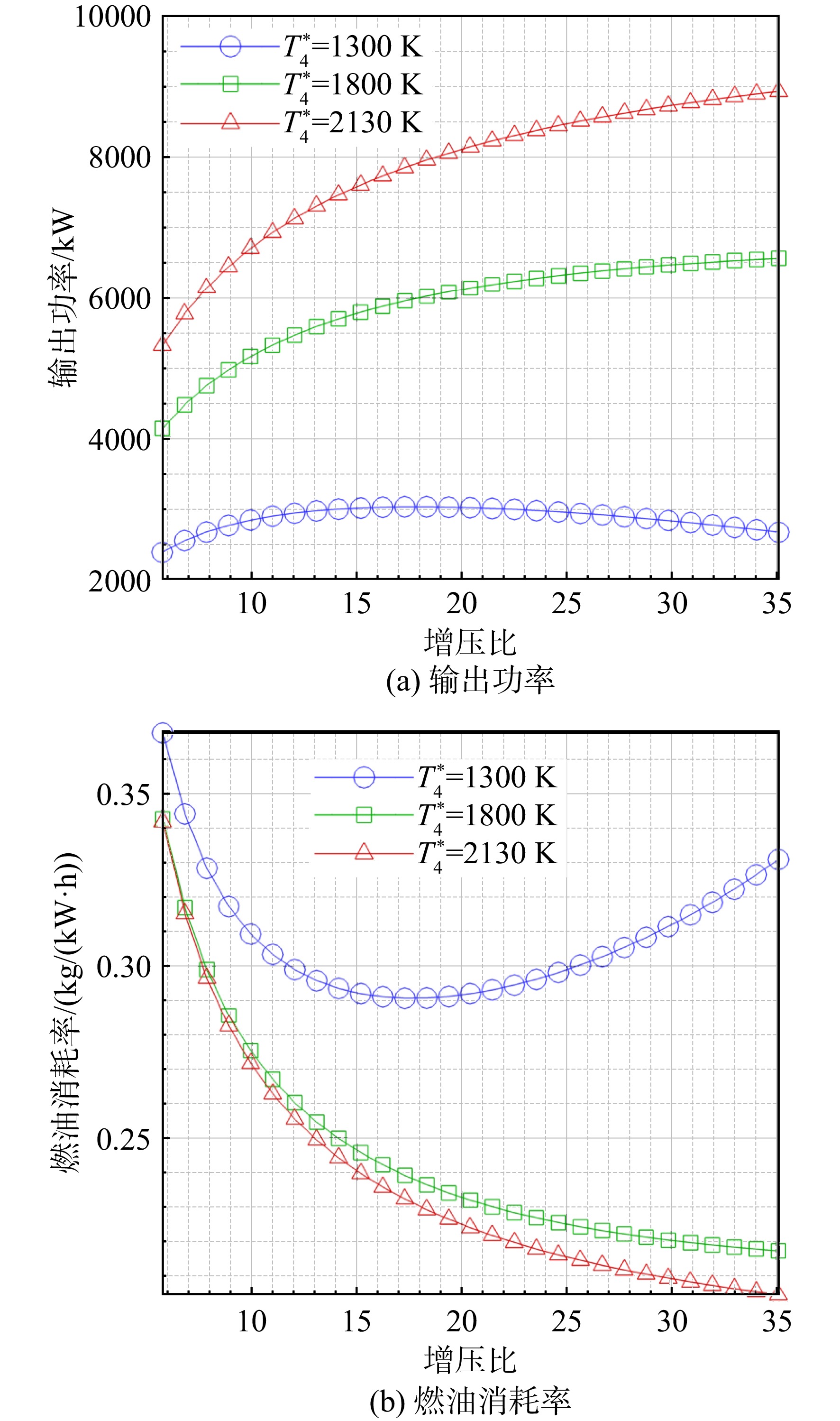
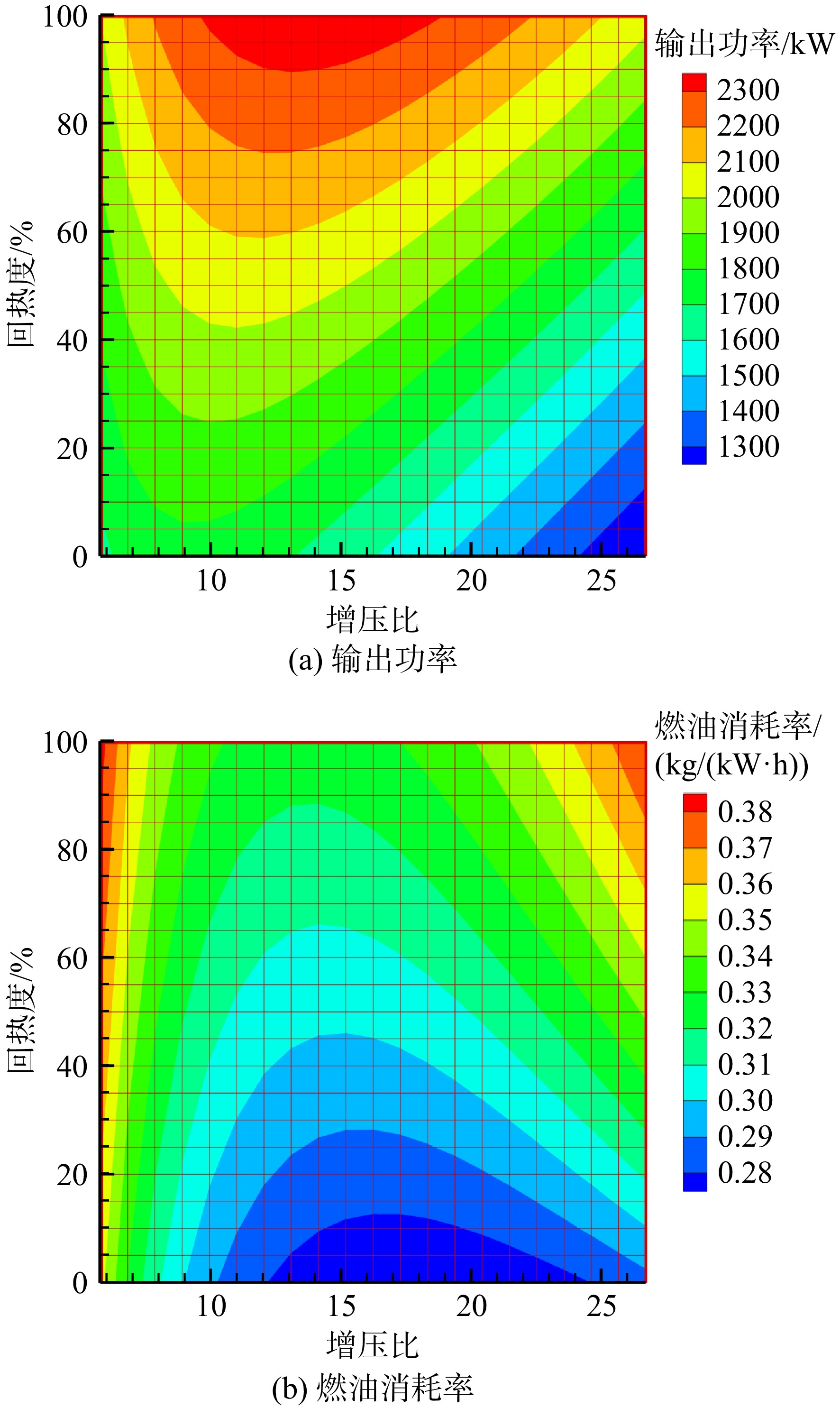
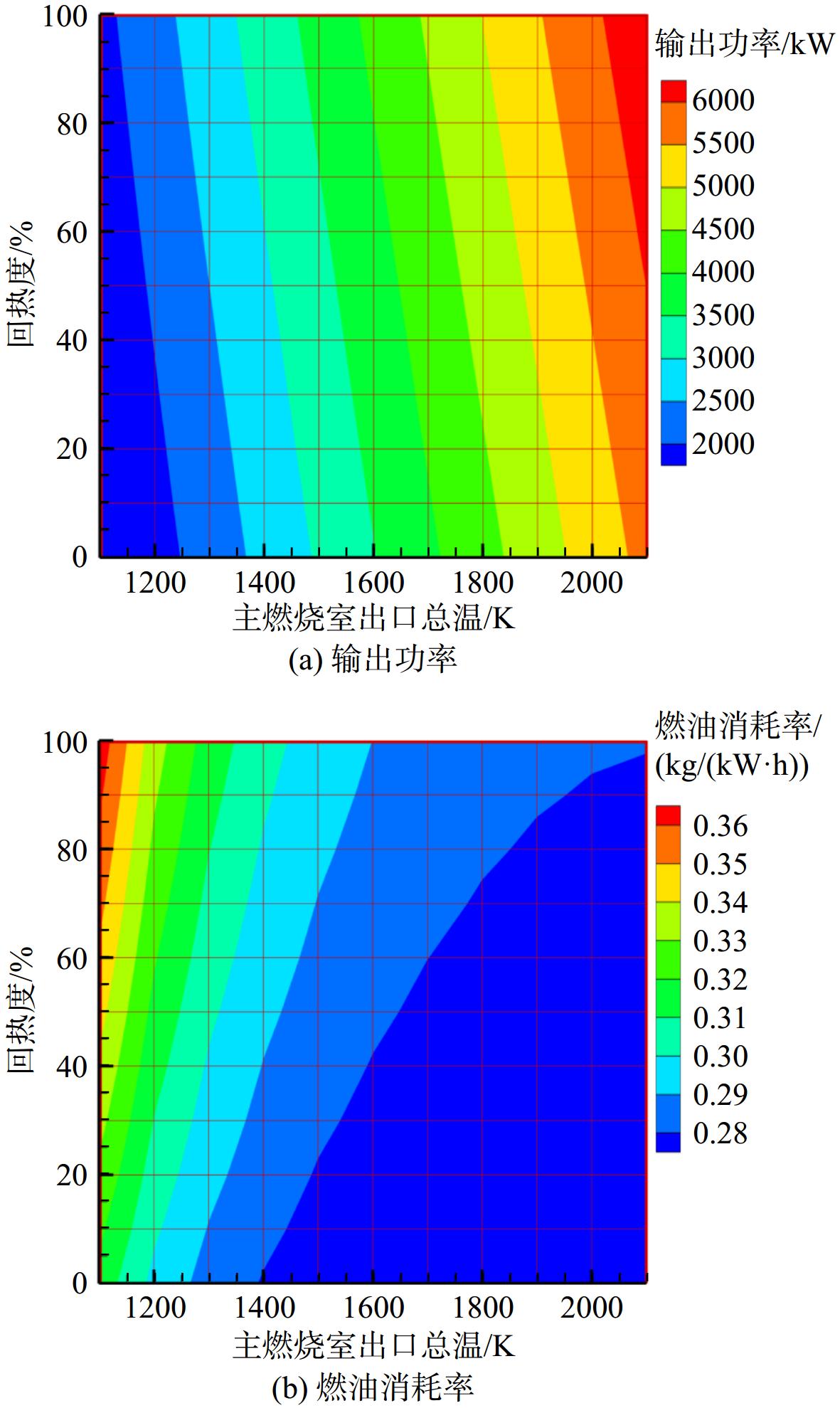
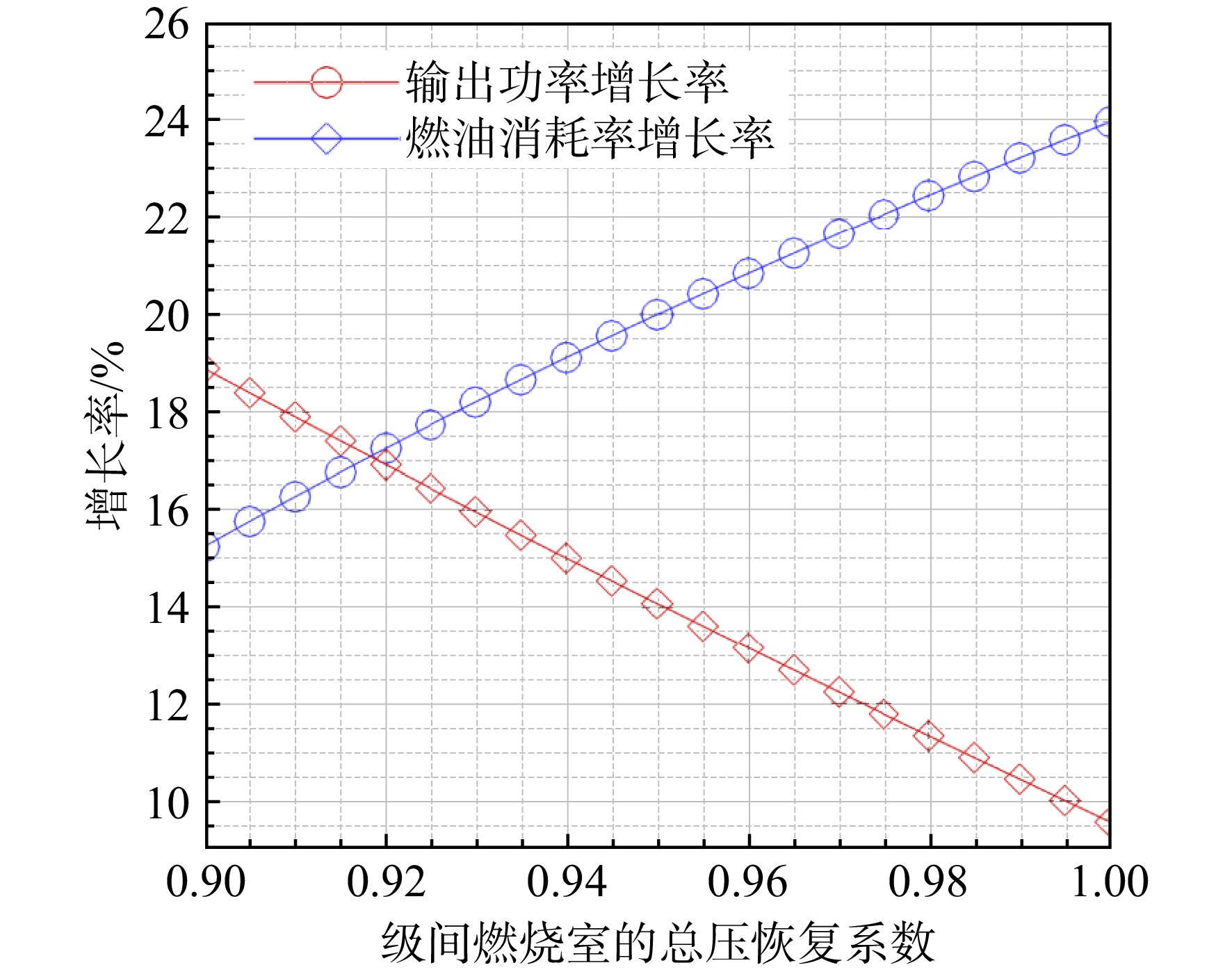
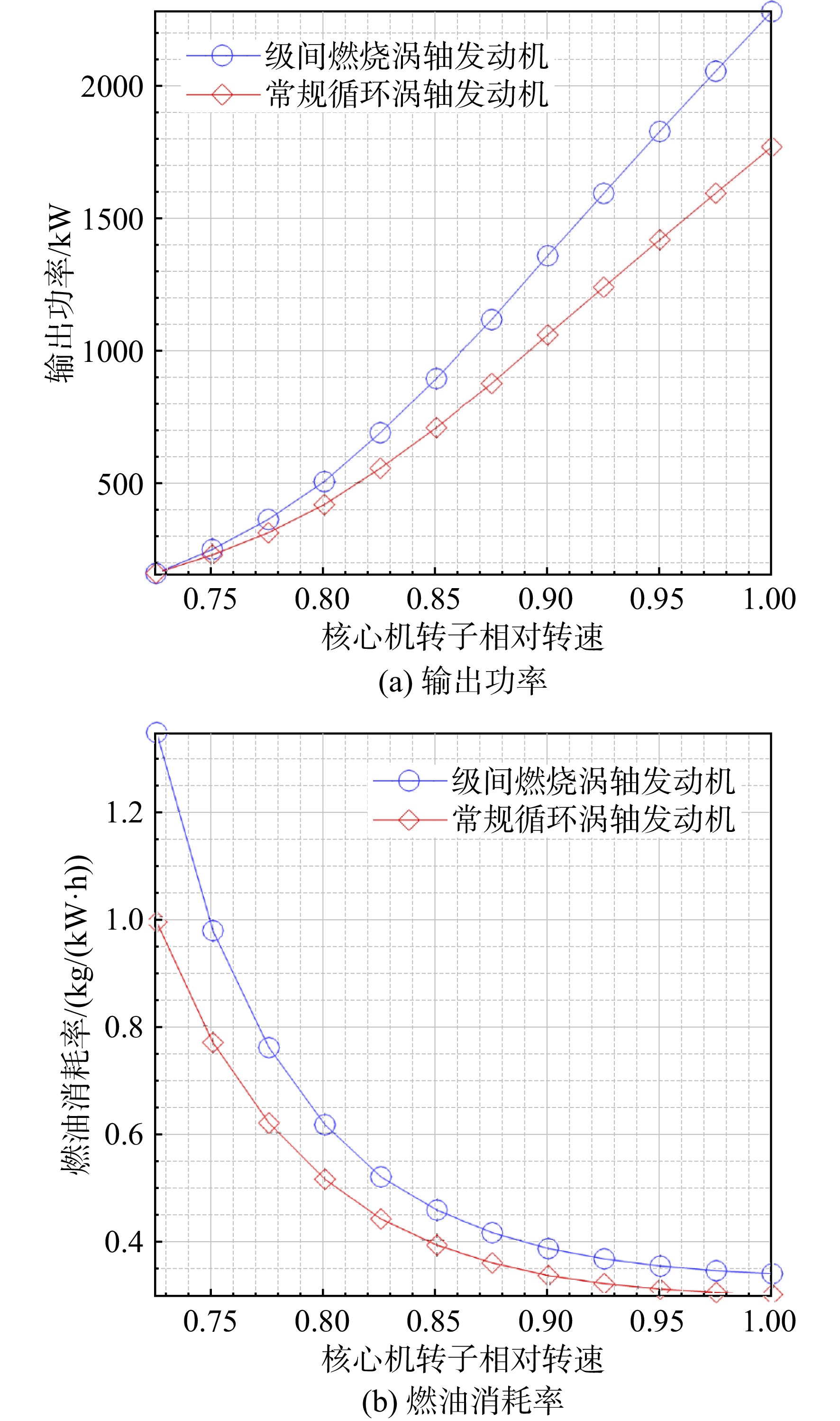
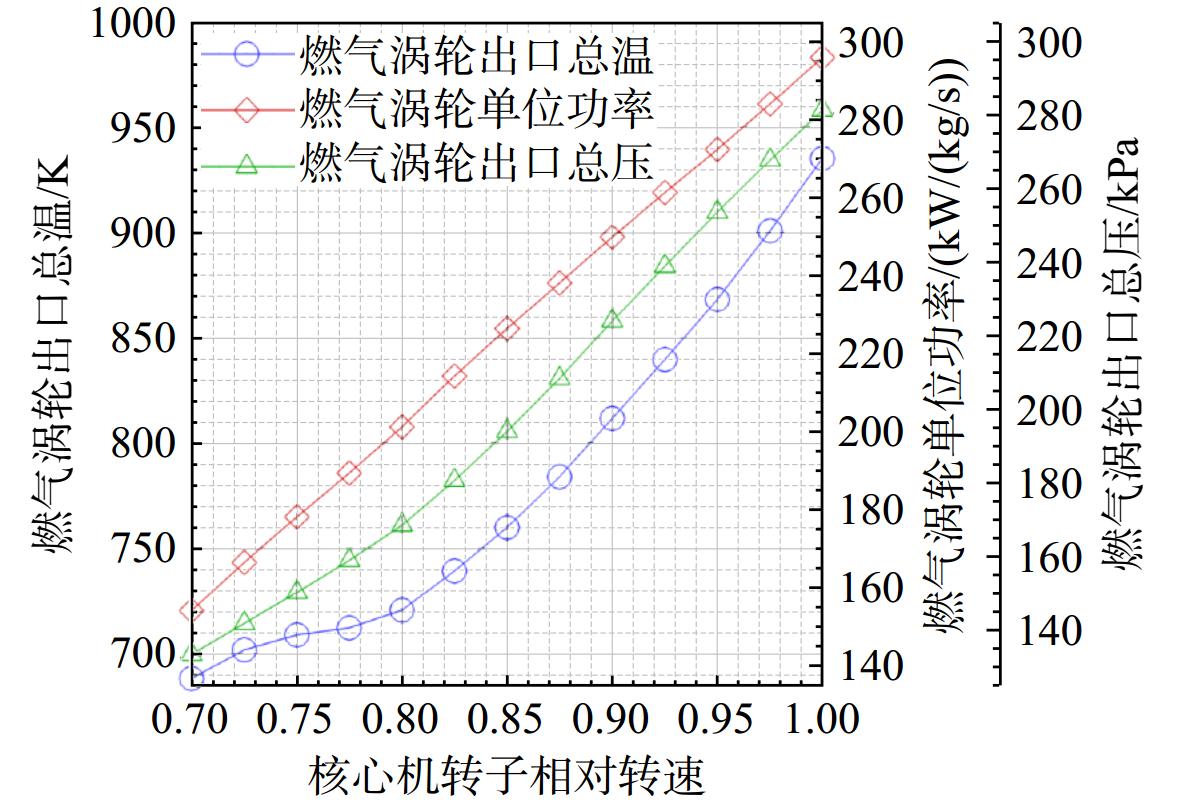
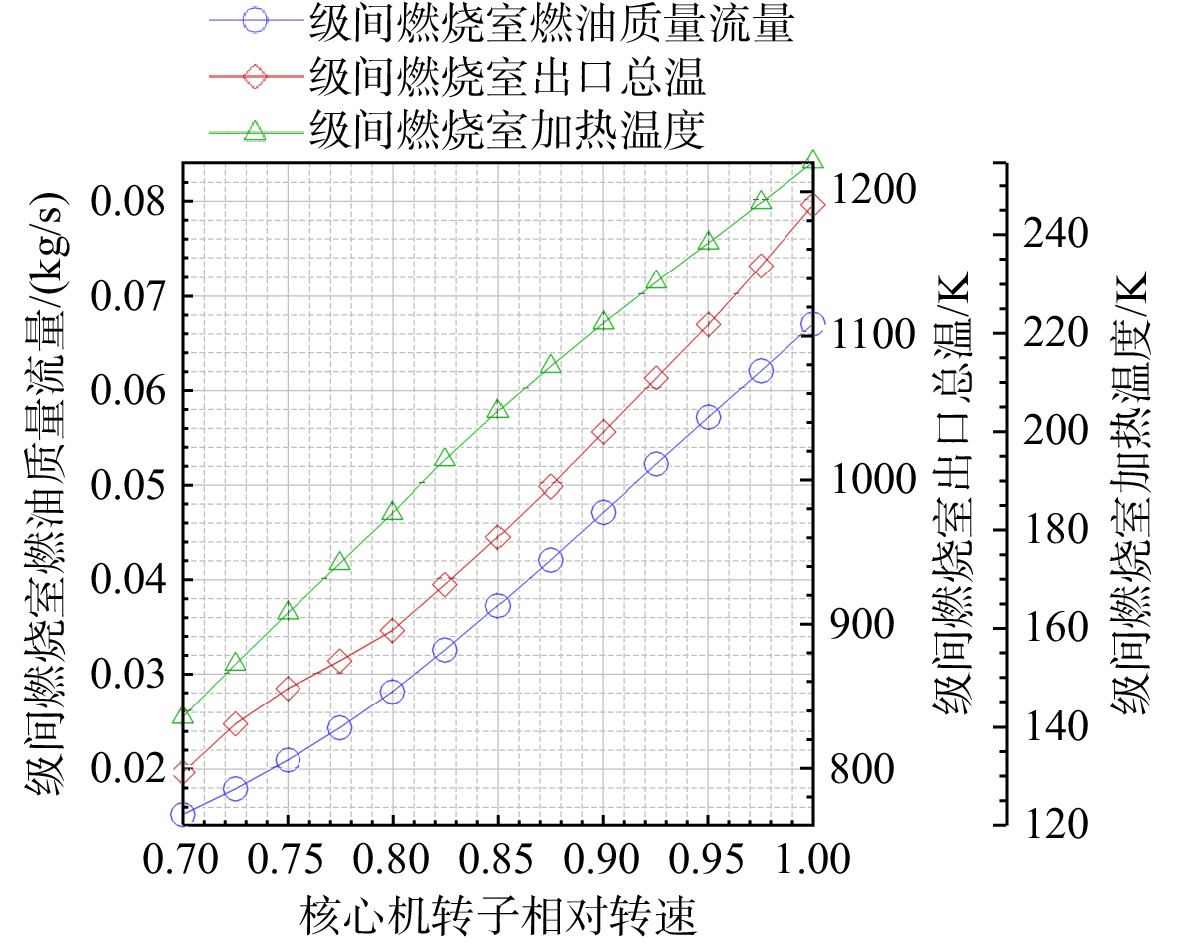
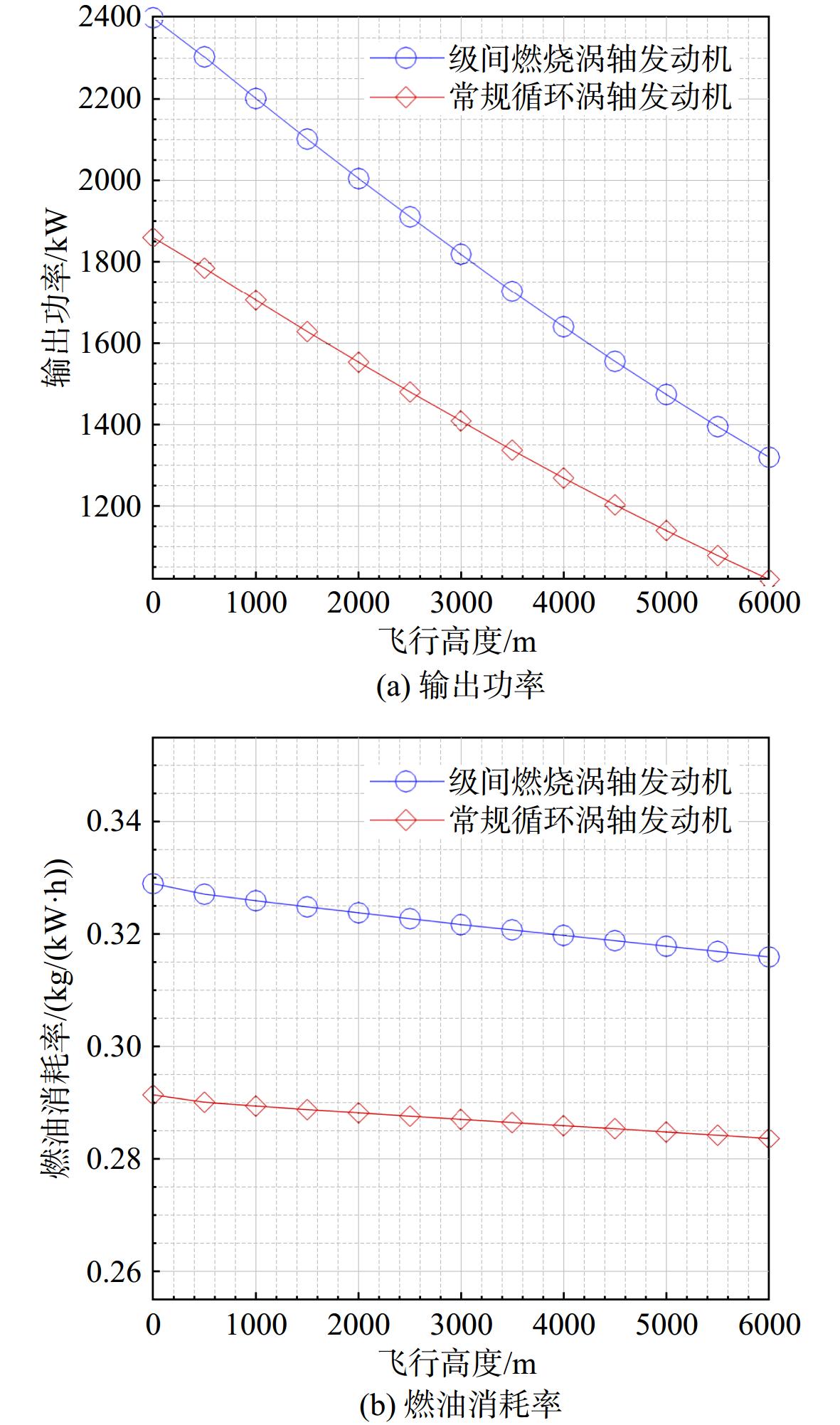
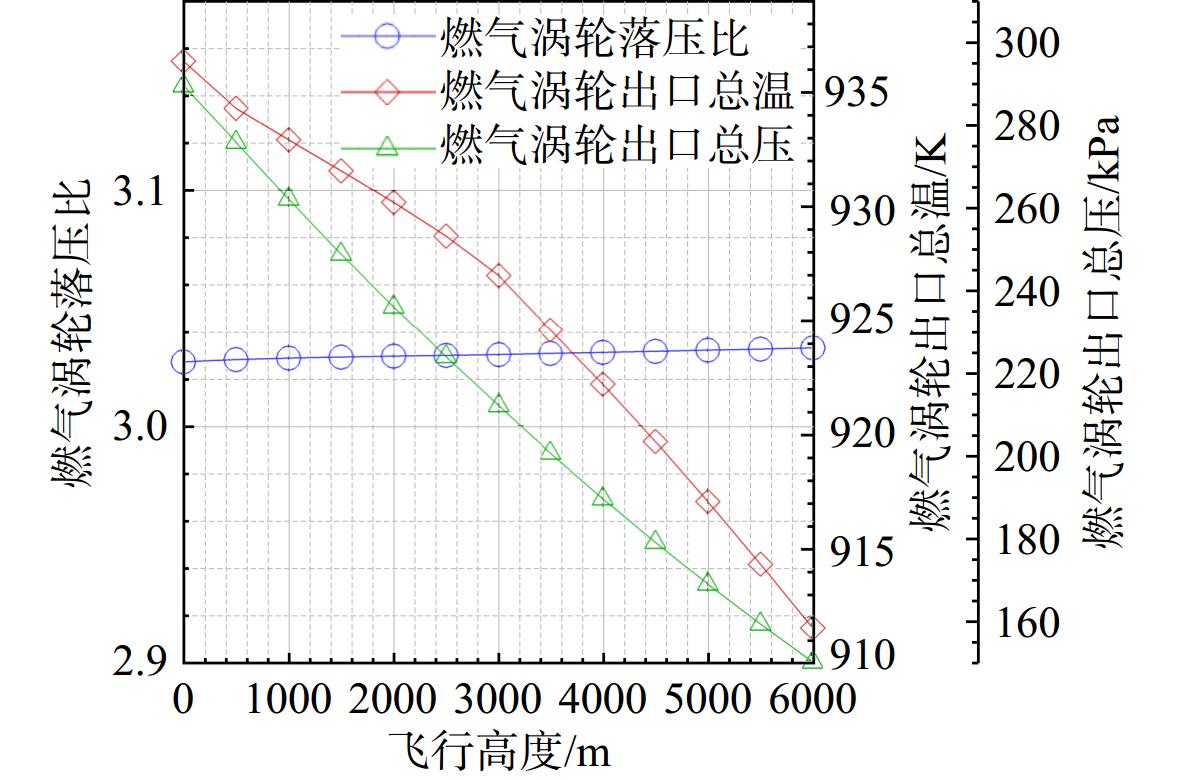
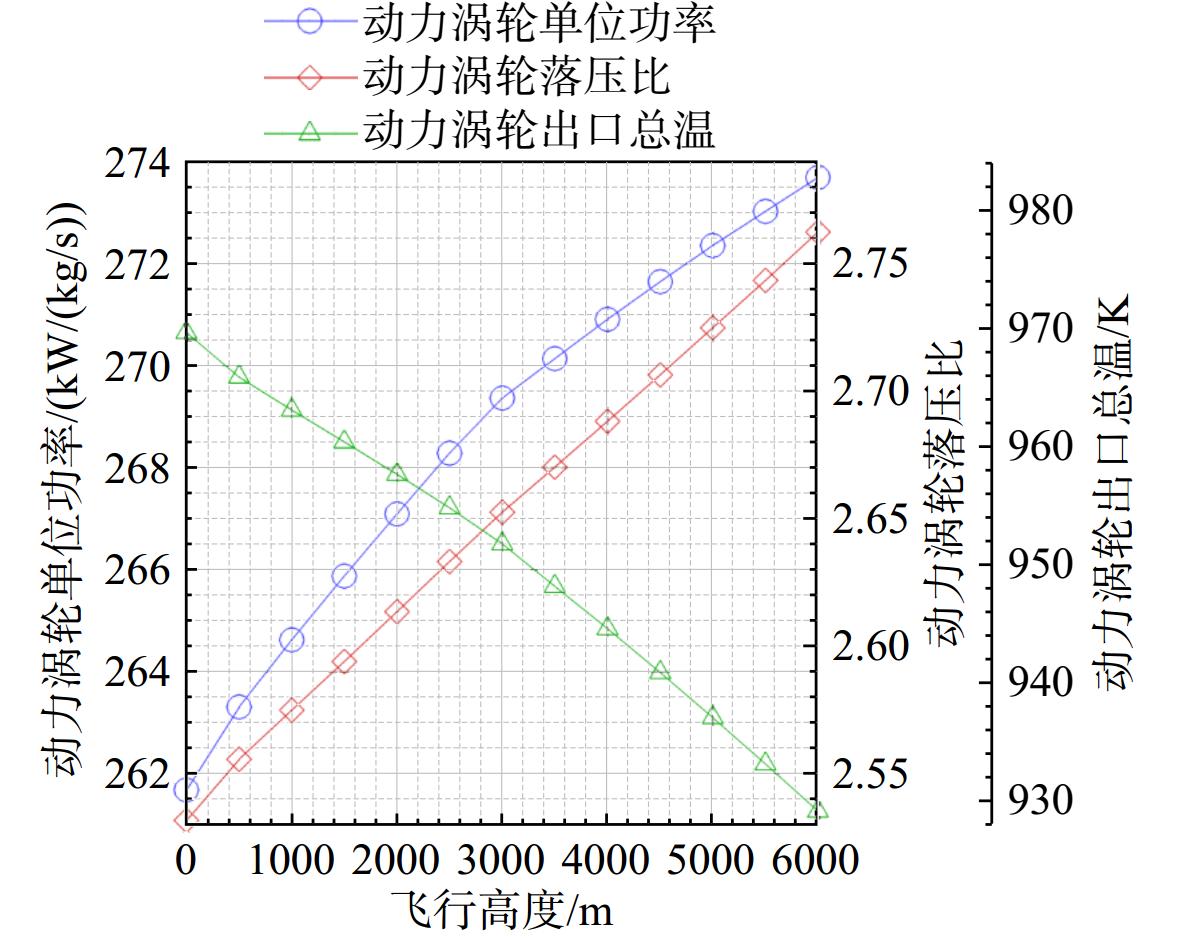
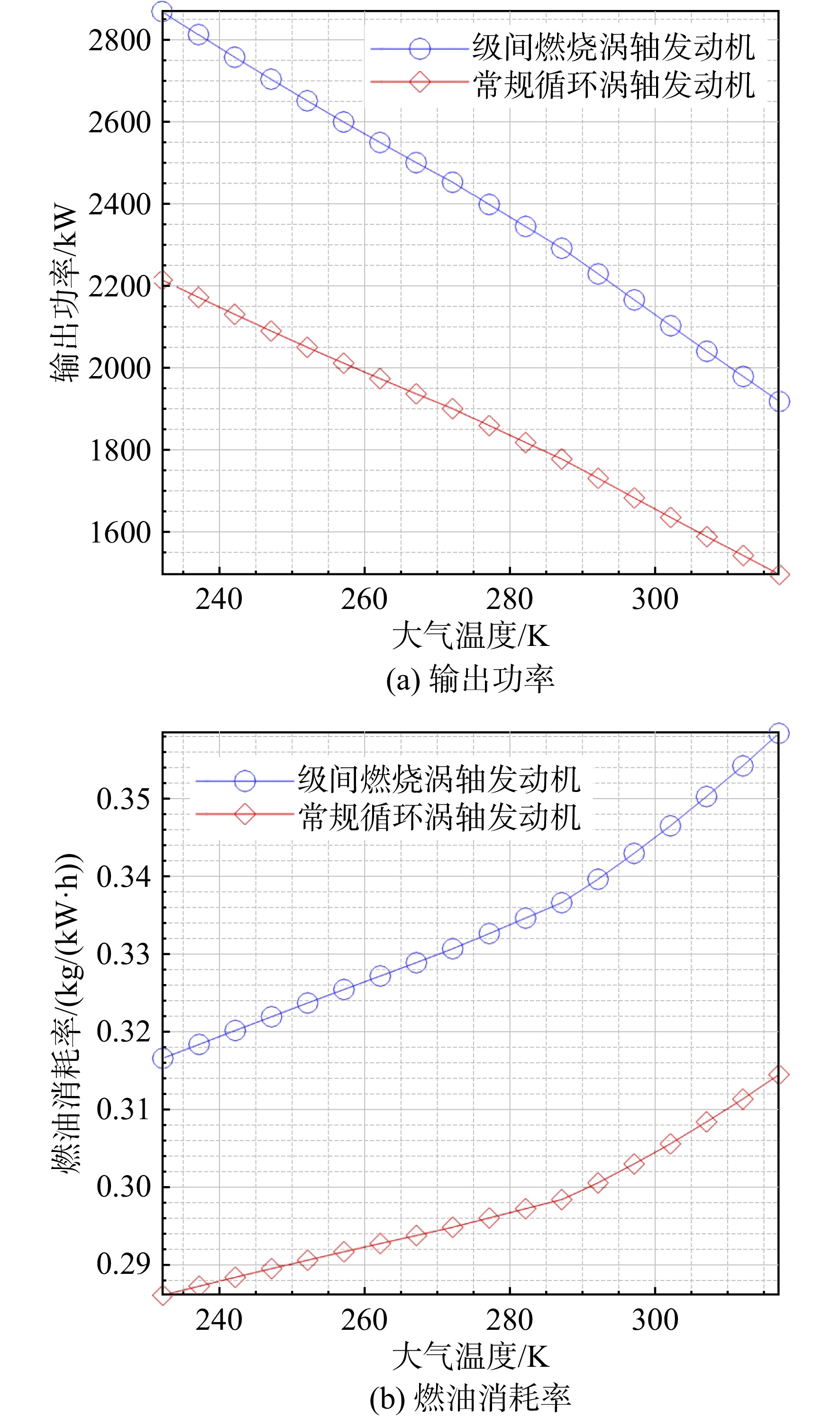
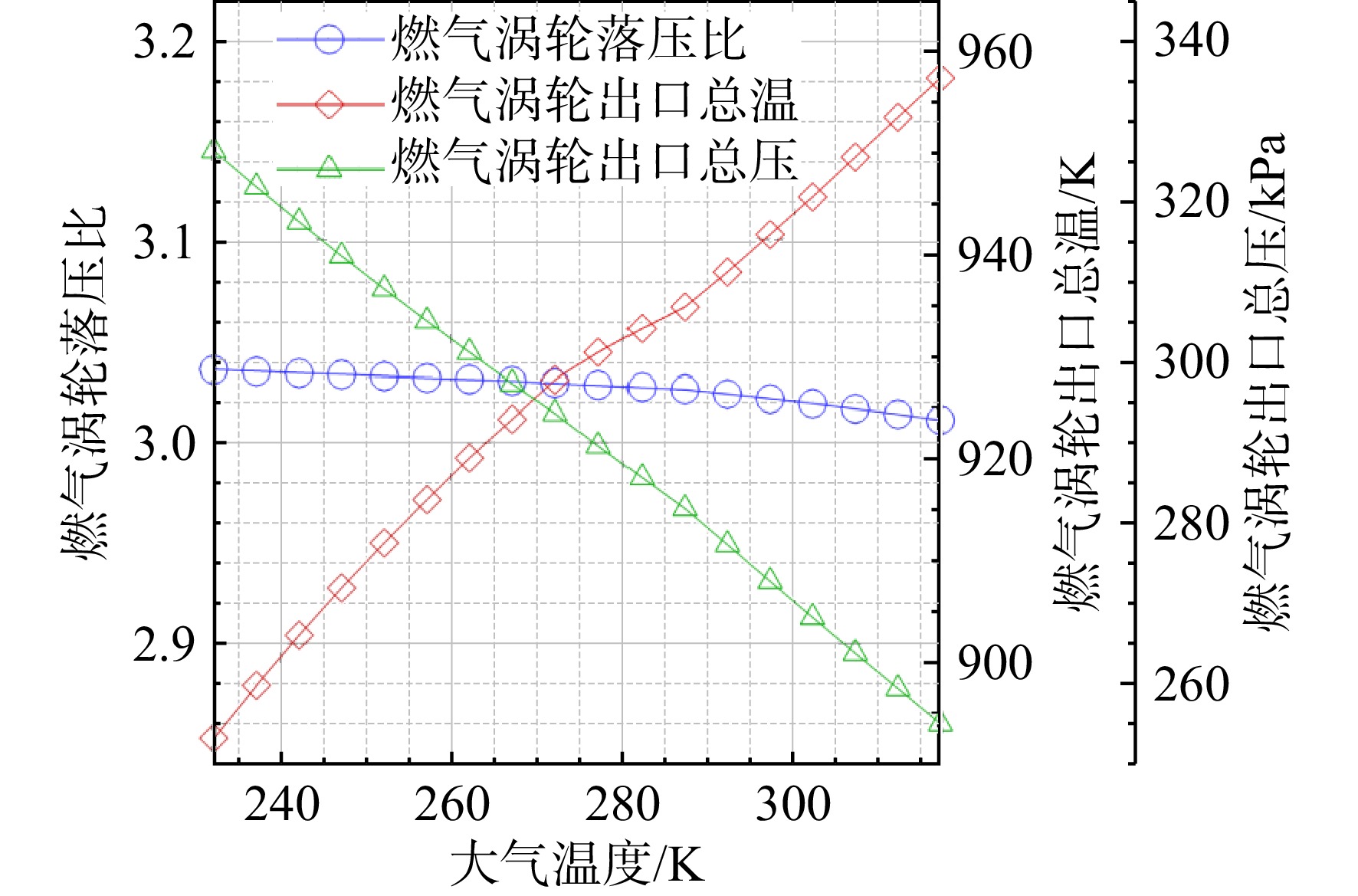
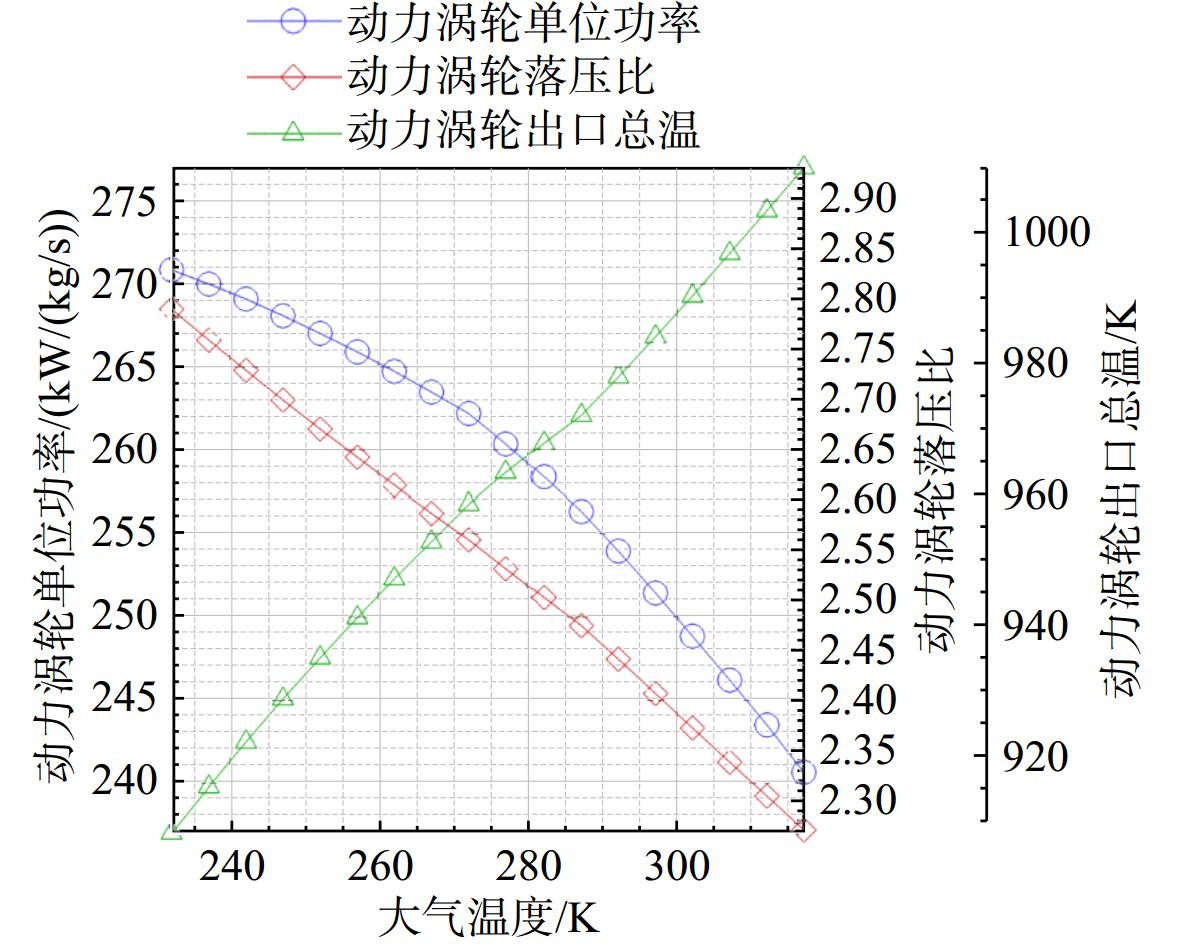
To study the impact of inter-stage turbine burner (ITB) technology on the overall performance of turboshaft engine, a simulation model of variable specific heat was established using the component-level modeling method on the Visual C++ (VC) platform. Through simulation and comparative analysis, changes in engine performance were investigated under different operating cycle parameter matching conditions. The results indicated that the total temperature at the exit of the main combustion chamber and the ITB reheating had a significant influence on fuel consumption. When the total temperature at the exit of the main combustion chamber increased by 500 K and the ITB transited from closed to fully open state, the relative increase in fuel consumption decreased by 9.24%. Under throttling conditions, as the relative rotational speed of the engine core decreased, the magnitude of power output improvement from activating ITB decreased. Under altitude conditions, with increase of the flight altitude, the reduction in fuel consumption due to ITB was greater than that in a conventional turboshaft engine. Under temperature conditions, as the ambient atmospheric temperature increased, the increase in fuel consumption due to ITB was higher compared with a conventional turboshaft engine.

Power Transimission
Prediction of dry running time multi-dimensionally coupled spiral bevel gears
LU Fengxia, LI Mou, WANG Jinghua, ZHU Rupeng
2025, 40(7): 20230049. doi: 10.13224/j.cnki.jasp.20230049
Abstract:

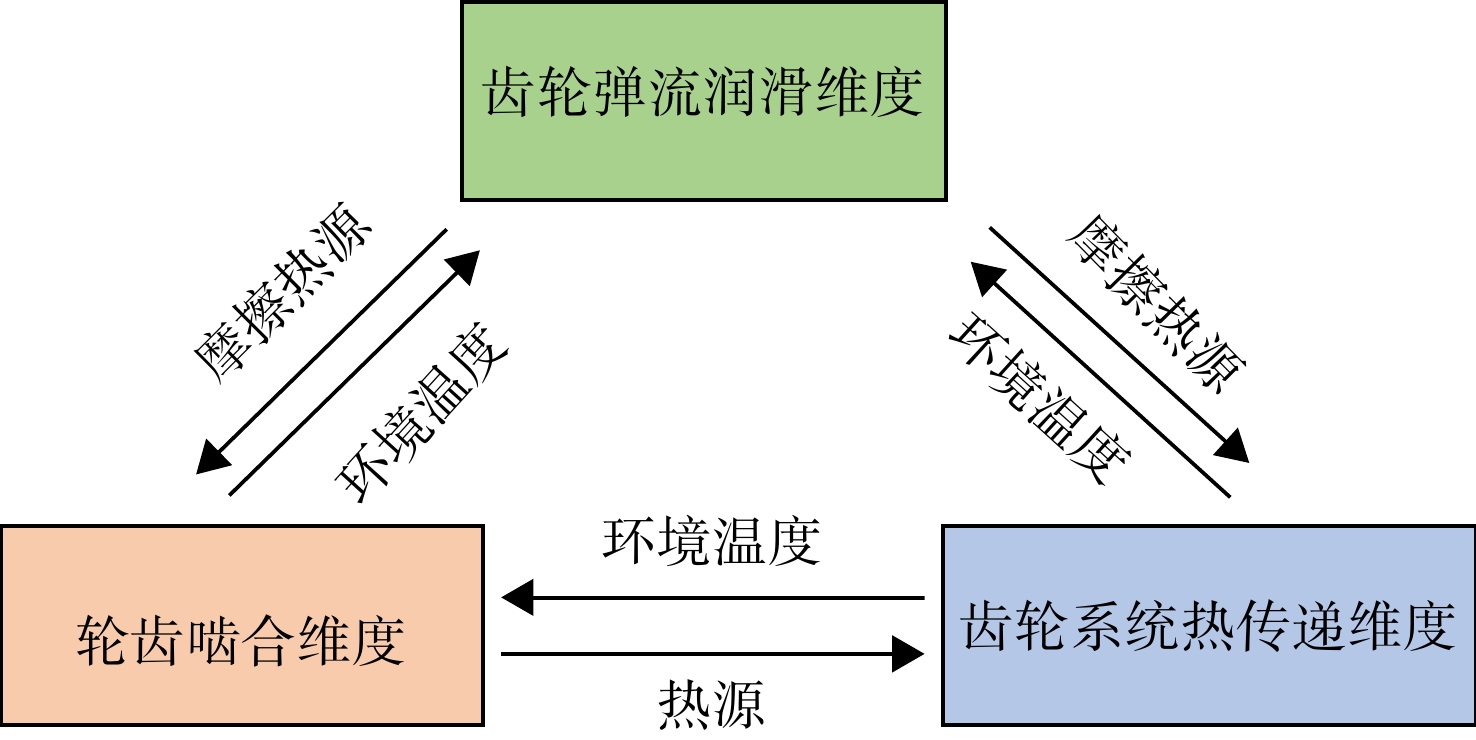
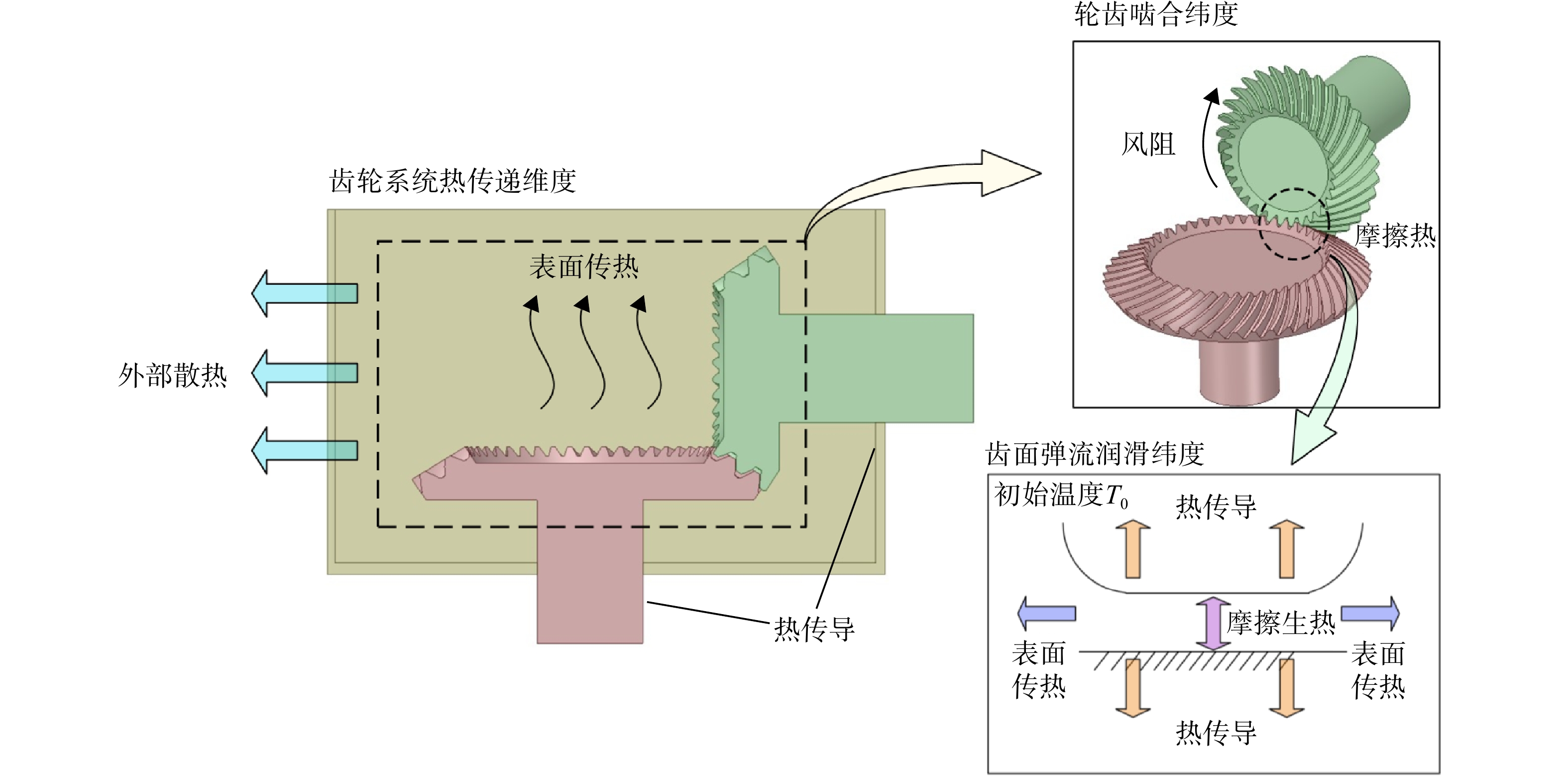
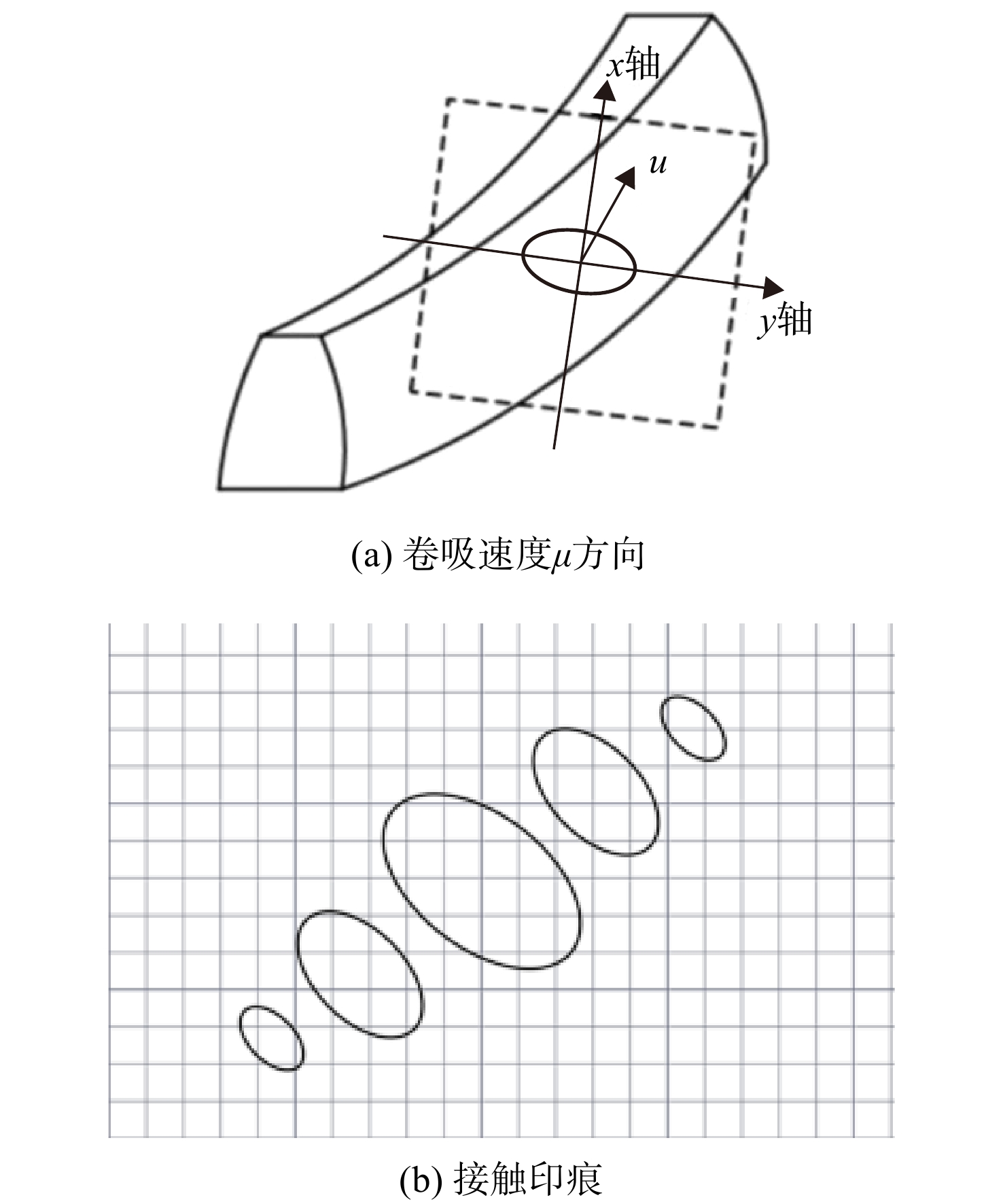
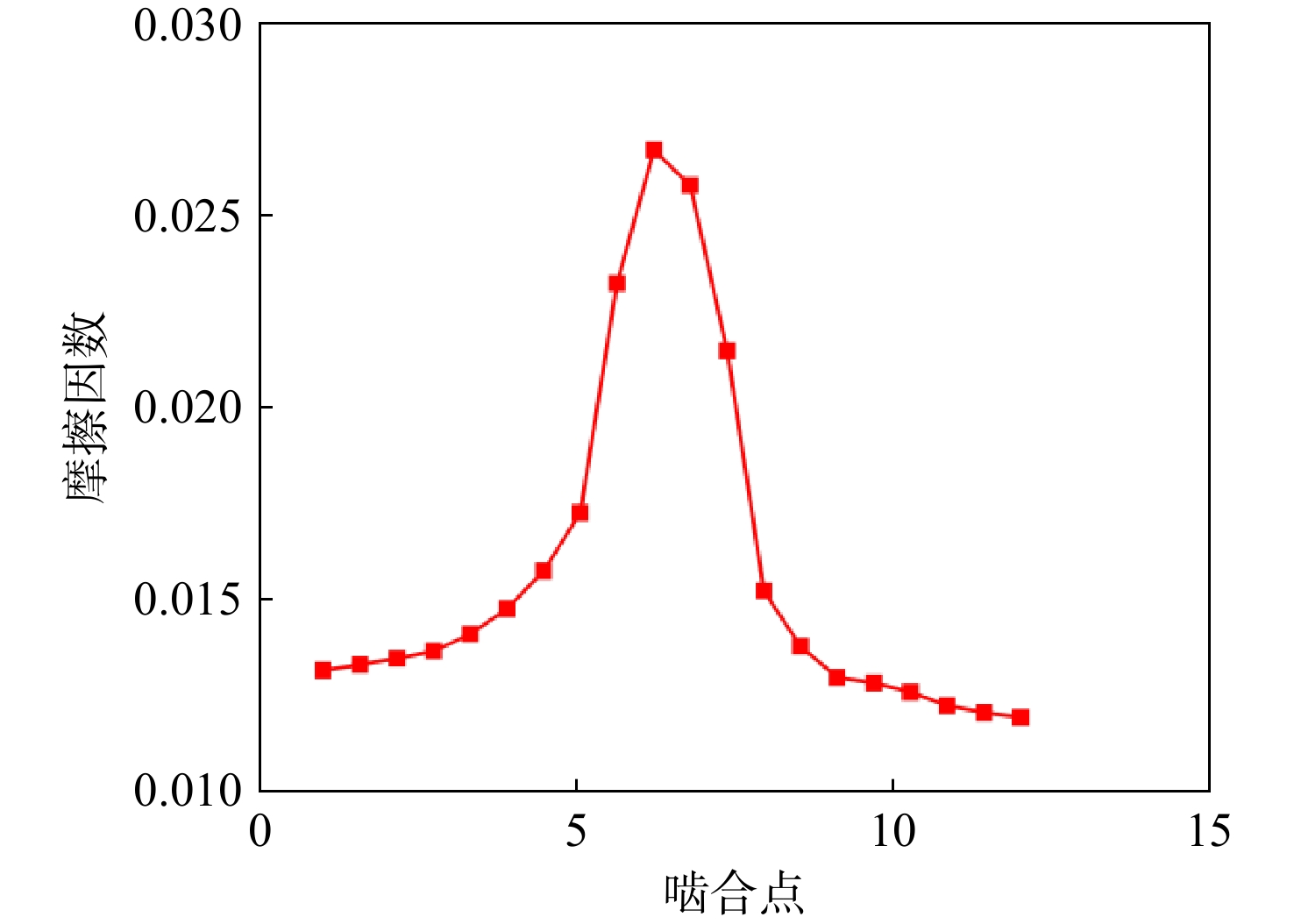
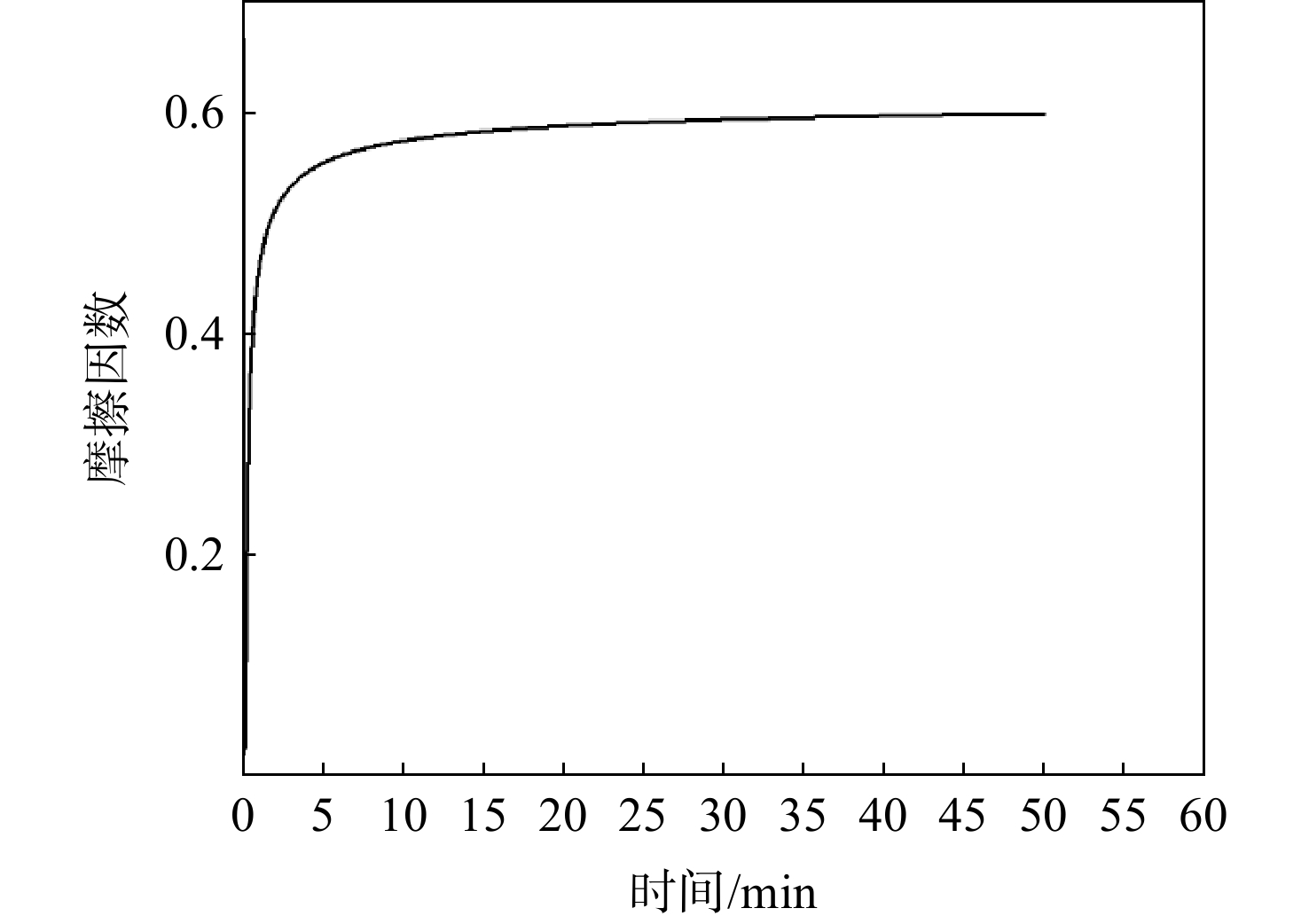
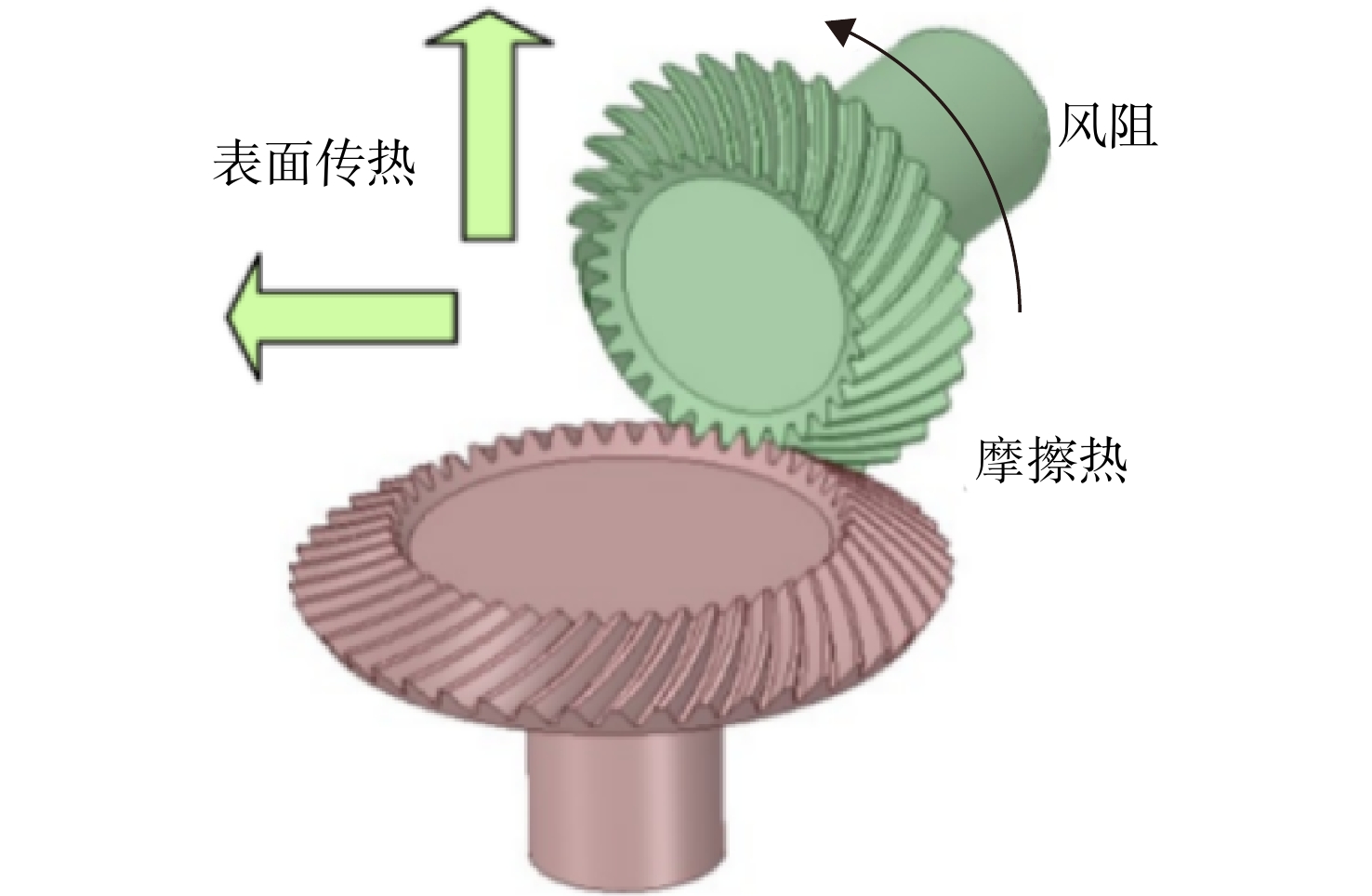
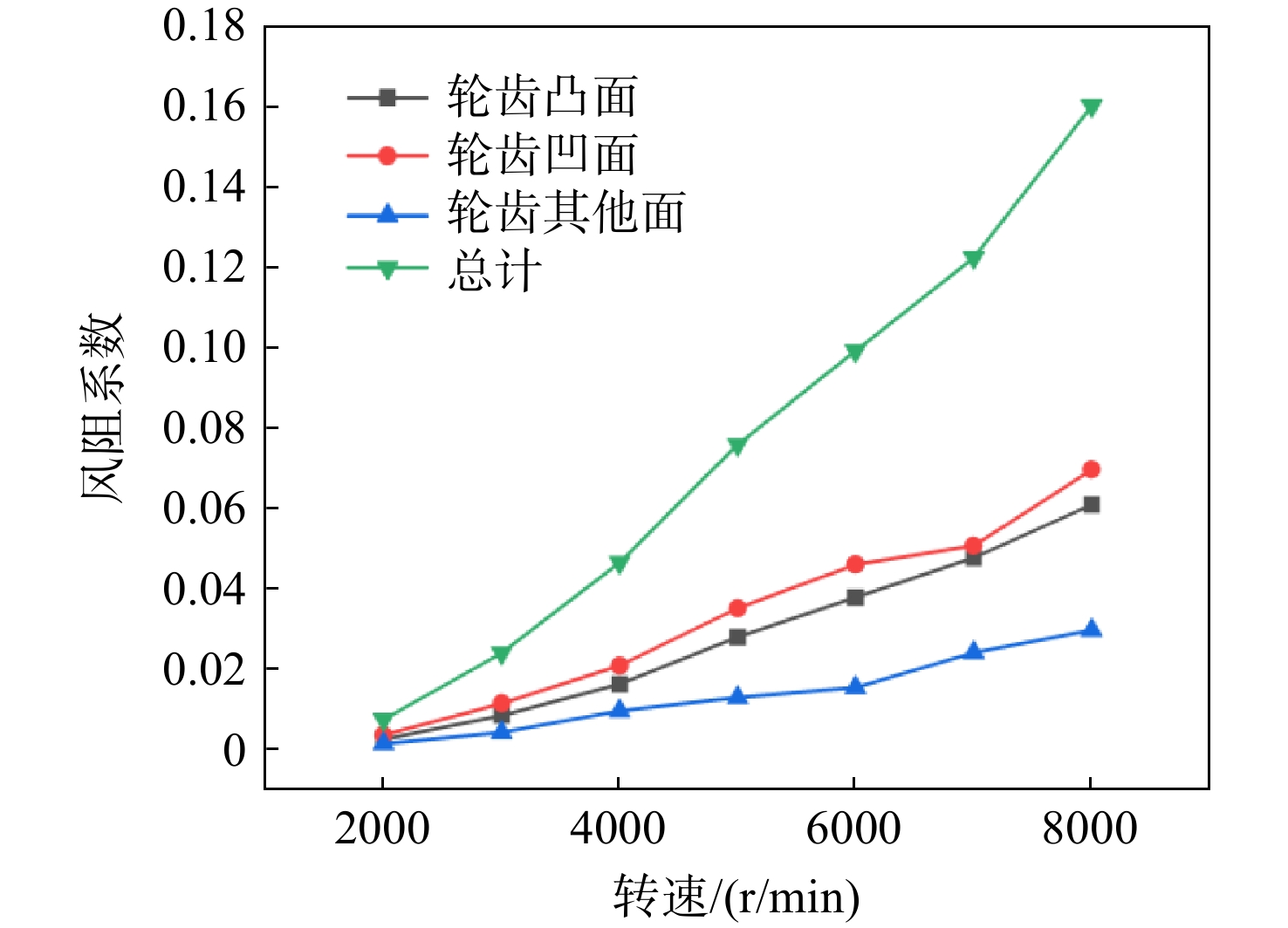
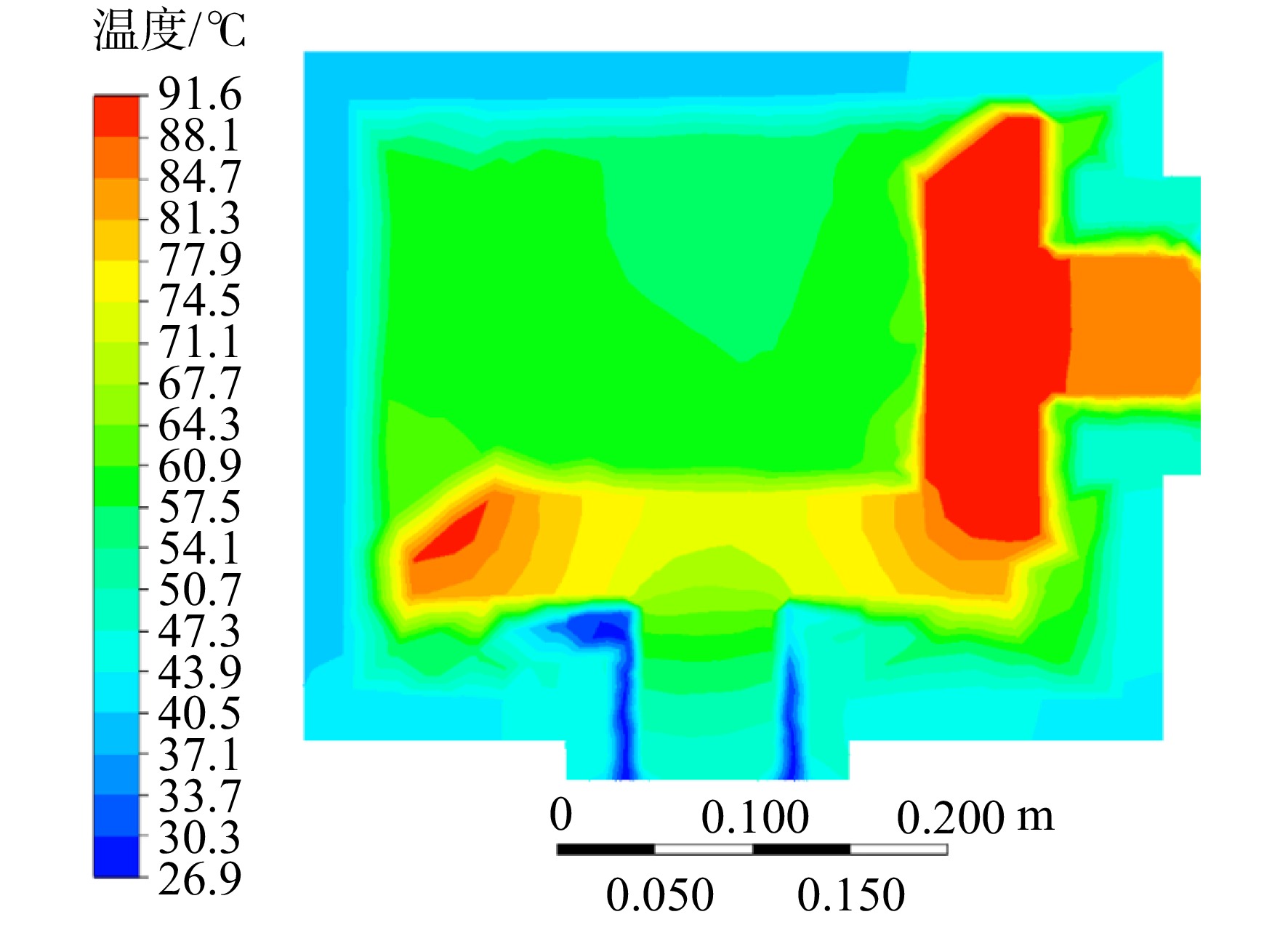
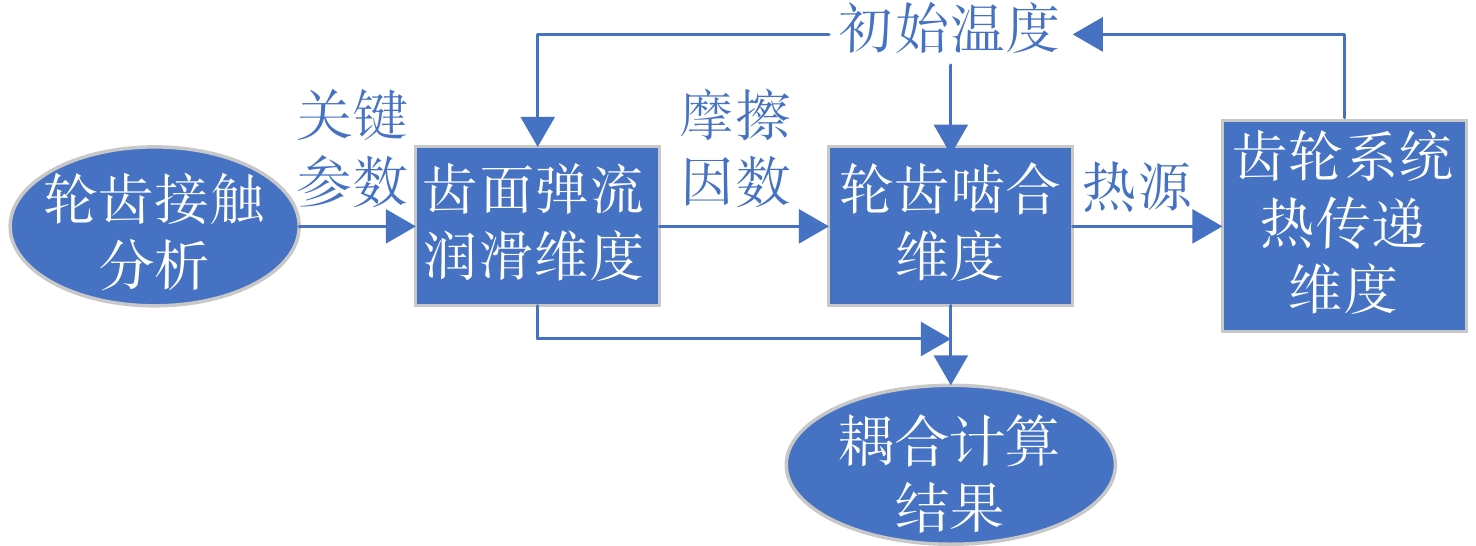
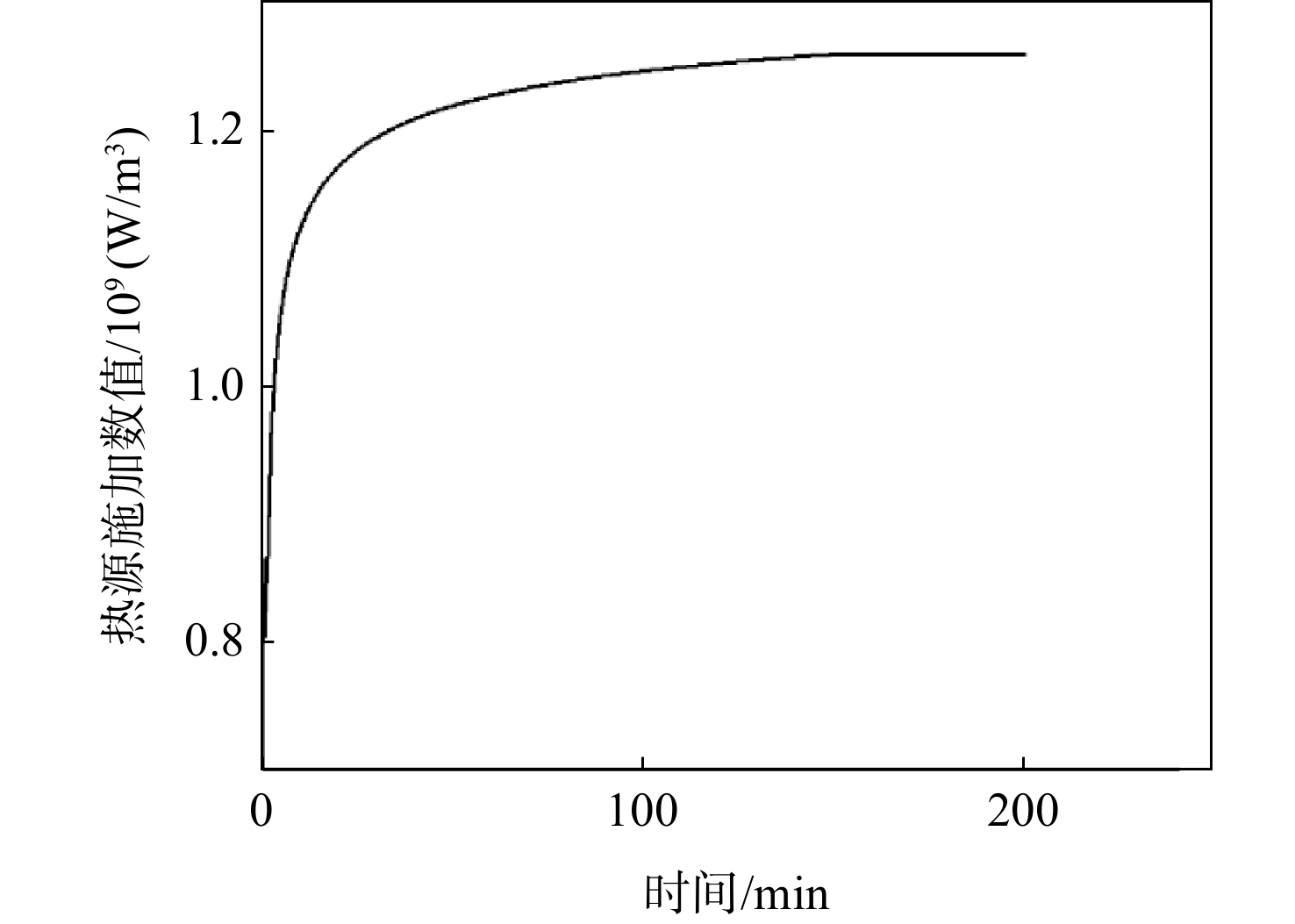
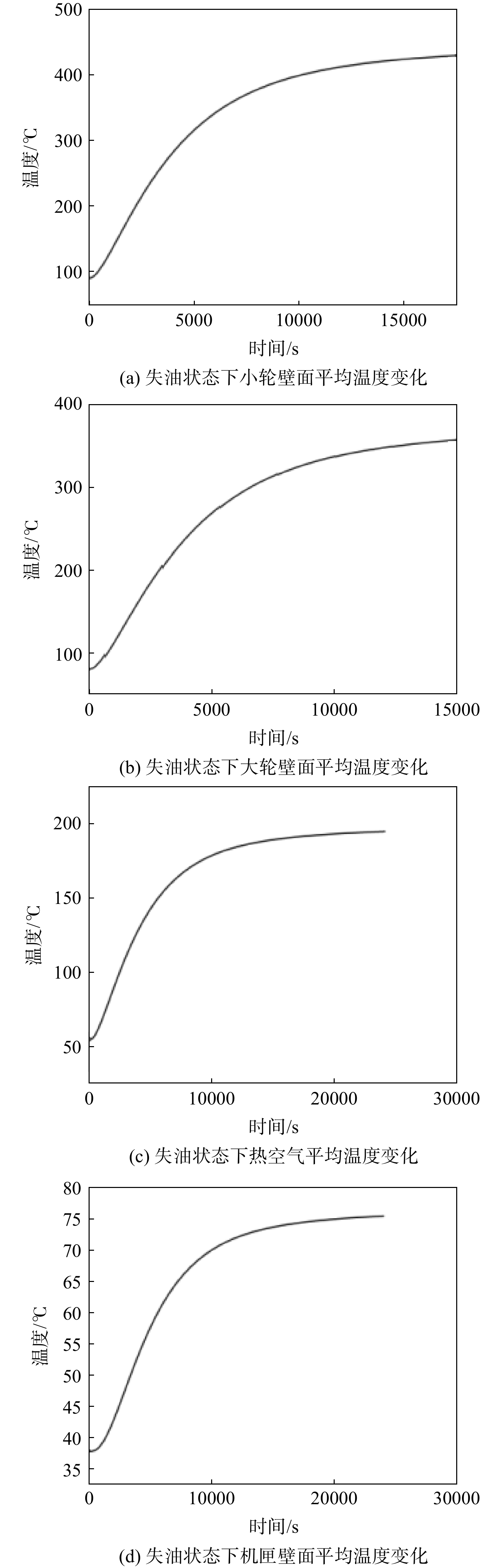
In order to predict the dry running time of spiral bevel gear, a coupling prediction method for tooth surface elastohydrodynamic lubrication tooth meshing gear system heat transfer was proposed to reveal the evolution mechanism between micro elastohydrodynamic lubrication and macro flow field/temperature field. The steady-state thermal elastohydrodynamic lubrication model of spiral bevel gear was established by using the elastohydrodynamic lubrication theory, and the friction coefficient of gear tooth surface was obtained. By introducing the oil film retention parameter, the calculation method of time-varying friction coefficient of tooth surface was formed; using computational fluid dynamics (CFD) method, the steady-state temperature distribution of gear meshing and the transient temperature distribution of gear system were simulated and calculated. The dry running time of spiral bevel gear was predicted by parameter transmission and coupling between three dimensions. The results showed that the time scale of the model was from O(10−6) s of the elastohydrodynamic lubrication dimension of the tooth surface to O(10−1) s of the heat transfer dimension of the gear system, and the spatial scale was from O(10−6) m of the elastohydrodynamic lubrication dimension of the tooth surface to O(10−1) m of the heat transfer dimension of the gear system. The coupled structure-force-lubrication-thermal characteristics were employed to set up a prediction method for the dry running time of spiral bevel gear, predicting the failure of gear within about 1.5 h.

Effect of slip-roll ratio on oil film interface slip and elastohydrodynamic lubrication characteristics
ZHAO Erhui, GUO Chuang, WANG Chengwen, SHAO Bo, QIAO Miaojie, QUAN Long
2025, 40(7): 20240114. doi: 10.13224/j.cnki.jasp.20240114
Abstract:

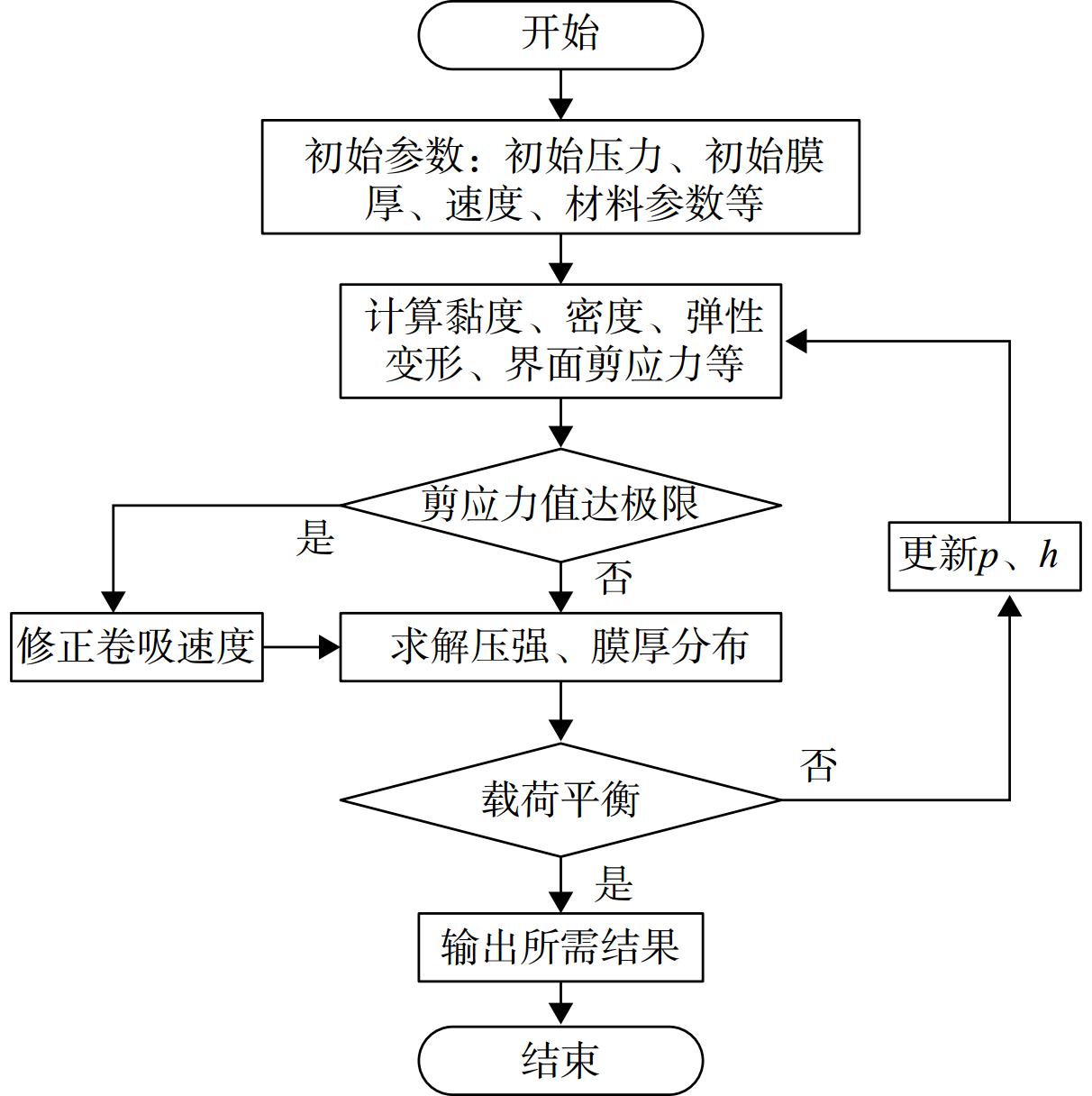
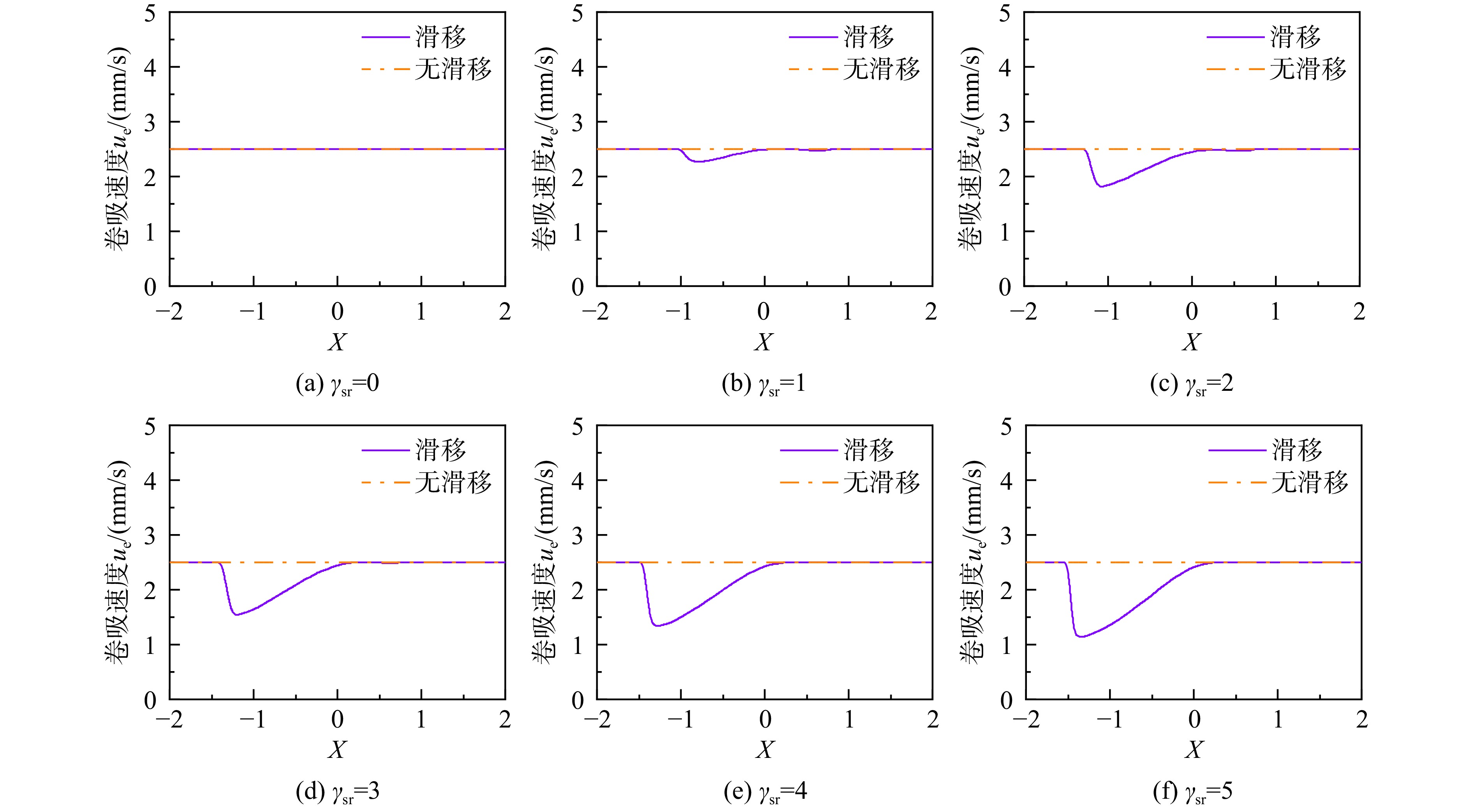
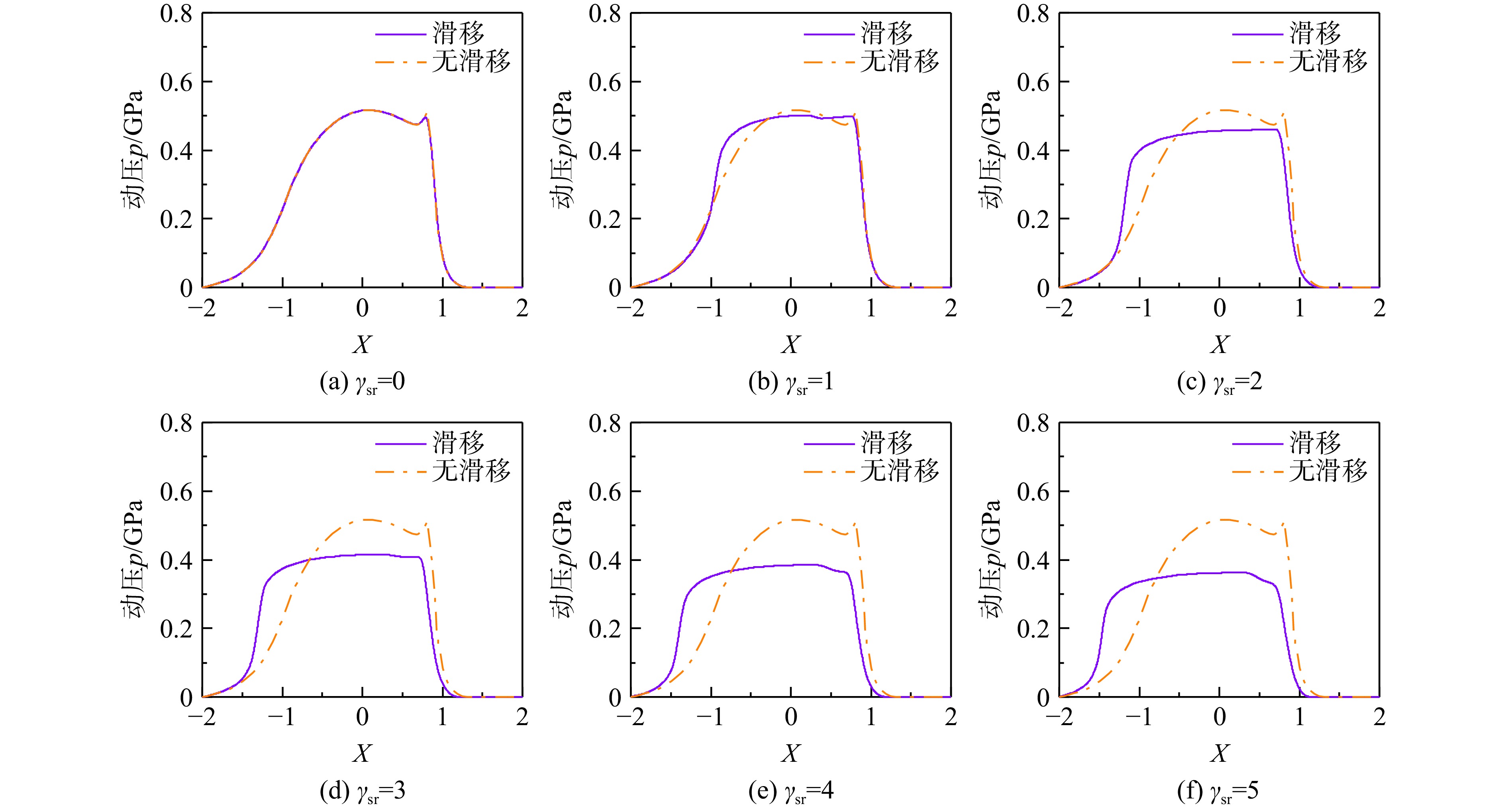
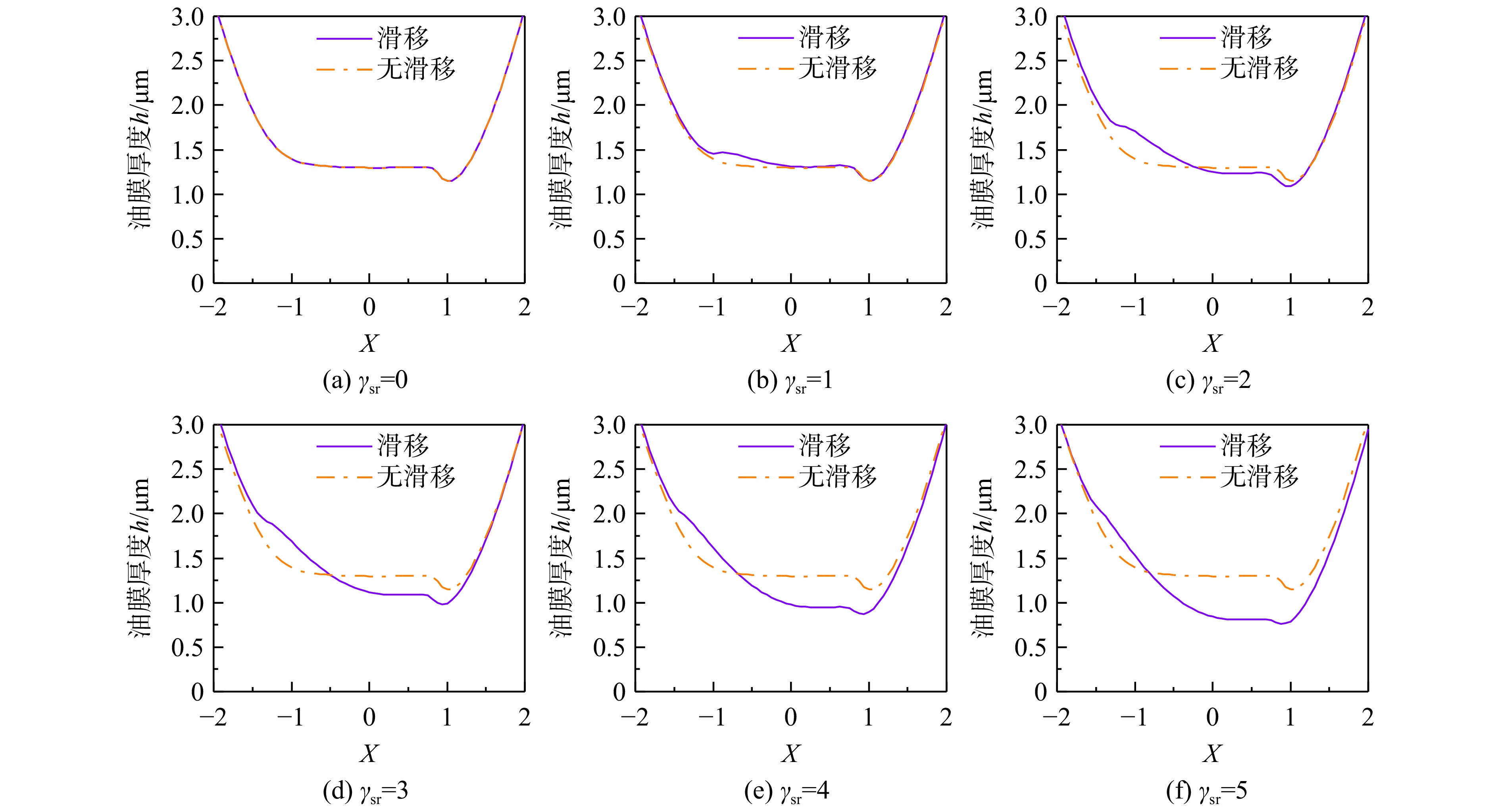
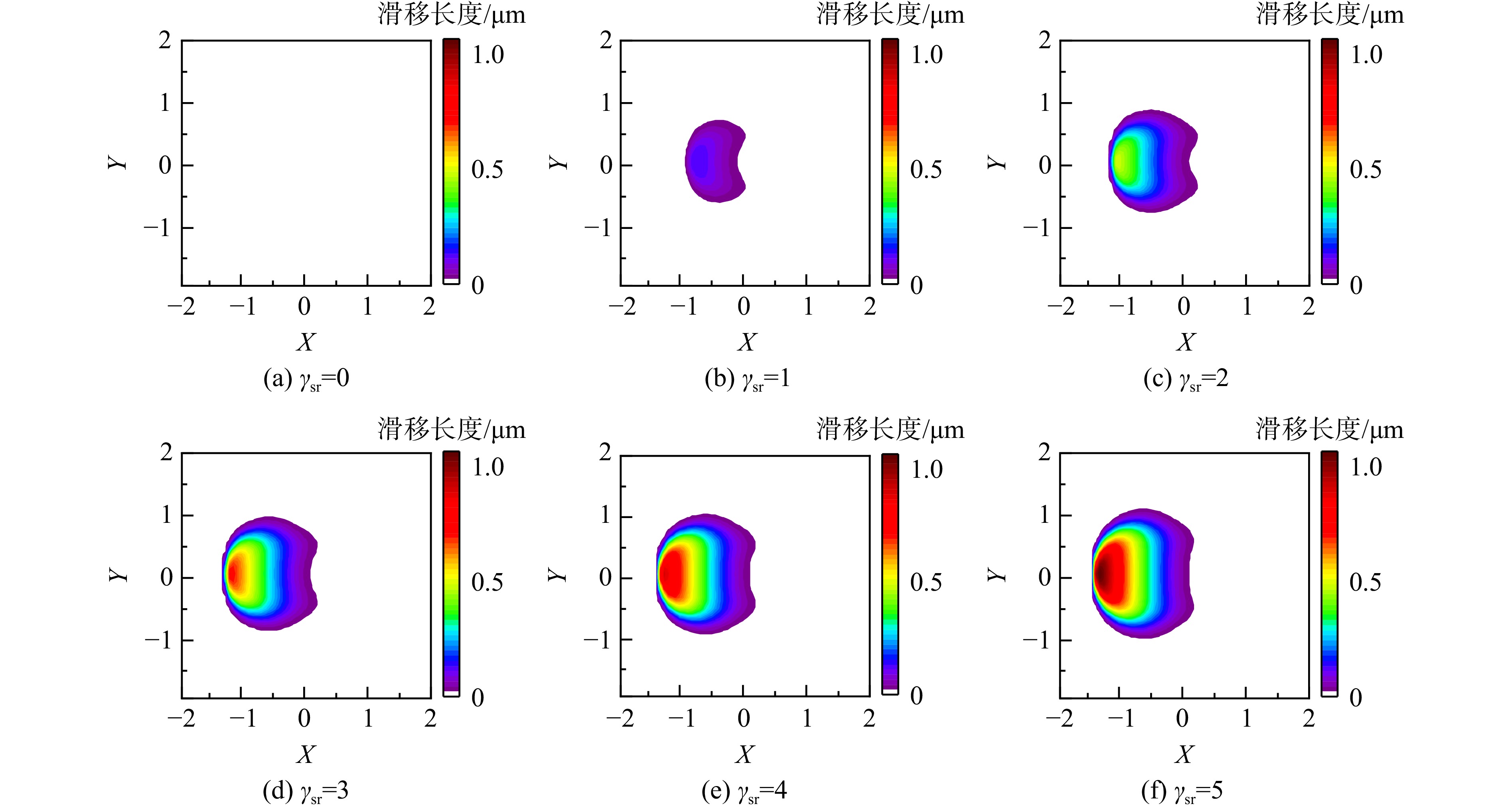
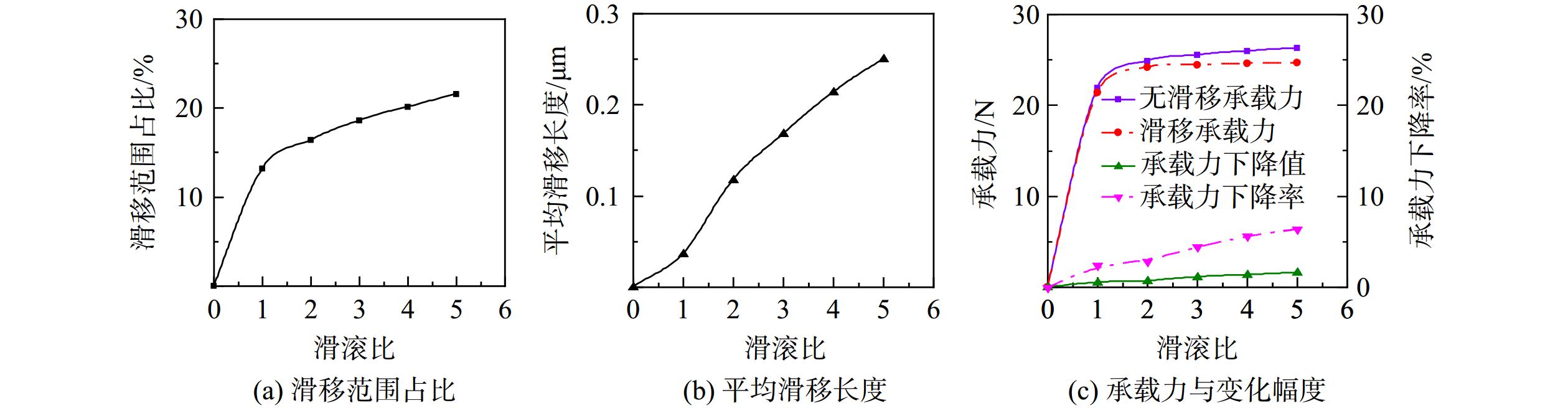
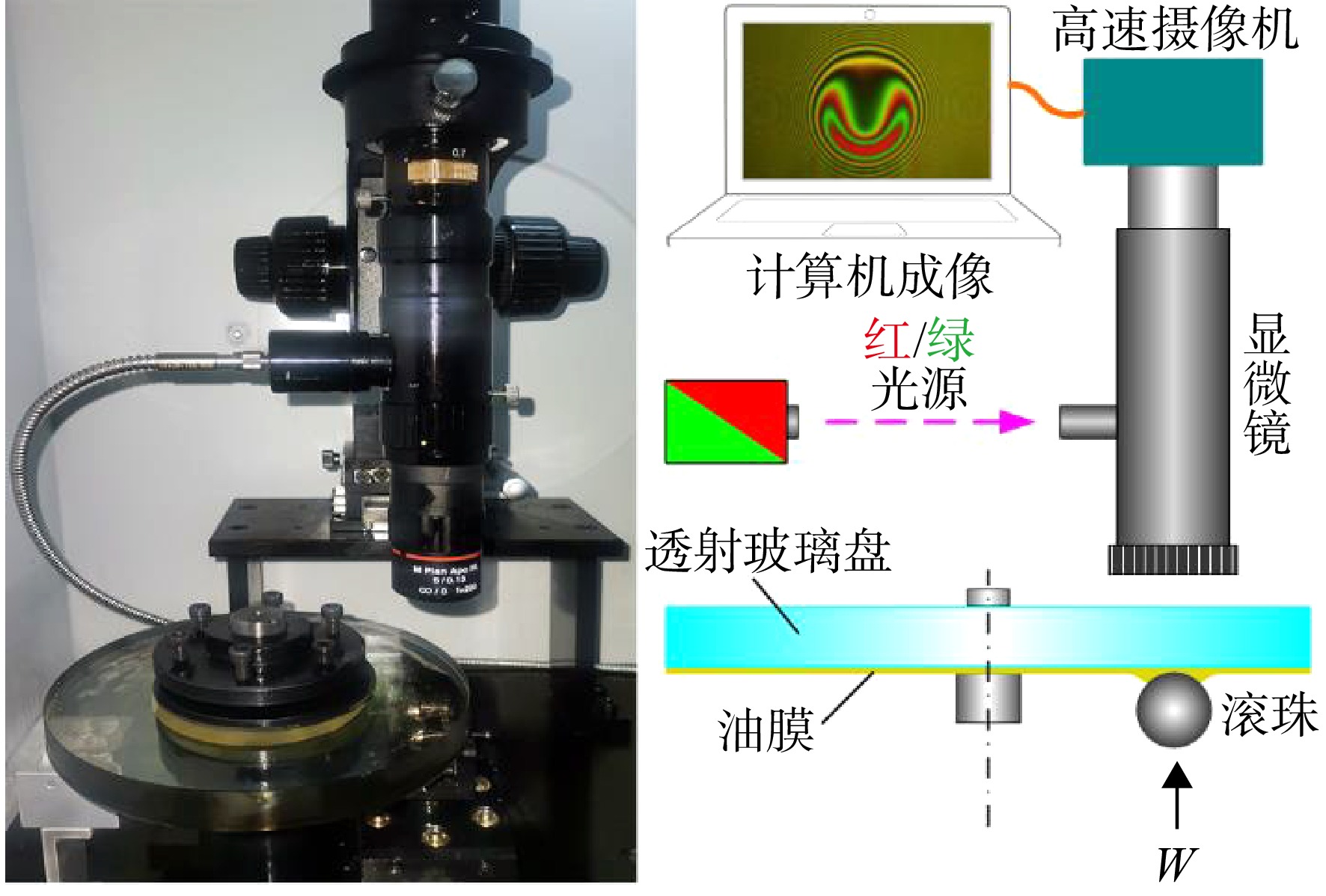
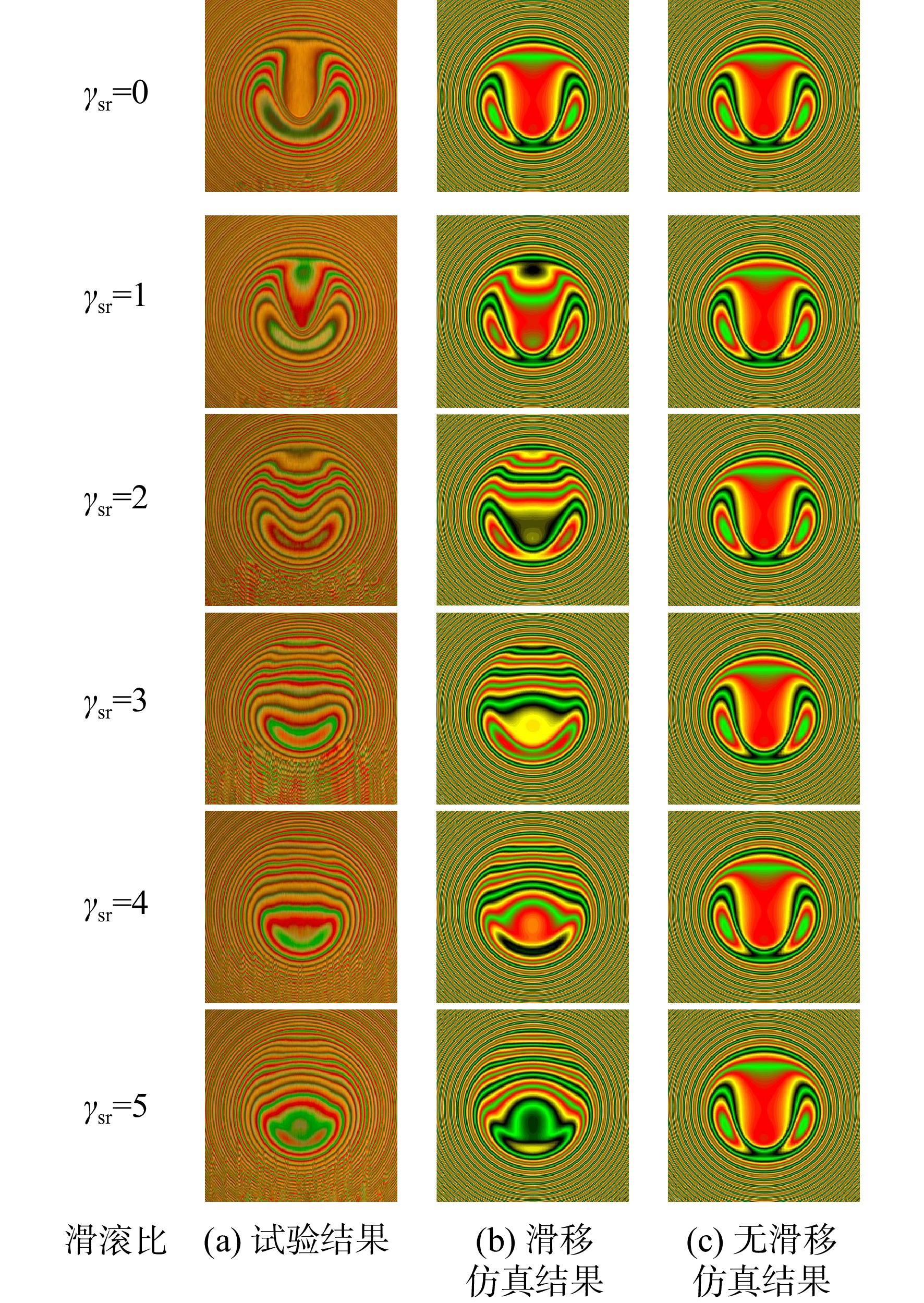
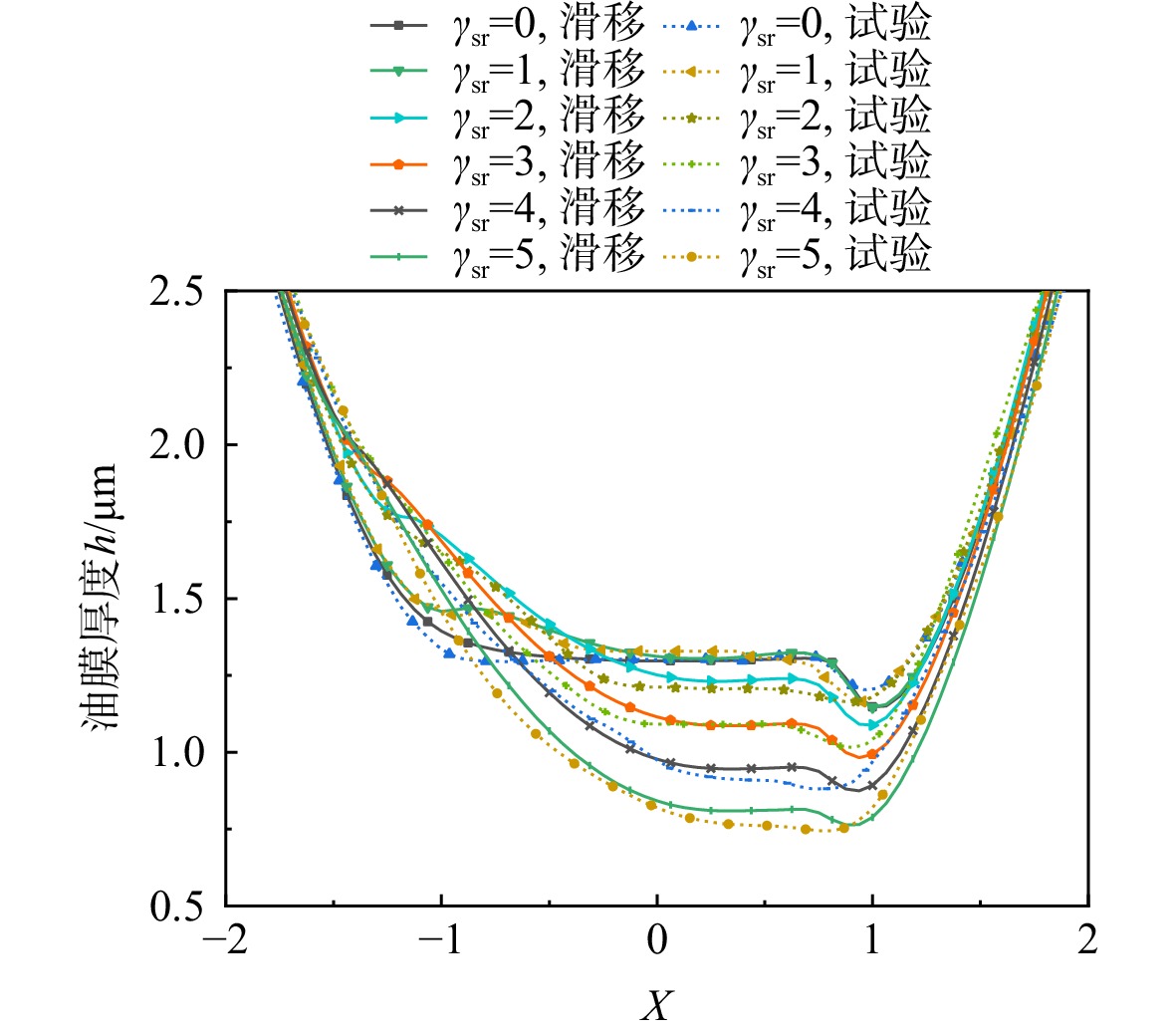
In order to explore the formation and evolution mechanism of lubrication failure of friction pair in mechanical transmission system under severe working conditions, a point contact elastohydrodynamic lubrication model considering oil film interface slip was established for numerical simulation calculation, and also compared with the two-color light interference elastohydrodynamic lubrication experiment. The influence of slip-roll ratio on oil film interface slip in elastohydrodynamic lubrication was studied, and then the variation characteristics of entrainment velocity, hydrodynamic pressure, oil film thickness and slip parameters with slip-roll ratio under interface slip state were studied. The results showed that with the increase of slip-roll ratio, the slip amplitude and slip range of the interface increased significantly. Under the condition of high slip-roll ratio with slip-roll ratio being 5, the maximum slip length reached 1.06 μm, and the slip range accounted for 21.56%. The entrainment velocity in the slip region decreased obviously. The dynamic pressure distribution in the whole contact area tended to be uniform. The depth of the inlet depression increased gradually, and the decrease of the film thickness in the outlet area was also augmented gradually. The average slip length in the slip range was approximately linear with the slip-roll ratio. When slip-roll ratio was 5, the average slip length in the slip range was 0.250 μm. The bearing capacity of the slip part decreased gradually, and the decrease was 6.4% when slip-roll ratio was 5.

Multi-parameter optimization technology of spiral bevel gear blank
TAN Yuxin, WEI Jing, CHEN Siyu, CHEN Shilin, ZHANG Aiqiang, SHU Ruizhi
2025, 40(7): 20230636. doi: 10.13224/j.cnki.jasp.20230636
Abstract:

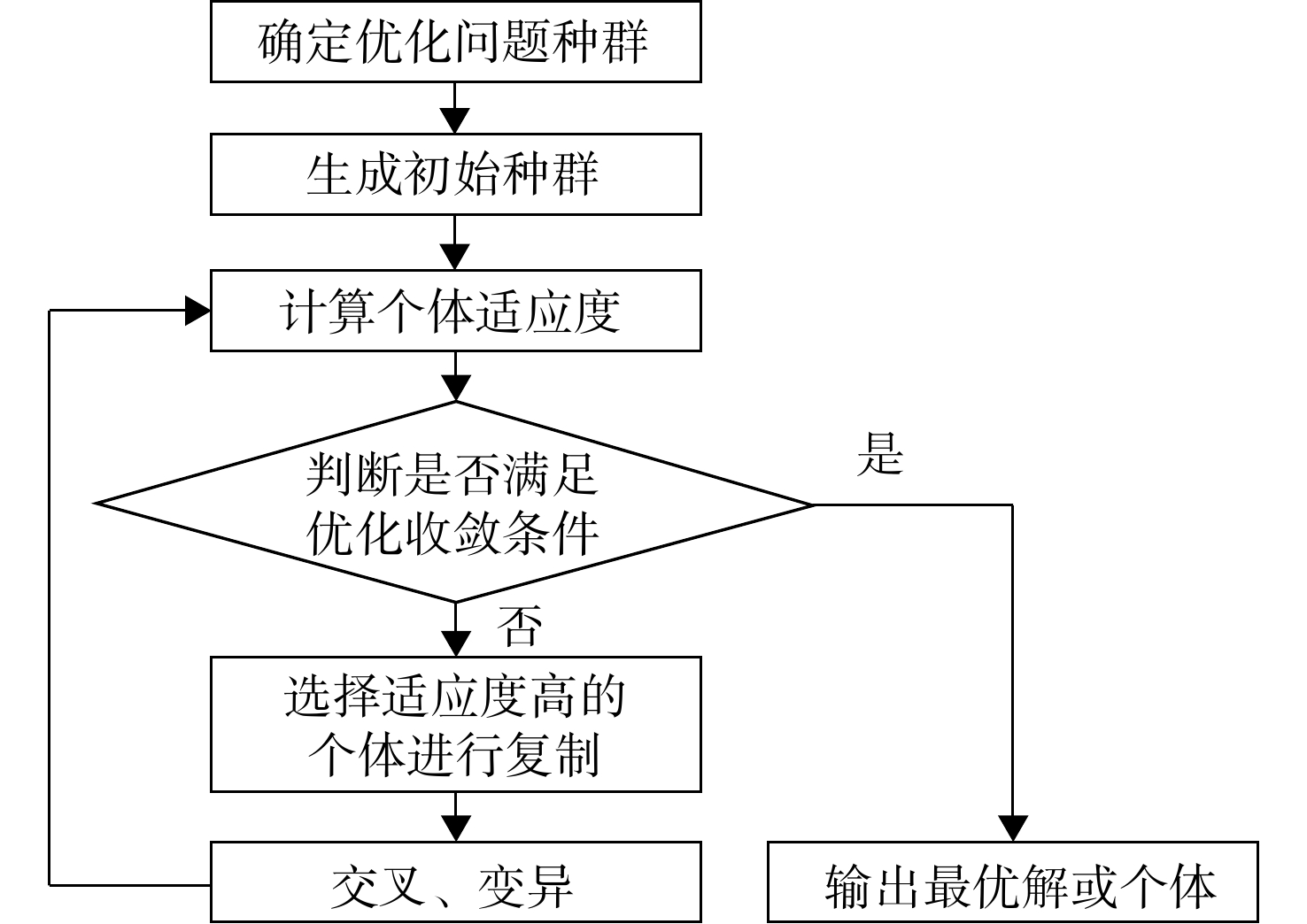
In order to meet the lightweight requirements of high-power density spiral bevel gear transmission, a multi-parameter optimization technology for spiral bevel gear blank was proposed. Taking the tooth number, modulus, and tooth width of the gear as design variables, the minimum sum of the volume of the gear pair as the objective function, and the working condition limitations, installation conditions, and multiple strength requirements as constraints, the genetic algorithm was synthesized to realize the optimization design of spiral bevel gear blank parameters. Examples with power of 0.75 MW and 5 MW were used to verify the effectiveness of the proposed technique. The results showed that: compared with traditional design methods such as adaptive method and nonlinear mathematical programming method, the proposed technique could achieve global optimization with a success rate of 100% thanks to the adaptability and parallel ability of genetic algorithm; in addition, compared with the design requirements, the redundancy of pitch diameter and tooth width in the 0.75 MW case was 31% and 19.23%, respectively, while that in the 5 MW case was slightly more than 4.69% and 2.65%, showing that the proposed technique could provide effective design margin for designers under different design conditions.

Separation speed model and experiment of non-contact high-speed mechanical seal
WANG Junqian, ZHANG Guoyuan, ZHAO Yangyang, ZHAO Weigang, CHEN Yu
2025, 40(7): 20240249. doi: 10.13224/j.cnki.jasp.20240249
Abstract:

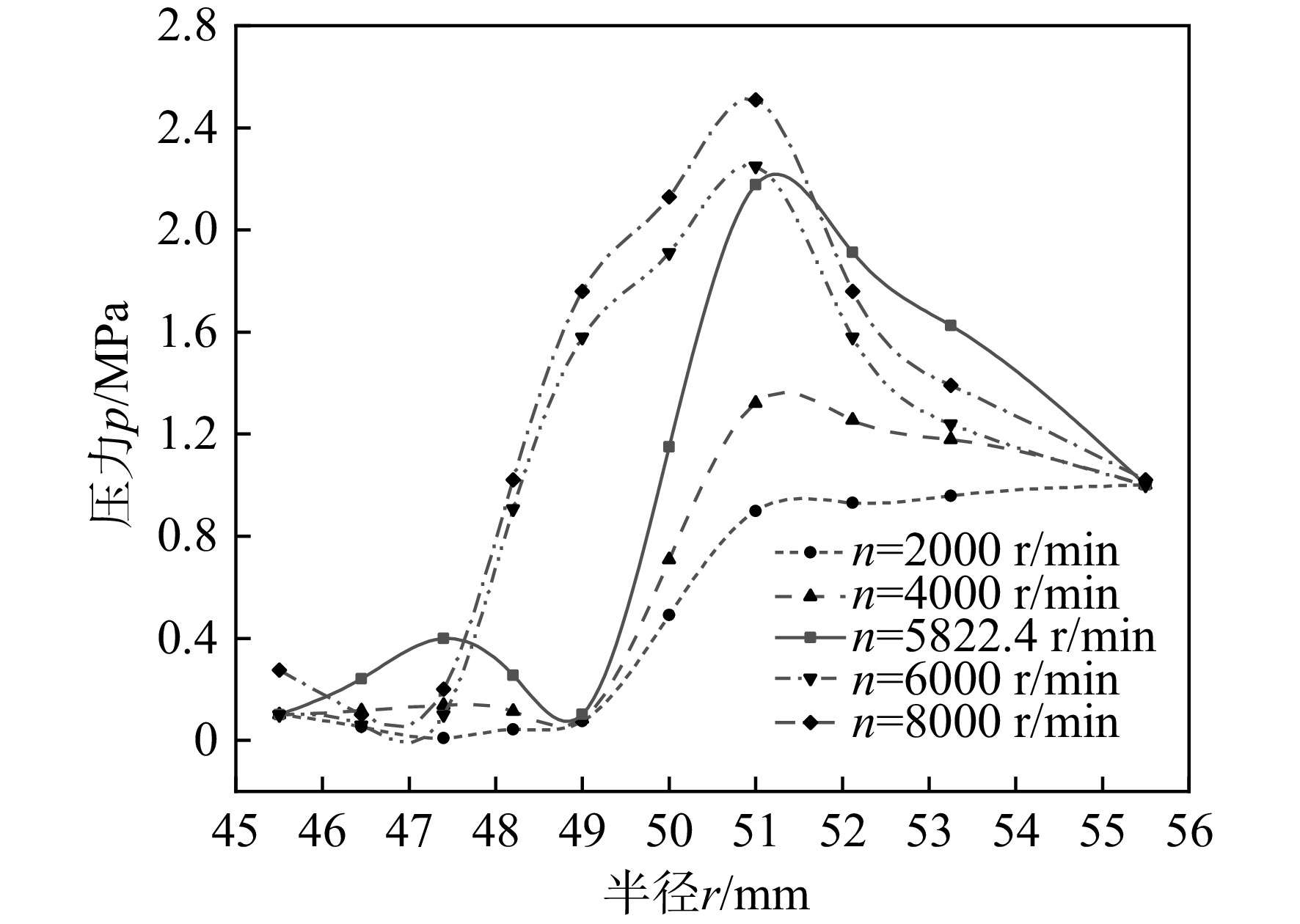
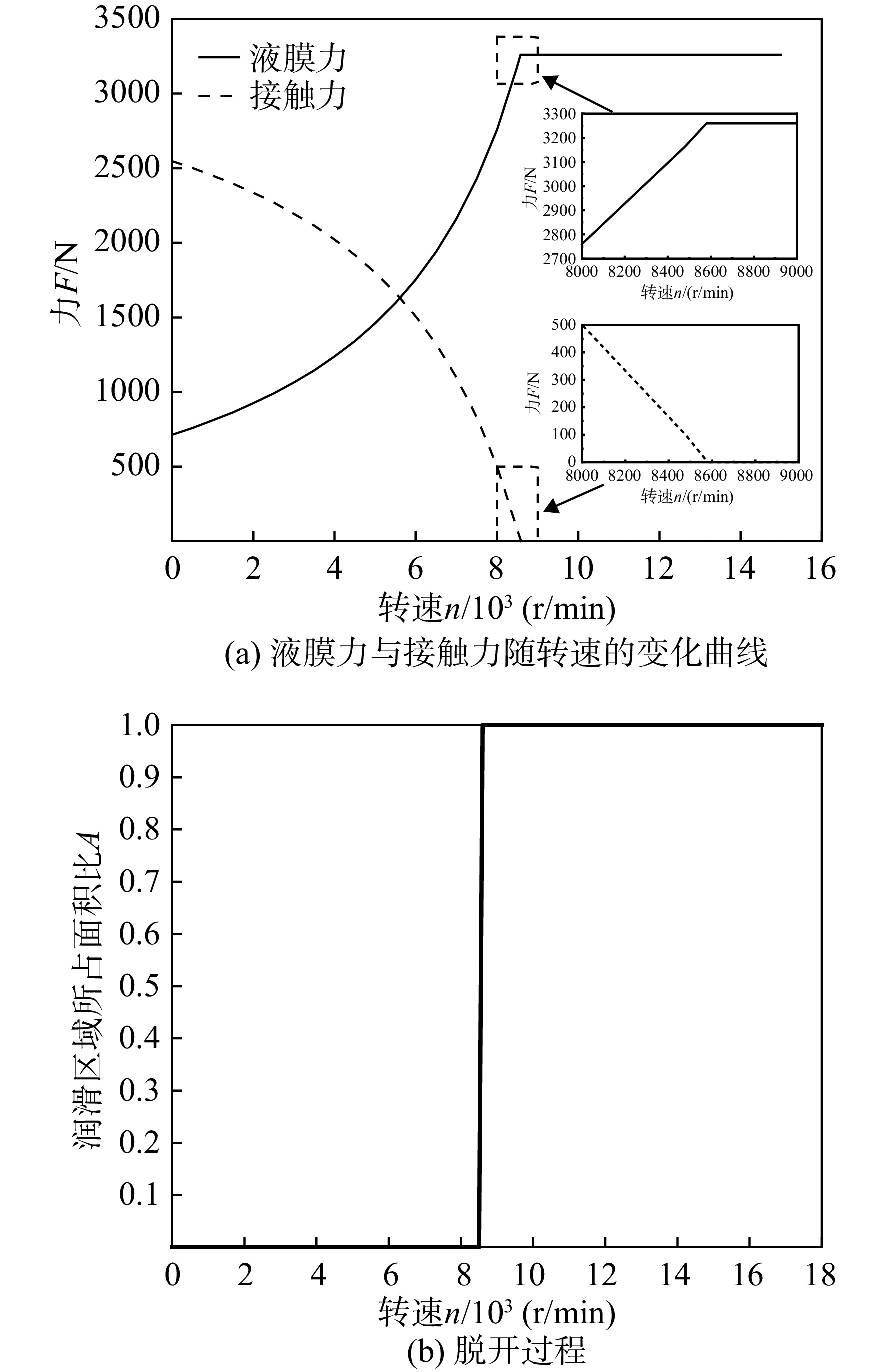
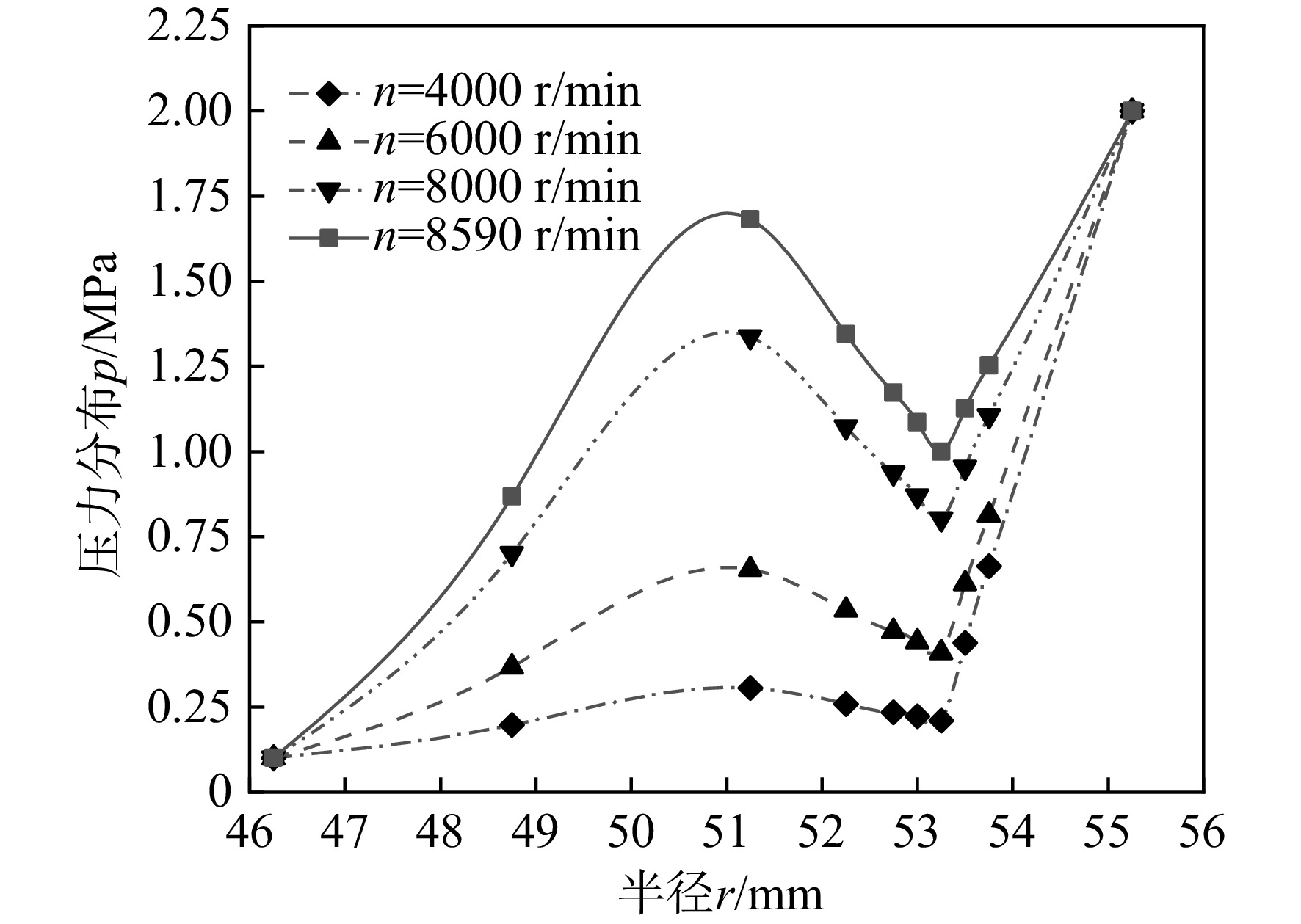
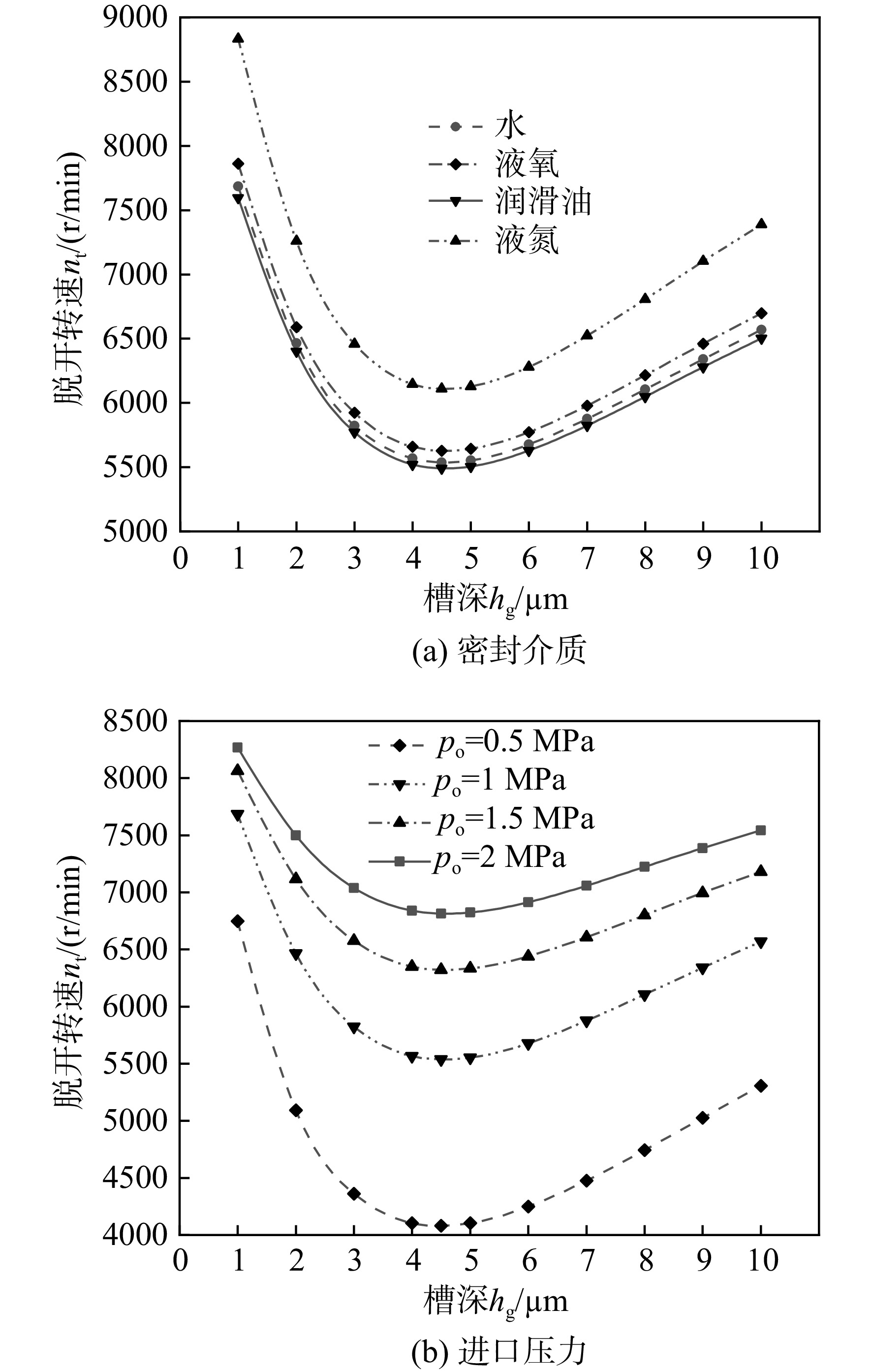
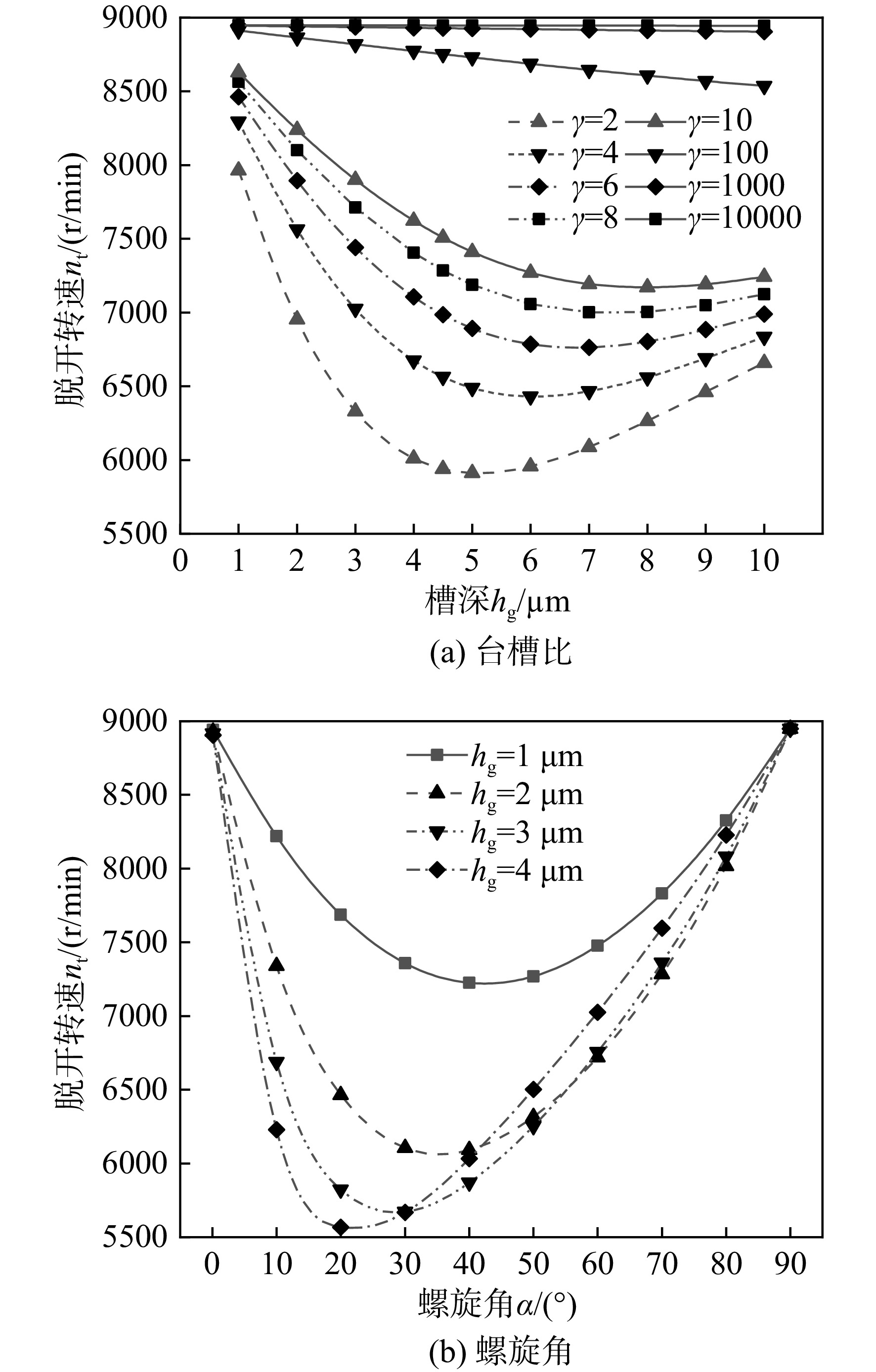
Considering a high-speed turbopump shaft end hydrodynamic non-contact mechanical seal, a new model of separation speed describing the contact state mechanism of the end face was proposed. The influences of the properties of the sealing medium, sealing pressure difference, and groove structure parameters on the separation speed were analyzed. Based on the proposed model, two types of separation sub-models for the mechanical seal with specific end face structures were established. The obtained separation speed was compared with the experimental and literature results, and the relative error was 2.96% and 4.1%. The results showed that the higher inlet pressure and viscosity of the sealing medium indicated the lower separation speed. With the increasing depth of the spiral groove, the separation speed decreased first and then increased, and the groove depth corresponding to the minimum separation speed was consistent with the thickness of the fluid film. The separation speed increased with the spiral groove ratio. As the helix angle increased, the separation speed decreased initially and then rose. The study has important theoretical and practical value for elucidating the separation transformation mechanics of non-contact mechanical seals and designing high-performance seals.

Structural optimization of high-speed needle roller bearing cage with V-shaped pocket
LOU Zhixu, QIU Ming, ZHOU Caihong, ZHANG Wenhua, DONG Yanfang
2025, 40(7): 20240220. doi: 10.13224/j.cnki.jasp.20240220
Abstract:

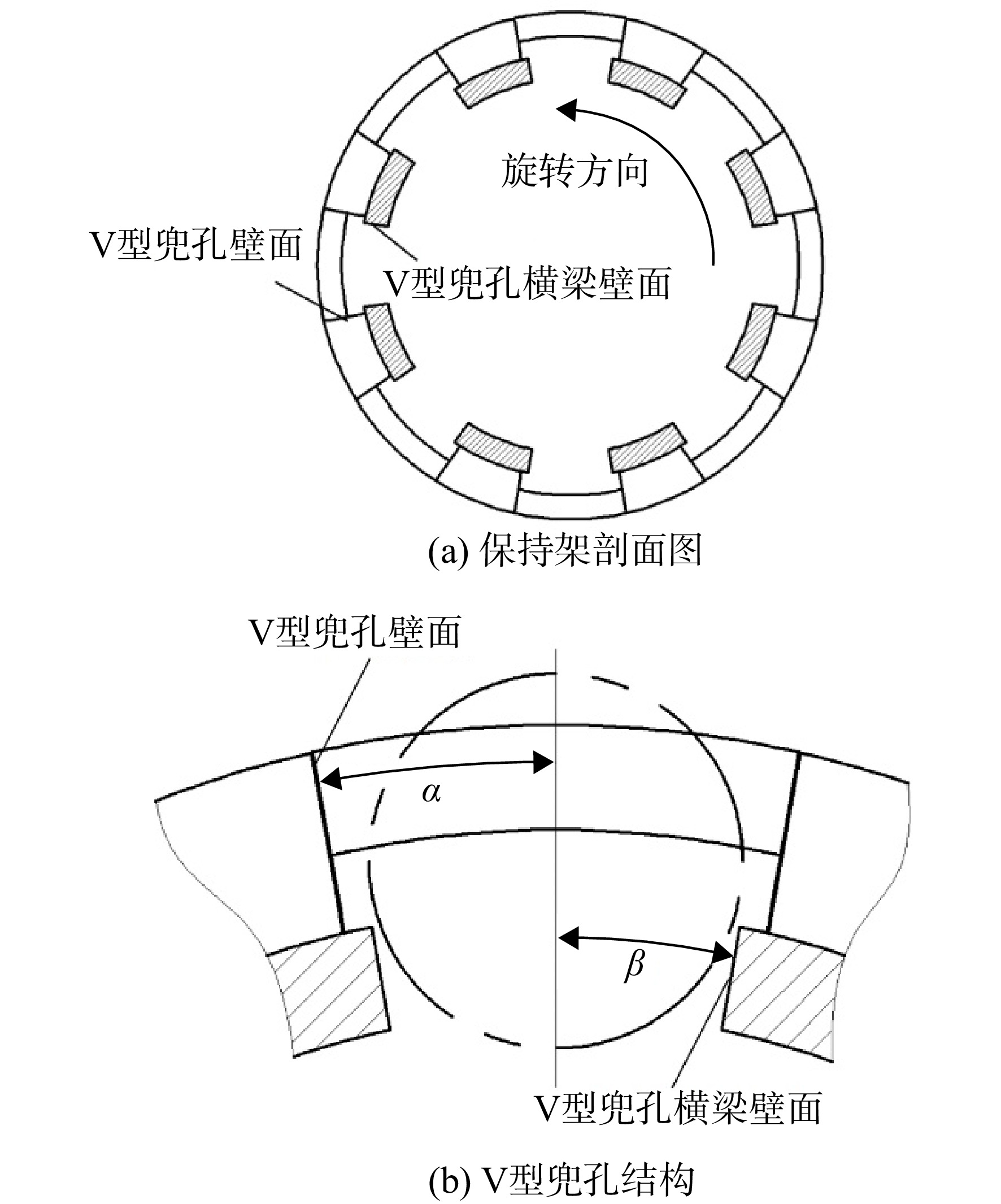
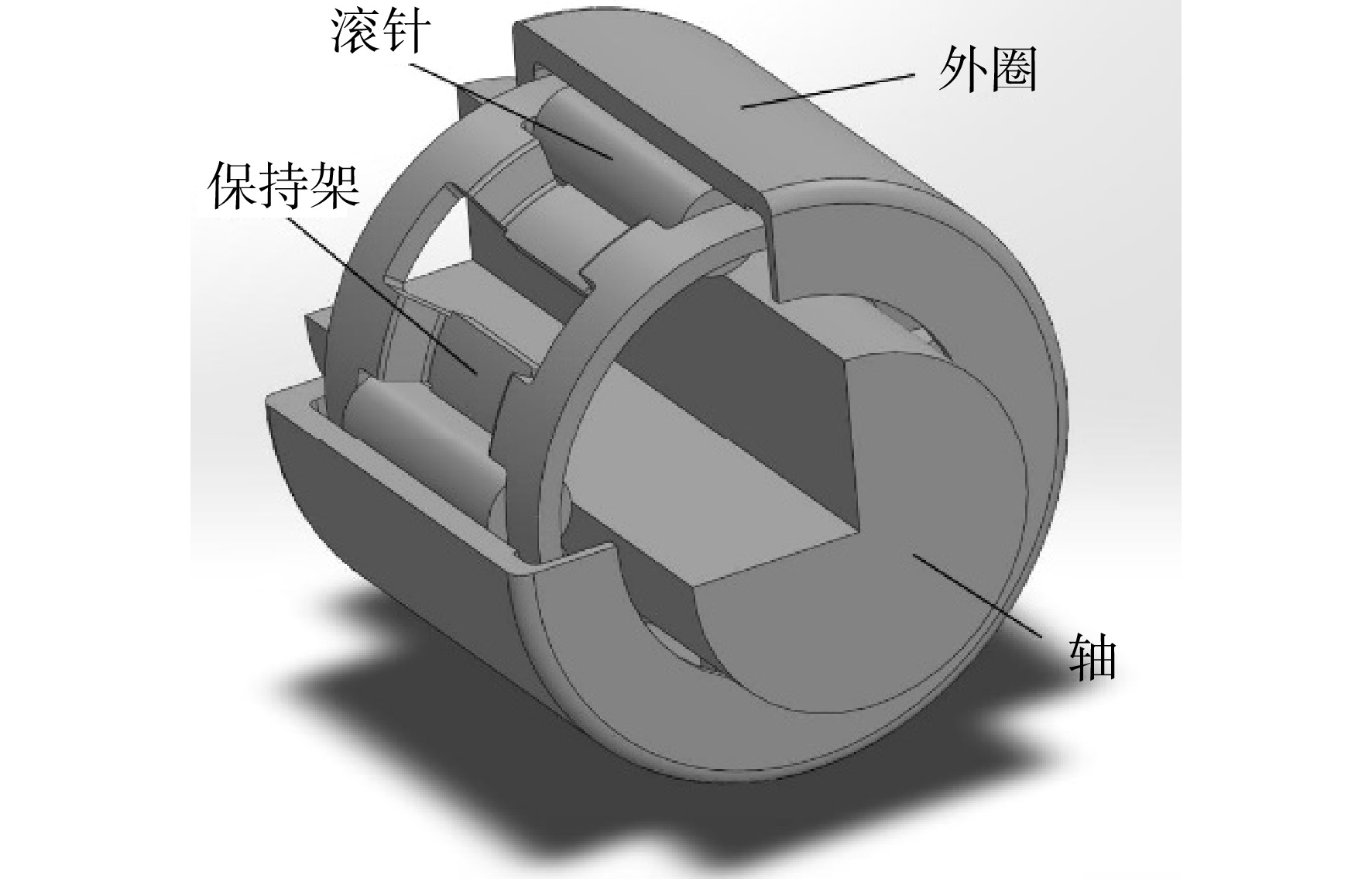
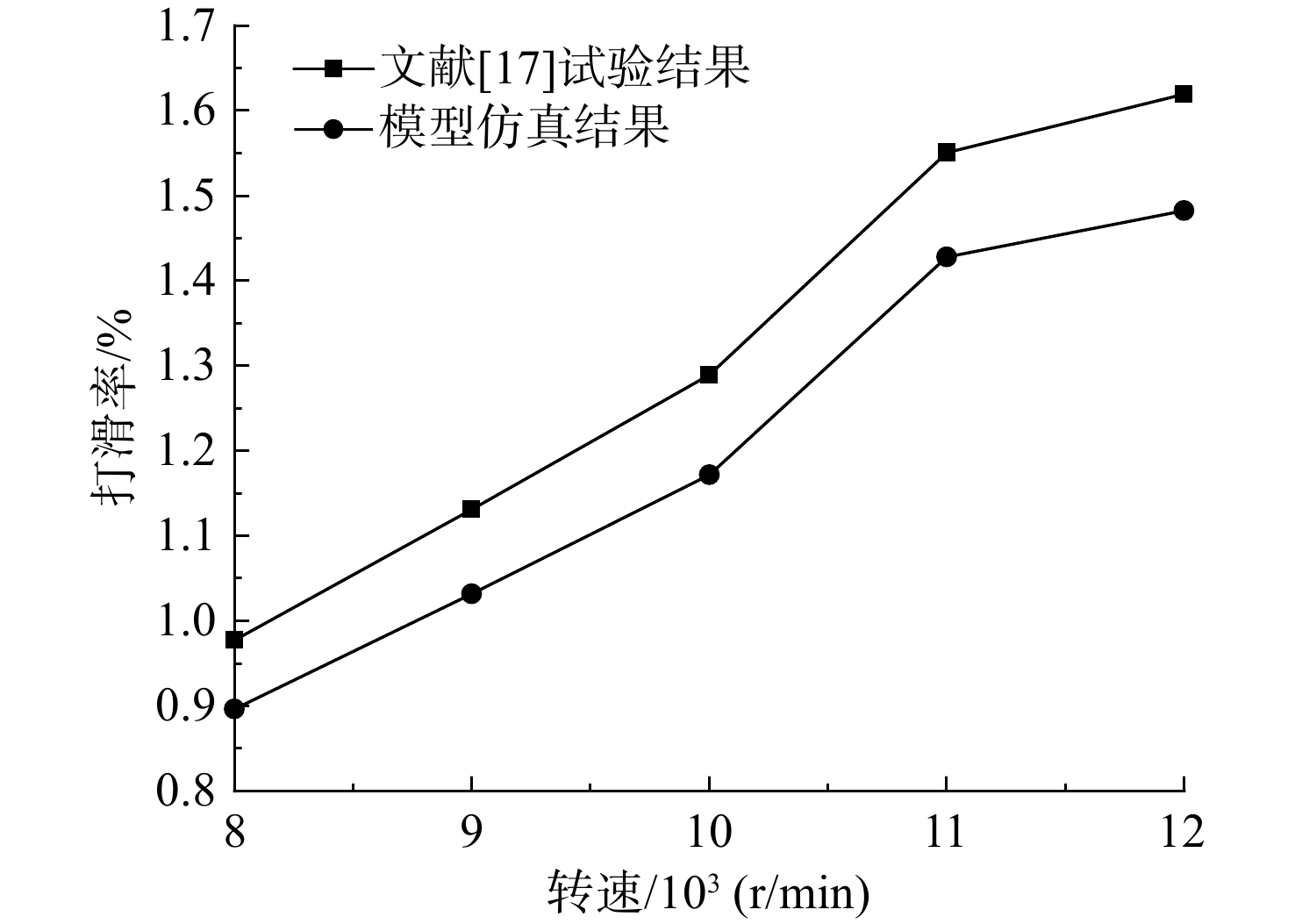
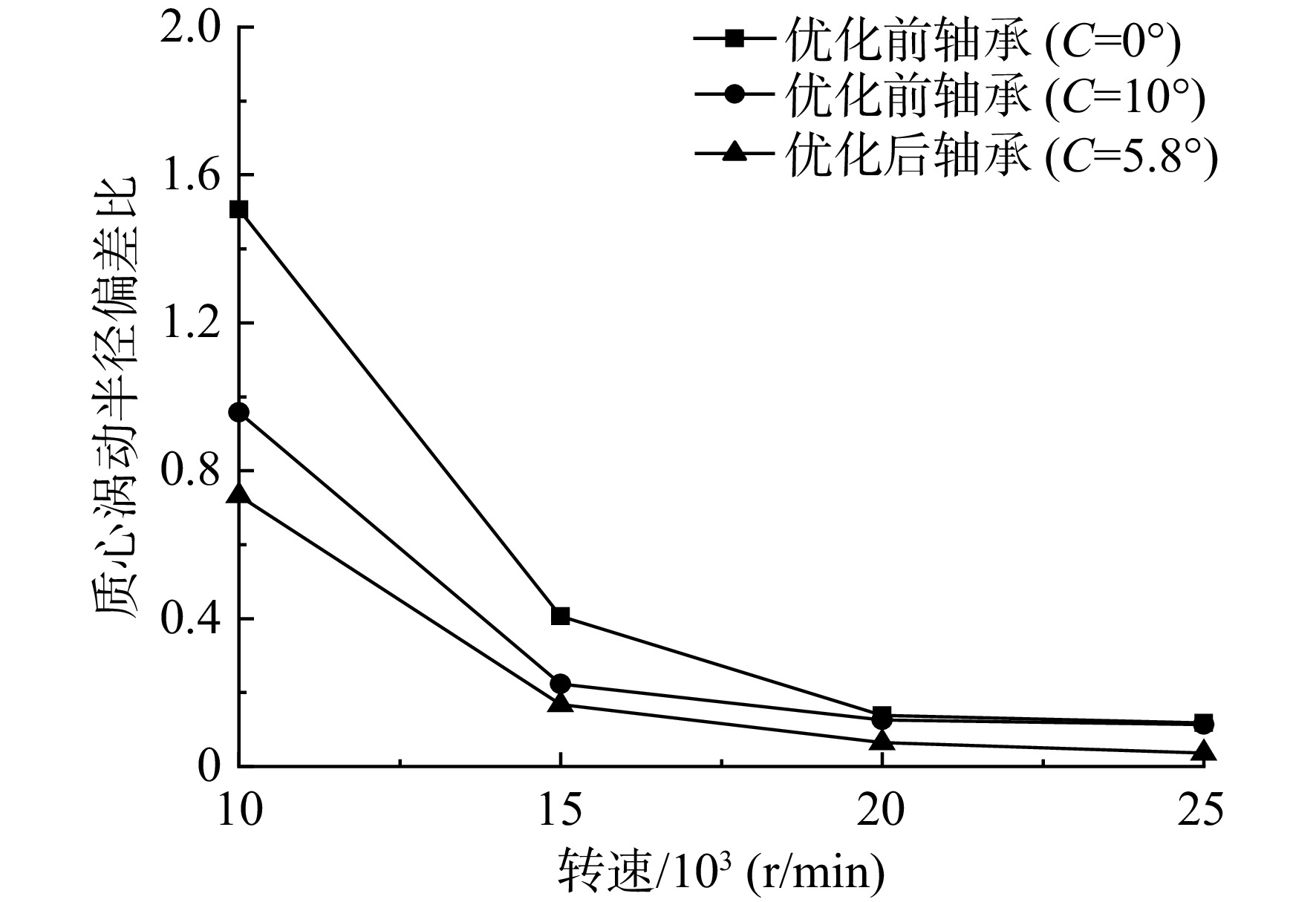
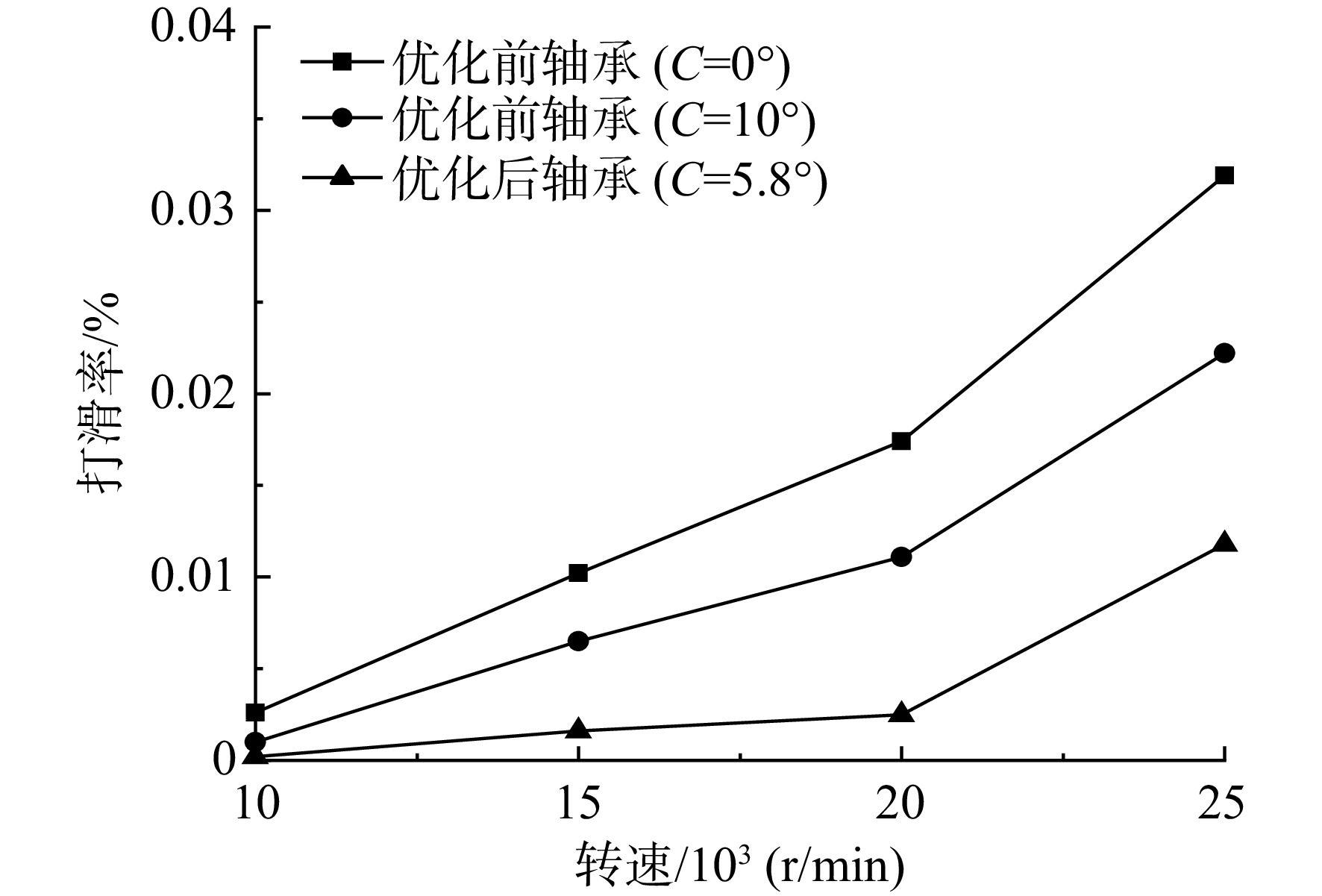
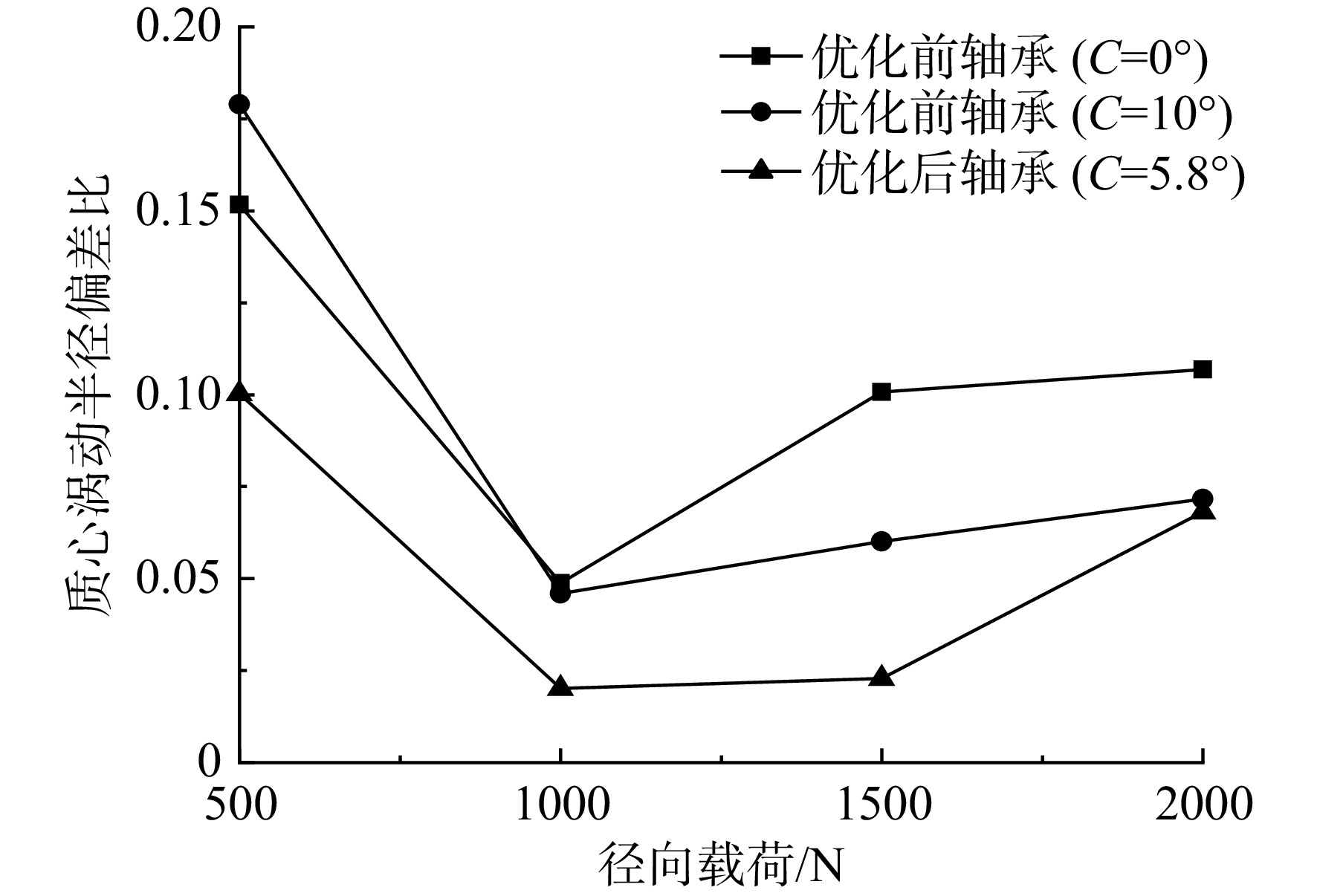
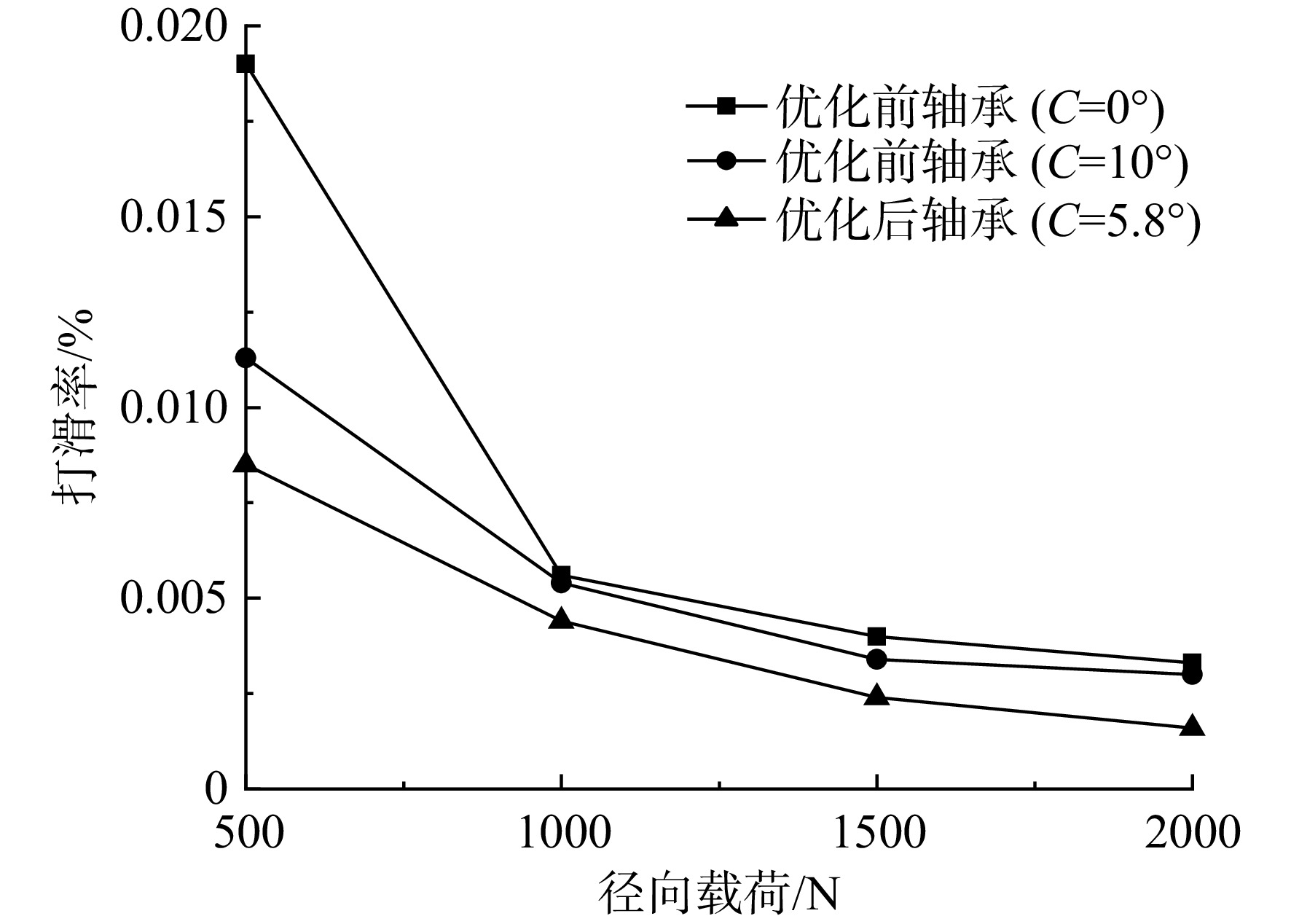
To address the problem of poor stability in the cage of needle roller bearings under high-speed working conditions, the HK0608 needle roller bearing was taken as the research object, and a bearing dynamics analysis model was established based on multi-body dynamics analysis software. Meanwhile, the deviation ratio of the cage center of mass vortex radius and the cage slip rate were selected as optimization objectives, and the structure of the bearing was optimized by using orthogonal experimental method, multiple regression, principal component analysis method and non-dominated sorting genetic algorithm Ⅱ (NSGA-Ⅱ) multi-objective optimization genetic algorithm. The results showed that the rotational speed had the greatest impact on the deviation ratio of the center of mass vortex radius, and the radial load had the greatest impact on the slip rate of the cage; when the radial load was 1084 N, the rotational speed was 21036 r/min, and the wall inclination angle was 5.8°, the stability of the retainer was the best. At the same time, the stability of the cage under different rotational speeds and radial loads before and after optimization was compared and analyzed. It was found that the stability of the two cages first increased and then decreased with the increase of rotational speed and radial load, and the stability of the cage of the optimized bearing was improved. The outcomes of the research can serve as a guide for designing the structure of needle roller bearings under high-speed working conditions.

Rocket Engine
Propulsion system design method for multi-object kill vehicles based on guidance strategy
LI Wentao, LI Wenbo, HE Yunqin, ZHANG Yiyi, ZHENG Hanyun, LIANG Guozhu
2025, 40(7): 20240219. doi: 10.13224/j.cnki.jasp.20240219
Abstract:

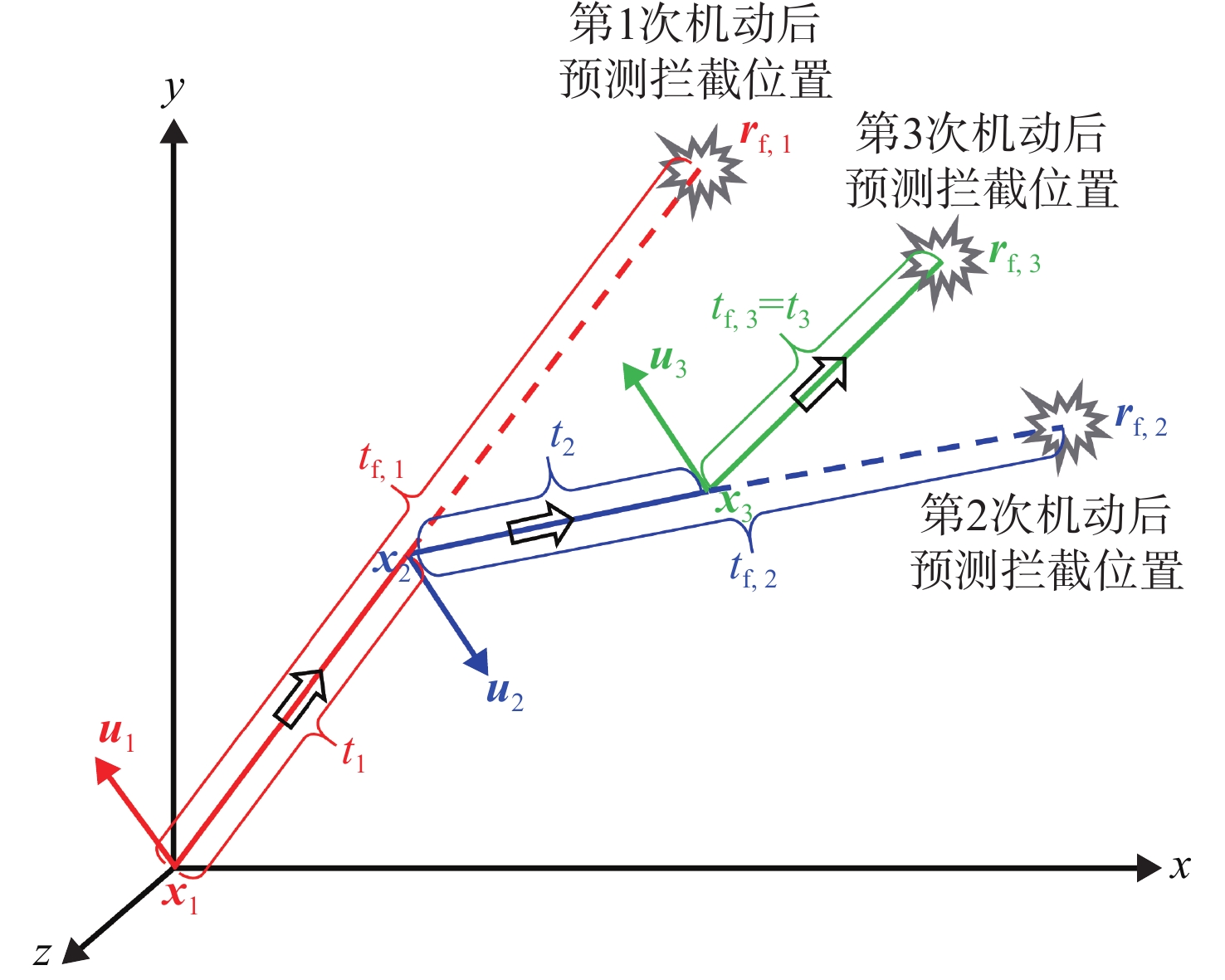
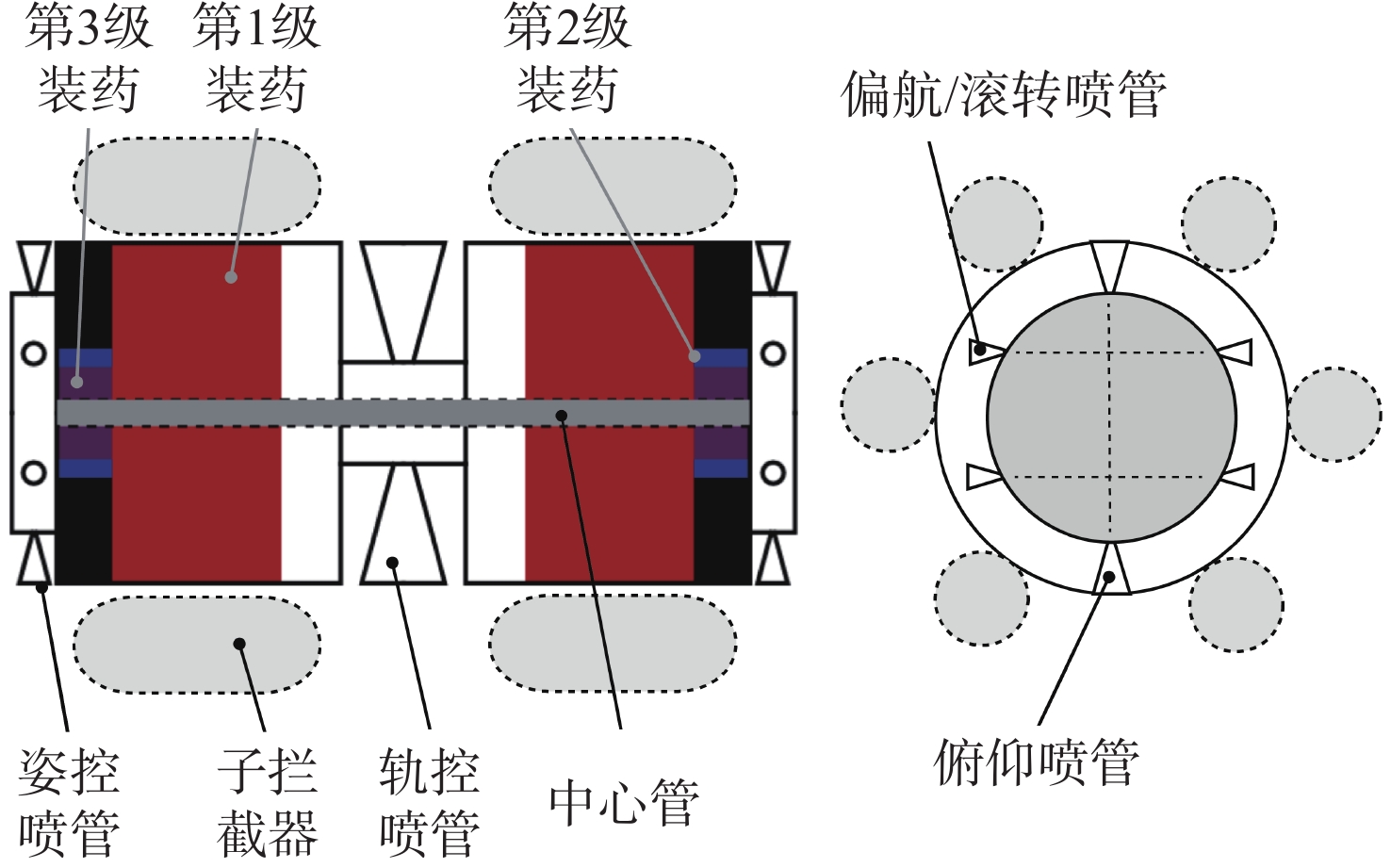
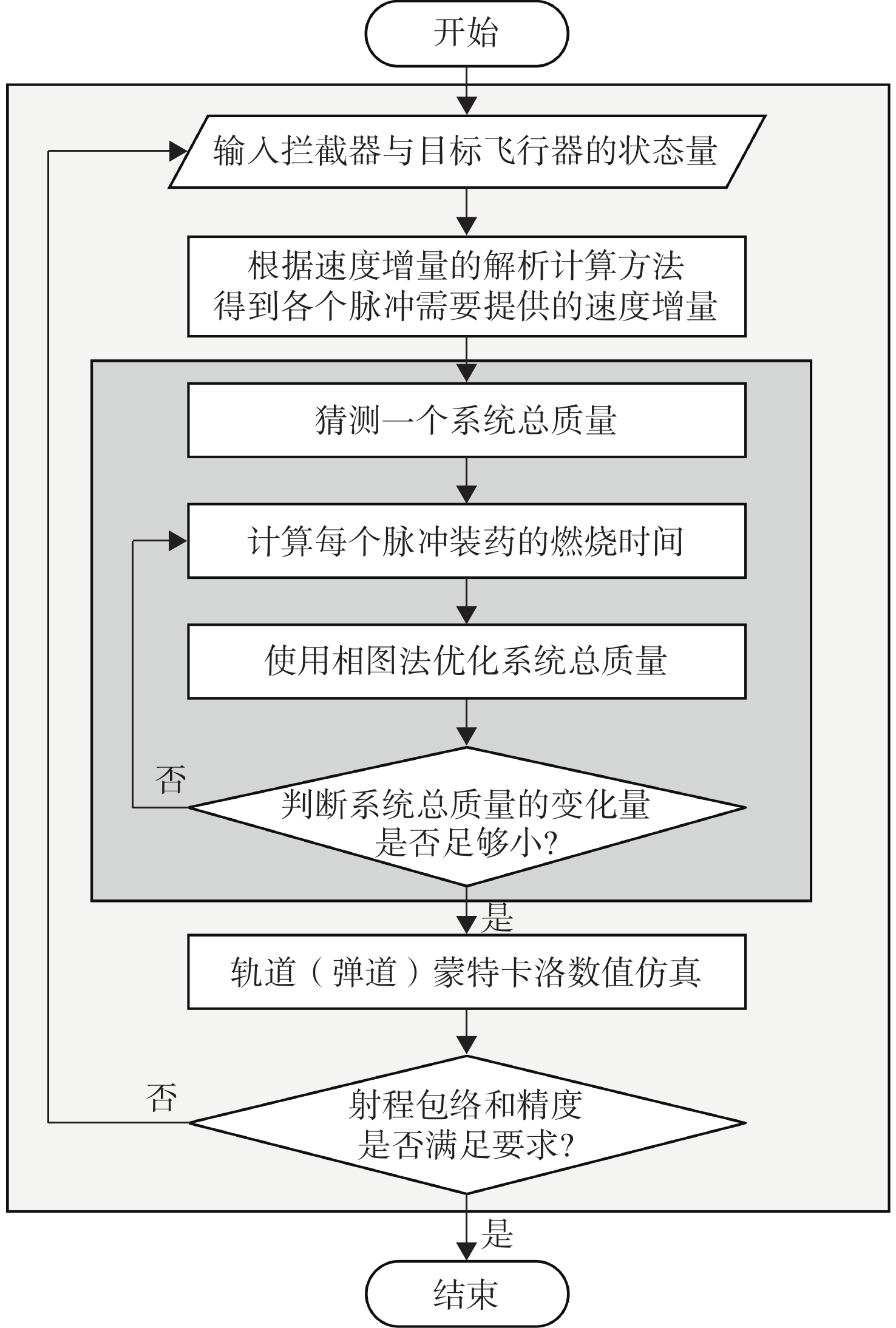
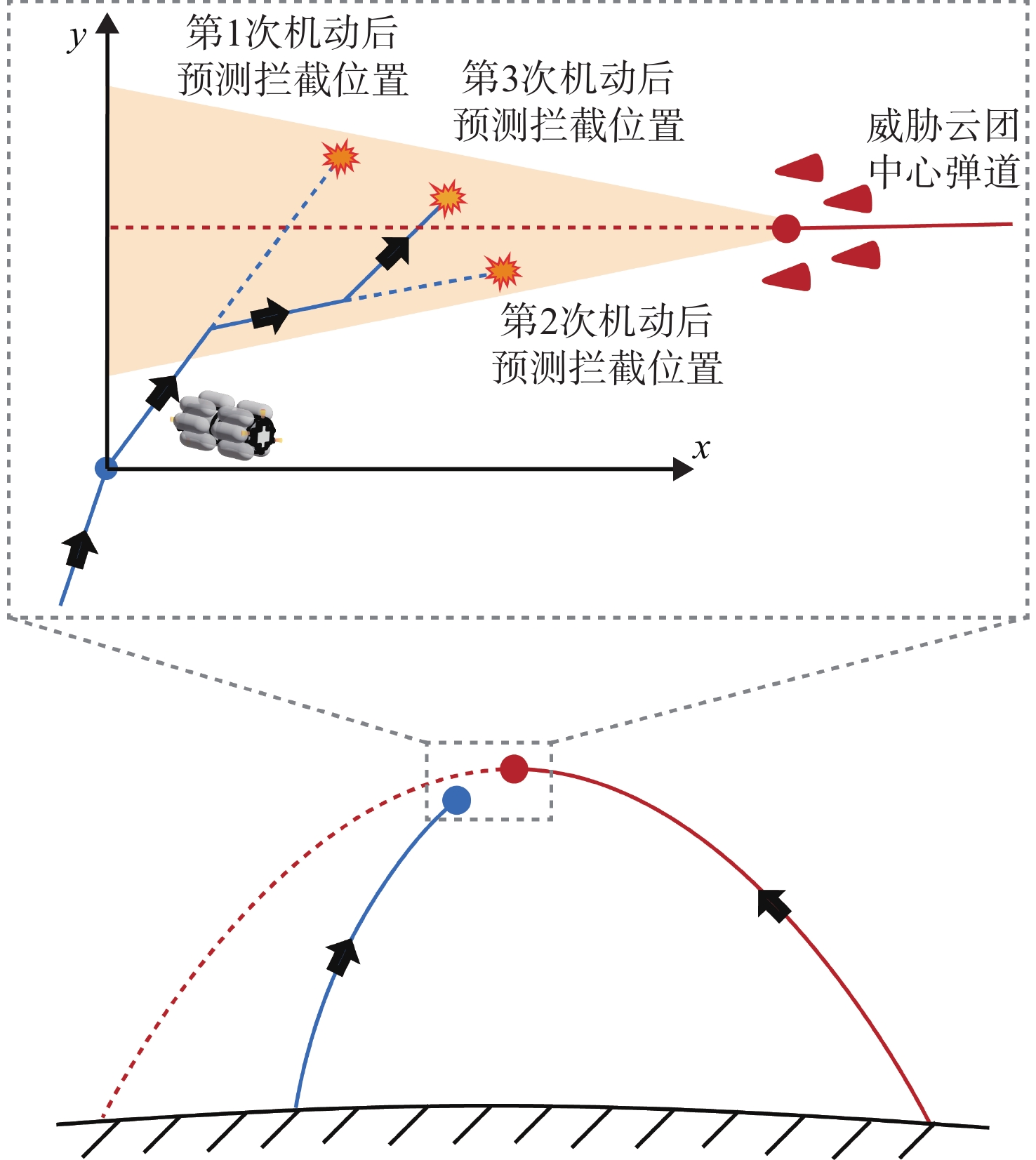
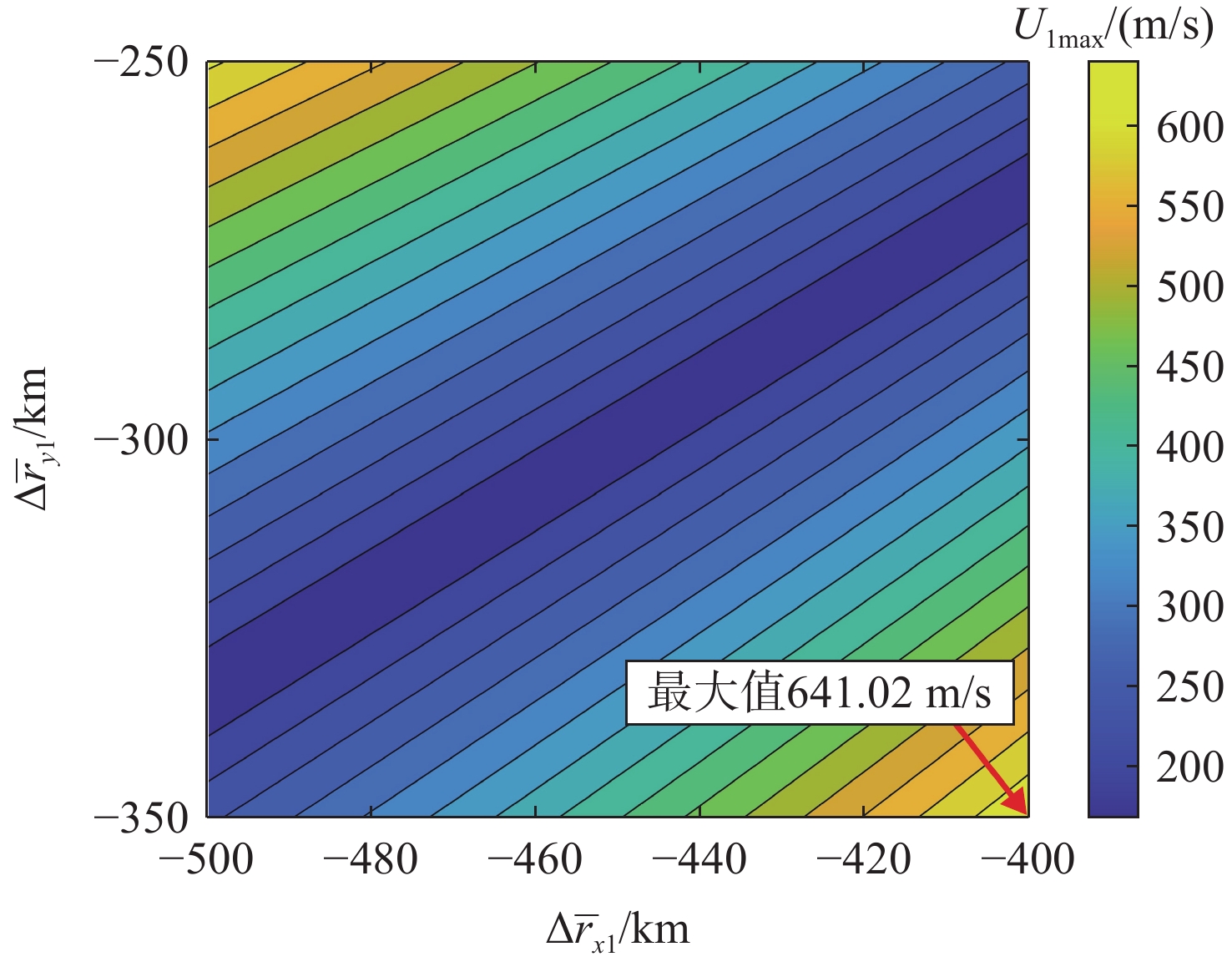
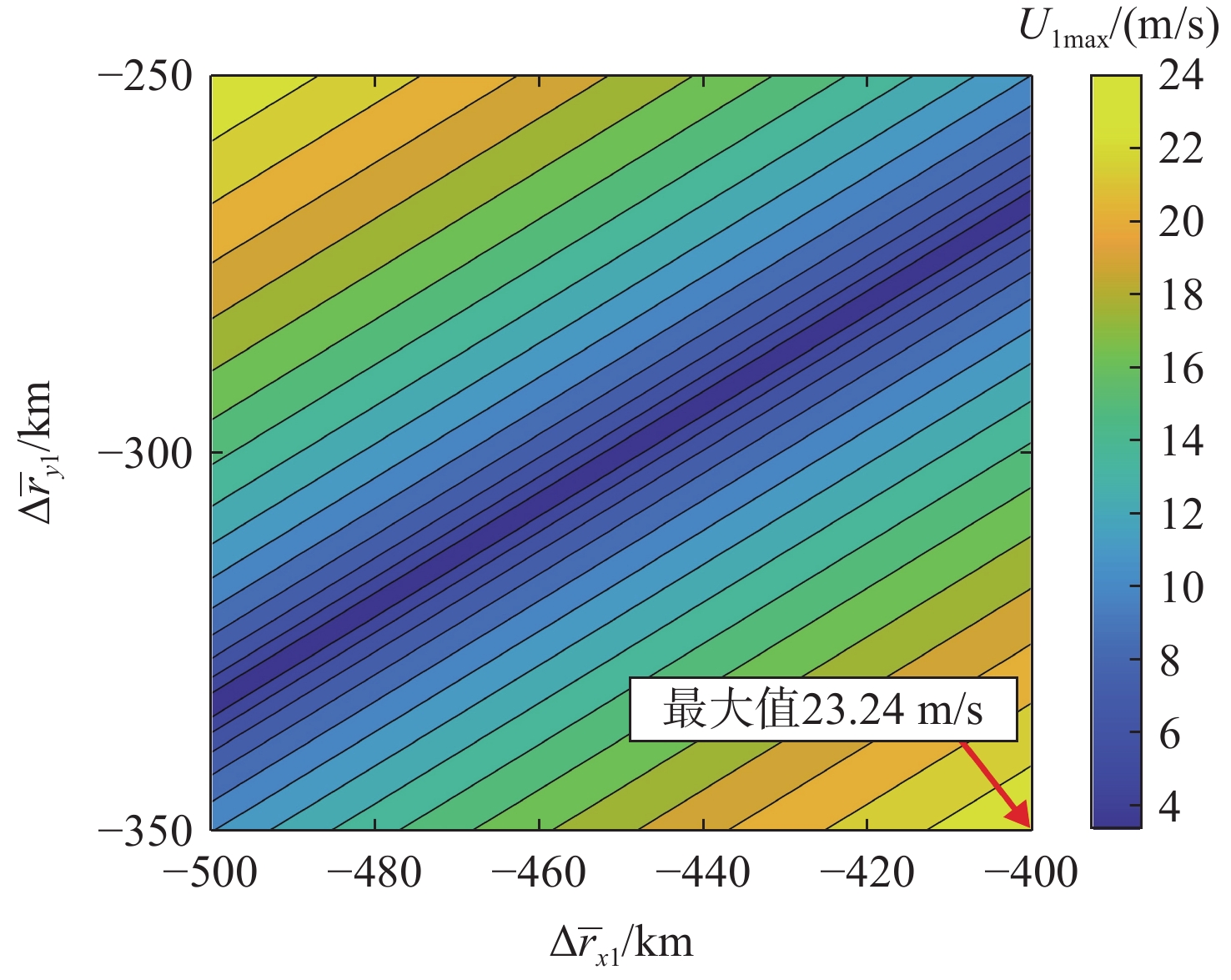
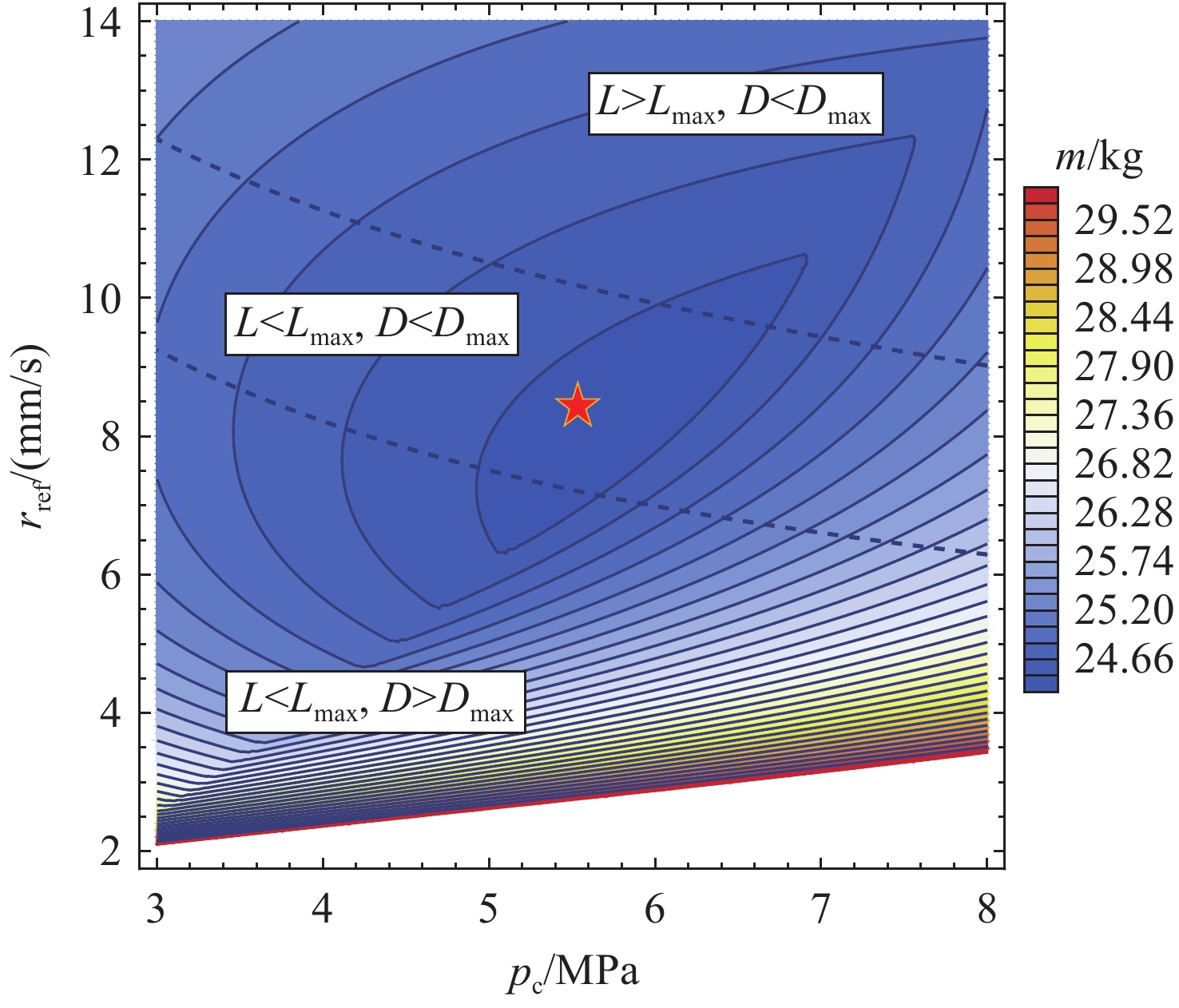
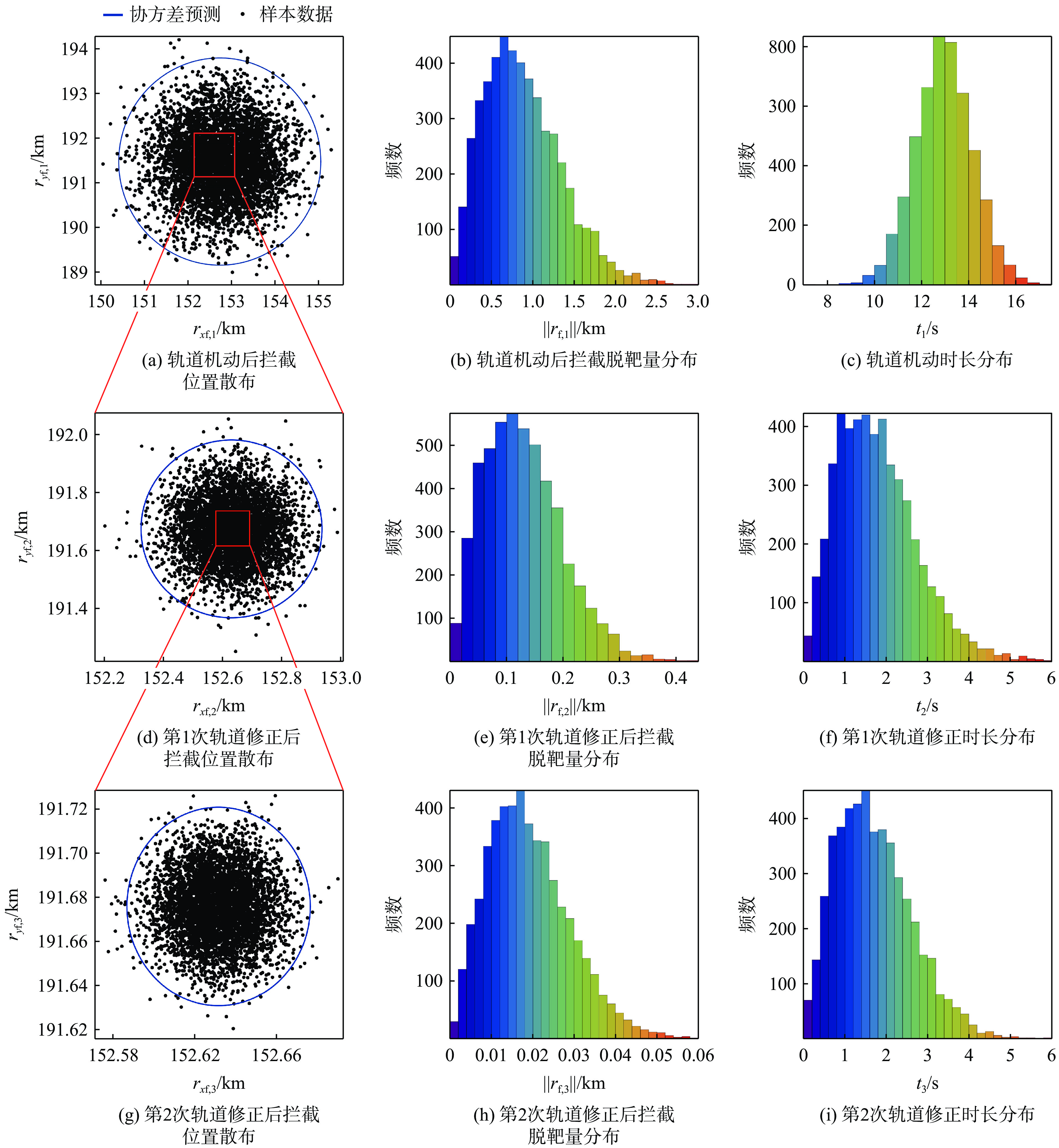
To further improve the energy management efficiency of the solid divert and attitude control system of the multi-objective kill vehicle (MOKV), and obtain the minimum overall mass scheme, a propulsion system design method for MOKV based on the guidance strategy was proposed. Firstly, a rapid evaluation method for the multi-pulse guidance strategy based on linear covariance analysis was proposed to determine the maximum velocity increment required for each maneuver. Then, the layout scheme of the three-pulse solid divert and attitude control propulsion system with a symmetrical dual-combustion chamber was determined, which featured a simple structure and high controllability. Subsequently, performance parameter and mass models for the propulsion system were established, and an optimal design process of the propulsion system based on the guidance strategy was developed. Through iterative optimization using phase diagram analysis, the mass-optimized solution satisfying size constraints can be obtained, and the design criteria for the sub-interceptors were further provided. Finally, a case design was carried out for typical application scenarios, and the miss distance was evaluated through Monte Carlo random test. The case results showed that the MOKV can carry 12 sub-interceptors, with a total mass of 49.43 kg, an axial dimension of 540.7 mm, and a radial dimension of 231.9 mm. After three pulse ignitions, the maximum miss distance of the MOKV was reduced from the kilometer level to the hundred-meter level and even the ten-meter level, which can achieve precise interception of the target by the sub-interceptors. The theory and method proposed can provide a strong support for the high-efficiency energy management and lightweight design of MOKV.

Numerical study on drag coefficient of deformable alumina droplet in compressible flows
DING Shuai, HU Haiyang, WANG Qiang
2025, 40(7): 20230307. doi: 10.13224/j.cnki.jasp.20230307
Abstract:

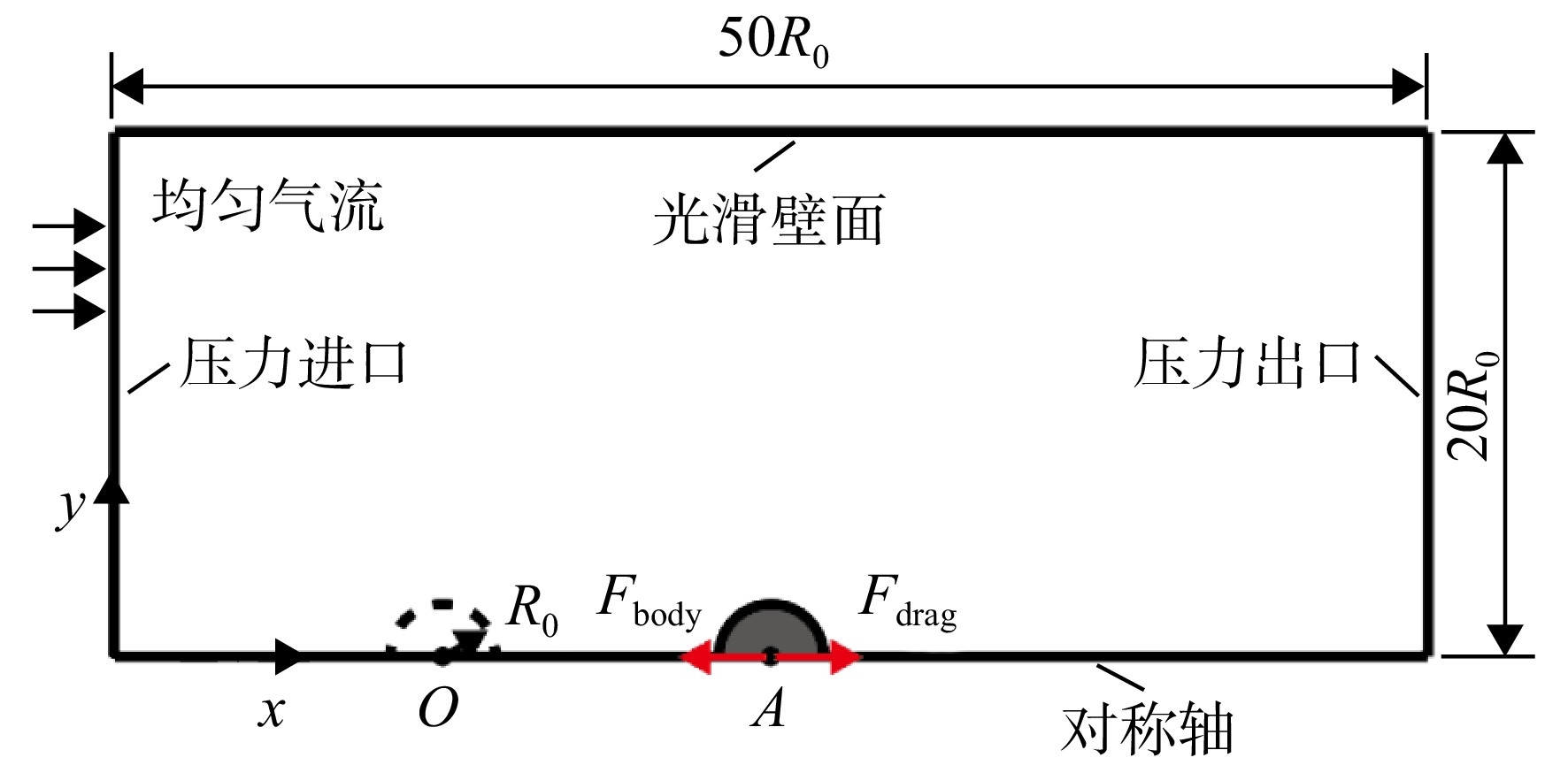
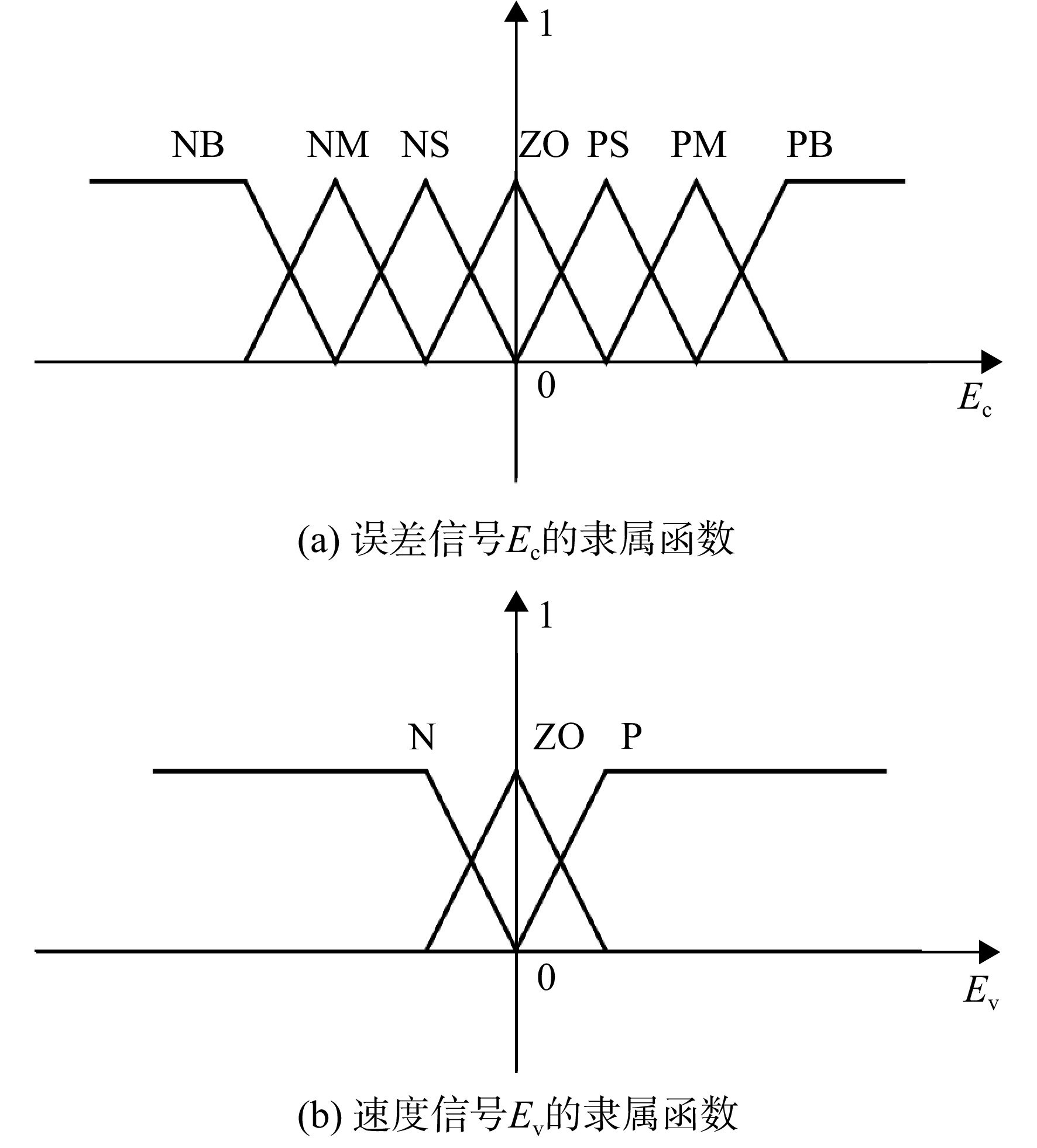
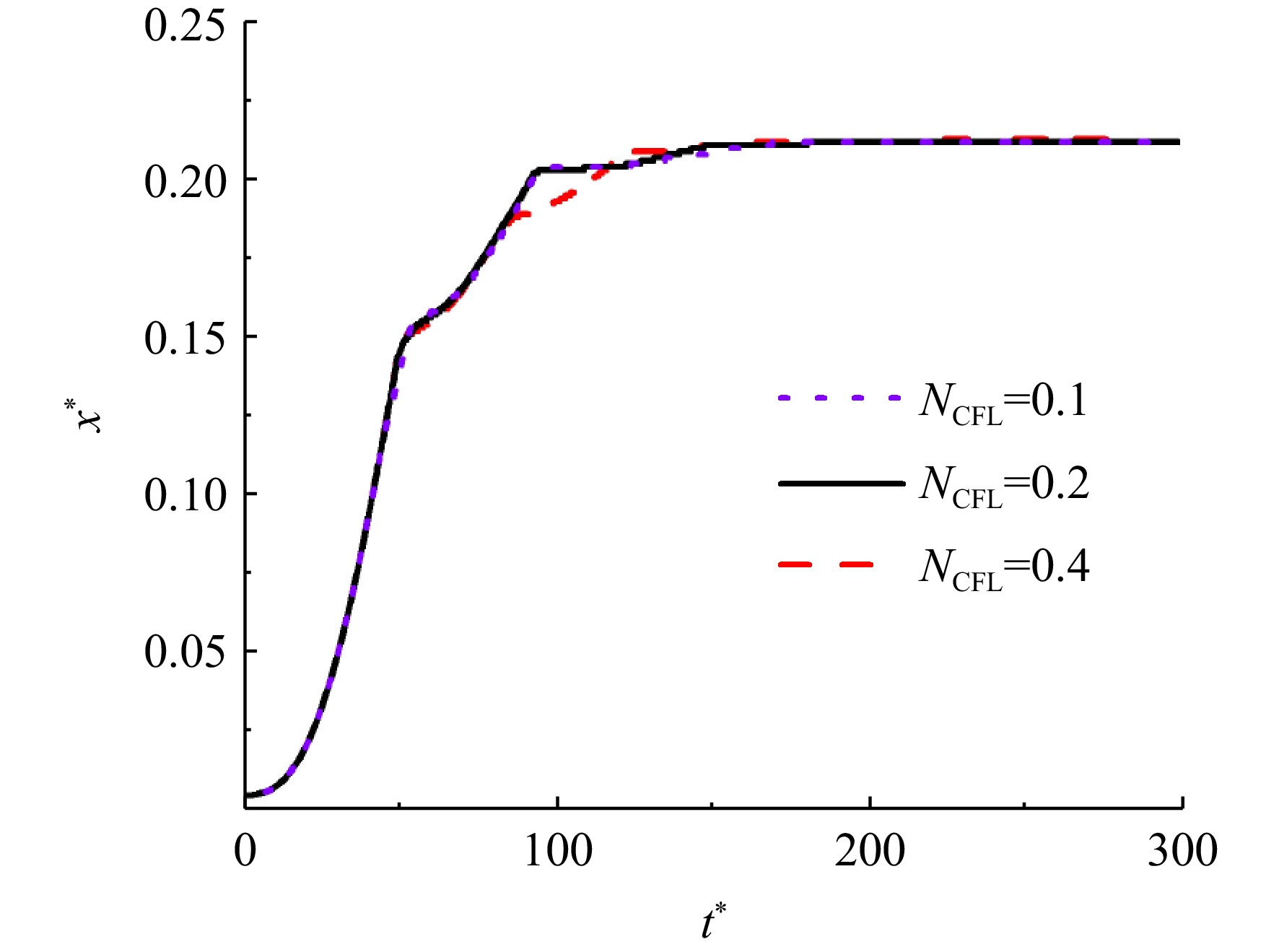
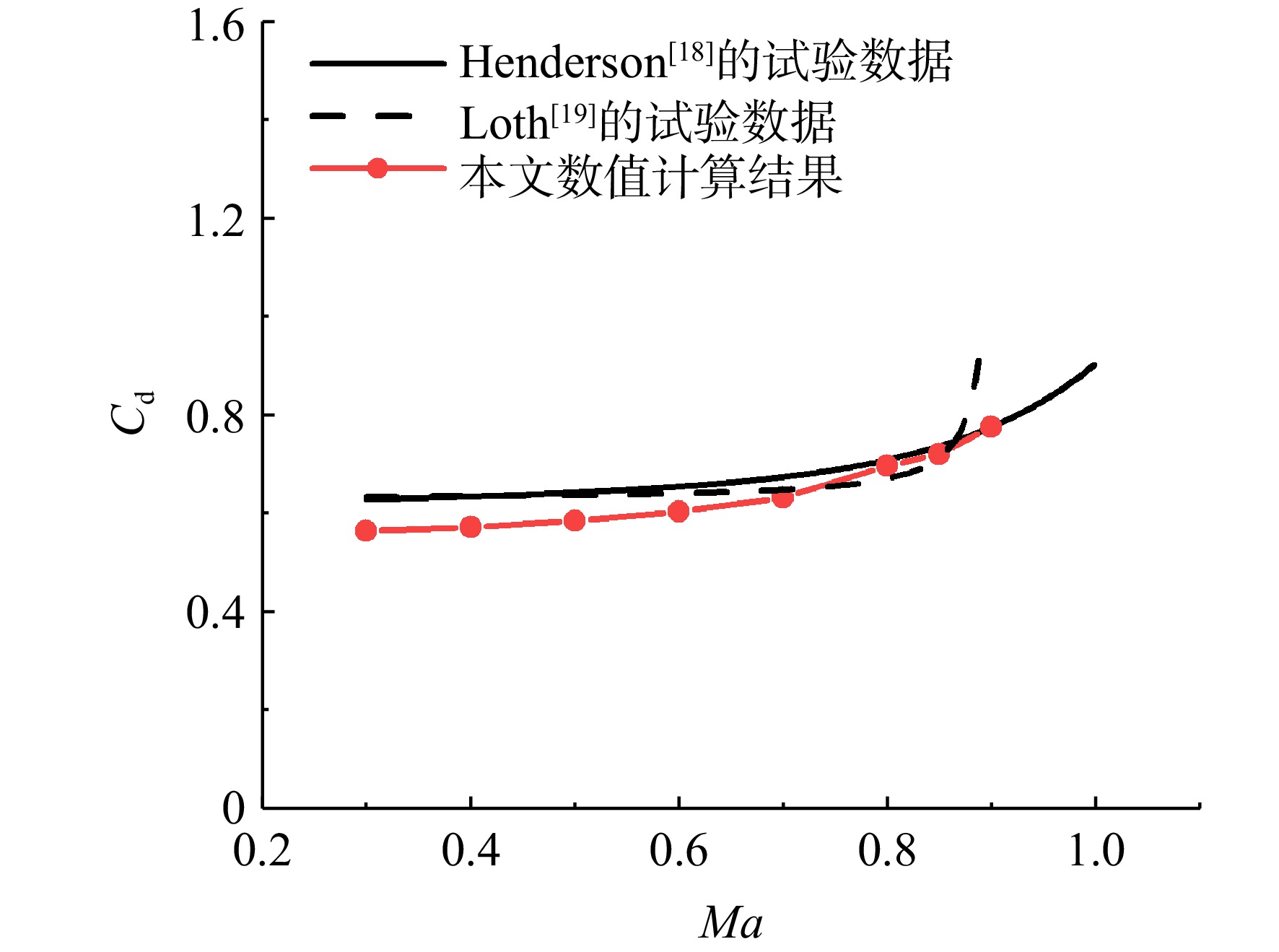
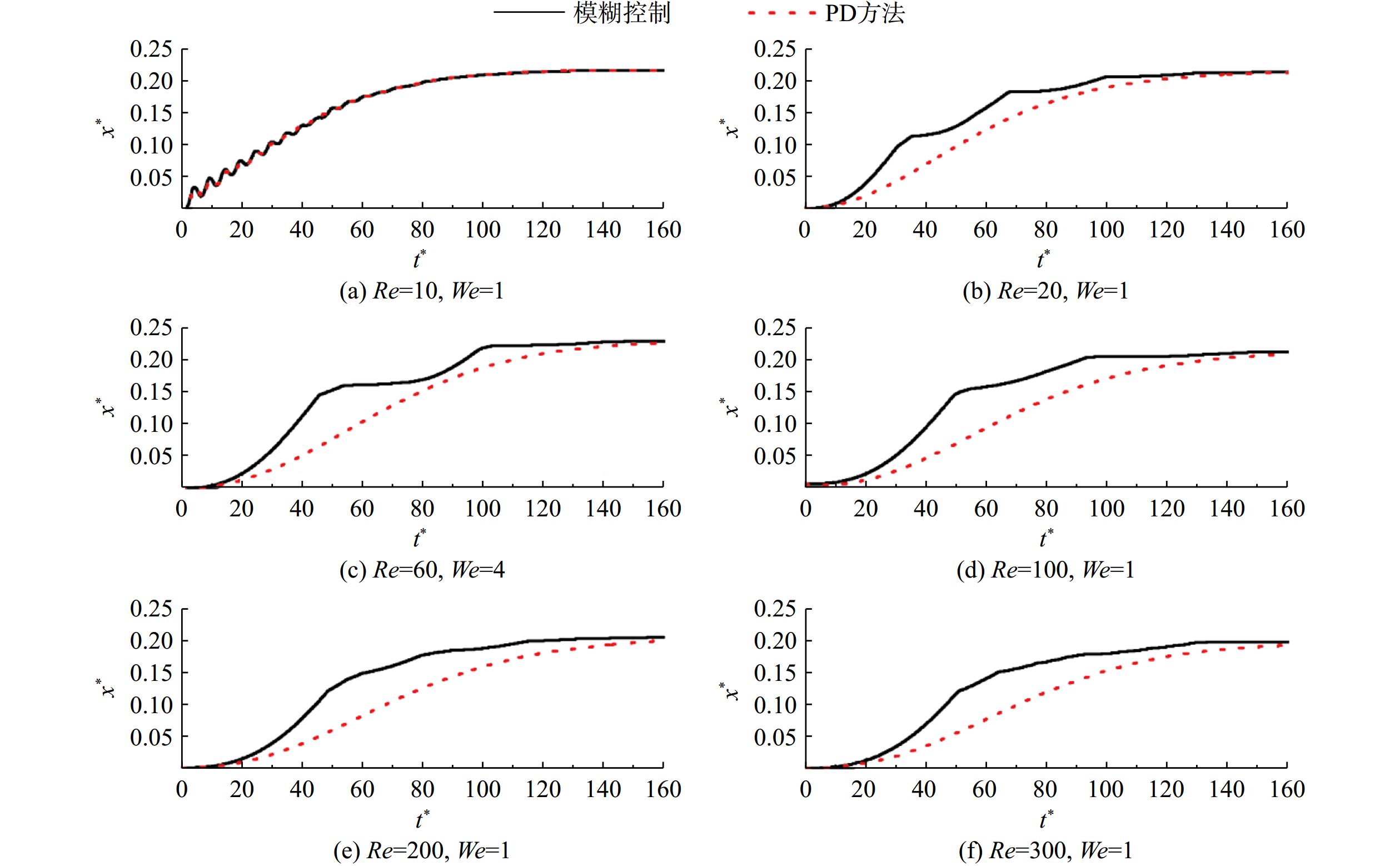
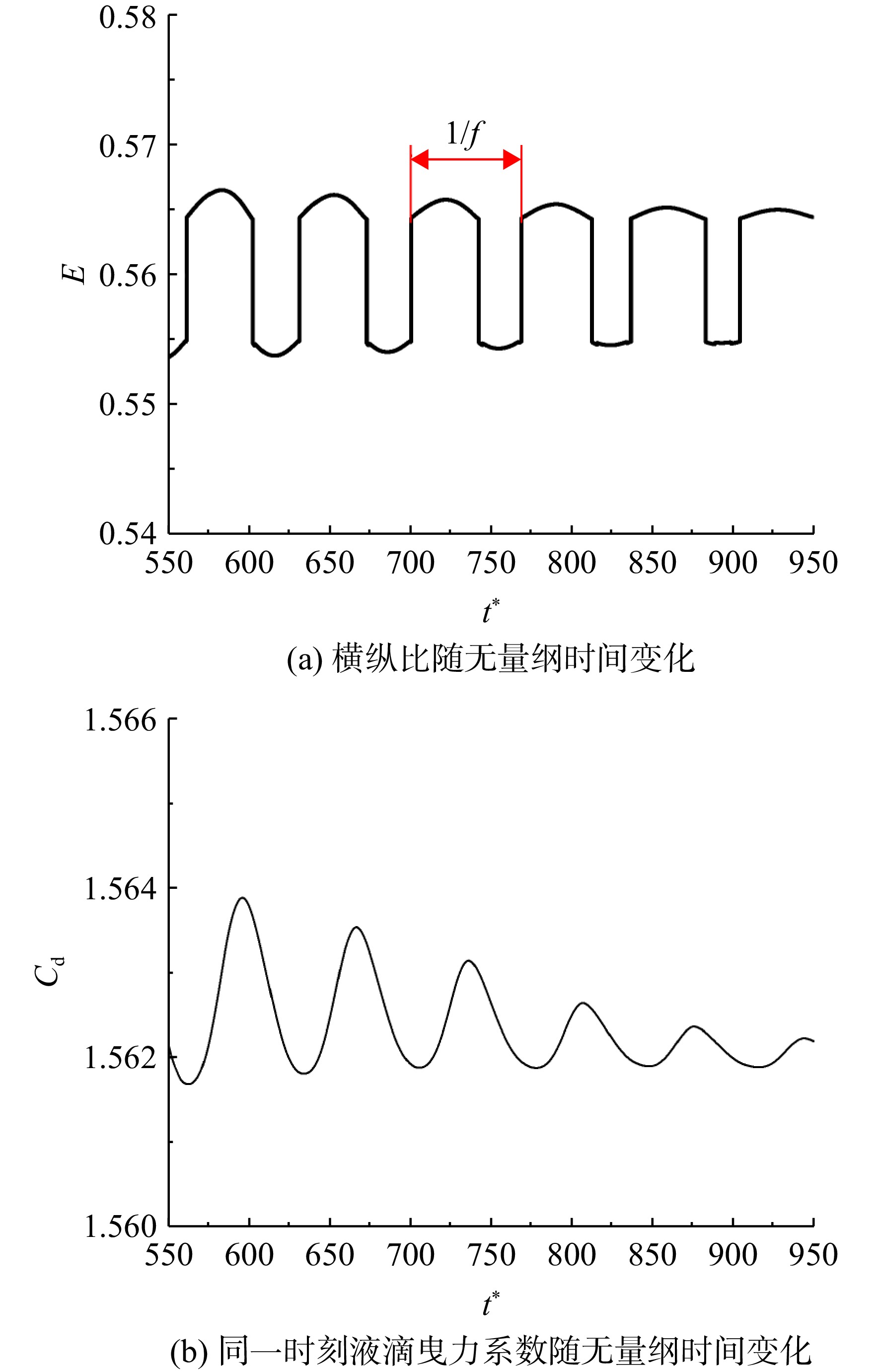
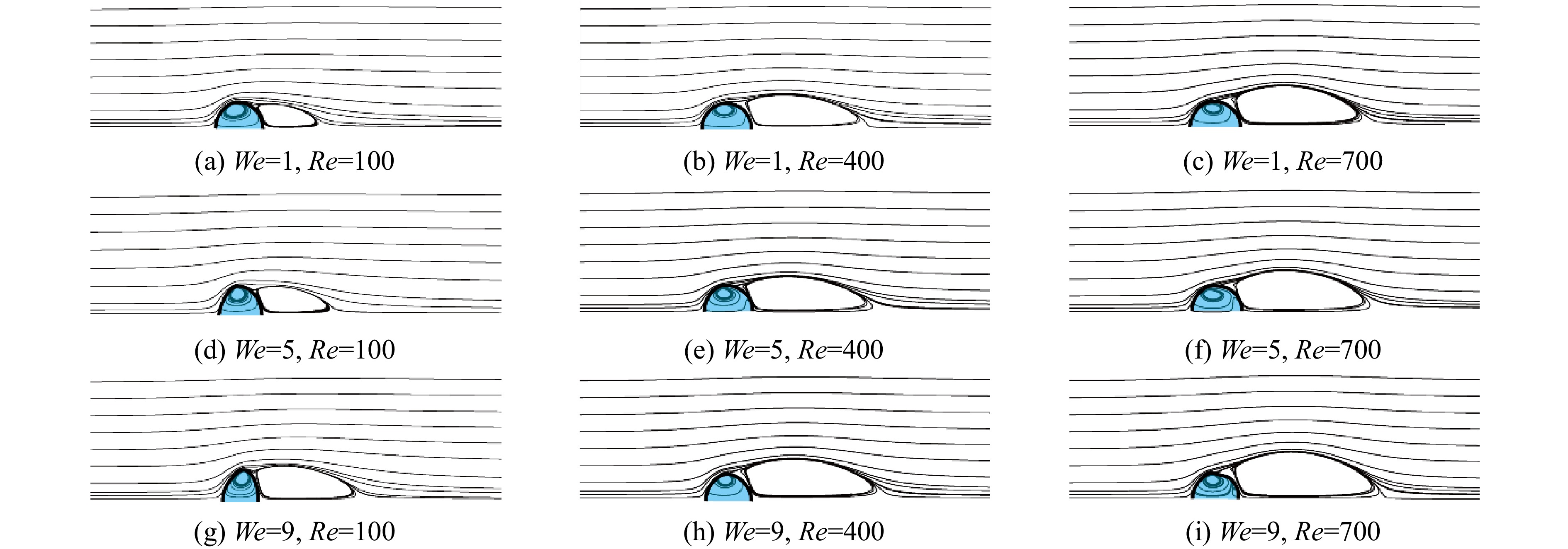
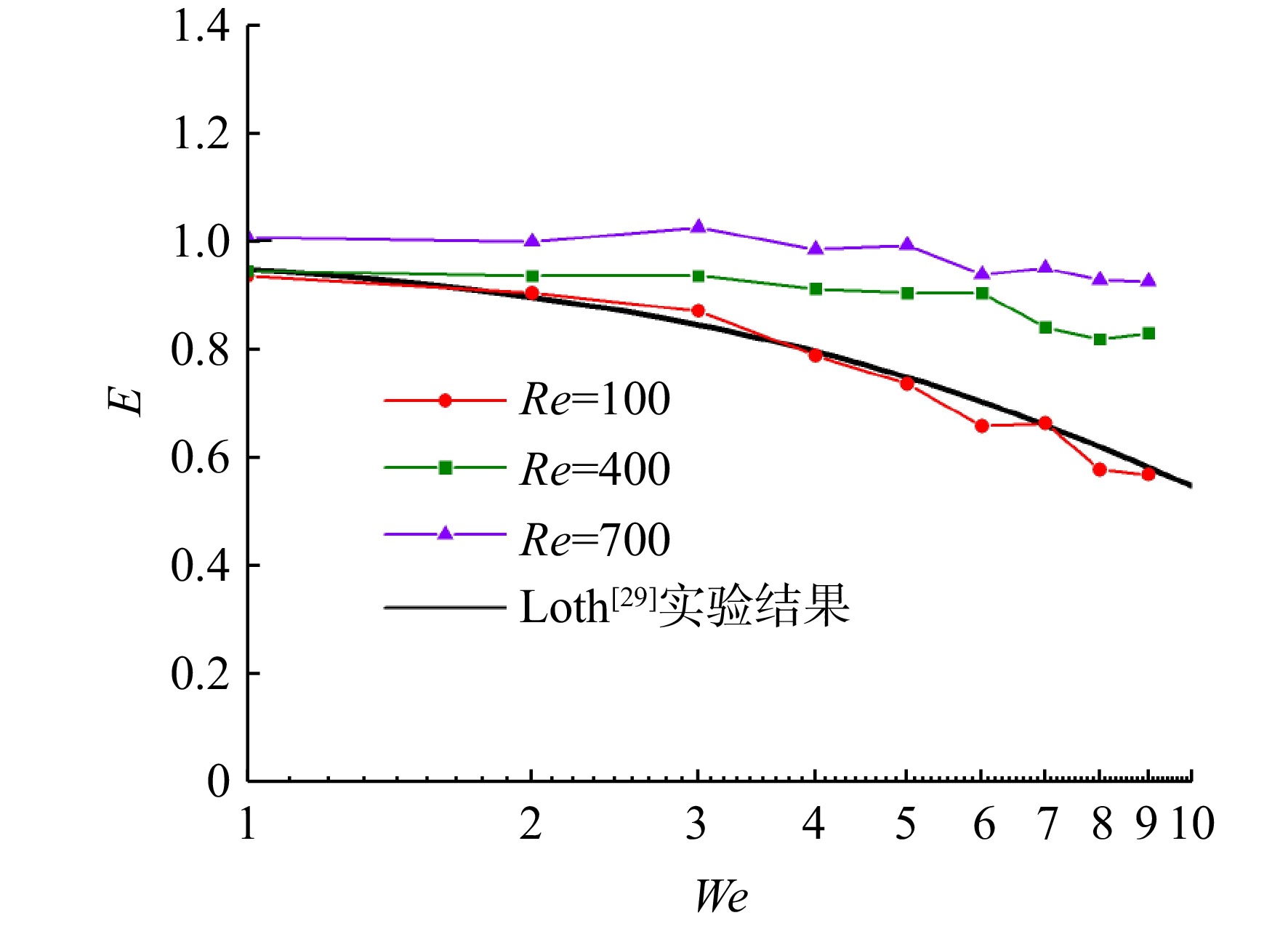
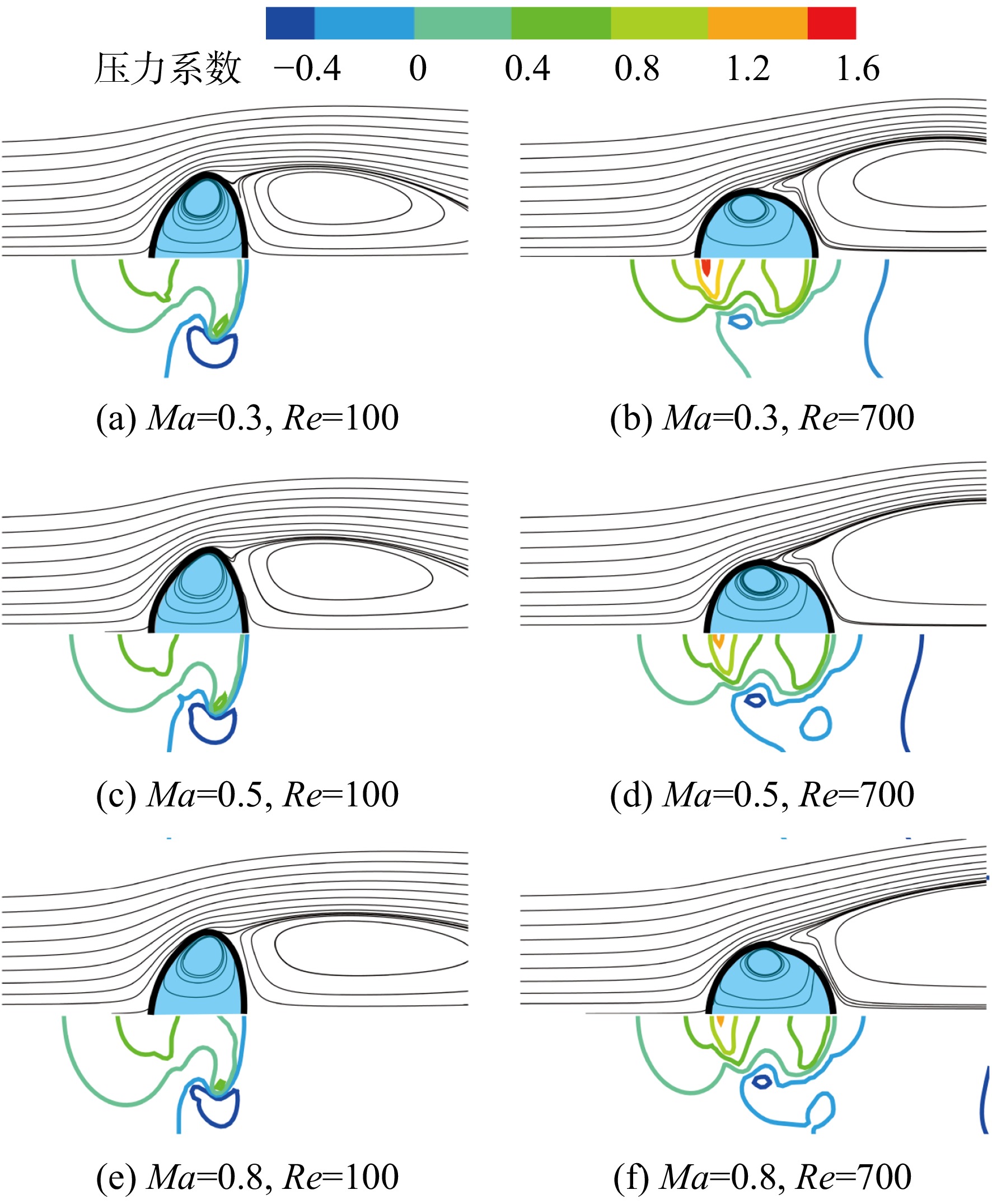
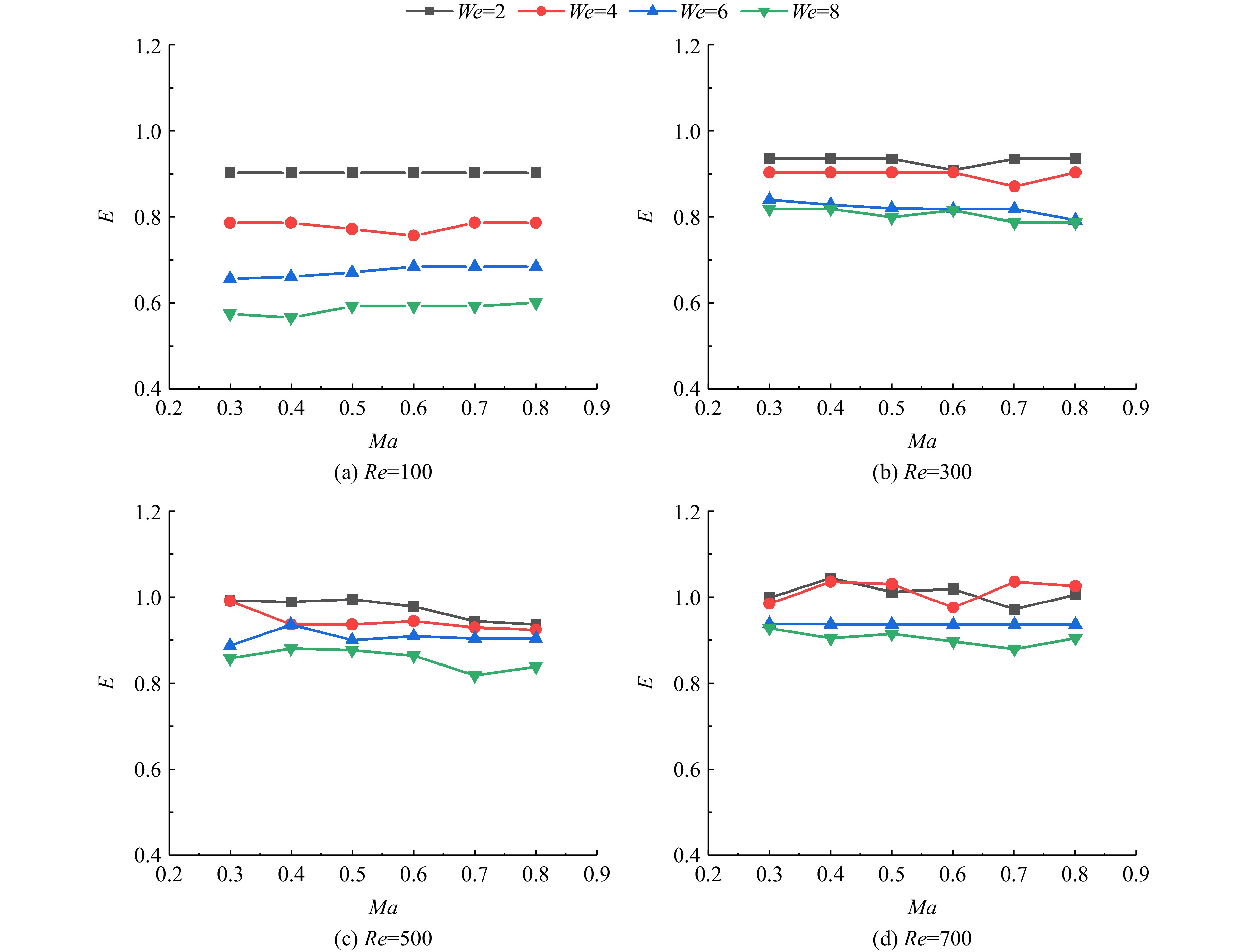
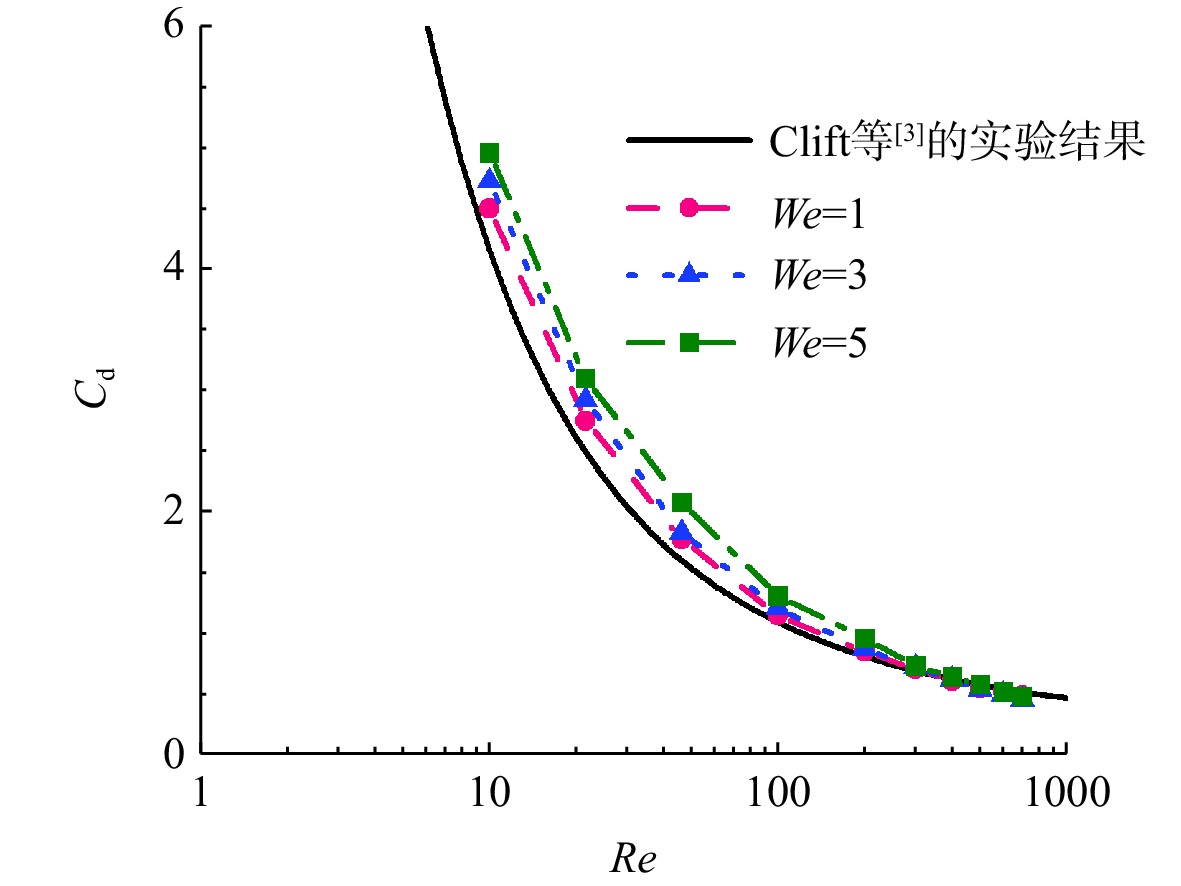
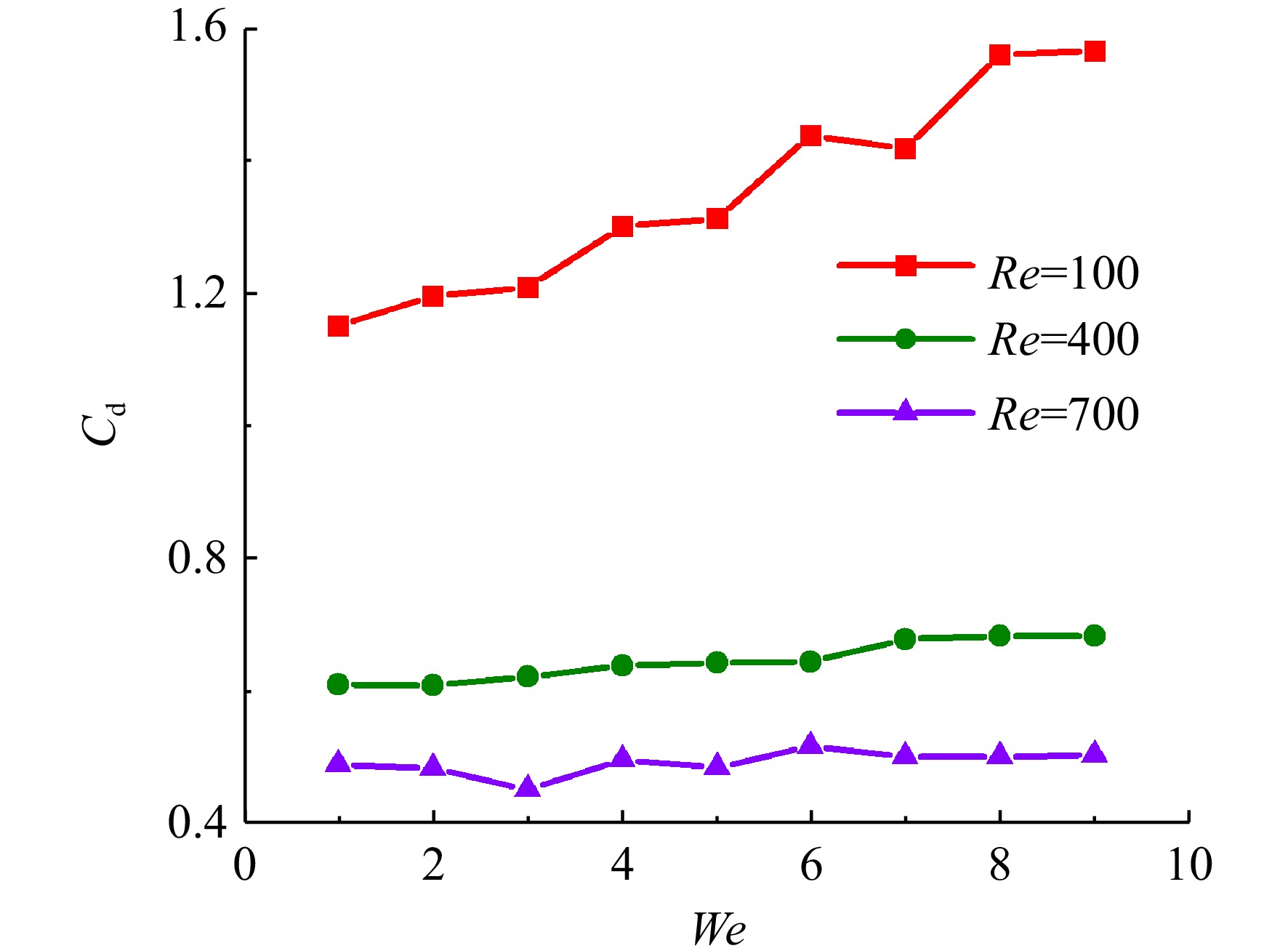
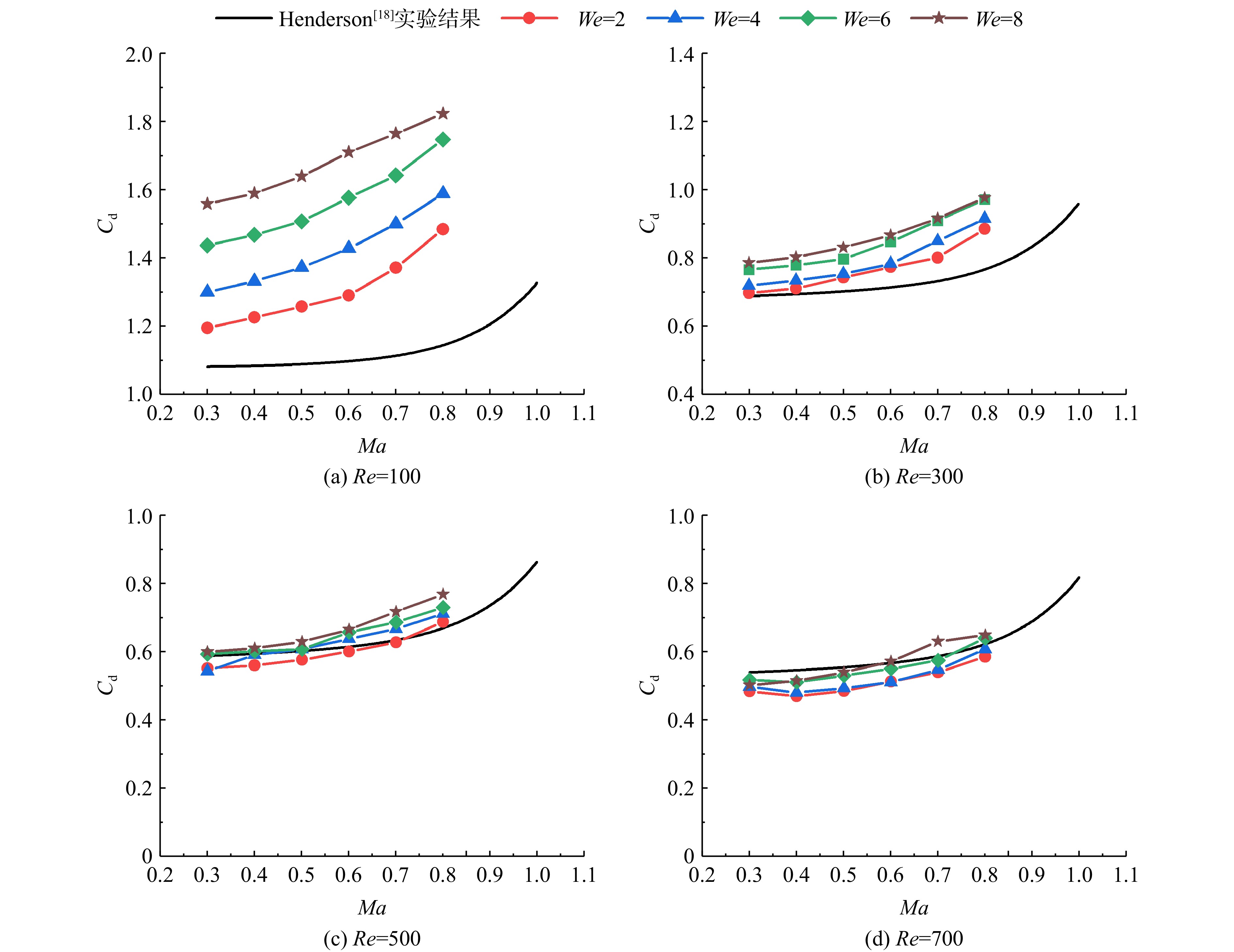
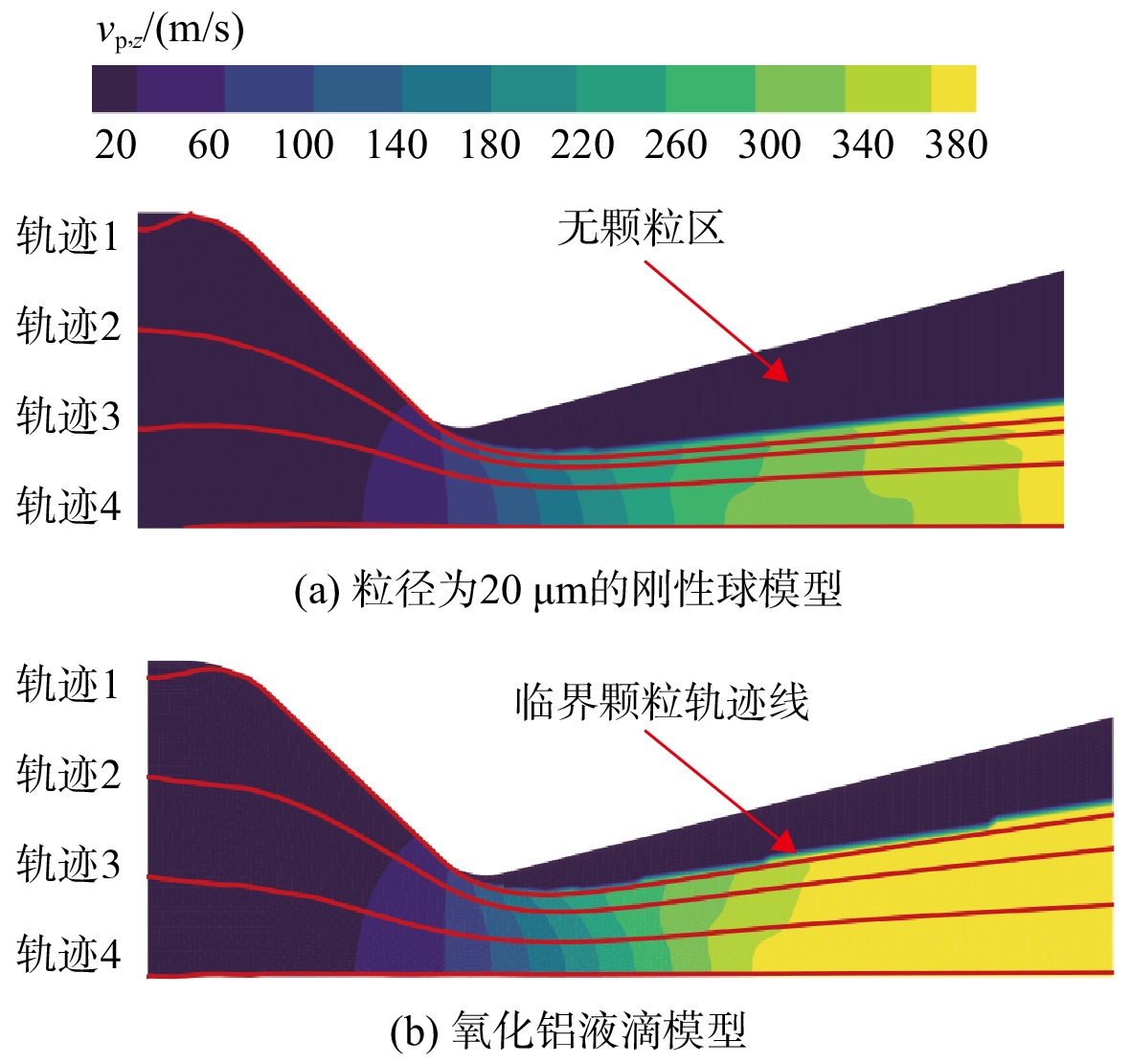
In view of the solid rocket motor nozzle, the volume of fluid (VOF) method was used to simulate the droplet-gas two-phase flow, and the fuzzy theory and proportional differential control (PD) method were combined to control the droplet to reach a quasi-static state, so as to study the force characteristics of deformable alumina droplet in the flow field. The results showed that the fuzzy theory coupled with PD controller can make the droplet reach the quasi-steady state more efficiently and stably. The drag coefficient of the droplet increased with the increase of deformation degree and the relative Mach number between the flow field and the droplet, and there was no significant coupling between the relative Mach number and Weber number. The effect of droplet deformation and compressibility of flow field on gas-liquid phase interaction should be considered in accurate calculation of two-phase flow field for solid rocket motor. Compared with the drag coefficient model of the rigid sphere, droplet deformation could cause more thrust loss in the gas phase of solid rocket motor nozzle, and also result in smaller particle-free zone in the nozzle.

Simulation study on the spray and mixing characteristics of a liquid-liquid throttleable pintle injector
LUAN Shaolei, WU Jiping, ZHANG Jiaqi, CHENG Peng, XIE Yu
2025, 40(7): 20240230. doi: 10.13224/j.cnki.jasp.20240230
Abstract:
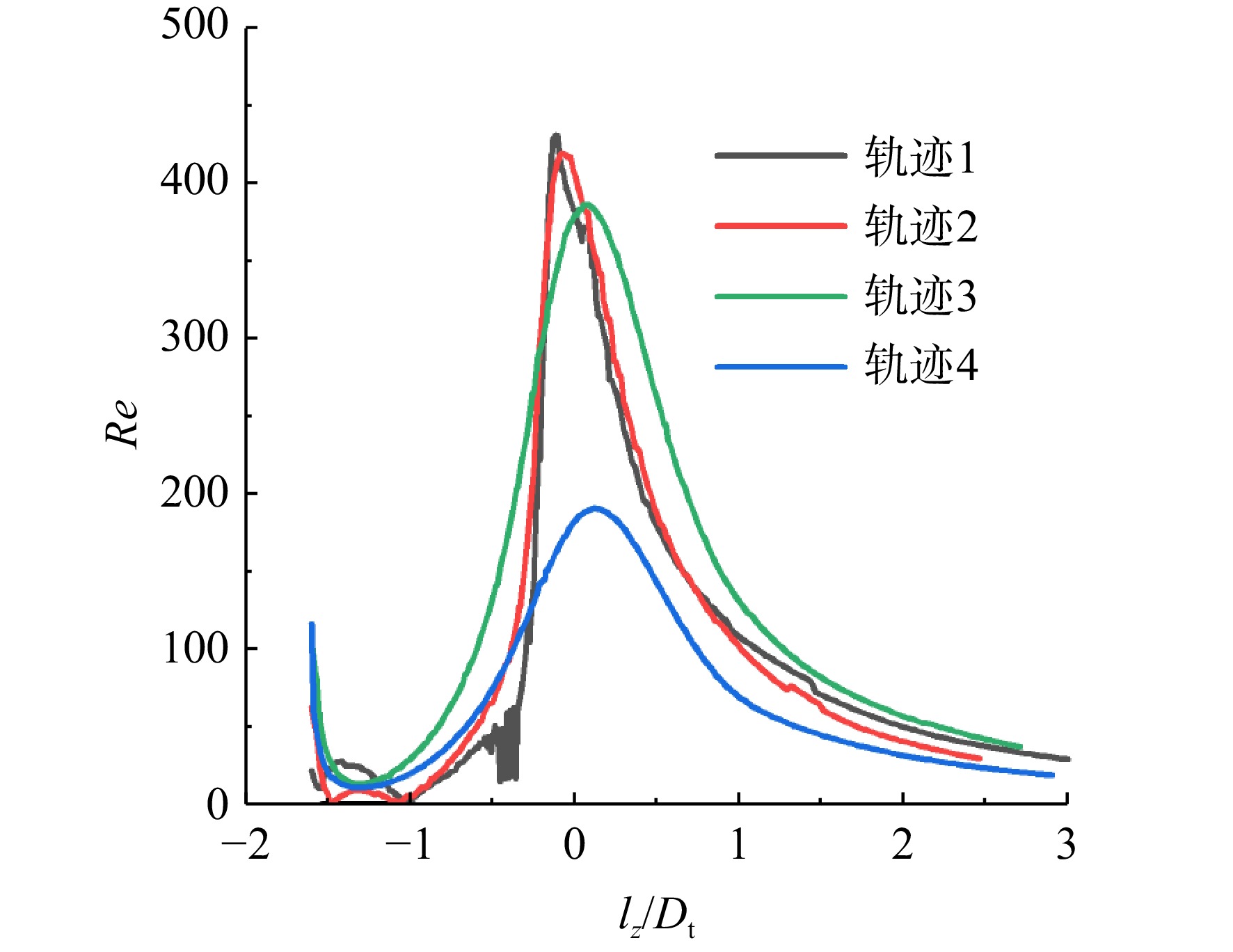
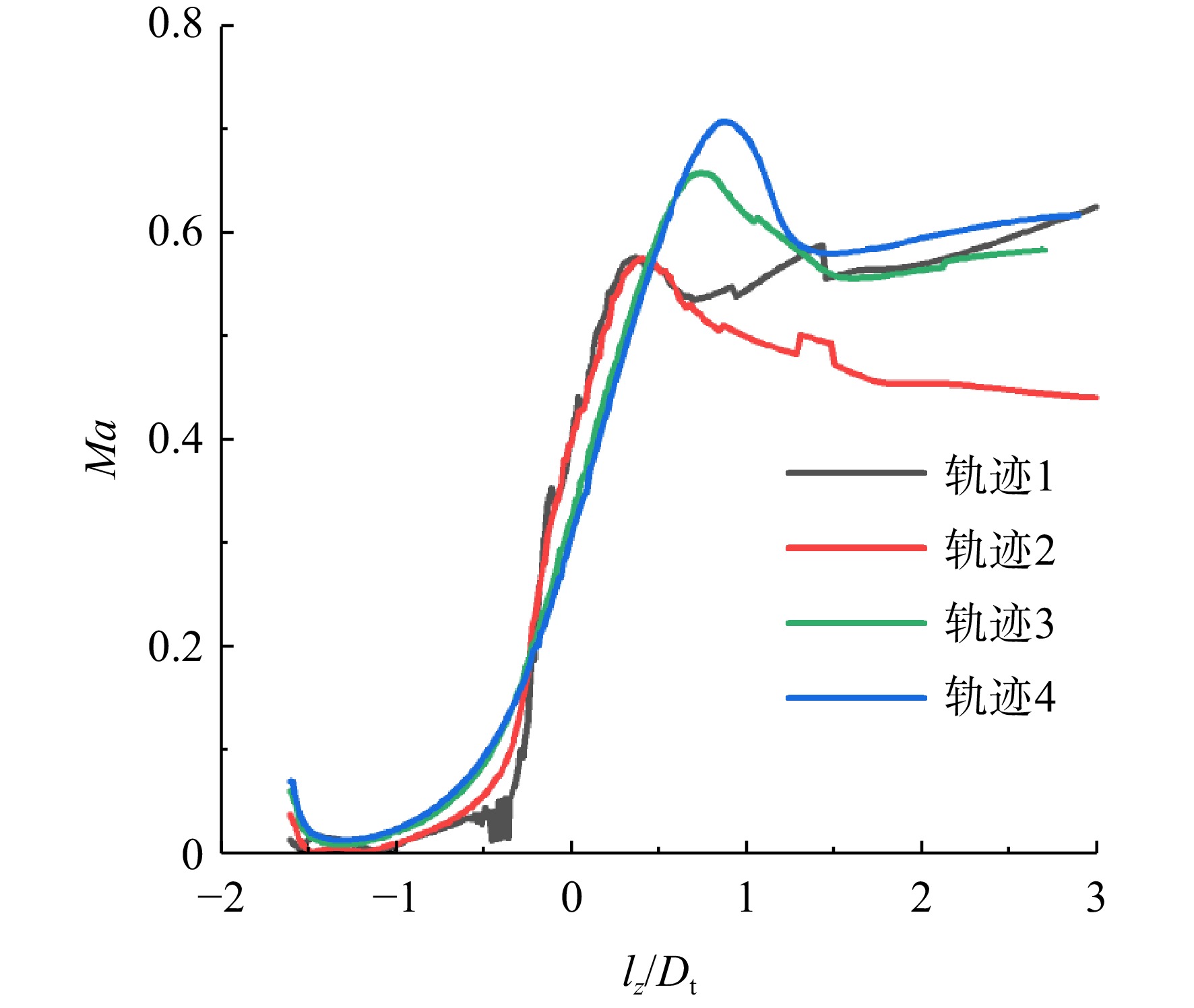
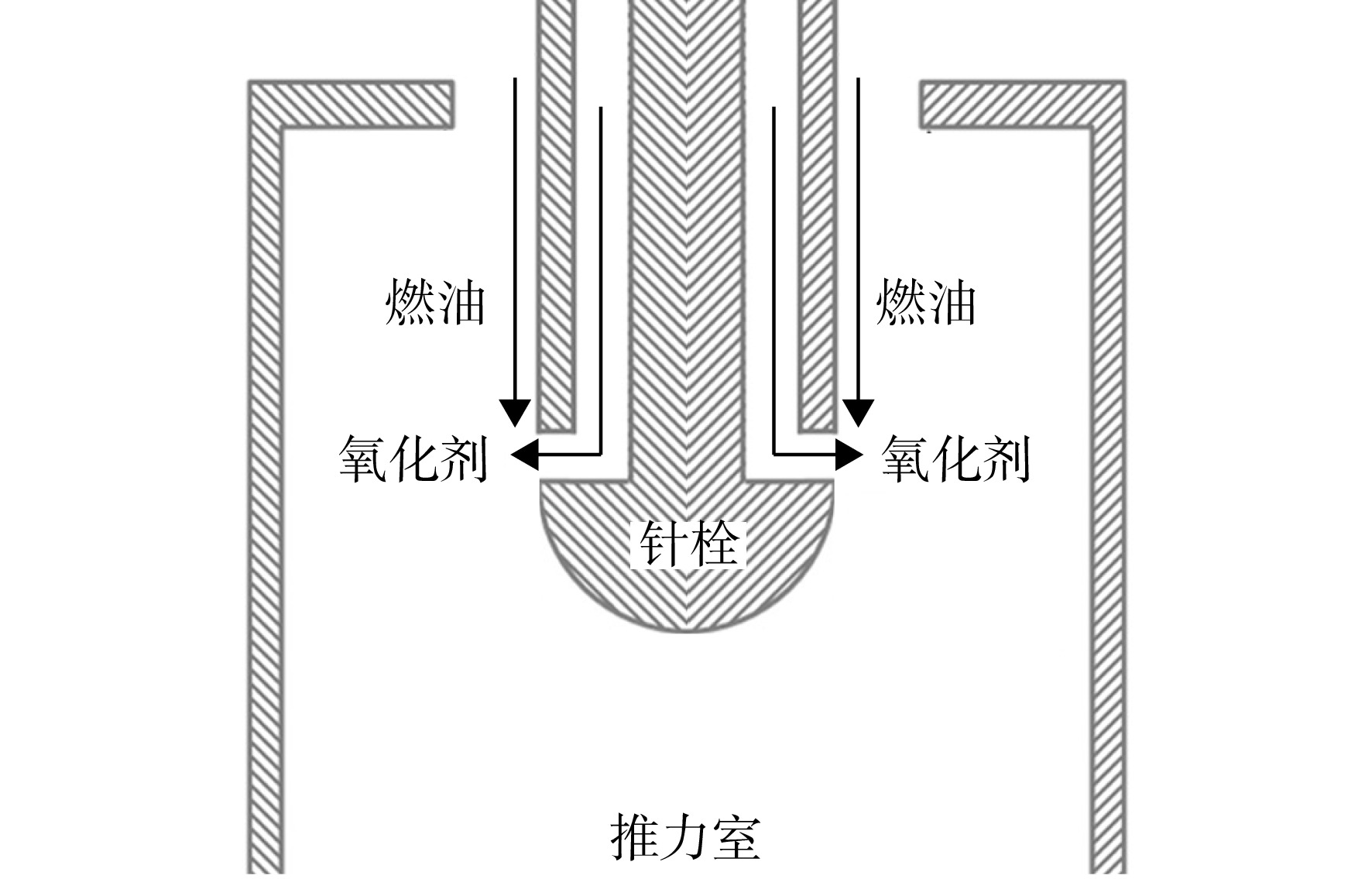
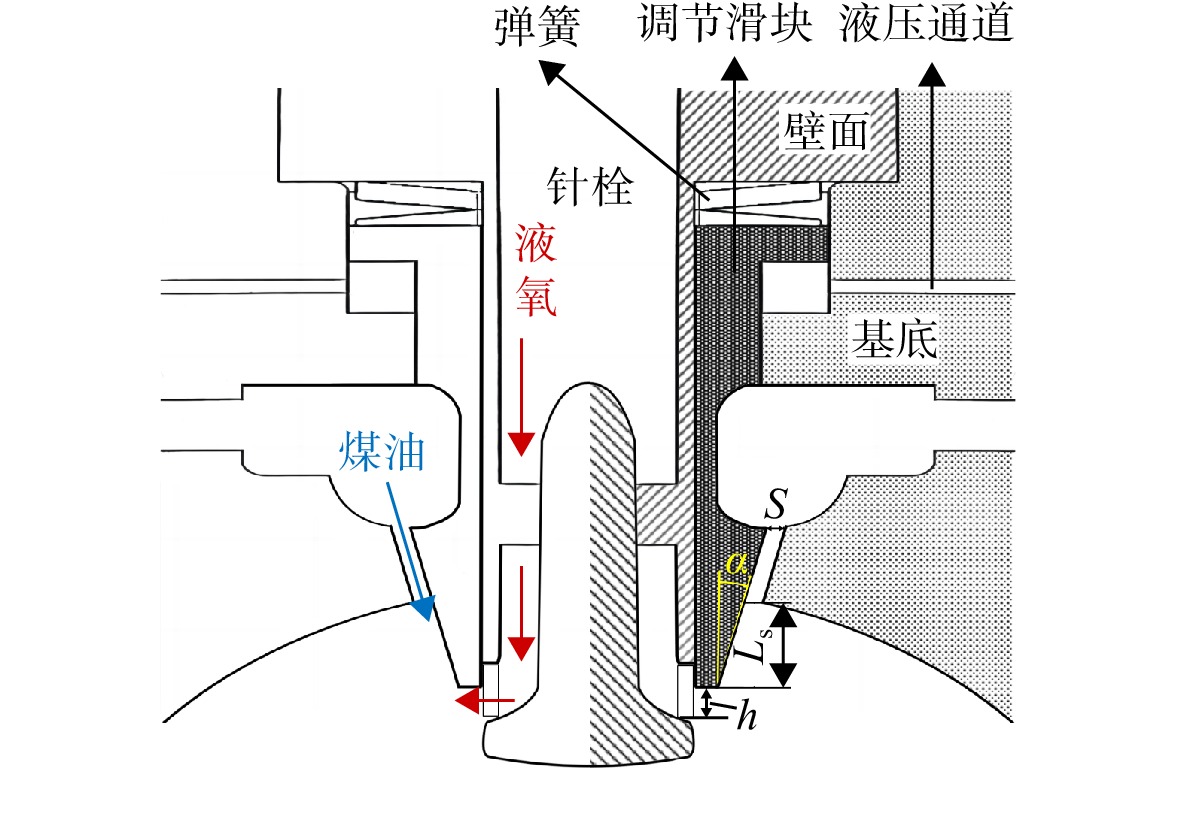
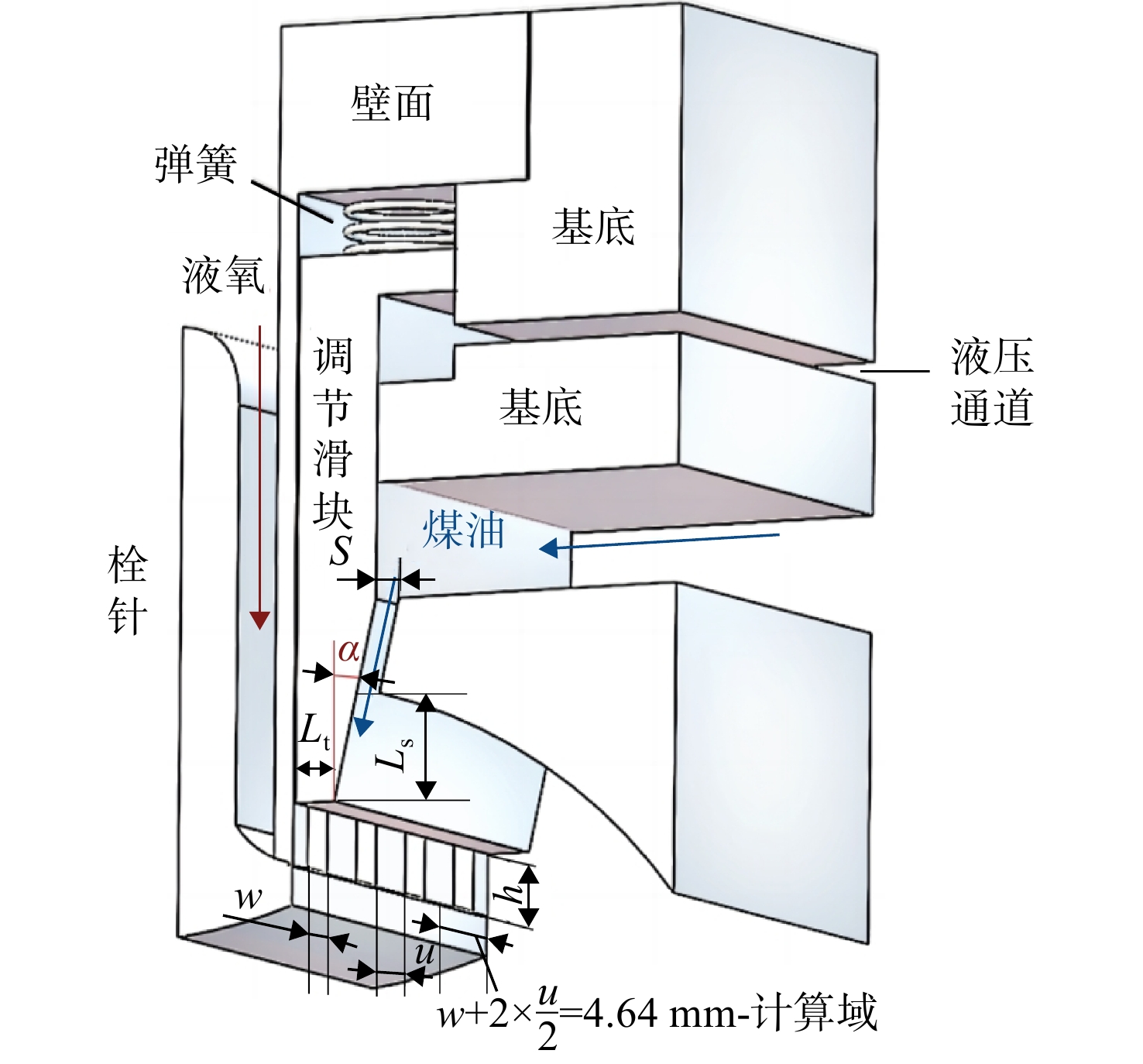
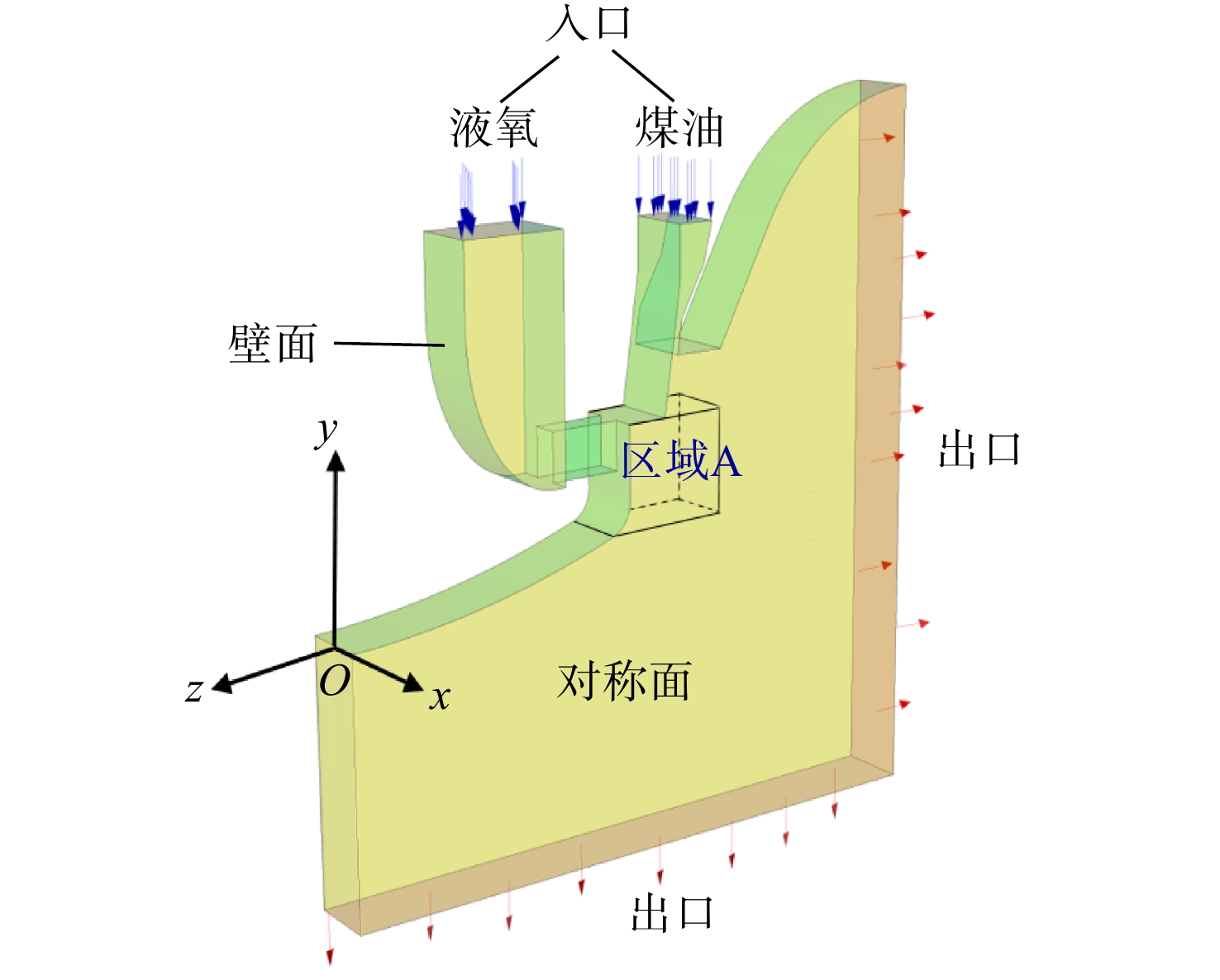
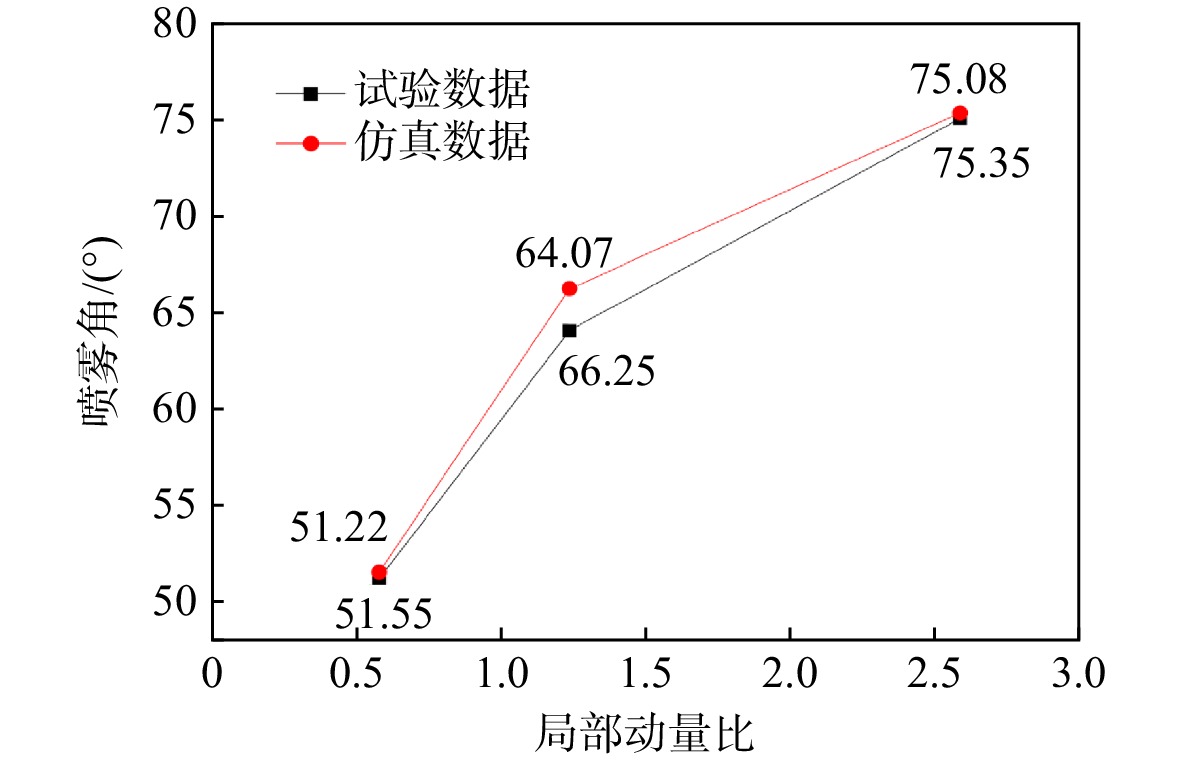
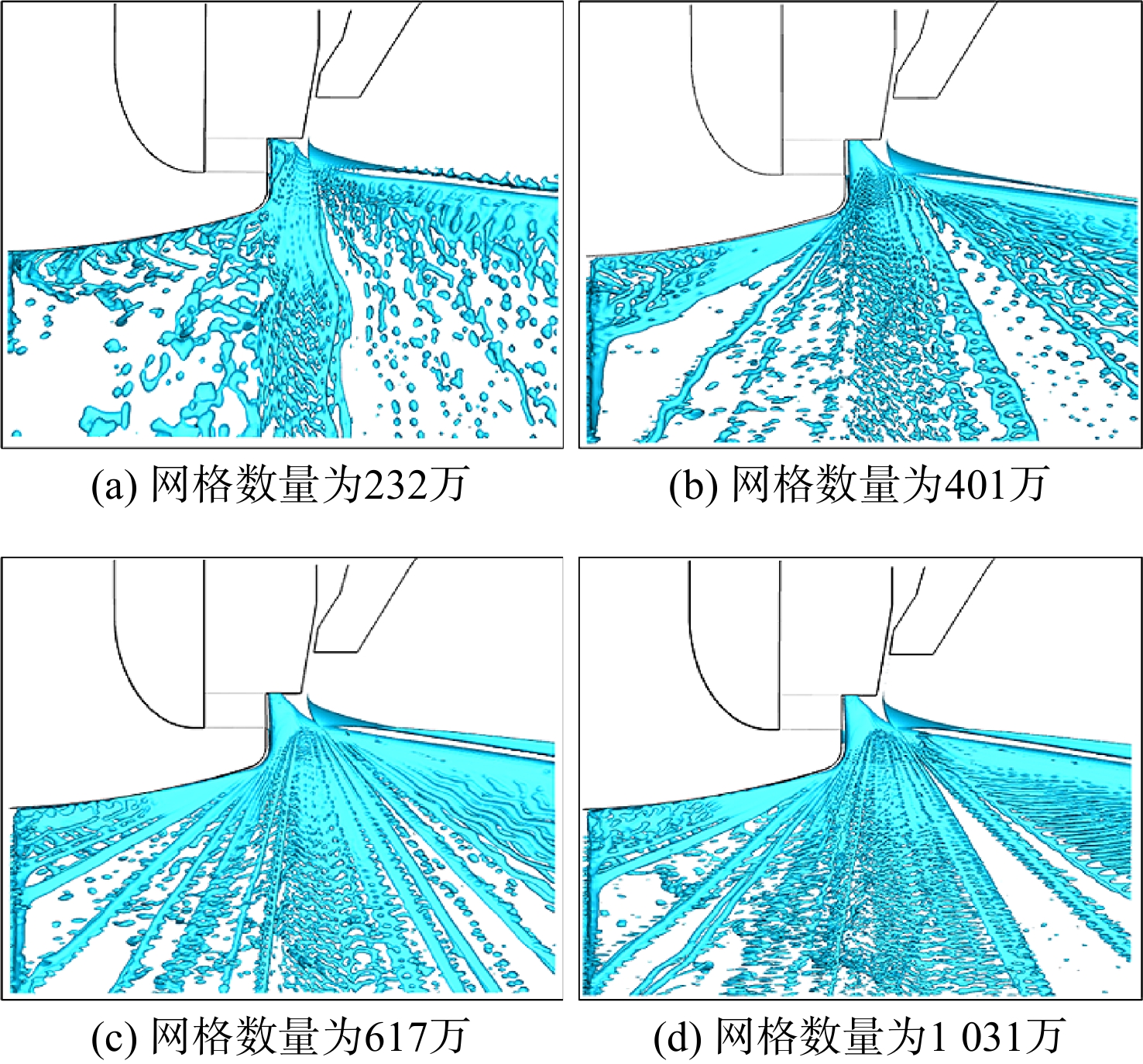
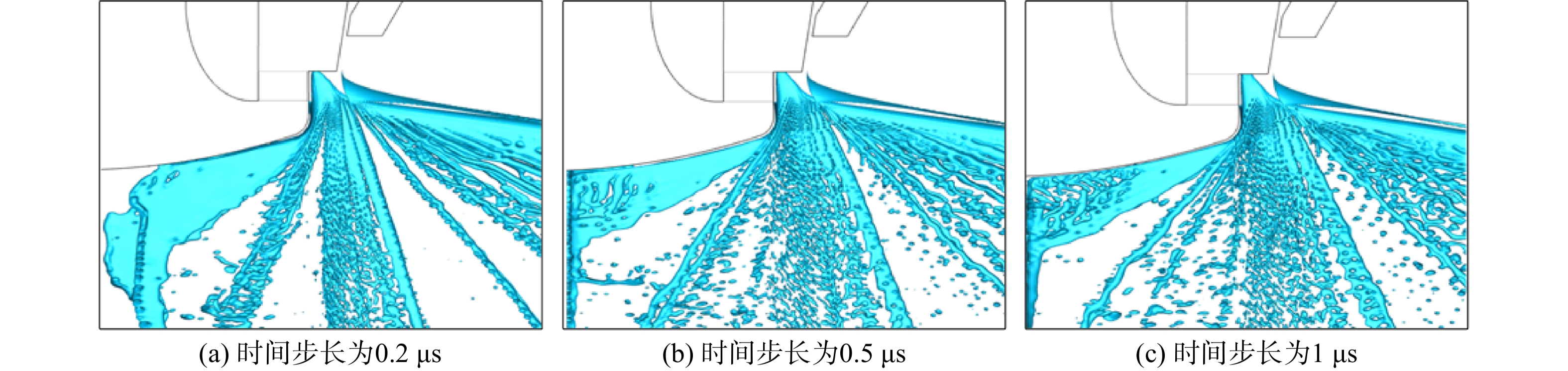
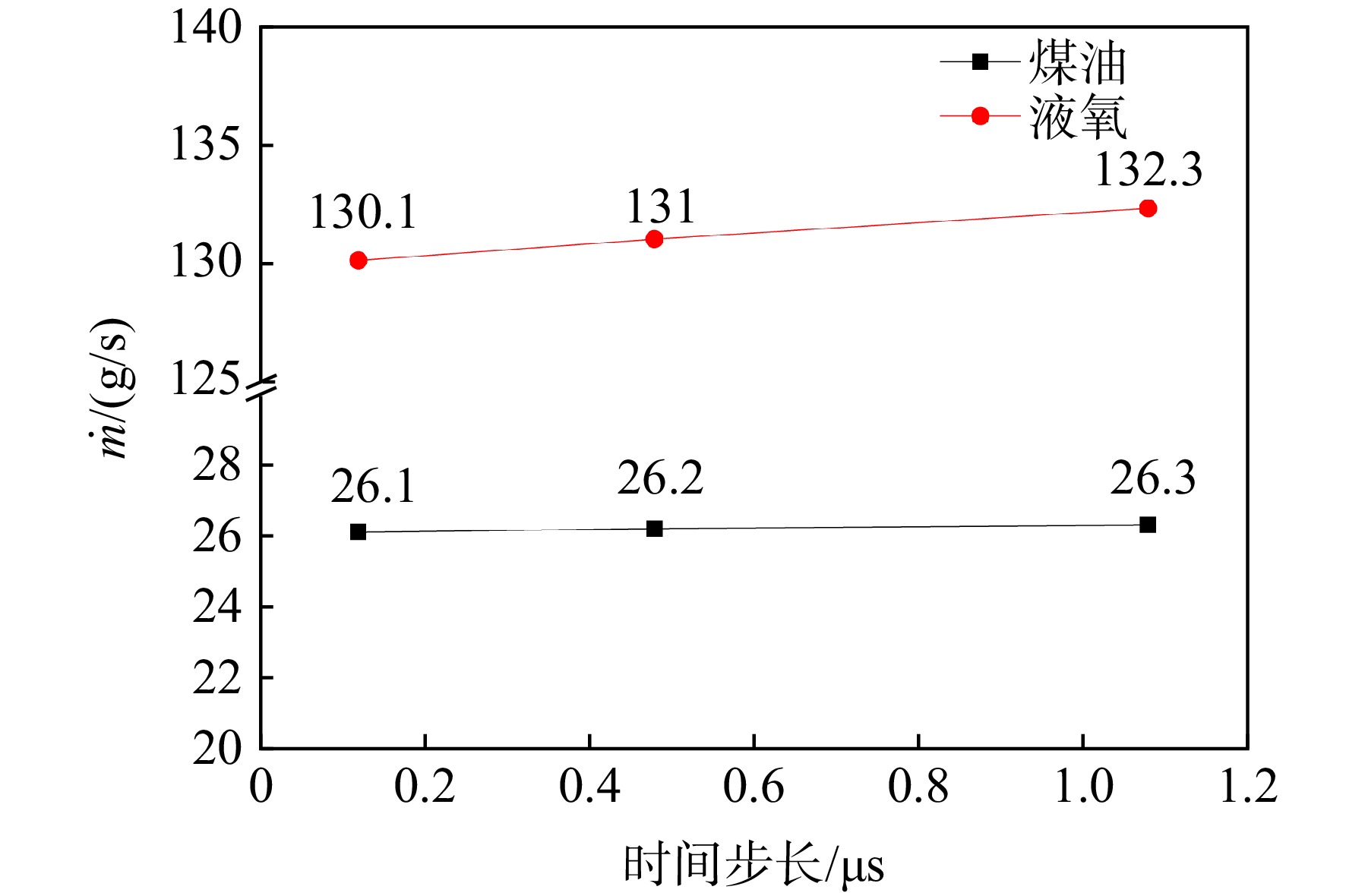
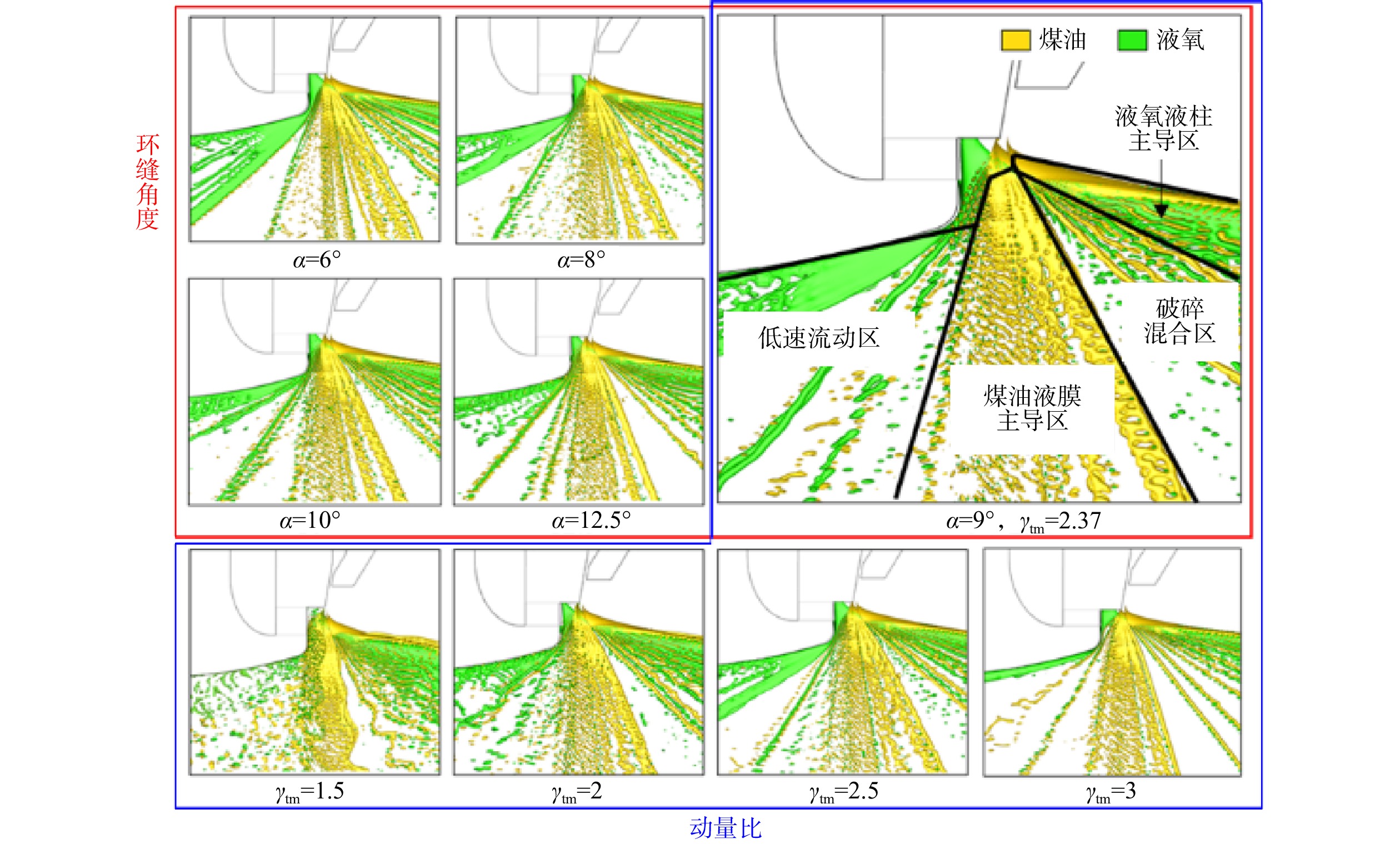
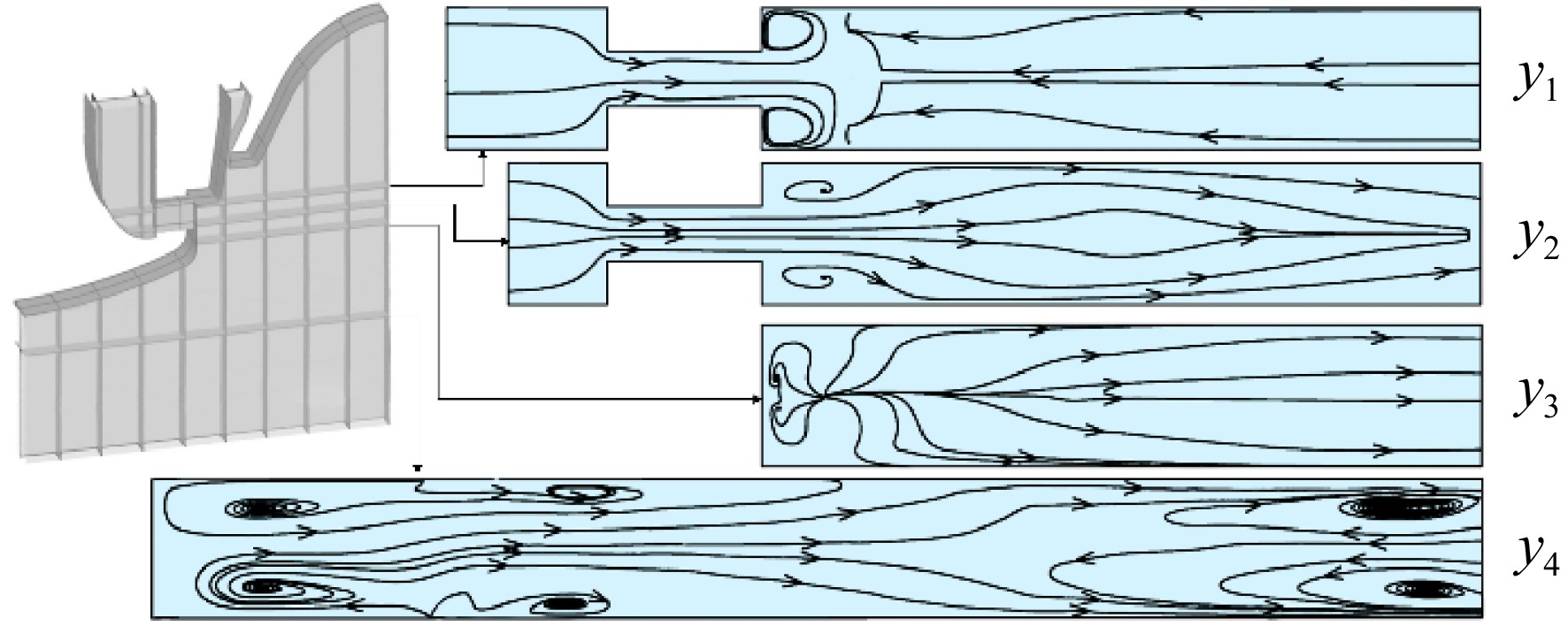
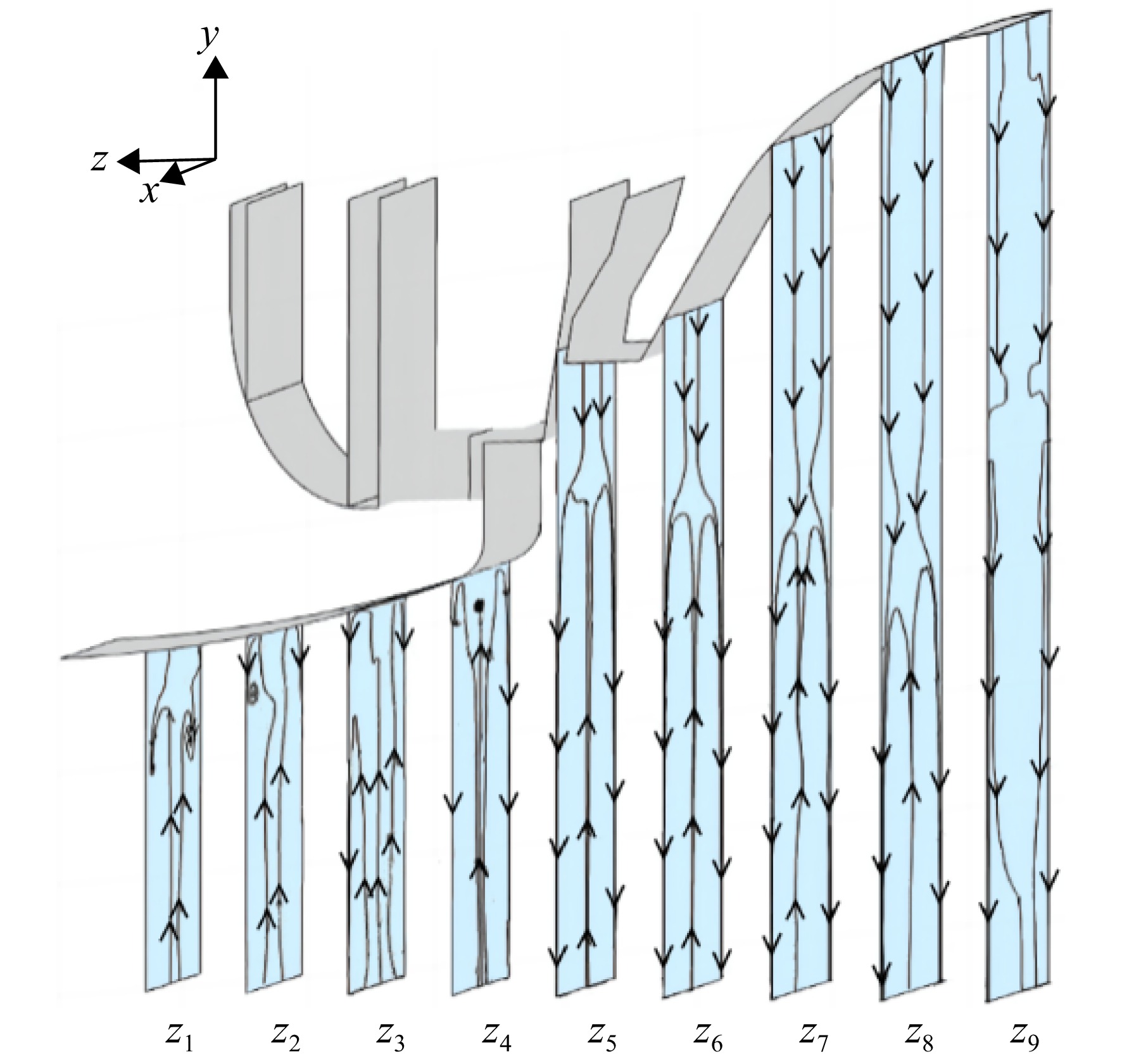
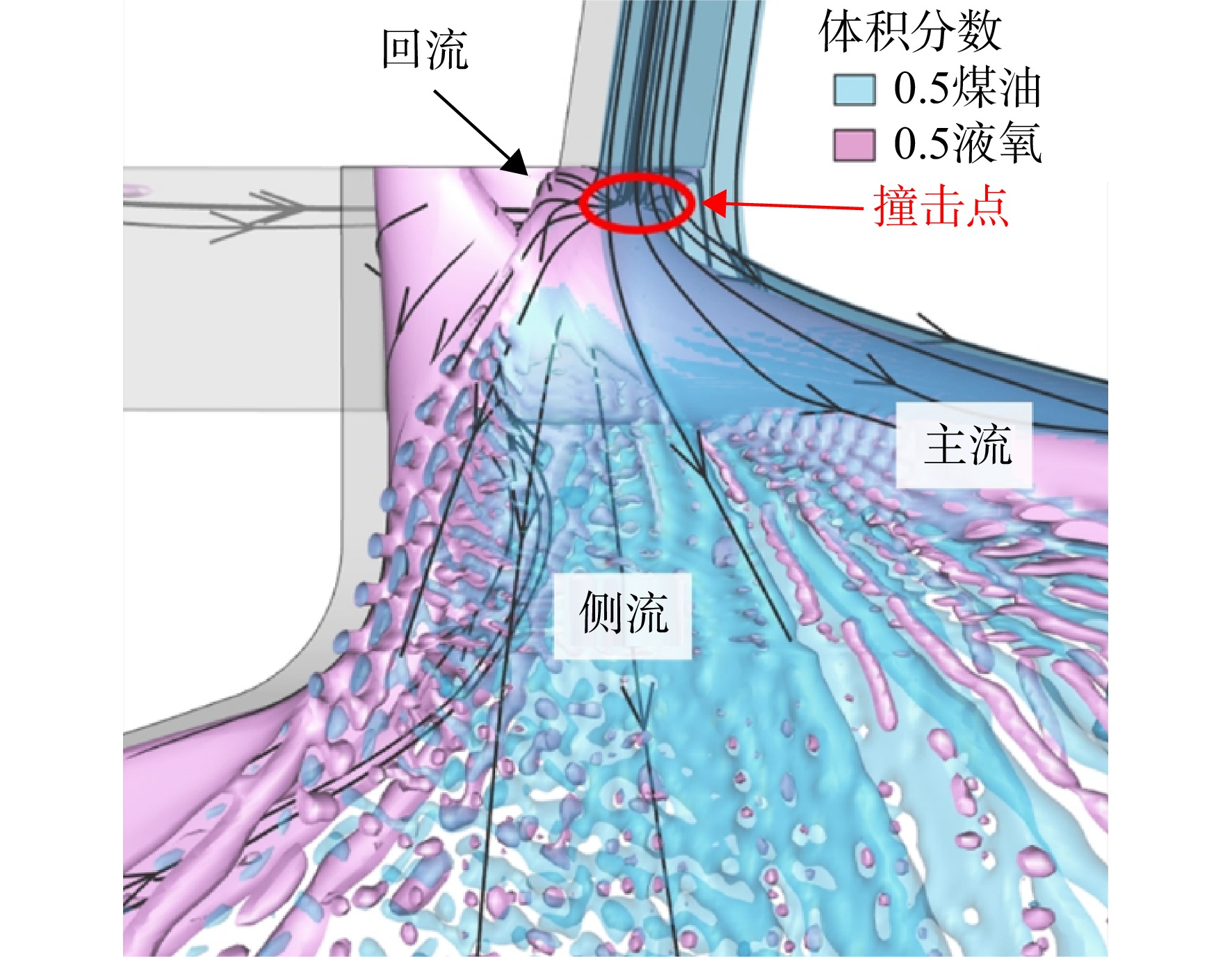
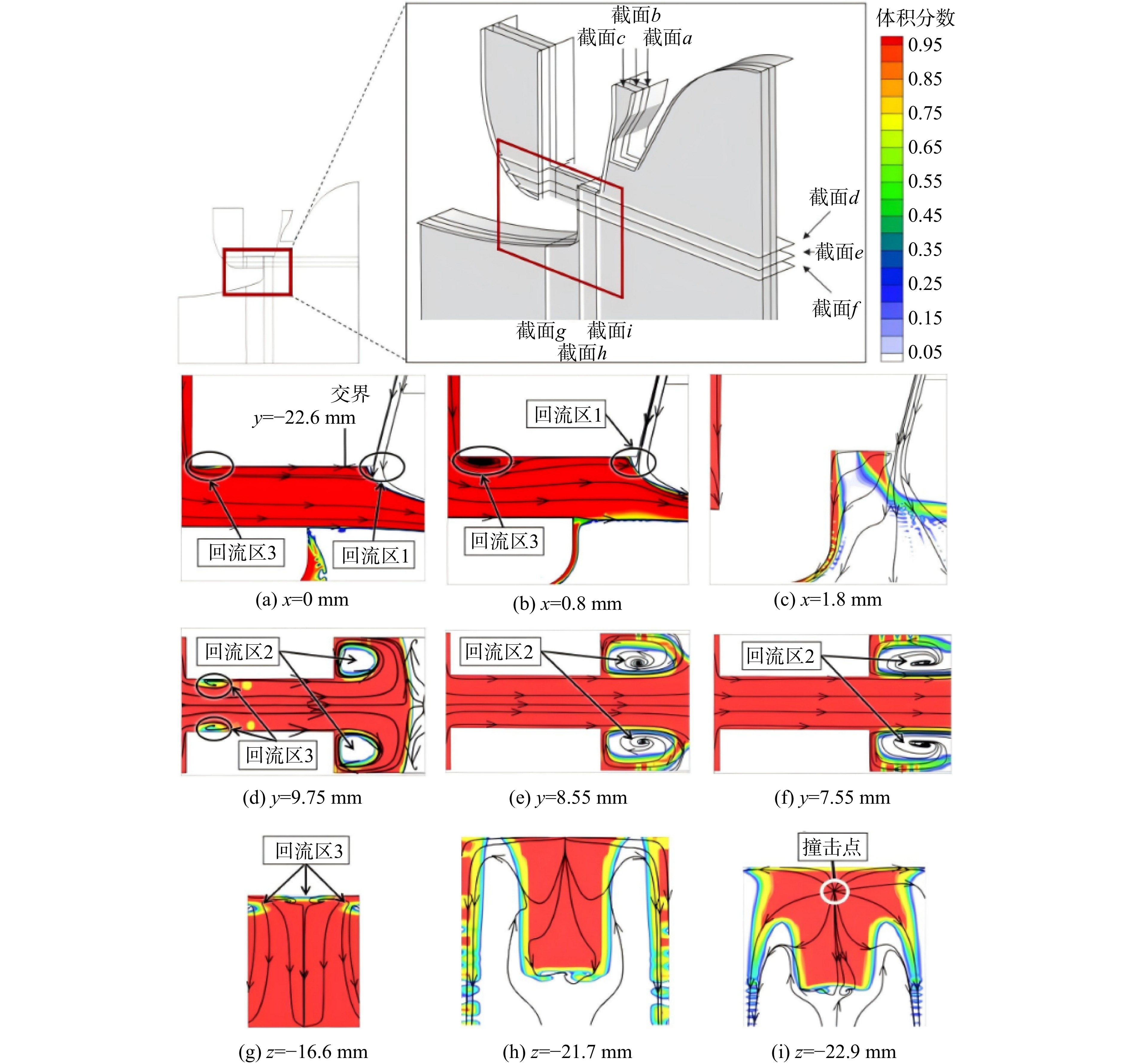
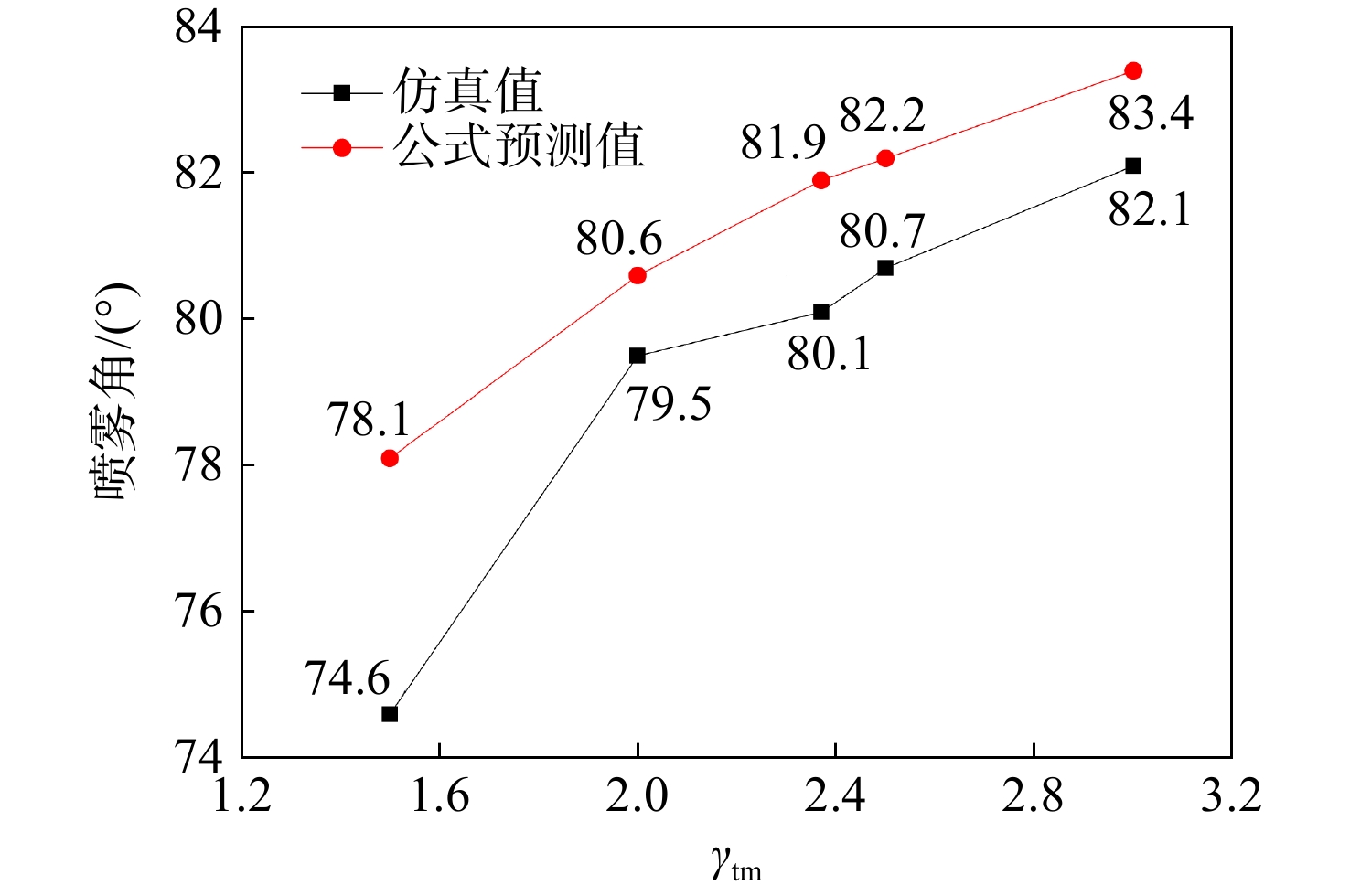
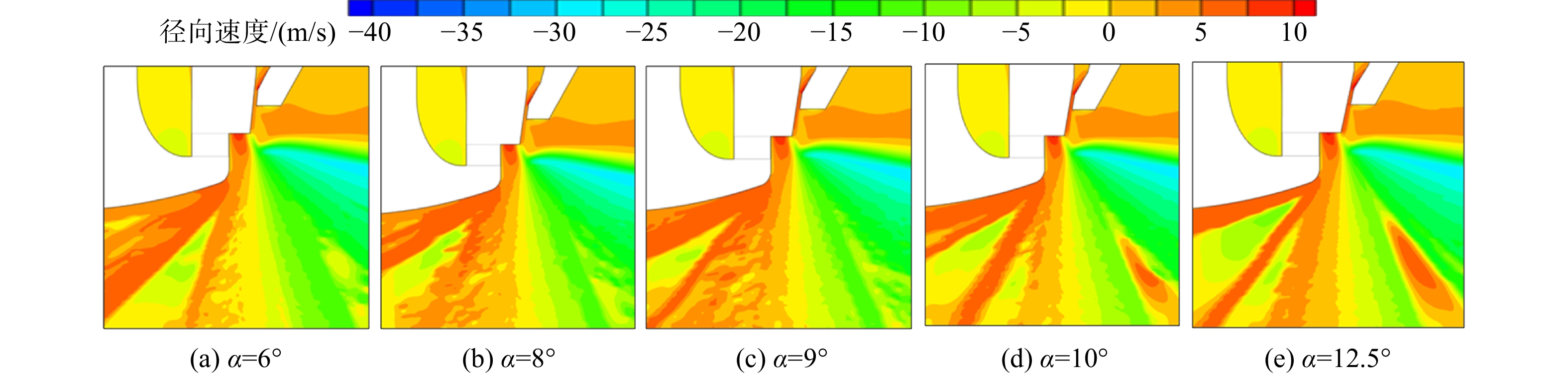
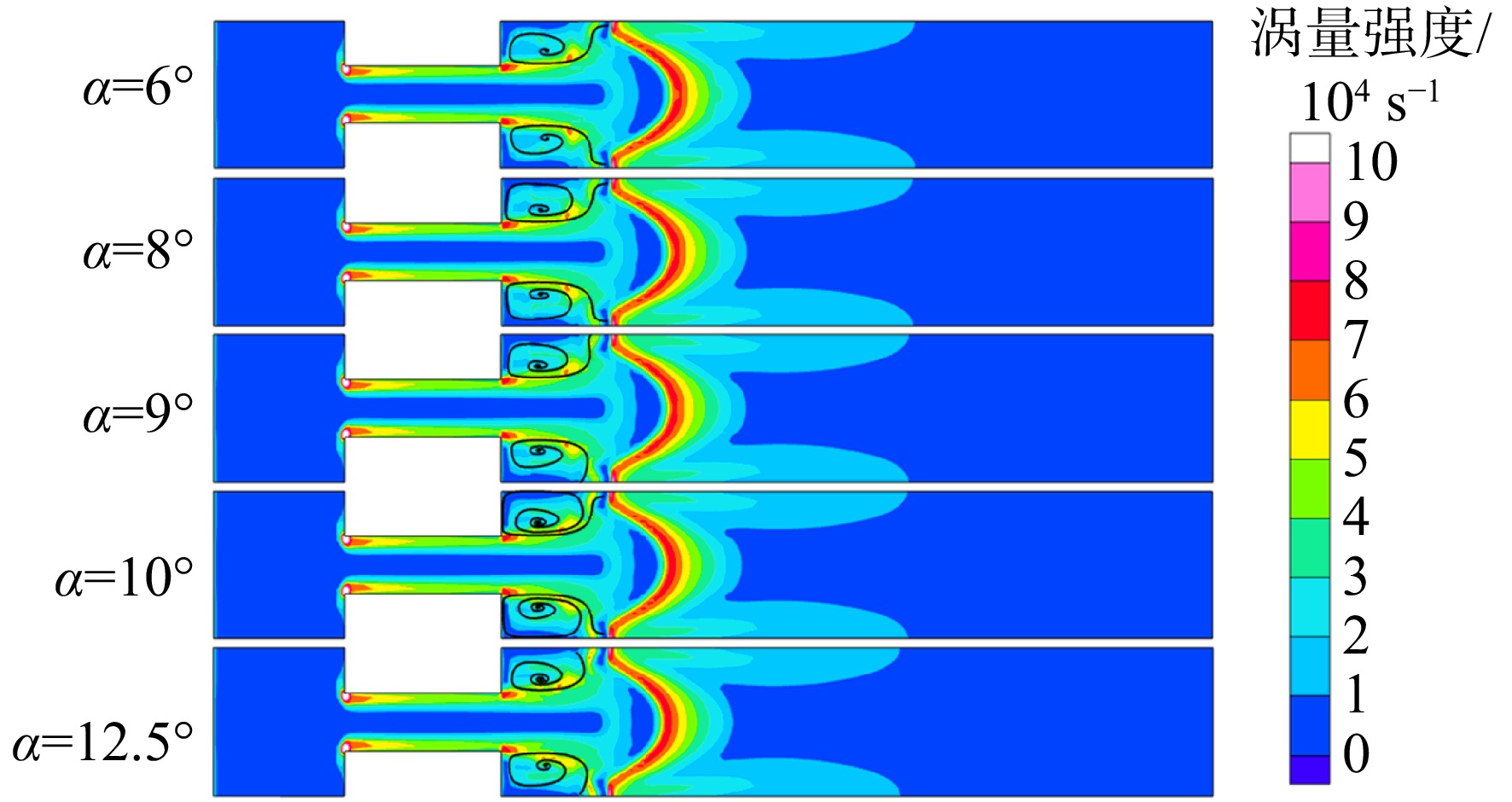
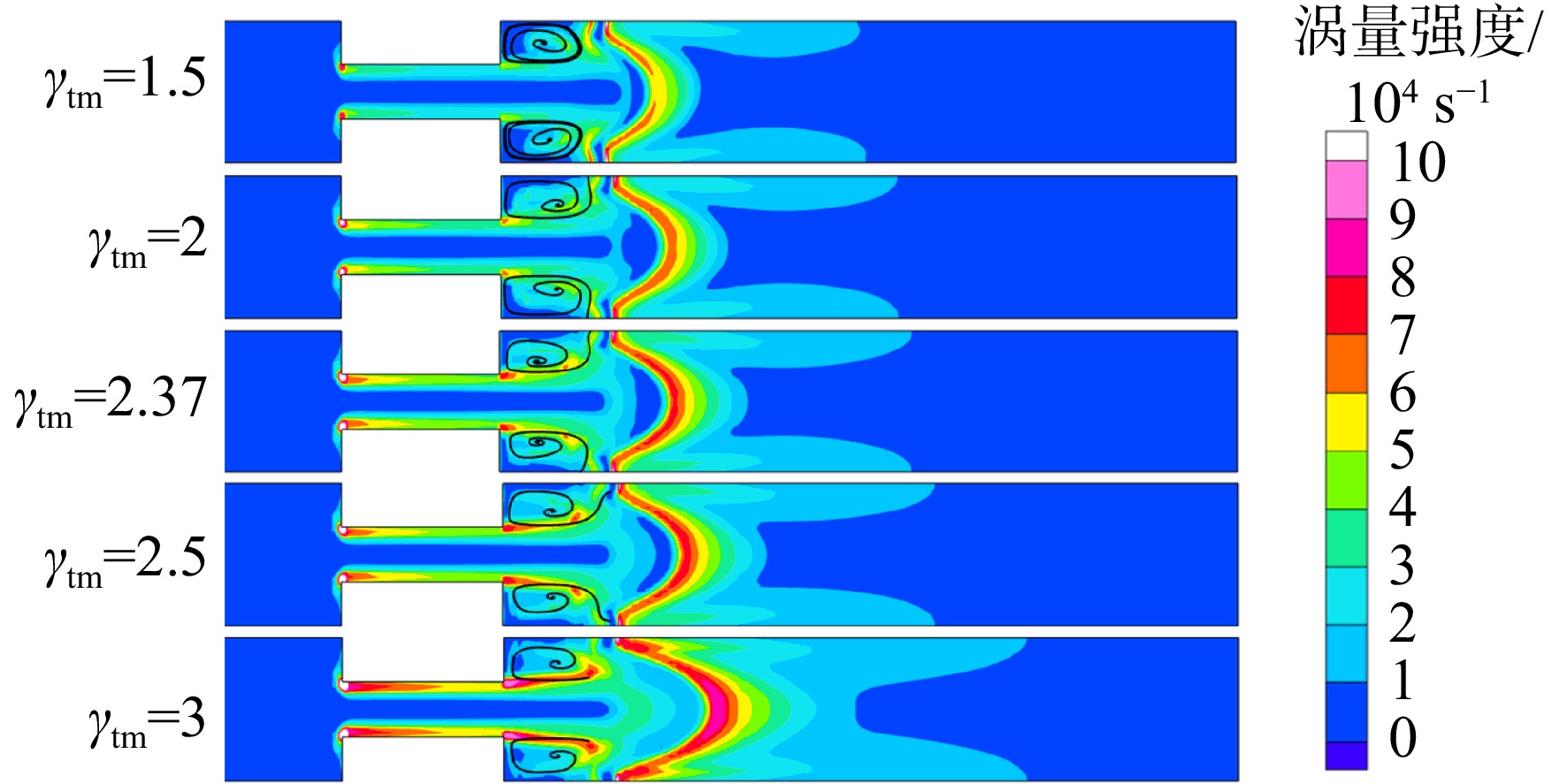
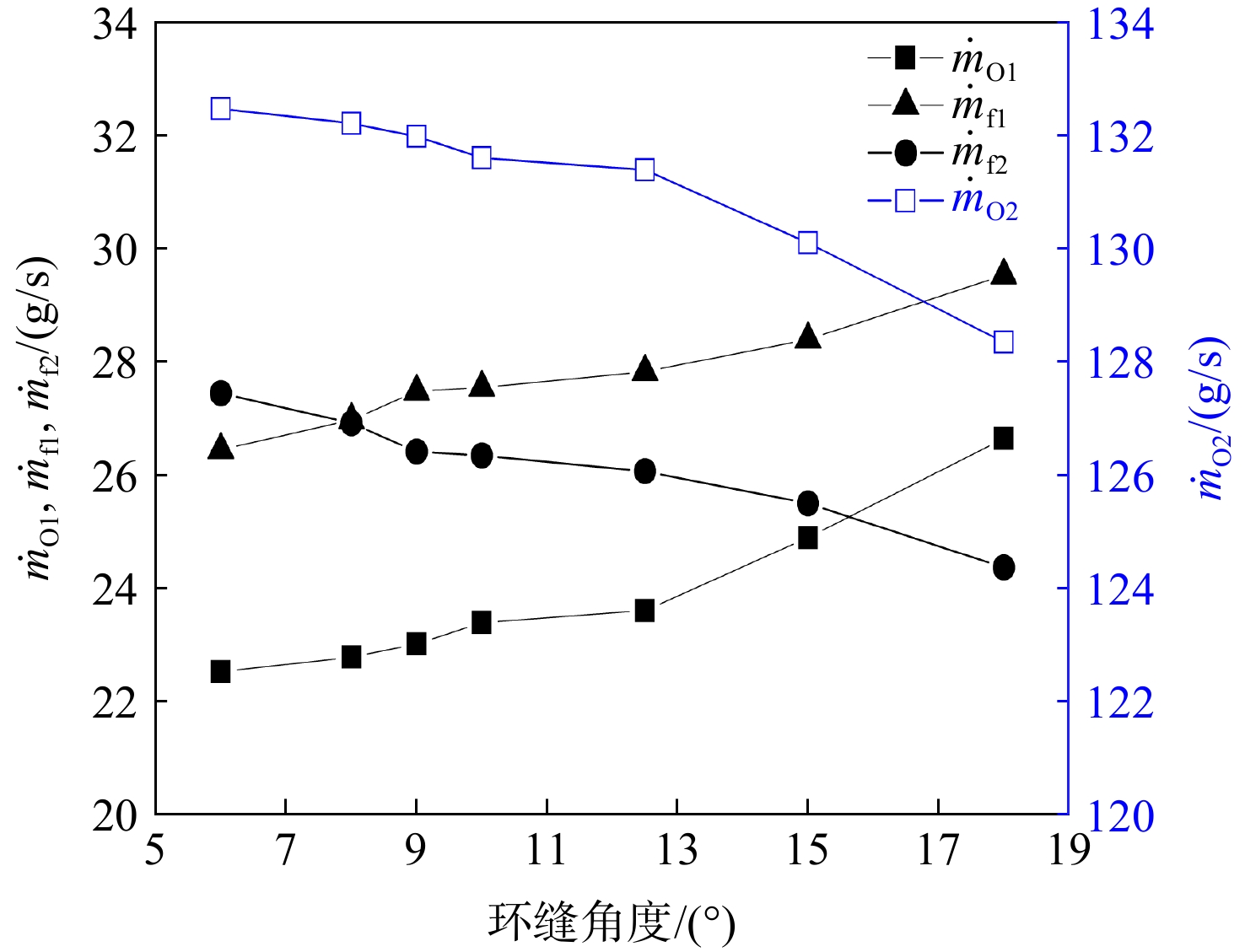
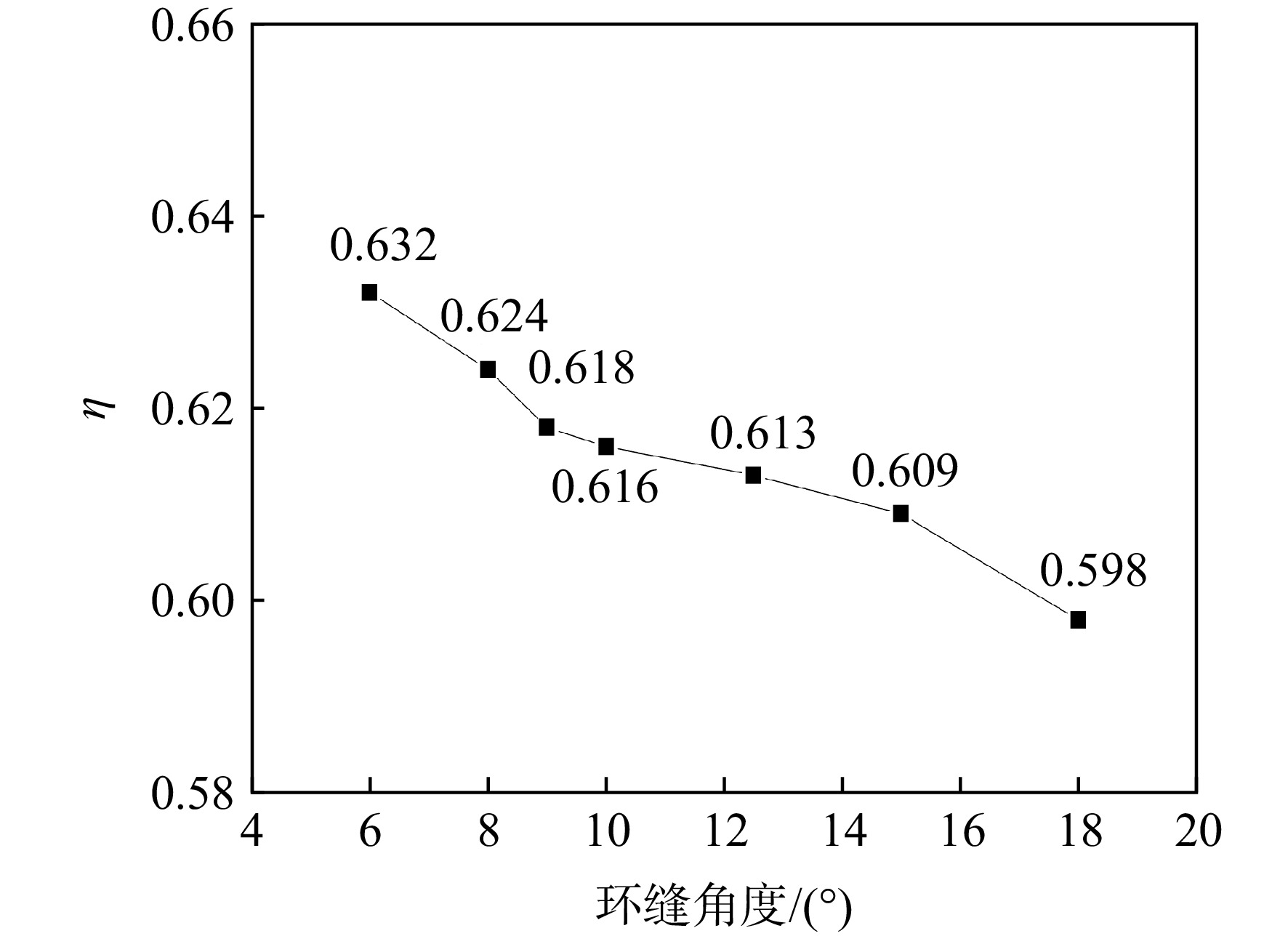
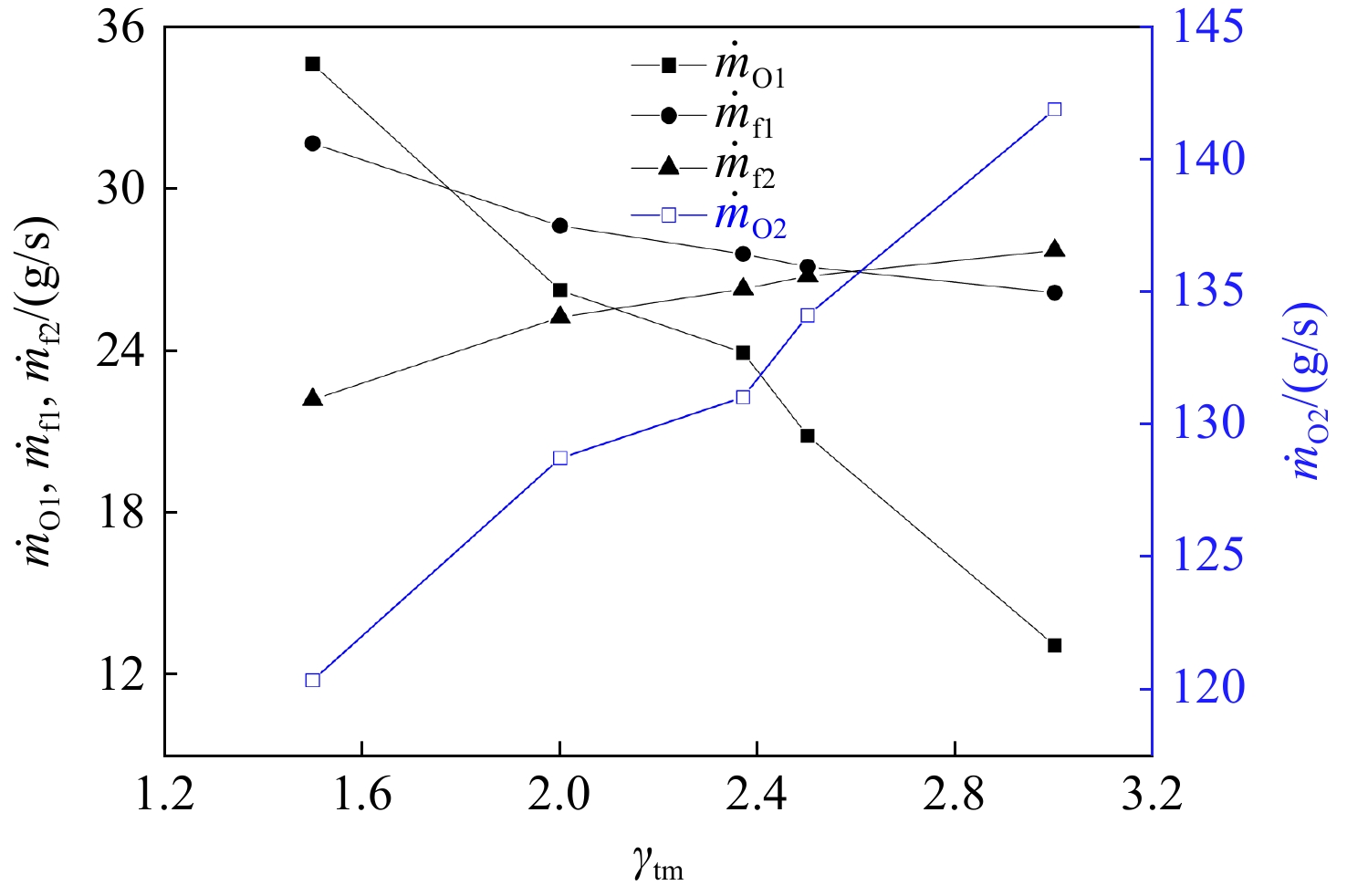
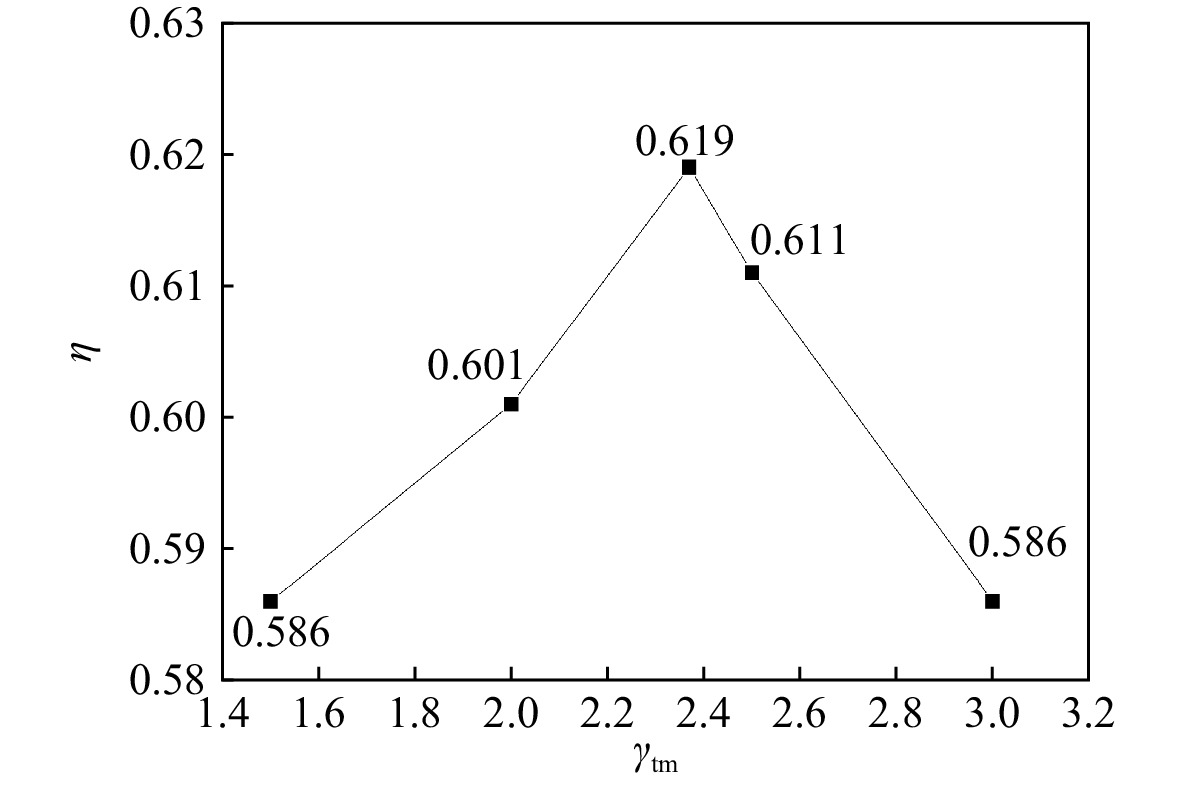
With the growing use of throttleable liquid rocket engines, a simplified physico-mathematical model for a plane thruster chamber’s unit, equipped with liquid-liquid throttleable pintle injectors, was formulated and numerically simulated. Spray, flow, and mixing characteristics of the injector spray were analyzed. The impact of film angle and momentum ratio on these characteristic was determined. Results revealed a distinct oxygen-rich low-velocity zone, with fluid crushing influenced by total momentum. Flow exhibited a unique recirculation zone beneath the injector sleeve, where vorticity was intensified with momentum ratio rise, unaffected by film angle. Variations in film angle and momentum ratio altered the radial velocity near the impact, affecting the flow rates regionally. Mixing efficiency declined with film angle increase, while kerosene space utilization initially rose then fell with momentum ratio from 1.5 to 3.0, peaking at about 2.37.

Autocontrol
A method for identifying bearing lubricating oil multi-debris based on two-level neural network
WANG Guan, WU Xianwei, QIAN Zhi, LIU Dianzi, LI Peng, QIAN Zhenghua, LI Xiaojian
2025, 40(7): 20230745. doi: 10.13224/j.cnki.jasp.20230745
Abstract:
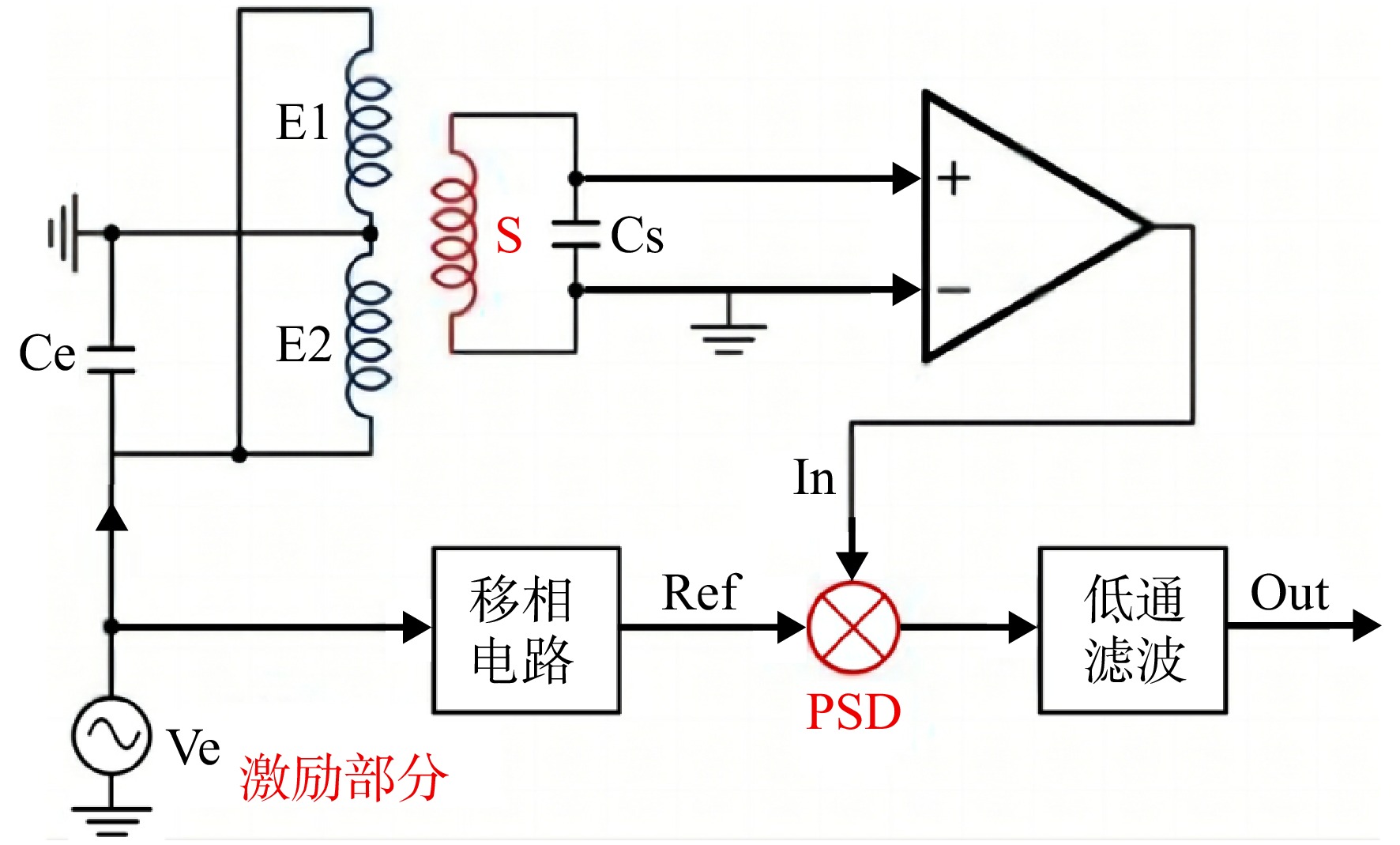
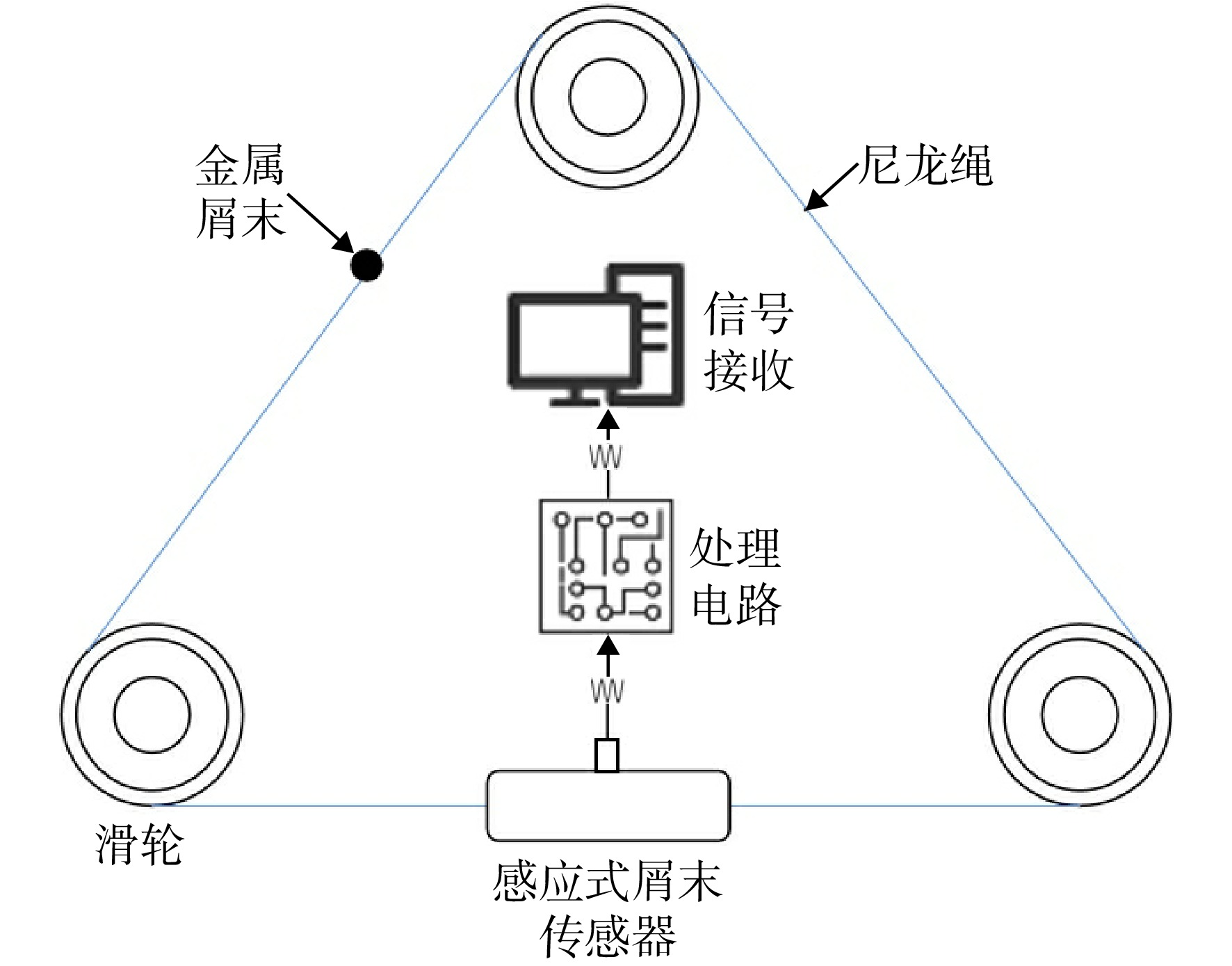
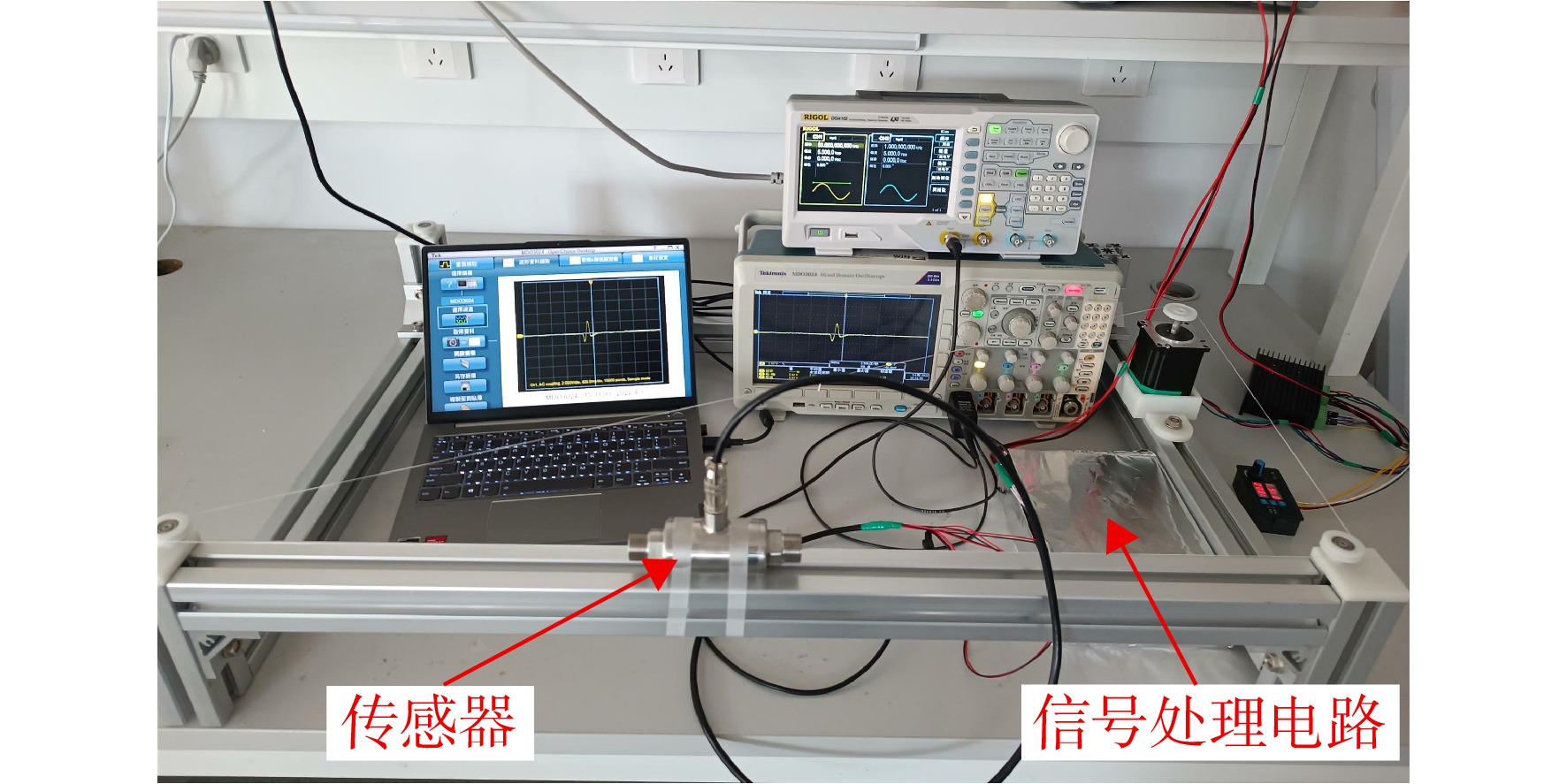
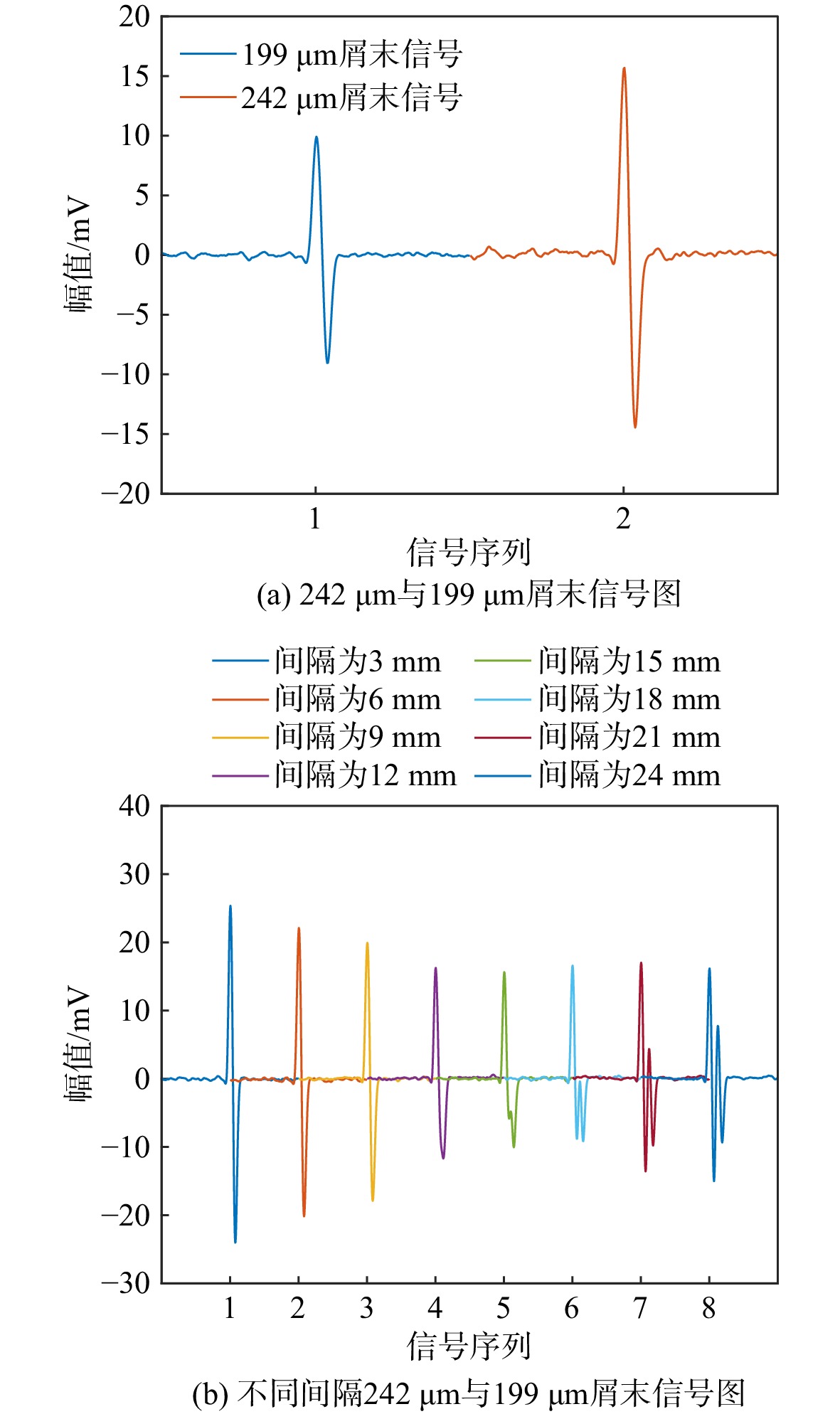
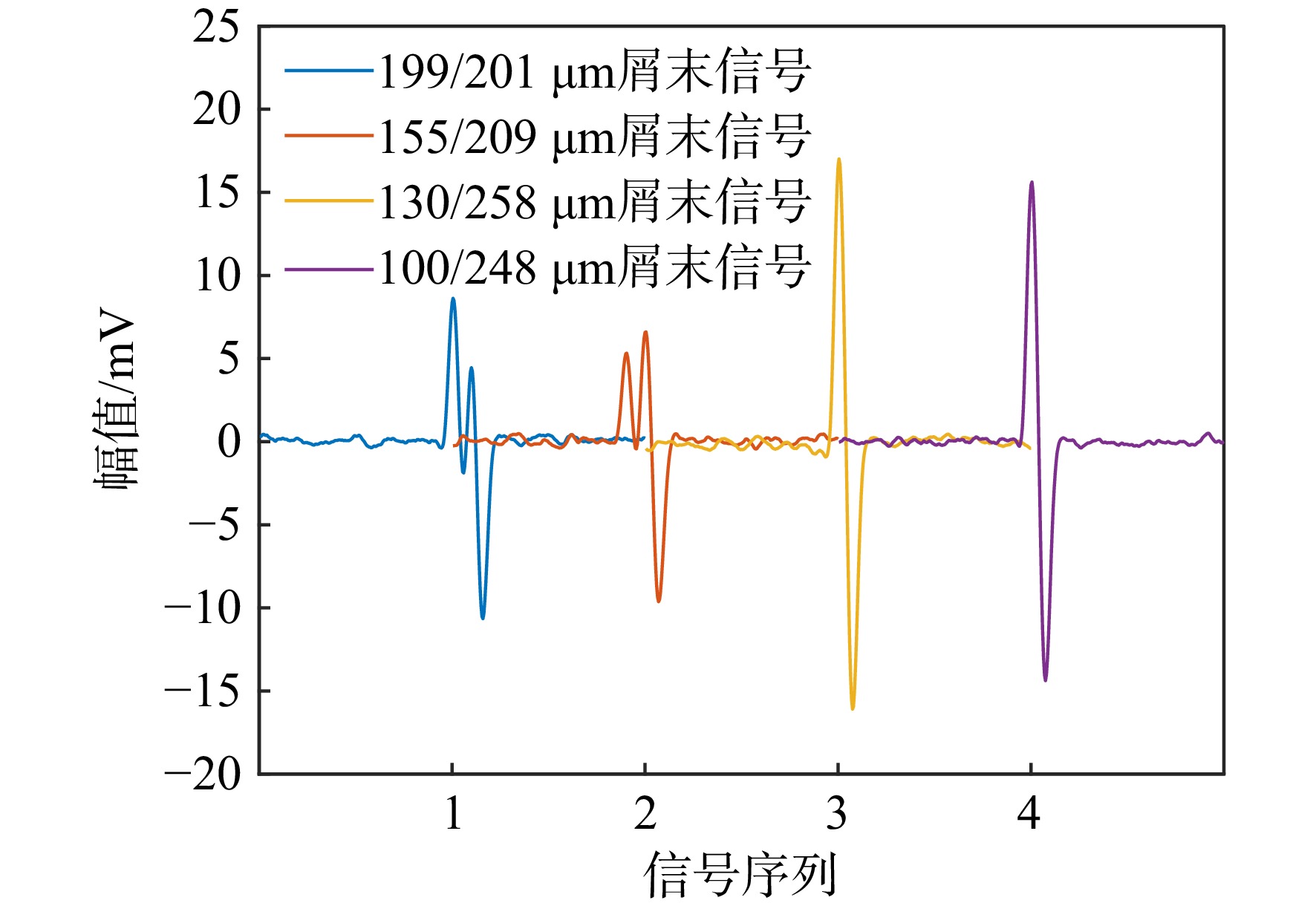
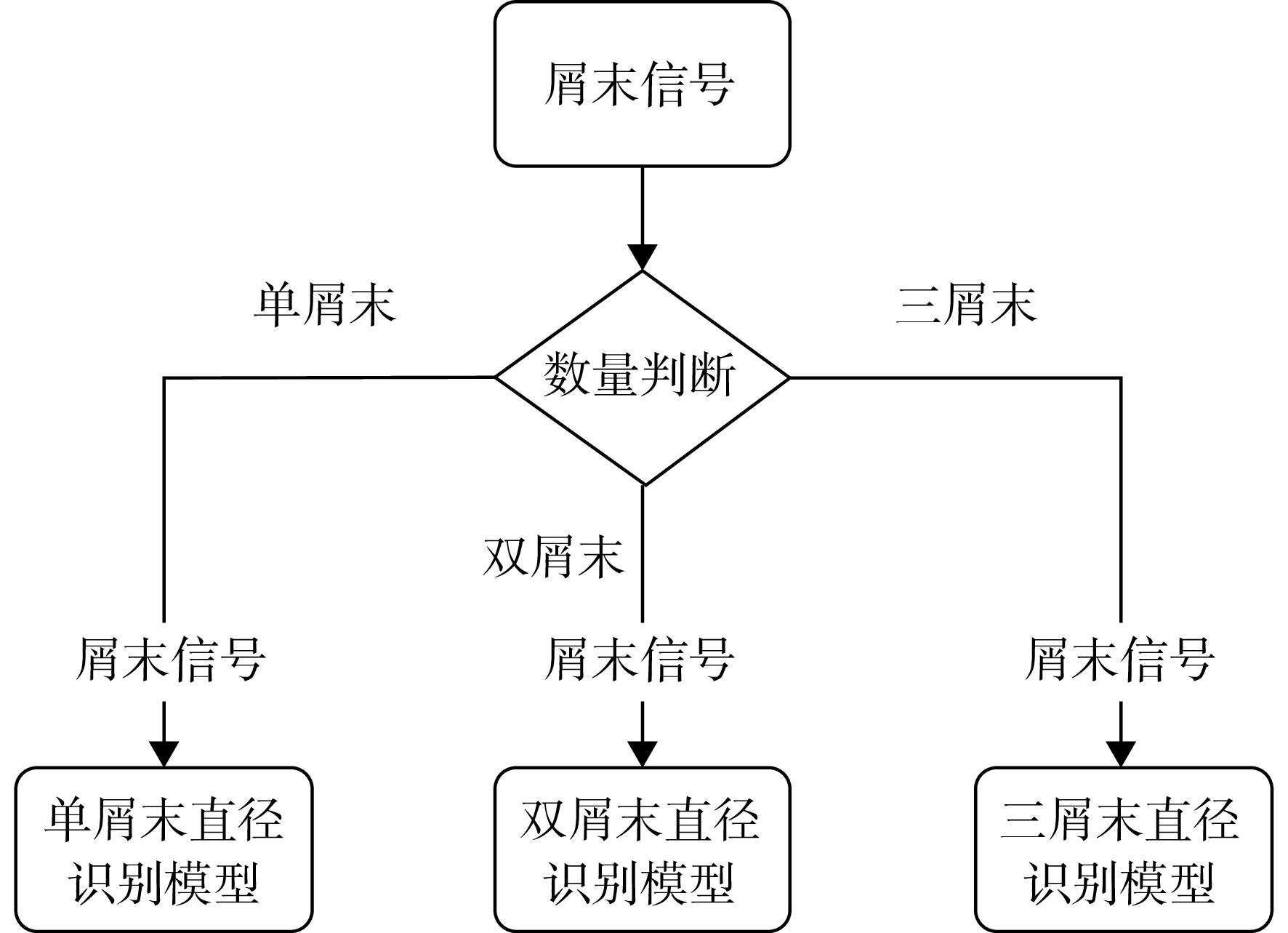
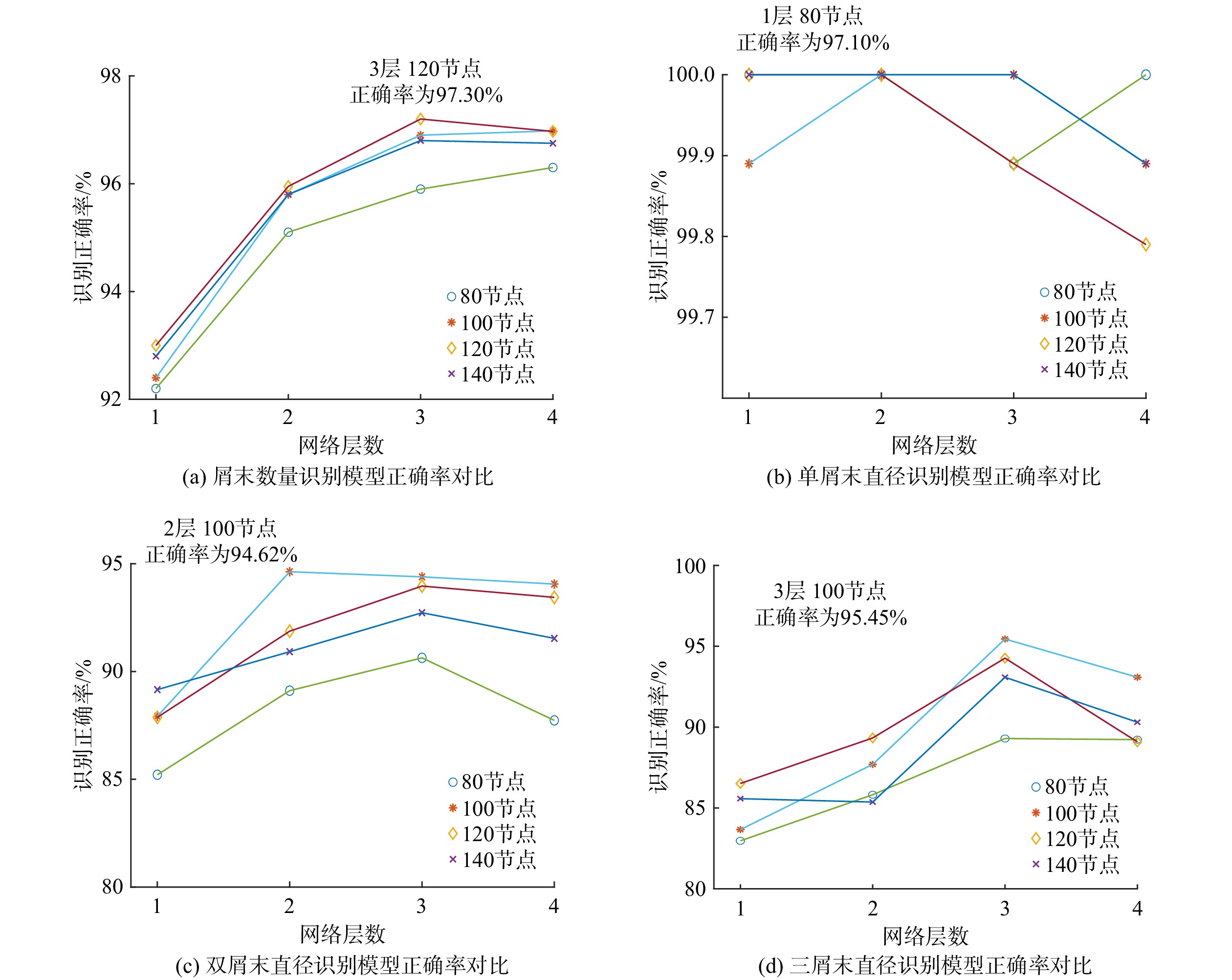
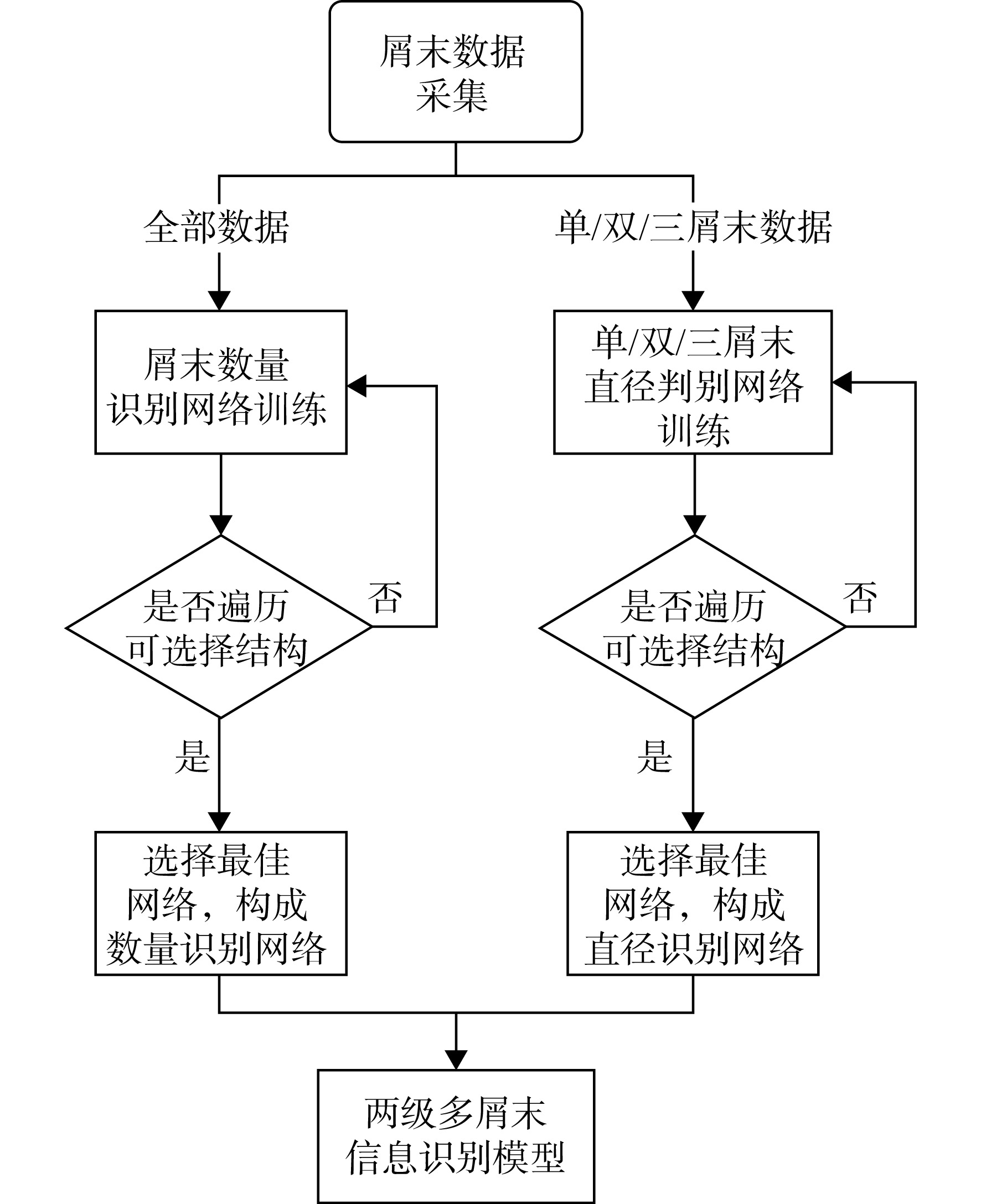
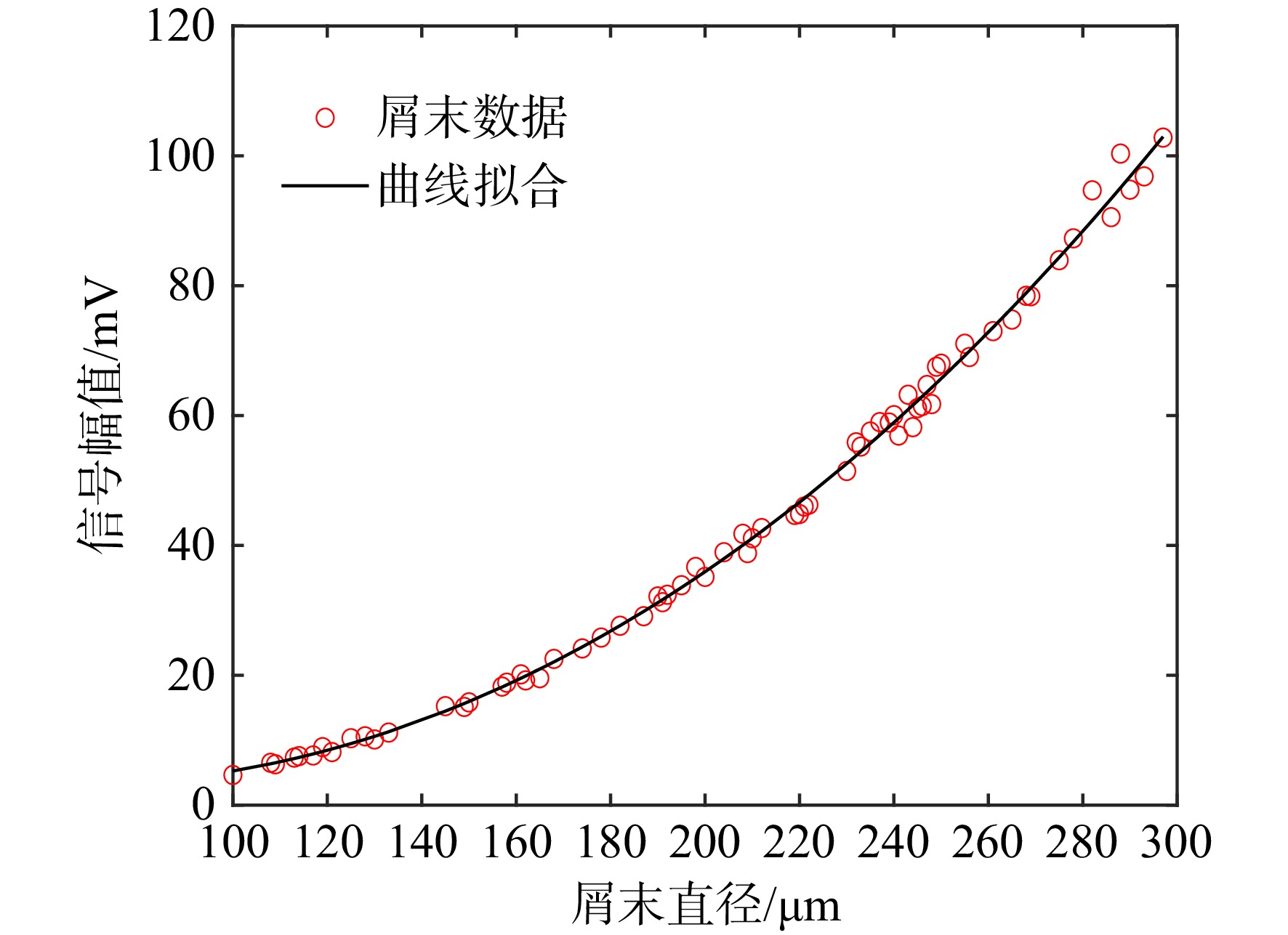
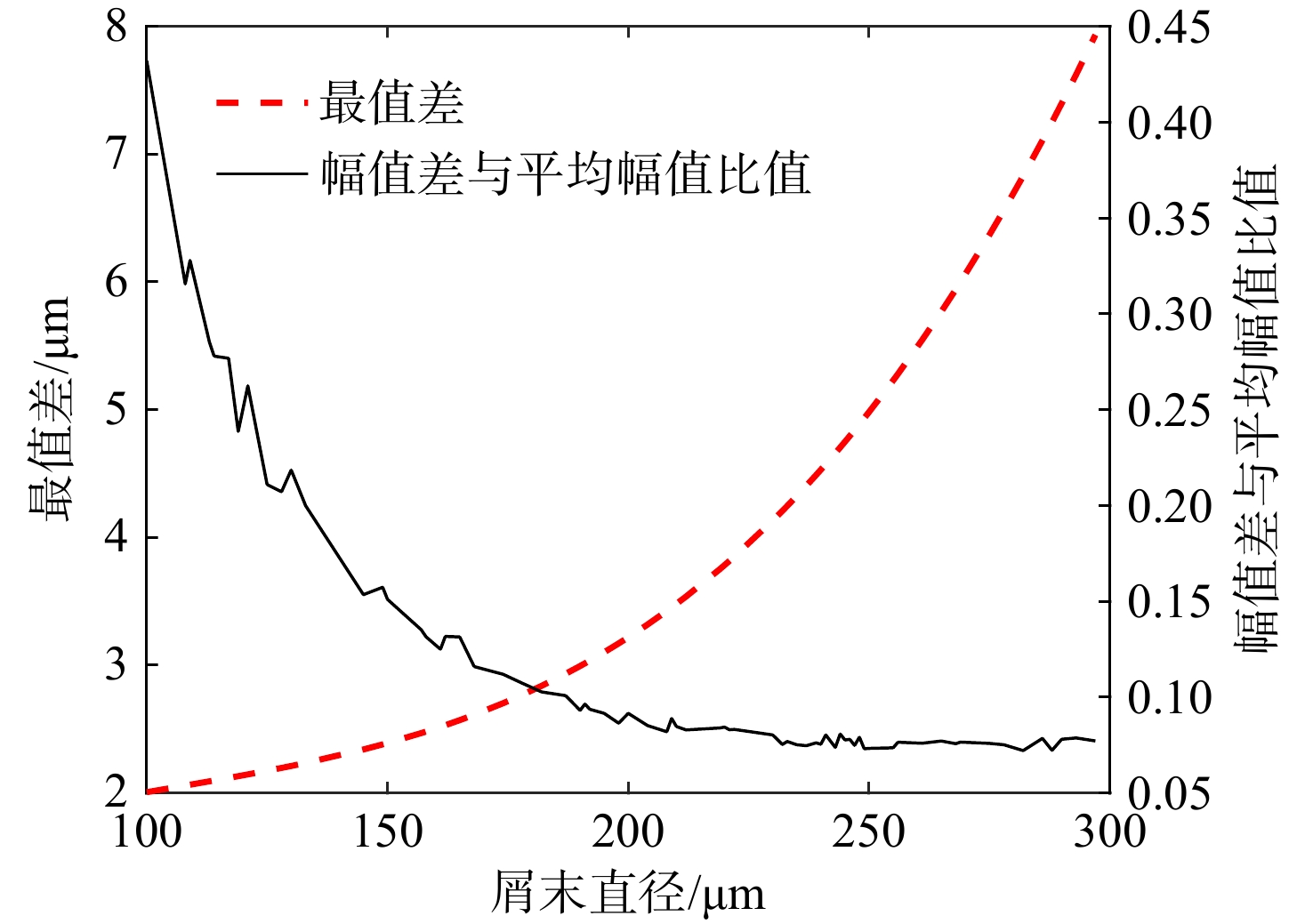
An innovative method for identifying multiple debris in lubricating oil based on back propagation neural networks was introduced to address the challenge of multi-debris signal overlap. A two-level model framework was proposed, of which the first level network can accurately estimate the number of small debris in overlapping signals, and the second-level network utilized this quantity information to precisely analyze the diameter of these small debris, successfully overcoming the challenges posed by signal overlap. Through sufficient data training and model structure optimization, the model achieved 98.10%, 91.42%, and 93.06% accuracy, respectively, in single, double, and triple debris recognition.

Performance seeking control of adaptive cycle engine based on Bayesian optimization
ZHU Xinyu, XU Siyuan, XIAO Hongliang, WEI Pengfei, FU Jiangfeng
2025, 40(7): 20240112. doi: 10.13224/j.cnki.jasp.20240112
Abstract:
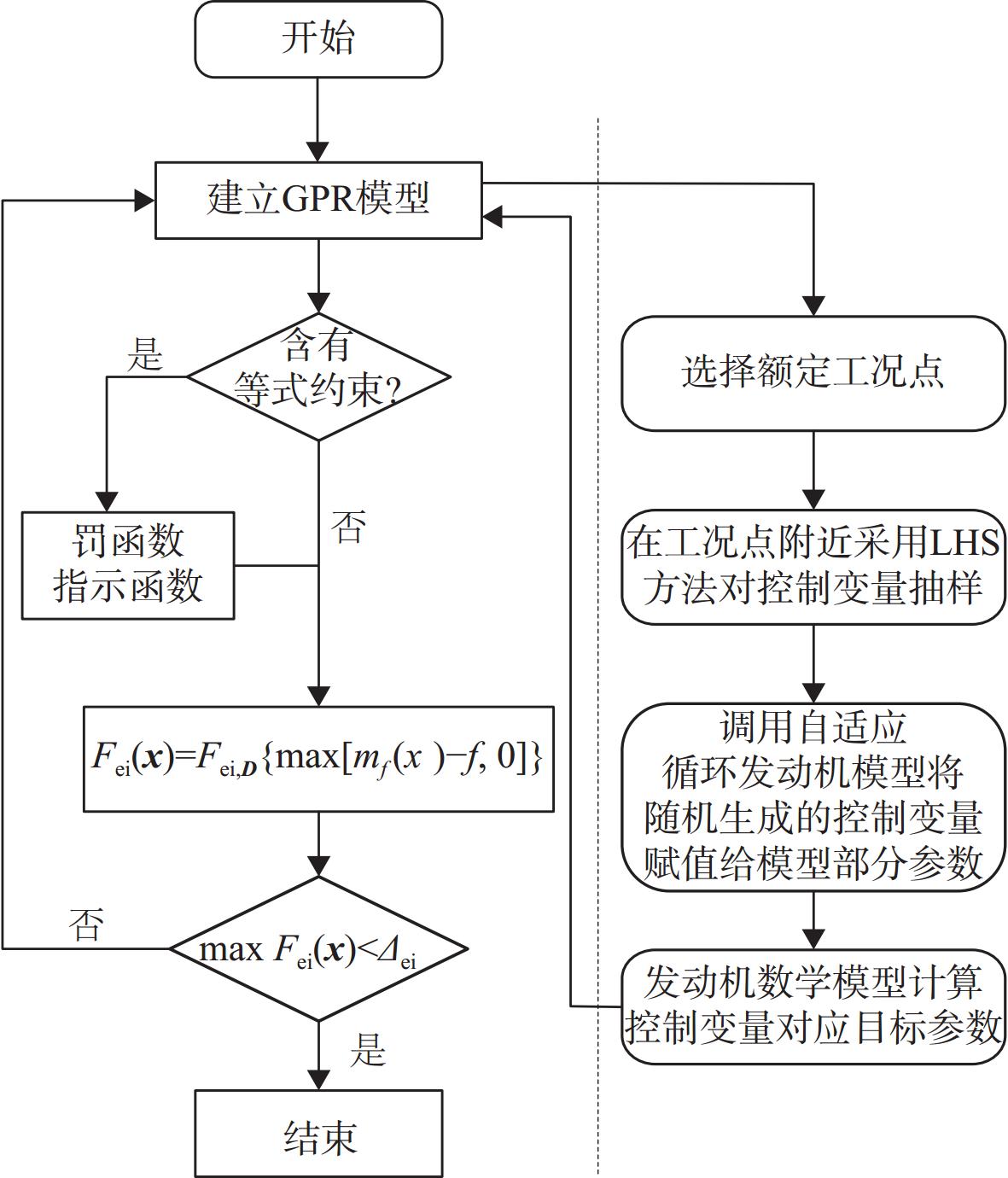
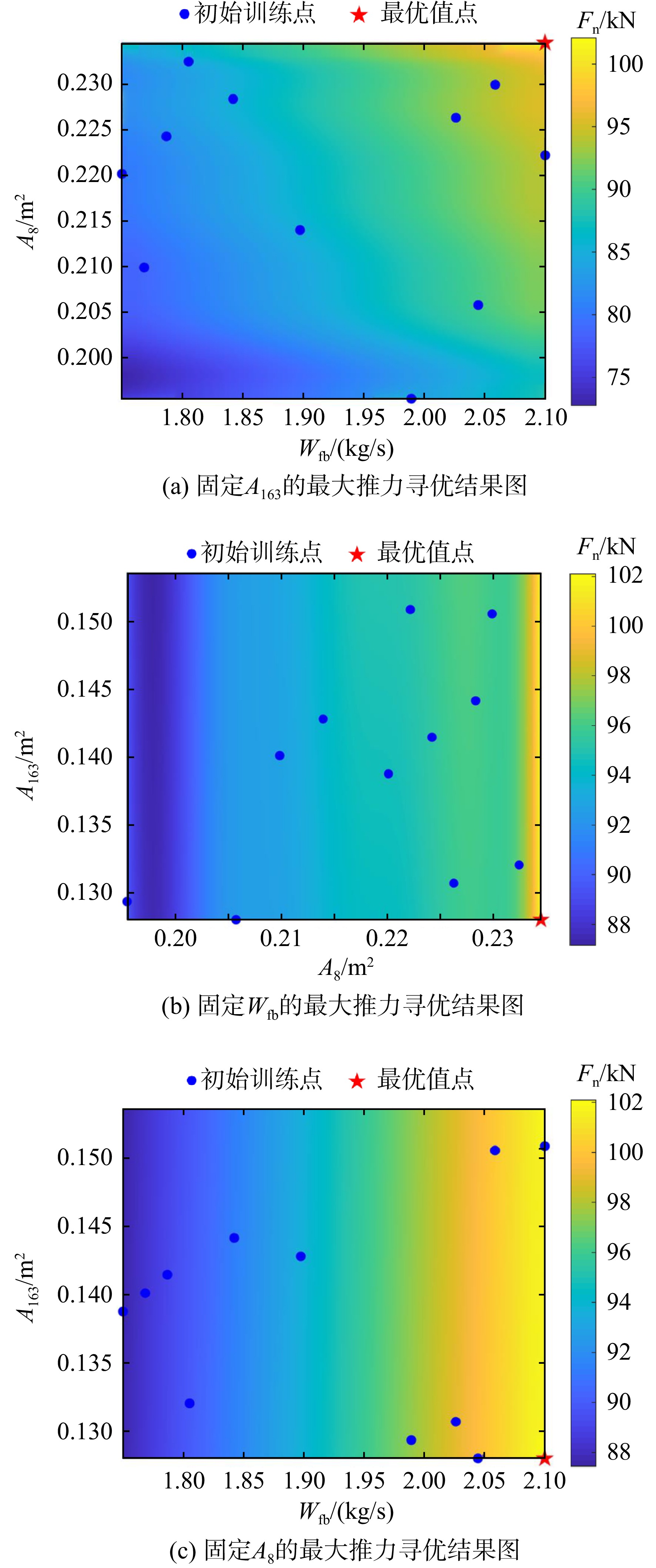
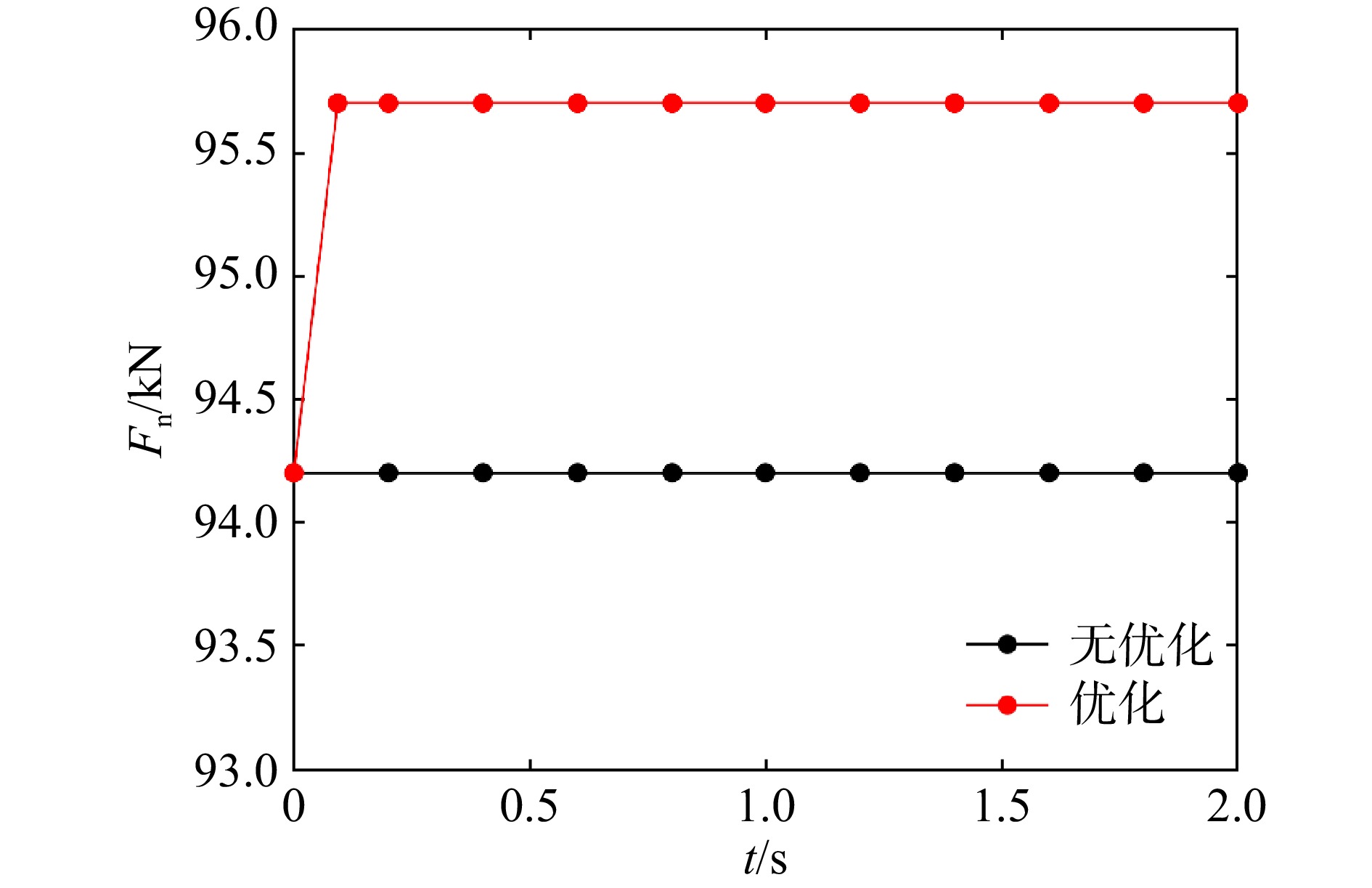
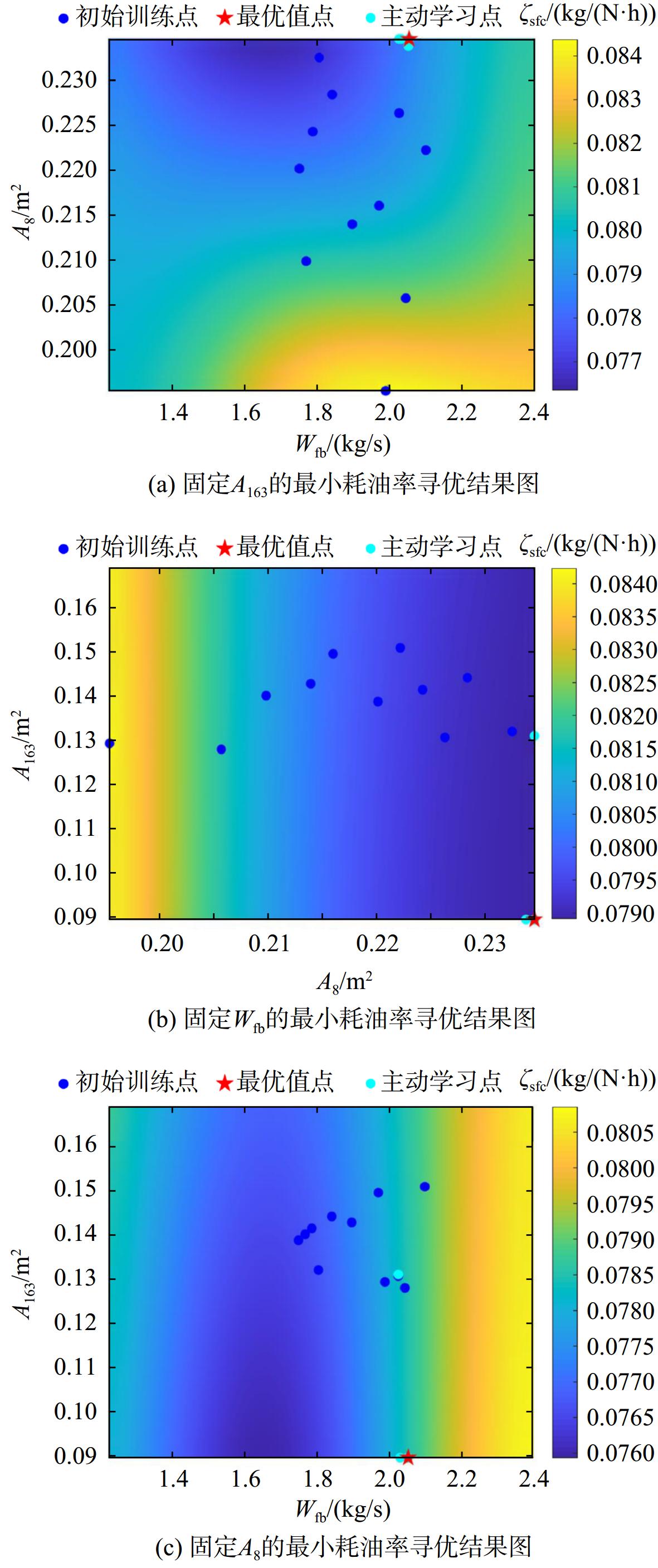
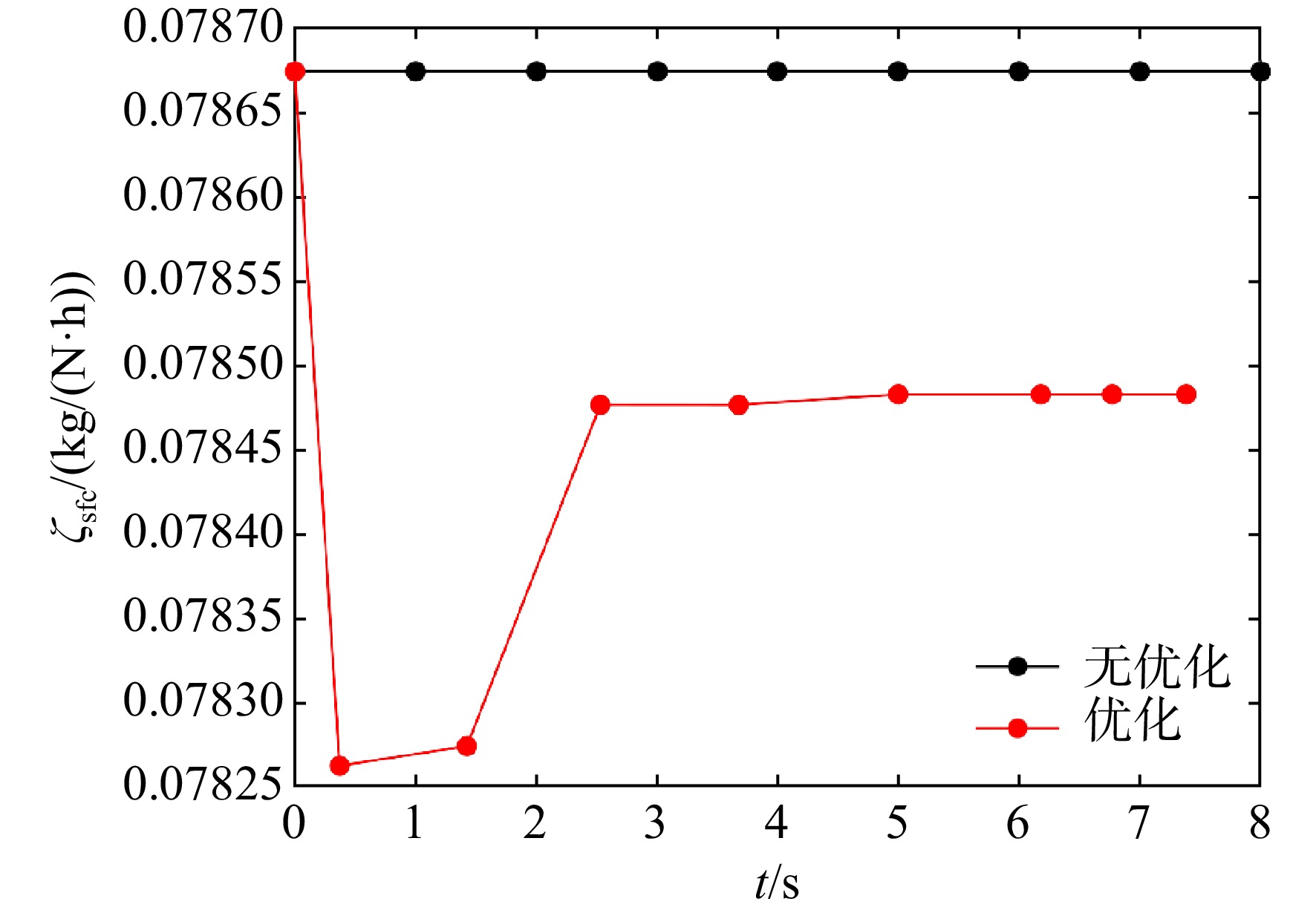
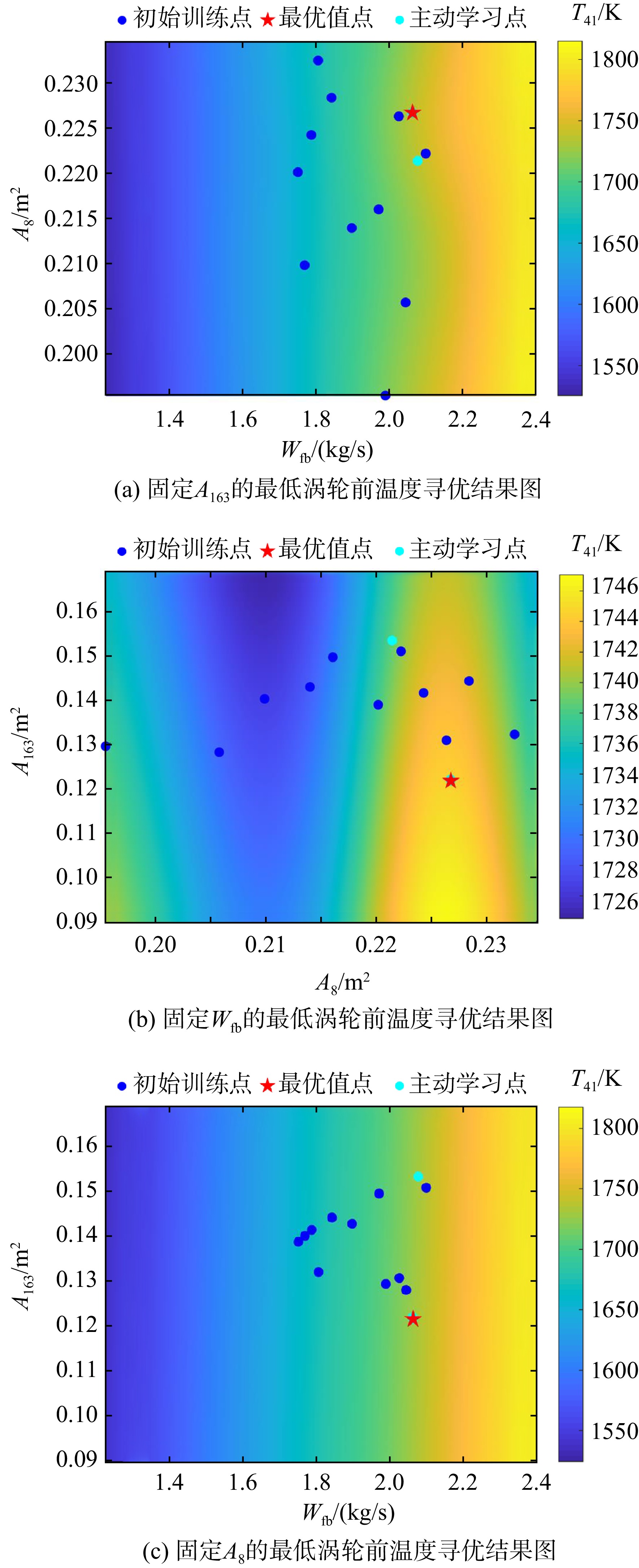
According to the performance seeking control of adaptive cycle engine in multiple operating modes, an engine performance optimization control strategy based on surrogate model and Bayesian optimization was proposed to reduce the number of engine model calls and calculation time, and avoid local optimization problems. This method built an adaptive cycle engine surrogate model based on the high-precision component model and the Gaussian process regression. It used penalty functions and indicator functions to transform the optimization problem with constraints into an unconstrained problem. The performance seeking control system based on the adaptive cycle engine model was verified with three optimization modes: minimum fuel flow at constant thrust, minimum turbine temperature at constant thrust, and maximum thrust at maximum dry and full afterburner throttle settings. The simulation results showed that the Gaussian surrogate model constructed with a small number of samples significantly reduced the number of engine model calls, effectively cut down the amount of calculation, and avoided the problem of falling into a local loop during the engine model calling process; the Bayesin optimization algorithm used an active learning strategy to independently increase sample points and update the model based on the convergence condition evaluation agent model; the Bayesian optimization algorithm with global search characteristics can overcome engine performance problems. The optimization algorithm overcame the disadvantage of relying on manual experience, providing an effective solution for engine performance optimization. Optimization results showed 1501.27 N enhancement in maximum thrust mode, 0.38% reduction in minimum fuel consumption mode and 7.9 K reduction in minimum turbine temperature mode for adaptive cycle engine with a core-driven fan respectively.