2025 Vol. 40, No. 8

Special Topic: Data-Driven Uncertainty Analysis of Aero-engine Performance
Uncertainty analysis on the impact of manufacturing errors on the performance of multi-stage compressors
MENG Dejun, SHI Wenbin, ZHANG Haoguang, SHI Lei, XU Pengfei, WANG Dingxi
2025, 40(8): 20240553. doi: 10.13224/j.cnki.jasp.20240553
Abstract:

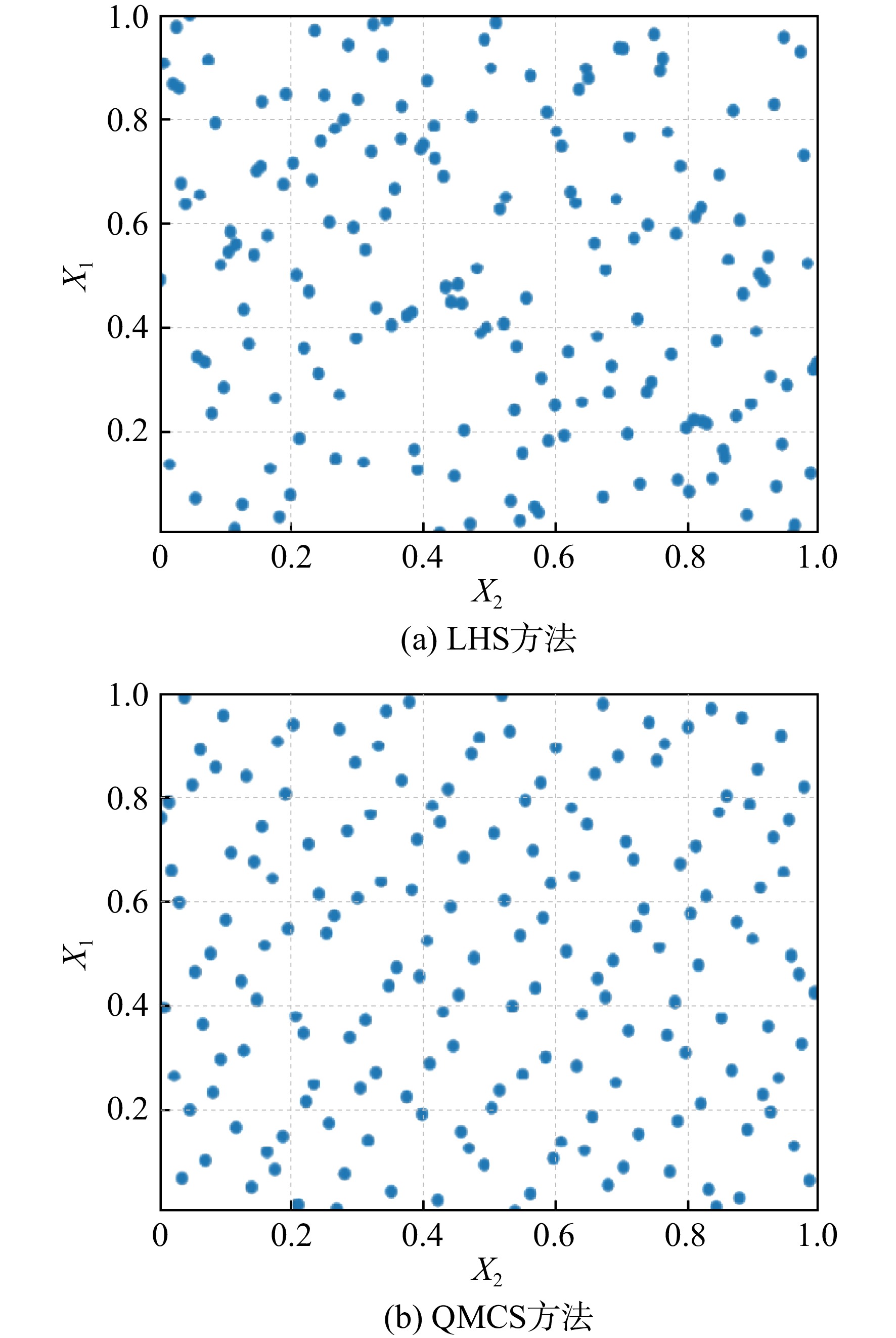
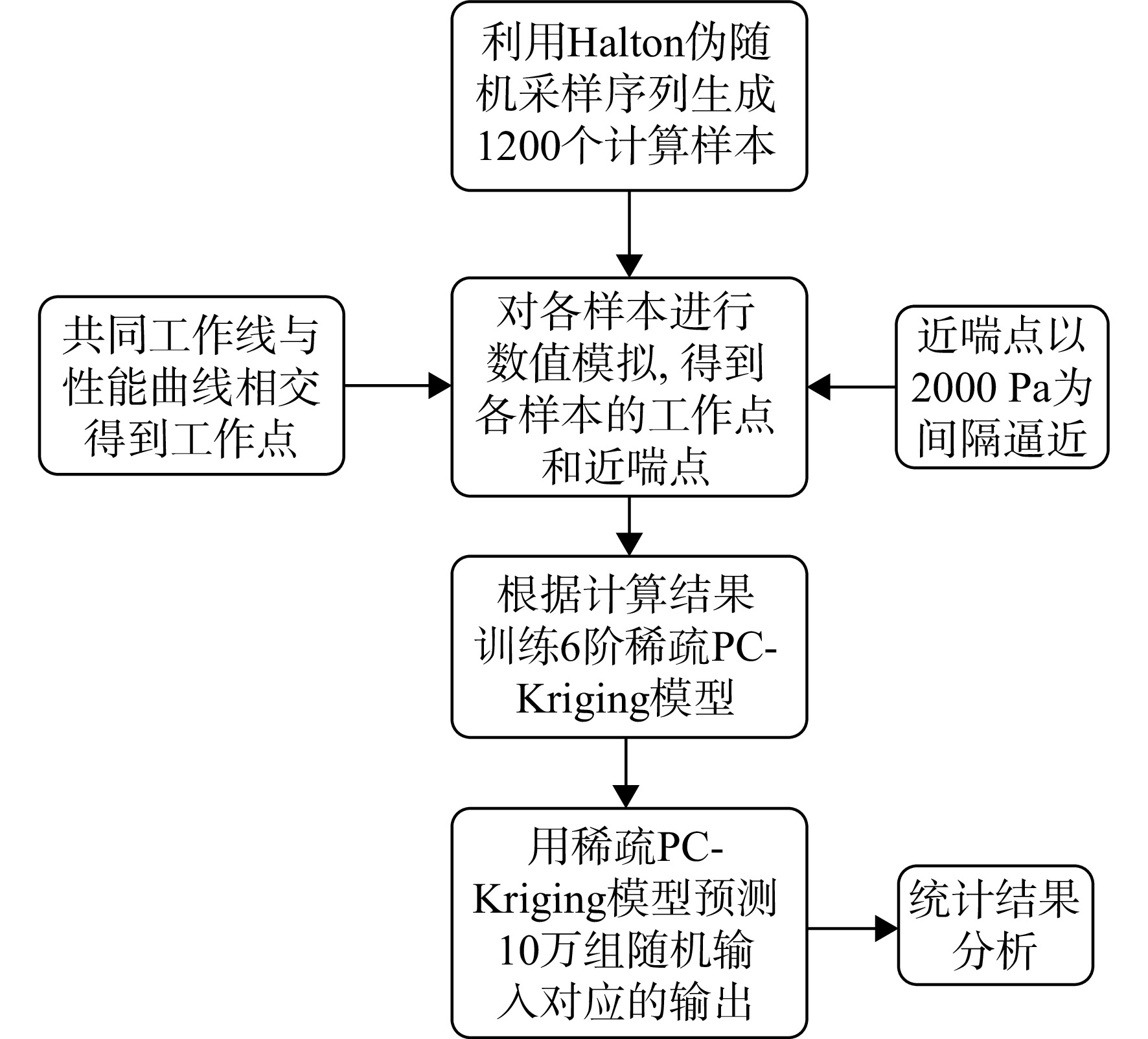
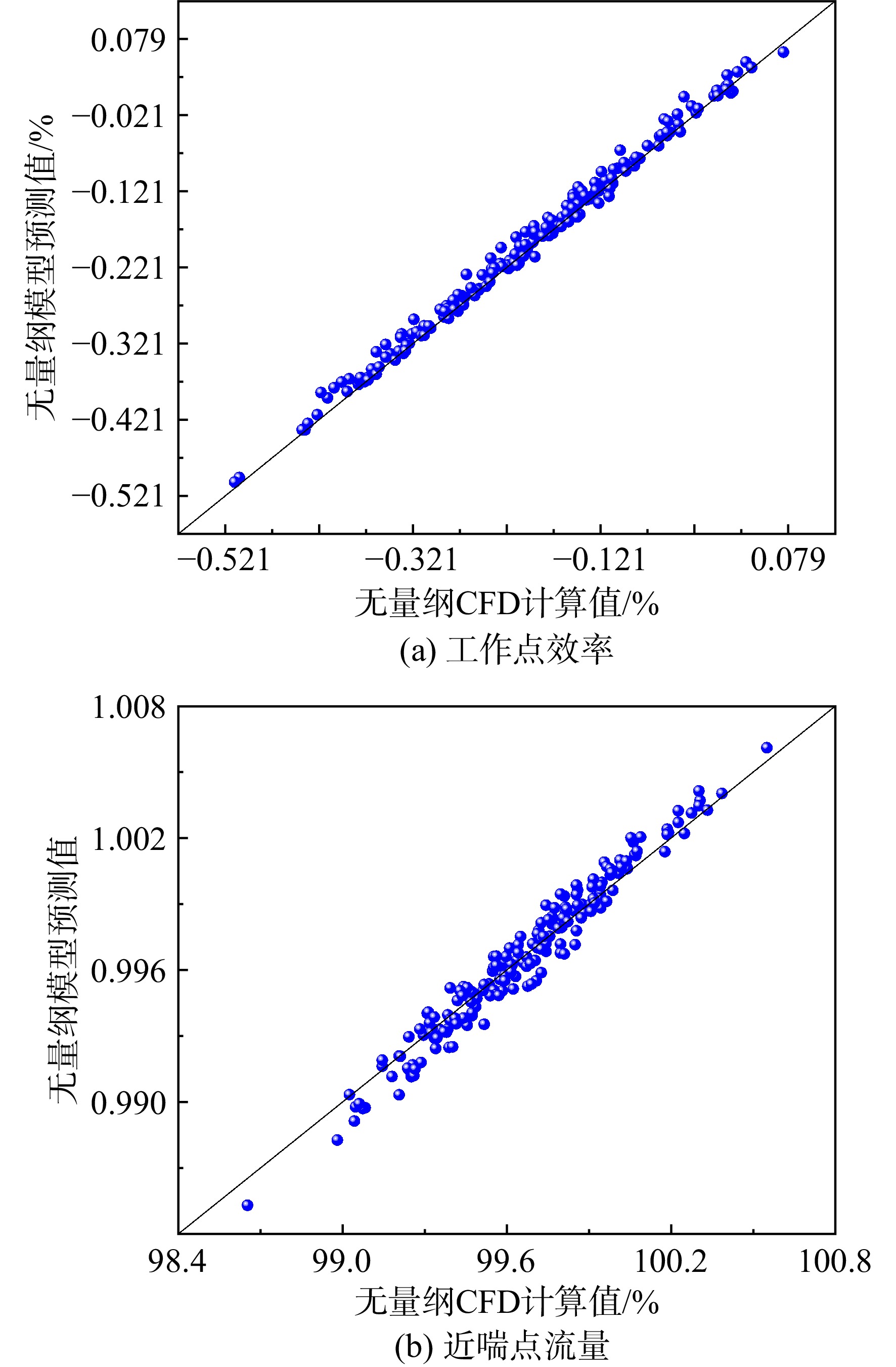
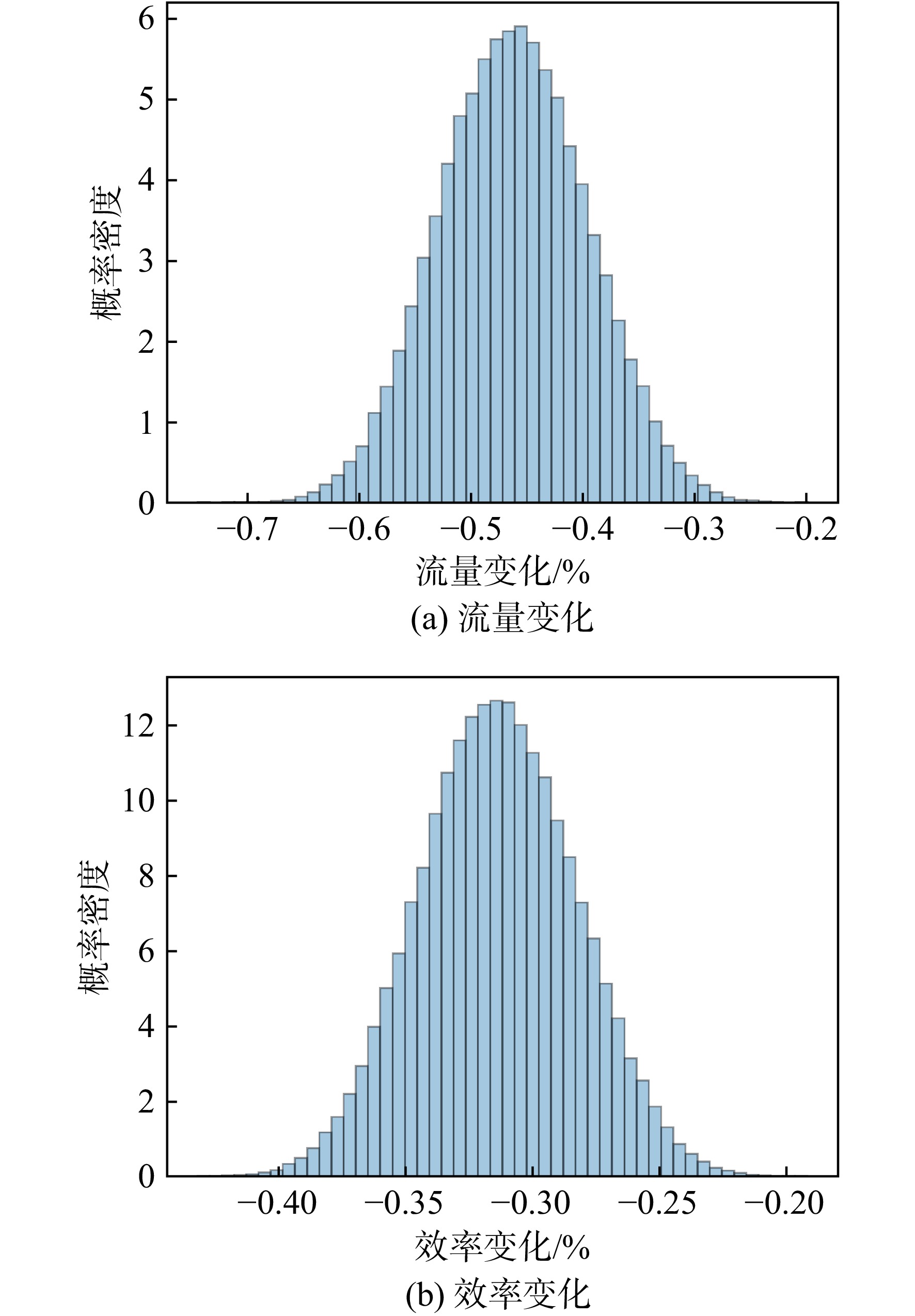
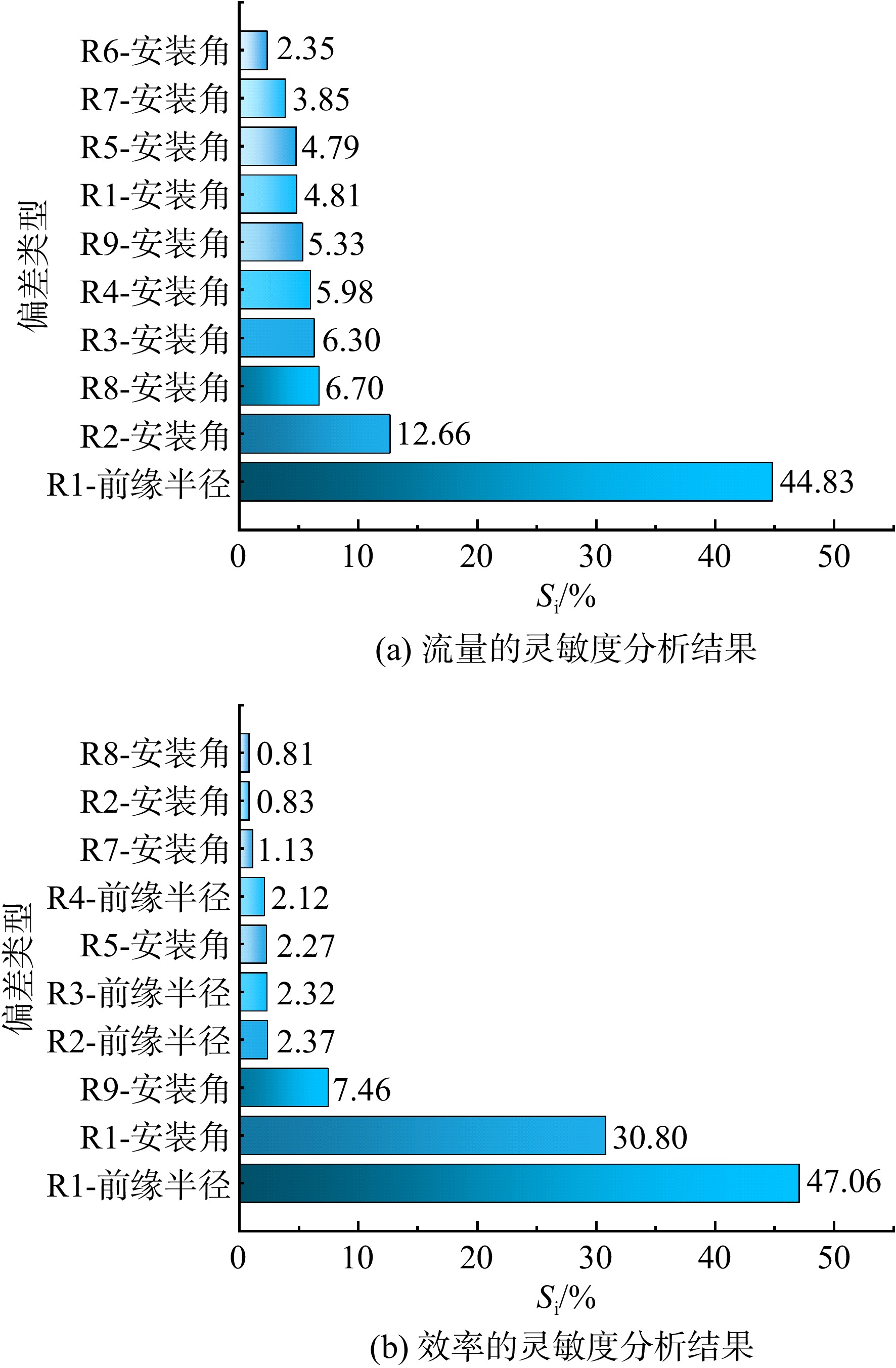
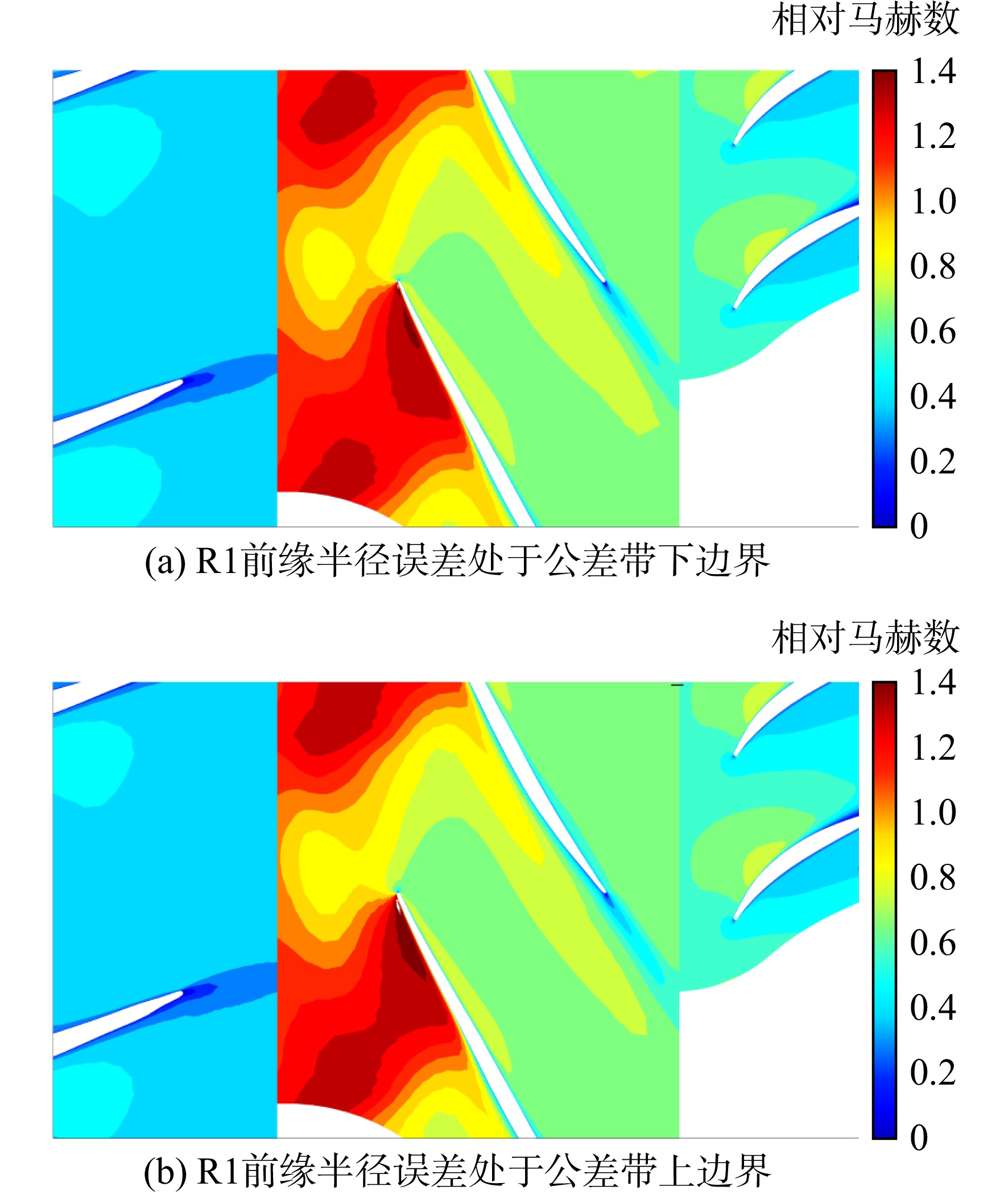
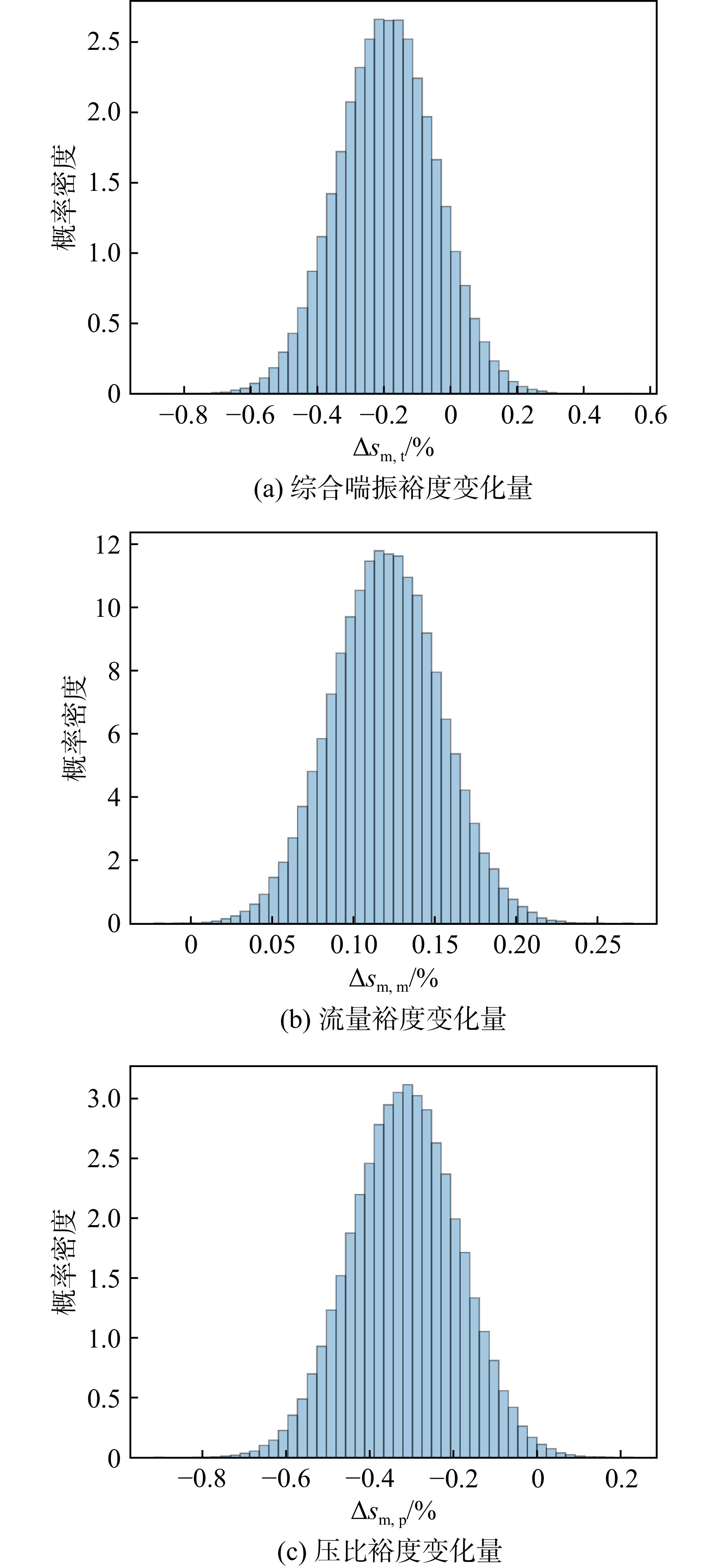
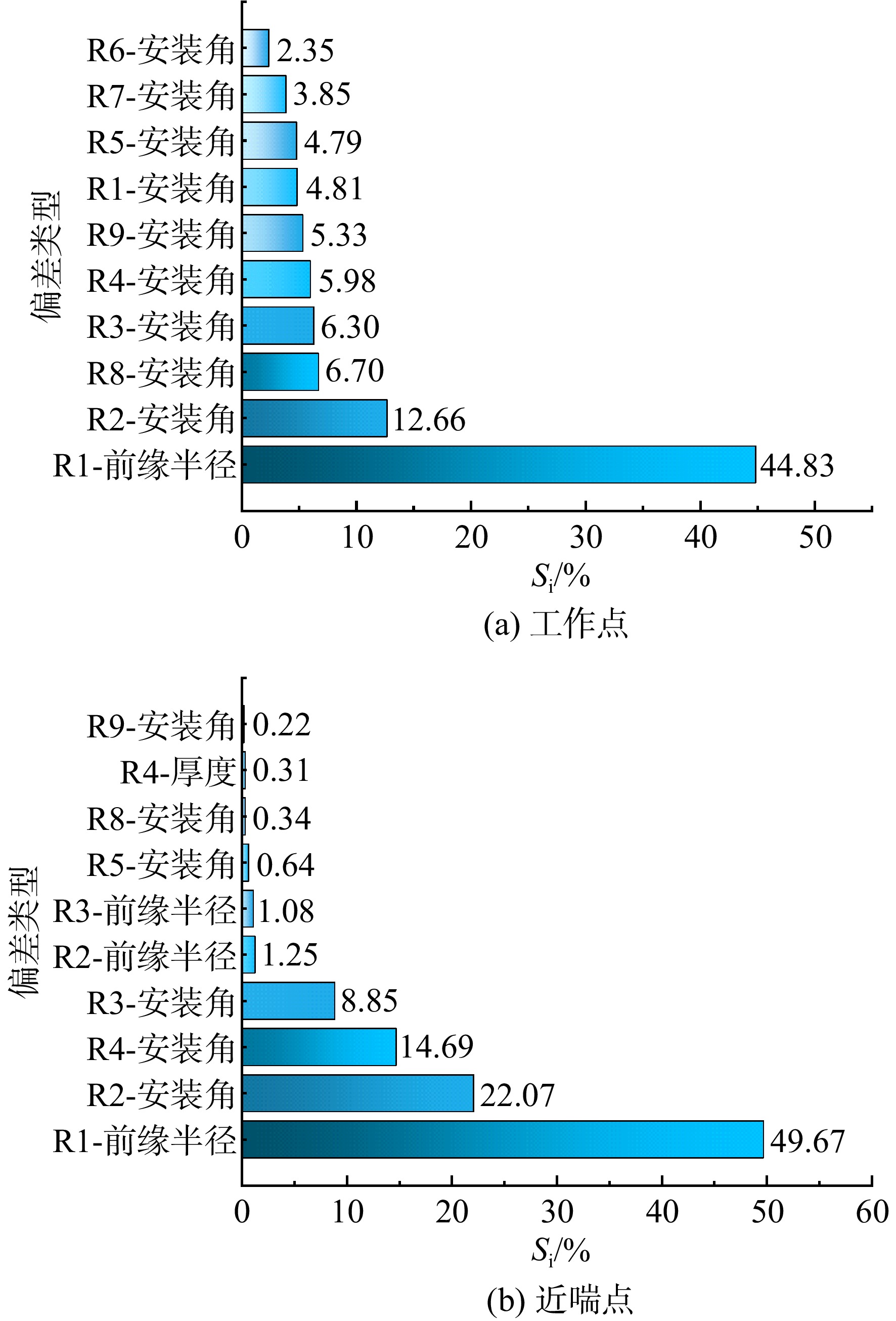
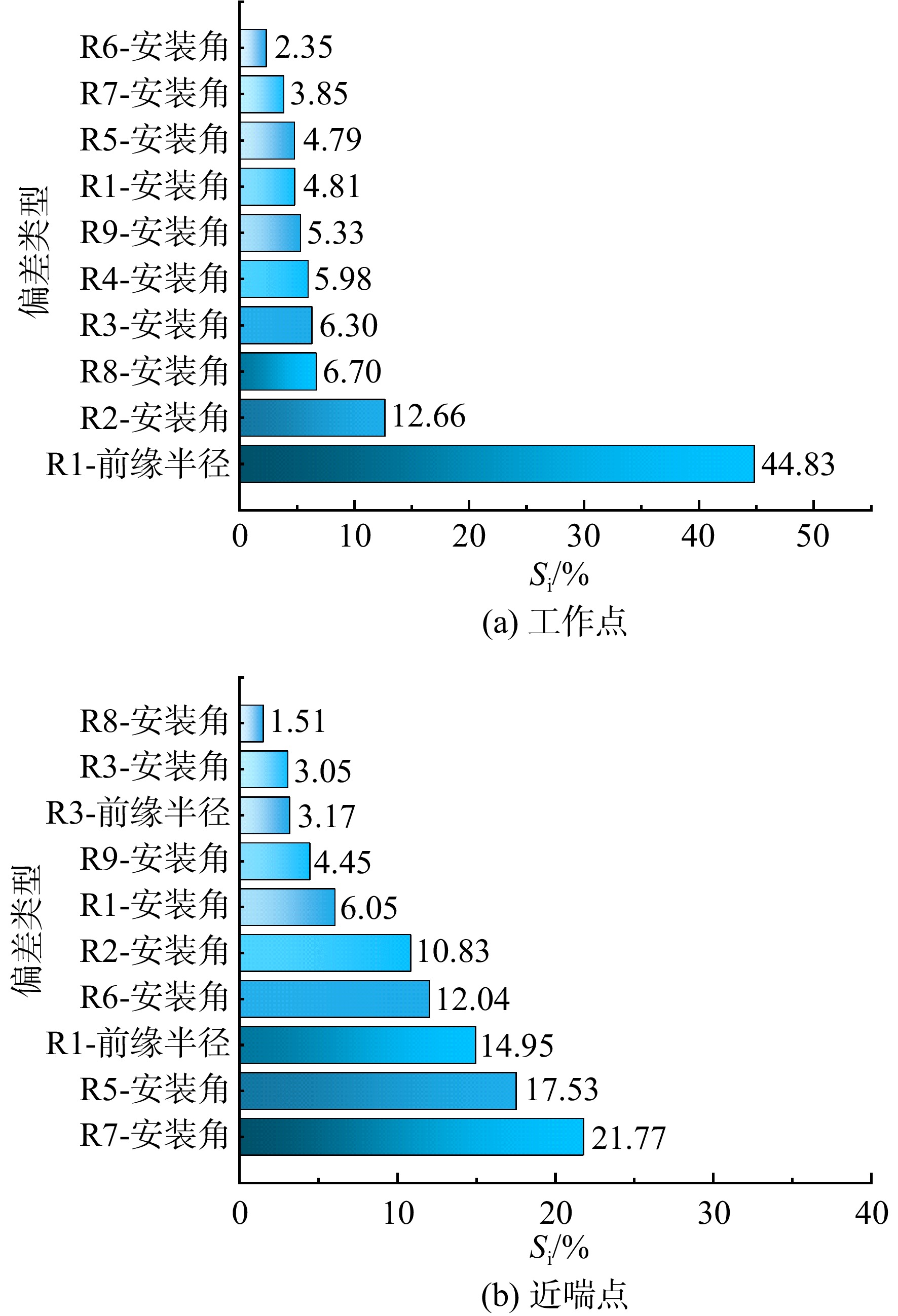
To assess the coupled impact of real blade manufacturing errors on the performance of multi-stage axial compressors, the global Kriging model was improved by introducing the sparse non-intrusive polynomial chaos method. Subsequently, the surrogate model describing the relationship between manufacturing error and compressor’s aerodynamics was trained at a lower training cost. Finally, the quantitative impacts of manufacturing errors on the operational performance and stability margin of a multi-stage compressor were obtained. Moreover, based on Sobol sensitivity analysis, the geometric errors of the compressor stages with the greatest impact on performance and stability margin were identified. The research results indicated that under the impact of manufacturing errors, the mean and standard deviations of the mass flow rate variation at the compressor operating point were −0.47% and 0.064%, respectively. The mean and standard deviations of the efficiency variation at the operating point were −0.314% and 0.031%, respectively. The leading-edge radius error of the first-stage rotor significantly impacted the performance of the operating point, with contributions of 44.83% and 47.06% to the variance of mass flow rate and efficiency respectively. The cumulative contribution of stagger angle errors of each rotor to the mass flow rate at the operating point was significant, with a total contribution rate of 52.77%. The mean and standard deviations of the comprehensive stability margin variation were −0.19% and 0.146%, respectively. The comprehensive stability margin was most sensitive to rotor’s stagger angle errors, with a cumulative contribution exceeding 95% from all rotor stages.

Performance dispersion control of aero turbofan engine
WANG He, WANG Jun, SHI Lei, ZHAO Su, ZHAO Mingyang
2025, 40(8): 20240543. doi: 10.13224/j.cnki.jasp.20240543
Abstract:

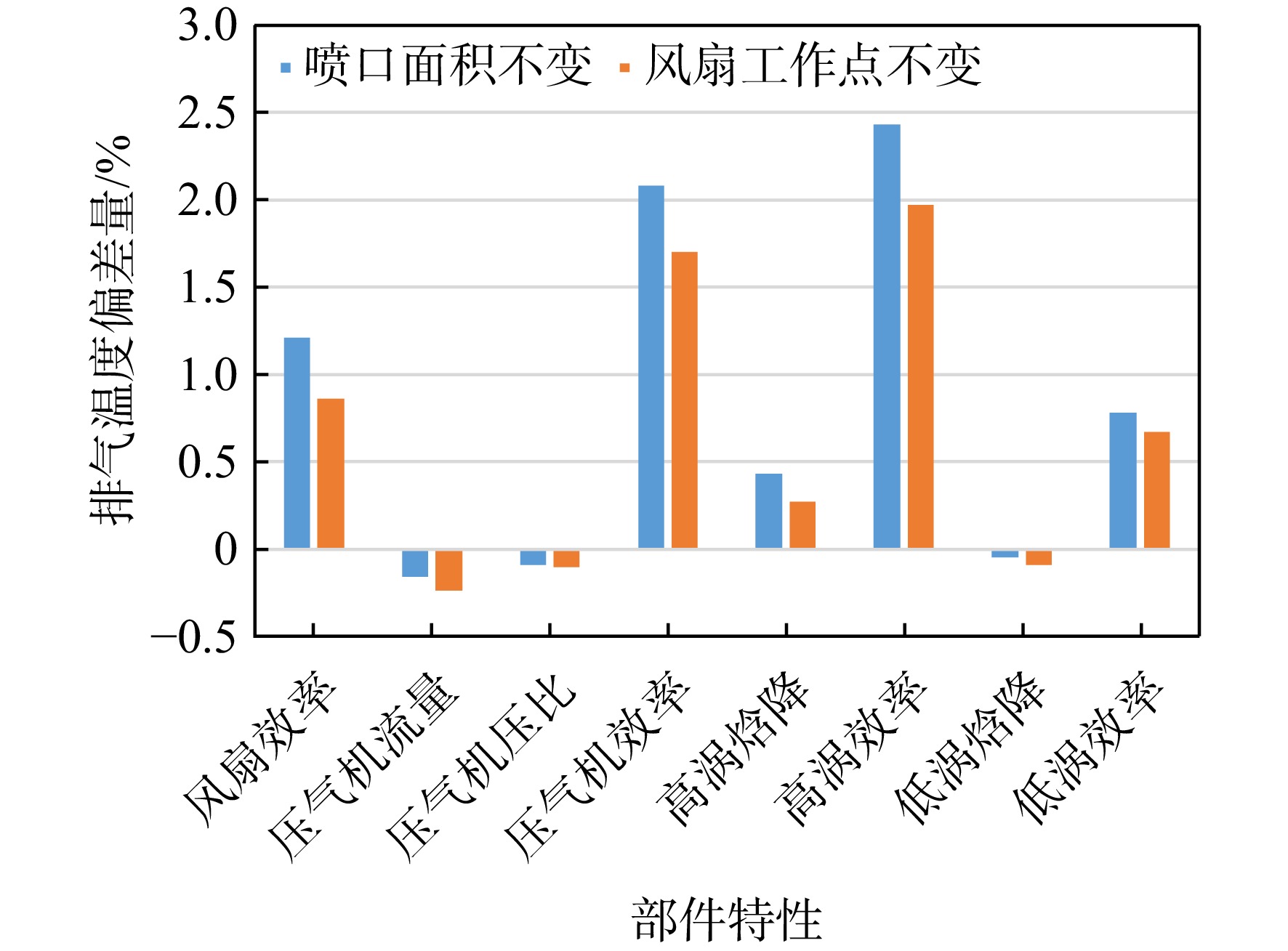
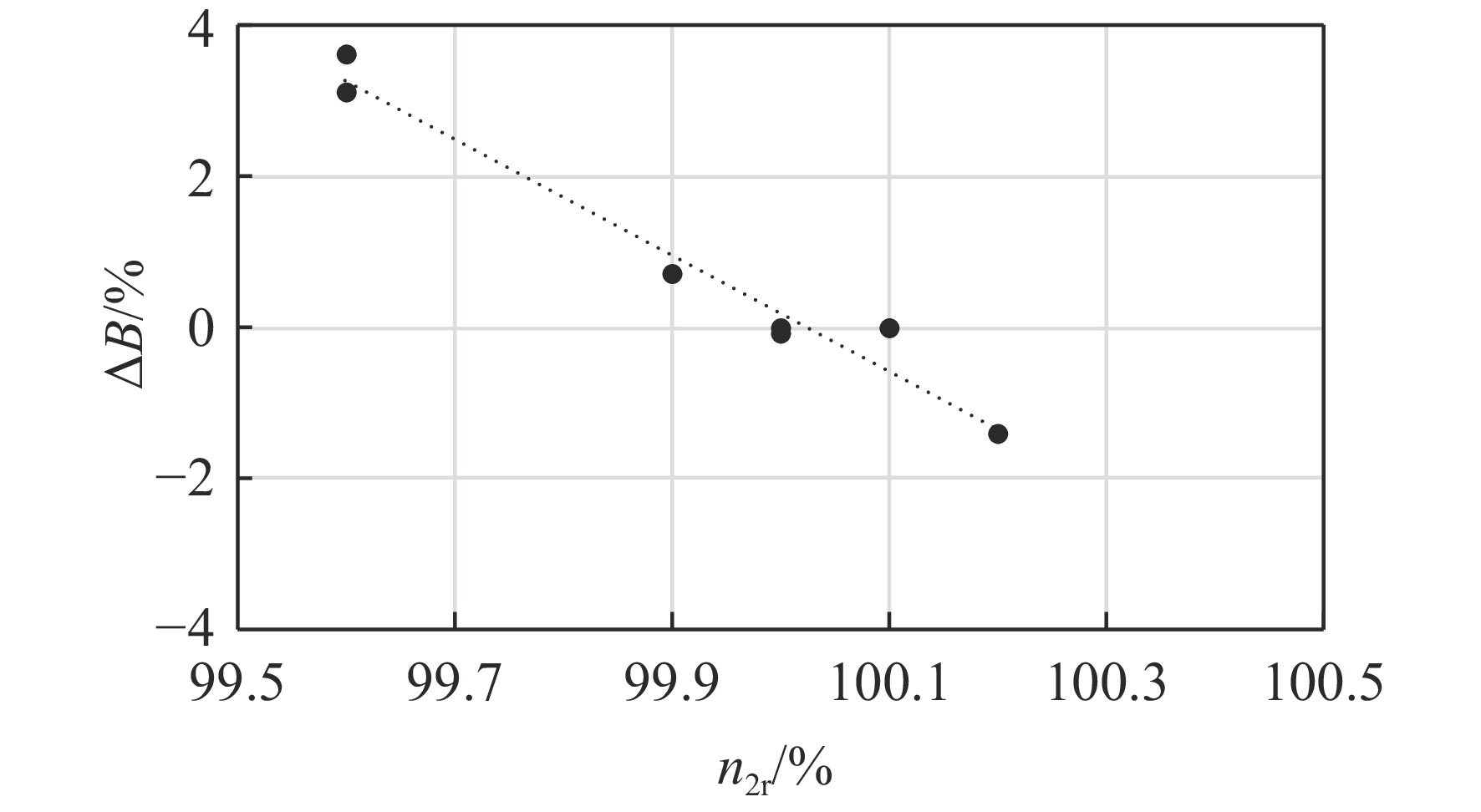
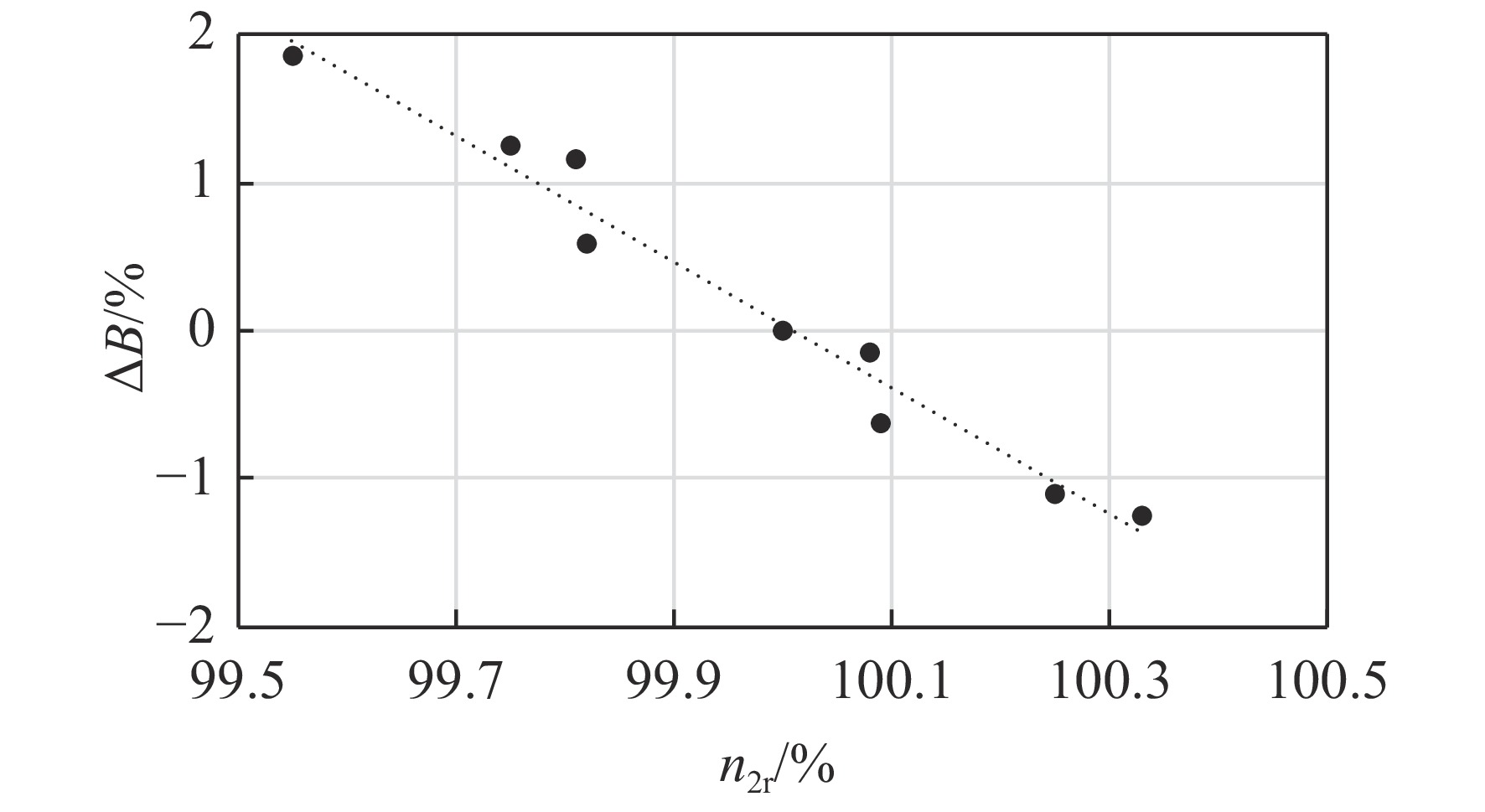
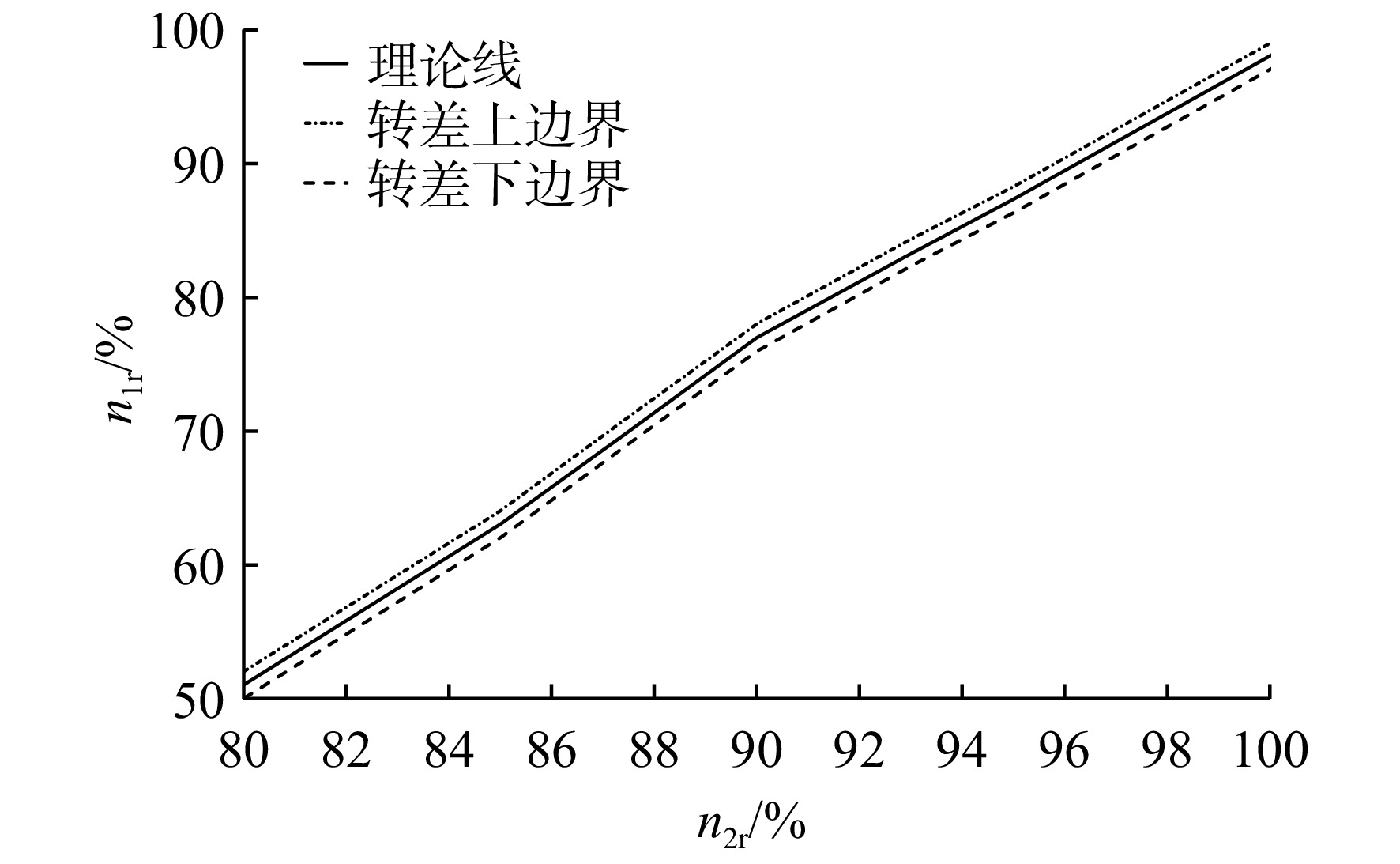
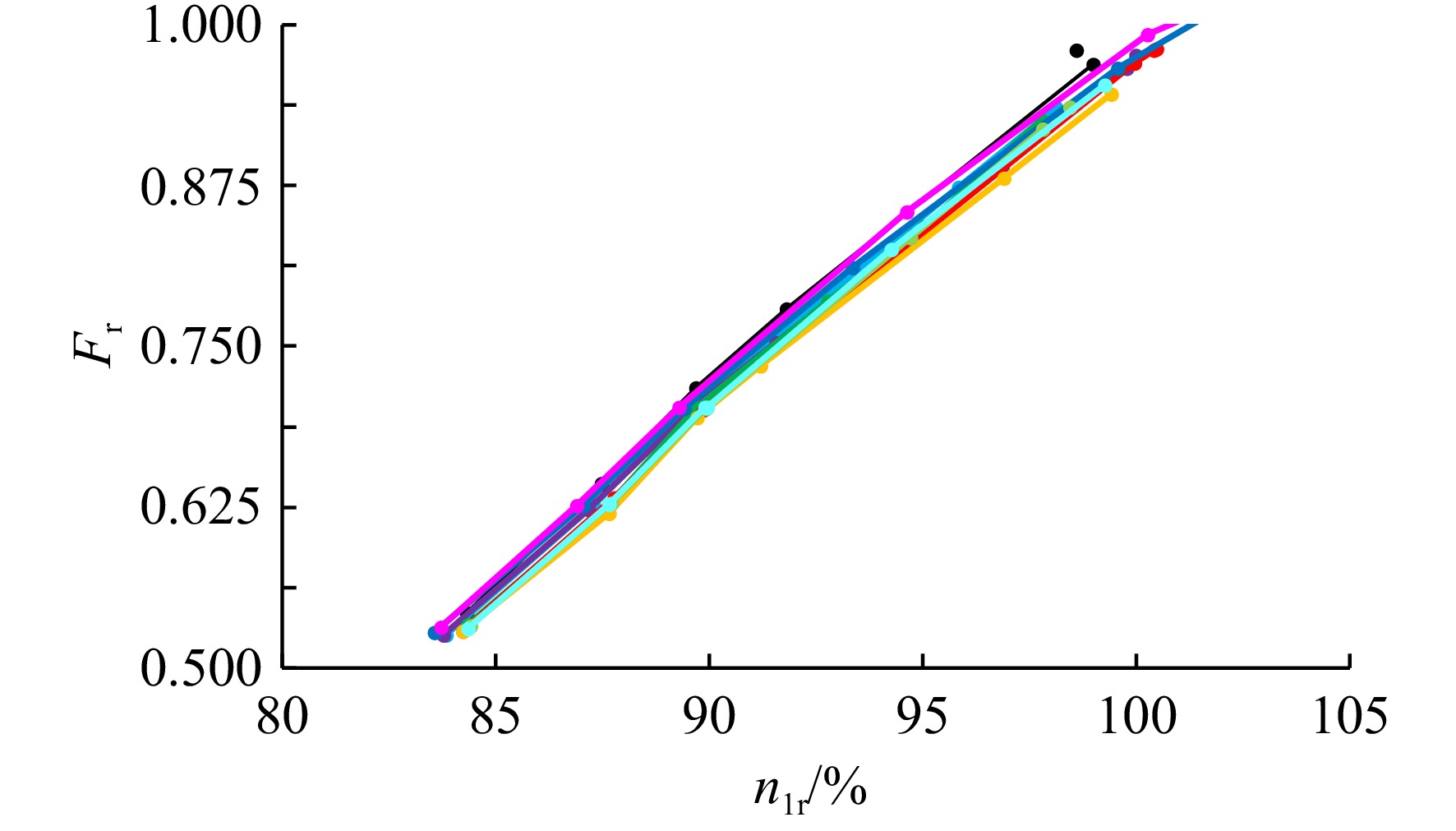
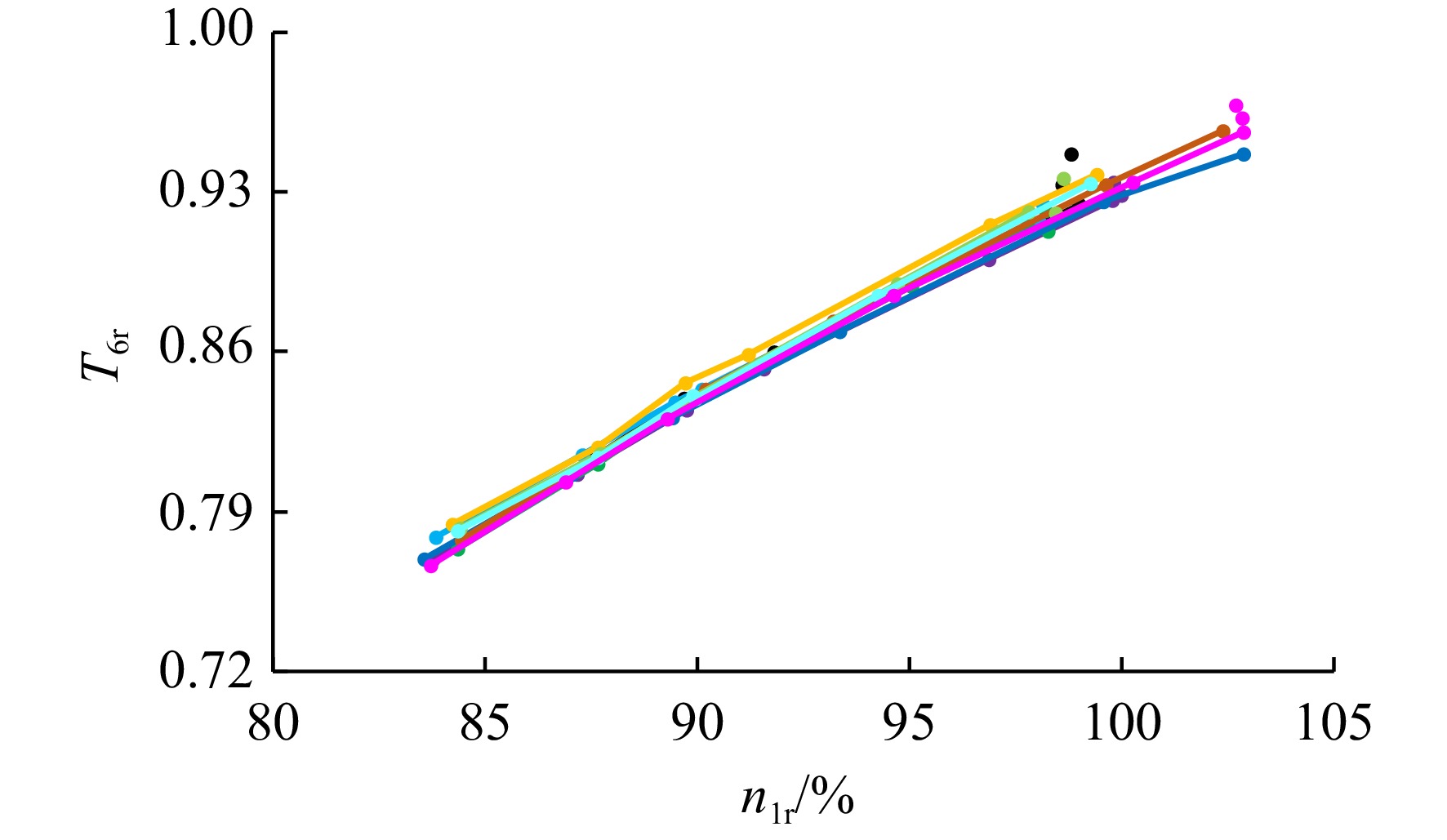
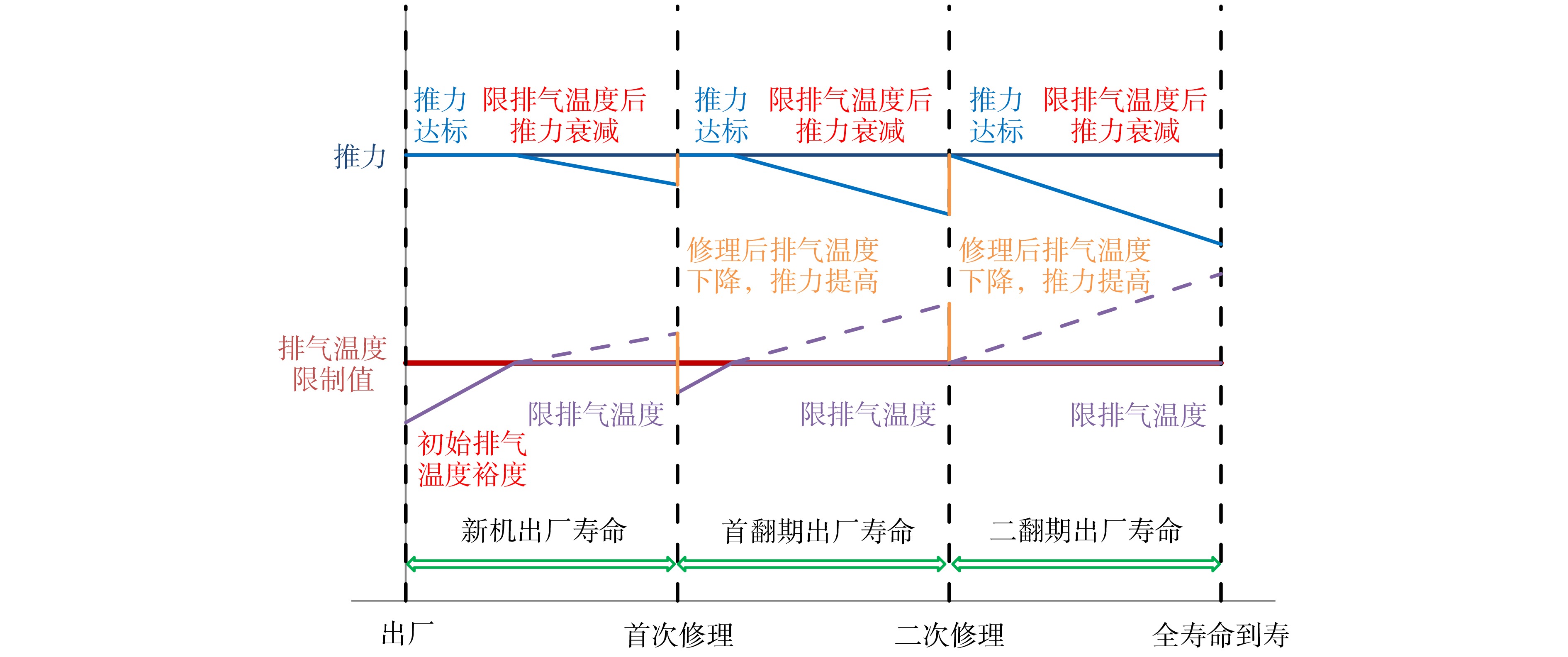
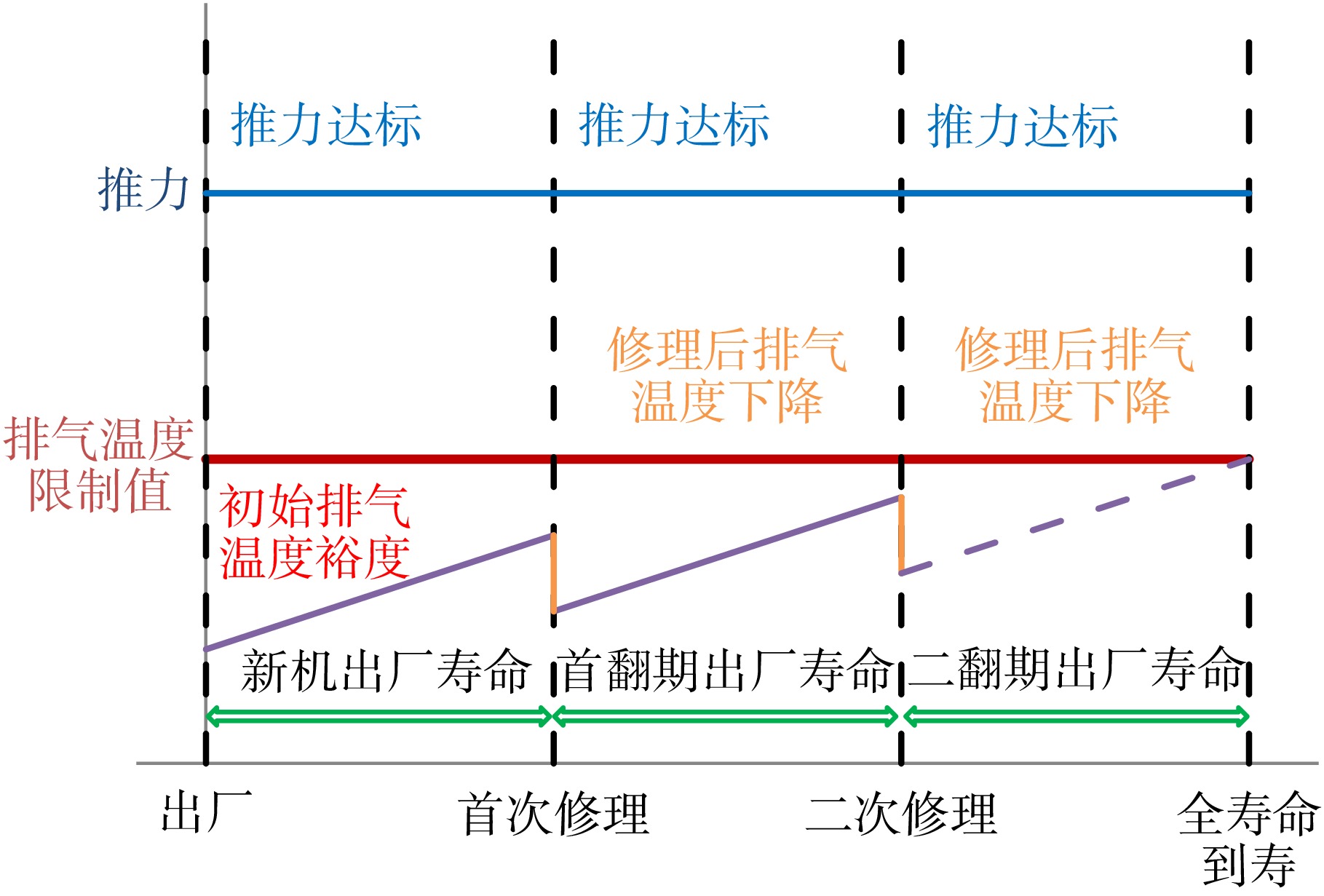
Research on the dispersion control methods during the engine acceptance test process is a key to control performance dispersion throughout the entire life cycle of aero turbofan engine. Based on the deviation of component characteristics and geometric area, research on the correlation between engine matching and performance dispersion was carried out. The control methods of fan pressure ratio tolerance ±0.75% and rotors relationship ±0.5% were proposed. Through tests on 10 new engines, thrust dispersion reduced from ±4.9% to ±2.2% and exhaust gas temperature dispersion reduced from ±2.0% to ±0.7%. Based on the control methods of fan pressure and rotors relationship, an engine performance degradation model, which characterized the relationships among thrust degradation, working time, exhaust gas temperature and repair, was established to solve thrust dispersion during the whole life cycle. The control method of exhaust temperature margin 20—30 ℃ of new engine was proposed. Through endurance test on 1 engine, intermediate state thrust was degraded by 1.2%. The superimposed thrust dispersion of the other 9 new engines was ±3.4%, helping to solve the thrust dispersion problem during the whole life cycle.

Effects of film hole diameter variations on overall cooling performance of a rotating turbine blade
YOU Ruquan, QUAN Sheng, CHEN Wenbin, DU Zequn, LI Haiwang
2025, 40(8): 20240533. doi: 10.13224/j.cnki.jasp.20240533
Abstract:

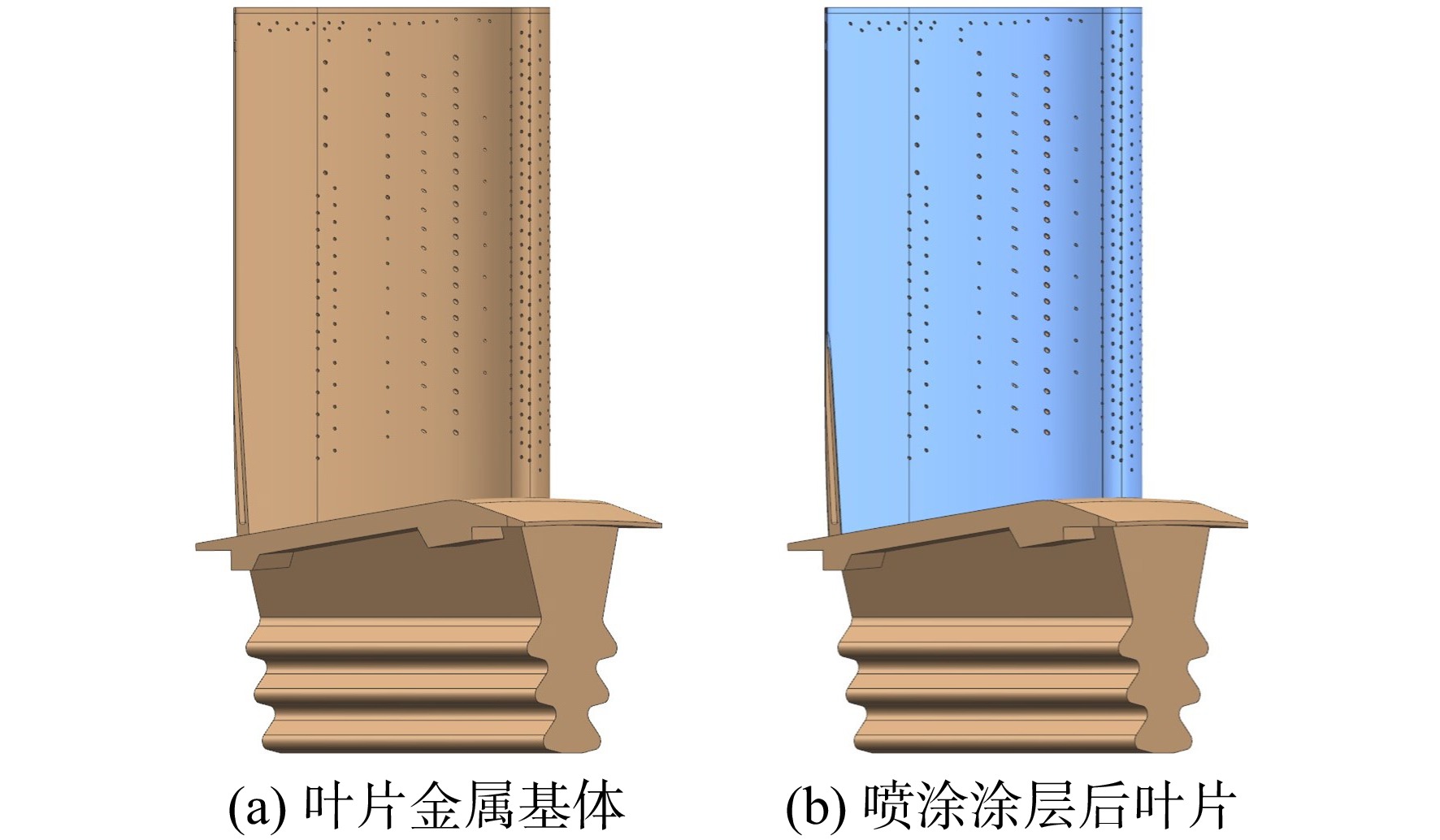
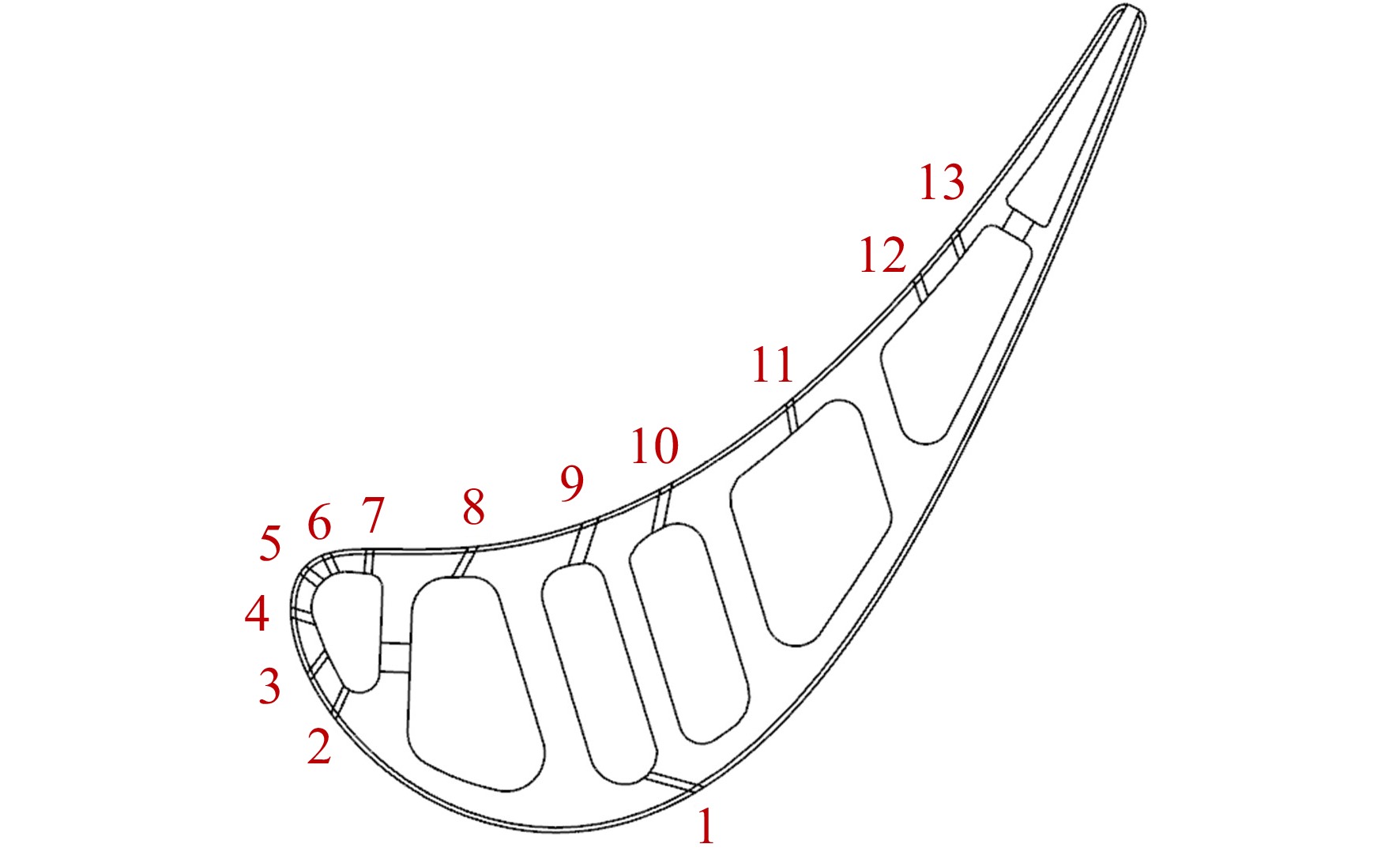
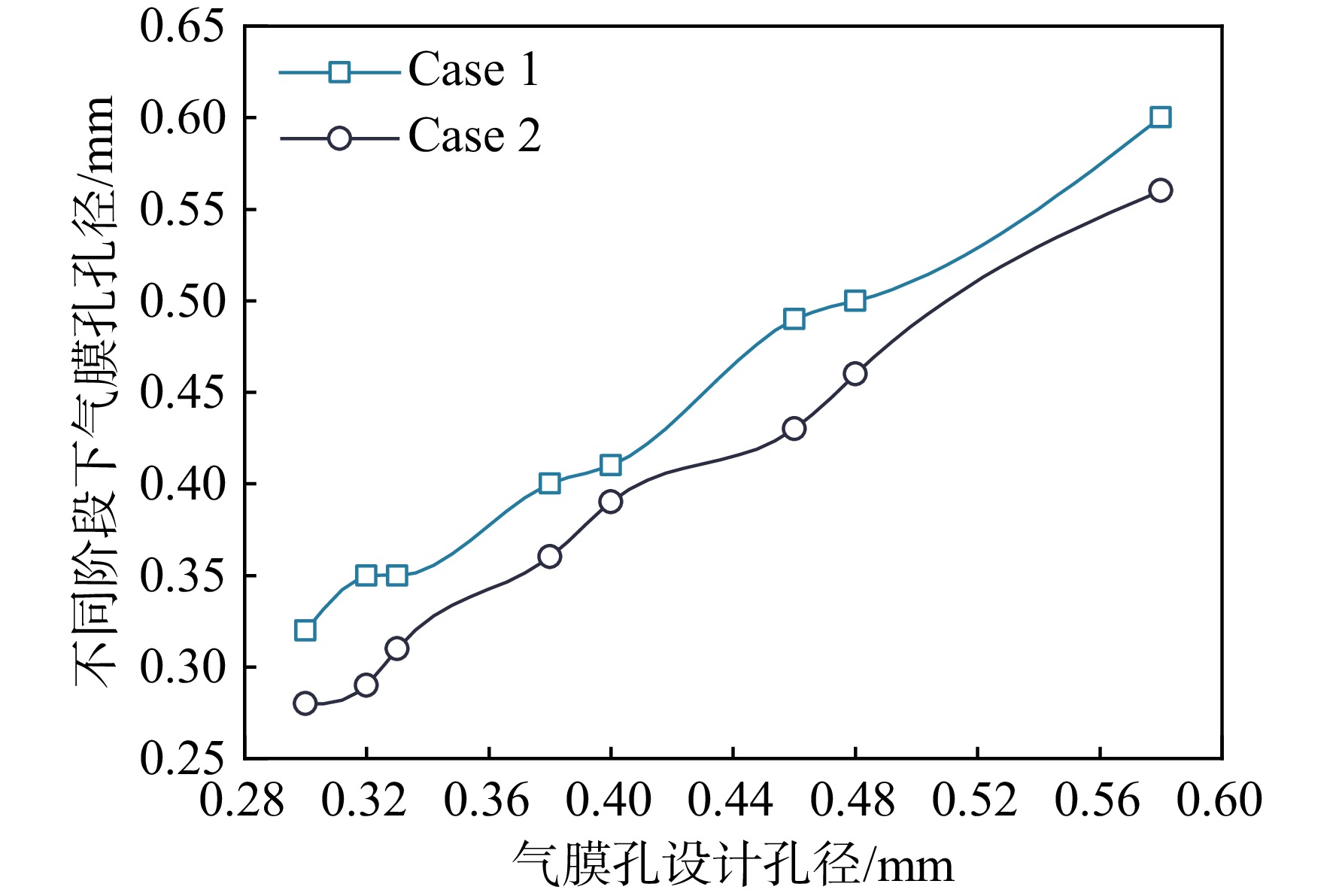
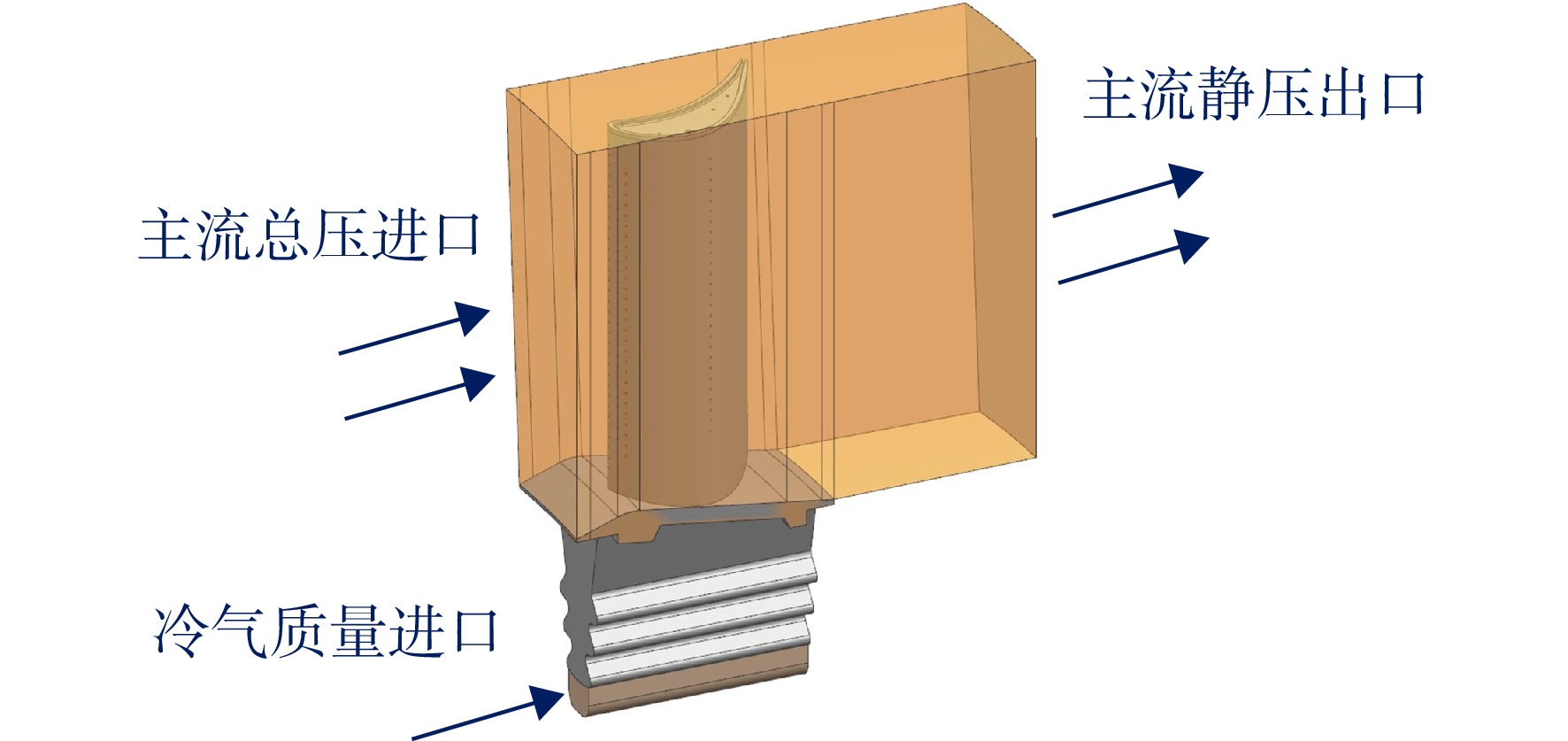
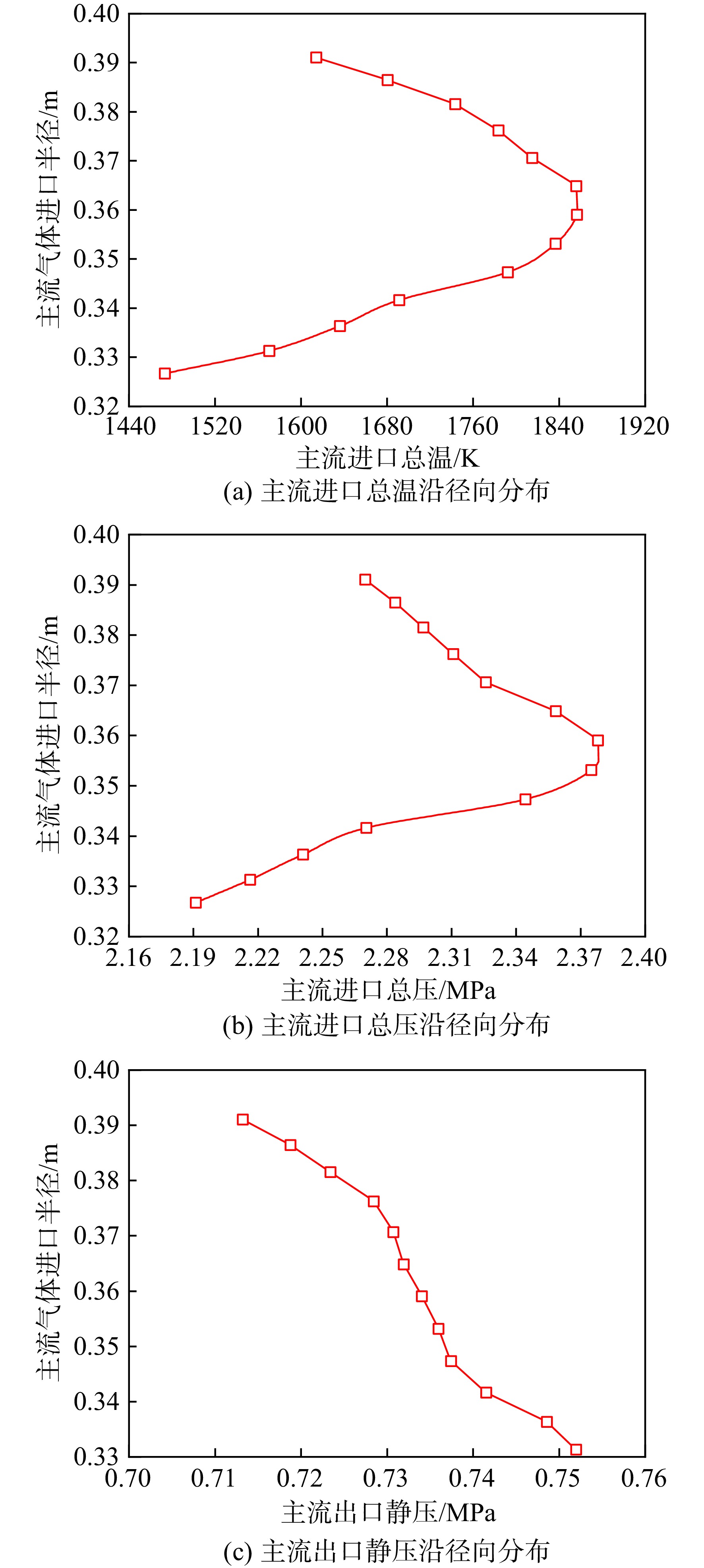
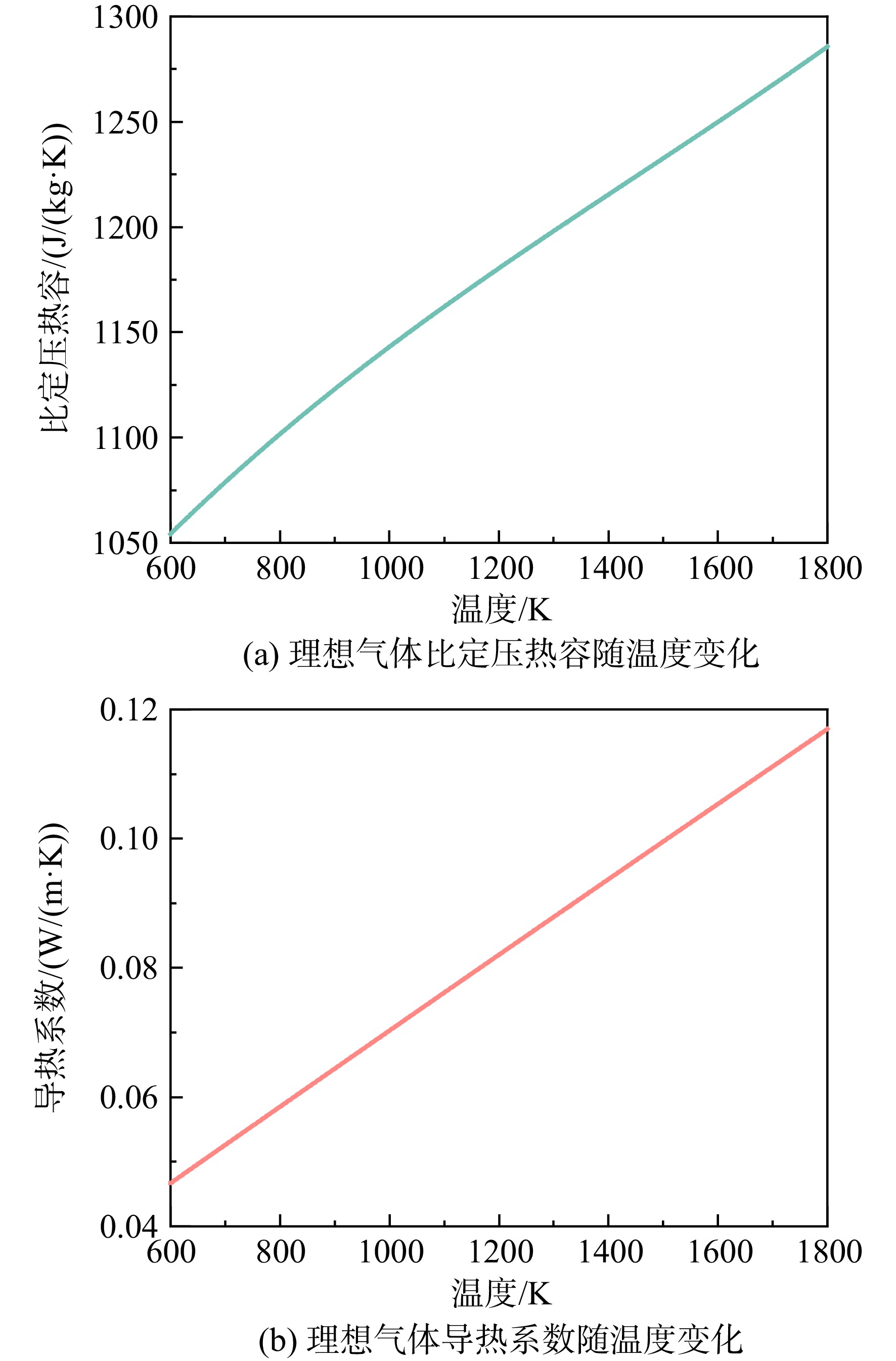
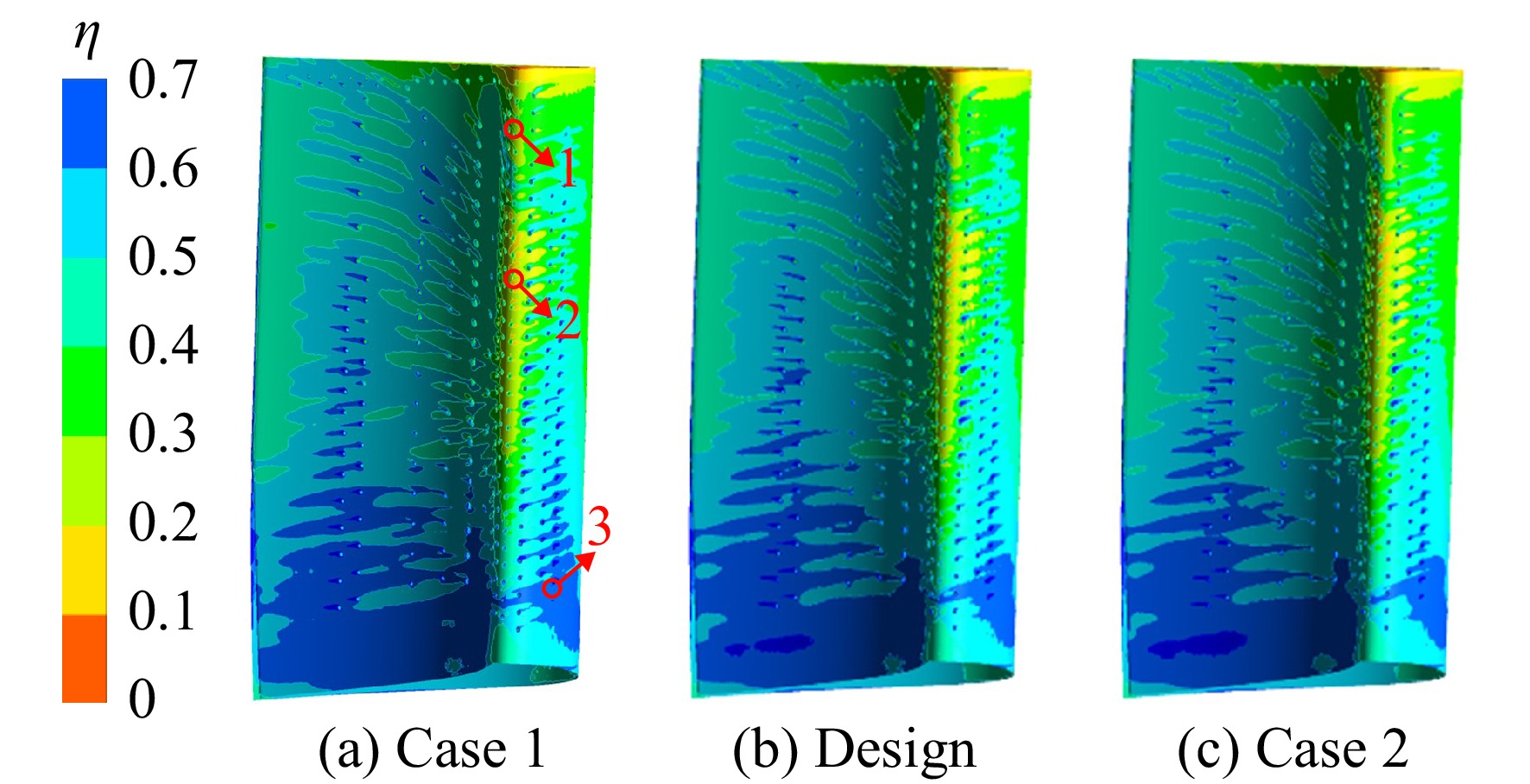
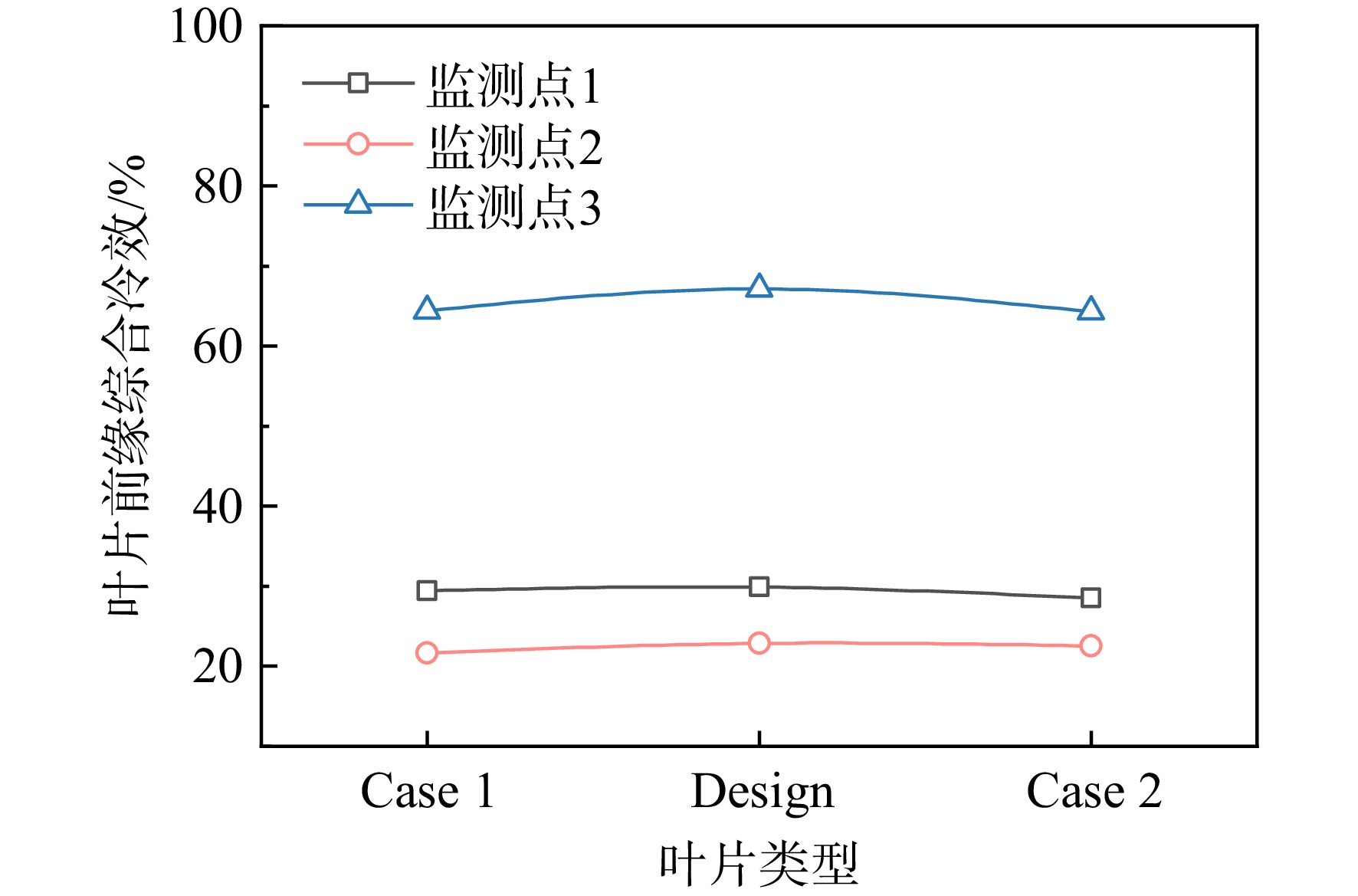
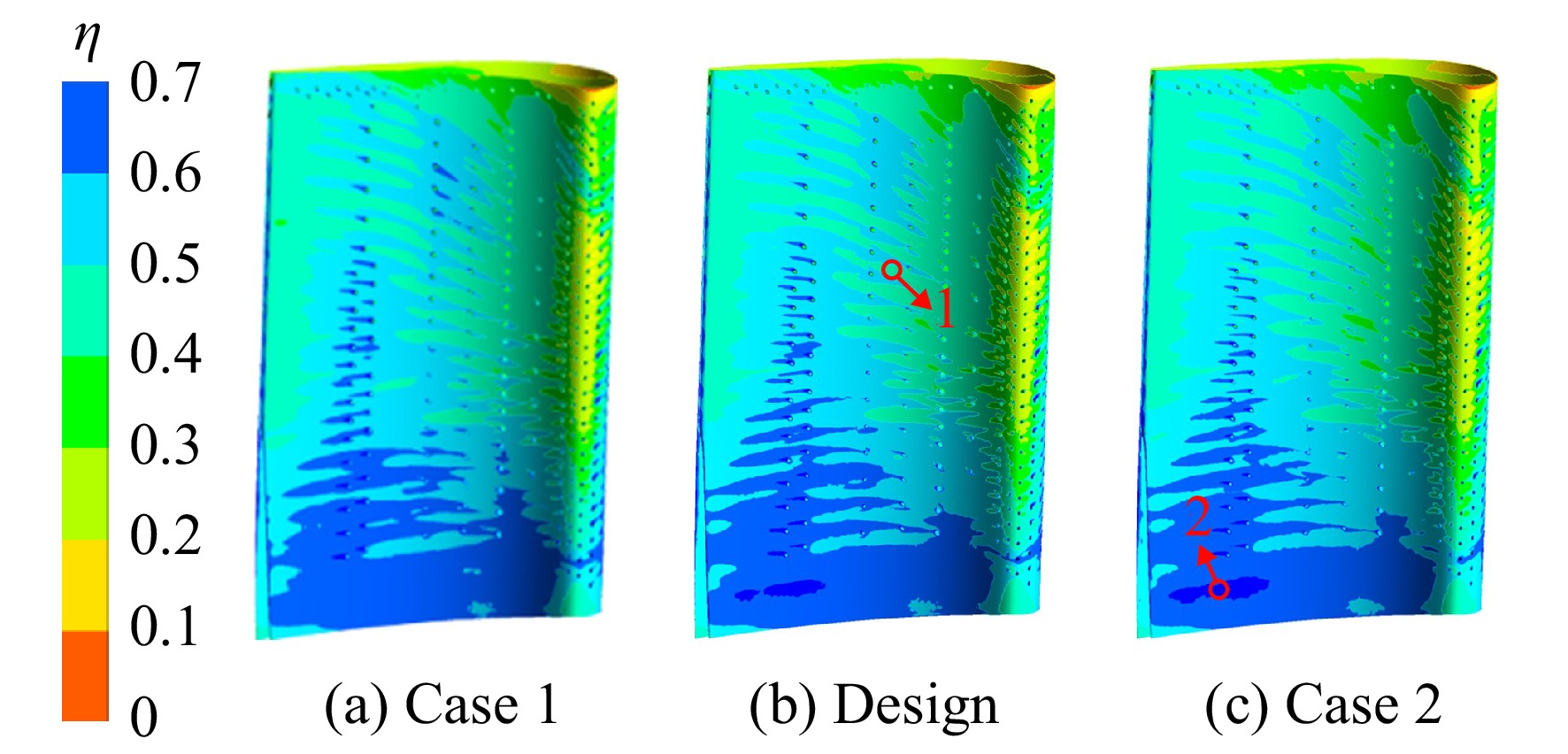
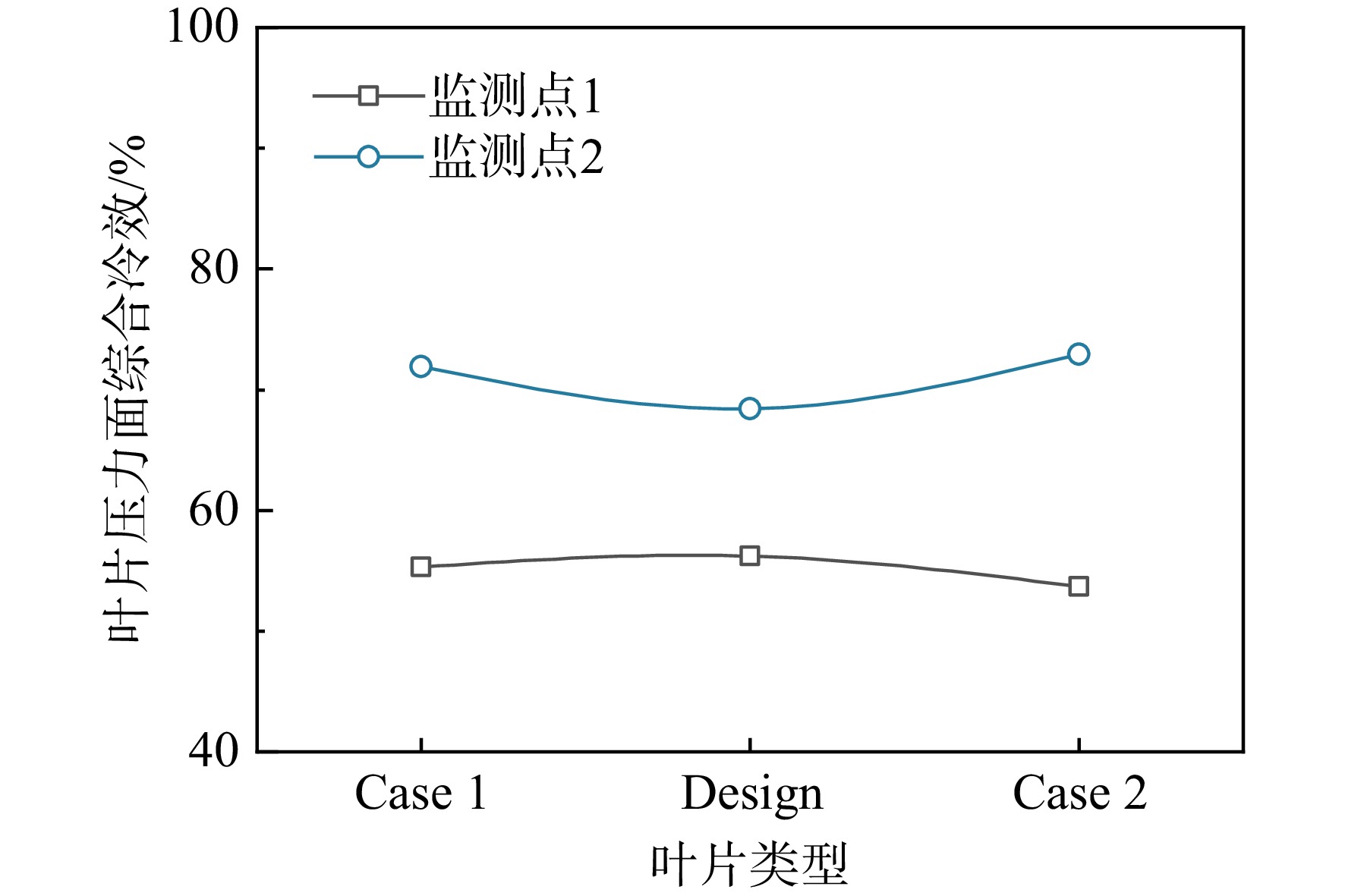
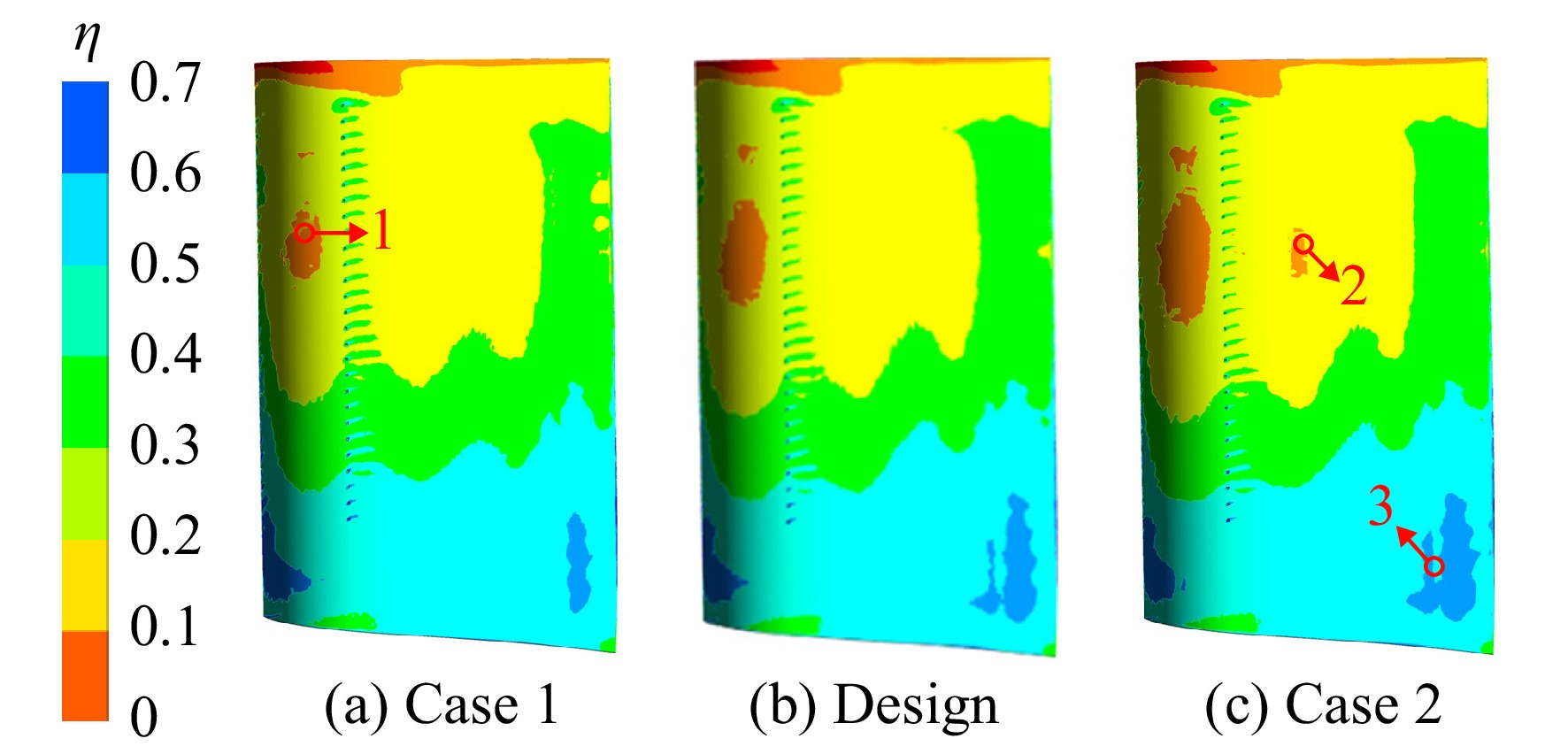
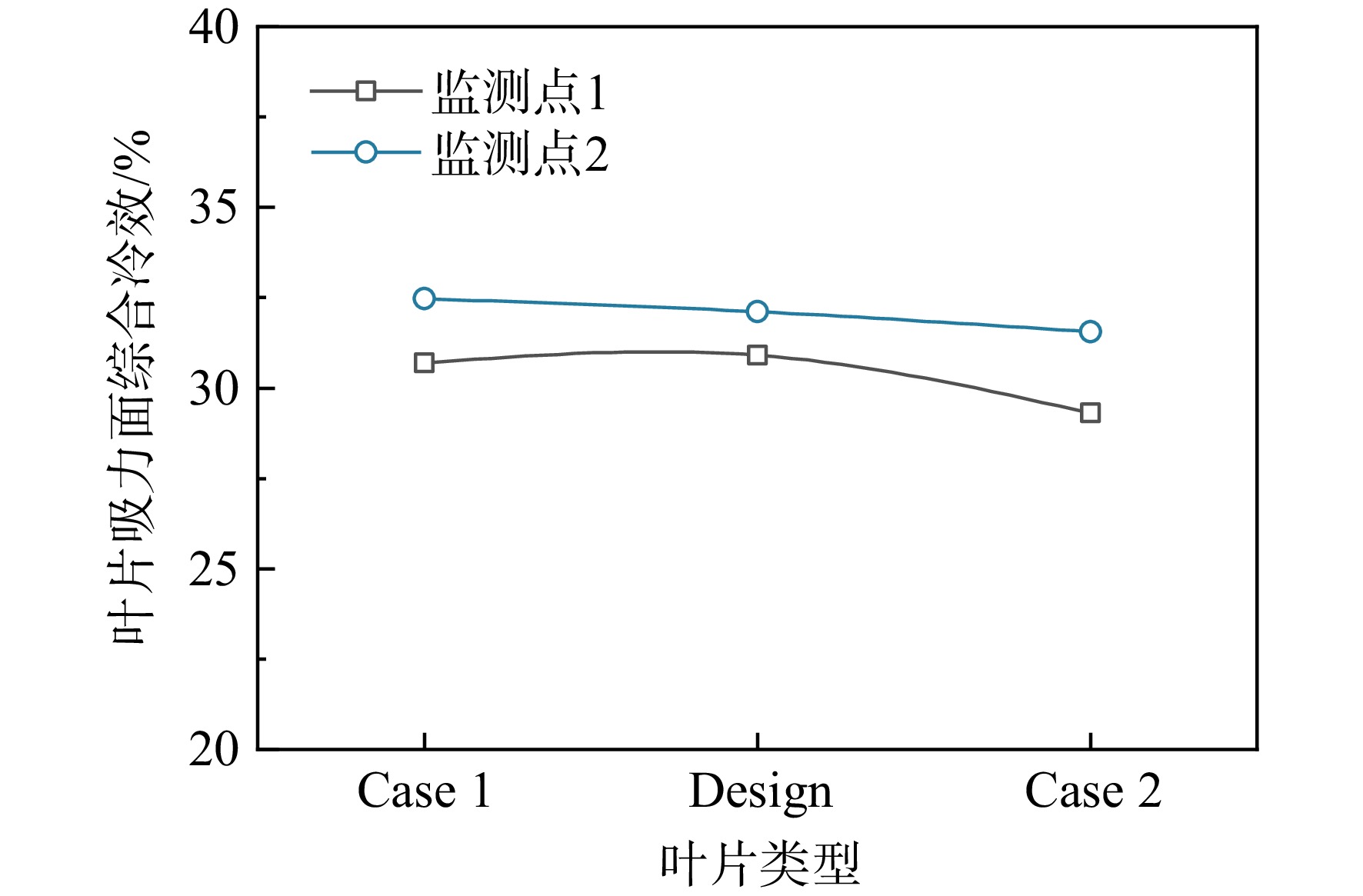
In view of the problem that the film hole diameters are different from their design values caused by laser drilling and coating spraying during the manufacturing, the effects of film hole diameter change on the cooling effectiveness in different regions of the blade were analyzed for a rotating turbine blade. According to the statistics from a real engine, the diameter of the film hole was larger after laser processing but smaller after coating spraying relative to the design value. Based on this, different models were established and conjugate heat transfer simulations were carried out. The results showed that the change of film hole diameter had a more significant effect on the cooling effectiveness in the region with strong external heat transfer boundaries. The comprehensive cooling efficiency near the trailing edge region was the best when the film hole diameter reached the design value, and the efficiency was positively correlated with the film hole diameter in the other positions. The increase of the film hole diameter significantly improved the comprehensive cooling efficiency by 164.13%/mm, which was far more than 78.72%/mm when the film hole diameter decreased. The change of film hole diameter had a great influence on the cooling efficiency of the leading edge, and the average influence degree can be up to 254.62%/mm, which need to be paid more attention in the design.

Research on internal load of the interface and quality control methods for rotor configuration state
JU Yipeng, WU Fayong, CHEN Xueqi, HUANG Yaoyu, REN Zhiyuan
2025, 40(8): 20240537. doi: 10.13224/j.cnki.jasp.20240537
Abstract:
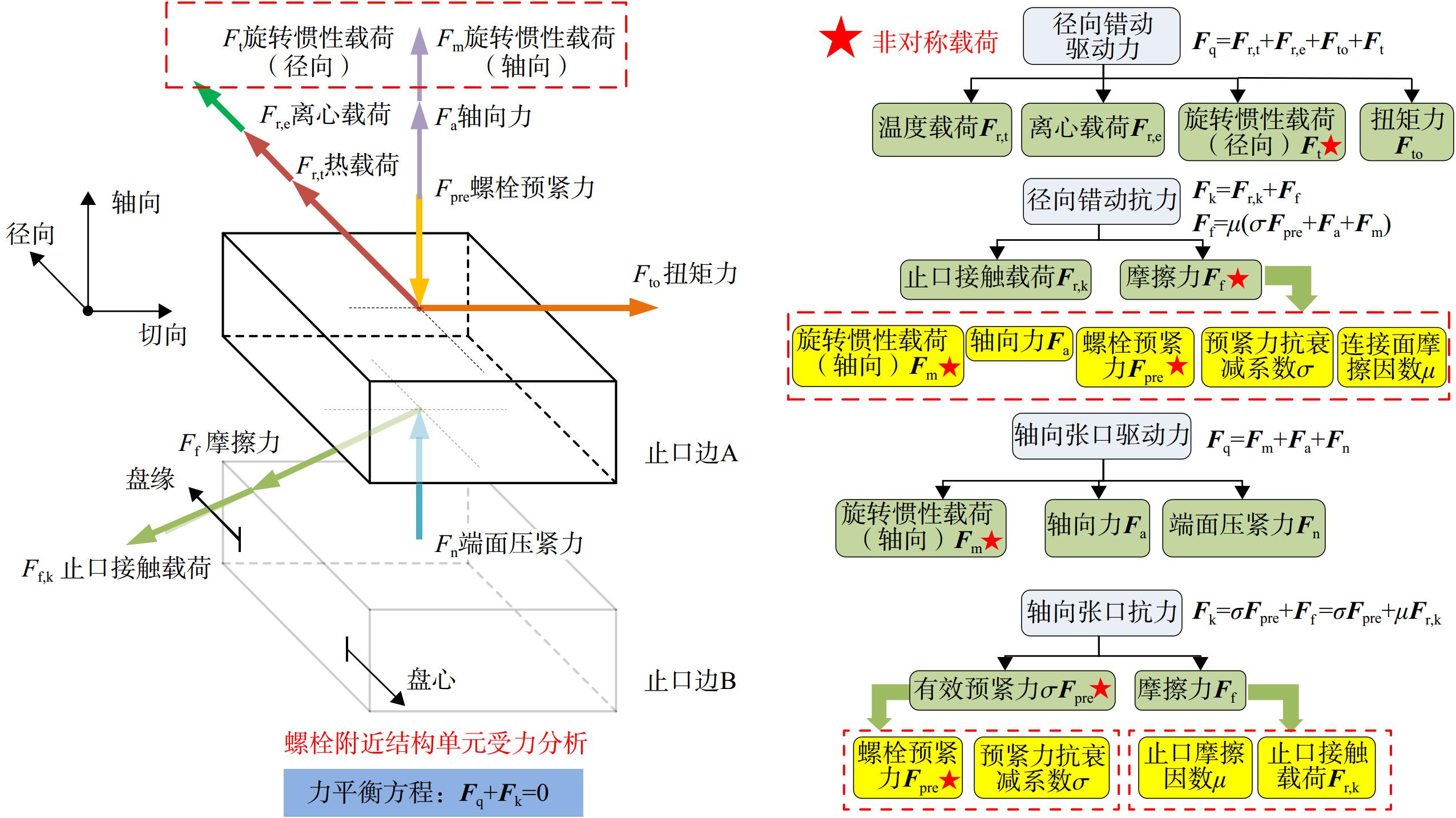
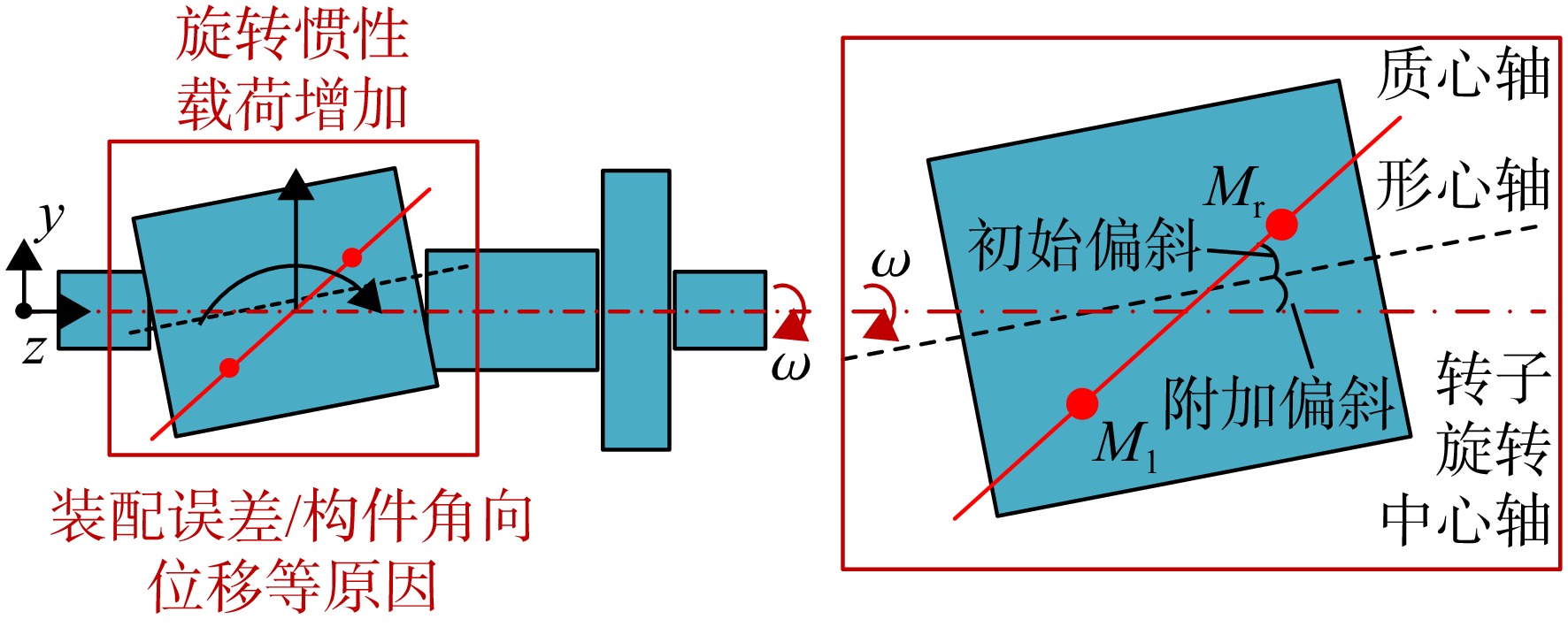
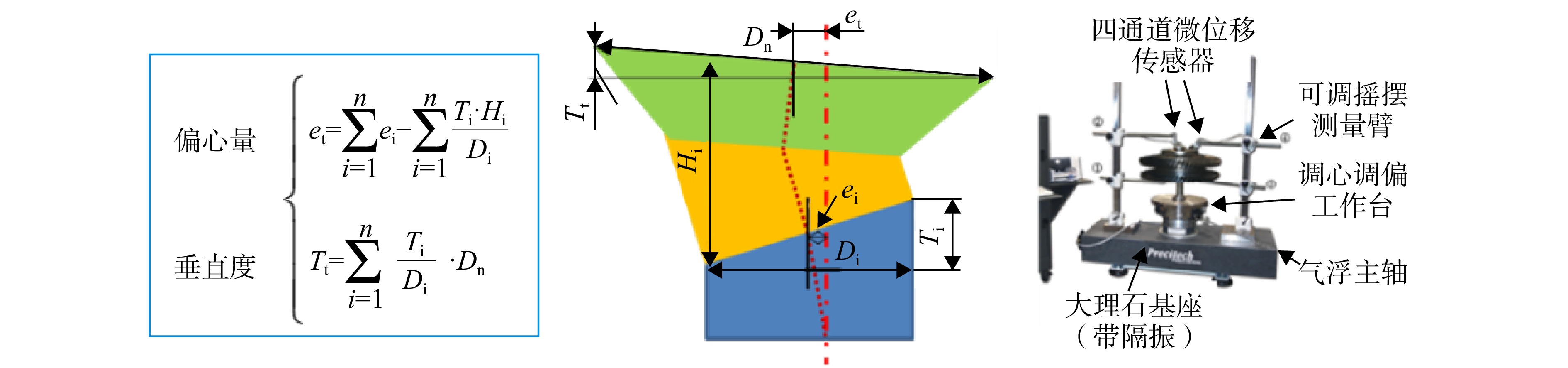
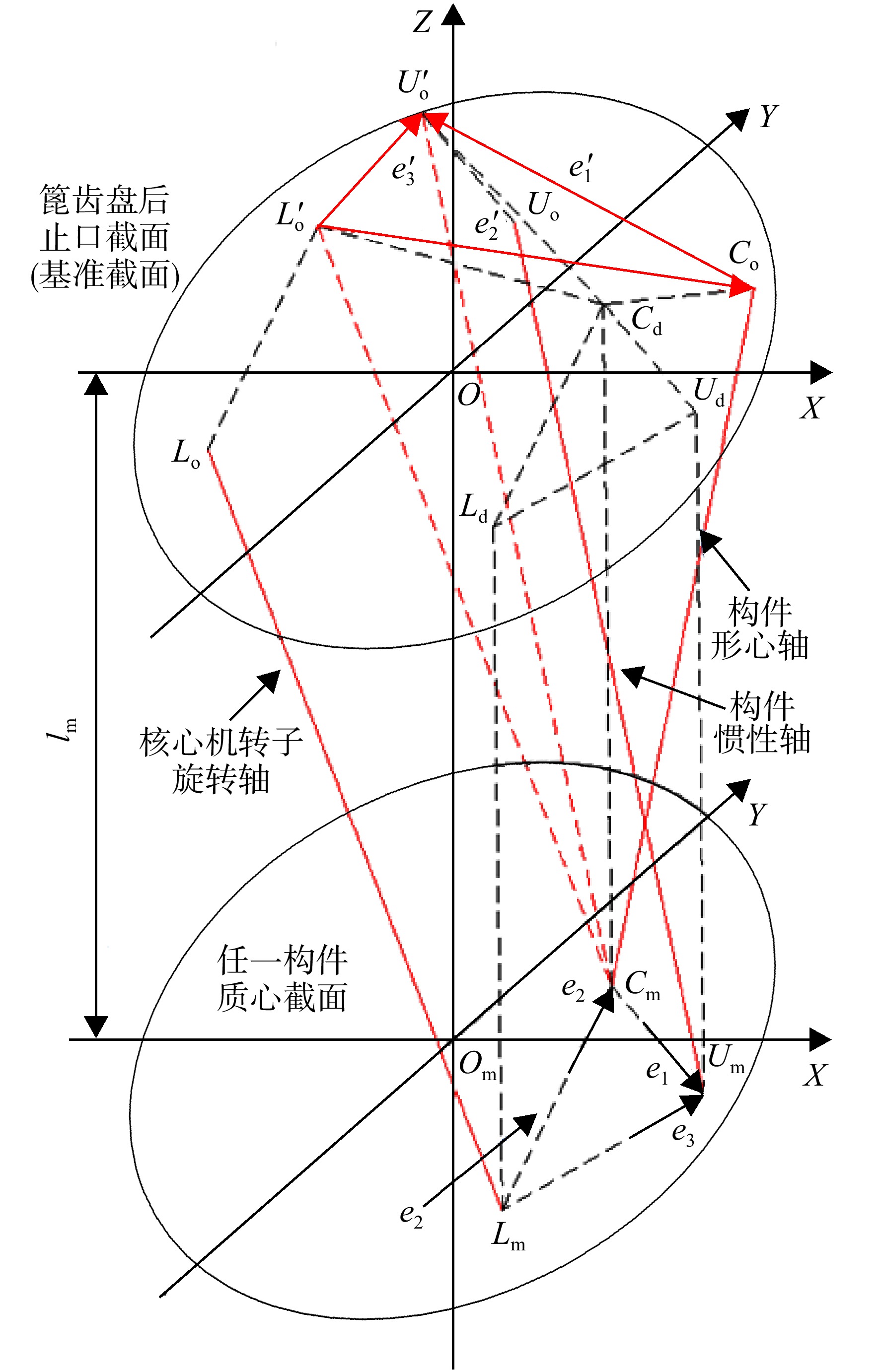
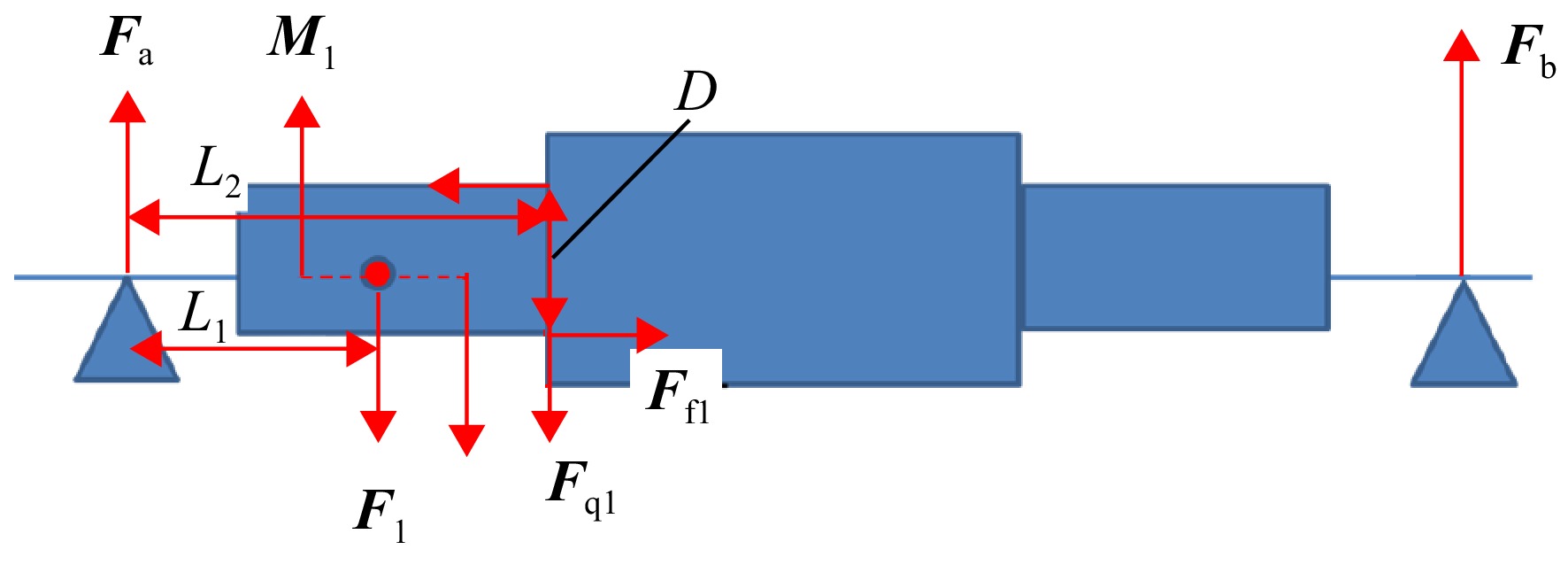
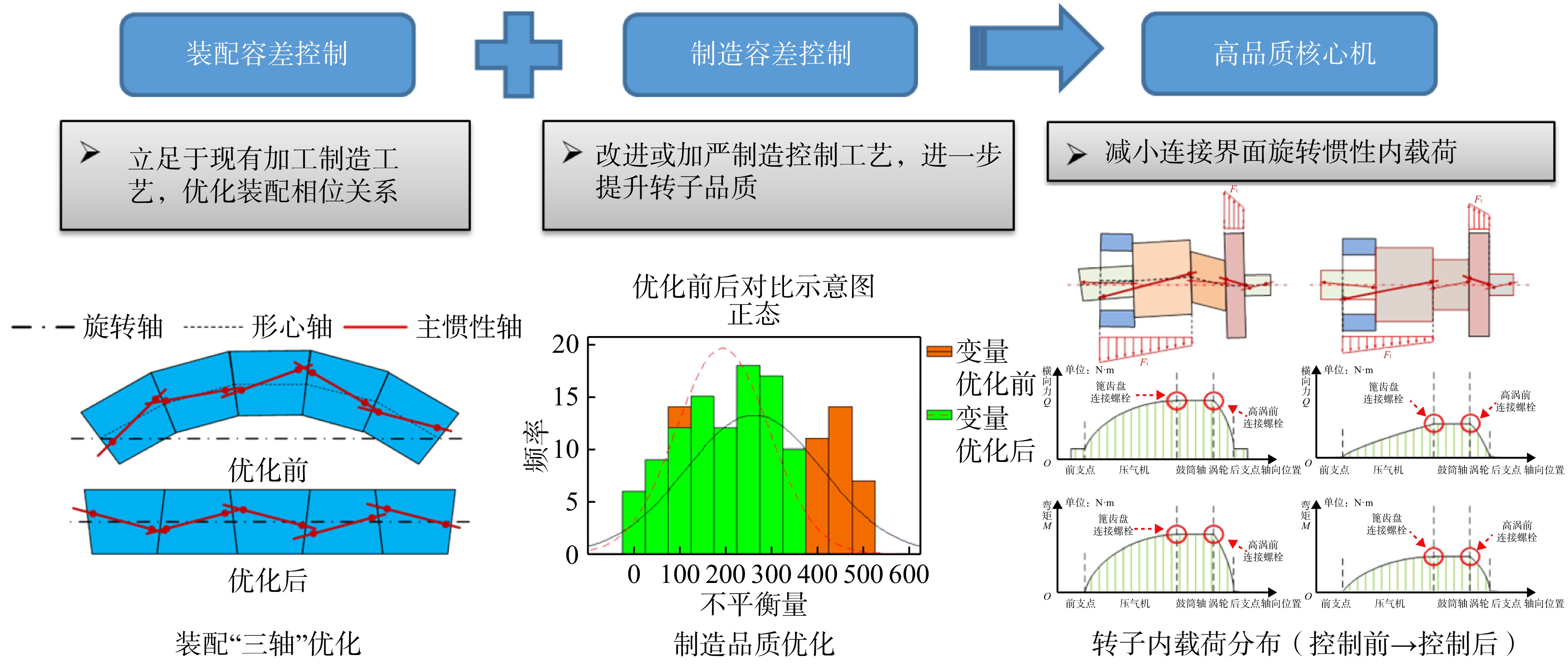
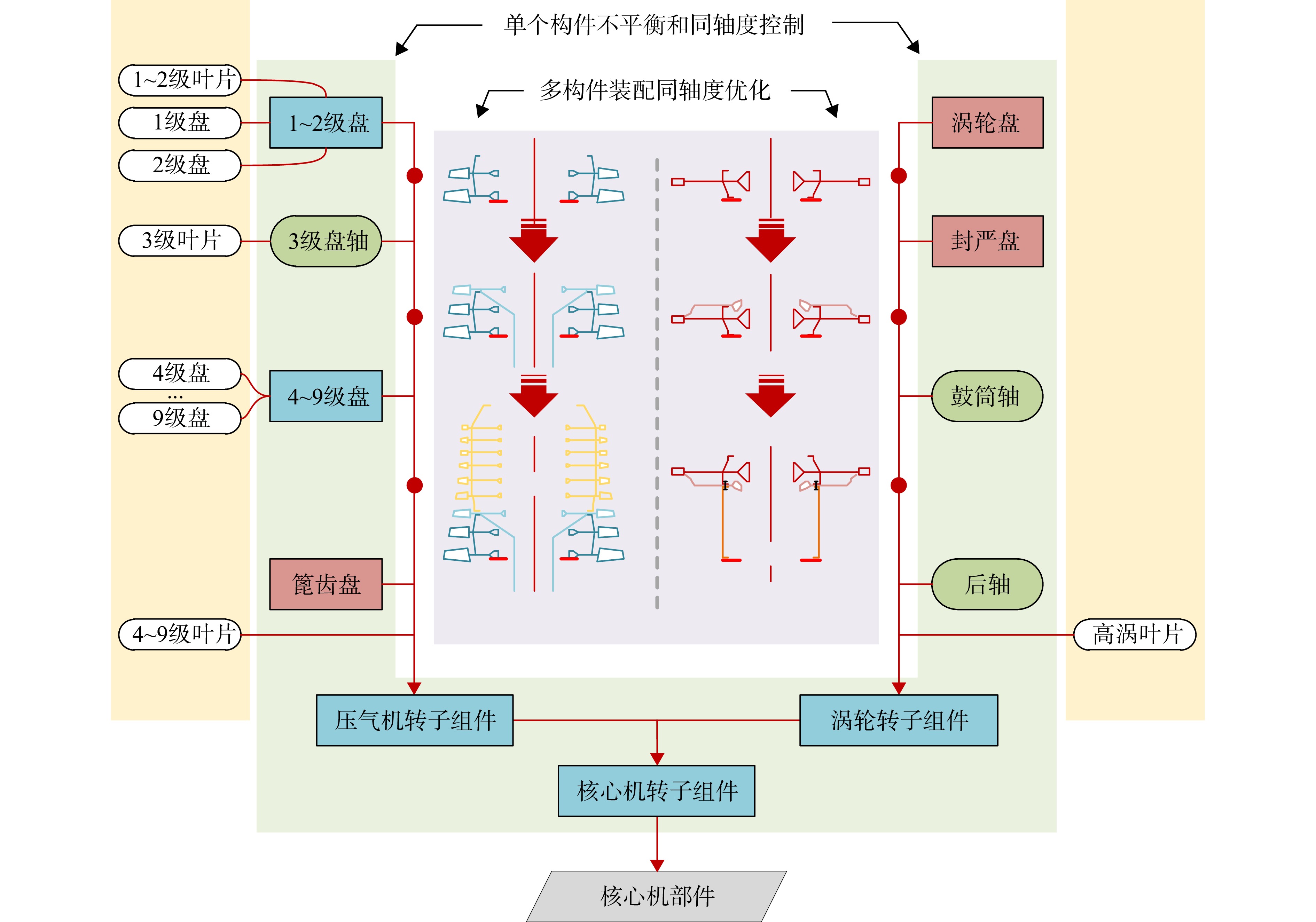
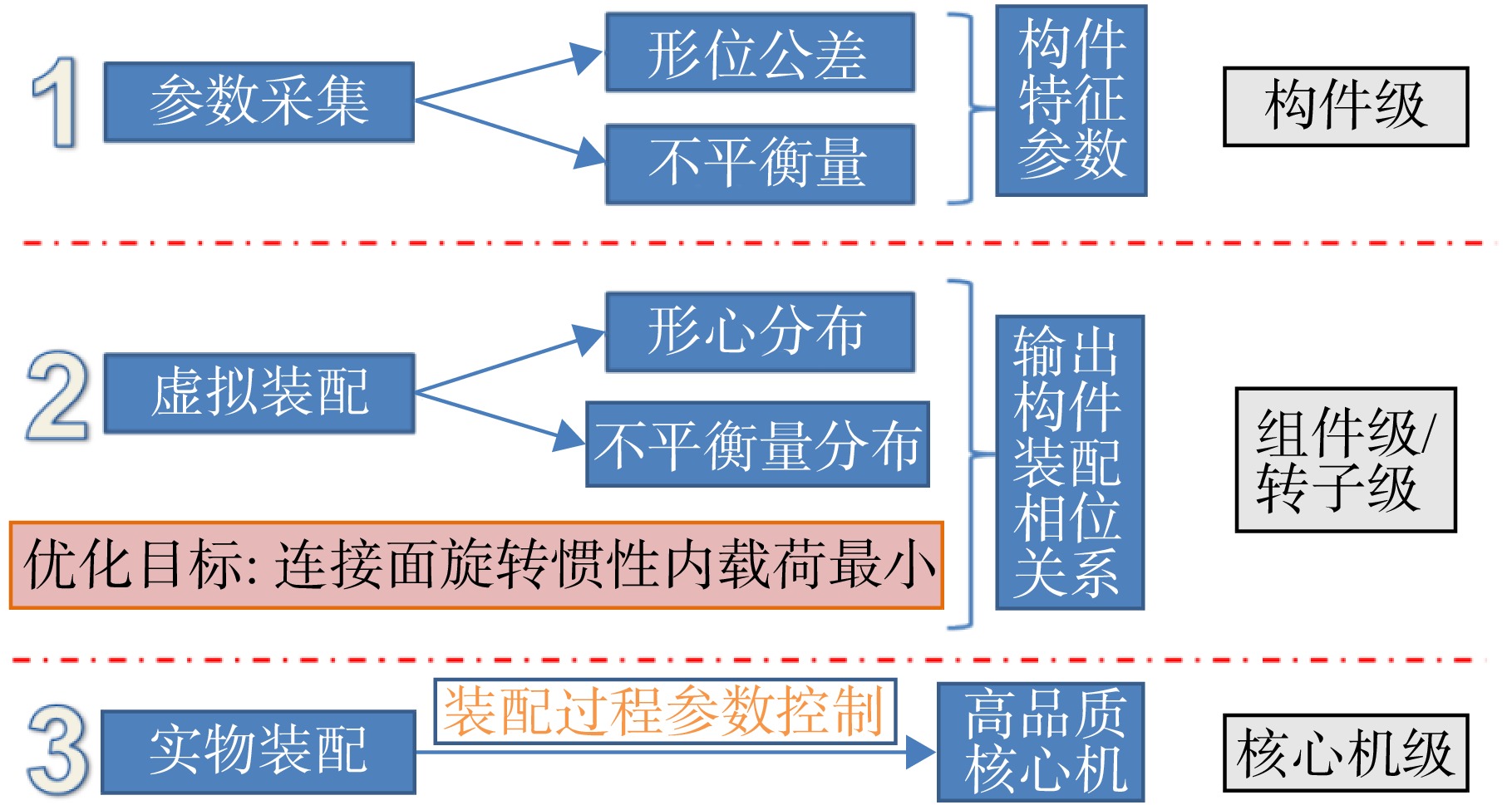
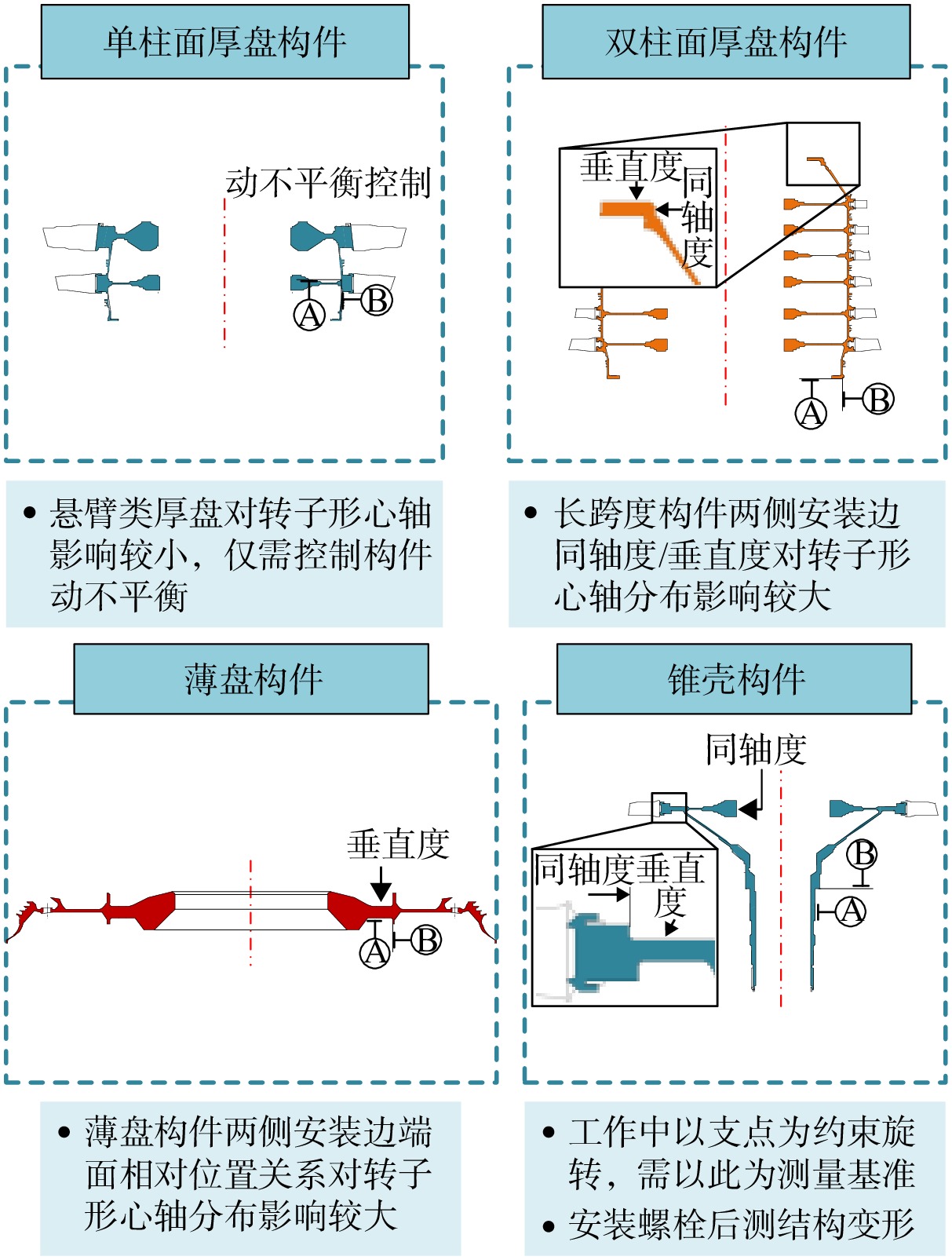
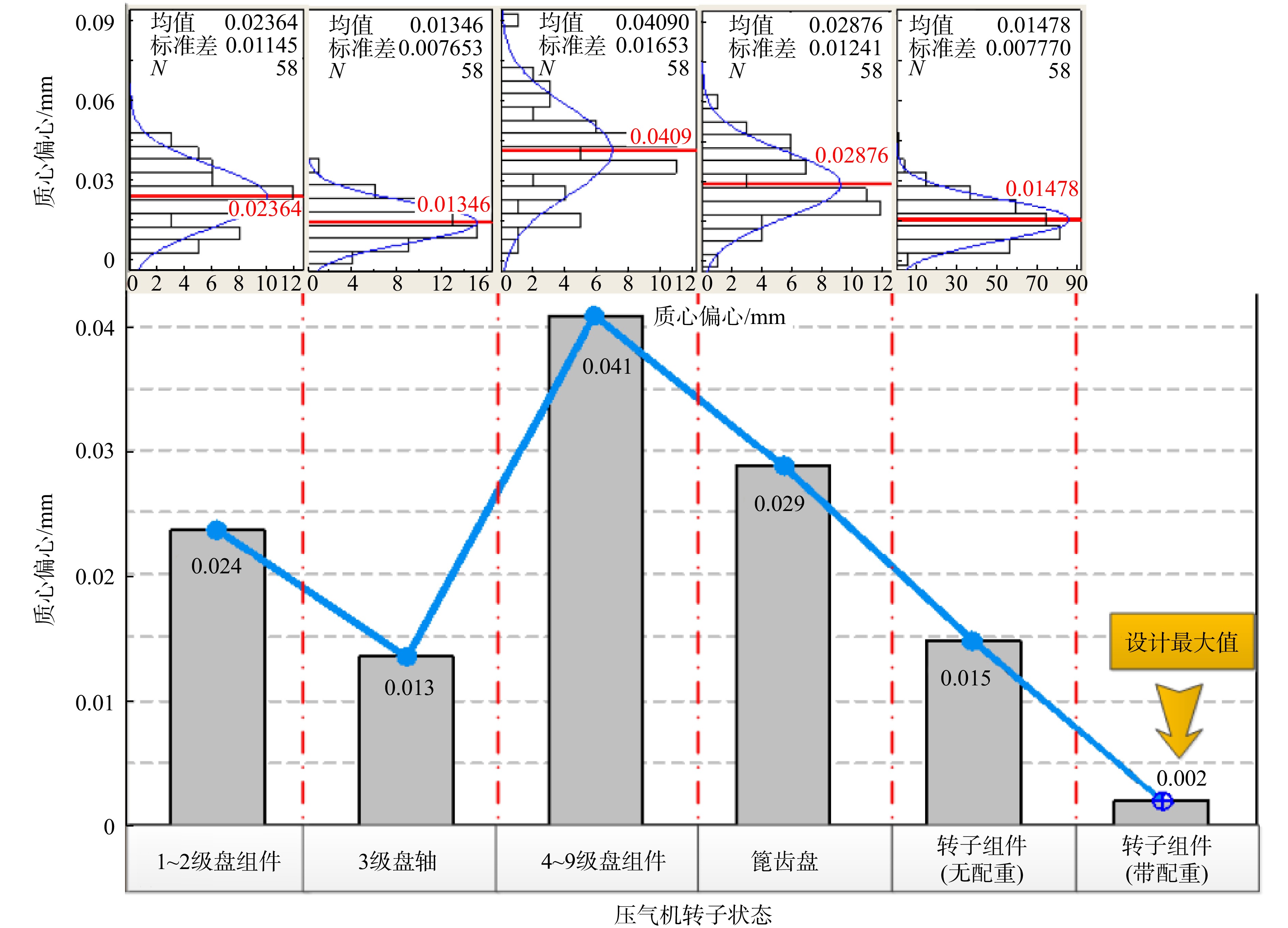
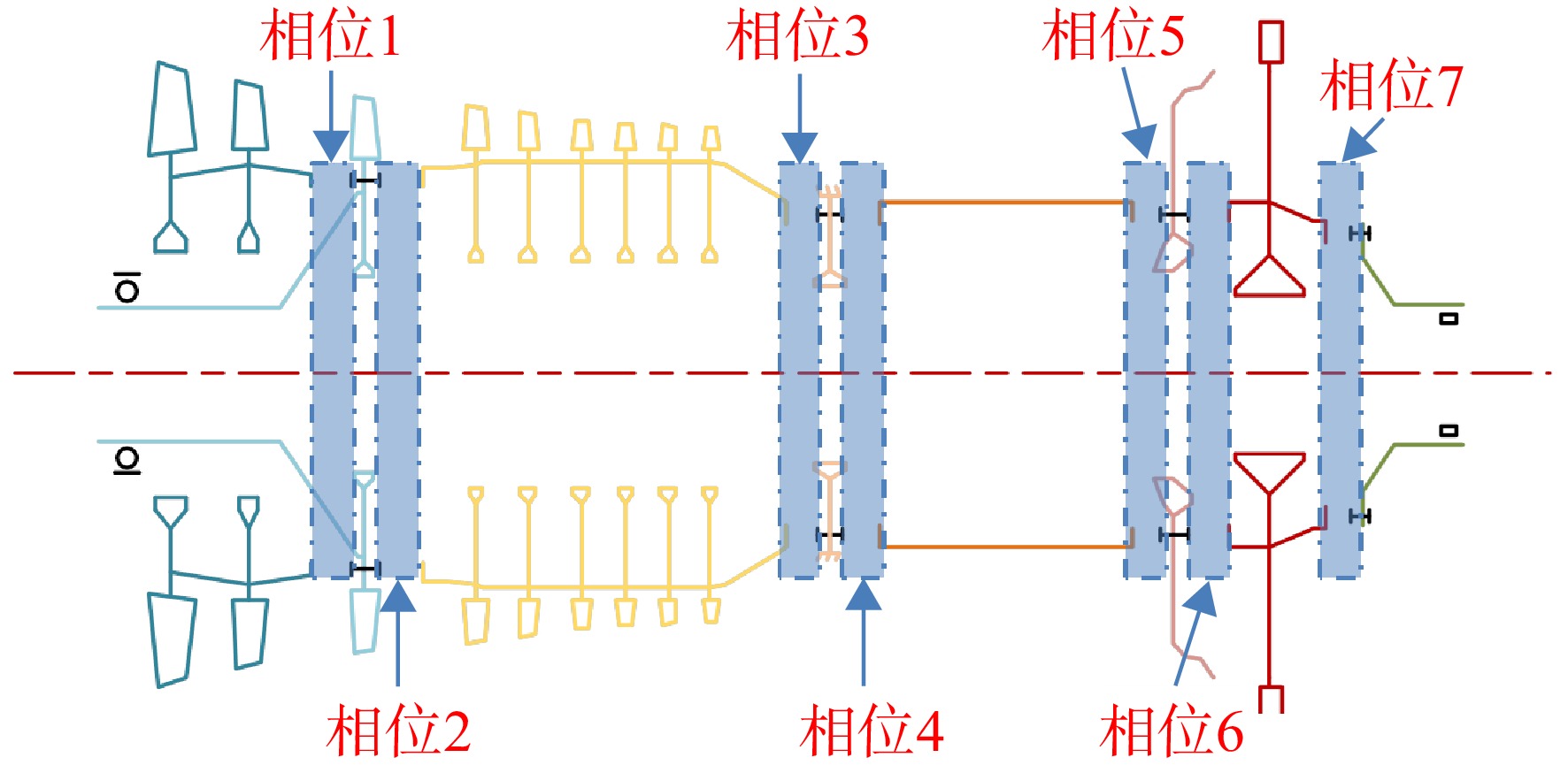
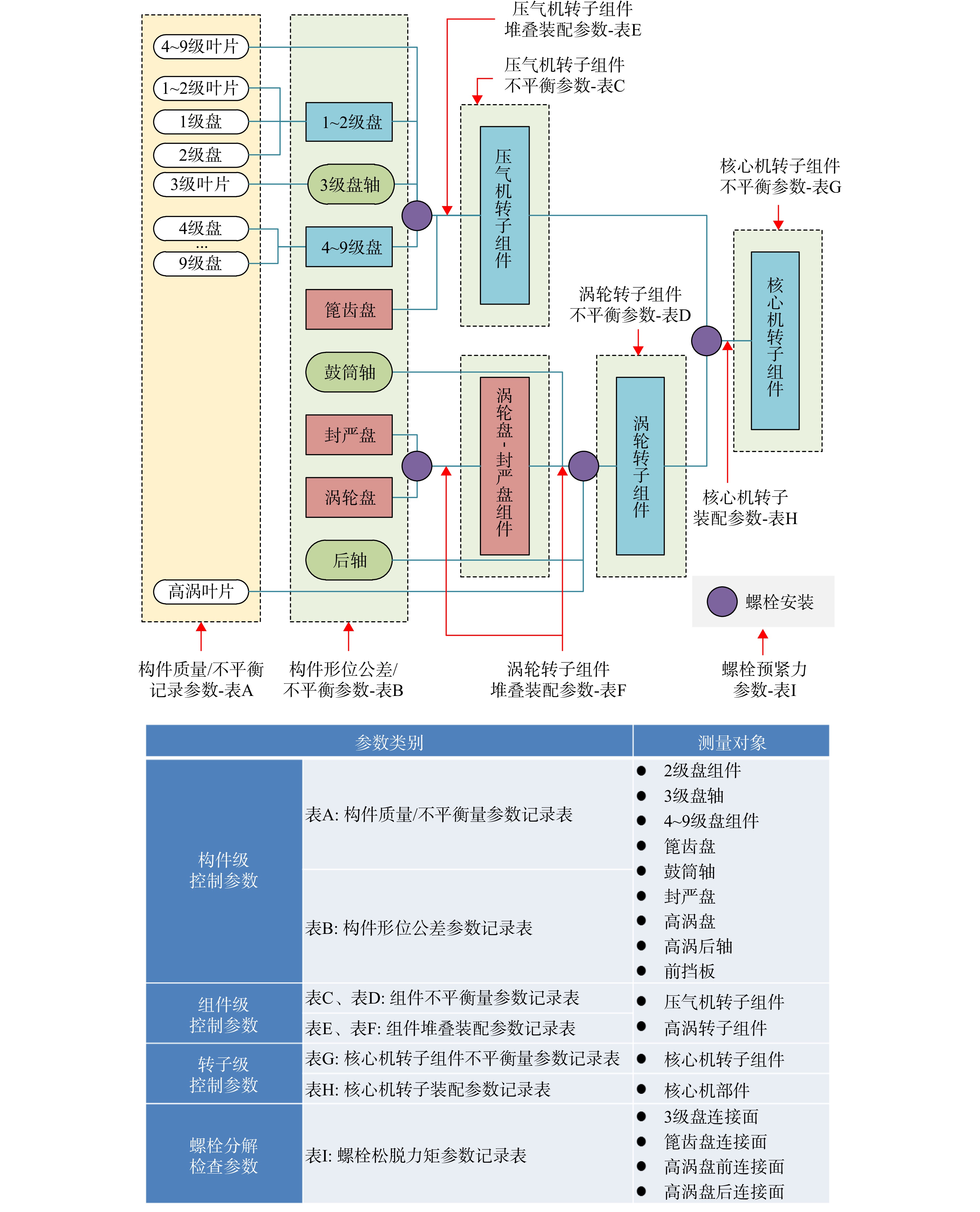
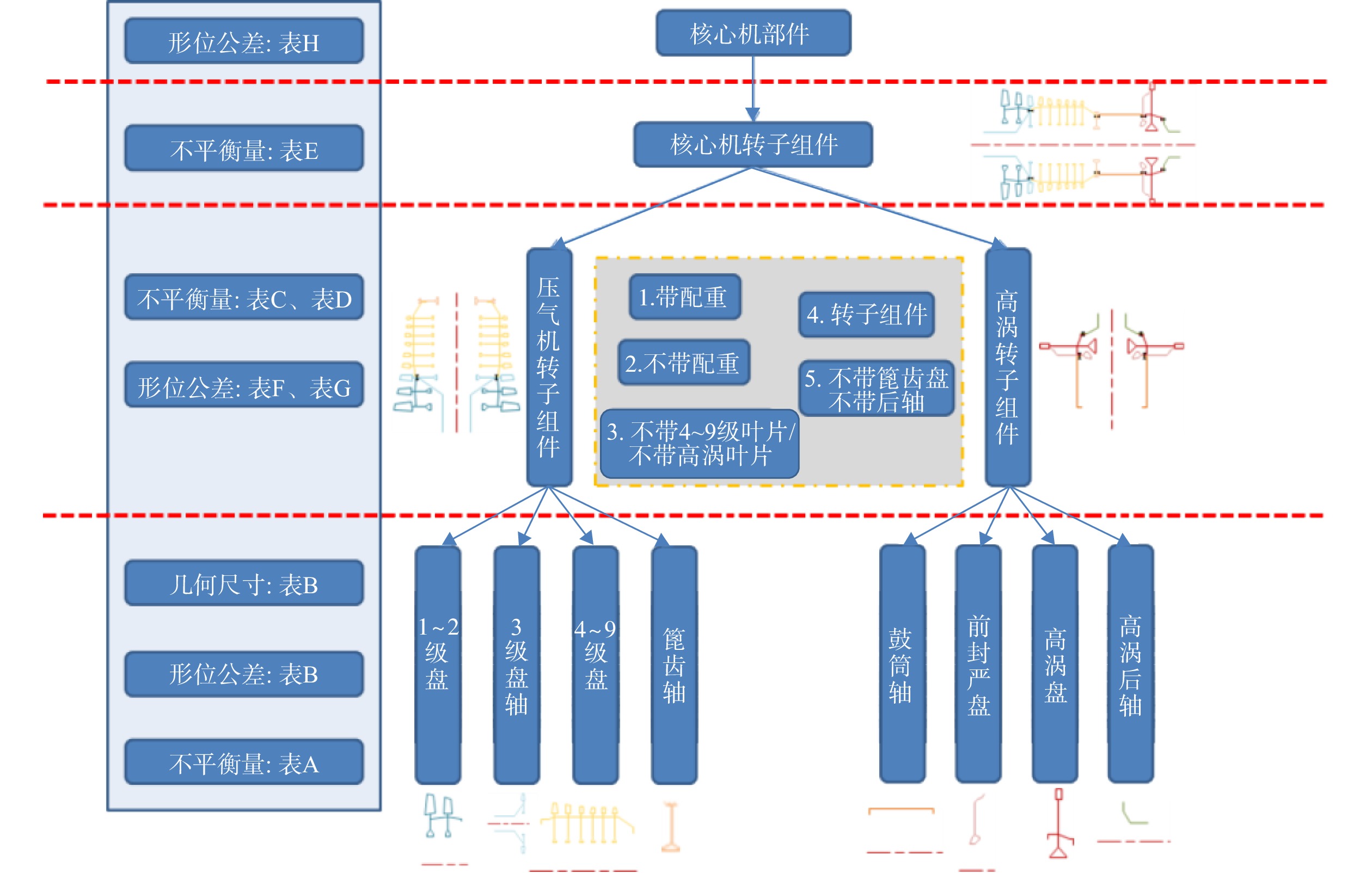
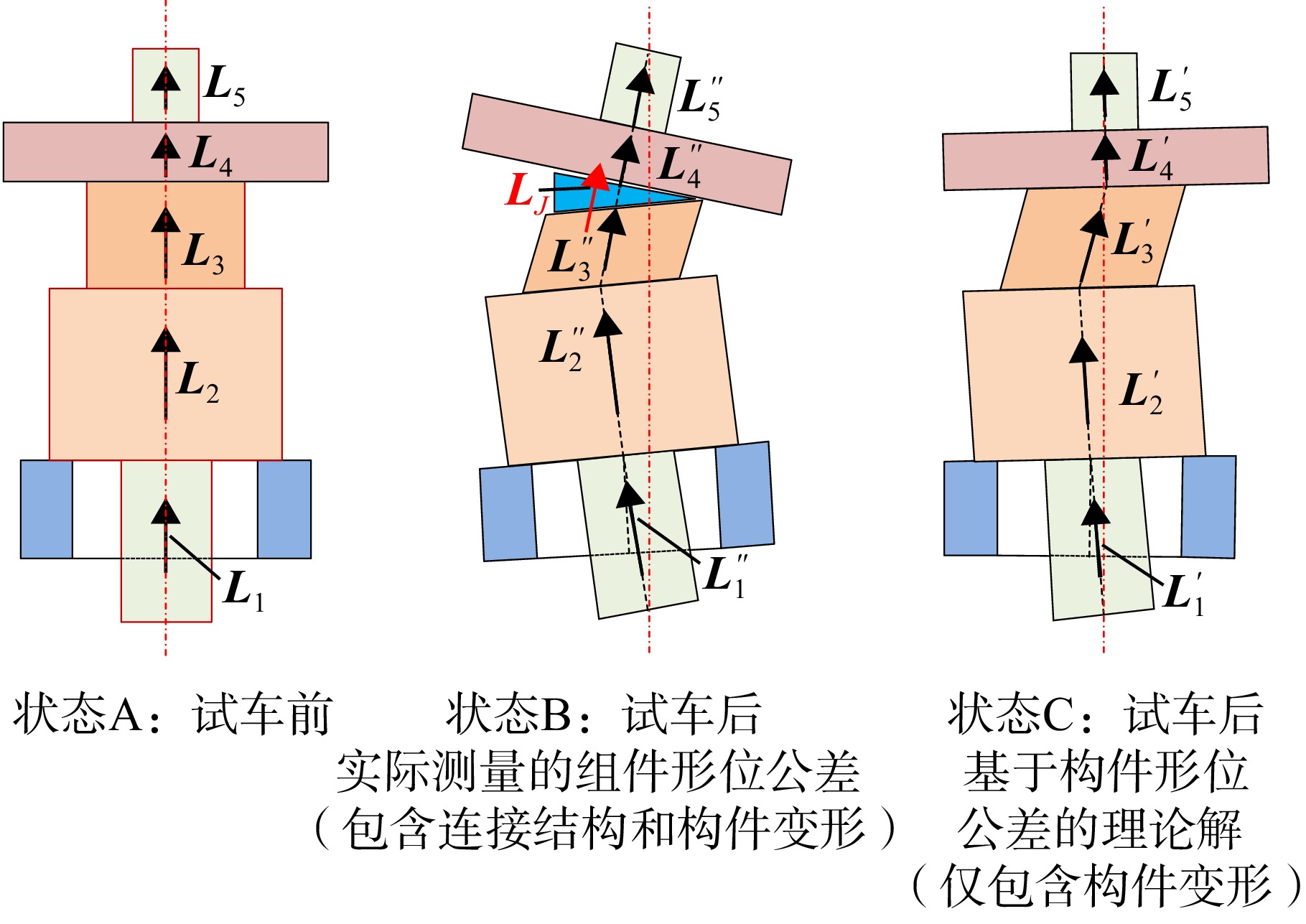
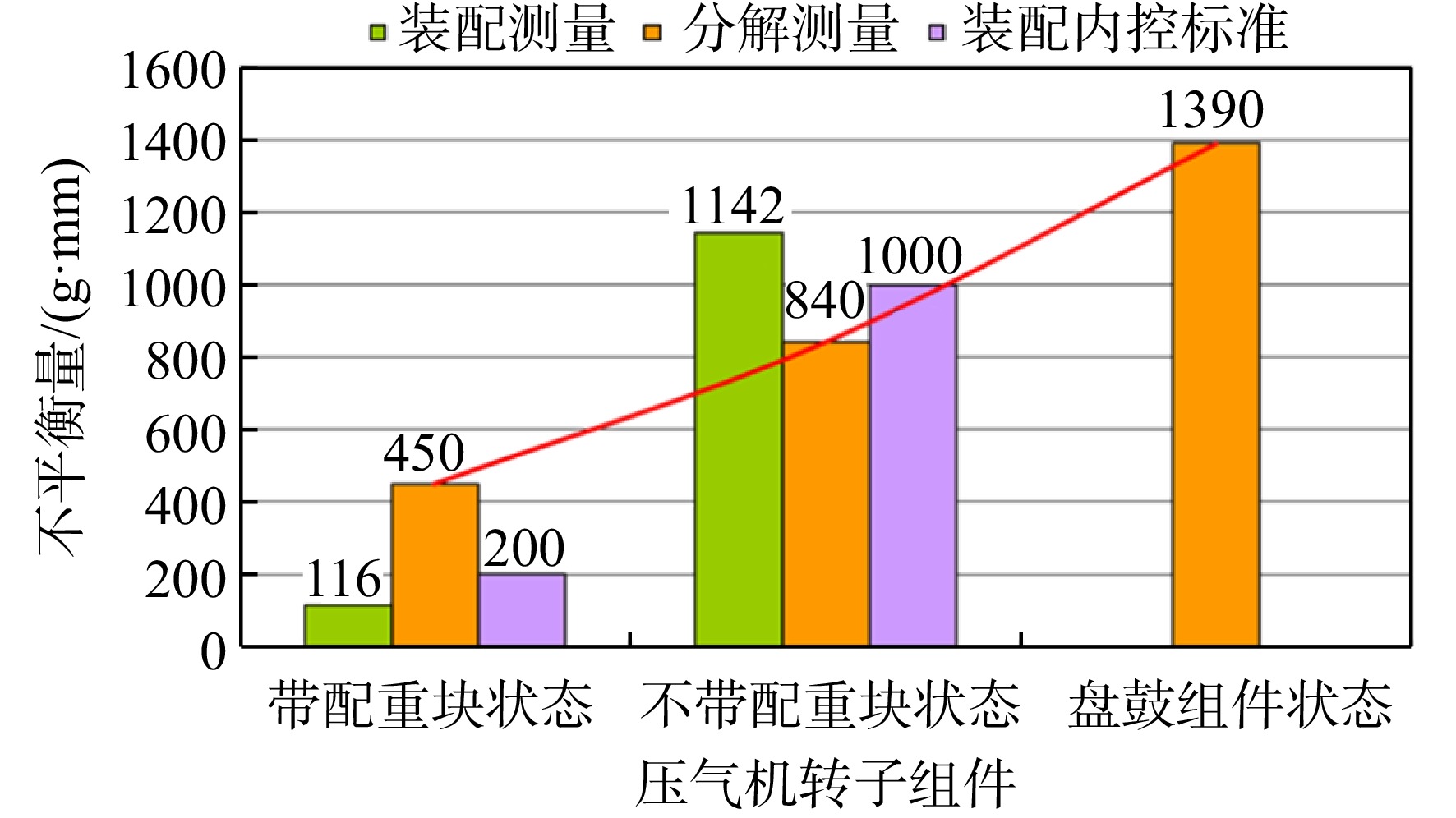
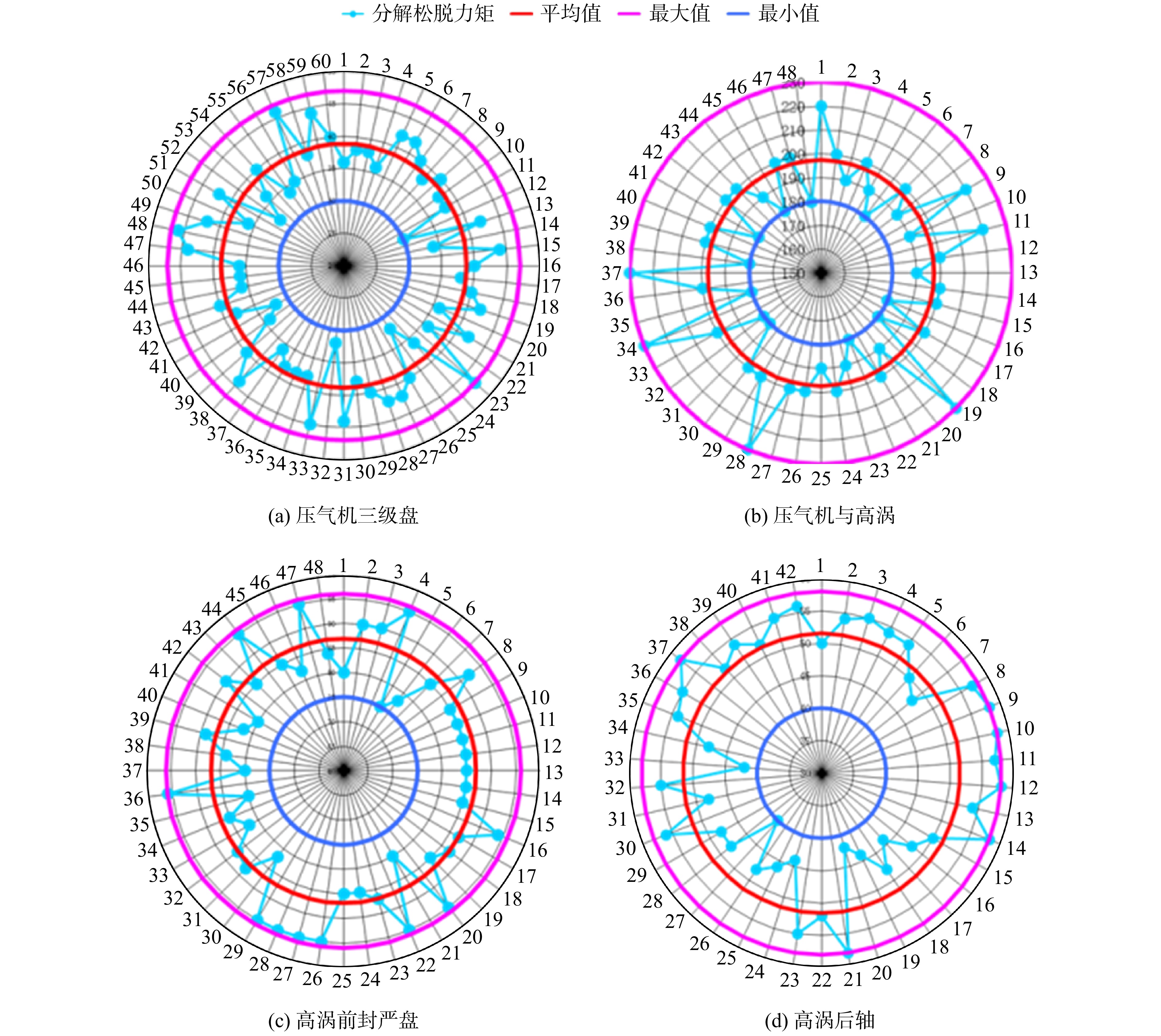
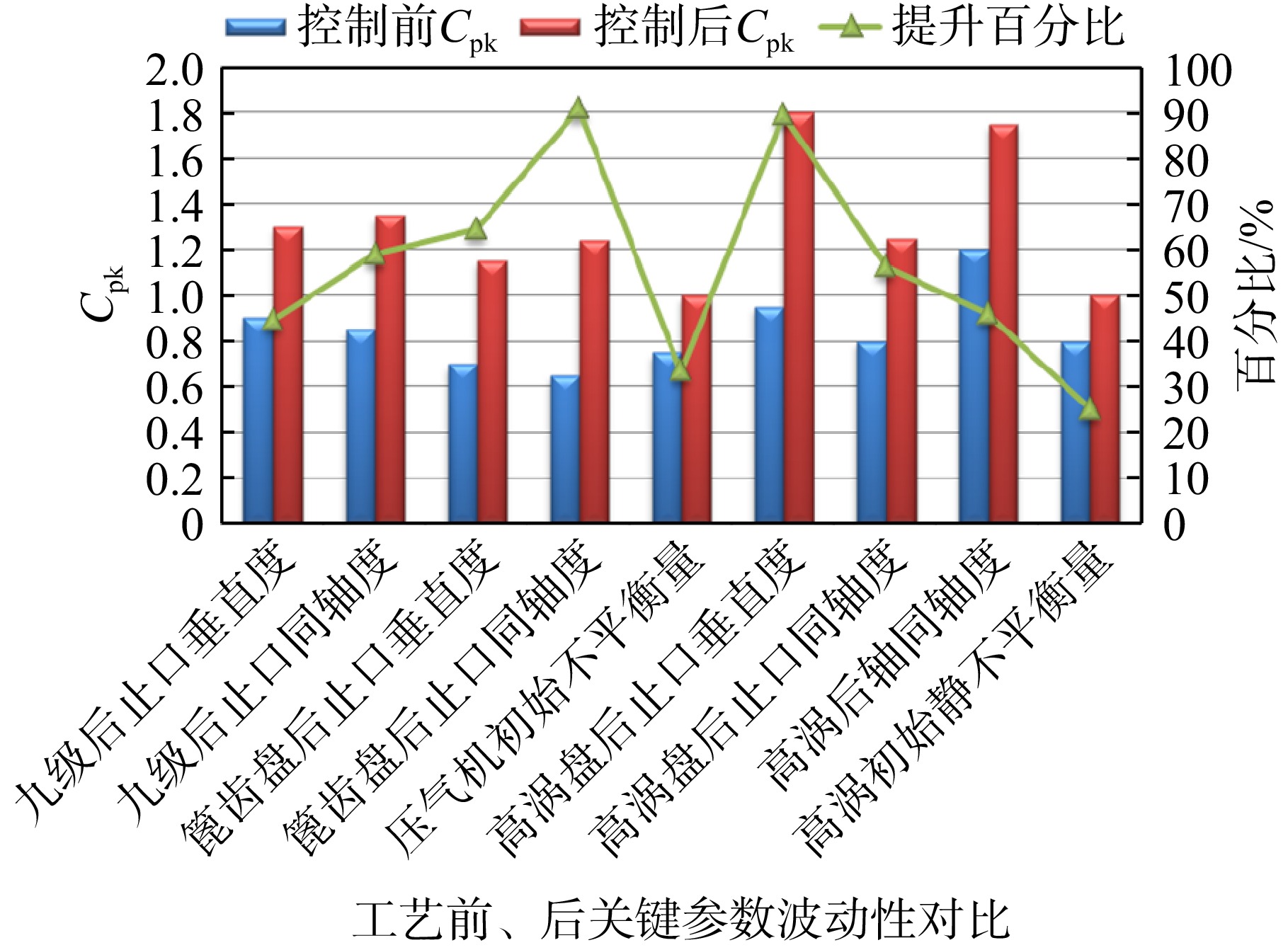
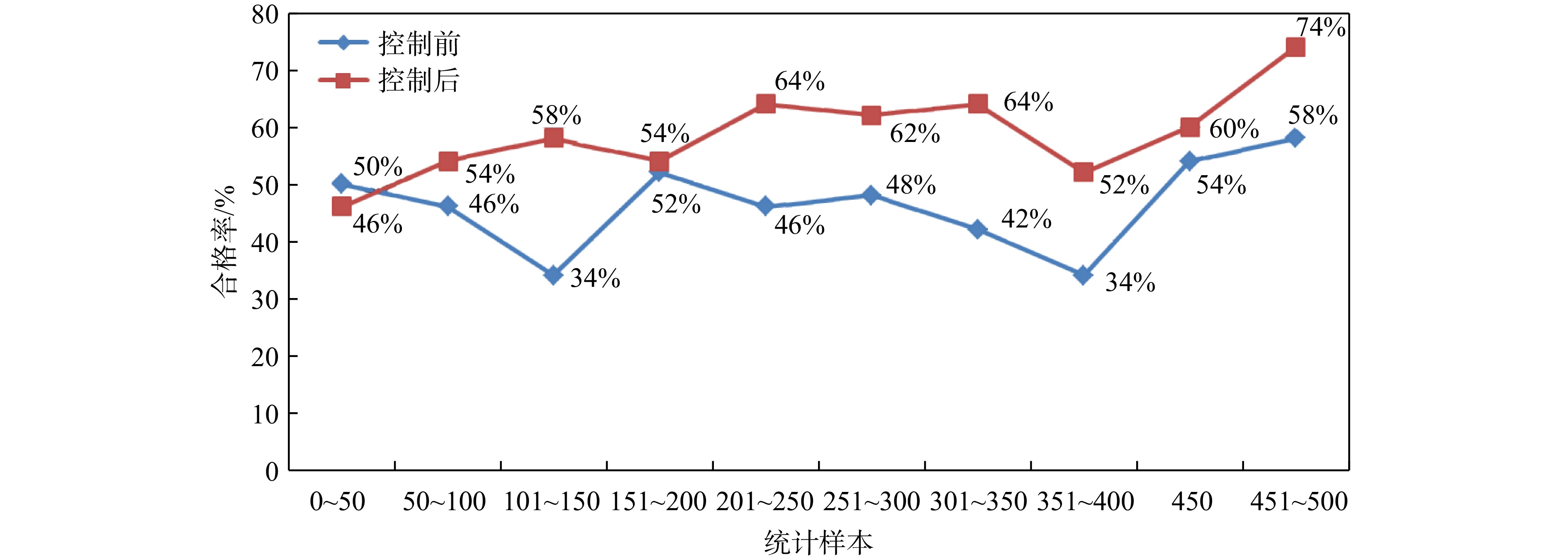
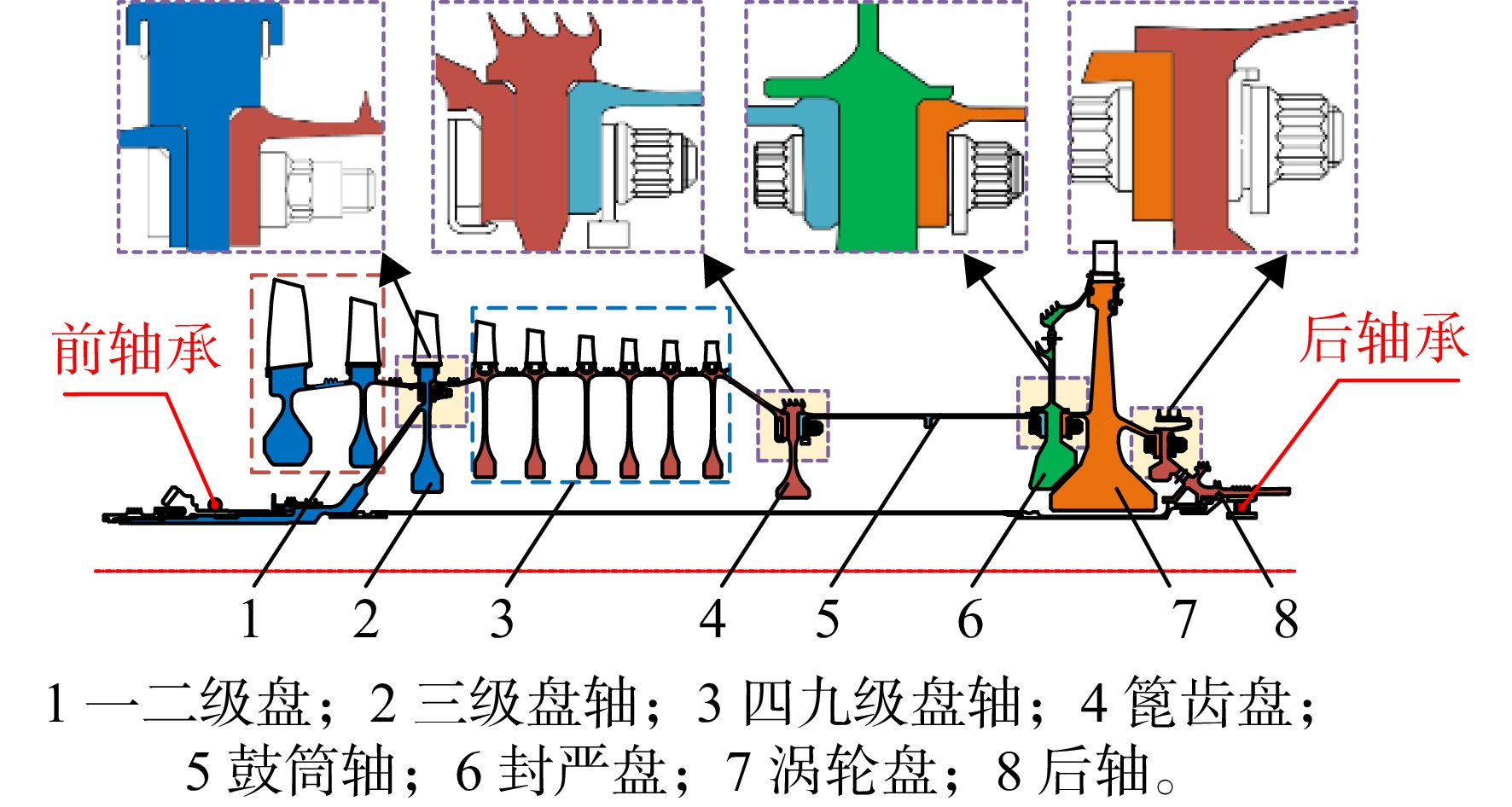
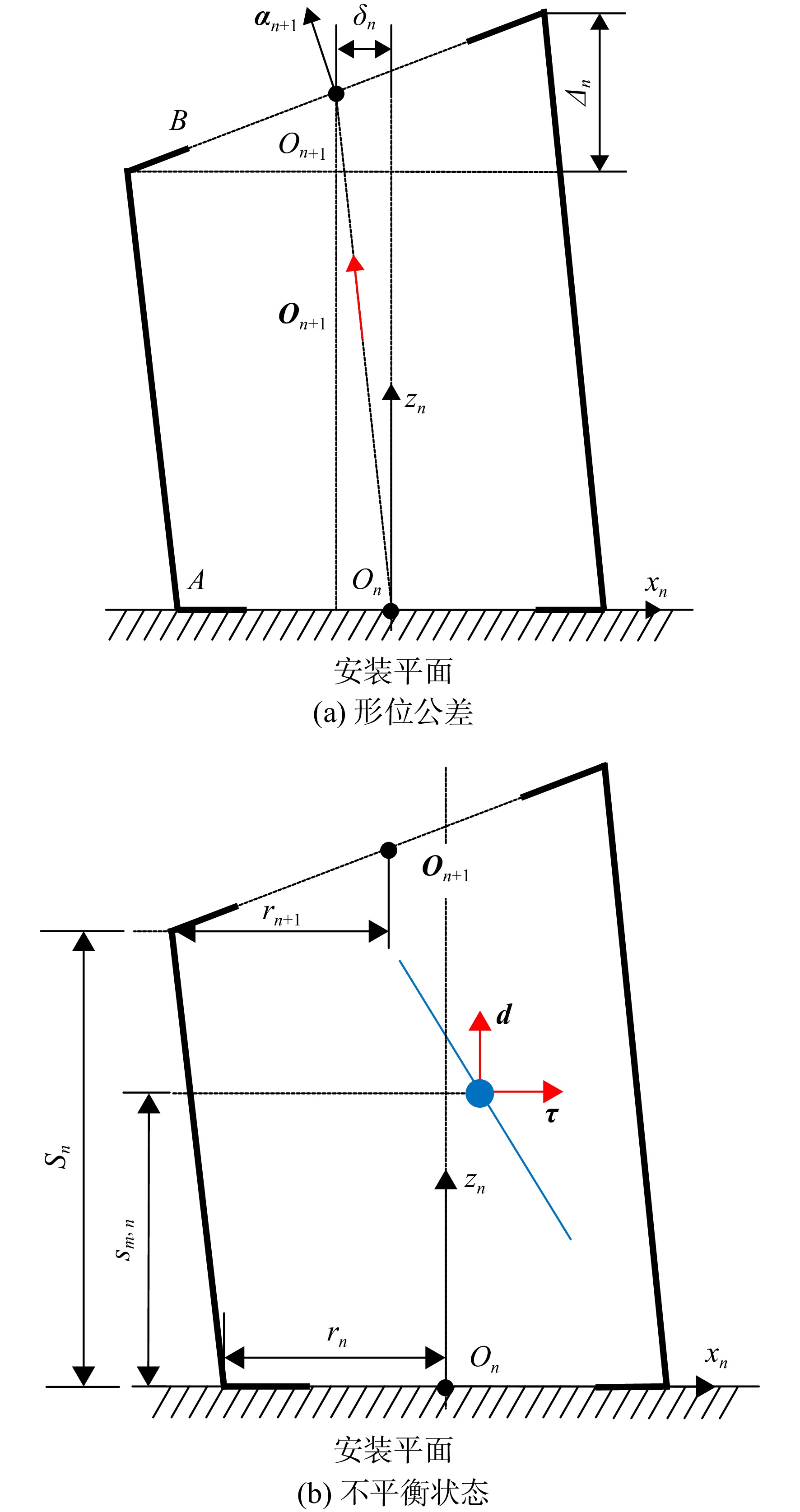
The coupling relationship between the configuration state parameters of the interface-connected rotor system has an important impact on the aero-engine vibration. Taking into account the distribution of component center of mass deviation and skewness of the principal axis of inertial along the axial direction, the essence of rotor configuration state quality control was presented to optimize and control the consistency of the “three axes”. So the rotational inertia internal load of the interface was reduced. A virtual assembly prediction model based on measurable geometric and mechanical parameters of rotor components was established. The collaborative optimization of rotor coaxiality, unbalance, and internal load of the interface was achieved. A closed-loop control scheme covering the entire process of manufacturing-assembly-disassembly was developed. Engineering applications demonstrated that the engine test first-pass qualification rate increased by over 15%, while the fluctuation amplitude of the majority of key parameters was reduced by more than 30%.

Influence of assembly on unbalanced state and dynamic response dispersity of high-speed rotors
CHEN Xueqi, LI Jie, MA Yanhong, HONG Jie
2025, 40(8): 20240576. doi: 10.13224/j.cnki.jasp.20240576
Abstract:

Advanced aero-engine rotors require lightweight and high-efficiency designs, leading to increased rotational speeds. This makes their dynamic response highly sensitive to unbalanced states and assembly effects. To address this issue, the correlations between assembly parameters and rotor unbalanced states were investigated. An assembly-dependent rotor dynamic response dispersion model was developed, revealing how assembly affected response variability. Results indicated that different assemblies altered the deflection distribution of the rotor’s inertia spindle. Notably, the tilt of a thin turbine disc’s inertia spindle generated significant rotational inertia moment excitation under high-speed conditions. Variations in assembly parameters caused dispersion in the turbine disc’s spindle tilt amplitude, which critically contributed to high-speed rotor dynamic response dispersion.

Hybrid vision-based quantitative evaluation method of complex wear scratches on honeycomb seals
ZHANG Pengfei, XU Maocheng, ZHAO Gang
2025, 40(8): 20240565. doi: 10.13224/j.cnki.jasp.20240565
Abstract:

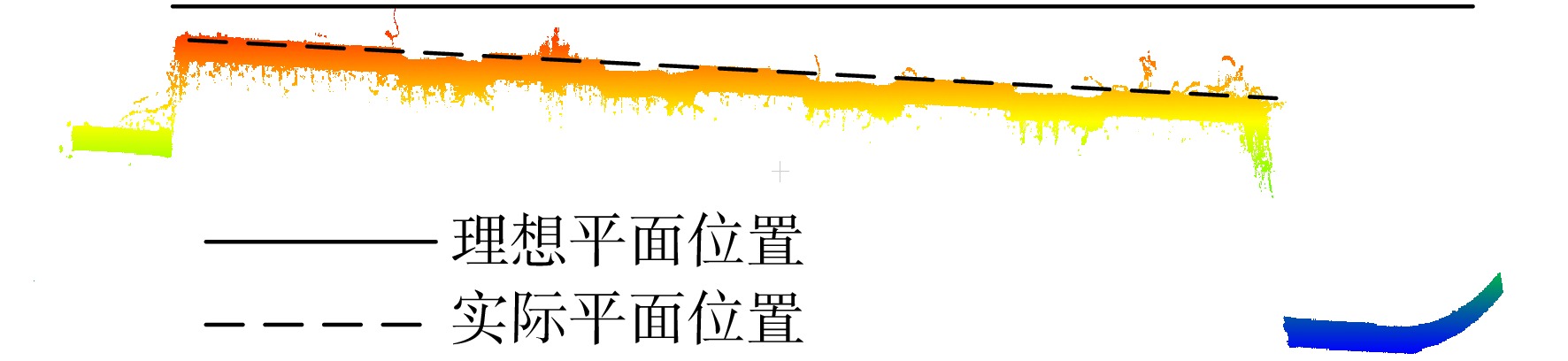
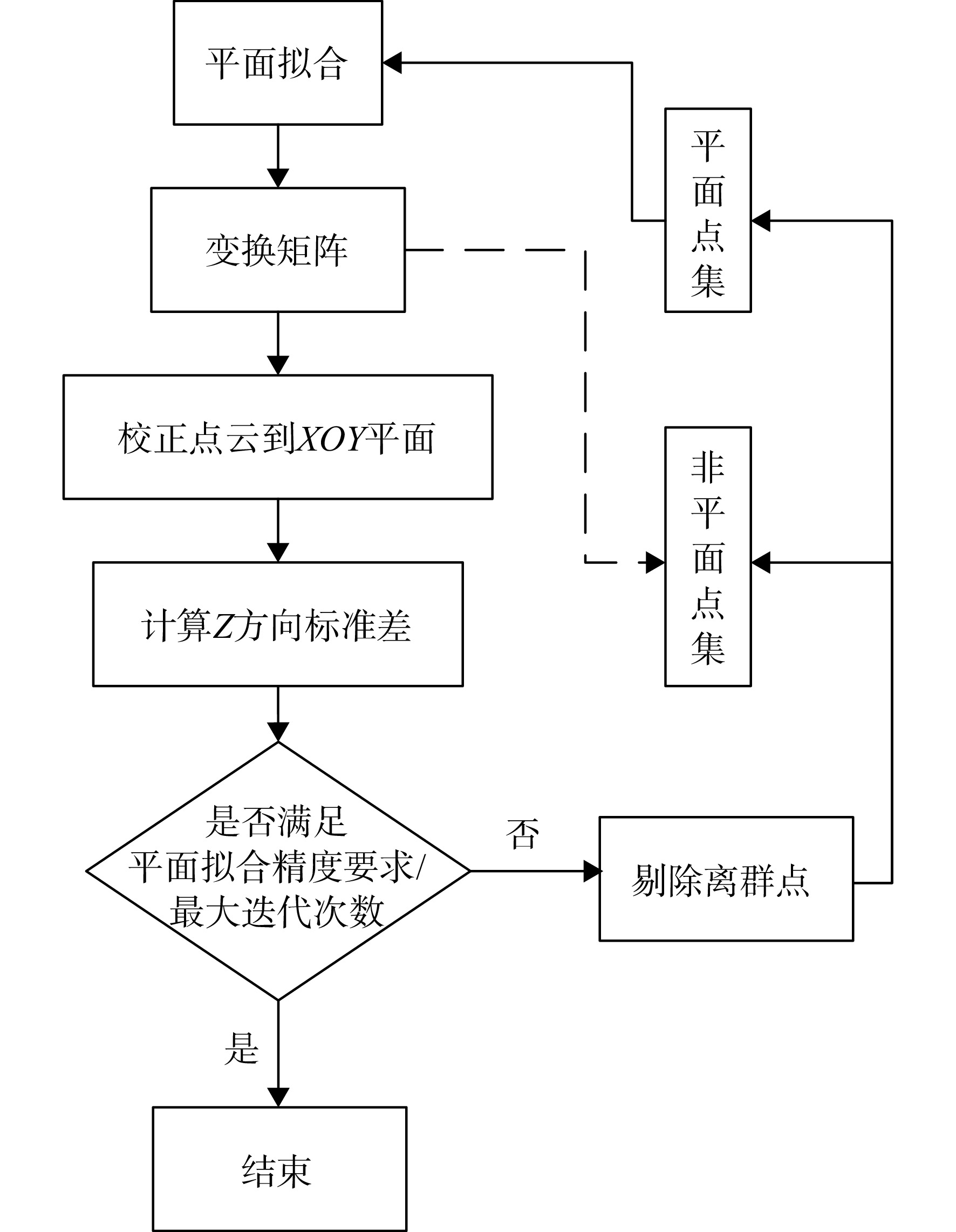
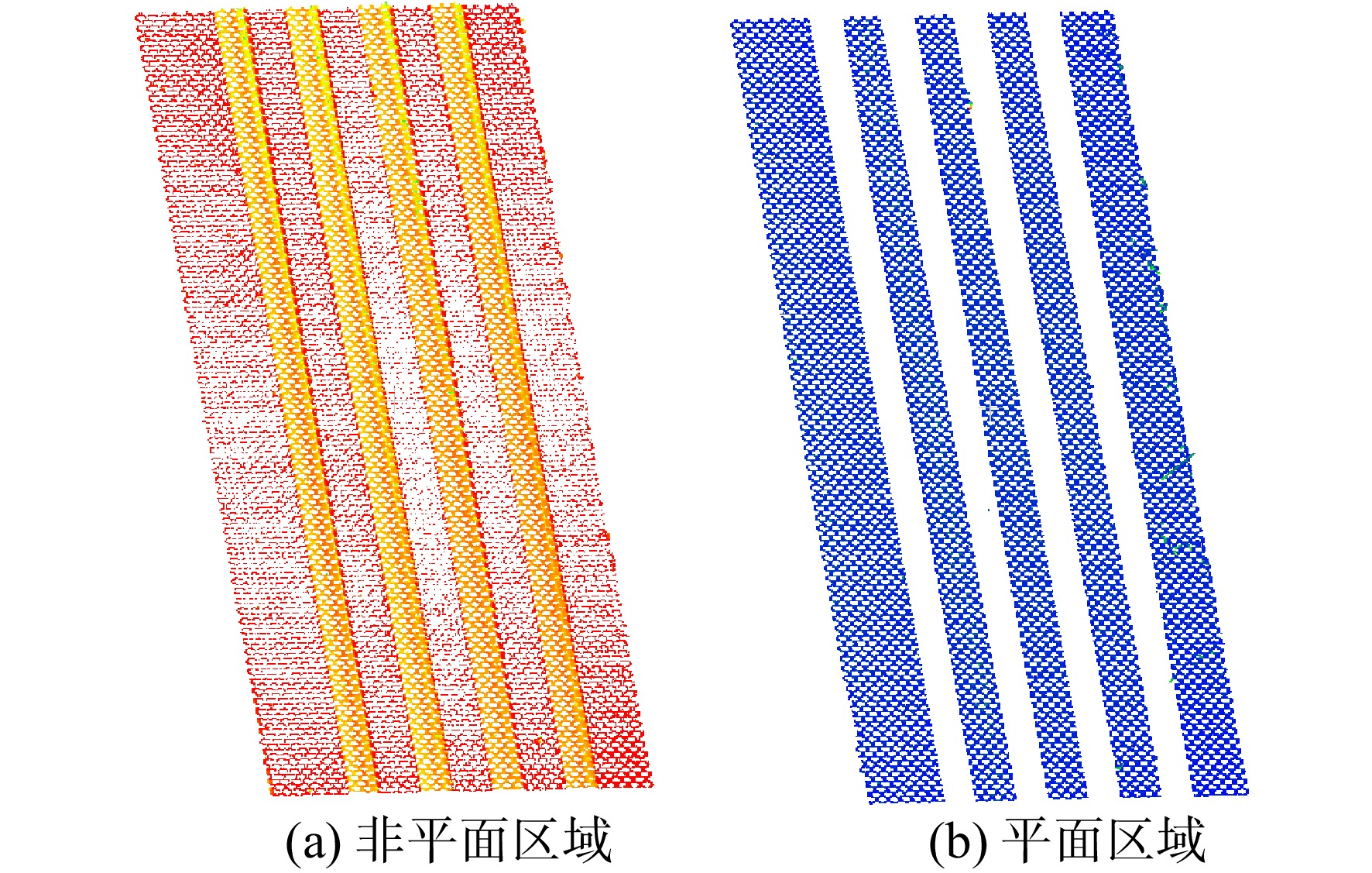
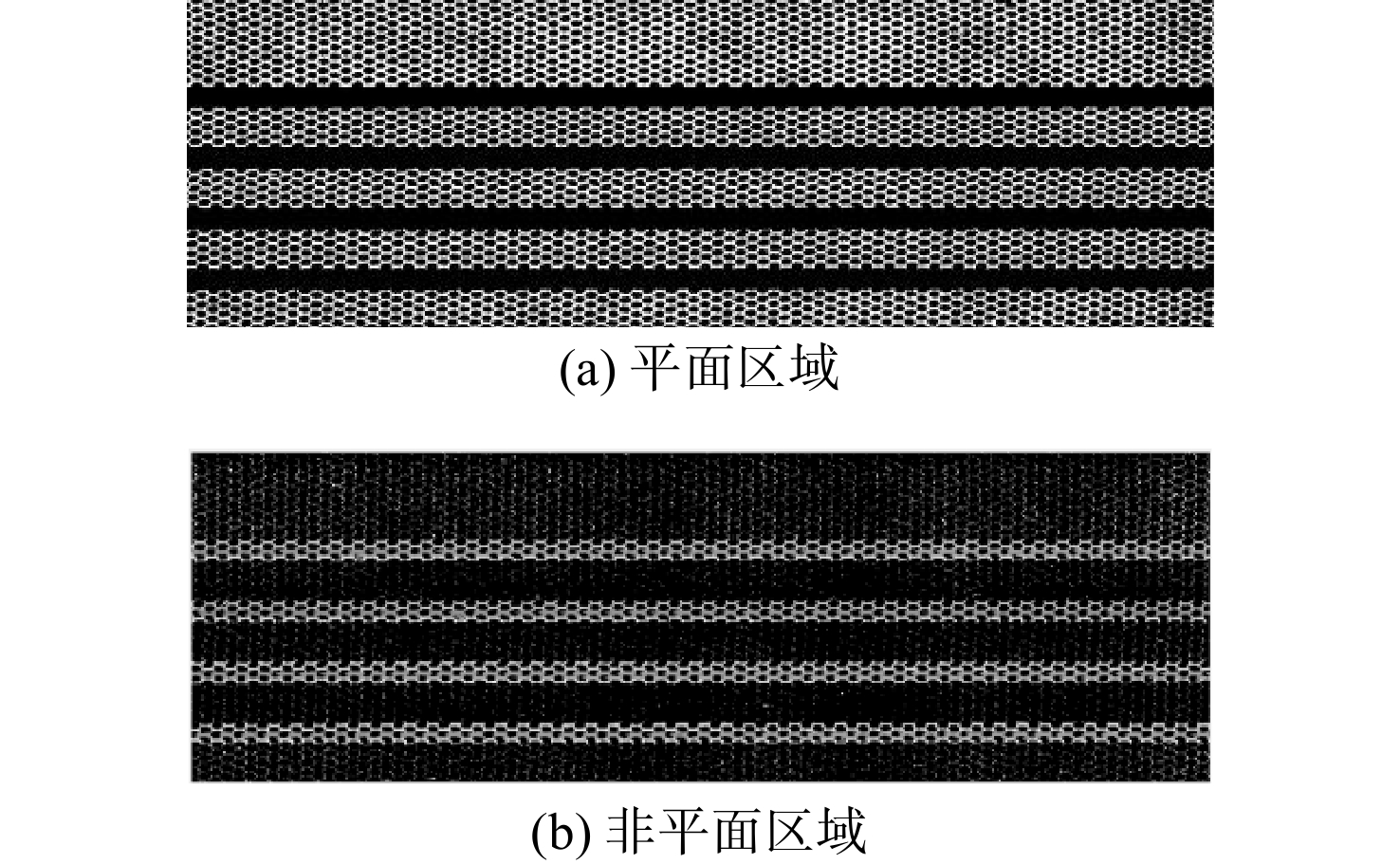
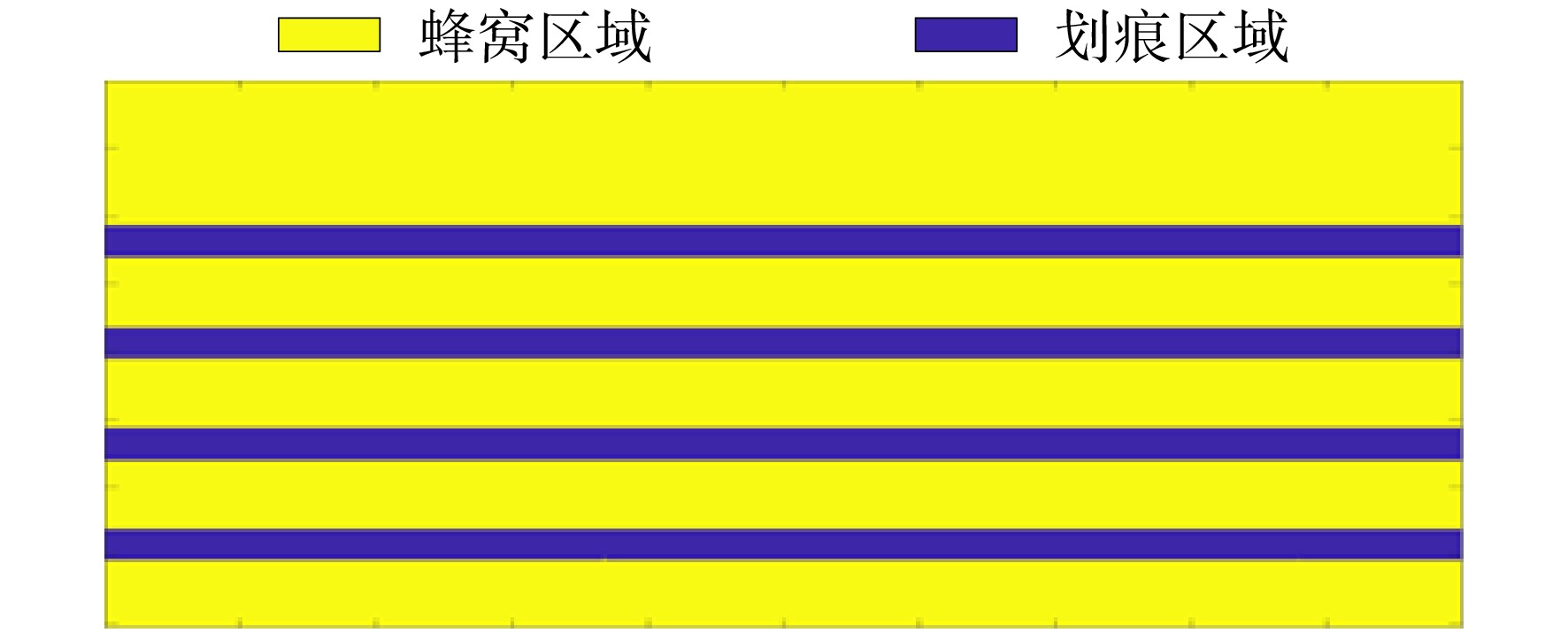
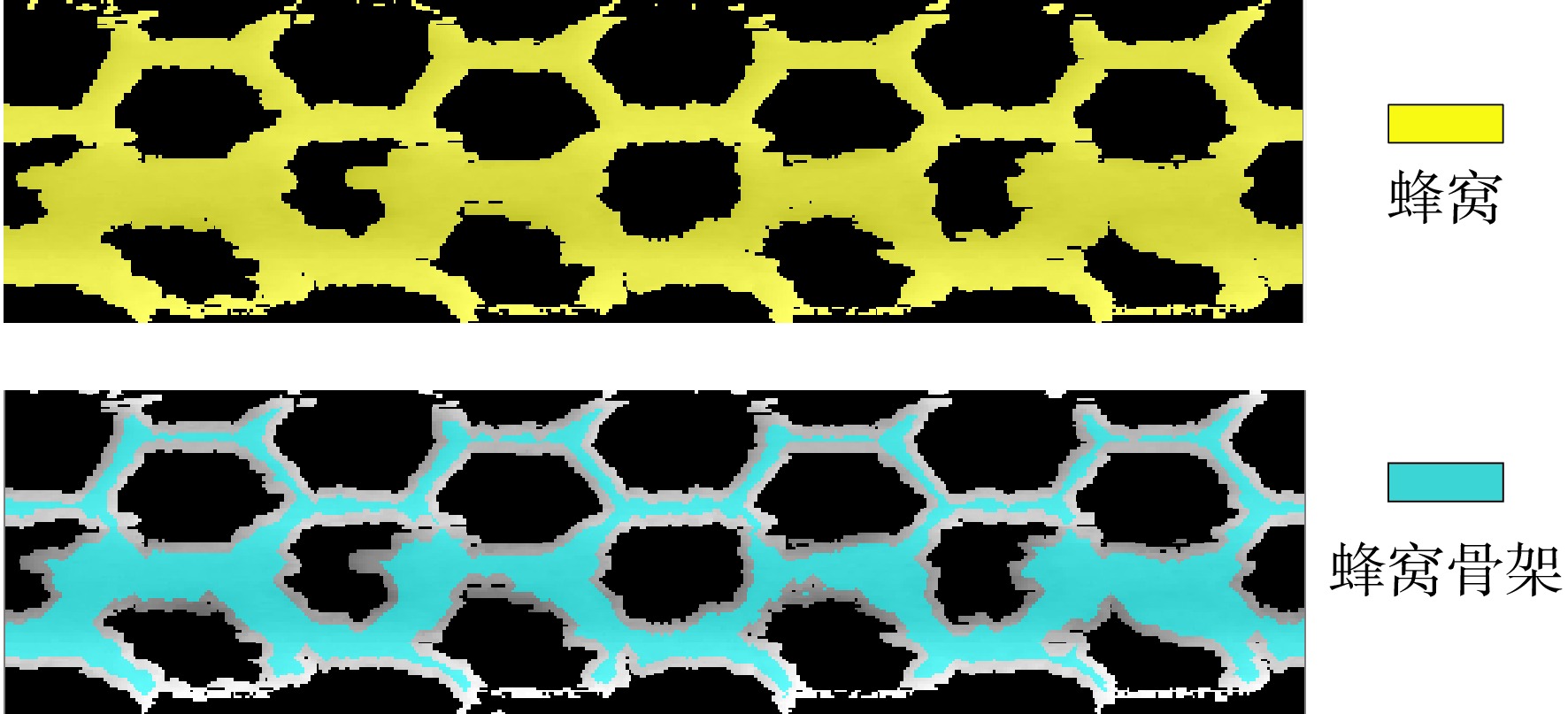
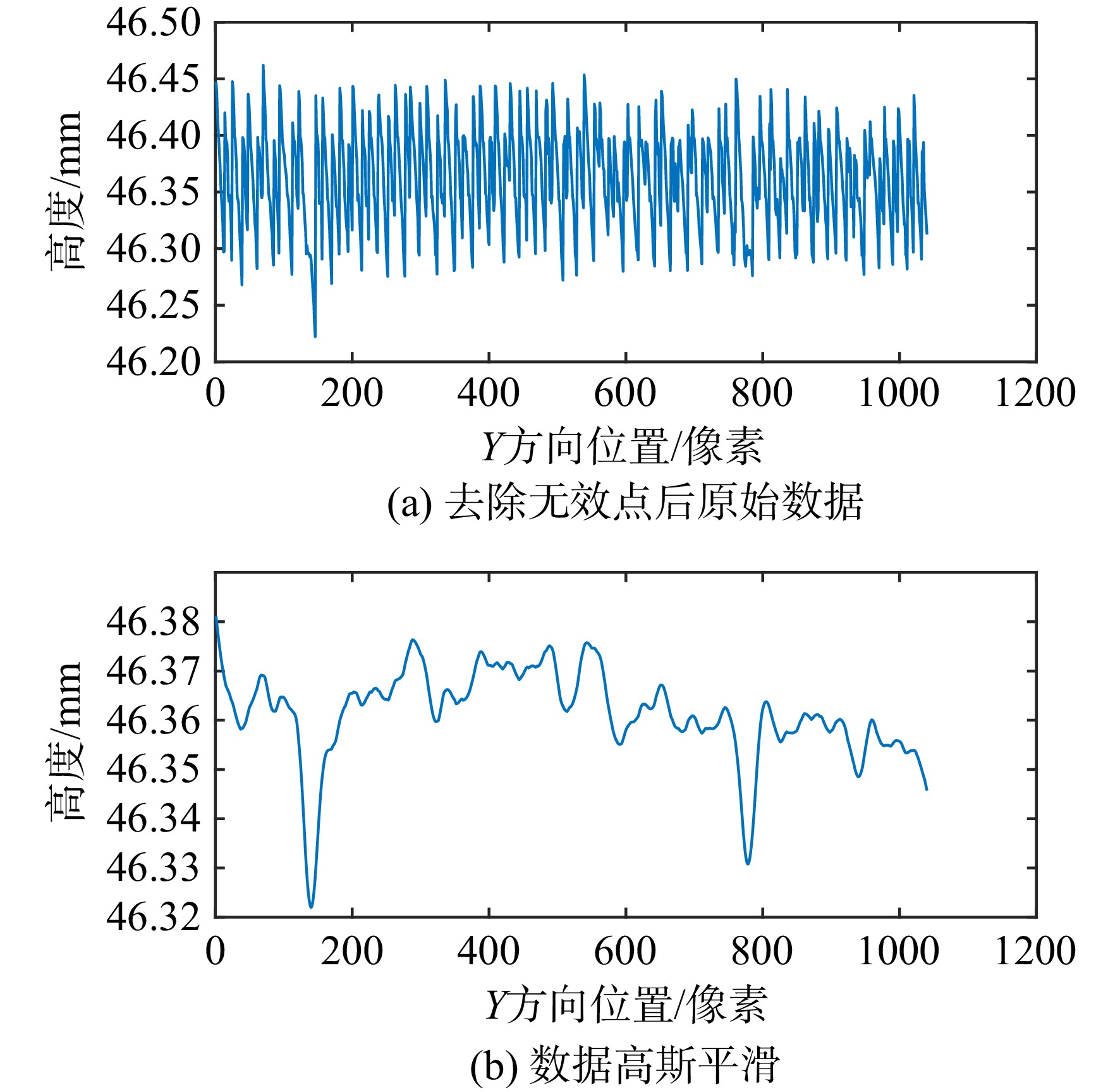
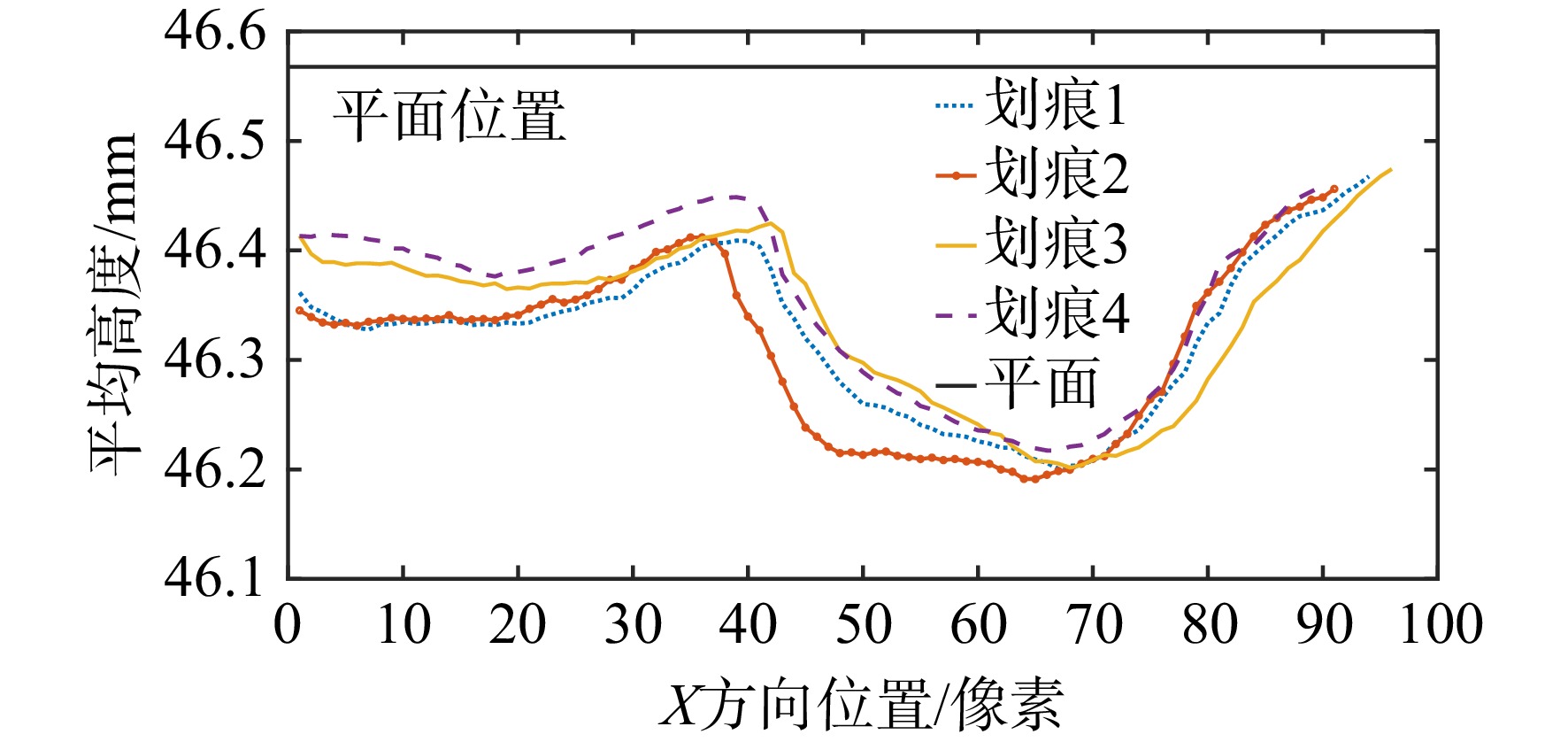
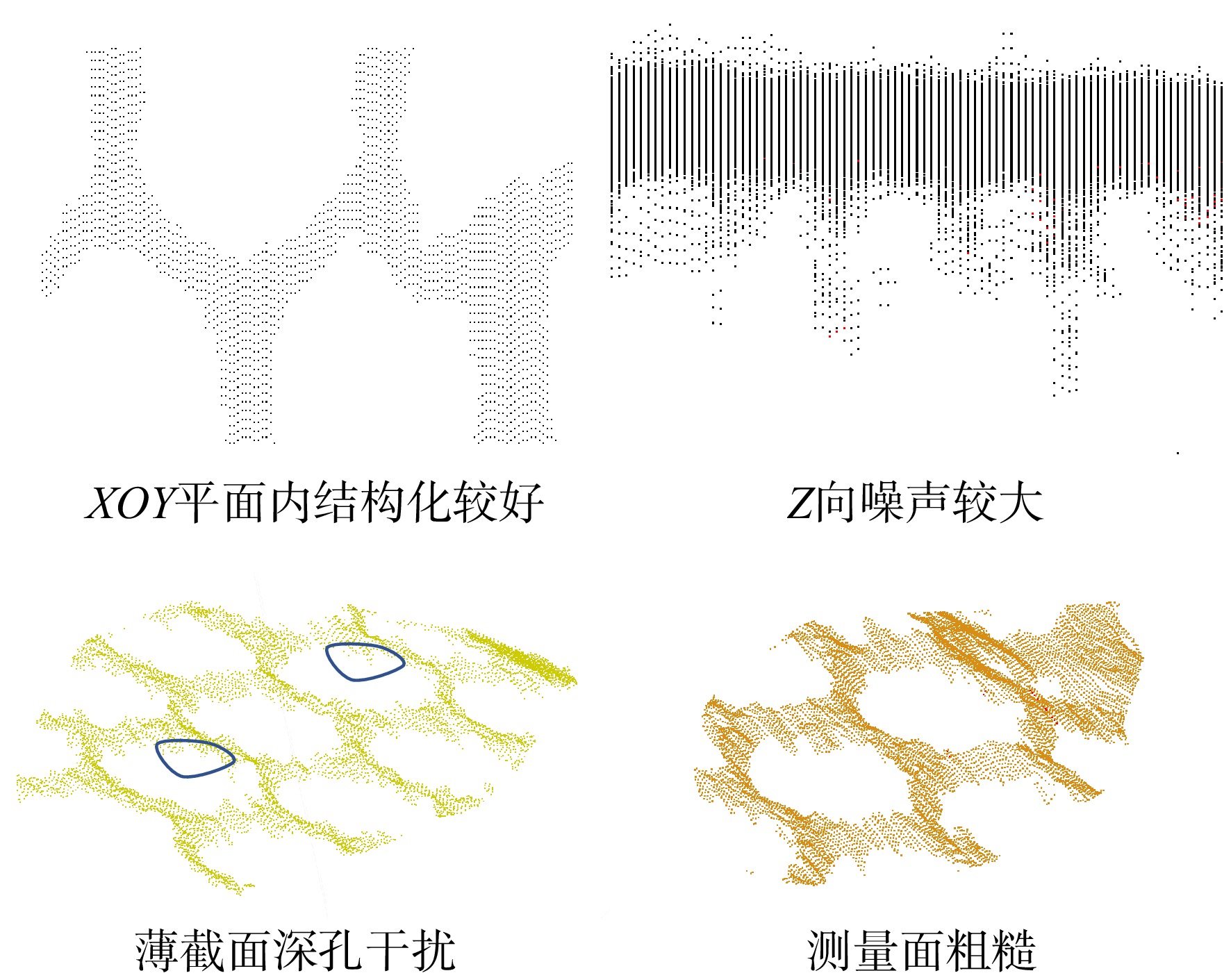
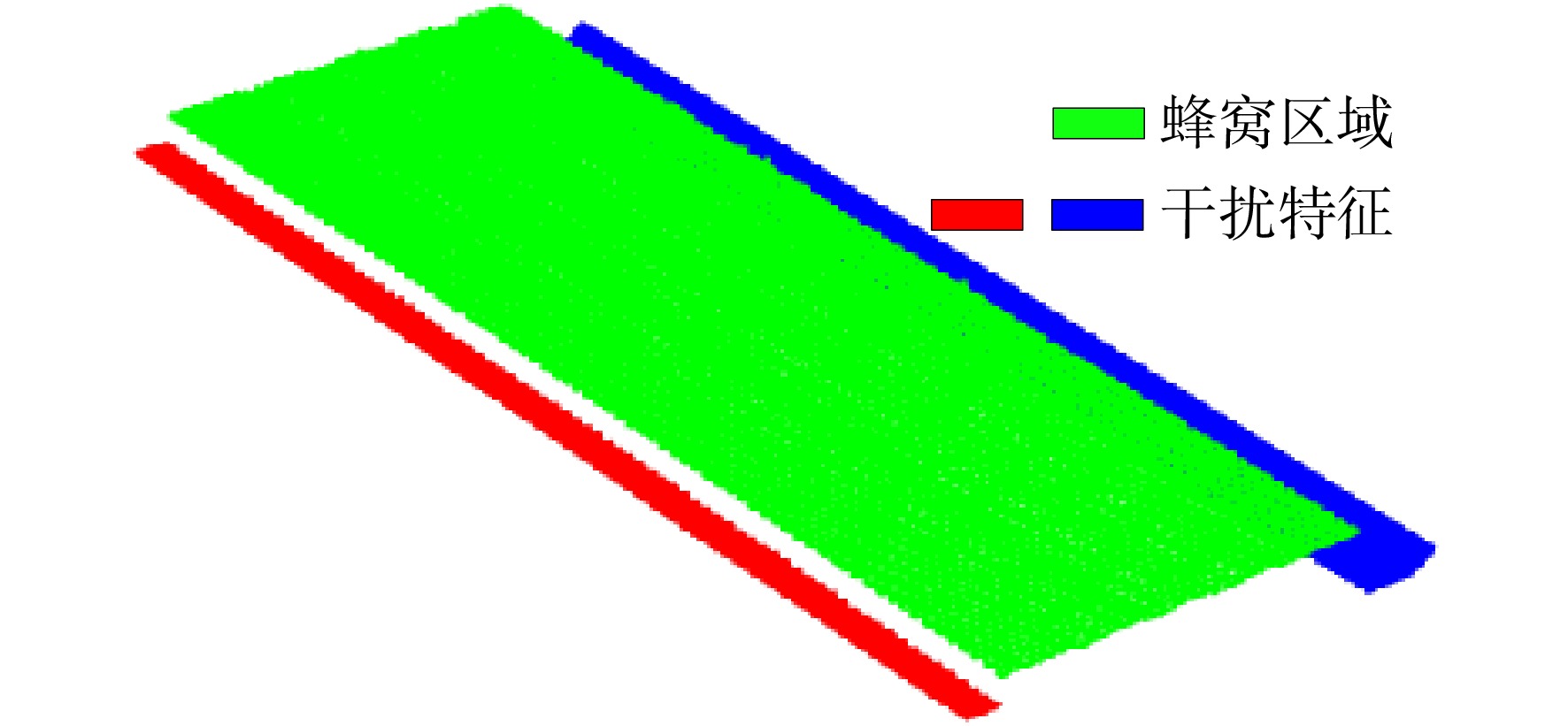
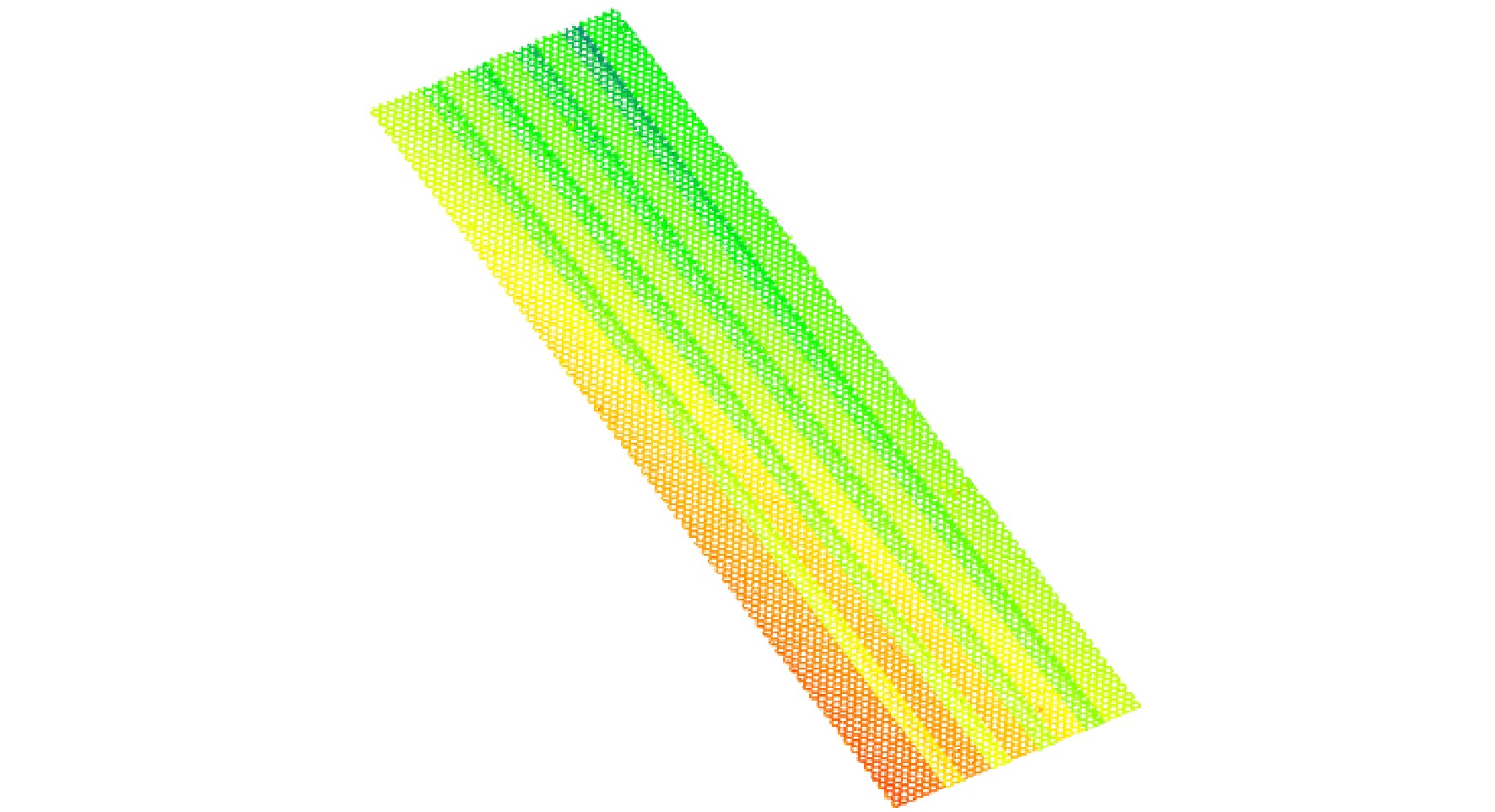
A hybrid vision-based method for adaptive processing and quantitative evaluation of sealing honeycomb scratch measurement data was proposed. Taking into account the characteristics of edge blurring and complex cross-sections in honeycomb scratches, the method integrated point cloud and image data through fusion analysis to achieve adaptive scratch identification, feature extraction, and quantitative evaluation. In point cloud data analysis, the measured point cloud was realigned, and the primary plane was extracted based on the prior geometric features of the honeycomb structure, enabling alignment of the measurement coordinate system with the theoretical coordinate system. In image data analysis, image morphology algorithms were employed to address challenges such as the abundance of honeycomb cavities and deep holes, ensuring precise extraction of the honeycomb regions and quantitative computation of the scratch geometry. Testing on multiple sets of measured data from worn and ablated honeycomb surfaces demonstrated the ability of the proposed method to accurately identify all scratches, with deviations in scratch width and depth measurements being less than 5% compared with manual measurements. Moreover, the identification speed was improved by more than sevenfold. The results indicated that the proposed method effectively utilized surface morphology point cloud data for the adaptive identification and quantitative evaluation of honeycomb scratches caused by wear and ablation.

Remaining life prediction method for aero-engine turbine blades oriented to on-condition maintenance
ZHAO Yan, CHEN Ruoqi, SHEN Tianbao, LIU Yupeng, WANG Xuemin, HU Dianyin
2025, 40(8): 20240532. doi: 10.13224/j.cnki.jasp.20240532
Abstract:

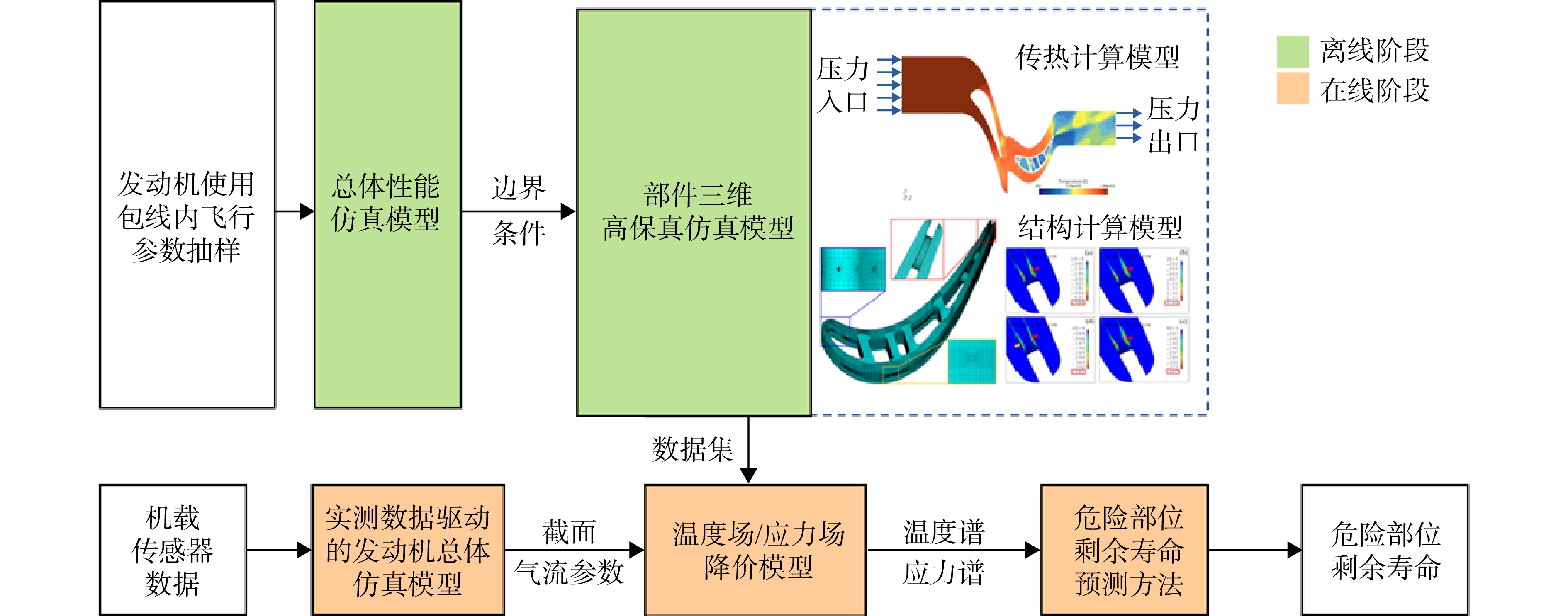
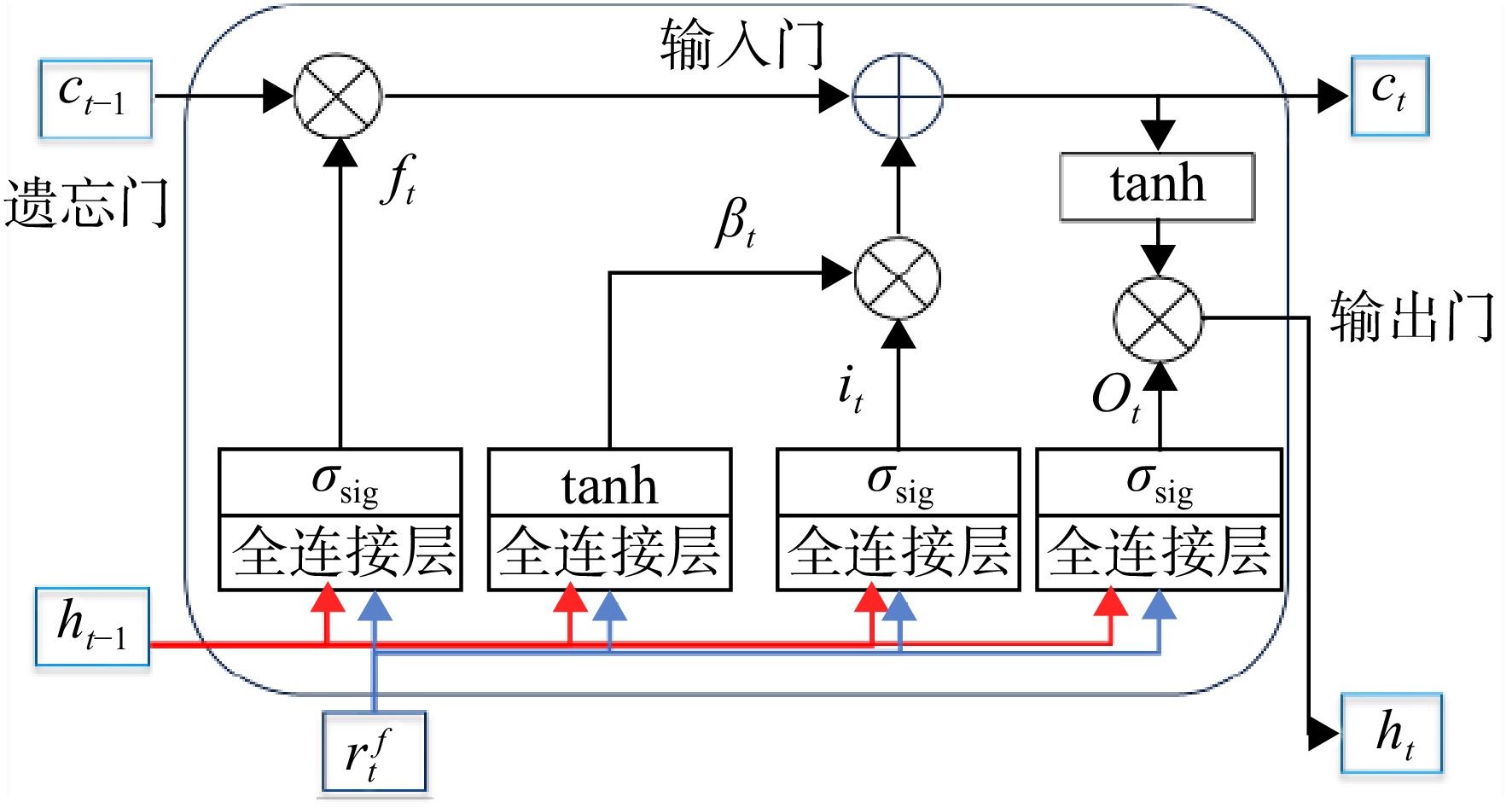
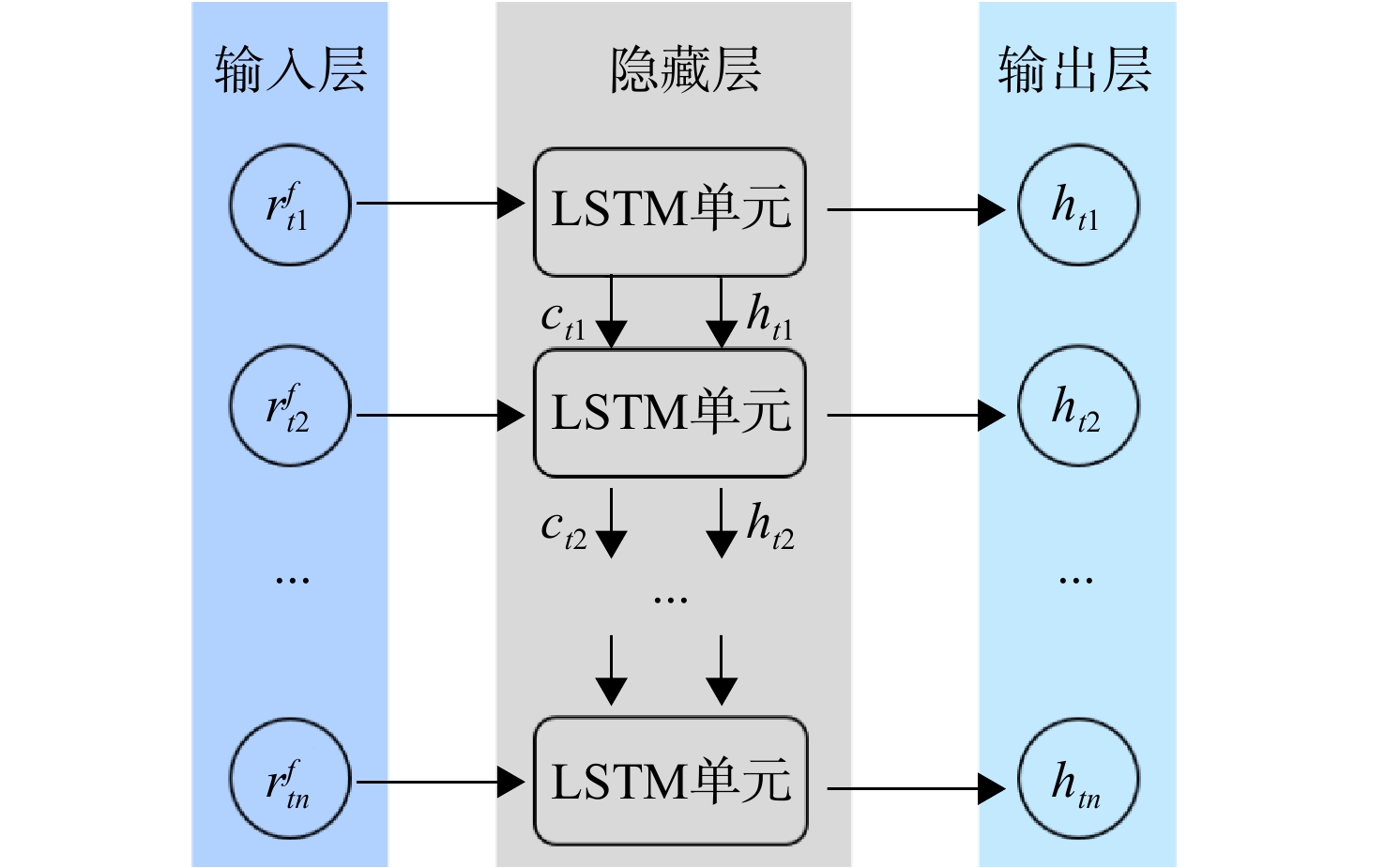
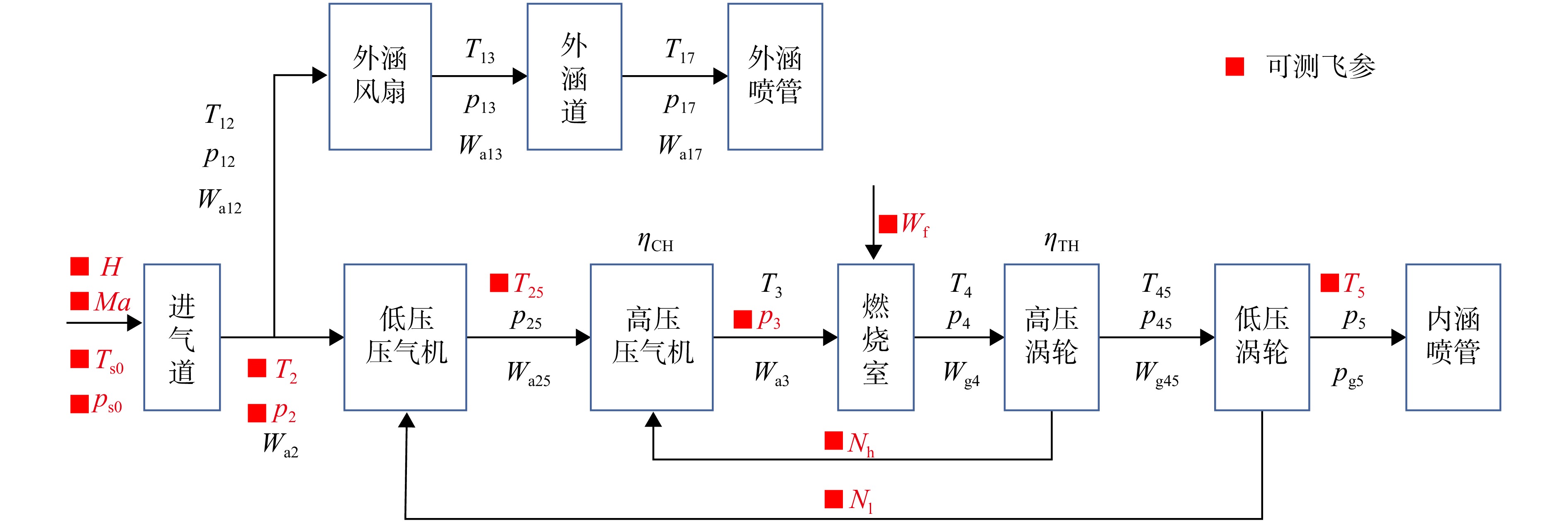
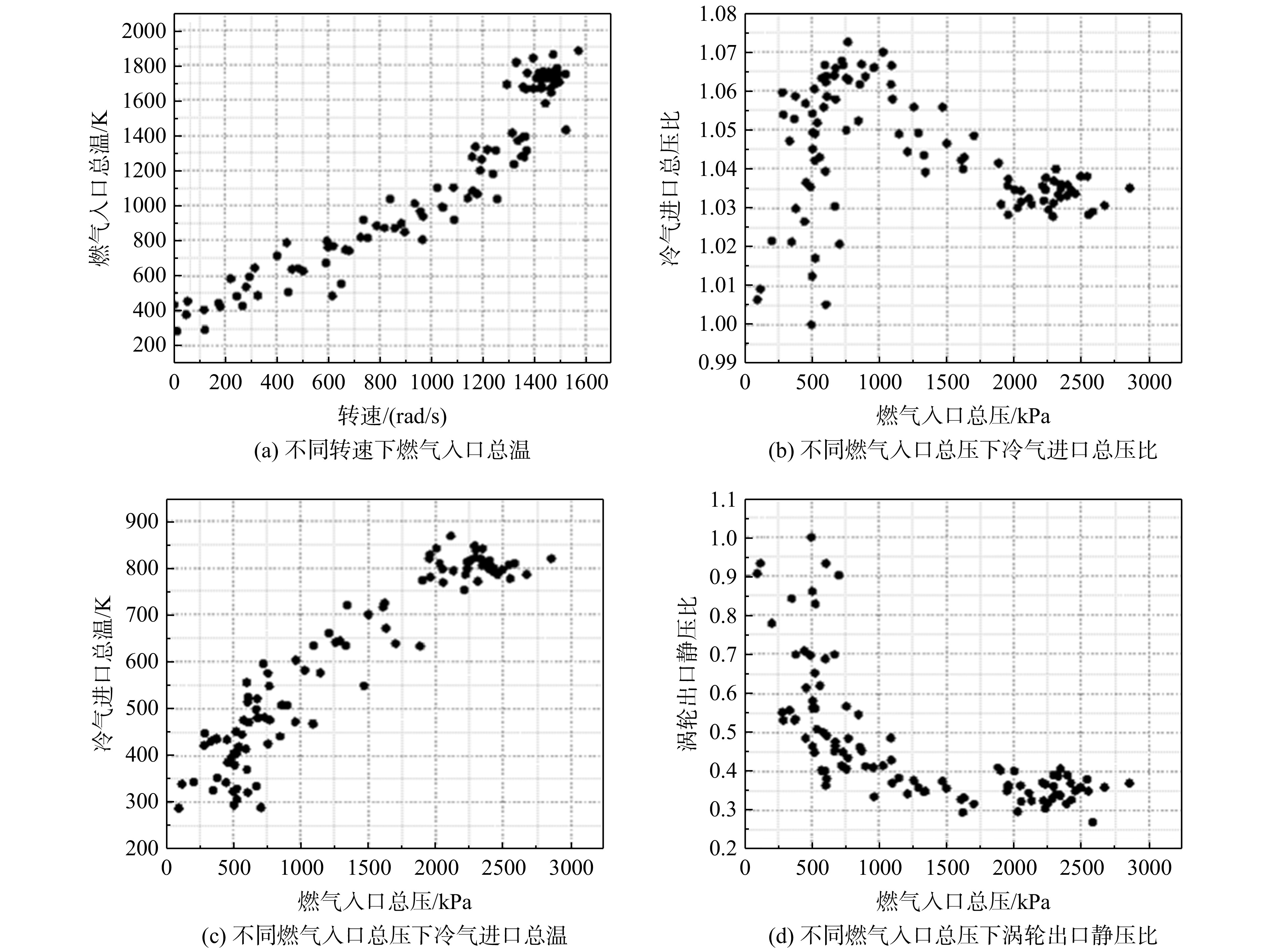
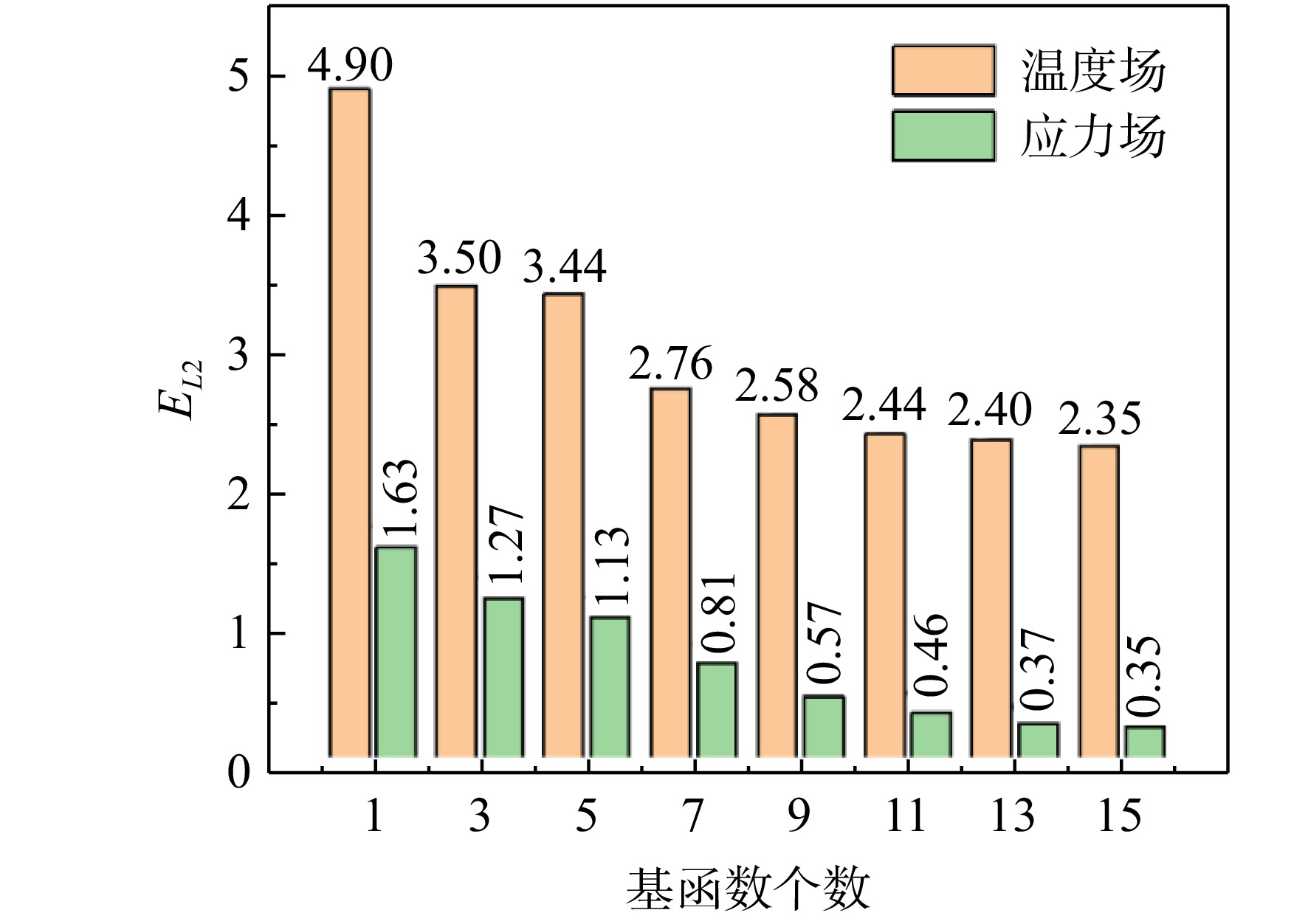
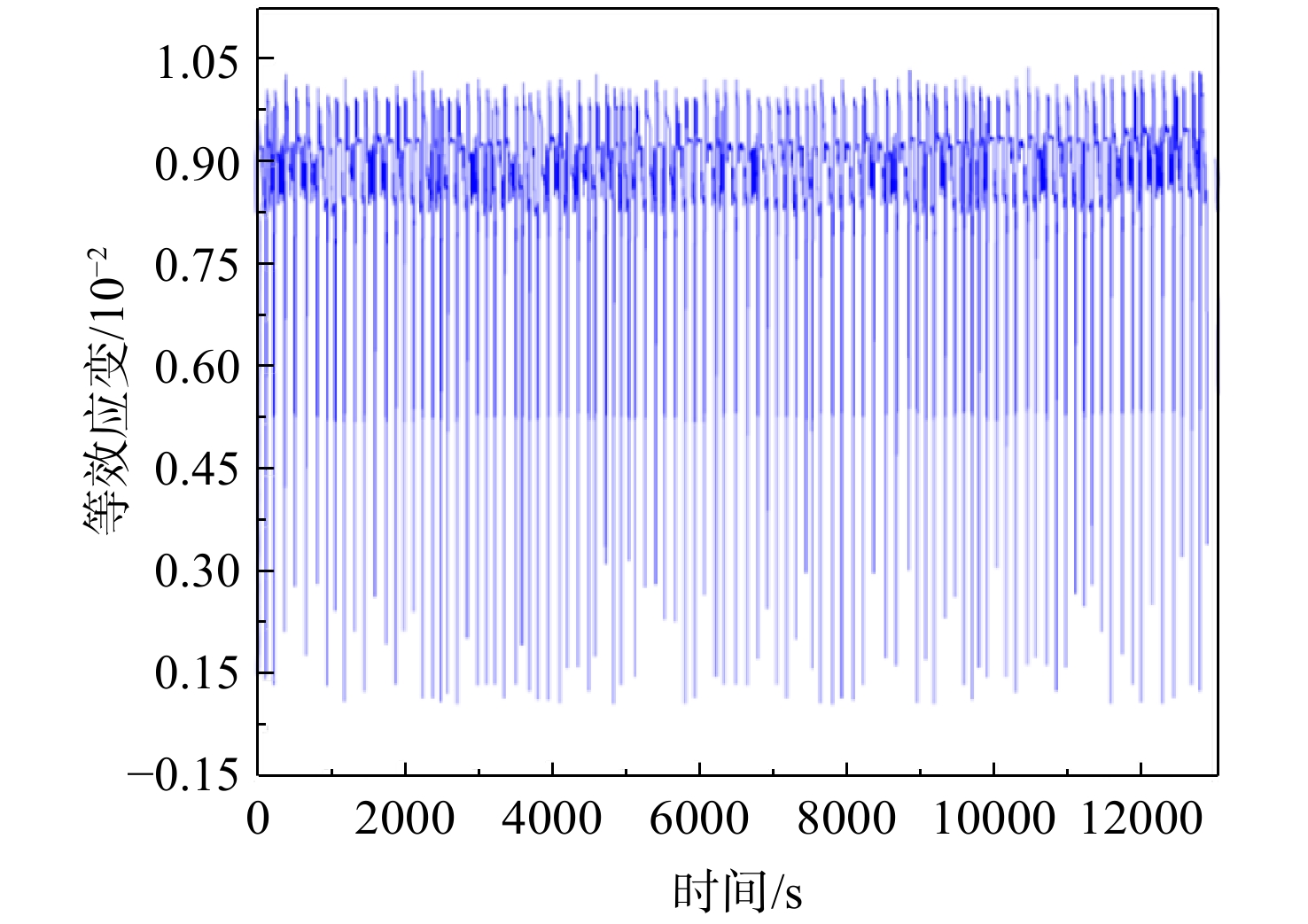
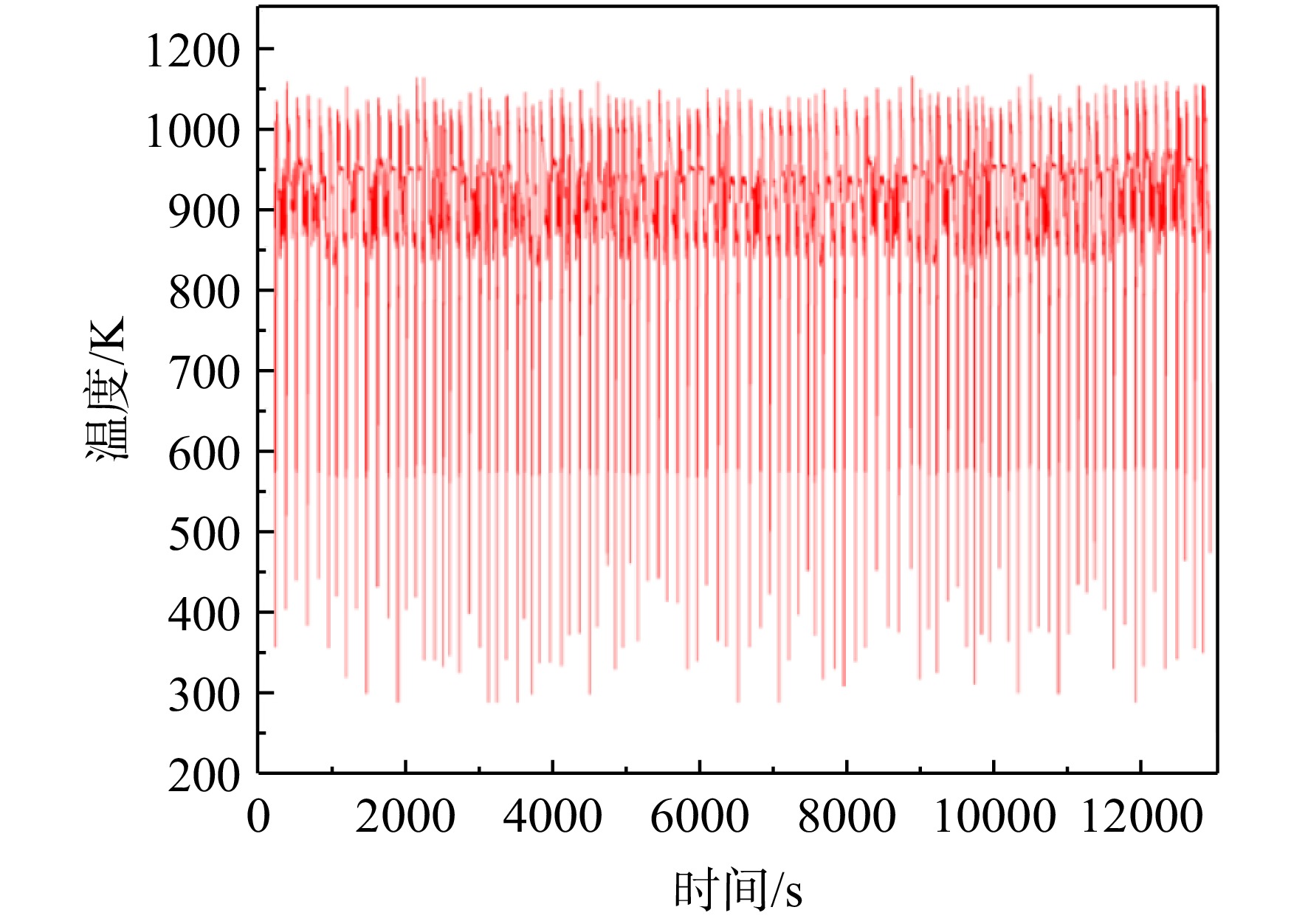
A framework for calculating the life consumption of aero-engine turbine blades oriented to on-condition maintenance was proposed. An engine system performance model based on the long-/short-term memory network was established, and the fast calculation of the turbine blade thermal simulation model instream flow cross-section parameters based on the measured flight reference was achieved. A fast mapping method of turbine blade temperature/stress field based on the reduced-order model was presented. Furthermore, the load information of the dangerous parts of the turbine blade were extracted, and the high-precision remaining life prediction of the turbine blade was implemented. Compared with the traditional simulation methods, the maximum relative error of the proposed airflow cross-section parameter model calculation results did not exceed 5%. The proposed fast temperature/stress field mapping algorithm calculated the temperature field root mean square error within ±5 K and the stress field root mean square error within ±3 MPa, and the computation speed was improved by more than 99%. The high accuracy and high efficiency of the turbine blade load state assessment and remaining life calculation in a flight cycle were achieved.

Uncertainty analysis of turbine nozzle area and turbine characteristic correction based on measured data
TAN Jianing, ZHOU Zhihong, LIU Huoxing
2025, 40(8): 20240535. doi: 10.13224/j.cnki.jasp.20240535
Abstract:

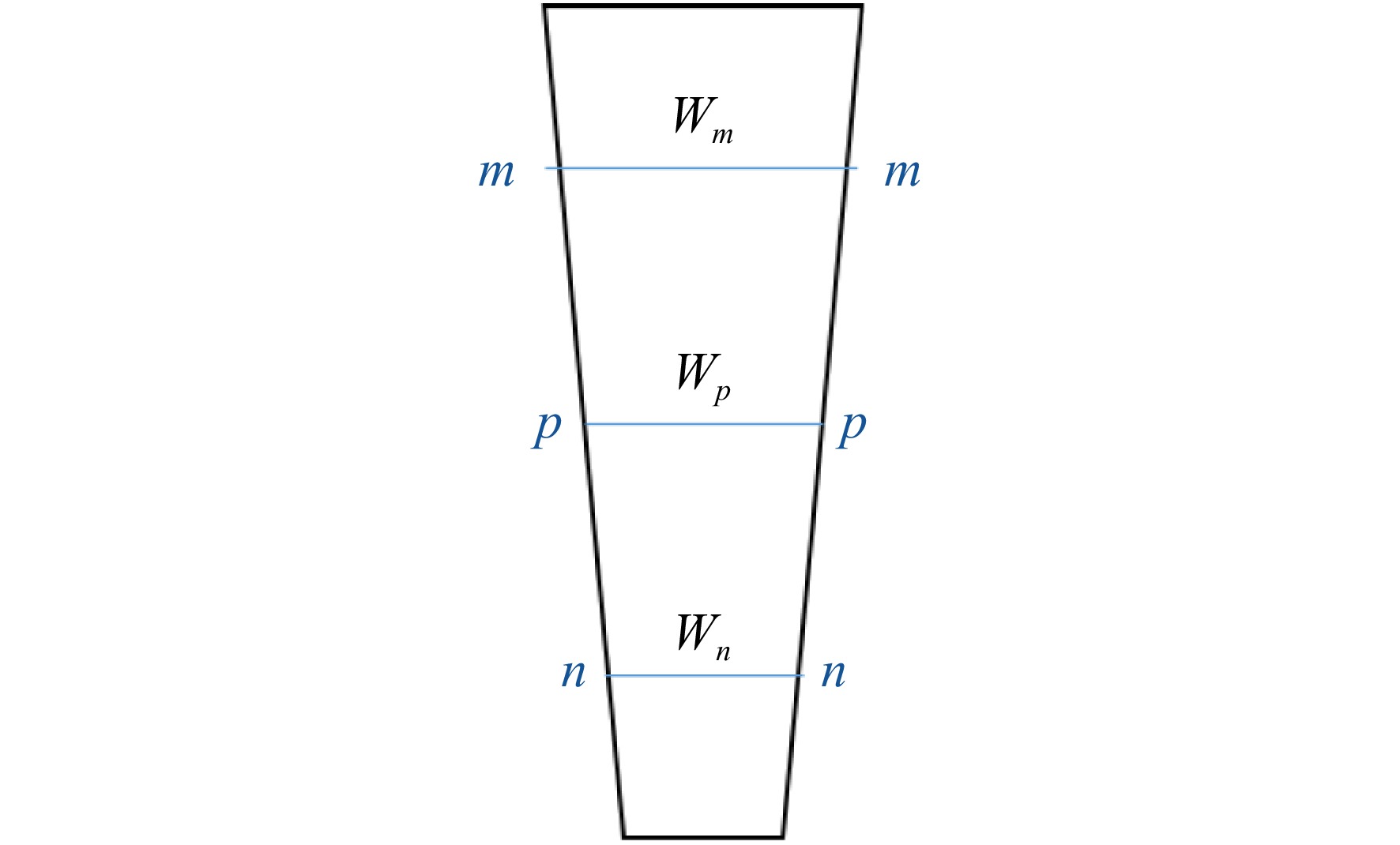
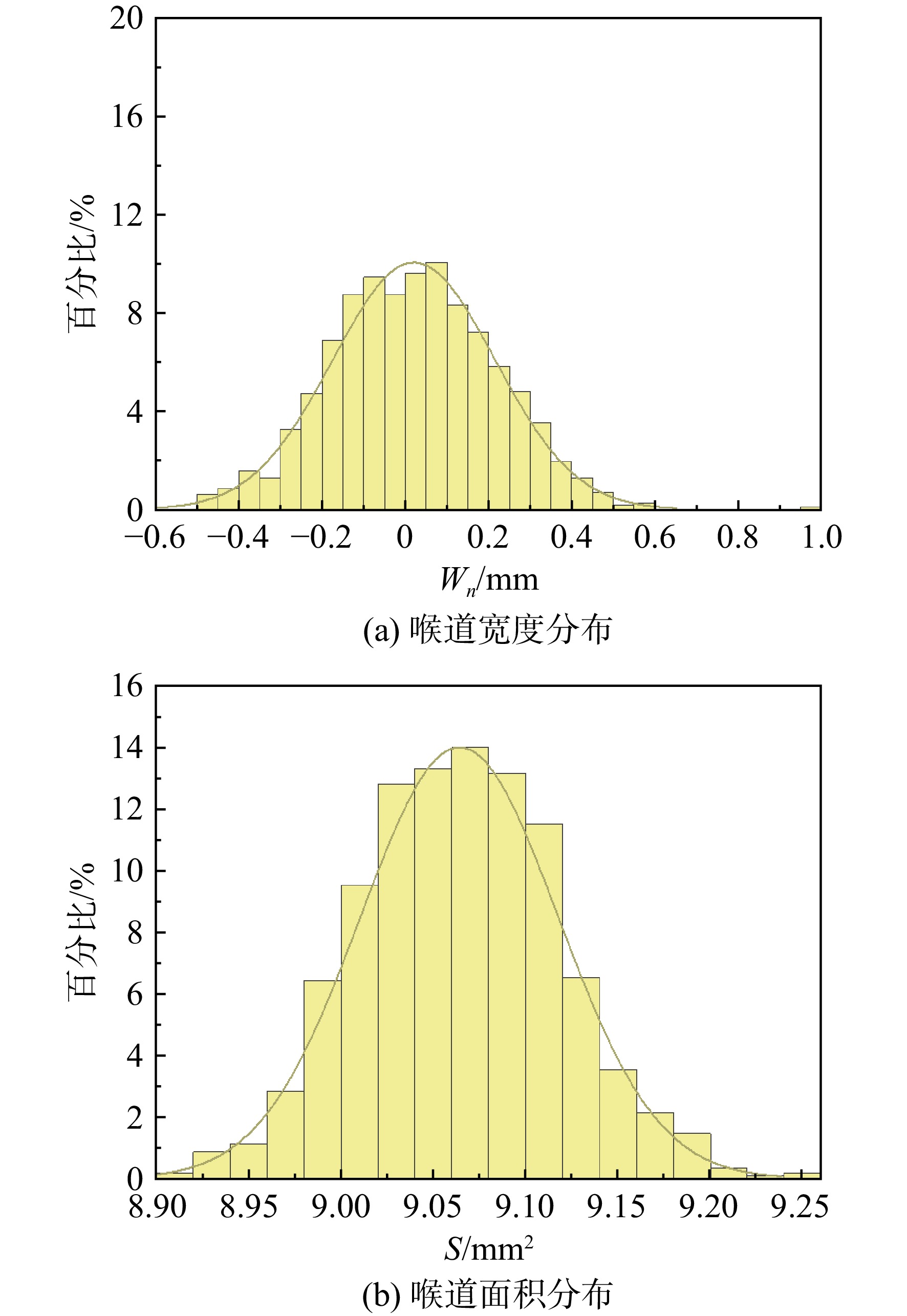
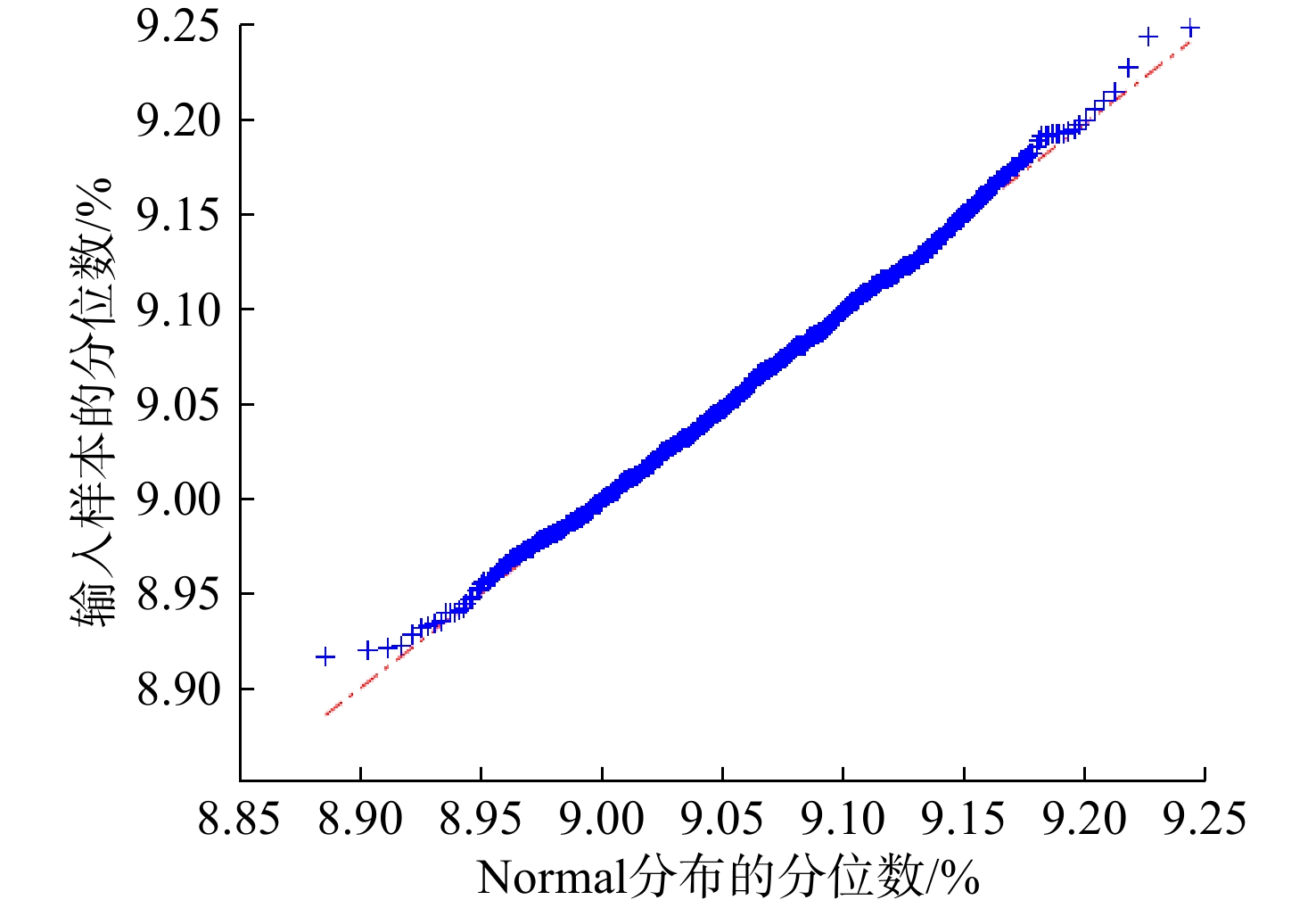
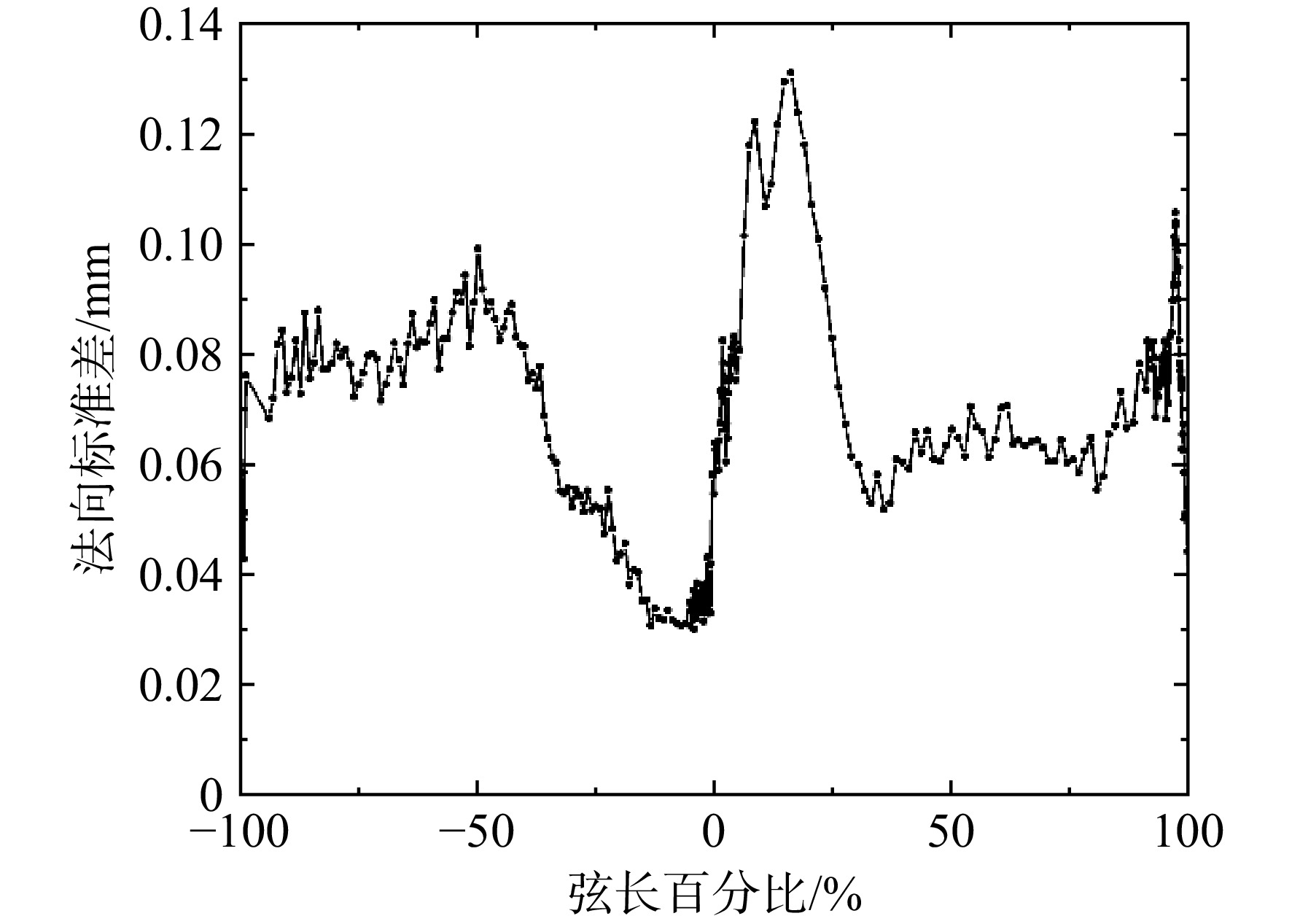
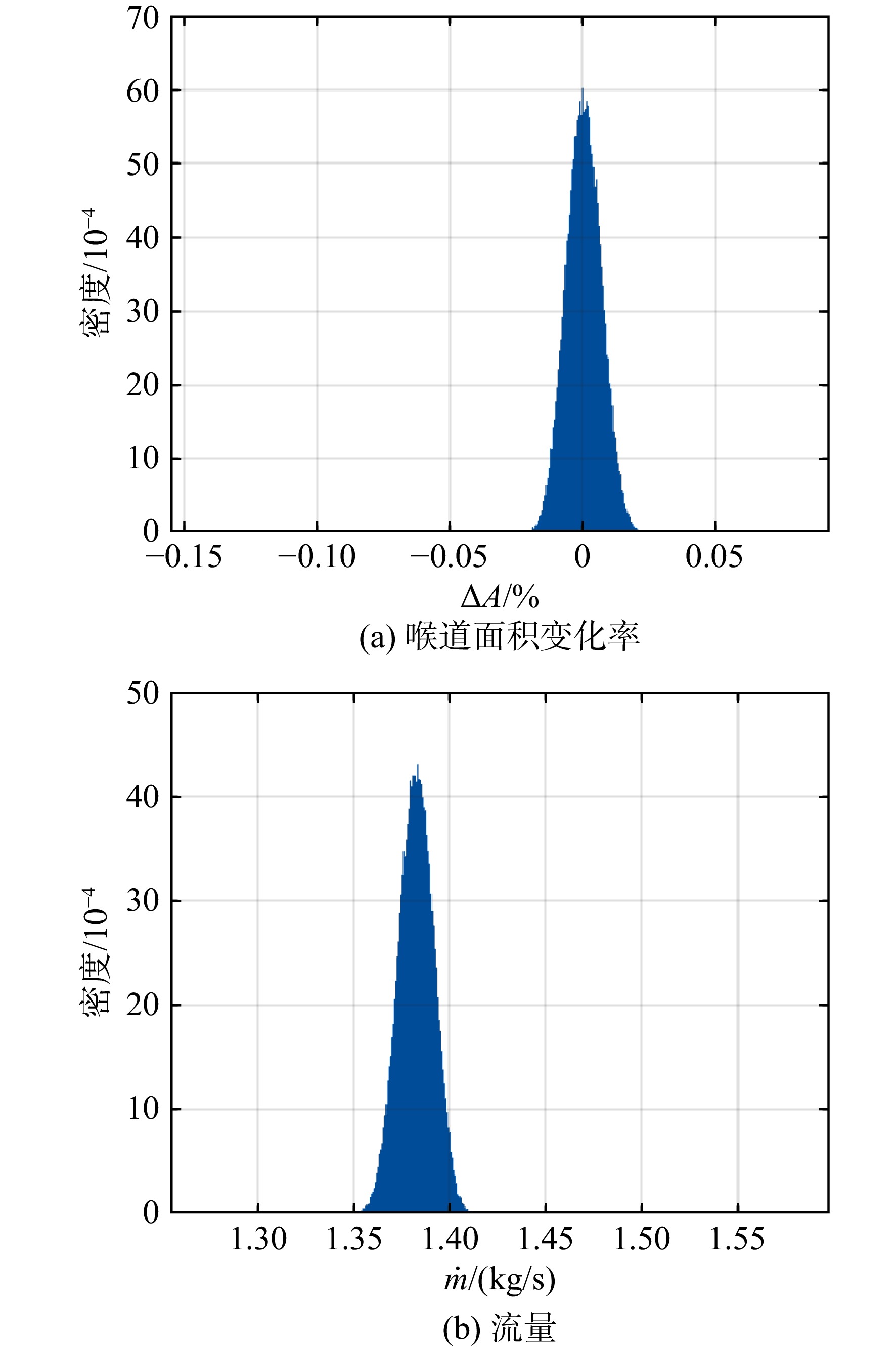
Based on the measured data of throat area and blade surface geometry, the uncertainty distribution of throat area was analyzed by numerical simulation method on the basis of quantitative modeling of surface geometry deviation. Using this as a characteristic correction variable, polynomial fitting was used to establish a turbine characteristic correction method considering the deviation of throat area. The results showed that the dispersion of the high-pressure turbine throat area was between −1.08% and 1.4%, and the average mass flow increased by about 1.813%; when measuring three cross-sections, the maximum measurement area error can reach 3%. Increasing the number of measurement cross-sections can effectively reduce the measurement error; the mass flow rate and efficiency prediction error of the turbine characteristic correction model can be controlled below 2% through stepwise fitting and training verification.

Study on probability distribution of characteristic parameters of temperature field at outlet of a full-annular combustor
ZHANG Guangyan, ZHANG Chi, WANG Bosen, DONG Lili, DU Longmei
2025, 40(8): 20240536. doi: 10.13224/j.cnki.jasp.20240536
Abstract:

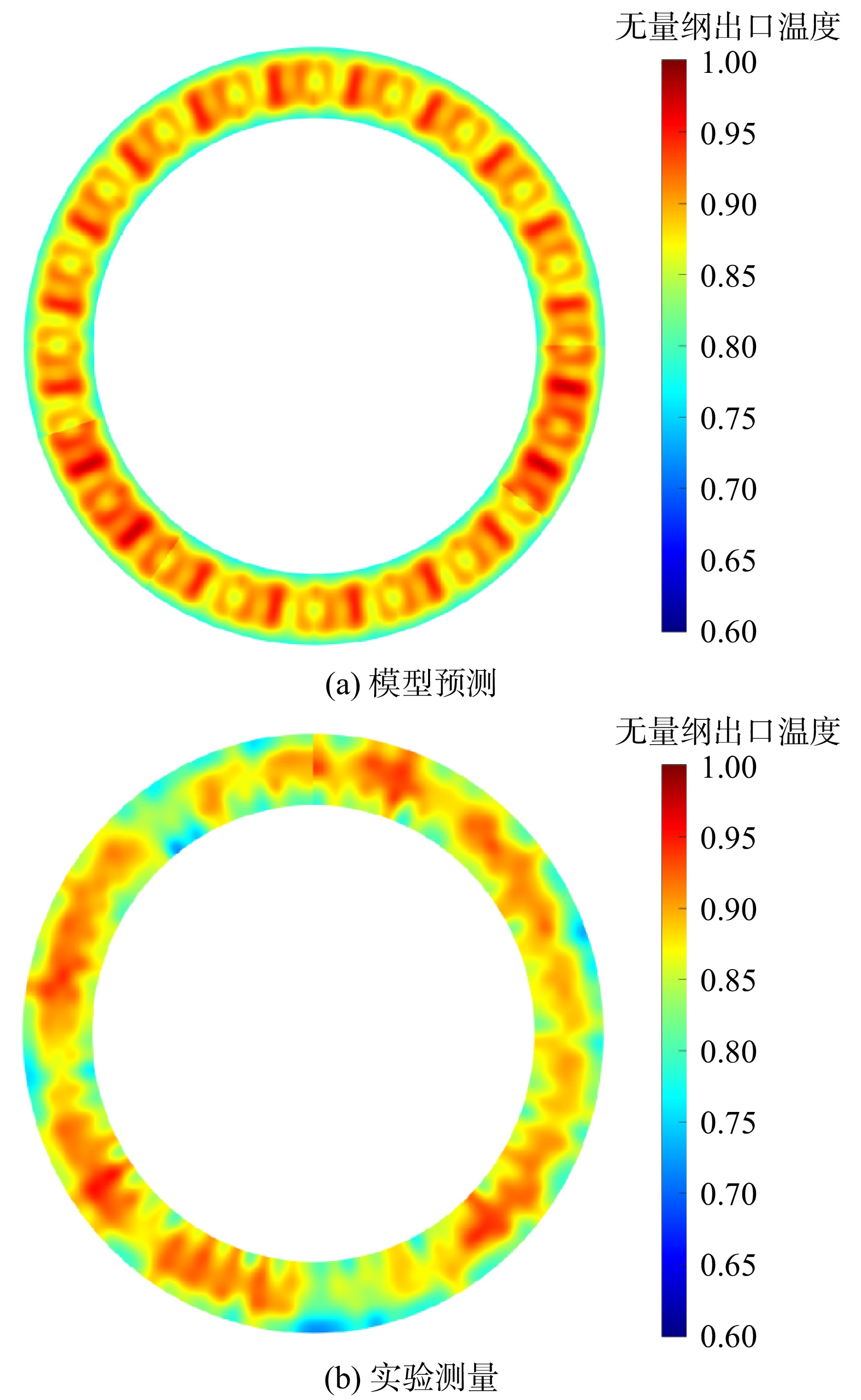
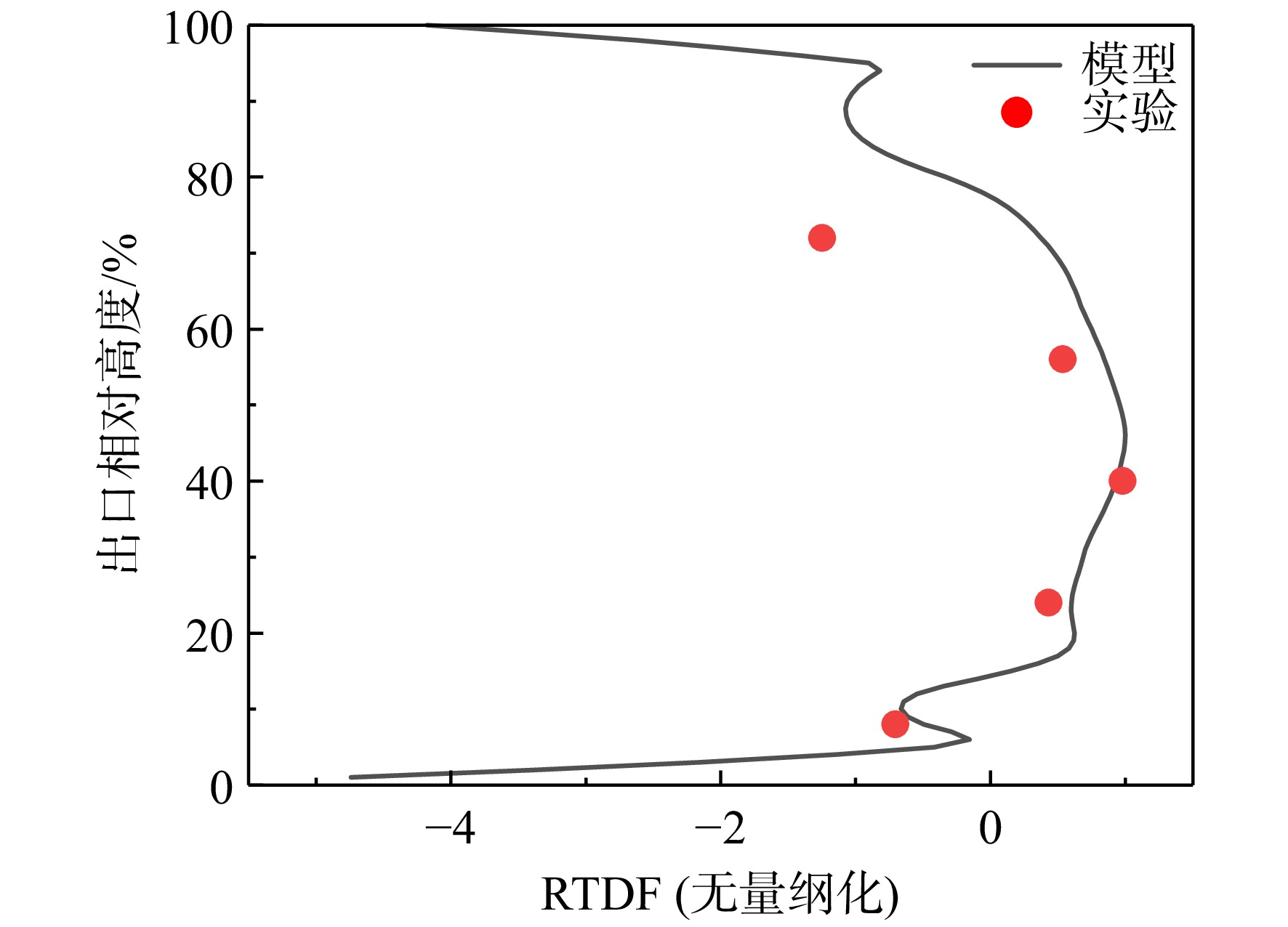
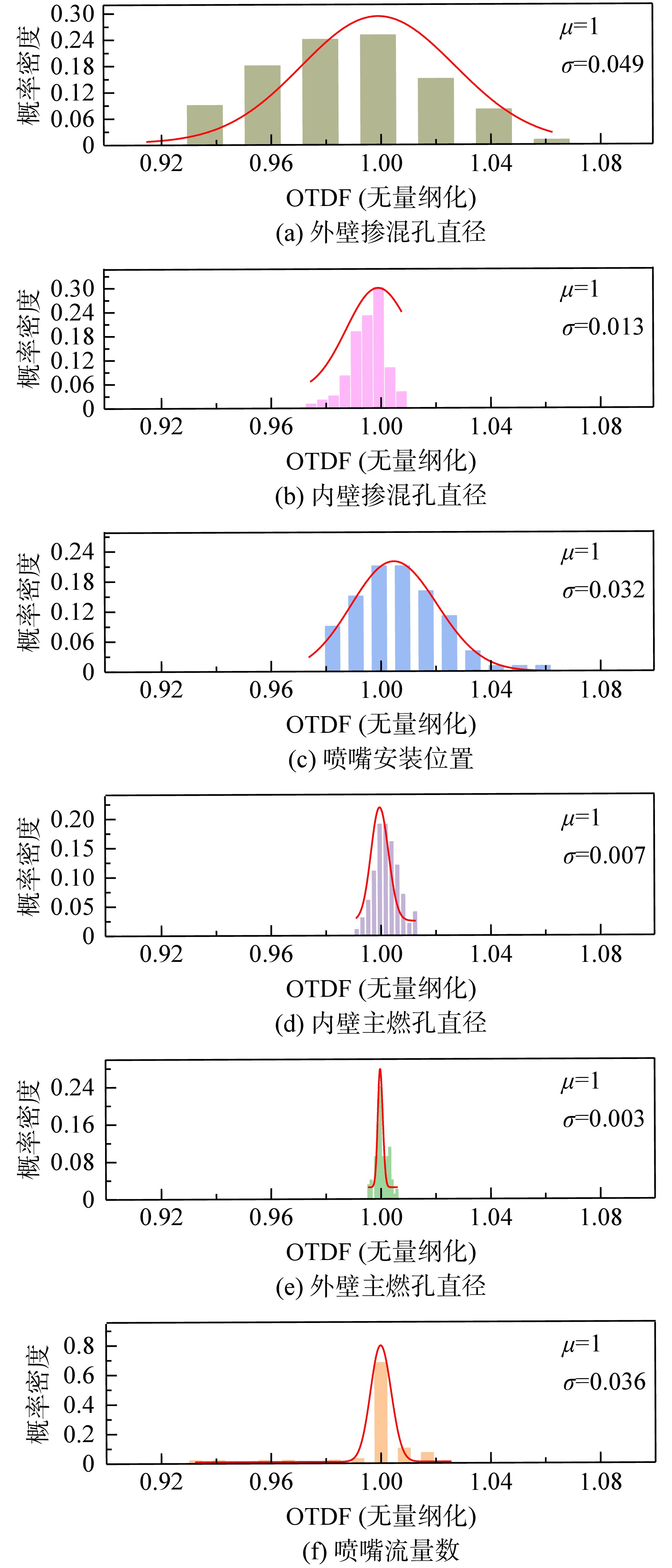
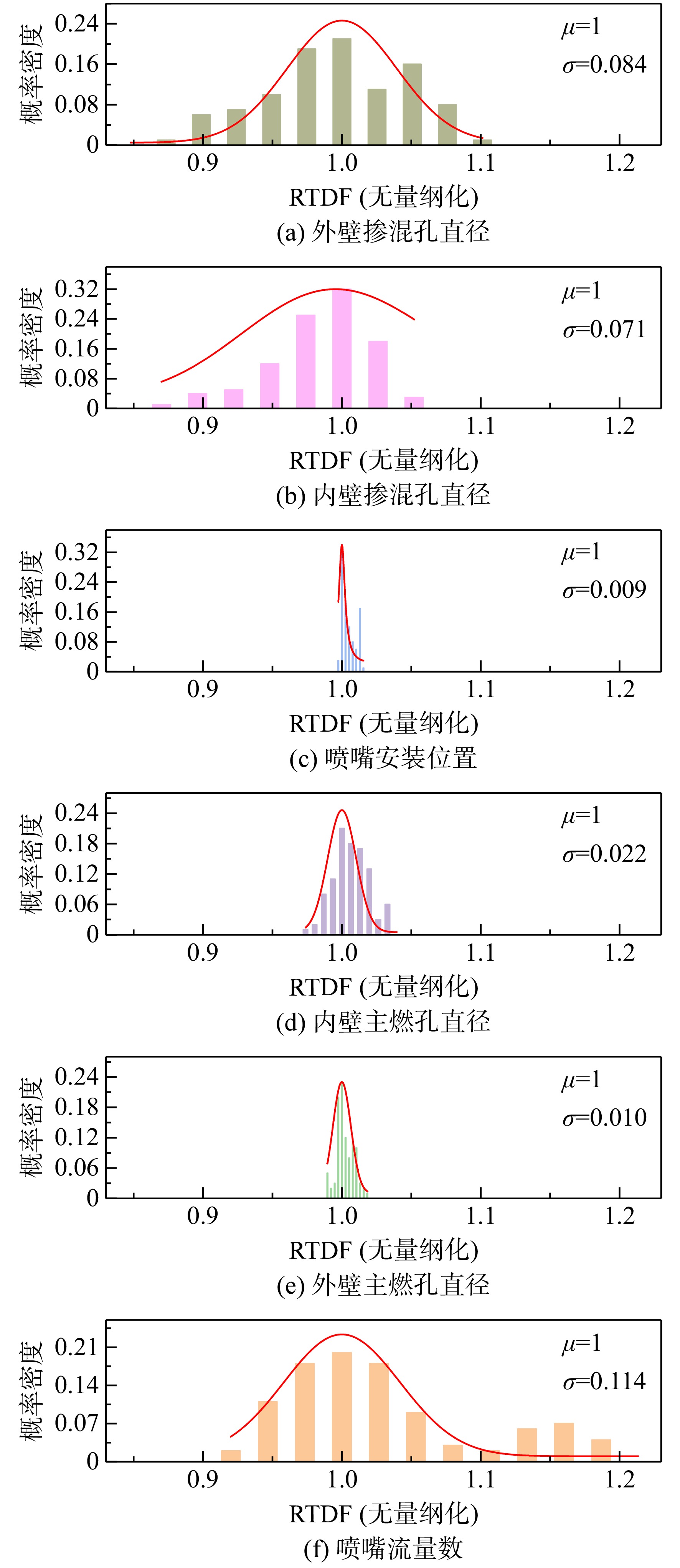
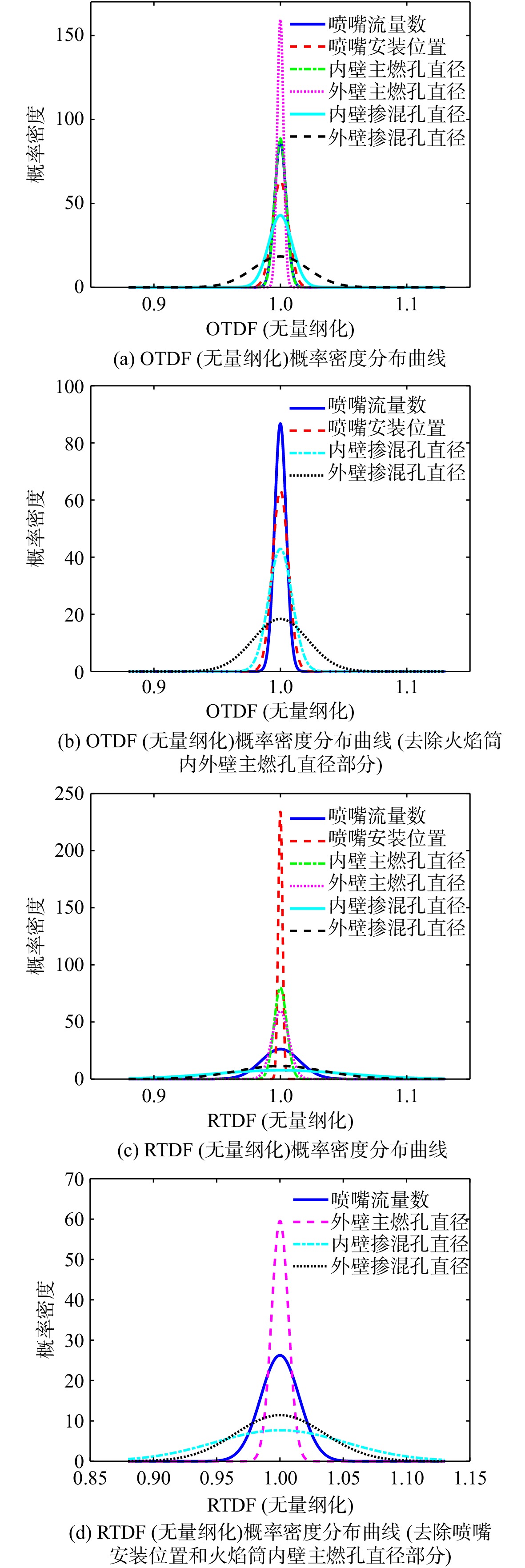
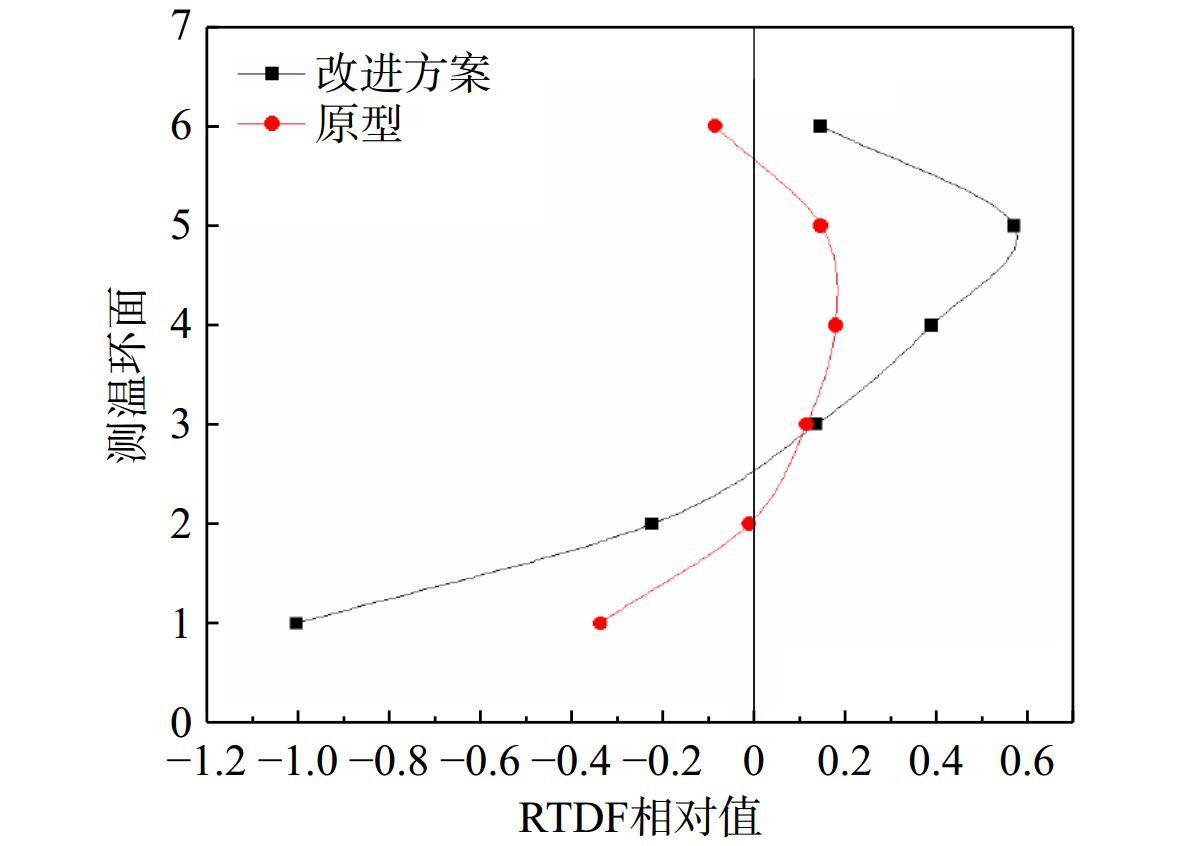
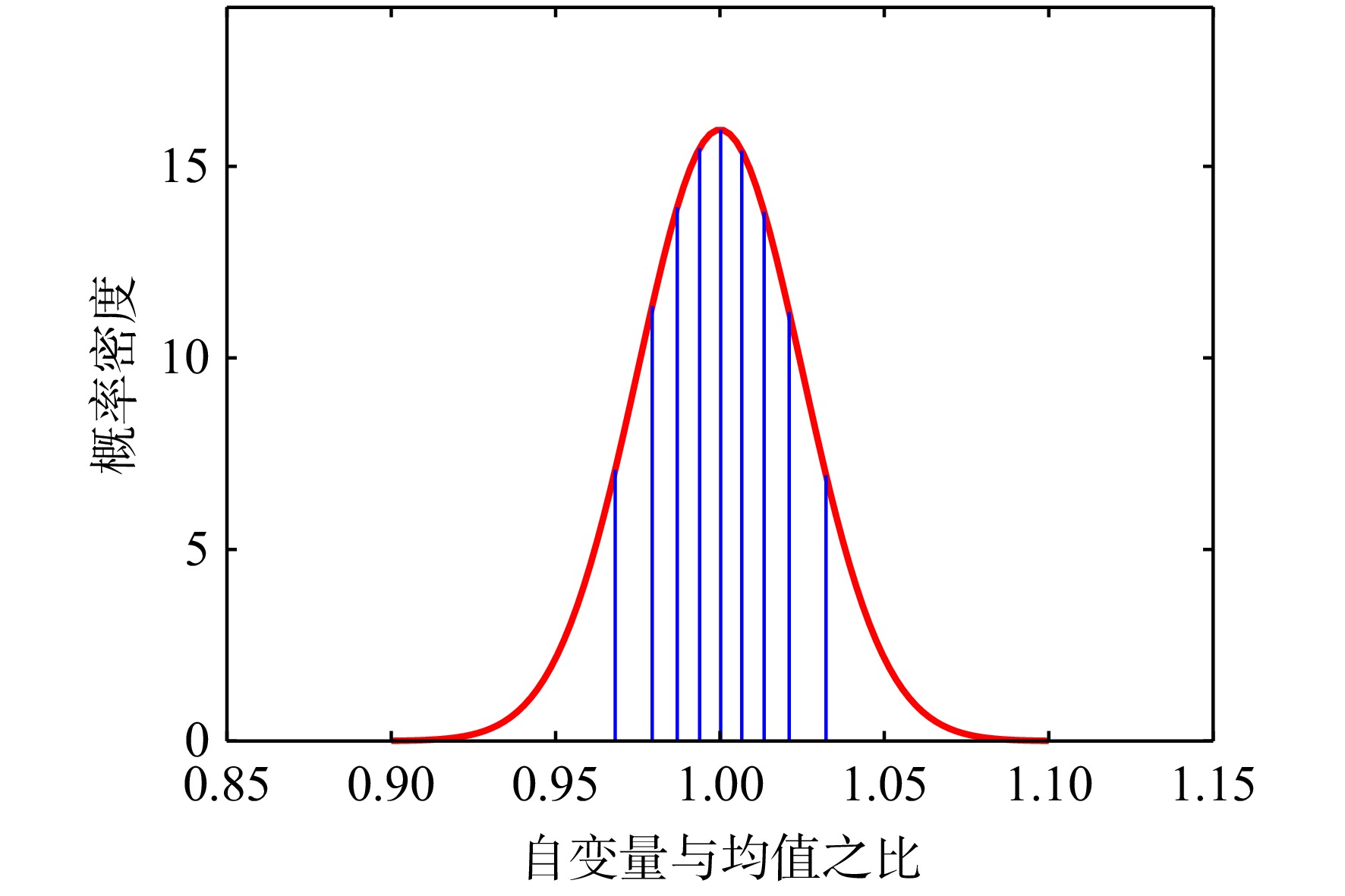
A comprehensive statistical analysis was employed to evaluate the influences of key parameters on outlet temperature distribution factor (OTDF) and radial temperature distribution factor (RTDF) in multiple sets of aero-engine combustors. Six parameters of combustor included flow number (FN) of aero-engine fuel nozzle, the axial installation position of fuel injectors, the diameters of primary holes and dilution holes on the liner. Utilizing the probability density distribution functions (PDFs) of these six dimensionless parameters, an equal area spacing method was applied for sampling of these parameters as inputs into a developed low-order prediction model for the full-annular combustor outlet temperature distribution. The prediction model facilitated rapid calculations under varying parameter conditions and yielded the probability density distributions of OTDF and RTDF. Within the 95% confidence interval, the values of OTDF and RTDF respectively did not exceed 1.044 and 1.169 times of their large-sample means. Further analysis on the dispersion of OTDF and RTDF within a unified benchmark range of 0.9 to 1.1 relative to the statistical means of these six parameters in the multiple sets of engines was conducted, revealing the diameter of the dilution holes on the liner as a highly sensitive parameter affecting the dispersion of combustor outlet temperature distribution performance.

Aerothermodynamics and Aeroengine Design
Study on the mechanism of backward-facing step flow controlled by DBD plasma excitation
YU Jianyang, WU Yanlong, XIE Weixiao, SUN Fengshi
2025, 40(8): 20230160. doi: 10.13224/j.cnki.jasp.20230160
Abstract:

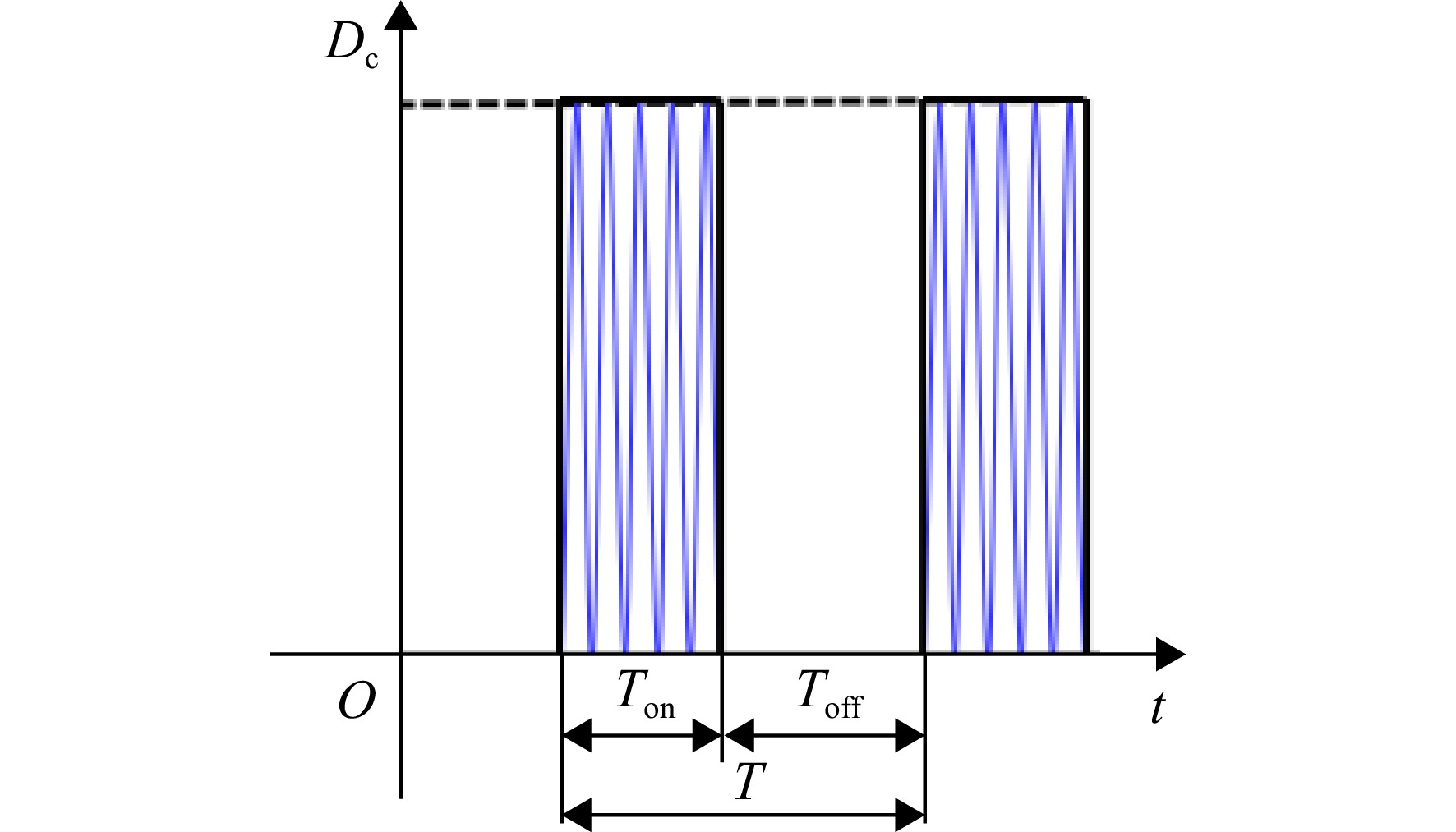
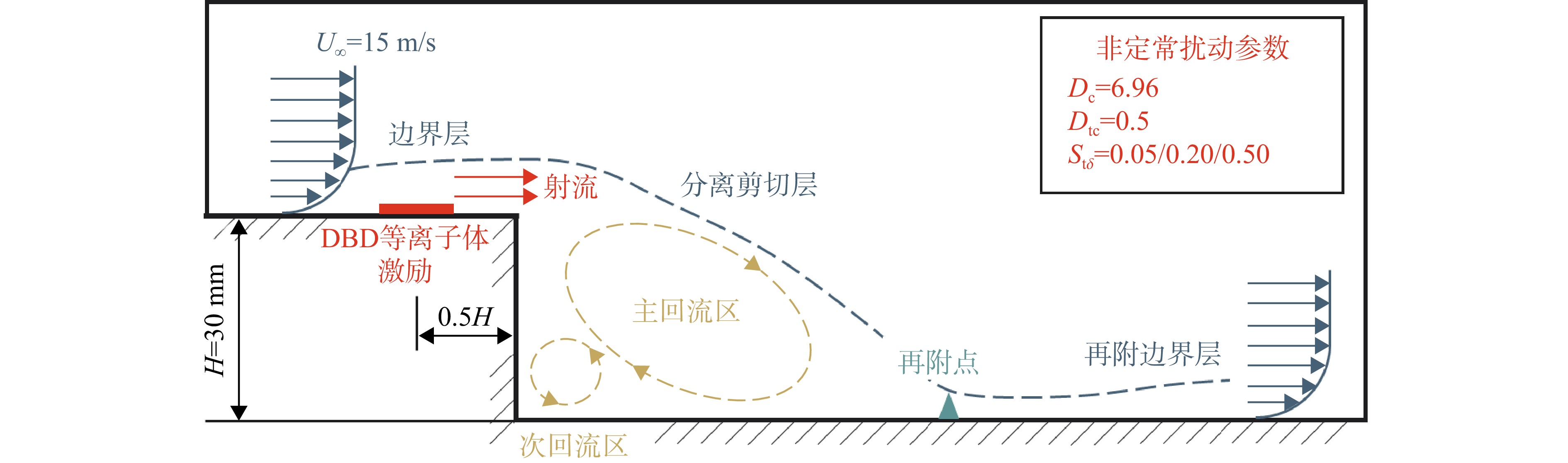
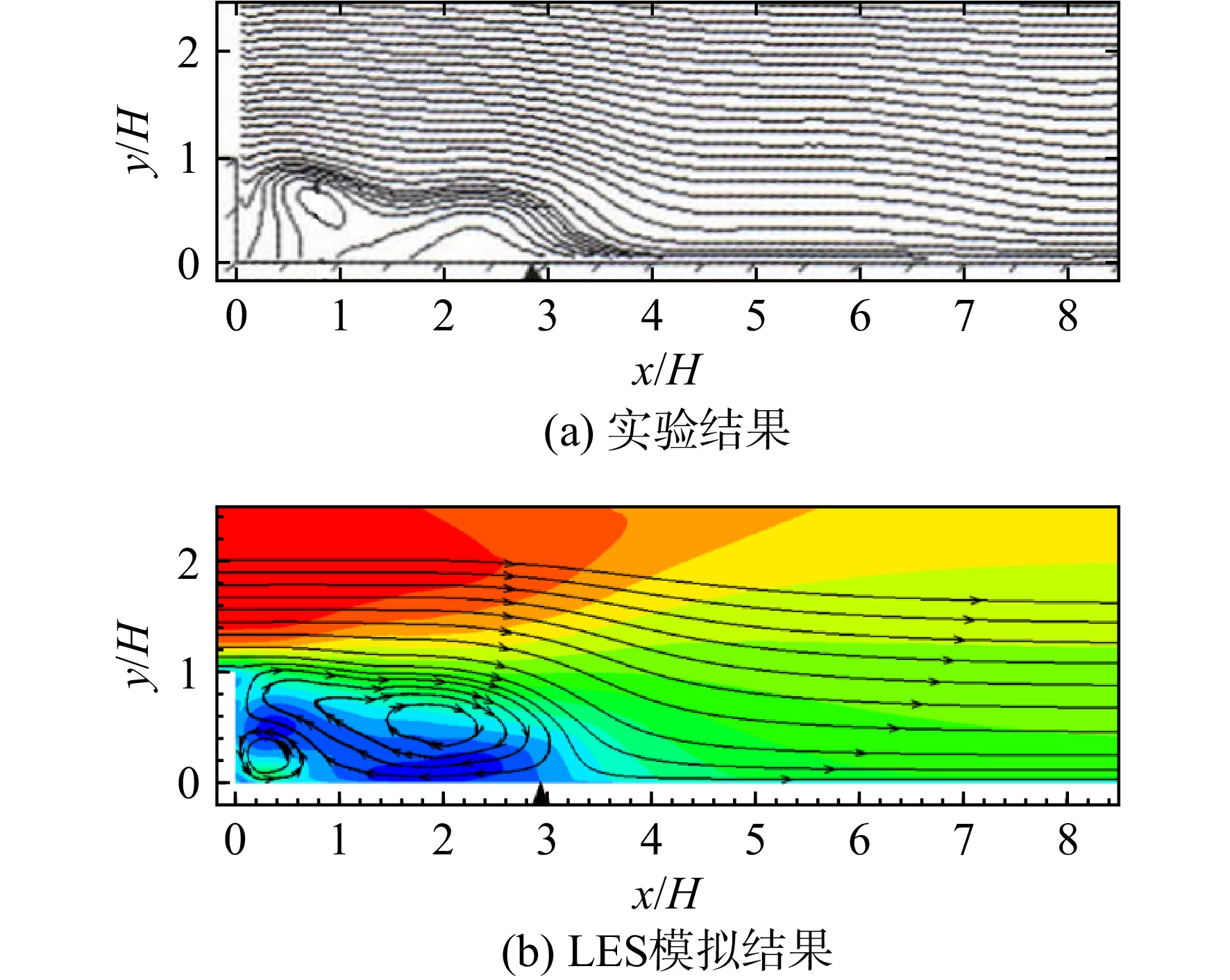
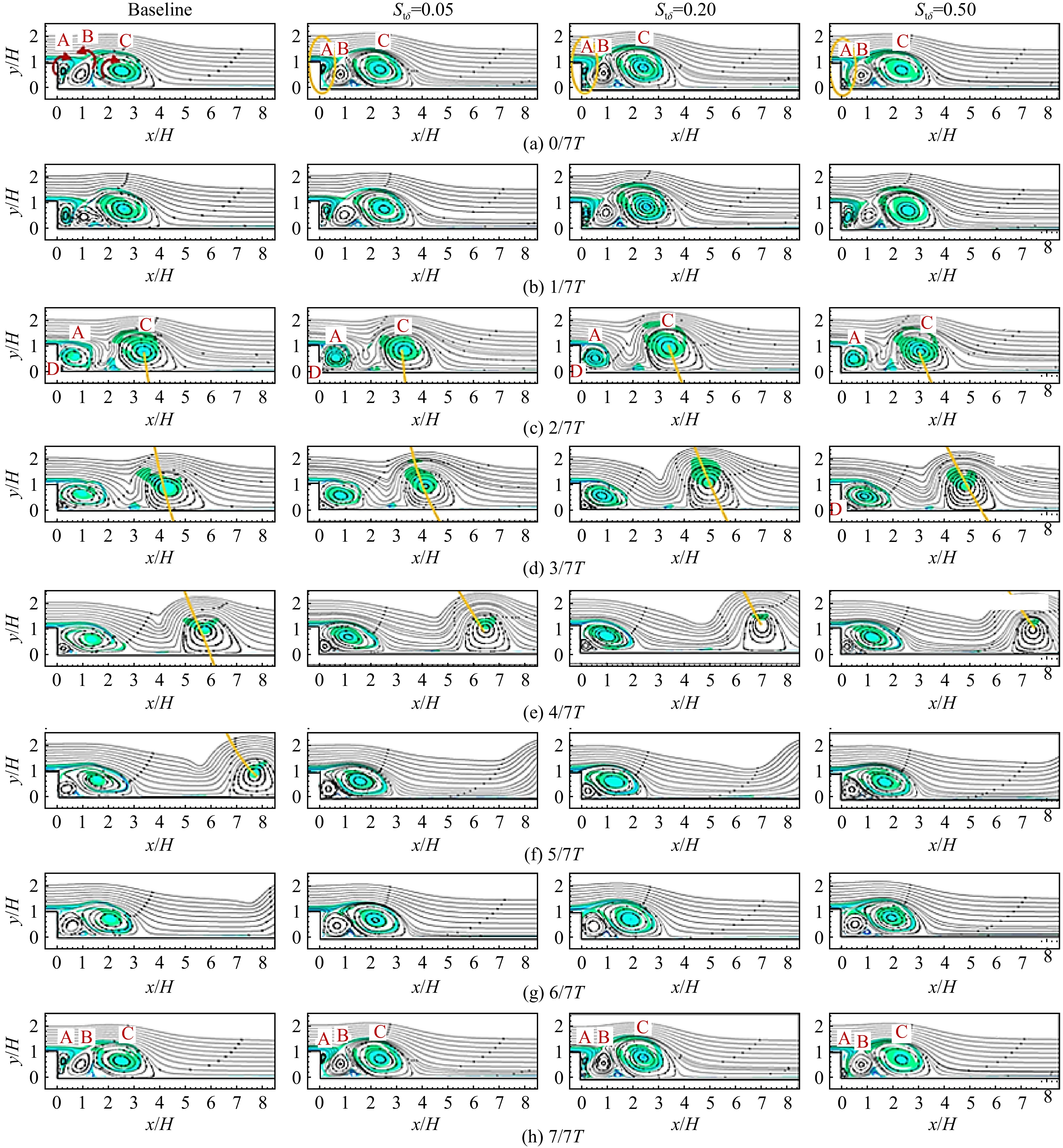
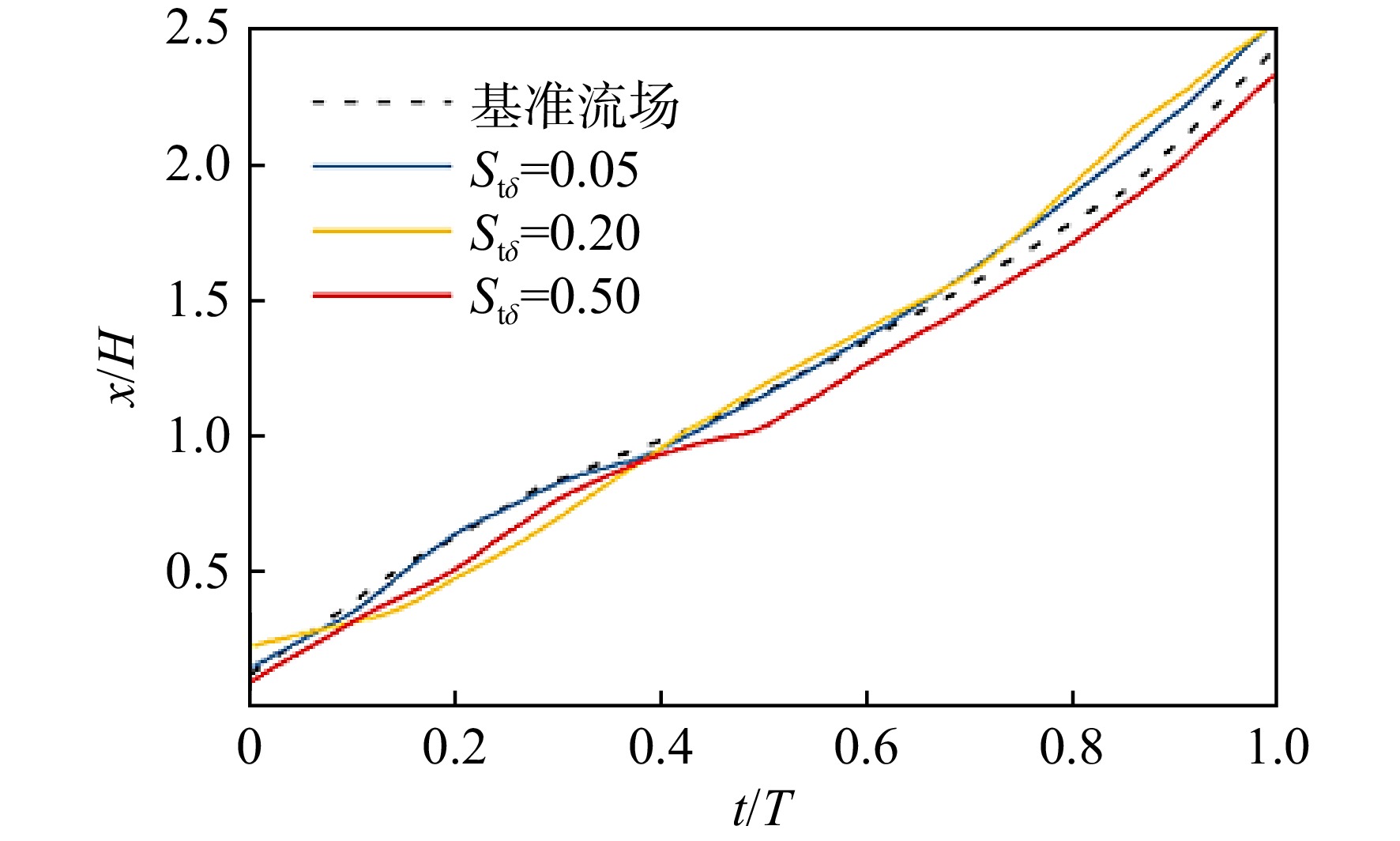
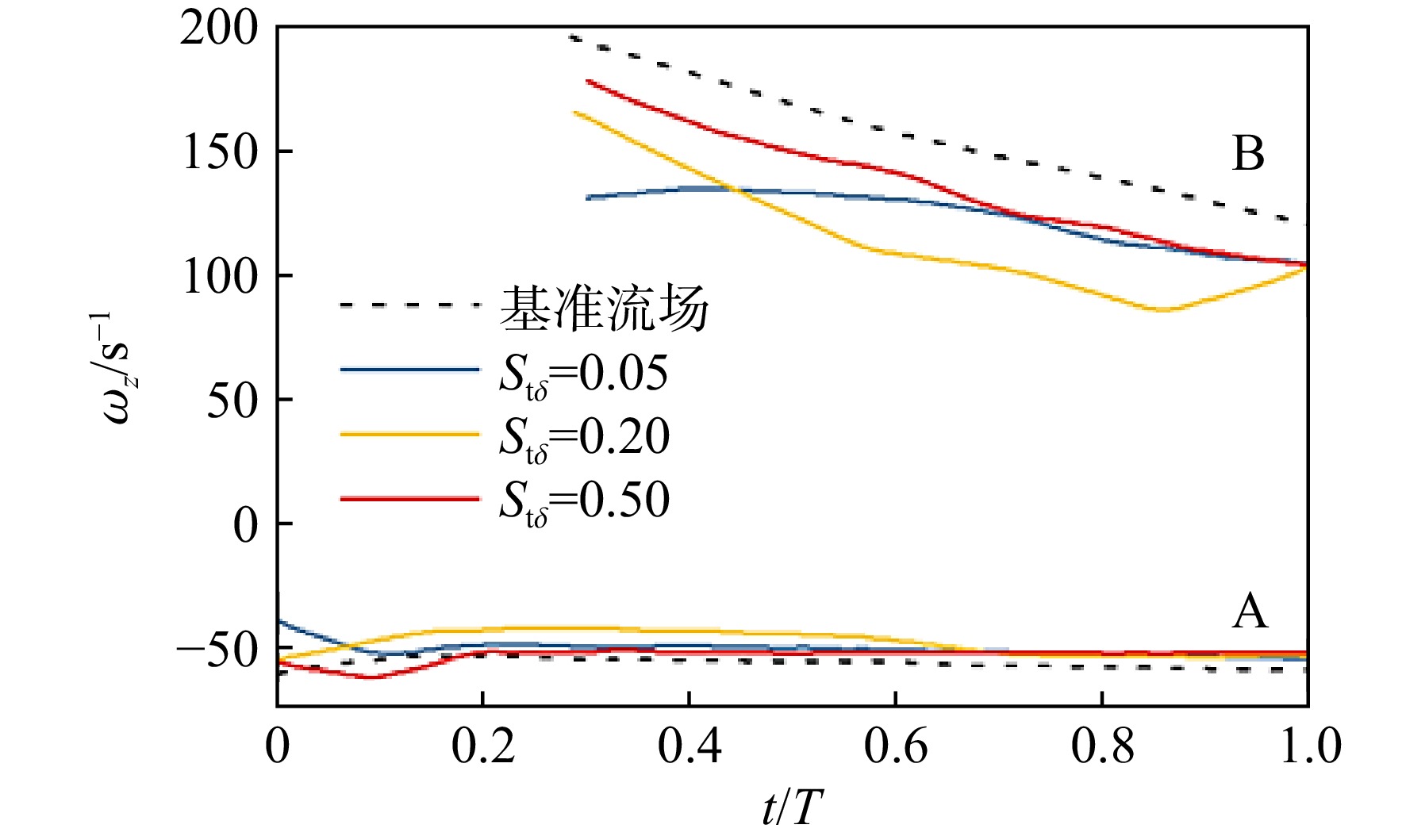
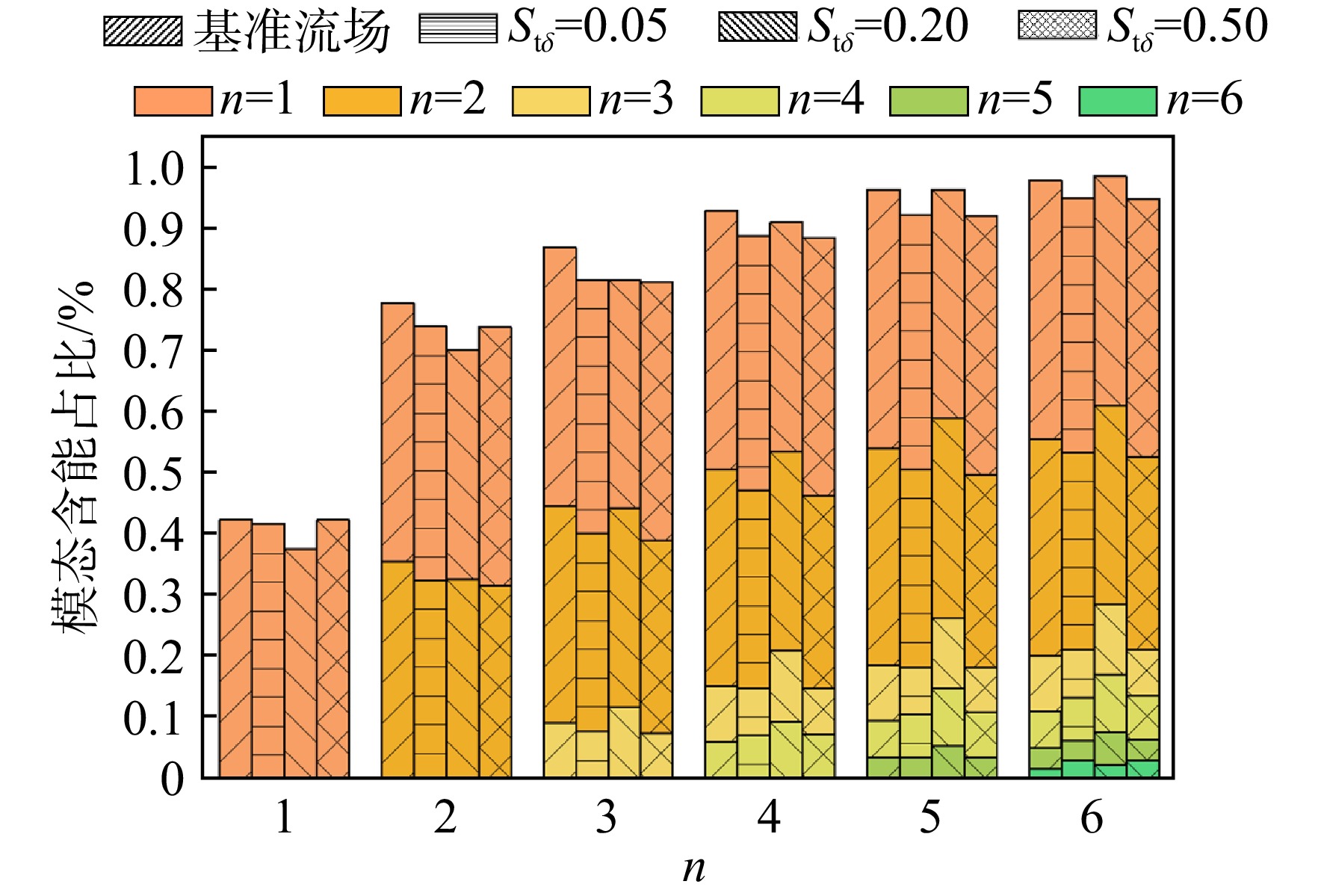
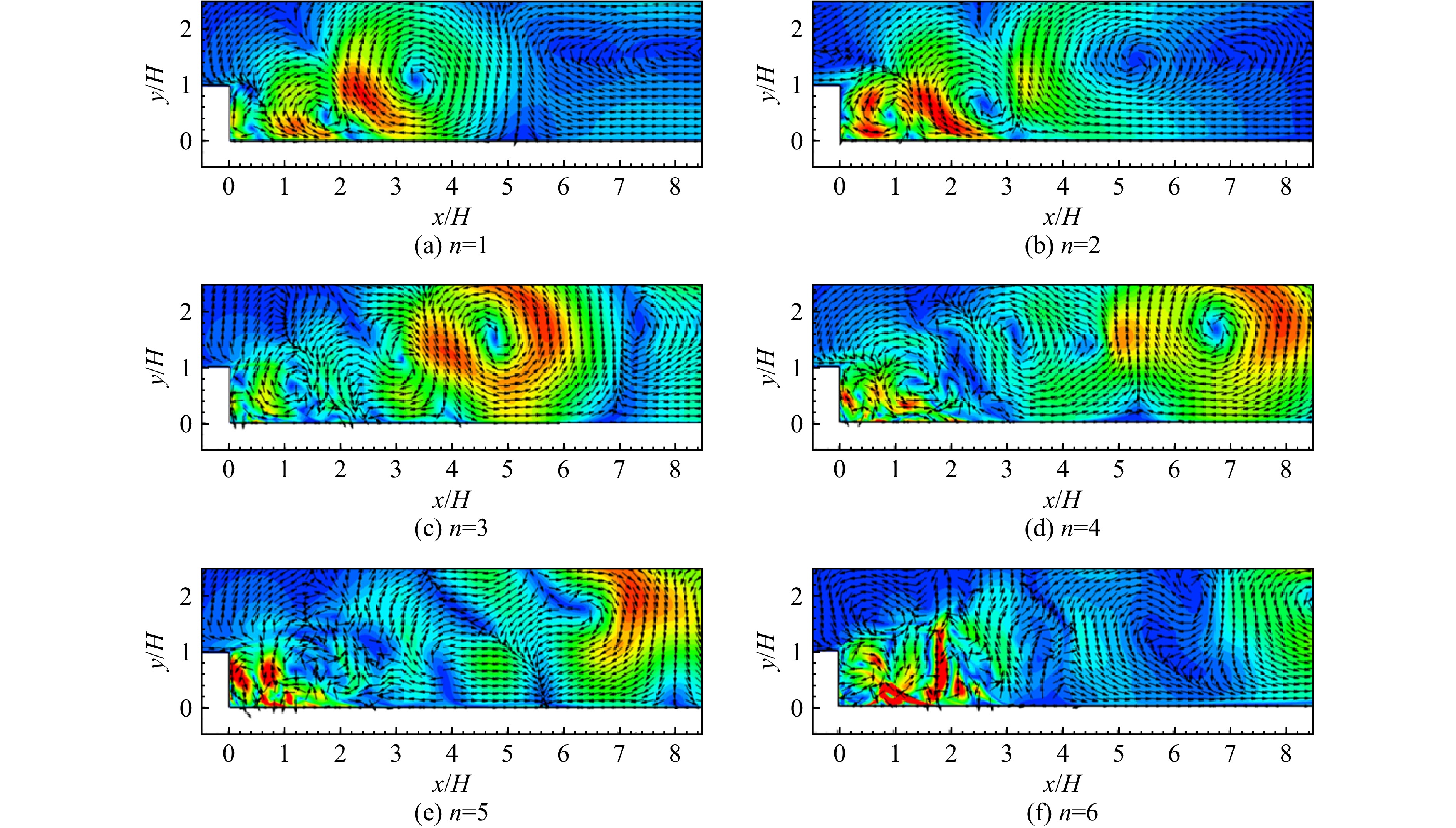
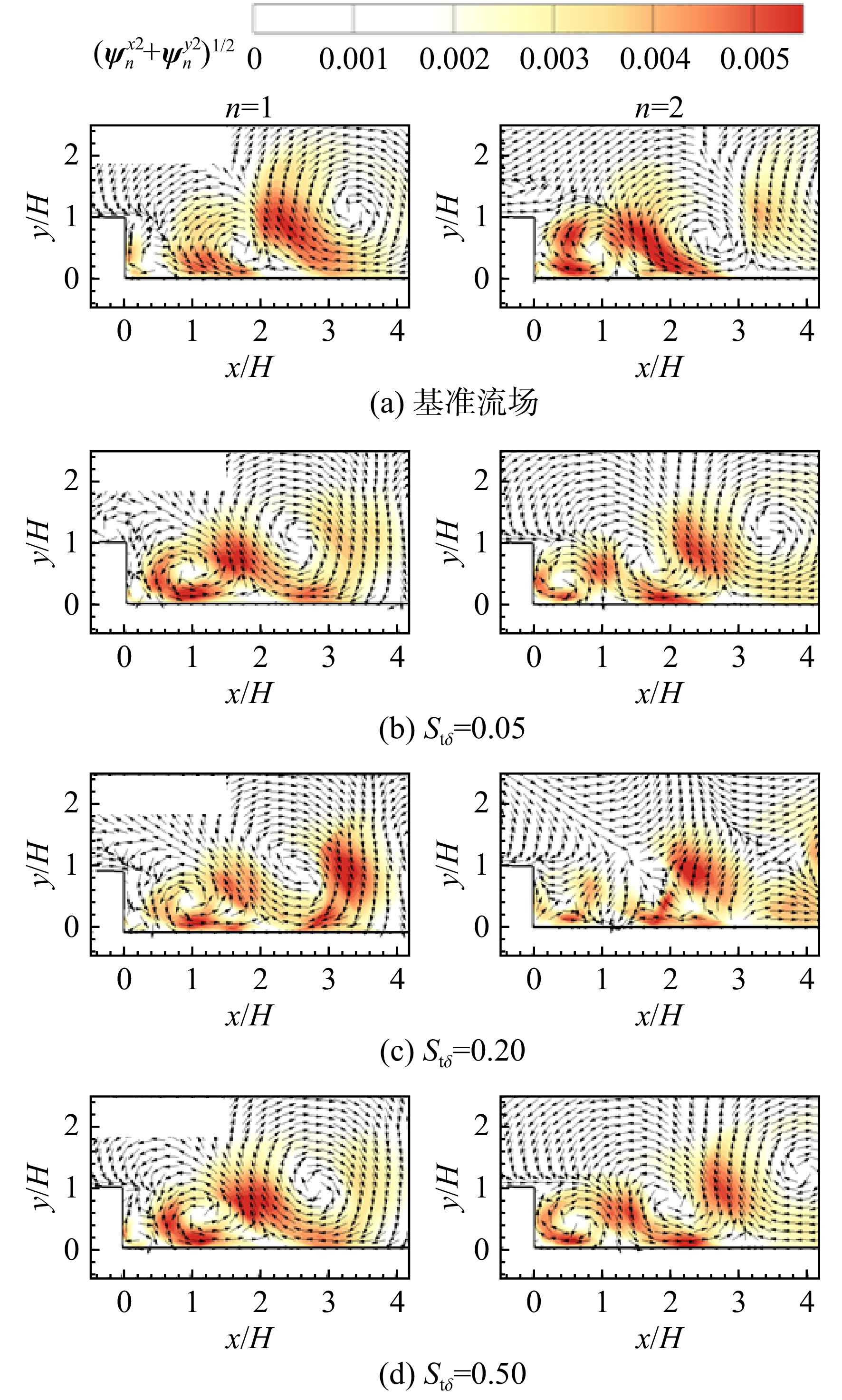
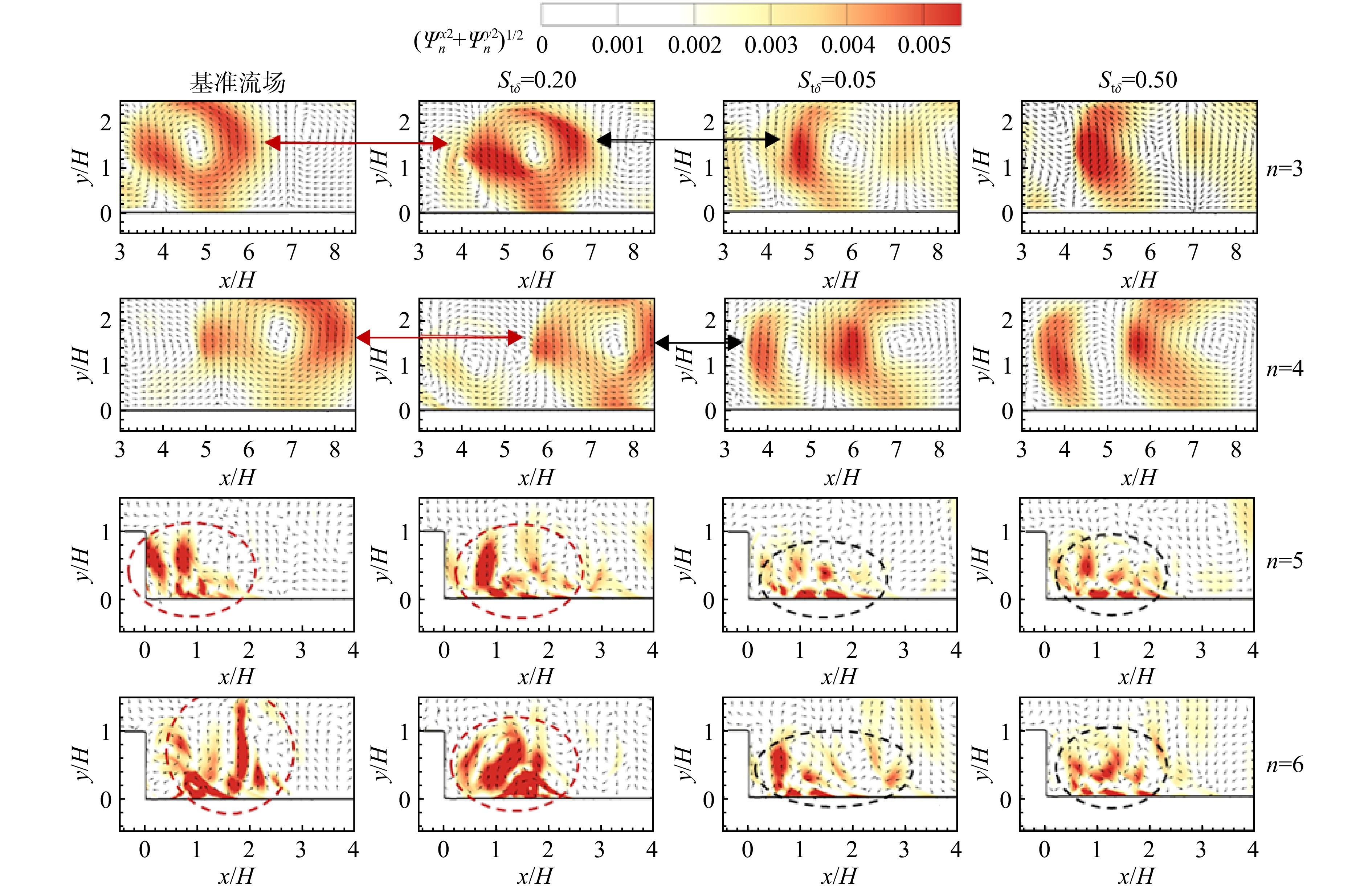
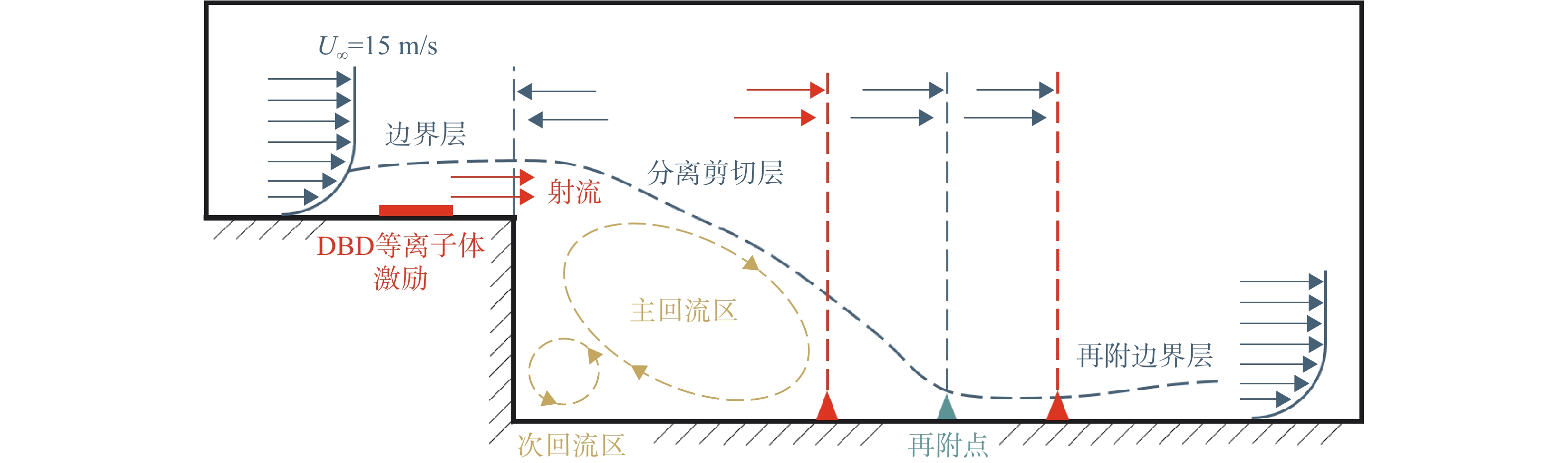
To probe for the structural mechanisms governing flow patterns over a backward-facing step controlled by dielectric barrier discharge (DBD) plasma, numerical simulations were employed to analyze the induced flow field structure coupled with large-scale, free-trapped vortices. The proper orthogonal decomposition (POD) method was utilized to extract the primary energetic modes within this coupled flow field. Leveraging this characteristic information, an investigation into the flow structure’s distinct features and interactions was conducted, along with a comparison of the developmental evolution of the flow field structure under varying excitation parameters. The results indicated that unsteady plasma excitation enhanced the momentum transfer capability of the shear layer, thereby suppressing the formation of small-scale vortex structures and reducing the length of the separation region. Through POD modal analysis, it revealed that there were significant disparities in the mechanism of flow control under different excitation frequencies. Specifically, under both low and high-frequency excitations, the predominant form of motion in the plasma-induced flow field involved a reciprocating motion of the shear layer. However, medium-frequency excitation exerted its influence primarily through small-scale turbulent pulsations.

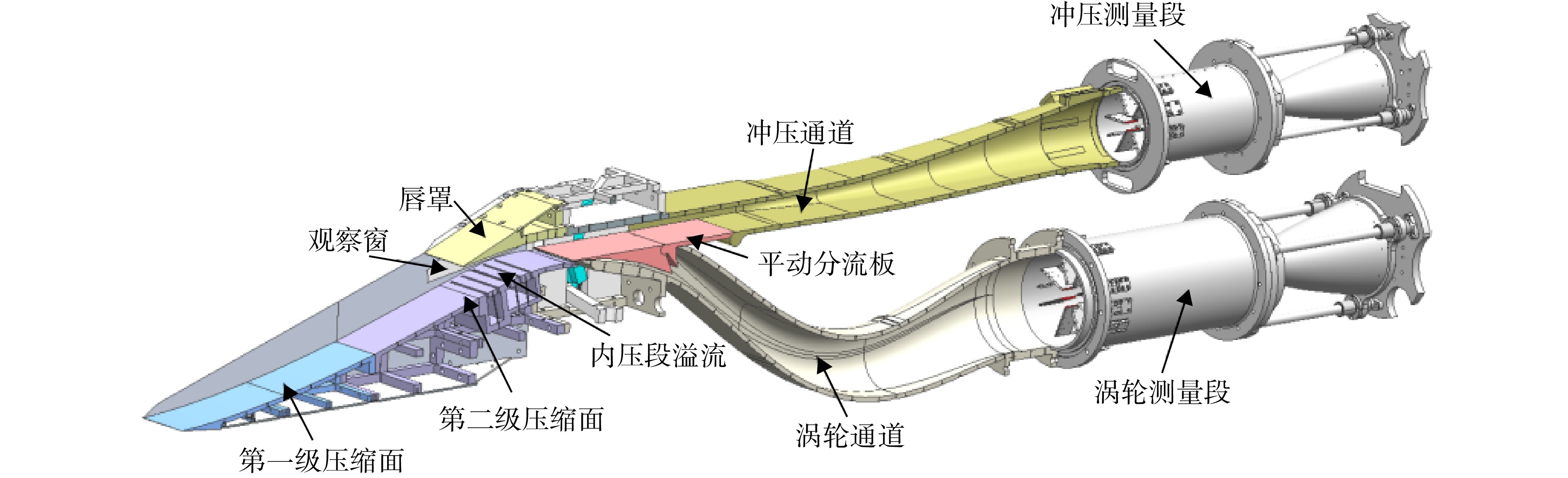
Turbine-based combined-cycle inlet mode transition opertation conditions and transition schemes
LIU Jun, YUAN Huacheng, ZHANG Jinsheng, LI Zheng, YANG Dezhuang
2025, 40(8): 20230431. doi: 10.13224/j.cnki.jasp.20230431
Abstract:

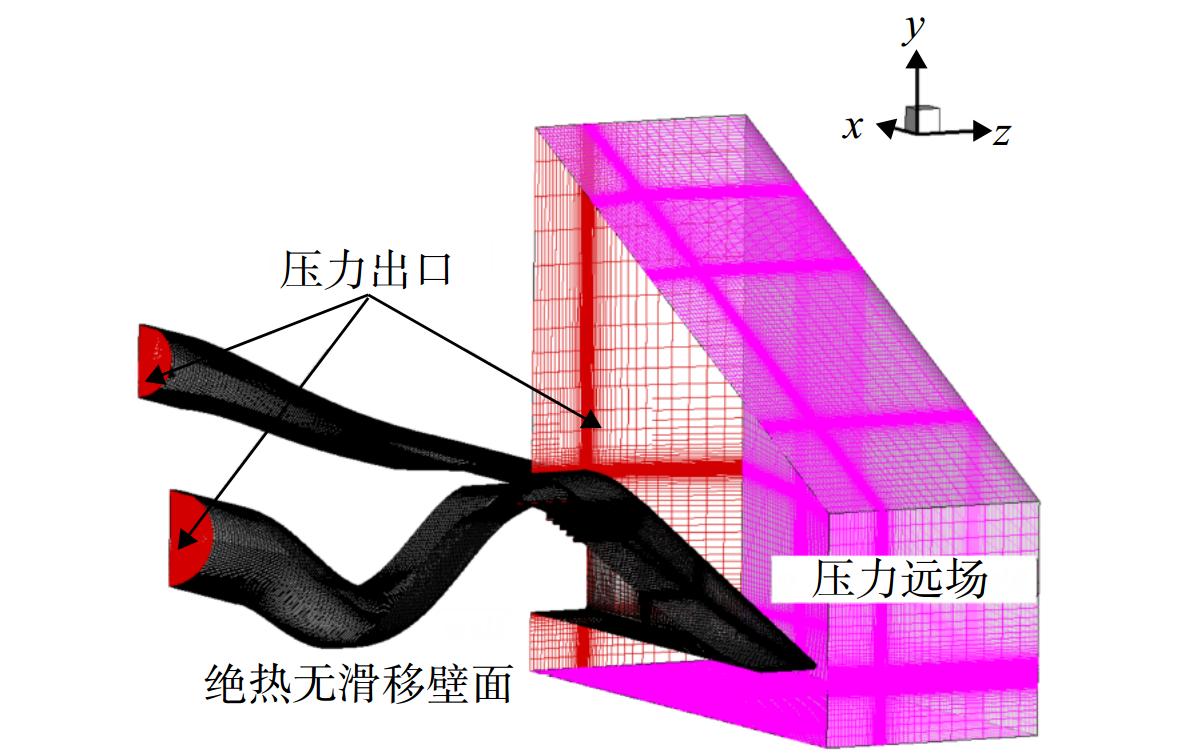
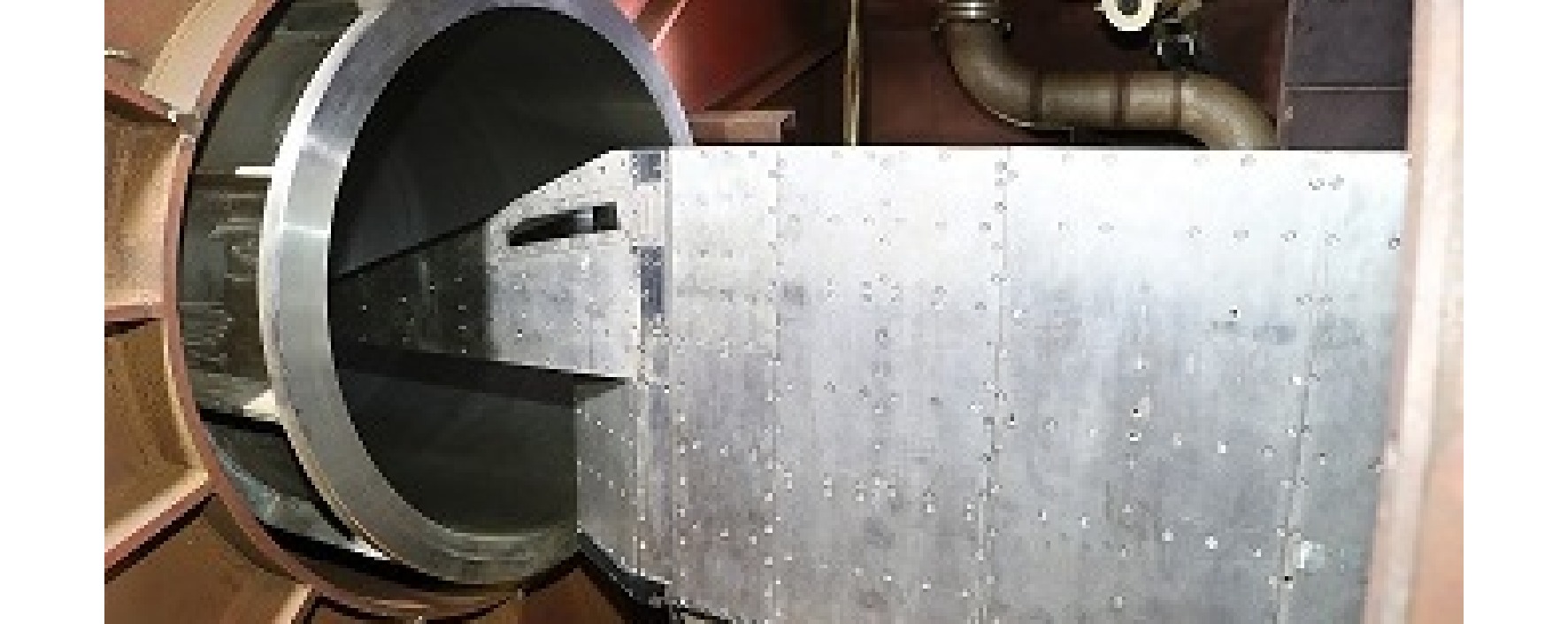
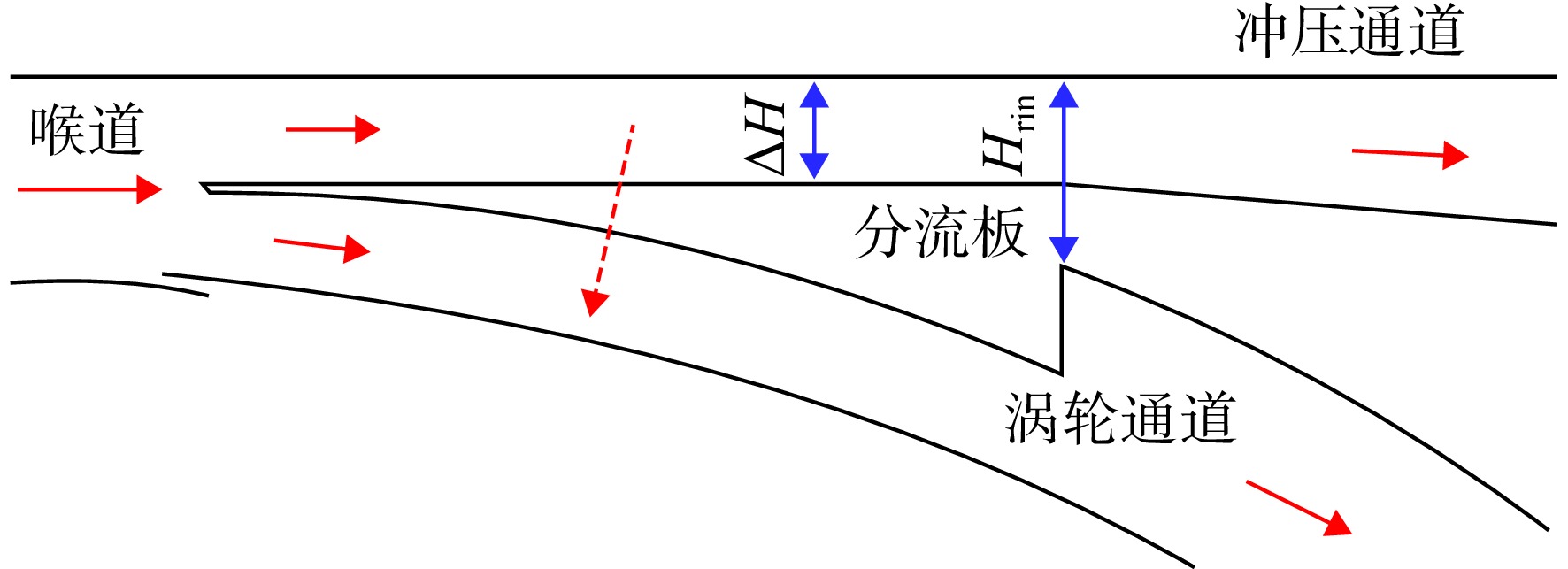
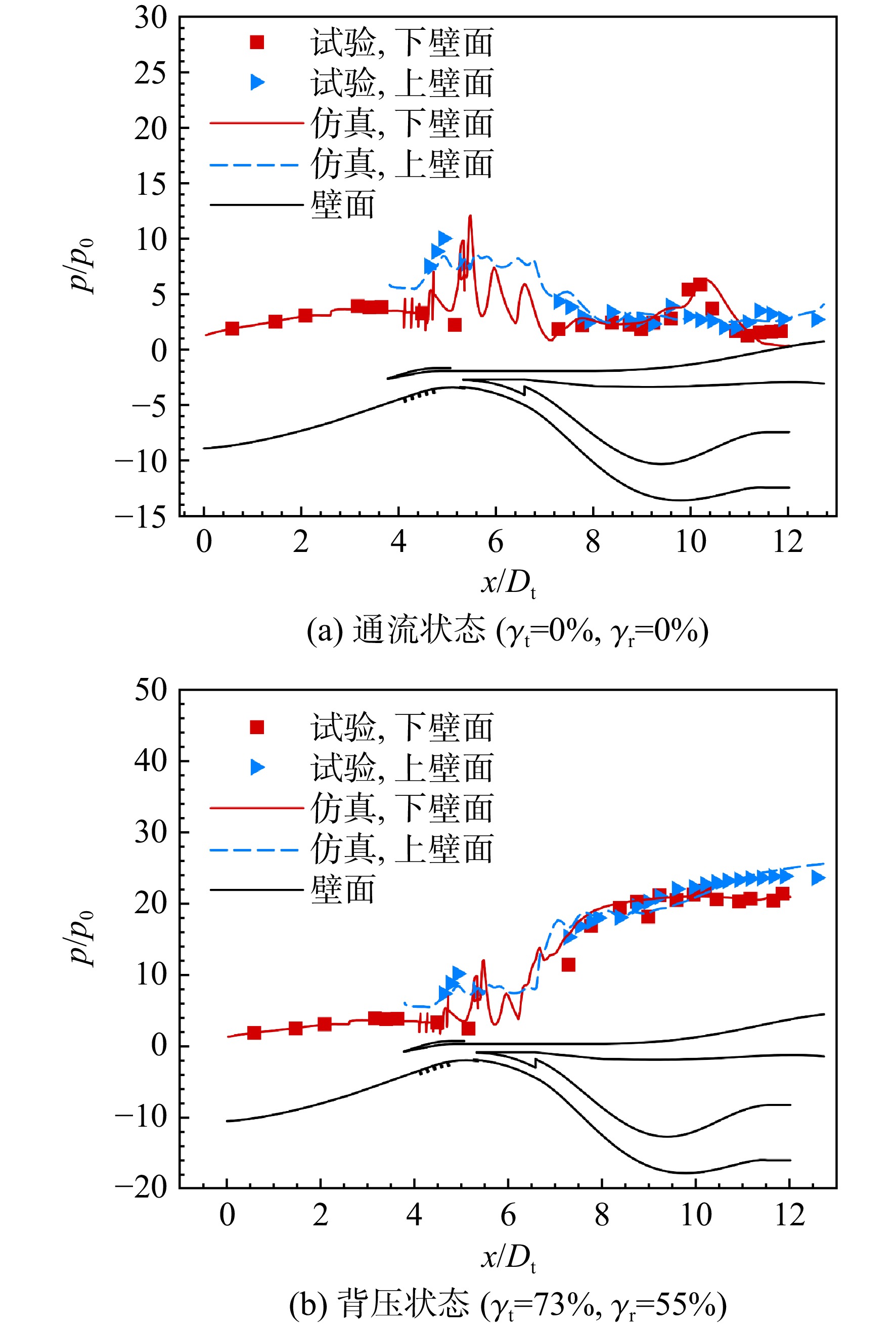
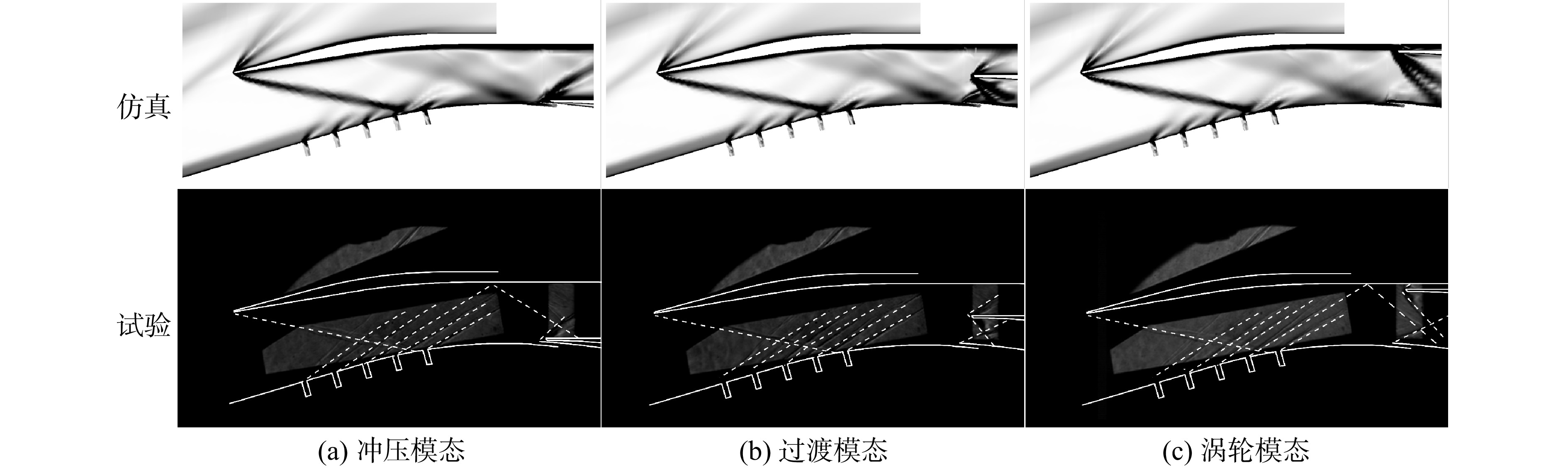
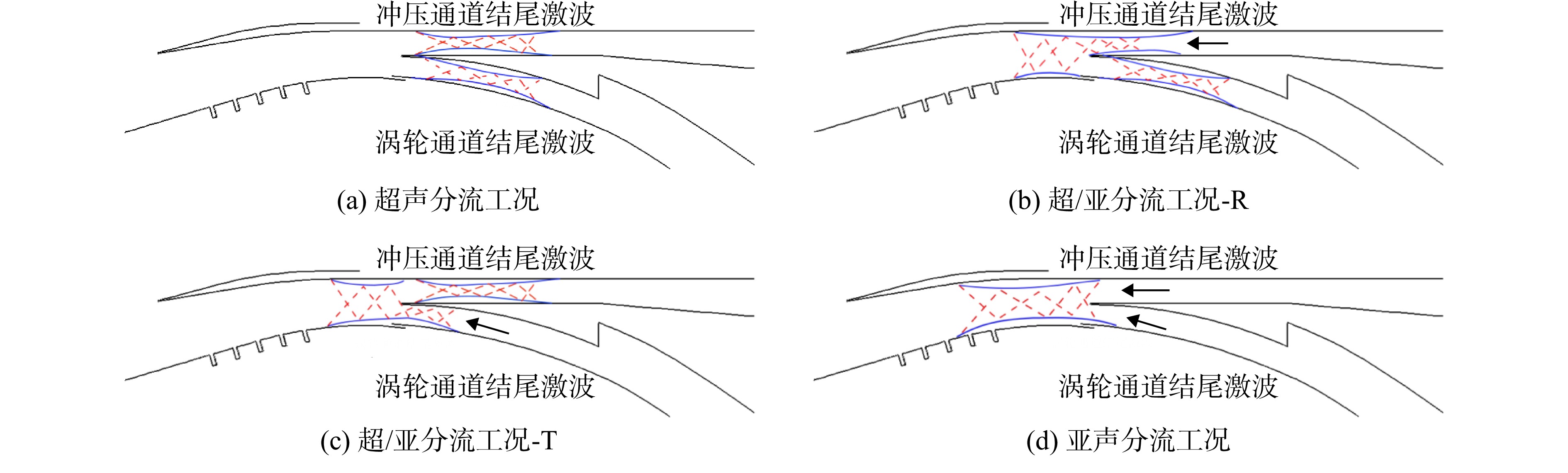
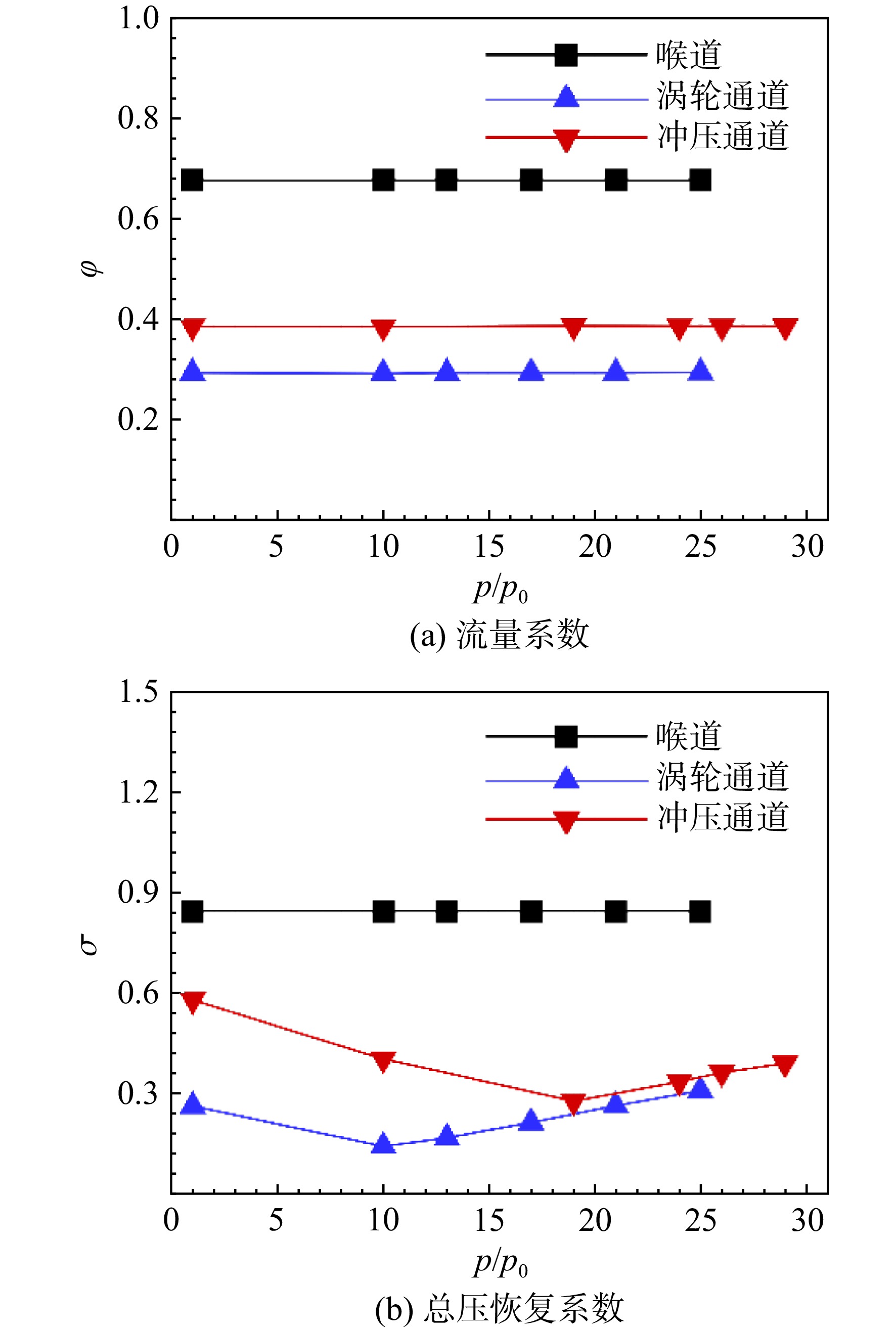
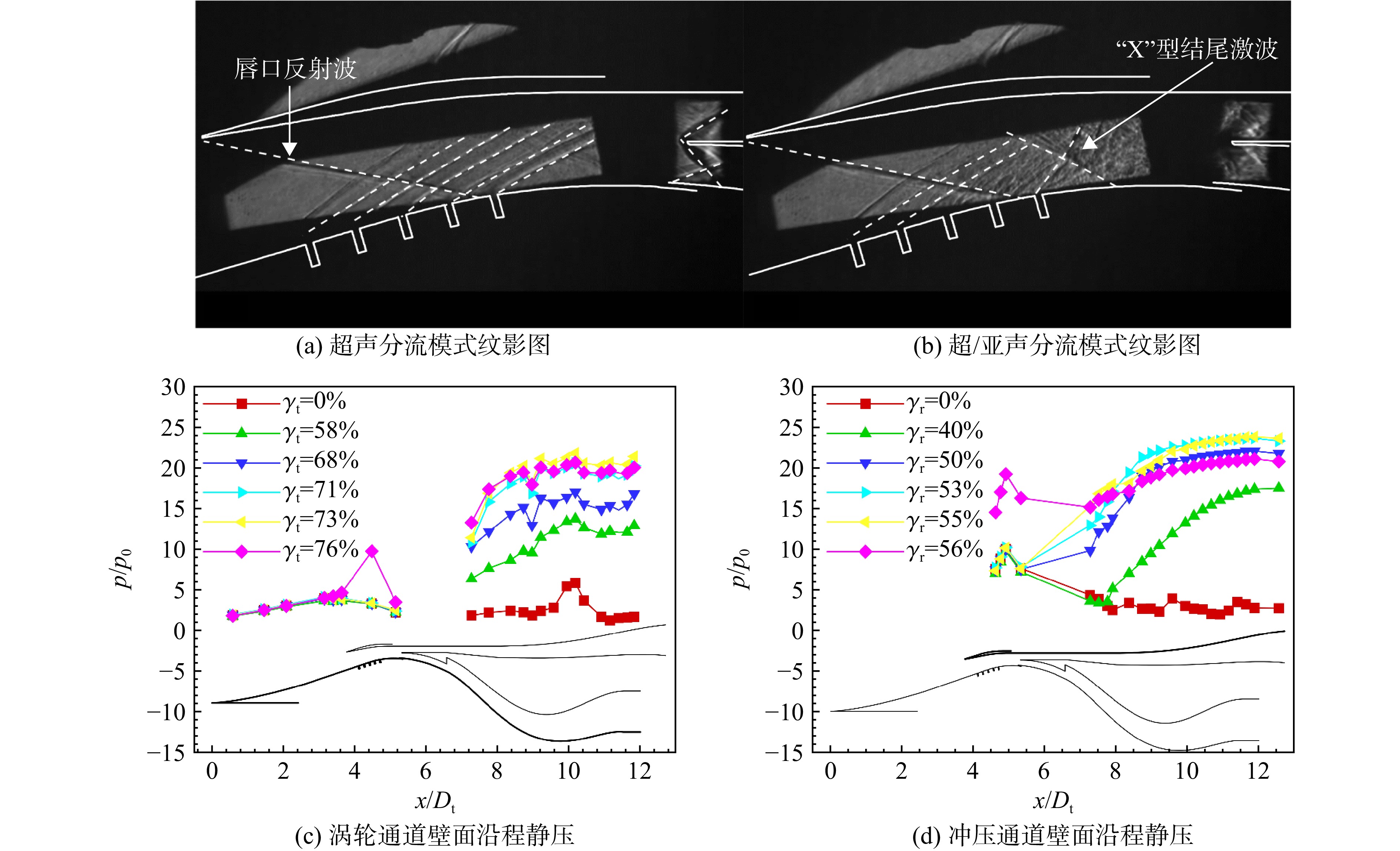
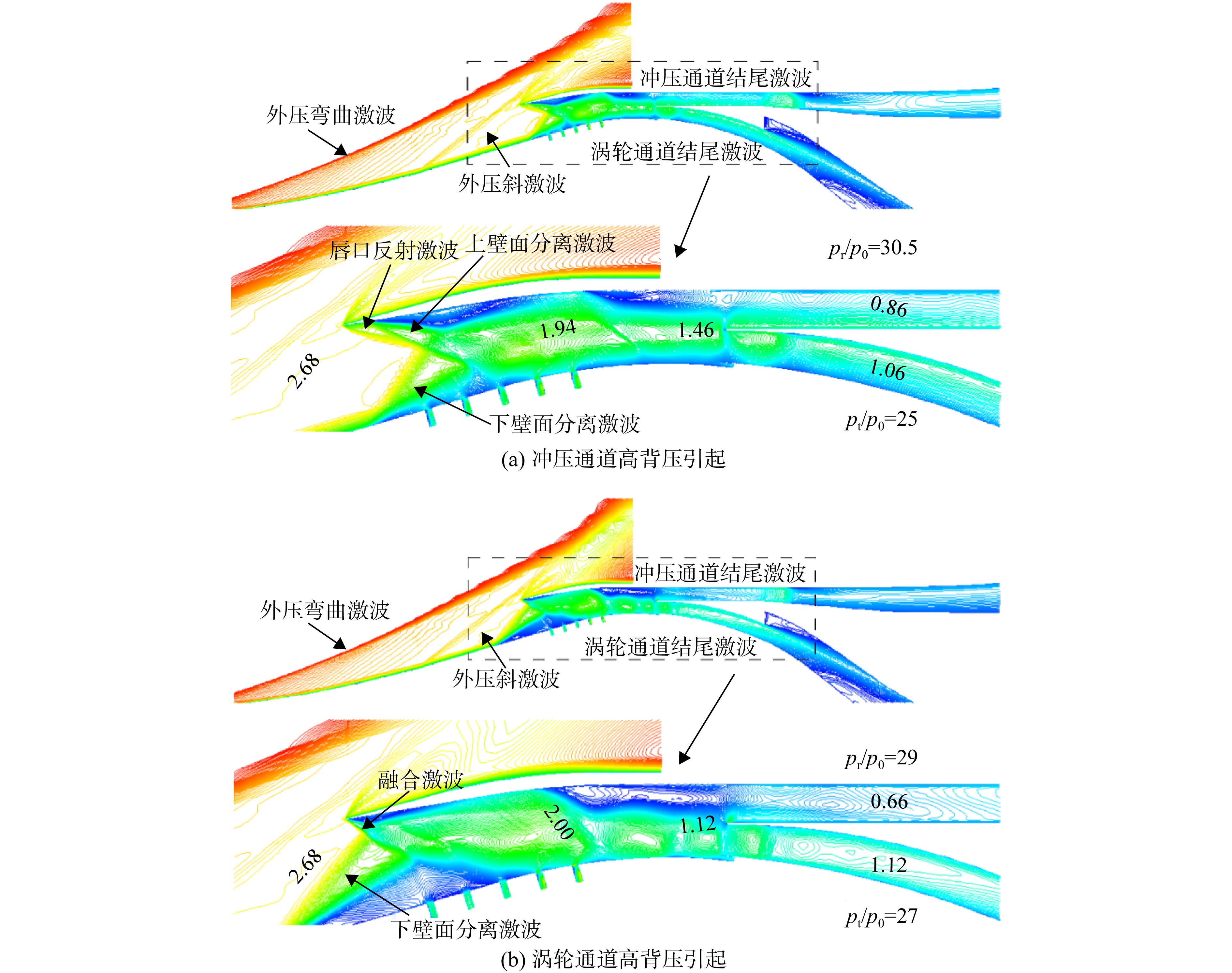
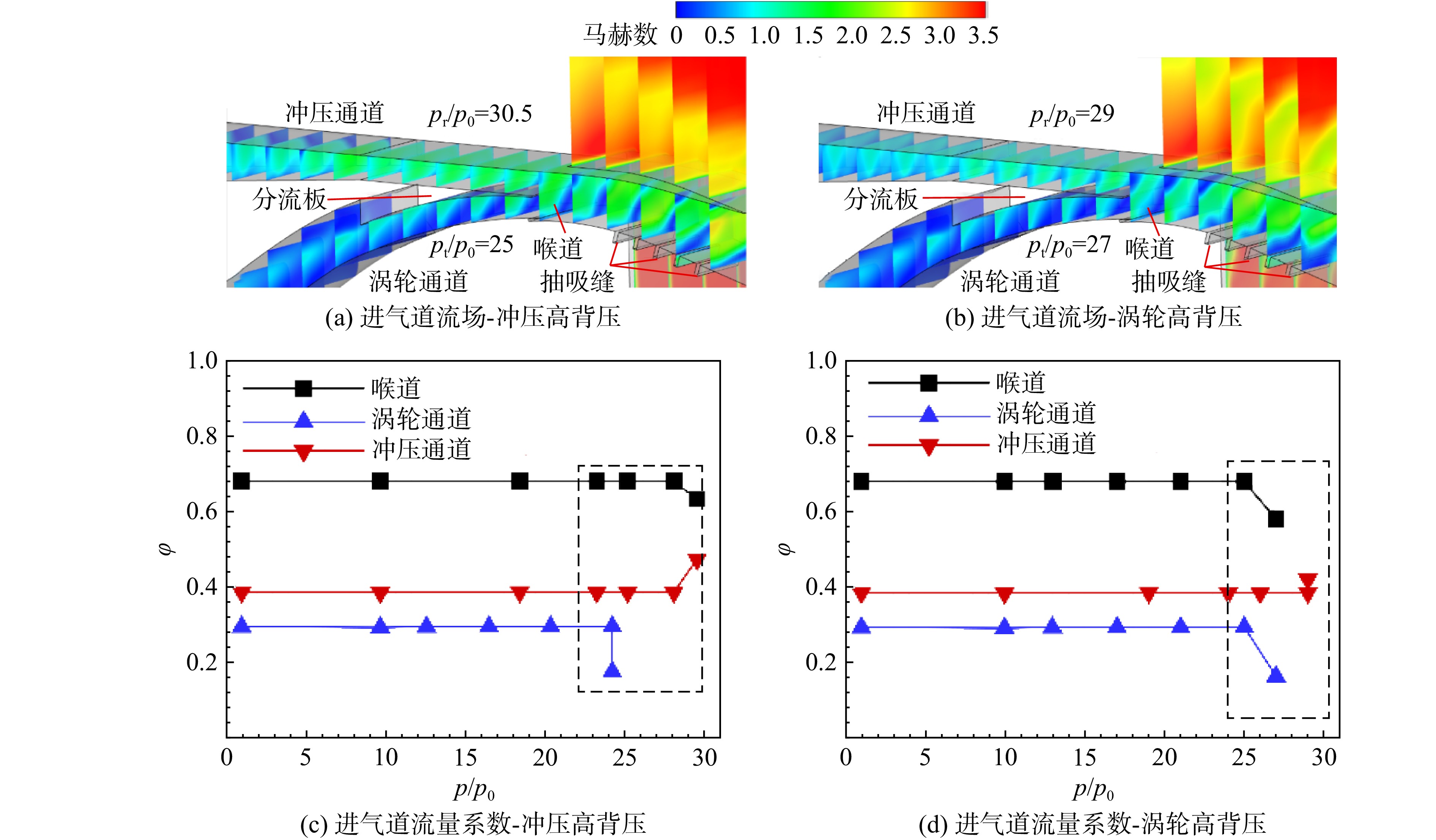
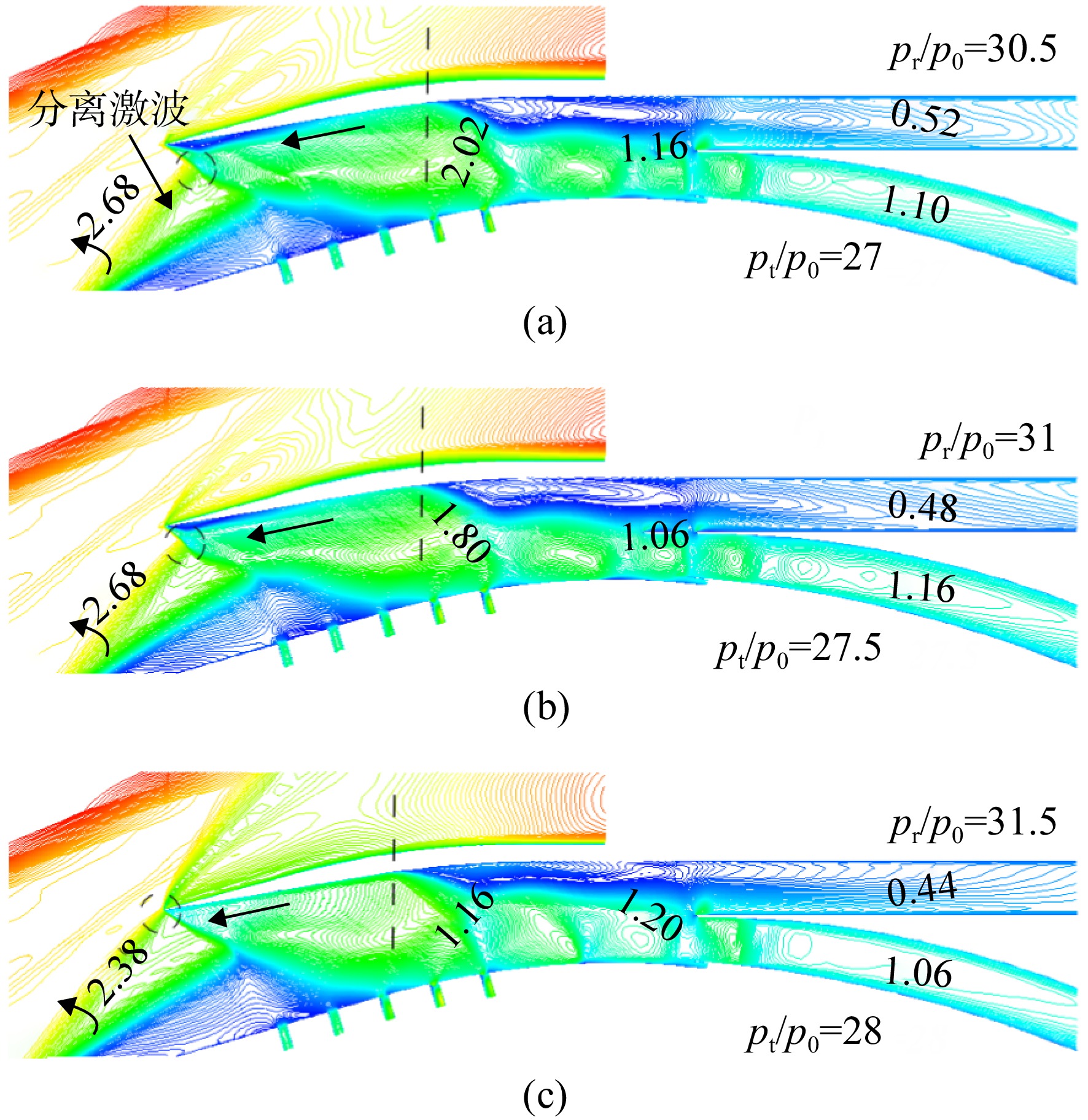
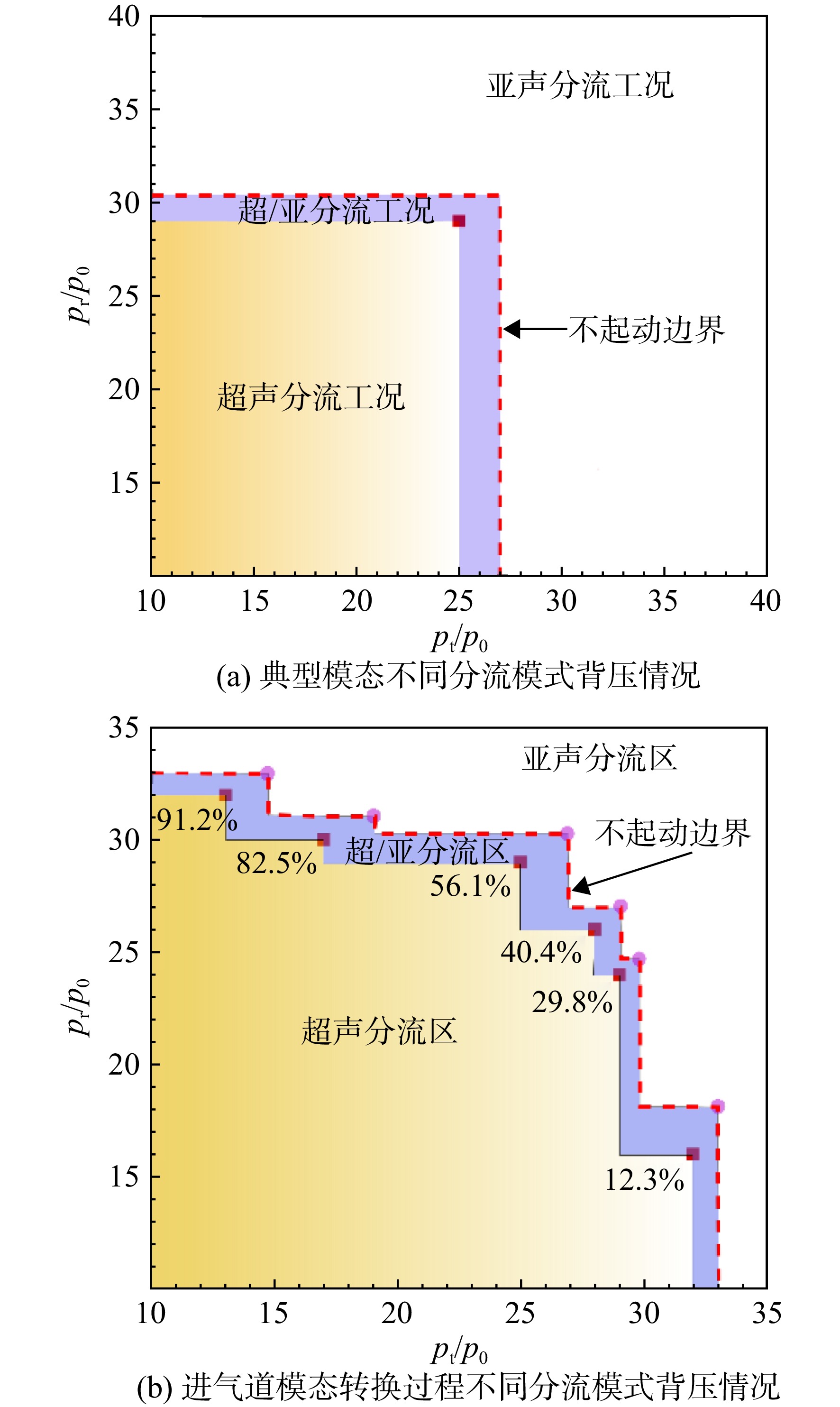
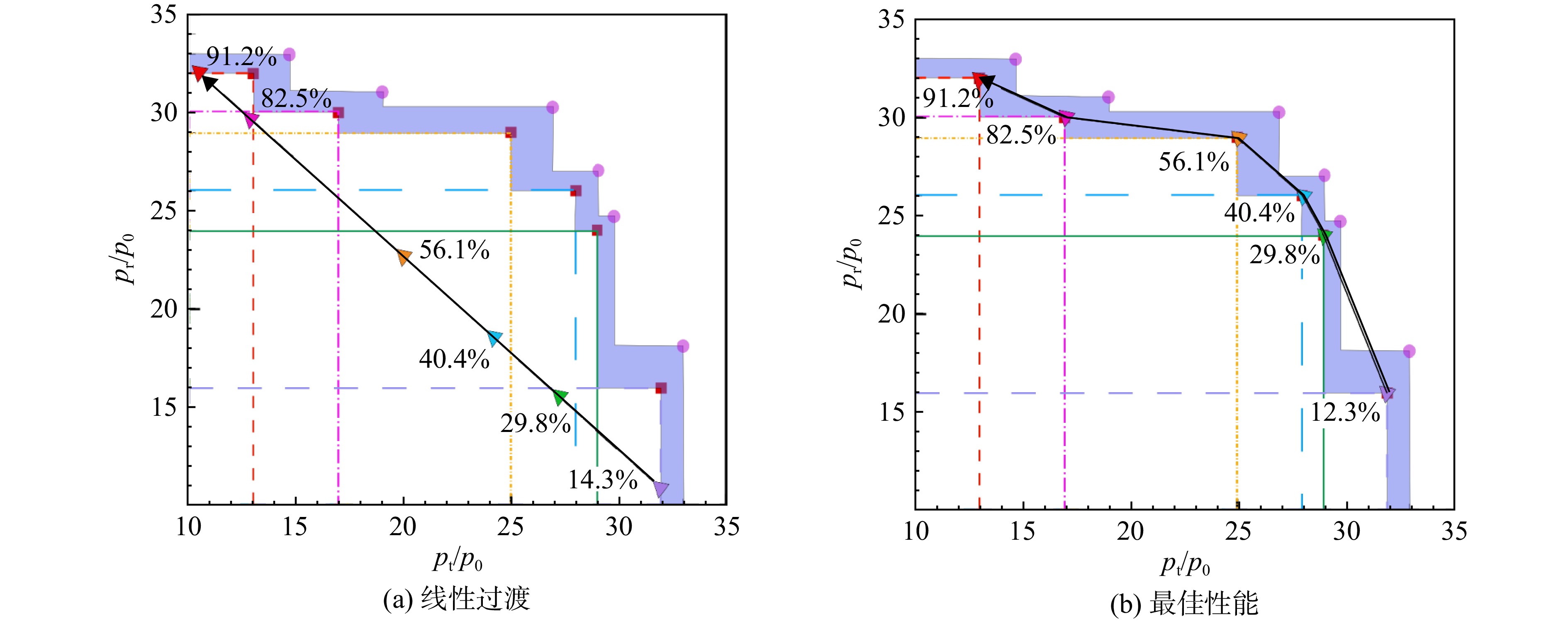
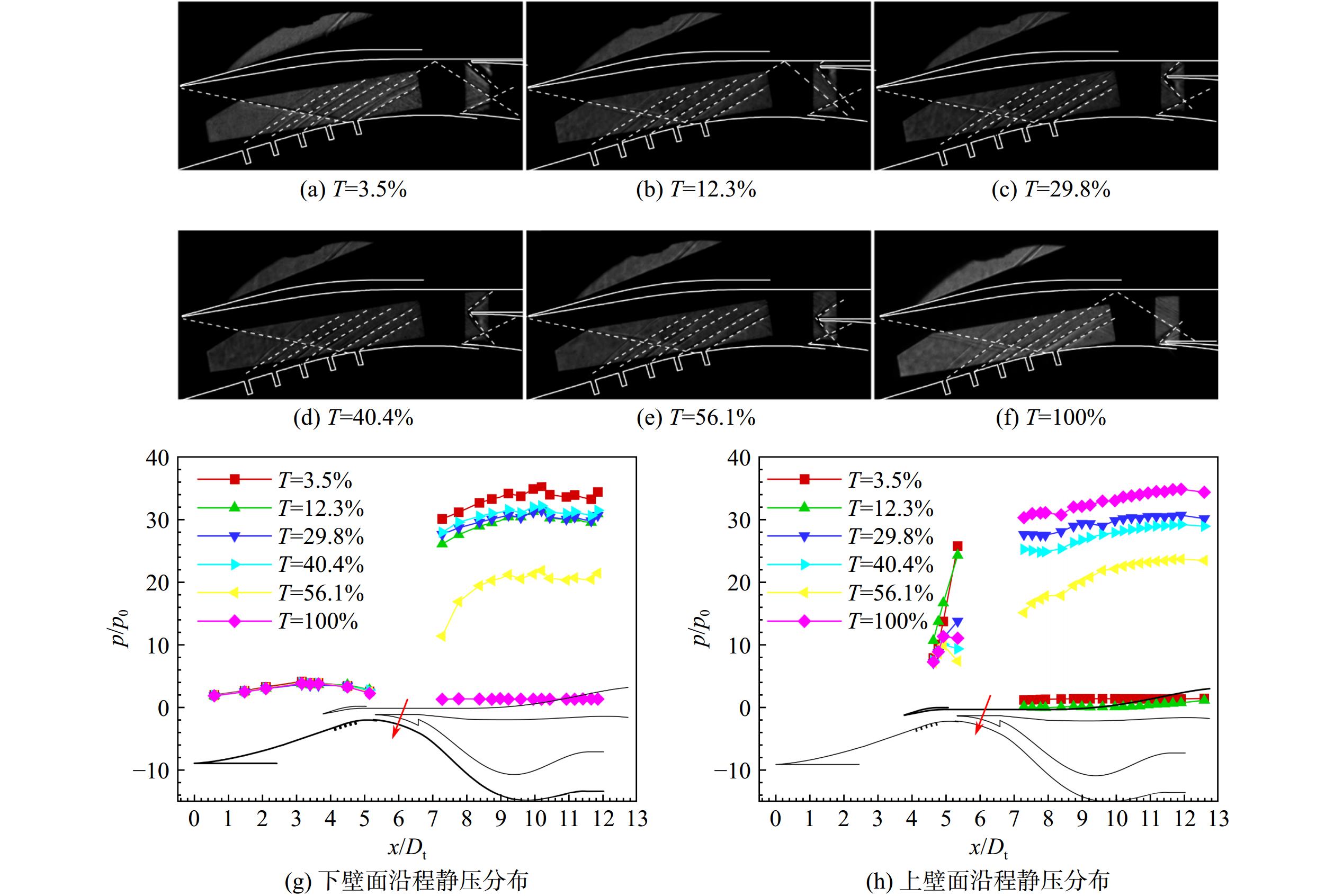
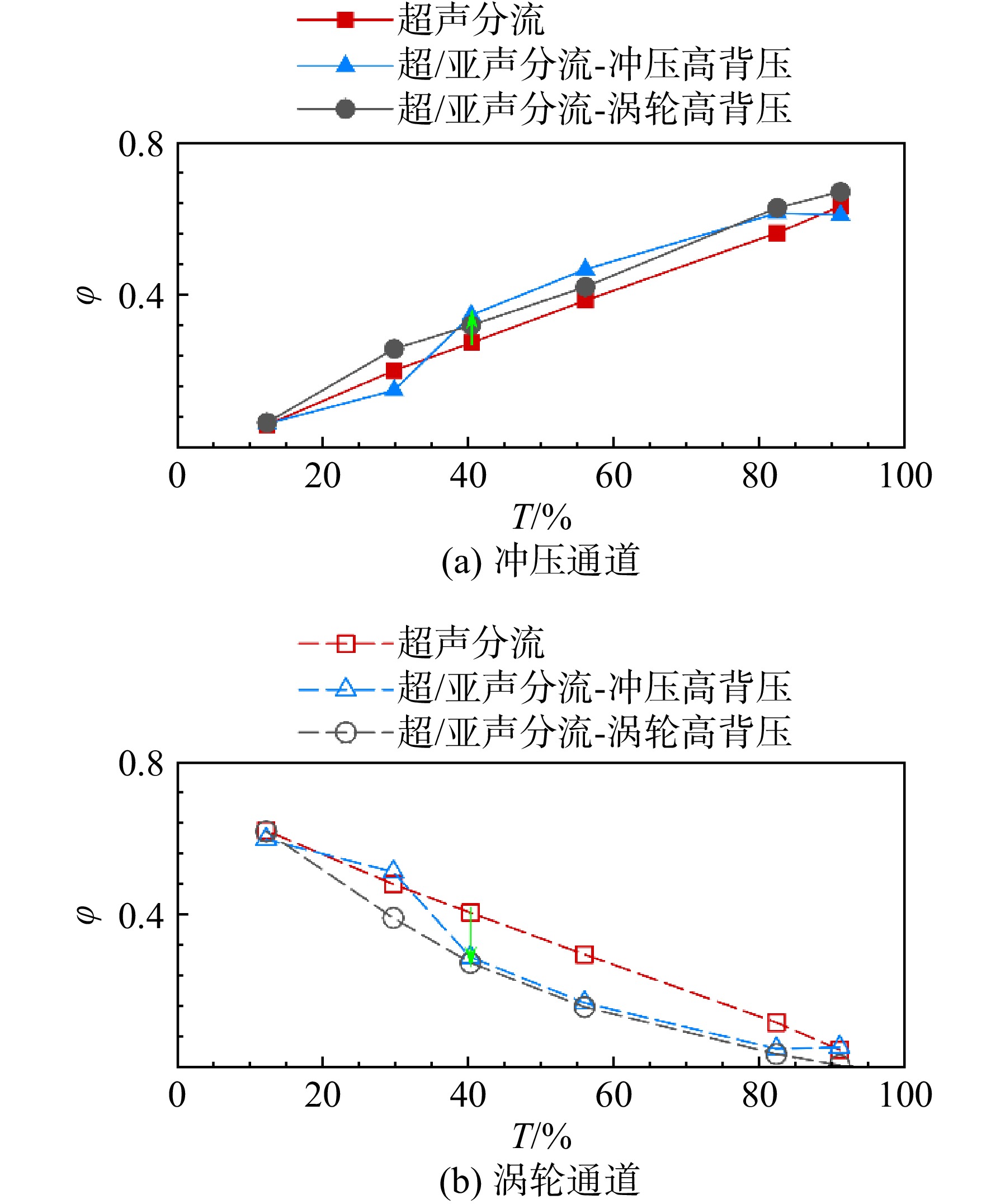
To achieve smooth mode transition of turbine-based combined-cycle (TBCC) propulsion system, the transition operation modes and transition schemes of TBCC inlet were investigated through wind tunnel test and numerical simulations. Three transition operation modes of TBCC inlet, including supersonic operation mode, supersonic/subsonic operation mode and subsonic mode, and the criteria for different operation modes were put forward. Then the operation zone, which included the three transition operation modes of inlet mode transition, was established according to the maximum backpressure of turbojet and ramjet flowpath at different modes. Two mode transition schemes were presented based on the operation zone. The results indicated that during TBCC inlet mode transition, the maximum backpressure of the turbojet flowpath of supersonic operation mode decreased from 32 times to 13 times, while it increased from 16 times to 32 times for the ramjet flowpath. The mass flow into two flowpath was changed linearly to the entrance area of turbojet/ramjet flowpaths during supersonic mode transition. Once the inlet operated in supersonic/subsonic mode during mode transition, aerodynamic coupling between two flowpath occurred. During mode transition from 40% to 60%, mass flow ratio of the turbojet flowpath decreased by 12% compared with supersonic operation mode and increased by 7% for the ramjet flowpath.

Turbocharging matching and experimental validation for small aviation two-stroke piston engine
SHEN Xiaochen, DONG Xuefei, ZHAO Zhenfeng, BAI Peng
2025, 40(8): 20240332. doi: 10.13224/j.cnki.jasp.20240332
Abstract:

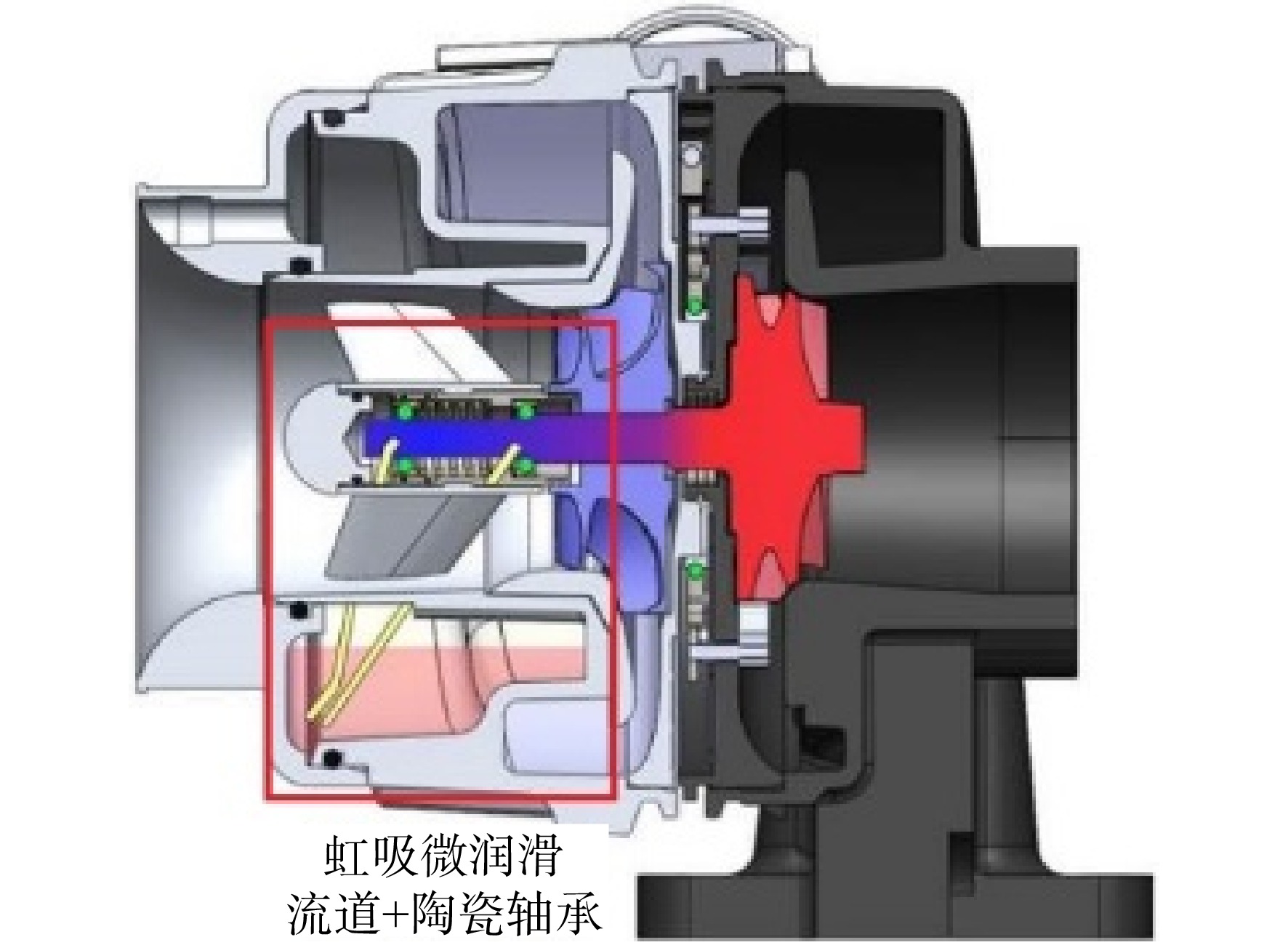
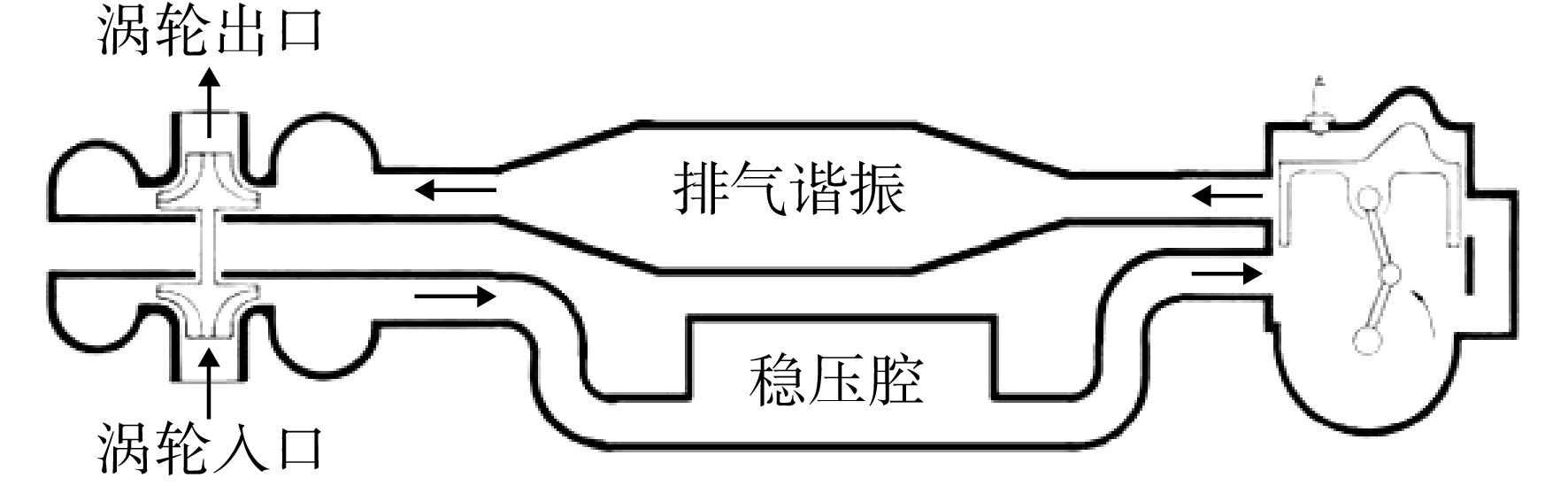
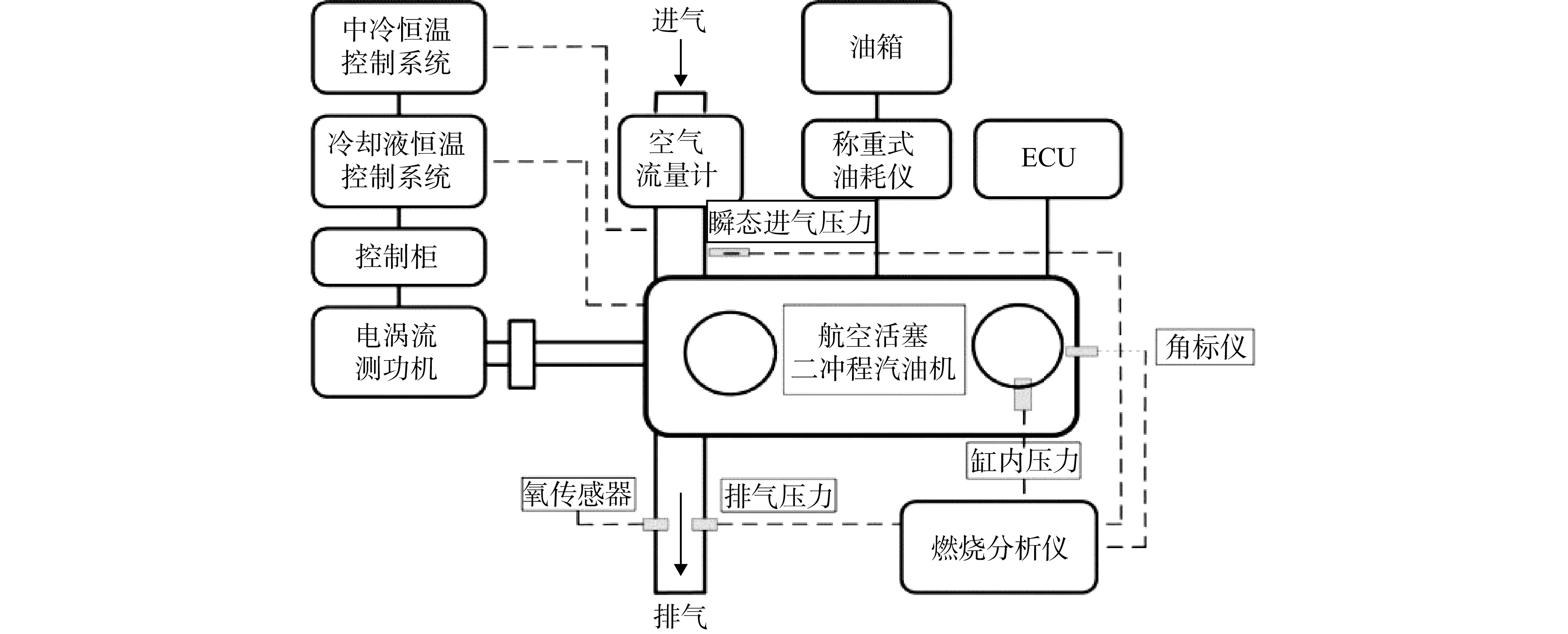
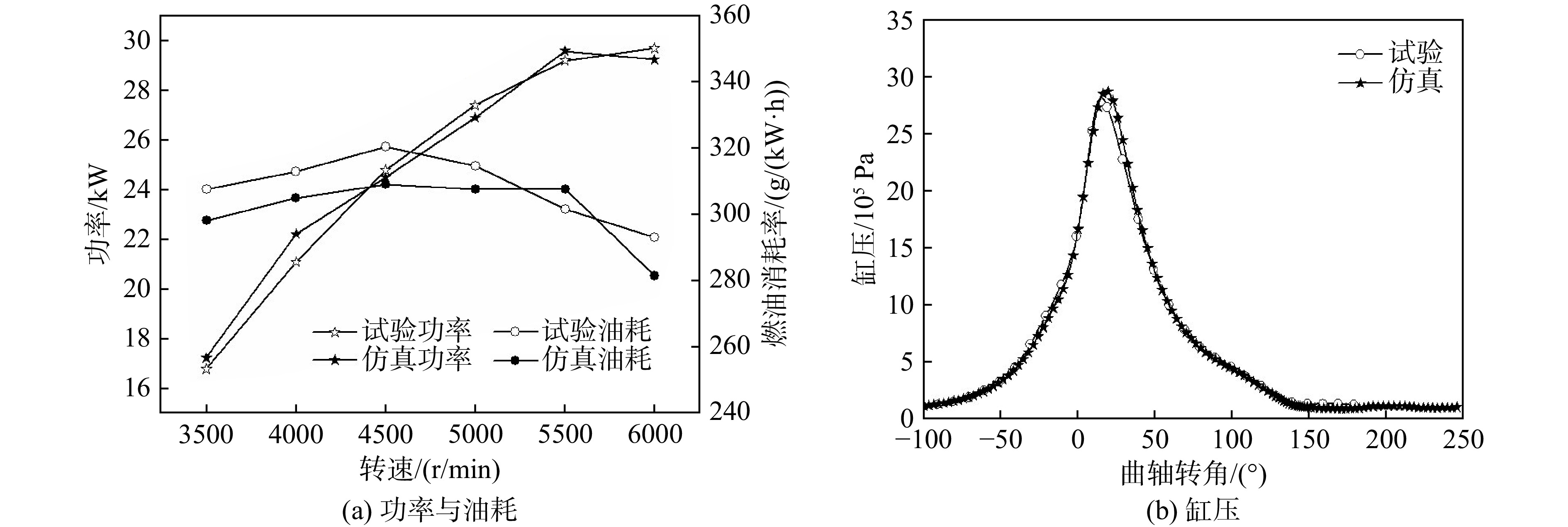
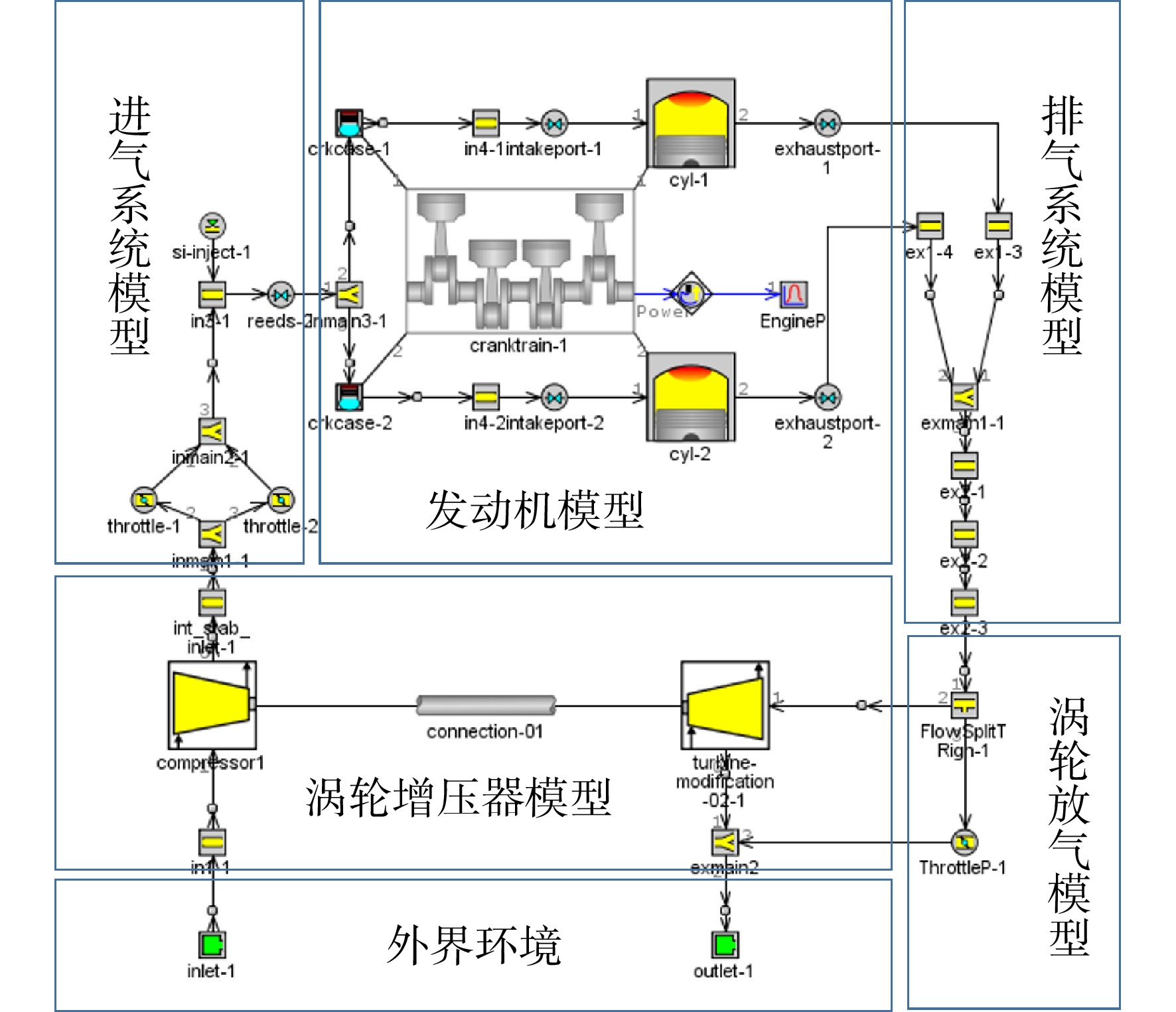
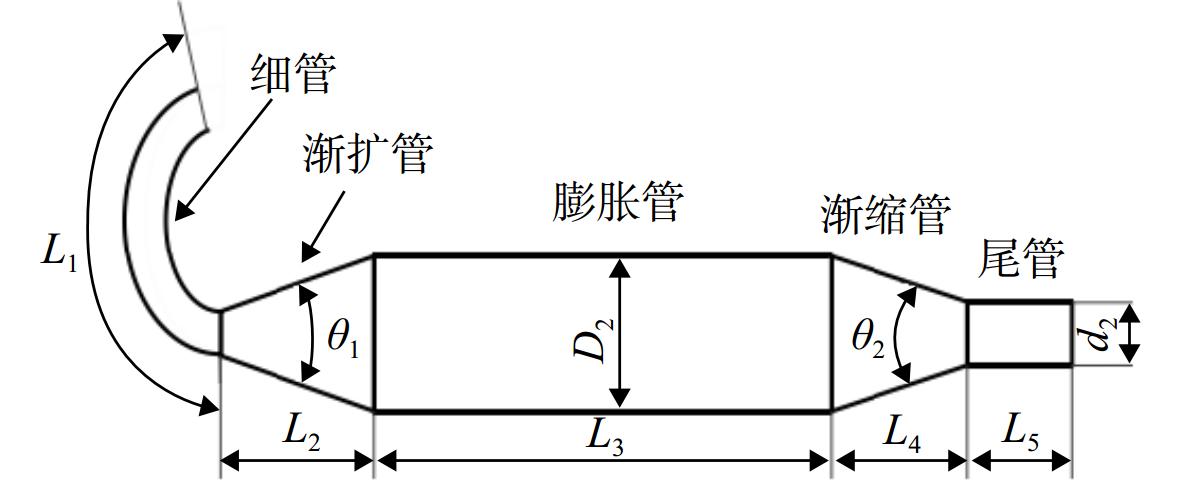
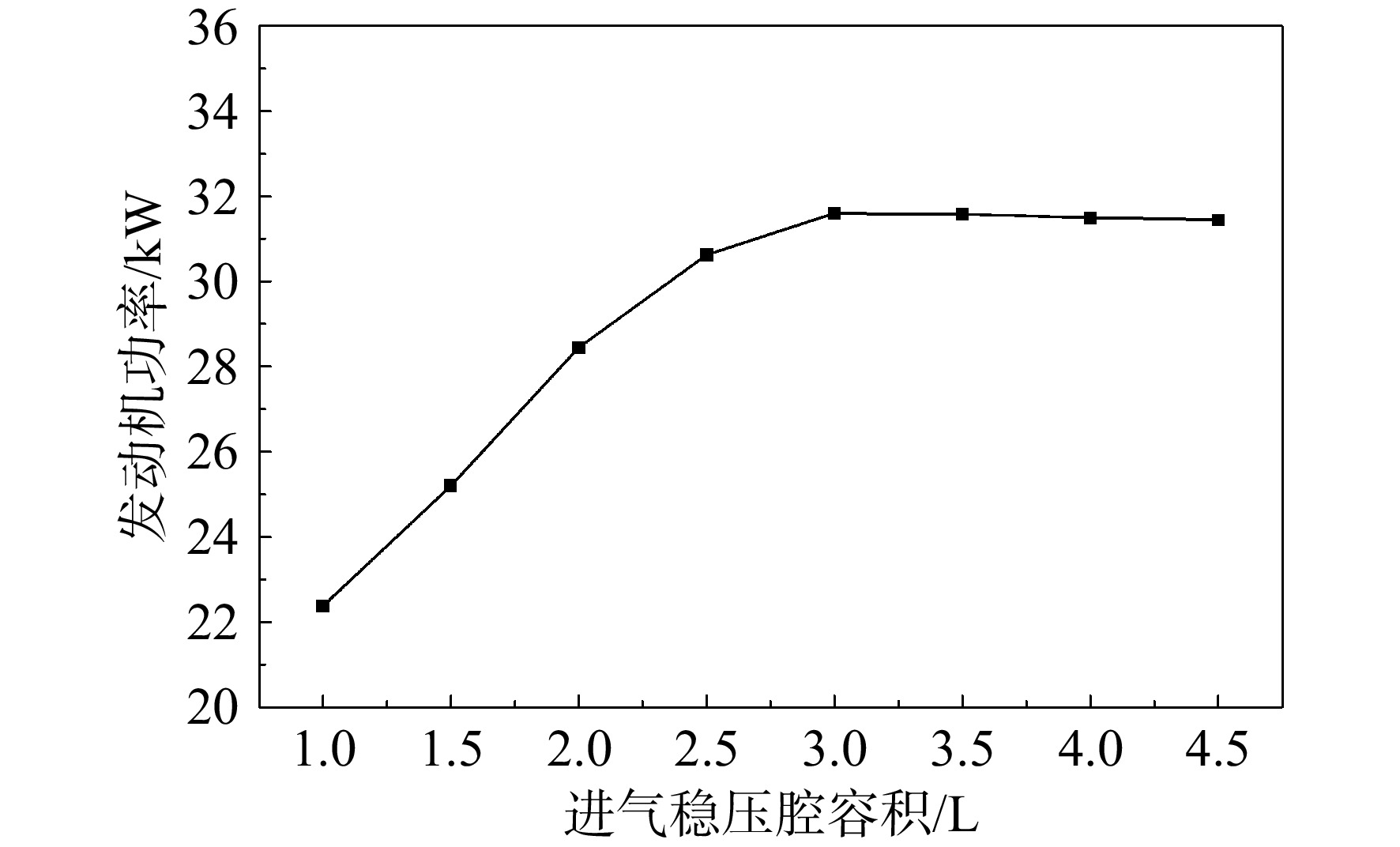
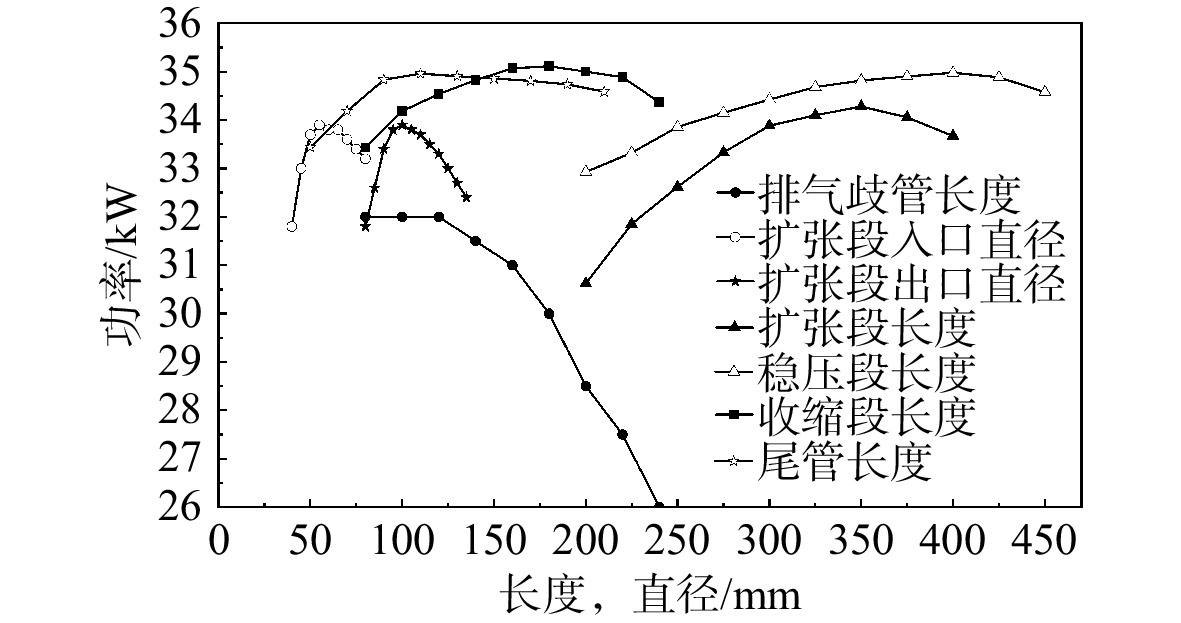
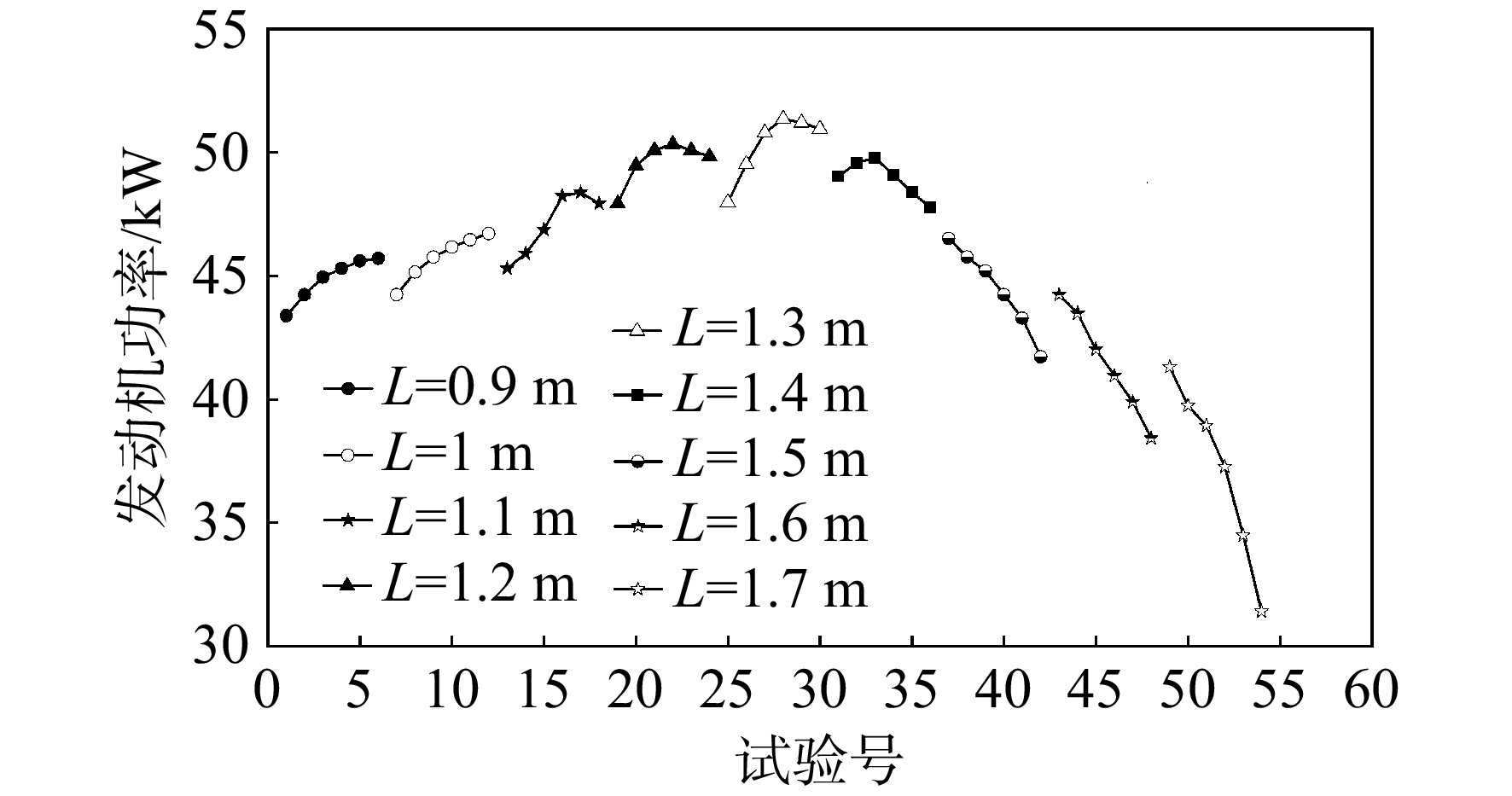
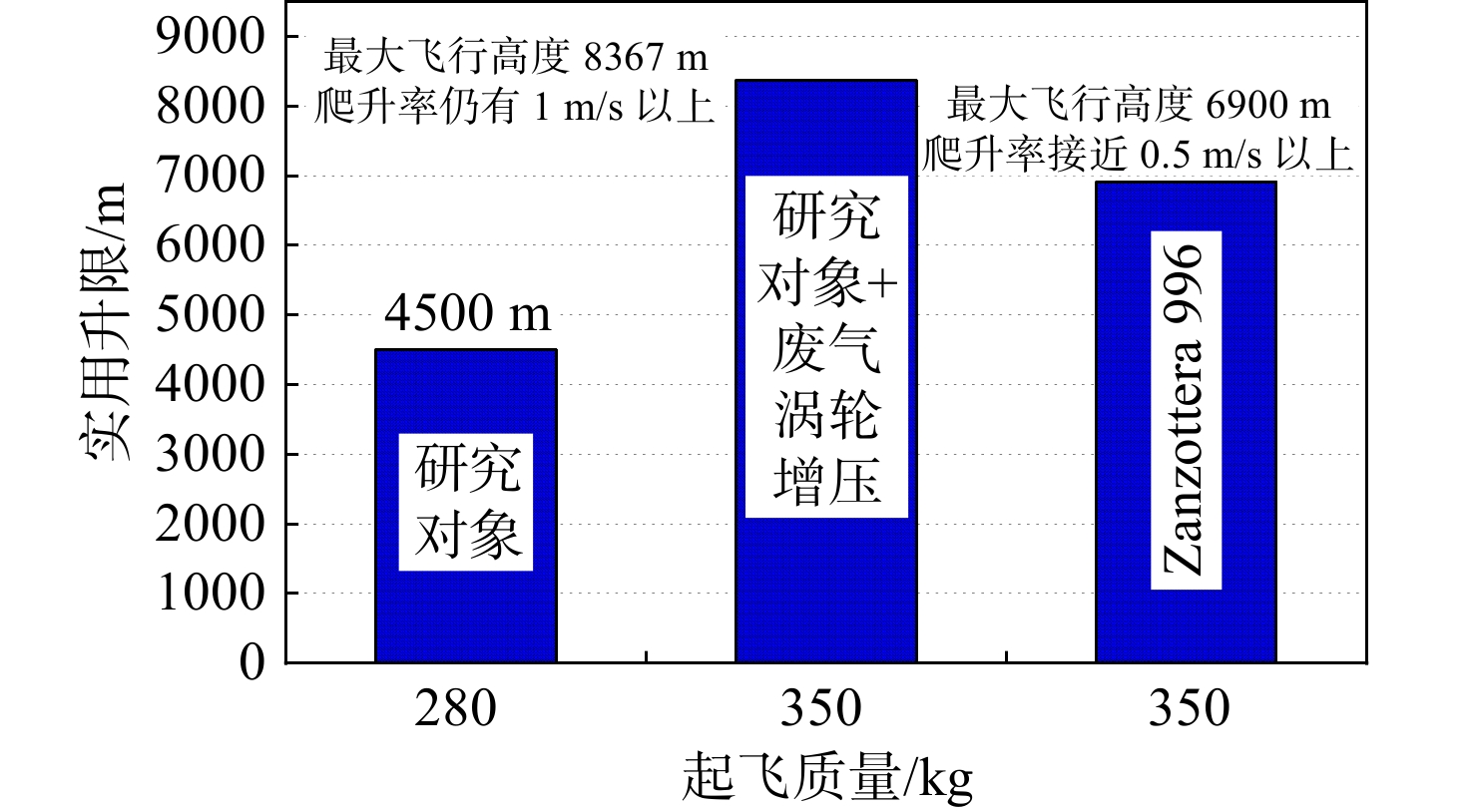
In order to solve the dramatic power coastdown of short-range unmanned aerial vehicles at high altitudes, a turbocharging two-stroke aviation piston engine was studied. Based on comprehensive analysis of the turbocharging technology application in the unmanned aerial vehicle platform, a technical scheme including an intake pressure stabilizing system, an exhaust resonant system, a self-lubricating turbocharging system and a closed-loop adaptive control system, was proposed. A one-dimensional simulation model was established and calibrated for a turbocharging two-stroke engine. The DOE (design of experiment) test method was used to complete the coupling relationship analysis of the key parameters of the intake and exhaust system, and the best structural parameters of the intake pressure stabilizing system and exhaust resonance system were obtained. And the coupling and matching of the turbocharging system with the engine performance was performed. At an altitude of 8000 m the power-to-mass ratio before and after supercharging increased from 0.59 kW/kg to 0.96 kW/kg; and the proposed technical scheme was estimated through a flight test of a unmanned aerial vehicle platform. The results showed that, the maximum flight height exceeded 8367 m, which was 85% higher than that without this scheme. The two-stroke supercharging technology has obvious advantages in high-altitude power.

Study on performance optimization of single expansion ramp nozzle based on depth neural network
MIAO Junjie, WANG Dong, JIN Xin, CAI Yiwen, YIN Chao, LI Xiankai
2025, 40(8): 20230531. doi: 10.13224/j.cnki.jasp.20230531
Abstract:

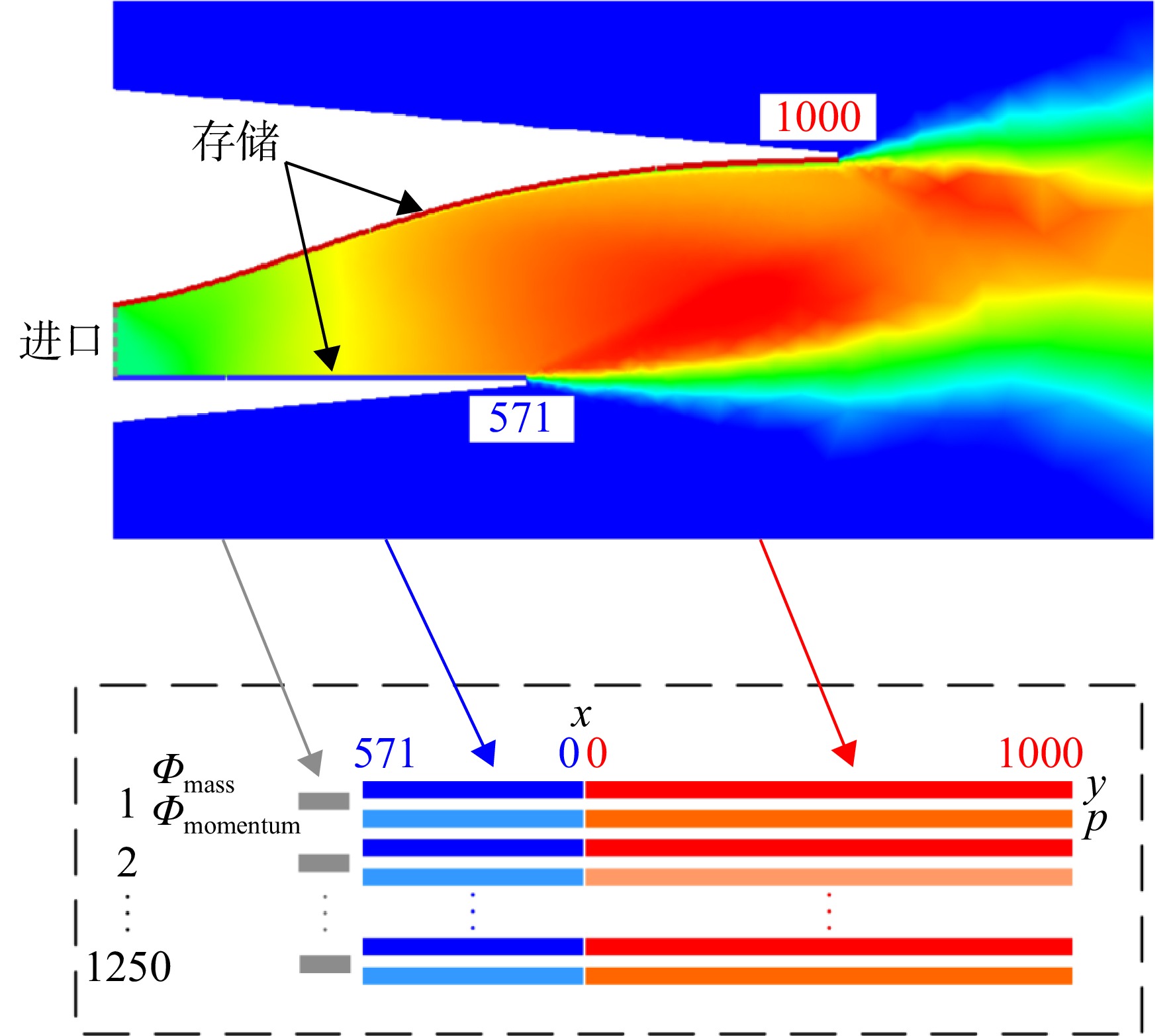
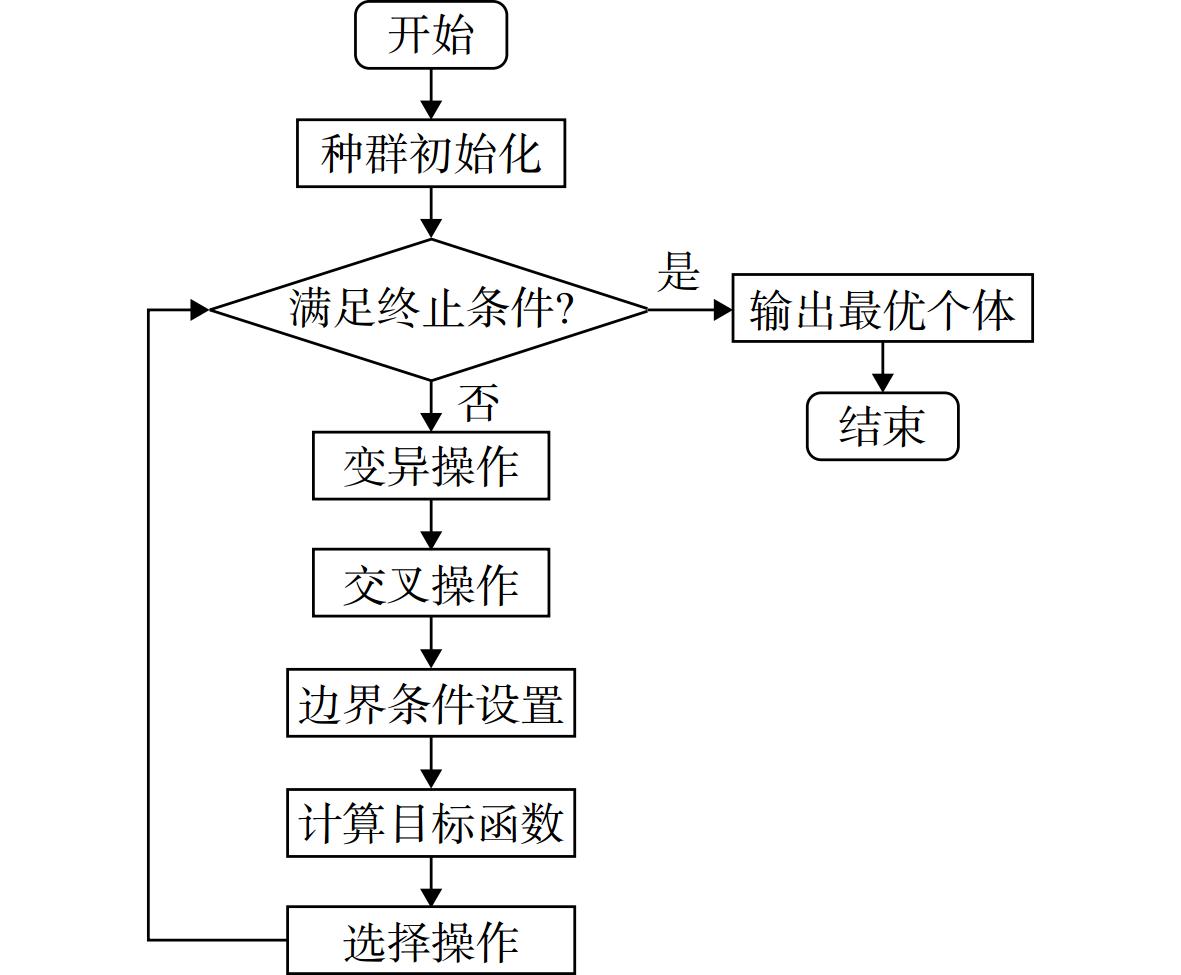
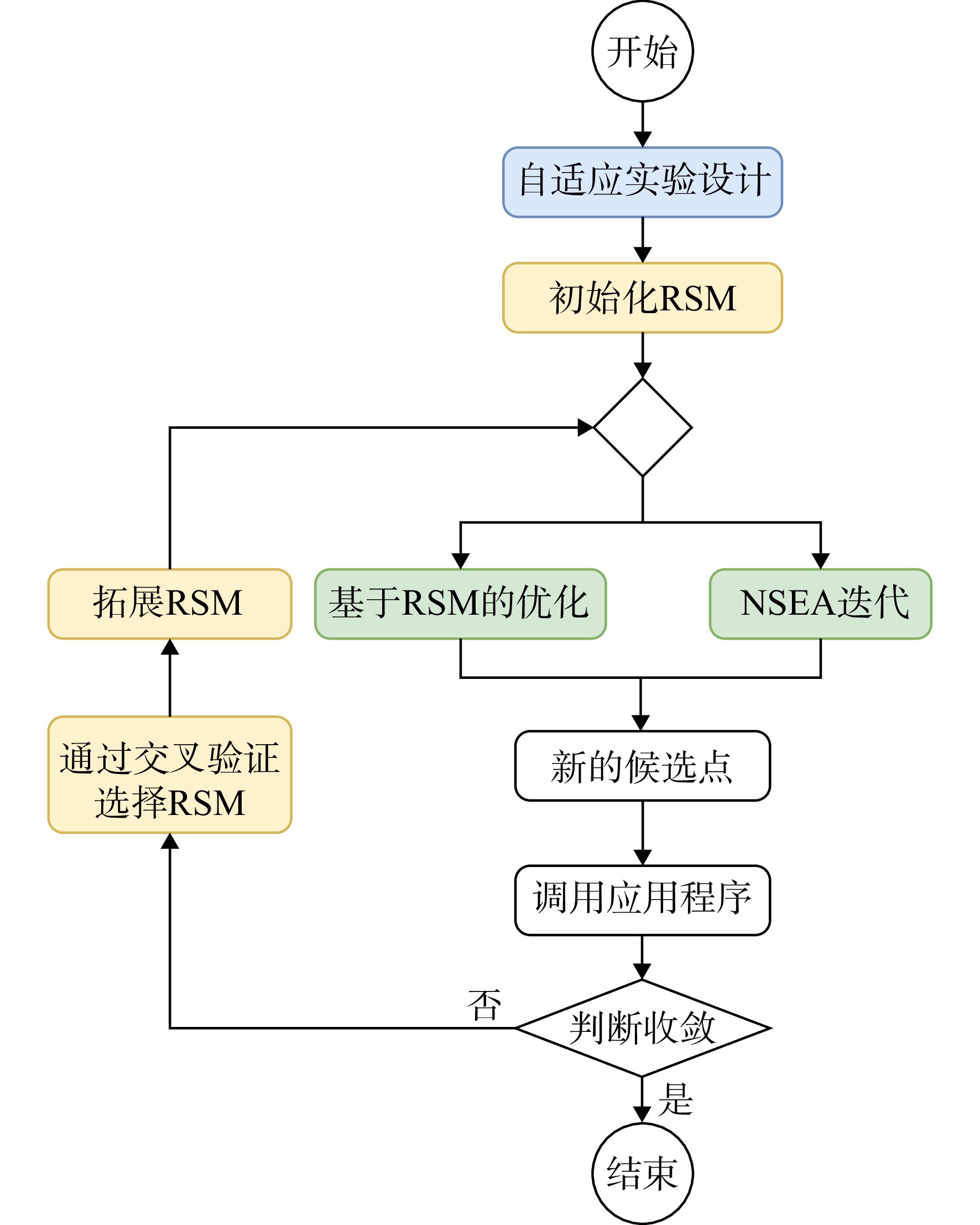
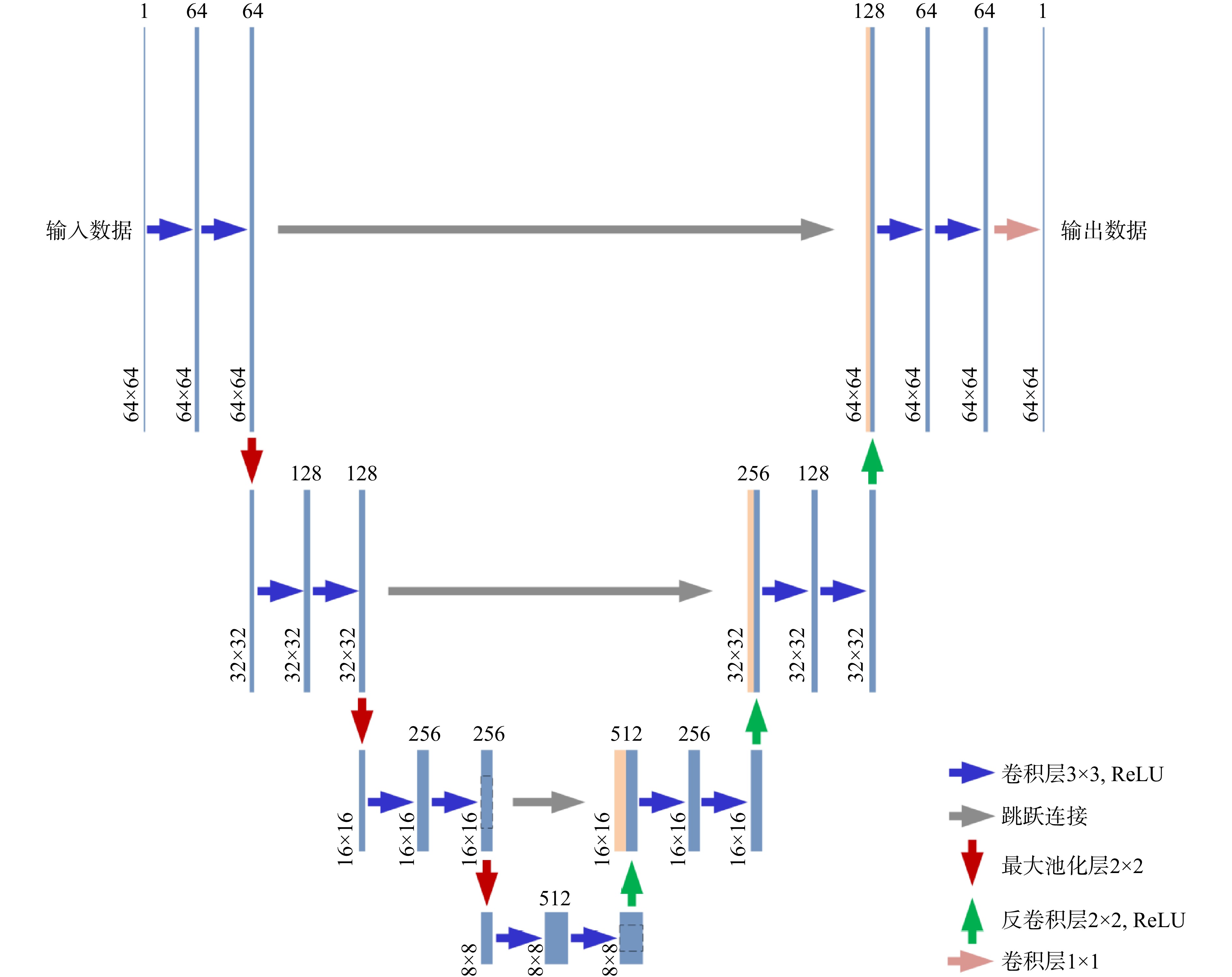
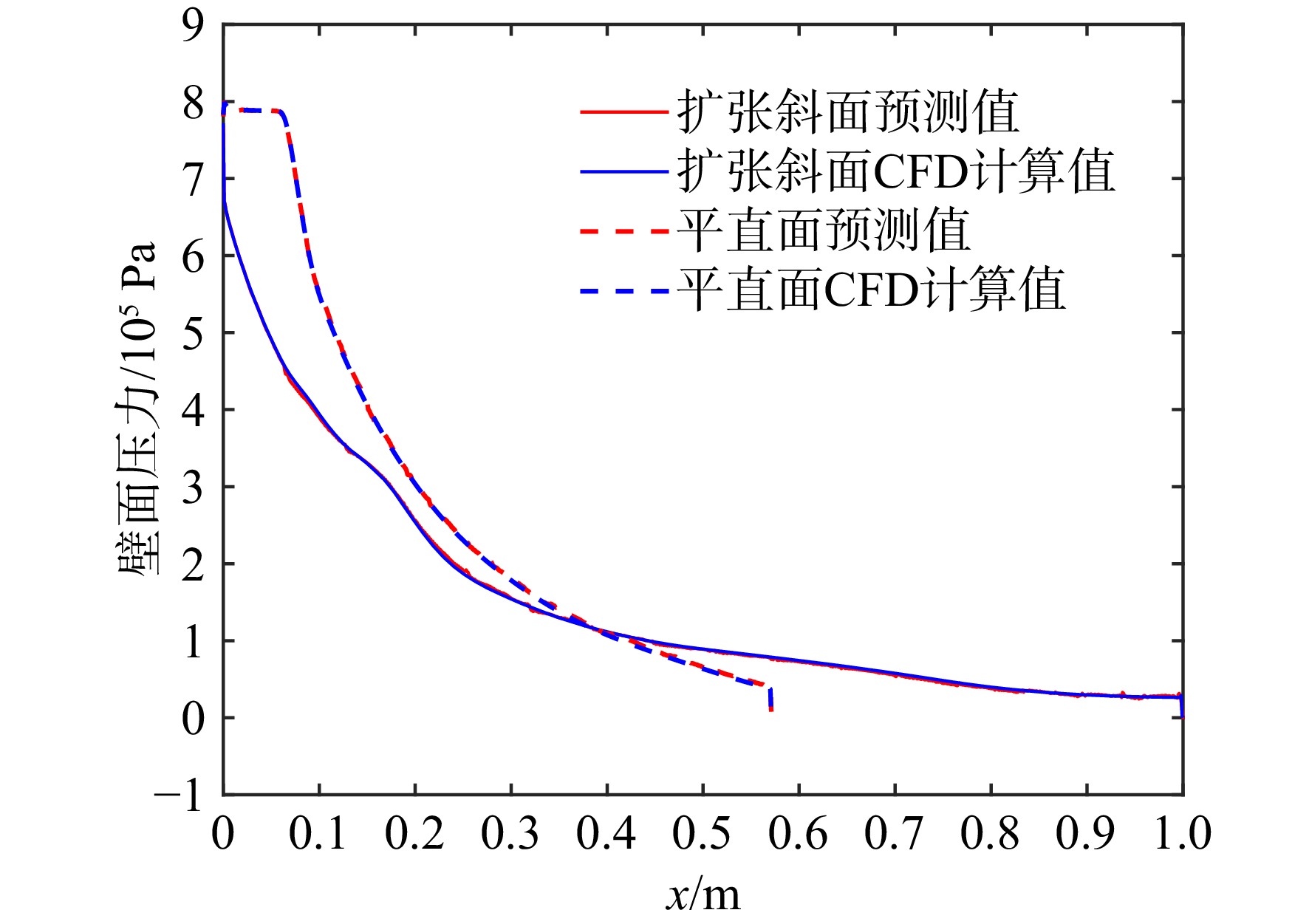
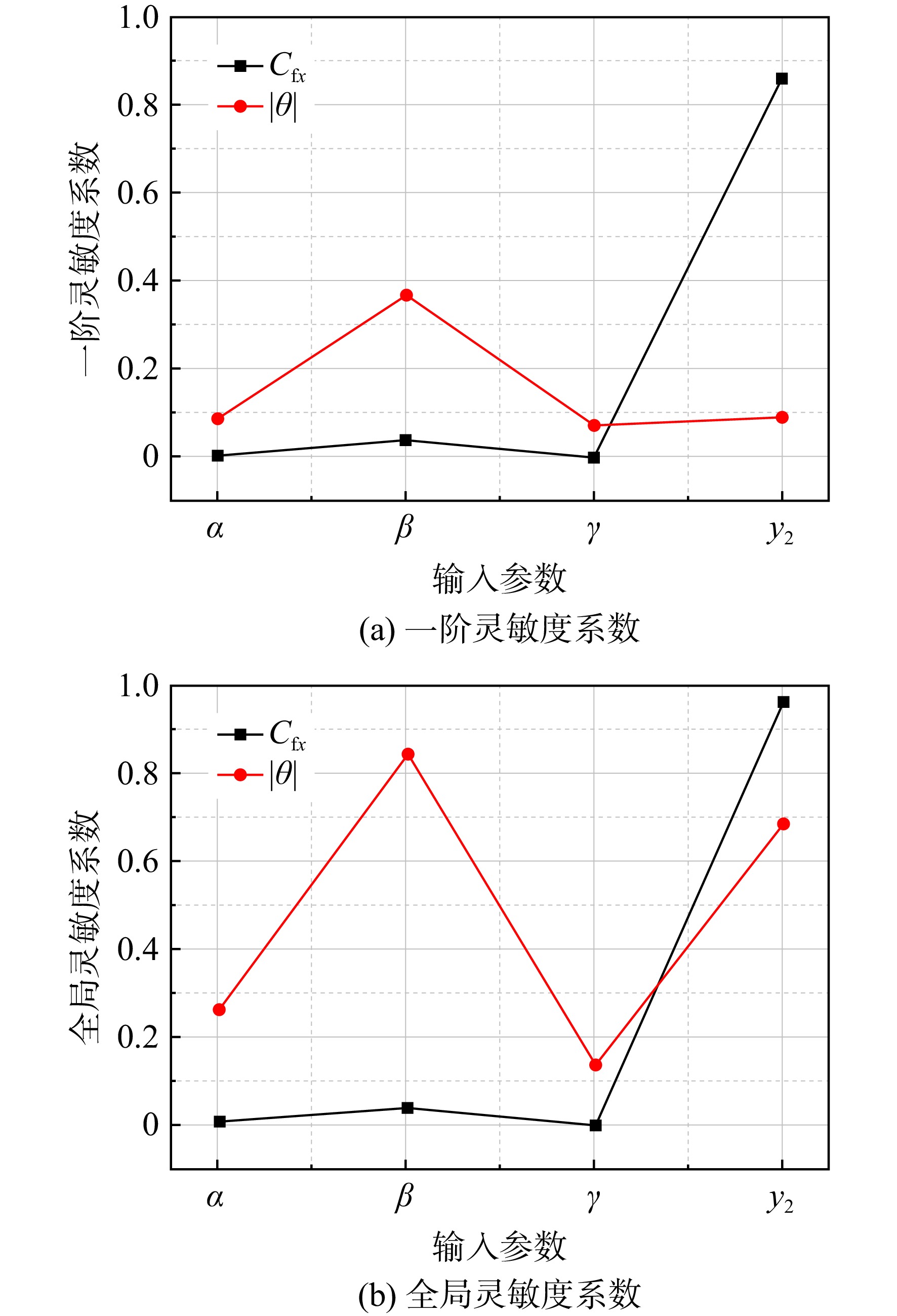
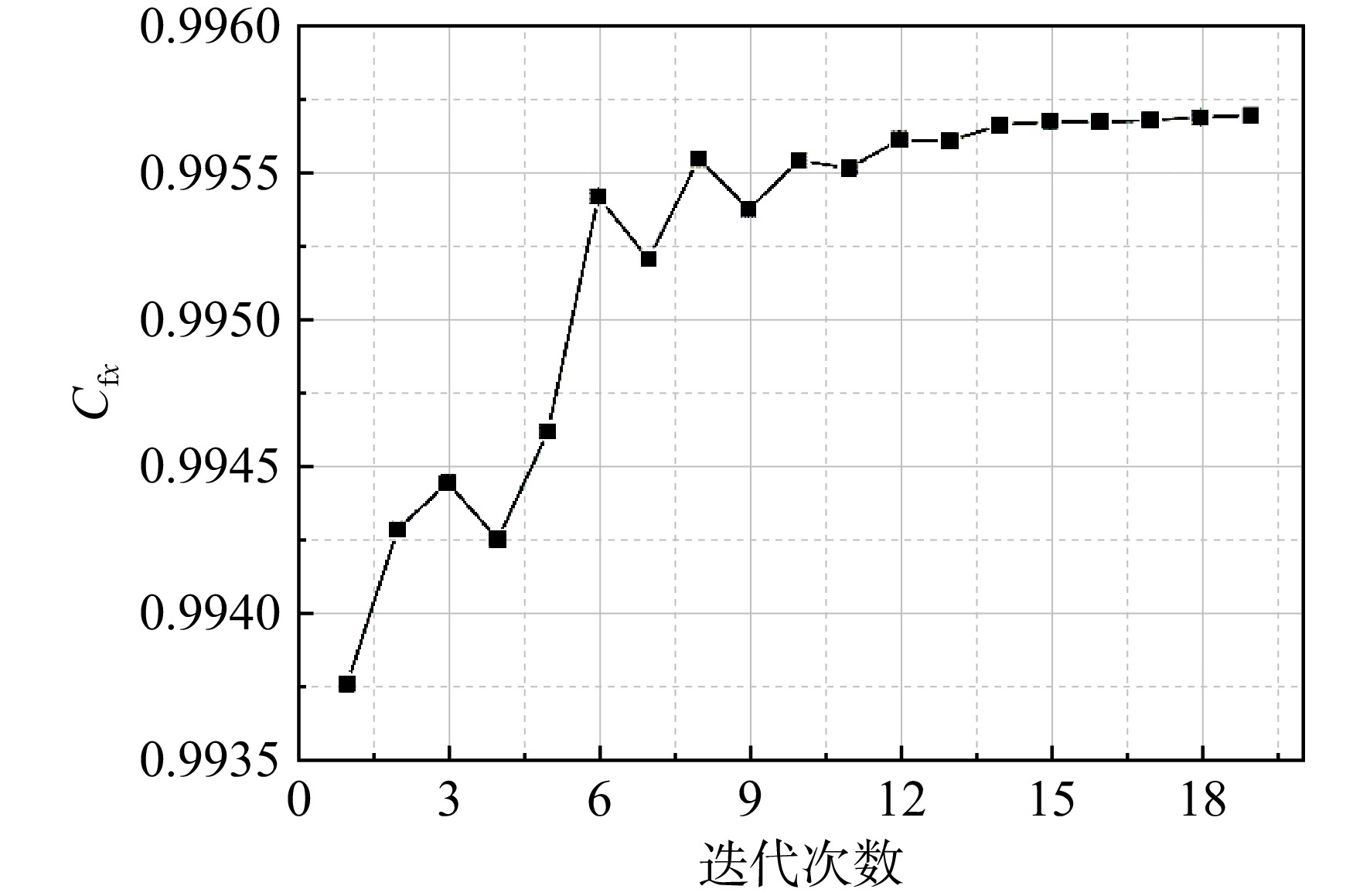
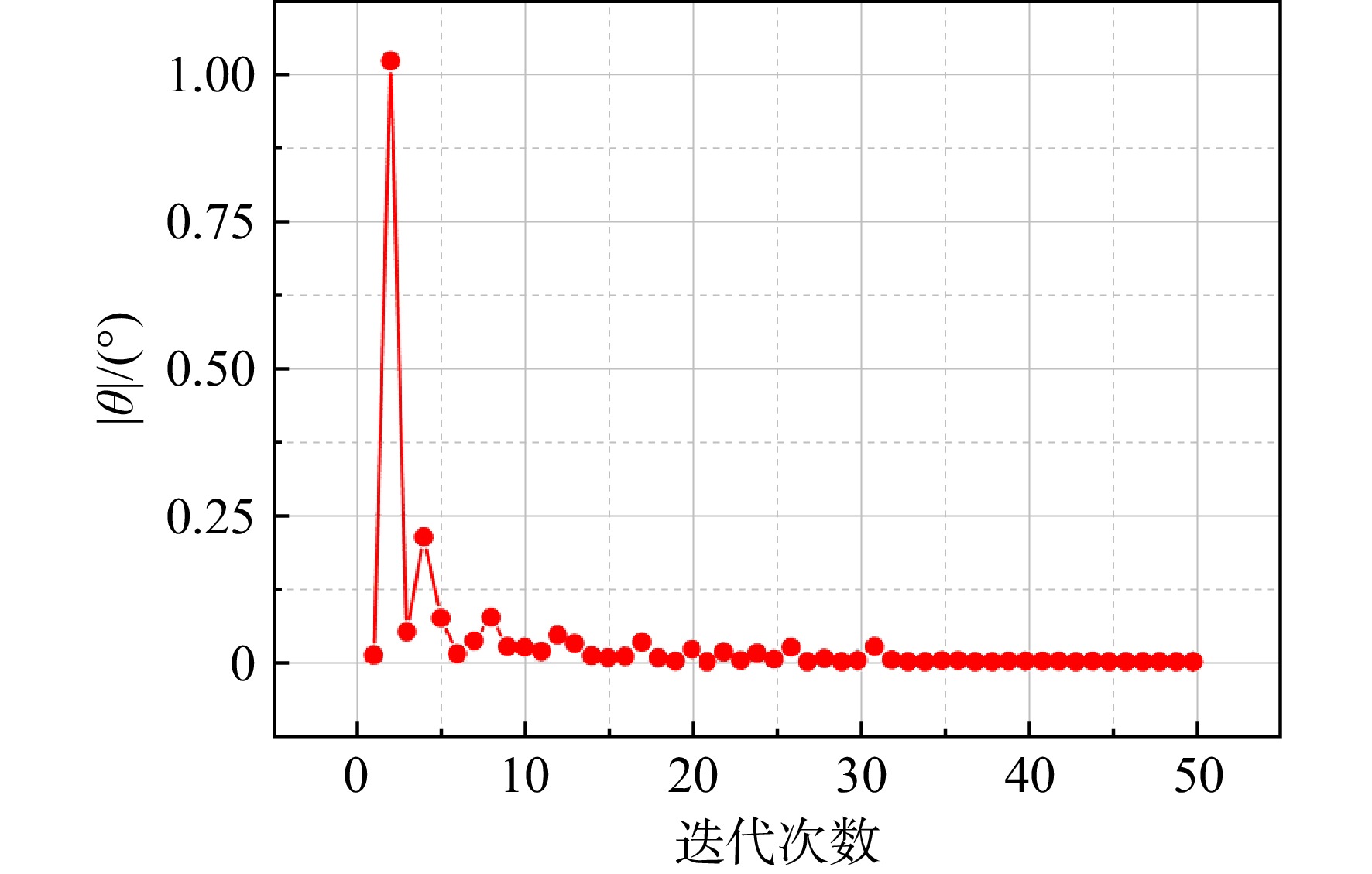
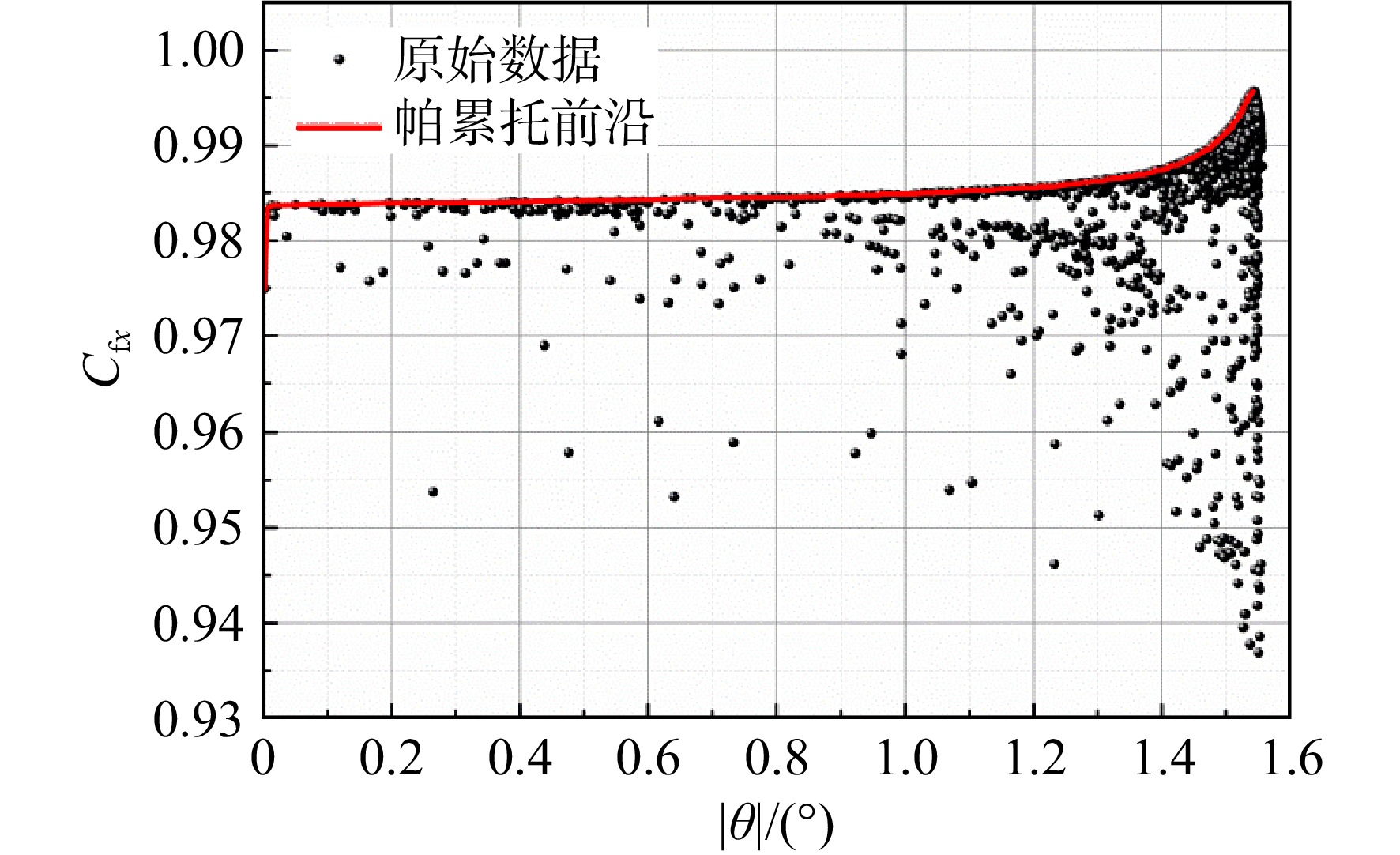
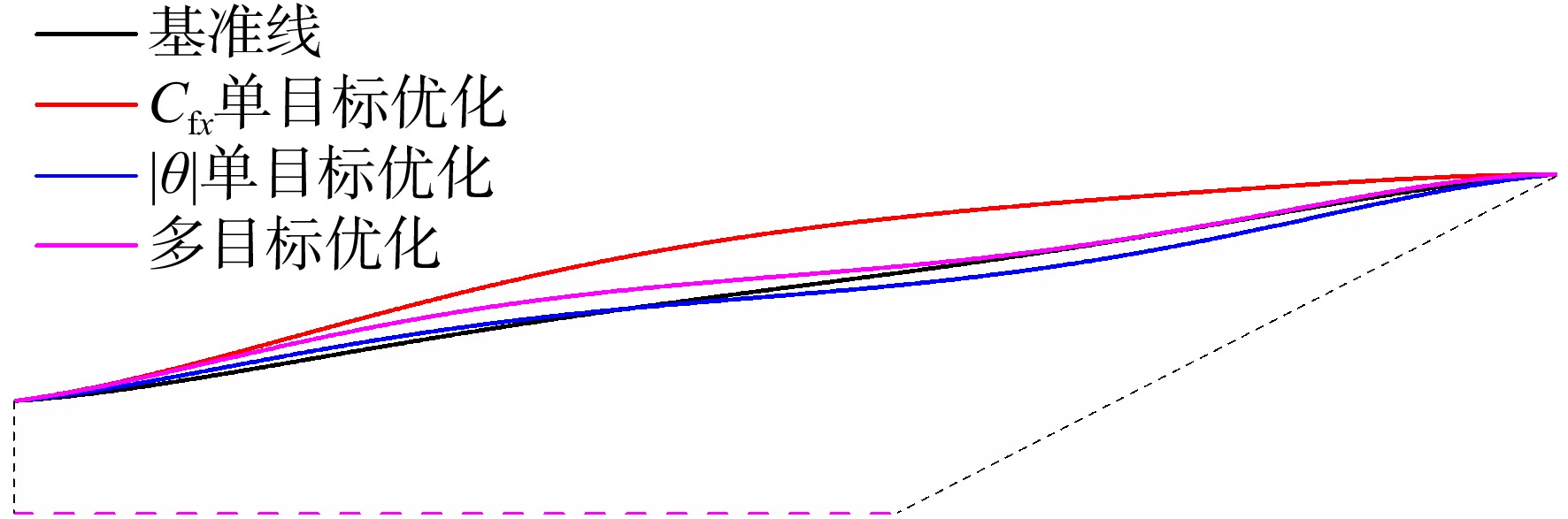
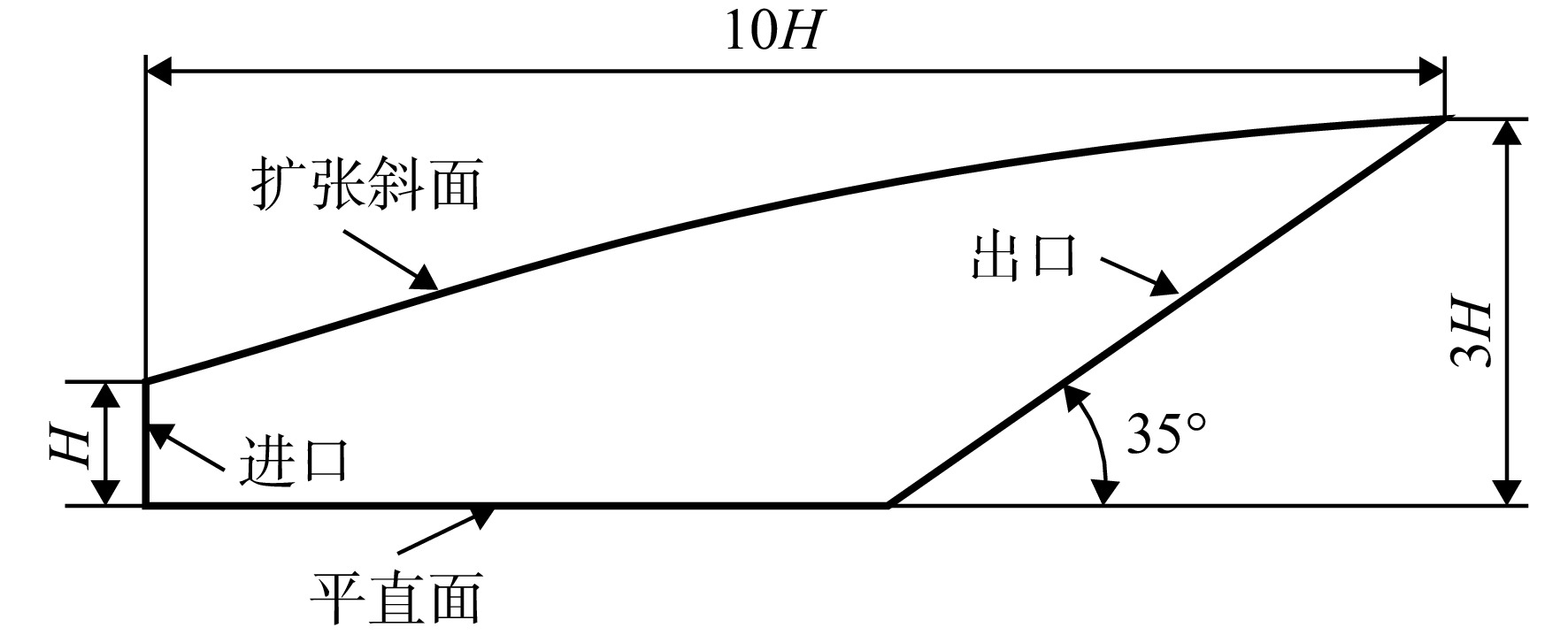
In response to the requirements of thrust maximization, torque matching and geometric constraint for single expansion ramp nozzle (SERN) of scramjet due to the integration of aircraft/engines, a novel method based on depth neural network (DNN) for SERN performance optimization was proposed. Based on the data set from numerical simulation, the predicting model for calculating the SERN’s wall pressure distribution was established by DNN, which can be applied to optimize the SERN performance combined with the optimization algorithm, and the sensitivity analysis of nozzle performance on geometric parameters was carried out. The results showed that: the prediction model based on Unet-L3 convolutional neural network for predicting the wall pressure distribution of SERN had rather high accuracy. The single-objective optimization algorithm based on the DNN prediction model and the differential evolution algorithm can rarely optimize the thrust coefficient and thrust vector angle simultaneously. The multi-objective optimization for thrust coefficient and thrust vector angle of SERN can be achieved by using the DNN prediction model and hybrid optimization algorithm. By multi-objective optimization, the reduction of thrust coefficient by 0.0116 (relatively decreased by 1.17%) can decrease the thrust vector angle from 1.54° to 0.39° (relatively reduced by 74.65%), and help to reduce the trimming resistance of hypersonic aircraft and the difficulty of flight control.

Development of thermal management technologies for high-altitude long endurance unmanned aerial vehicles: challenges and perspectives
HU Pei, HUANG Kunshan, HE Shiwei, YU Changgui, ZHU Xiaowei
2025, 40(8): 20230171. doi: 10.13224/j.cnki.jasp.20230171
Abstract:

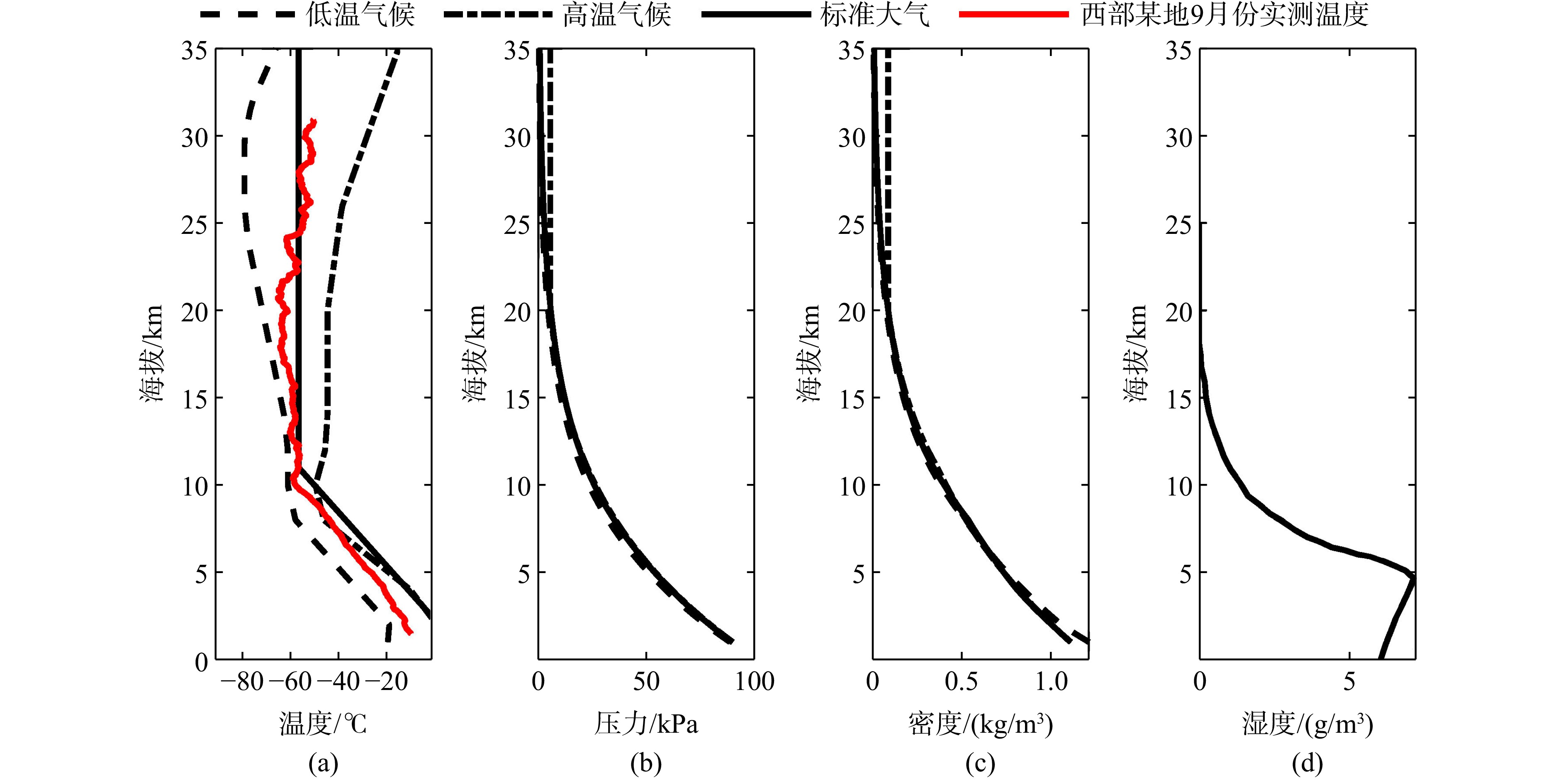
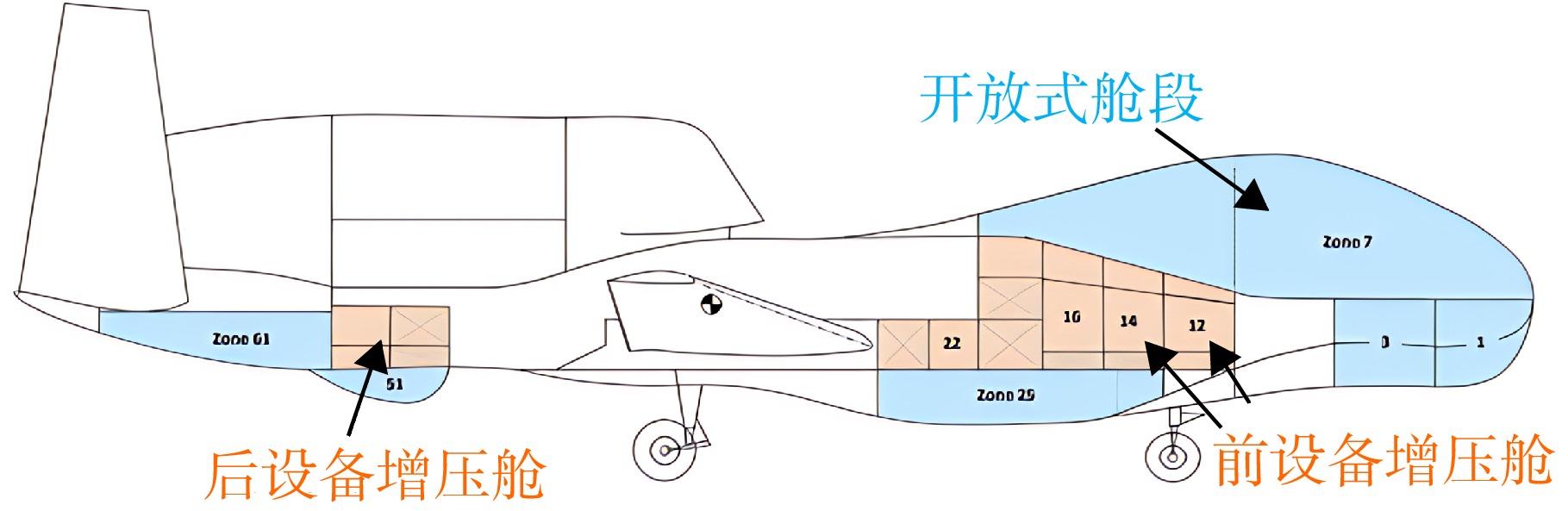
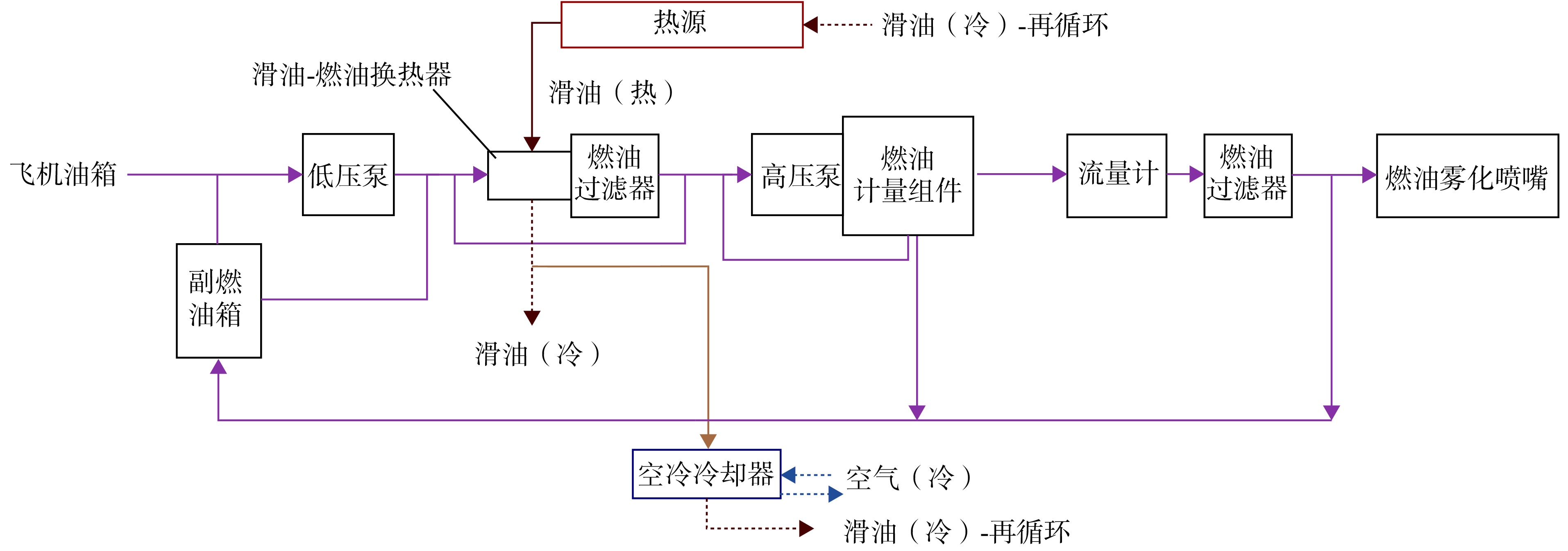
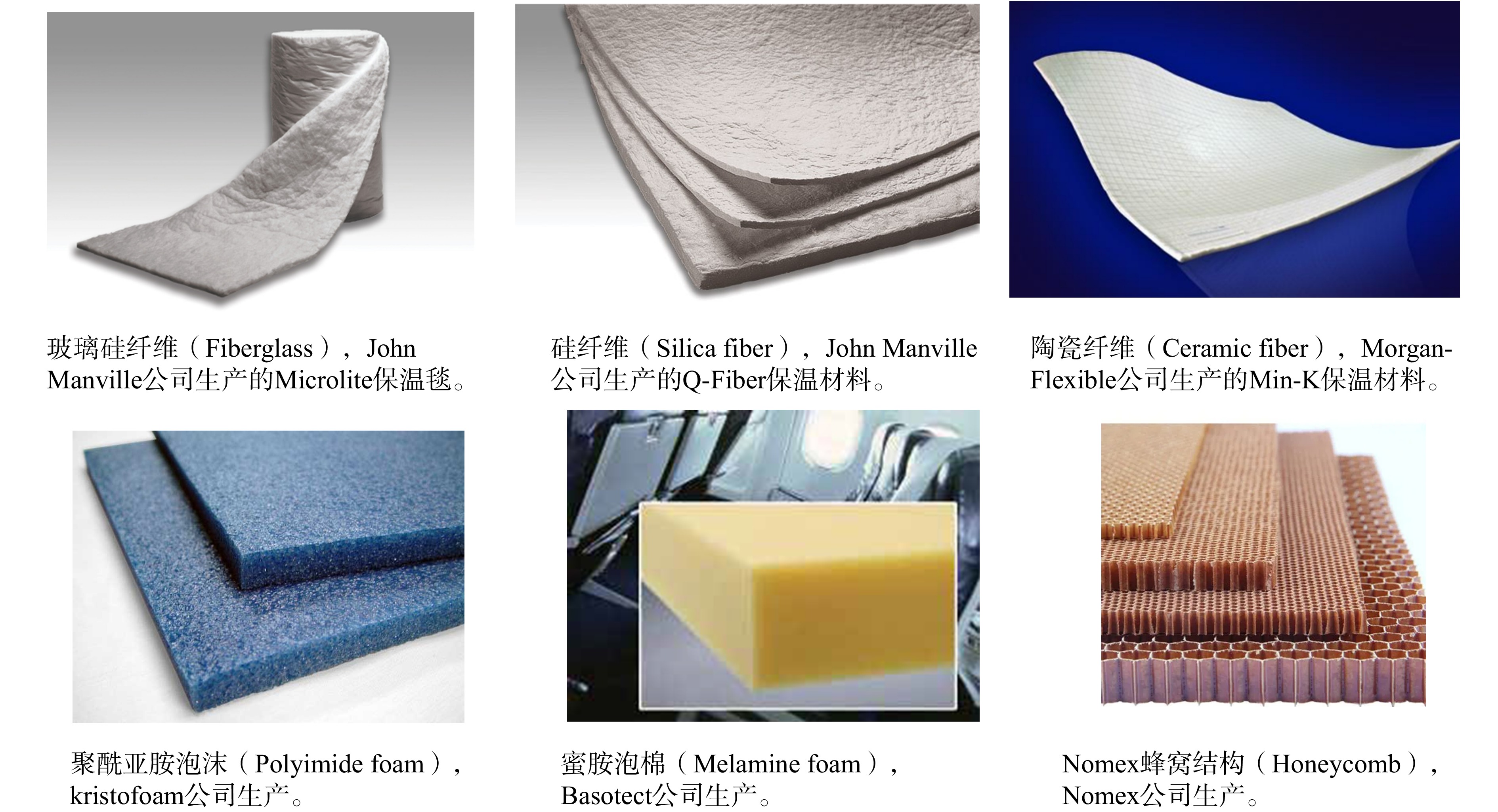
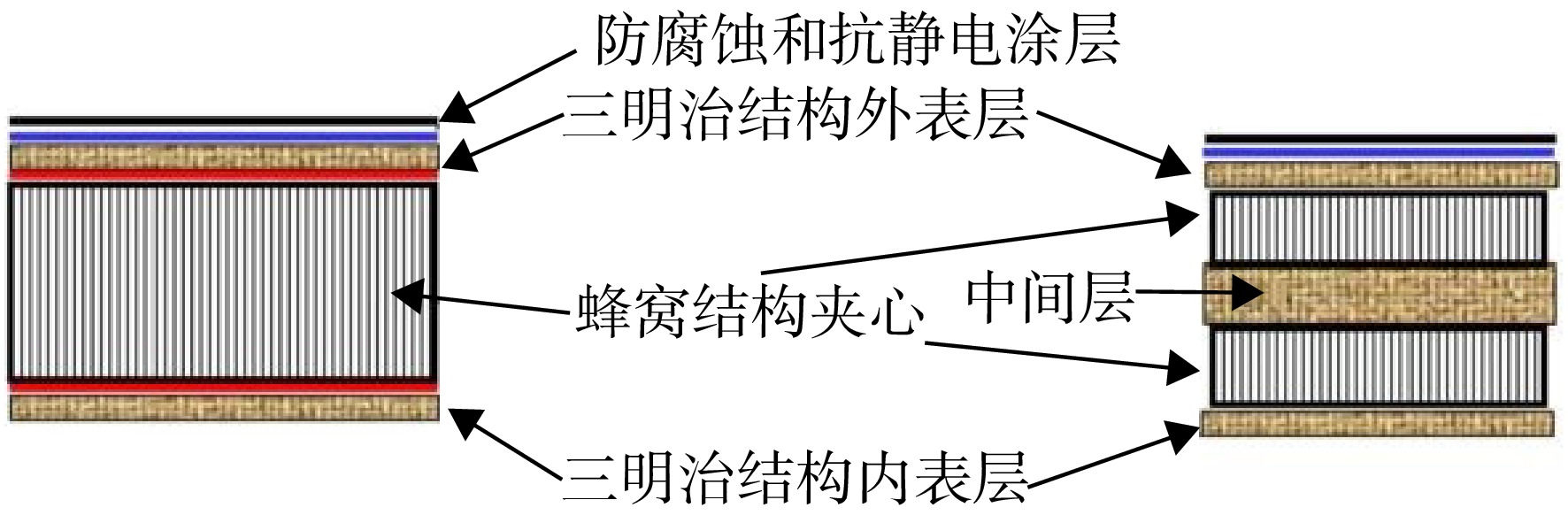
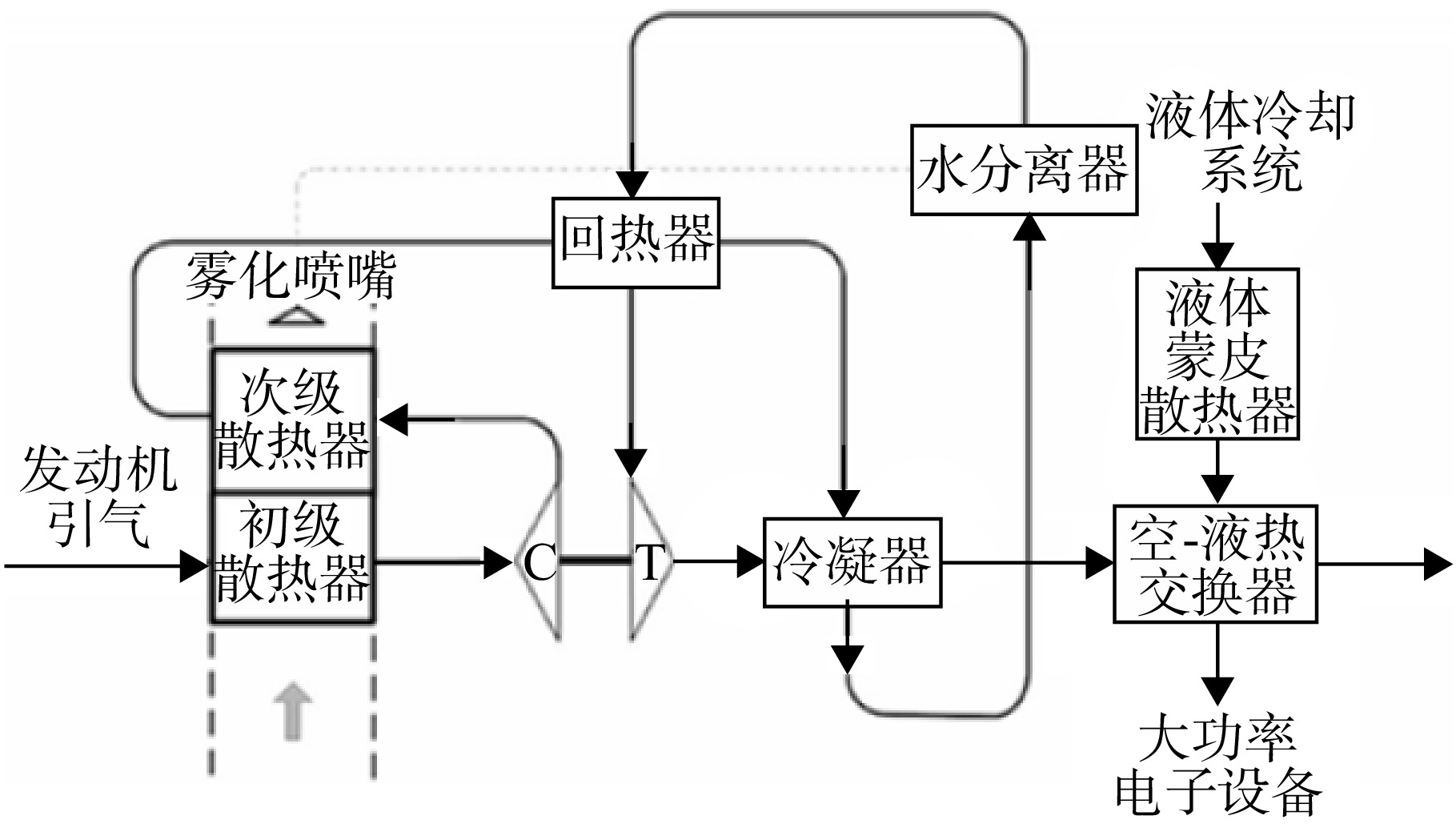
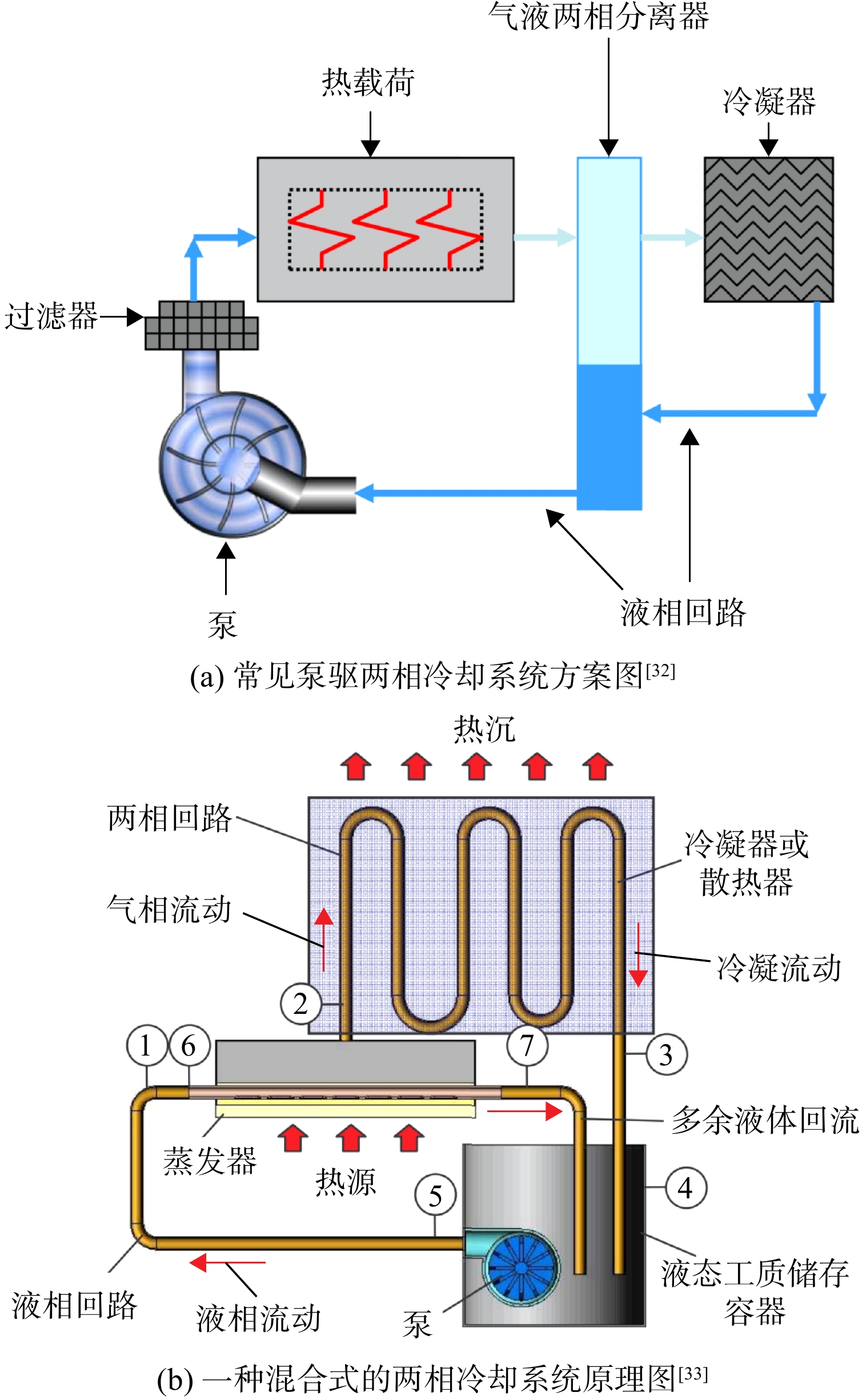
High-altitude, long-endurance unmanned aerial vehicles must sustain flight for tens ofhours at altitudes of 10 000 meters. In such extreme conditions characterized by low temperatures and low atmospheric pressure, the thermal management system must simultaneously withstand the dual challenges of efficiently dissipating heat from electronic equipment and maintaining insulation and anti-freezing protection for critical components. This review discussed the design challenges of unmanned aerial vehicle’s thermal management systems from four key perspectives: high-altitude atmospheric conditions, onboard equipment cooling, cabin thermal insulation, and condensate management. Then, the review summarizes four important sub-technical directions that can currently be used to develop and improve UAV thermal management systems, namely integrated thermal management system technology, high-efficiency heat exchange technology, advanced digital design technology and high-efficiency thermophysical material technology.Studies showed that effective thermal management of long-endurance unmanned aerial vehicles required for the coordinated optimization of dynamic energy distribution and precise temperature control across the entire vehicle, which was critical for addressing the conflicting issues of localized overheating and overcooling. The technological advancements and engineering practices could offer valuable insights to support the innovative development of UAV thermal management systems.

Turbulent boundary layer control with spanwise DBD plasma actuators
LI Yueqiang, GAO Chao, WU Bin, ZHENG Haibo
2025, 40(8): 20230170. doi: 10.13224/j.cnki.jasp.20230170
Abstract:

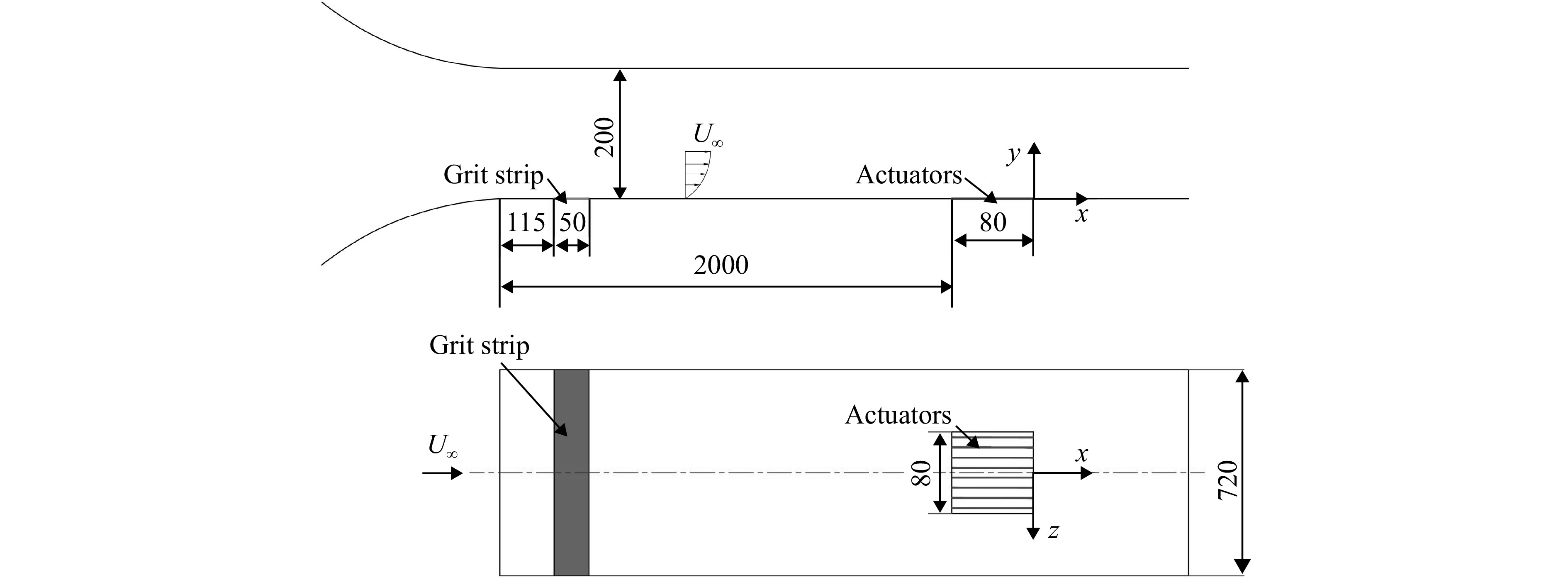
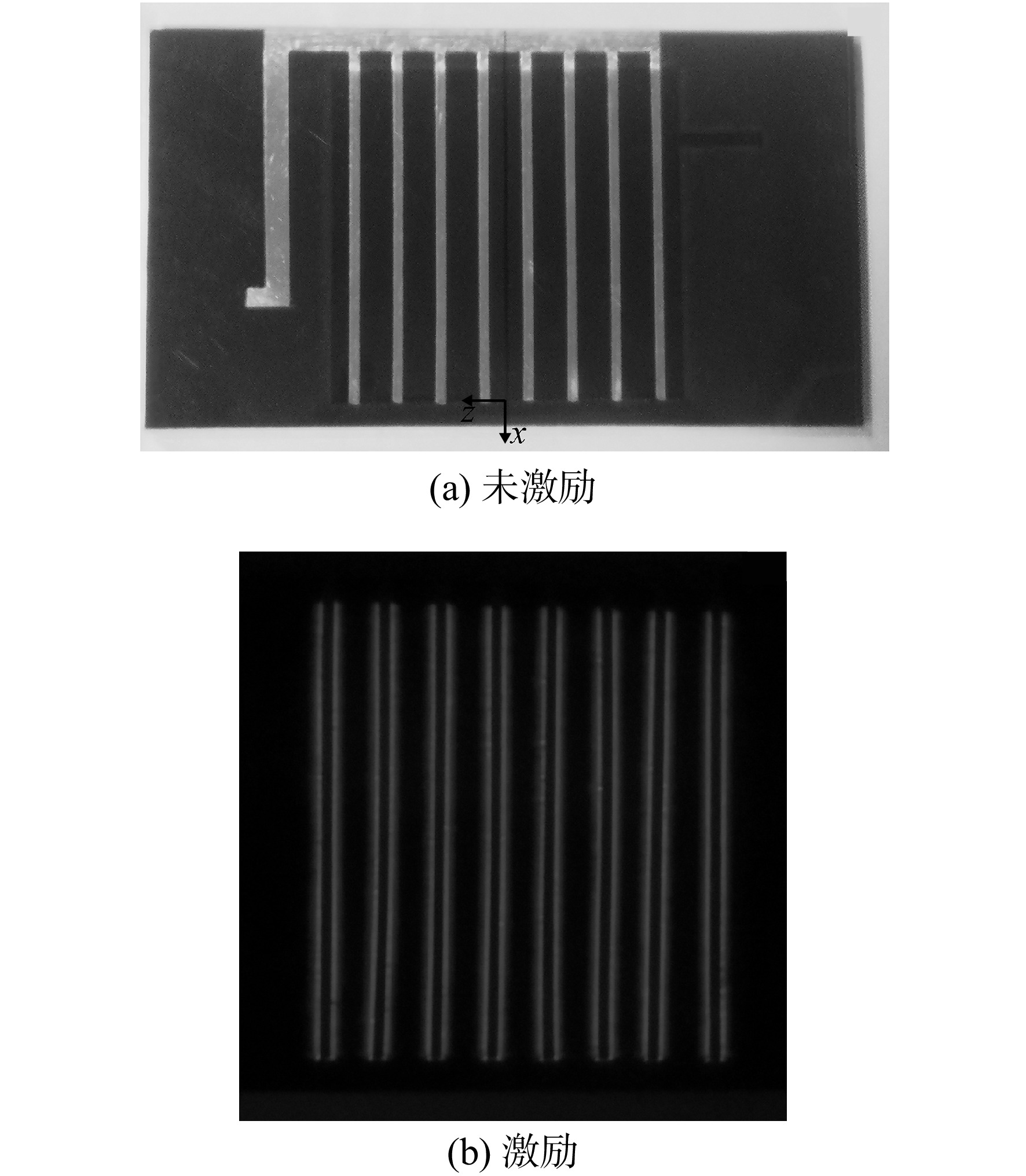
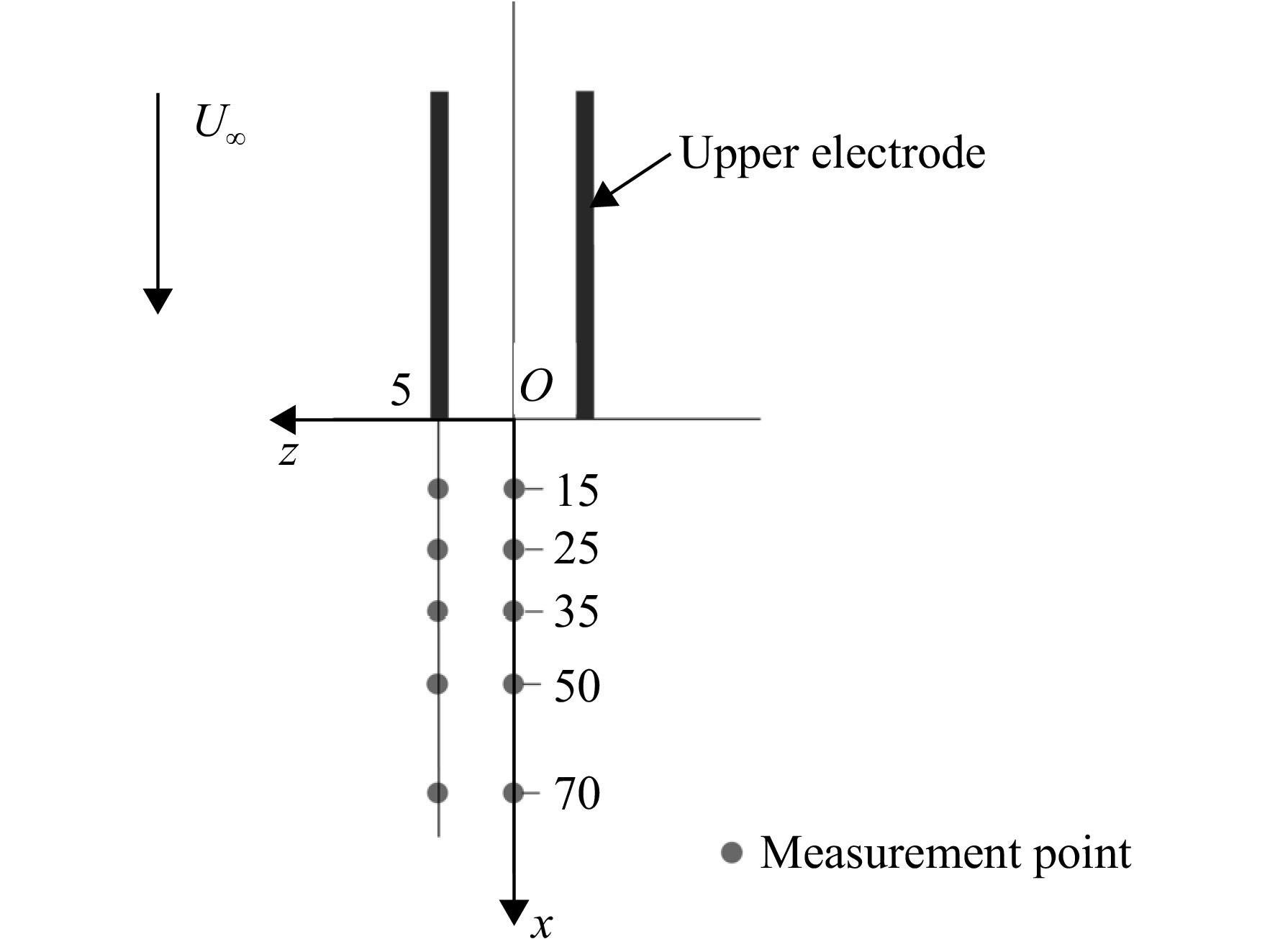
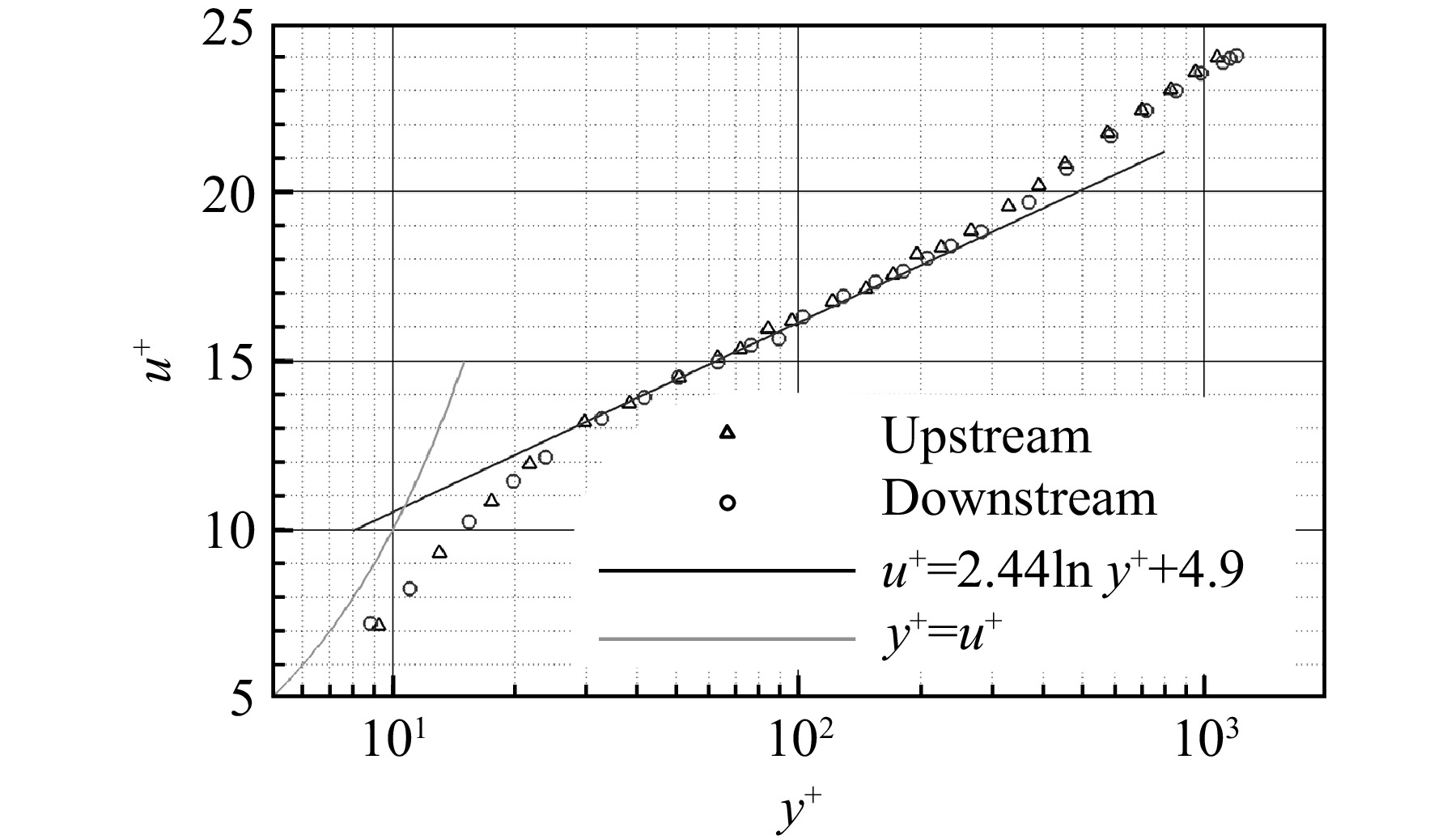
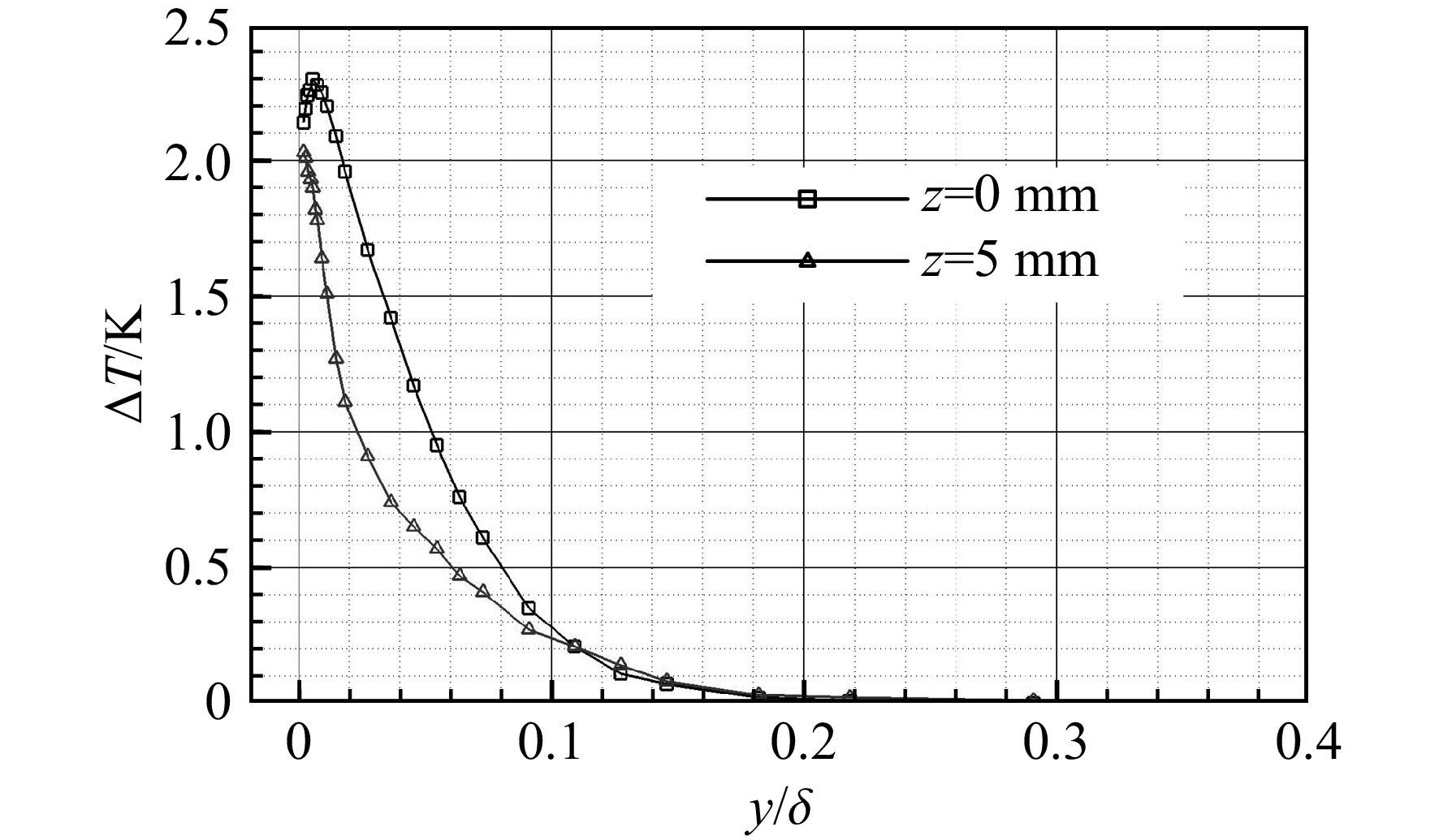
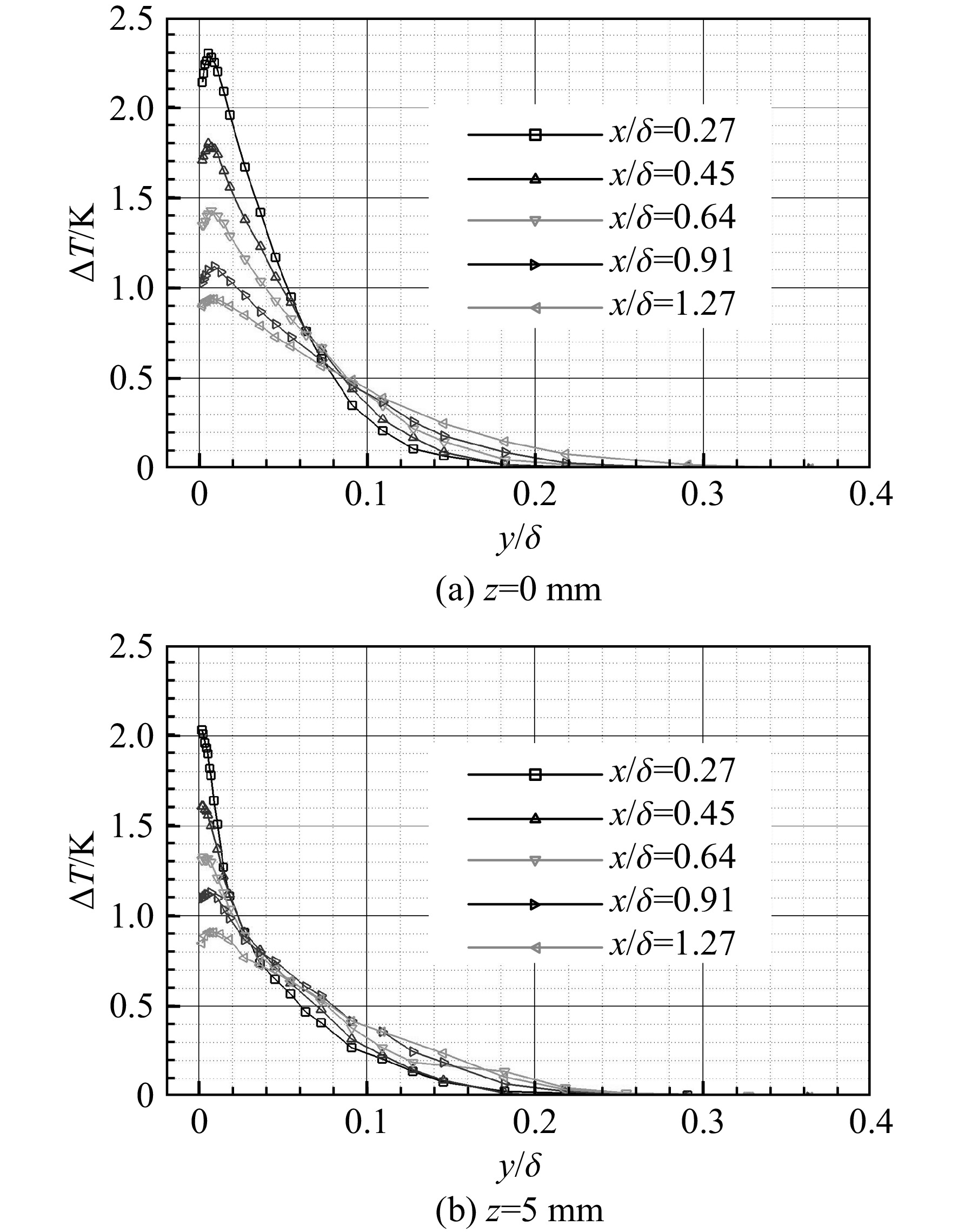
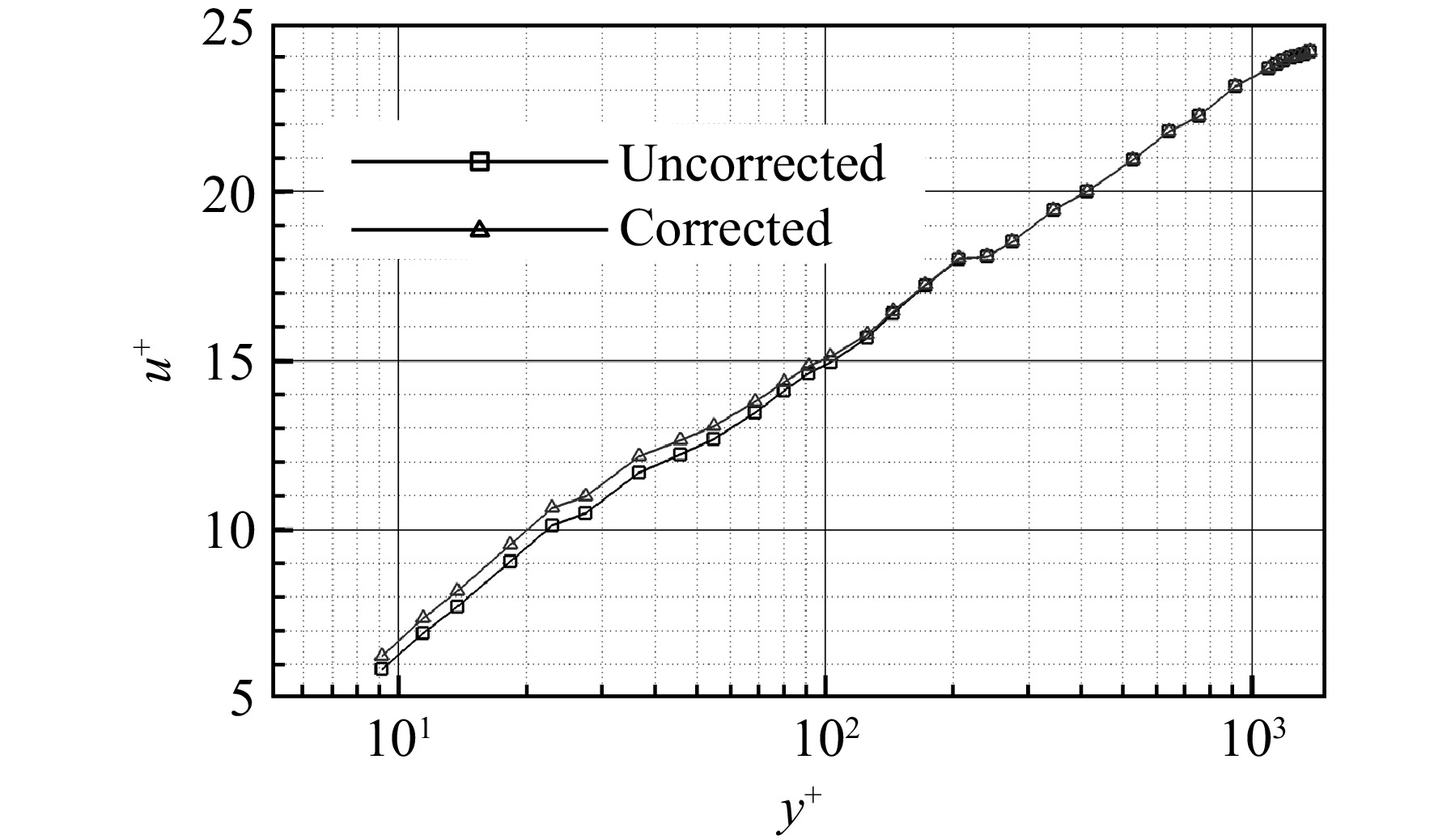
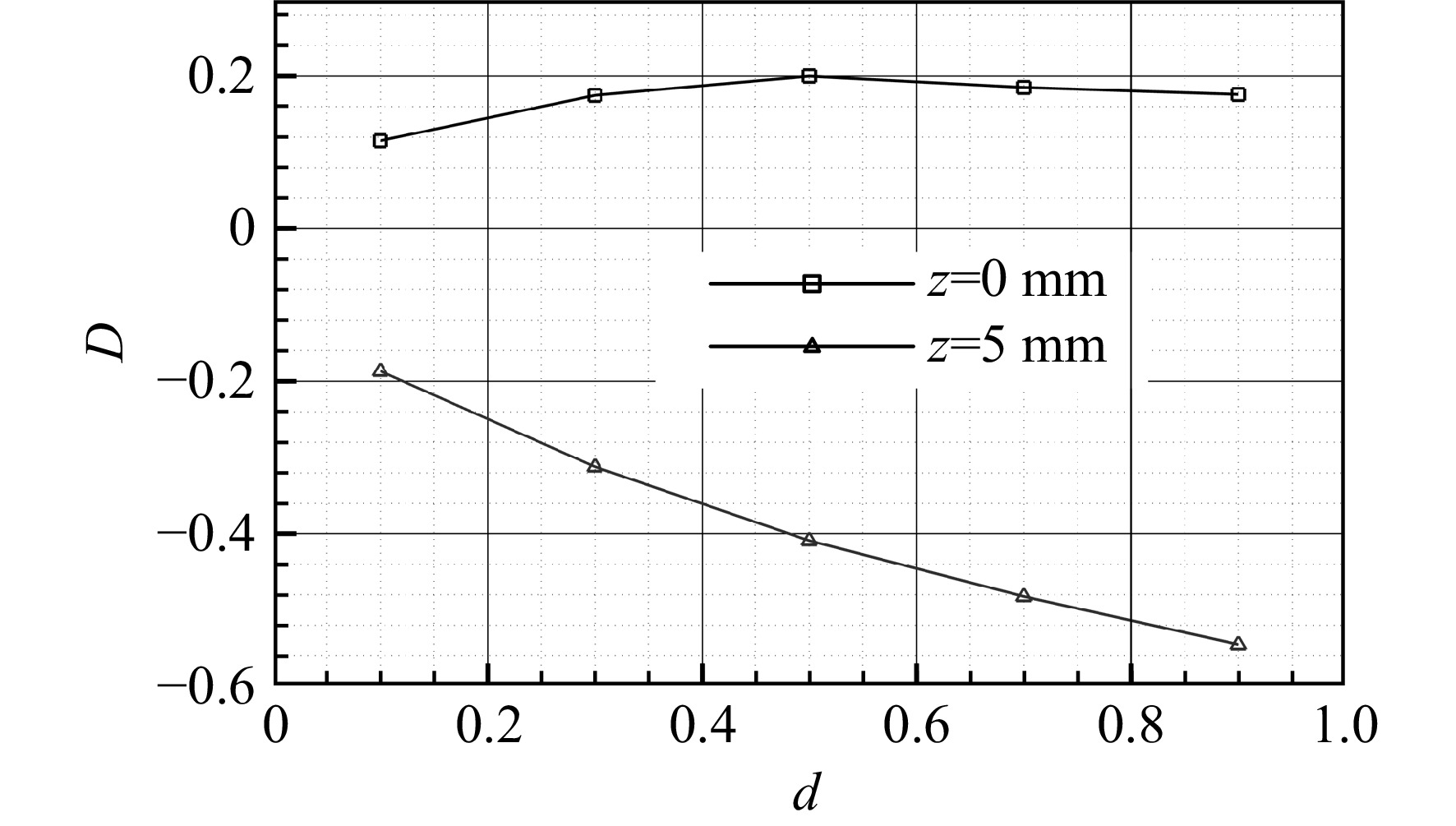
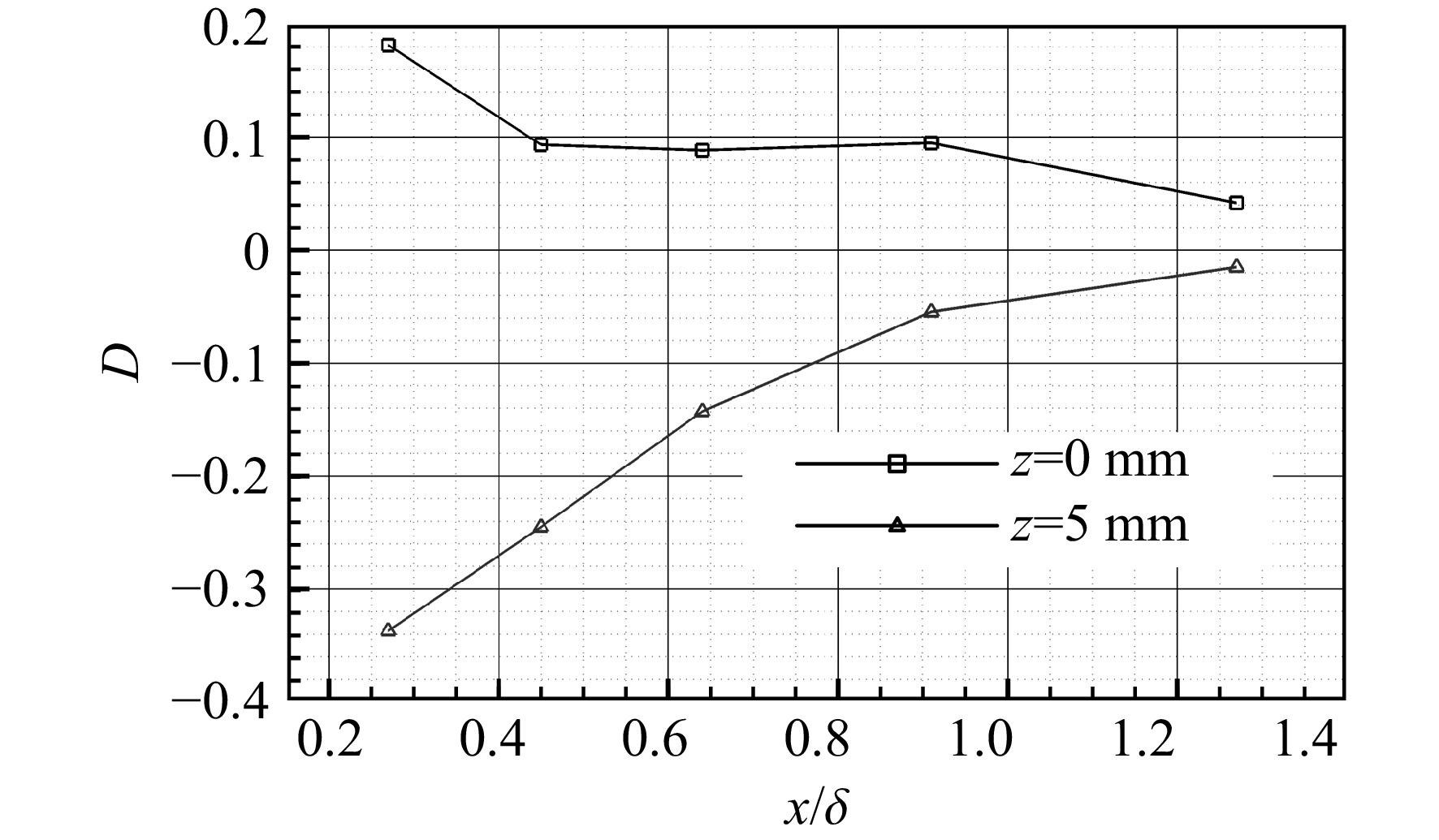
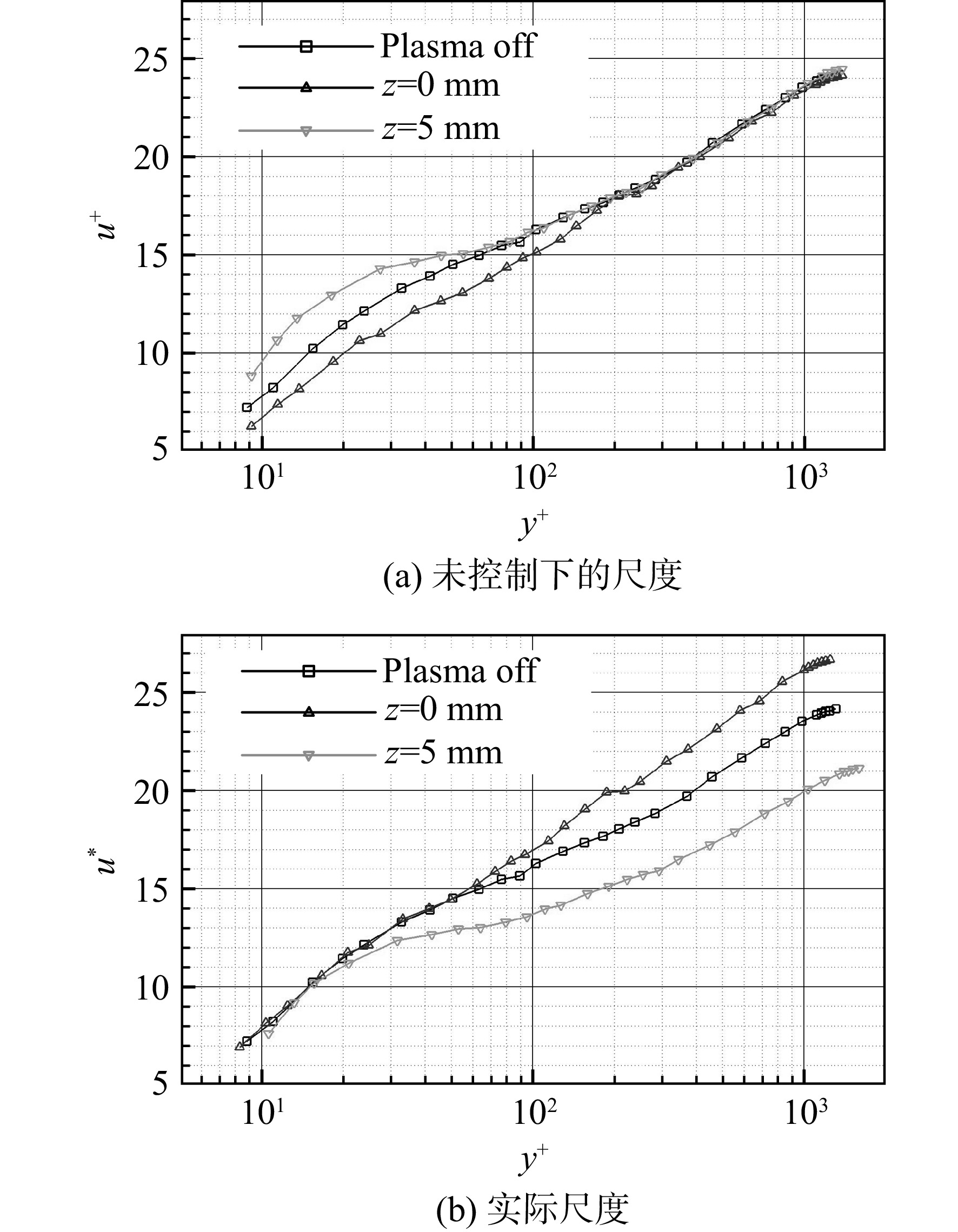
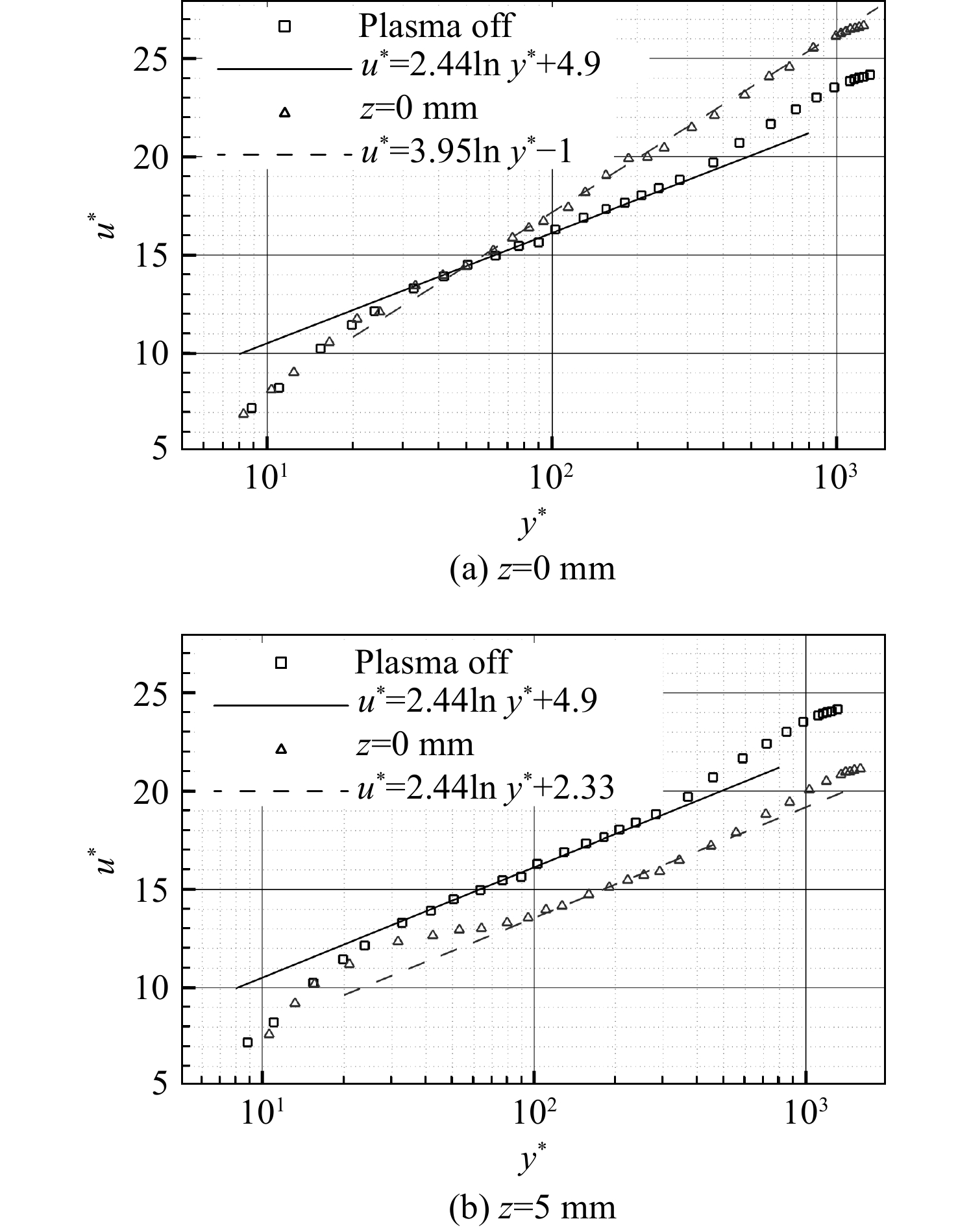
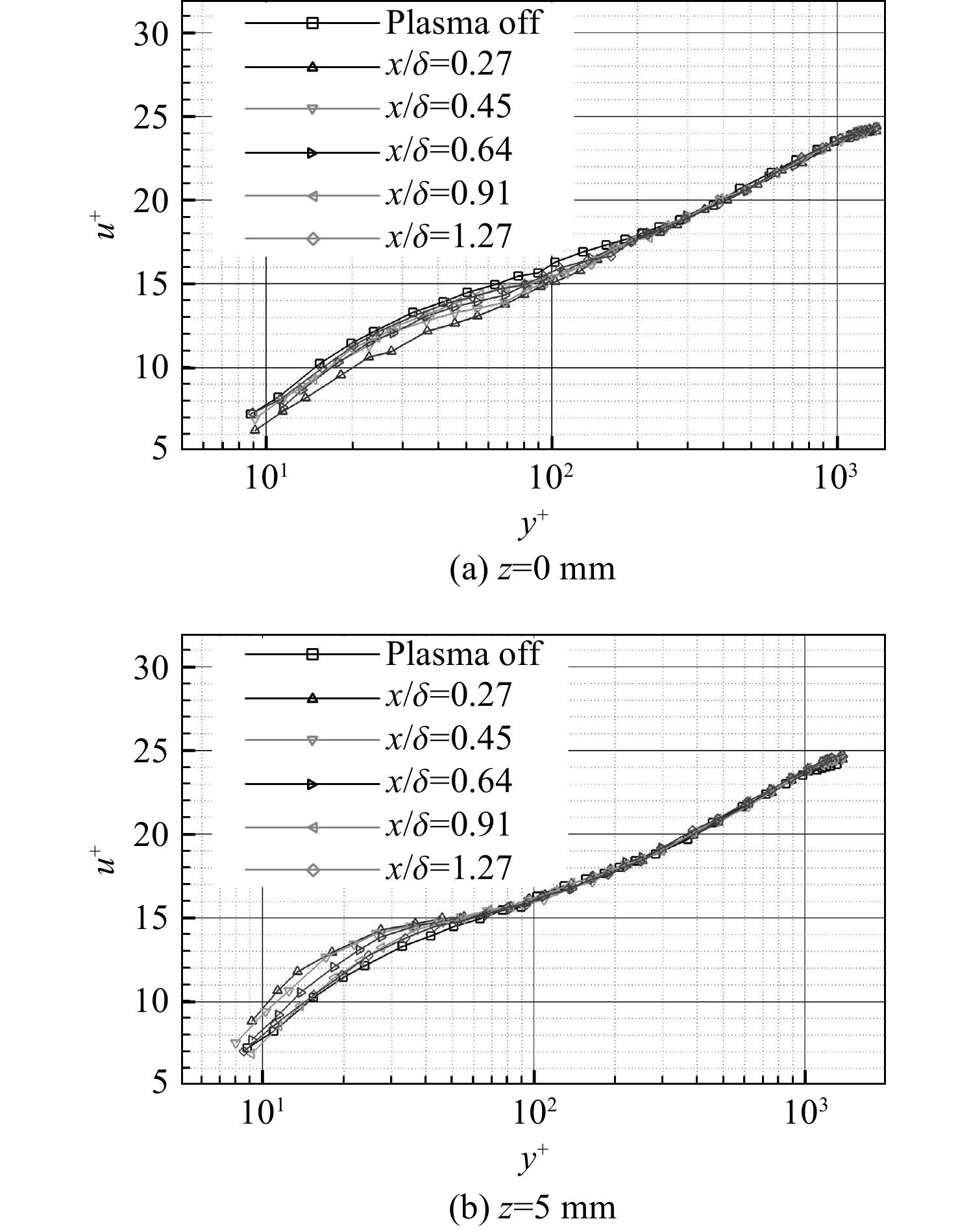
The flat plate turbulent boundary layer control by spanwise dielectric barrier discharge (DBD) plasma at Reτ = 1 140 was investigated, and the drag reduction and boundary layer profiles were measured using hot-wire technology. Result showed that, the skin fraction drag with plasma control decreased downstream of the center of two adjacent upper electrodes, and with the increase of duty cycle, the drag reduction increased first and then decreased, reaching a maximum as the duty cycle was 0.5. Meanwhile, the velocity in the inner region of the boundary layer (y+<200) decreased. In the downstream position of the upper electrode, the drag increased with plasma control, the drag reduction decreased almost linearly with the increase of duty cycle, and the velocity in the inner region of the boundary layer (y+<100) increased. The control effect gradually weakened as it moved away from the actuators, and the control effect basically disappeared around 1.27δ downstream of the actuators.

Multi-disciplinary analysis of aerodynamics stealth of airfoil based on data mining
JIN Shiyi, CHEN Shusheng, YANG Hua, GAO Zhenghong
2025, 40(8): 20230435. doi: 10.13224/j.cnki.jasp.20230435
Abstract:

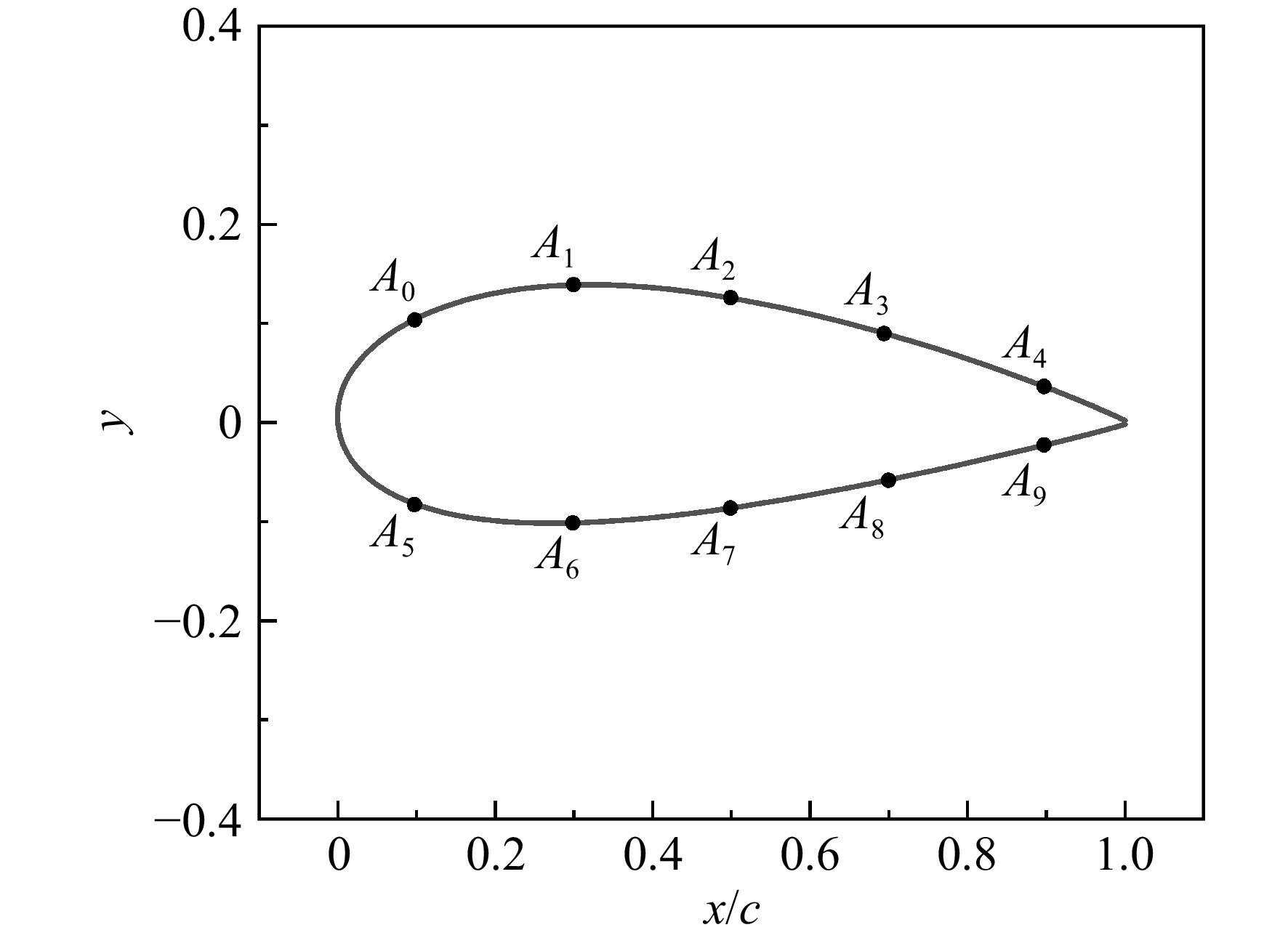
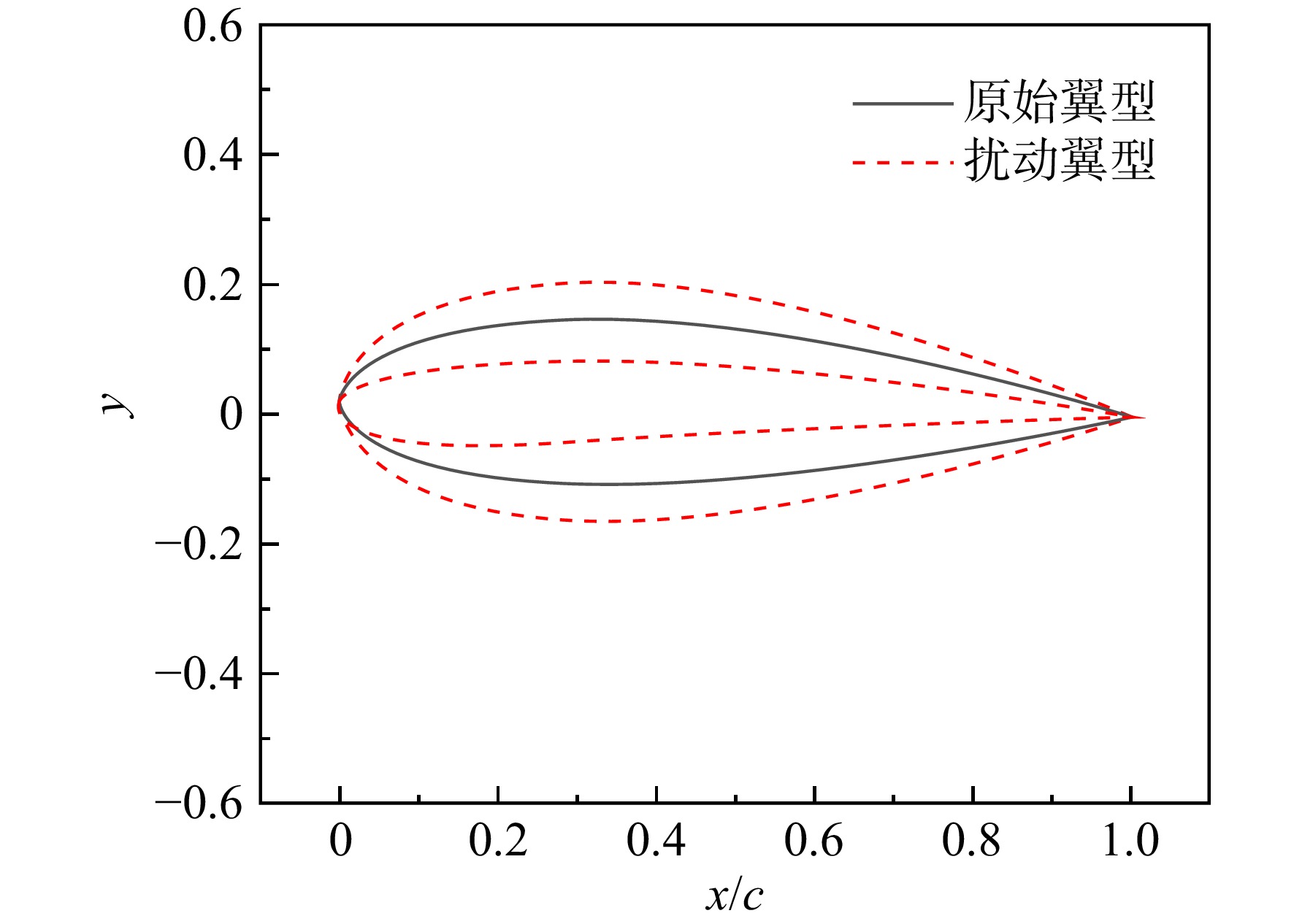
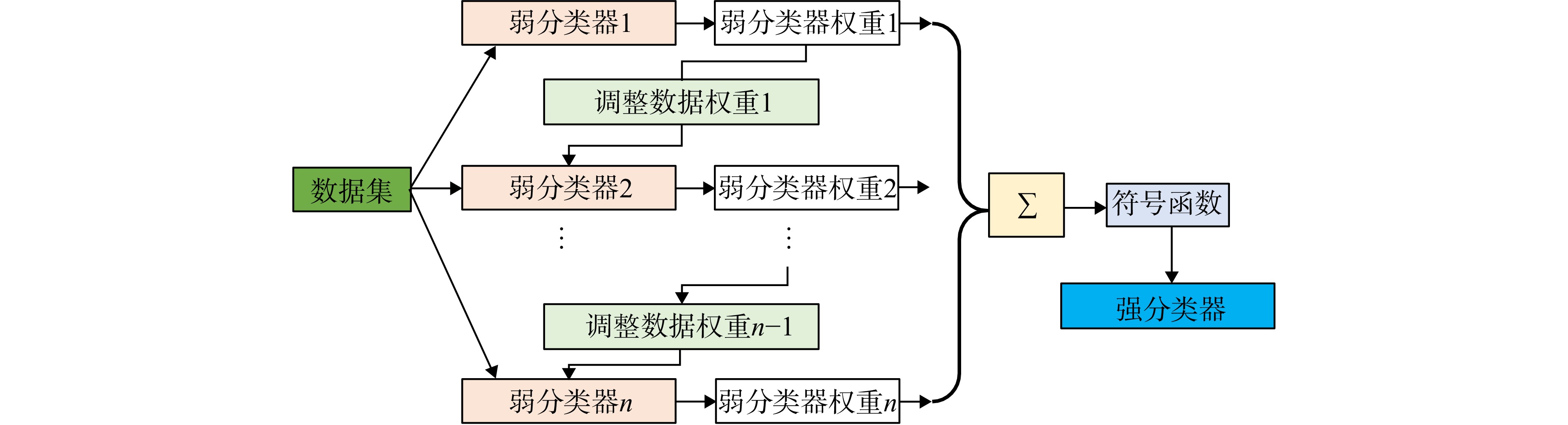
In the multidisciplinary design of aerodynamic stealth for airfoil profiles, the diversity and coupling relationships among objectives and variables increased the computational cost and development cycle of the optimization design. Focusing on data mining using four types of algorithms: random forest, adaptive boosting algorithm, self-organizing maps and isometric mapping, the data mining considered six objectives: aerodynamic lift coefficient, drag coefficient, pitching moment coefficient, and lift-to-drag ratio, as well as vertical polarized radar cross-section and horizontal polarized radar cross-section. Result showed that, in the analysis of objectives and design variables, the aerodynamic and stealth performance of the airfoil profiles was greatly influenced by the curvature of the leading and trailing edges, followed by the chord length. Larger curvature of the leading edge reduced the drag and improved the stealth performance but increased the pitching moment coefficient. Smaller curvature of the trailing edge improved the lift coefficient, lift-to-drag ratio, and stealth performance while reducing the pitching moment coefficient. Through data mining, specific reference ranges for design variables could be provided to obtain airfoil profiles with superior aerodynamic stealth performance.

Modeling and analysis of slipstream effect during powered yaw control in distributed electric propulsion aircraft
TIAN Yu, KOU Peng, YAO Xuanyu, GUO Rui, LIANG Bohua, LIANG Deliang
2025, 40(8): 20230535. doi: 10.13224/j.cnki.jasp.20230535
Abstract:

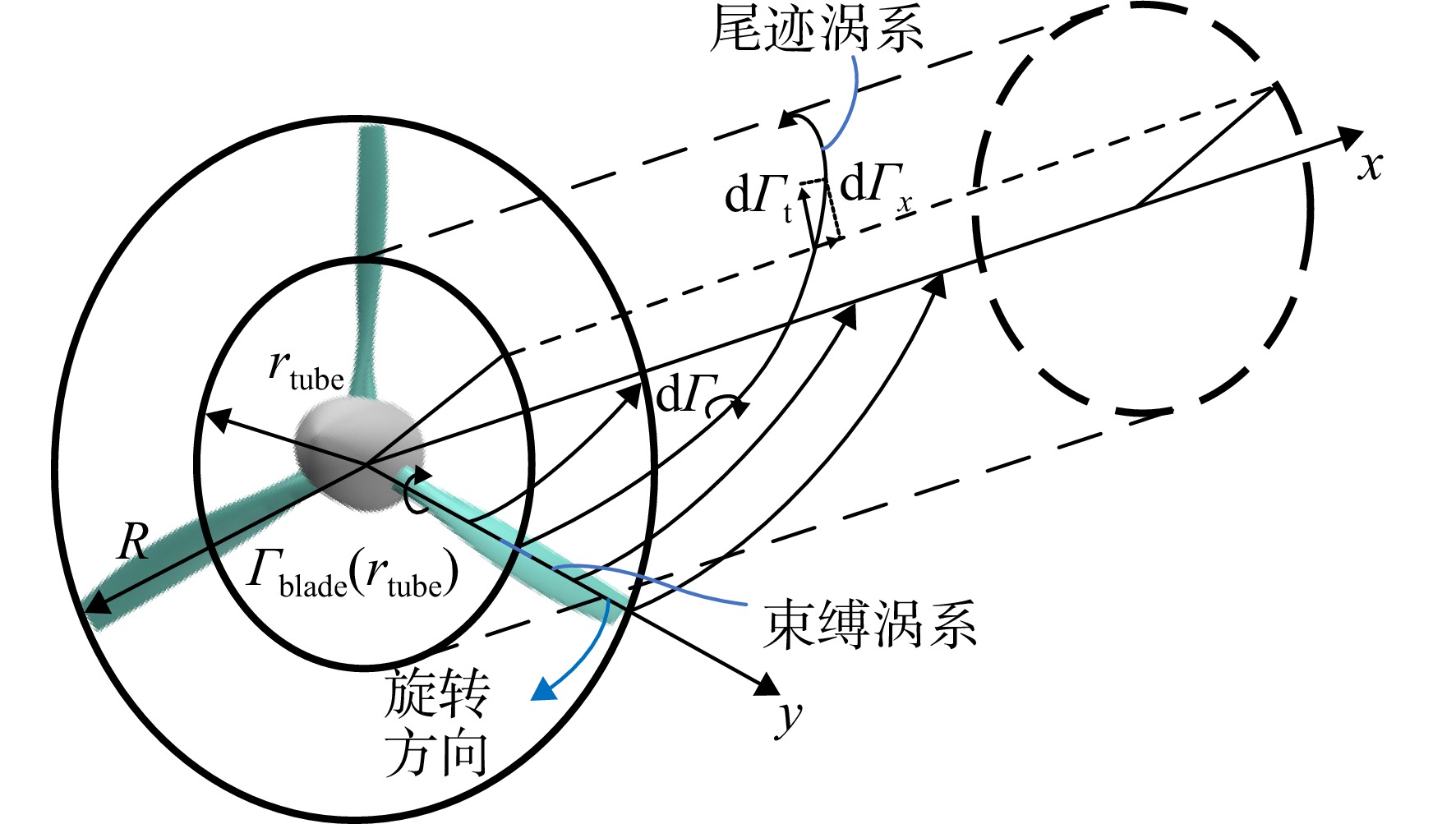
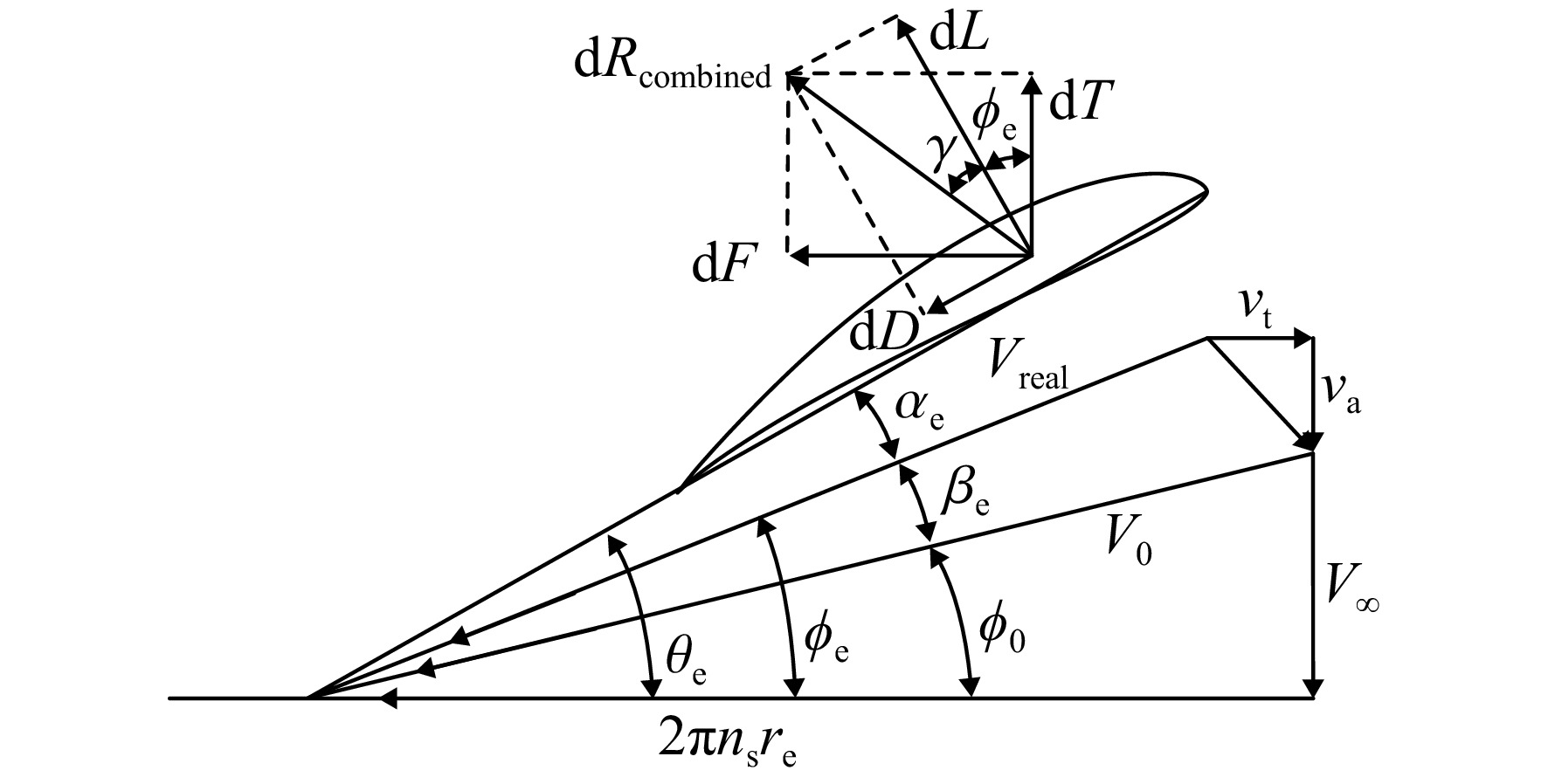
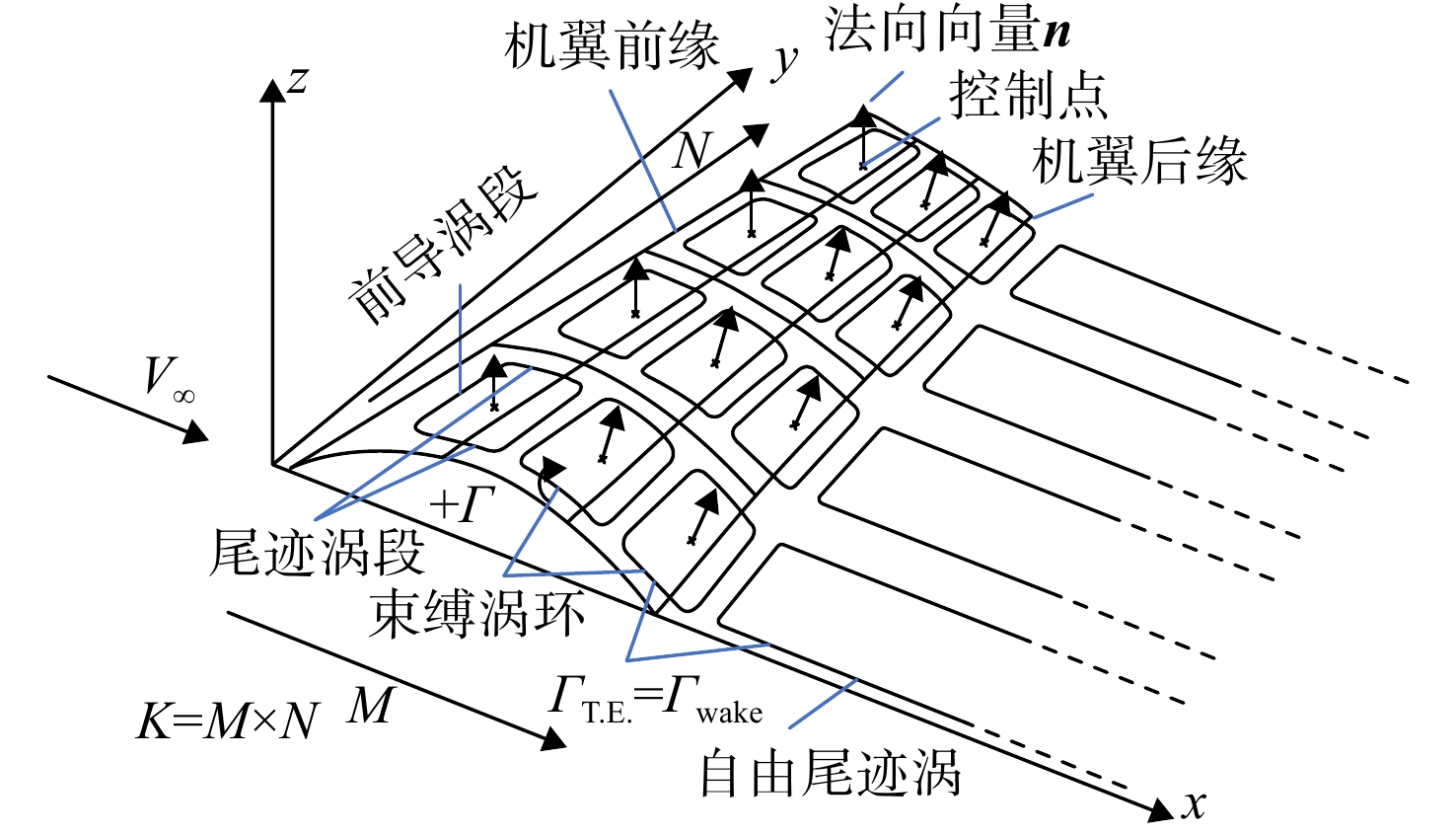
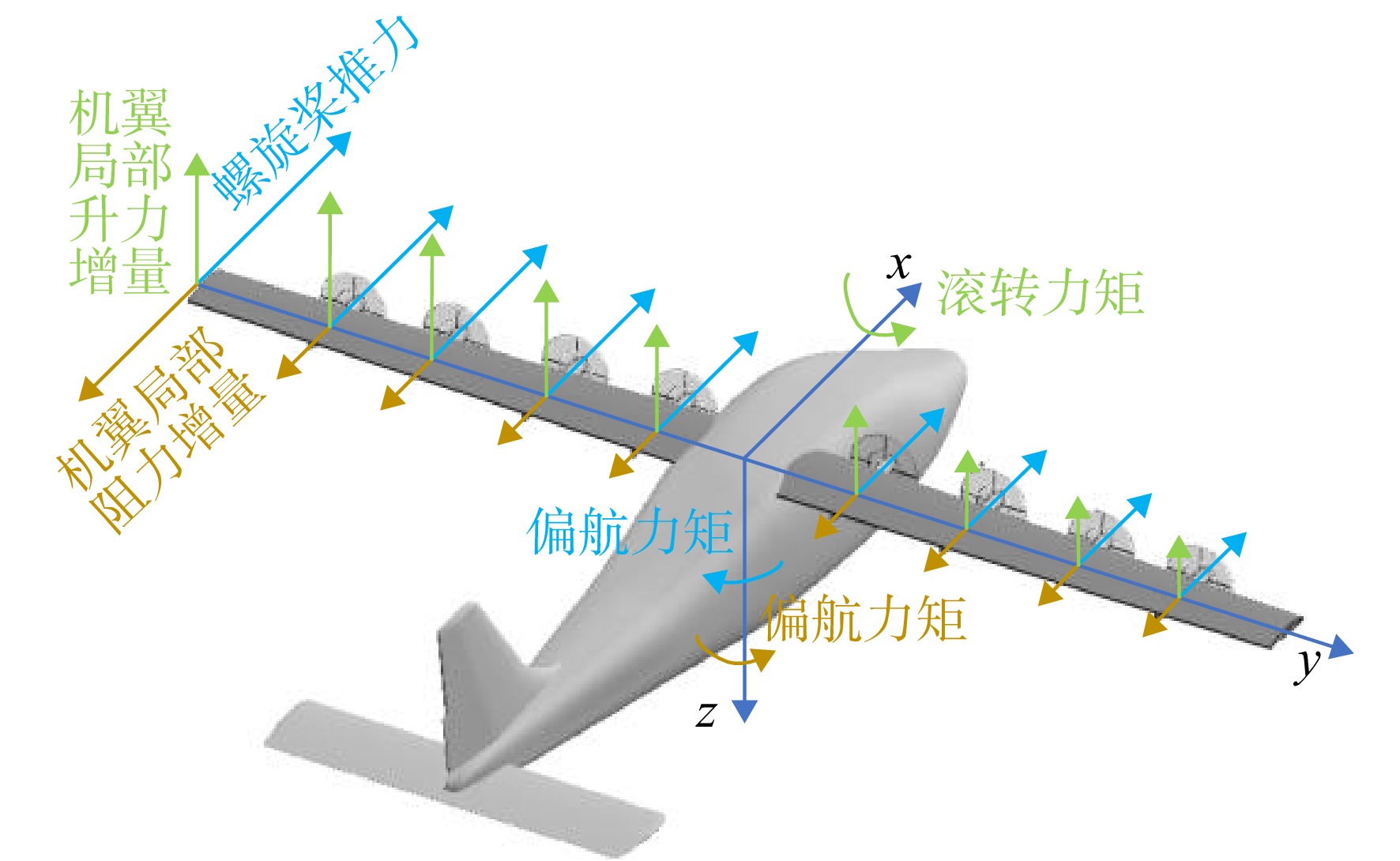
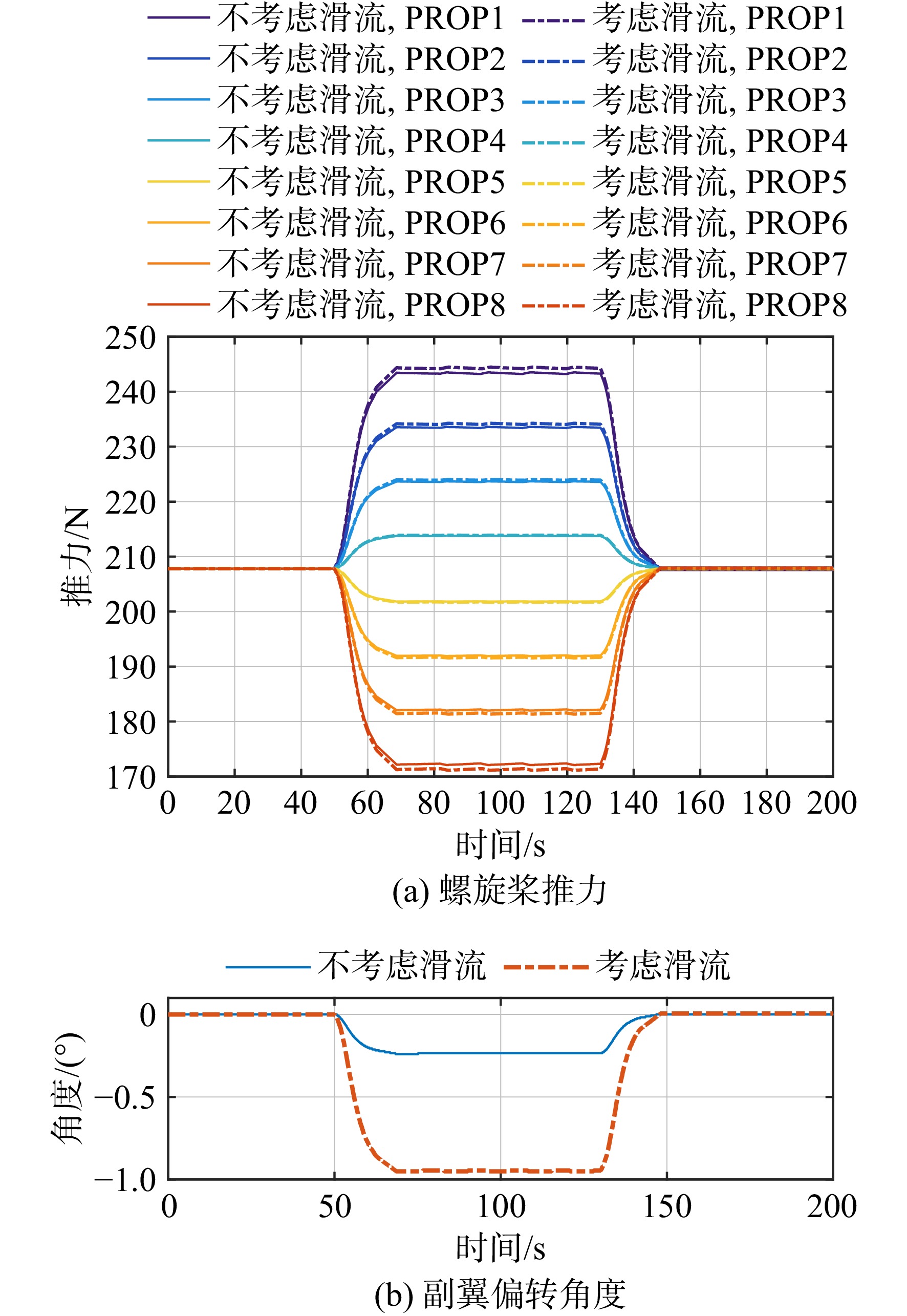
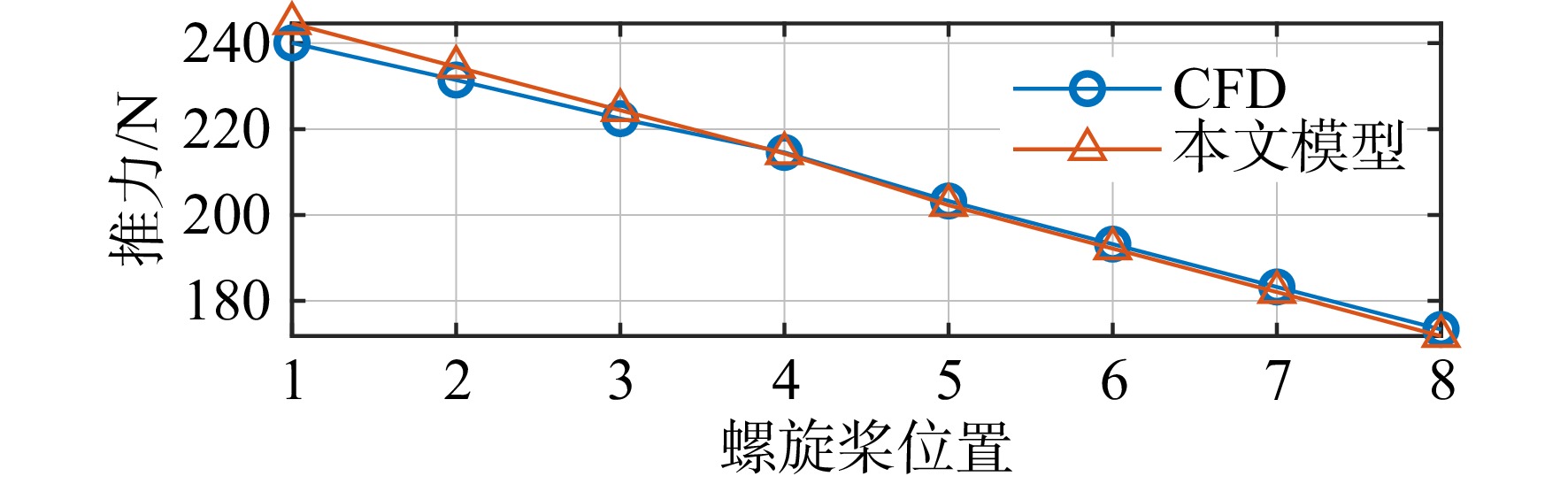
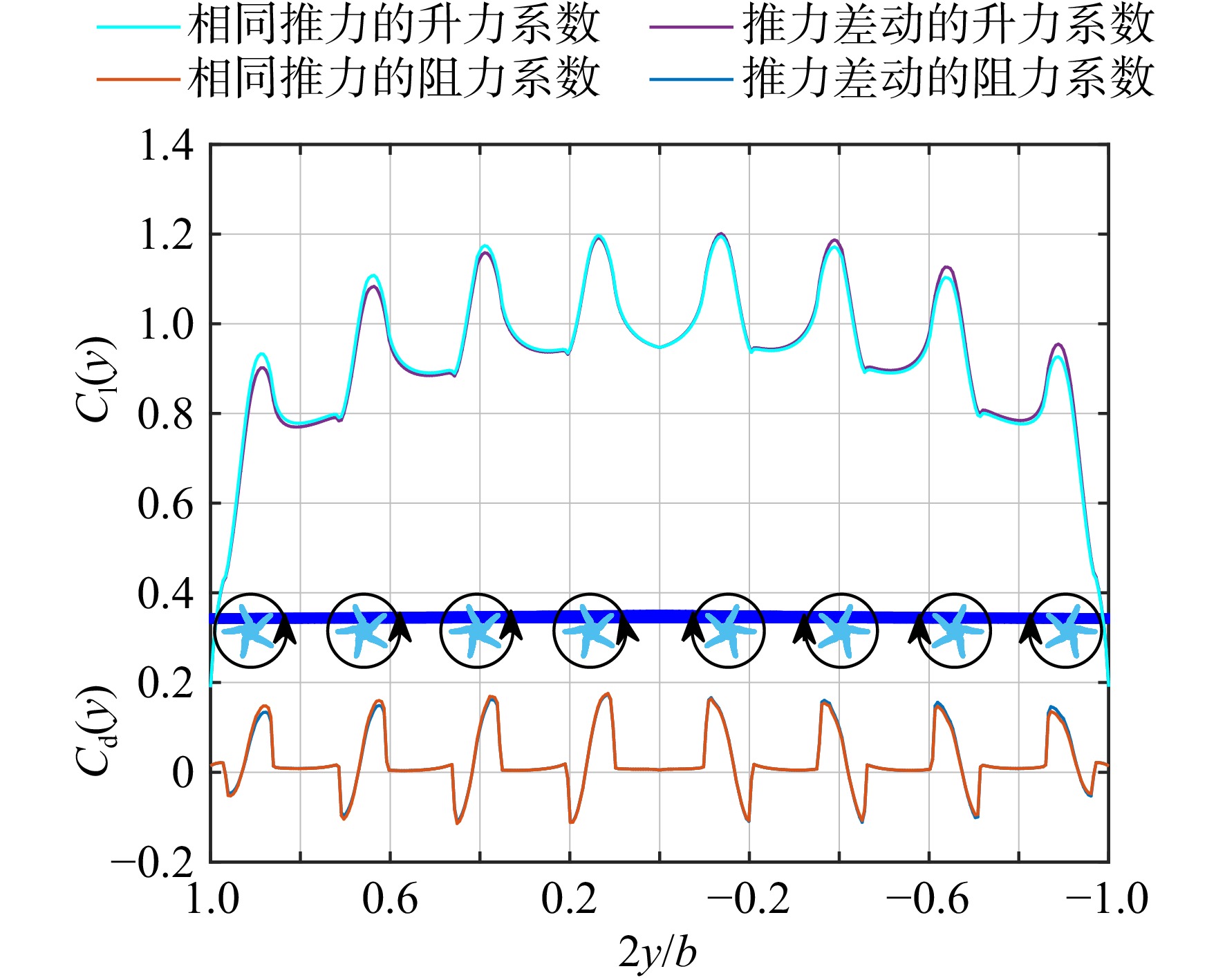
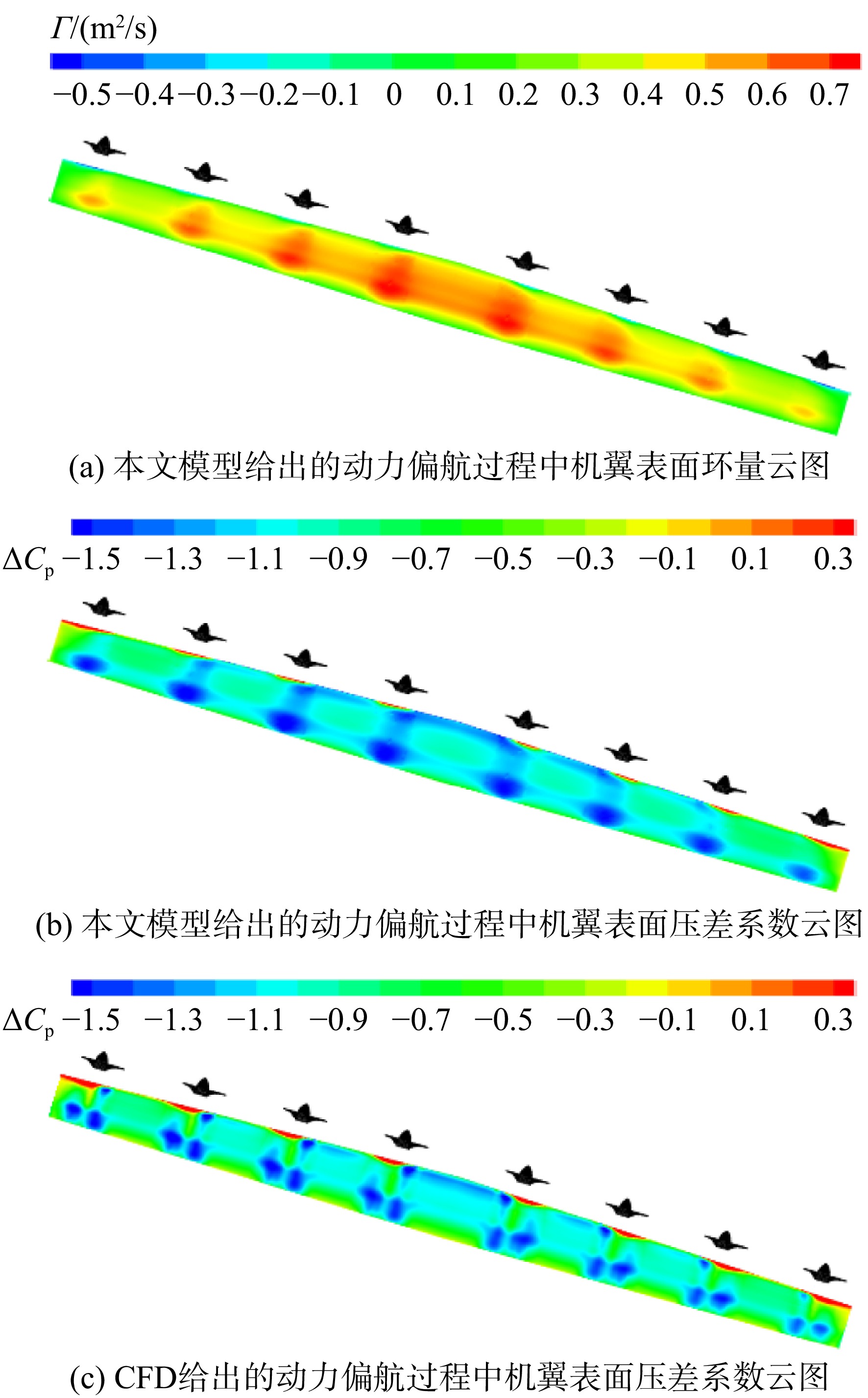
During the process of differential thrust, the slipstream effect of the electric propulsors has varying impacts on lift and drag distribution, resulting in additional lateral moments. This is a critical consideration in yaw control. To address this issue, a vortex-tube vortex-ring coupling model was established to evaluate the aerodynamic interference between the electric propulsors and wing. Utilizing the established model, the effects of propeller slipstream on the lateral moment were computed. This refinement enabled consideration of the slipstream effect in the lateral-directional flight dynamics equations for distributed electric propulsion aircraft, and facilitated the design of a powered yaw control system. Yaw control simulations were conducted. The computed results were compared with the CFD results by capturing a moment in-flight during yaw. The simulation results demonstrated that the established vortex tube-vortex ring coupled model effectively captured the slipstream effect on the wing of the distributed electric propulsion system. Specifically, the calculation error for the roll moment generated by slipstream effects was 3.22%, and the computation time was less than 5 min.

Ice shape prediction method for icing wind-tunnel experiment based on transfer learning
REN Yupeng, WANG Qiang, QU Jingguo, PENG Bo, YUE Jing, YI Xian
2025, 40(8): 20230169. doi: 10.13224/j.cnki.jasp.20230169
Abstract:

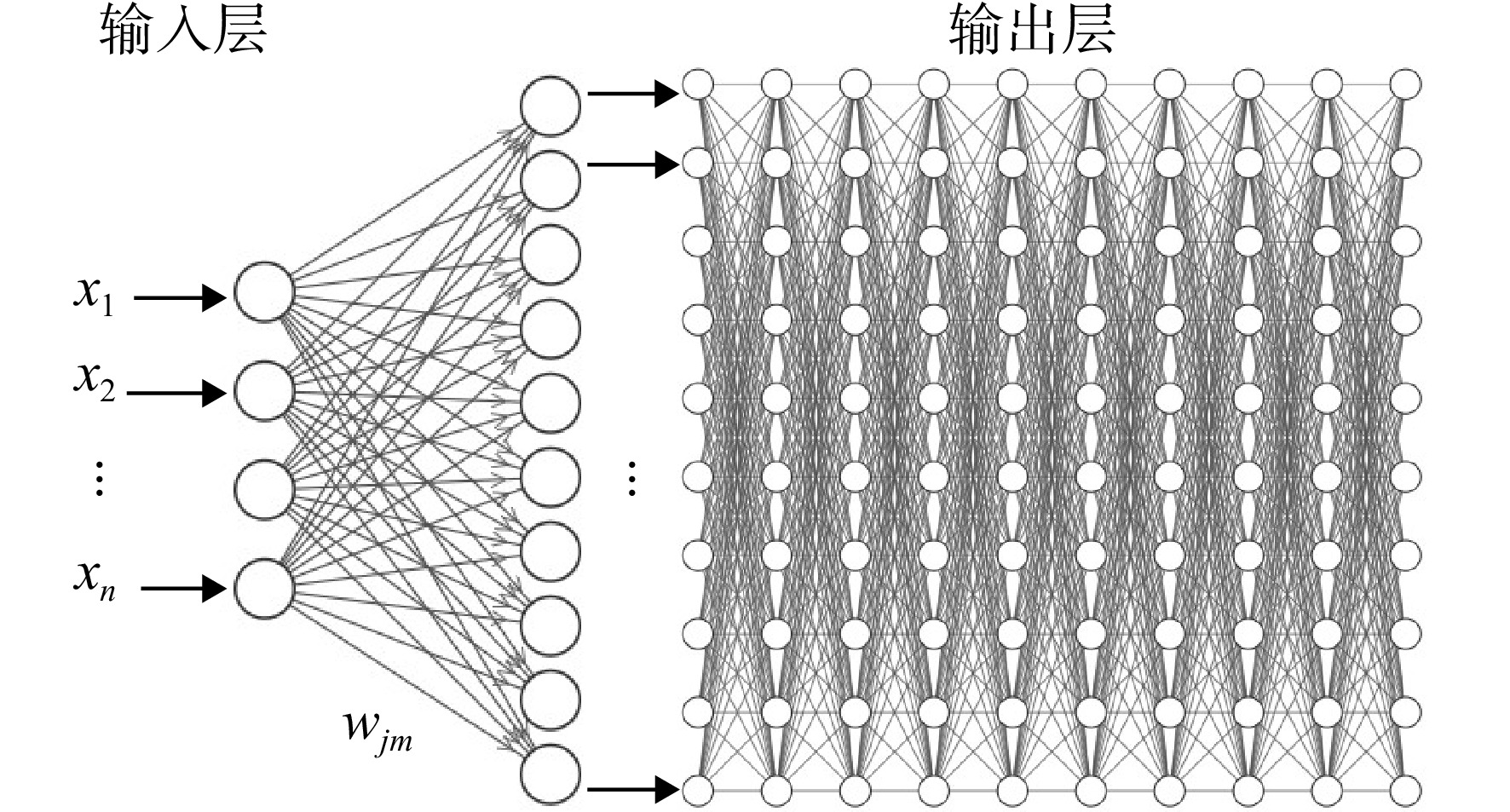
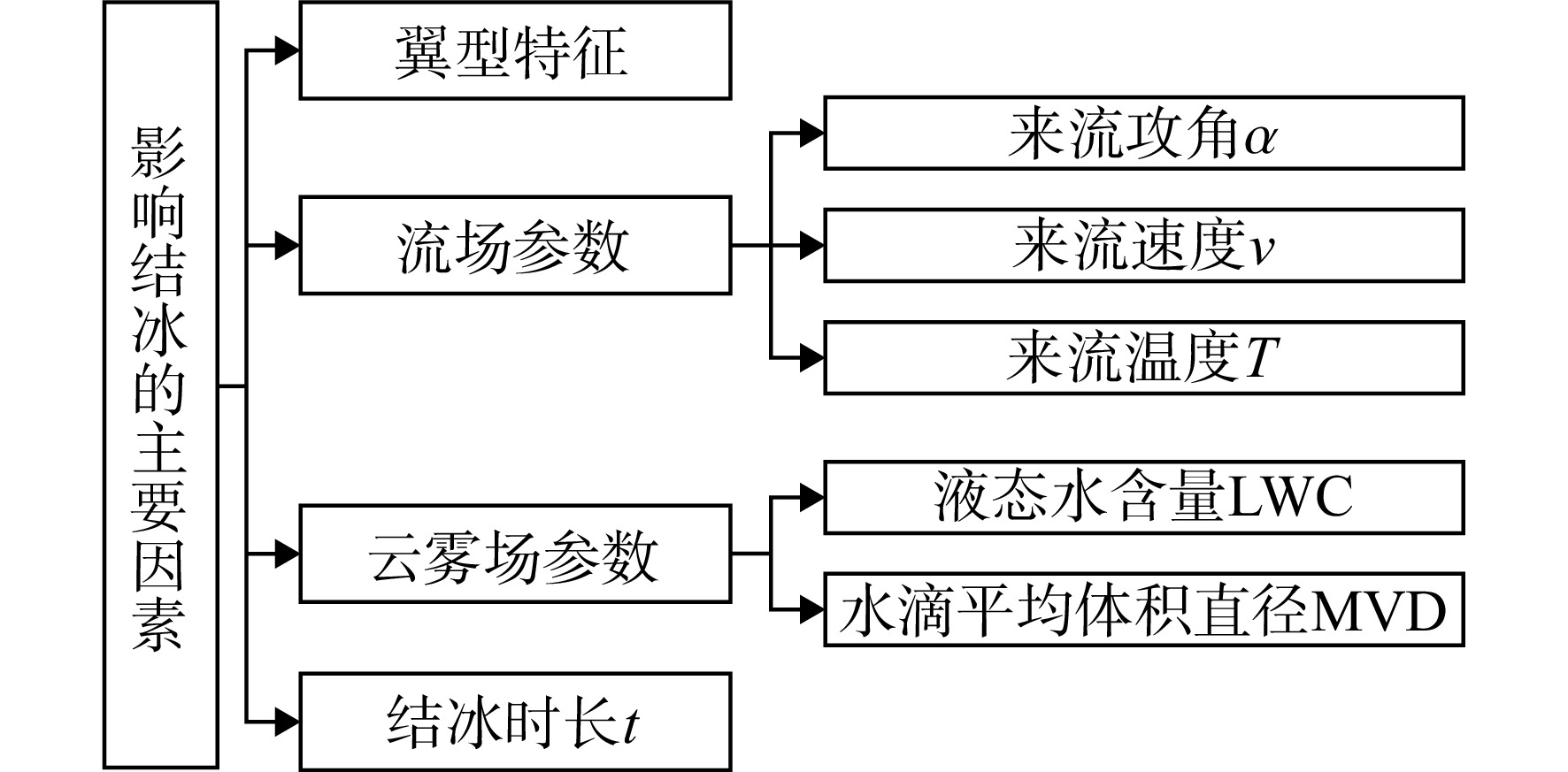
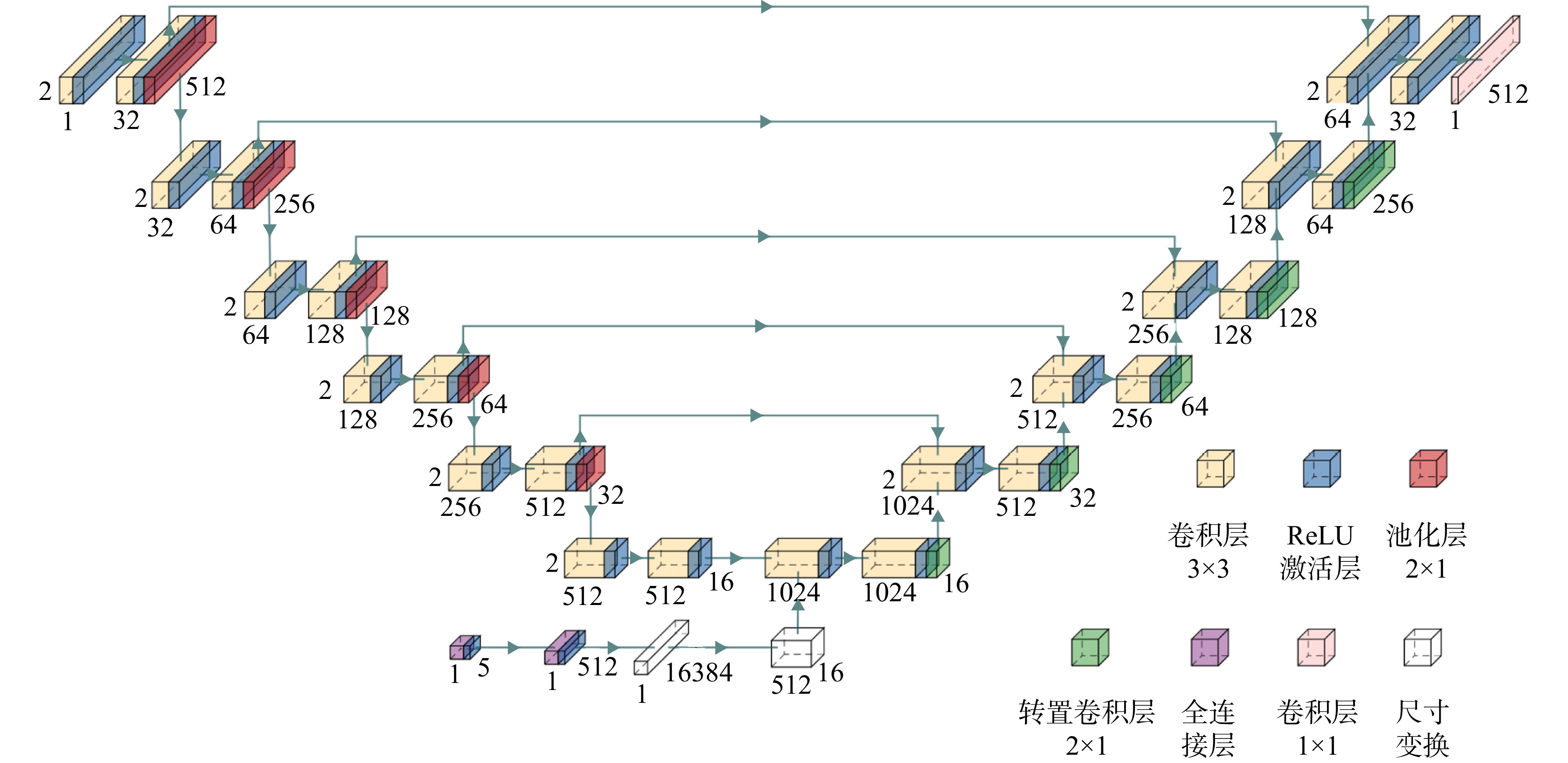
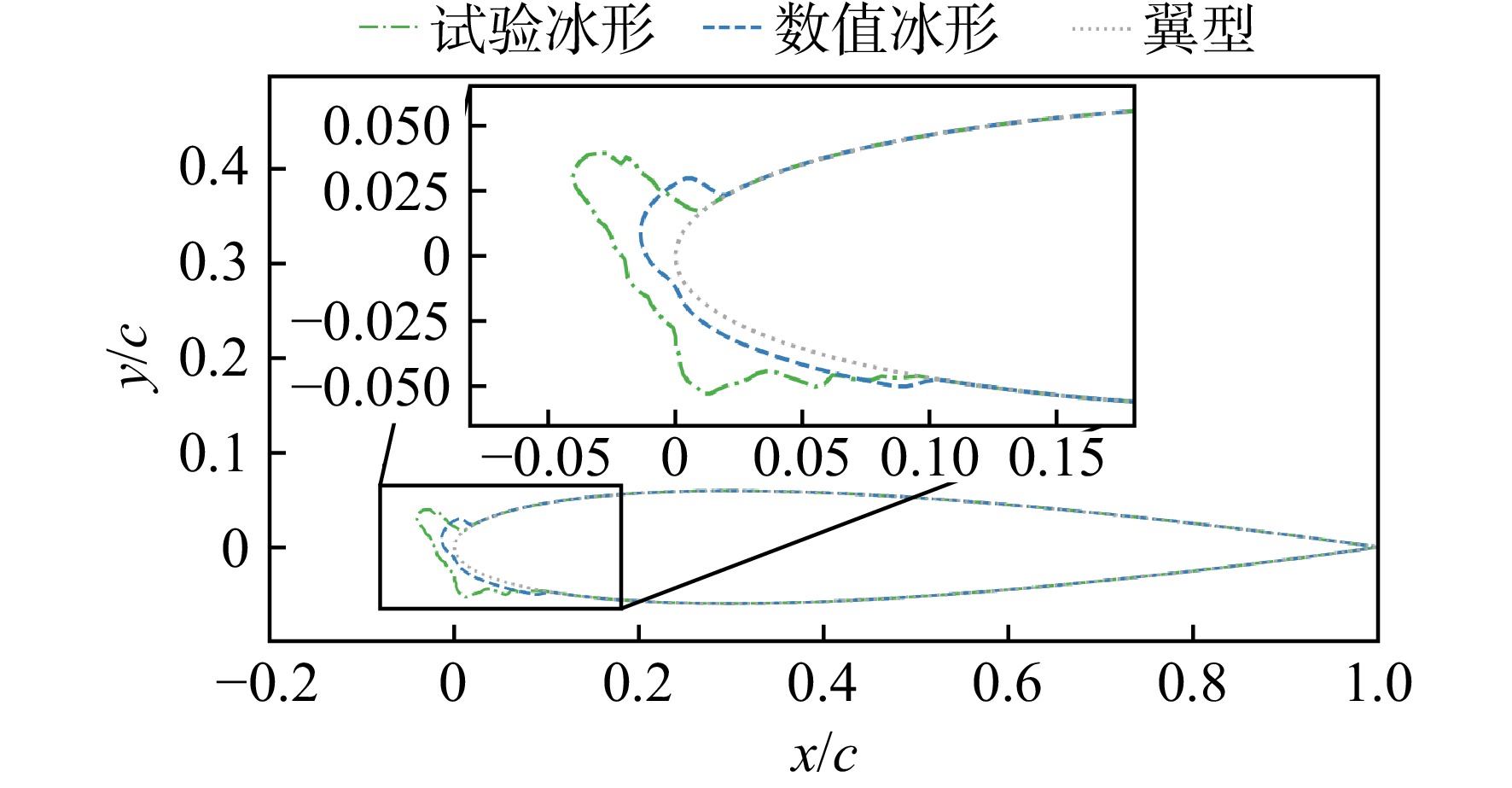
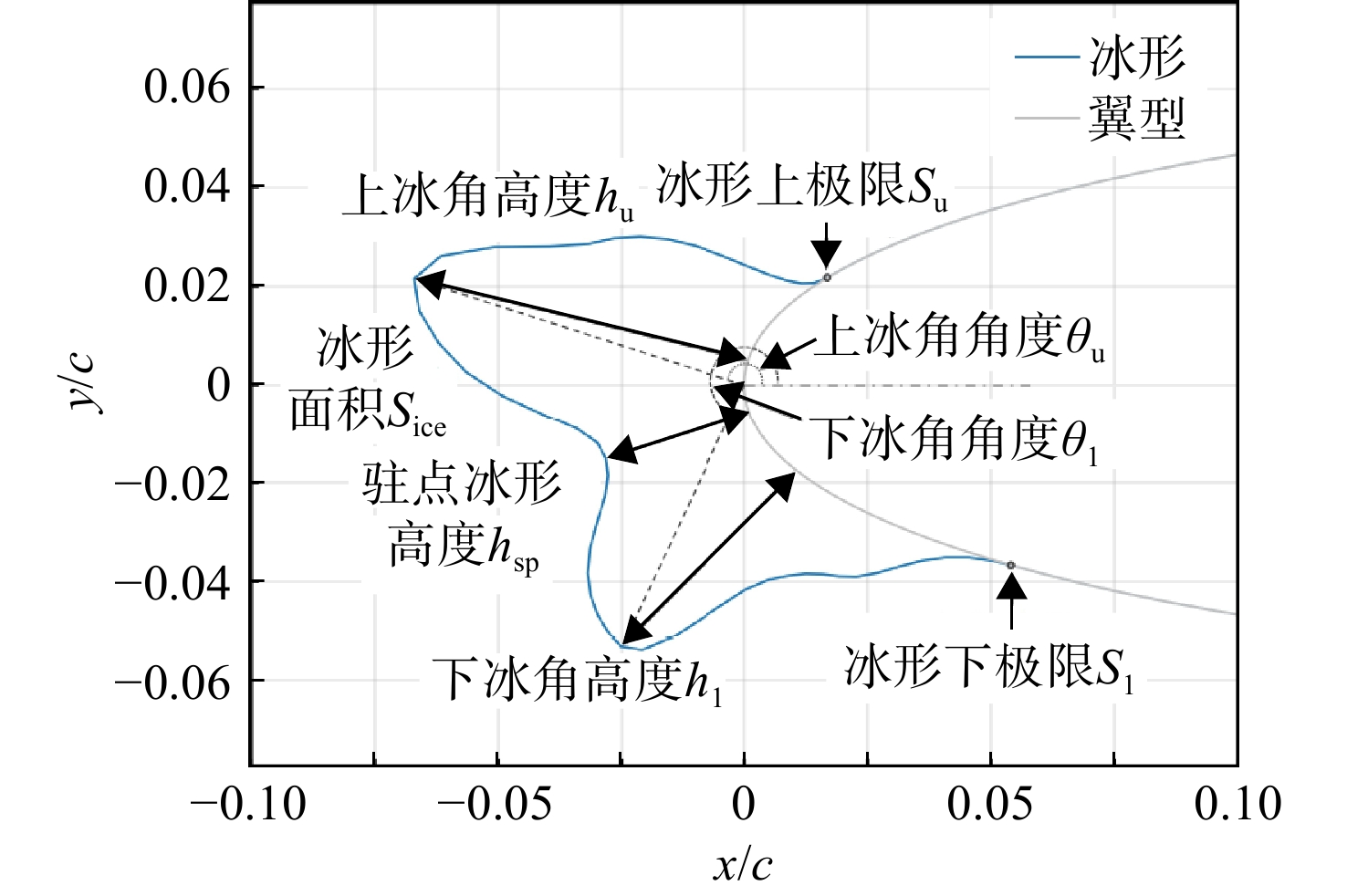
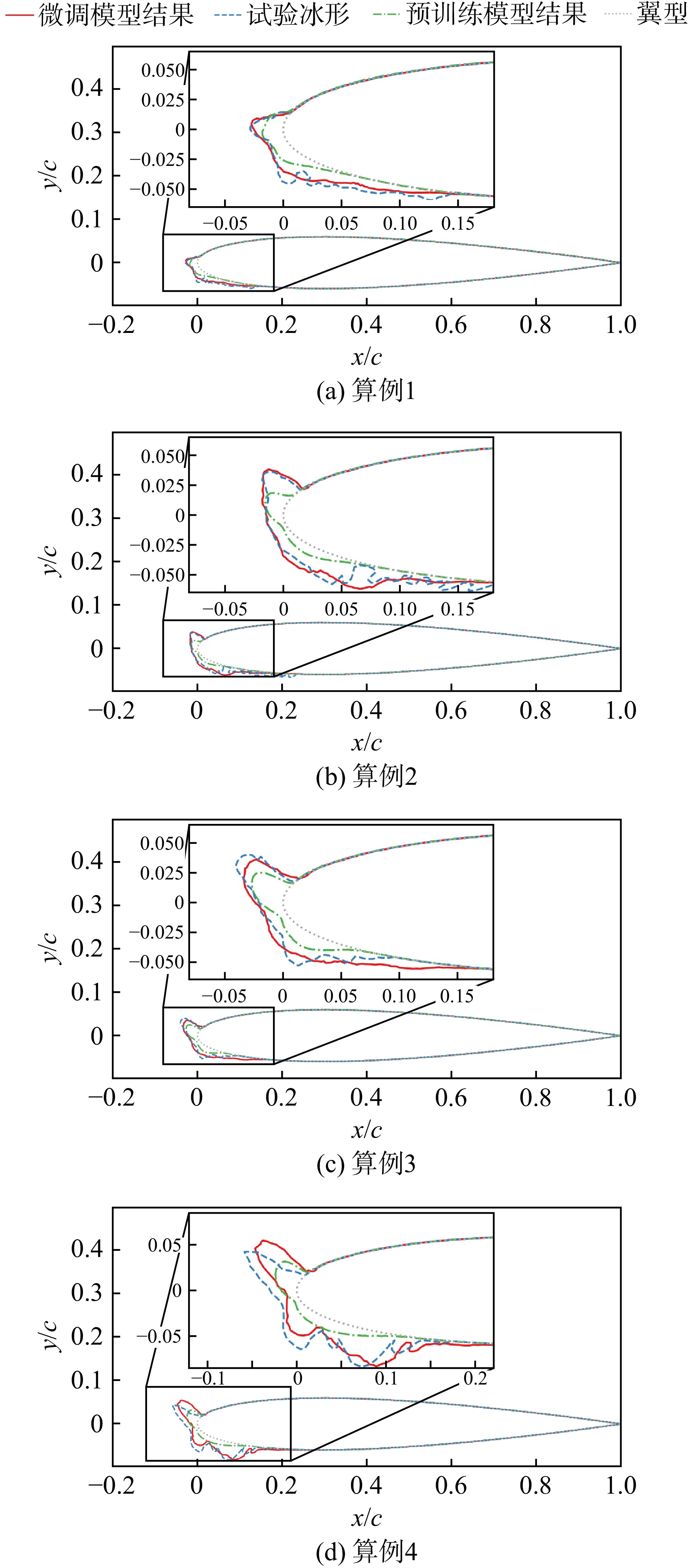
To address the lack of effective means to predict the ice shape of high-precision wind tunnel experiment, a method combining transfer learning and neural networks was proposed to predict ice shape of wind-tunnel experiment. According to this method, a pre-trained model was obtained by training based on numerical simulation ice shape data samples at first. Secondly, ice shape data samples from icing wind-tunnel experiment were introduced to fine-tune the pre-trained model, ultimately obtaining the final prediction model. The model adopted the U-Net and multilayer perceptron as the main architecture, with airfoil data and icing meteorological parameters as the input, and 2-dimensional ice shape as the output. The results showed that the proposed method can achieve accurate prediction of ice shape in icing wind-tunnel experiment, which was very close to the ice shape in wind-tunnel experiment in terms of main geometric features. The relative error of most results was not more than 15%. This method could provide a new means for studying the characteristics of aircraft icing under ground conditions.

Structure,Strength and Vibration
Test-rig design and static characteristic tests of multi-layer thrust foil bearing
ZHANG Guanghui, XU Kefan, HAN Jiazhen, HUANG Zhongwen, JI Shiwei
2025, 40(8): 20230050. doi: 10.13224/j.cnki.jasp.20230050
Abstract:

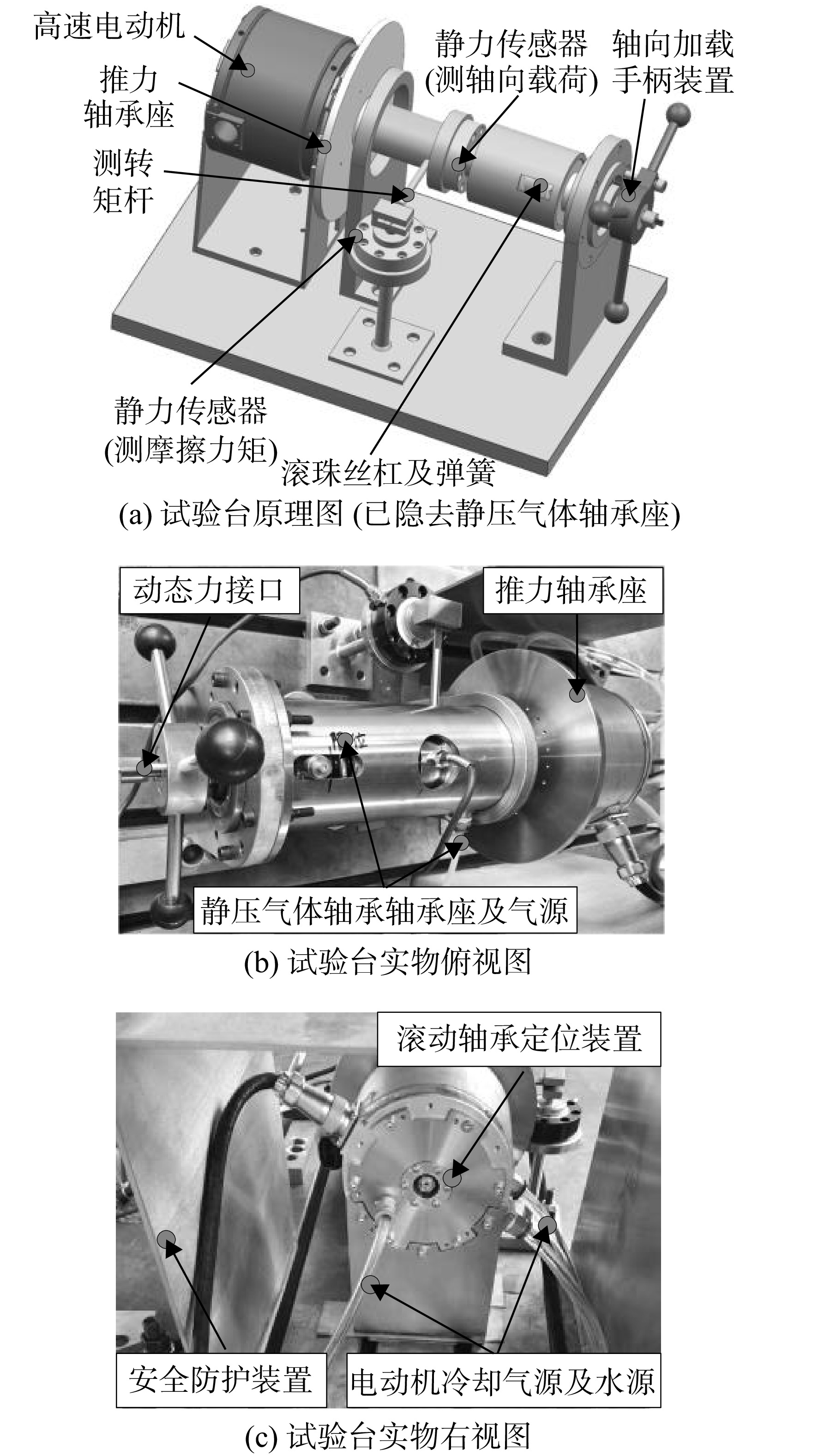
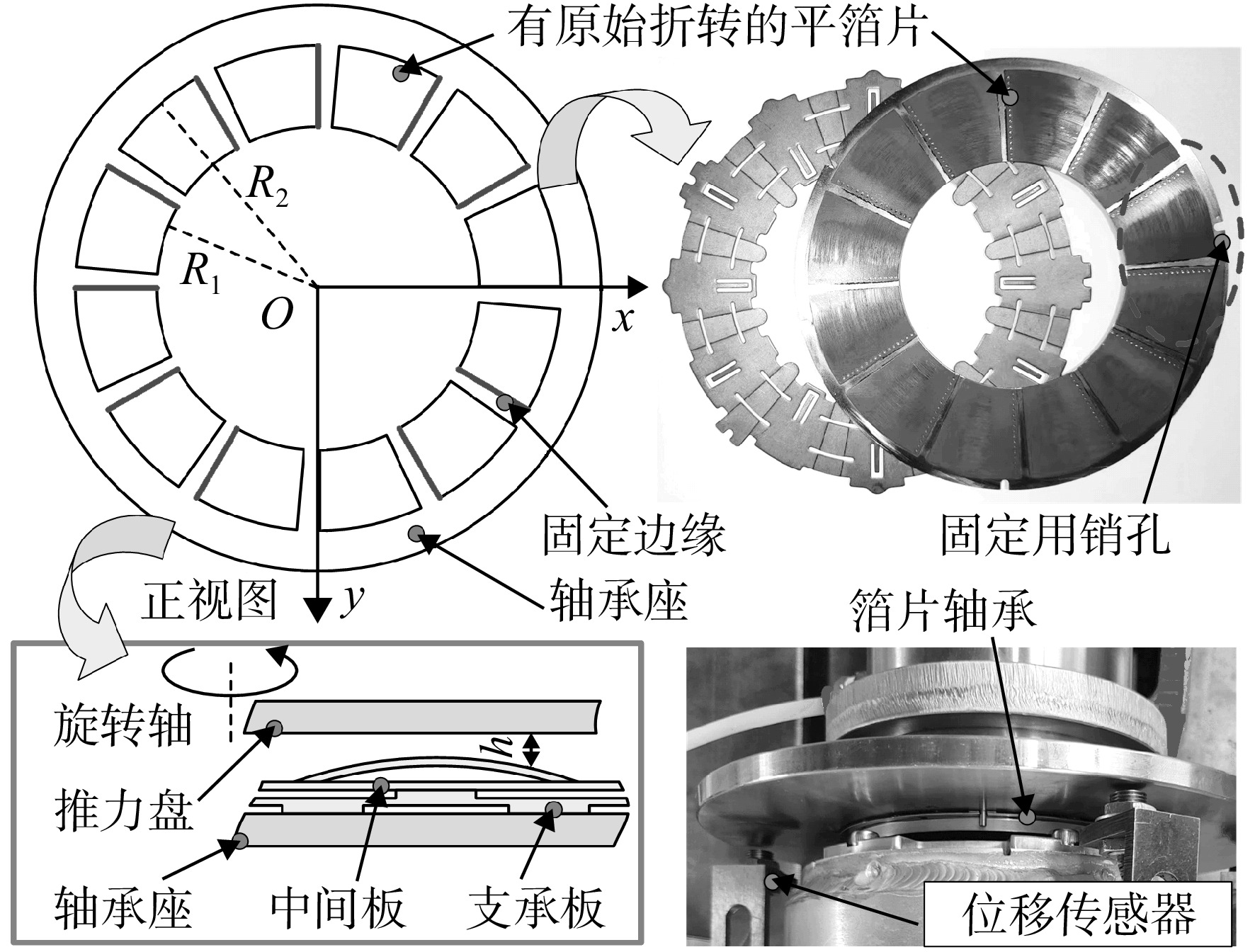
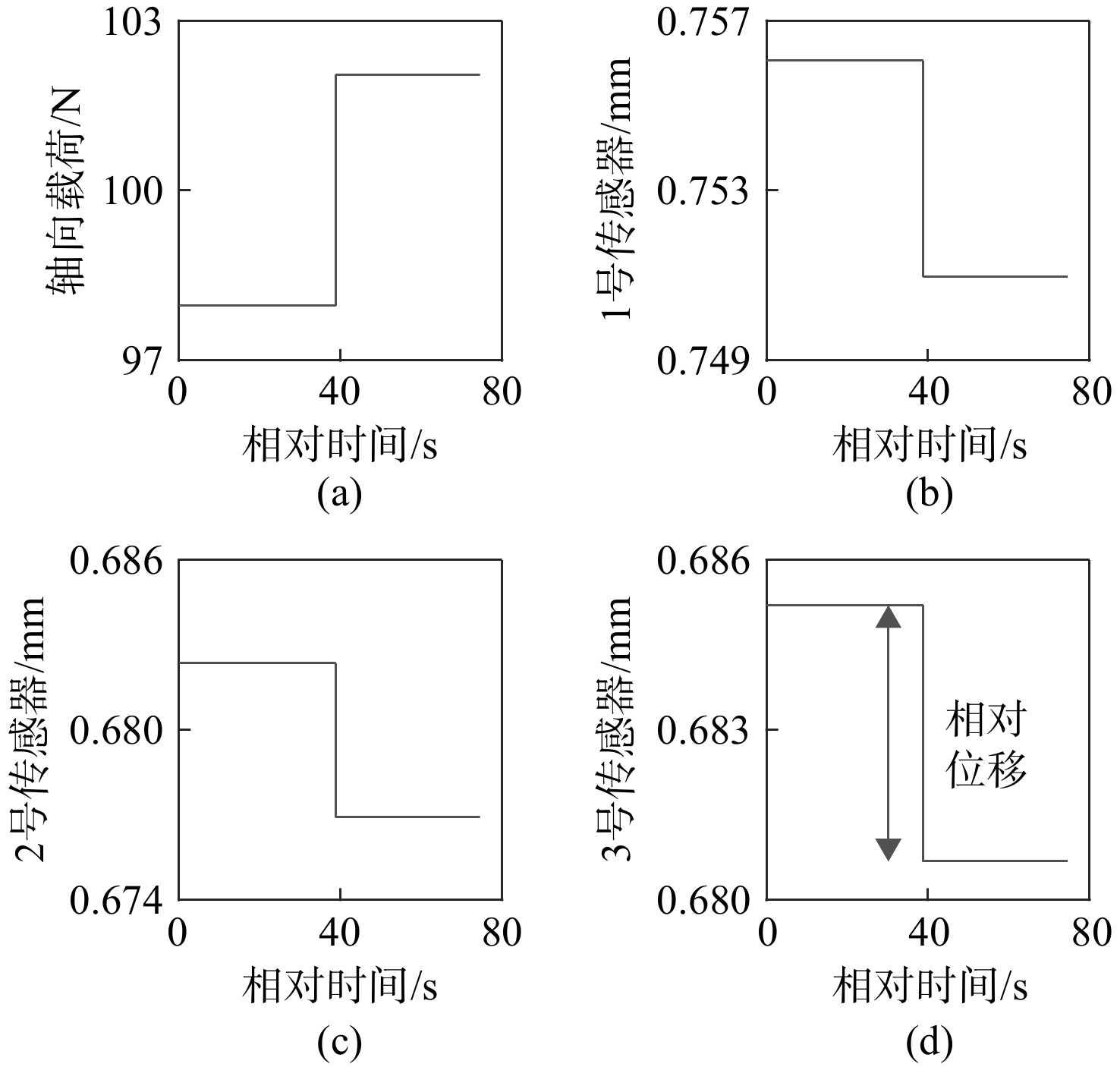
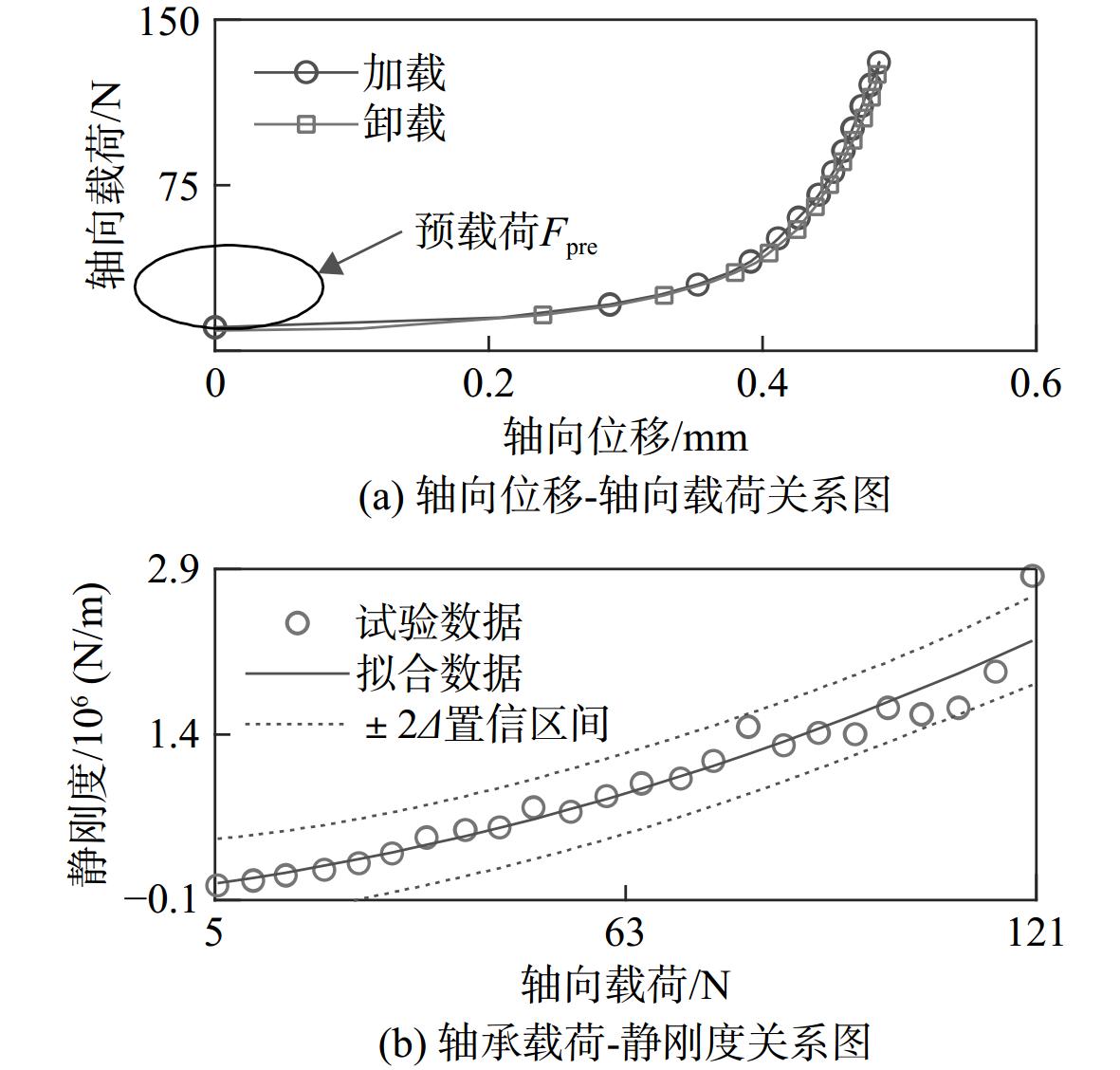
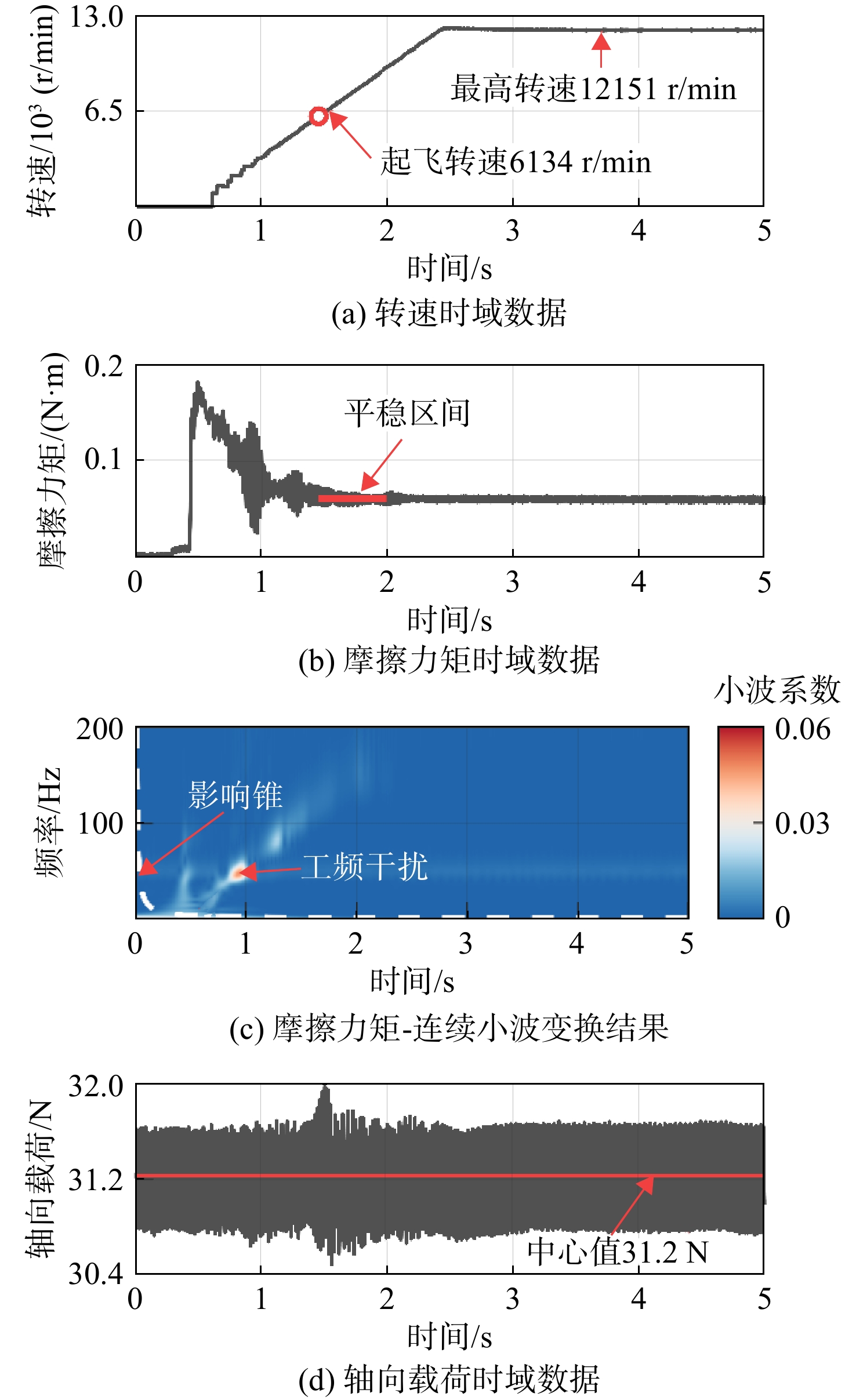
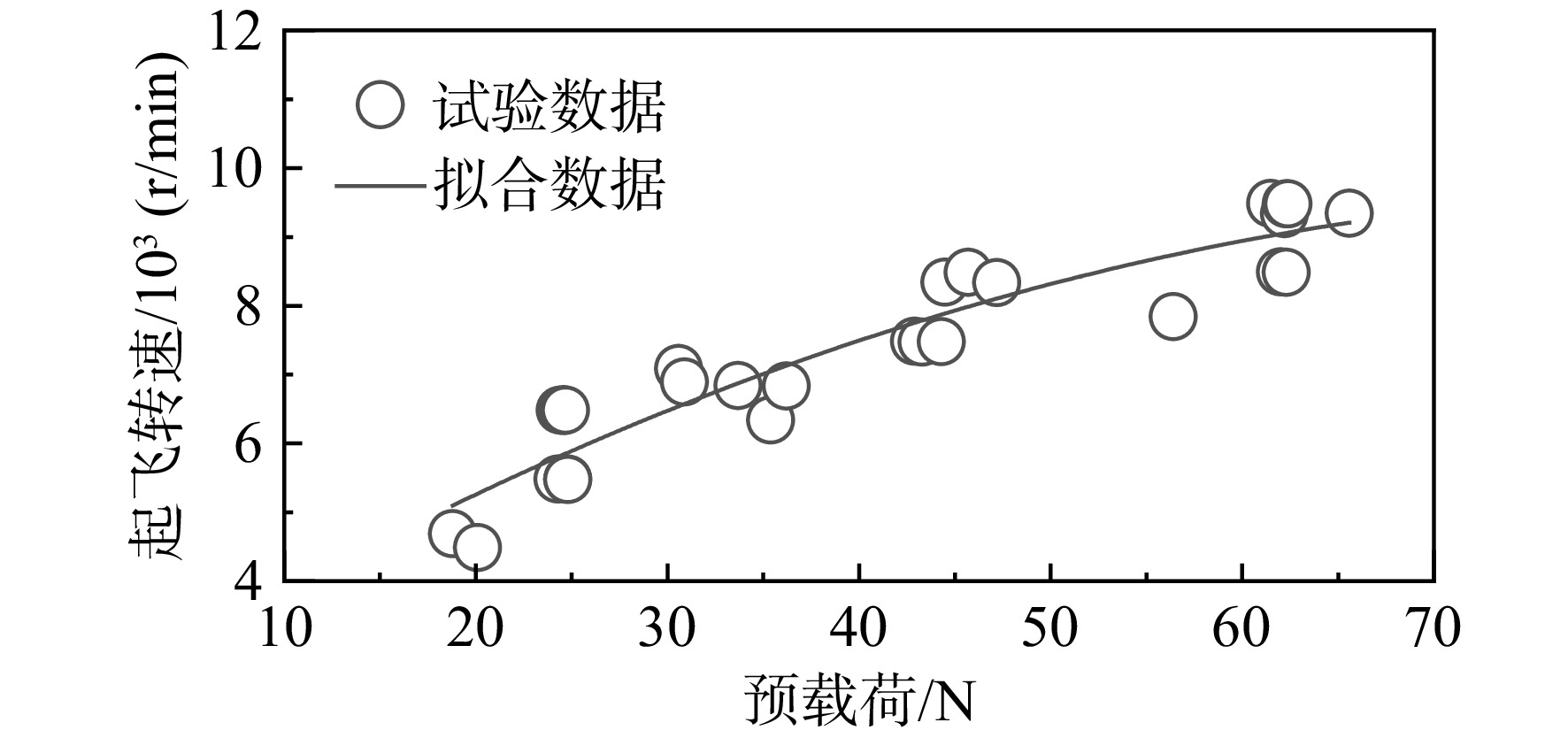
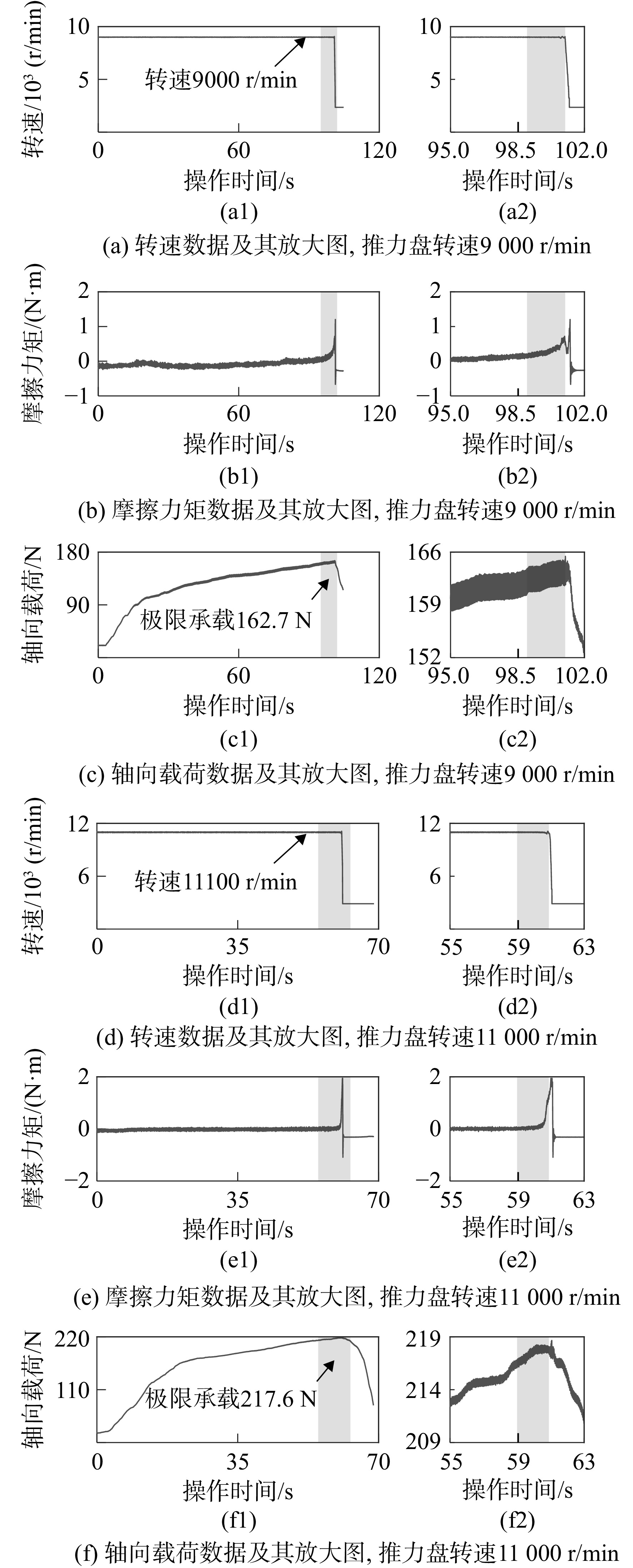
A thrust gas foil bearing test rig with dynamic and static synchronous axial loading was designed and built to obtain the variation rule of bearing characteristics. For the multi-layer thrust foil bearing with a three-layer foil structure, the static stiffness tests, lift-off speed tests, and ultimate load capacity tests were carried out successively. The results showed that the multi-section rotating shaft based on the hollow shaft design can simultaneously transfer the dynamic and static loads, helping obtain the dynamic characteristics of thrust bearings. The Coulomb friction effect resulted in the nonlinear change of the static stiffness of the bearing under test with the load, and the stiffness expression based on the fitting of test data could contribute to the relevant engineering design. The bearing dynamic pressure effect was more significant under a high bearing number, so the bearing lift-off speed increased monotonically with the preload, and the ultimate load capacity increased monotonically with speed.

Sine-on-random vibration profile for vibration environment test of external accessories
LI Jishi, WANG Xin, ZHANG Dayi, GAO Dongwu, LIU Zhonghua
2025, 40(8): 20230747. doi: 10.13224/j.cnki.jasp.20230747
Abstract:
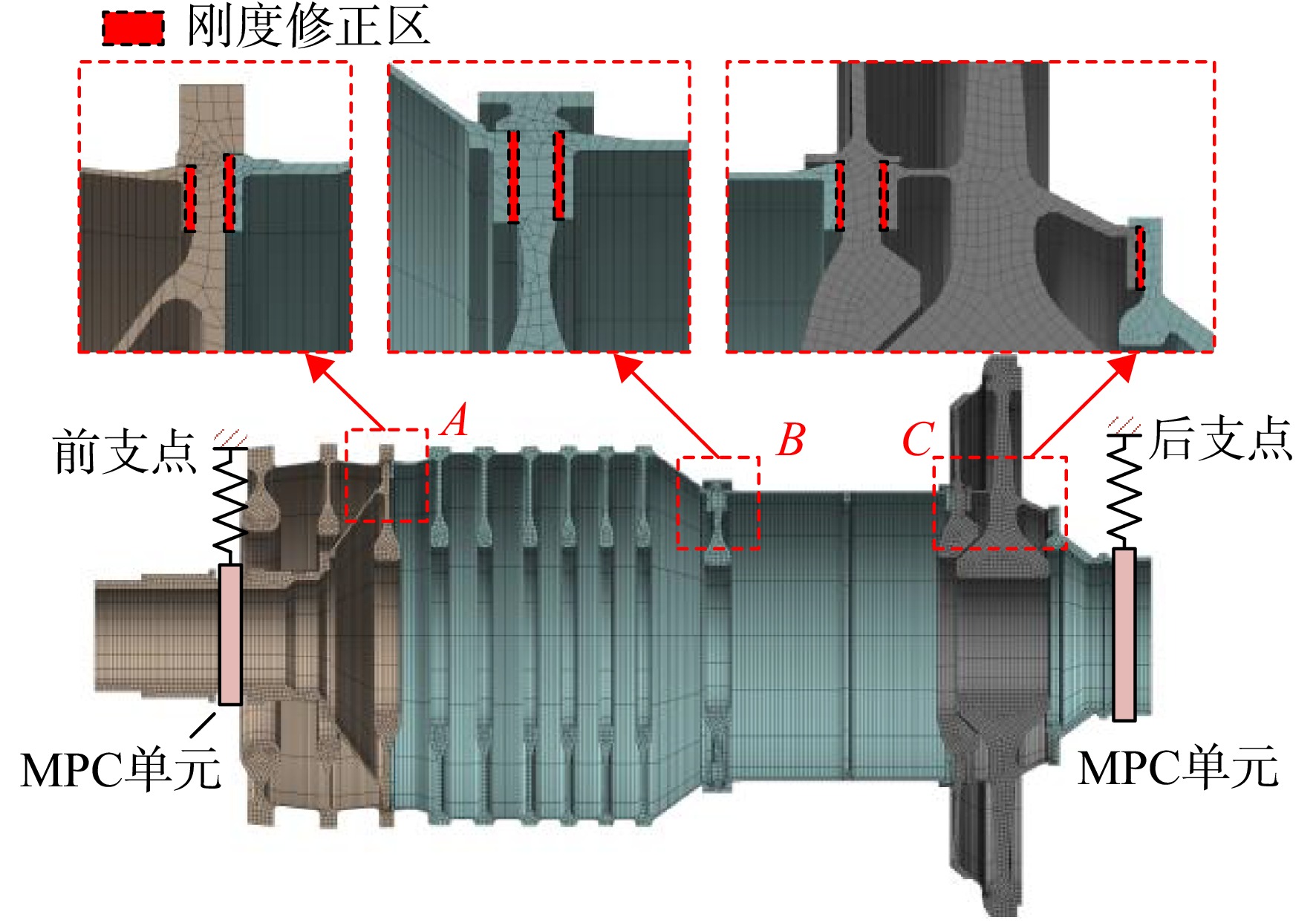
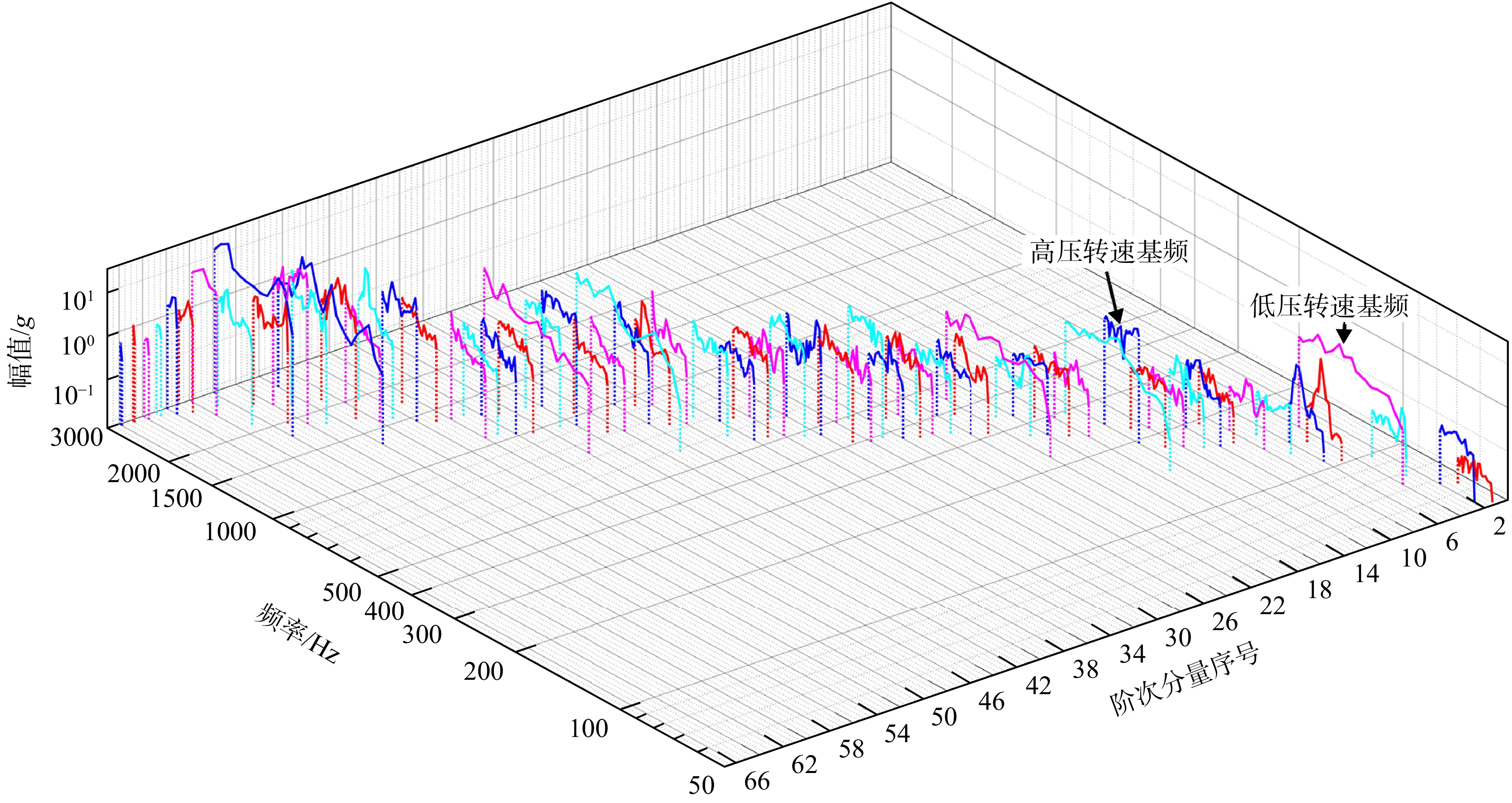
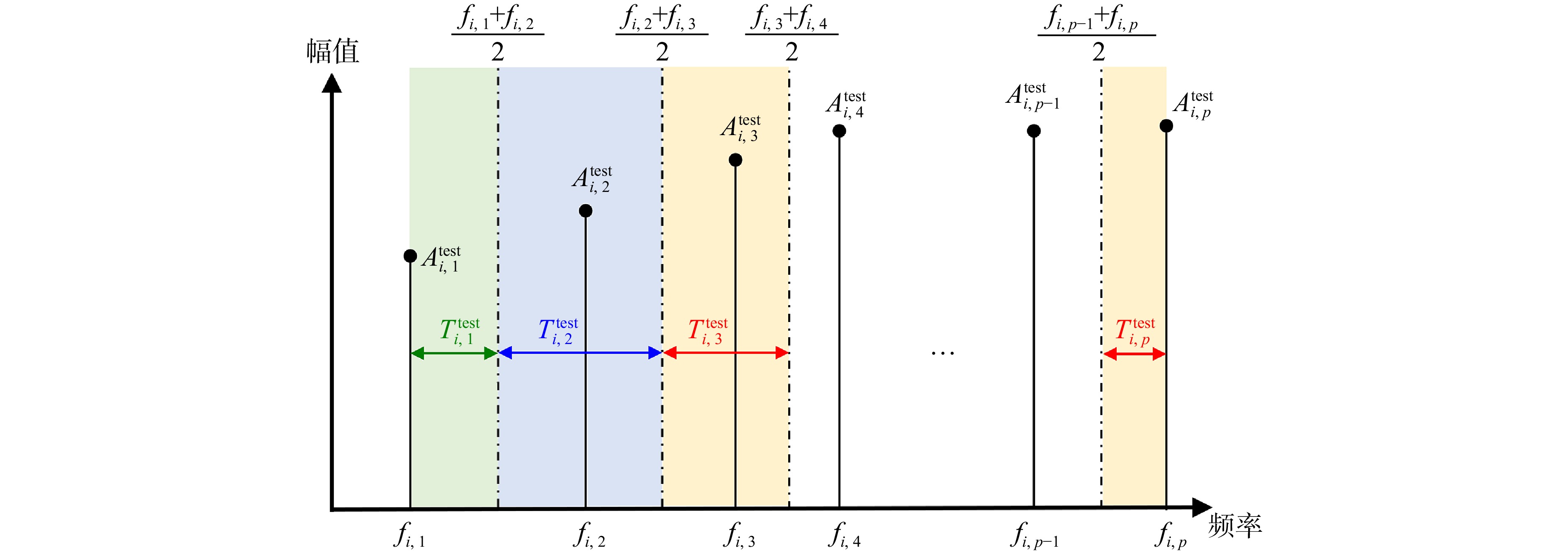
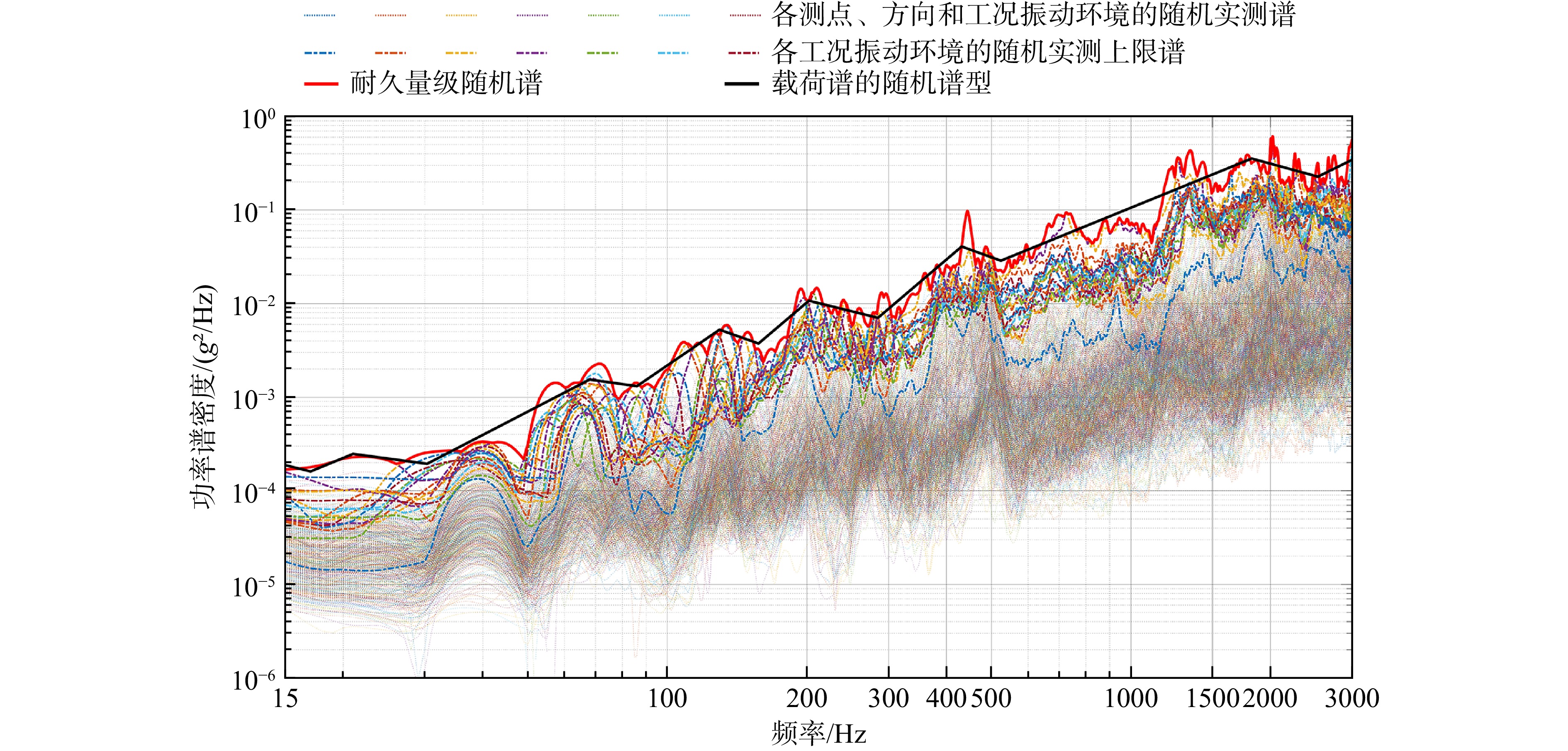
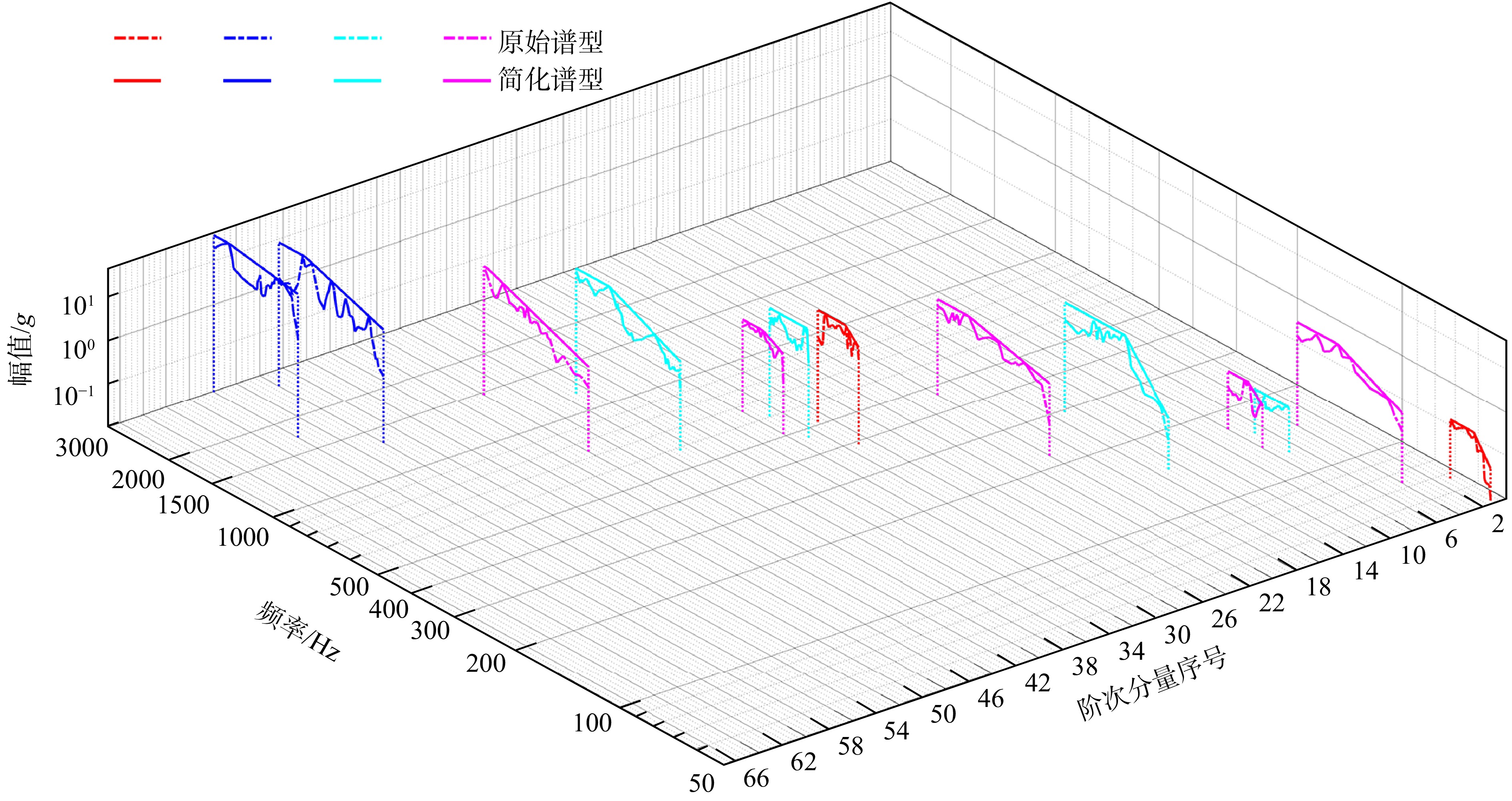
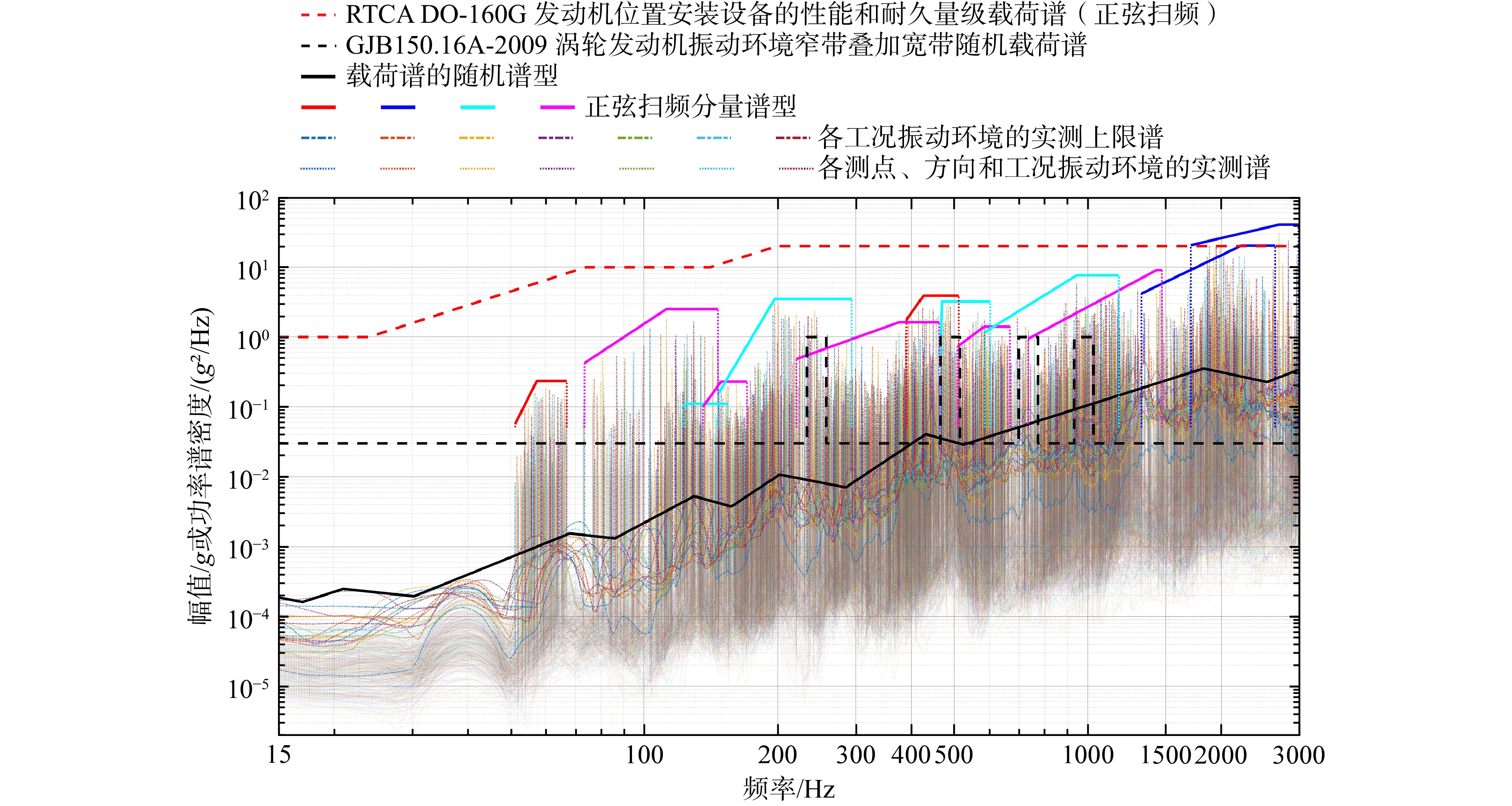
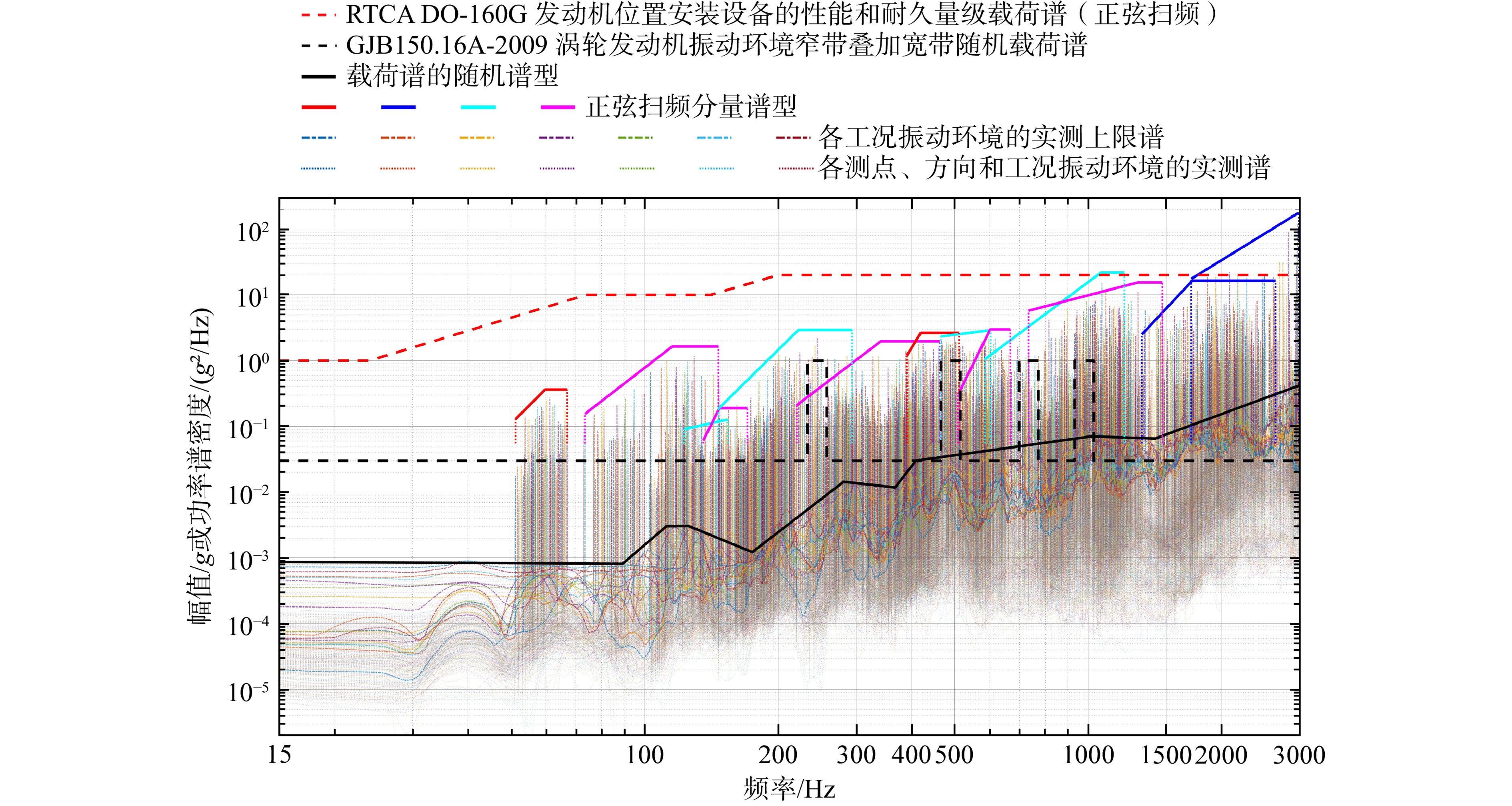
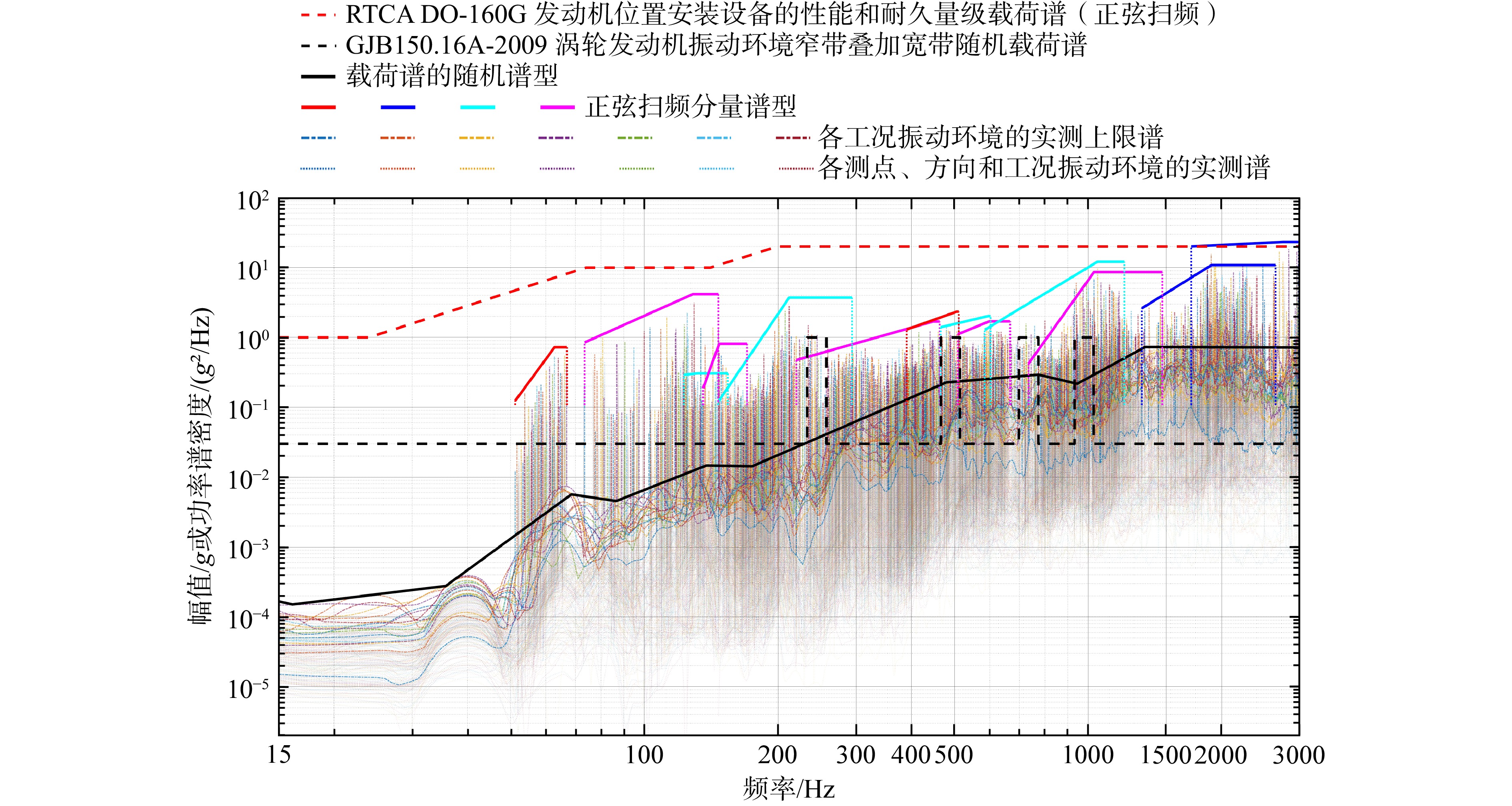
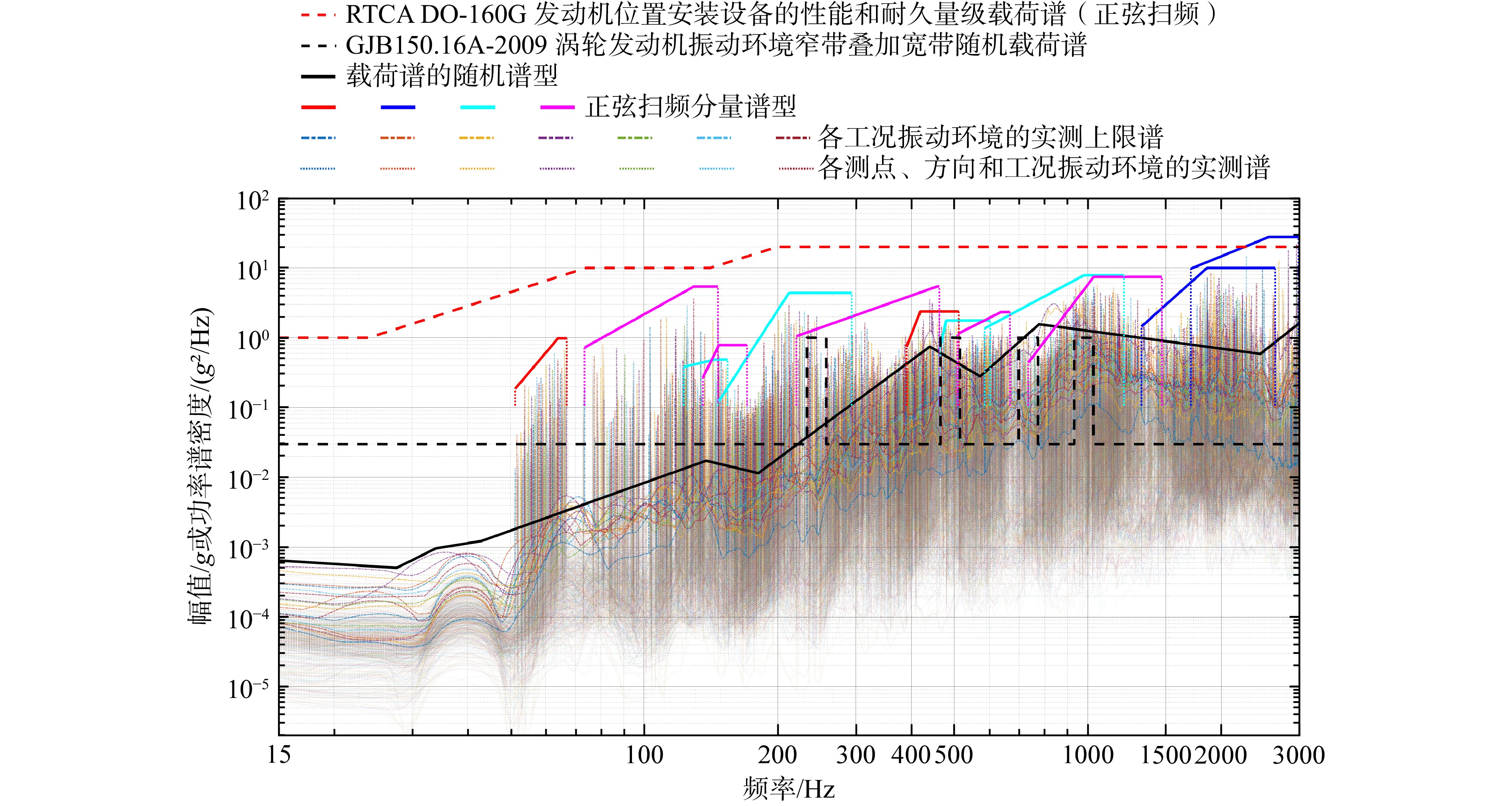
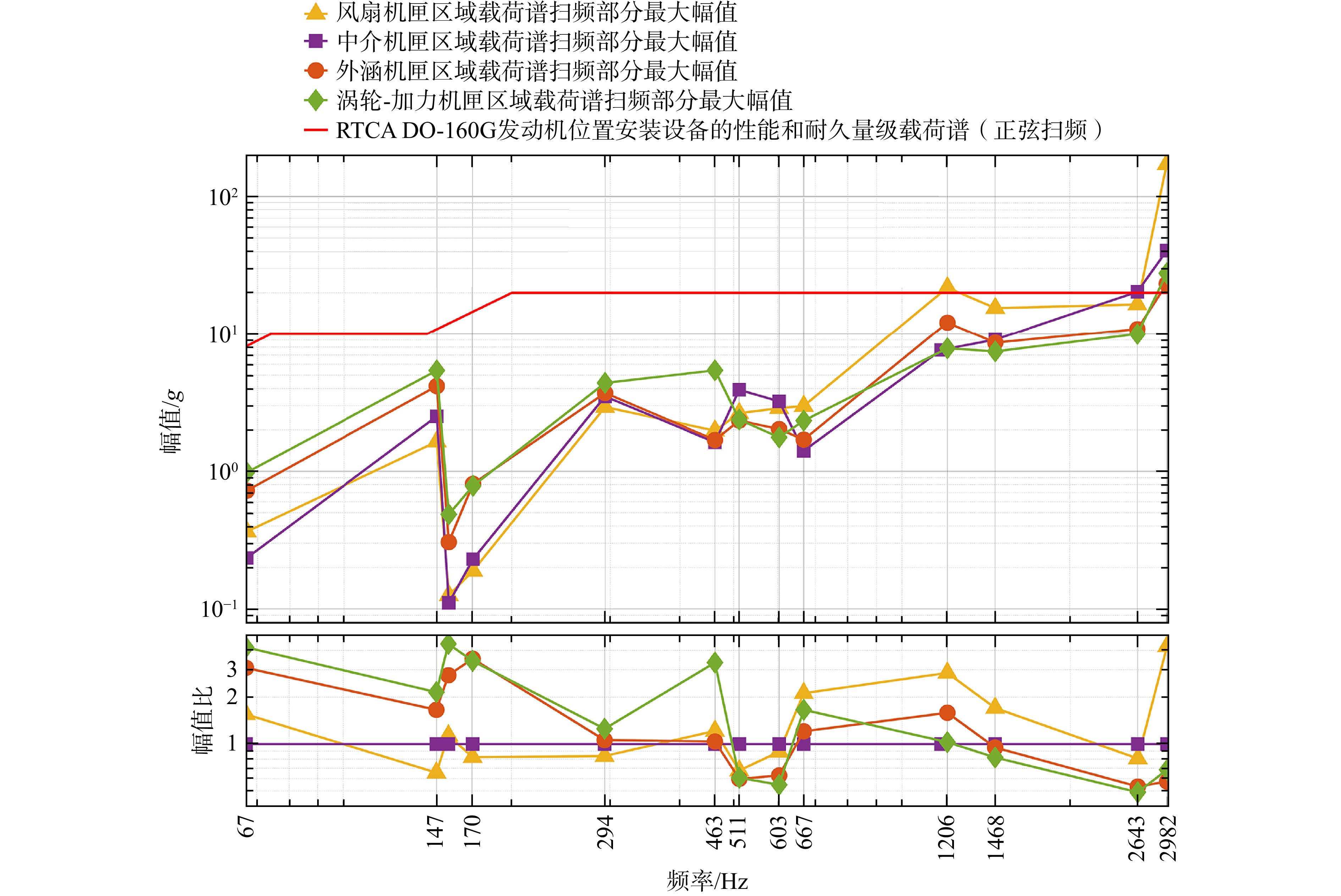
To conduct the vibration environment test of external accessories on aeroengine effectively, a development method of vibration environment test profile was studied. By processing the measured data of the vibration environment of the engine external accessories, it was confirmed that the vibration environment was a mixture of sinusoidal and random excitations, and sinusoidal excitations exhibited order characteristics. A multi-components swept sine-on-random (SoR) vibration profile was developed to accurately capture the real vibration environment. A development process of swept SoR vibration profile using vibration field measurement data was established. Based on the fatigue damage equivalent theory, the multi swept sine components and random components were matched and synthesised during the development process. Four example profiles were developed for different areas on the casing. The result showed that the SoR profile can fully characterize the mixed excitation characteristics of real environmental loads compared with the single component profile. Compared with the profile specified in current standards/specifications, the frequency domain characteristics of the new developed profile were consistent with the real environmental loads, and the vibration level was strictly equal to the statistical tolerance of the real loads.

Dynamic response characteristics of blade lost rotor with fusing structure
ZHAO Zhenyao, YANG Cheng, ZHANG Qicheng, LI Bing, ZHANG Dayi
2025, 40(8): 20240327. doi: 10.13224/j.cnki.jasp.20240327
Abstract:
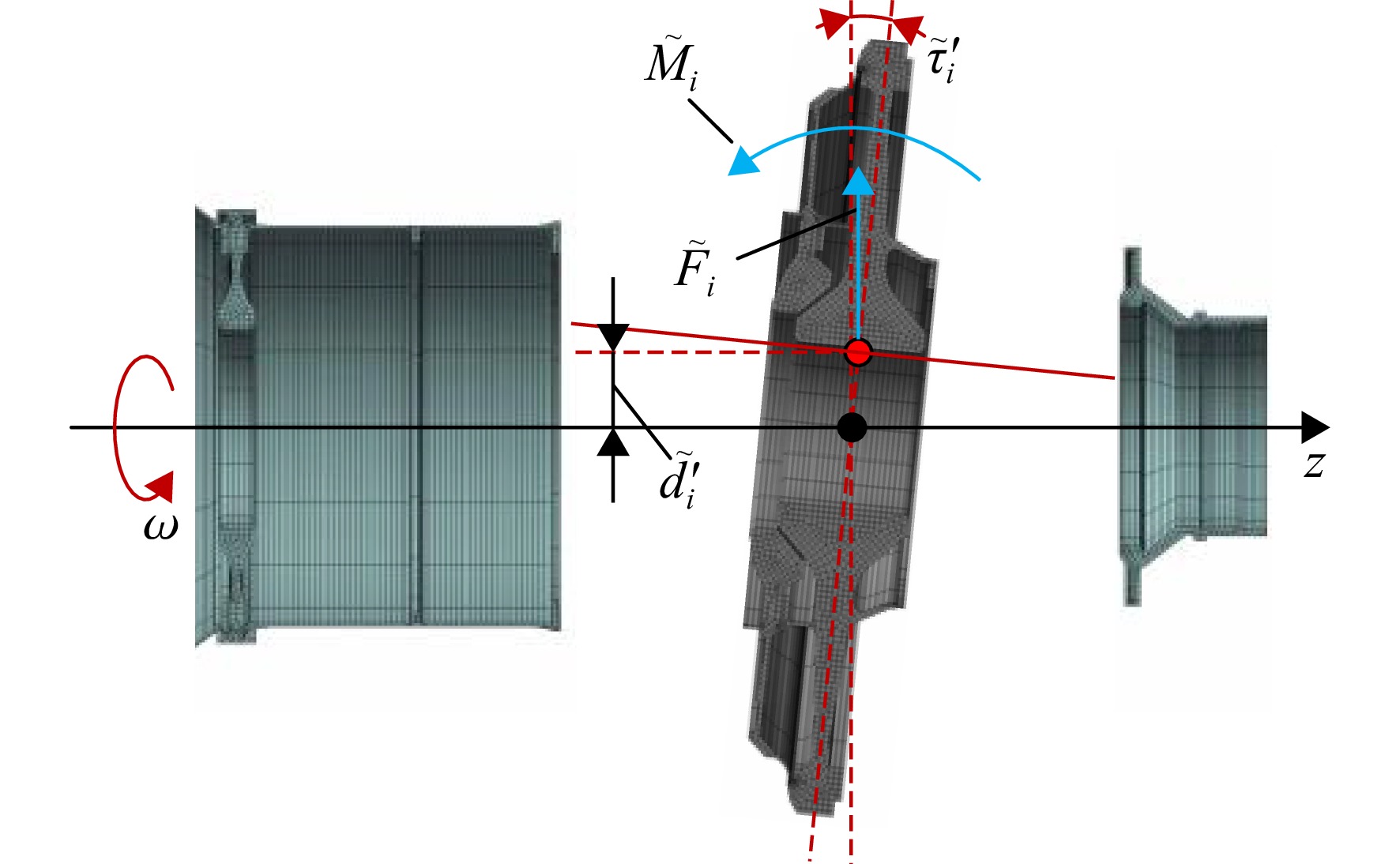
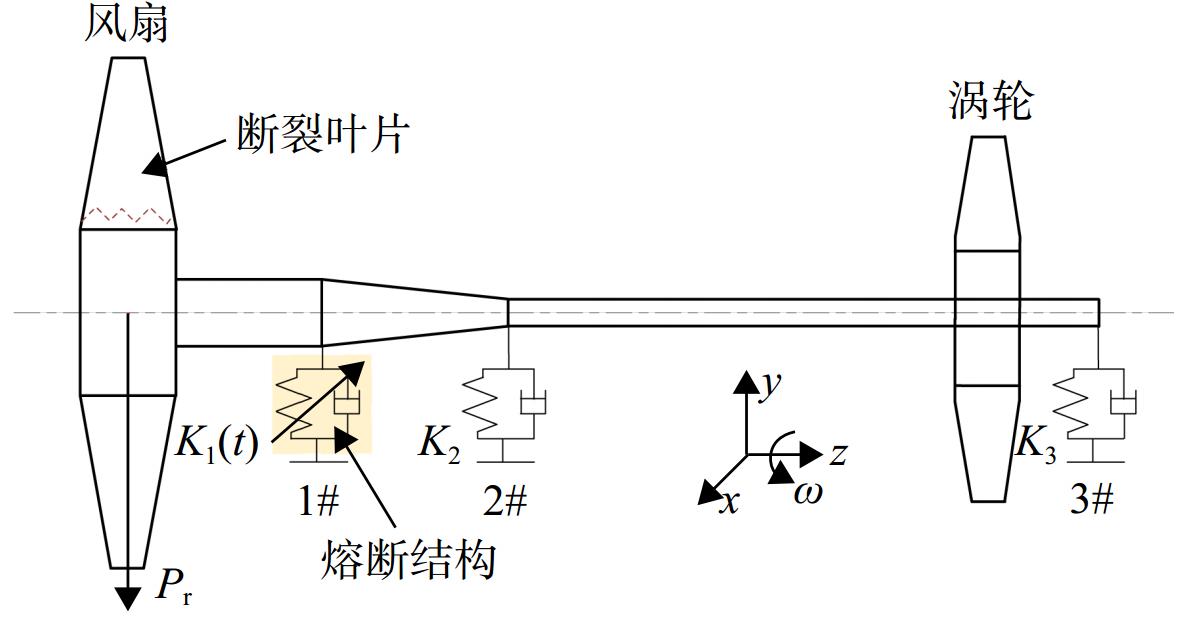
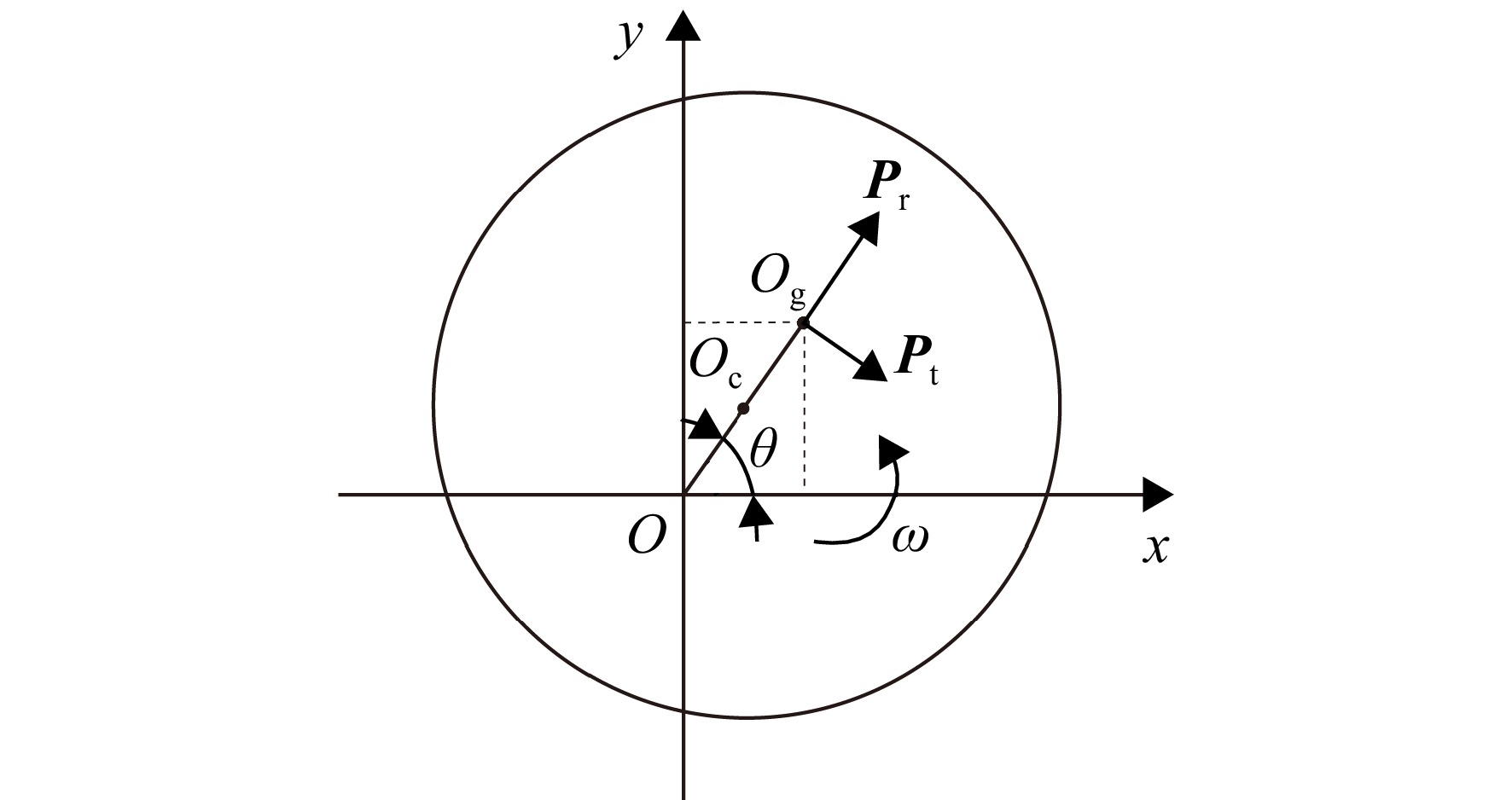
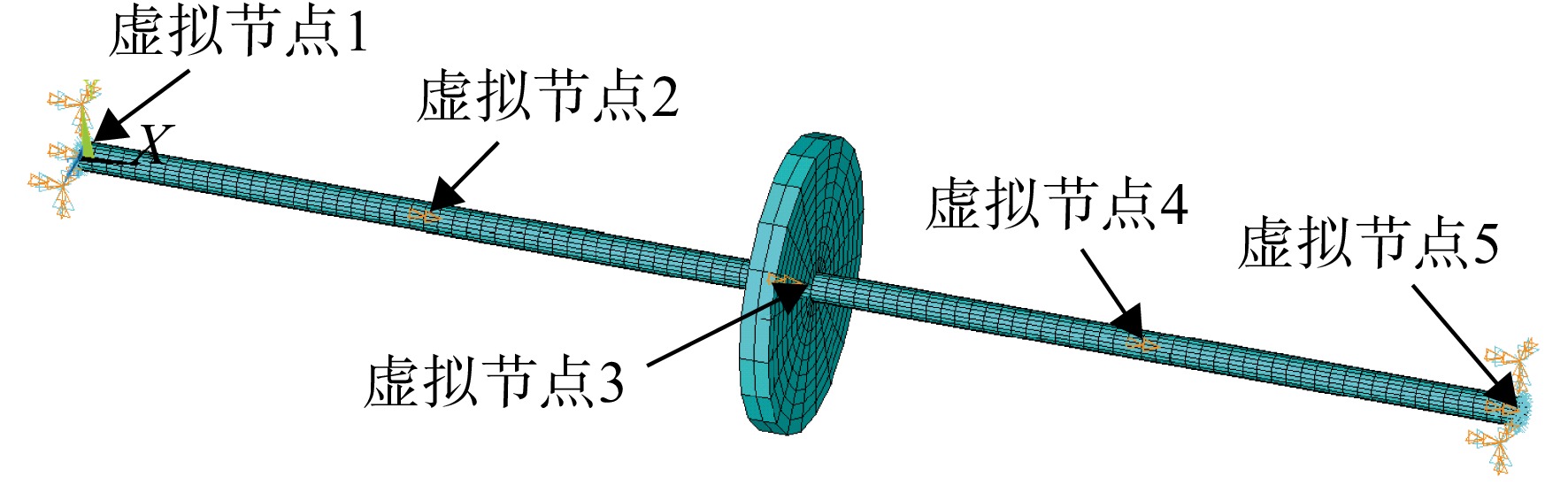
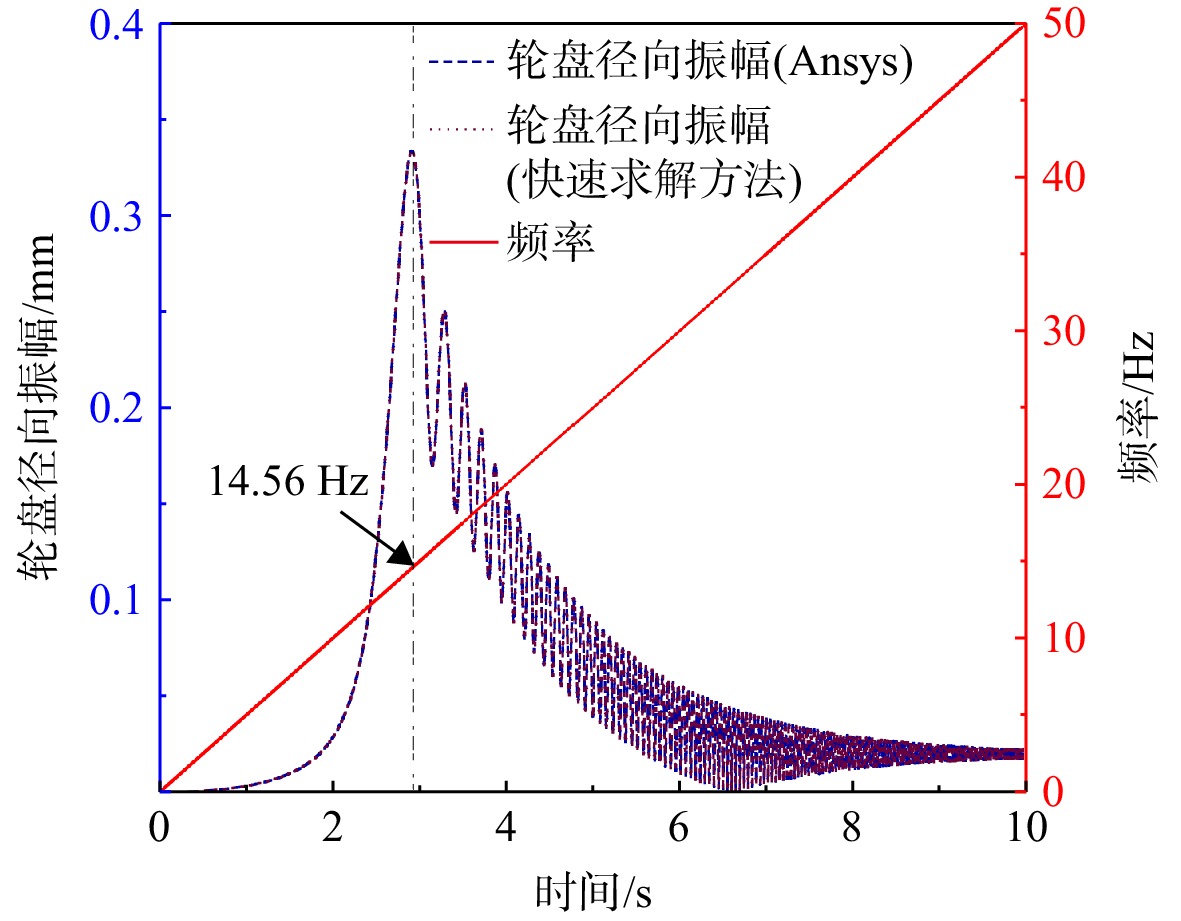
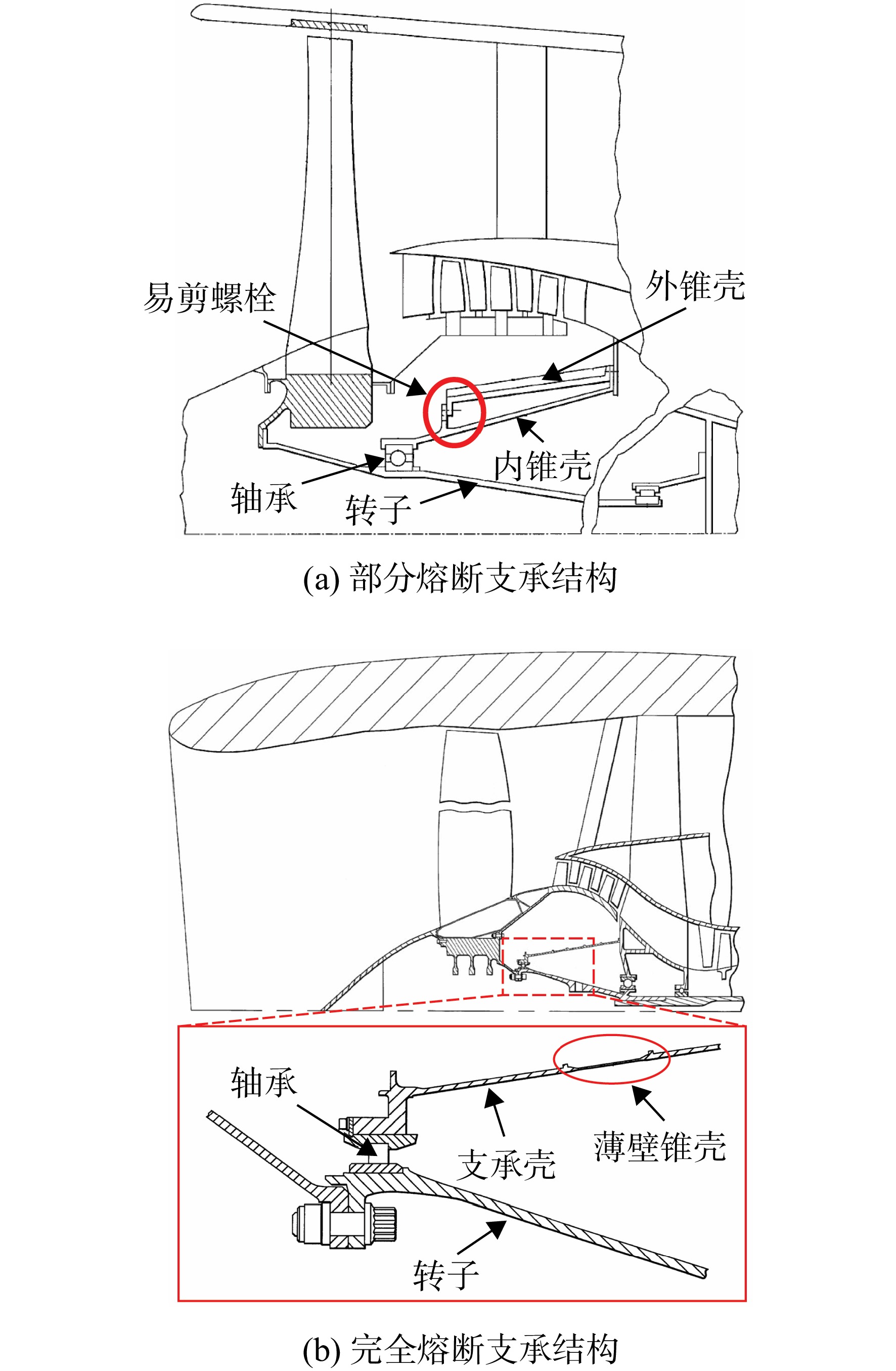
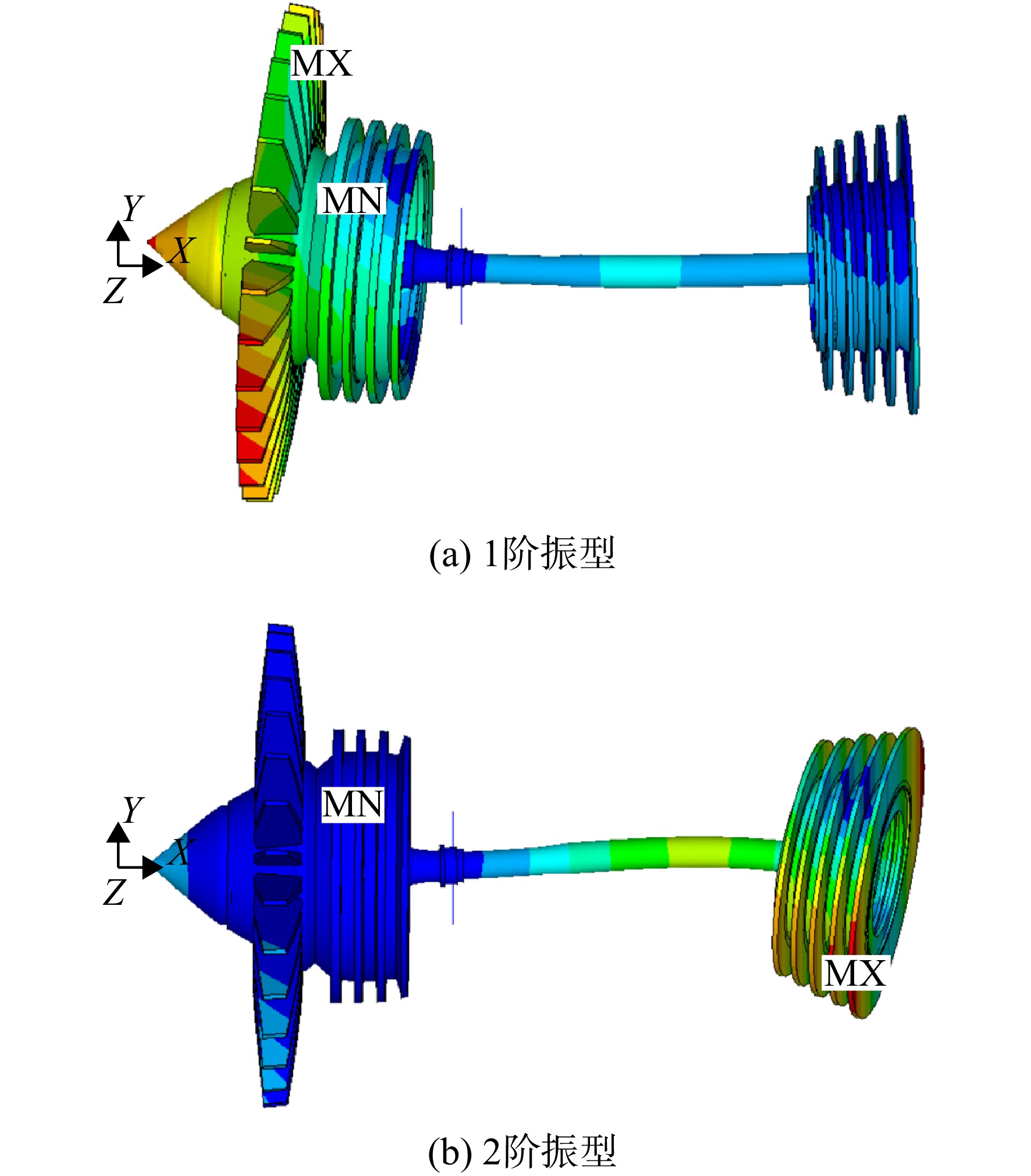
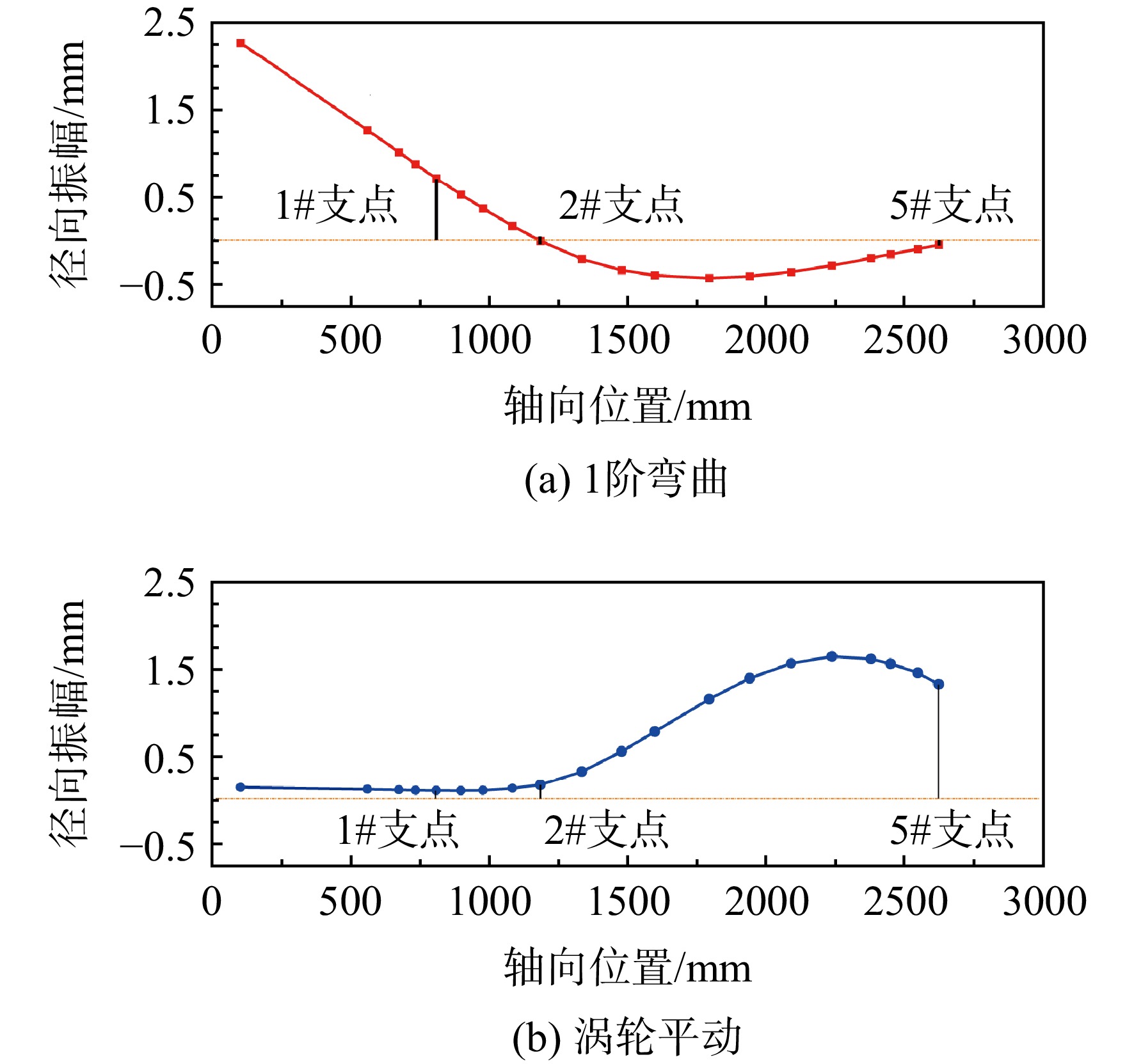
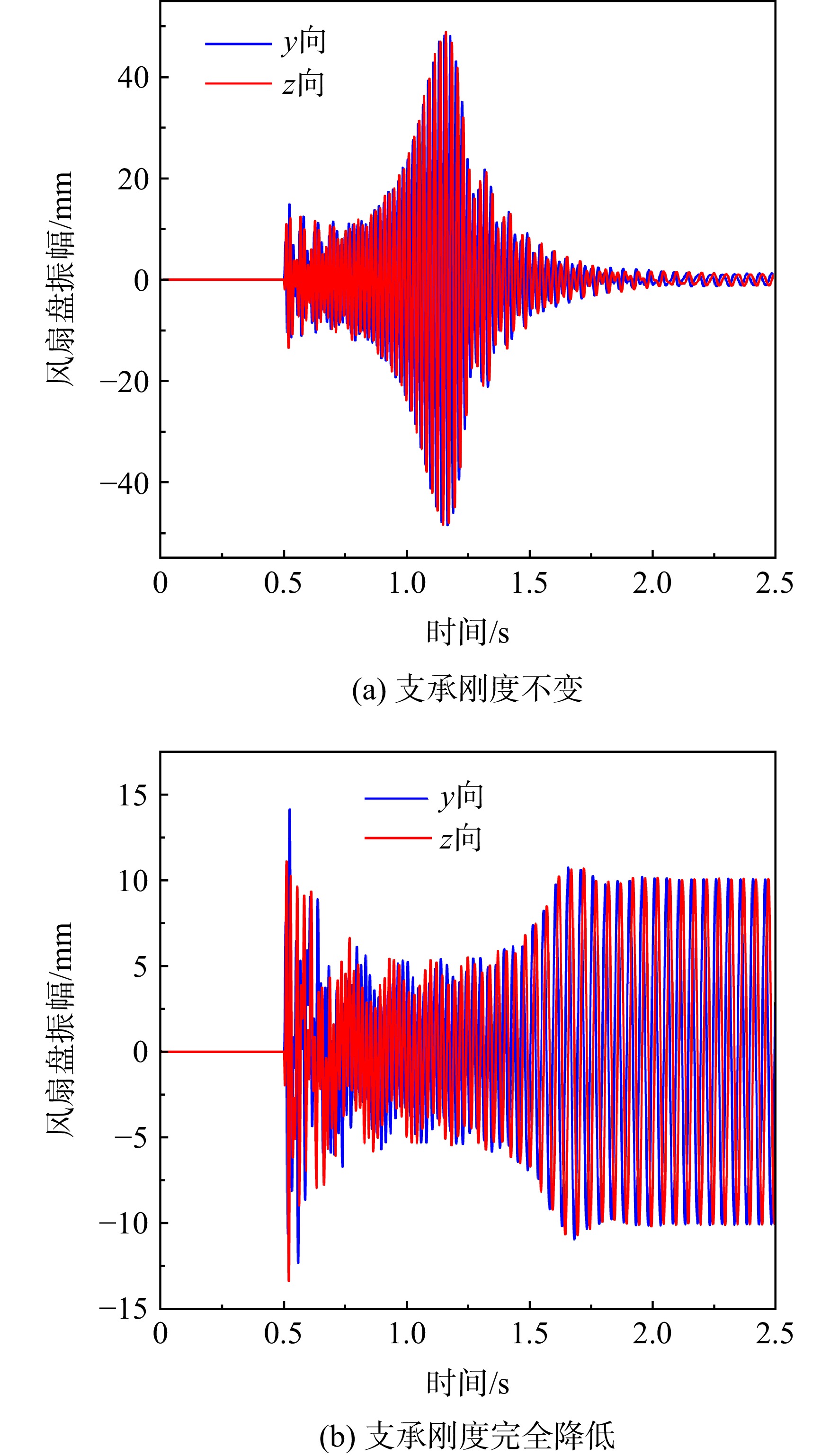
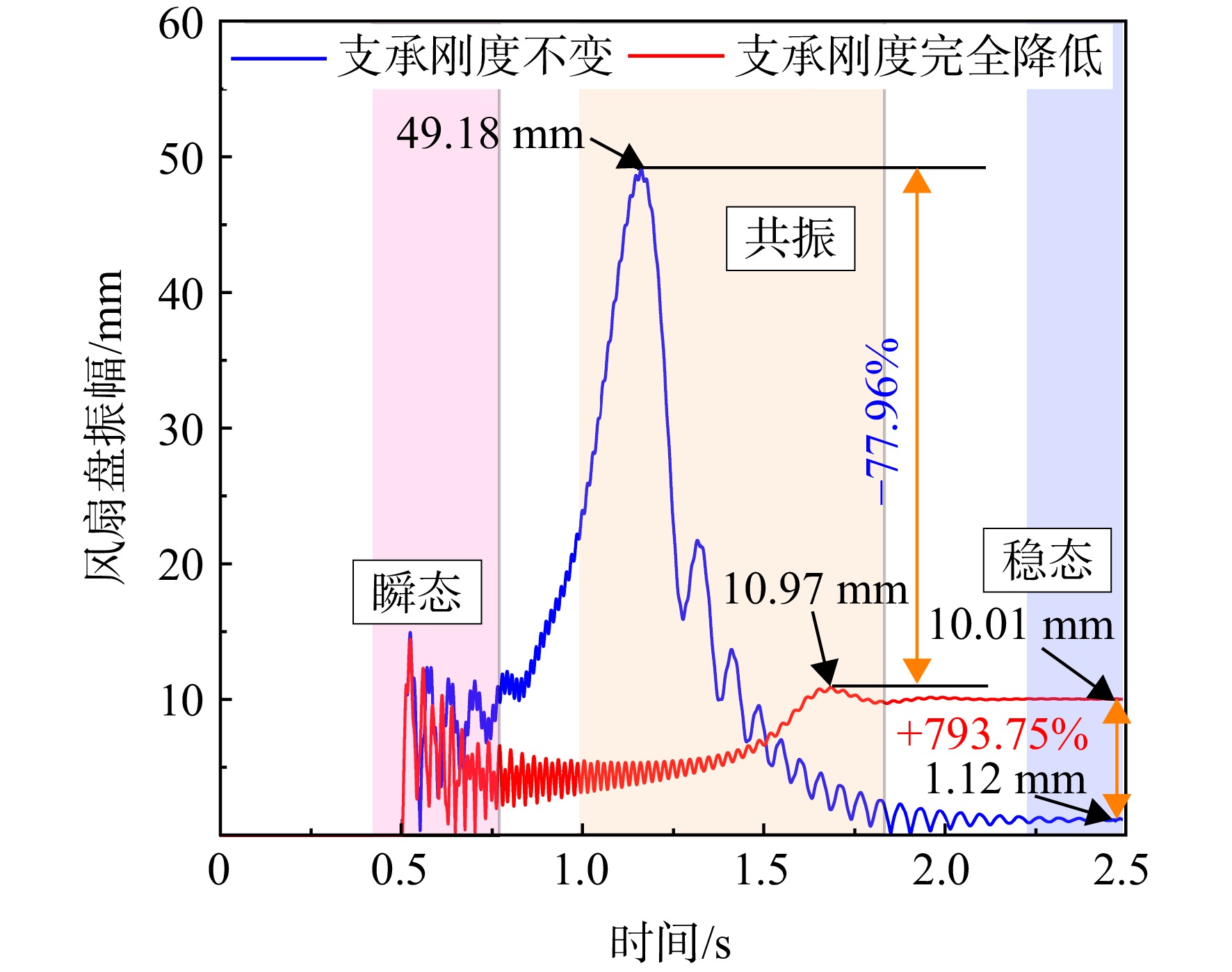
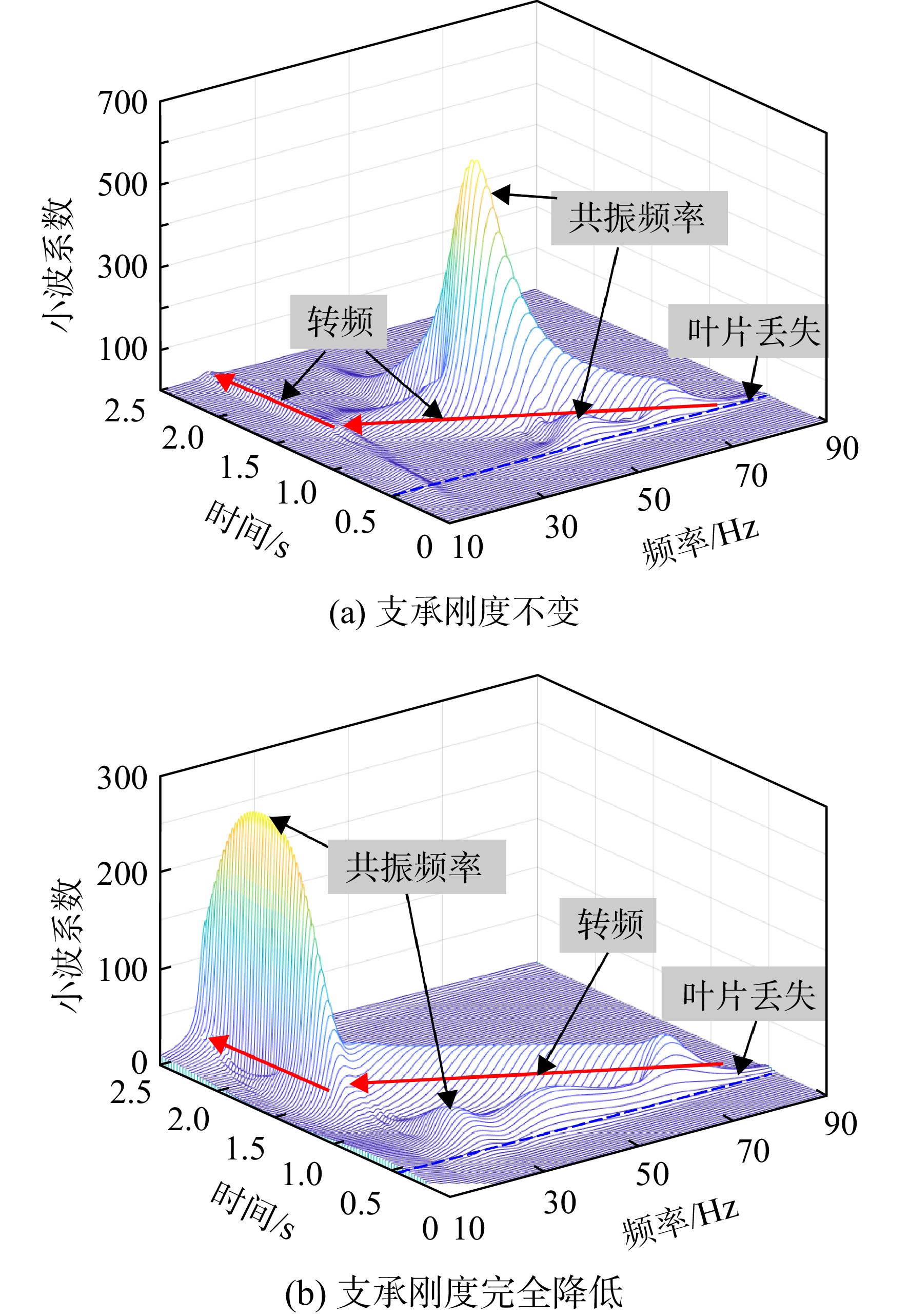
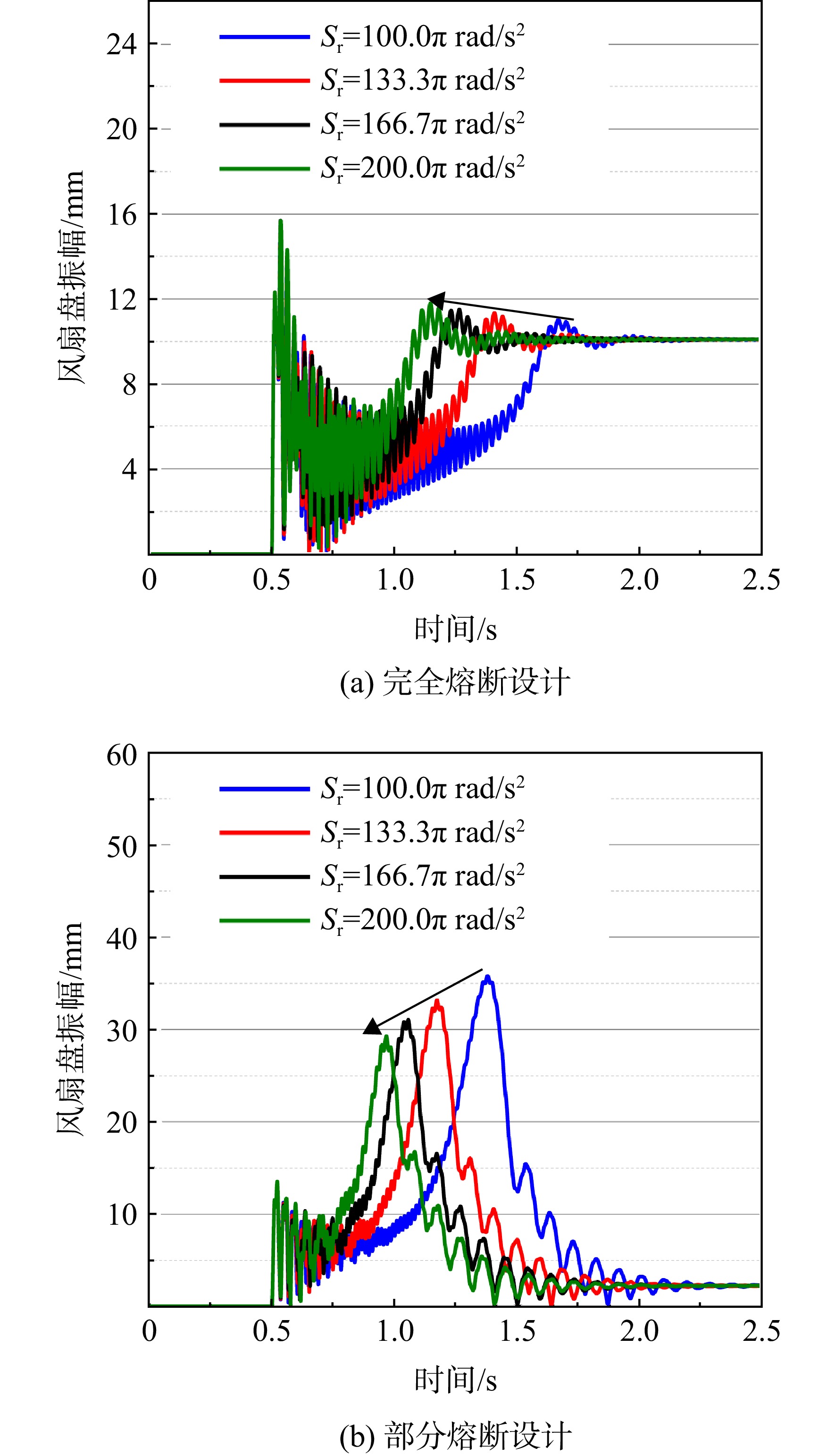
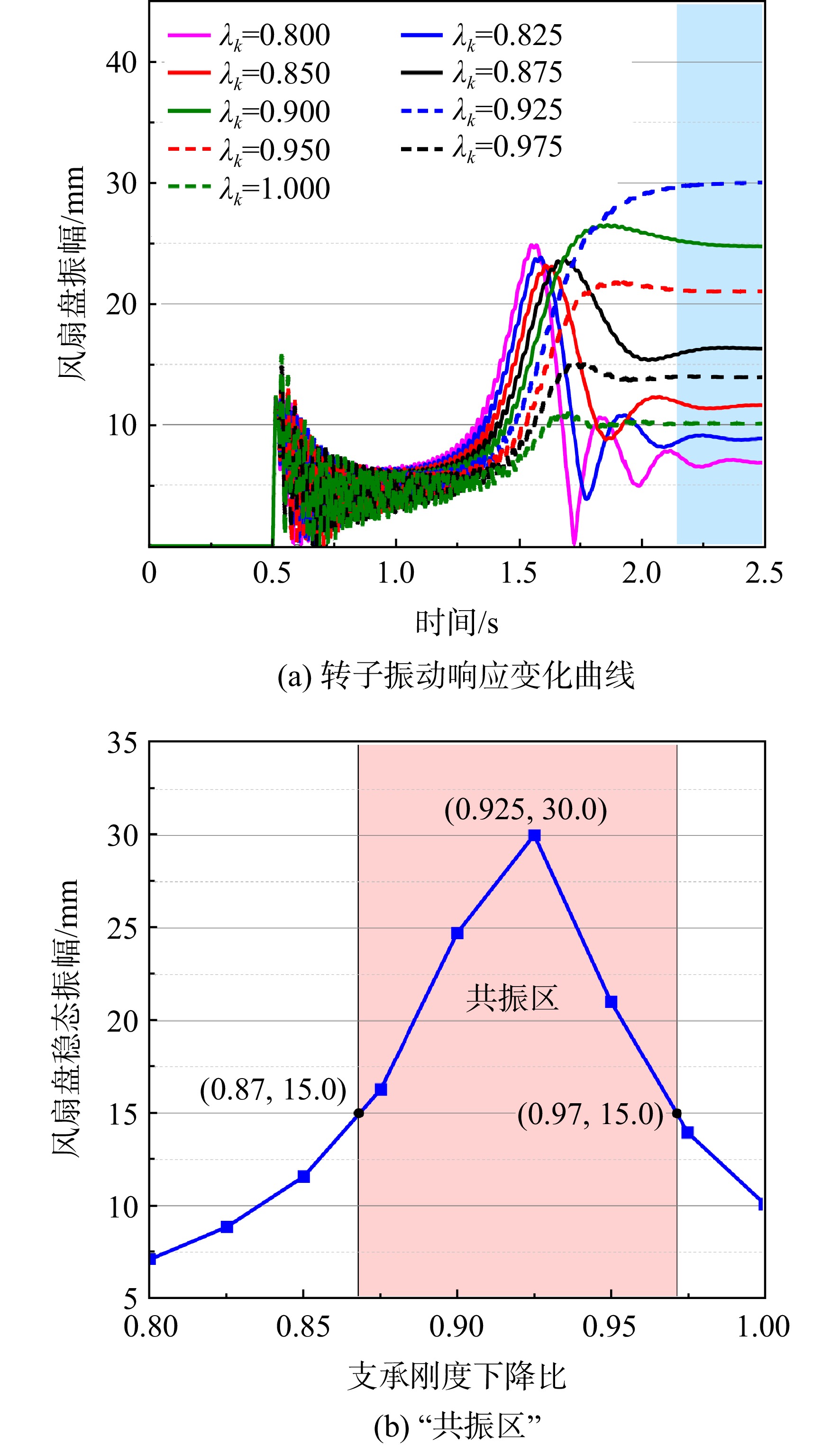
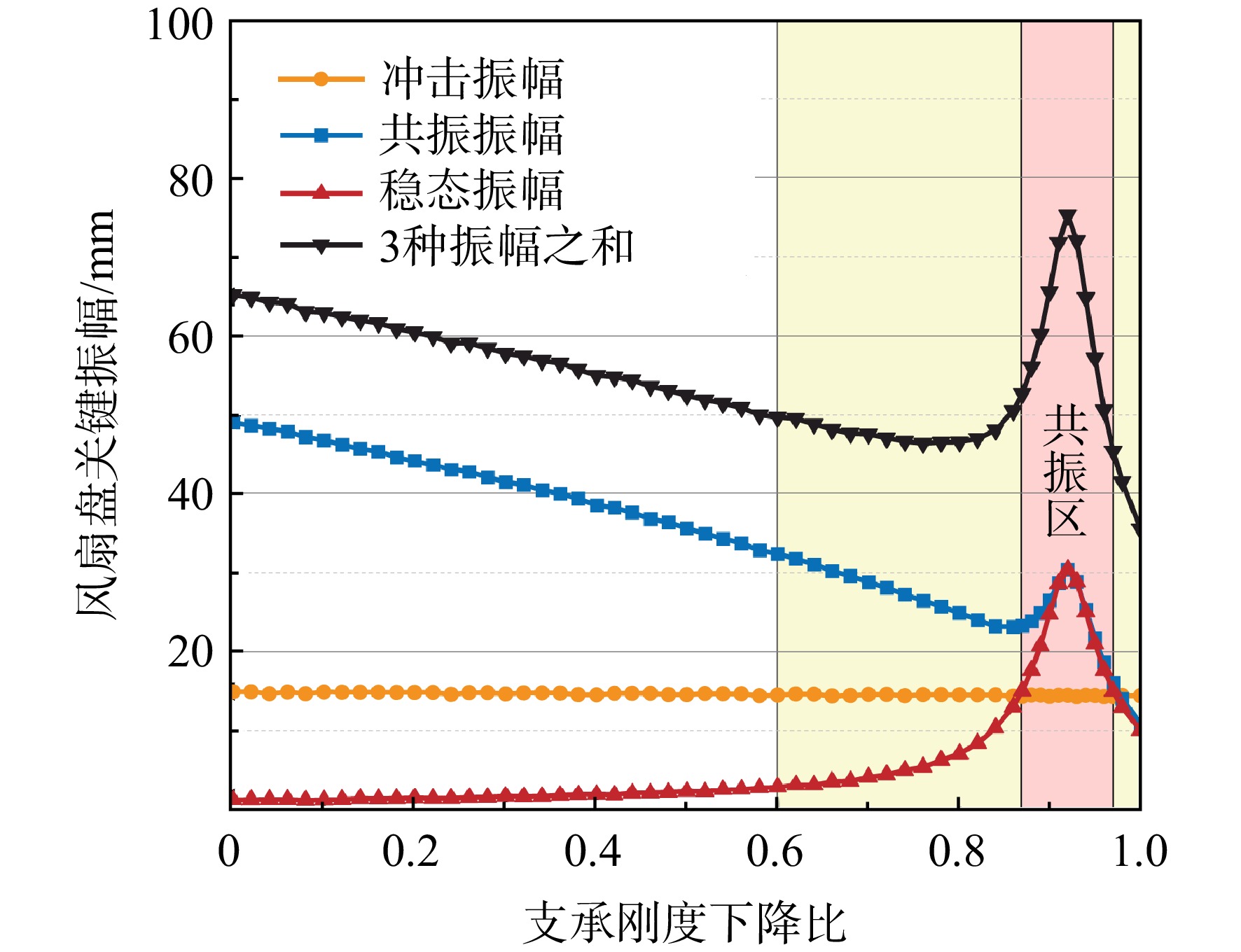
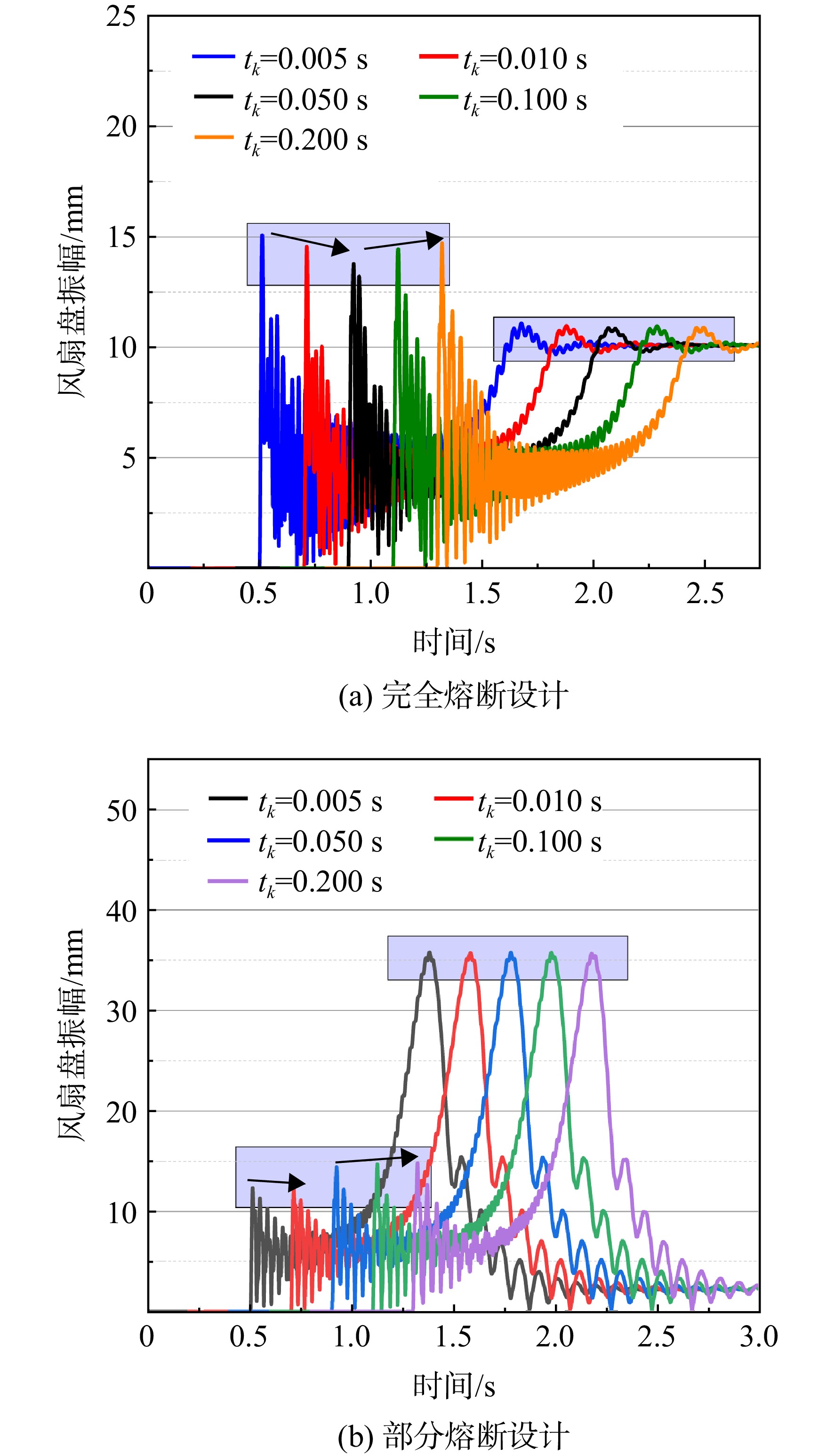
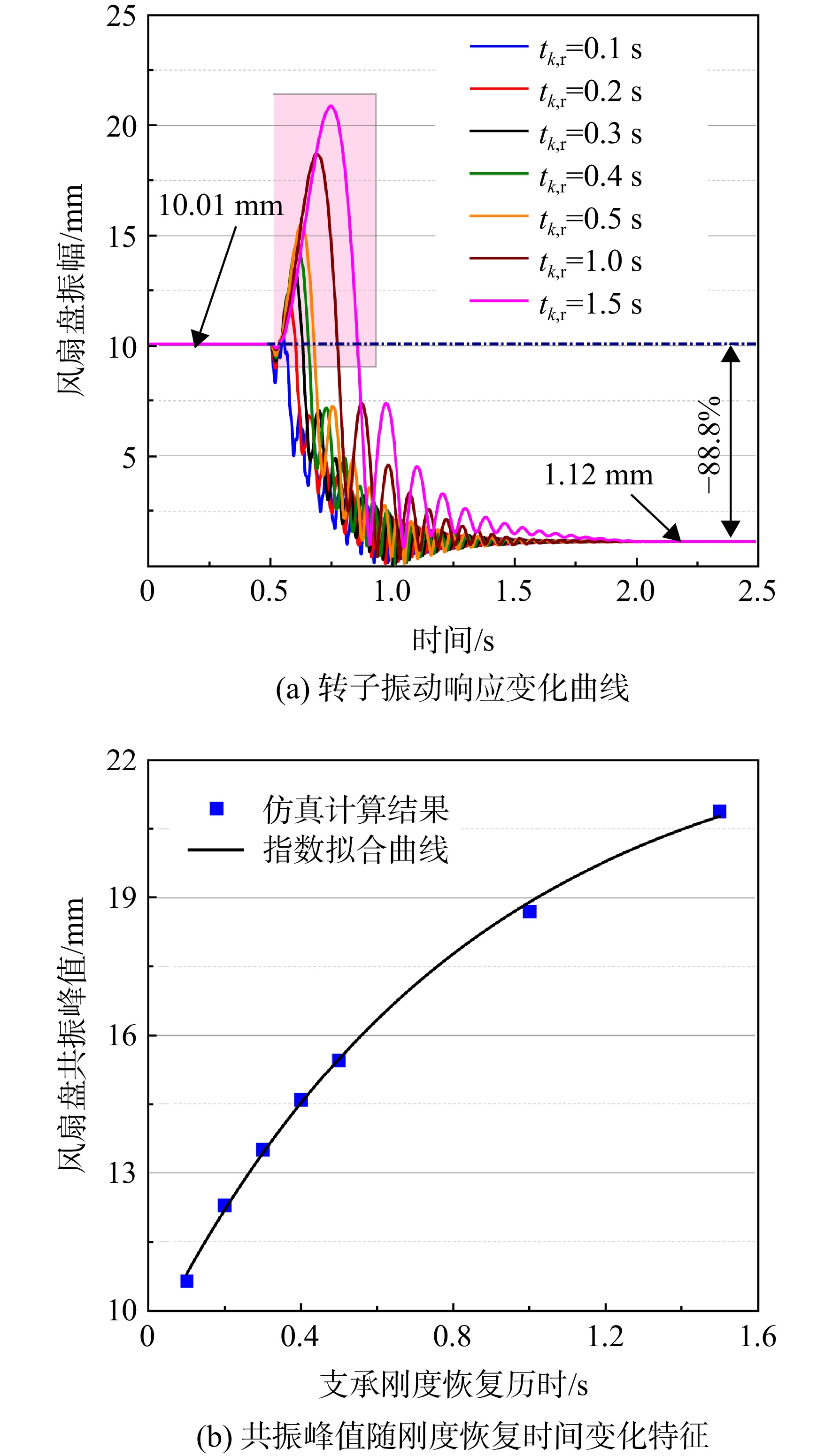
A rapid vibration response solving method was developed for the fan blade lost rotor system with a fusing structure. The effects of time-varying parameters, such as rotor speed and stiffness, on the vibration response of the rotor system were studied. The intrinsic vibration damping mechanism of the fusing structure was elucidated, and the design principles for fusing structure were proposed based on these findings. The results indicated that the fusing at the #1 support can significantly reduce the first critical speed of the rotor, consequently reducing the resonance response peak when the rotor passed through the critical point. The impact of the speed reduction rate on the dynamic characteristics of rotor with “complete fusing” and “partial fusing” designs differed significantly, necessitating a distinction in design approaches. The stiffness variation duration of the support had a minor effect on the vibration response of the rotor and may be disregarded during the design phase. When the support stiffness reduction rate fell within a certain range, the rotor may approach a resonant state during windmilling operation stage, thus this “resonance zone” should be avoided during design. For complete fusing designs, restoring the stiffness of the support structure during windmilling phase is beneficial for enhancing rotor operational safety, with preferable faster stiffness recovery.

Research on sealing performance of 60° spherical cone joint for pipeline
YANG Zheng, LI Junwei, ZHU Jingwen, LONG Haibo, WANG Ningfei
2025, 40(8): 20230746. doi: 10.13224/j.cnki.jasp.20230746
Abstract:

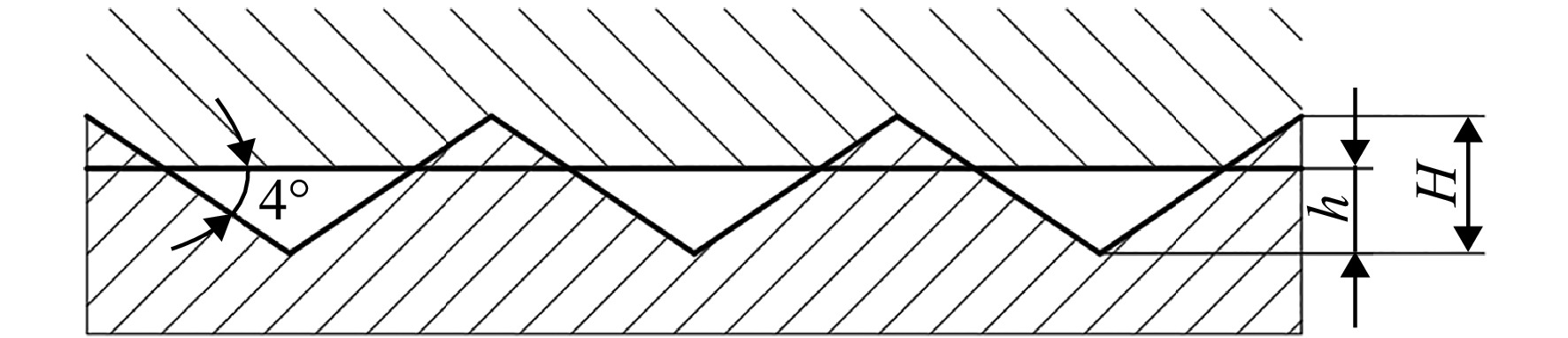
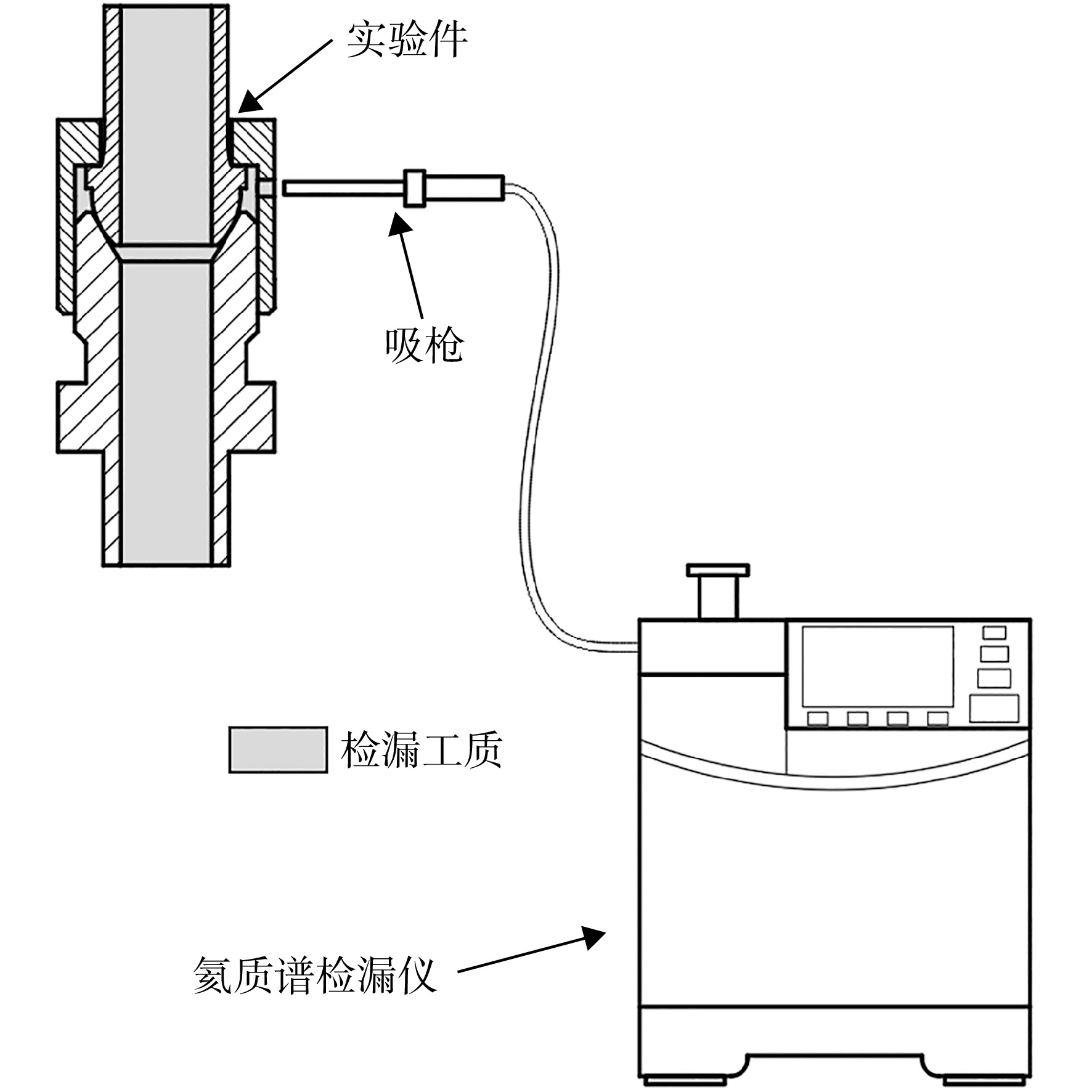
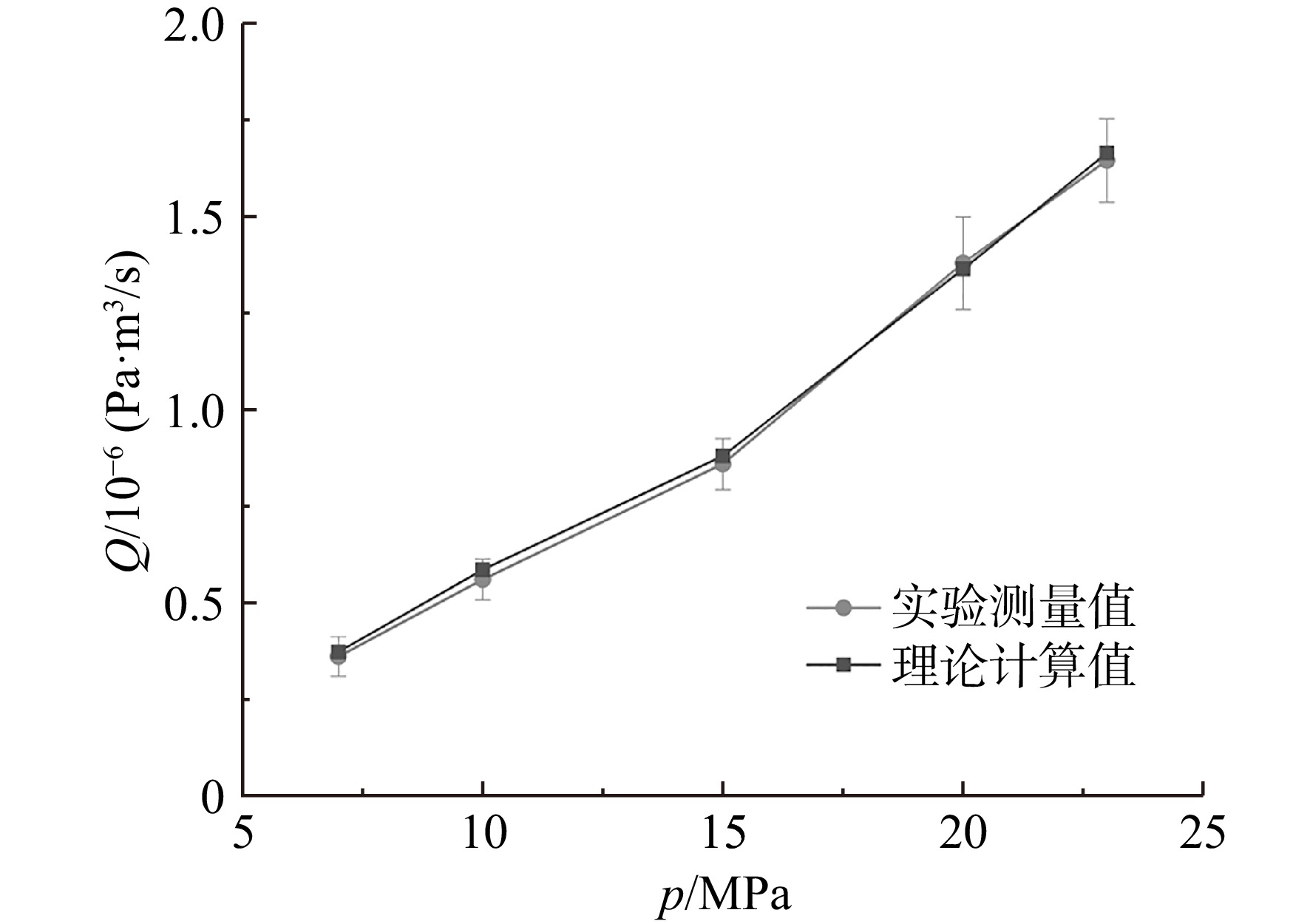
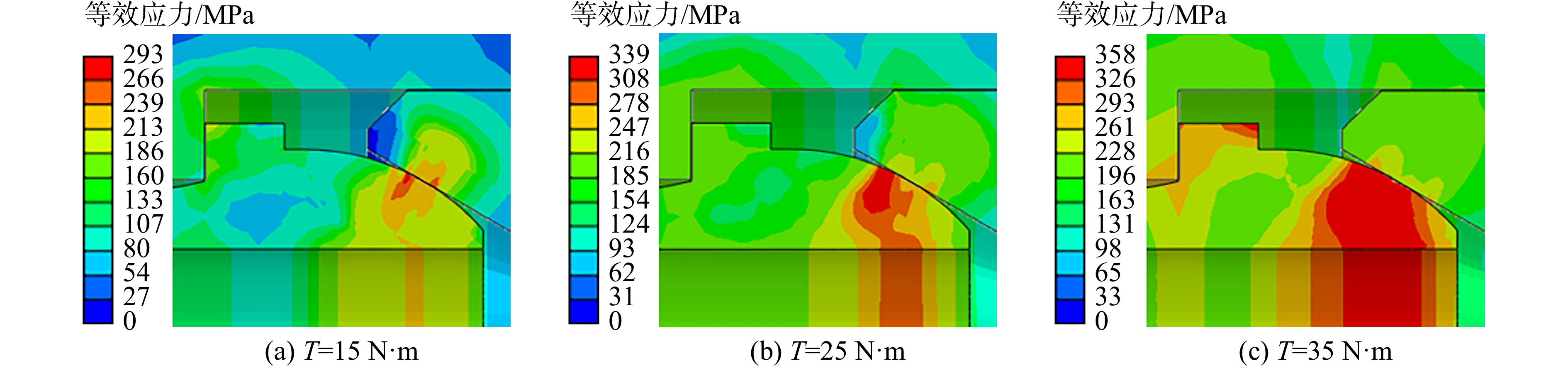
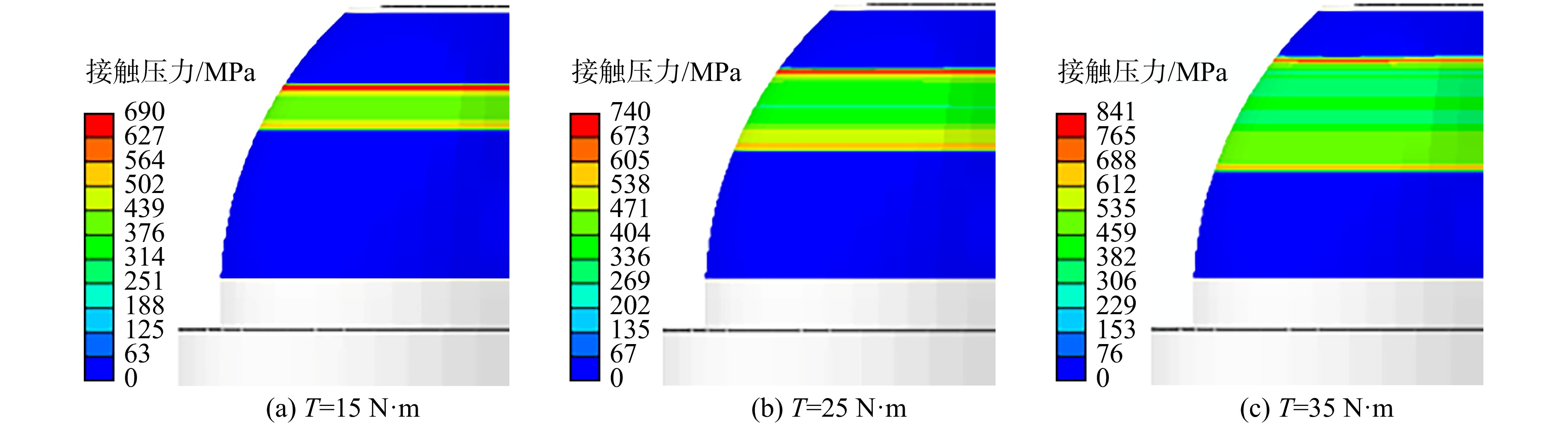
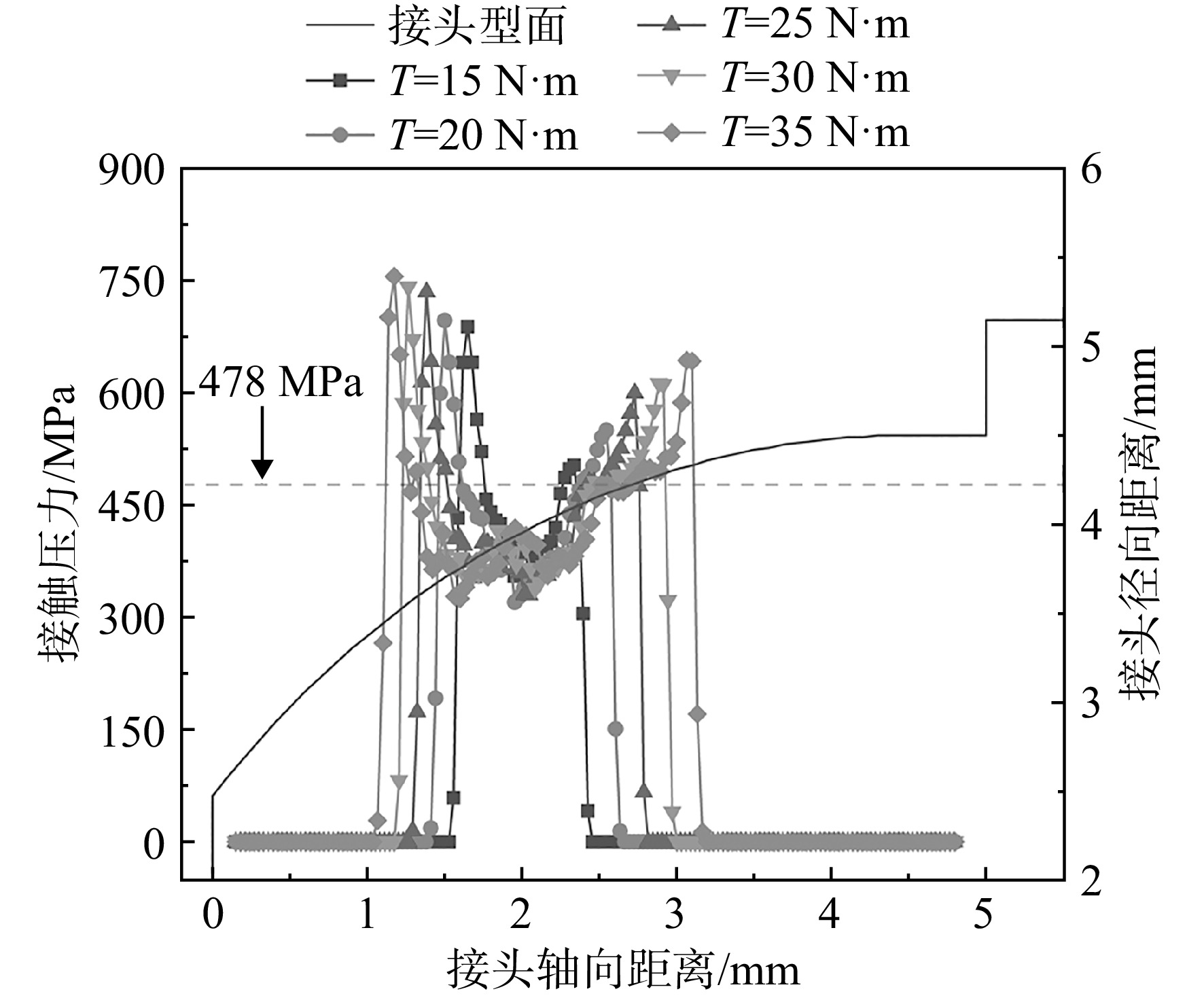
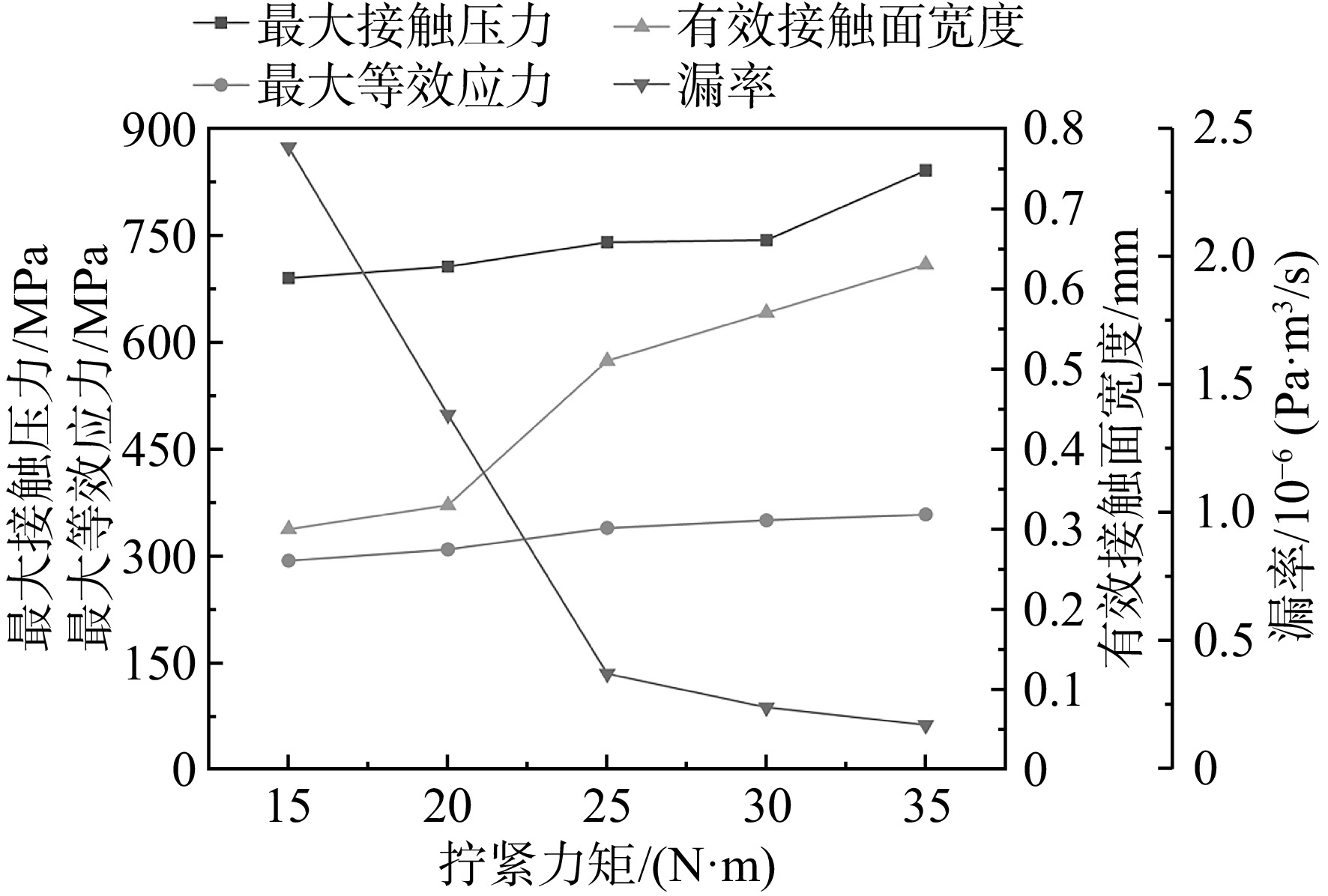
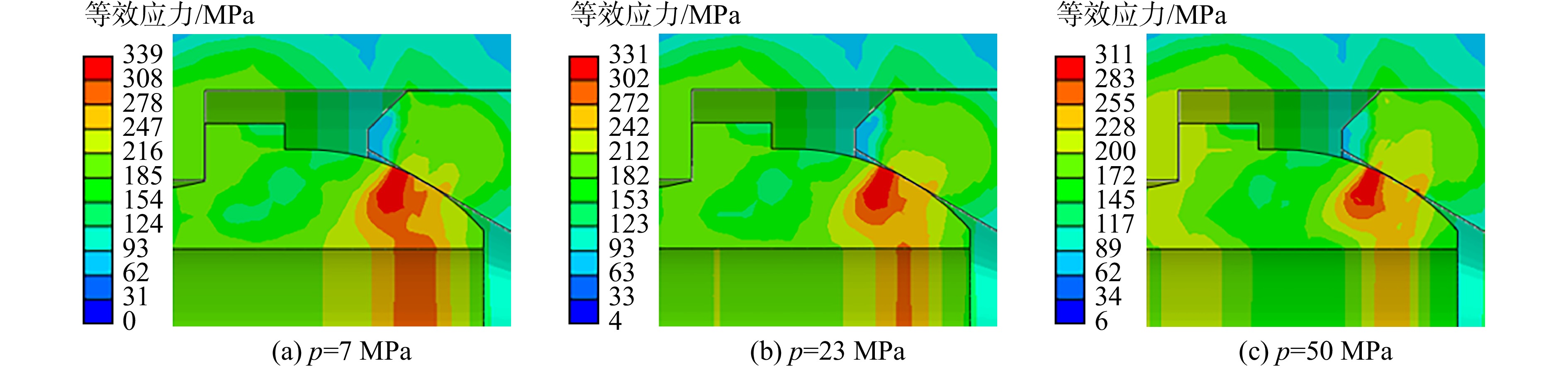
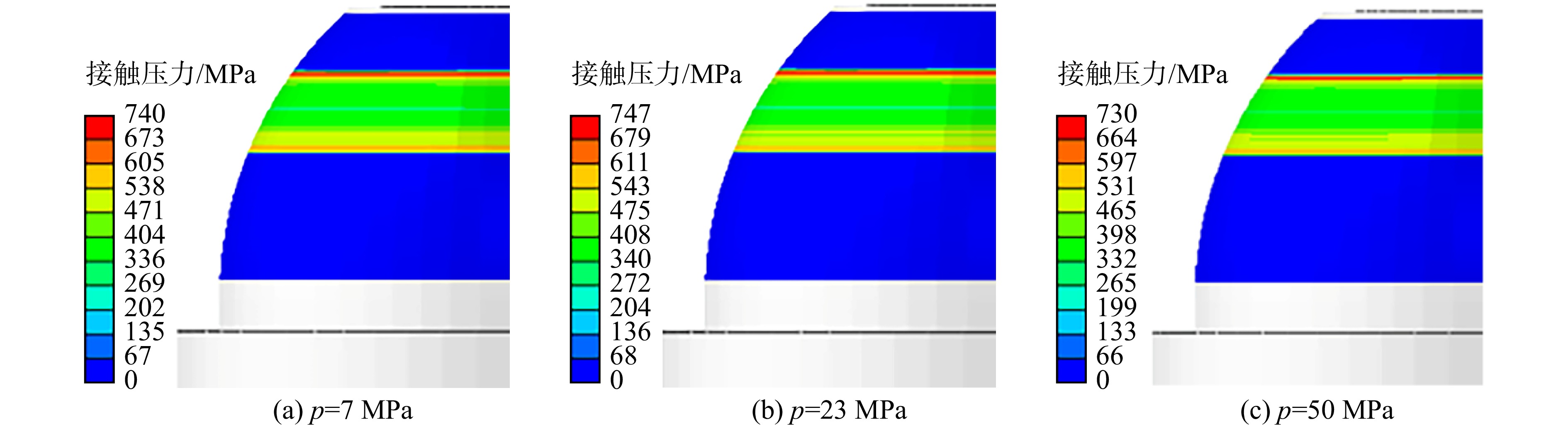
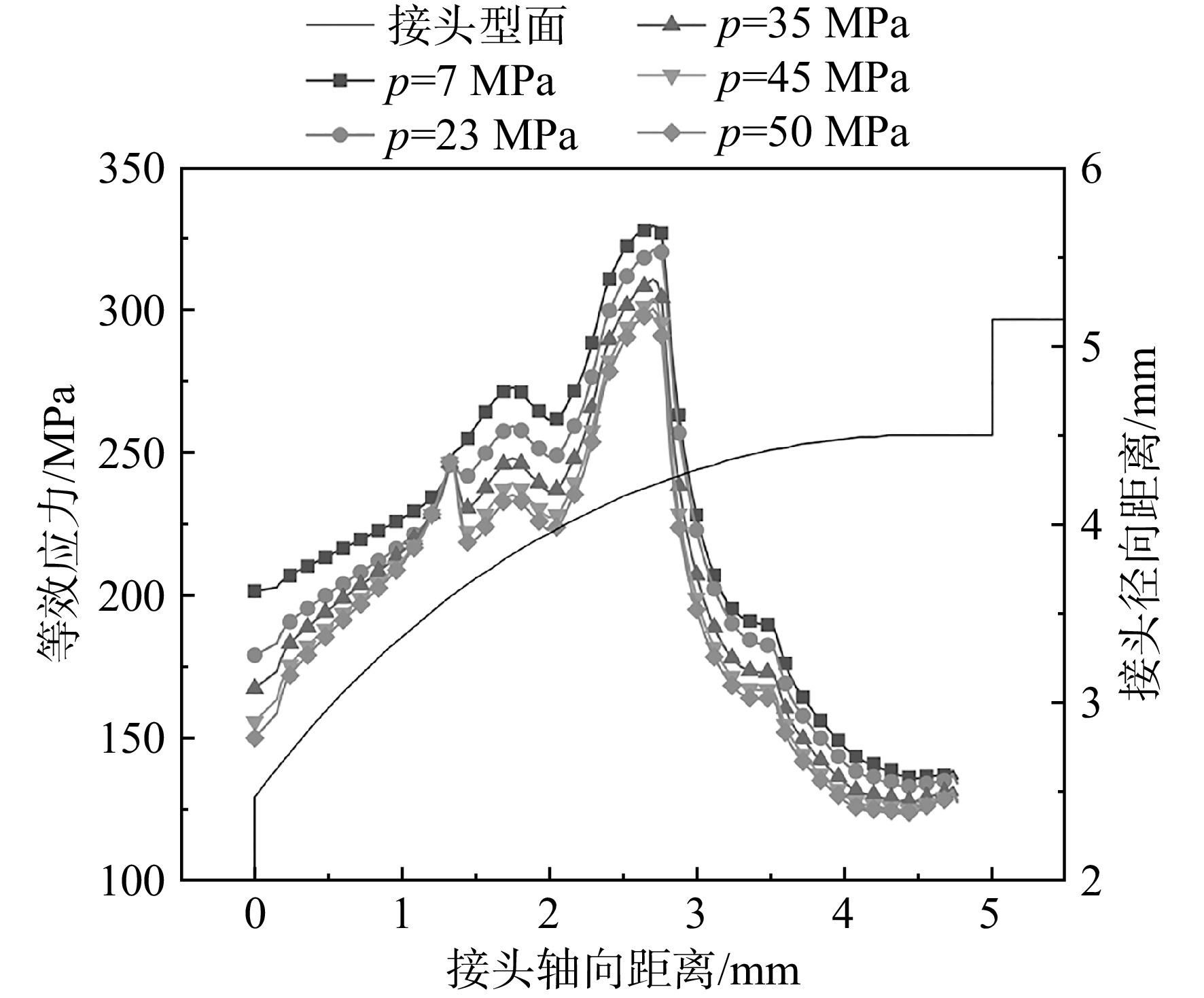
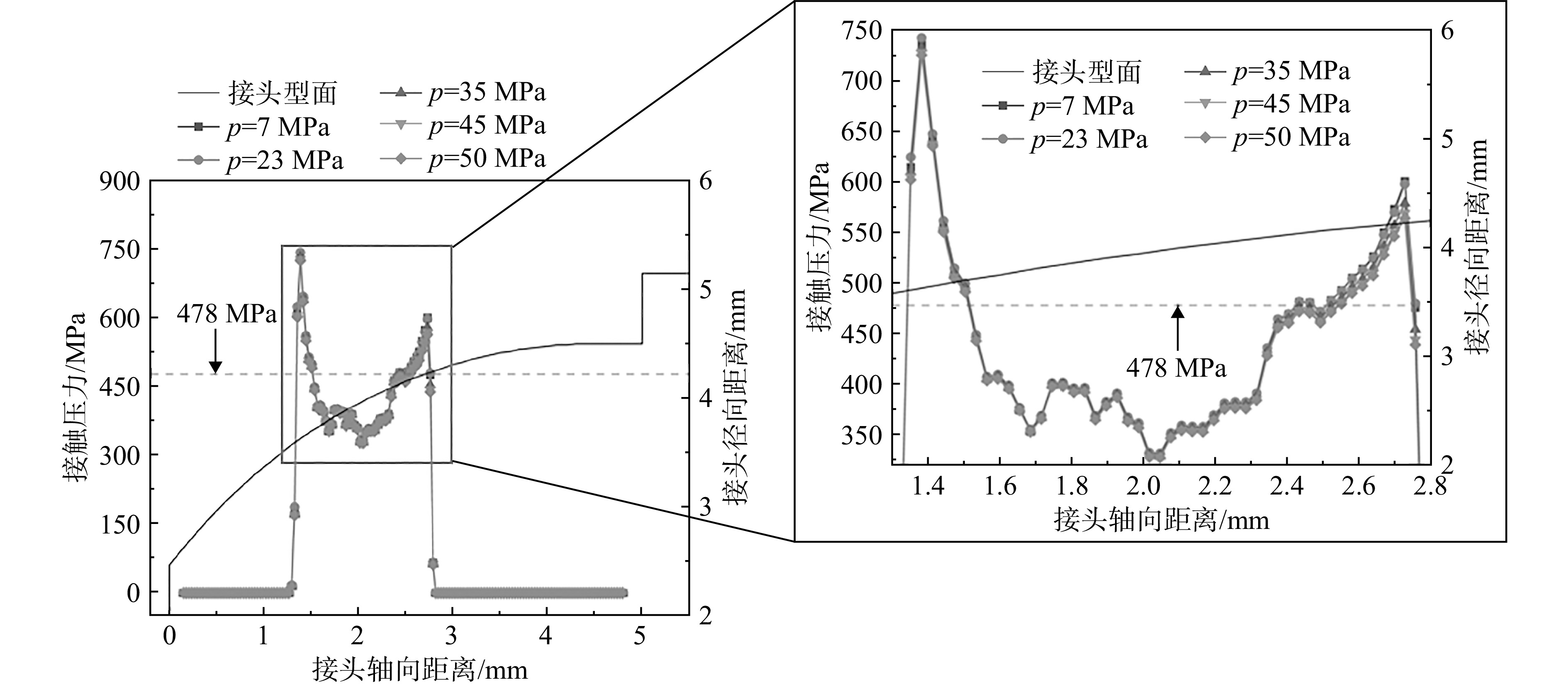
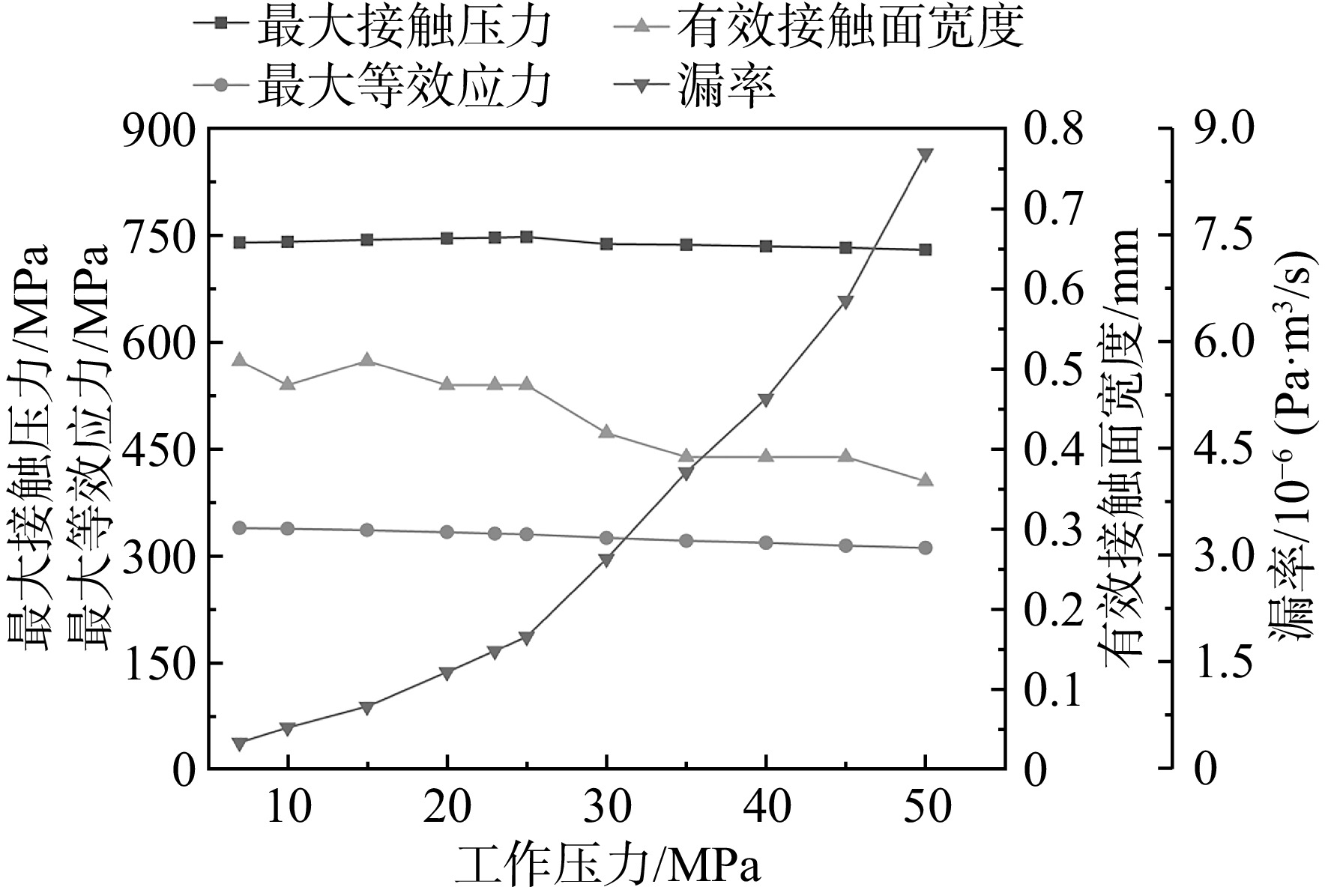
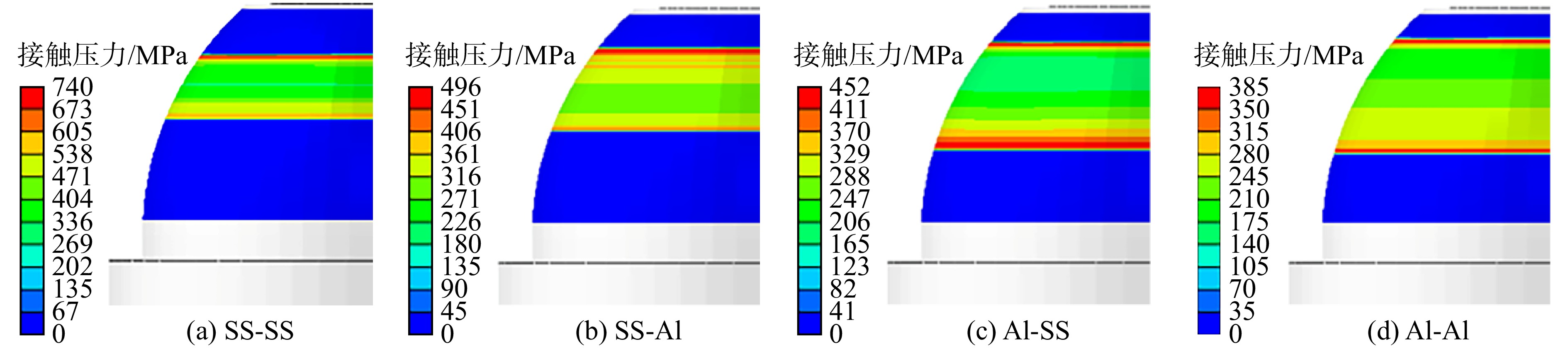
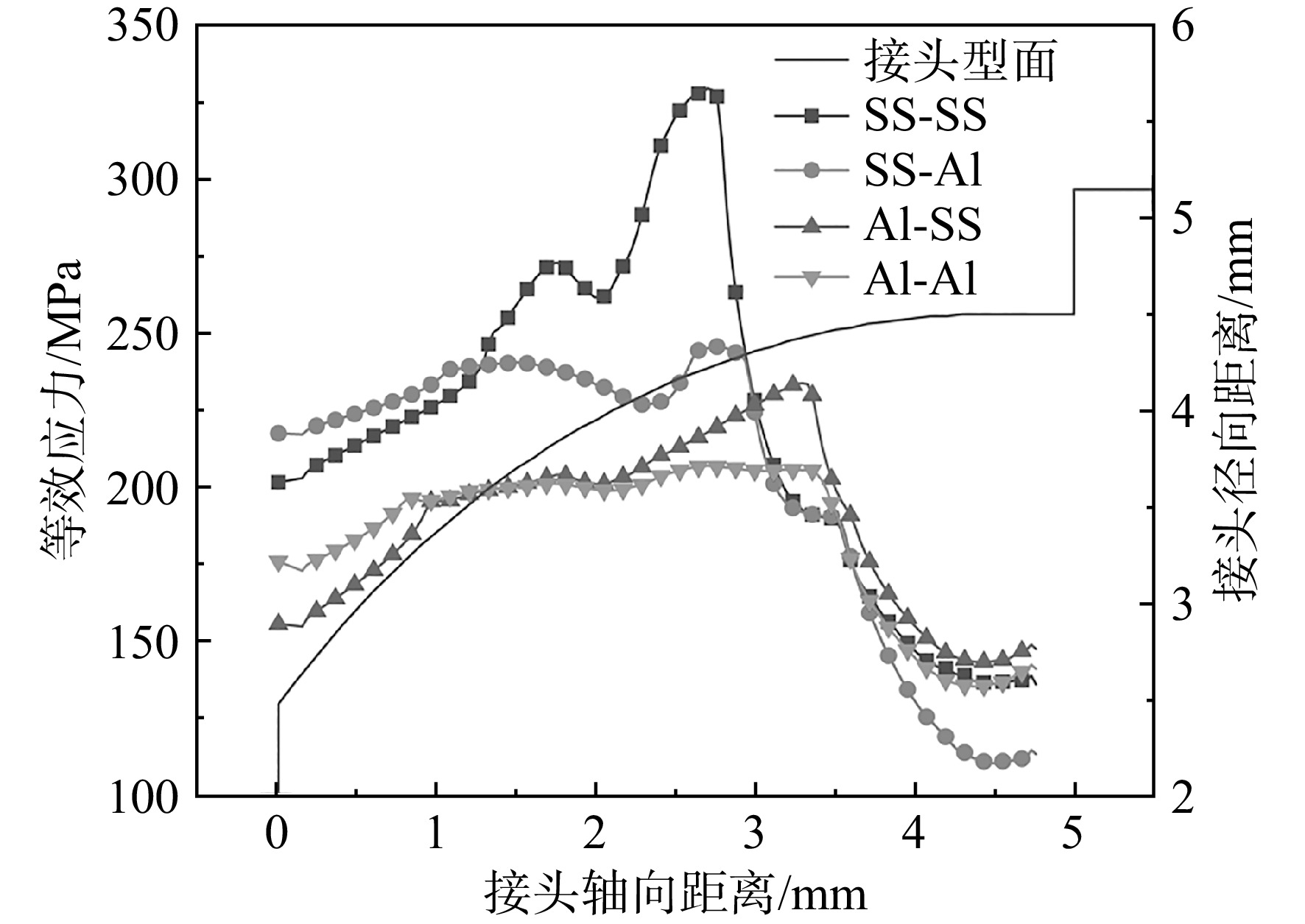
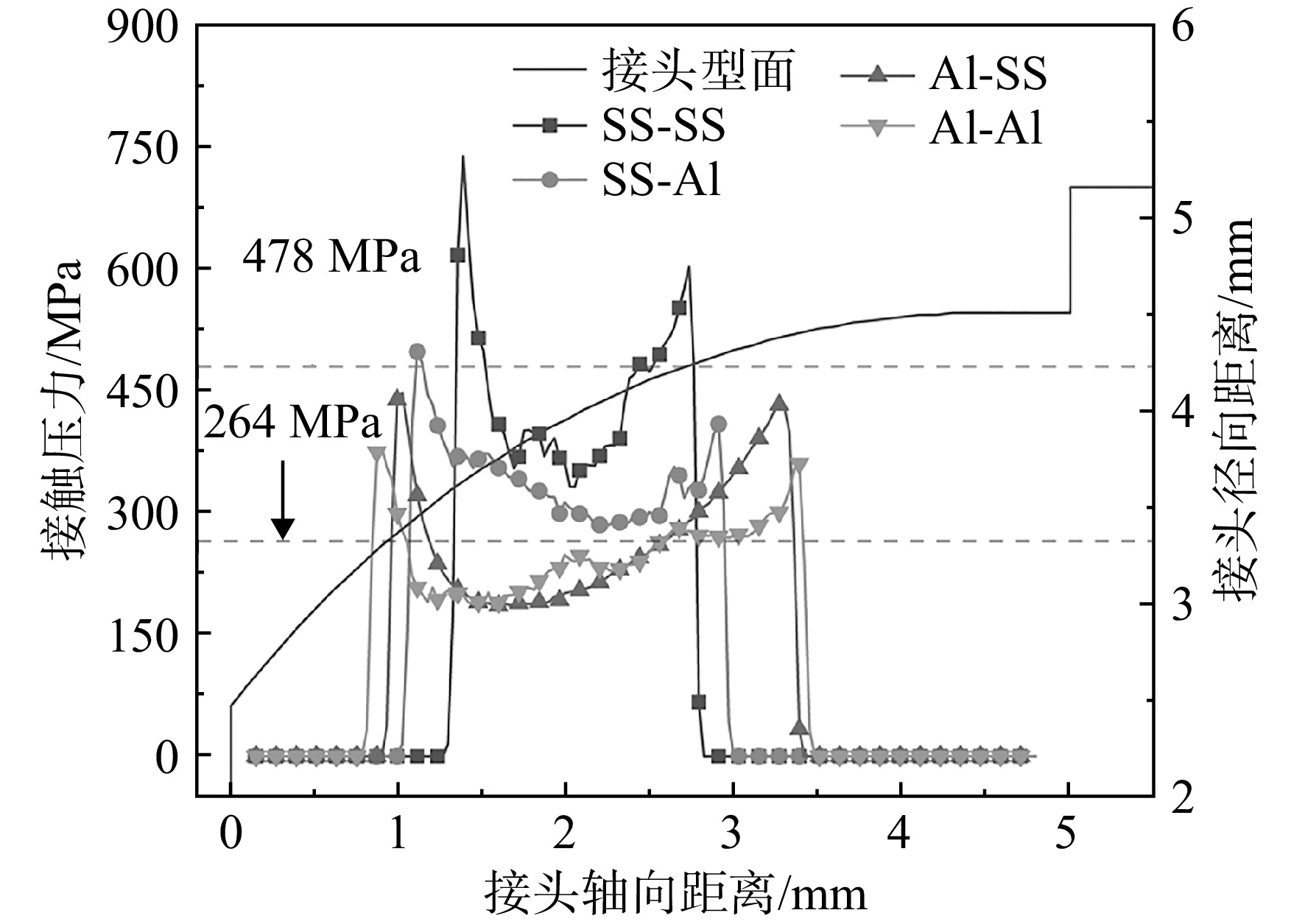
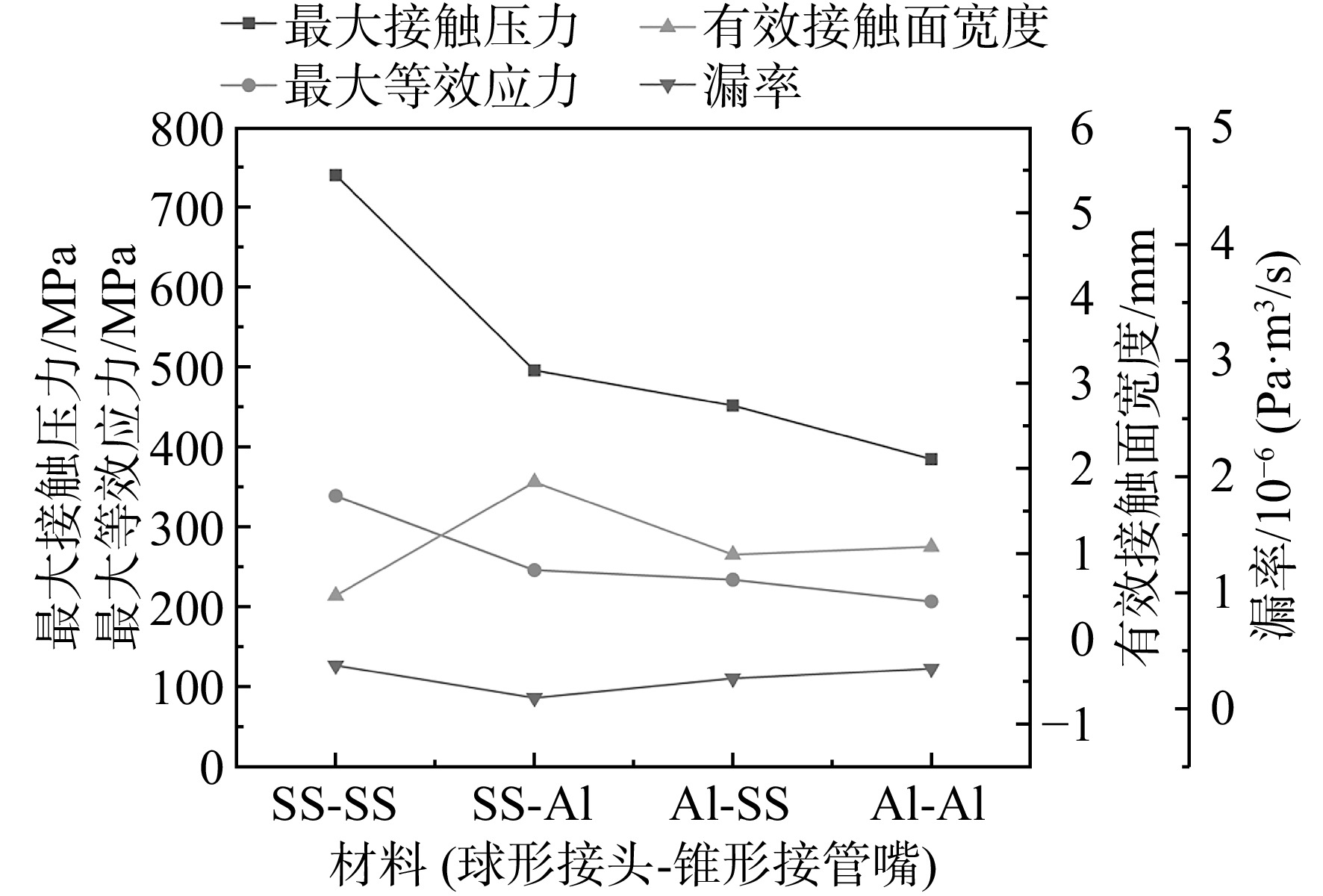
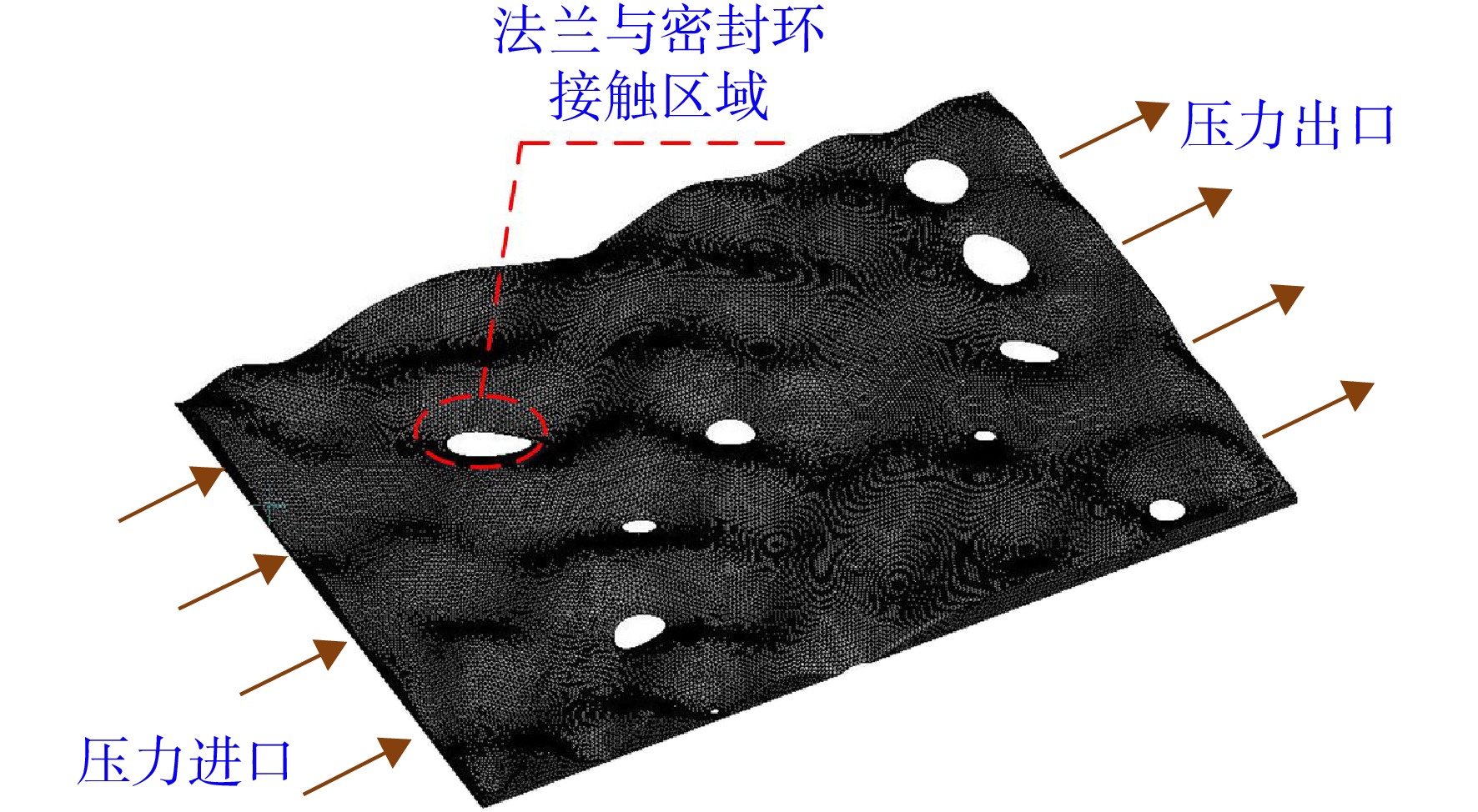
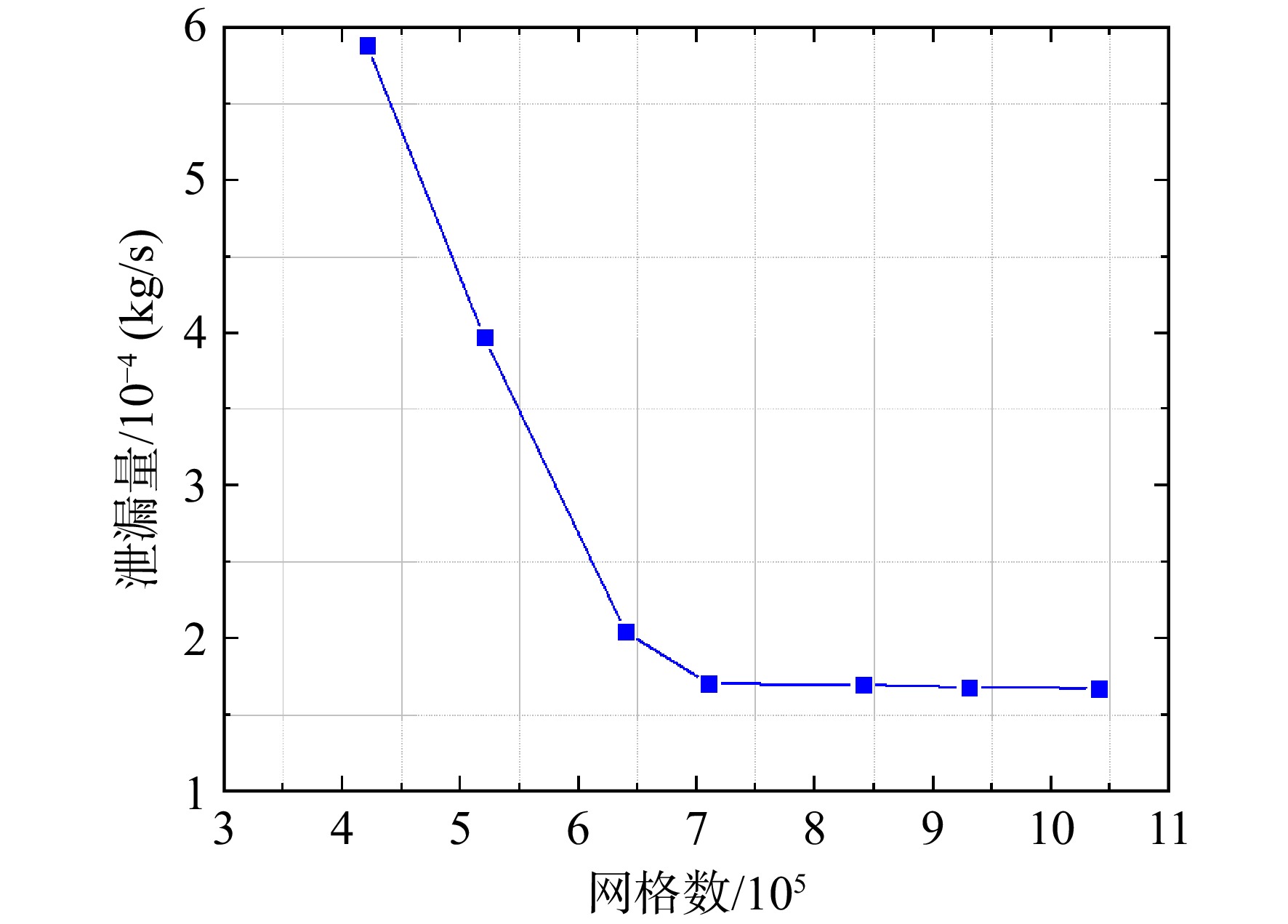
A finite element analysis was conducted to investigate the sealing effectiveness of the 60° spherical cone joint under different tightening torques, working pressures, and materials. The analysis evaluated the leakage rate and discussed the influence of changing conditions on the structural sealing performance. The results indicated that increasing the tightening torque can improve the sealing effectiveness. Specifically, the highest rate of decrease in leakage rate was observed when the tightening torque increased from 15 N·m to 25 N·m. Conversely, increasing the working pressure reduced the sealing effectiveness. Within the range of 7 MPa to 25 MPa, the leakage rate was kept at a relatively low level, with a maximum leakage rate of 1.86×10⁻⁶ Pa·m3/s. When the working pressure increased from 25 MPa to 50 MPa, the rate of leakage escalated, reaching a maximum of 8.65×10⁻⁶ Pa·m3/s, which was 4.7 times higher than that at 25 MPa. The sealing performance was more sensitive to the pressure change. For both 1Cr18Ni9Ti and LF3 materials, good sealing can be achieved under different combinations, with slightly better sealing performance observed for different materials used in spherical joints and conical nozzles compared with the same material. Notably, the best sealing effect was achieved with 1Cr18Ni9Ti for the spherical joint and LF3 for the cone hole.

Experimental research on thermal bow deformation and dynamics of aero-engine rotor
YU Xiangyu, LIU Zhansheng, HE Peng, QI Jinlei
2025, 40(8): 20230188. doi: 10.13224/j.cnki.jasp.20230188
Abstract:
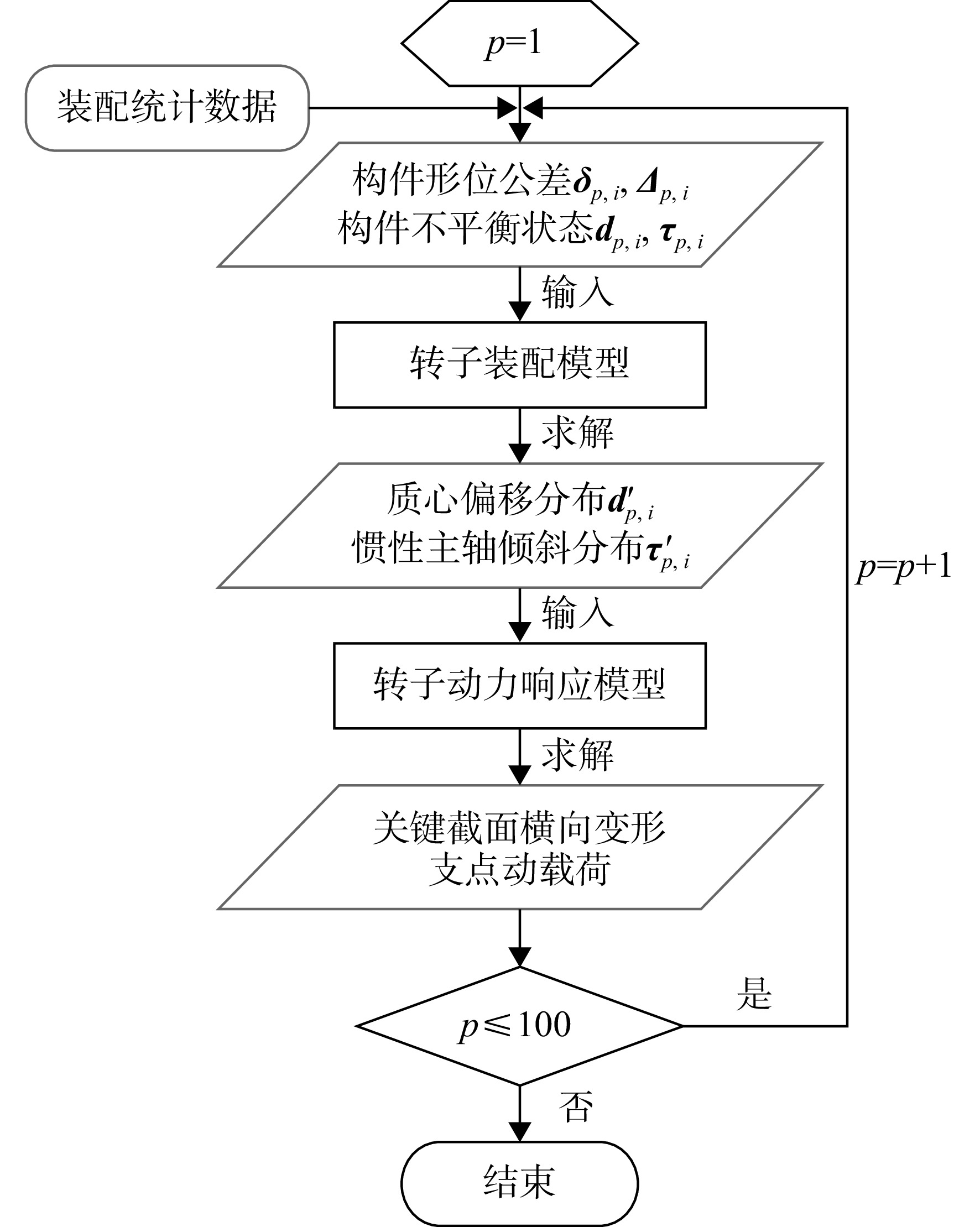
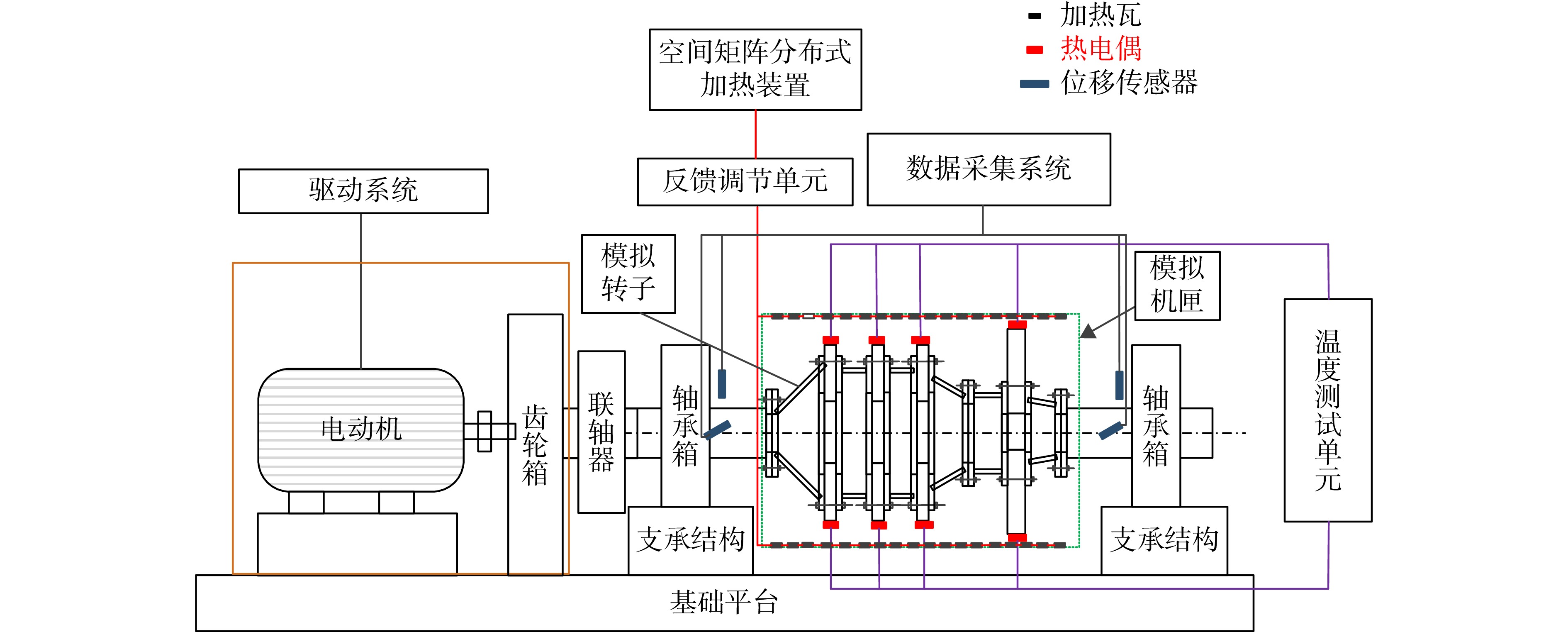
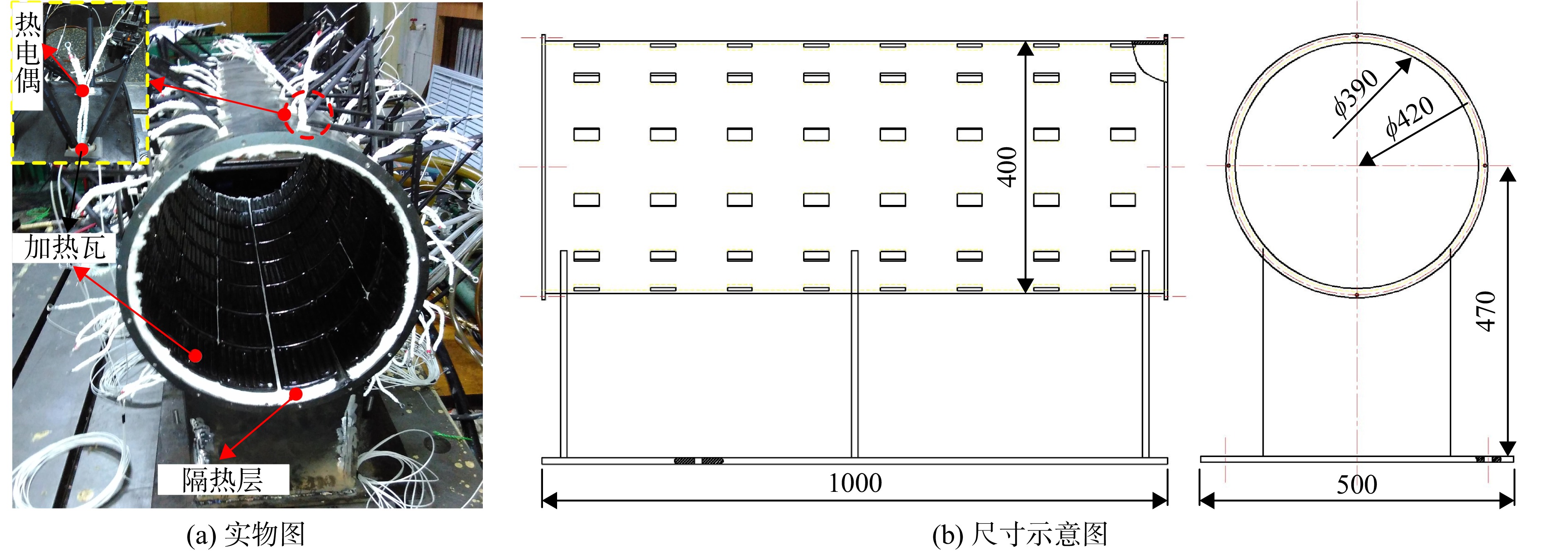
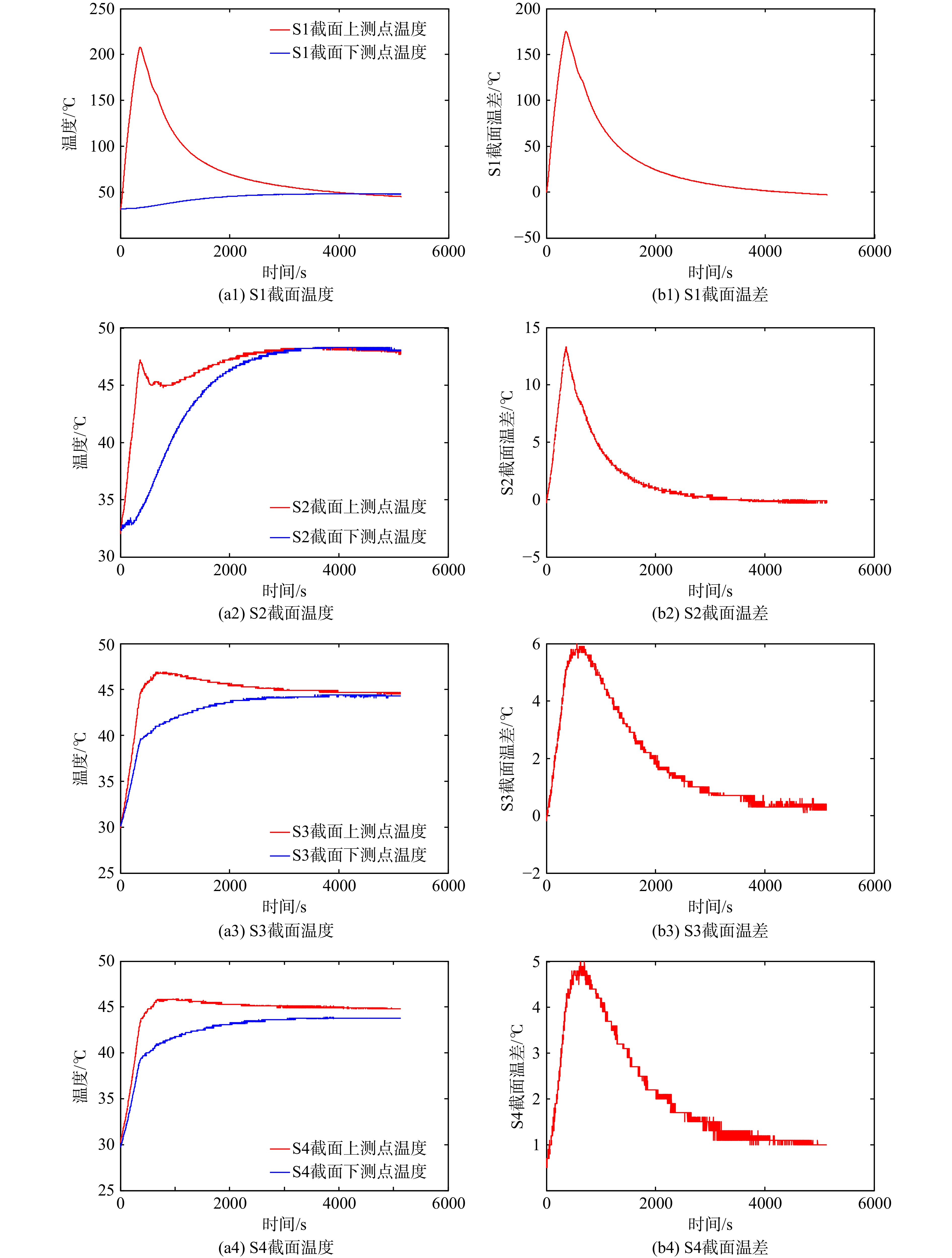
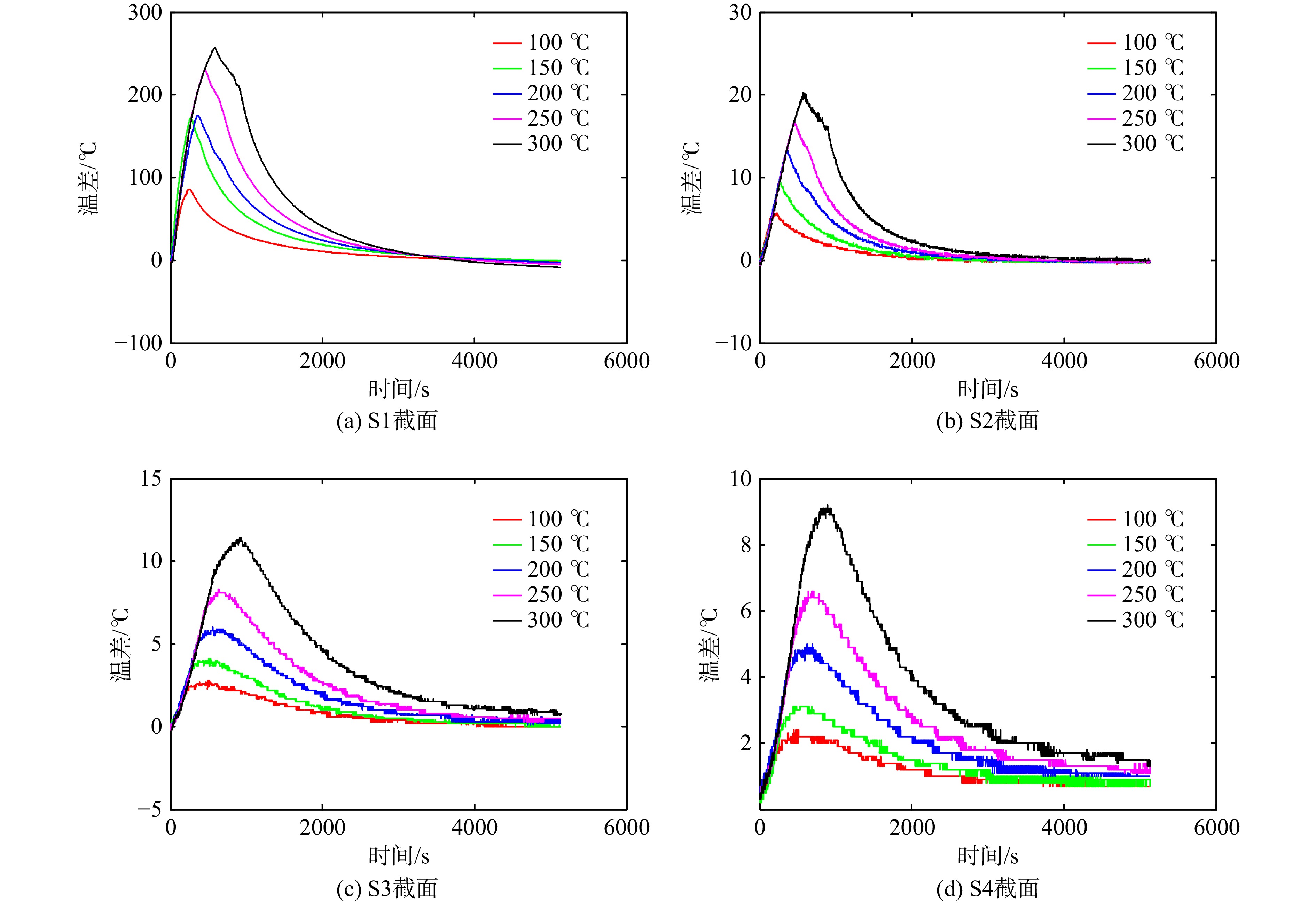
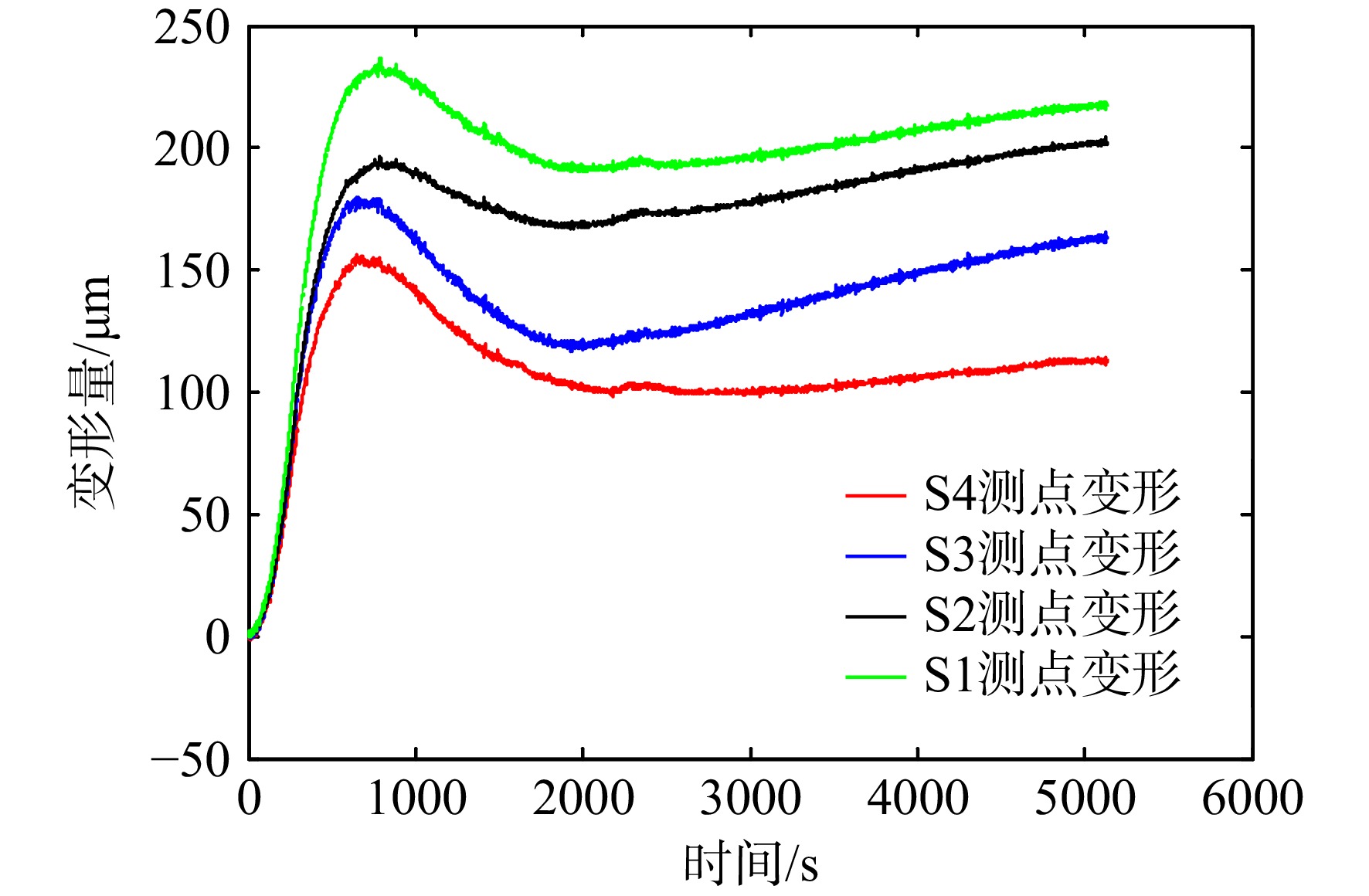
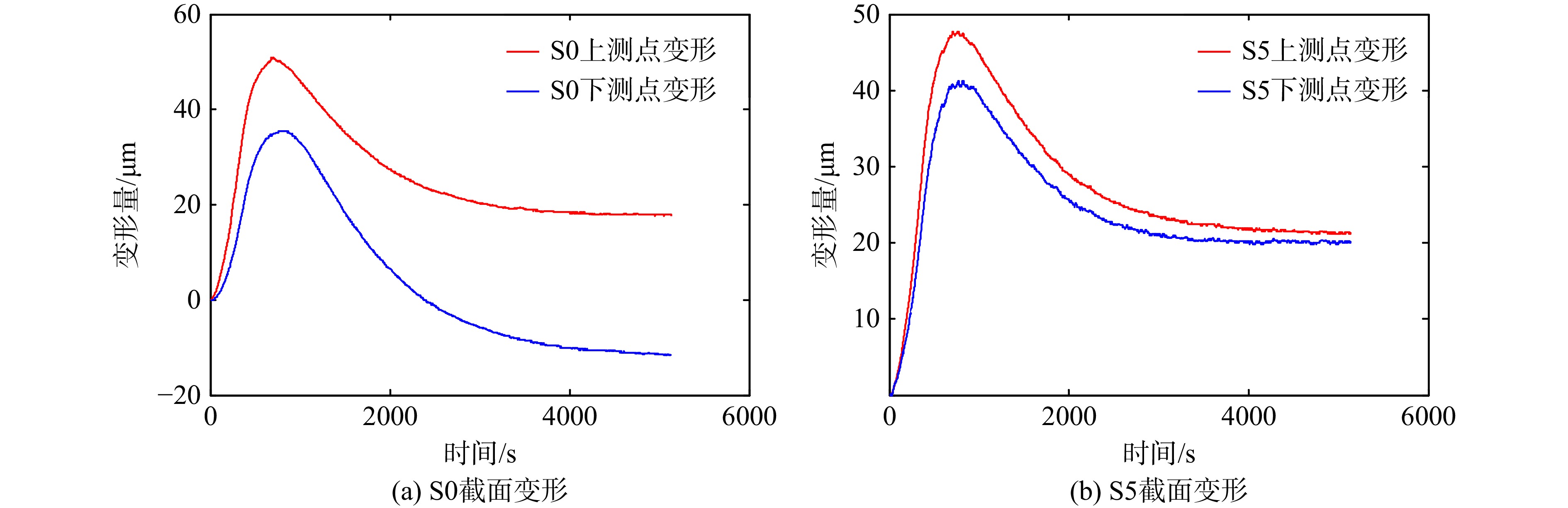
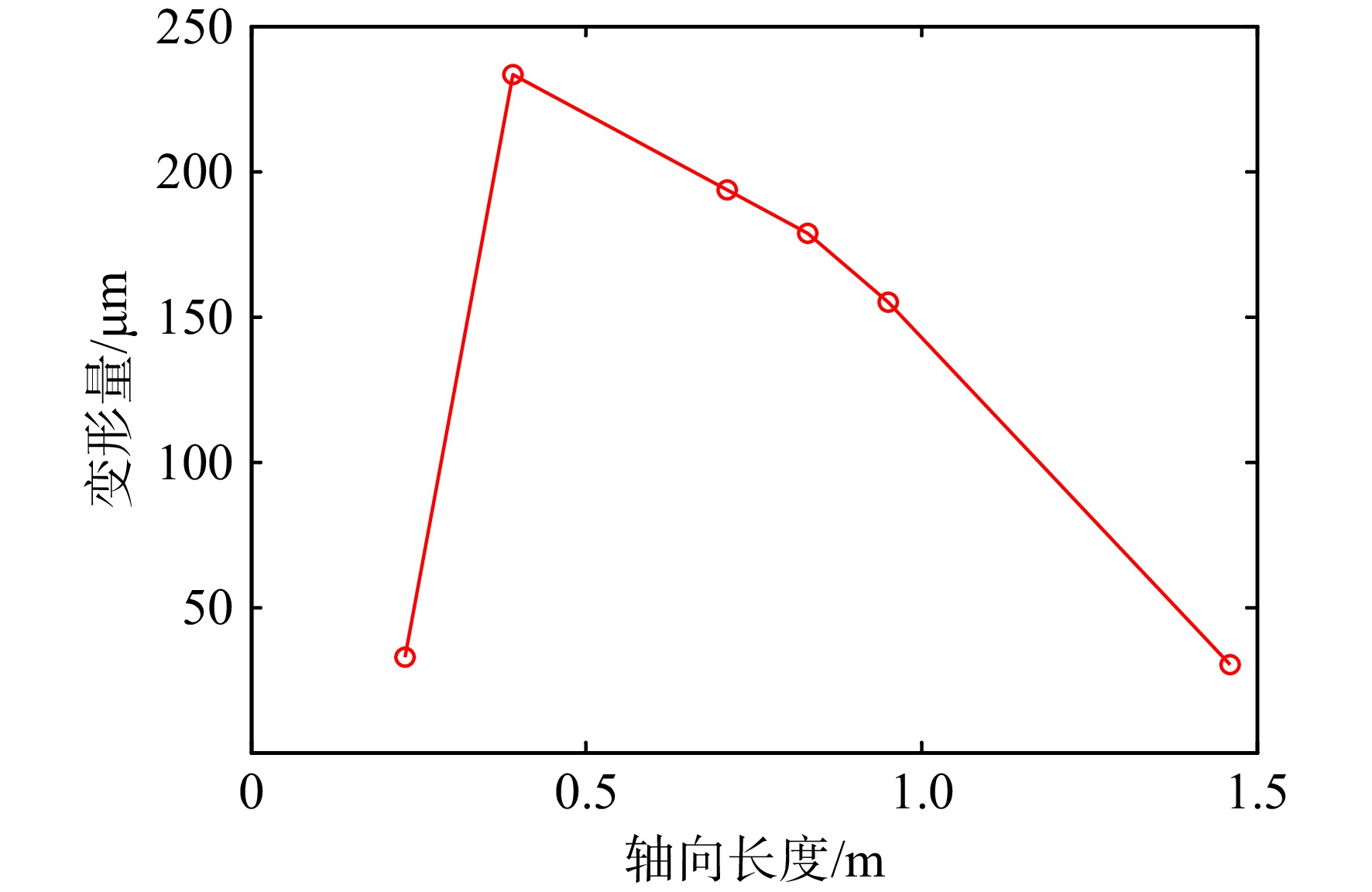
The thermal bending deformation and dynamic tests of the high pressure rotor of an aeroengine were carried out. The temperature distribution, structural deformation and vibration characteristics of the rotor at different temperatures were tested by constructing a distributed heating device of space matrix to simulate the non-uniform temperature environment of the engine when it was shut down and cooled. The results showed that the turbine disk with the smallest aspect ratio had the highest temperature, the largest temperature difference, and the fastest cooling rate, but the temperature difference existed for a long time. The temperature and temperature difference of the measuring point of the compressor wheel was small, and when the heat transfer of the structure was greater than the radiation and convective heat exchange with the outside world, the temperature difference disappeared the fastest. The hot bending deformation of the rotor was formed by superposition of thermal expansion and flexural deformation. The disk deformation was dominated by thermal expansion, which decreased first and then rose in the temperature drop stage, and the shaft segment was dominated by flexural deformation. The critical speed of the rotor deviated after thermal bending, and the vibration increased near the first critical speed, and decreased with the cooling or running time. The results can provide a basis for engine structure design and thermal bending identification.

Experimental investigation on vibration suppression of a model blade by triangular prism underplatform damper
DU Chenhong, WANG Yanrong, LI Di, LI Hongguang, PENG Tai, SHI Lin
2025, 40(8): 20230739. doi: 10.13224/j.cnki.jasp.20230739
Abstract:
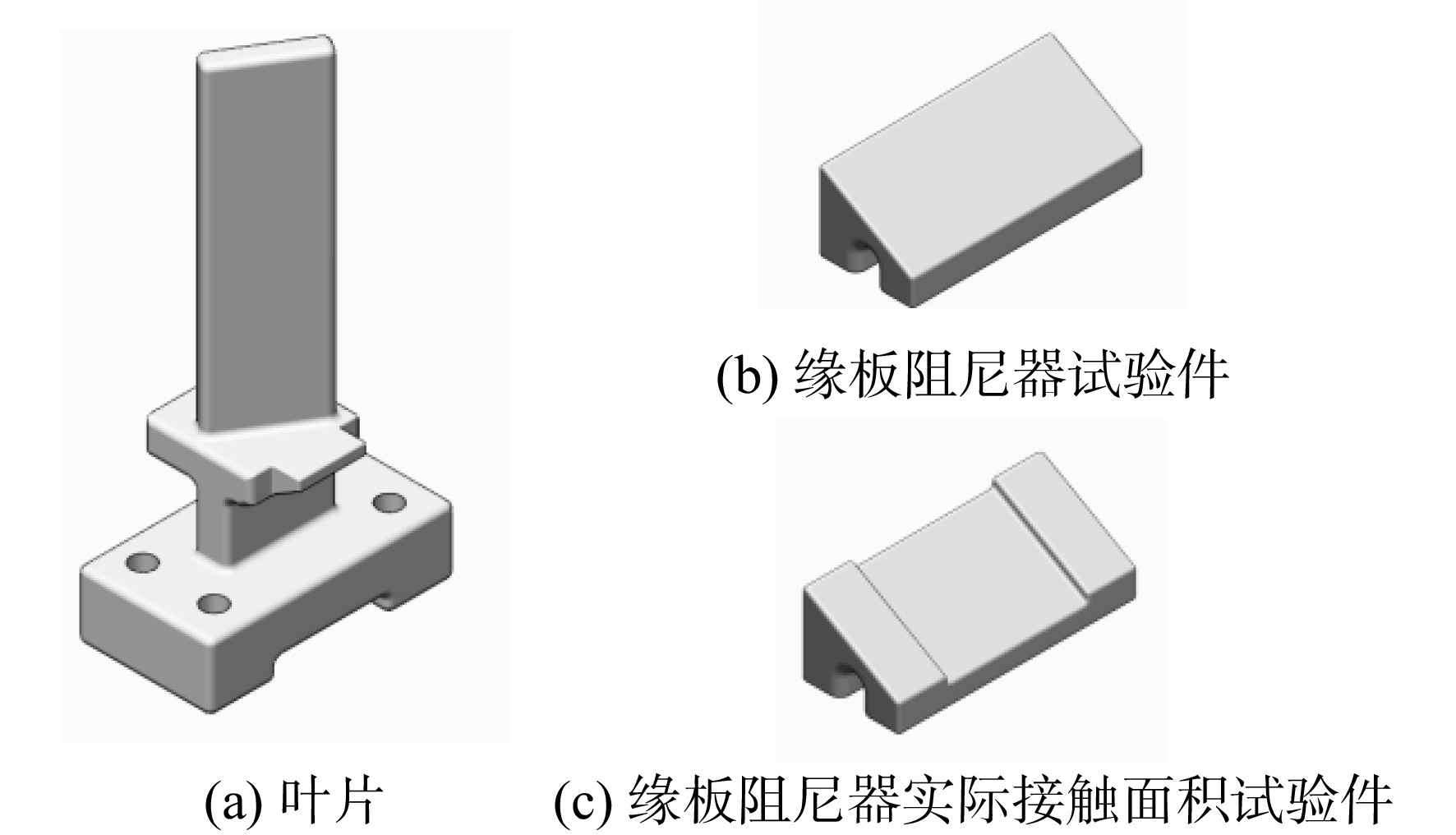
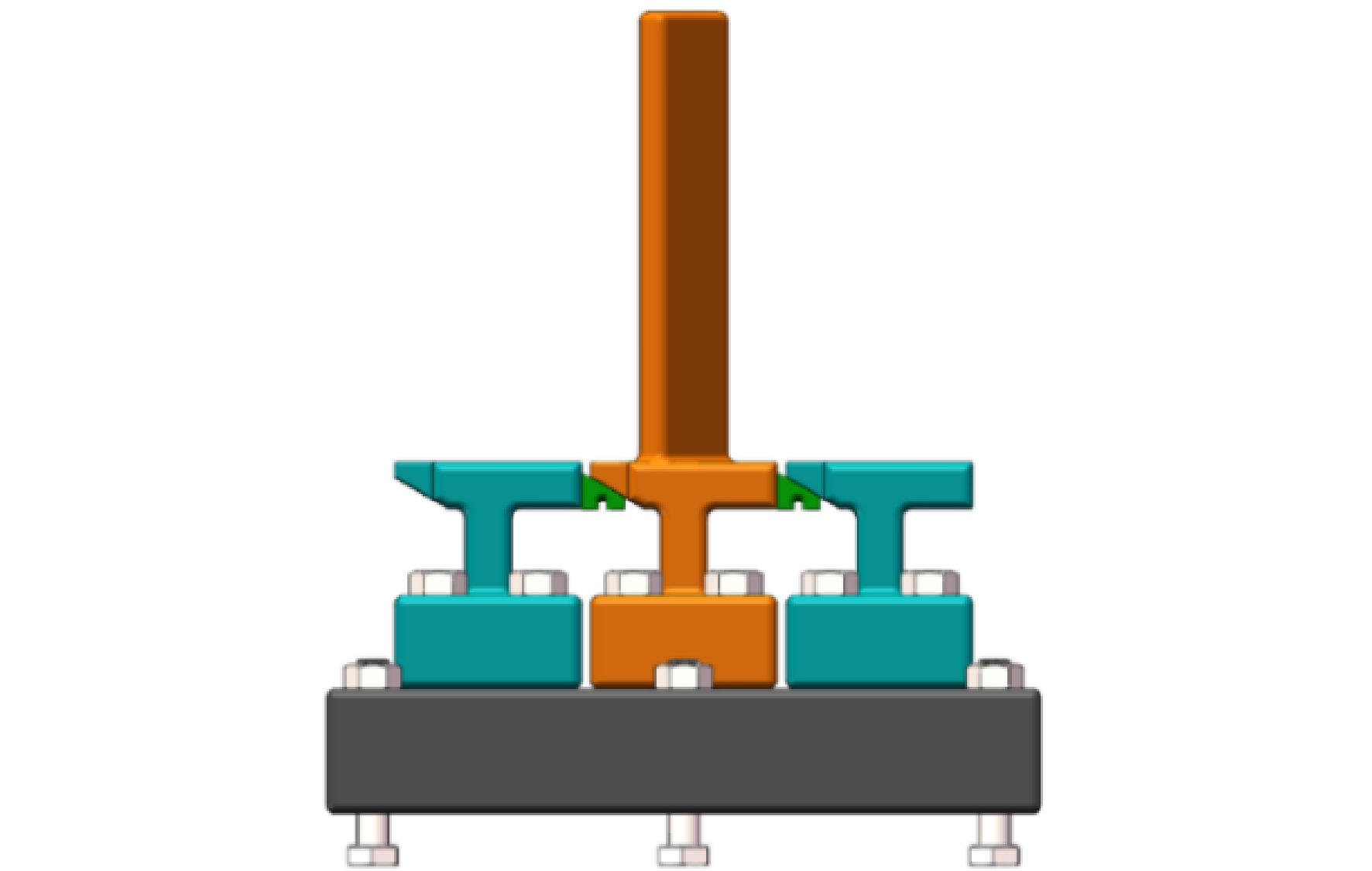
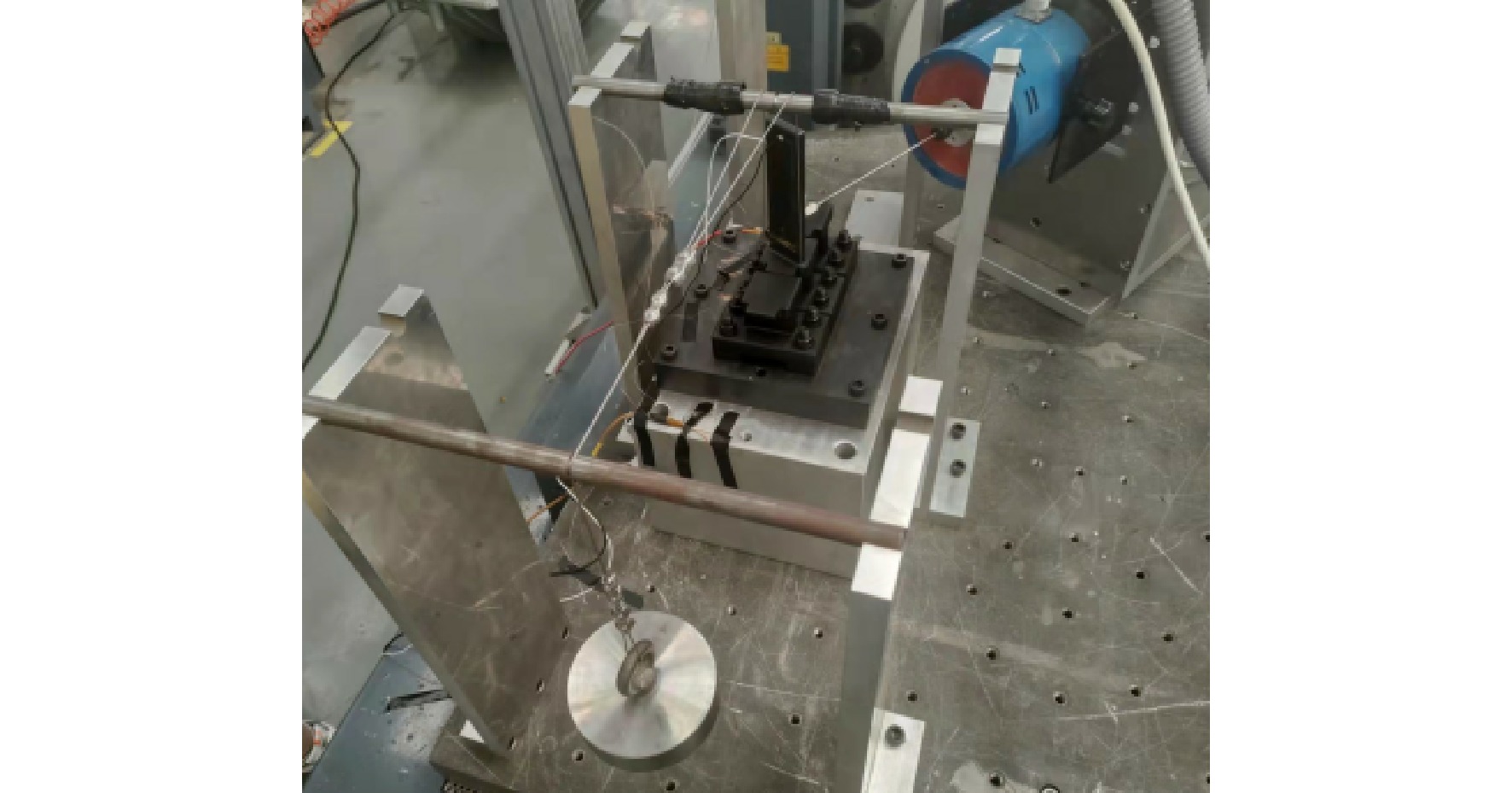
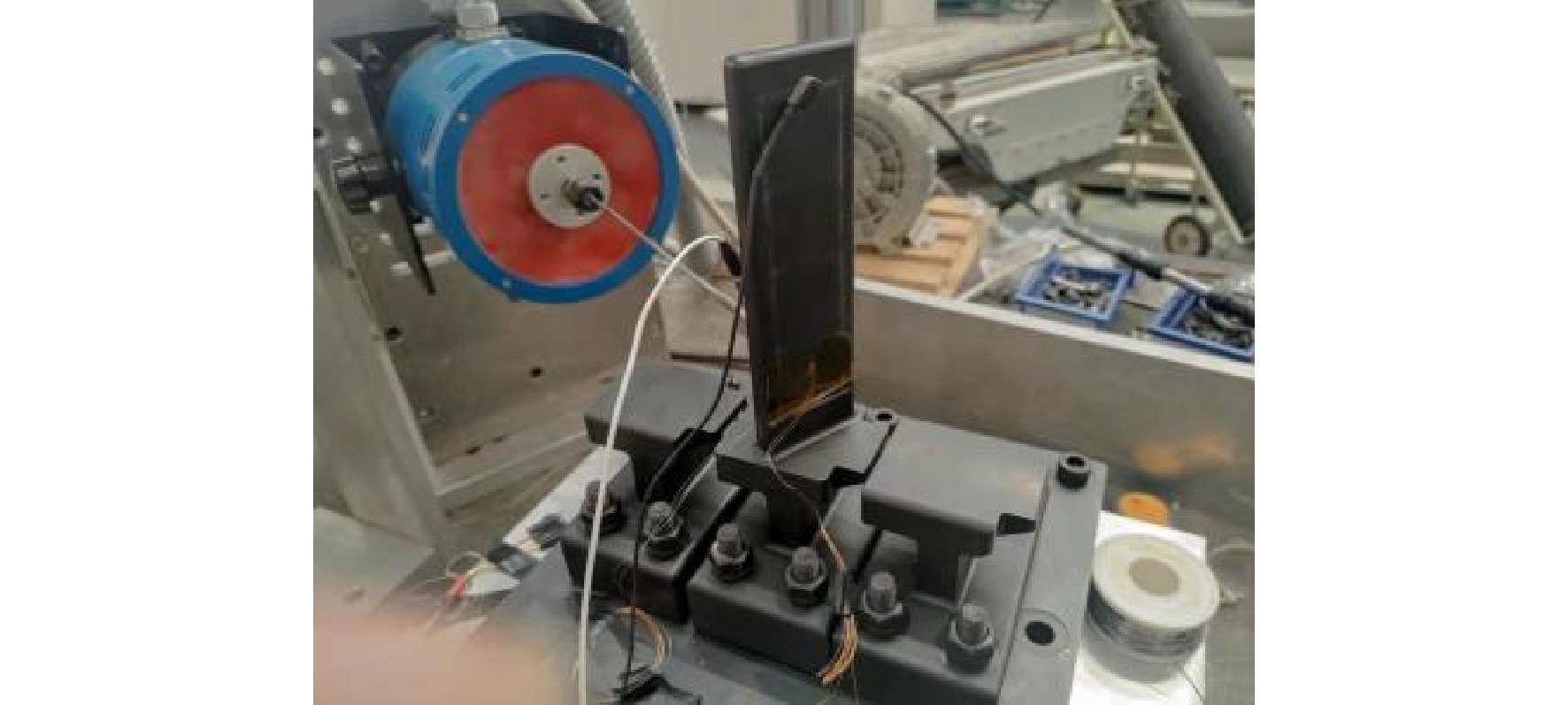
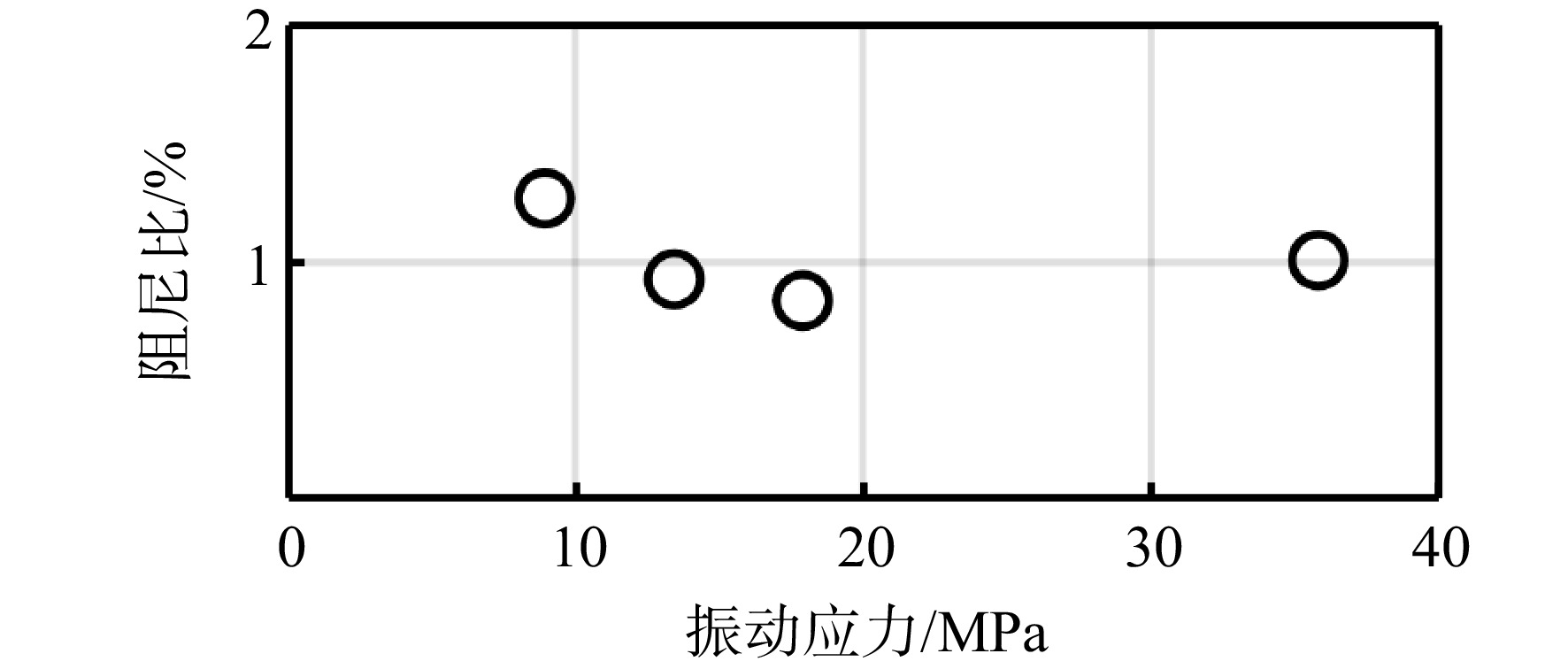
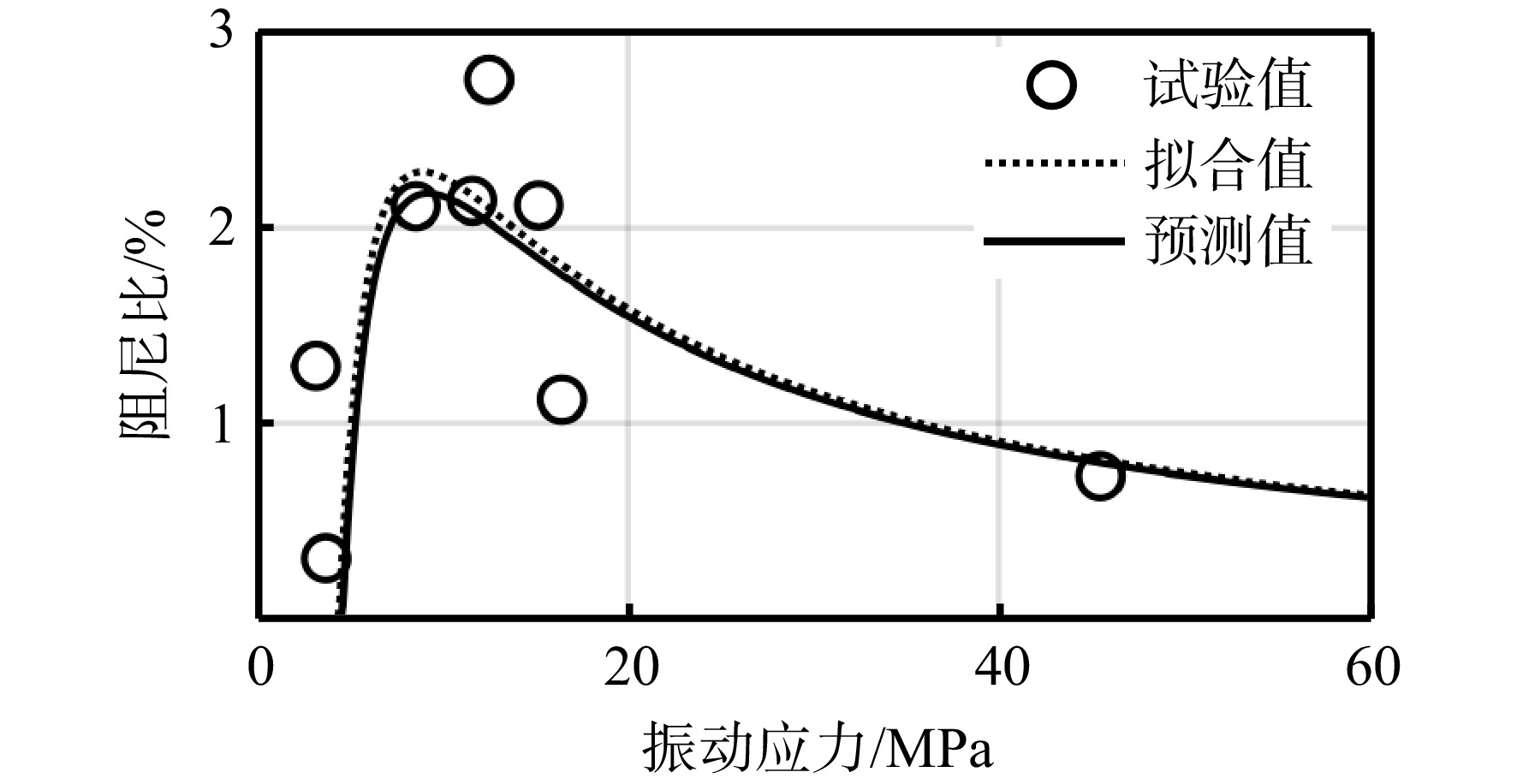
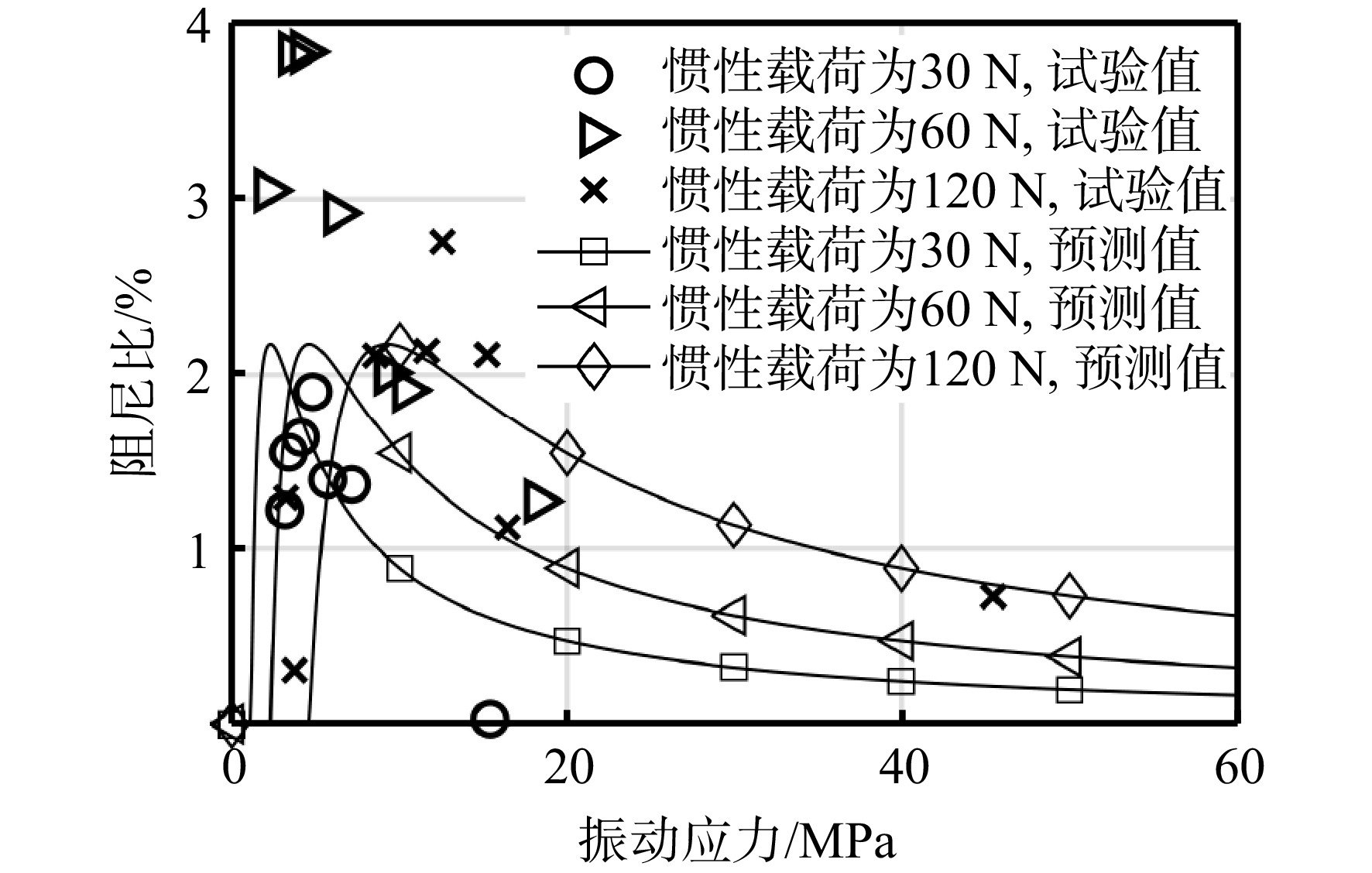
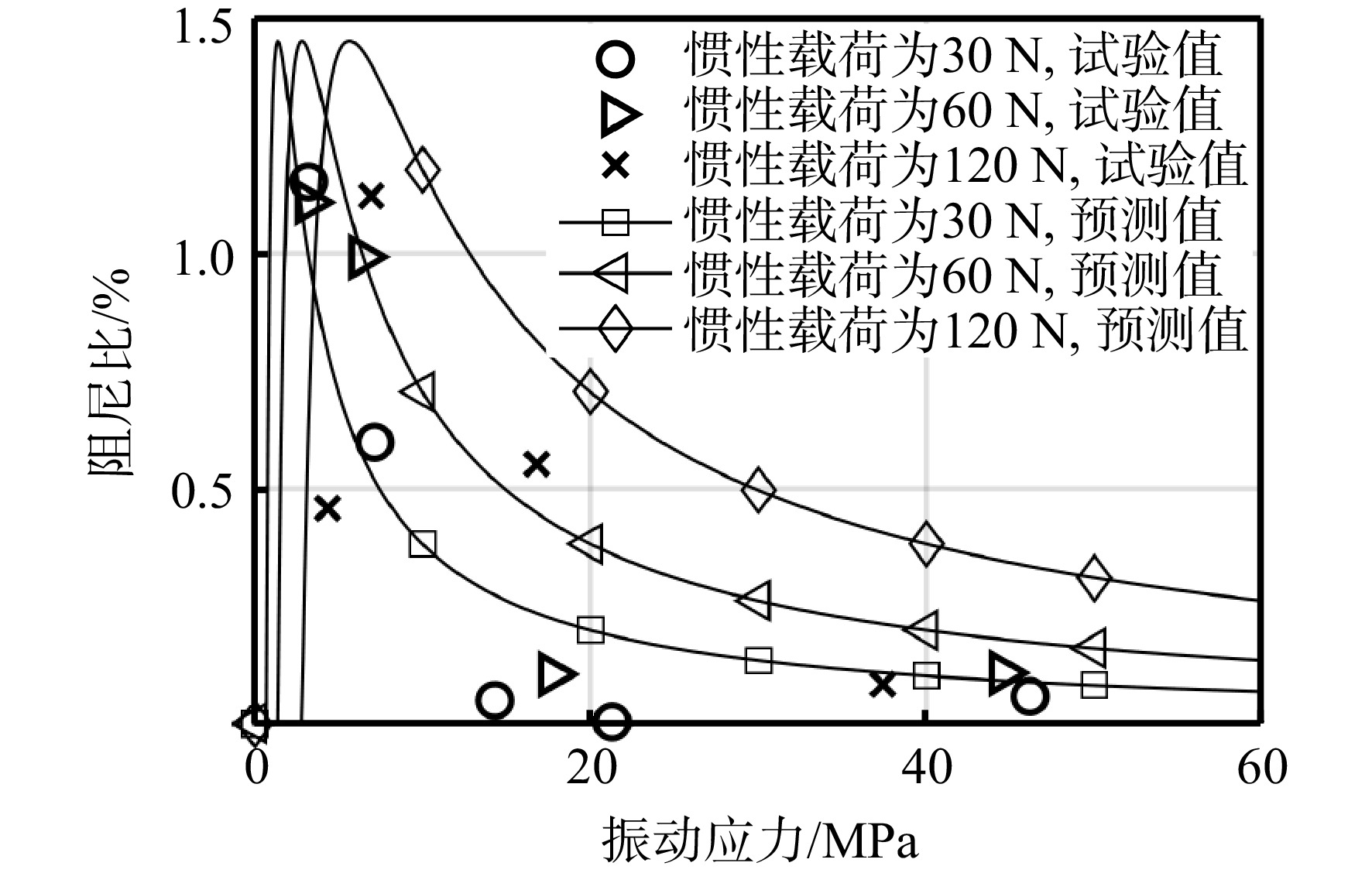
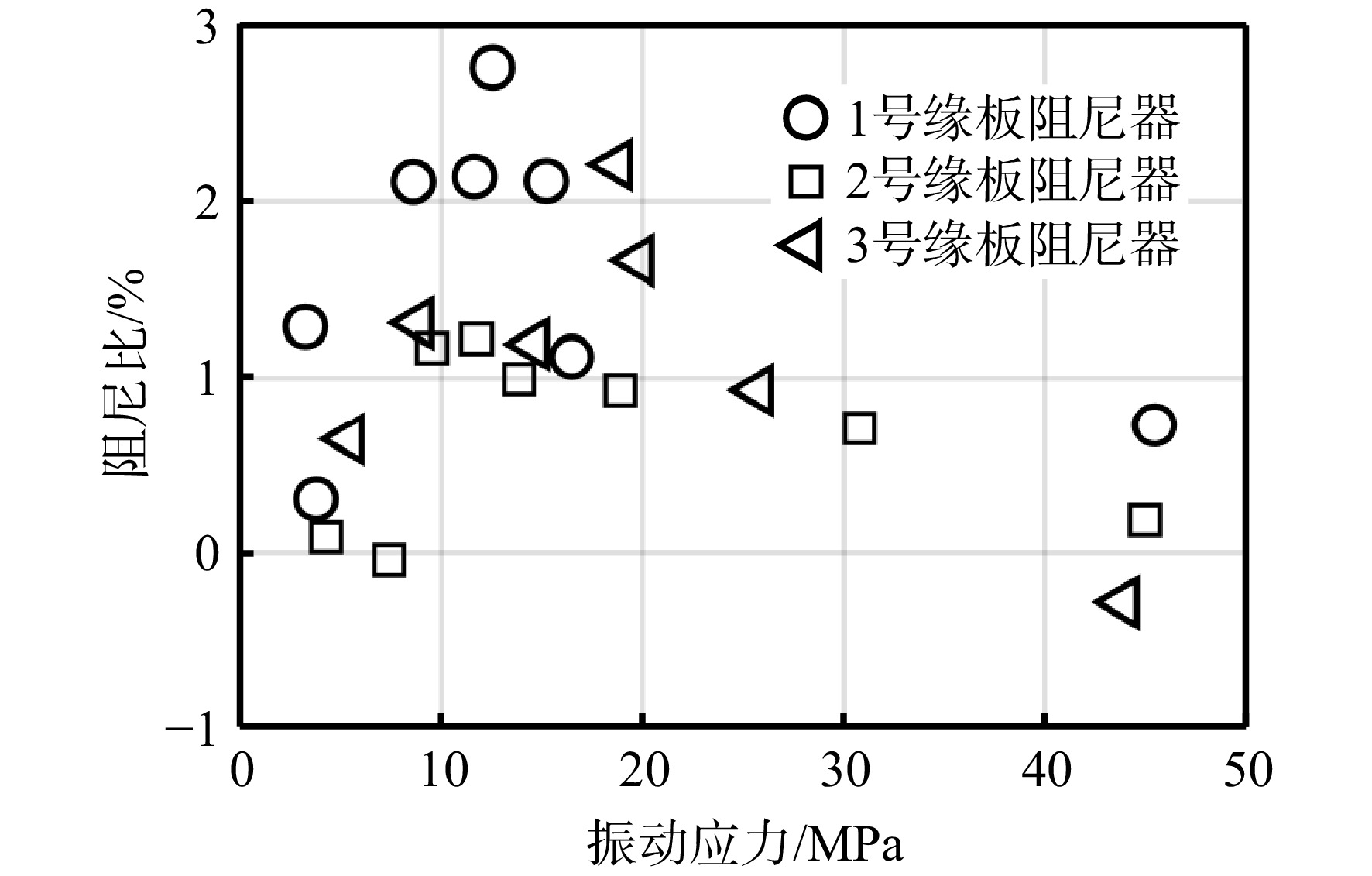
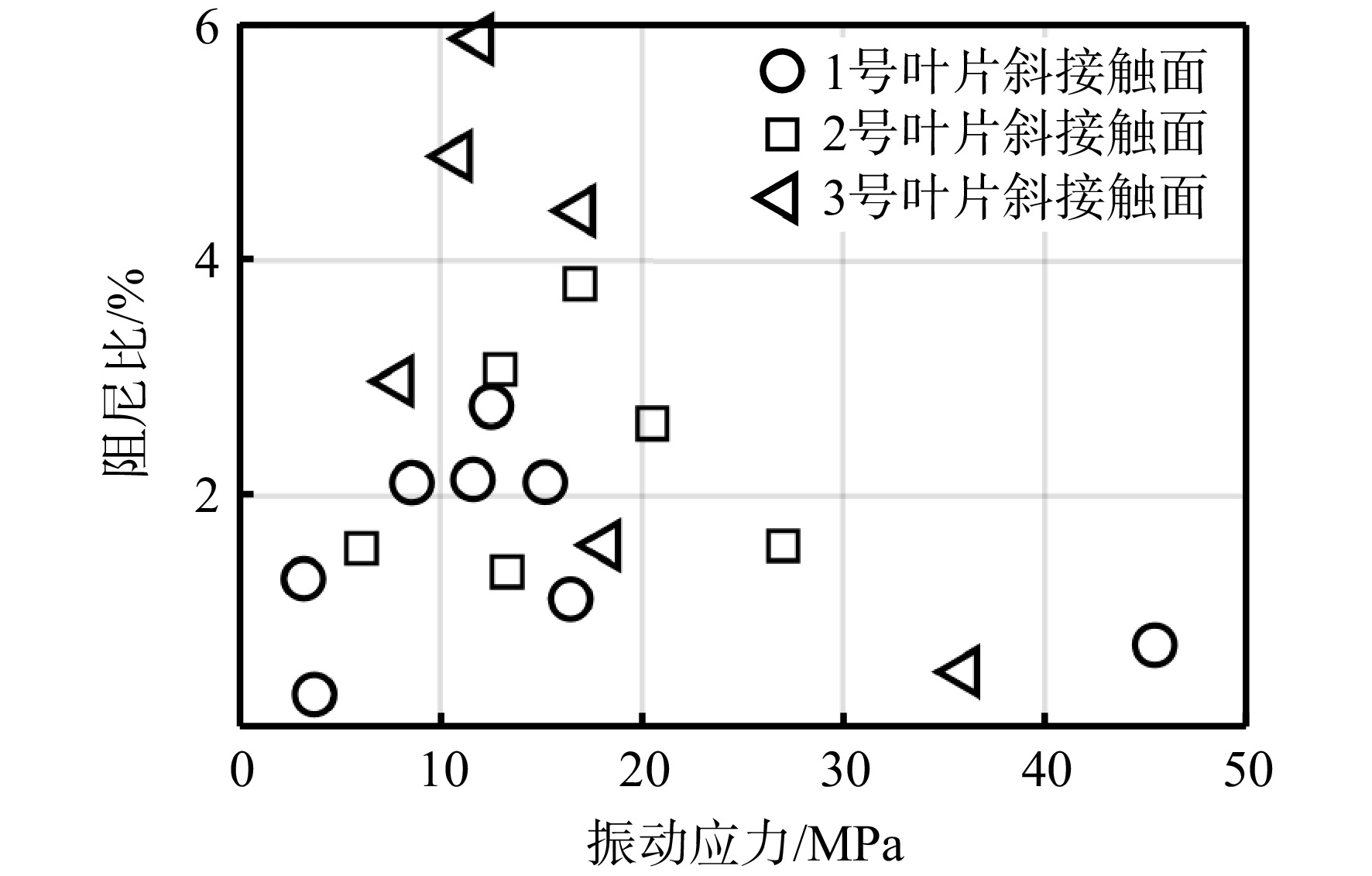
An experimental system was developed to evaluate the dynamic response of the blade. This system modulated the standard pressure between the triangular prism damper and the platform by regulating the quantity of weights, so as to validate the variation in damping ratios produced by dry friction dampers under structural vibration stress. By sweeping frequencies around the resonant frequency of the simulated blade test specimen, the amplitude-frequency response curve was obtained, from which the critical damping ratio was computed using the half-power bandwidth method. By measuring the vibration stress, the damping ratio characteristic curve was also acquired. The experimental results demonstrated that the two contact surfaces of the triangular prism damper had different damping effects. Moreover, the computed damping ratio characteristic curve agreed well with the experimental data. It was found that: the inertial load of the damper had negligible influence on the maximum damping ratio; when the actual contact area was small, the damping performance of the damper was unstable; and the length of the shank of the blade was positively correlated with the damping effect of the damper.

Leakage characteristics and formula construction of W-shaped elastic metal seals
LI Jianhui, WEN Shuaifang, SUN Dan, LI Yu, ZHANG Xiaolin, WU Lijun, HUANG Chanyuan
2025, 40(8): 20230063. doi: 10.13224/j.cnki.jasp.20230063
Abstract:
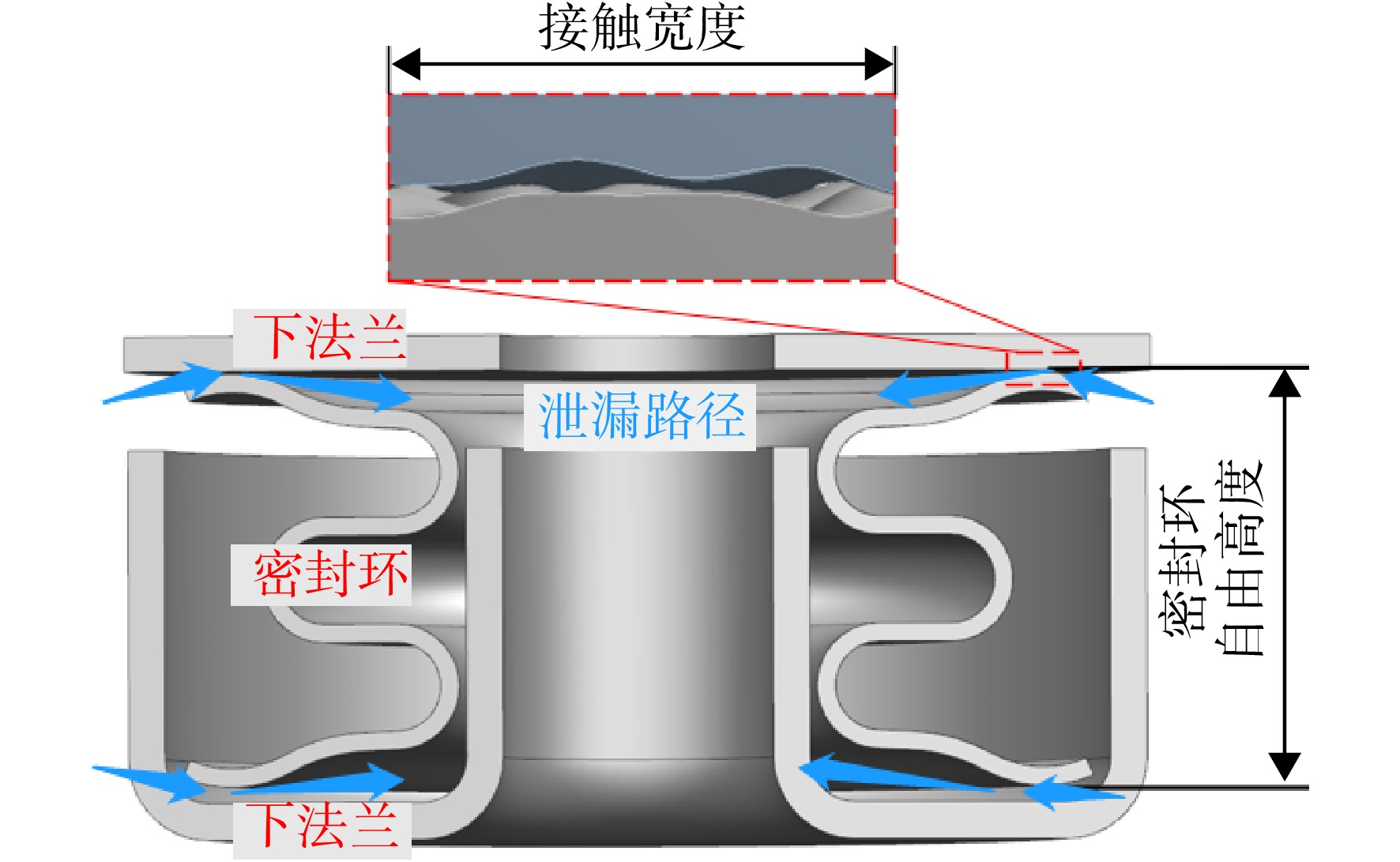
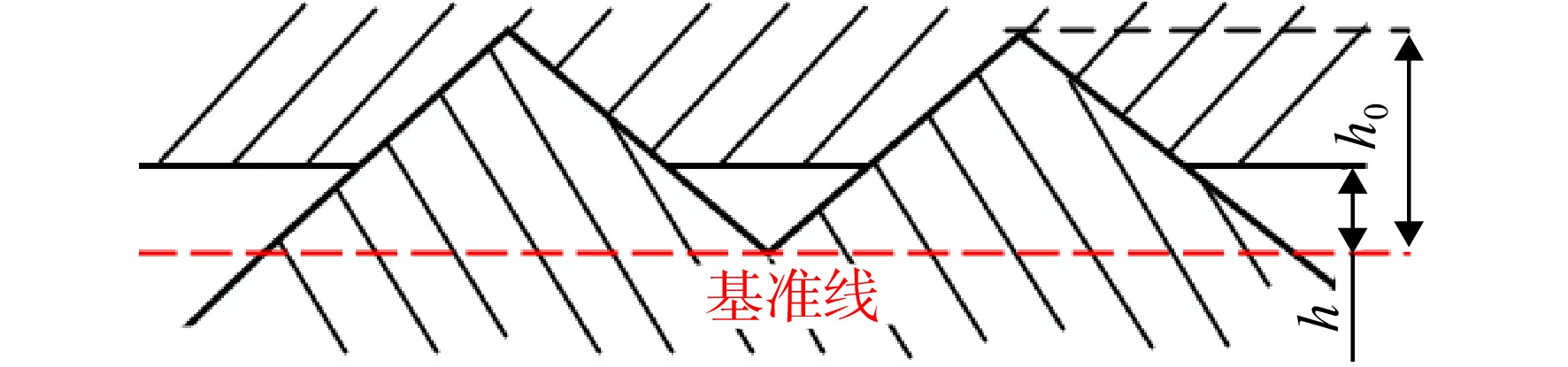
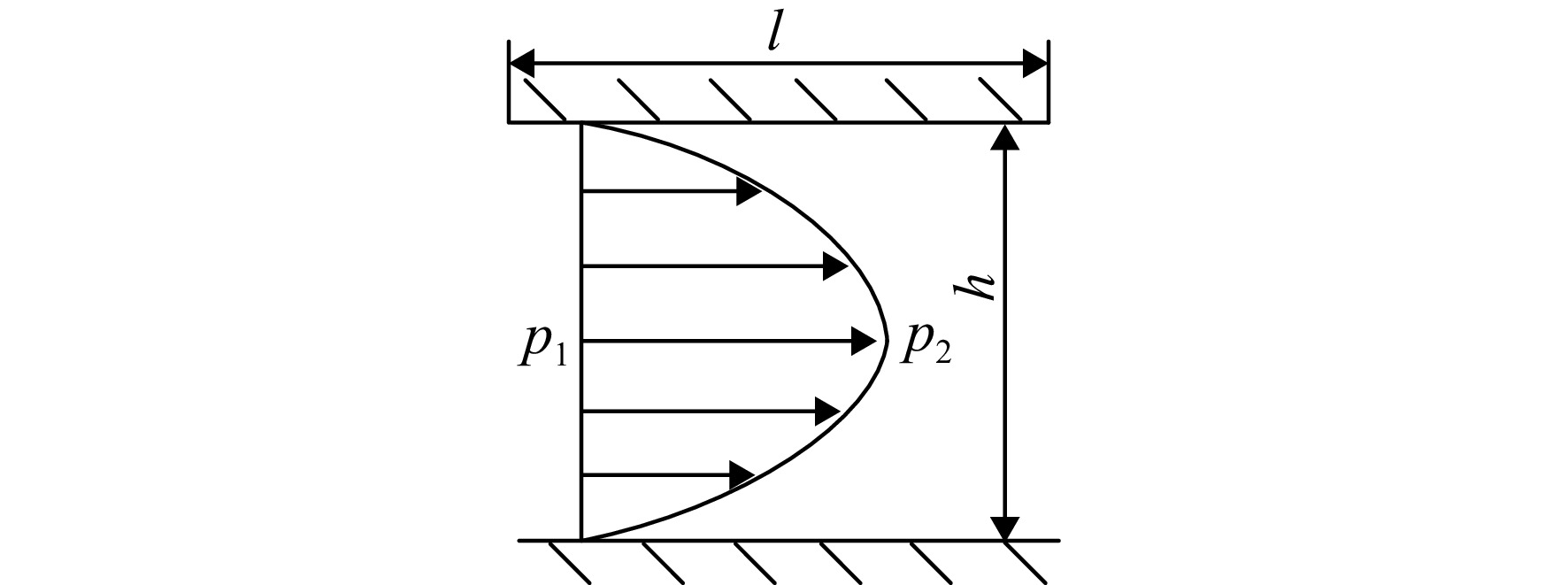
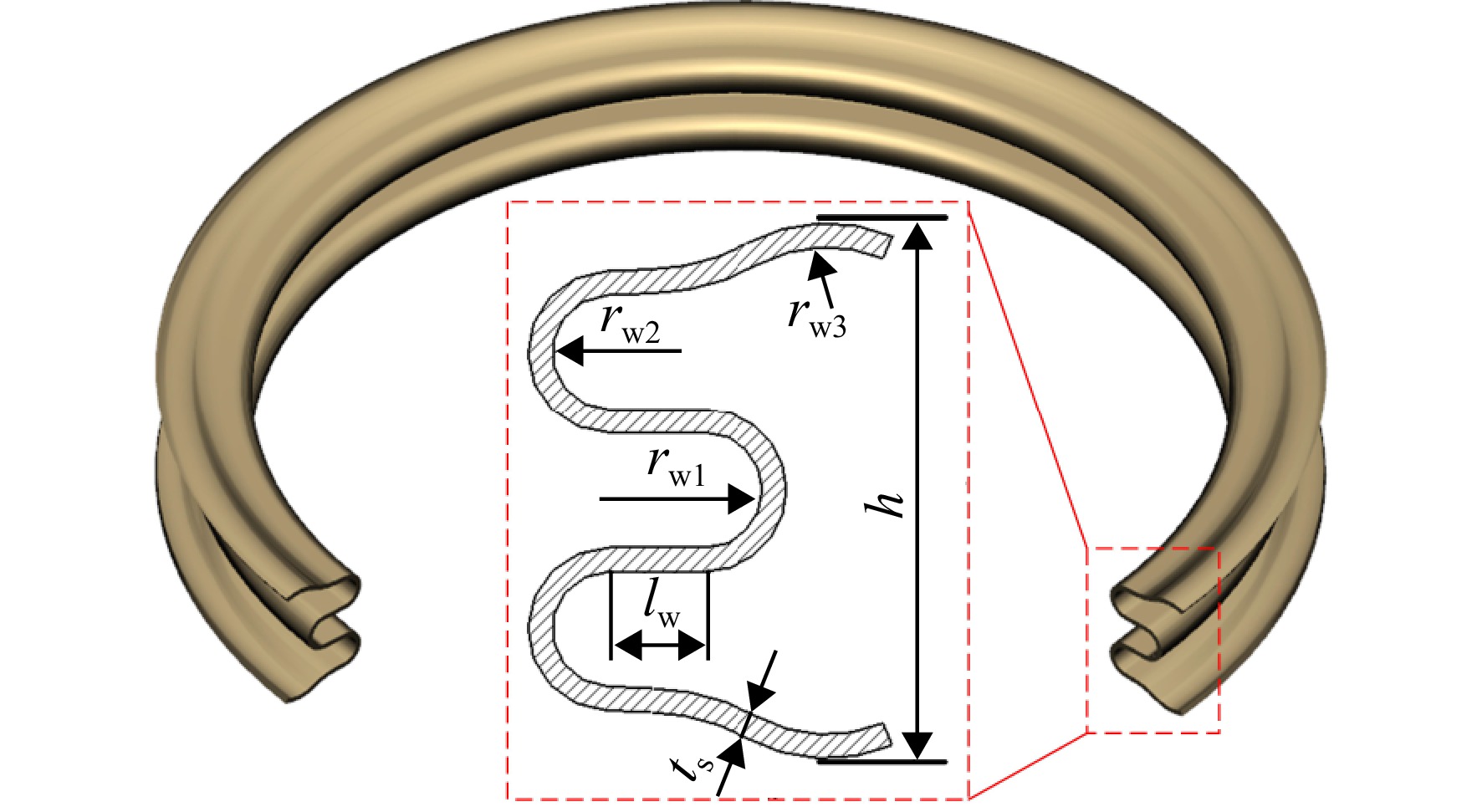
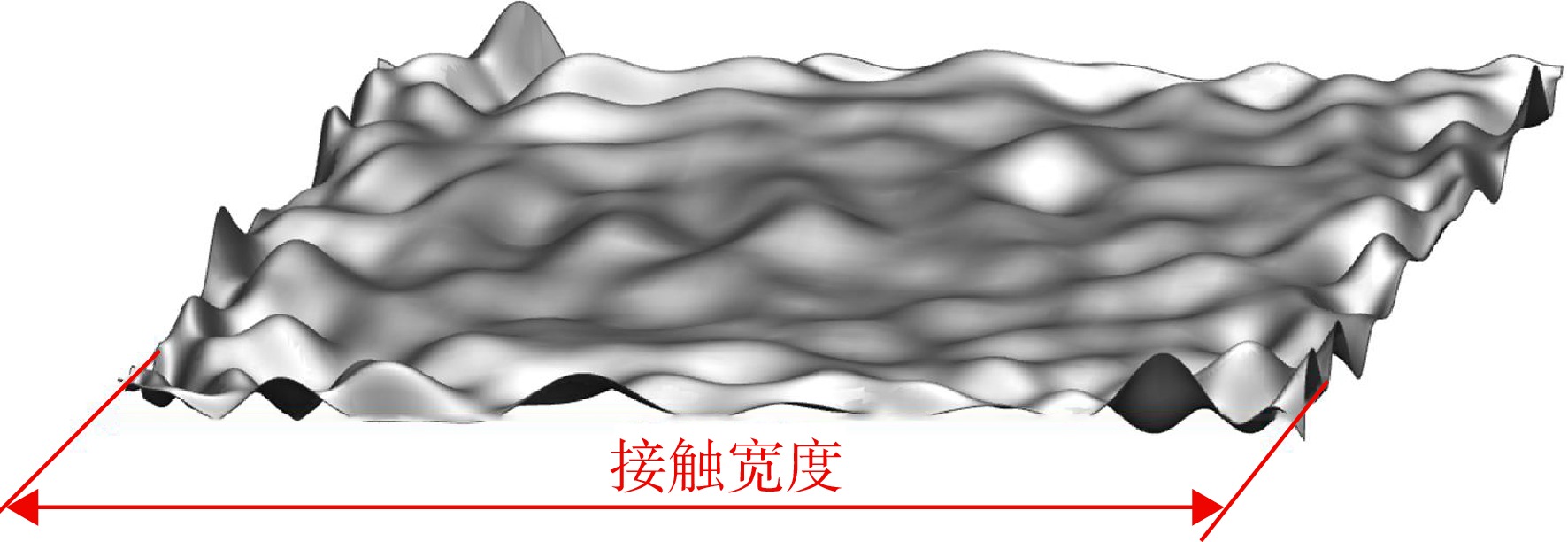
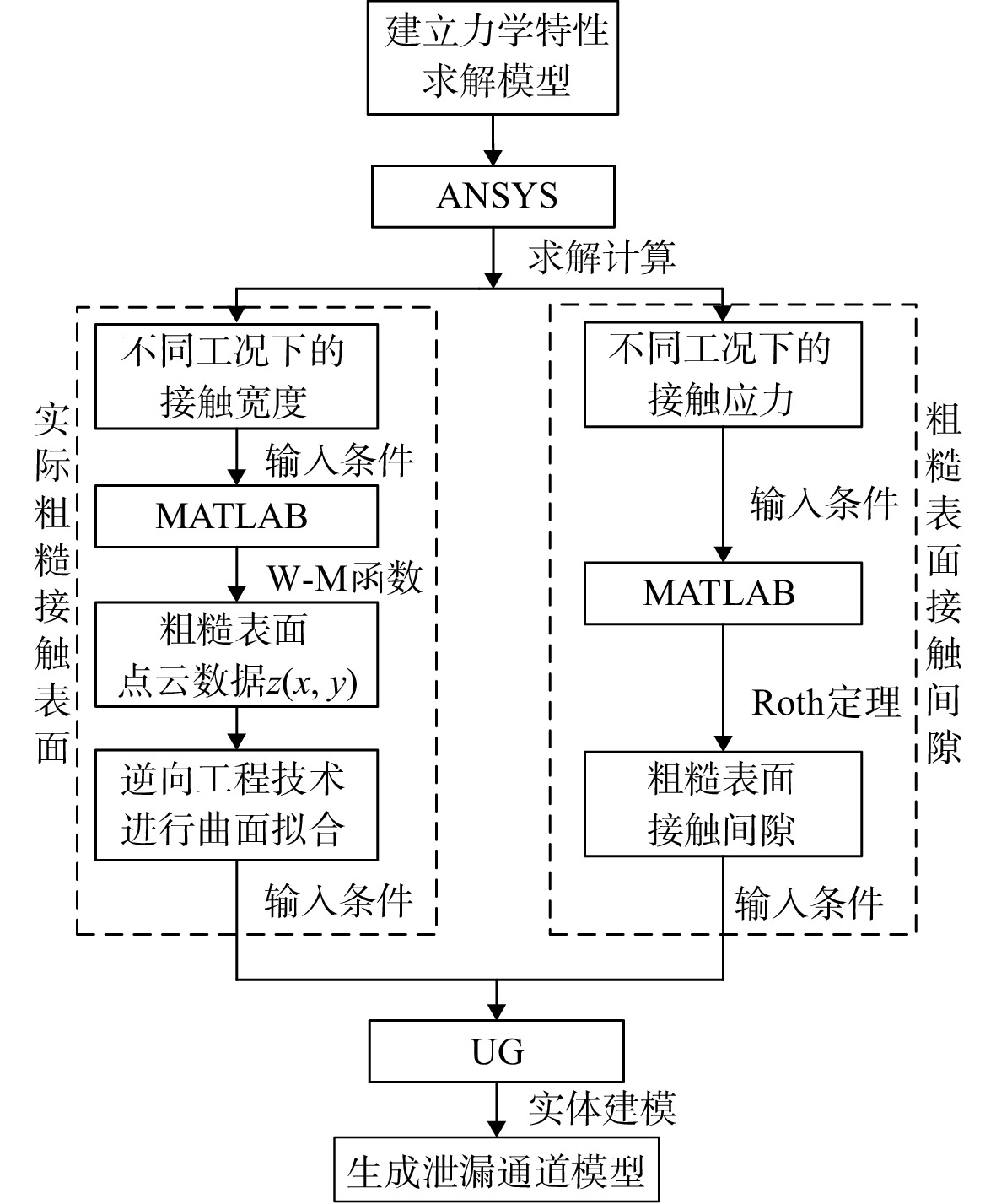
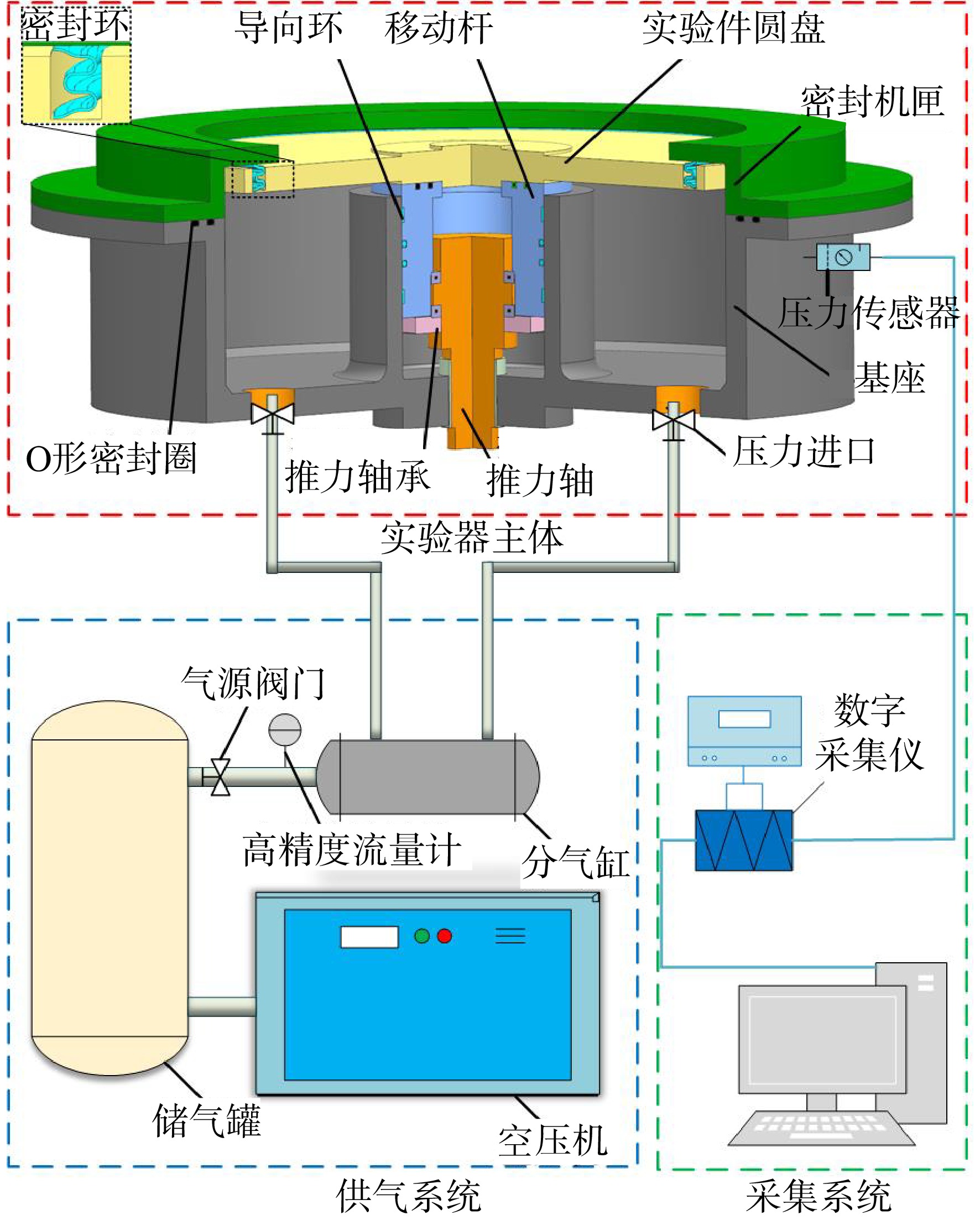
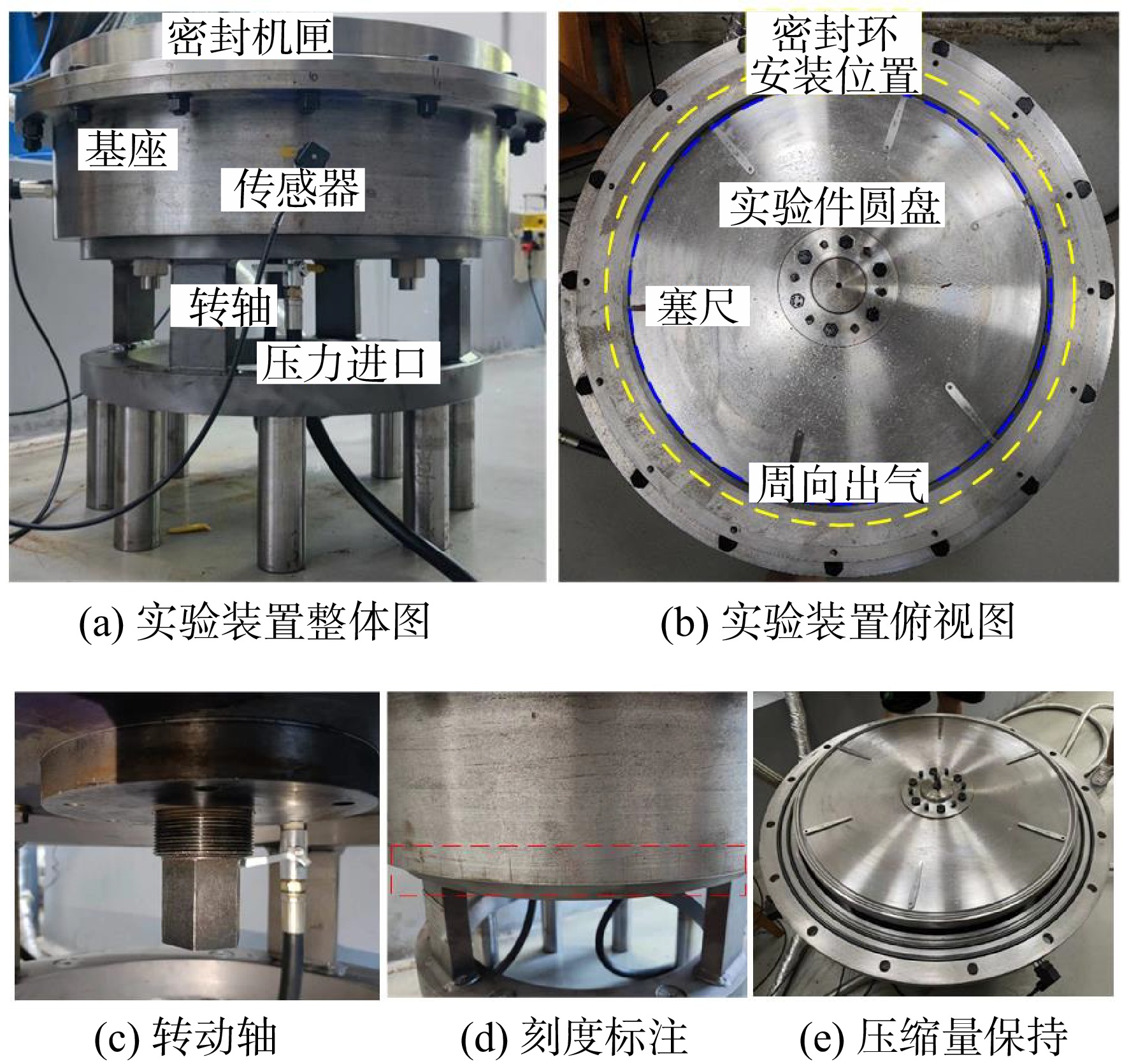
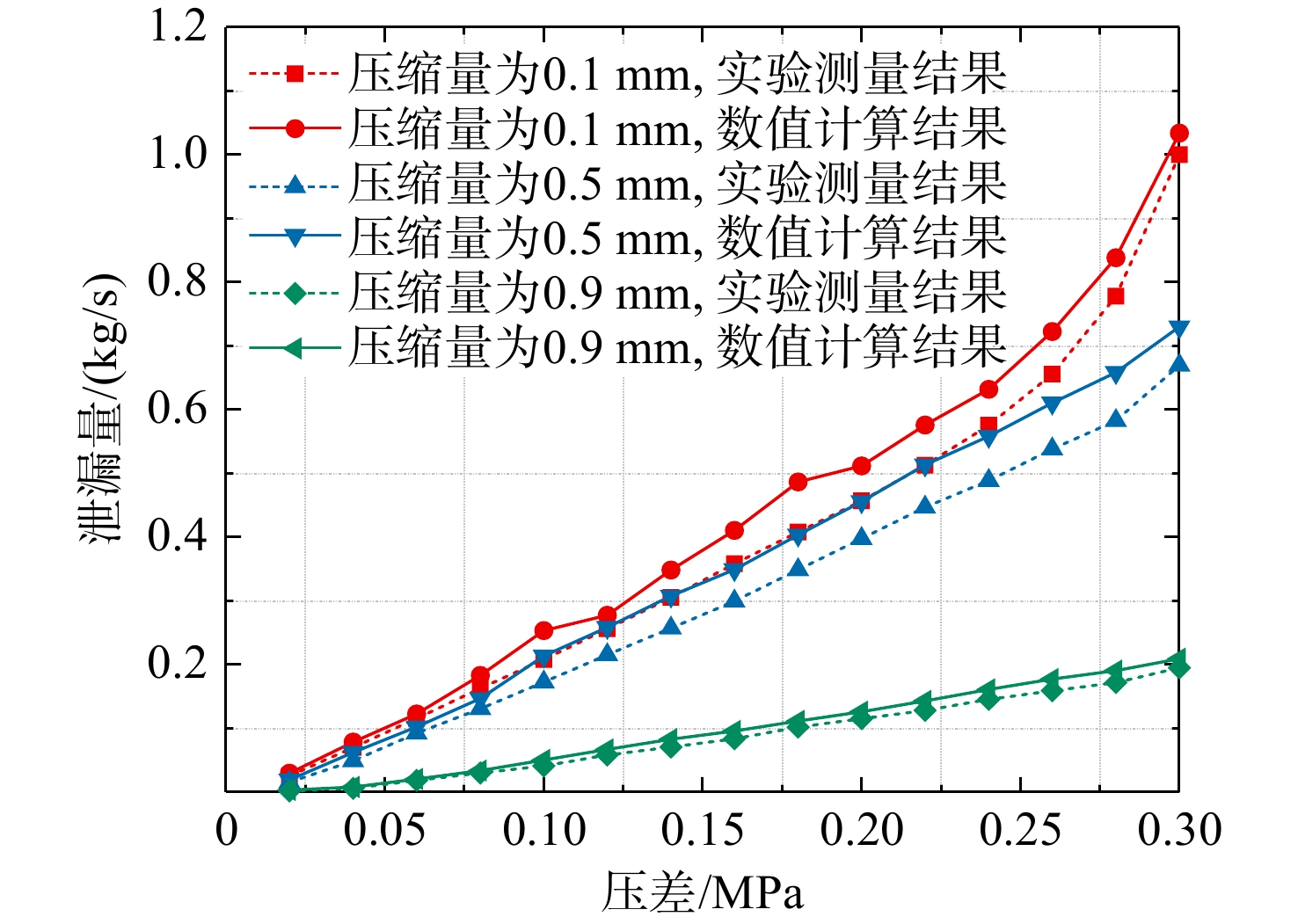
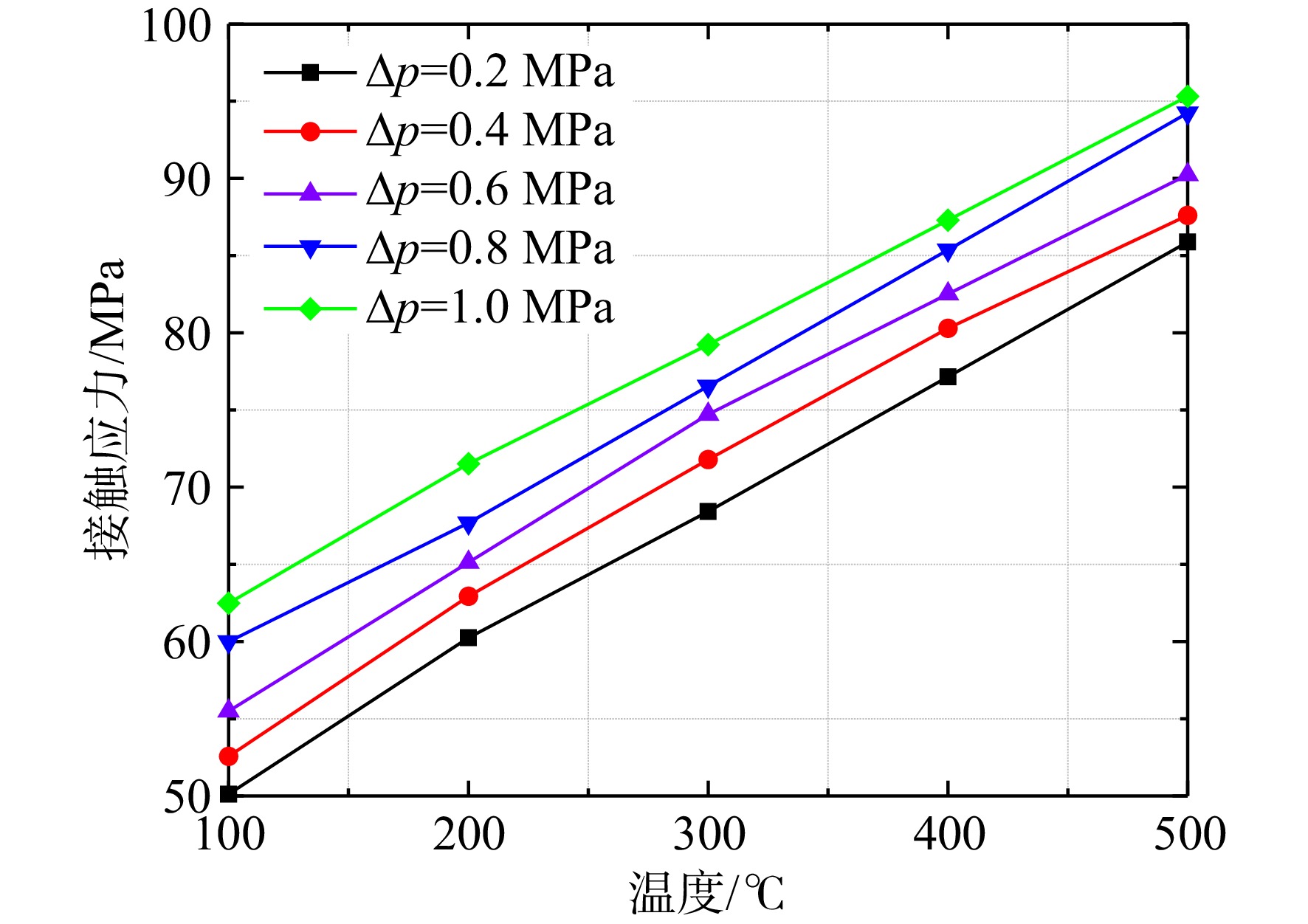
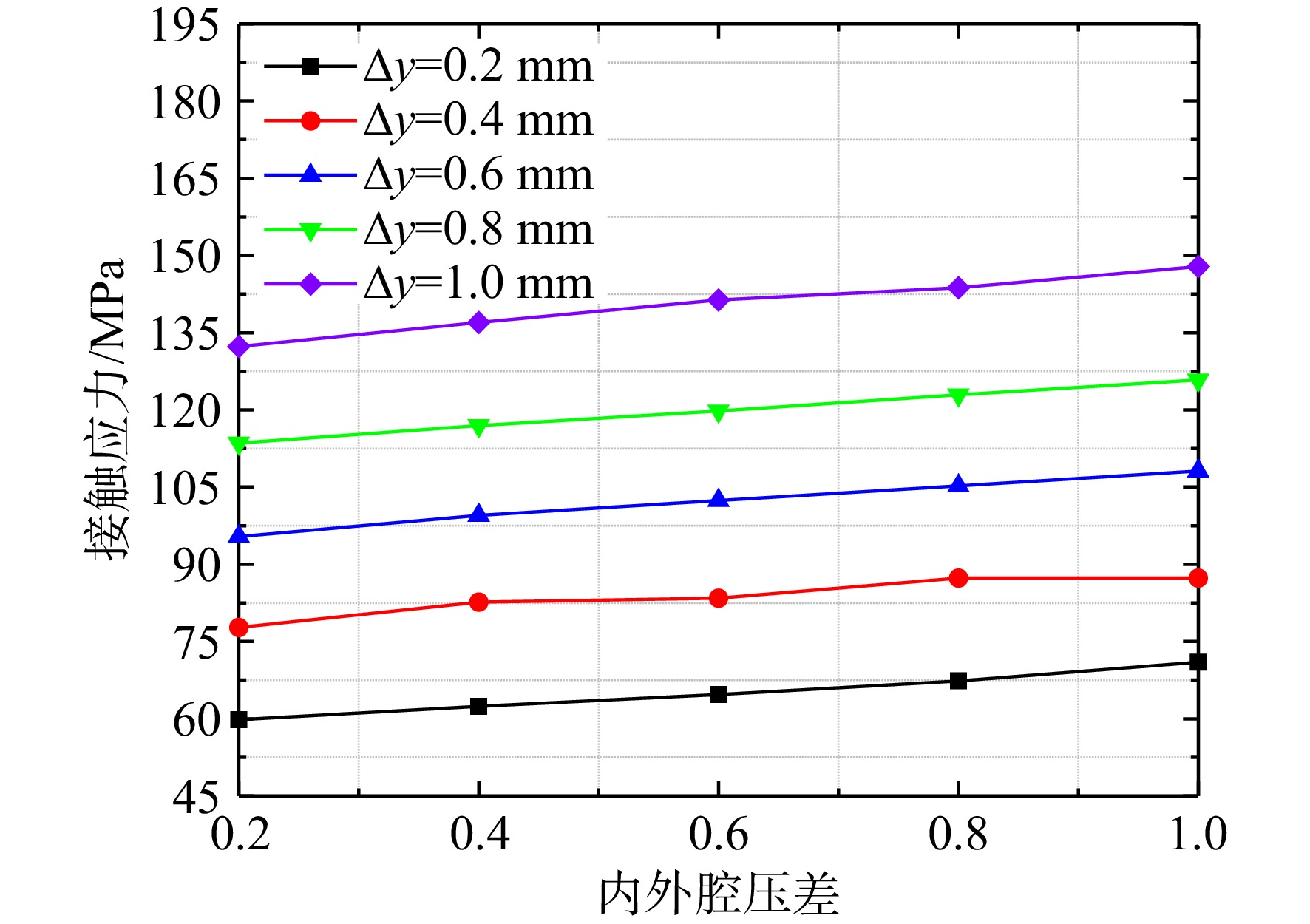
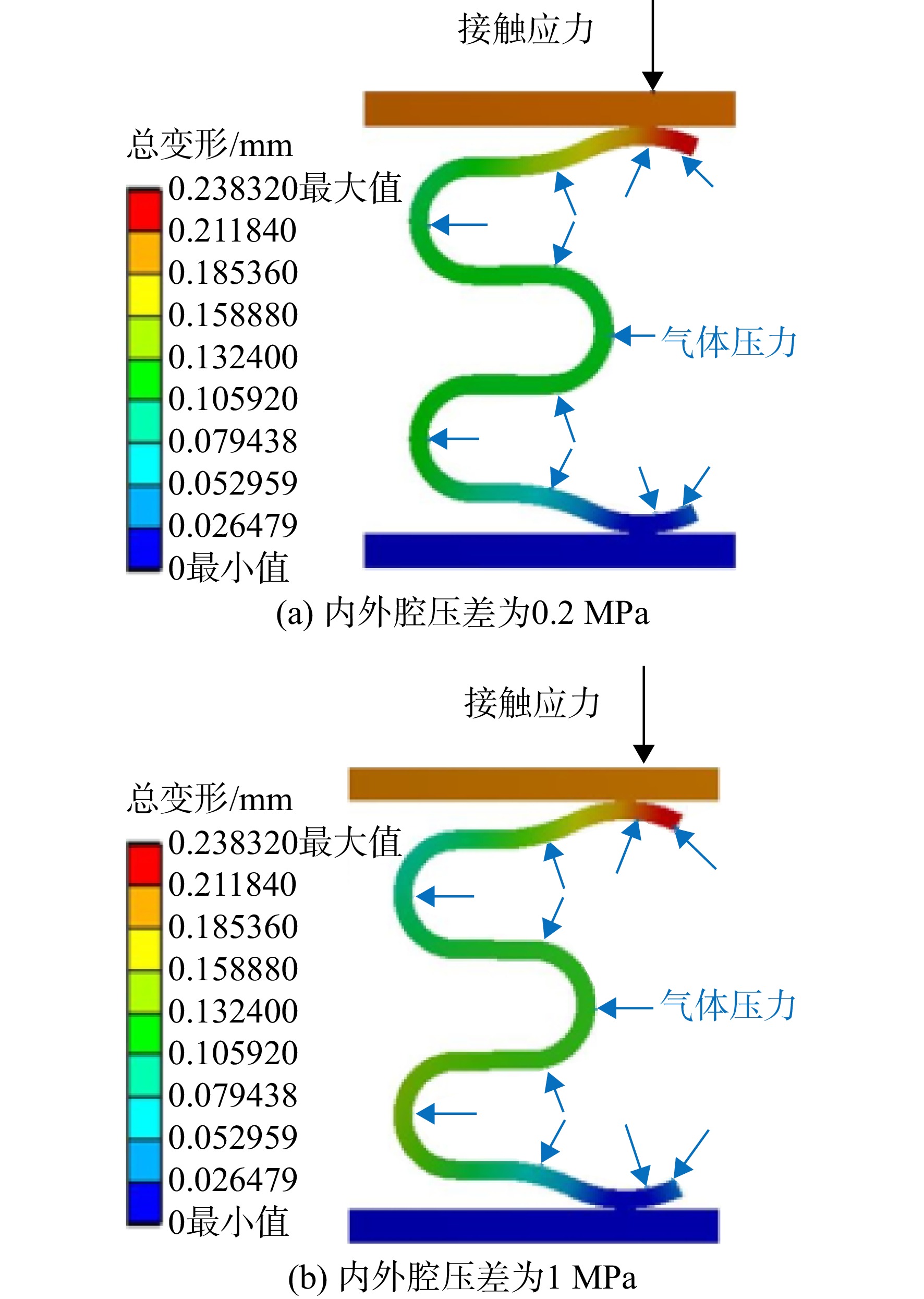
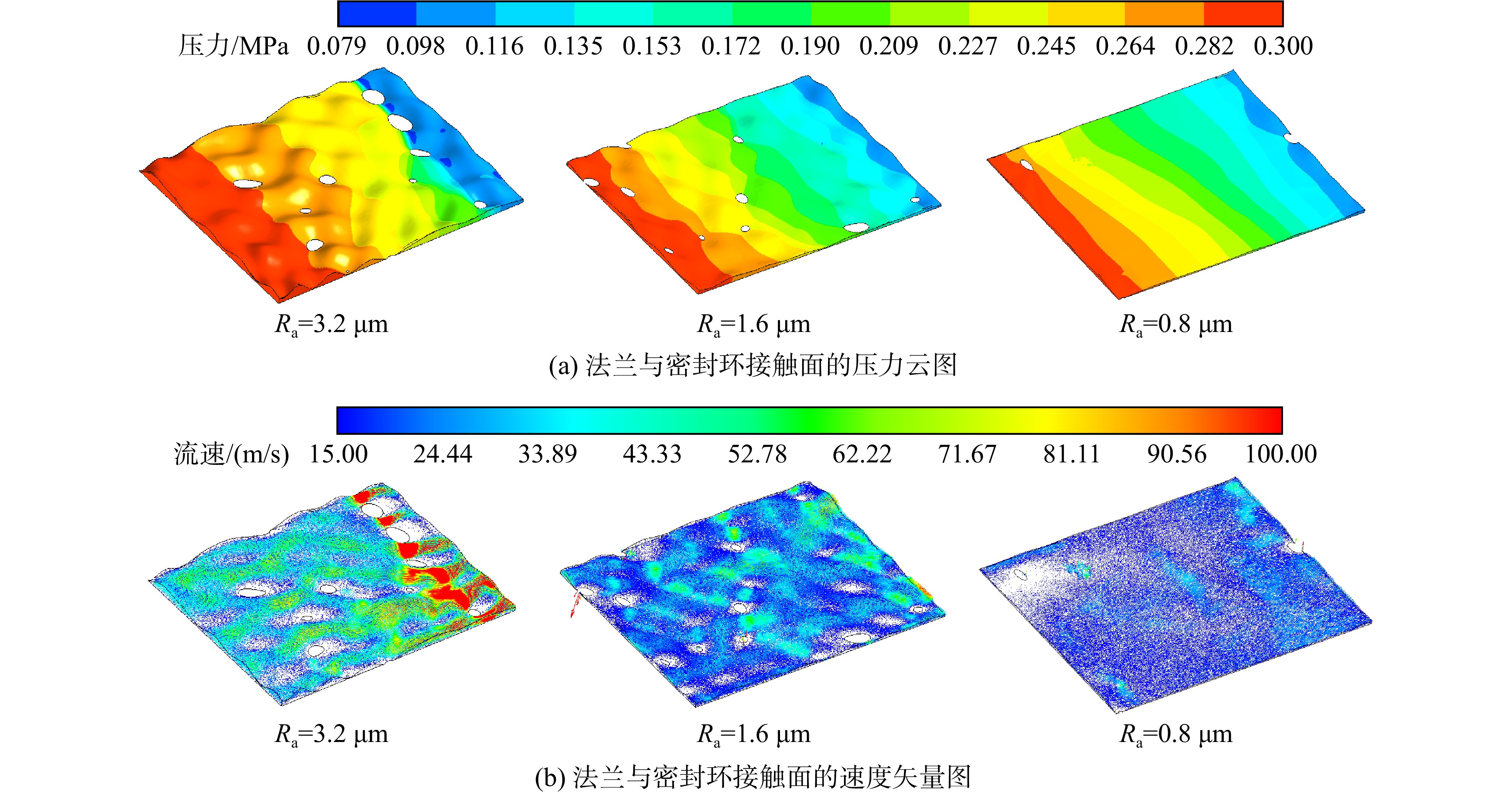
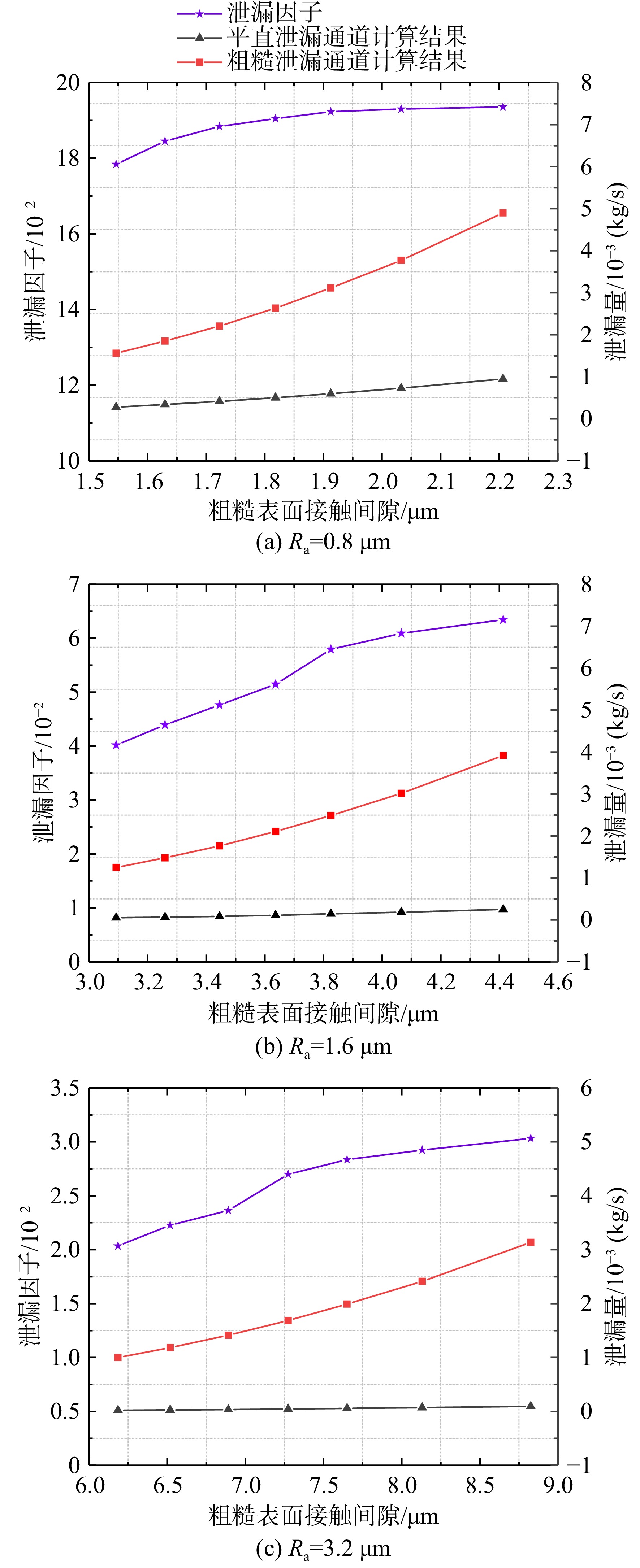
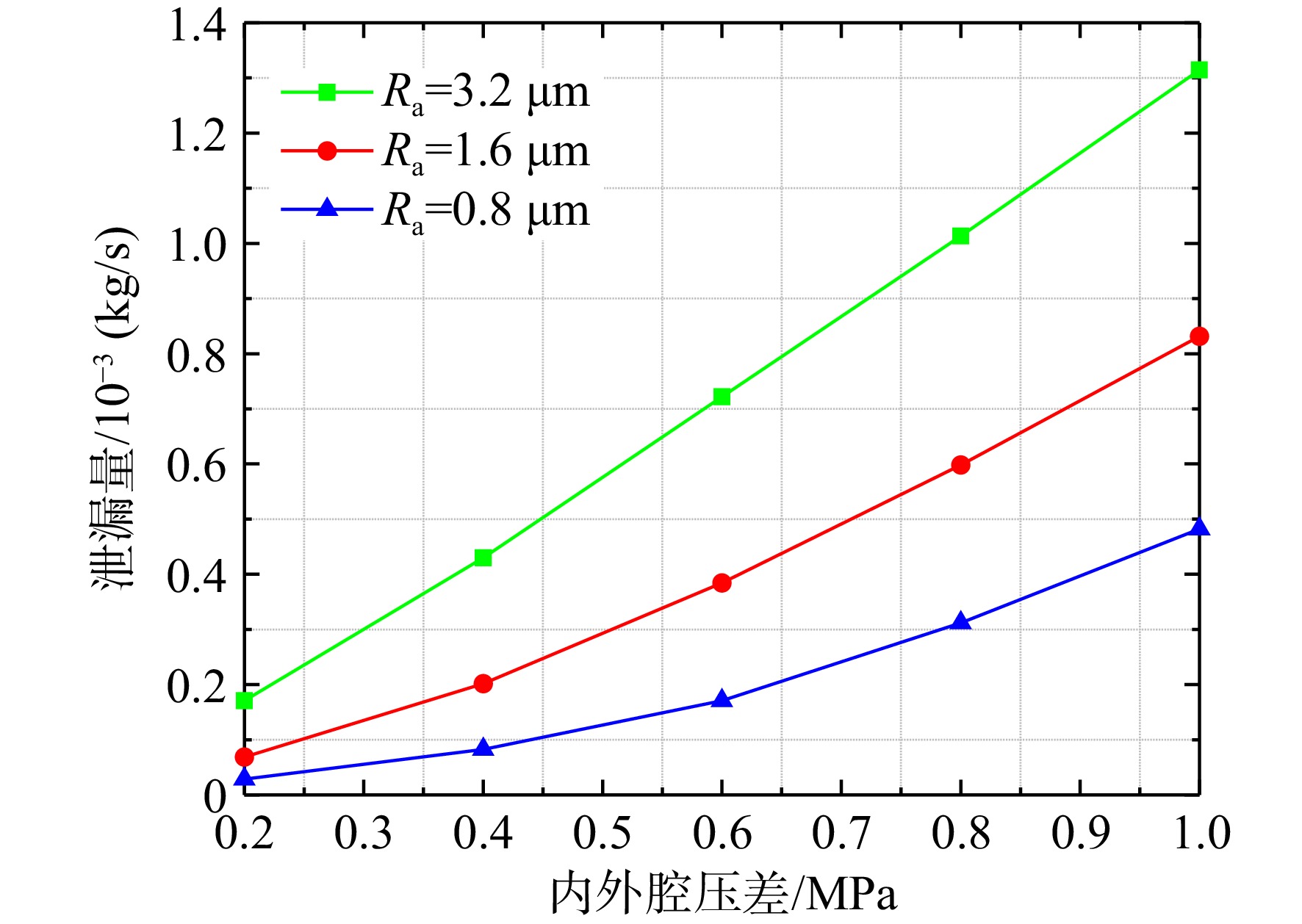
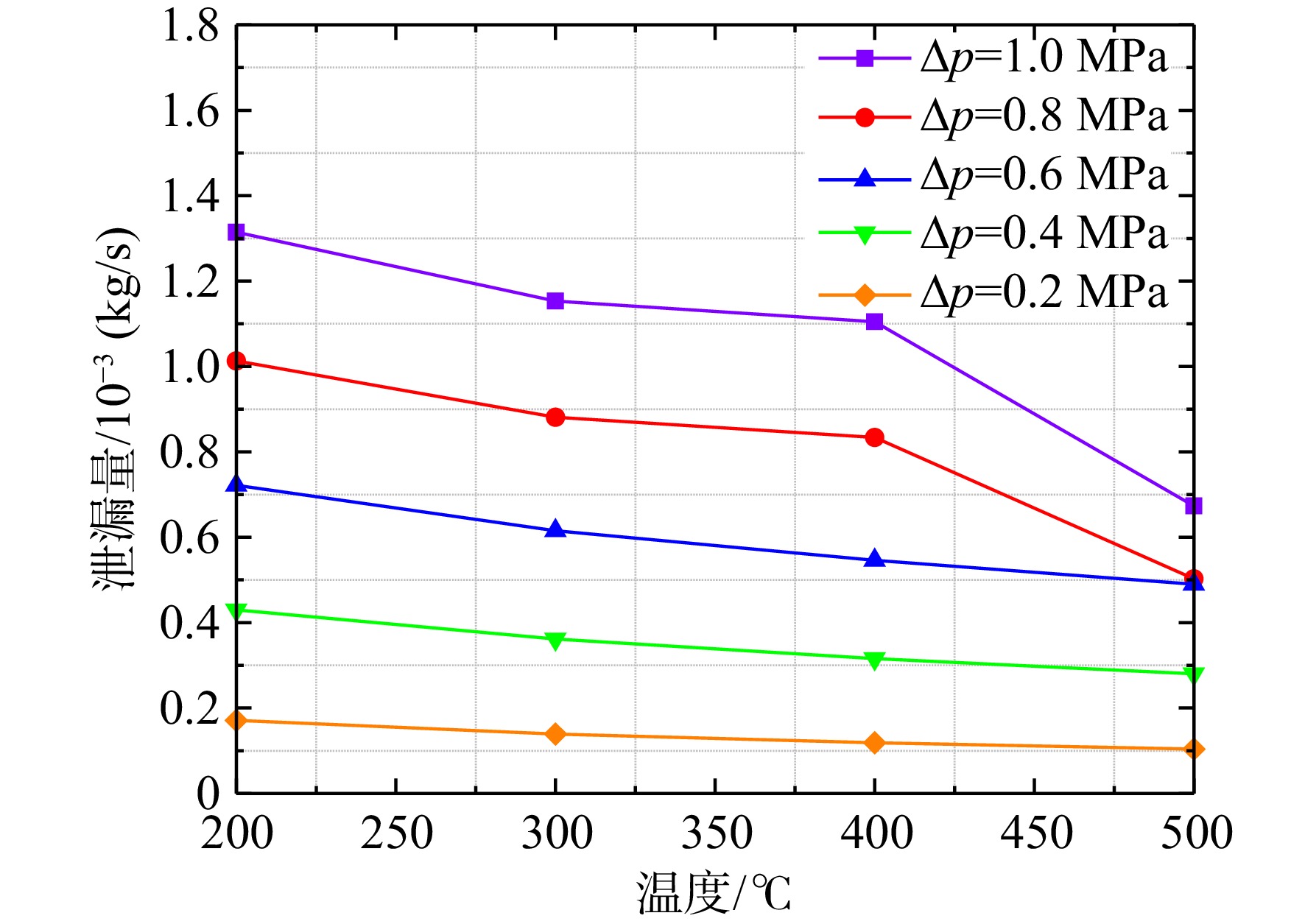
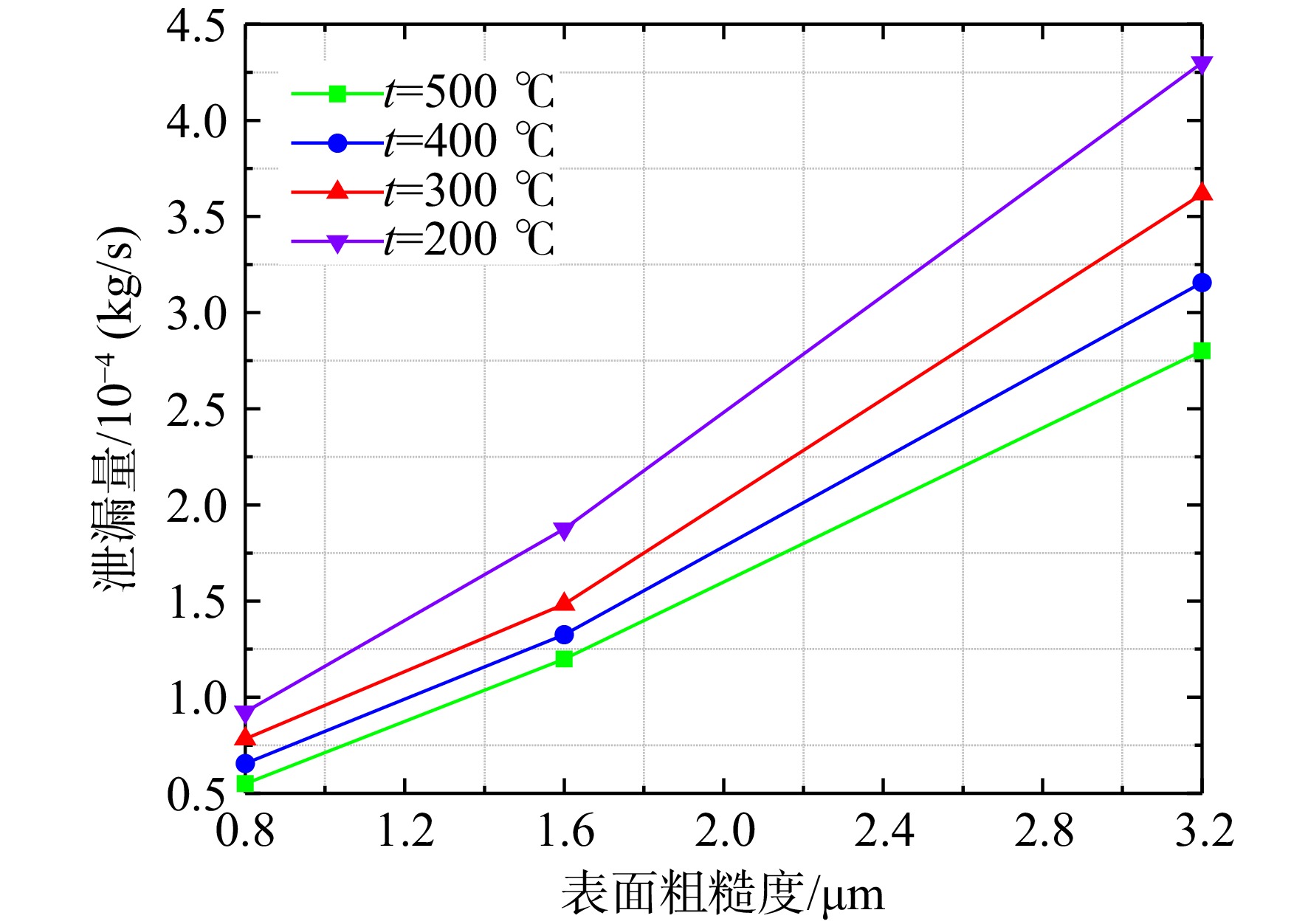
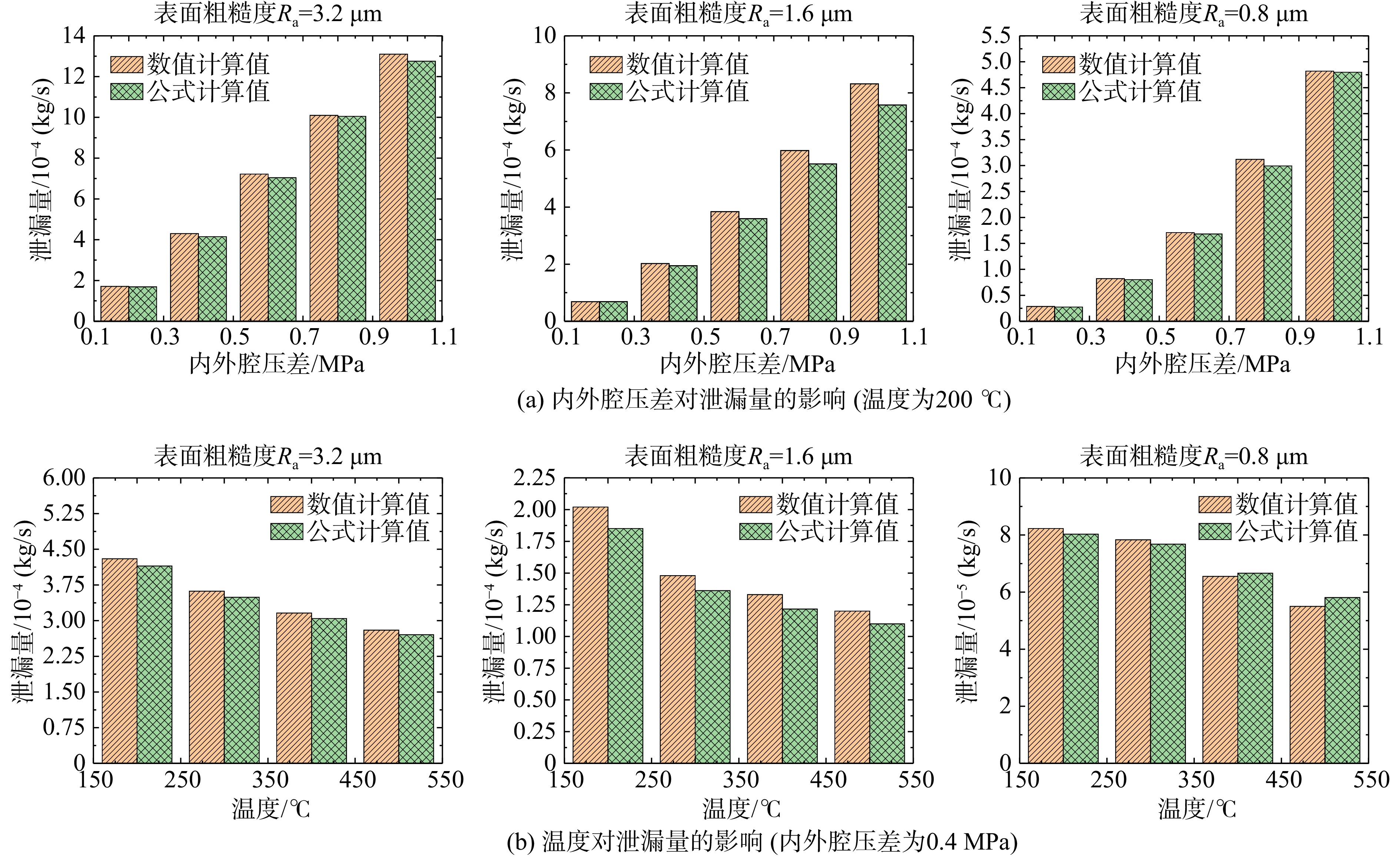
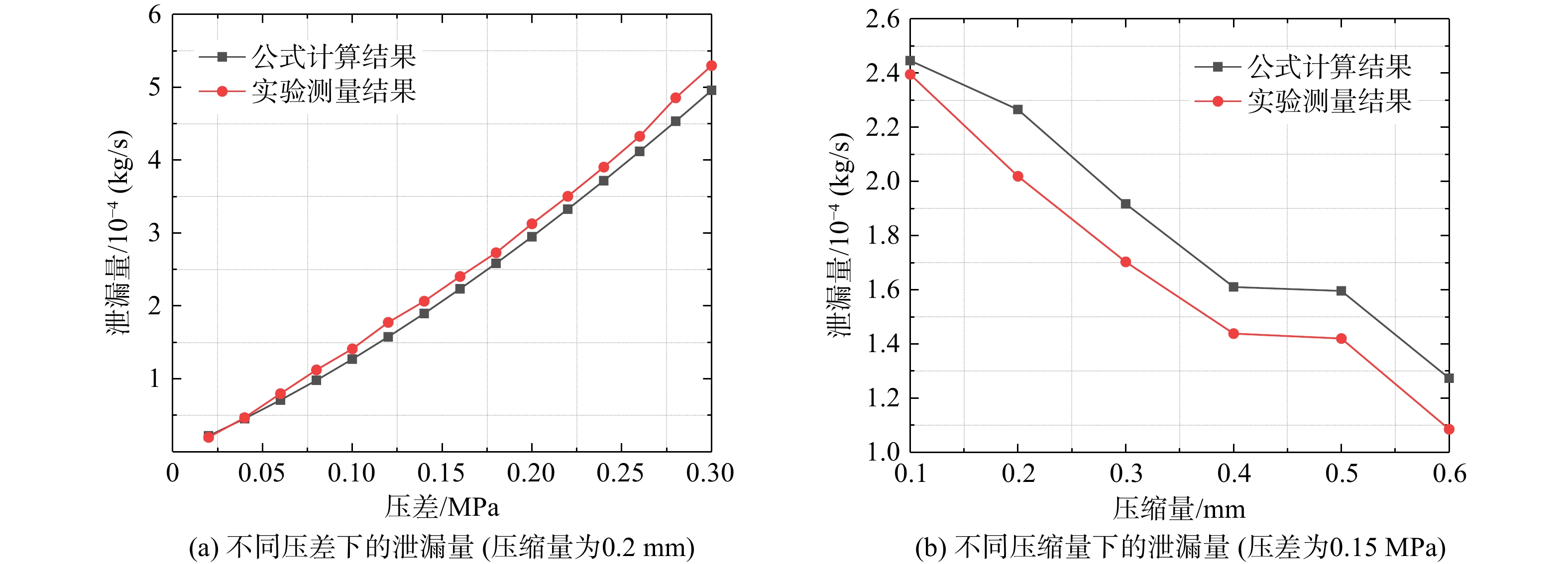
Based on Weierstrass-Mandelbrot geometric fractal theory, a W-shaped elastic metal leakage model considering the actual rough contact surface was established. The experimental device for leakage characteristics of W-shaped elastic metal seal was designed and built, and the accuracy of numerical solution model for leakage characteristics of W-shaped elastic metal seal was verified by experiments. The flow field characteristics and leakage characteristics of W-shaped elastic metal seals under different internal and external cavity pressure differences, compression and flow temperature were studied. At the same time, the theoretical formula of W-shaped elastic metal seal leakage was proposed based on multiple regression methods considering the working condition parameters and surface roughness. The results showed that the contact stress increased with the increase of pressure difference, temperature and compression, and the contact width increased with the increase of contact stress. The leakage of the sealing system gradually decreased with the decrease of surface roughness, the pressure difference between internal and external cavities and the increase of inlet temperature. Reducing the surface roughness can significantly improve the sealing performance of the sealing system. When the surface roughness Ra reduced from 3.2 μm to 1.6 μm, the leakage decreased by 50% on average. The surface roughness Ra reduced from 1.6 μm to 0.8 μm, and the leakage rate decreased by 62% on average. The constructed theoretical formula of leakage can accurately predict the leakage of W-shaped elastic metal seal considering the roughness of contact surface, thus providing a theoretical basis for analysis of leakage characteristics of W-shaped metal seal.

Creep-fatigue damage evolution and life prediction of high-temperature alloys considering thermal corrosion
XU Mengyue, ZHAO Gaole, LI Shaolin, QI Hongyu, YANG Xiaoguang, SHI Duoqi
2025, 40(8): 20240260. doi: 10.13224/j.cnki.jasp.20240260
Abstract:
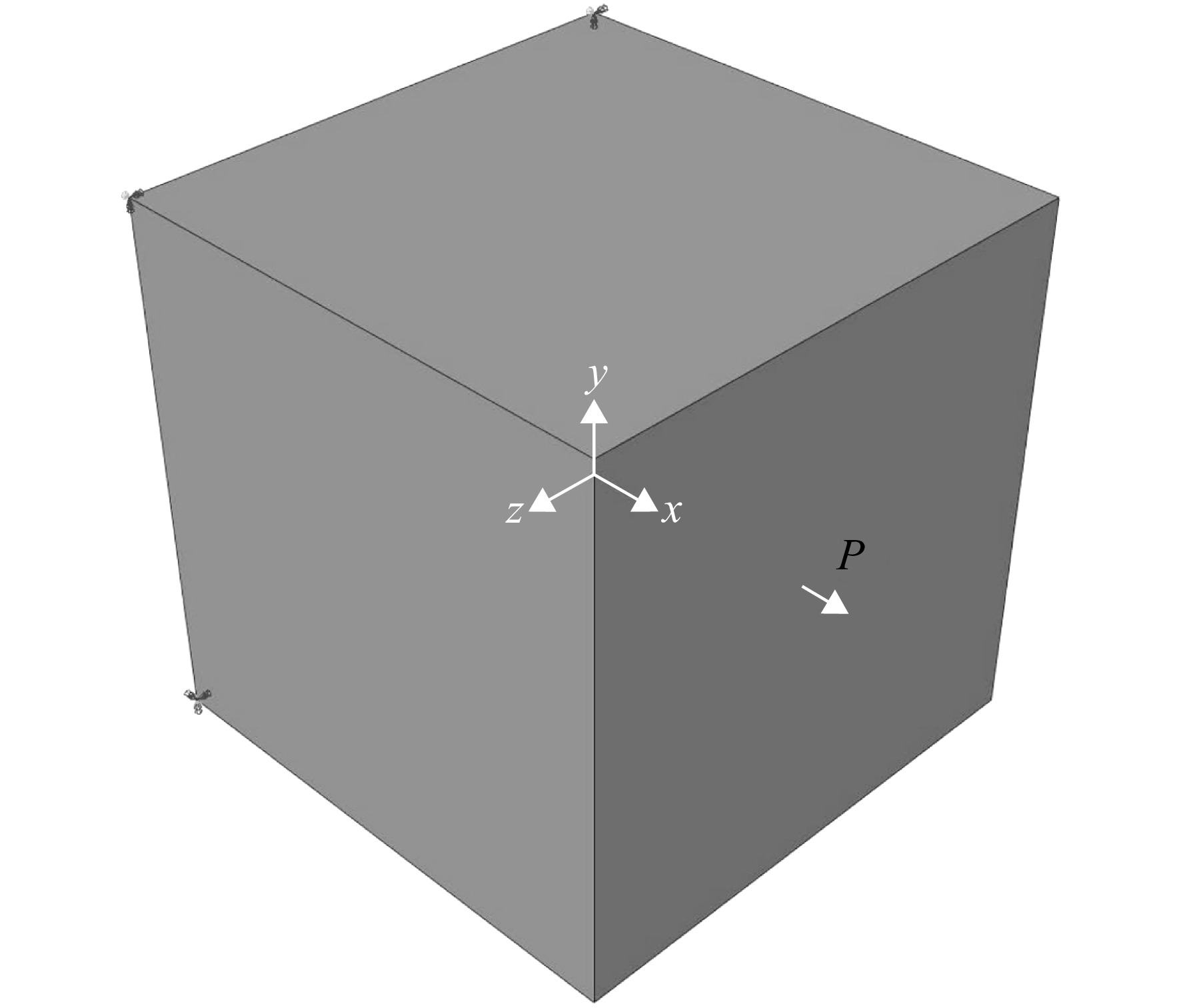
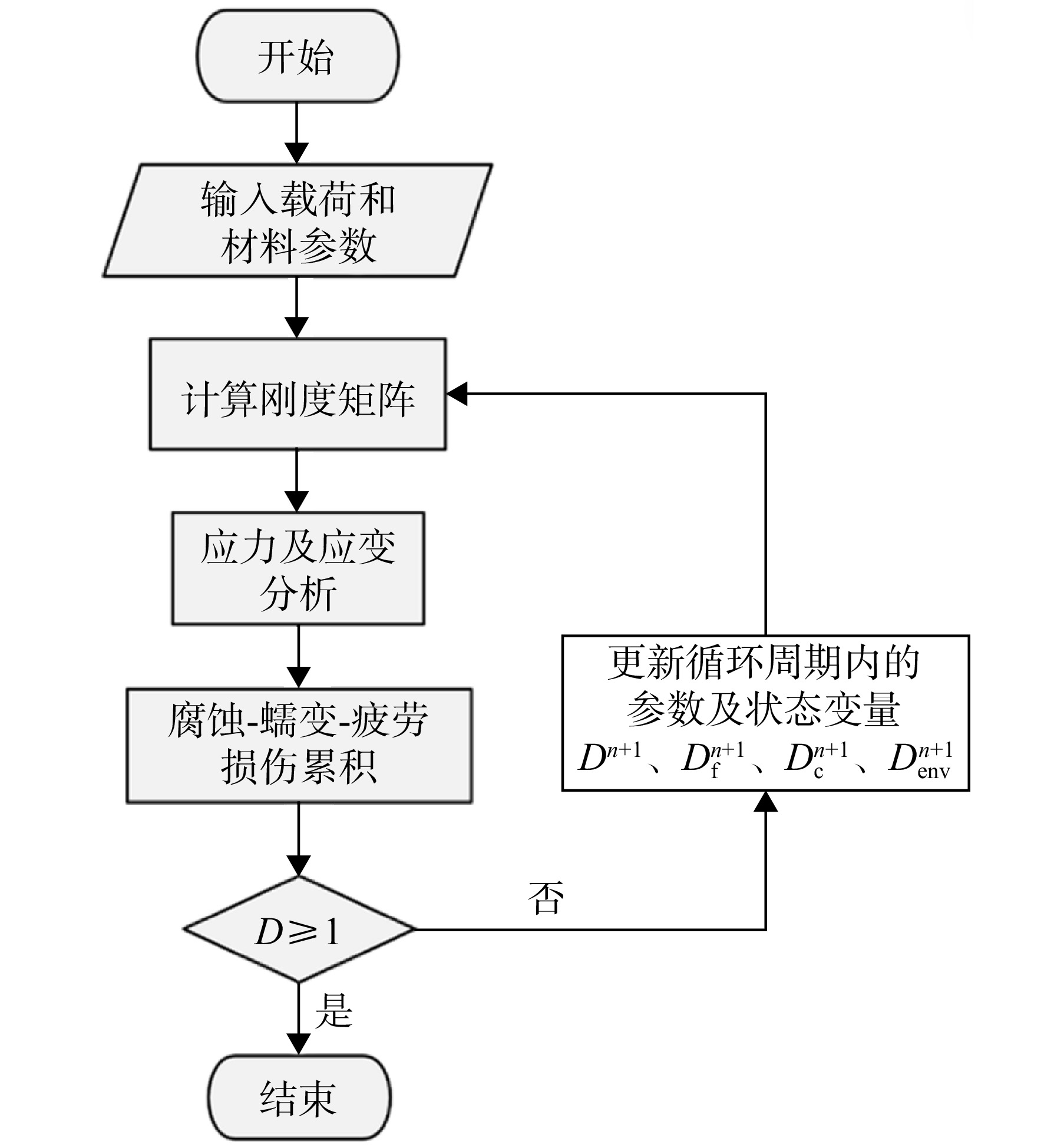
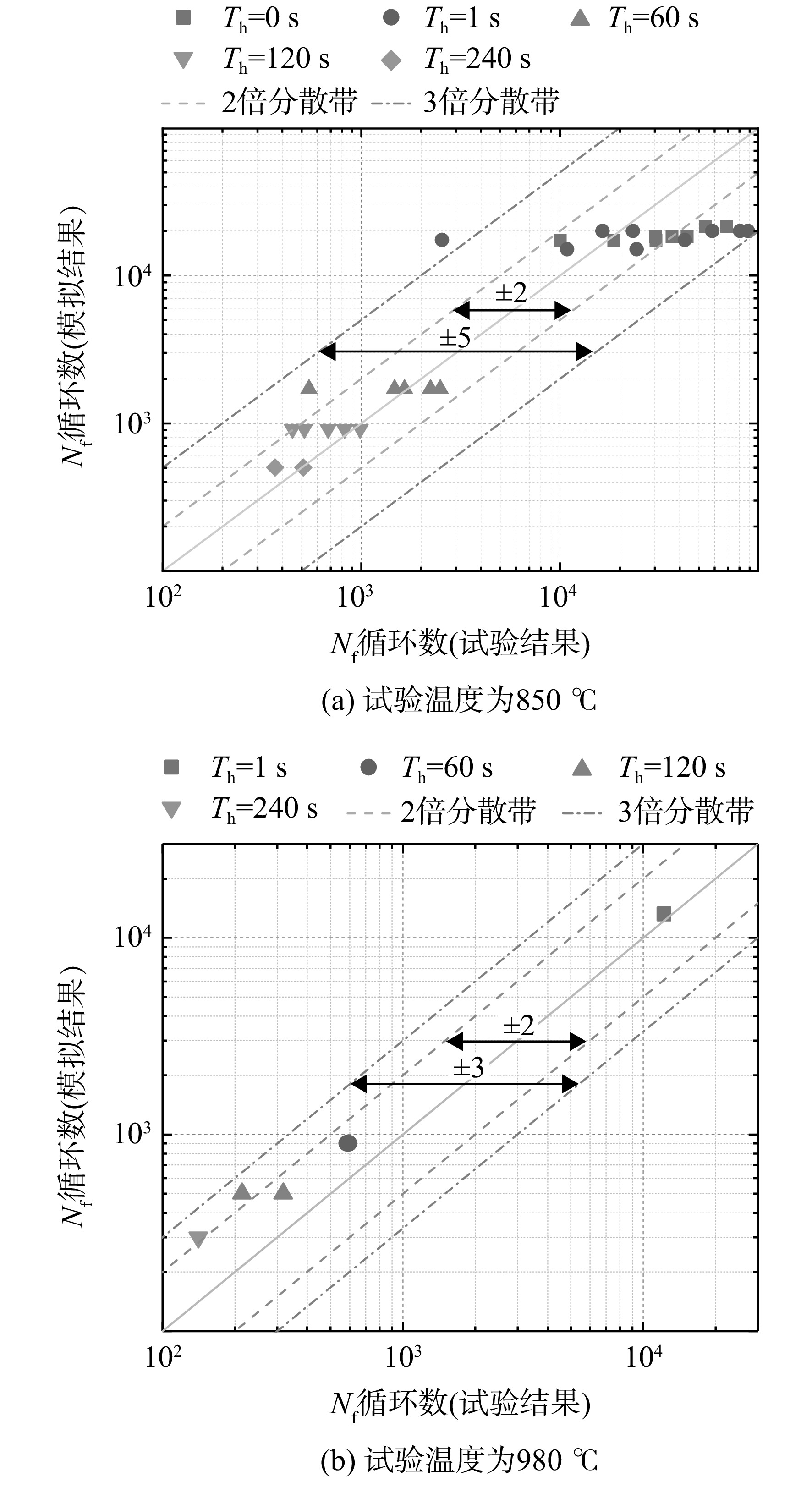
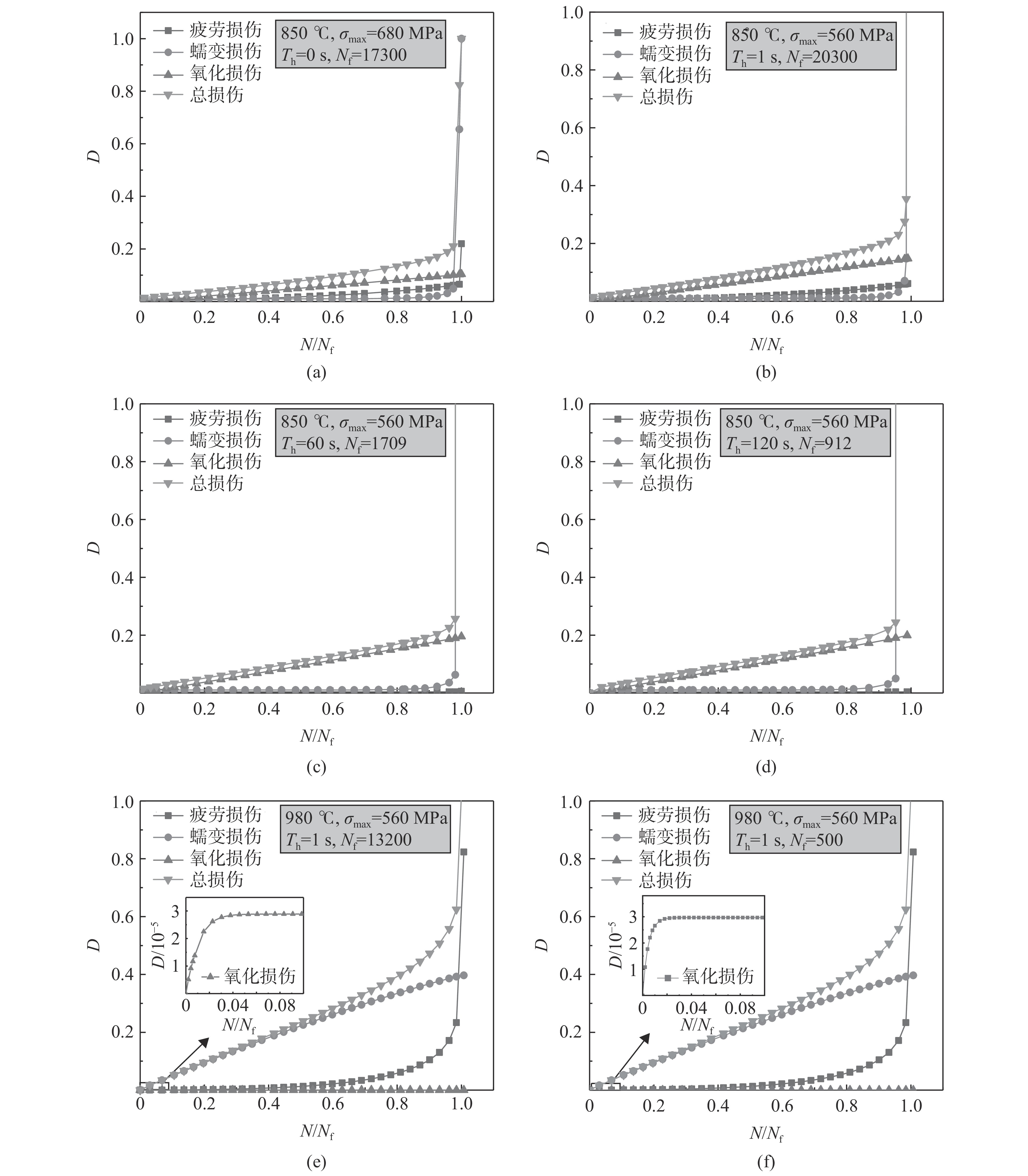
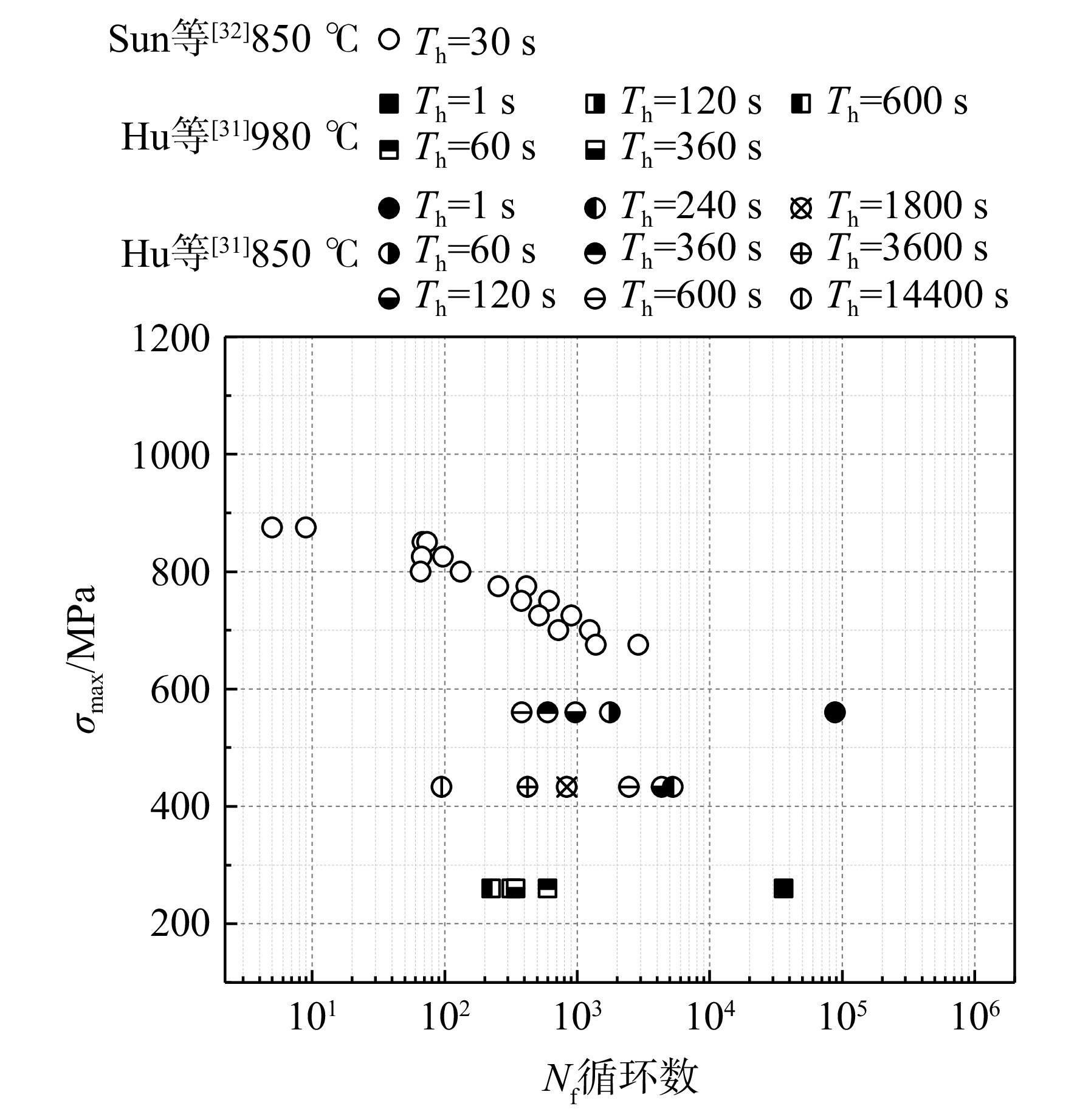
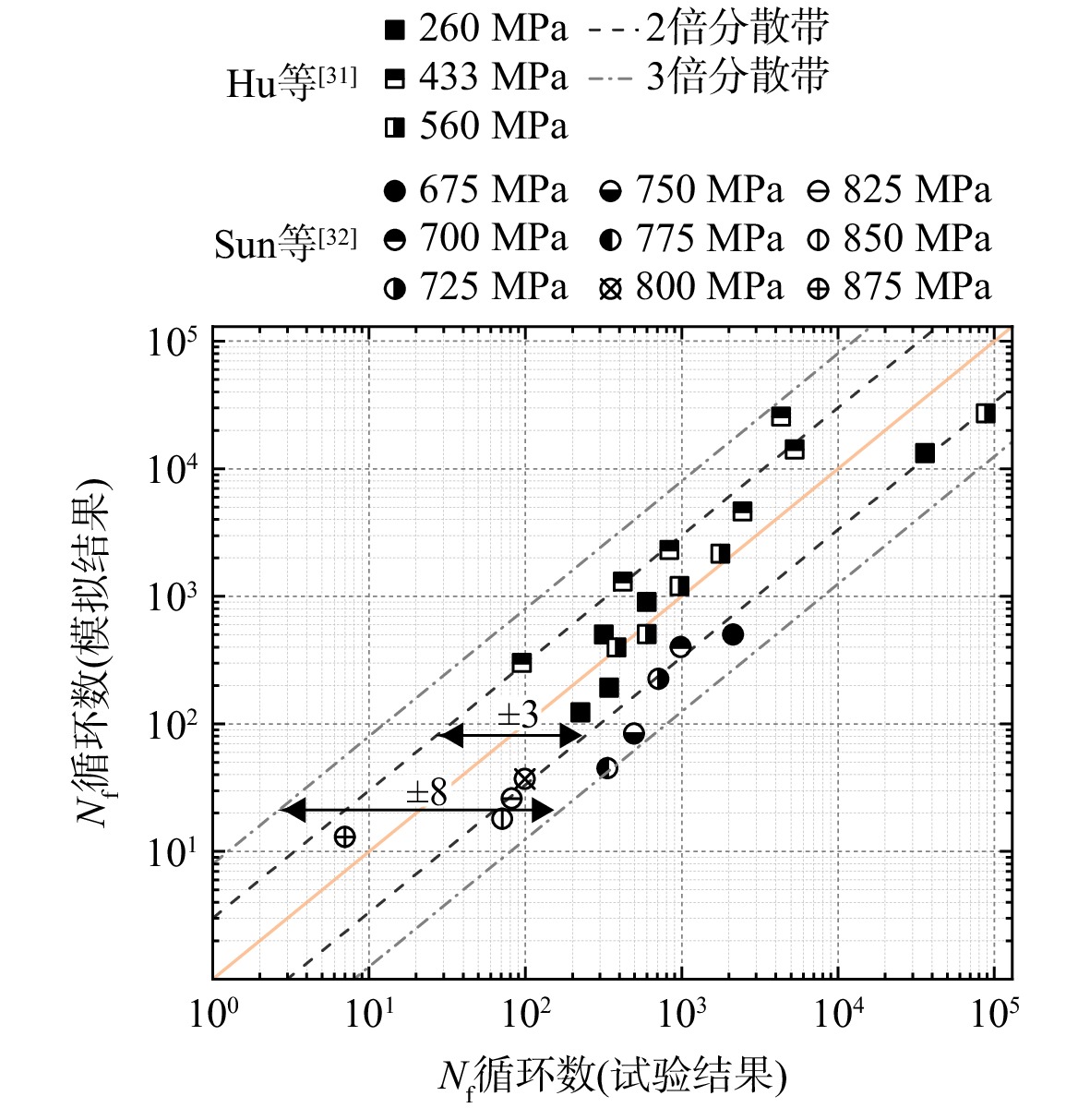
Considering the failure of nickel-based superalloys due to creep-fatigue in hot corrosive environments, a corrosion-creep-fatigue life prediction method based on the continuous damage eigenstructure was proposed. The ontological equation and damage evolution equation of DZ125 nickel-based superalloy under the complex stress state of corrosion-creep-fatigue were established, and the user subroutine for the calculation was developed. The corrosion-creep-fatigue life of DZ125 alloy at different temperatures was predicted. The full-life damage evolution of the material was simulated to study the damage mechanism of the material at different temperatures and holding times. The results indicated that the life predictions fell within three times the dispersion factor. The damage evolution curves showed that at 850 ℃, corrosion damage dominated the damage evolution process in DZ125 alloy, while creep damage dominated the damage evolution process at 980 ℃. The research results are of great significance for the strength design and life assessment of aero-engine hot end components.

Effects of thread pair clearance on bolted joints loosening failure
LIN Zhigen, LIU Wenguang, ZHANG Xiang, LIU Wentao
2025, 40(8): 20250024. doi: 10.13224/j.cnki.jasp.20250024
Abstract:
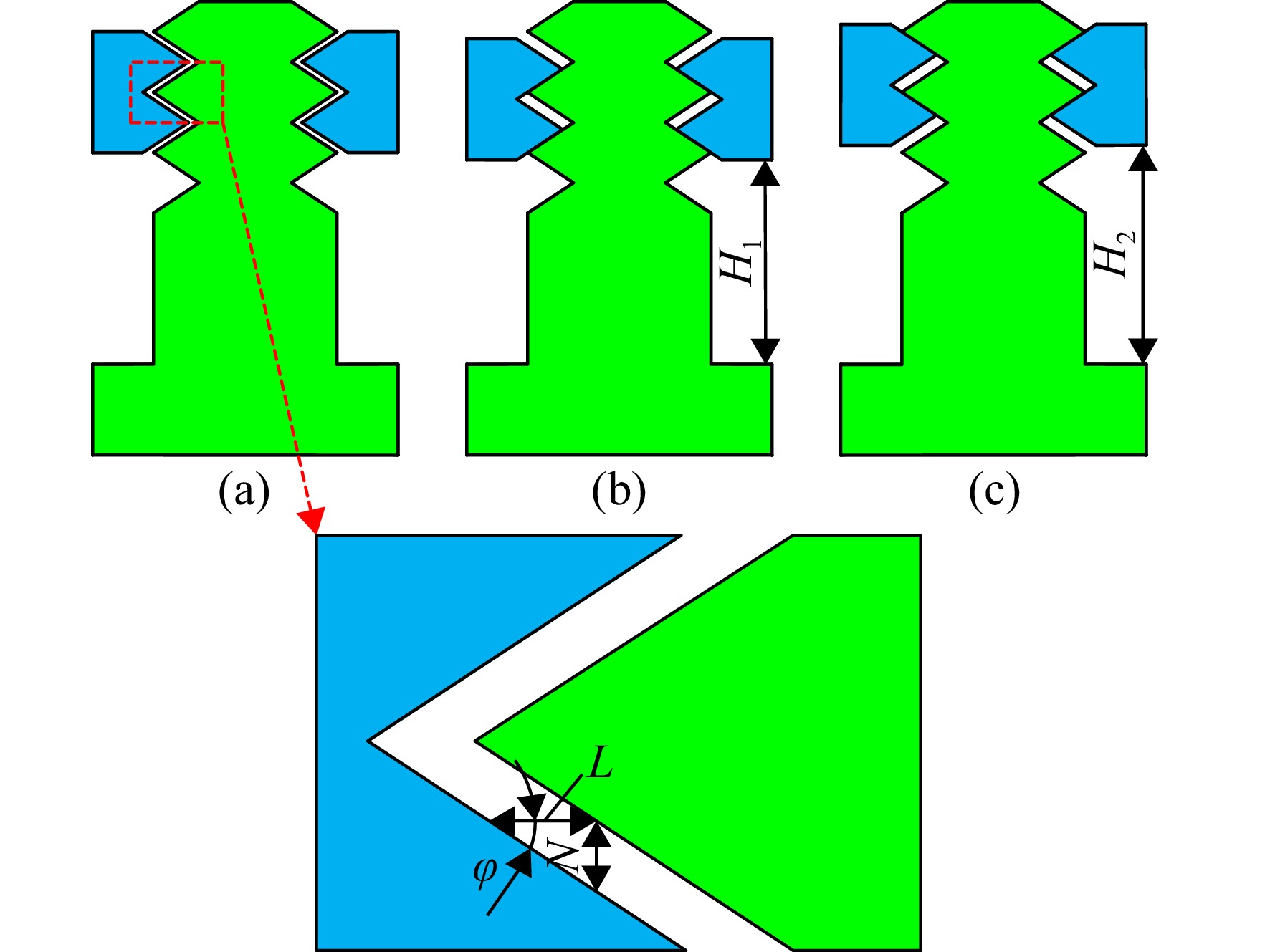
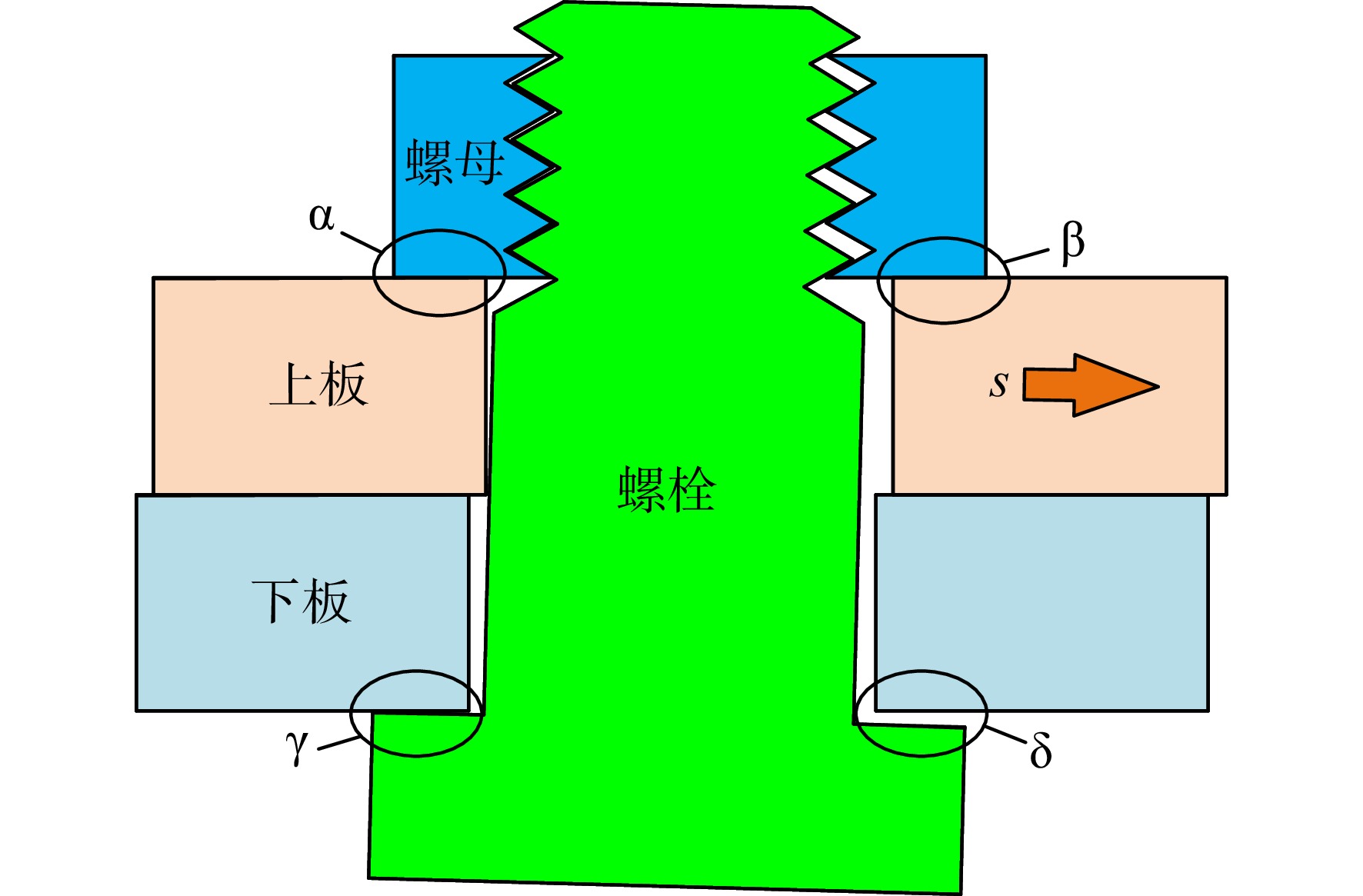
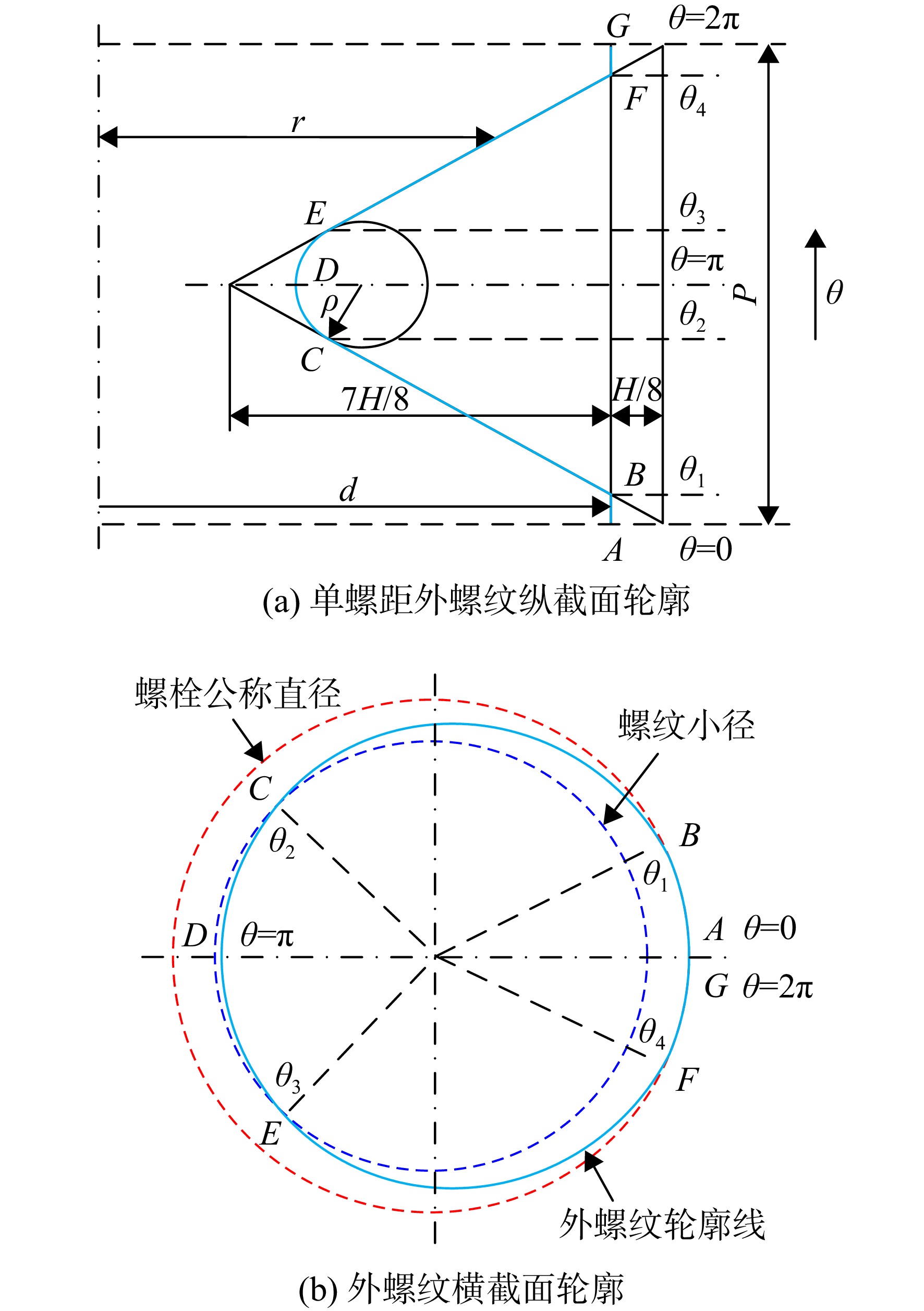
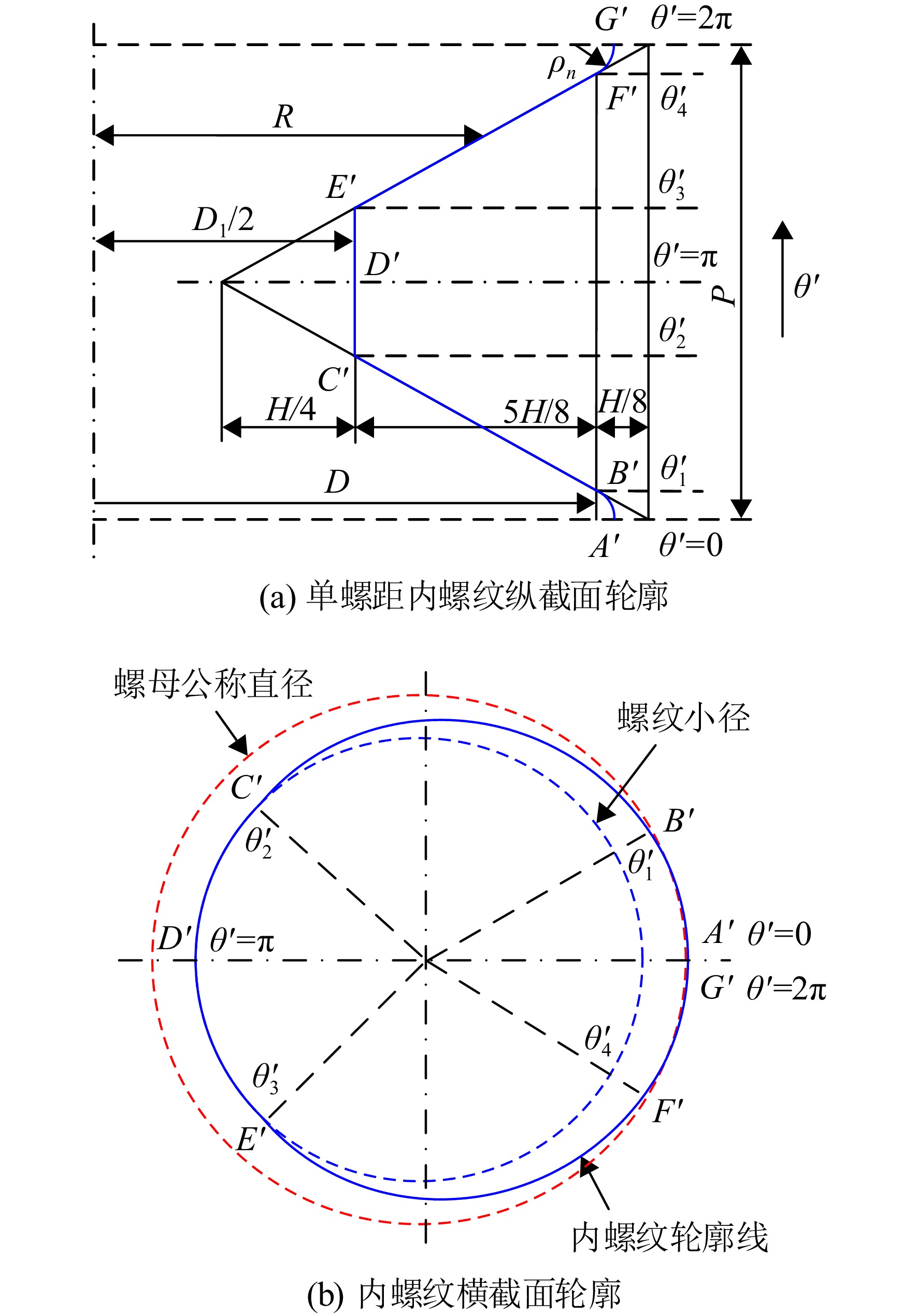
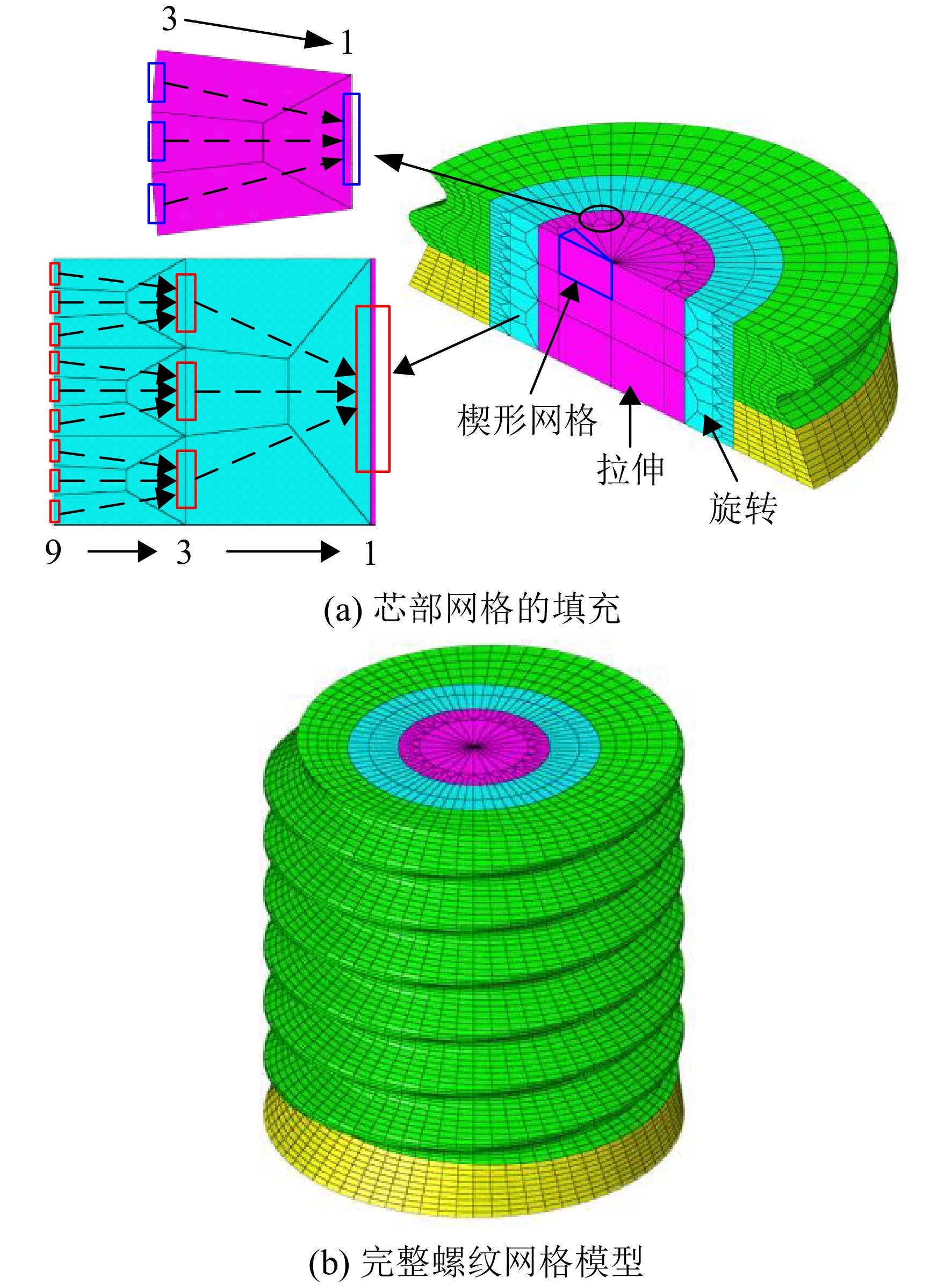
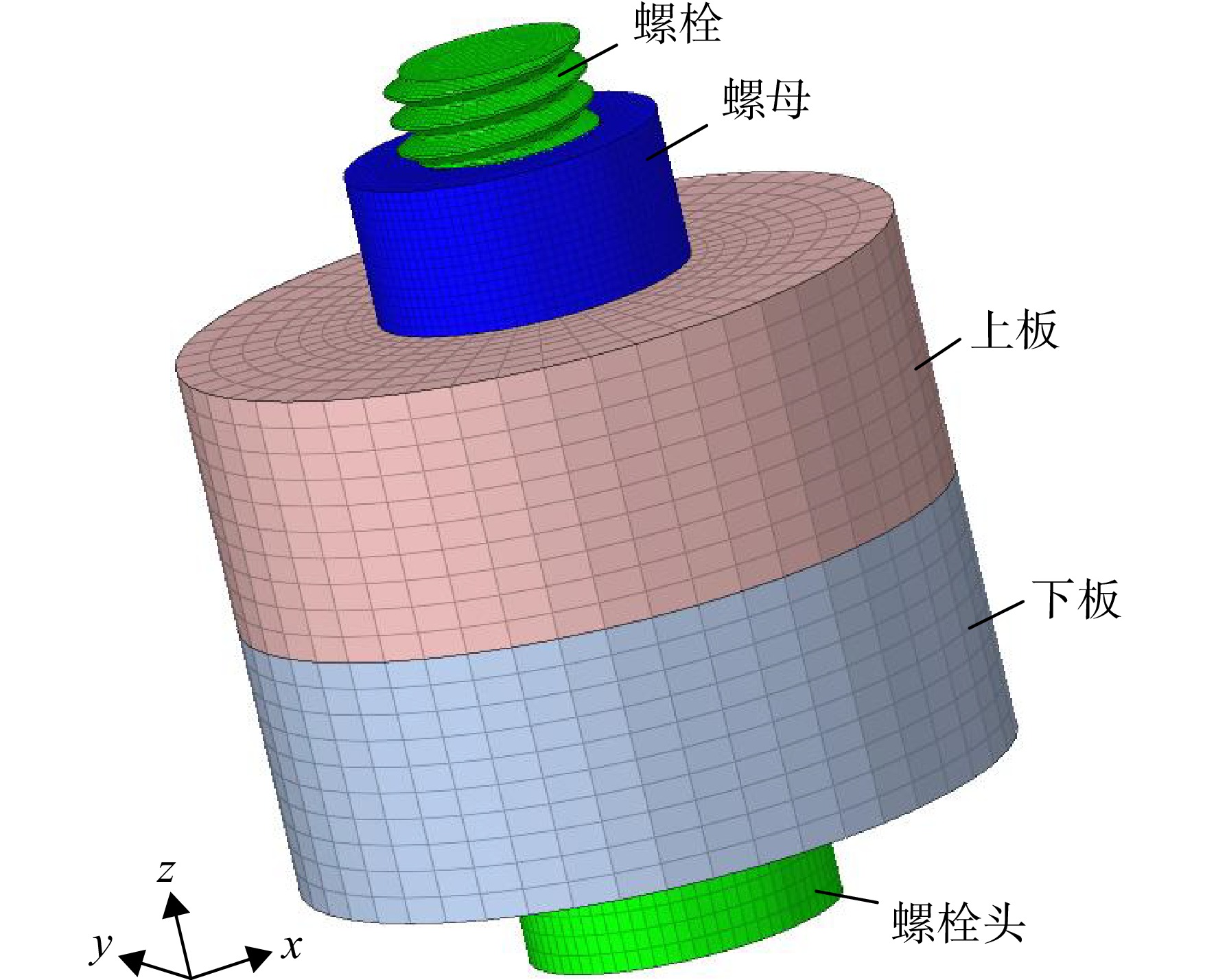
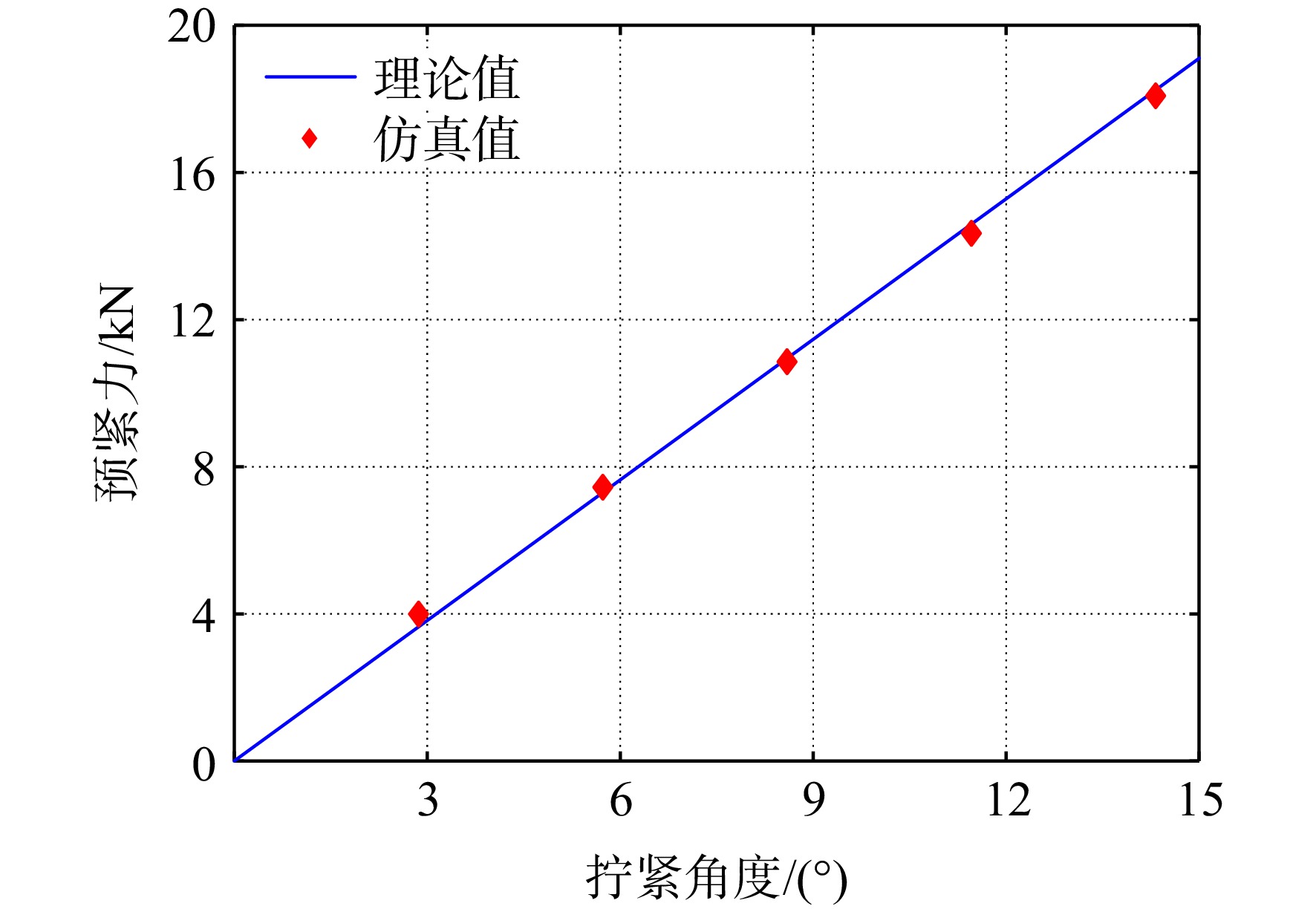
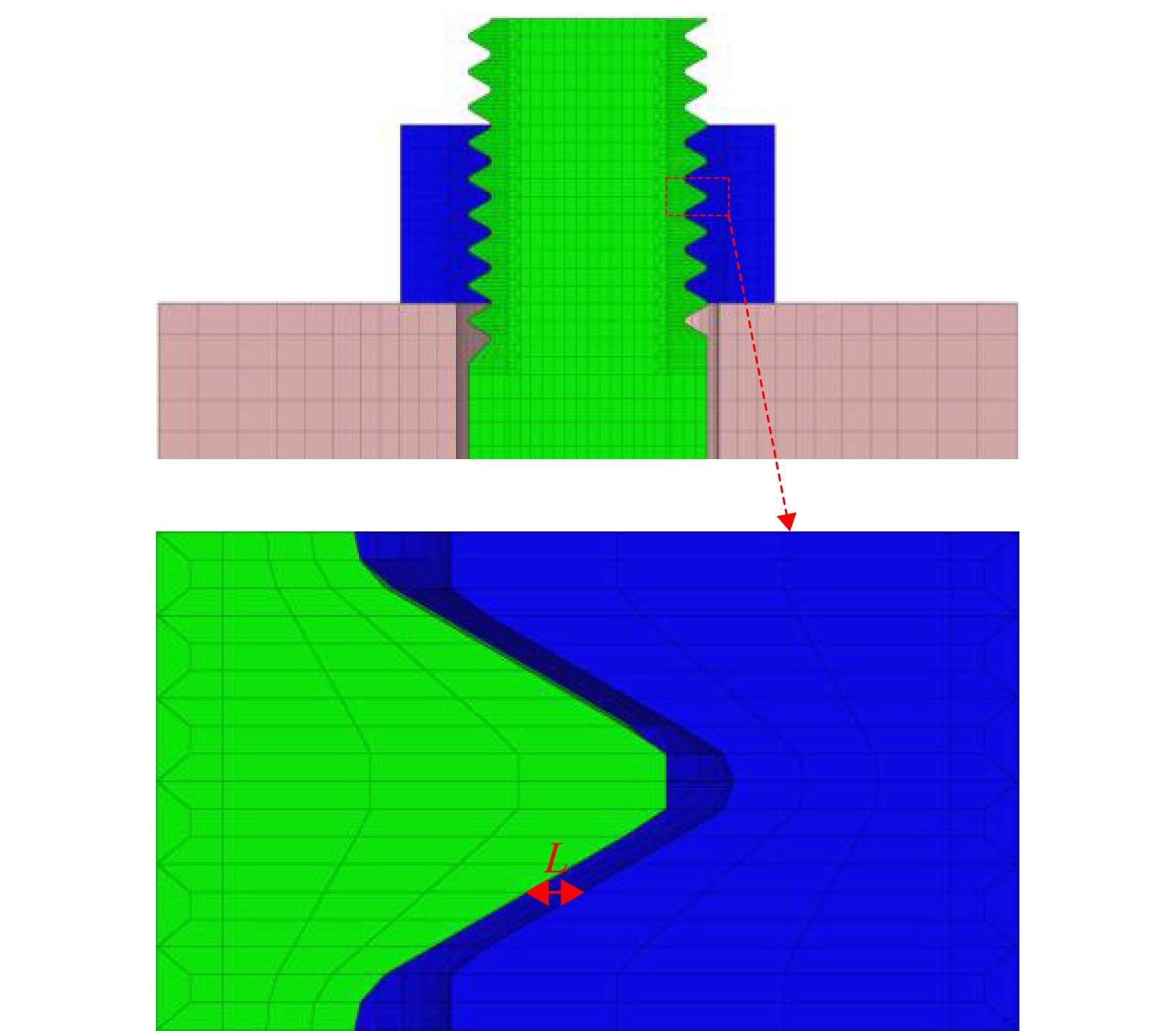
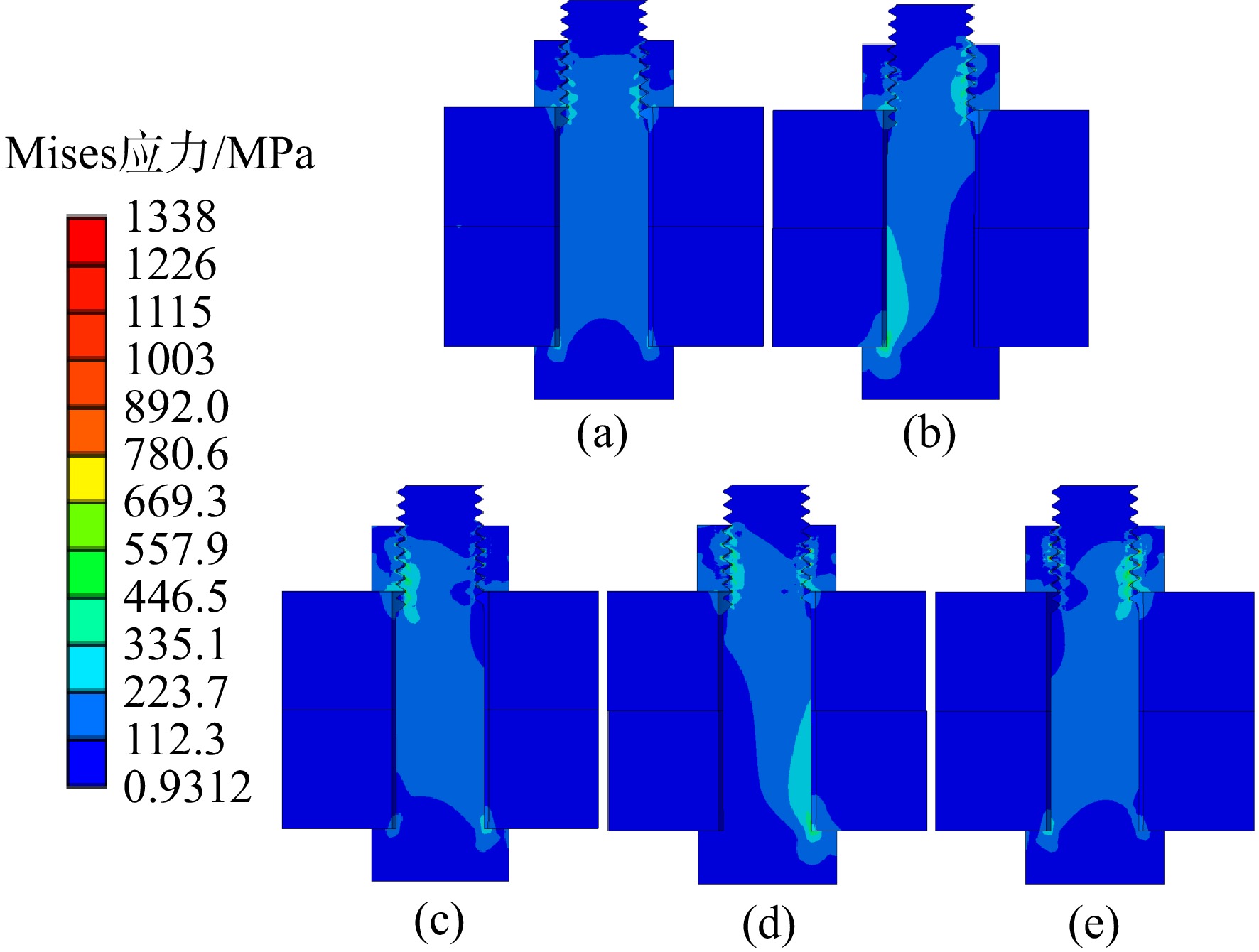
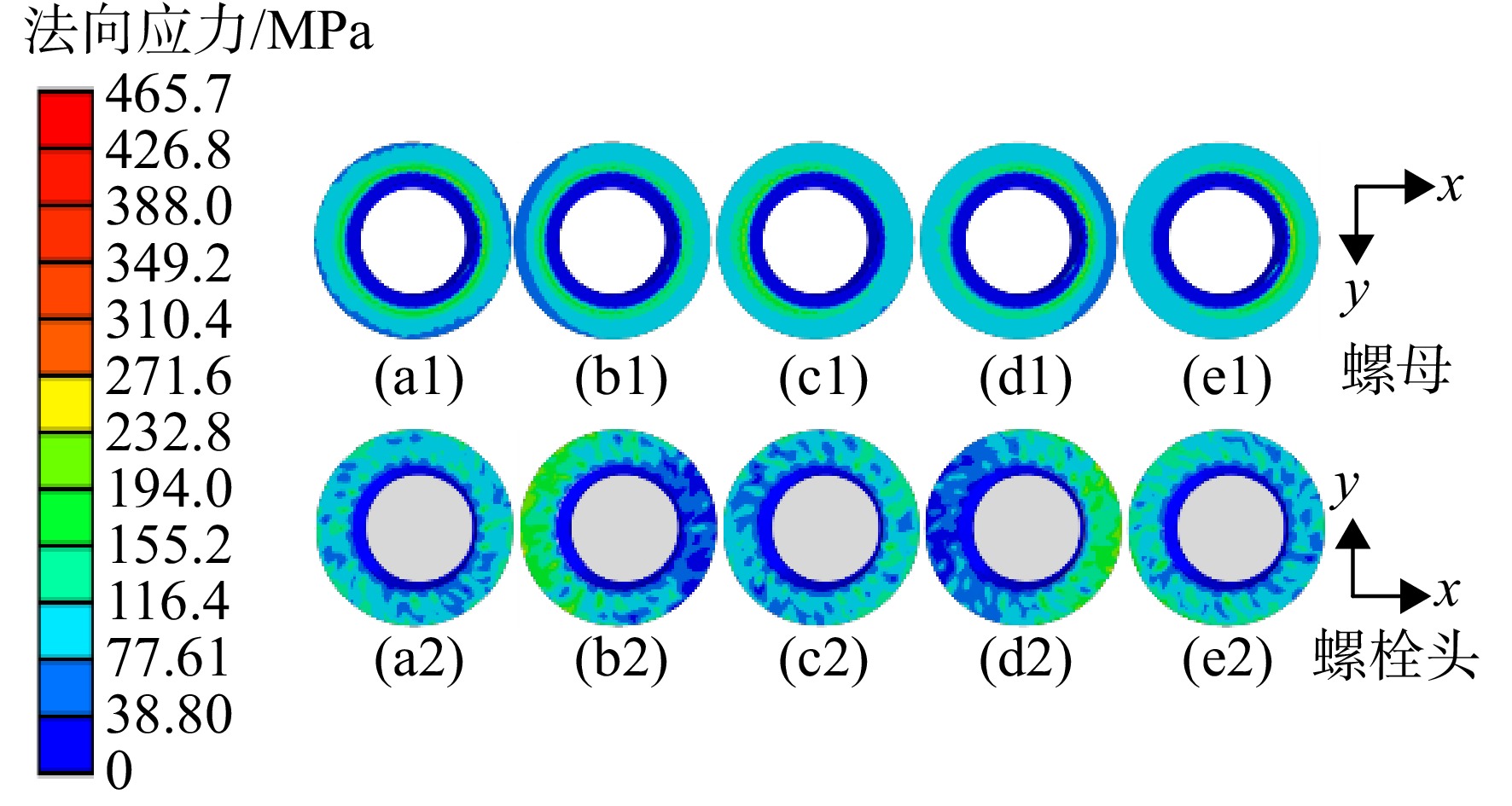
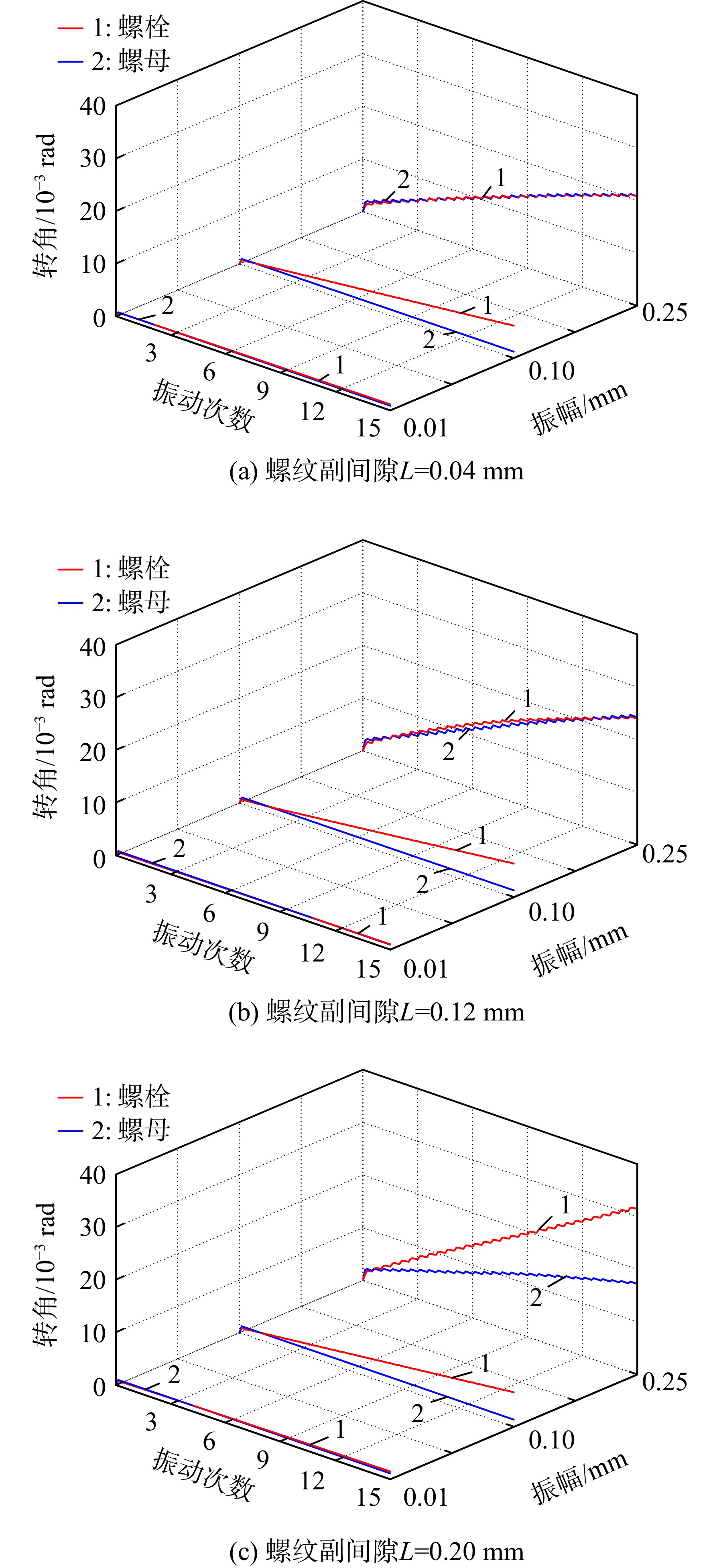
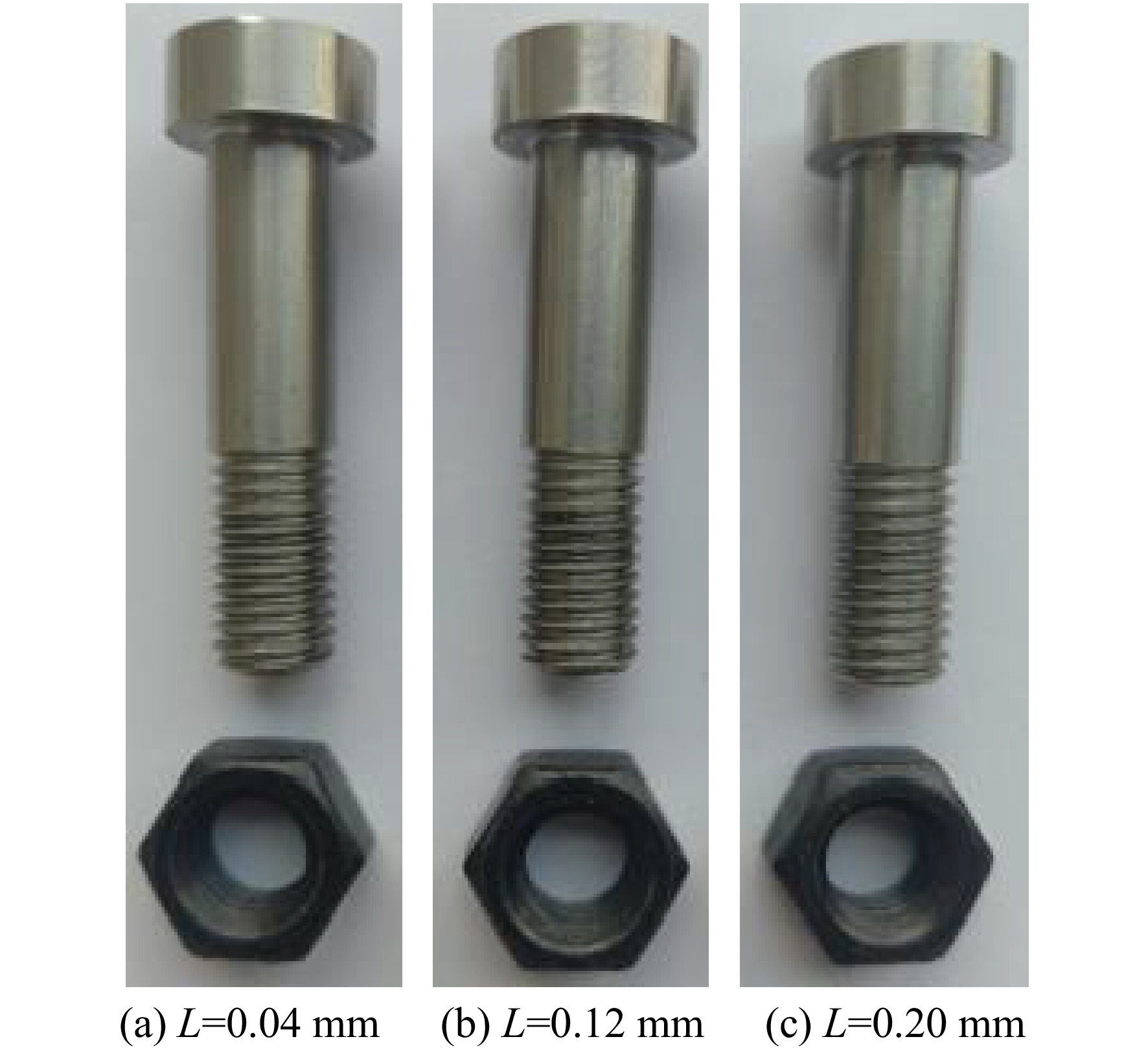
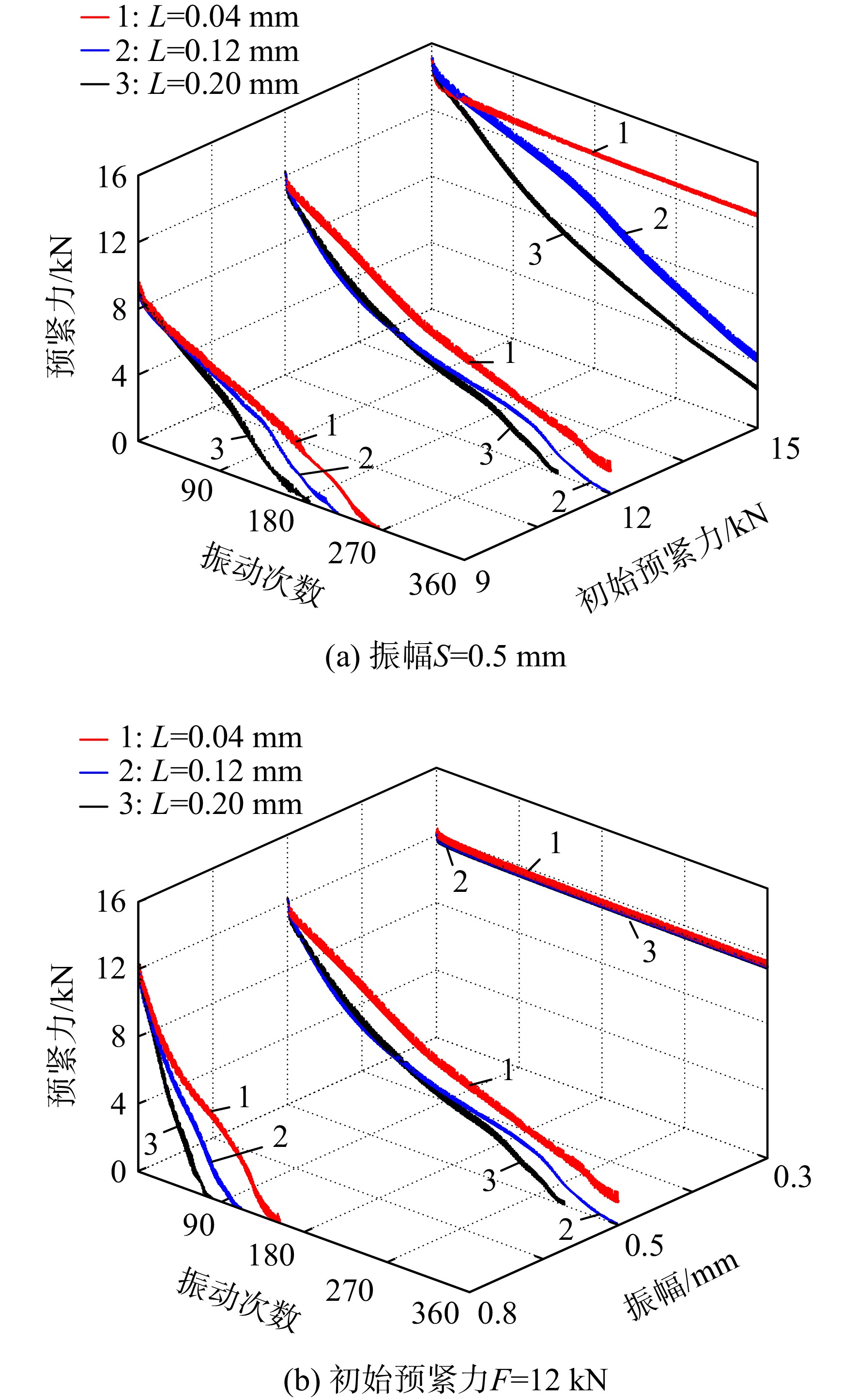
Firstly, the effects of thread pair clearance on the bolted joints loosening process was analyzed theoretically. And subsequently, the mathematical equation of the internal and external thread profiles with thread pair clearance was built, the internal and external thread mesh models and the thread retract groove mesh model were developed by using the thread modeling method proposed by Fukuoka. Thereafter, the stress distributions in the bolted cross-section and the bearing surface of the bolted joints were analyzed, and the effects of the vibration amplitude and the thread pair clearance on the loosening angle of bolt and nut were discussed. The impacts of the thread pair clearance on the loosening failure characteristics with amplitude of 0.5 mm or preload of 12 kN were verified by test in the end. The results showed that the finite element model of the bolted joints with thread pair clearance was more realistic to the engineering practice. And the slippage of the thread surface was more serious with the increase of the thread pair clearance under same conditions, and the contact force between the bolt bearing surface and the lower plate became more unstable, which resulted in the acceleration of the bolt loosening. Appropriately reducing the thread pair clearance was conducive to anti-loosening, the thread pair clearance was reduced by 0.08 mm, and the loosening rate of the bolted joints was reduced by about 23%.

Combustion,Heat and Mass Transfer
Optimization of aviation fuel pump cavitation performance based on surrogate model
WANG Xiaohui, ZHANG Kai, MIAO Senchun, LI Kejian, SHEN Zhengjing
2025, 40(8): 20230406. doi: 10.13224/j.cnki.jasp.20230406
Abstract:
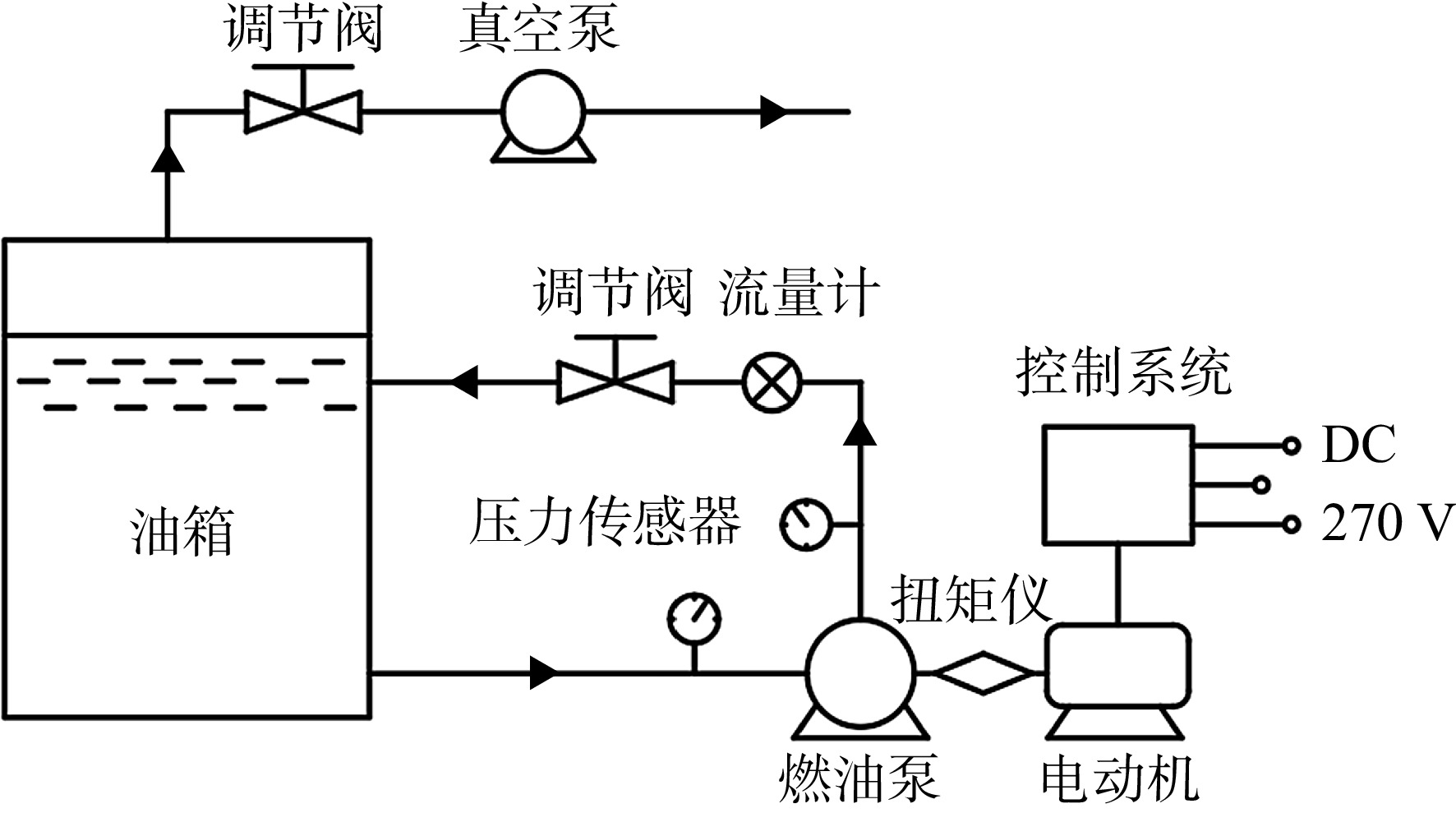
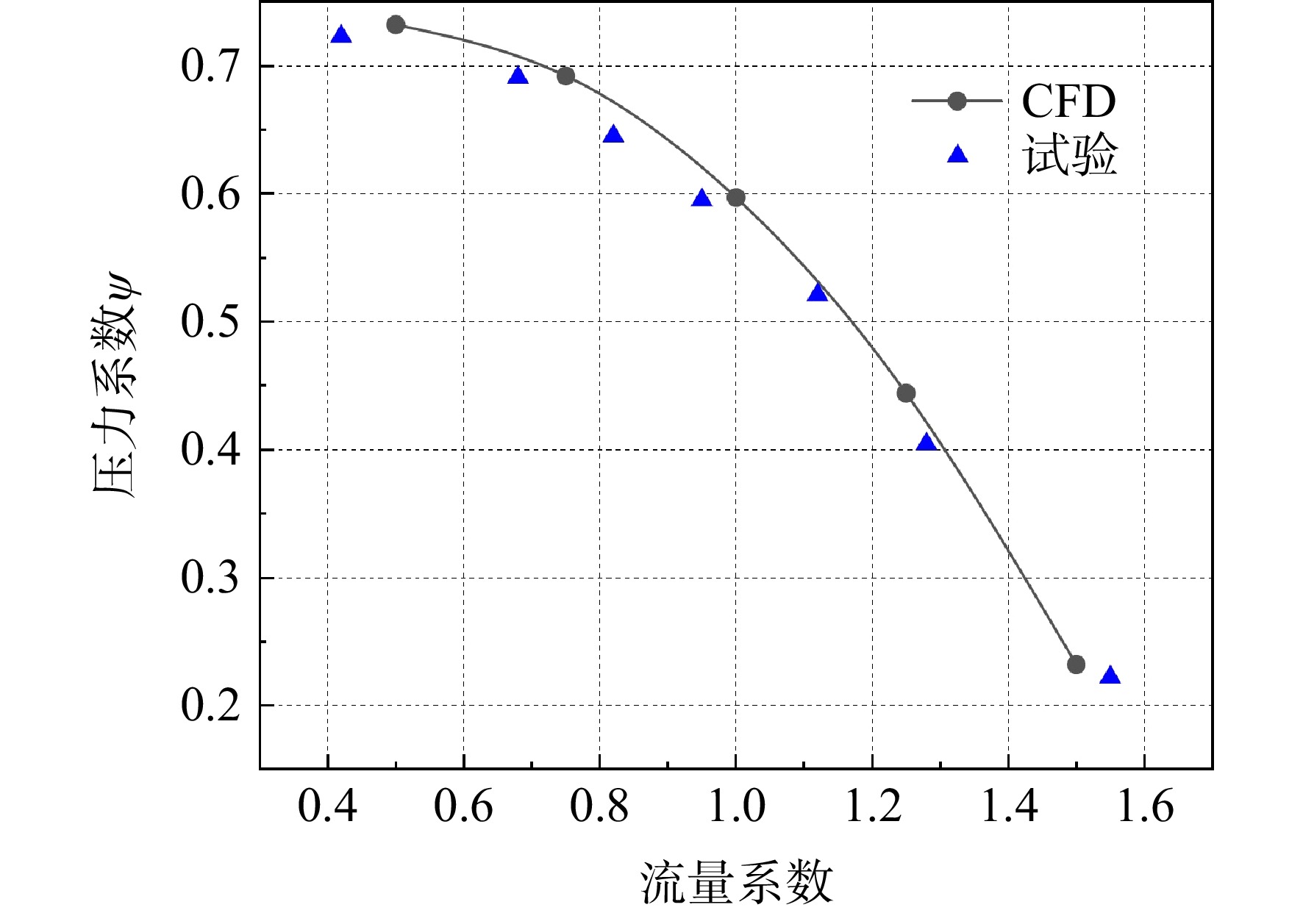
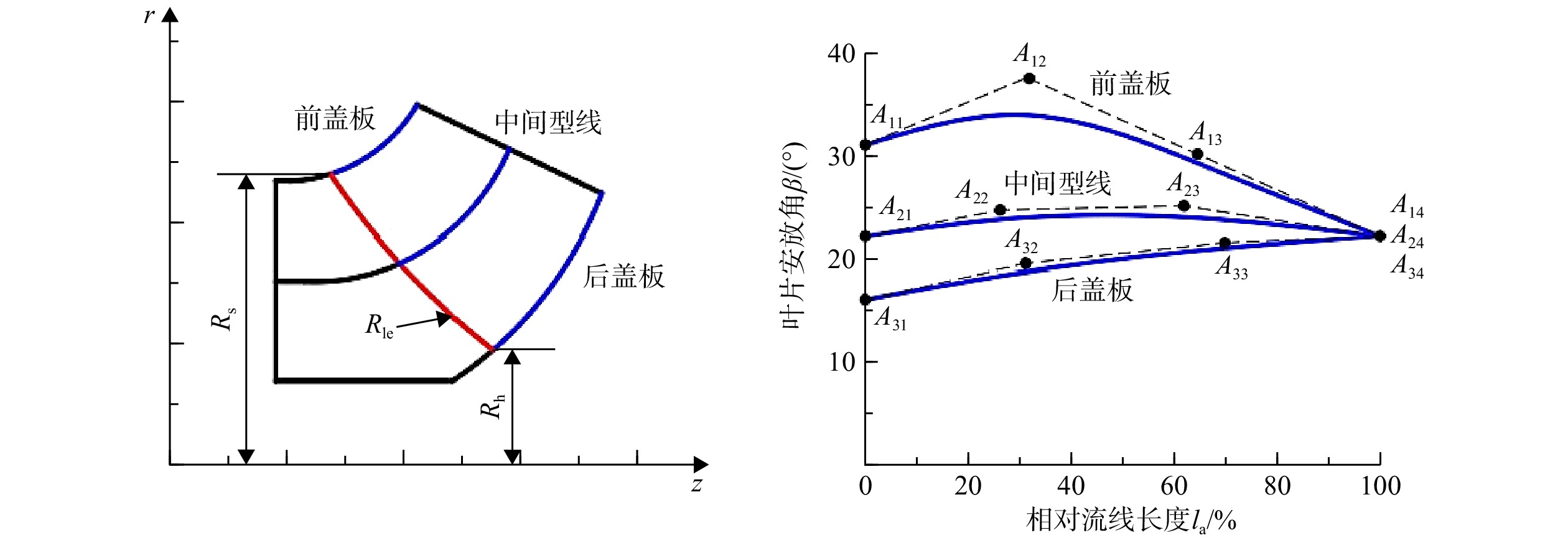
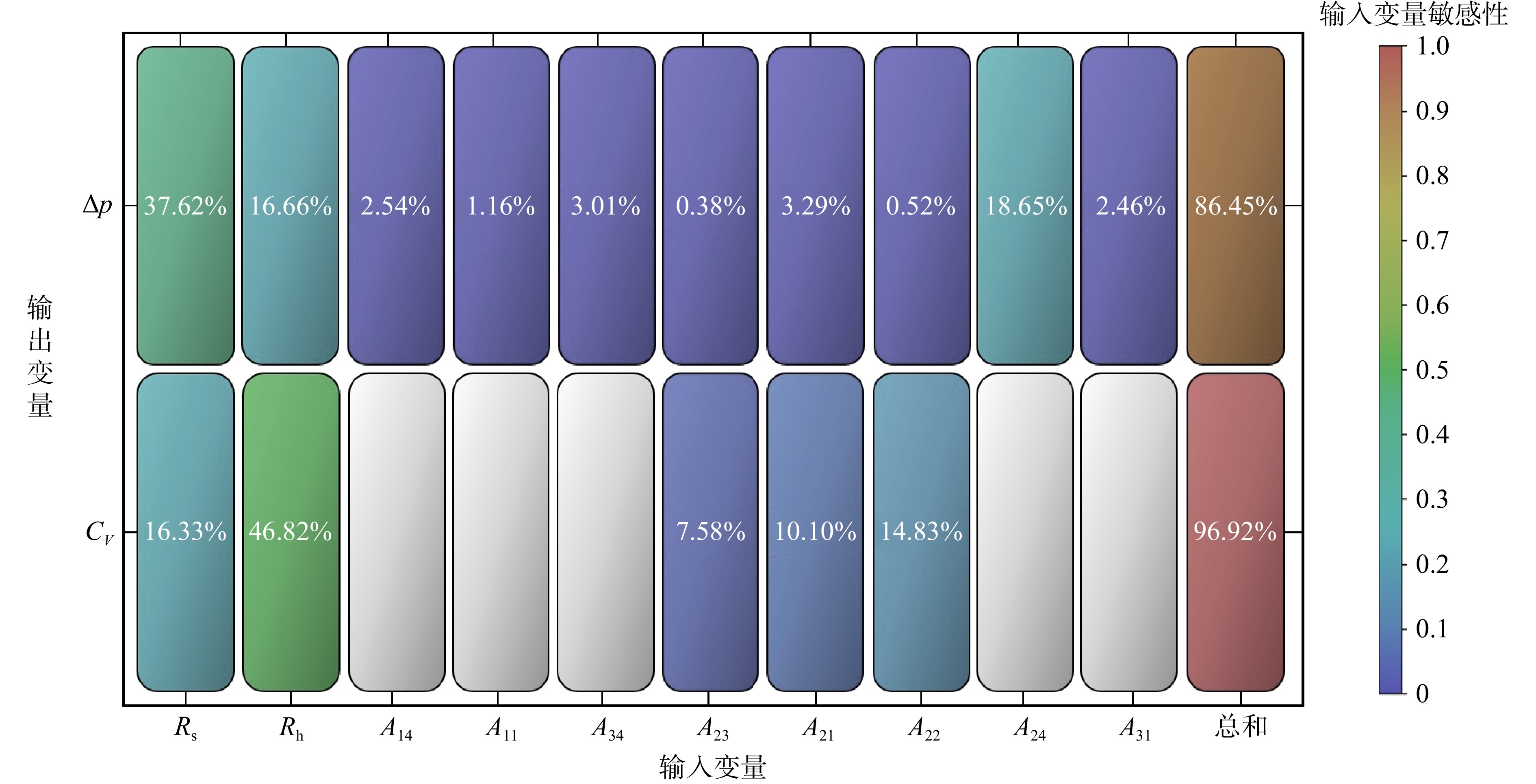
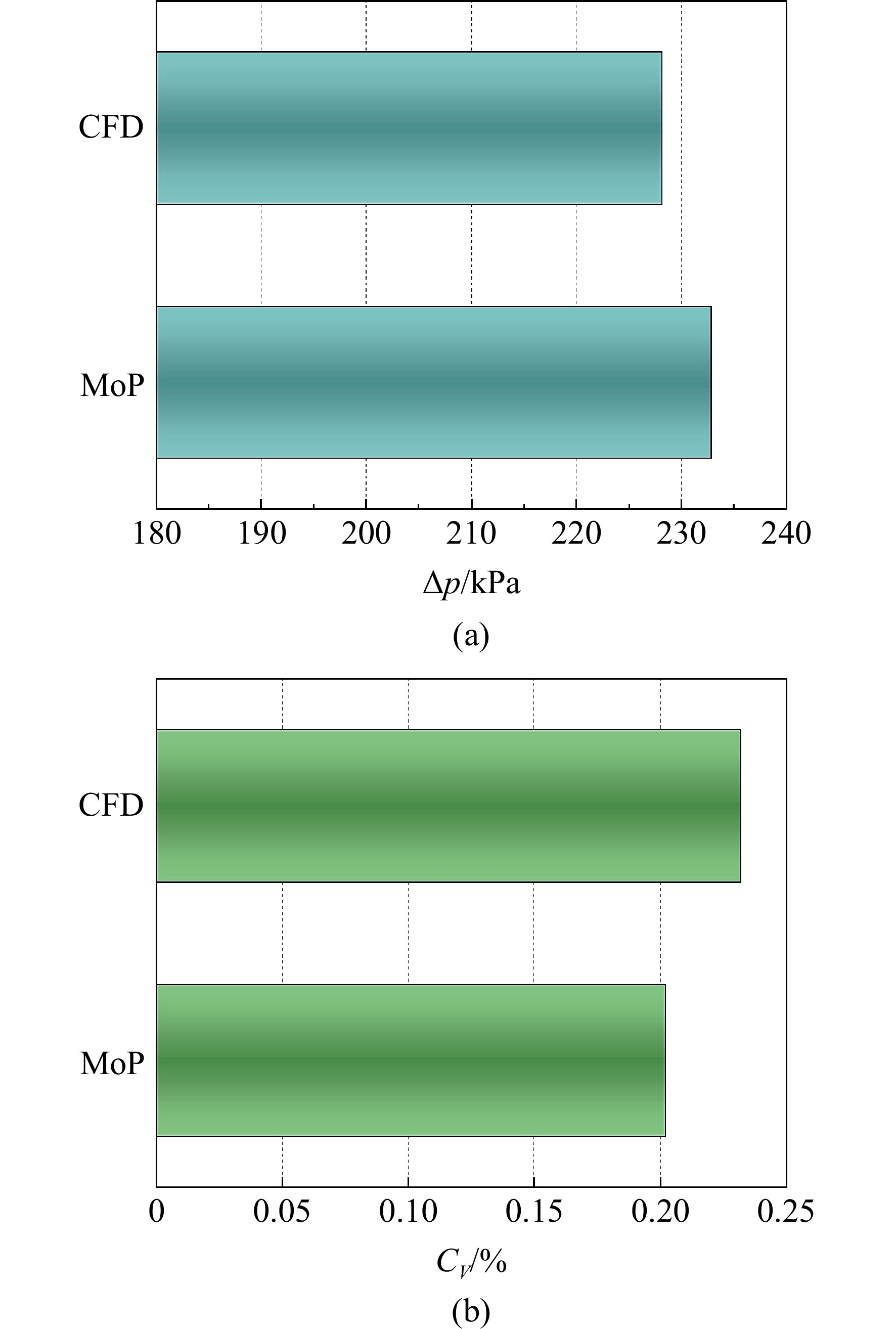
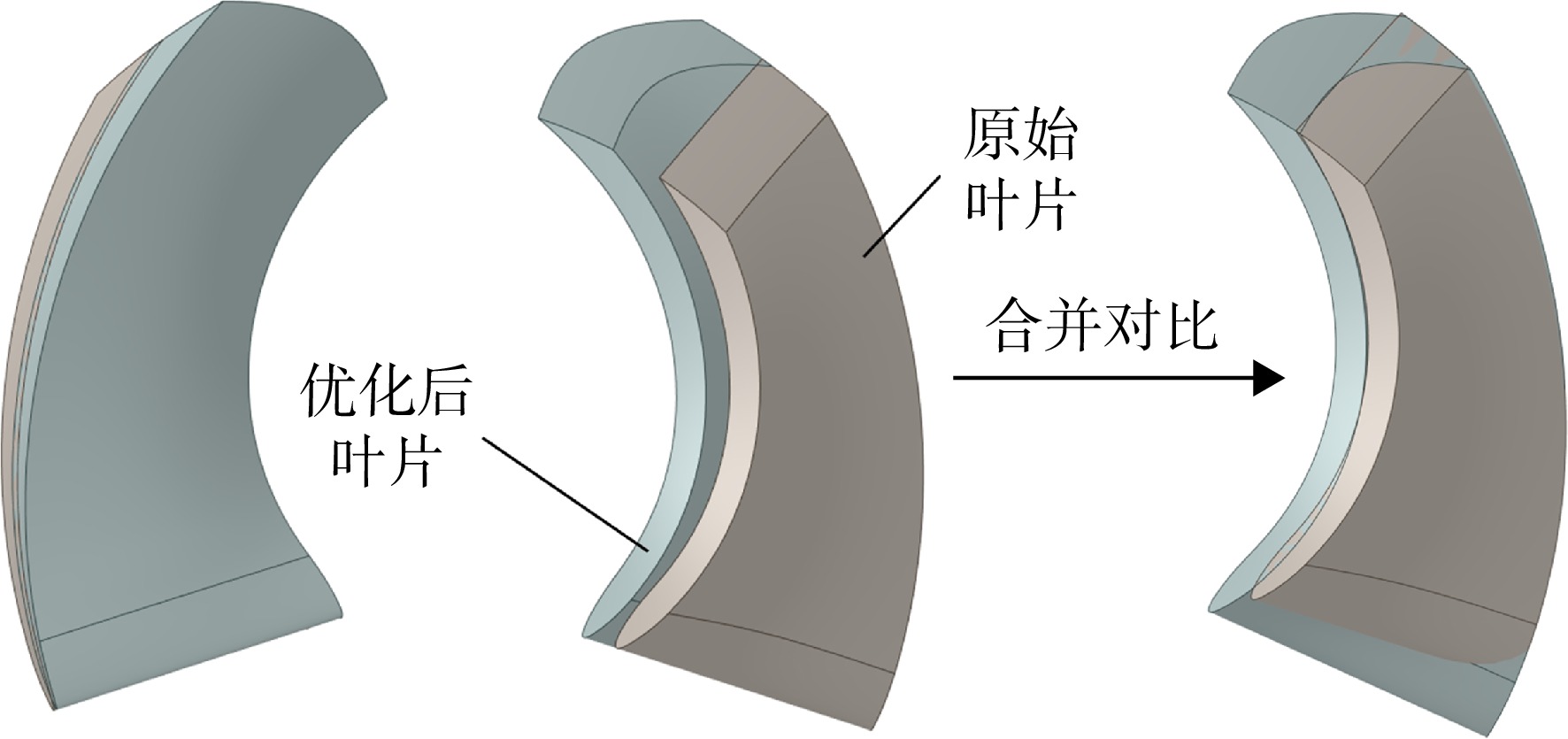
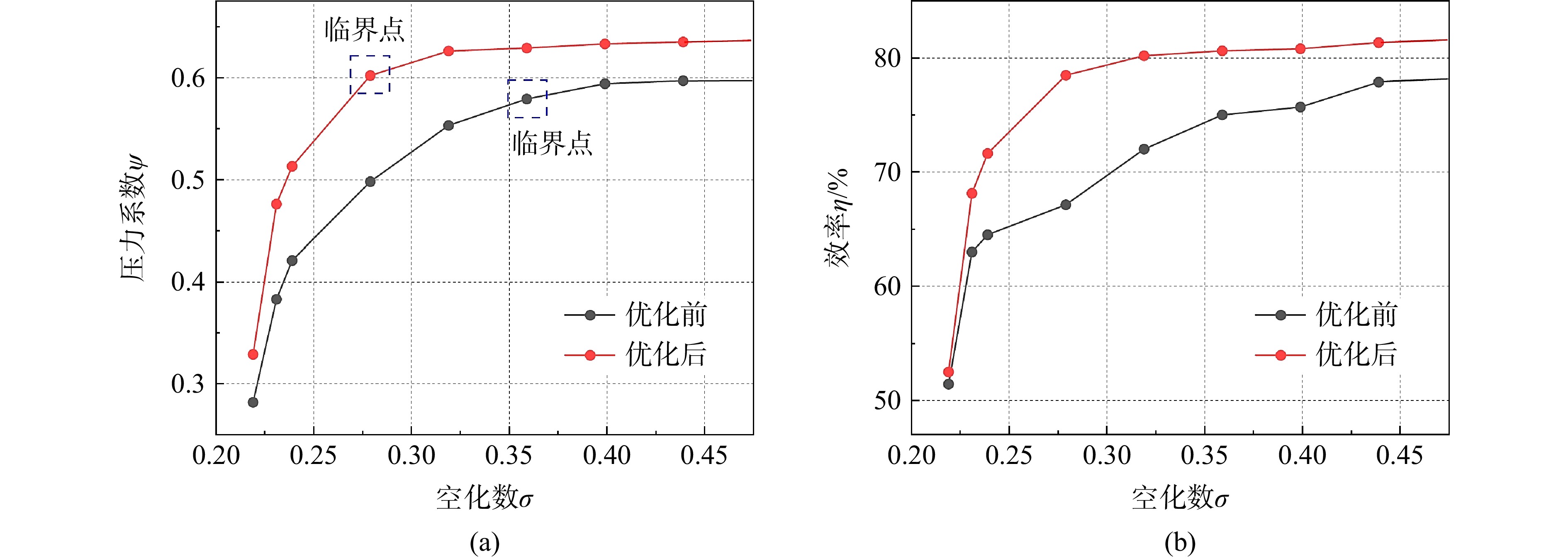
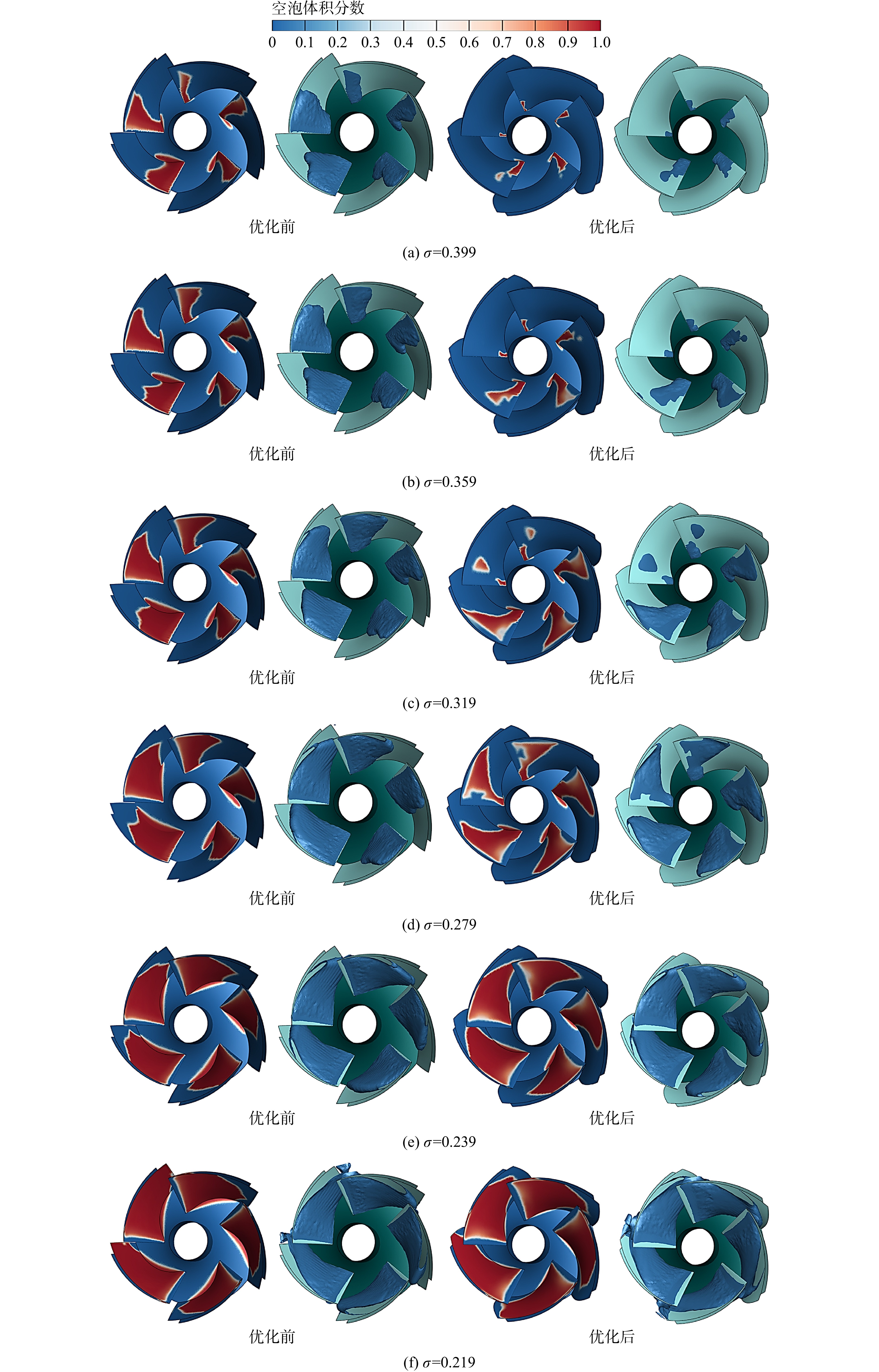
In order to improve the cavitation performance of aviation fuel pump, a centrifugal aviation fuel pump was used as an example to optimize the impeller runner geometry parameters with full parameters, and generate a response sample space with design parameters as inputs and boost pressure value and cavitation volume as outputs. Based on the meta-model of optimal prognosis, the optimal surrogate model was fitted and the global sensitivity analysis was performed. It was found that the impeller inlet edge parameters and the middle profile parameters had a significant influence on the boost pressure value and cavitation volume of the fuel pump. The optimal design parameters were obtained by the genetic algorithm, and the numerical simulation method was used to verify the obtained optimal parameters. The results showed that the pressure coefficient of the optimized fuel pump was improved by 0.035 and the cavitation performance was improved by 22.28%. The impeller cavitation area and cavitation volume decreased significantly, the pressure load distribution between different vanes was improved, and the amplitude of pressure pulsation inside the impeller was reduced.

Design and experimental verification of an improved scheme for increasing total pressure recovery coefficient of the combustion chamber
ZHOU Fei, WAN Zhaobao, YANG Yang, YU Xiaobing, WANG Zhihua, ZHANG Zhenyu
2025, 40(8): 20230430. doi: 10.13224/j.cnki.jasp.20230430
Abstract:
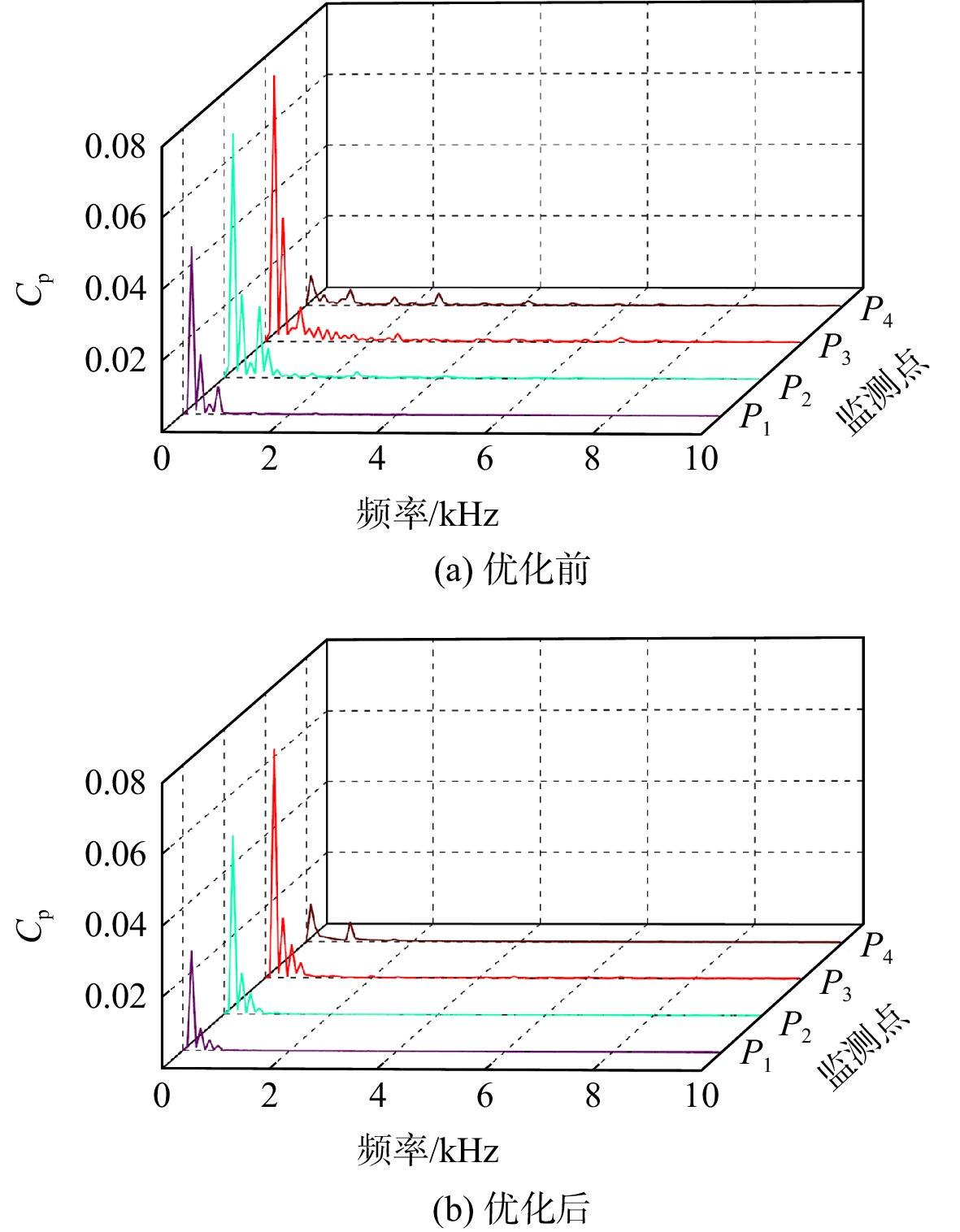
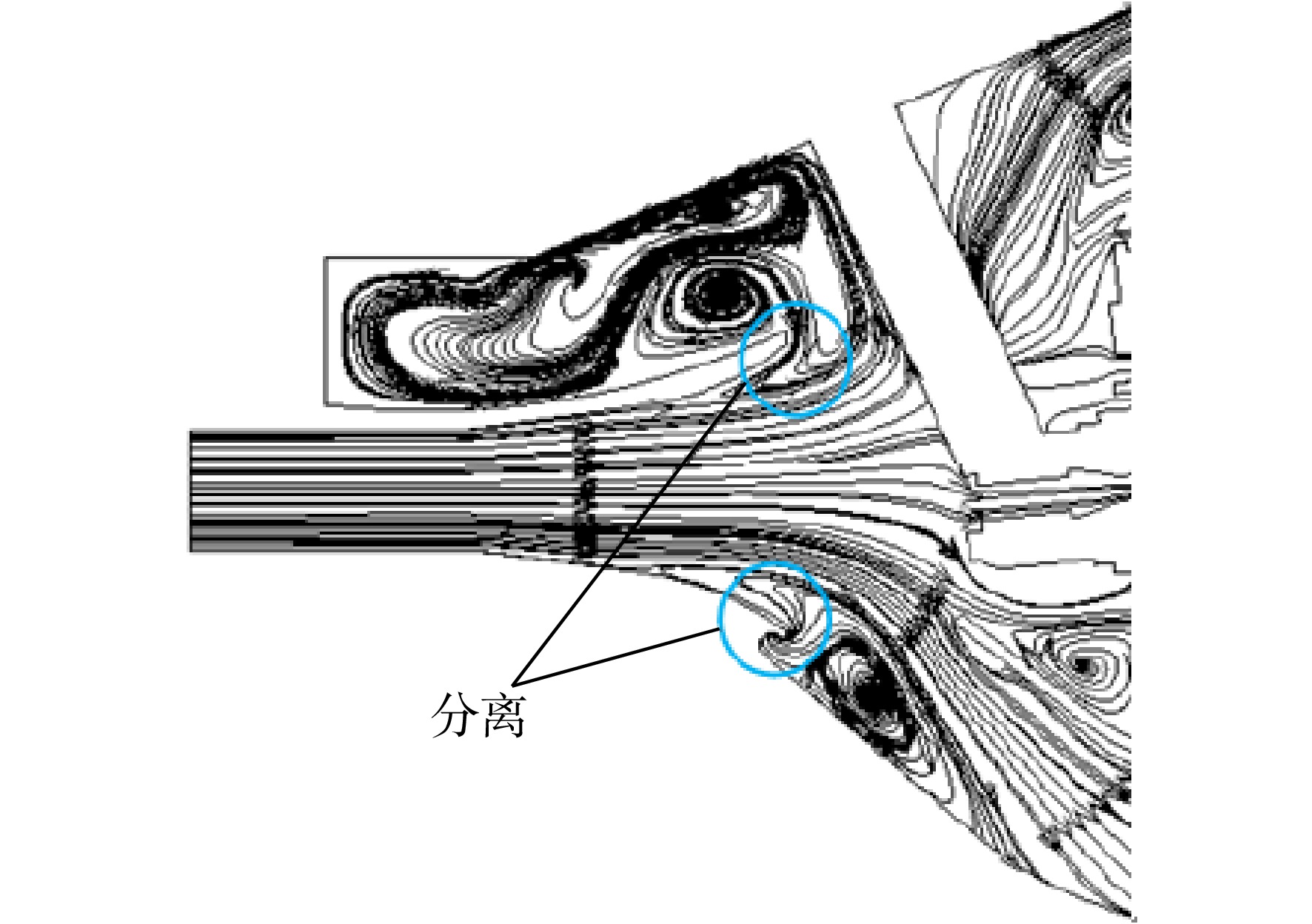
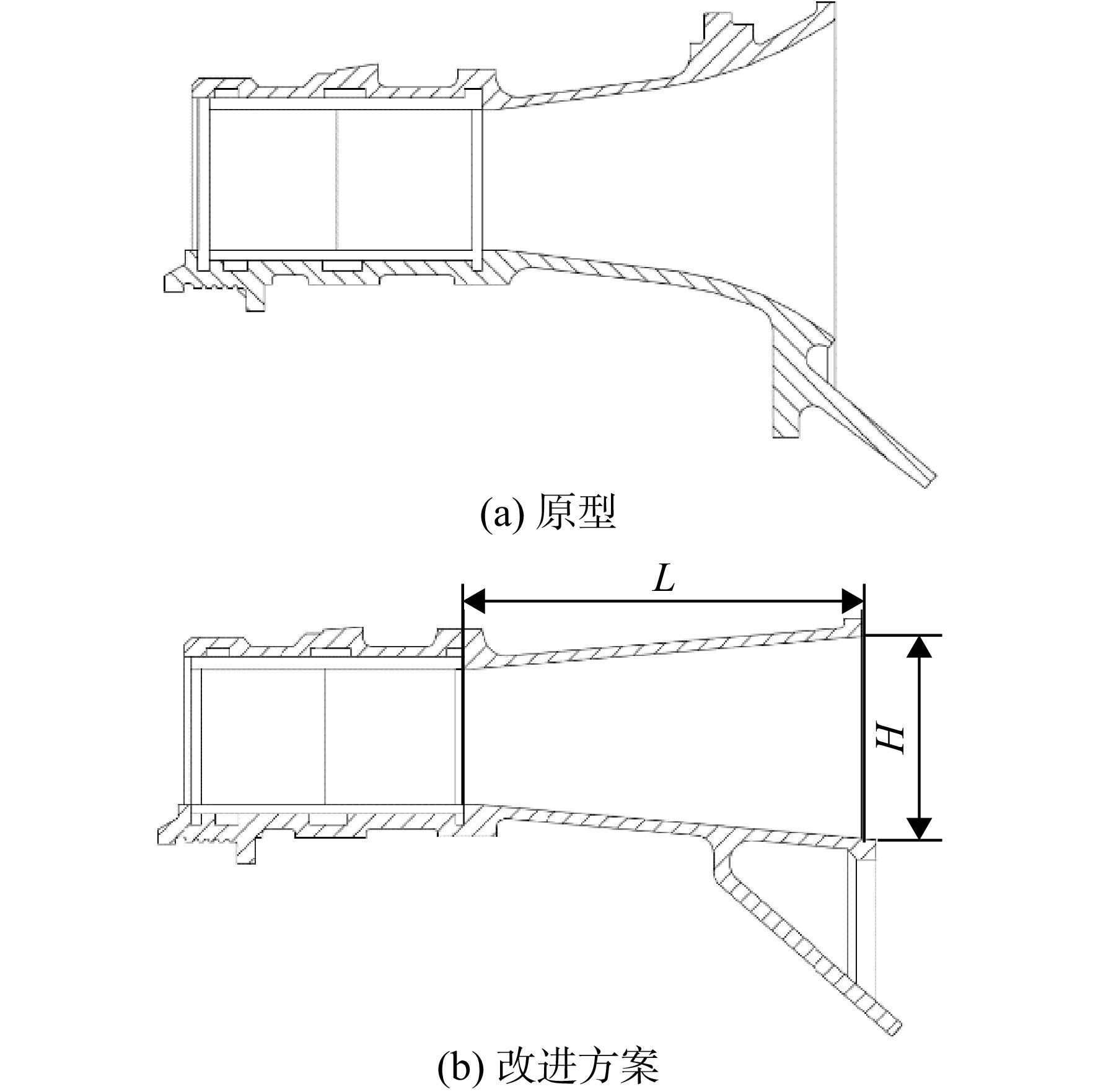
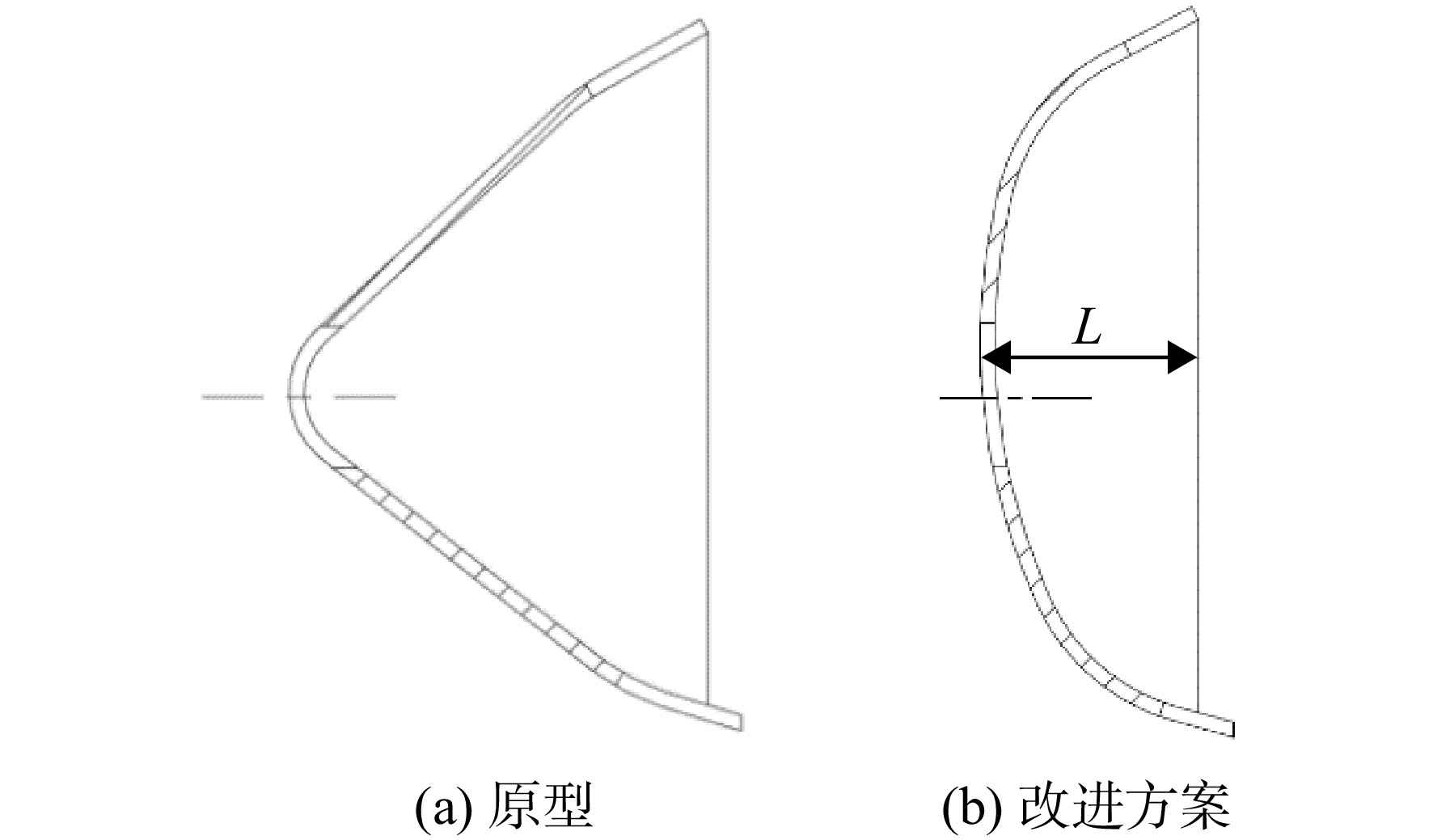
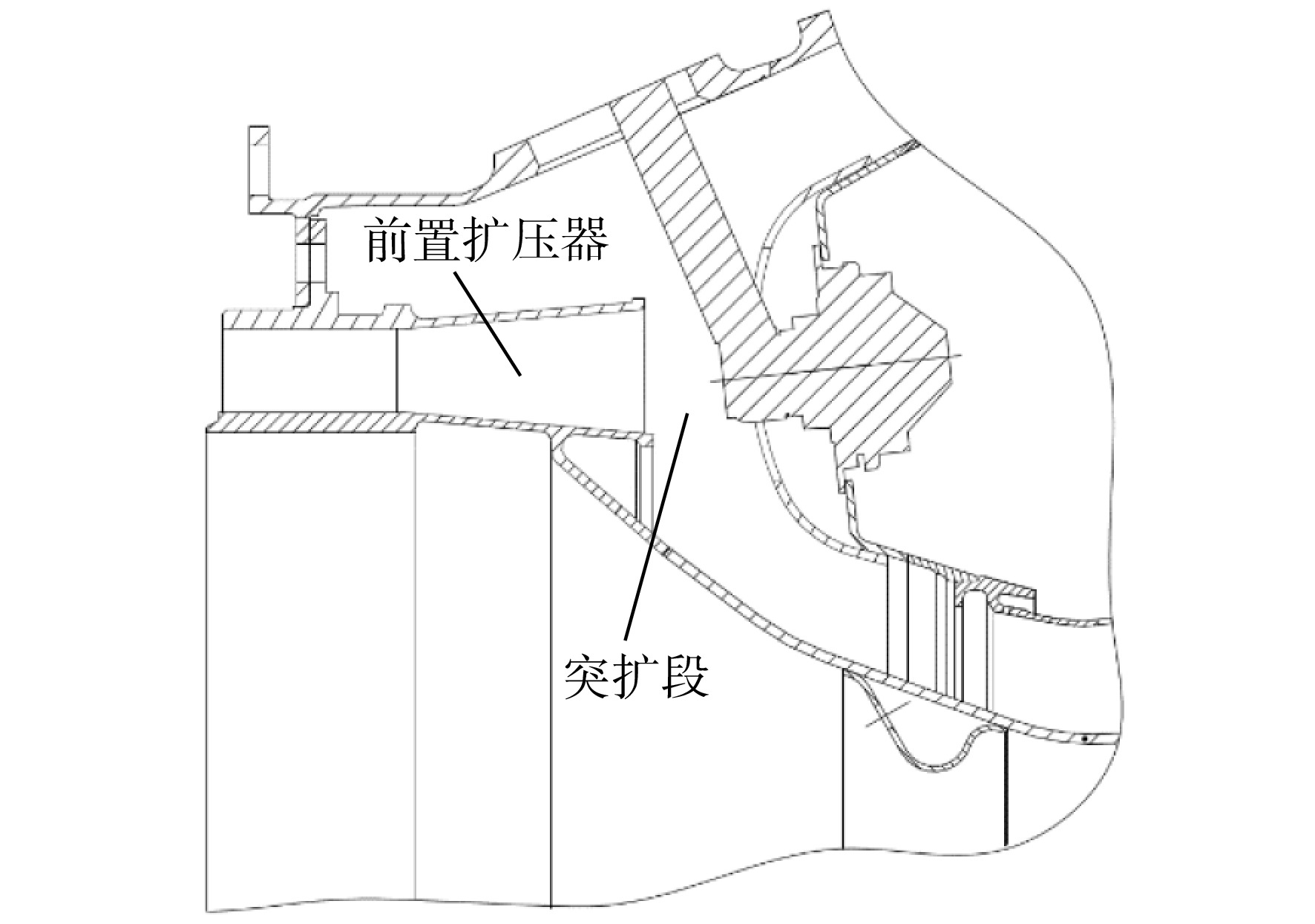
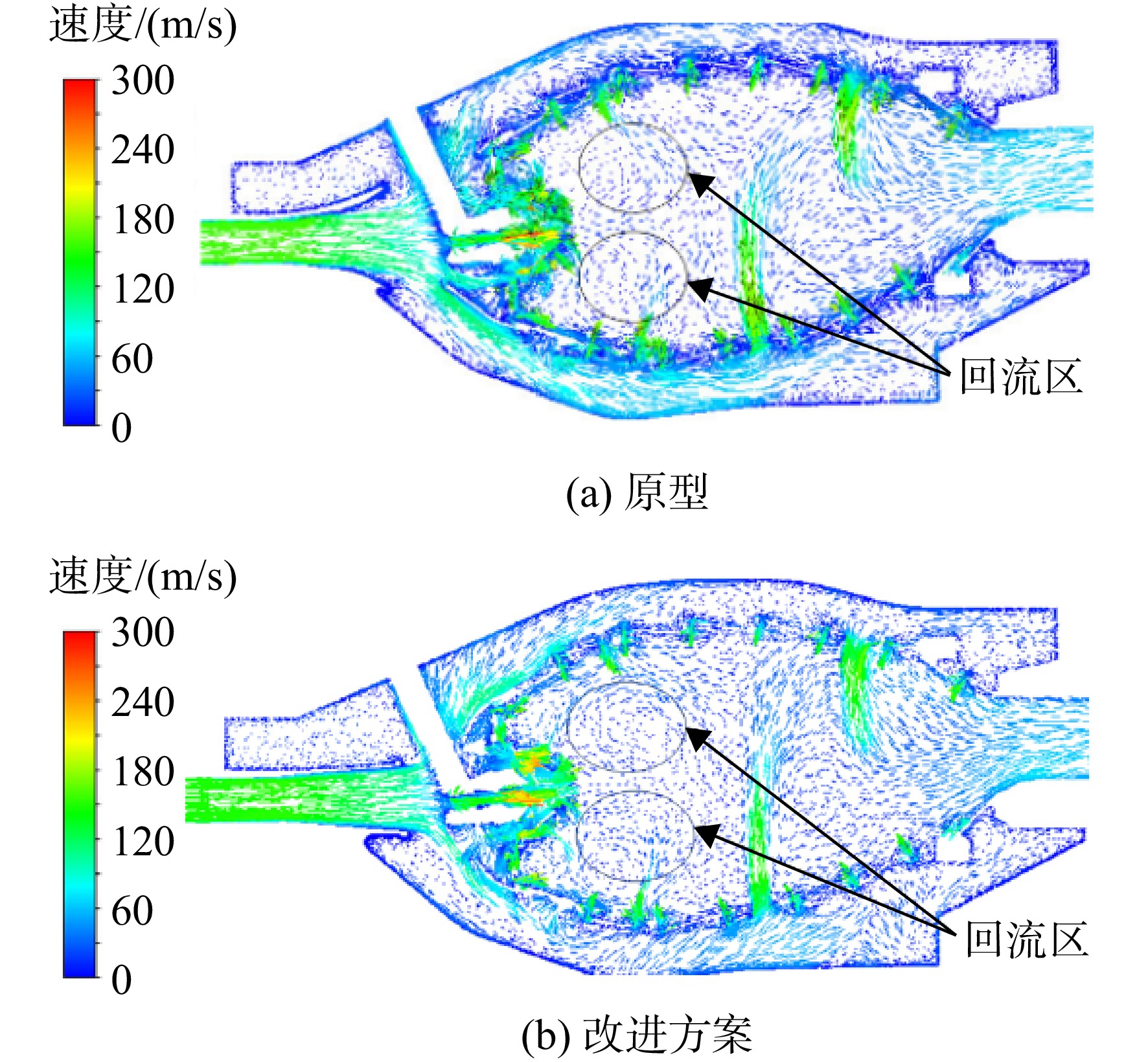
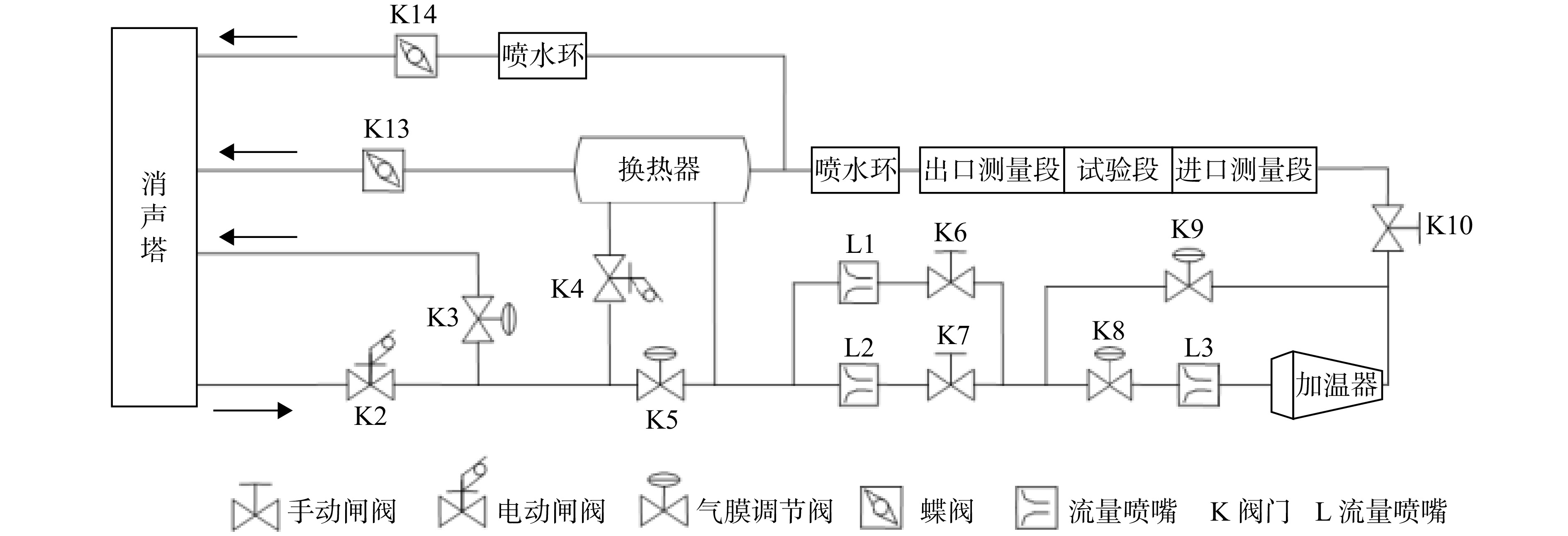
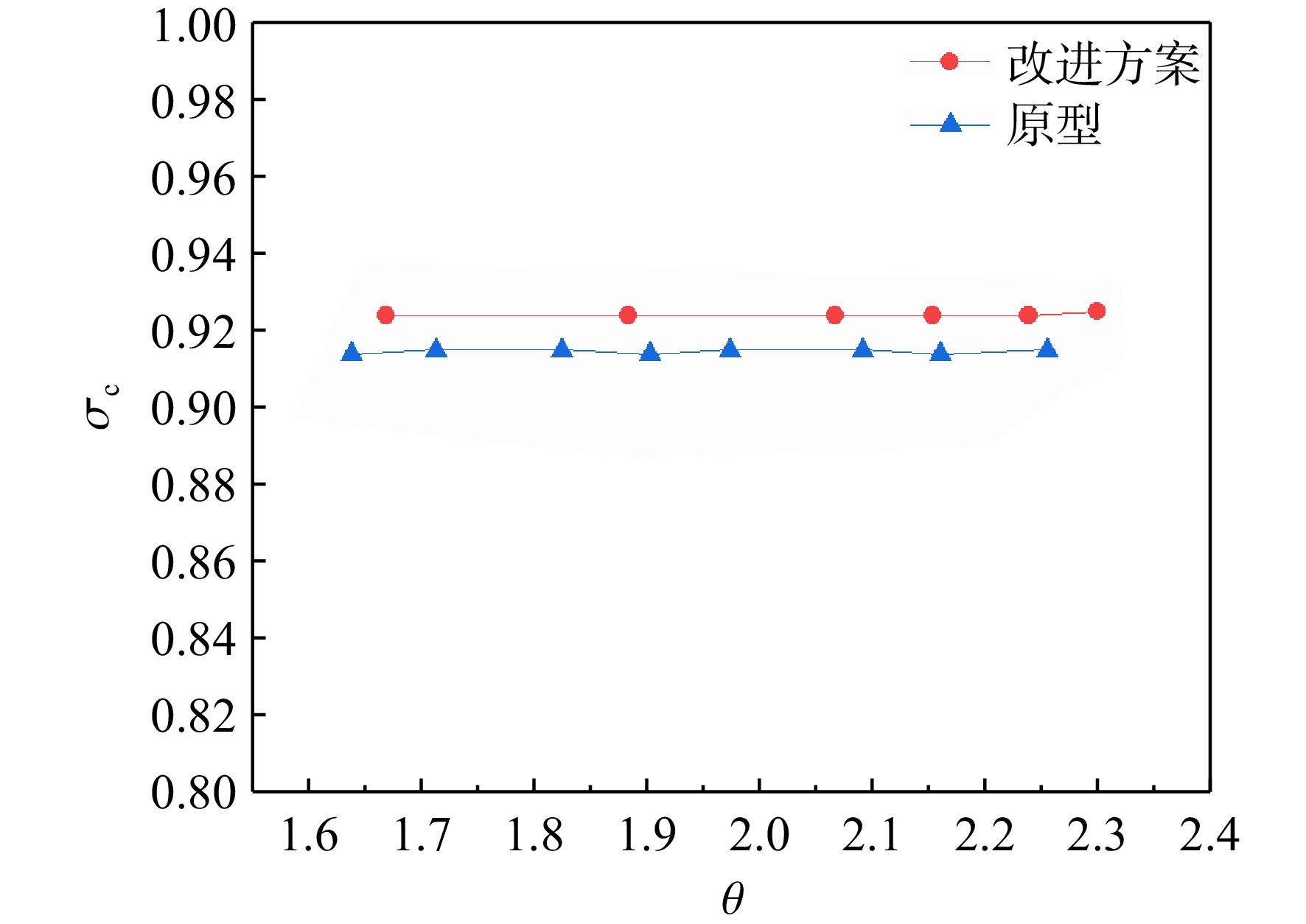
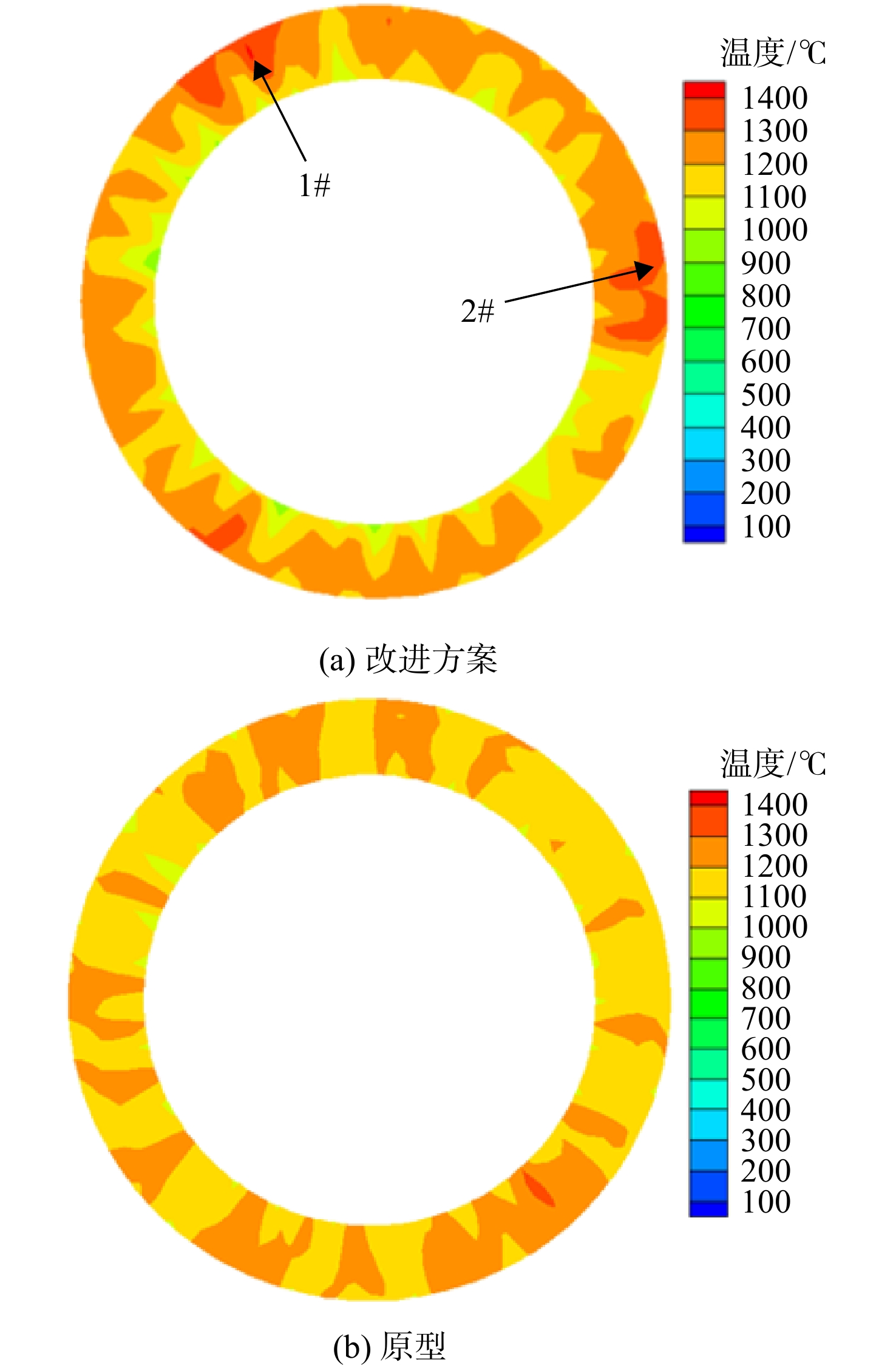
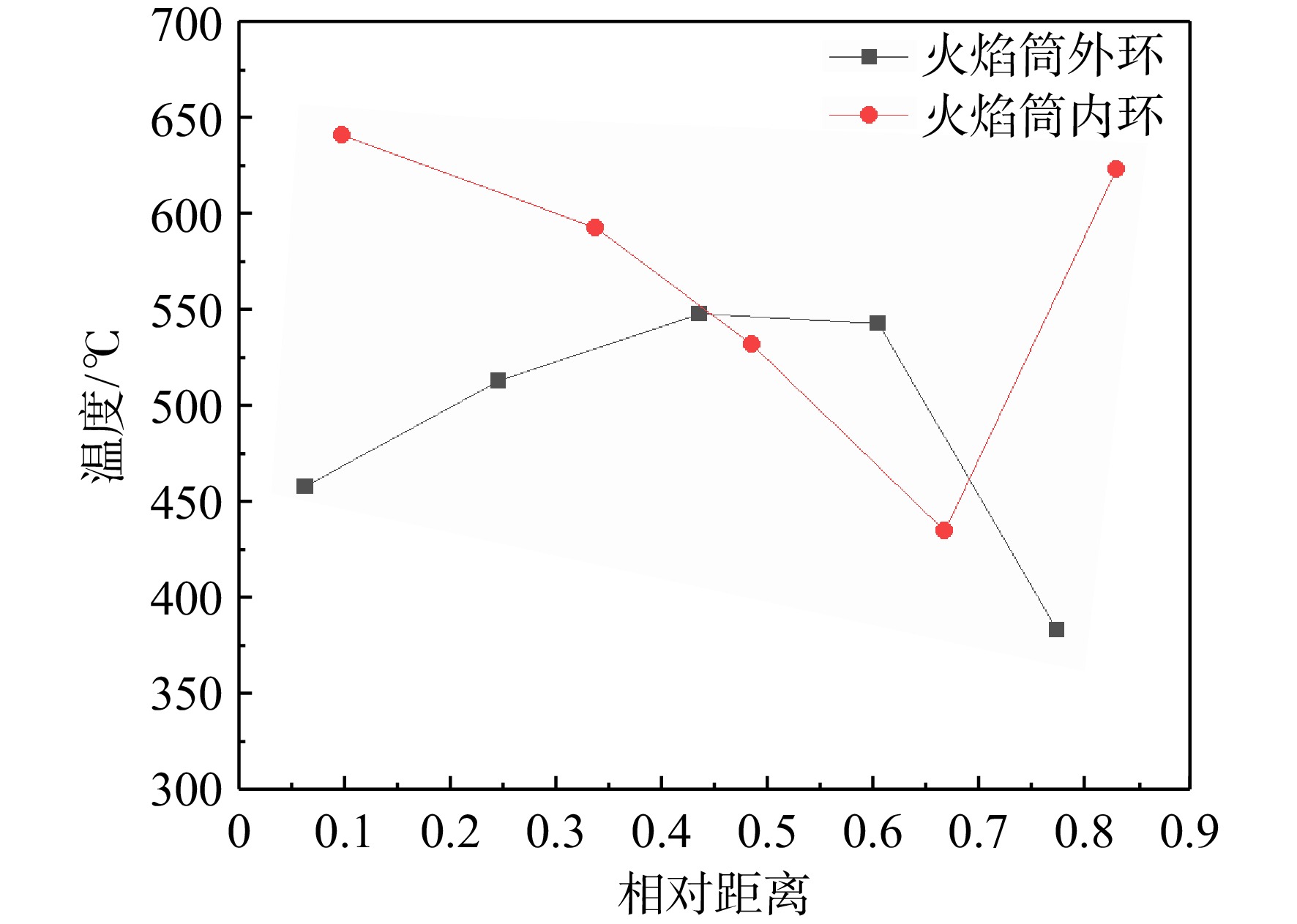
In view of the total pressure recovery coefficient of the combustion chamber at the level of 0.915, the total pressure recovery coefficient of the combustion chamber is required to increase by 0.01 in the design. In order to improve the total pressure recovery coefficient of the combustion chamber, the pre-diffuser and cowling were improved, and the flow mass distribution and flow field of the flame tube were matched in the design. The component experimental study on the performance of the full-ring combustor showed that the total pressure recovery coefficient of the improved scheme was 0.929, which increased by about 0.014 on the basis of the prototype combustor of 0.915 up to the design requirement, and the diffuser designed in the improved scheme at least contributed not less than 0.005 to increase the total pressure recovery coefficient. The quality of the outlet temperature field can meet the design requirement, the wall temperature of the flame tube can meet the requirement of material use, and lean-burn boundary of slow state engine and combustion efficiency were slightly lower than the prototype combustion chamber. The ground experiment of the overall engines showed that the improved scheme under the intermediate thrust index can increase the air flow rate of the compressor by 0.48 kg/s, reduce fuel consumption by 2%, and reduce the temperature before the turbine by 6 ℃ on the basis of the prototype combustion chamber, which can improve engine performance and reliability.

Study on spray and combustion characteristics of LOX/LCH4 pintle injector
ZHOU Rui, LI Jun, SHEN Chibing
2025, 40(8): 20230152. doi: 10.13224/j.cnki.jasp.20230152
Abstract:
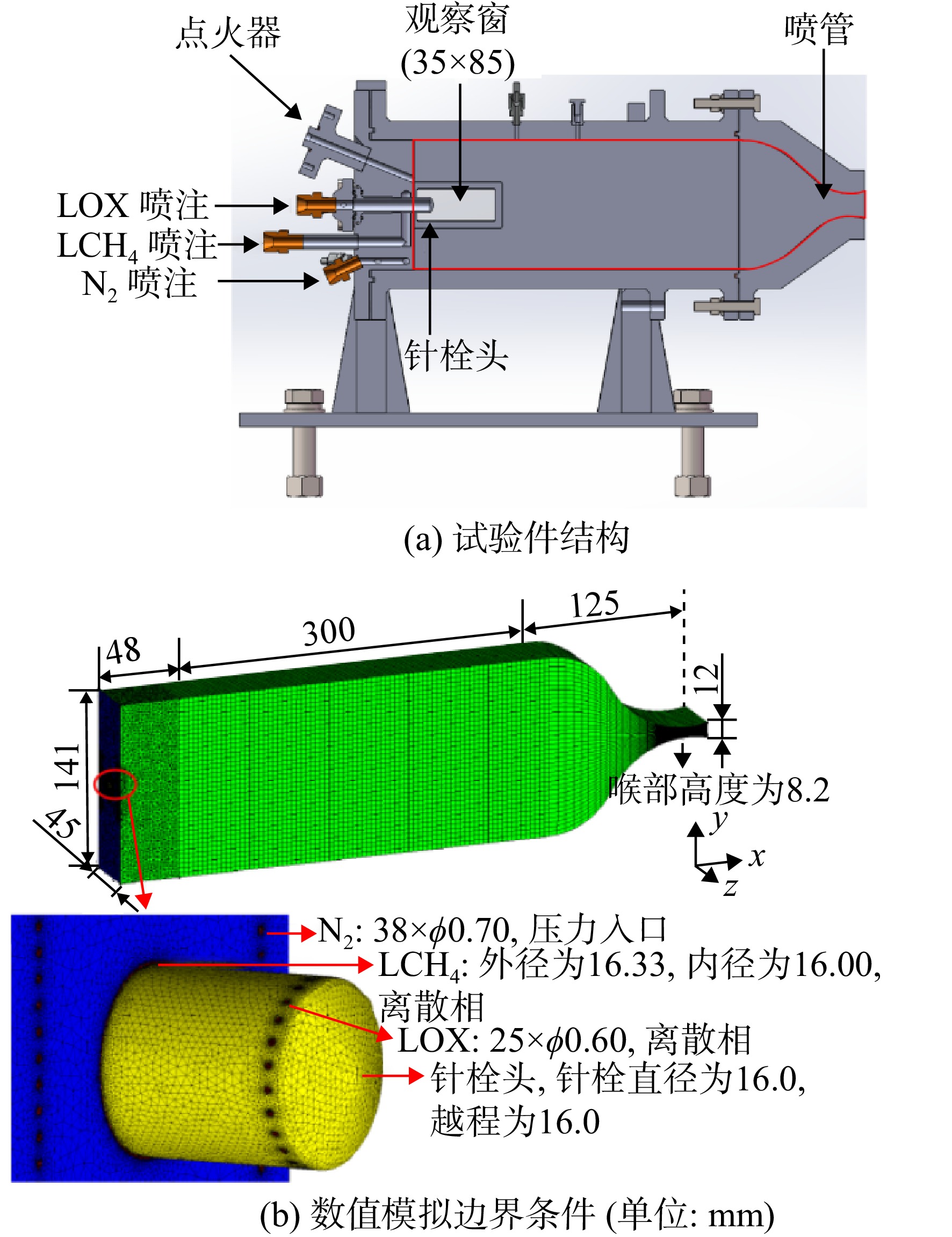
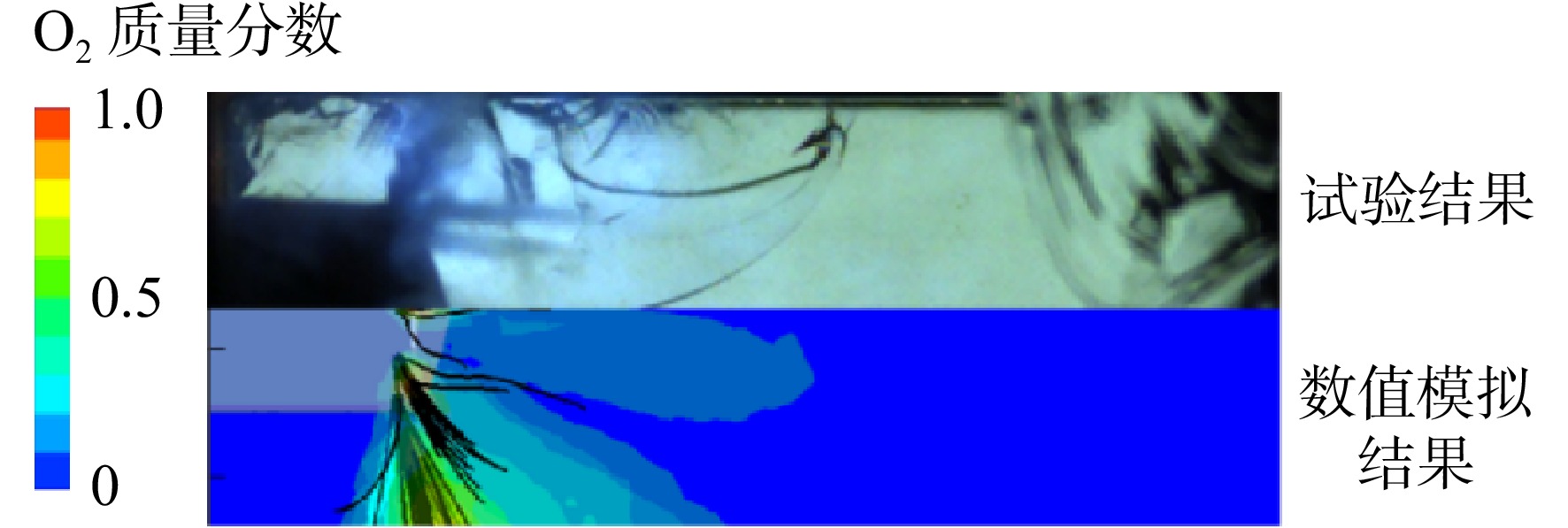
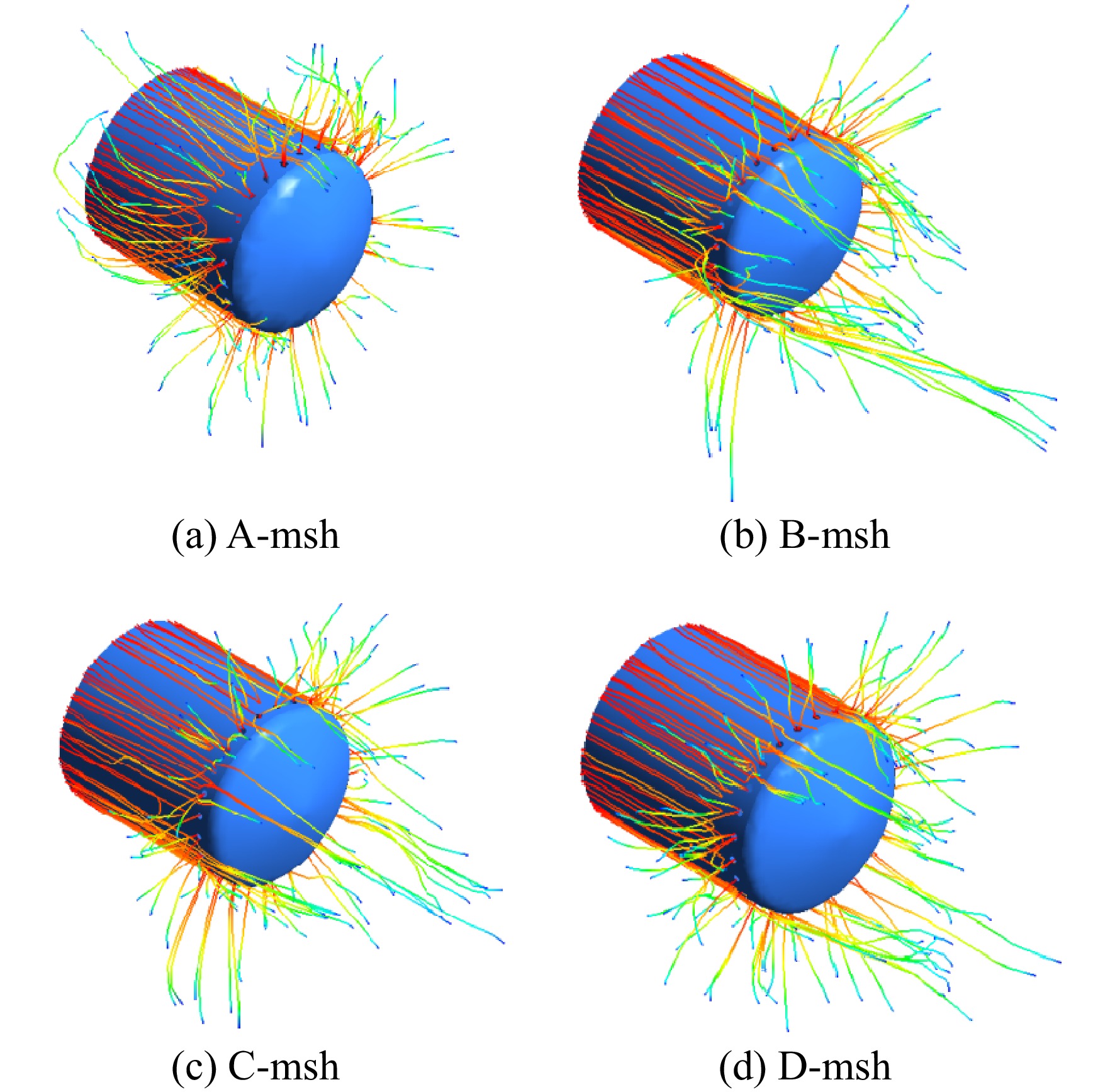
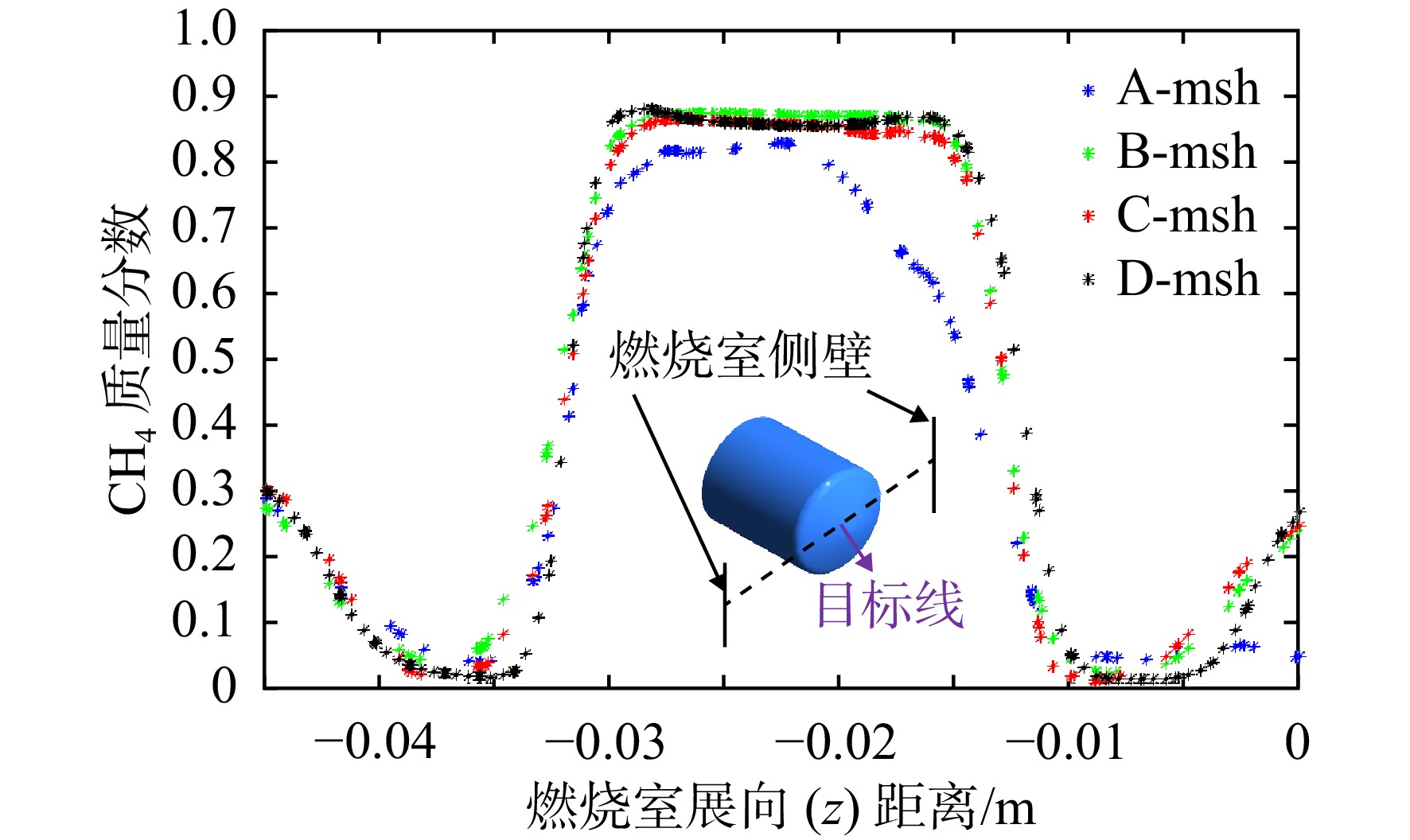
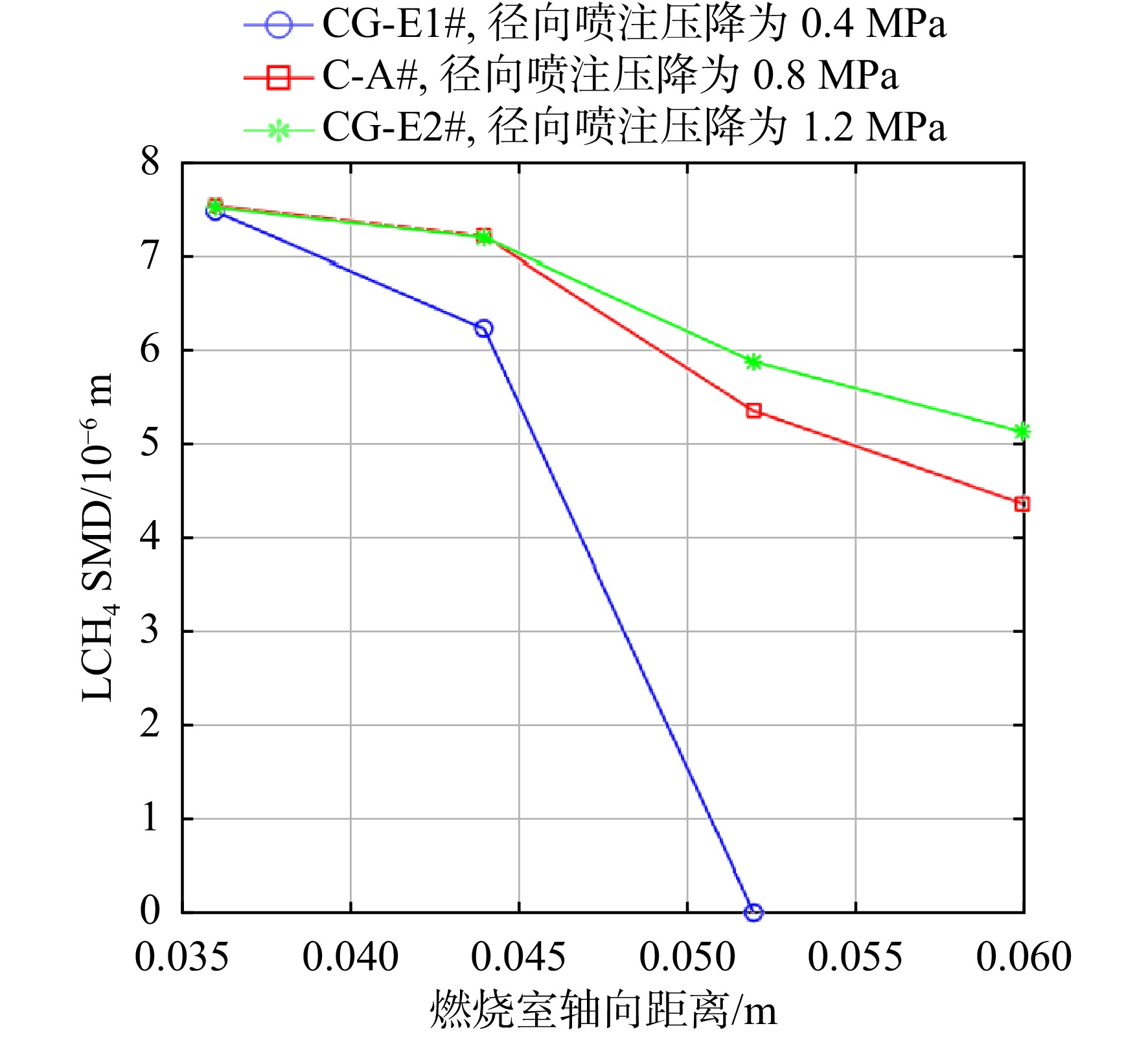
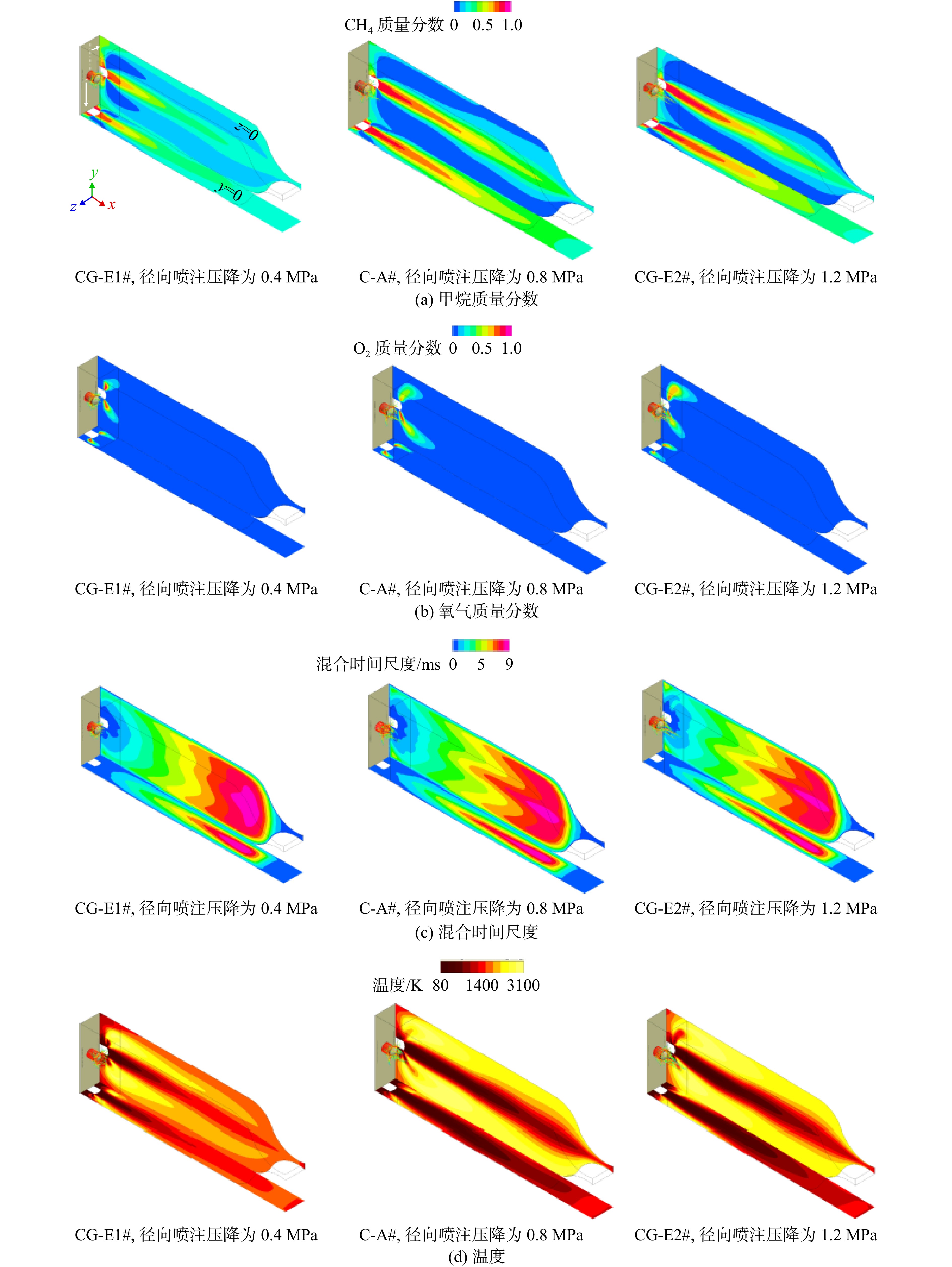
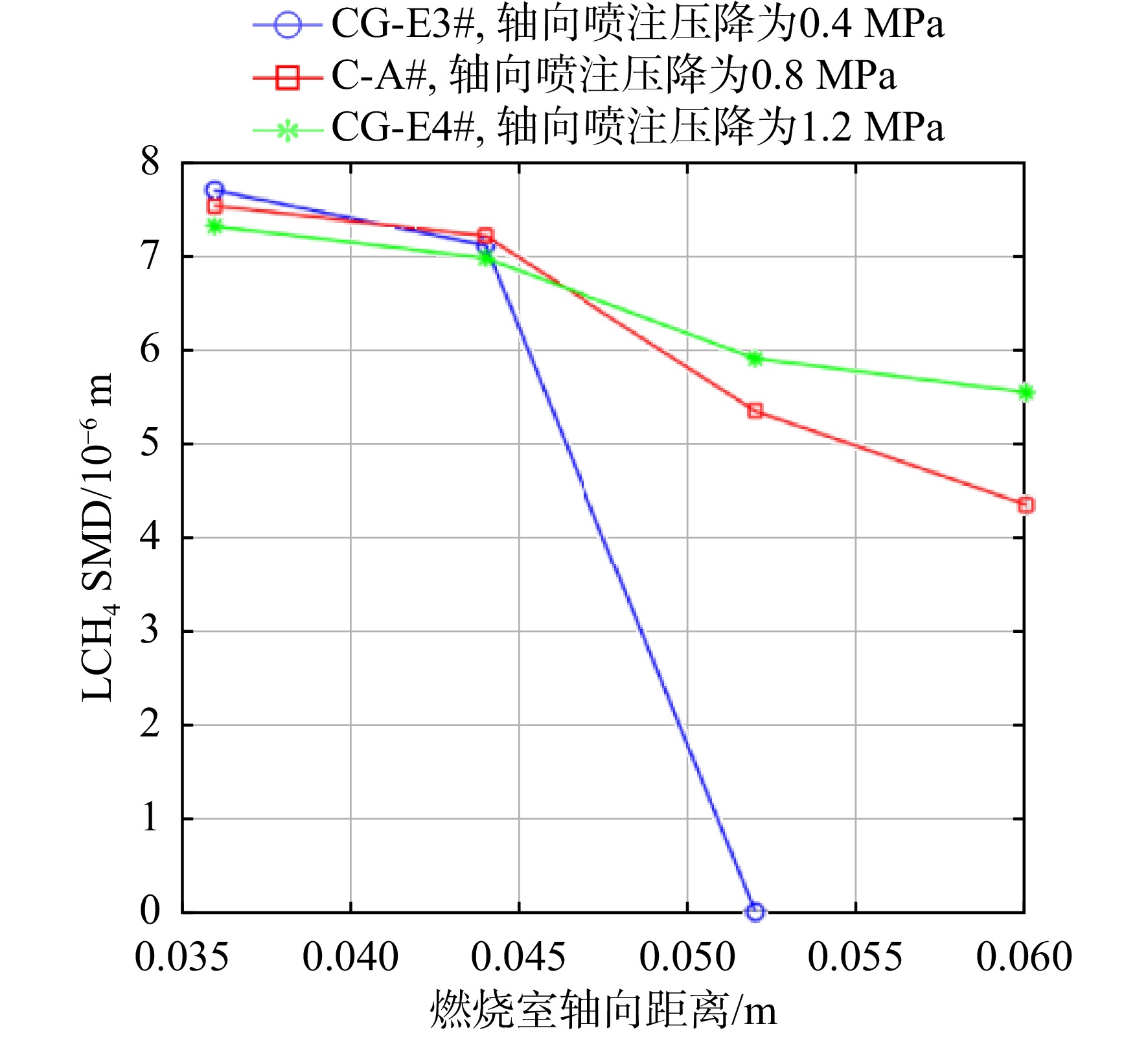
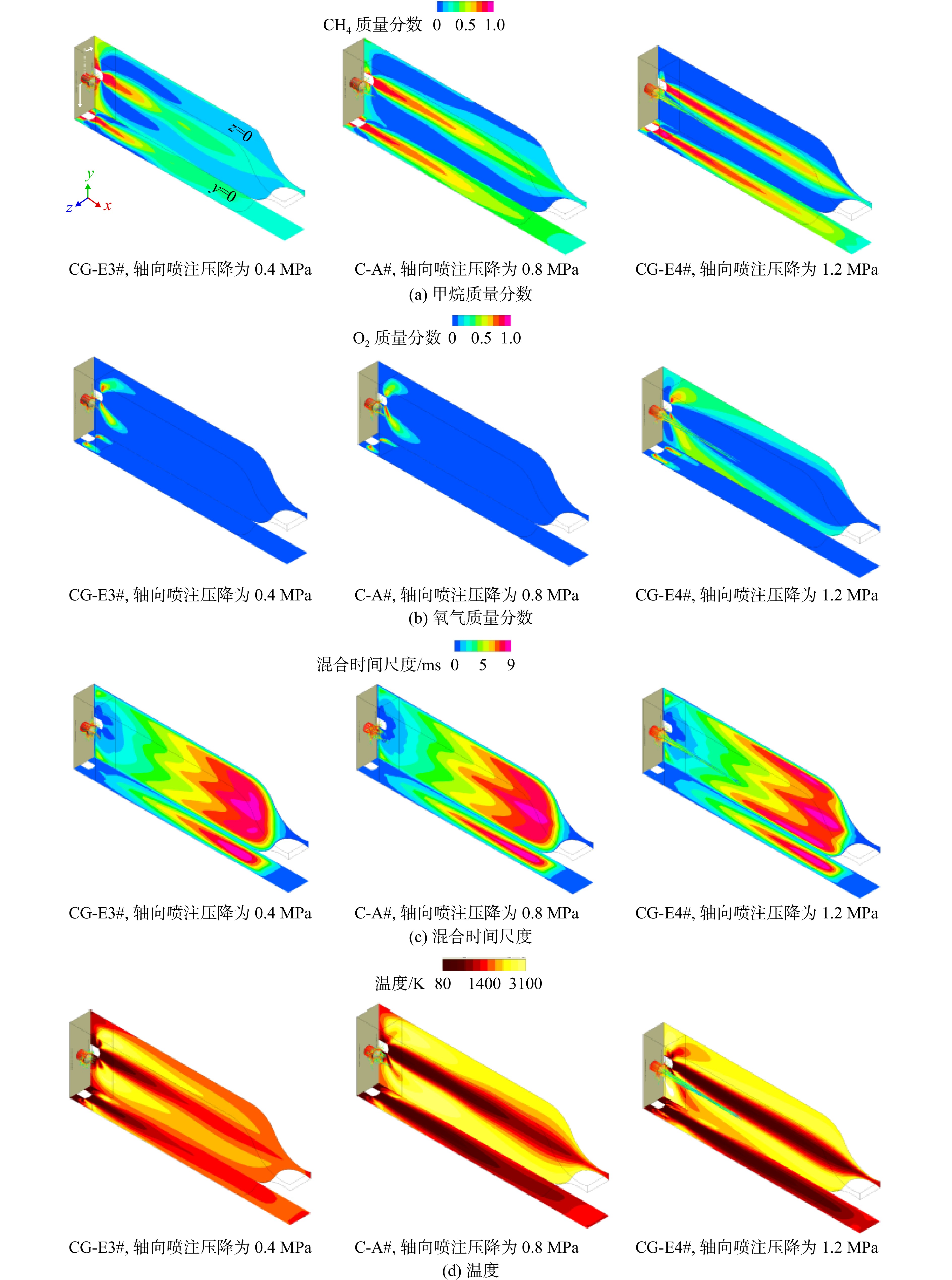
To guide the optimization design of a liquid oxygen/liquid methane (LOX/LCH4) pintle injector, an oxidant-centered LOX/LCH4 pintle injector with a rectangular combustion chamber was processed, and its spray and combustion characteristics were explored through numerical simulation under different pressure drop conditions. Results showed that when the mass flow rate of each propellant was kept constant, increasing the pressure drop of radial LOX could decrease the block factor, which was not conducive to the rapid atomization of the axial LCH4, contributing to the development of the high combustion temperature towards the nozzle, and leading to lower combustion efficiency. Increasing the pressure drop of the axial LCH4 could decrease the total momentum ratio, which was not helpful for the formation of the poor-oxygen region on the head of the combustion chamber, resulting in the development of a local high combustion temperature. The optimal value of the pressure drop of both propellants was 22% of the combustion chamber pressure. The impact way of the two propellants of the pintle injector was beneficial to the rapid diffusion of chemical energy and can form stable vortices and shear layer flame, thus ensuring good combustion stability.

Study on performance of annular diffusers in afterburner
WANG Yibo, LIU Yunpeng, LI Jinghua, YAN Yingwen
2025, 40(8): 20230062. doi: 10.13224/j.cnki.jasp.20230062
Abstract:
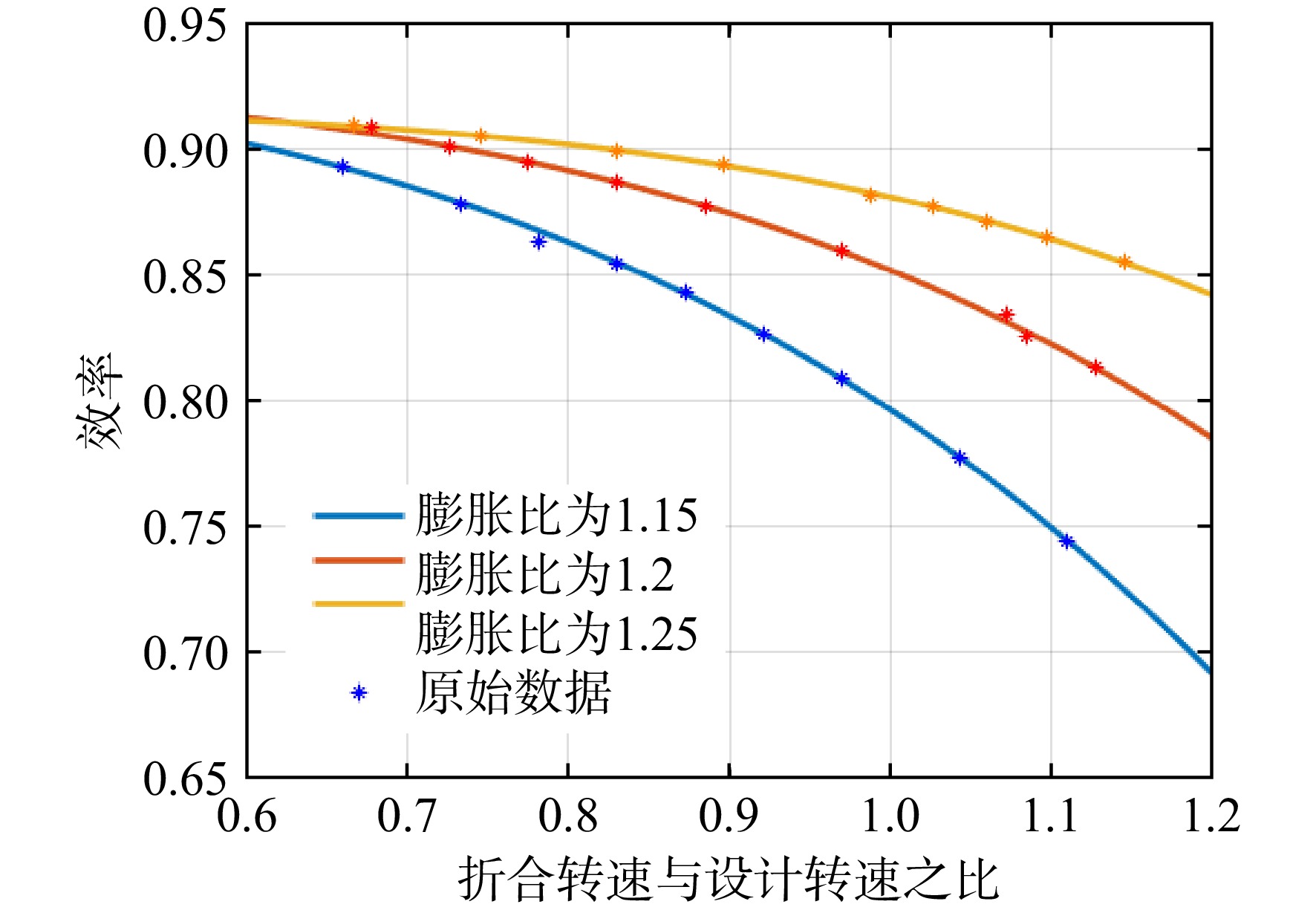
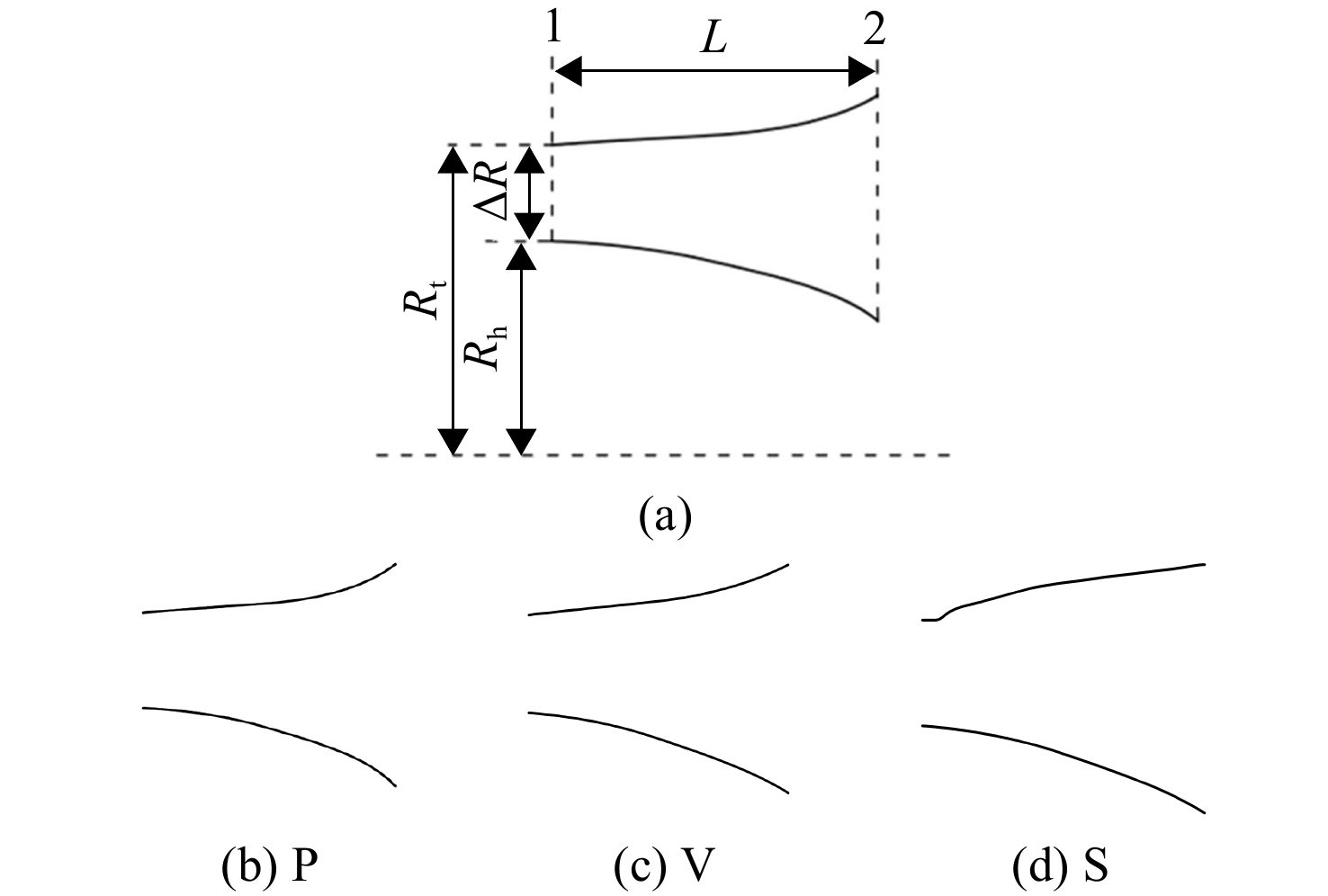
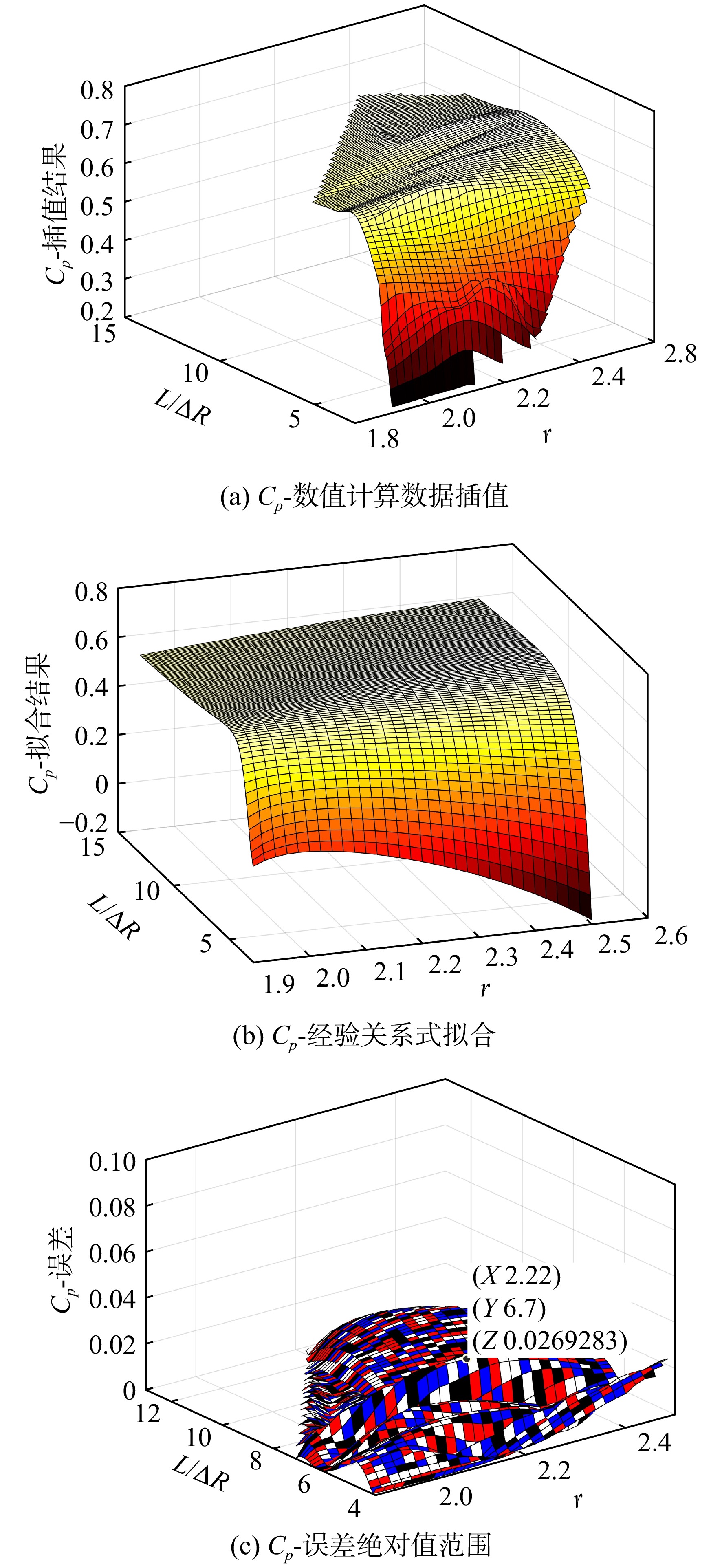
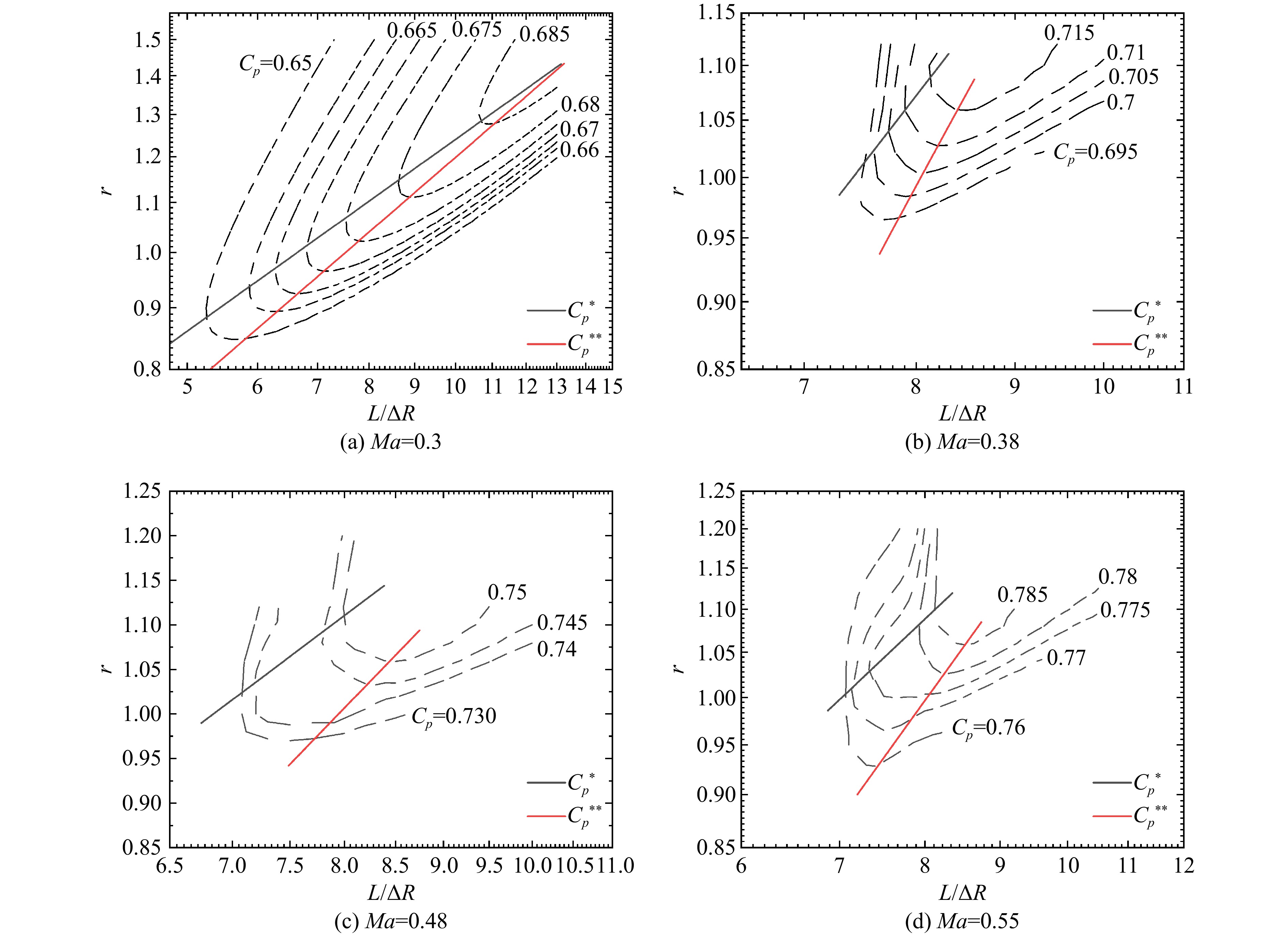
In order to study the deceleration and diffusion performance of different annular diffusers, the influences of structural parameters and inlet Mach number on the total pressure recovery coefficient of three types of annular diffuser in afterburner were numerically studied under steady-state conditions. The empirical correlation of the total pressure recovery coefficient varying with the structural parameters and inlet Mach number, as well as the performance charts of diffusers, was obtained. The results showed that the losses of annular diffusers mainly included the loss along the path, and the loss of gradual expansion, etc. The relative error between the empirical correlation and the experimental results was within 2.05%, meaning that the empirical correlation can accurately predict the total pressure recovery coefficient of annular diffusers. With the increase of inlet Mach number from 0.3 to 0.55, the static pressure recovery coefficient of annular diffuser increased gradually, and the annular diffusers had strong pressure recovery ability at high inlet Mach number. Compared with the standard annular diffuser, the flow field at the outlet of constant pressure gradient and constant velocity gradient annular diffuser was more uniform, and the energy dissipation caused by viscous shear was lower at the diffuser outlet.

Analytical method on heat conduction performance of anisotropic pin fins
LIU Zhiwei, XU Guoqiang, WEN Jie, DONG Bensi, ZHOU Lei, ZHUANG Laihe
2025, 40(8): 20240450. doi: 10.13224/j.cnki.jasp.20240450
Abstract:
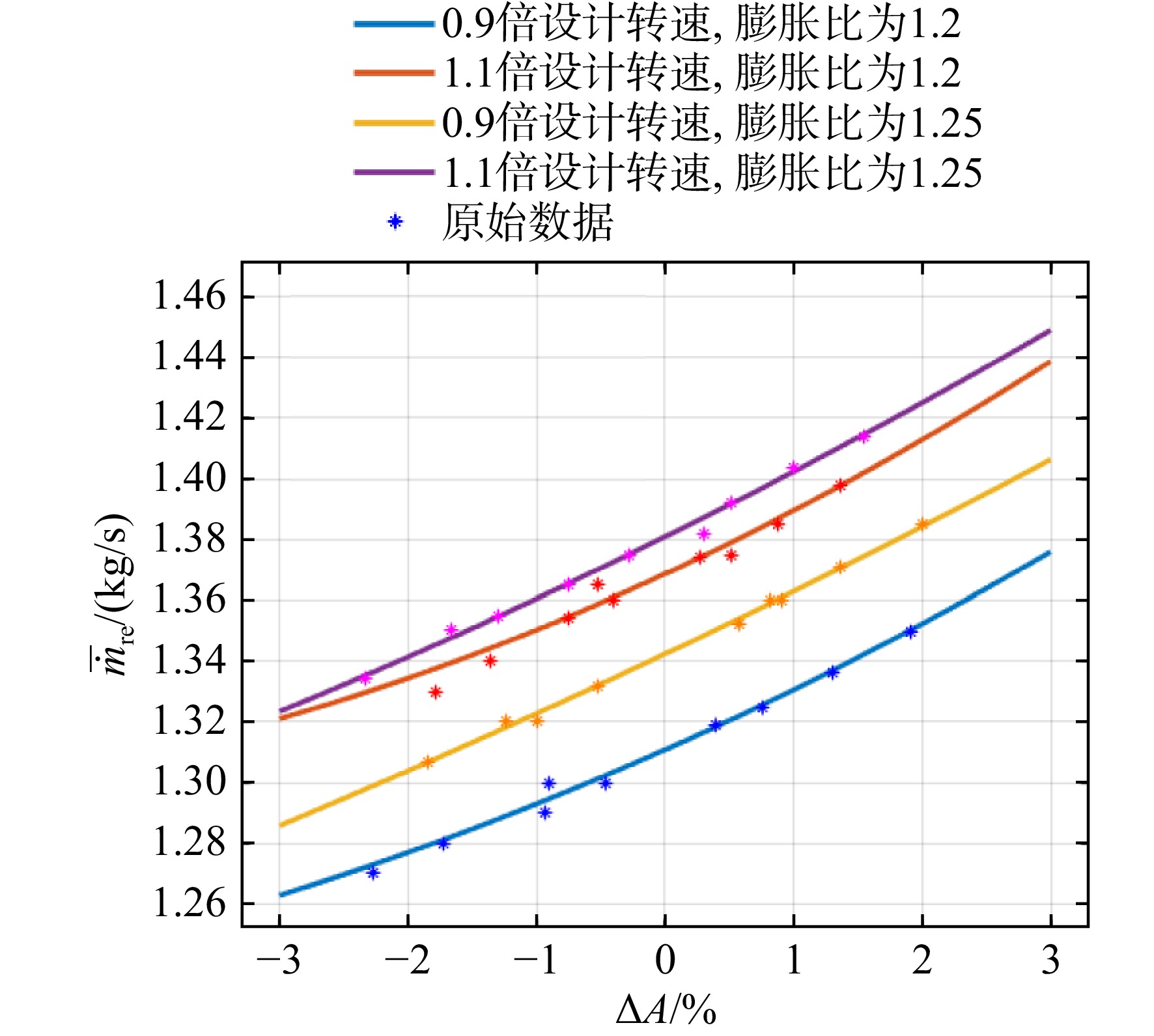
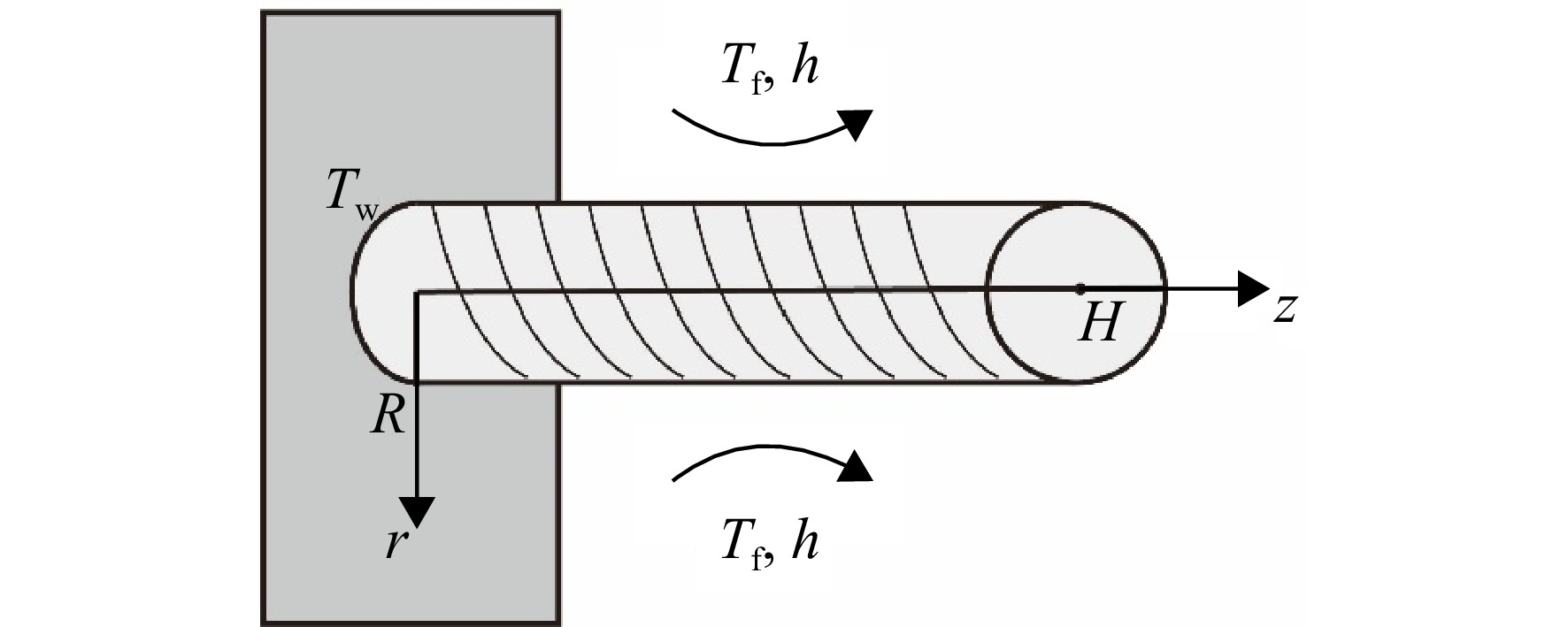
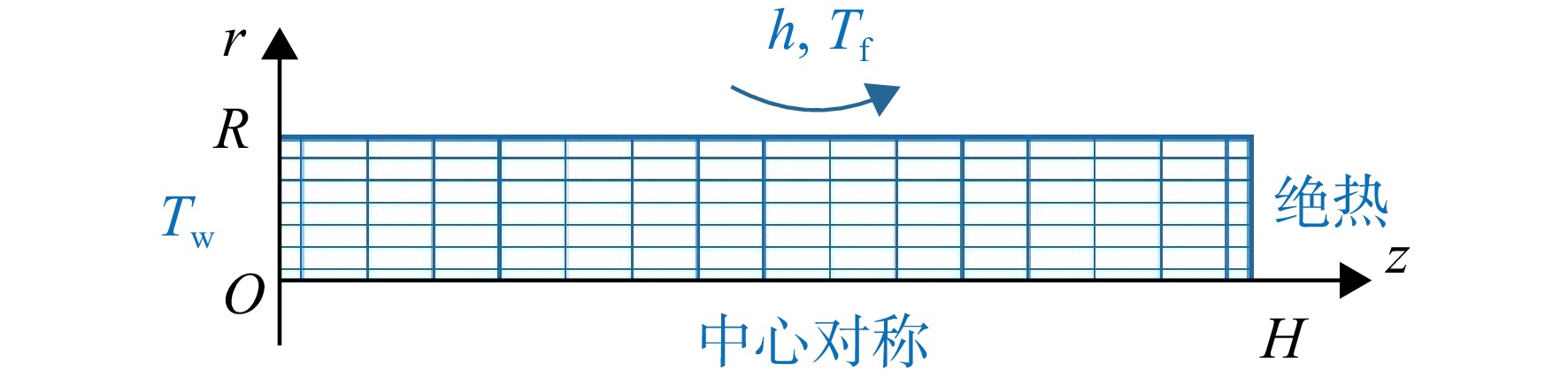
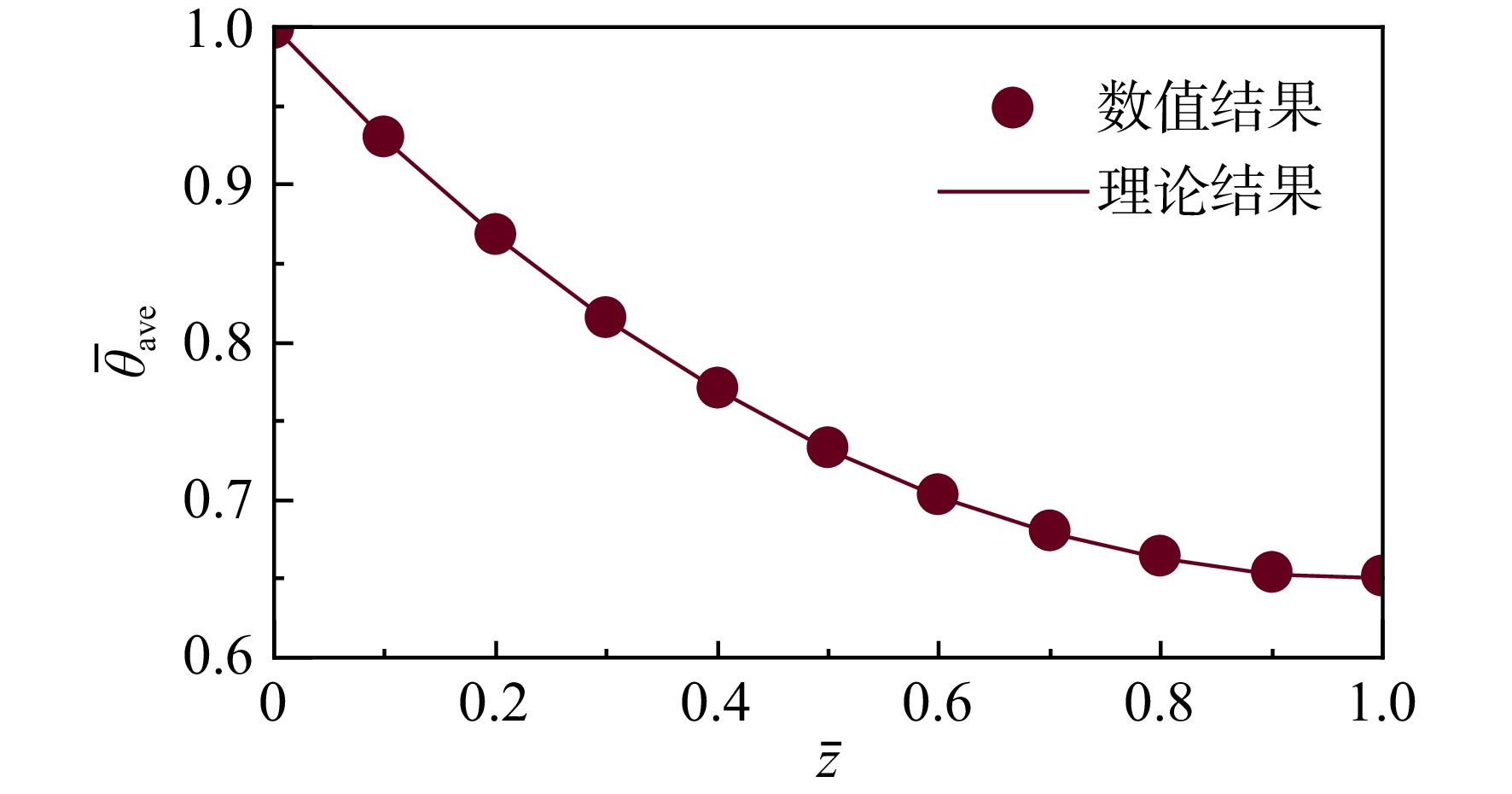
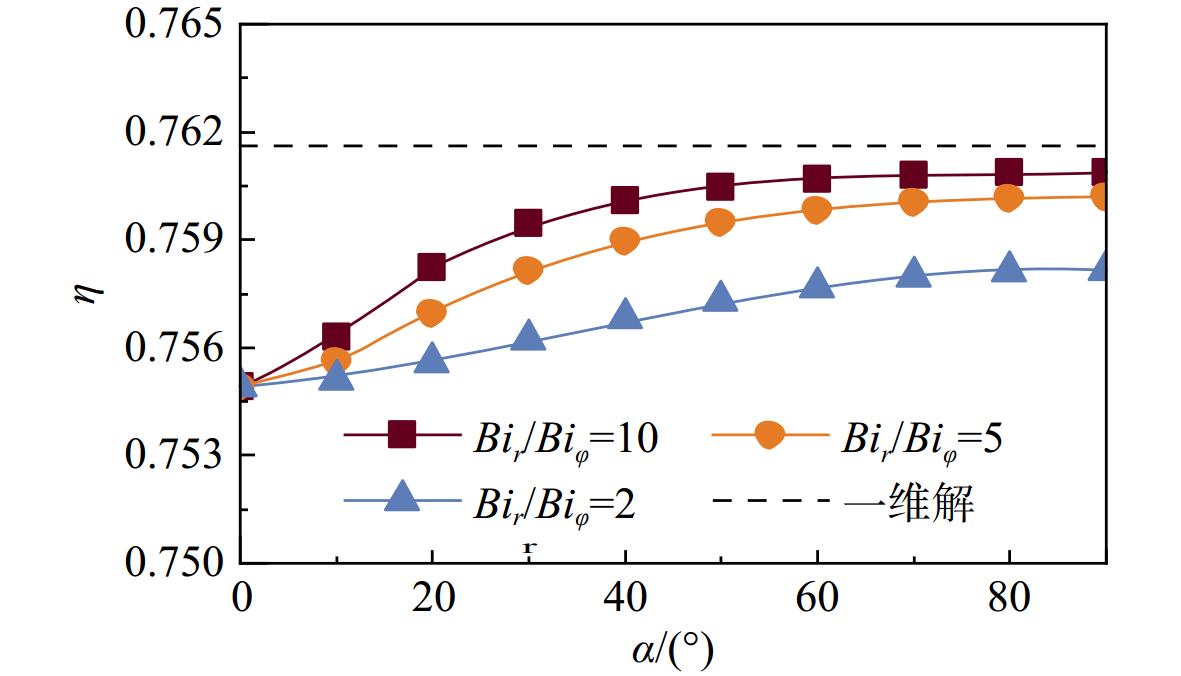
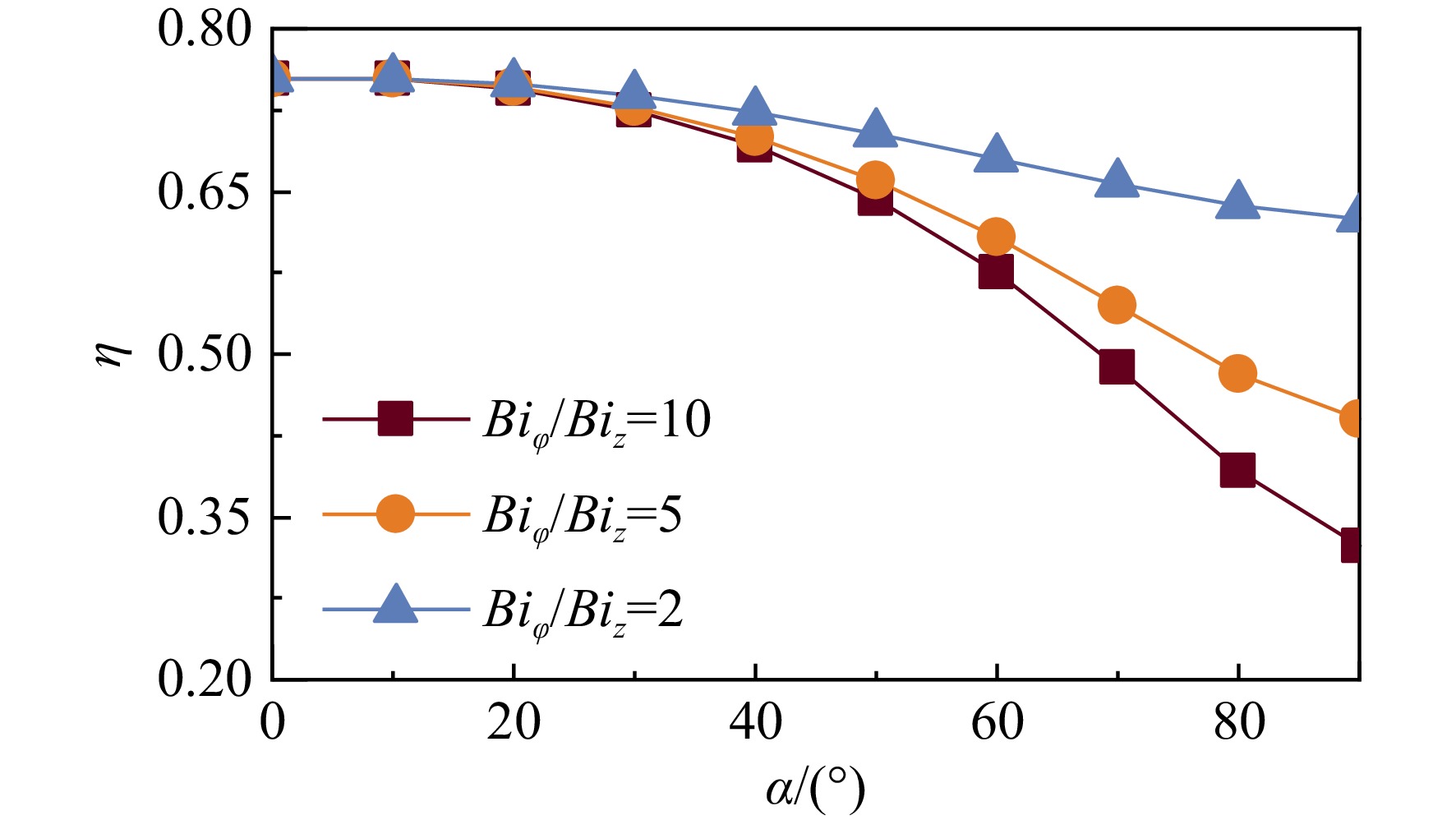
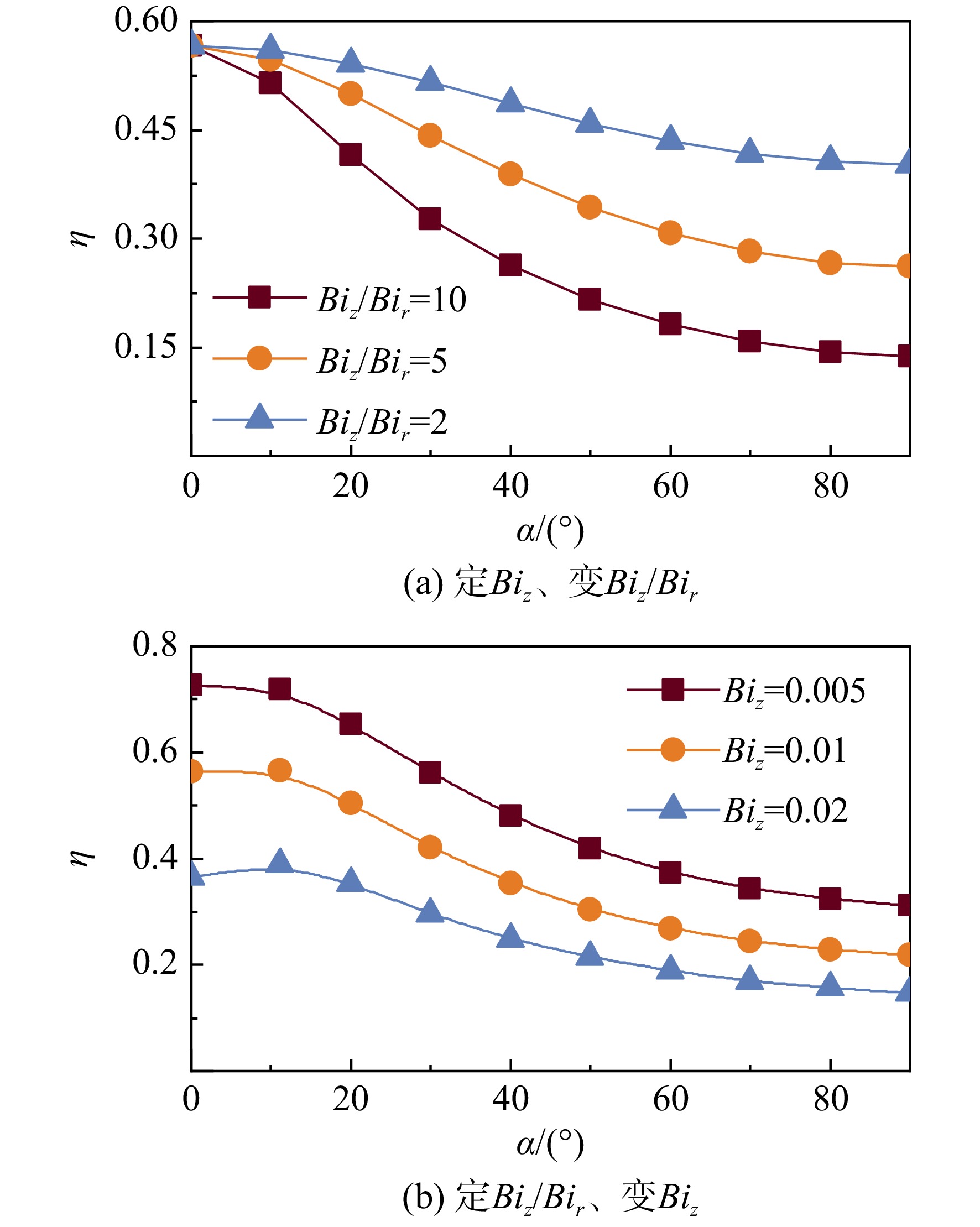
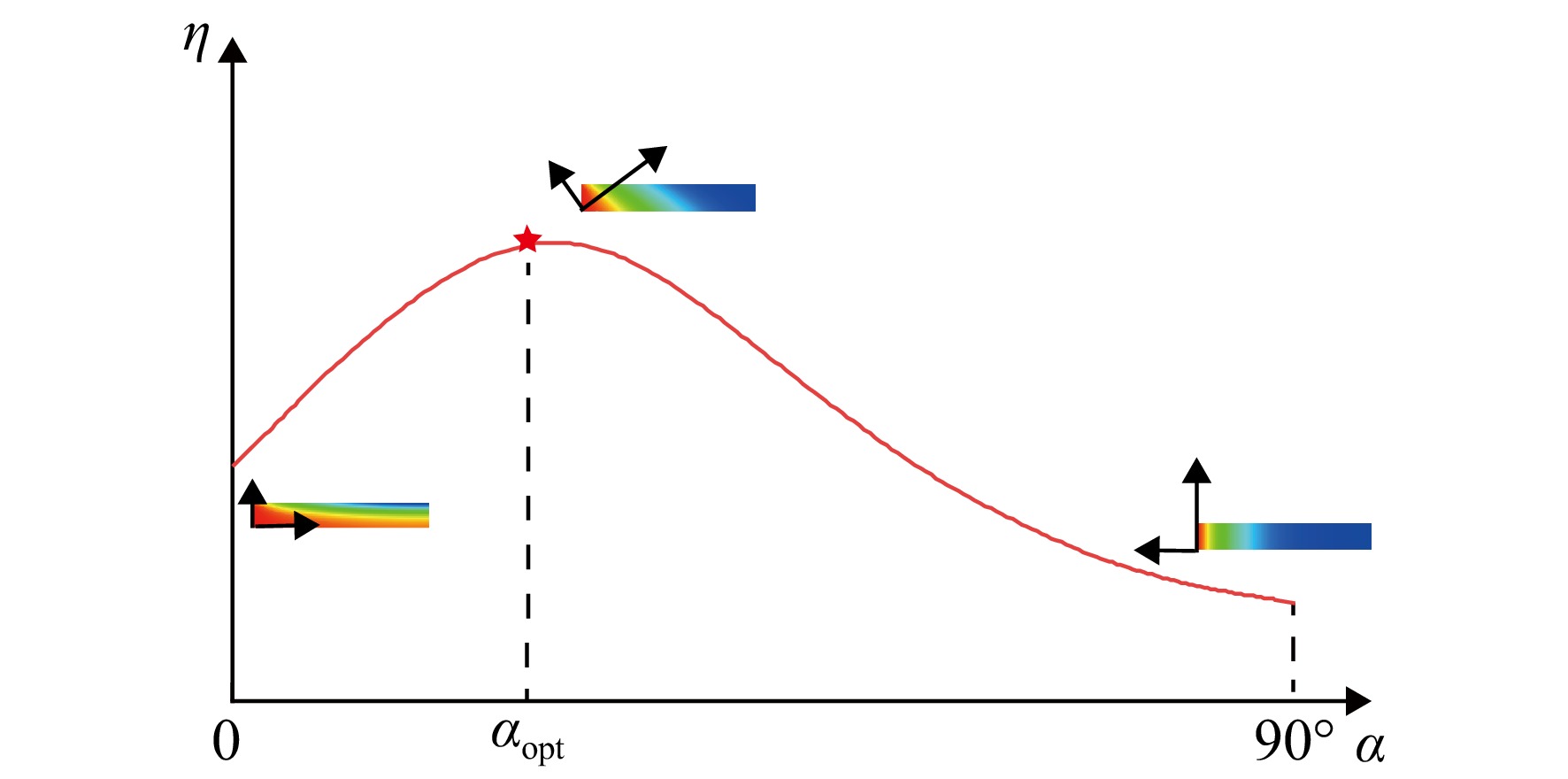
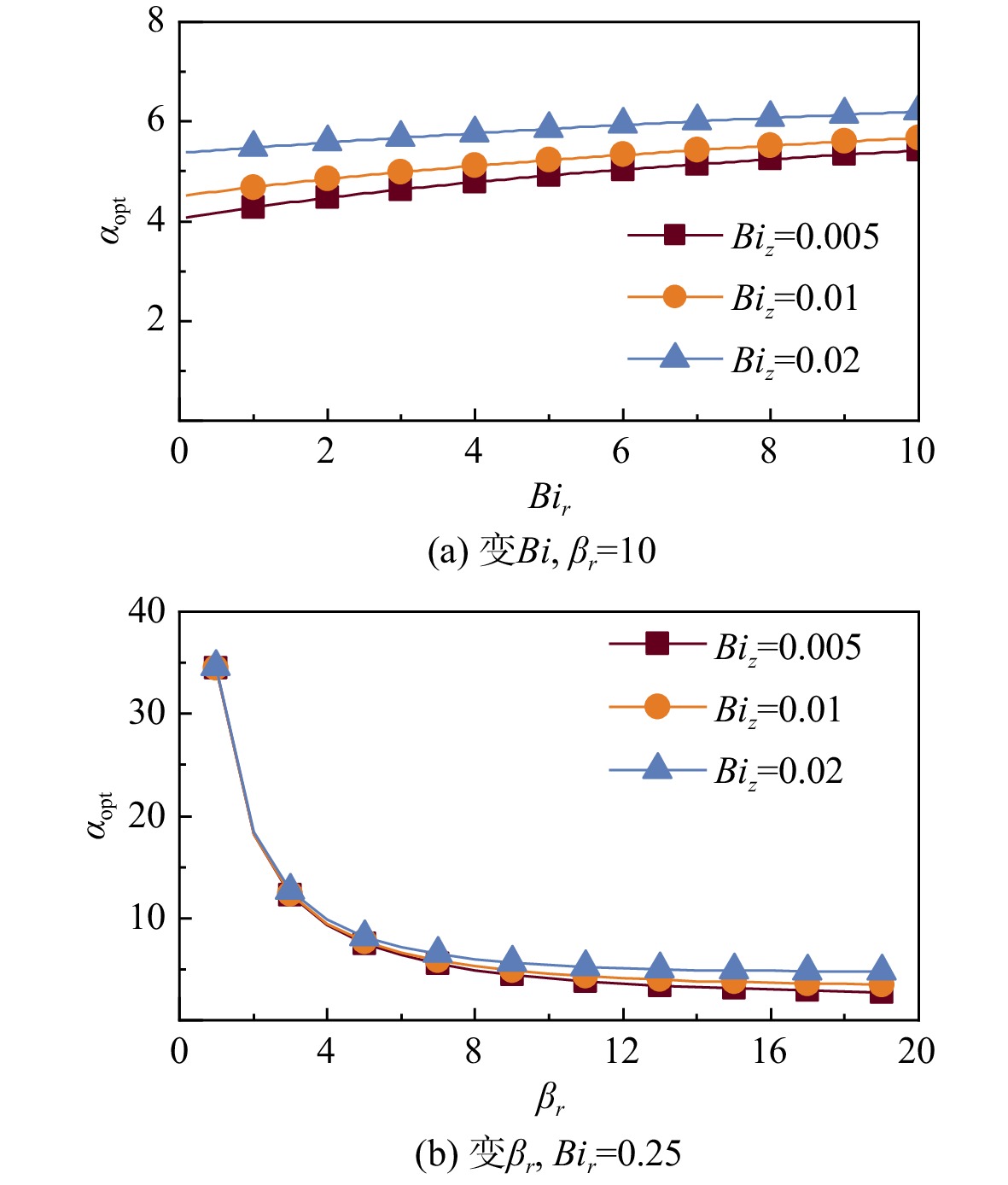
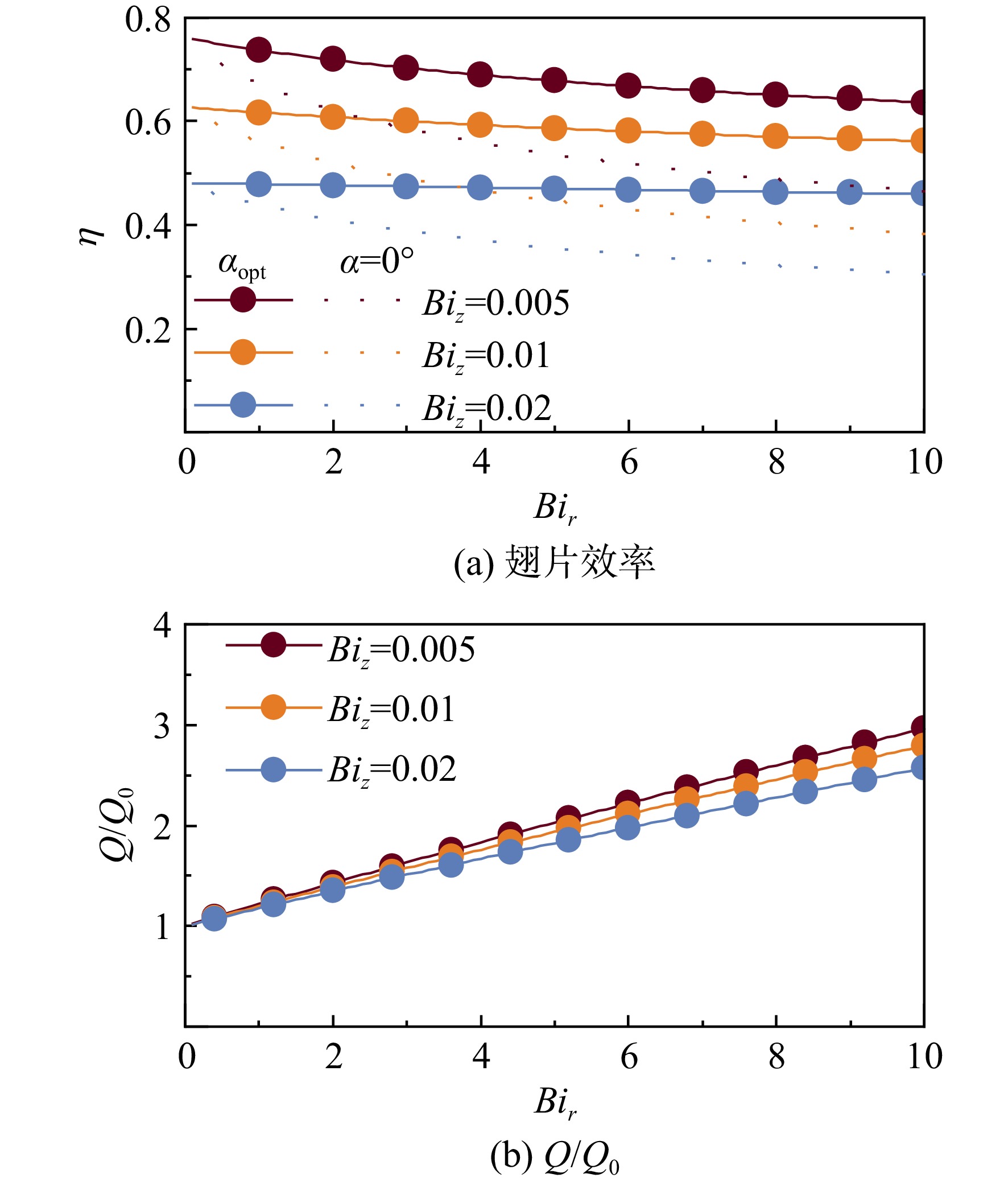
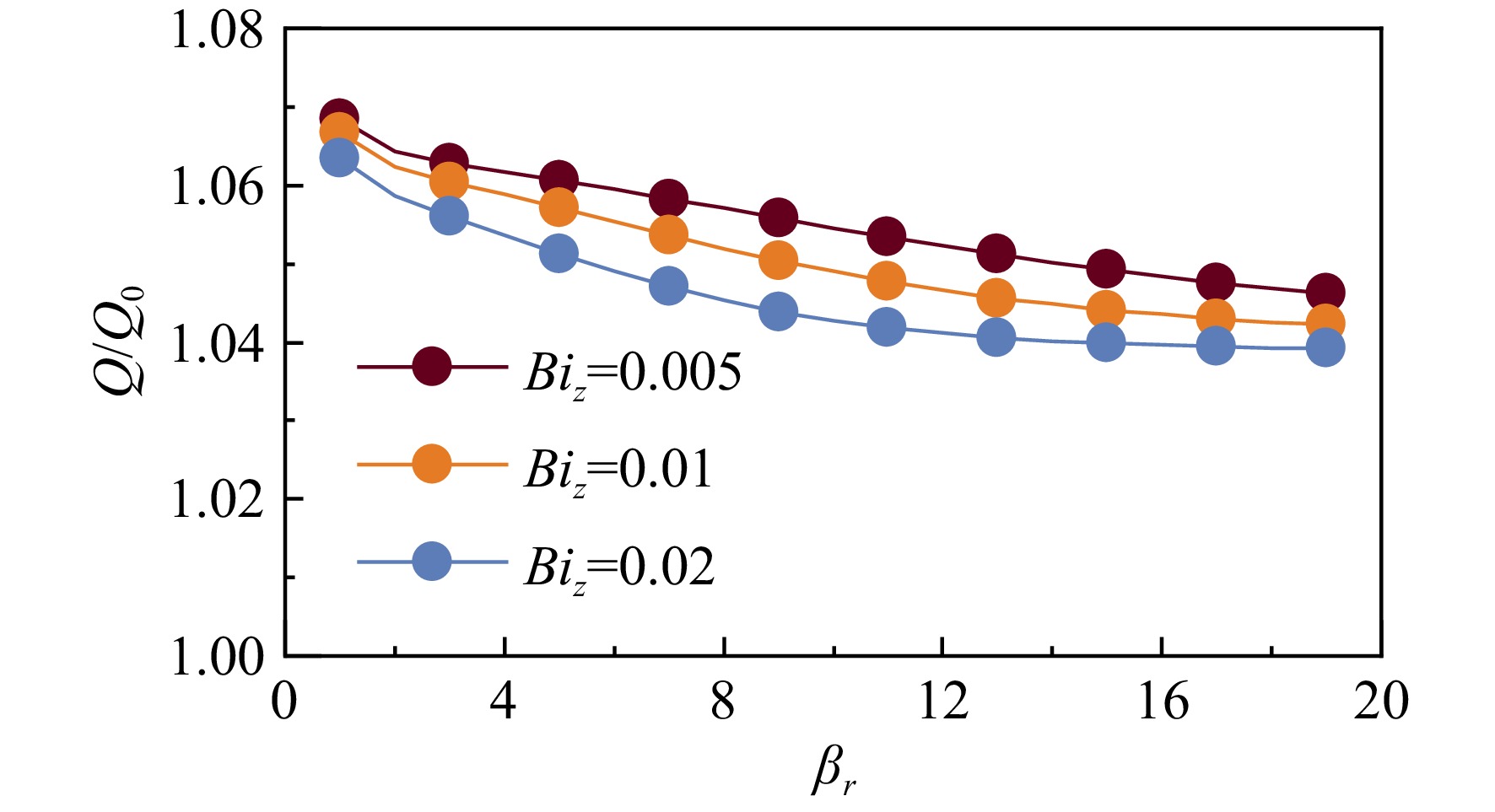
A mathematical model was constructed to describe the heat conduction problem of anisotropic pin fins. Through dimensionless analyses, the dimensionless criterion numbers were obtained, which affected the heat transfer process of the fins. Variable separation method, Taylor expansion, and integral averaging were applied to solve the differential equation. Analytical correlations for fin efficiency and heat transfer rate were derived and numerically verified. Based on the proposed analytical solutions, the influence of the direction of the heat conductivity principal axis on anisotropic pin fins was analyzed. The results showed that within the range of radial Bi was 0.05—10, axial Bi was 0.005—10, cross Bi was 0.2—10, and length to diameter ratio of fin was 2—20, the relative error of fin efficiency from the proposed correlation was less than 1.06% compared with the numerical results. Due to the circumferential symmetry of the temperature field, when the heat conductivity principal axis was deflected in the rOφ and φOz planes, it was beneficial to enhance the fins’ heat transfer performance by making the axis, which had a higher principal heat conductivity coefficient along the r and z directions. However, when the axis was deflected in the rOz plane, the optimal deflection angle can be calculated to maximize the heat transfer performance of the fins under given boundary conditions, material properties, and length to diameter ratio. And the maximum heat transfer rate was 2.97 times that of α=0. The results provide a theoretical support for the design of anisotropic pin fins in application.

Dynamic thermal protection characteristics of cooling circuit of aero-vector-nozzle actuator
WU Shuaihao, HU Jianjun, ZHANG Yiren, XU Yan, XU Yang, XIAO Qiang
2025, 40(8): 20230052. doi: 10.13224/j.cnki.jasp.20230052
Abstract:
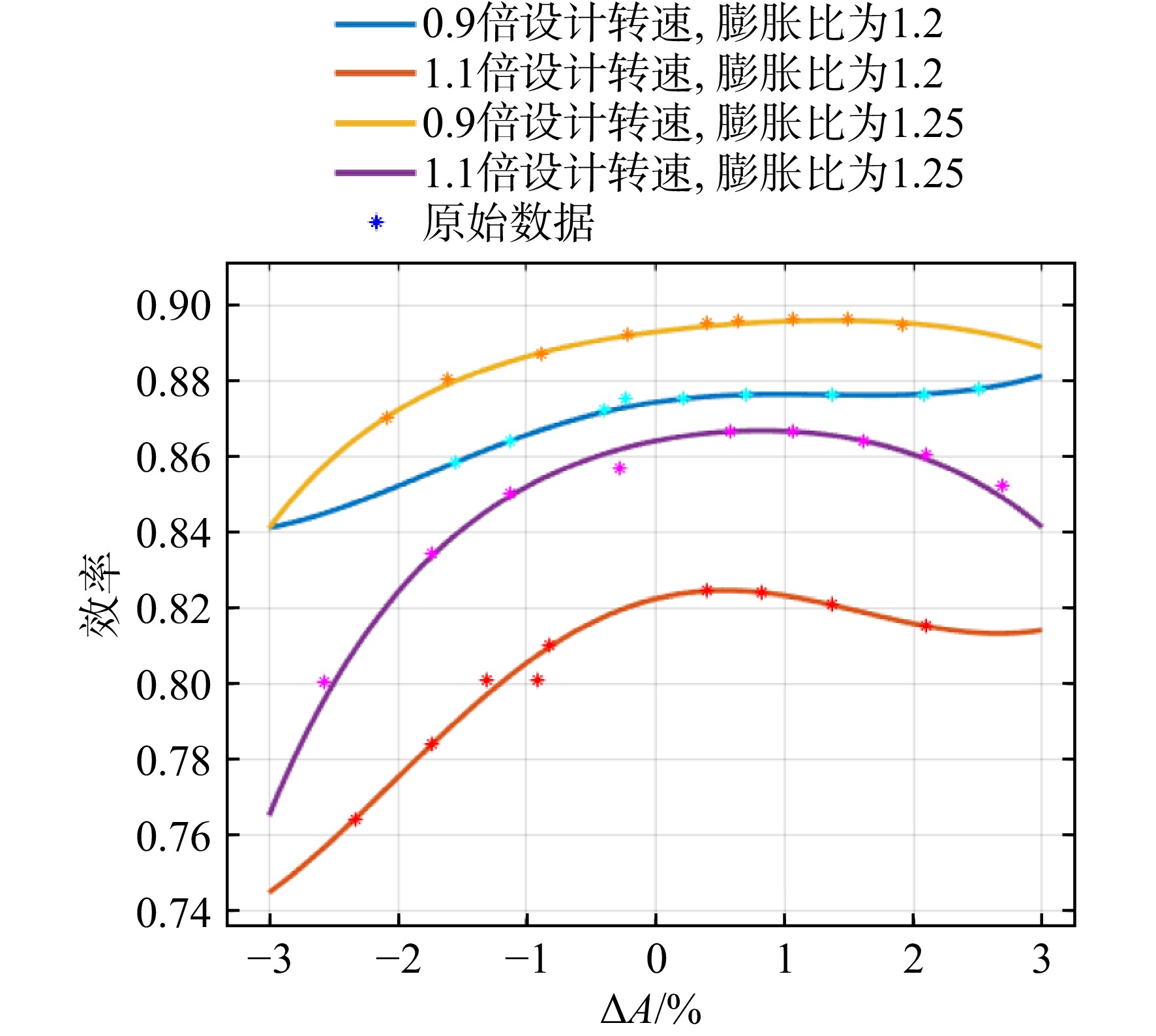
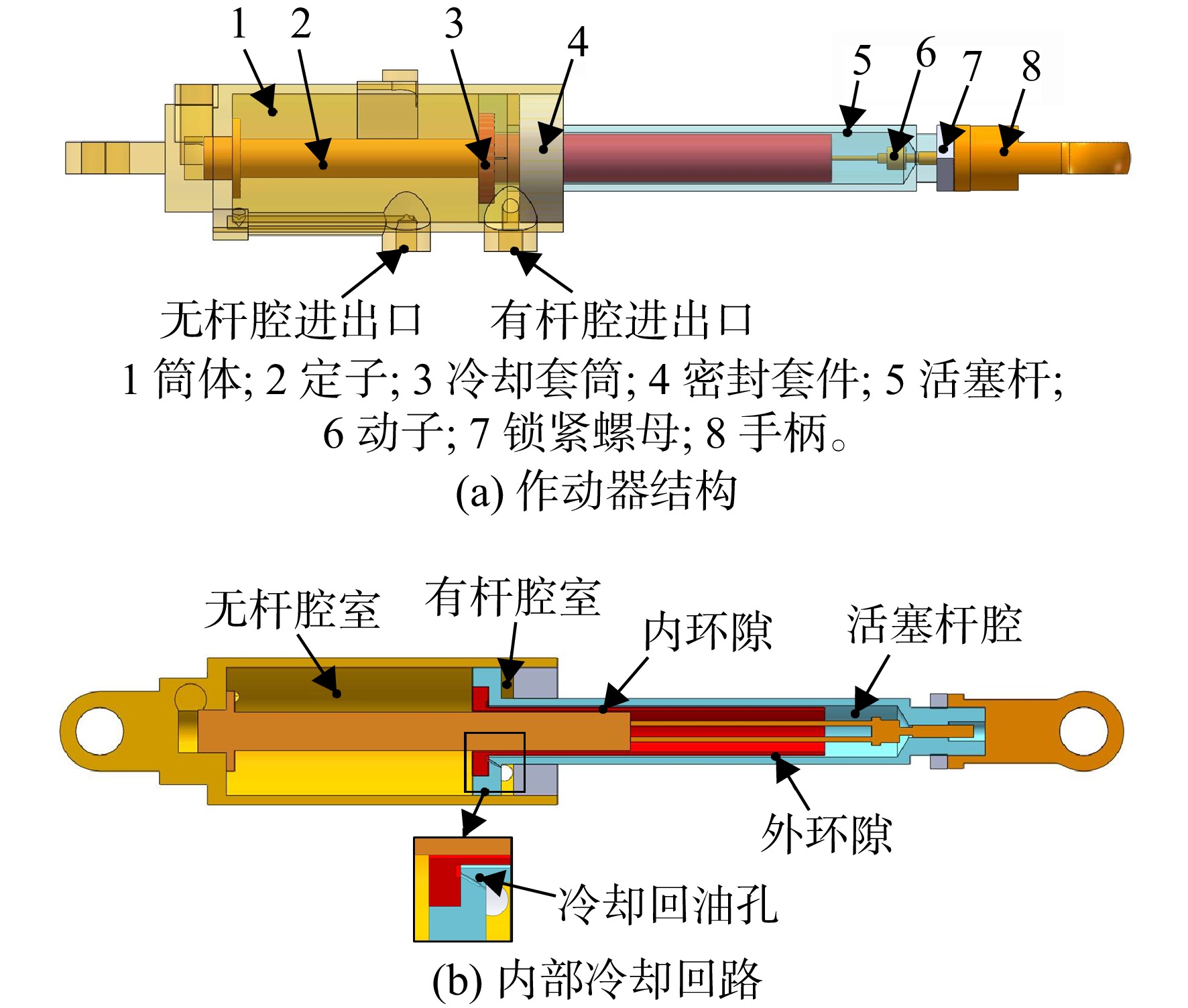
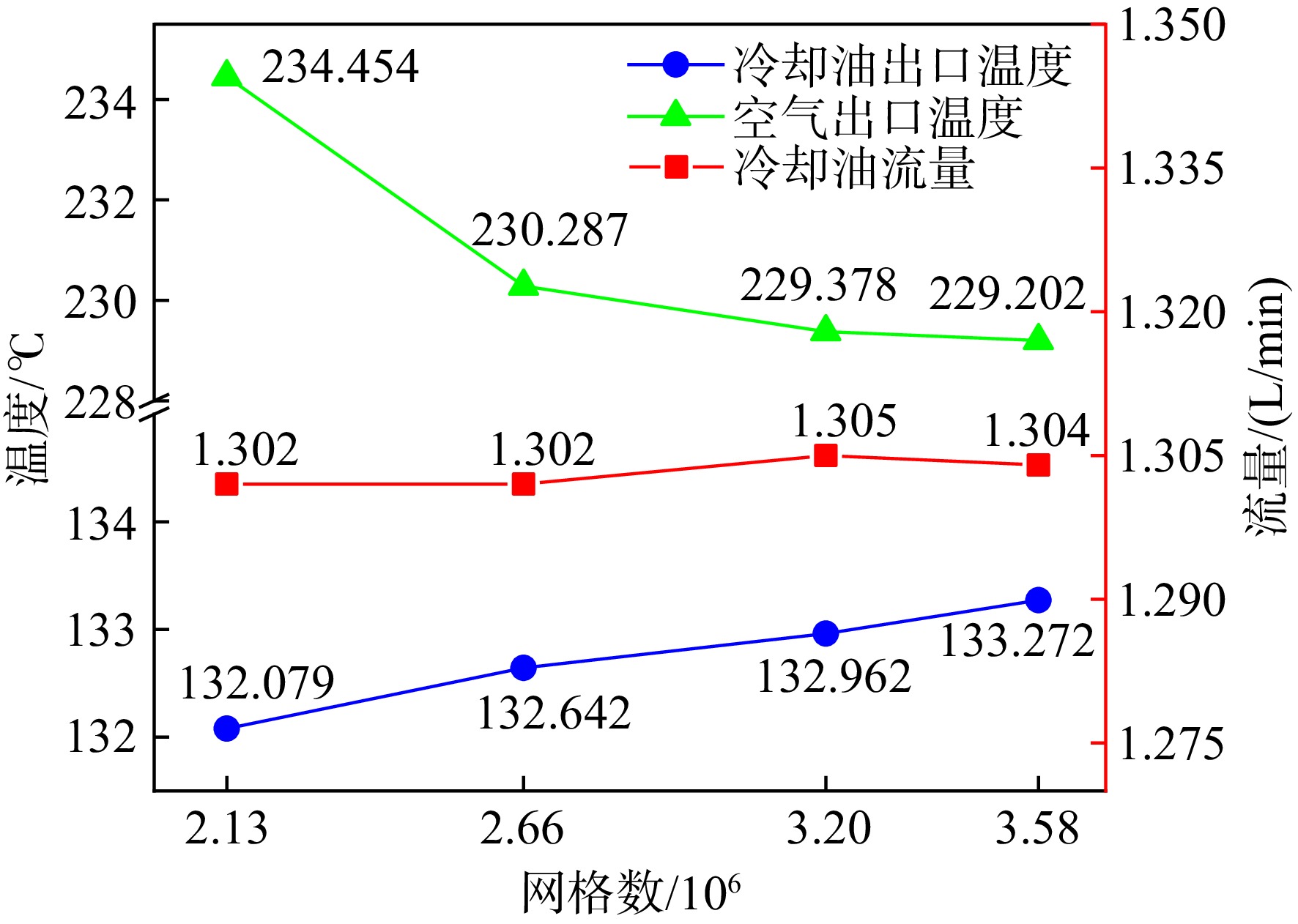
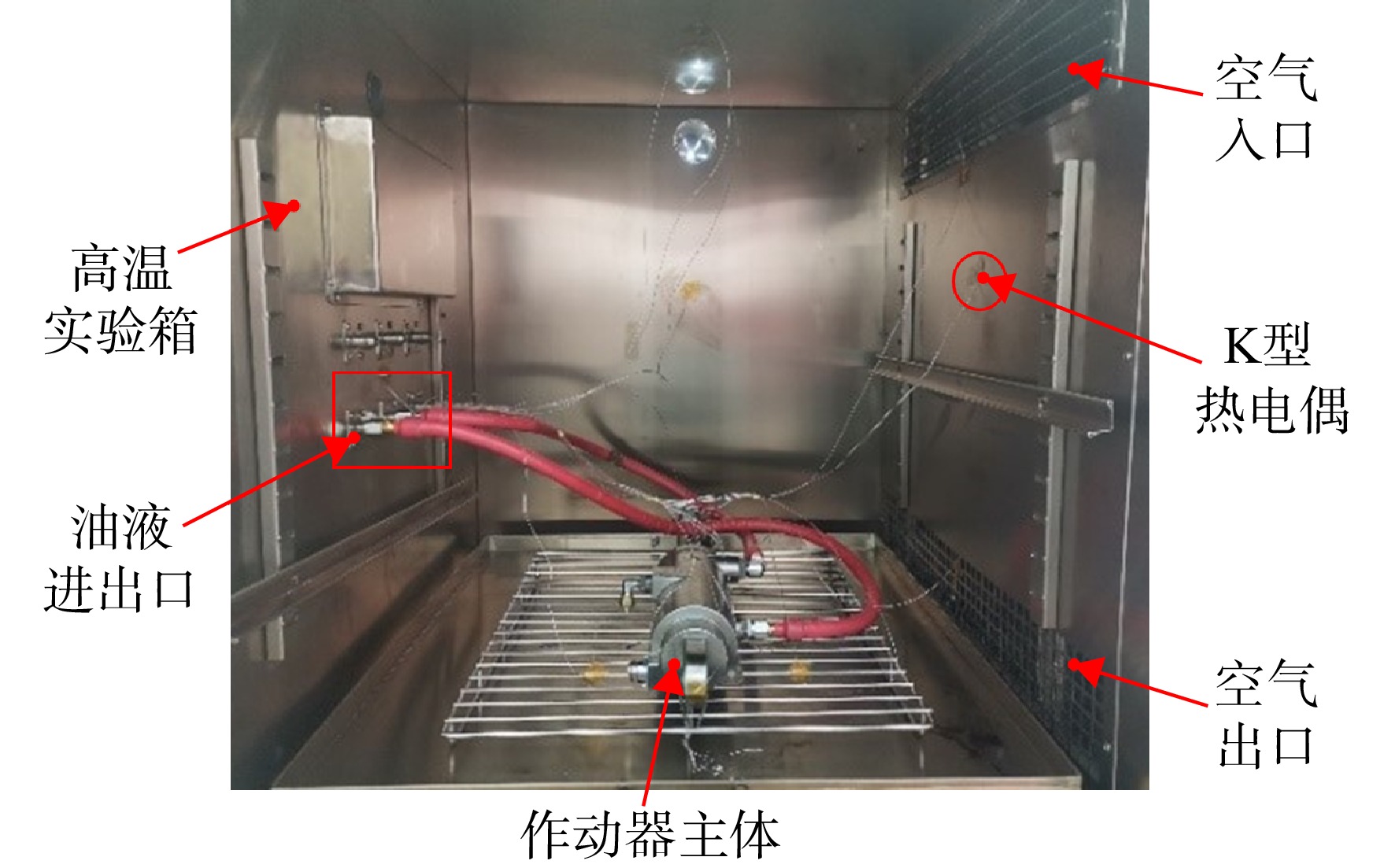
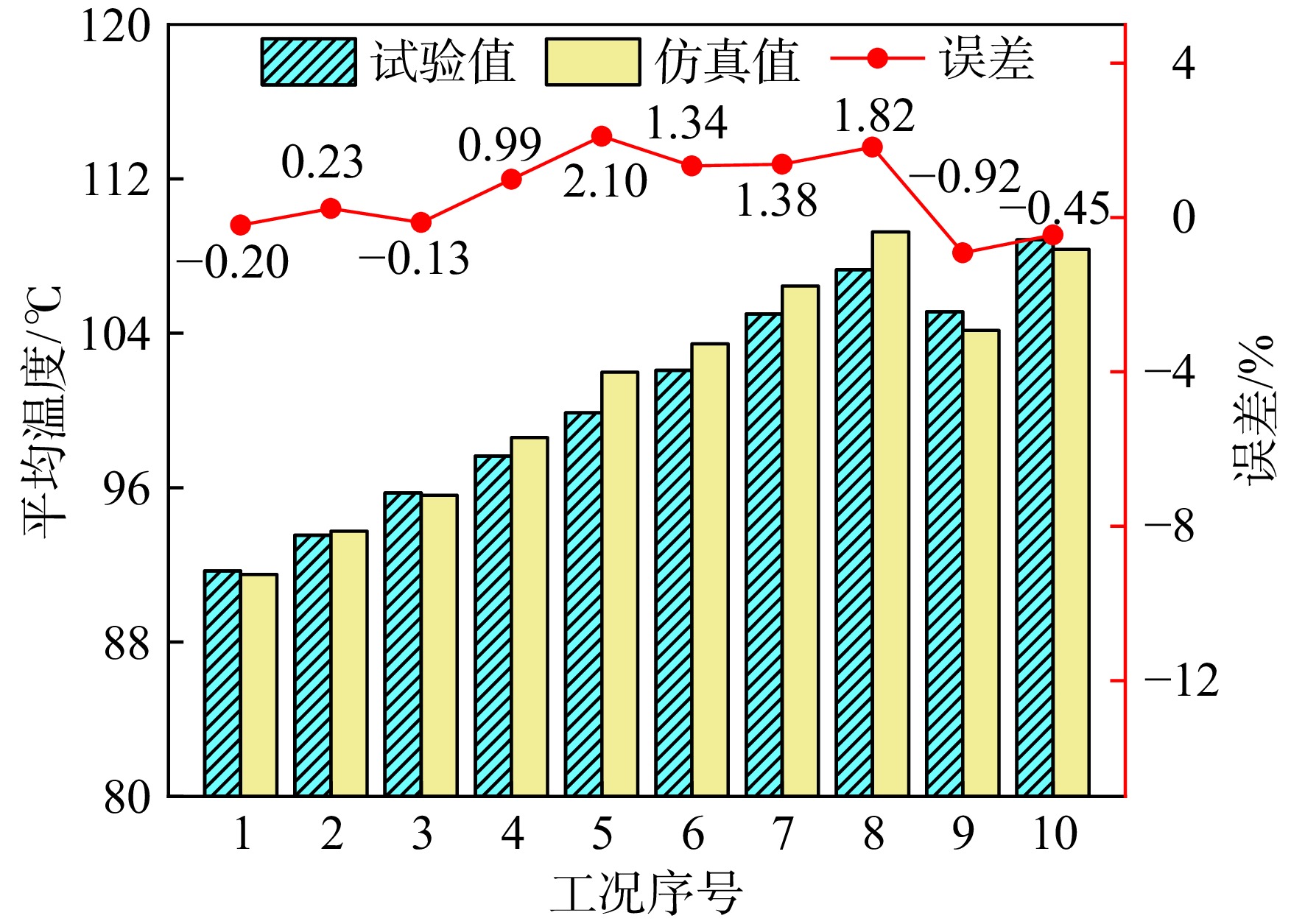
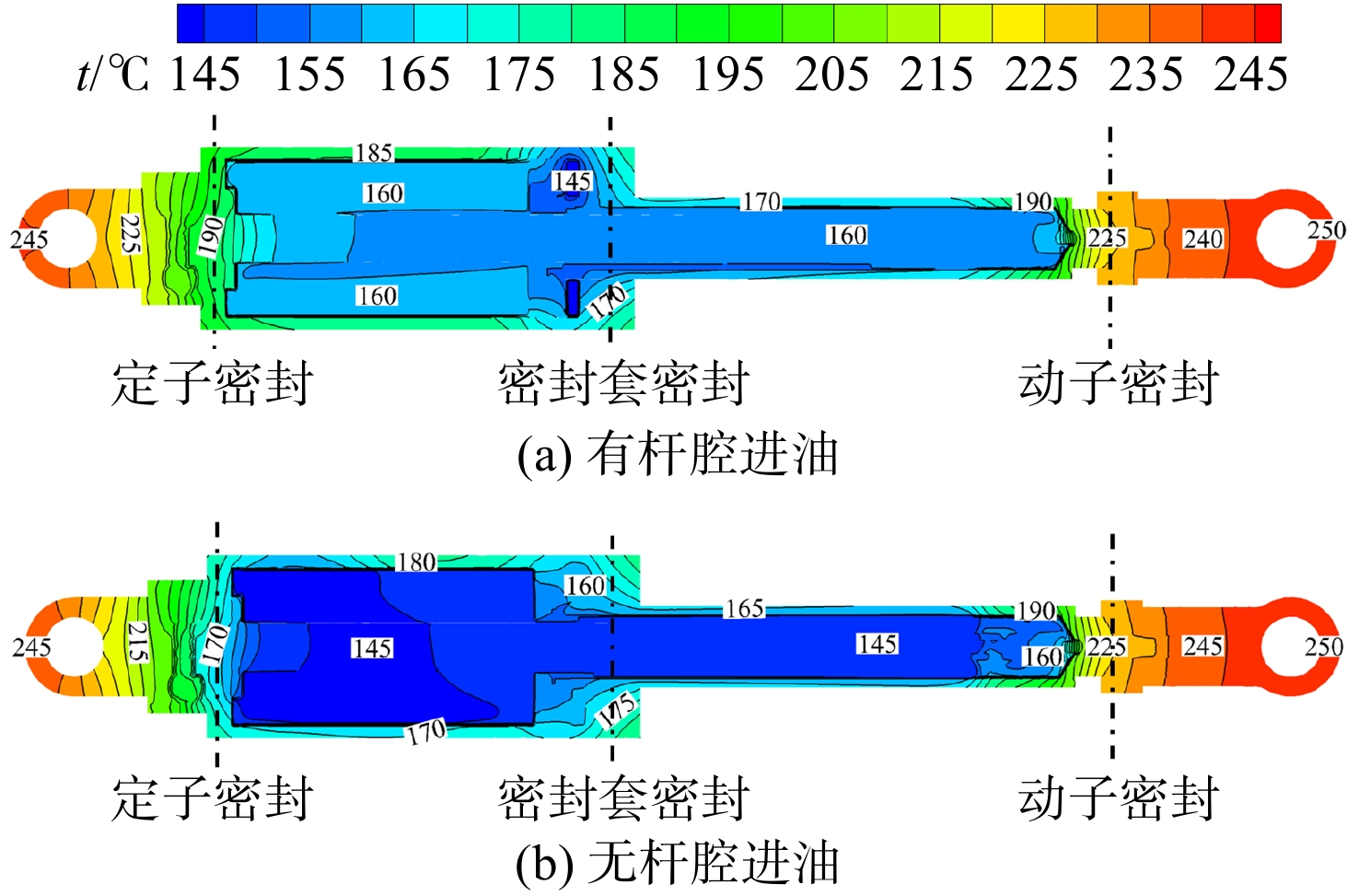
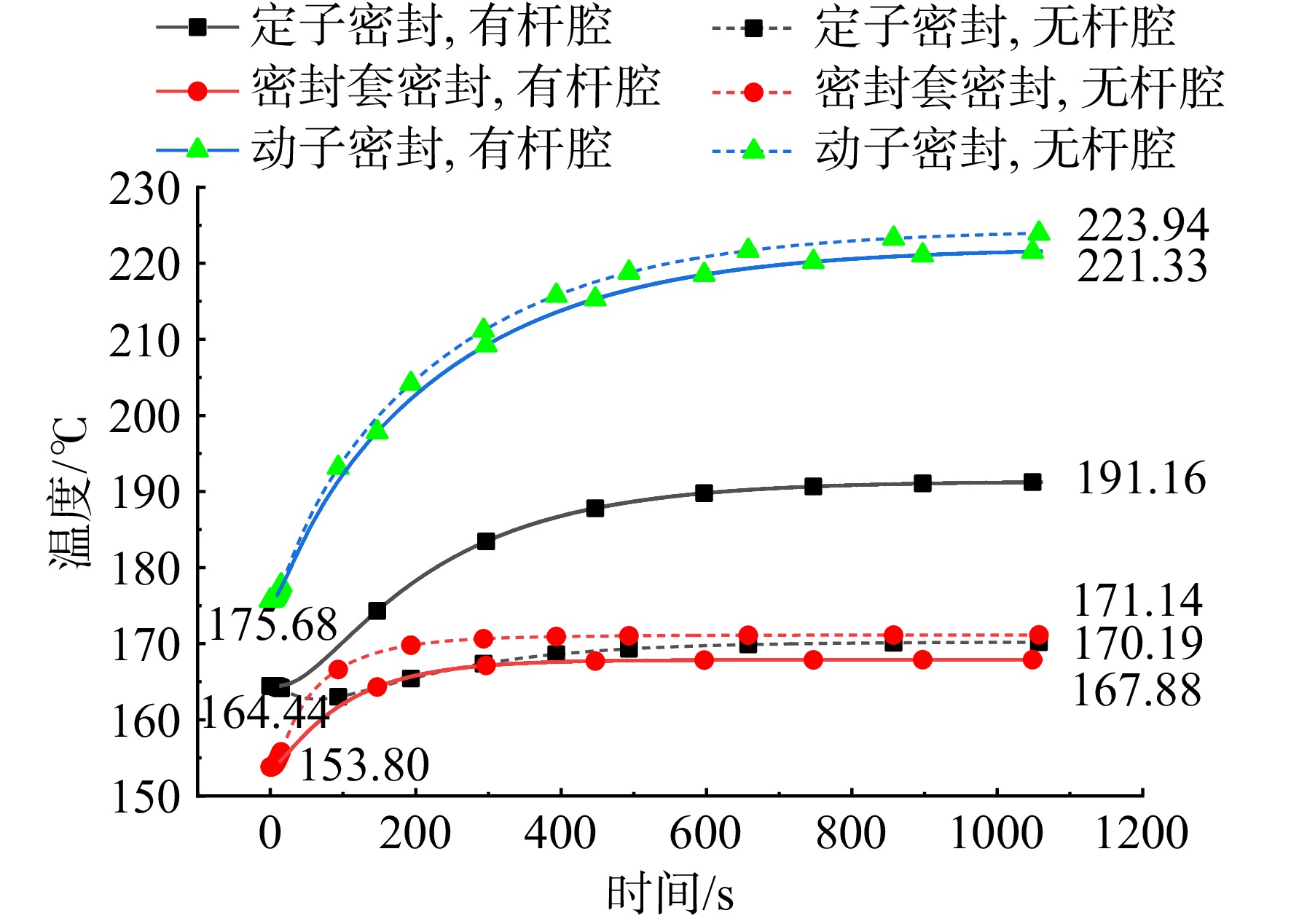
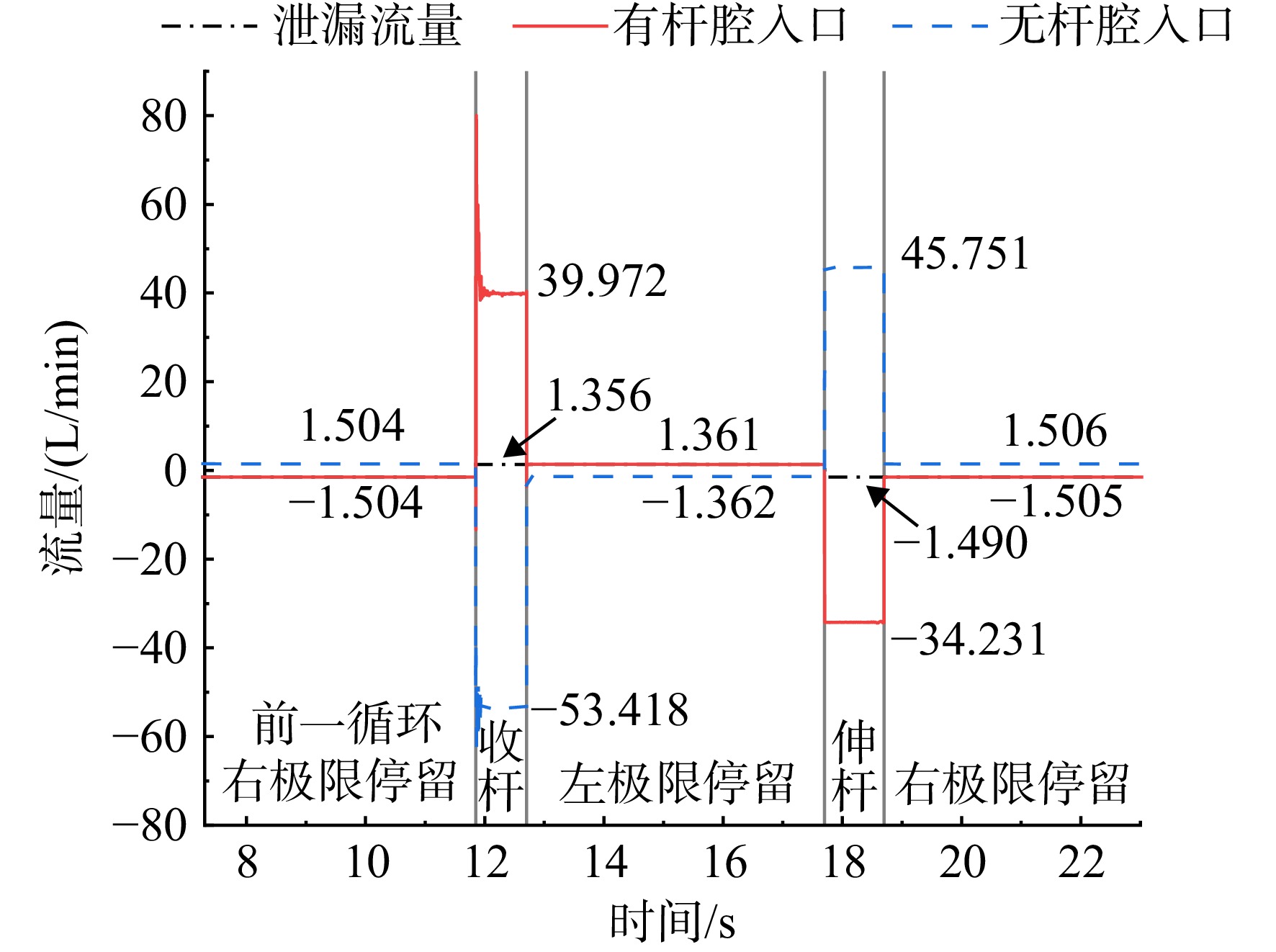
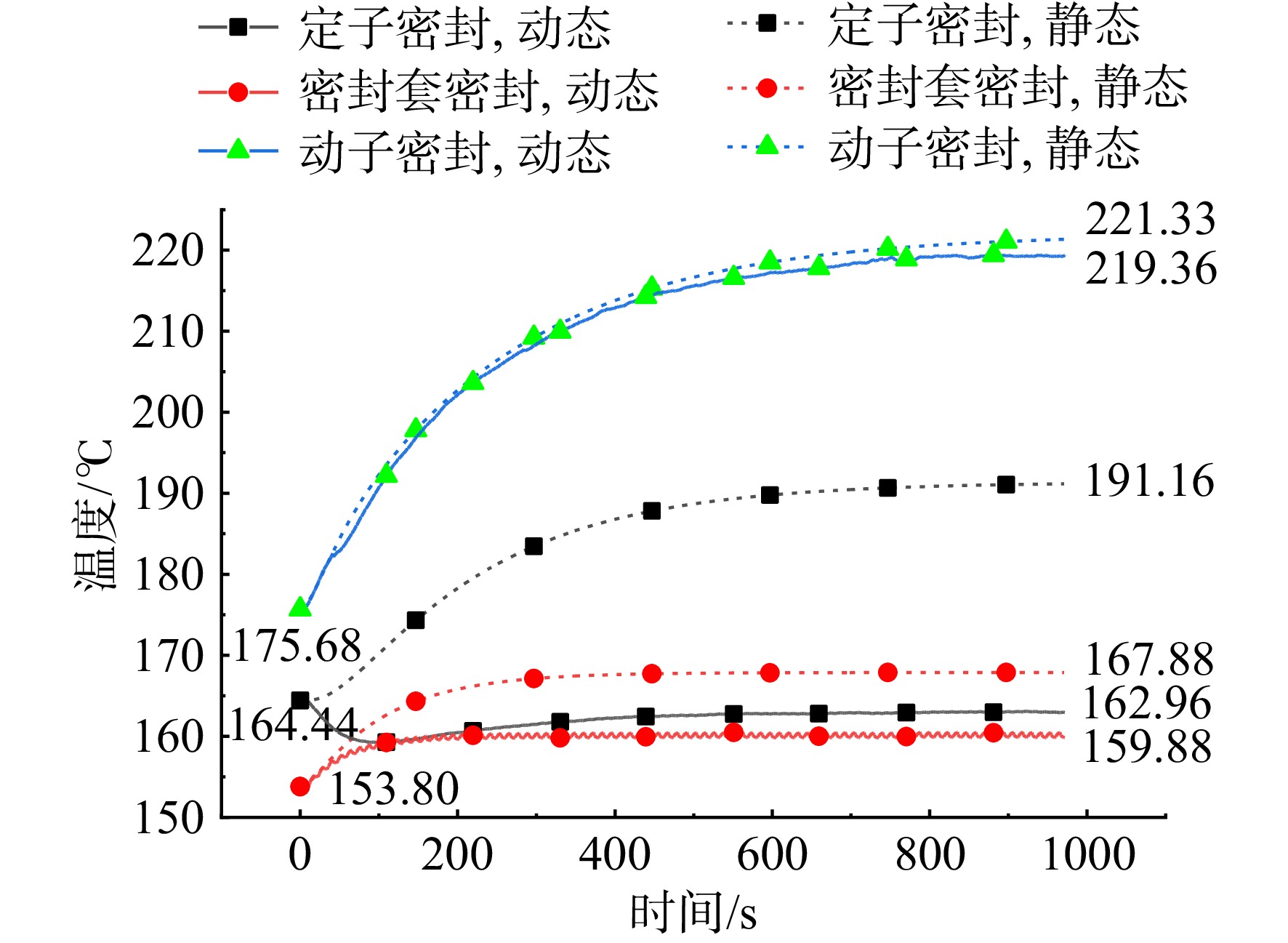
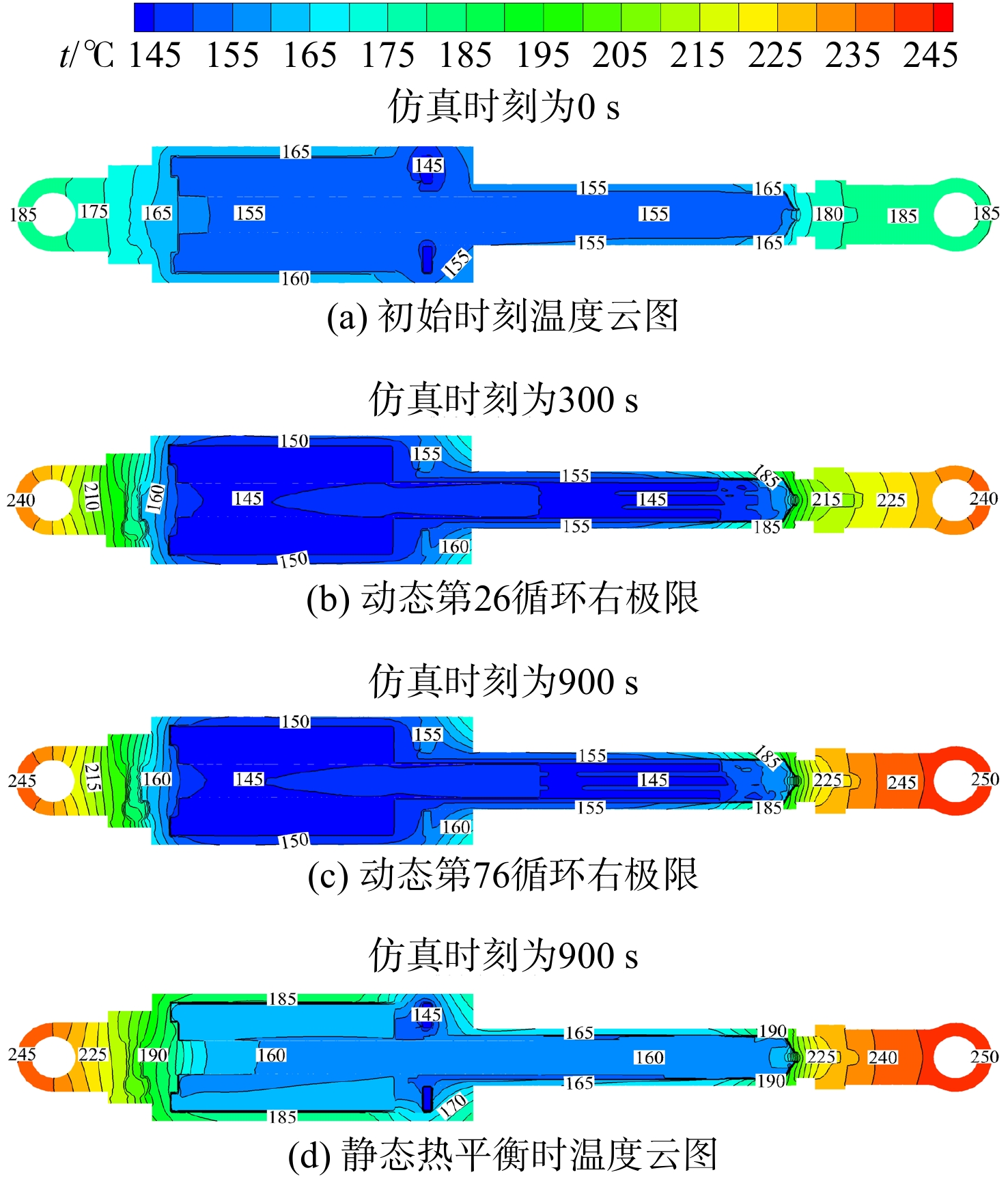
In order to study the thermal protection characteristics of the cooling circuit of the aero-vector nozzle actuator under dynamic conditions, the reciprocating motion process of the actuator was numerically simulated by using the Fluent dynamic grid technology, and a high temperature test bench was built to verify the correctness of the simulation model. The thermal protection effect of the actuator cooling circuit under the static and reciprocating conditions of the piston rod was compared and analyzed, and the distribution law of the flow field, pressure, flow rate and temperature of the actuator under dynamic condition was obtained. The results showed that the inlet and outlet flow rate increased greatly when the piston rod moved, so the thermal protection effect of the cooling circuit under dynamic condition was significantly better than that under static condition. The stator and sleeve sealing temperatures under dynamic condition were reduced by 29.2 ℃ and 8.0 ℃, respectively, and the cylinder temperature was reduced by 35 ℃ compared with the static condition. This indicated that dynamic calculation can predict the thermal protection performance of the actuator in real working condition more accurately. The research could provide a powerful analysis tool and design reference for improving the structure of vector nozzle actuator.

Bag breakup process and dynamical analysis of liquid jets in crossflow from dual perspectives
HE Haoji, ZHANG Tongyu, GUO Zhihui
2025, 40(8): 20240367. doi: 10.13224/j.cnki.jasp.20240367
Abstract:
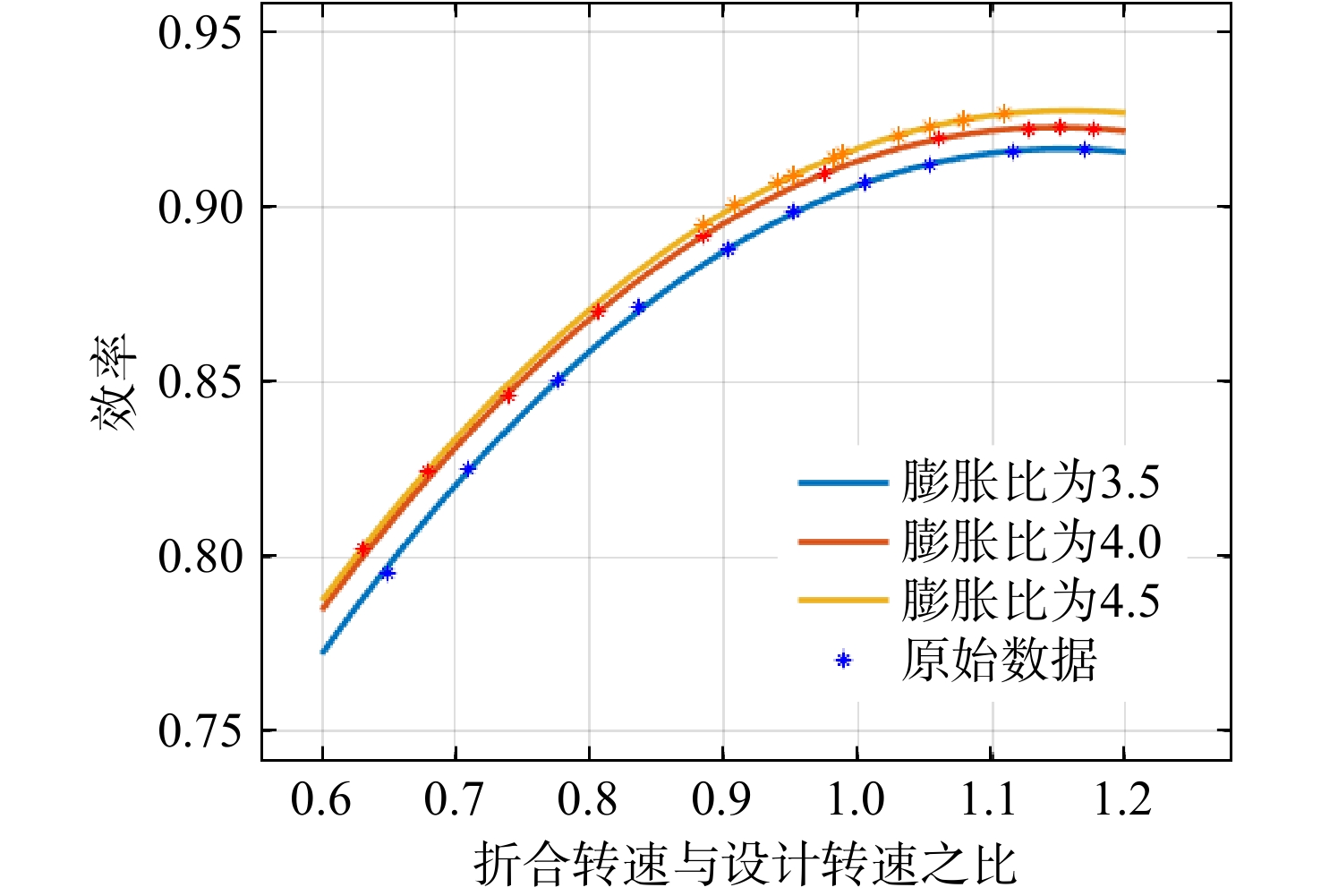
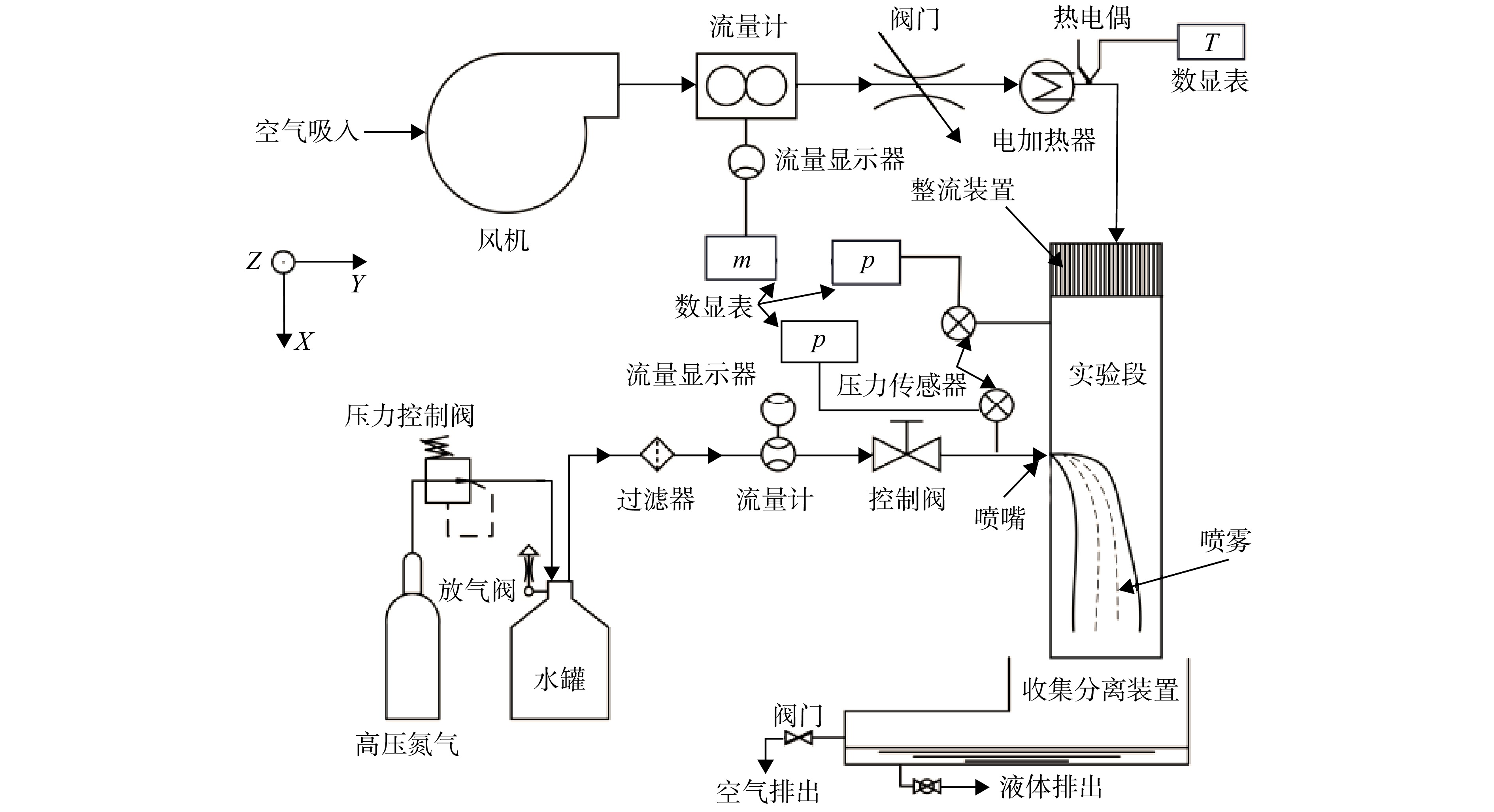
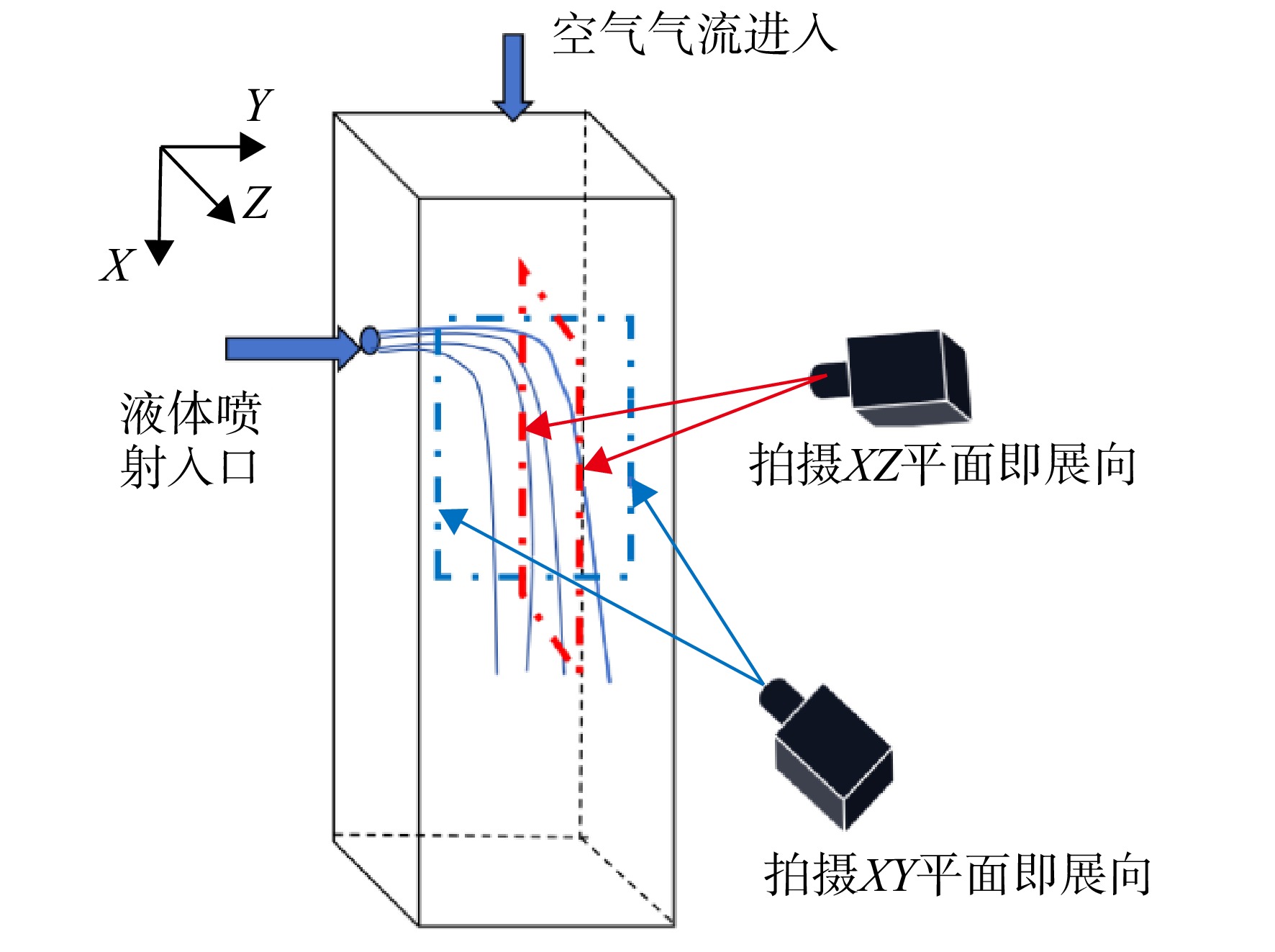
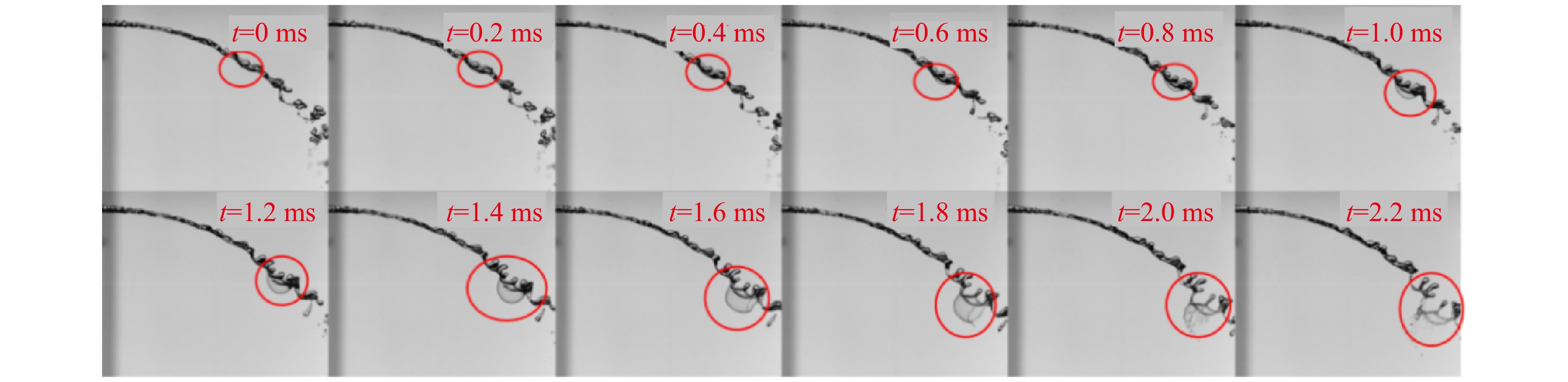
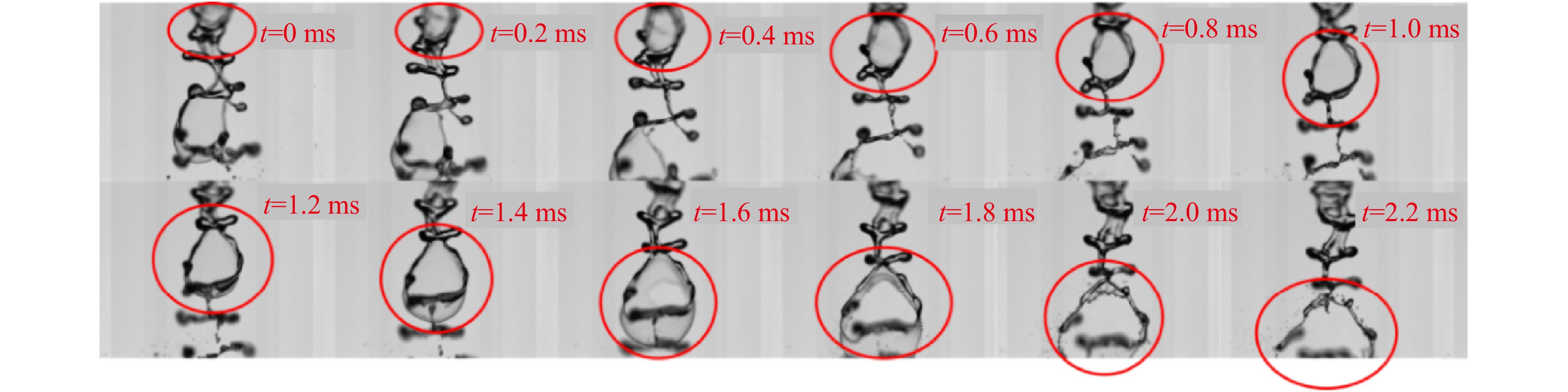
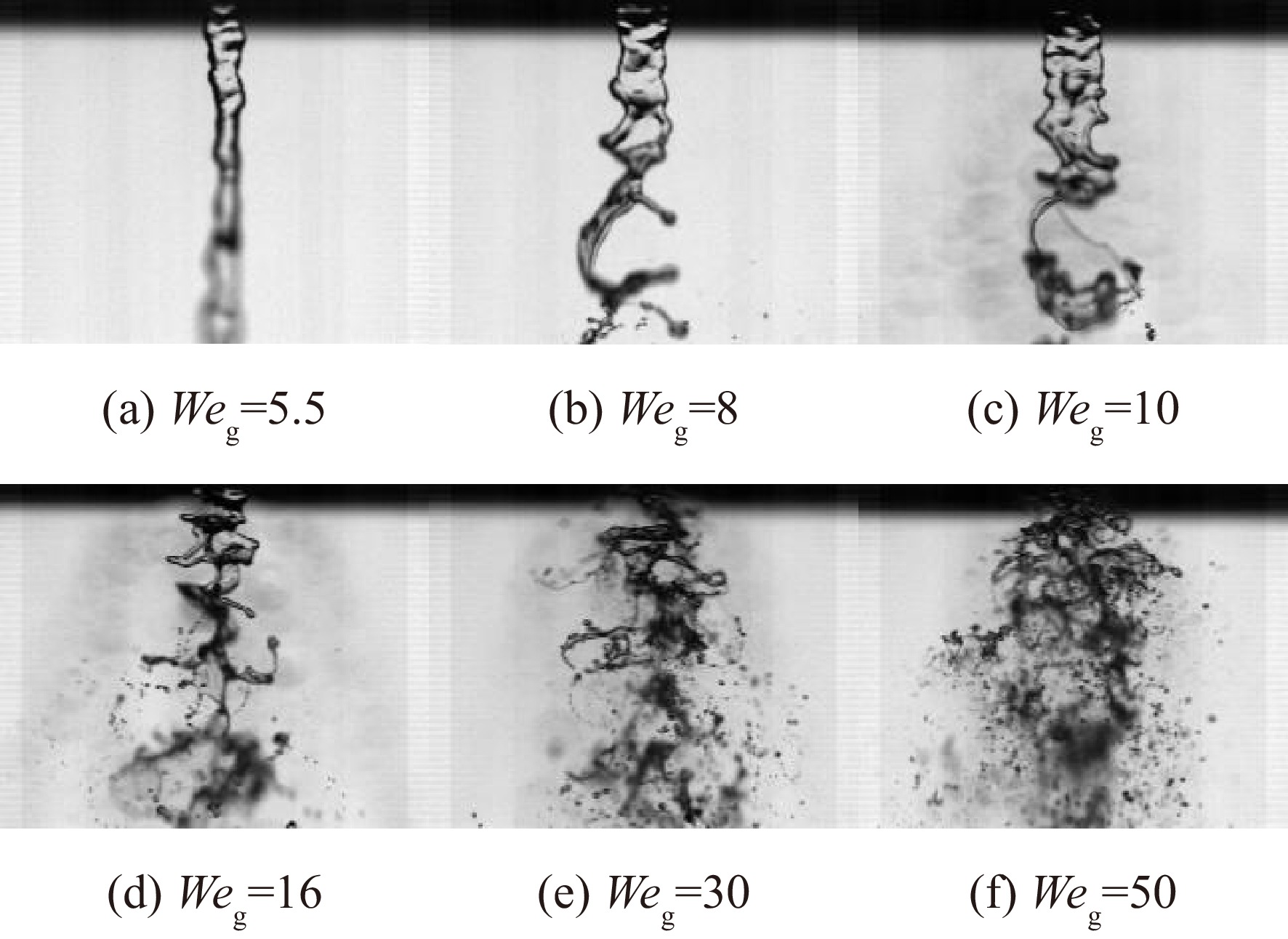
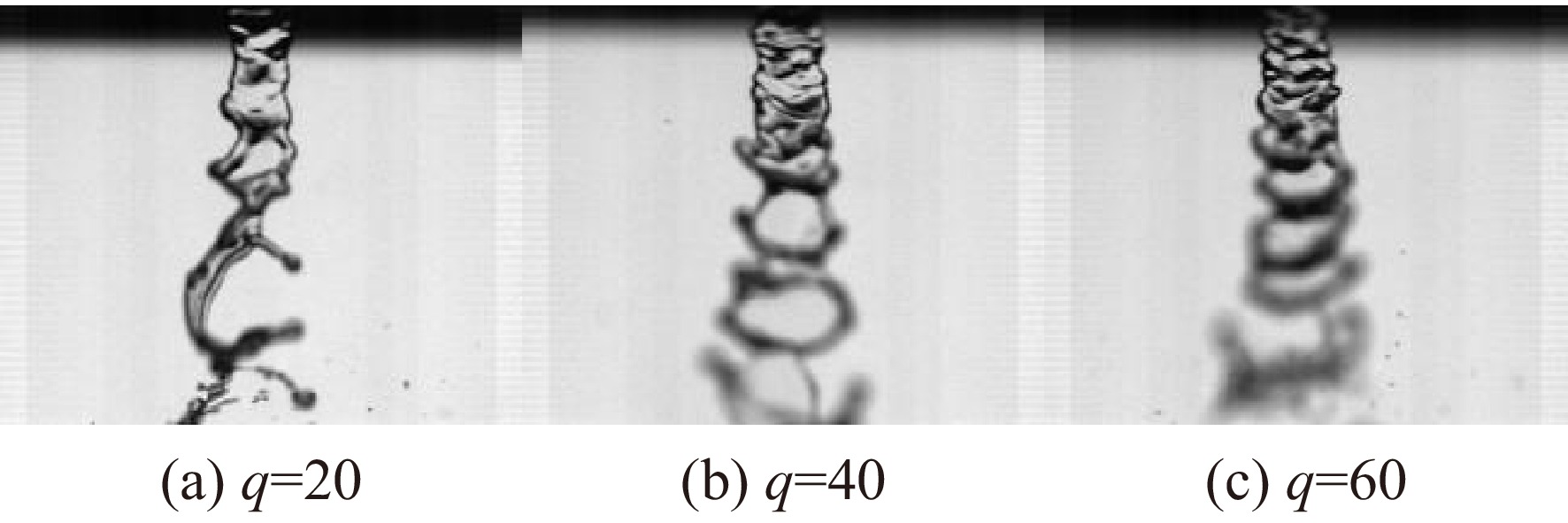
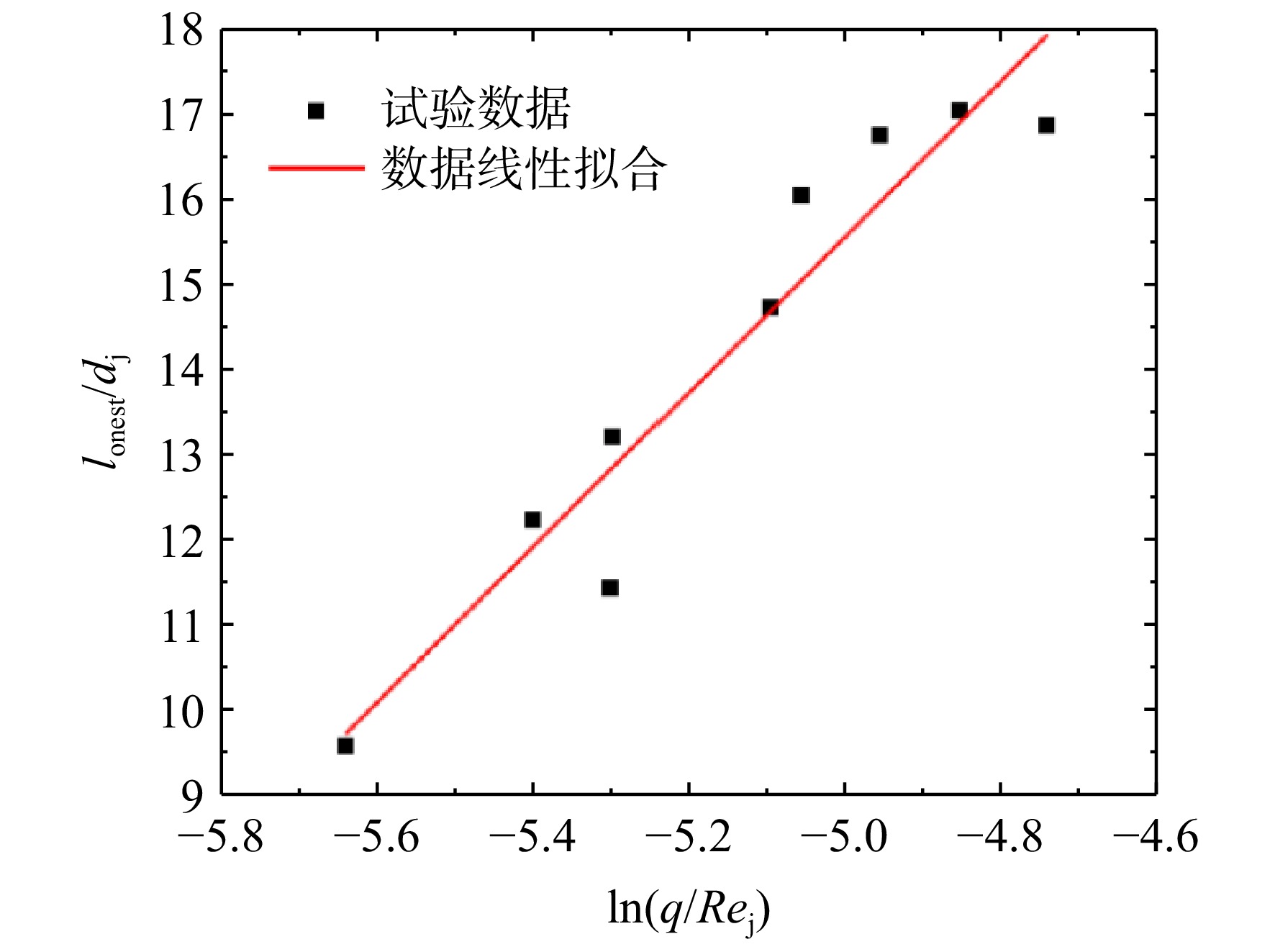
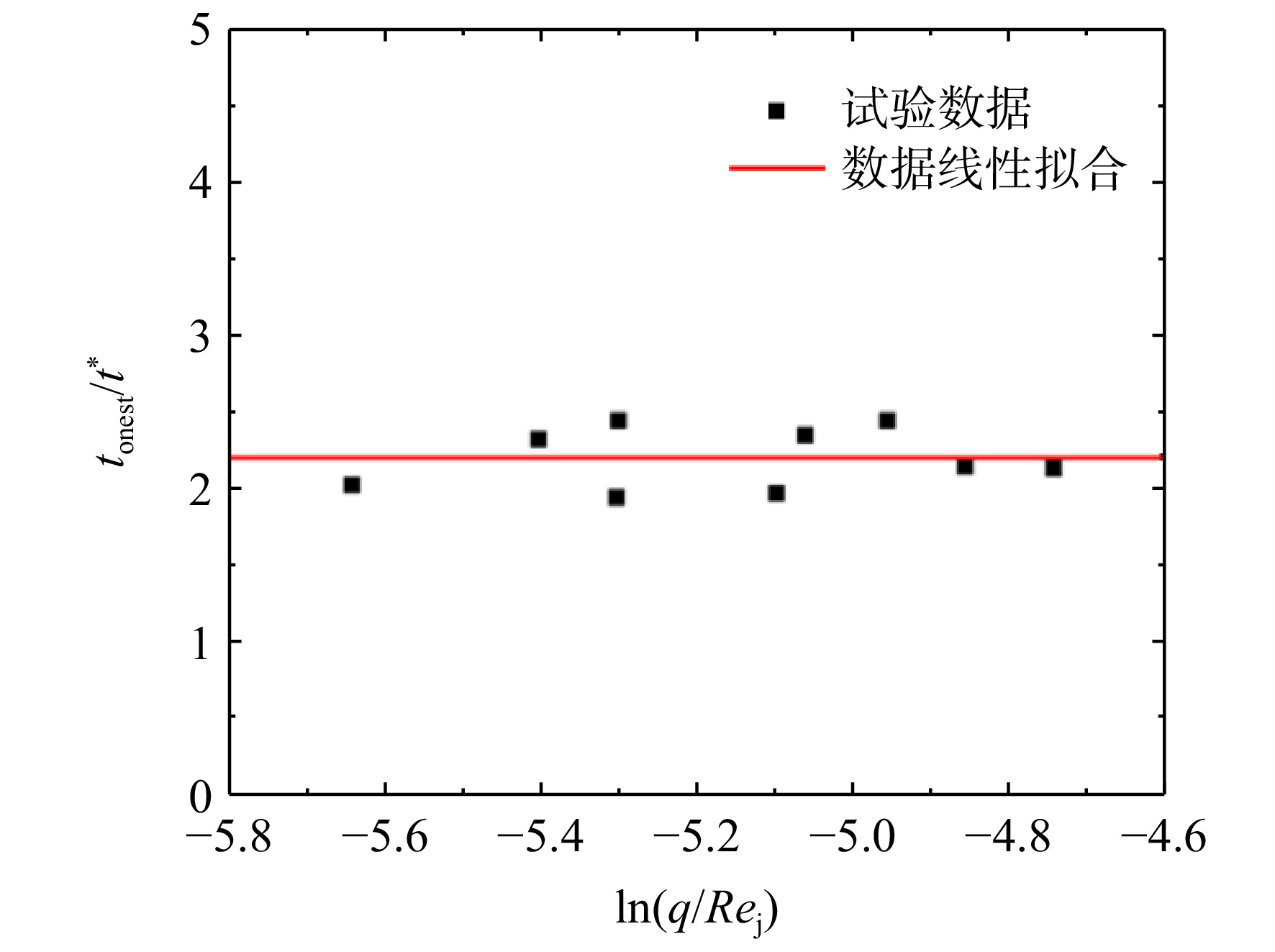
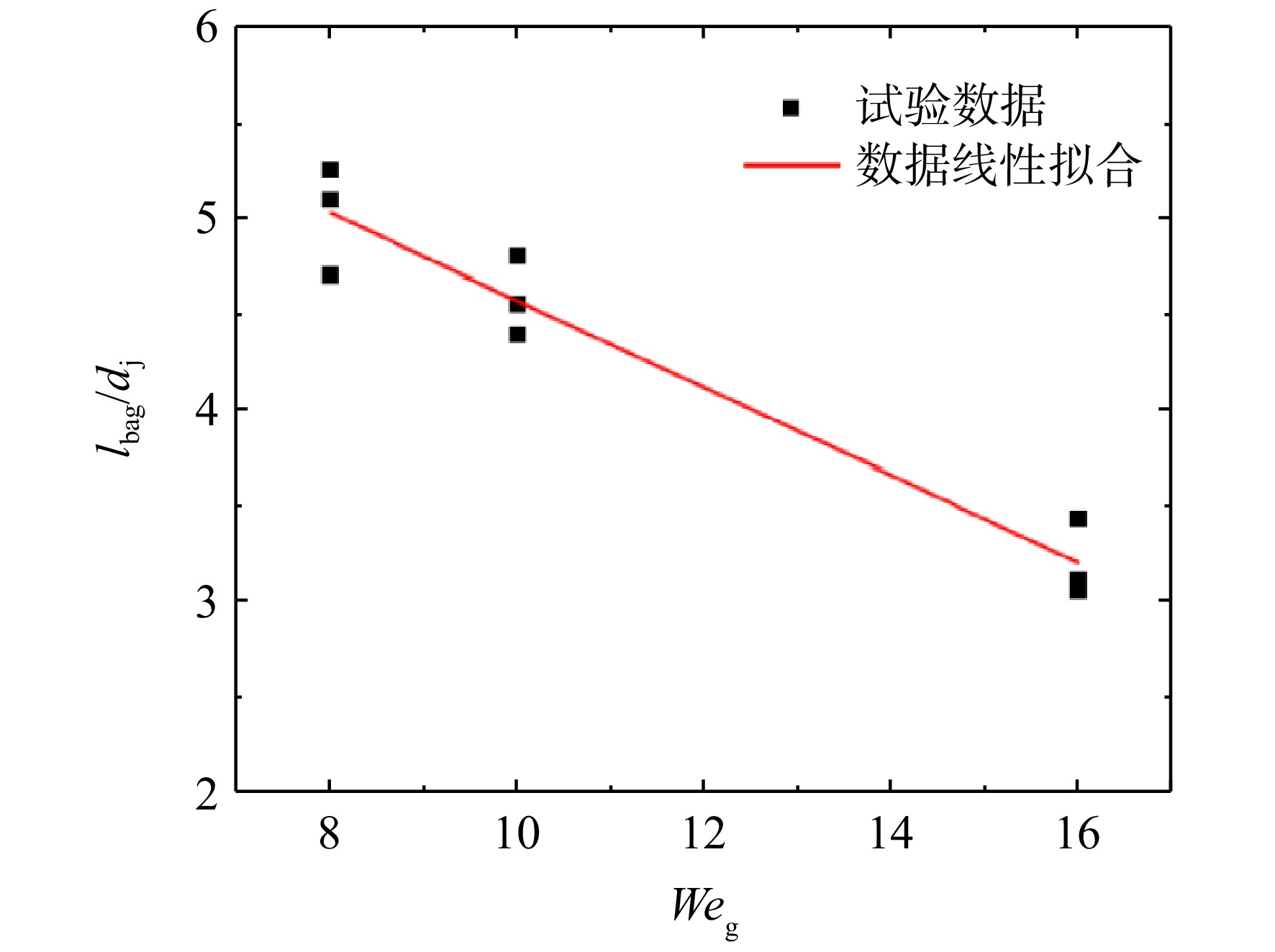
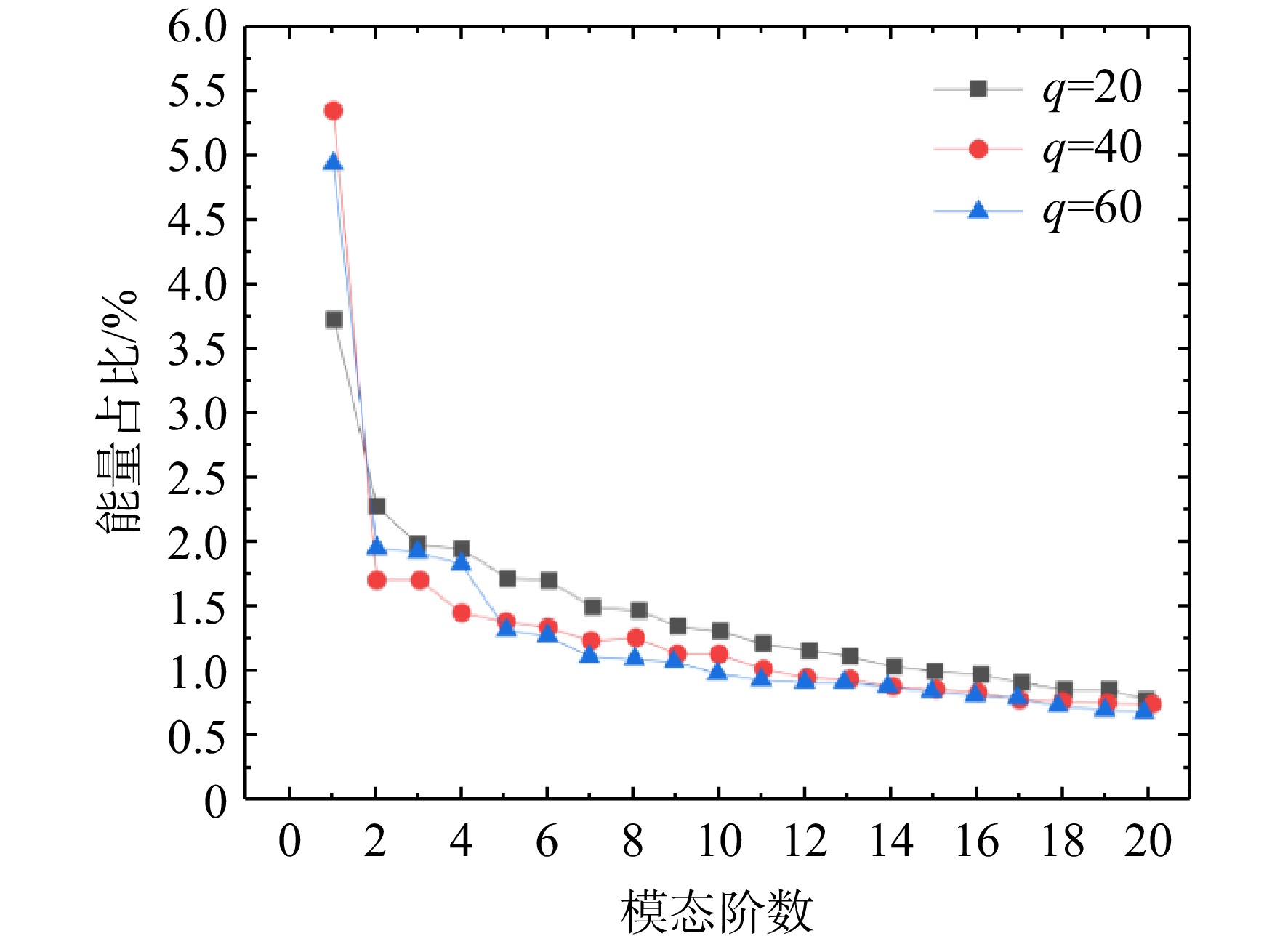
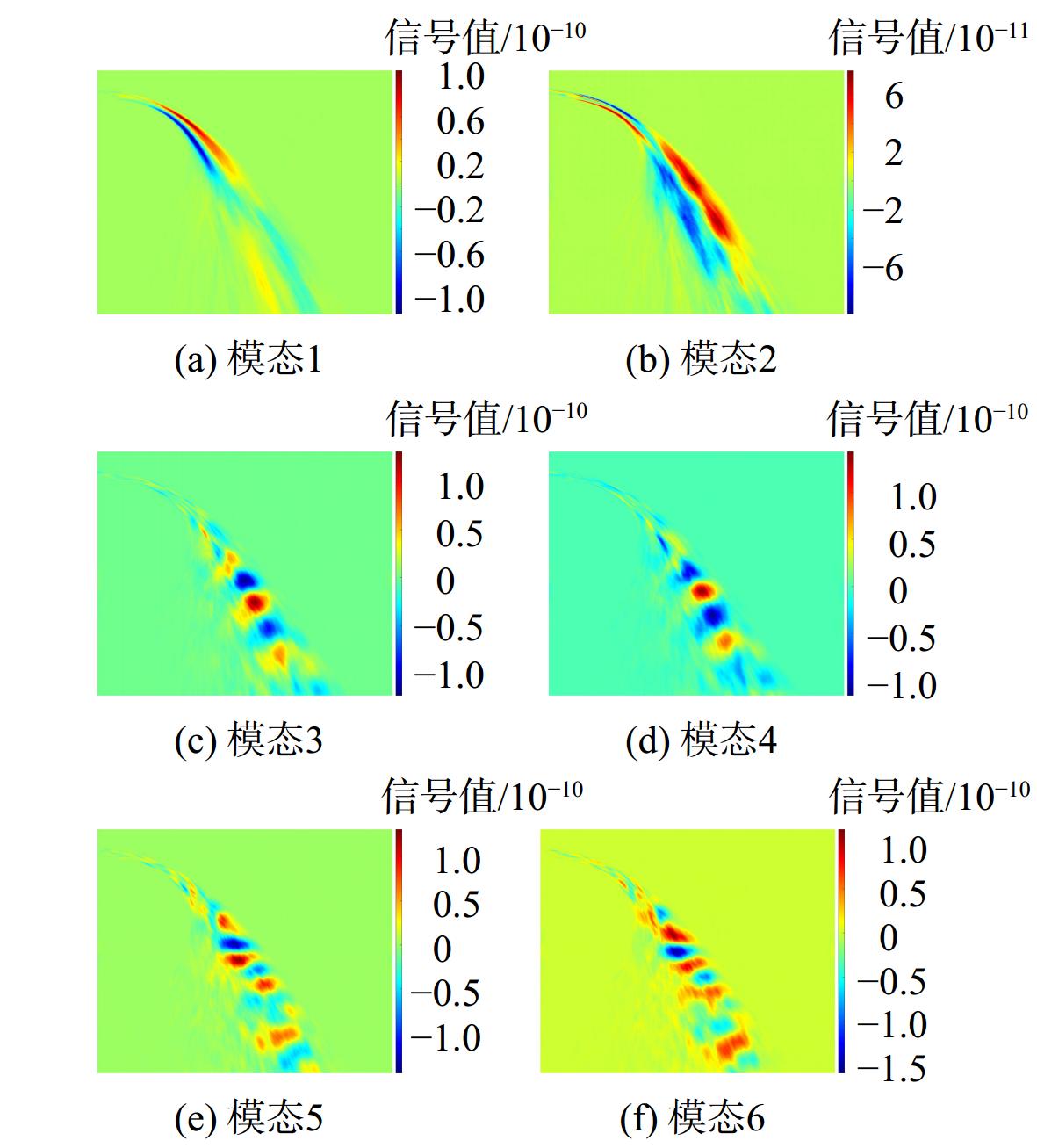
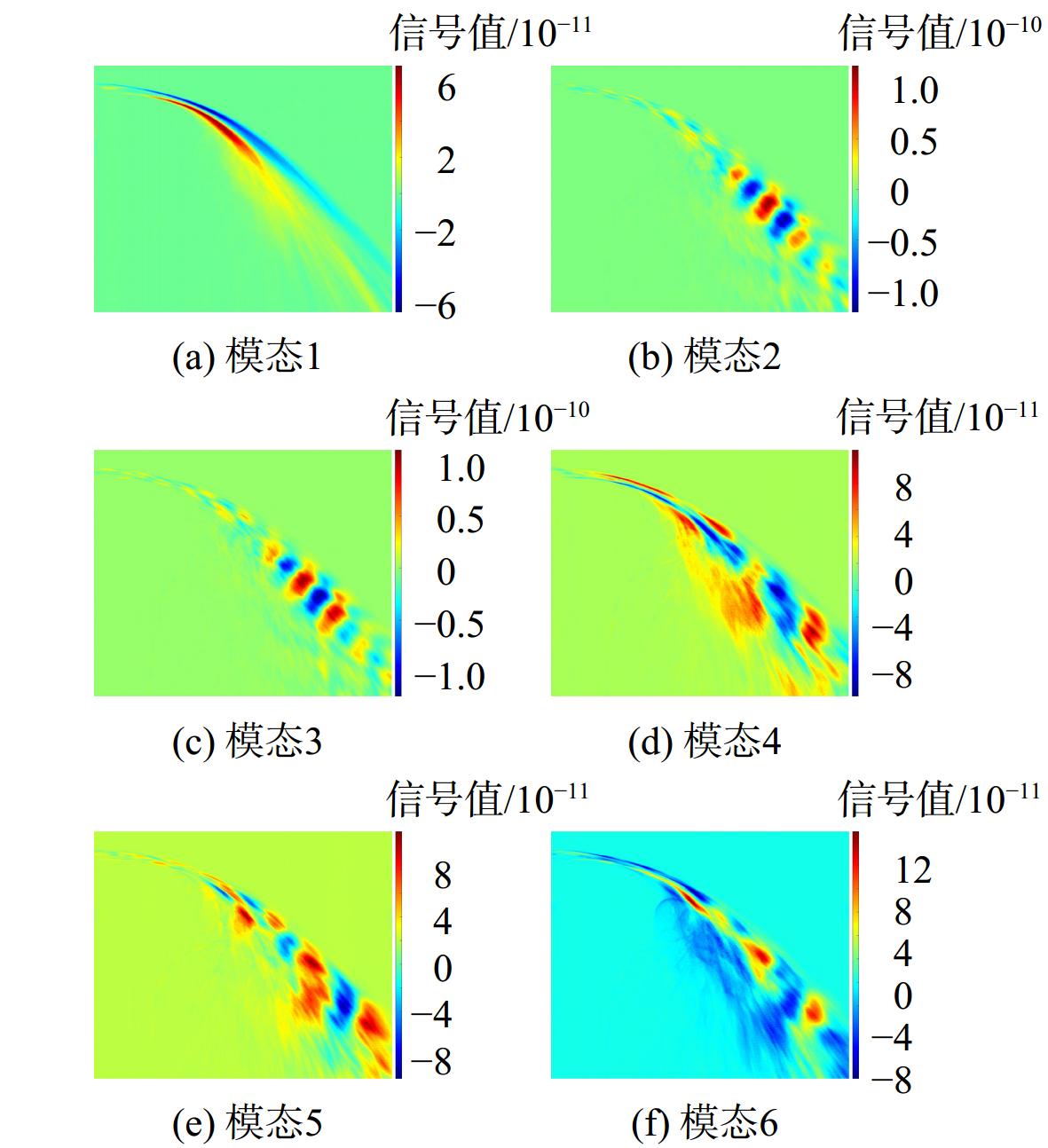
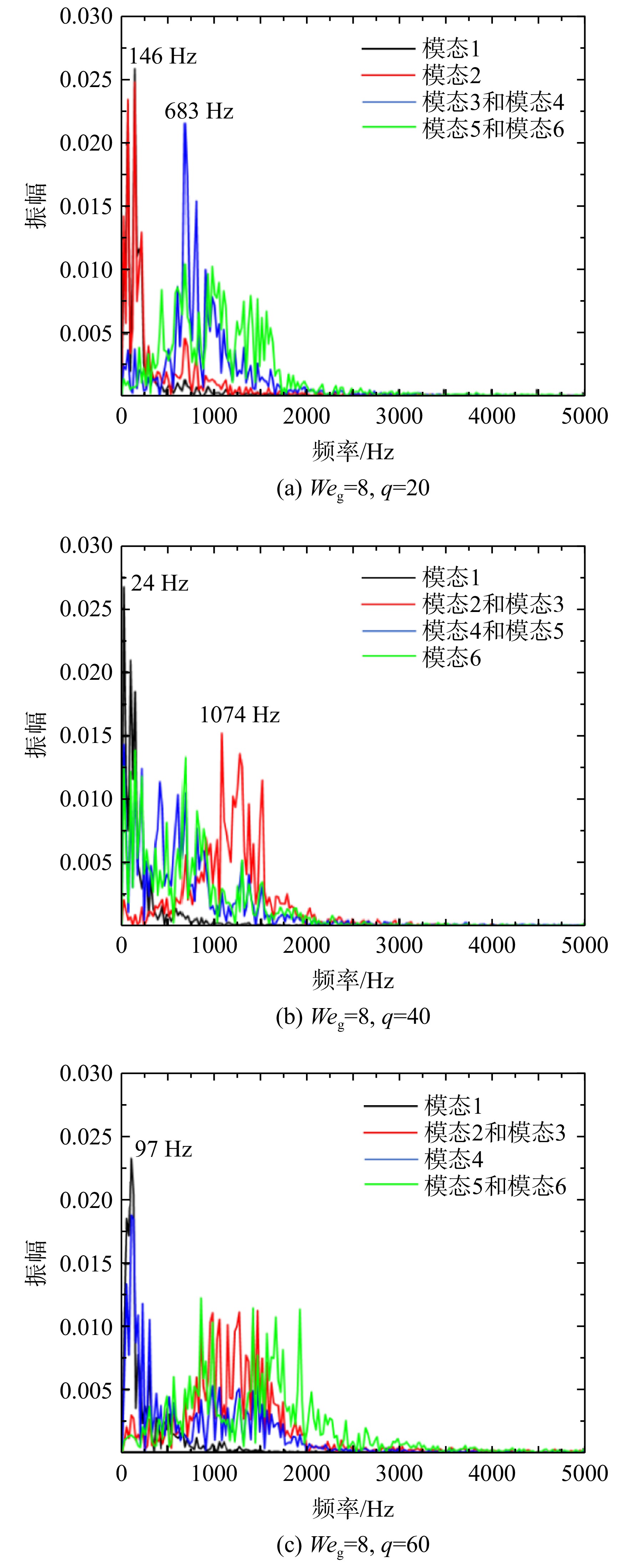
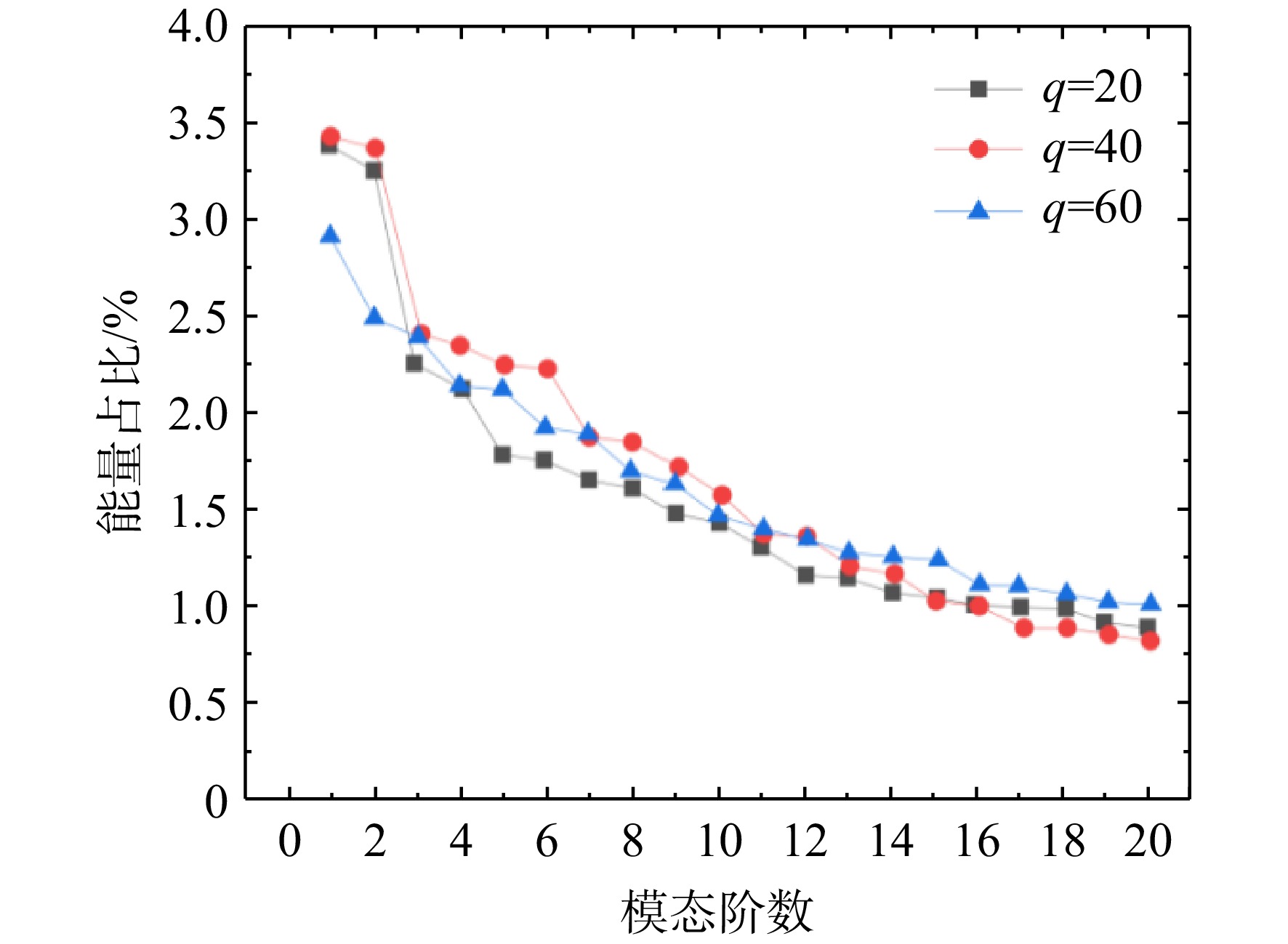
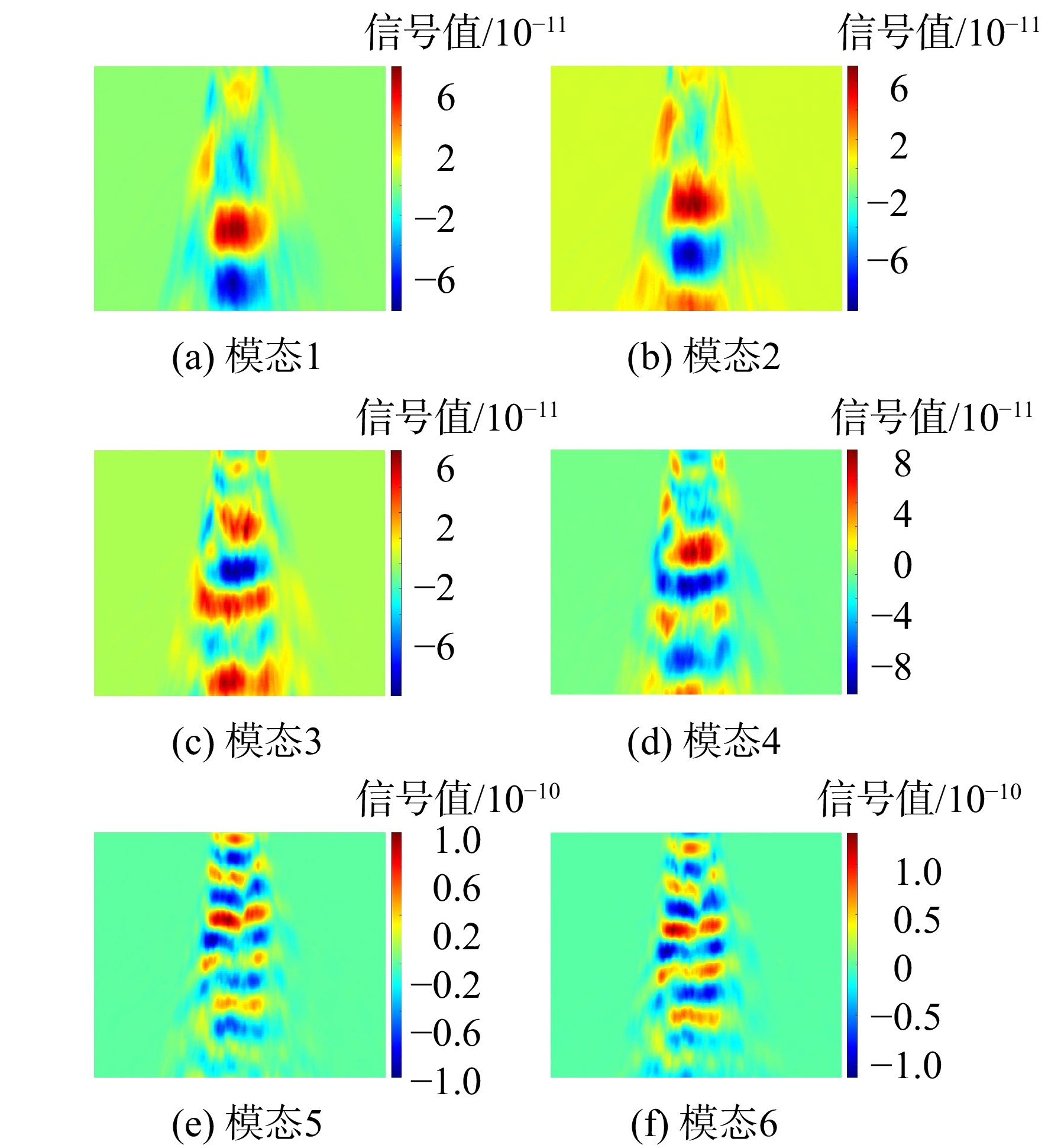
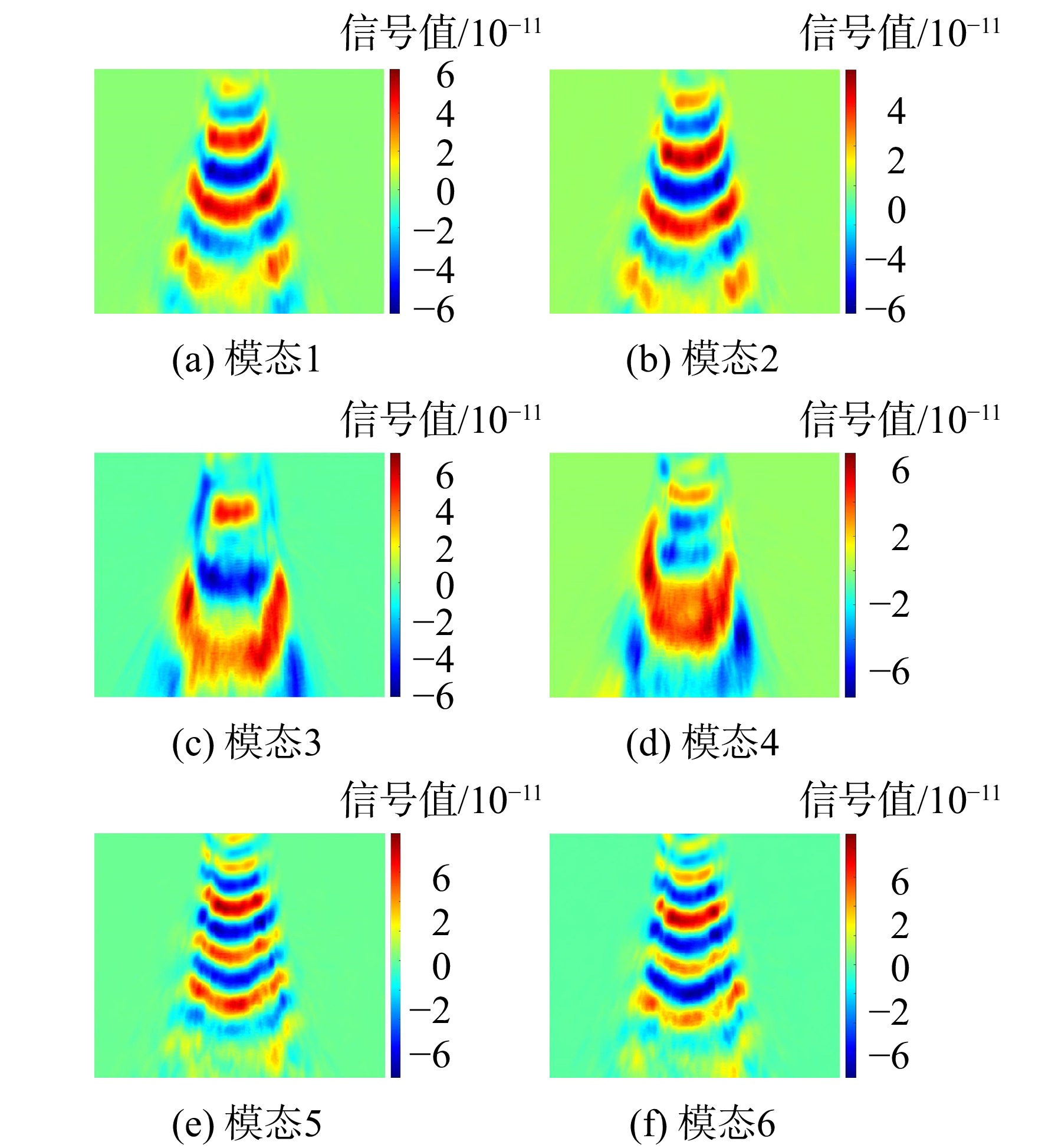
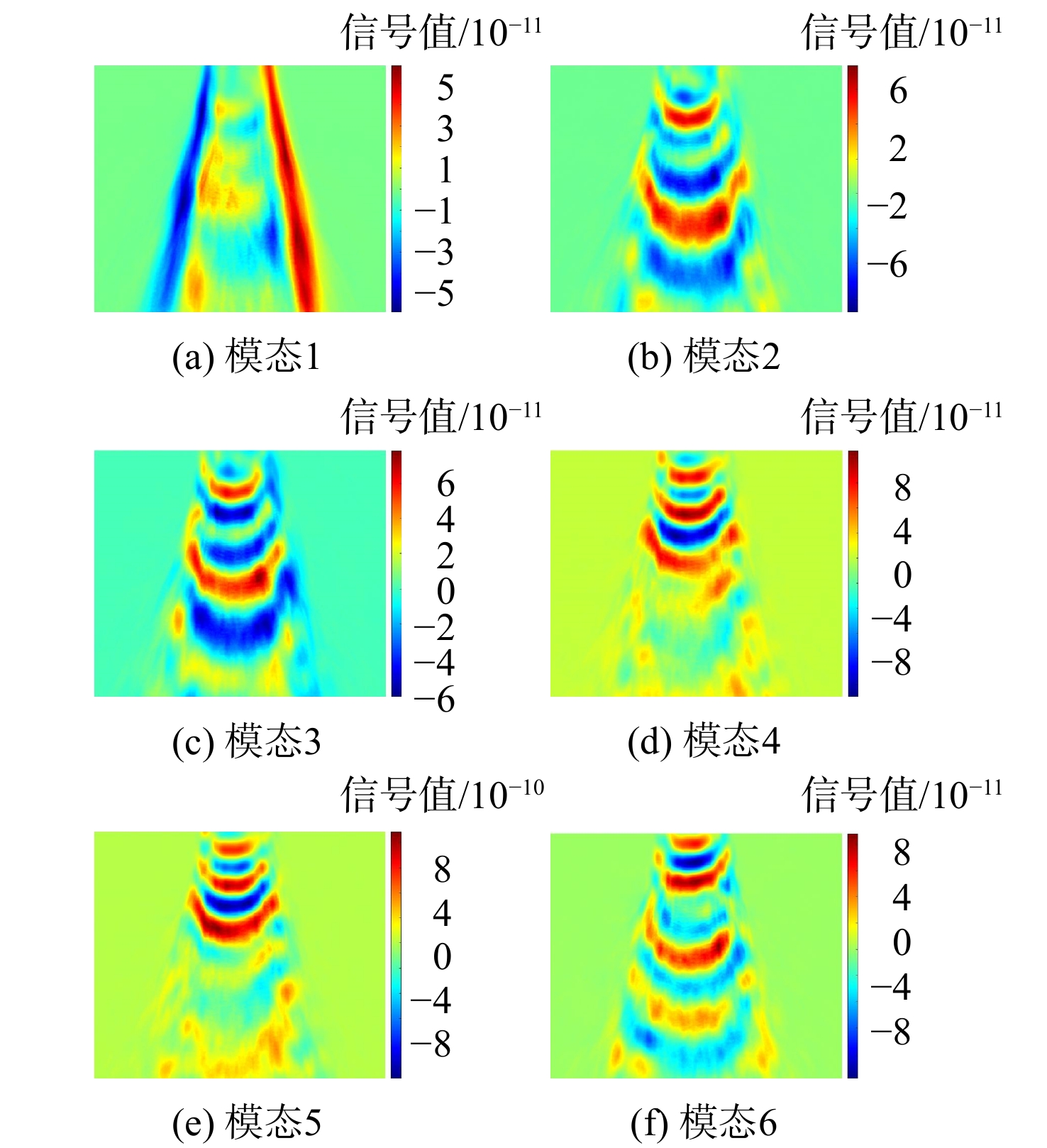
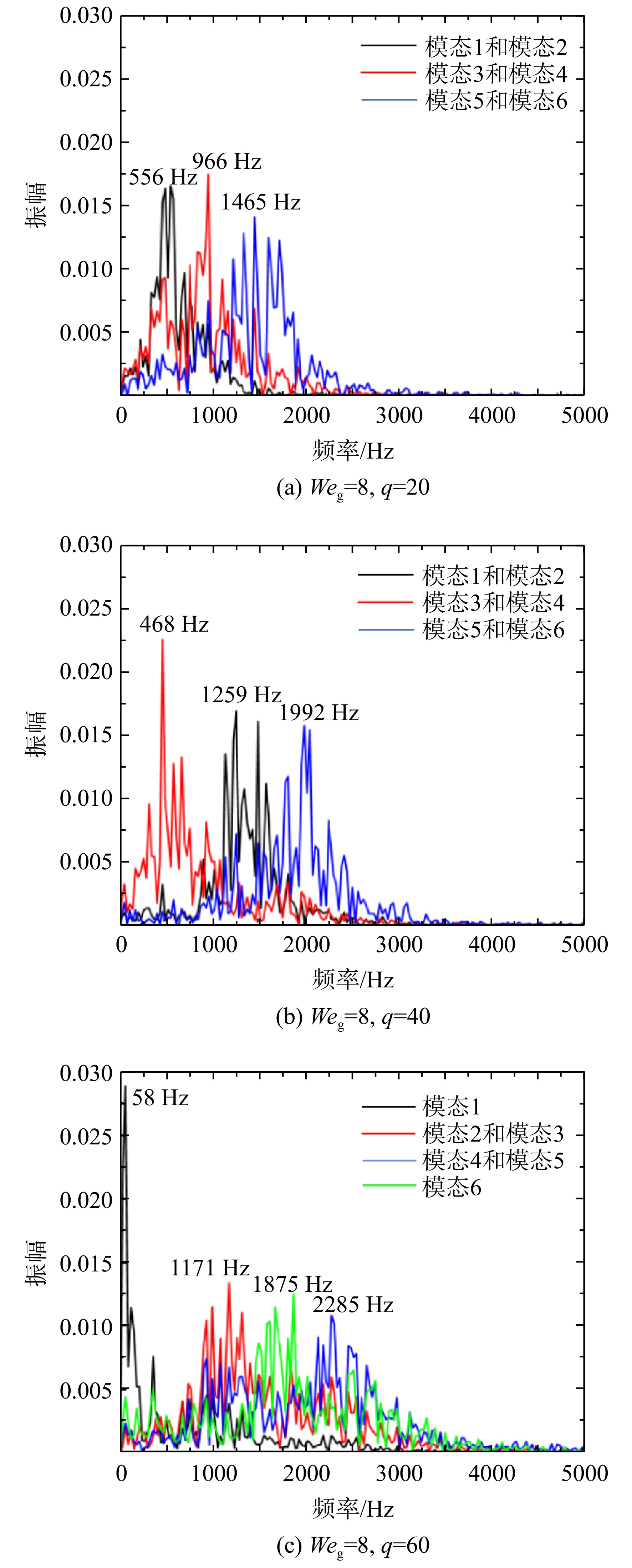
Experimental study on visualization of bag breakup process under different viewpoints in transverse airflow was conducted using high-speed camera combined with backlighting method. The gas Weber number varied within the range of 5.5—50 and the liquid-to-air momentum flux ratio varied within the range of 20—60. In the tests, the formation and breakup of bags and the effect of aerodynamic conditions on them were analyzed. It was found that in the spreading images, the Weber number of the gas affected the breakup mode; the number of bags generated increased with the increase of the jet flow ratio, the onset length of the bag was linearly related to the dimensionless number consisting of the injection volume ratio and the Reynolds number of the liquid, and the onset time of the bag was a constant; the breakup length and time of the bag were both linearly related to the Weber number, and empirical relations for the characteristic quantities associated with bag breakup in non-turbulent flows were proposed. Finally, the bag breakup instability and the special structure of the flowing and spreading directions were qualitatively analyzed by proper orthogonal decomposition. The results showed that the special phenomenon of jet splitting was observed on the spreading image and dominate the energy; the fast Fourier transform (FFT) frequency ratio of the occurrence of the spreading upward bag ring to the body of the bag fluctuated between 1.5—1.6; and the increase of the liquid-to-air momentum flux ratio made the bag structure complicated.

Study on prediction model of combustion efficiency of integrated flameholder in afterburner
ZHAO Chang, LIU Yuying, LIU Guanghai, XIE Yi
2025, 40(8): 20240845. doi: 10.13224/j.cnki.jasp.20240845
Abstract:
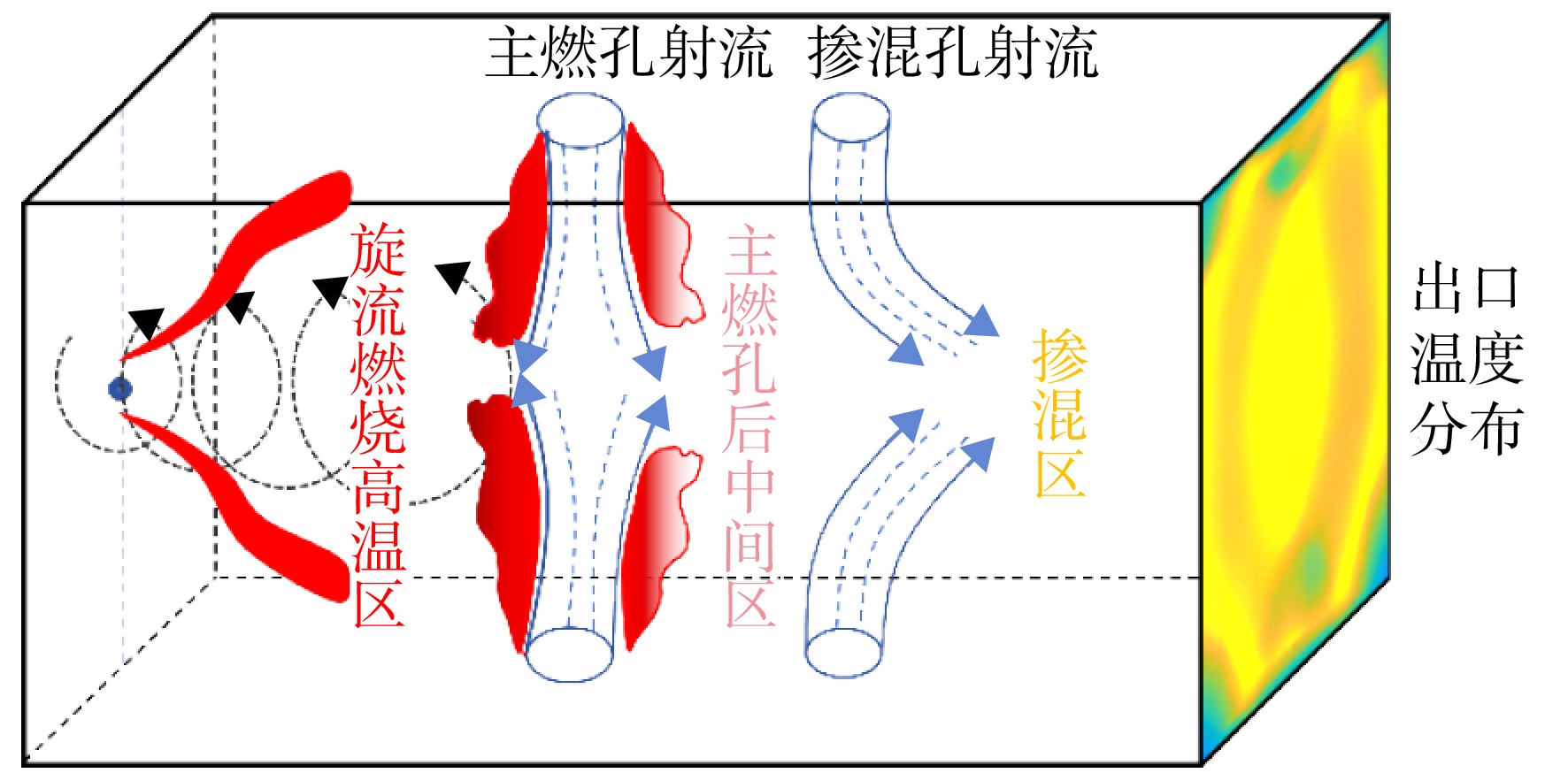
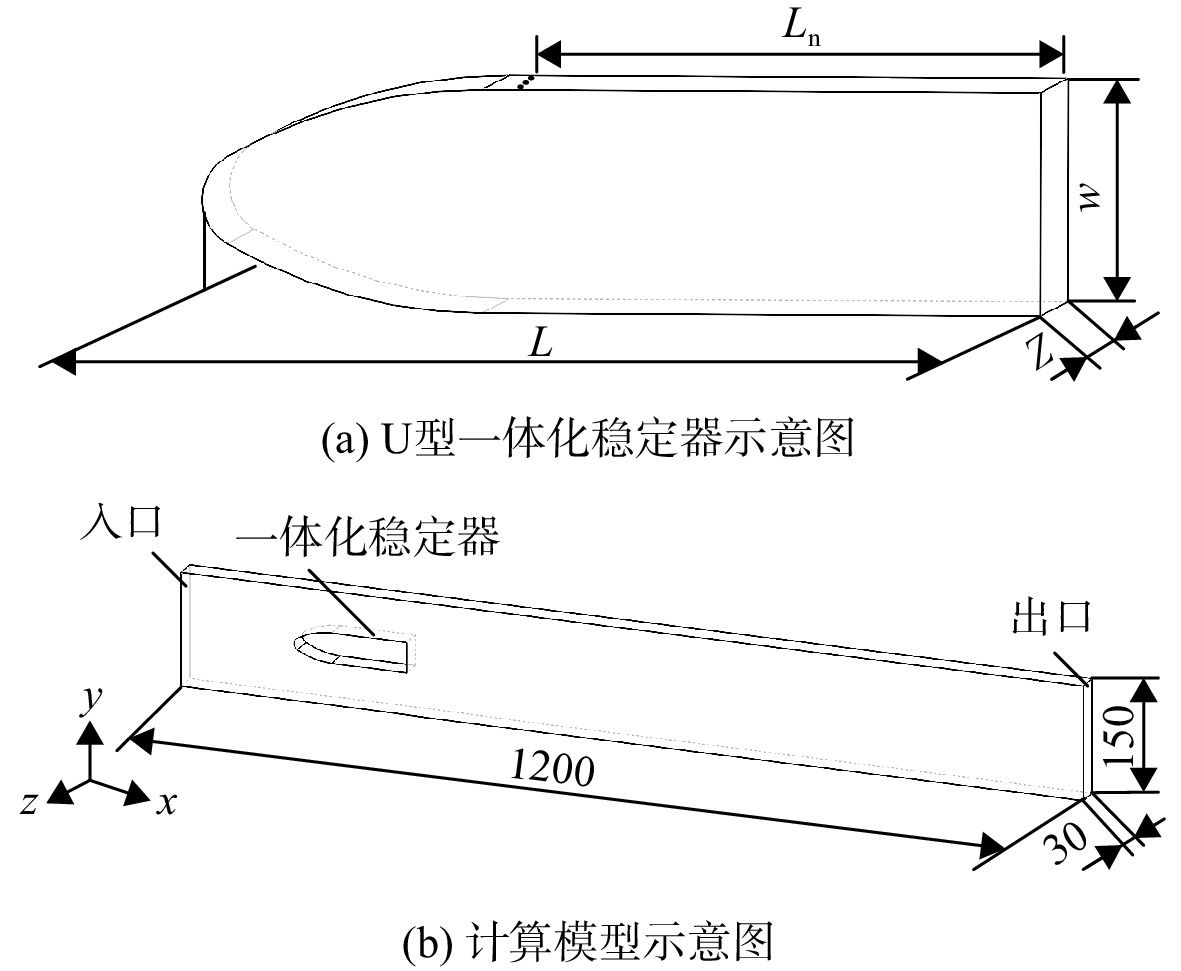
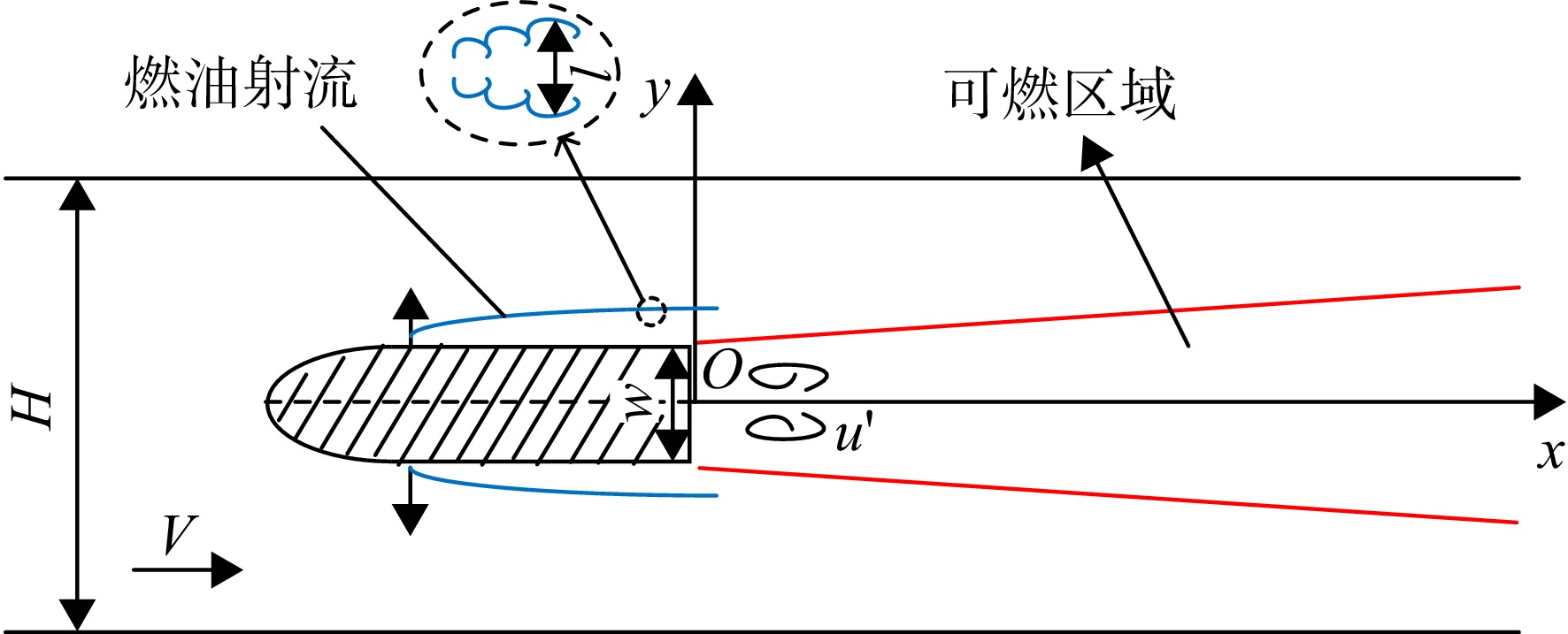
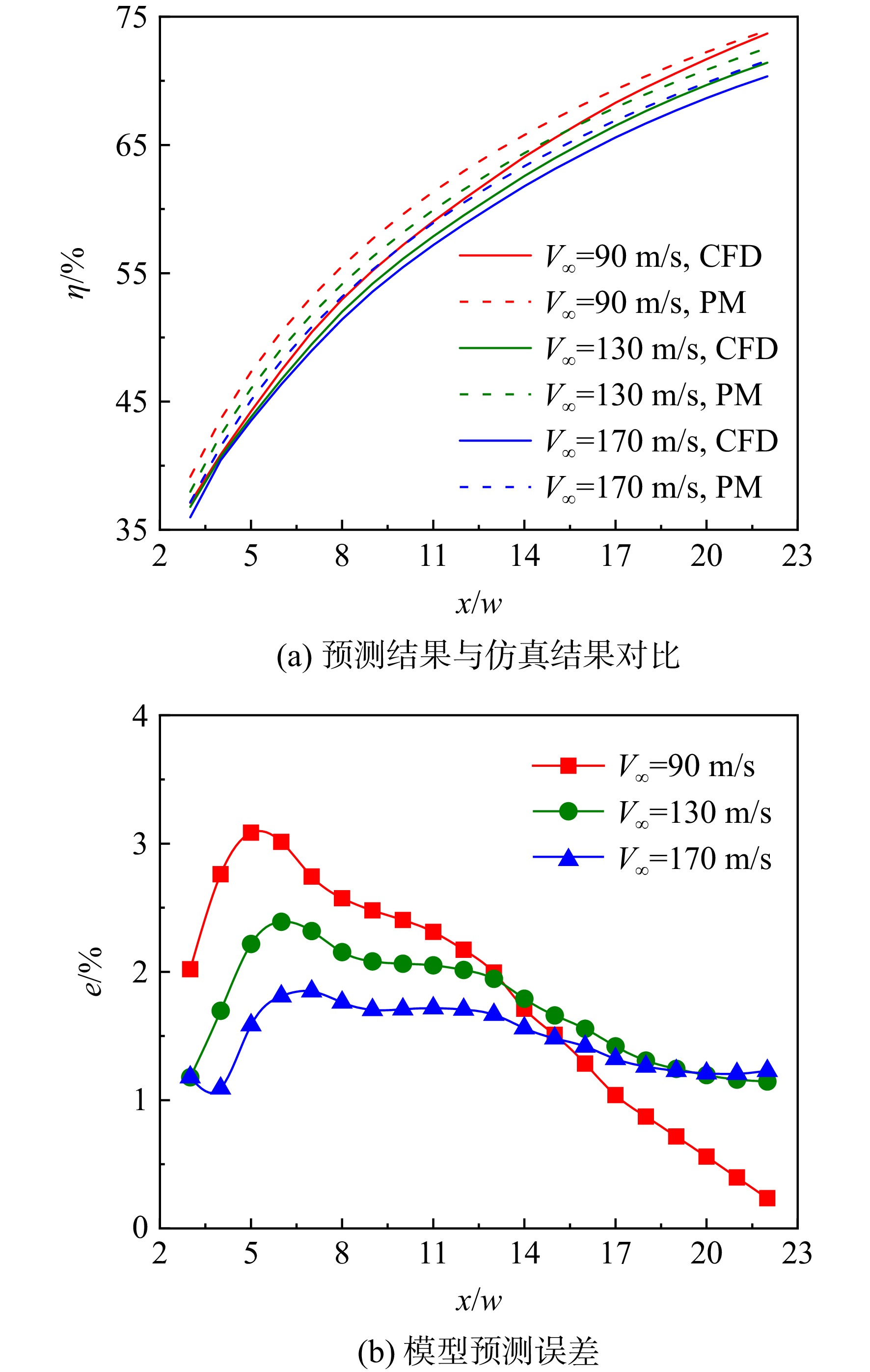
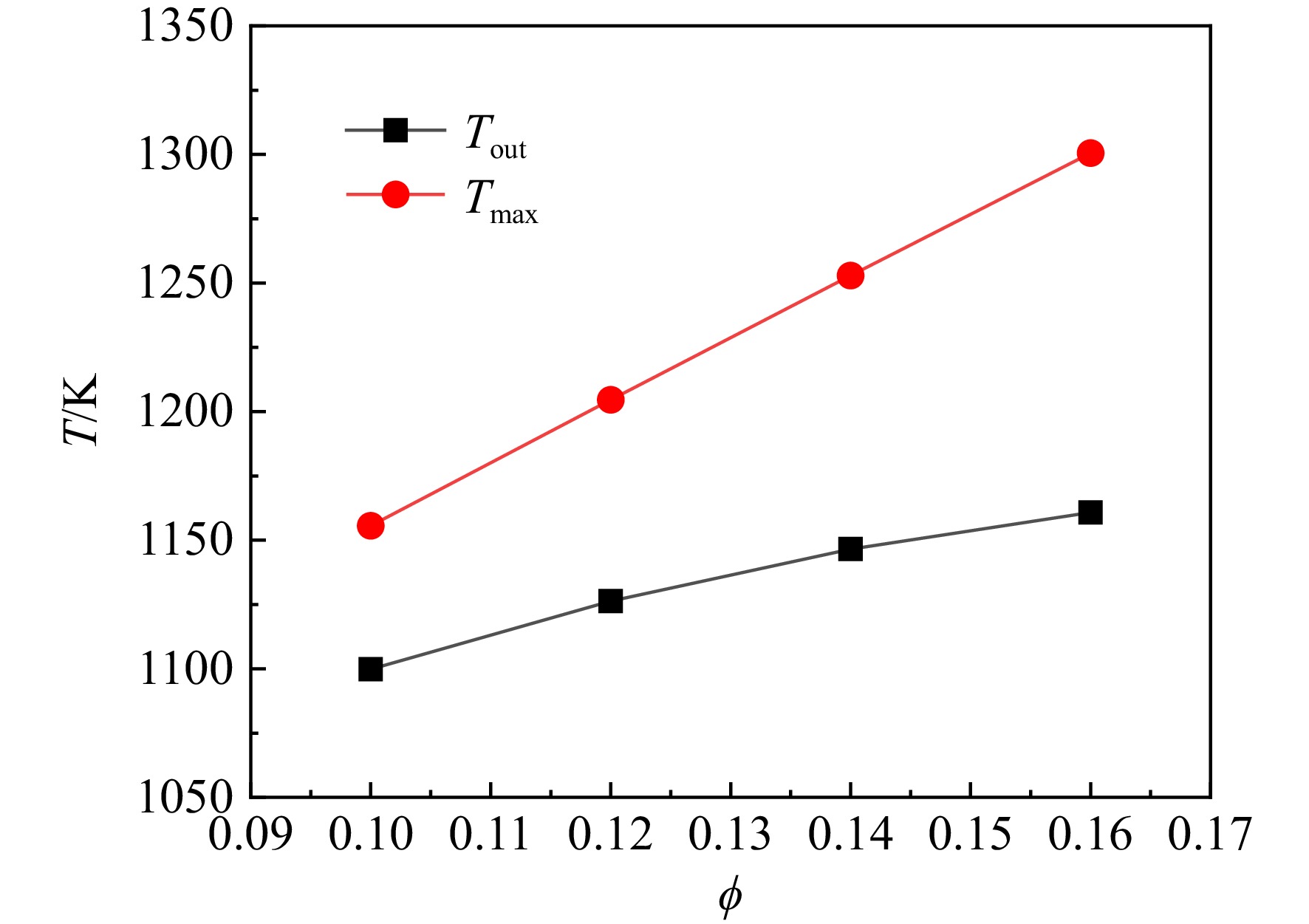
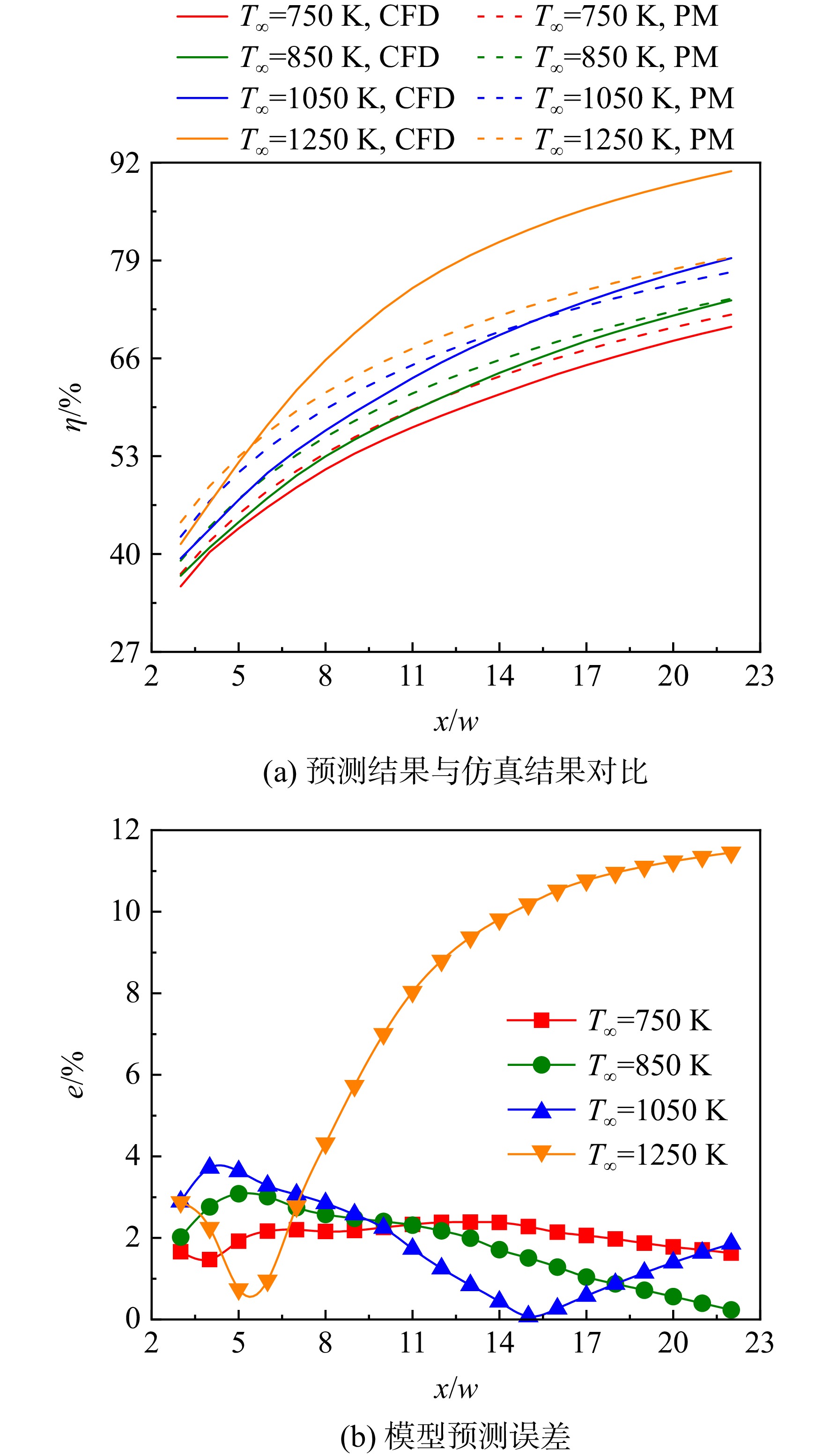
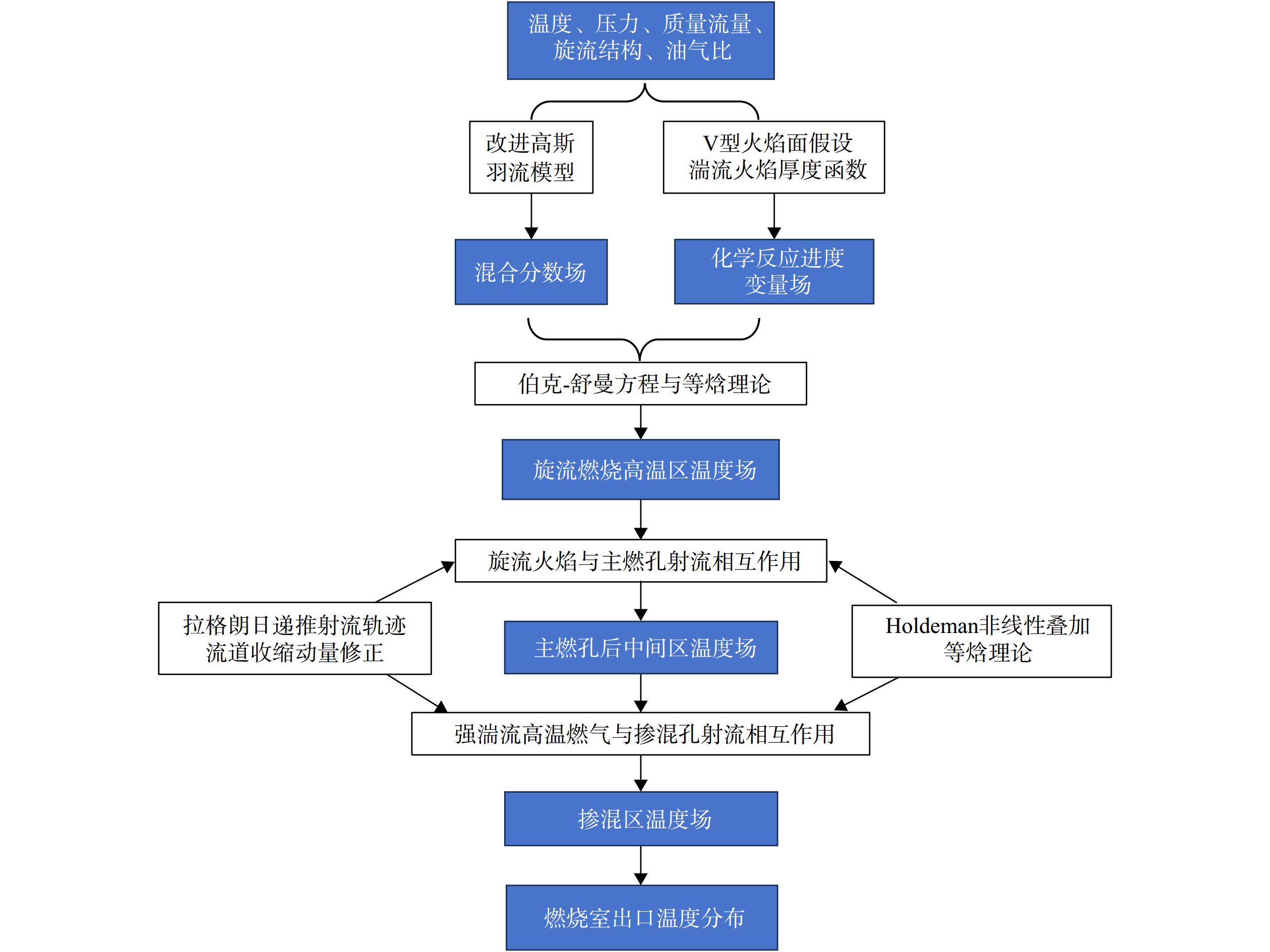
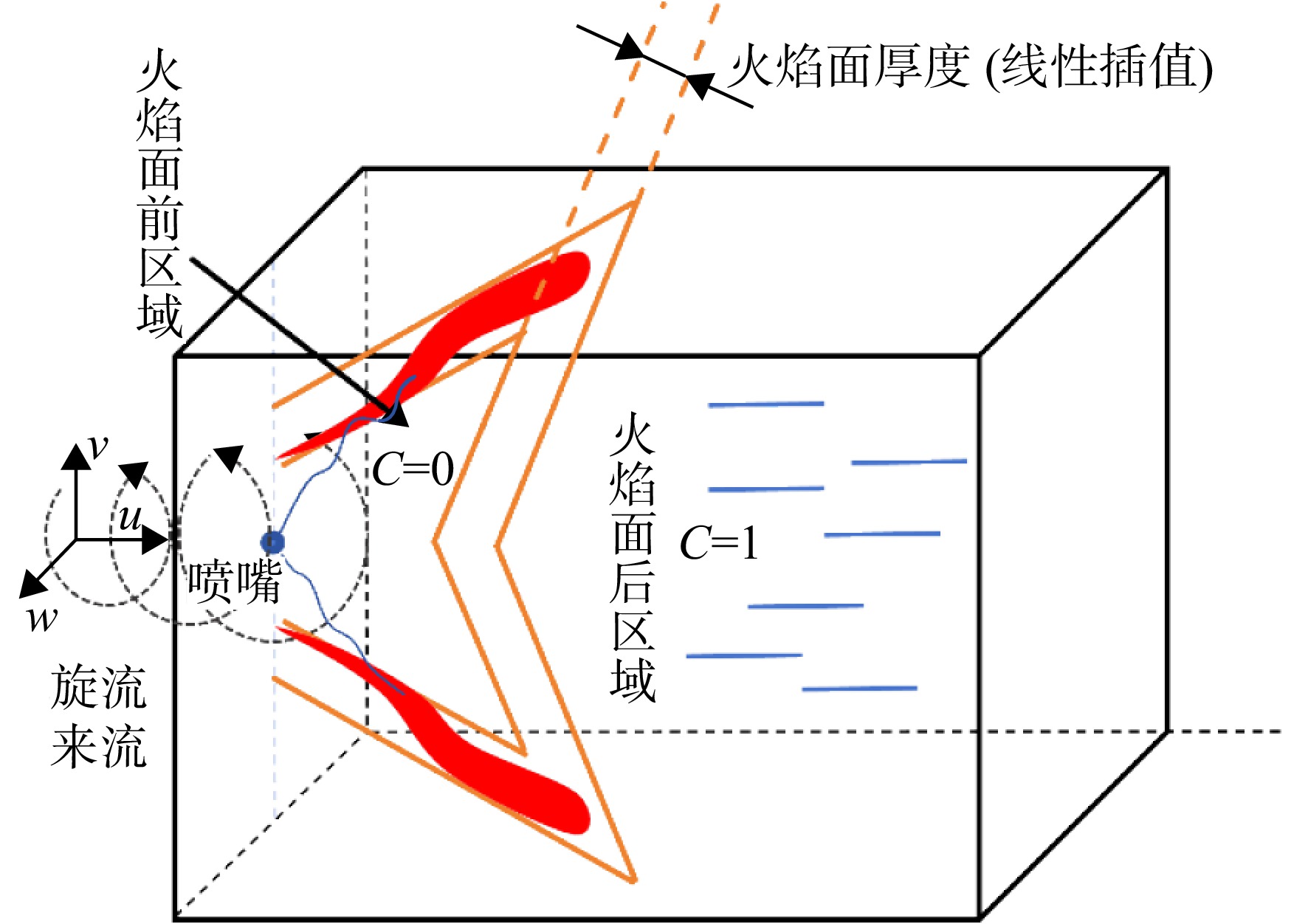
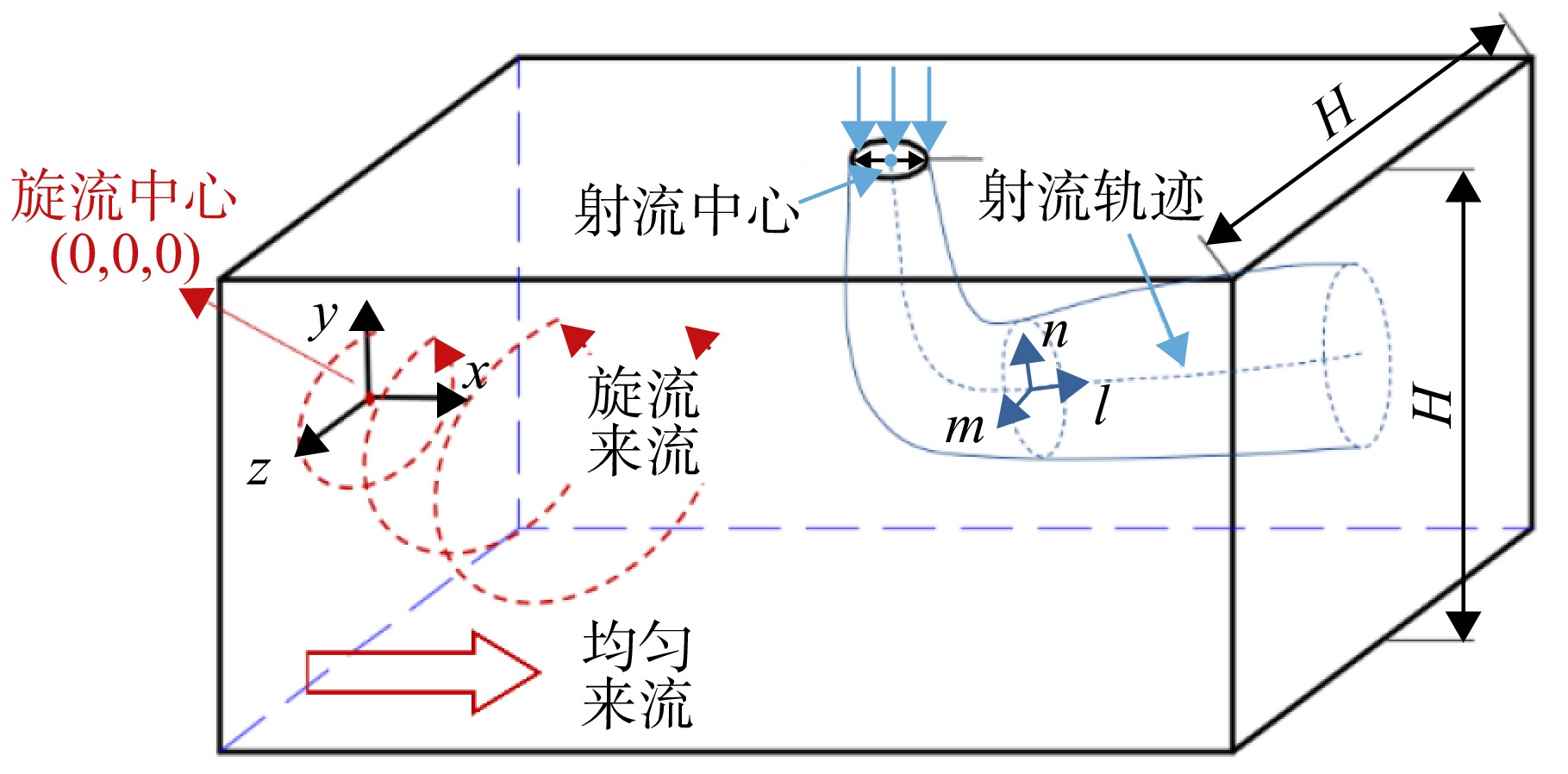
In order to quickly obtain the combustion efficiency of different downstream positions of the integrated stabilizer under different conditions in the integrated afterburner length design stage, a prediction model of the combustion efficiency downstream the integrated flameholder in the afterburner was proposed and verified based on the combination of numerical simulation and theoretical analysis, under the conditions of 600—1250 K incoming flow temperature, 75—170 m/s incoming flow velocity and 0.08—0.16 equivalent ratio, taking U-shaped integrated flameholder as the research object. At the same time, the empirical prediction formula of turbulent pulsation velocity for an integrated afterburner was determined. It was found that the predicted error of the model was less than 4% in the non-fuel spontaneous combustion condition and less than 12% in the fuel spontaneous combustion condition.

Turbomachinery
Effect of end-slot based on the incoming flow momentum on the corner separation of compressor cascade
MAO Xiaochen, WANG Yunyu, CHEN Xuan, JIAO Yingchen, LIU Bo
2025, 40(8): 20230286. doi: 10.13224/j.cnki.jasp.20230286
Abstract:
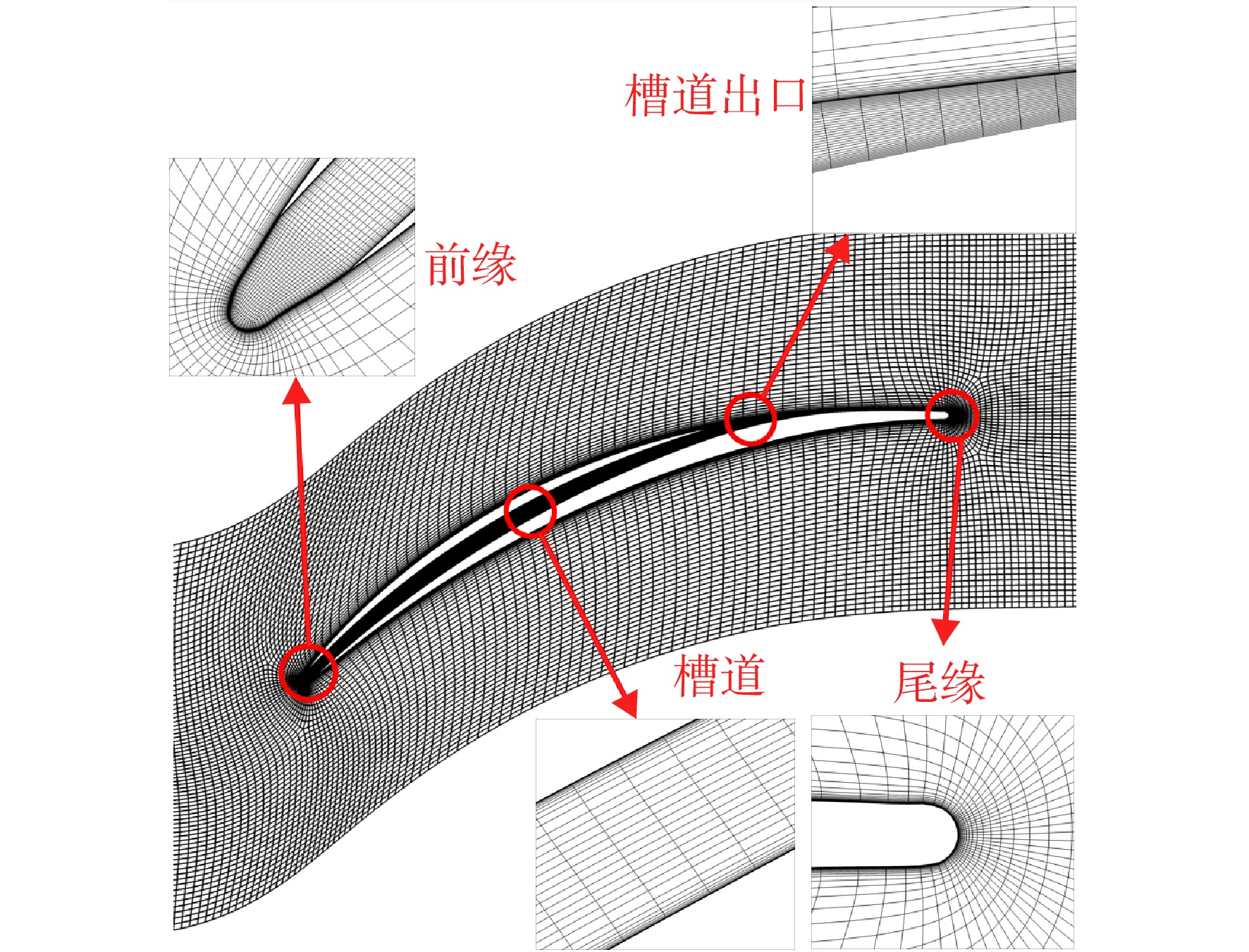
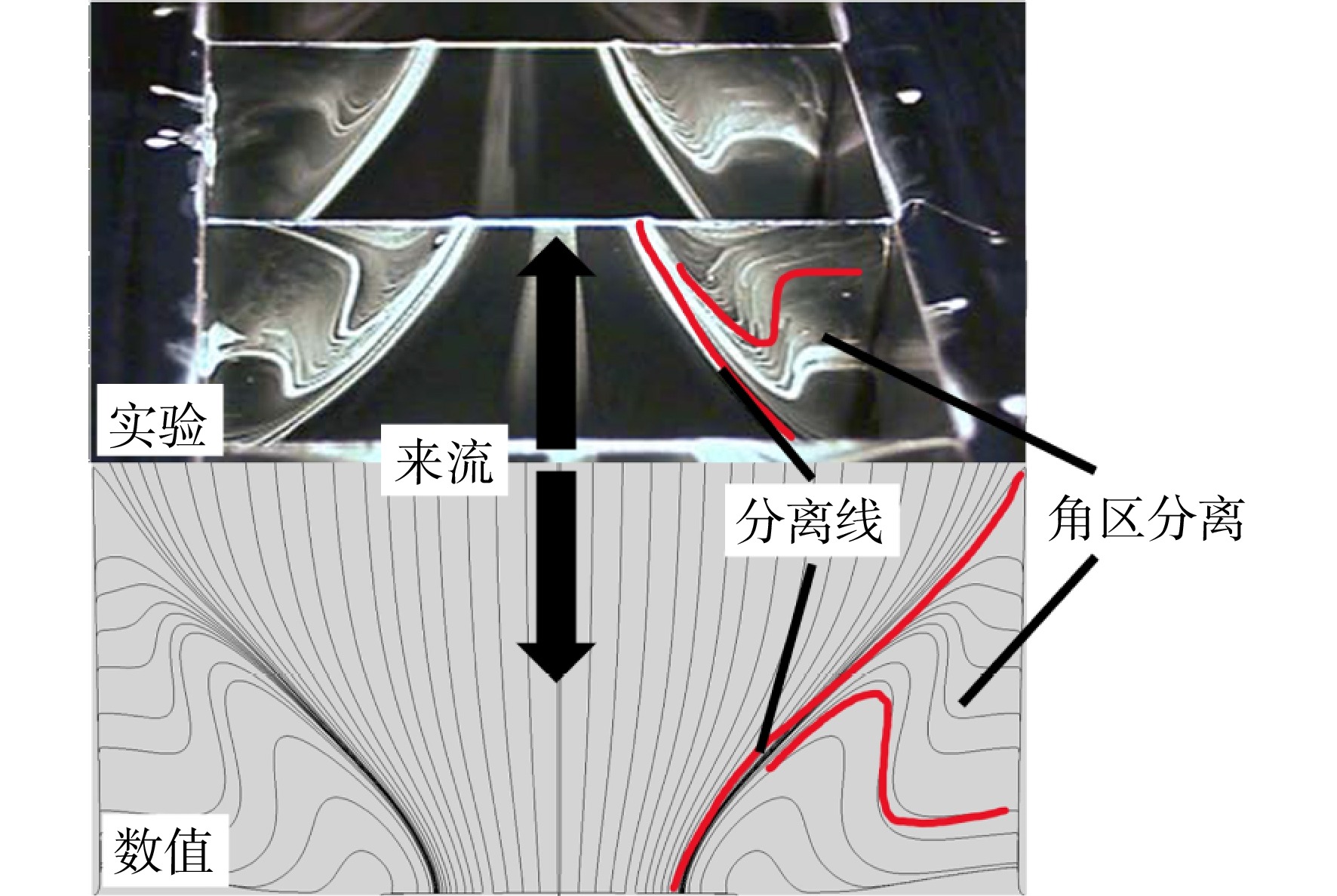
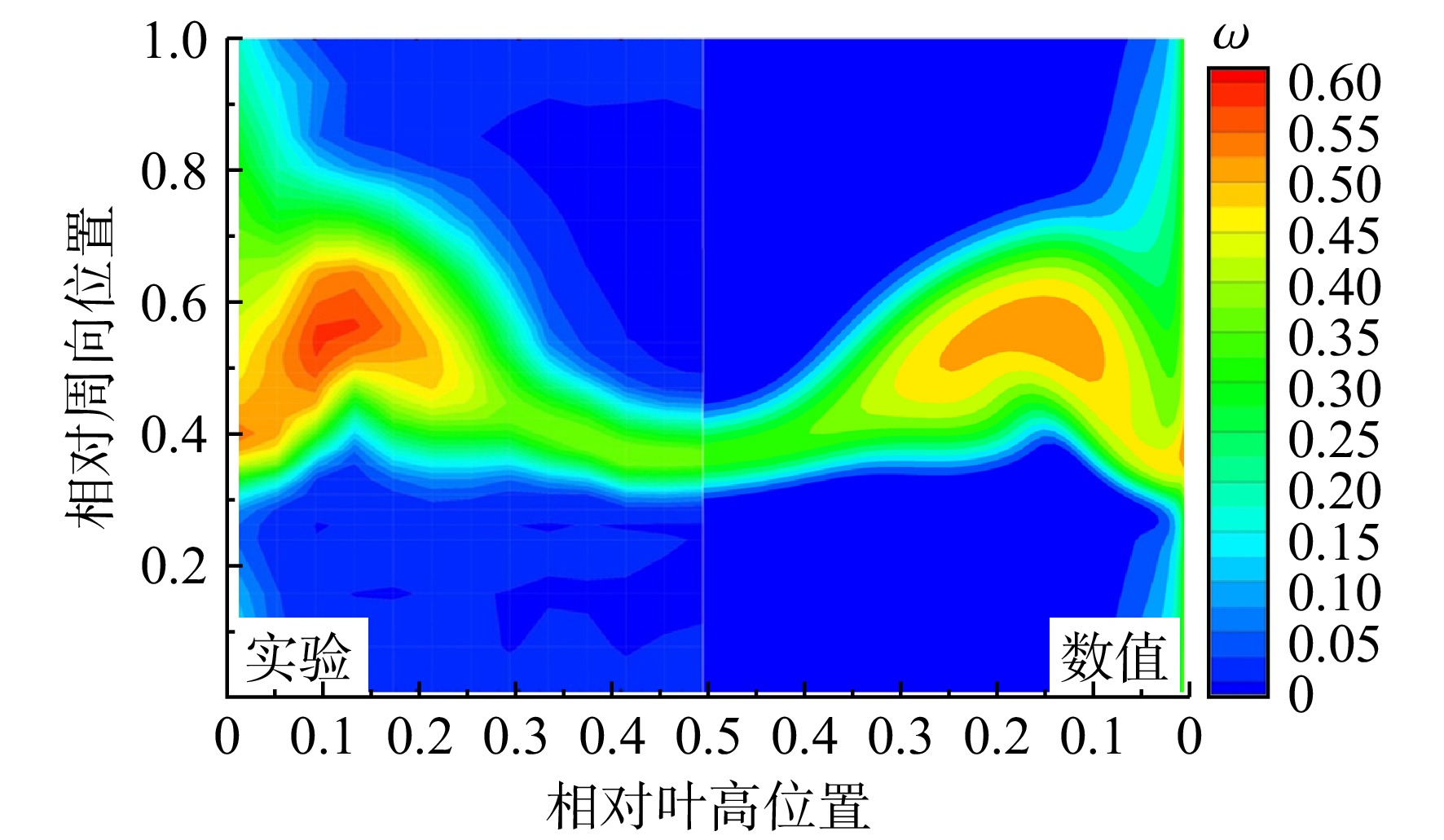
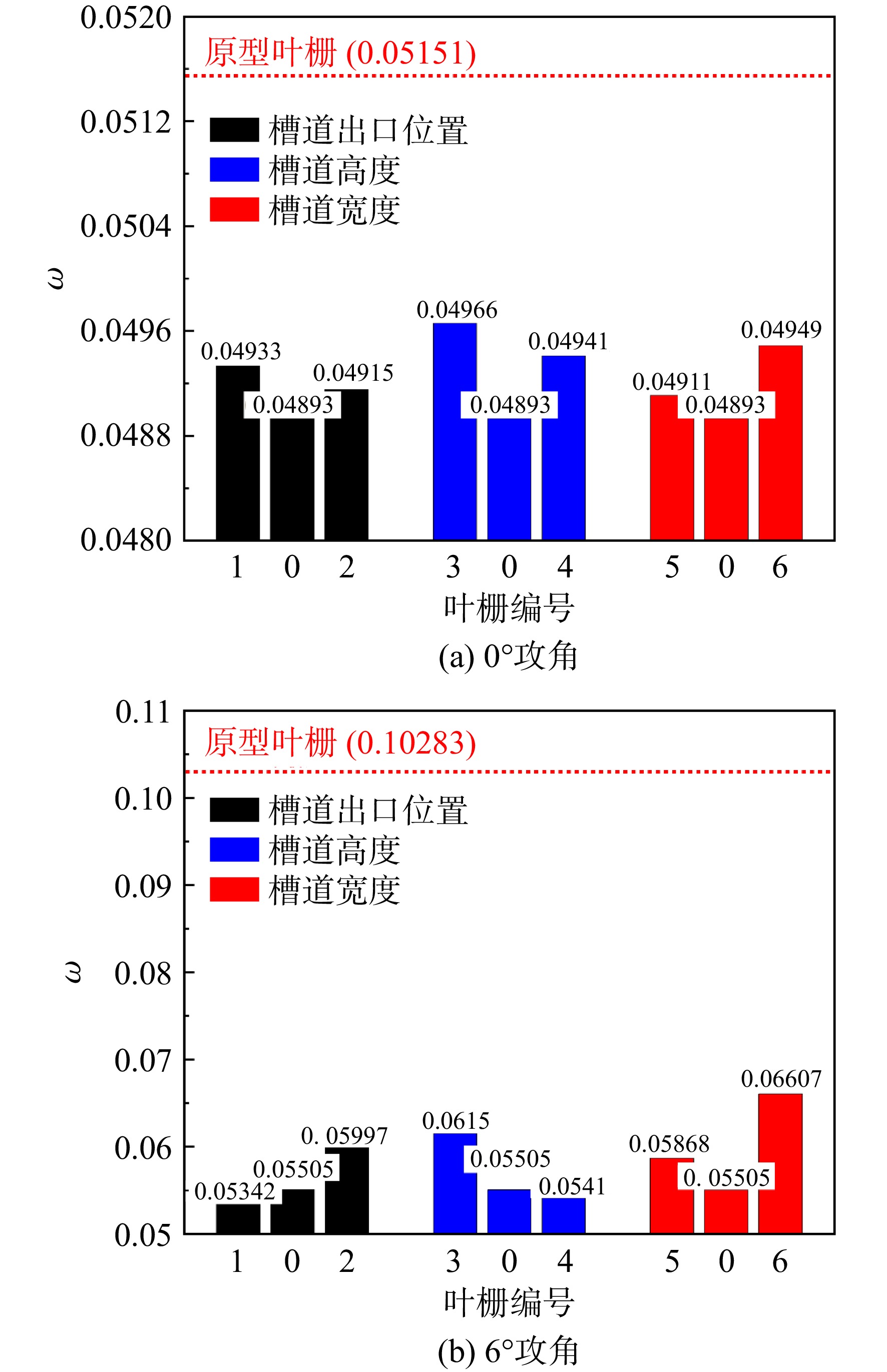
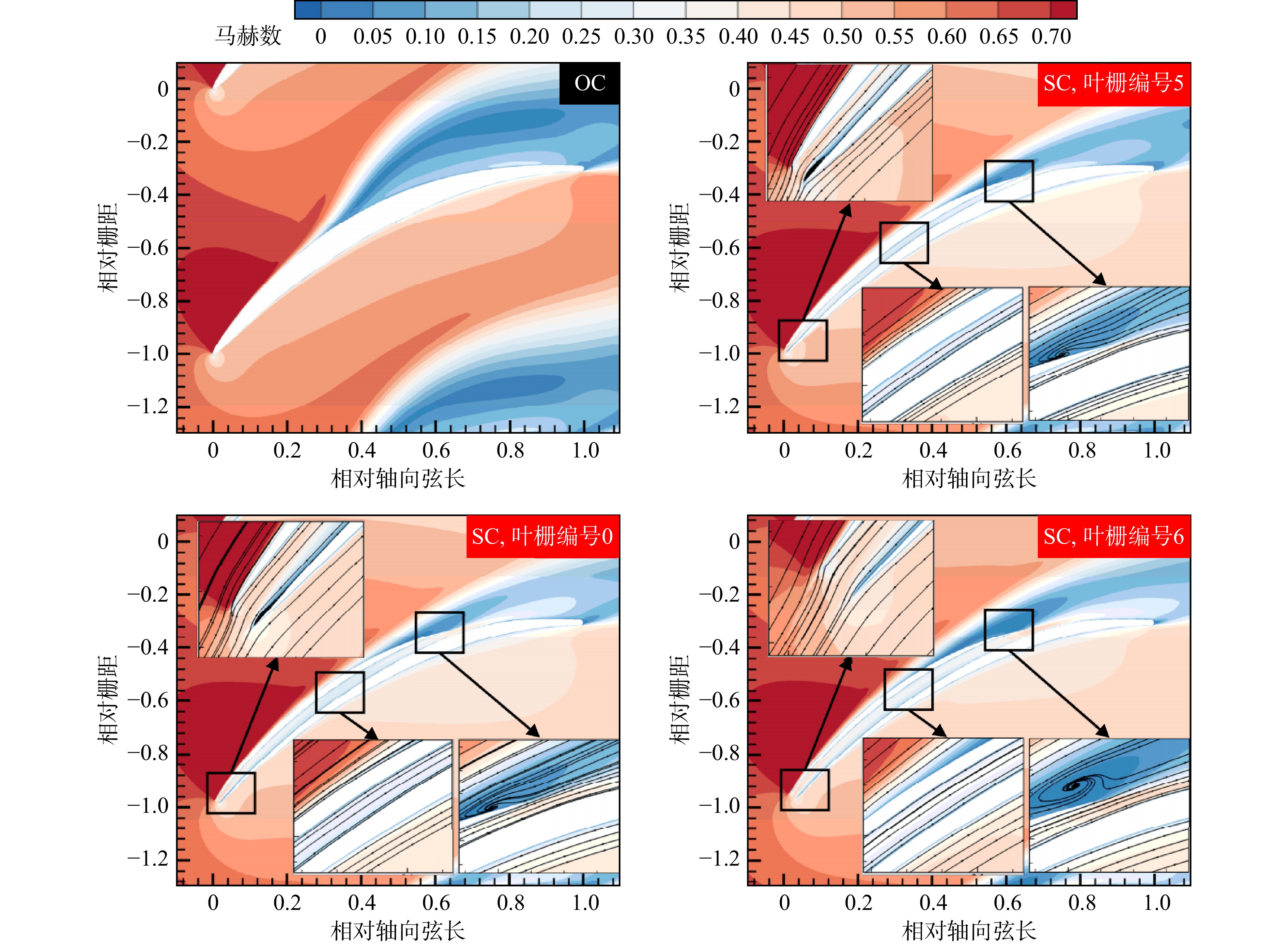
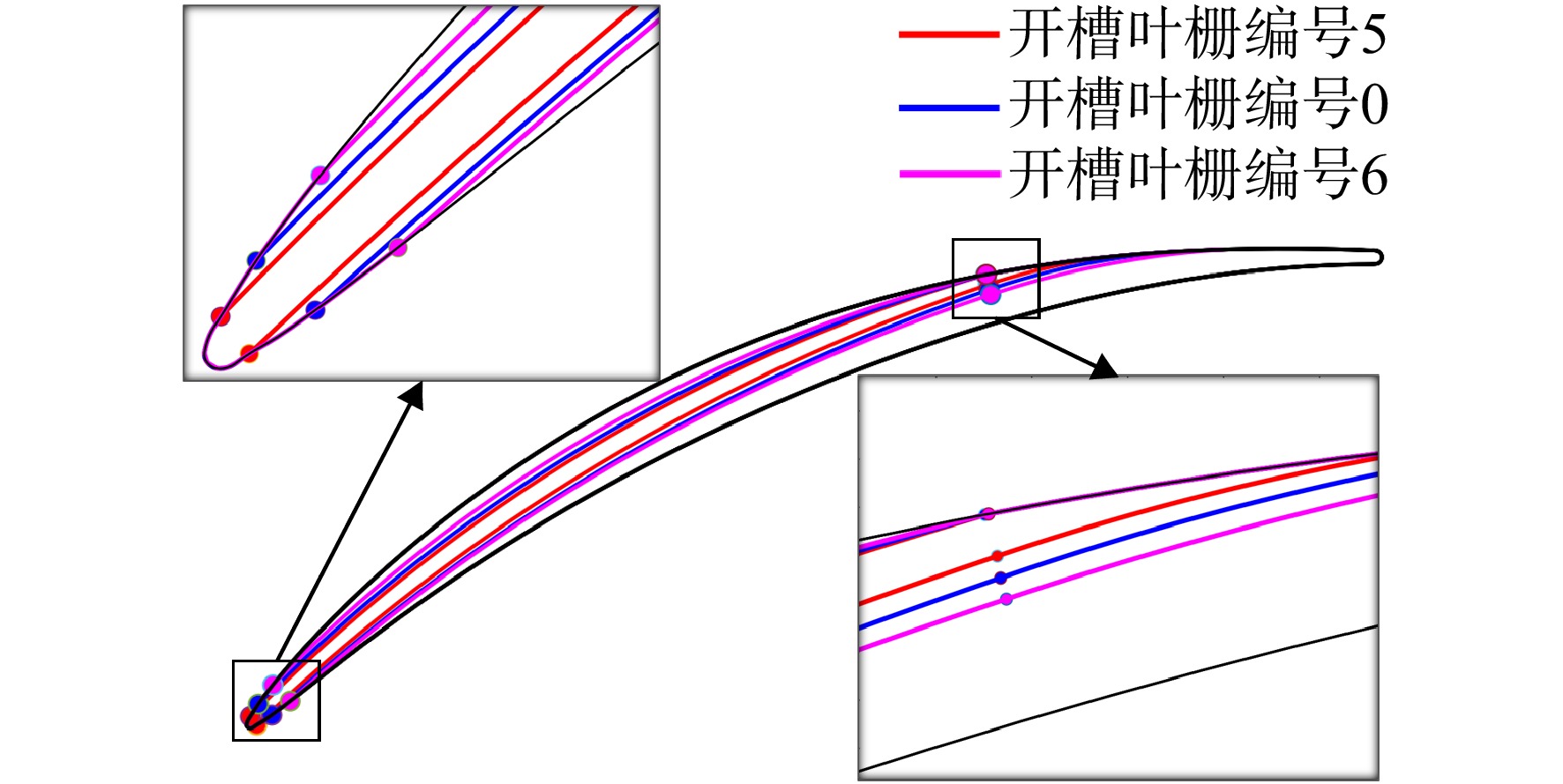
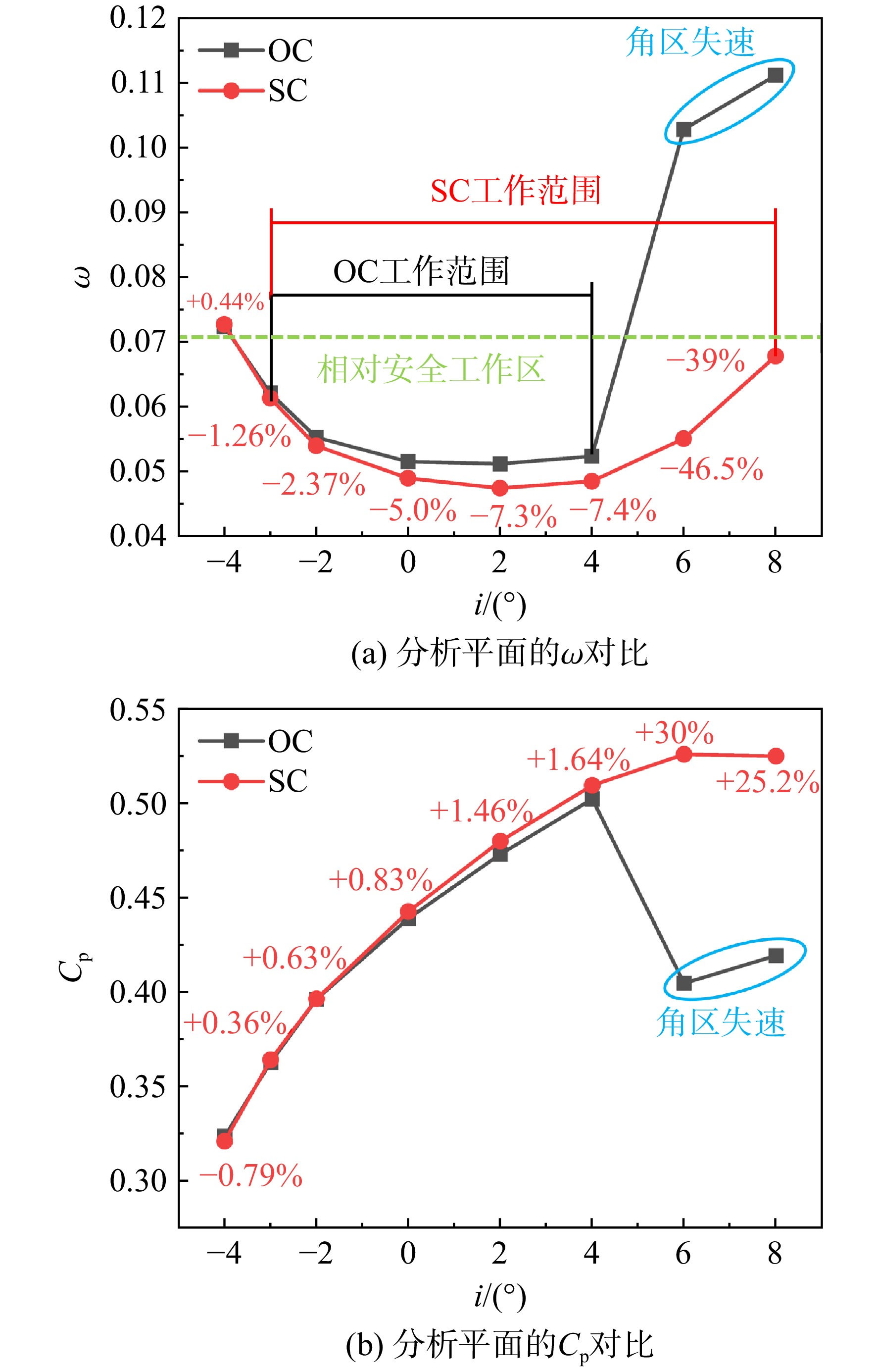
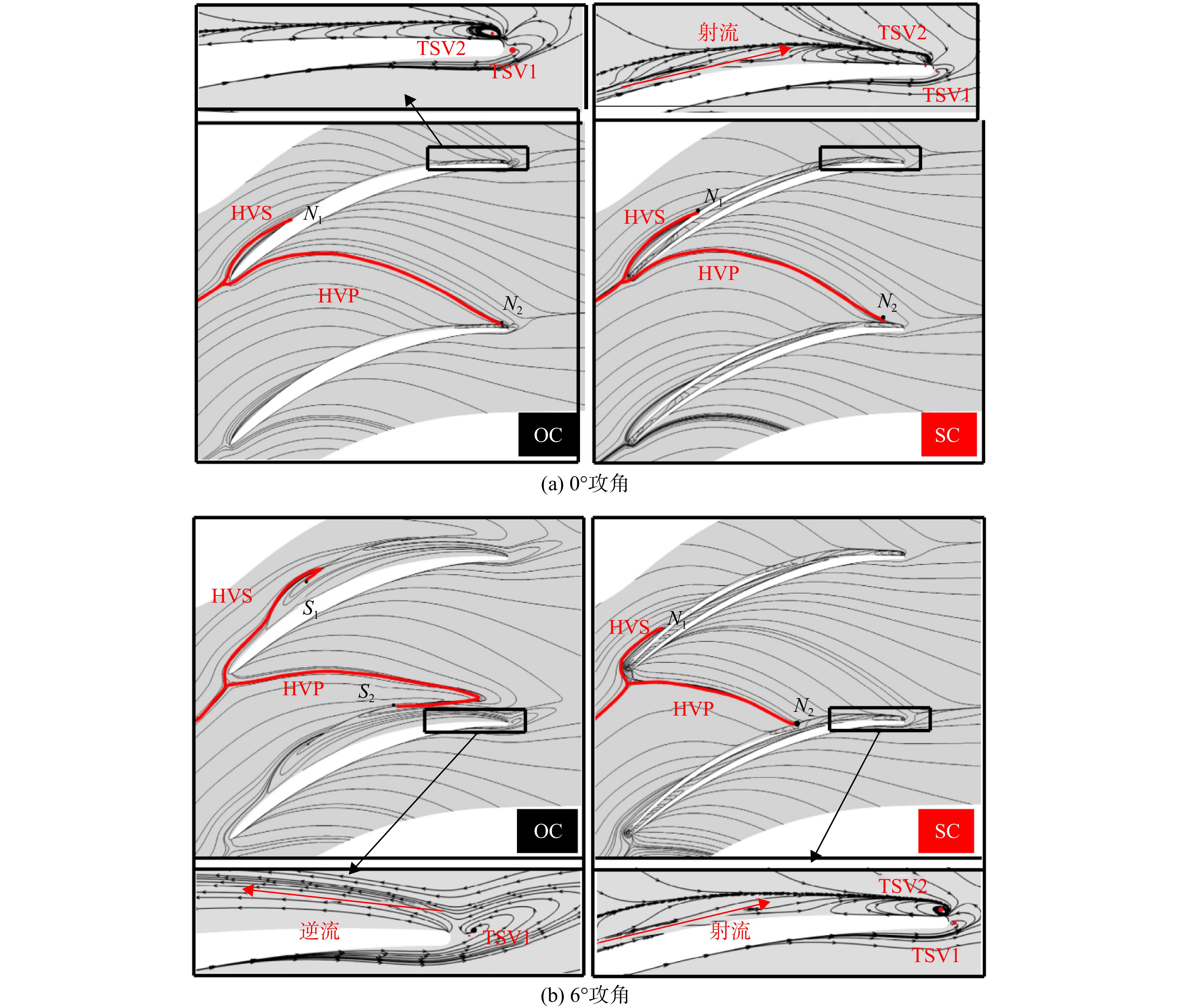
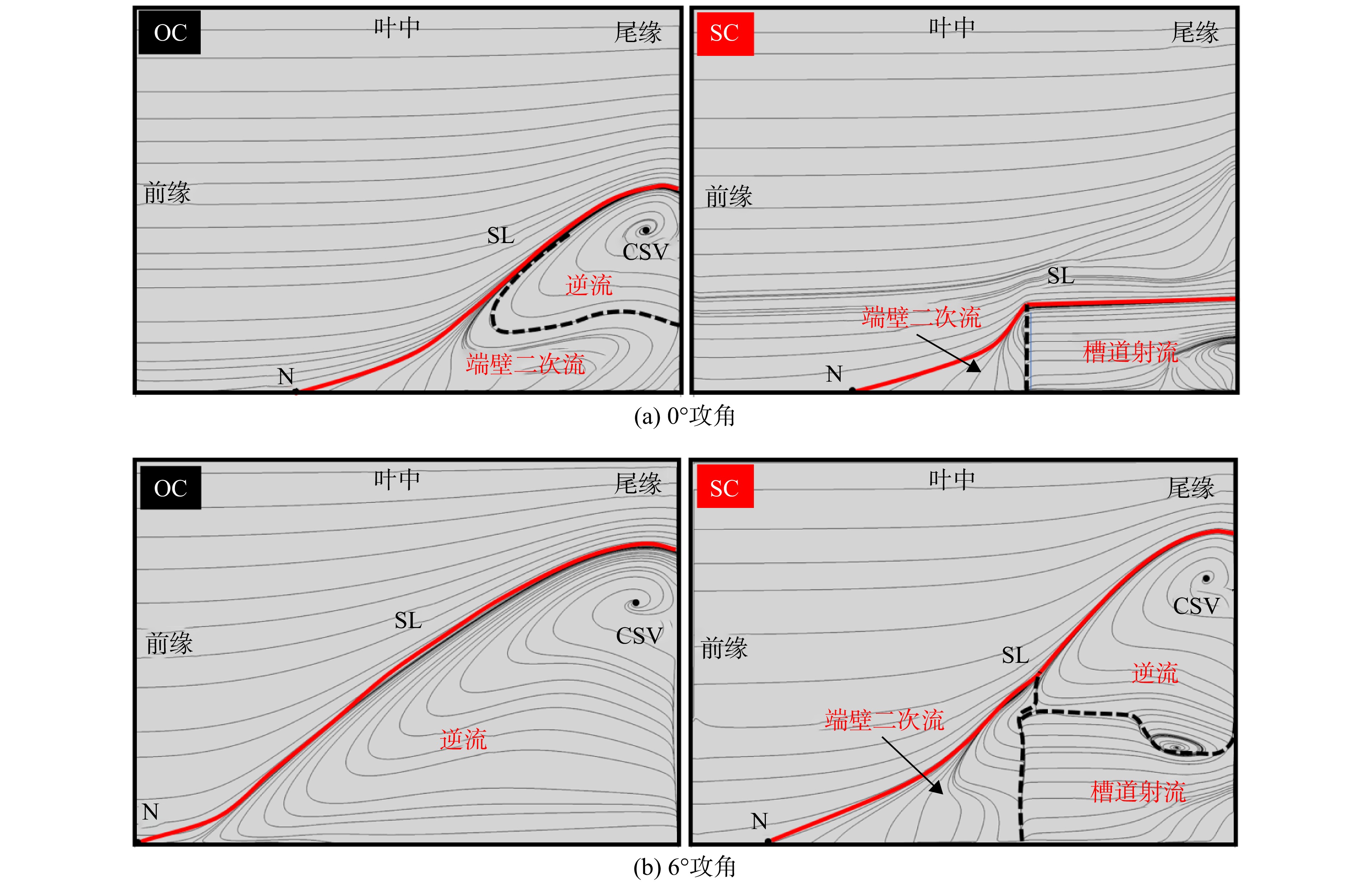
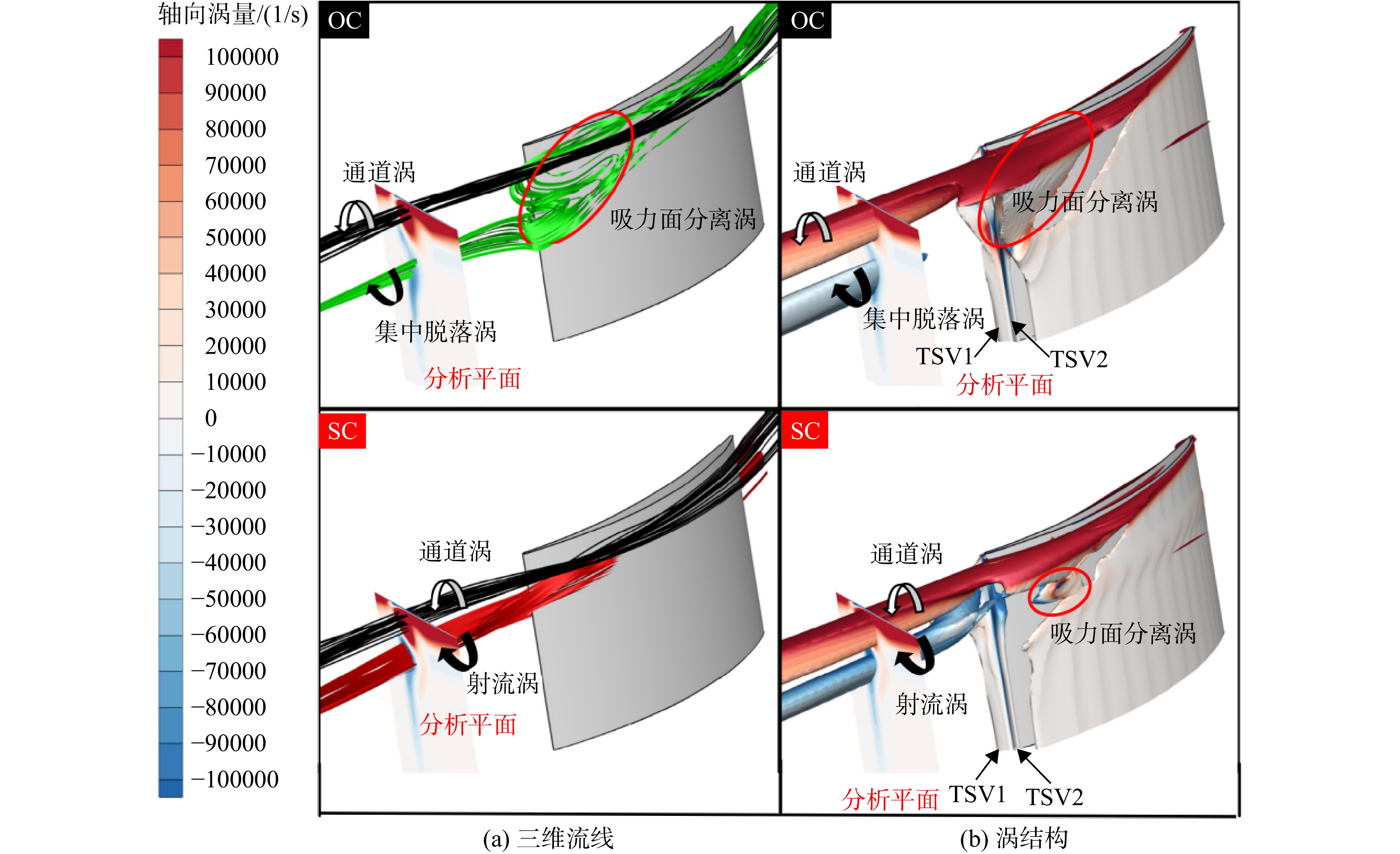
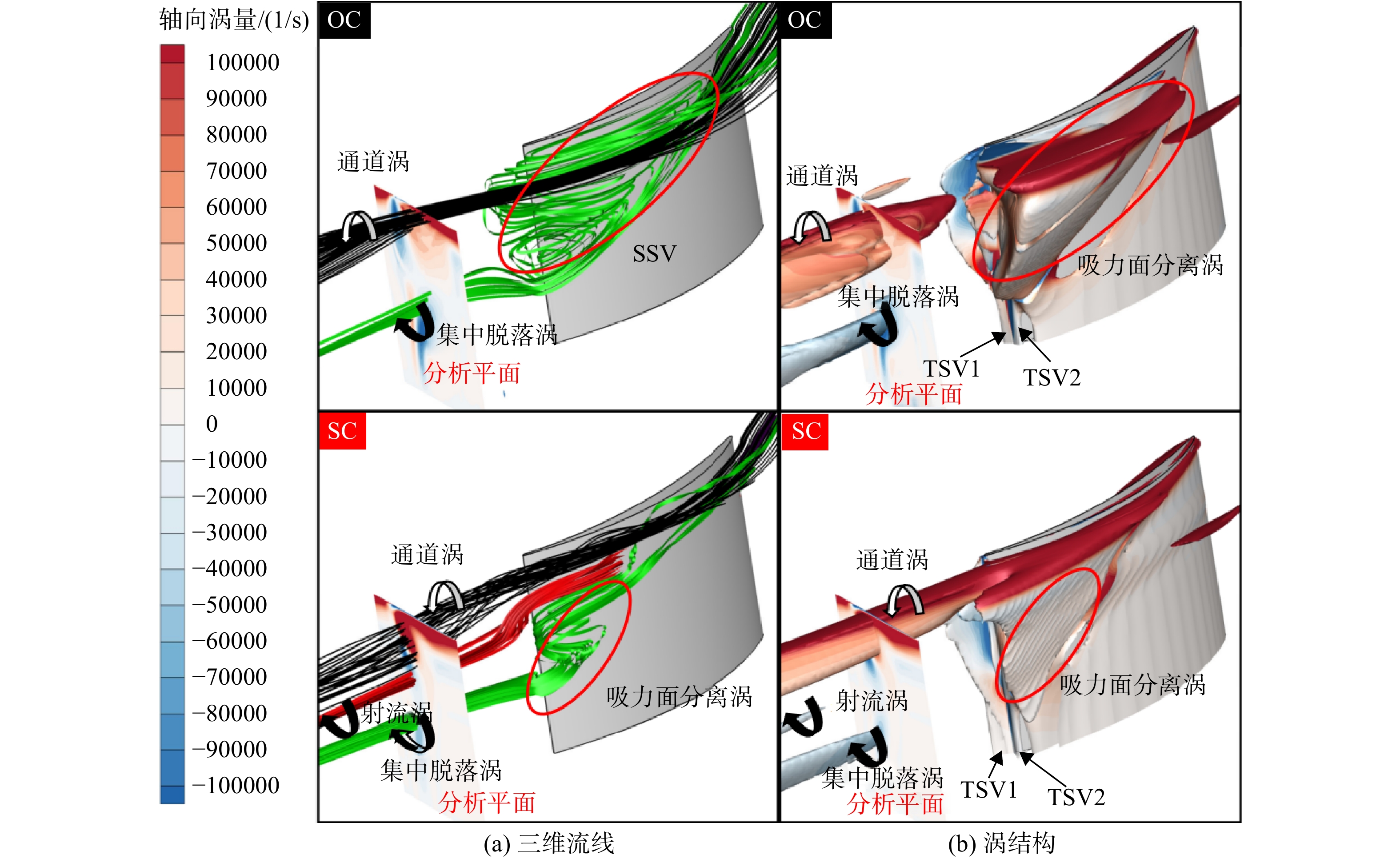
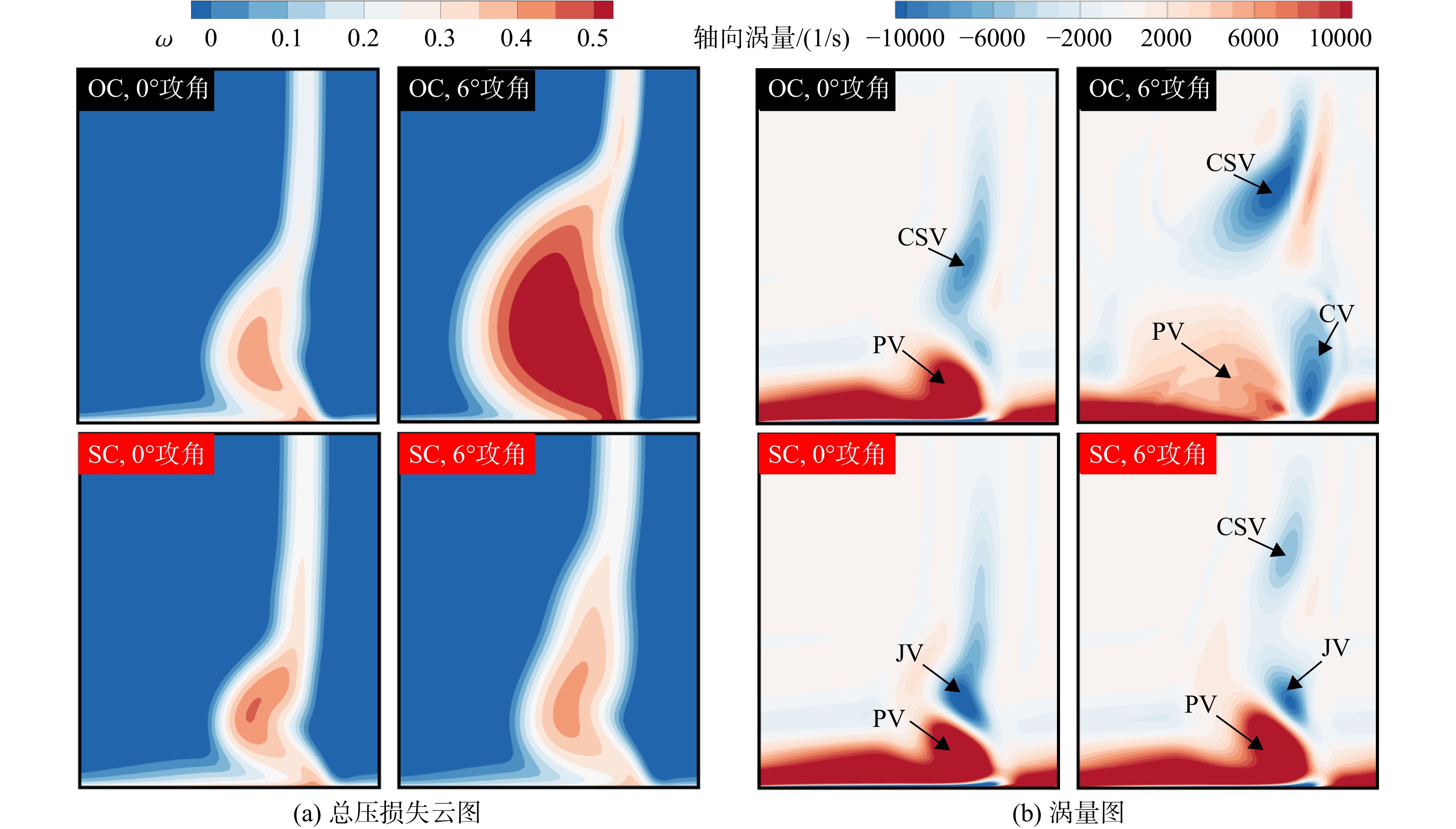
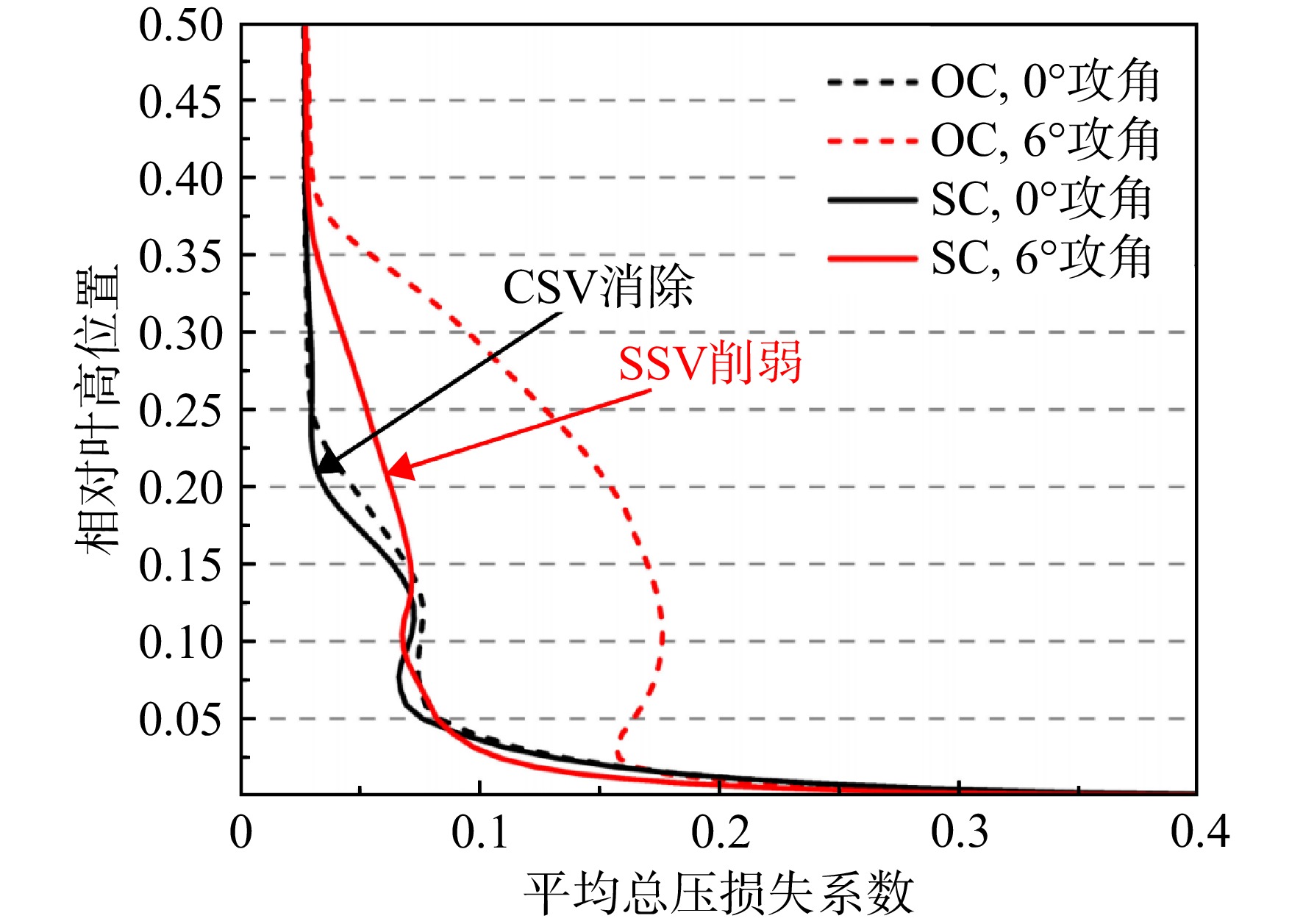
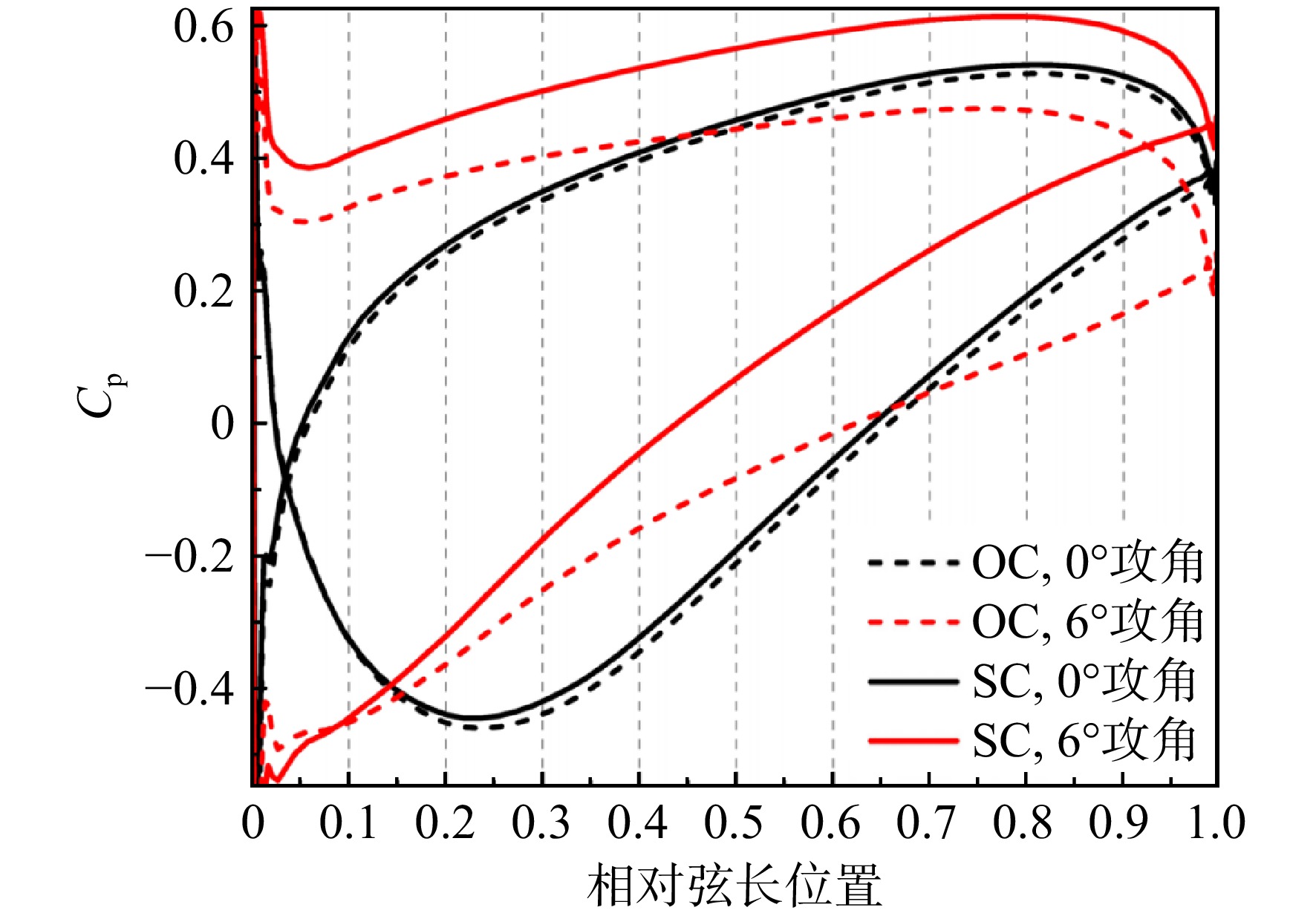
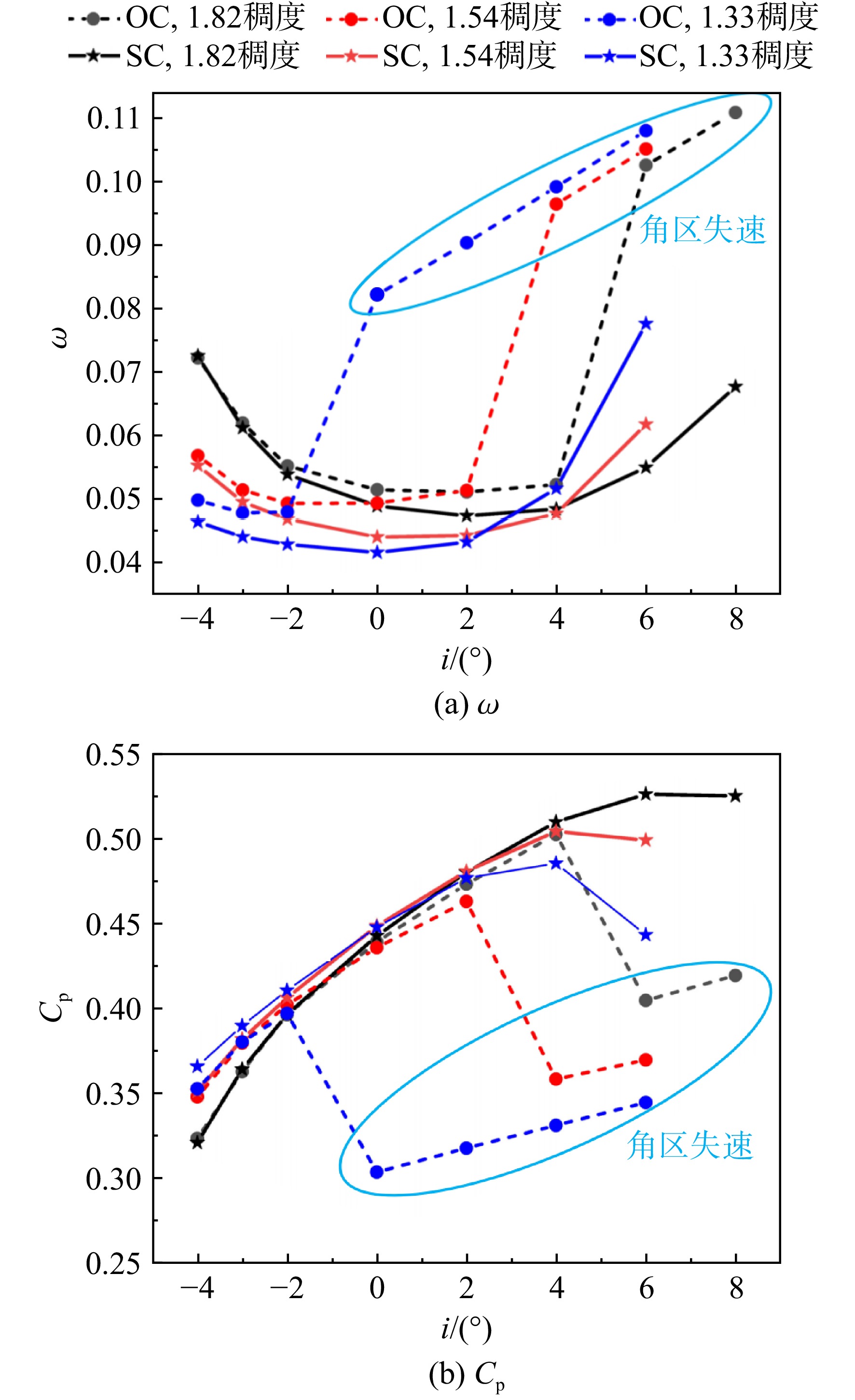
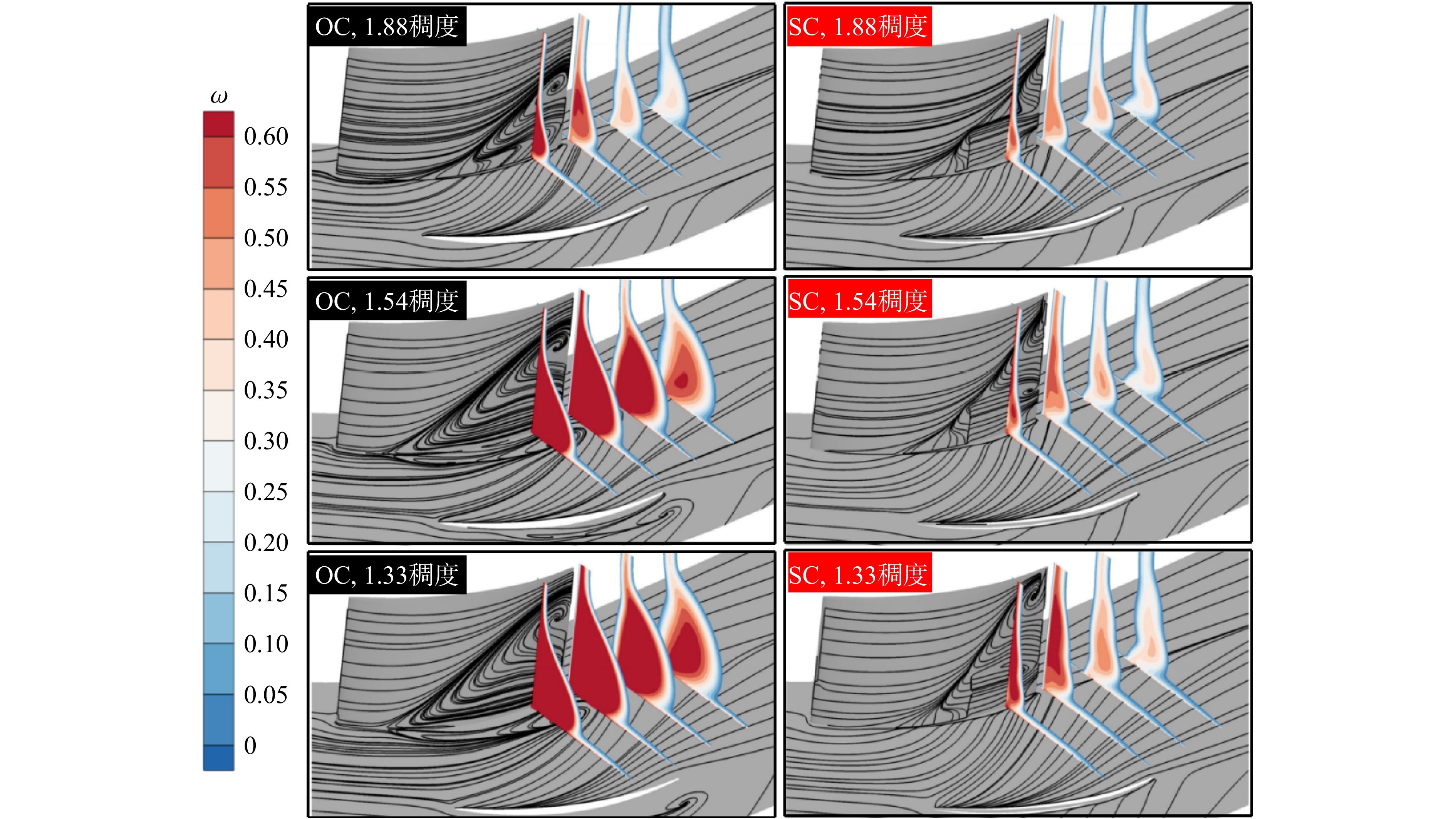
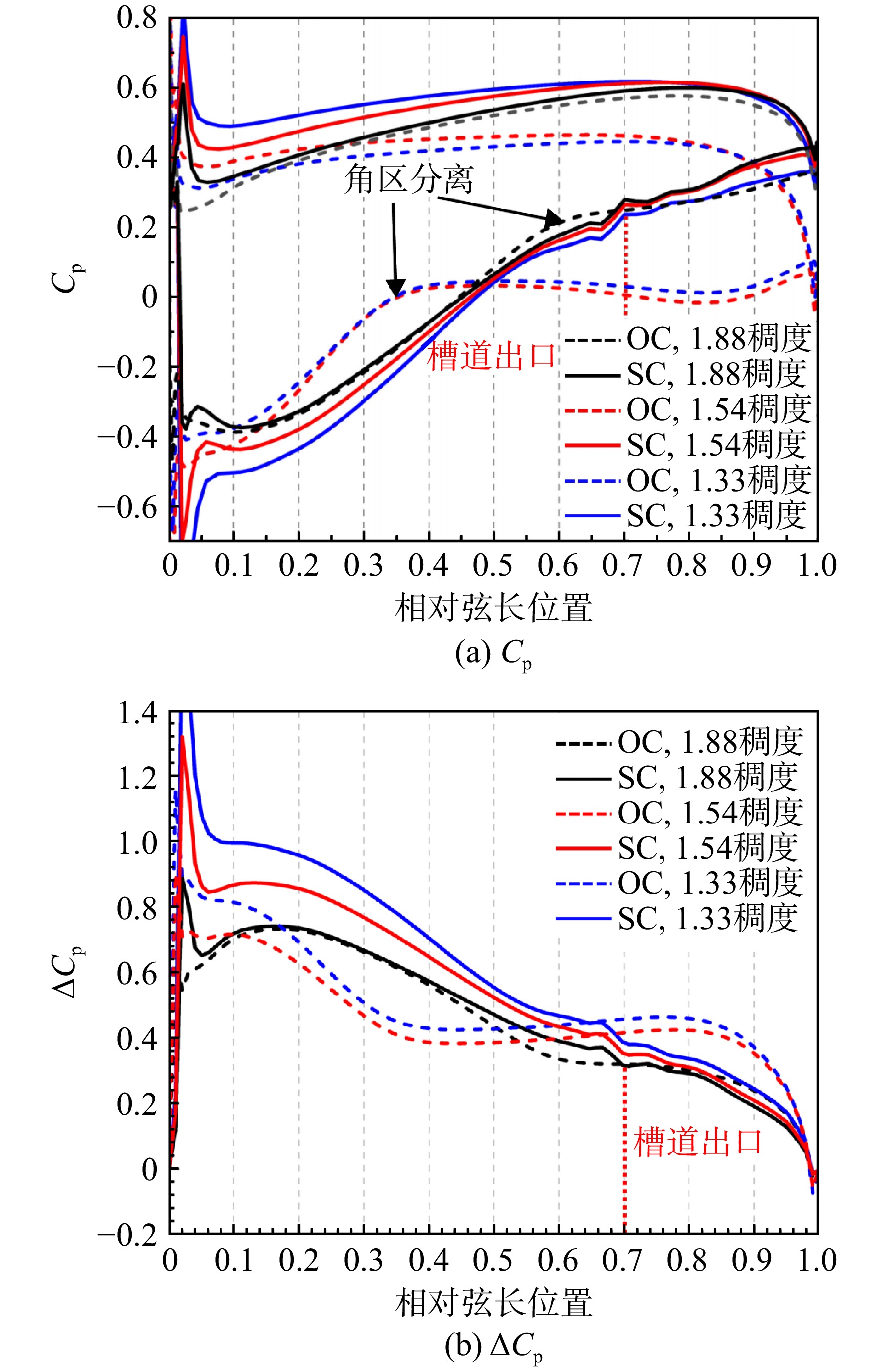
To control the corner separation in subsonic compressor cascade, an incoming flow momentum-based slotted cascade was designed through parametric study, and its flow control mechanism and adaptive capabilities under low cascade solidity were investigated. The results showed that the slotted cascade can effectively inhibit the corner separation. Especially the control effect was remarkable on the corner stall at the positive incidence angles. In addition to reducing the total pressure loss, the overall blade load and diffusion capacity were also improved. However, the control mechanisms of the slotted cascade varied for different separation forms. For the weak corner separation form, the total pressure loss within 0%—25% blade span was reduced mainly by eliminating the concentrated shedding vortex, while for the corner stall form the total pressure loss within 0%—40% blade span was greatly reduced due to the weakening of the separation vortex near the blade suction surface. Moreover, compared with the slotted cascade at the design solidity (1.82), the performance gain of the slotted cascade with a lower solidity was further enhanced. For a slotted cascade with the solidity of 1.33, its total pressure loss was reduced by an average of 29.53% and the static pressure rise coefficient was increased by an average of 26.06% within the range of full incidence angles. Therefore, the design solidity can be further reduced for an end-slotted cascade without reducing the cascade performance, indicating that the end-slotted cascade had a significant potential to improve the thrust-to-weight ratio of aero-engines.

Optimization of compressor variable stator vane angles based on particle swarm algorithm
JIN Zongliang, REN Xingming
2025, 40(8): 20230064. doi: 10.13224/j.cnki.jasp.20230064
Abstract:
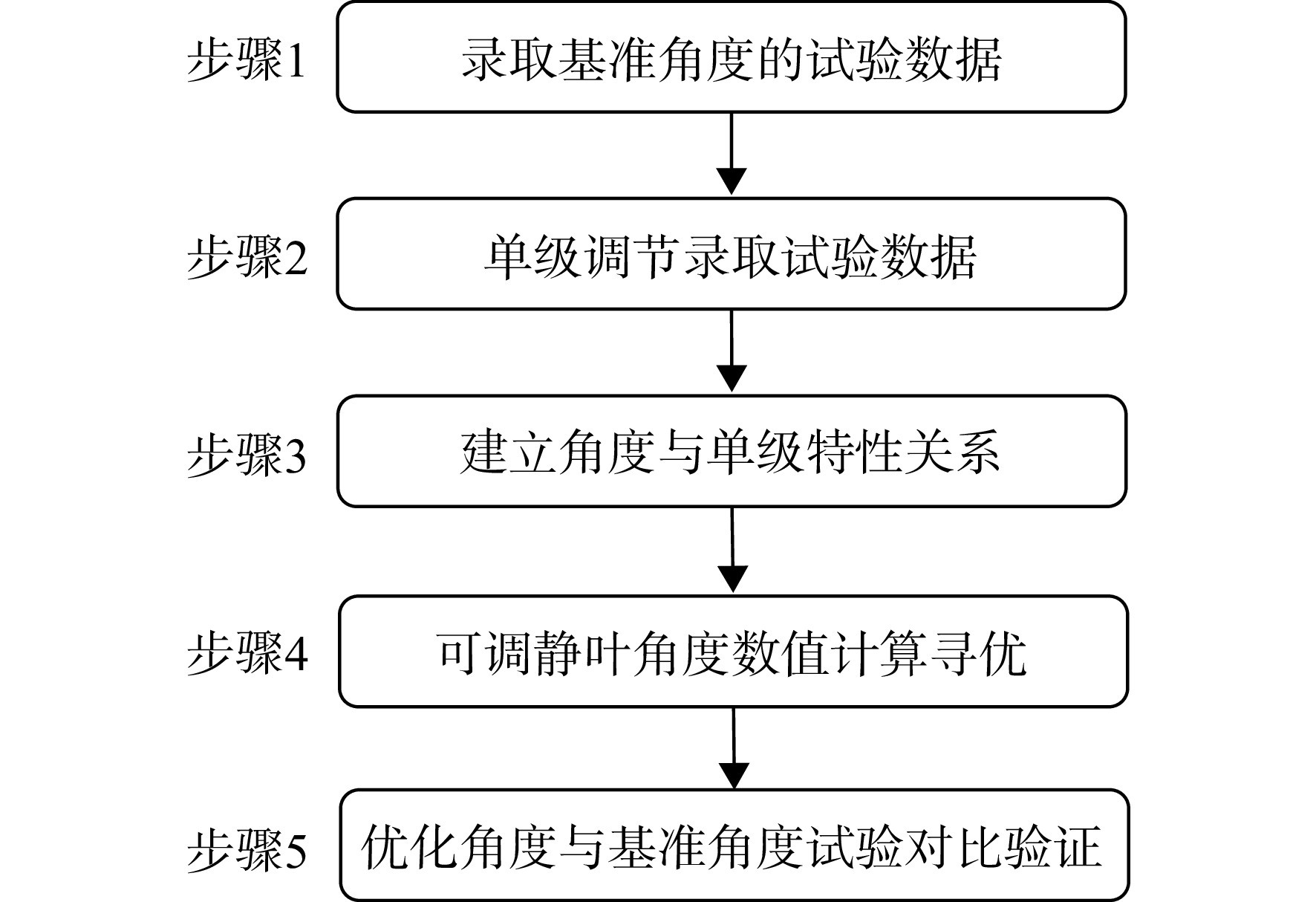
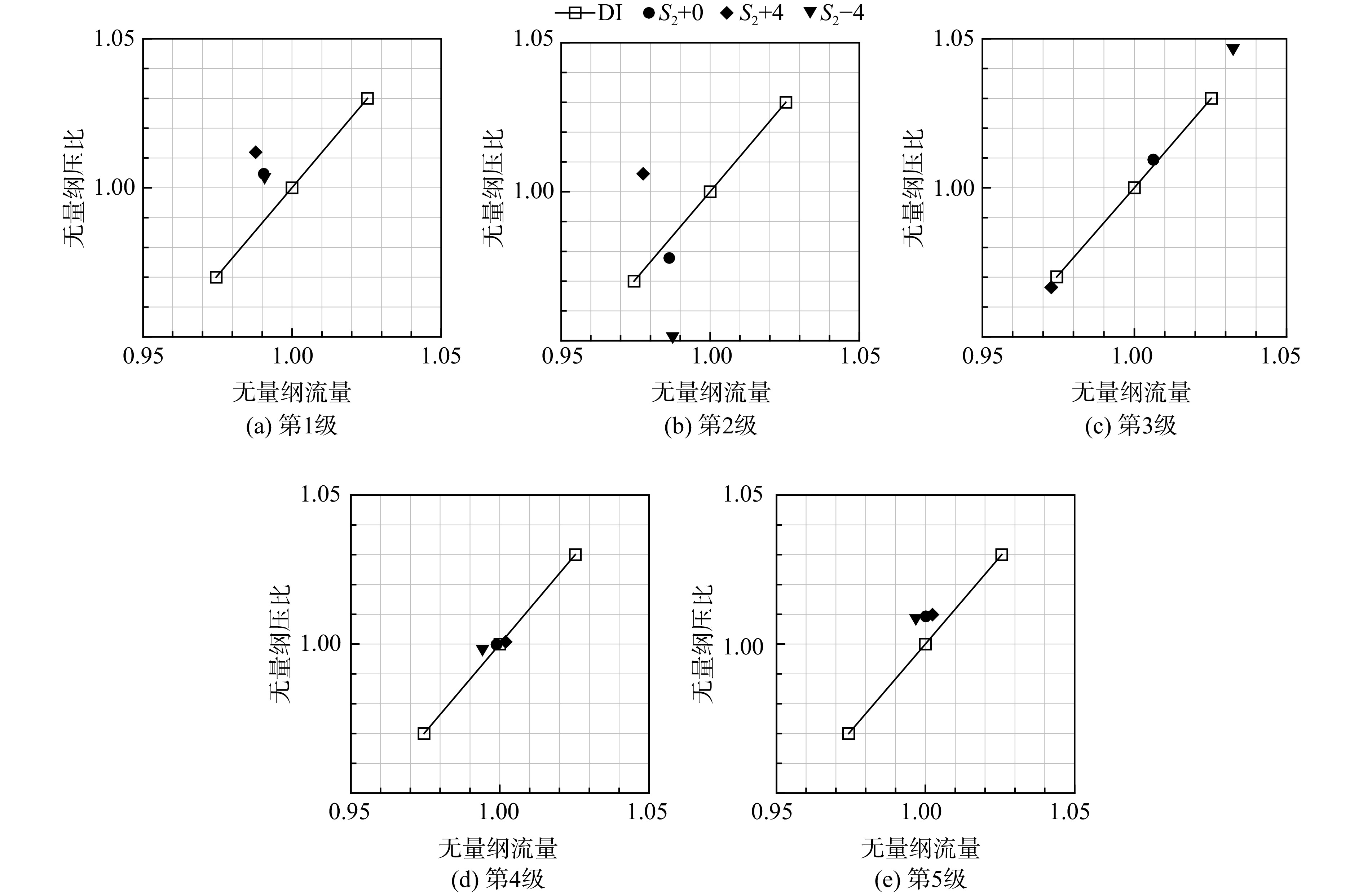
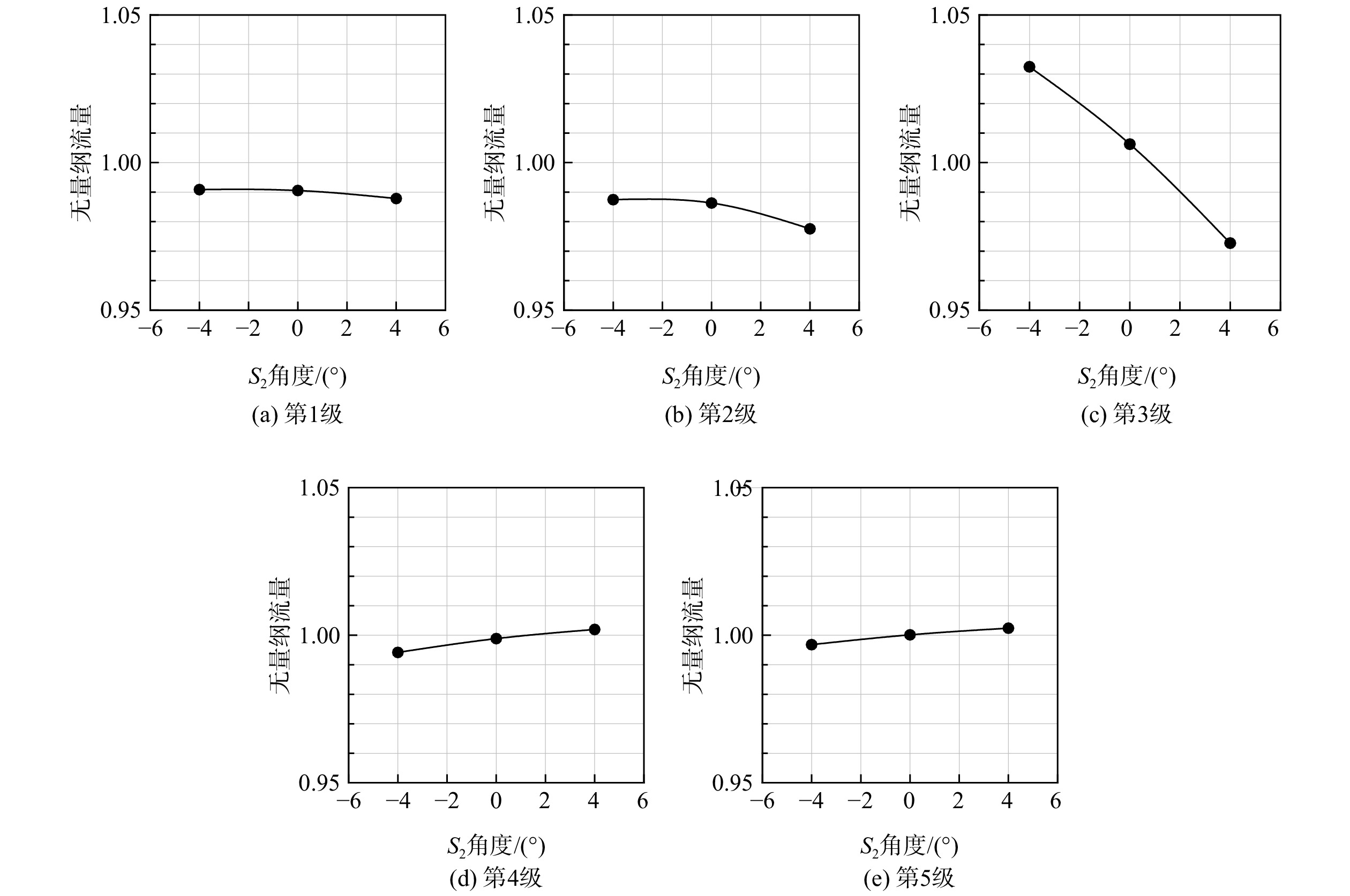
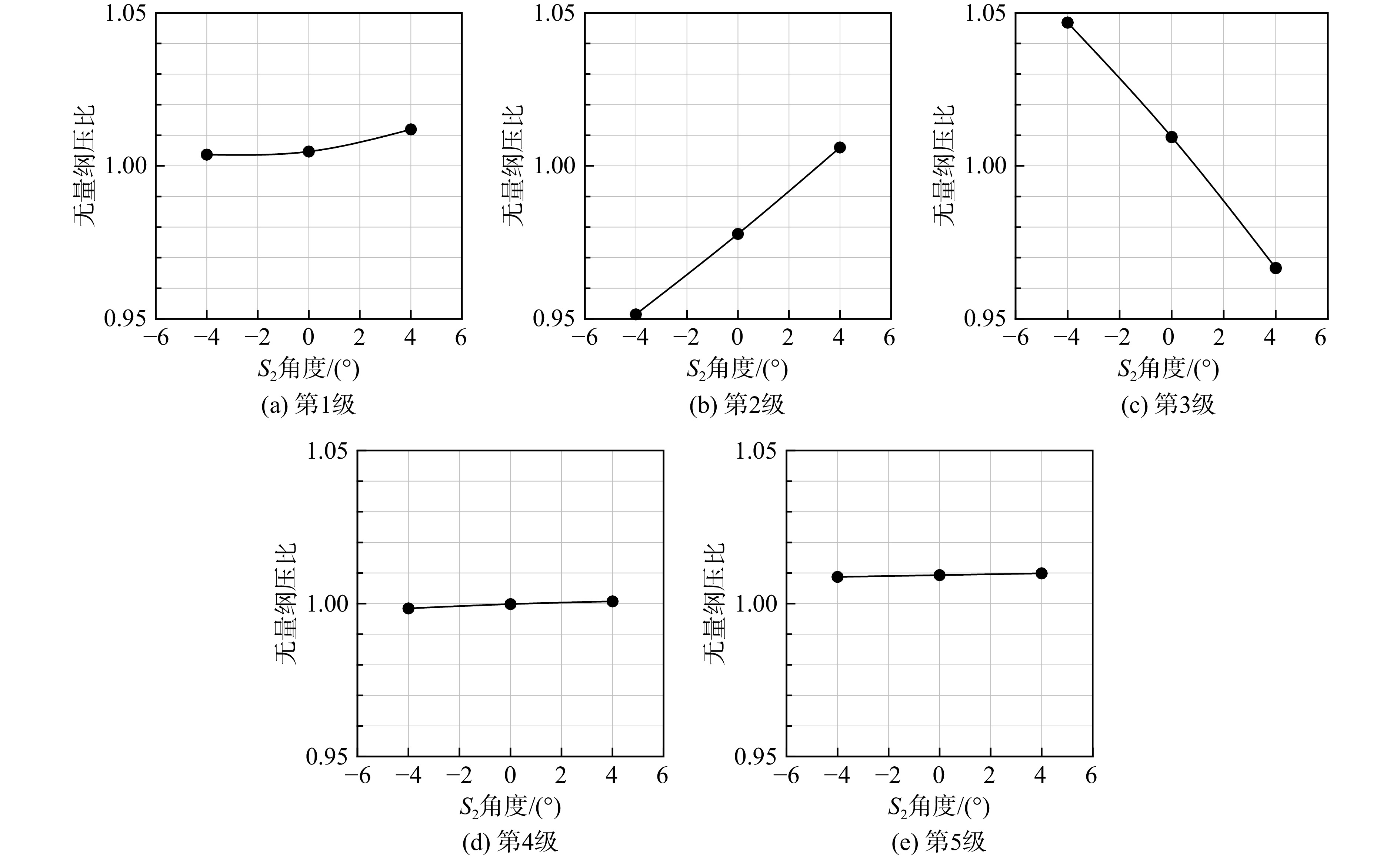
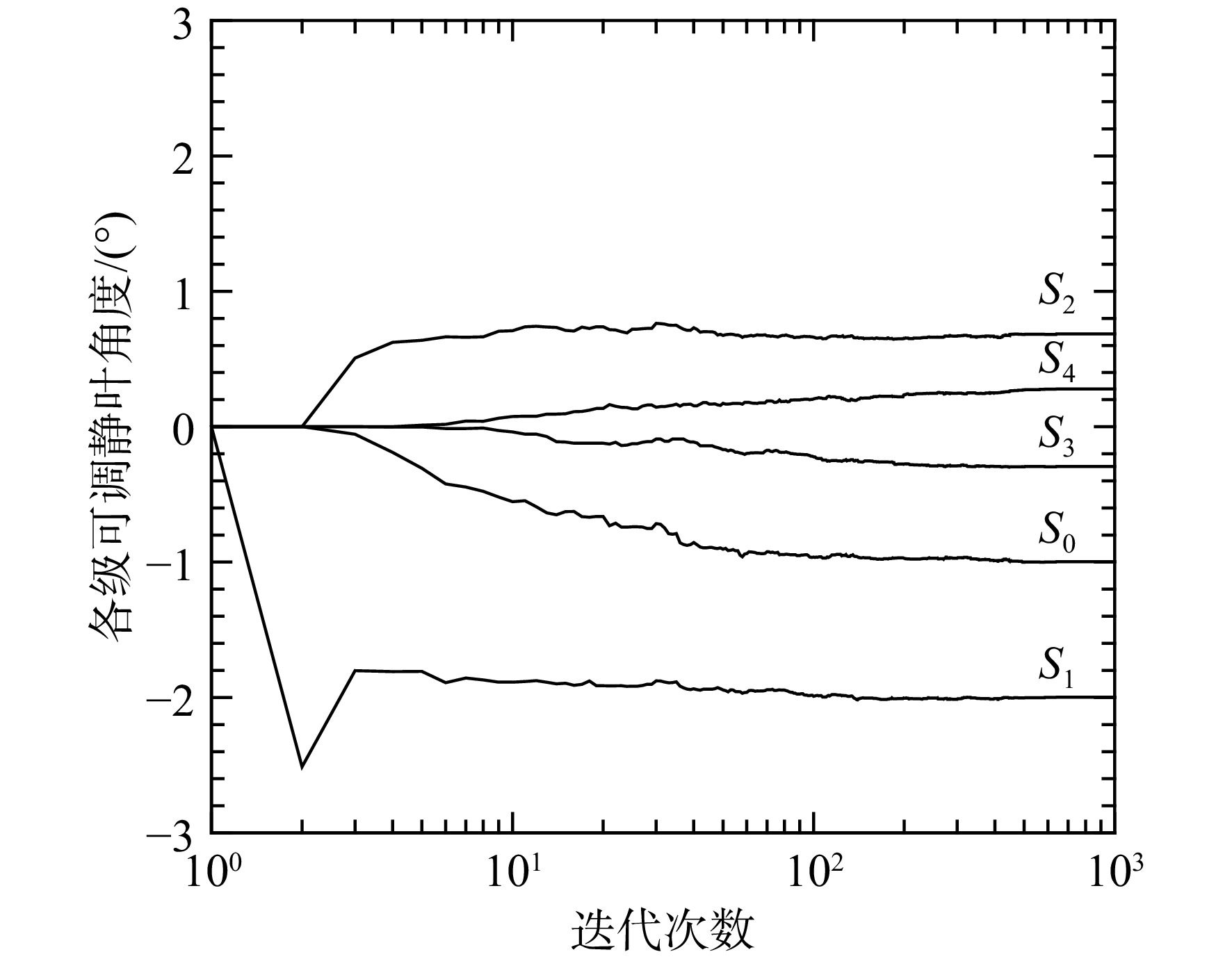
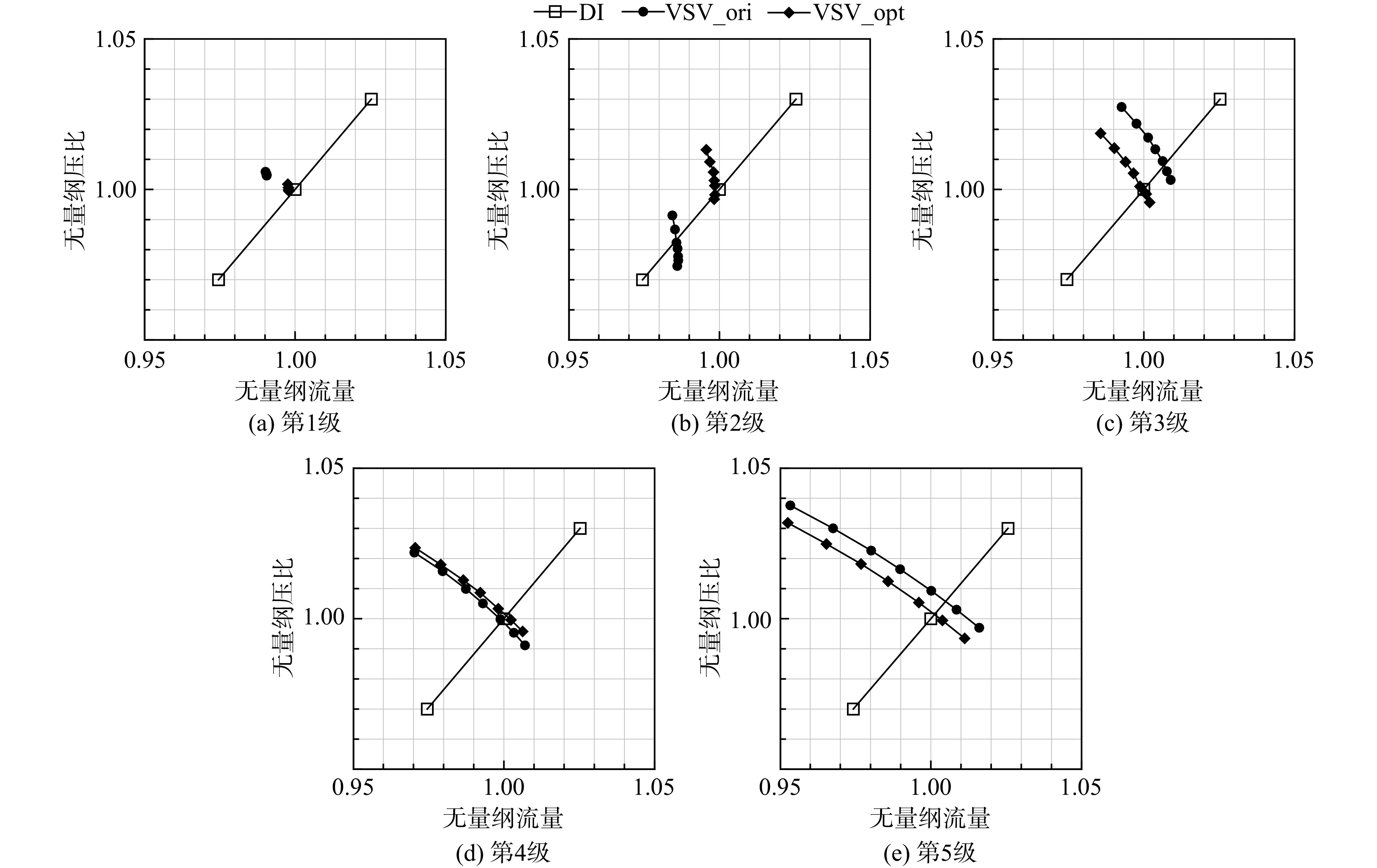
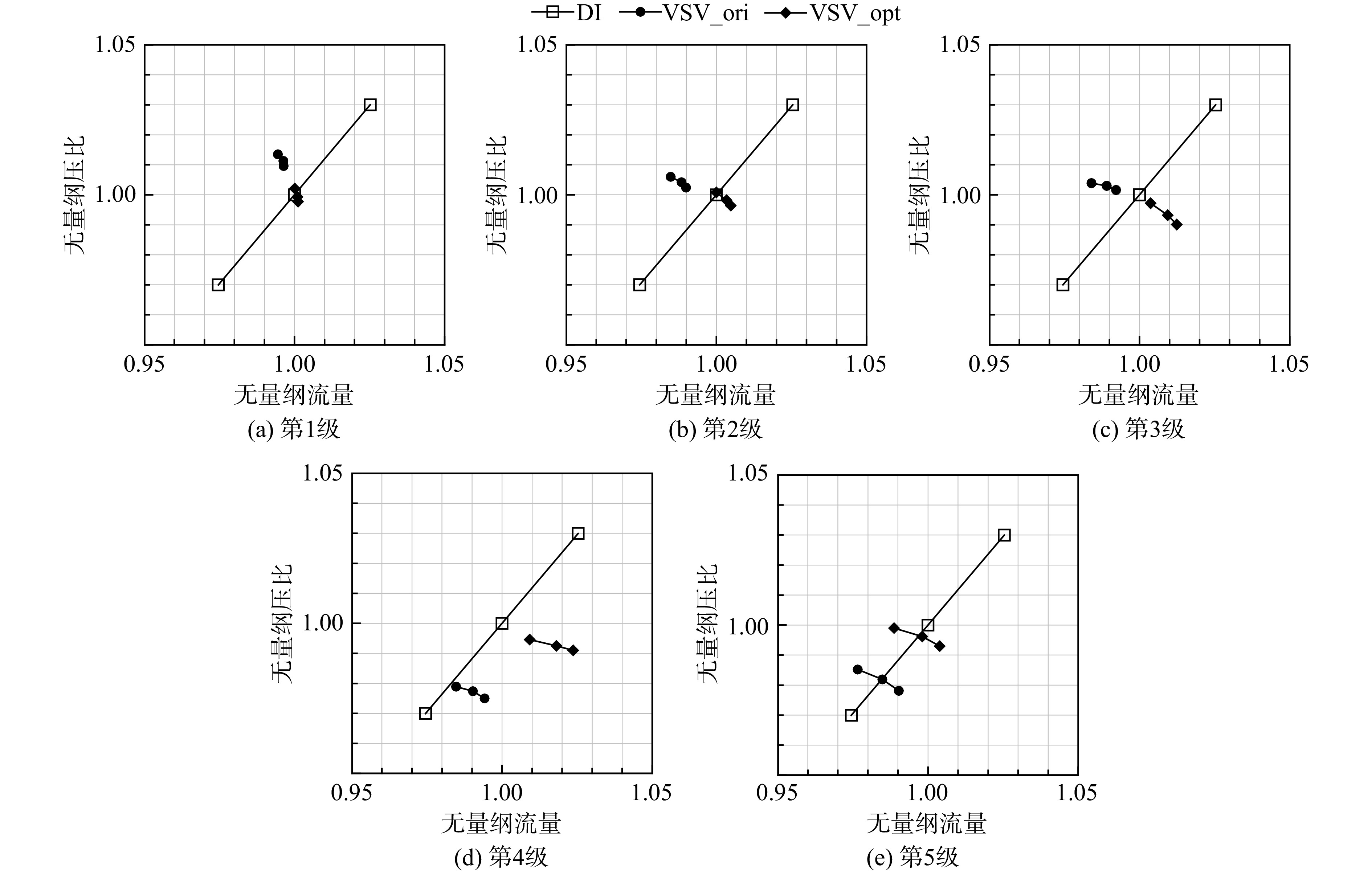
In order to speed up the optimization test of variable stator vane angle of multistage compressor and reduce the test cost, a method using numerical computation to guide test was proposed. Target on matching of the compressor stage load with the design intent, the model was established based on particle swarm optimization. Using a small amount of test data as input, multistage stator vane angles could be optimized synchronously. Taking CFD data instead of test data, optimized angle combination was proposed using the model herein. The outcomes showed that the load distribution of compressor variable stages at optimized angle was significantly improved than the original one. The performance test result of two compressors showed that the deviations of stage mass flow and stage pressure ratio for variable stages were both within ±0.5% to the design intent, presenting a high accuracy. In addition, the adiabatic efficiency of the compressor was improved at operation points near the working line. Taking the advantage of particle swarm optimization, the tested angle combinations were approximately 50% less required than the conventional methodology.

Cryogenic verification test of tip clearance sensor in cryogenic compressor
ZHANG Wen, YE Dechao, ZHOU Enmin, LI Gang, SHEN Jiaqi
2025, 40(8): 20230061. doi: 10.13224/j.cnki.jasp.20230061
Abstract:
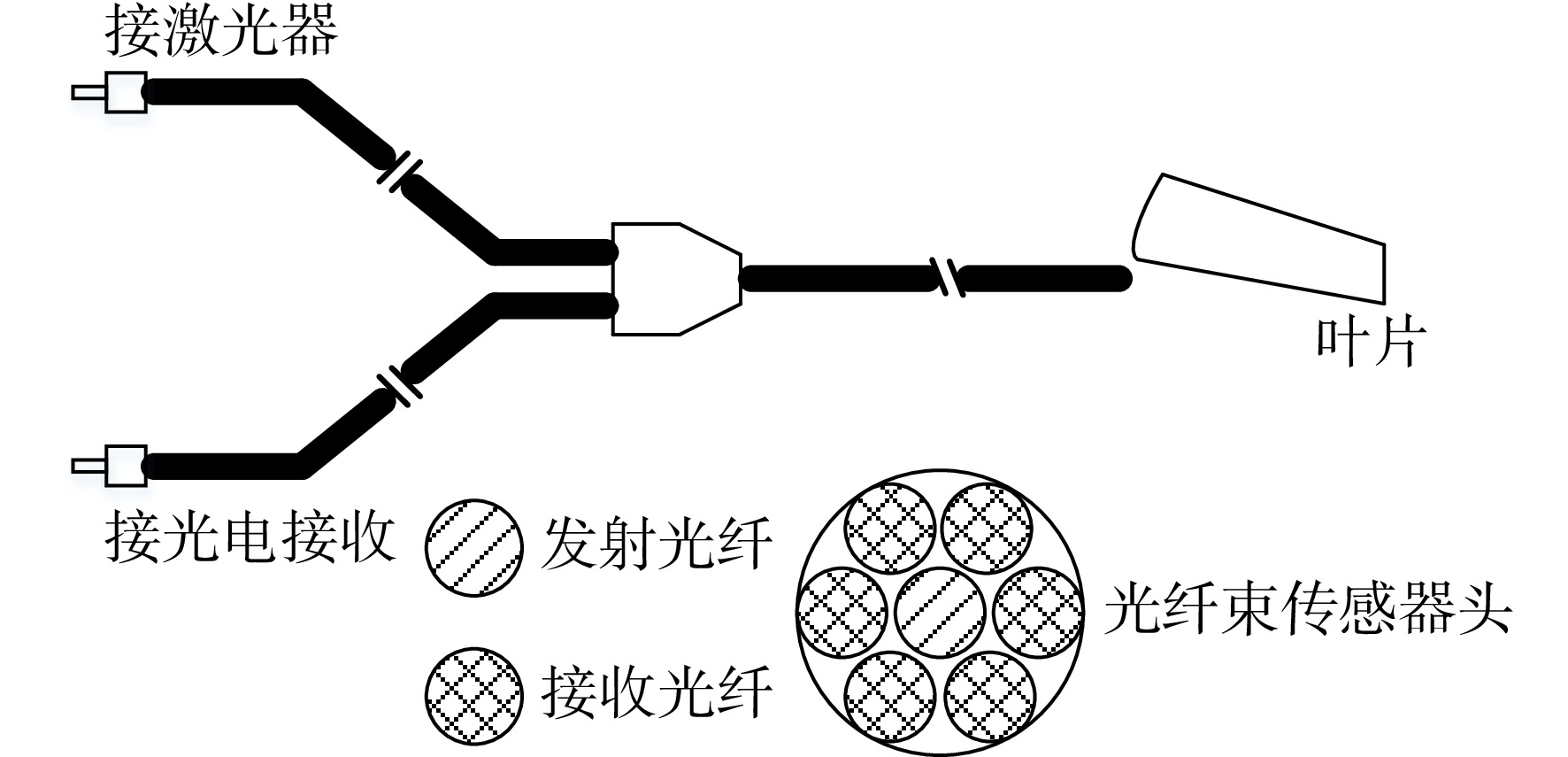
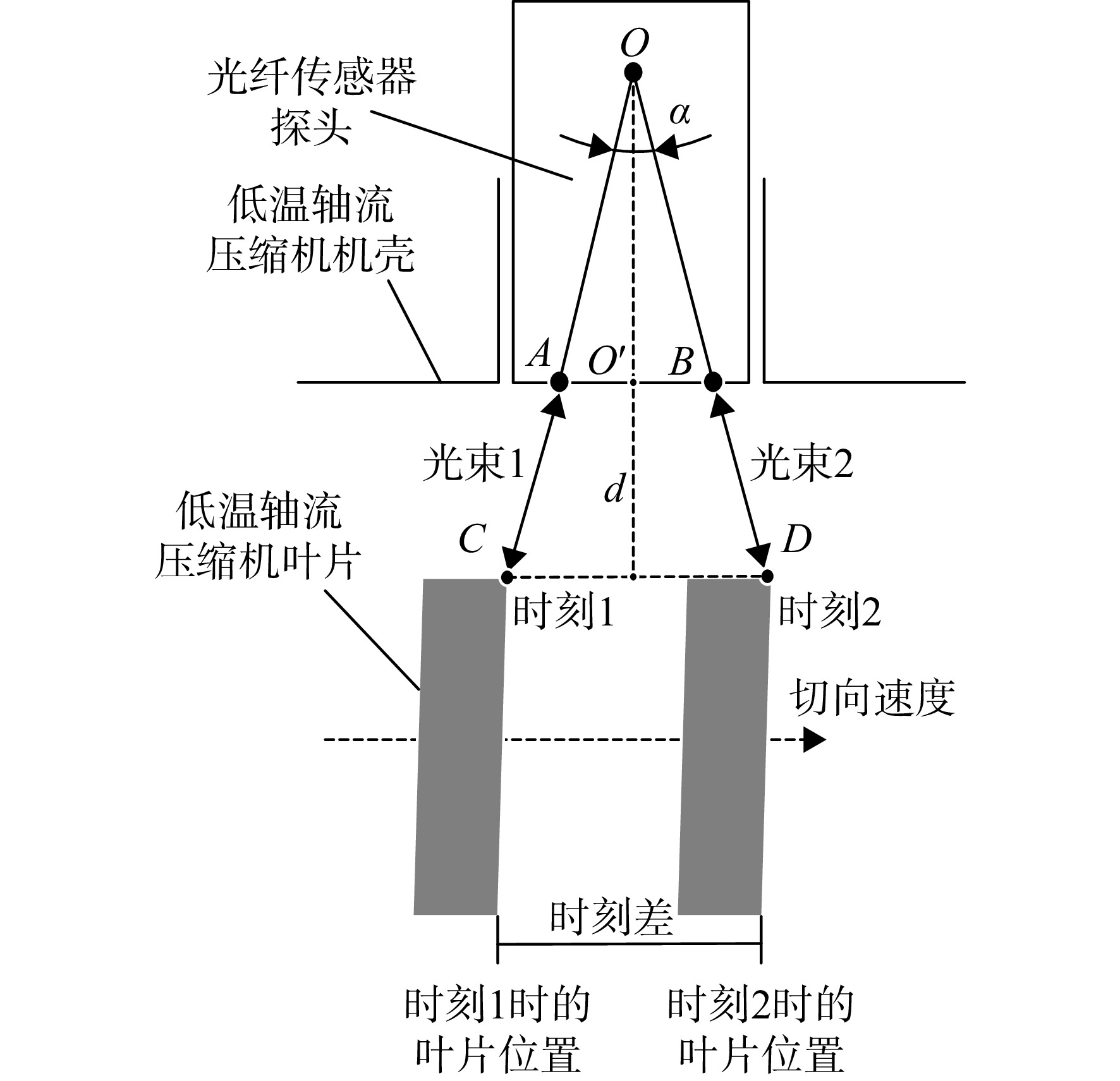
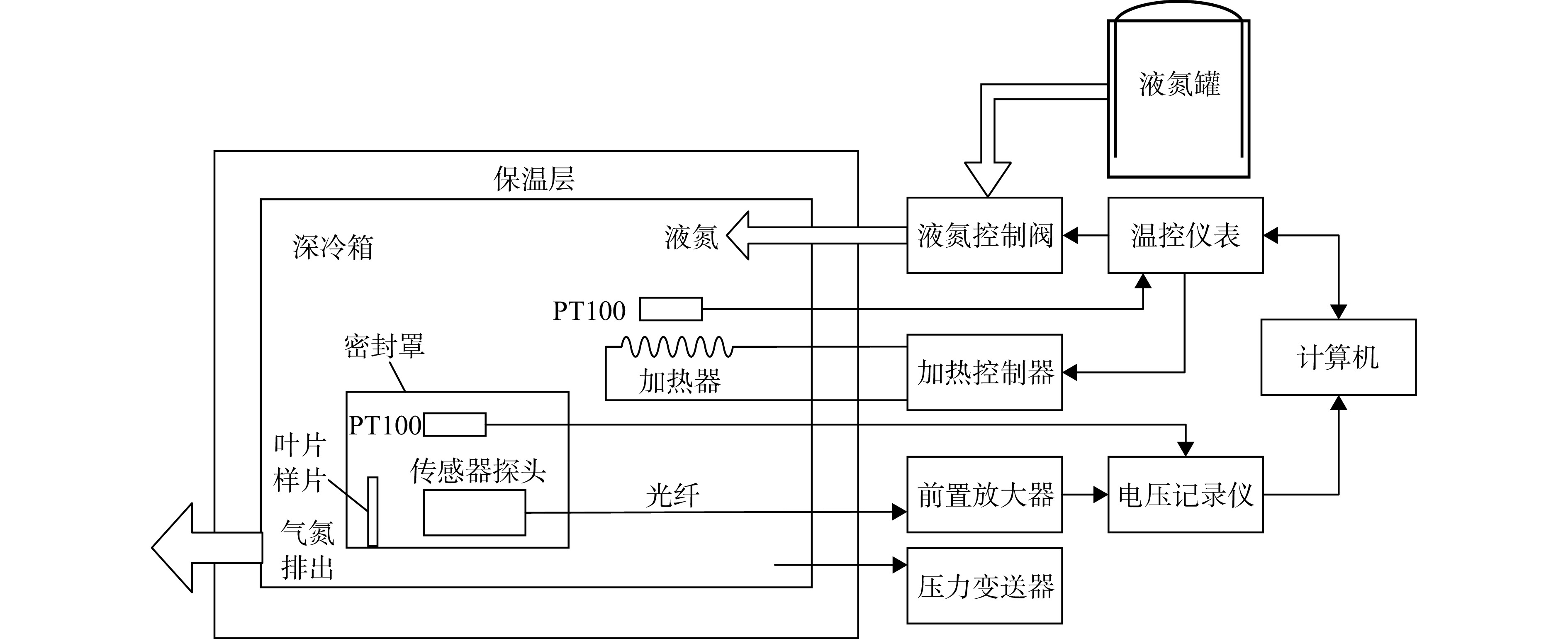
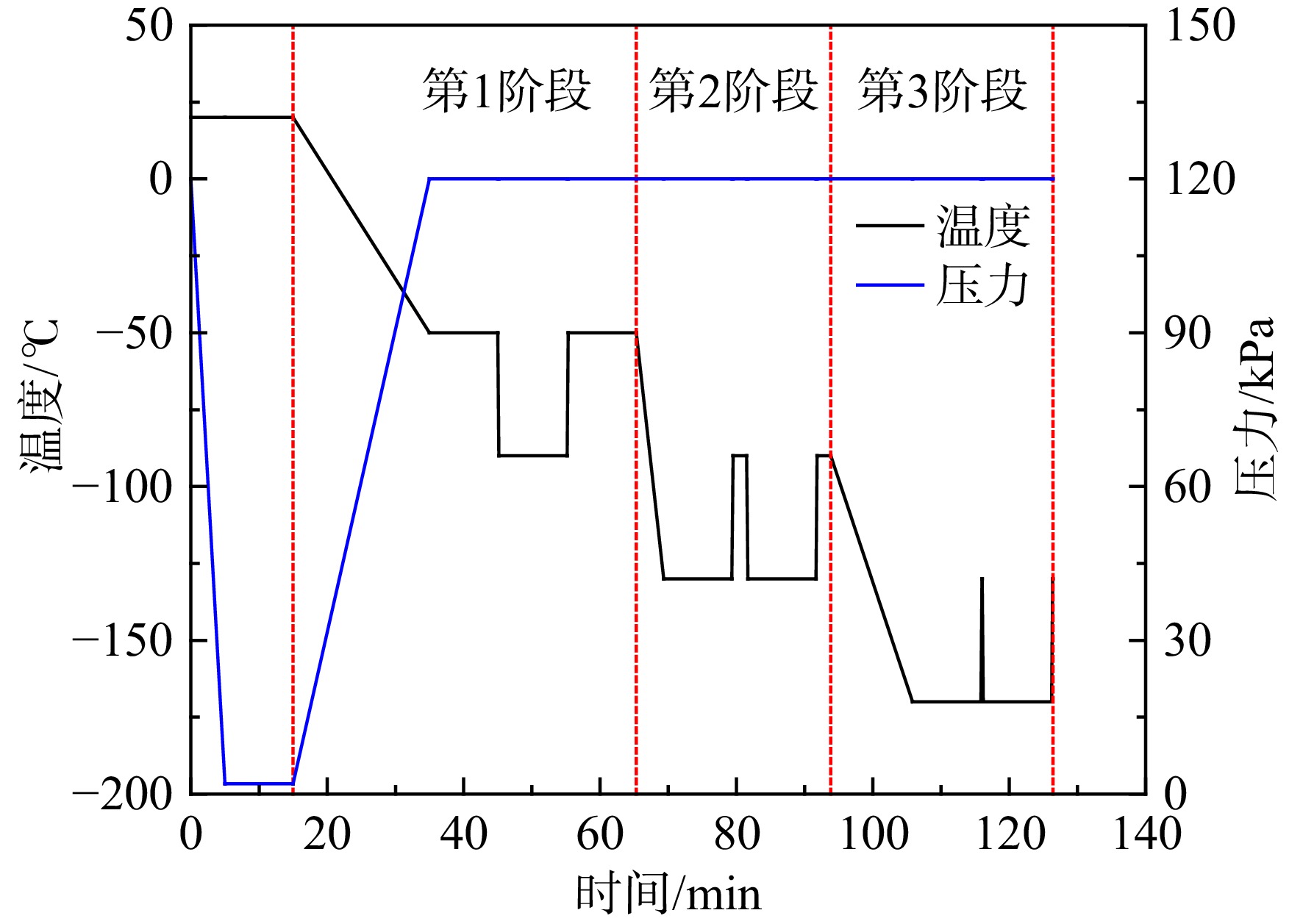
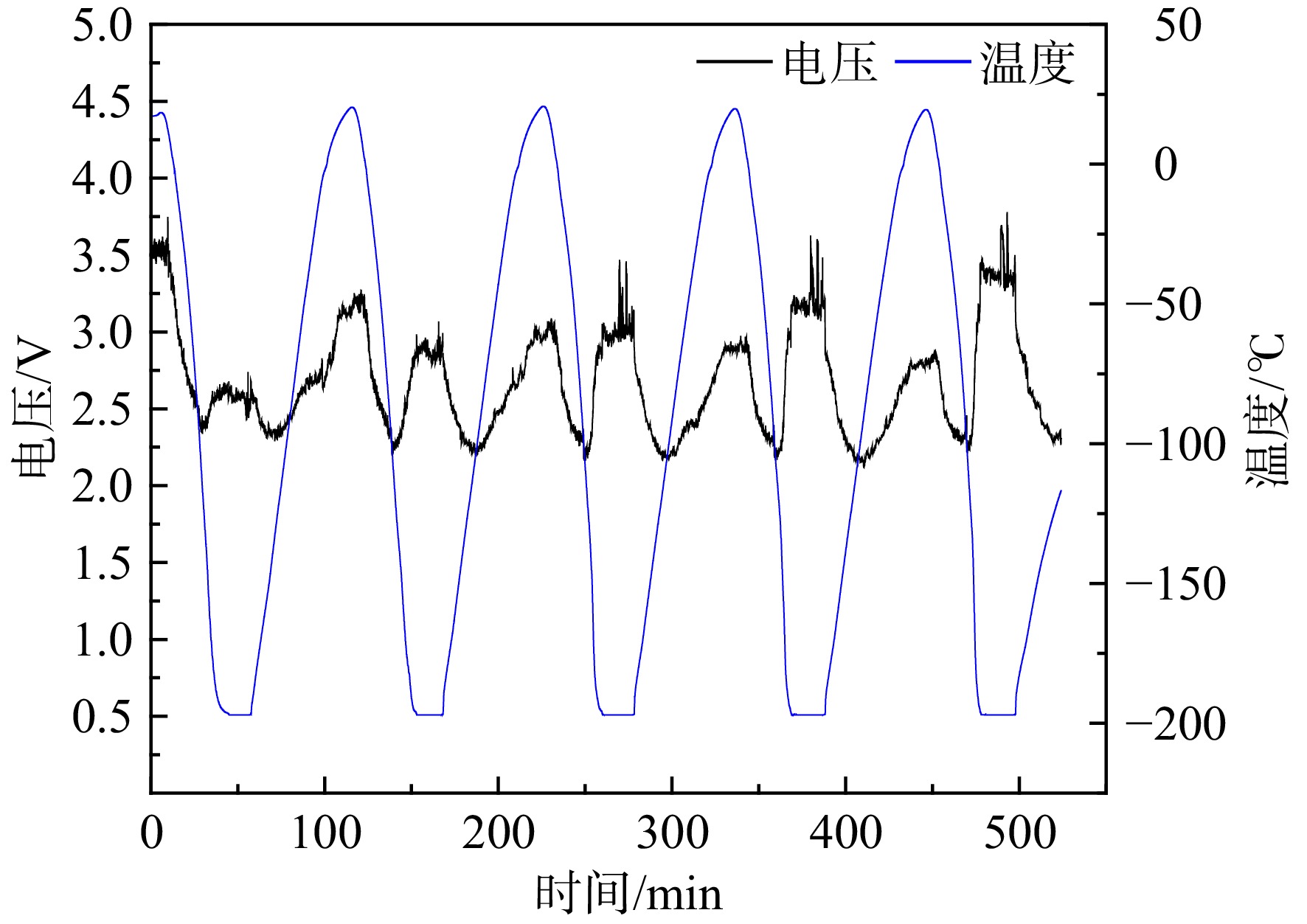
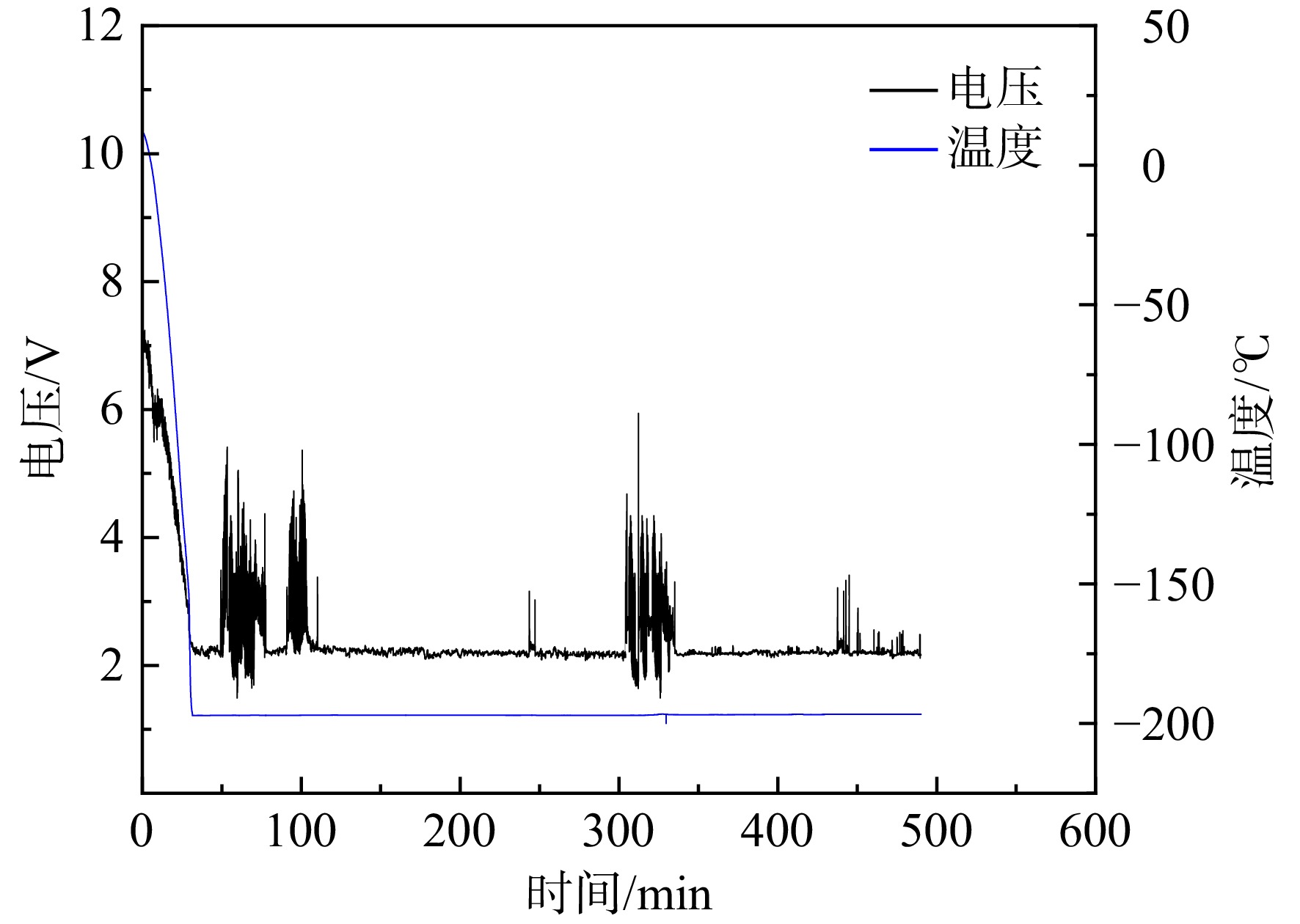
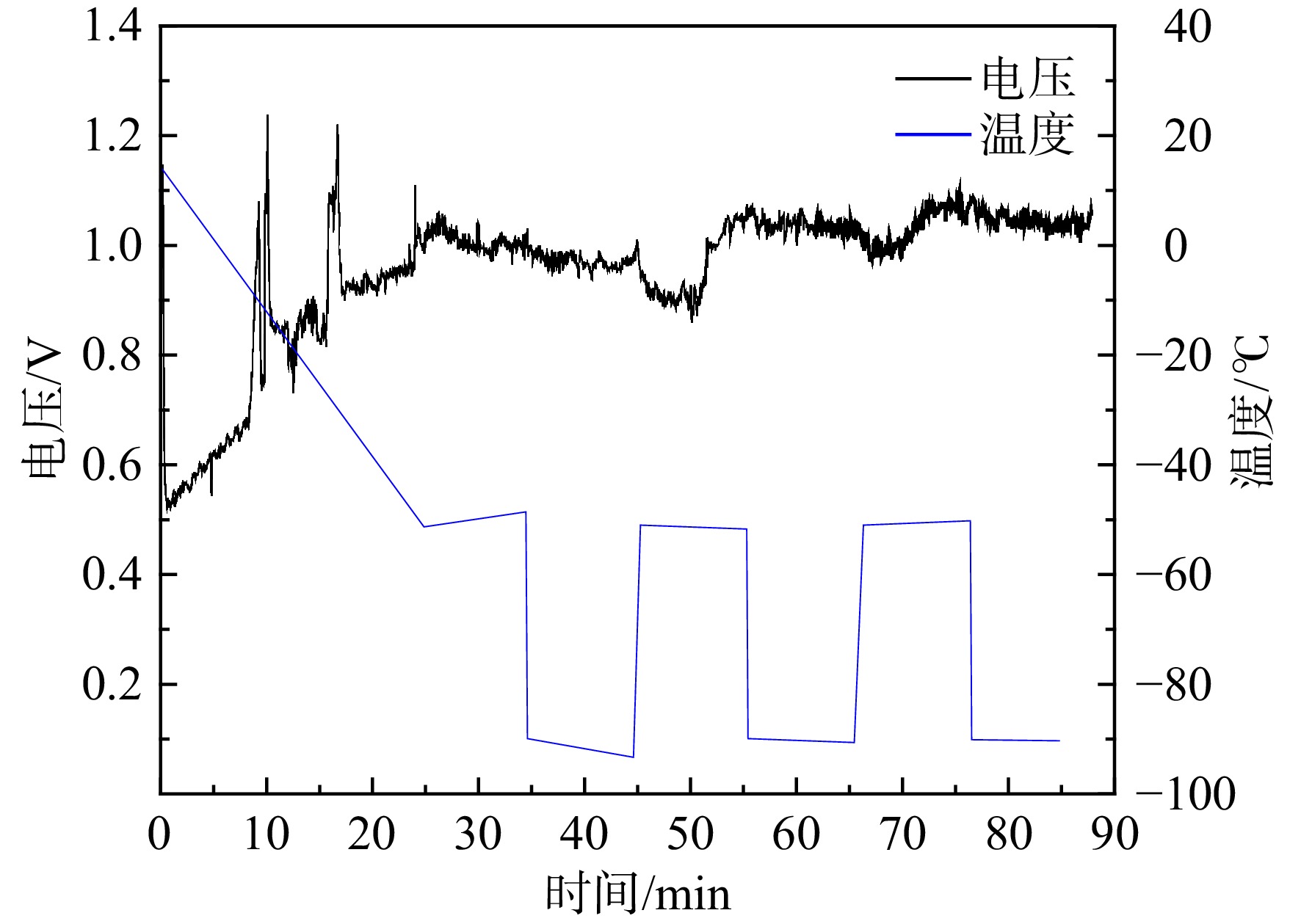
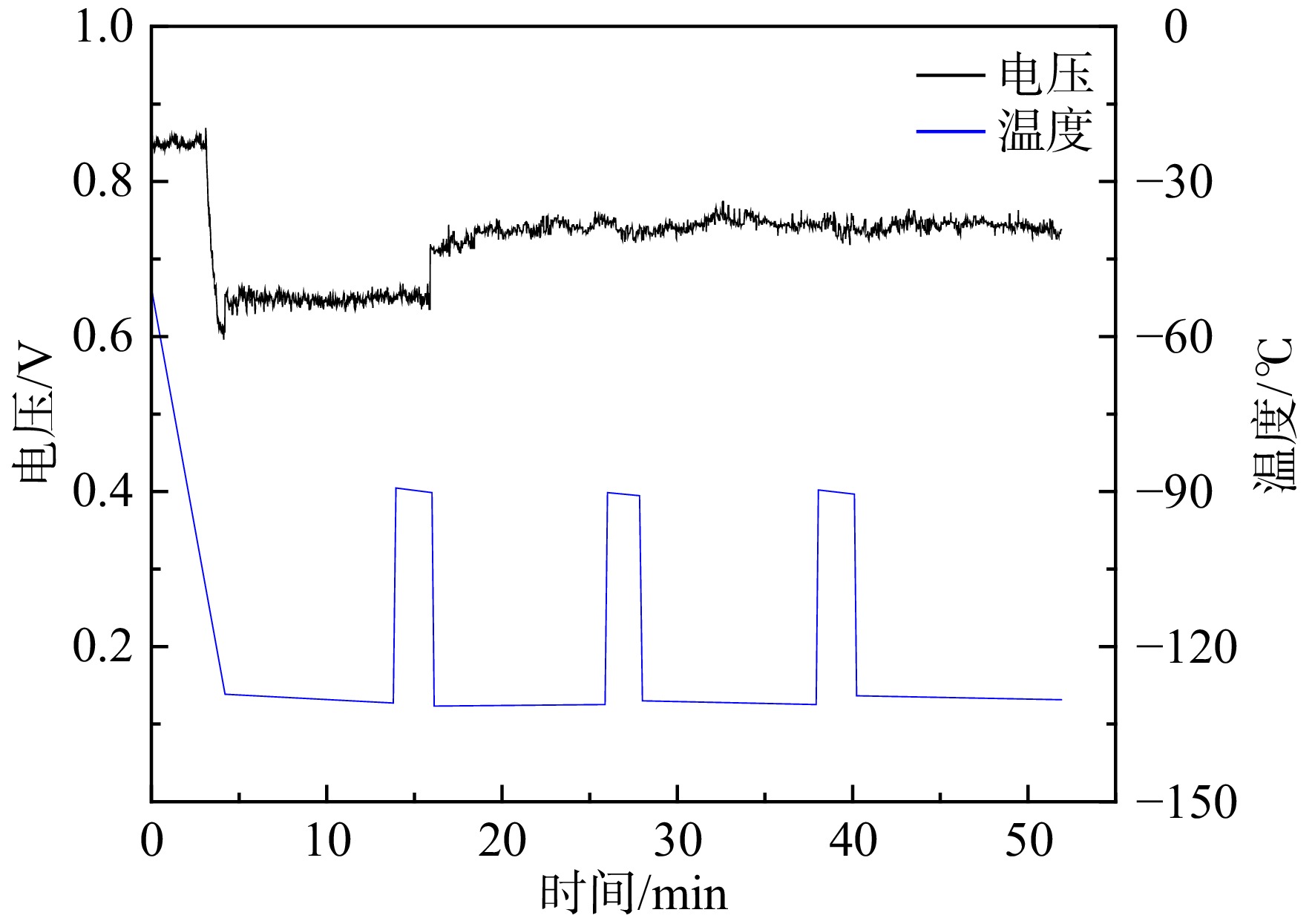
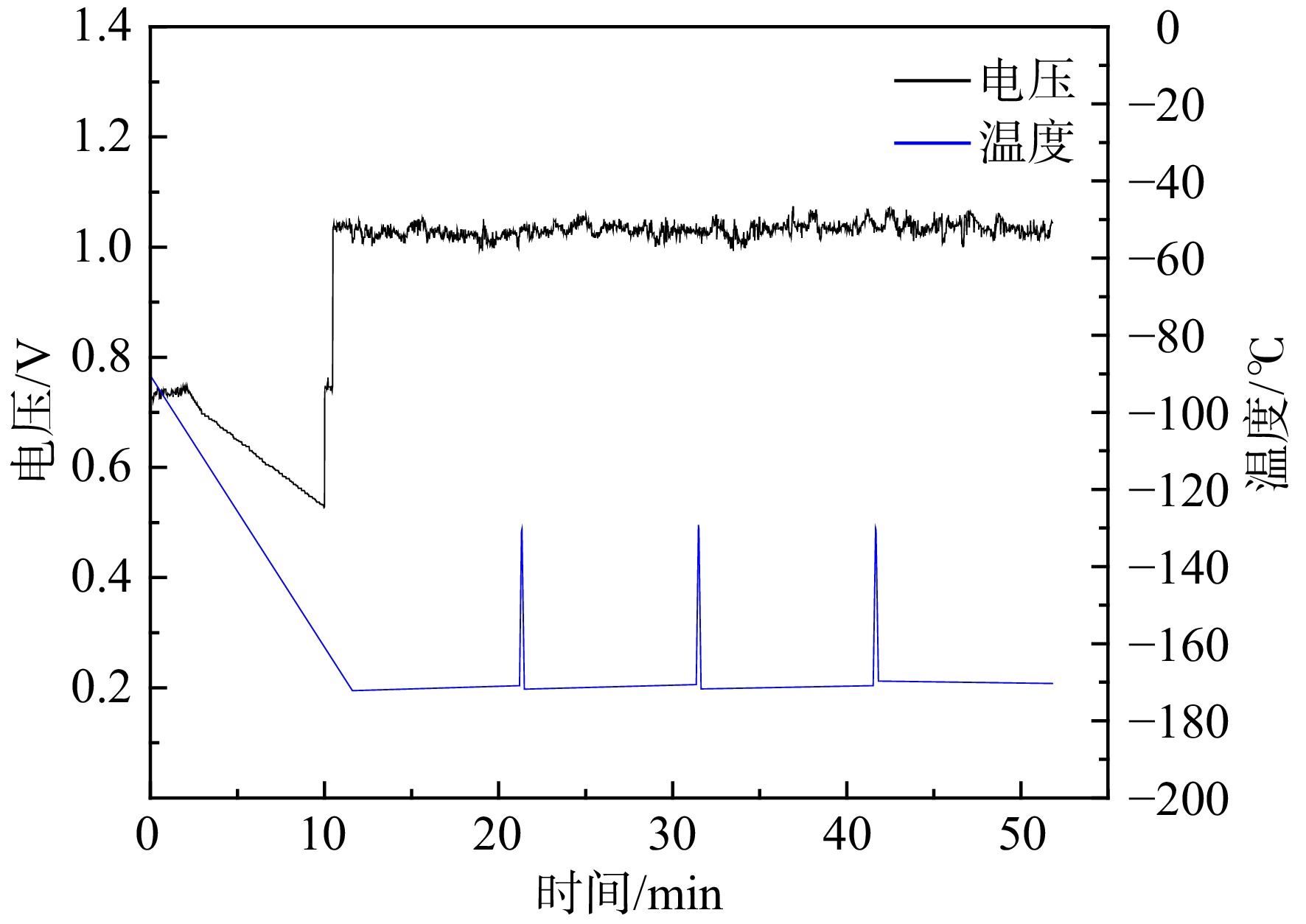
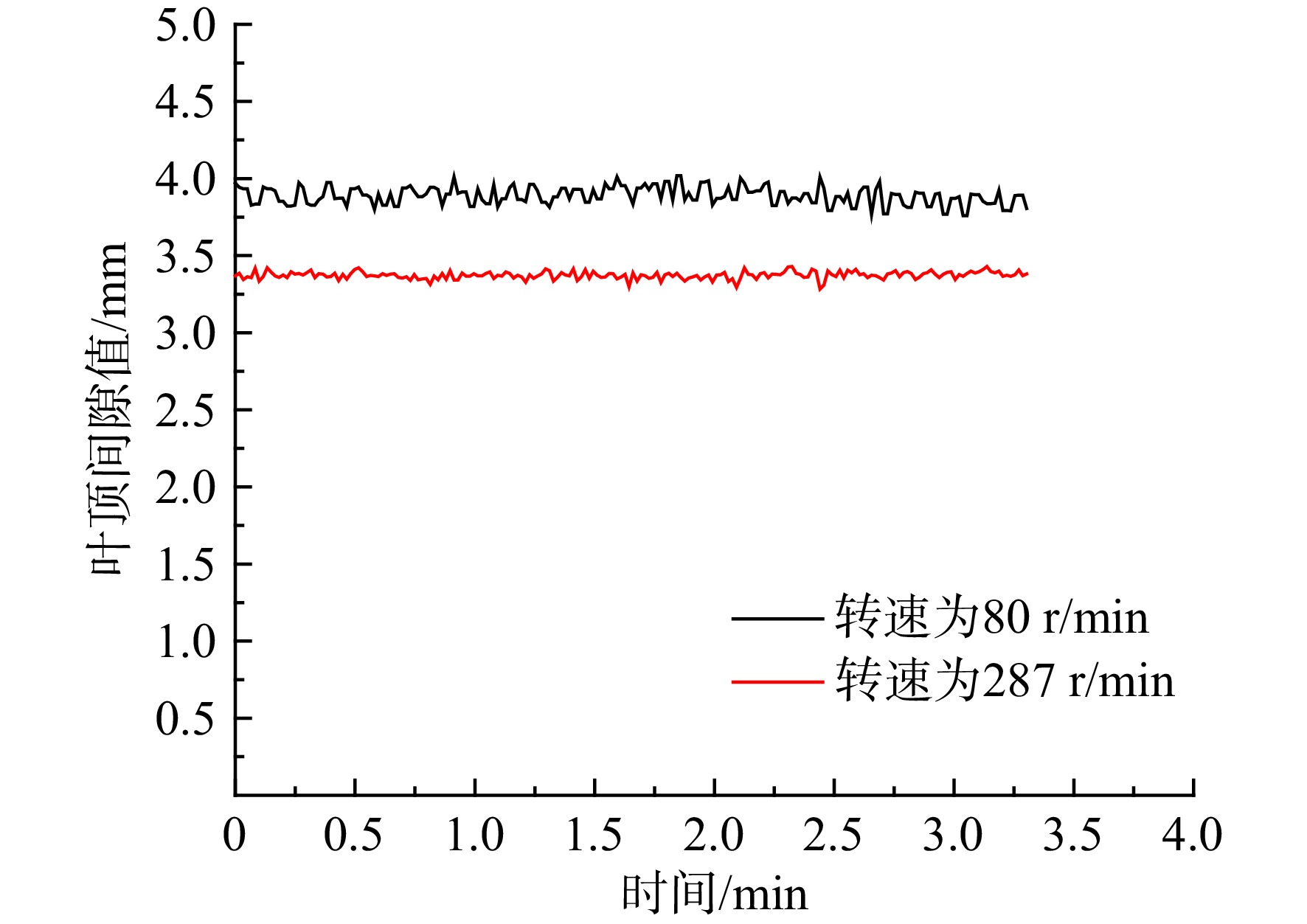
The performance of tip clearance sensor at −196 ℃ was studied. Both static and dynamic tests of the sensor were conducted. A cryogenic cyclic device and a cryogenic rapid temperature drop device were developed to perform the static test of the sensor, including cryogenic cycle, sensor durability and piecewise rapid temperature drop tests. Dynamic test was carried out on a cryogenic compressor platform. The results showed that: effective voltage exported by the sensor was far more than 0.2 V, and the signal-to-noise ratio was better than 26 dB under cryogenic condition. Material, structure and manufacturing process of the sensor satisfied the requirements of multiple temperature cycle alternation, persistent hypothermia and rapid temperature drop in cryogenic situation. Performance of the sensor was stable, and intensity of the laser had no obvious attenuation. Dynamic measurement results of sensor consistent with the design and operation characters of blade, accuracy and sensitivity met the needs of engineering applications. The tip clearance sensor could be applicative in blade operation monitoring situation of cryogenic compressor.

Effects of convergent impingement holes on leading-edge impingement cooling performance in stationary vanes
LIU Yusong, ZHU Hua, YAN Biao, LI Liang
2025, 40(8): 20230047. doi: 10.13224/j.cnki.jasp.20230047
Abstract:

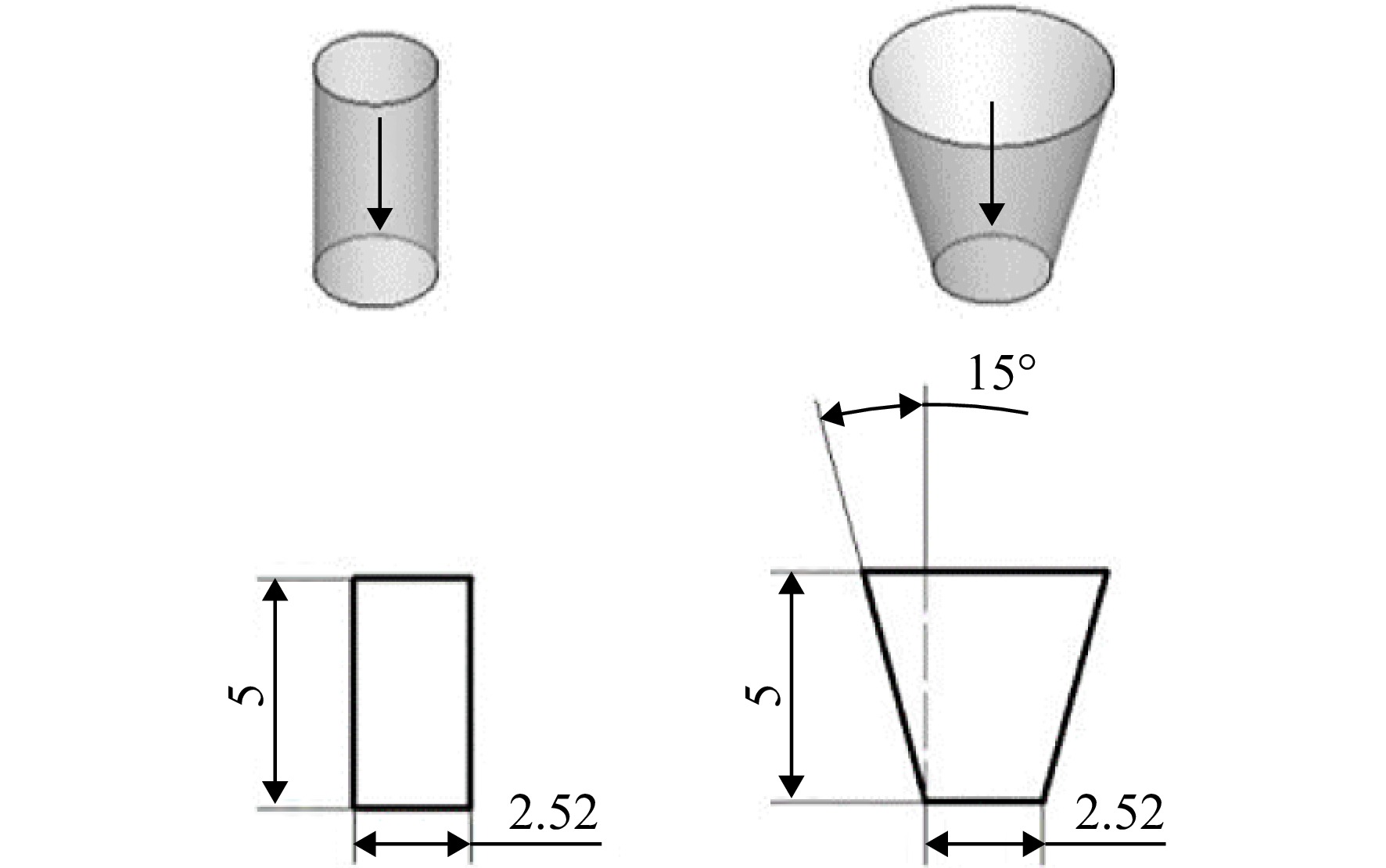
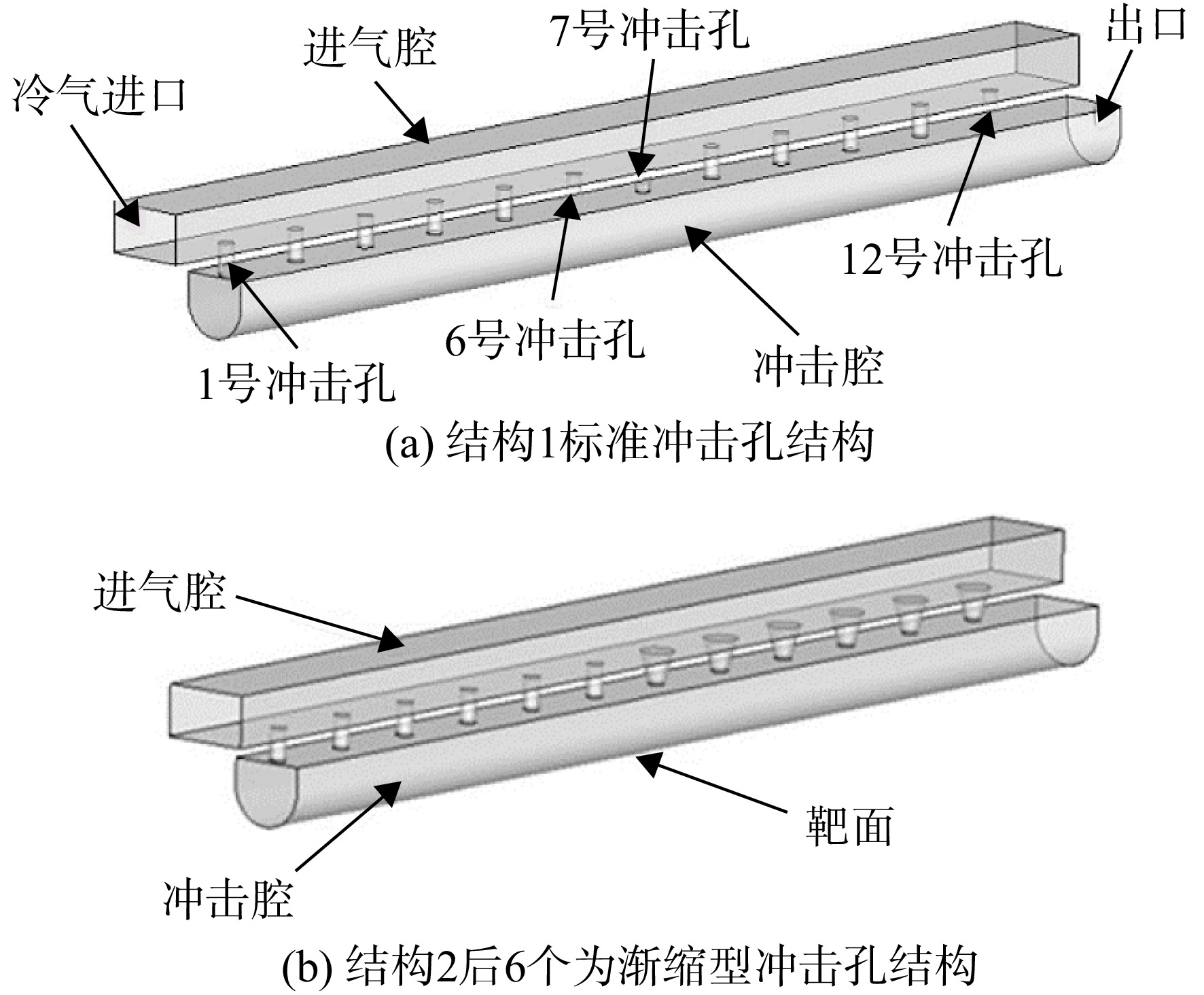
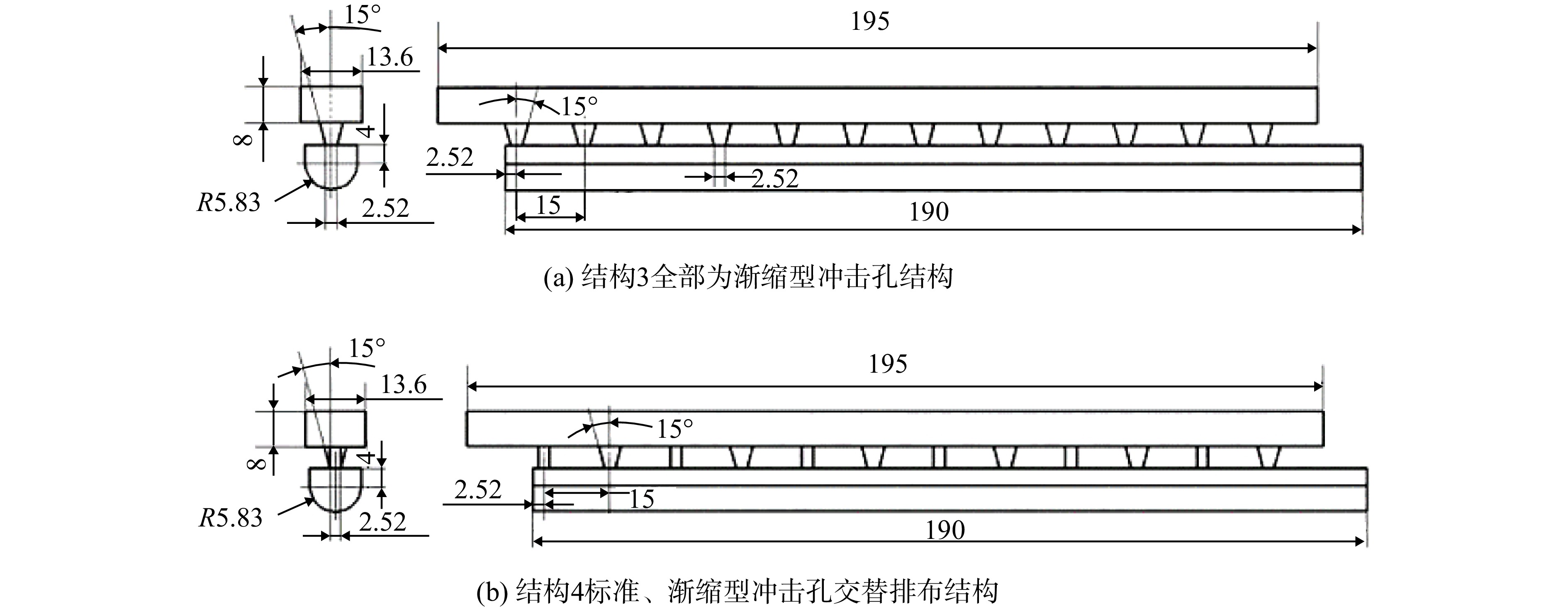
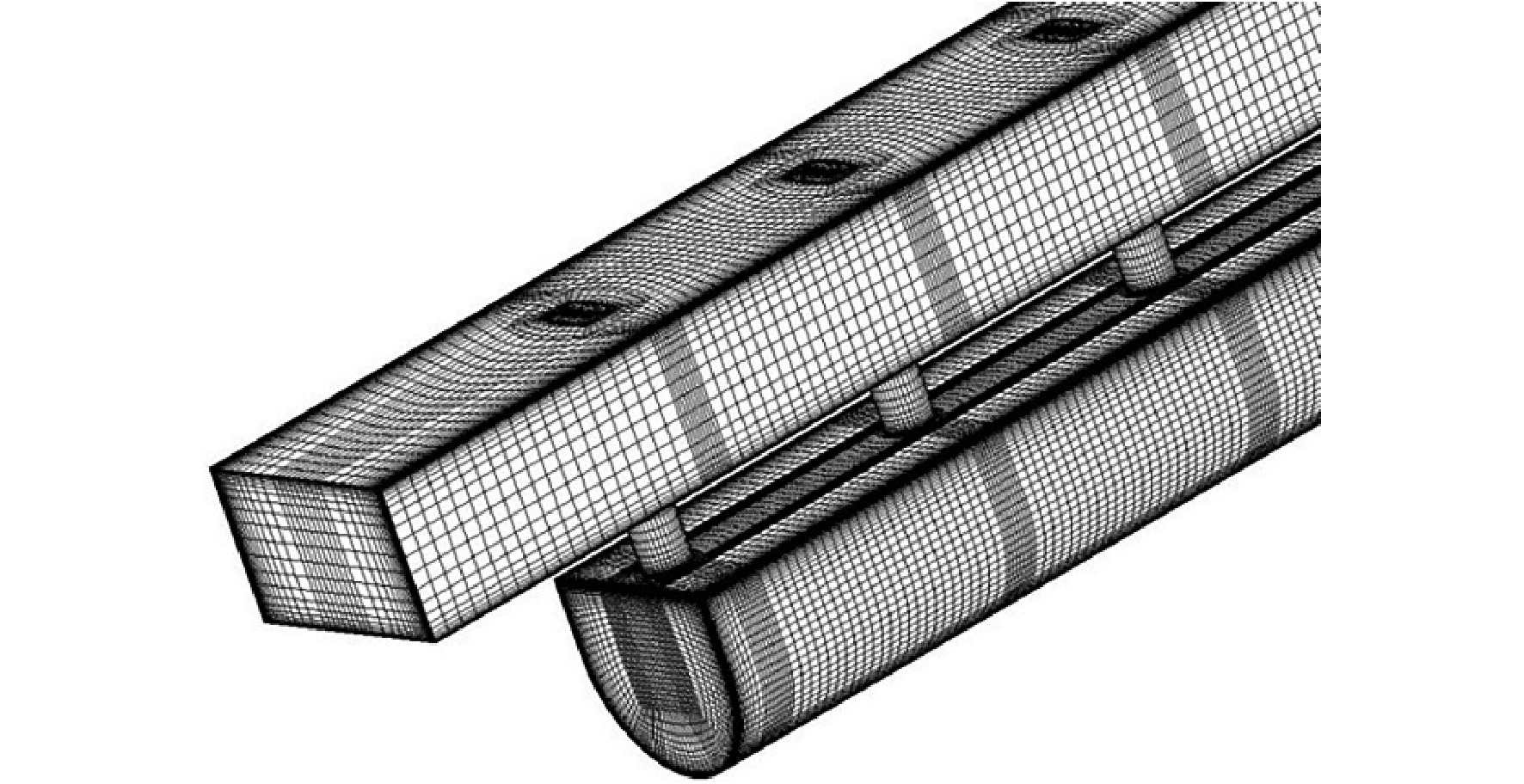
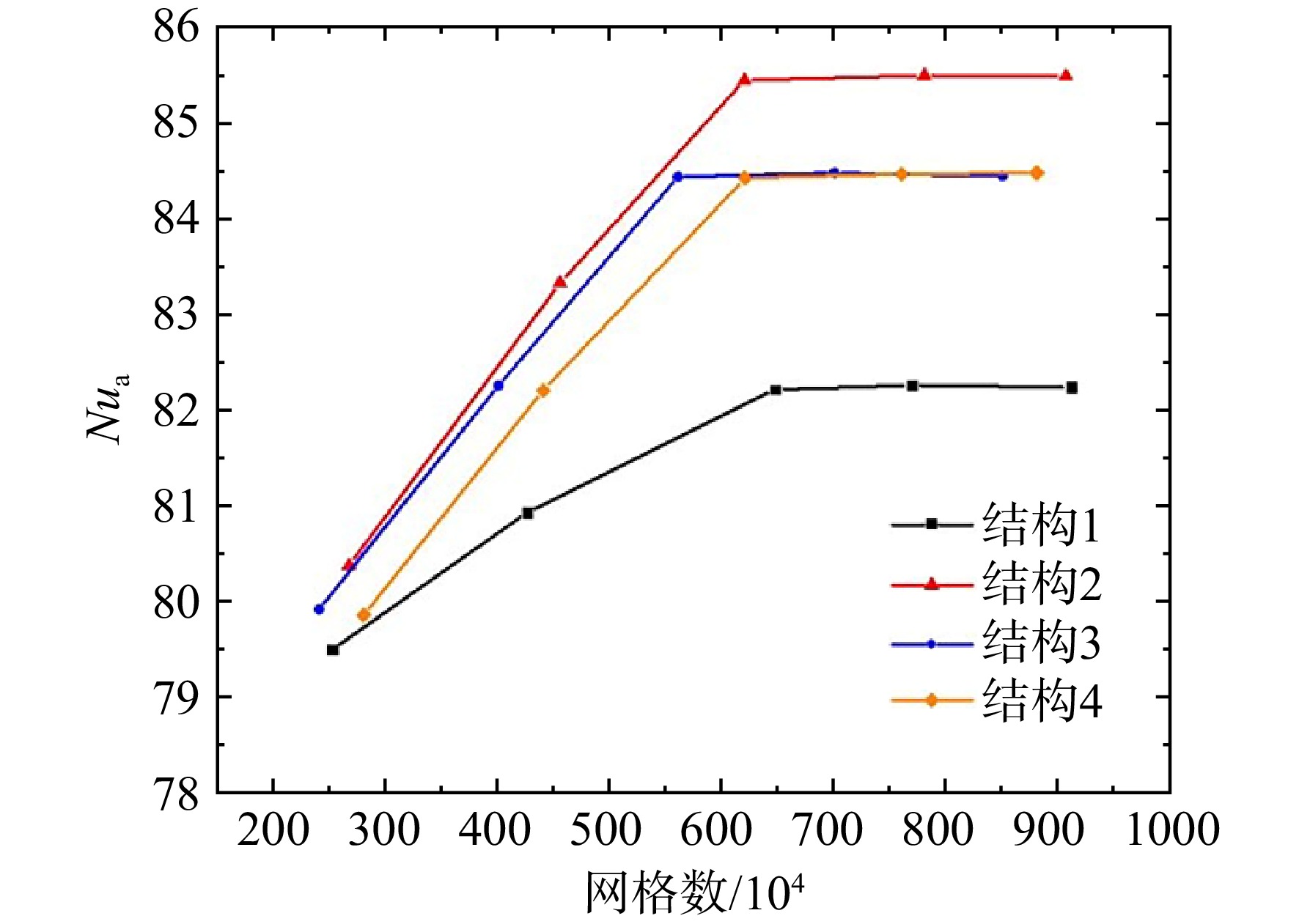
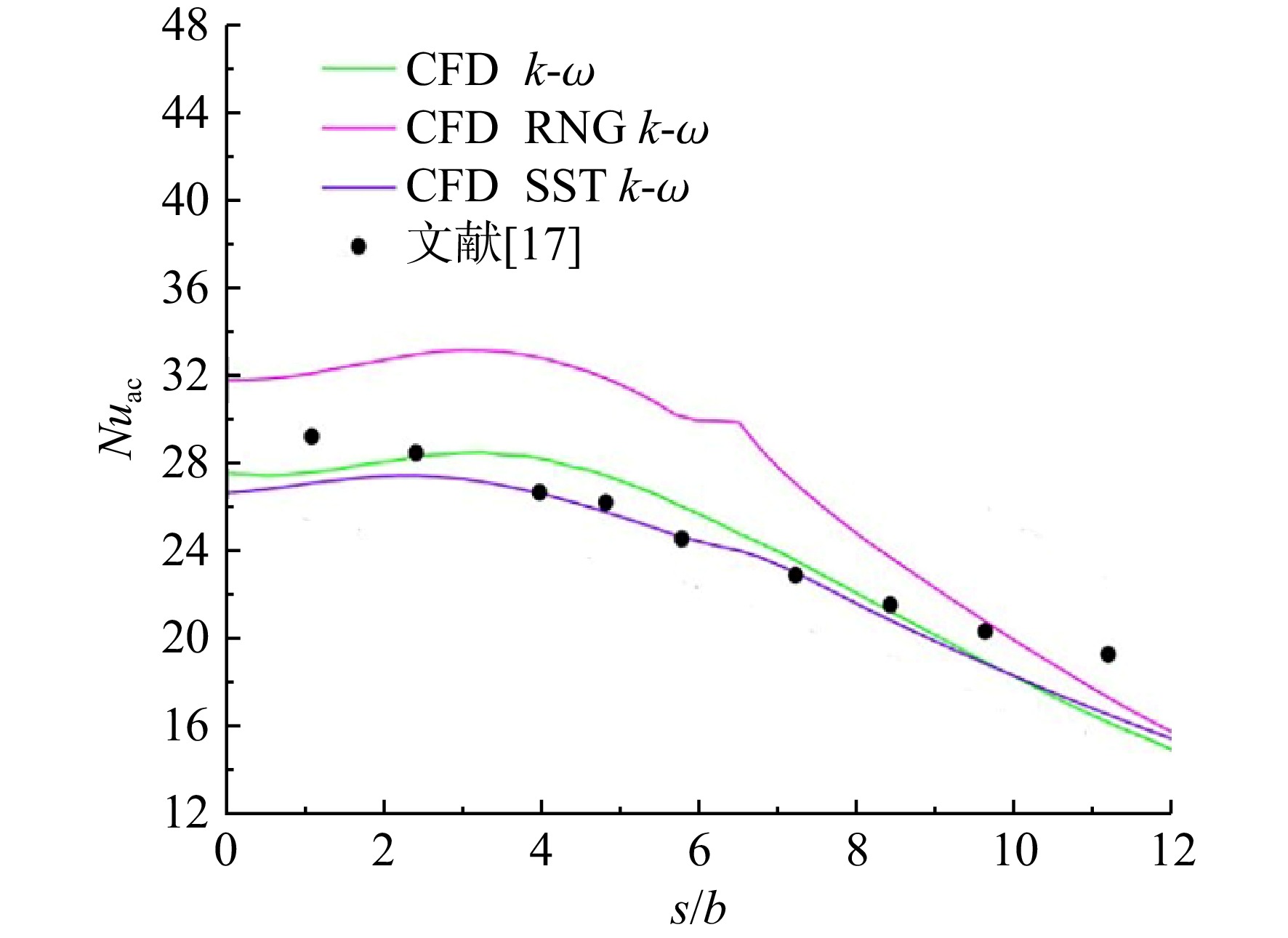
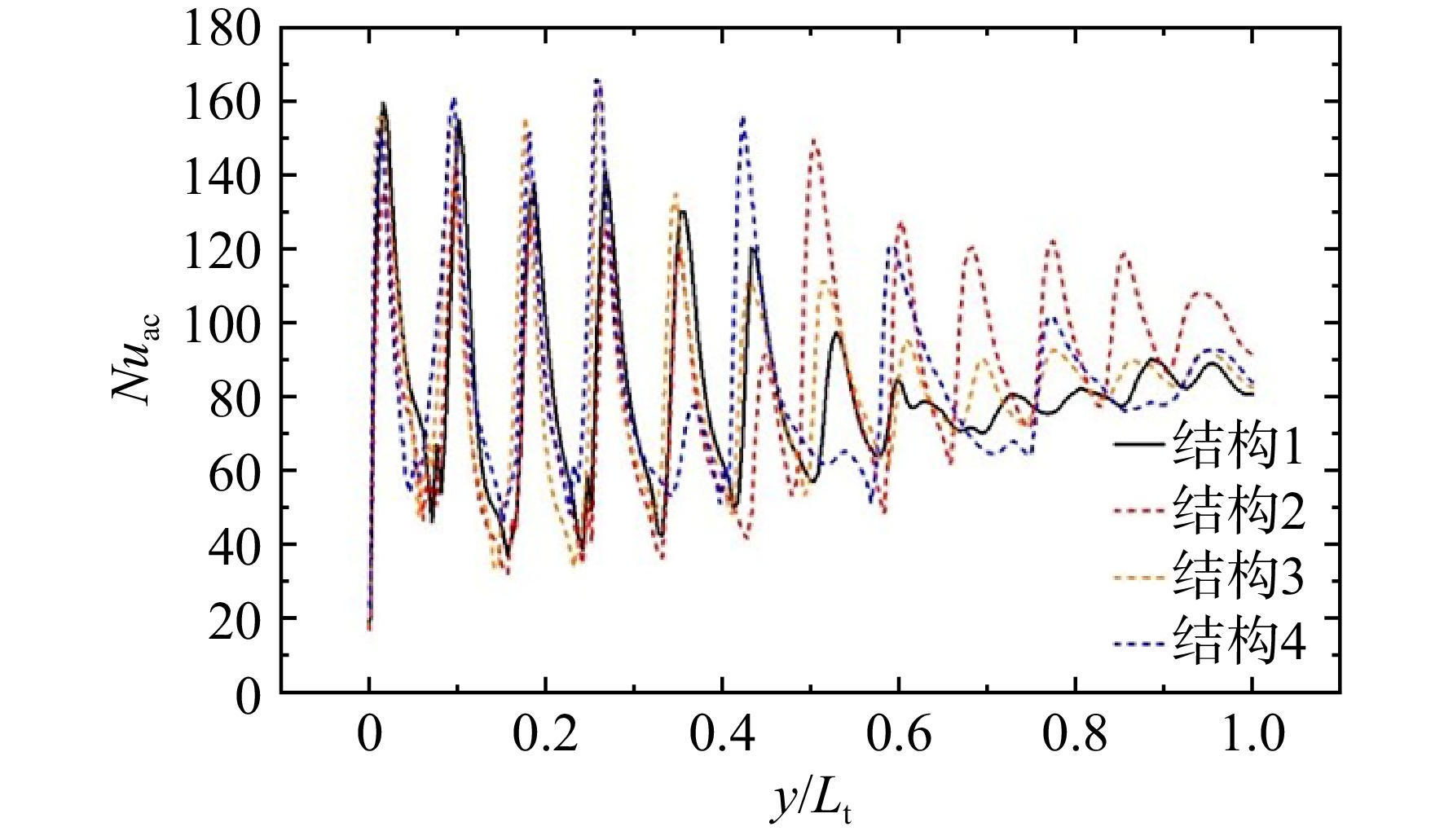
To investigate the parametric impact of the arrangement of the convergent impingement holes on the flow and heat transfer characteristics of the vane leading edge impingement cooling structure, three types of cooling structures with different convergent impingement holes arrangement based on 12 standard impingement holes were established. ANSYS CFX was used to stimulate the flow and heat transfer characteristics of the four impingement models. The thermal performance factors of the four structures were also compared and analyzed in detail. The results showed that the convergent impingement holes can reduce the flow resistance of cooling air and the coolant flow resistance with more convergent impingement holes was smaller. The cooling structure with 6 convergent impingement holes arranged downstream showed the best heat transfer and the most uniform heat transfer distribution of the target surface. The cooling structure with alternant arrangement of standard impingement holes and convergent impingement holes showed the worst heat transfer uniformity on the target surface. The three new structures can all significantly increase the thermal performance factor. Compared with the standard structure, the thermal performance factor of the cooling structure with only 6 convergent impingement holes arranged downstream increased by 20.07%; the thermal performance factor of the cooling structure with all convergent impingement holes increased by 21.72%; the thermal performance factor of the alternate arranged structure increased by 12.11%.

Power Transimission
Dynamic modeling analysis of multiple excitations in aeroengine accessory systems
XU Hao, XU Yingqiang, GE Changchuang, LIU Youwei, ZHANG Lan, SUN Xiewen
2025, 40(8): 20230408. doi: 10.13224/j.cnki.jasp.20230408
Abstract:

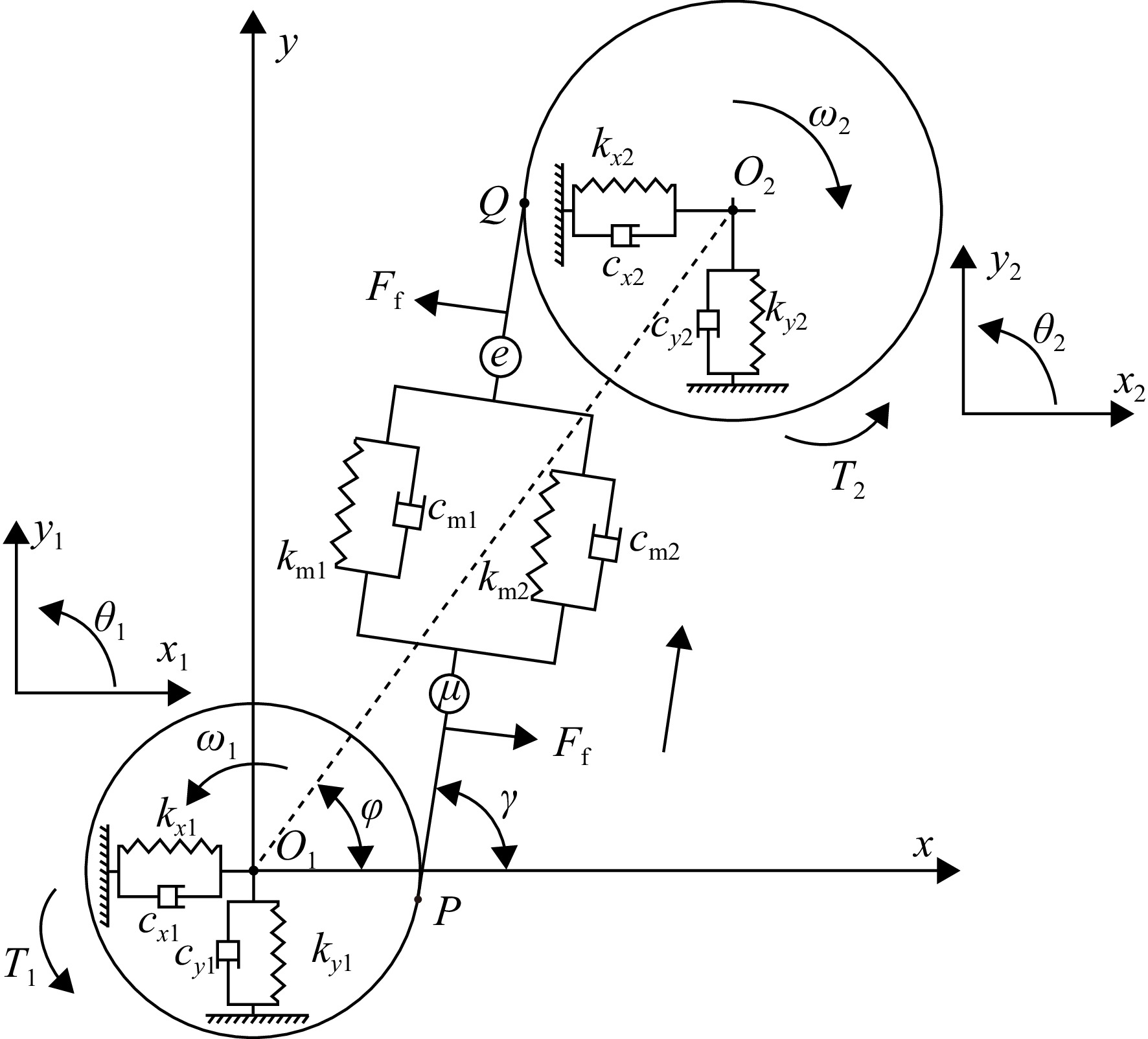
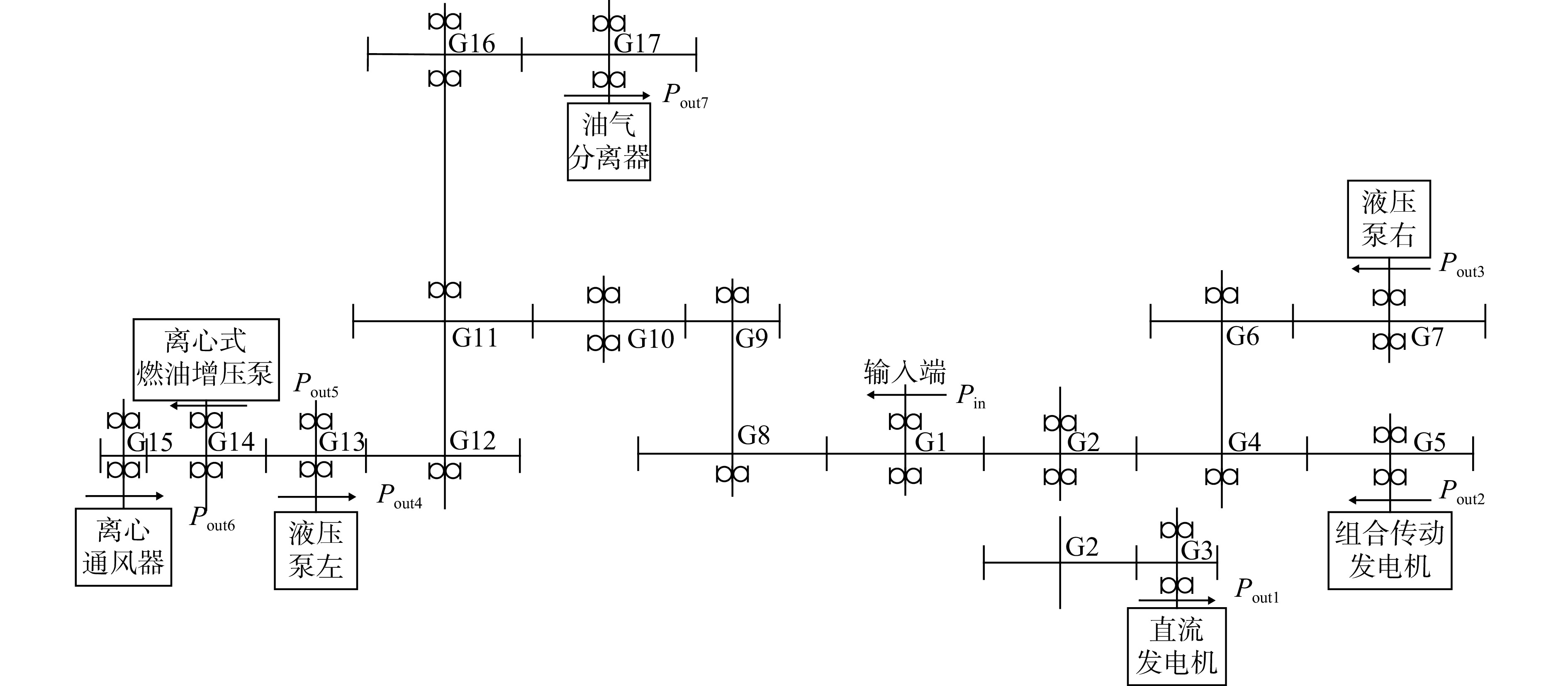
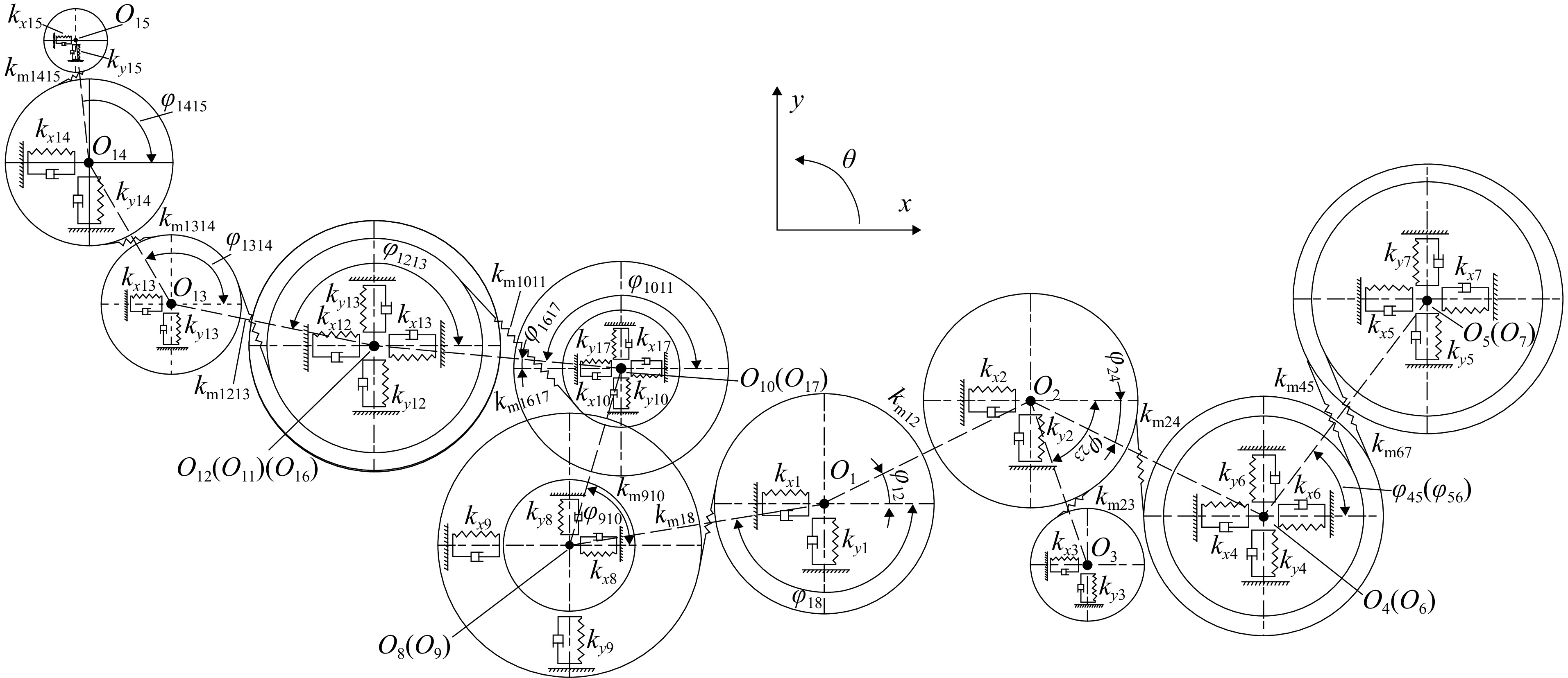
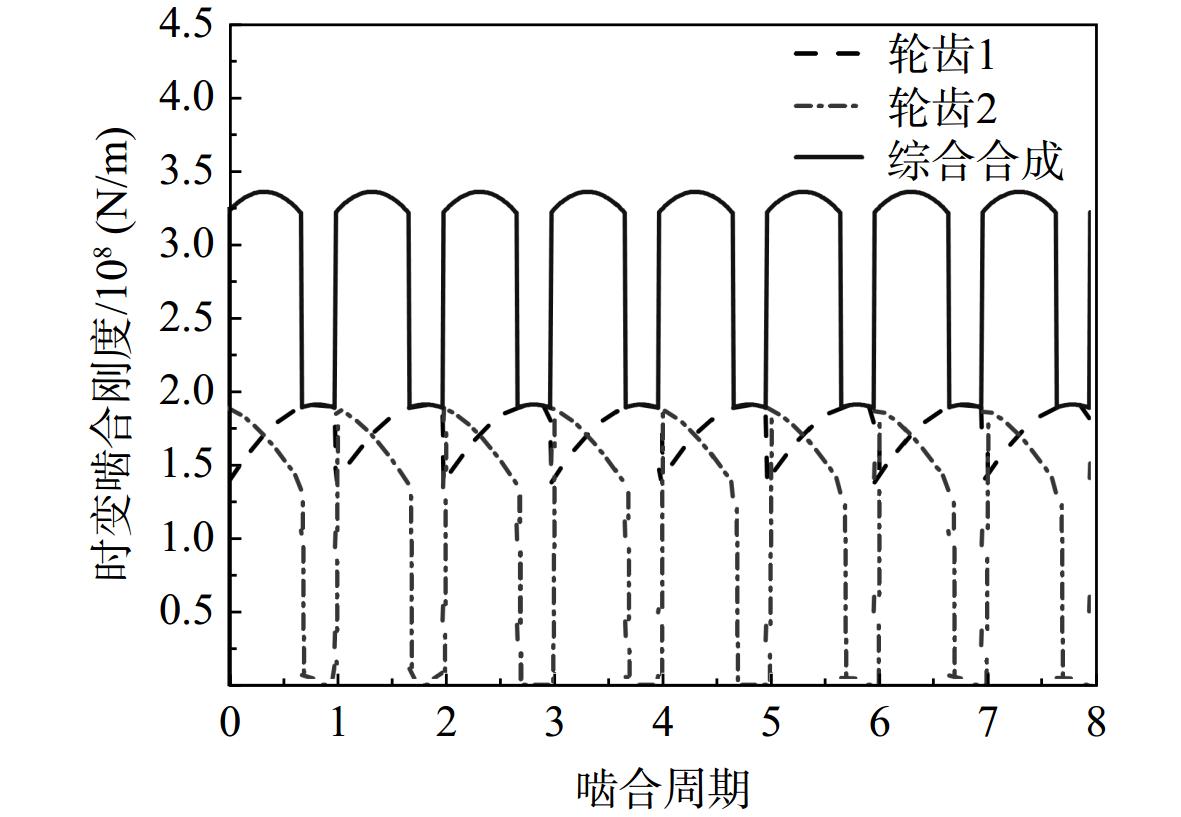
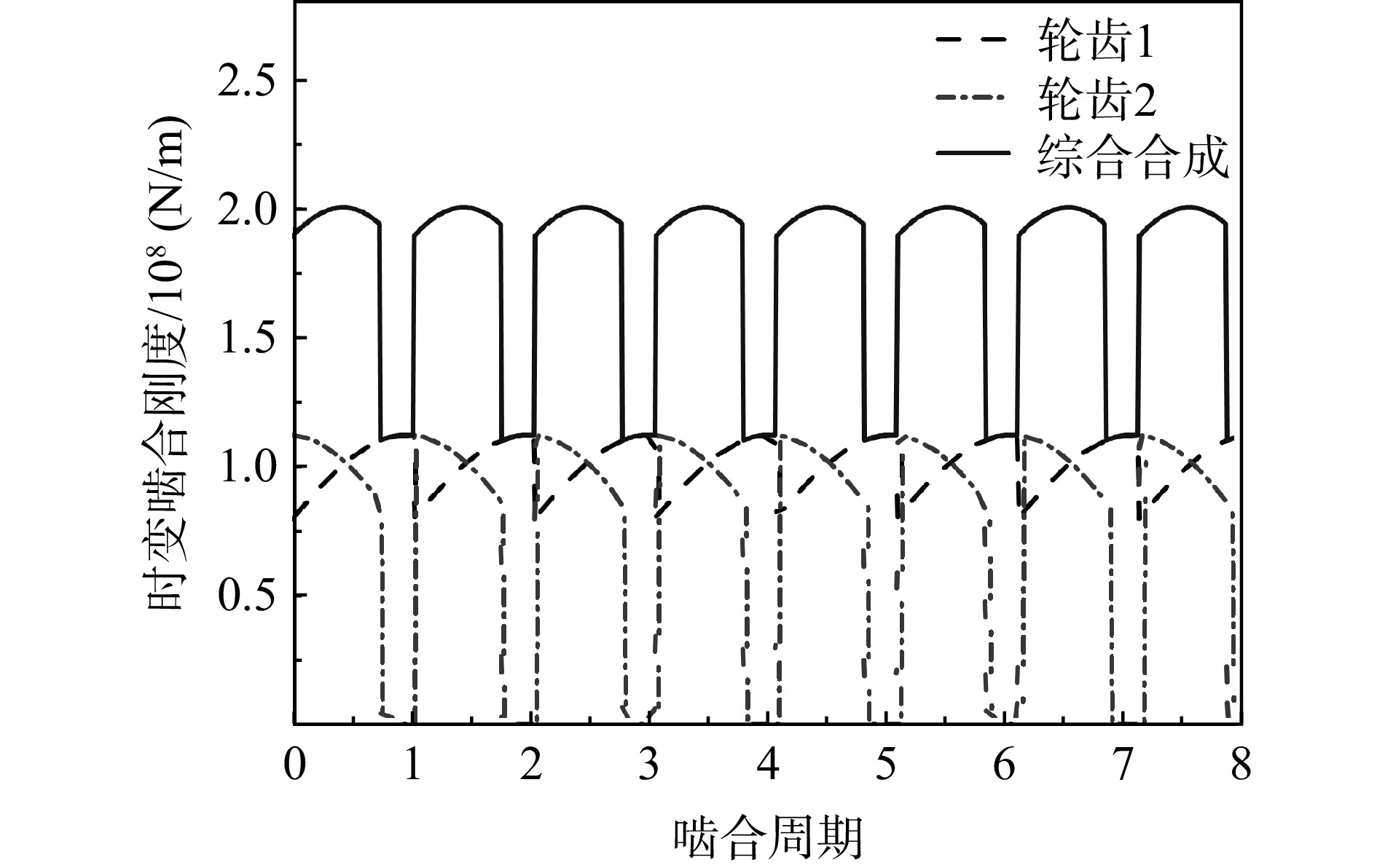
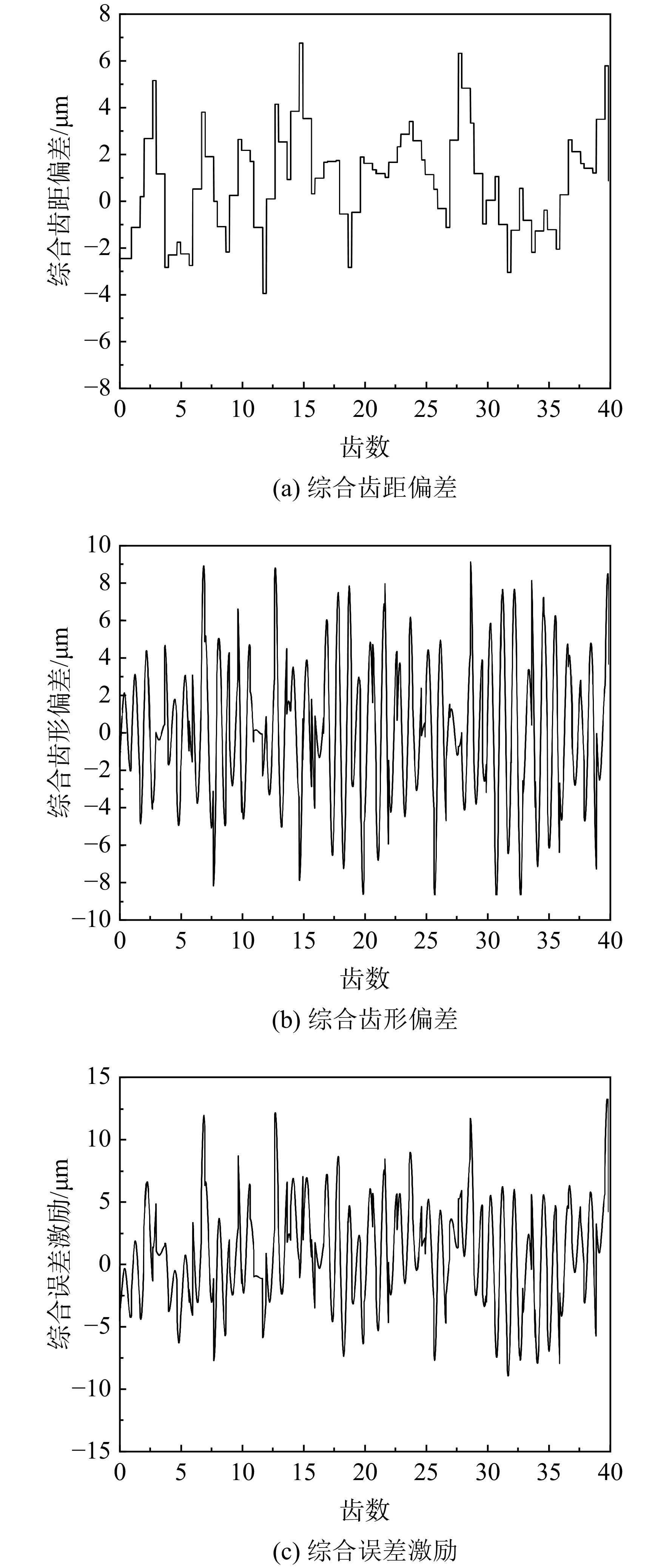
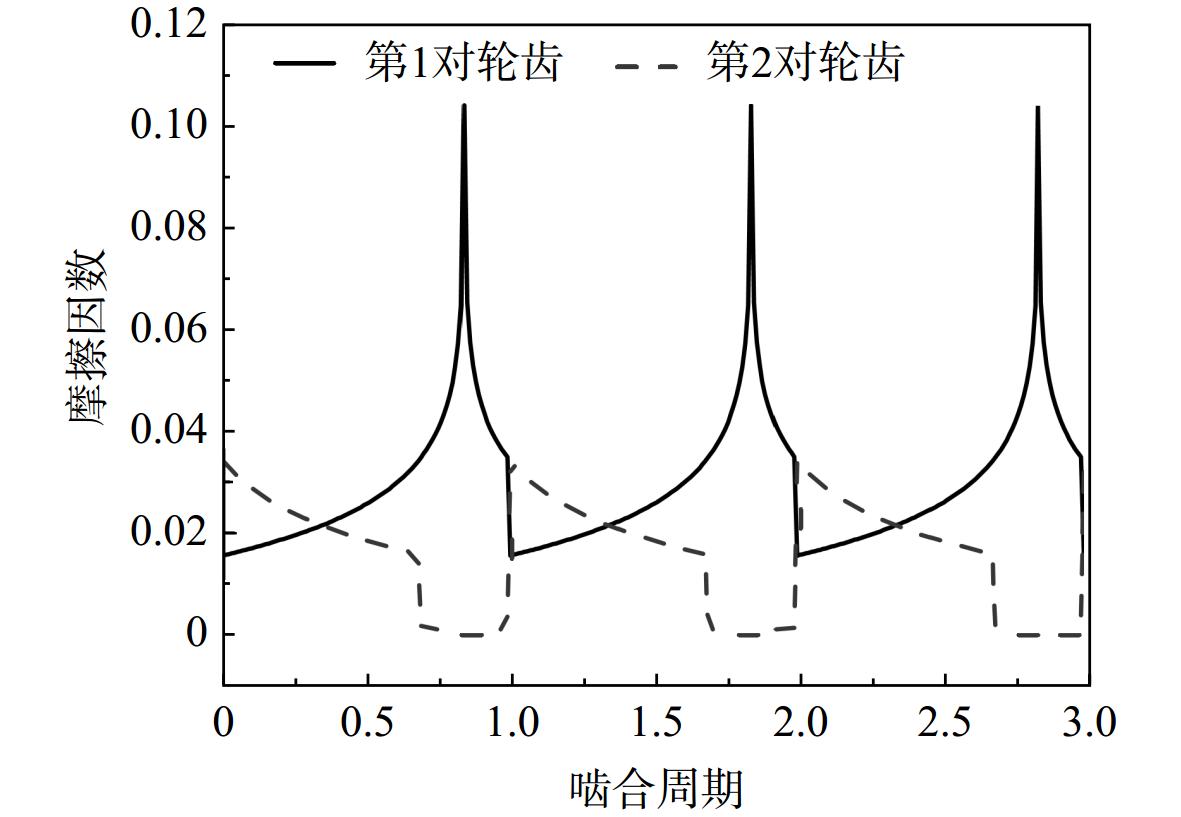
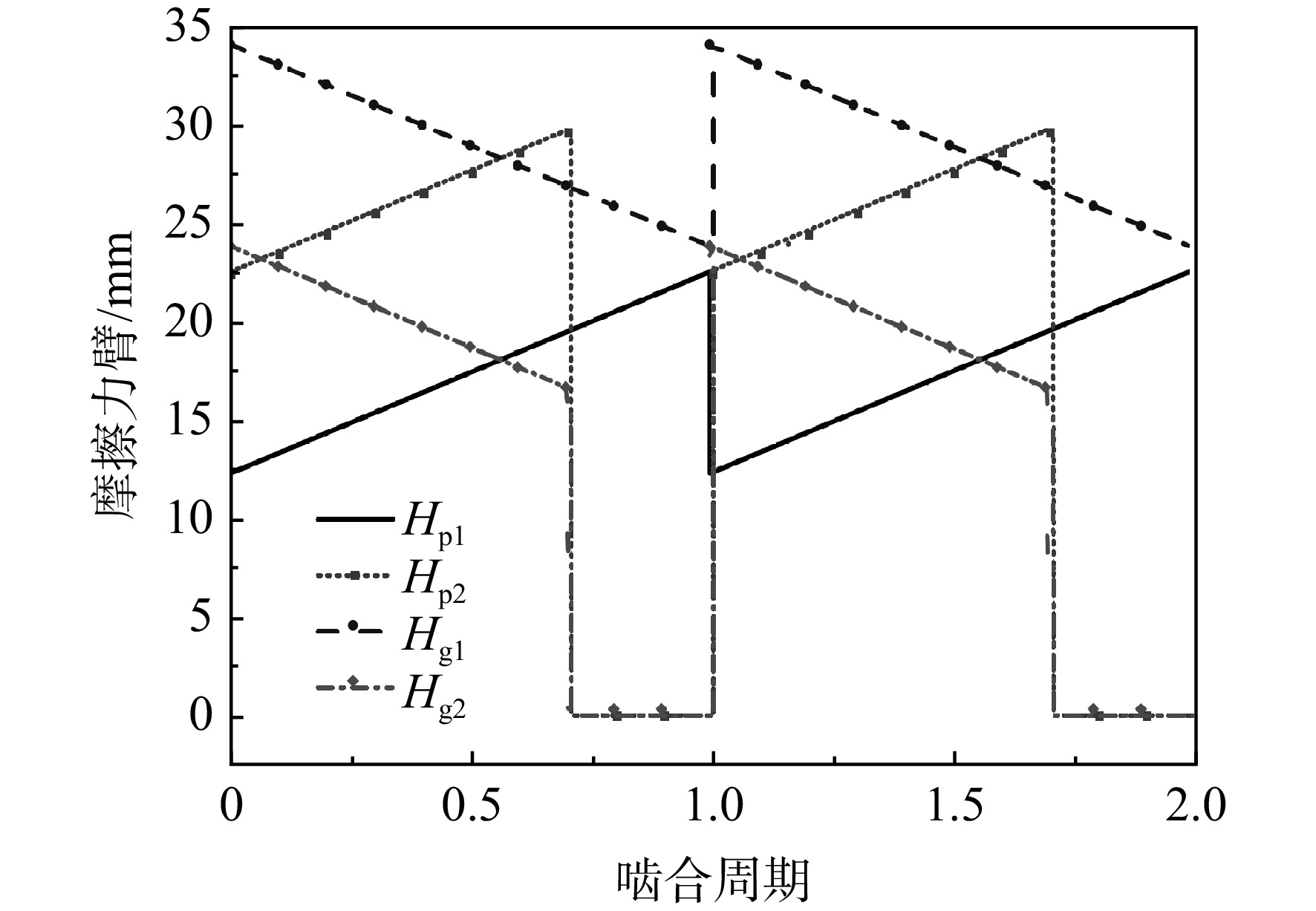
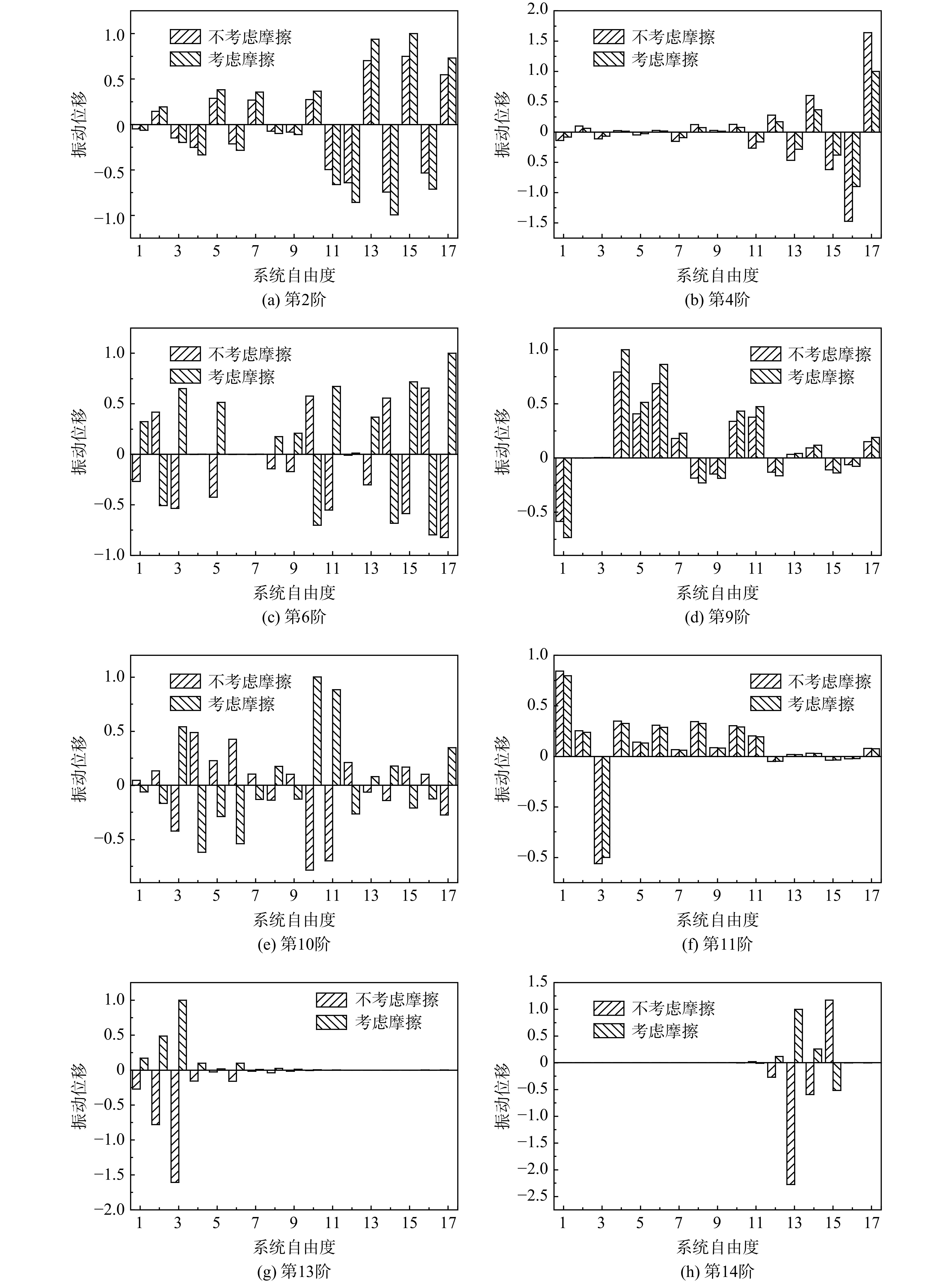
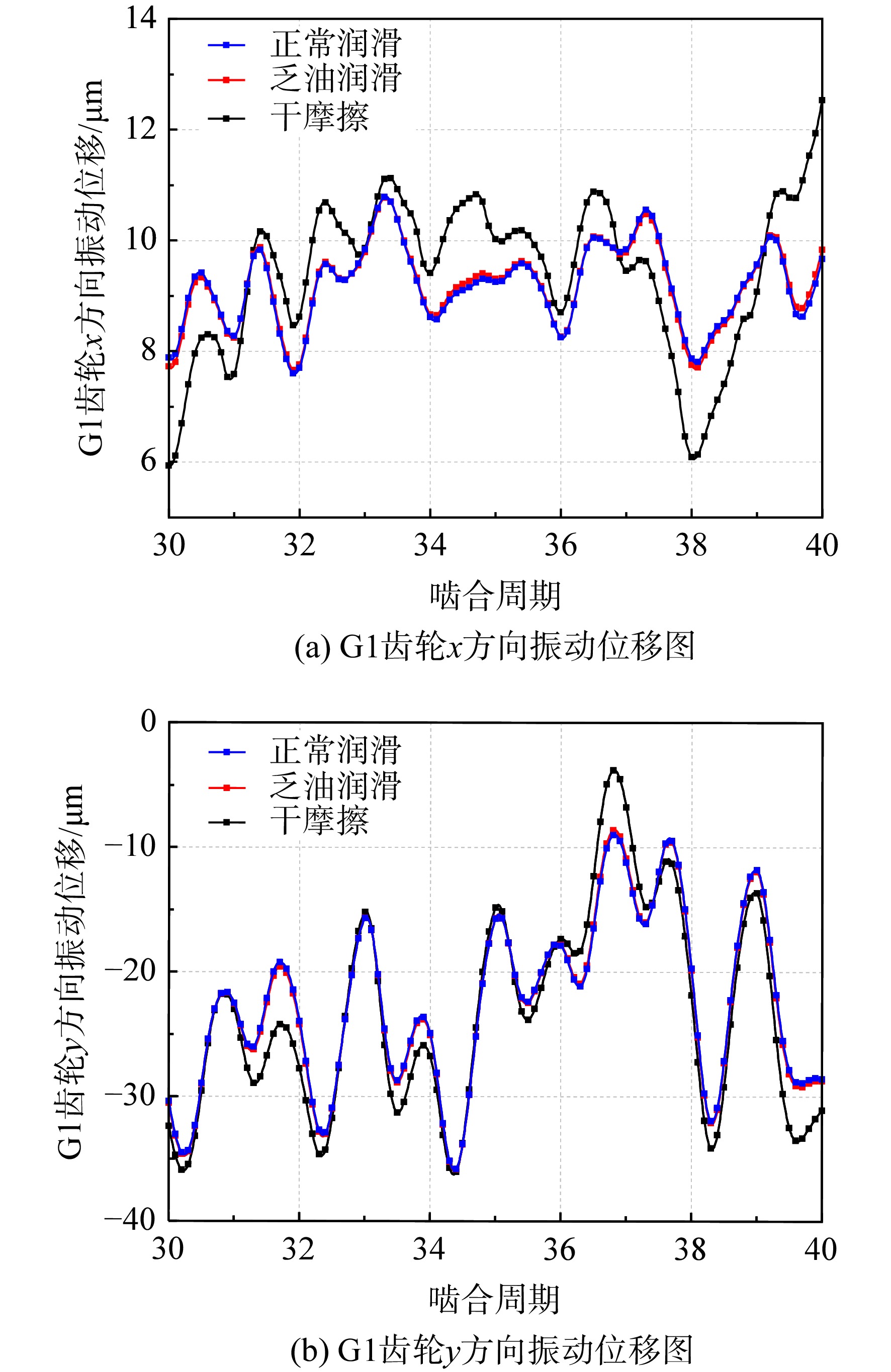
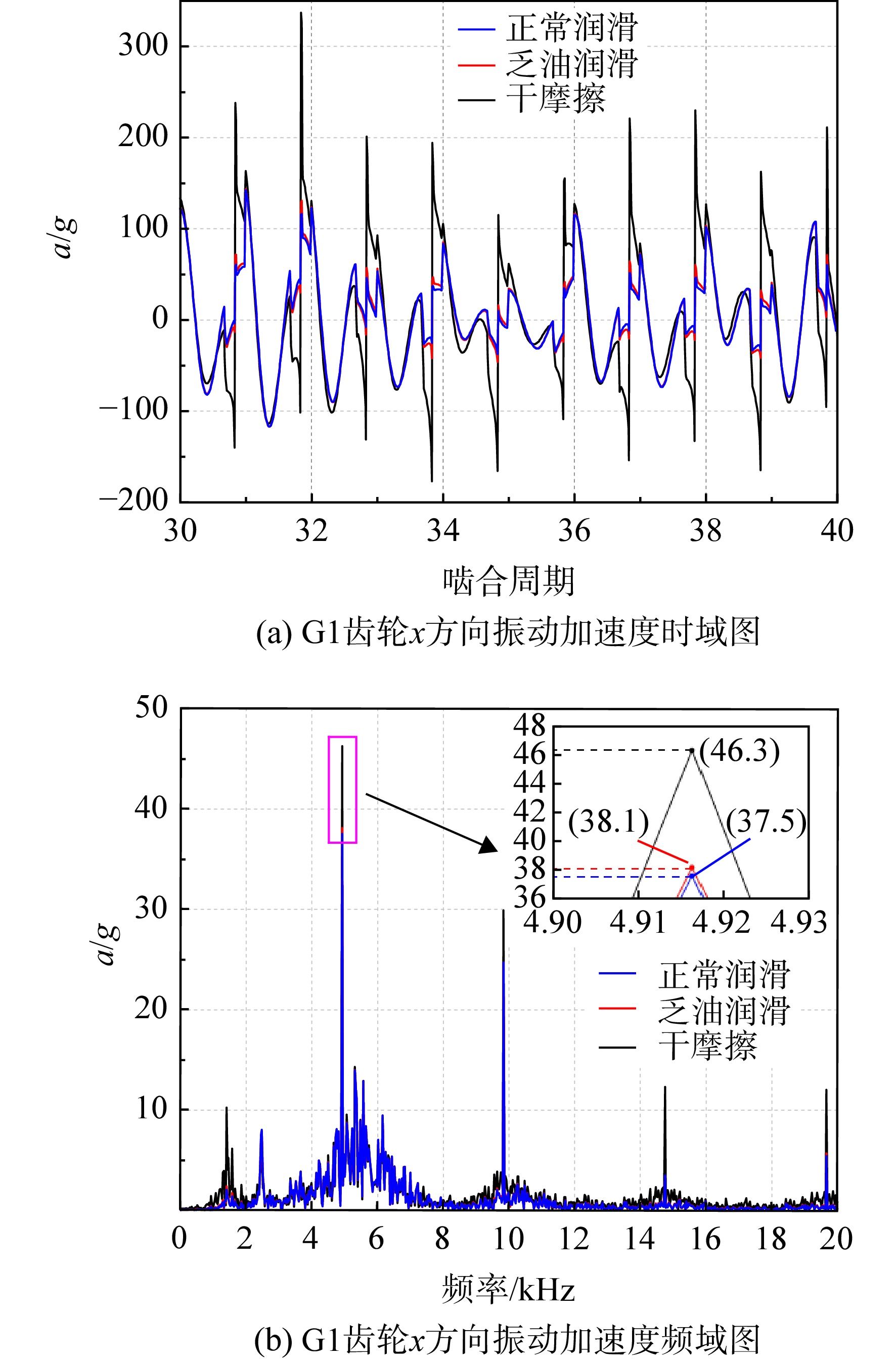
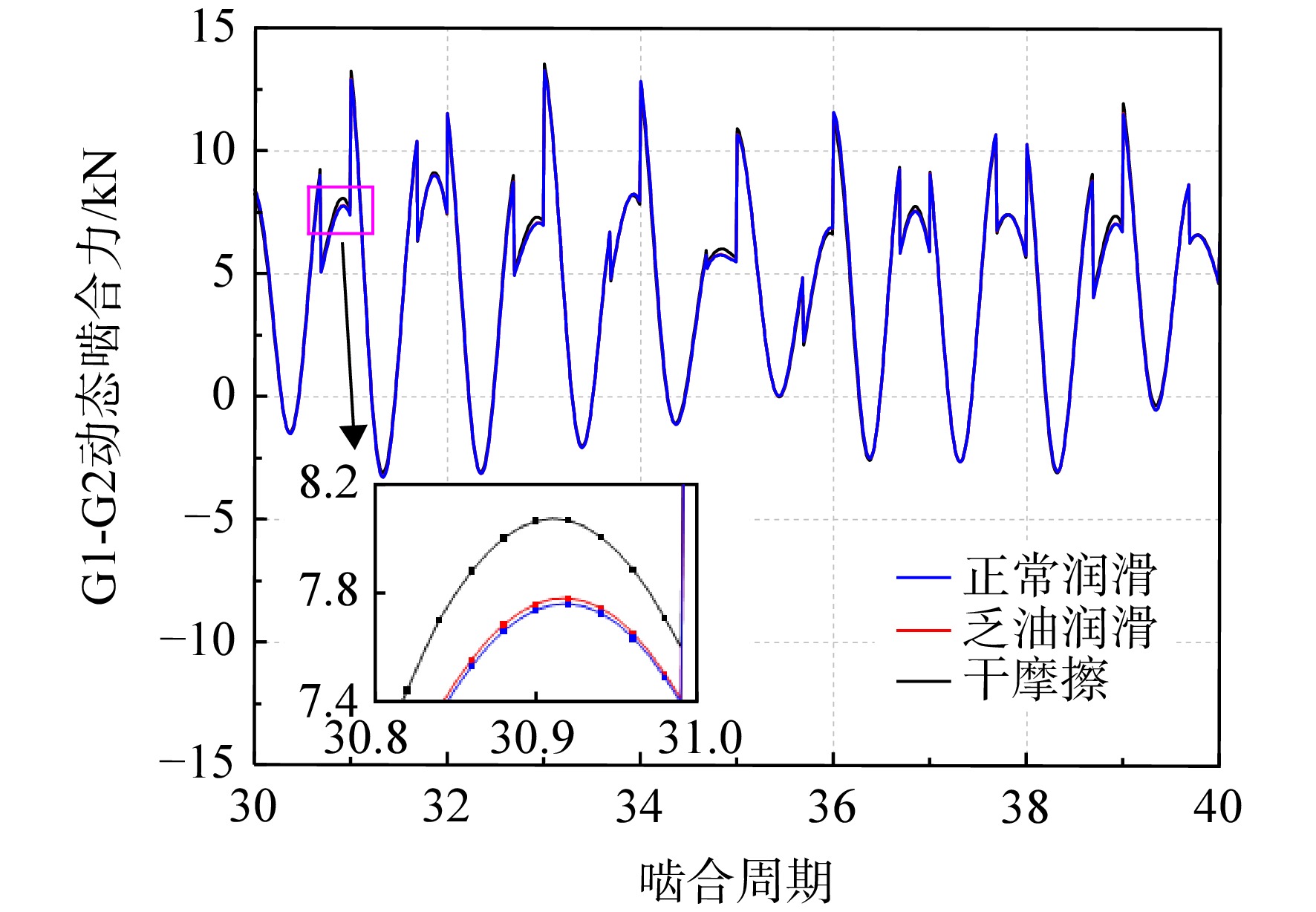
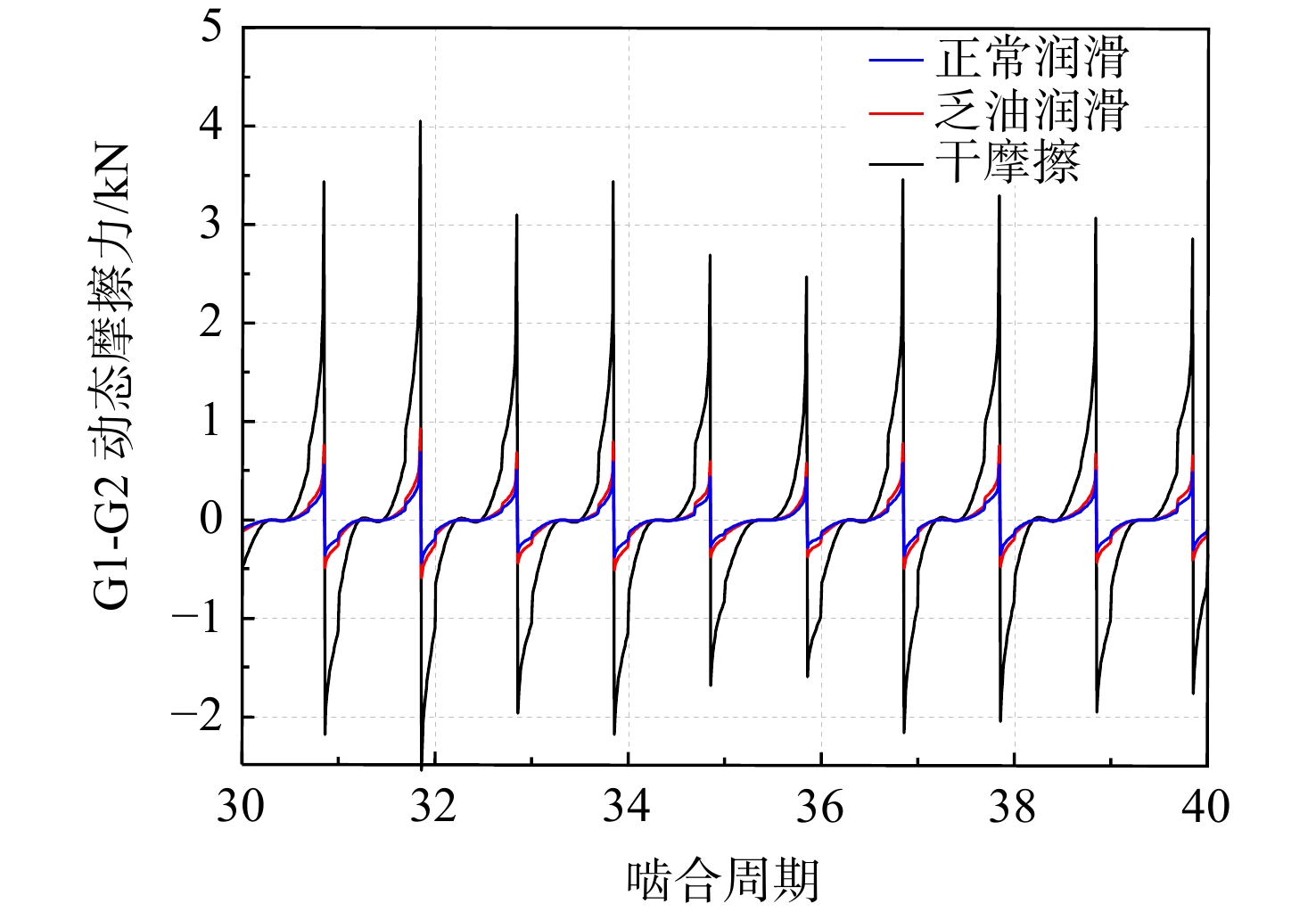
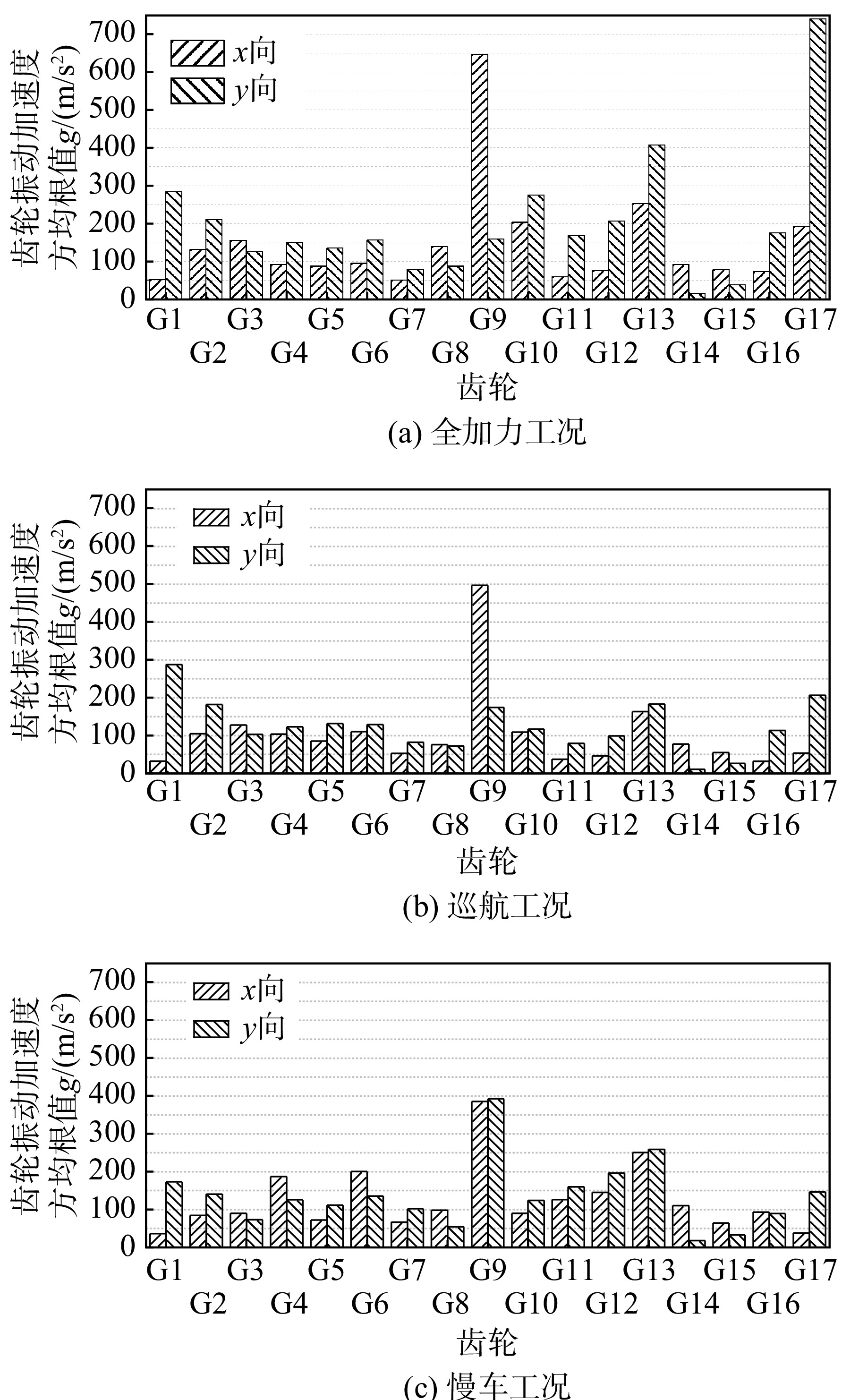
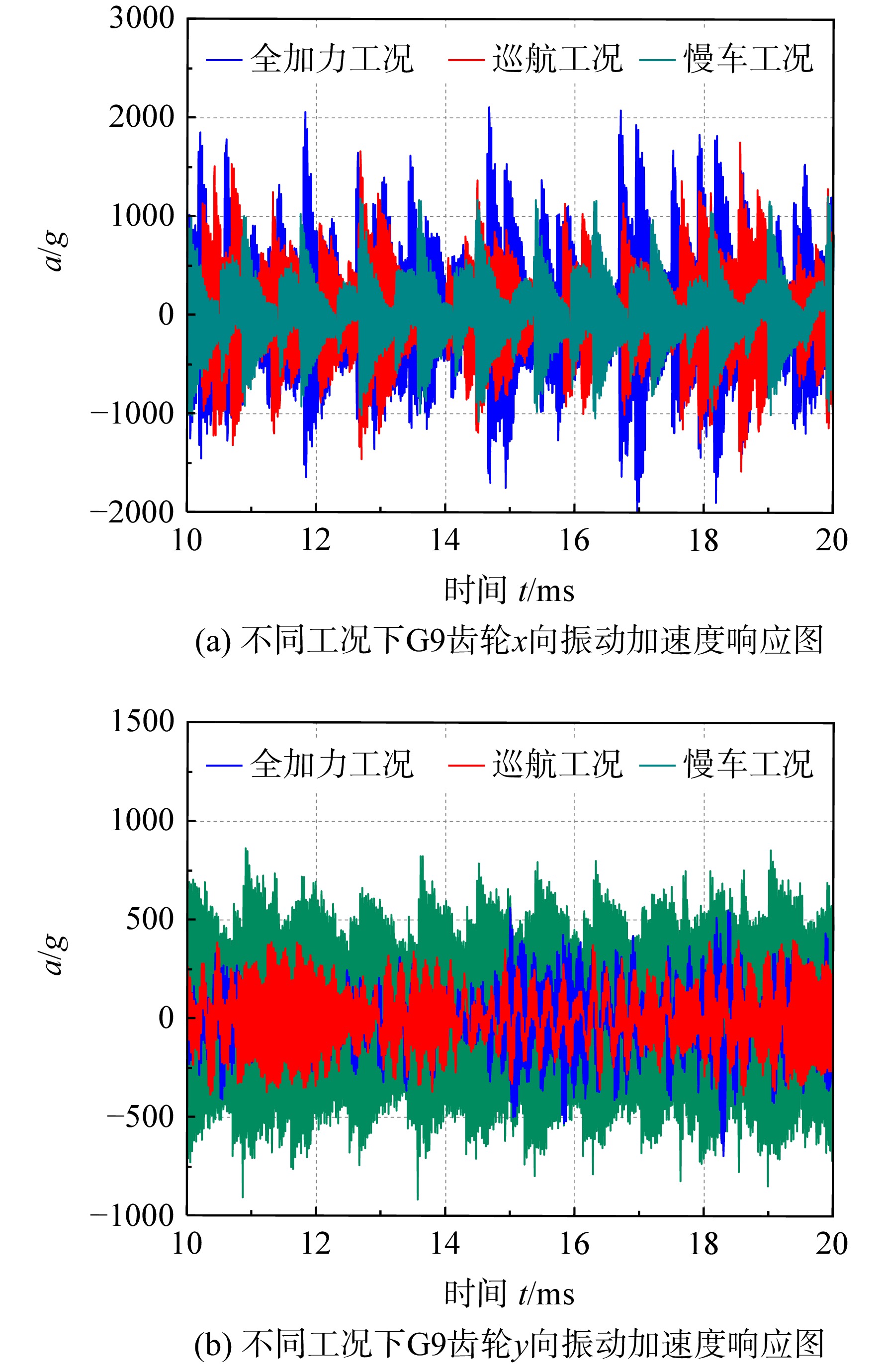
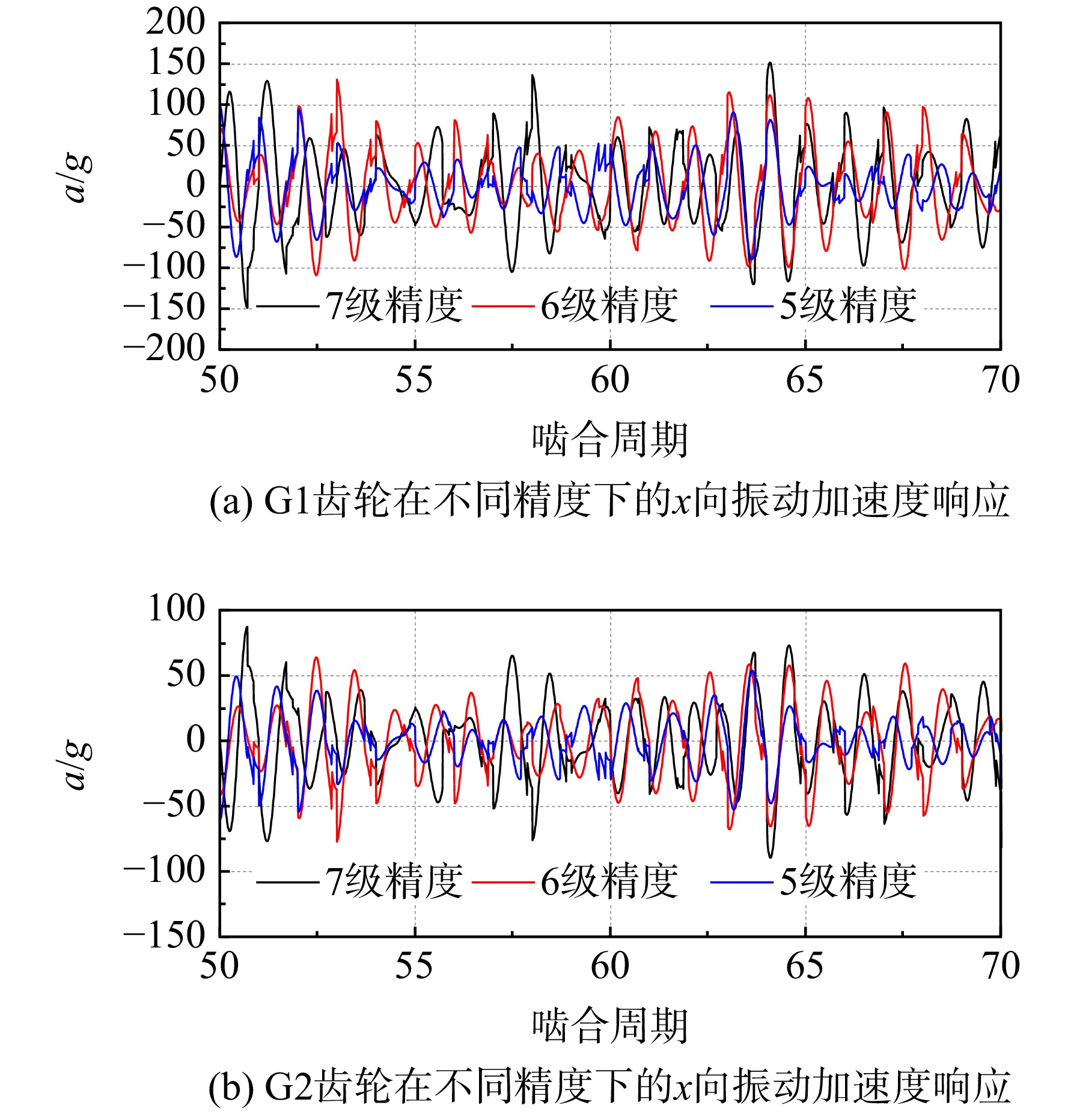
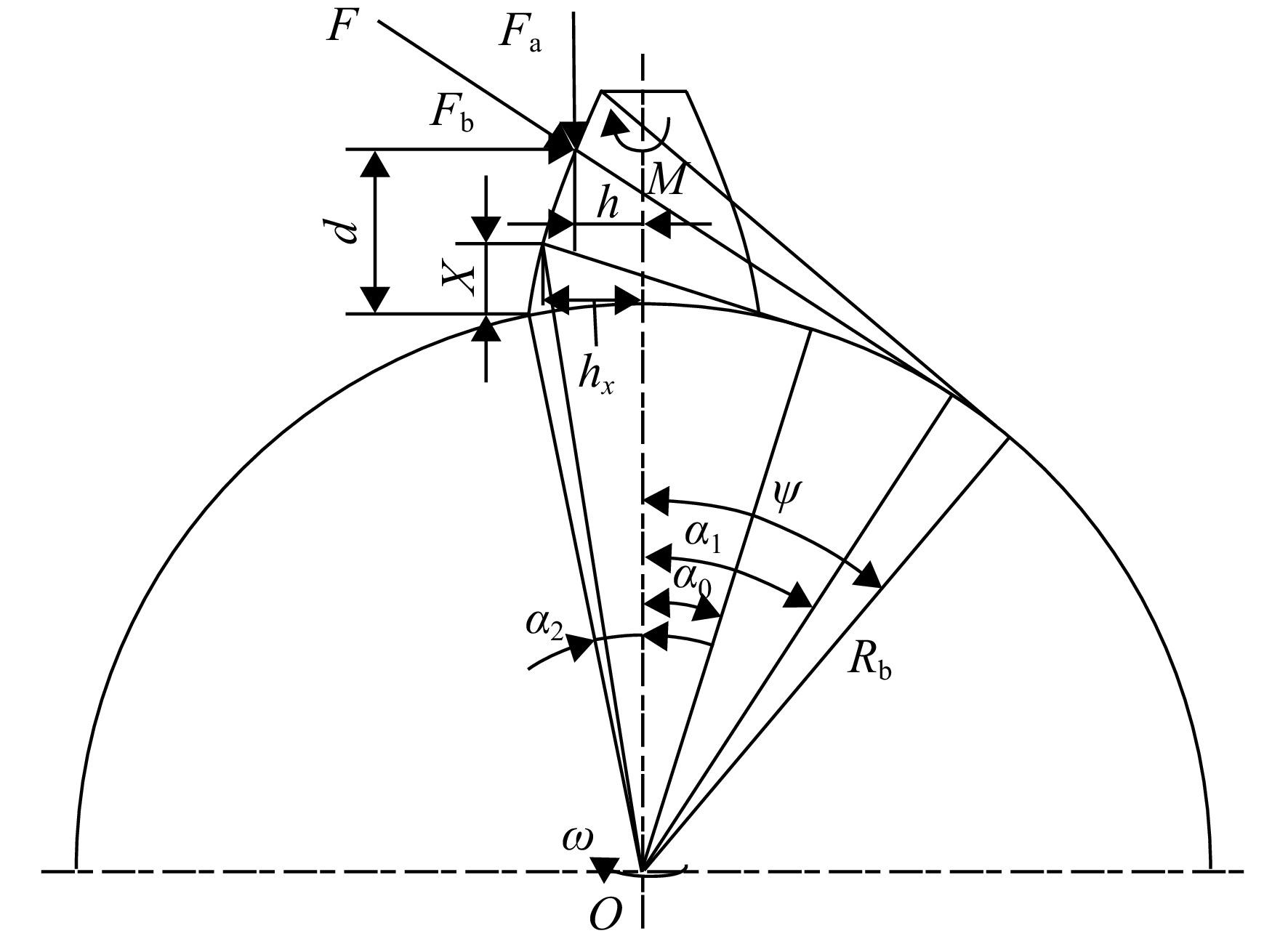
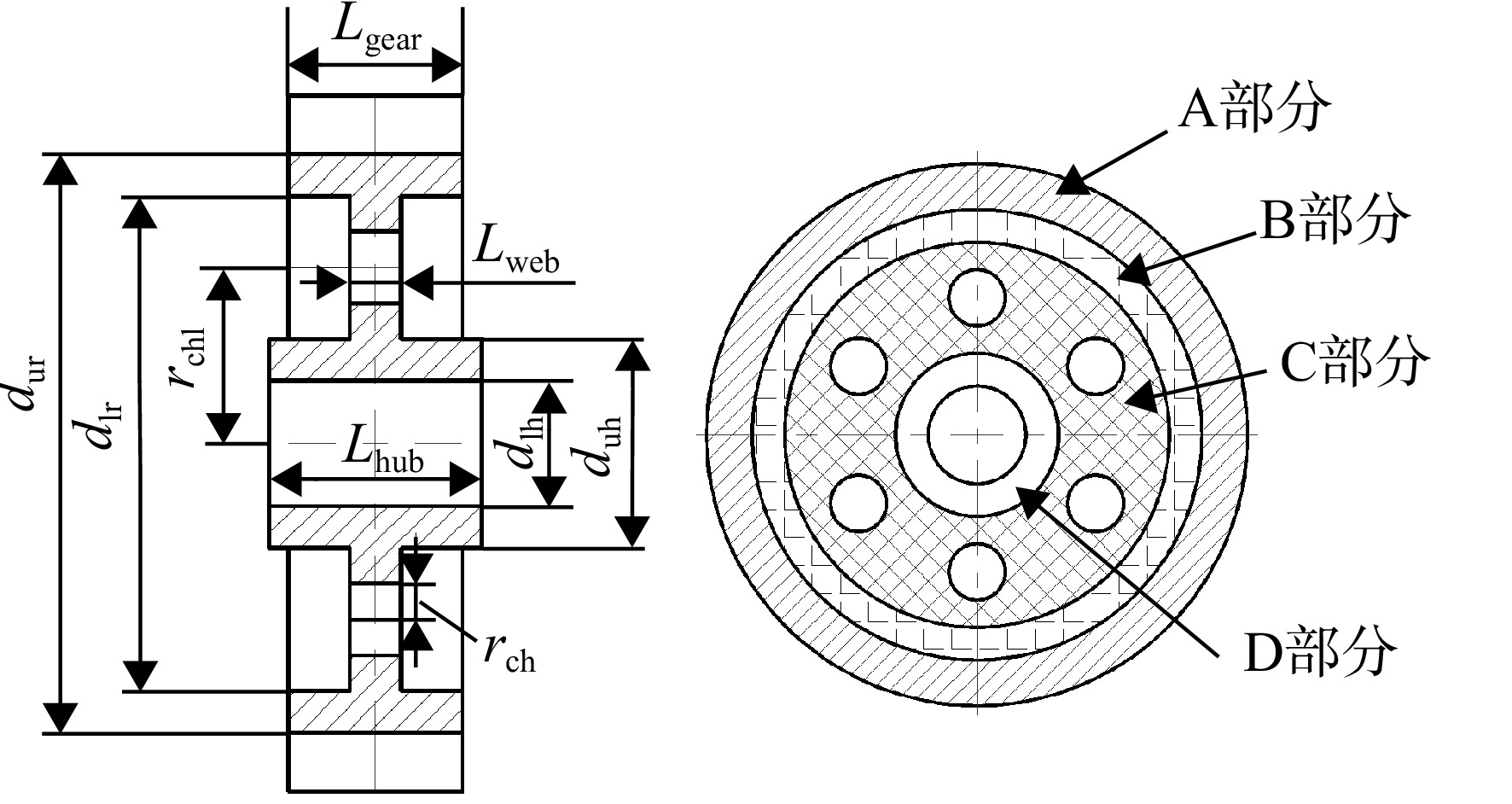
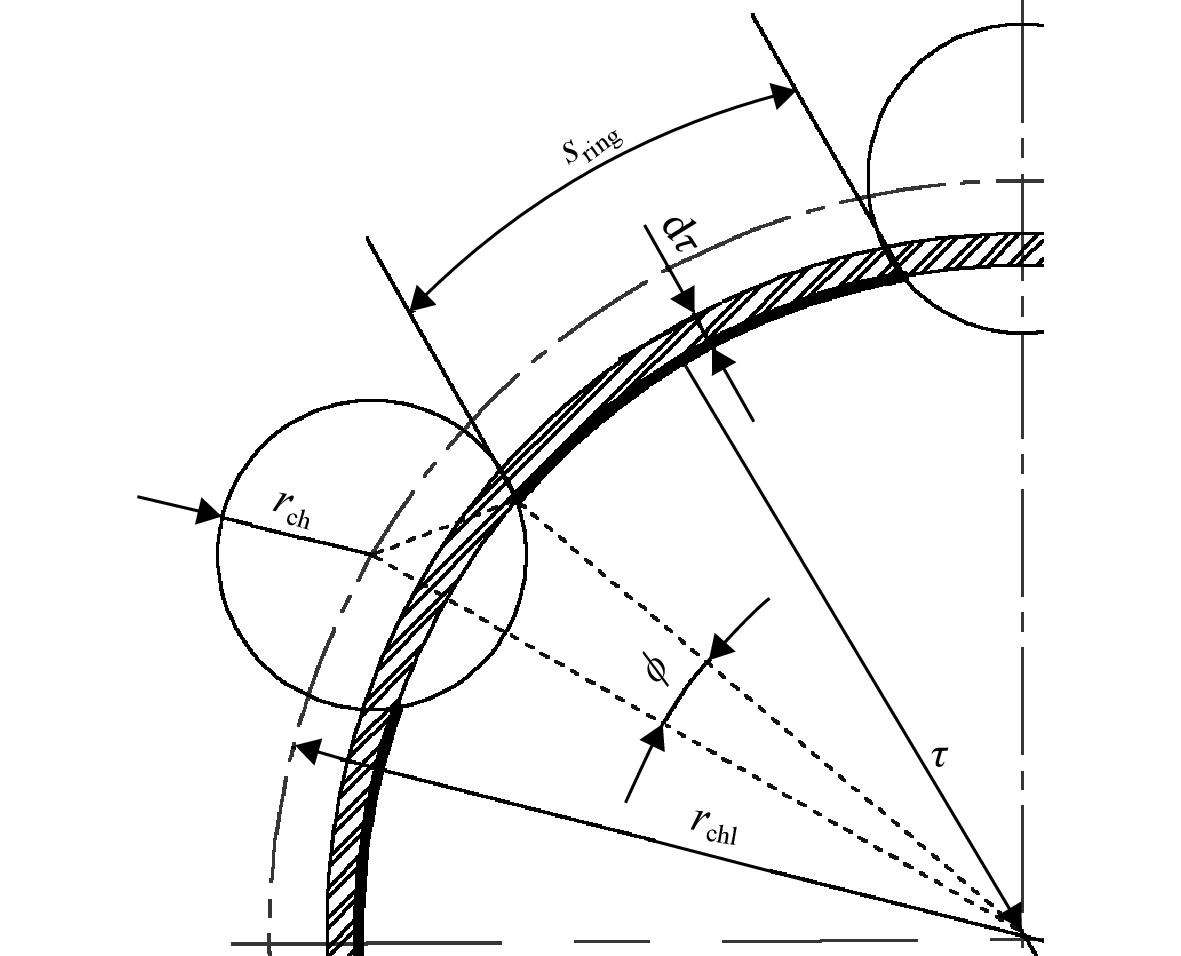
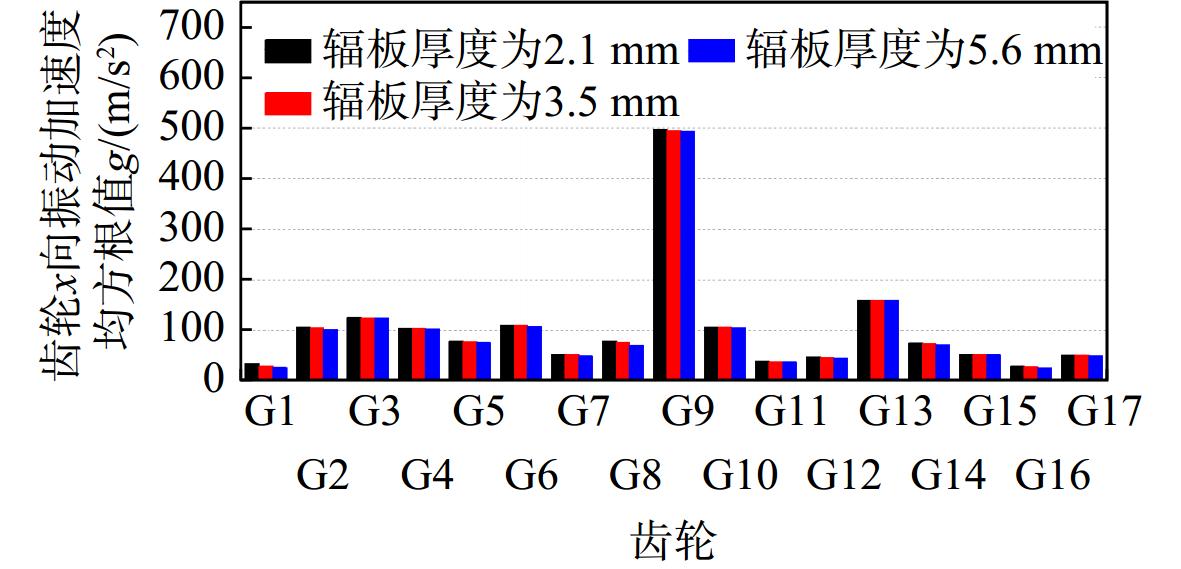
Considering an aero-engine accessory transmission gear system, the multi-excitation (mesh stiffness excitation, error excitation and friction excitation) dynamic modeling analysis under different working conditions was carried out. By introducing the position angle and displacement projection vector, and using the idea of finite element matrix assembly, a 51-degree-of-freedom dynamic model of a certain type of aero-engine accessory gear transmission system was established; using the potential energy analysis method, the meshing stiffness excitation characterization of alternating single and double teeth was completed. The random function was employed to complete the meshing error excitation characterization, and a friction excitation characterization method was established based on the elastohydrodynamic lubrication model; the variable step size Runge-Kutta method was used to solve the dynamic response of the transmission system, and the dynamic characteristics of the transmission system were analyzed by various internal and external excitations. The results showed that the coupling effect of high speed and low stiffness increased the risk of instantaneous overload, tooth surface detachment and fatigue damage between gear pairs; lubrication conditions, precision grades and gear structures had a greater impact on system dynamics; the gear was the most dangerous, and its vibration margin should be paid attention to. This could provide a basis for the follow-up dynamics research of the central transmission system.

Vibration modulation mechanism and features of an inter-shaft bearing with raceway damage
WU Taihuan, WANG Kun, ZHANG Wanyang, DENG Zhenhong, ZHENG Yisheng, LUO Huageng
2025, 40(8): 20240328. doi: 10.13224/j.cnki.jasp.20240328
Abstract:
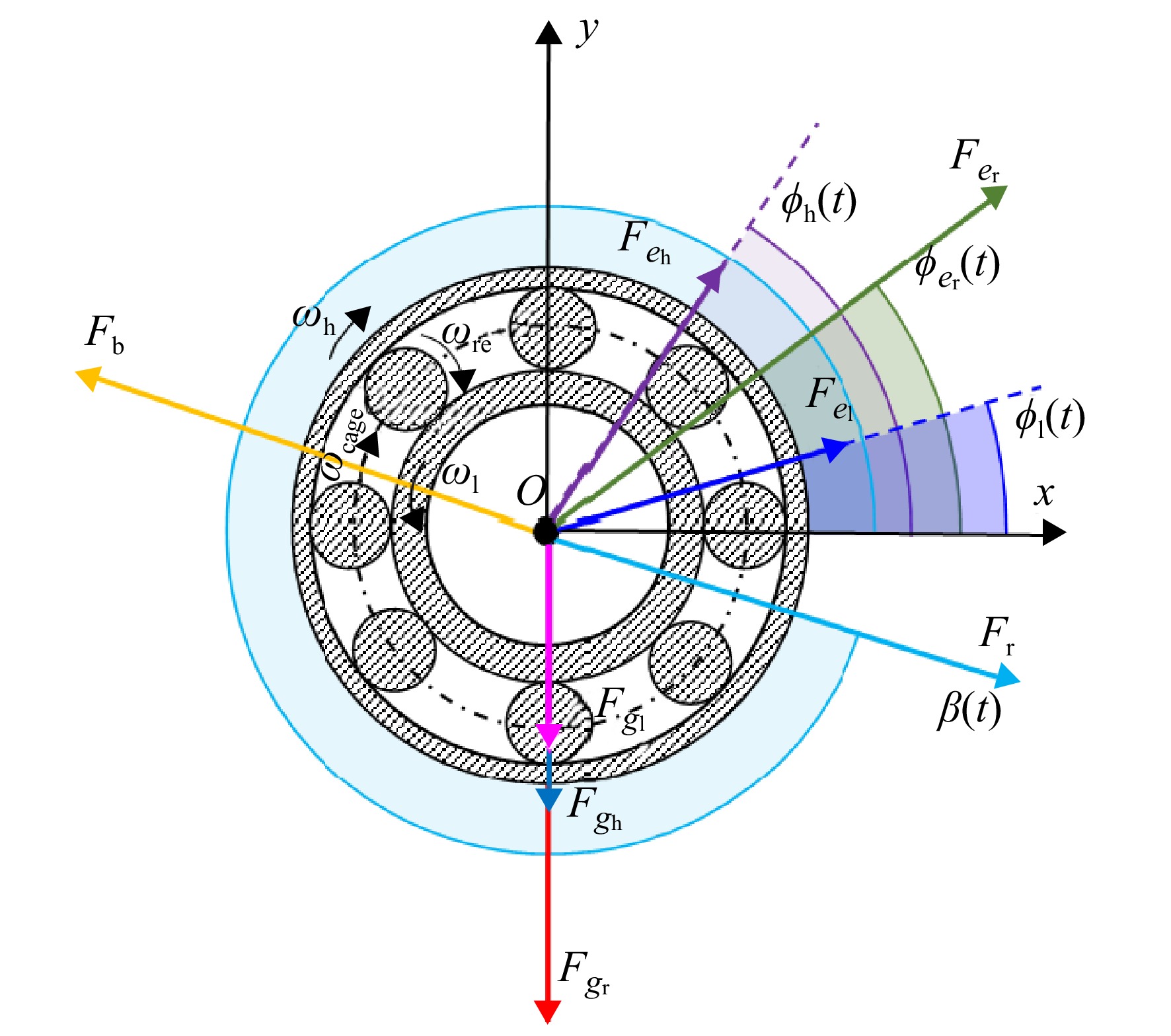
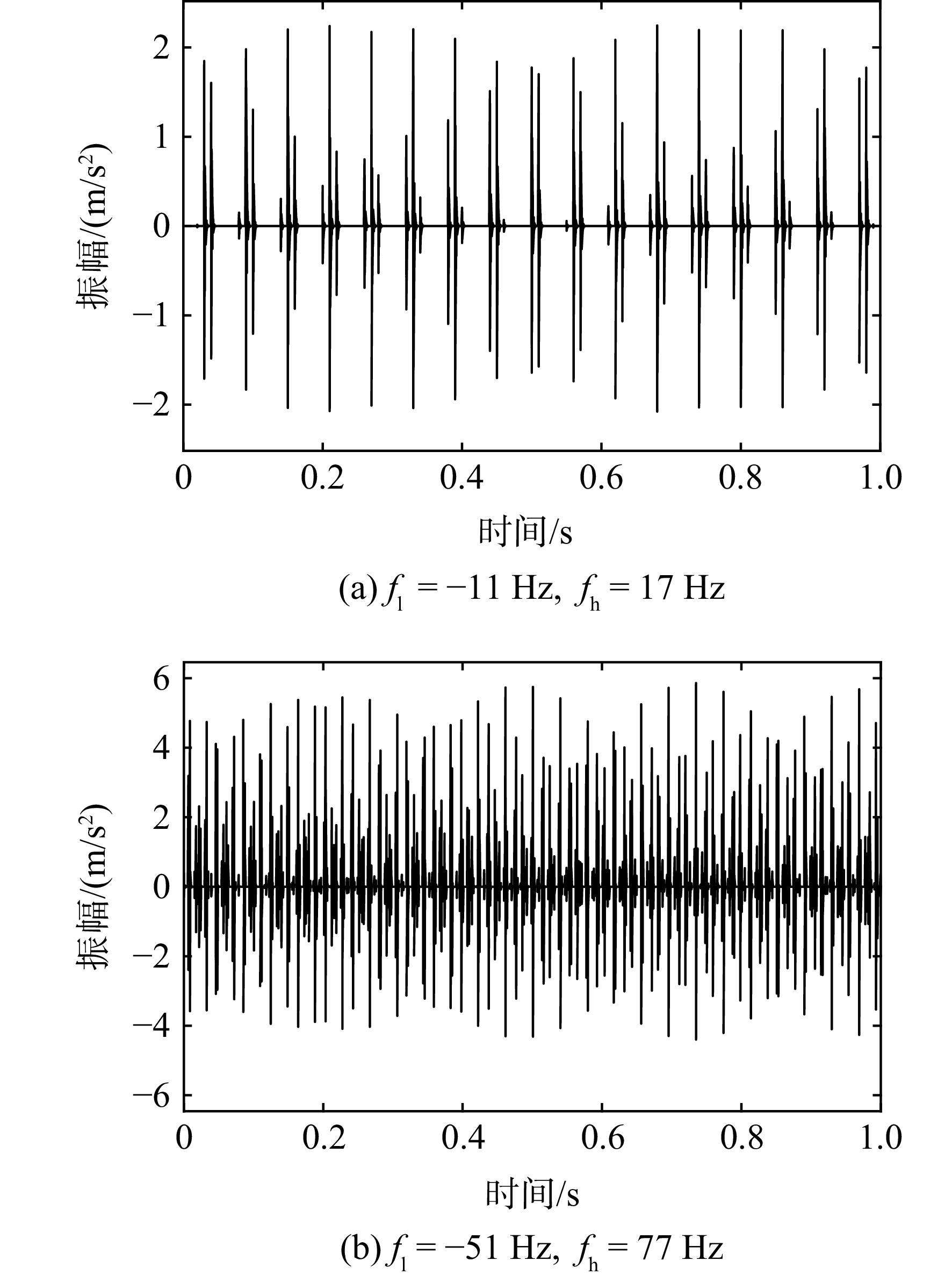
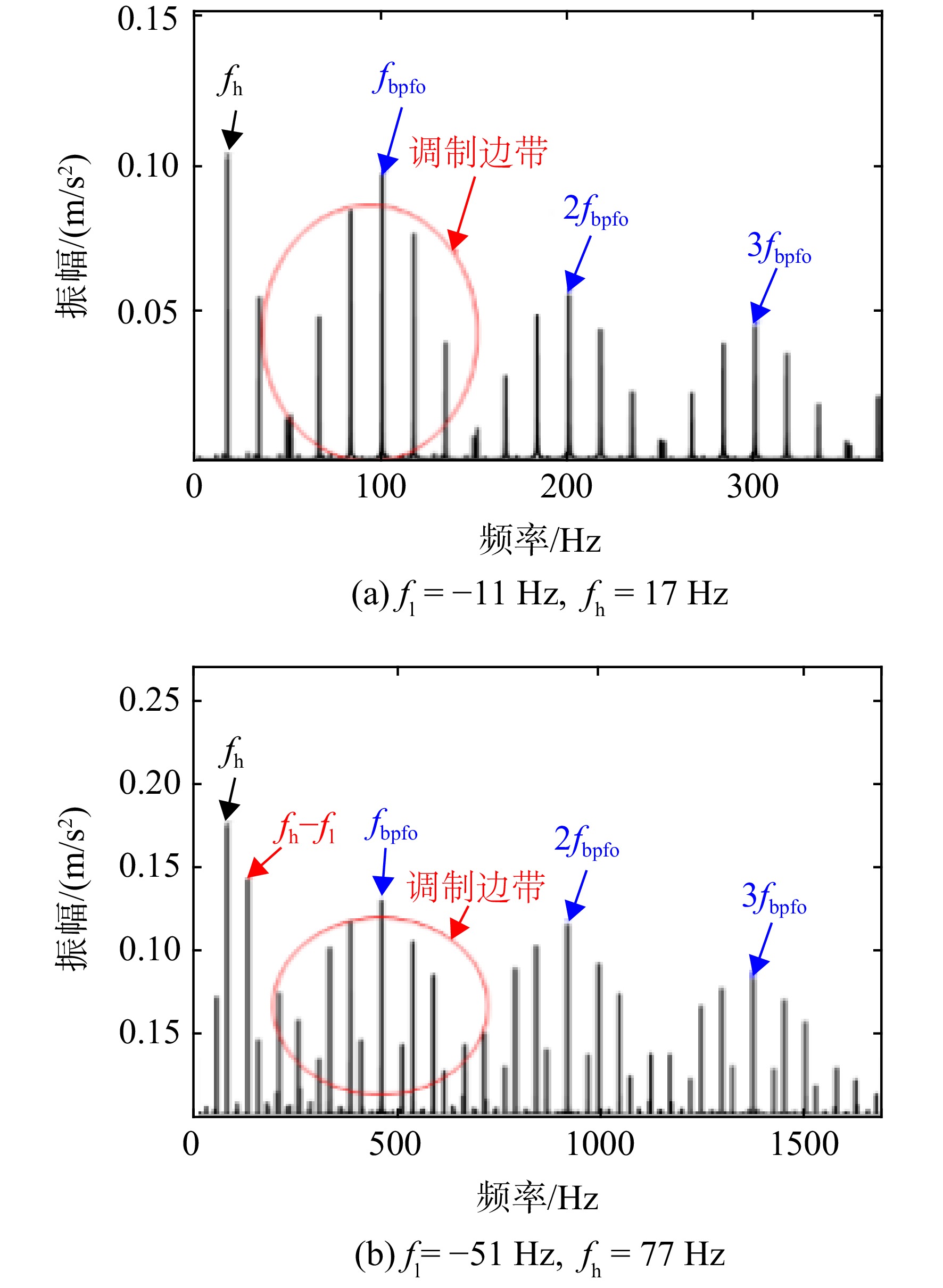
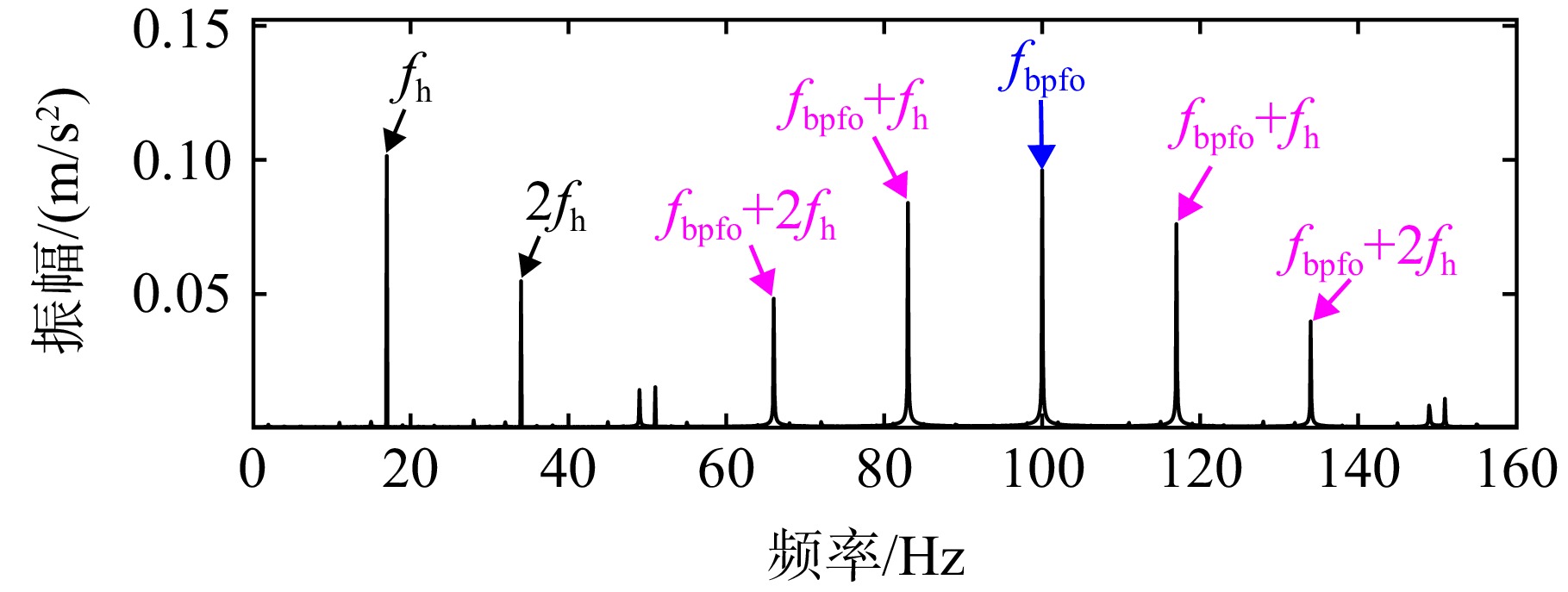
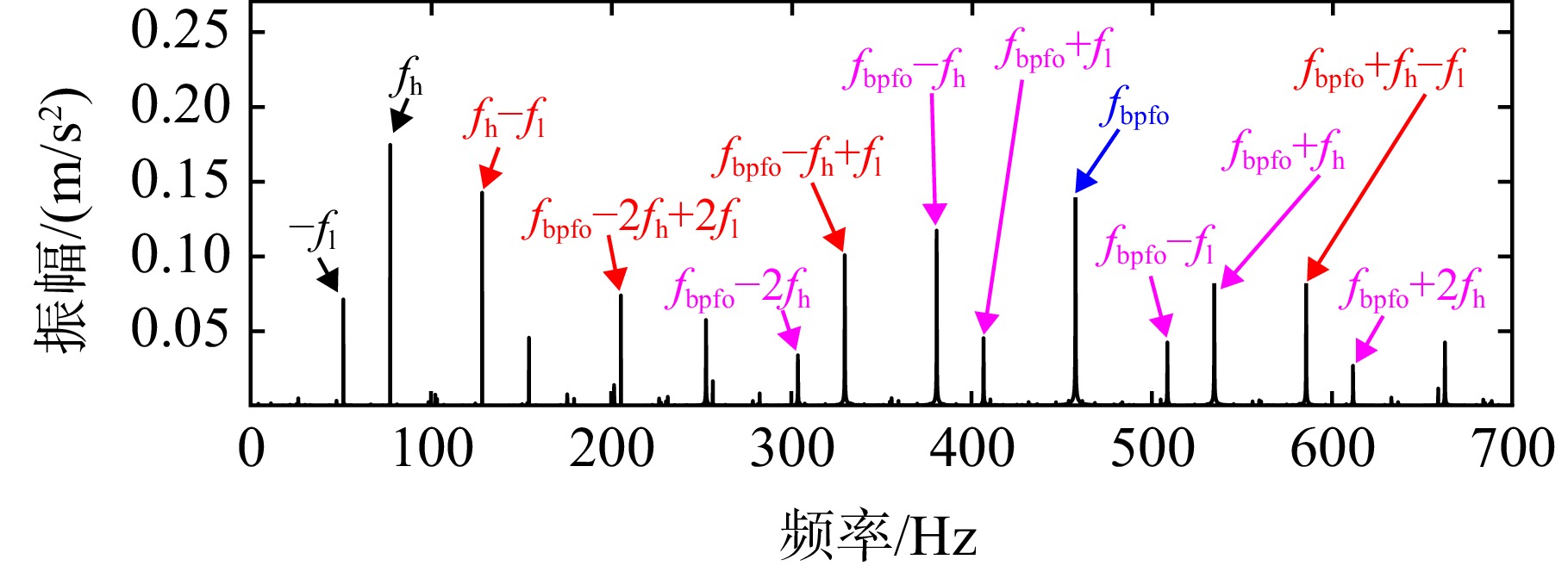
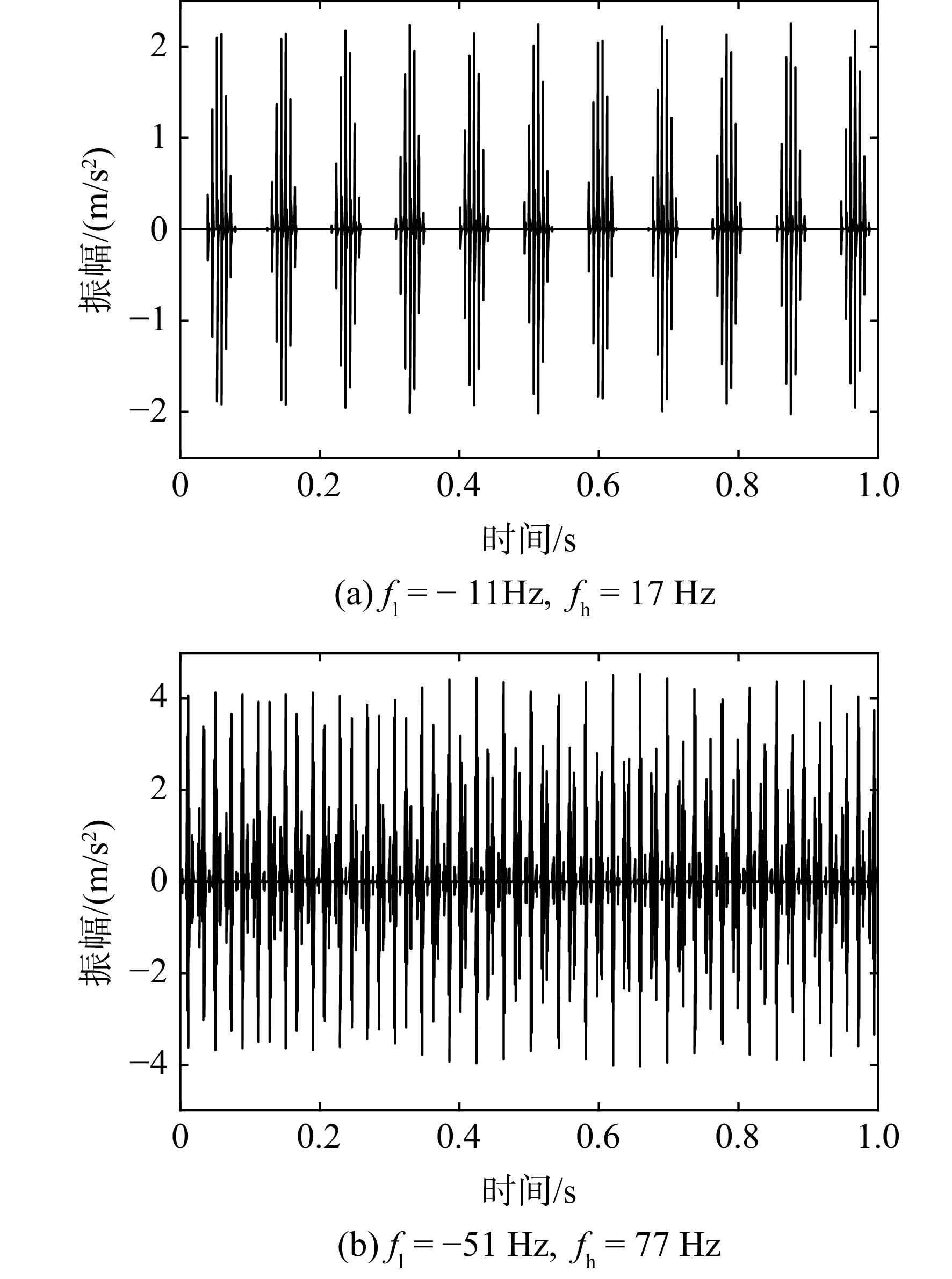
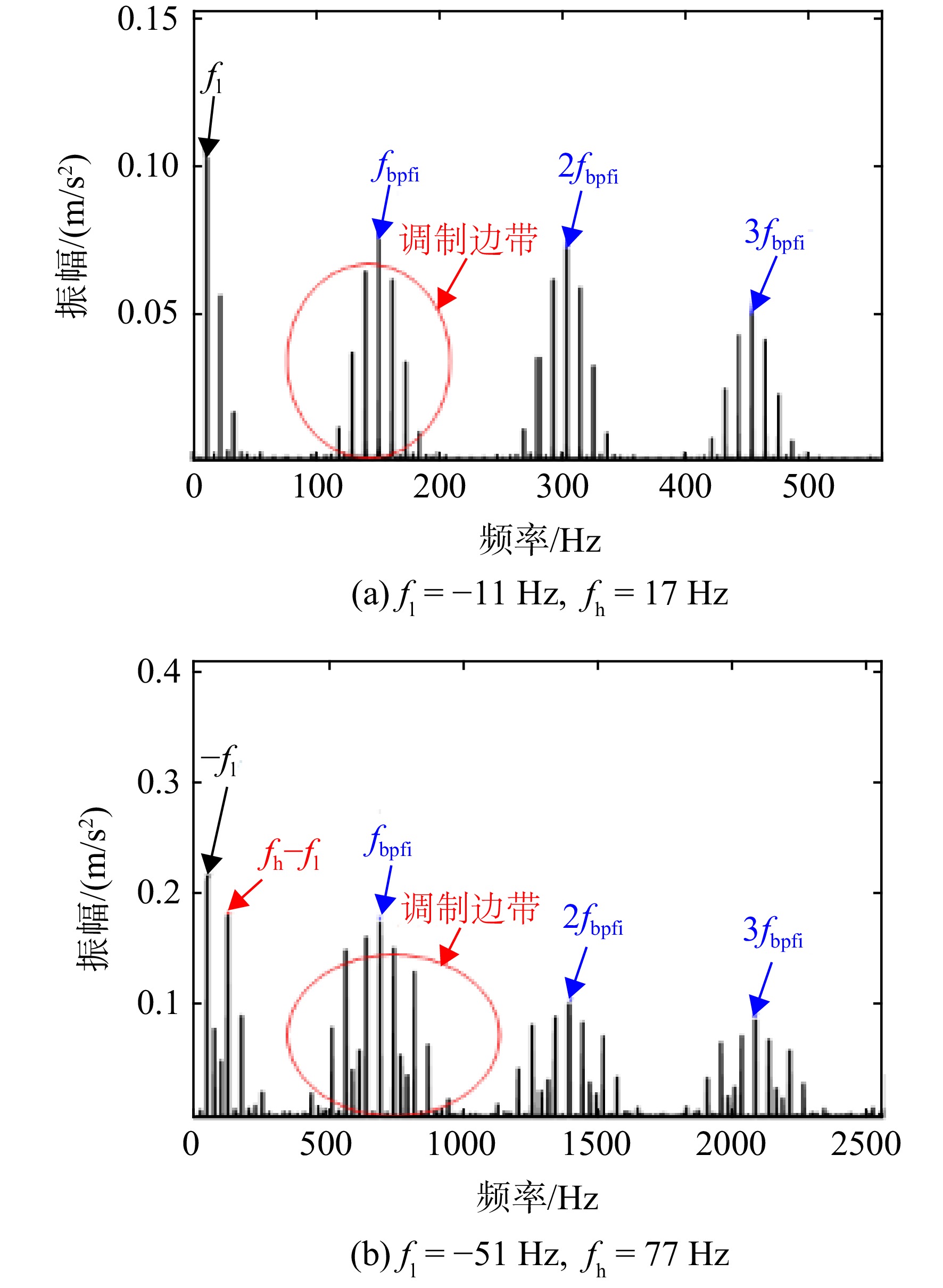
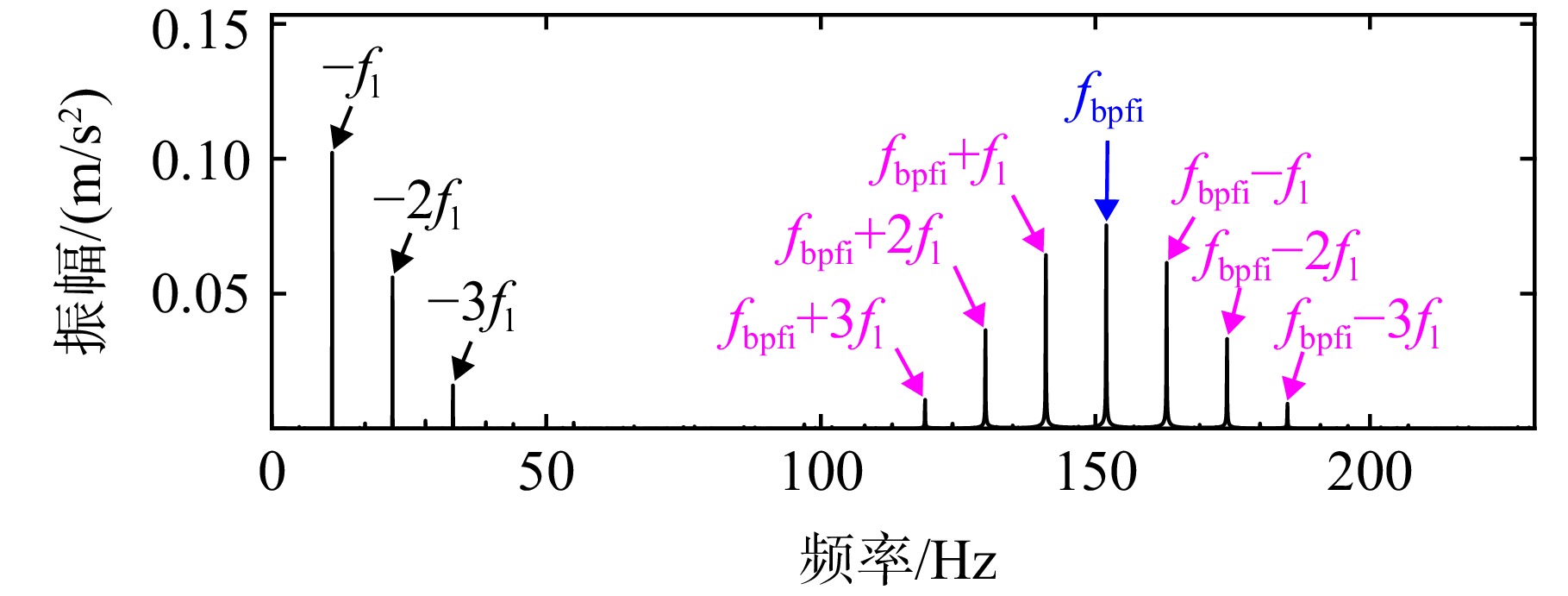
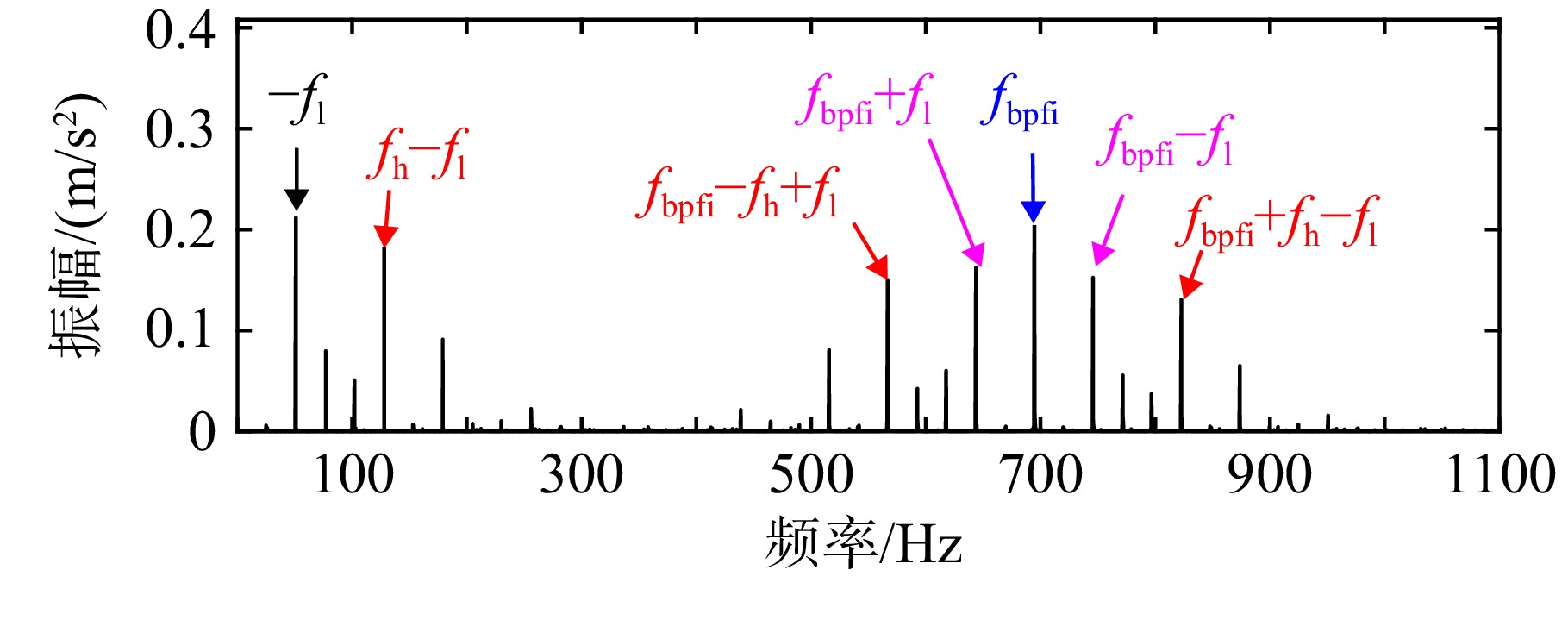
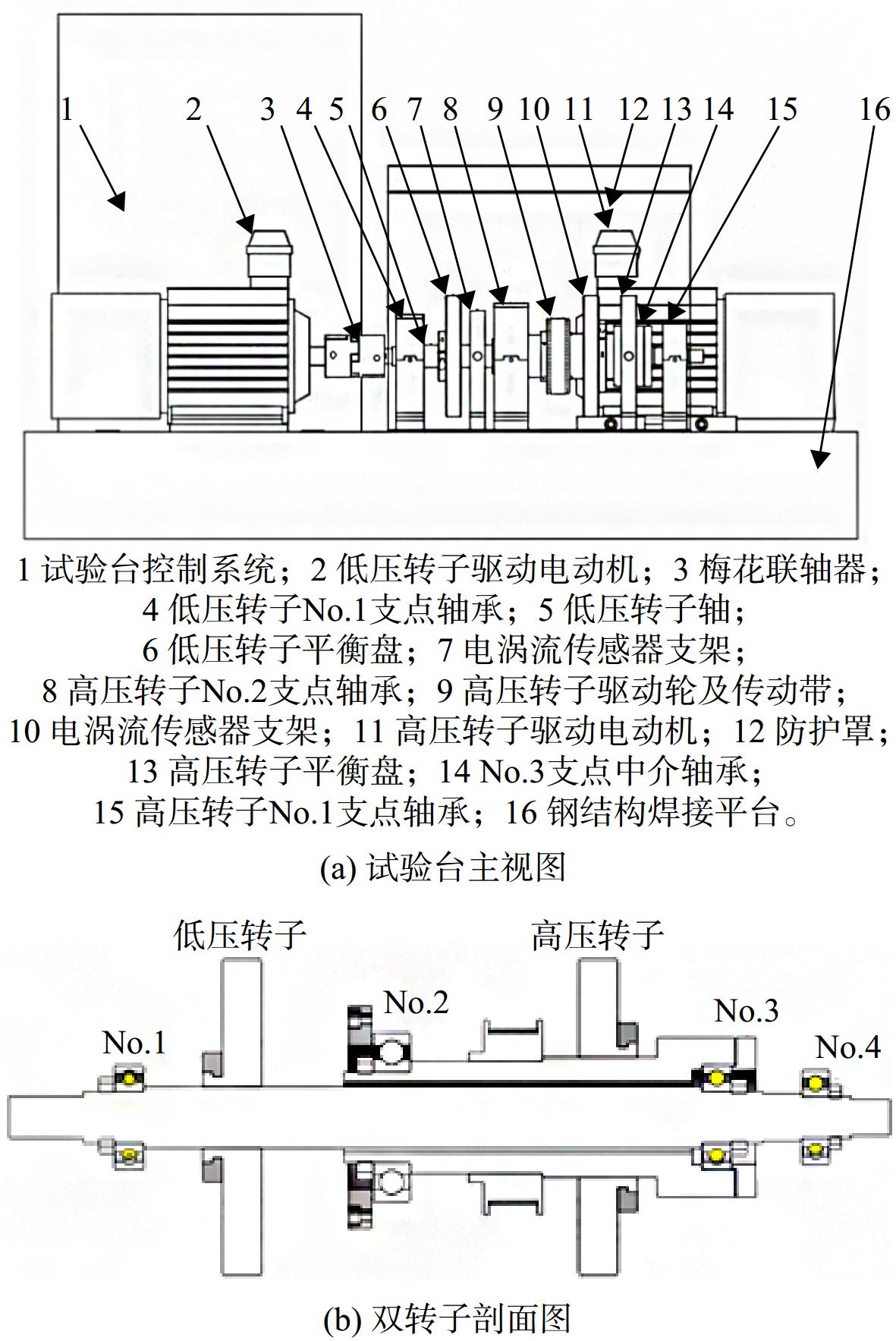
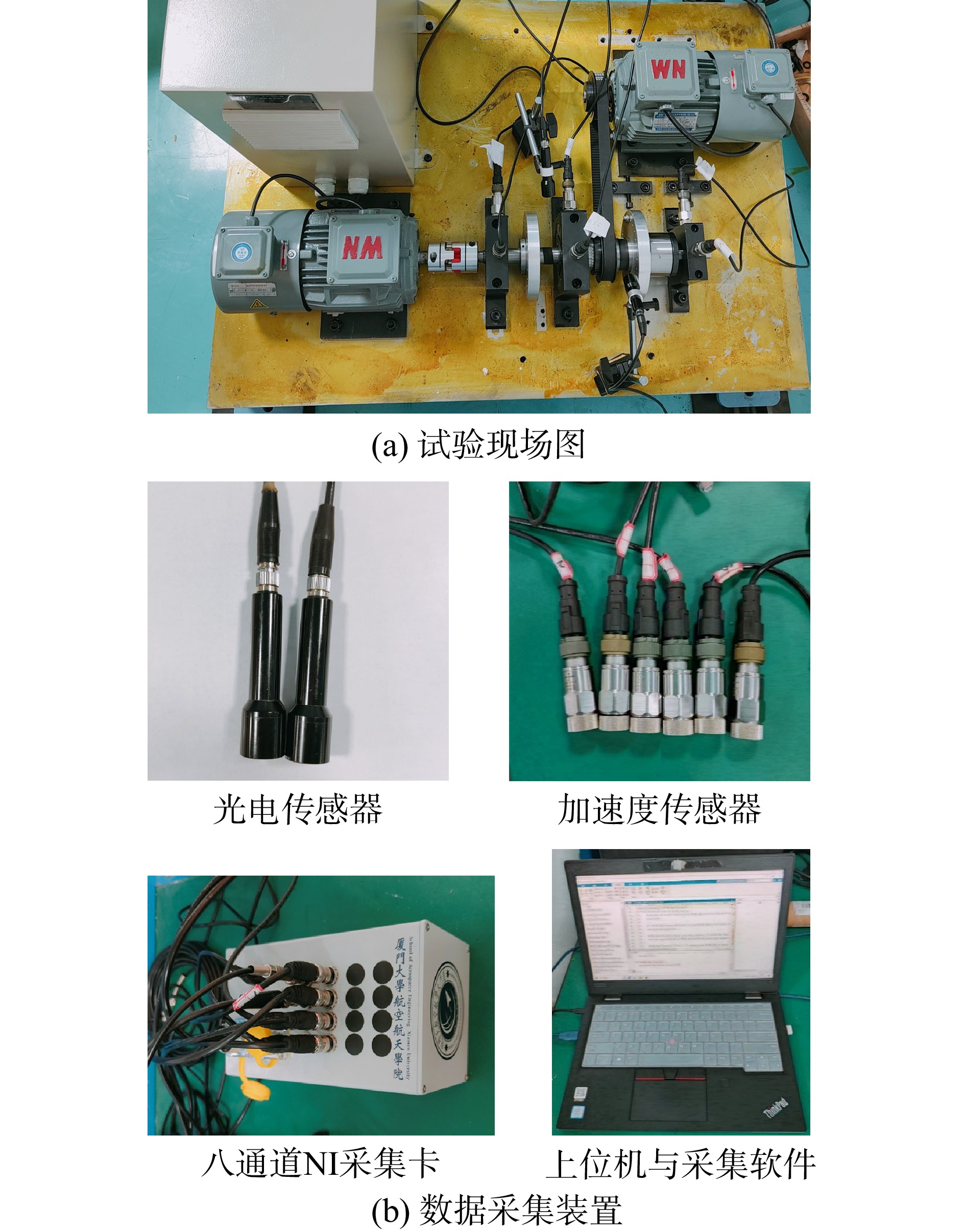
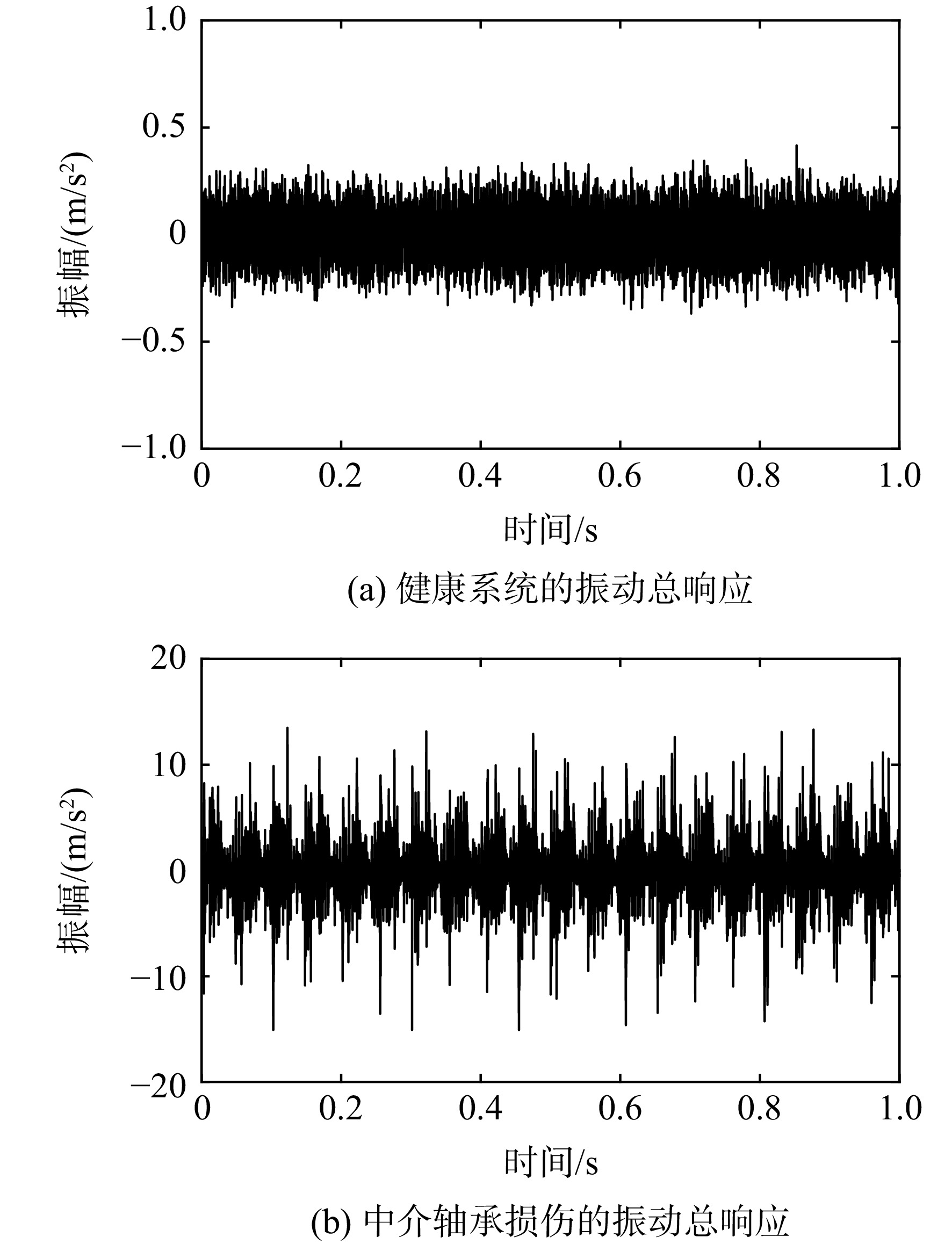
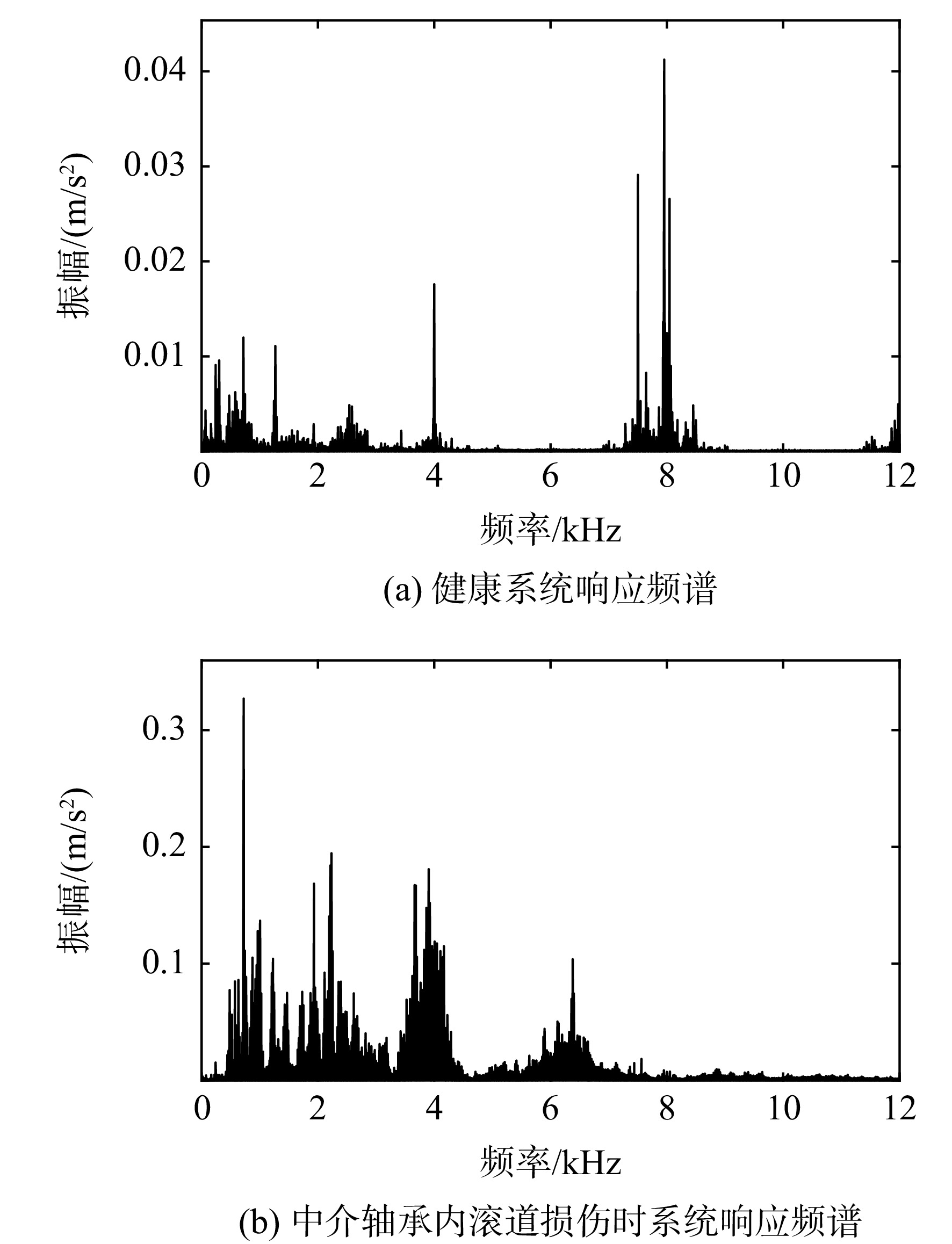
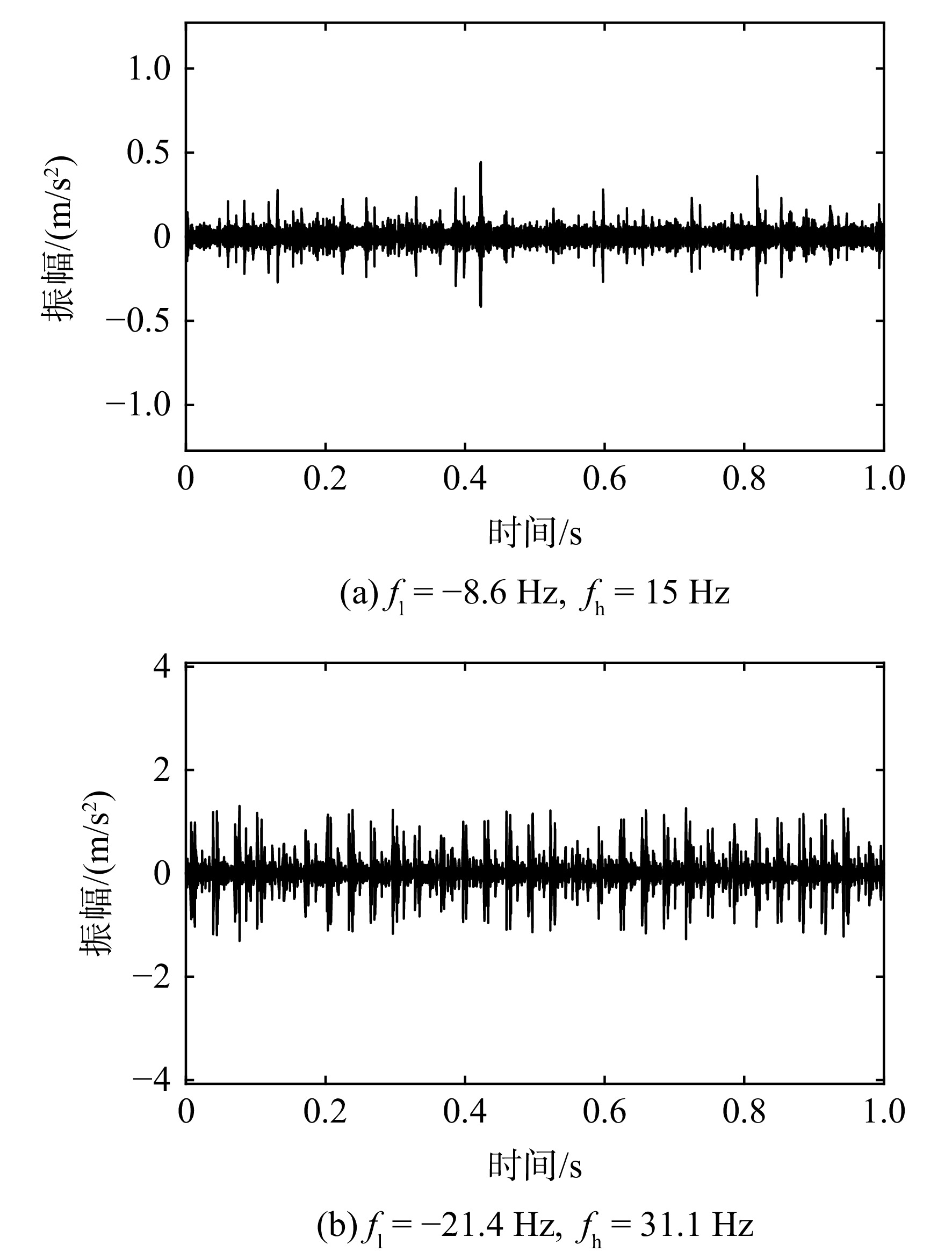
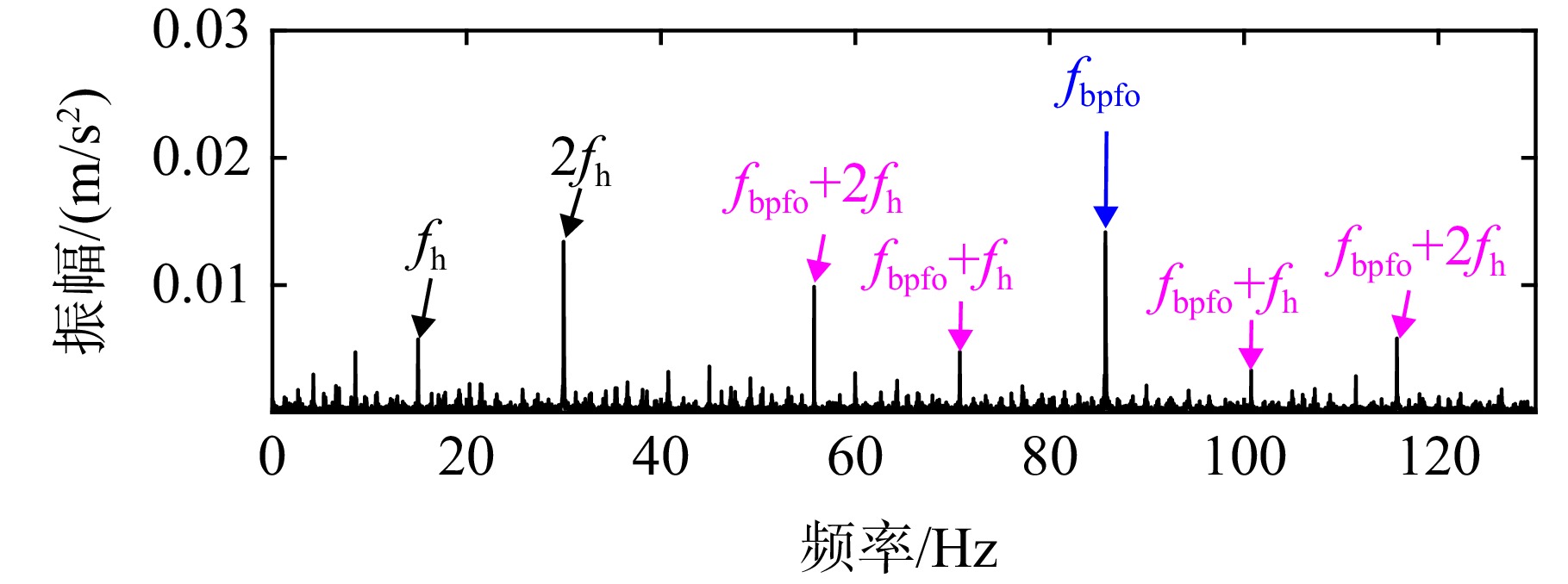
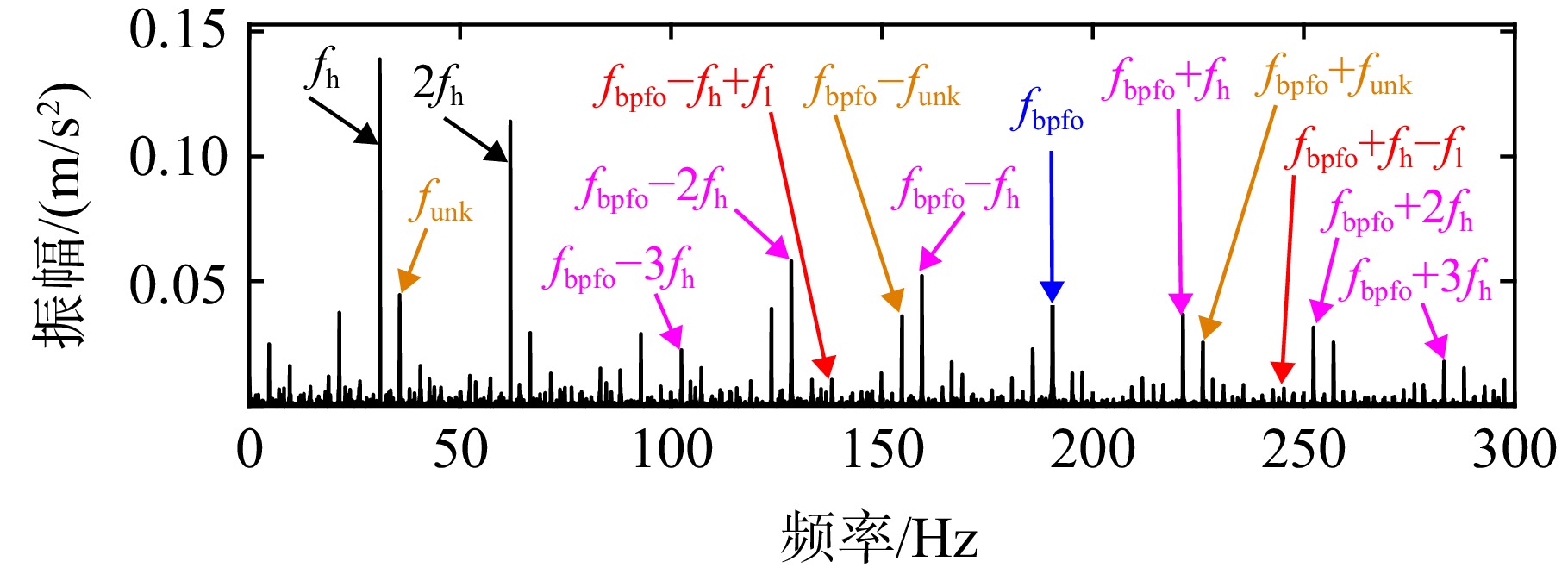
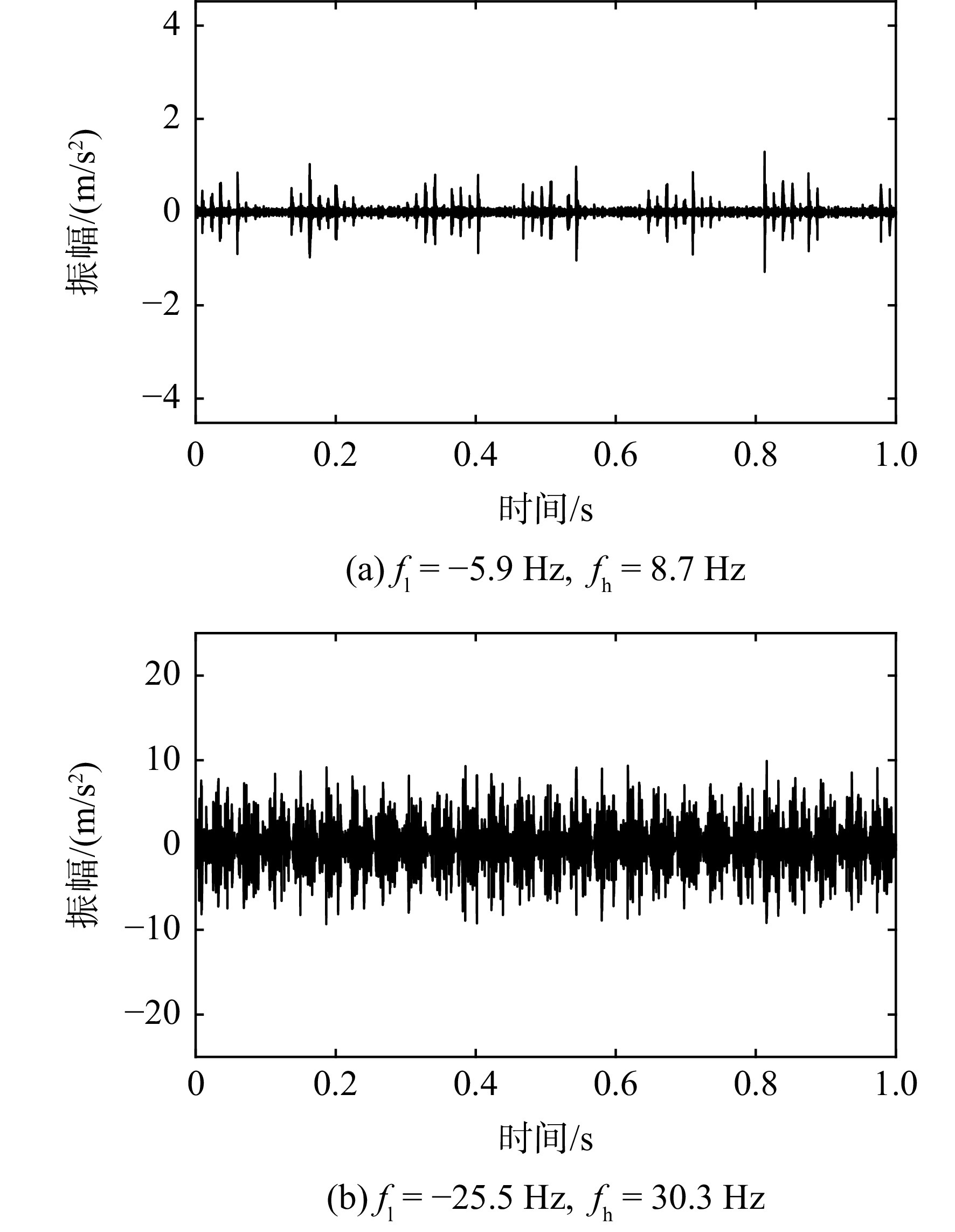
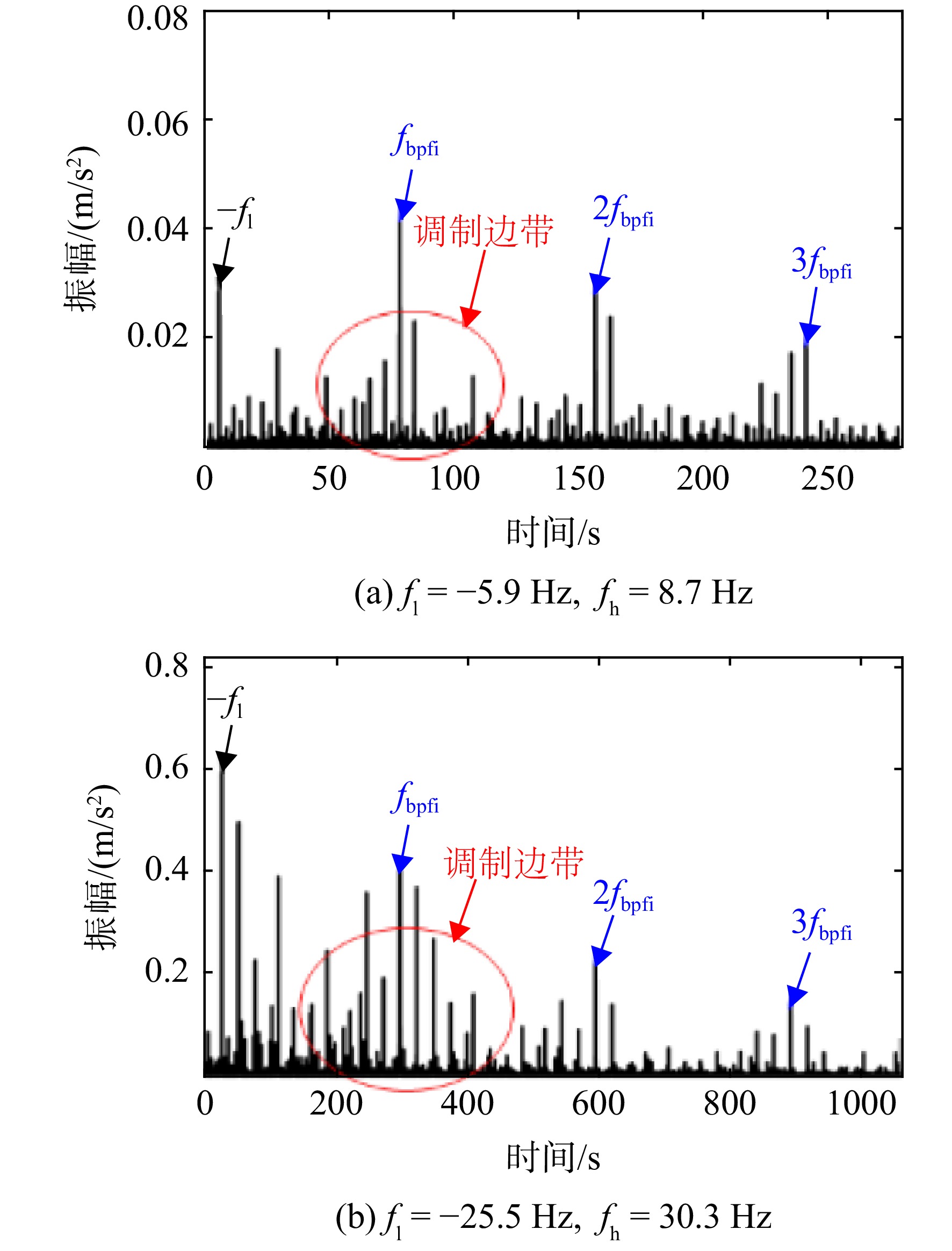
To reveal the vibration modulation mechanism and envelope spectrum features of an inter-shaft bearing with raceway damage, the modeling, simulations and experimental validations of vibration in a dual-rotor system were conducted. Considering the concurrent action of the rotor unbalance centrifugal loading and the rotor dead weight, the amplitude modulation mechanism of the inter-shaft bearing fault vibration was explored. The results indicated that when the rotor unbalance centrifugal loading was much smaller than the rotor system dead weight, the loading zone of the inter-shaft bearing maintained a traditional fixed pattern. The amplitude modulation of vibration caused by the raceway damage was mainly originated from the change in damage position caused by raceway rotation. When the rotor unbalance centrifugal loading was equivalent to or greater than the rotor system dead weight, the loading zone of the inter-shaft bearing was in a moving pattern. In addition to the modulation due to shaft rotation, a more complex modulation relationship could be caused by the ‘chasing’ motion pattern between the moving loading zone and the raceway damage location. The modulation frequencies encompassed the rotation speeds of the high-pressure rotor, low-pressure rotor and their difference. Moreover, under the action of the rotor unbalance centrifugal loading, the complex modulation relationships altered the energy distribution of the envelope spectrum.

Analysis on dynamic characteristics of multi-leaf aerodynamic bearing under different pad distribution
CHEN Yang, WU Yao, ZHANG Gongxue, ZHAO Zhiming, SHI Shaobin
2025, 40(8): 20220647. doi: 10.13224/j.cnki.jasp.20220647
Abstract:

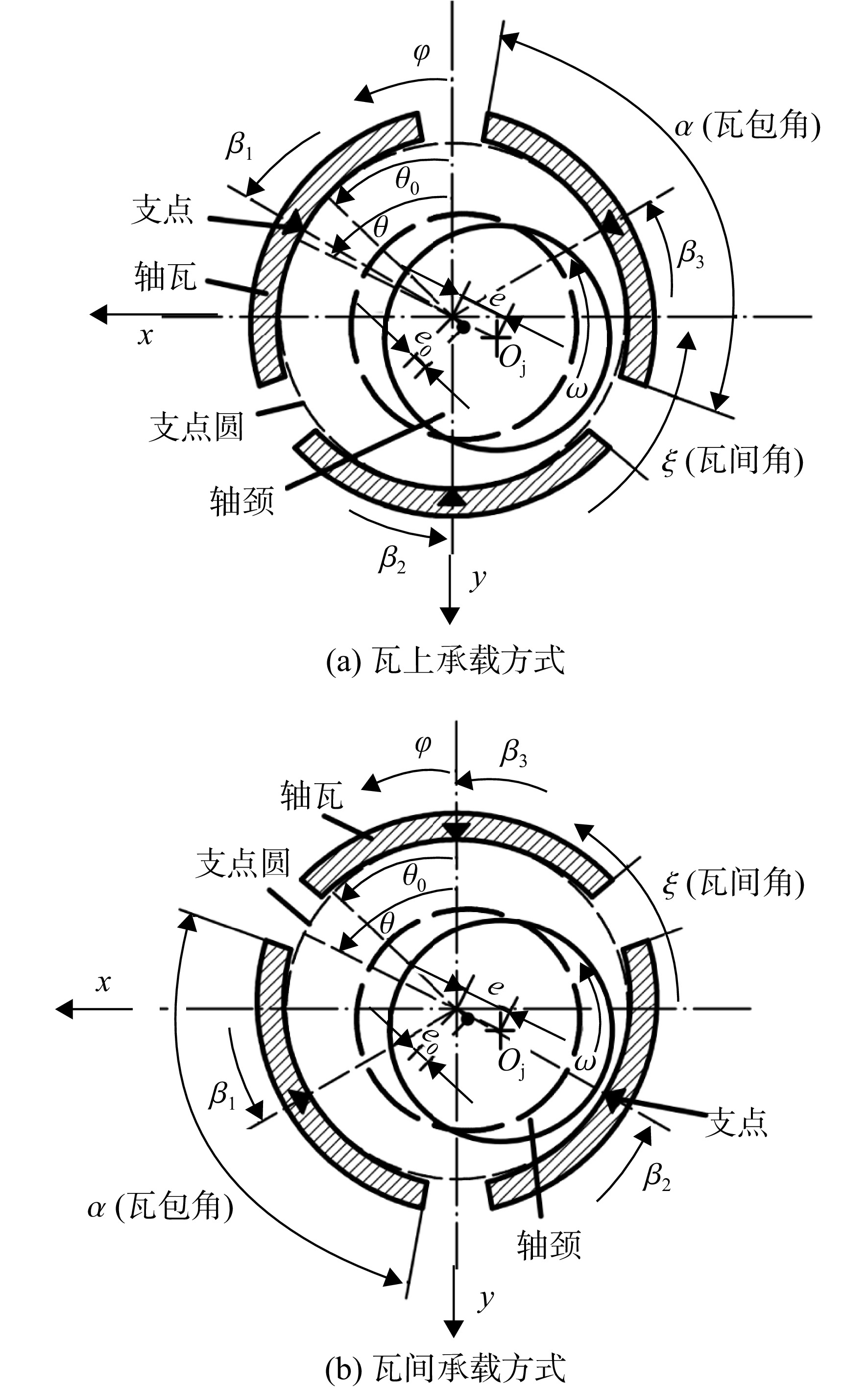
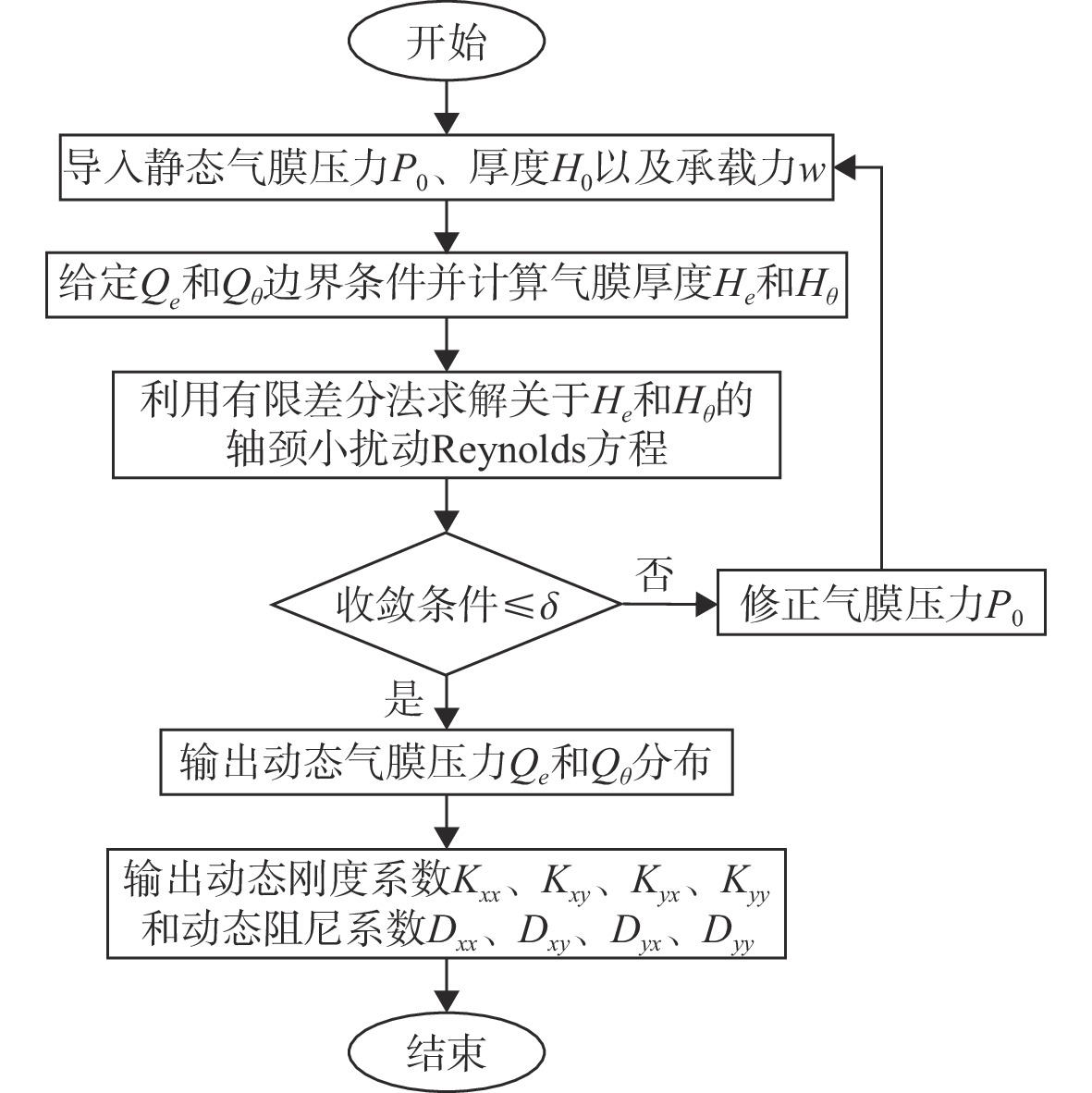
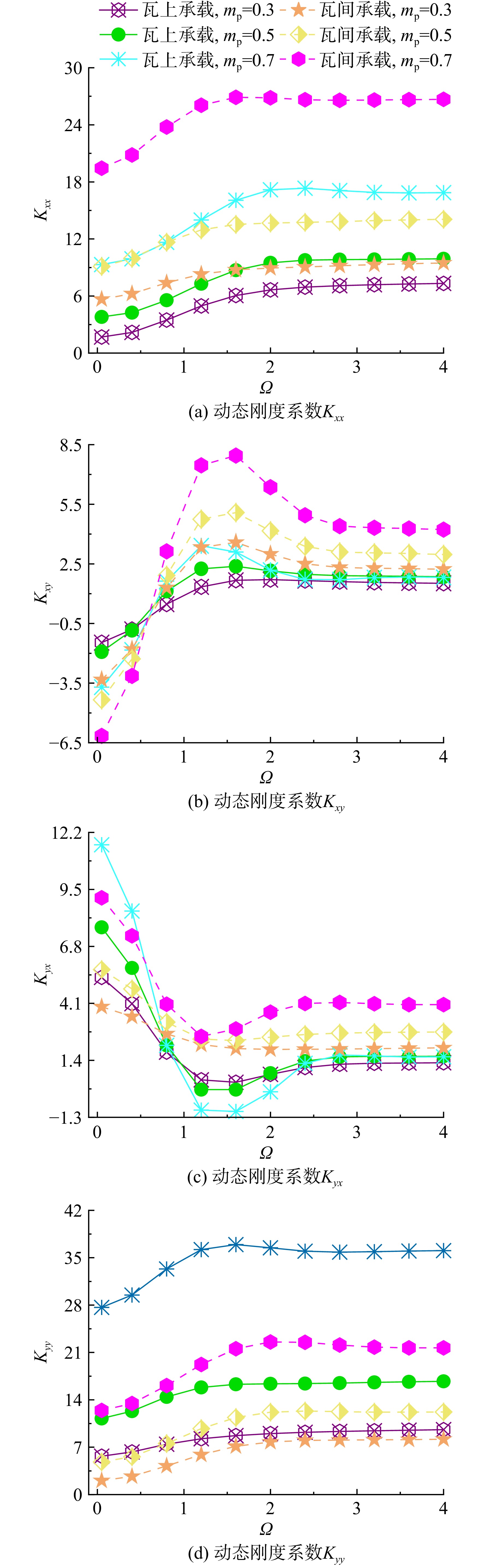
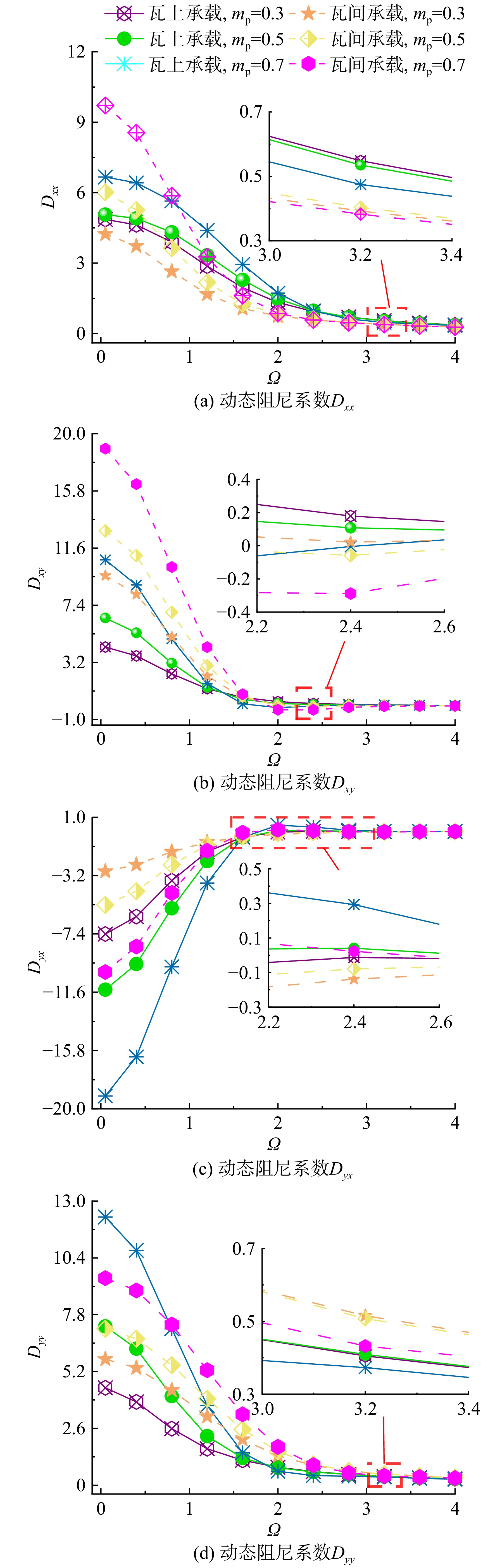
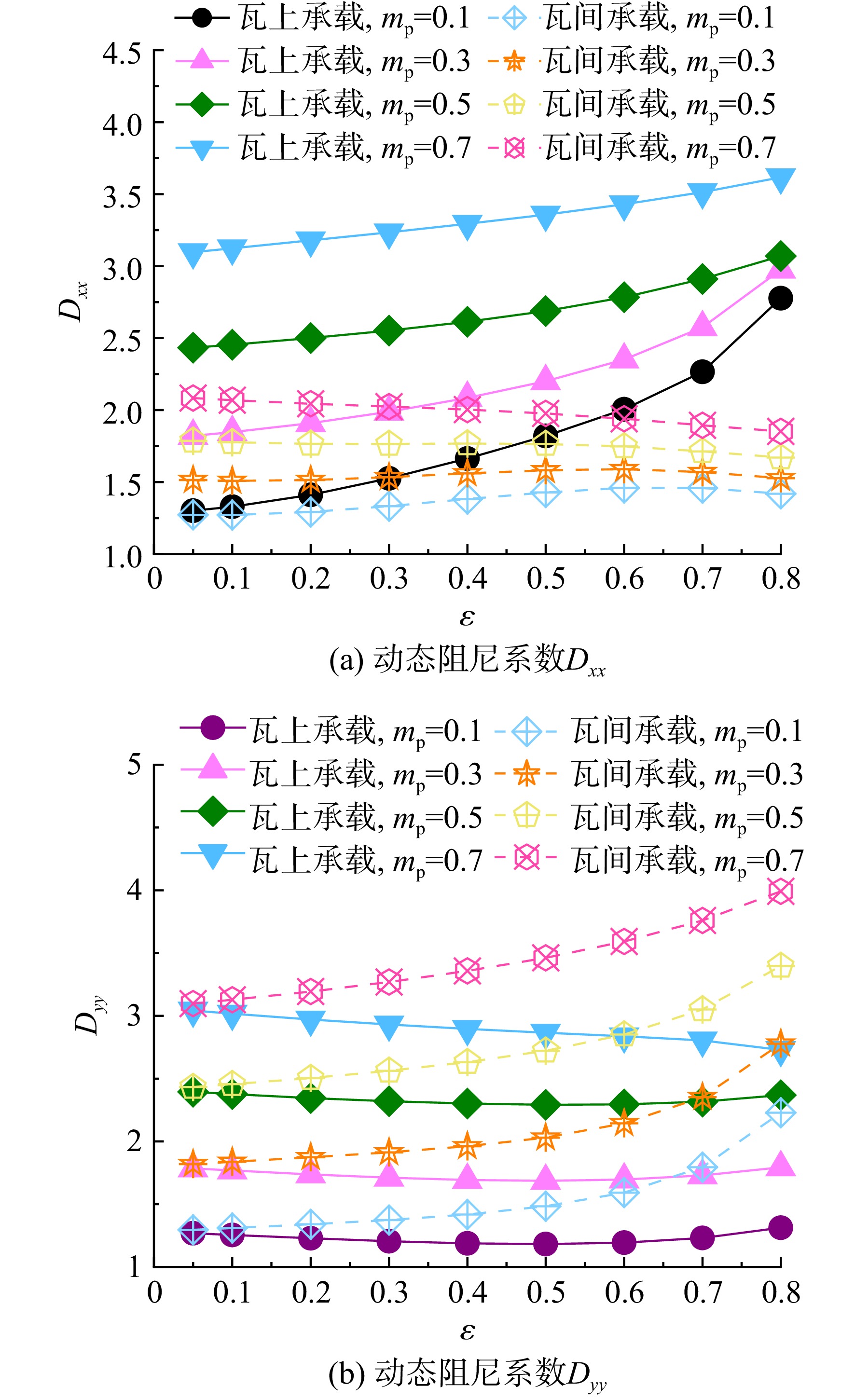
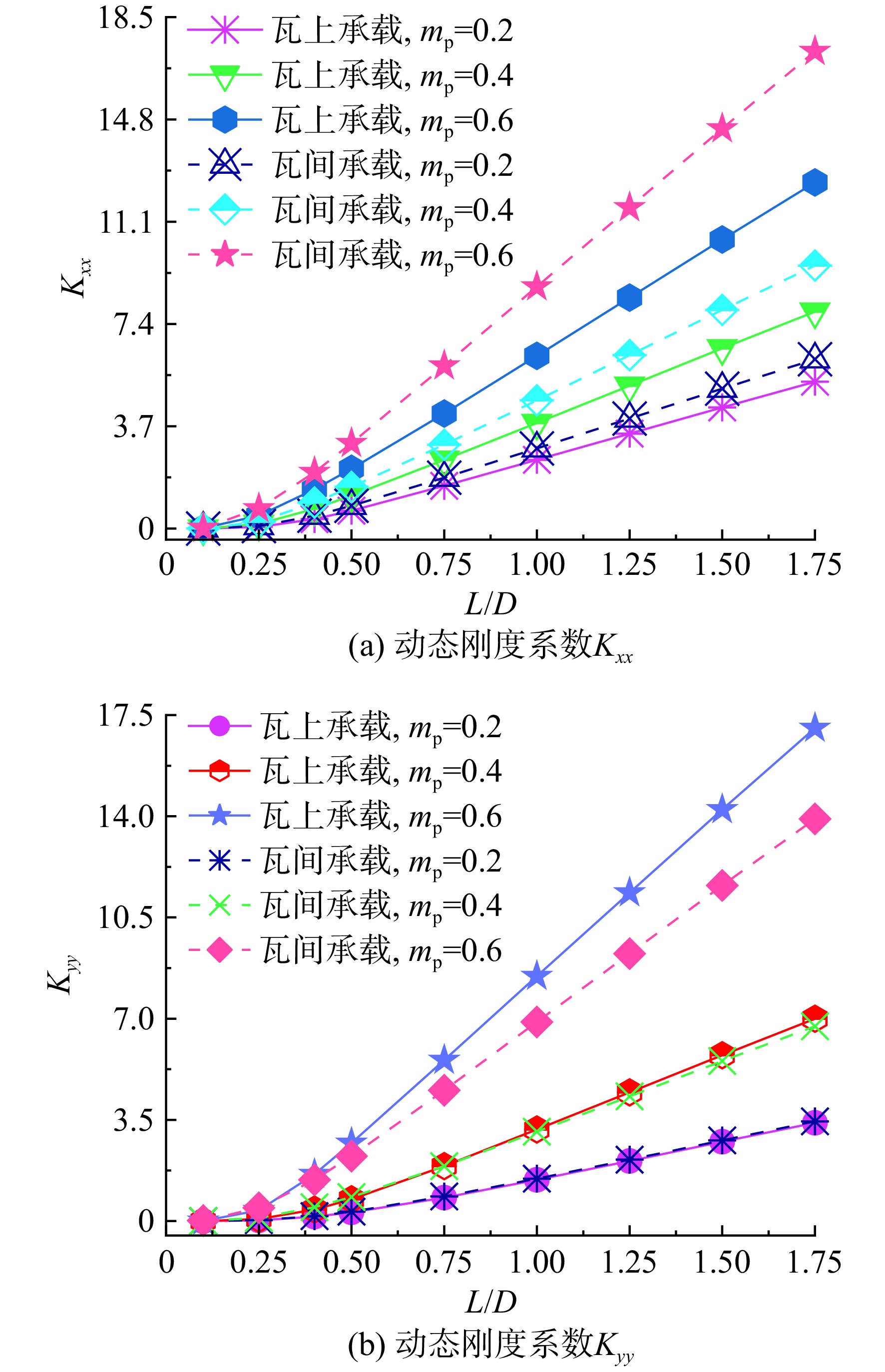
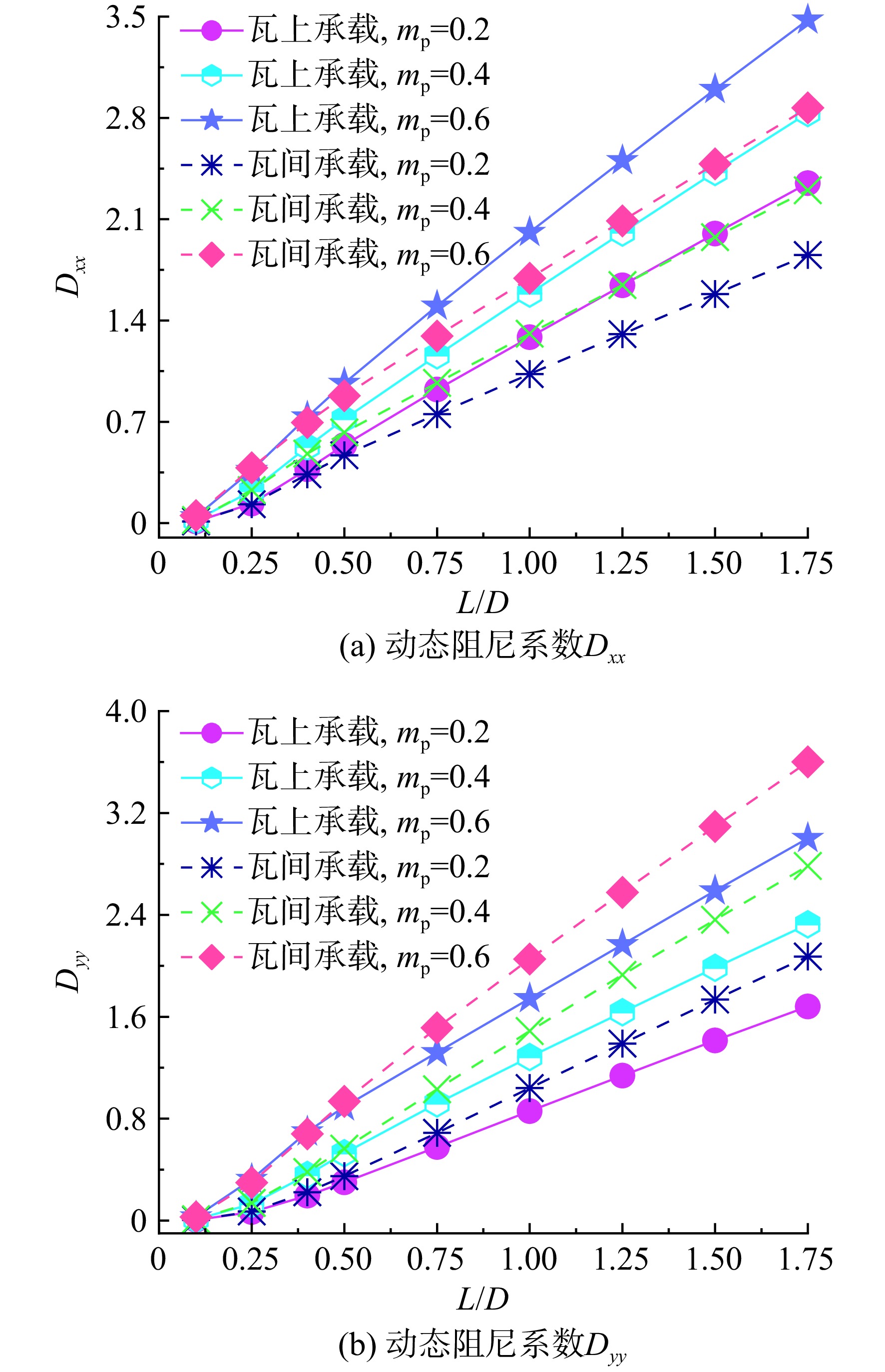
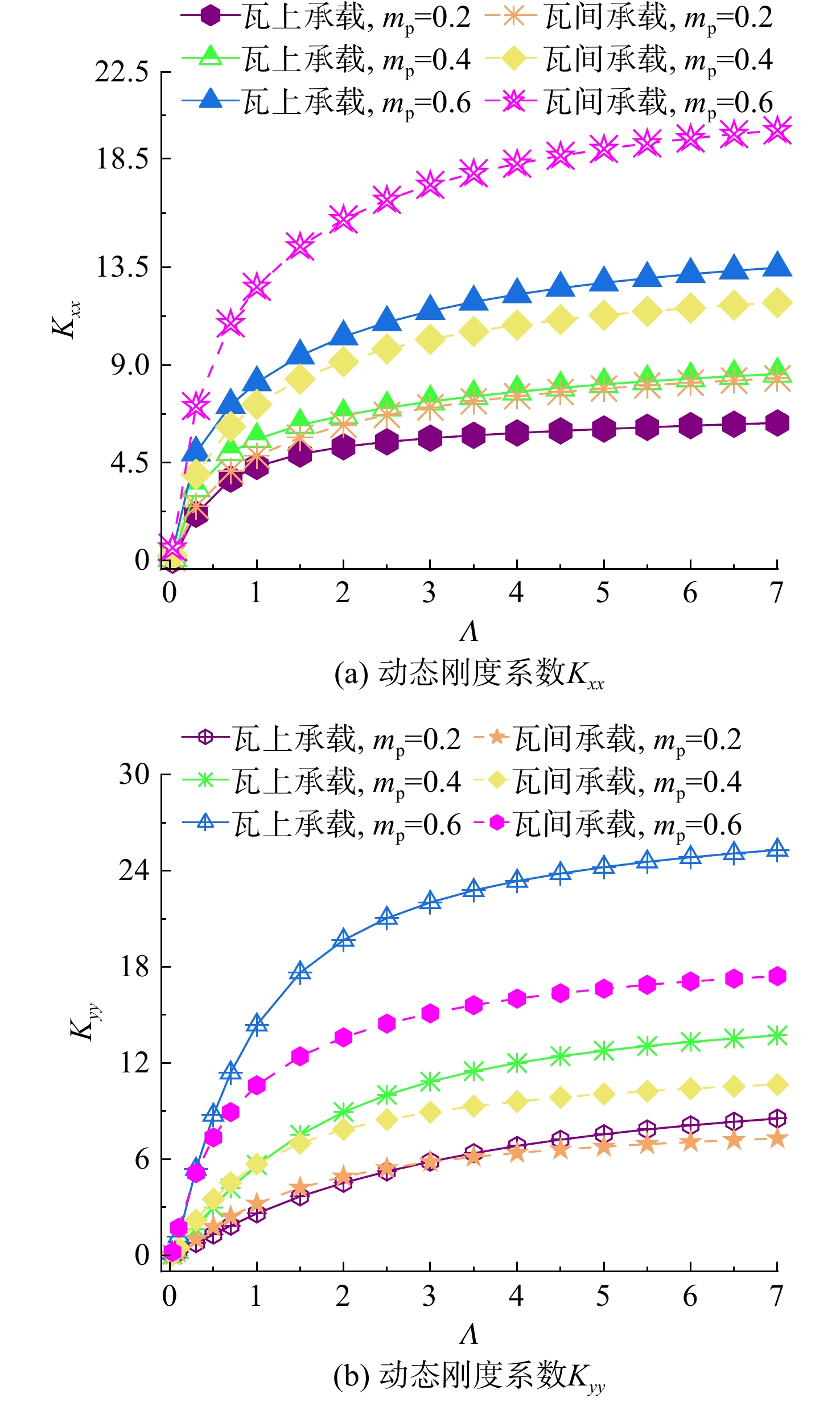
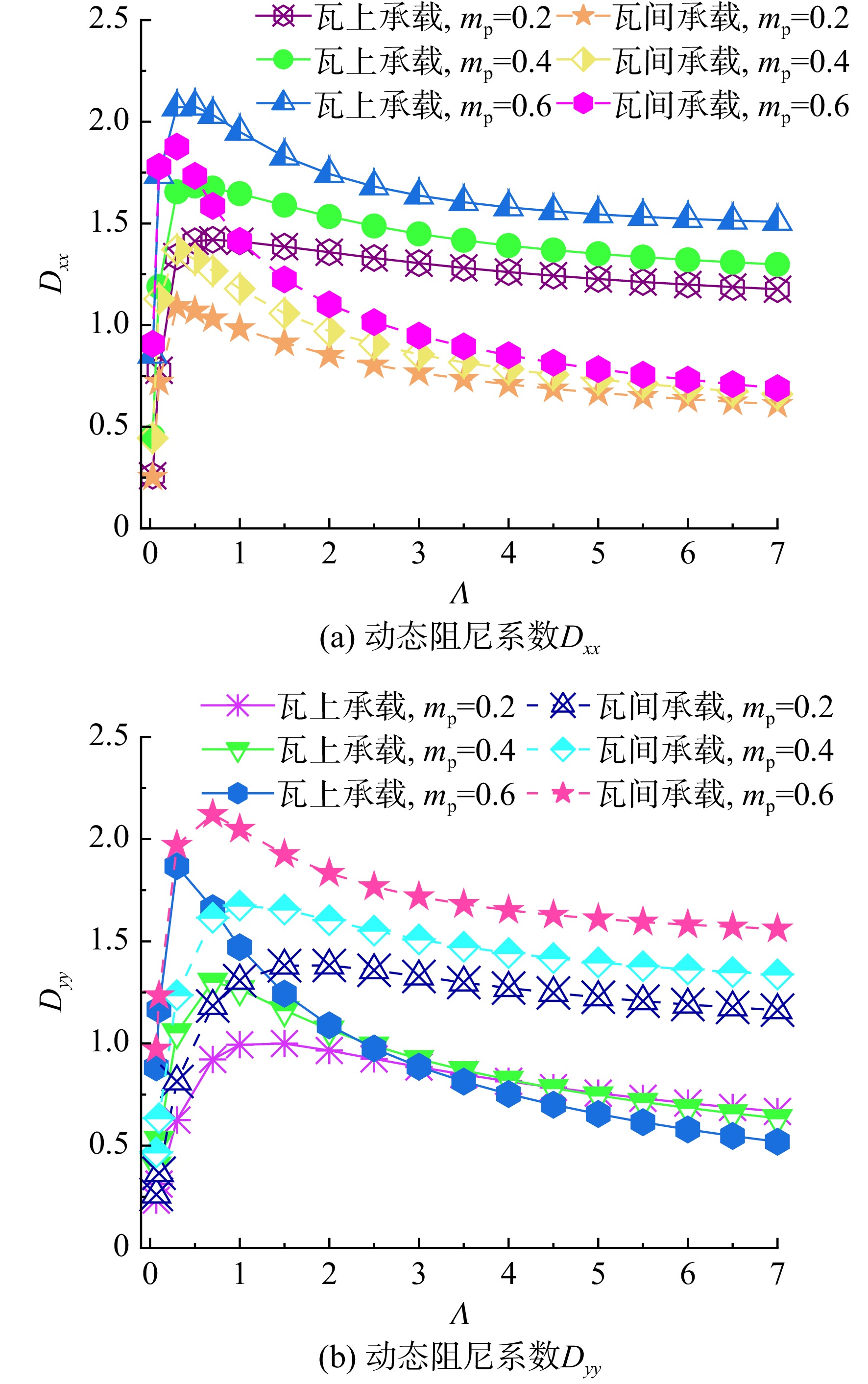
Multi-leaf hydrodynamic gas journal bearing is widely used in high-speed rotating machinery due to their advantages of high speed, high precision, and low wear. The partial derivative method and finite difference method (FDM) were used to solve the gas compressible Reynolds equation, the dynamic characteristics coefficient of the three-leaf aerodynamic bearing was calculated, and the influences of journal disturbance frequency, eccentricity, length diameter ratio and pad distribution position on the dynamic coefficient were discussed in detail. Research showed that the orthogonal stiffness and damping coefficient of the bearing increased with the rise of eccentricity ratio, length-diameter ratio and preload factor. As the bearing number and journal disturbance frequency rose, the orthogonal stiffness coefficient improved significantly, while the orthogonal damping coefficient showed the opposite trend, with the load on pad, the orthogonal stiffness (Kyy) and orthogonal damping (Dxx) were larger than load between pad, the orthogonal stiffness (Kxx) and orthogonal damping (Dyy) of the load on pad were smaller than load between pad.

Safety,Airworthiness
Aeroengine baseline prediction model based on improved ADDA
CAI Shuyu, KUANG Wentao
2025, 40(8): 20240346. doi: 10.13224/j.cnki.jasp.20240346
Abstract:
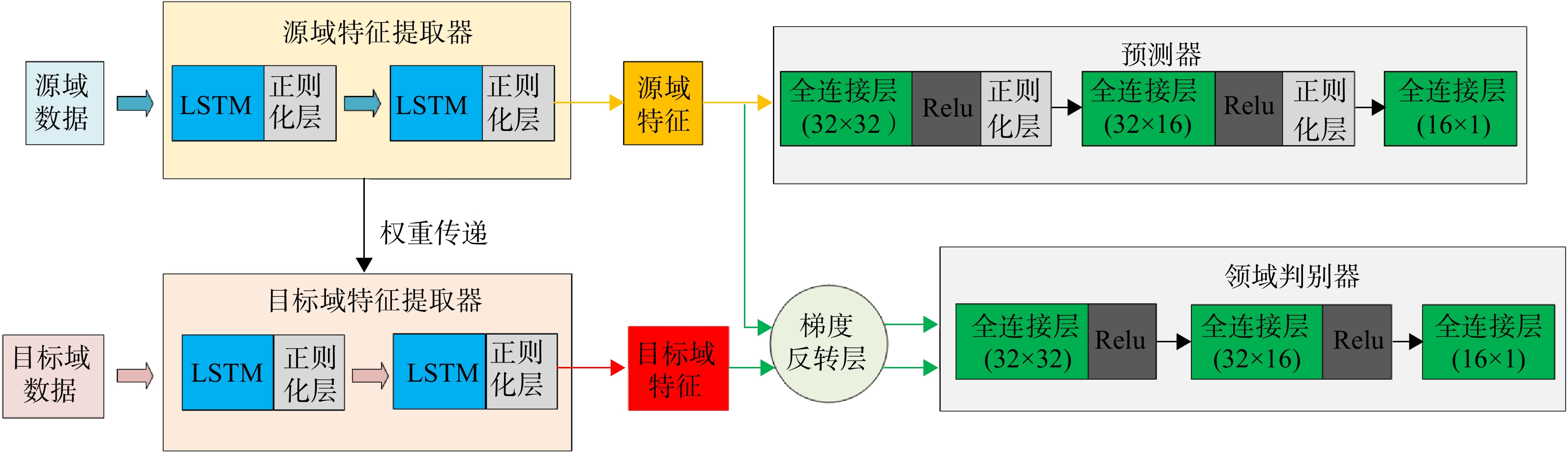
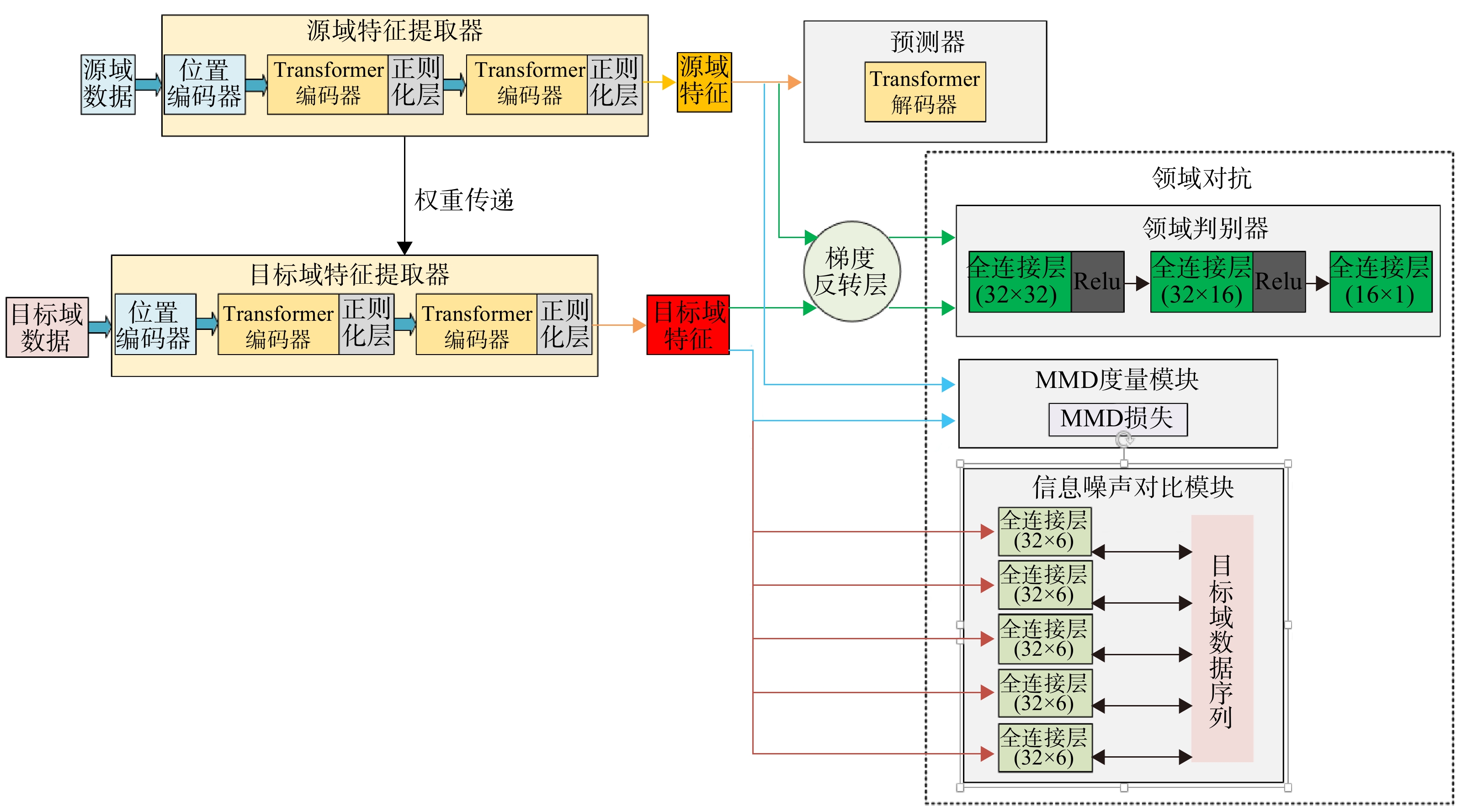
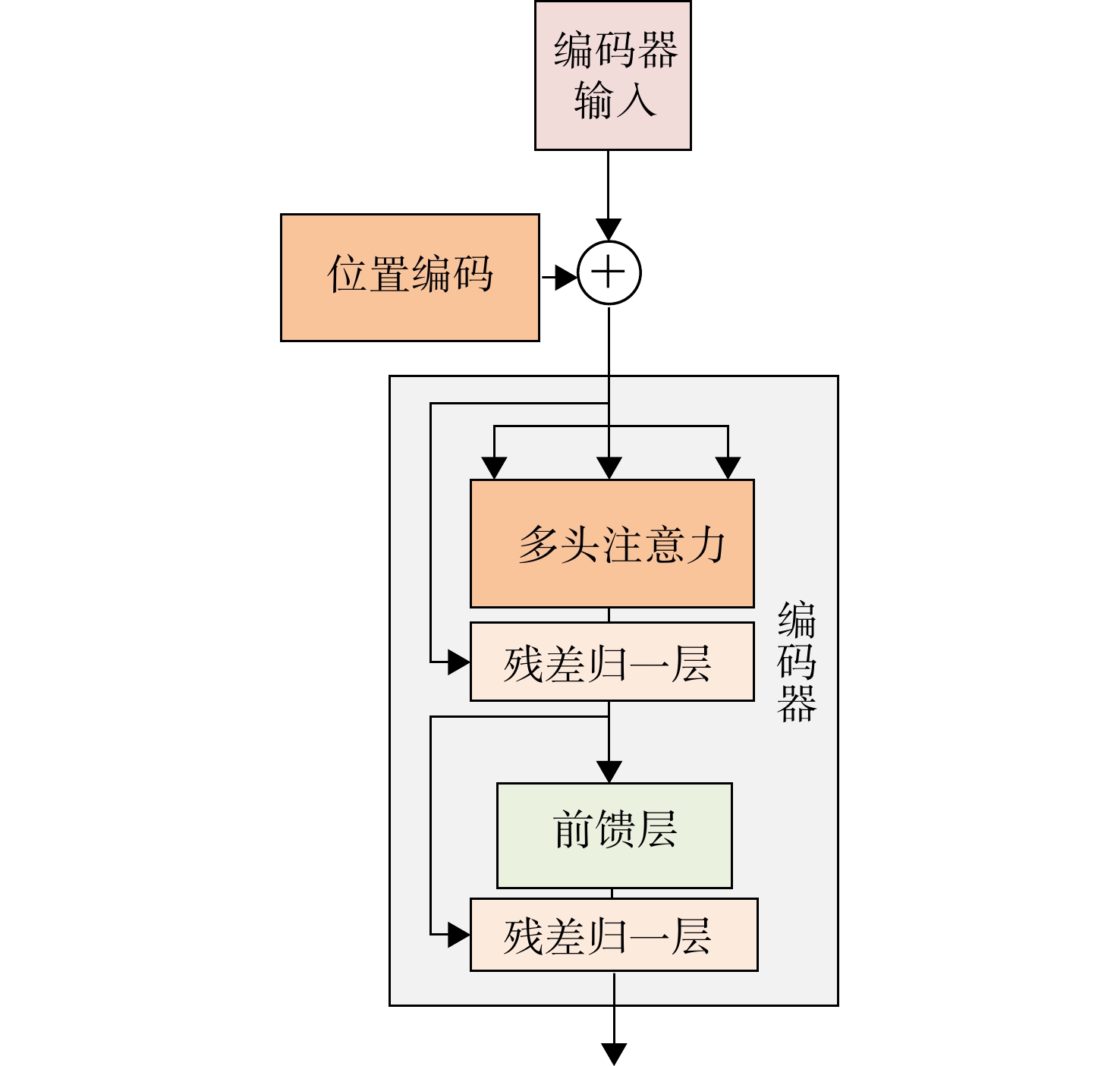
The challenge of low prediction accuracy in cross-model aeroengine baseline transfer prediction with existing domain adaptation methods was addressed by proposing a novel prediction model based on improved adversarial discriminative domain adaptation (ADDA). The proposed approach incorporated Transformer architecture and self-attention mechanisms to extract long-term features from aeroengine performance data, and enhanced the model’s capacity to capture dynamic features. Additionally, in the domain adversarial module, maximum mean discrepancy and information noise contrast estimation optimization structures were introduced to better leverage the information from limited input data and mitigate interference from redundant information. Consequently the model achieved enhanced accuracy in cross-model aeroengine baseline prediction. Experimental results demonstrated that the improved ADDA model reduced the mean absolute error and root mean square error of baseline prediction for engine gas temperature by 19.3% and 16.2% respectively, while increasing the coefficient of determination by 4.4%. For the baseline of fuel flow, the mean absolute error and root mean square error were reduced by 26.8% and 30.1%, while the coefficient of determination increased by 6.4%. For the baseline of high-pressure rotor speed, the mean absolute error and root mean square error were reduced by 19.6% and 20.0%, while the coefficient of determination increased by 6.5%. This improvement enabled more precise prediction of baselines across different aeroengine models.

Safety assessment method for aero-engine systems based on surge/stall
LI Zhiping, SUN Zeqi, ZHU Xingyu, ZHAO Yujie, QI Lei
2025, 40(8): 20230187. doi: 10.13224/j.cnki.jasp.20230187
Abstract:

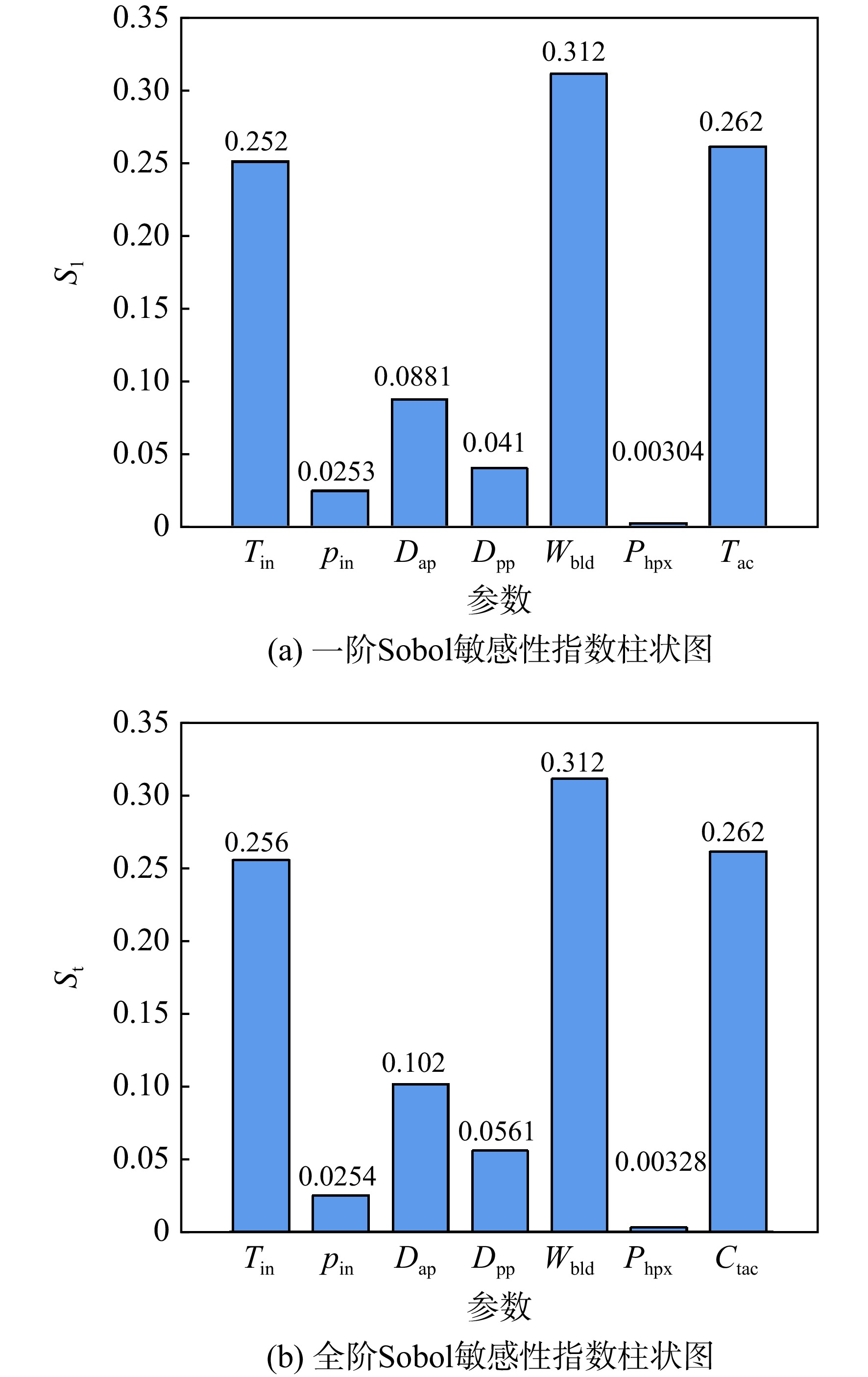
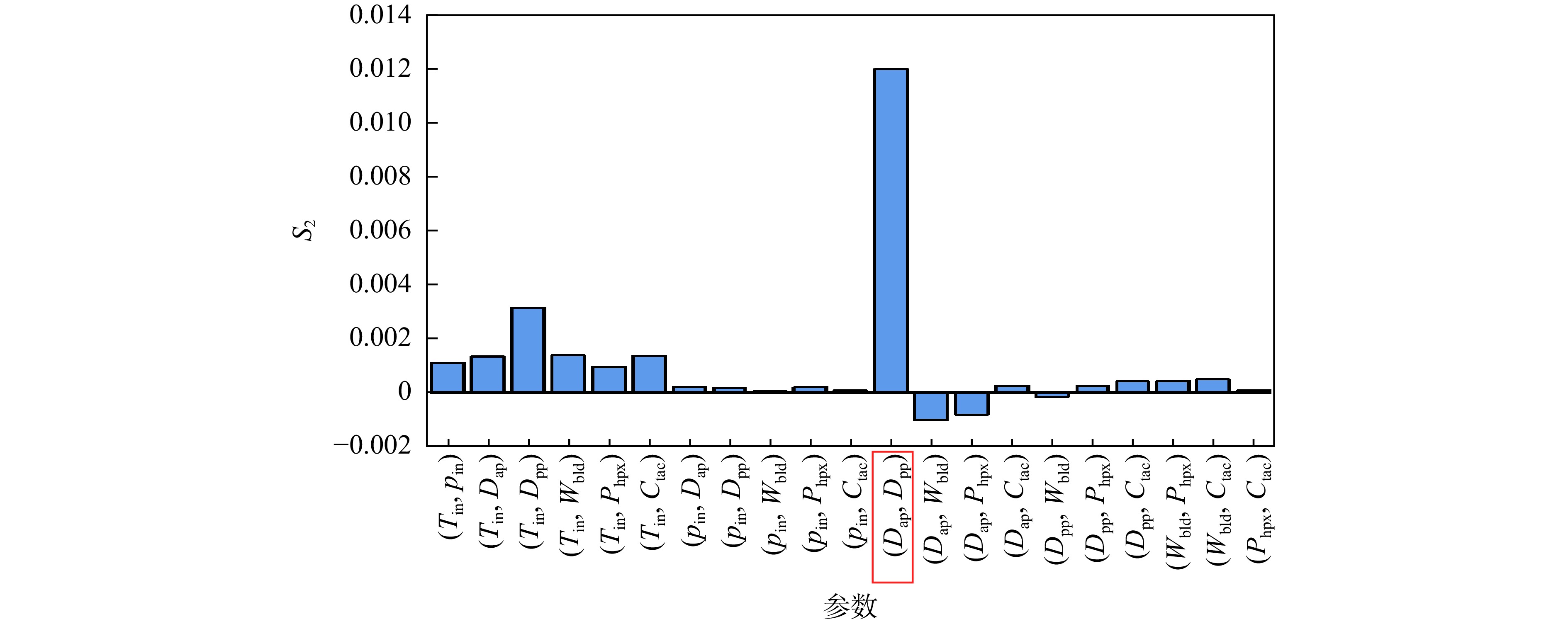
The current airworthiness certification method for surge/stall clauses based on the minimum engine state analysis method stacks single destabilizing factors and overestimates the probability of minimum engine state occurrence. It cannot provide accurate risk probability assessment for surge/stall events. To address this issue, the concept of system safety was introduced into the field of aero-engine surge/stall clause airworthiness certification, and a system safety assessment method based on global sensitivity analysis of aero-engine was constructed using a Monte Carlo method to call the engine aerodynamic-thermal model. The safety assessment process was demonstrated using a specific aero-engine model, which identified the pilot gas value, cycle number, and total inlet temperature as the most influential destabilizing factors on the surge margin, and the distortion range and intensity of the circumferential total pressure distortion as secondary factors. The global sensitivity analysis revealed a coupling effect between the distortion range and intensity, which increased the degree of their respective influences on the surge margin. The results of the system safety assessment indicated that the probability of a surge/stall event is acceptable when the engine sharply accelerates for no more than 1.25% of the total flight hours.

Autocontrol
Optimization of transparent liquid profile line reconstruction algorithm based on iterative calculation
WANG Mingyuan, FENG Shiyu, FU Ziqi, WANG Chenchen, FAN Juli
2025, 40(8): 20240233. doi: 10.13224/j.cnki.jasp.20240233
Abstract:

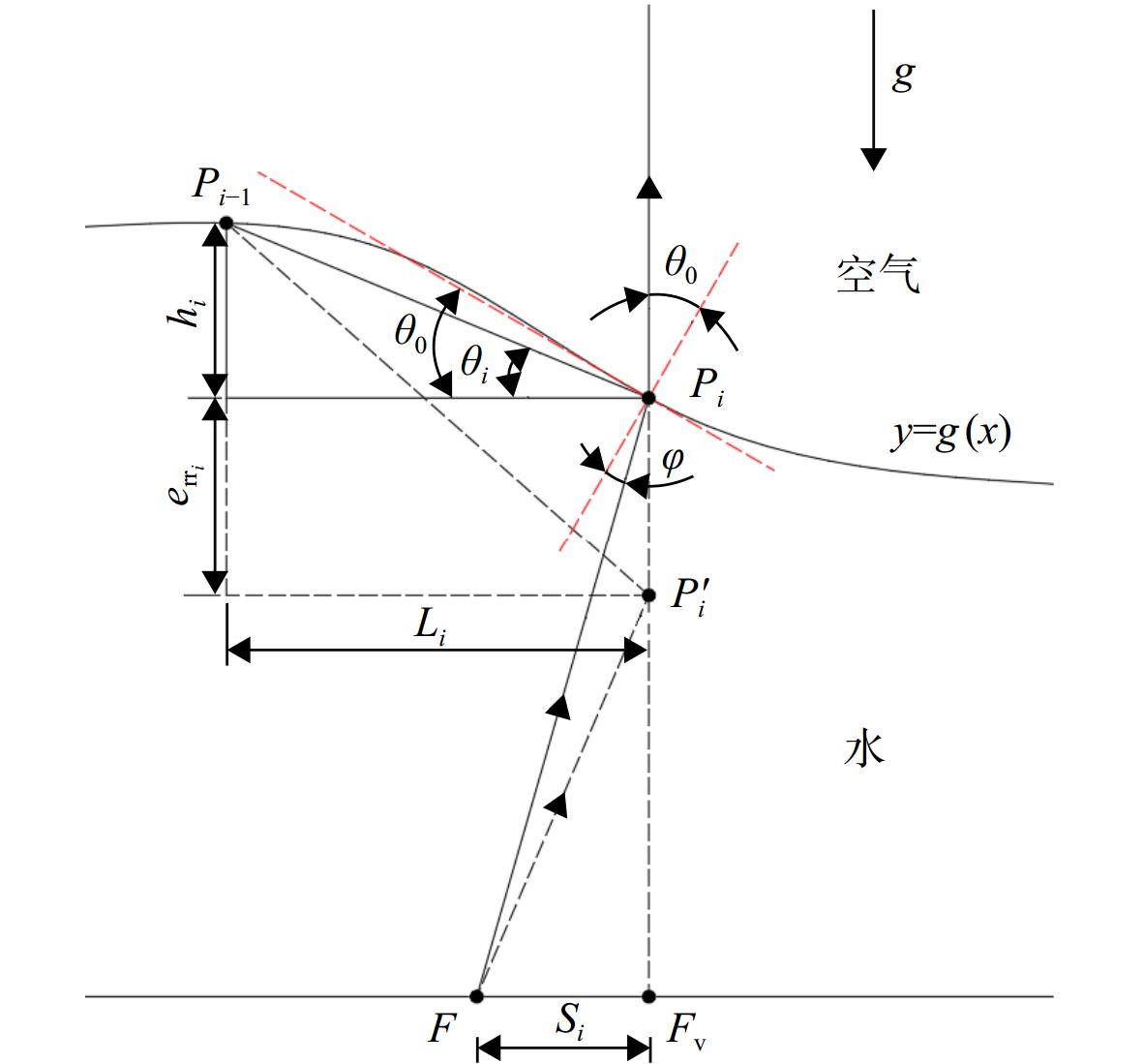
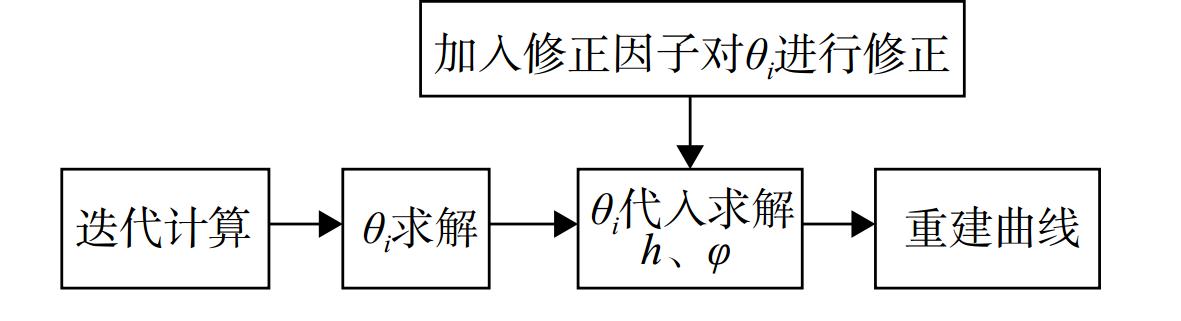
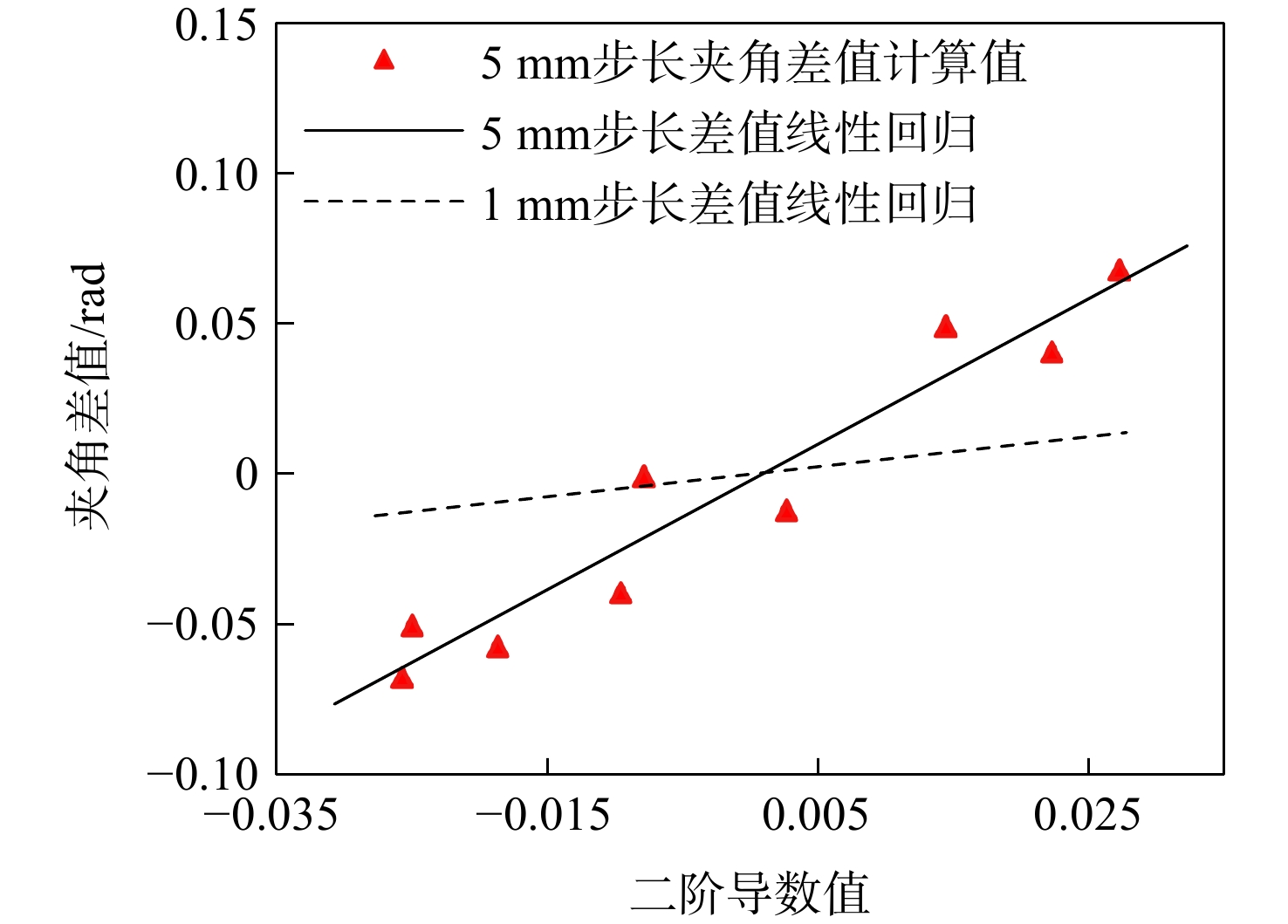
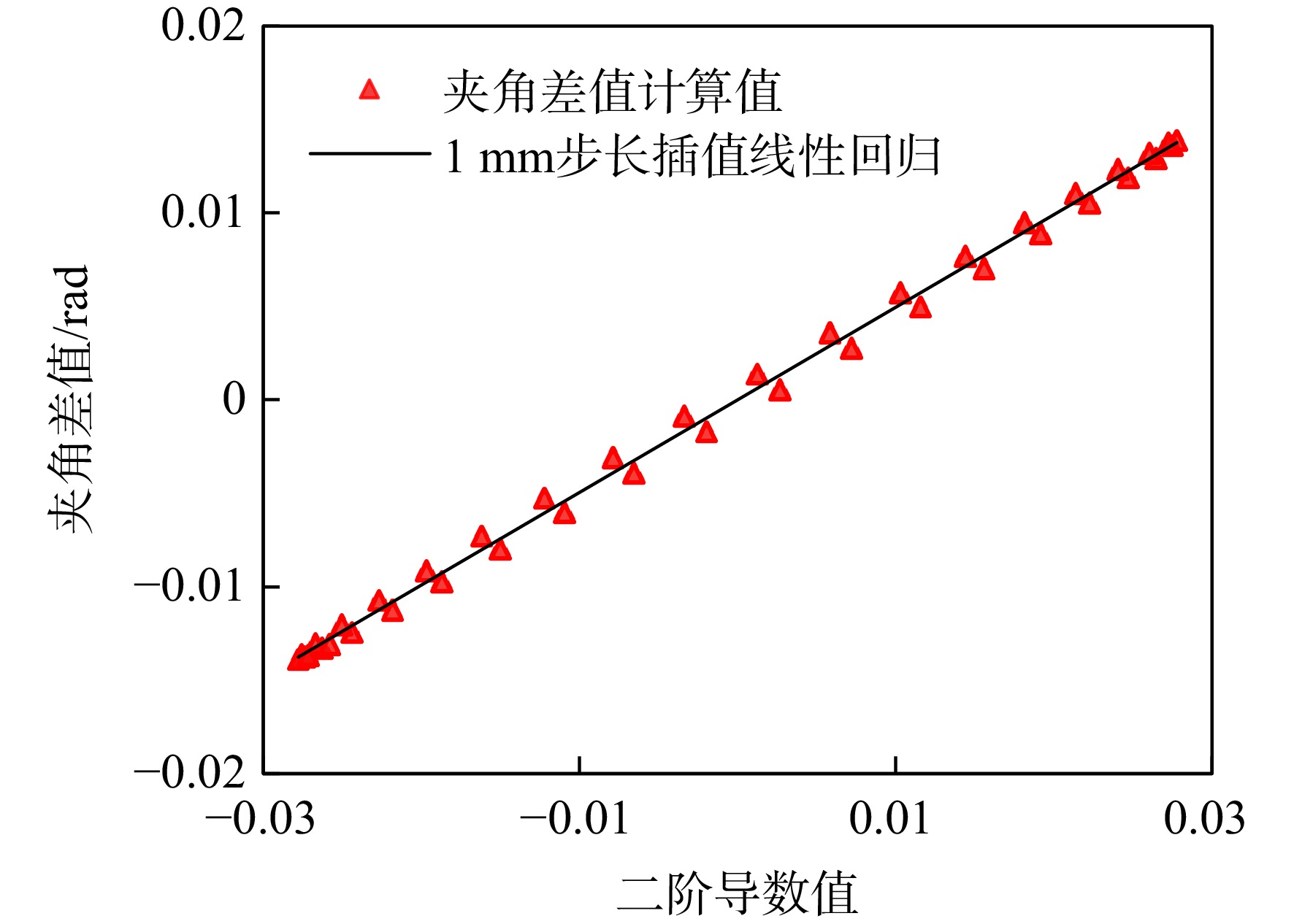
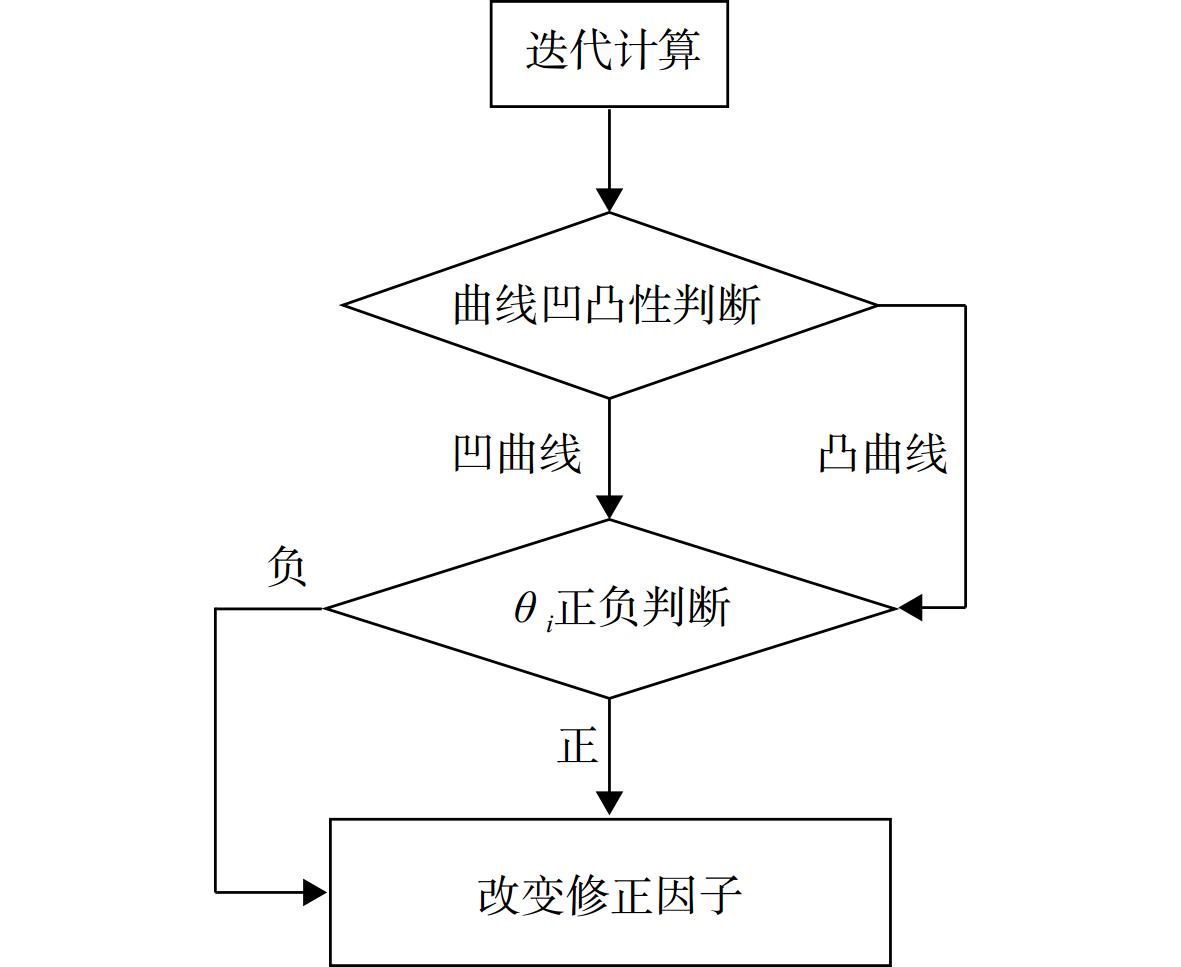
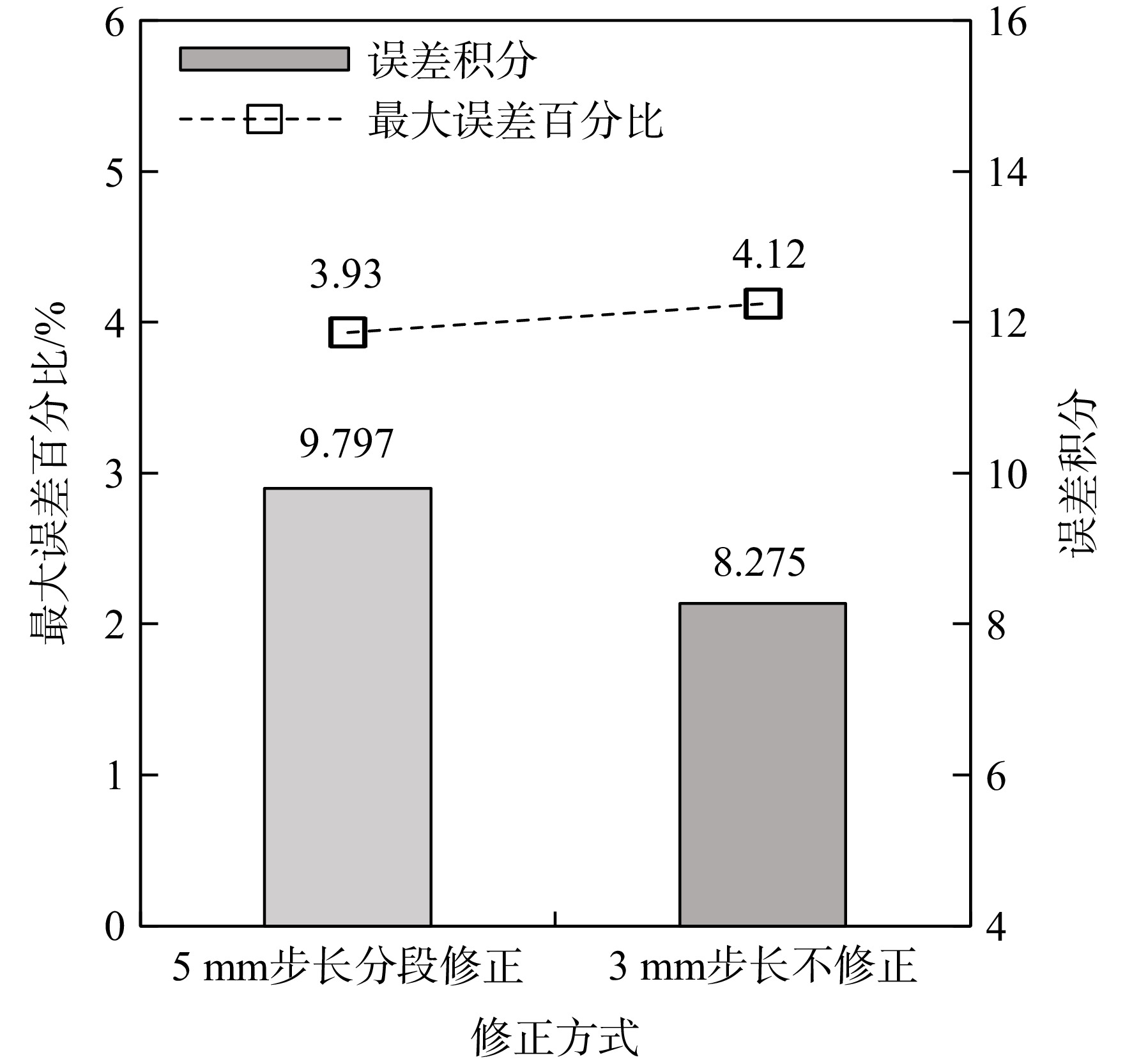
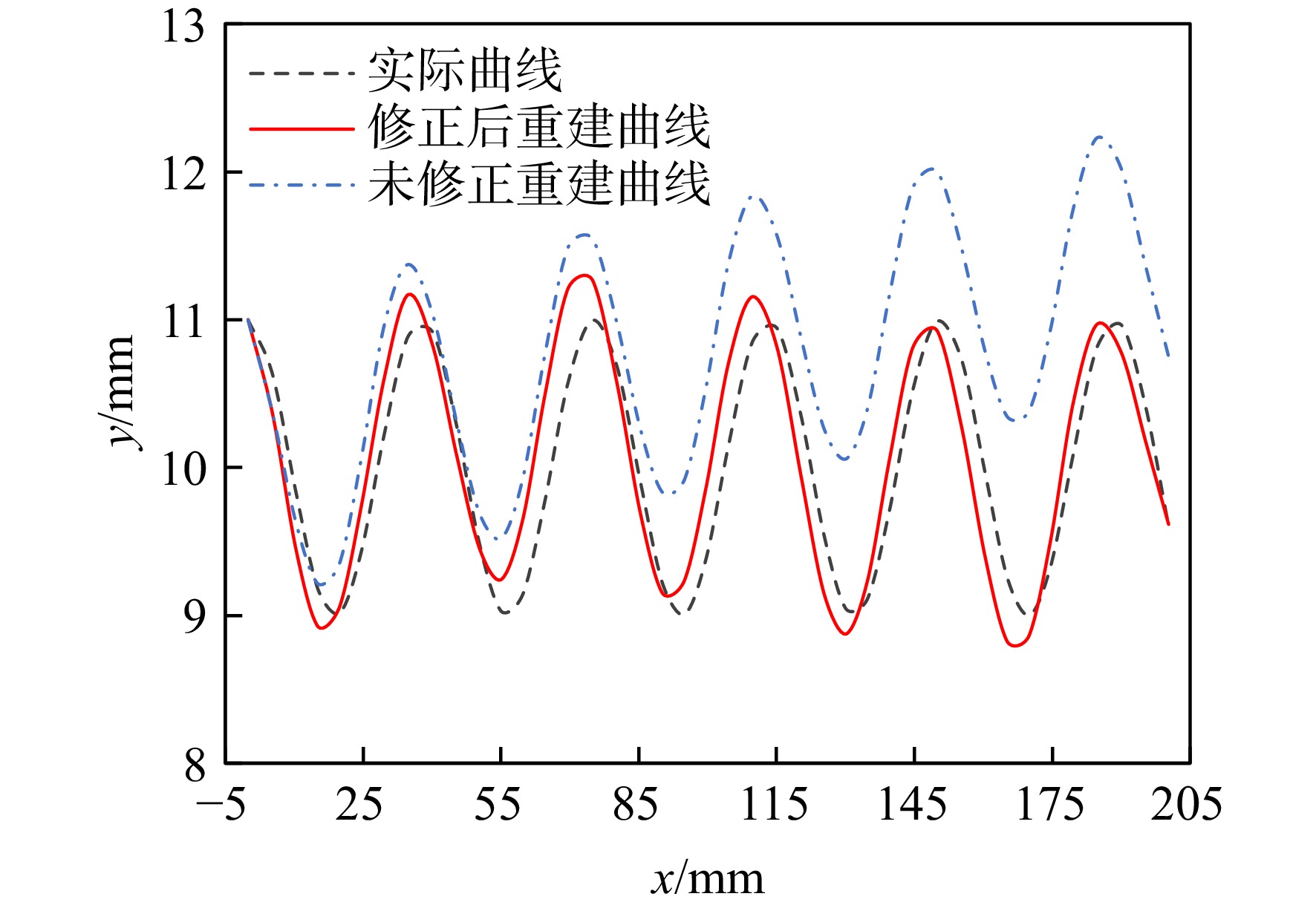
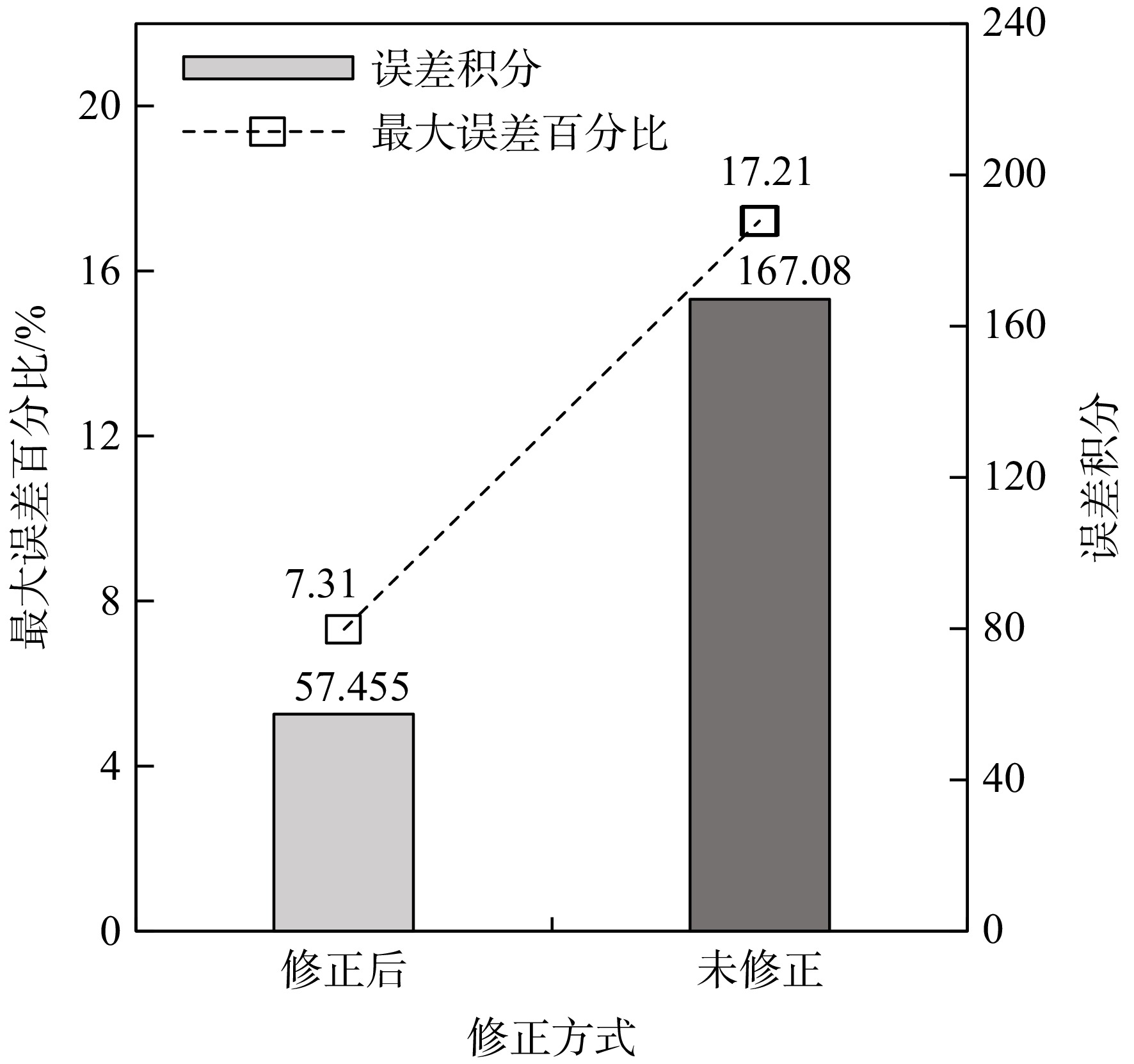
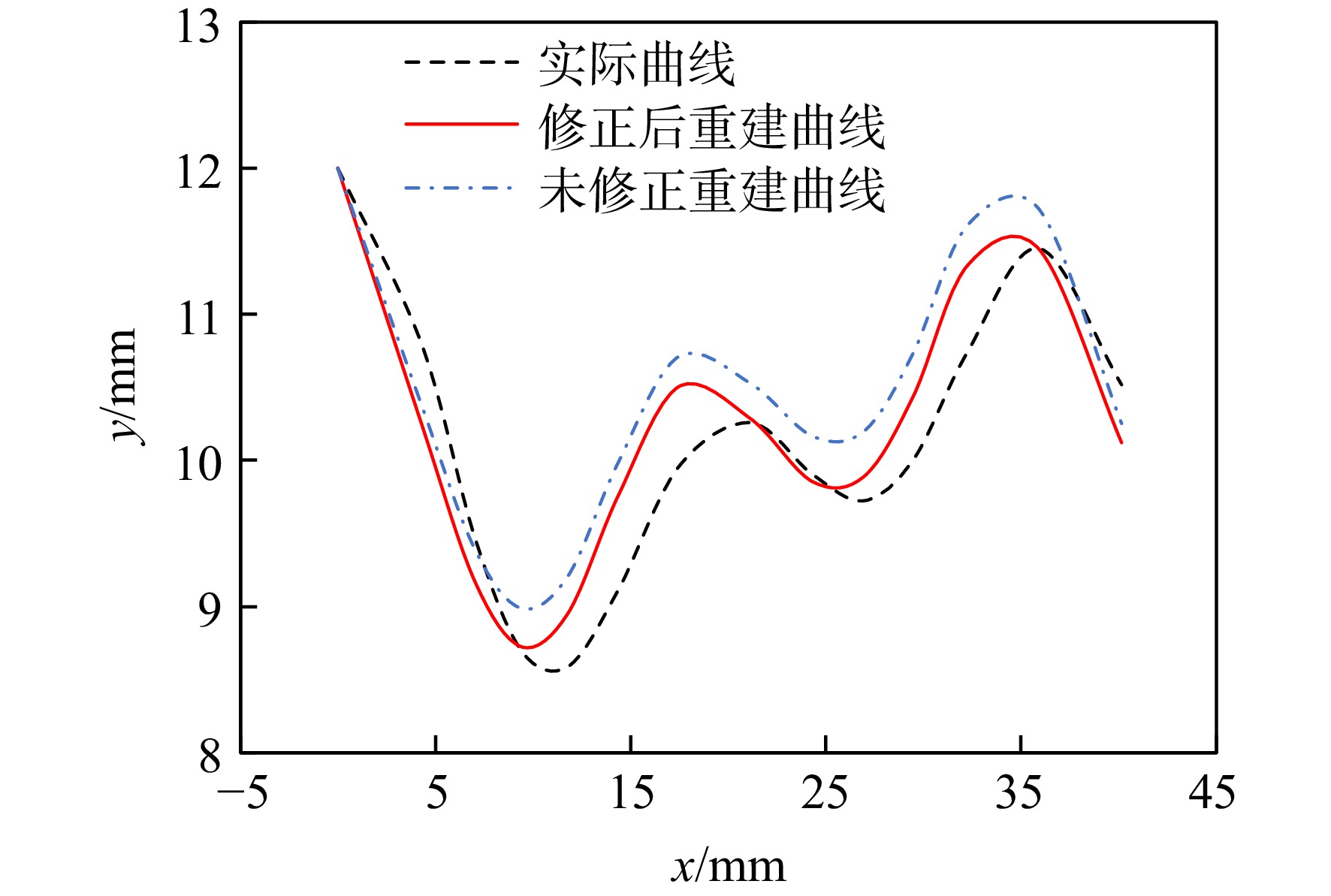
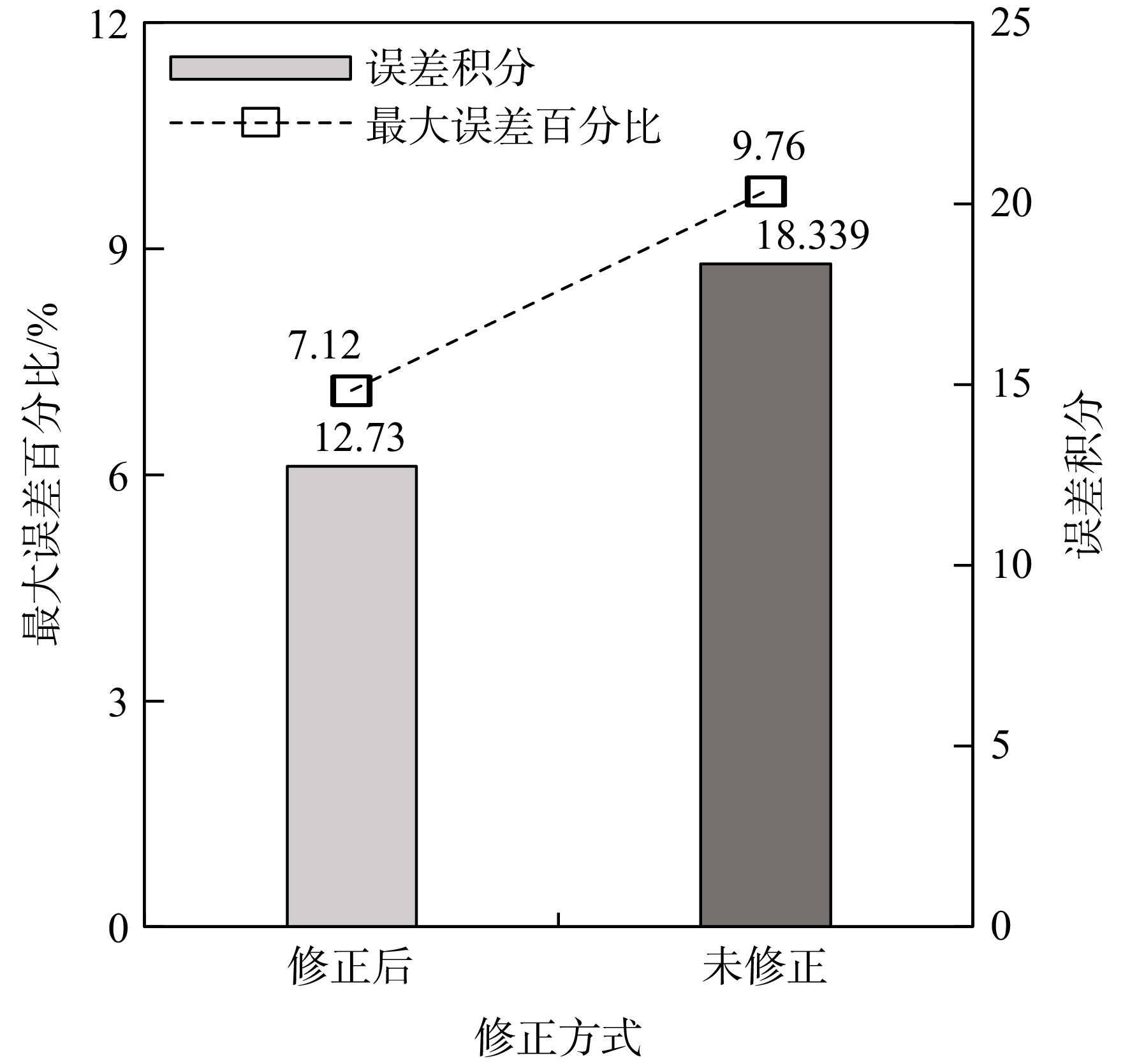
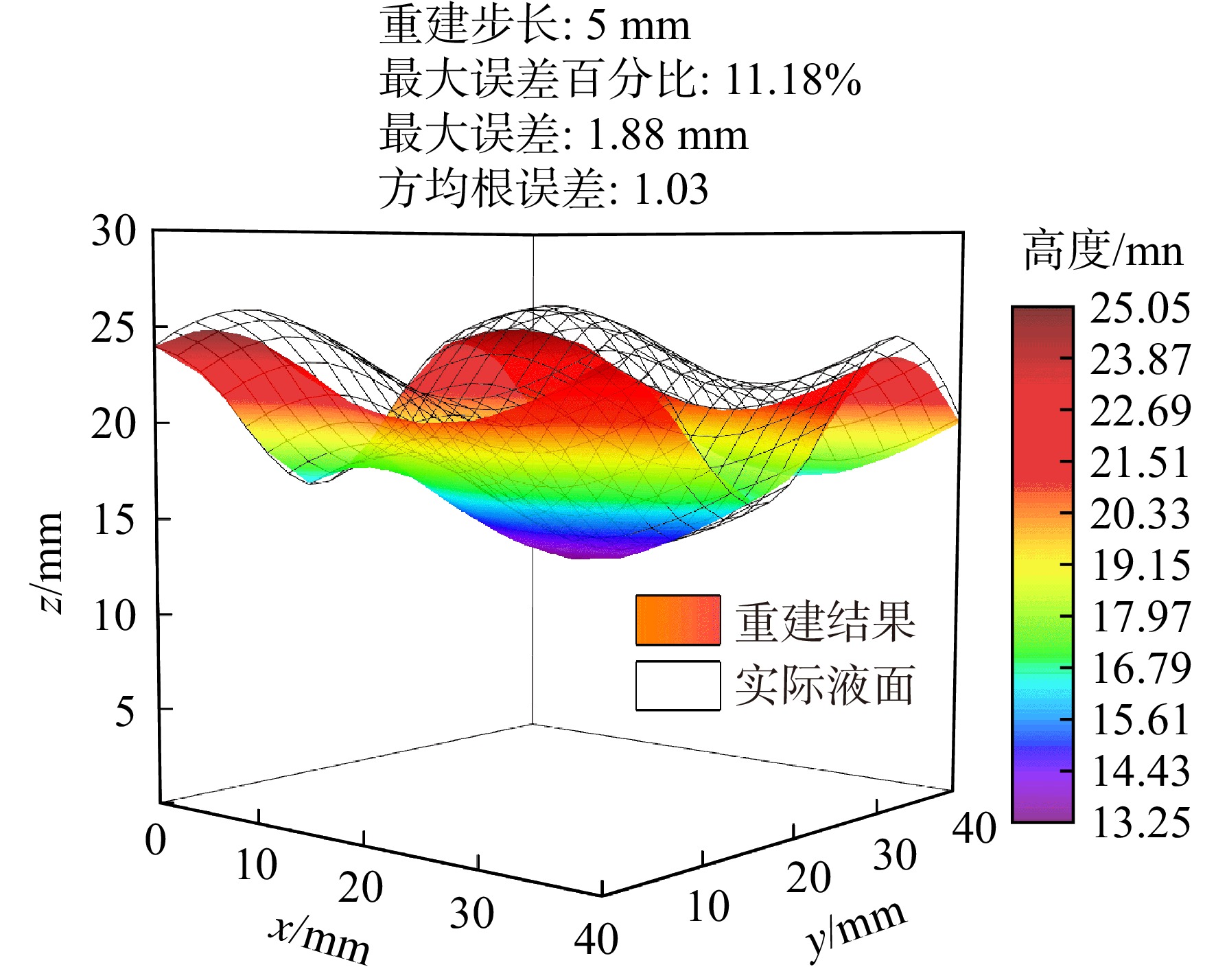
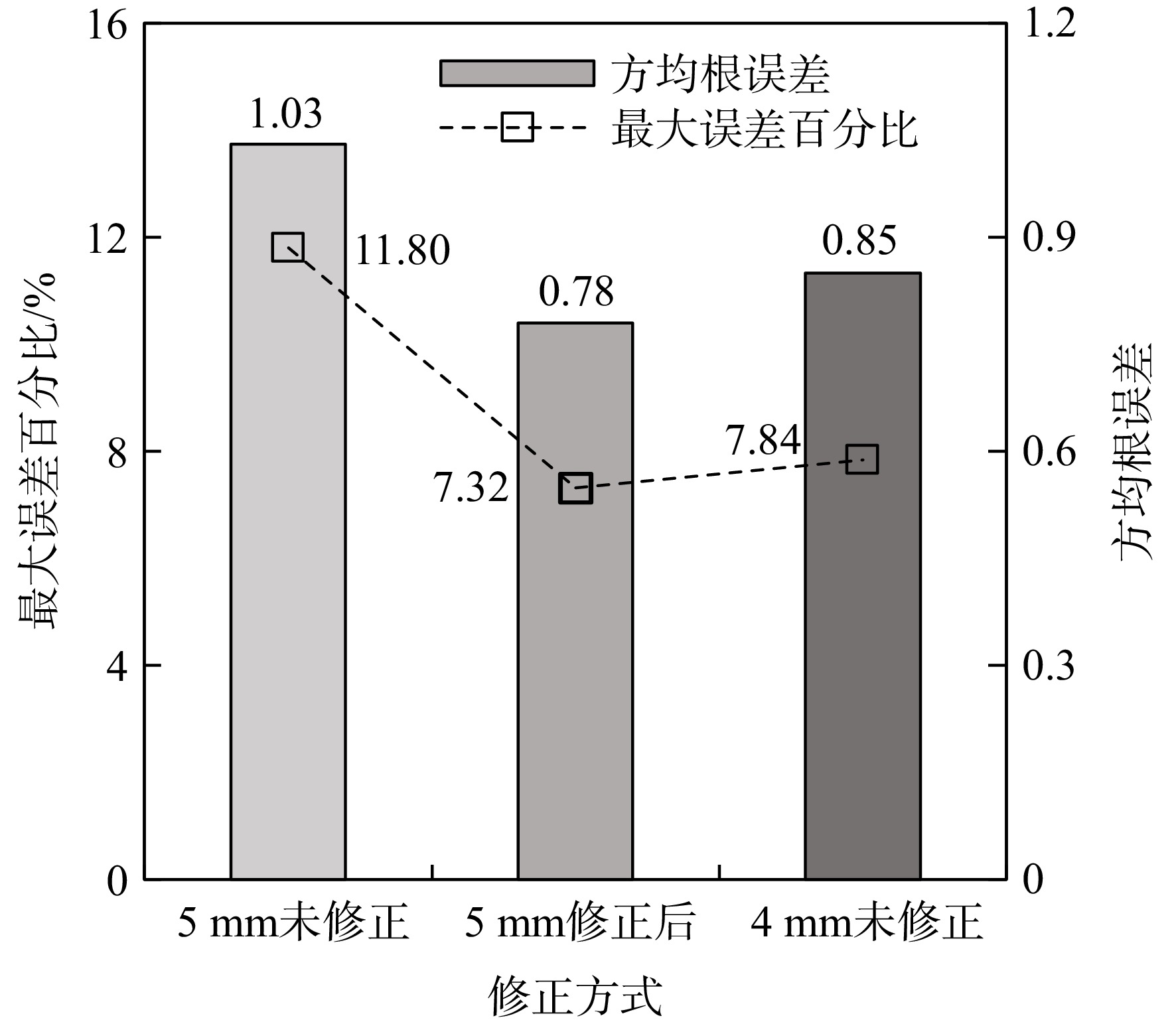
The algorithm for reconstructing the profile of transparent liquids from a single viewpoint was investigated. A correction factor was introduced in the iterative error calculation steps to refine the reconstruction process. The influencing factors of the correction factor were explored, and a method for determining it was provided. The validity of the algorithm was verified, and the optimized algorithm was applied to analyze the reconstruction of multiple liquid surface profiles and 3D liquid surfaces. The results showed that the correction factor should be segmented based on the curvature of the curve and the step size of feature point placement during the reconstruction process. After applying segmented correction, the overall accuracy was improved by 30.88%, and the maximum error was reduced by 45.72%. The optimized algorithm enhanced the reconstruction accuracy for synchronized long feature points. For the standard liquid surface profile and the standard 3D liquid surface reconstructed, the number of feature points required to achieve the same accuracy was reduced by 38.46% and 20%, respectively. Additionally, the algorithm demonstrated effective control of cumulative errors and exhibited broad applicability.