2026 Vol. 41, No. 1

Combustion,Heat and Mass Transfer
Mechanism on thermal-strength comprehensive performance enhancement of novel film hole with rib and ball-shaped dimple
LYU Dong, LIU Yingshi, KONG Xing’ao, SHI Lei, CHEN Yun
2026, 41(1): 20240717. doi: 10.13224/j.cnki.jasp.20240717
Abstract:

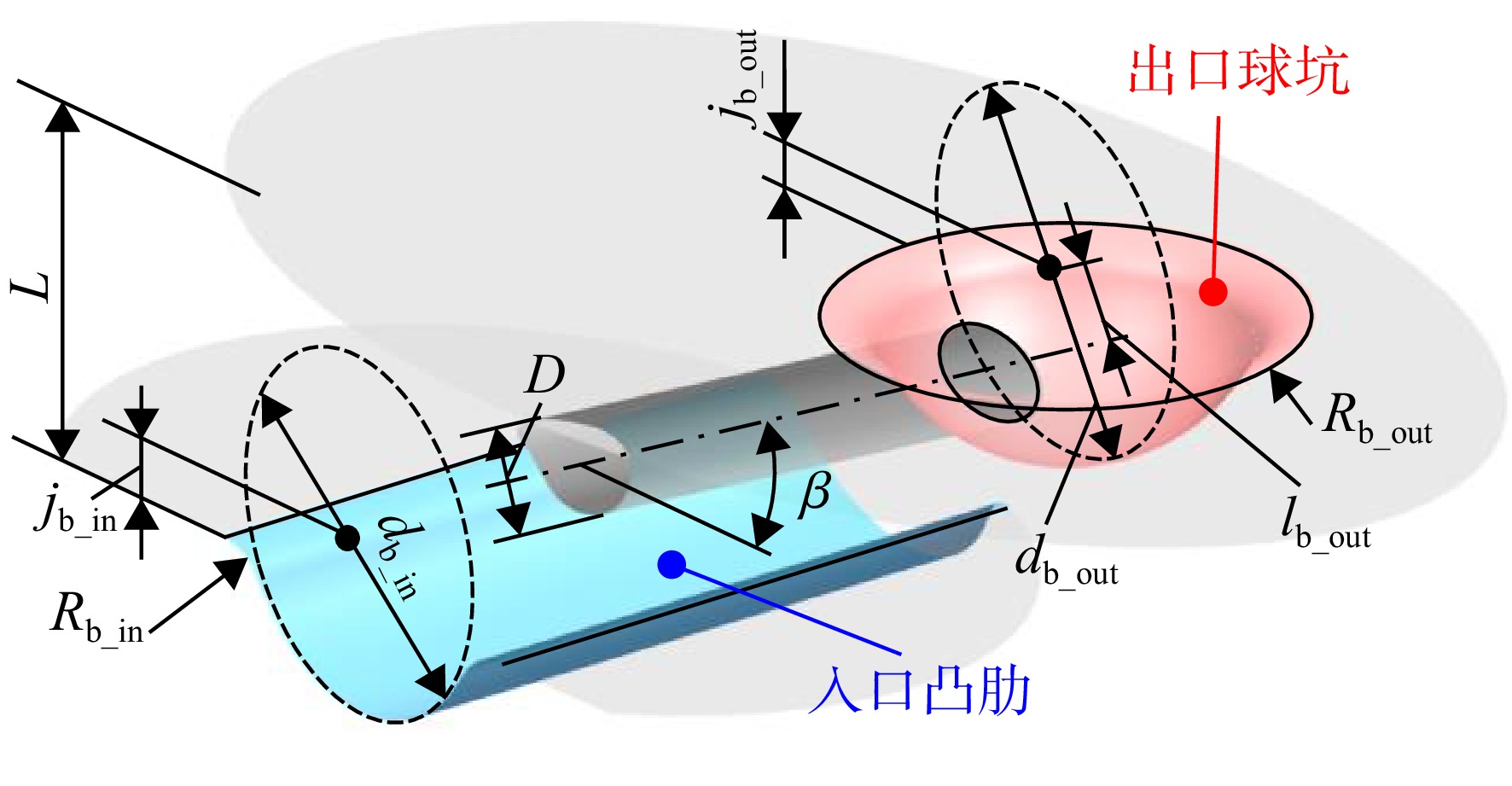
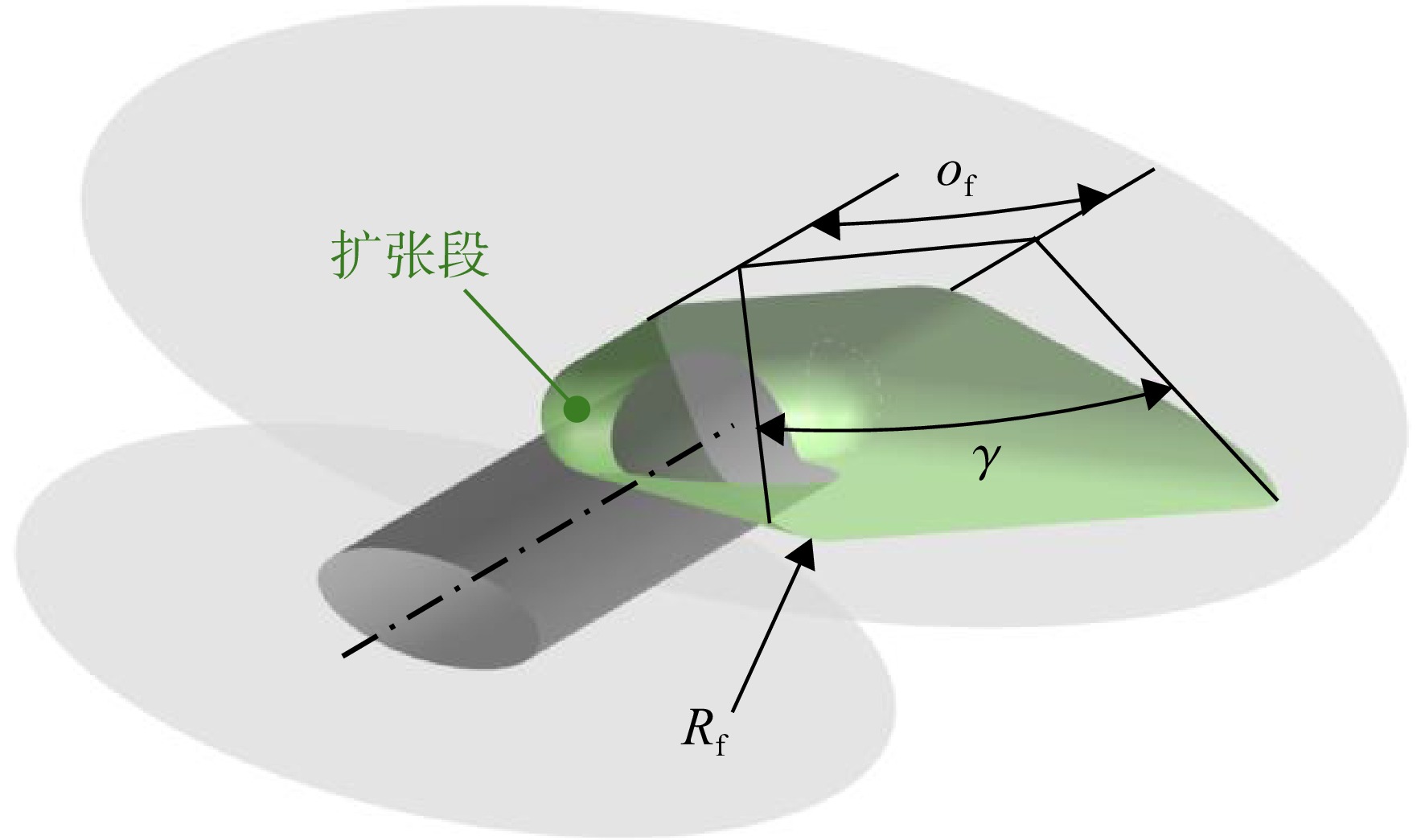
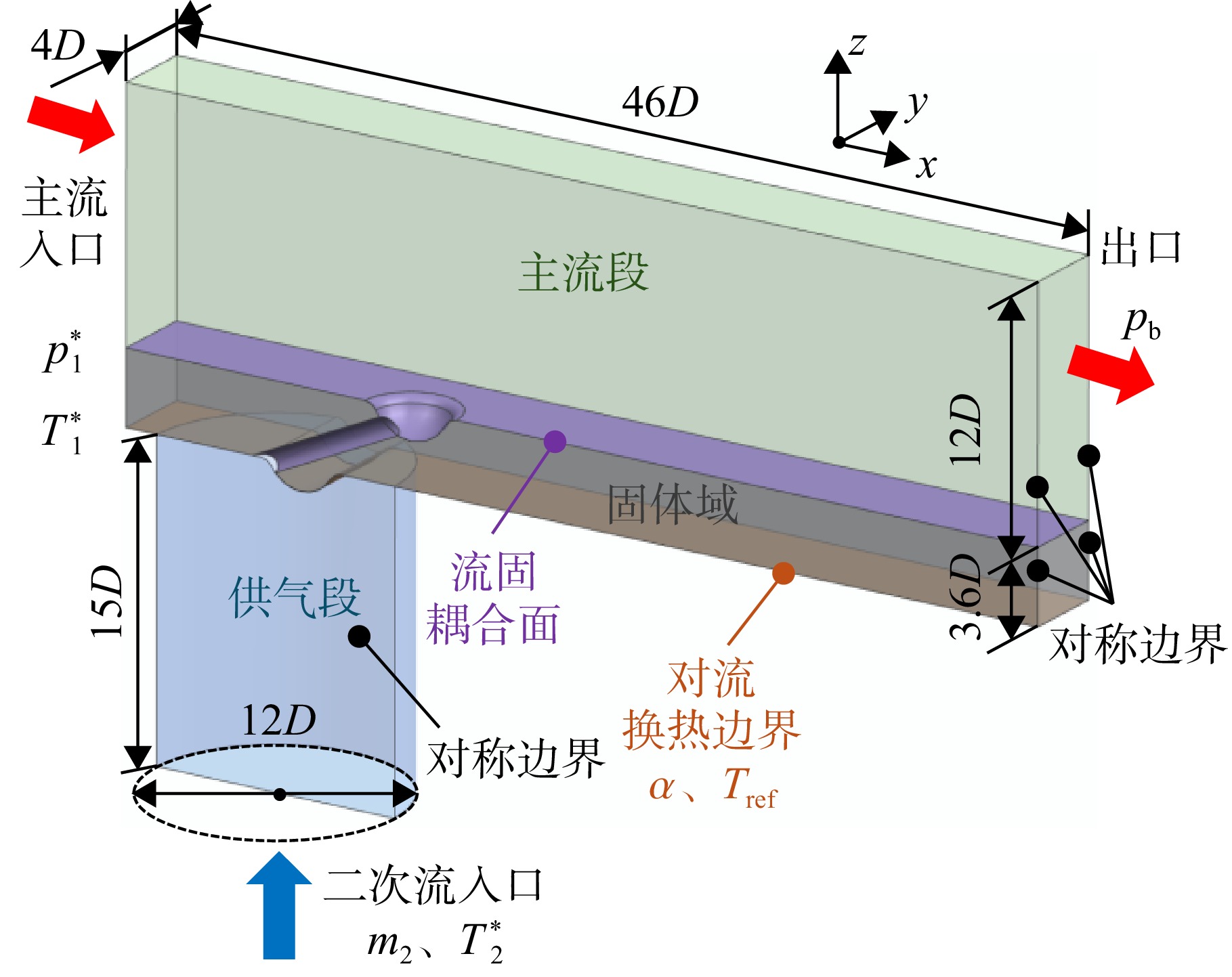
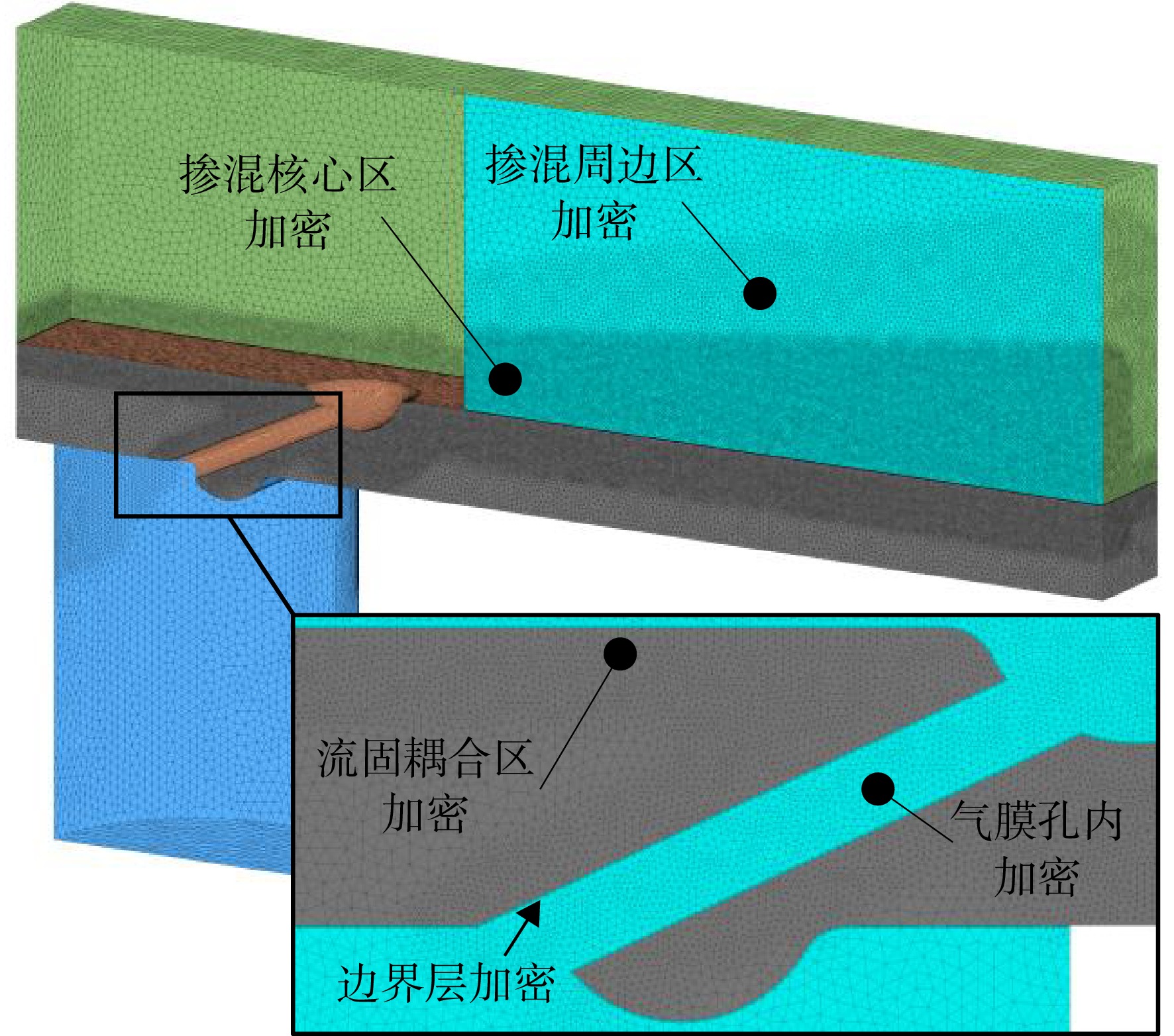
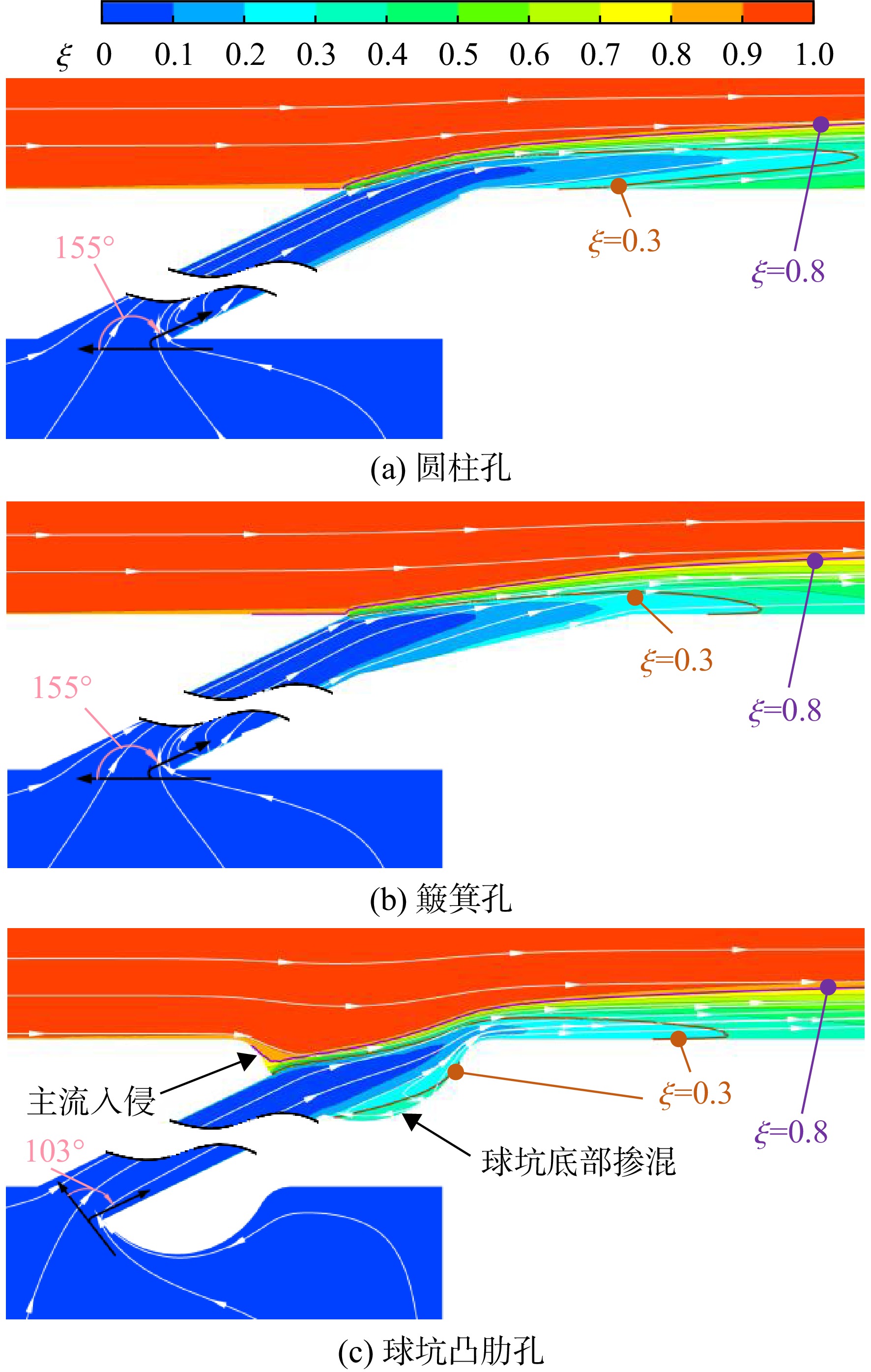
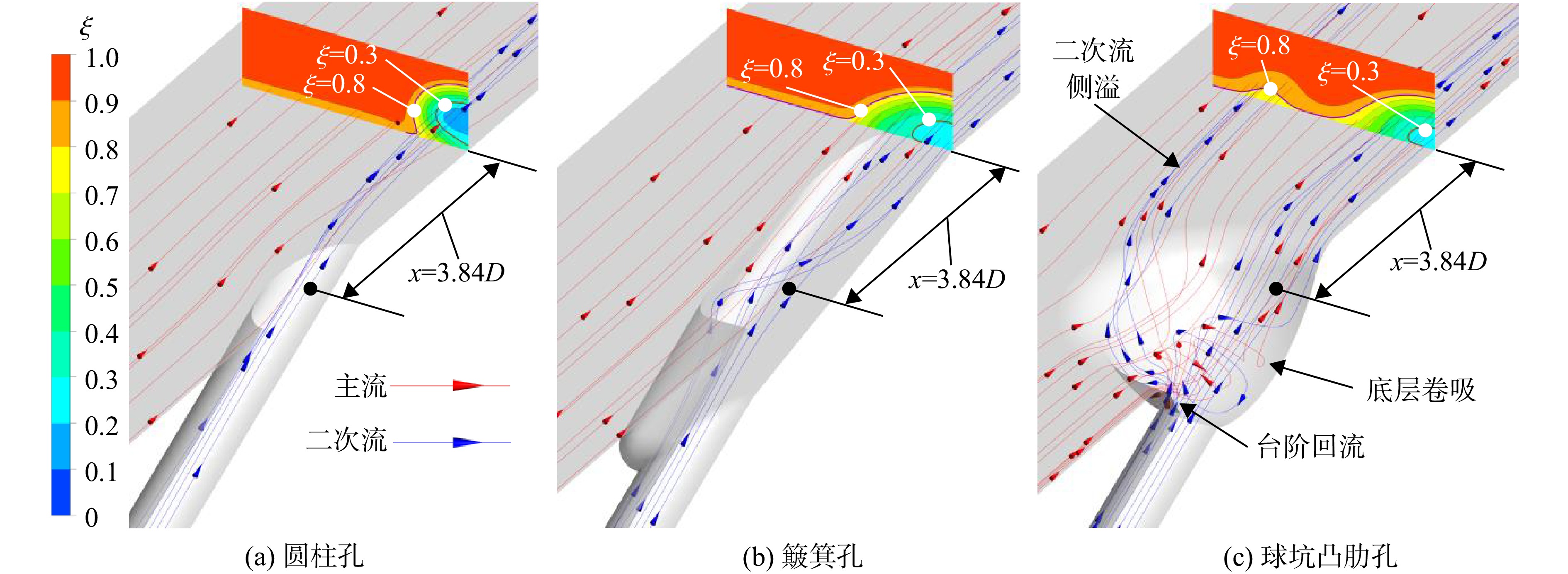
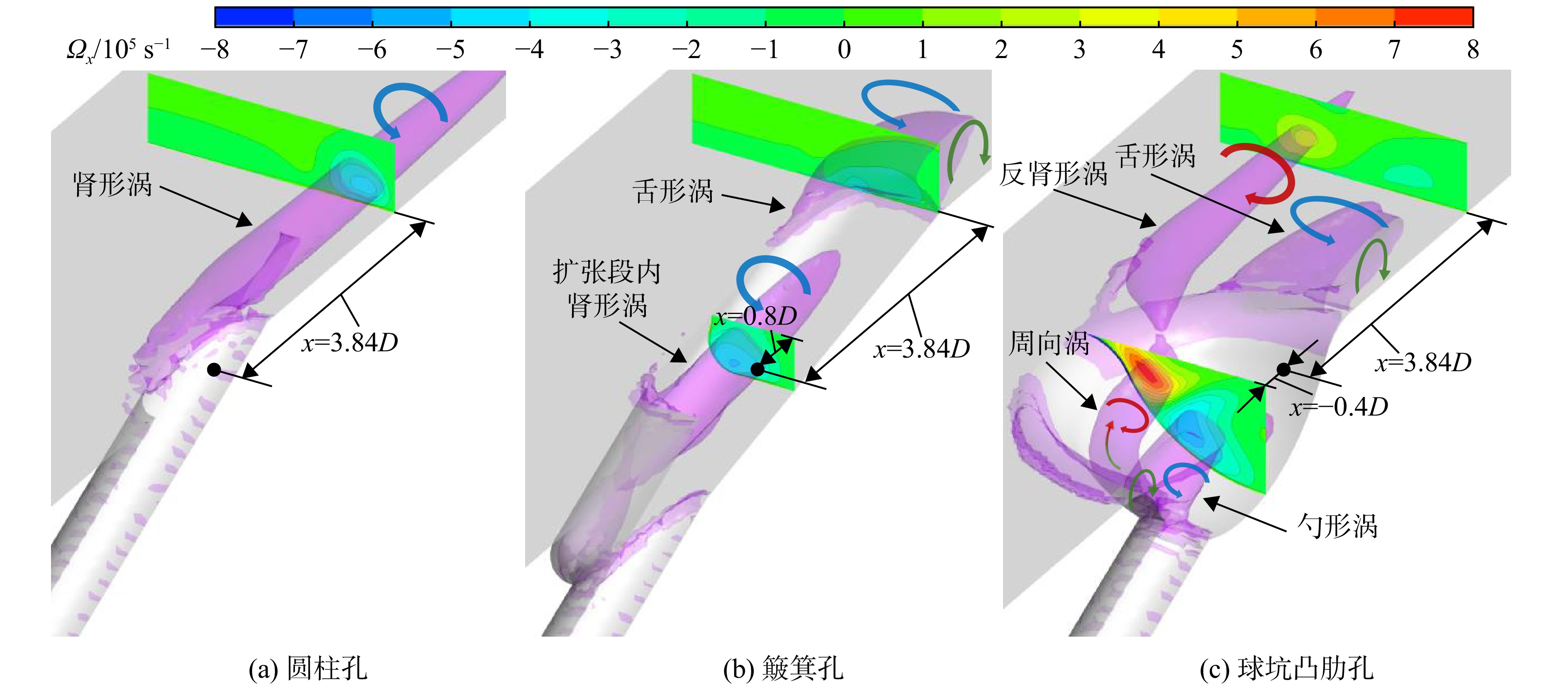
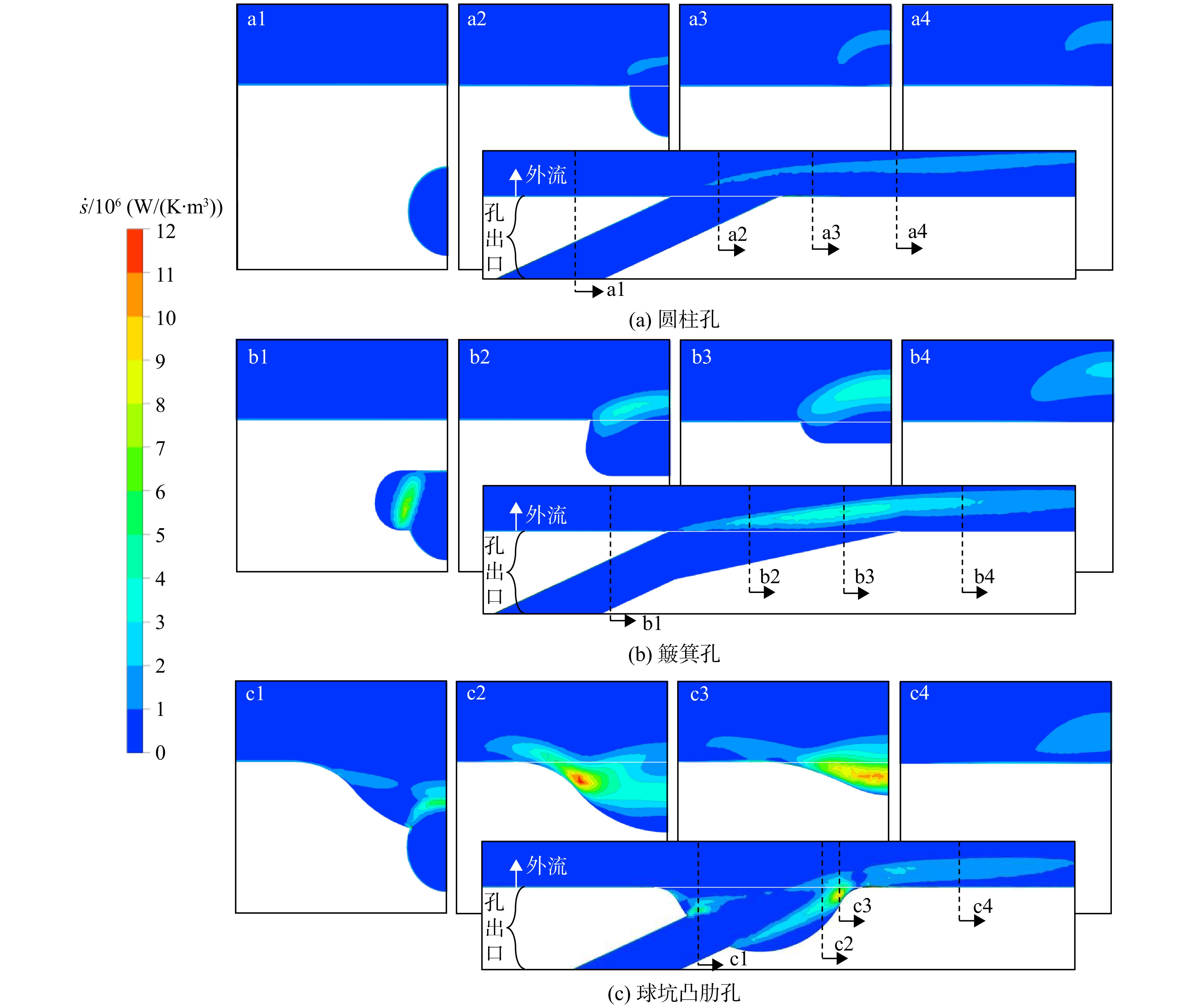
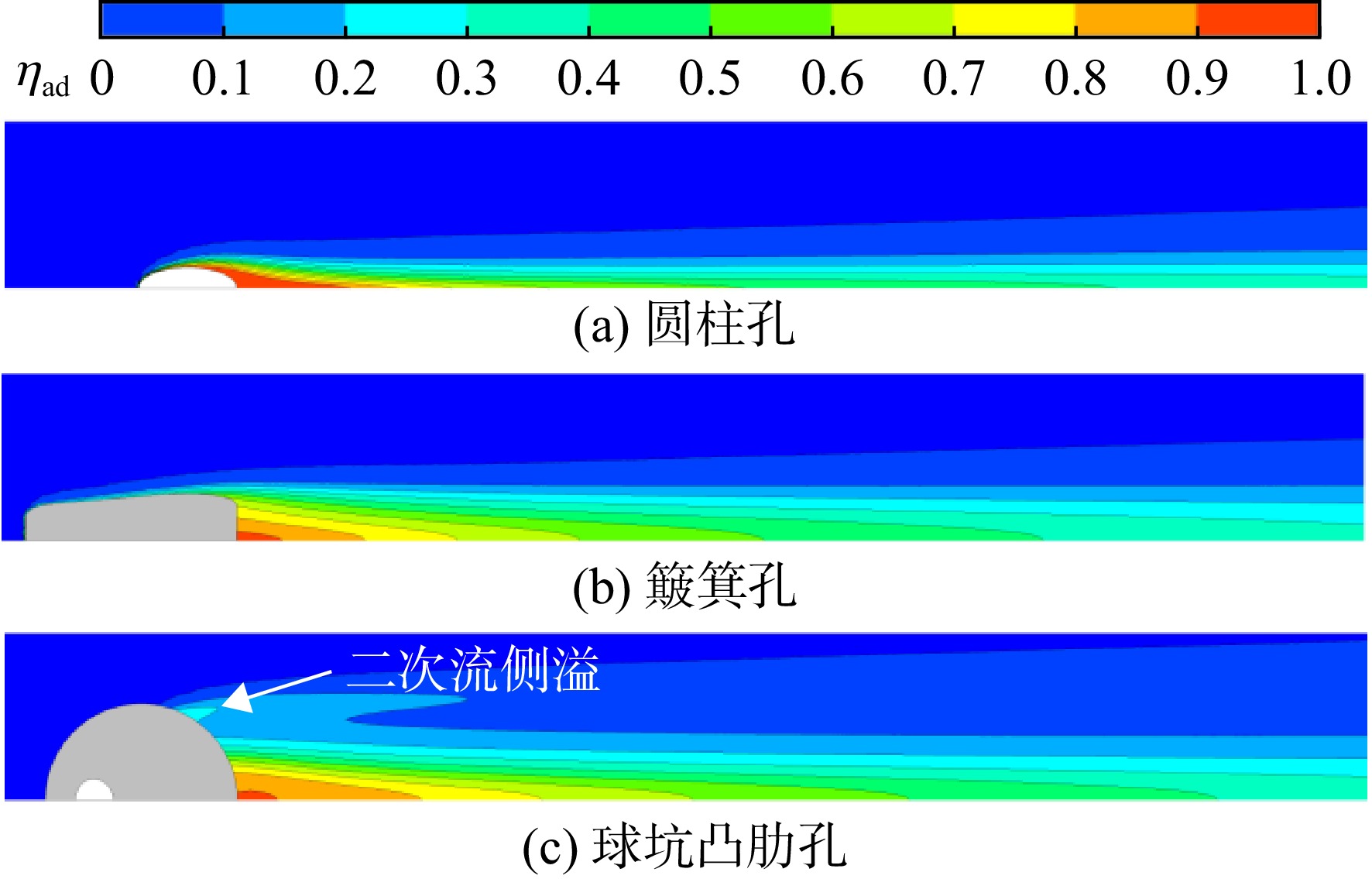
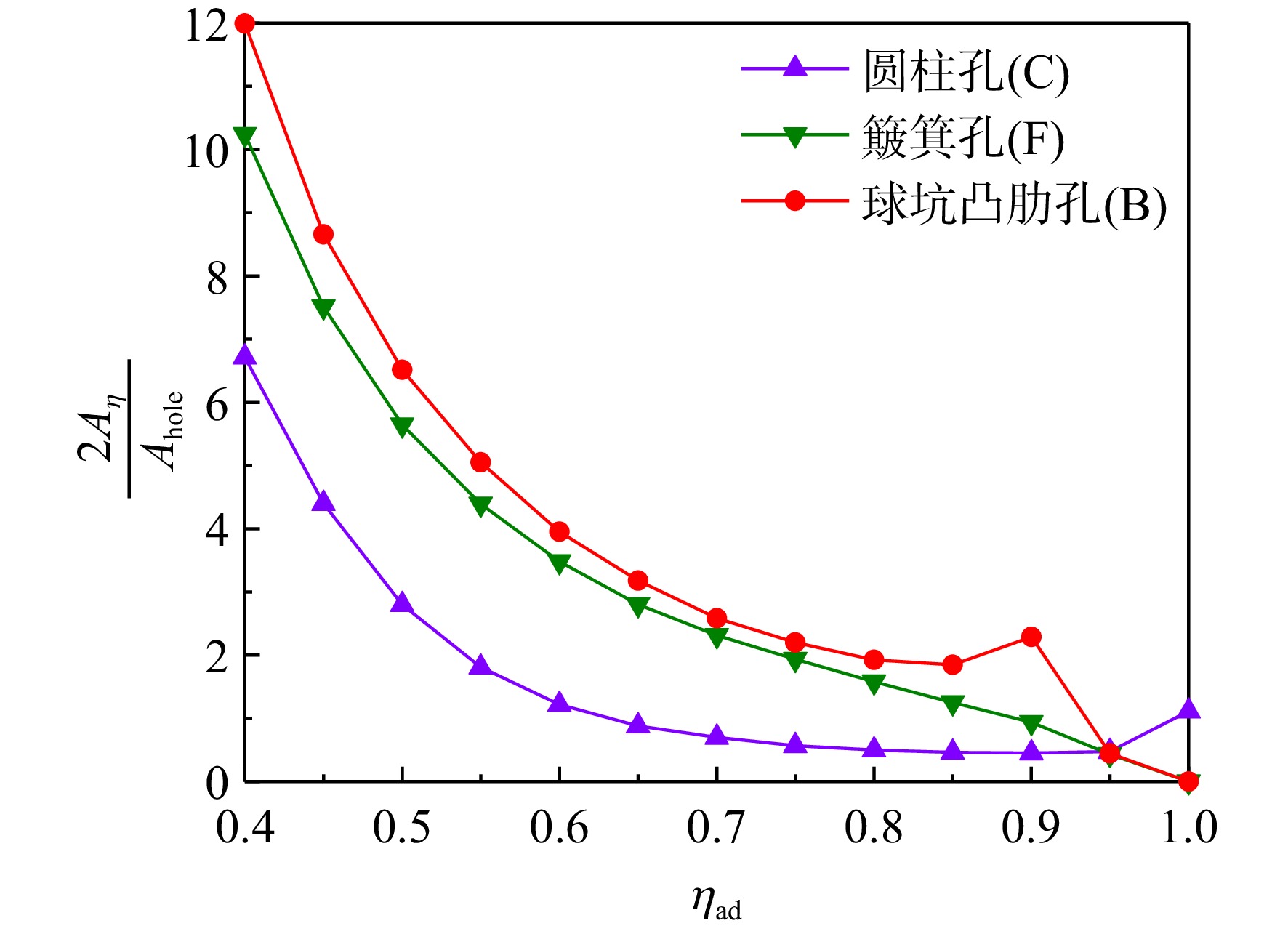
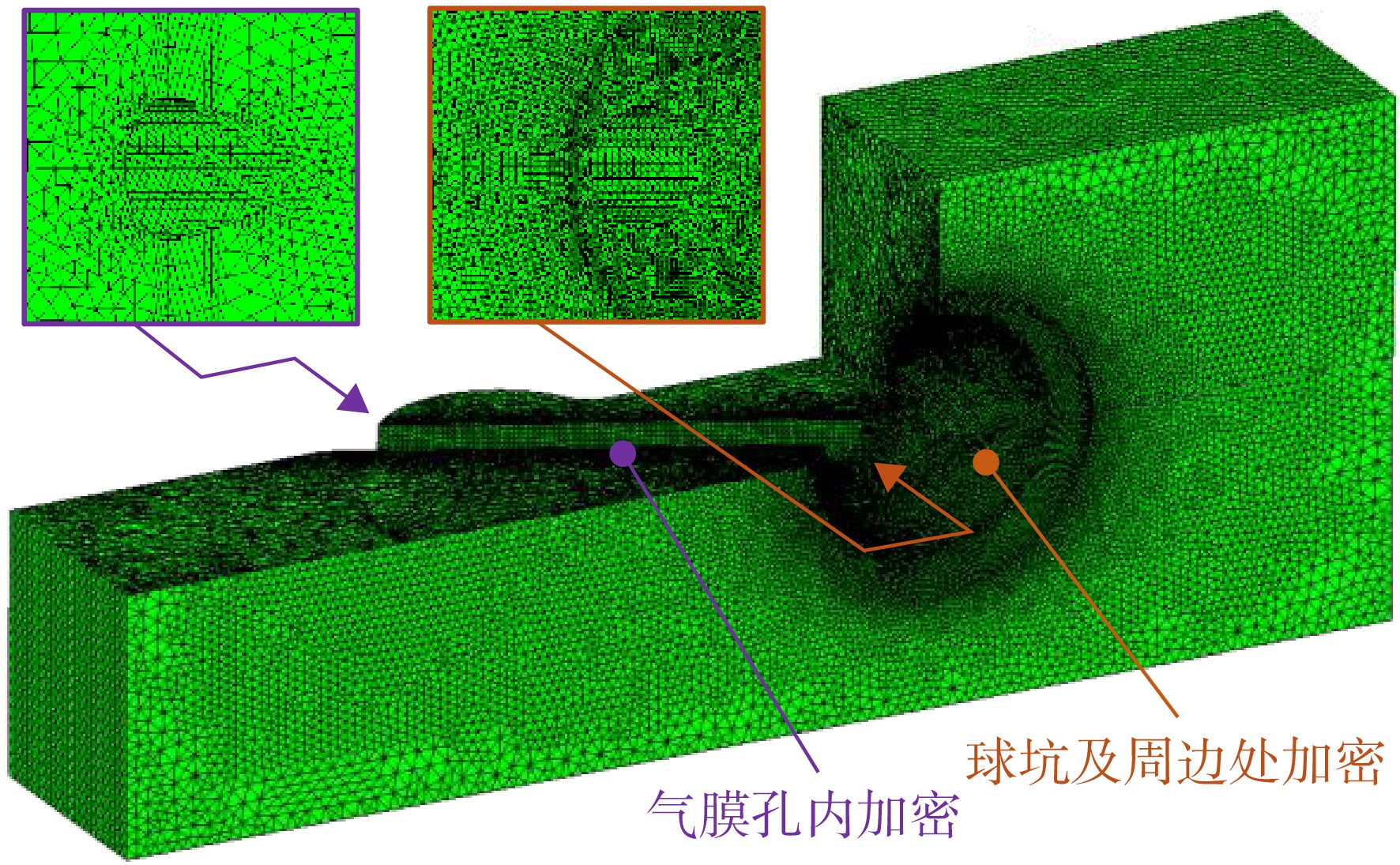
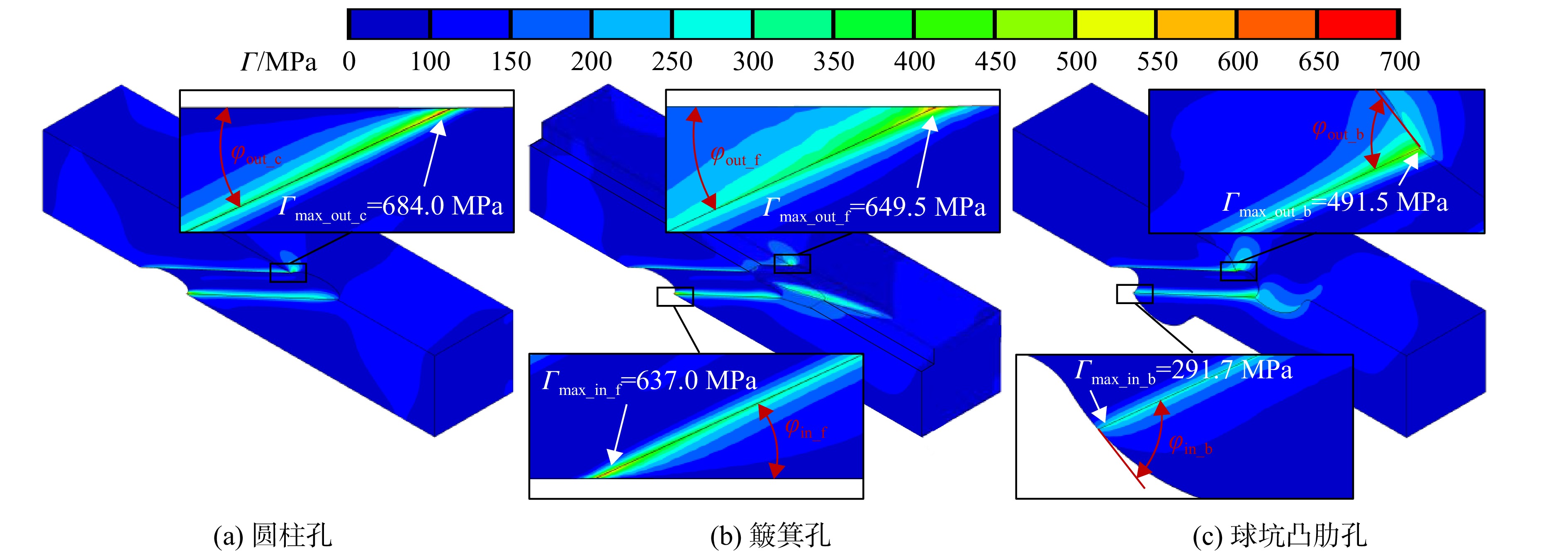
Considering the prevalent contradiction between cooling and strength design of turbine blade film hole, a novel scheme utilizing rib and ball-shaped dimple at the hole inlet and outlet was proposed. To reveal the mechanism on thermal-strength comprehensive performance enhancement, two typical cylindrical and fan-shaped film holes were chosen as benchmarks. Simulation models of all three types with uniform basic structural parameters were also established. Fluid domain only and fluid-thermal coupling numerical simulations were conducted under a typical aero-engine working condition separately. The results indicated that the rib weakened the vortex inside the hole, thus the discharge coefficient increased from 0.75 of the cylindrical ones to 0.79. Especially in heat transfer, it was uncovered that the ball-shaped dimple induced the main flow’s intrusion and so enhanced the surface-attachment of the secondary flow. Thereby the local cooling effectiveness of 0.47 achieved, observably better than 0.41 of the cylindrical ones. The static strength simulations were further conducted following the identical models. The maximus stress was approximately reduced by half, since both the rib and dimple markedly blunted the sharp corners at the orifice edges. Integrating the simulation results of cooling and strength, the lives of the three schemes were estimated based on the creep-rupture curve of DD6 alloy. And the relative value of the novel film hole reached up to 56.6 and 10.7 times of the other ones, respectively, which showed a prominent advantage.

Effects of spurious particle images on CIP-GS cloud measurements in large-scale icing wind tunnel
GUO Xiangdong, GUO Qiling, ZHAO Rong, CHEN Hai, WEI Longtao, WANG Zixu
2026, 41(1): 20240388. doi: 10.13224/j.cnki.jasp.20240388
Abstract:
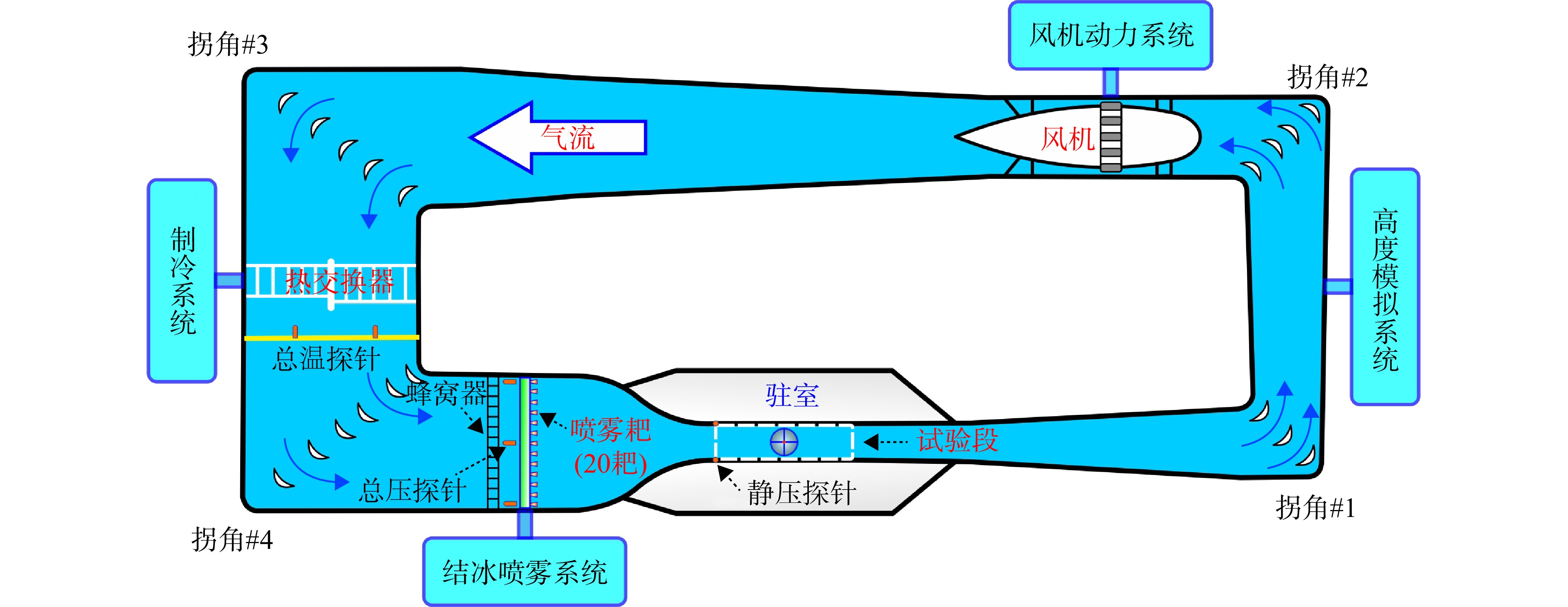
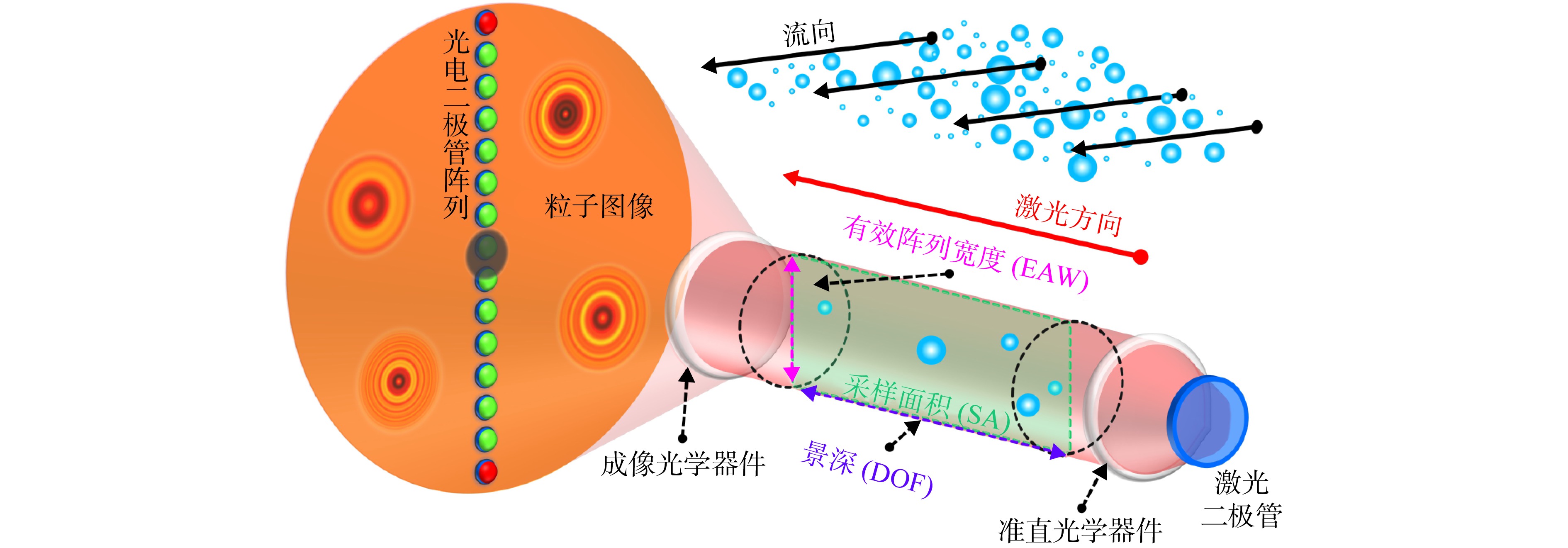
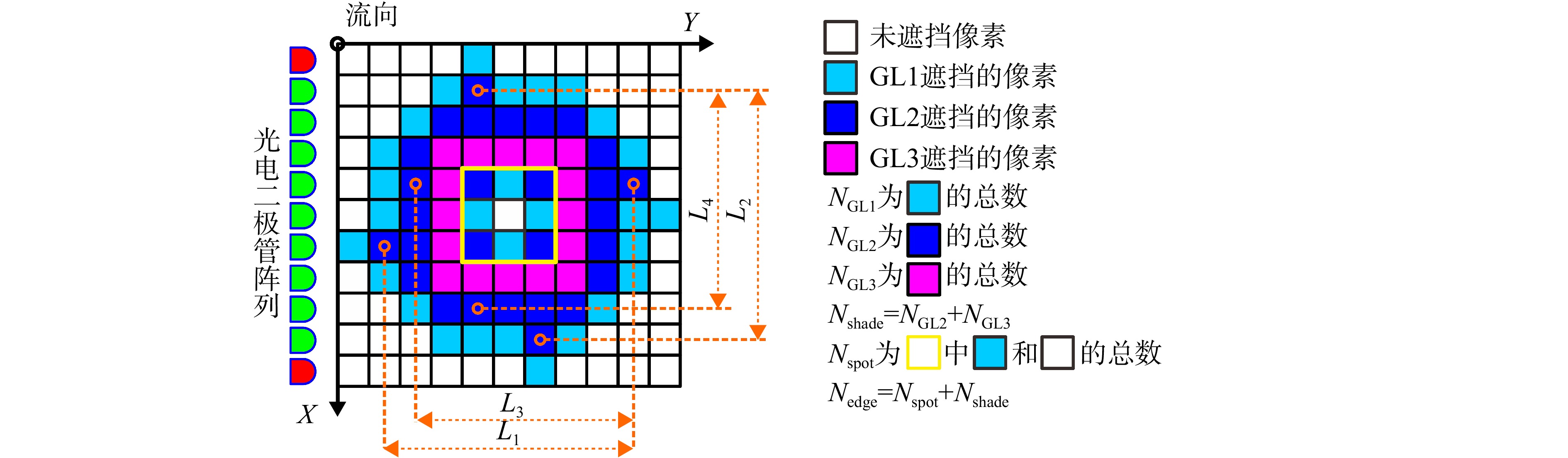
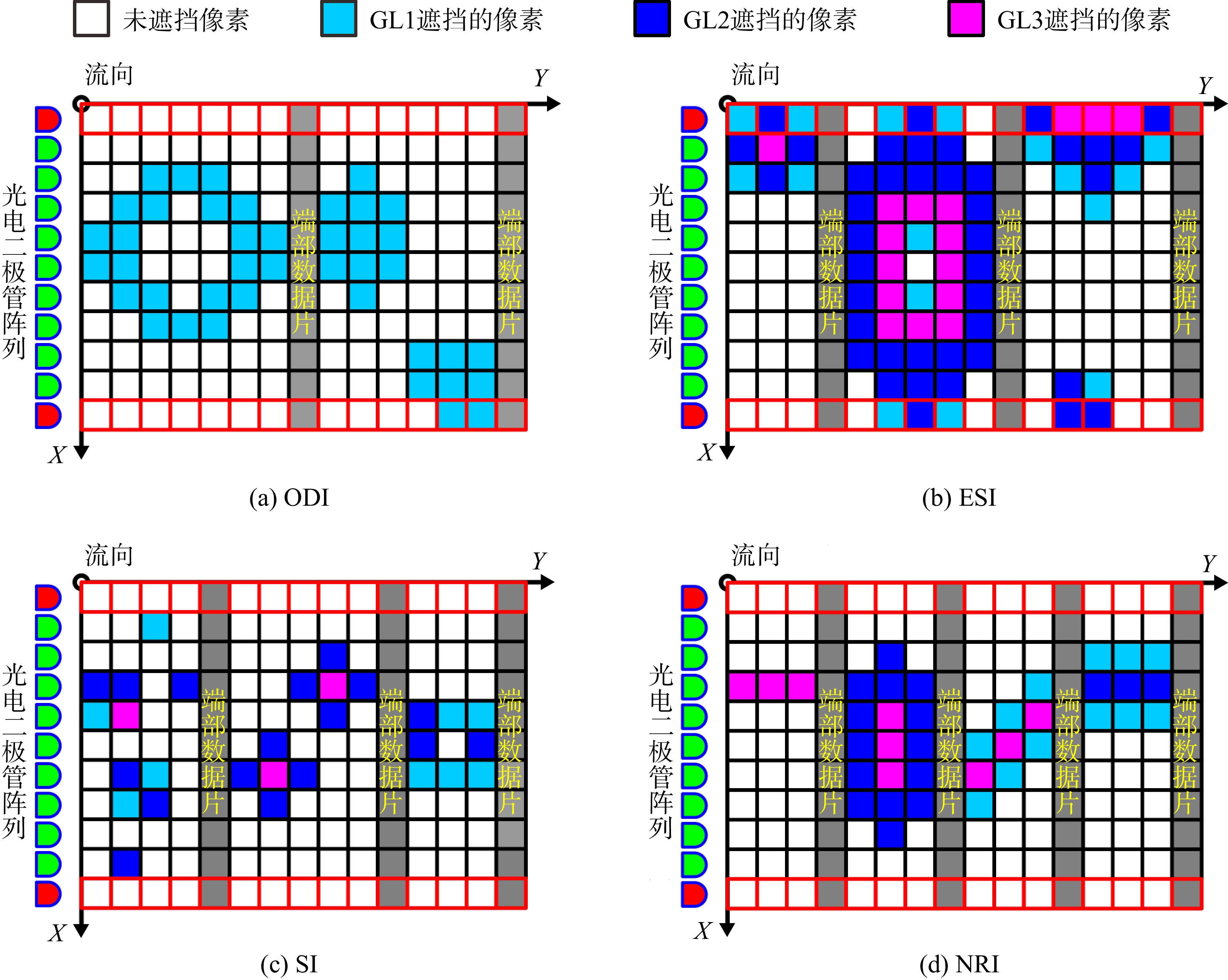
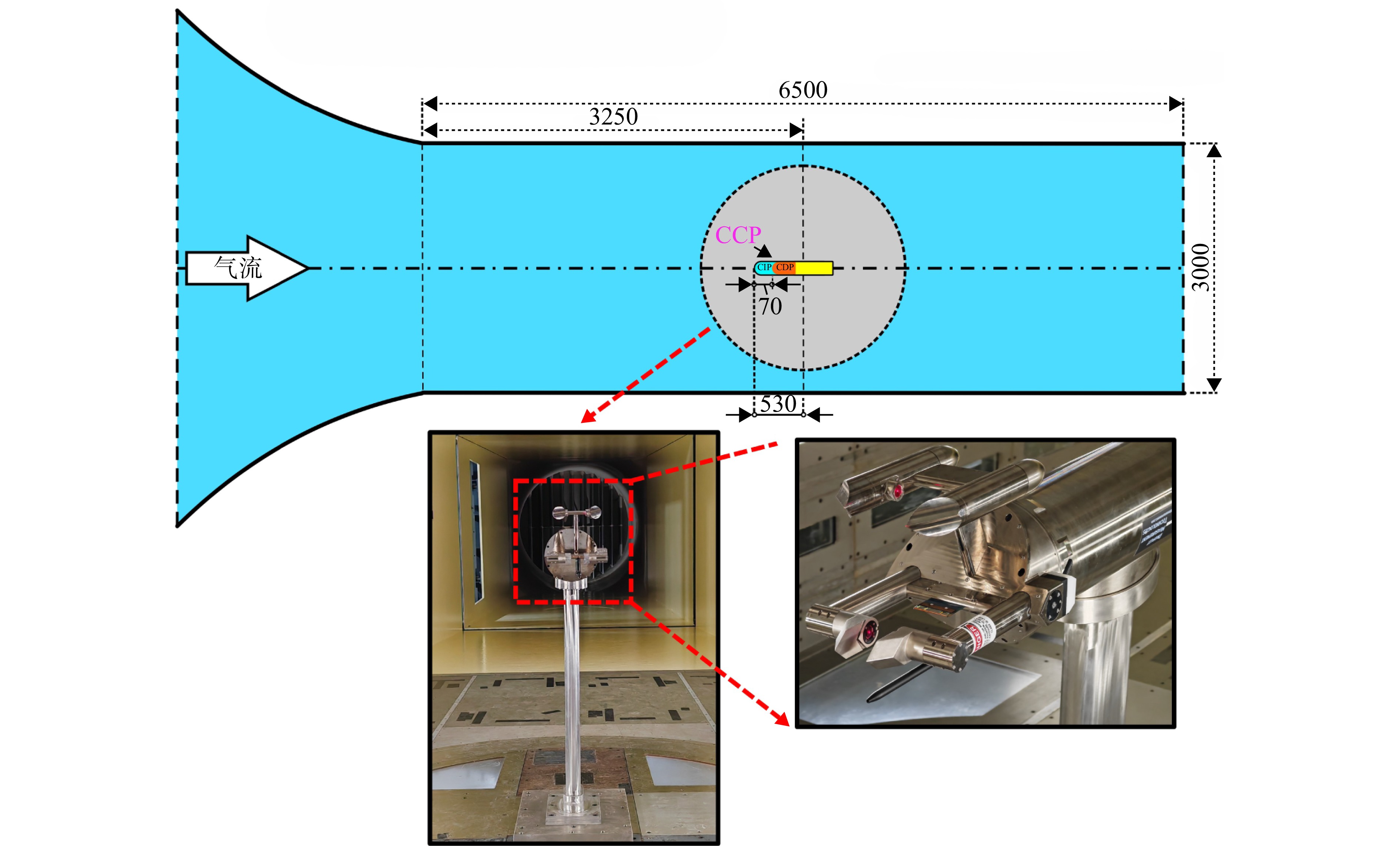
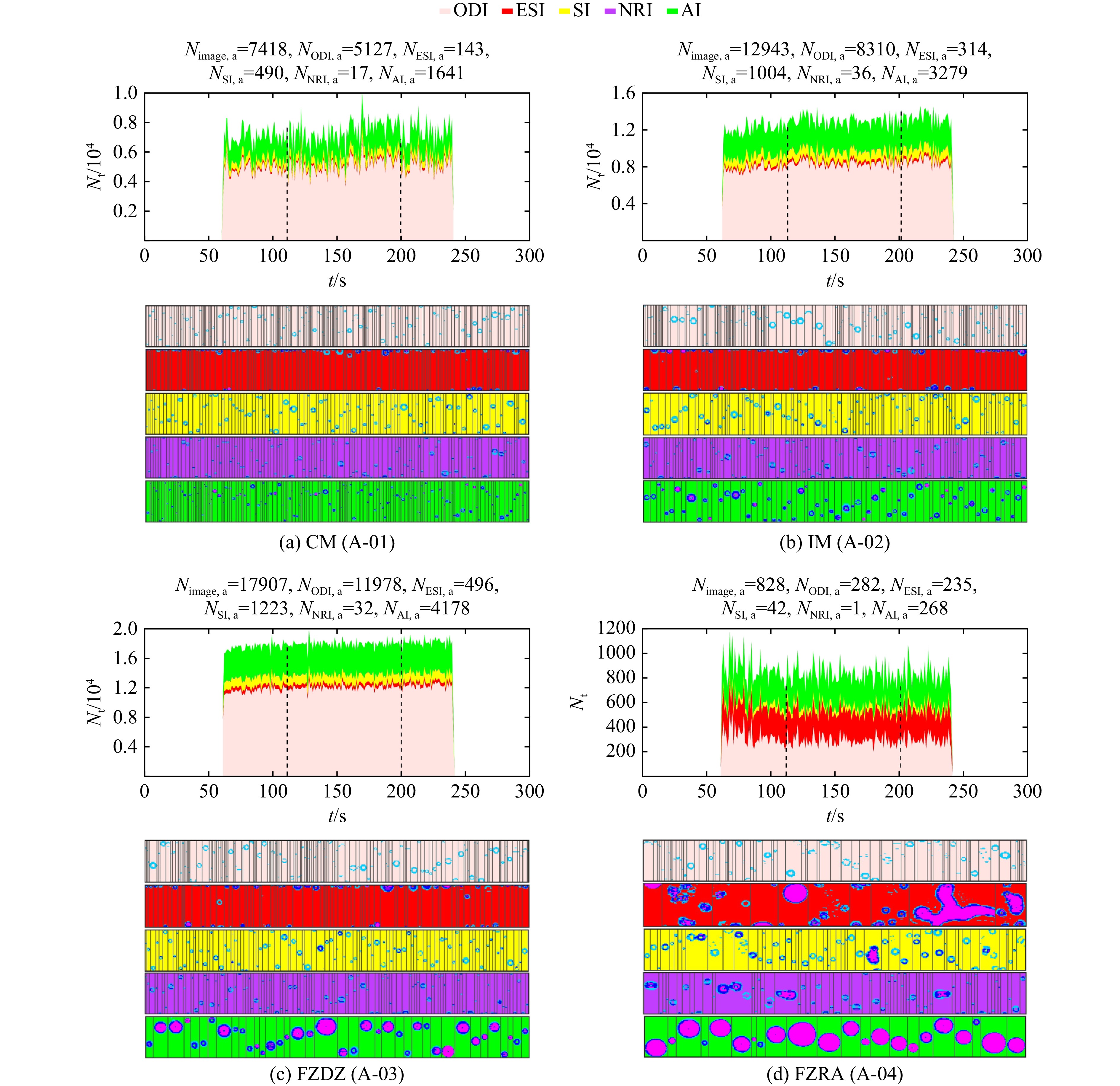
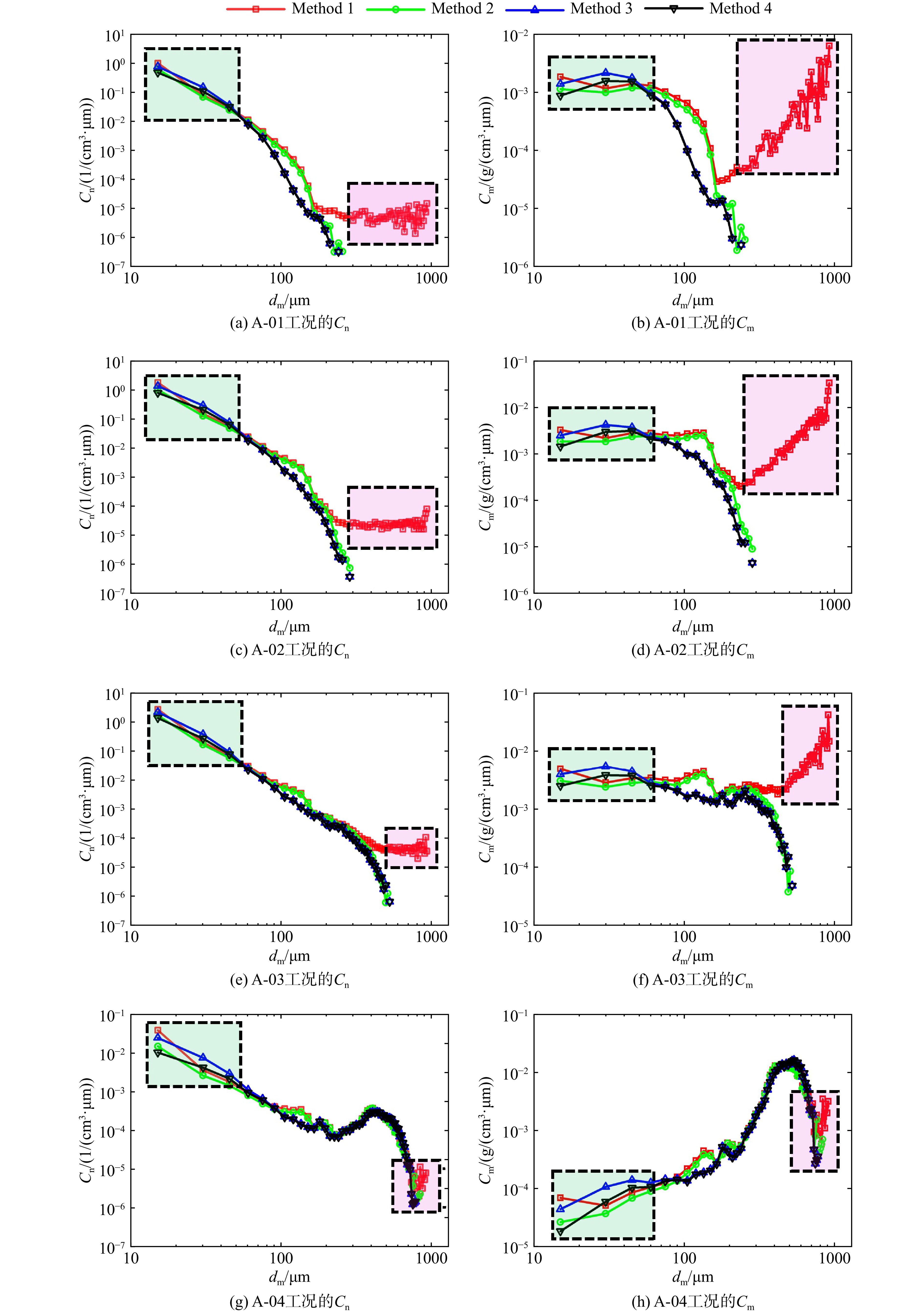
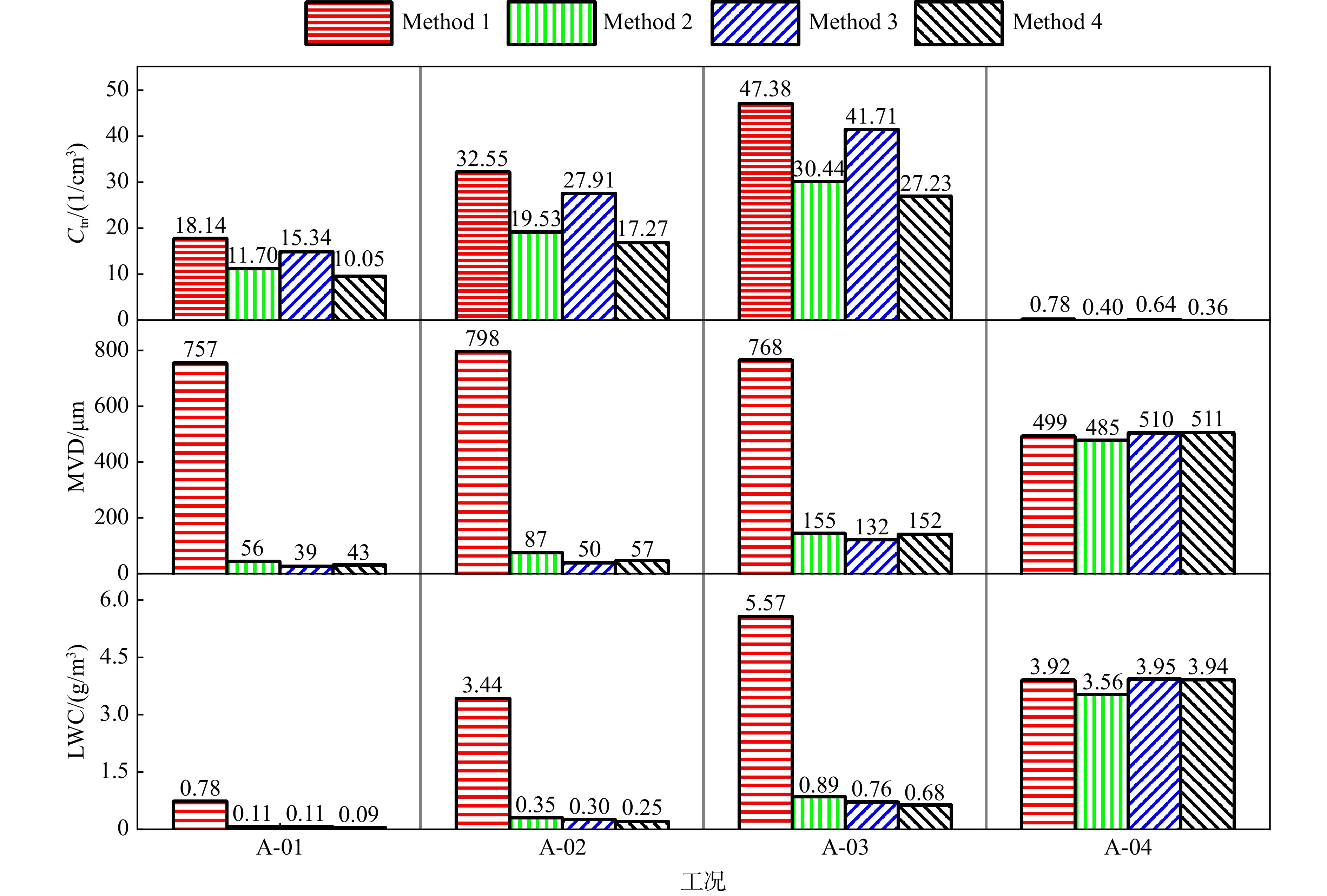
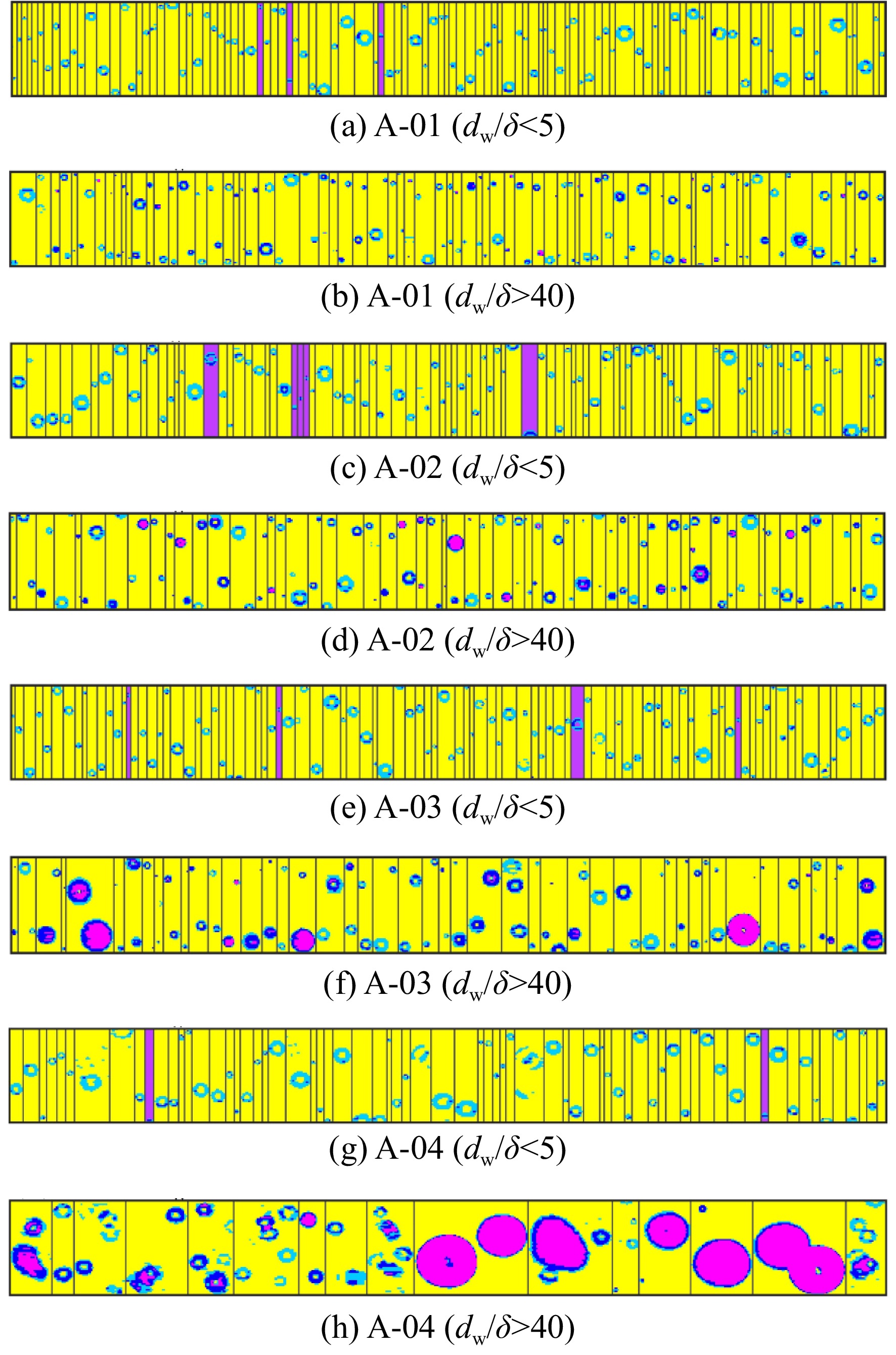
To understand the effects of spurious particle images on cloud imaging probe-grayscale (CIP-GS) measurements in large-scale icing wind tunnels, a spurious particle image identification method was developed first, and then an icing cloud measurement test was carried out in a 3 m×2 m icing wind tunnel. Based on the test results, the characteristics of spurious particle images were investigated under typical icing conditions. Finally, the influences of spurious particle images on the measurement results of cloud particle size distribution (PSD), medium volume diameter (MVD), and liquid water content (LWC) were examined, and the influencing reasons were revealed. The results showed that spurious particle images can be categorized into 4 types, including out of depth of field image (ODI), end shaded image (ESI), shattered image (SI), and non-roundness image (NRI). There were a large number of spurious particle images for the CIP-GS measurements under typical icing conditions, with the number exceeding 60% of the total particle image number, among which the ODI was the most, and the NRI was the least. The SI and NRI could significantly affect the PSD based on the particle image maximum width, where the coincidence particle images may lead to the formation of a long tail in the PSD. As a result, the corresponding MVD and LWC was extremely large in continuous maximum icing condition (CM), intermittent maximum icing condition (IM) and freezing drizzle icing condition (FZDZ), and at this time, the SI, which was less than 8% of the total particle number, can even cause the maximum anomalous growth for measured MVD and LWC up to 1252% and 883%, respectively. However, the effects of spurious particle images were not significant in the freezing rain icing condition (FZRA). For the PSD based on the out-of-focus correction diameter, the spurious particle images only increased the particle number concentration in the small-sized particle bins, which could decrease the MVD and increase the LWC, with the maximum relative deviation of 15% and 20%, respectively. The developed identification method can better recognize spurious particle images measured by CIP-GS, making it suitable for CIP-GS cloud measurements in large-scale icing wind tunnels.

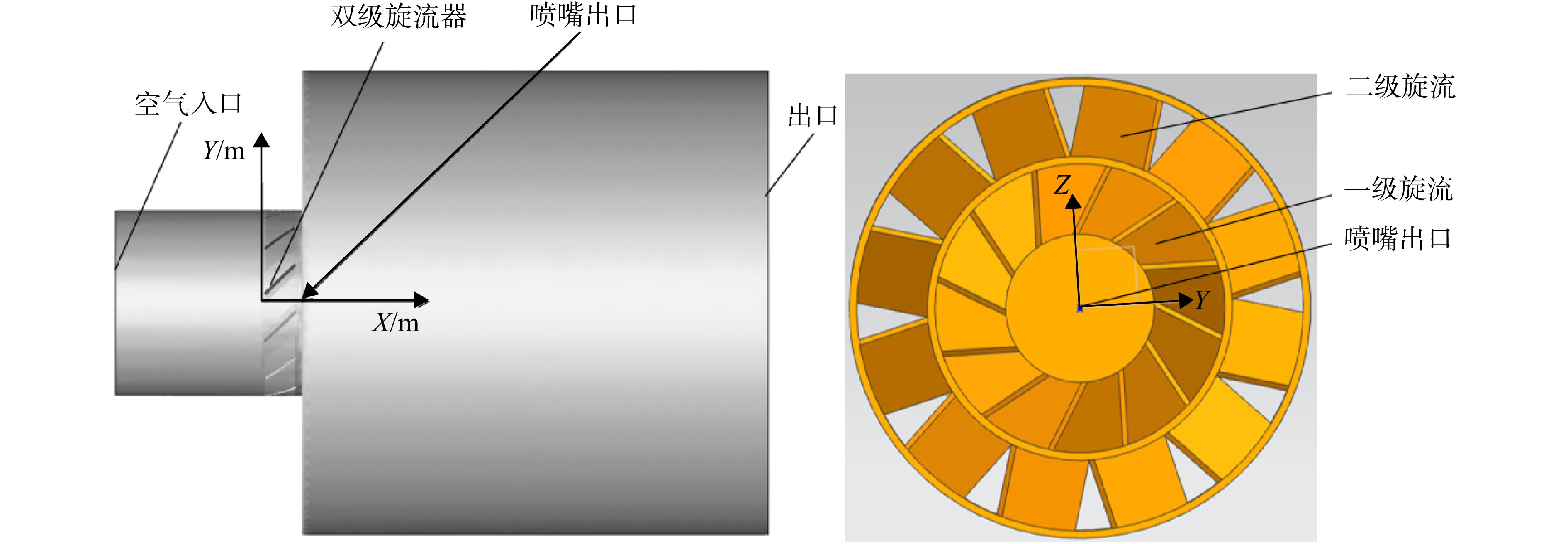
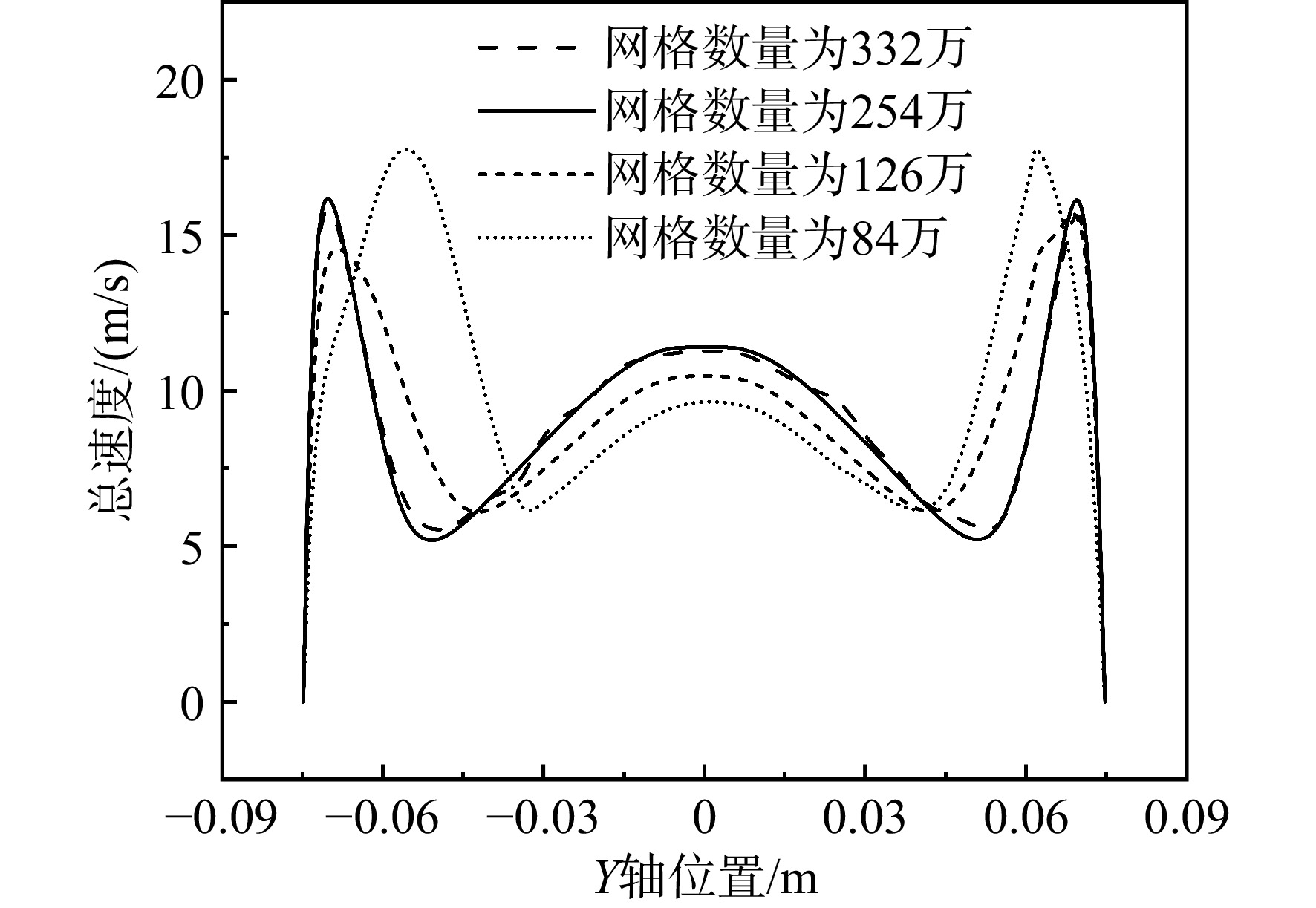
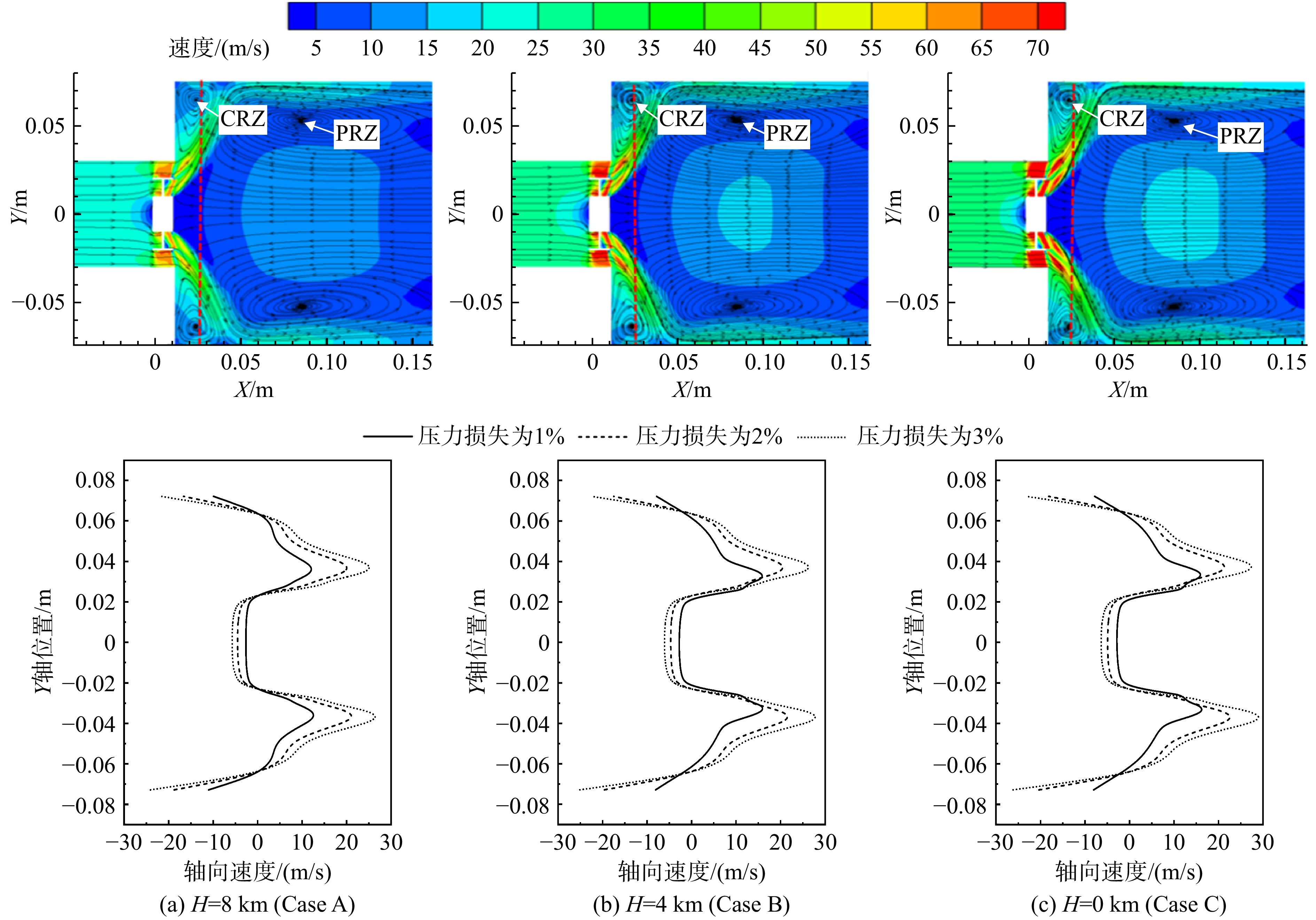
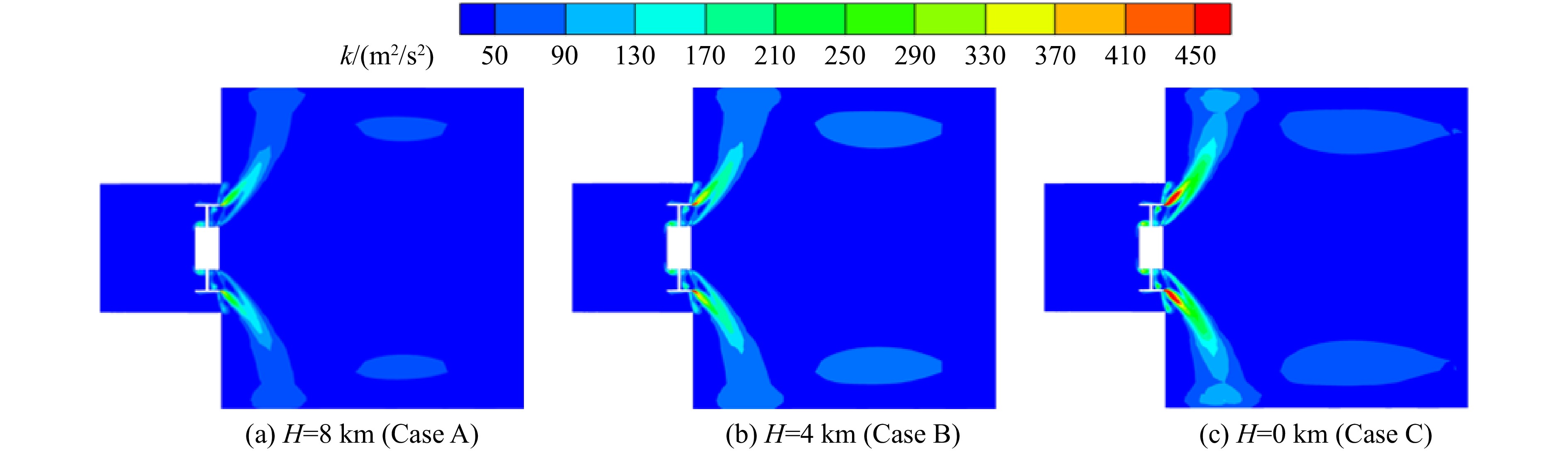
Study on flow characteristics and flame structure characteristics of concentric annular recirculation swirl combustor
TANG Wenbin, CHEN Xiang, CAO Tingting, JIN Siqin, LI Wei, YAN Yingwen
2026, 41(1): 20240185. doi: 10.13224/j.cnki.jasp.20240185
Abstract:

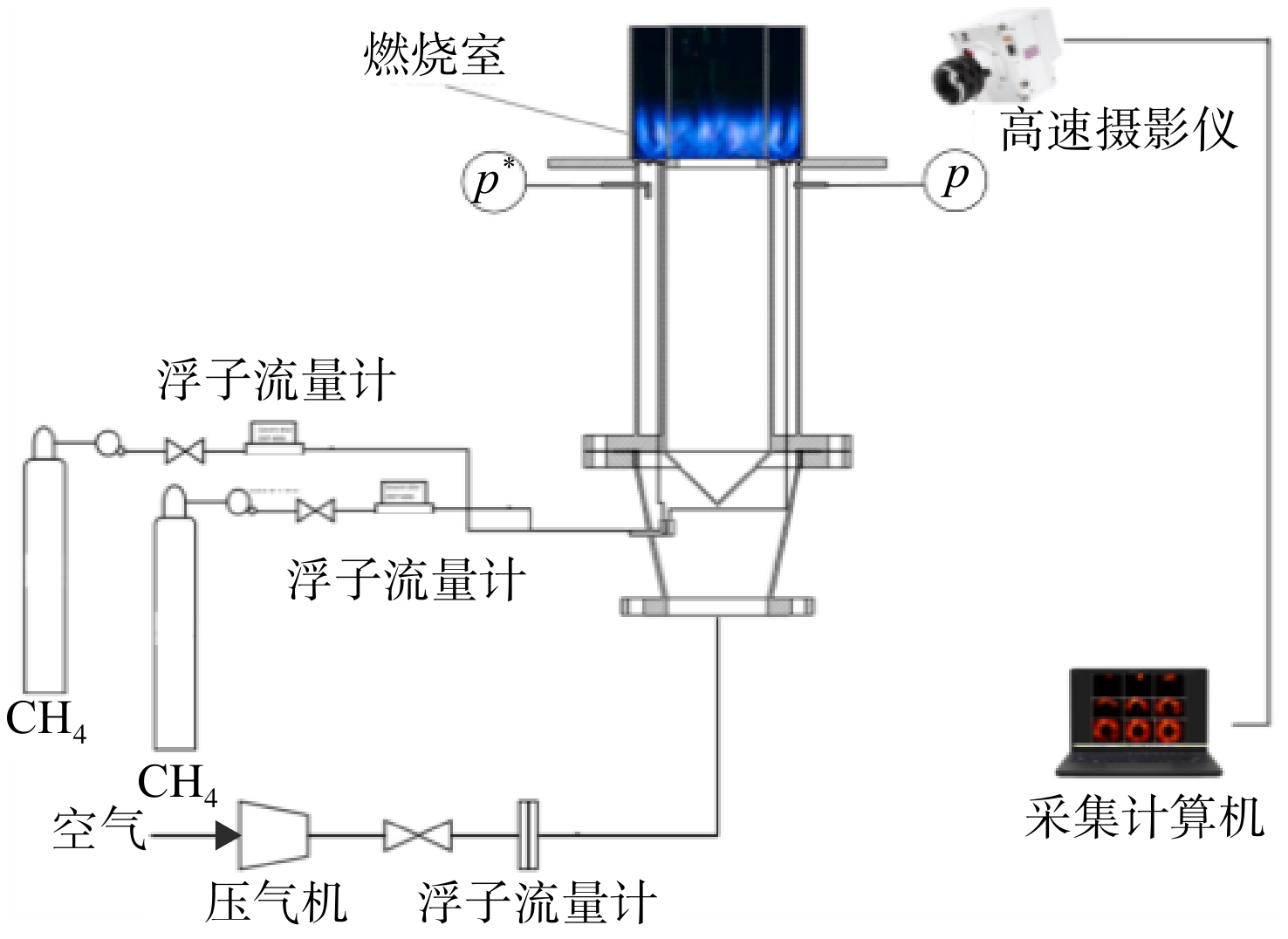
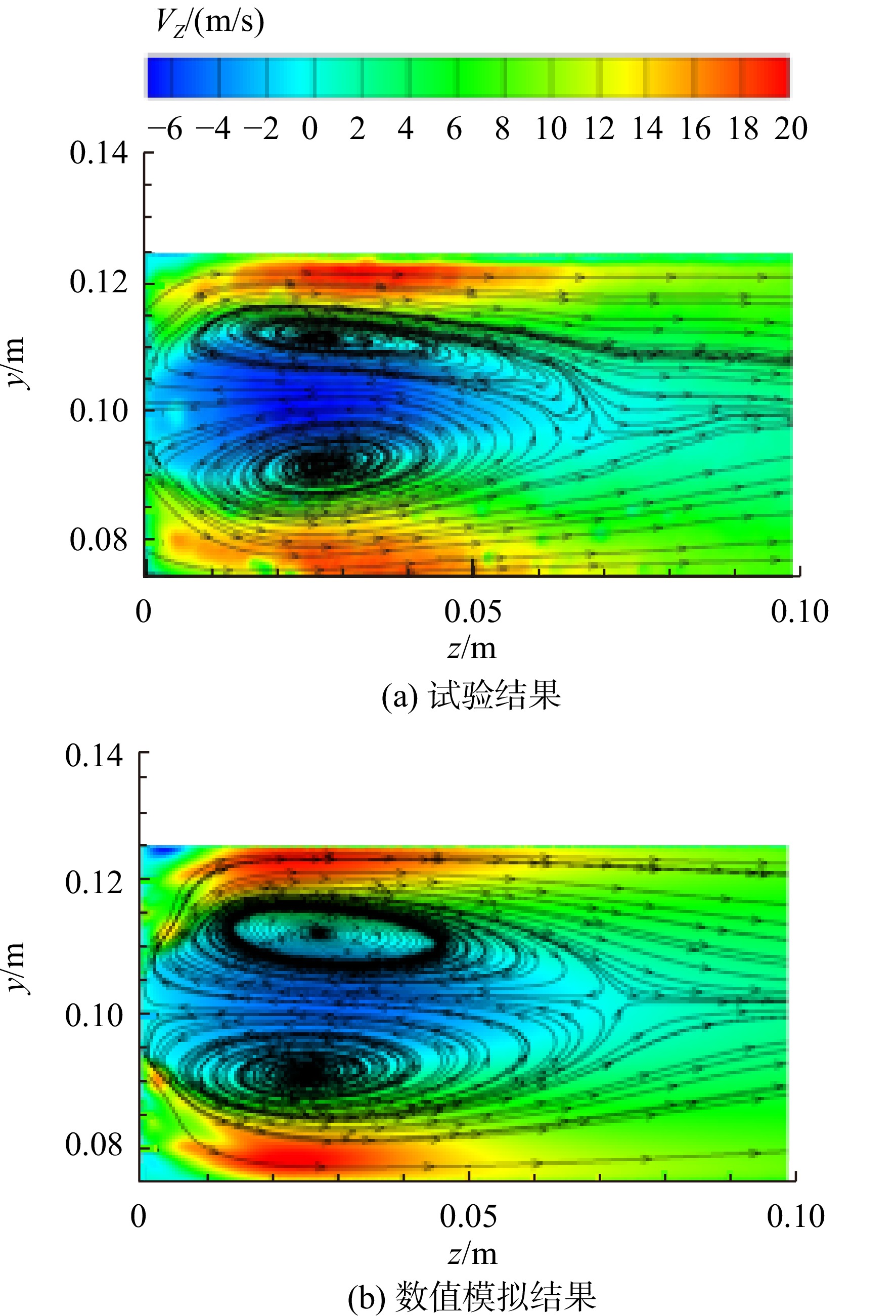
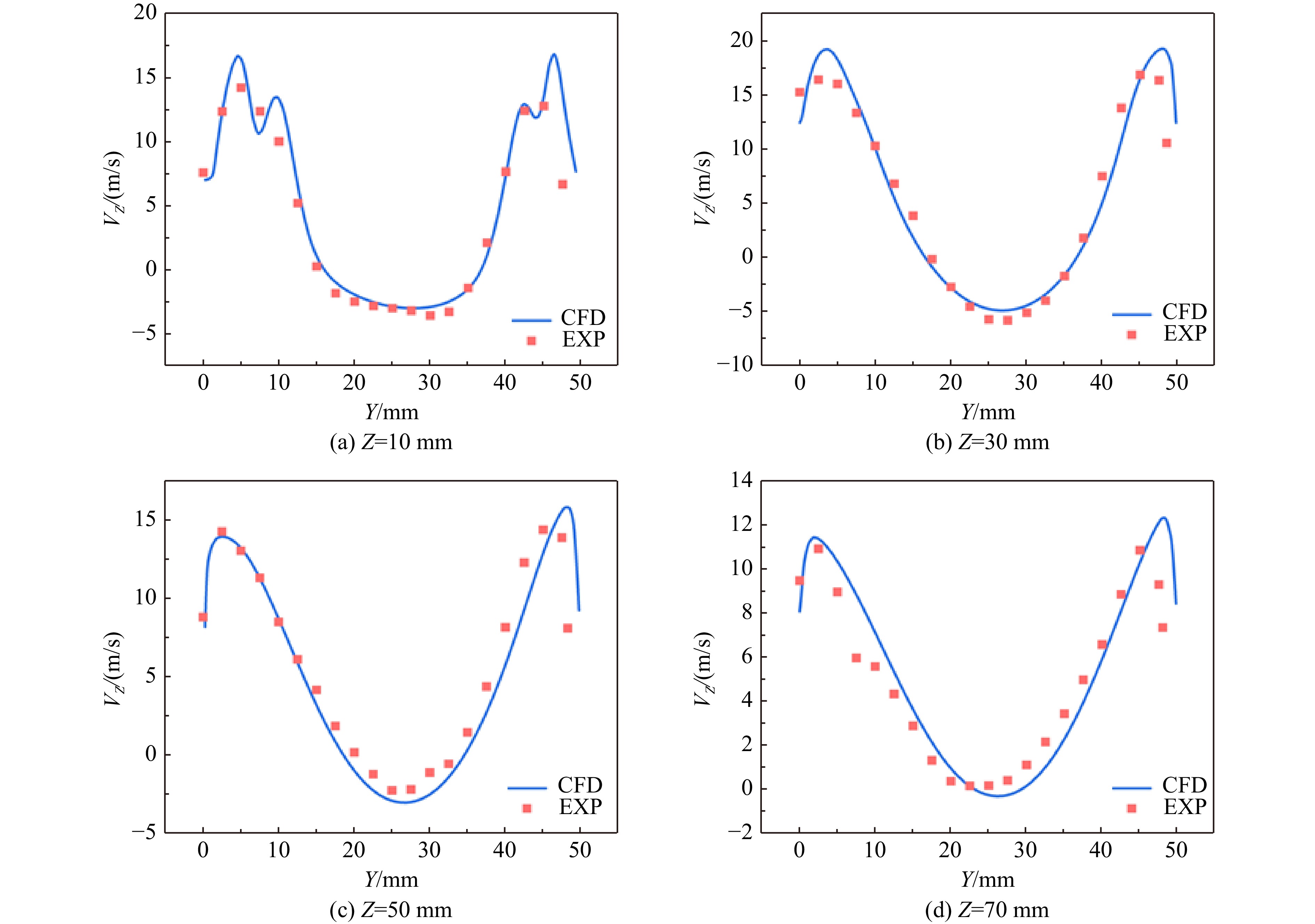
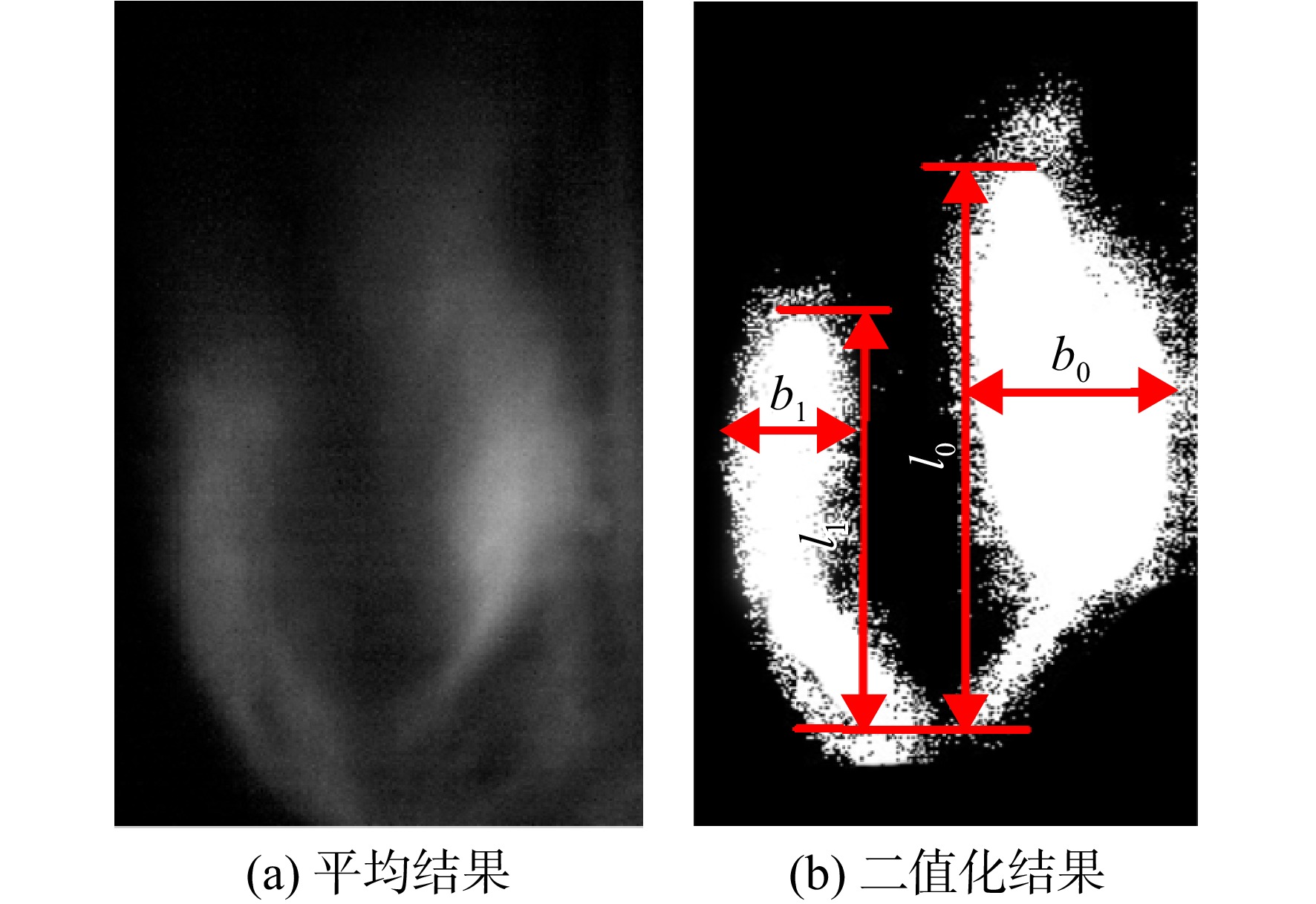
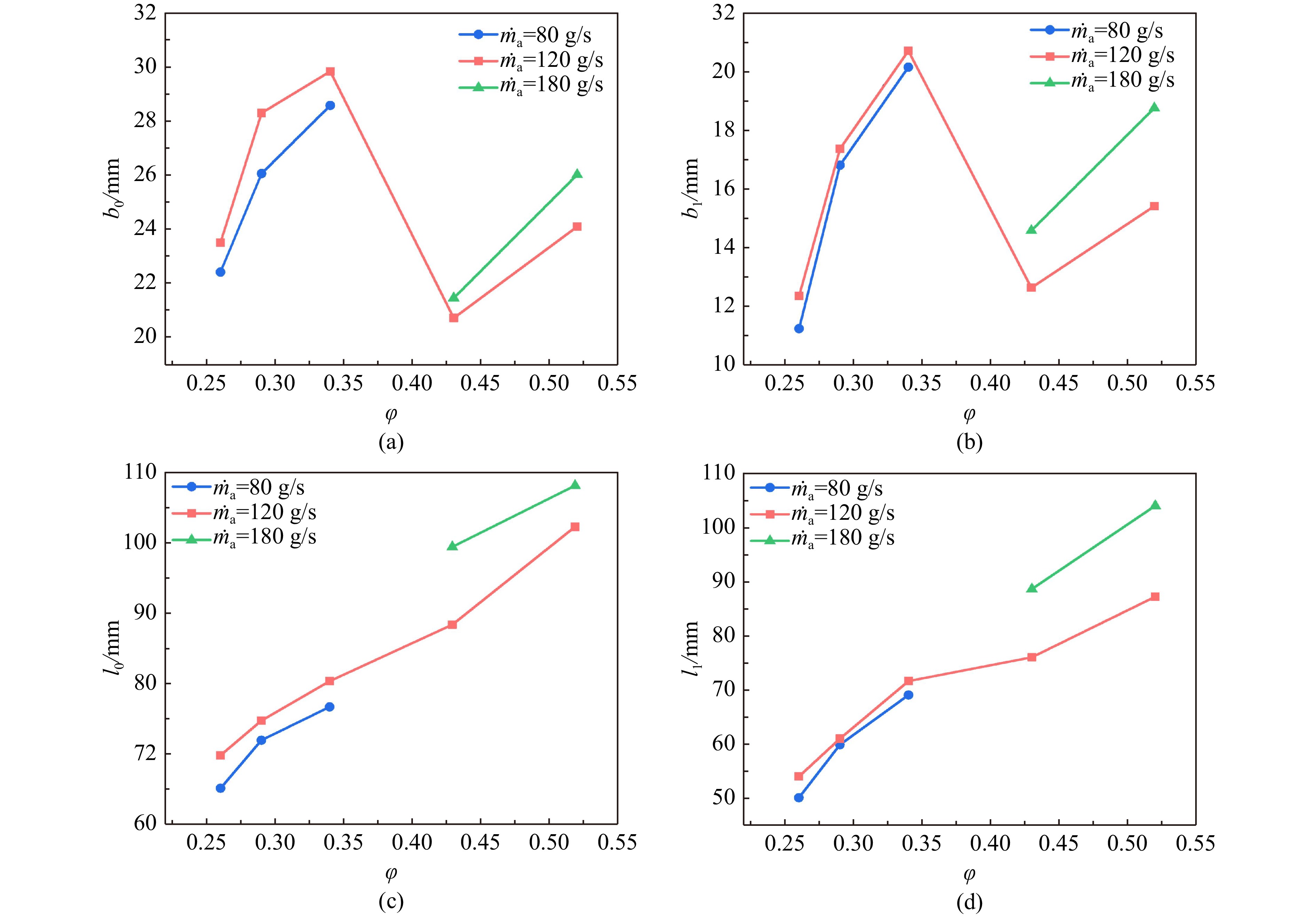
In order to meet the requirements of the next generation combustion chamber, a concentric annular recirculation swirl combustor scheme was proposed innovatively. The numerical simulation and experimental study of the cold flow field characteristics and flame structure of the concentric annular recirculation swirl combustor were carried out. PIV was used to capture the cold flow field, and a high-speed camera equipped with a methyl filter was used to capture the flame structure image. The results showed that: (1) The concentric annular recirculation swirl combustor can form a complete annular recirculation zone connected in the circumferential direction to stabilize the flame, and the flame presented a “V” shape structure. (2) When only the pre-combustion stage nozzle was working, the strong chemical reaction zone was mainly concentrated on both sides of the flame tube wall, which expanded with the increase of the equivalence ratio and became more uniform in the circumferential direction. After the main combustion stage nozzle worked, although its equivalent ratio increased, the length of the strong chemical reaction zone increased and the width decreased. (3) When only the pre-combustion stage nozzle worked, the inner and outer flame widths increased with the increase of the equivalence ratio and the inlet air flow rate. After the main combustion stage nozzle worked, the width of the inner and outer flames dropped sharply, and then increased with the increase of the equivalence ratio. The inner and outer flame lengths increased monotonously with the increase of equivalence ratio and inlet air flow rate.

Fuel transfer thermal effect of civil aircraft auxiliary fuel tank on main fuel tank
JIANG Hua, ZHOU Yusui, GUAN Tianlin
2026, 41(1): 20250057. doi: 10.13224/j.cnki.jasp.20250057
Abstract:

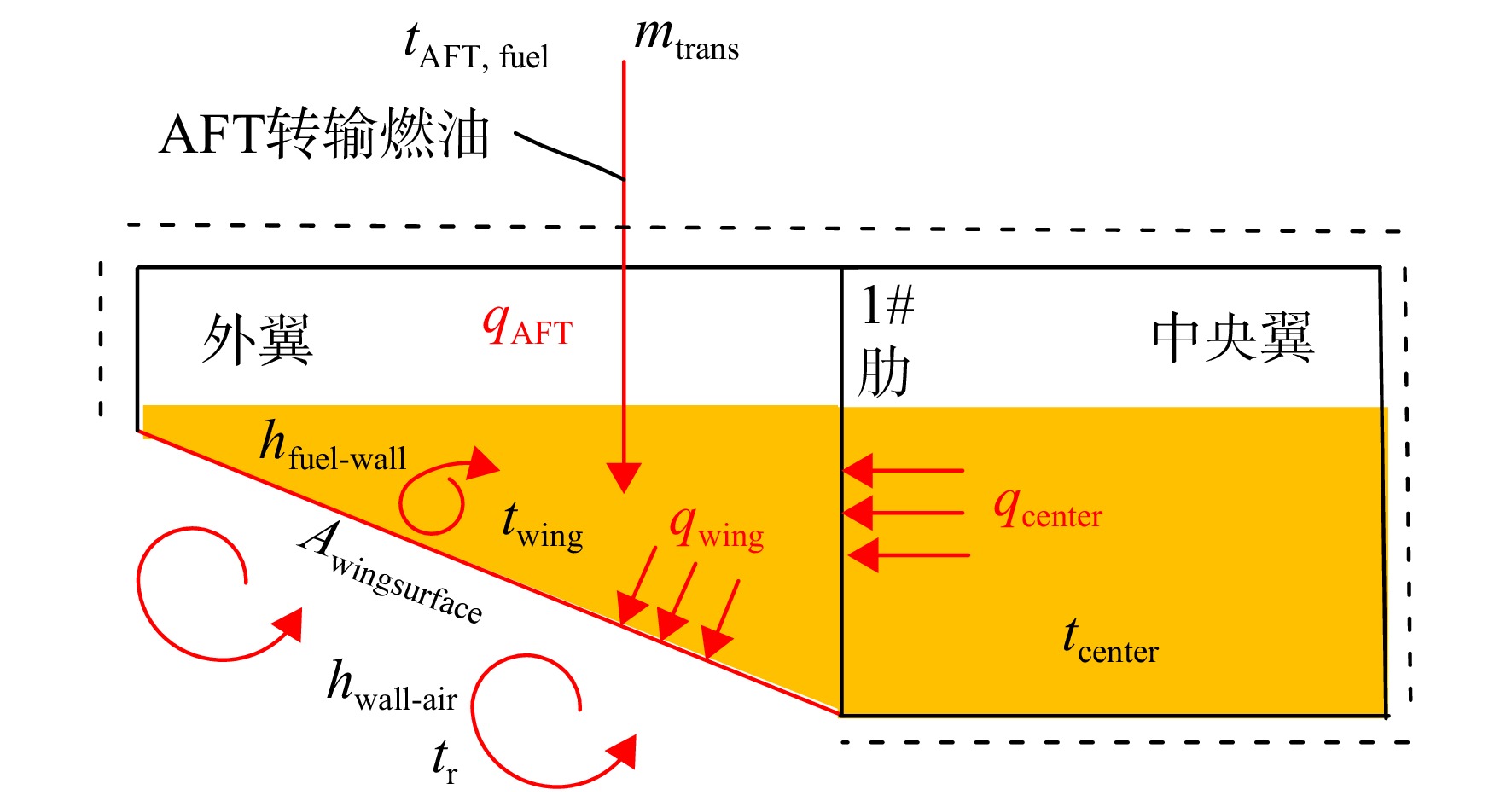
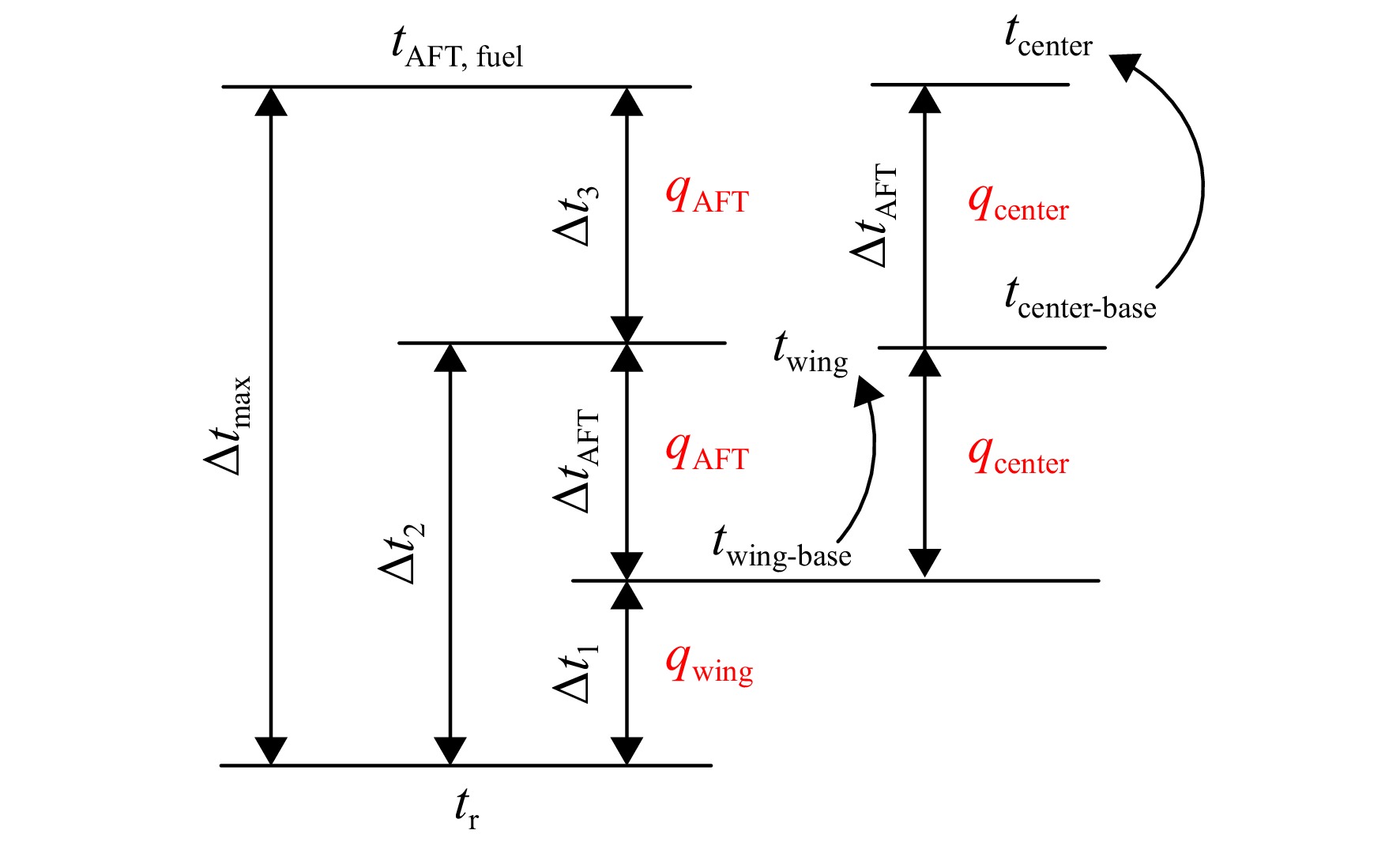
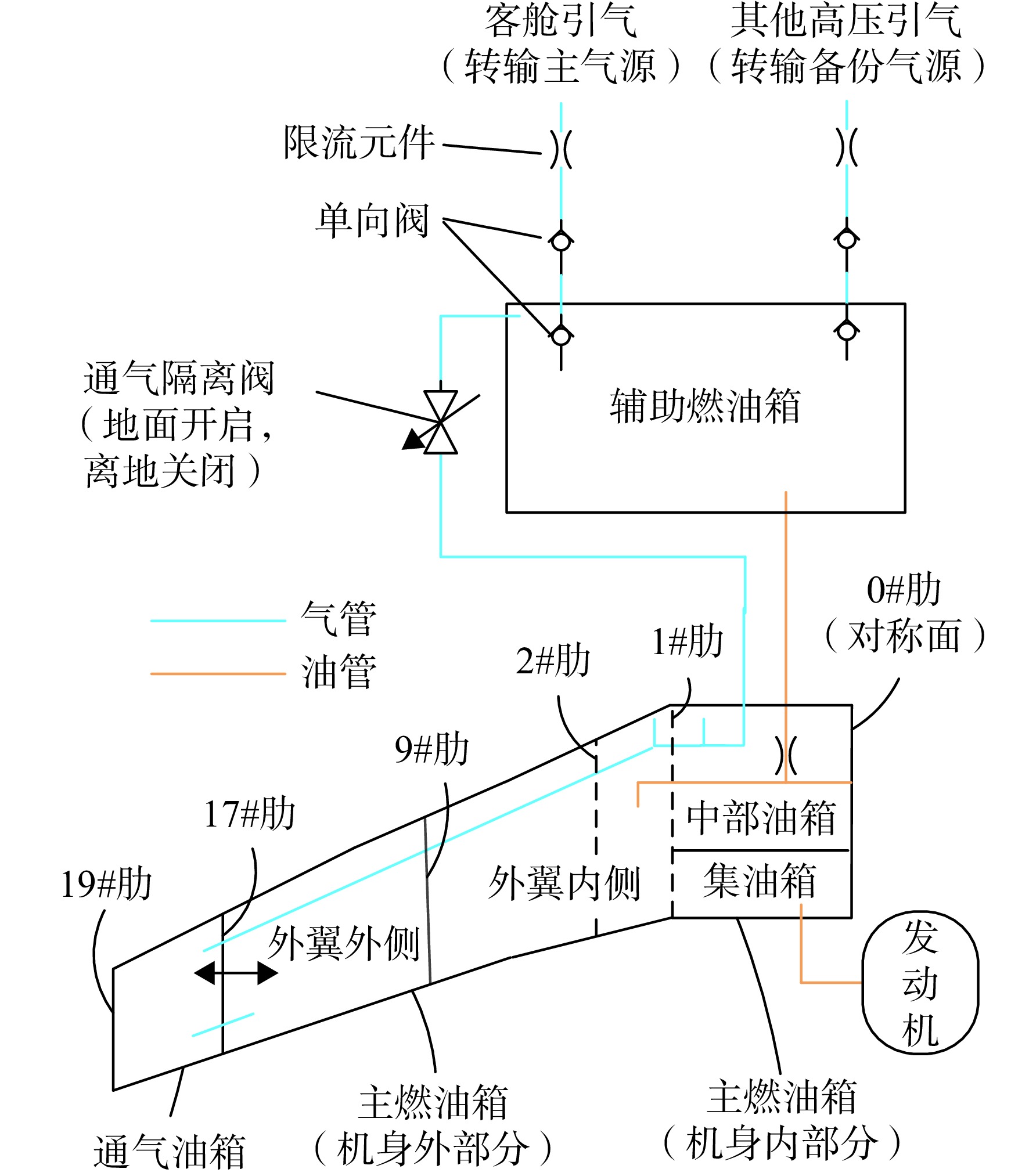
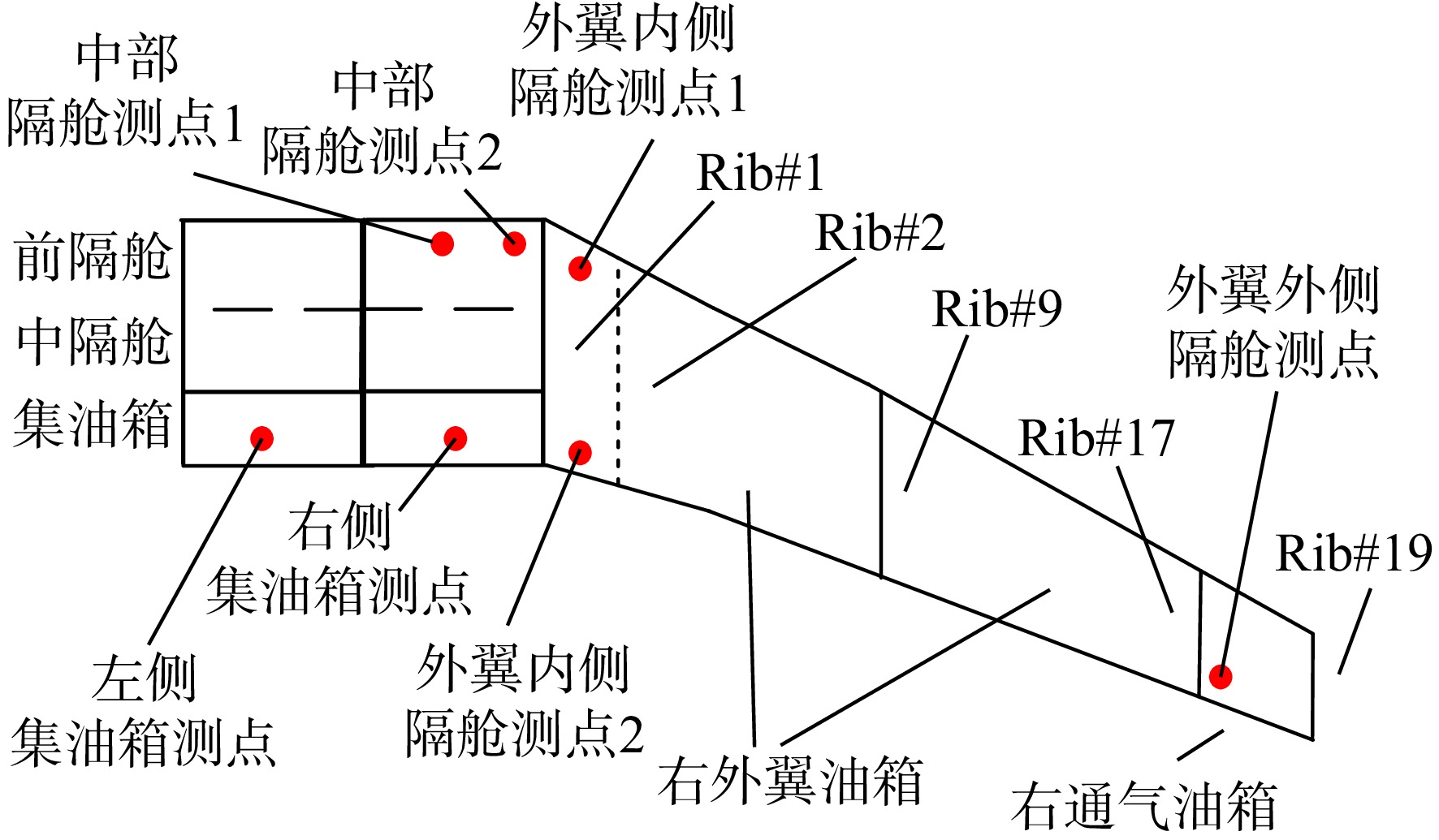
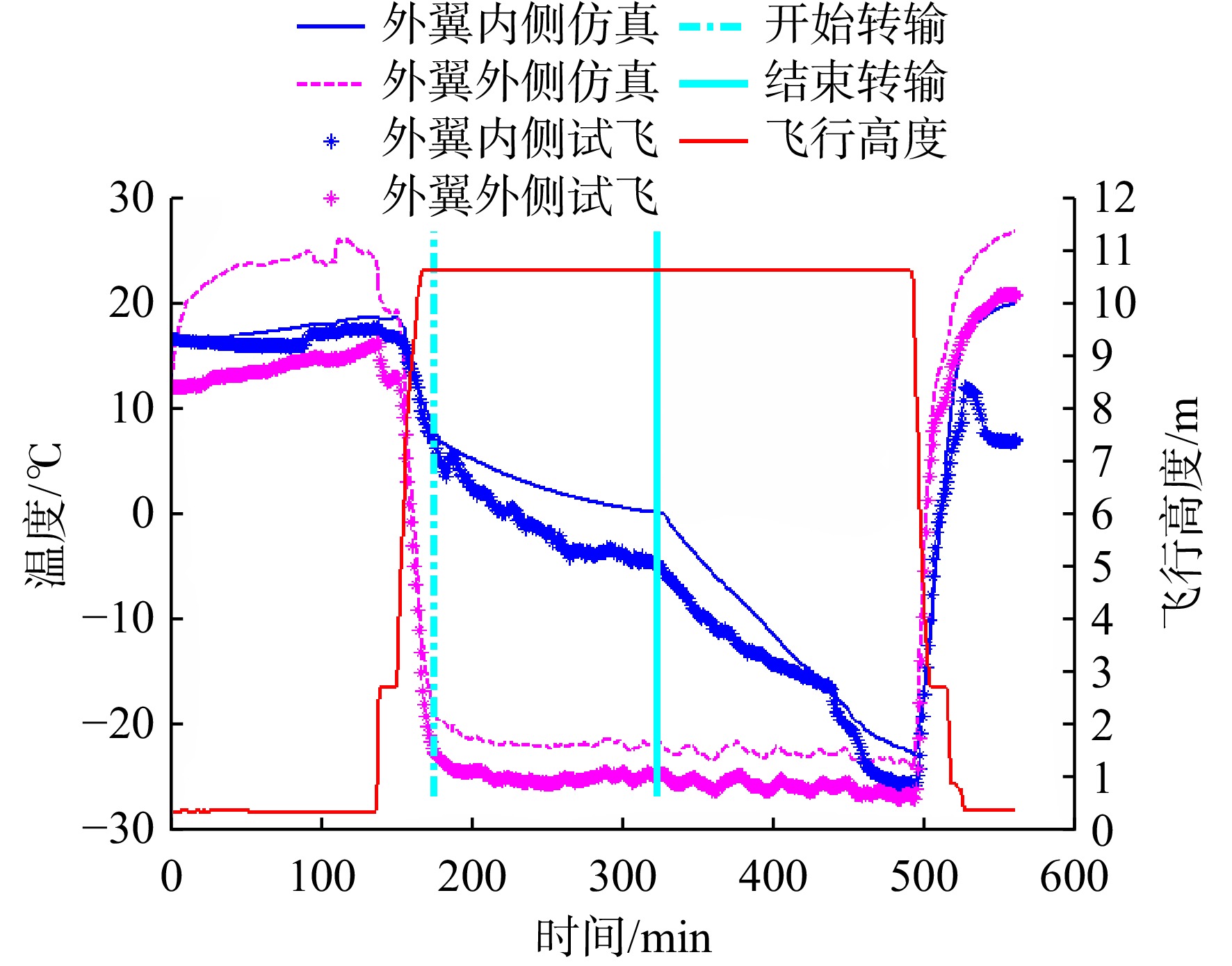
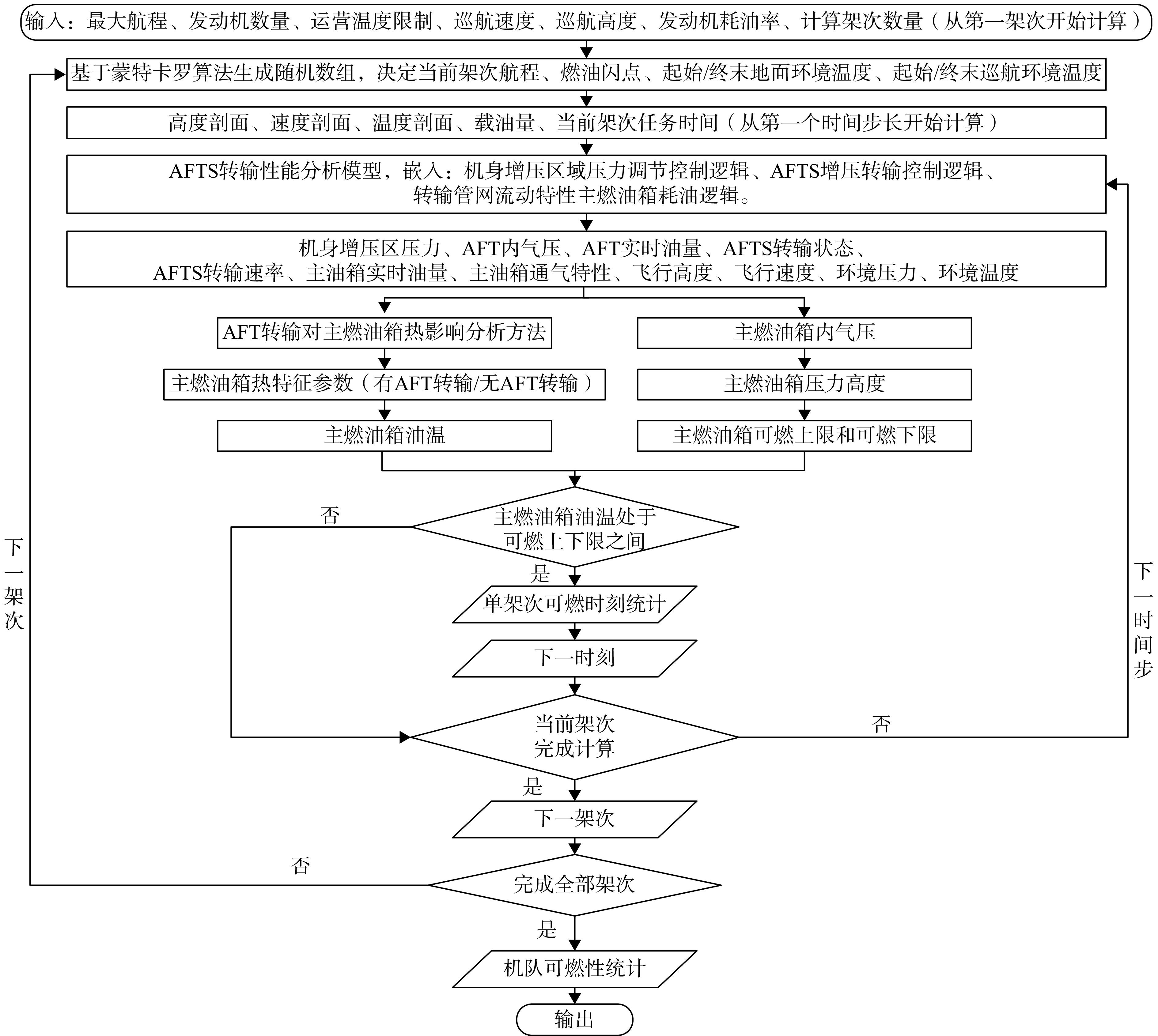
To quantitatively analyze the thermal effect of fuel transfer from the auxiliary fuel tank (AFT) on the main fuel tank in a civil aircraft, an exponential function model of the fuel tank thermal analysis was constructed with time constant and equilibrium temperature difference as the thermal characteristic parameters, which can quickly evaluate the thermal effect. By deriving the heat transfer relationships during AFT operations, the thermal time constant of the main fuel tank was maintained while focusing on adjusting the equilibrium temperature difference, and a proportional coefficient to quantify correction values was proposed. Based on a typical civil aircraft AFT retrofitting scenario, a main fuel tank thermal analysis model compatible with AFT transfer was constructed by modifying its fundamental thermal characteristic parameter matrix, and fuel temperature simulation under multi-flight test flight scenarios was conducted. The comparison test flight data showed that the simulation value was always slightly larger than the test data, and the simulation accuracy met the AC25.981-2A requirements. The rapid modeling approach for main fuel tank considering AFT transfer heat effects can be applied to flammability analysis of main fuel tanks in civil aircraft equipped with AFT. This demonstrated compliance with CCAR-25-R4 25.981(b), thus providing an engineering solution for developing relevant aircraft models.

Research on heat flux estimation method based on particle swarm optimization
ZHU Xinxin, WANG Hui, YANG Qingtao, YANG Kai
2026, 41(1): 20240195. doi: 10.13224/j.cnki.jasp.20240195
Abstract:
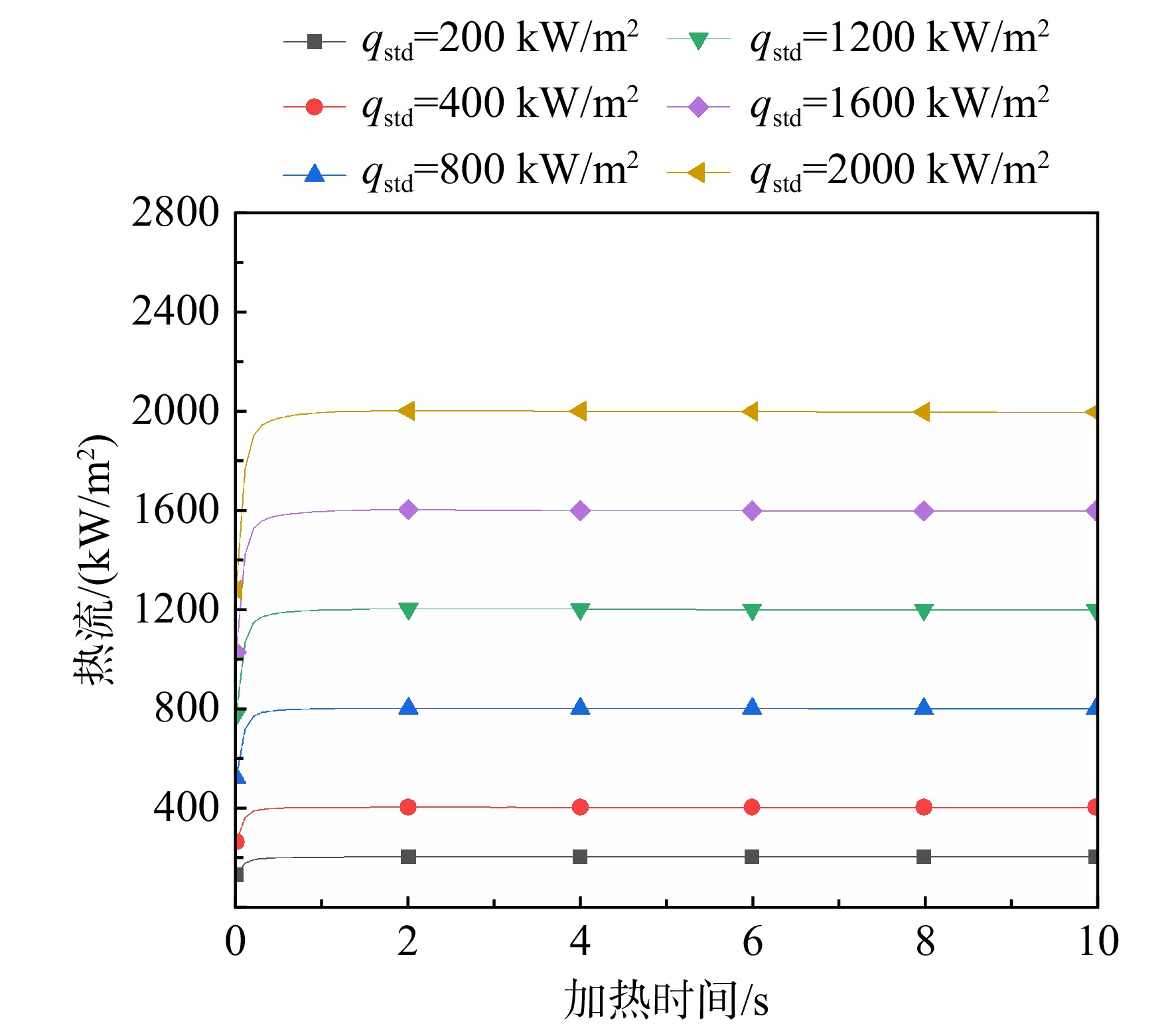
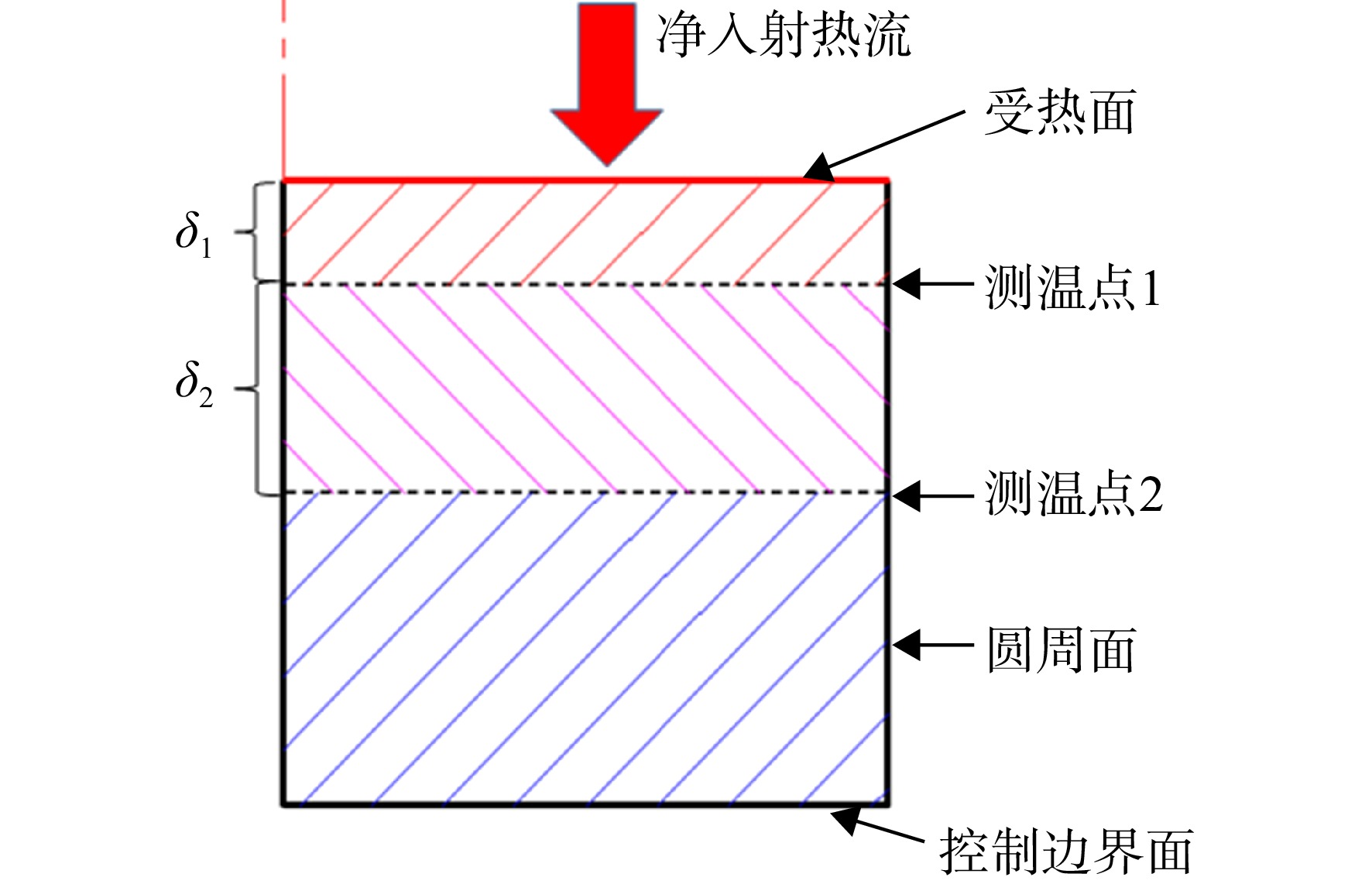
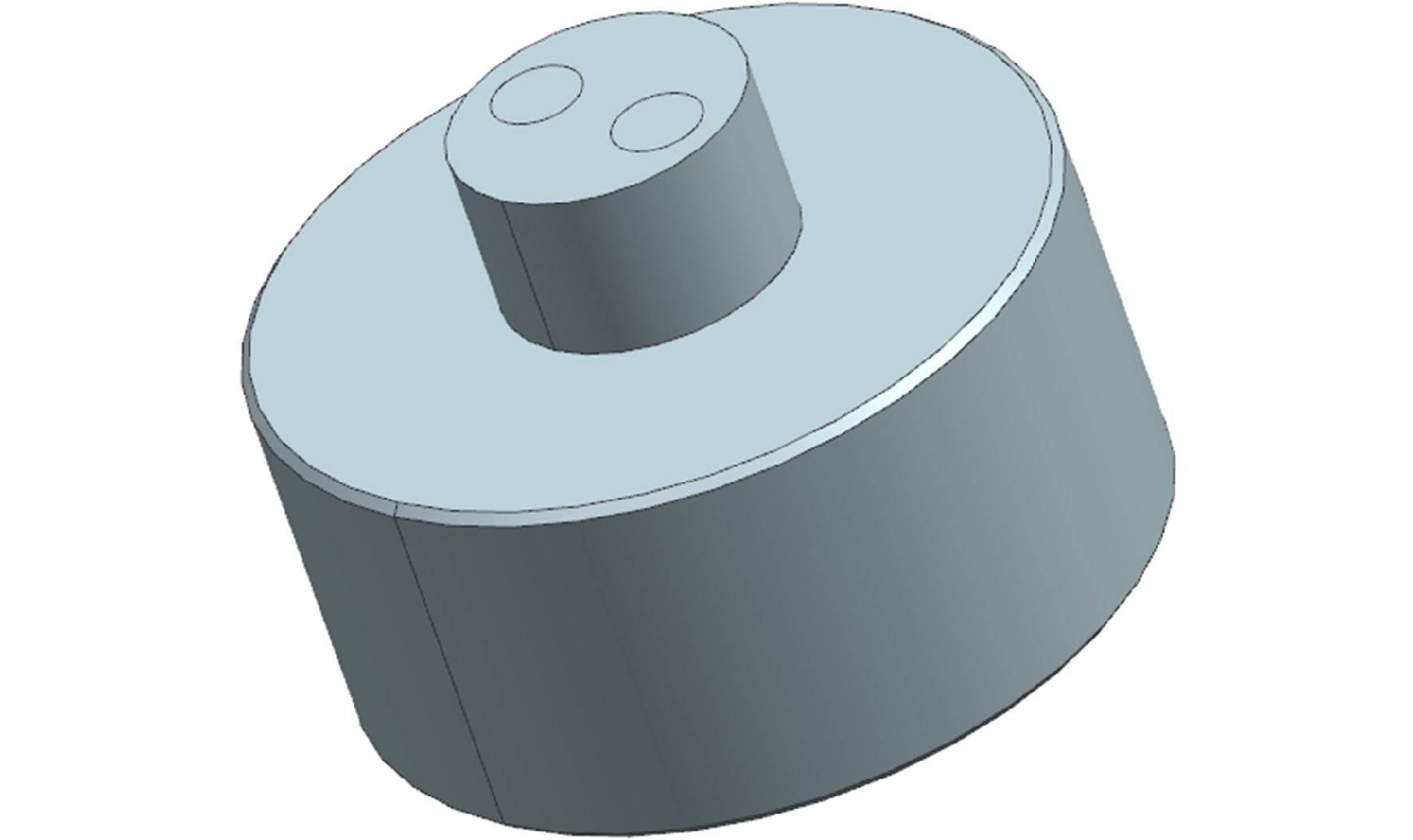
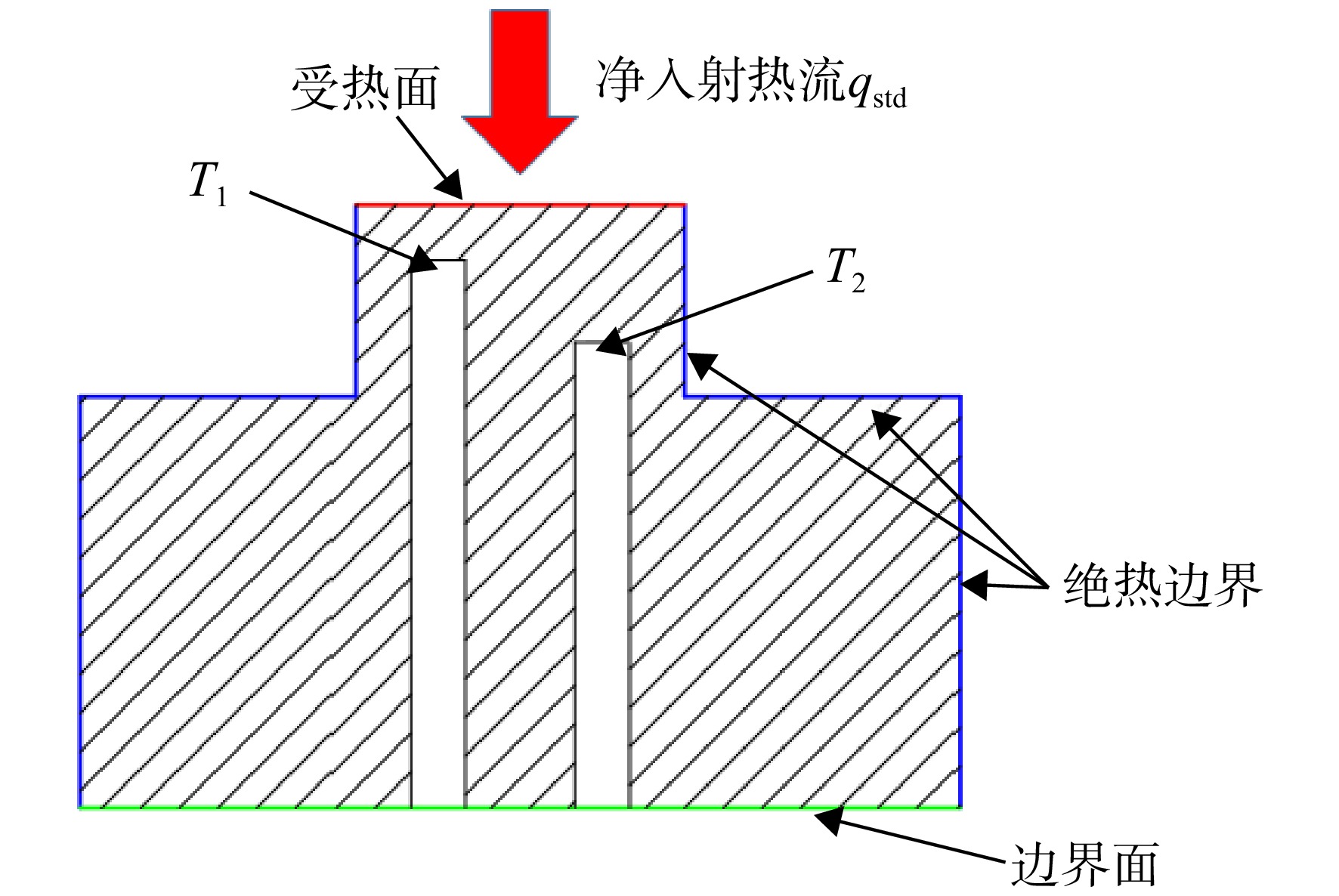
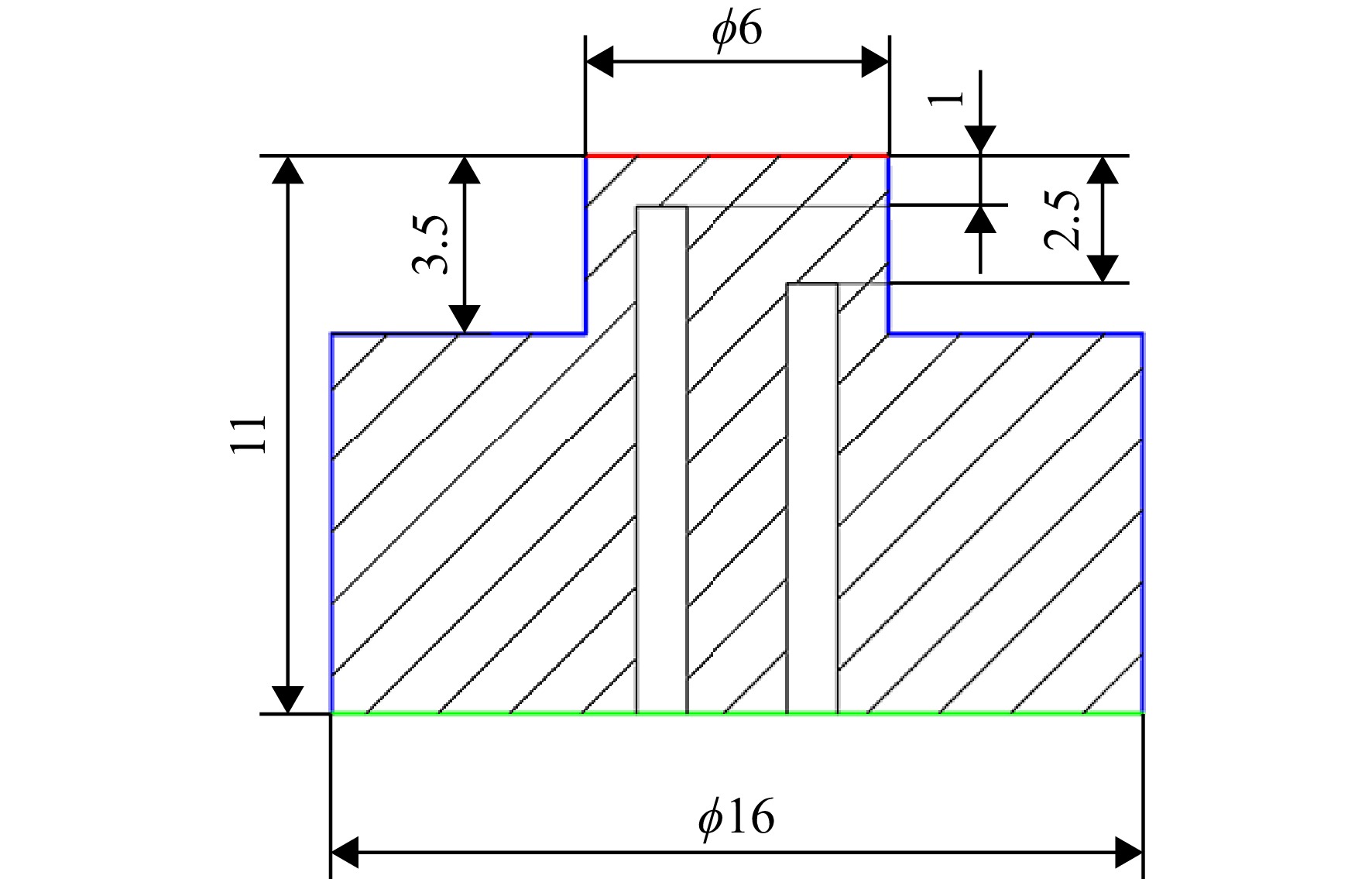
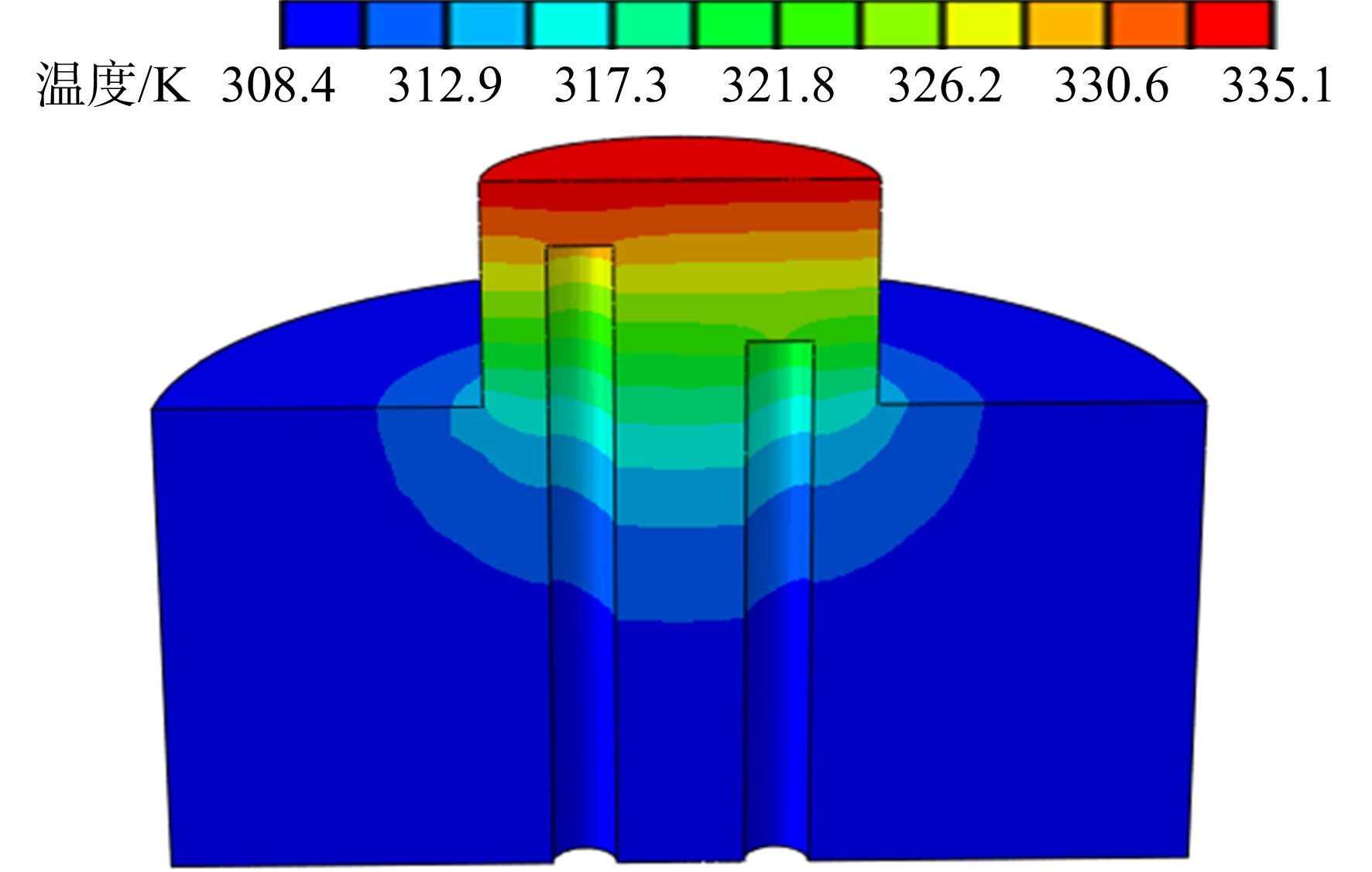
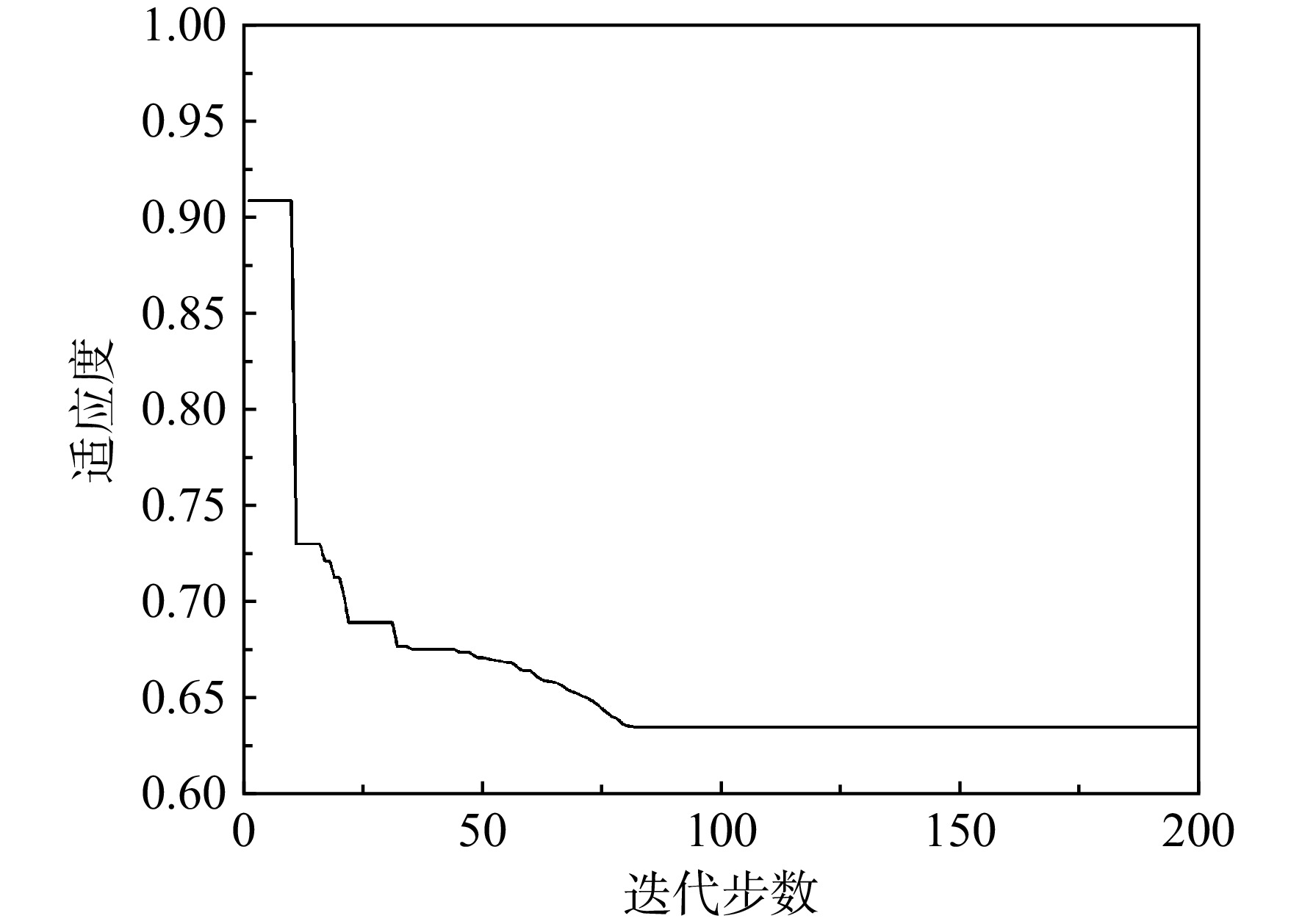
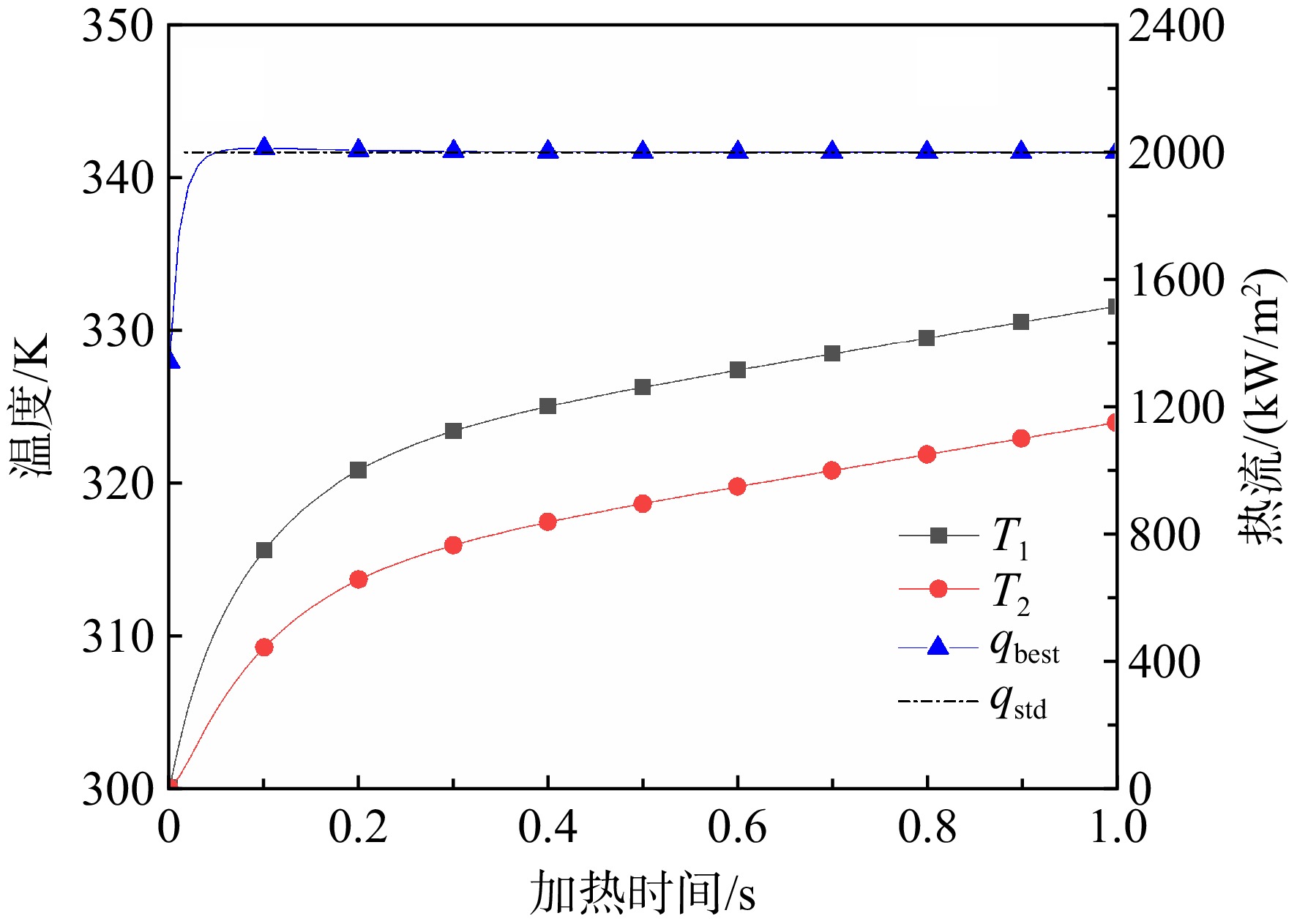
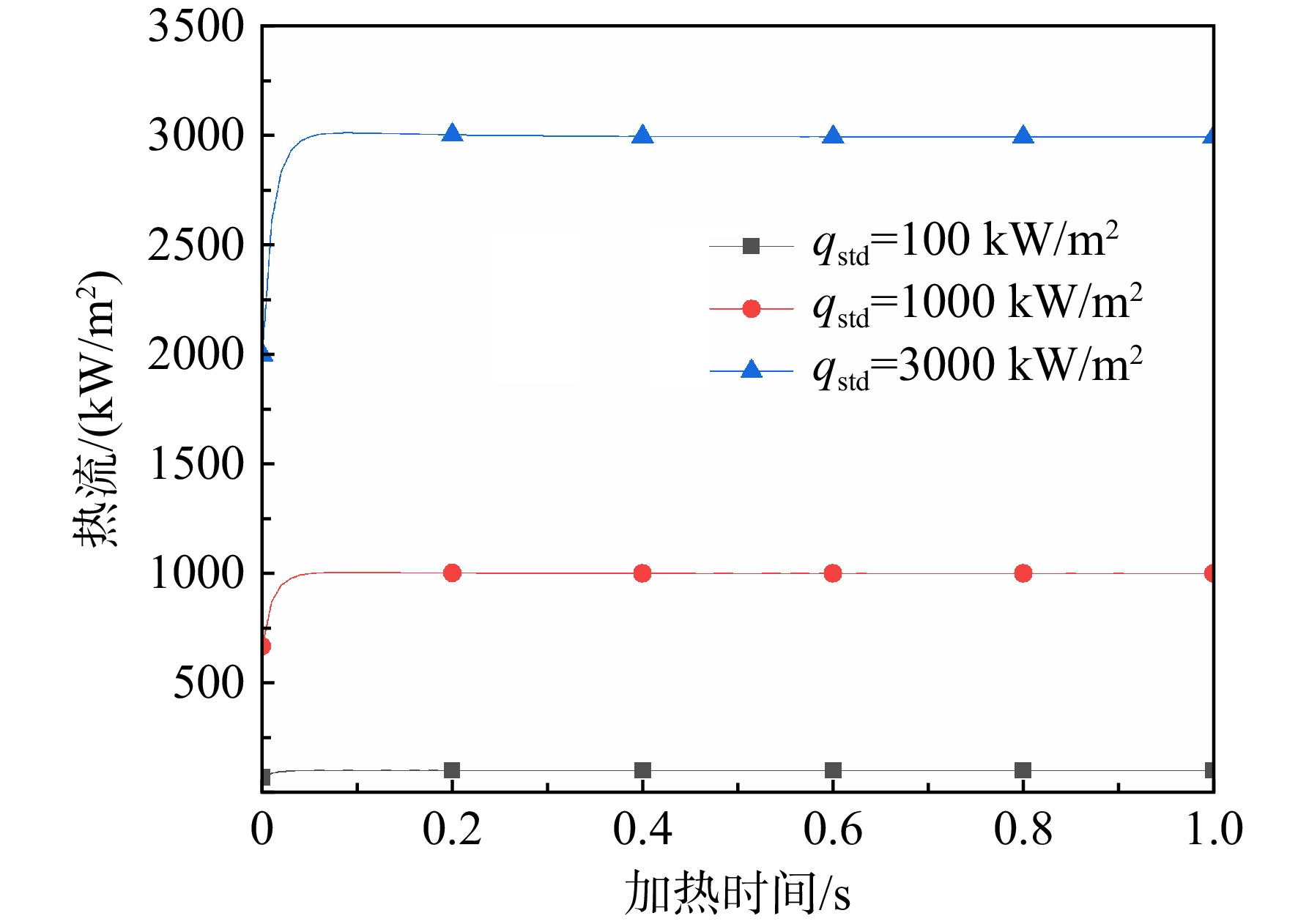
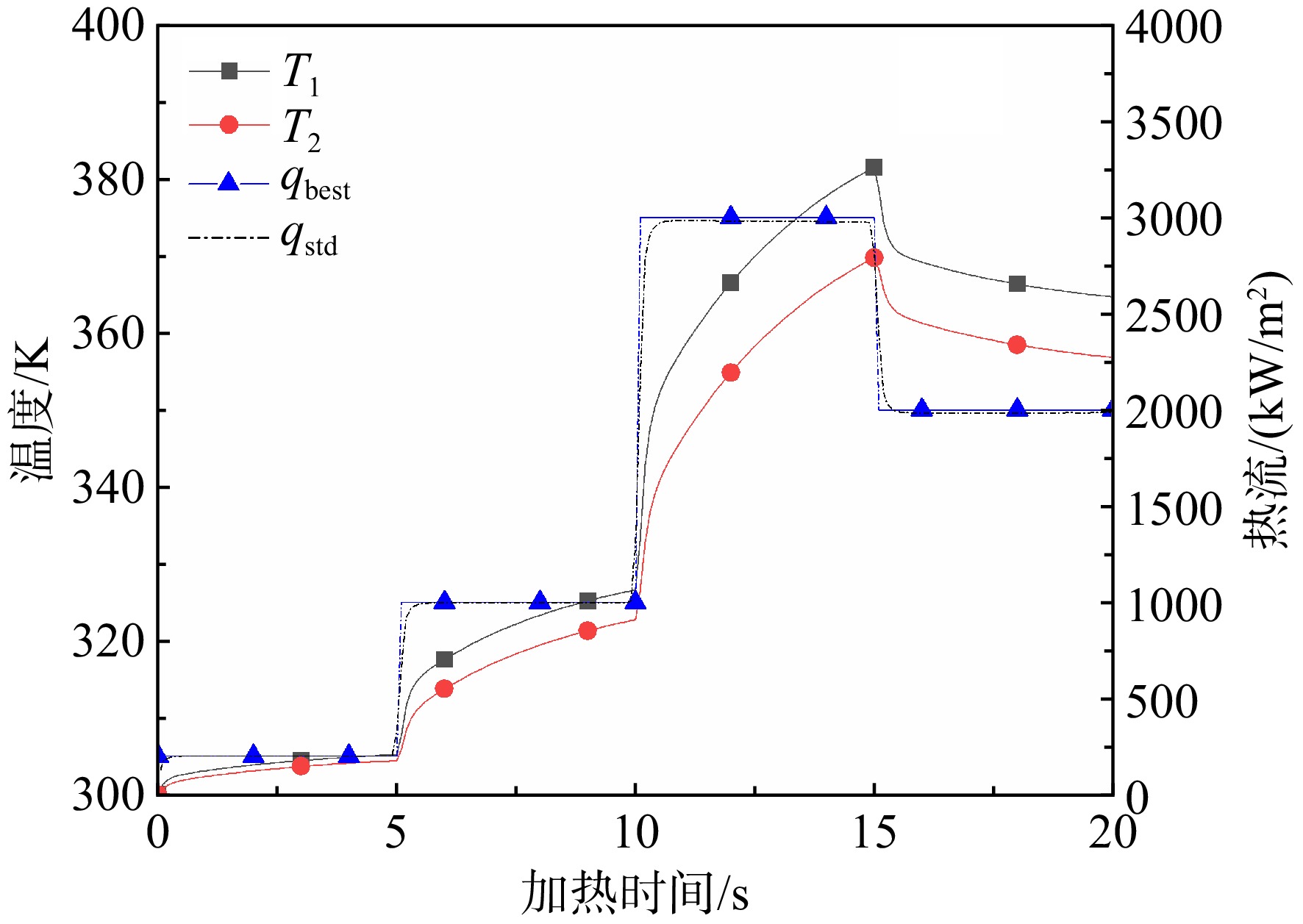
With respect to the problem of heat flux estimation of different material model surfaces, by introducing the thermophysical characteristic coefficients, the general solution of heat flux estimation for the thermo-resistance heat flux sensor with two temperature points was derived based on the principle of energy conservation and Fourier heat transfer law. And a particle swarm method of optimizing the general solution of the thermo-resistance heat flux sensor with two temperature points was proposed. In order to illustrate the effectiveness of this method, a heat transfer simulation model of the thermo-resistance heat flux sensor with two temperature points was established. The thermophysical characteristic coefficients of sensors made of copper, superalloy and zirconium carbide were optimized respectively, and the specific heat flux estimation methods of sensors made of three materials were obtained. Then according to three application requirements of heat flux test, the heat flux error of each sensor between estimated and loaded heat fluxes in different test scenarios was less than 1%. The results showed that the proposed heat flux estimation method based on particle swarm optimization had better estimation accuracy.

RP-3 fuel minimum ignition energy measuring system and spark discharge characteristics
WANG Liqun, LI Yufang, LIU Guannan, FU Ziqi, TAI Huanyu, BAI Wentao
2026, 41(1): 20240689. doi: 10.13224/j.cnki.jasp.20240689
Abstract:
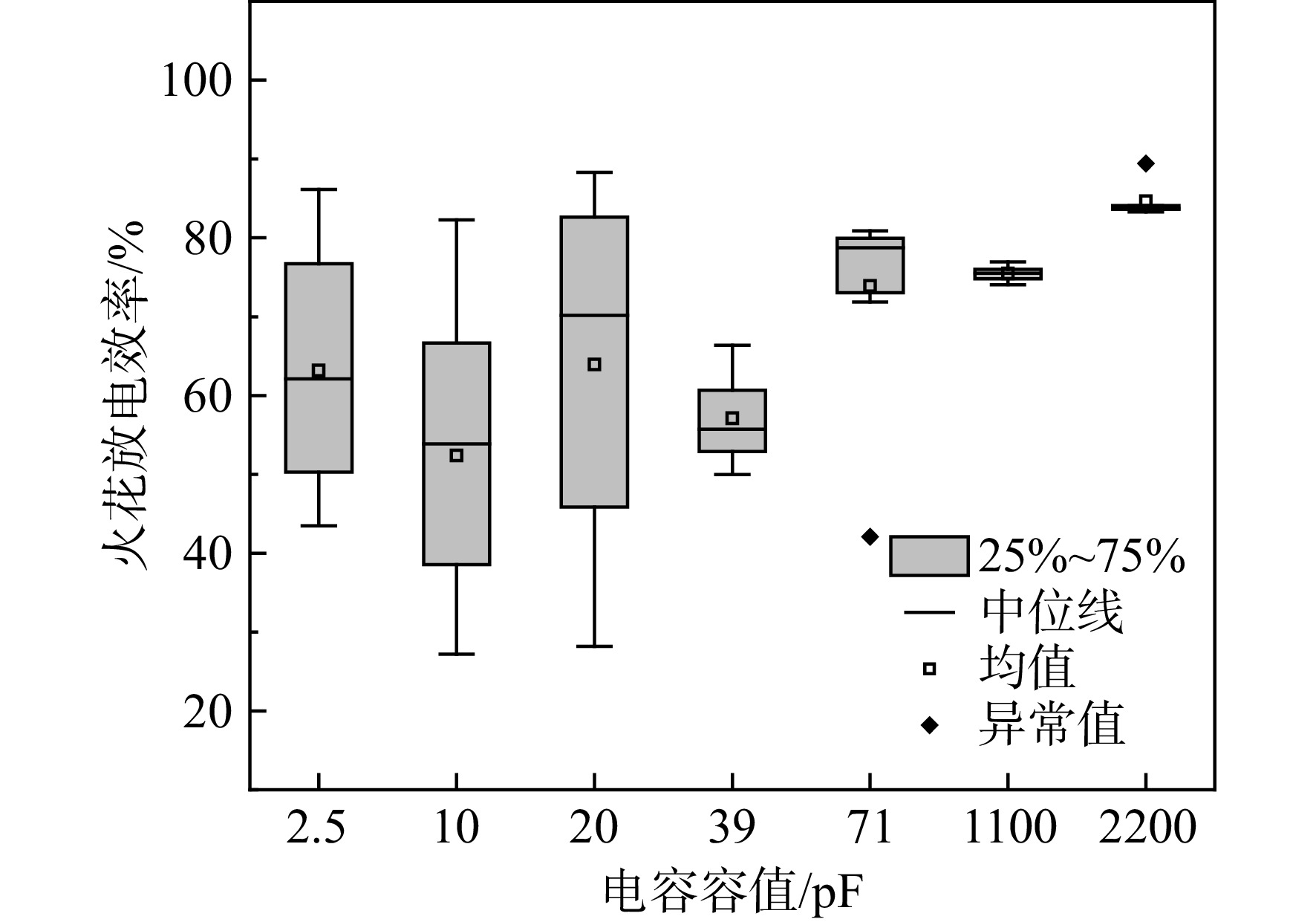
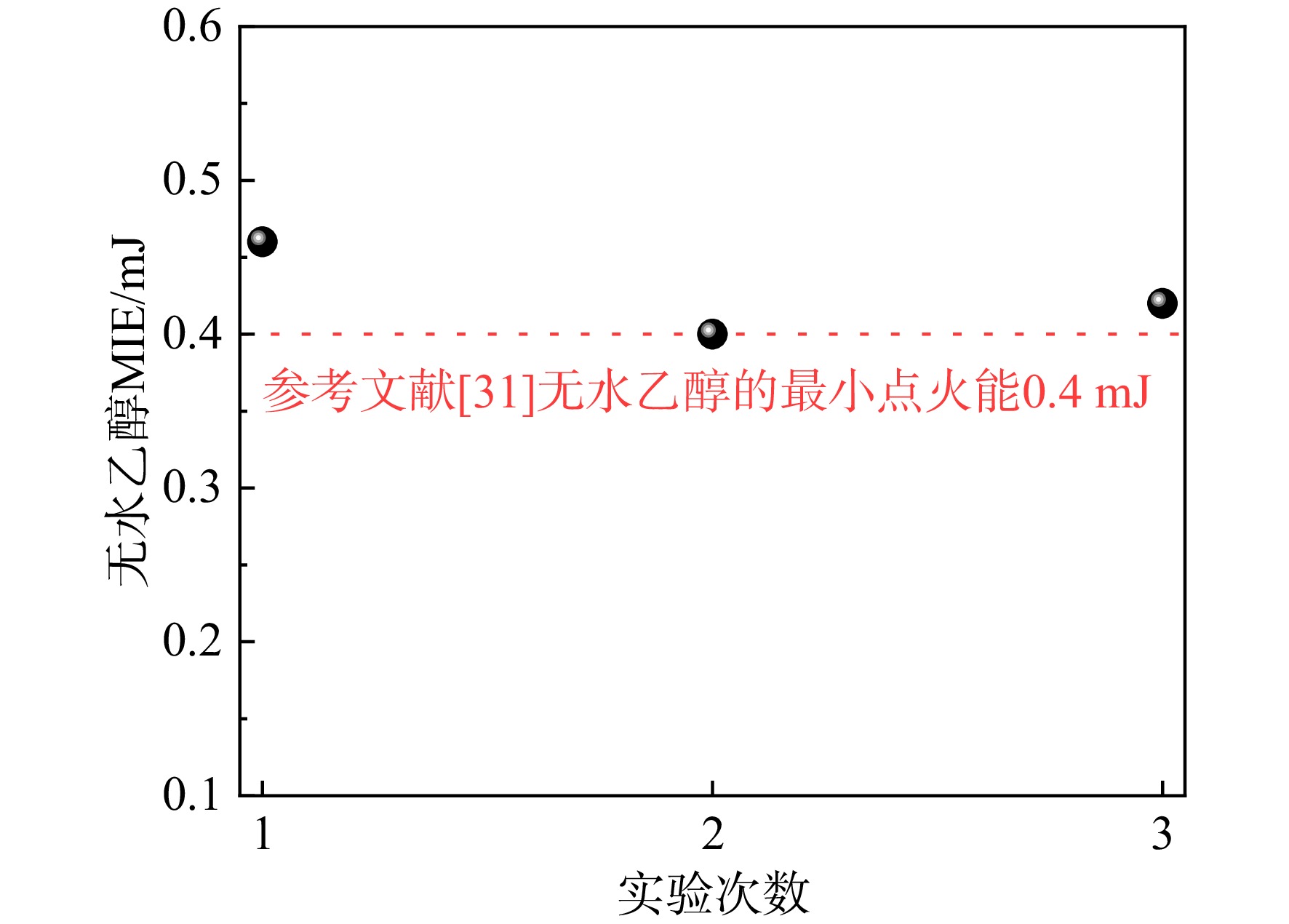
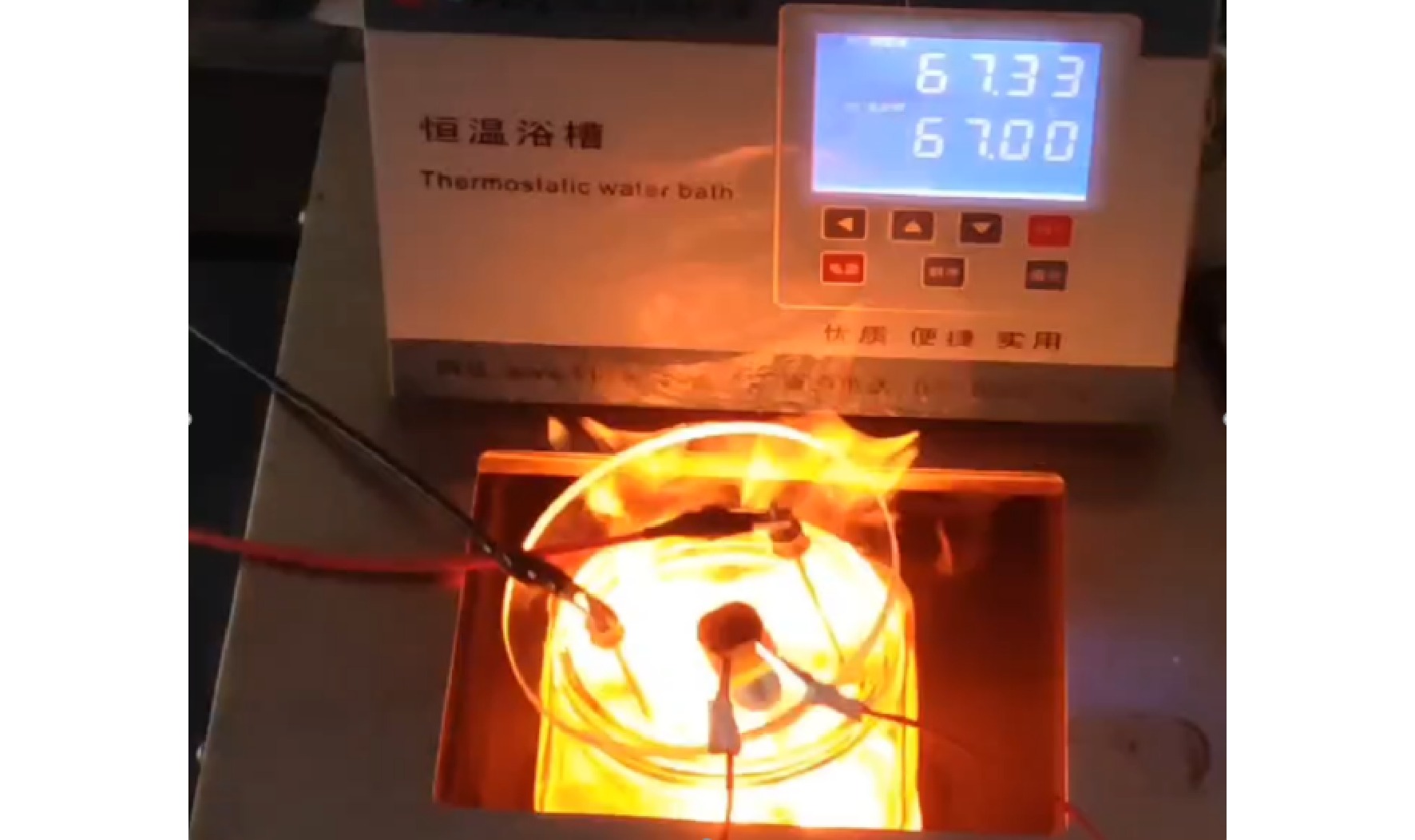
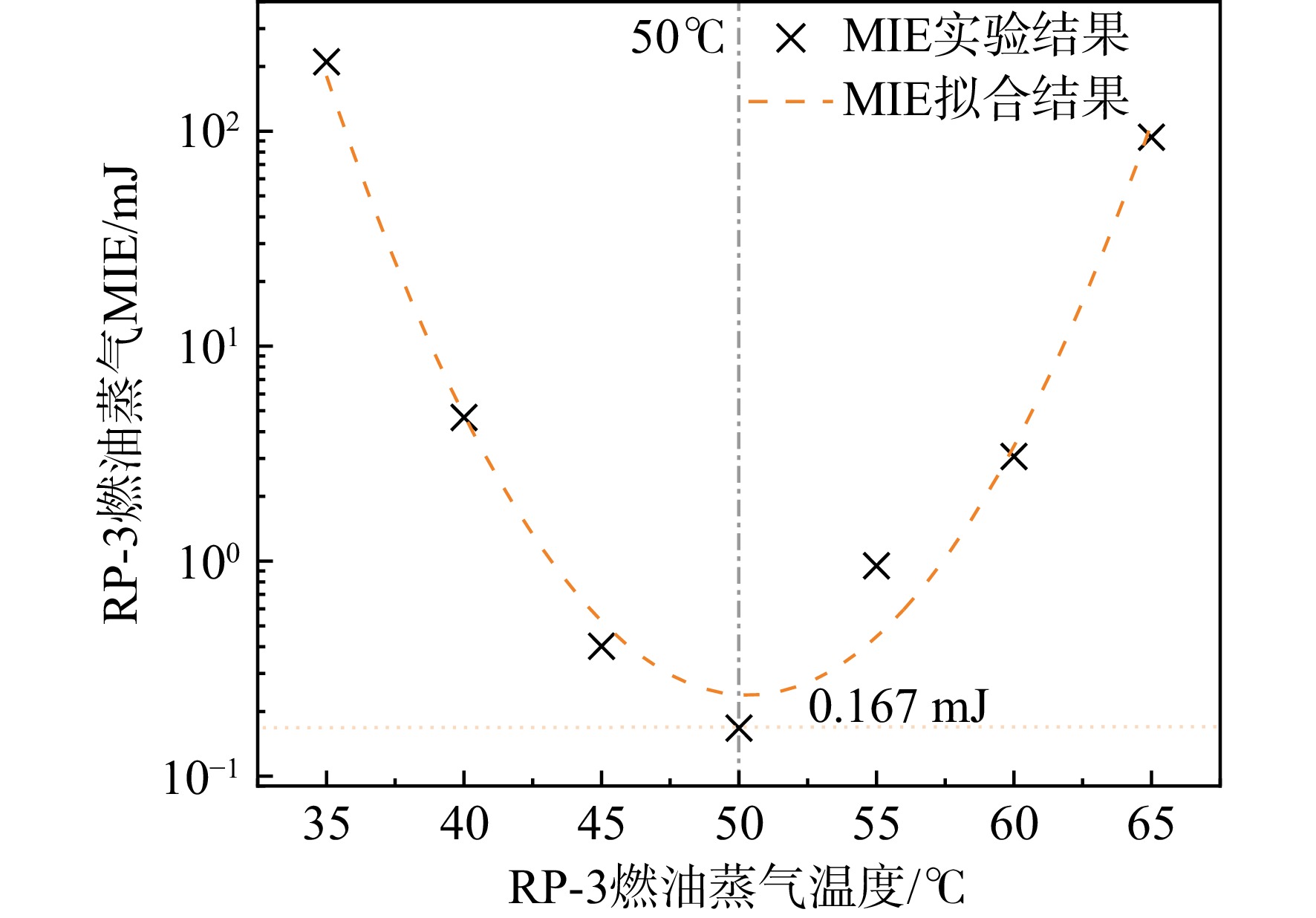
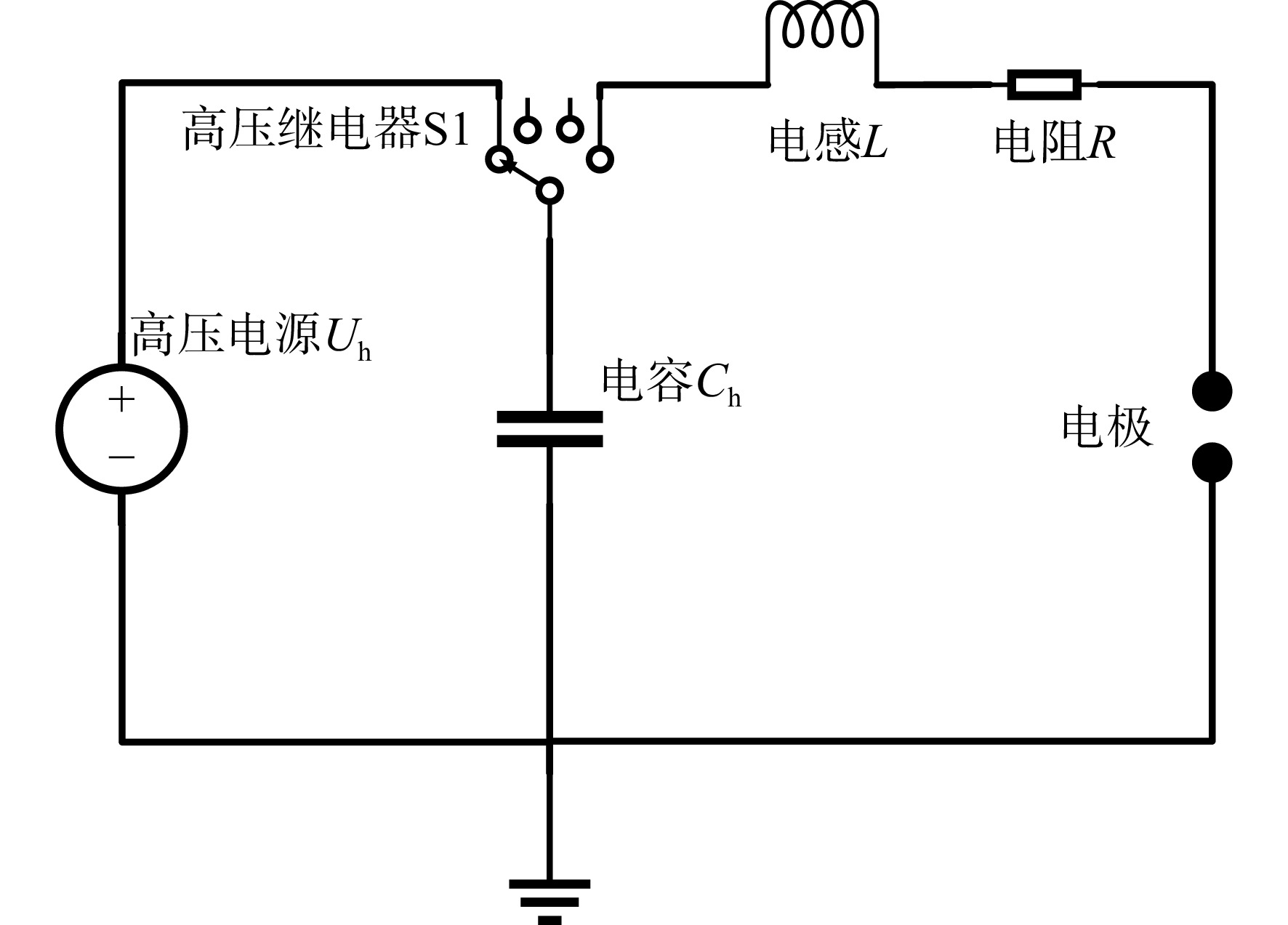
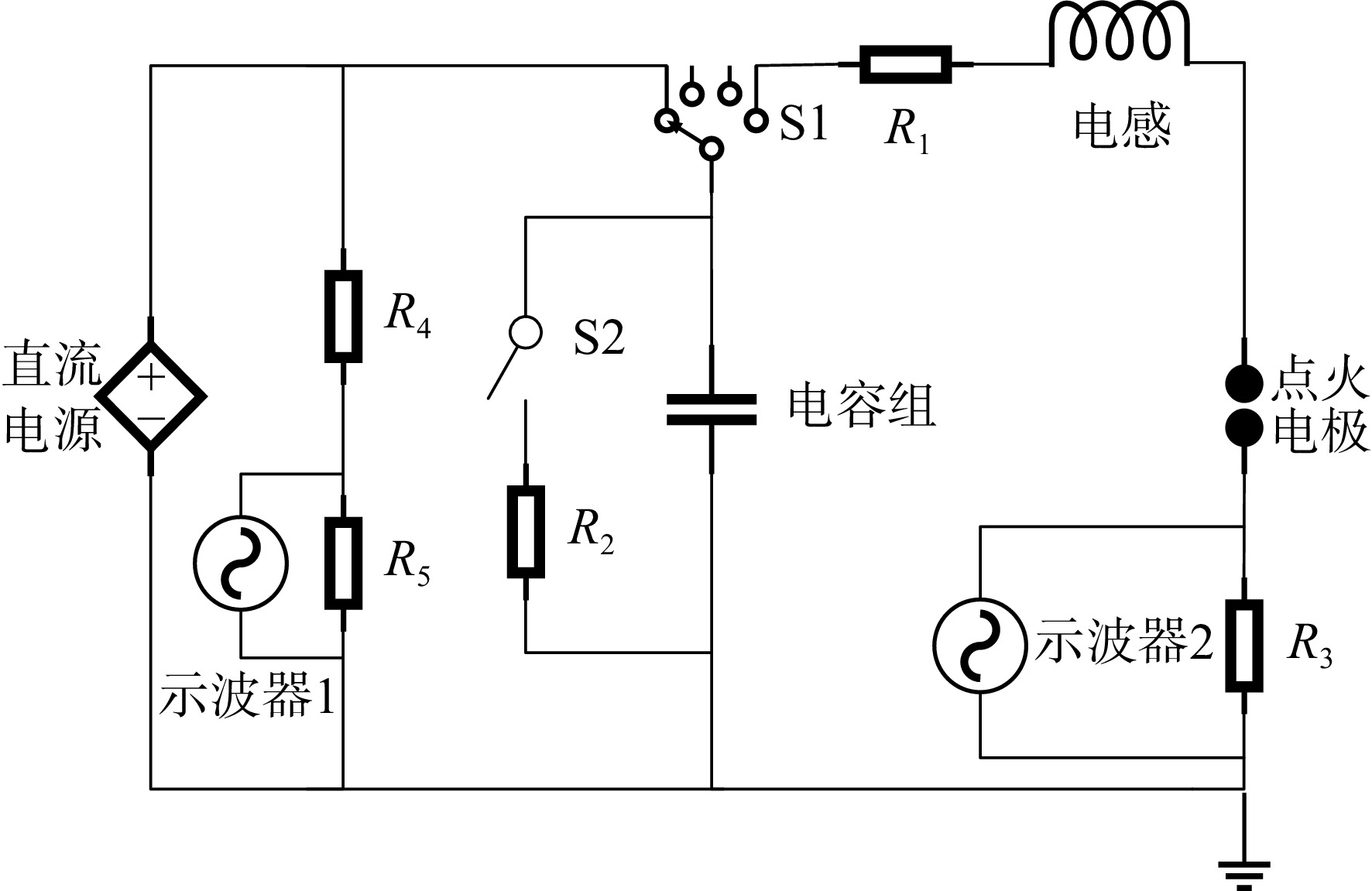
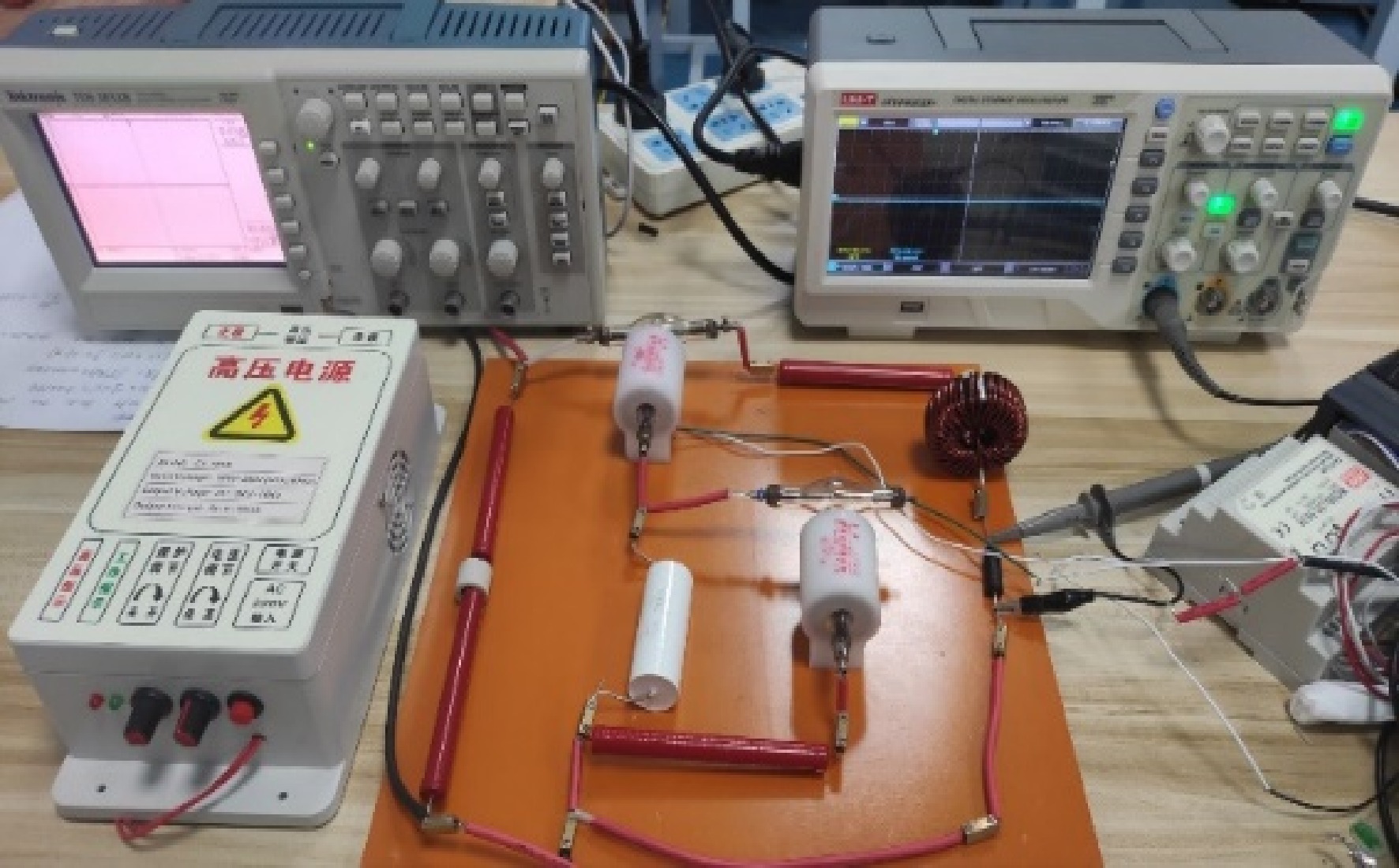
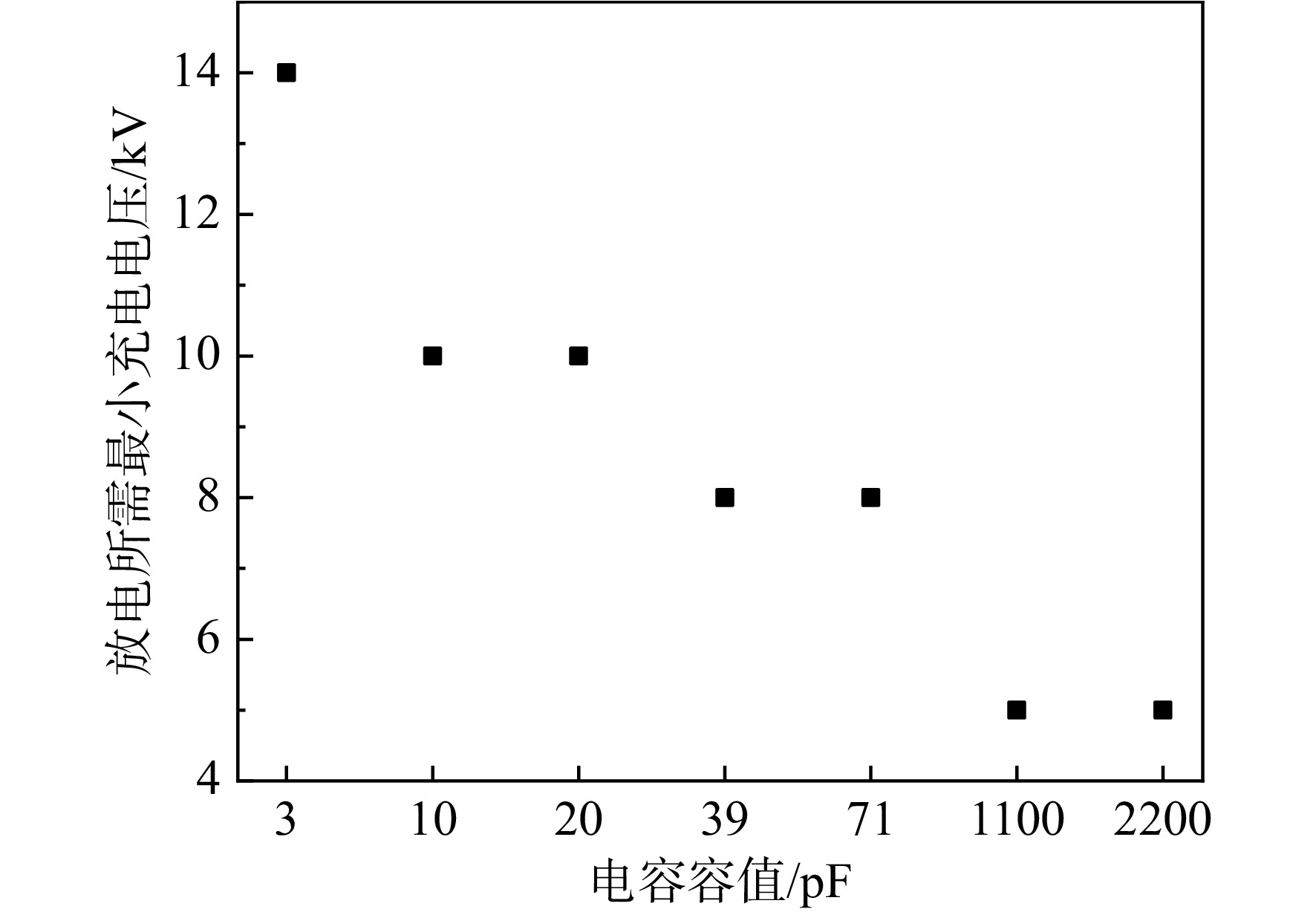
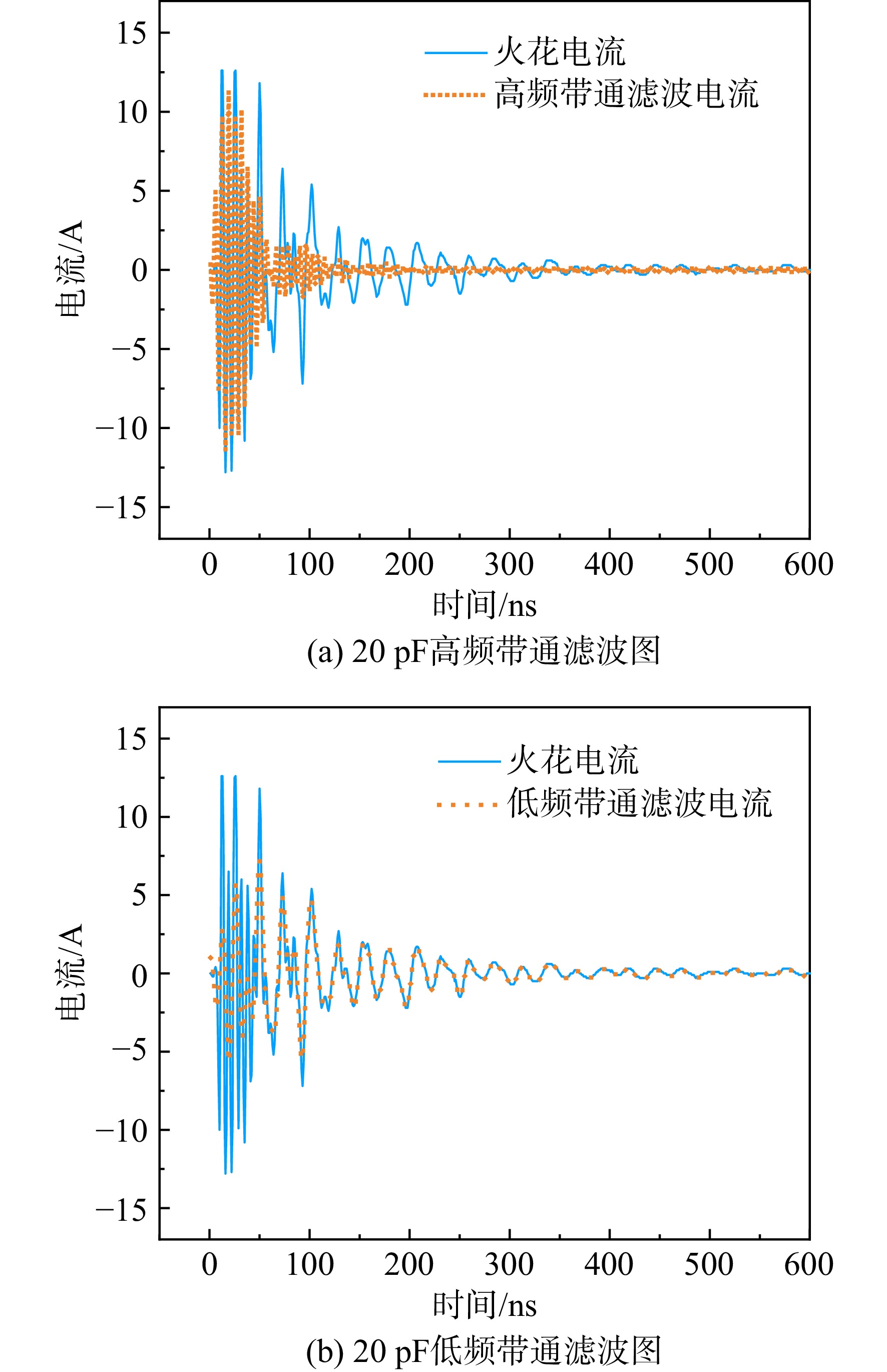
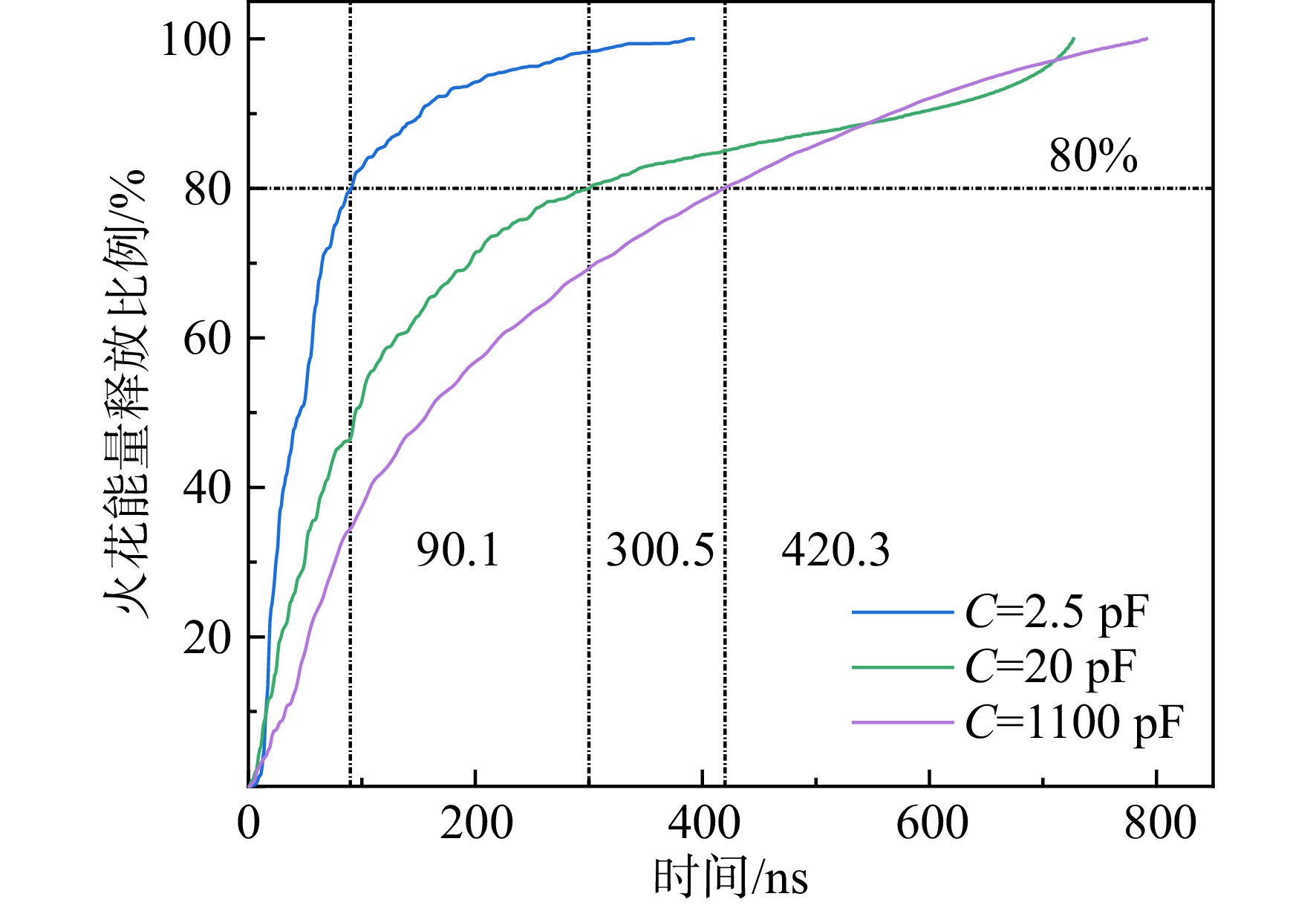
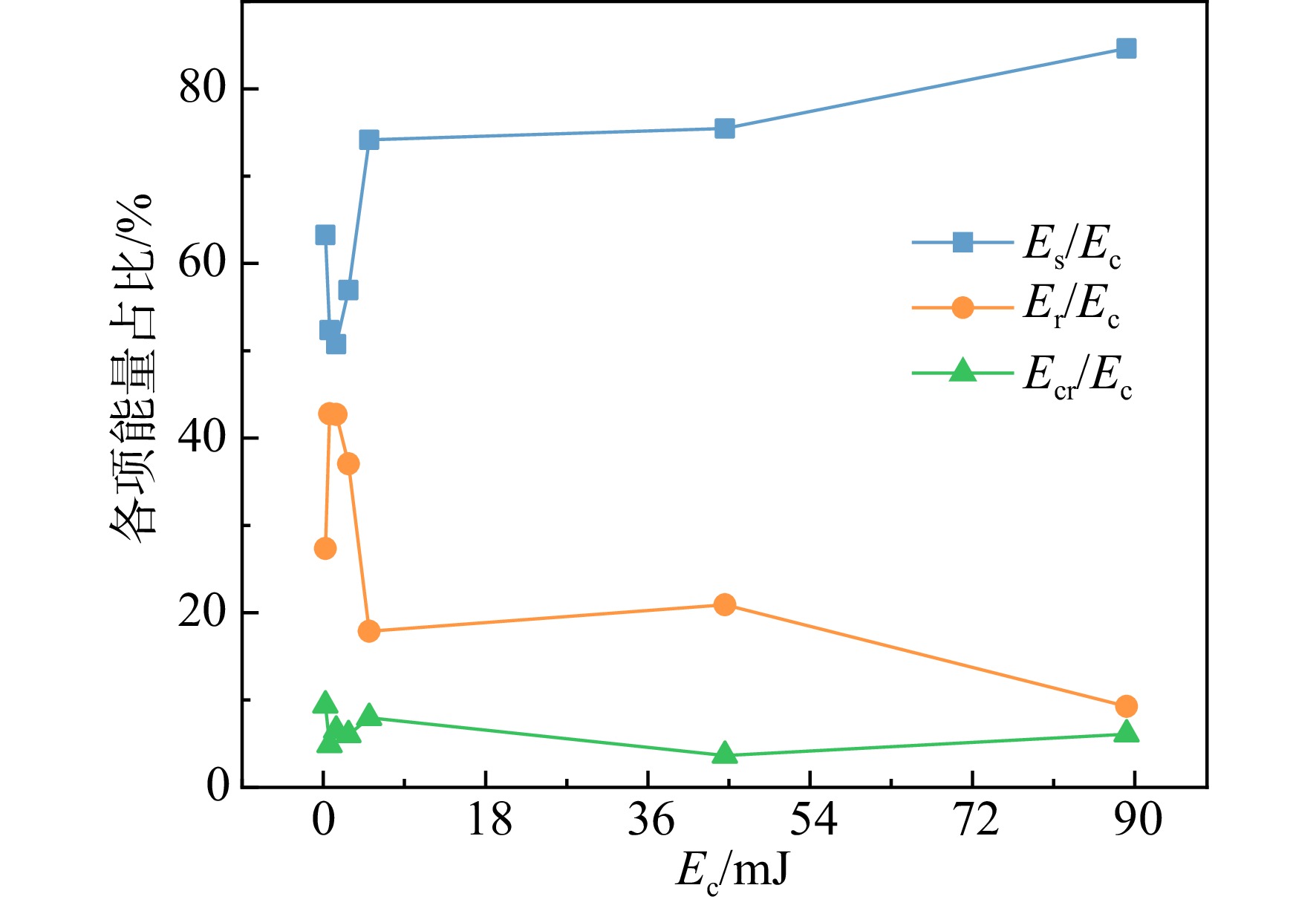
A small energy spark discharge system based on an RLC discharge circuit was designed for measuring the minimum ignition energy of domestic aviation fuel RP-3. The relationship between spark discharge and charging voltage, as well as capacitor capacity, was studied considering capacitor residual energy and circuit energy loss. The spark discharge current, energy consumption, and efficiency at different energy levels were analyzed, and minimum ignition energy tests for RP-3 fuel were conducted. The results showed that the RLC circuit is suitable for spark discharge systems below 1 J. The larger capacitor meant the greater stored energy, the longer discharge time, and the higher spark discharge efficiency, reaching up to 80%. The minimum ignition energy of fuel vapor varied with temperature, following a “U” shape curve. At 50 ℃ and 101 kPa, the minimum ignition energy was 0.167 mJ.

Combustion enhancement characteristics of supersonic gas-solid two-phase enriched fuel by injector structure
YANG Pengnian, XIA Zhixun, MA Likun, CHEN Binbin, FENG Yunchao, CHEN Xingyuan
2026, 41(1): 20240755. doi: 10.13224/j.cnki.jasp.20240755
Abstract:

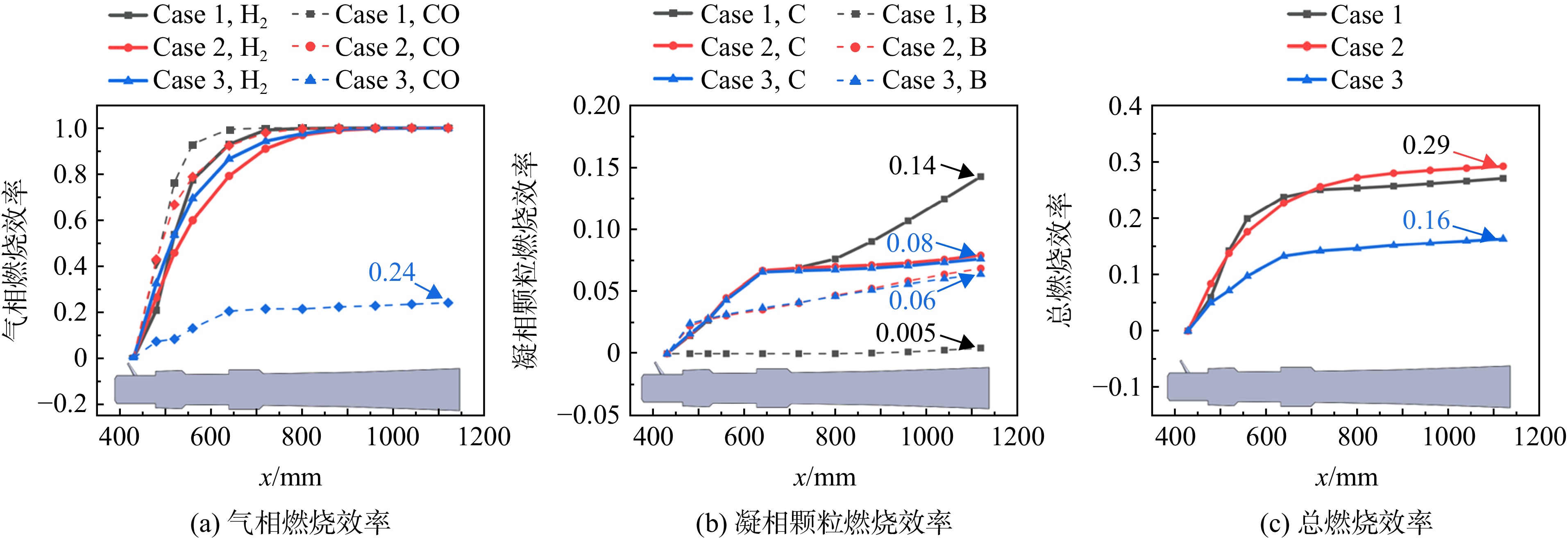
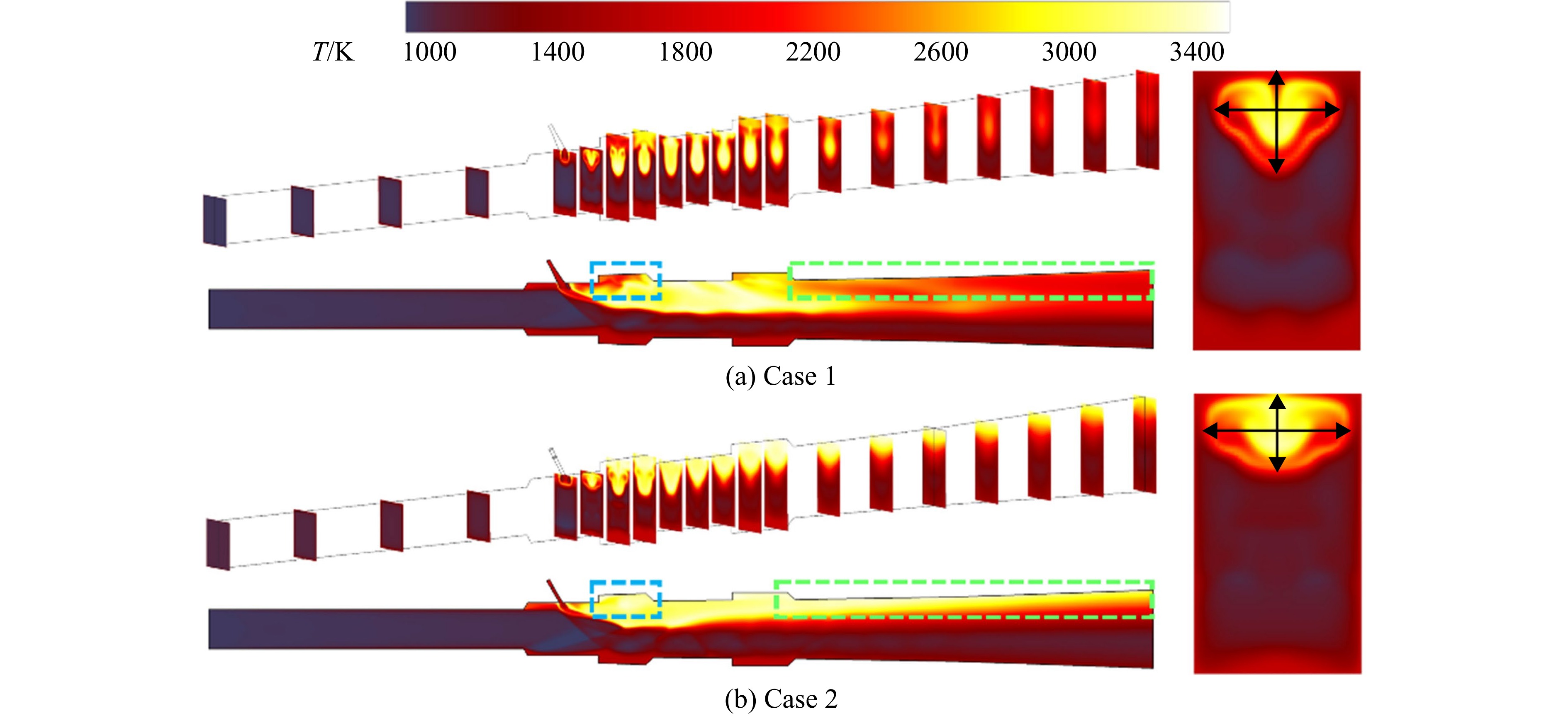
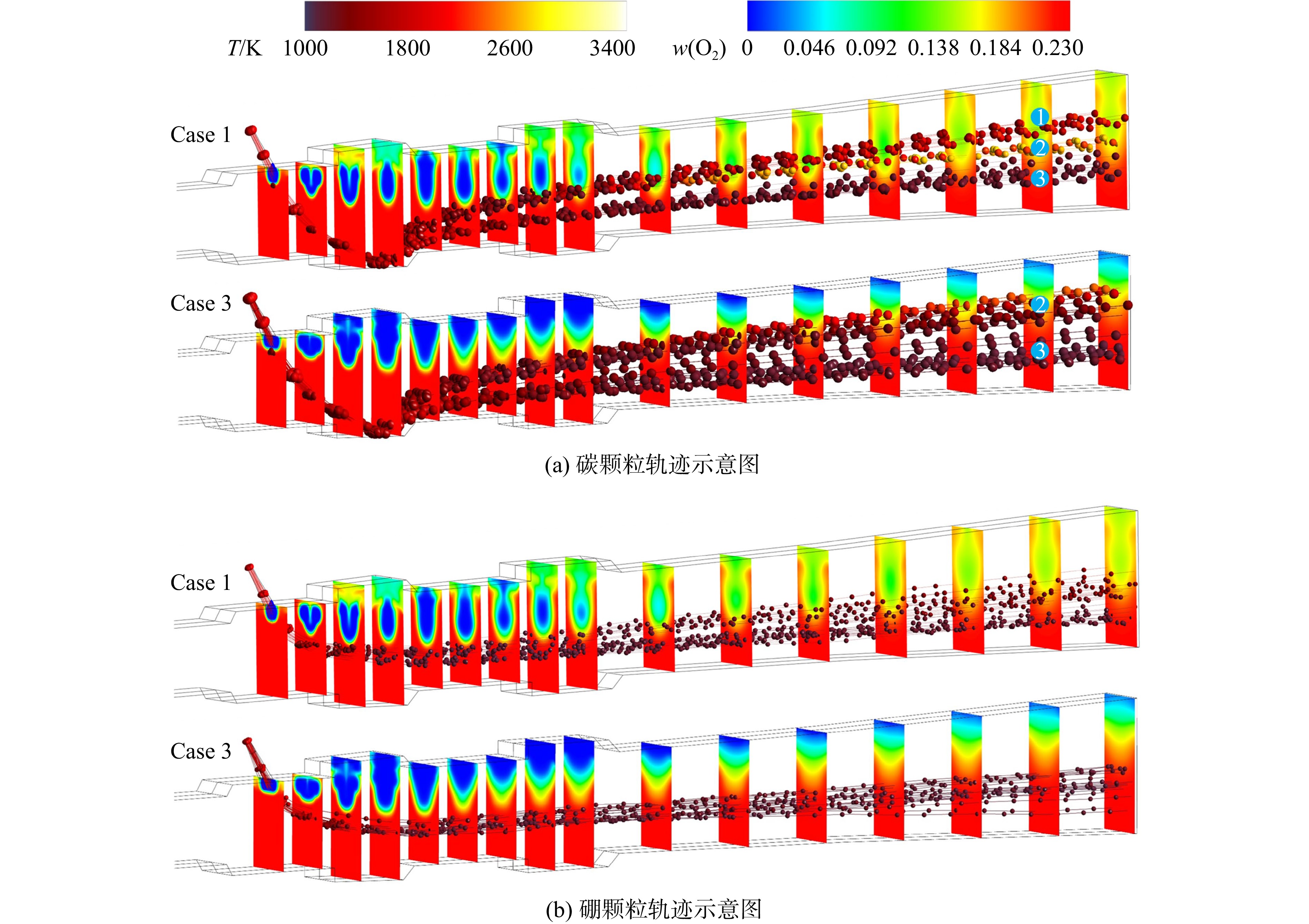
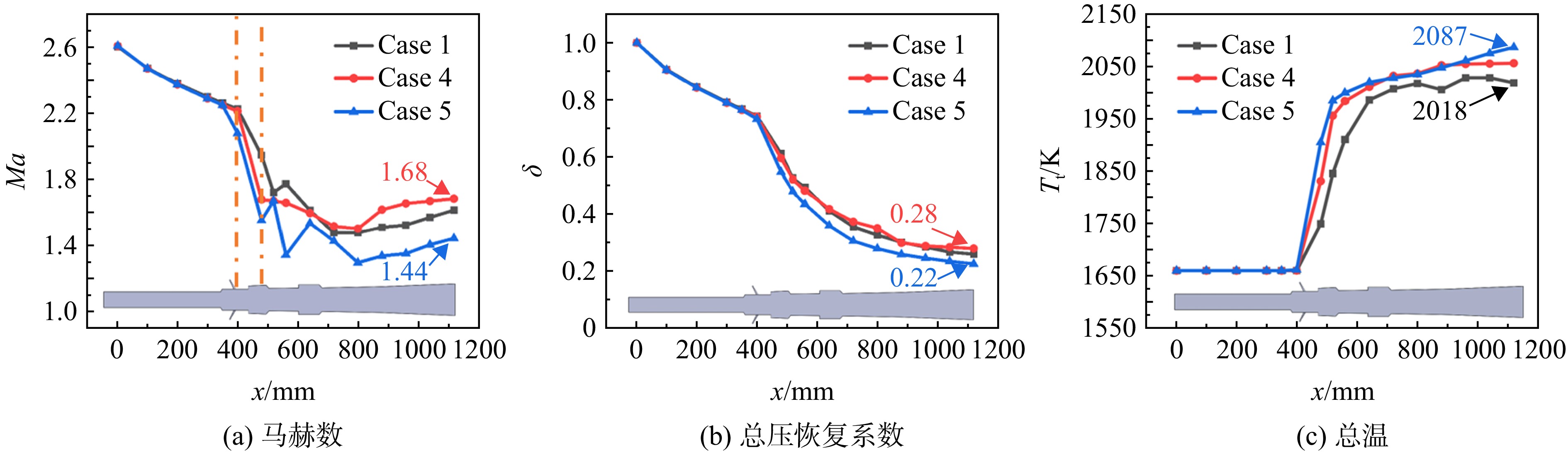
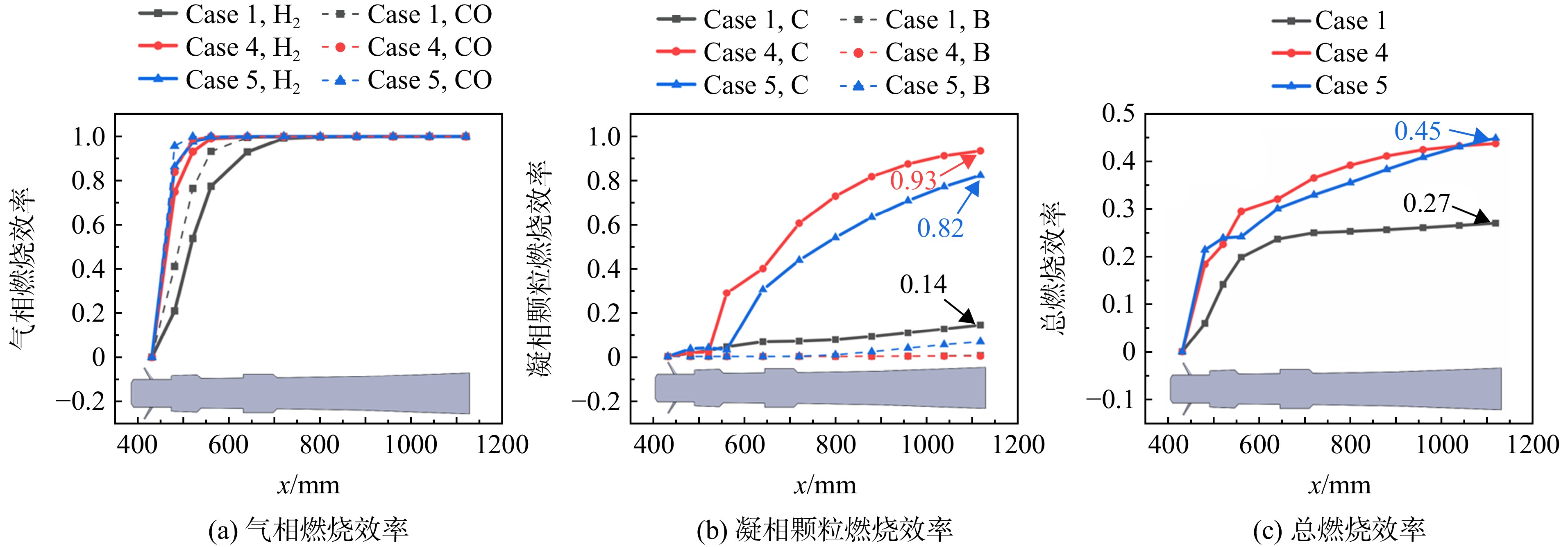
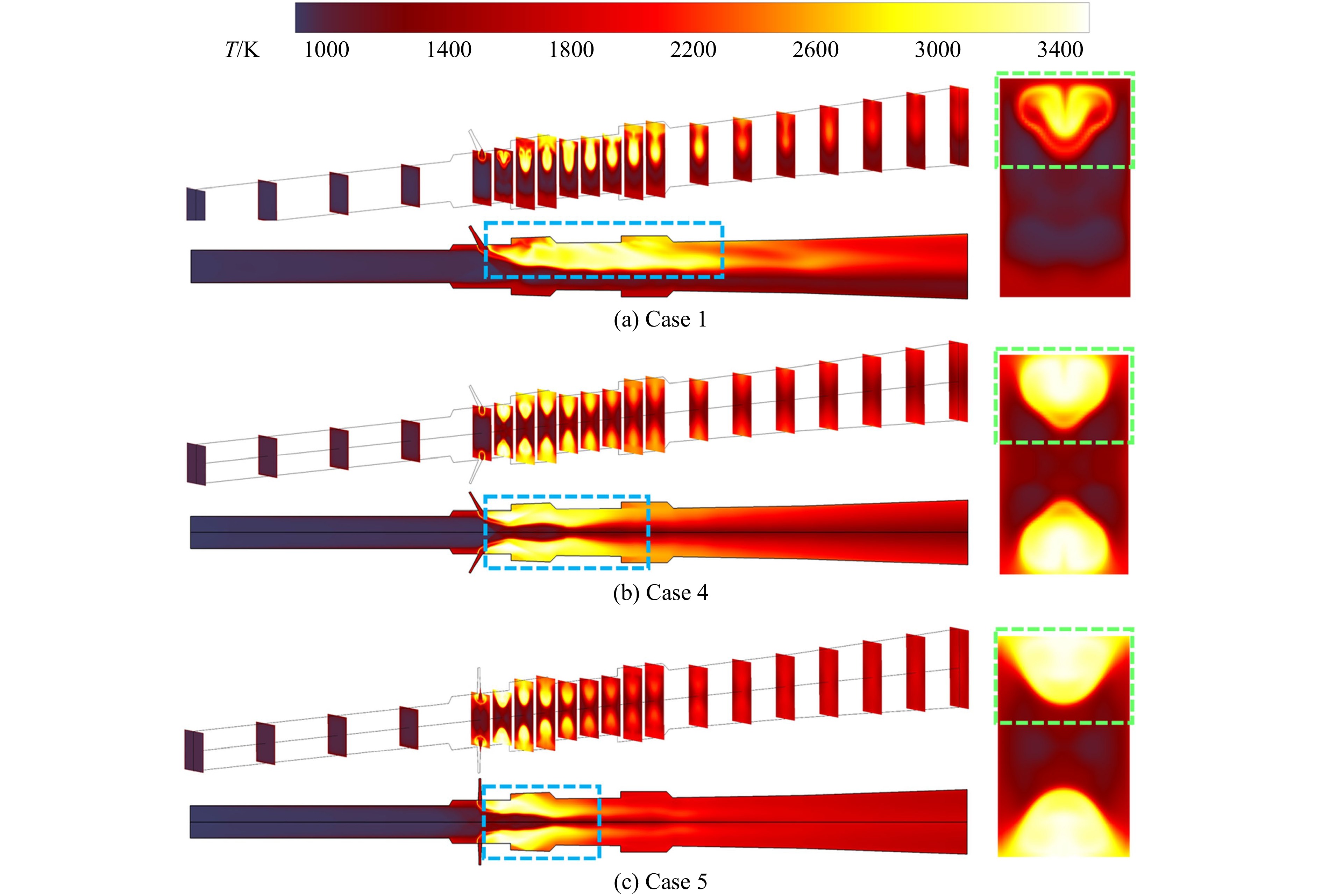
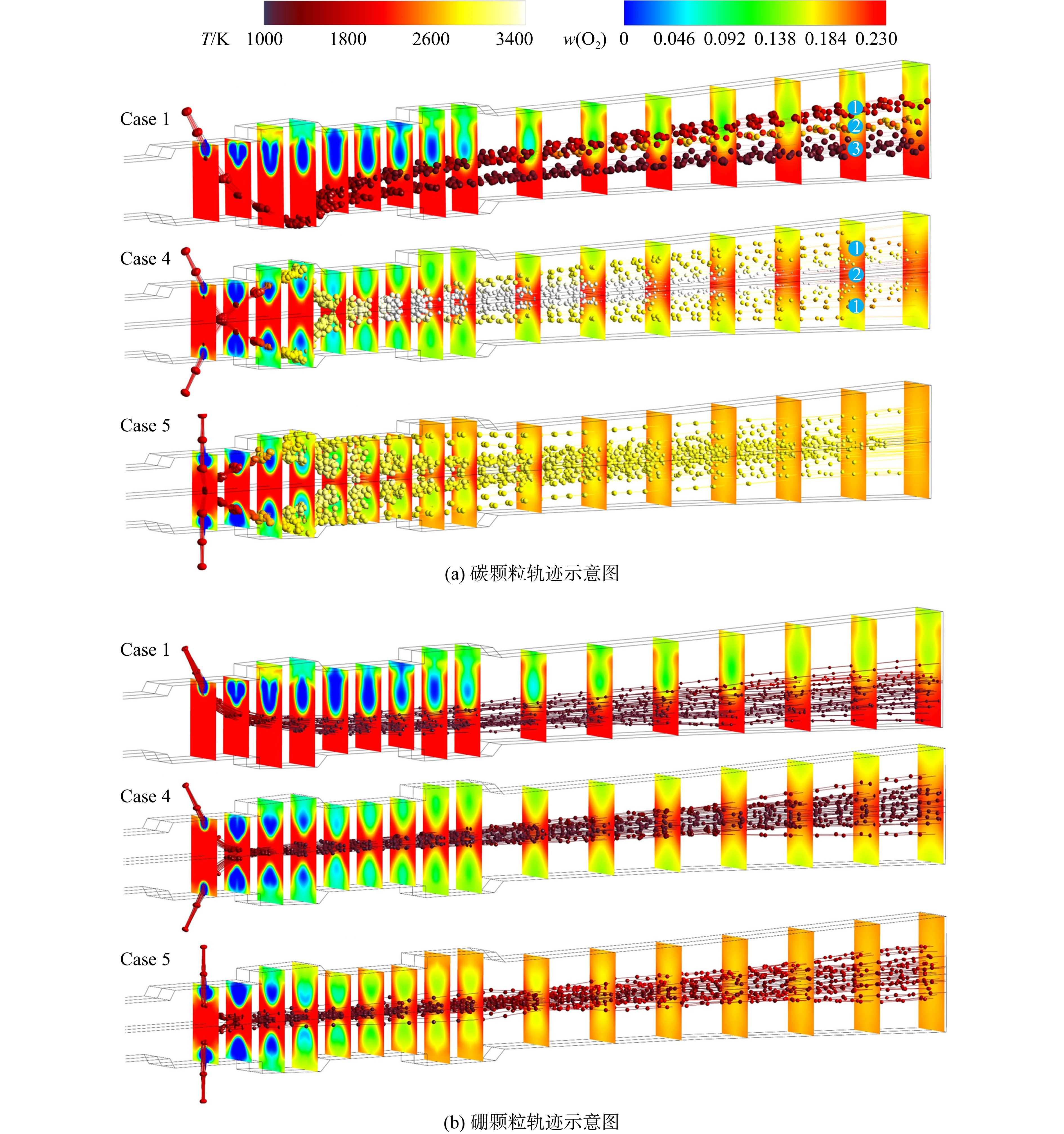
Considering the enhanced combustion characteristics of supersonic gas-solid two-phase enriched fuel, numerical simulation methods were employed to compare and analyze the effects of different nozzle shapes (circular, elliptical, rectangular) and nozzle arrangements (single-sided and double-sided injection, different injection angles) on the mixed combustion of enriched fuel. Research found that nozzle shape and arrangement strategy had a significant impact on combustion enhancement characteristics. Compared with rectangular nozzles, circular and elliptical nozzles could be more conducive to the combustion and heat release of enriched fuel in the combustor. In addition, increasing the number of nozzles and adjusting the nozzle angle can improve penetration depth and promote spanwise distribution, effectively expanding the contact area between enriched fuel and incoming air, thereby significantly improving the combustion rate of gas-phase components and the combustion efficiency of carbon particles. It was also found that the combustion process of particles was highly dependent on the synergistic effect of a high-temperature and oxygen-rich environment, and the excessive concentration of heat release from enriched fuel may be detrimental to the heating and ignition of particles. Therefore, creating and maintaining a stable high-temperature, oxygen-rich environment while ensuring particles to smoothly enter this ideal combustion zone is crucial for improving particle combustion efficiency and optimizing overall combustion performance.

Study on flow and ignition characteristics of evaporative flameholder under low temperature and pressure conditions
WANG Yusen, CHEN Yuqian, CAO Chunli, WANG Yinhui, HUANG Yue, YOU Yancheng
2026, 41(1): 20250047. doi: 10.13224/j.cnki.jasp.20250047
Abstract:
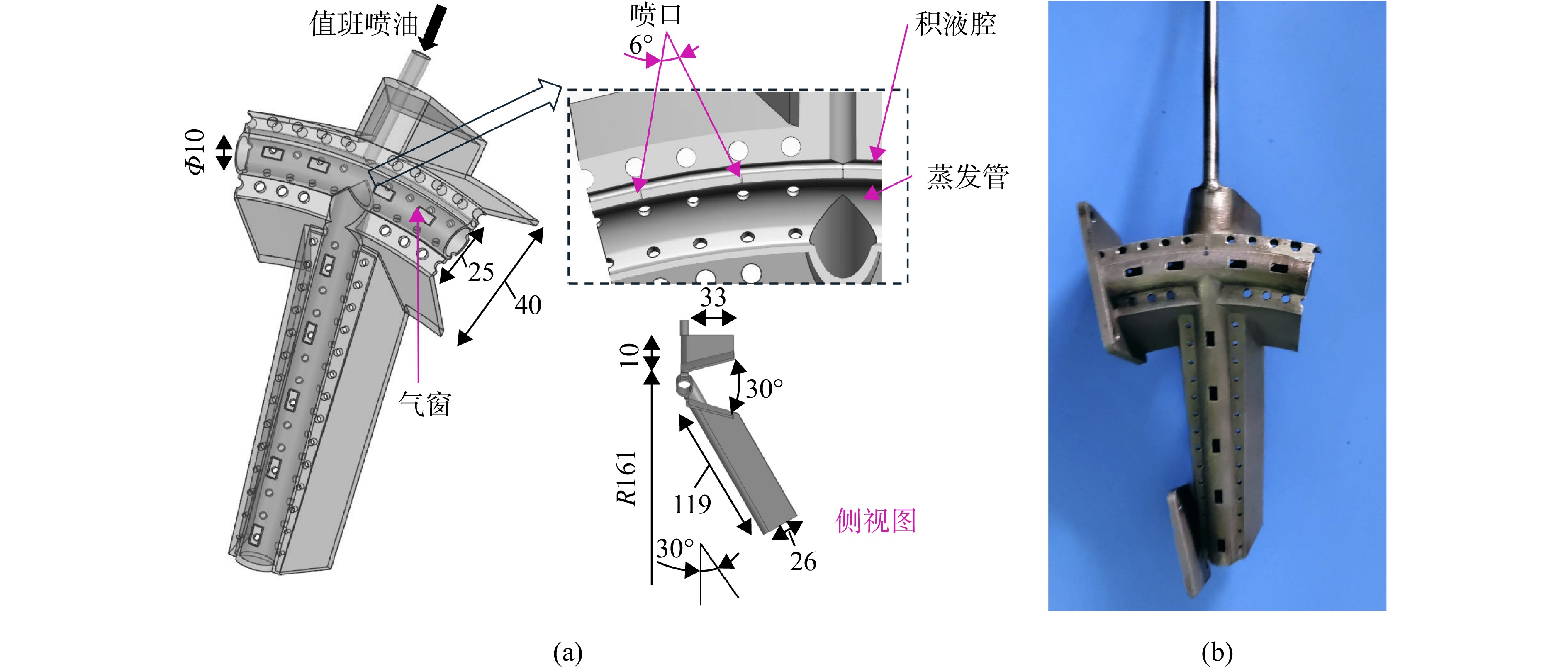
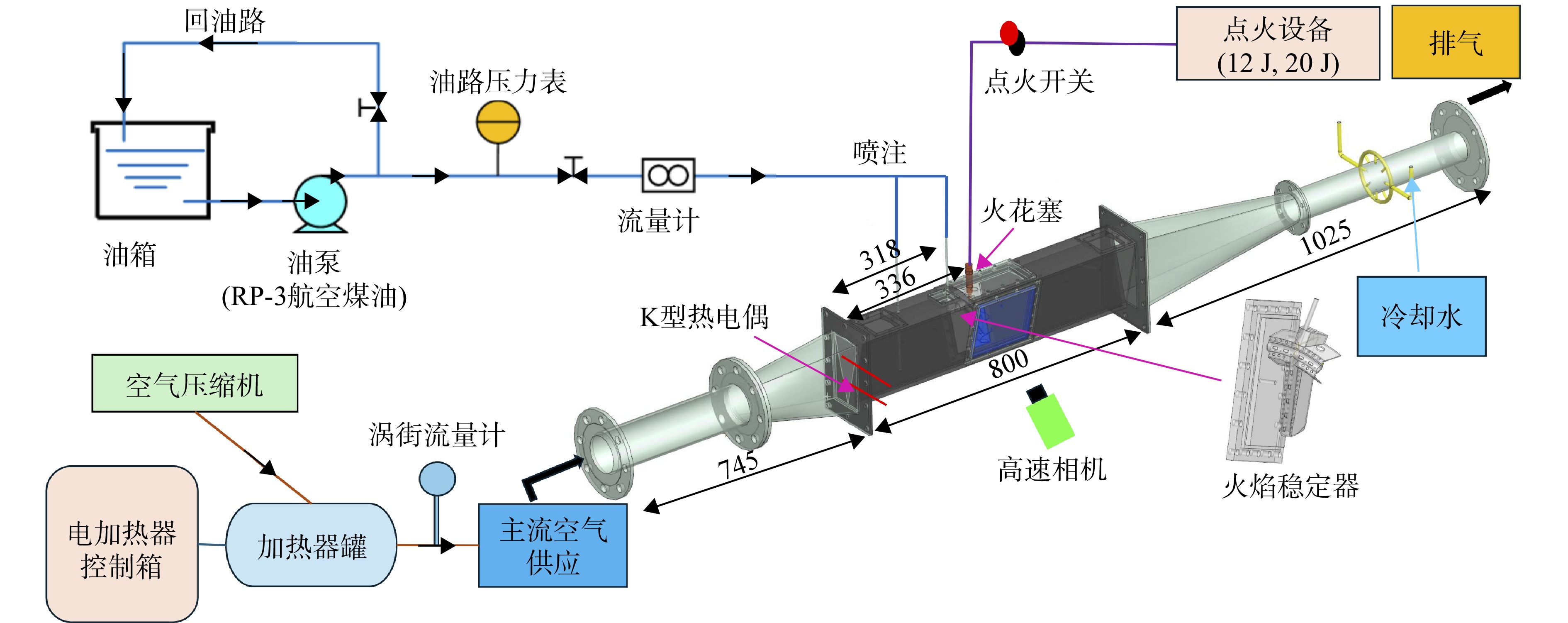
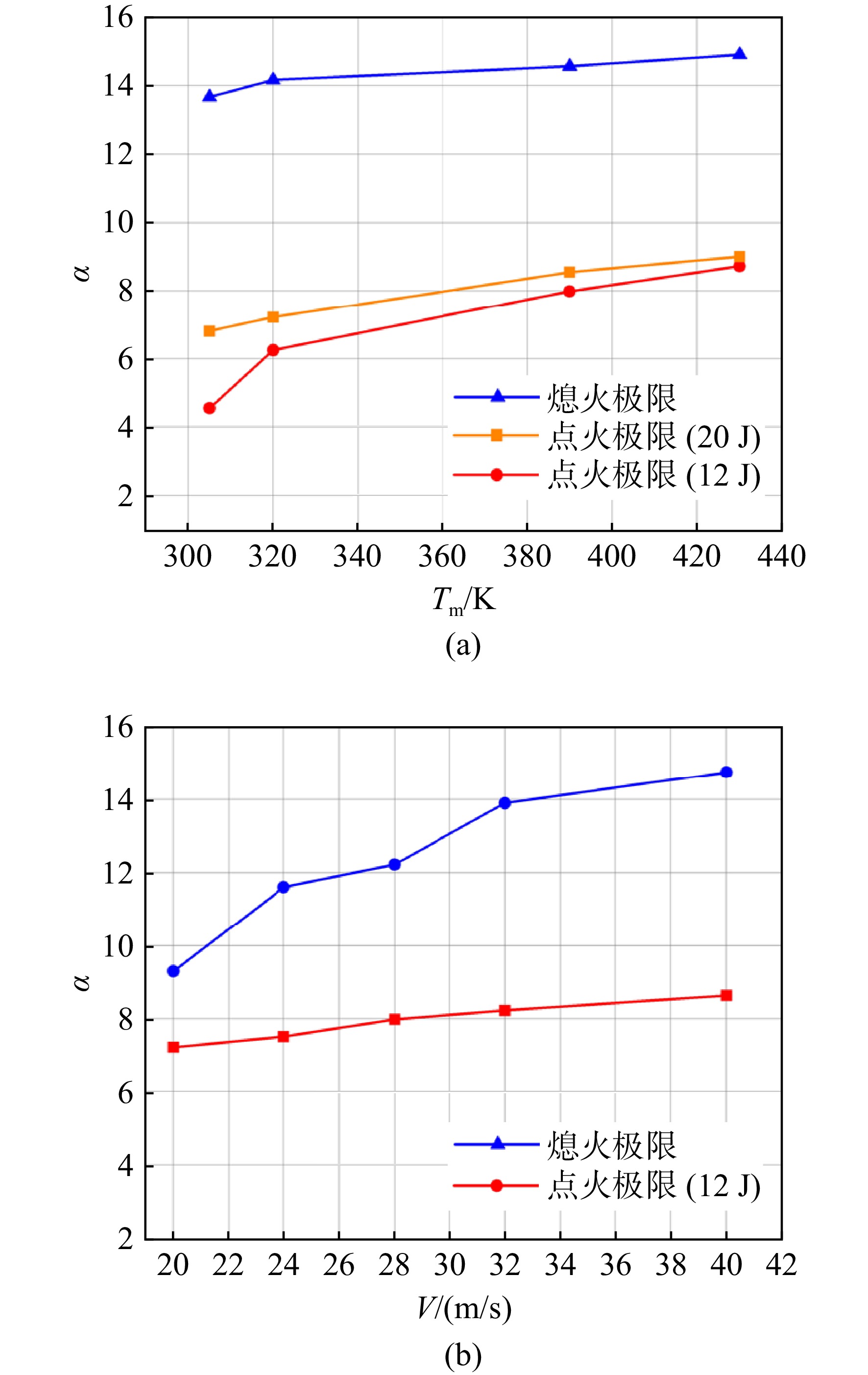
In order to broaden the working range of the ramjet combustor and realize the successful combustion under low-temperature and low-pressure inflows, an evaporative flameholder with a ring cavity for accumulating liquid fuel was proposed. The ignition and flame stabilization performances of the flameholder at different ignition positions under varied conditions were studied by numerical simulation and experimental measurement. The results showed that the flameholder can successfully hold the flame at inflow temperature and static pressure as low as 307 K and 18 kPa. At the pilot ignition region, the best ignition performance was presented away from the area with high turbulence kinetic energy and close to the center of the large recirculation zone. Under low inflow conditions, the increase of inflow temperature and velocity was conducive to expanding the lean ignition and blowout limits downward. Higher ignition energy had a significant improvement effect on ignition performance under low operating conditions, especially at lower temperature.

Atomization characteristics of centrifugal nozzles in high-altitude cyclonic air field
YU Tianzhi, LIU Aiguo, LI Hengwen, WANG Peng, WU Kaipi
2026, 41(1): 20240194. doi: 10.13224/j.cnki.jasp.20240194
Abstract:
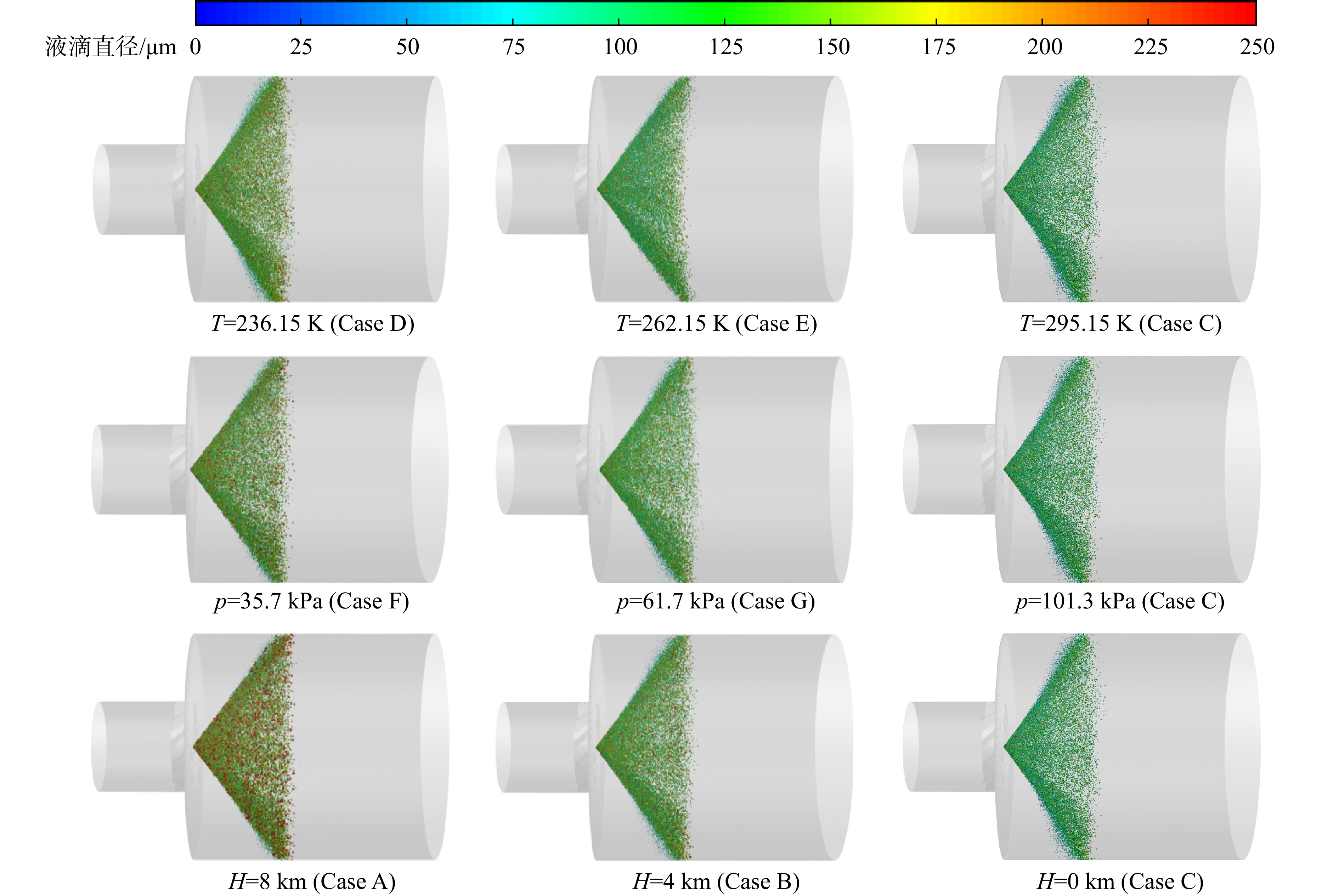
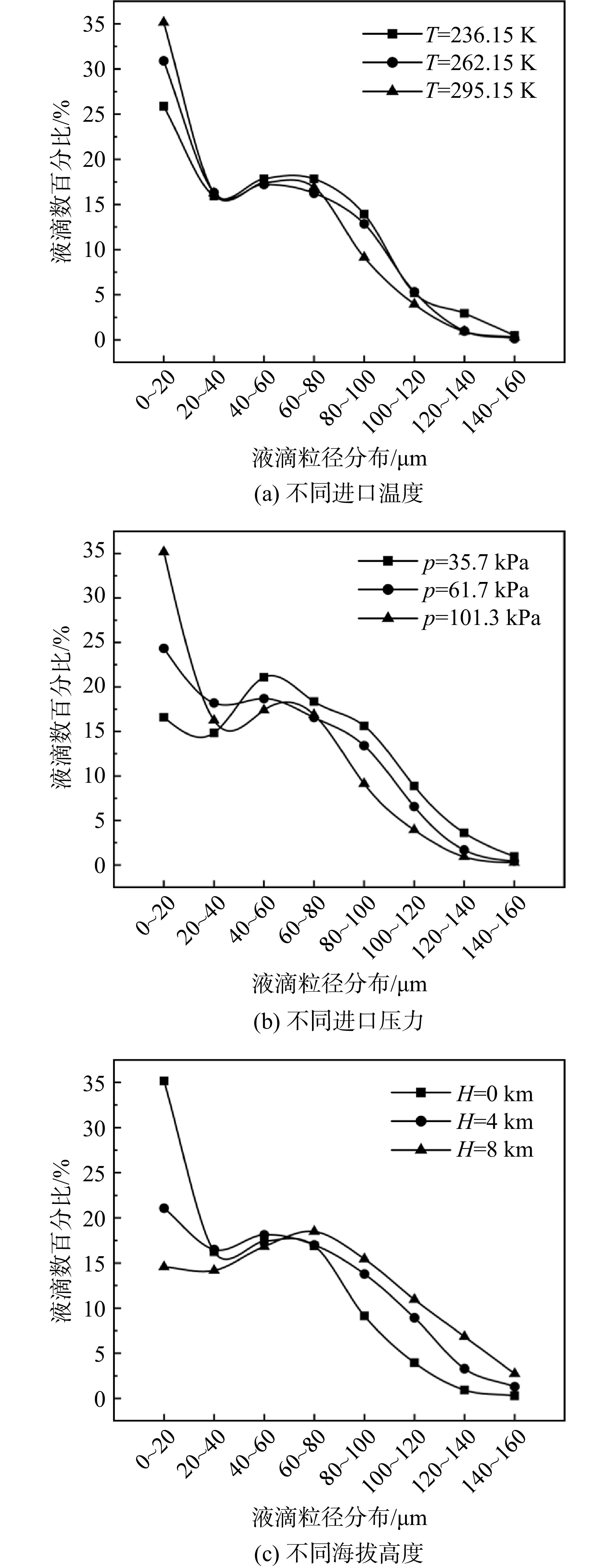
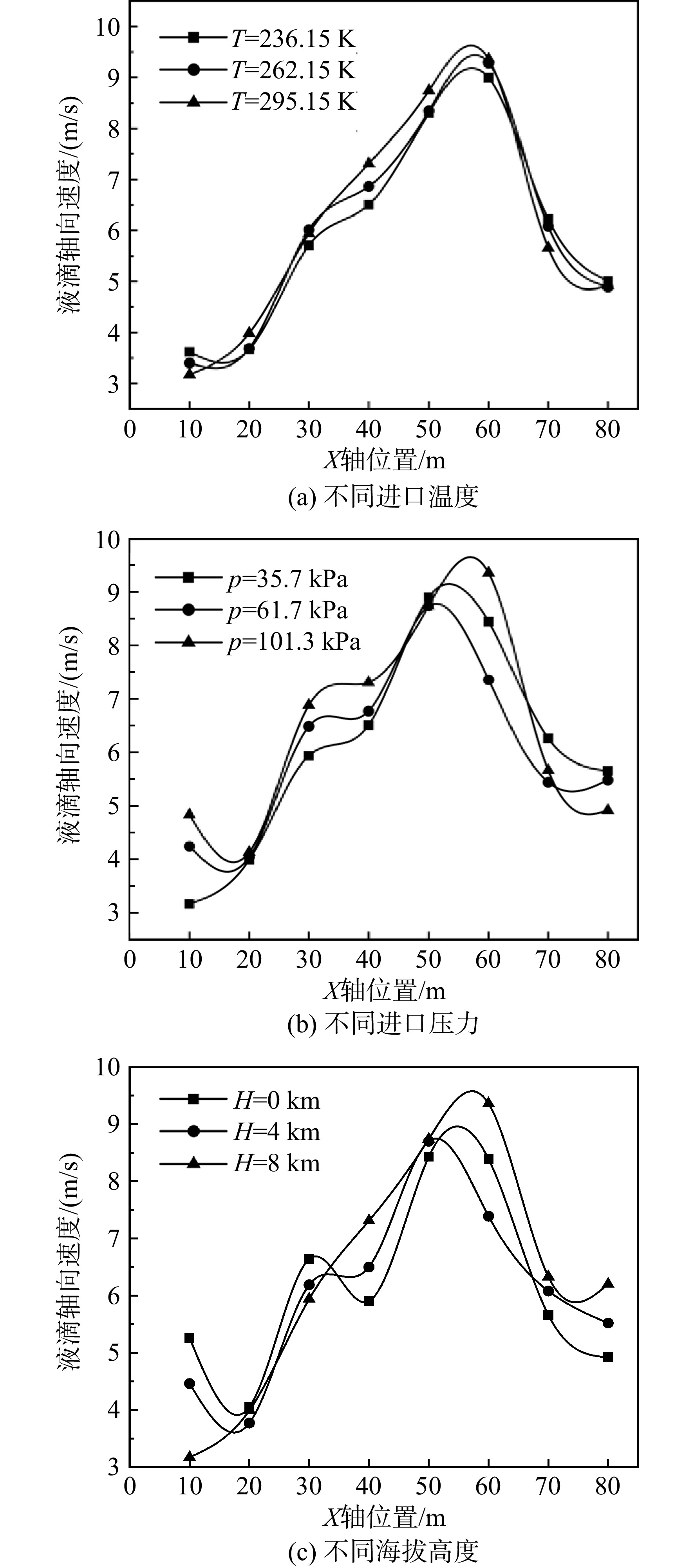
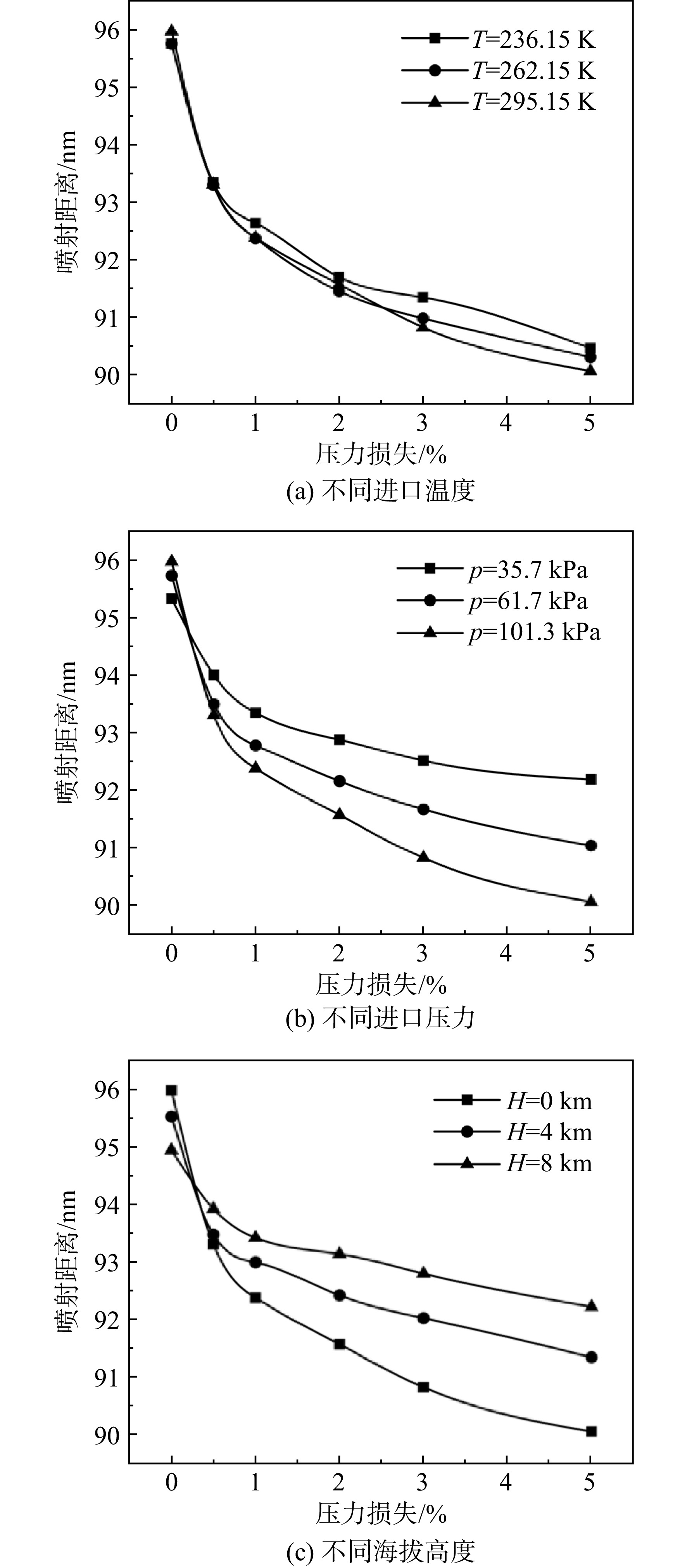
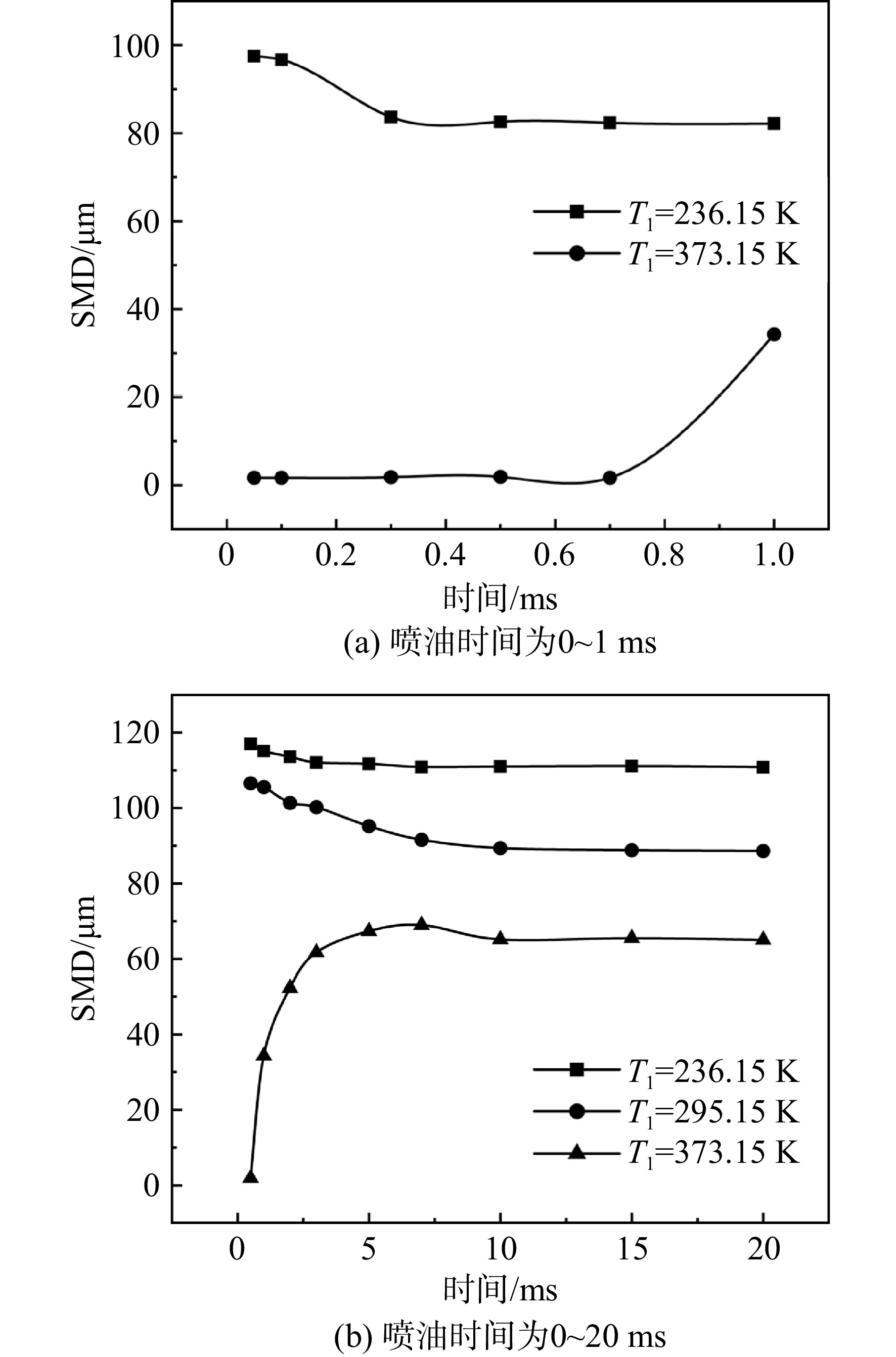
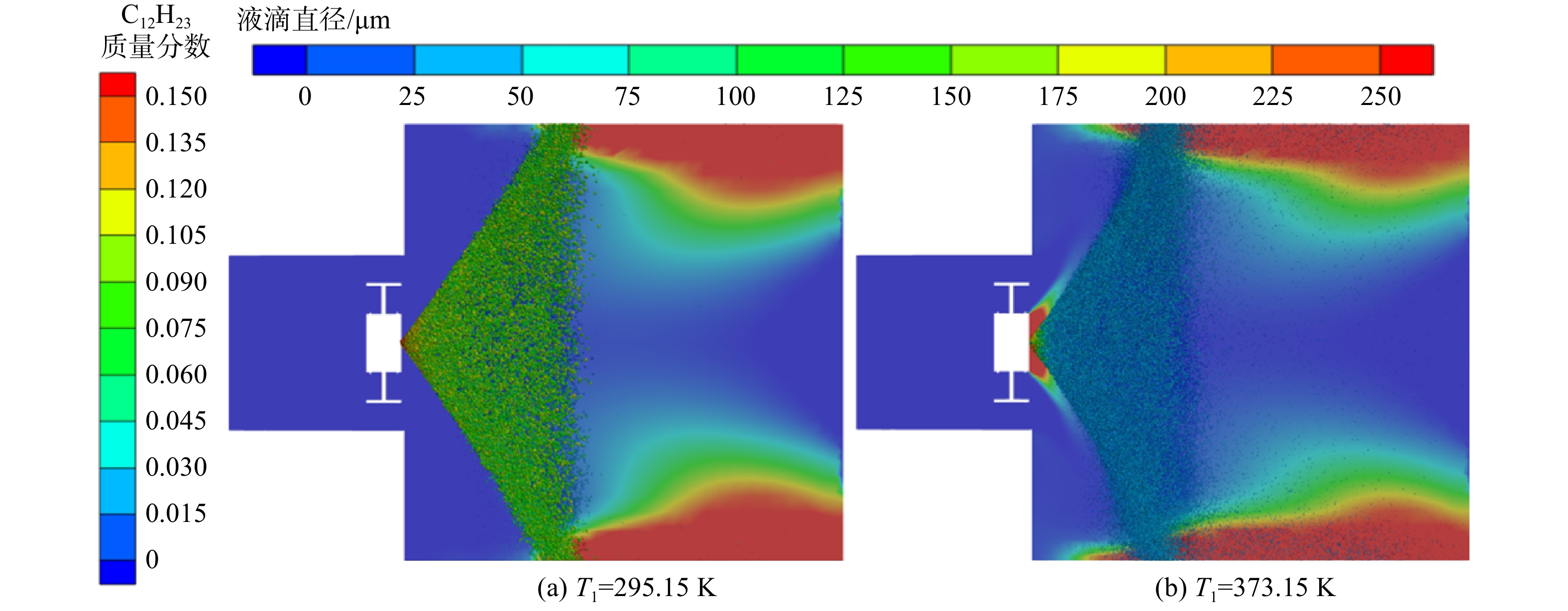
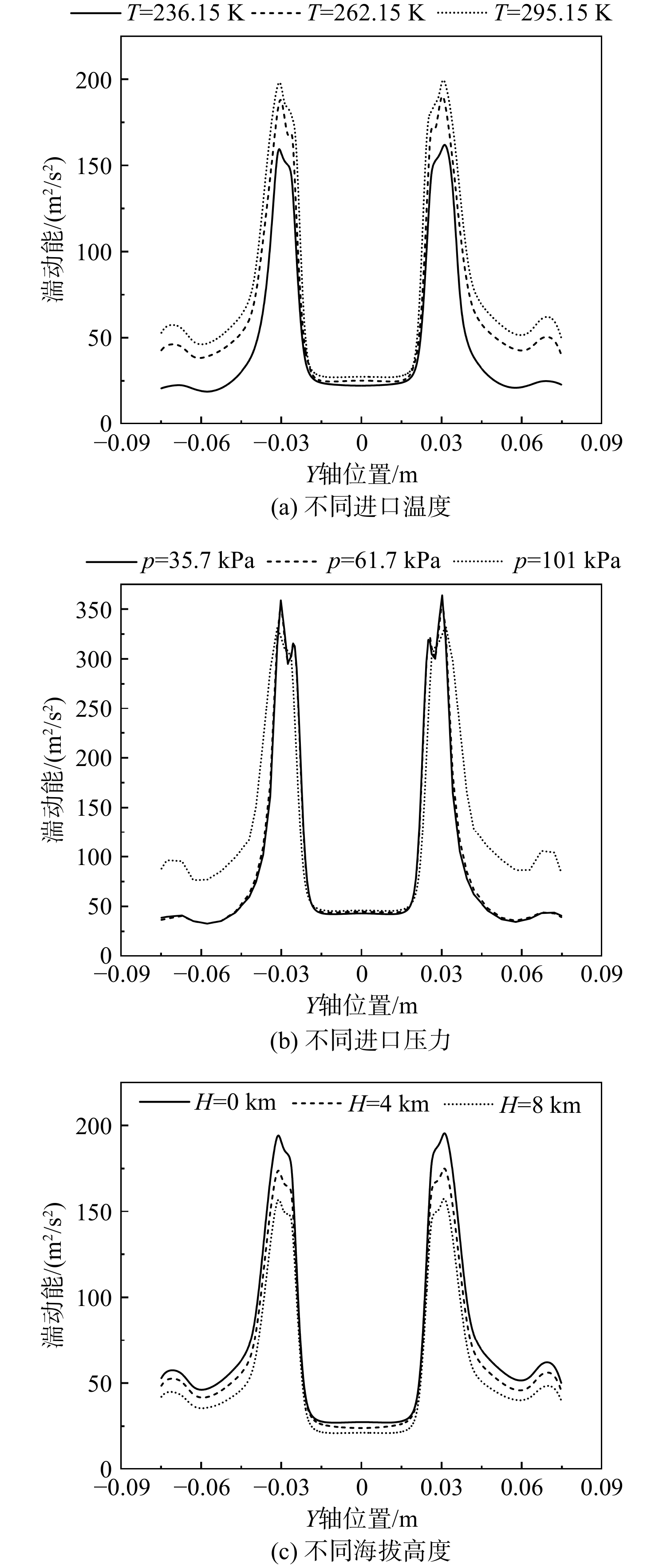
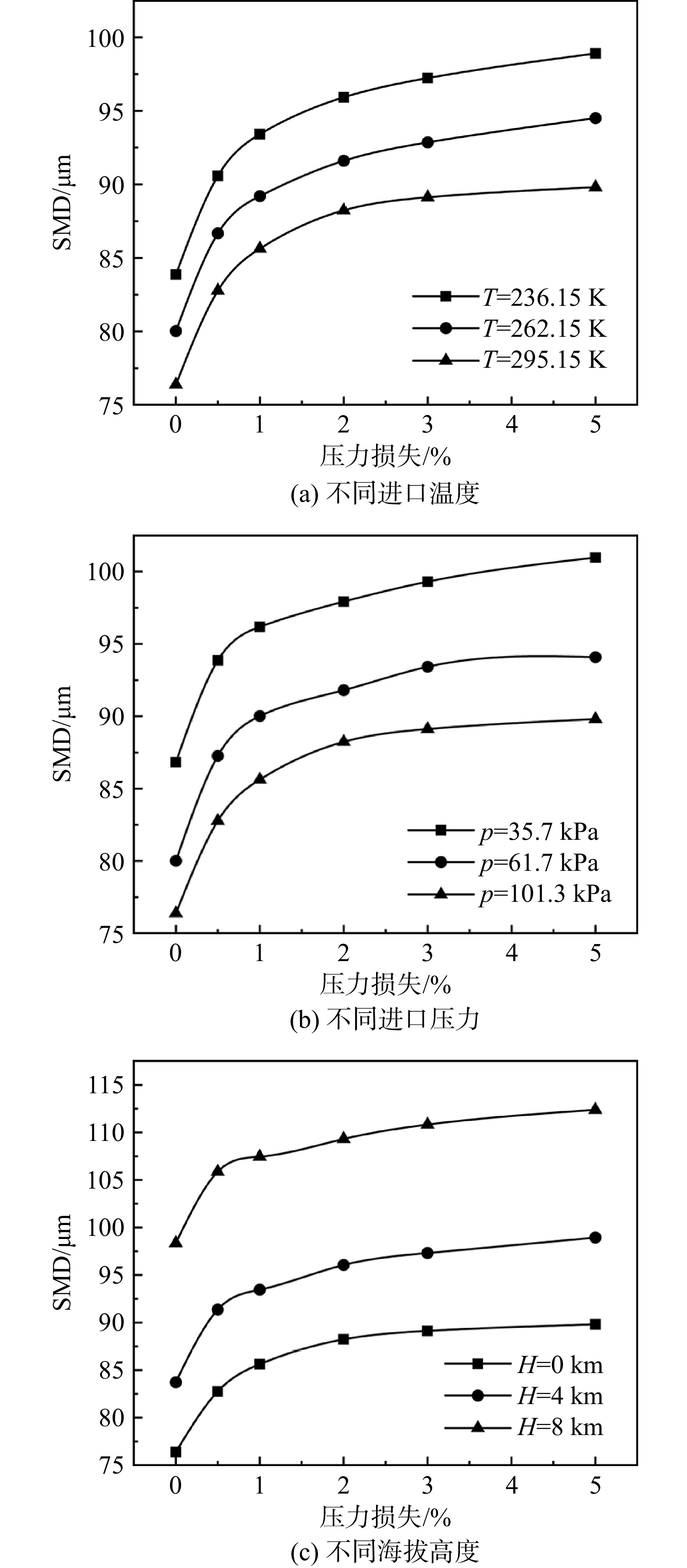
Numerical simulation was employed to investigate the atomization process of fuel passing through the centrifugal nozzle in the low-temperature and low-pressure cyclonic air flow field at high altitude. The flow field in the combustion chamber under the extreme operating environment at high altitude was analyzed, the characteristics of the combustion chamber and fuel atomization were examined, and the influencing factors were investigated. Additionally, the influence of different fuel temperatures on the atomization characteristics under the high-altitude environment was studied. The results showed that the combustion chamber cyclone outlet flow rate and turbulent kinetic energy intensity decreased under low temperature and low pressure conditions at high altitude. At the same pressure drop, the Sauter mean diameter (SMD) increased with the increasing altitude and droplet injection distance. Additionally, the percentage of droplets smaller than 20 μm decreased from 35.15% to 14.57%. The influence of low-pressure conditions on atomization characteristics was found to be stronger than that of low-temperature conditions. In high-altitude, low-temperature, and low-pressure environments, atomization characteristics can be improved by increasing the oil supply temperature. Flash boiling spray phenomenon occurred when the oil supply temperature reached 373.15 K. This significantly reduced the SMD and increased the percentage of droplets below 20 μm from 14.57% to 57.41%.

Study on heat transfer of jets from twin nozzles impinging on high-speed rotating disk
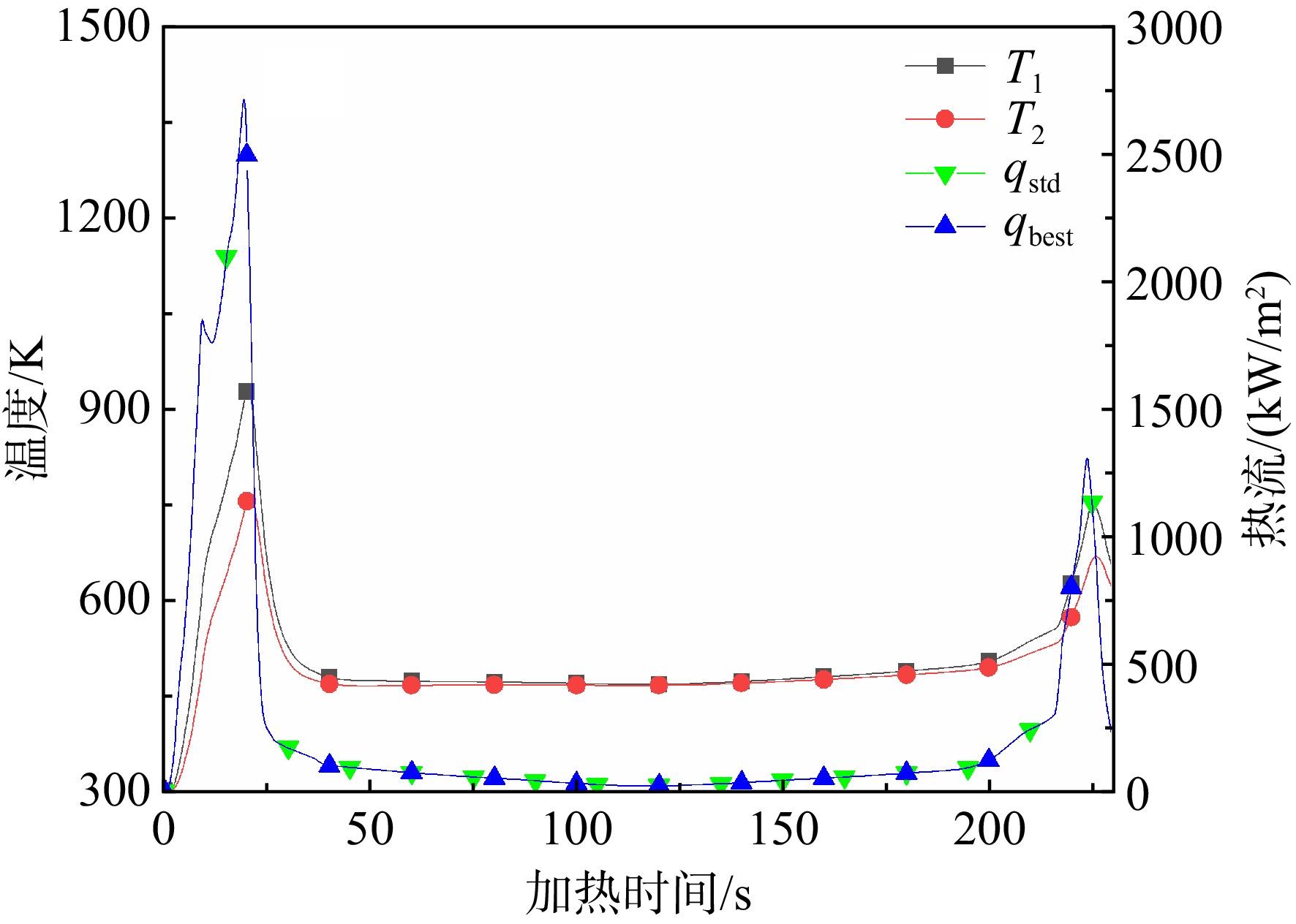
TANG Miao, LIU Zhengang, LYU Yaguo, LIU Zhenxia, YANG Zhixiong, WU Dingyi
2026, 41(1): 20240184. doi: 10.13224/j.cnki.jasp.20240184
Abstract:
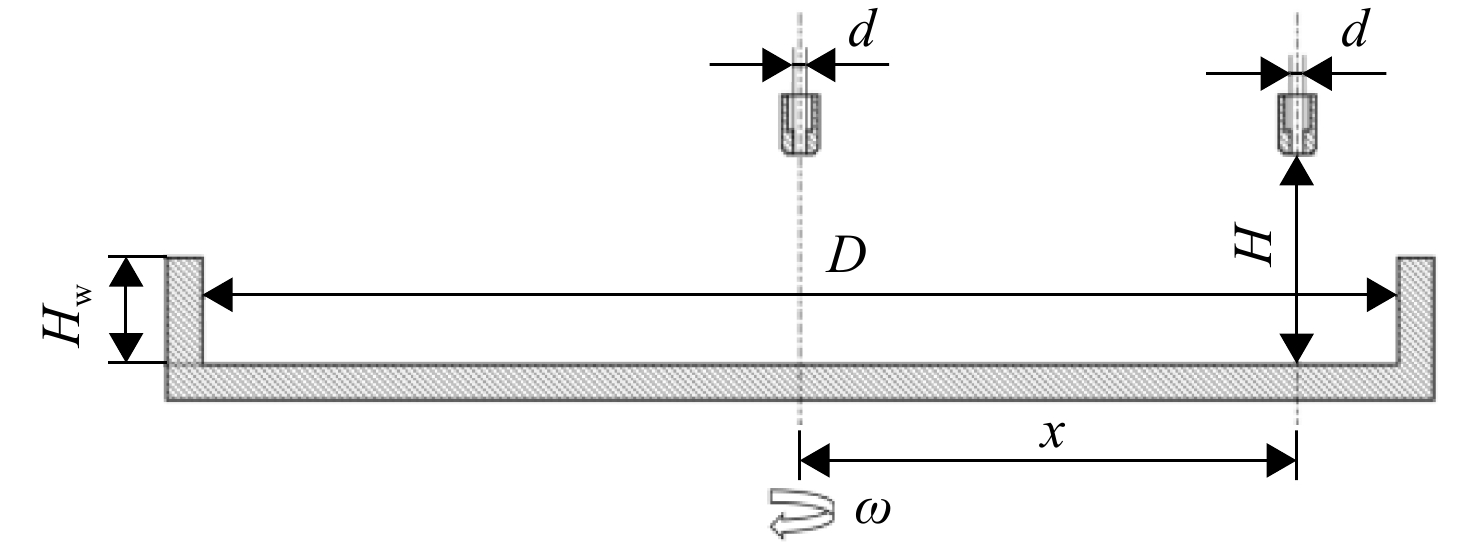
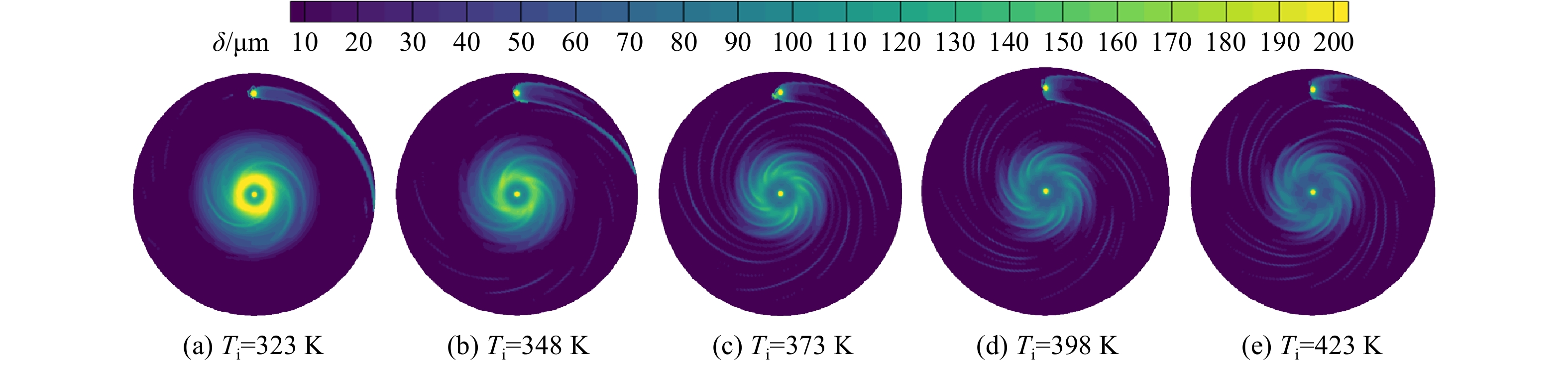
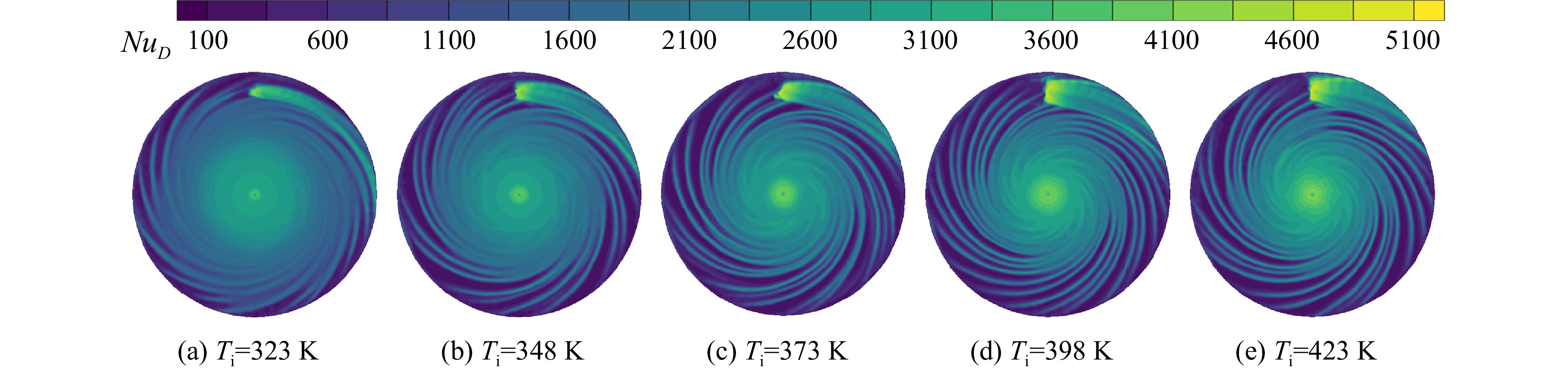
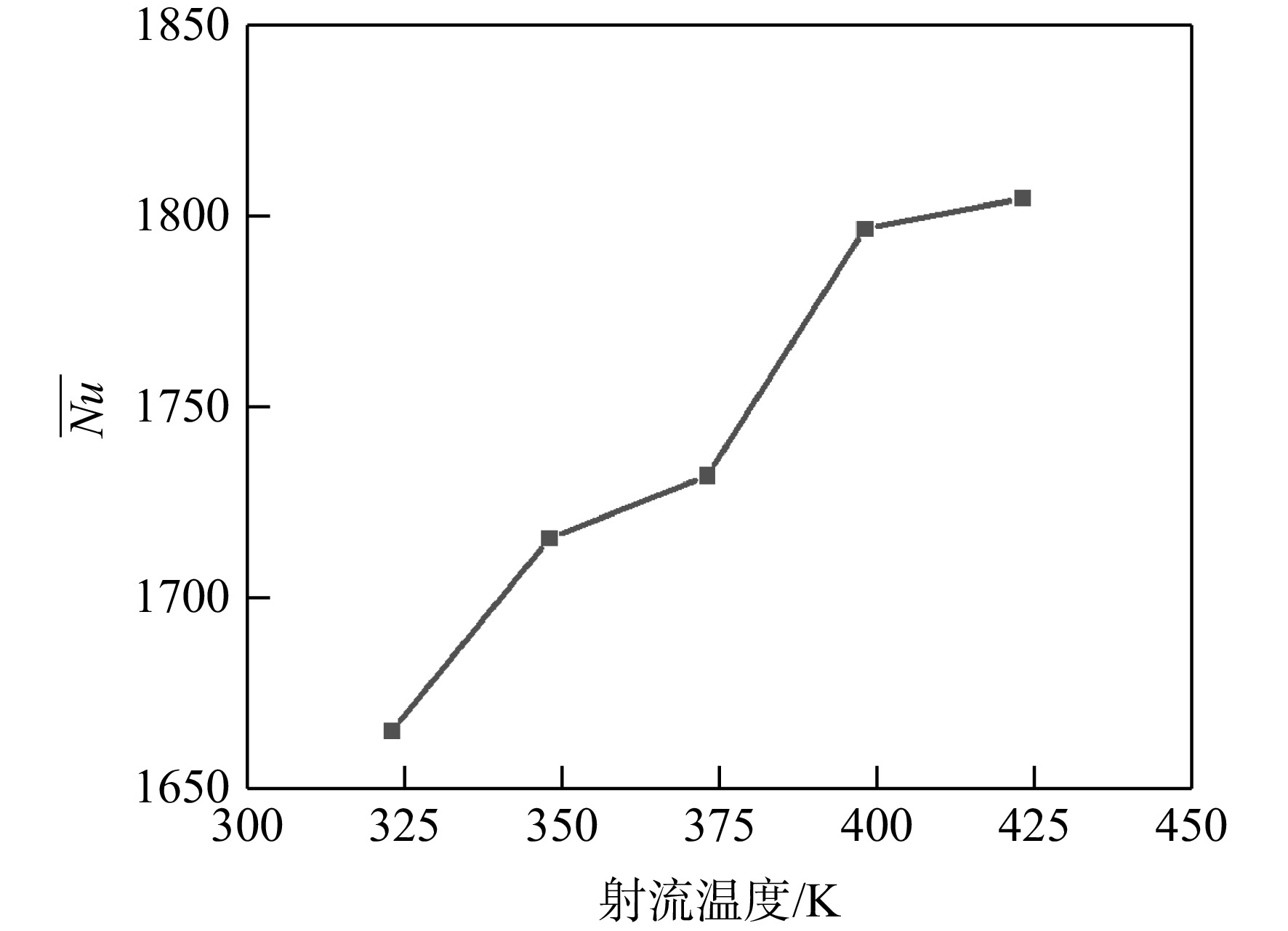
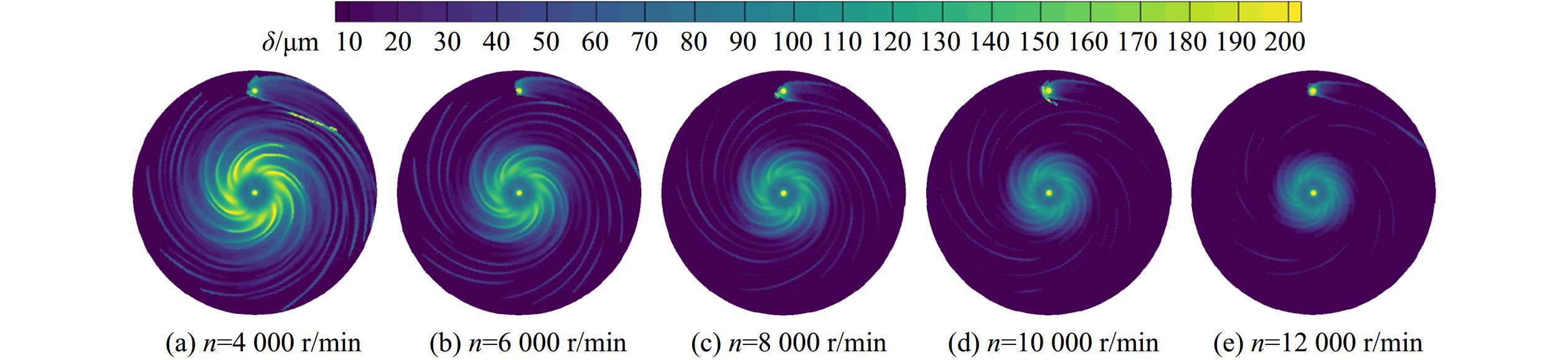
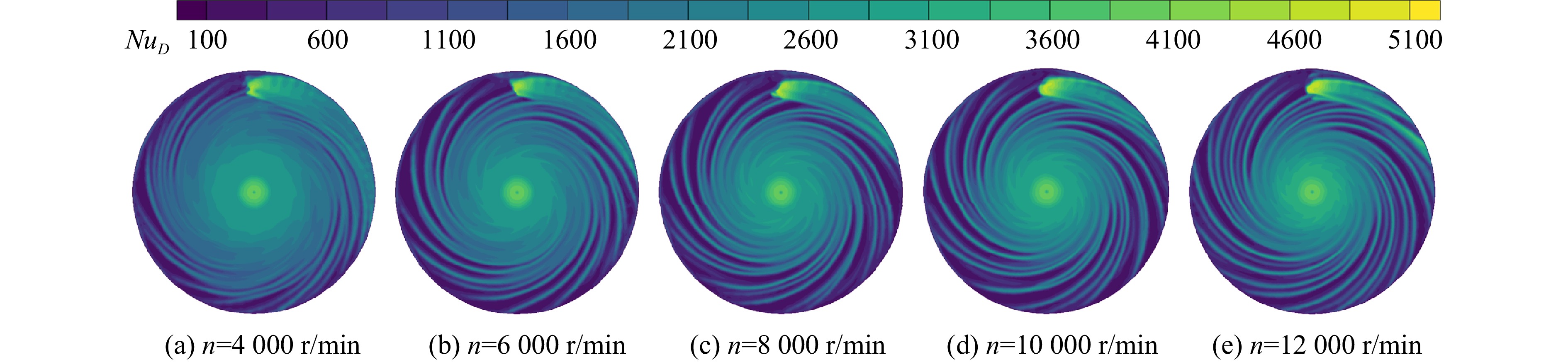
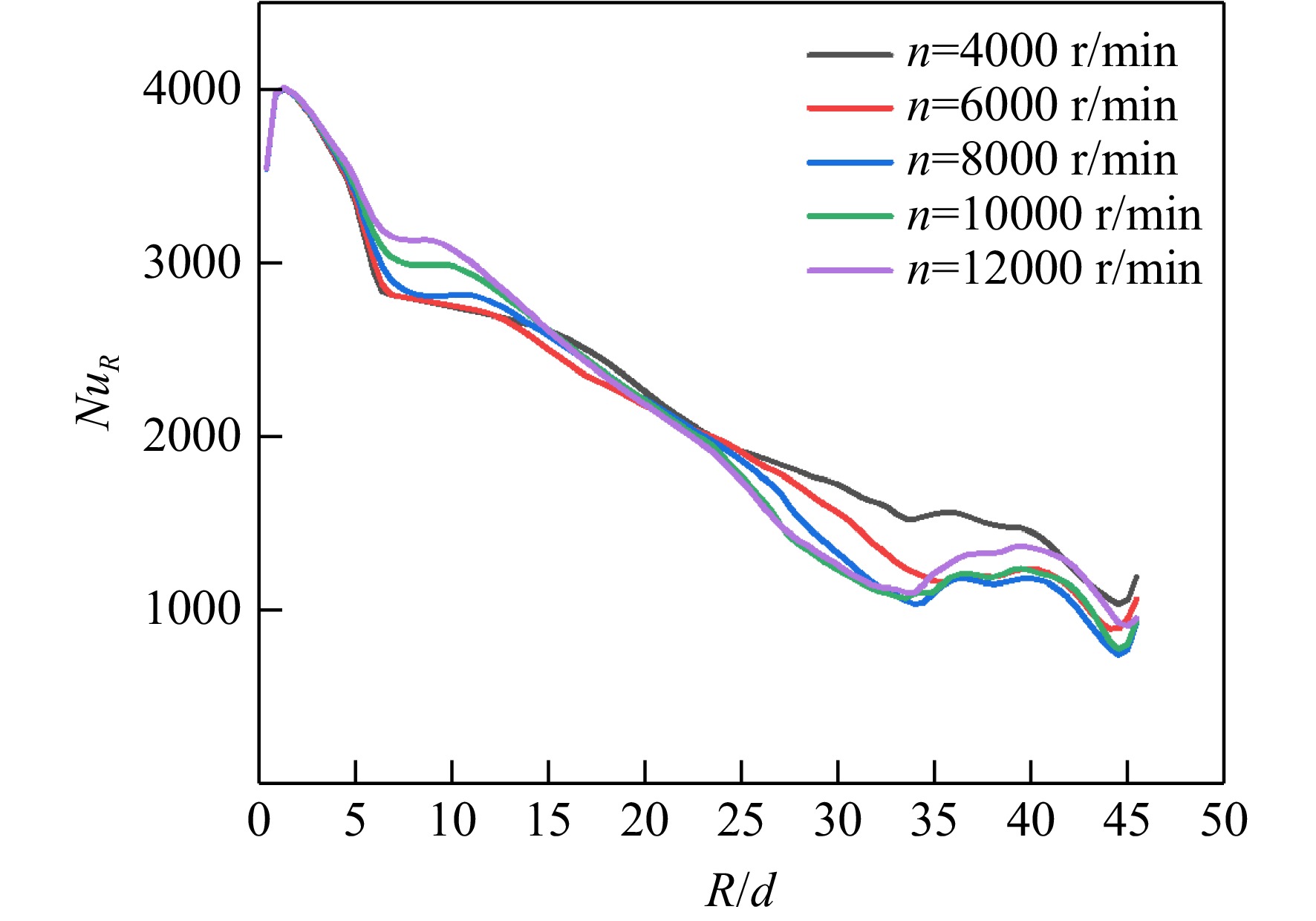
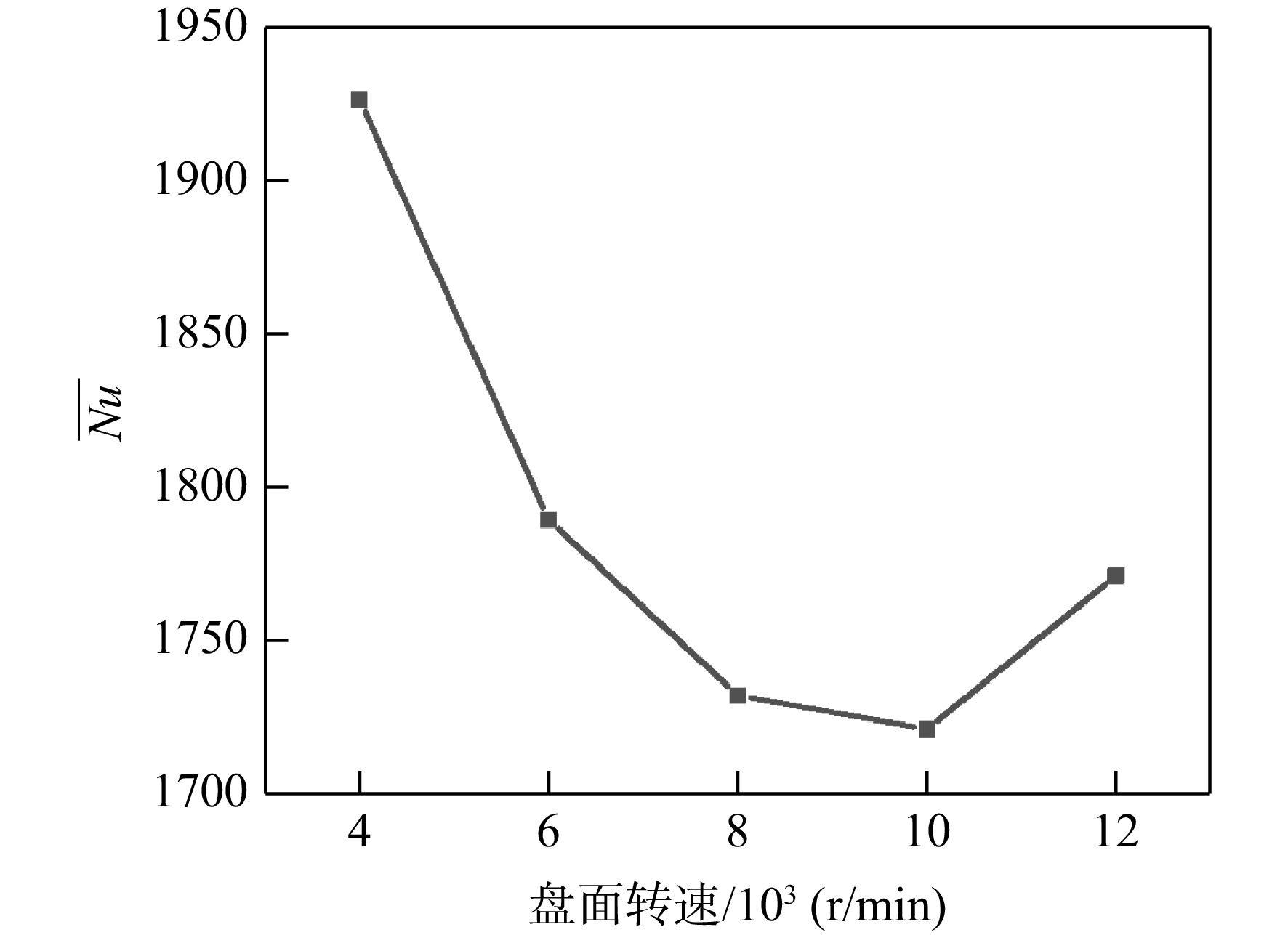
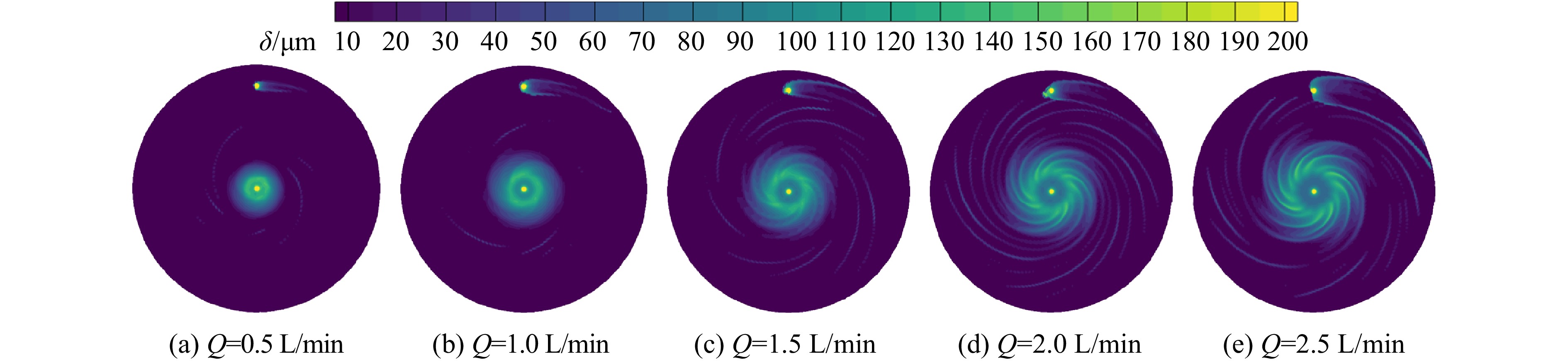
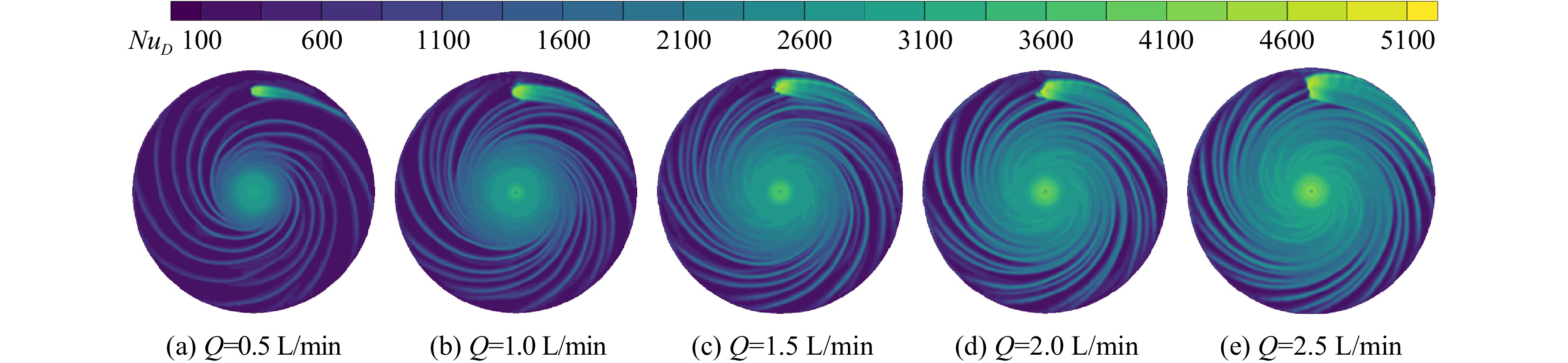
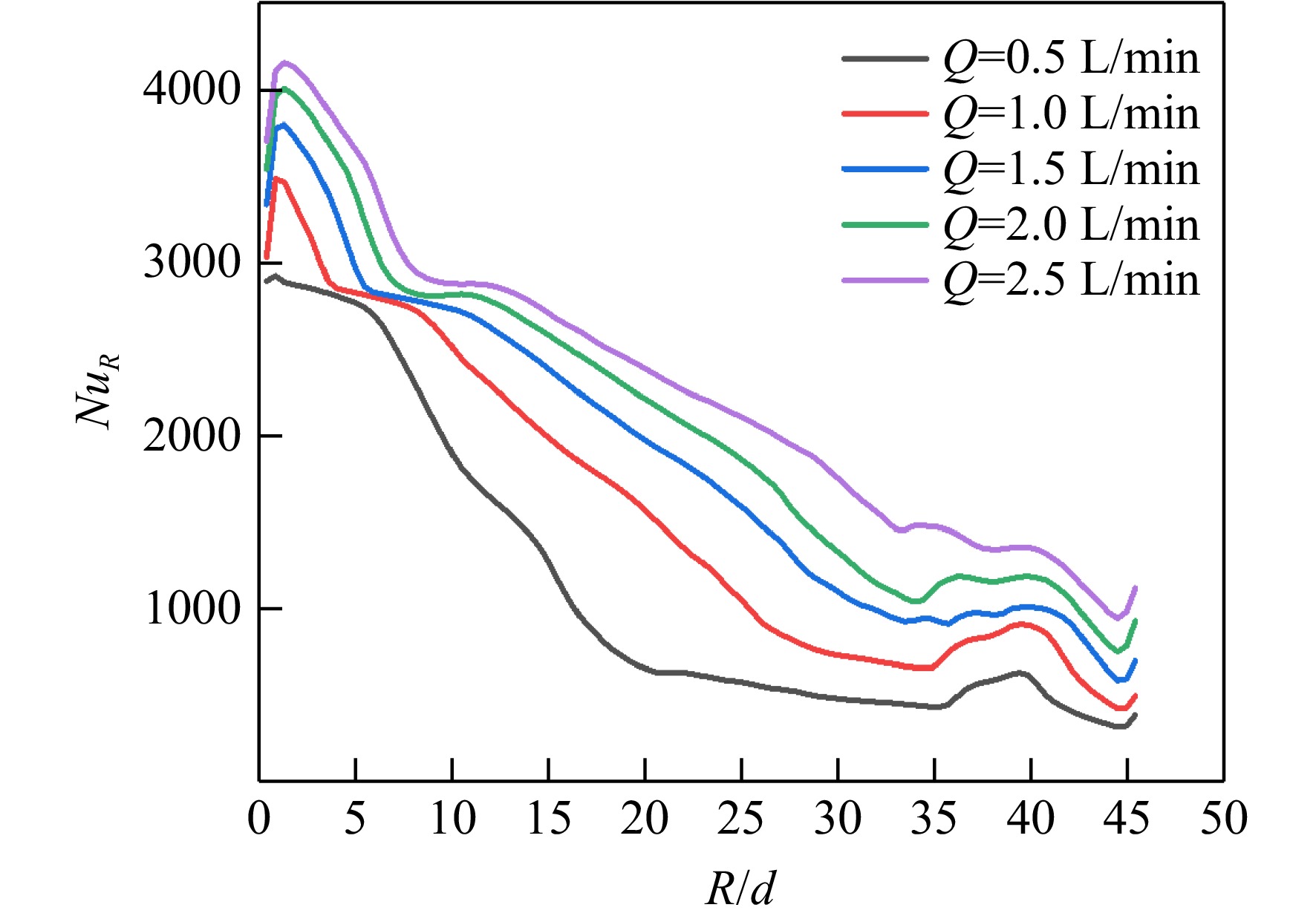
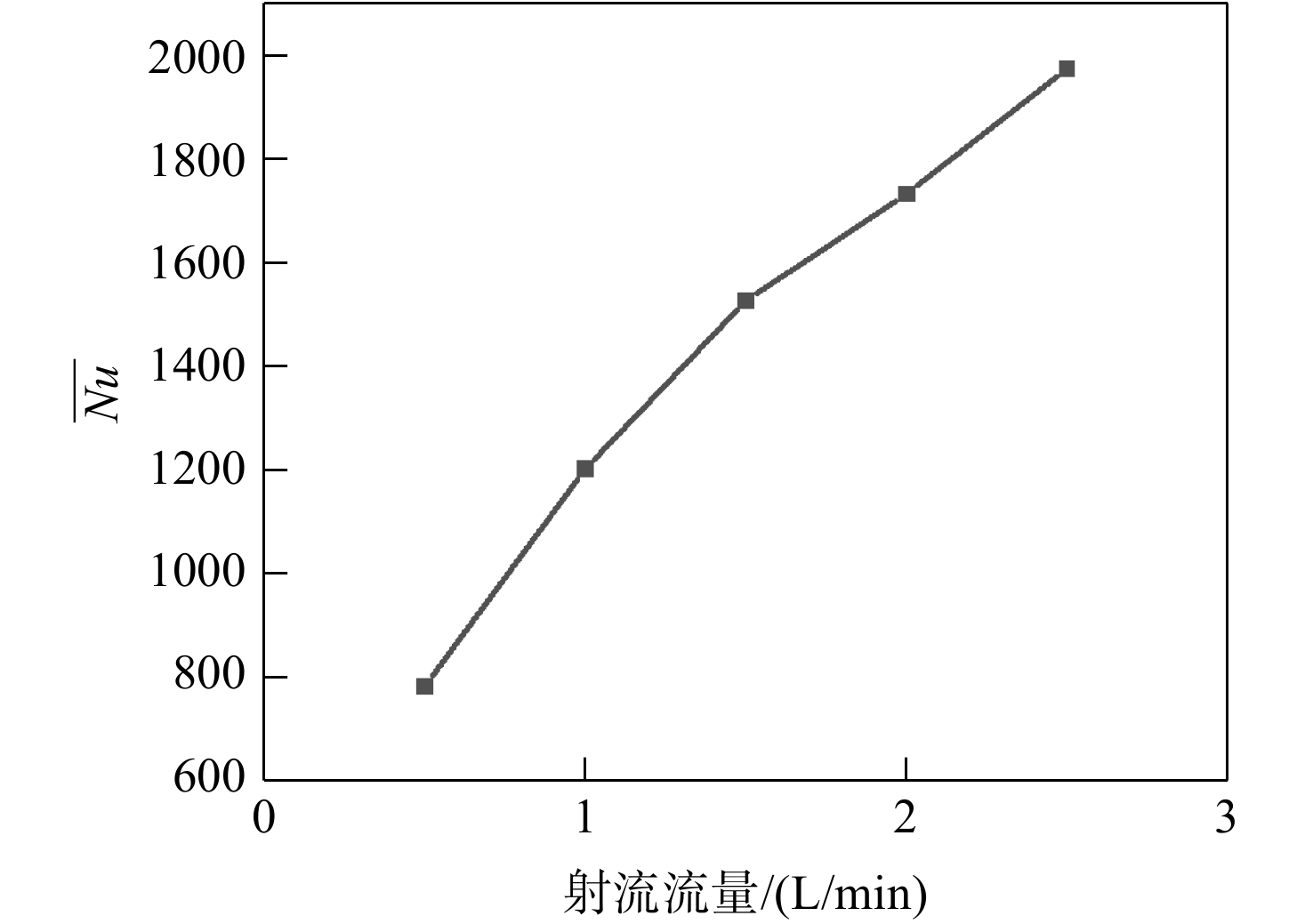
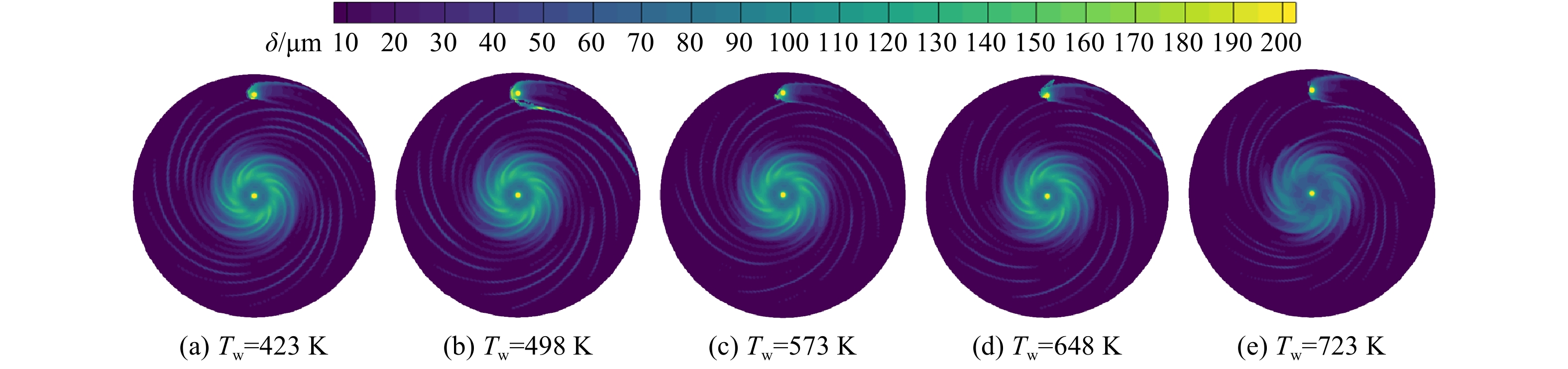
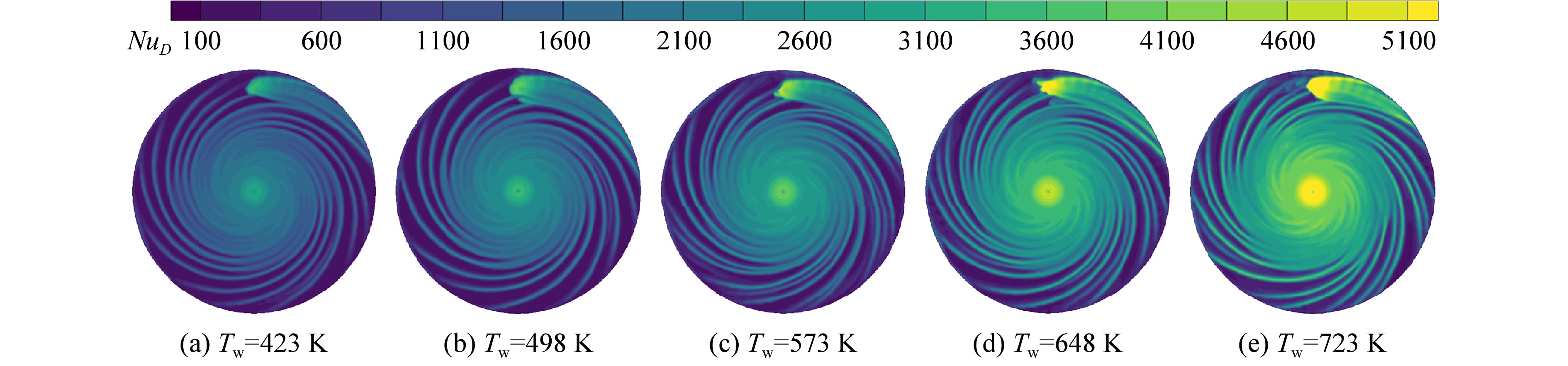
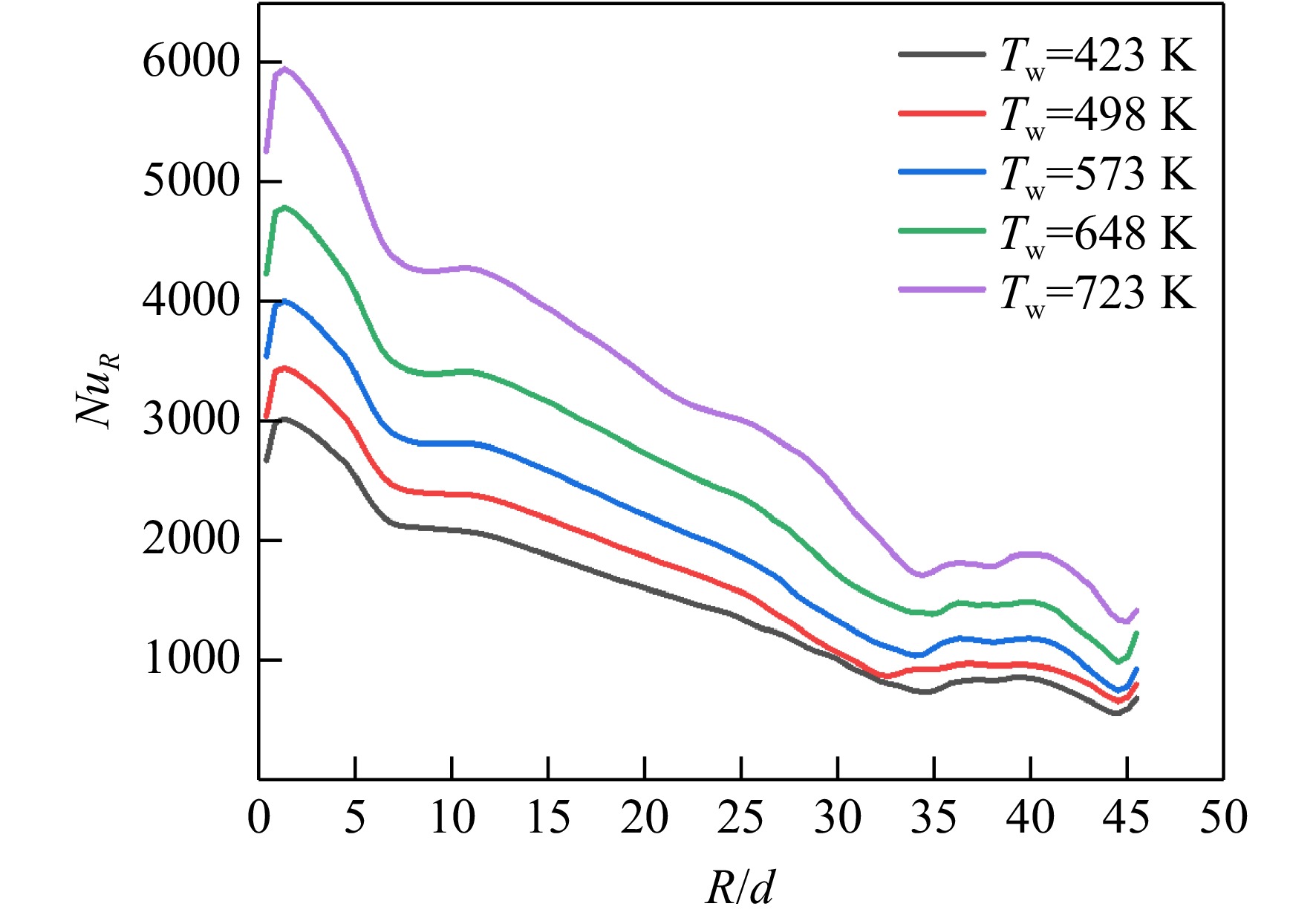
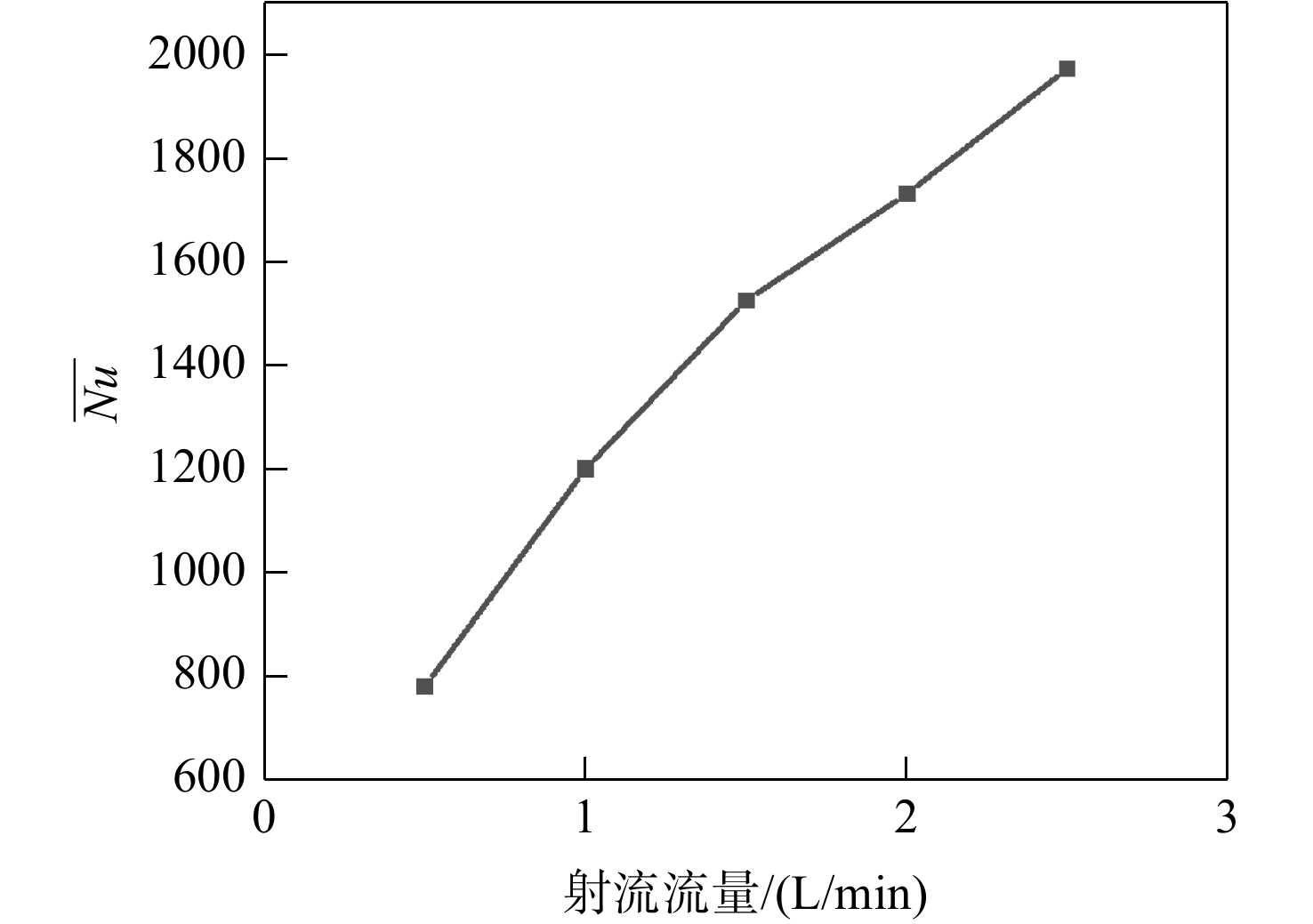
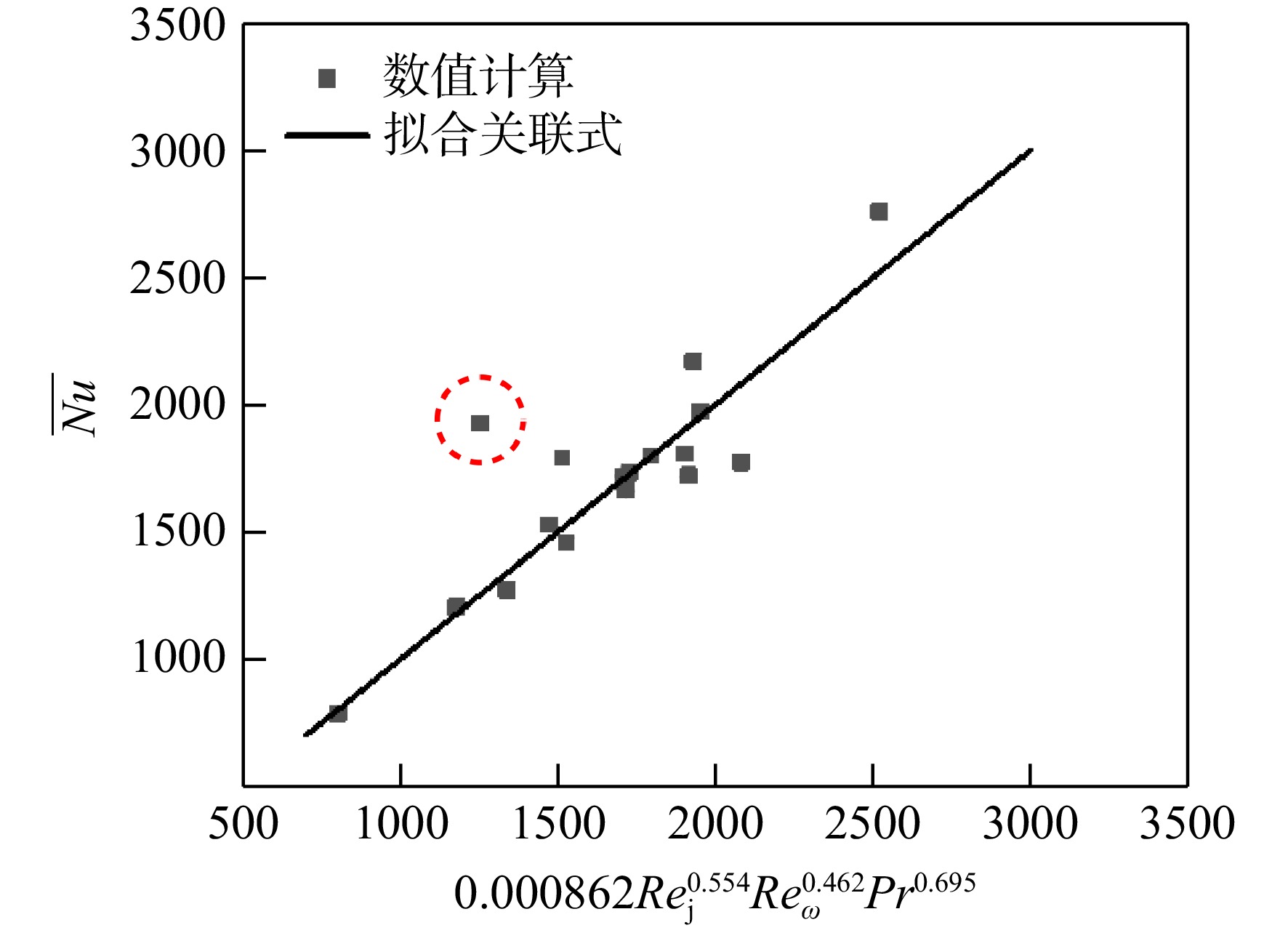
To analyze the influences of jet temperature, disk rotating speed, jet flow and disk temperature on the heat transfer of rotating disk, the two-phase flow and heat transfer characteristics of the lubricating oil jets from the twin nozzles impinging on a high-speed rotating disk were studied by numerical simulation. The results showed that the jet temperature increased from 323 K to 423 K, which increased the average Nusselt number by 28.54%. When the rotational speed of the disk surface increased from 4 000 r/min to 10 000 r/min, the average Nusselt number of the surface decreased by 10.61% with the increase of the rotational speed, but the influence of the rotational speed on the effective heat transfer area was limited. Therefore, the average Nusselt number rose again under the condition of 12 000 r/min. The increase of the jet flow rate effectively increased the flow rate of the oil film on the disc. As the jet flow rate increased from 0.5 L/min to 2.5 L/min, the average Nusselt number increased by 152.06%. As the temperature of the disk surface increased from 423 K to 723 K, the heat transfer effect at the same position on the disk surface was significantly enhanced, and the average Nusselt number on the surface increased by 117.34%. Finally, based on the jet Reynolds number, rotational Reynolds number and Prandtl number, the dimensionless correlation of the surface average Nusselt number was established.

Near-wall thermophoresis analysis of charged colloidal particle in aqueous media
WANG Weihao, ZHOU Yi, ZHAO Yugang, BIAN Kun, YANG Shuijin
2026, 41(1): 20240079. doi: 10.13224/j.cnki.jasp.20240079
Abstract:
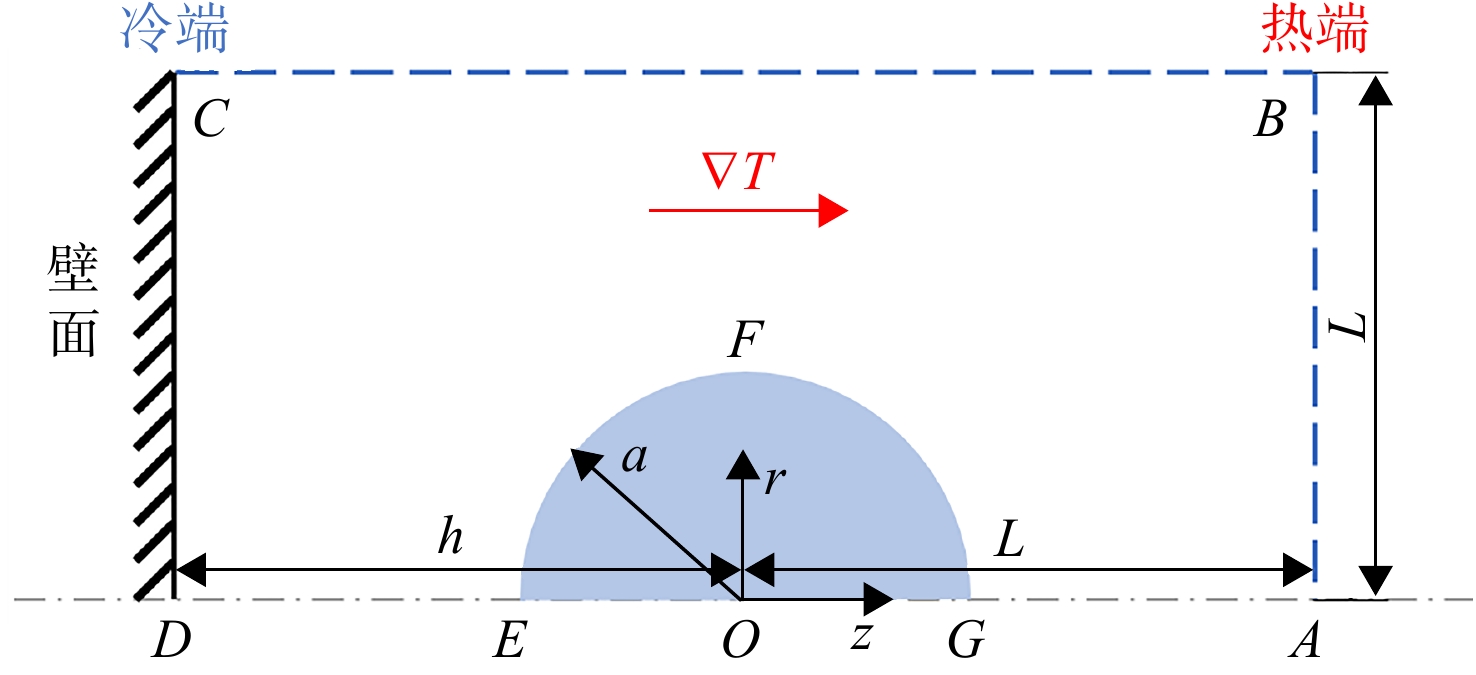
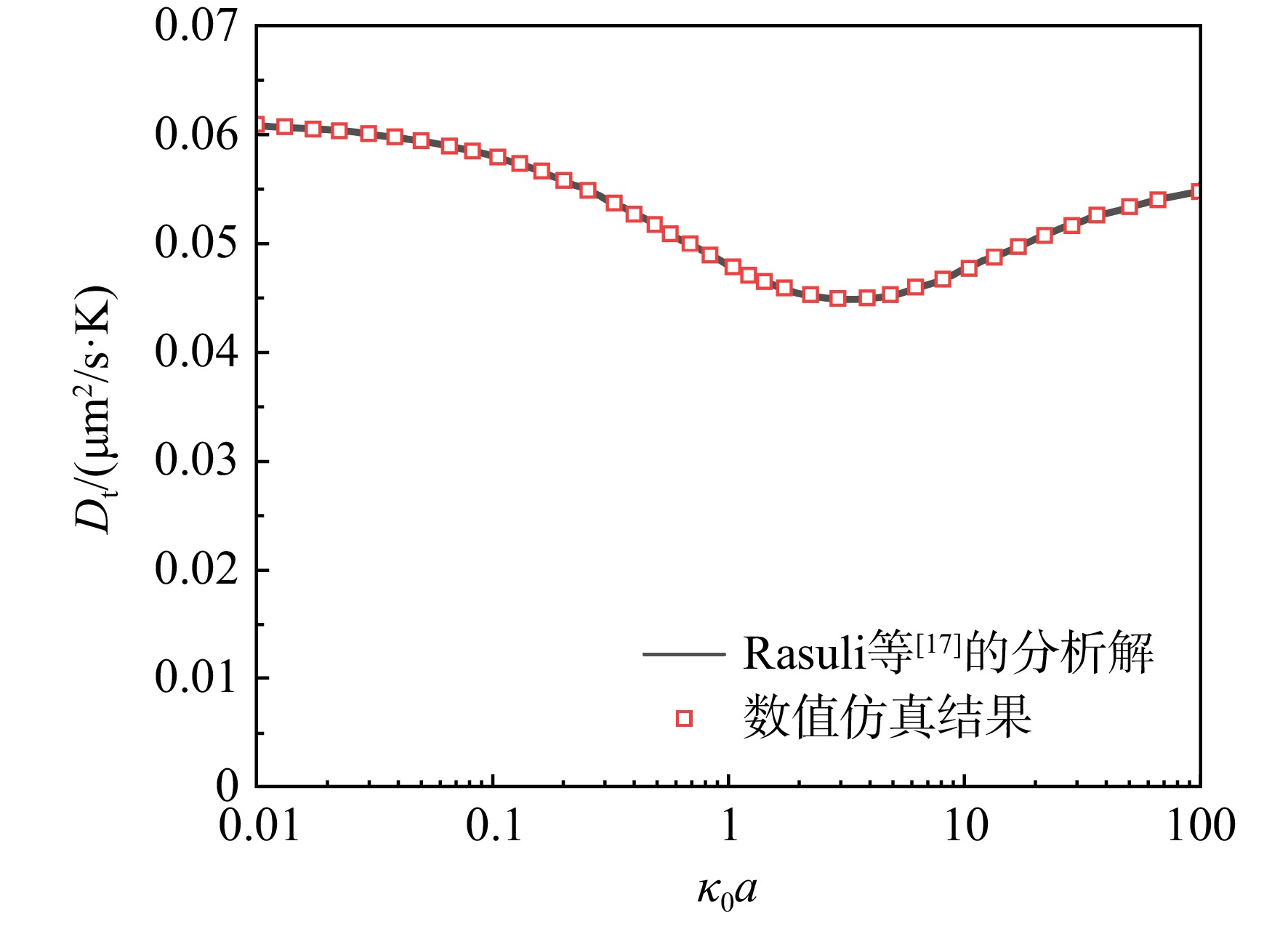
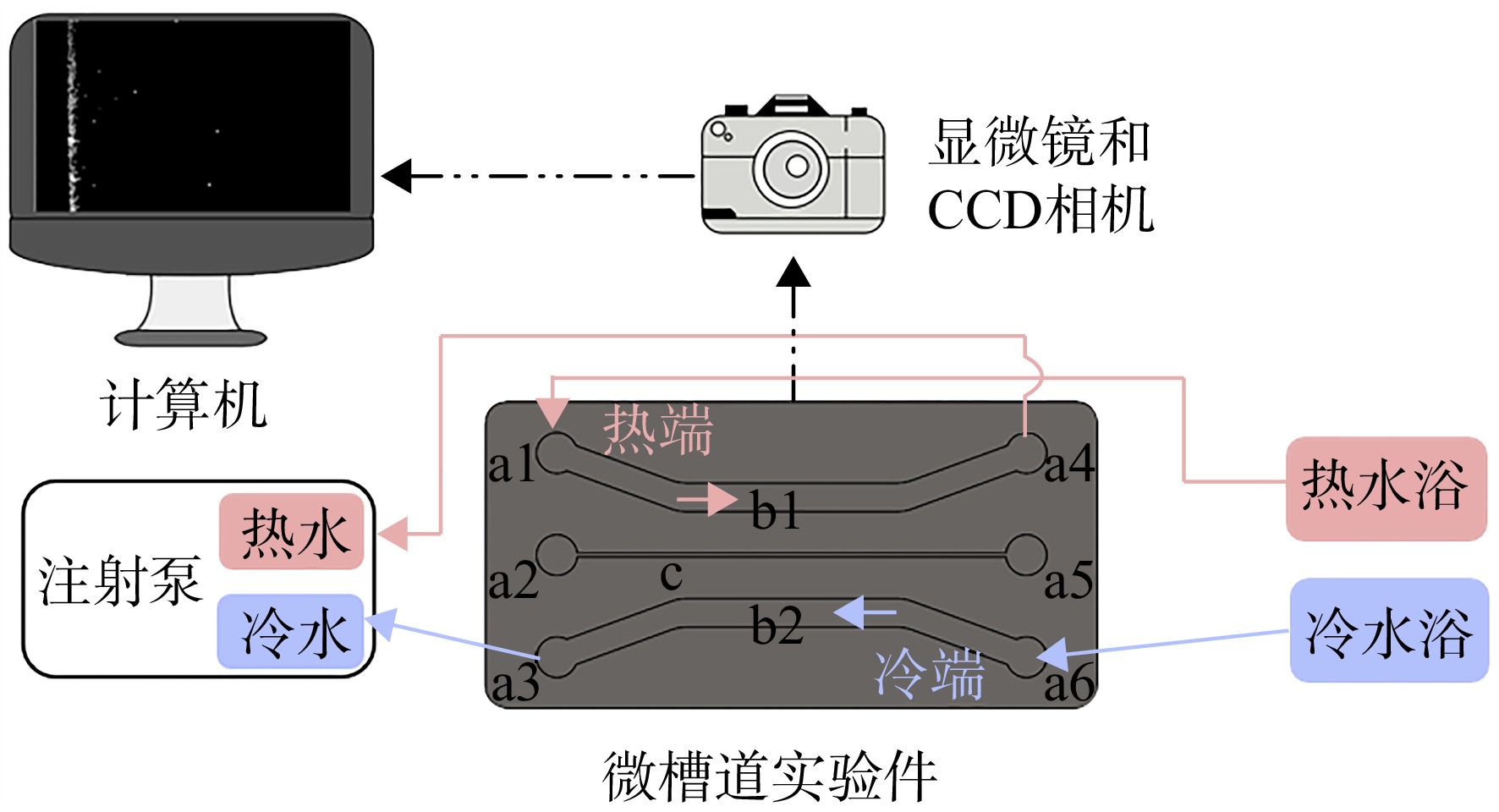
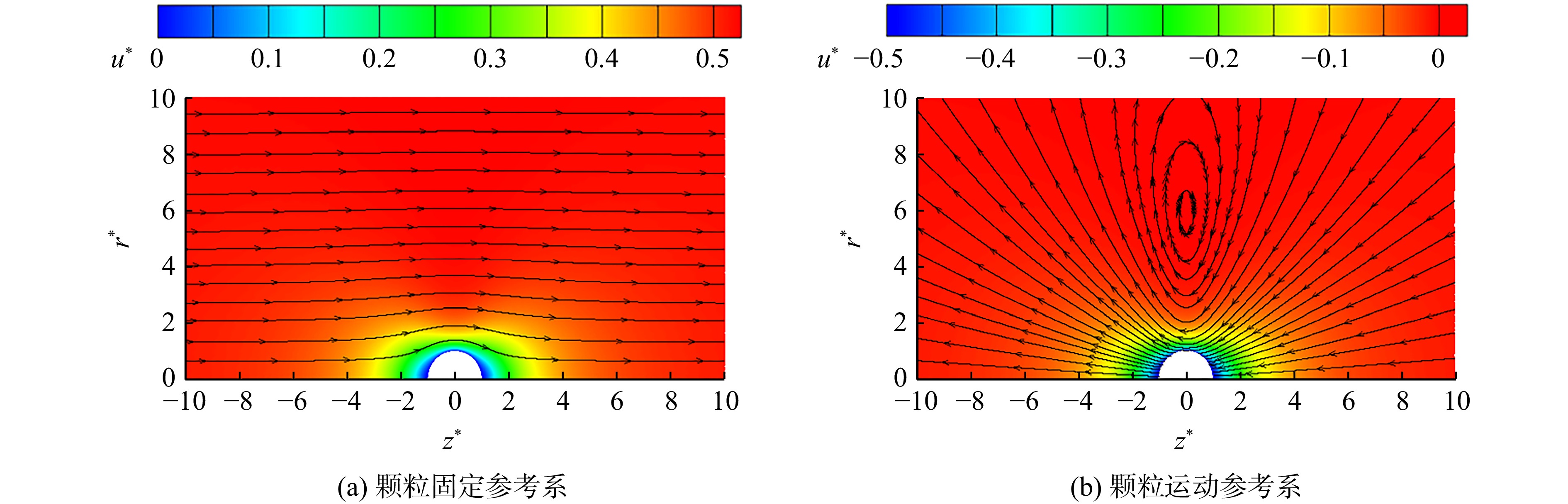
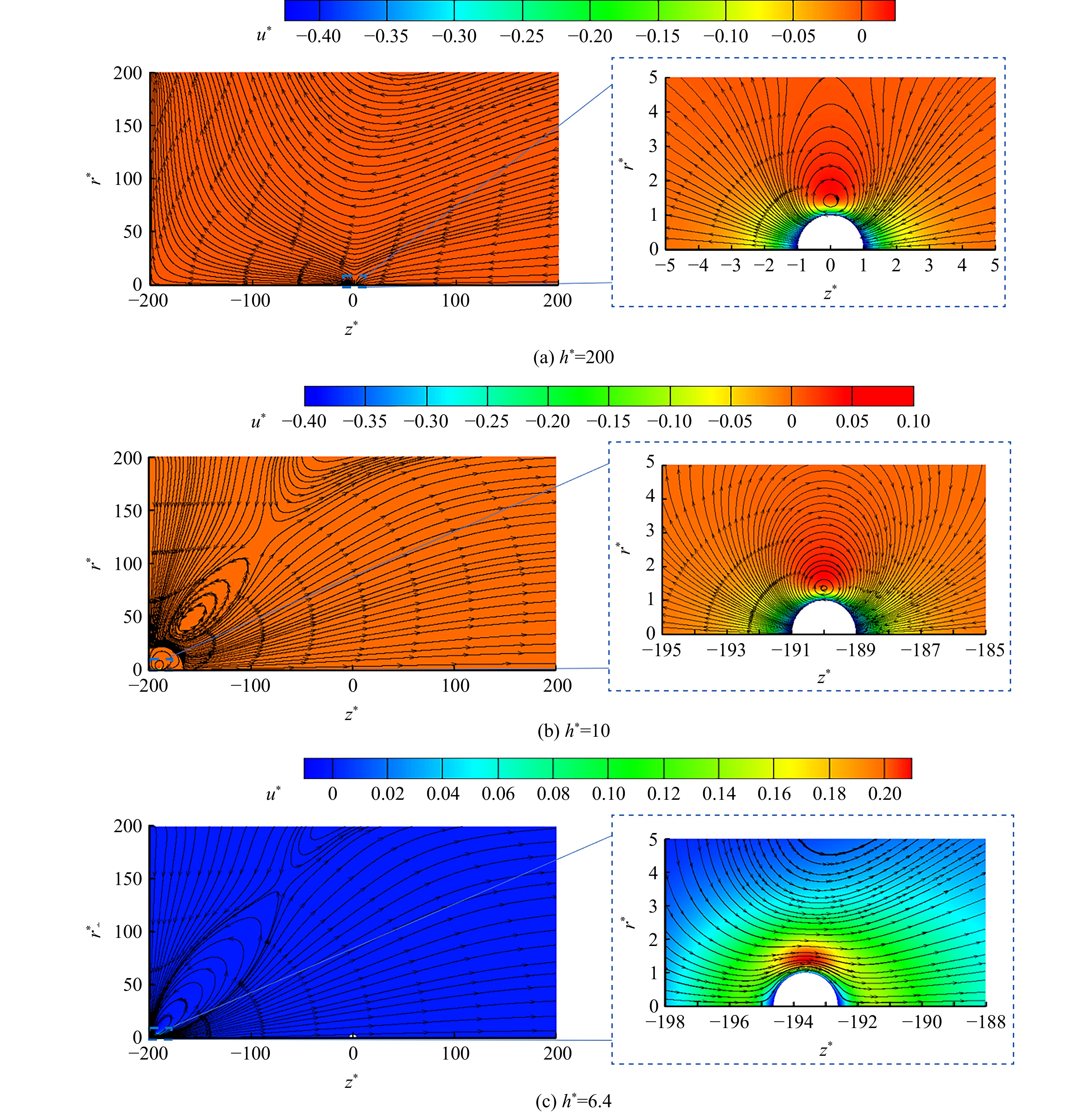
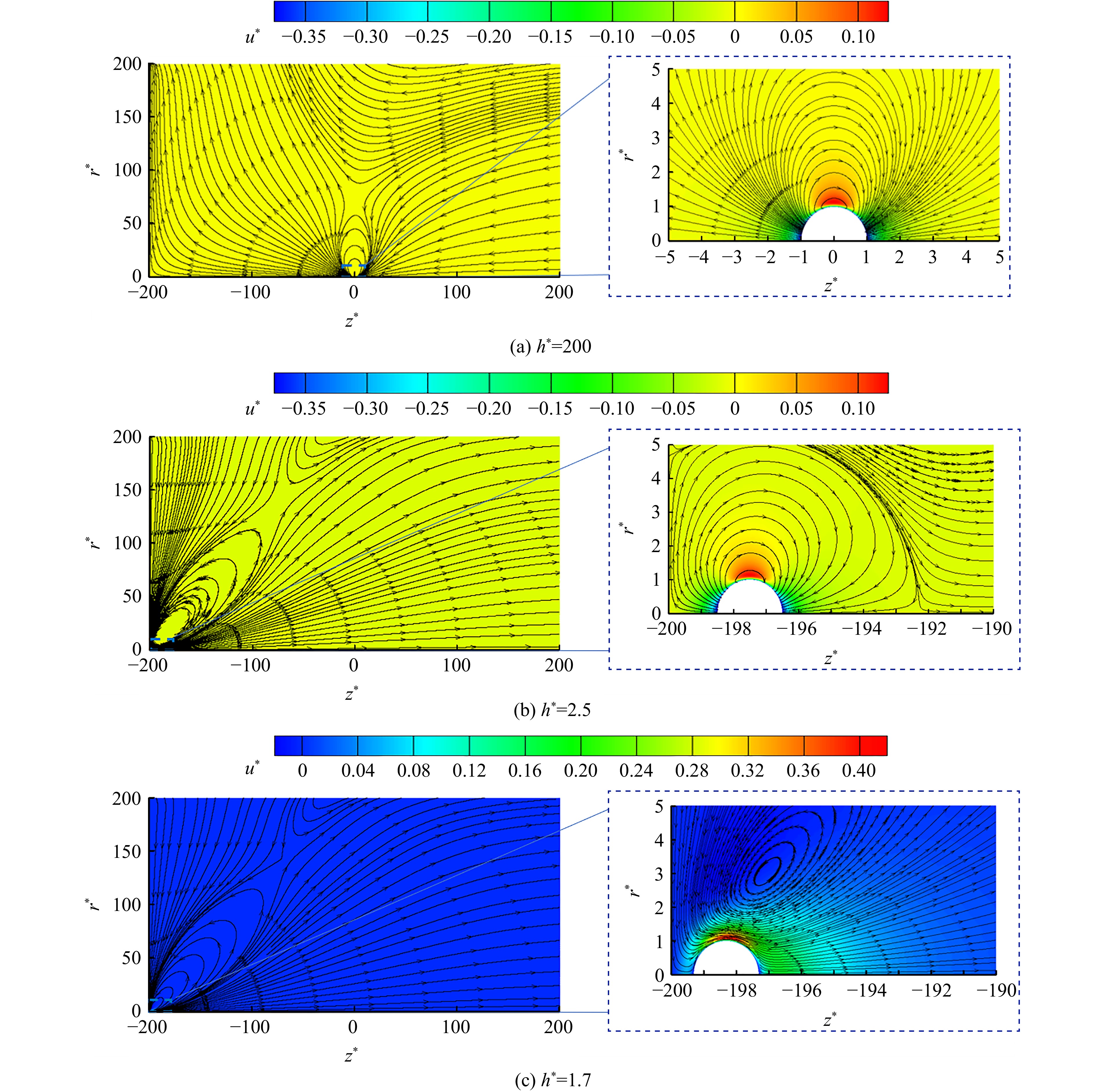
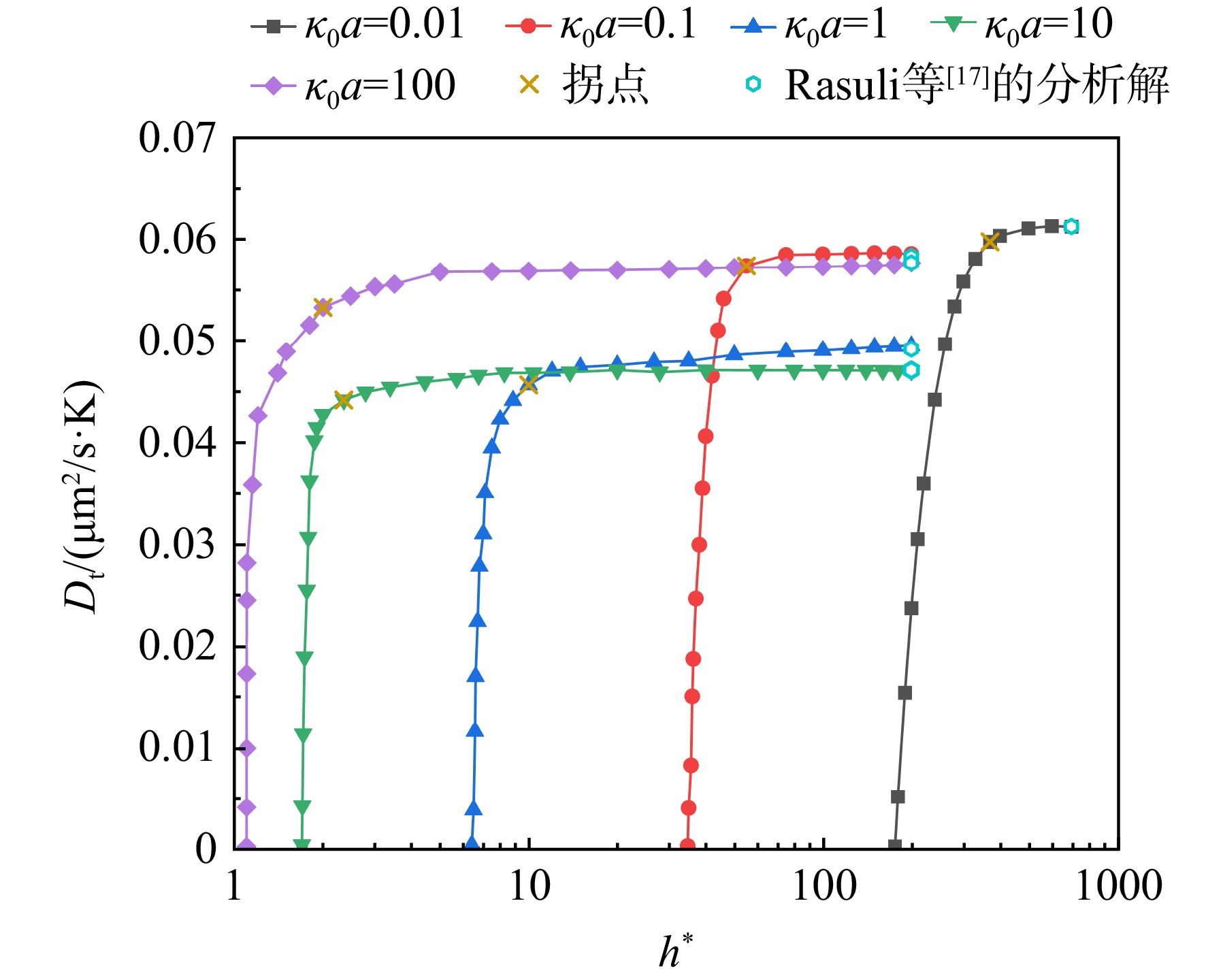
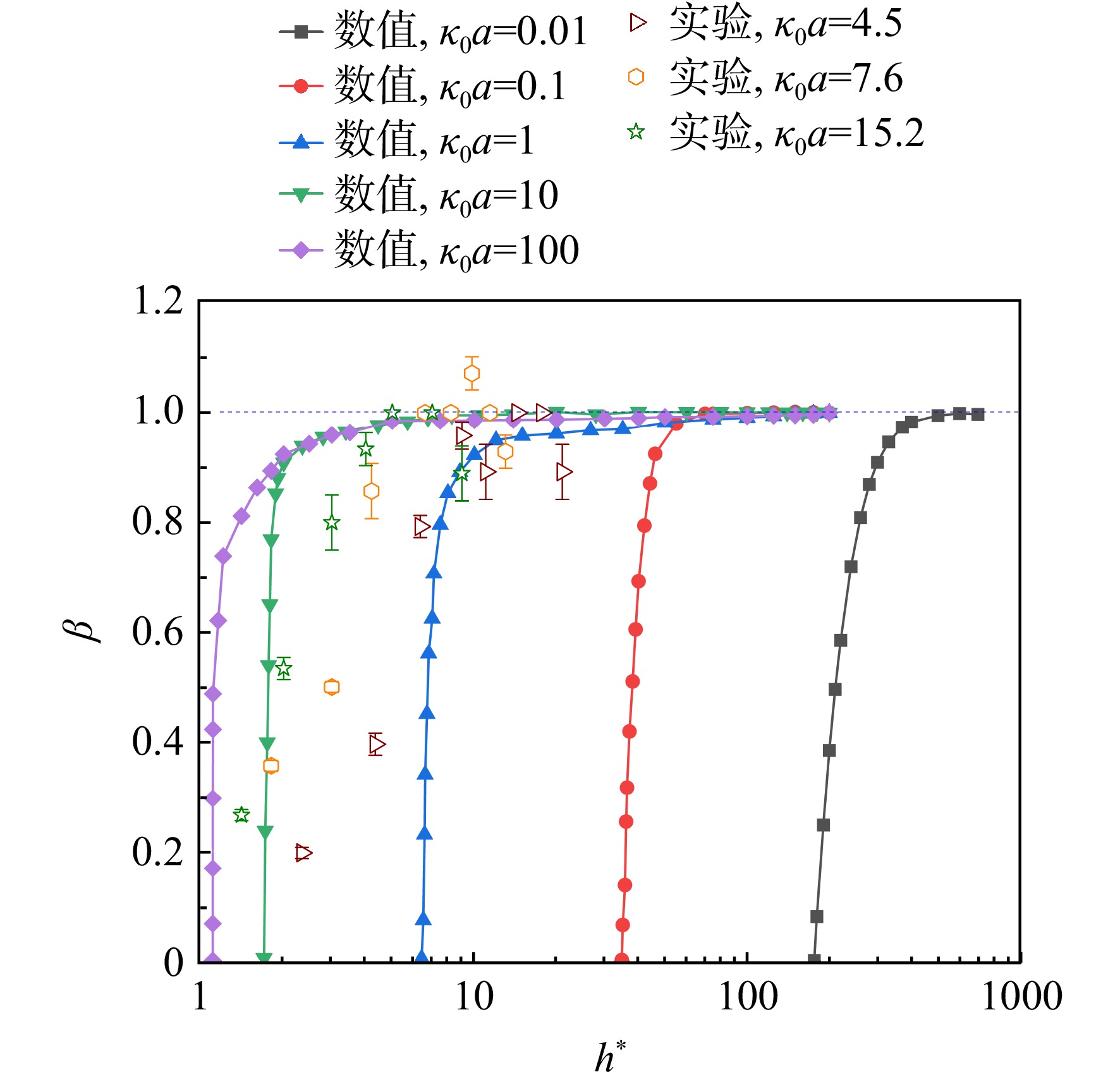
A numerical simulation method based on the particle motion reference system was built, and an experimental validation platform combined with microfluidic technology was developed to investigate the hydrodynamic boundary effect on near-wall thermophoresis of a charged colloidal particle in aqueous solution with different relative thicknesses of the electrical double layer. The results showed that there was an inflection point when the particle moved towards the wall: near the inflection point, the far-field fluid flow direction was opposite to the particle thermophoresis and a pair of vortices were generated, which produced strong hydrodynamic boundary effects and led to an intensified decrease of the thermodiffusion coefficient; when the particle moved across the inflection point, the region of the far-field vortices expanded and compressed the reversed vortice near the particle, which produced stronger hydrodynamic boundary effects and resulted in a sharp decrease of the thermodiffusion coefficient. Therefore, the inflection point represented the range of hydrodynamic boundary effects on the near-wall thermophoresis, which was related to the relative thickness of the electrical double layer: when the electrical double layer thickness was thicker than the particle radius, the region of the hydrodynamic boundary effects was up to several hundred times of the particle radius; when the electrical double layer thickness was thinner than the particle radius, the region of the hydrodynamic boundary effects shrank to the order of particle diameter. A systematic study of the hydrodynamic boundary effects on the near-wall thermophoresis could provide theoretical guidance and experimental support for nanofluid enhanced heat transfer, which could be applied to the space vehicles and the electronic heat dissipation.

Temperature measurement of turbine blade based on visible multispectral radiation
CHEN Xiyue, LEI Qingchun, ZHAO Fei, FAN Wei
2026, 41(1): 20240287. doi: 10.13224/j.cnki.jasp.20240287
Abstract:
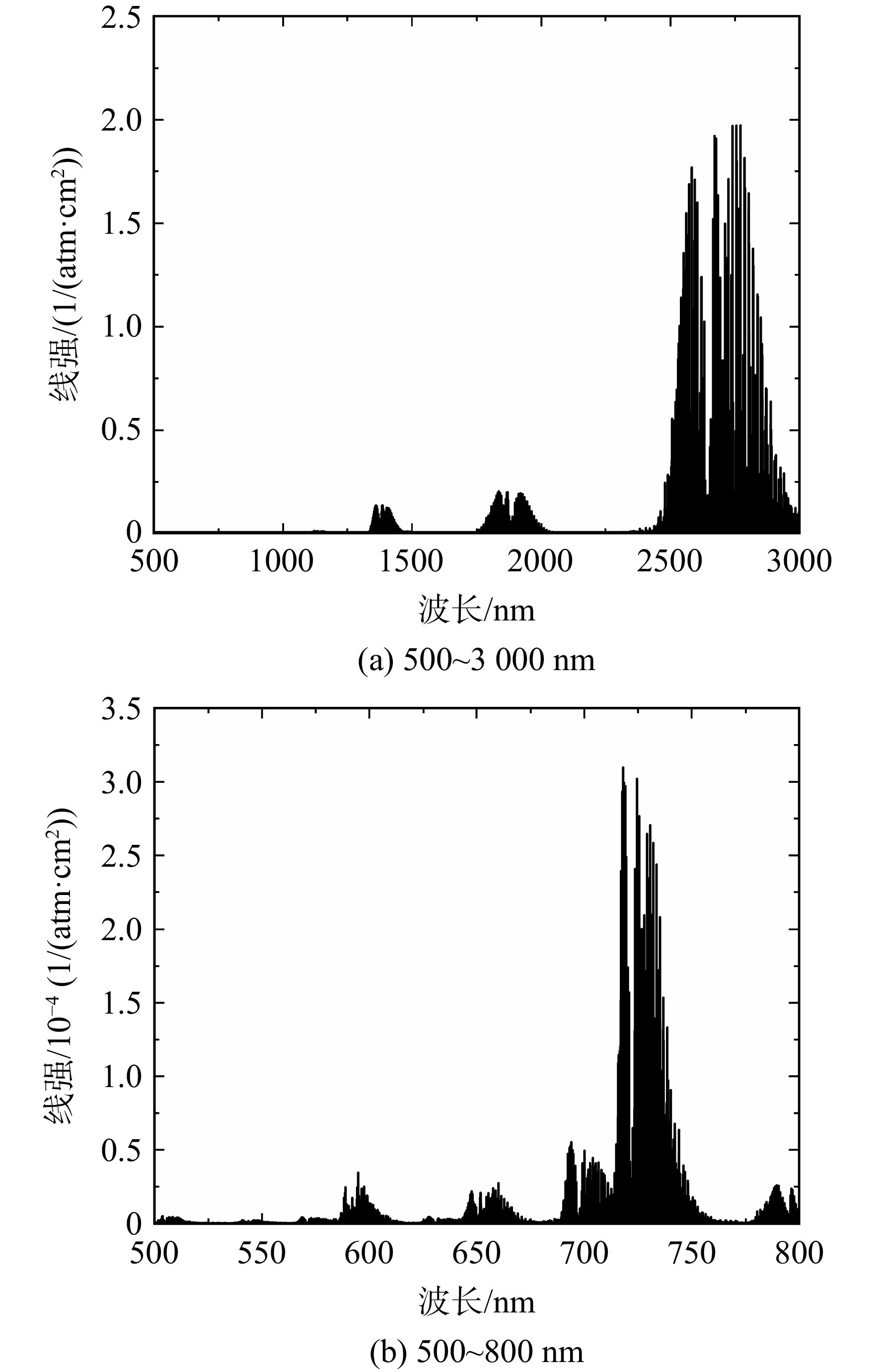
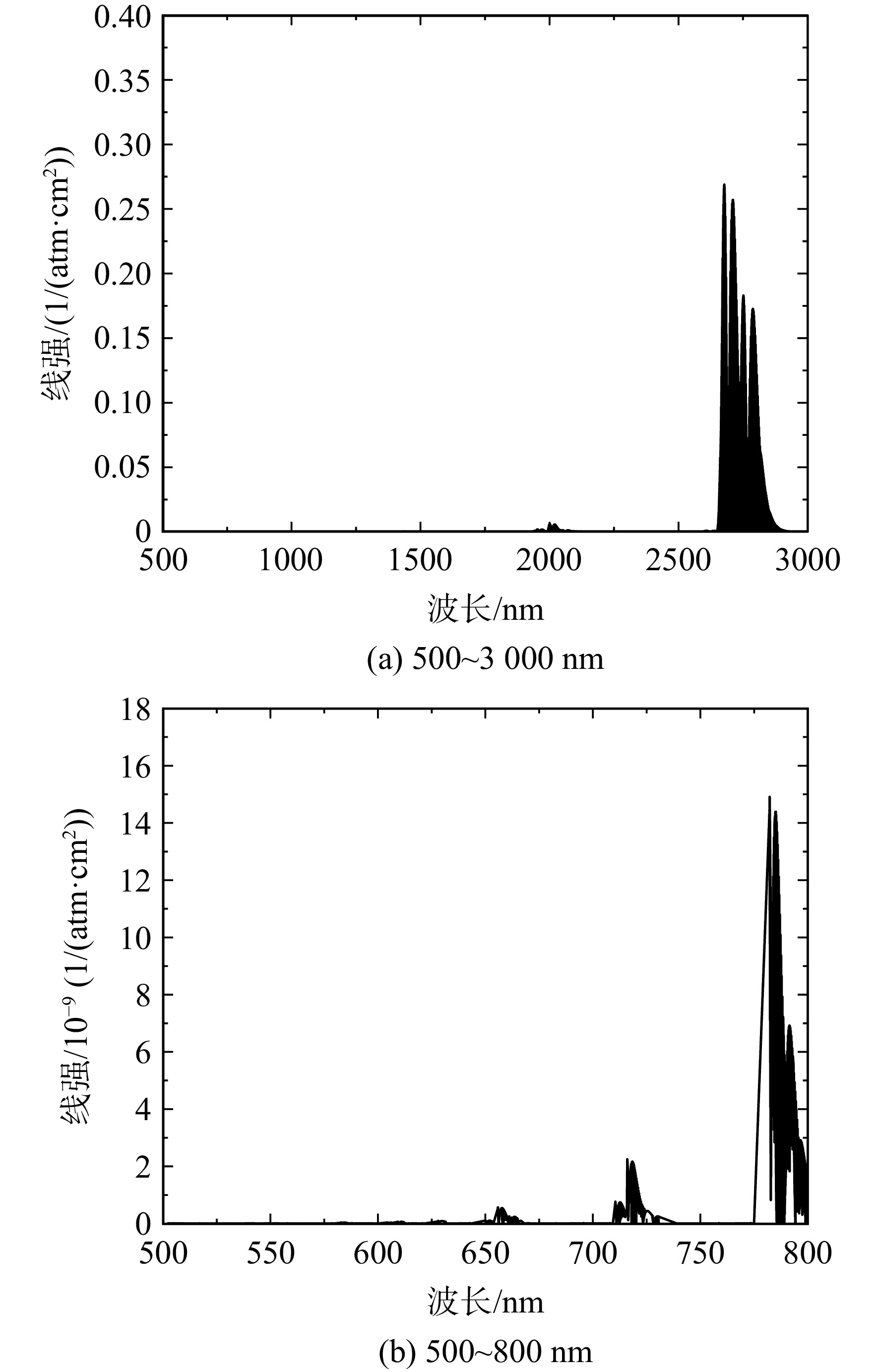
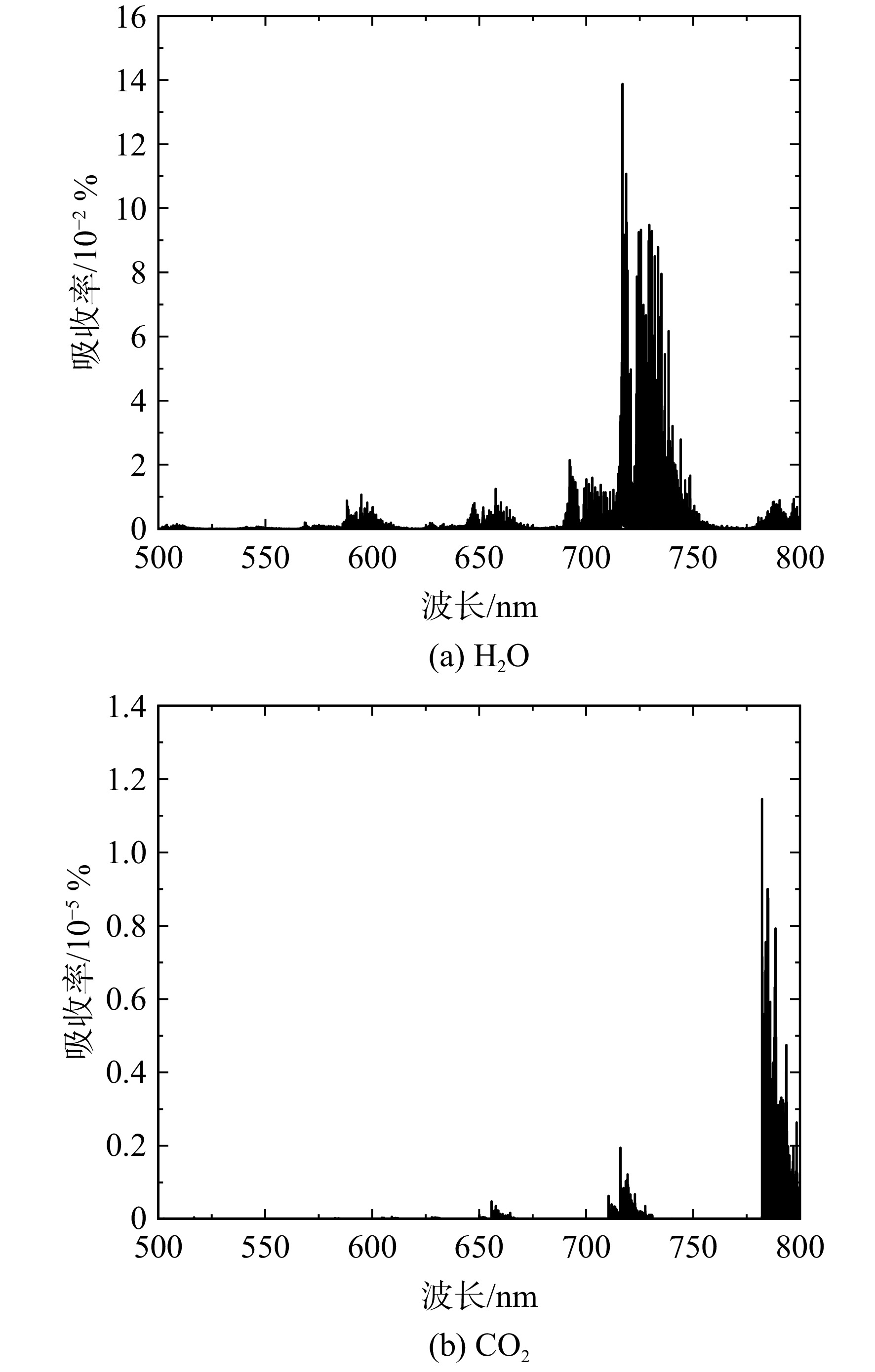
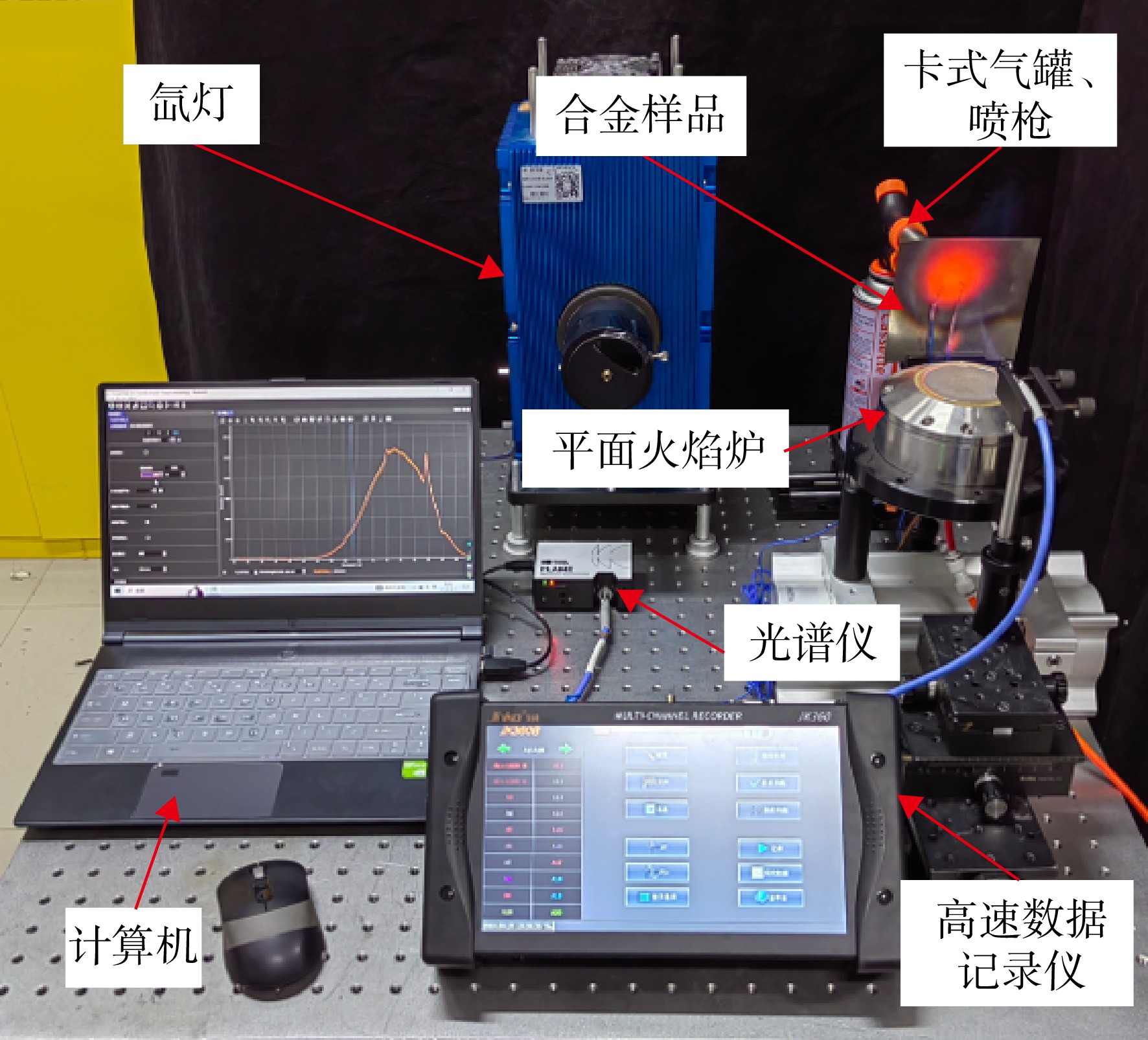
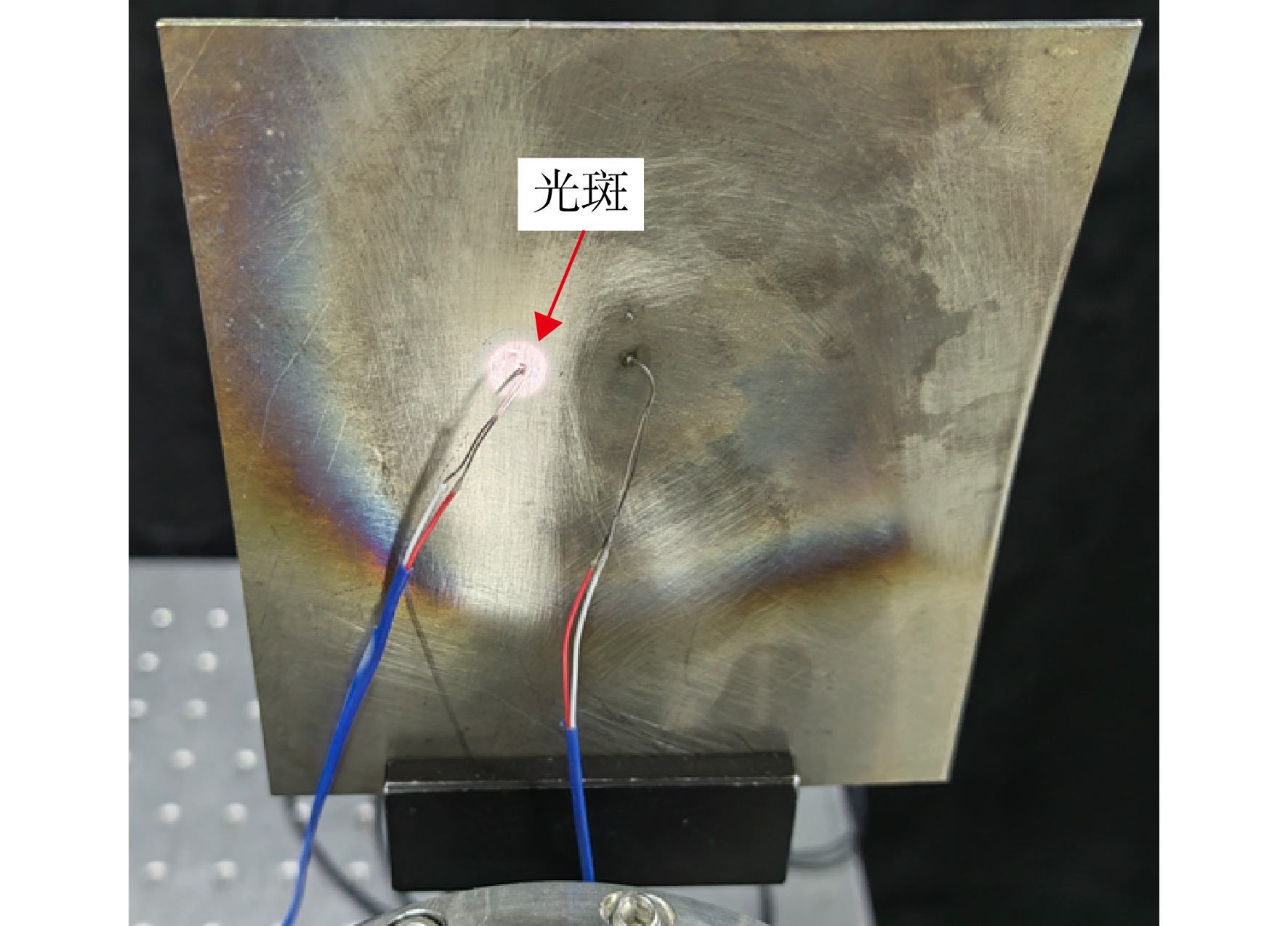
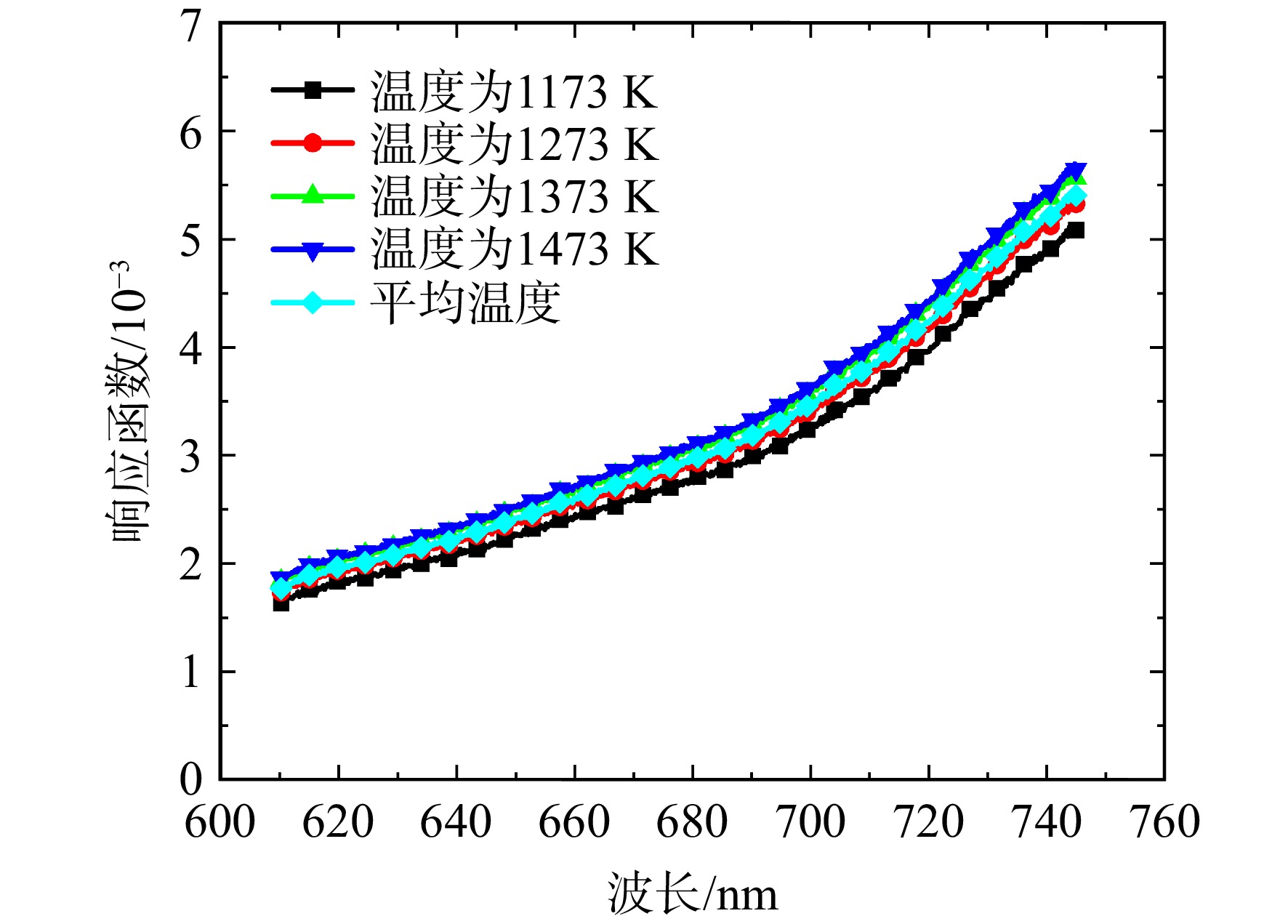
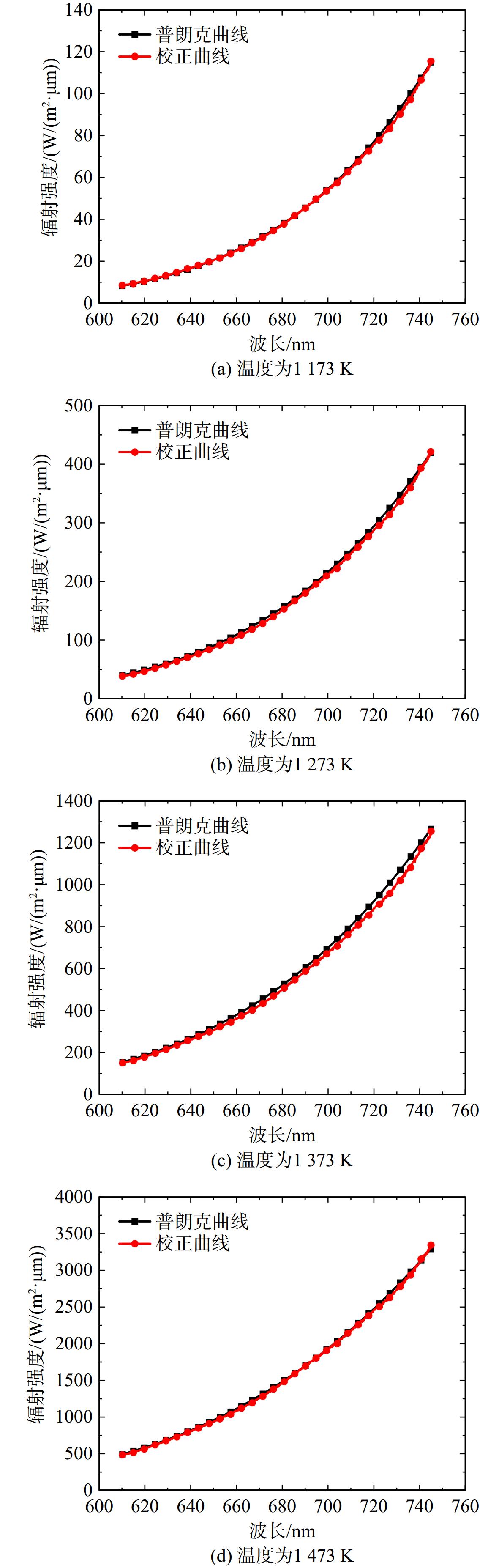
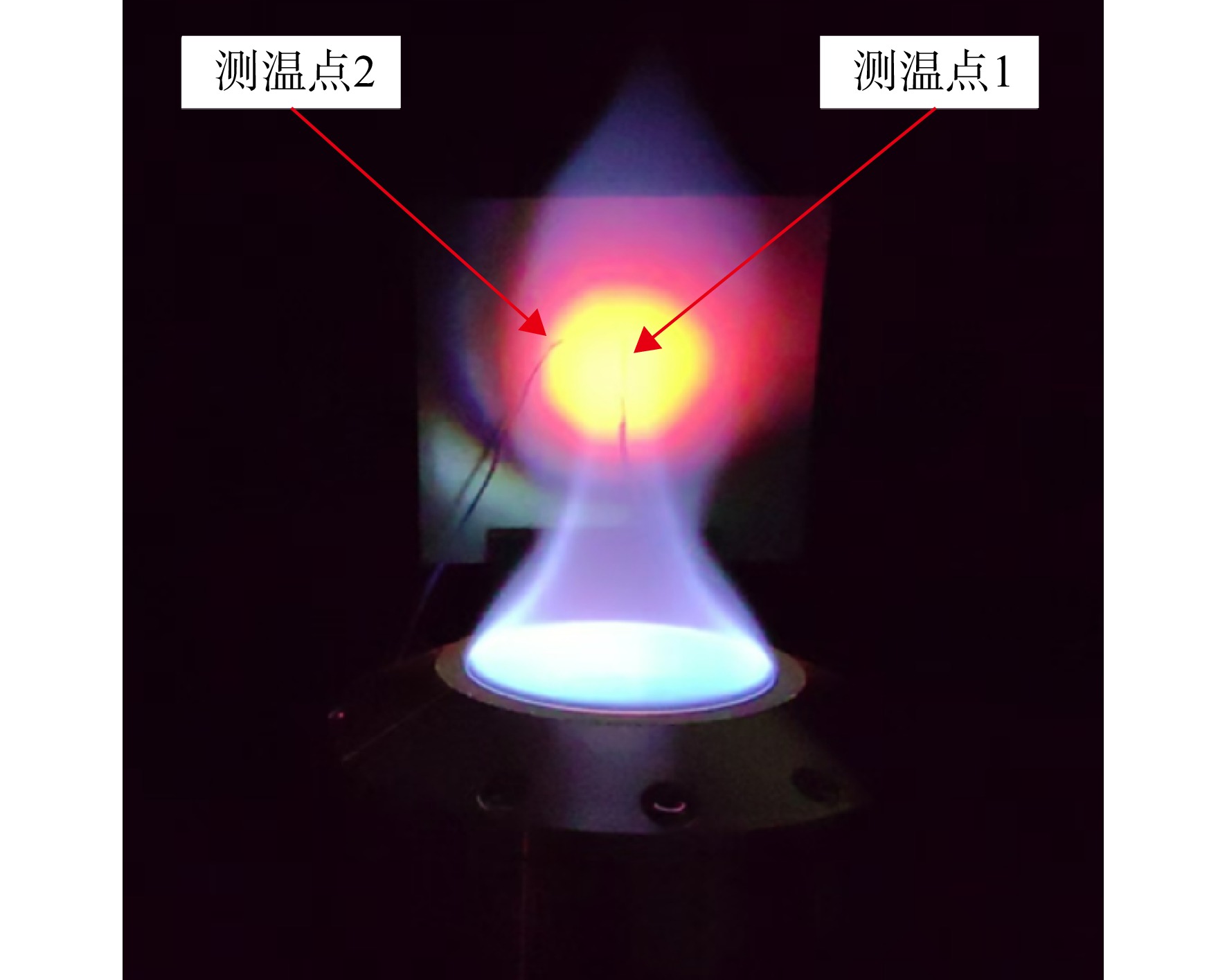
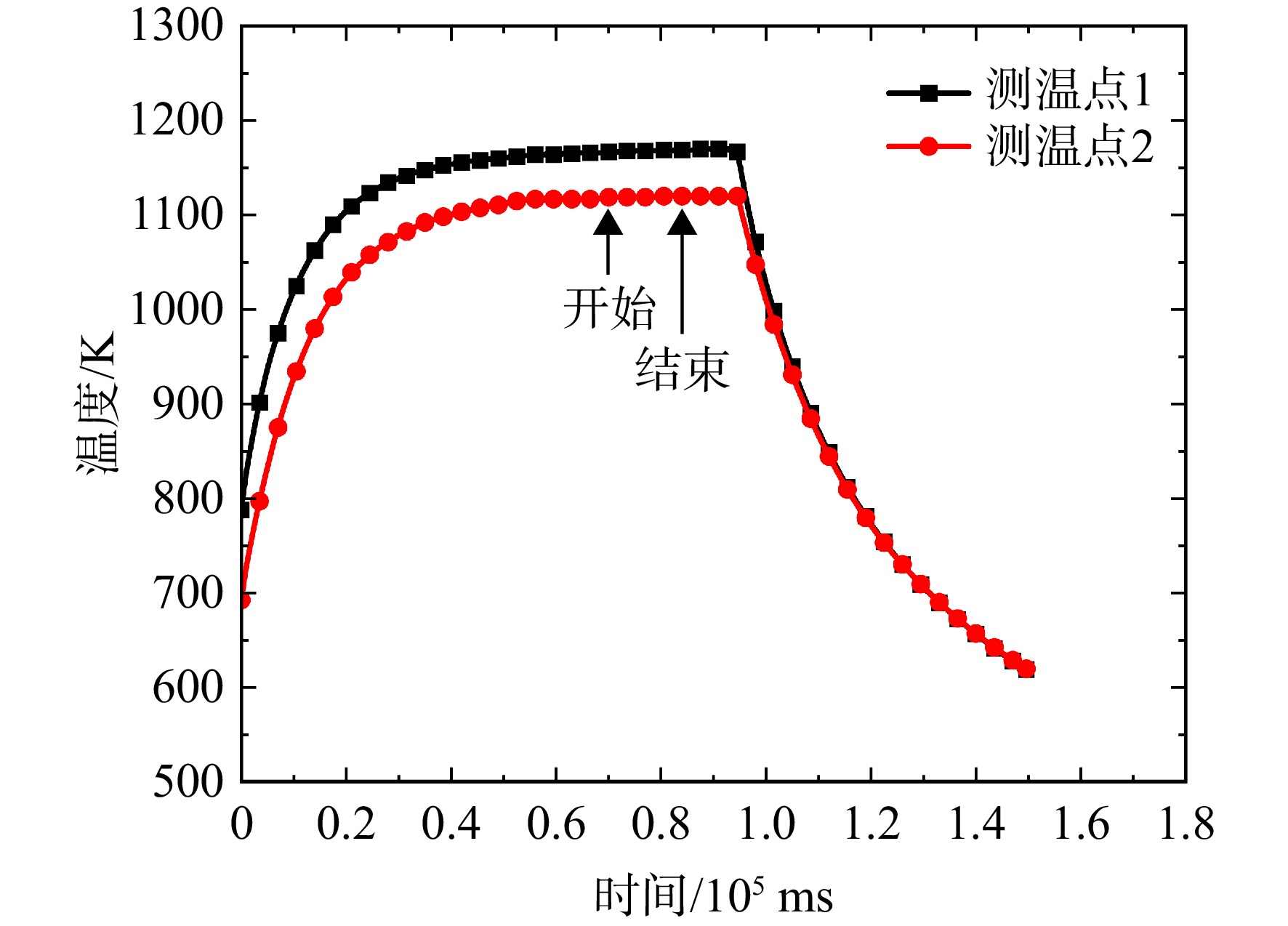
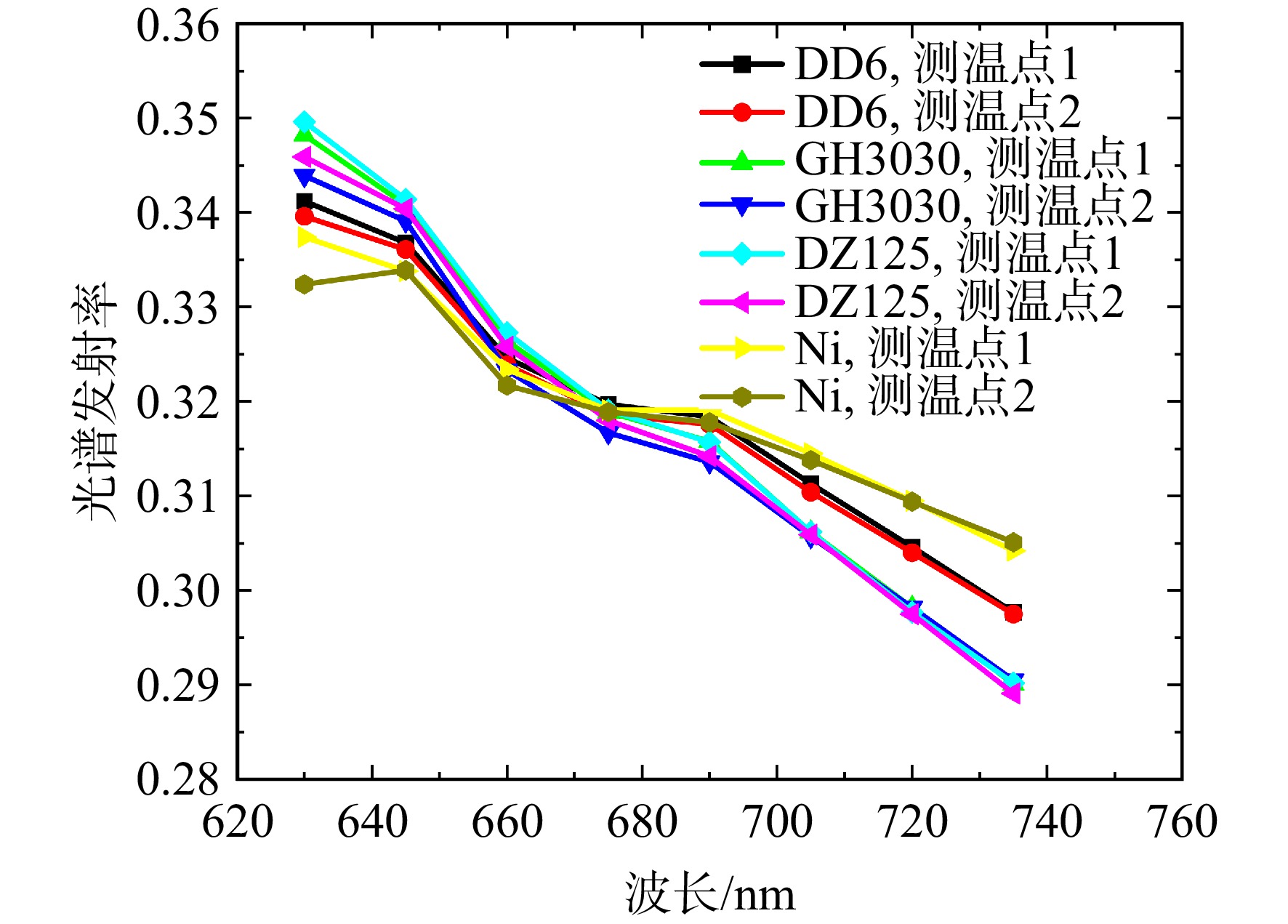
To reduce the measurement uncertainties resulted from the emissivity variation of blade surfaces and radiation from surrounding high-temperature gases when using traditional infrared radiation methods to measure the temperature of turbine blades in aircraft engines, a multispectral temperature measurement method based on the visible radiation was developed based on a multi-objective constrained optimization model. A hybrid penalty function approach was used to simultaneously calculate the temperature and spectral emissivity of the measured object. Meanwhile, the visible radiation of high-temperature gases was evaluated. These efforts were performed to reduce the error induced by the inaccuracy of the spectral emissivity model and the interference from radiation of high-temperature gases. Experiments were performed to validate the proposed method. In the experiments, nickel and nickel-based high-temperature alloy samples were heated using a butane flame gun within a temperature range of 1000 K to 1200 K. Additionally, a premixed methane-air planar flame furnace was utilized to provide a high-temperature gas environment with gas temperatures ranging from 1400 K to 1580 K. The surface temperature of the samples was simultaneously measured using multispectral radiation method and thermocouples. The comparison experiments showed that the relative error between the method and the thermocouple measurement was below 1.74%.

Aerothermodynamics and Aeroengine Design
Rotor blade aerodynamic shape optimization based on RBF neural network
WANG Qing, LU Bo, WANG Liangquan
2026, 41(1): 20240182. doi: 10.13224/j.cnki.jasp.20240182
Abstract:

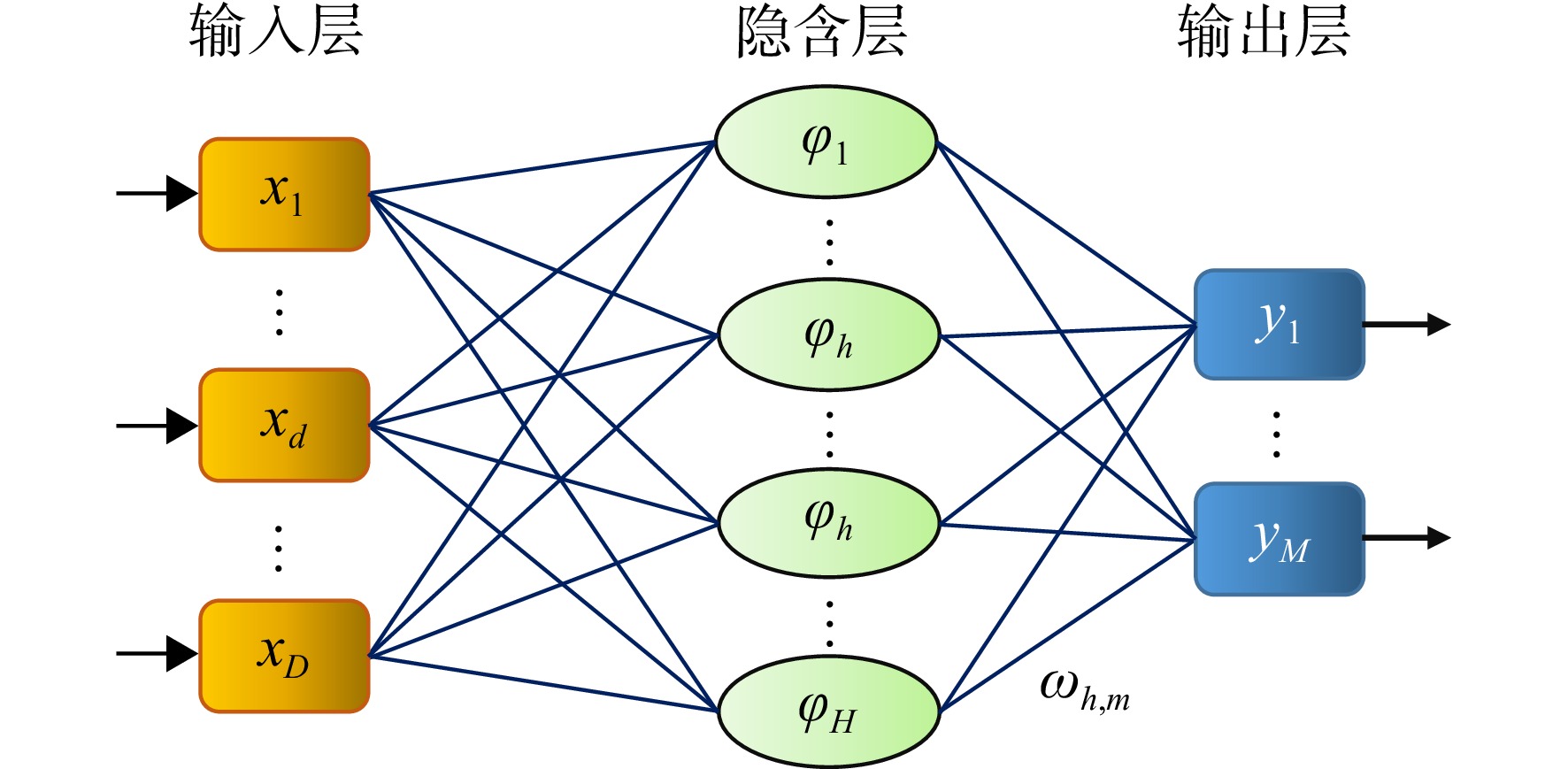
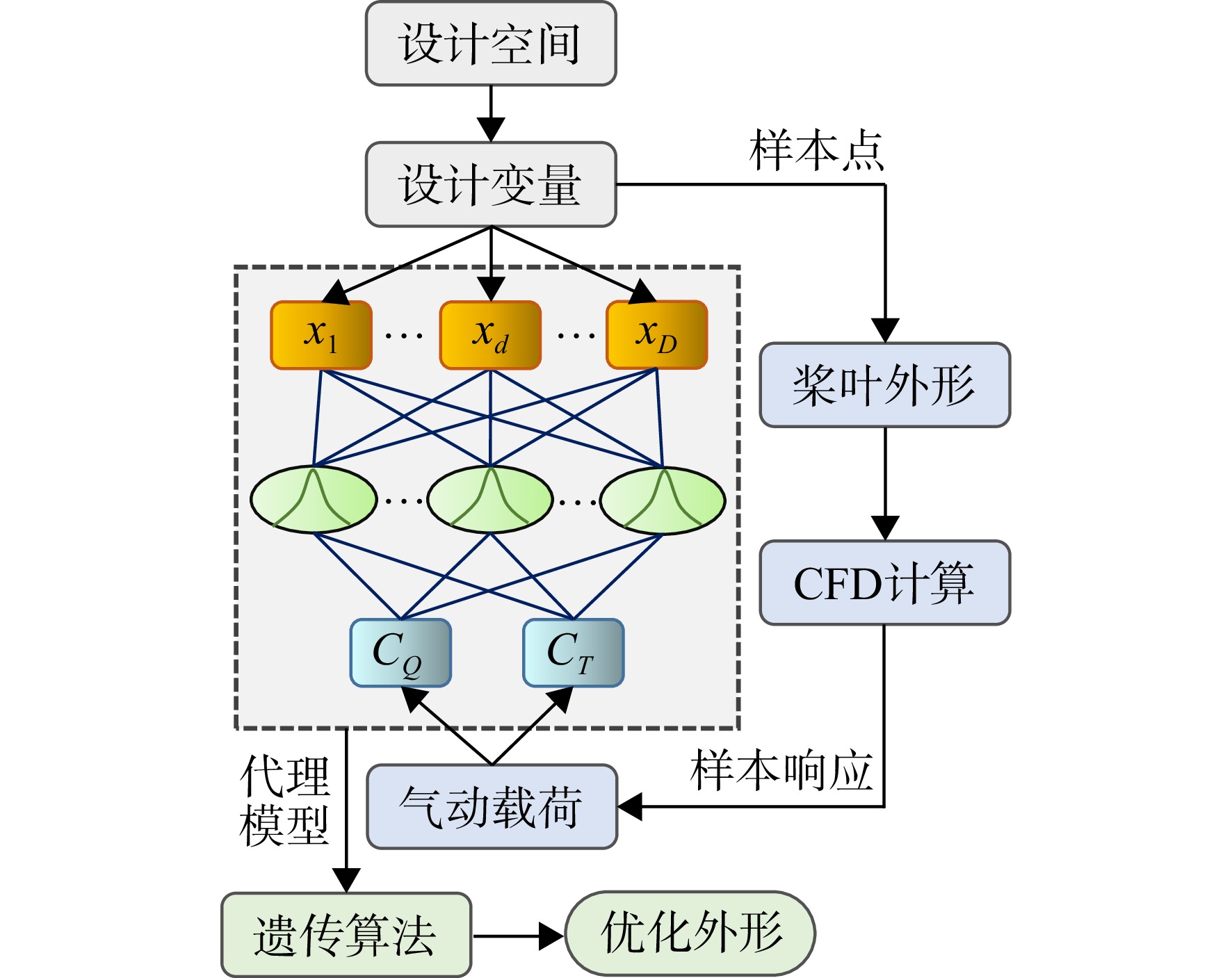
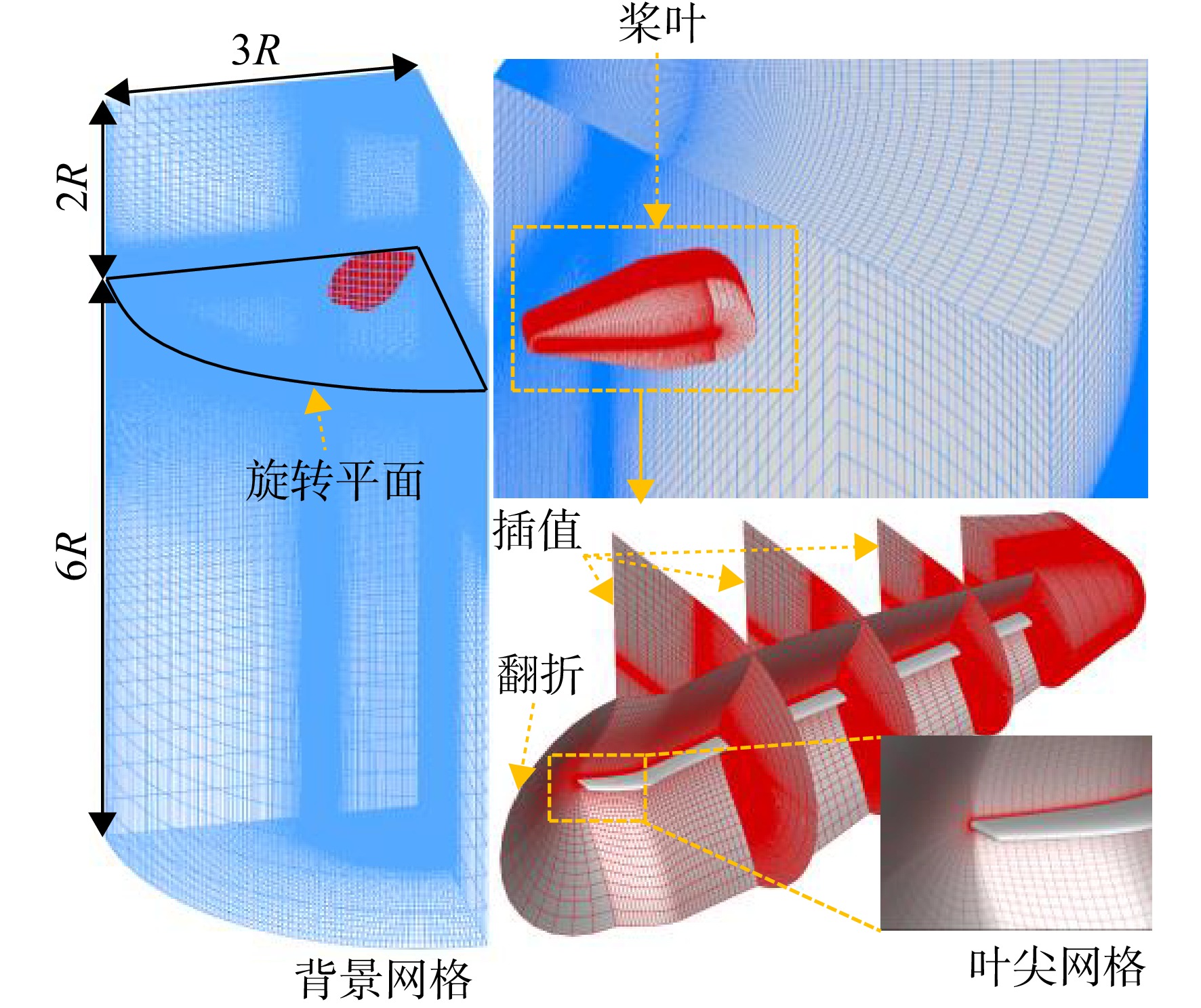
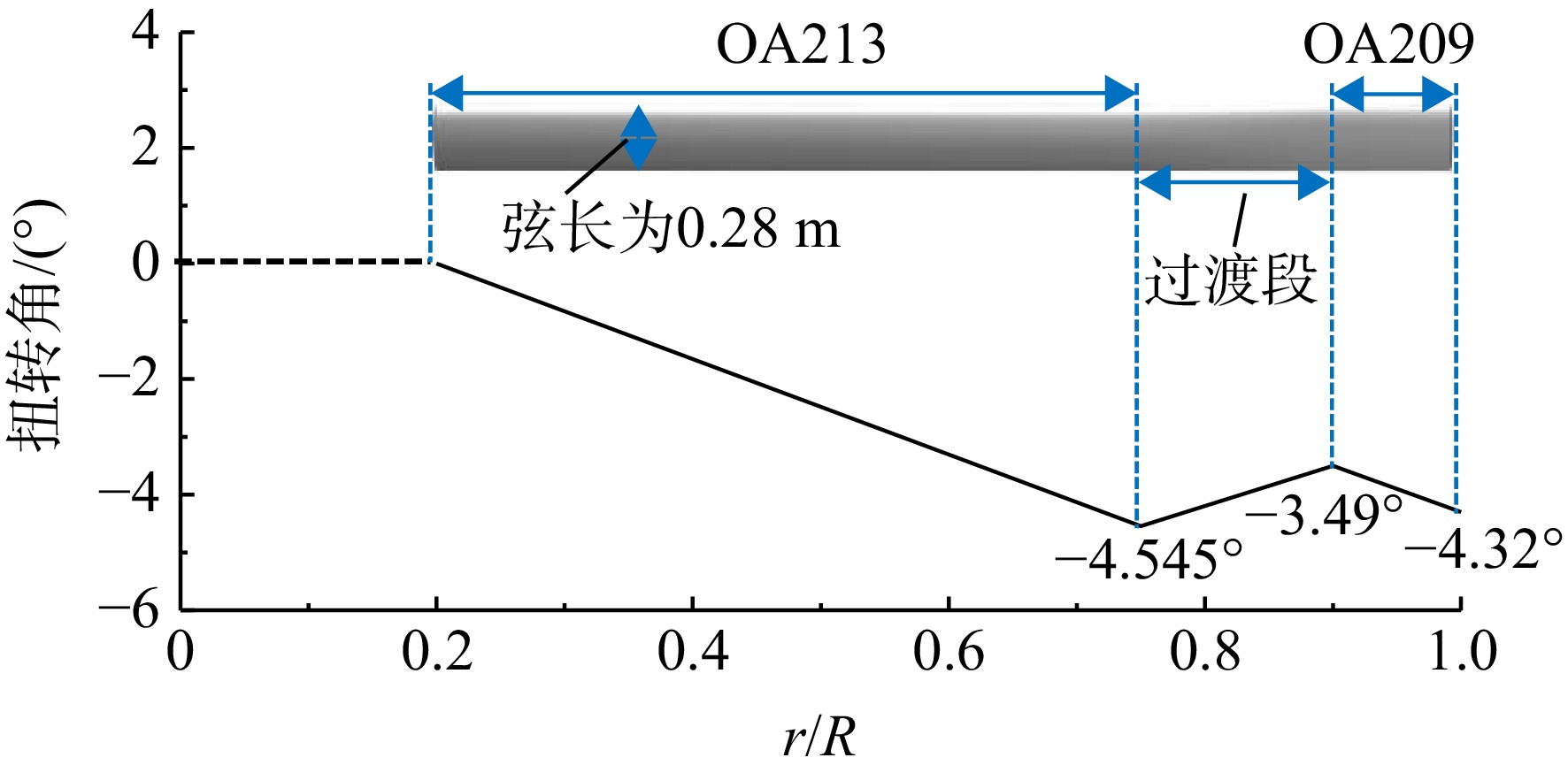
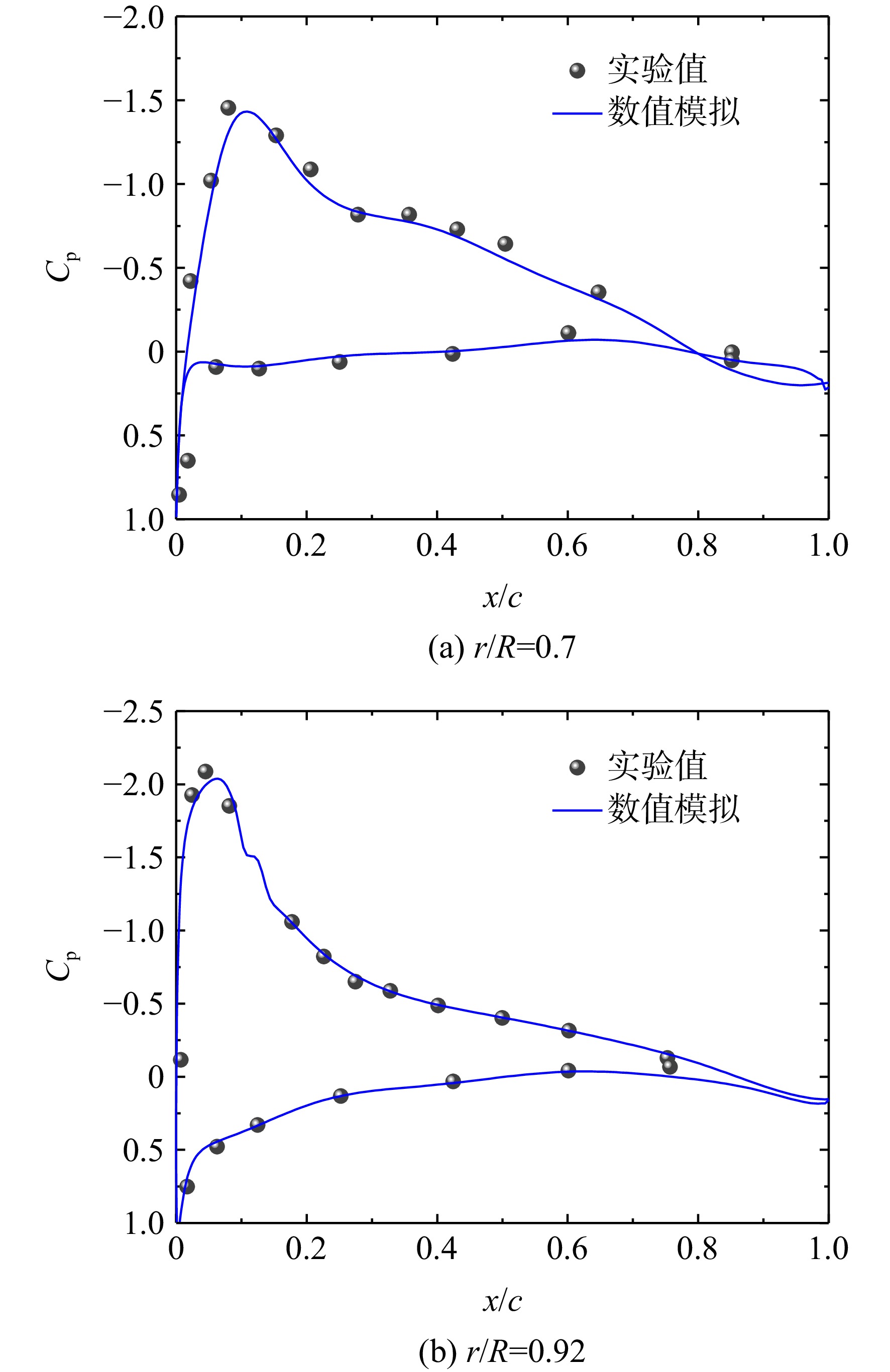
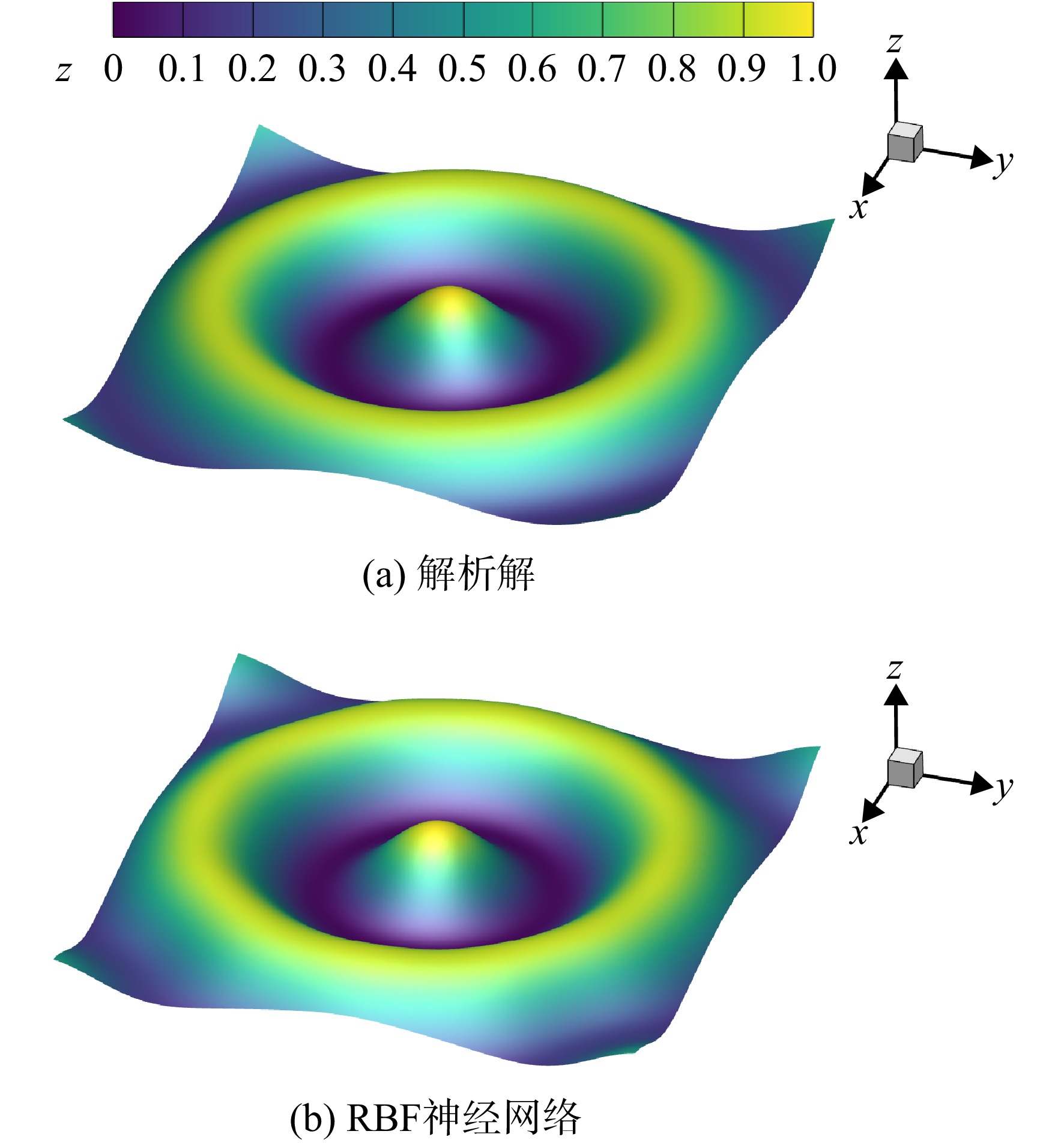
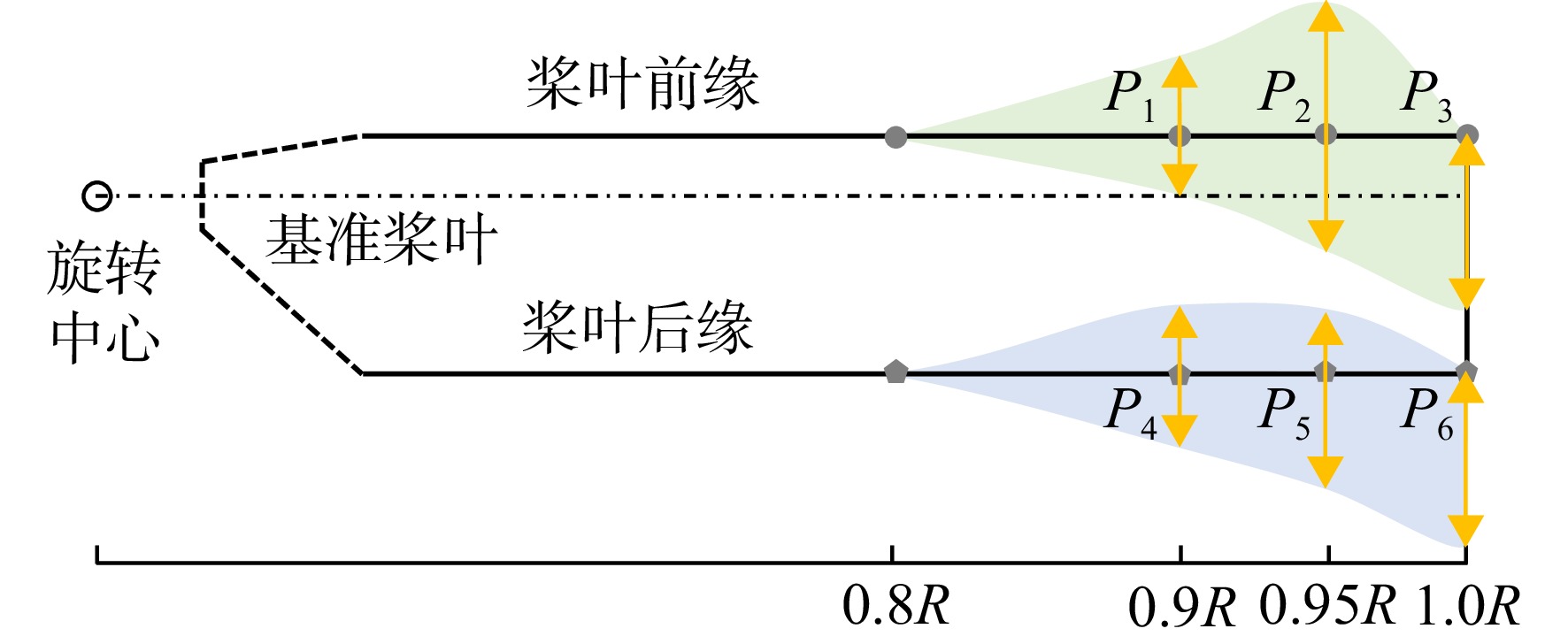
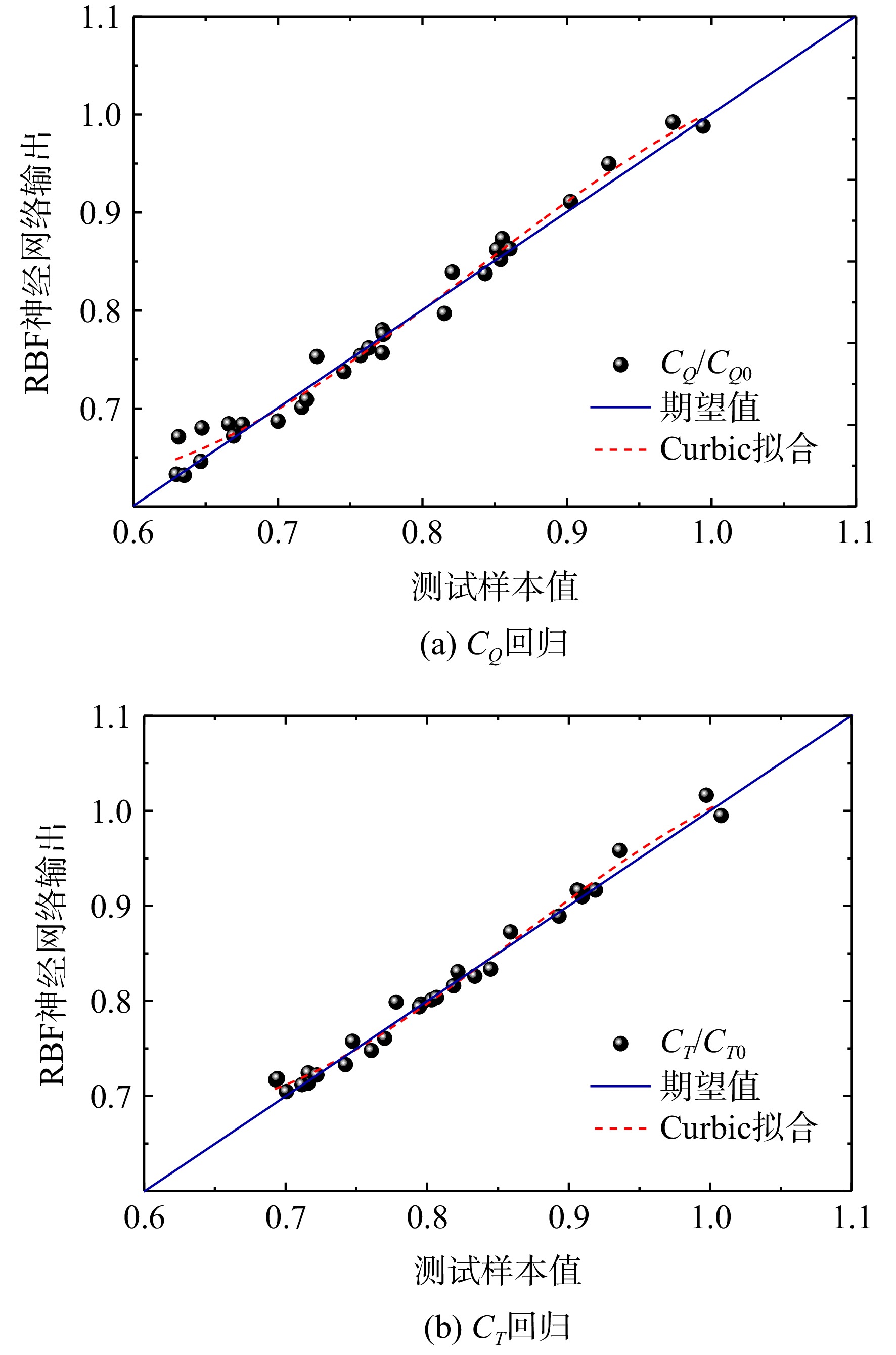
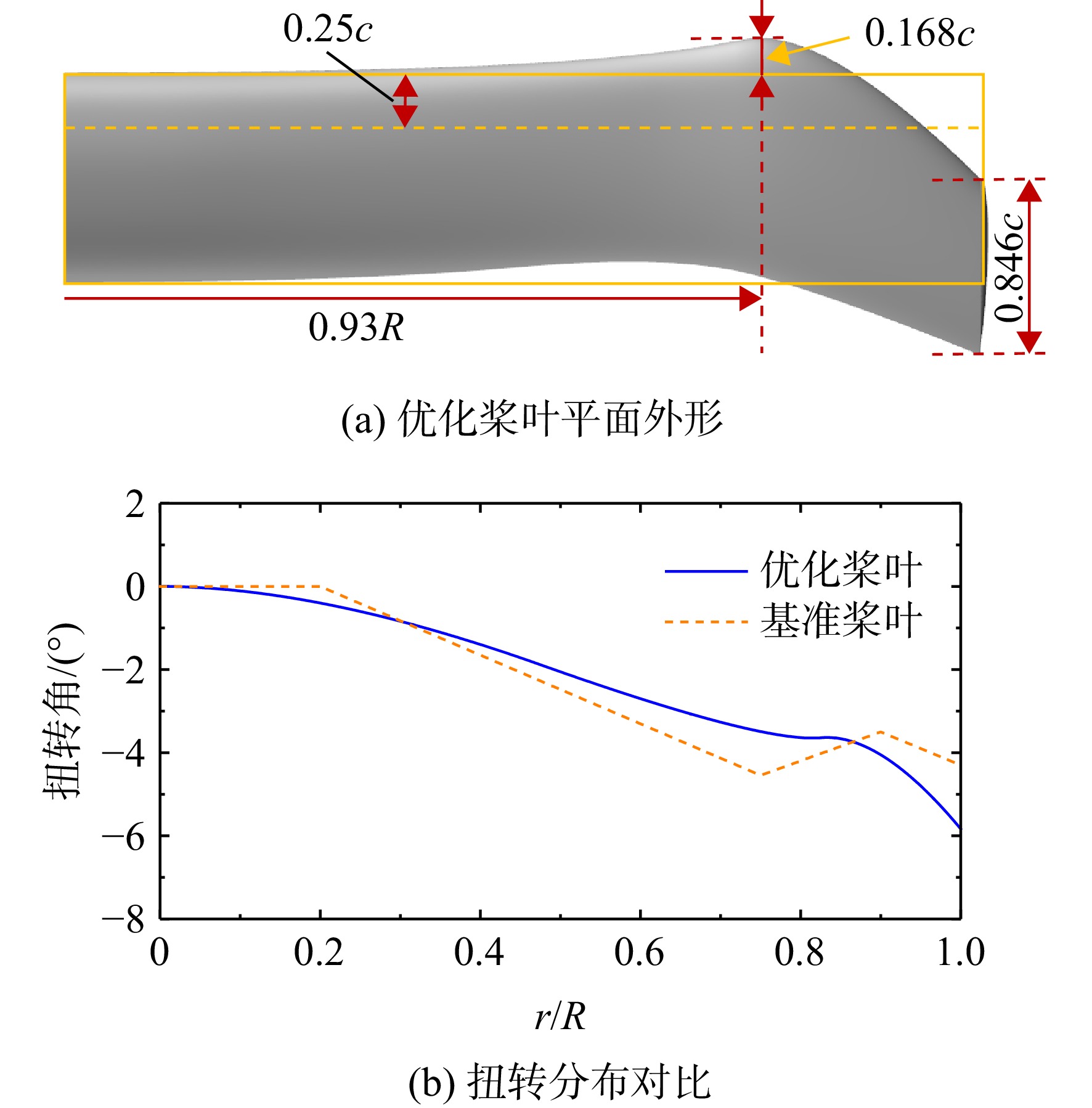
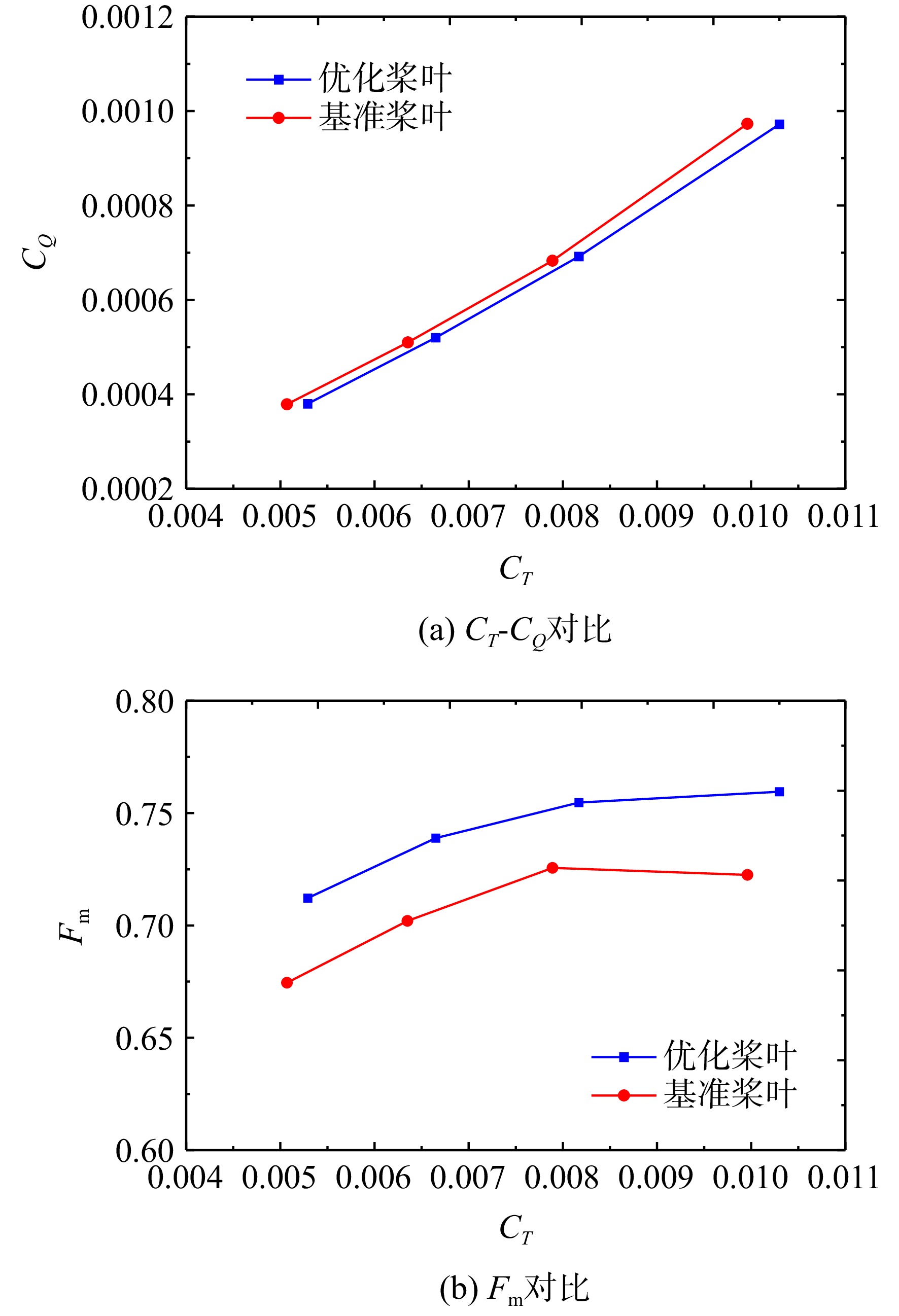
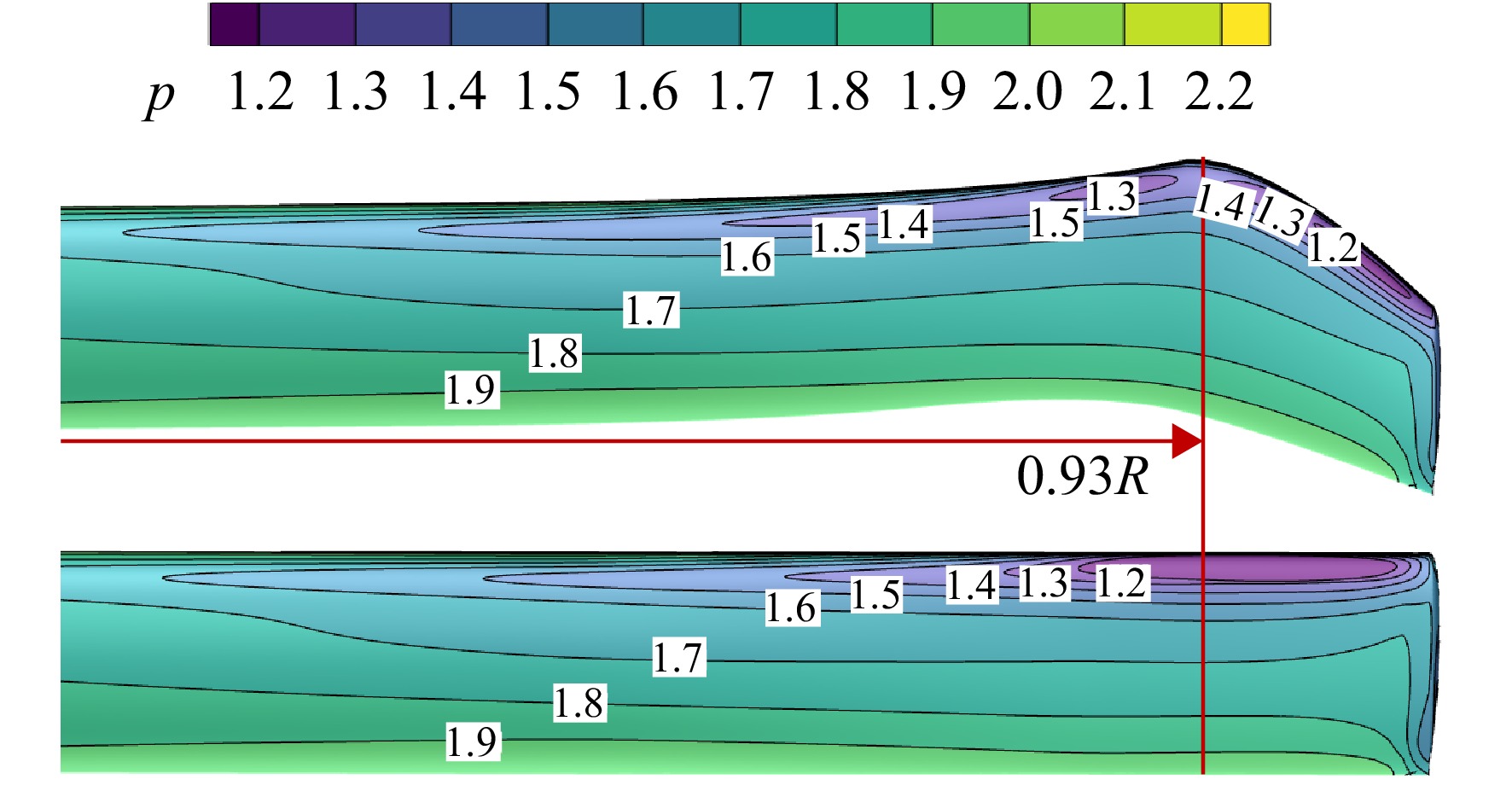
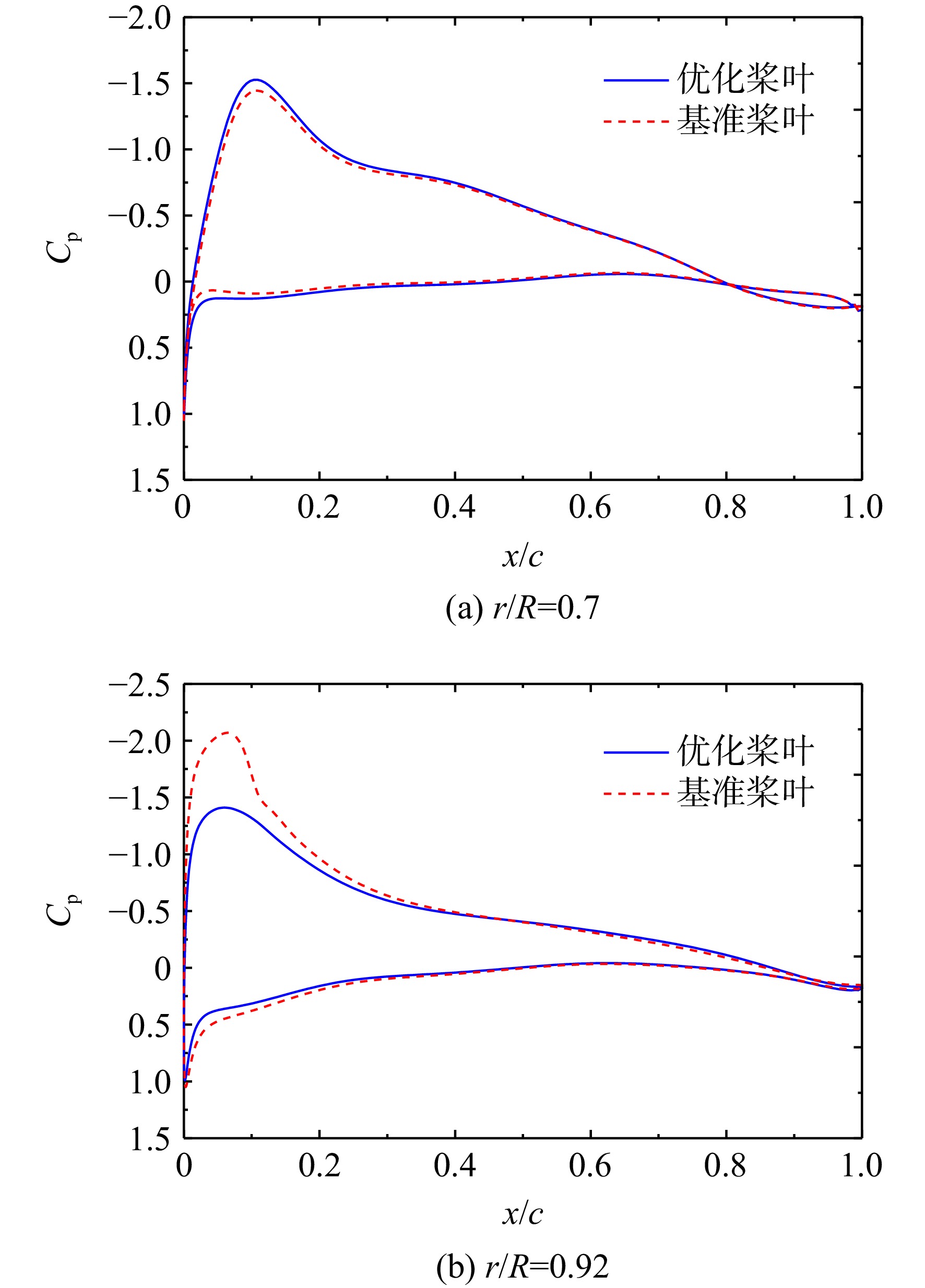
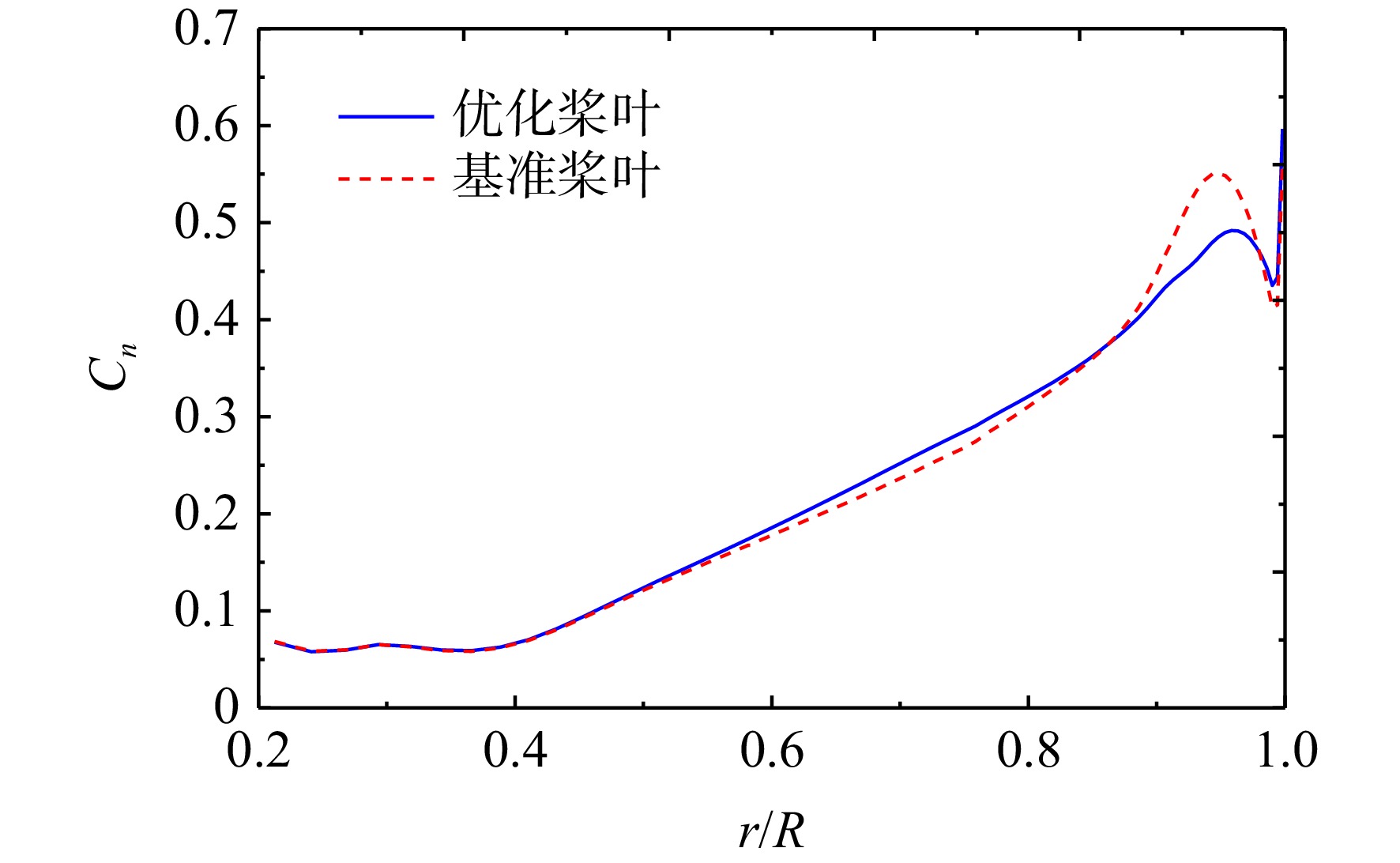
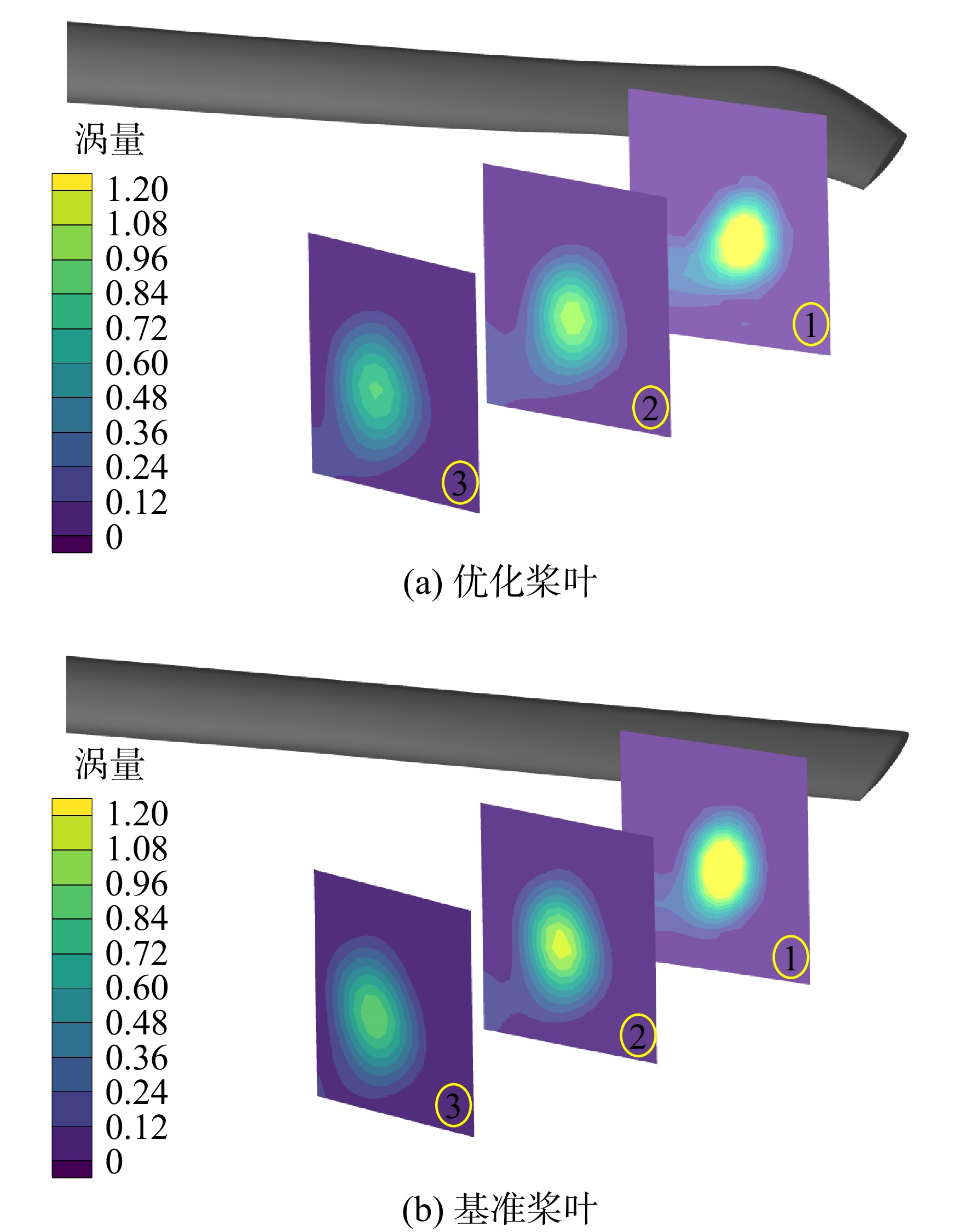
A good aerodynamic profile of a helicopter rotor blade can effectively improve its aerodynamic performance, but complex blade profiles are characterized by many degrees of freedom and high nonlinearity, so the traditional gradient optimization algorithm is vunerable to fall into the local optimal trap. To solve these problems, an optimal design method of rotor blade aerodynamic profile was established by combining RBF neural network method, genetic algorithm and computation fluid dynamics (CFD) method, which can obtain global optimization results in a small amount of computation. On this basis, the aerodynamic shape optimization design of Helishape 7A rotor blade was studied. The optimized blade had the form of front-sweep combination. The numerical calculation results showed that the torque coefficient was reduced by 3.81% under the same tension coefficient, so the hover efficiency of the optimized rotor was effectively improved, and the maximum hover efficiency was increased by 3.99%, indicating that the rotor with optimized blade had better hover performance and can effectively improve the takeoff load of the helicopter.

Calibration method of high bypass turbofan engine starter assisted air start thermodynamic model
YU Songlin, WANG Yudong, LI Hualei, WU Mingfeng
2026, 41(1): 20240177. doi: 10.13224/j.cnki.jasp.20240177
Abstract:
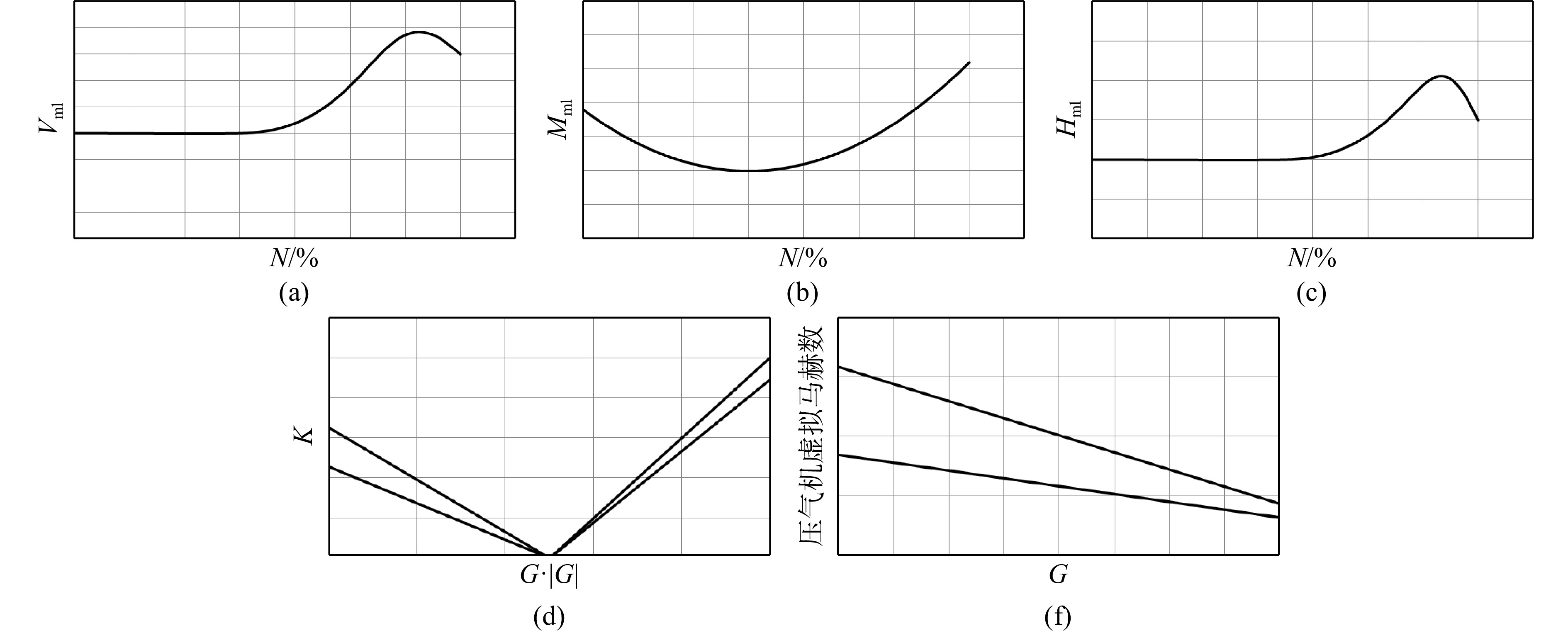
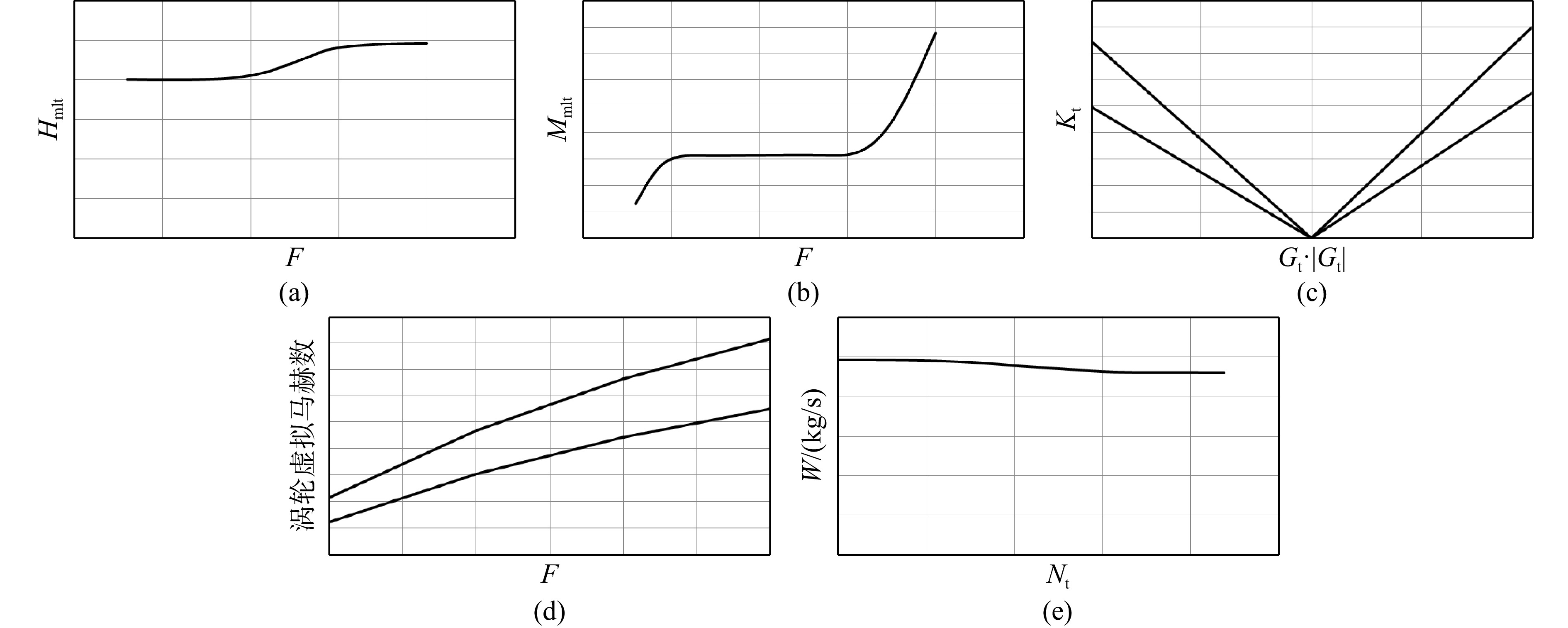
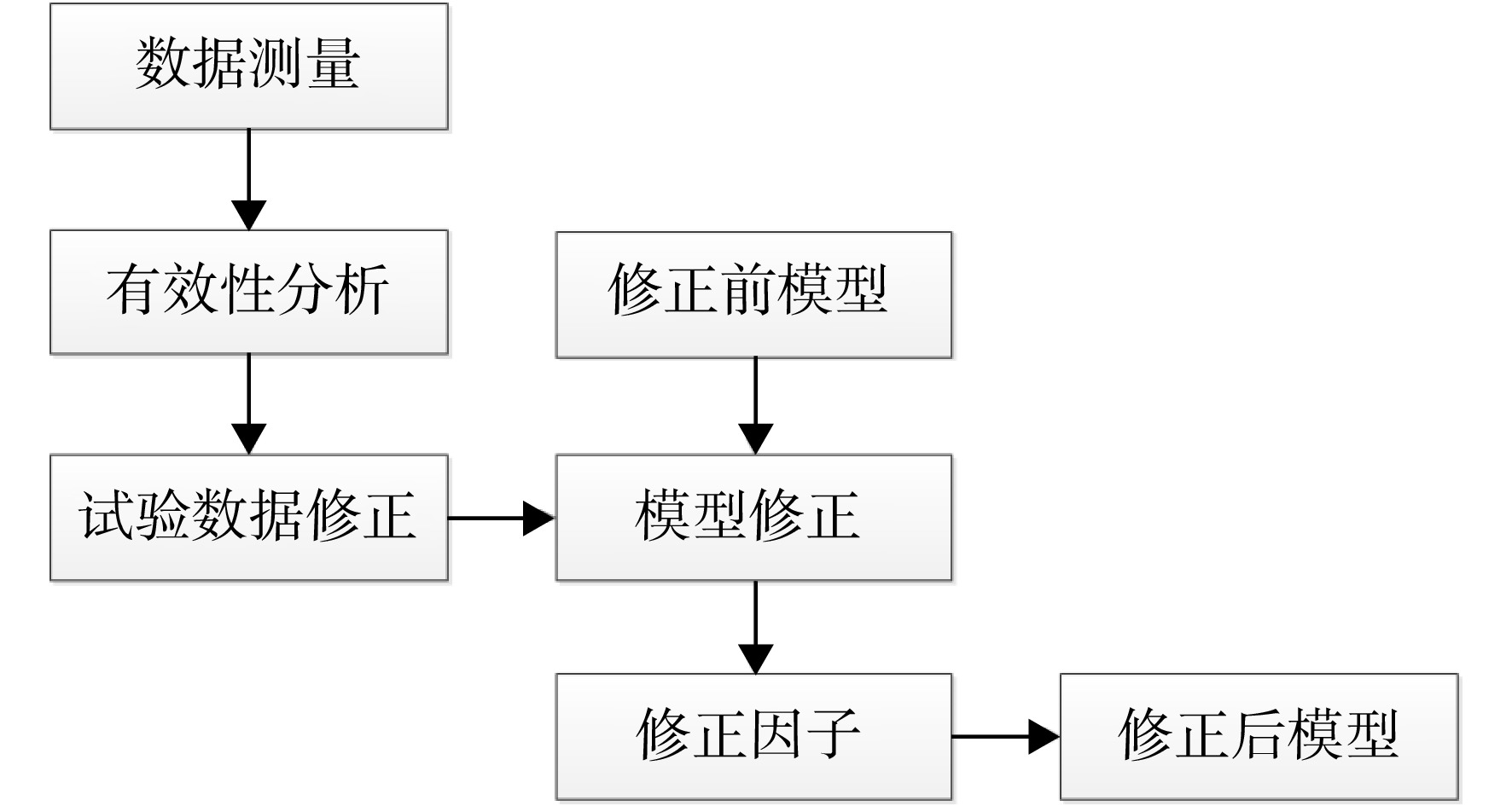
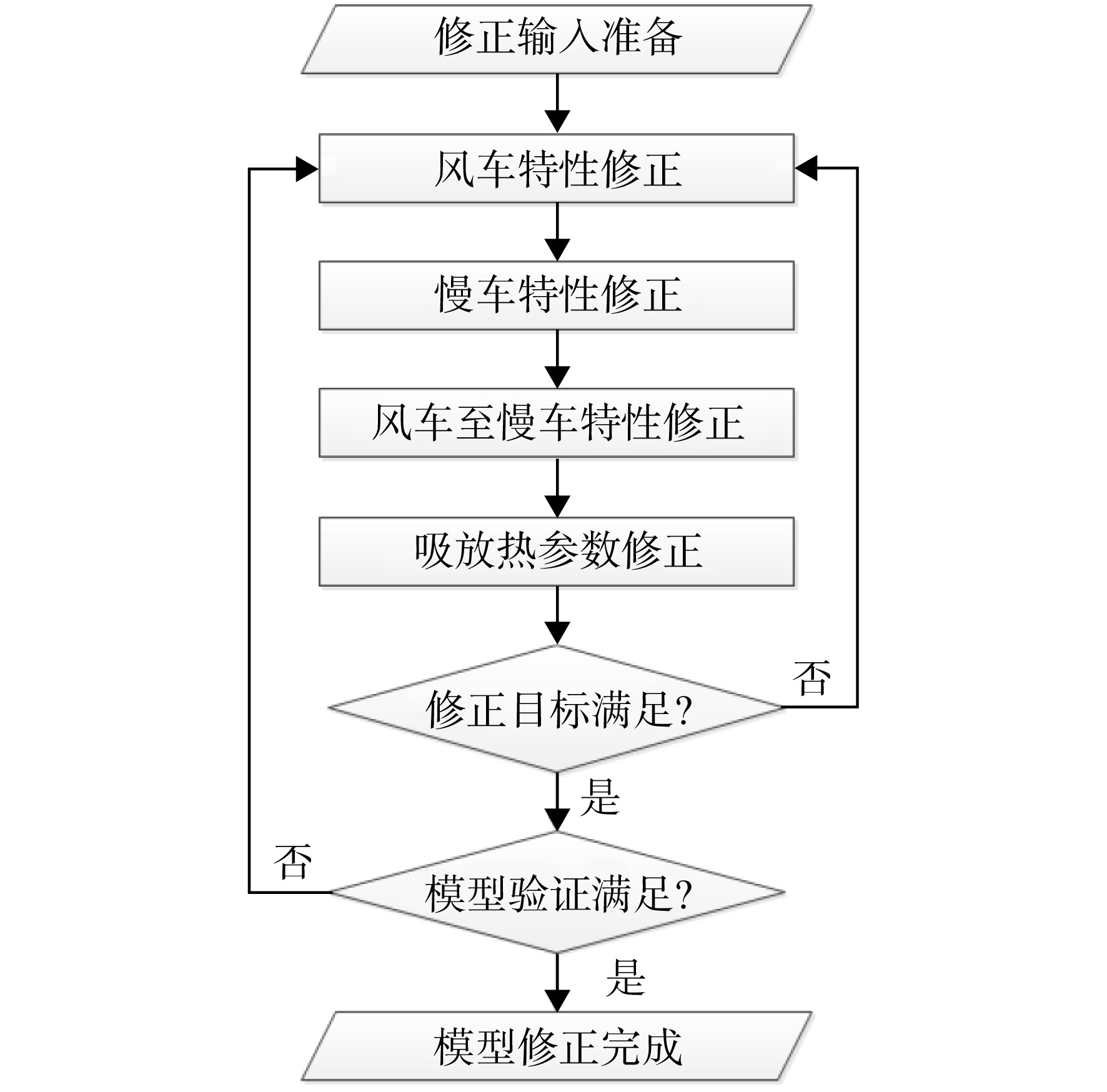
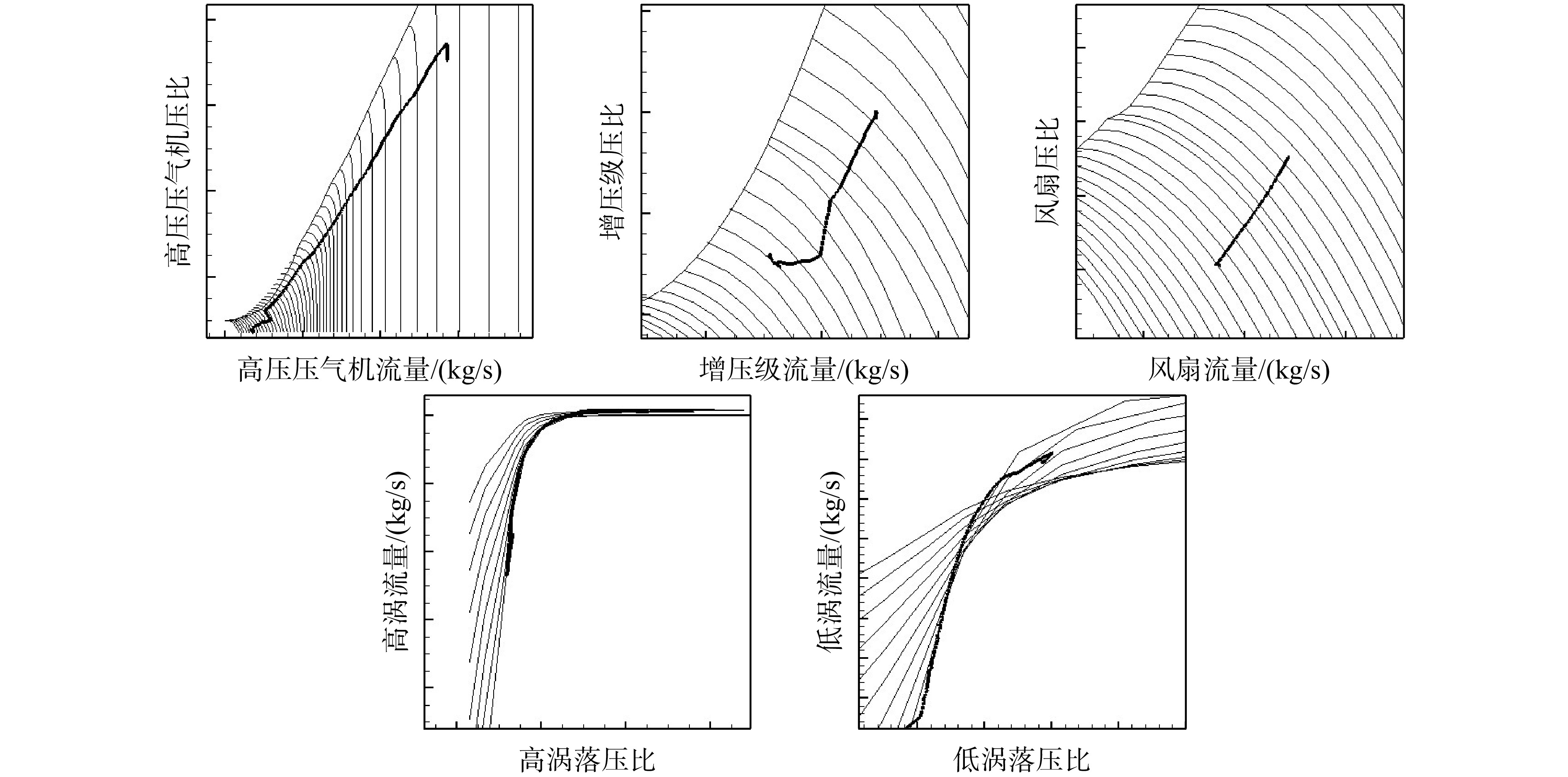
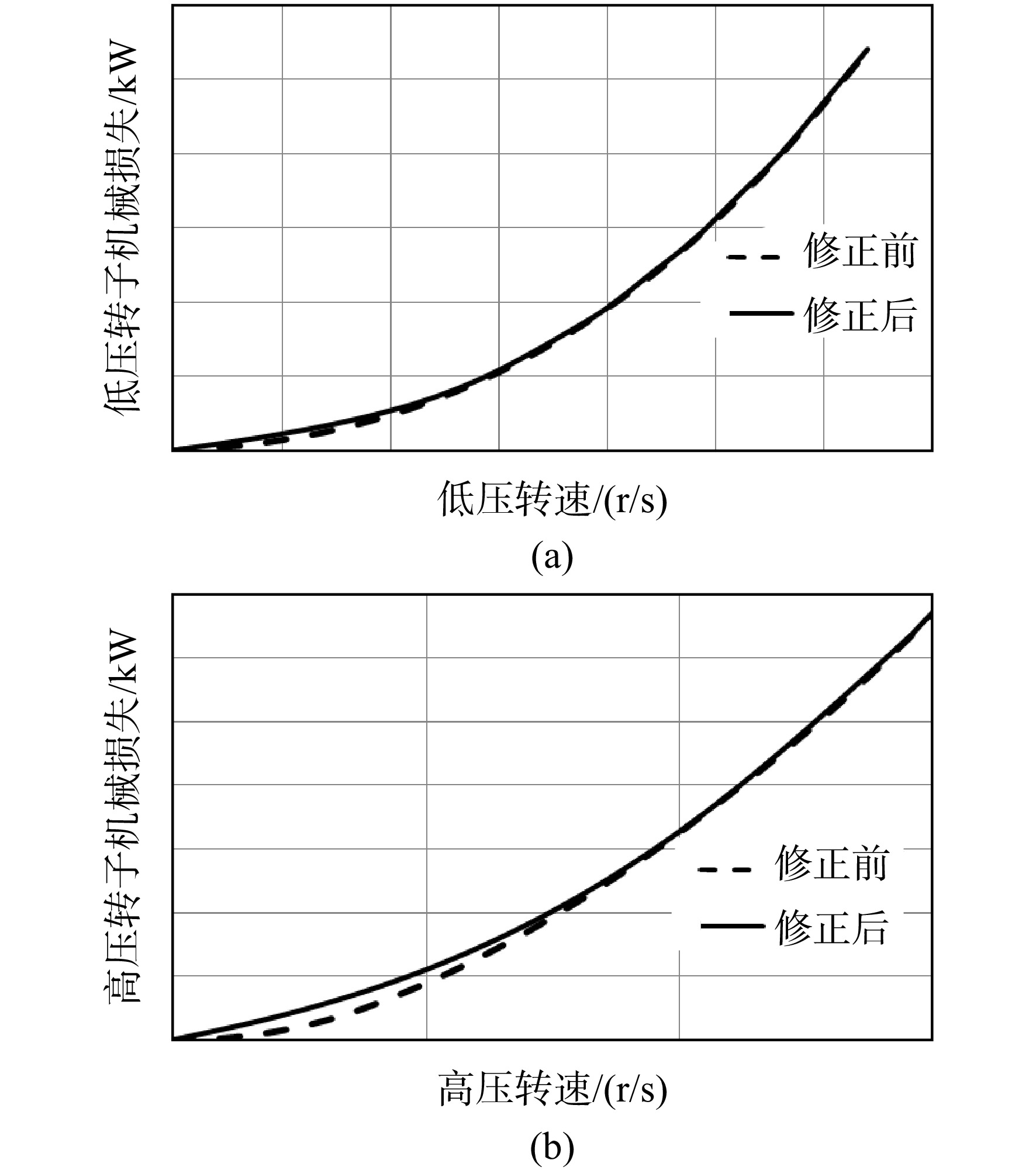
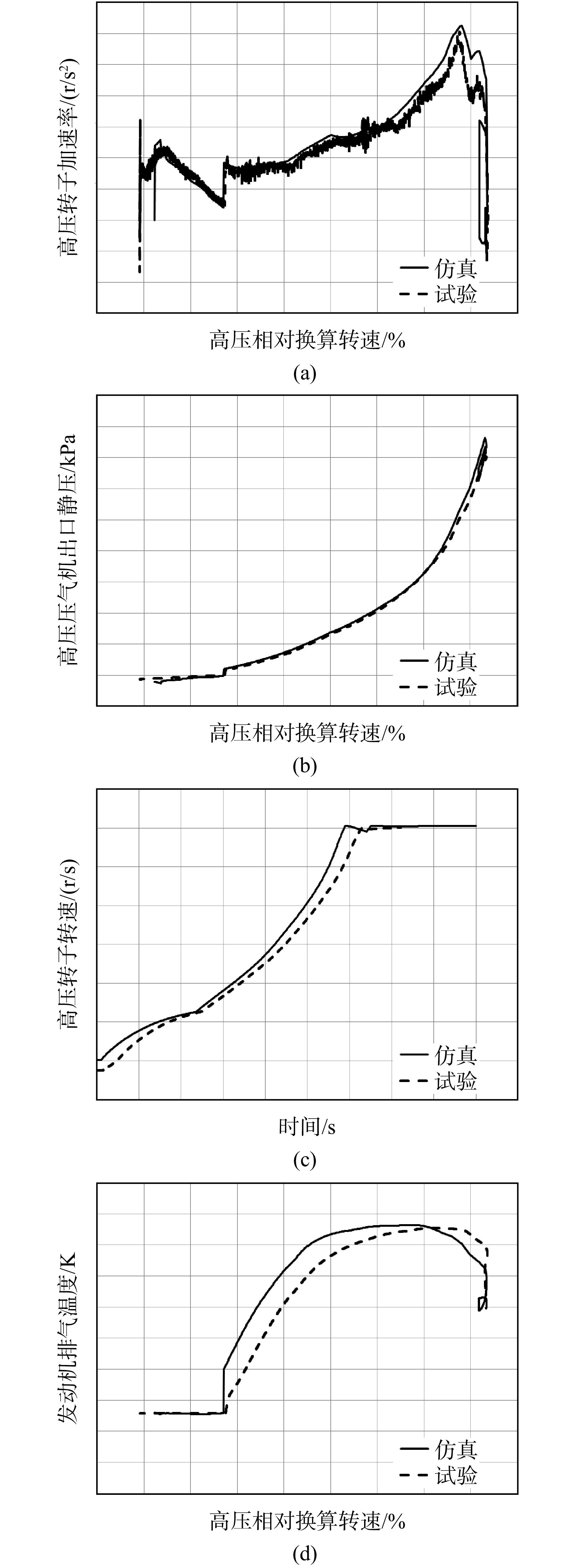
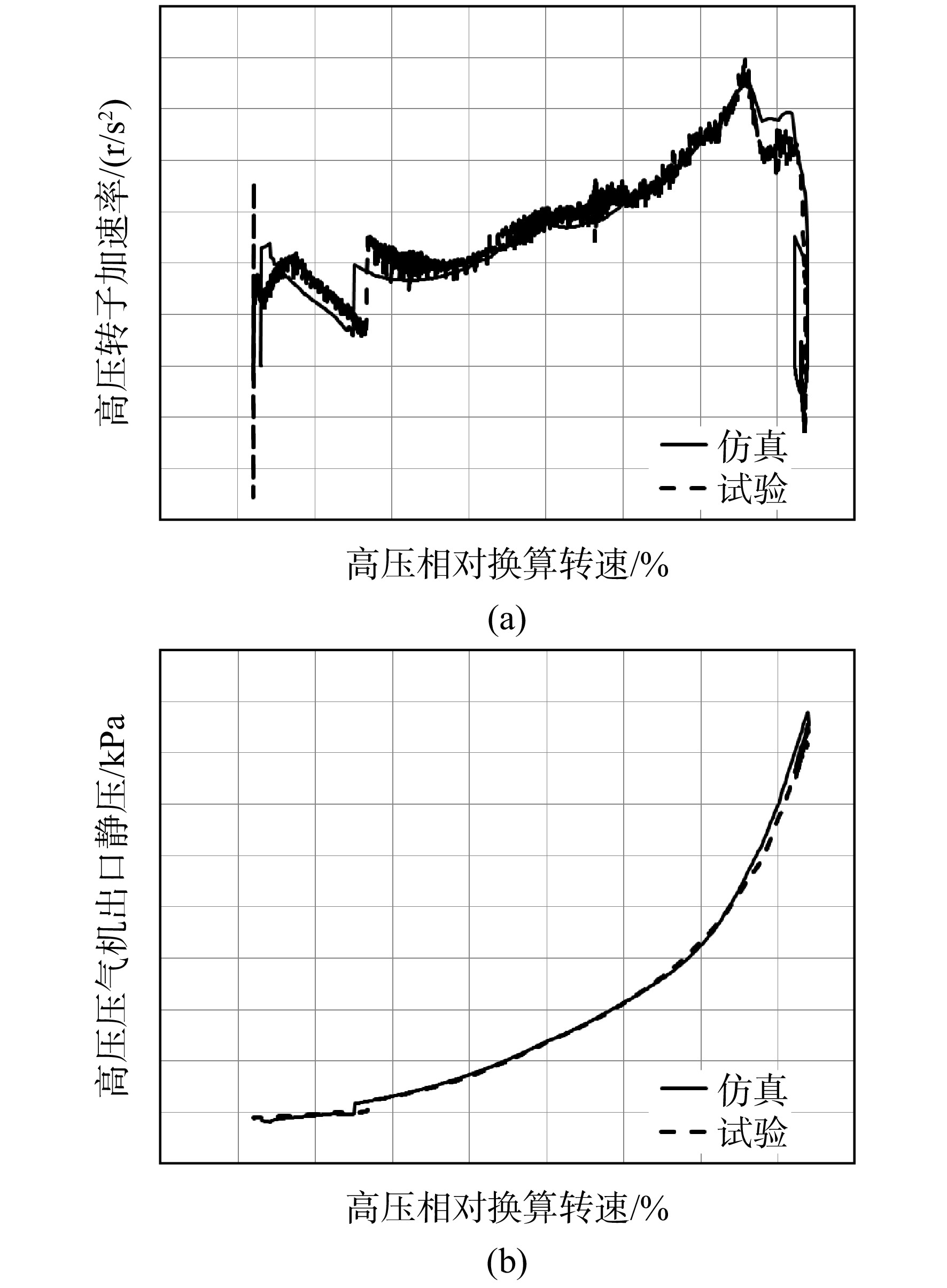
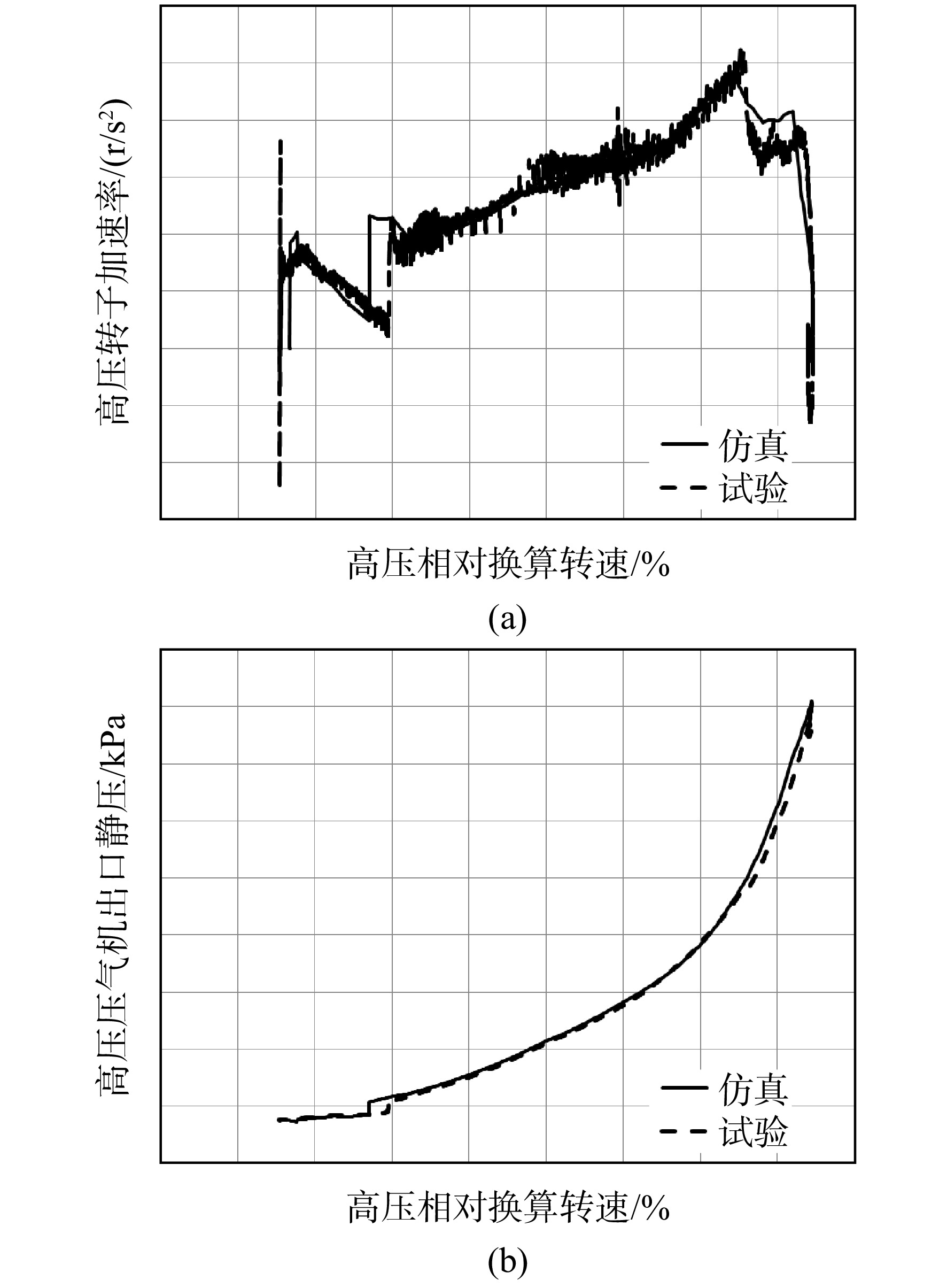
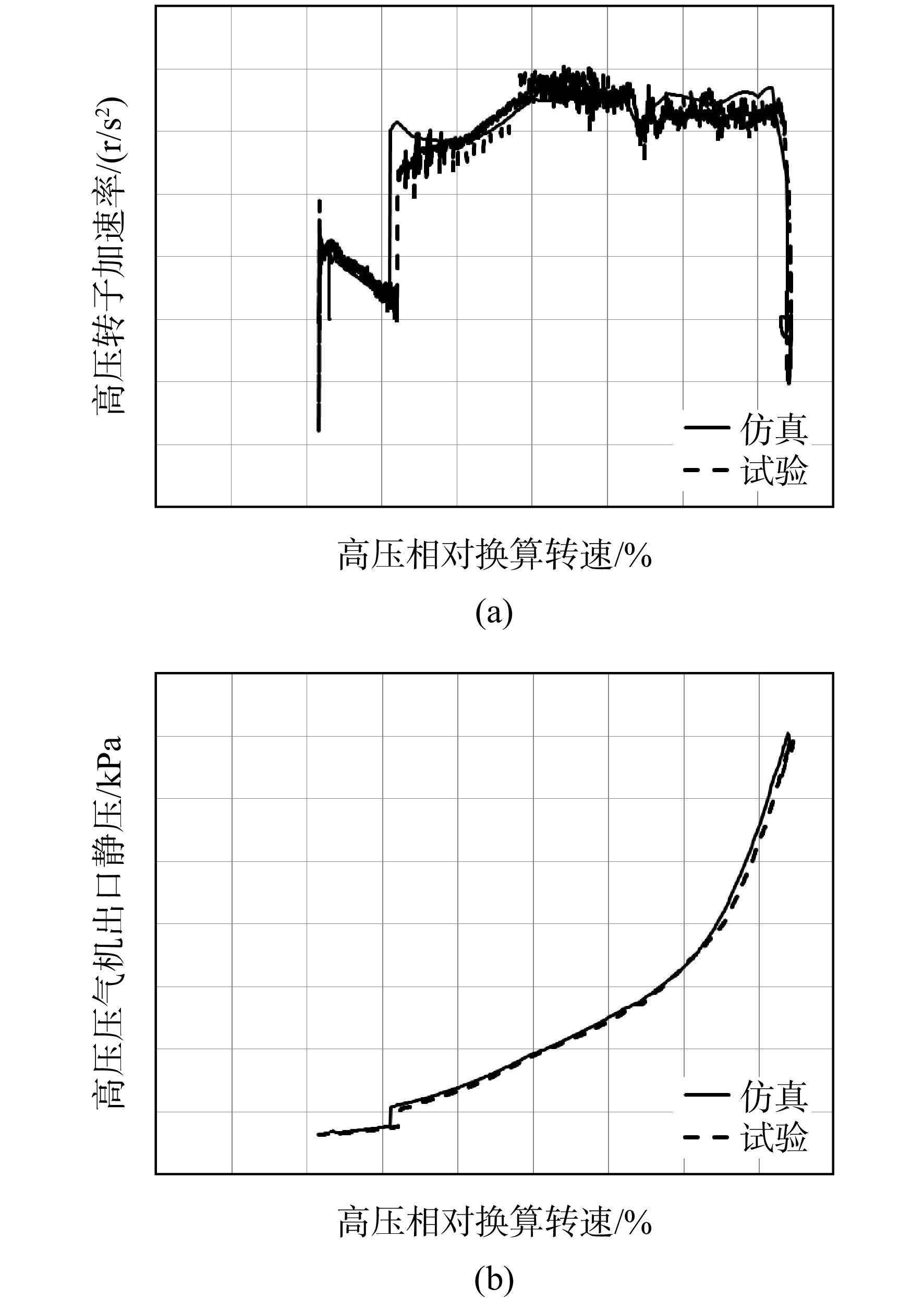
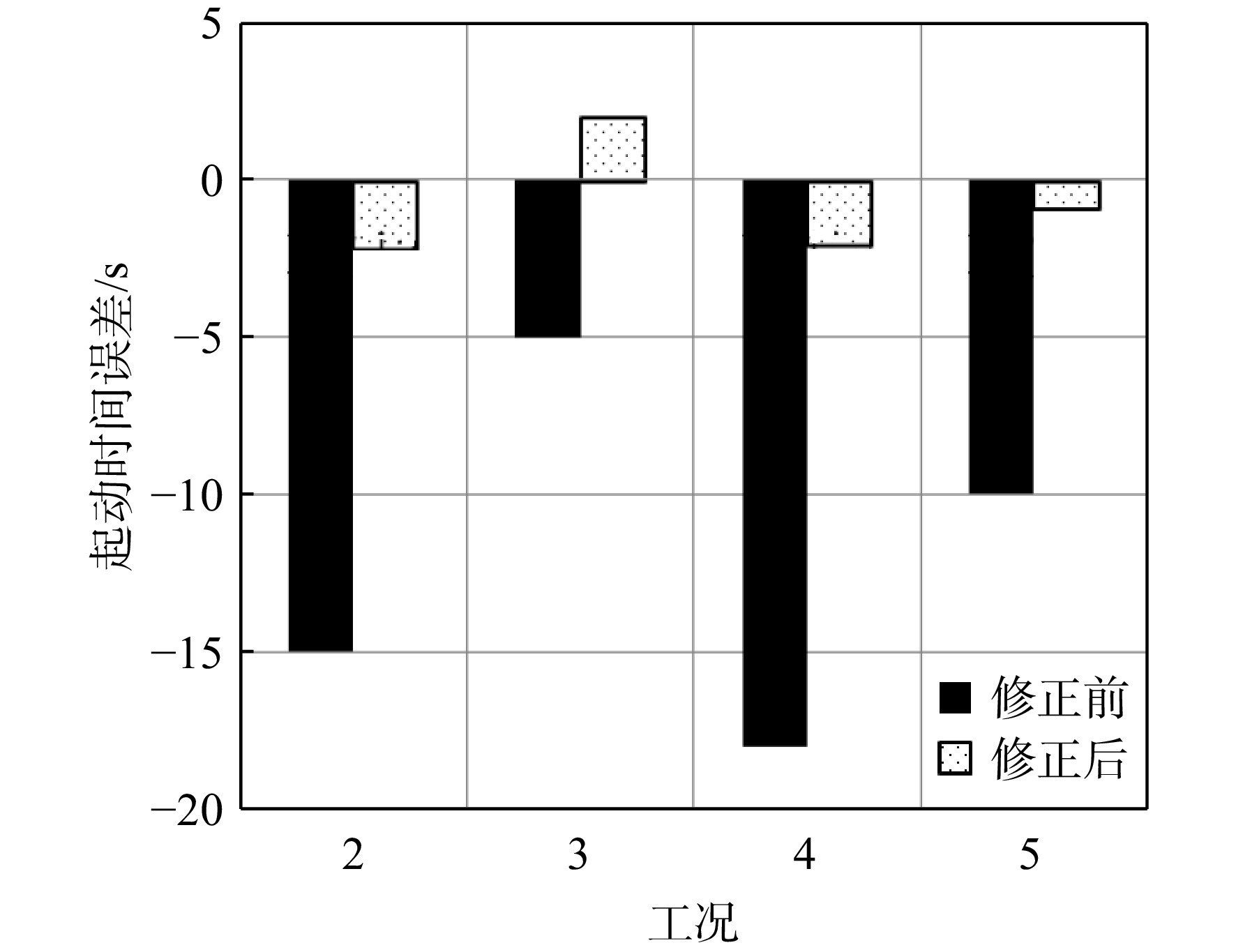
The full thermodynamic engine start model based on component matching still needs to be improved in terms of accuracy and numerical convergence. A calibration method of starter assisted air start (SAAS) model based on backbone characteristics, spool losses and heat soakage parameters was proposed, including the target, design of freedom, solver and calibration procedure. Both calibration and validation cases were demonstrated. Results showed that the prediction of start time after calibration was within 2 s compared with the test results, and the error of maximum exhaust gas temperature was 5 K; critical parameter distribution, such as the high pressure spool acceleration rate, high pressure compressor exit static pressure, exhaust gas temperature etc., matched well with test data for the whole start process; the error of high pressure spool relative corrected speed was 1% and the error of high pressure compressor exit total pressure was about 3.5% under windmilling condition. The accuracy of the calibrated model was testified by the validation cases in the start envelope and improved significantly.

Characterization of dynamic flow regulation of rear variable area bypass injector
FENG Ziyi, LI Zhenyao, ZHU Laiyu, HUANG Yue, ZHANG Huiliu, YOU Yancheng
2026, 41(1): 20240387. doi: 10.13224/j.cnki.jasp.20240387
Abstract:

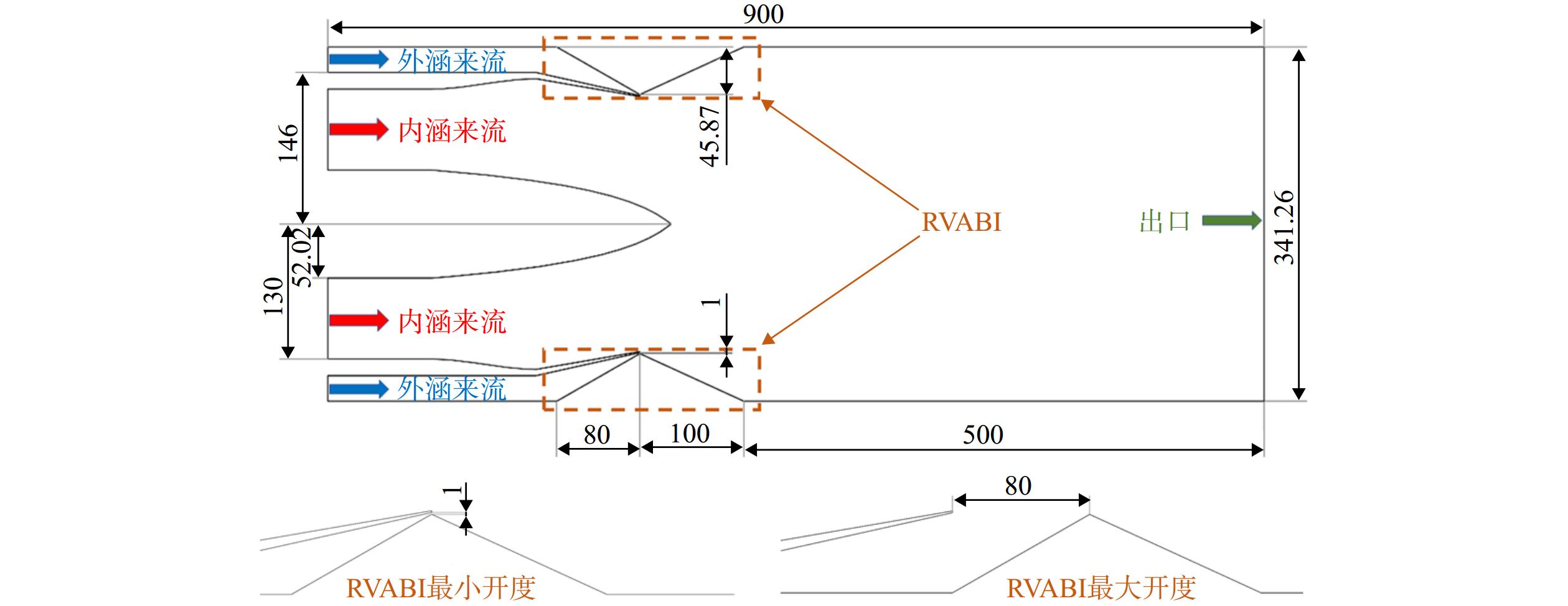
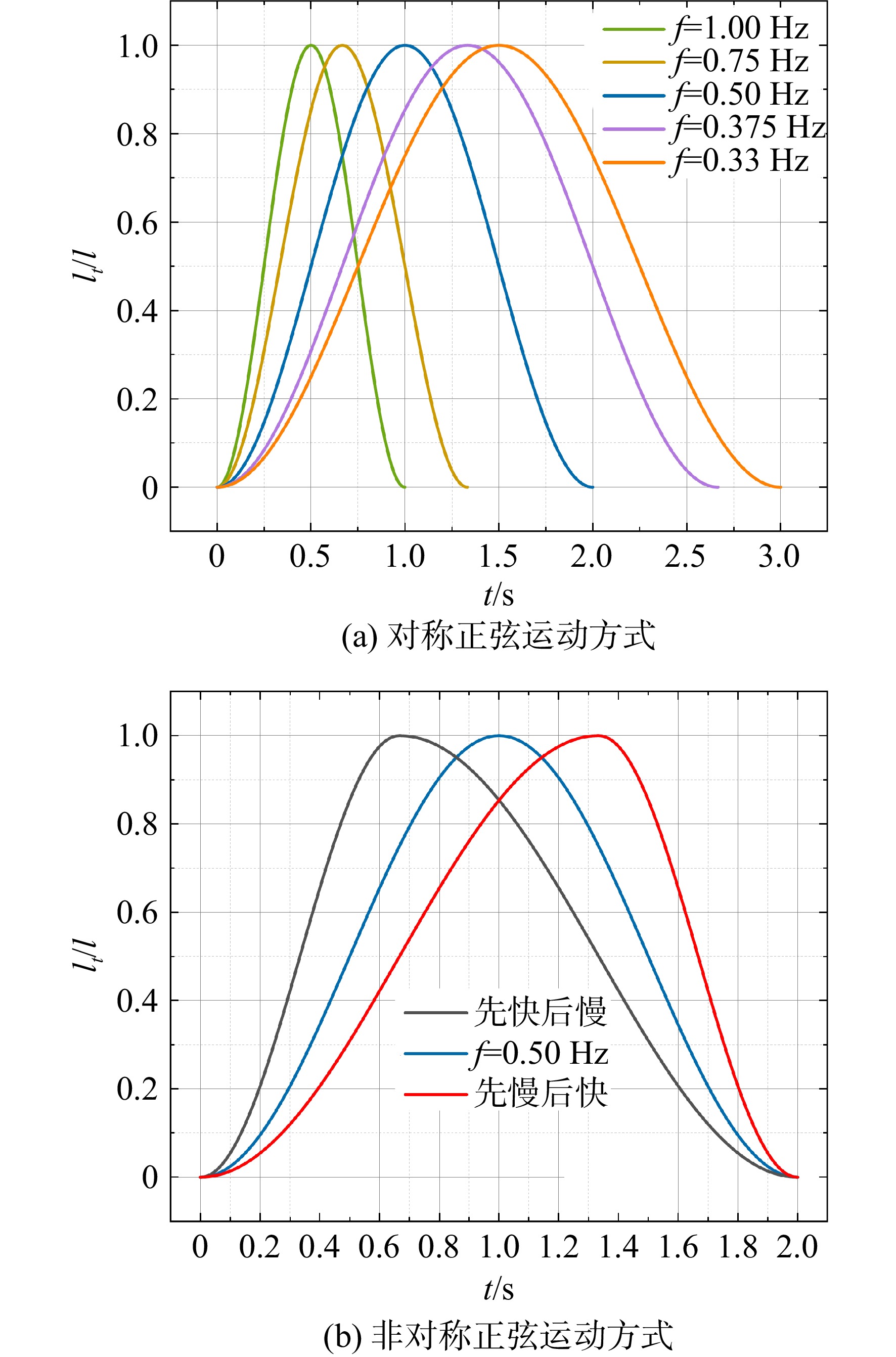
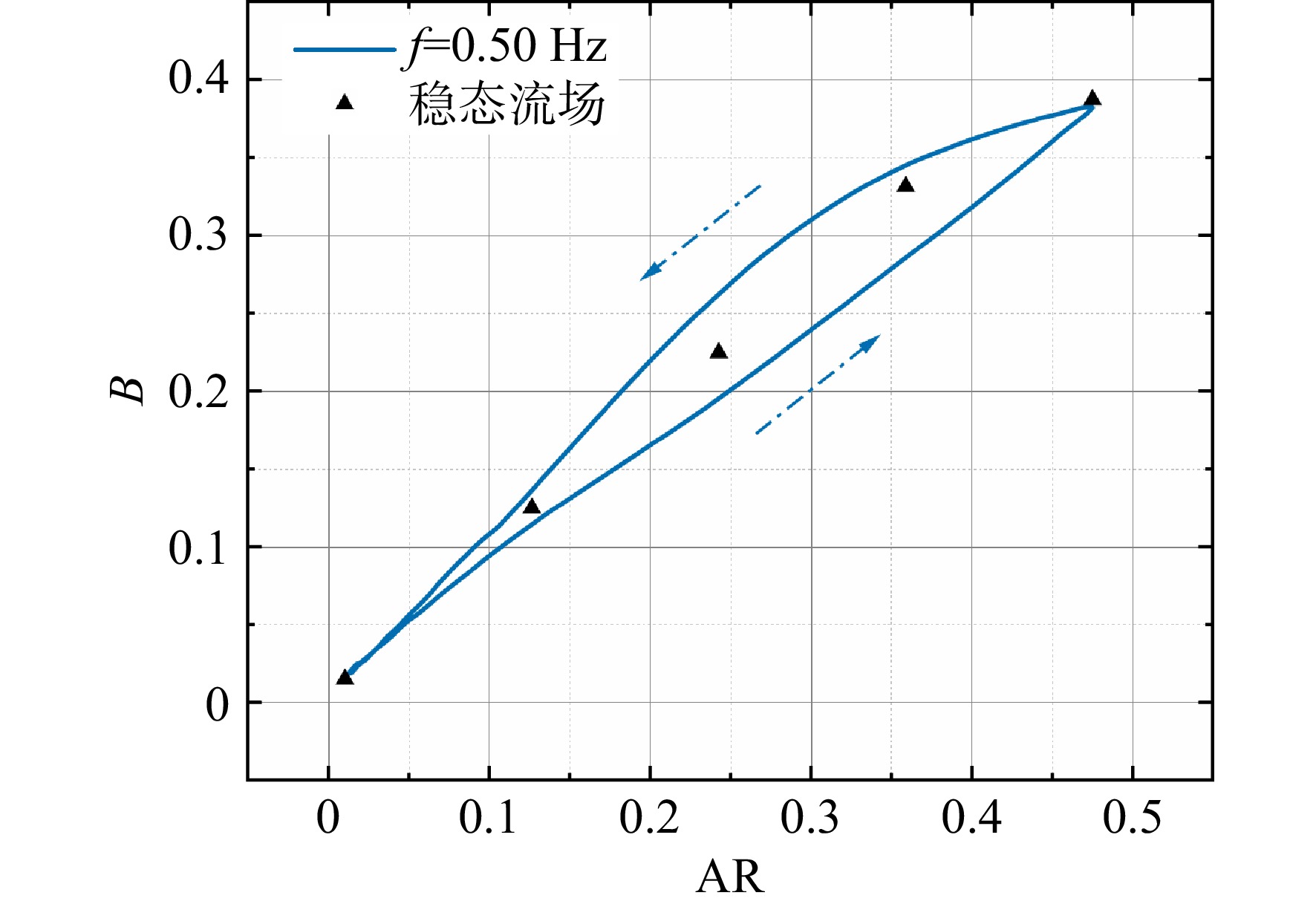
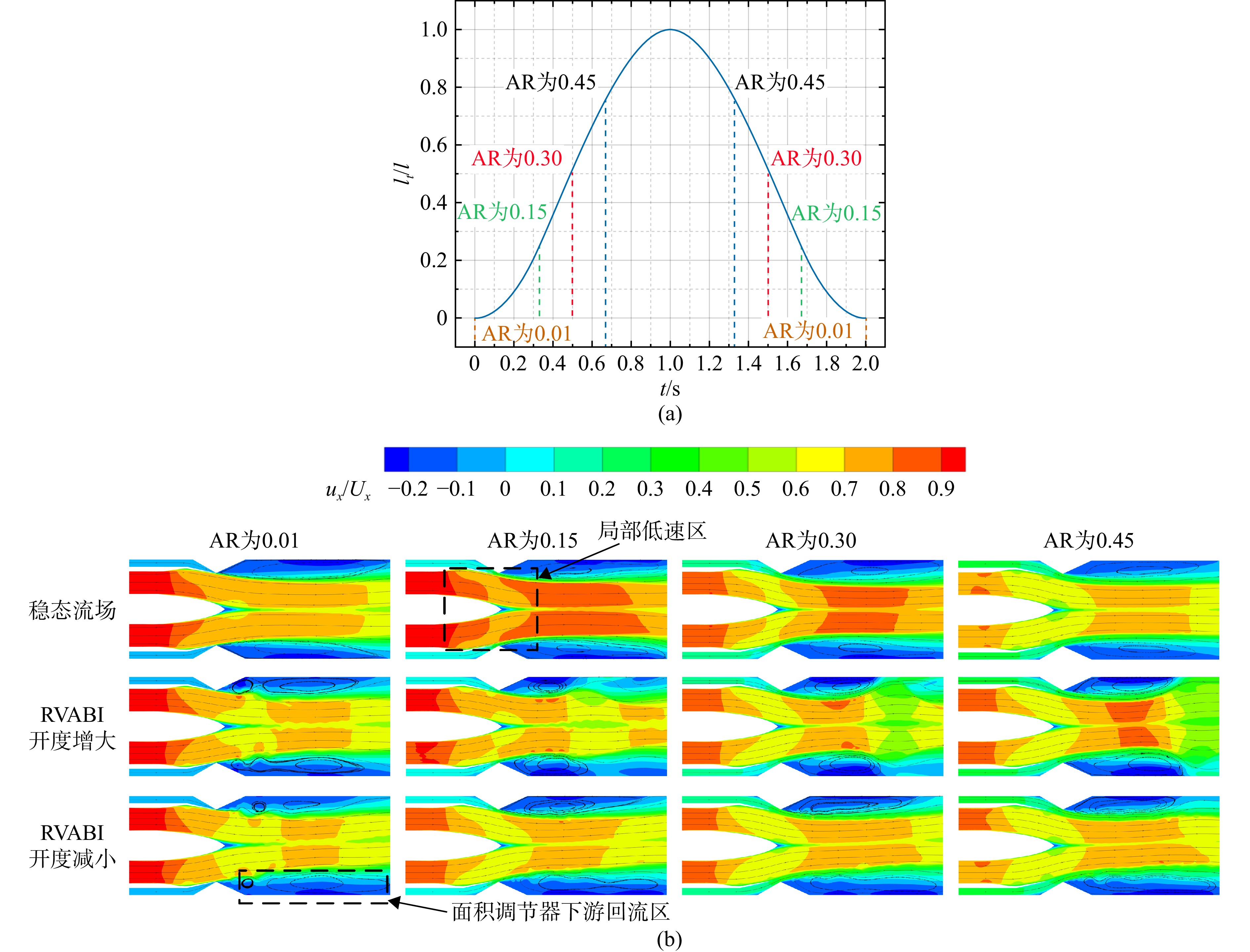
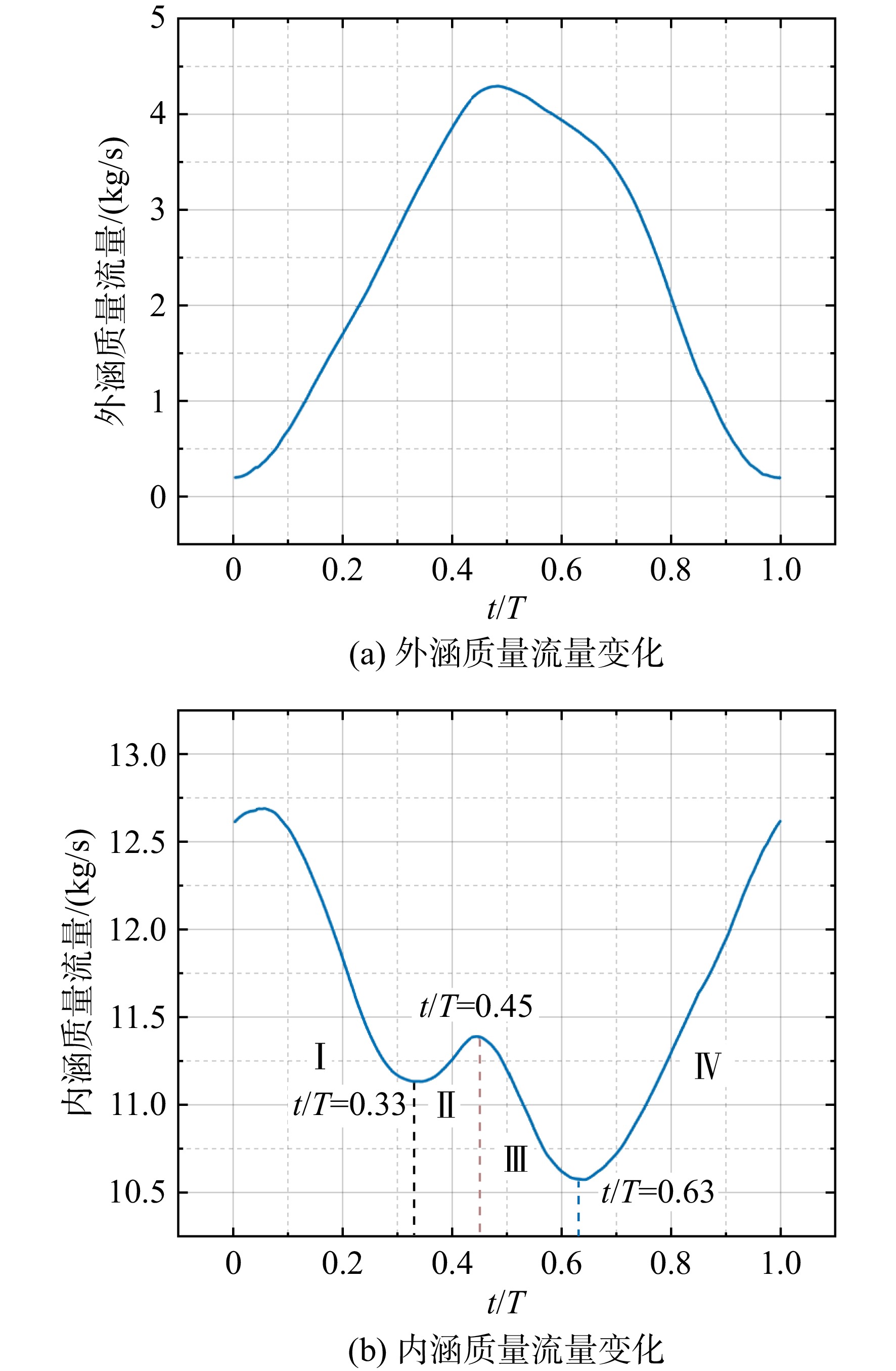
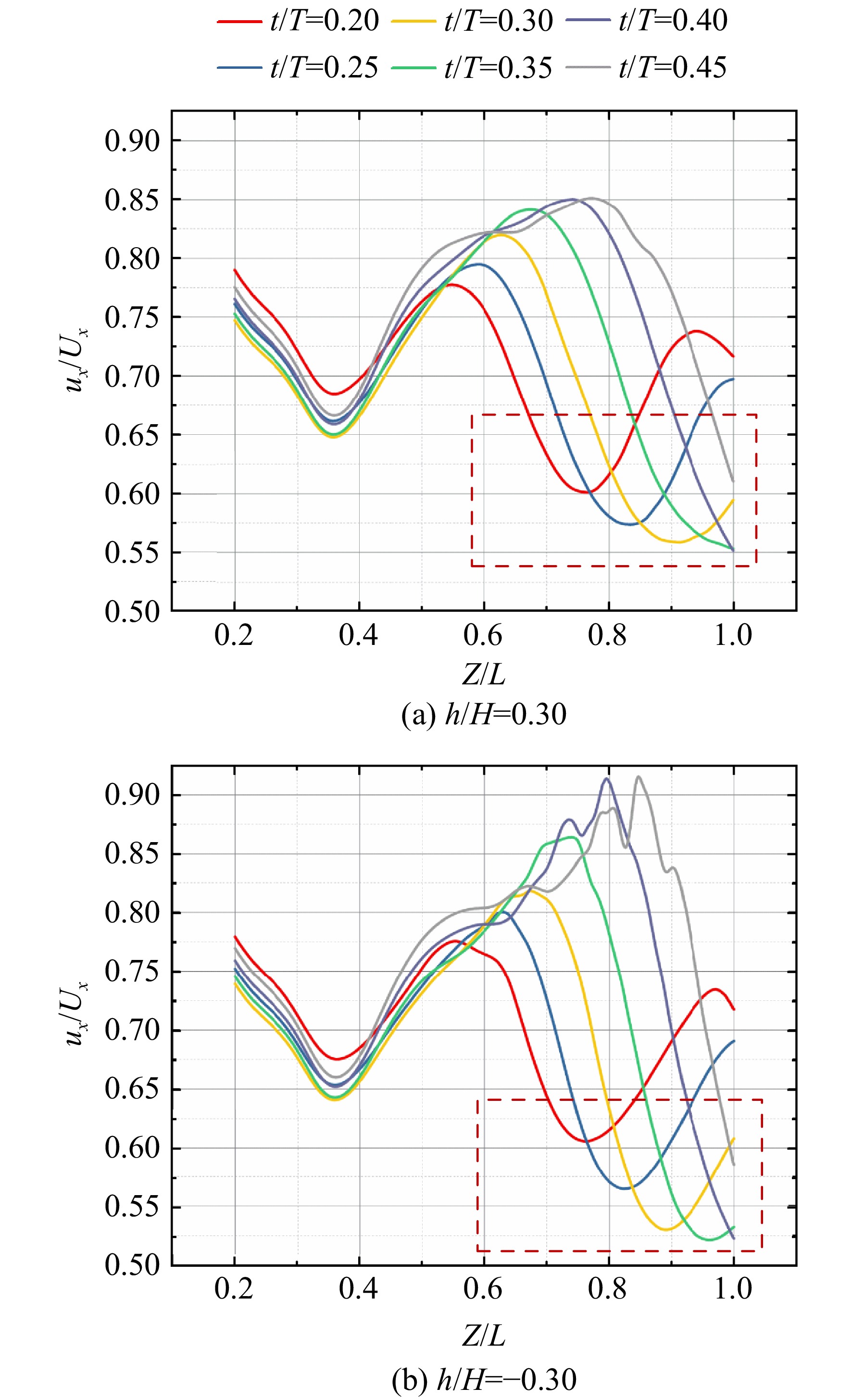
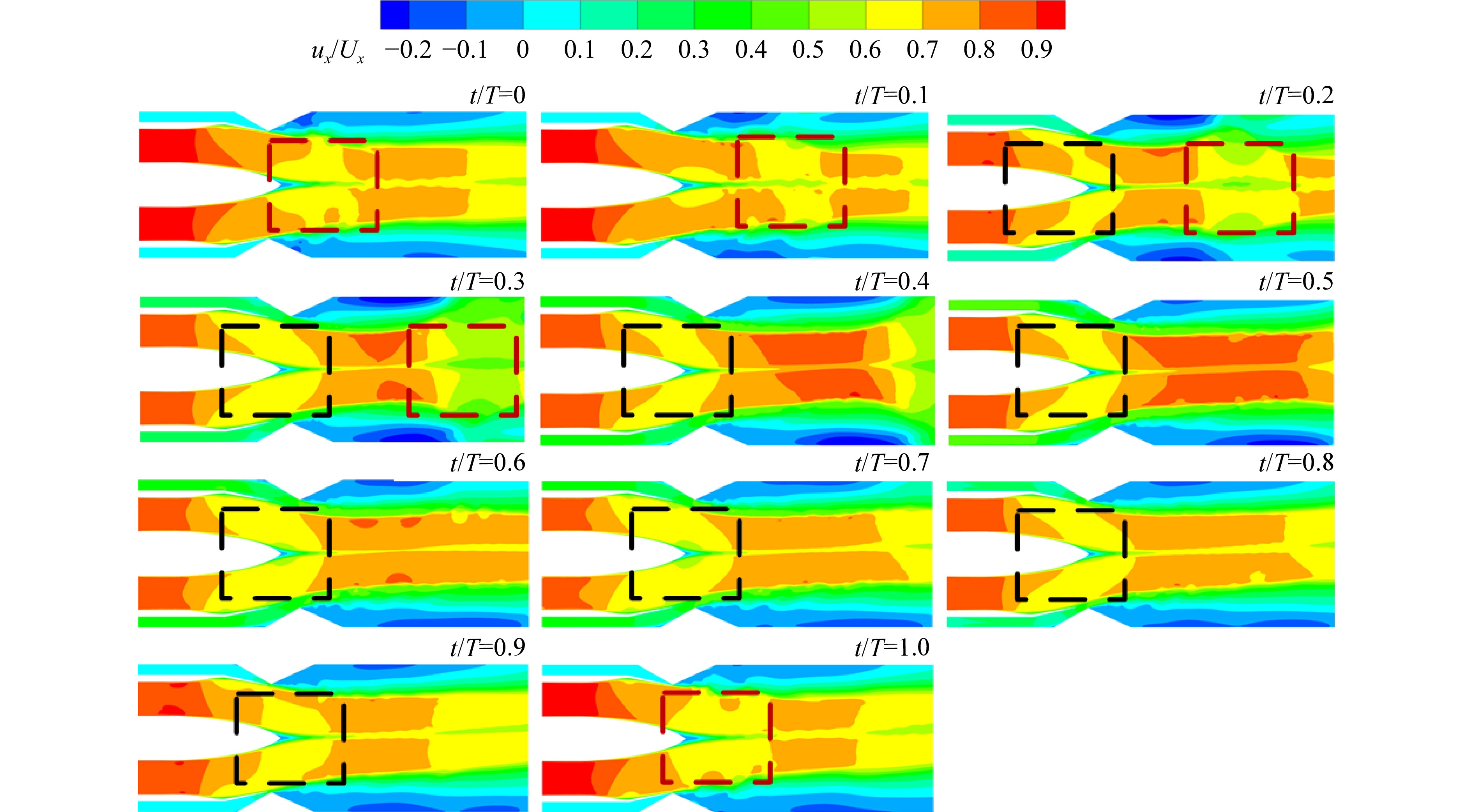
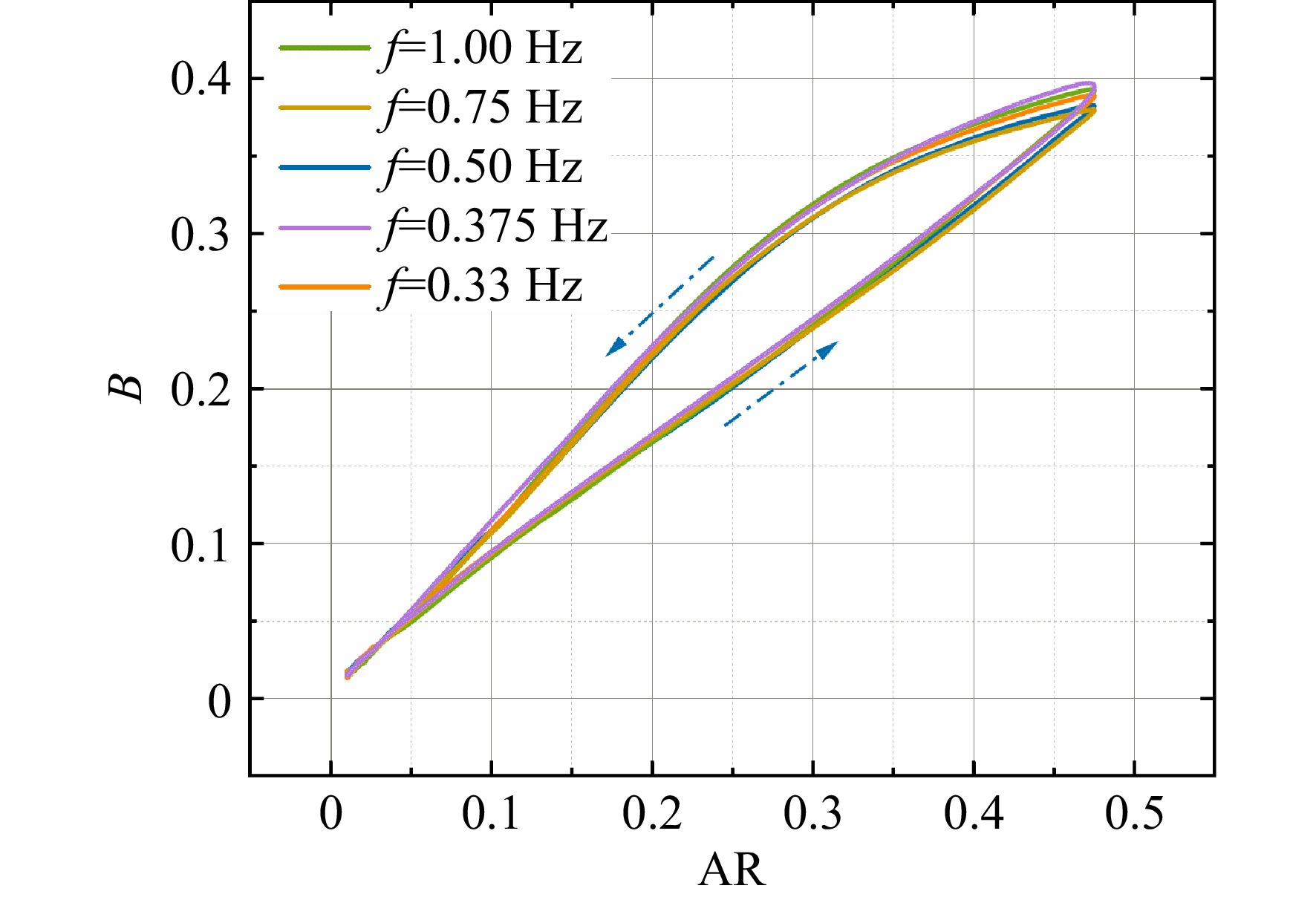
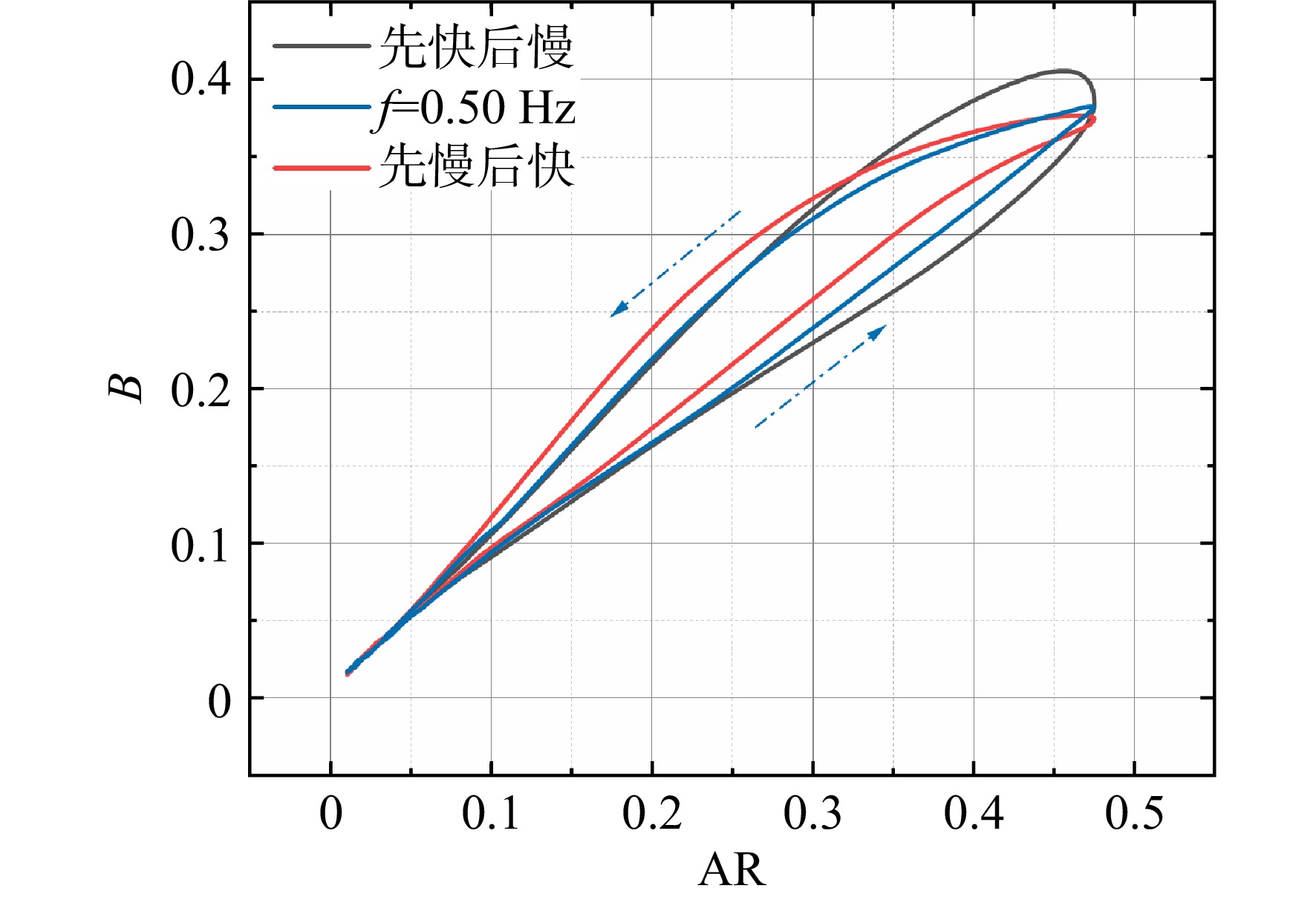
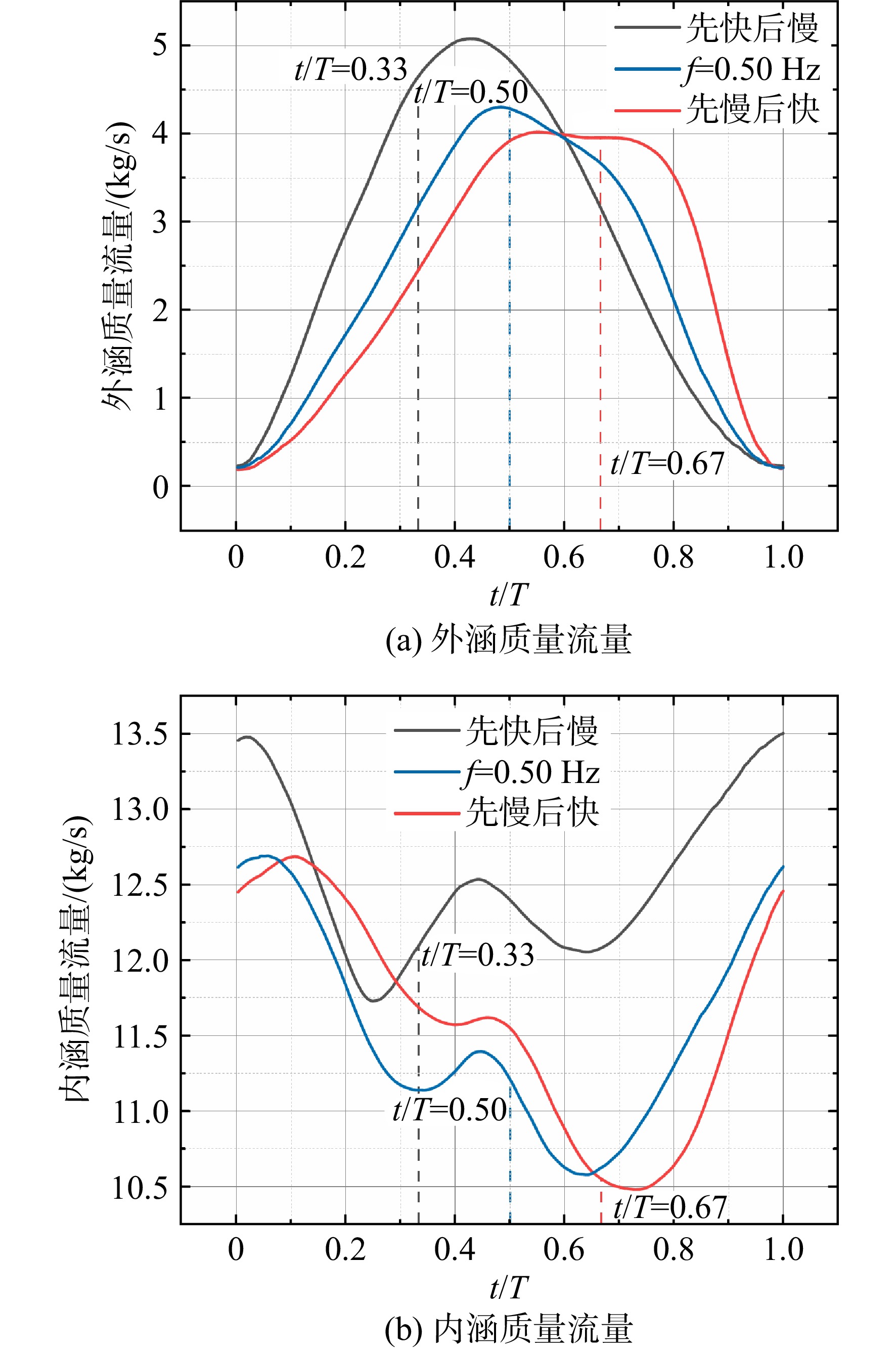
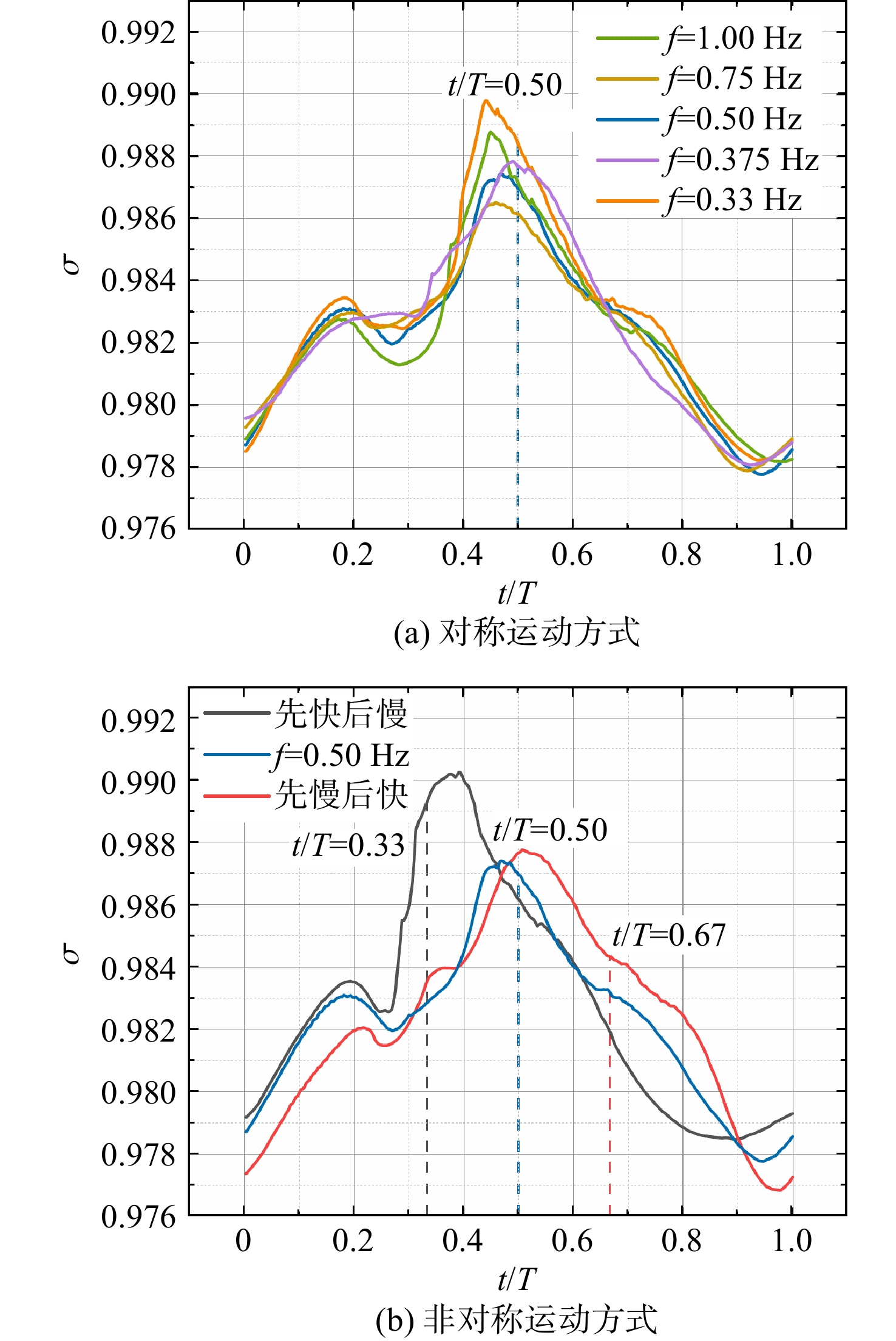
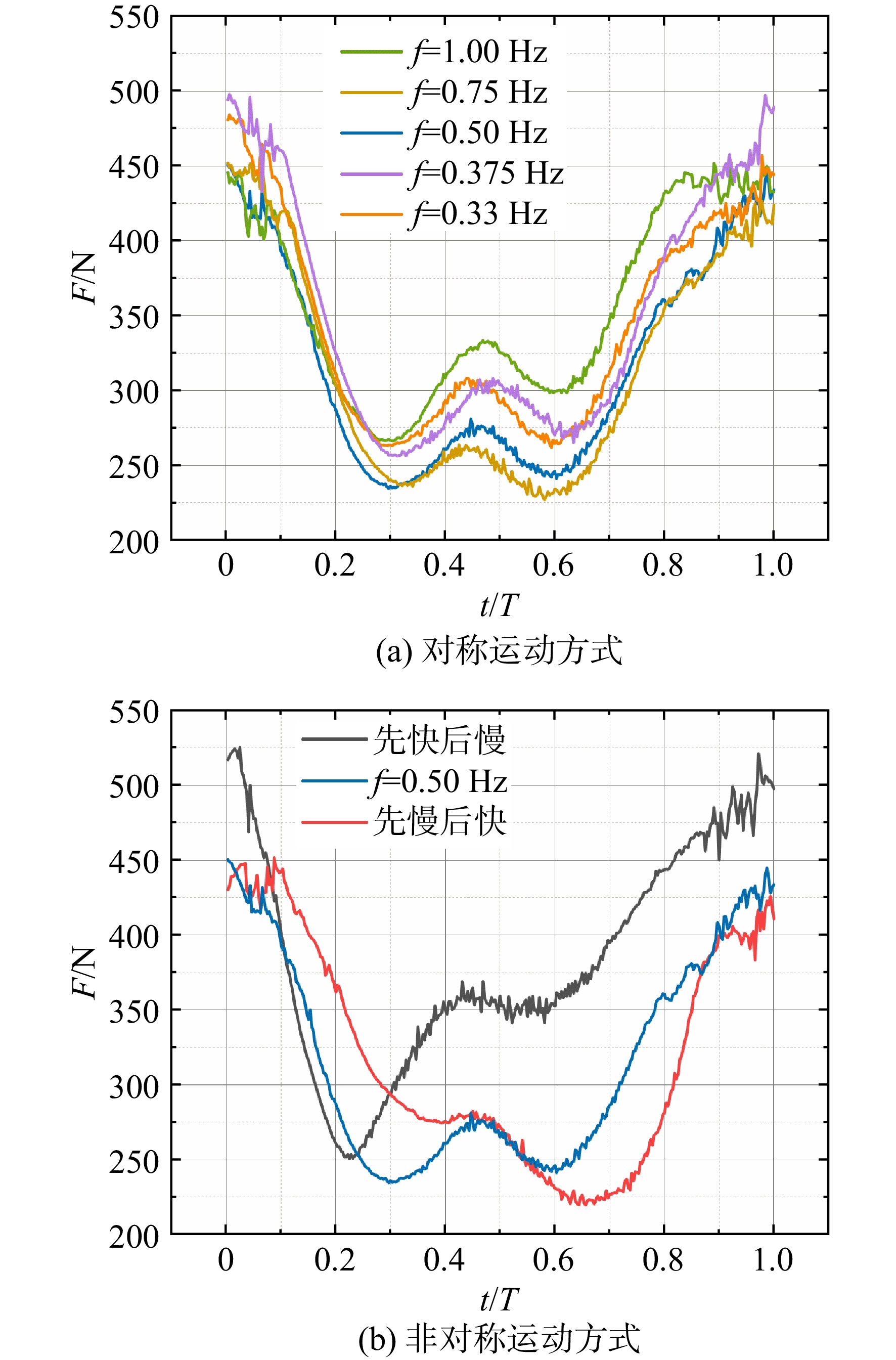
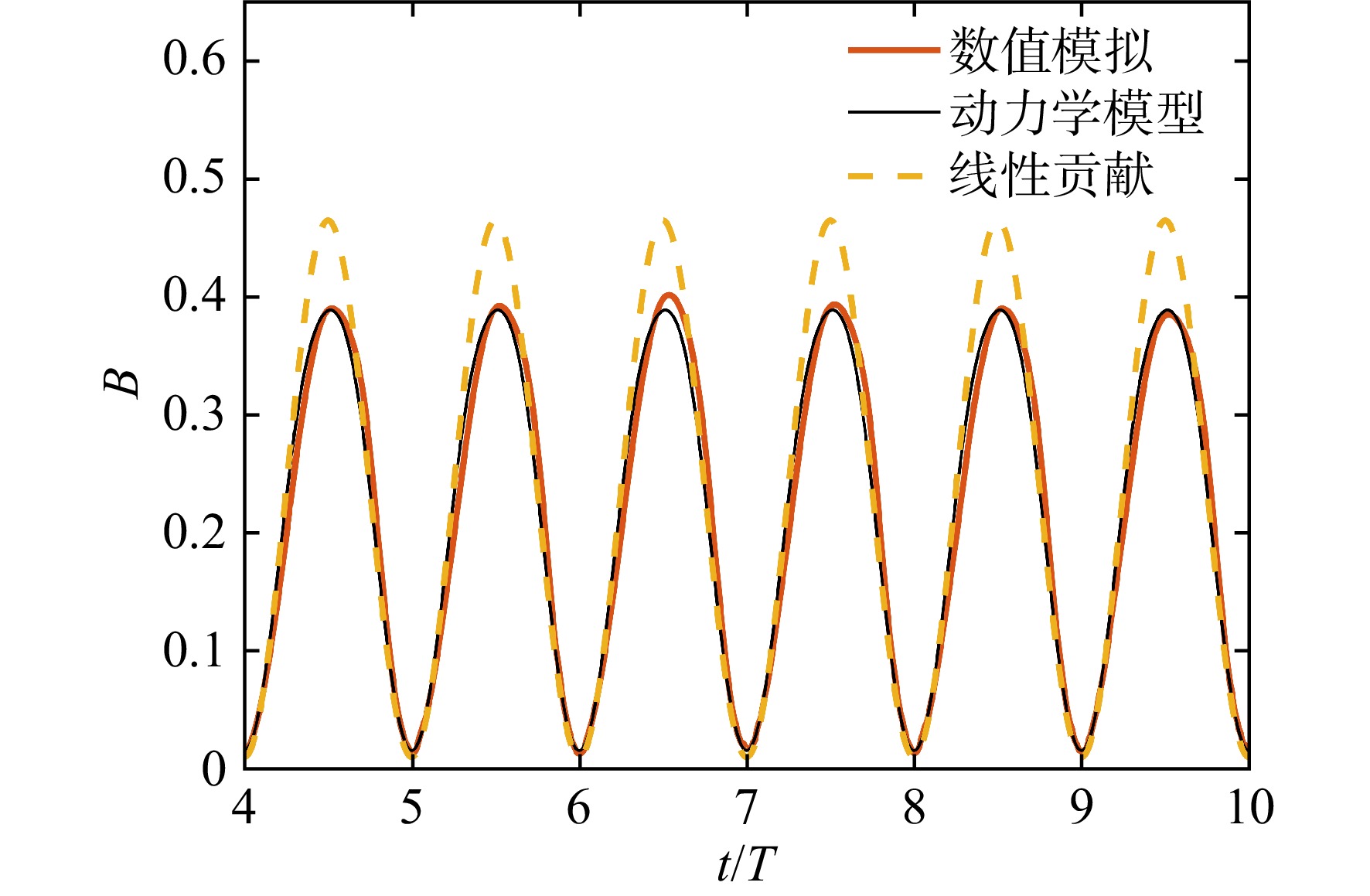
The flow field characteristics during dynamic regulating process of the rear variable area bypass injector (RVABI) were carefully investigated by means of non-constant numerical simulation. In this study, it was found that the bypass stream flow was linearly correlated with the opening of the area regulator during the reciprocating motion of the area regulator, while the change of the main stream flow was further affected by the change rate of the opening of the area regulator, showing hysteresis change characteristics in a single period, and finally the characteristics of the bypass ratio nonlinear hysteresis change were formed. Then, the influence laws of the constant frequency motion mode and the variable frequency motion mode on the characteristic indexes were analyzed, finding that the frequency change of asymmetric motion mode was the main factor contributing to the changes of the flow characteristic indexes of afterburner. Furthermore, in order to quickly predict the change of bypass ratio under different motion modes, nonlinear dynamics modeling of bypass ratio change was carried out, and the average error of the maximum bypass ratio between the model prediction results and the numerical simulation results under different motion modes was 4.1%.

Effect of helium cycle control method on steady-state performance of deeply precooled combined cycle engine
ZHENG Shangzhe, JIA Linyuan, GAO Yuan, TIAN Fang, WANG Yi
2026, 41(1): 20250207. doi: 10.13224/j.cnki.jasp.20250207
Abstract:

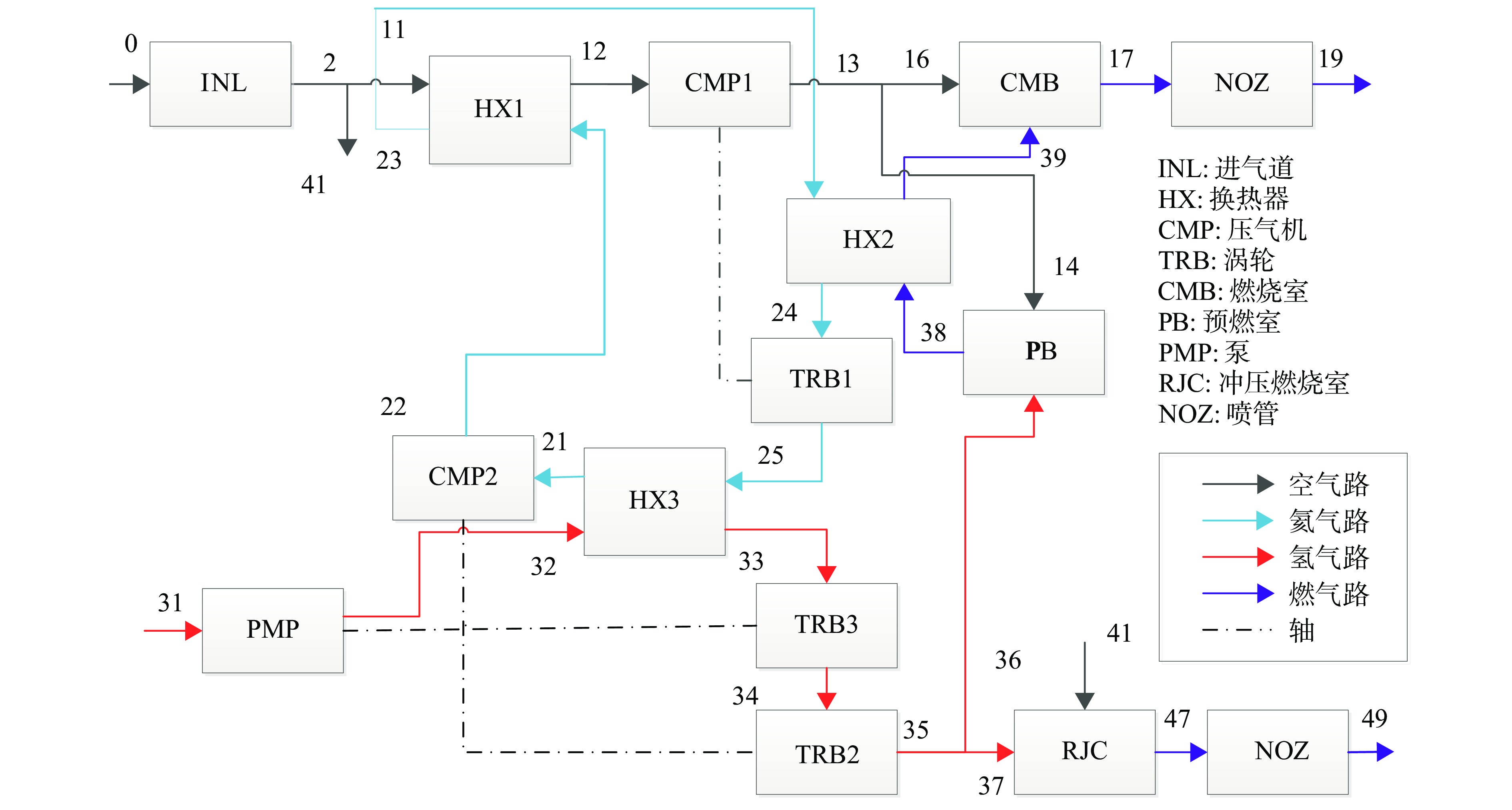
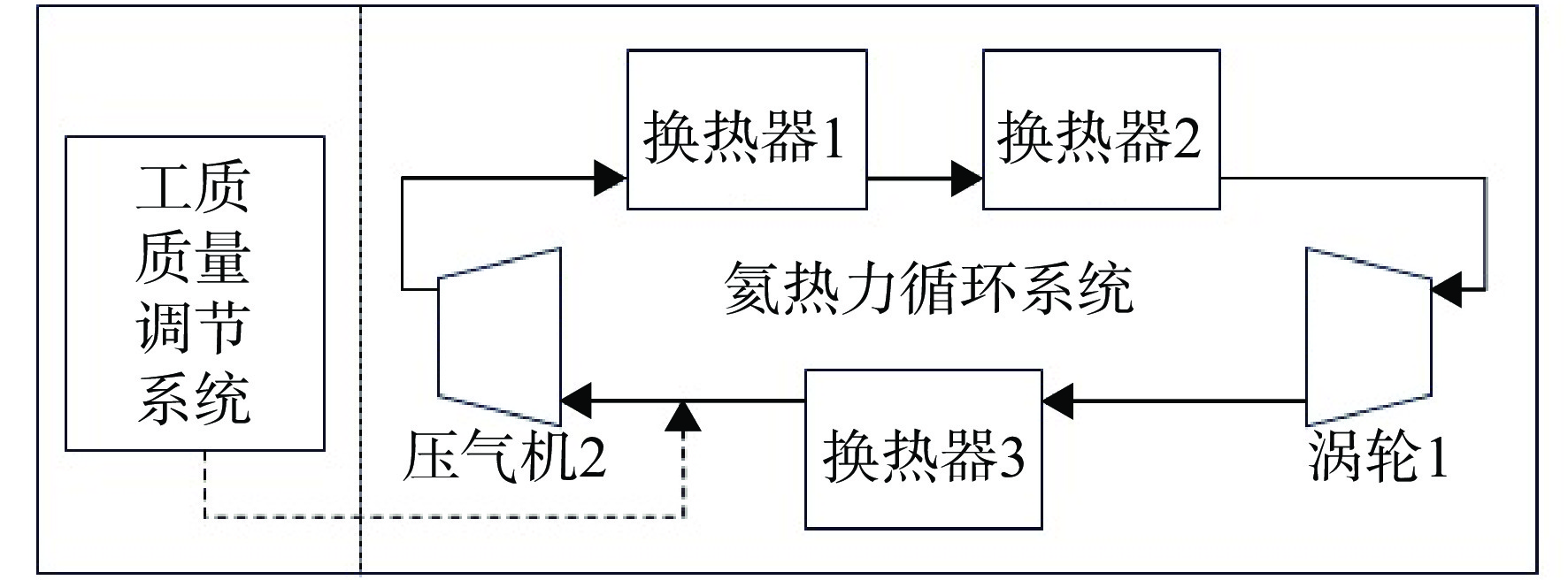
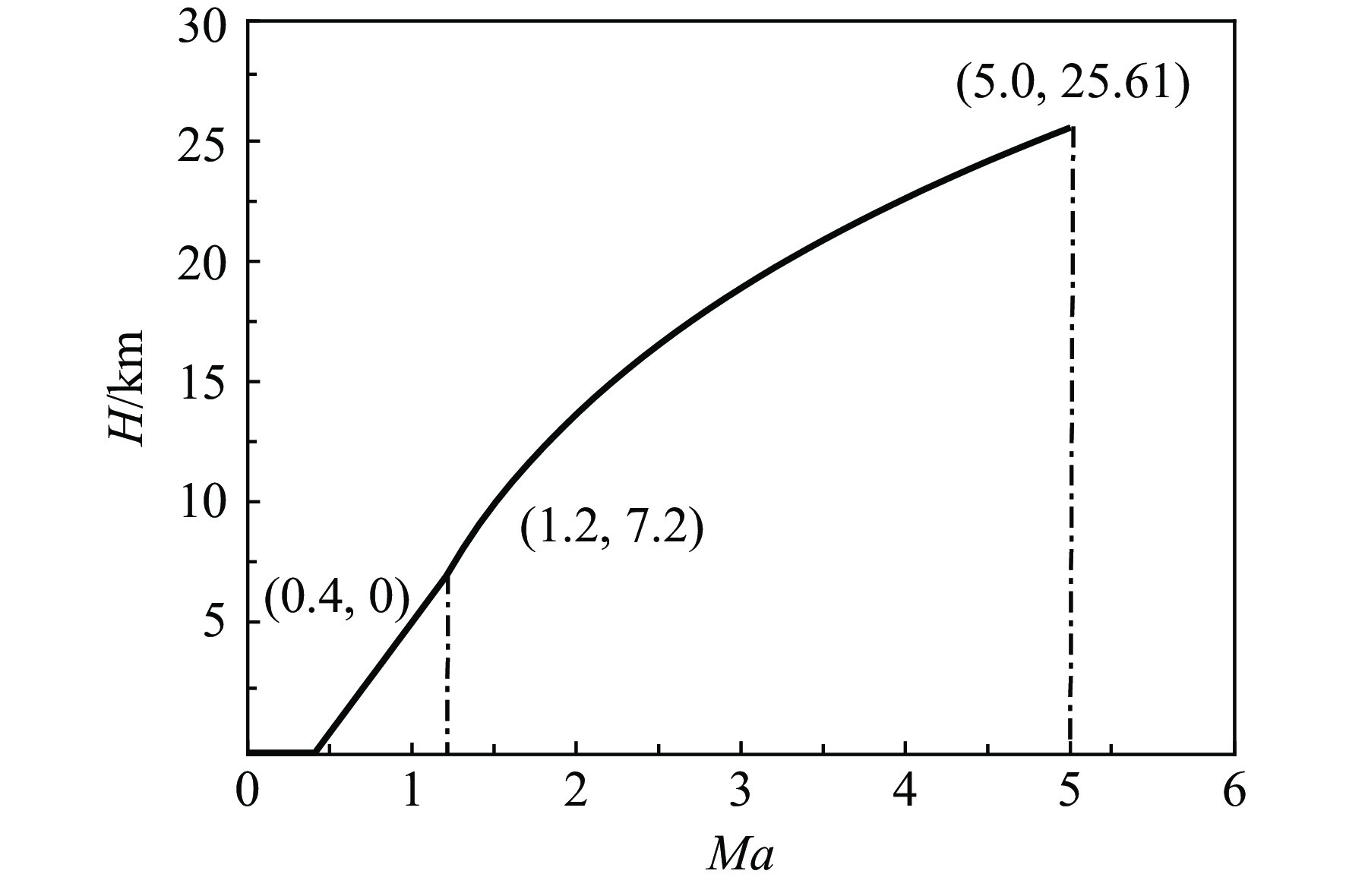
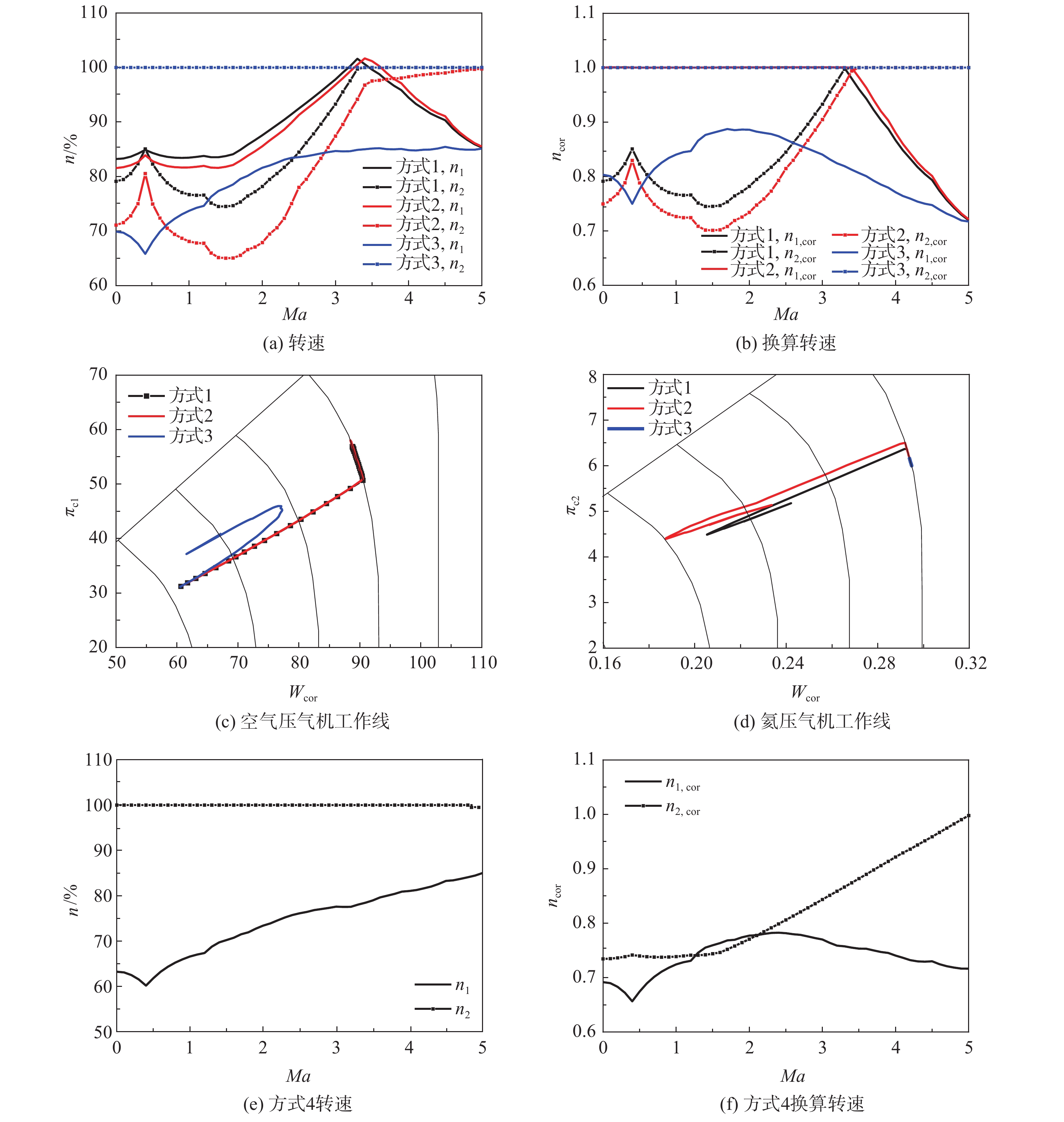
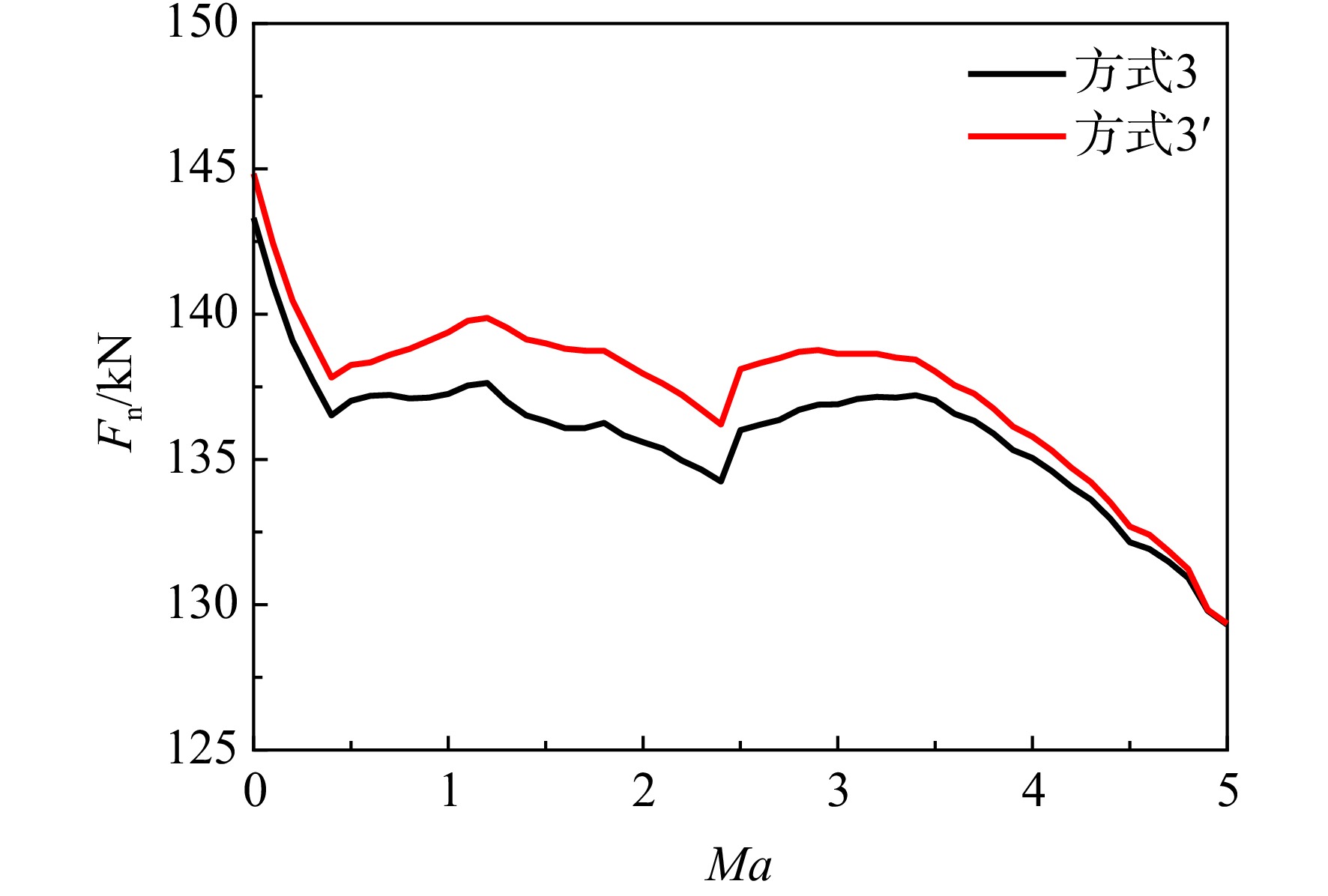
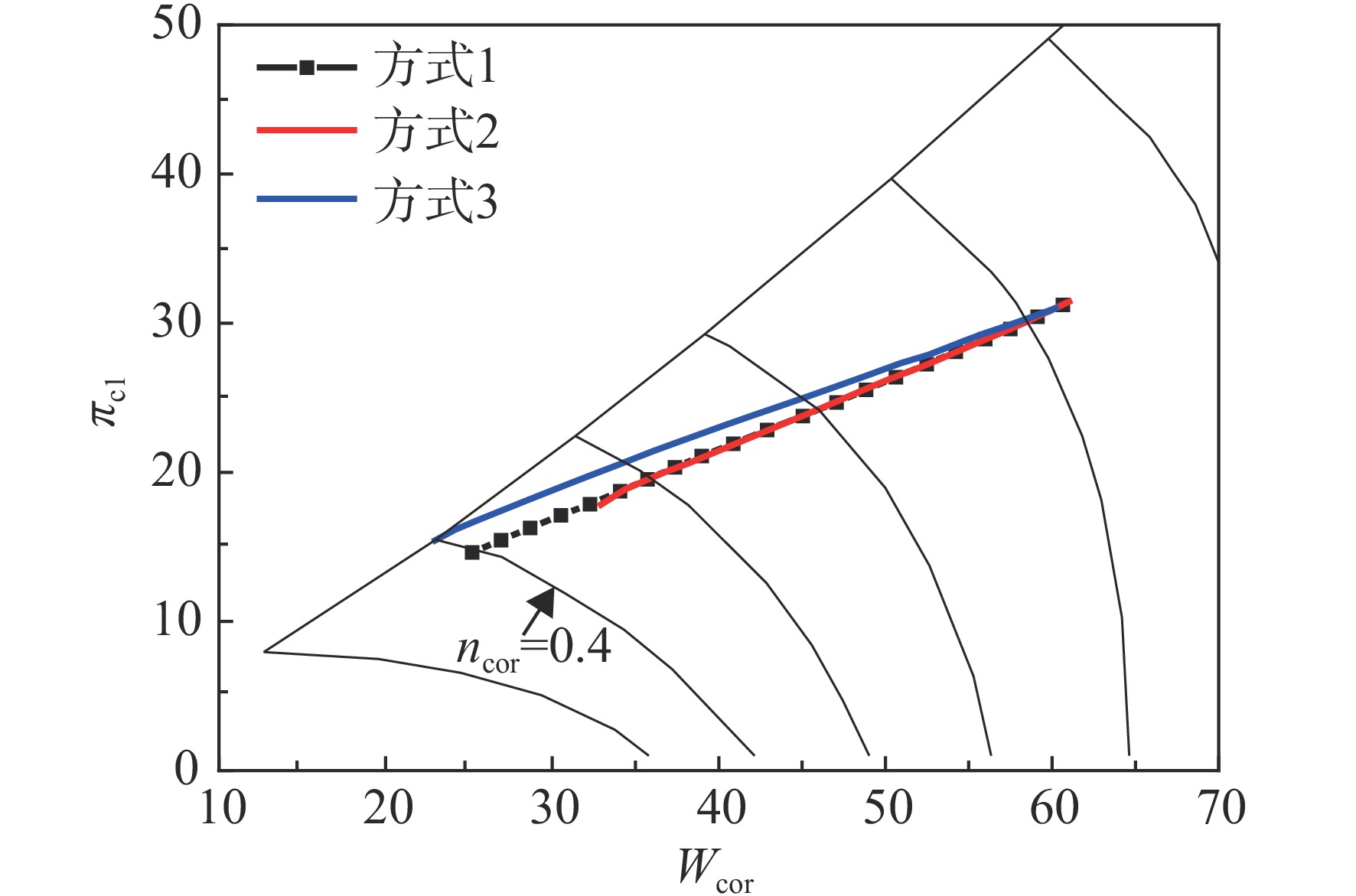
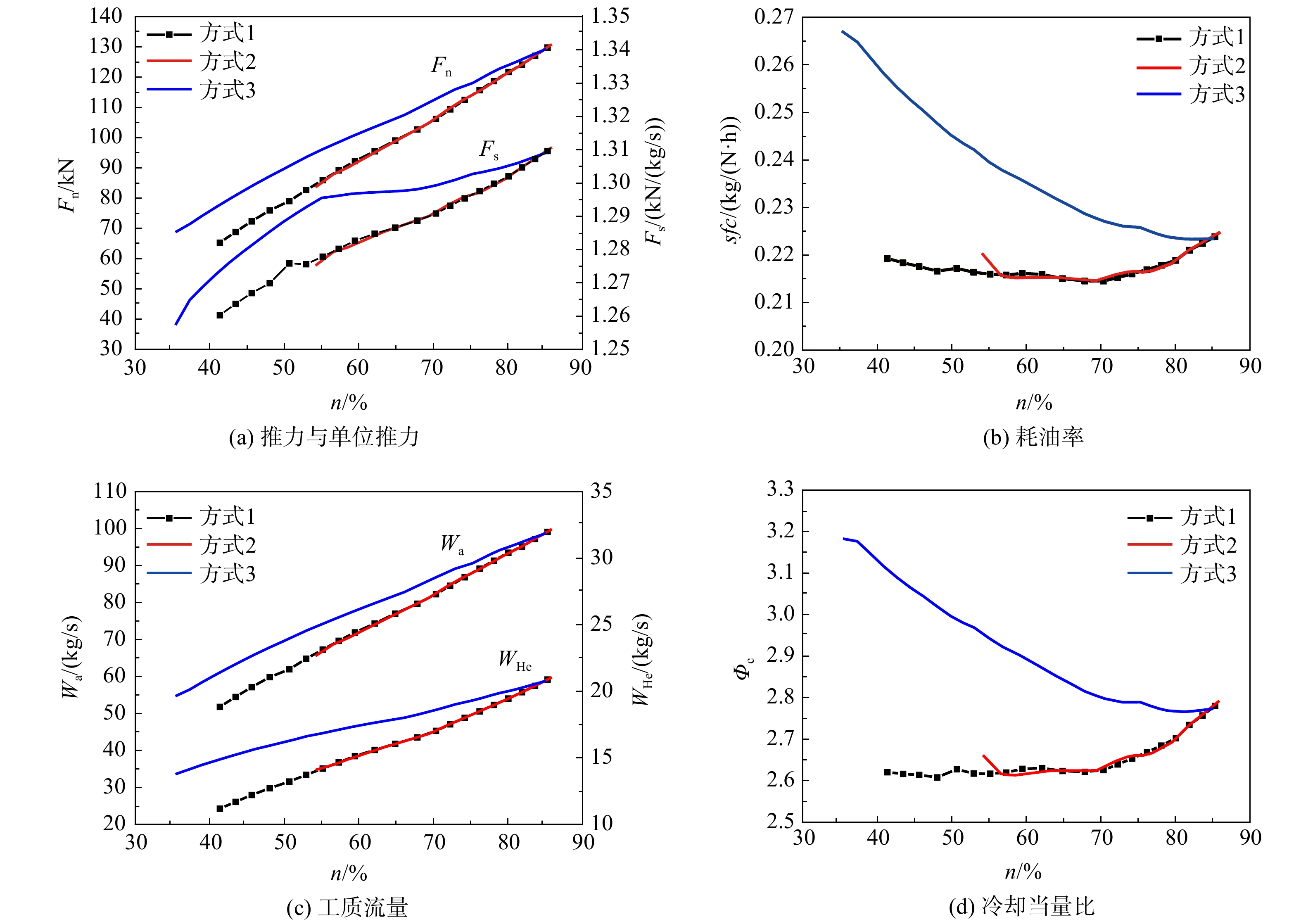
The closed helium cycle is a critical factor affecting engine performance in the deeply precooled combined cycle engine. A steady-state performance calculation model based on the component-based method for deeply precooled combined cycle engine was established, and the impact of modifying control method for the closed helium cycle under identical steady-state control schedule was analyzed. Using the baseline control mode 1 as a reference, any two of the four variables: initial helium cycle temperature, initial pressure, adjustable guide vane of turbine 2 and helium mass in regulation system were selected as the degrees of freedom for adjustment, but due to system constraints, three feasible helium cycle control methods were finally proposed. The analysis of these control methods on maximum and throttling states revealed that, when the engine operated in the maximum state, control method 4 cannot be completed. If the maximum thrust was the target, control method 2 should be selected. If the target was to save hydrogen fuel or reduce the complexity of the helium circulation system, control method 3 should be selected. When performing throttling state operation, control method 1 had a deeper throttling, control method 2 was farther away from the surge boundary, and control method 3 had the highest fuel consumption rate.

Numerical simulation of subsonic impinging jet flow field characteristics and tone mechanism
LI Hao, JIANG Shujie, ZHANG Rongping, YANG Xiaoquan, LIANG Yuxiang
2026, 41(1): 20240851. doi: 10.13224/j.cnki.jasp.20240851
Abstract:

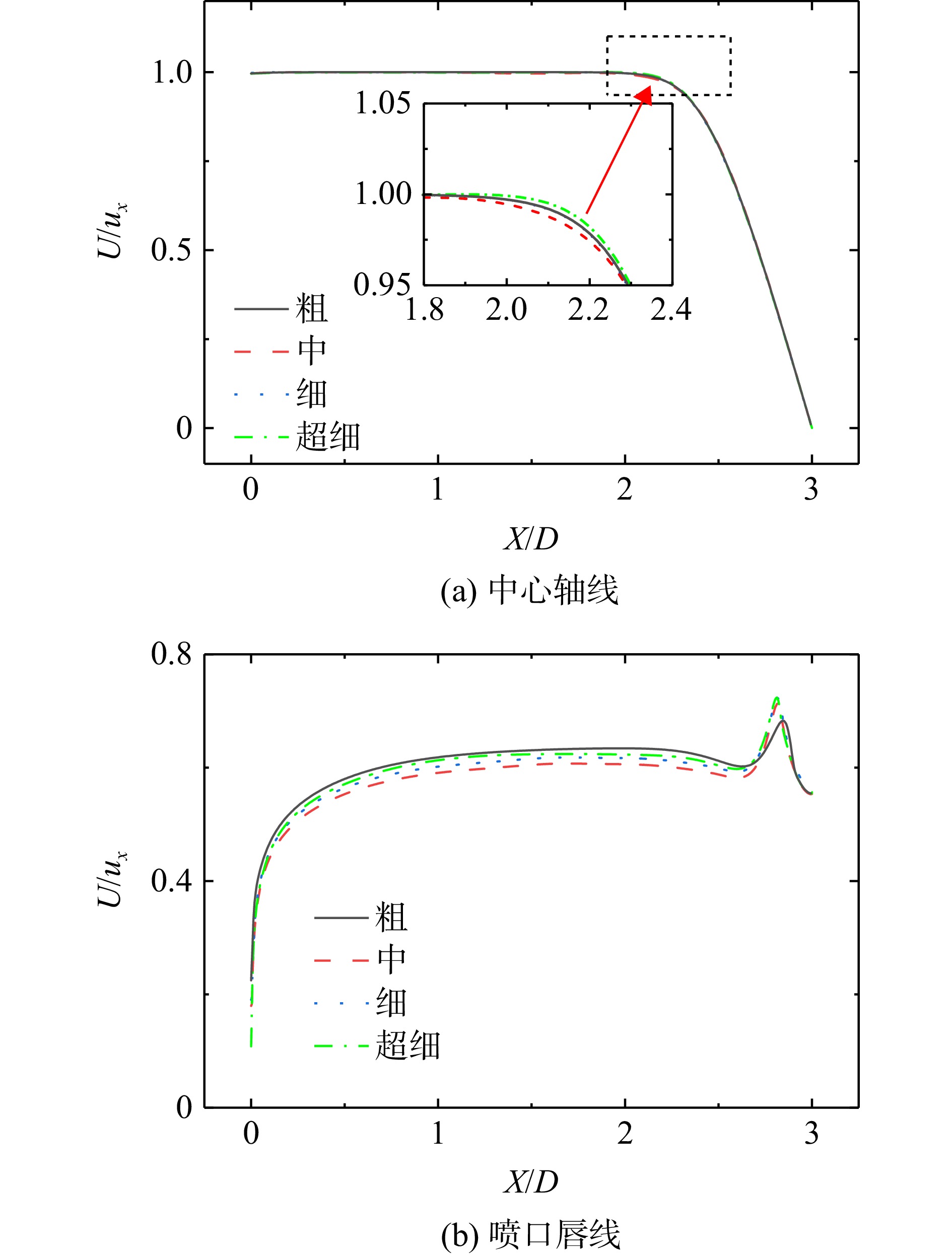
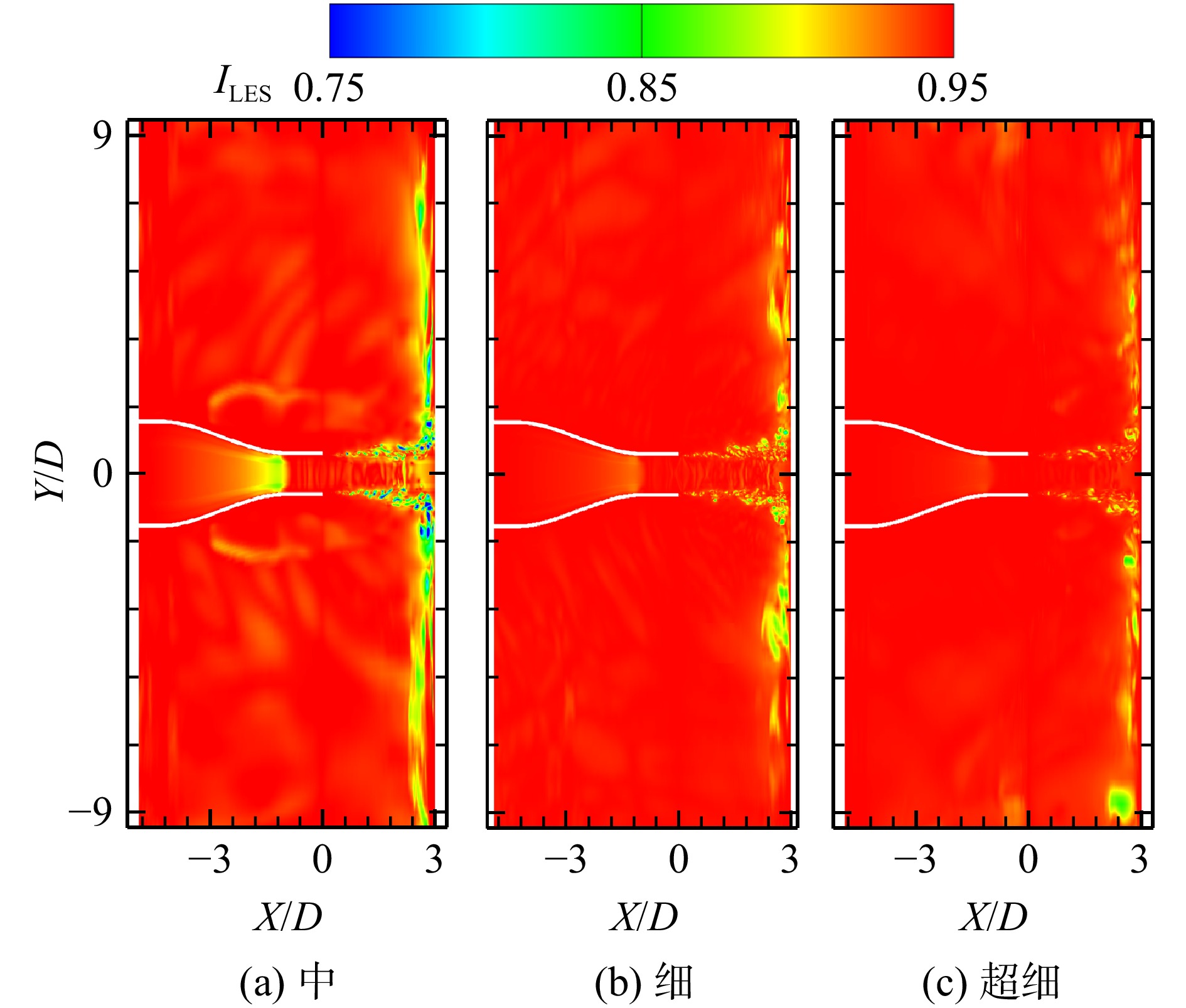
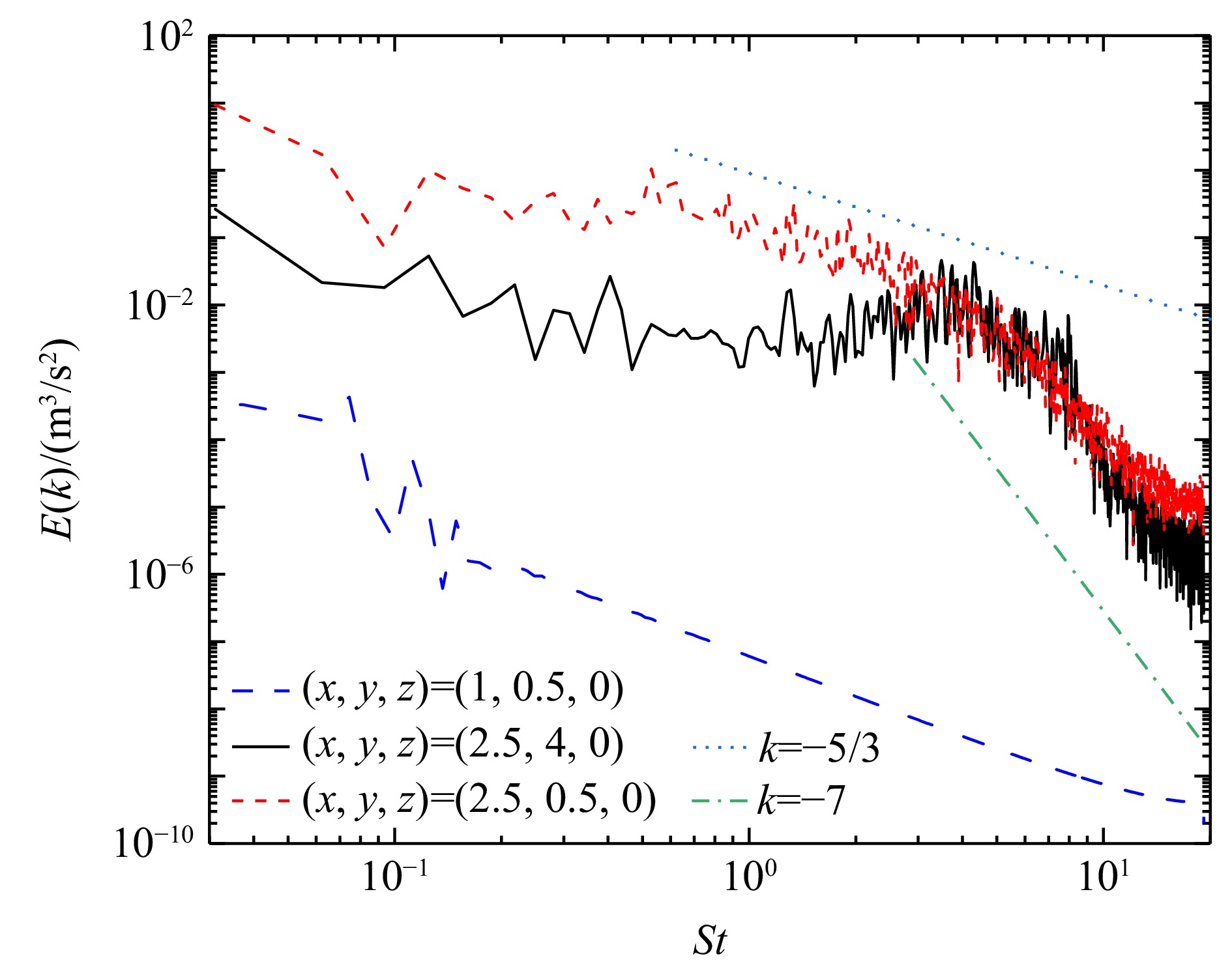
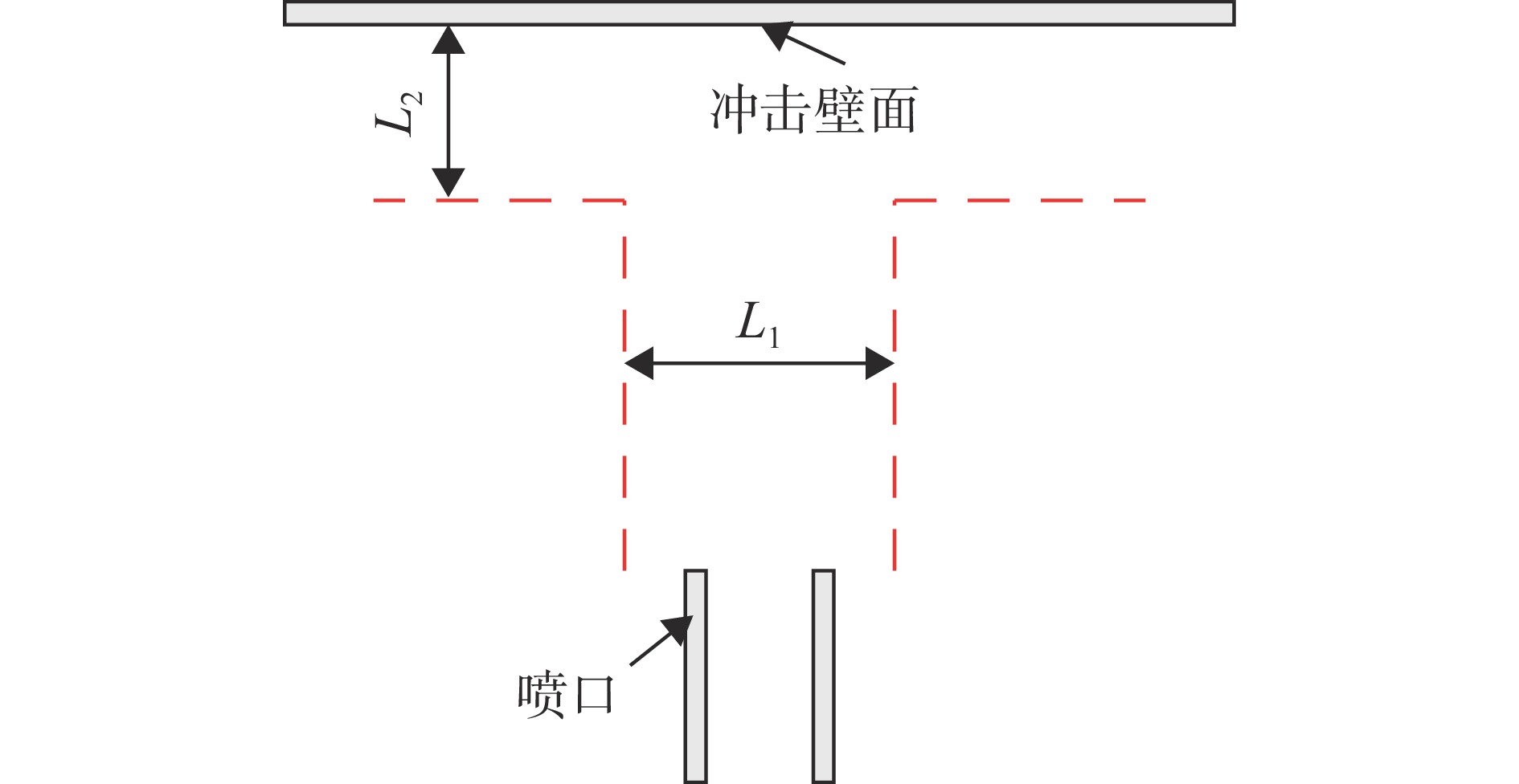
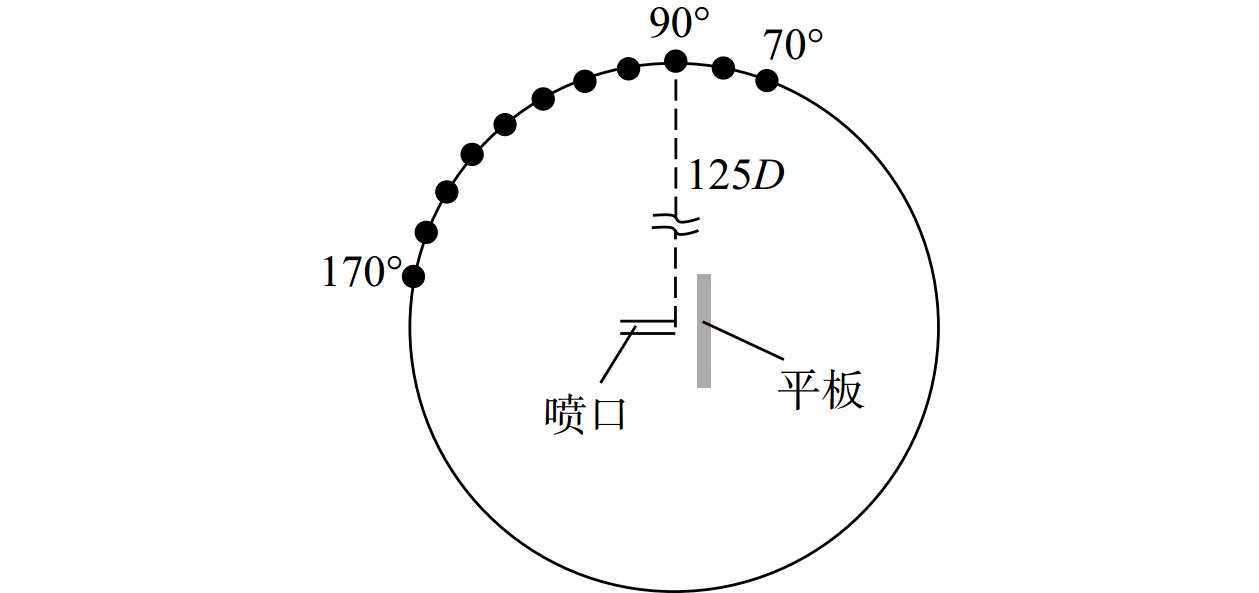
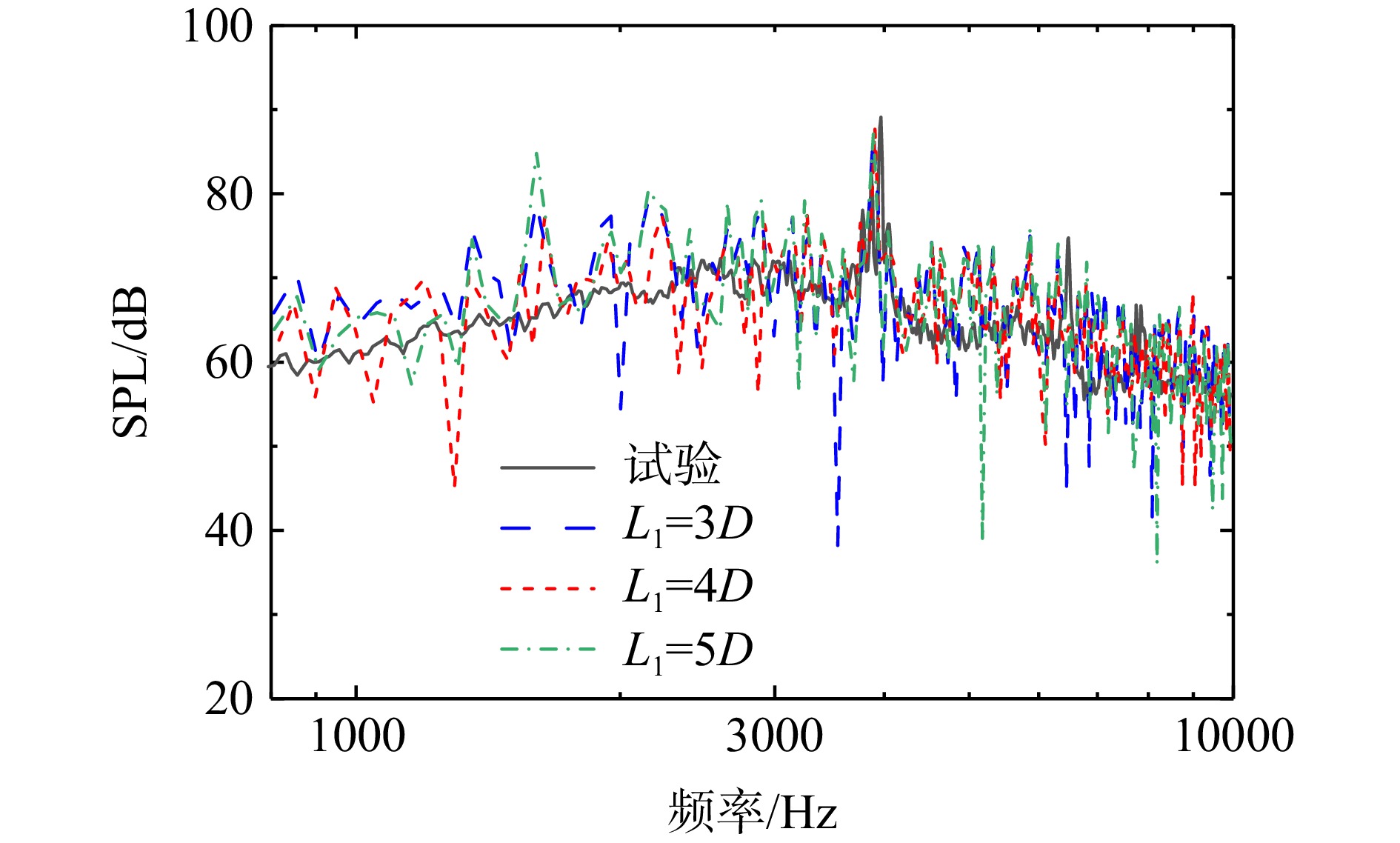
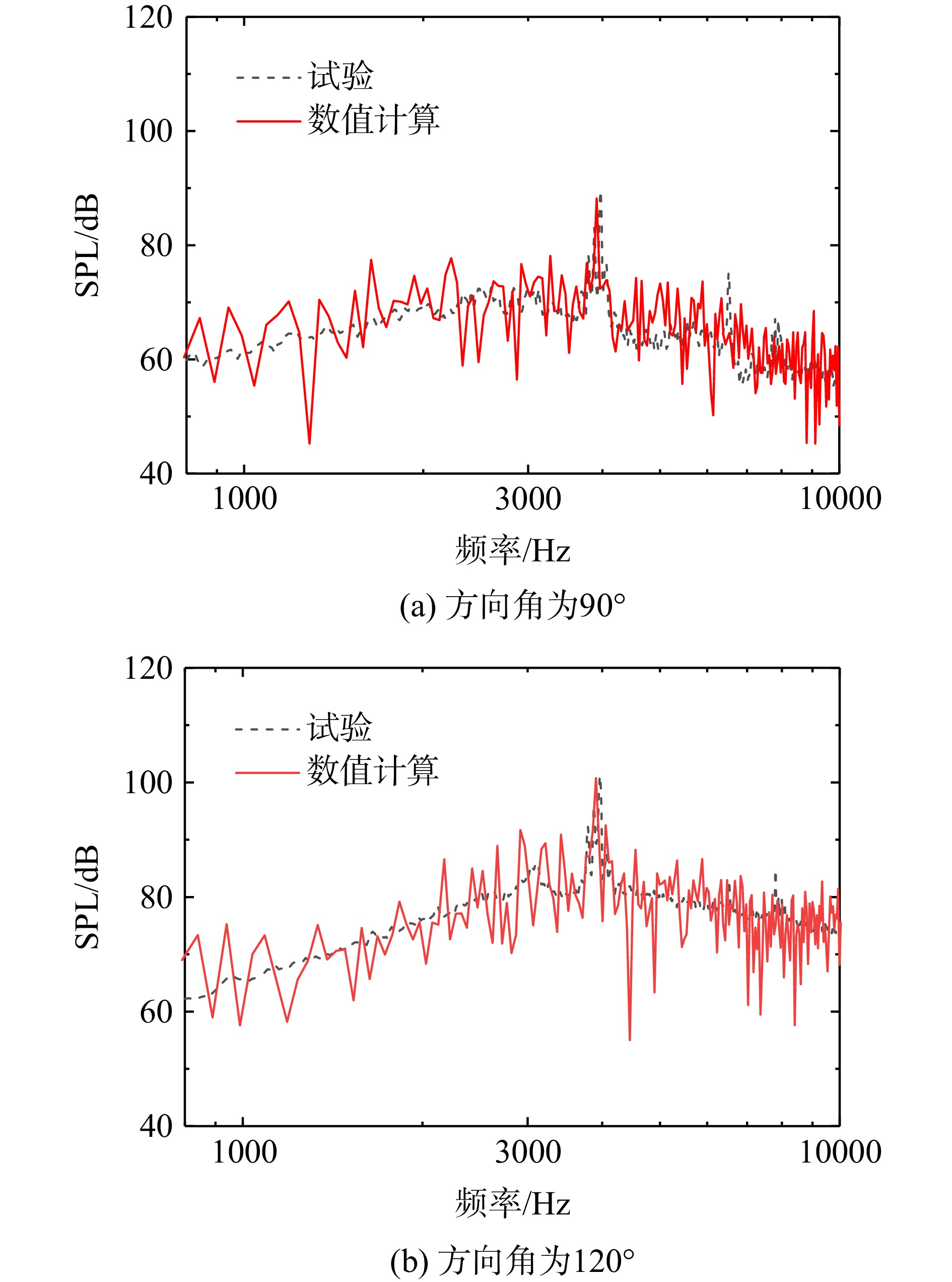
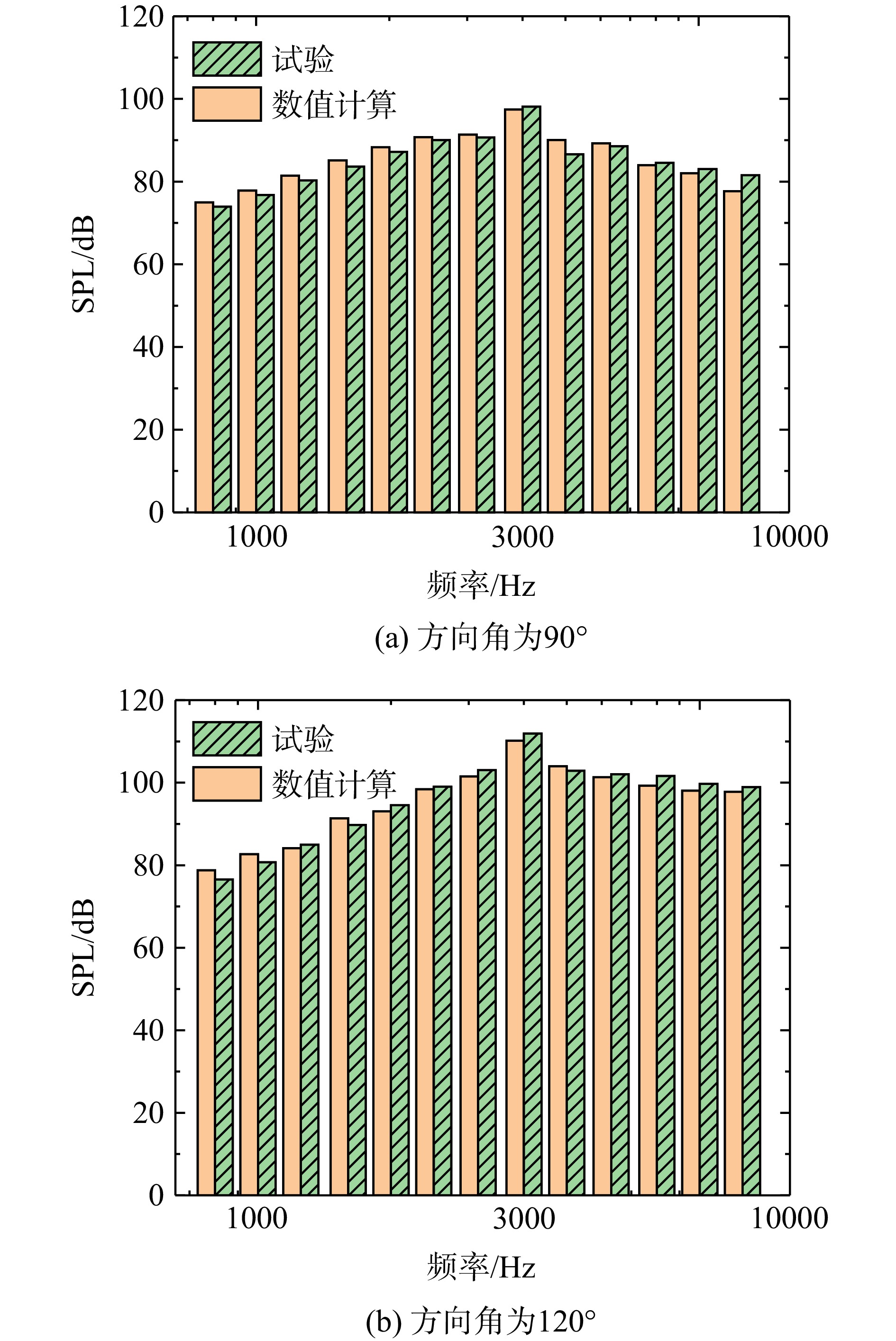
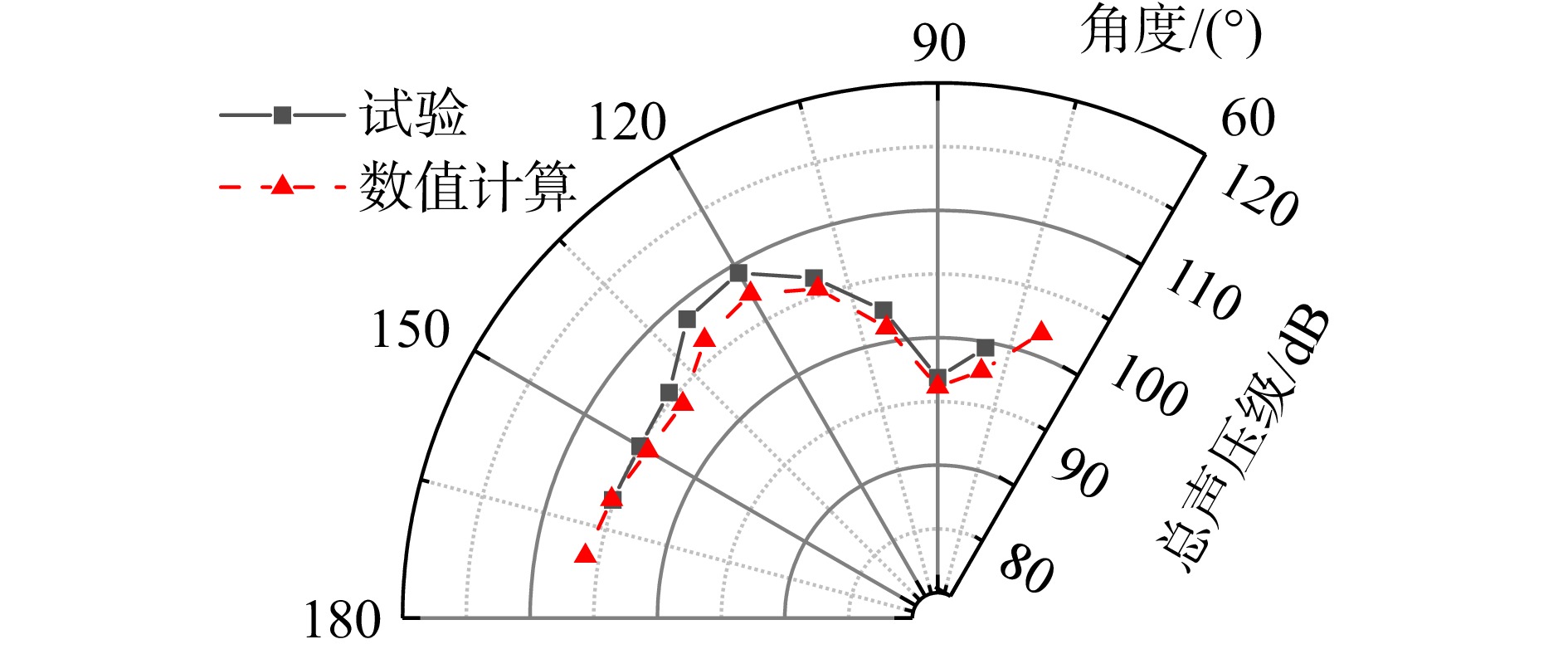
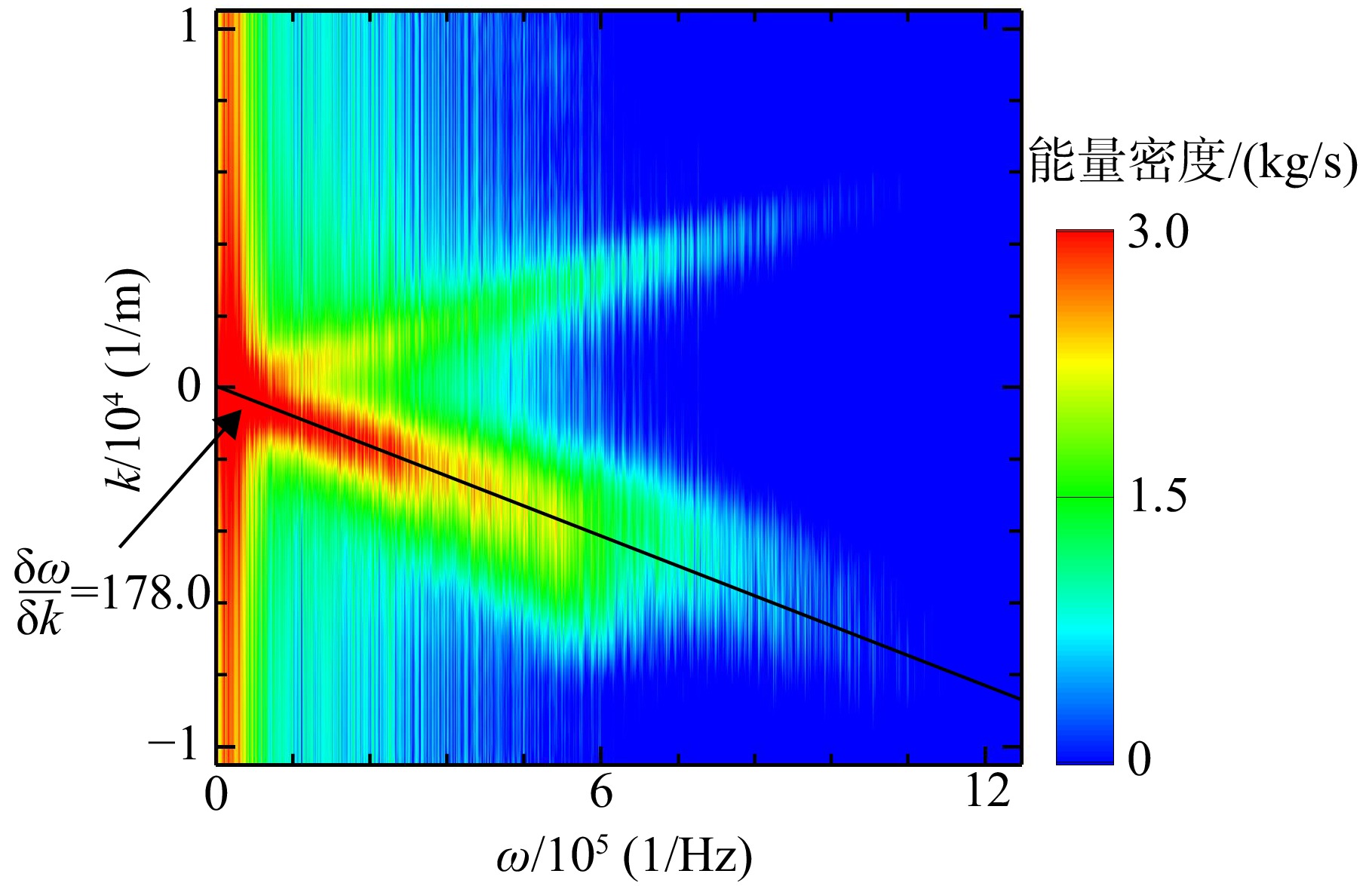
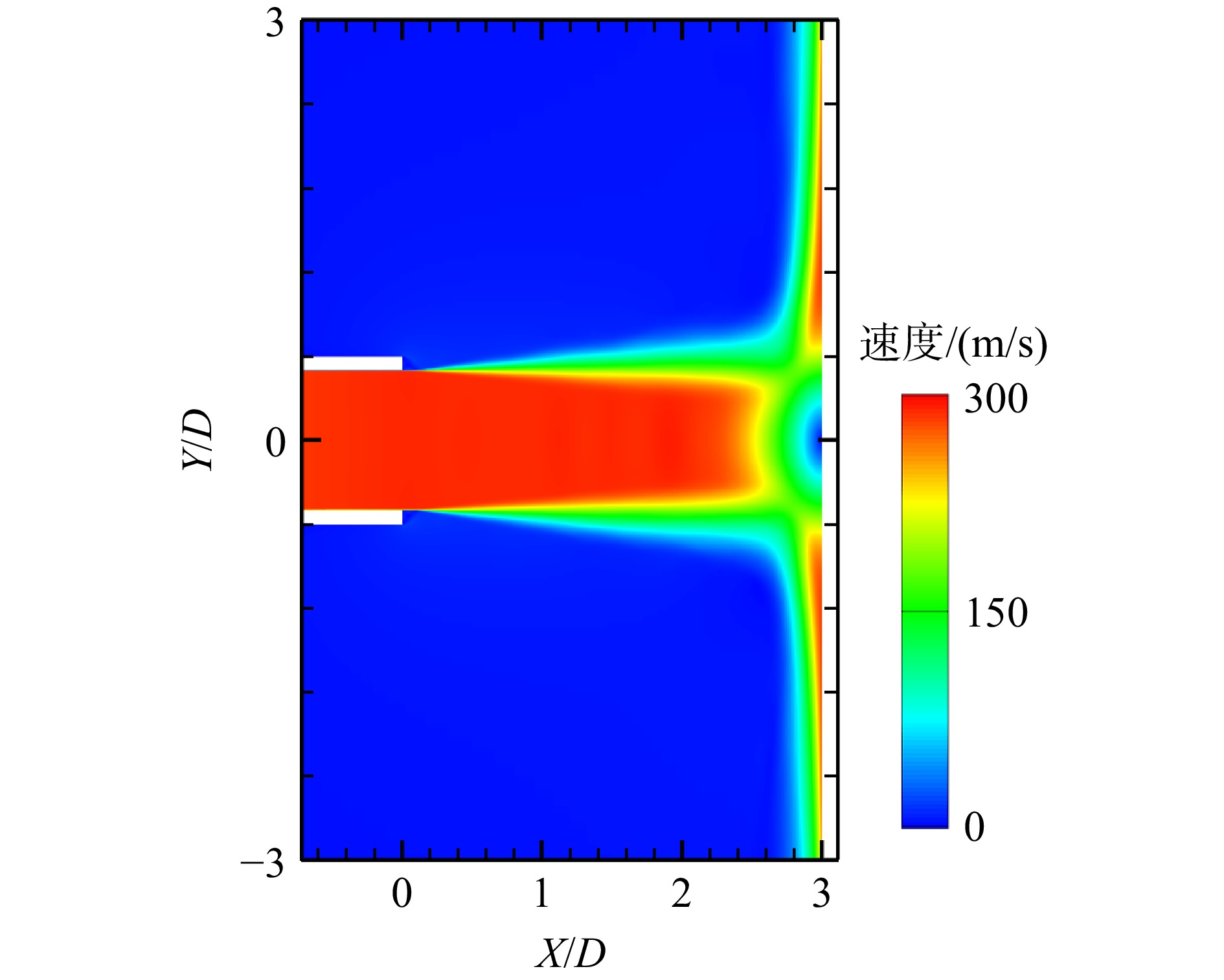
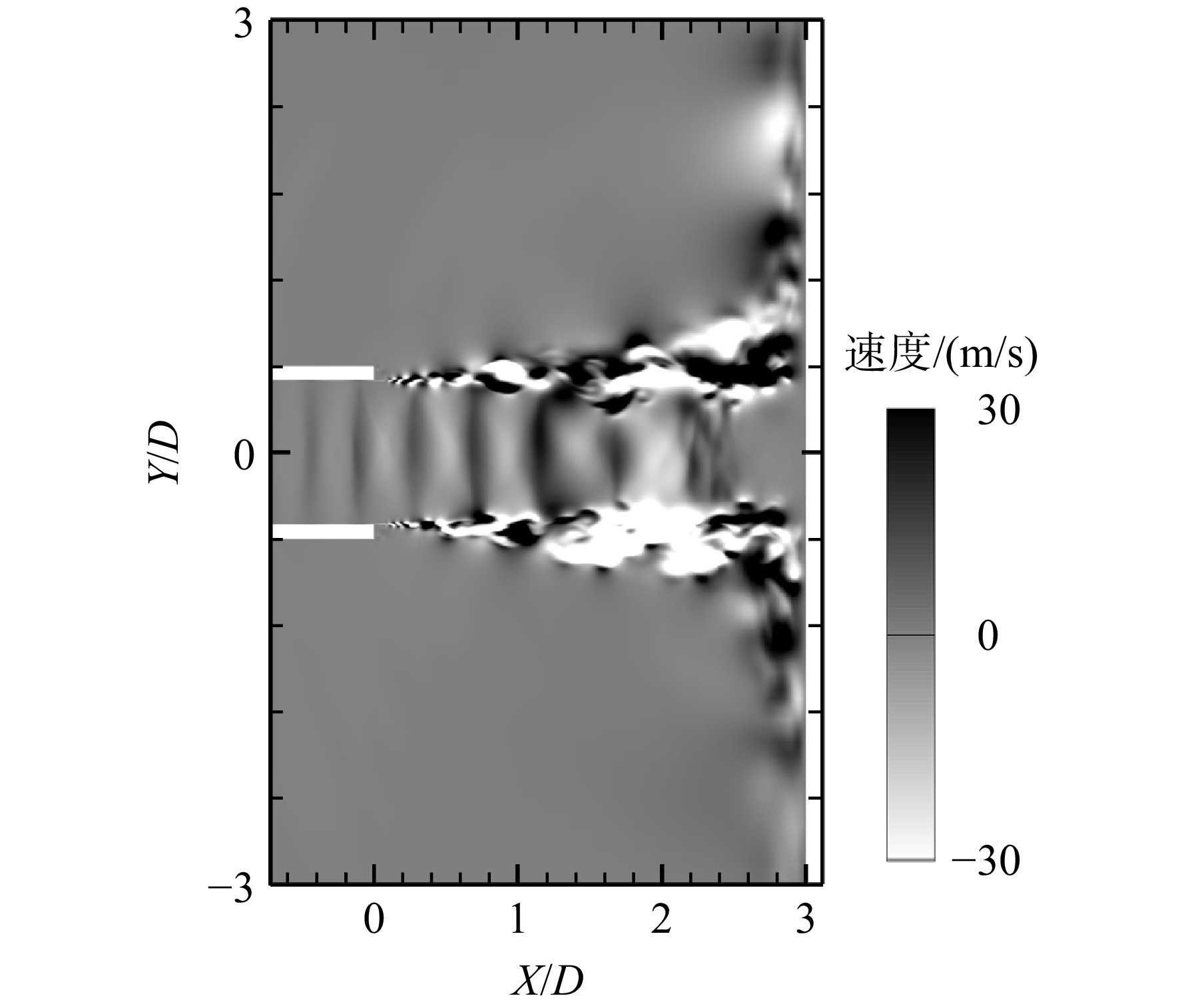
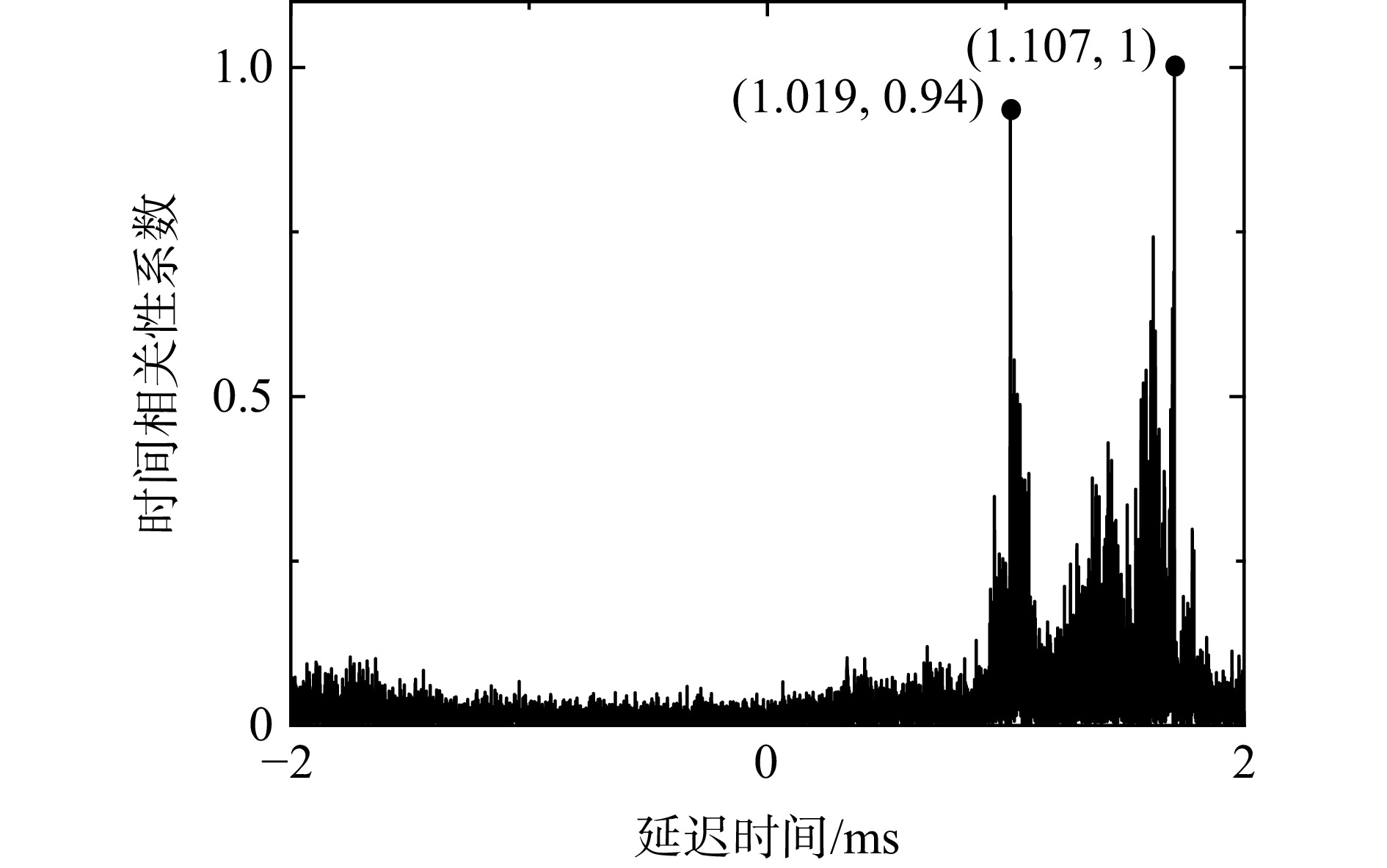
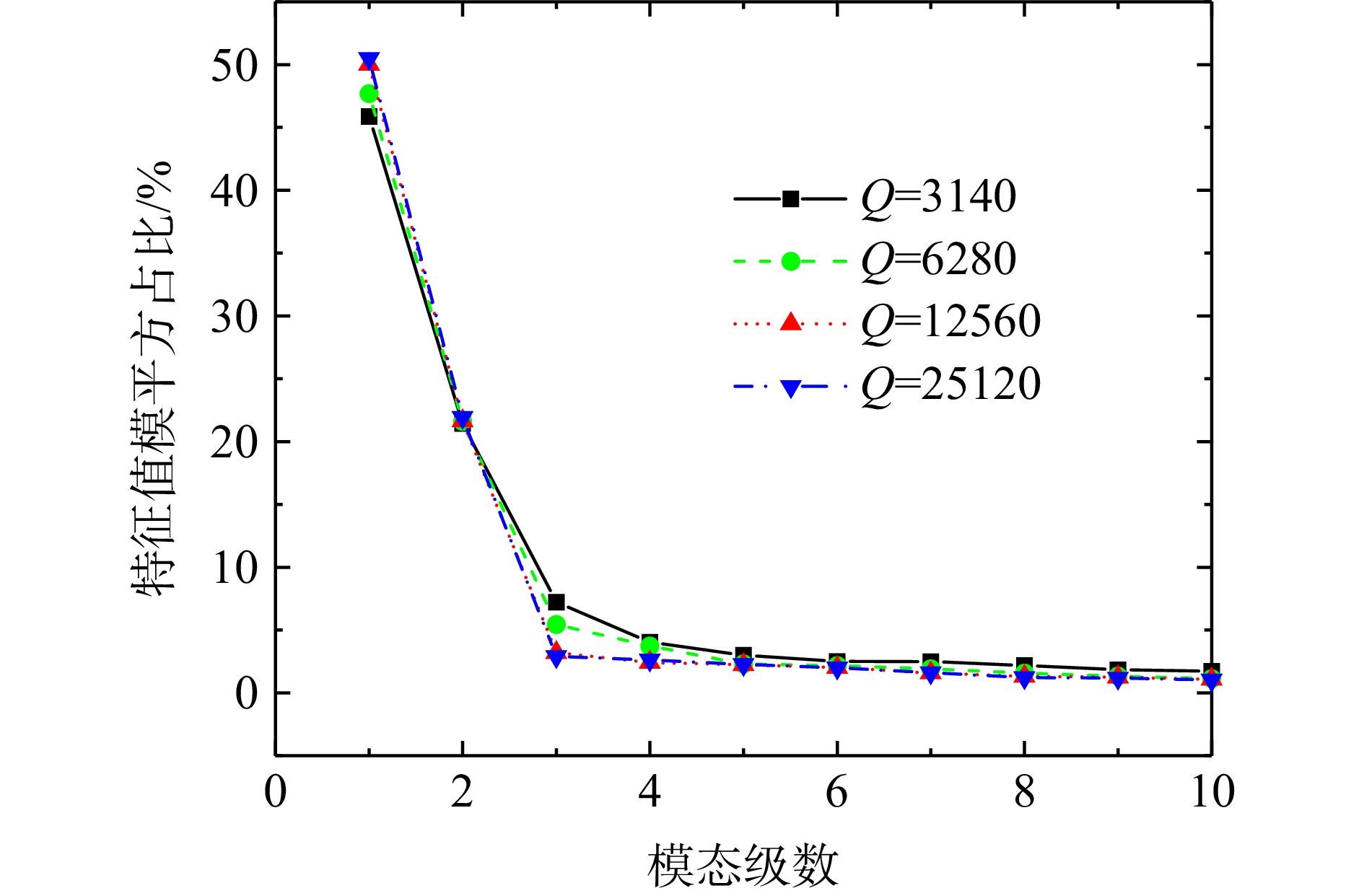
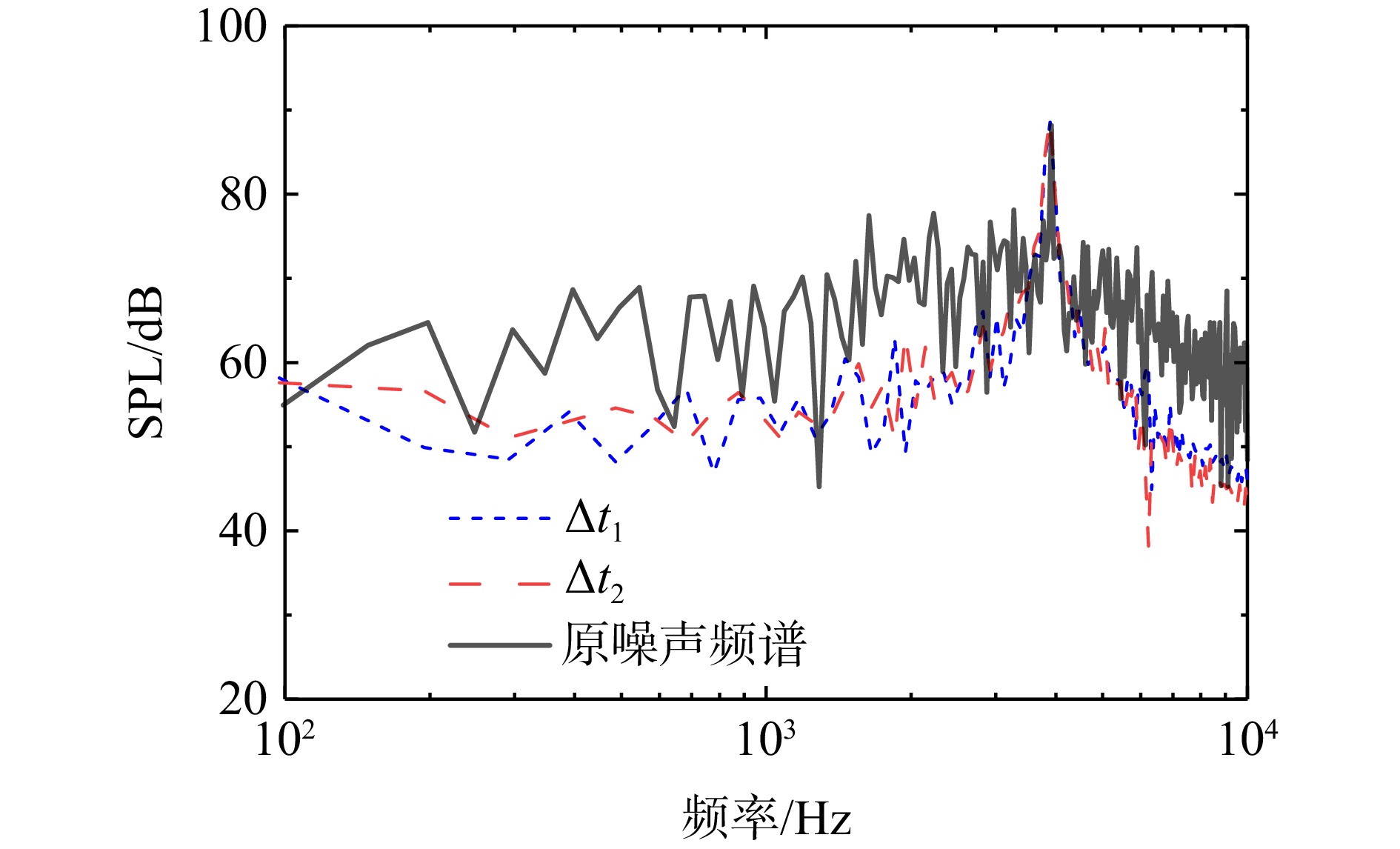
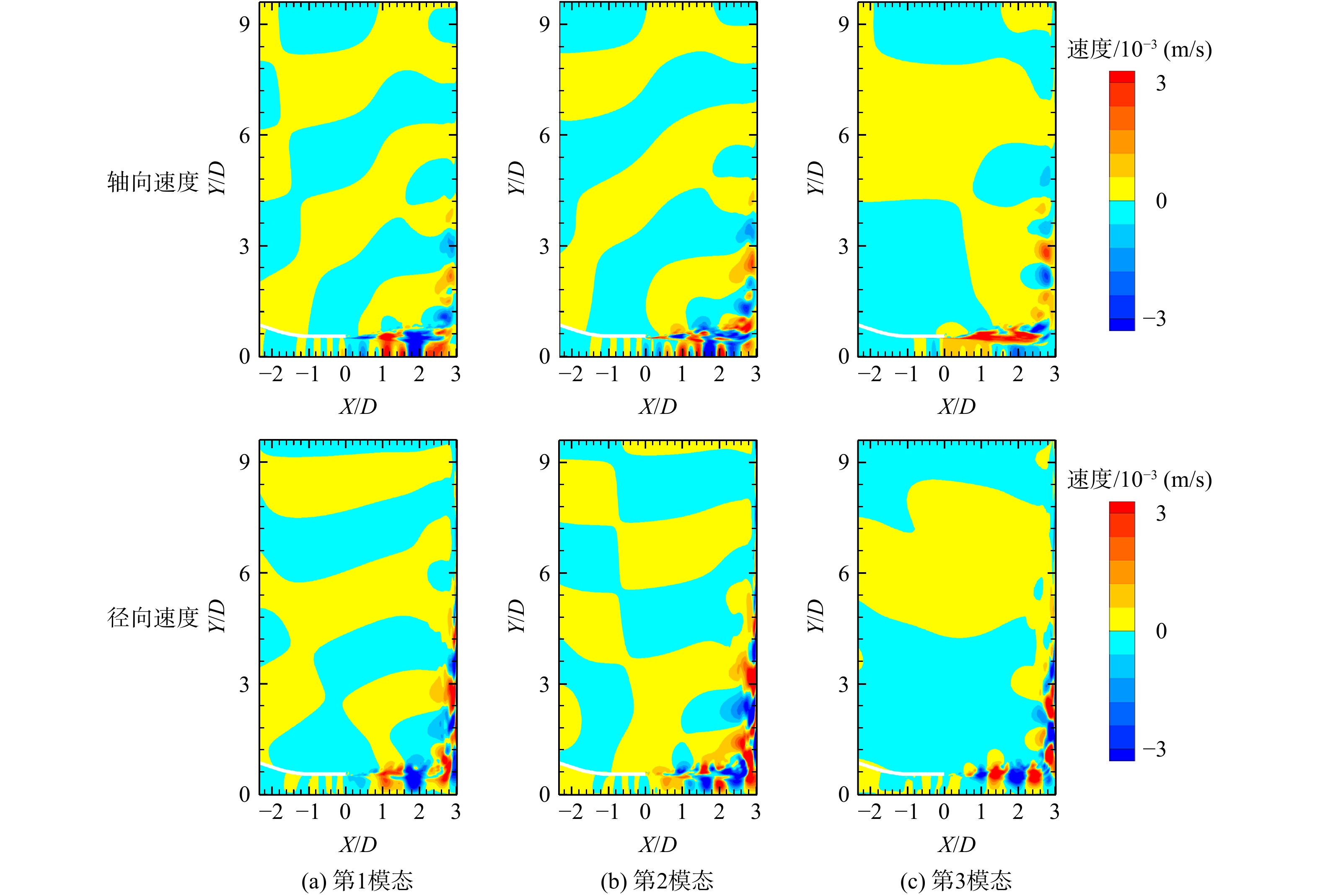
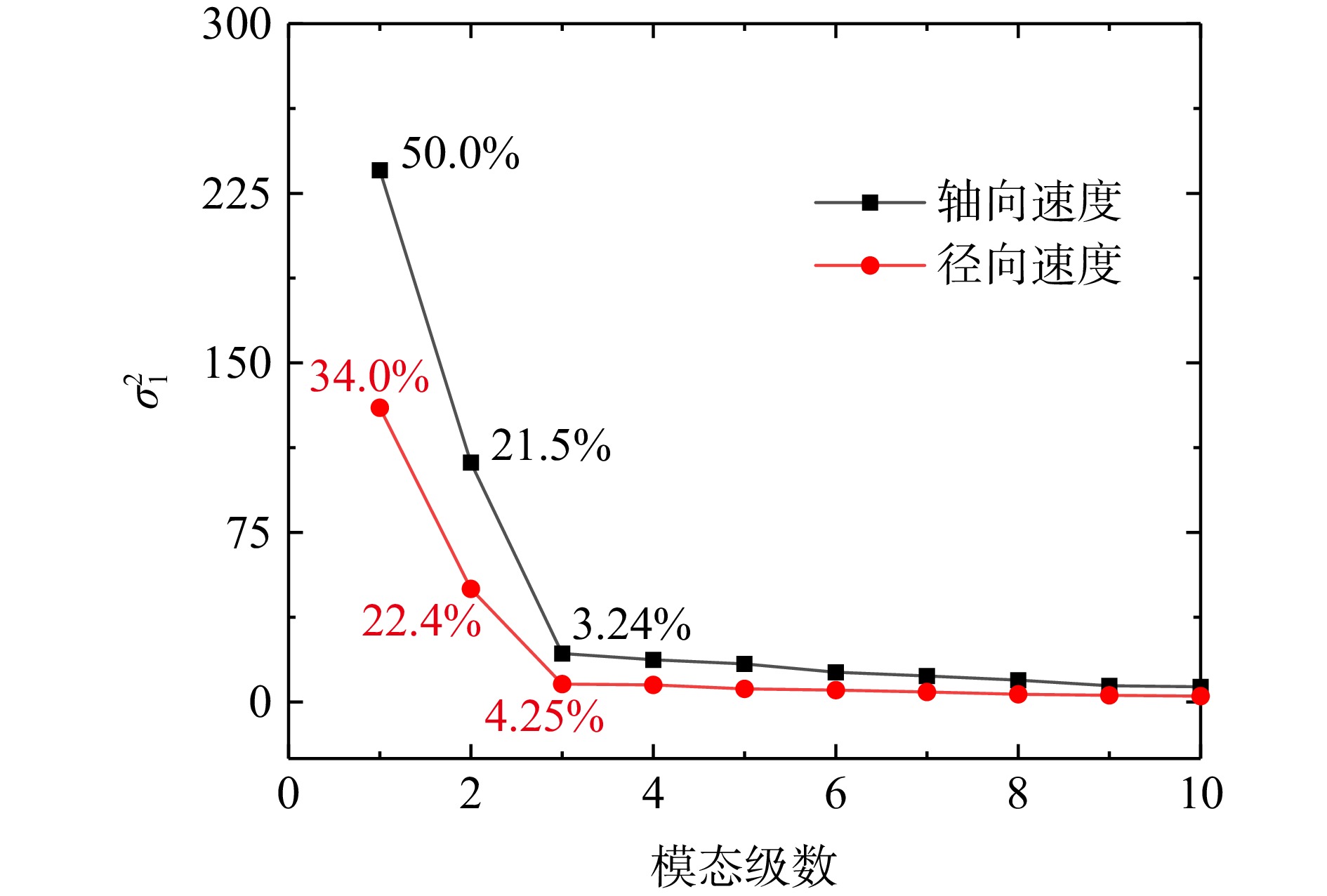
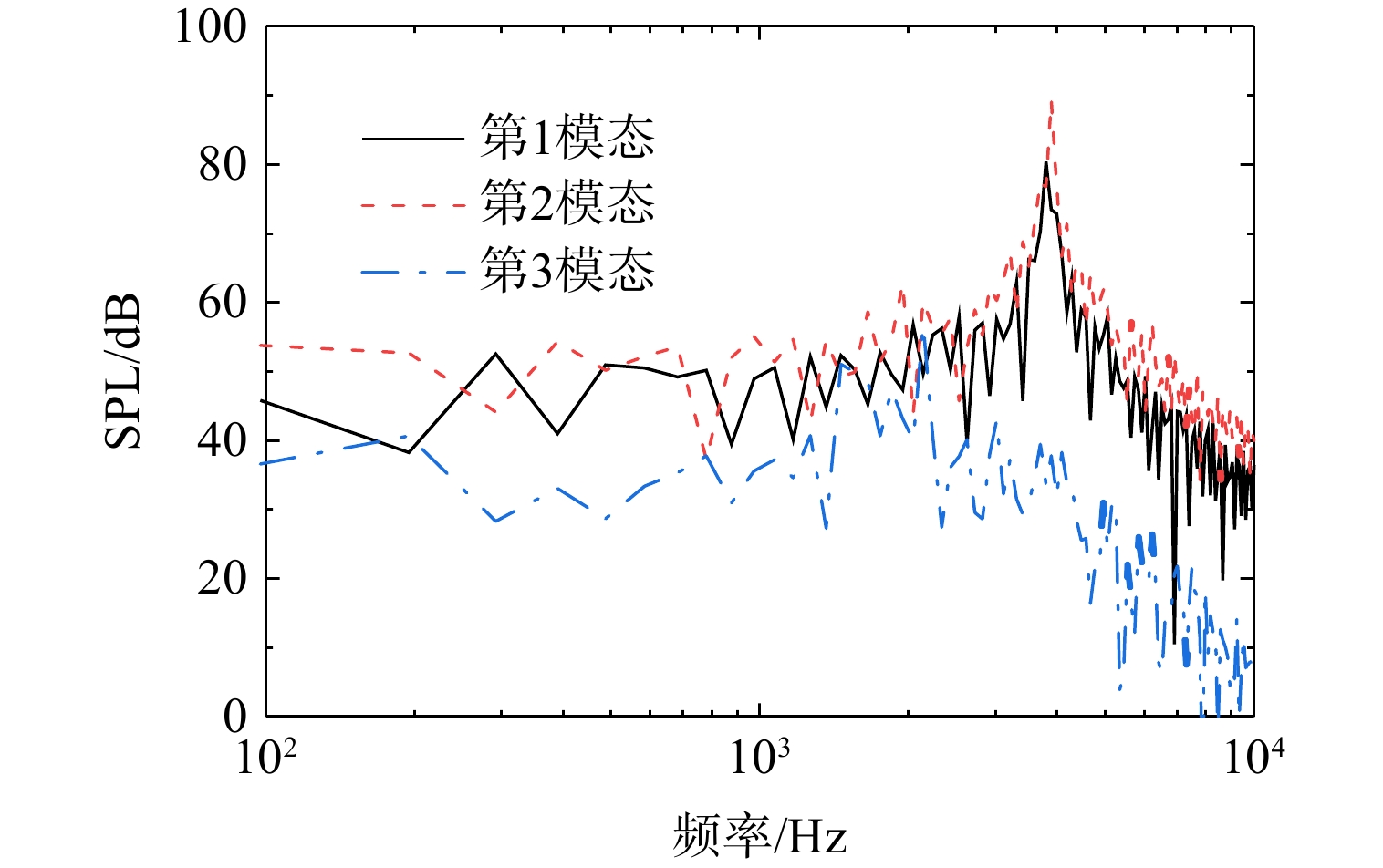
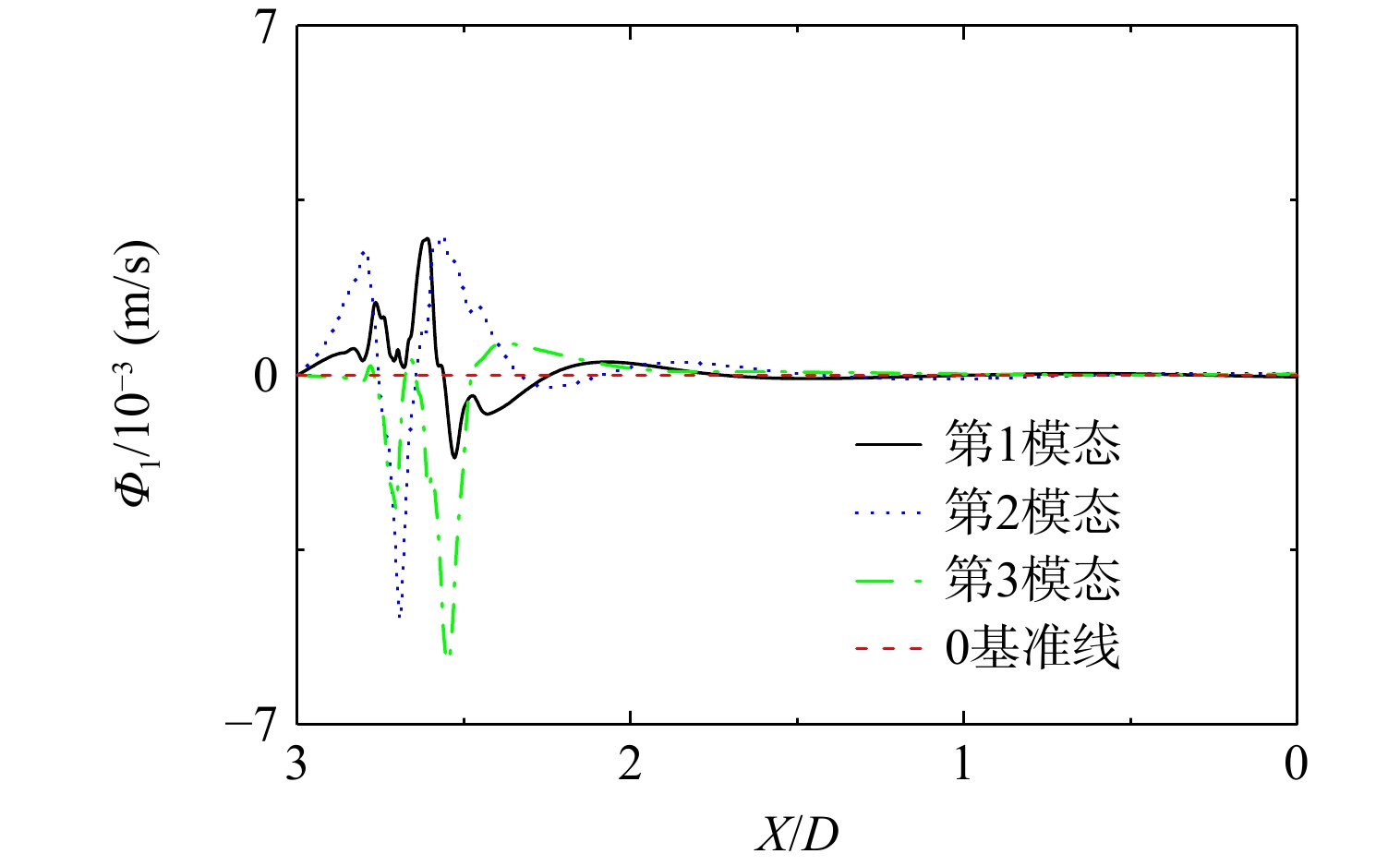
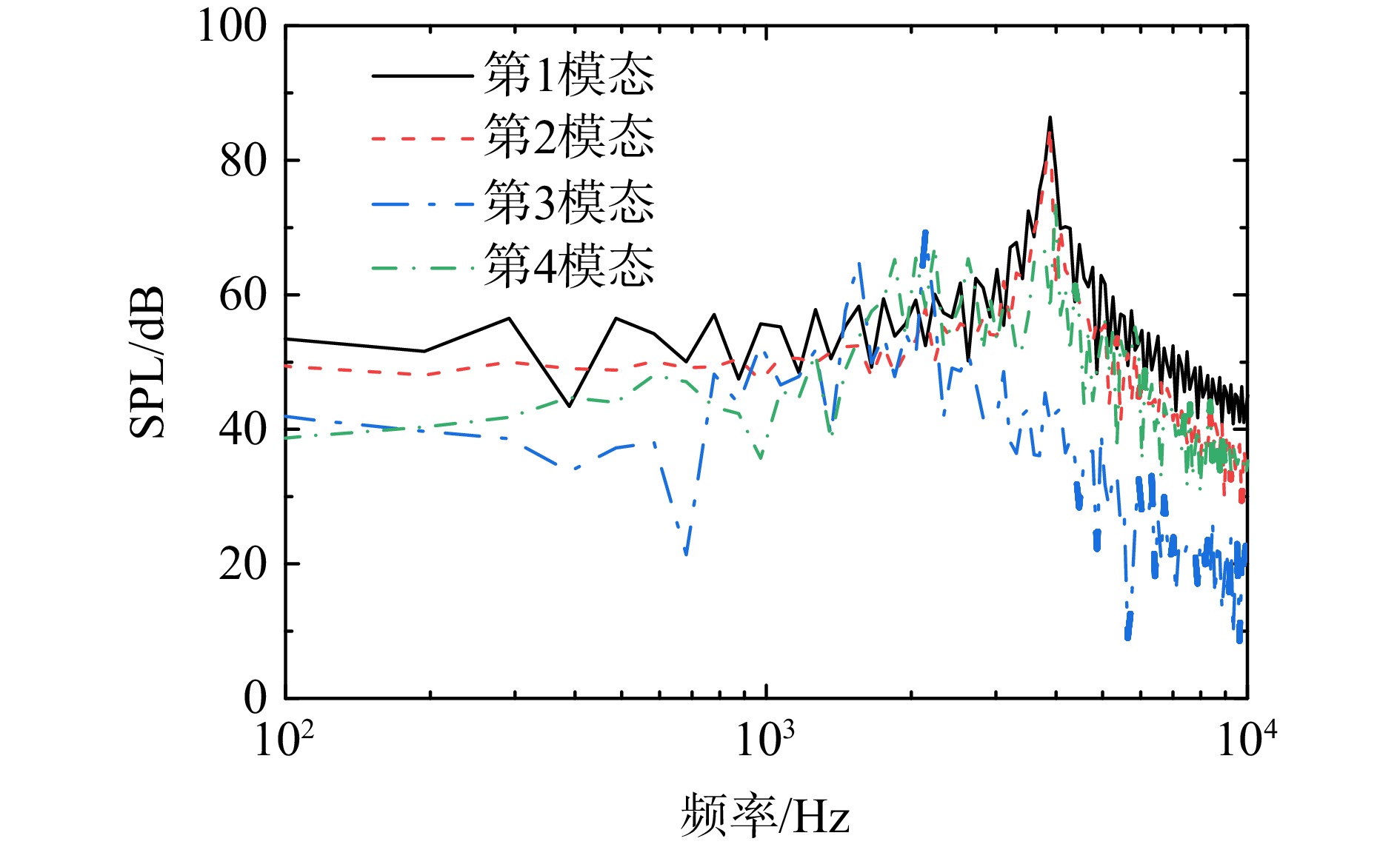
The noise generated by impinging jets is a critical issue during the takeoff and landing of fighter jets and carrier-based aircraft. However, the mechanism behind the generation of tone in subsonic impinging jets remains poorly understood. An impinging jet with a nozzle pressure ratio of 1.69 and an impingement distance of three nozzle diameters was studied. Large eddy simulation was employed to capture the near-field flow, and an acoustic analogy model was used to predict the far-field noise. The extended Helmholtz decomposition and principal correlation decomposition methods were applied to analyze the modal characteristics and the correlation between the near-field flow and far-field noise. The results revealed that, due to the influence of the impingement plate, a supersonic region appeared in the flow field, forming shock cells. The noise mode of the impinging jet exhibited an axisymmetric structure. The tone in the far field was closely related to the shock waves in the near field. The associated modal structure manifested as waves that gradually propagated outward from the impingement region, and the transmission process connected the vortex structures on the flat plate with the shock structures in the free jet region. The pressure field in the near field dominated noise generation compared with the velocity field. The alternating positive and negative amplitudes of the modal amplitudes in the impingement region constituted a key factor in the generation of tone. This study could elucidate the mechanisms of impinging jet noise and provide a theoretical foundation for the optimization and control of impinging jet noise.

Structural design and performance analysis of multi-piezoelectric film wrapped synthetic jet actuators
SONG Lei, HUANG Huanzhen, WANG Wei, FANG Jian
2026, 41(1): 20240713. doi: 10.13224/j.cnki.jasp.20240713
Abstract:

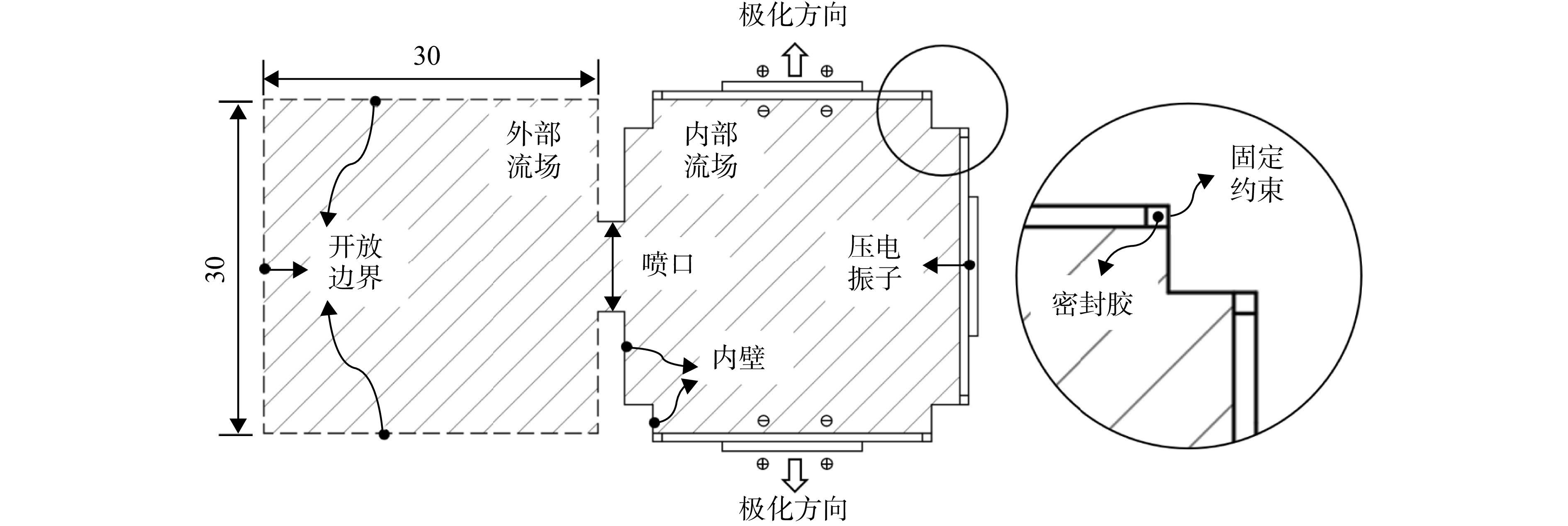
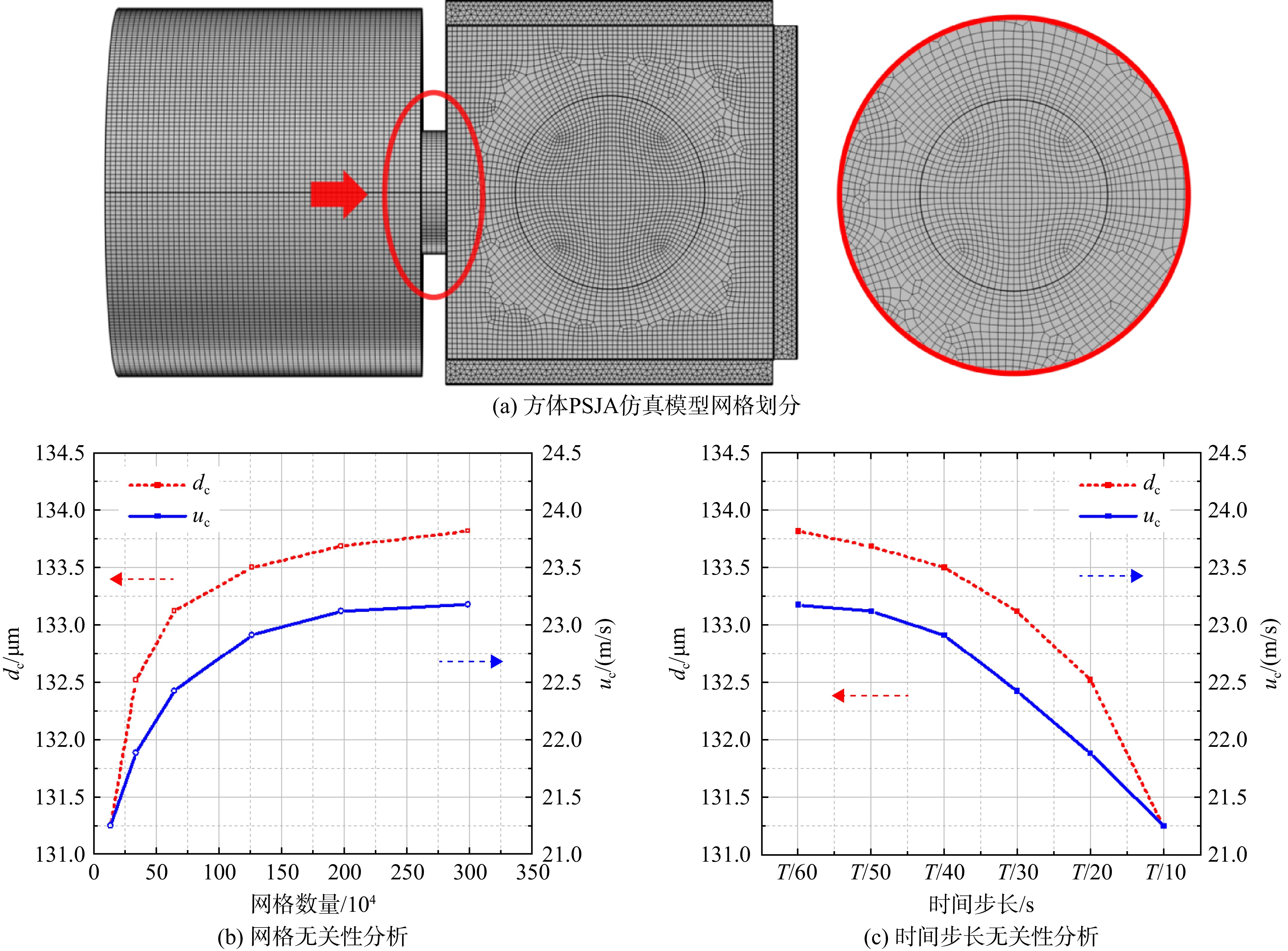
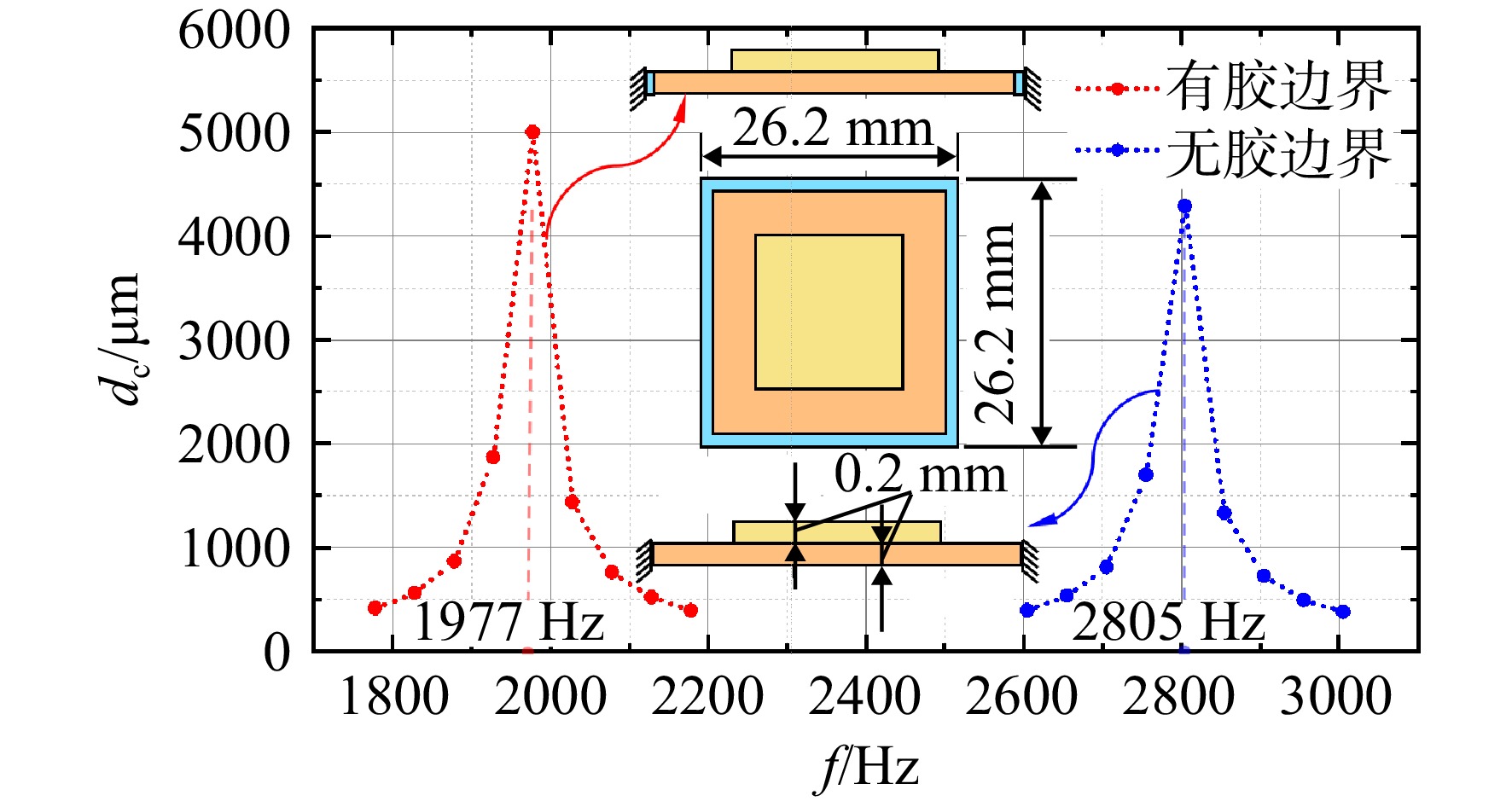
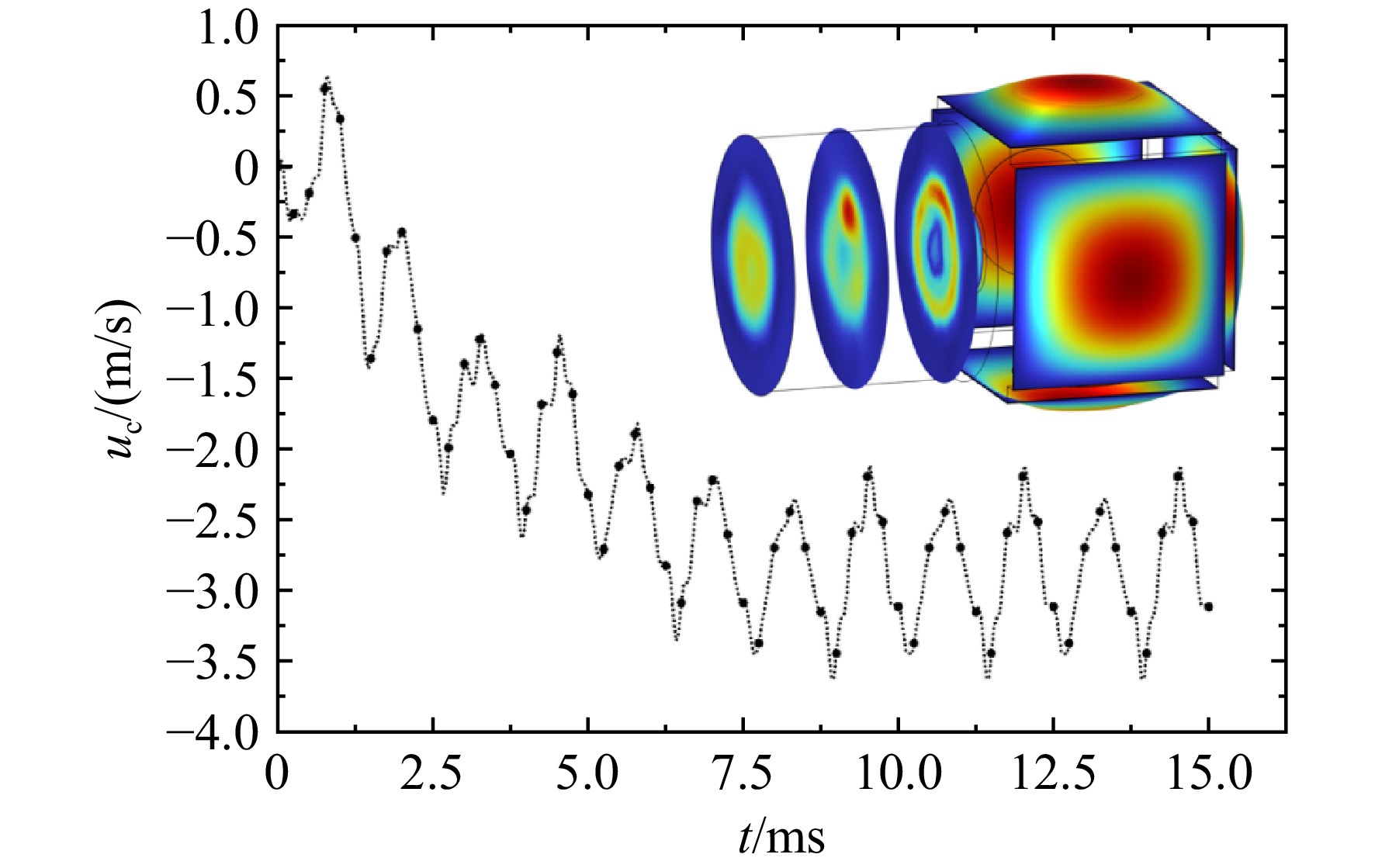
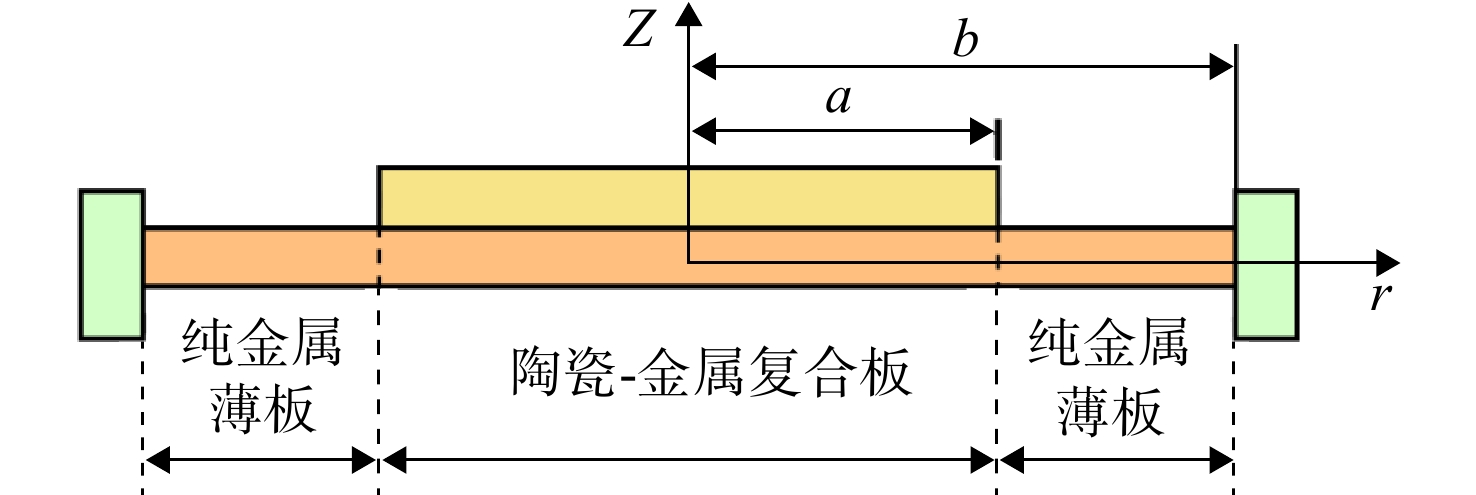
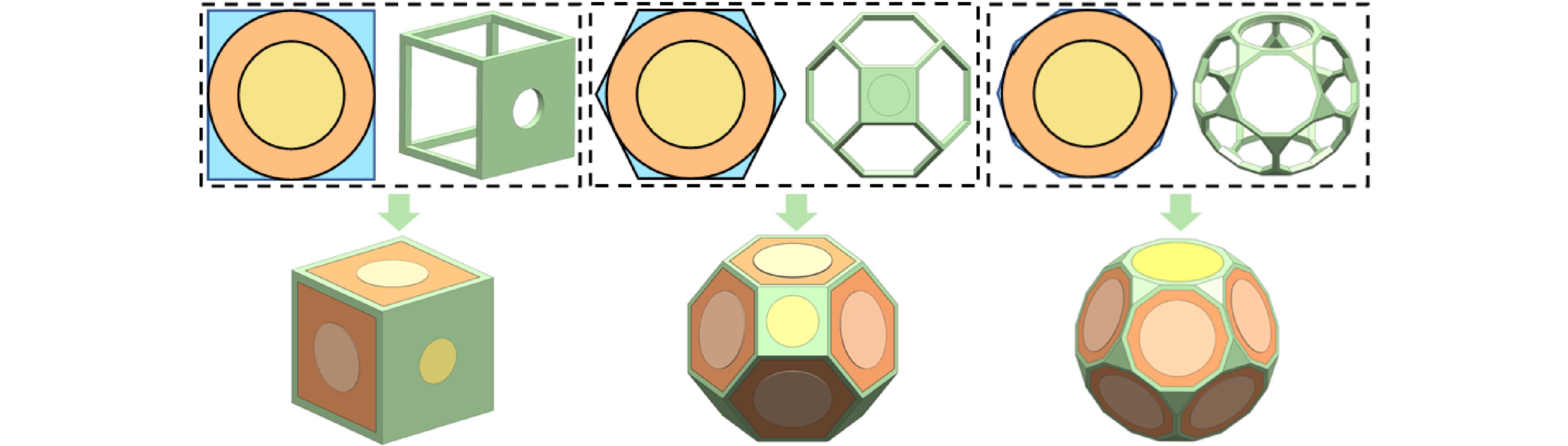
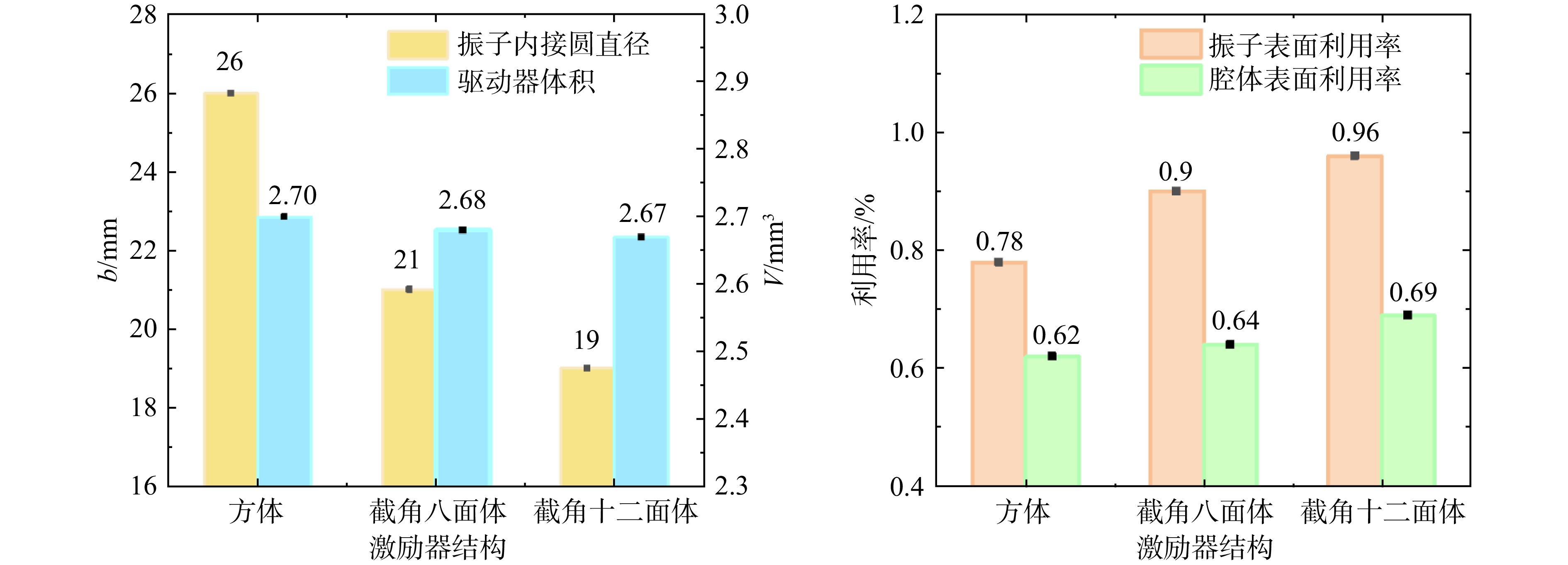
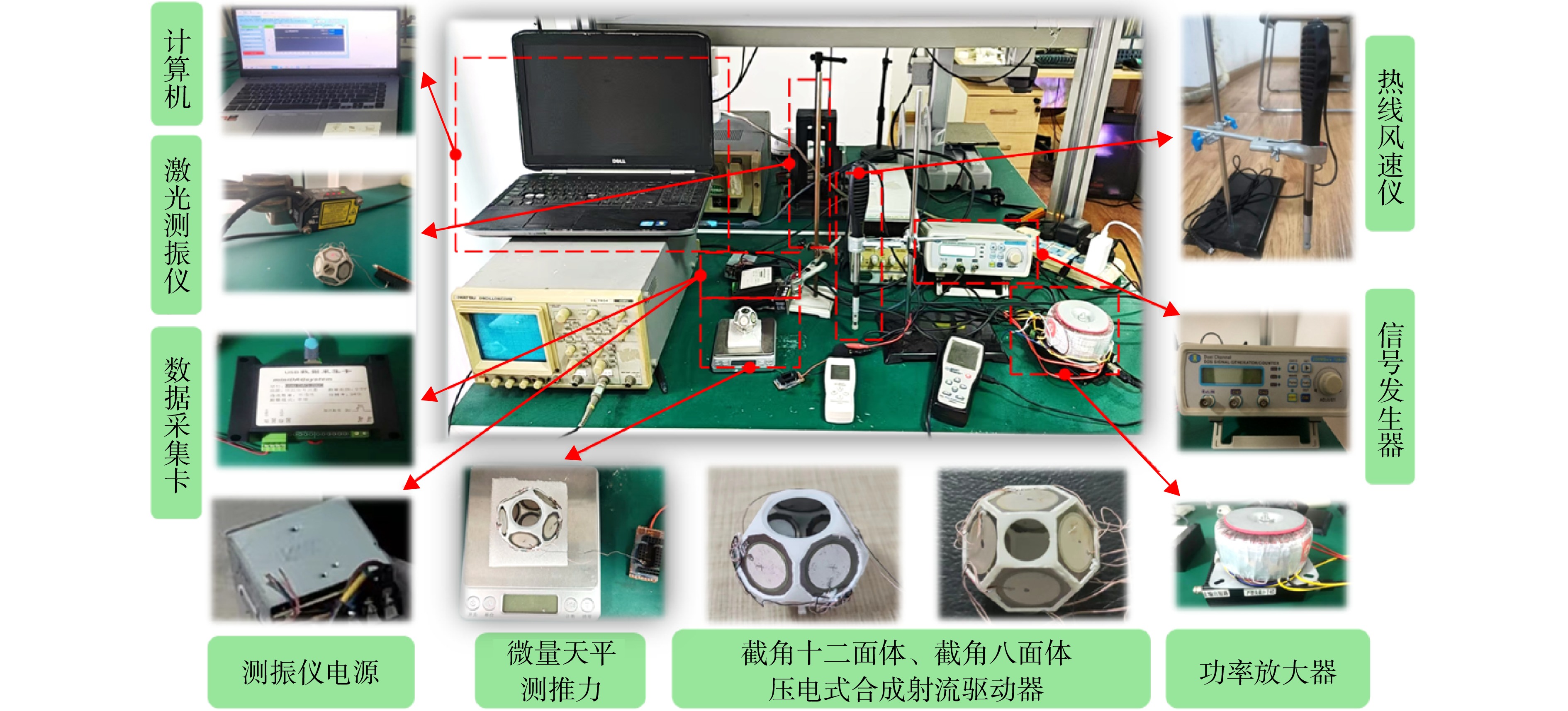
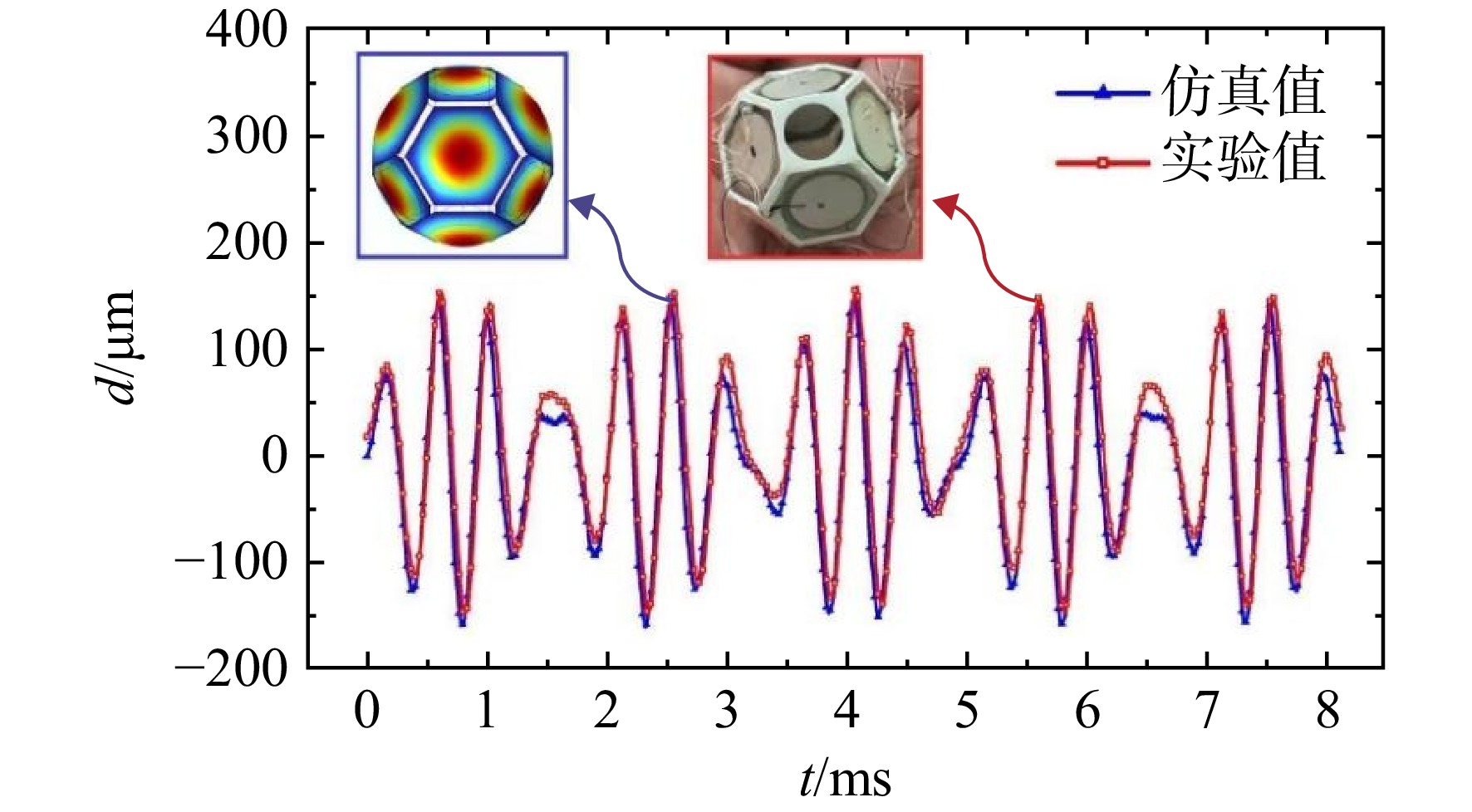
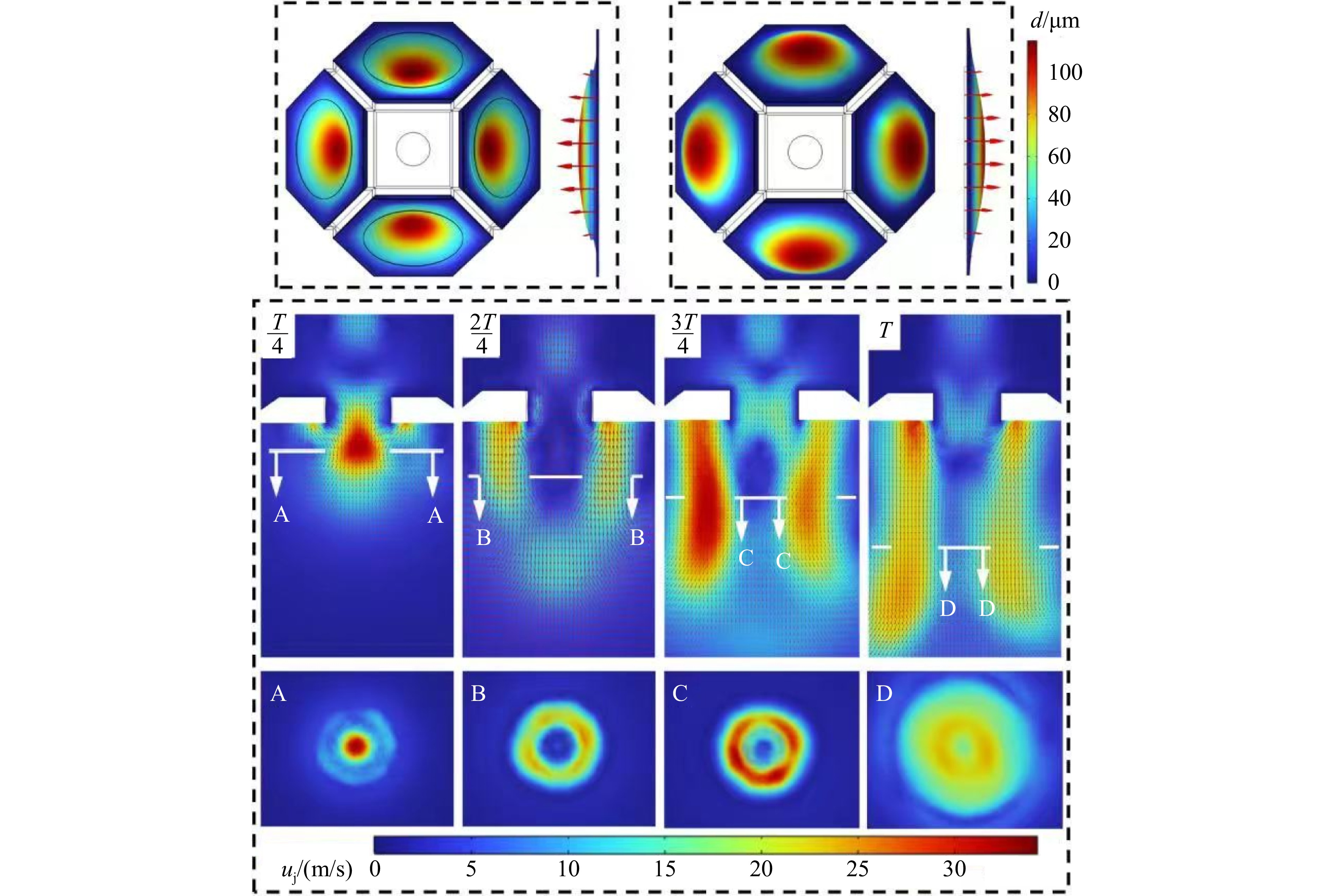
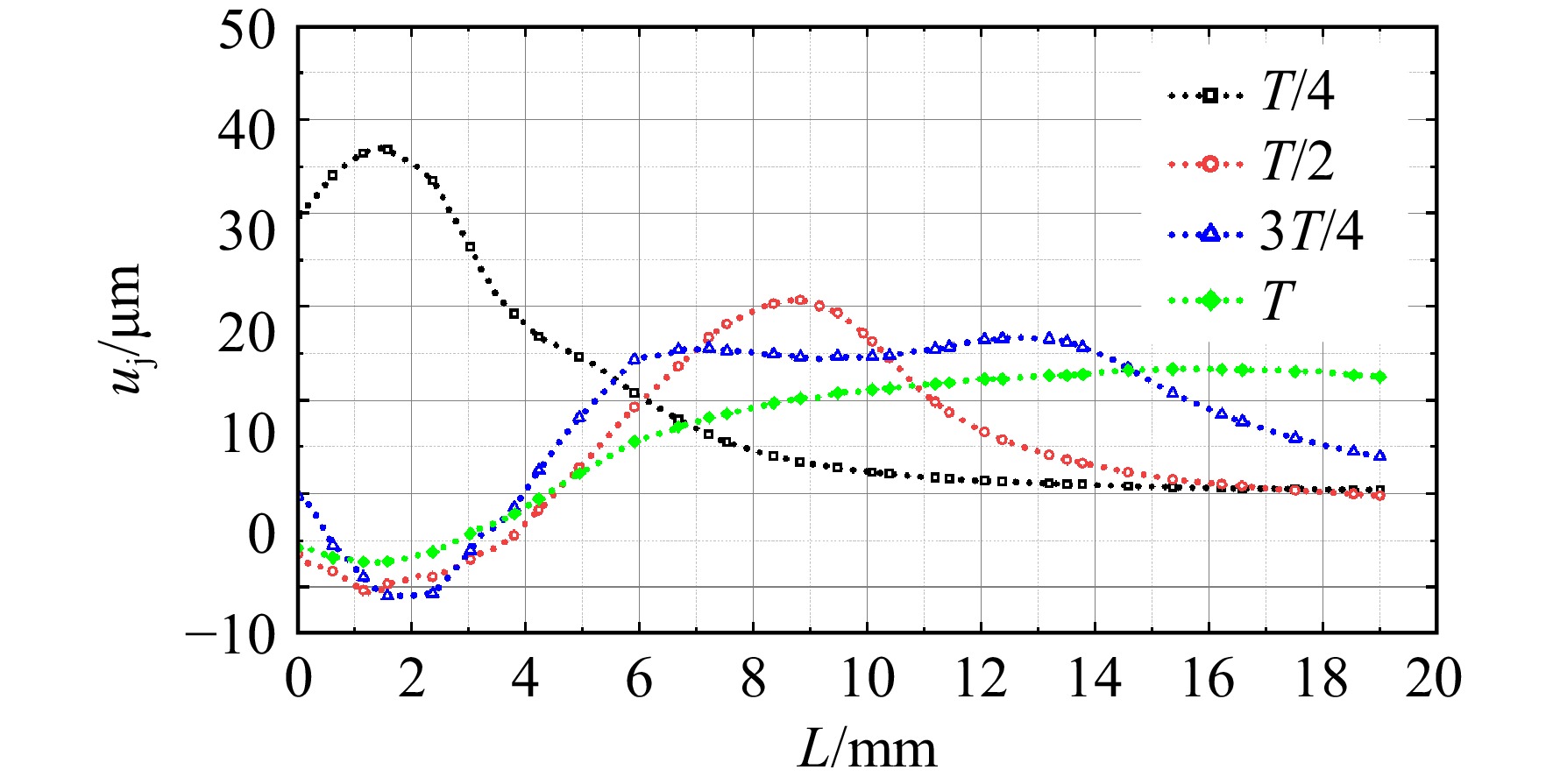
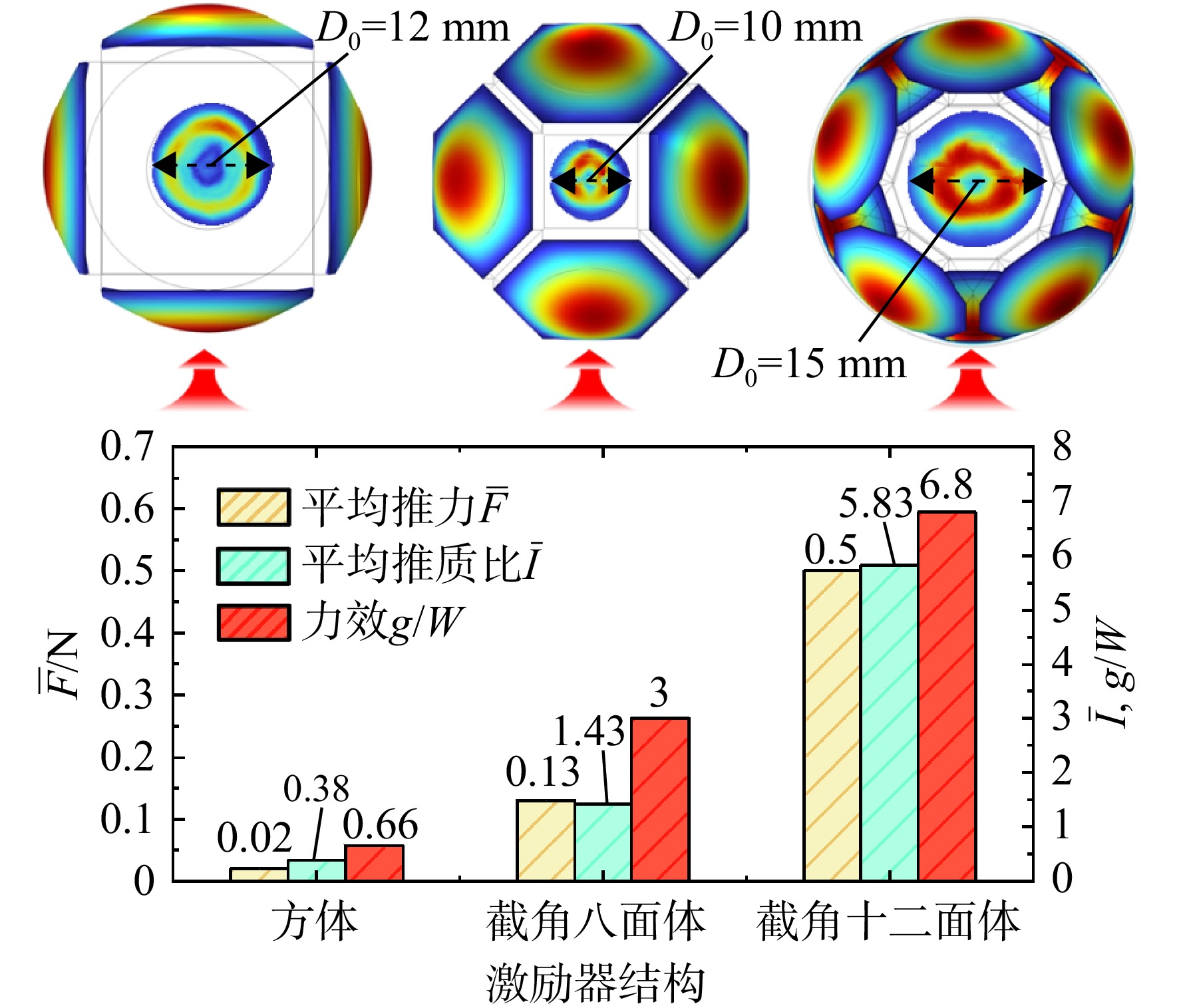
Piezoelectric synthetic jet actuators can generate certain propulsive force through the non-constant vortex ring jets generated at the nozzle, however, their limited jet energy restricts the application in vehicle propulsion systems, so their structures need to be optimally designed to obtain better jet performance. A coupled flow-solid-electric multi-physics field simulation calculation was carried out to systematically simulate the transient flow field characteristics of piezoelectric synthetic jet actuator. Based on the vibration characteristics analysis of piezoelectric oscillator, the surface utilization optimization index was proposed to further design the multi-piezoelectric film wrapped synthetic jet actuator. For the three configurations of cubic, truncated octahedron and truncated dodecahedron, key parameters such as vibrator displacement, peak jet velocity, recoil thrust, thrust-to-weight ratio and force efficiency were comparatively analyzed, and the performance enhancement effect was verified through experiments. The results showed that the thrust-to-weight ratios of the cubic, truncated octahedron and truncated dodecahedron structures were 0.38, 1.43 and 5.83, and the force efficiencies were 0.66, 3.0 and 6.8, respectively, which proved that the new geometrical configurations significantly enhanced the jet strength and energy efficiency.

Perforated Gurney flaps to improve hovering performance of helicopter rotors
WANG Tianjian, HAN Dong, CUI Zhao
2026, 41(1): 20240268. doi: 10.13224/j.cnki.jasp.20240268
Abstract:

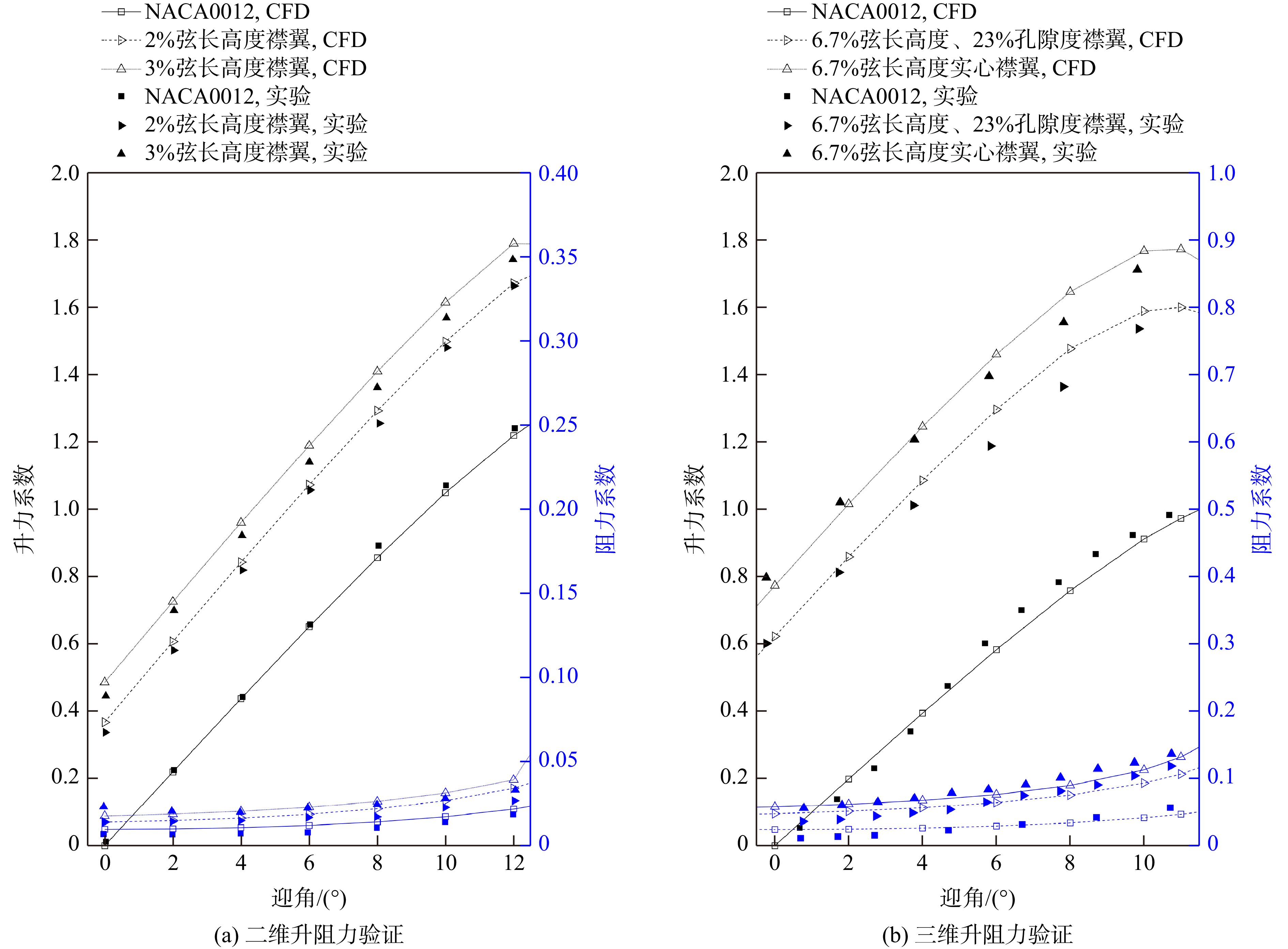
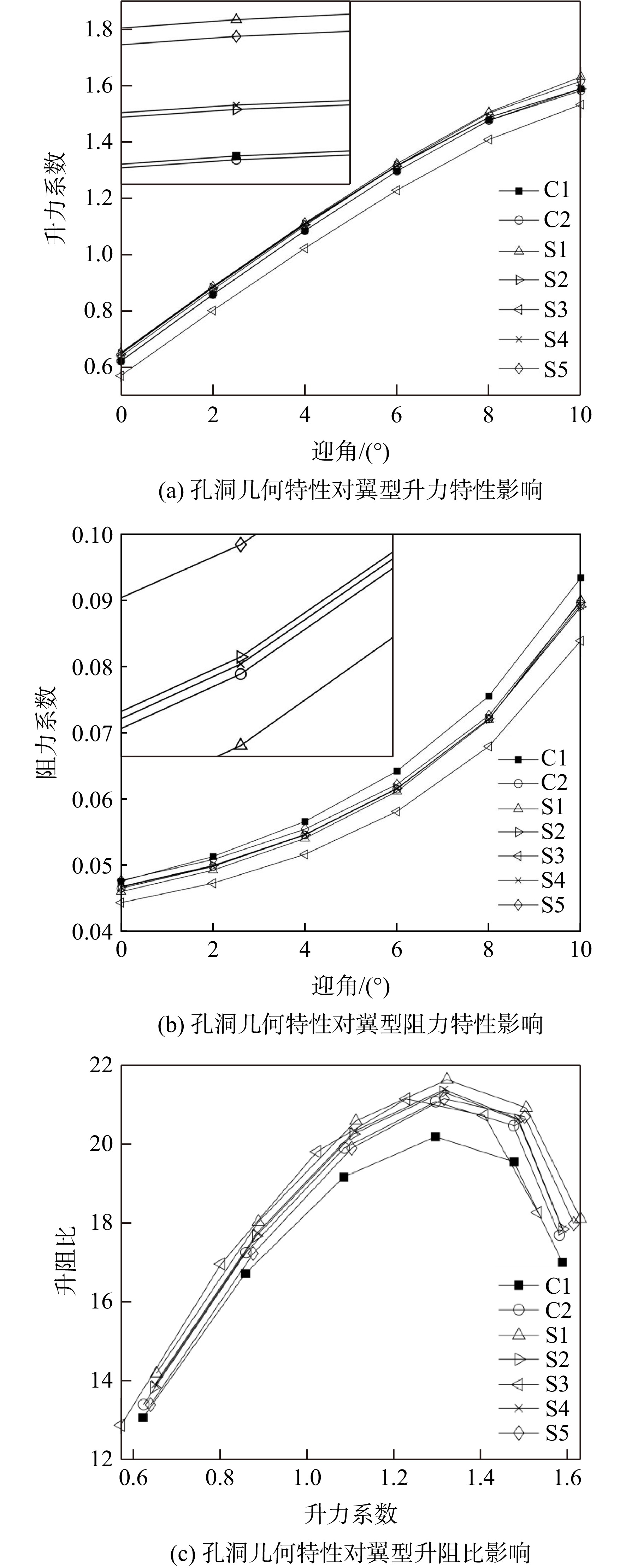
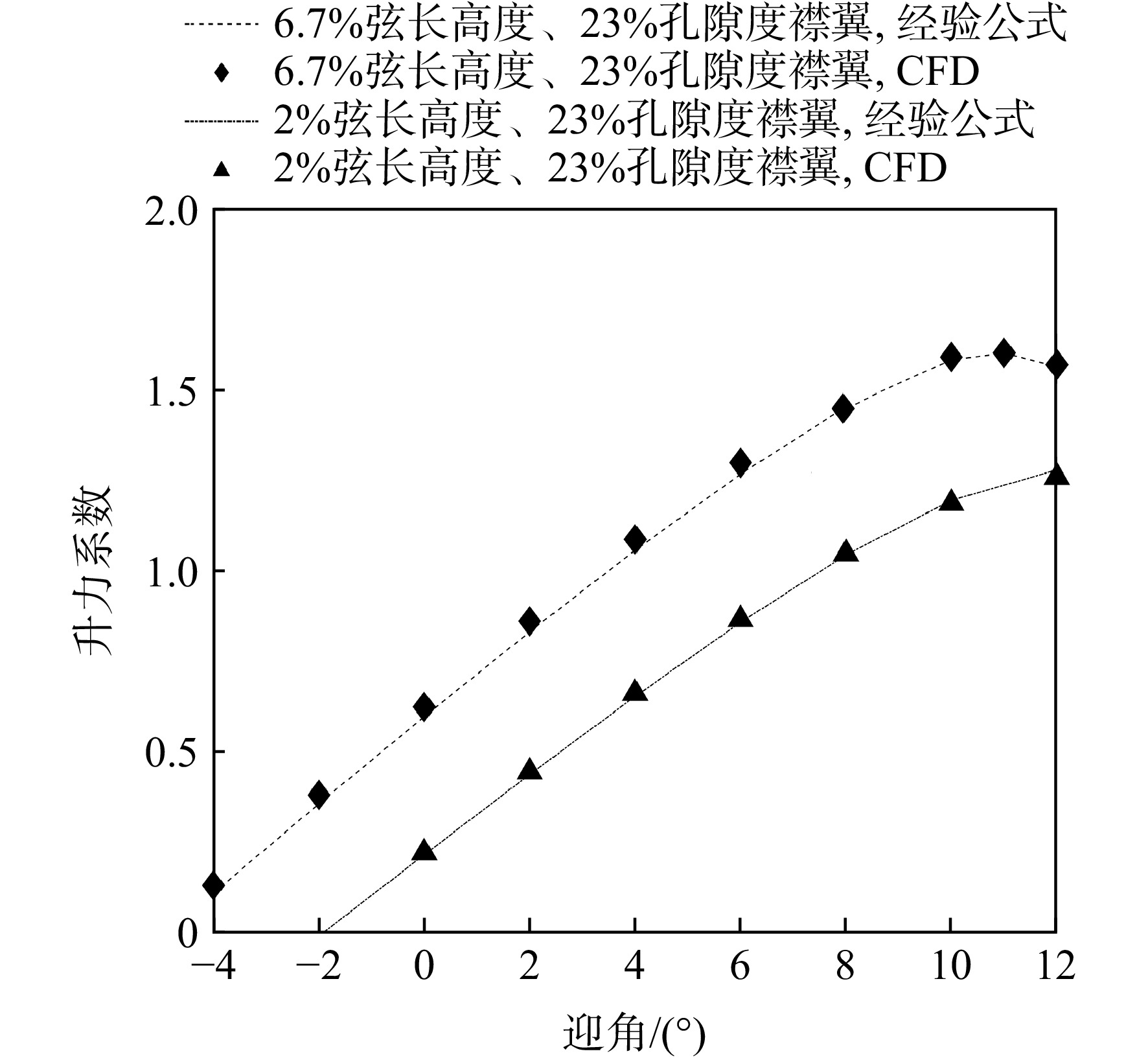
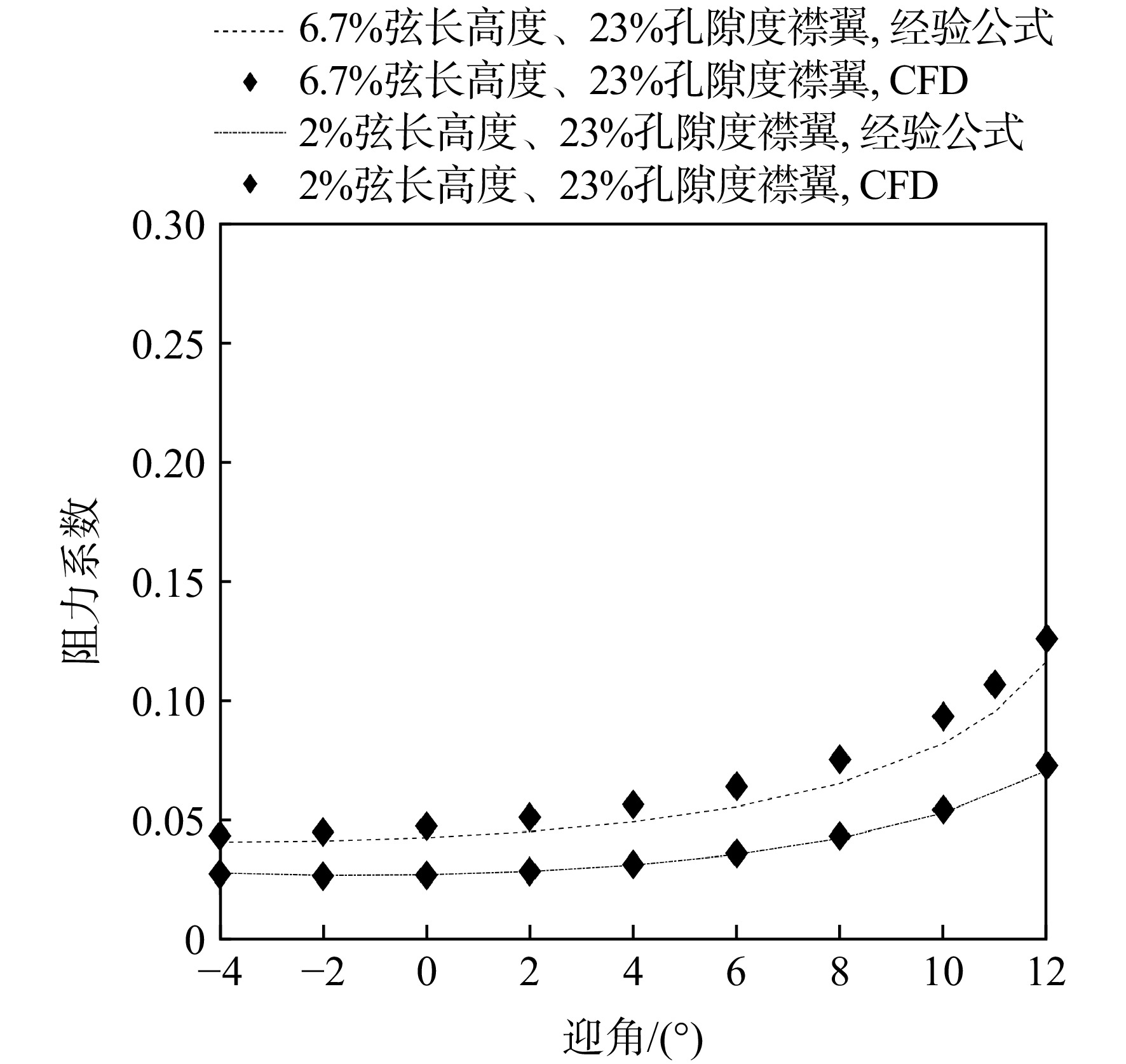
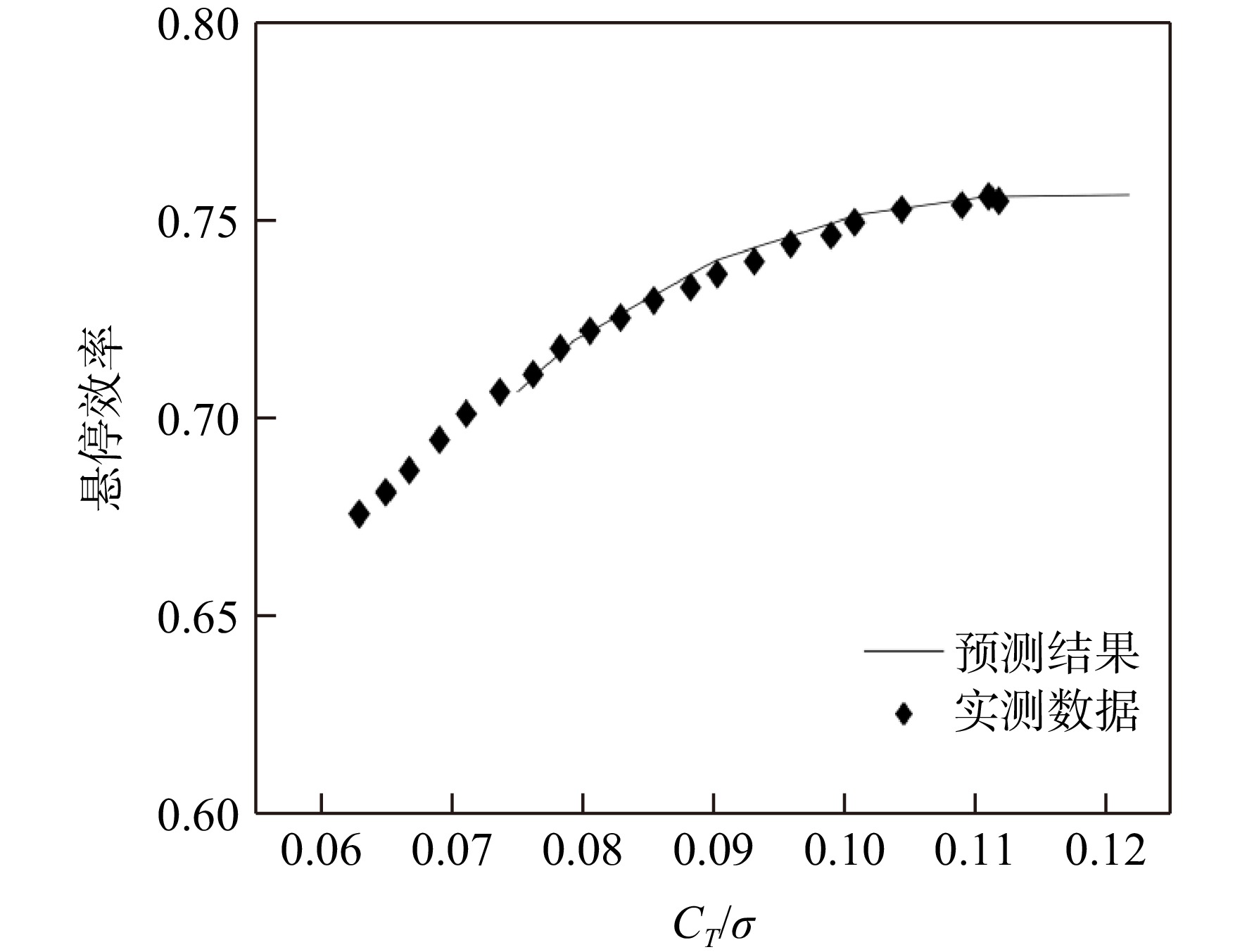
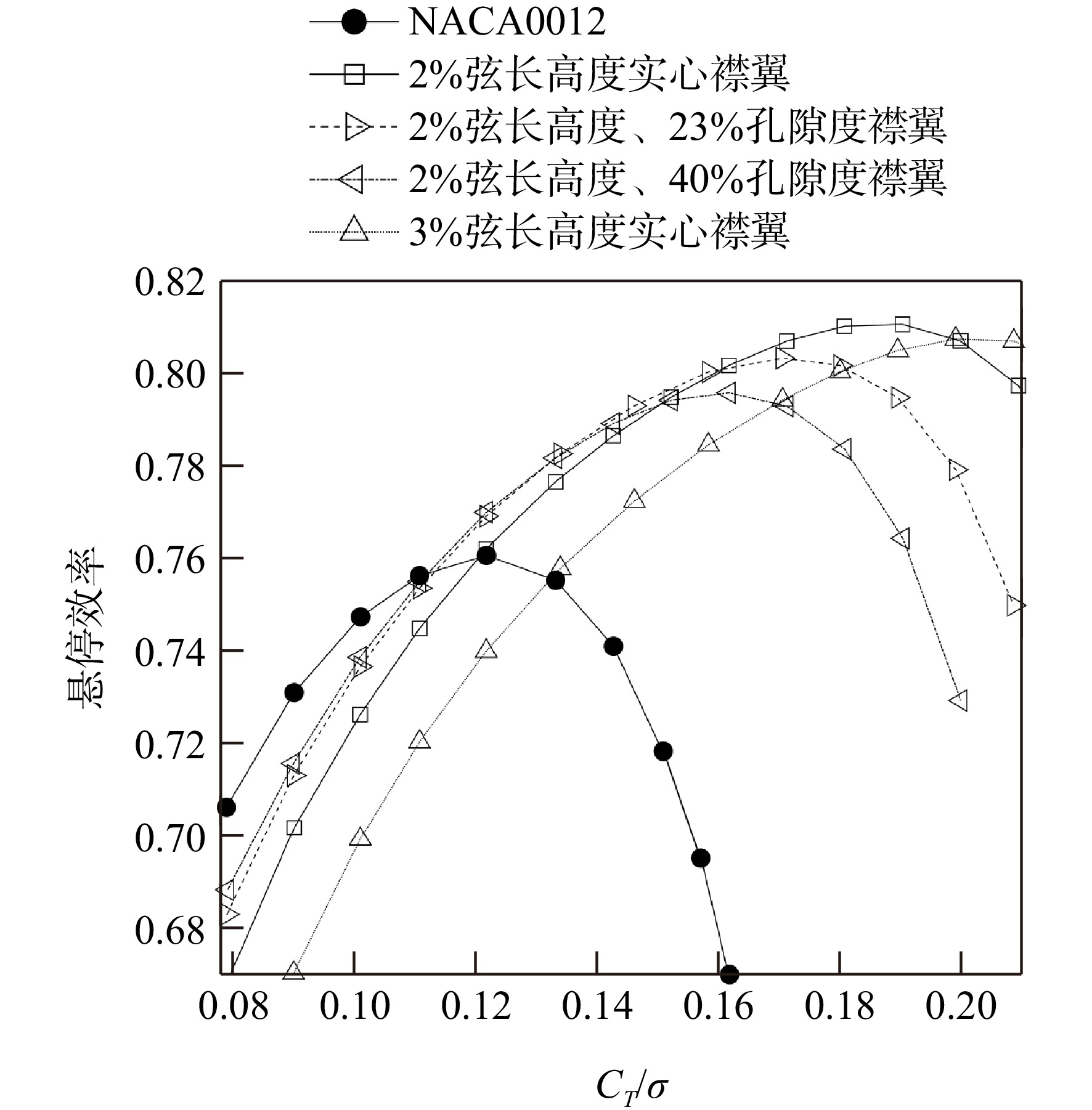
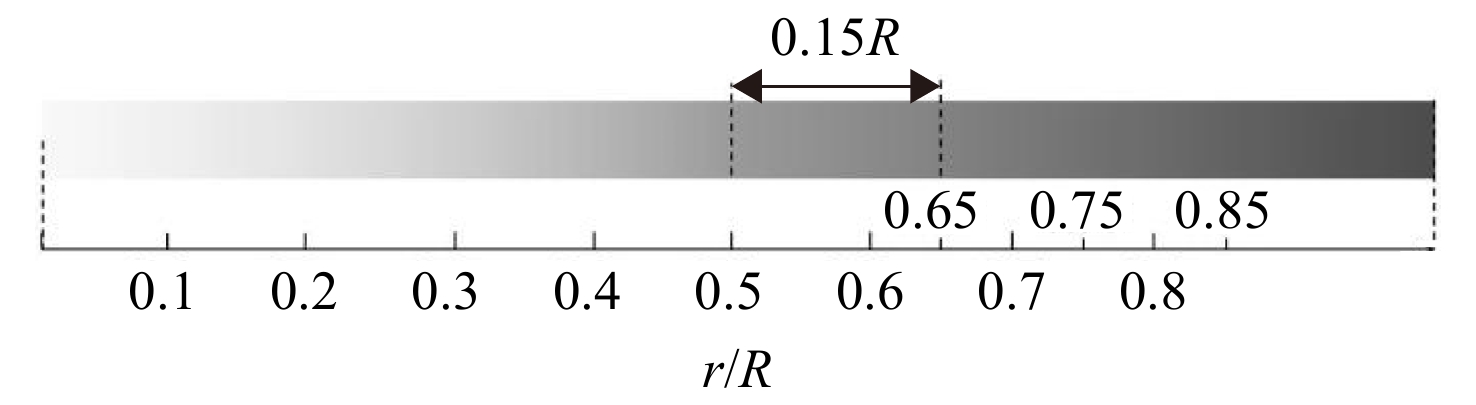
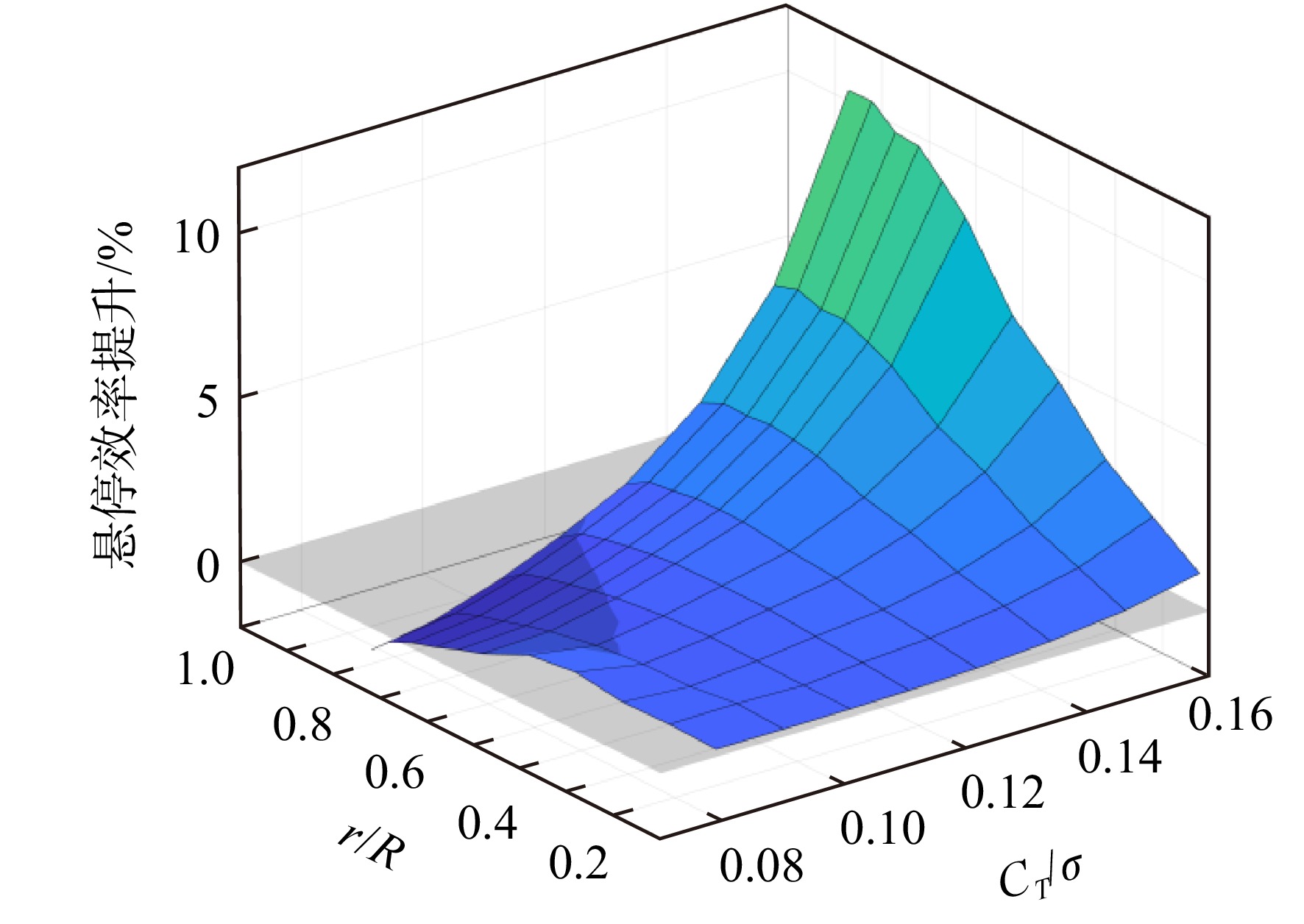
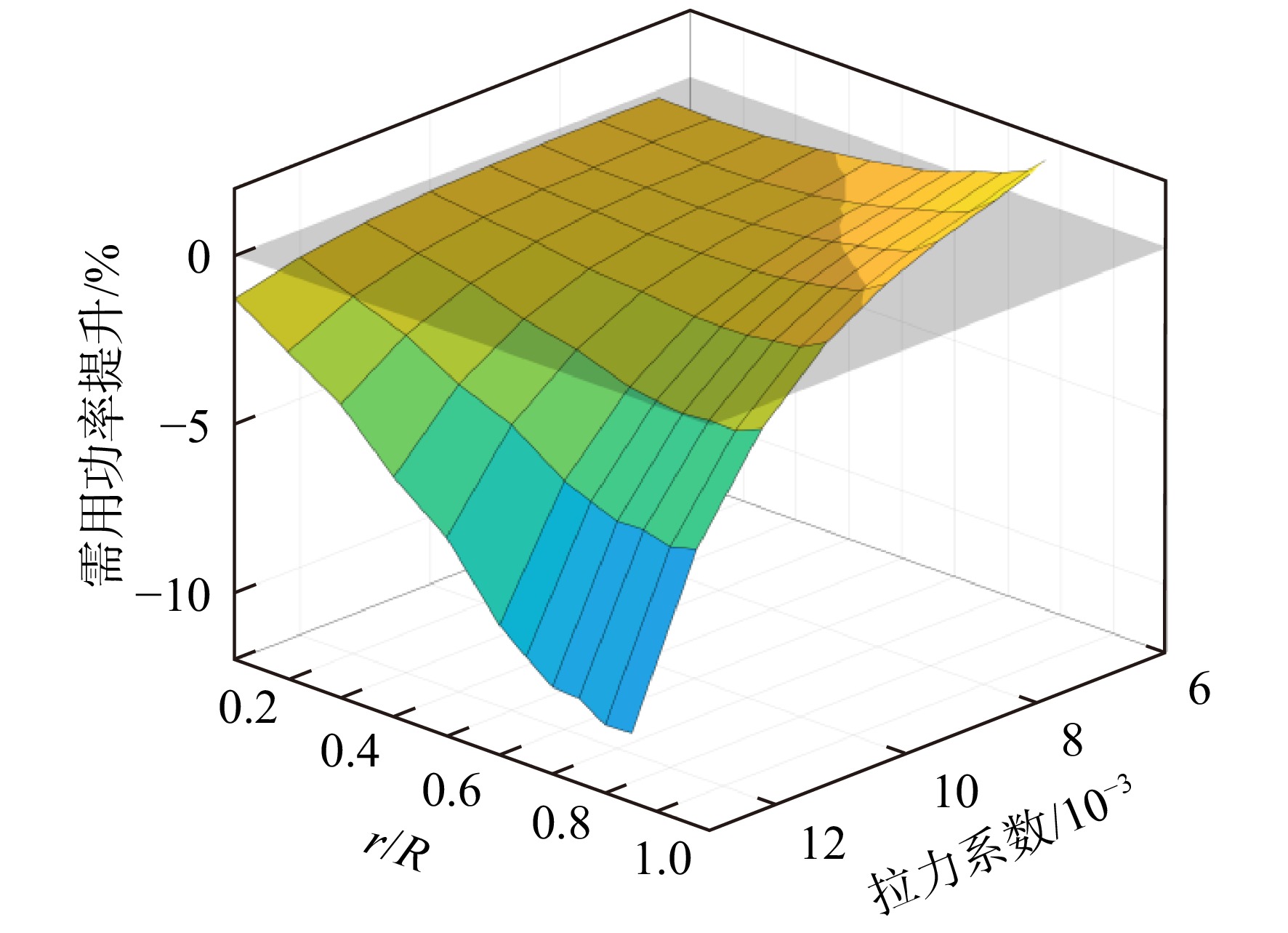
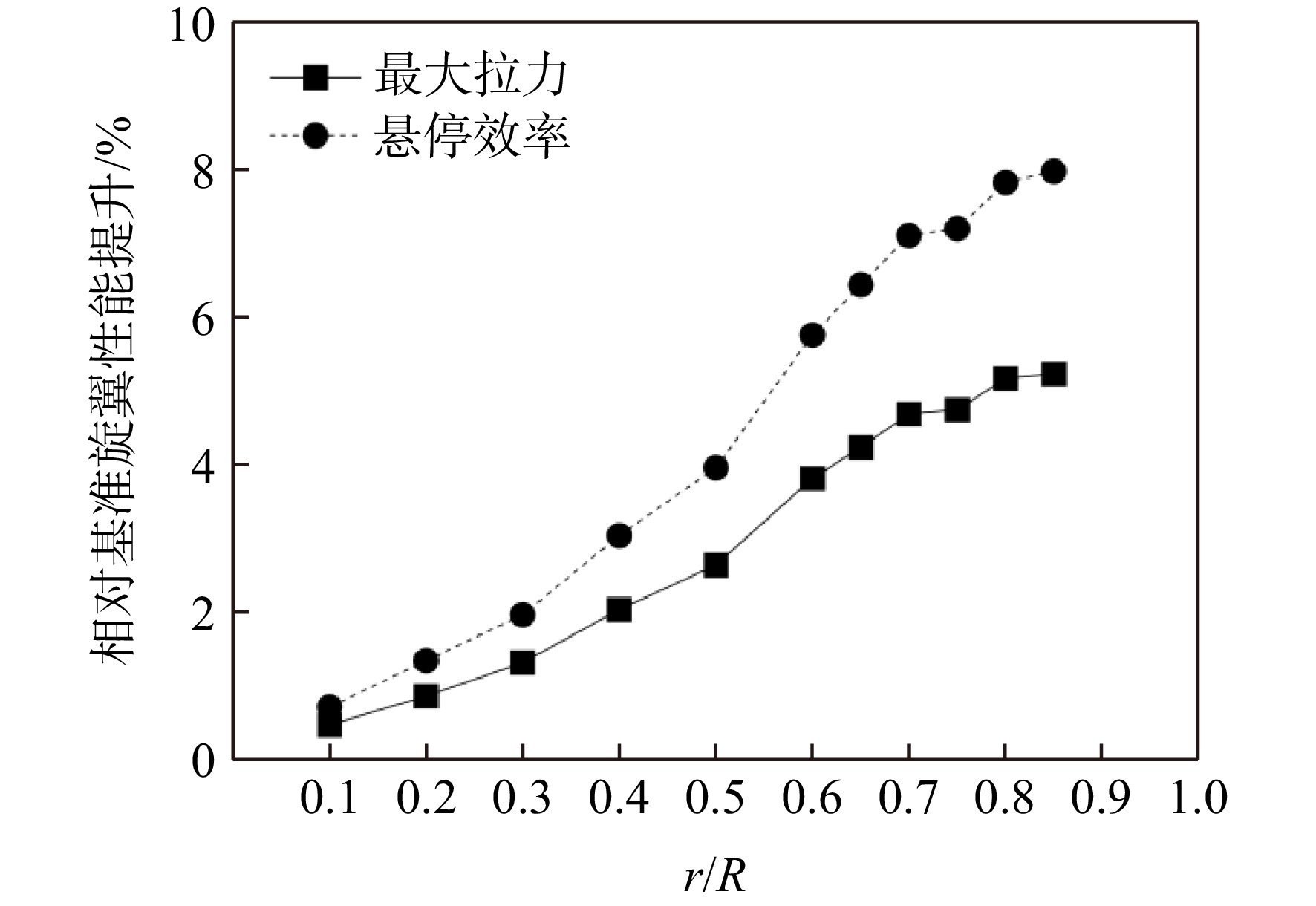
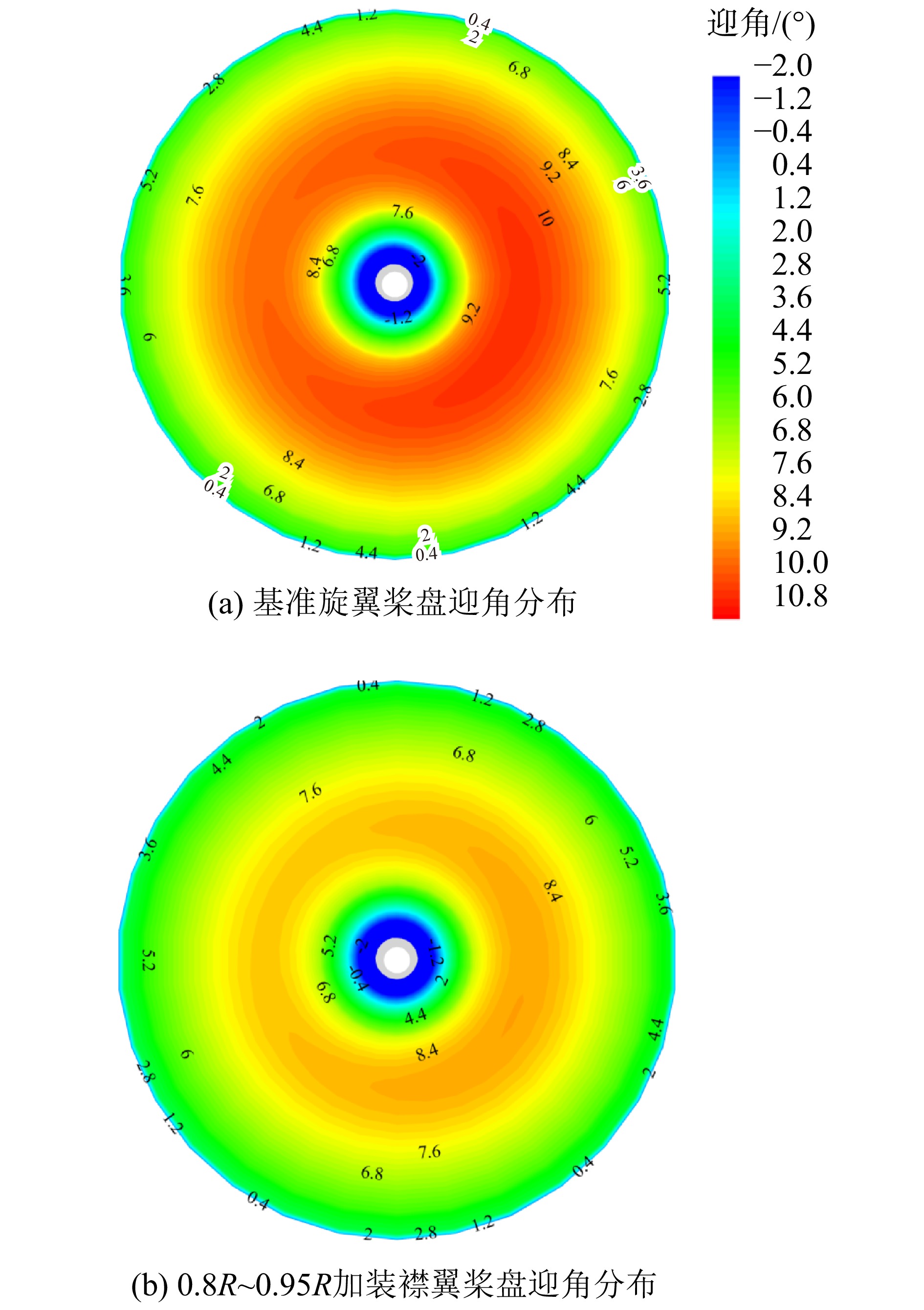
A study was conducted for the improvement of hovering performance by perforated gurney flaps’ application on helicopter rotor. First, the aerodynamic characteristics of perforated gurney flaps were discussed using computational fluid dynamics (CFD) method, and then an aerodynamic model of flapped airfoil was established. The performance improvement of the helicopter rotor equipped with perforated gurney flaps was analyzed by the coupling of a helicopter flight performance analysis model with the perforated gurney flap aerodynamic model. The results indicated that the jets brought by the holes interruptted the trailing-edge vortex shedding, thereby reducing the drag and increasing the lift to drag ratio. The analysis of hovering performance showed that after the installation of gurney flaps, at the cost of slightly sacrificing performance under low loads, a significant increment of figure of merit and reduction of power required under high loads was achieved. Also a reduction of angle of attack of rotor blade was convinced, thus the blade load distribution was improved. The afore mentioned effects of perforated gurney flaps increased significantly with the outward expansion of installation position. A 2% chord height, 23% porosity perforated gurney flap equipped at the radial 80% to 95% radius of the rotor blade can increase figure of merit by 10.60% and reduce power required by 10.00% under high loads, thus the maximum thrust of the rotor increased by 5.17% and the corresponding figure of merit increased by 7.82%.

Structure,Strength and Vibration
Study on hydrodynamic characteristics of oil film of squeeze-film damper
XIE Zhongliang, SUN Yihao, HAN Ruiyao, GAO Wenjun, ZHANG Jianbo
2026, 41(1): 20240077. doi: 10.13224/j.cnki.jasp.20240077
Abstract:

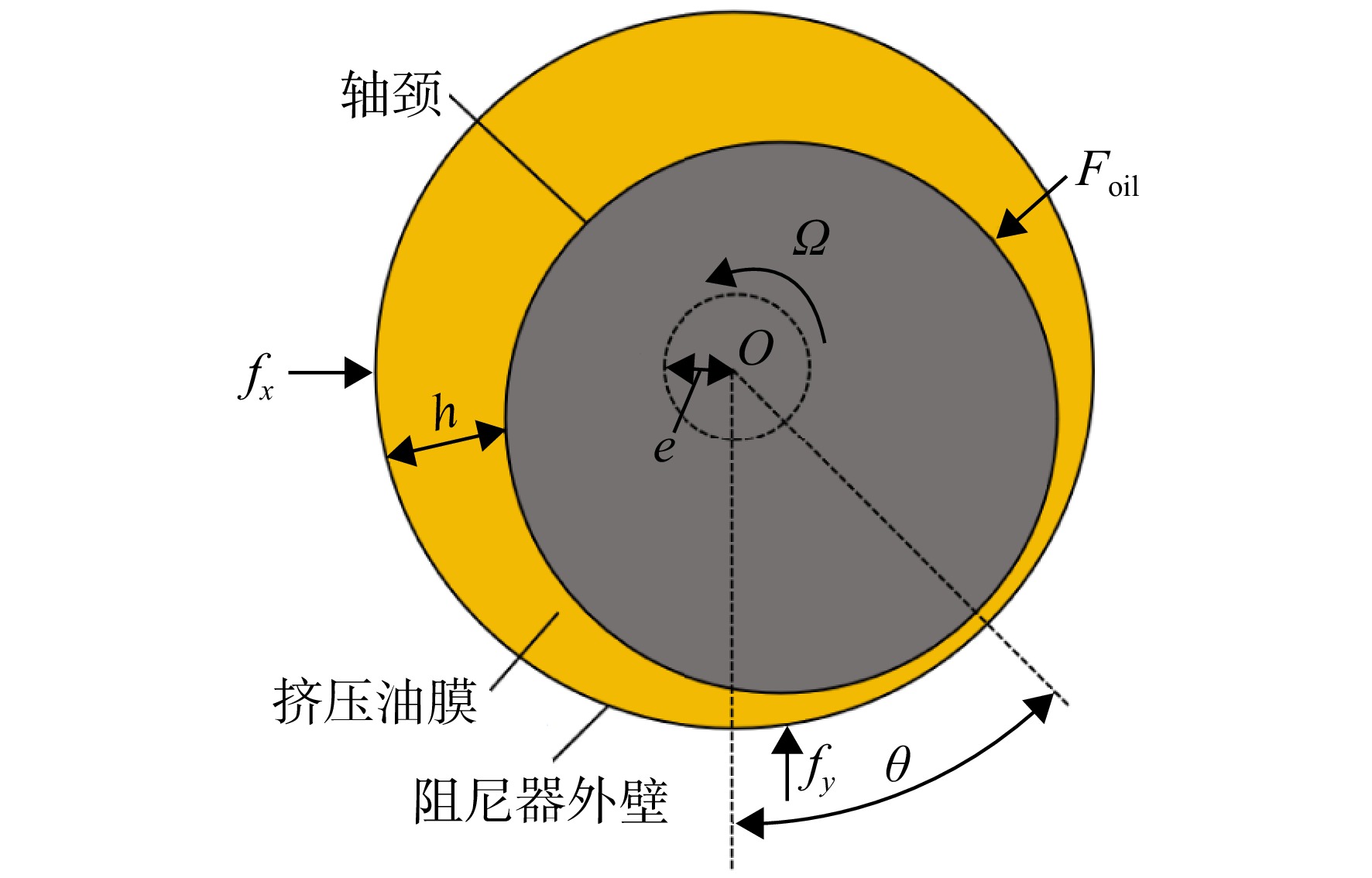
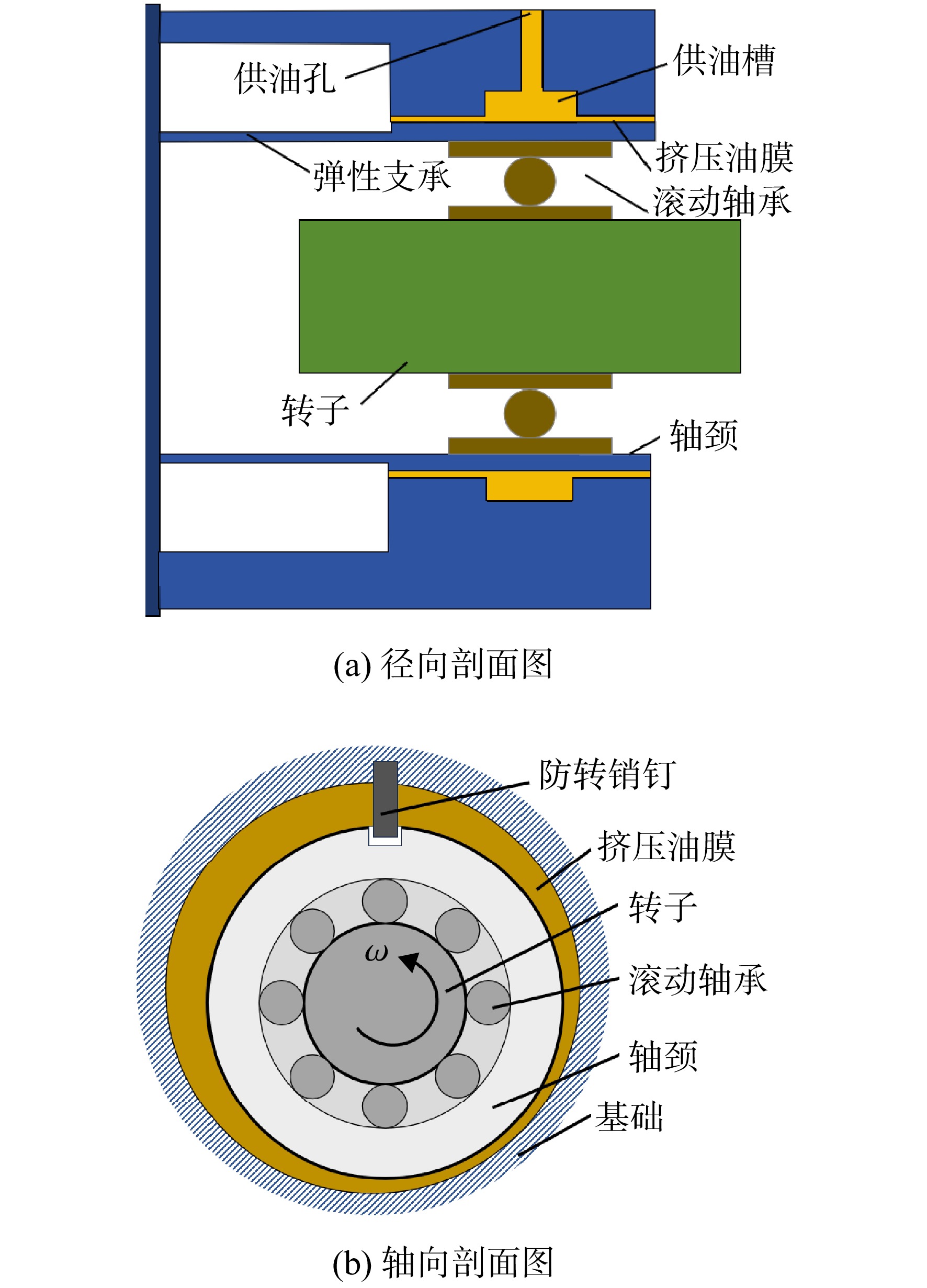
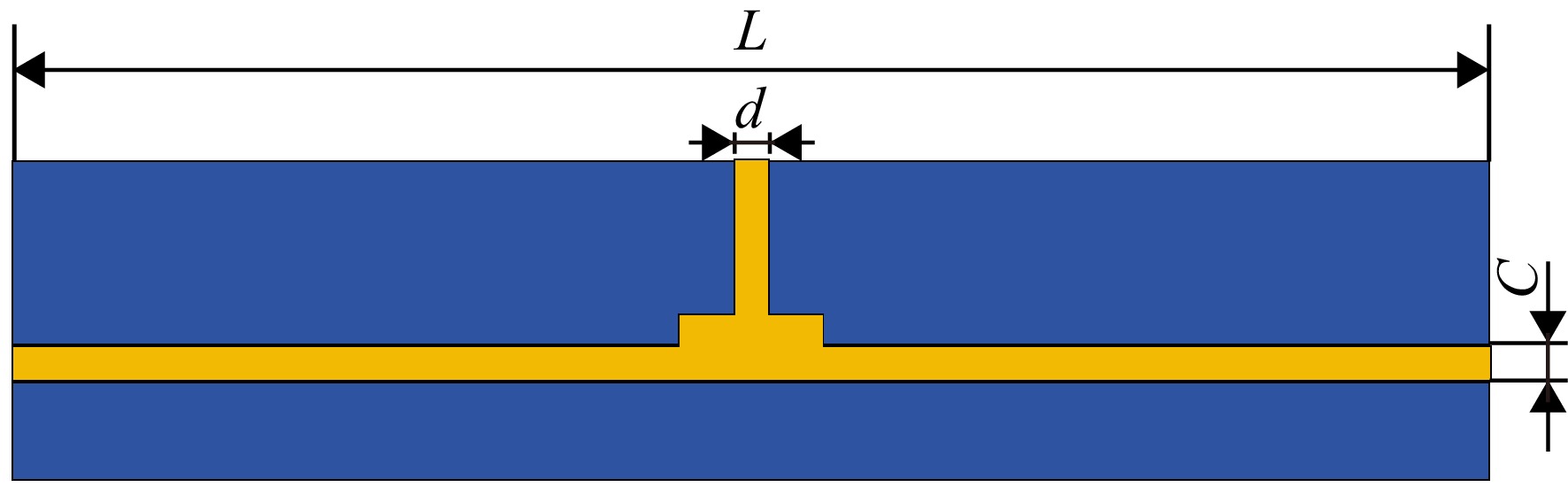
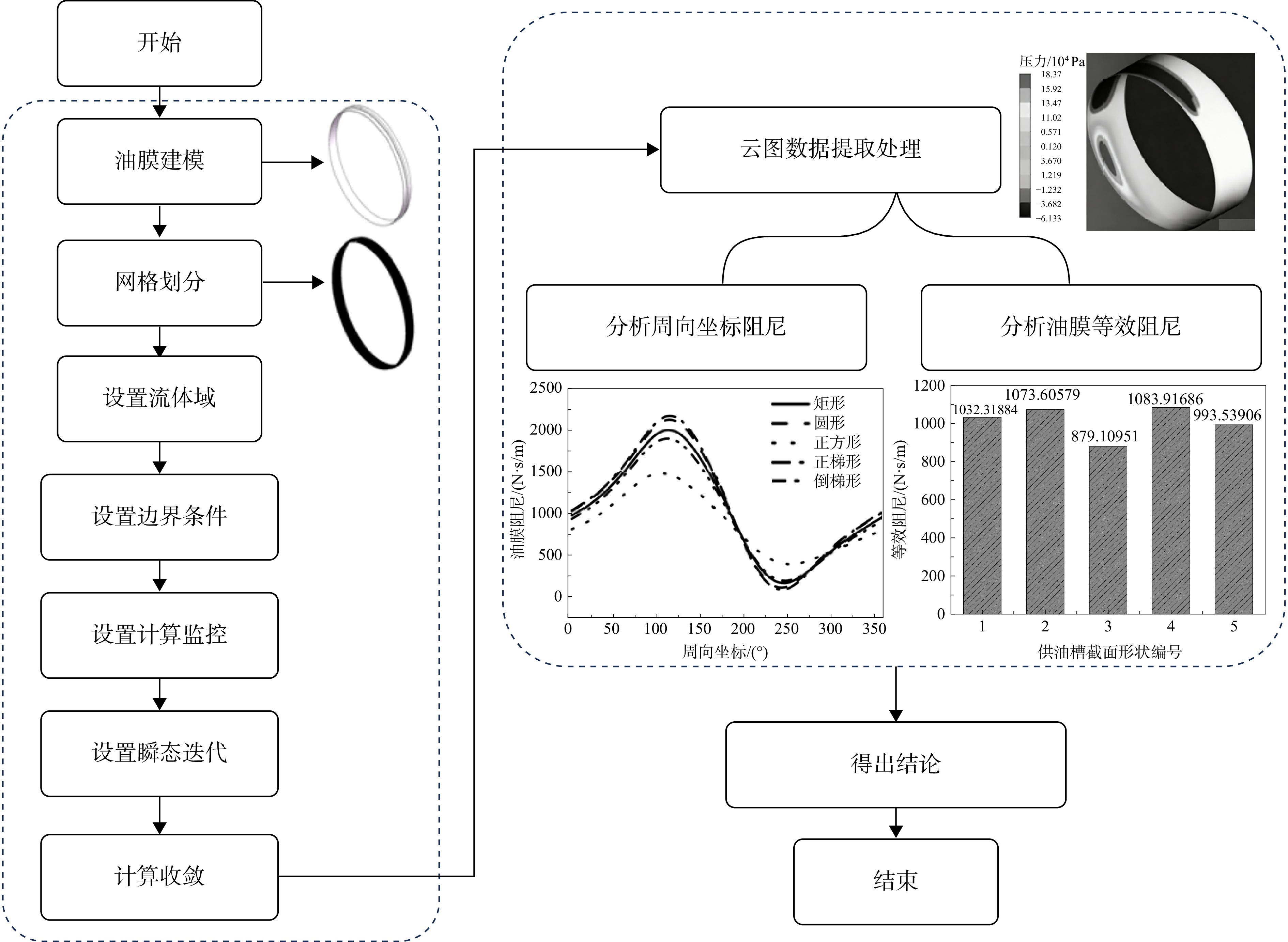
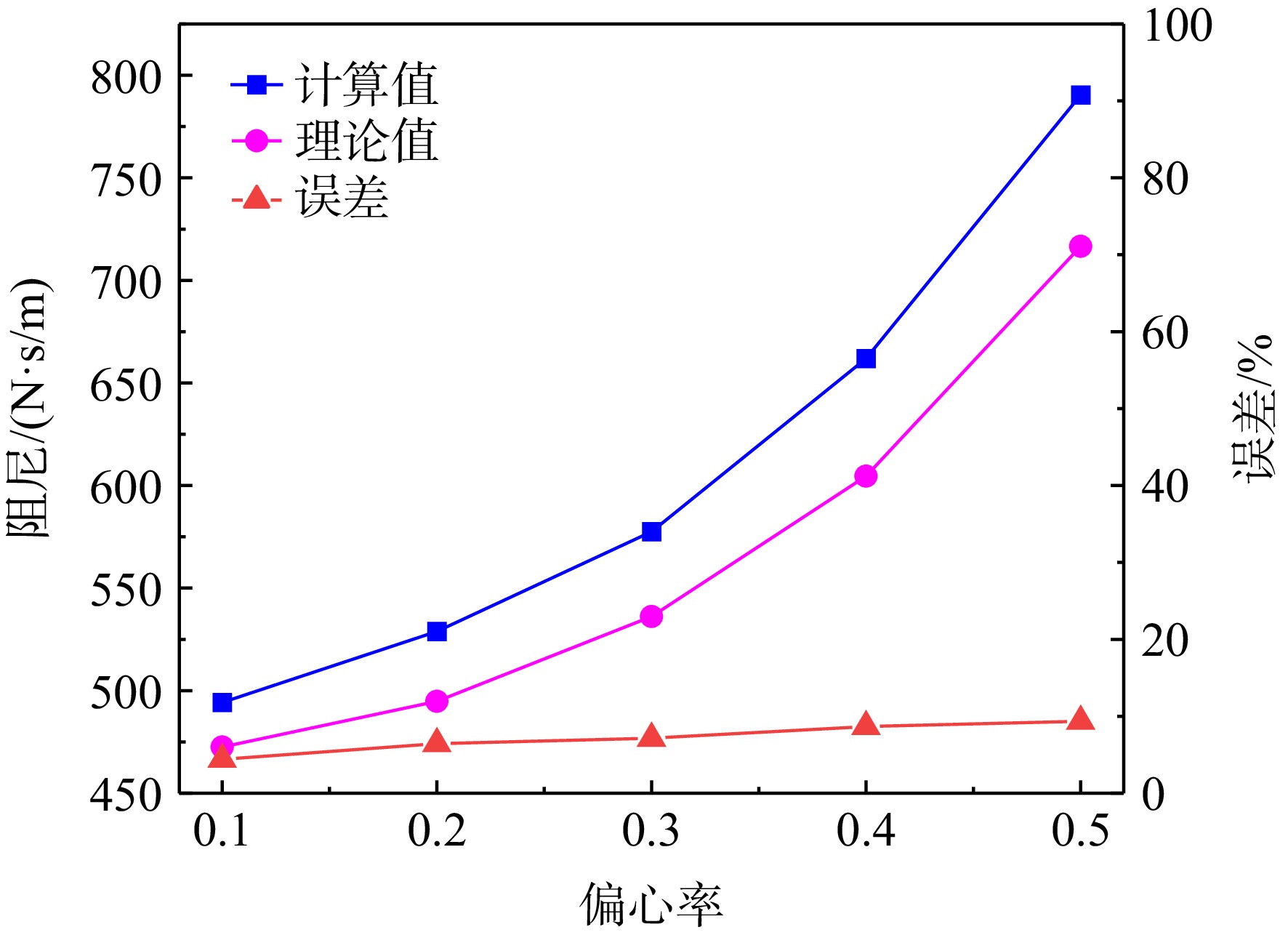
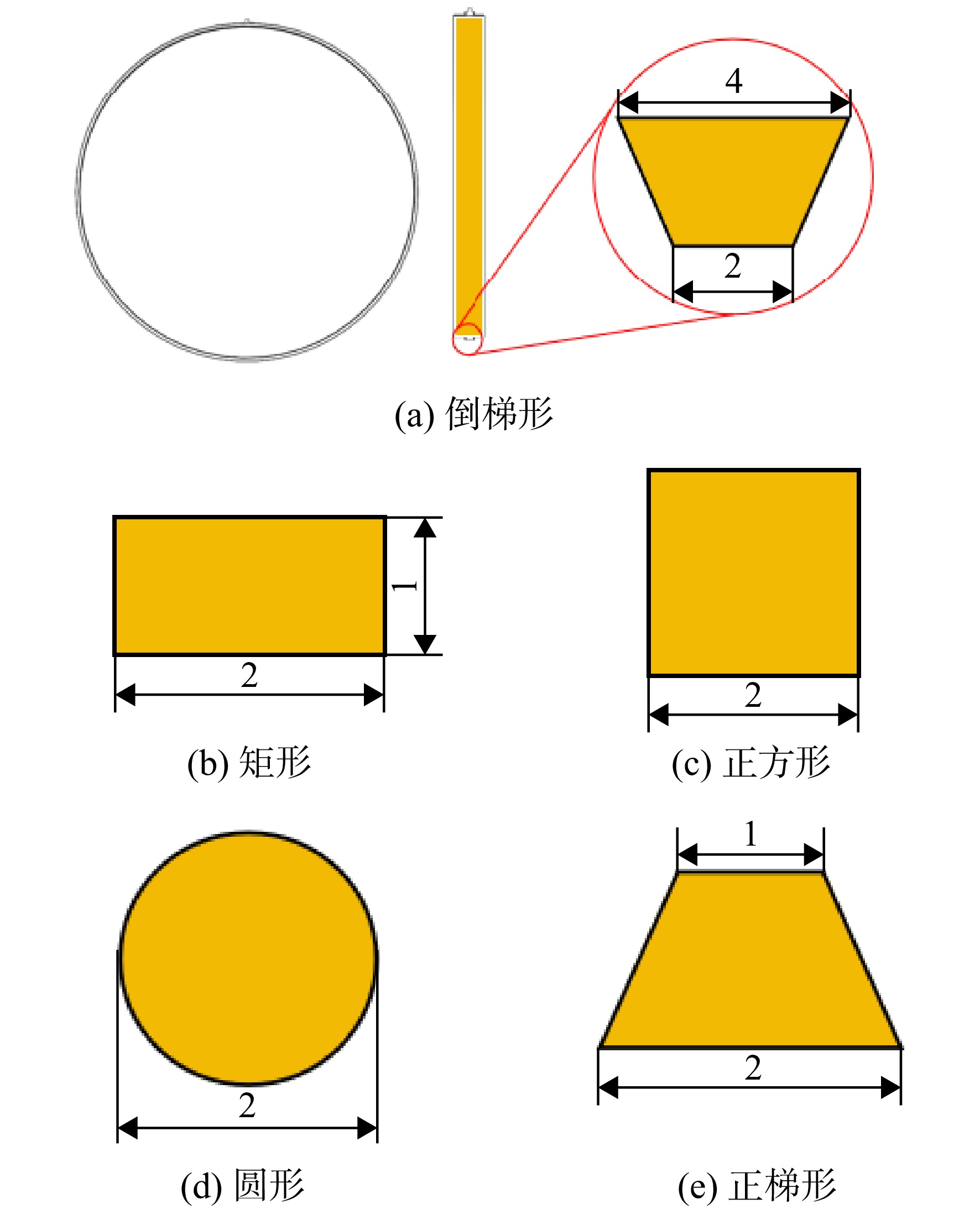
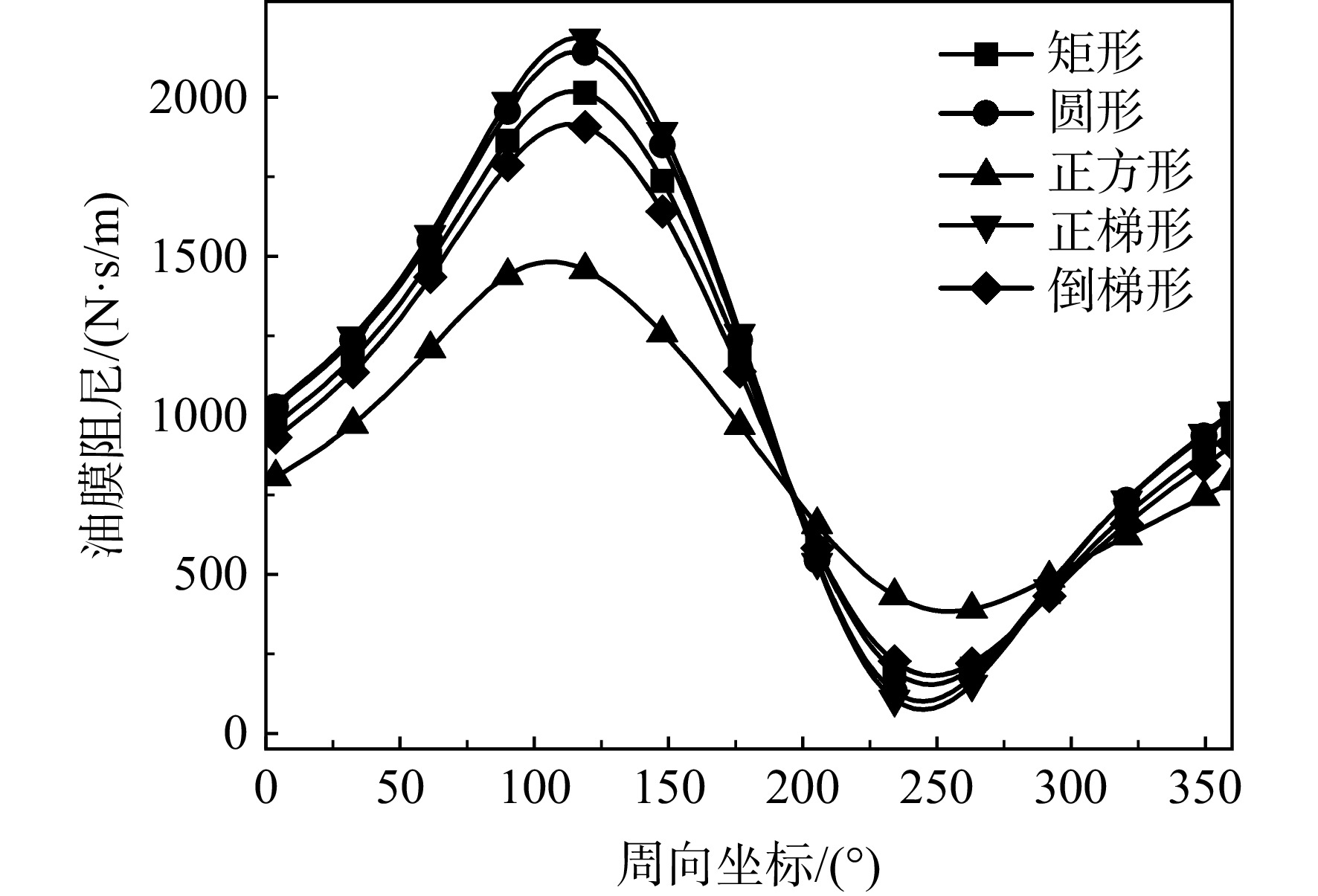
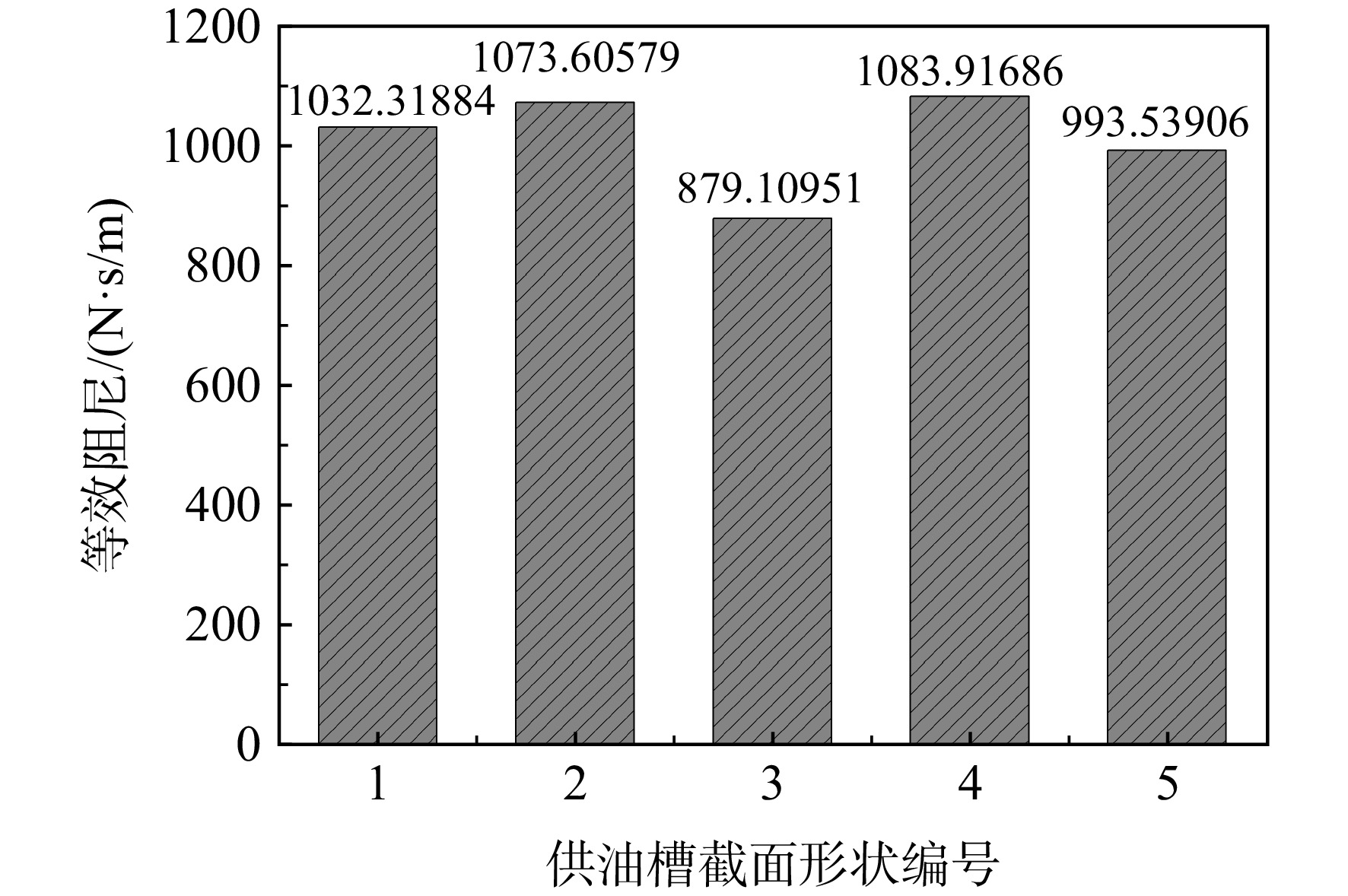
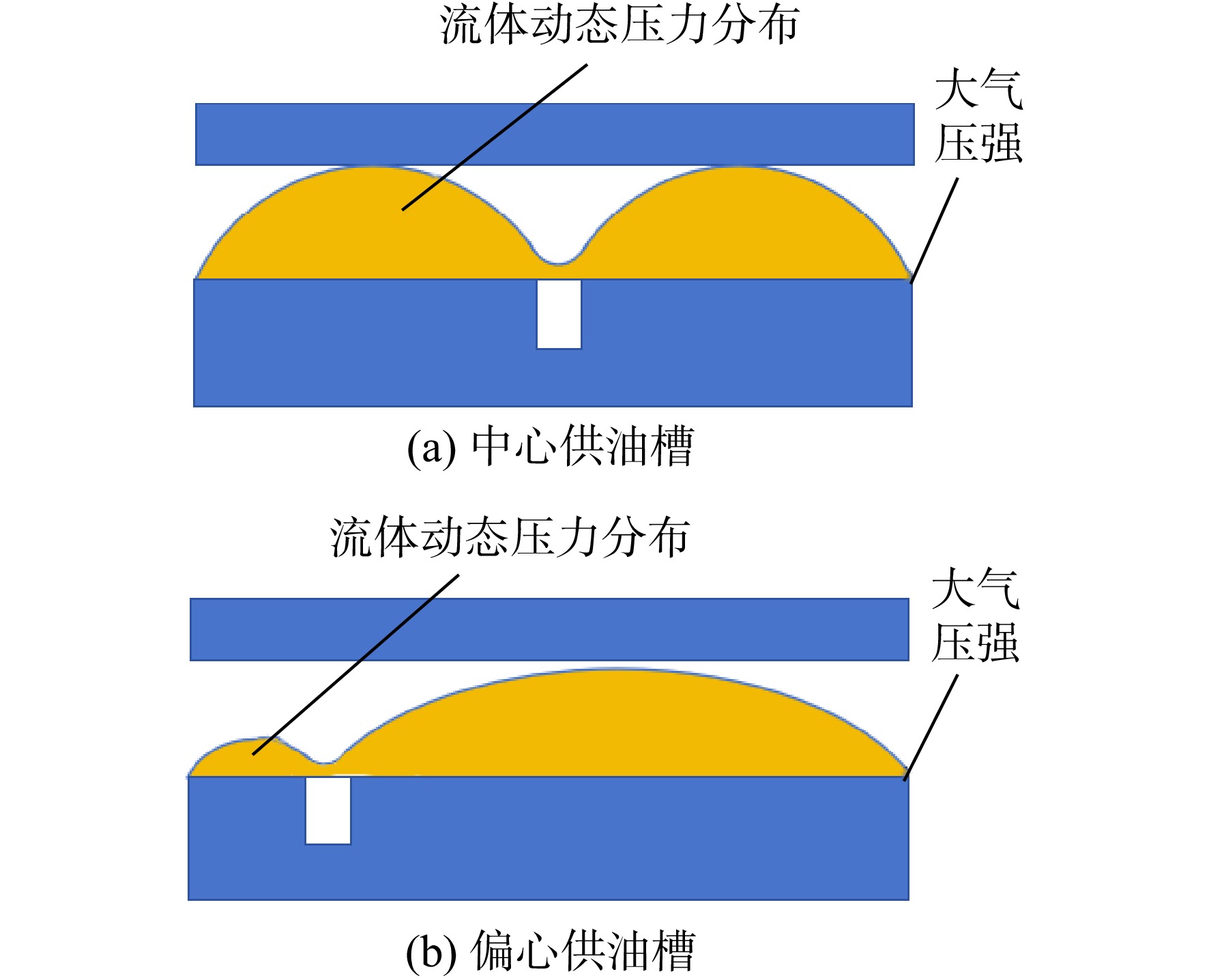
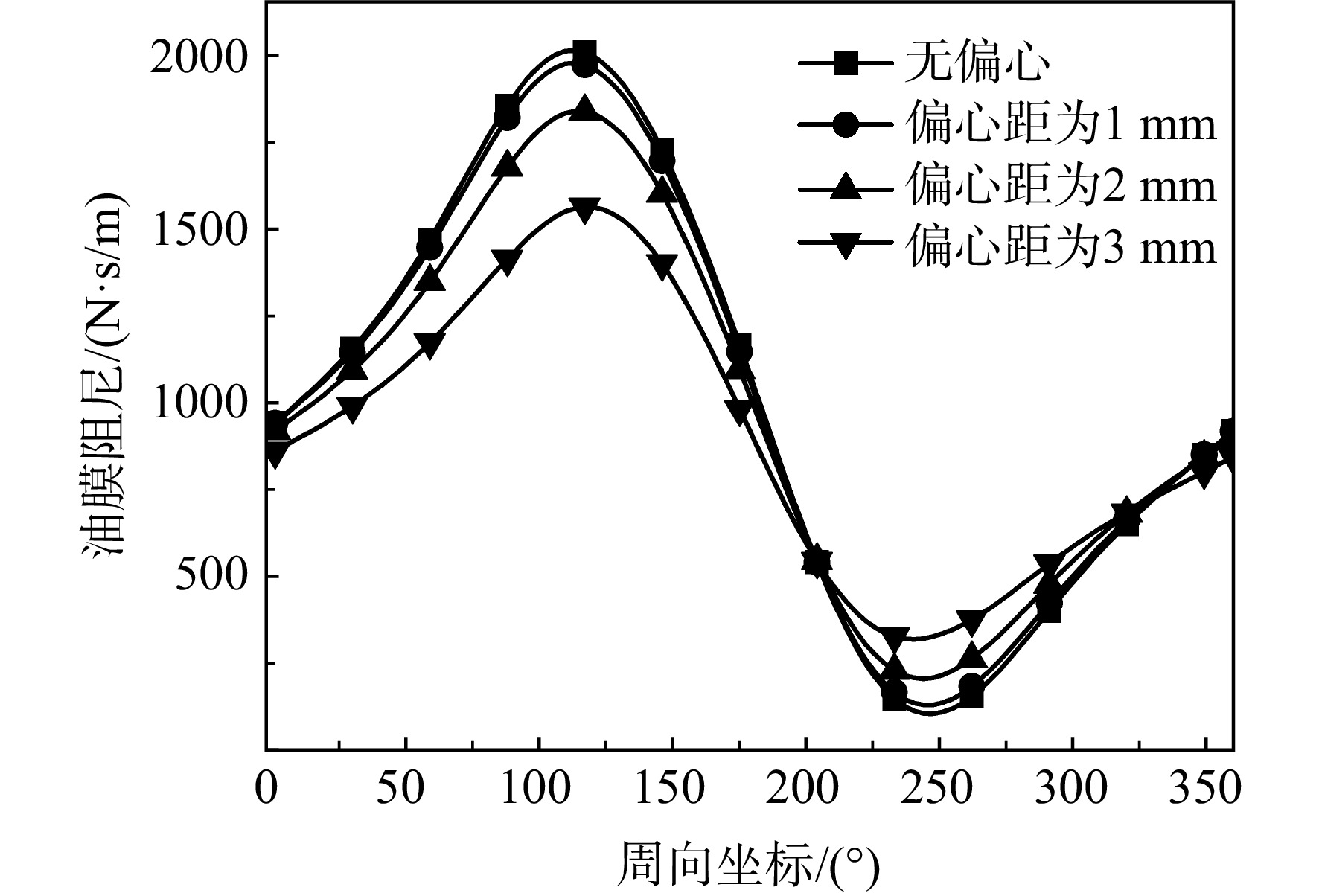
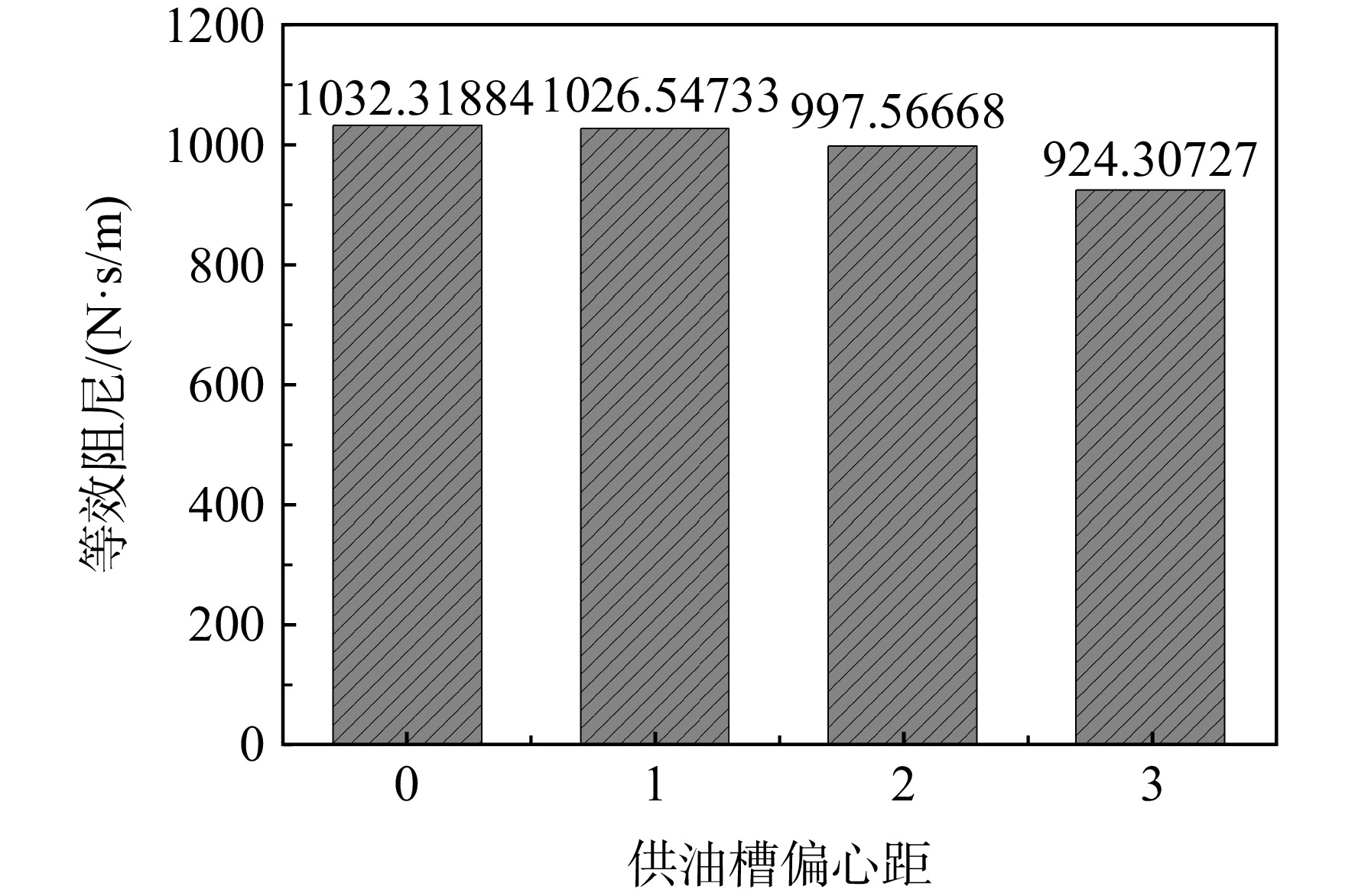
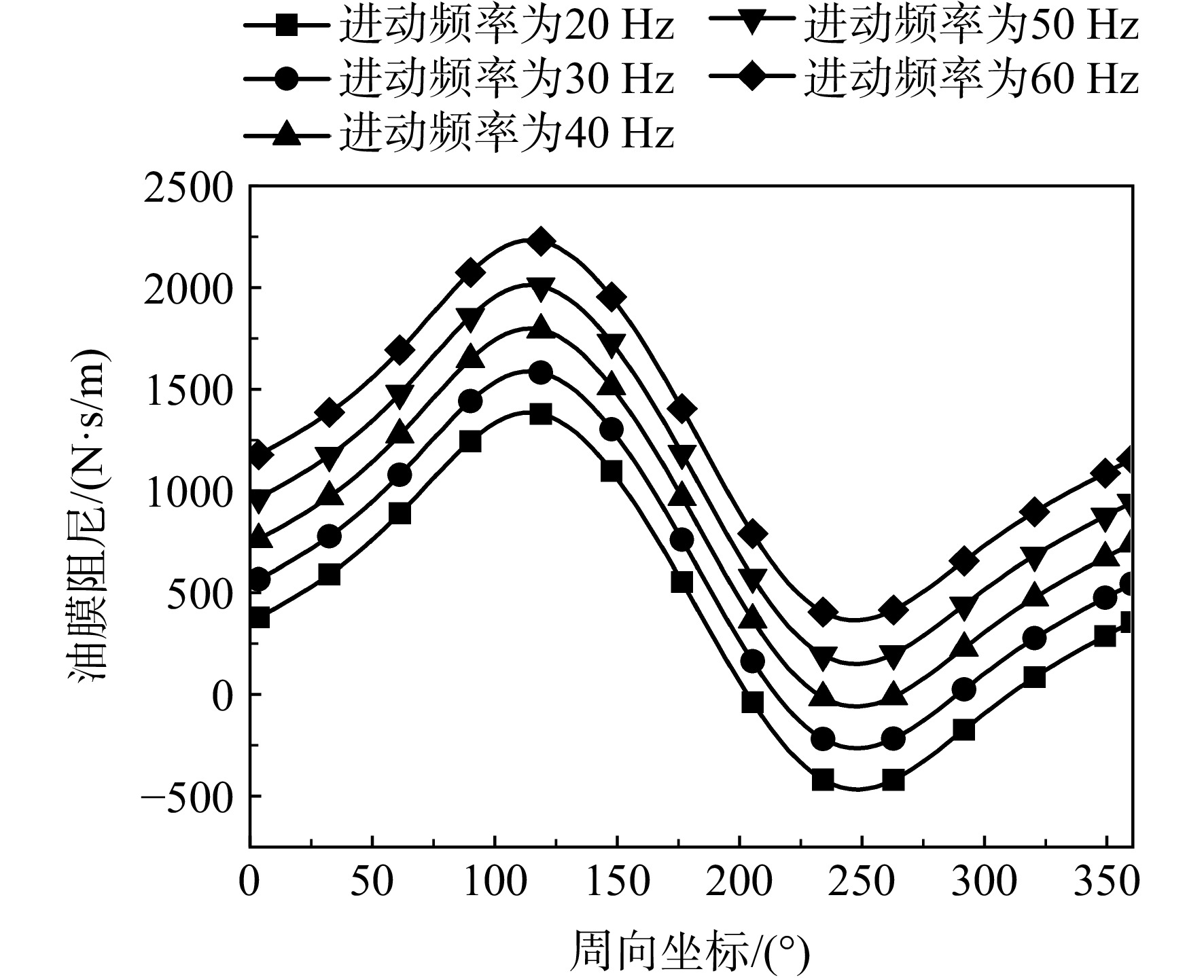
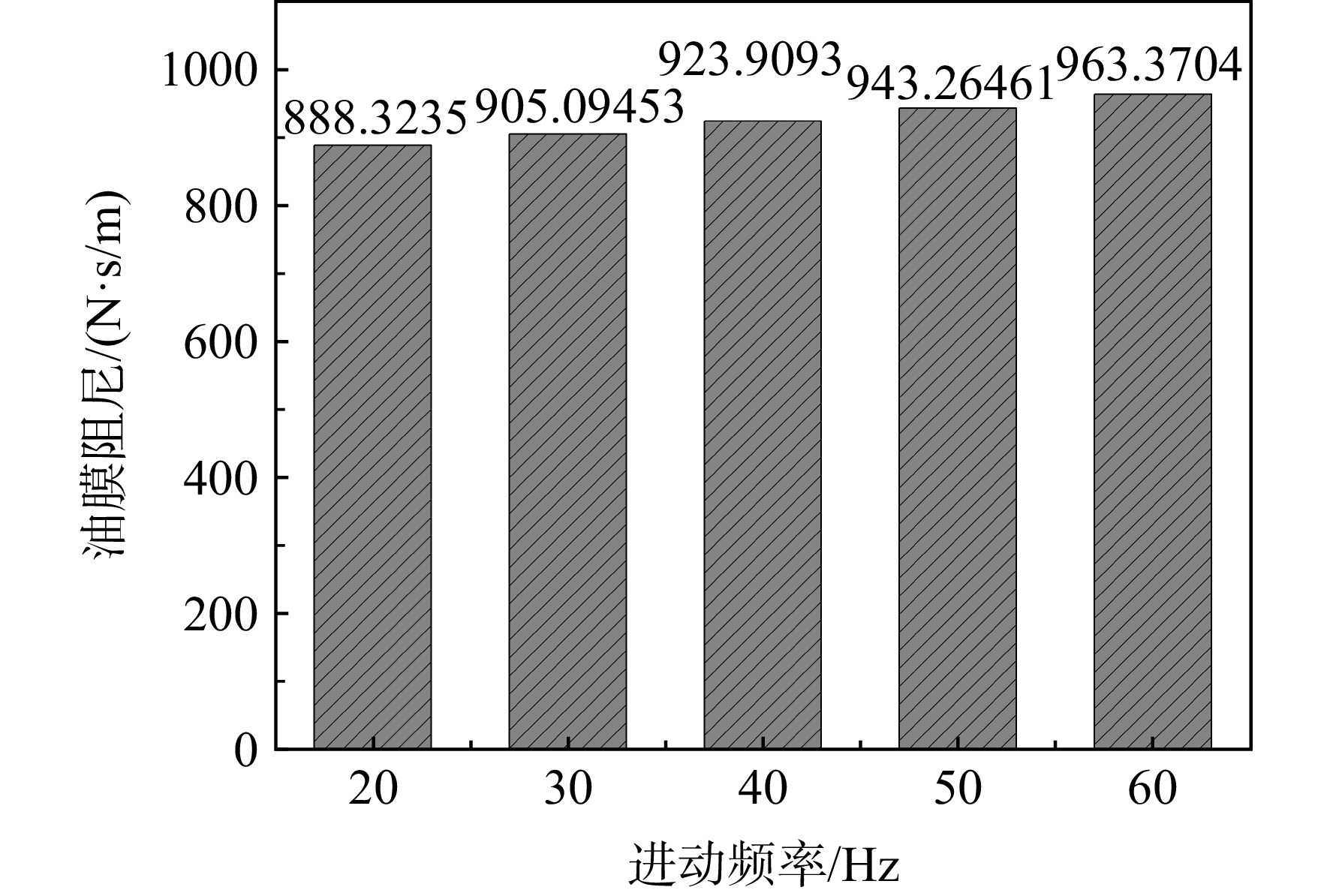
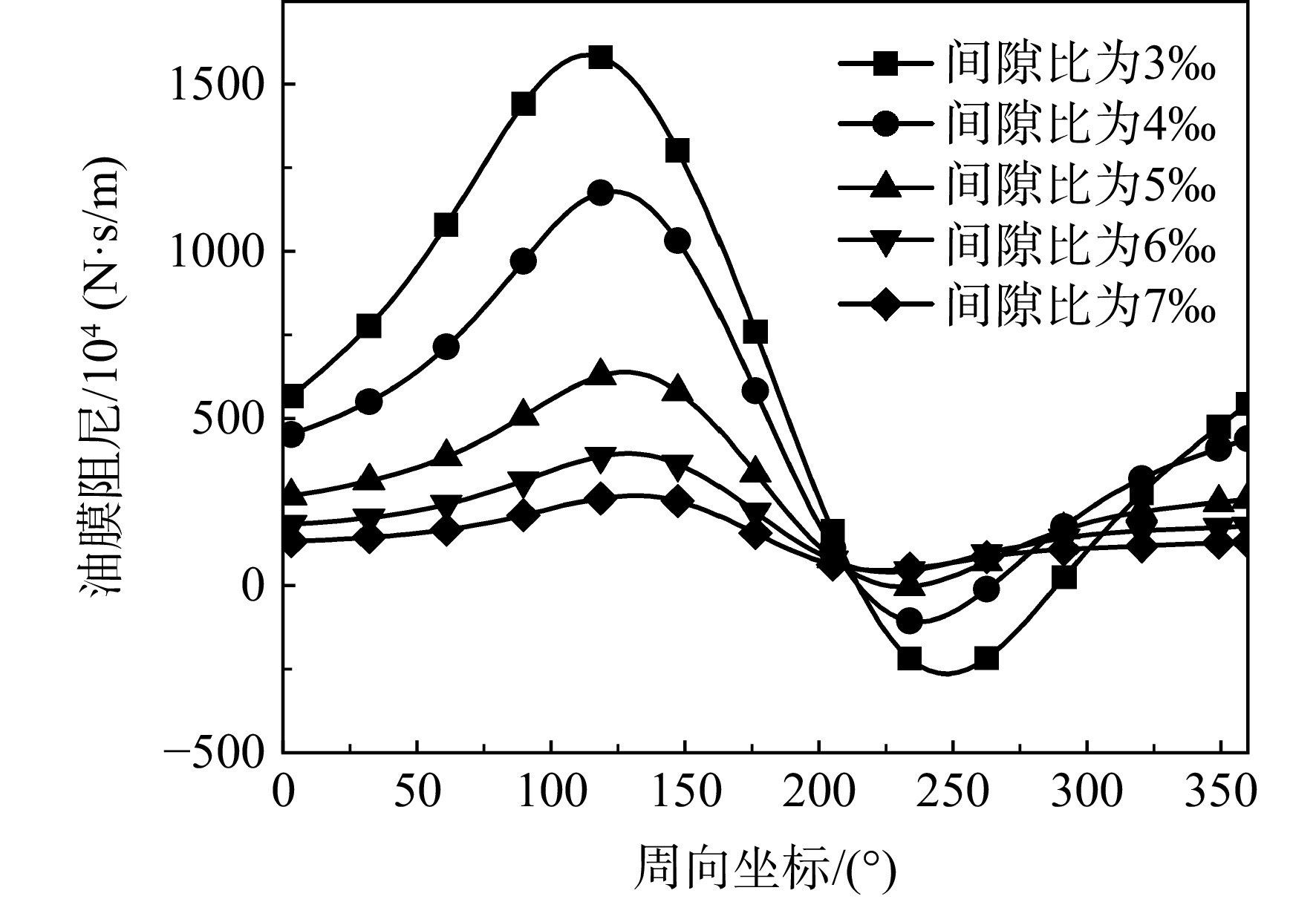
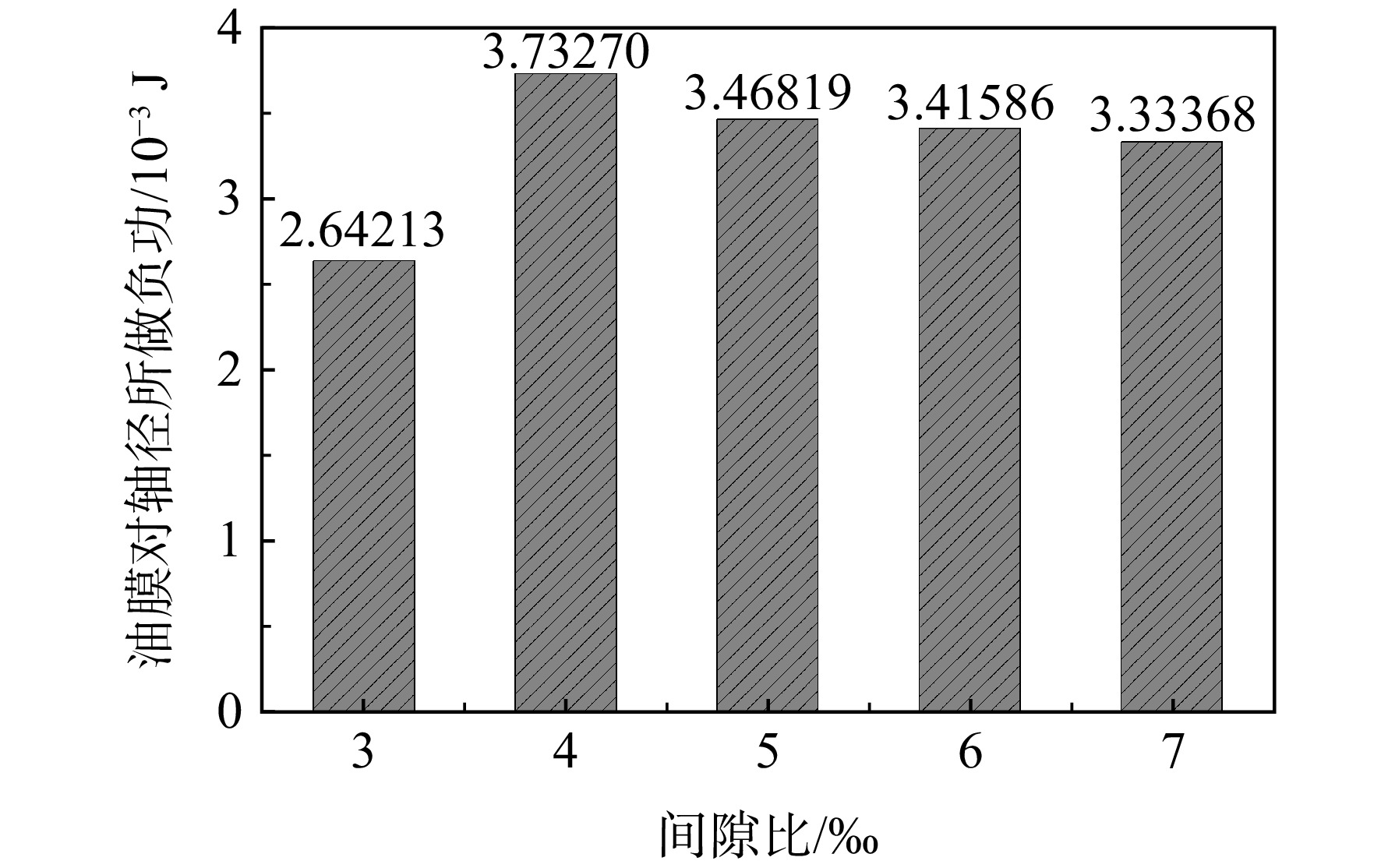
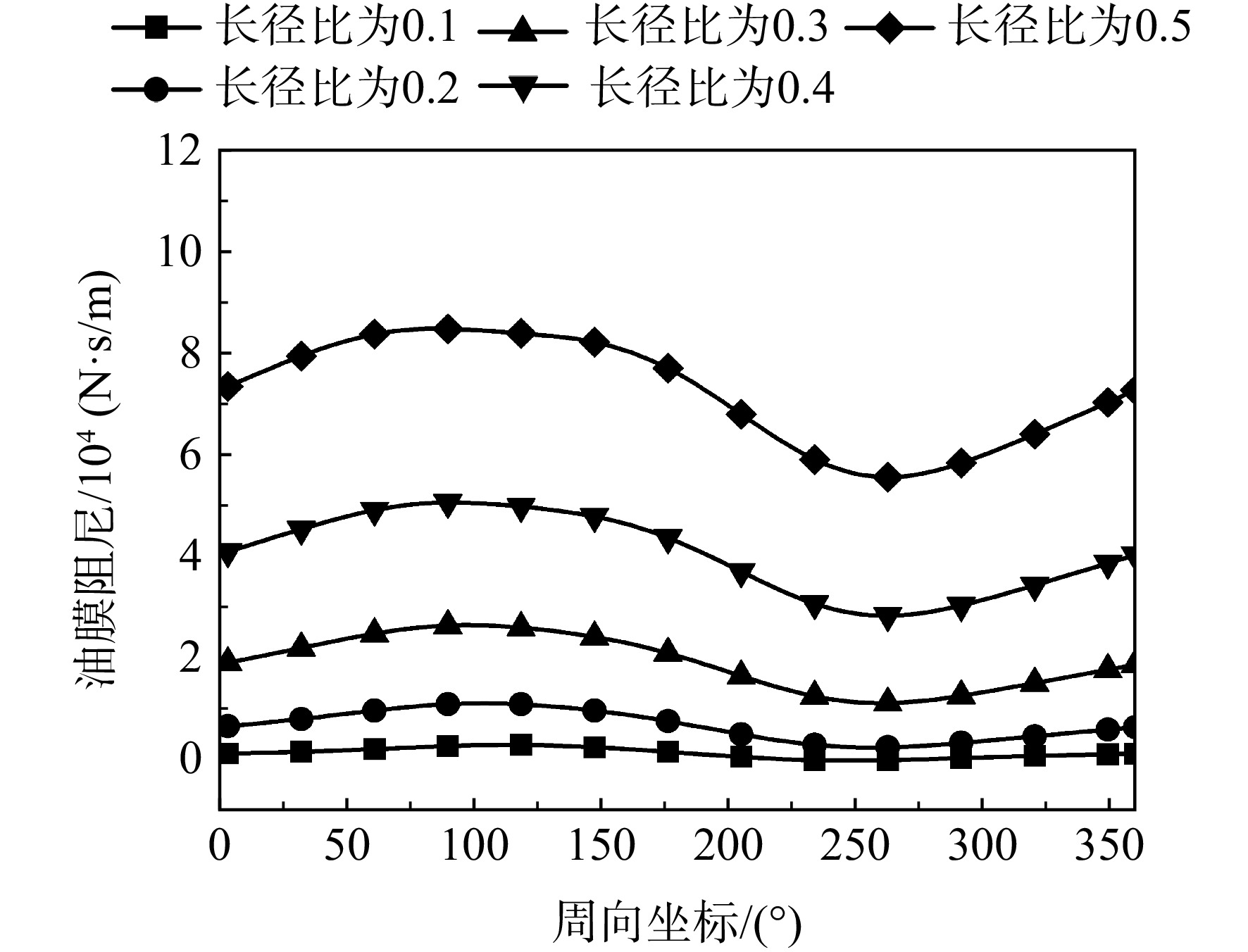
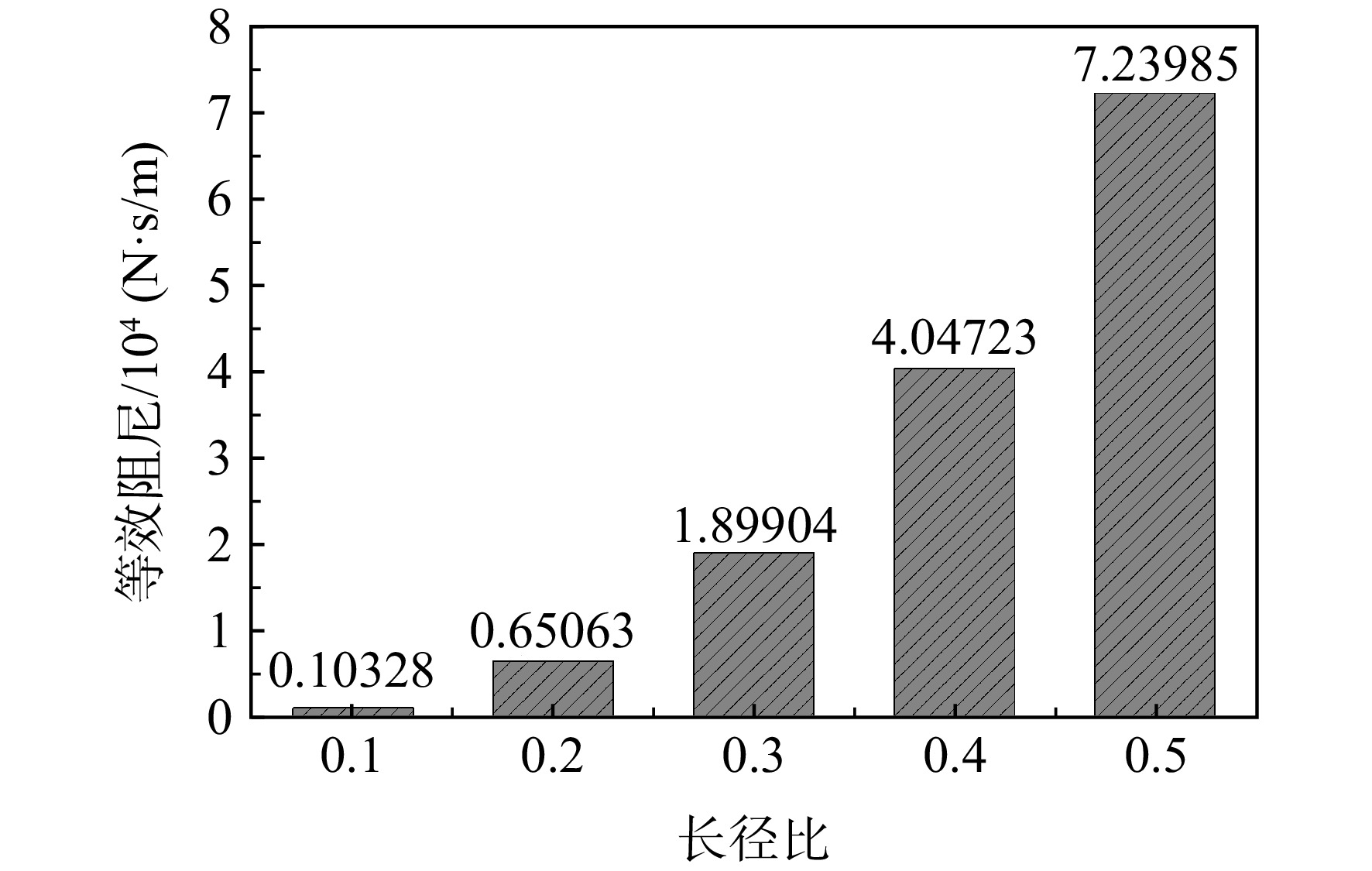
In order to solve the problem that the evolution law of the damping performance of squeeze film damper (SFD) under the condition of single oil supply hole is not clear, the fluid domain simulation model of the squeeze film damper was established. Various clearance ratios, length-to-diameter ratios, oil groove cross-sections, and positions were considered in the model. The influences of structural and working conditions on the damping stability were analyzed. The influence mechanism on the damping performance was revealed. The results showed that increasing the eccentricity, clearance ratio or decreasing the aspect ratio can improve the damping stability. And increasing the whirl frequency, aspect ratio or decreasing the eccentricity can help to improve the damping value of the oil film. Under asymmetric oil supply conditions, a trapezoidal groove provided higher damping, while a square groove offered greater stability. A centrally located groove maximized damping, whereas an eccentric placement enhanced stability. This study could provide crucial theoretical support and optimization guidance for the design of squeeze film dampers under single-oil-hole supply conditions, offering significant value for engineering applications.

Turbine blade shedding predictive analysis method considering plastic instability criterion
MENG Weihua, ZHANG Zhiyi, LI Jian, LI Lei, LI Wei, LIU He, WANG Cunfu
2026, 41(1): 20240700. doi: 10.13224/j.cnki.jasp.20240700
Abstract:

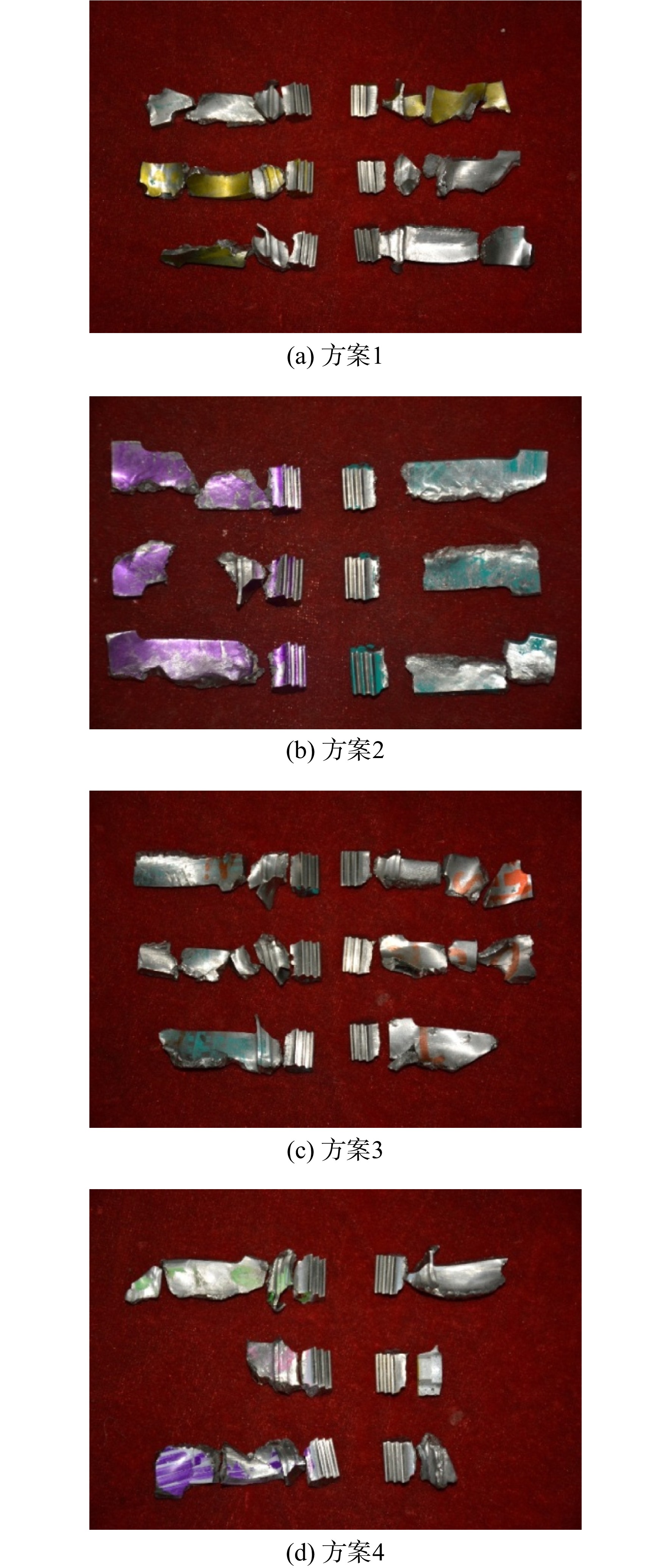
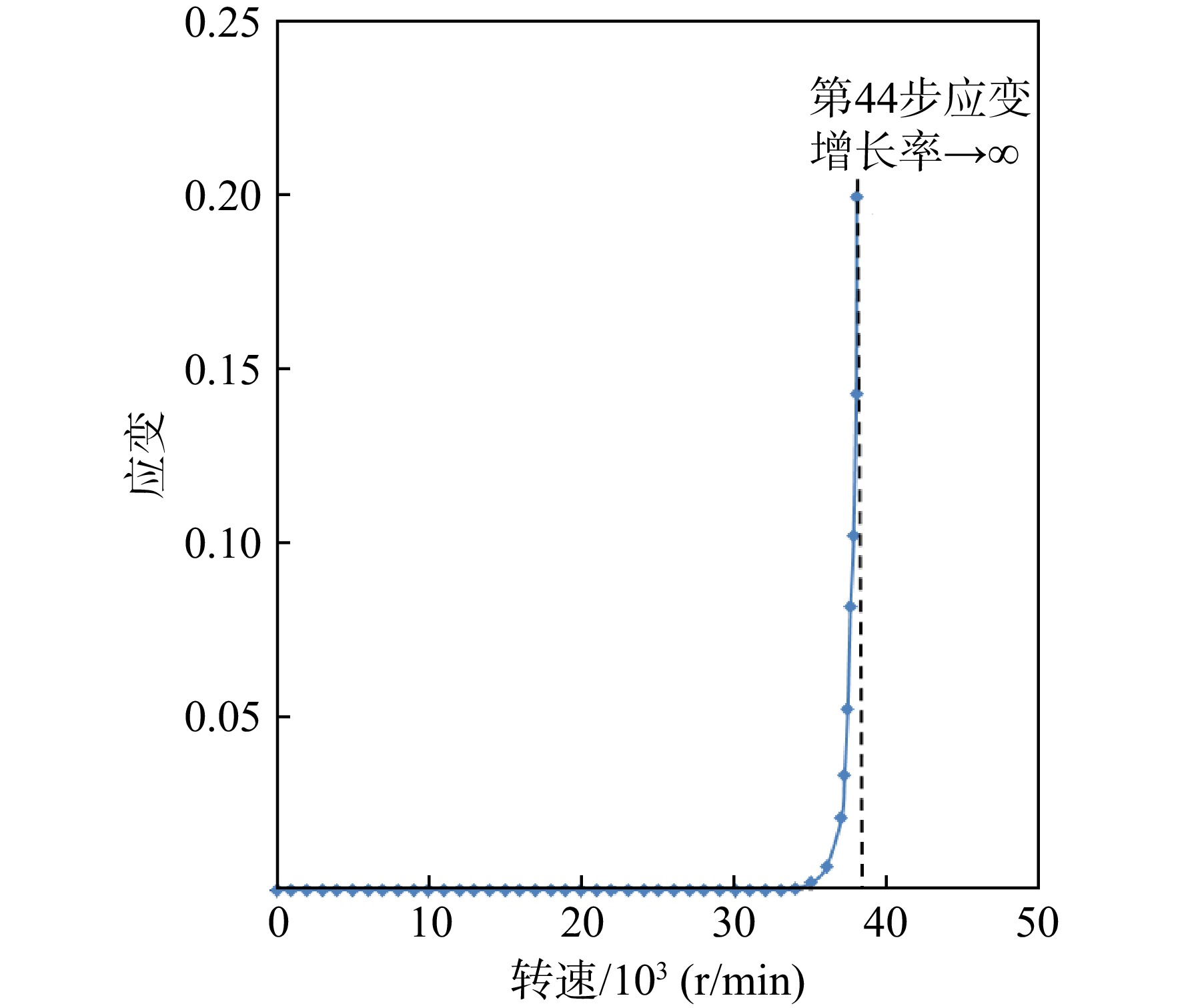
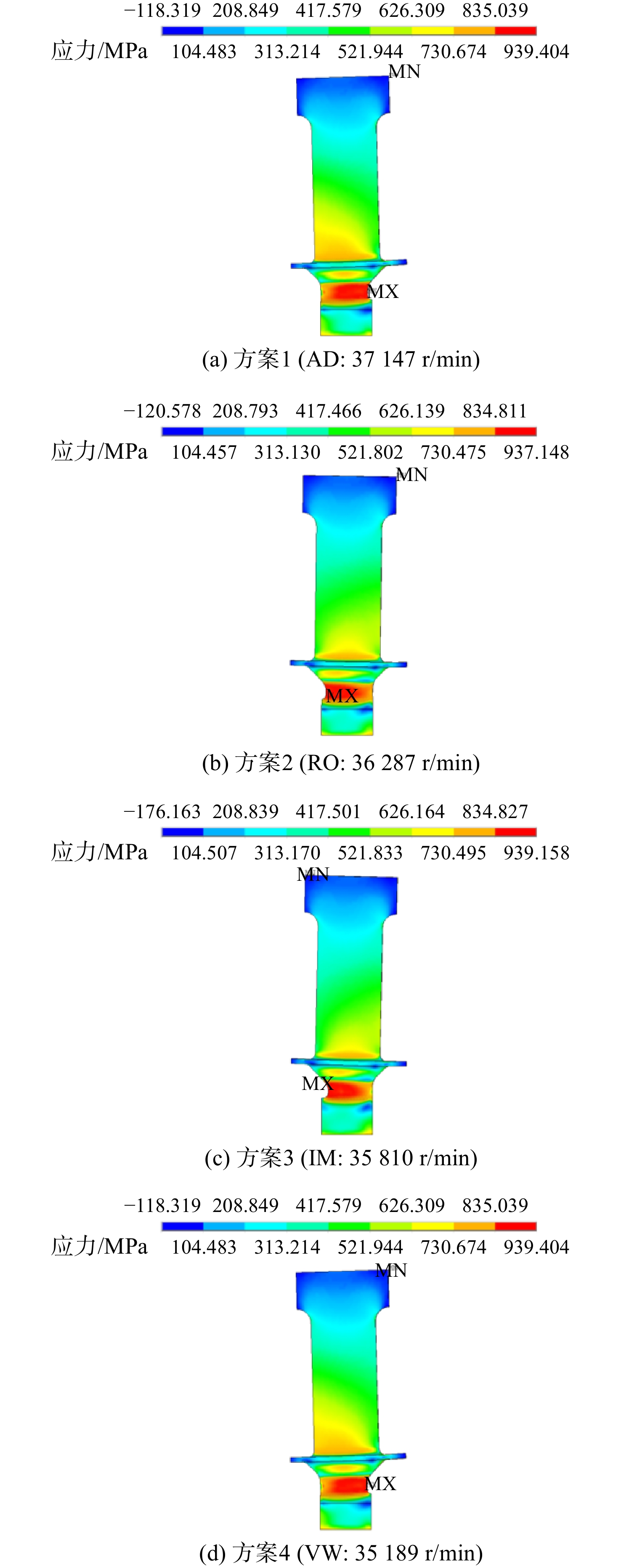
To meet the integrity requirements of the turbine rotor design on loss-of-load defined by the engine airworthiness regulation CCAR33.27, aero-engines usually adopt an overspeed protection design for turbine blade shedding to avoid non-containment issues under disk burst. Therefore, accurate prediction of turbine blade shedding speed is crucial in the overspeed protection design. According to the visco-elasto-plastic constitutive equations and the virtual work principle, the approach to predict the turbine blade shedding from the finite element analysis results was studied, and the corresponding visco-elasto-plastic instability criteria were provided. It was demonstrated through a practical application example that the proposed turbine blade shedding speed prediction considering visco-elasto-plastic instability criteria had higher precision. Compared with the traditional methods, the proposed method reduced the maximum prediction error from 10.35%, 7.64% to 2.87%. In addition, the prediction method based on visco-elasto-plastic instability criteria can be widely used in engineering applications.

Influence of repair parameters on residual thermal stress of composite bonded metal
LIU Peng, WEI Lili, MIAO Chunhe, XUE Xiao, SUN Yungang, XUAN Shanyong, SHAN Yimeng
2026, 41(1): 20240815. doi: 10.13224/j.cnki.jasp.20240815
Abstract:

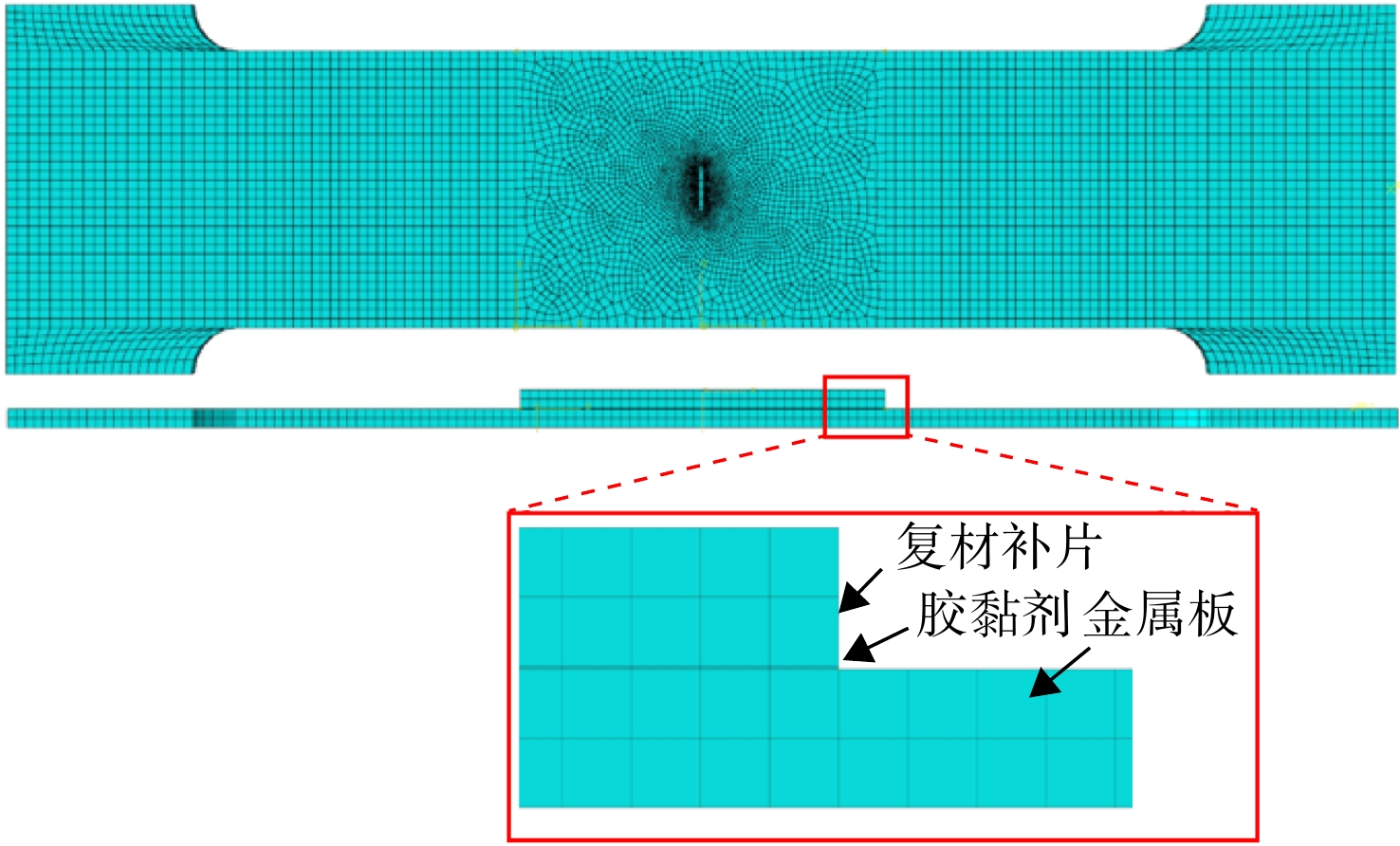
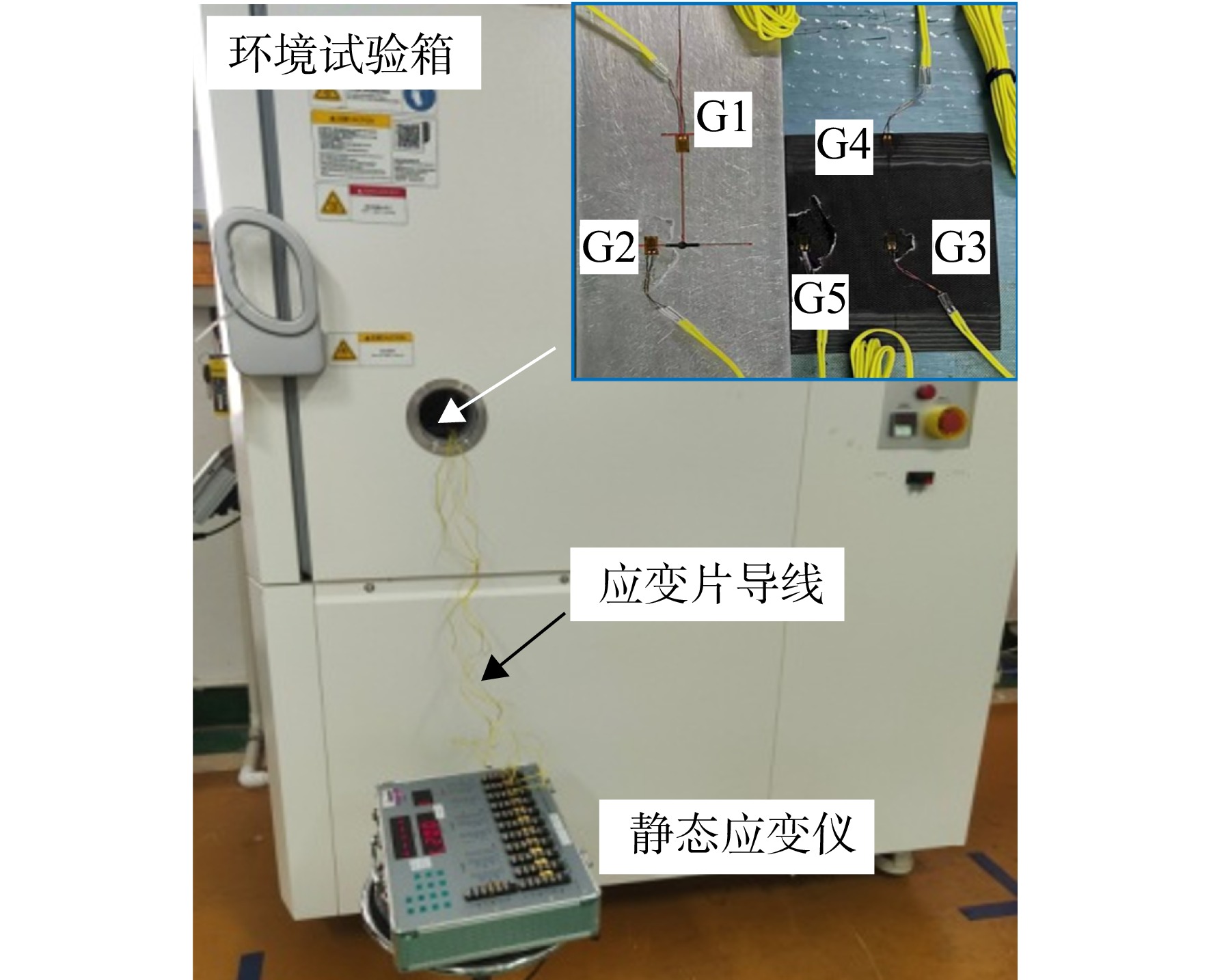
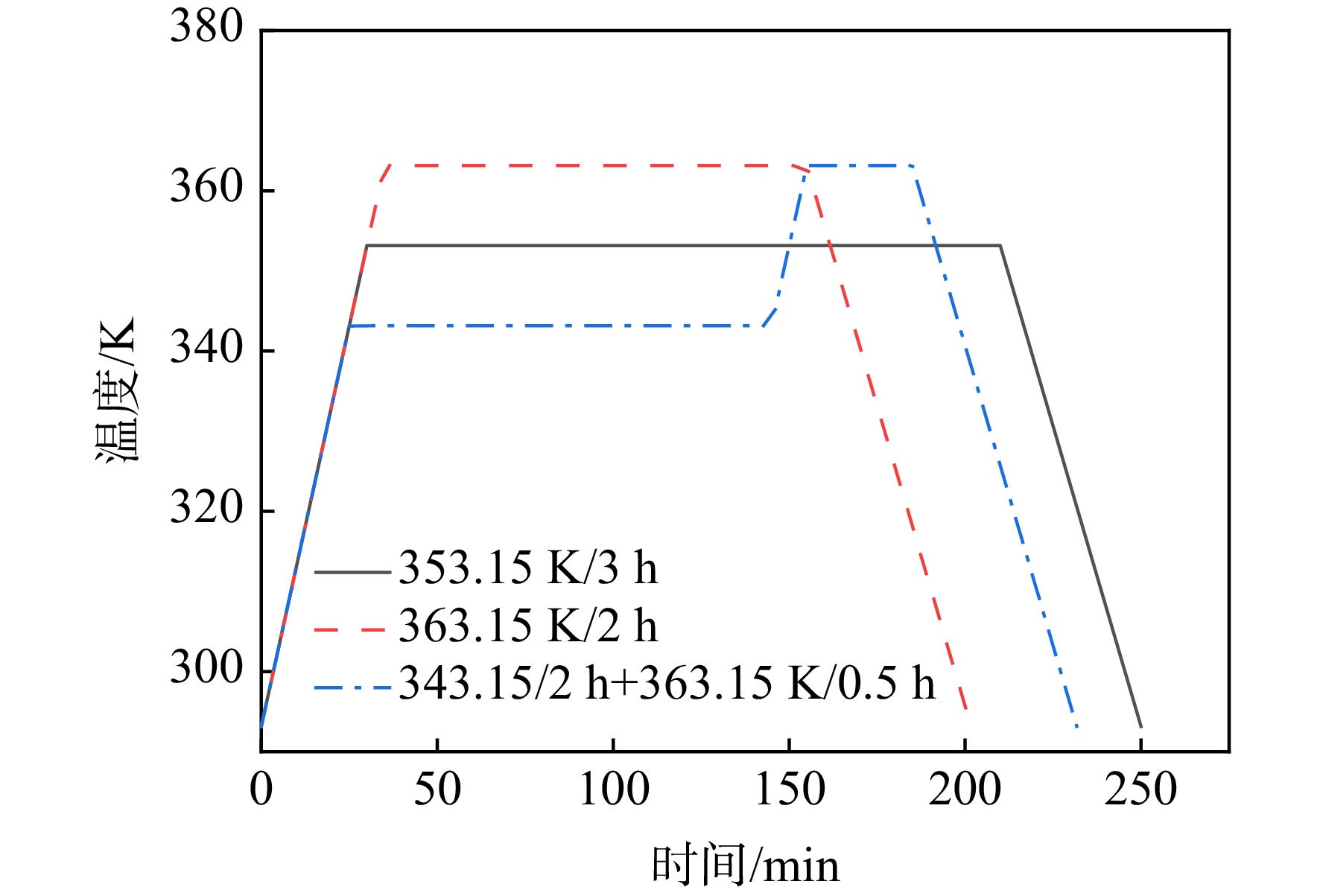
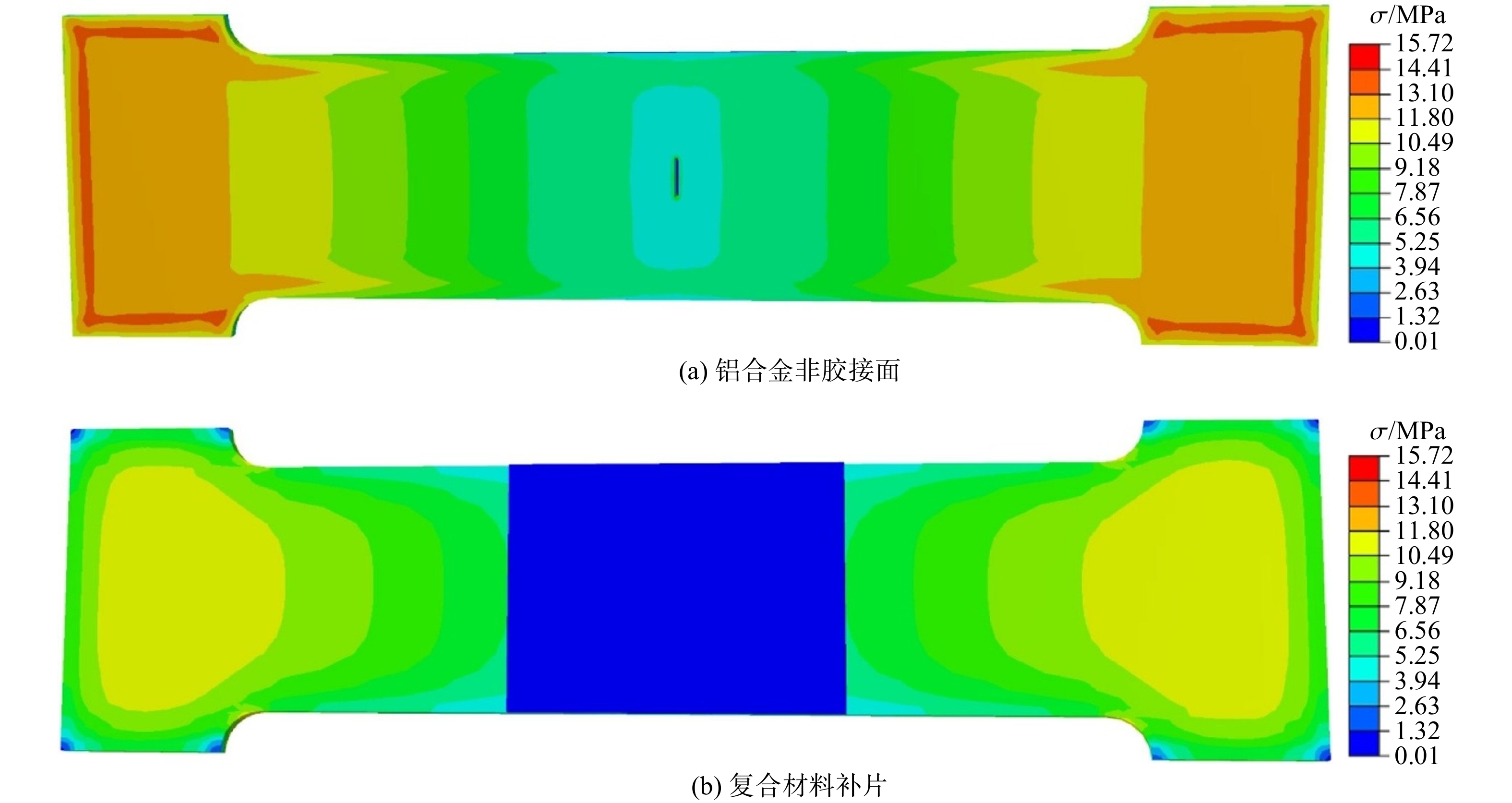
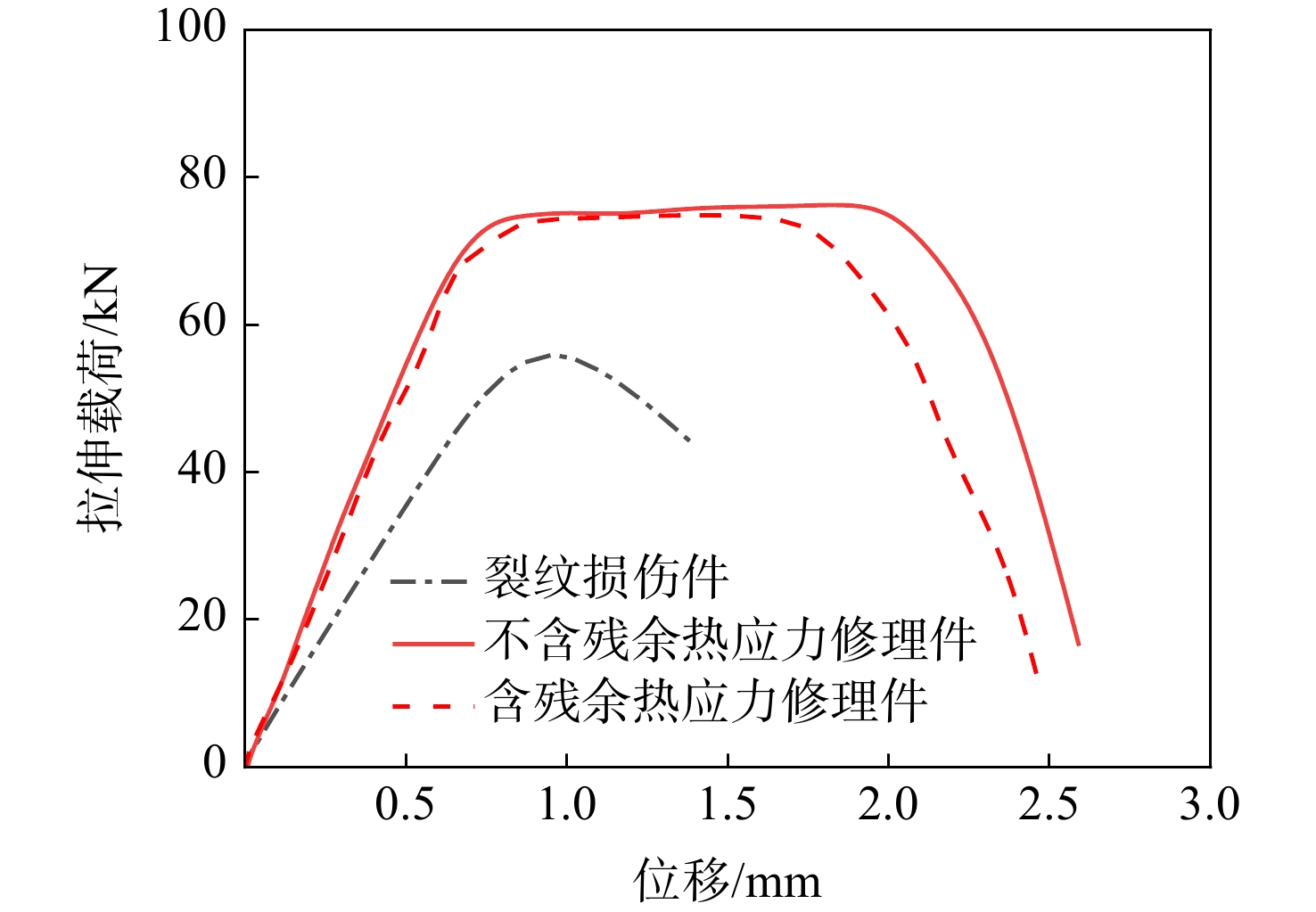
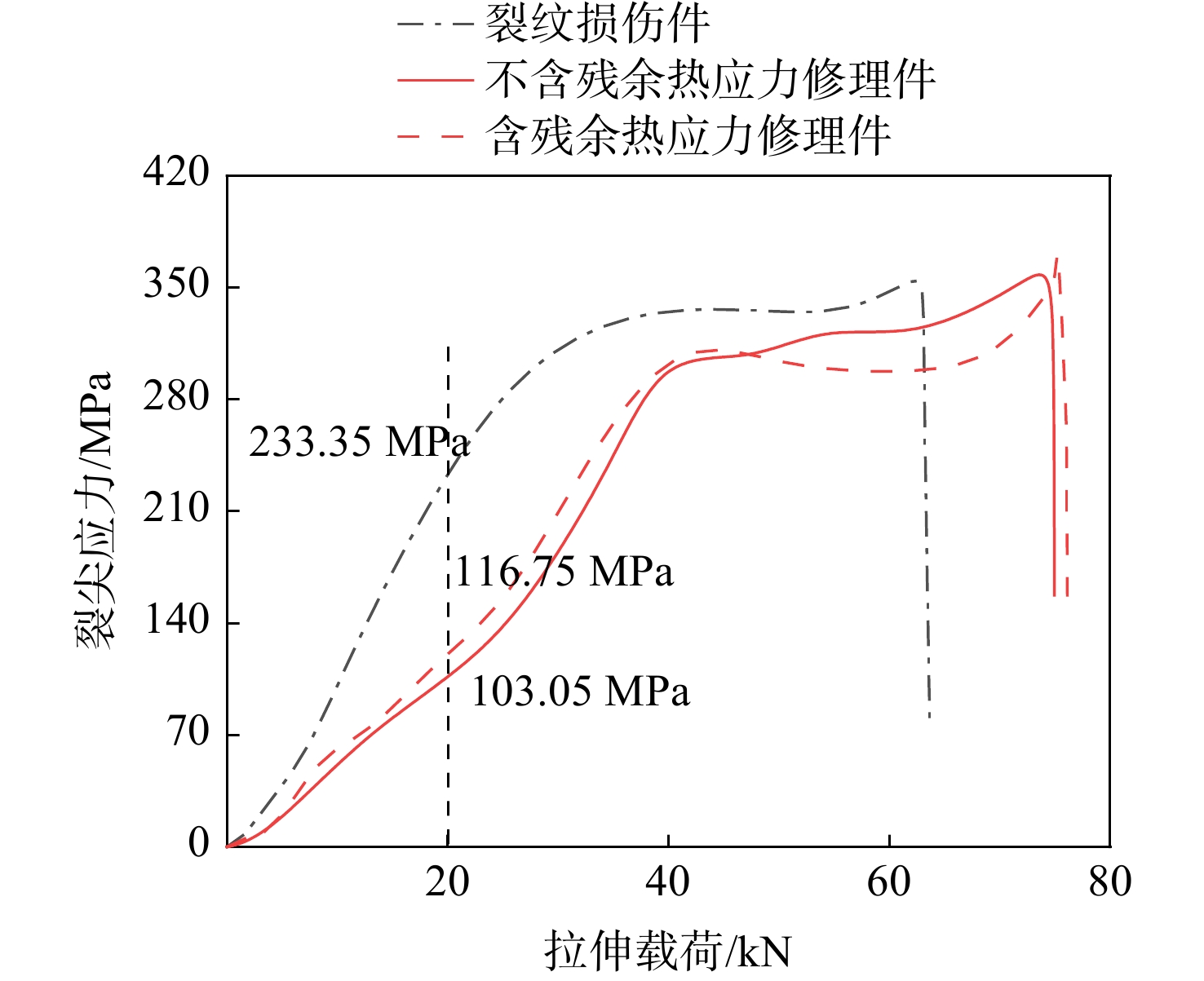
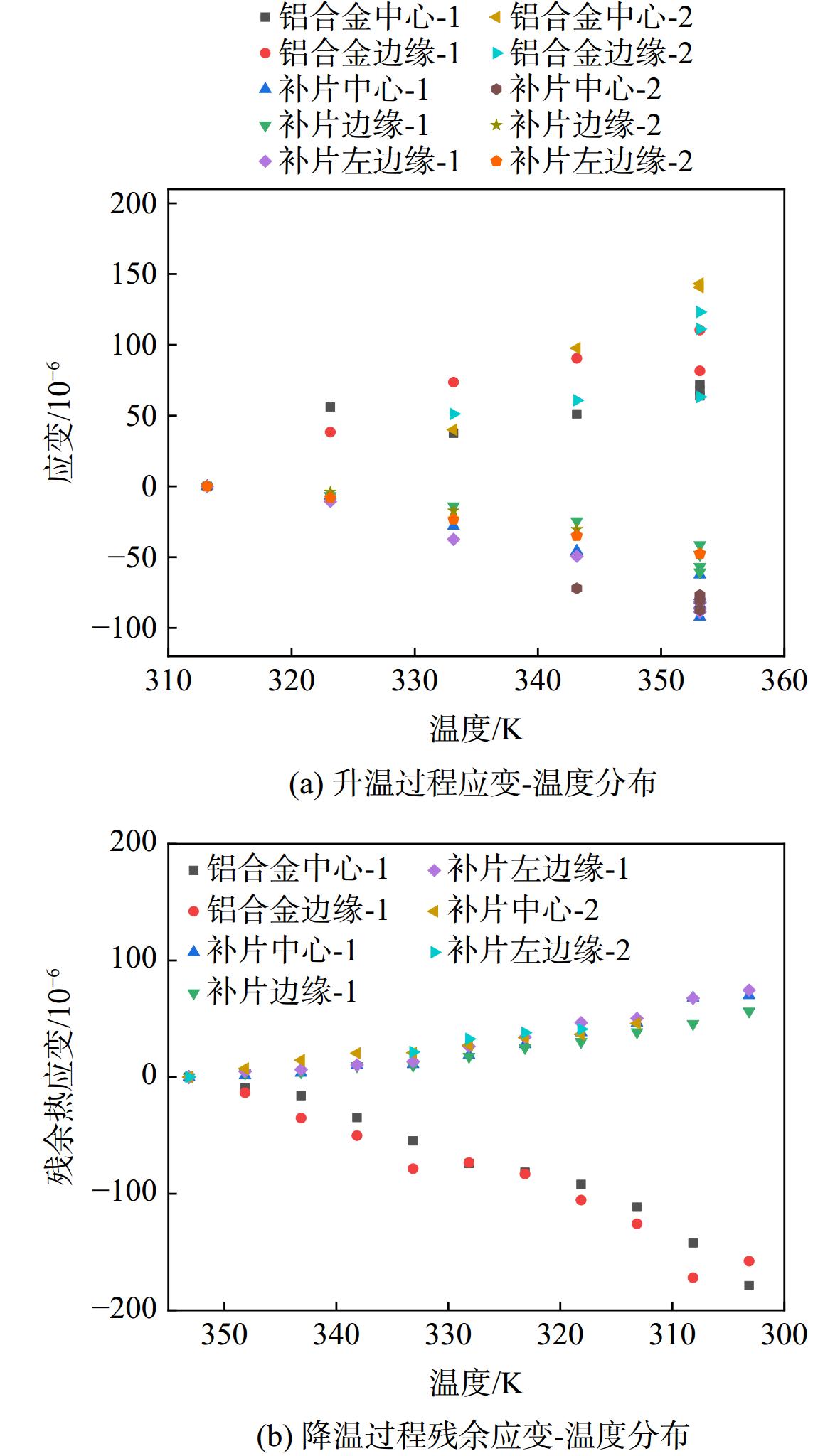
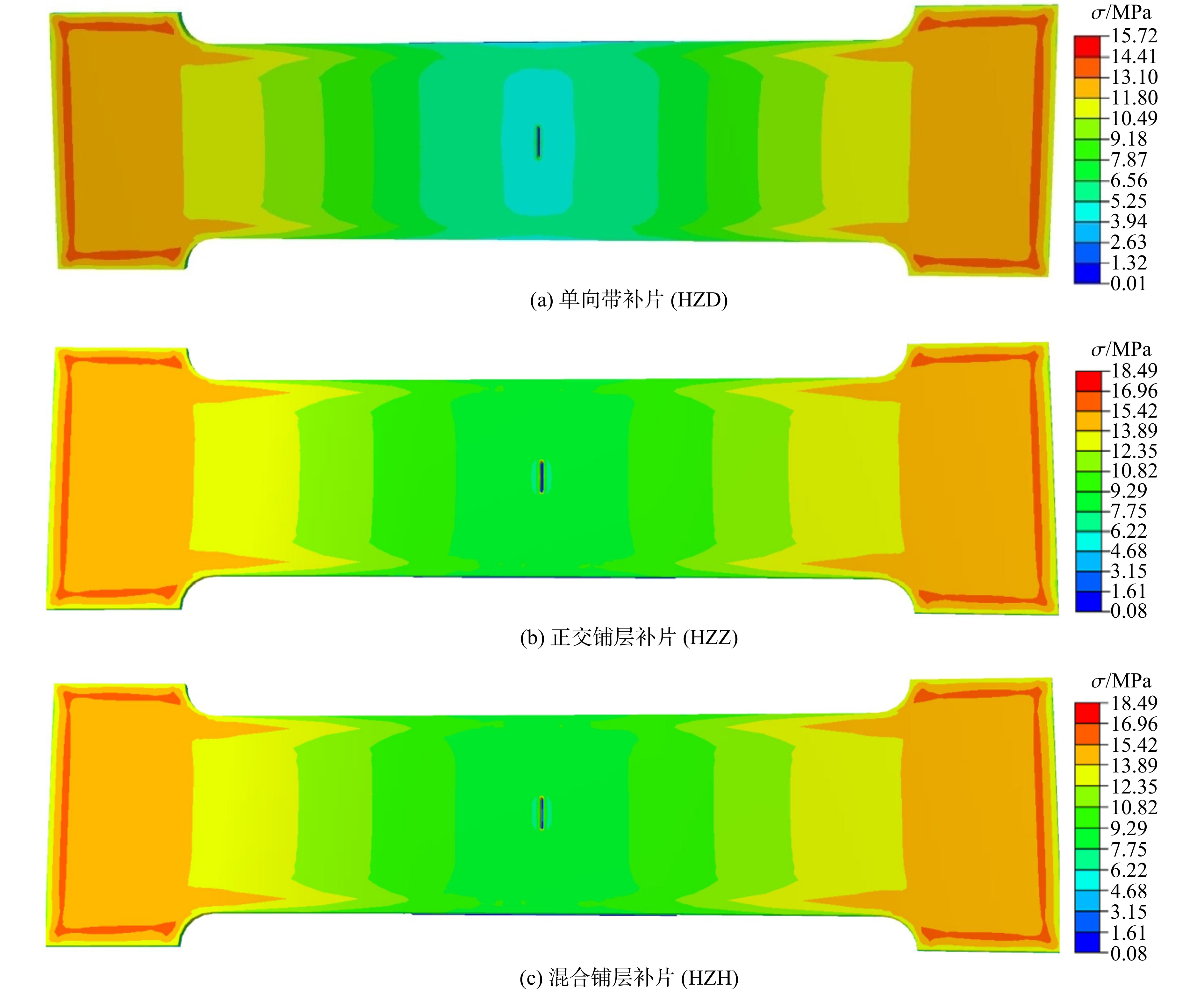
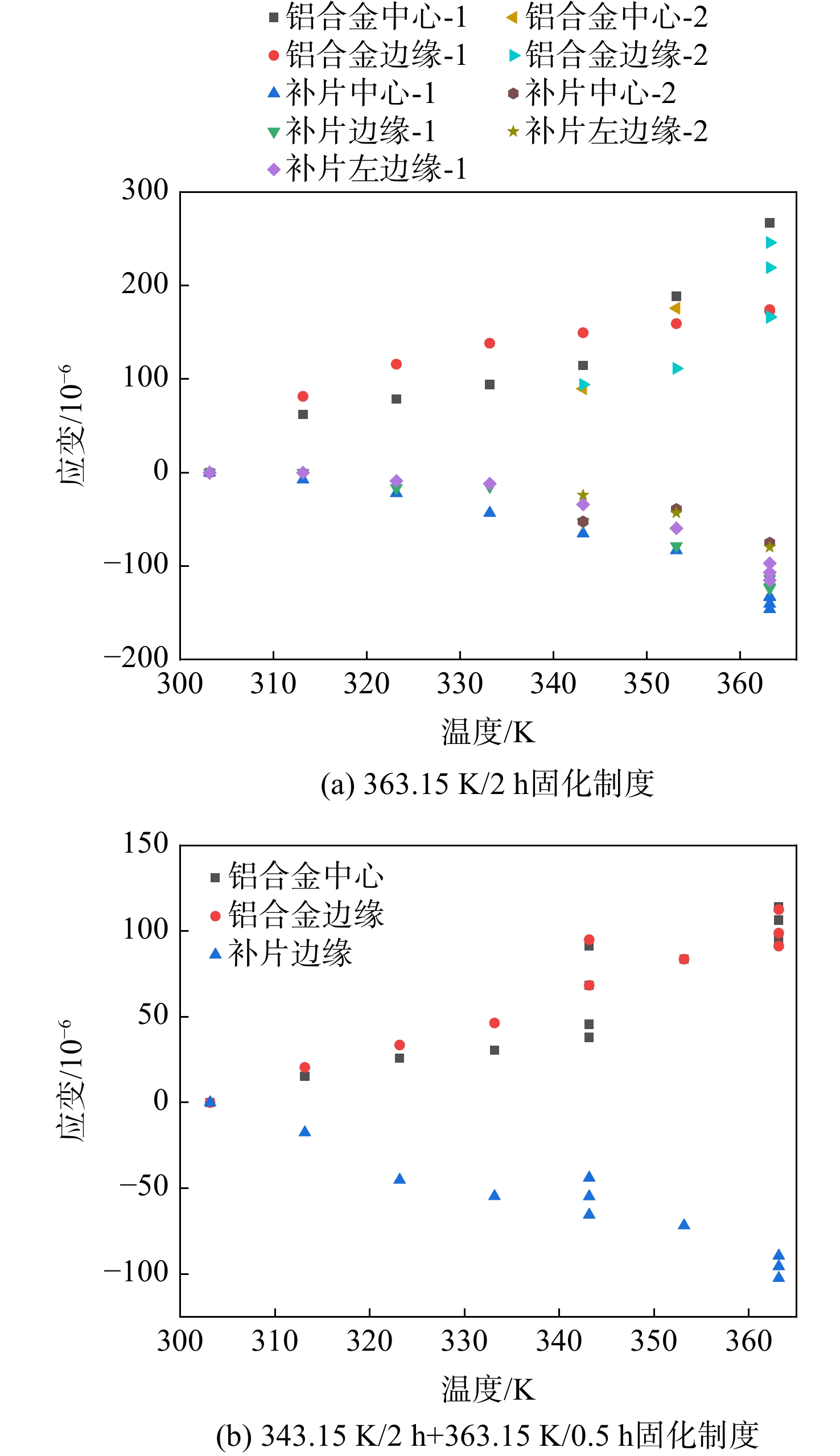
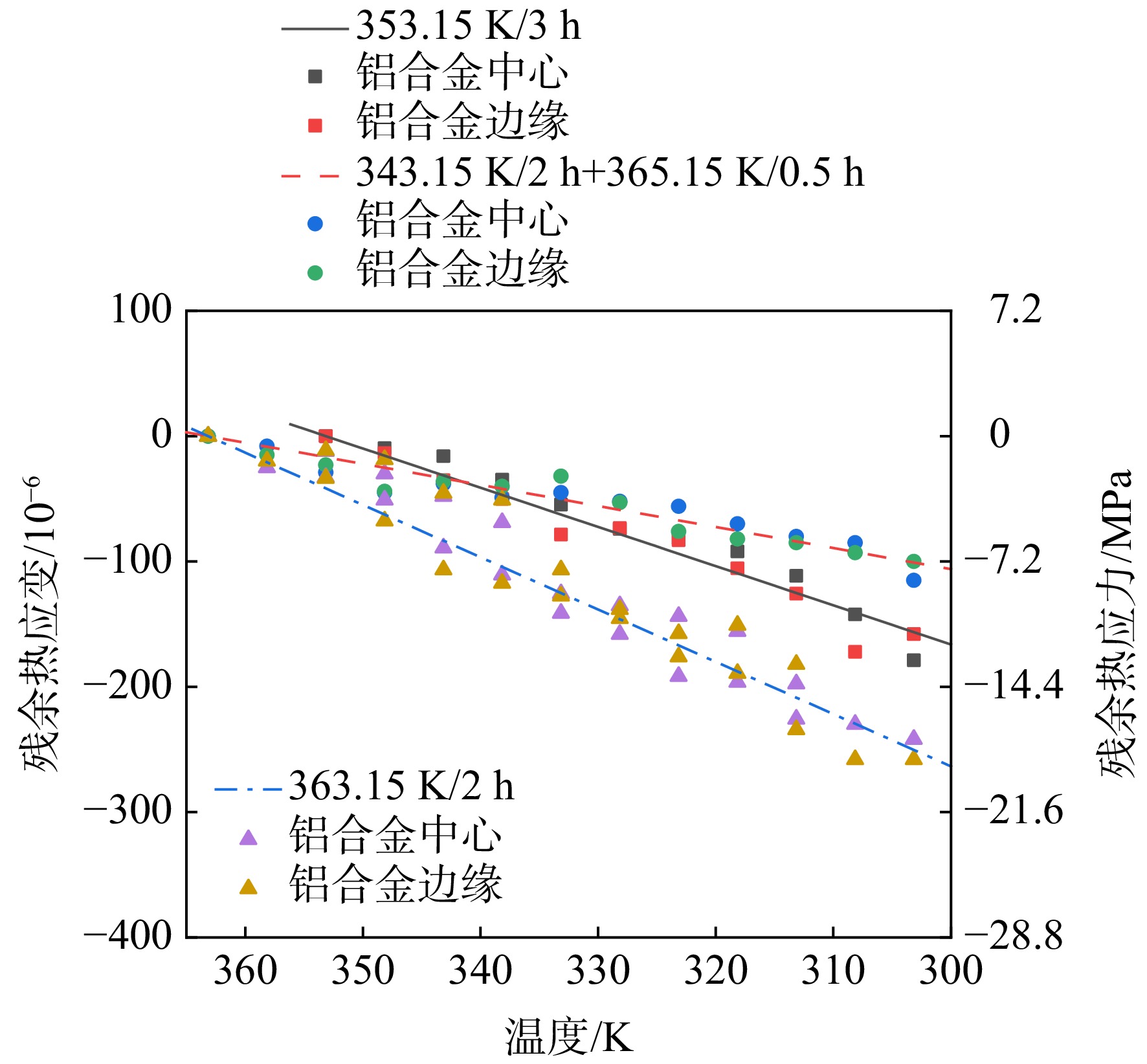
In order to solve the residual thermal stress control problem caused by uncoordinated material stiffness and mismatching of thermal expansion coefficient in the process of repairing metal crack damage by bonding composite materials, CCF300/QY8911 composite material bonded single-sided cracked aluminum alloy plate was taken as the research object, and the curing dynamic behavior of J-349-1 adhesive was considered. By means of finite element simulation, the effects of patch thickness, ply and curing regime on residual thermal stress of composite bonded metal repaired plate with cracks were analyzed, and in-situ curing deformation monitoring was completed. The results showed that the residual thermal stress had negative effects on the tensile strength, elongation and fatigue resistance of the repaired plate. Under the principle of static deformation coordination repair, the thickness of the composite patch had a great influence on the residual thermal stress, but the ply design had no obvious influence on the residual thermal stress of the repaired plate. The curing system had a great influence on the residual thermal stress of the repaired plate, and the two-stage curing process can effectively reduce the residual thermal stress of the metal plate under the premise of ensuring the repair efficiency. The conclusion can provide a good basis for the optimization of the repair process.

Rotational fretting wear characteristic of ball bearings and rotor assemblies based on wear particles analysis
YANG Jinglai, XING Chunsheng, TONG Wenwei, LIU Dongxu, LANG Hong, LIU Mingkun
2026, 41(1): 20240584. doi: 10.13224/j.cnki.jasp.20240584
Abstract:

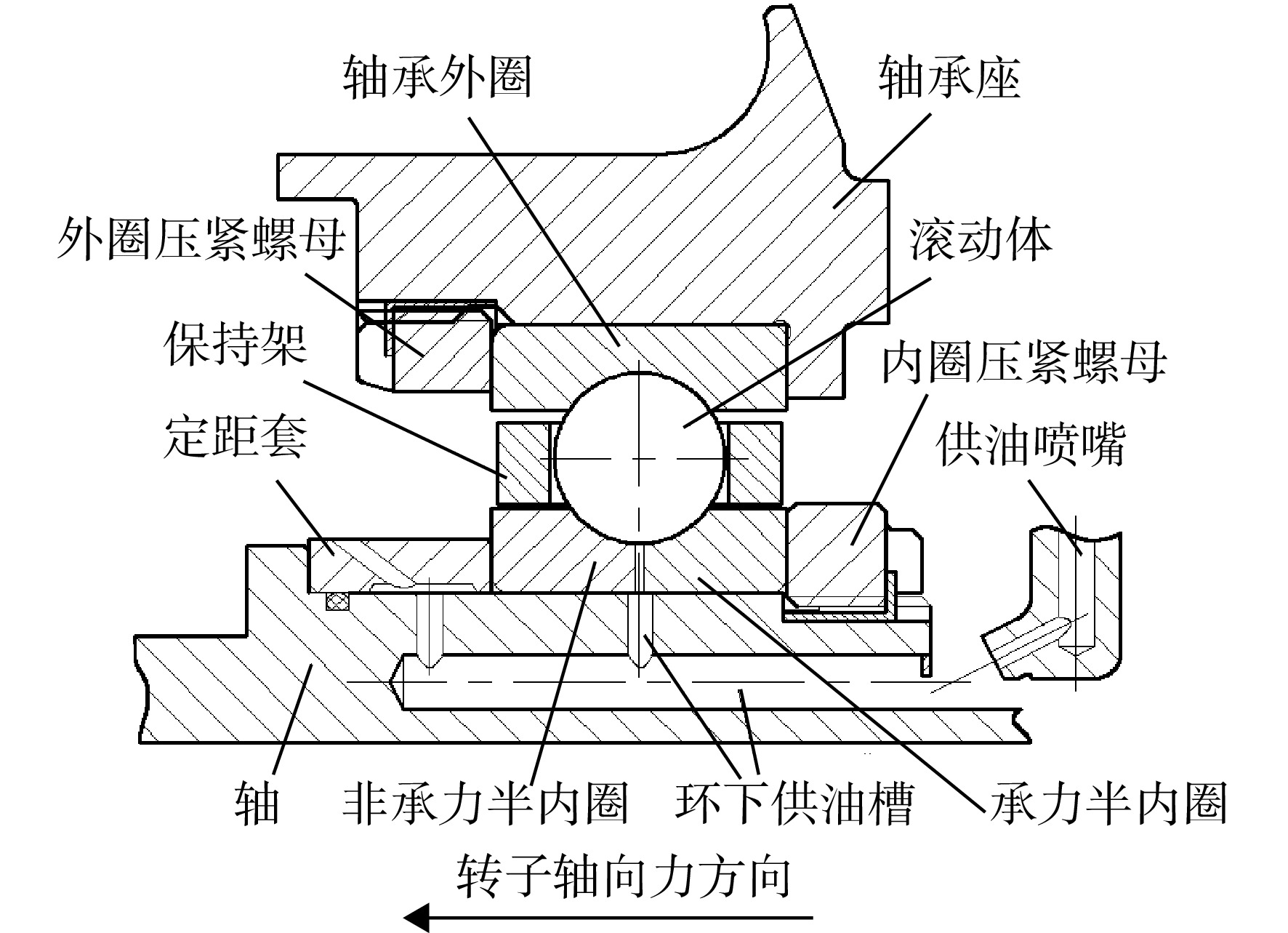
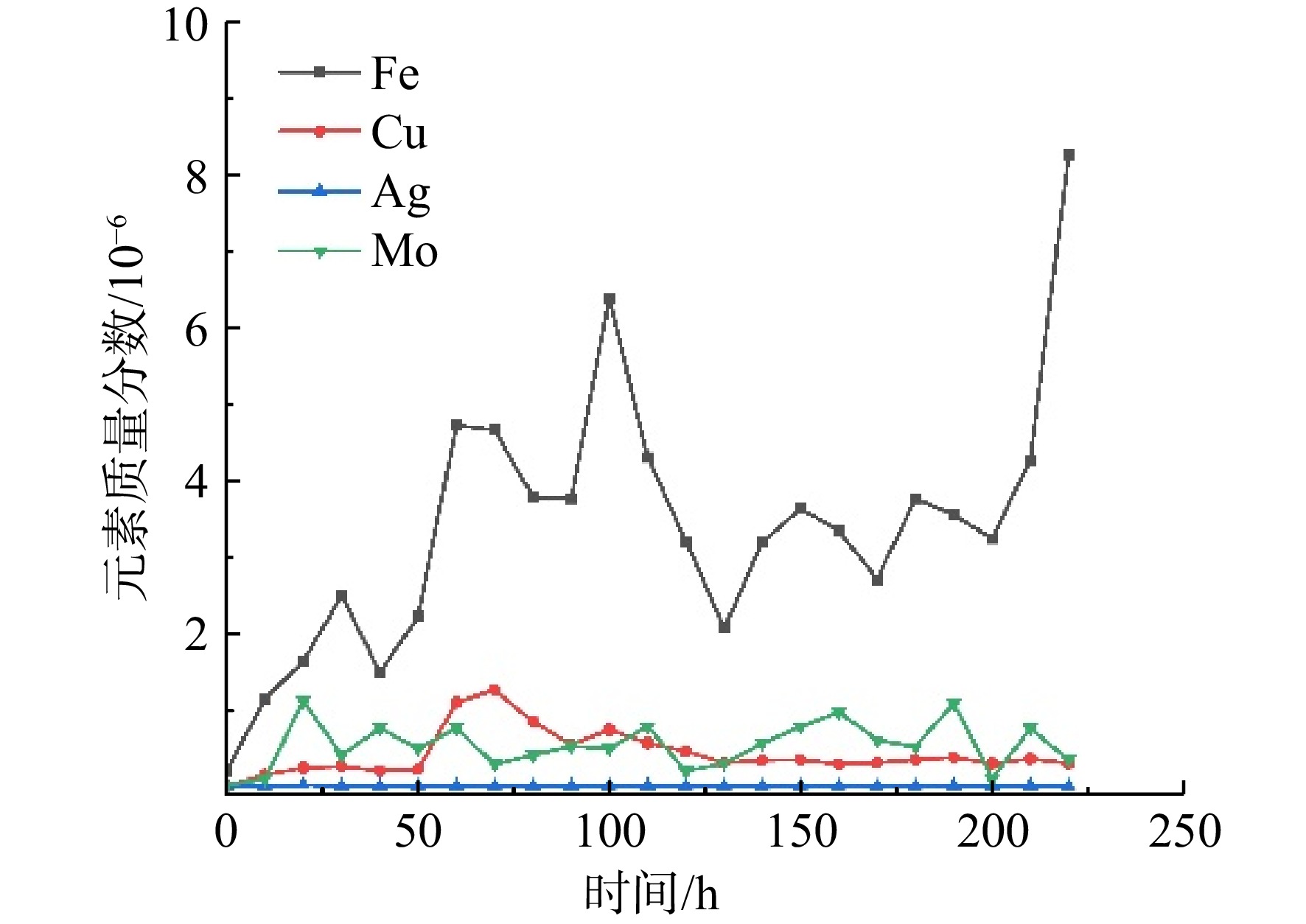
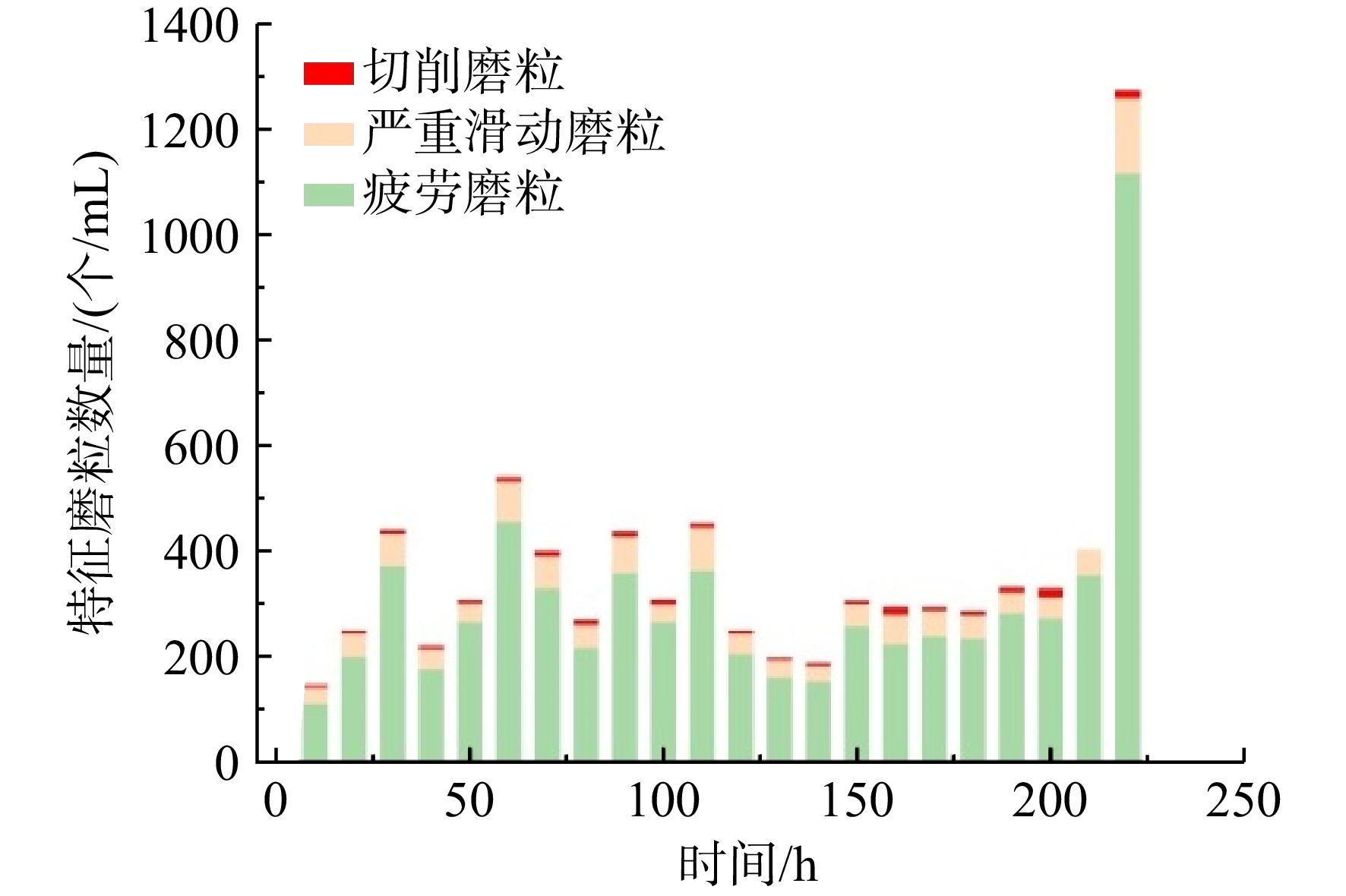
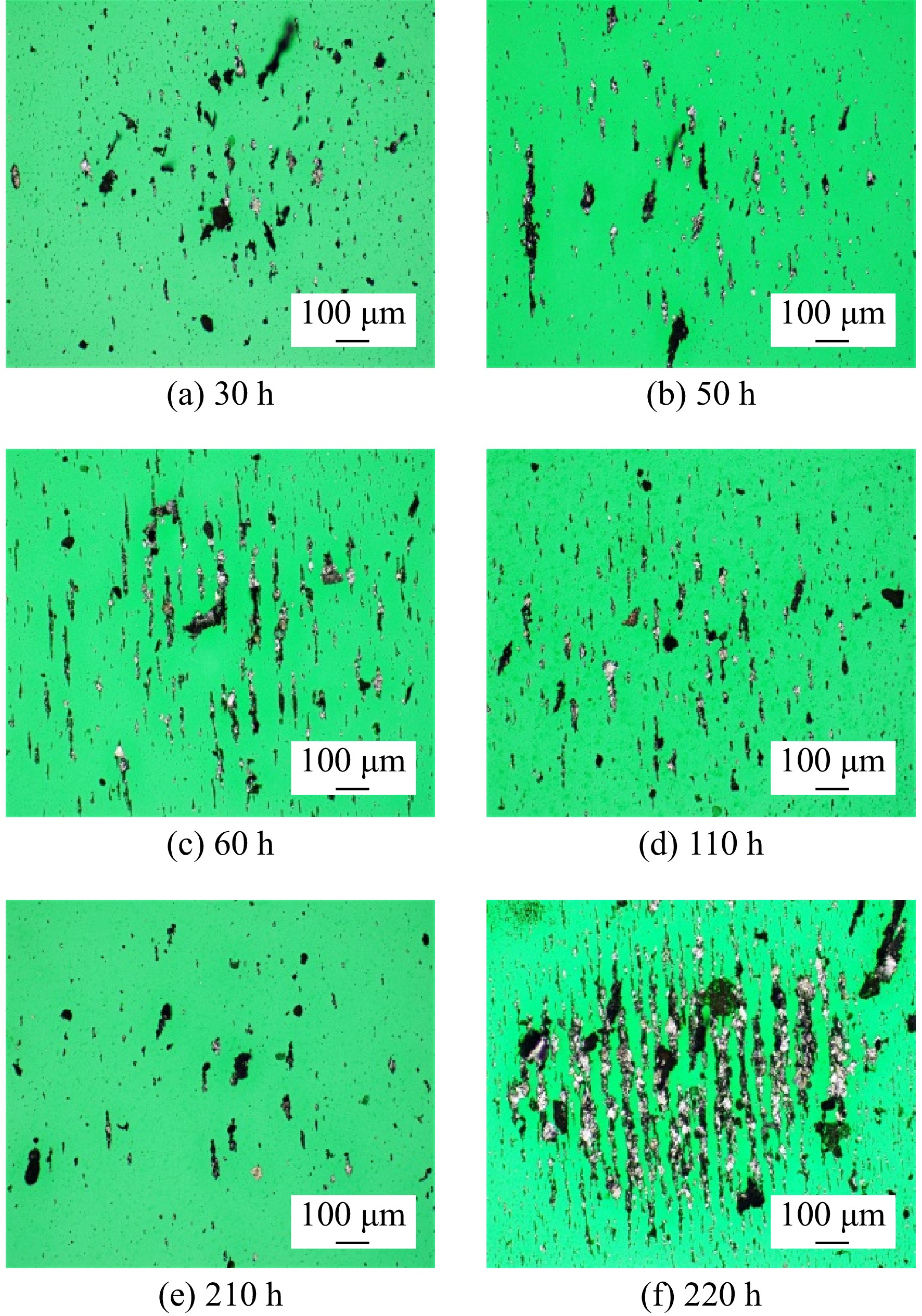
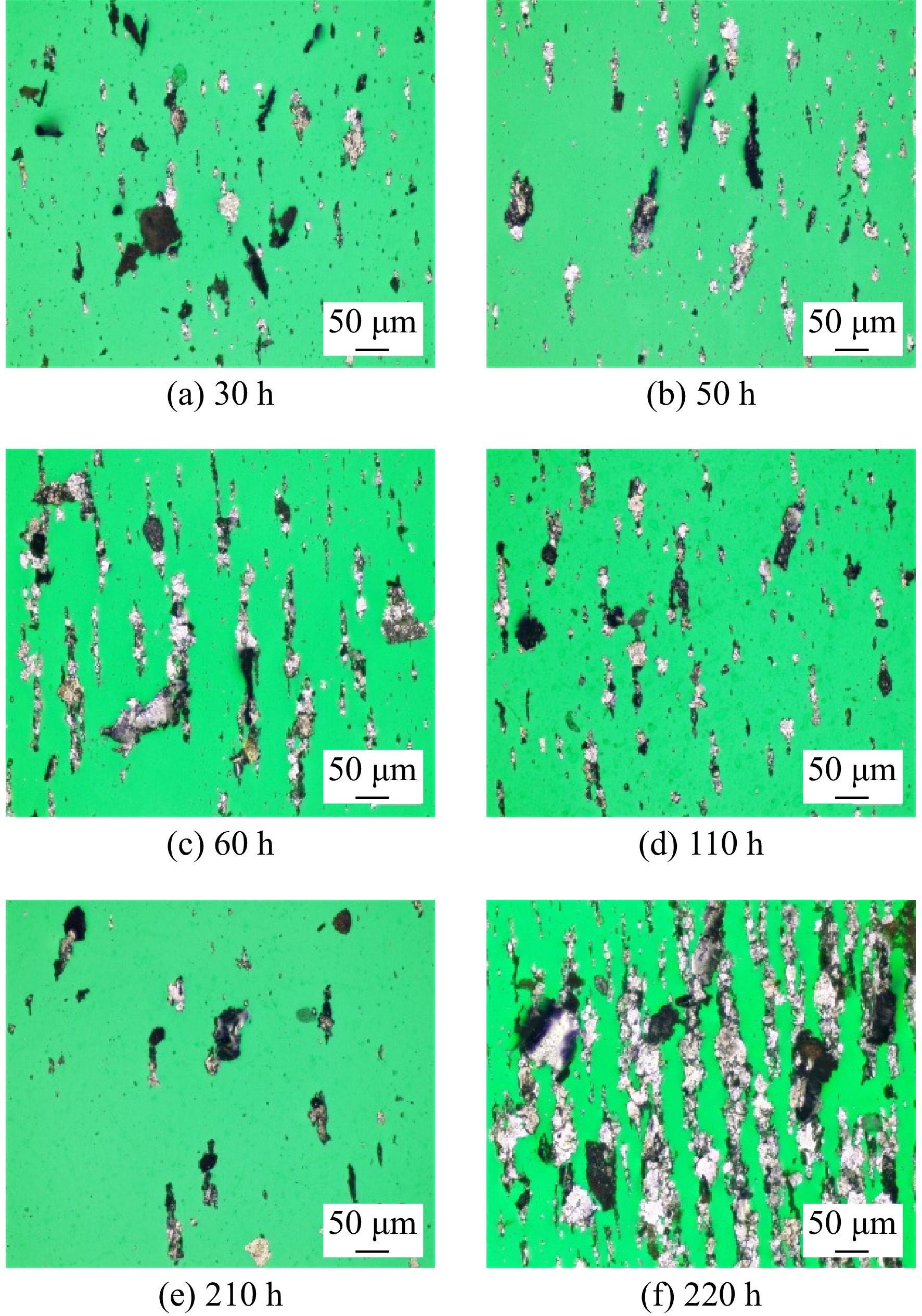
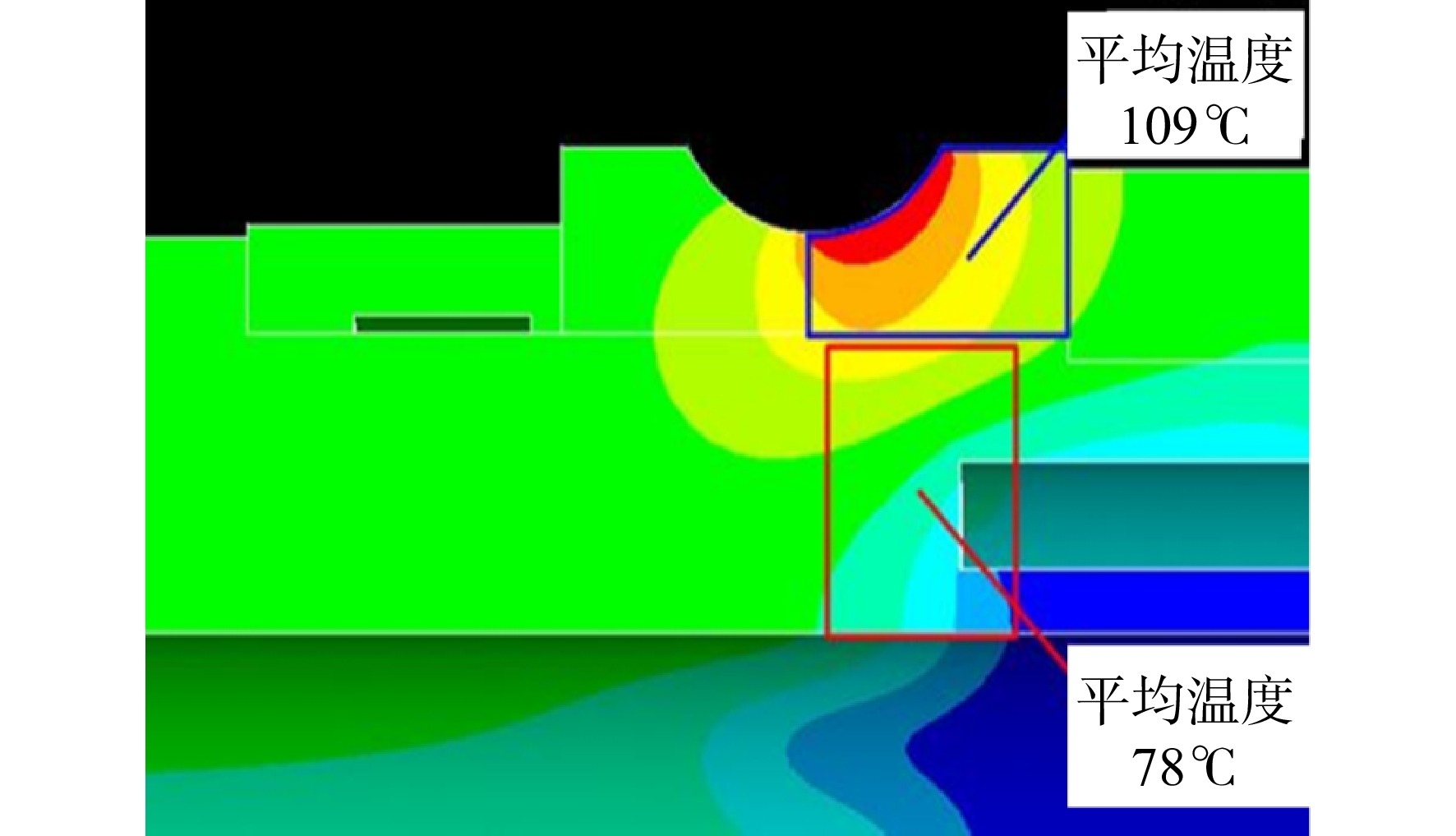
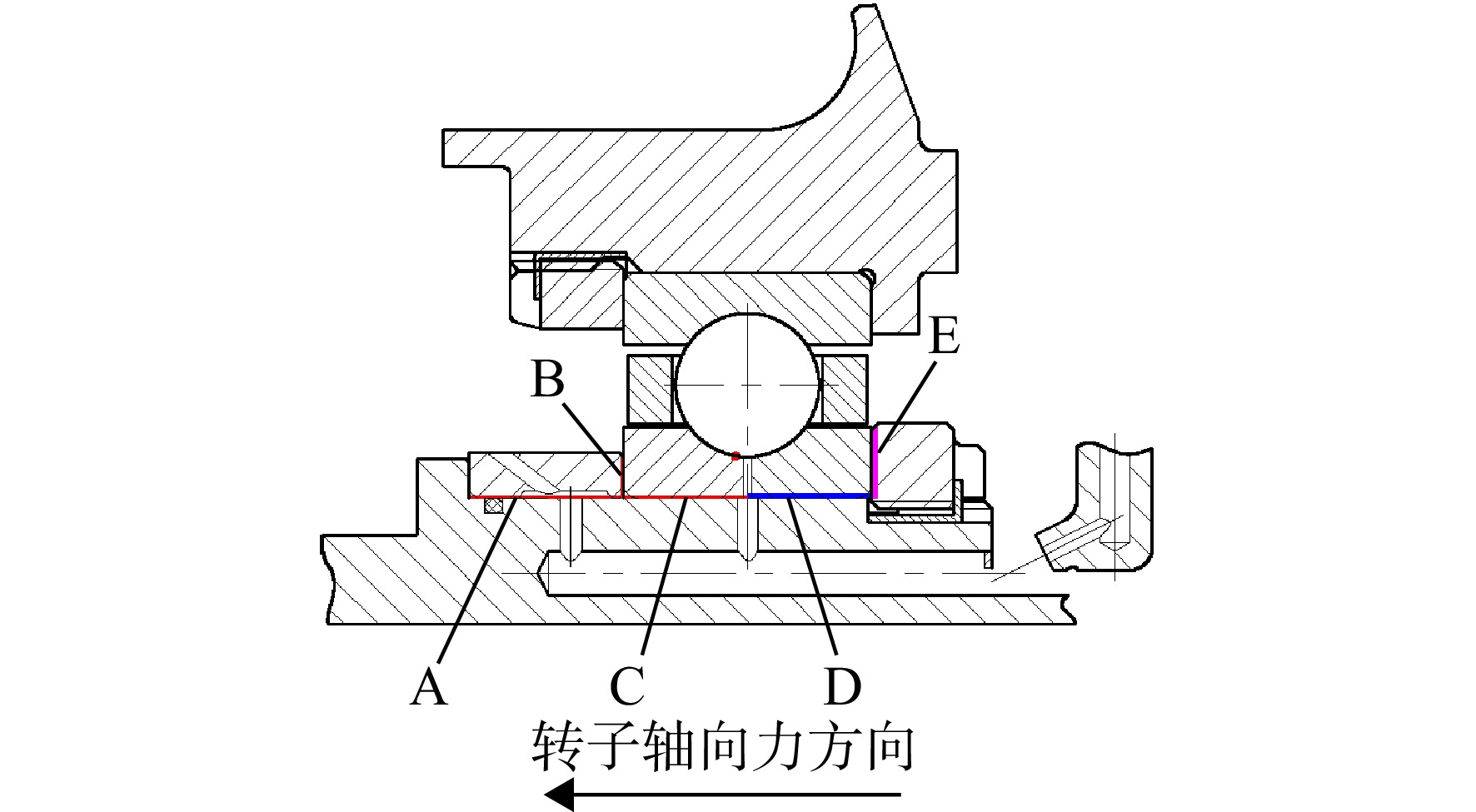
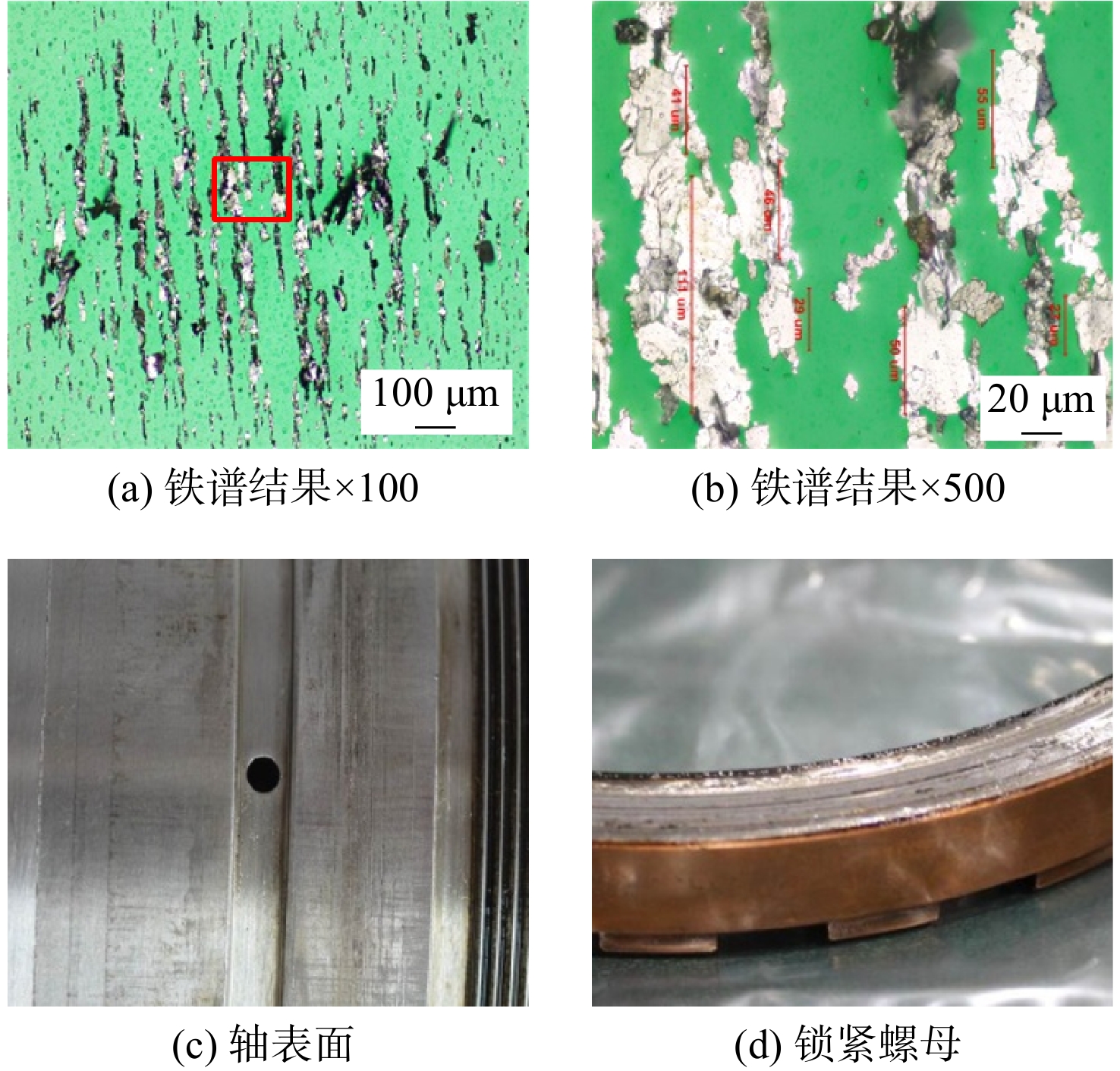
To study the rotational fretting wear characteristic of ball bearing and rotor assemblies for gas turbine, spectroscopy, laser net fines analysis, ferrography and energy-dispersive X-ray spectroscopy analysis were employed to analyze the wear particles in lubricant. The results showed that the total amount and size of wear particles matched well with the wear process, which varied according to wear amount and patterns and increased sharply at the final period of wear. The rotational fretting wear of ball bearings and rotor assemblies were mainly caused by the rotation of inner ring relative to the shaft, and the flat platelets were the characteristic wear particles for rotational fretting wear. The wear process was not isolated. In short, with the rotation of inner ring relative to shaft caused by friction and high temperature gradient, the wears were founded on spacer sleeve, shaft, and locknut face sequentially, and crushing marks were formed at the bottom of non-load bearing half-ring raceway. To be notice, the analysis process can also provide a reference to the wear mechanism of ball bearings and rotor assemblies of other gas turbines.

Detecting flanged bolt looseness based on multiple modes guided waves
WANG Wenjun, CHENG Jiahui, FAN Yu, LI Lin
2026, 41(1): 20240707. doi: 10.13224/j.cnki.jasp.20240707
Abstract:

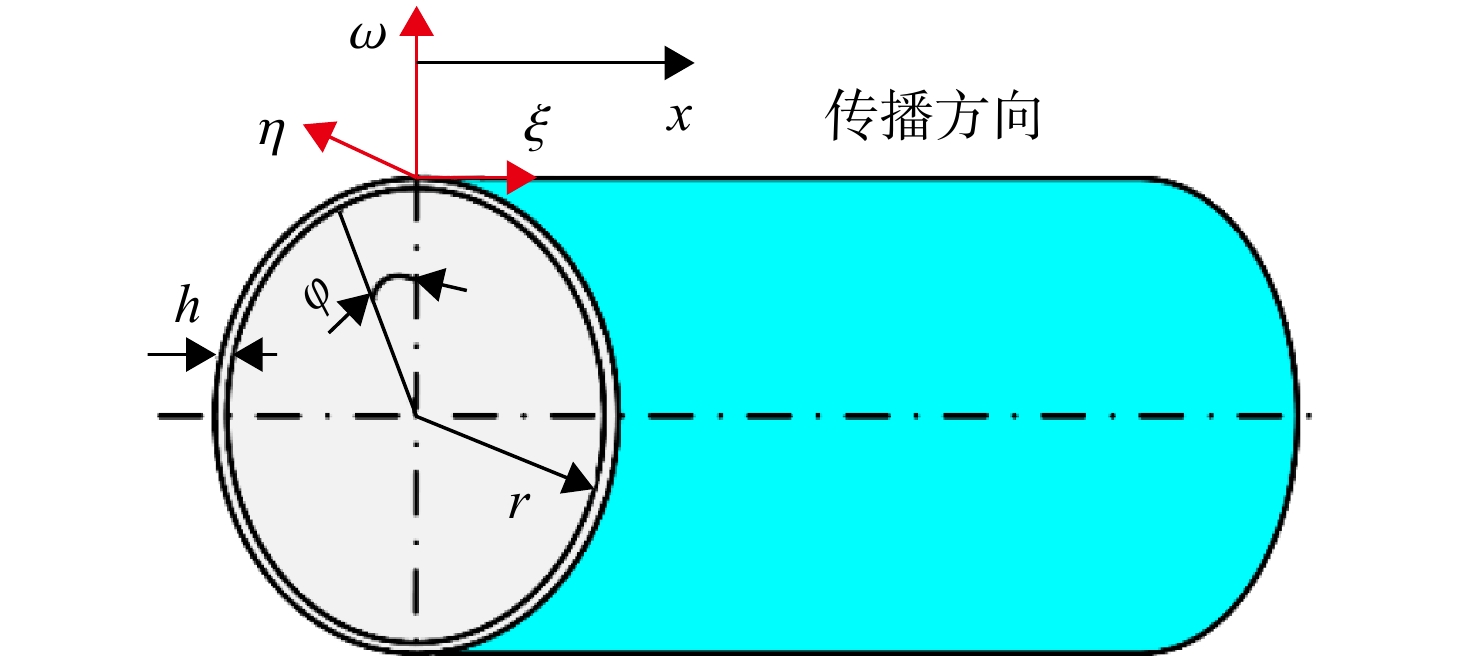
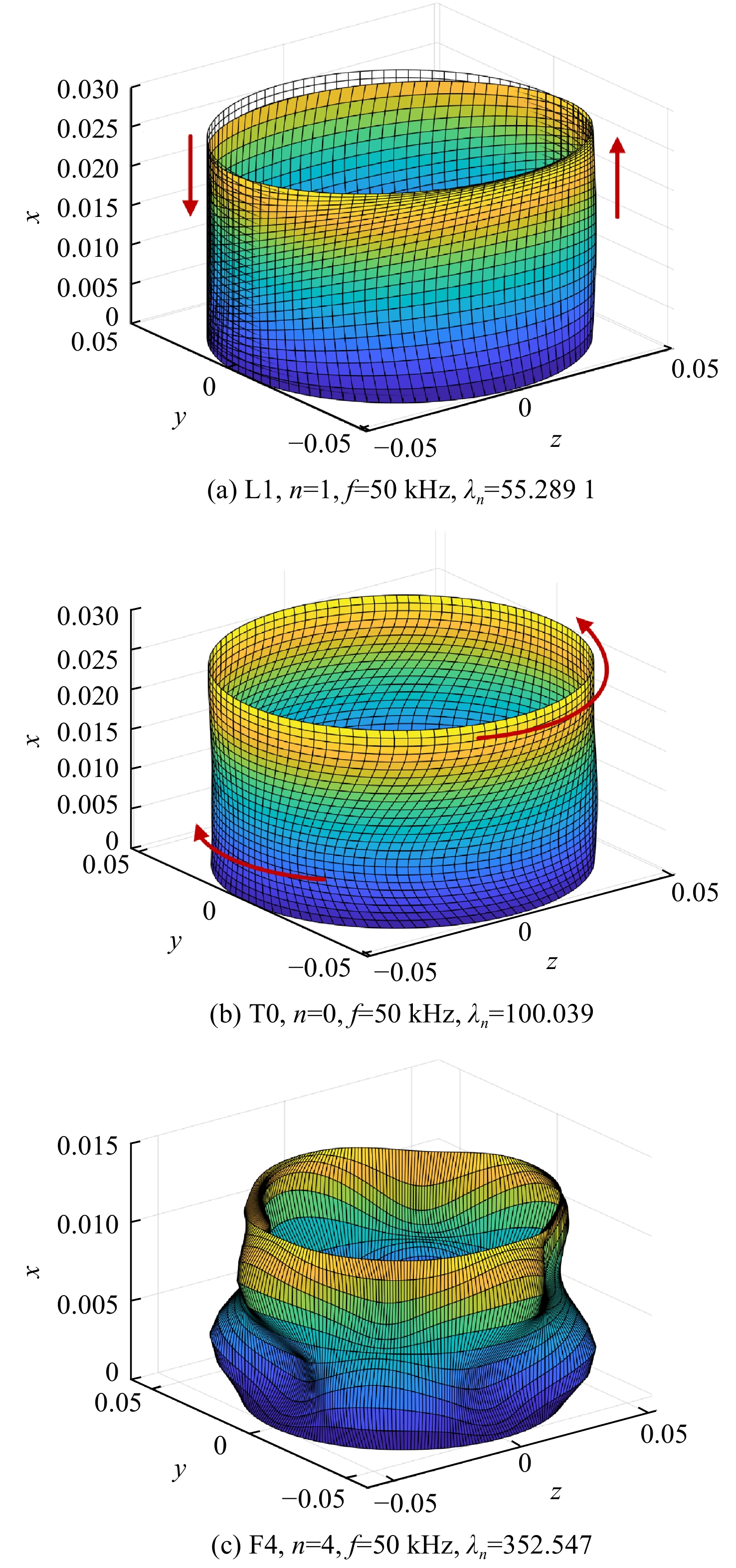
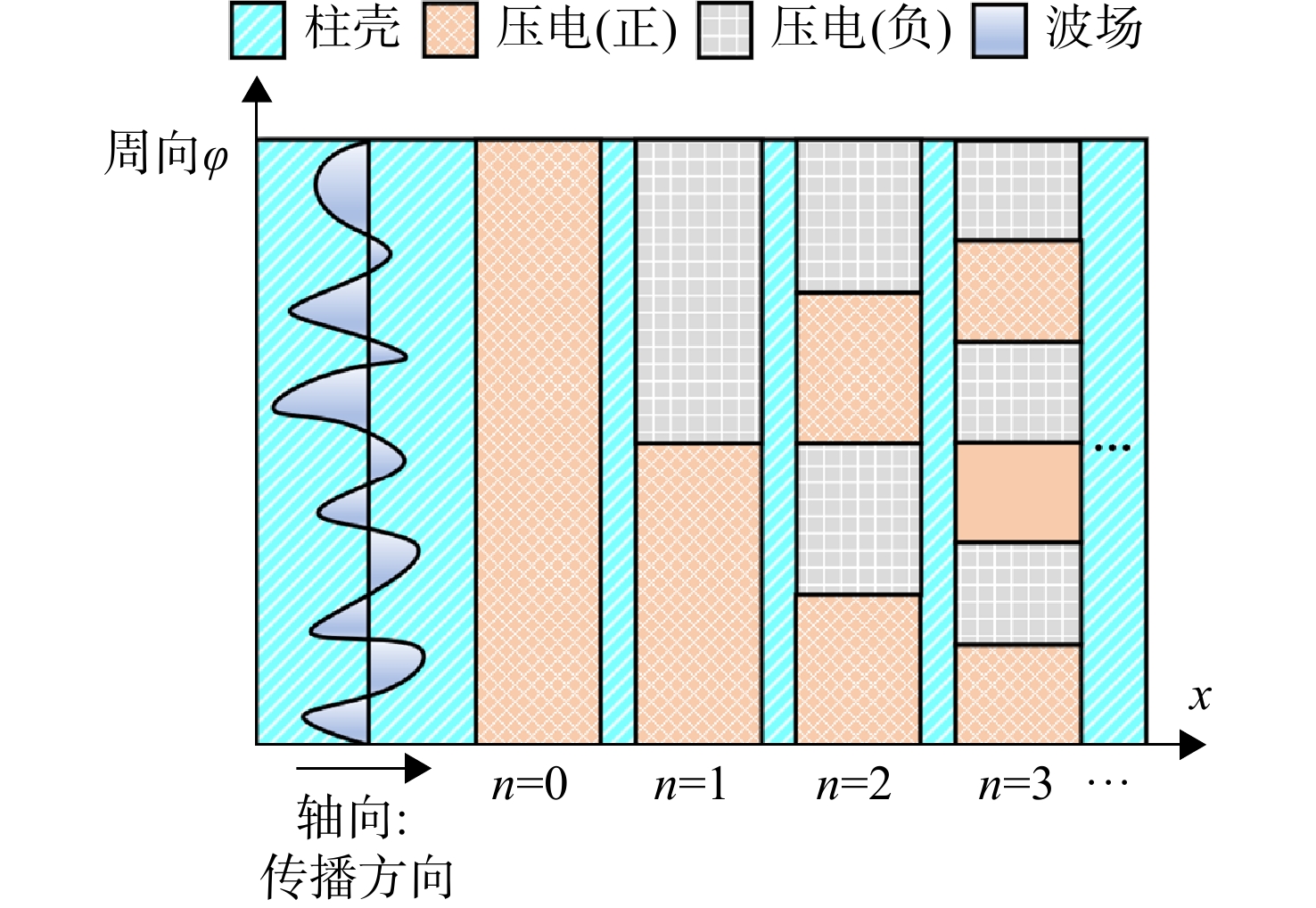
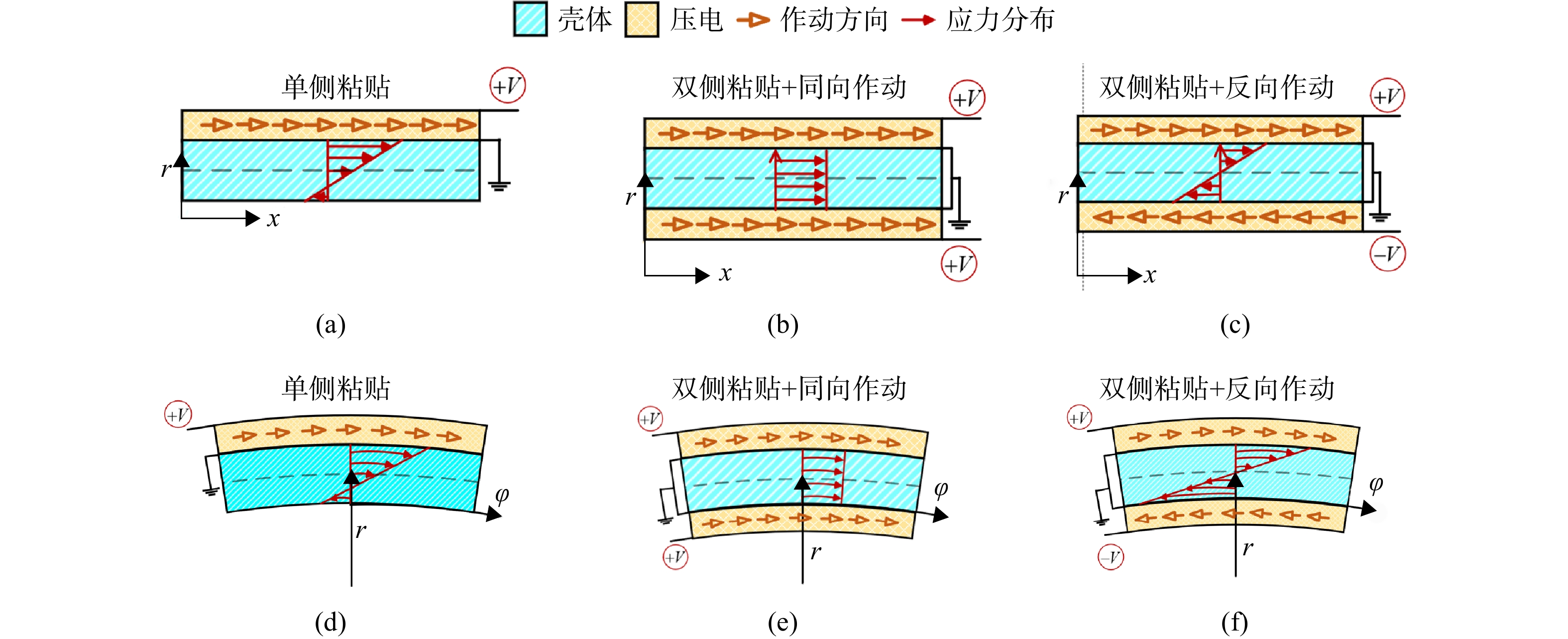
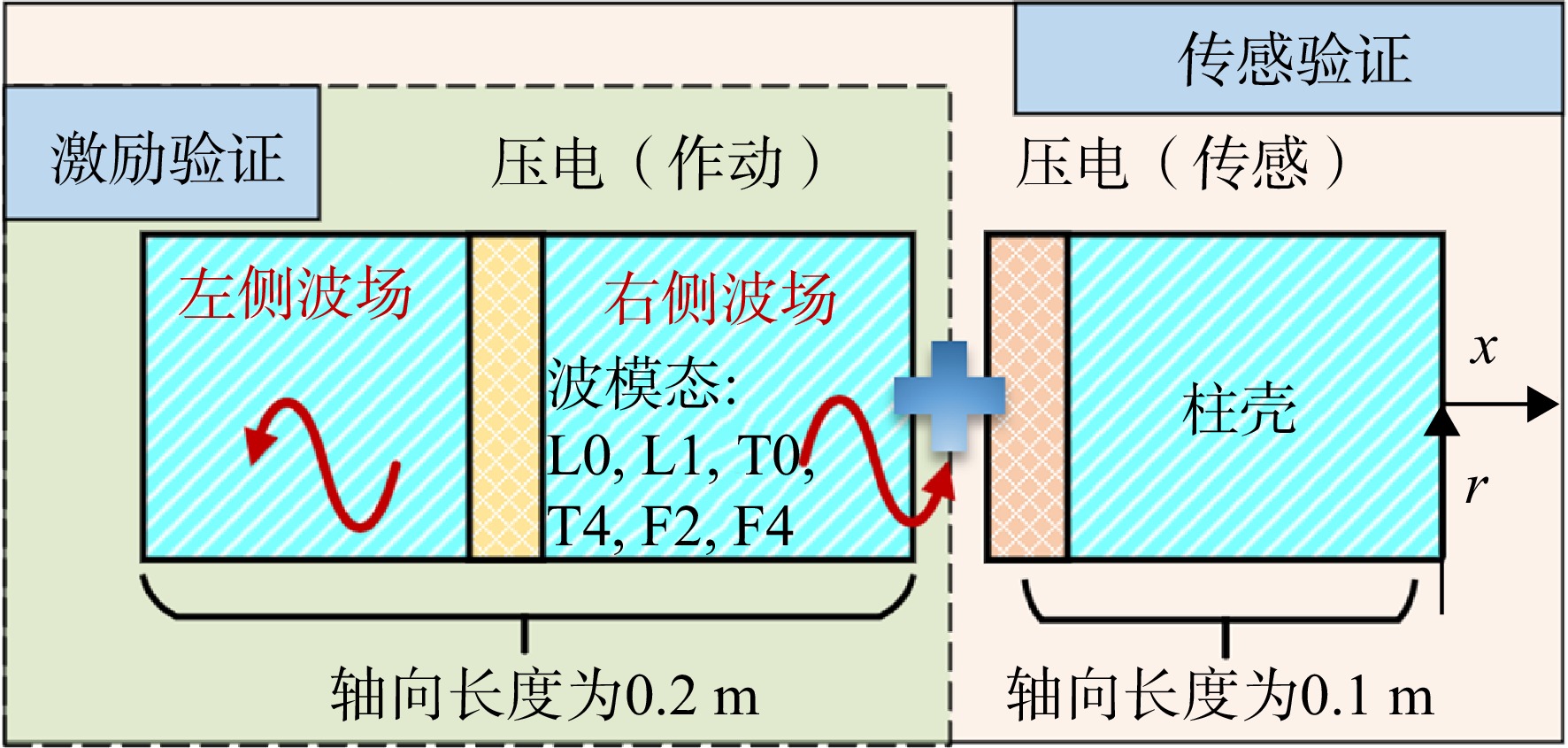
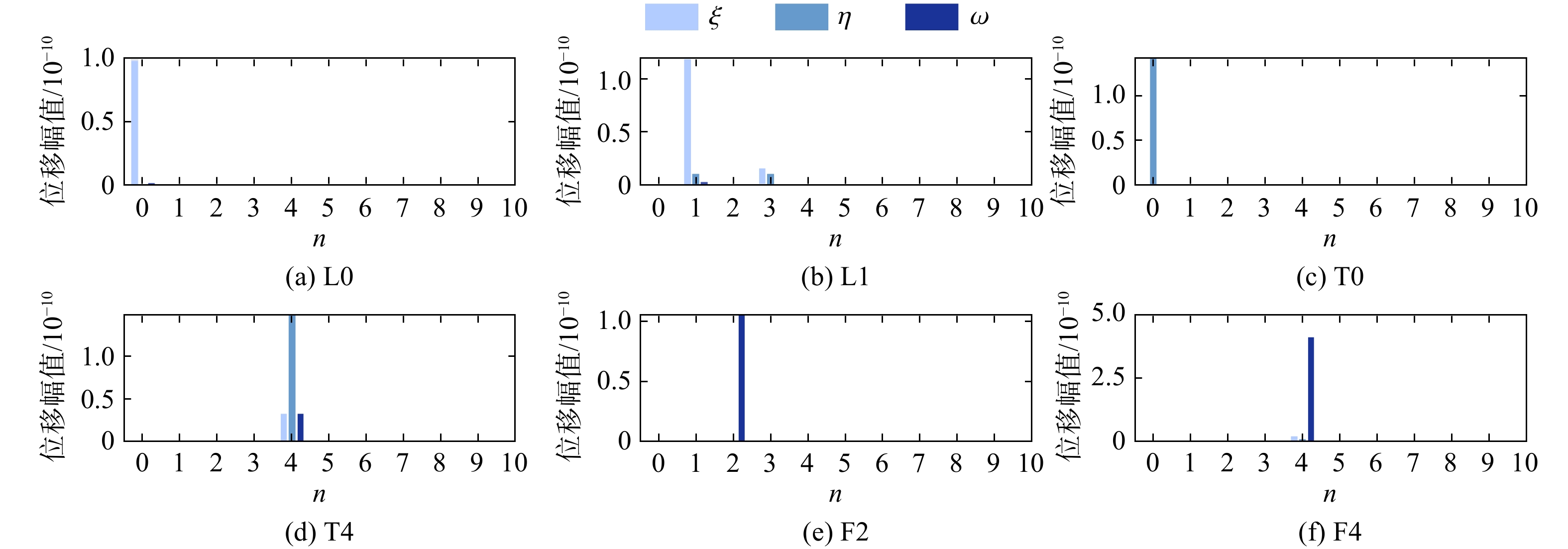
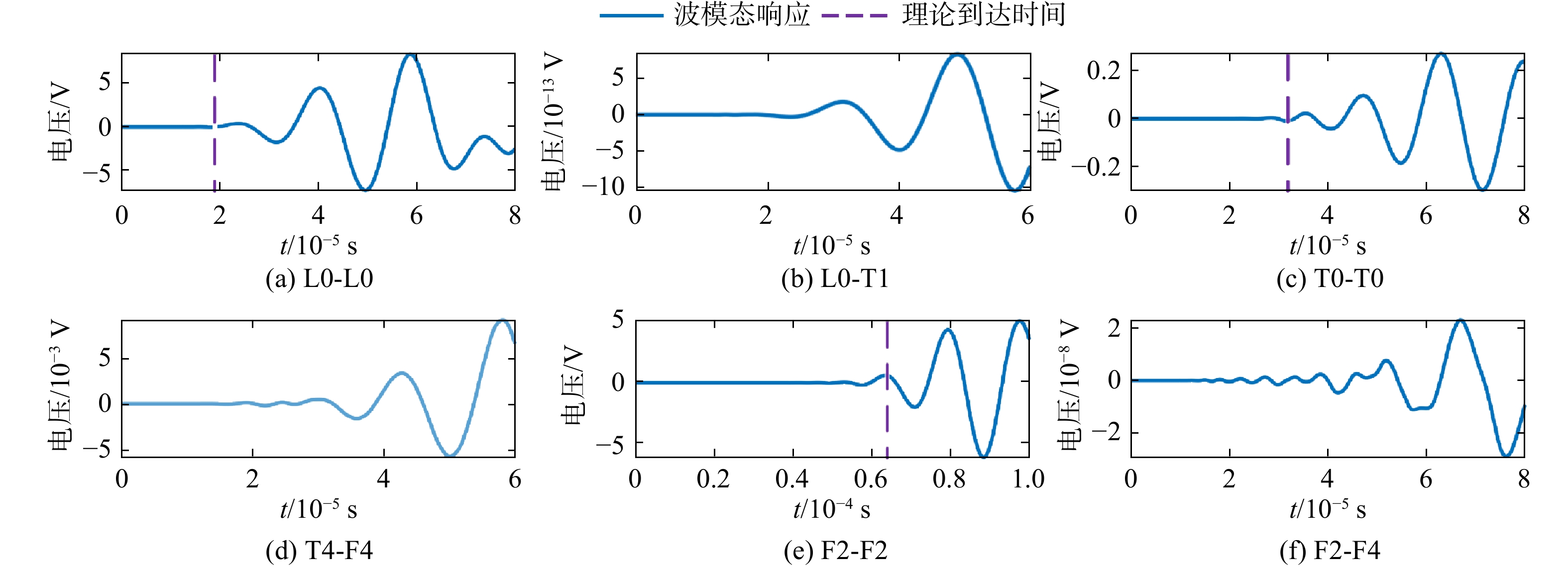
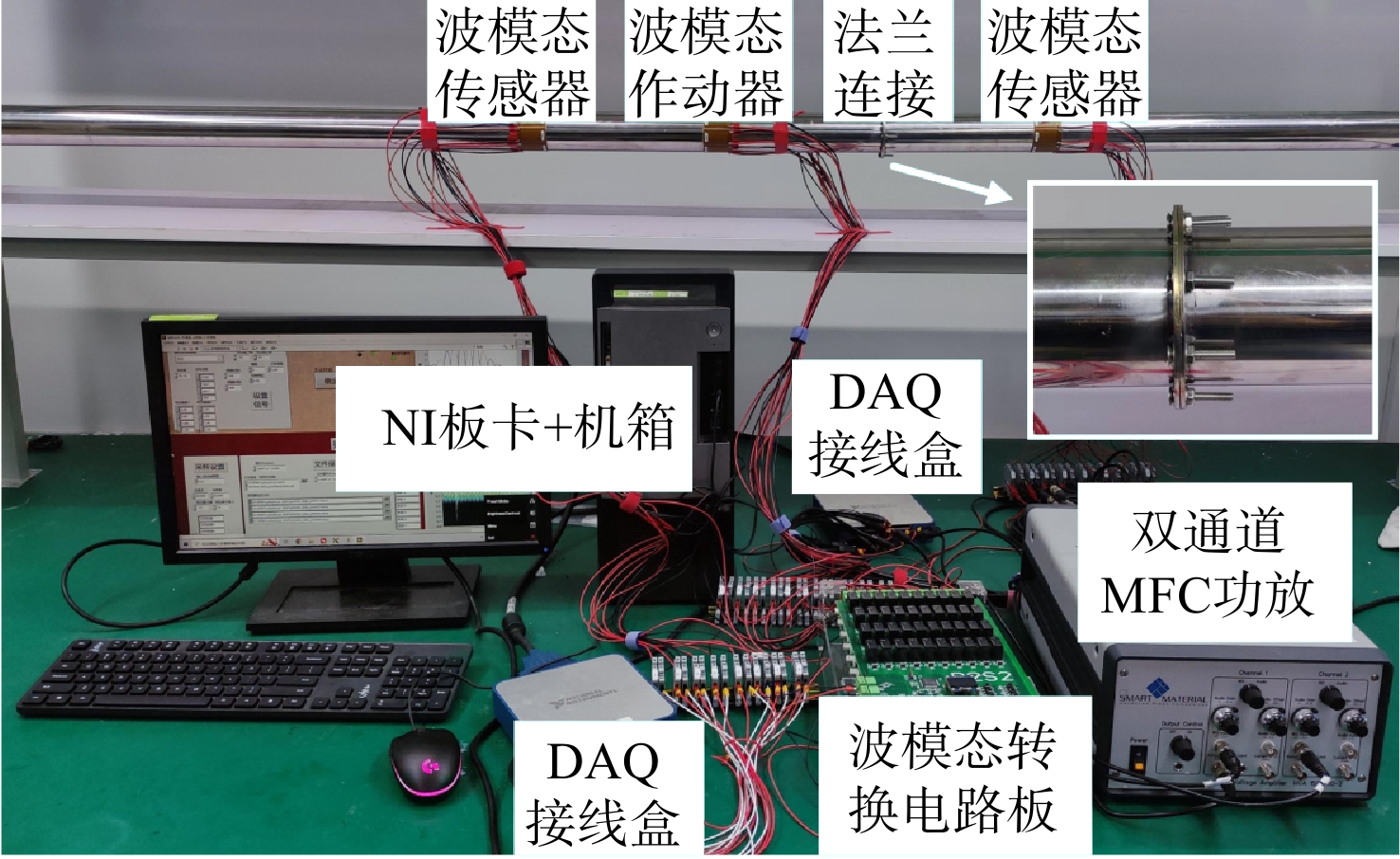
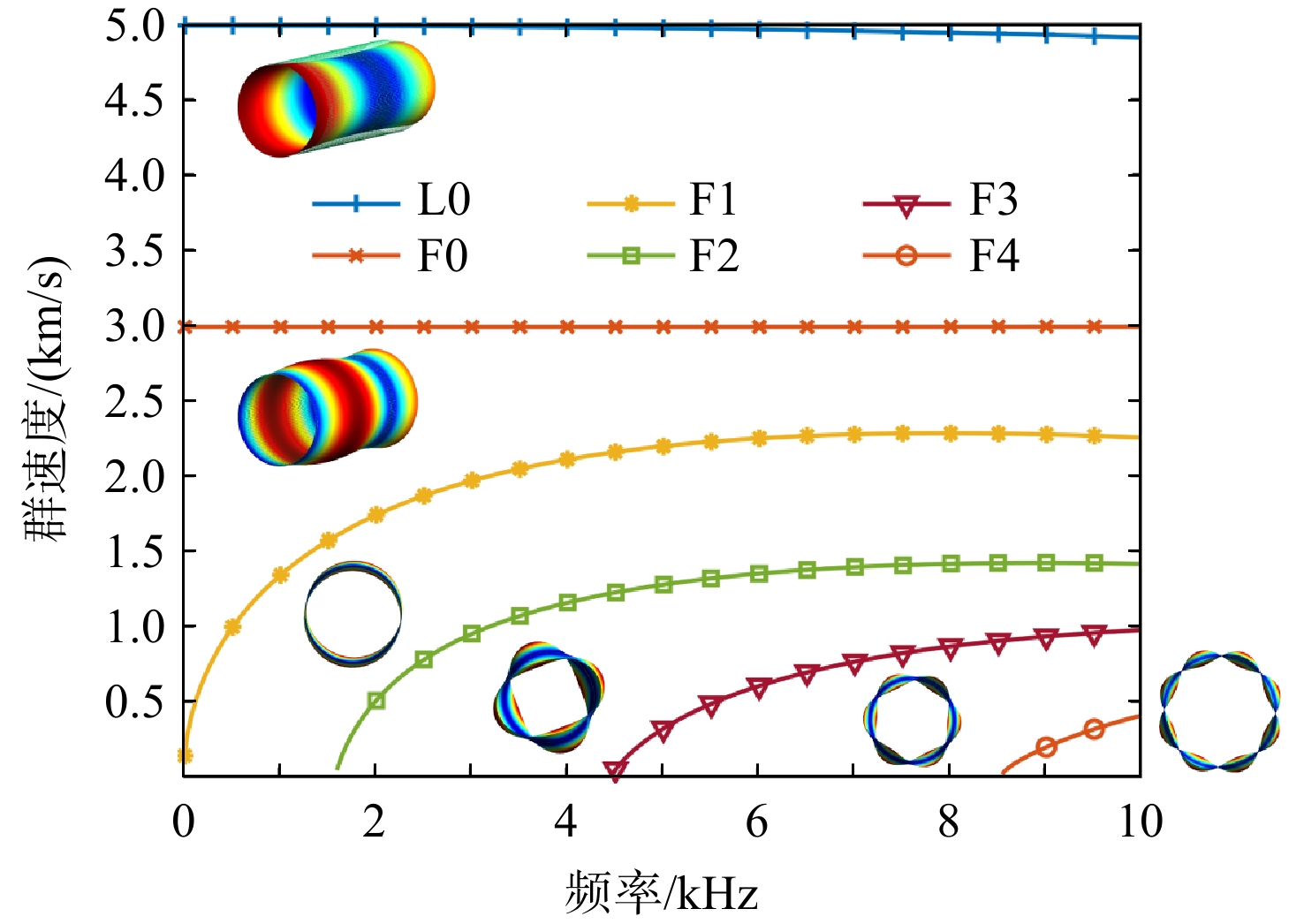
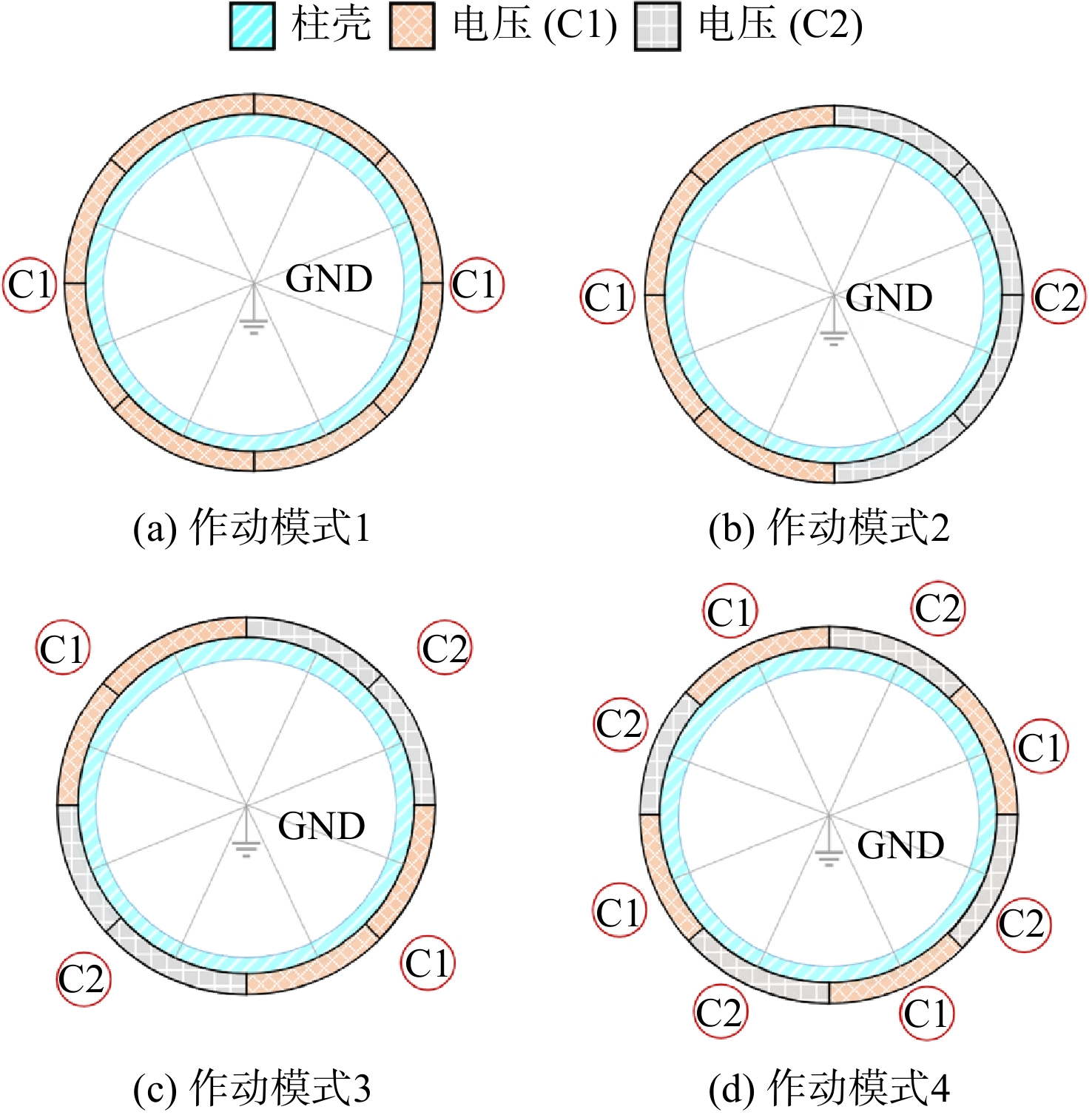
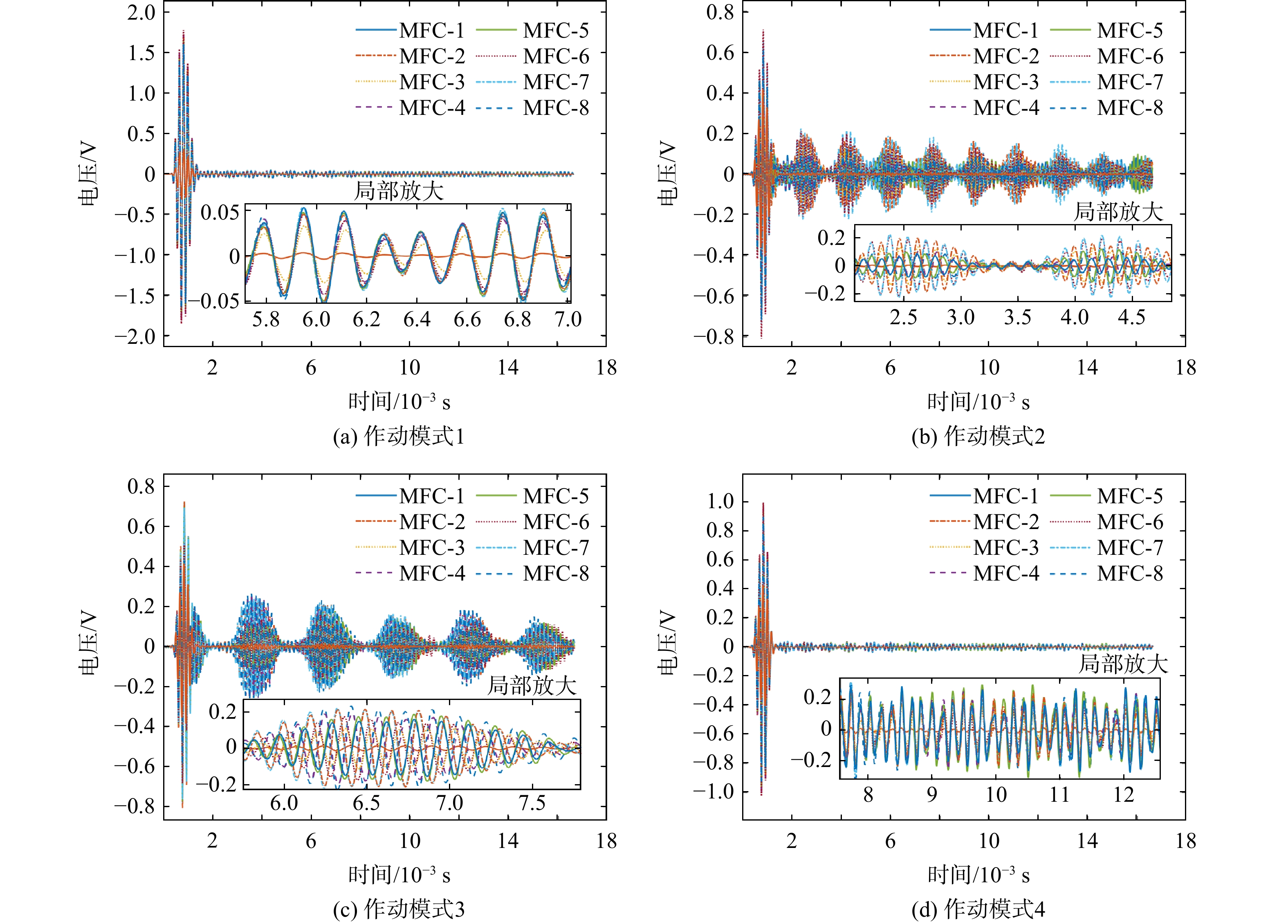
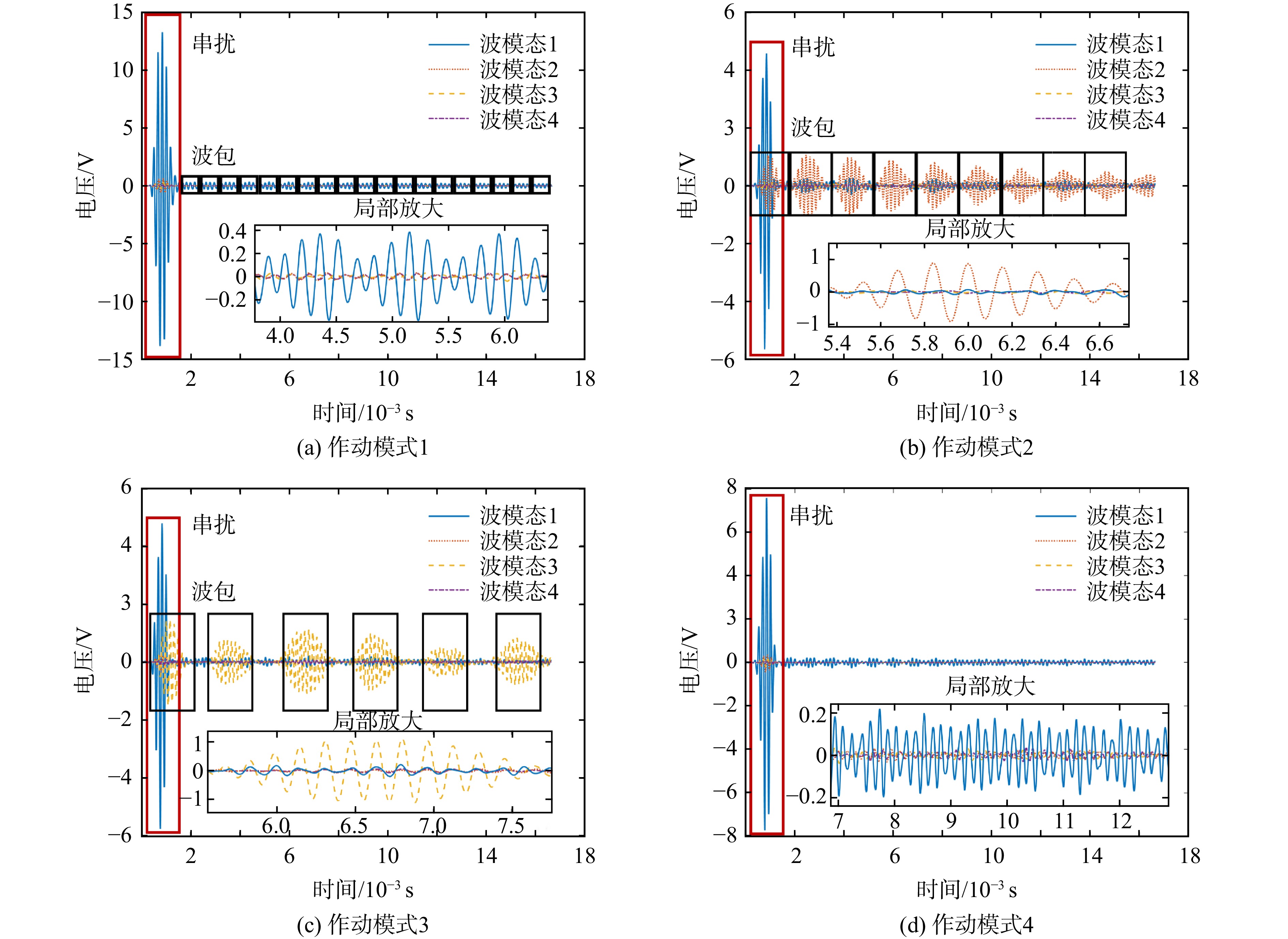
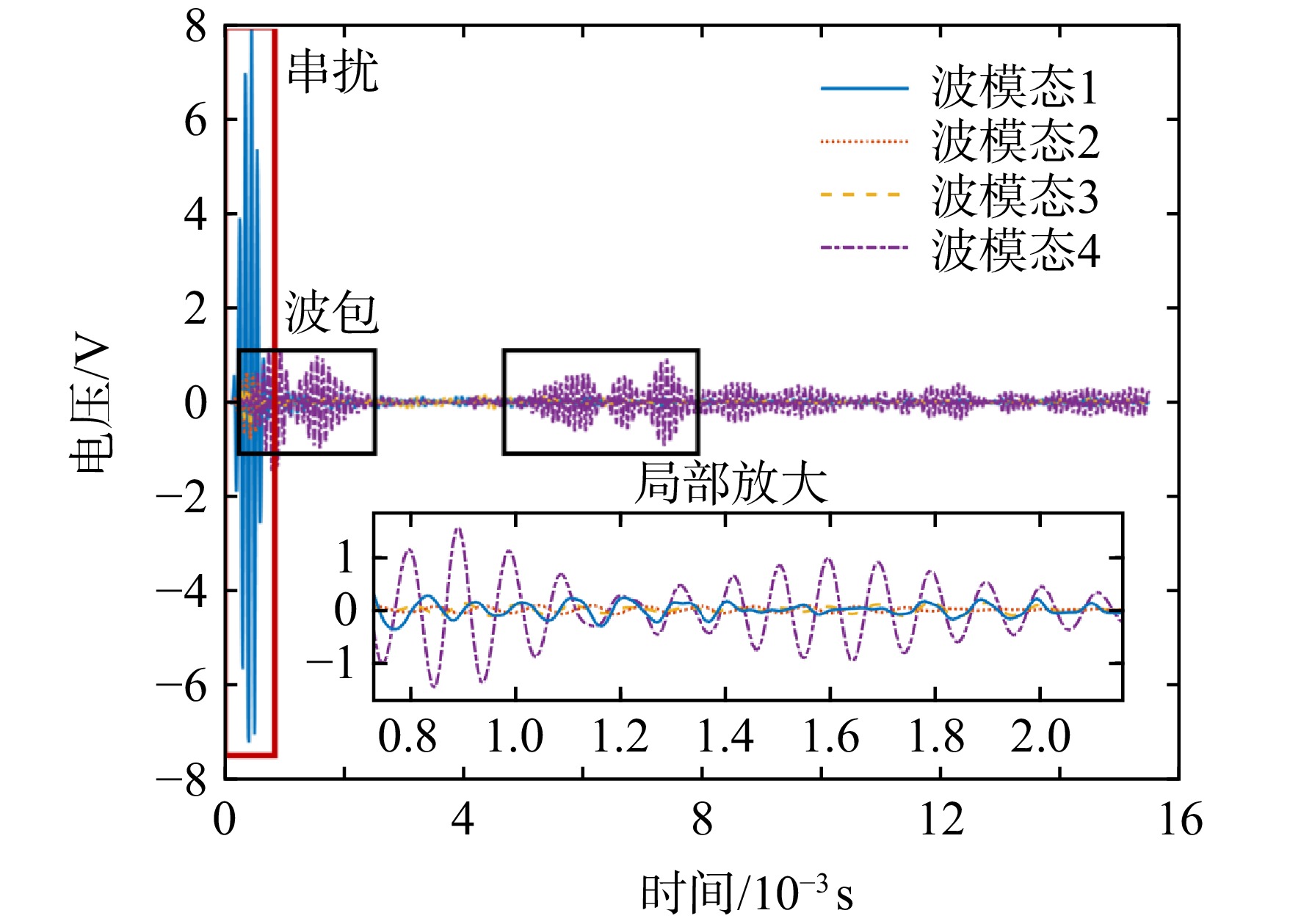
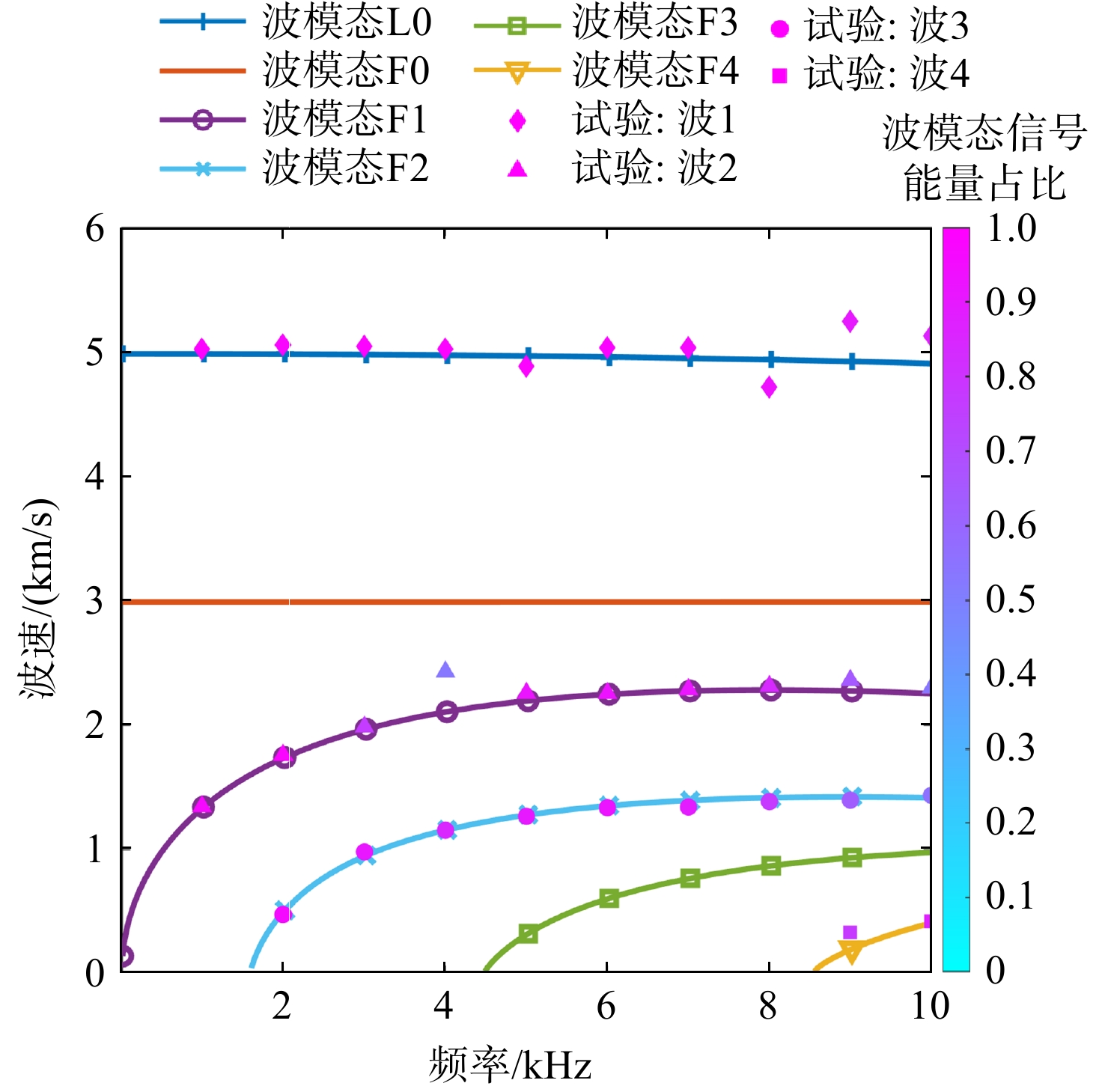
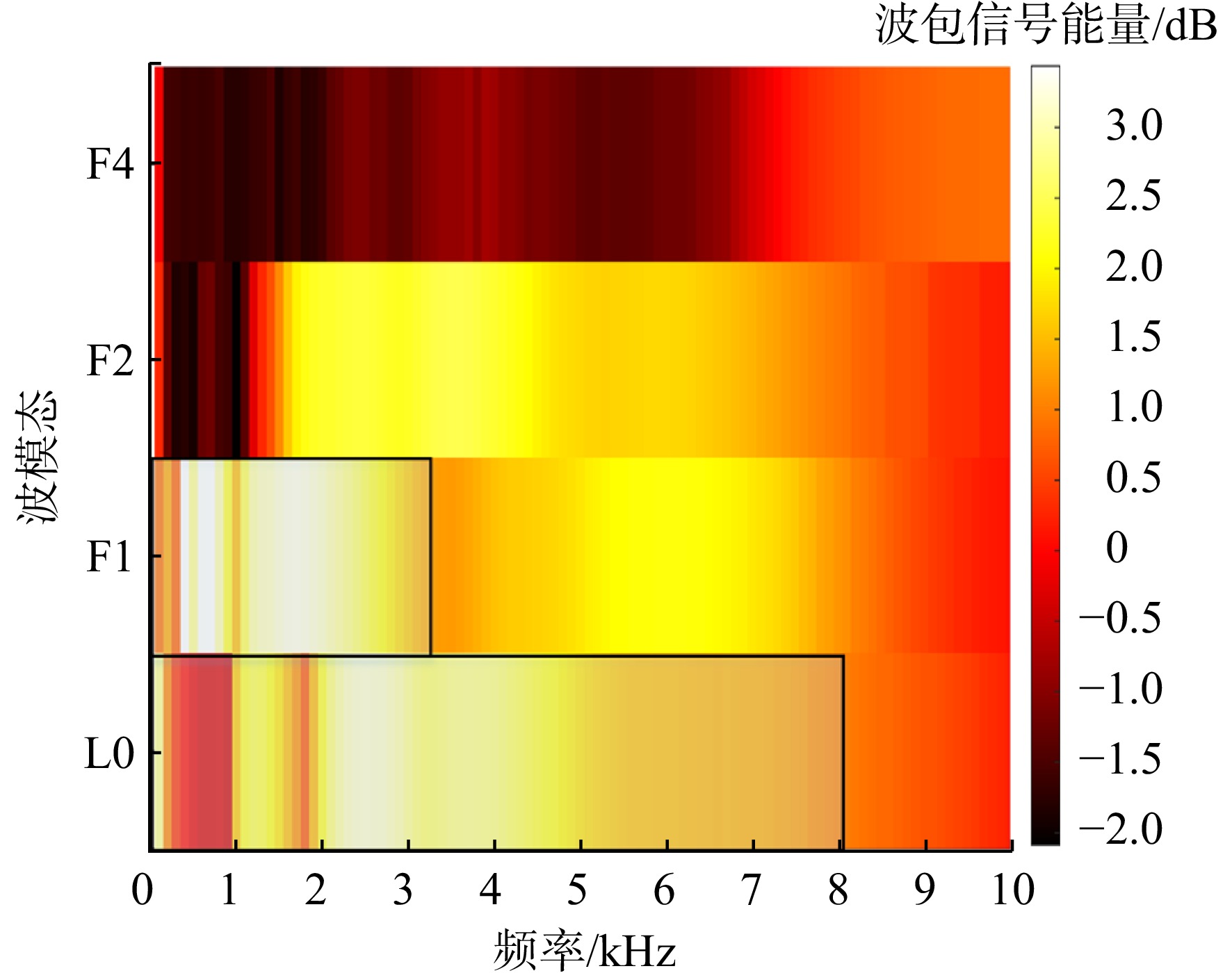
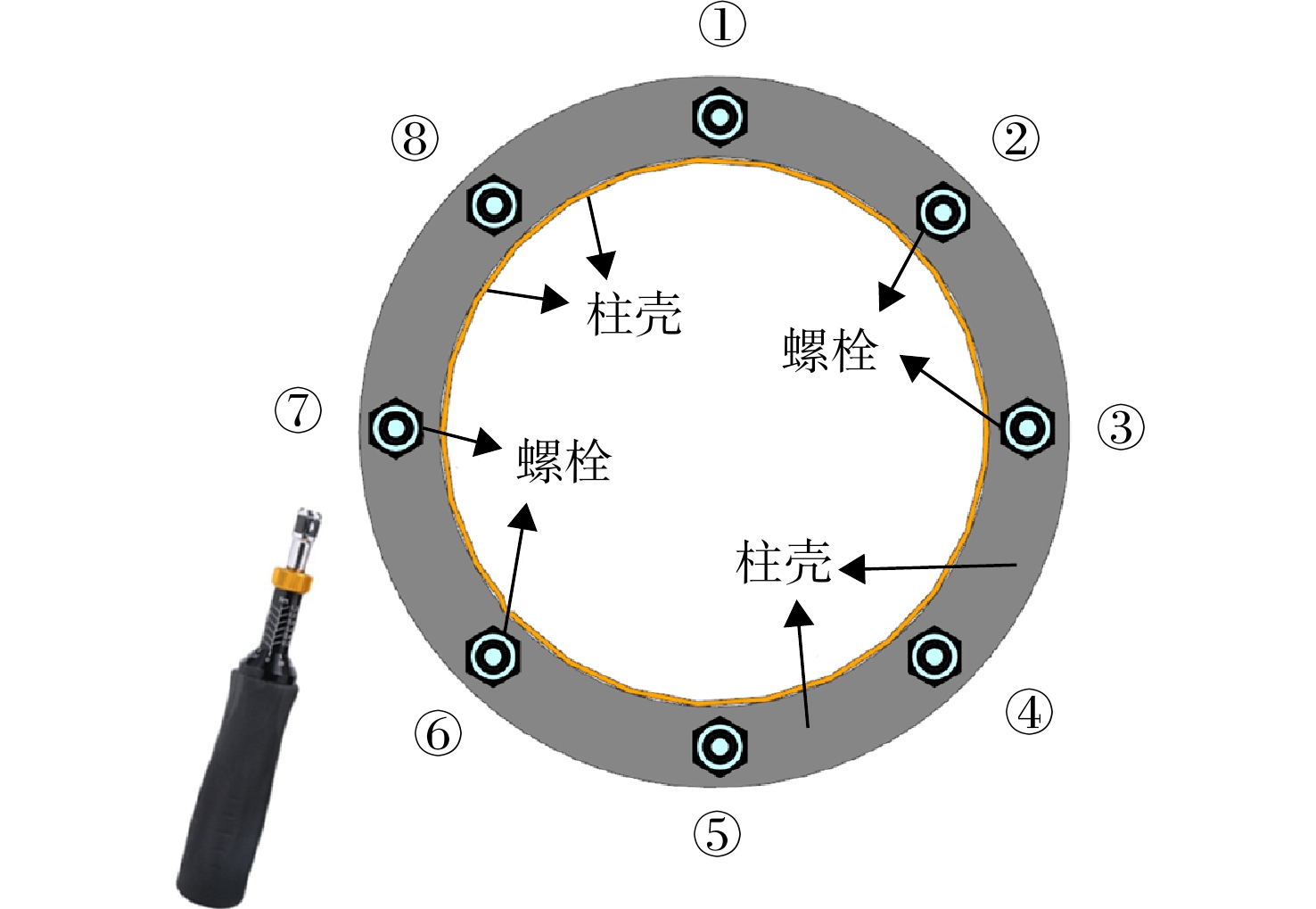
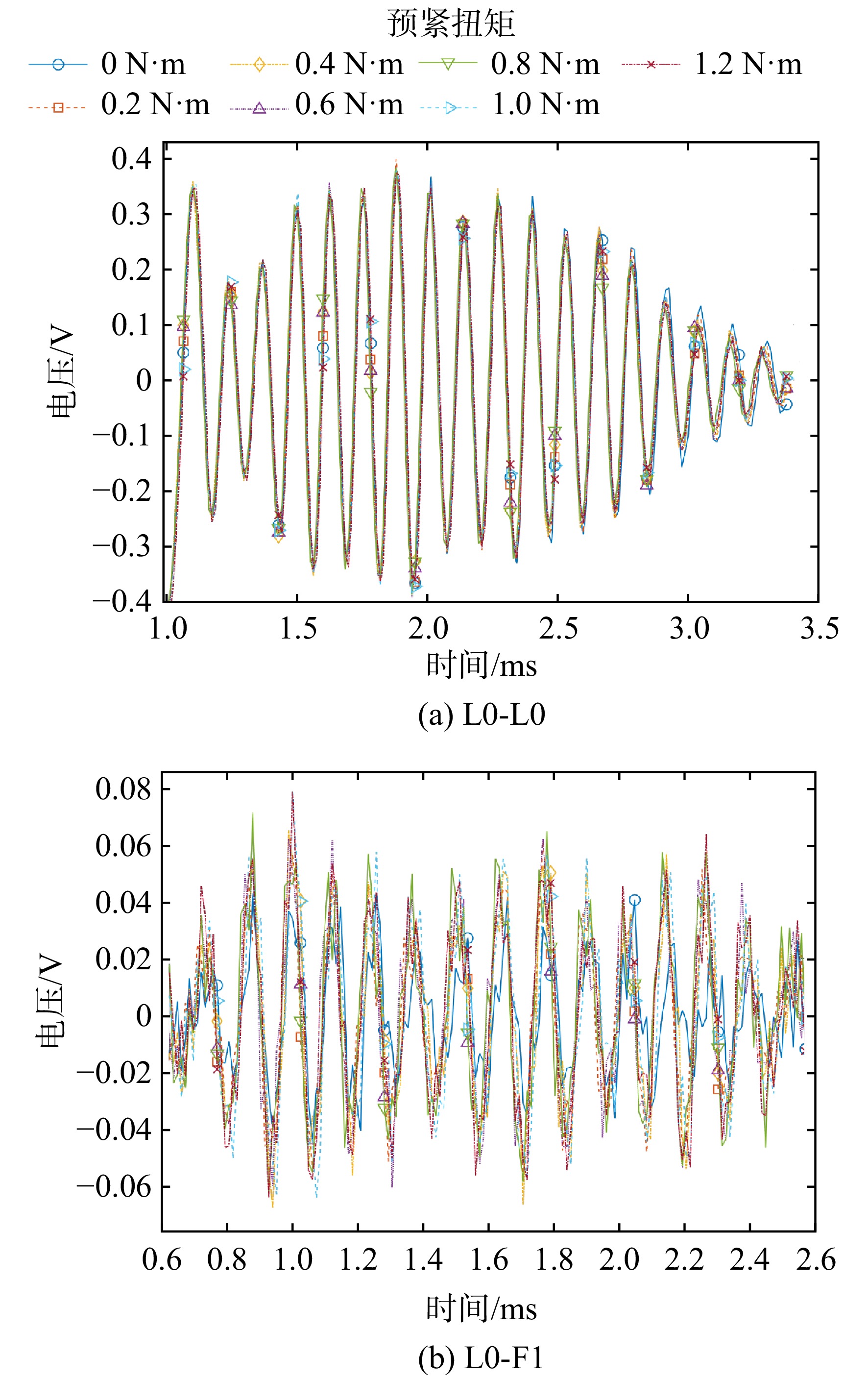
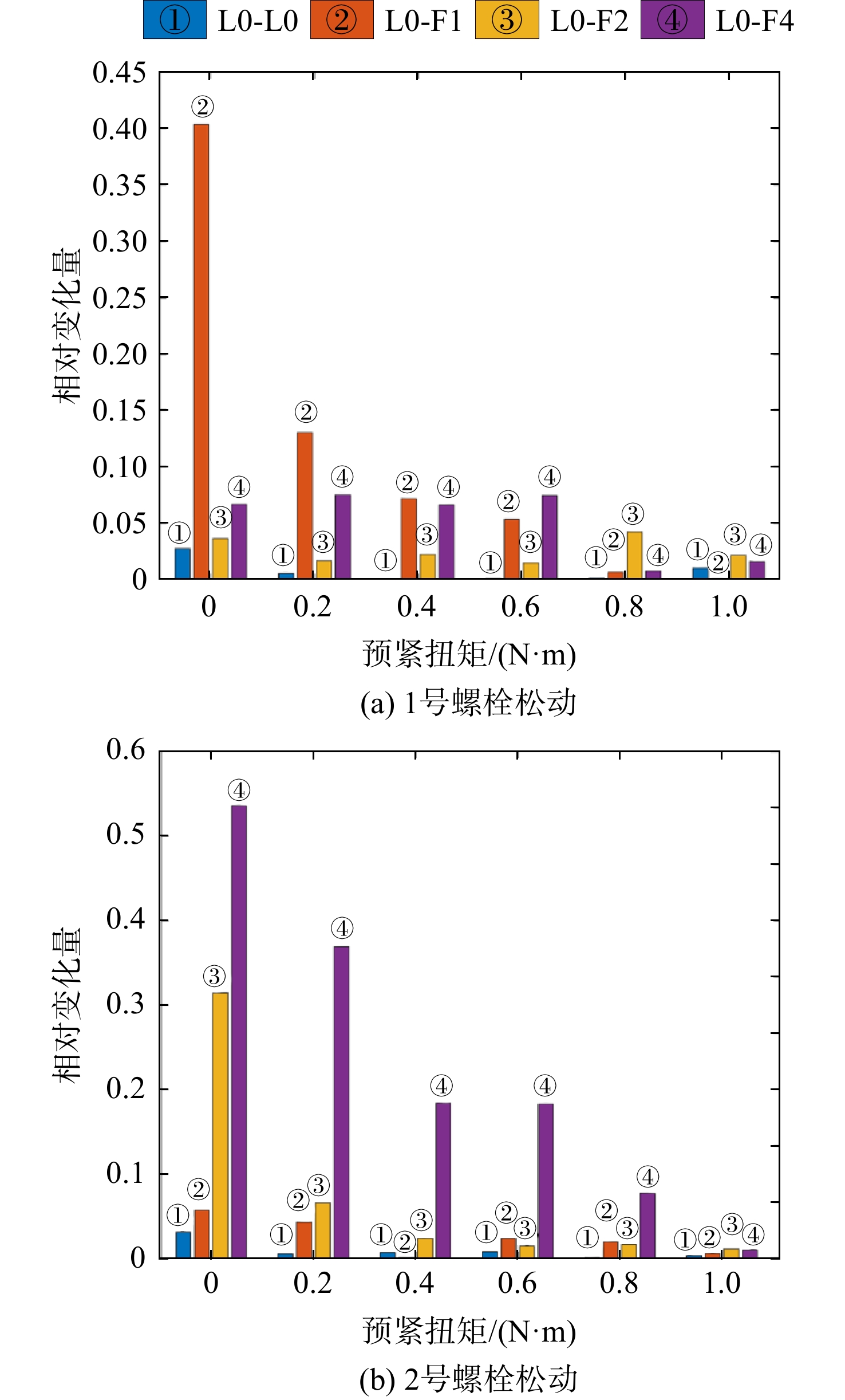
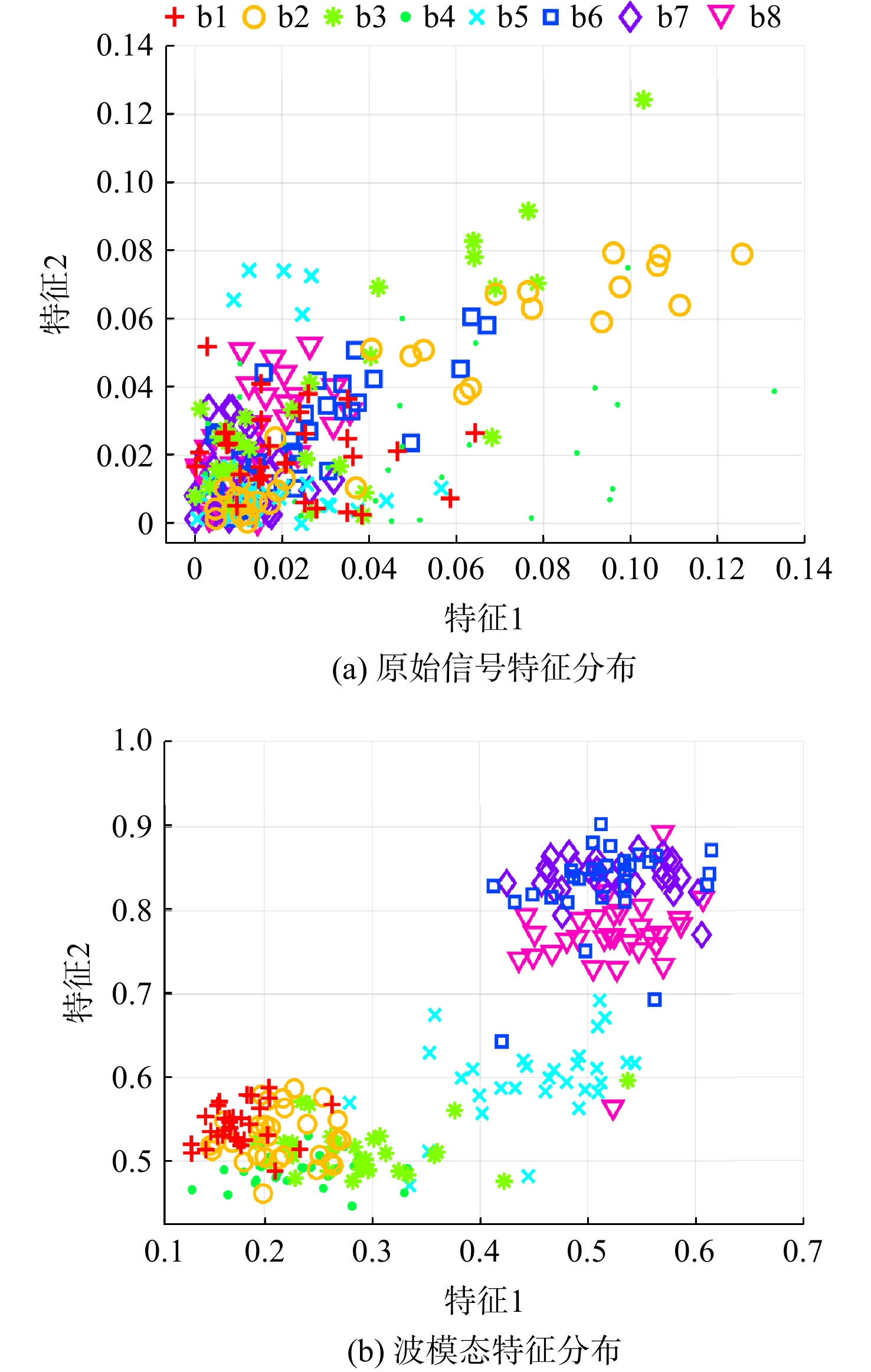
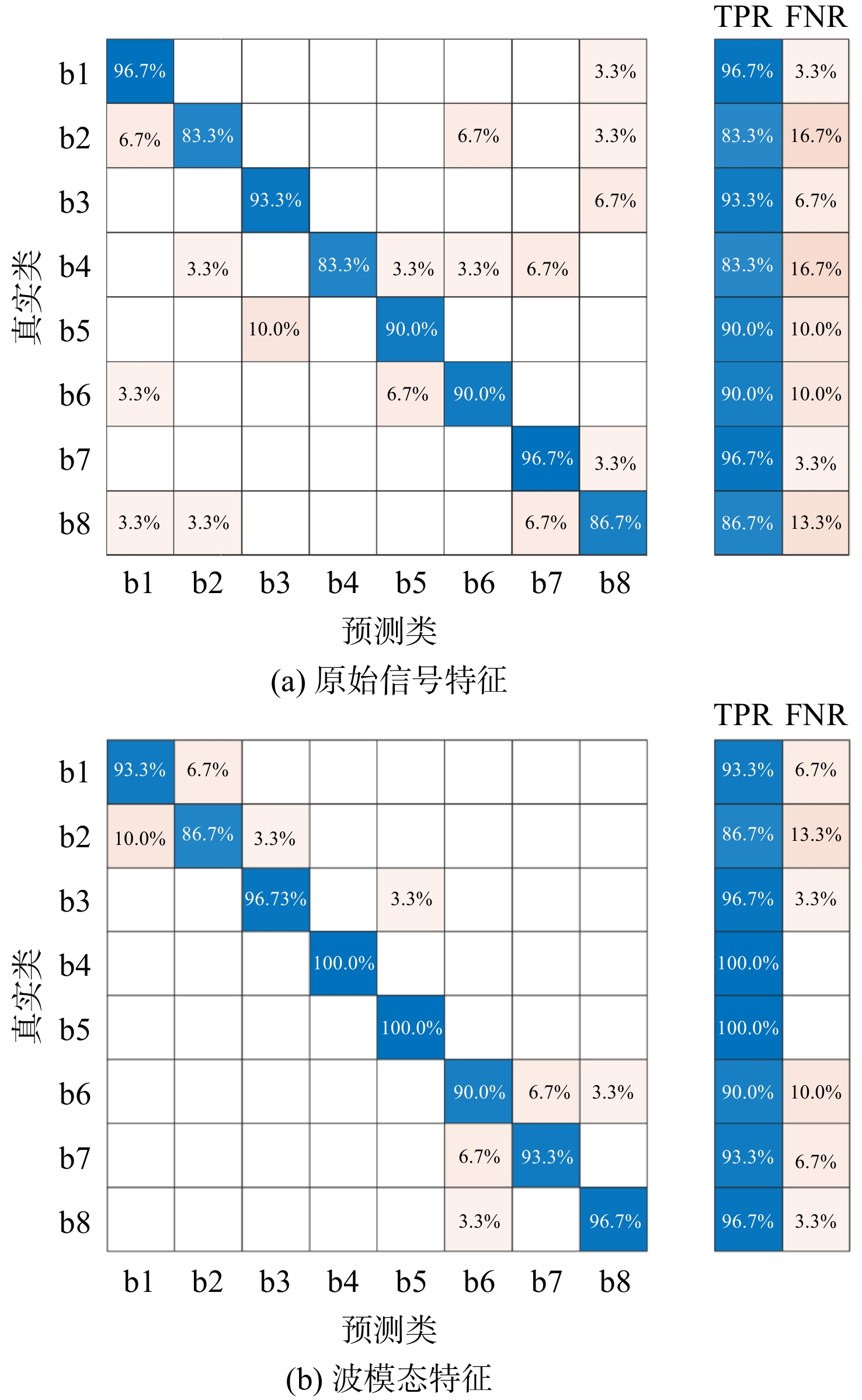
Multiple guided wave modes transmitted through the flanged joint structure carry substantial information regarding connection status, which has great potential for achieving a high-precision non-in-situ monitoring technique. The looseness of a flange connection with eight bolts based on the multiple mode characteristics of guided waves was monitored. To capture multiple wave modes, a piezoelectric array design that can selectively excite and sense a single wave mode was proposed. The simulation and experiment verified the wave mode transducer’s selectivity. The wave mode transducer controlled four wave mode transmission through a flange to monitor bolt looseness in two stages: detecting looseness and identifying the loose position. The results showed that the wave mode characteristics not only effectively indicated bolt looseness but also provided detailed information on the loose position. After applying a support vector machine, the accuracy of loose position identification reached 94.6%.

Overspeed simulation of turboshaft engine rotor after shaft fracture based on transient aero-thermo-mechanical network model
MA Qinglin, DING Shuiting, QIU Tian, QI Lei, LIU Chuankai, GAN Chenyu, BAO Shengyu, WANG Xinming
2026, 41(1): 20240158. doi: 10.13224/j.cnki.jasp.20240158
Abstract:

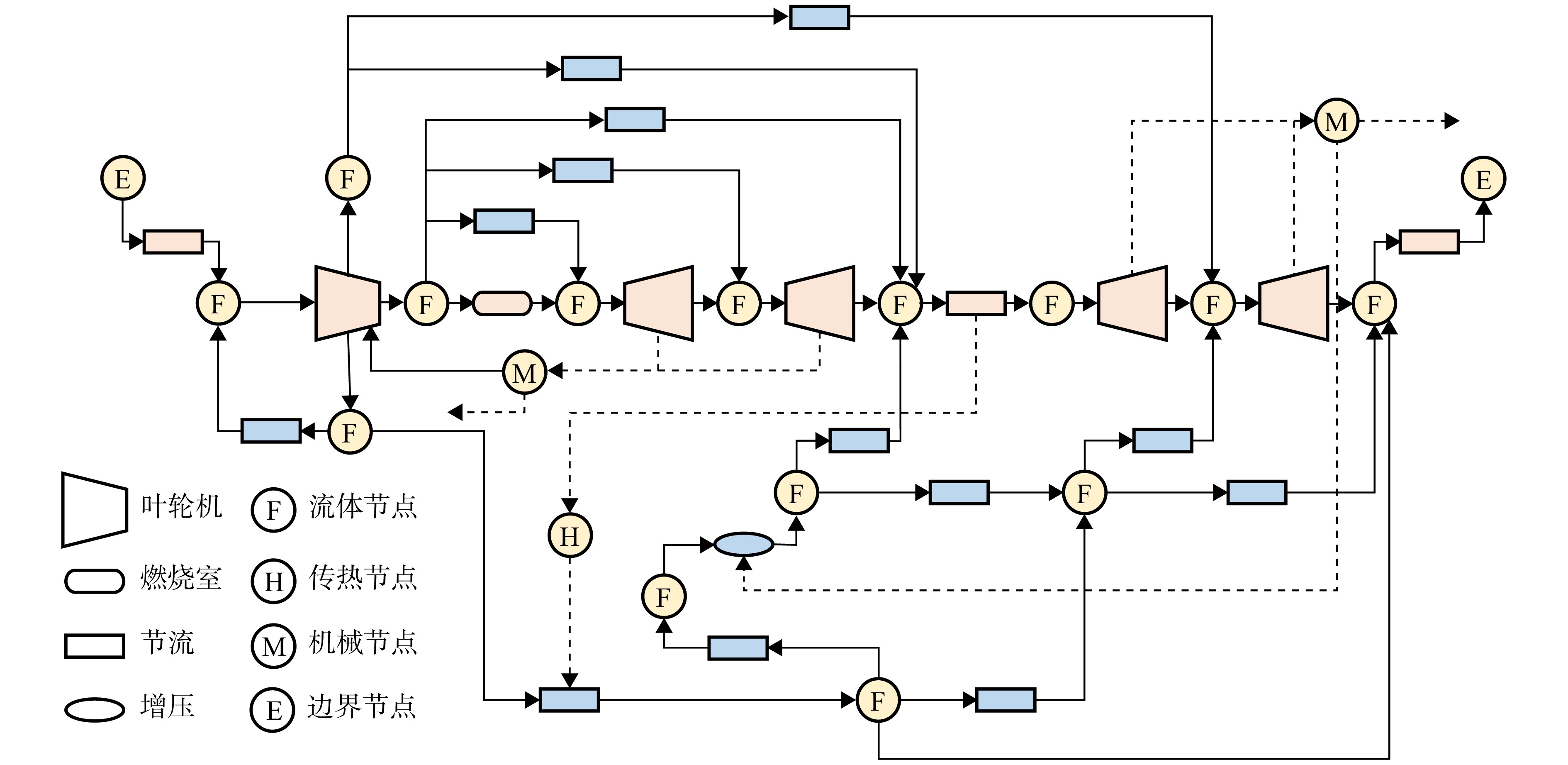
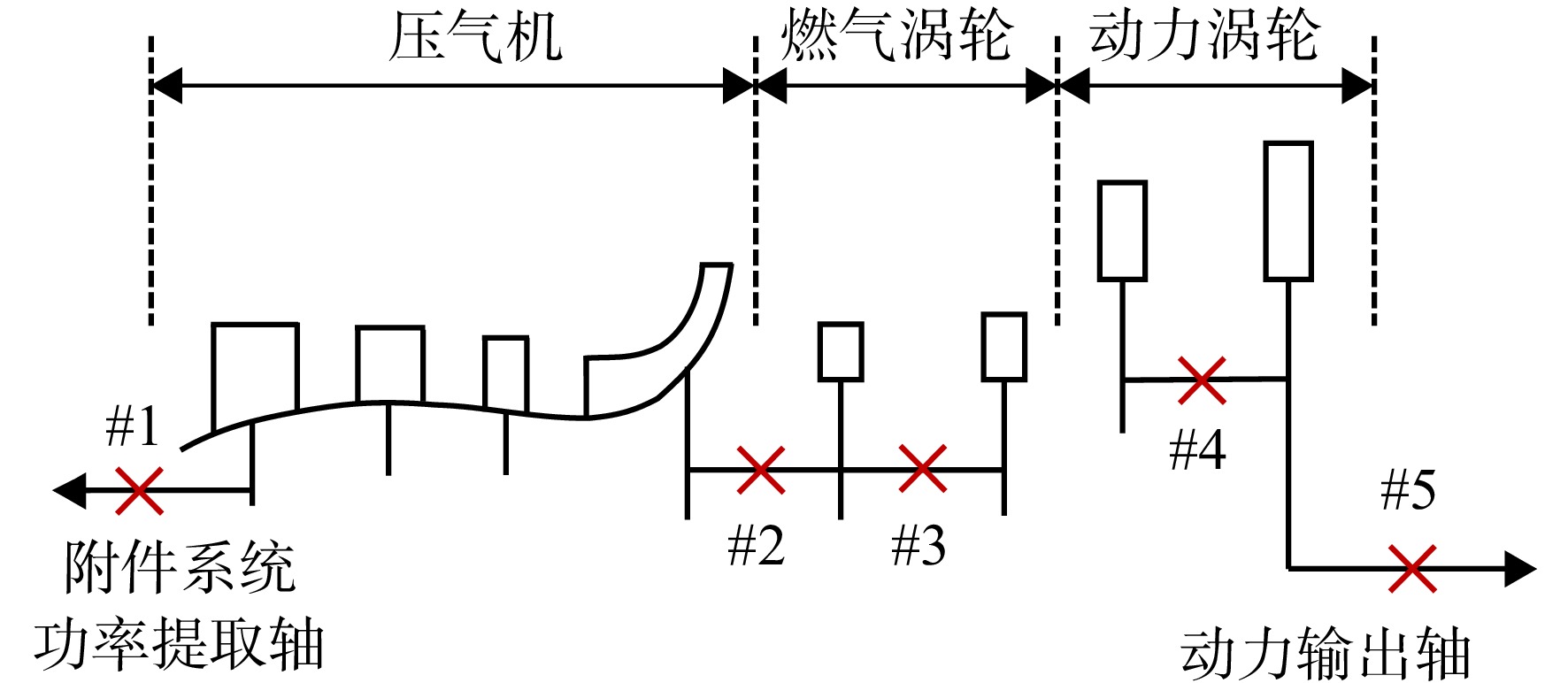
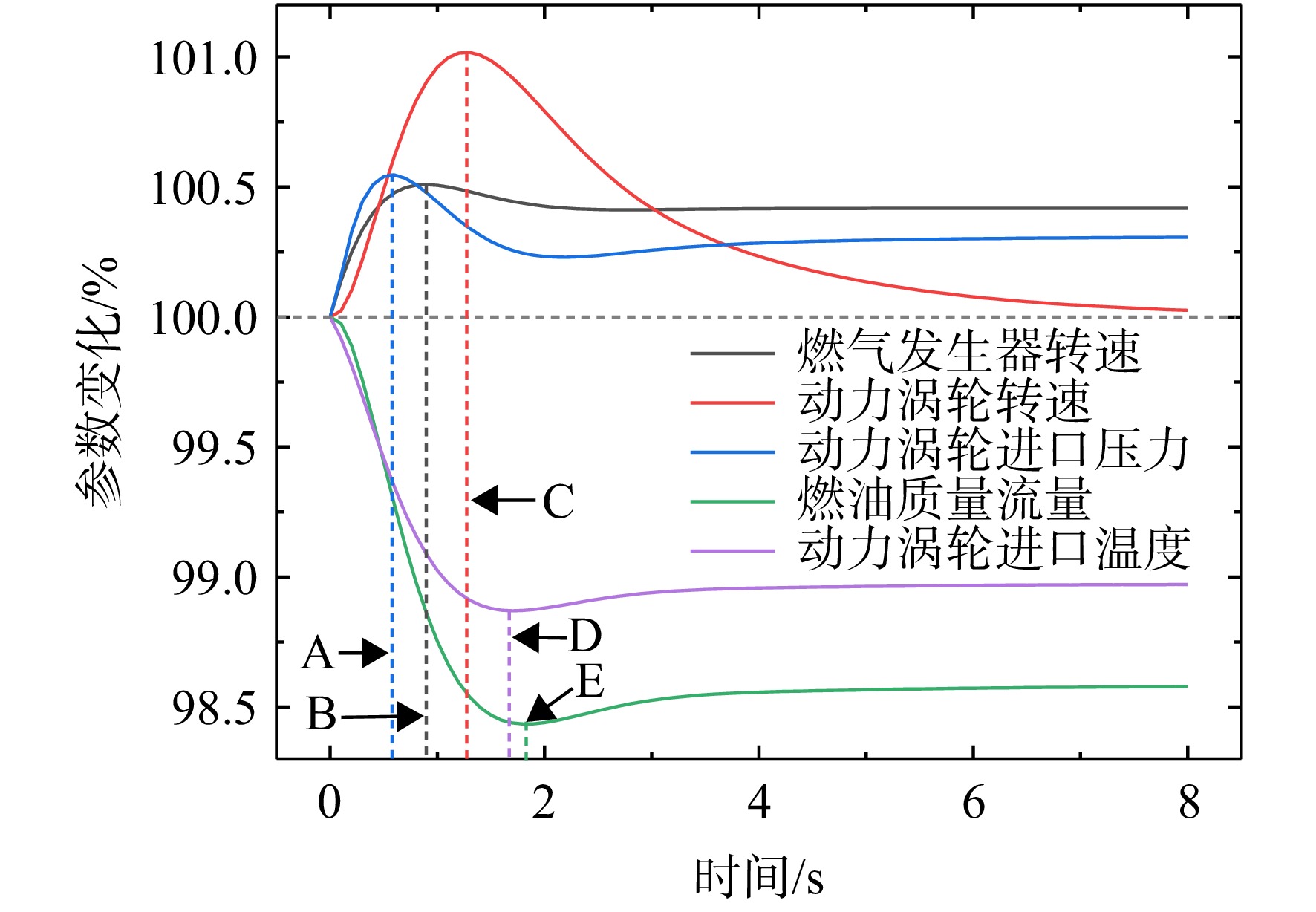
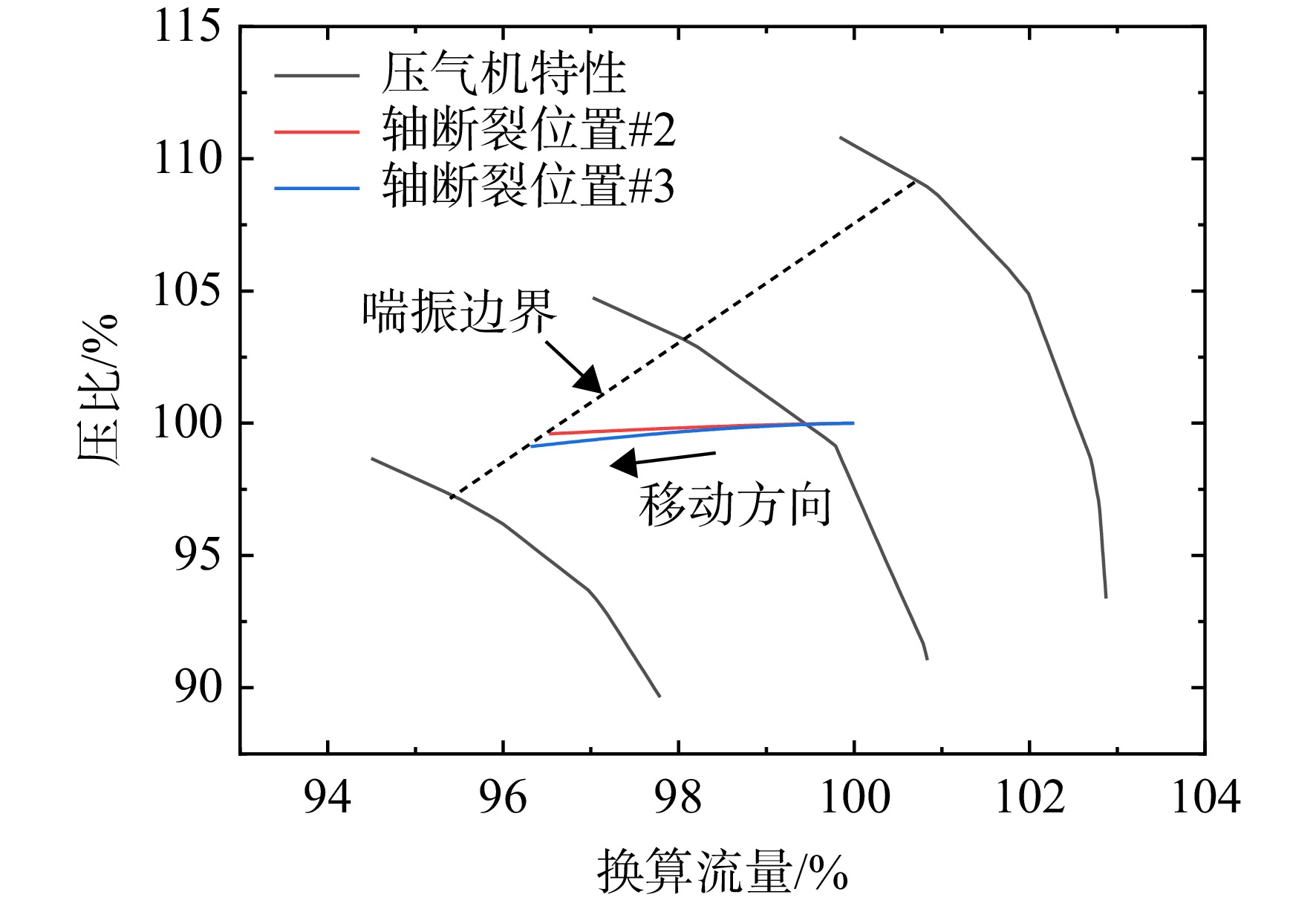
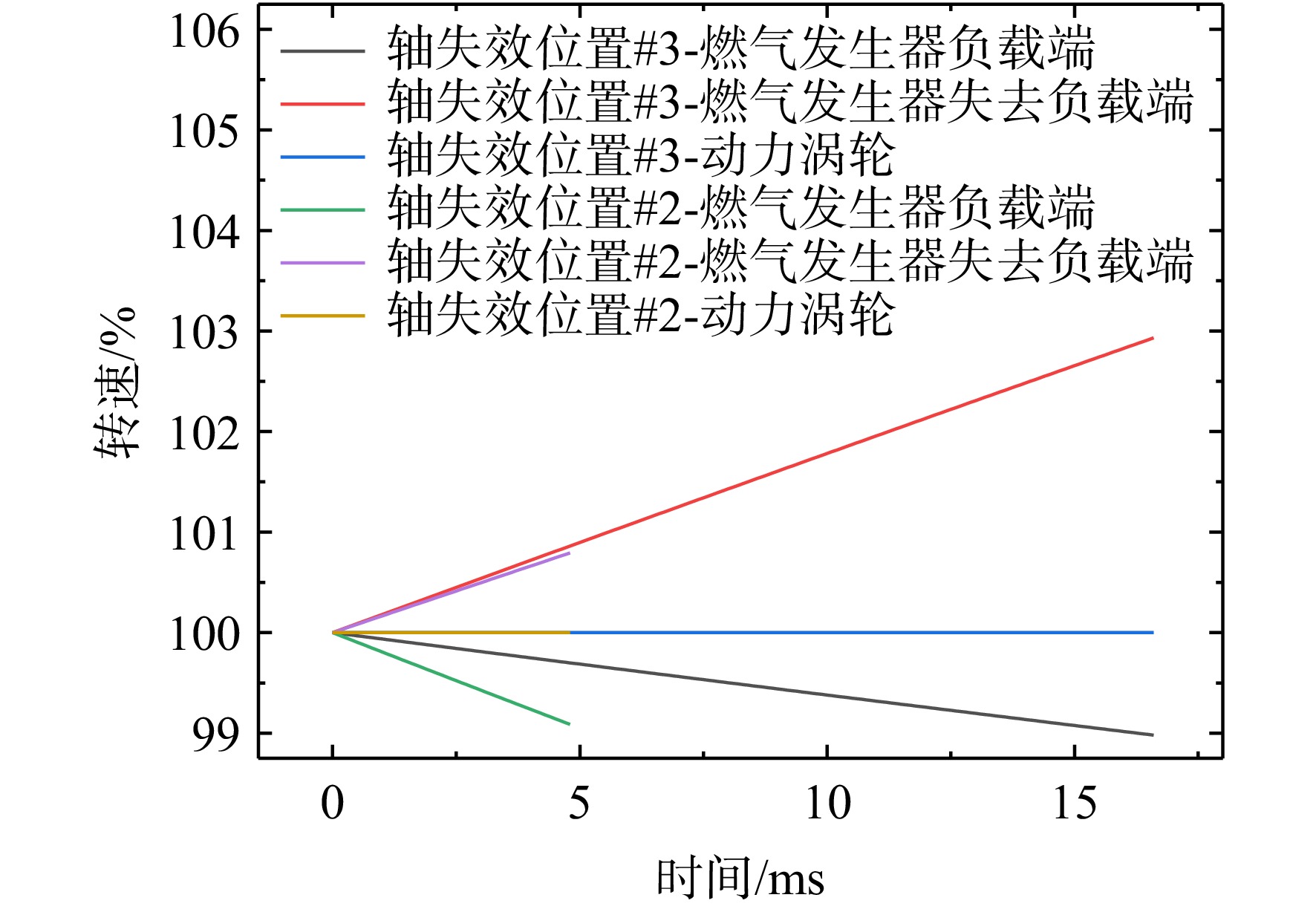
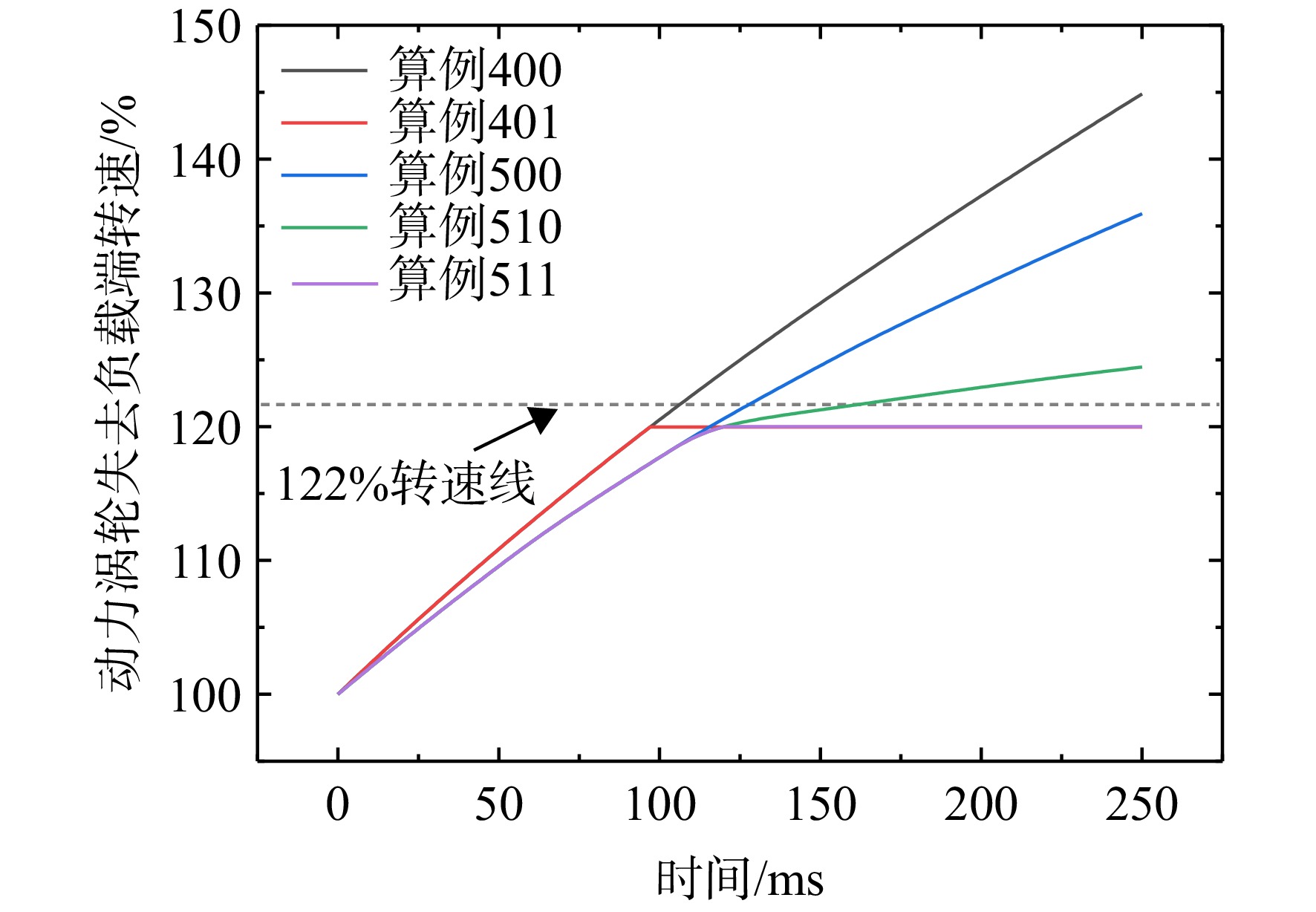
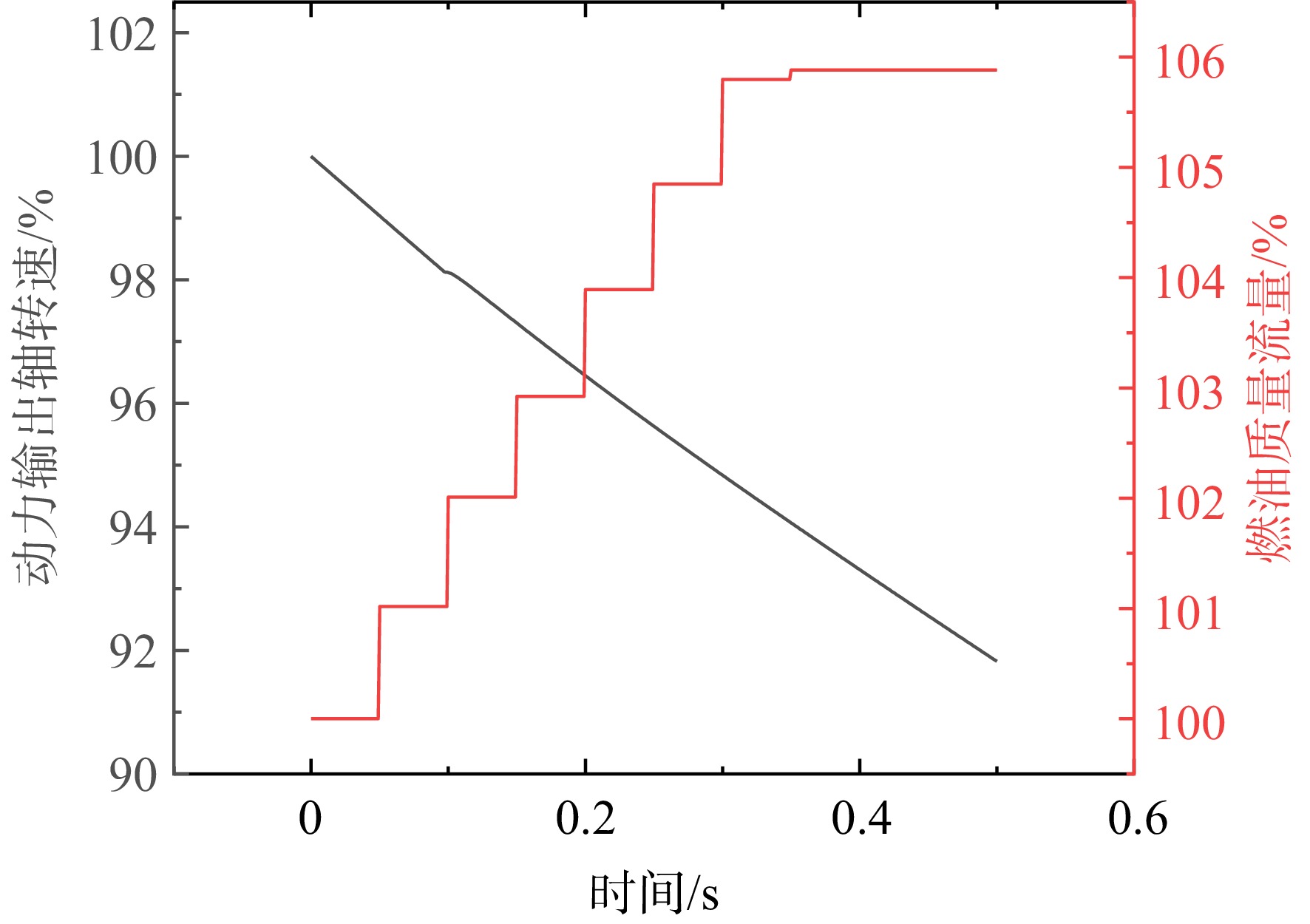
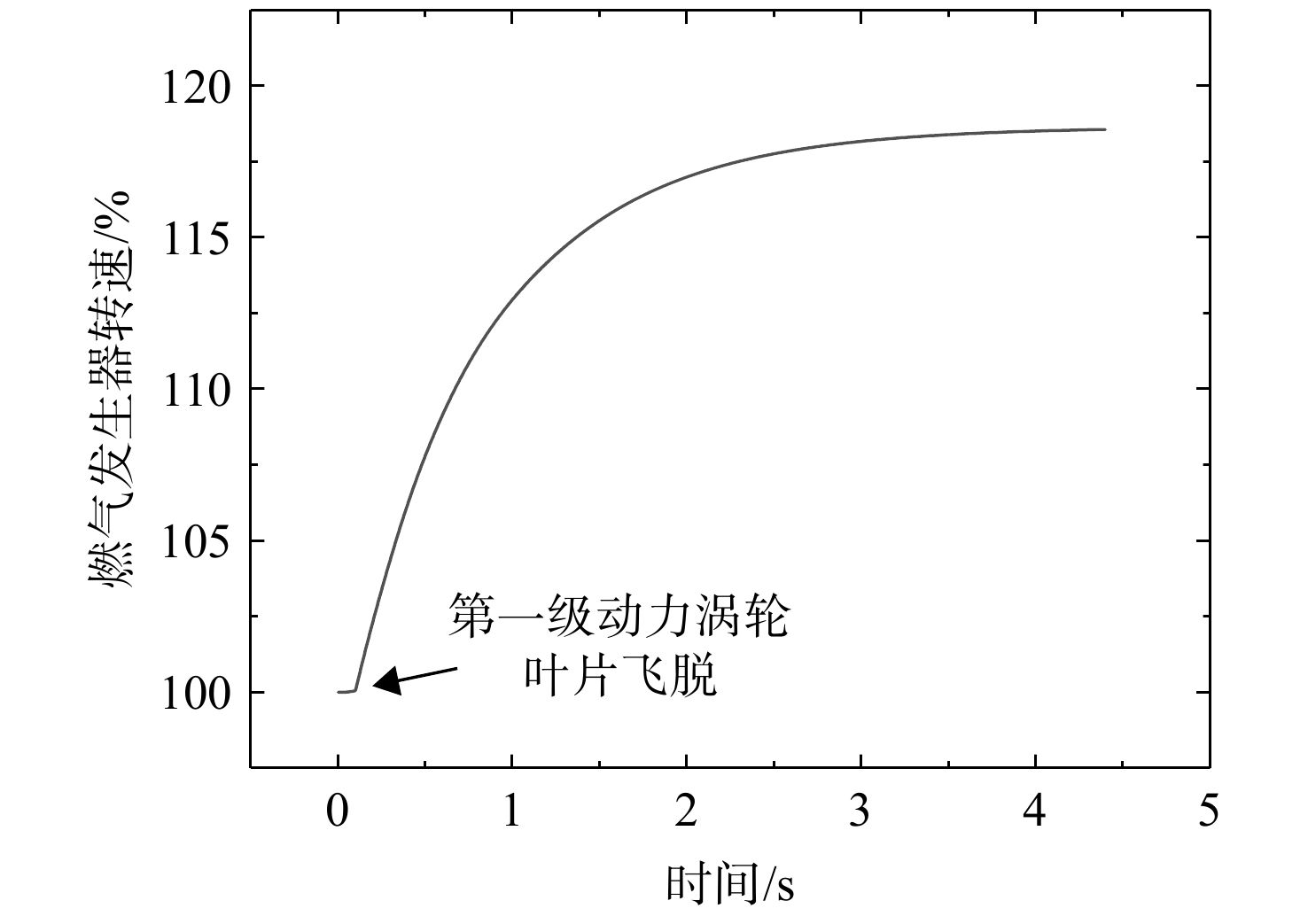
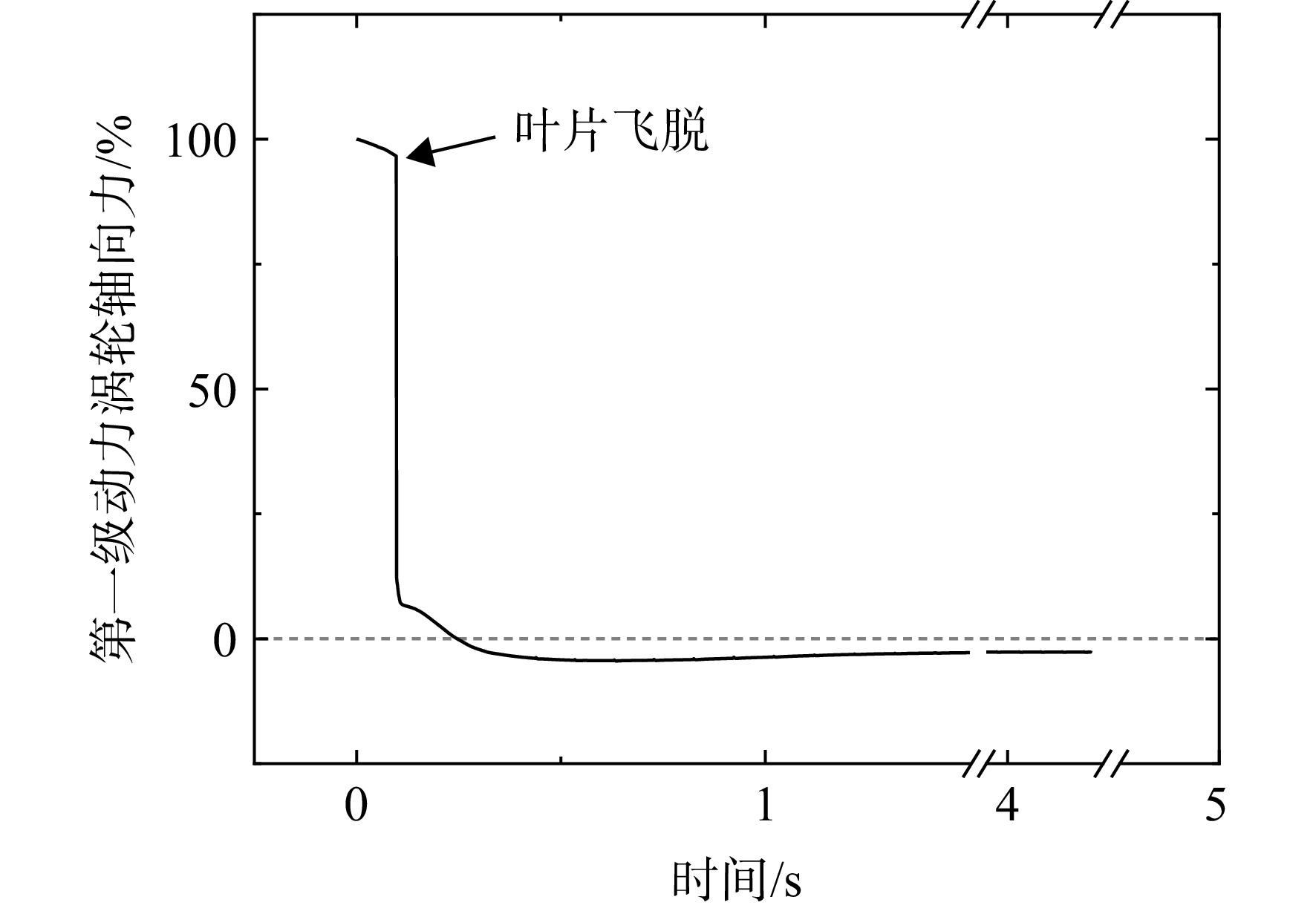
In order to meet the rotor integrity requirements in the airworthiness regulations and obtain the overspeed law of an aero-engine under the condition of shaft fracture failure, a method of modeling the engine as a transient aero-thermal-mechanical network was proposed. On this basis, the transient simulation analysis of the rotor overspeed process after shaft fracture failure of the turboshaft engine in the ground takeoff condition was carried out. The effects of shaft failure position, control system and overspeed protection device were considered during the analysis. The results showed that the power turbine shaft fracture can cause the rotor to reach a more severe overspeed condition, if compared with the accessory system power extraction shaft and gas generator shaft fracture. Under the power turbine interstage connection shaft failure condition, the decrease in the rotational speed of the power output shaft caused the control system to increase the fuel supply. The blade-off protection device can be used to limit the sustained acceleration of the rotor.

Modeling method for rotor assembly accuracy considering the separation of center of figure and center of mass
GAO Yue, ZHANG Wei, LIU Meng, SUN Huibin
2026, 41(1): 20240708. doi: 10.13224/j.cnki.jasp.20240708
Abstract:

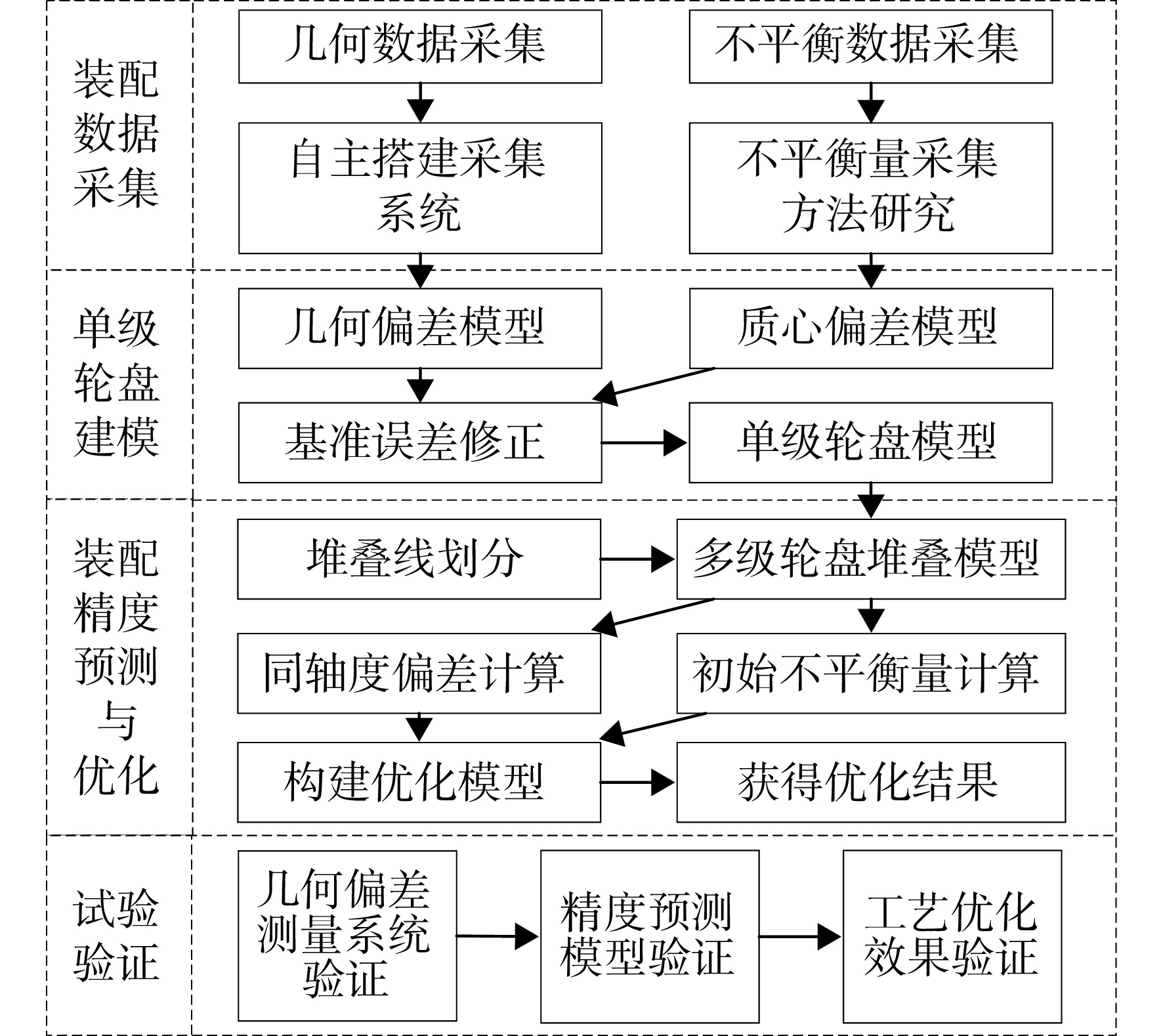
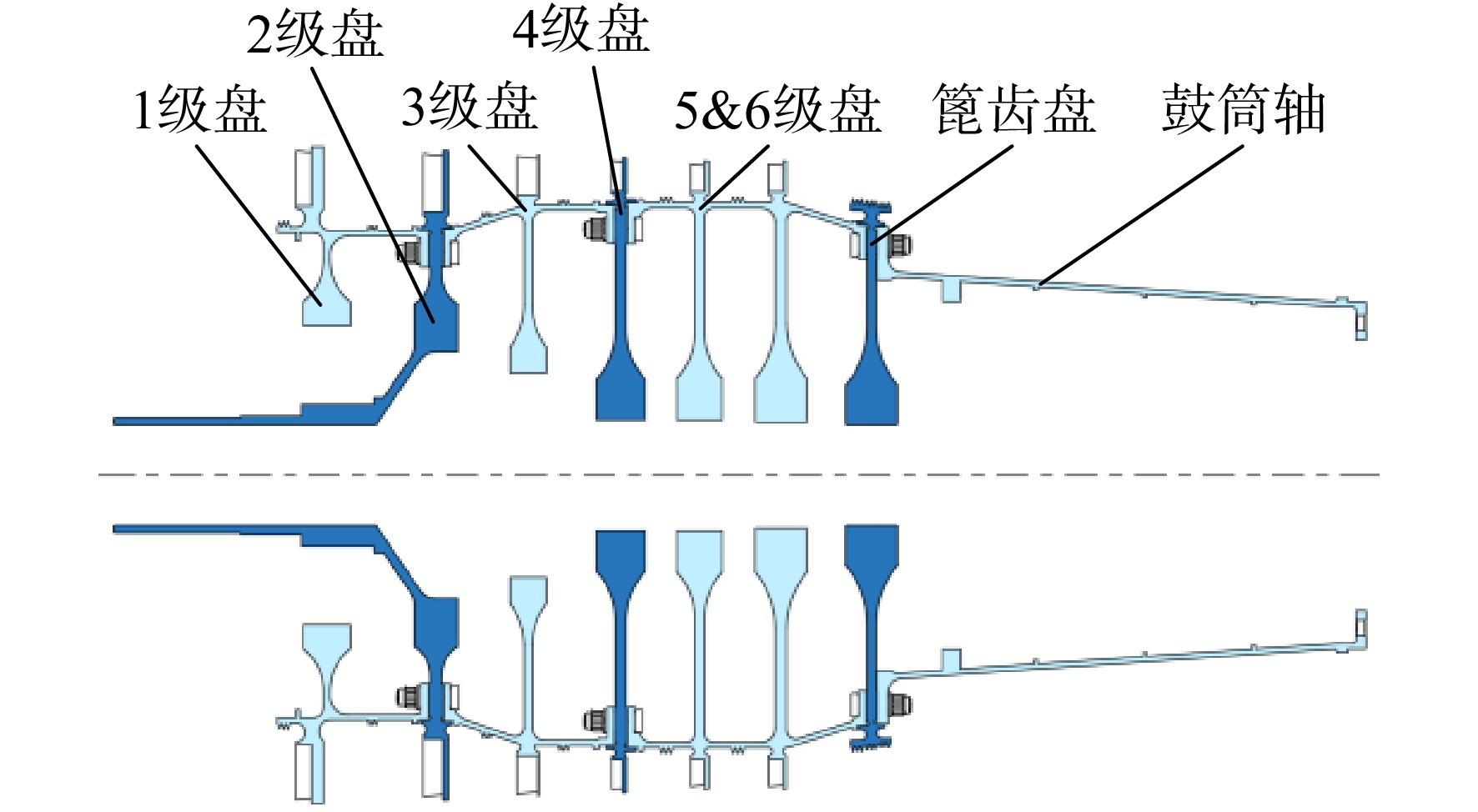
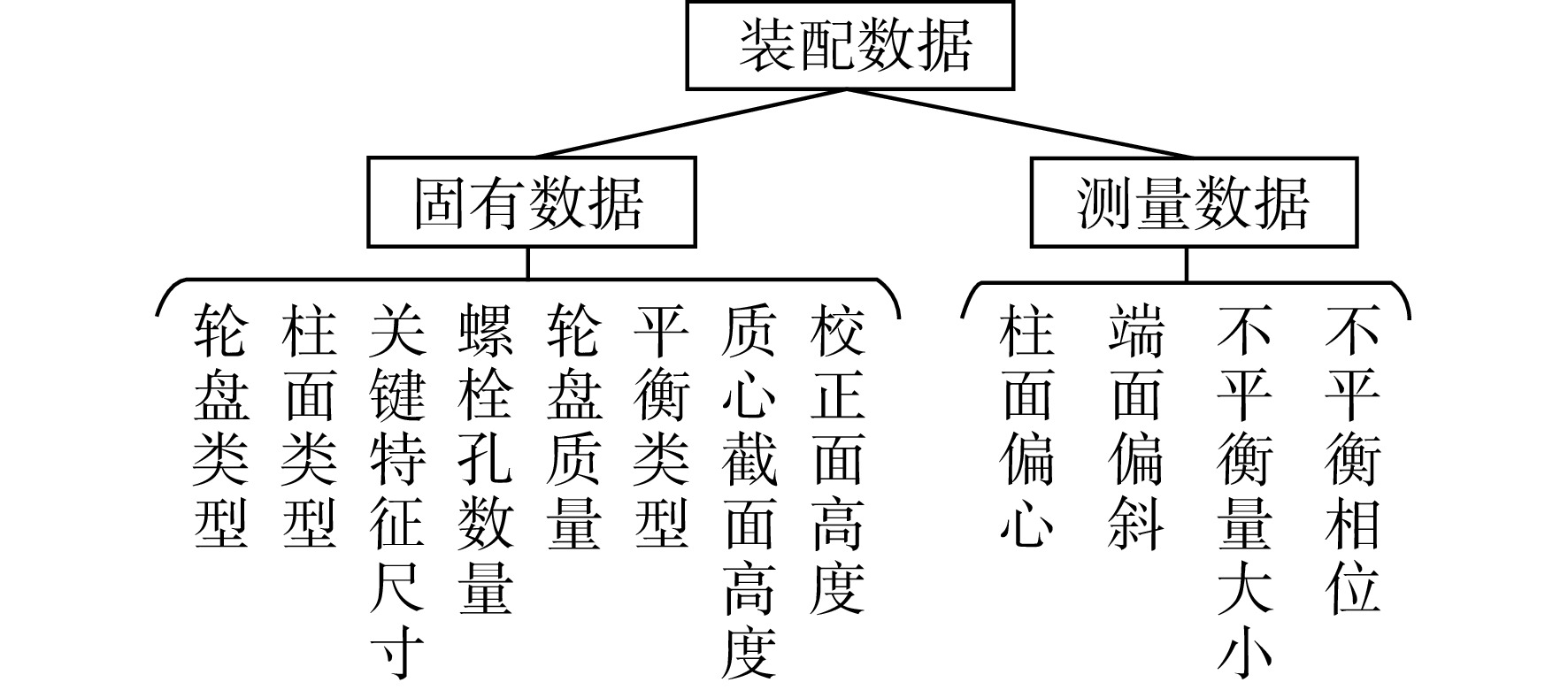
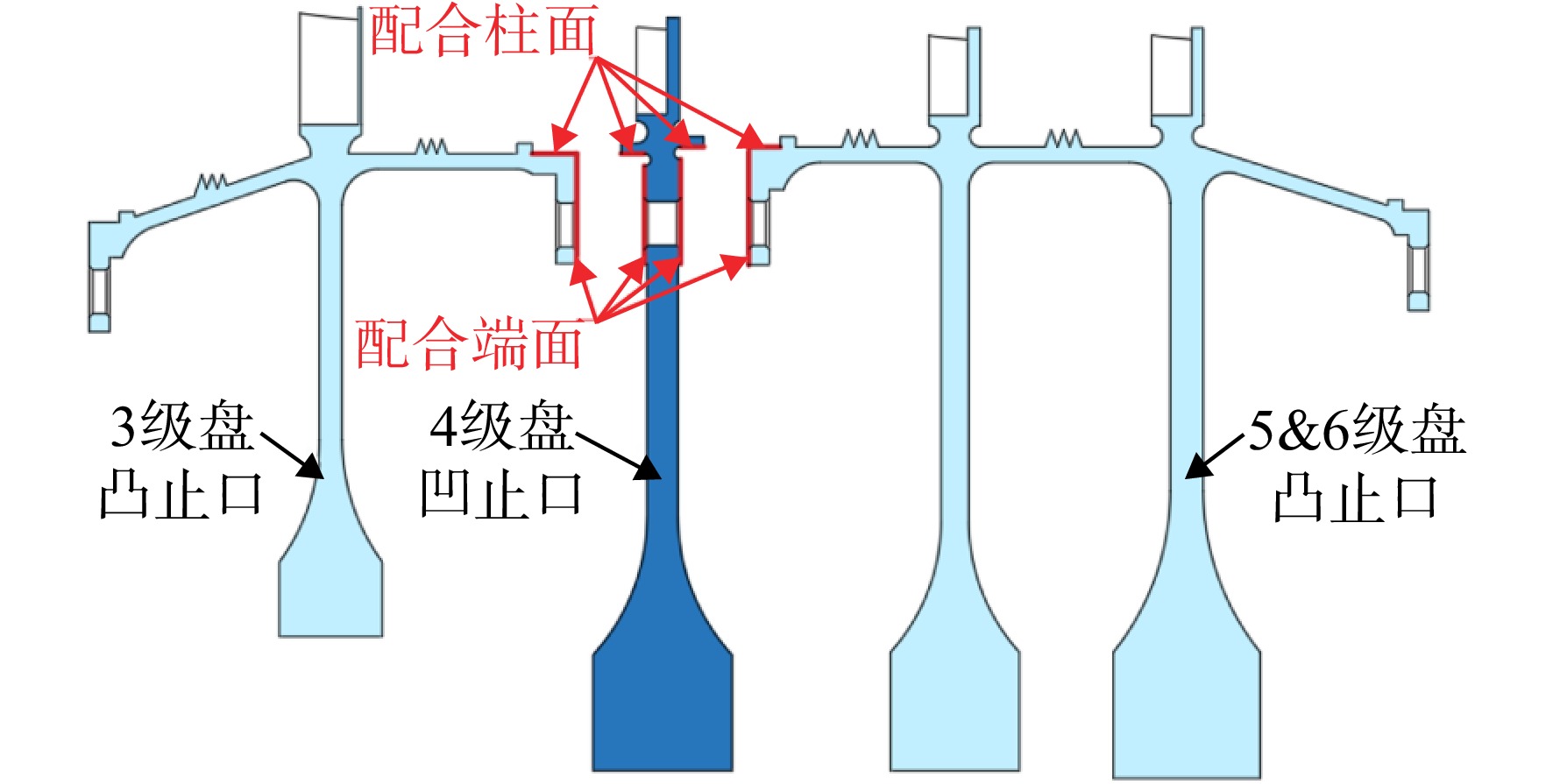
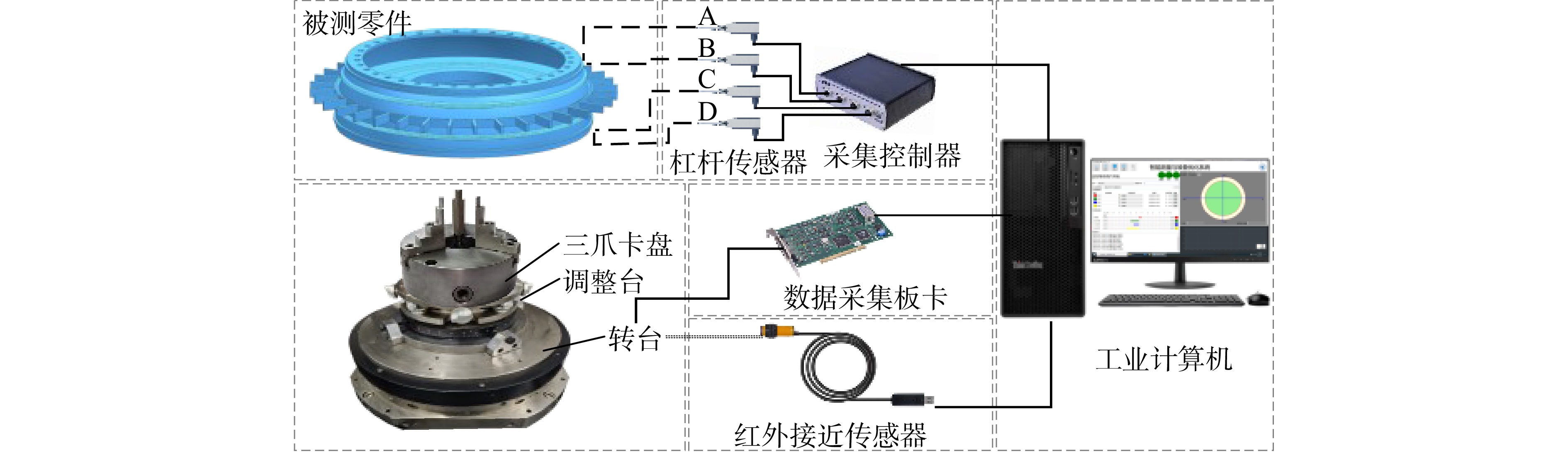
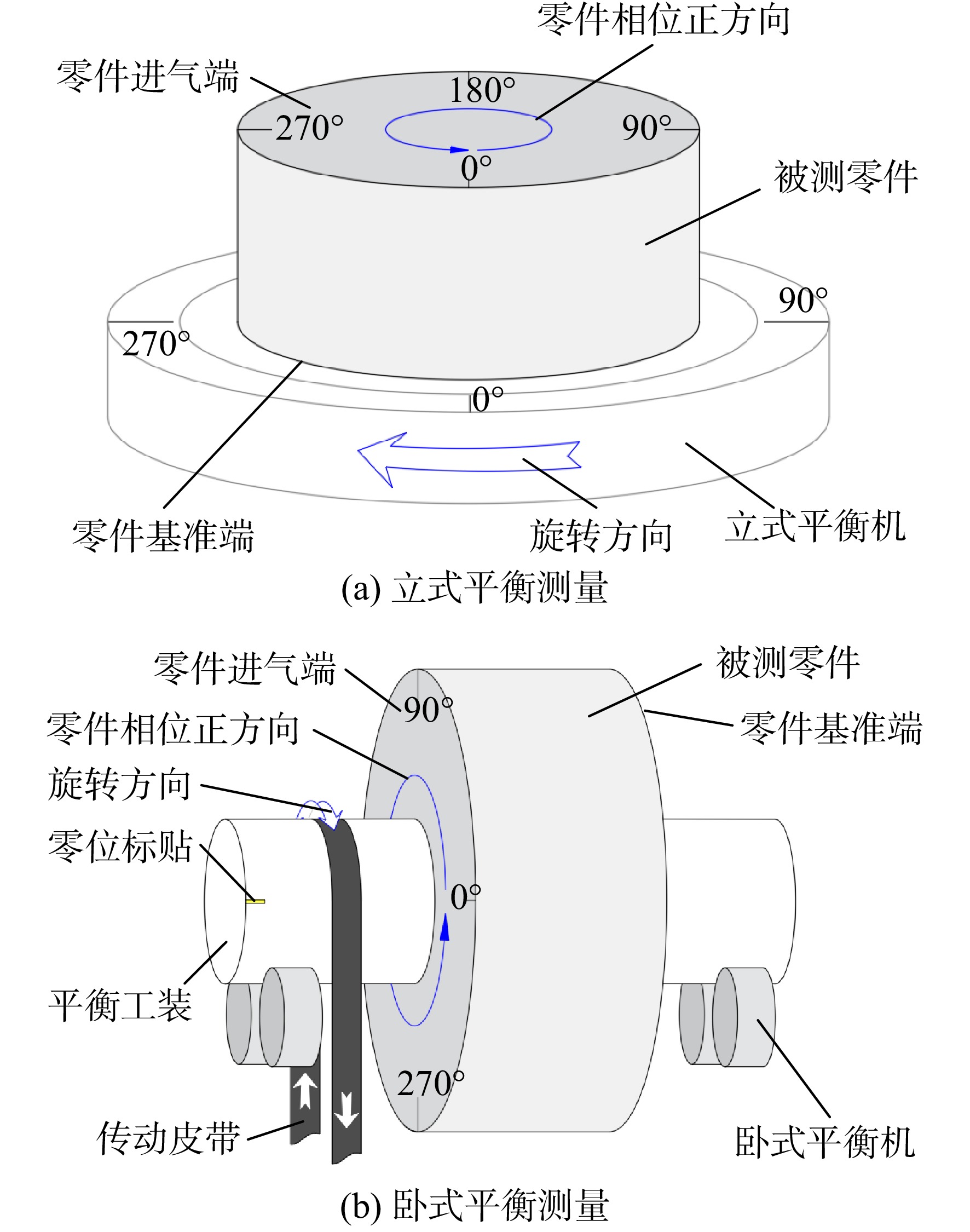
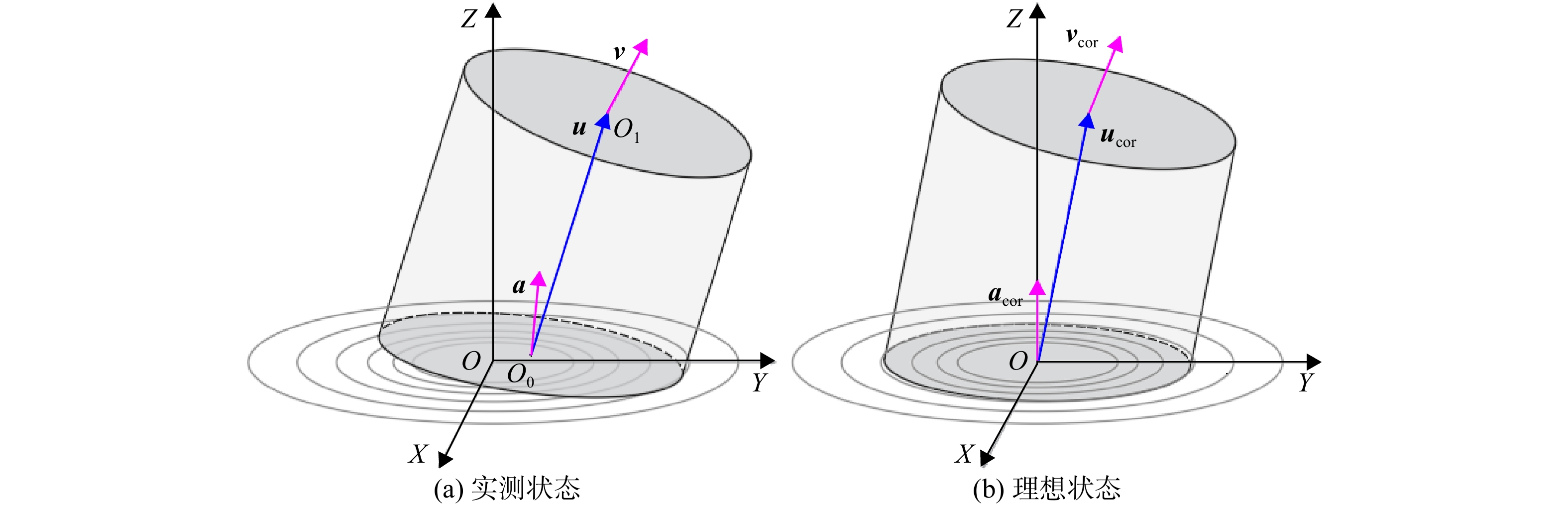
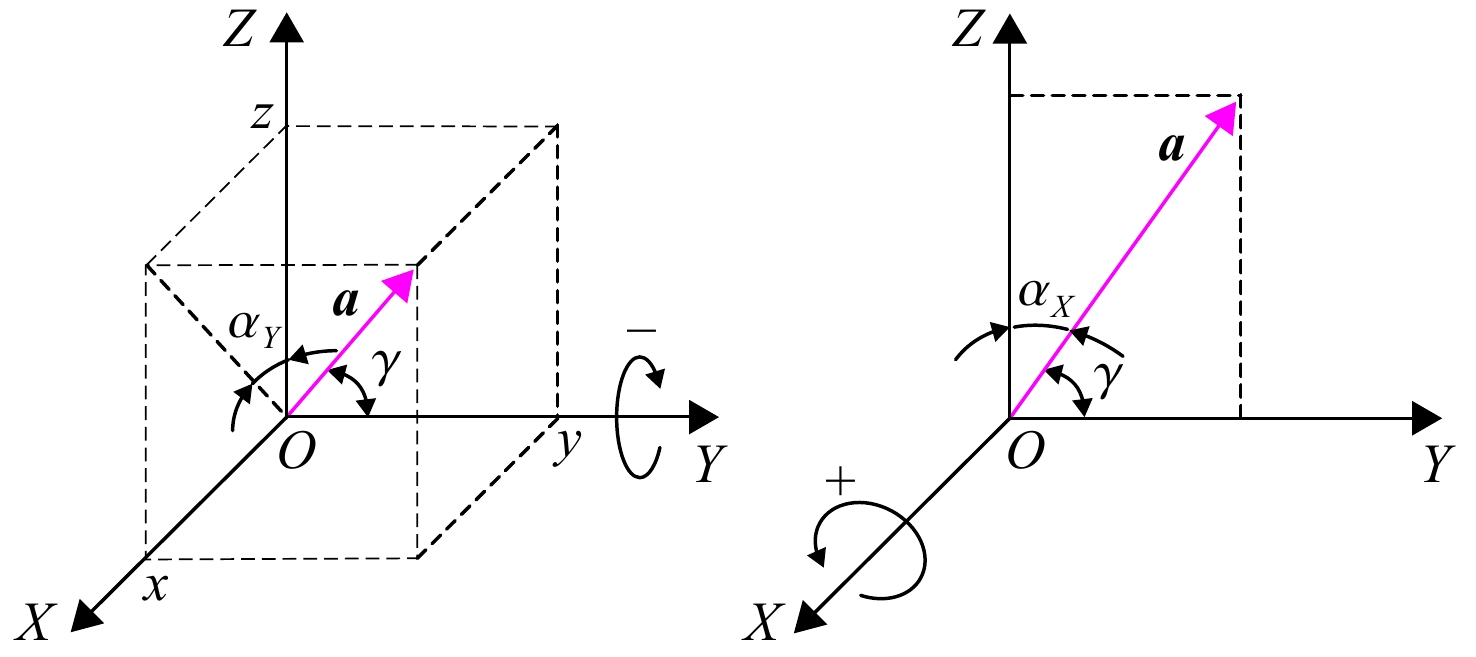
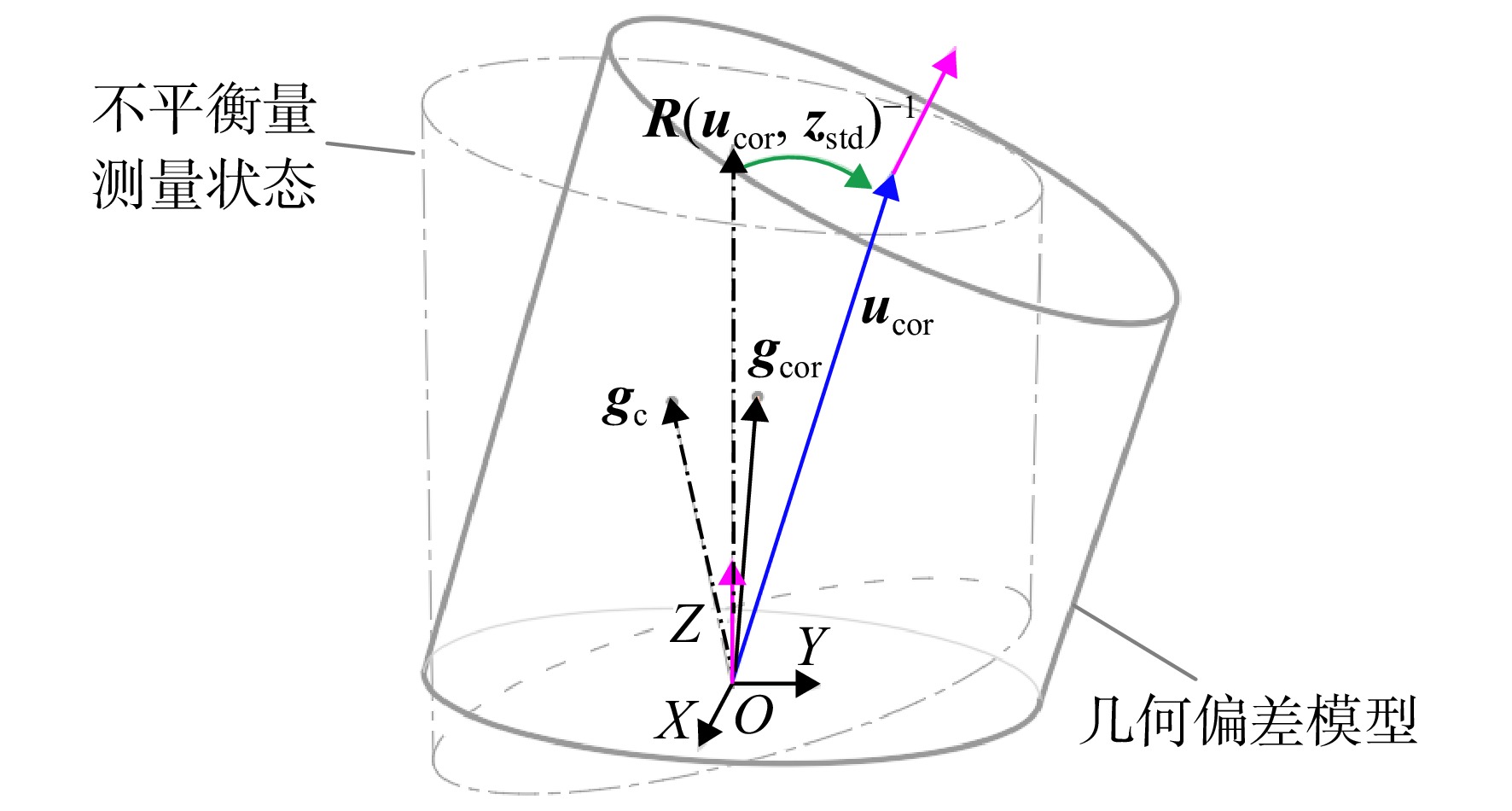
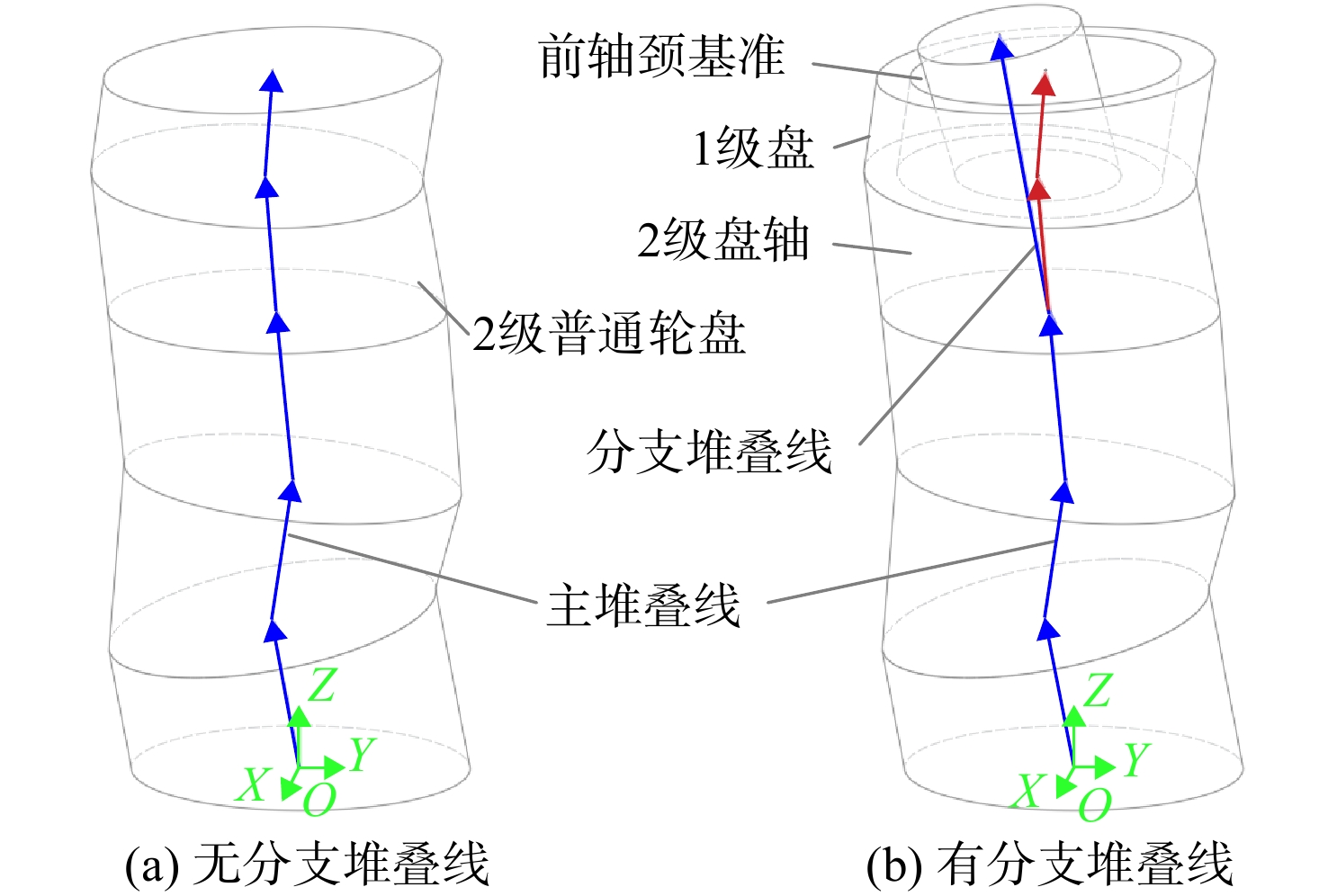
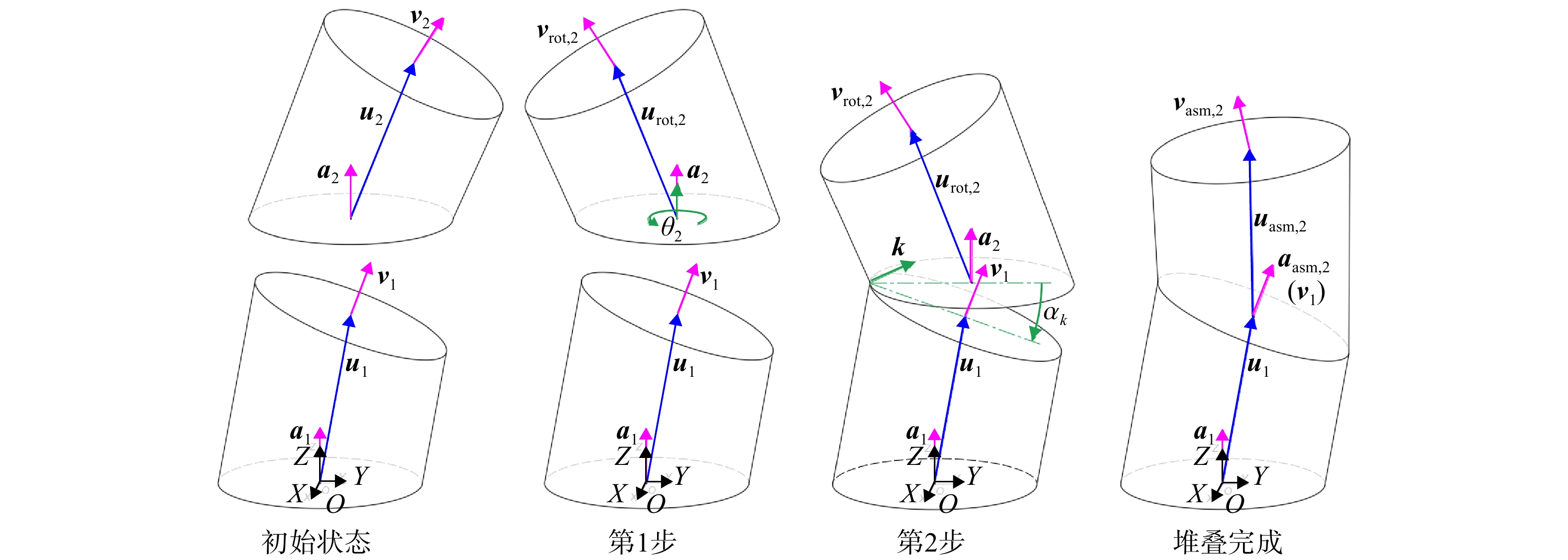
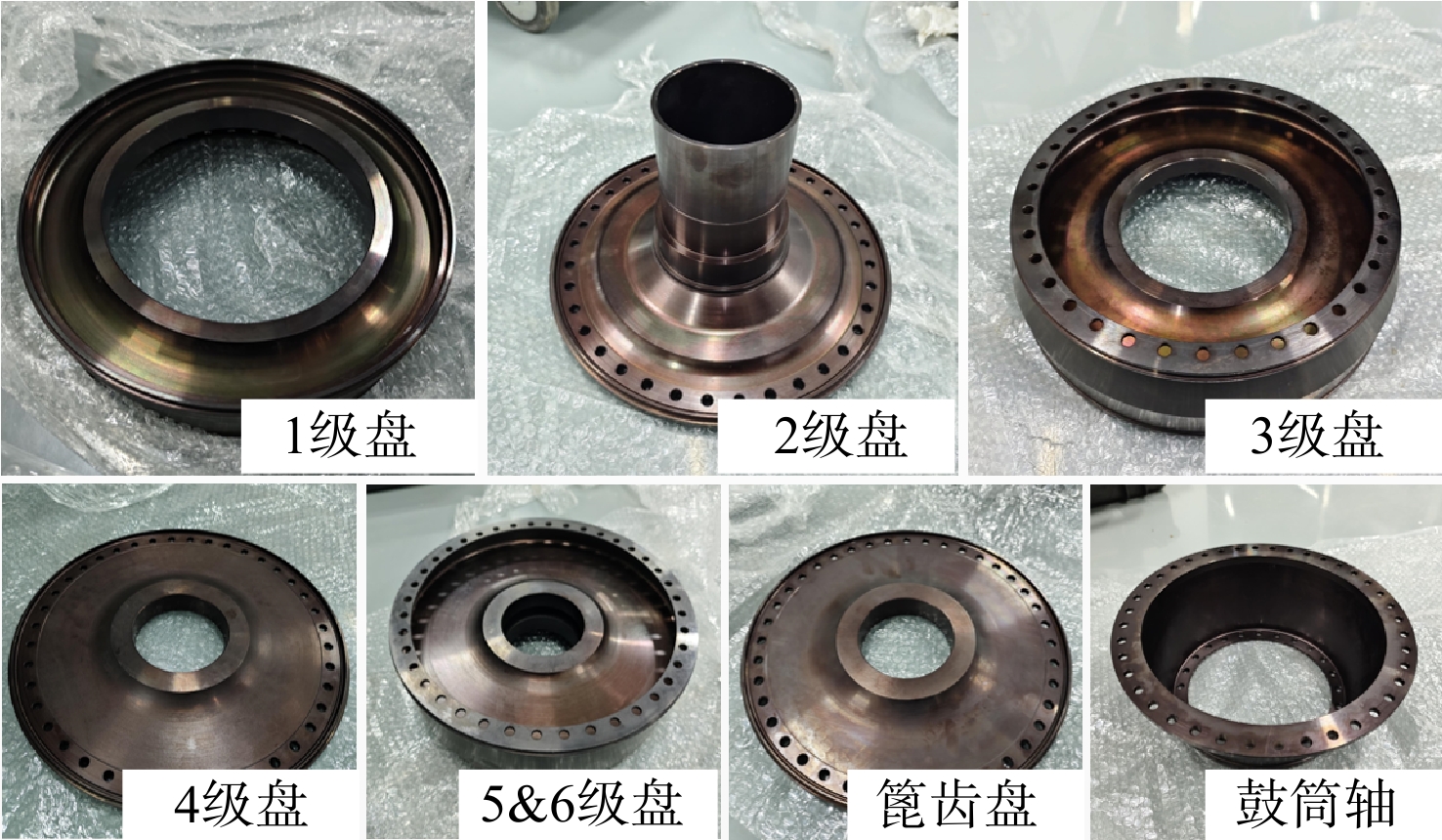
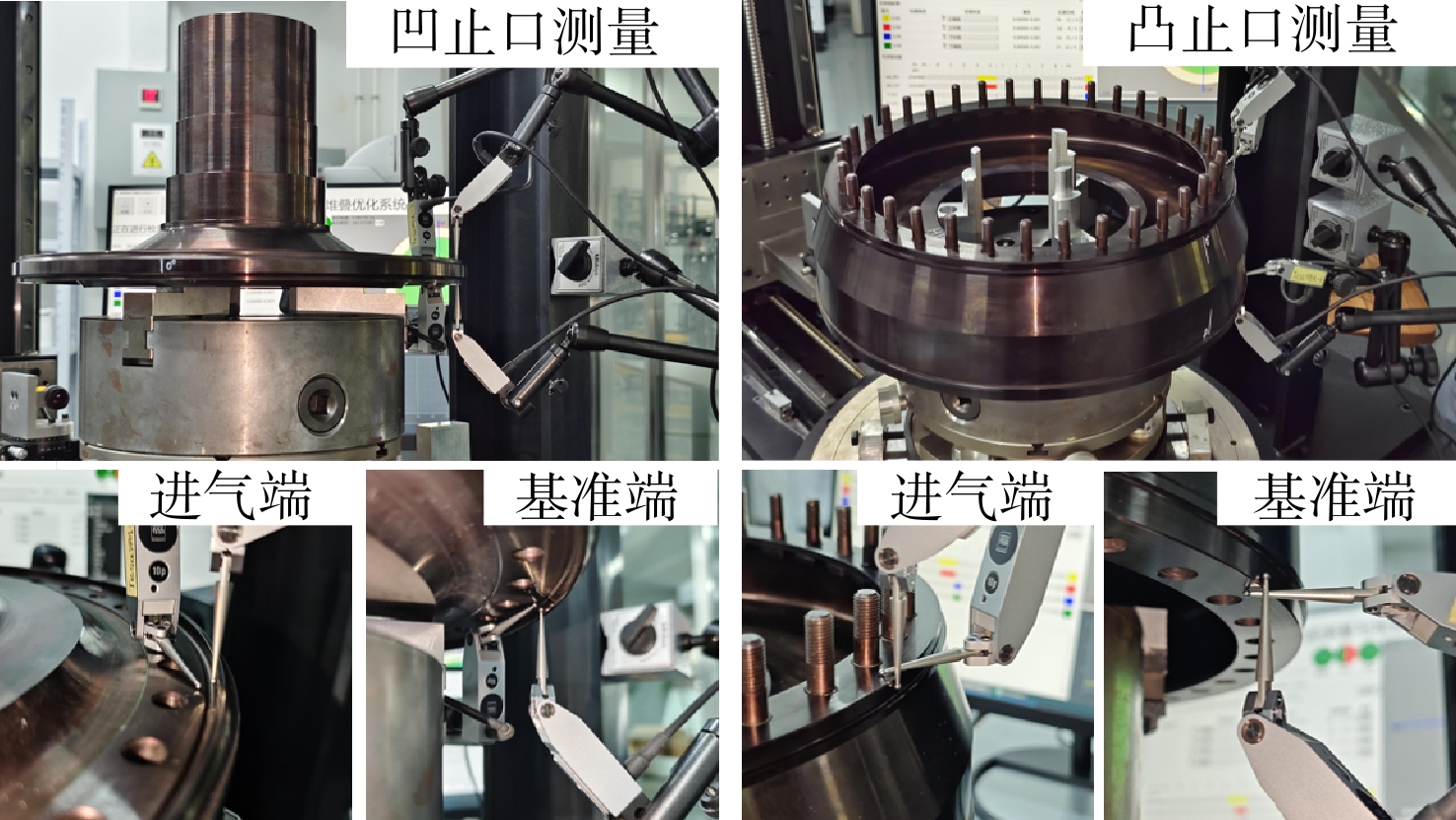
Focusing on the aero-engine rotor assembly process, a modeling method for the coaxiality deviation and initial unbalance of aero-engine rotor assembly considering the separation of center of figure and center of mass was proposed using spatial vector transformation and geometric tolerance theory. By combining geometric deviation measurement and unbalance measurement, this method modeled the parts based on the benchmark error correction. The assembly phase of each level of disc was taken as the process variable, and an error transfer model based on the Rodrigues formula was established. The experimental results showed that the consistency of rotor feature measurement after benchmark error correction was better than 2 μm, the average prediction error of the deviation transfer model was about 8%, and the optimization effect of initial unbalance was better than 25%. These results could effectively improve the assembly accuracy and efficiency of aero-engine rotor, providing a theoretical support for the optimization of aircraft rotor assembly process.

Rocket Engine
Ground direct-connection experiment of low-thrust magnesium powder water ramjet
CHEN Hong, FANG Xiaobo, LIU Conglin, LIU Changmeng, LI Xianhui, SHAN Yongzhi
2026, 41(1): 20250004. doi: 10.13224/j.cnki.jasp.20250004
Abstract:

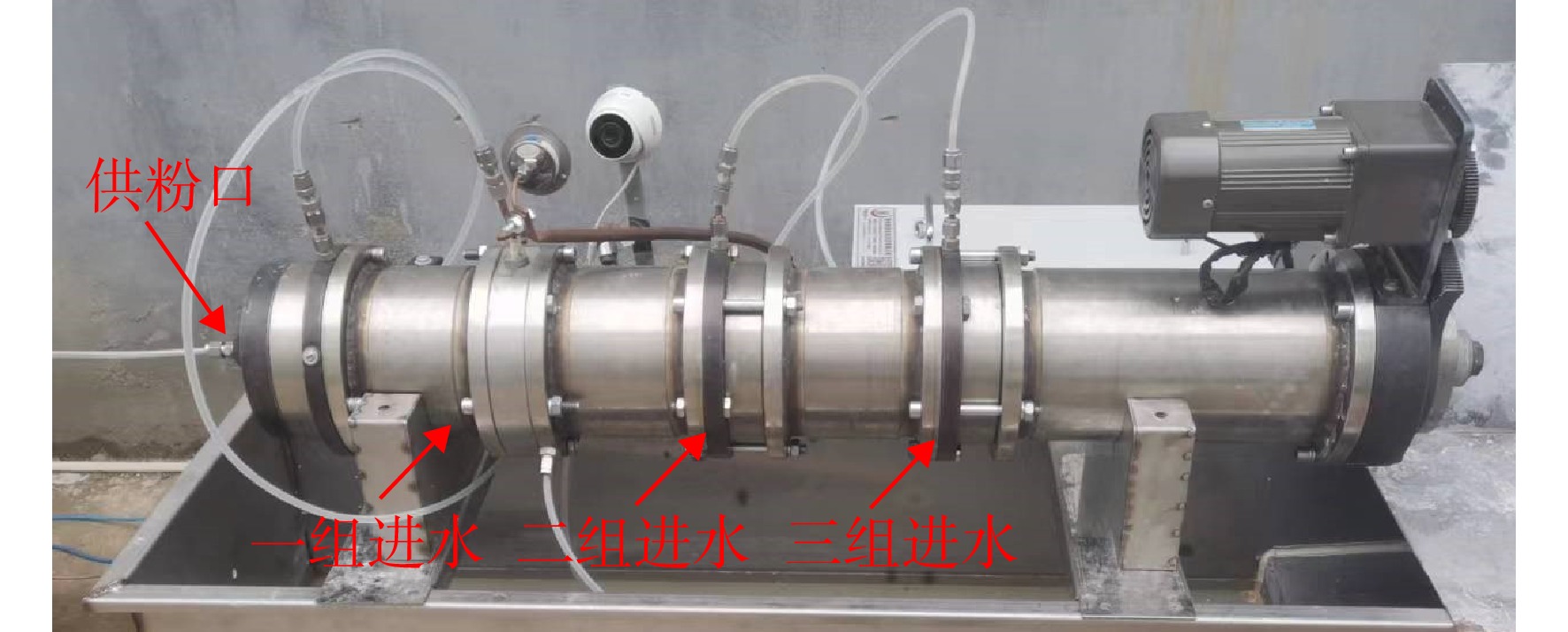
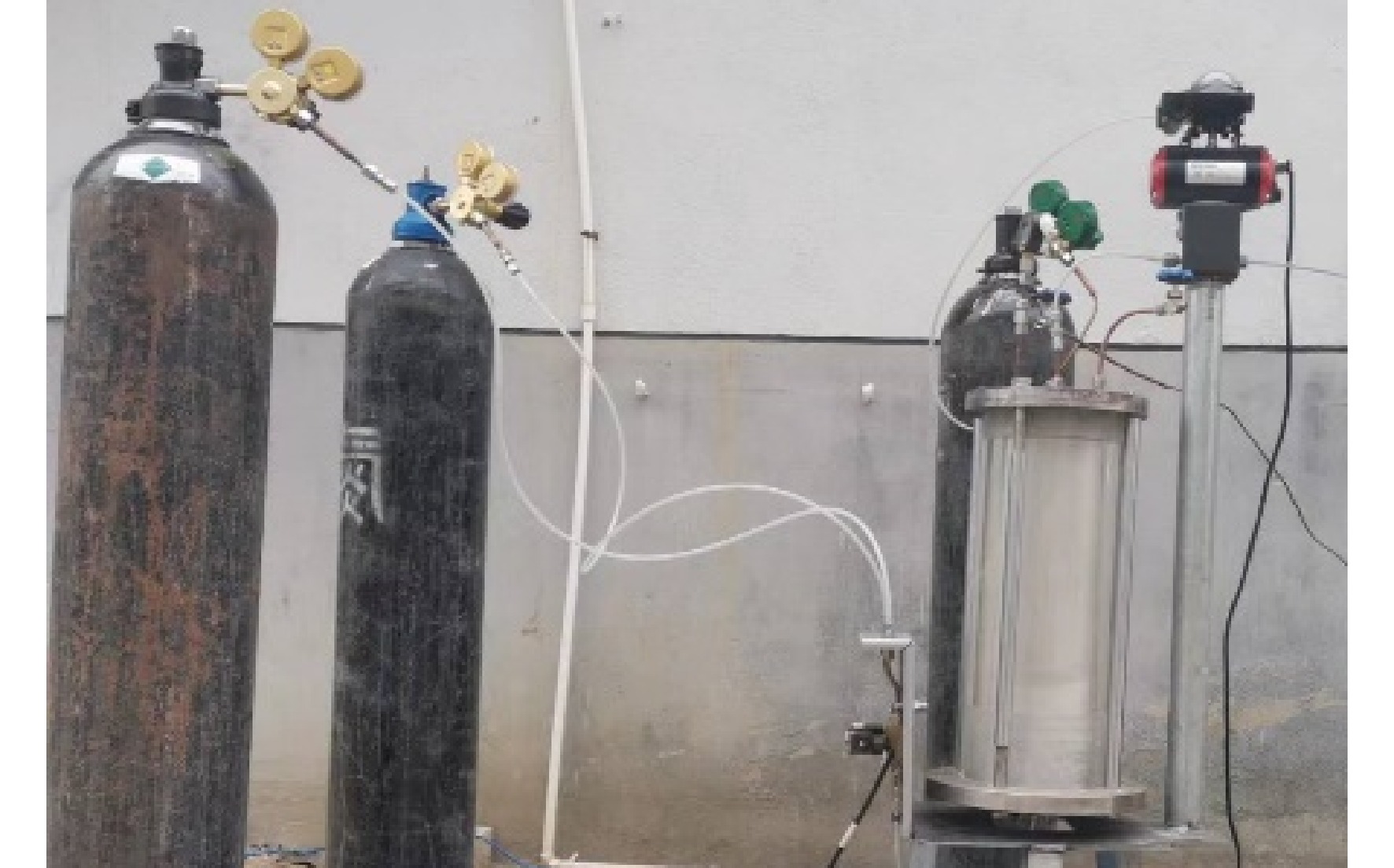
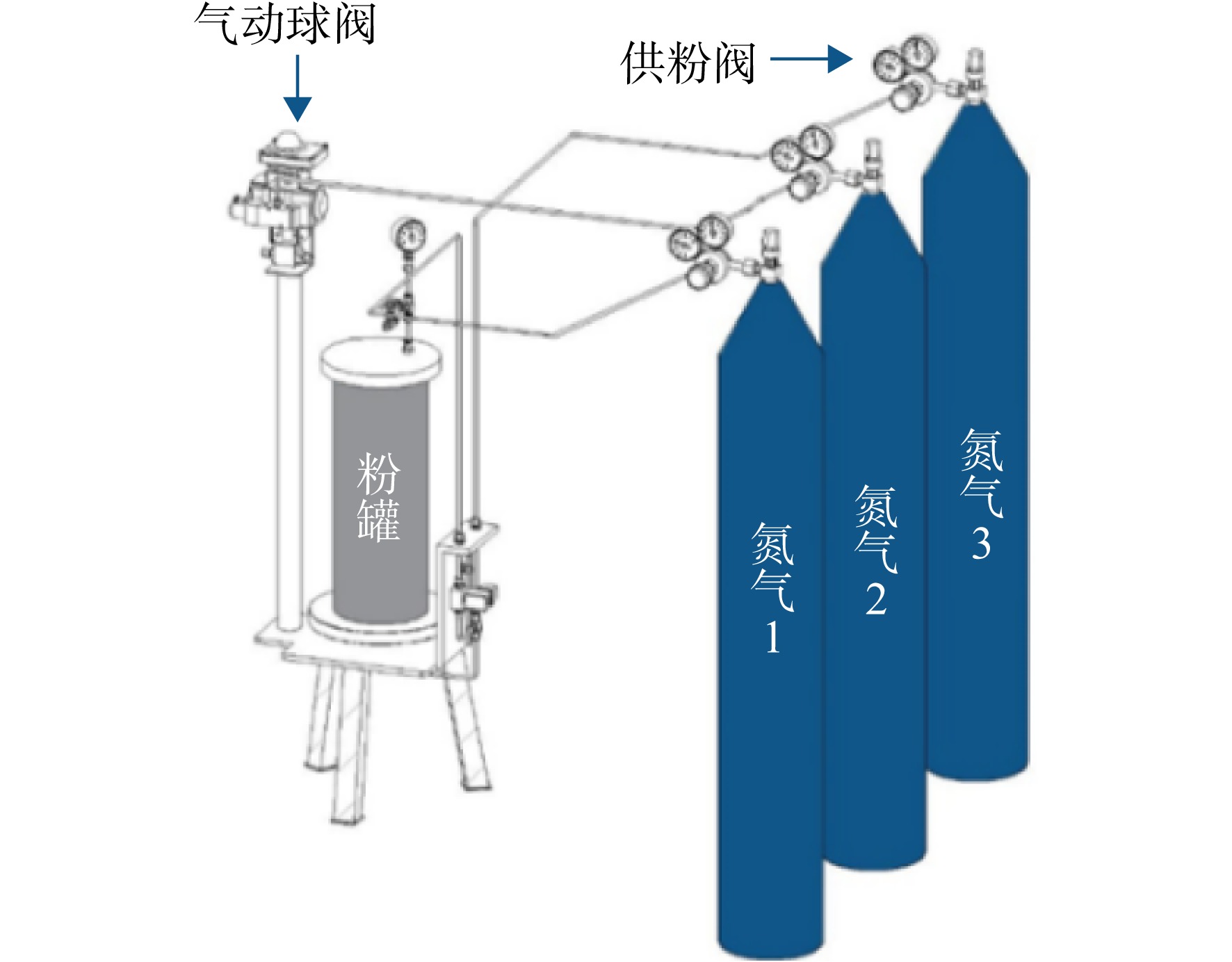
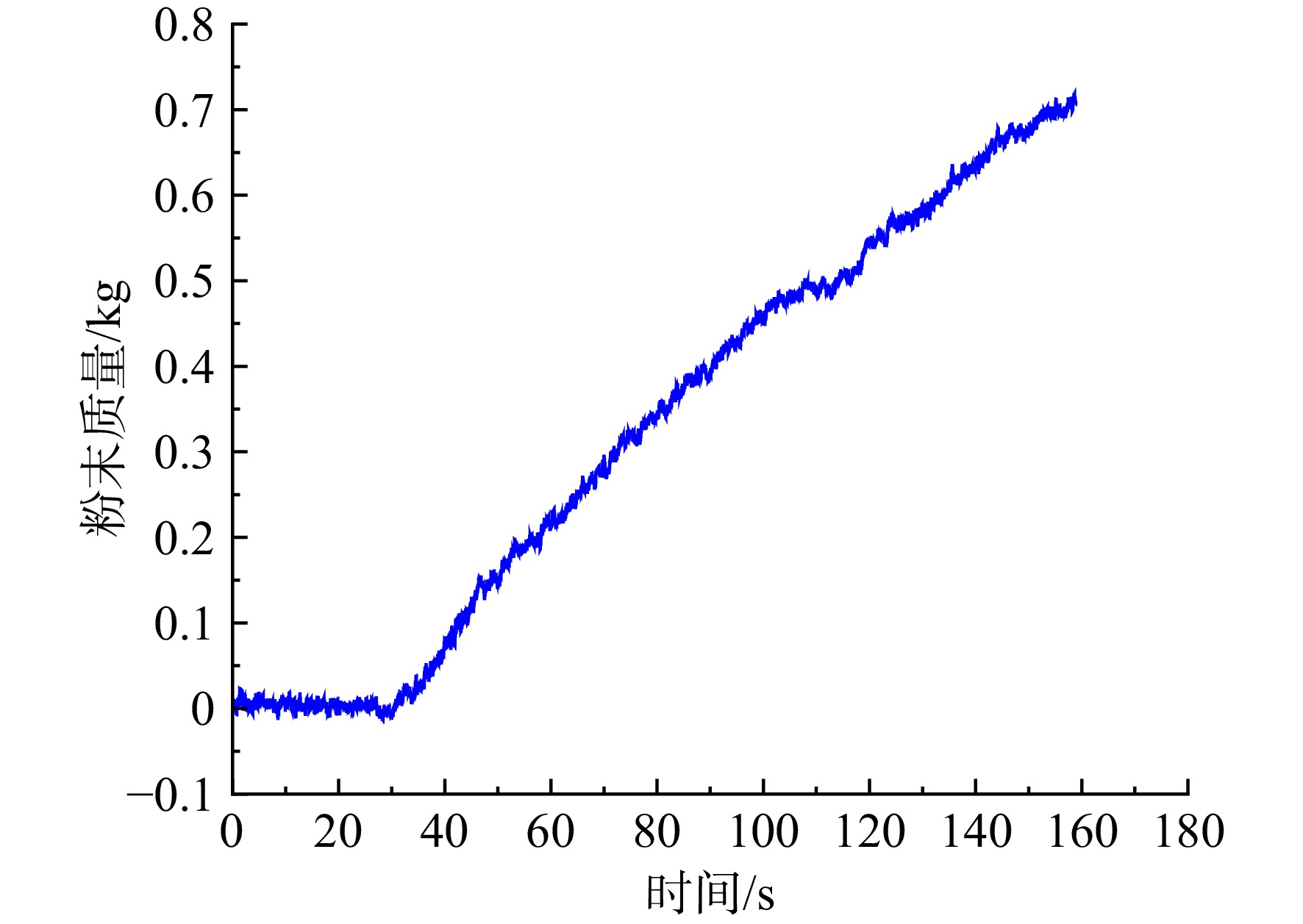
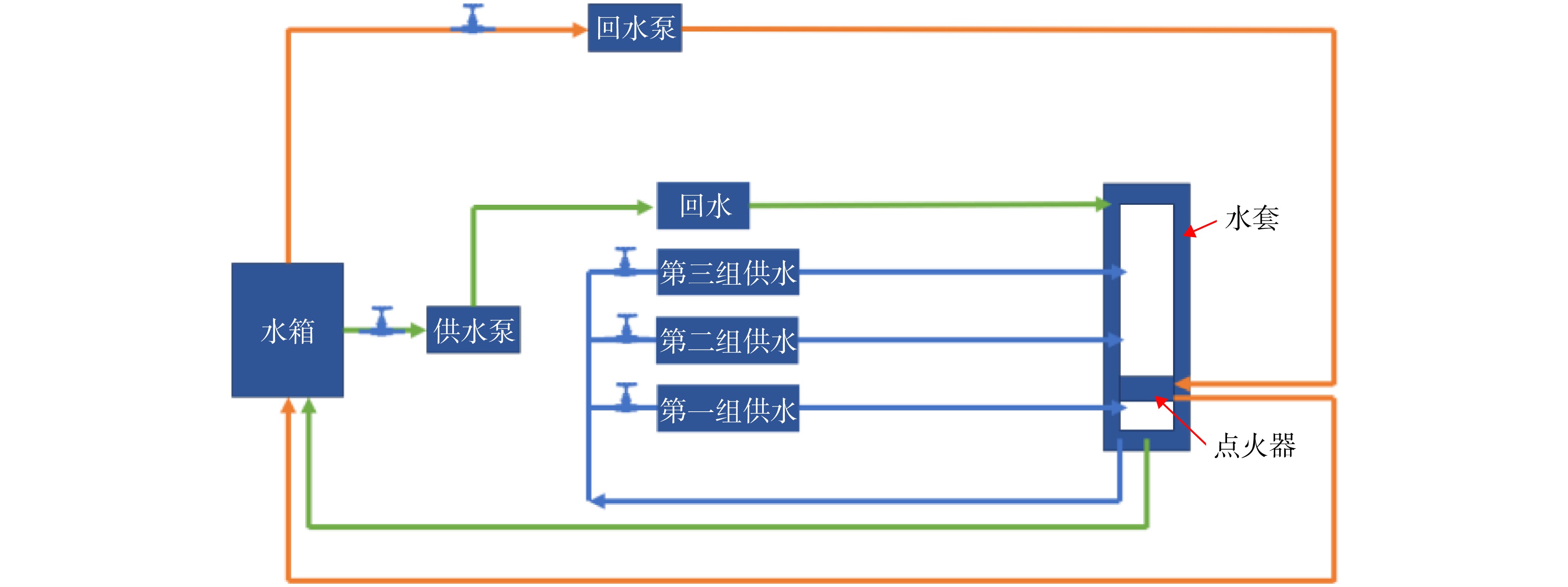
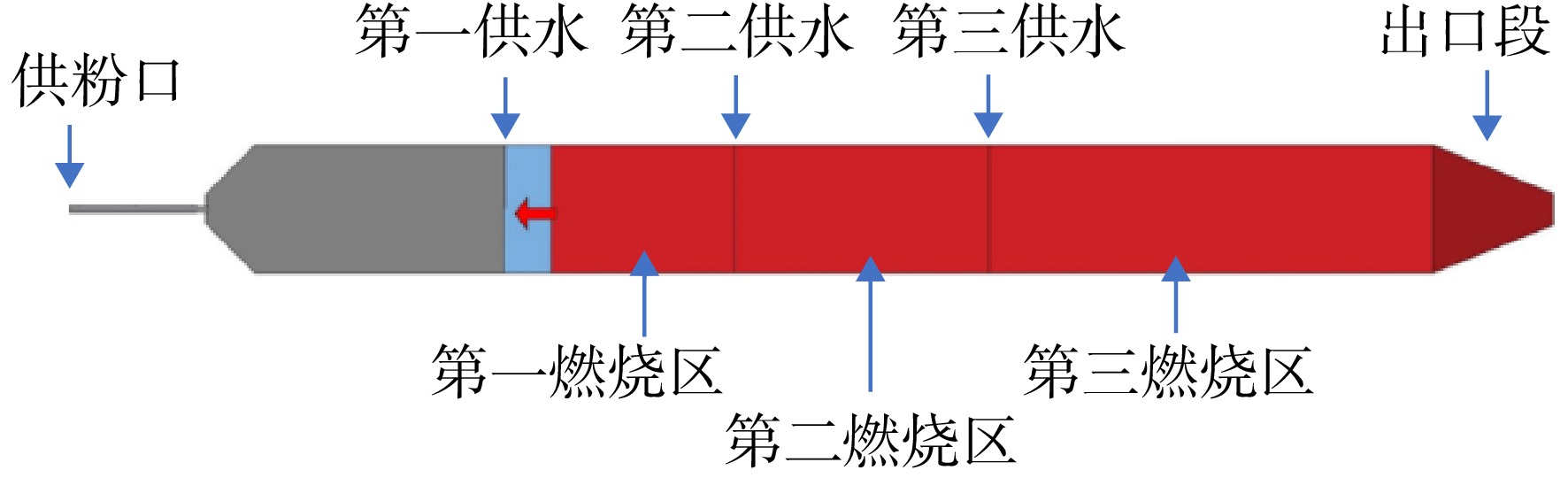
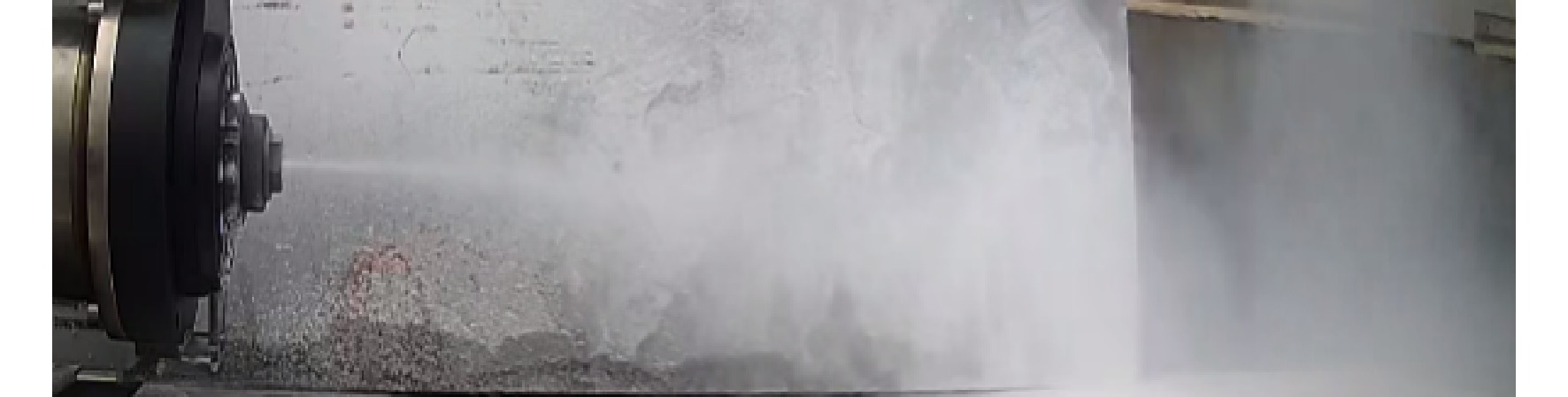
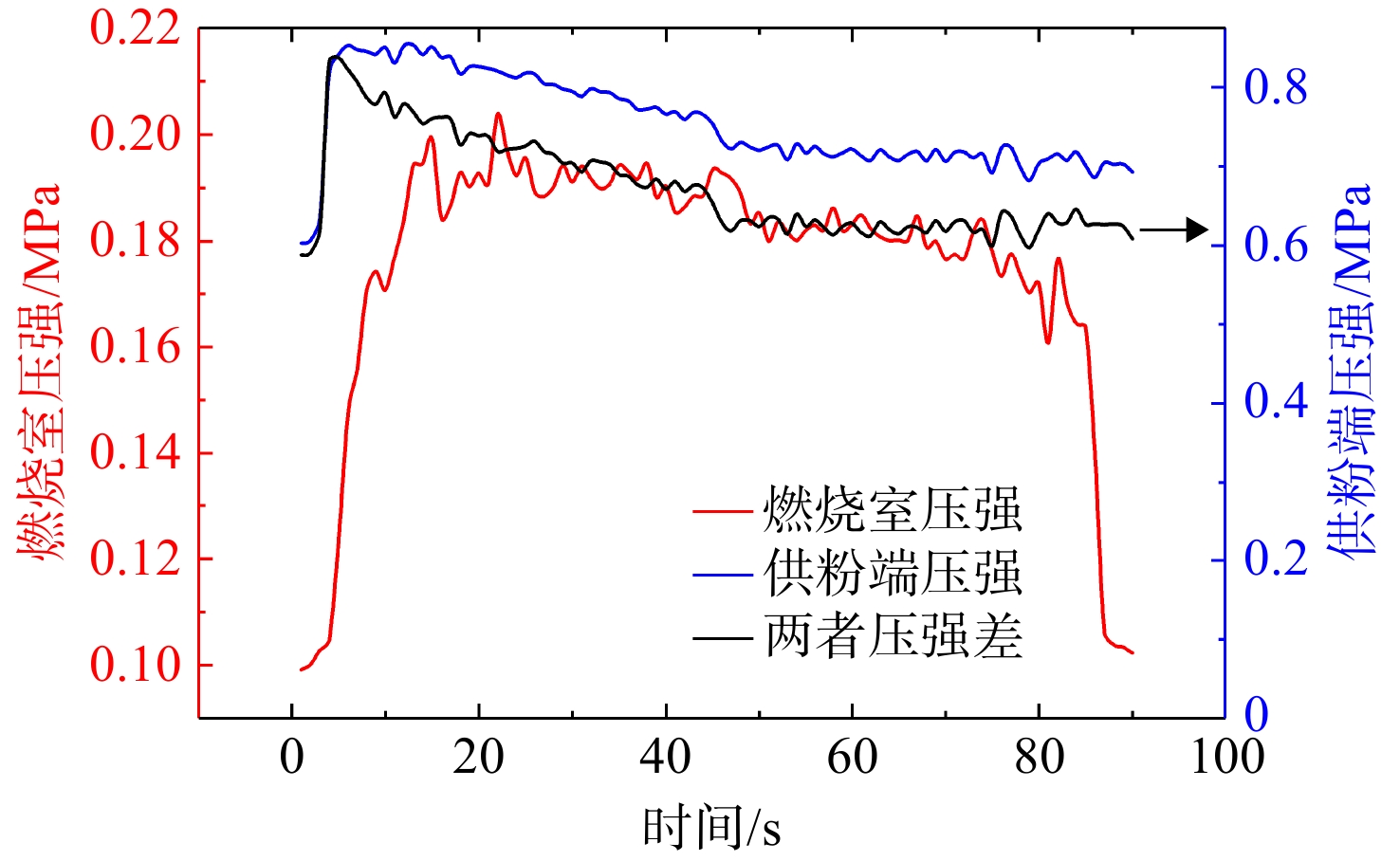
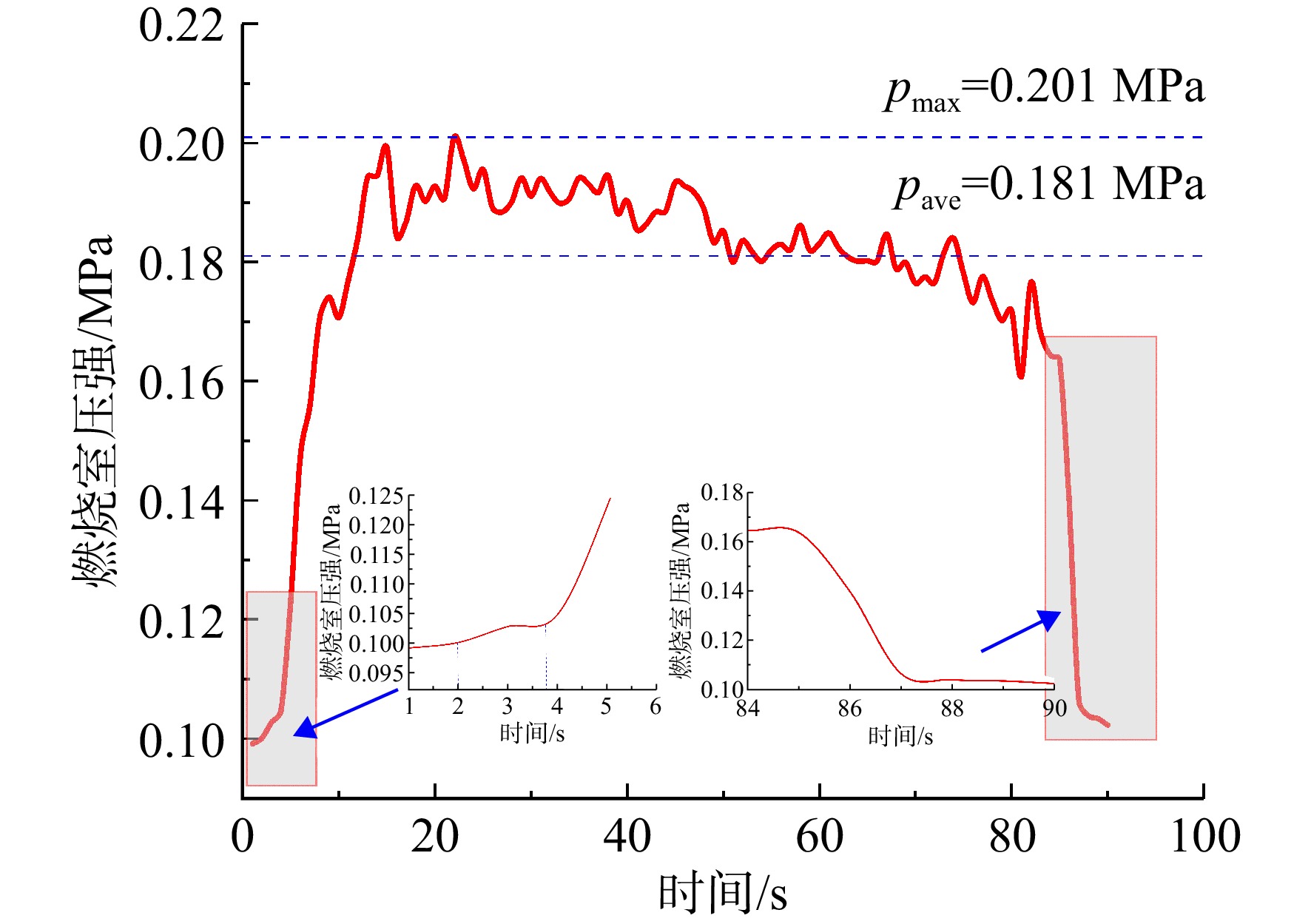
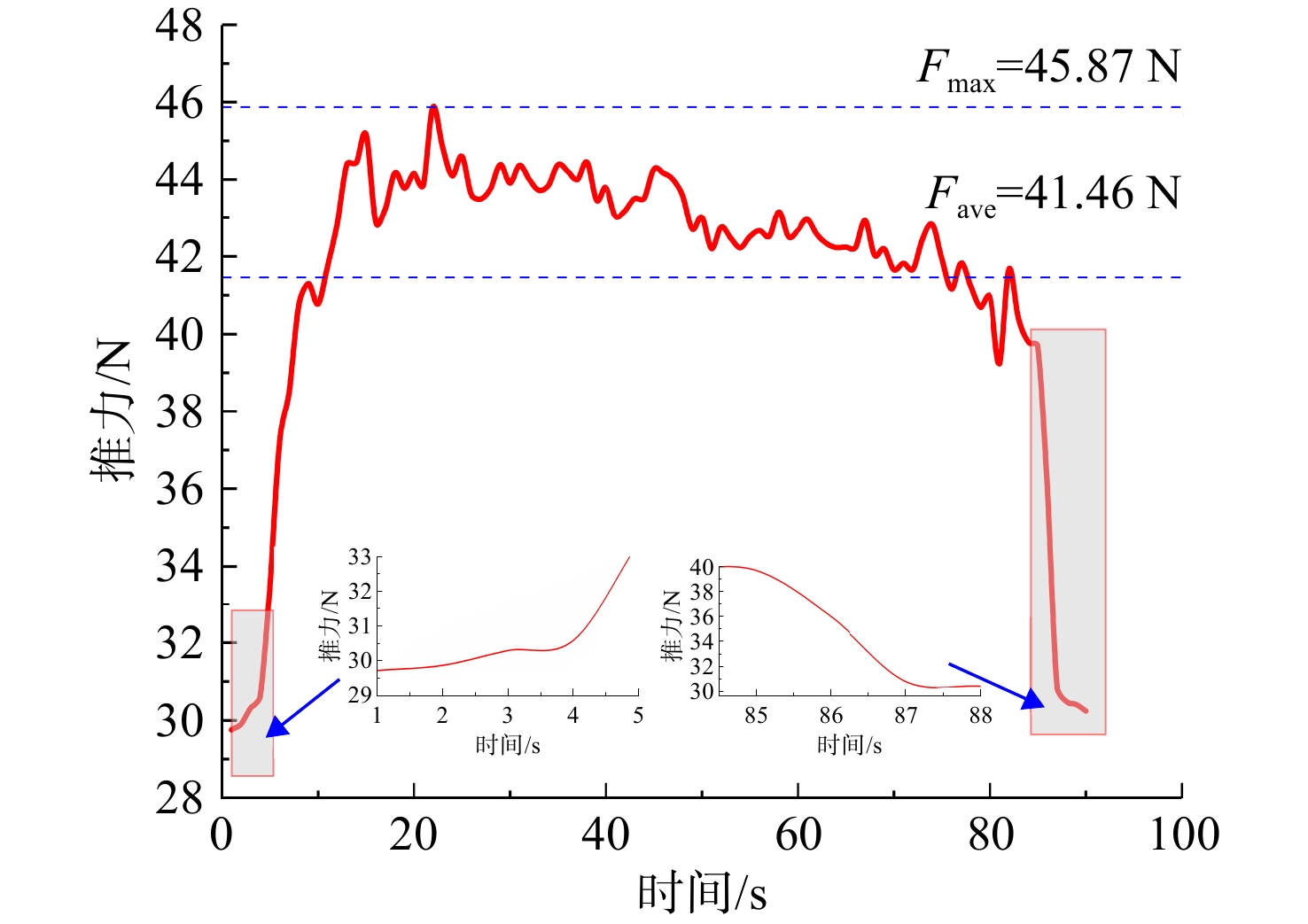
A ground-connected experiment of a water ramjet engine using magnesium powder as fuel was successfully conducted. By using a continuous adjustment method integrating a variable exit area with a variable-pressure magnesium powder supply, the issue of flameback caused by pressure imbalances between the combustion chamber and the fuel supply system was effectively resolved. This method enabled stable combustion within the metal powder-based water ramjet engine. The engine utilized a dual-stage water injection system arranged in three groups, achieving a total water-to-fuel ratio of 2.5. The combustion chamber maintained an average pressure of 0.181 MPa, producing an average thrust of 41.46 N, with a metal fuel combustion efficiency of 76.98%. The experimental results indicated that an appropriate pressure differential for powder supply is a critical factor for ensuring stable engine operation. Furthermore, the engine’s operating sequence is essential to successful ignition and stable performance. Establishing a suitable thermal environment within the combustion chamber can be identified as the key to achieve continuous and stable combustion in the engine.

Performance comparison between subsonic and supersonic needle gas valves
HUANG Chujiu, WEI Zhijun, LI Zhiyuan, GAO Ziqing, LI Dalin
2026, 41(1): 20240855. doi: 10.13224/j.cnki.jasp.20240855
Abstract:
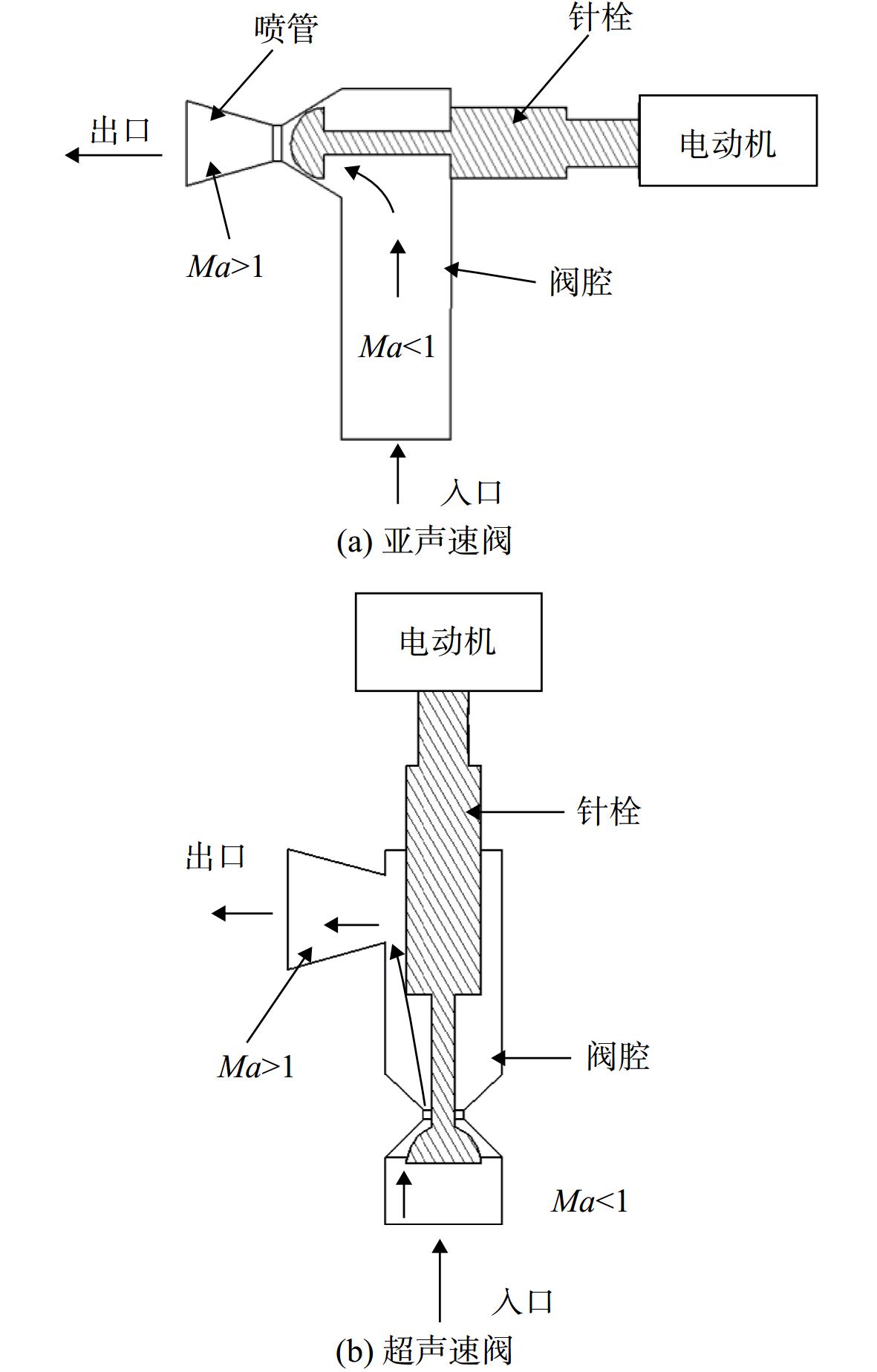
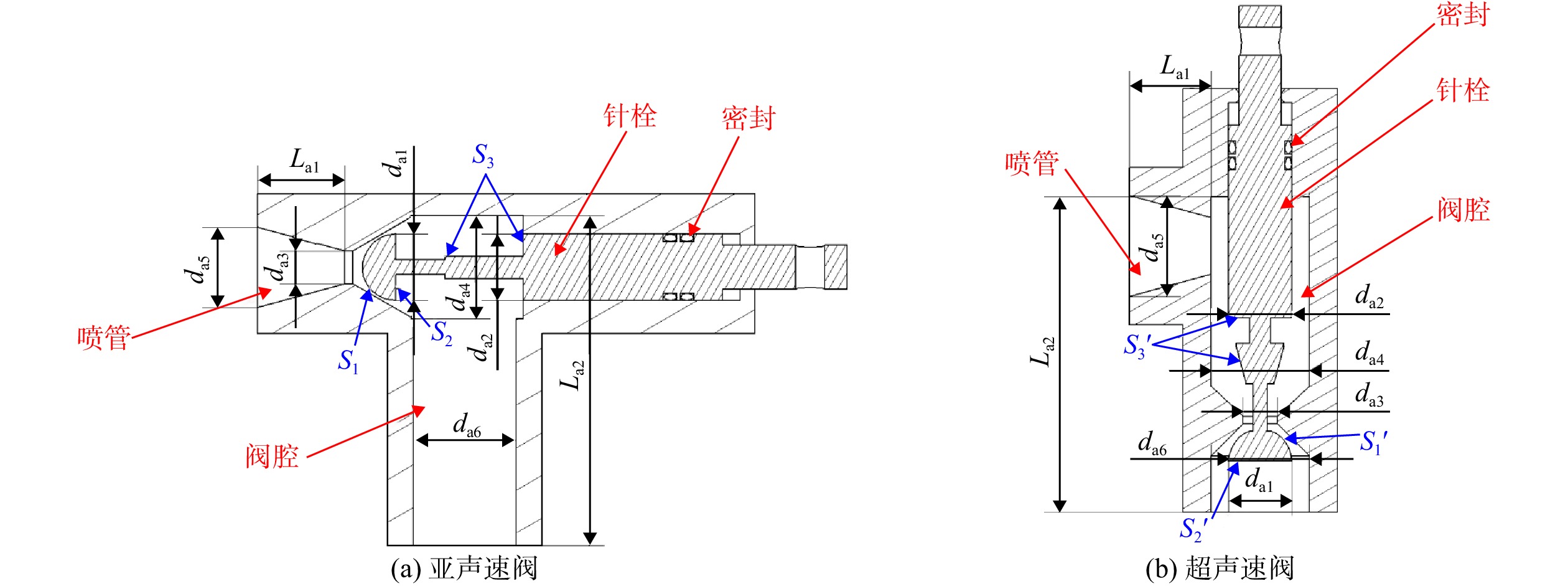
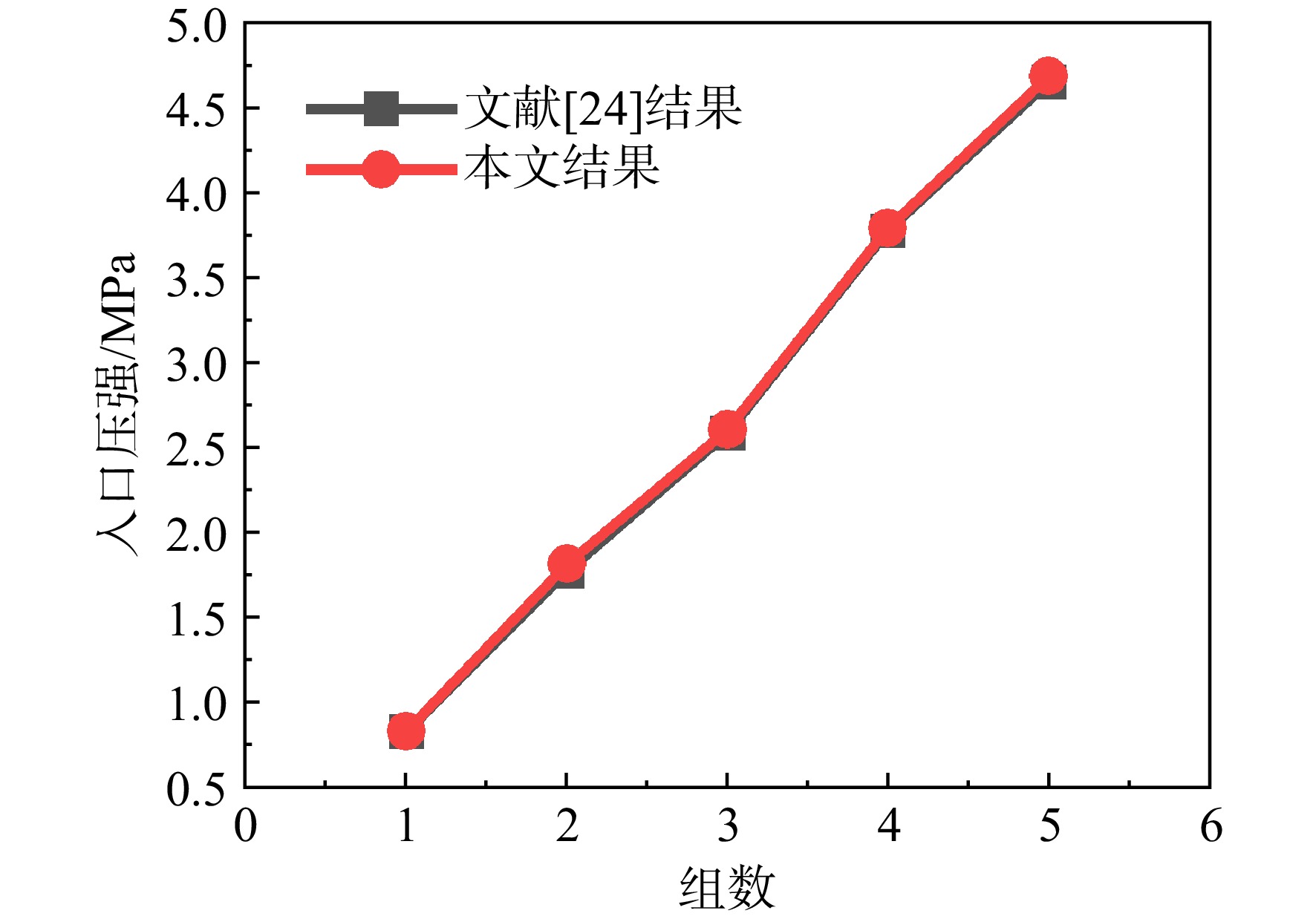
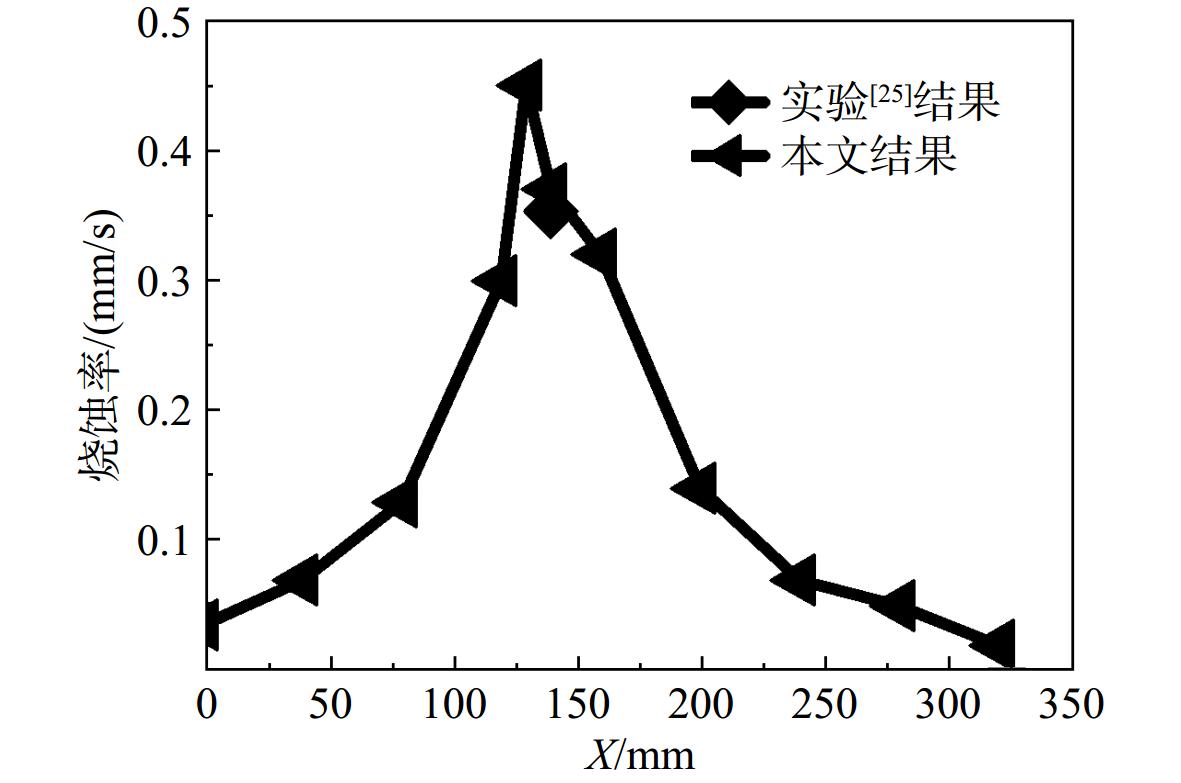
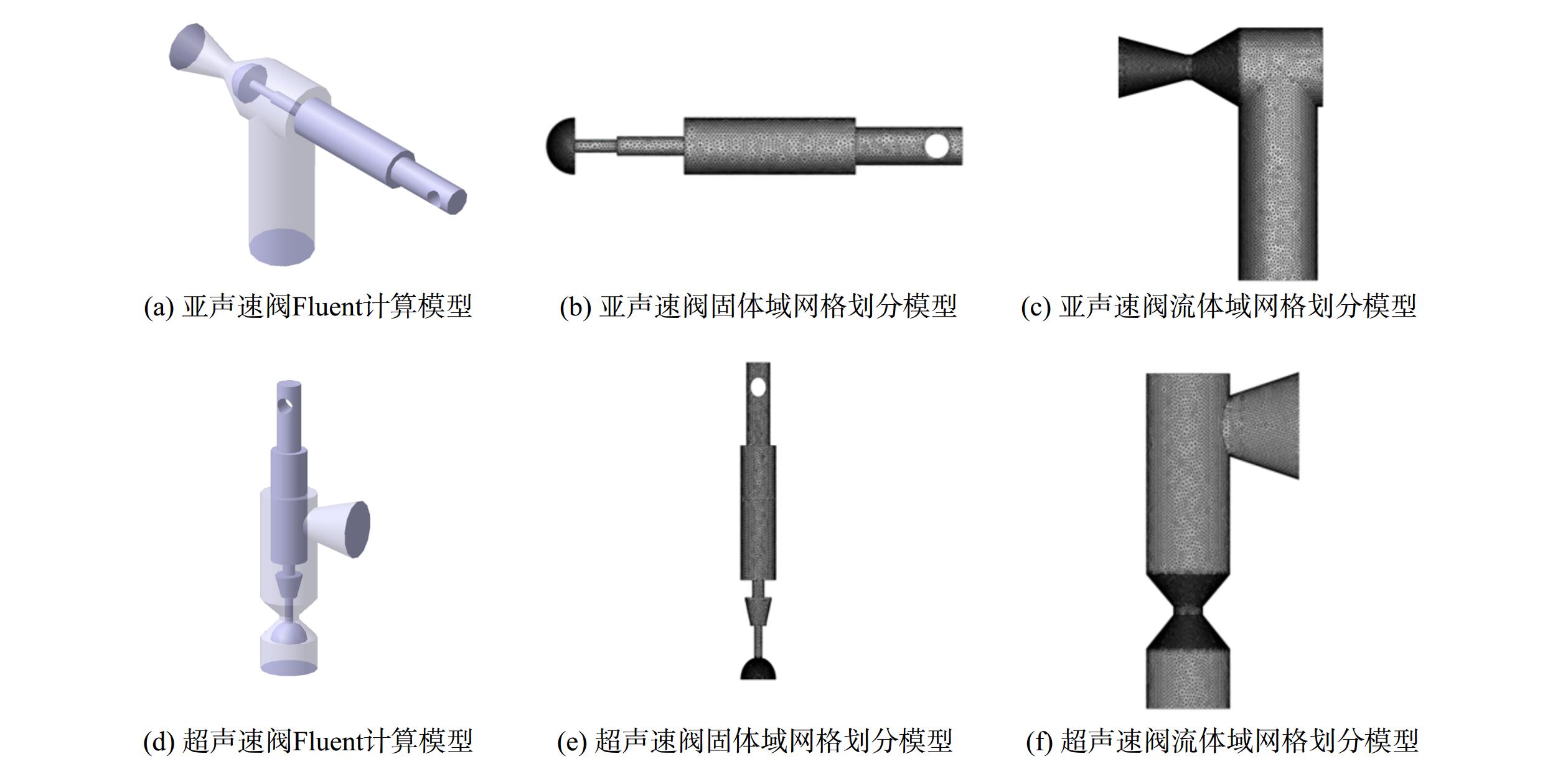
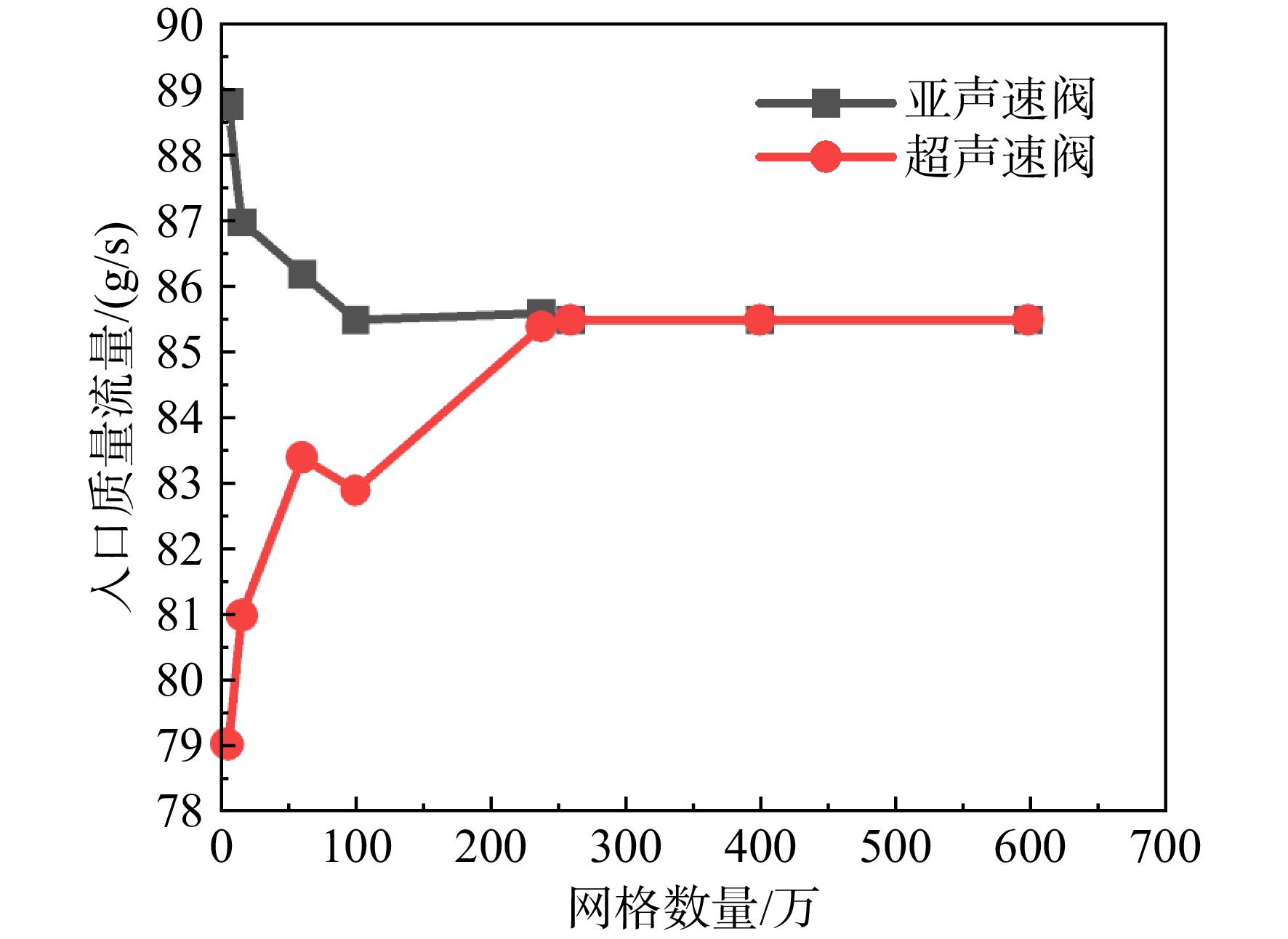
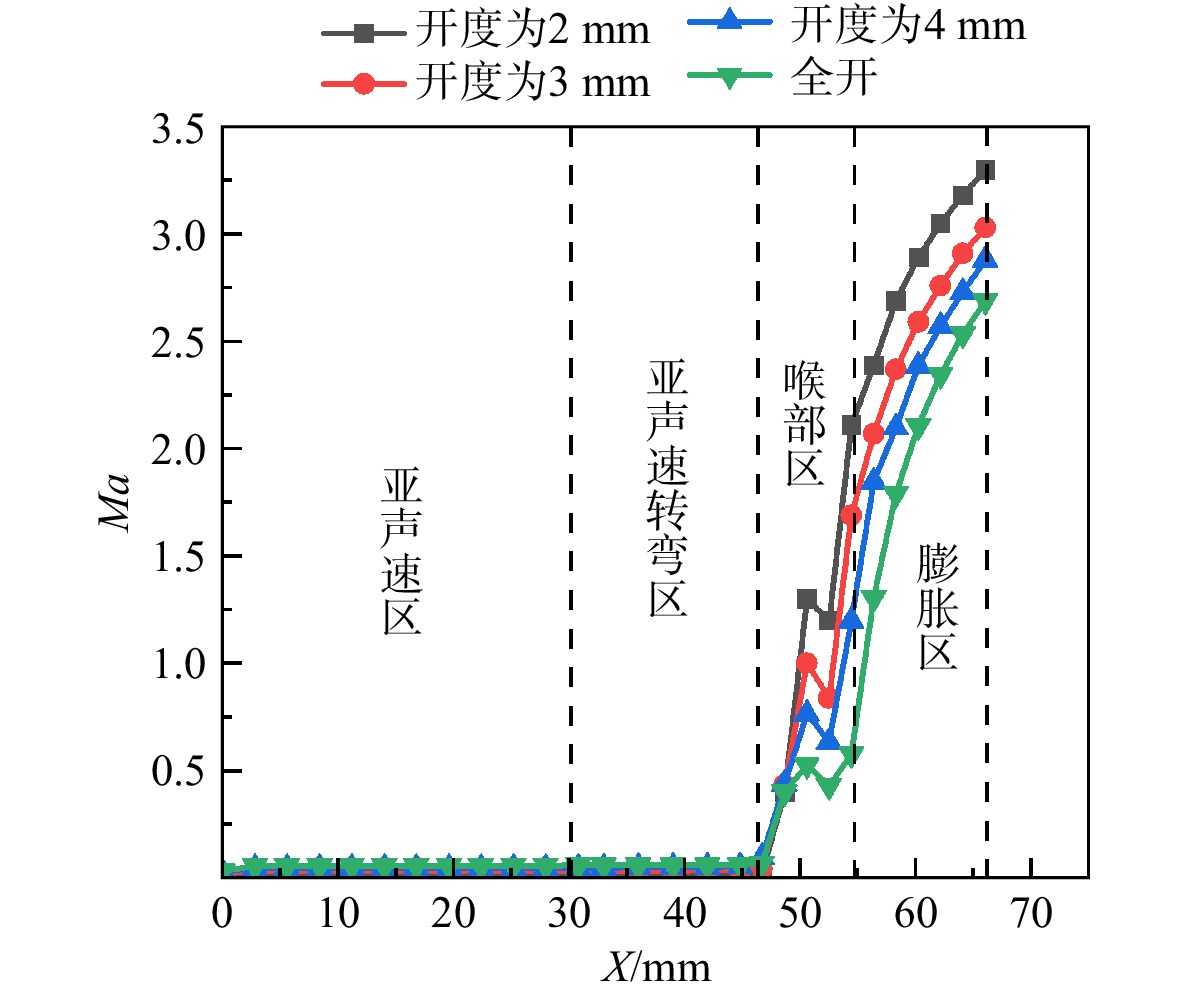
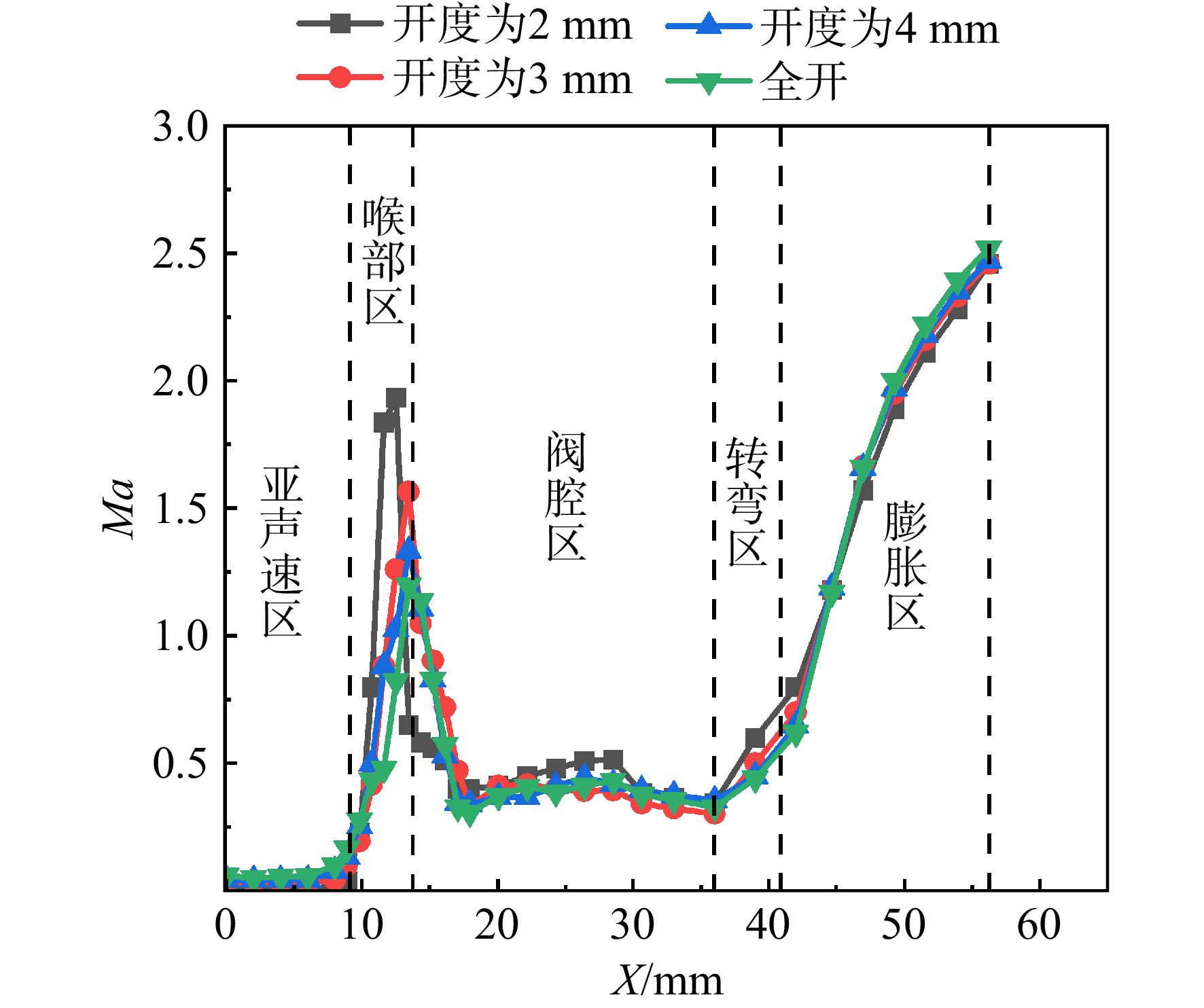
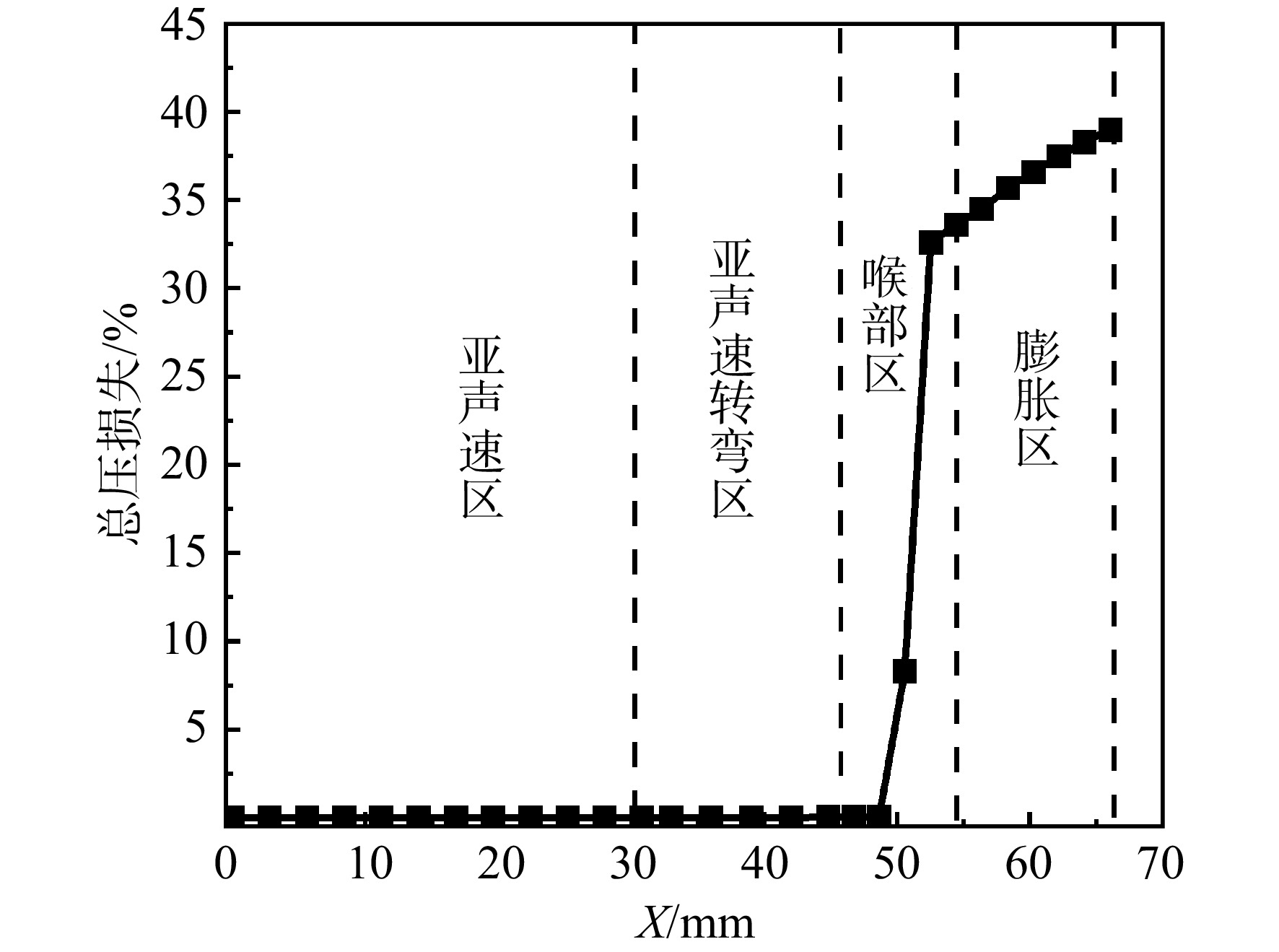
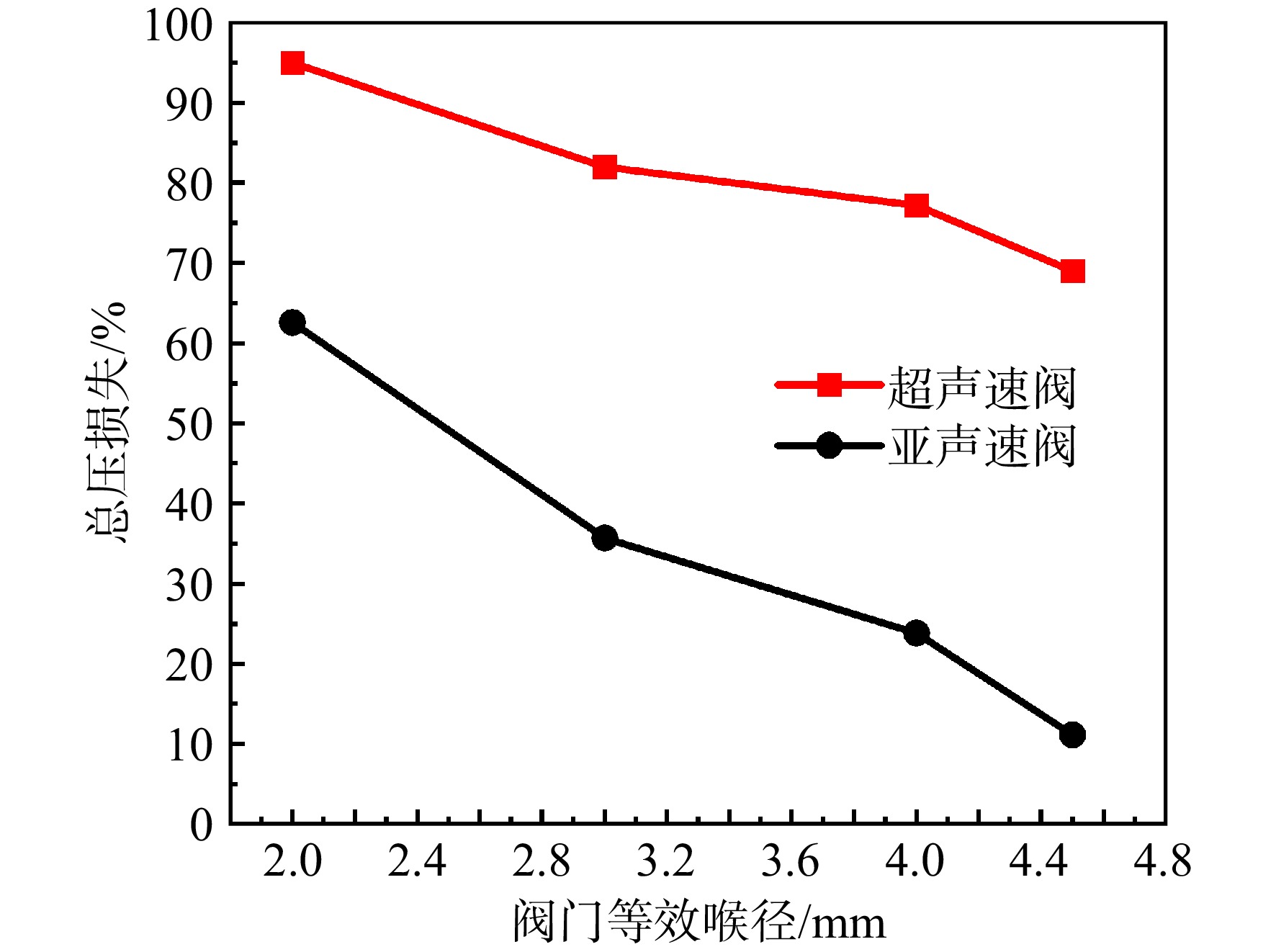
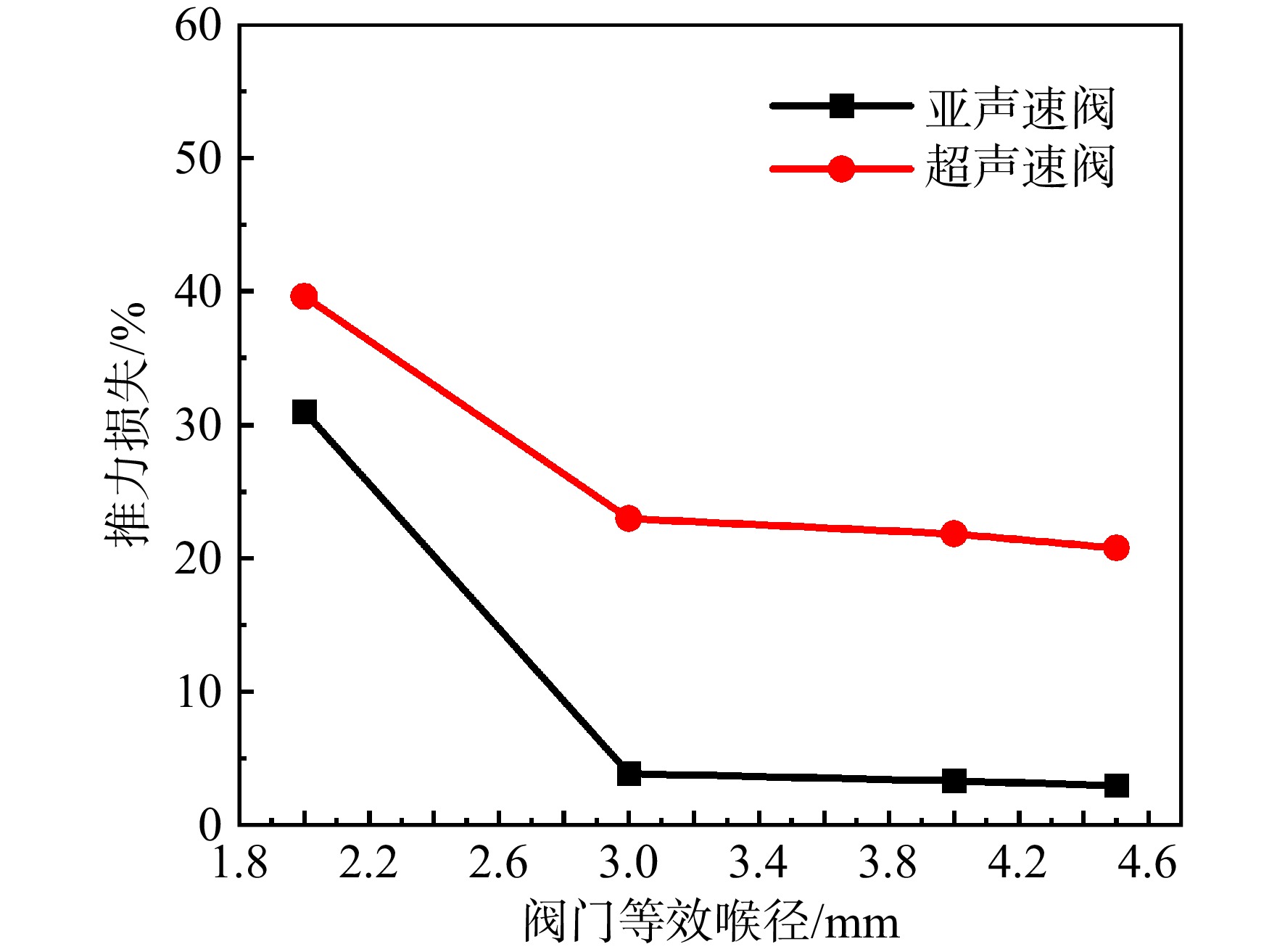
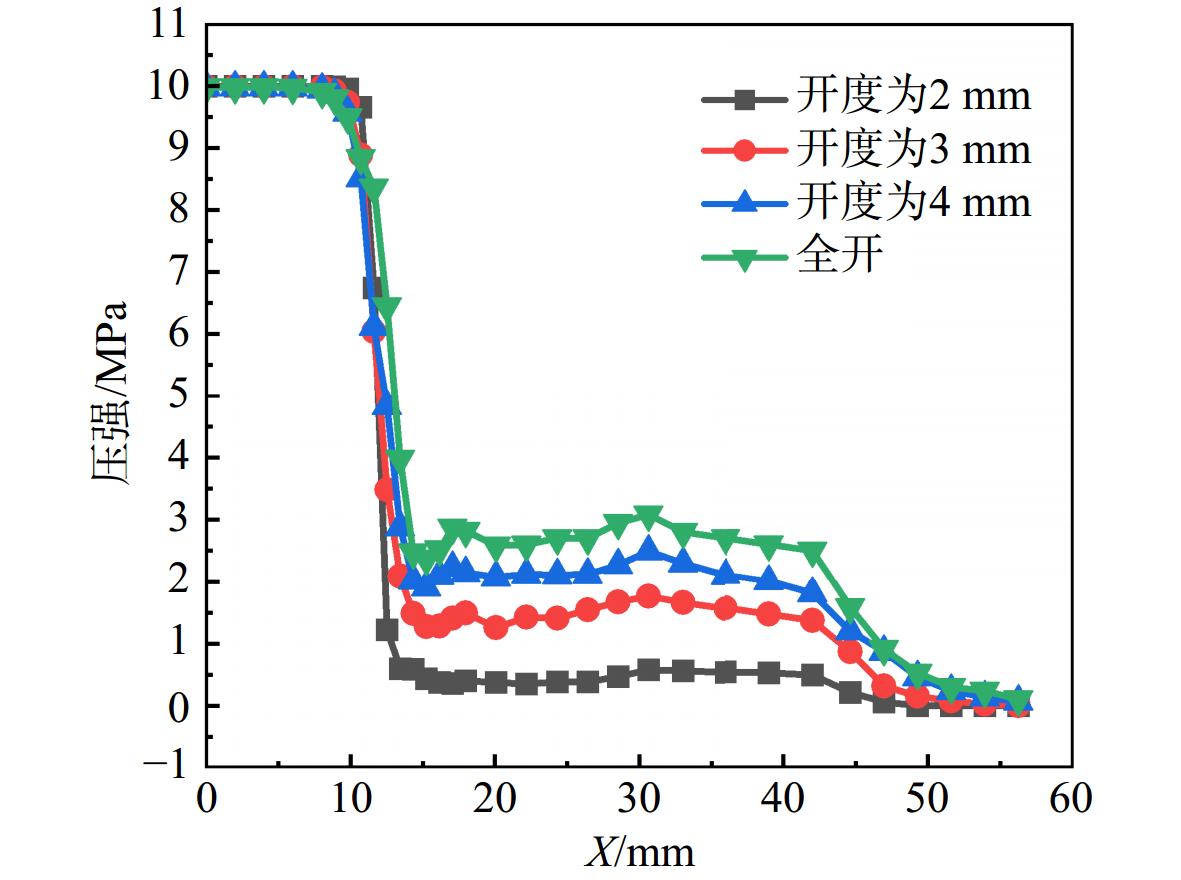
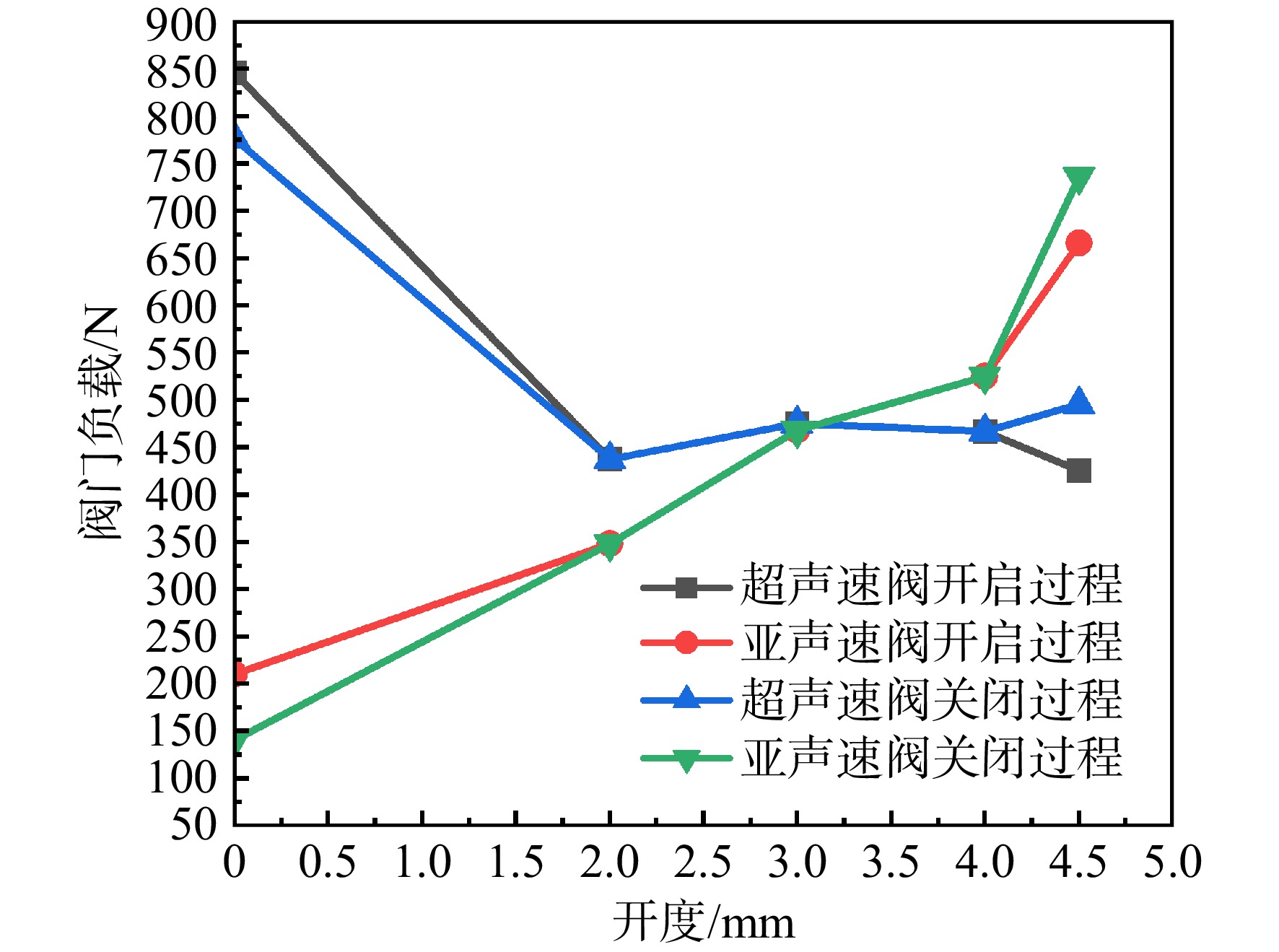
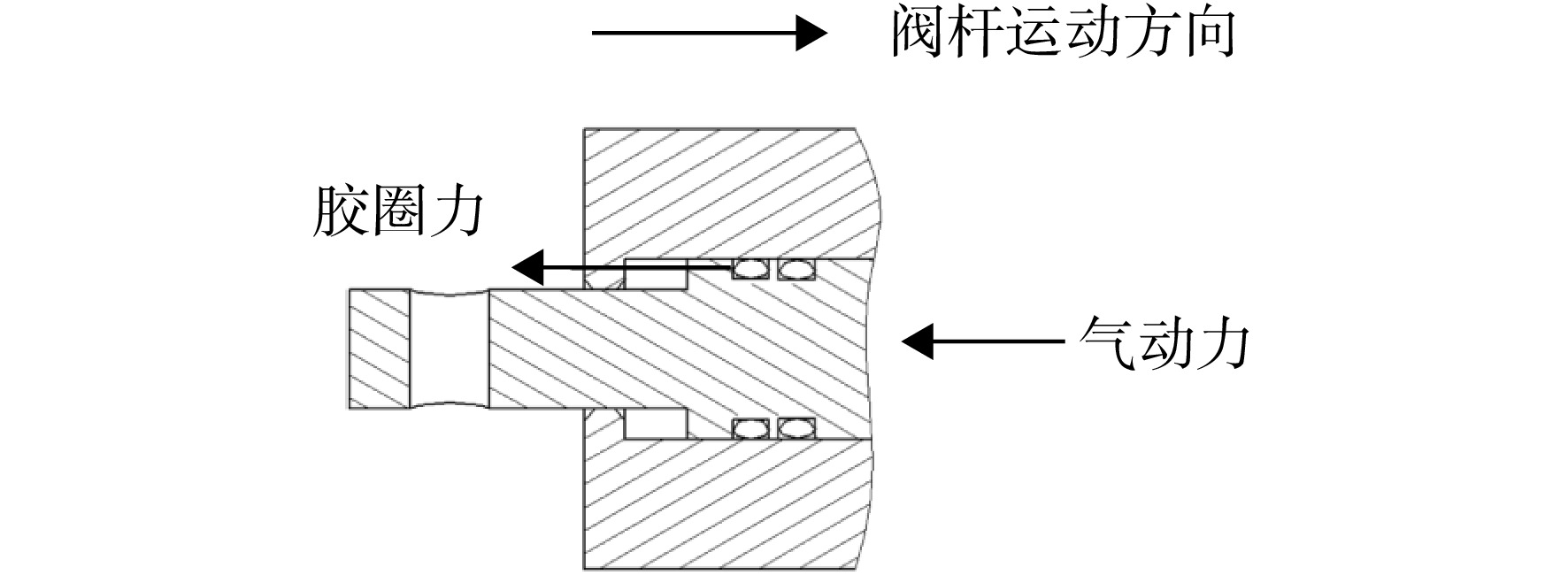
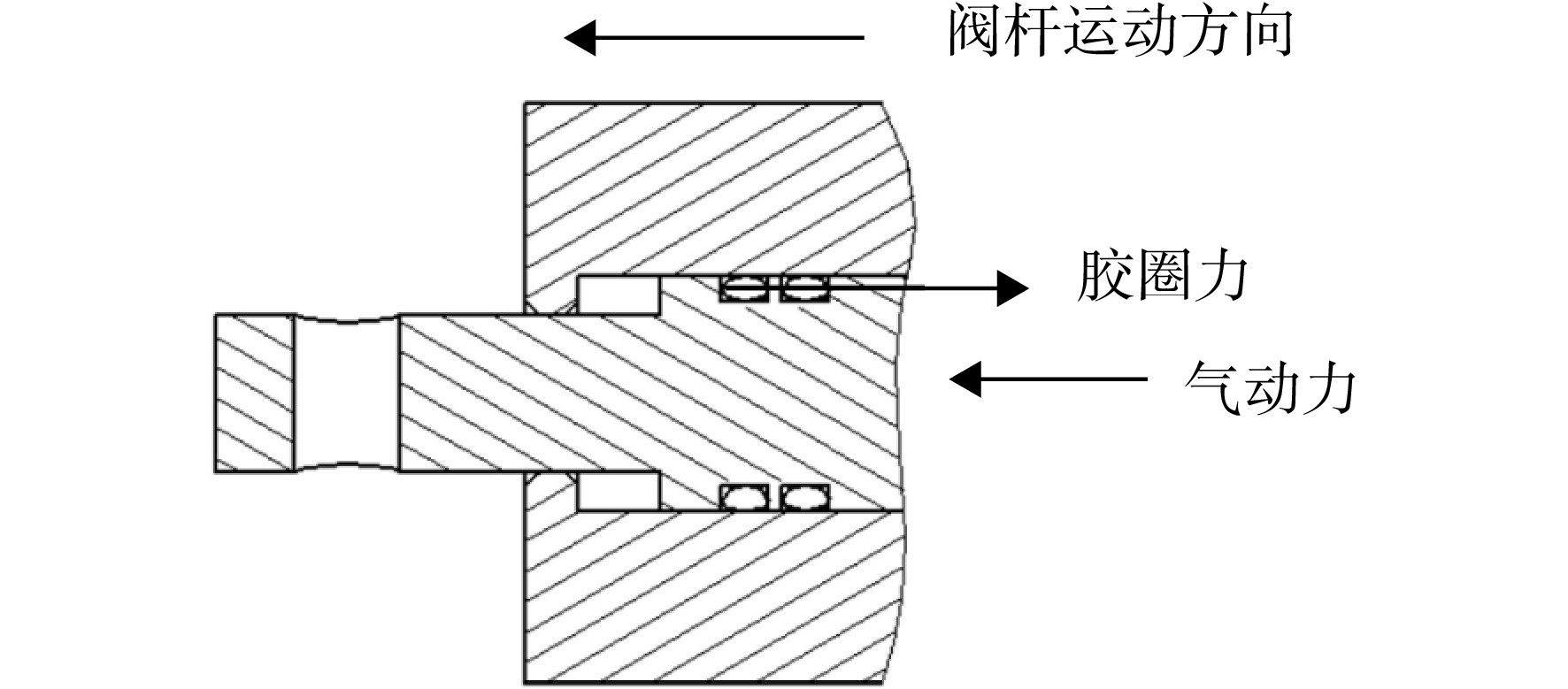
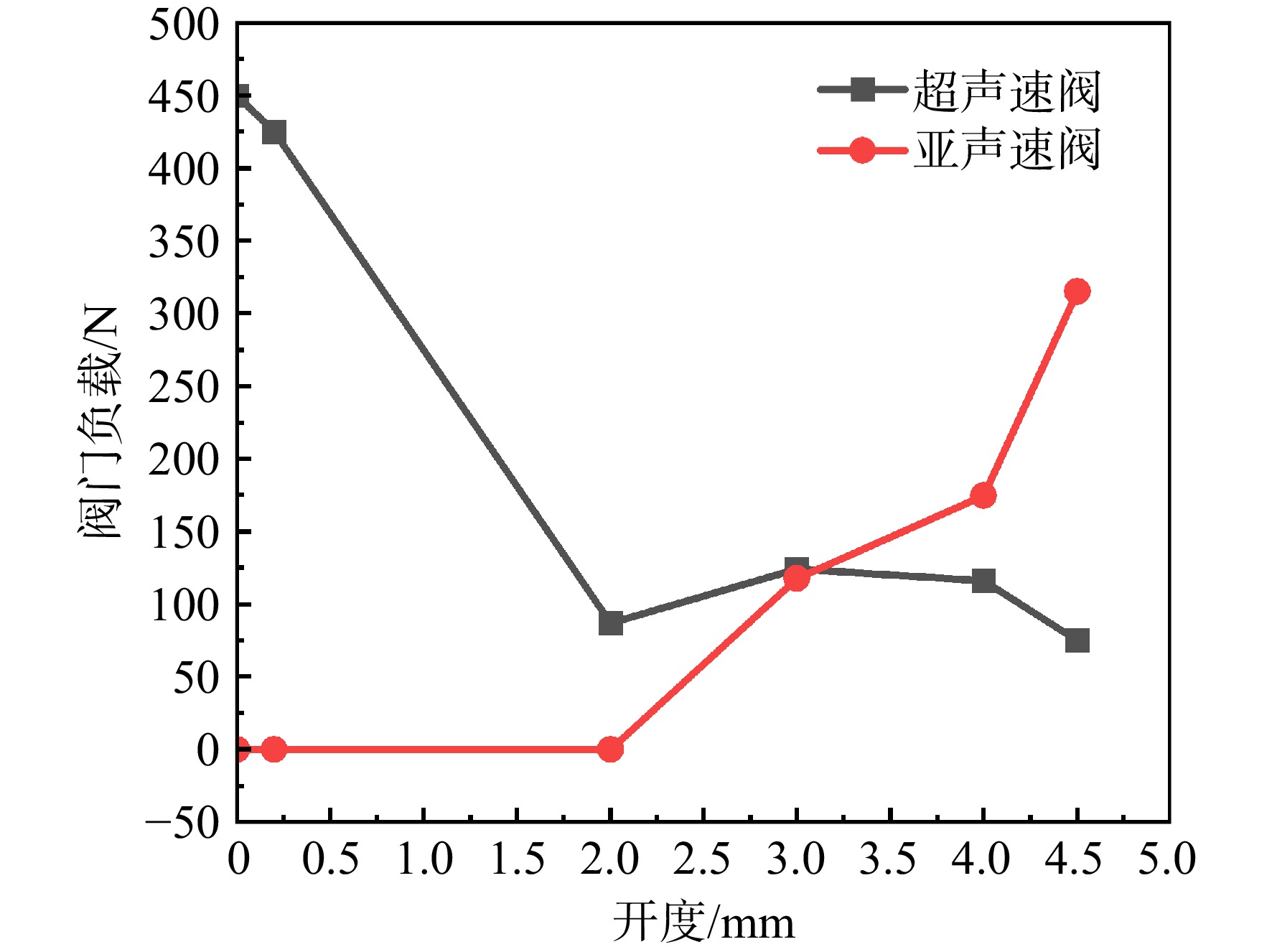
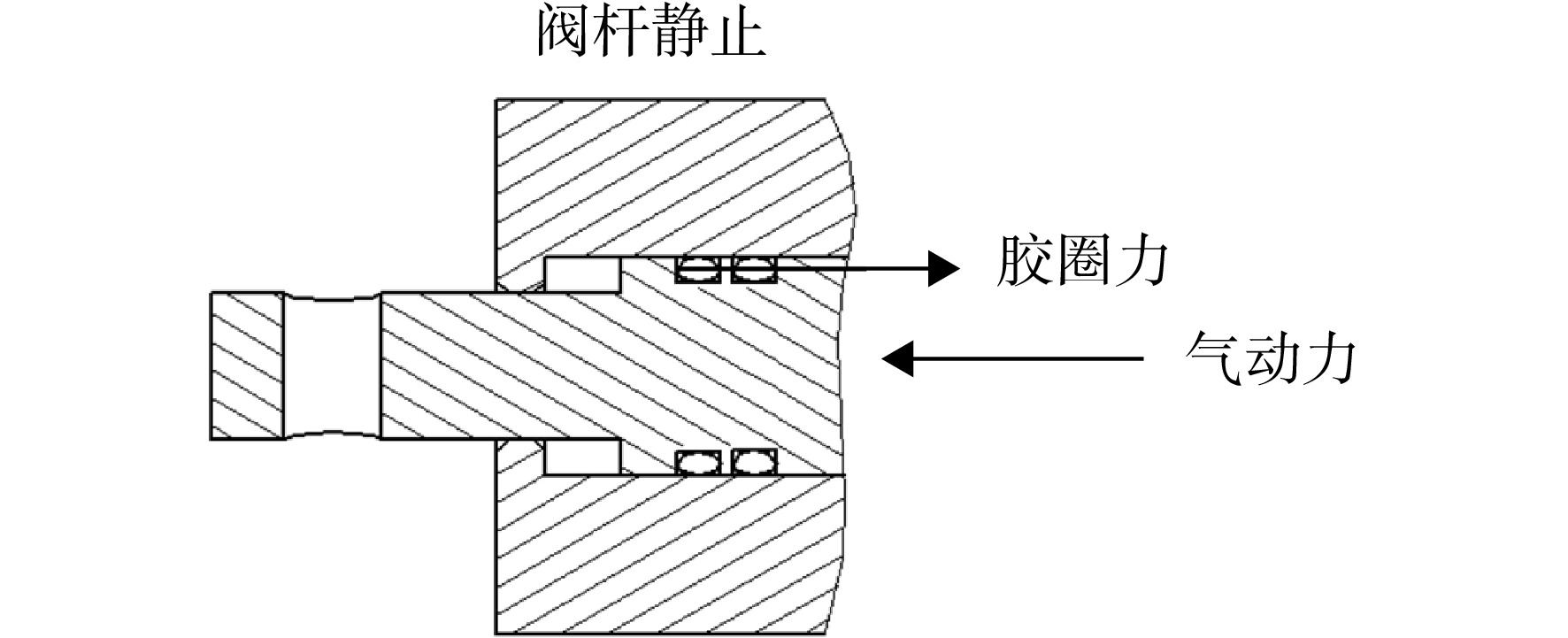
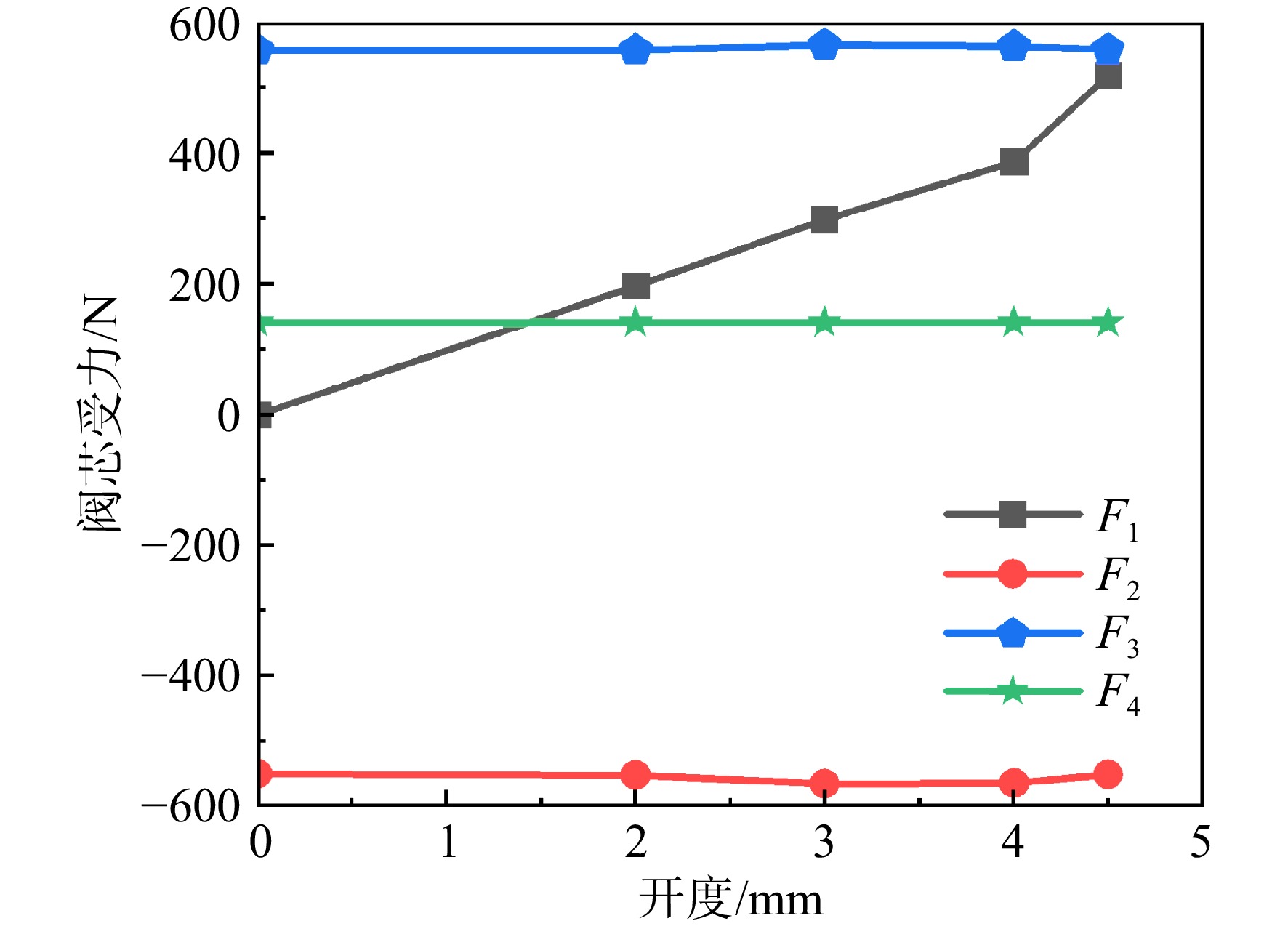
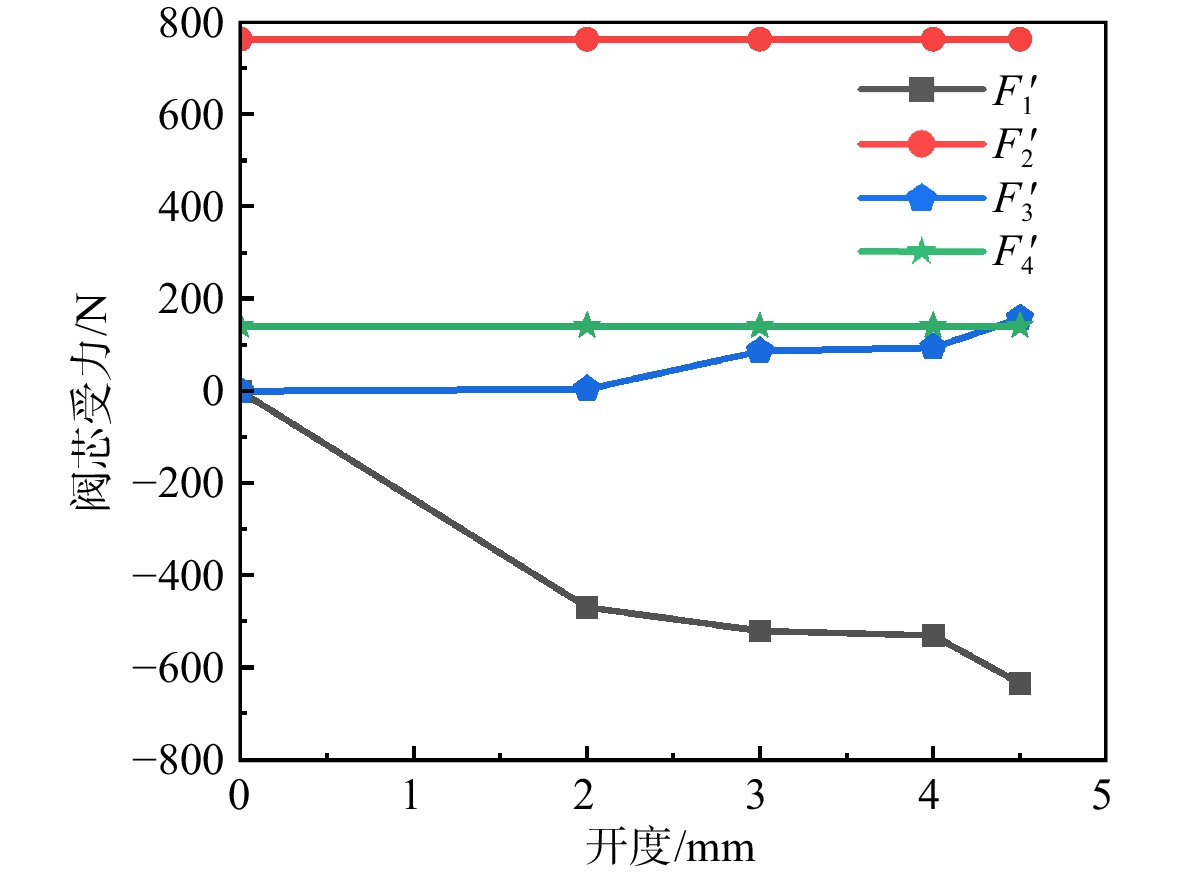
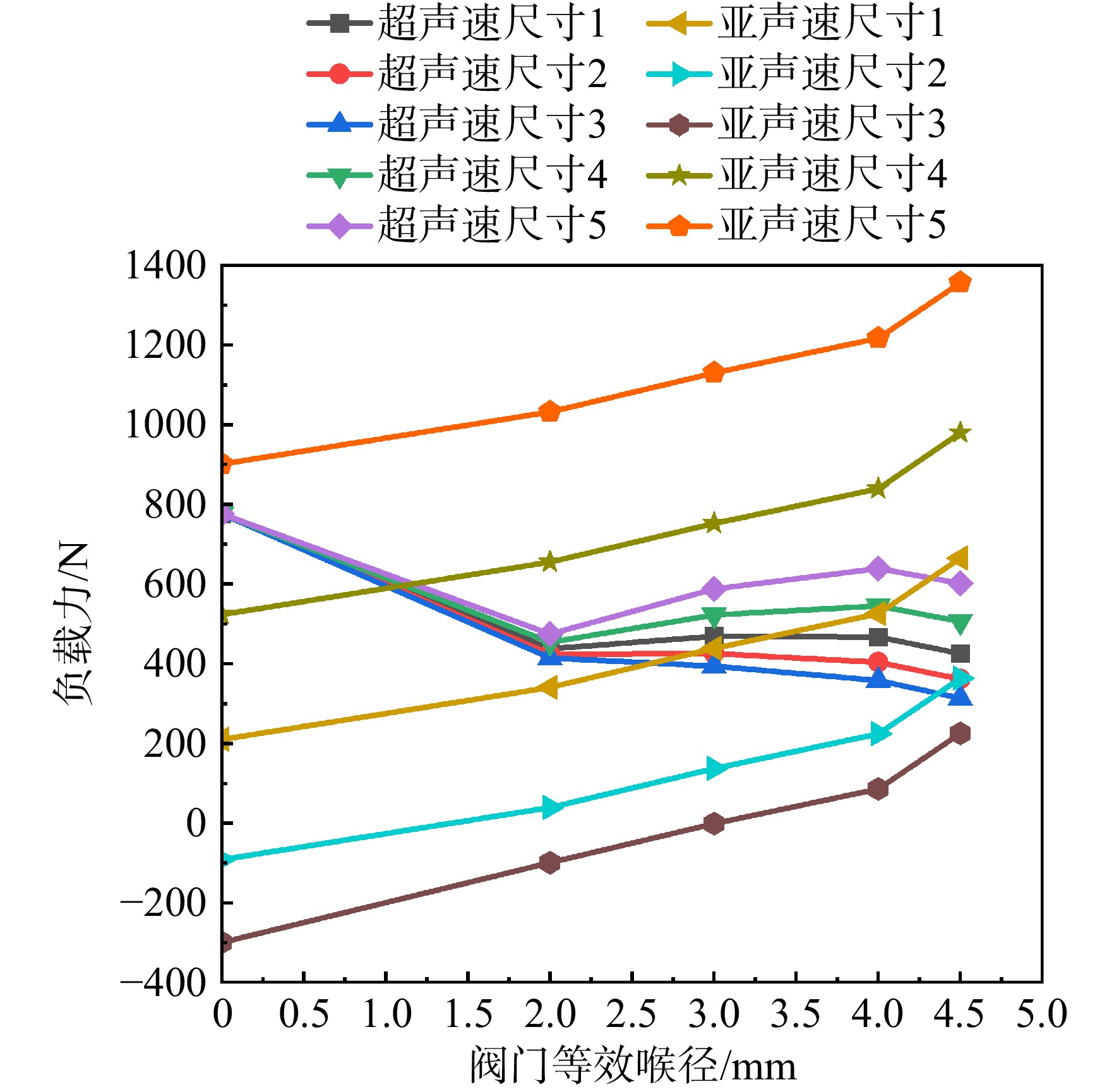
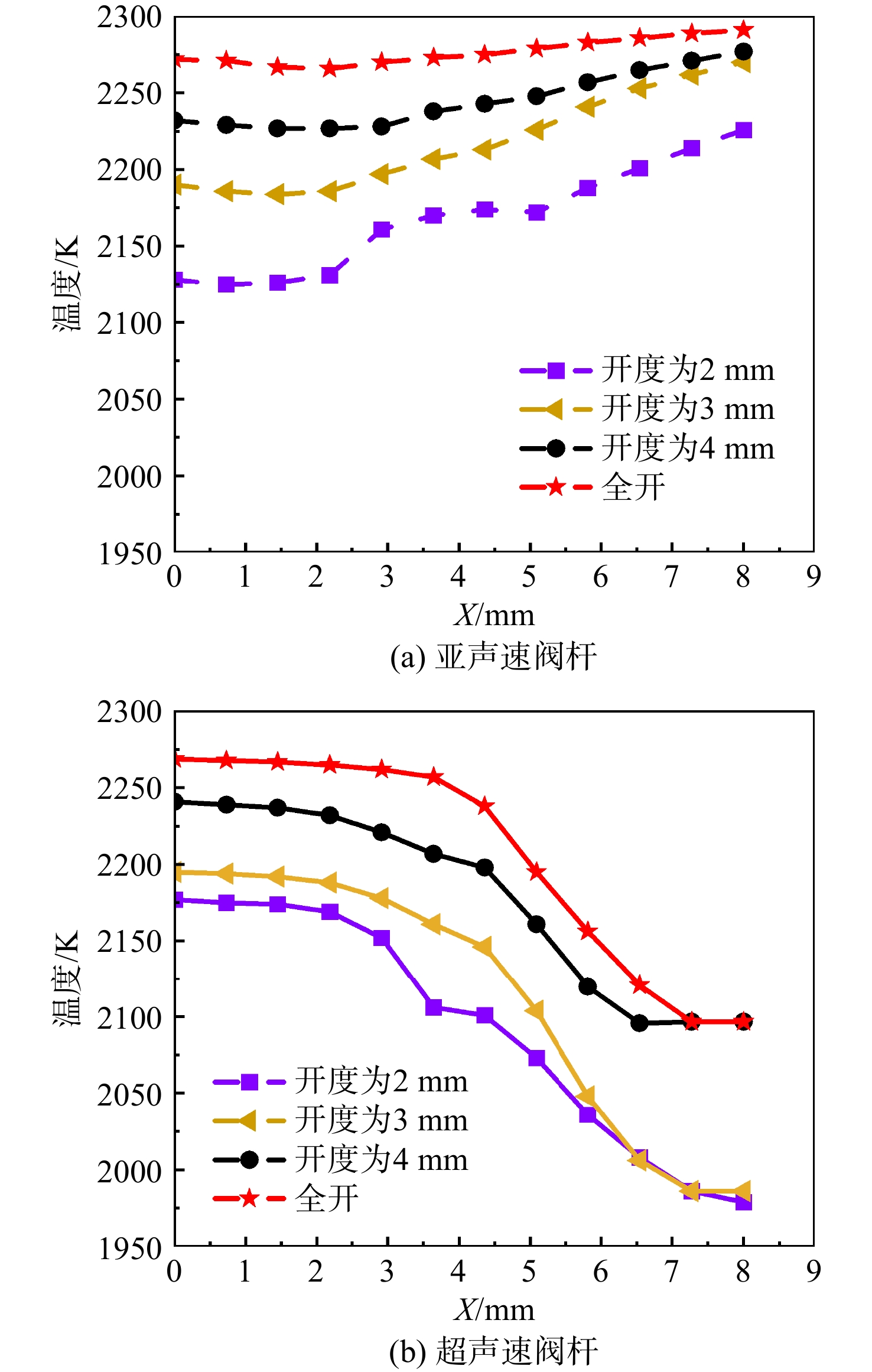
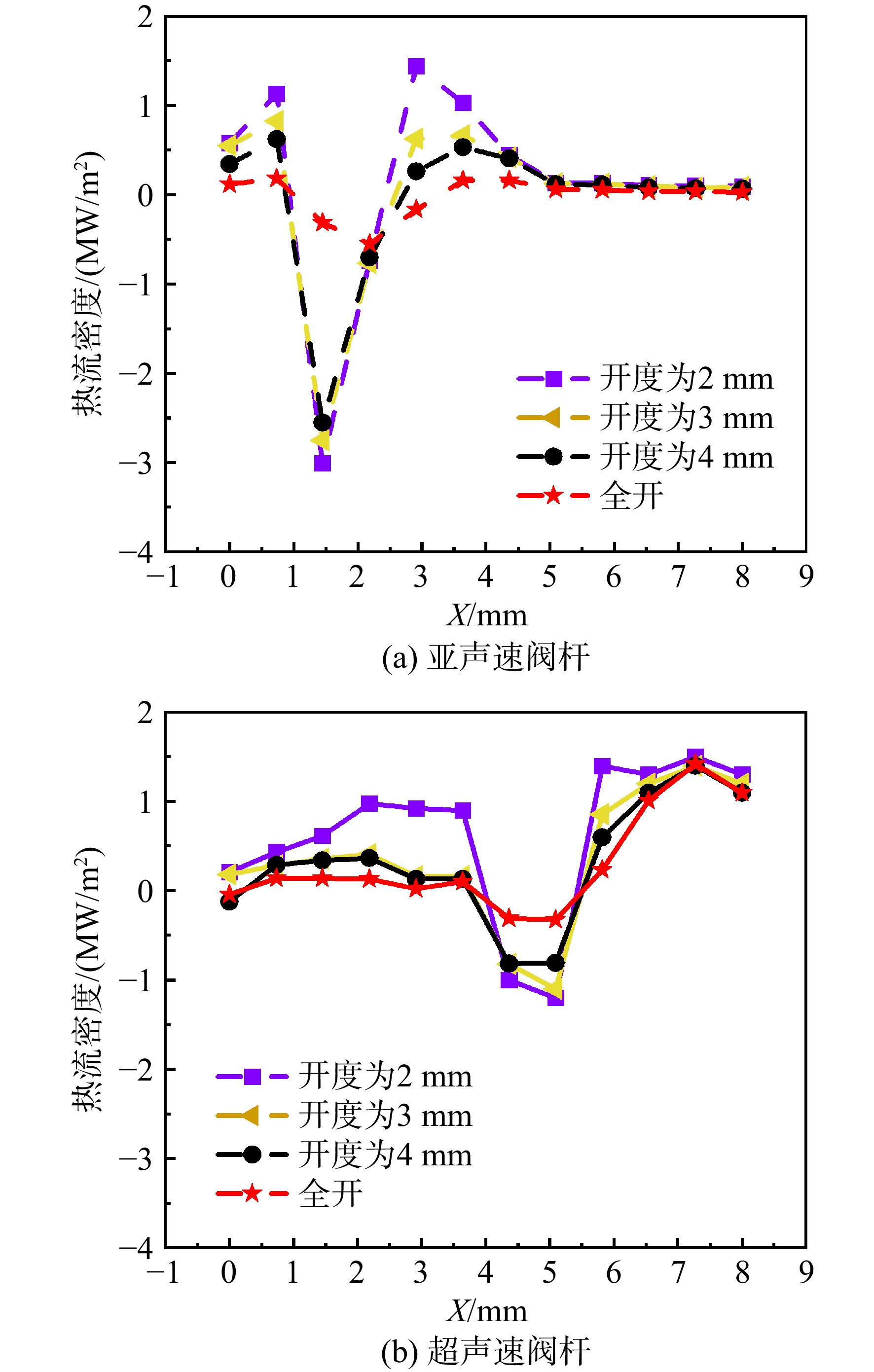
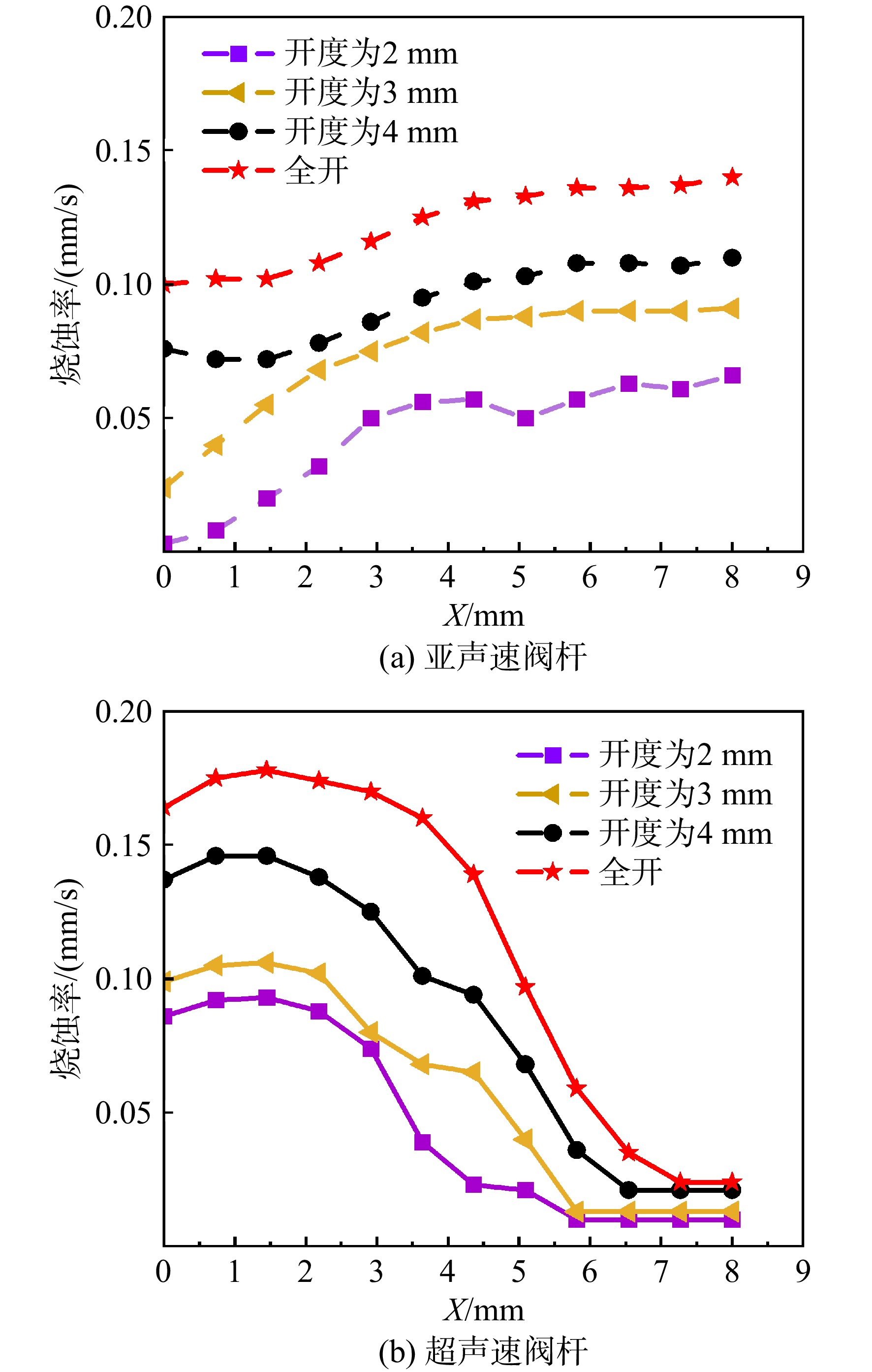
The needle gas valve is a critical component for energy management in solid-propellant attitude and orbit control rocket engines. Needle gas valves can be classified into subsonic and supersonic configurations. These two valve types primarily operate in subsonic and supersonic flow regimes, respectively, and exhibit distinct working characteristics and application scenarios. The CFD numerical simulation method was employed to analyze flow losses, valve stem loads, and thermochemical ablation of both valve configurations under multiple opening levels. A comparative analysis of the advantages and disadvantages between these two structural designs was also conducted. The results indicated that flow losses for both valve configurations decreased with the increasing opening levels. Under identical operating conditions, the supersonic gas valve exhibited higher flow losses compared with the subsonic configuration. At different opening levels, the supersonic valve demonstrated more stable load forces on the valve stem, with significantly lower loads at large openings. Additionally, the structural dimensions of the valve stem exerted a substantial influence on the valve load distribution. The thermochemical ablation rate at the subsonic valve stem was five times higher than that of the supersonic valve stem. Conversely, the ablation rate at the throat of the supersonic valve chamber was 1.5 times greater than that observed in the subsonic valve.

Turbomachinery
Buzz-saw noise considering blade tip clearance and blade variations
TANG Xiaolong, SONG Heng, YANG Xiaoquan, DING Jue, WENG Peifen
2026, 41(1): 20240150. doi: 10.13224/j.cnki.jasp.20240150
Abstract:
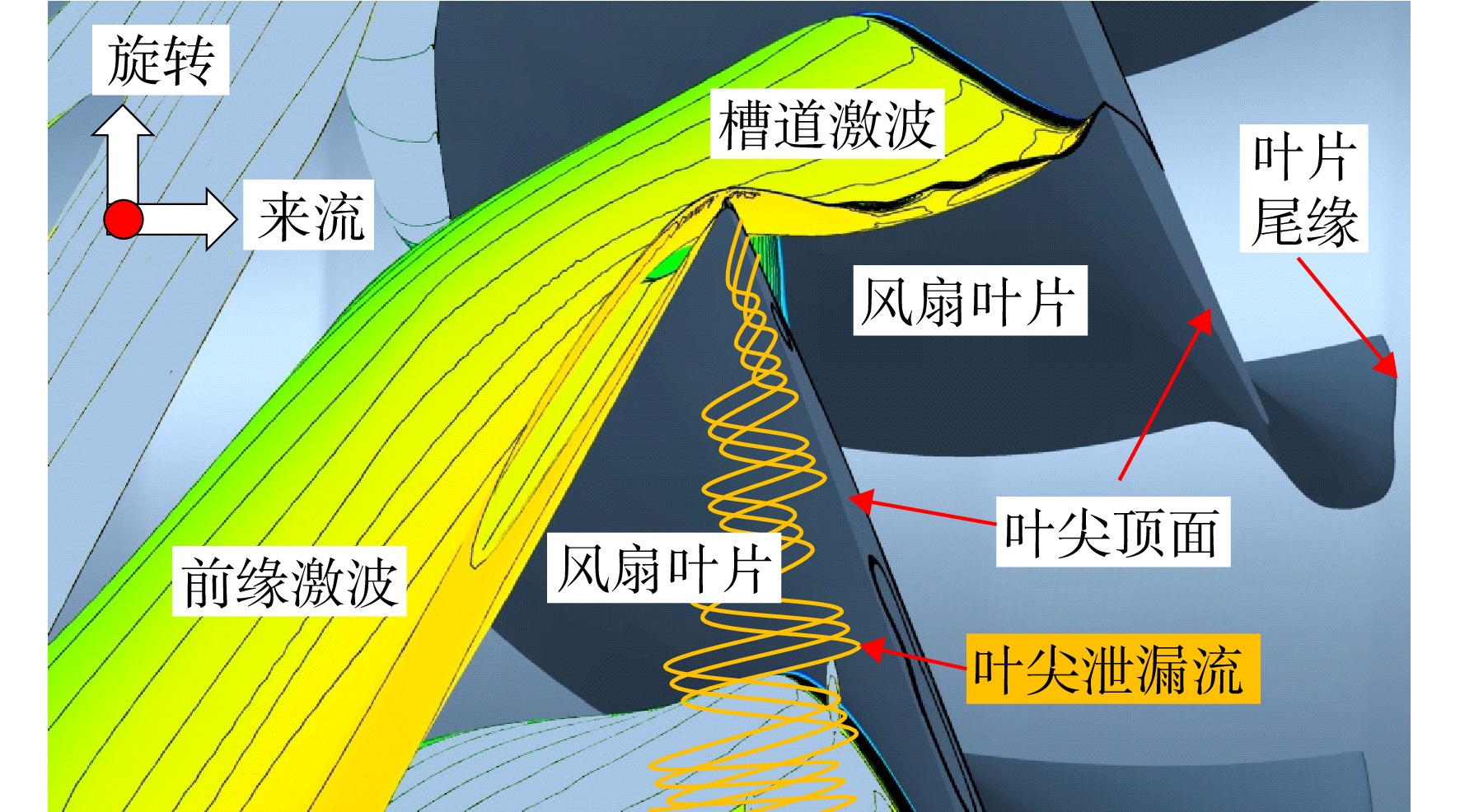
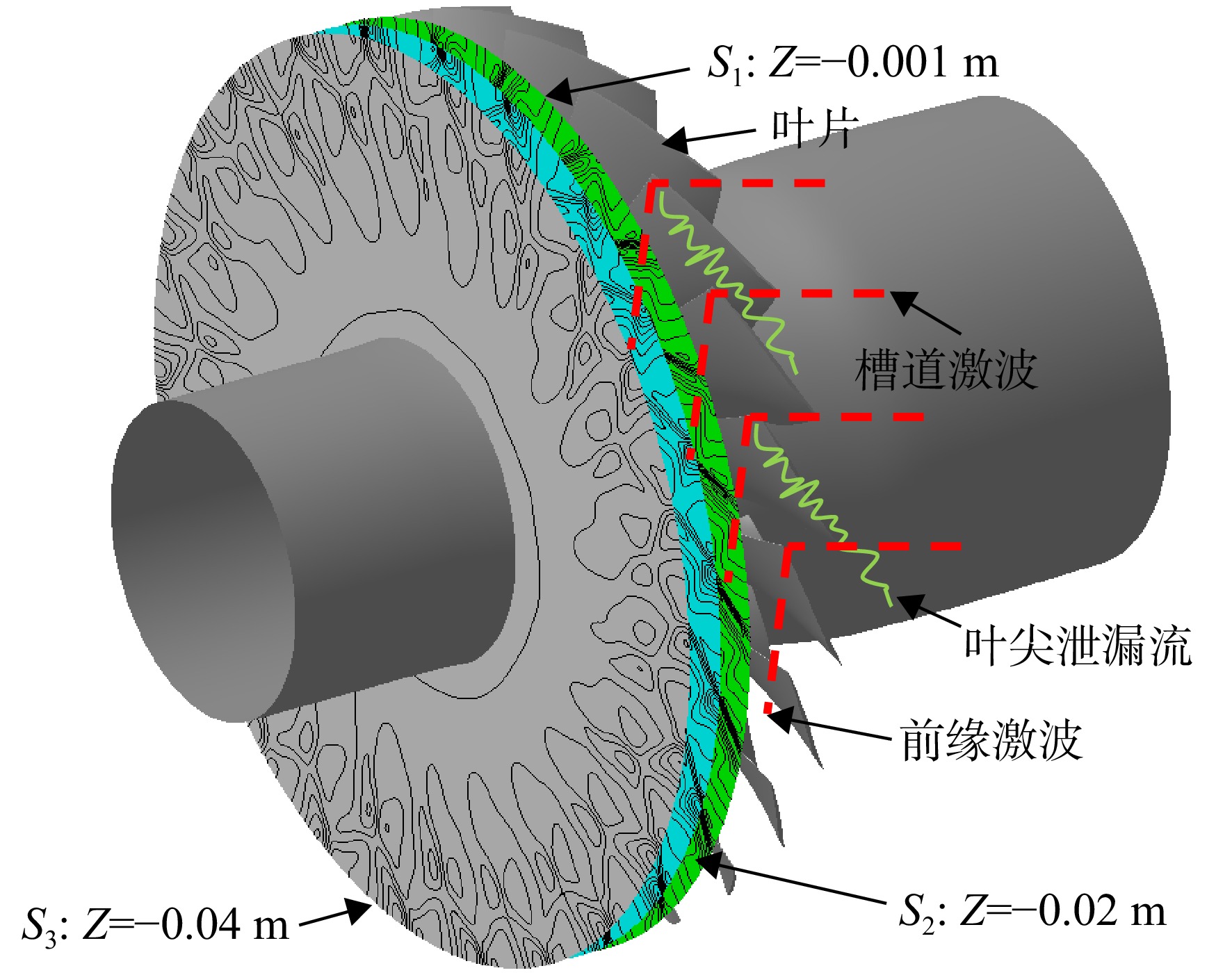
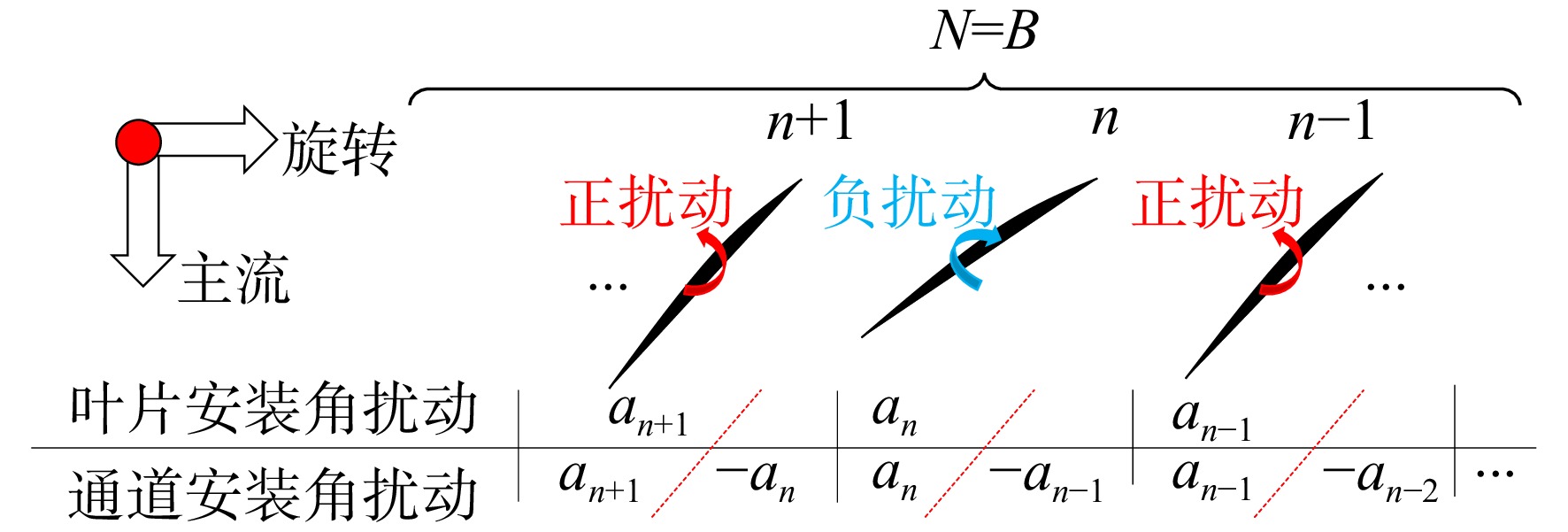
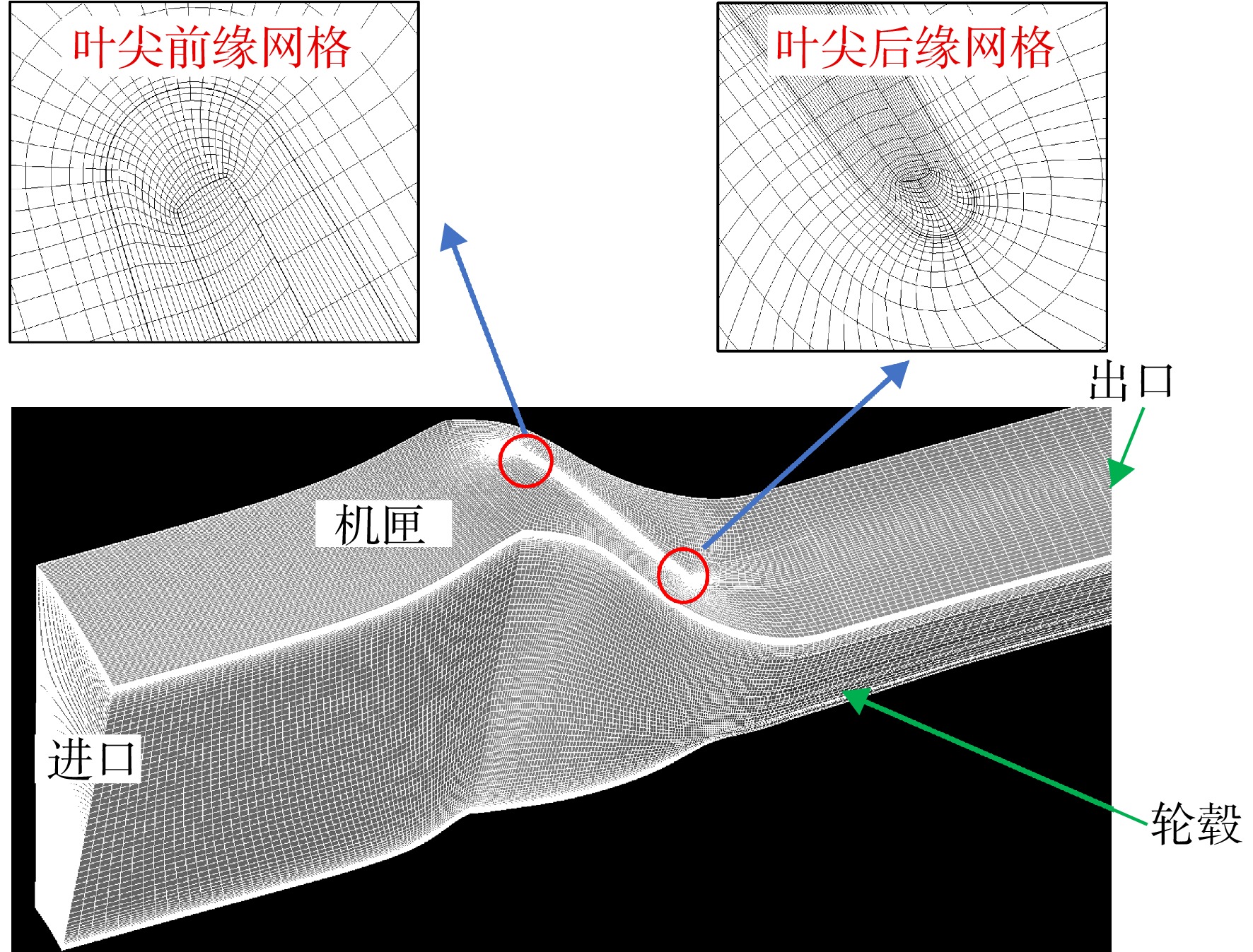
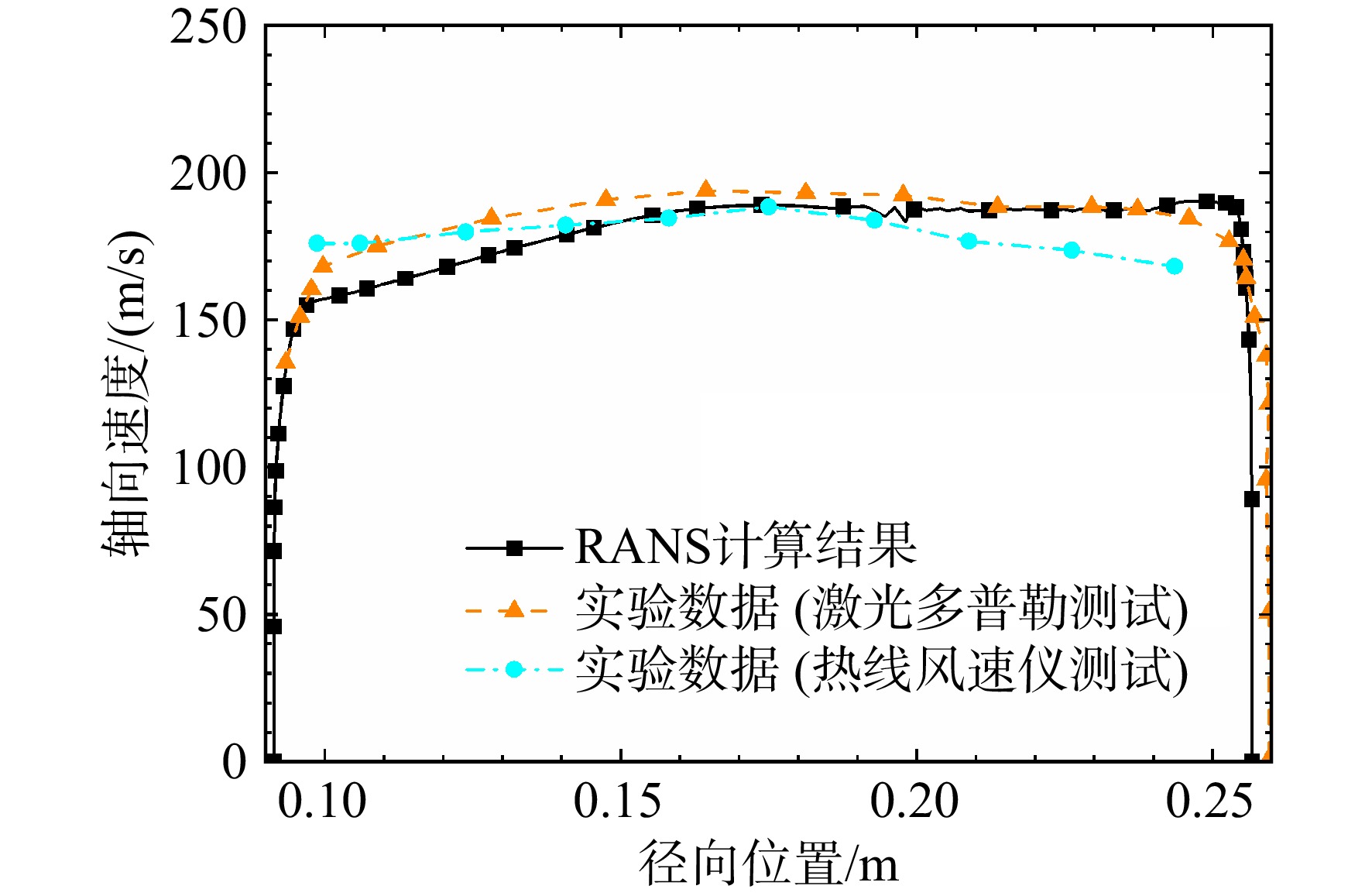
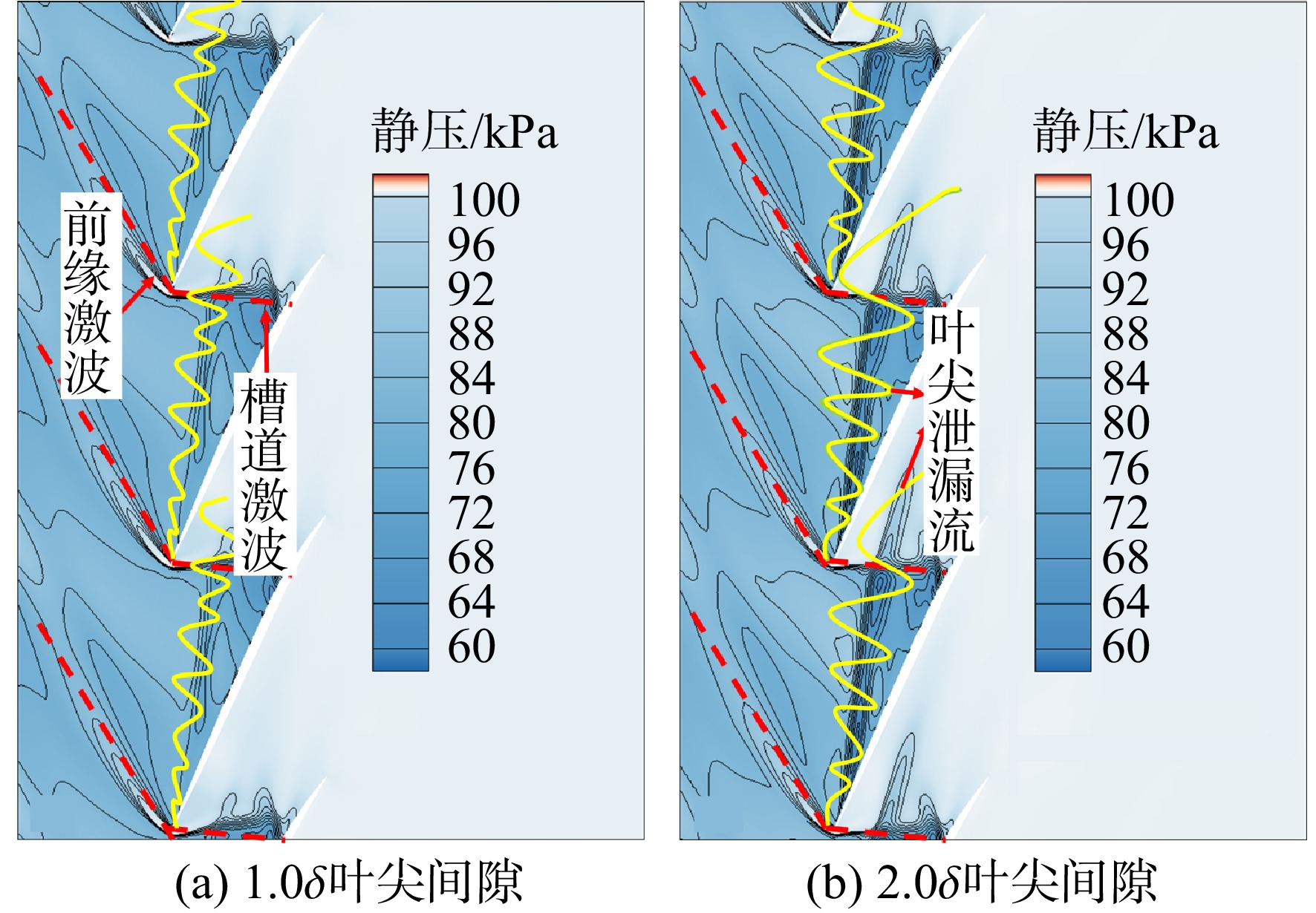
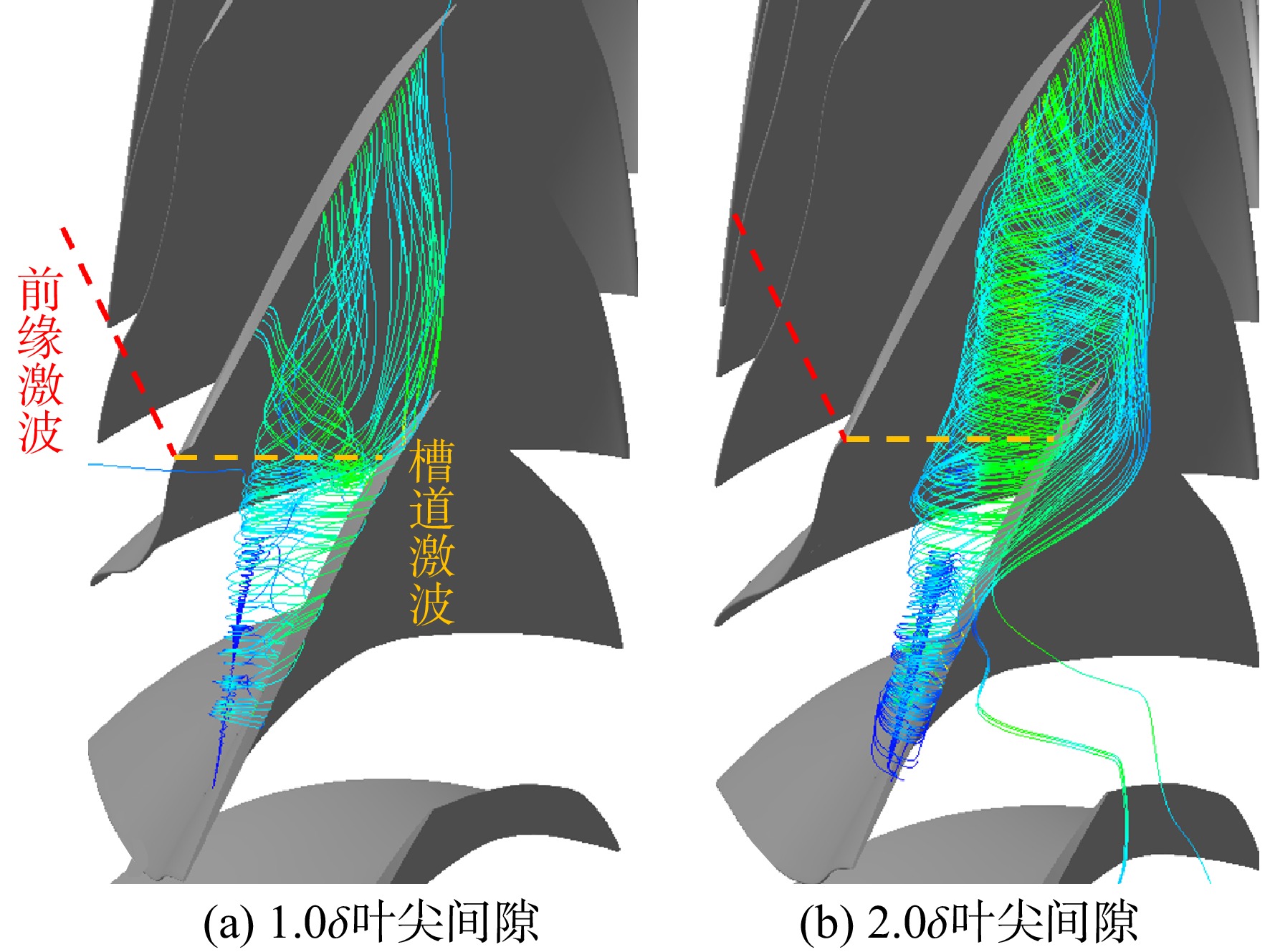
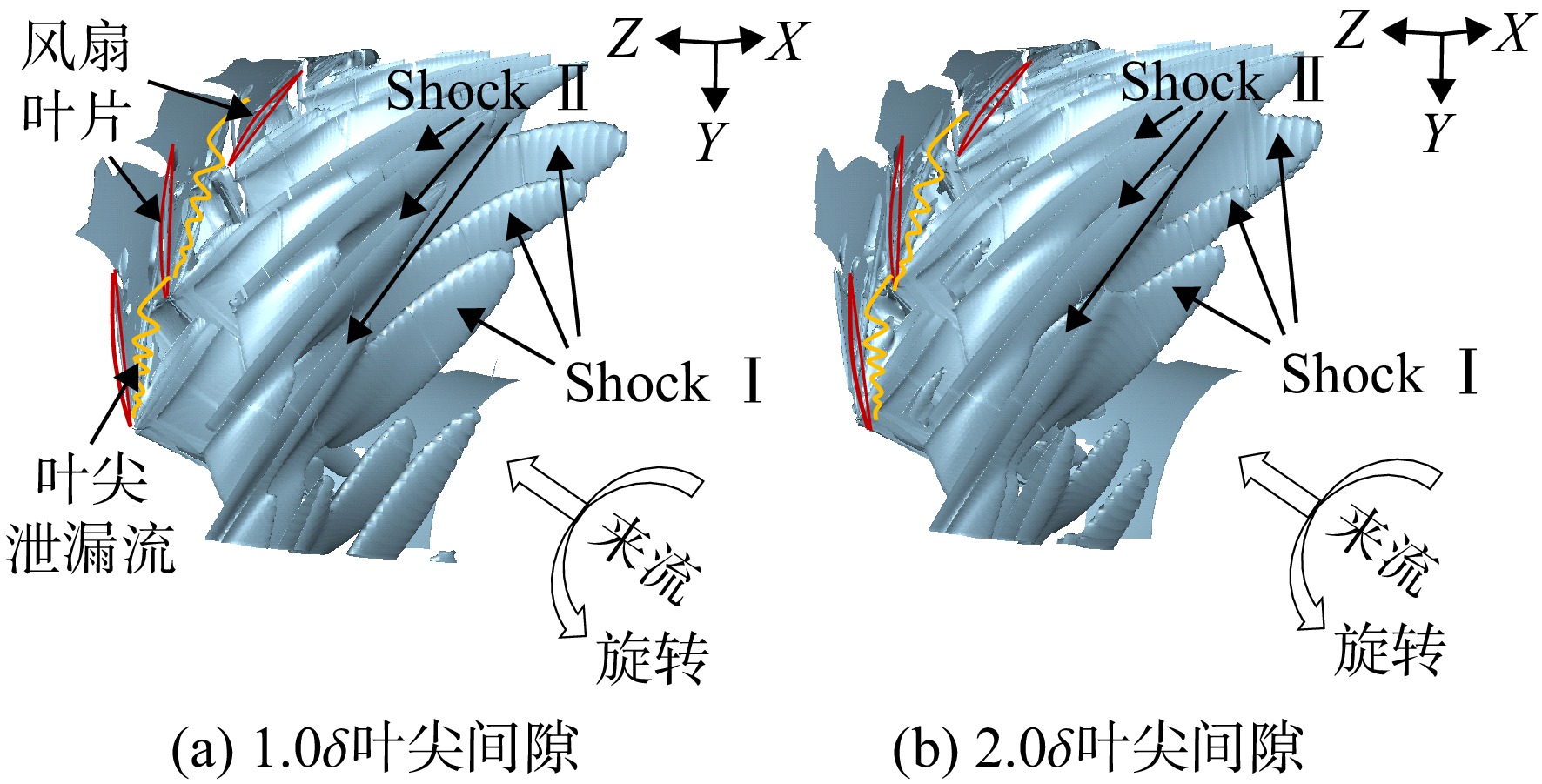
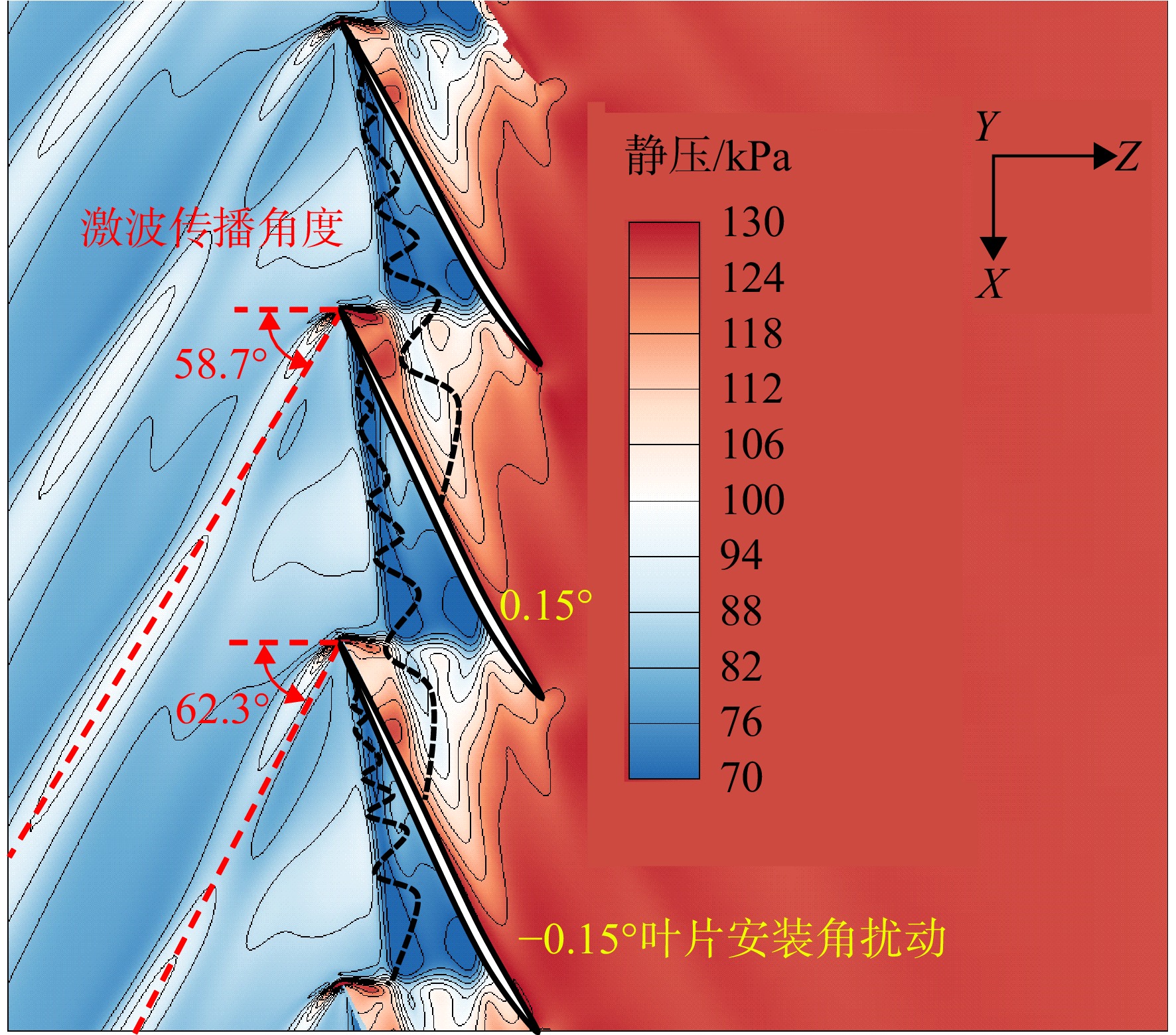
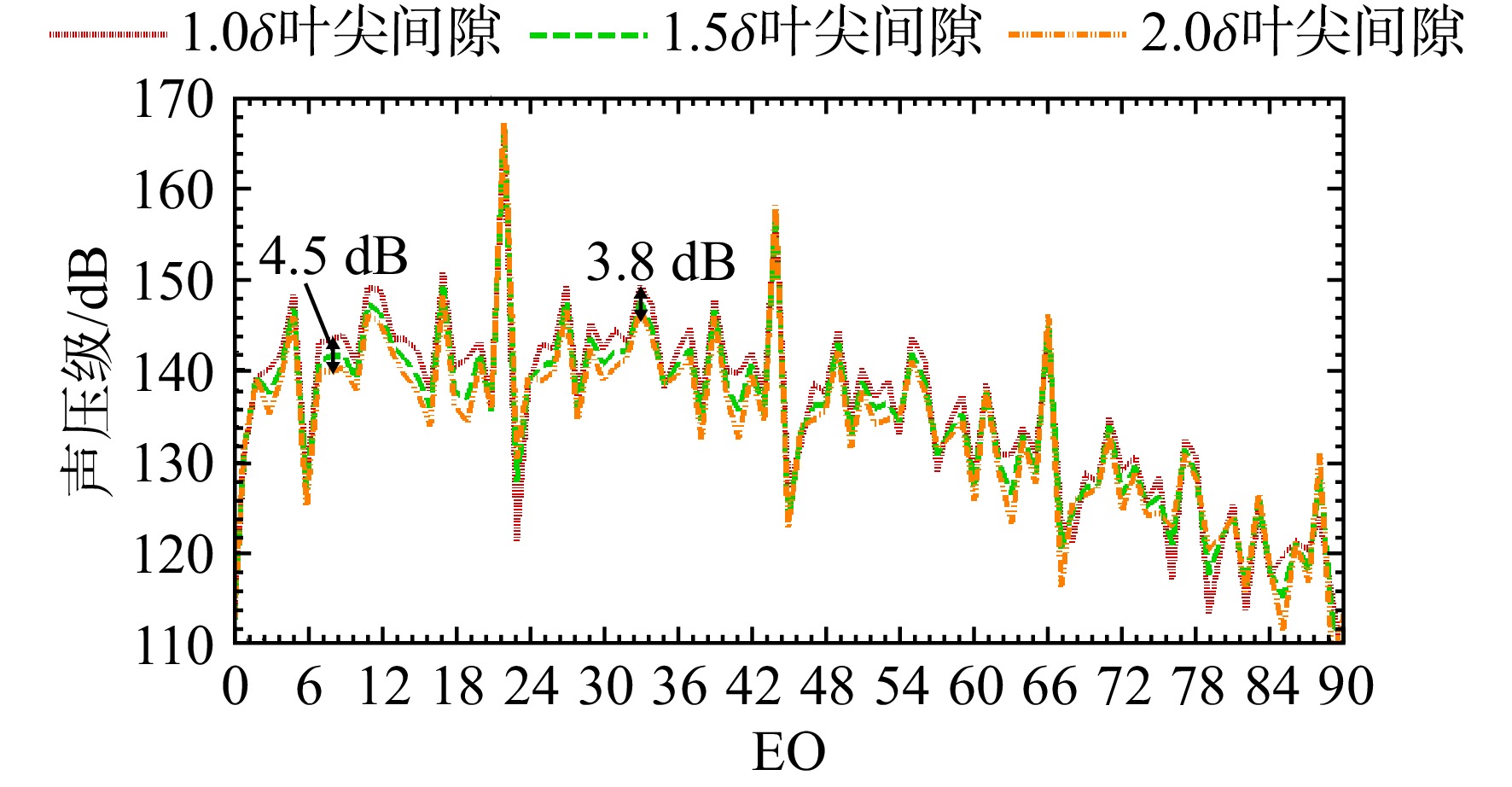
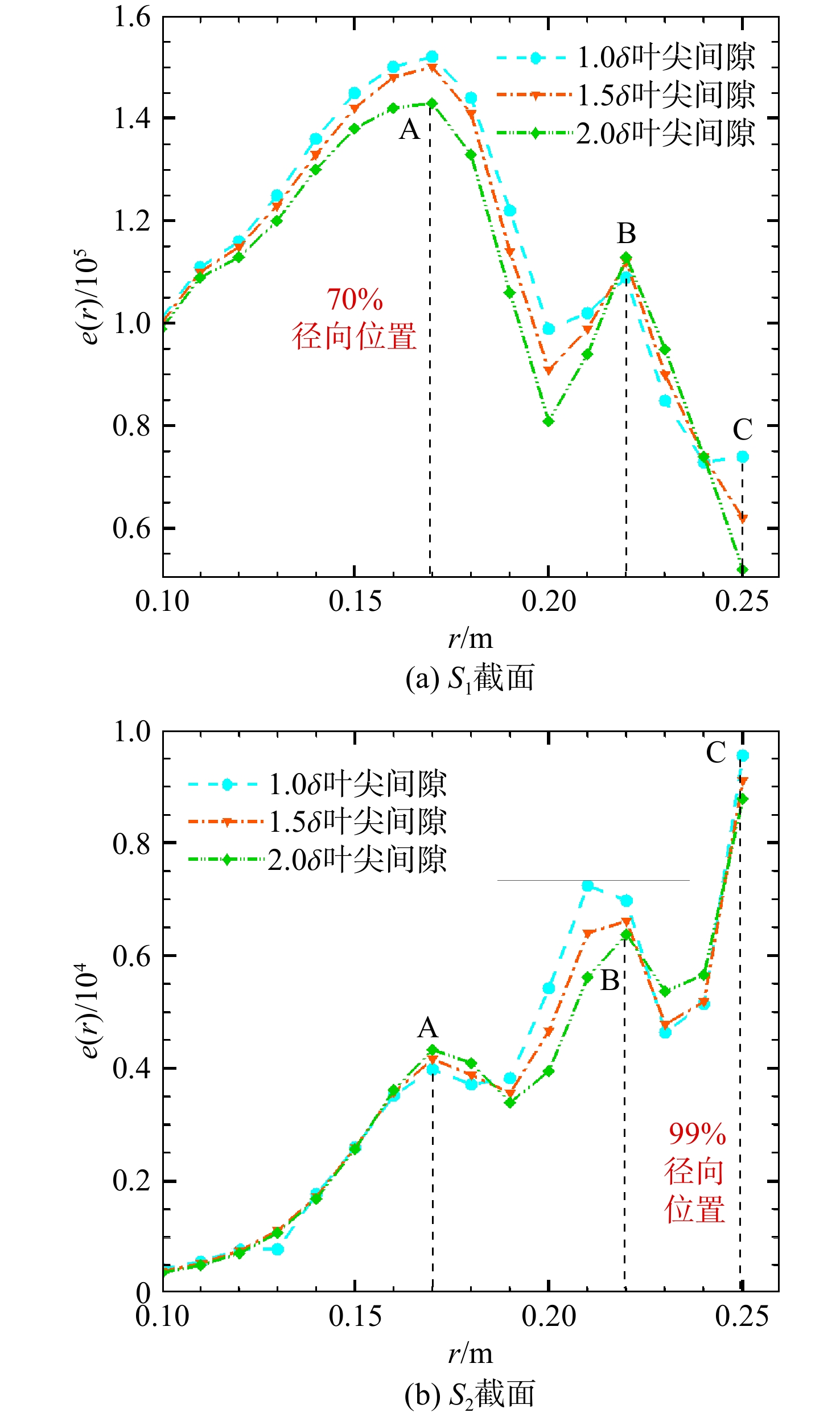
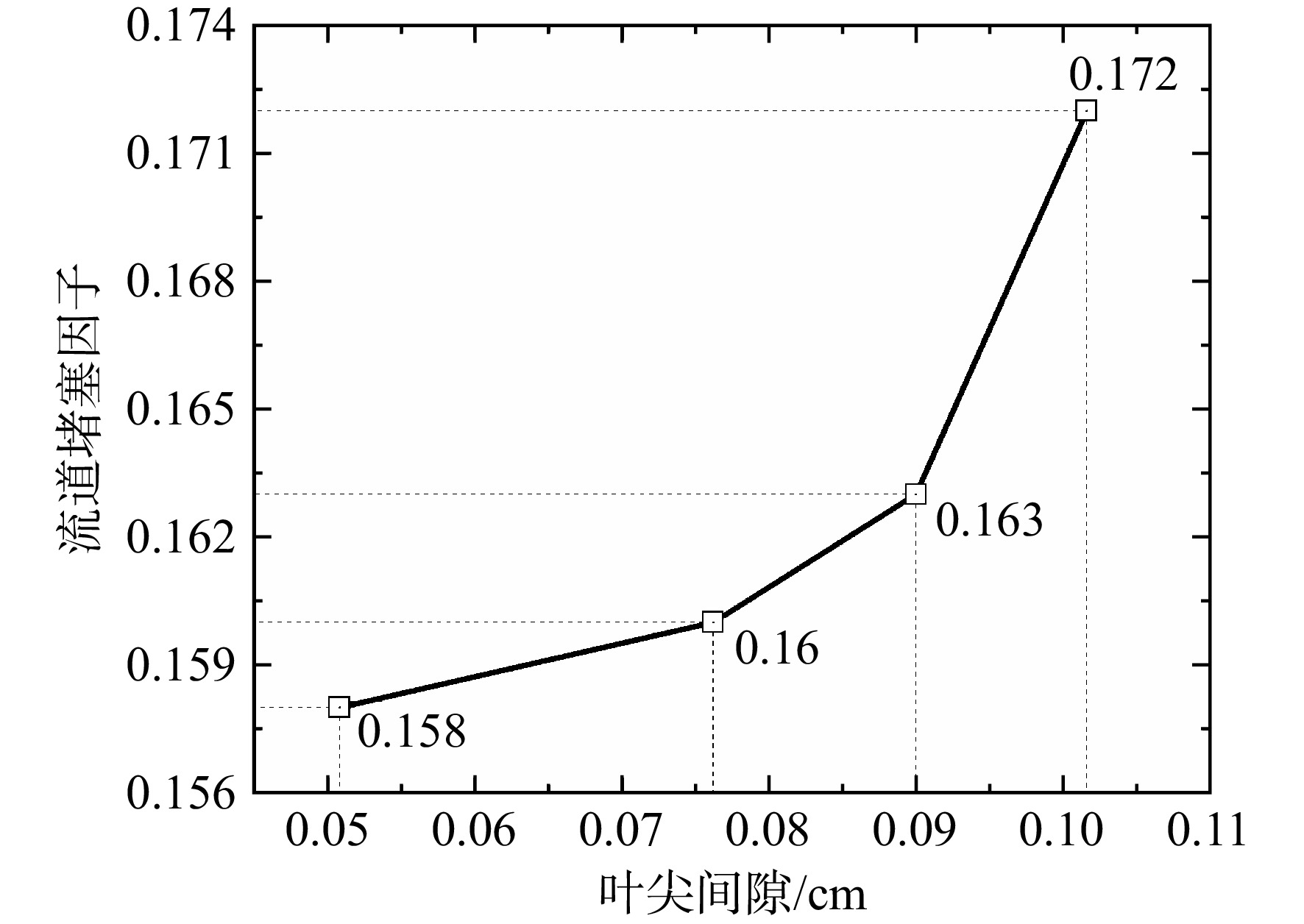
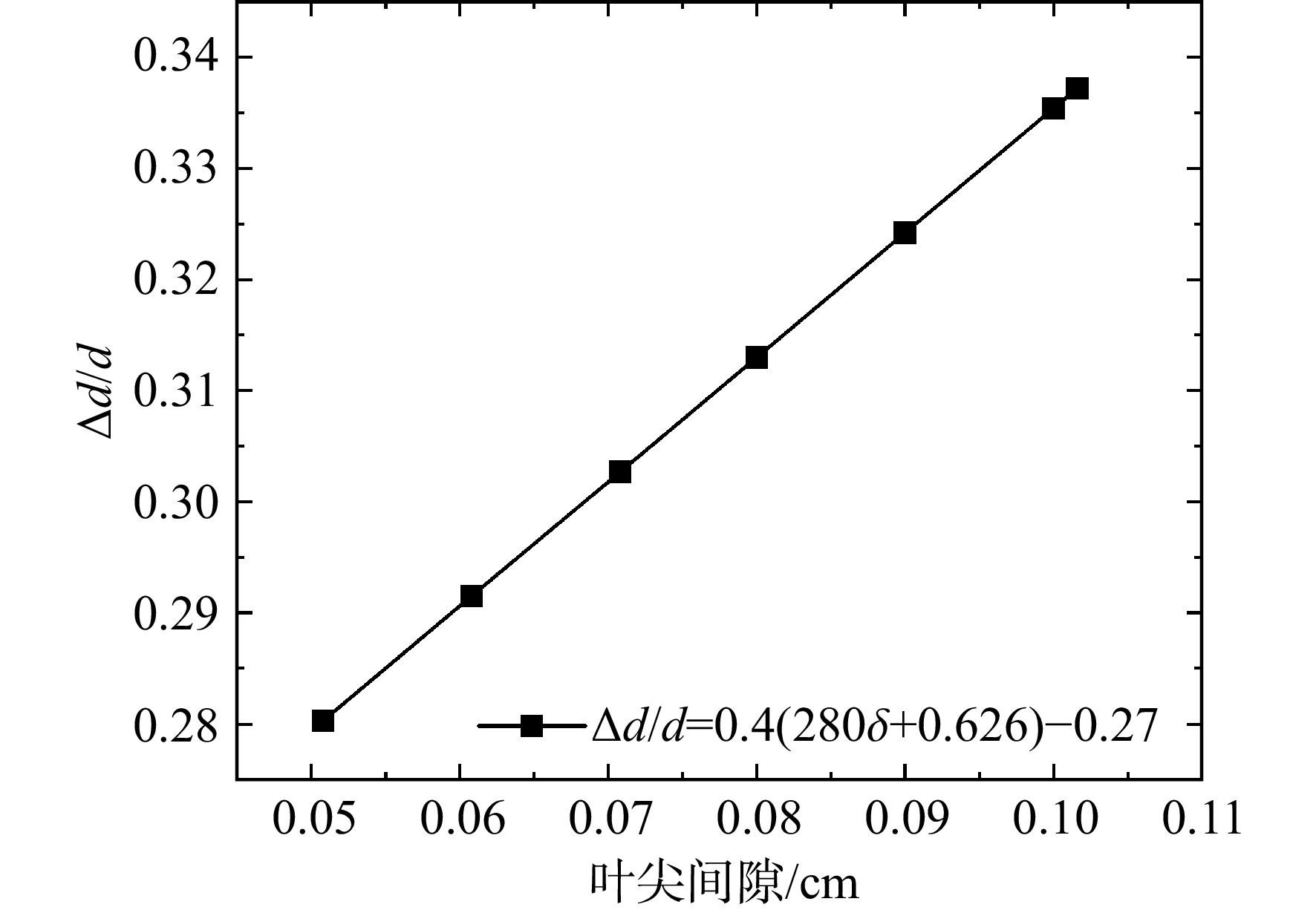
Rotors with three tip clearances, as well as random stagger disturbances, were established with NASA Rotor 67 as the prototype. Through full-annulus numerical simulations and theoretical derivations based on cascade assumptions, the effects of blade tip clearance and the coupling effects of blade tip clearance and blade stagger disturbances on buzz-saw noise were analyzed. The results showed that: (1) there was a coupling relationship between the leakage flow induced by blade tip clearance and the generation of forward propagating buzz-saw noise. As the blade tip clearance increased, the leakage flow was enhanced, leading to channel blockage, indirectly reducing the shock intensity and corresponding buzz-saw noise; (2) the extra component of buzz-saw noise generated by tip leakage flows can only propagate to the far field by coupling with the blade variations; (3) a theoretical model was established to account for the coupling effect of tip clearance and blade variations on buzz-saw noise. The validation by numerical simulations showed that this model had relatively high accuracy for the analysis of buzz-saw noise.