2025 Vol. 40, No. 12

Structure,Strength and Vibration
Structural design and mechanical property experiments of metal rubber support for rotor system
MA Yanhong, TANG Xiangxin, YANG Hai, WANG Yongfeng, HONG Jie
2025, 40(12): 20240692. doi: 10.13224/j.cnki.jasp.20240692
Abstract:
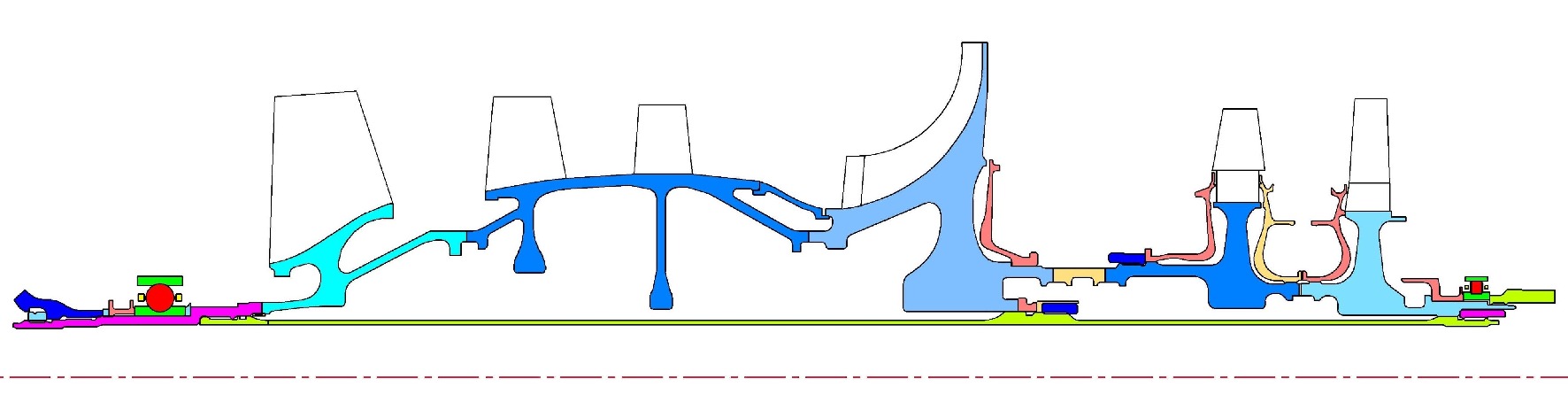
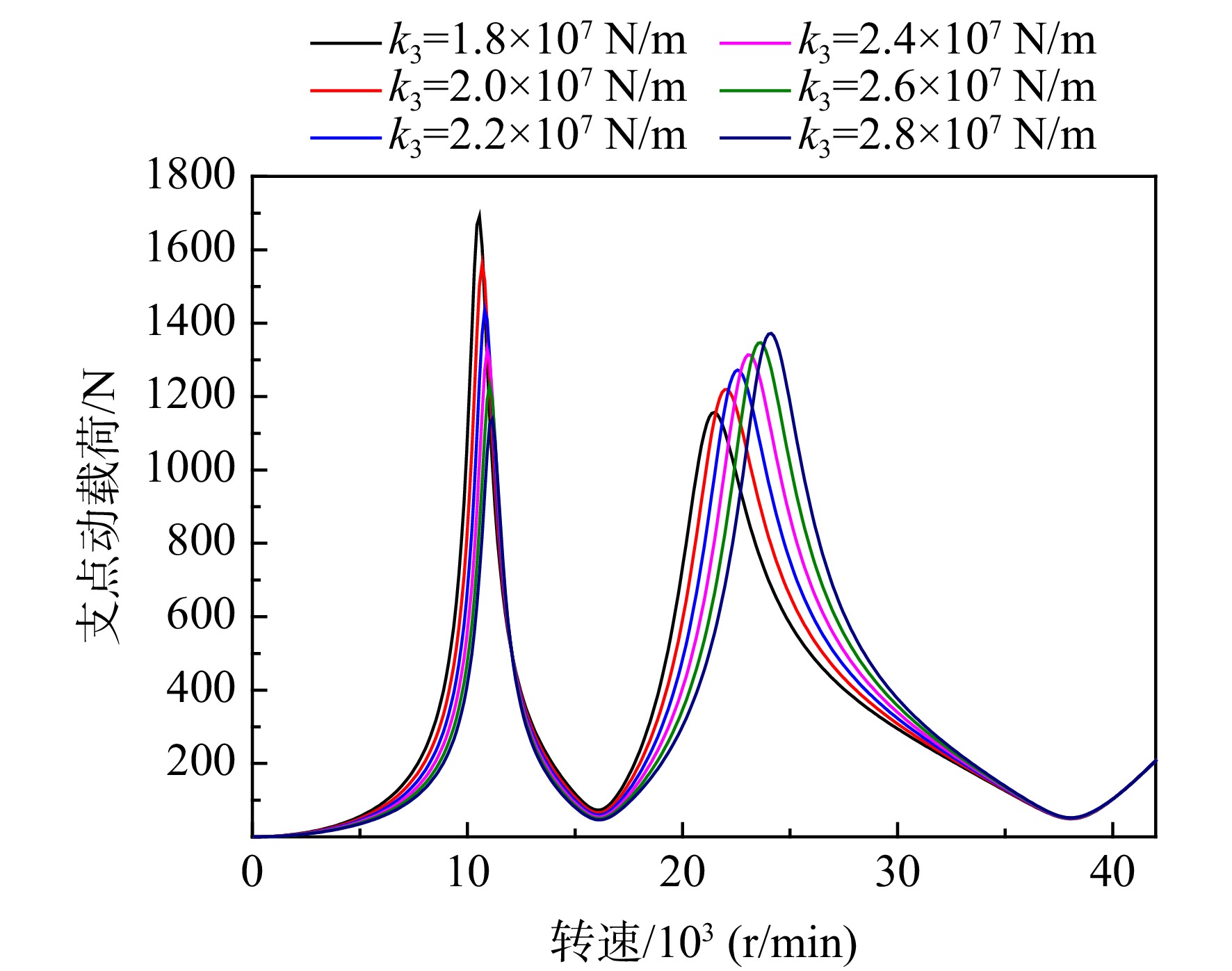
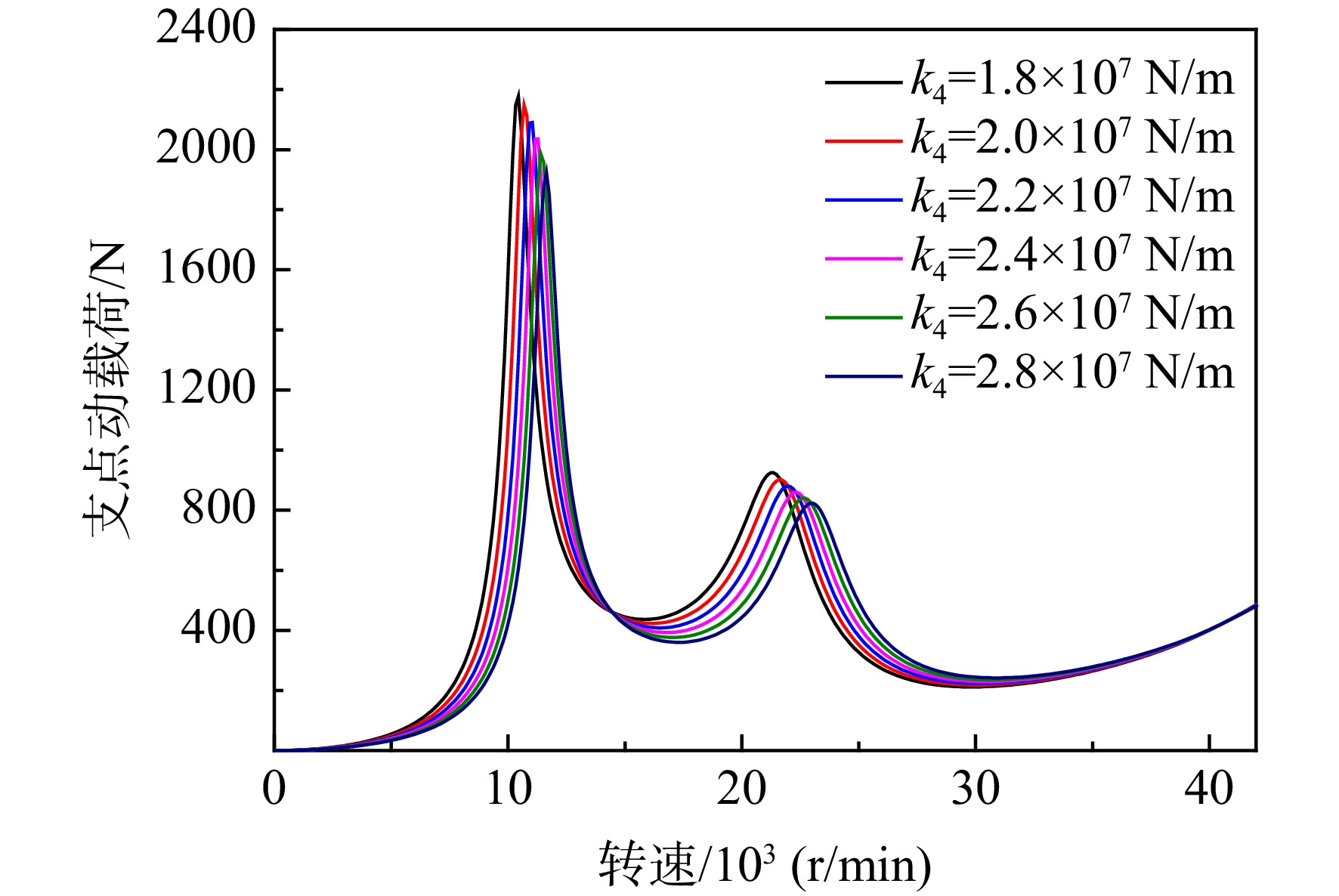
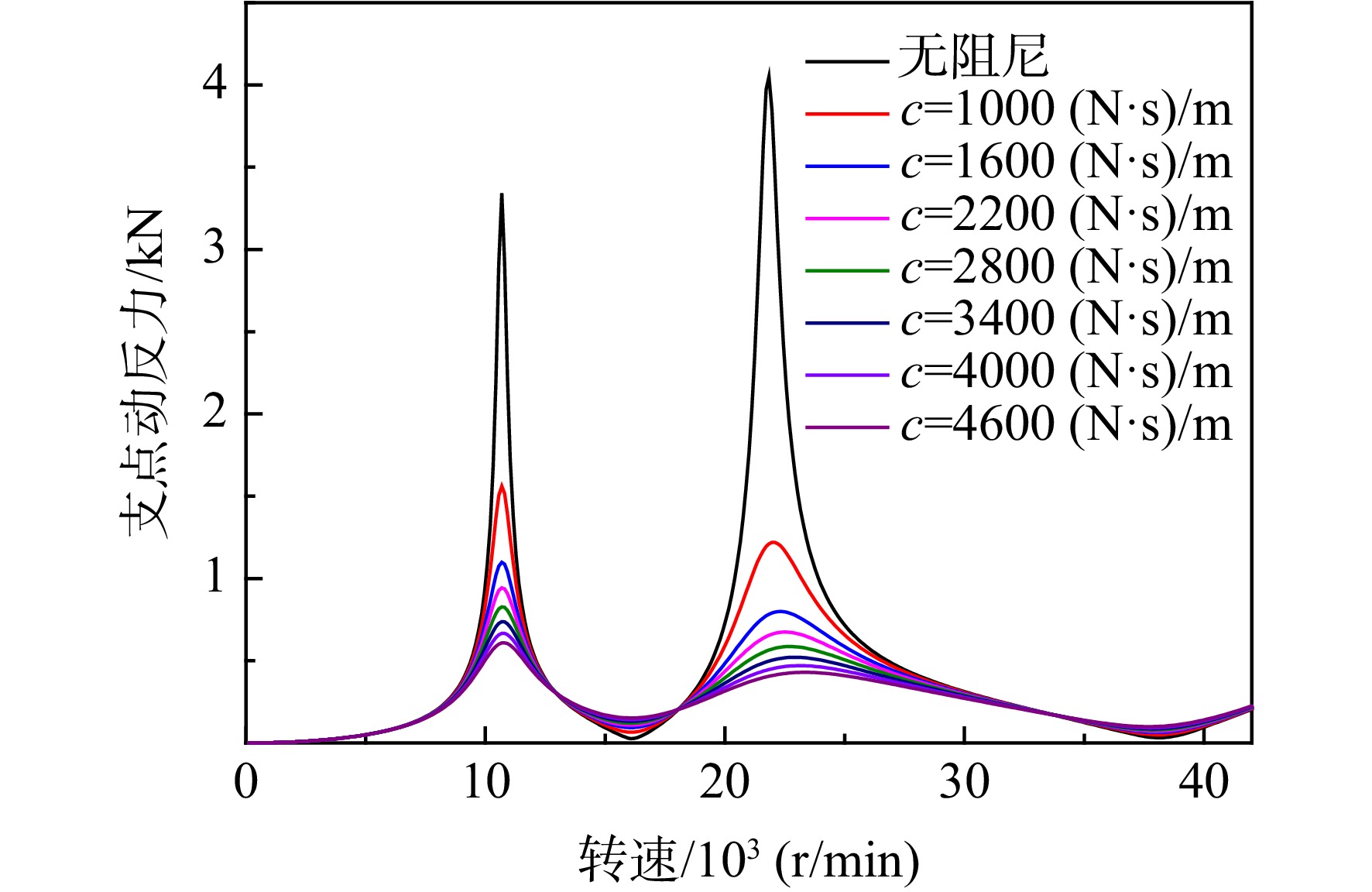
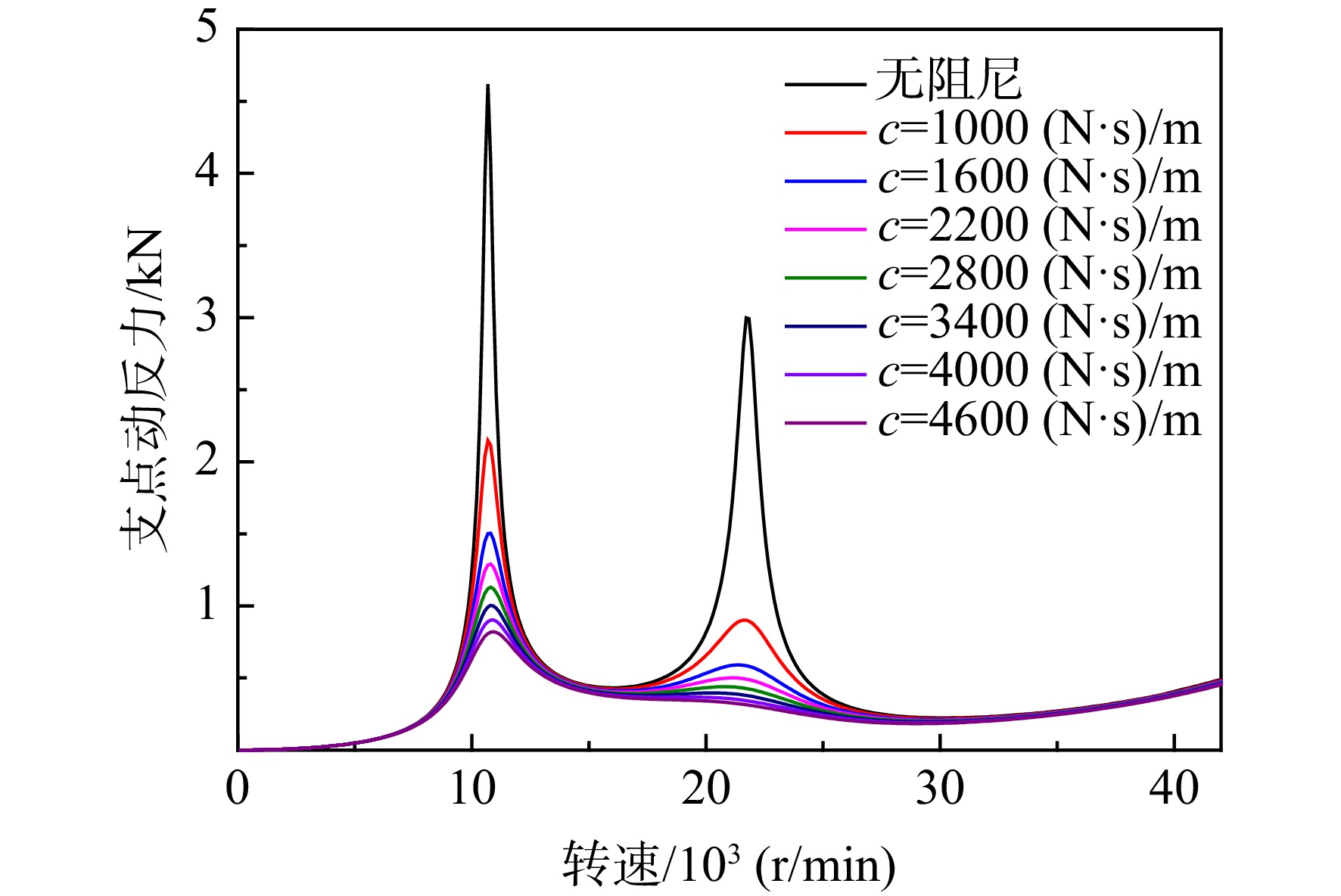
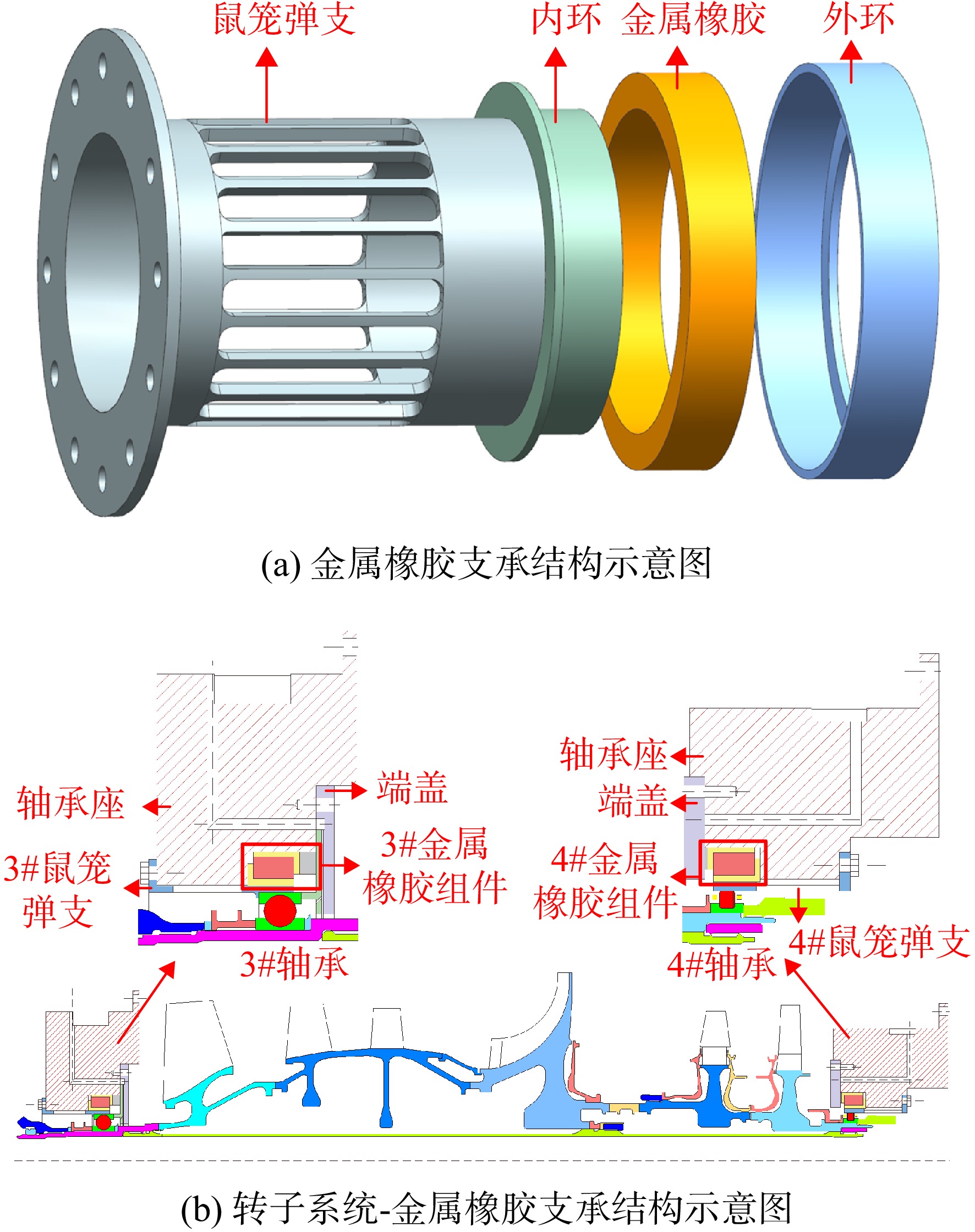
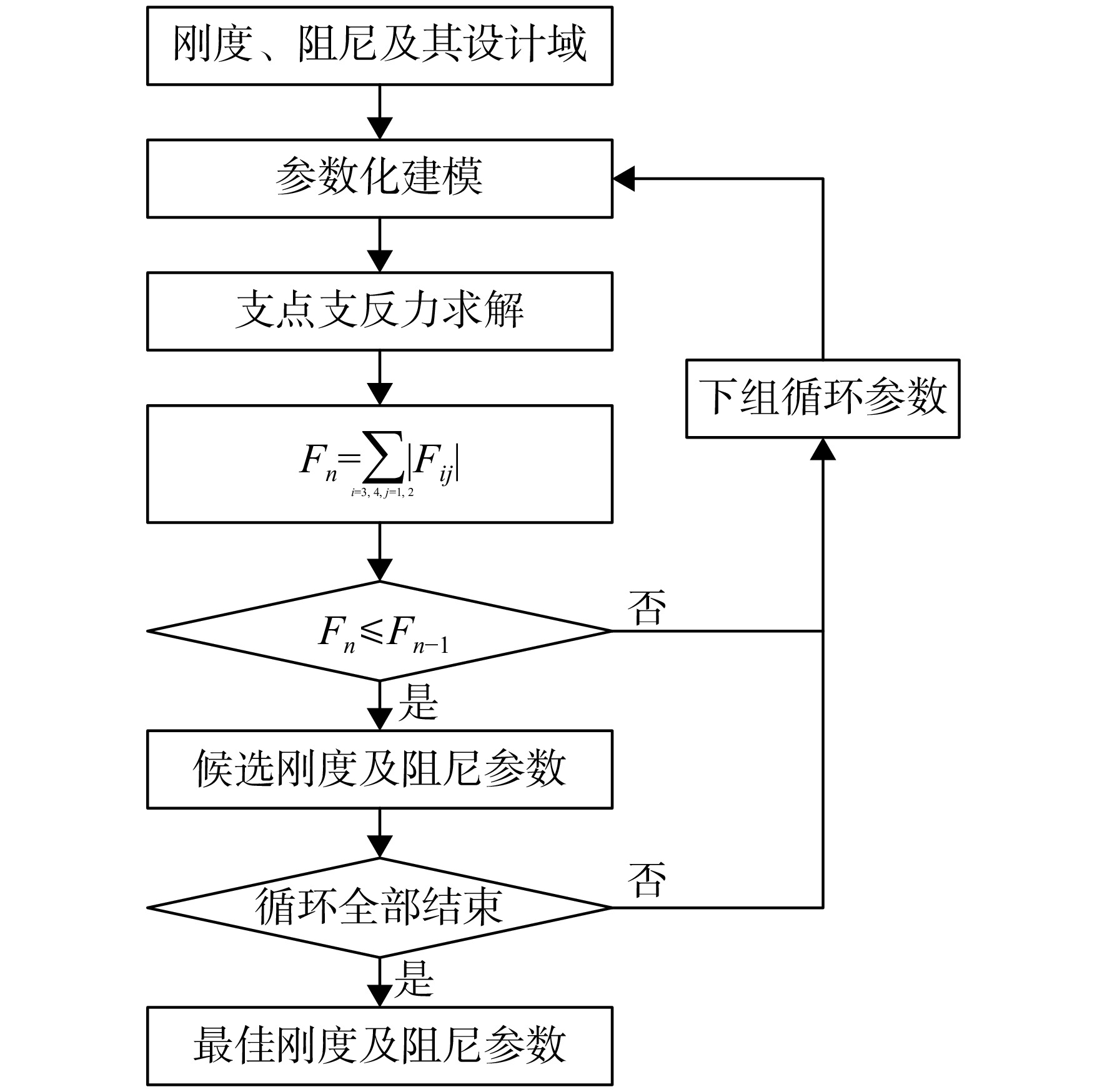
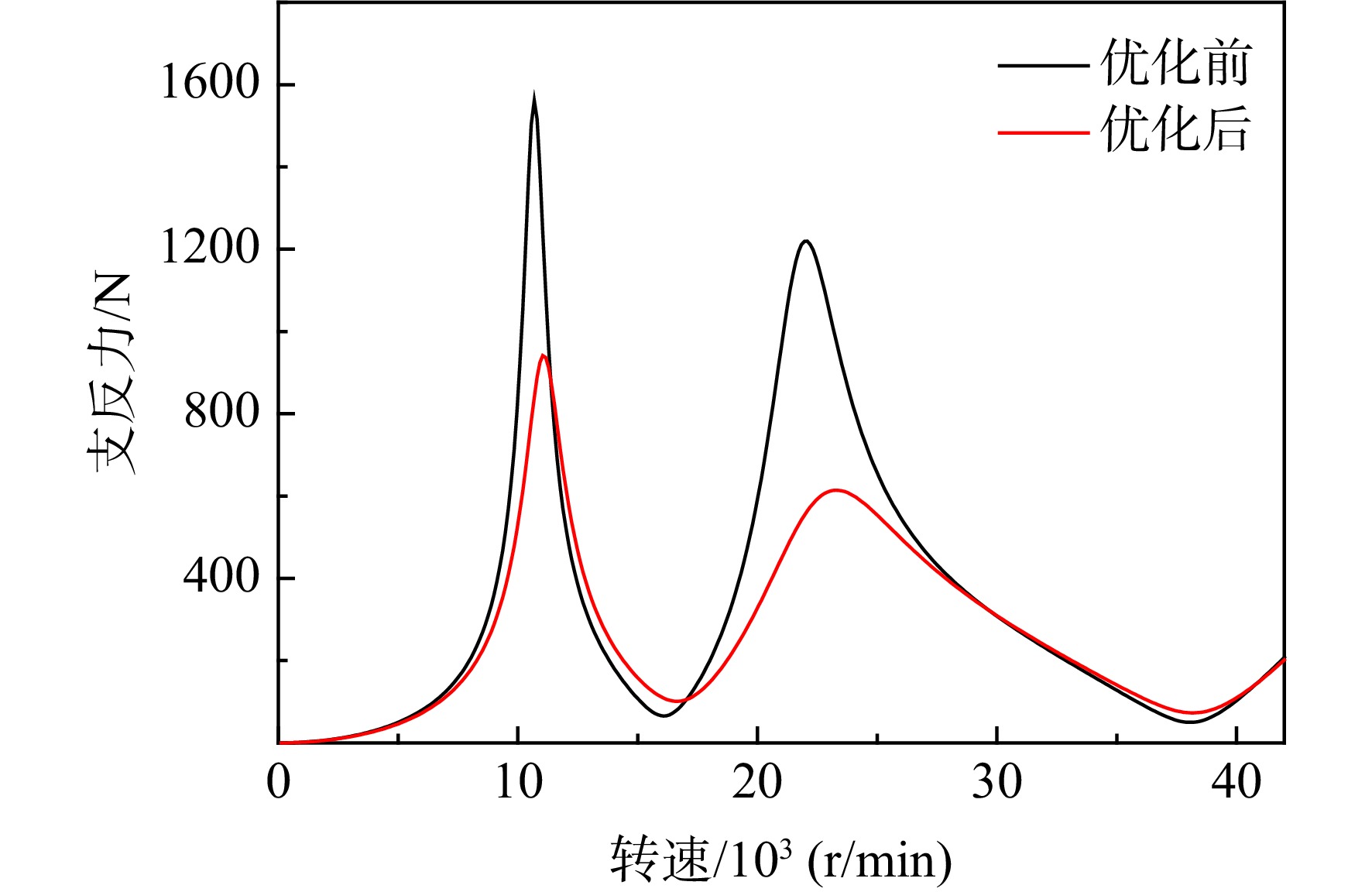
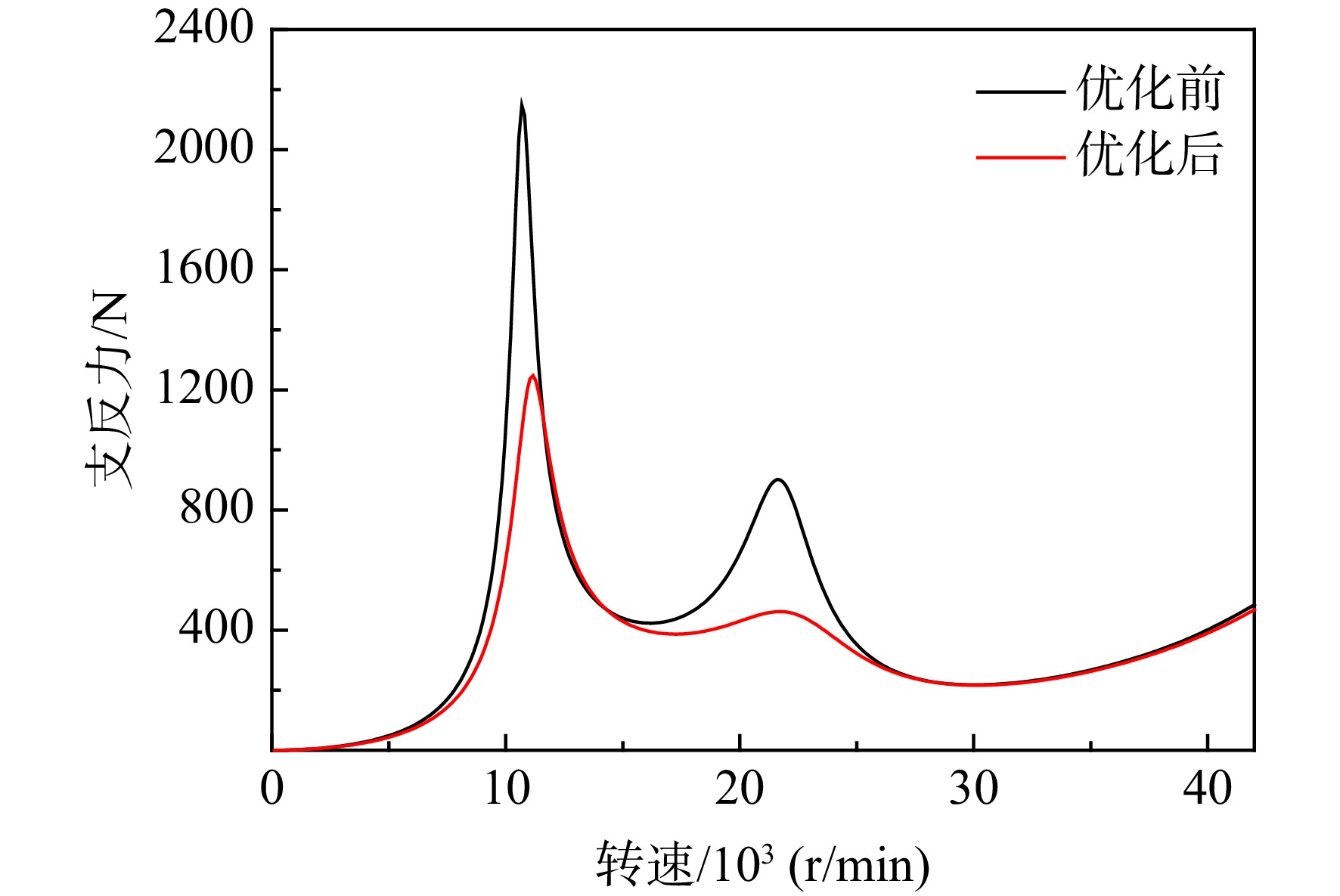
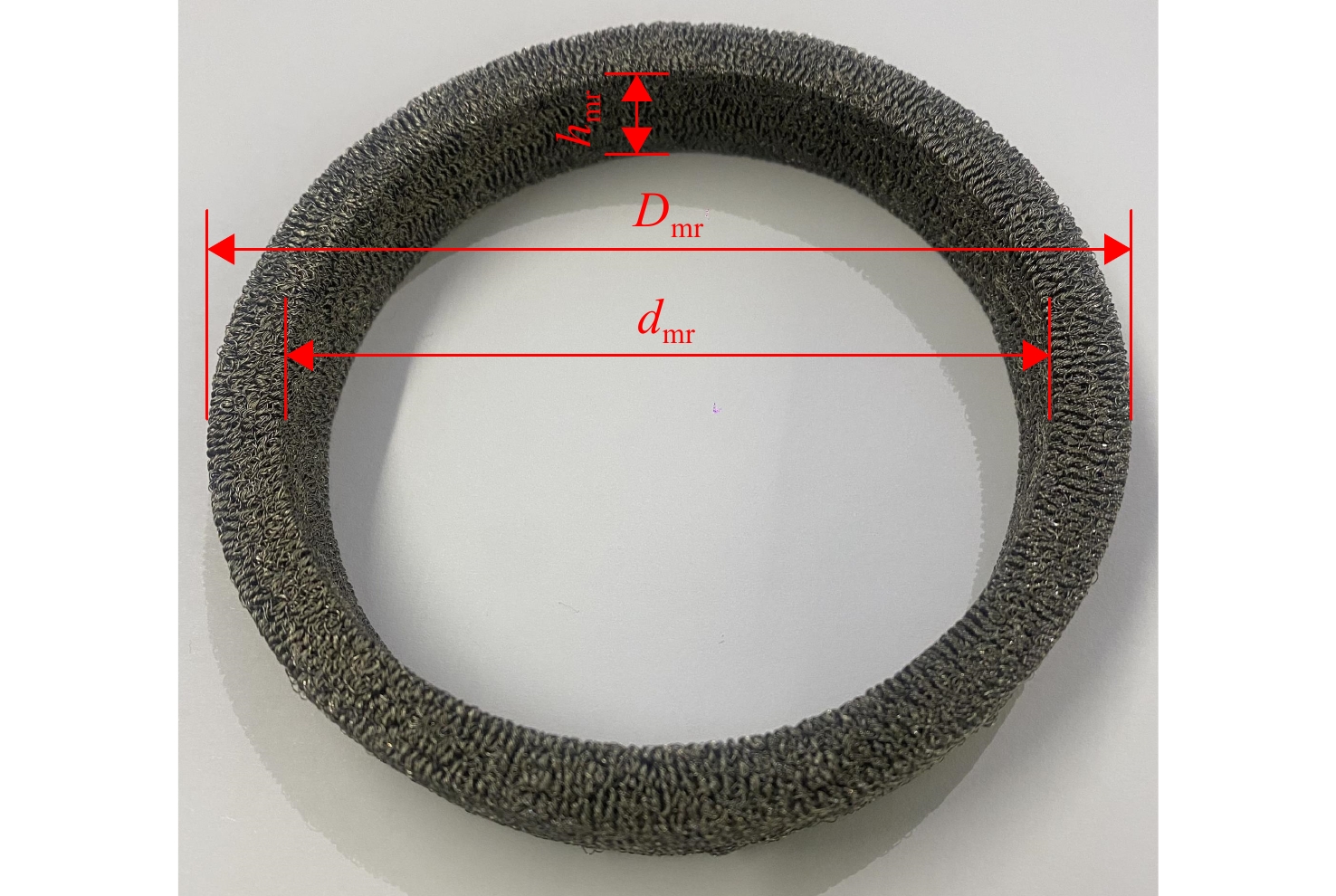
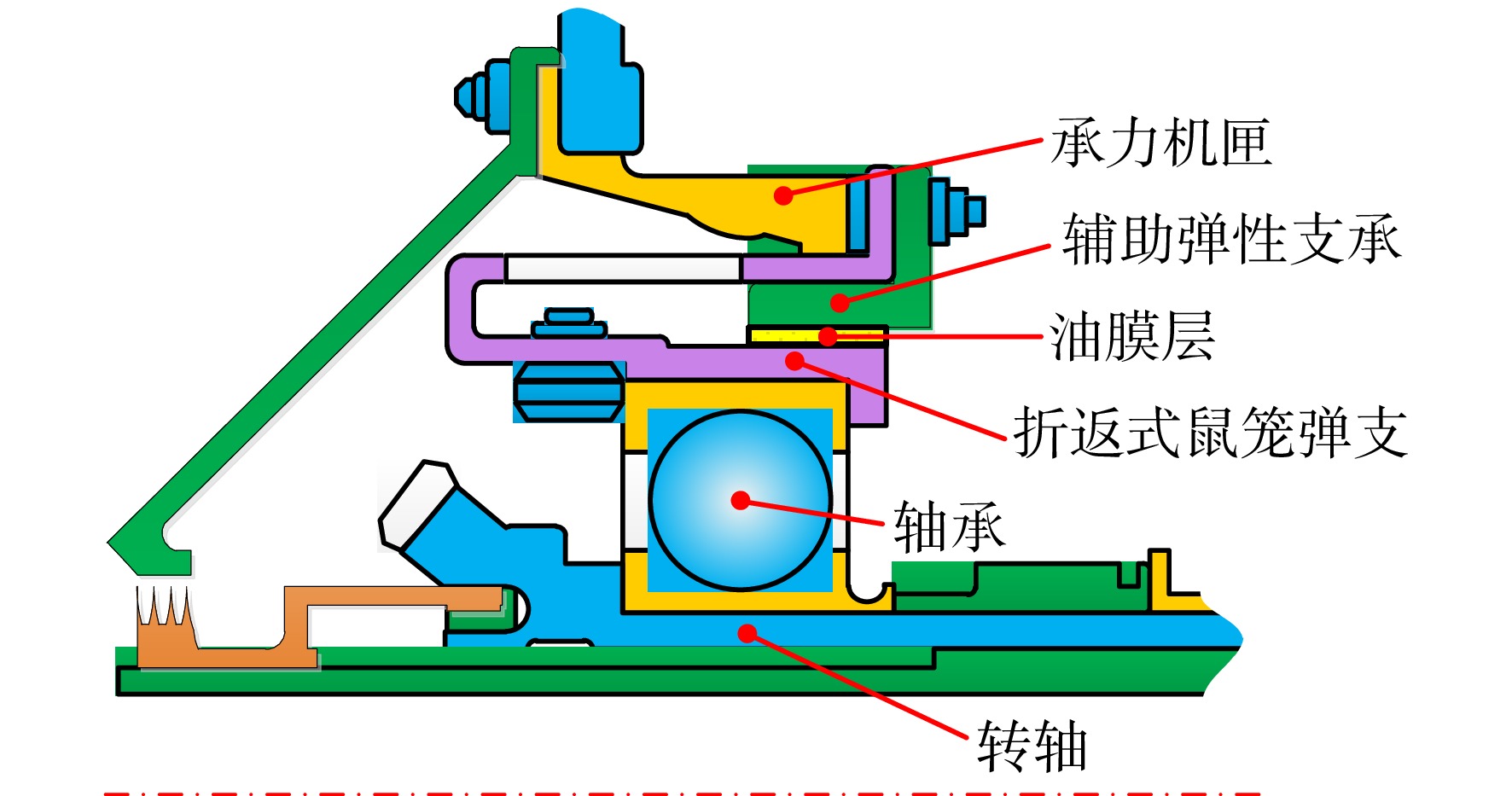
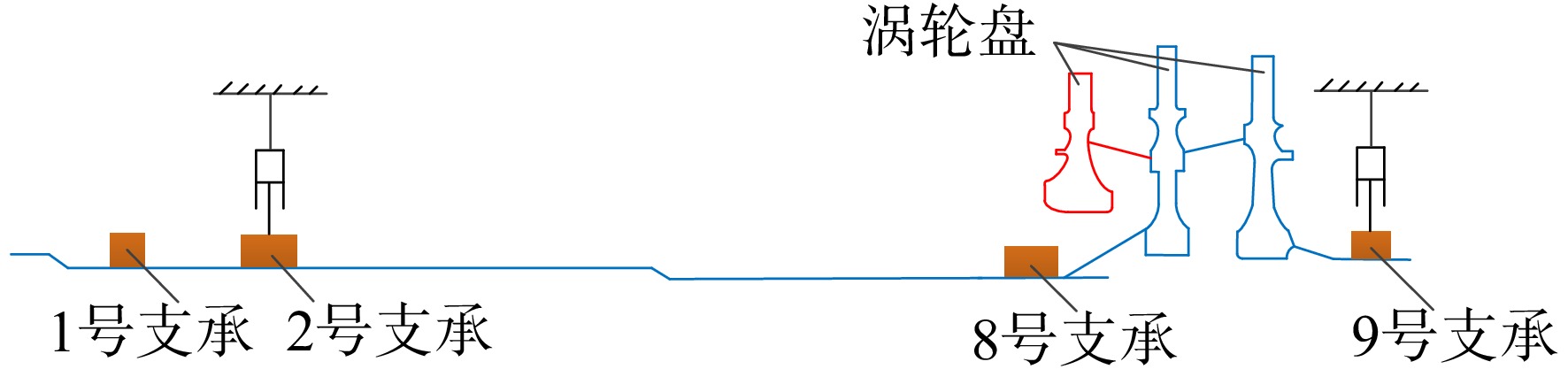
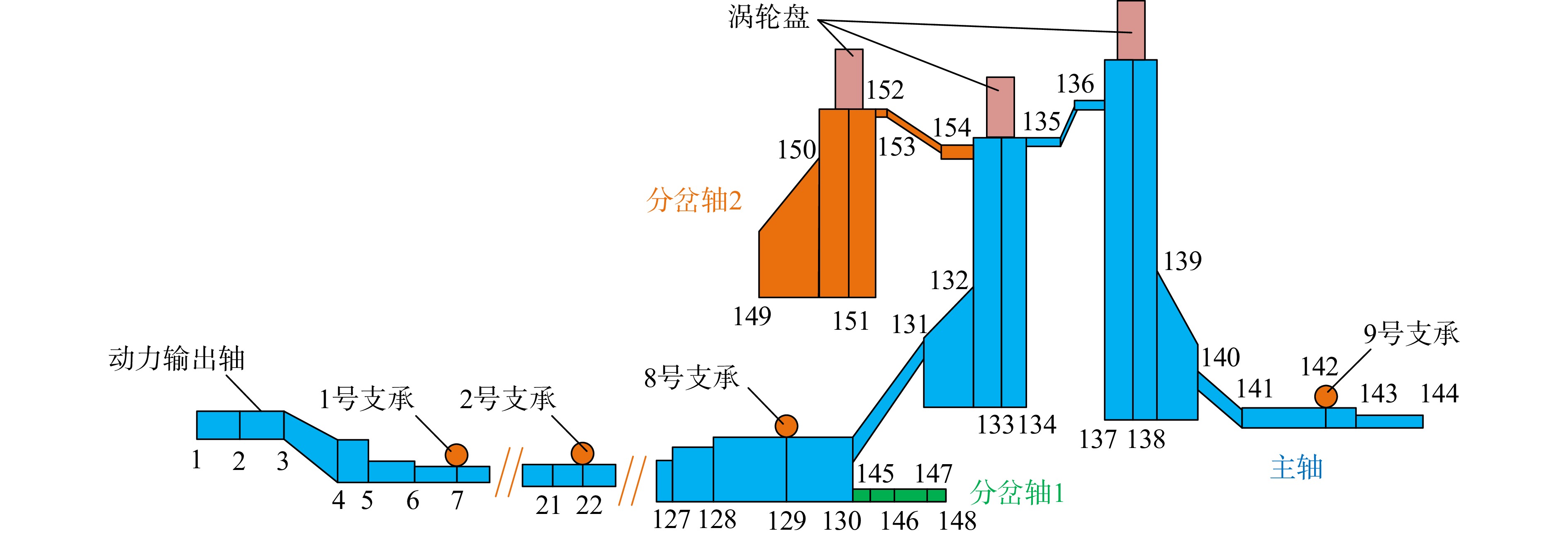
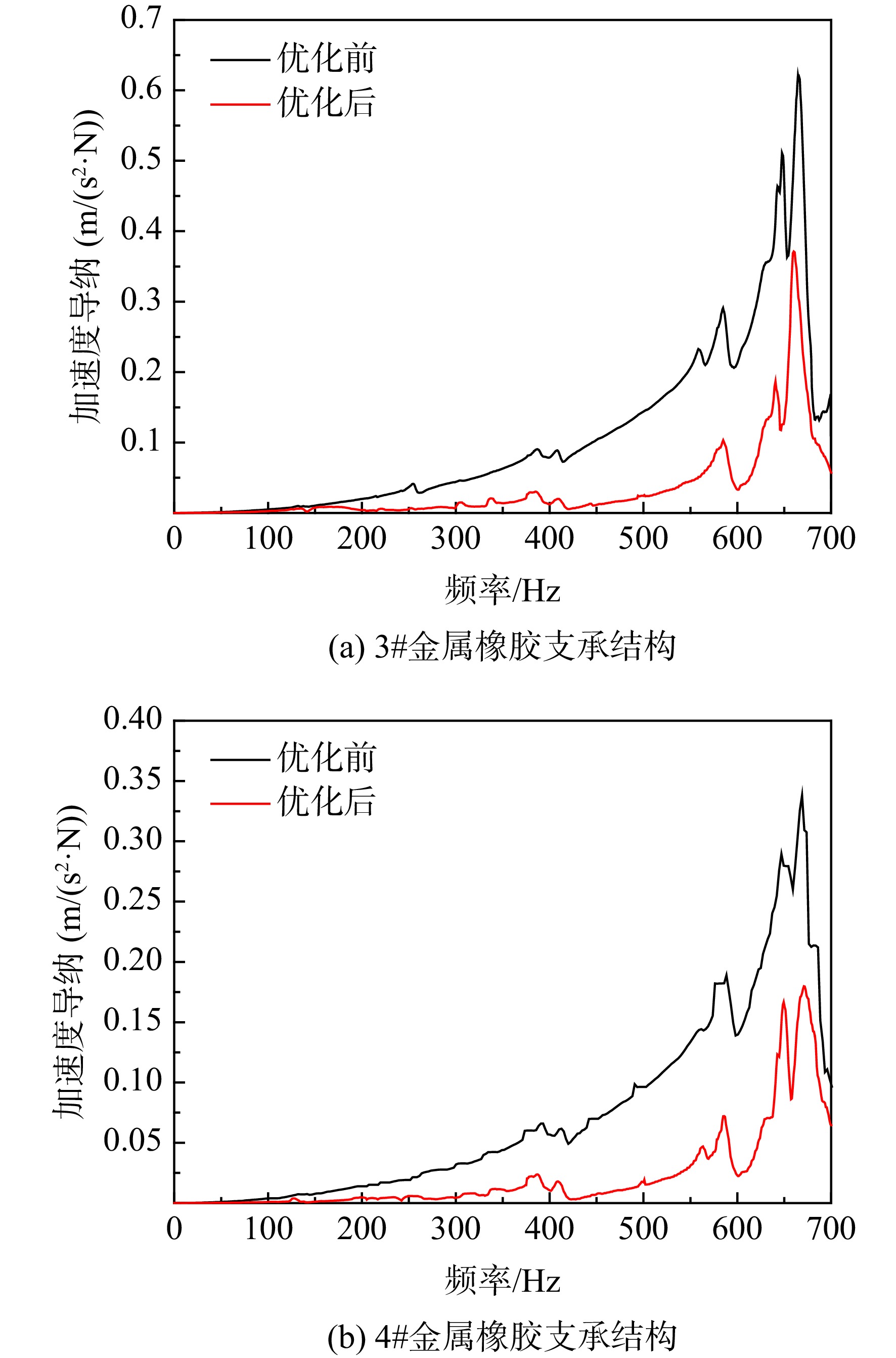
Considering the design of the support structure for the rotor system of the gas generator, the influence of the mechanical characteristics of the support structure on the dynamic characteristics of the rotor was analyzed. On this basis, a metal rubber support structure was proposed, and the mechanical properties of the metal rubber support structure were optimized to ensure the critical speed margin and reduce the dynamic response of the rotor system. The quasi-static mechanical properties and dynamic mechanical properties of the metal rubber support structure were tested. The results showed that: after optimization of the stiffness and damping coefficient of the metal rubber support structure, the amplitude of the fulcrum dynamic load of the rotor system at two critical speeds was reduced by about 40%. In the sweep frequency test, the frequency response function of the optimized metal rubber support structure at the peak was reduced by up to 70%, which verified the effectiveness of the metal rubber support structure. This research has important engineering reference value for the support structure design of rotor systems.

Gear remaining life prediction based on residual attention TCN and vision transformer
HU Aijun, LI Chenyang, XING Lei, ZHOU Zhuohao, XIANG Ling
2025, 40(12): 20240284. doi: 10.13224/j.cnki.jasp.20240284
Abstract:

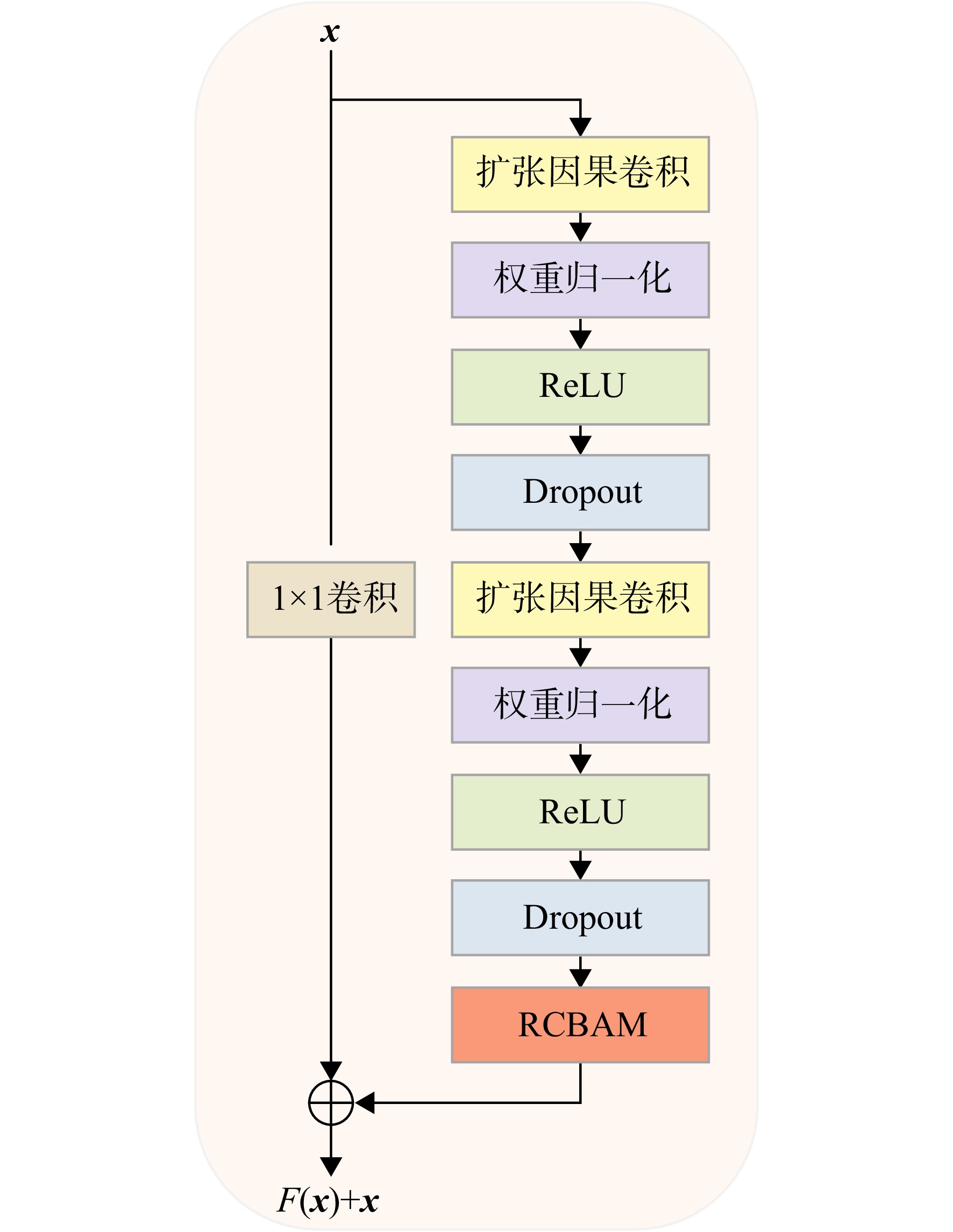
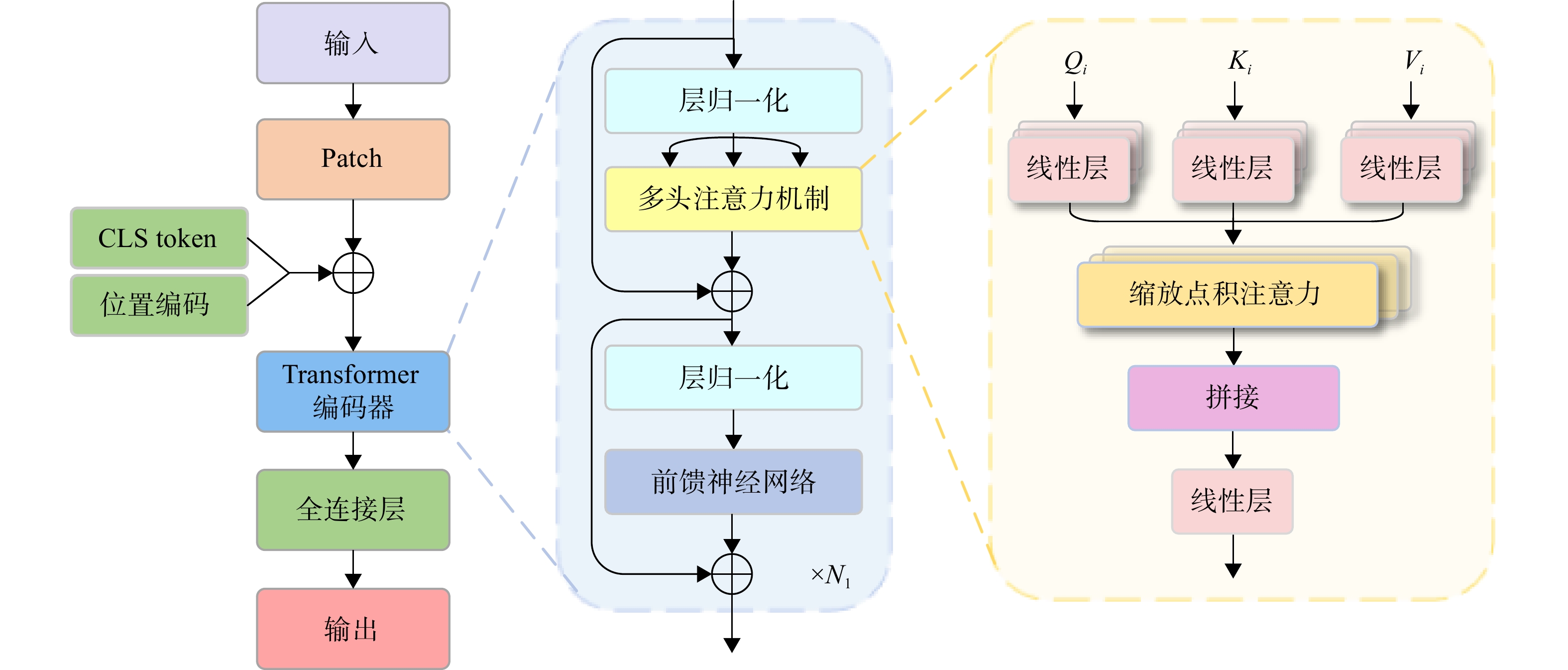
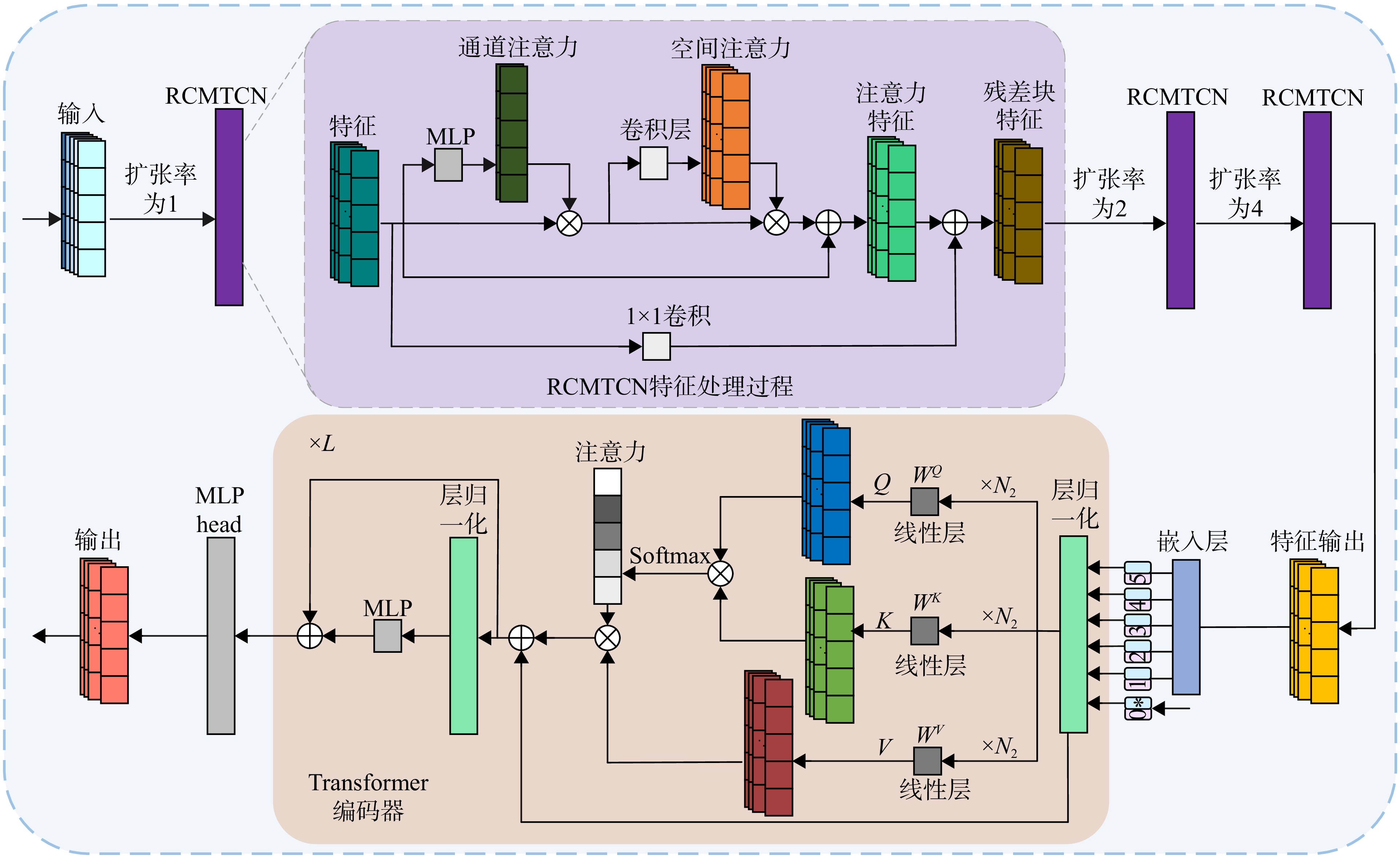
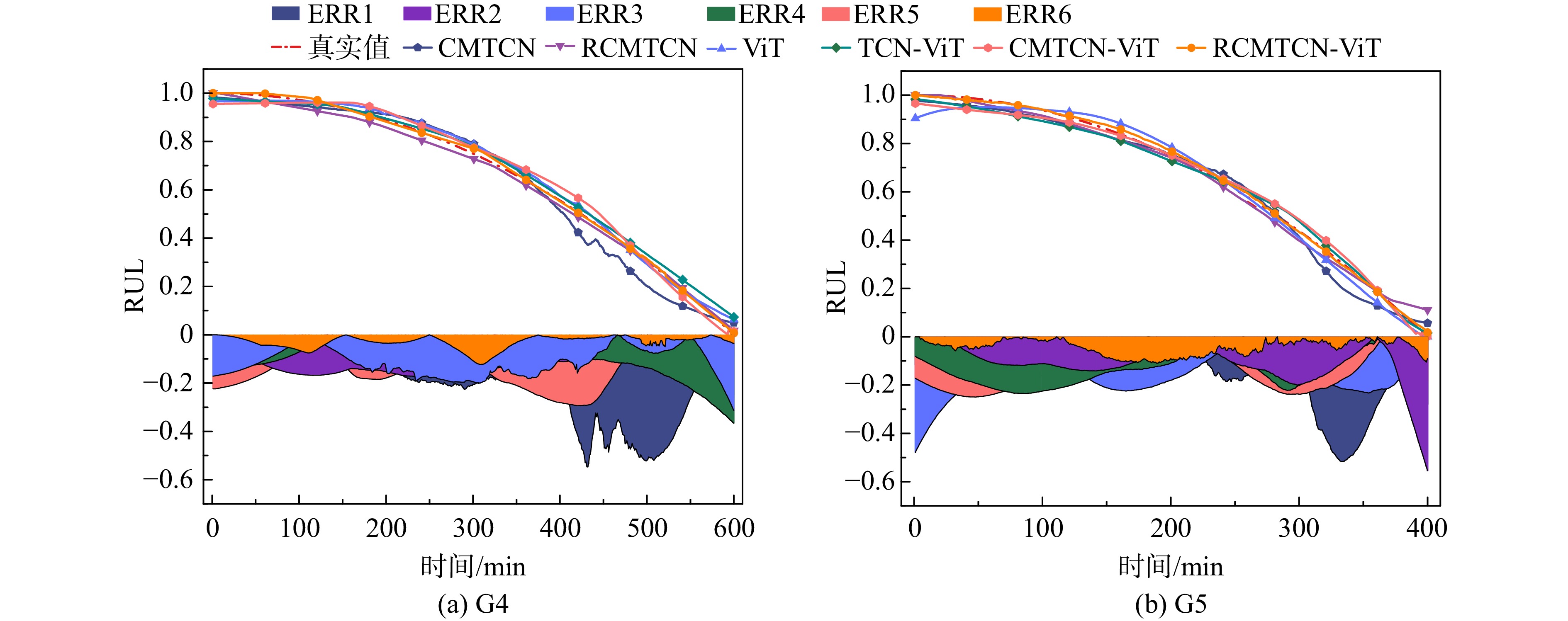
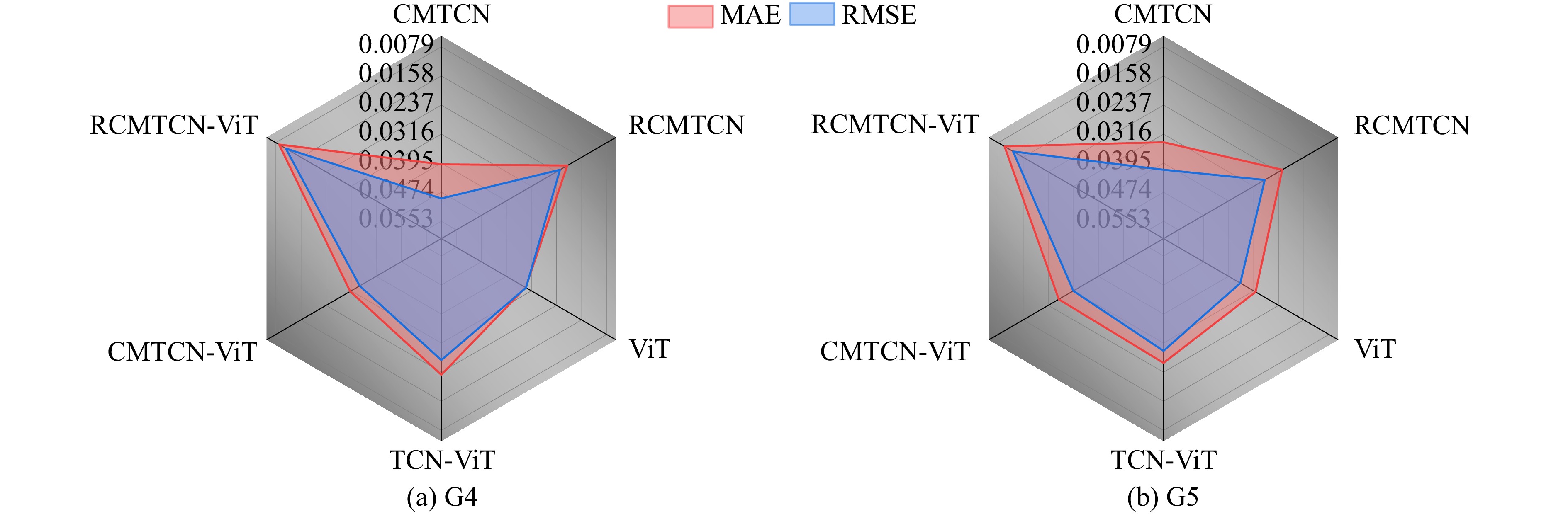
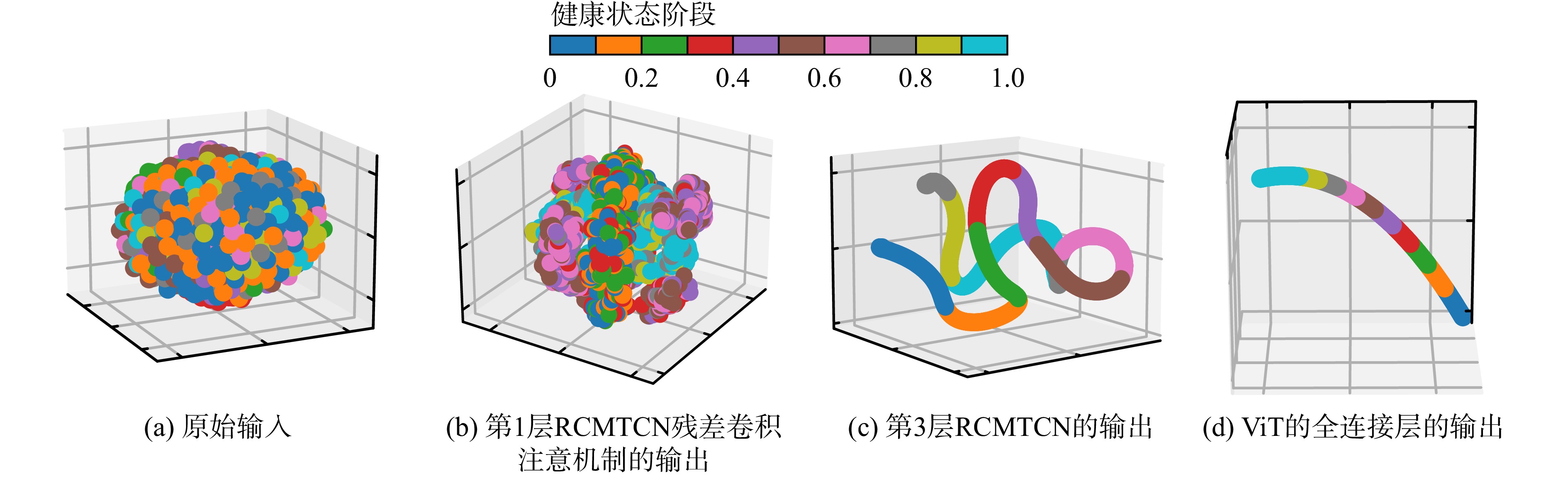
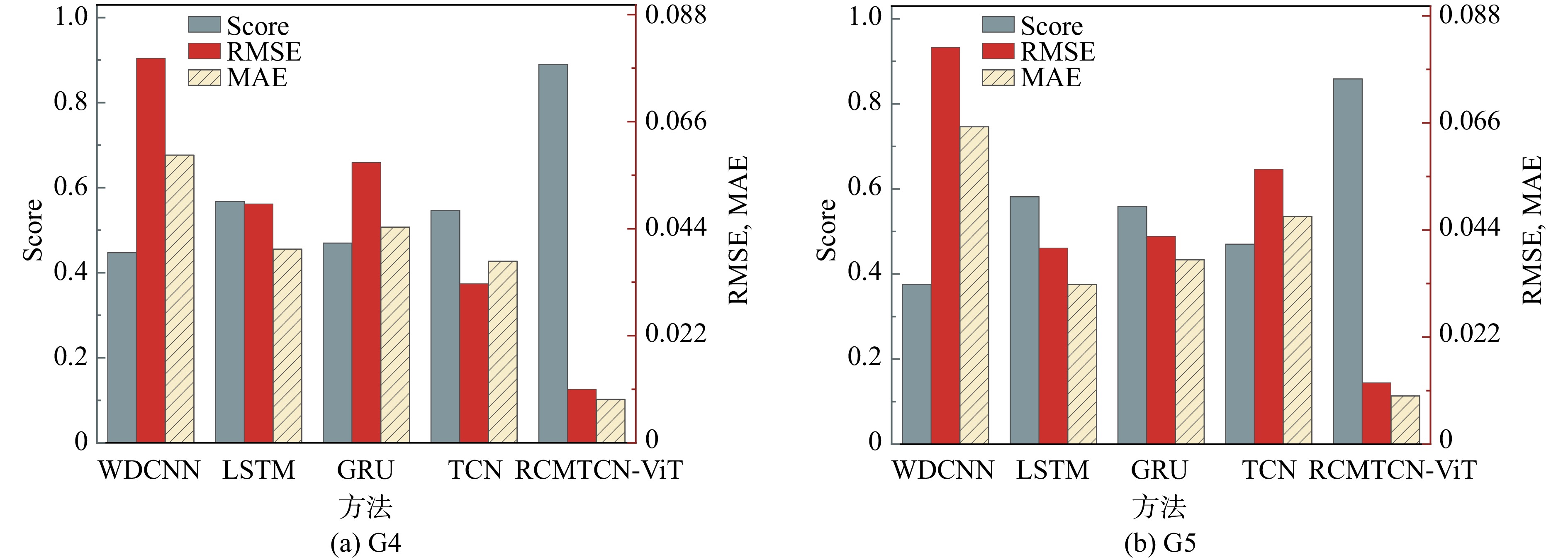
The operating condition of a gear system is influenced by multiple factors exhibiting long-term dependencies over time and differences between local and global features. In order to effectively capture the temporal dependence in data and adaptively adjust the attention to features, a temporal convolutional network (RCMTCN) with residual convolutional block attention mechanism was proposed. By introducing residual connections into the convolutional block attention mechanism, the model can jointly emphasize the original input and attention-weighted information, and improve the model’s ability to perceive local information. On this basis, the vision transformer (ViT) model was combined with RCMTCN to predict the remaining service life (RUL) of gears. The ViT model can effectively obtain the global information in the data. The fusion of these two can fully demonstrate its advantages in local feature extraction capabilities and global information attention in processing time series data, and improve the perception of features of various scales. Finally, the model was verified on two working conditions gear performance degradation datasets, pitting corrosion fault data were selected for training, and pitting corrosion and tooth broken faults were tested respectively. Experimental results showed that compared with other methods, the proposed method can more fully extract key feature information. The scoring function achieved 0.8898 for pitting failure and 0.8587 for broken tooth failure, indicating excellent operational conditions and fault adaptability.

Analysis on service life of metal rubber clamp for natural vibration characteristics of pipe systems
SHI Yan, SUN Zhonghan, LI Wengang, LIU Zhonghua, ZHANG Xufang
2025, 40(12): 20240281. doi: 10.13224/j.cnki.jasp.20240281
Abstract:

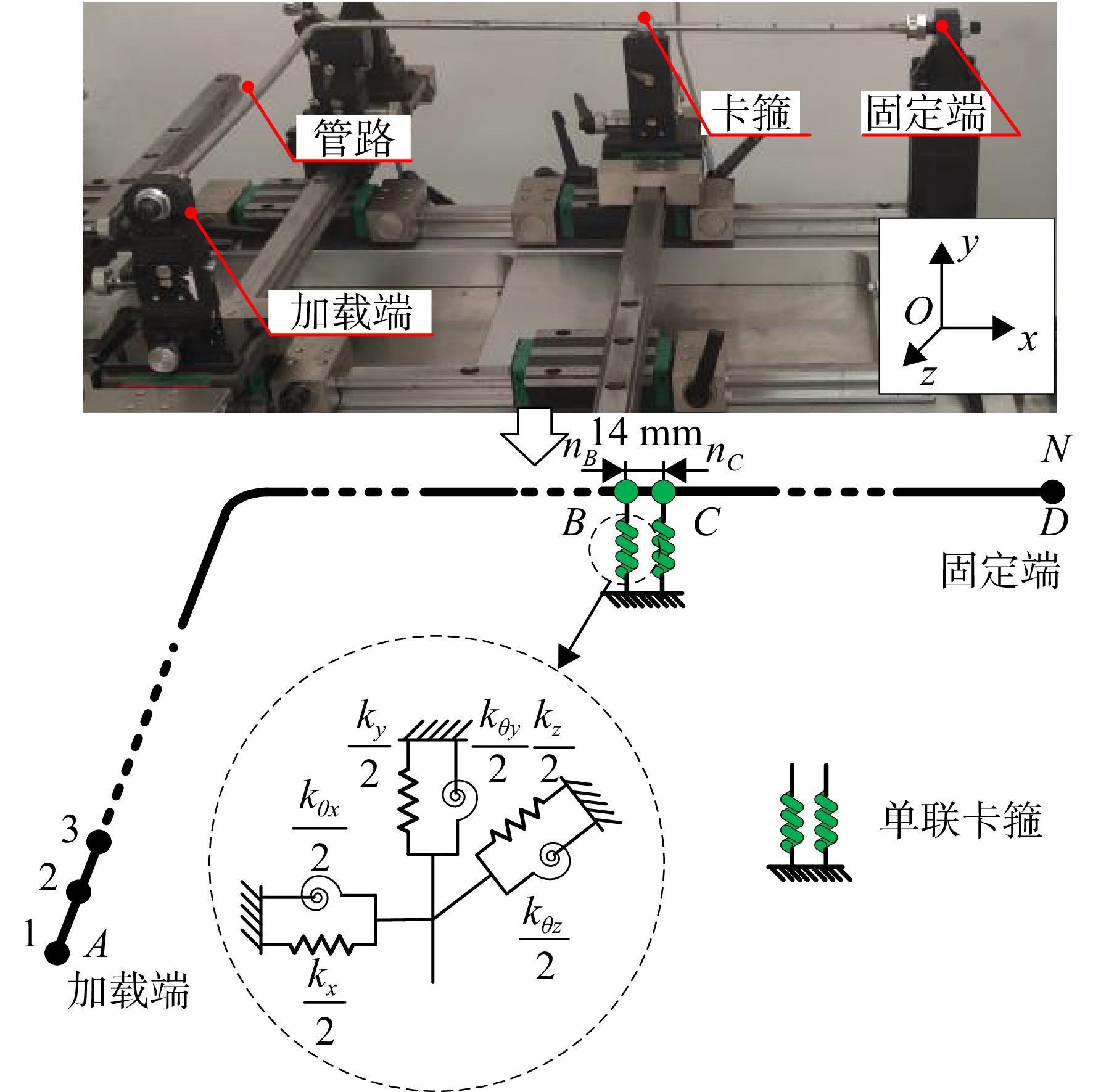
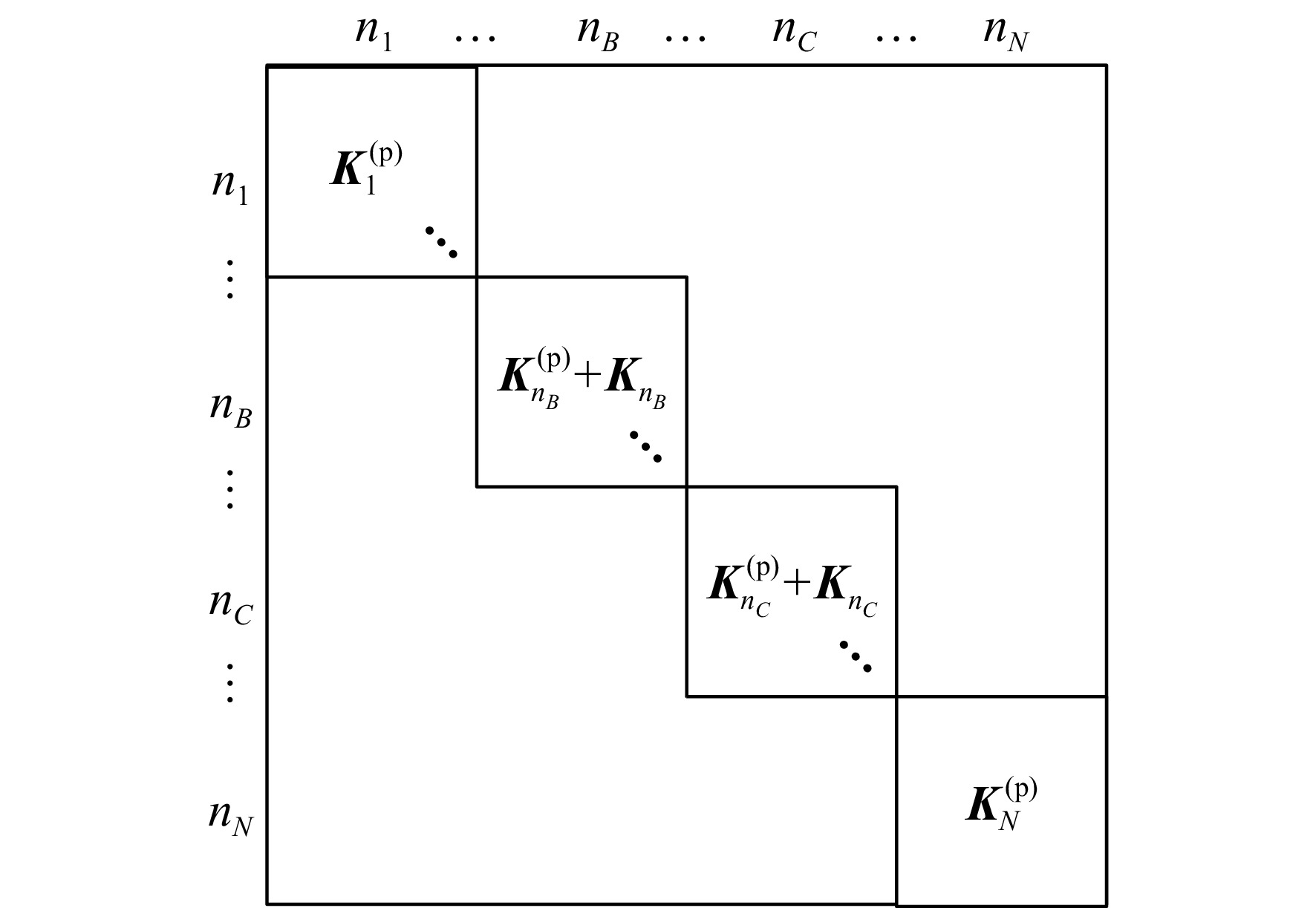
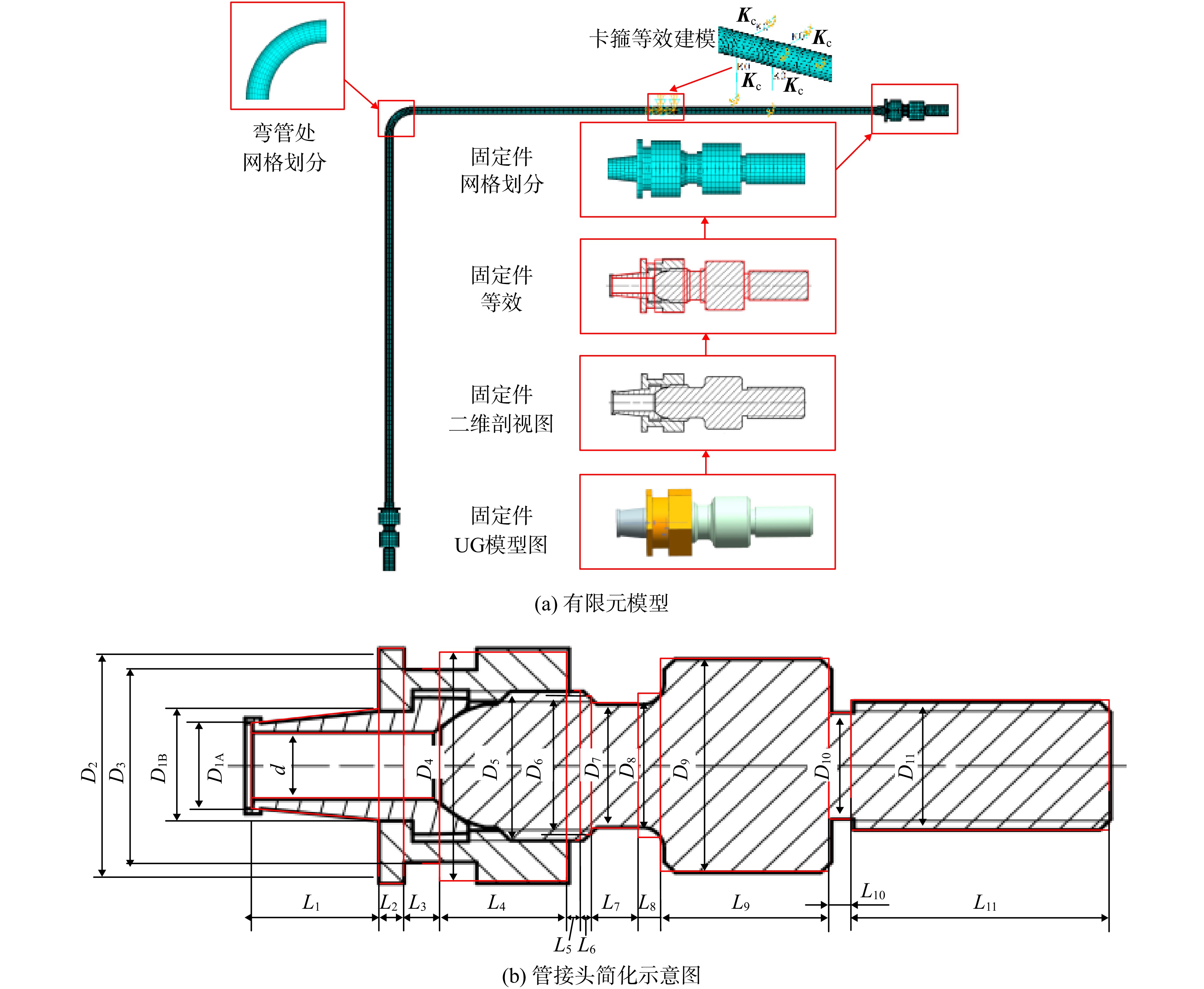
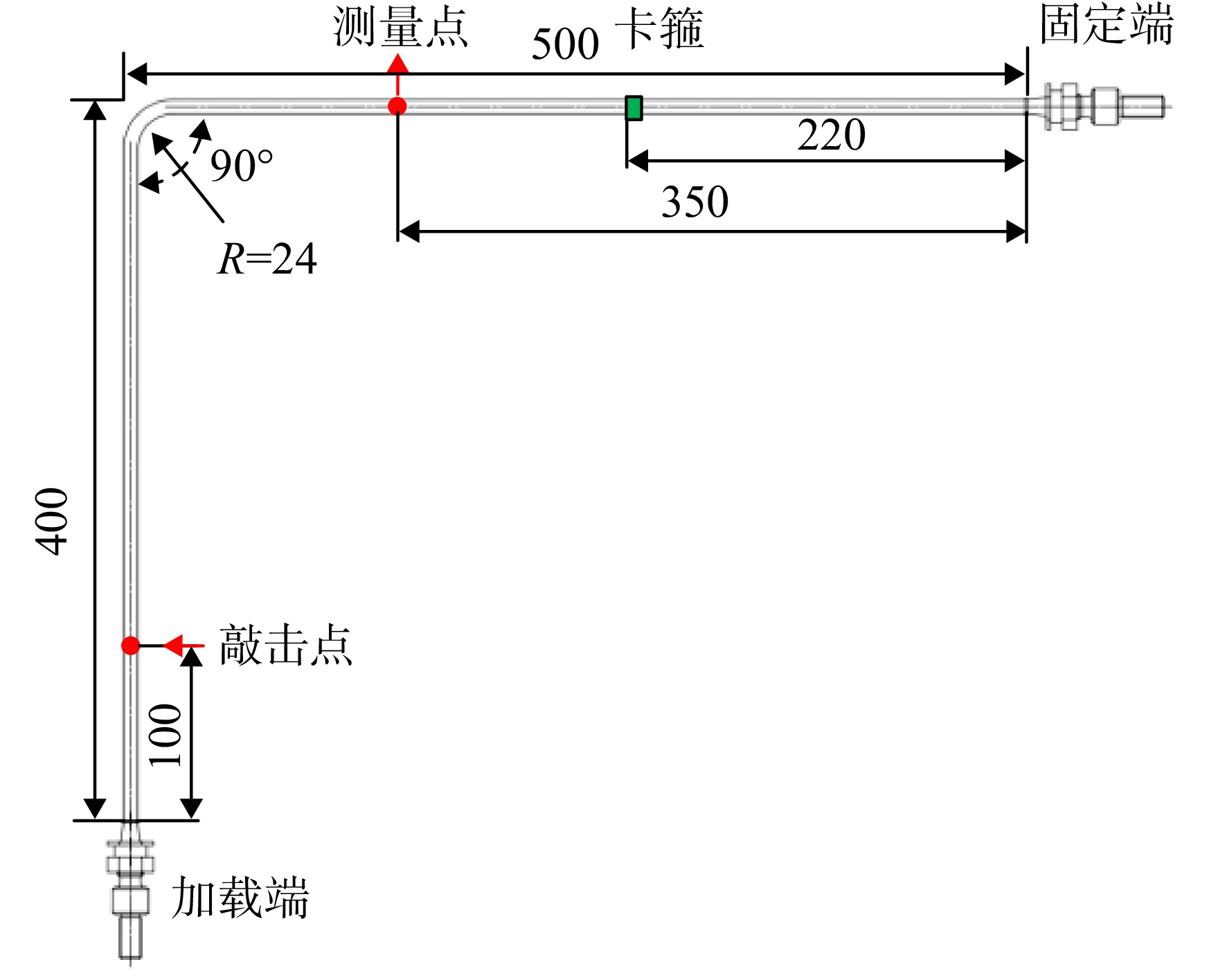
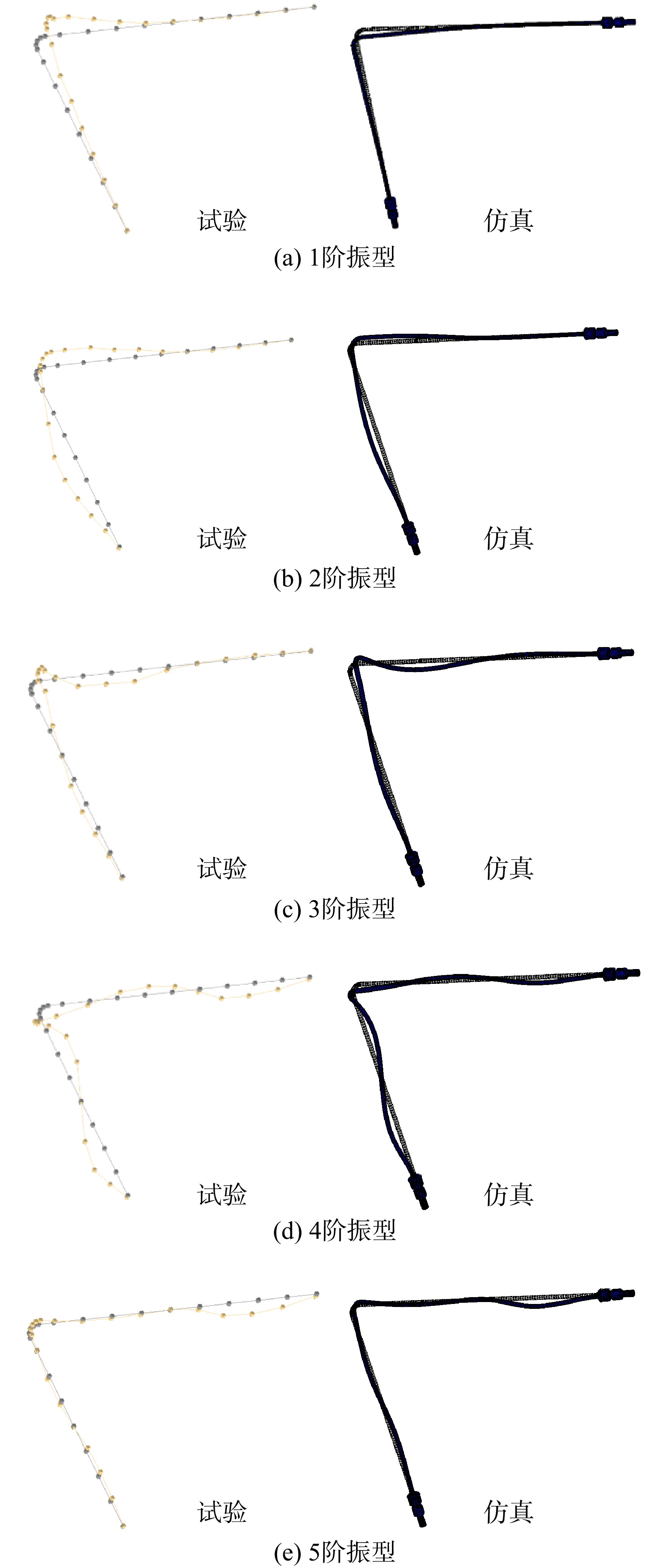
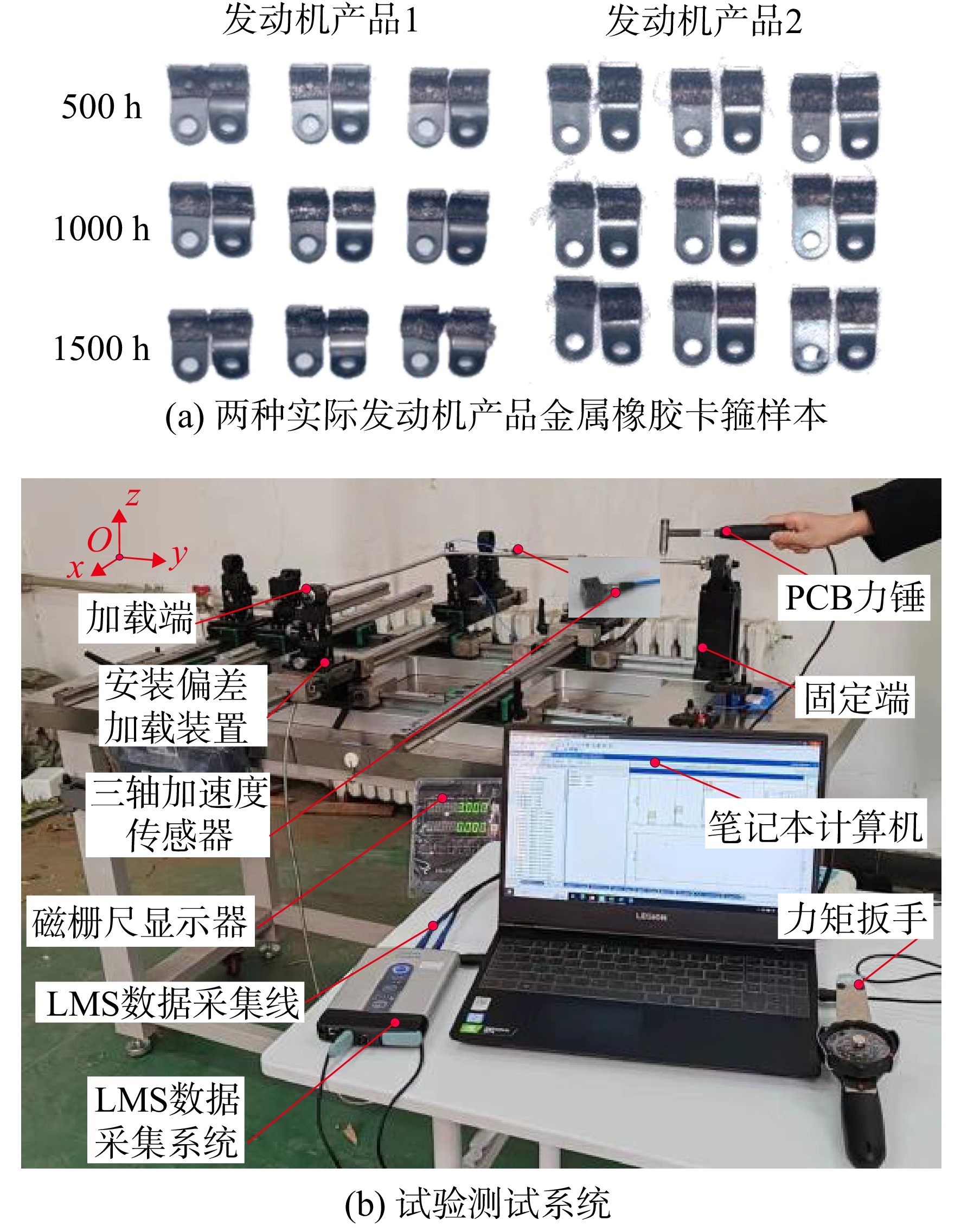
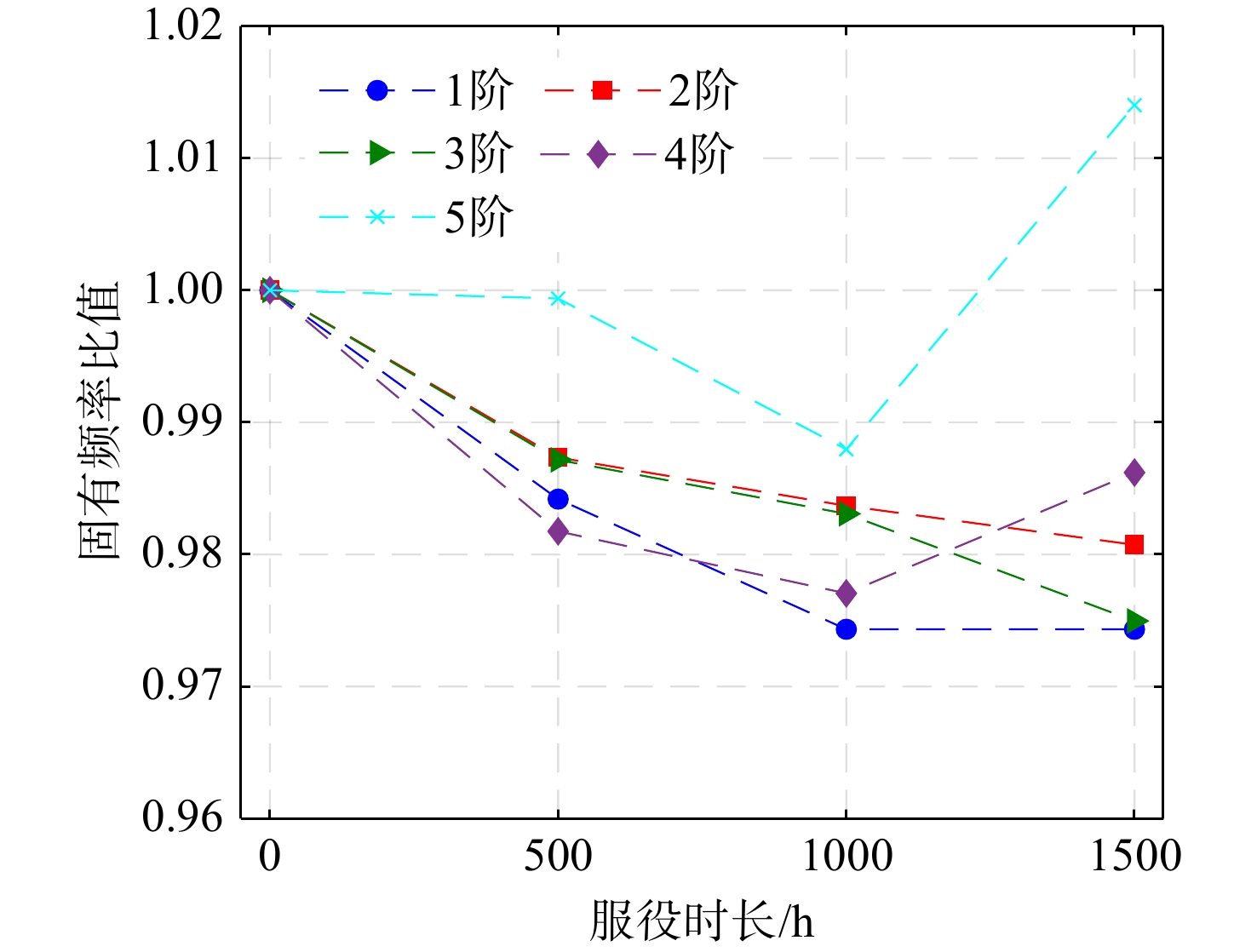
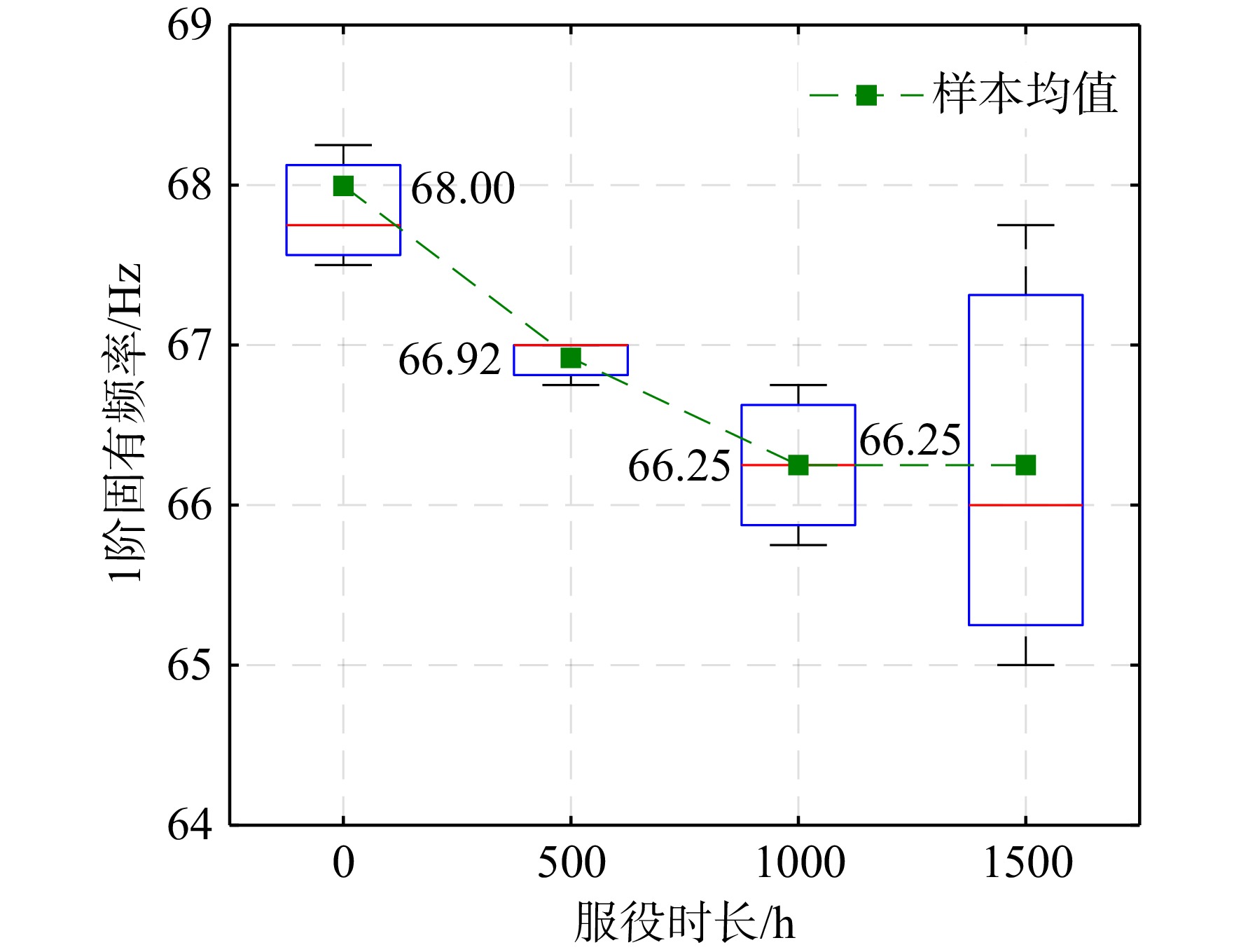
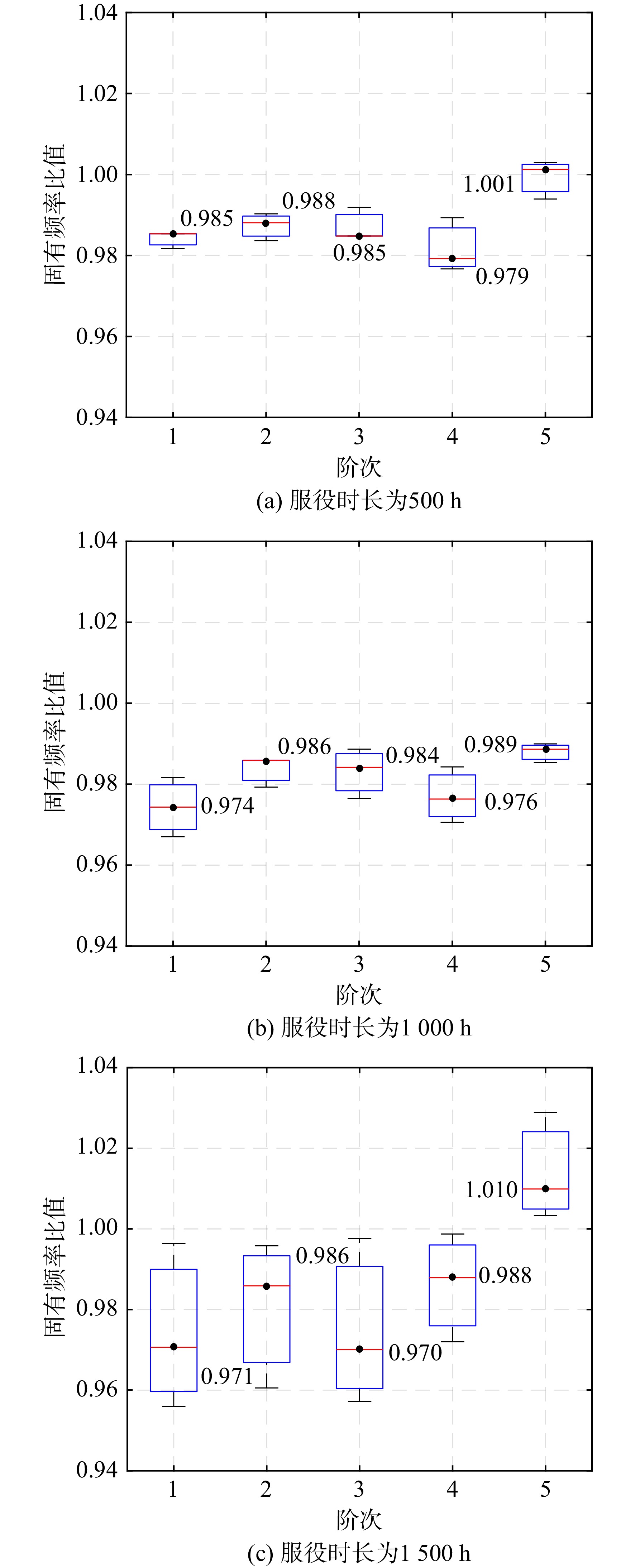
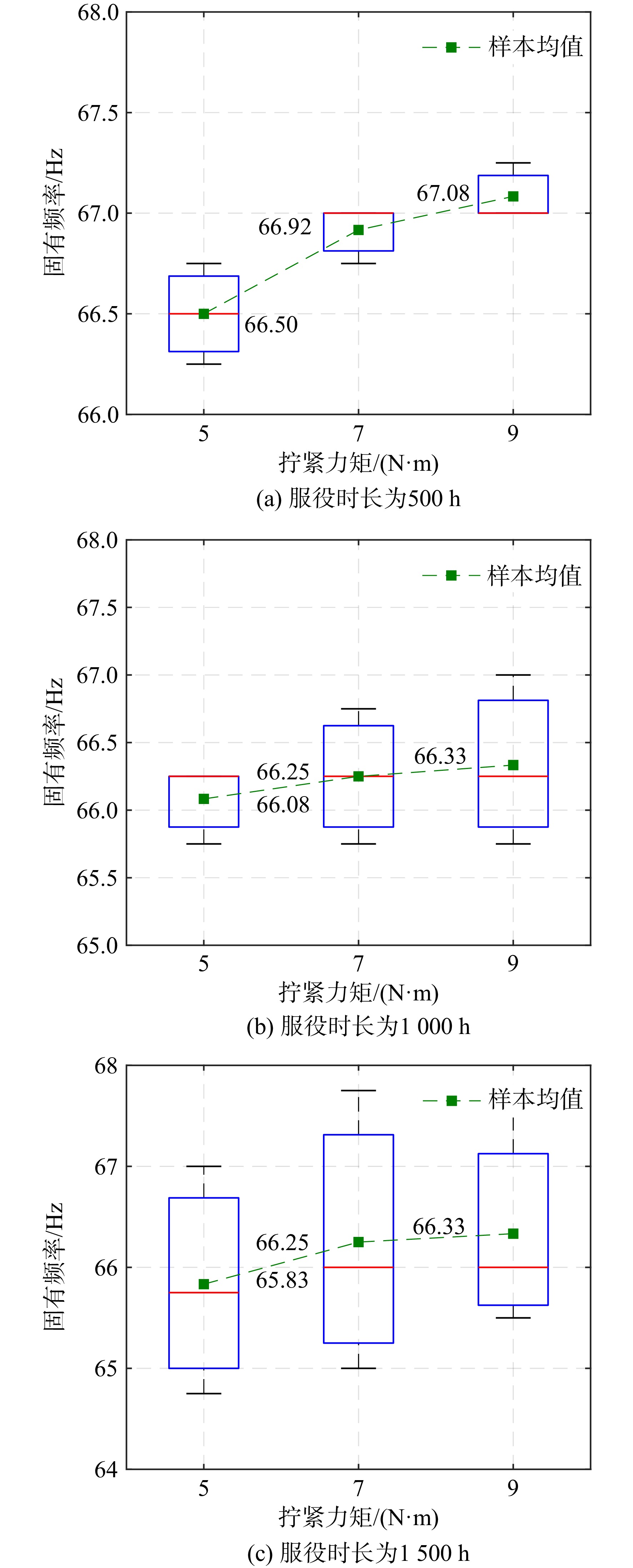
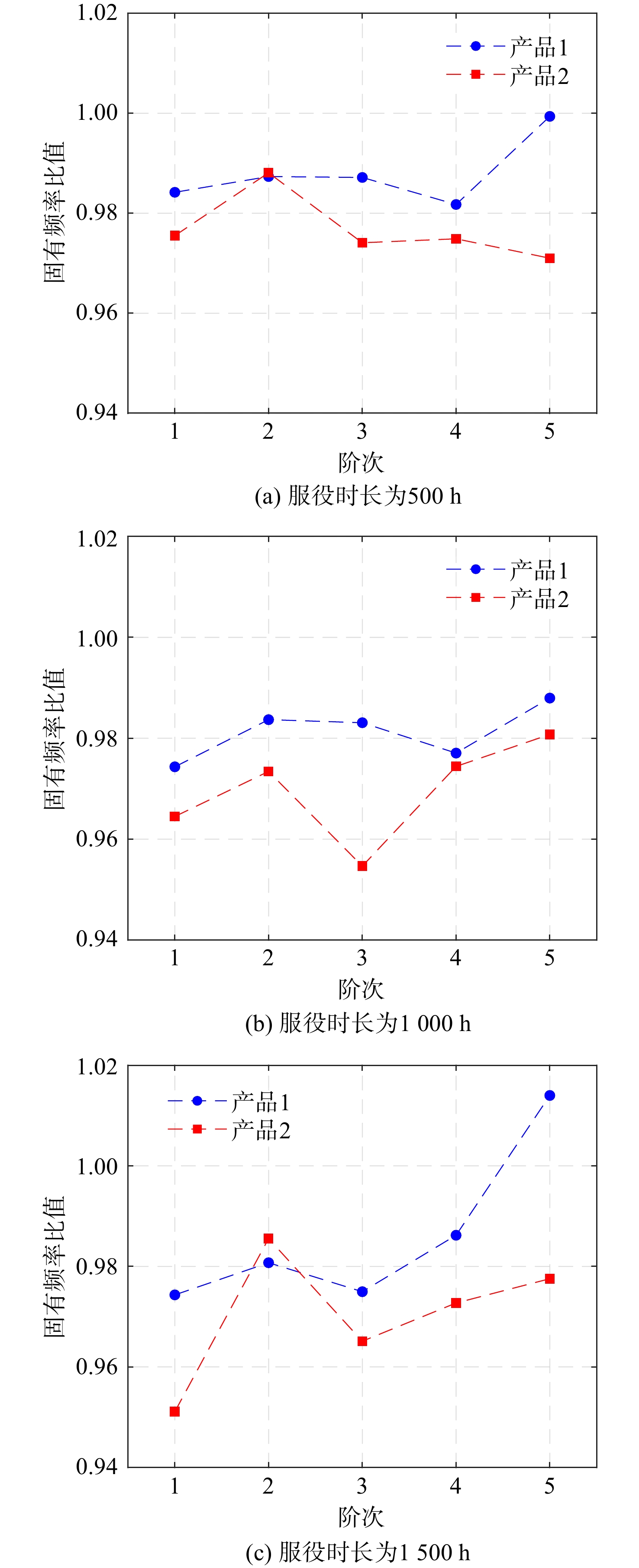
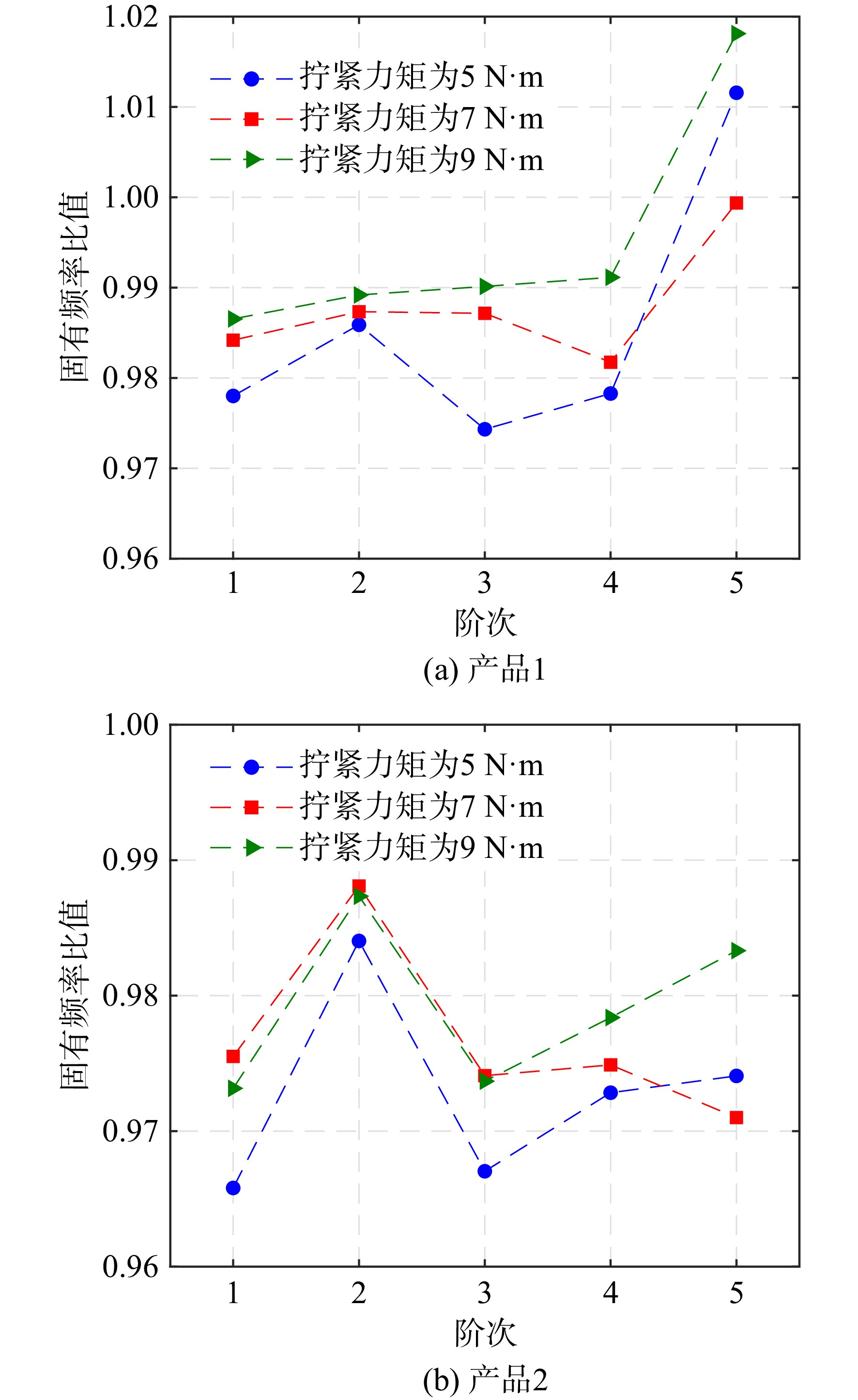
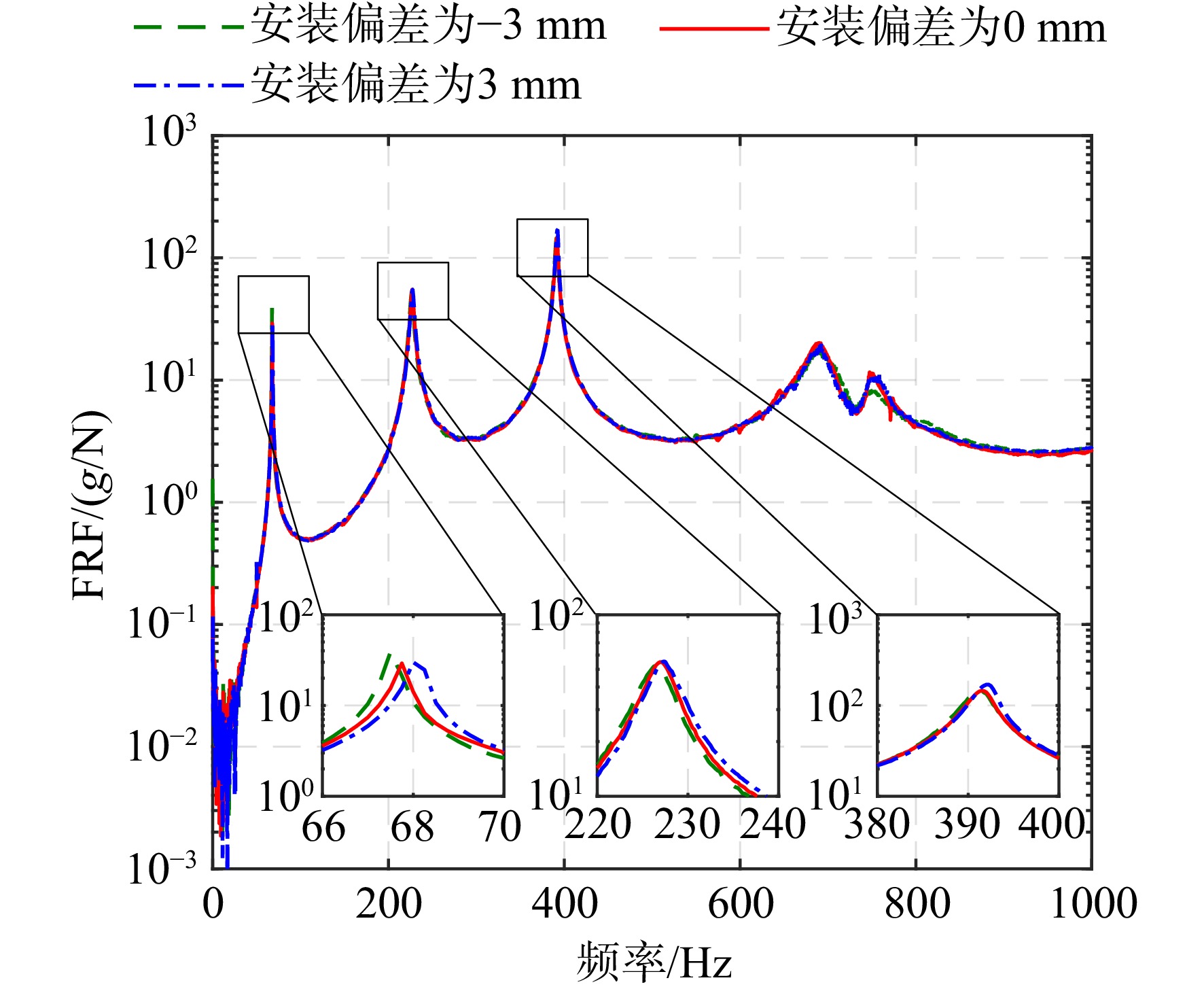
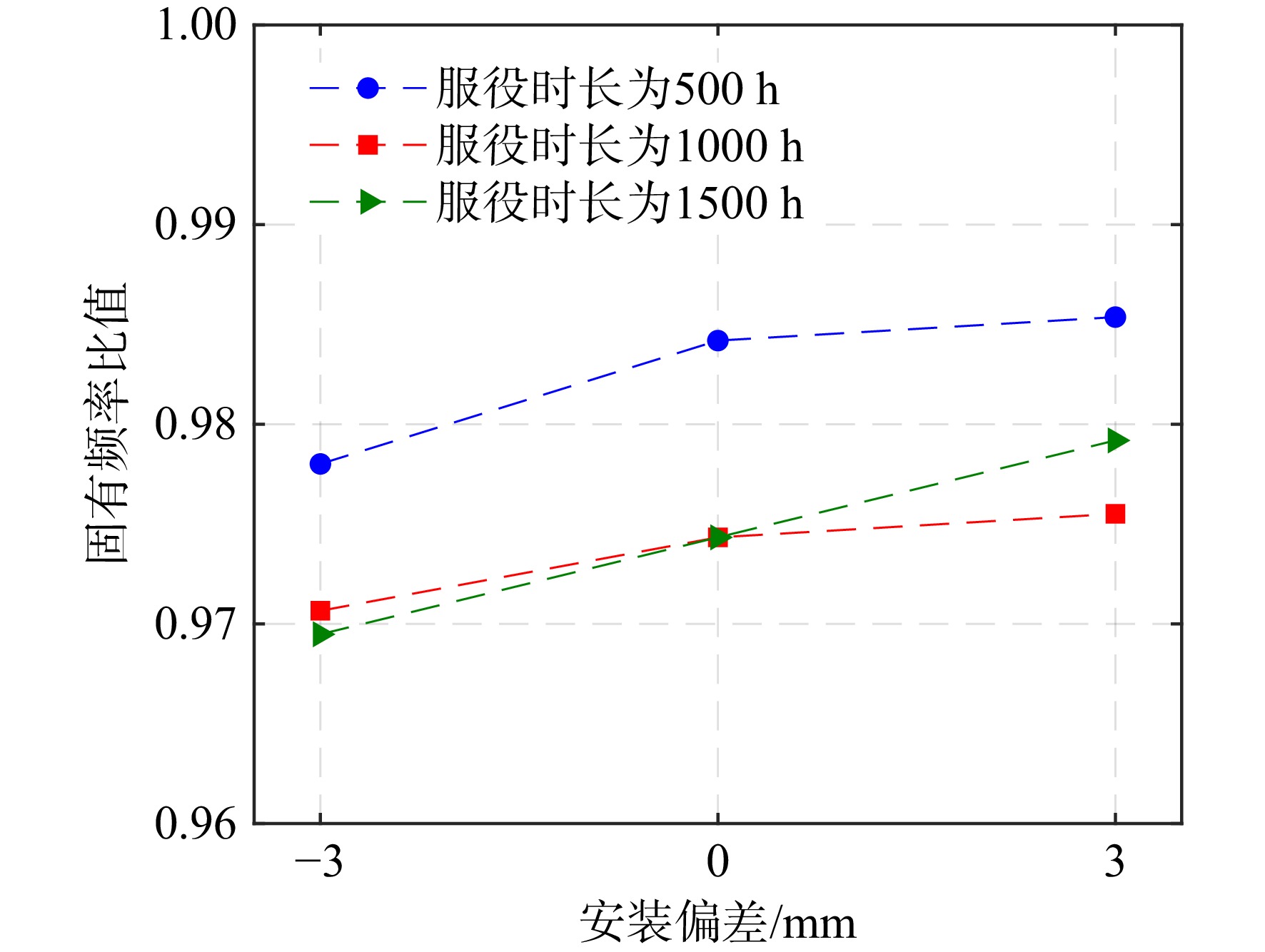
A finite element model of the clamp-pipe system was established based on the spring and pipe elements, and validated through the test results of natural frequency and frequency response. Furthermore, combined with the actual engine installed clamp samples, the effects of clamp service life, tightening torque and installation deviation on the natural vibration characteristics of the pipe were investigated. The natural frequency of the pipe decreased as the service time of the clamp increased, with the degradation rate being fastest during the initial service stage but stabilizing after 1500 h. The increase of service life led to the growing dispersion of the clamp stiffness. Increasing the bolt tightening torque can increase the first-order natural frequency of the pipe, but the adjustment ability of the clamp support stiffness decreased with the increase of service life. The axial installation deviation had little effect on the first-order natural frequency of the pipe, but the environmental load had a significant effect on the degradation rate of the clamp stiffness. In engineering practice, attention should be paid to the degradation rate of the clamp stiffness at the initial service stage and the influence of the dispersion of clamp mechanical parameters over 1000 h on the natural frequency of the pipe. Additionally, protection strategies for the metal rubber clamp in different regions should be formulated according to the load environment characteristics of the casing surface.

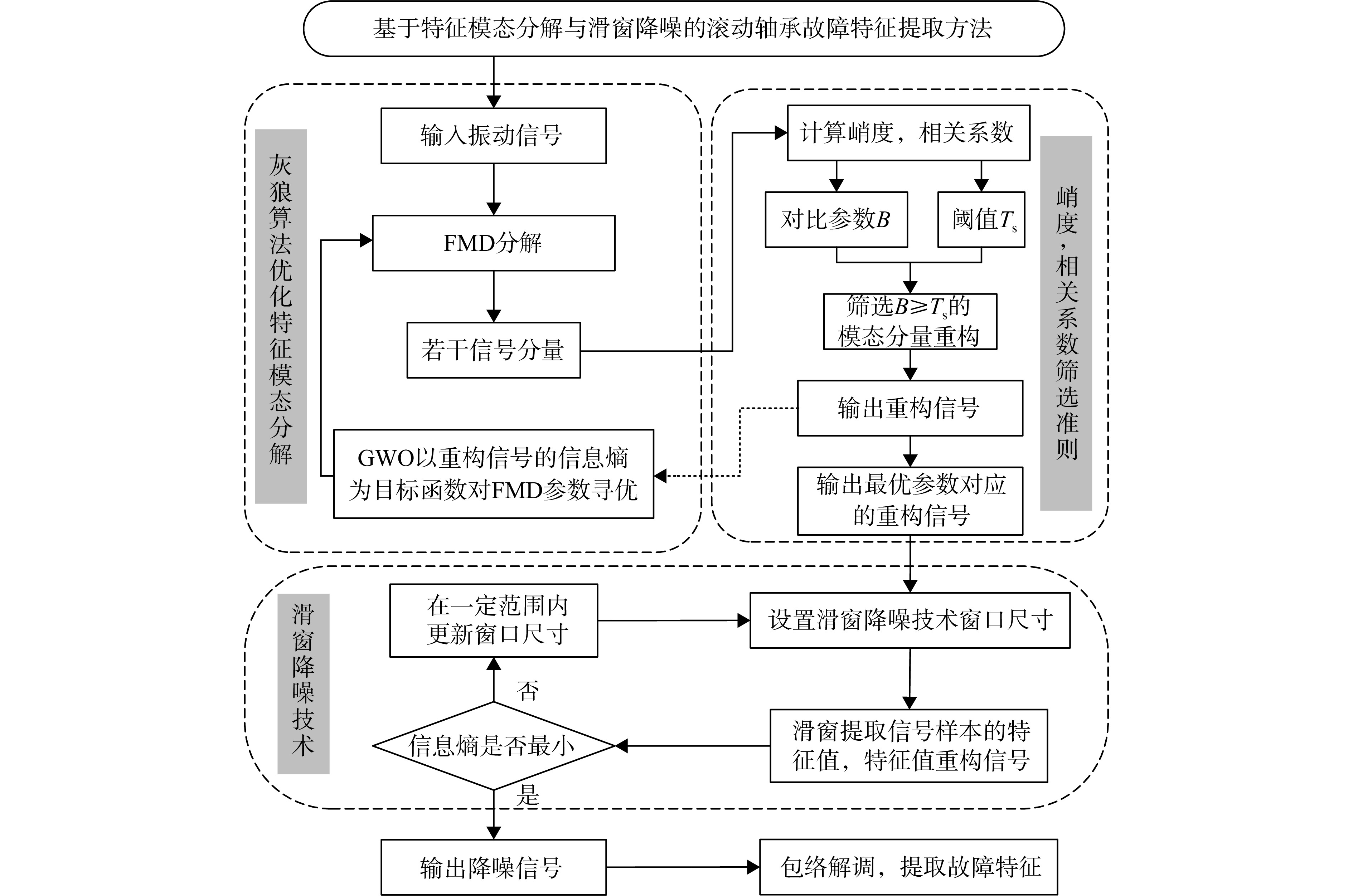
Rolling bearing fault feature extraction method based on feature mode decomposition and adaptive window length sliding window noise reduction
LUAN Xiaochi, GAO Xiang, ZHAO Fengtong, SHA Yundong, YANG Jie, XIA Ao
2025, 40(12): 20240695. doi: 10.13224/j.cnki.jasp.20240695
Abstract:

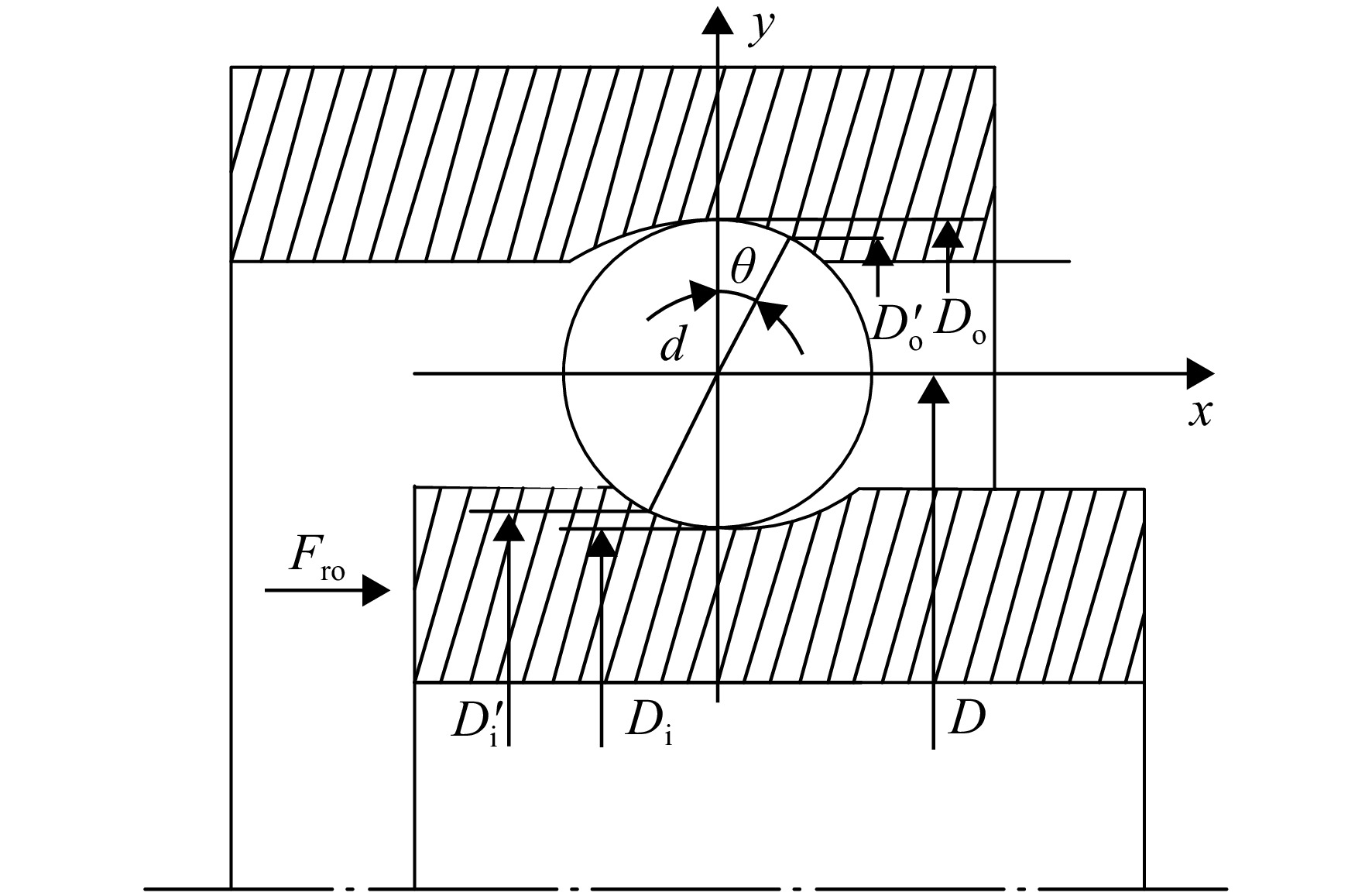
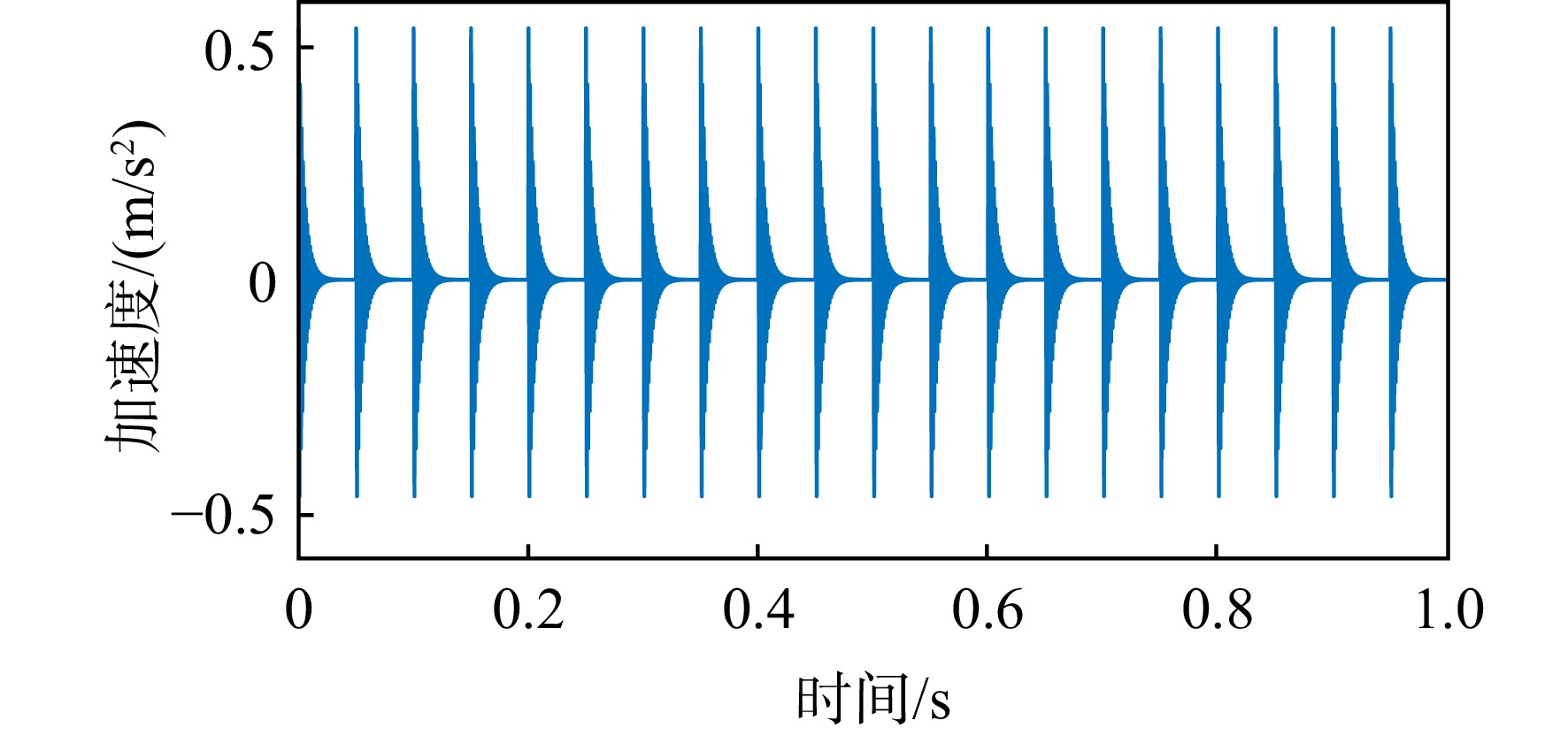
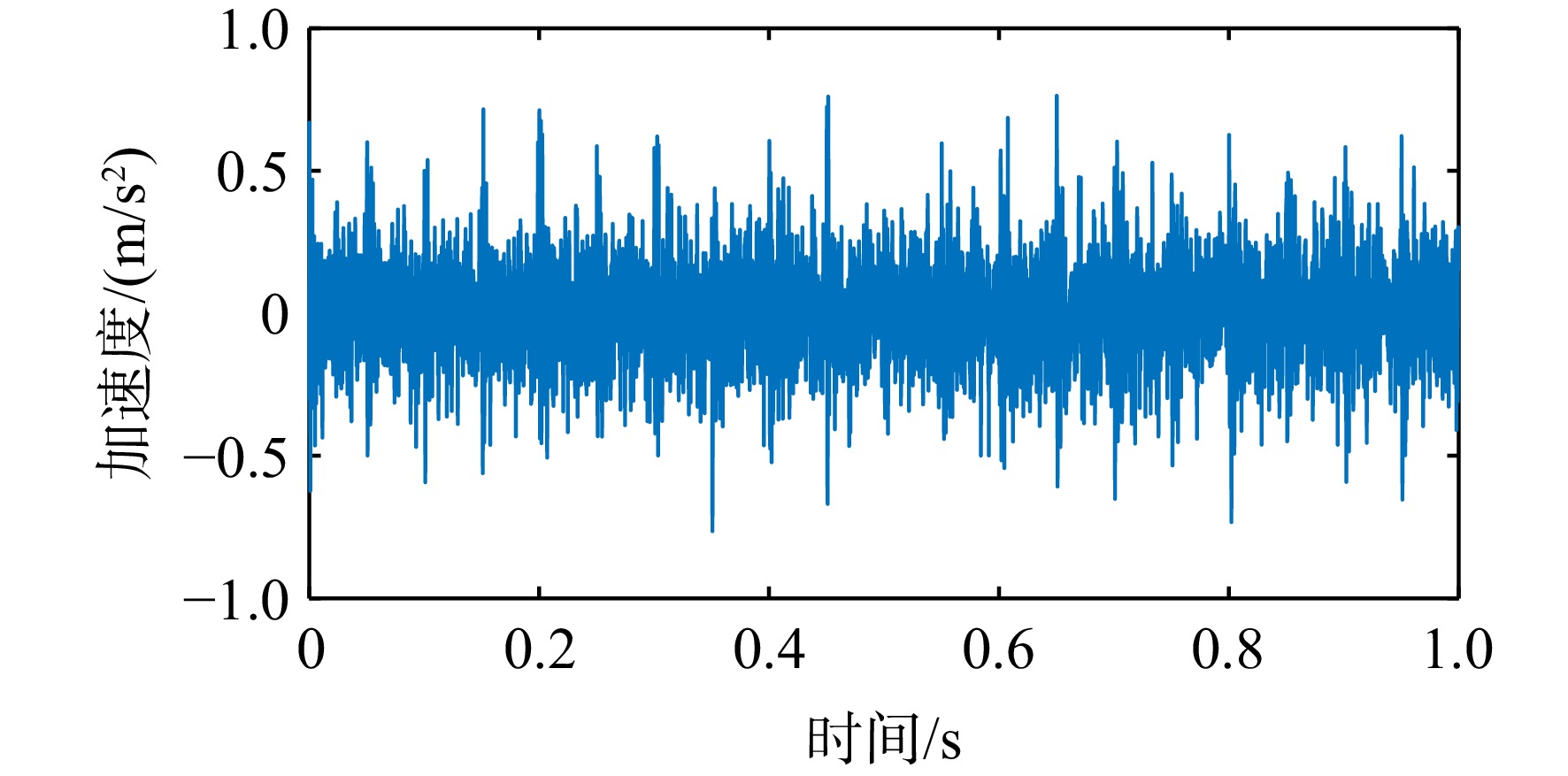
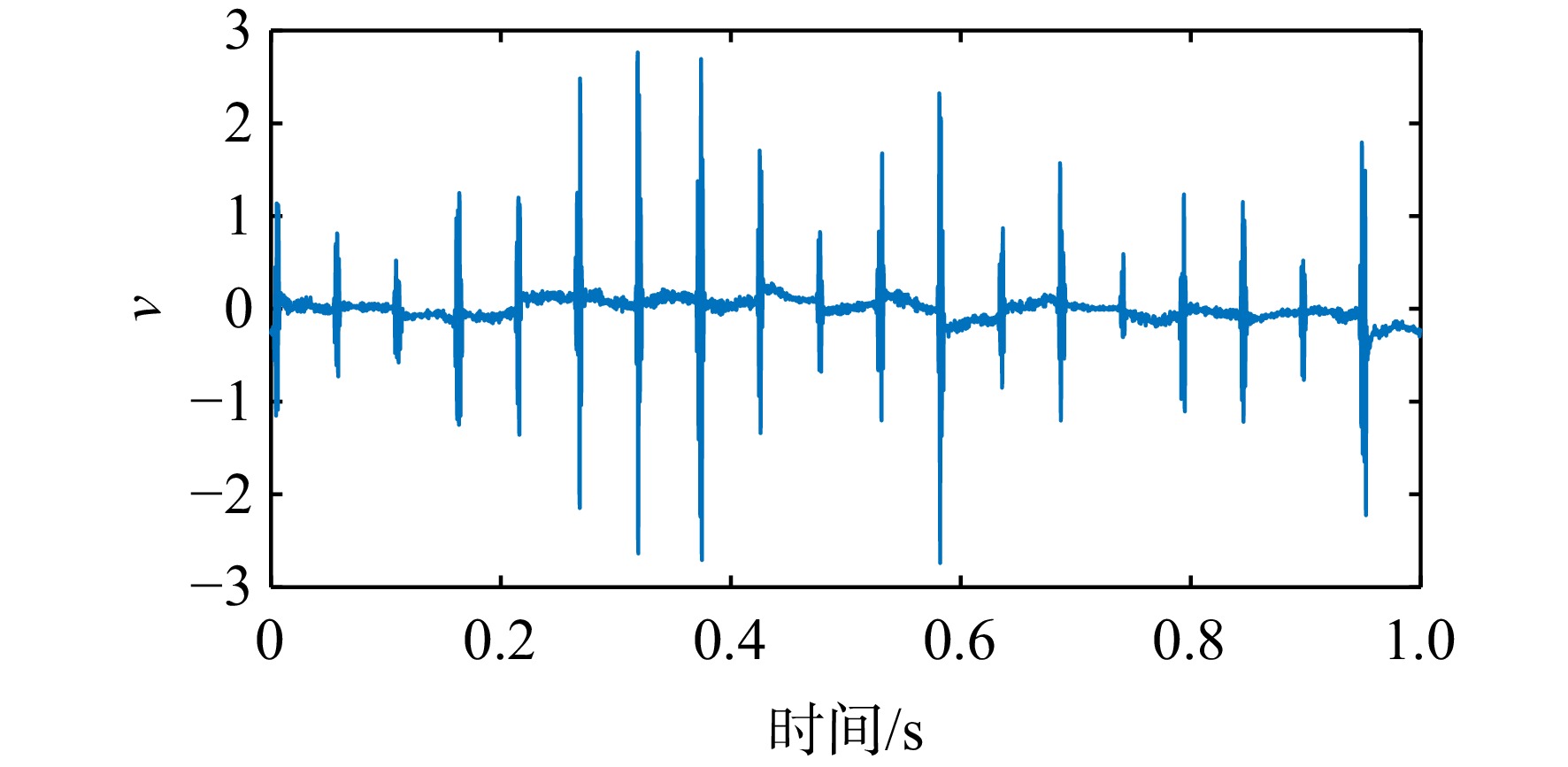
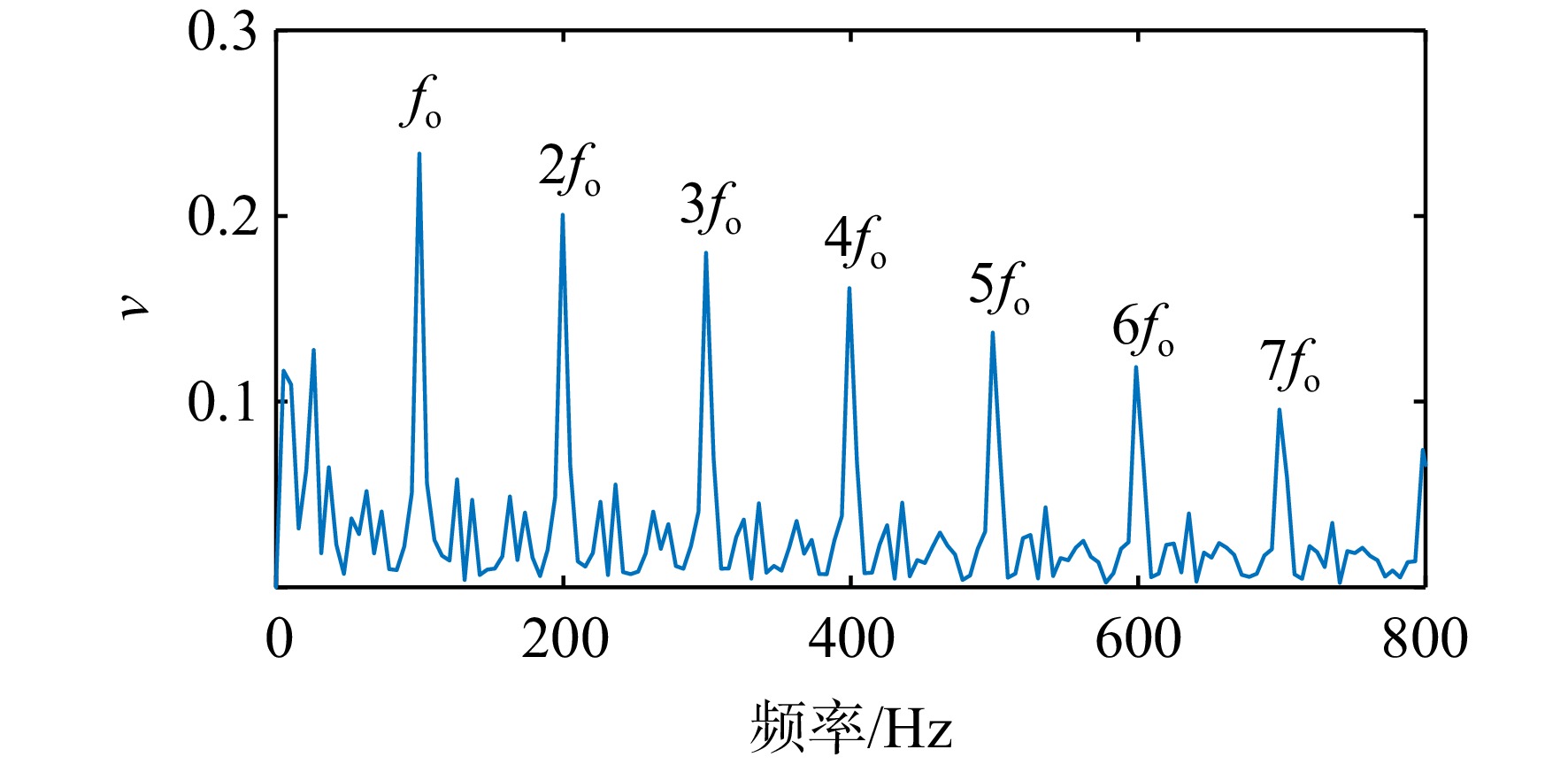
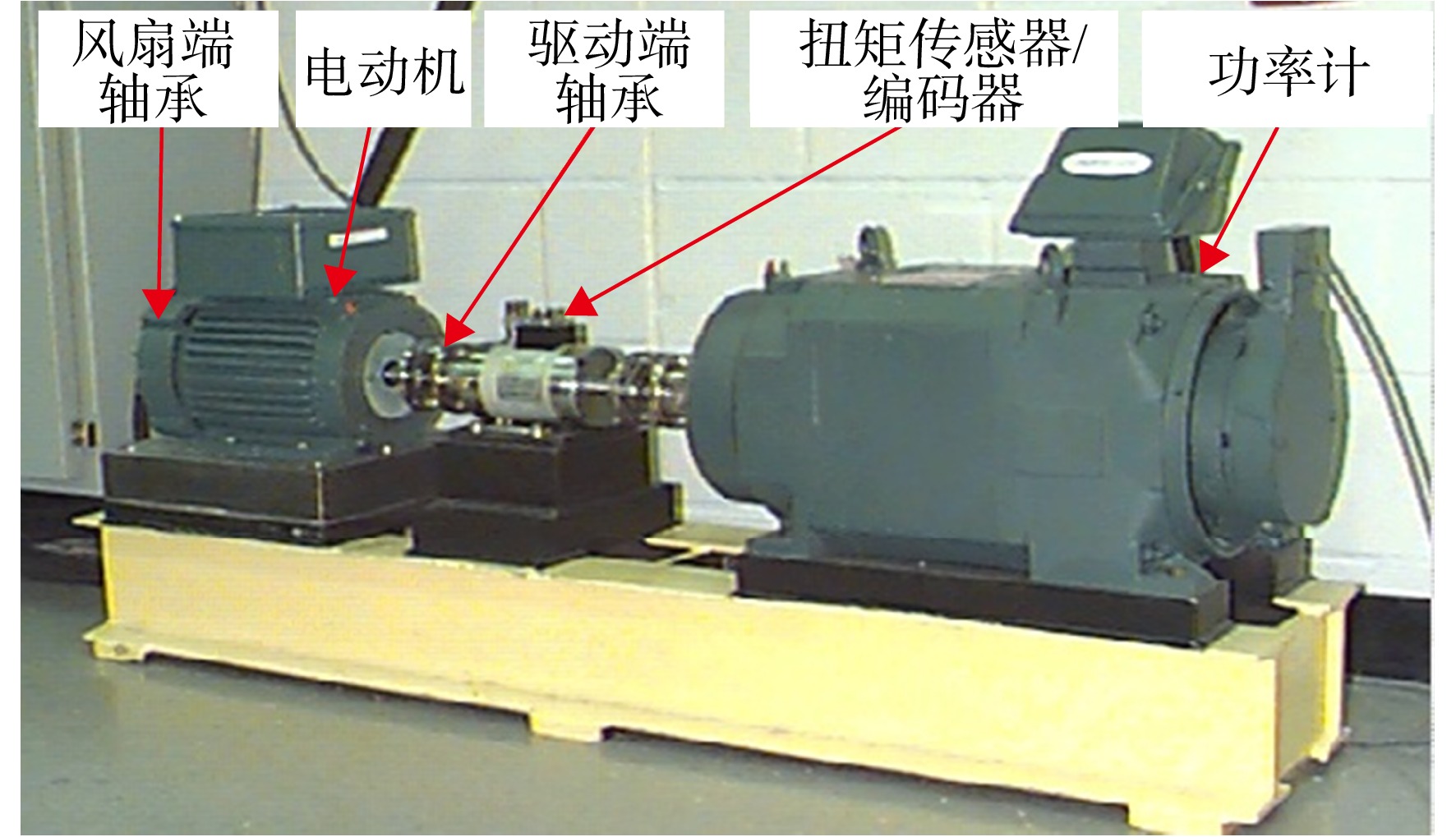
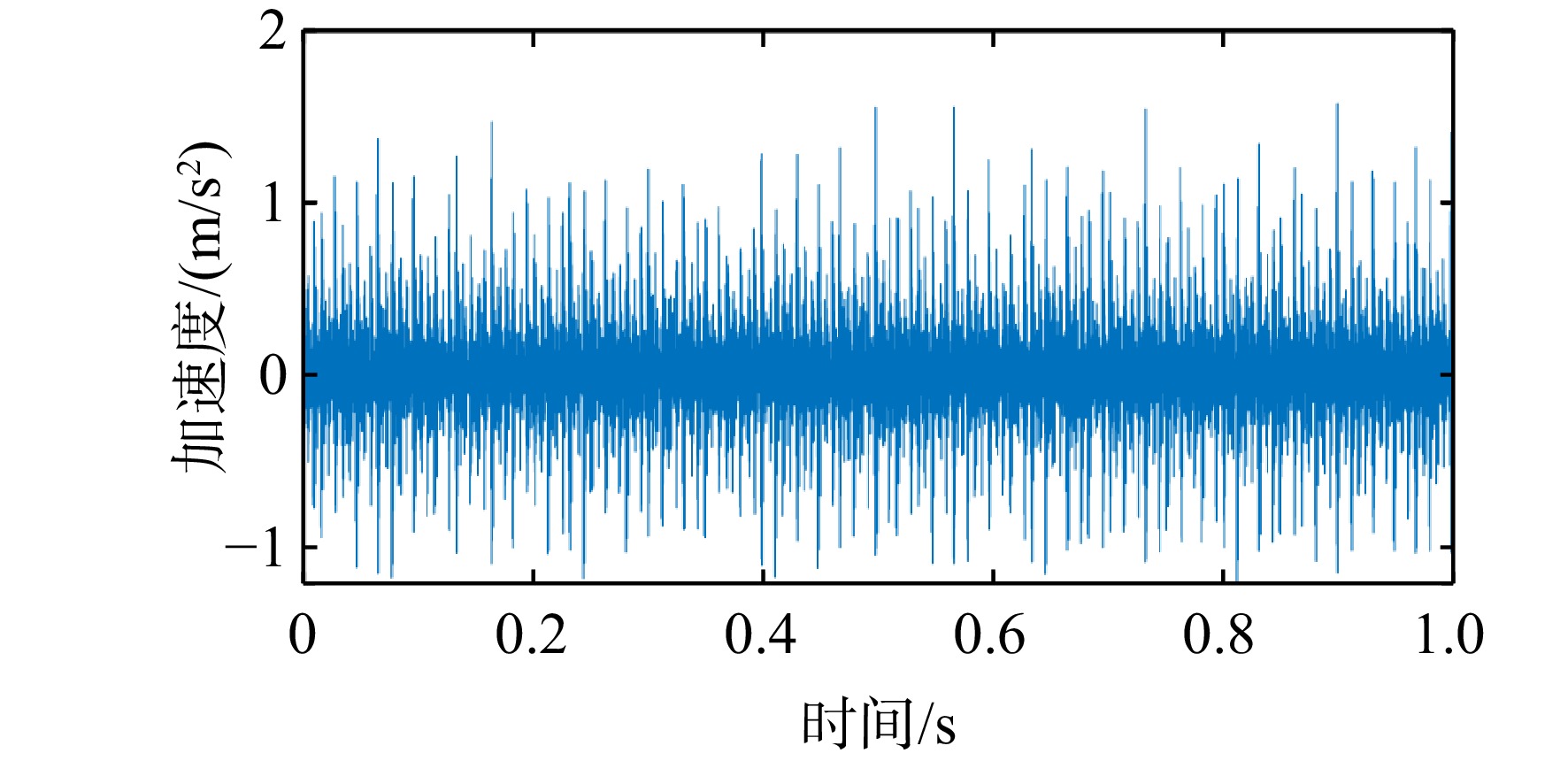
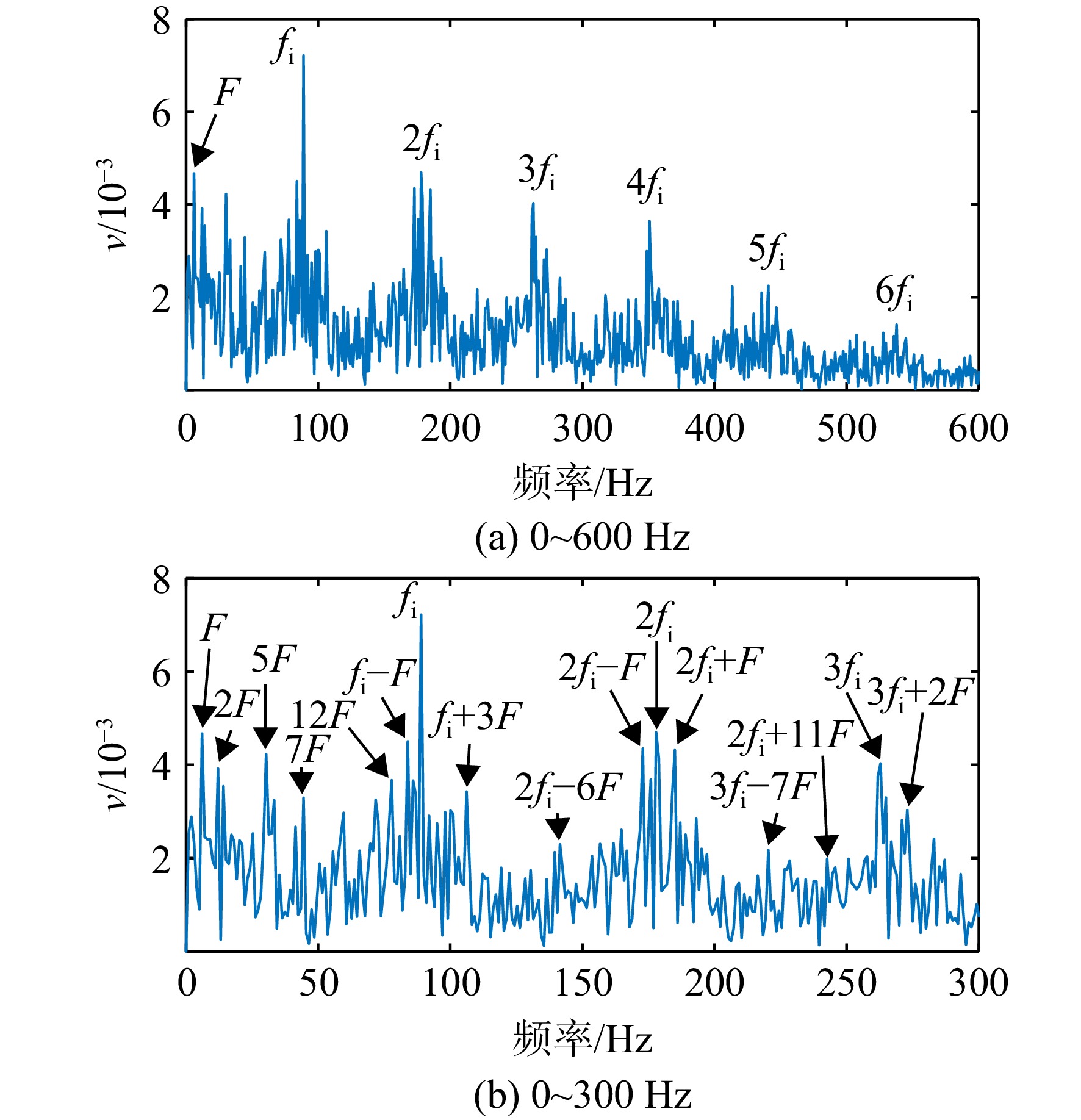
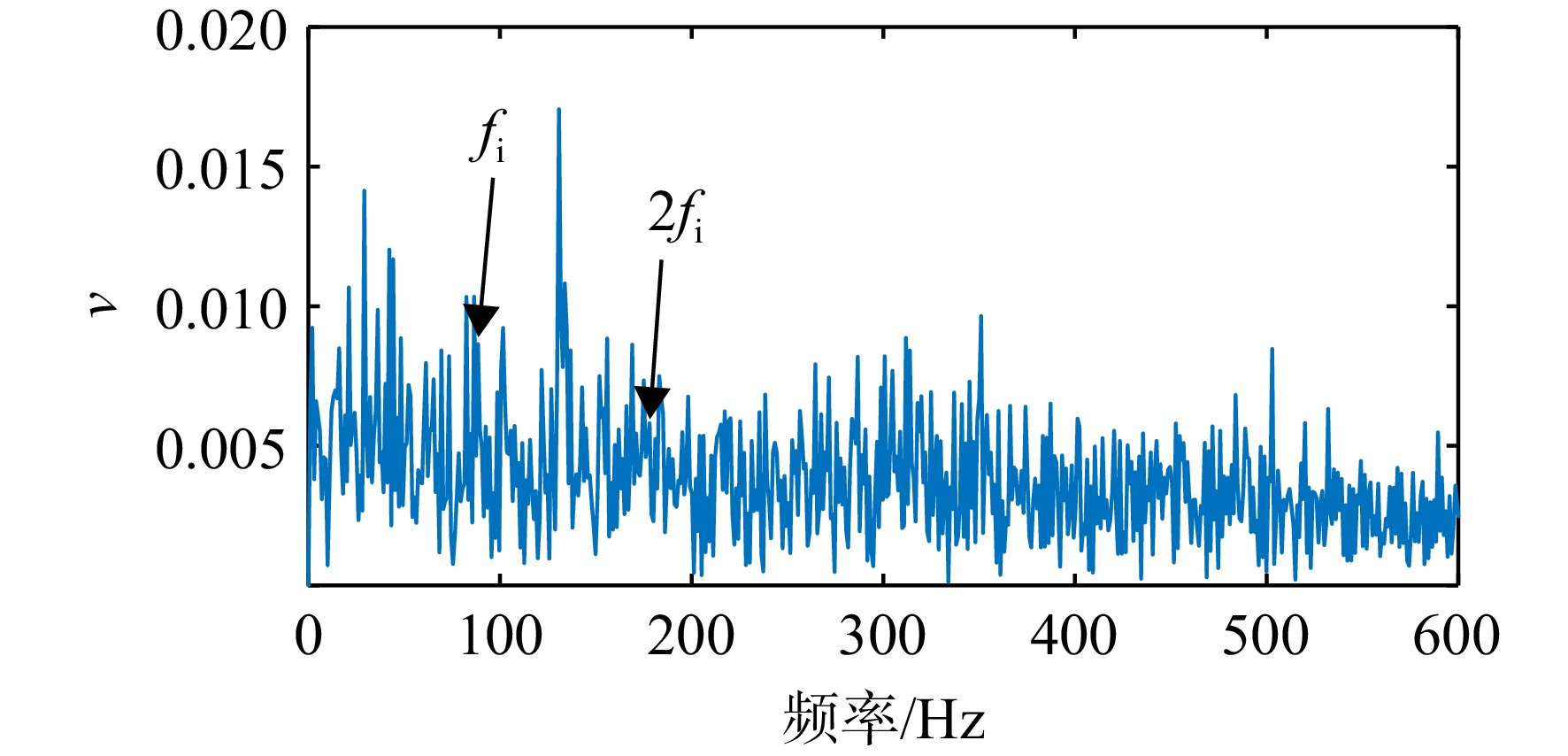
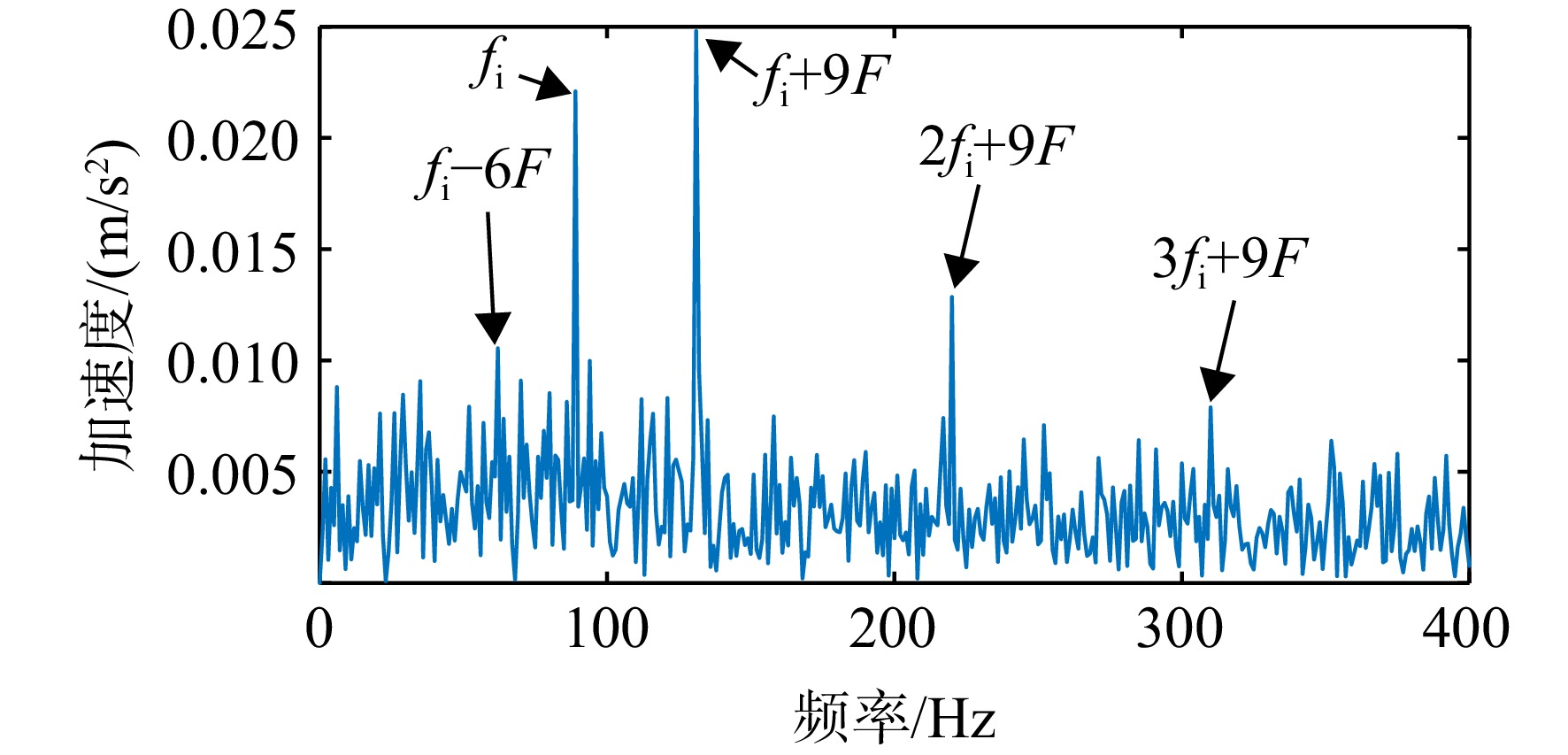
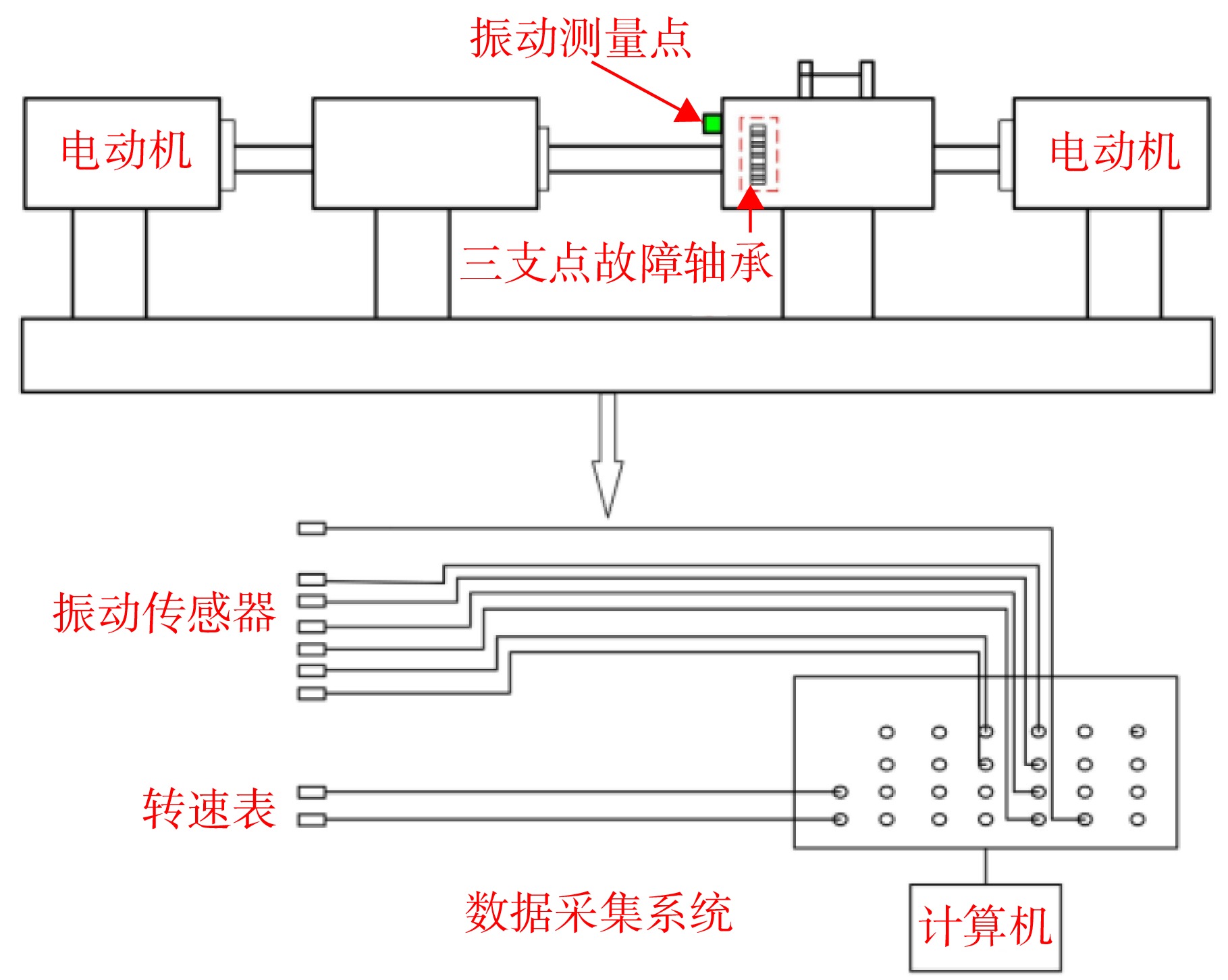
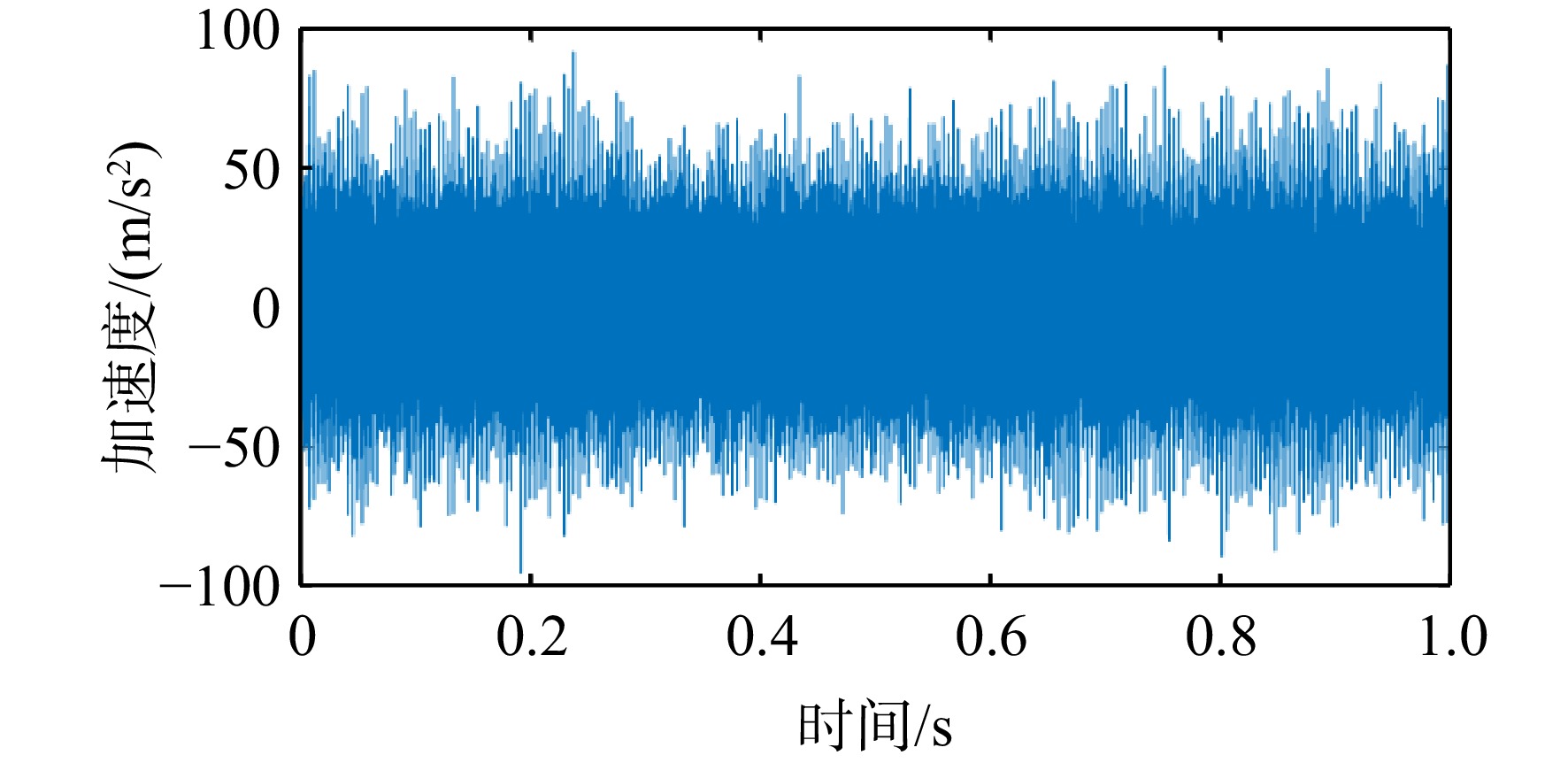
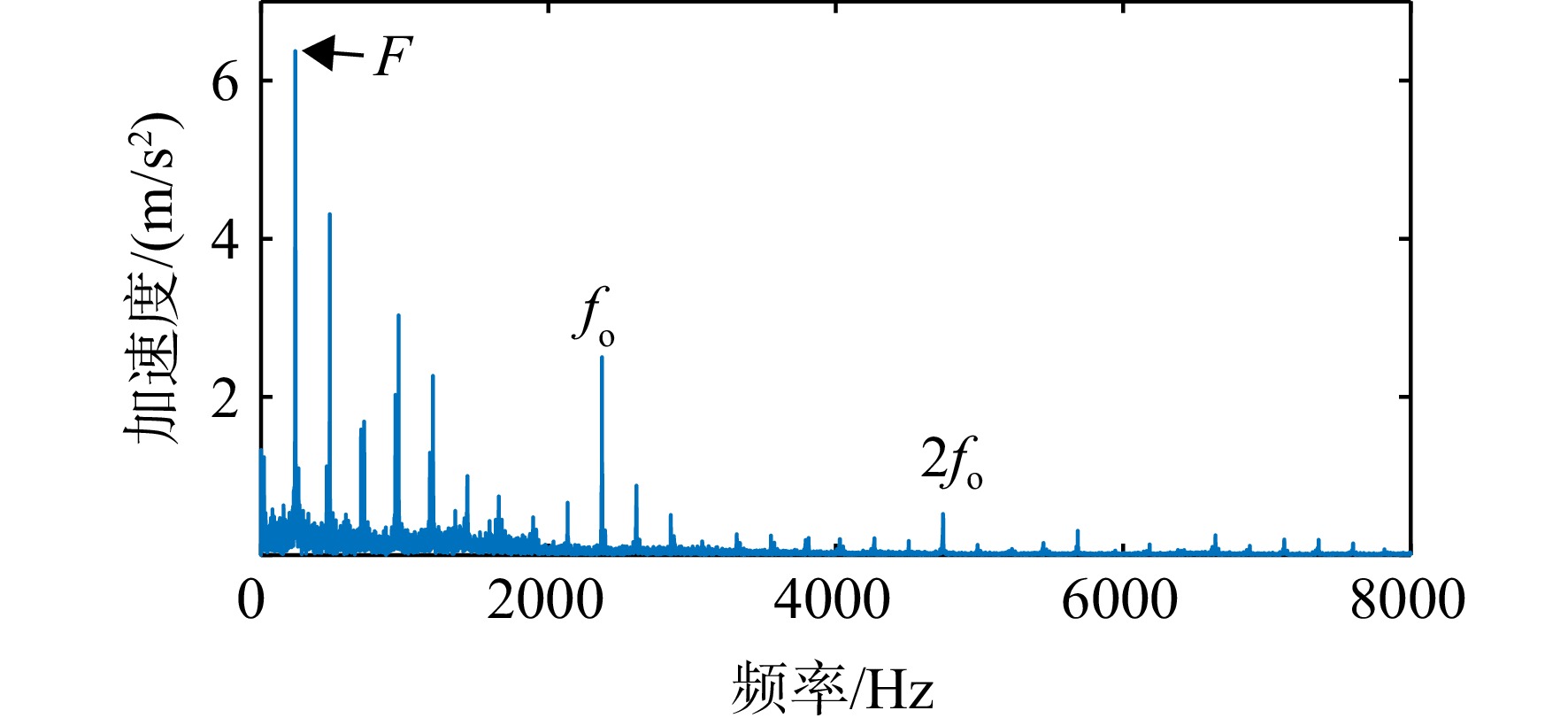
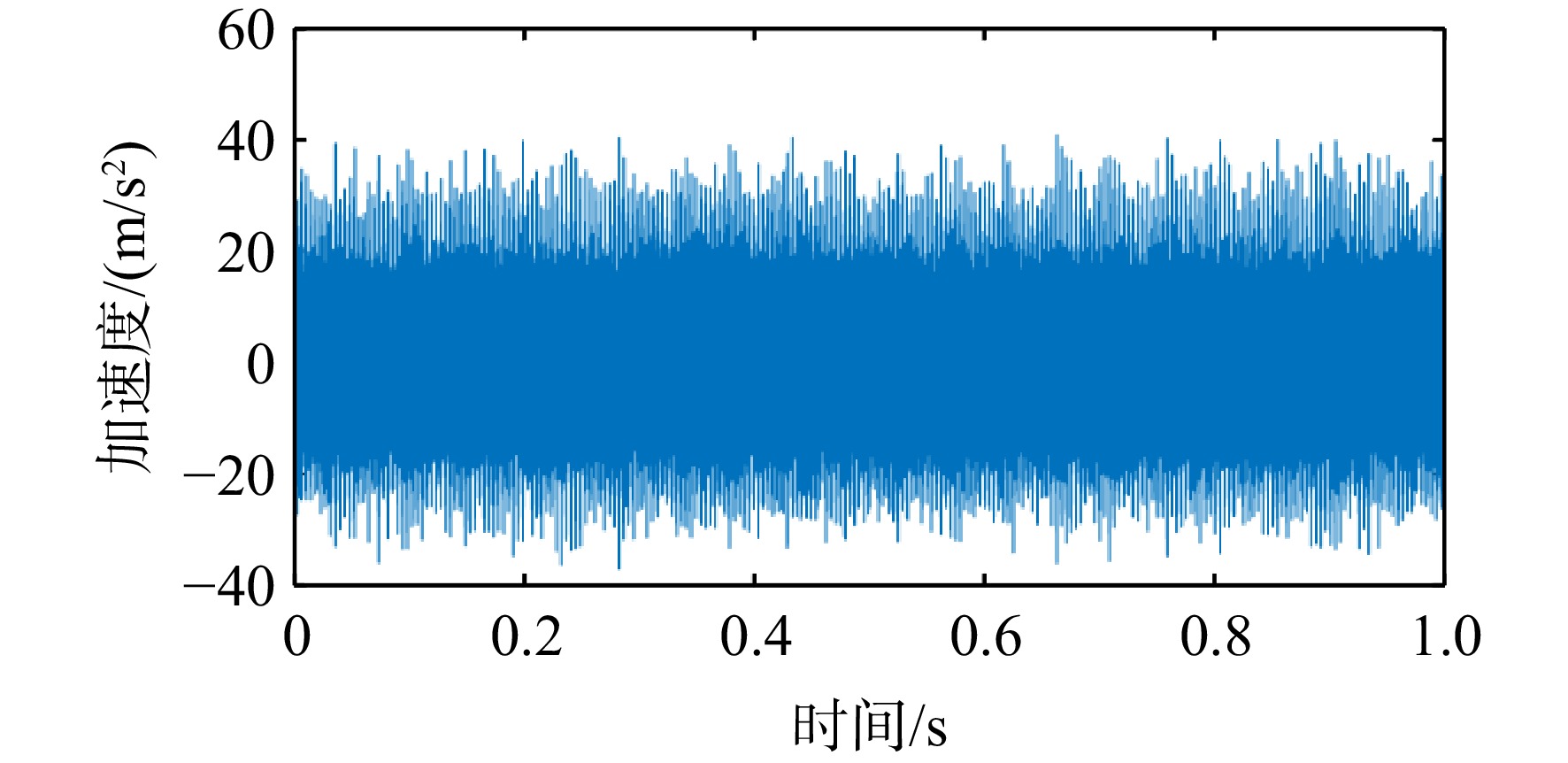
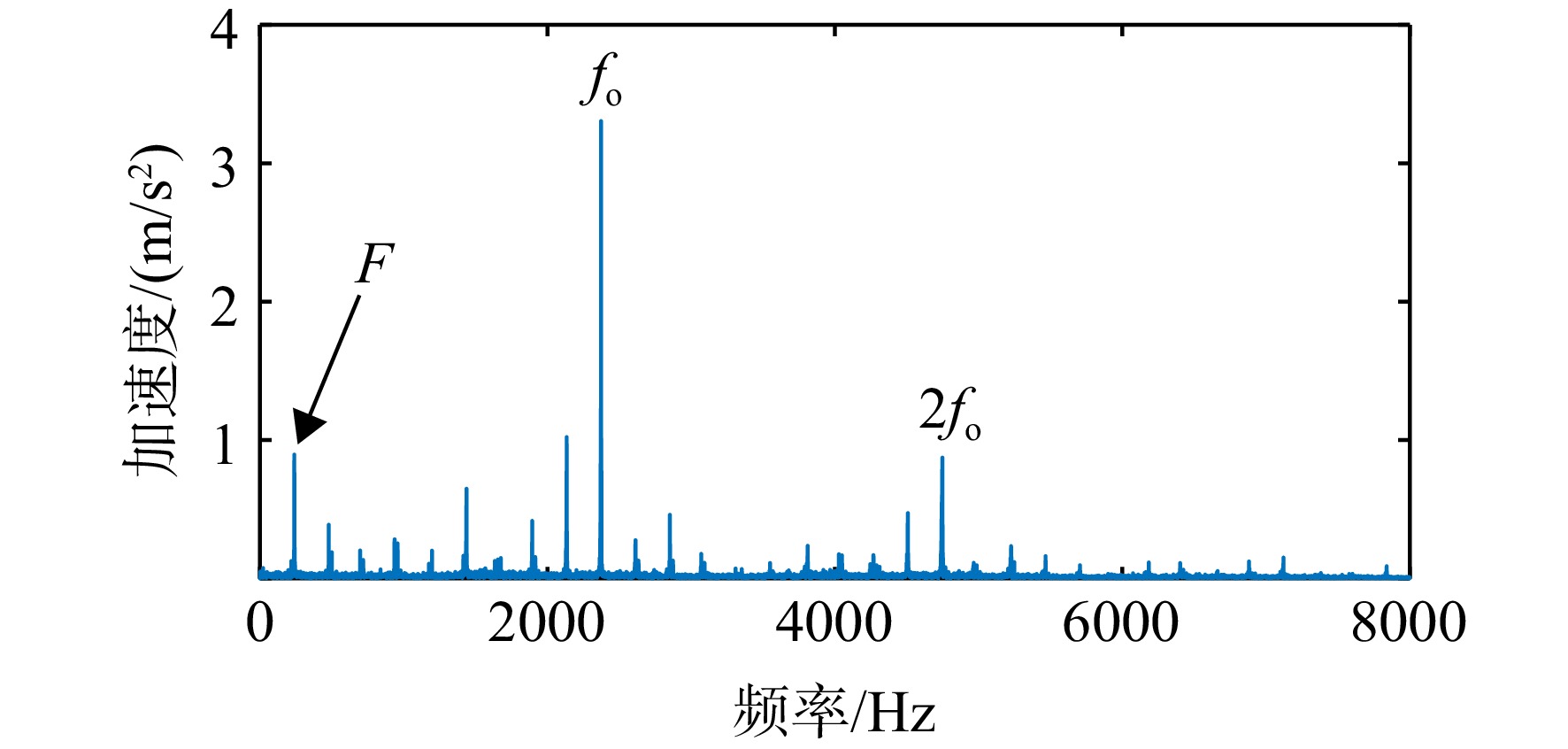
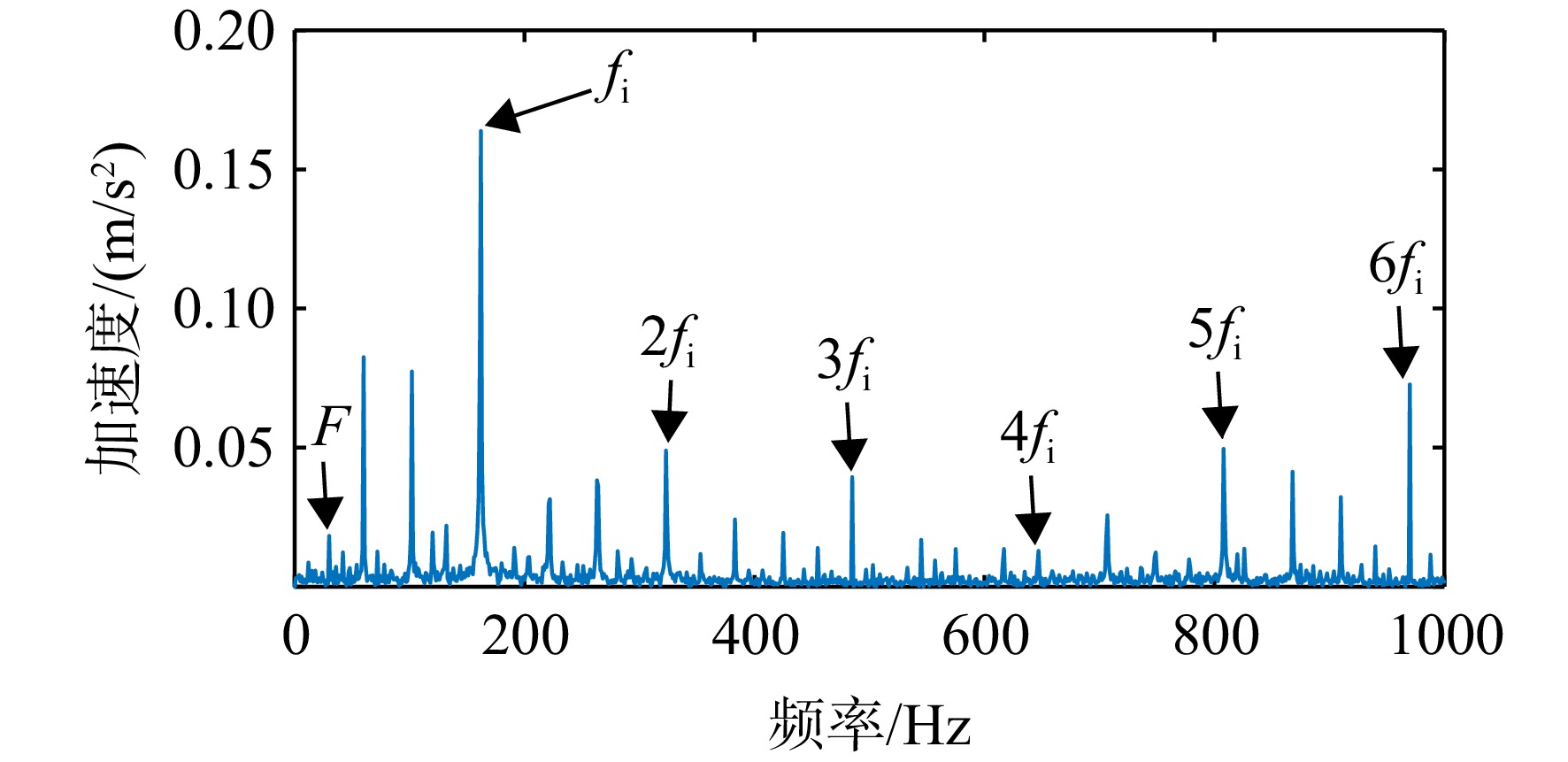
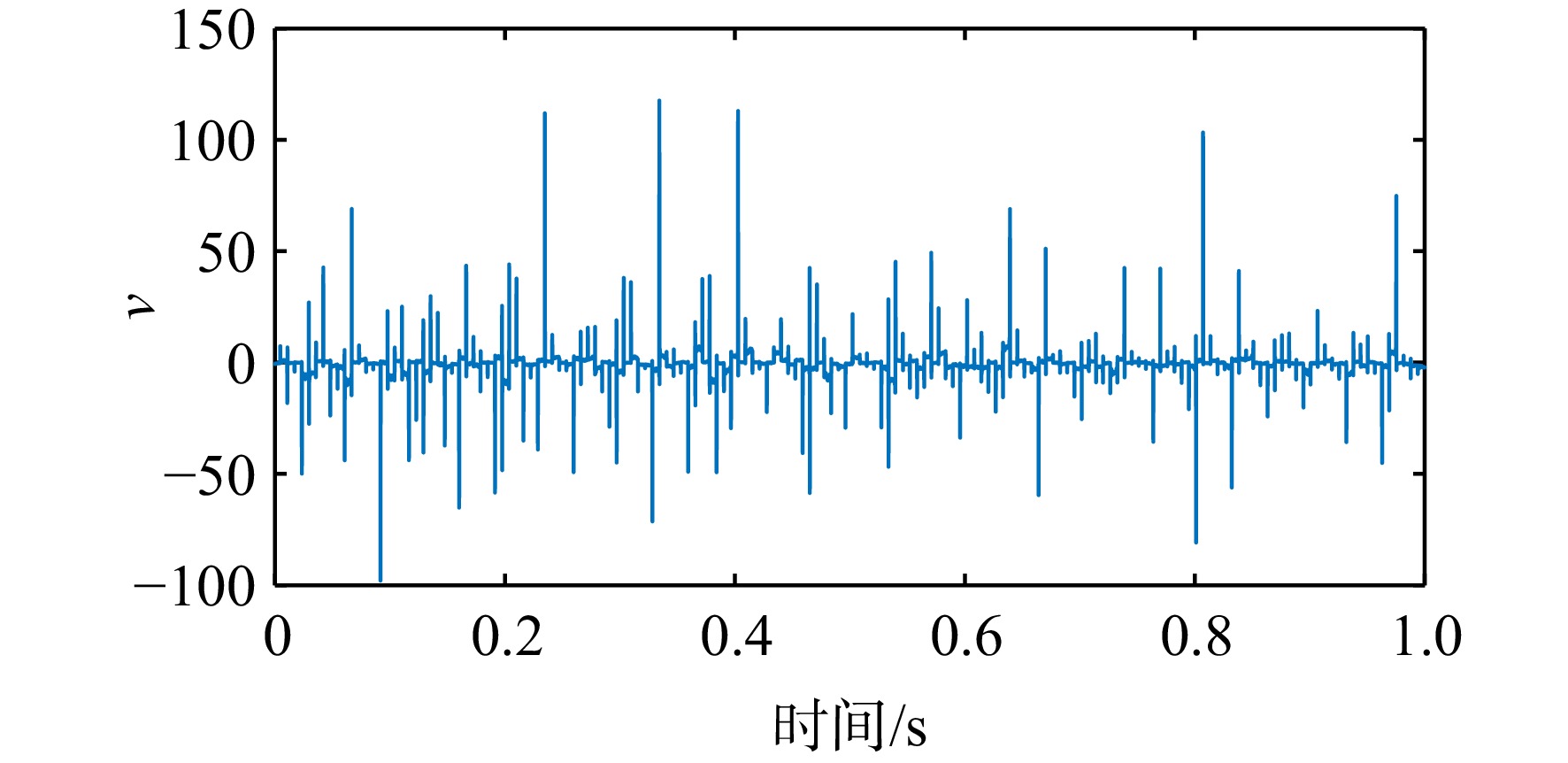
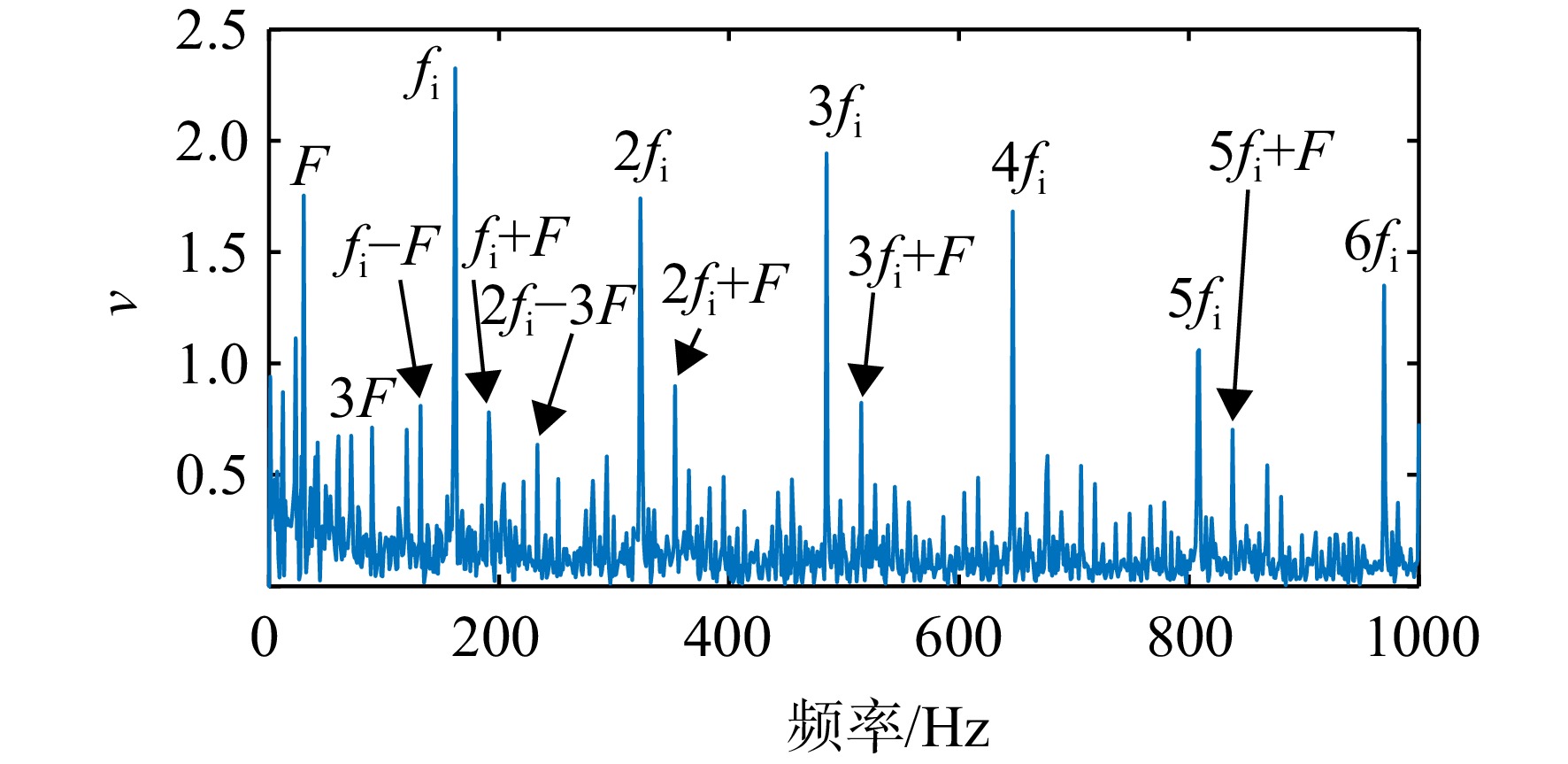
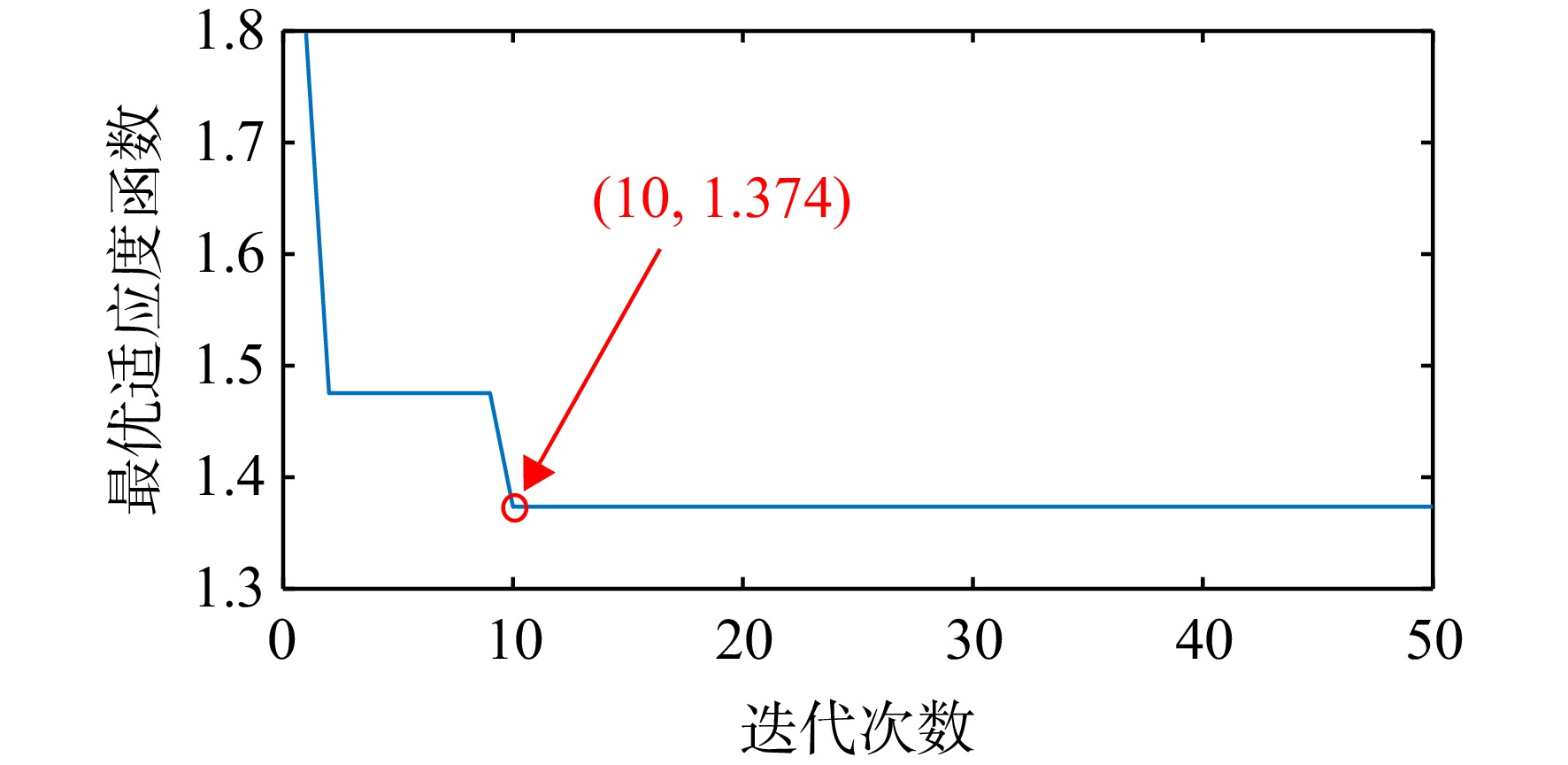
In view of the problem that the fault signal of aero-engine rolling bearing is affected by background noise, which leads to weak characteristics of the fault signal, a fault feature extraction method of rolling bearing based on grey wolf algorithm optimization feature mode decomposition and adaptive window length sliding window noise reduction was proposed. The vibration signal was decomposed by feature mode decomposition method, and then the signal components were filtered and reconstructed according to the kurtosis correlation coefficient selection criterion. To solve the problem that the input parameters need to be manually filtered with the feature mode decomposition method, the information entropy of the reconstructed signal was selected as the objective function, and the grey wolf algorithm was used to optimize the input parameters to determine the number of modal components and the size of the filter. Then, the noise reduction method of adaptive window length sliding window was used to perform secondary noise reduction and fault feature enhancement on the reconstructed signal, and the noise reduction signal was output. The noise reduction signal was used to extract fault features via envelope demodulation. The effectiveness of the proposed method was verified by using the simulation signal, the data set of Case Western Reserve University, the data of the aeroengine intermediate bearing testbed and the data of the main bearing testbed. The results showed that the combination of feature mode decomposition and sliding window noise reduction method can effectively filter out the interference noise components. The information entropy decreased by approximately 40%, making the fault characteristic frequency and its 2—4 times amplitude in the envelope spectrum more prominent. Compared with other existing bearing fault diagnosis methods, it had better noise reduction effect and stronger fault feature extraction ability.

Digital twins for dynamic testing of integral bladed disks
ZHOU Biao, XIE Chengyu, BATTIATO G, BERRUTI T M
2025, 40(12): 20240027. doi: 10.13224/j.cnki.jasp.20240027
Abstract:

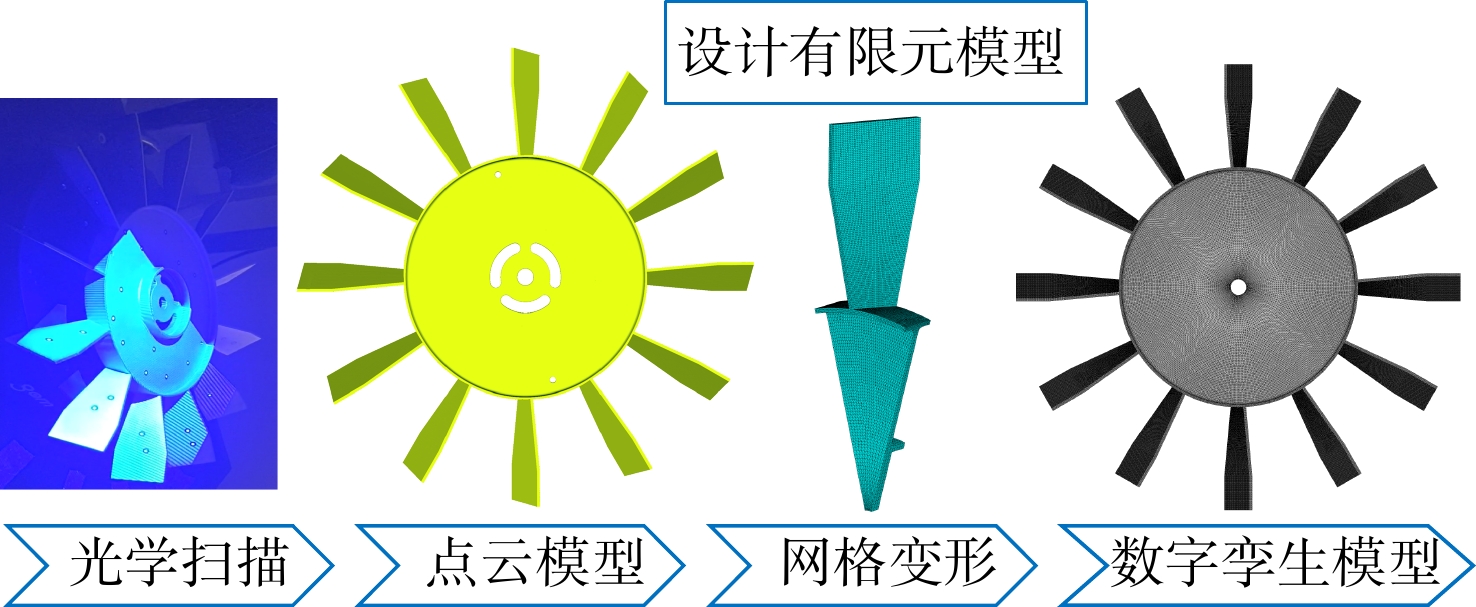
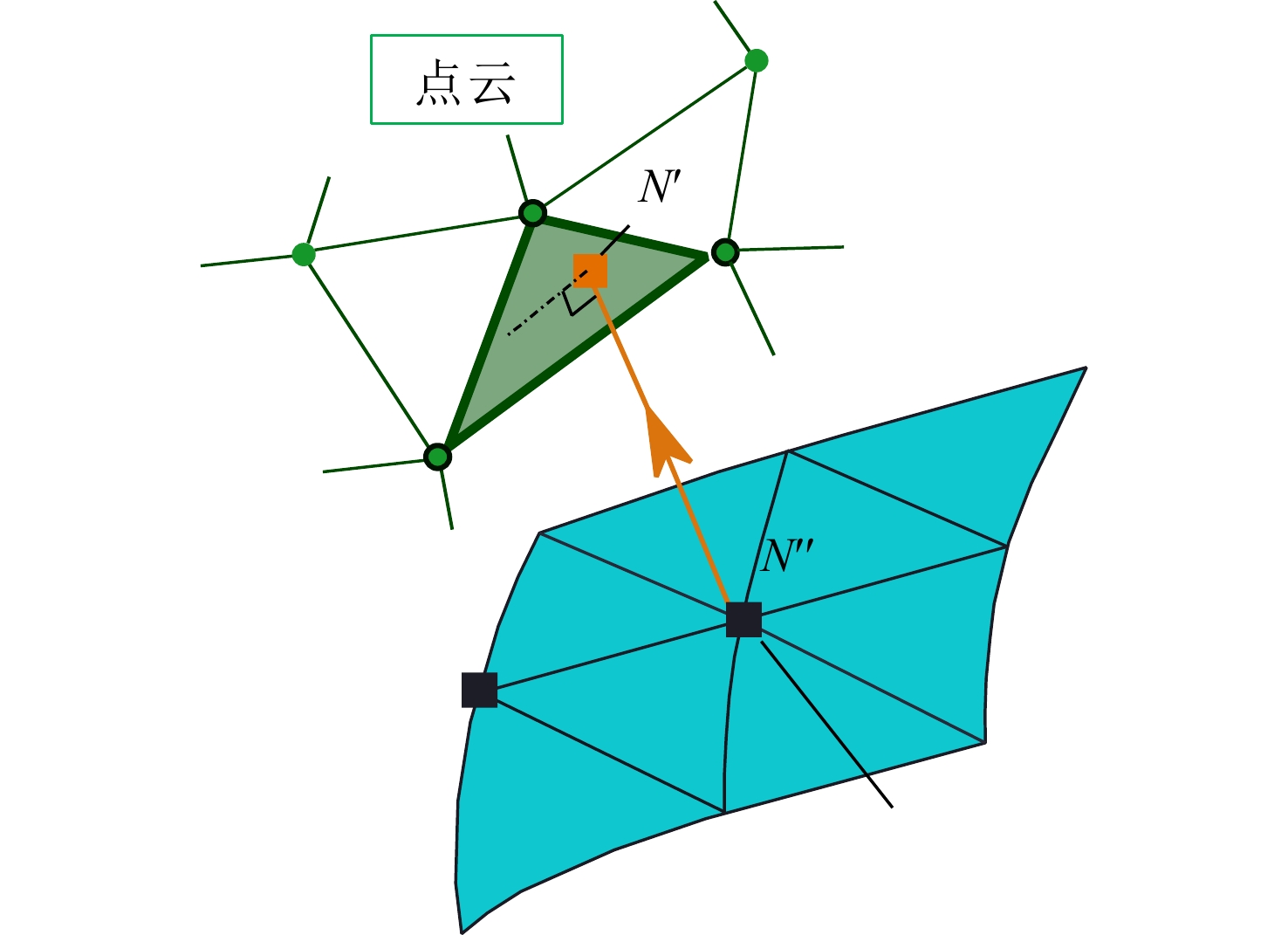
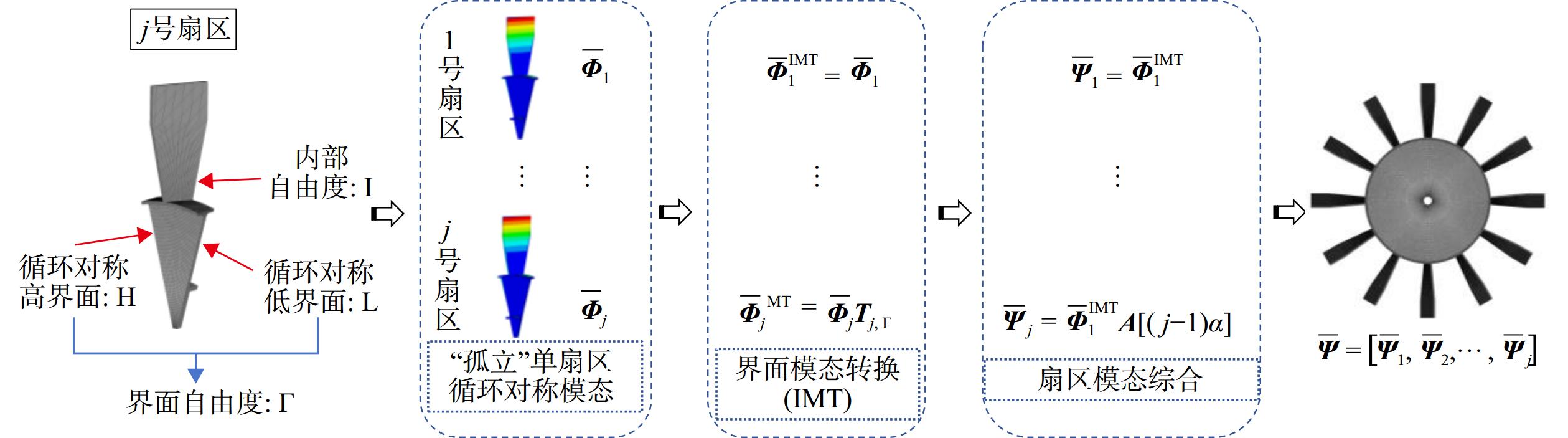
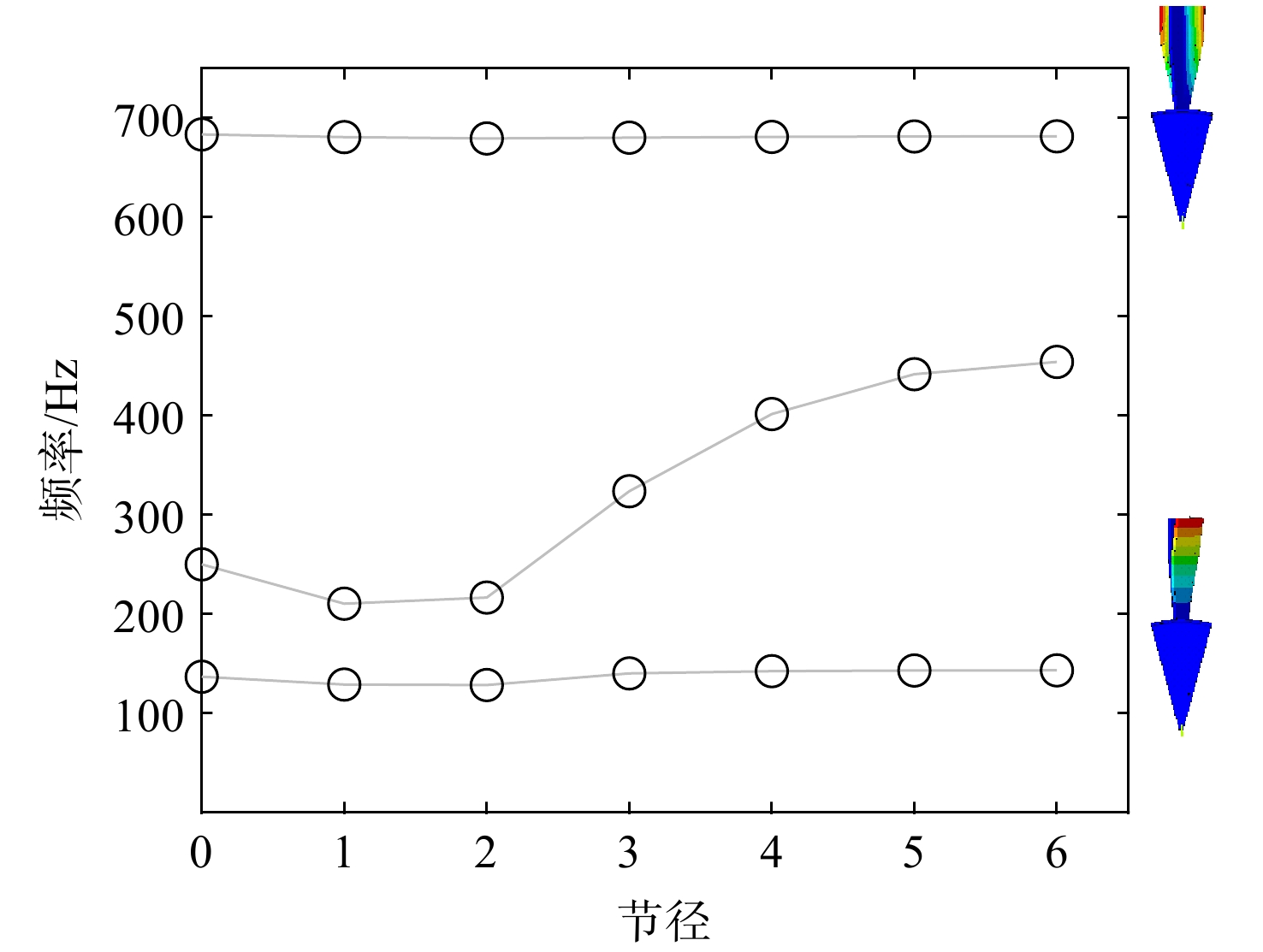
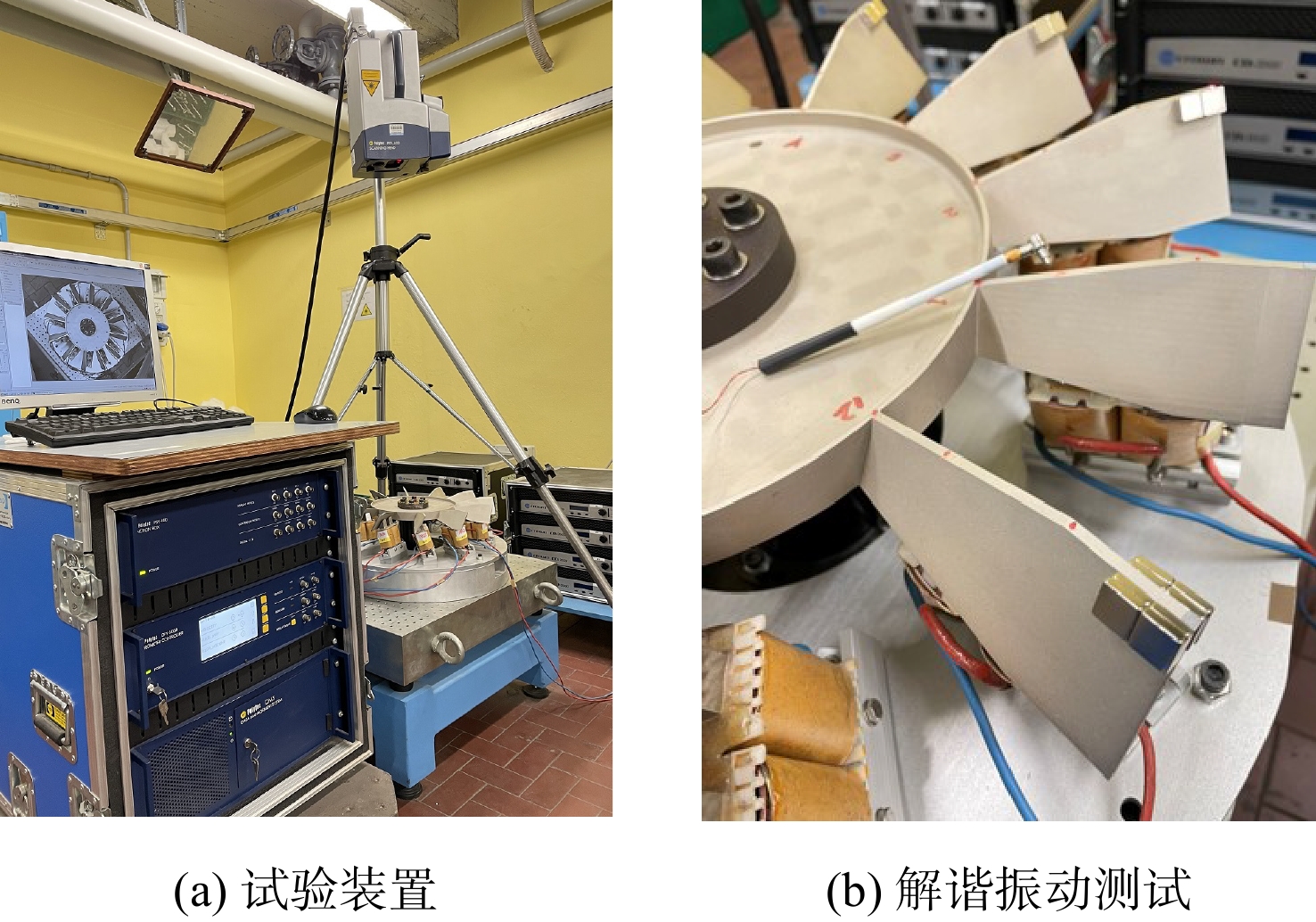
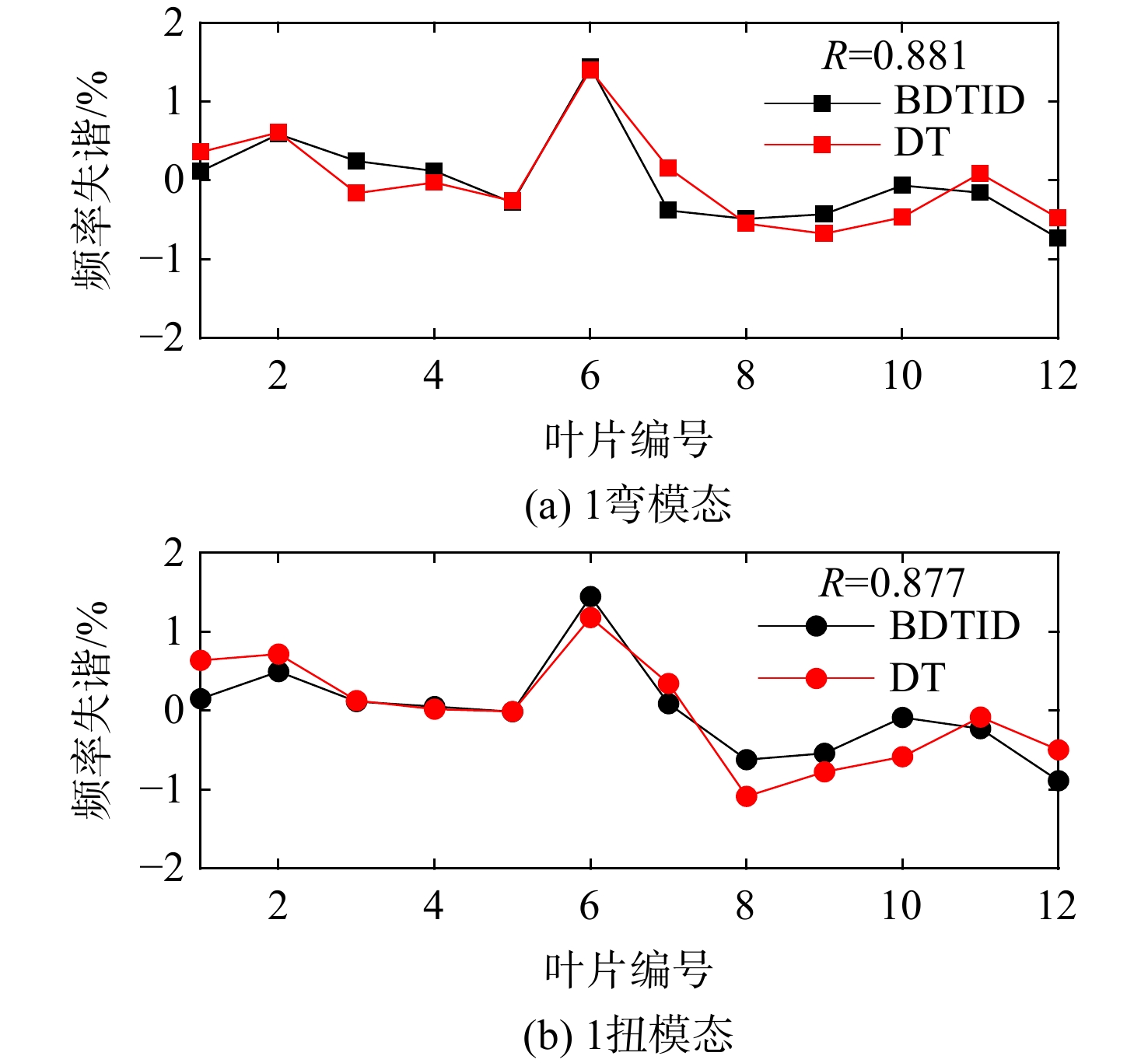
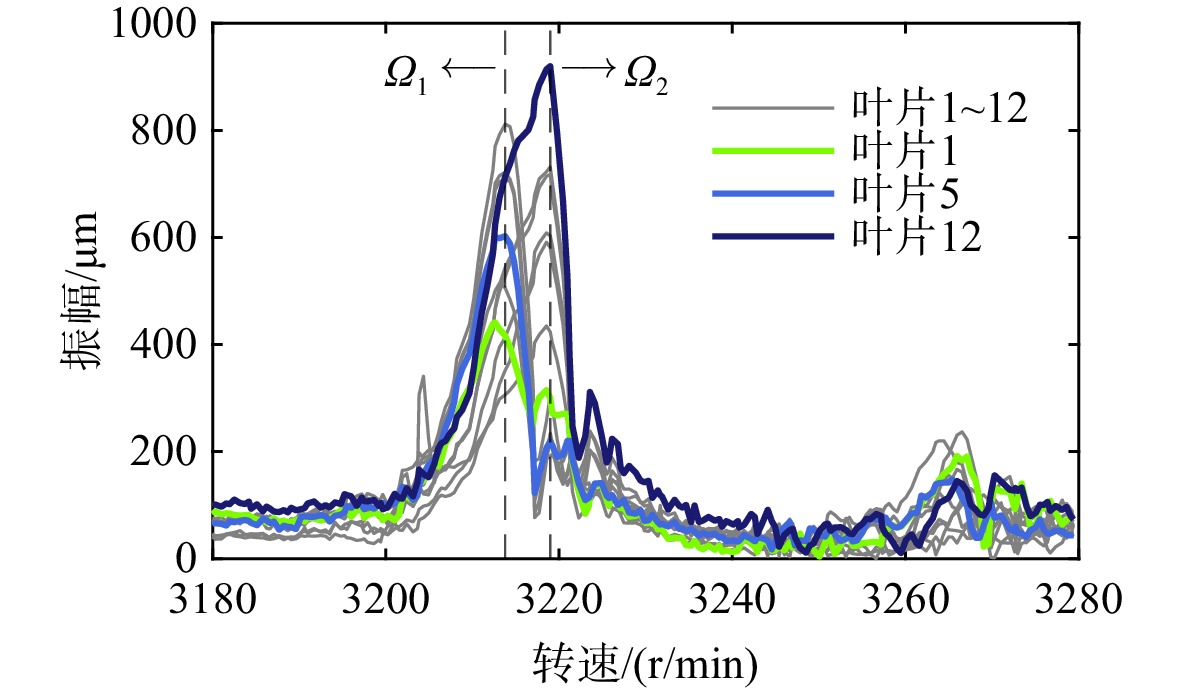
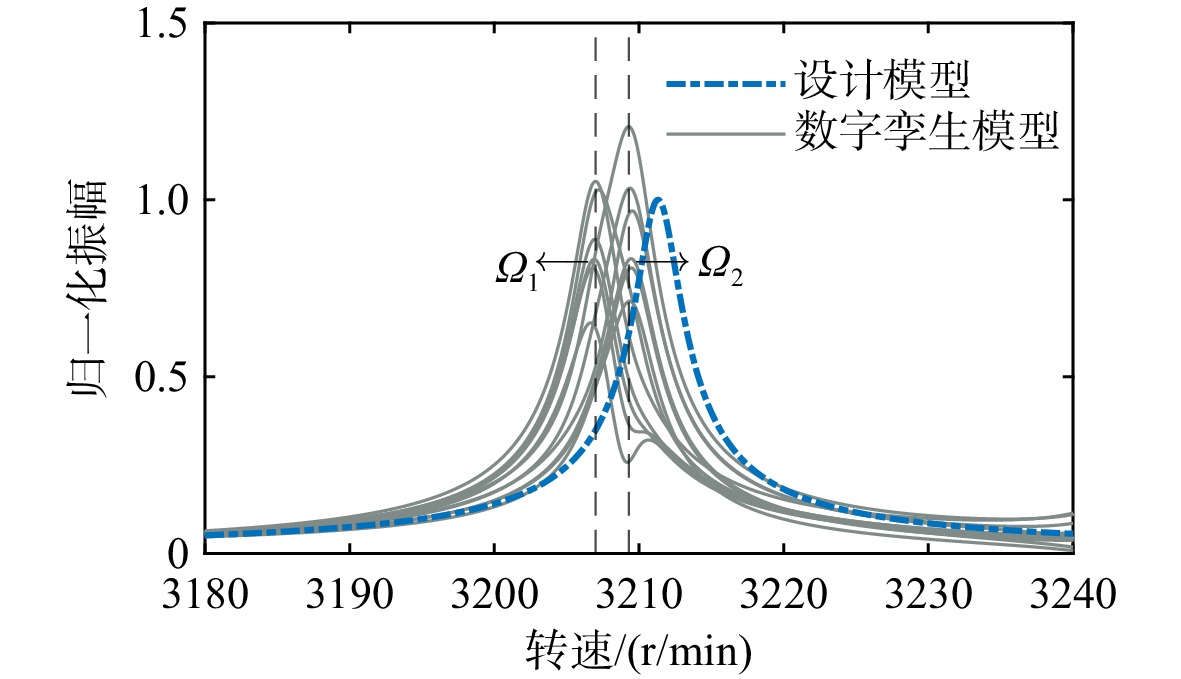
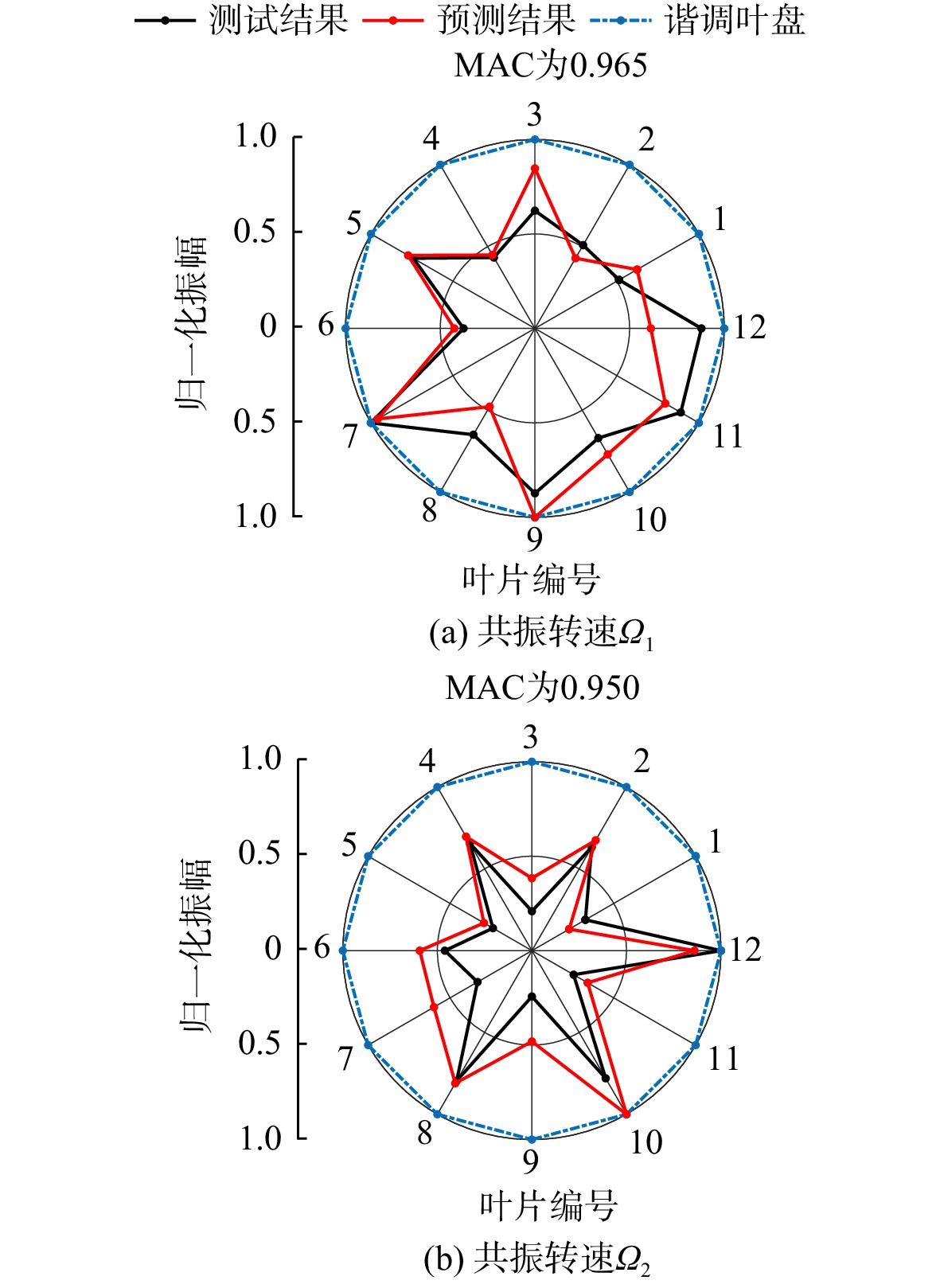
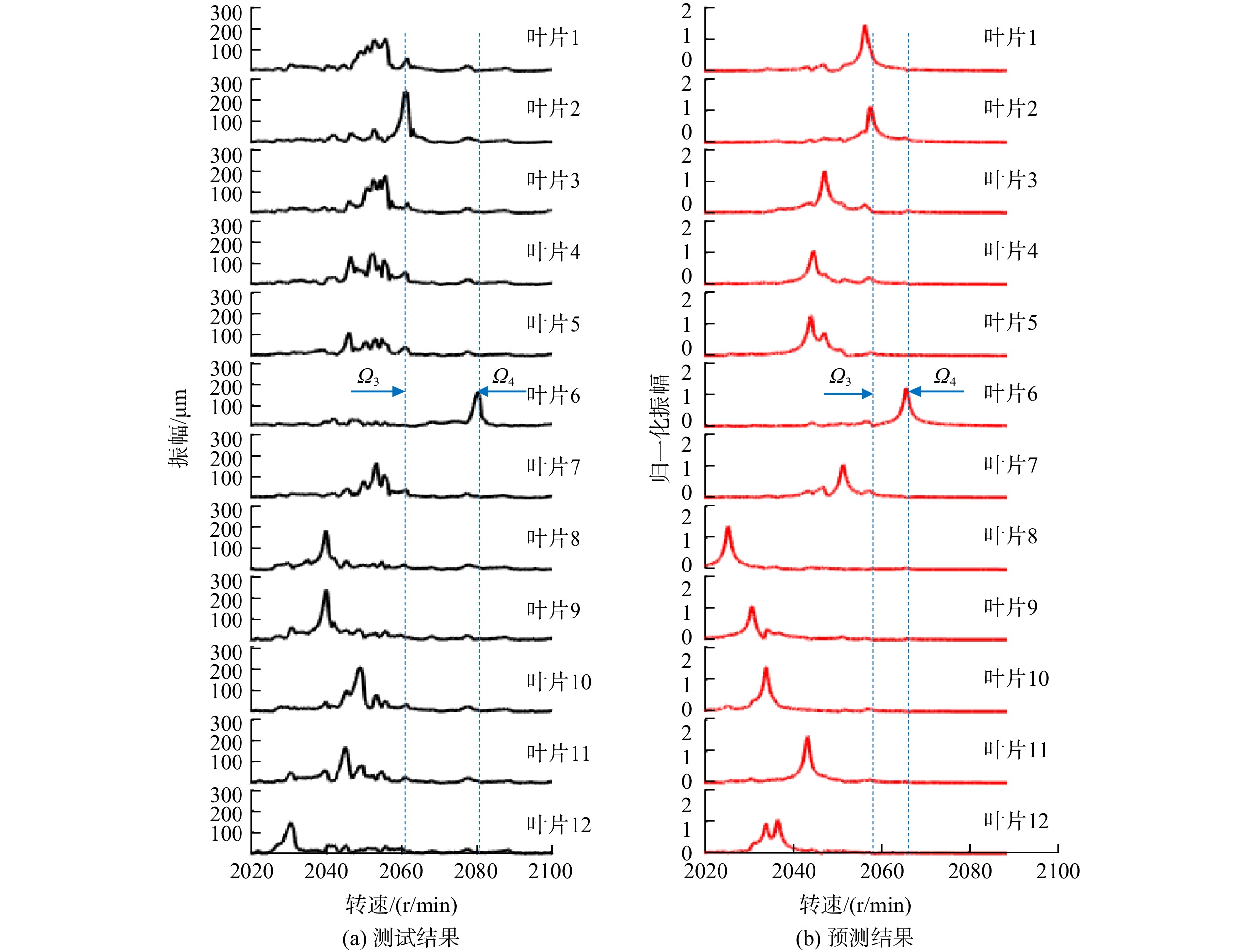
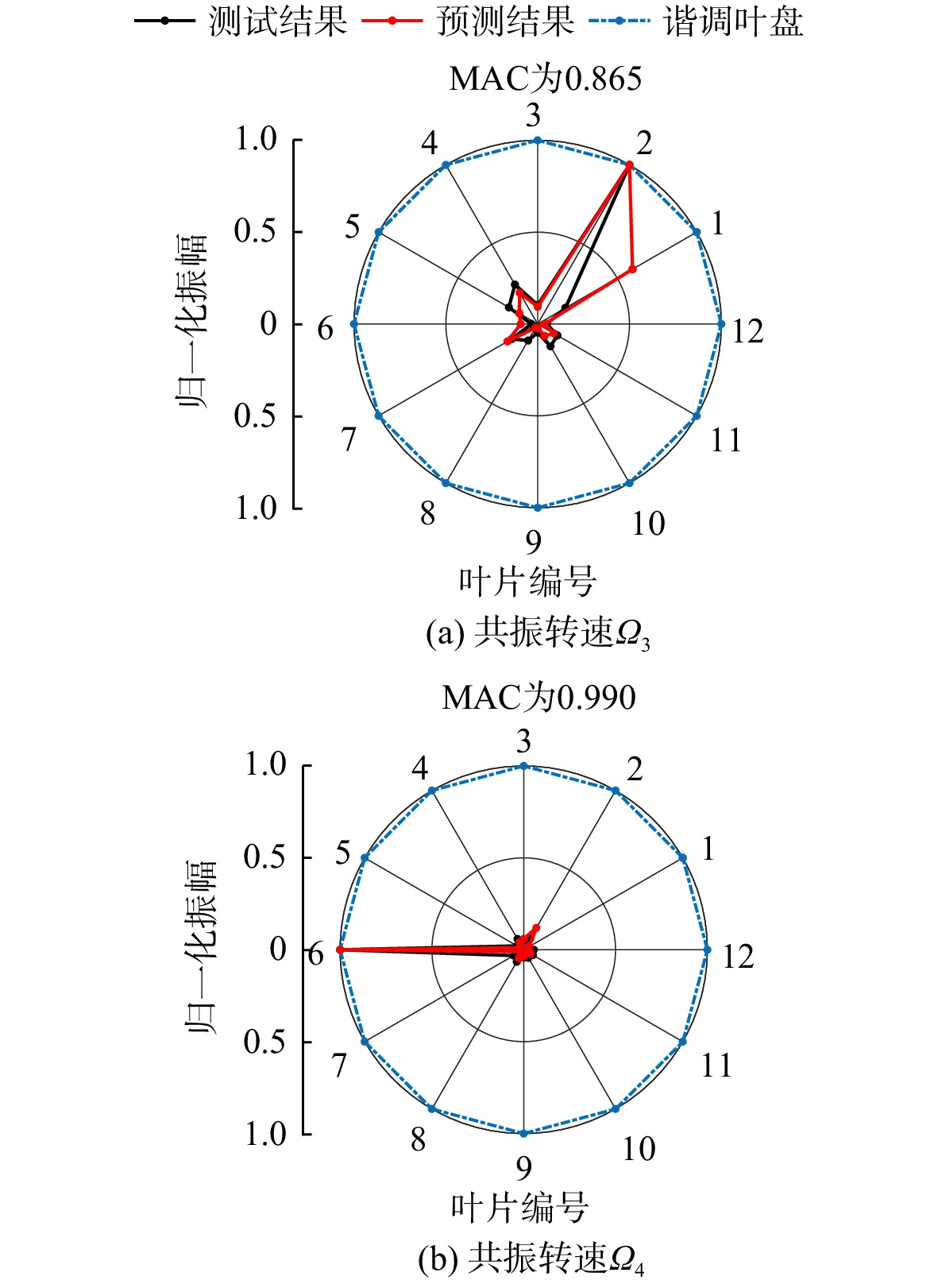
The structural dynamics of integral bladed disks is very sensitive to the blade geometric variances. The methodological development and experimental verification for the high-fidelity digital twin modeling and high-performance dynamic analysis for blisks were presented by leveraging the advance optical geometry measurement technology. Firstly, the real blisk geometries were measured in the form of a high-resolution point cloud by employing a 3D structured blue light scanning system. The point cloud was directly correlated to the tuned blisk model in its nominal design. The high-fidelity digital twin model was constructed by an adaptive mesh deformation technique in an efficient way. Subsequently, high-performance dynamic analysis was realized by a novel model reduction technique specifically proposed for large-sized geometrically mistuned blisks. The basic idea was to construct the reduction mode basis of the full blisk by using the cyclic modes of the individual sectors with geometry mistuning having relatively low memory and computational time cost. The experimental verification results demonstrated that the high-fidelity digital twin model of the real blisk test piece can effectively capture the variations of sector frequencies and mode shapes due to the small blade geometry variances. Moreover, it also allowed to predict the mistuned responses of the rotating blisk under engine-order excitation.

Torsion-tension relationship, adhesive performance and vibration experiment research of bolted joints coated with thread locking adhesive
ZHANG Zhongwei, WANG Xingjie, LIU Jianhua, GONG Hao, HUANG Jiayu
2025, 40(12): 20240176. doi: 10.13224/j.cnki.jasp.20240176
Abstract:

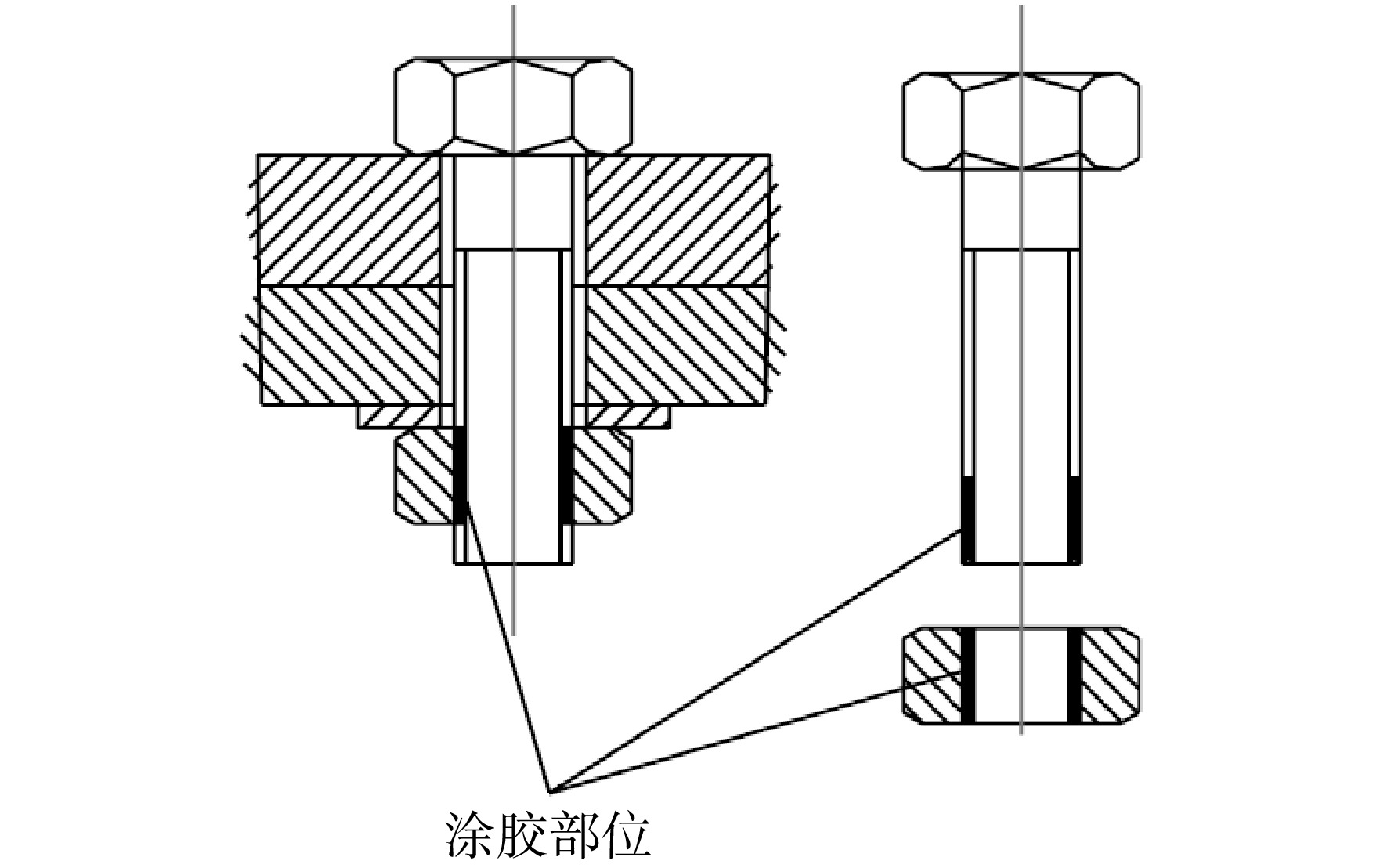
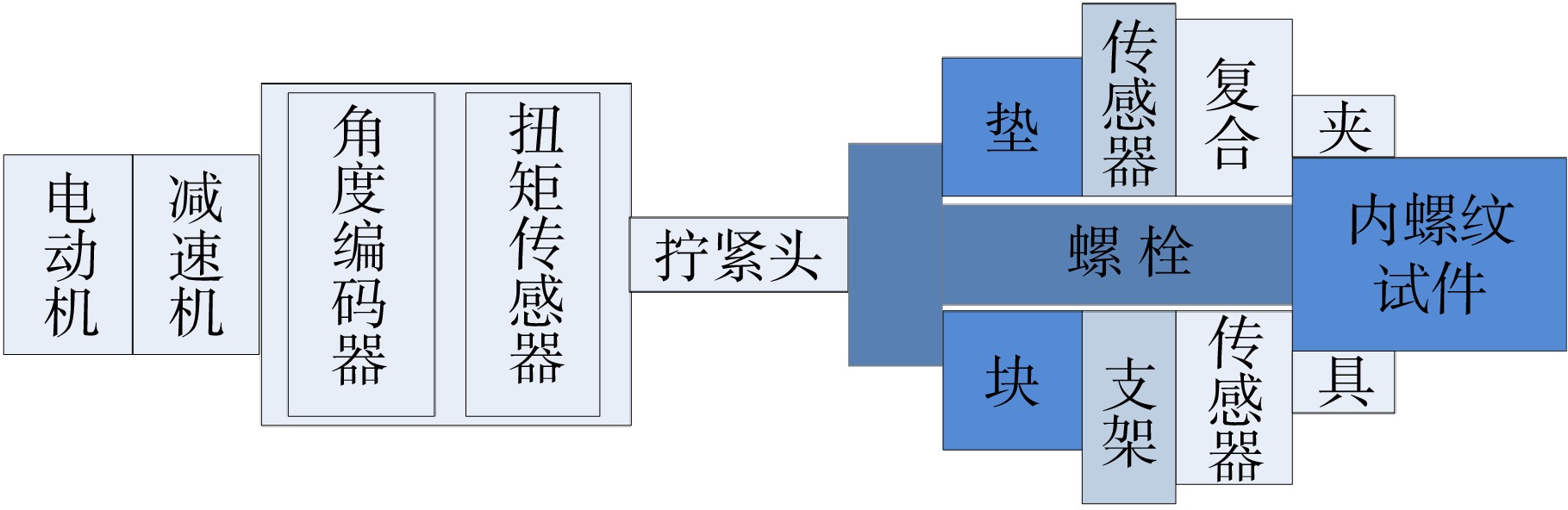
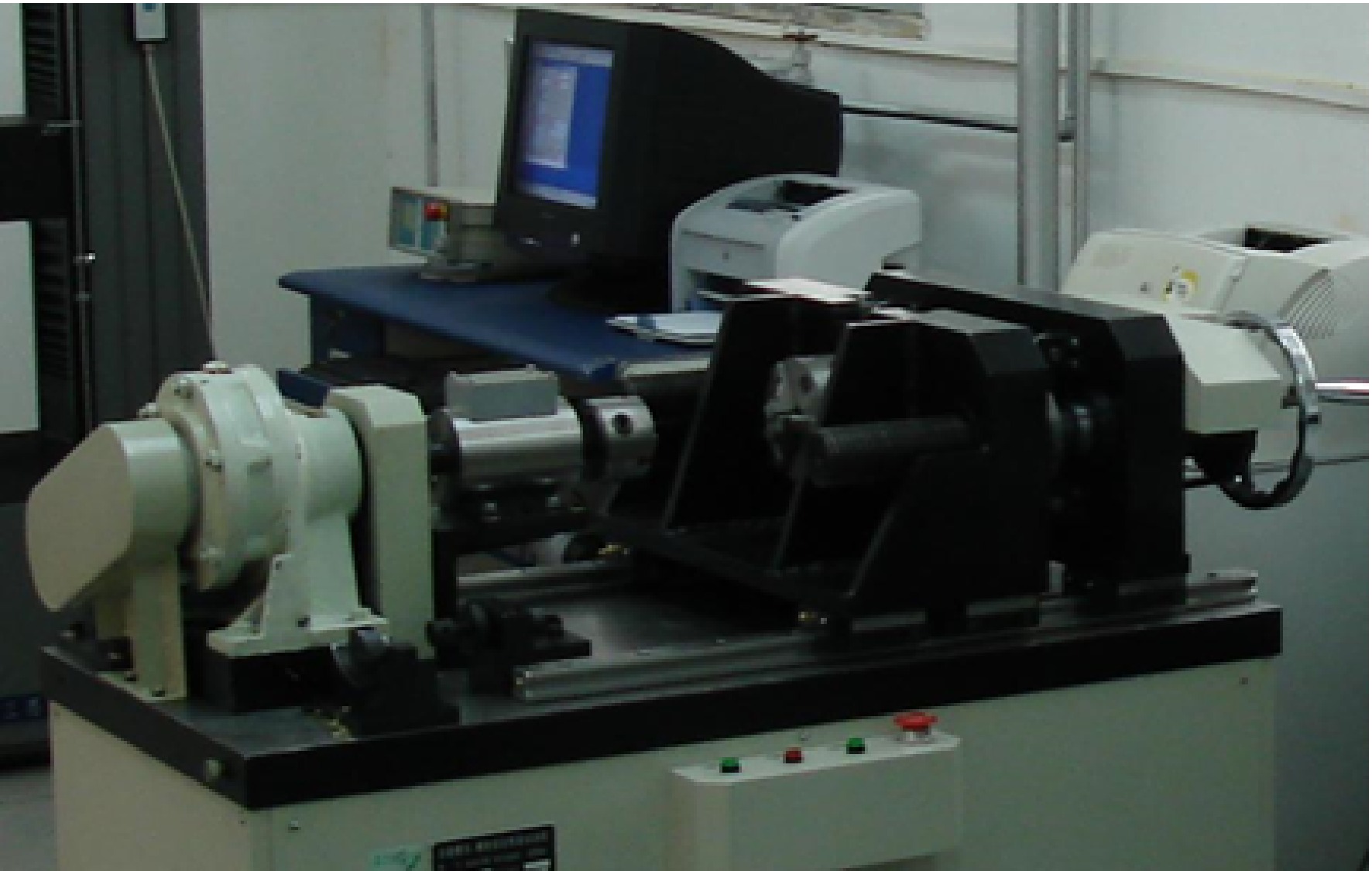
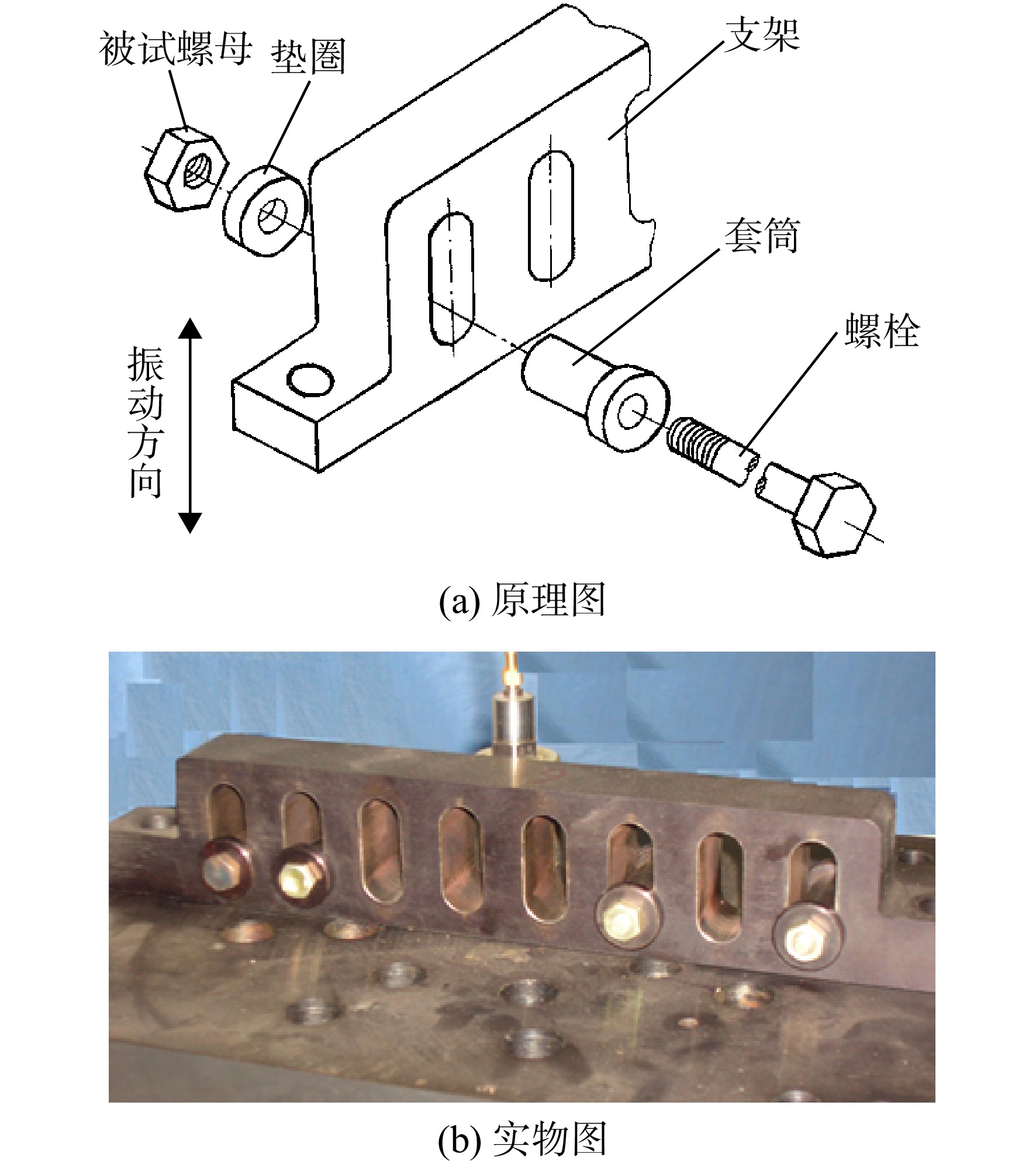
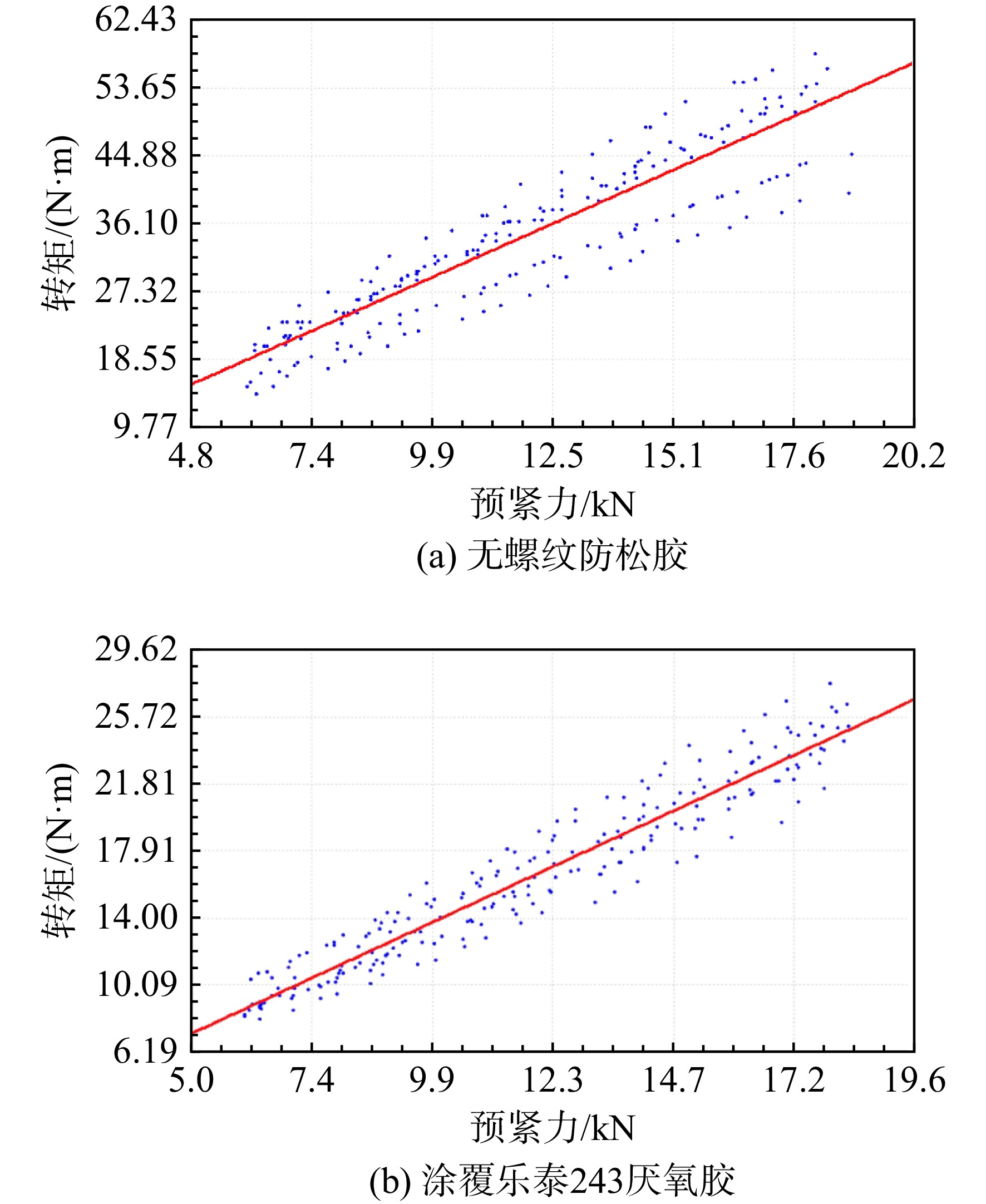
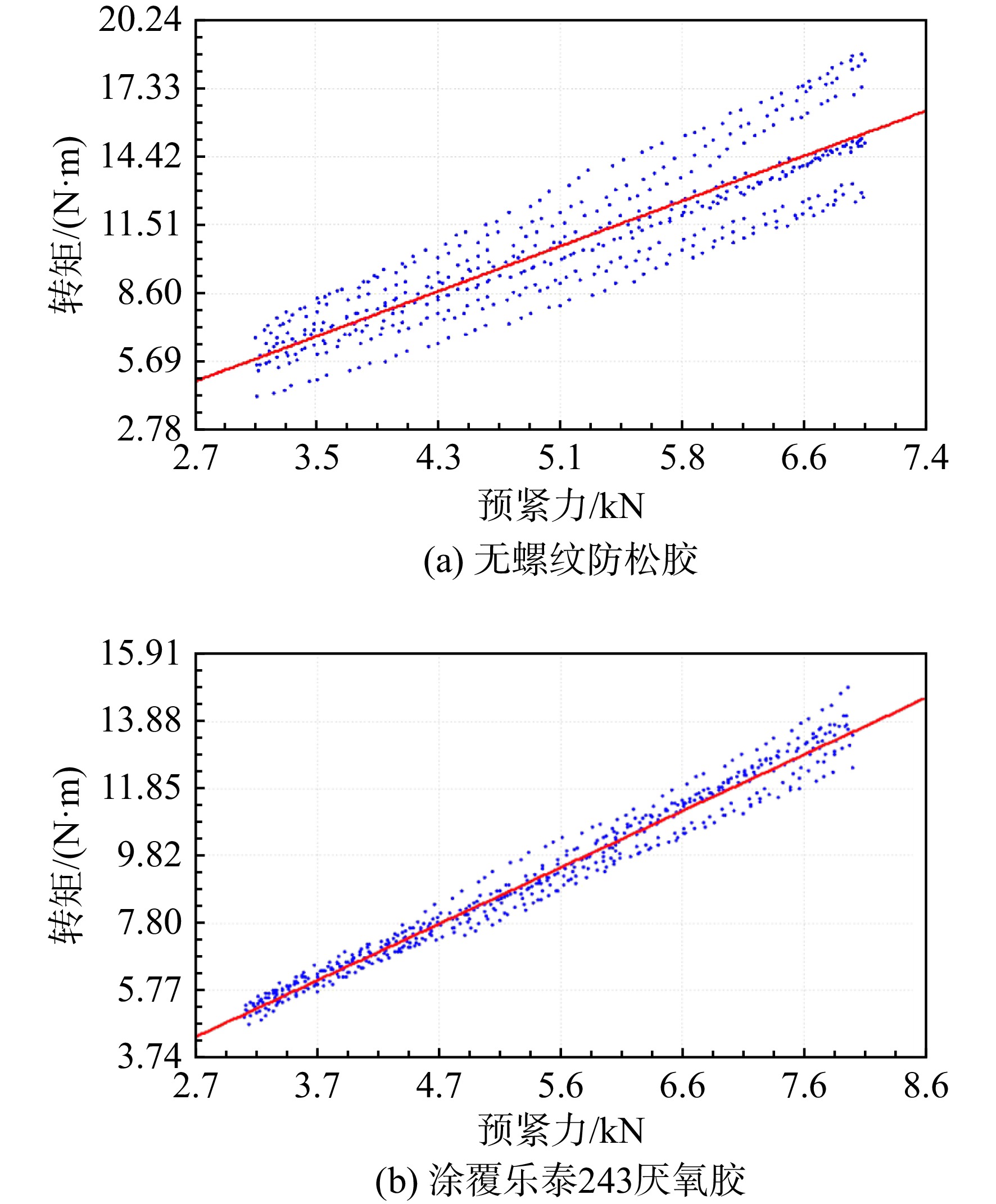
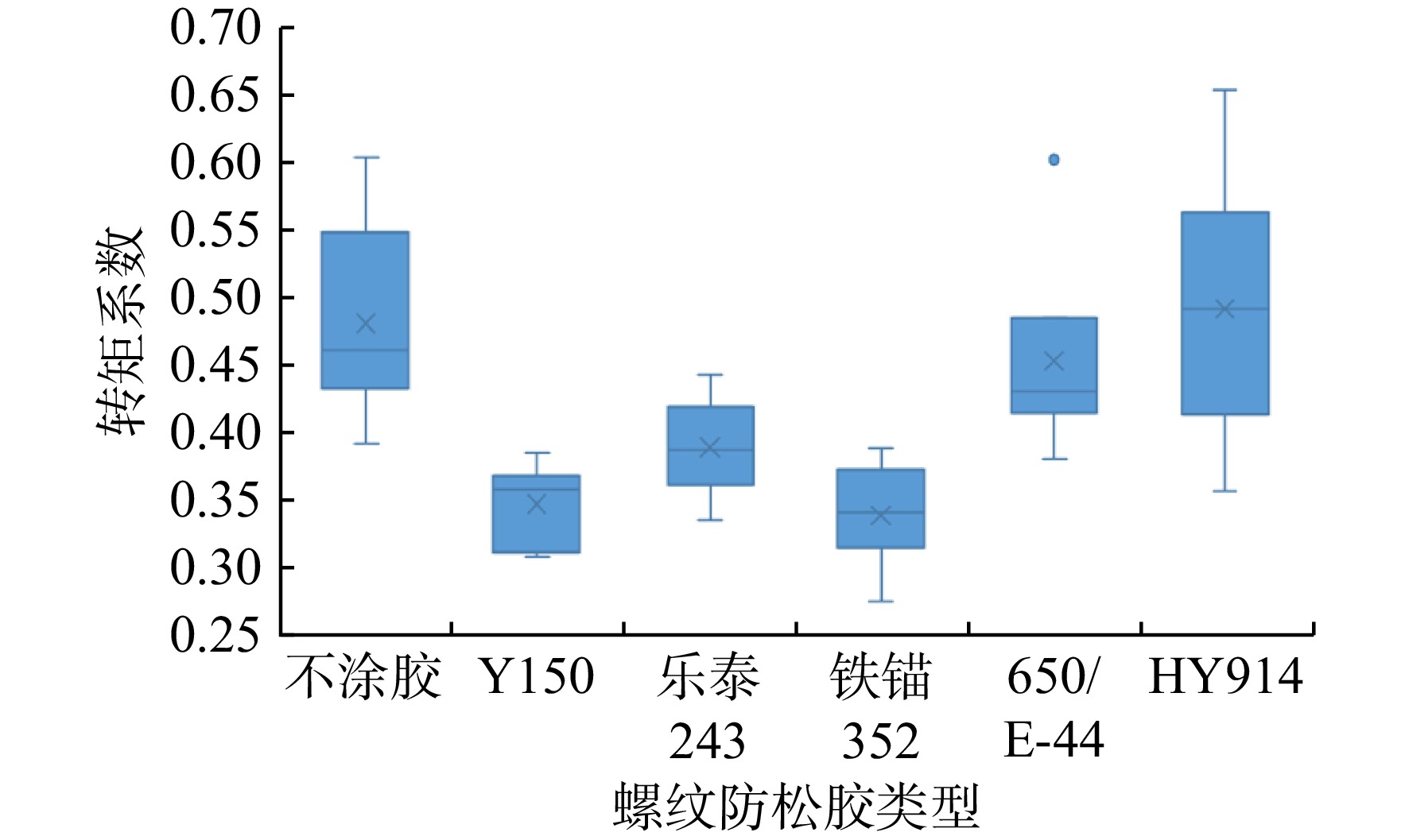
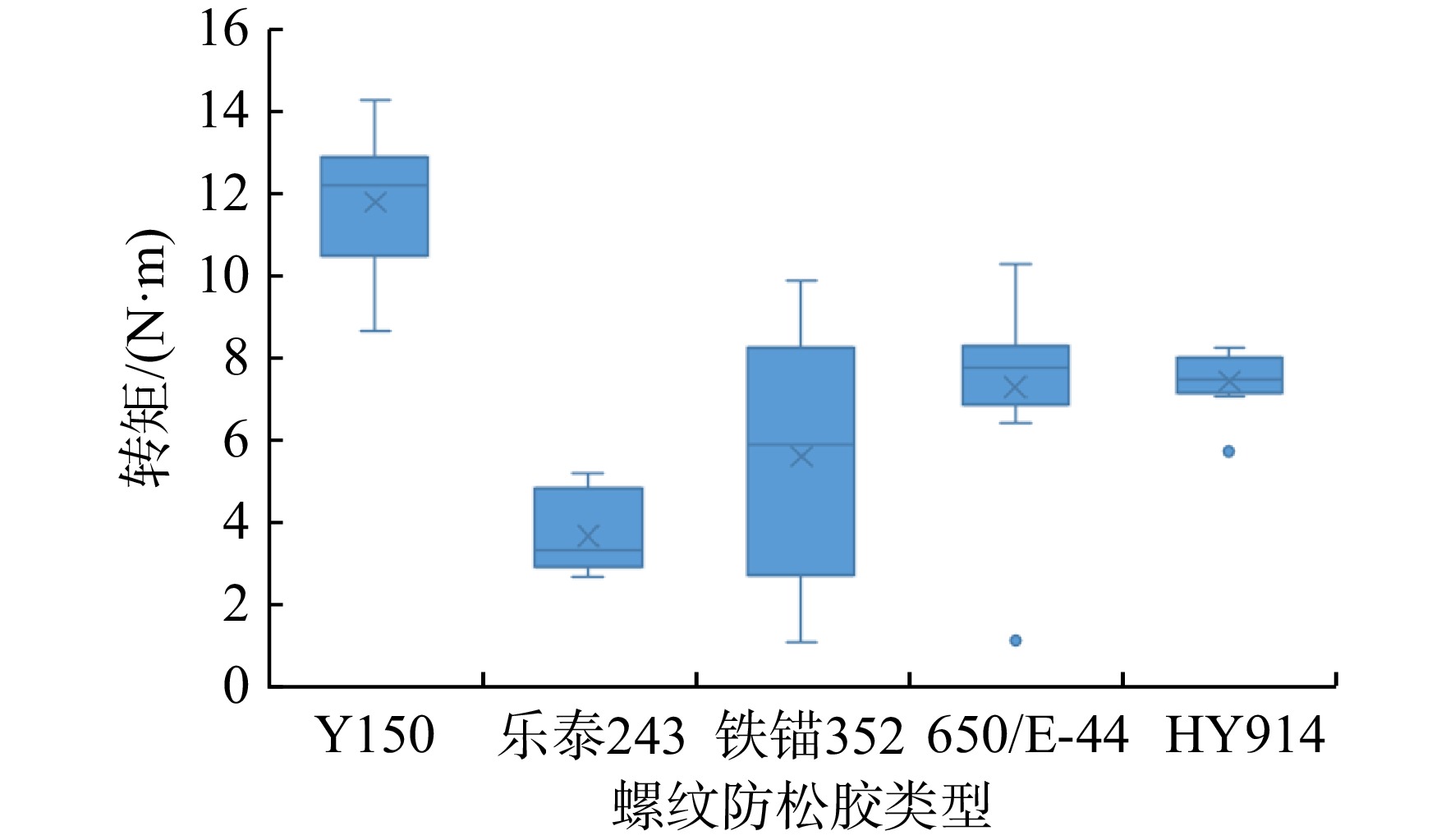
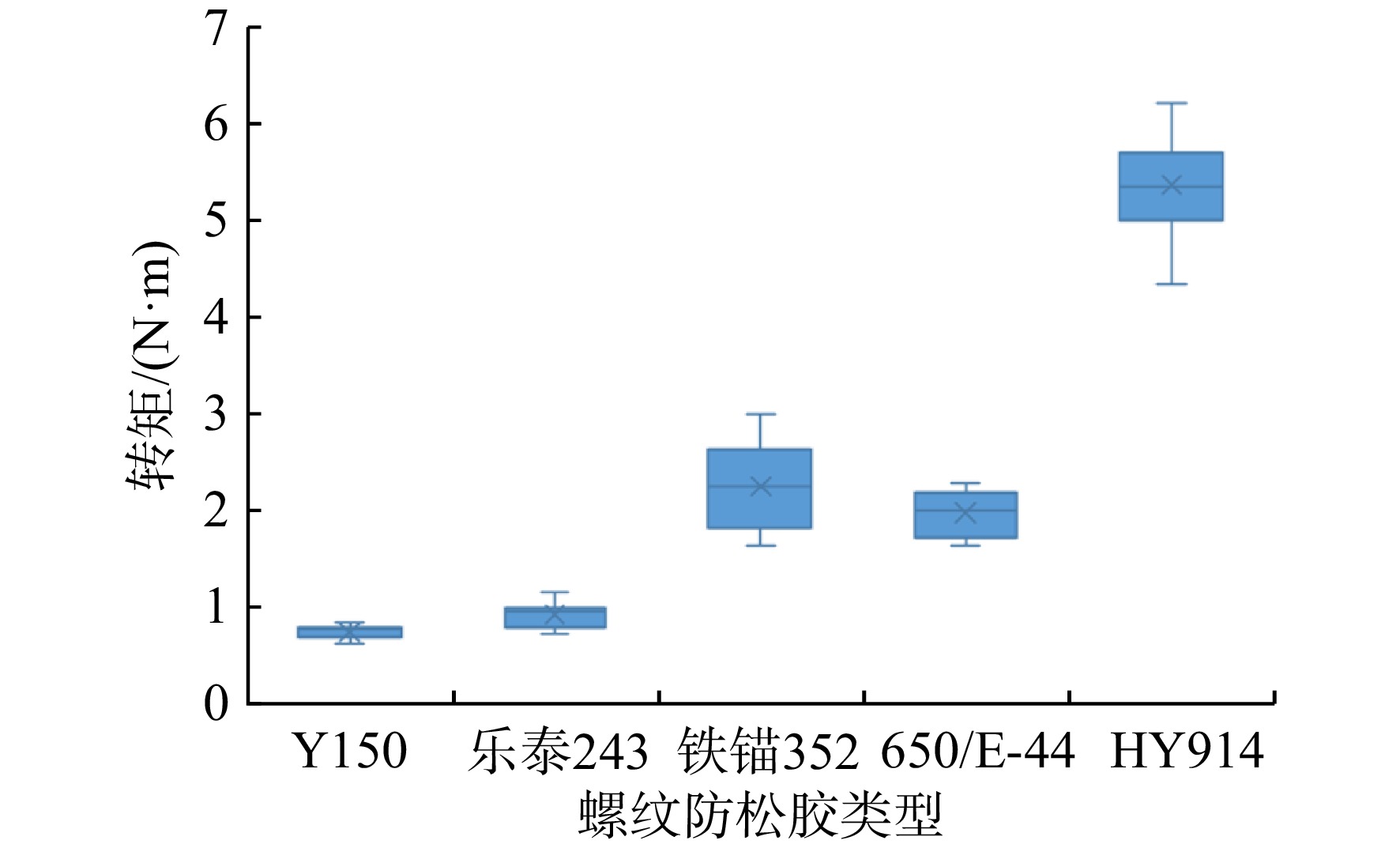
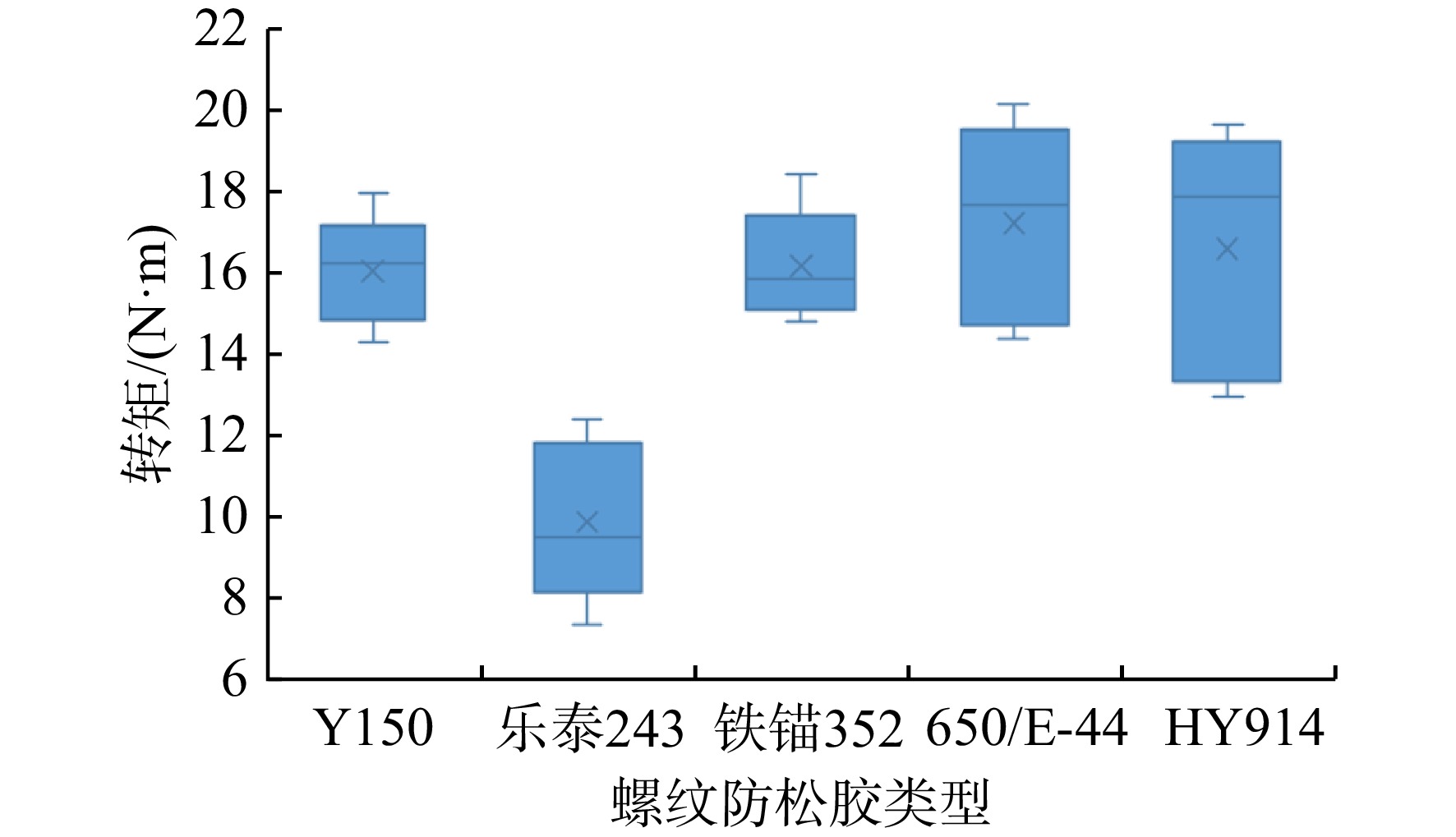
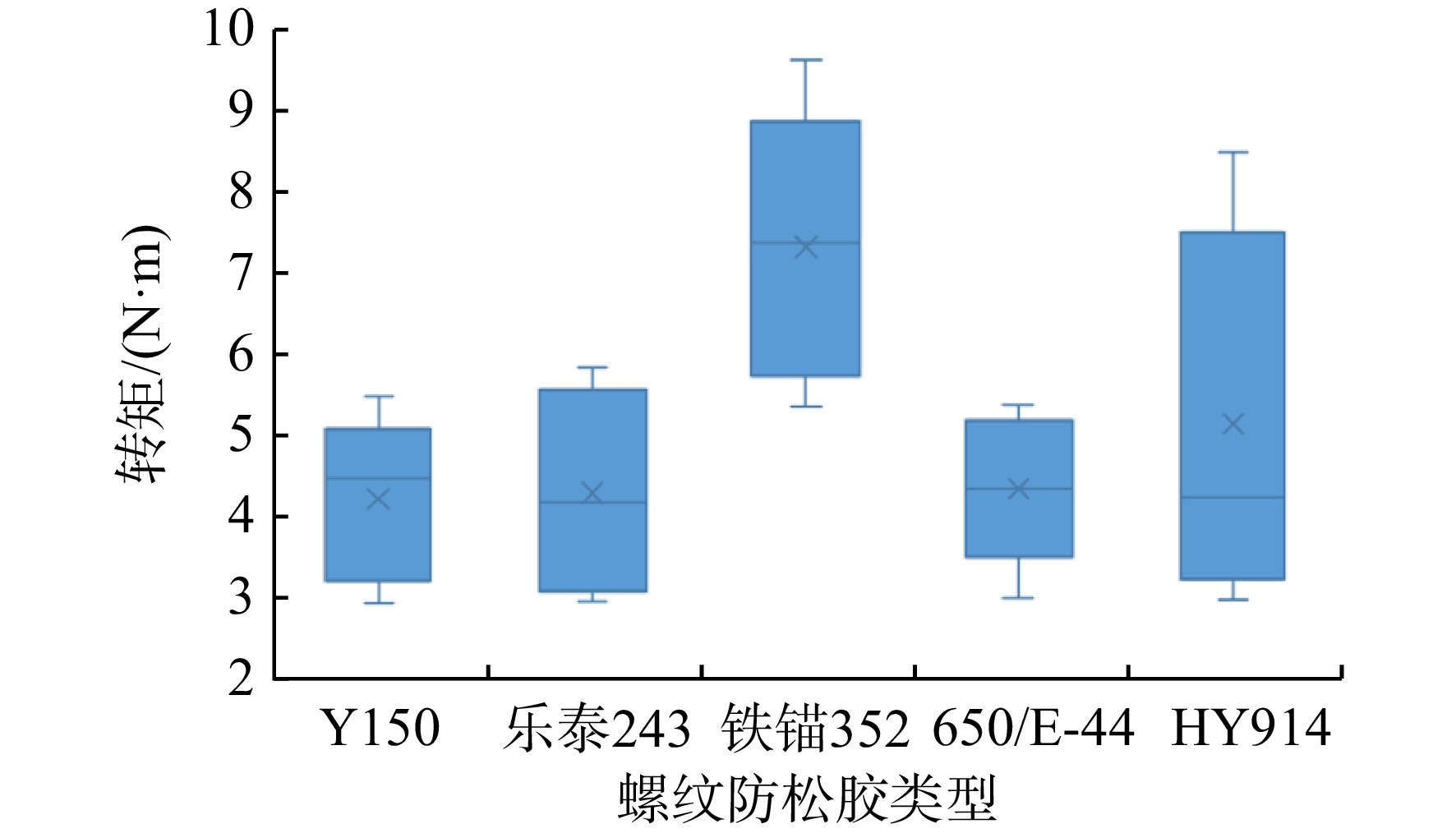
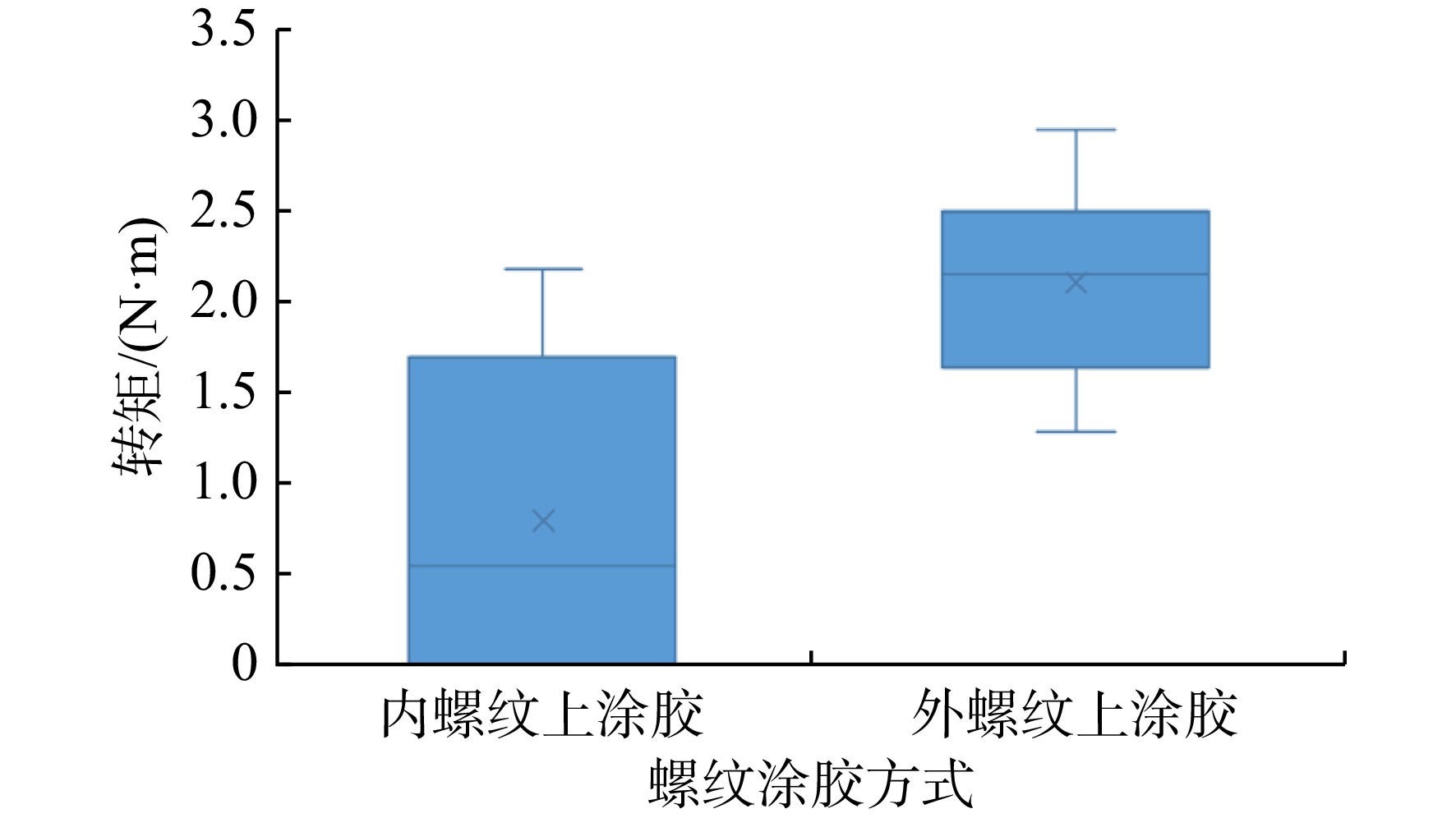
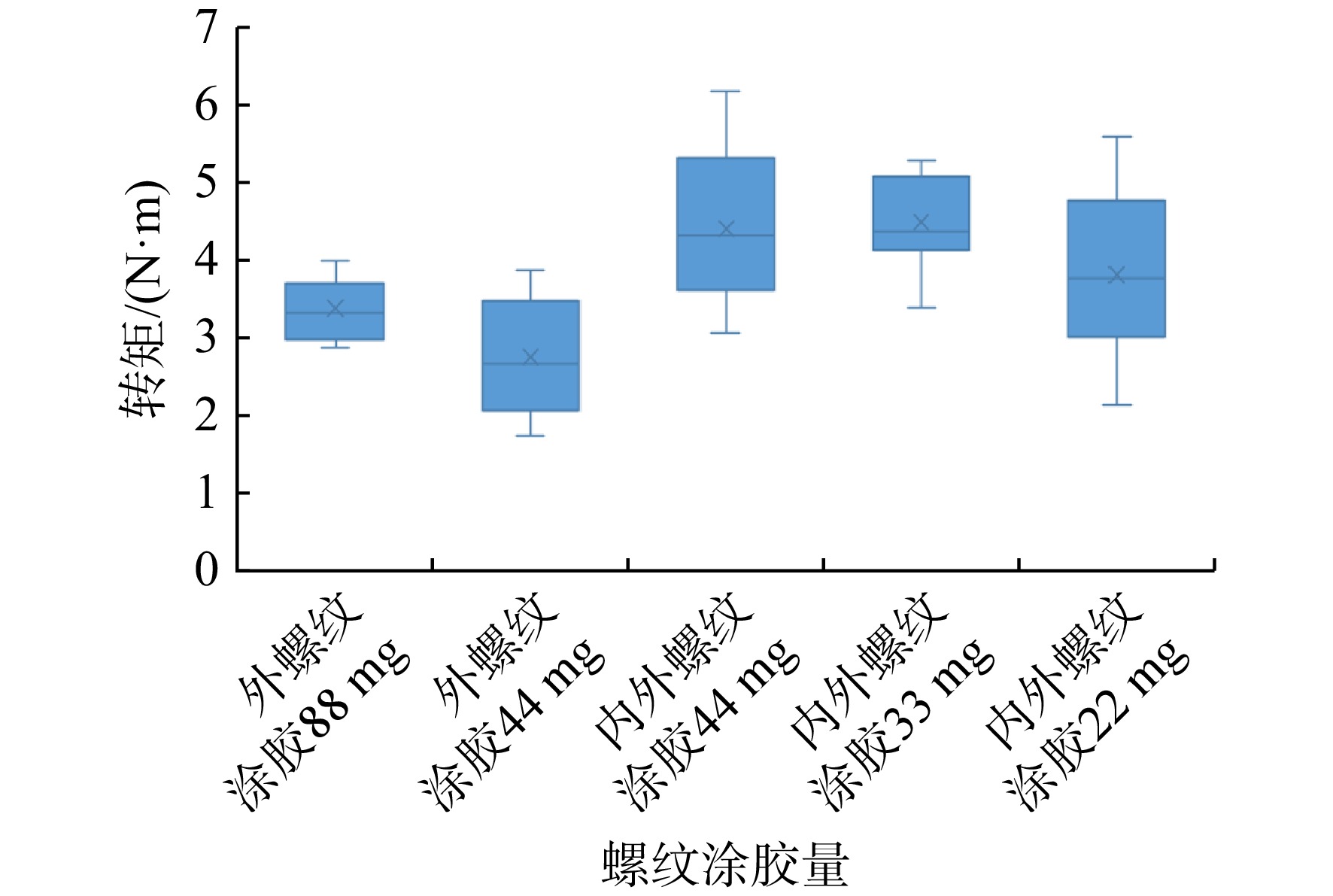
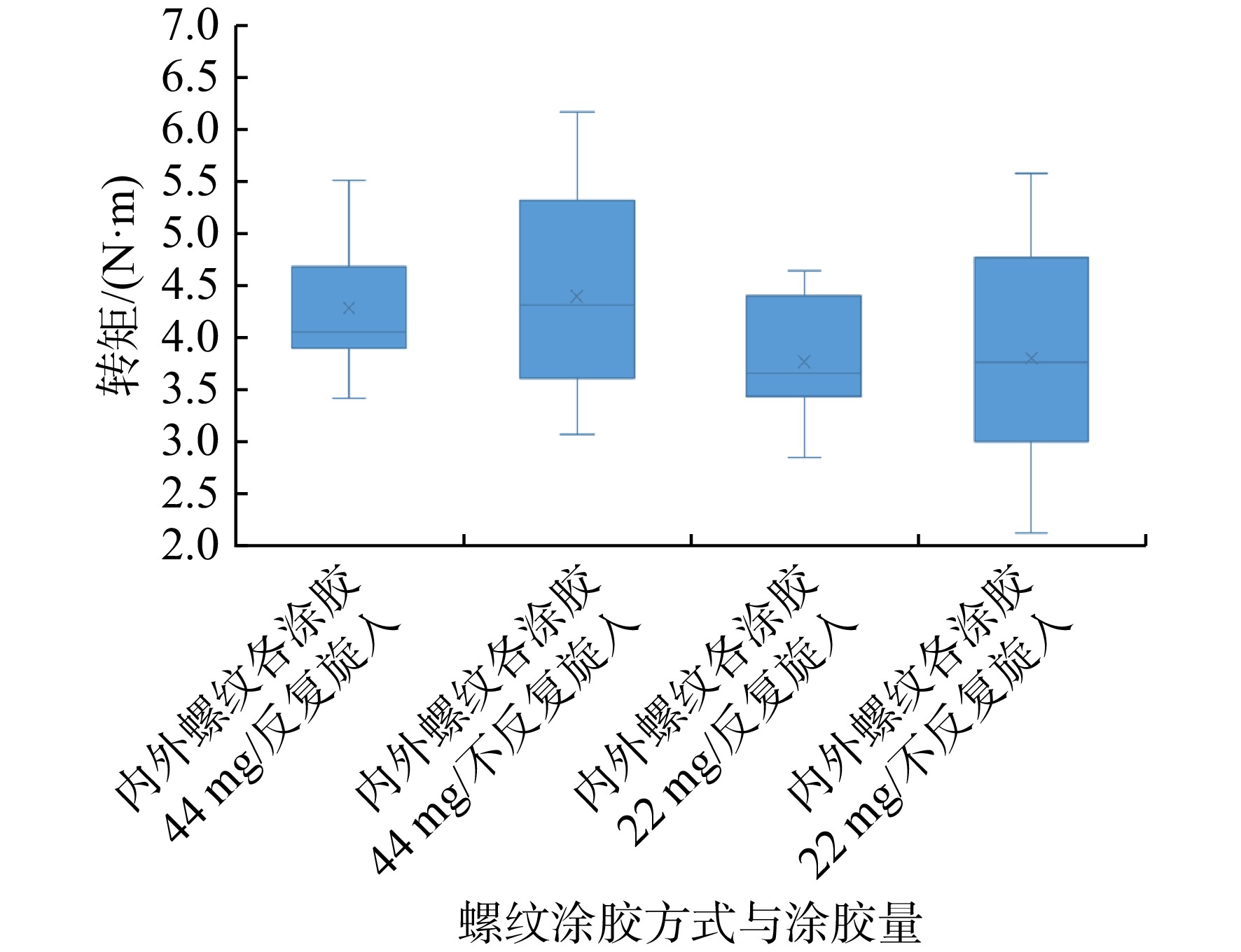
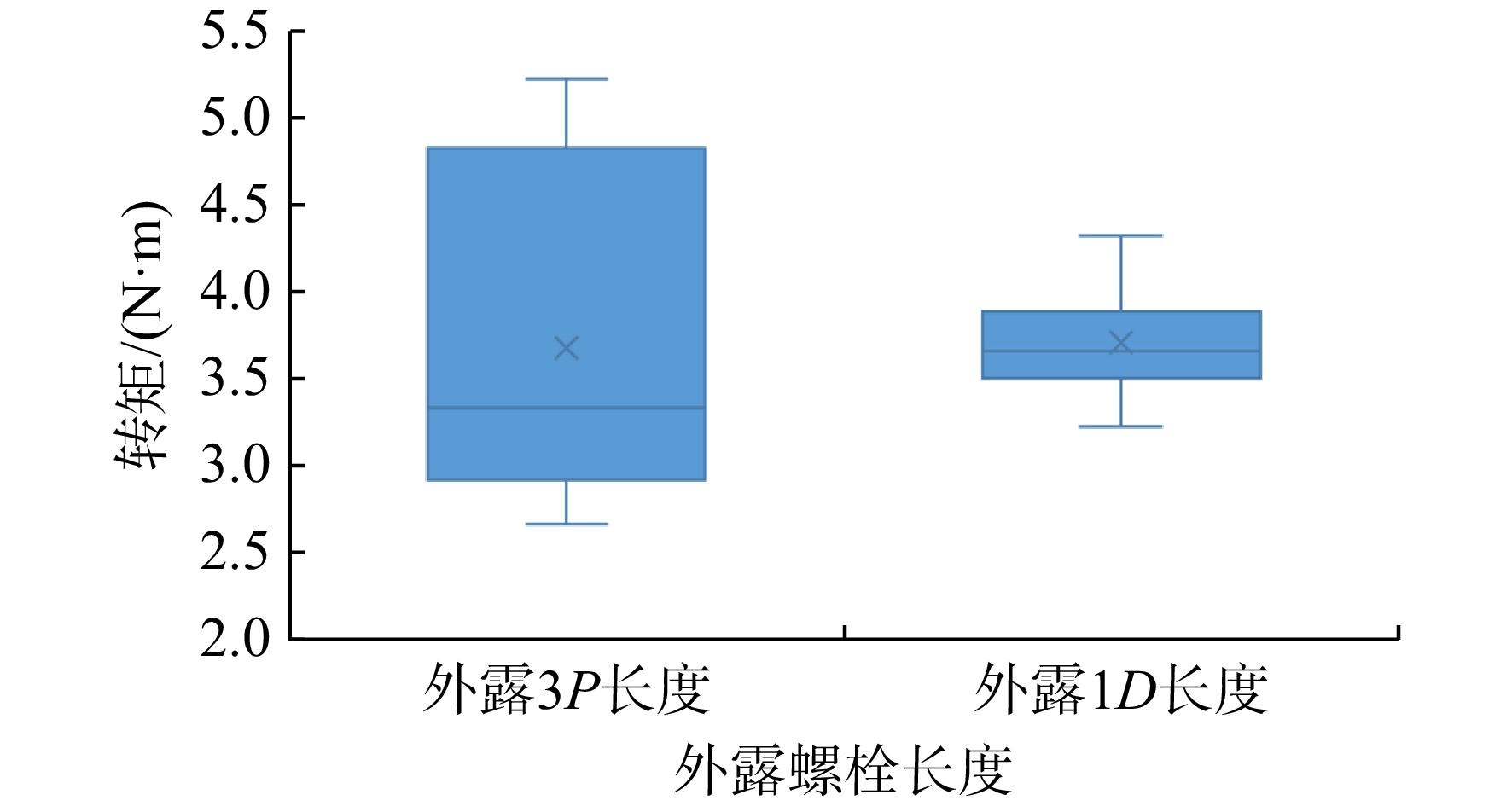
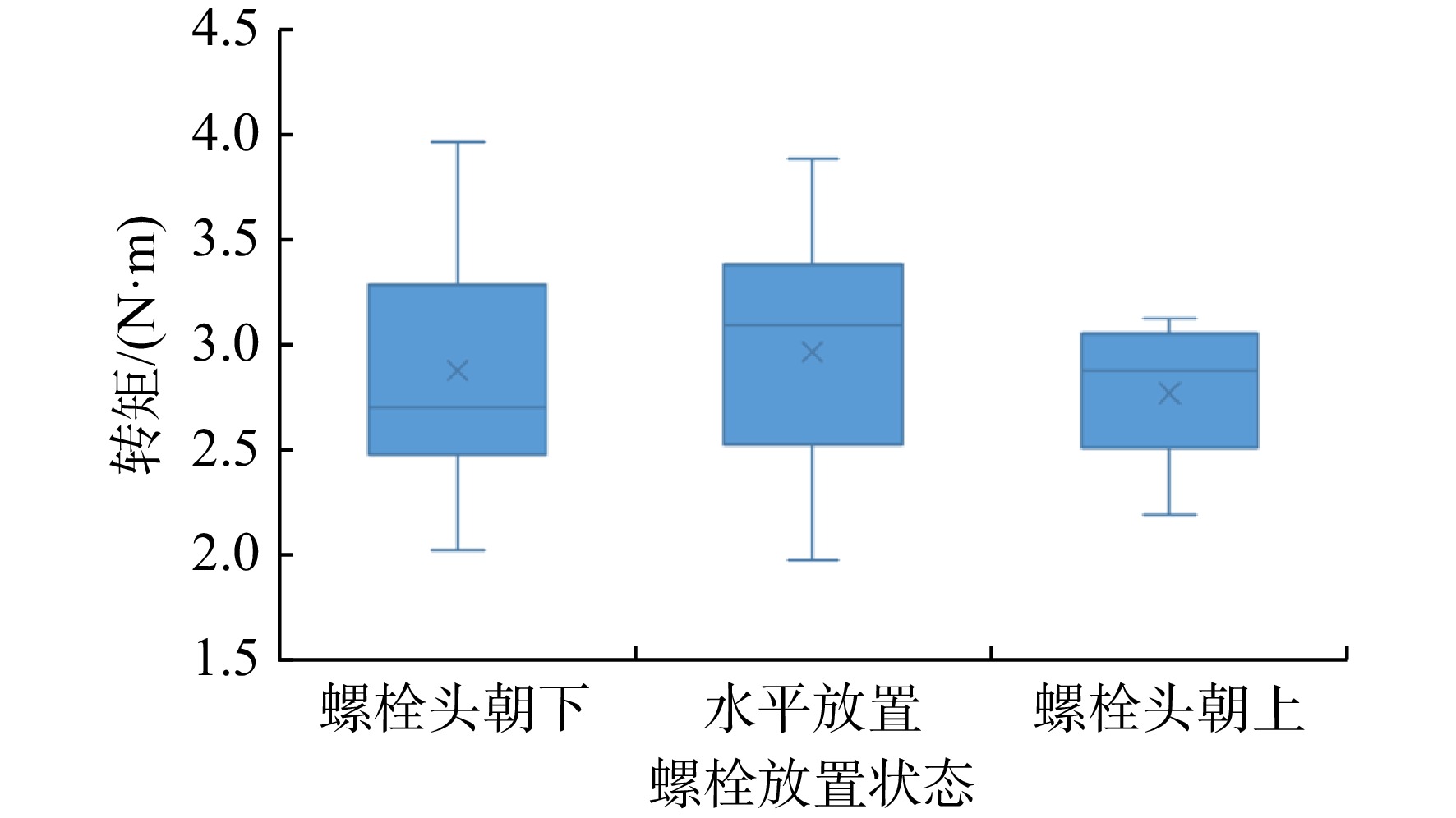
To meet the high reliability service requirements of aerospace products, various thread locking adhesives are widely used in engineering applications. However, there is a lack of systematic research on the curing adhesion strength and anti-loosening performance of thread locking adhesives currently, as well as the influence of applying thread locking adhesives on the torsion-tension relationship of bolted joints. Five typical thread locking adhesives of two categories were selected for research by applying to connection structures of M8 alloy steel bolts and nuts, and M5 titanium alloy bolts with stainless-steel nuts. Specialized experimental fixtures were developed, and the experimental content was meticulously designed using the controlled variable approach. The torsion-tension relationship of the bolts and nuts with thread locking adhesives applied, the torque required for disassembly after curing, and the disassembly torque after 30 000 times of severe lateral vibration were tested using a torsion-tension experiment machine and a vibration experiment machine, respectively. The influences of different thread locking adhesives on the torque coefficient, adhesive strength, and anti-loosening performance were explored. Finally, the influences of process factors such as surface cleanliness, adhesive application amount, and the positioning of the bolts and nuts were systematically discussed. The findings could provide support for the setting of tightening torque for adhesive-applied bolts, the selection of thread locking adhesives, and the optimization of thread locking adhesive processes.

Investigation on strain rate-dependent mechanical model for TC6 titanium alloy
ZHANG Haiyang, LI Xin, YU Duokui, WANG Xiangping, REN Lei, ZHANG Chao
2025, 40(12): 20240072. doi: 10.13224/j.cnki.jasp.20240072
Abstract:

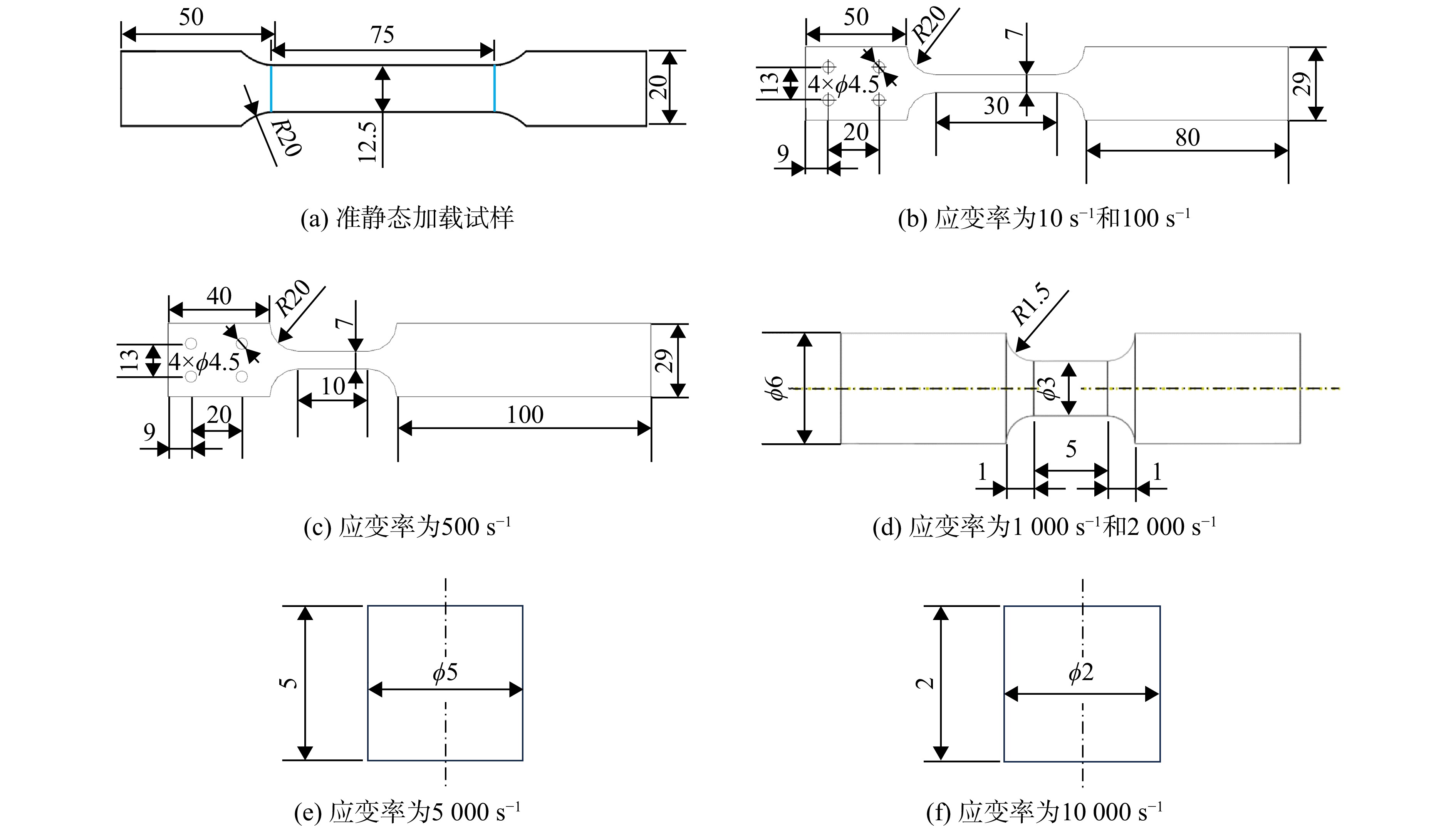
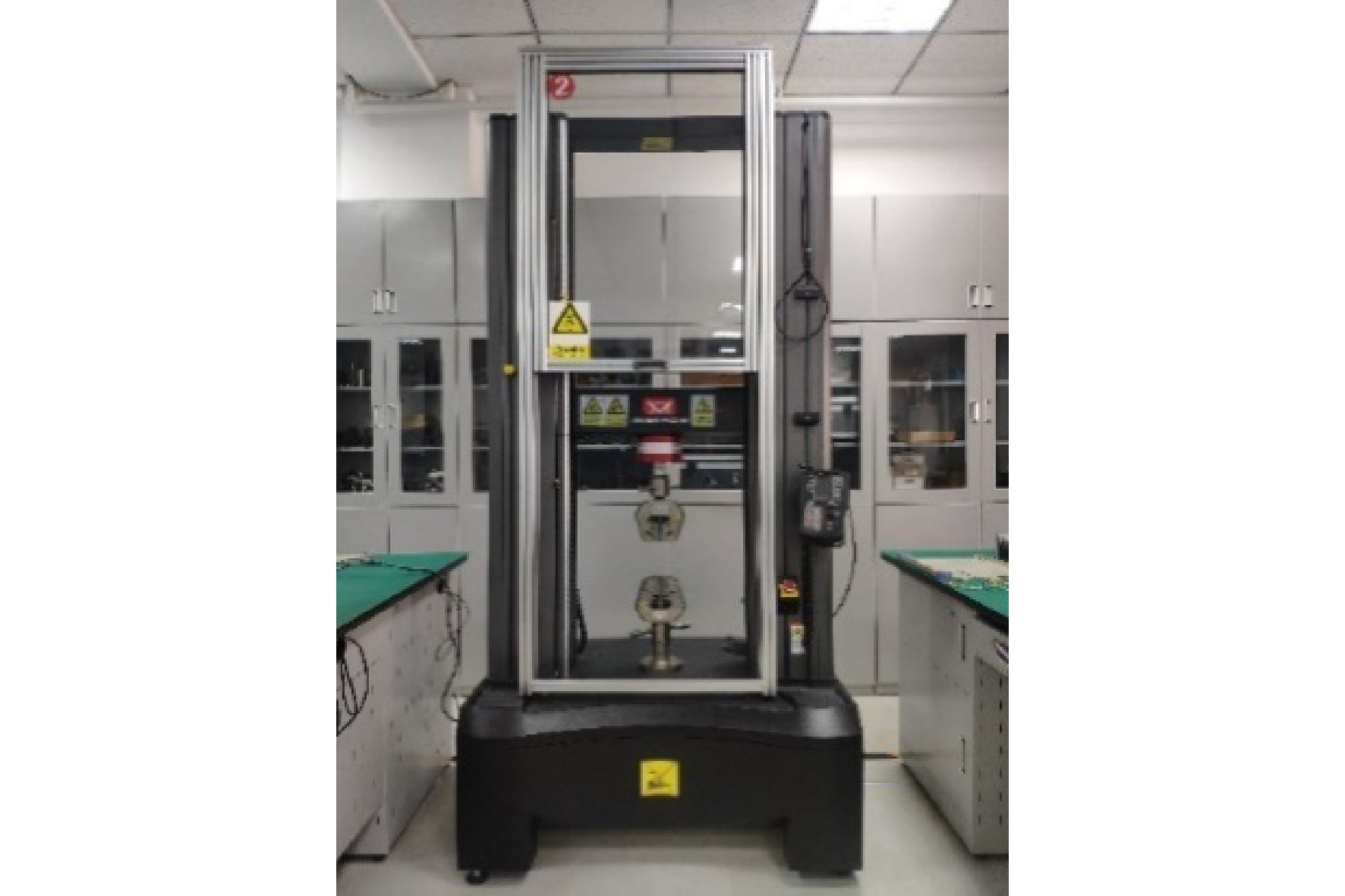
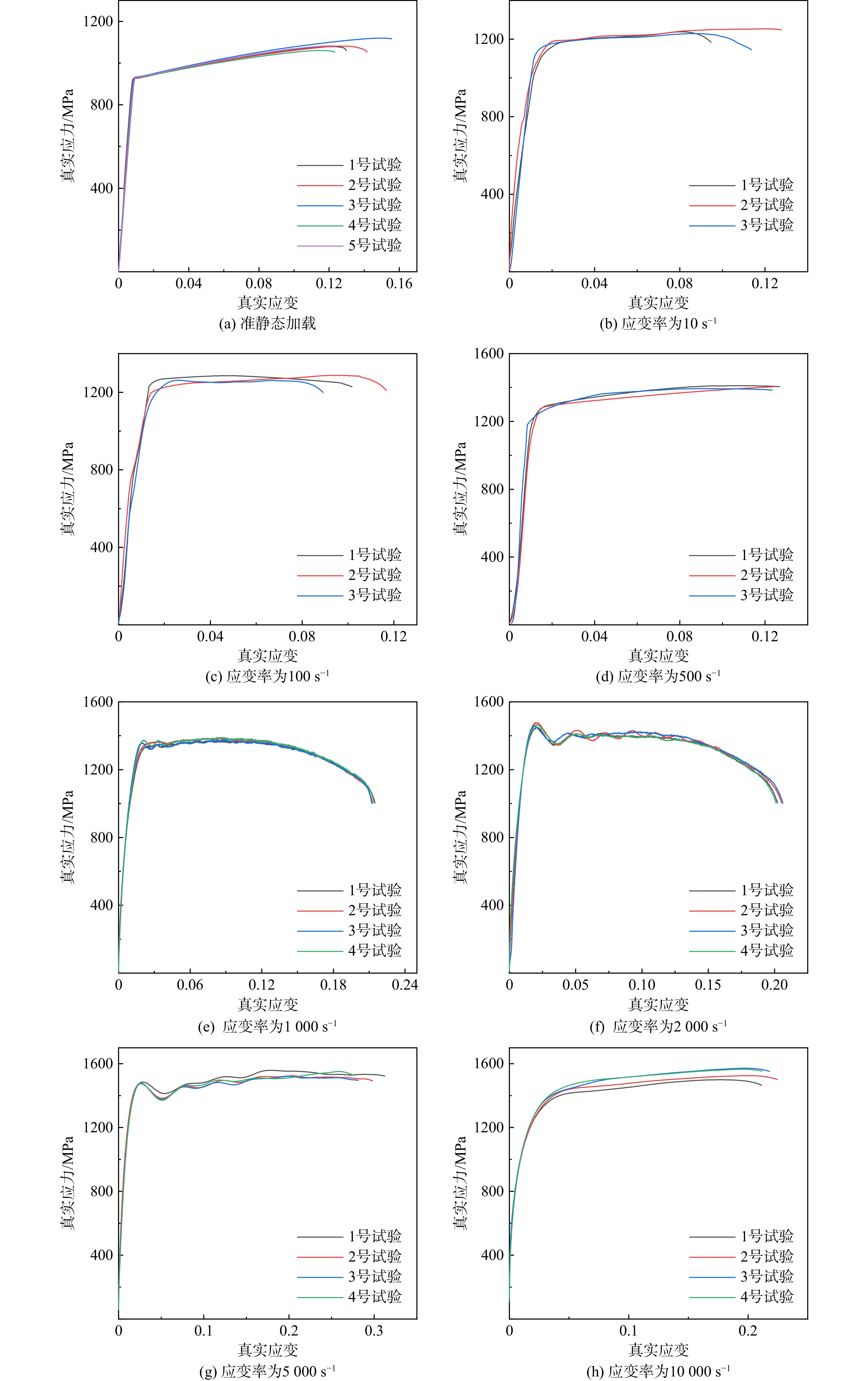
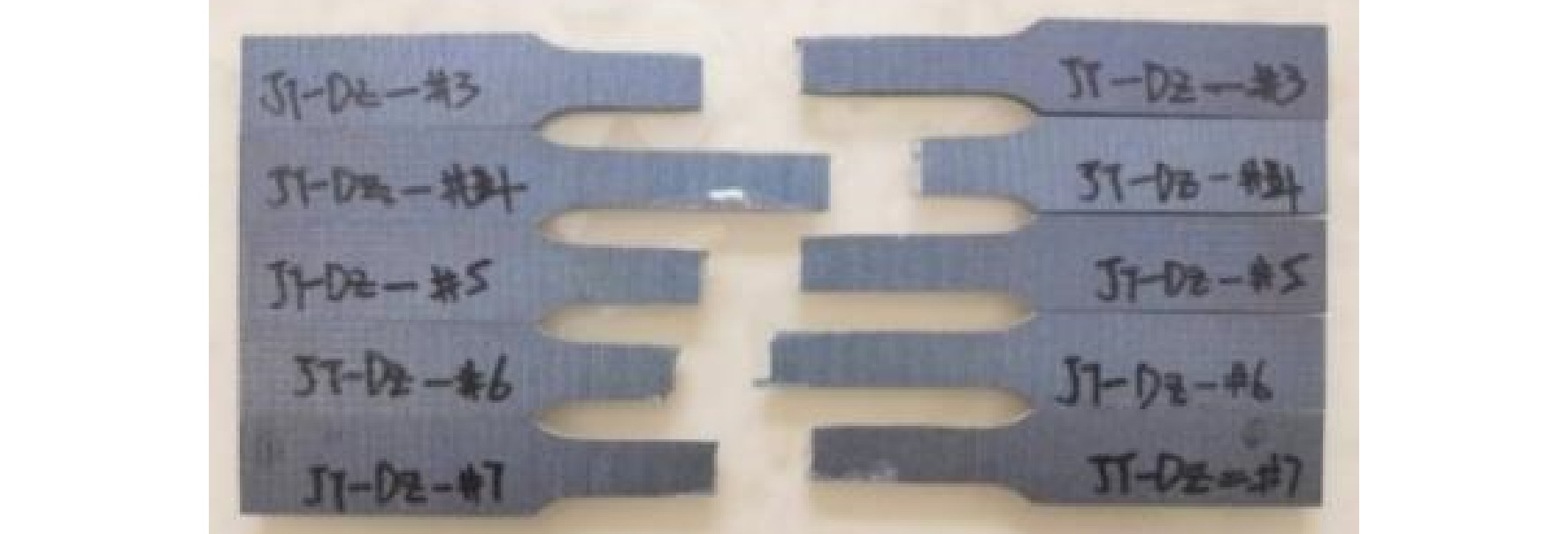
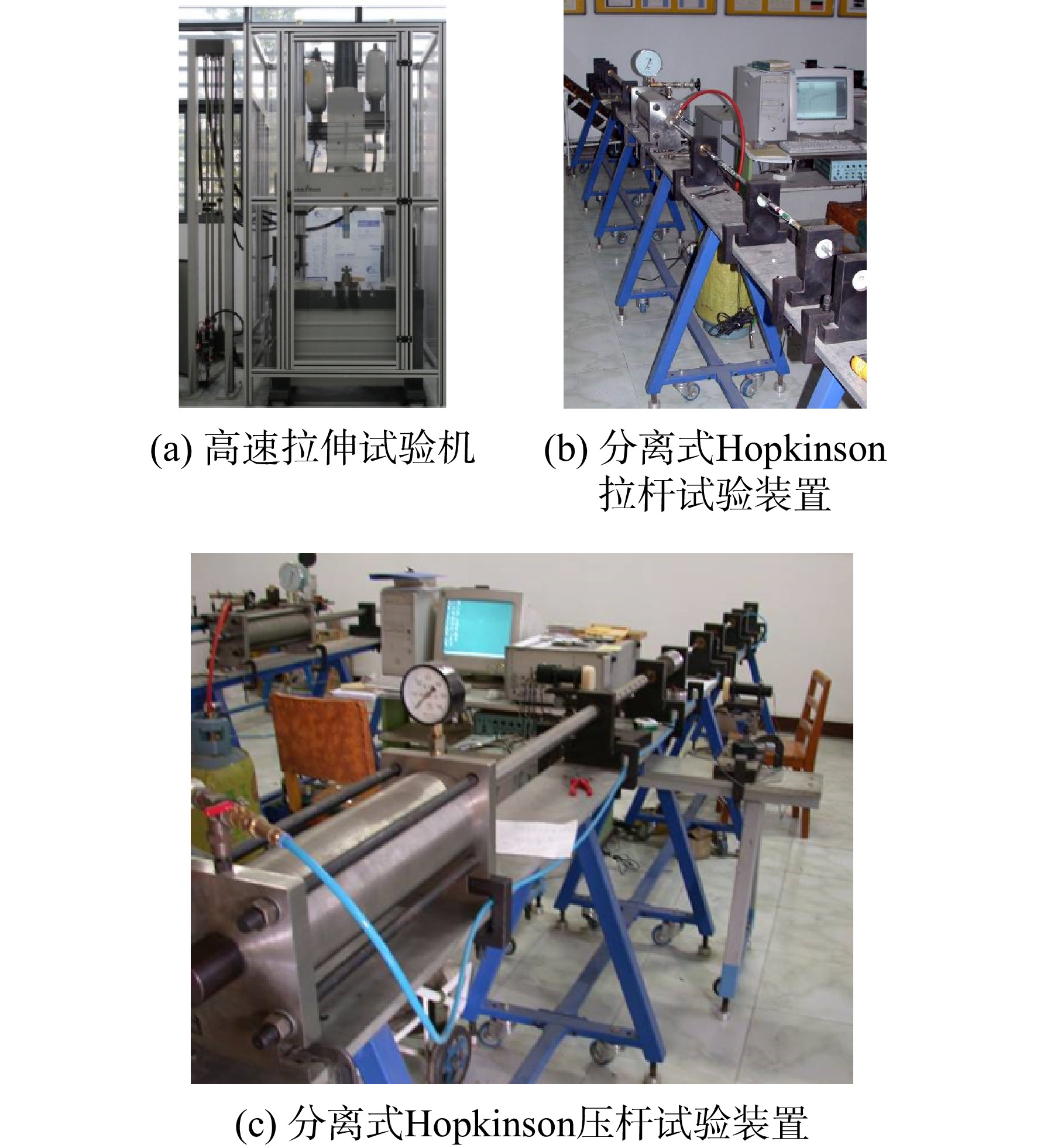
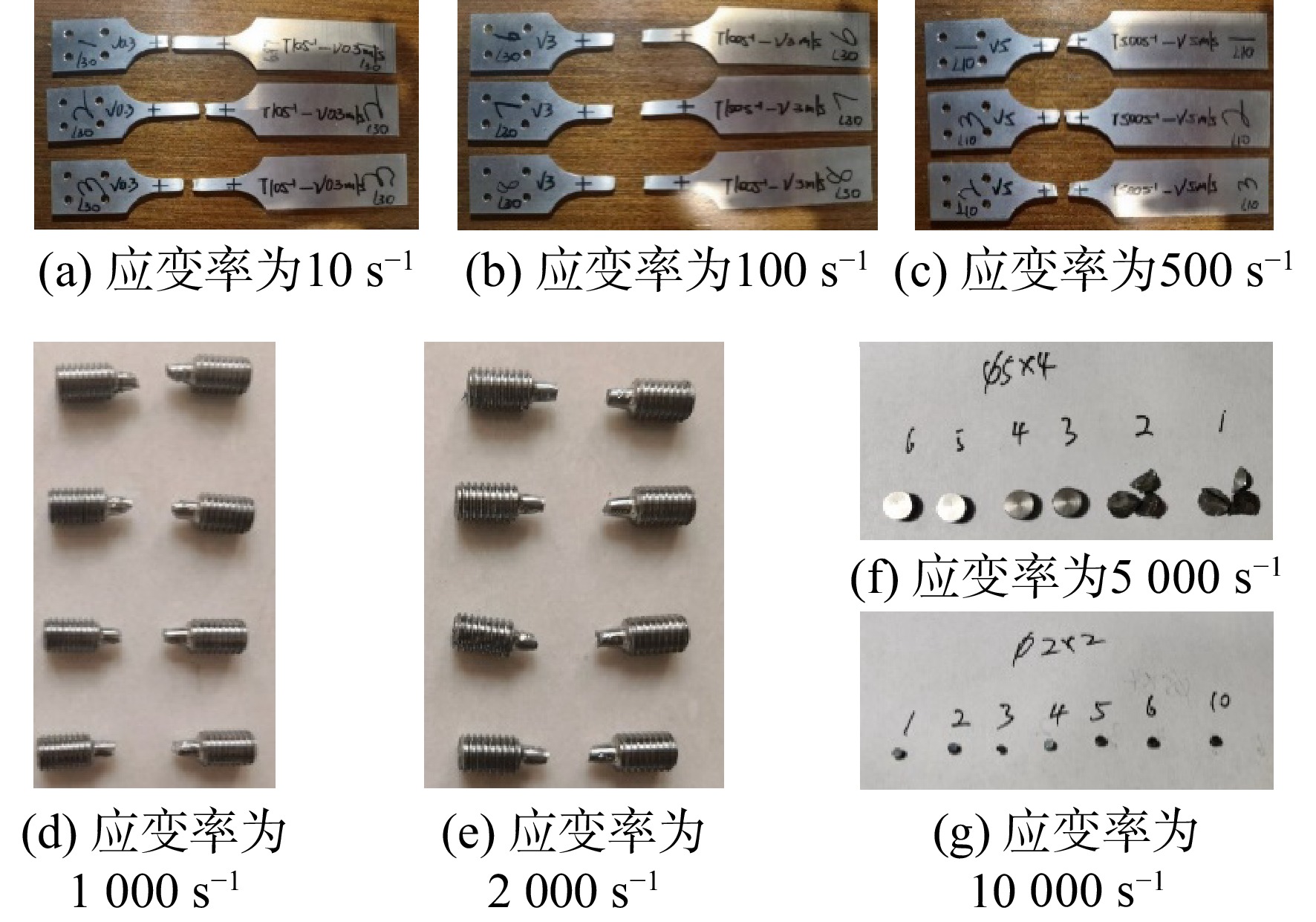
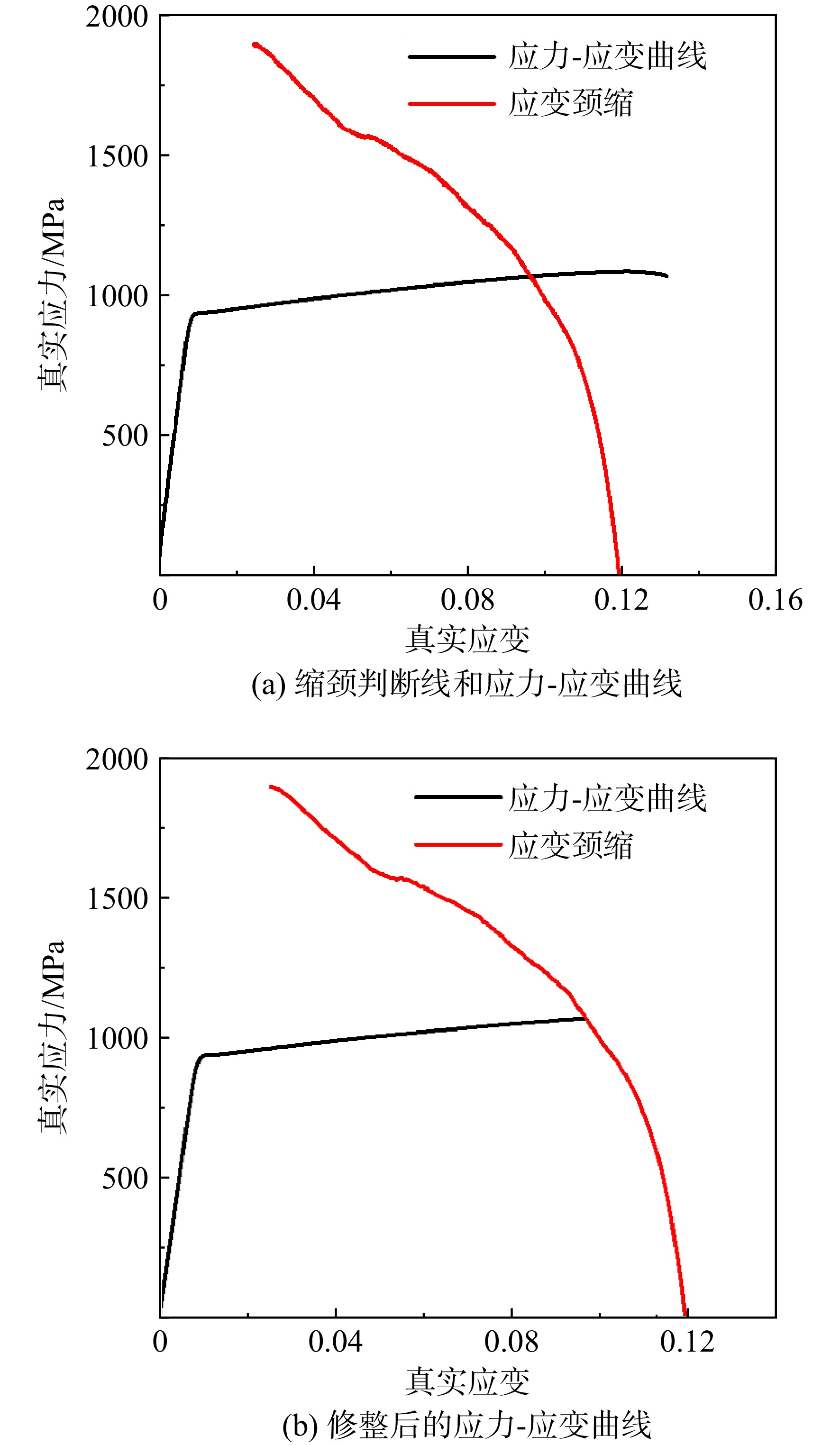
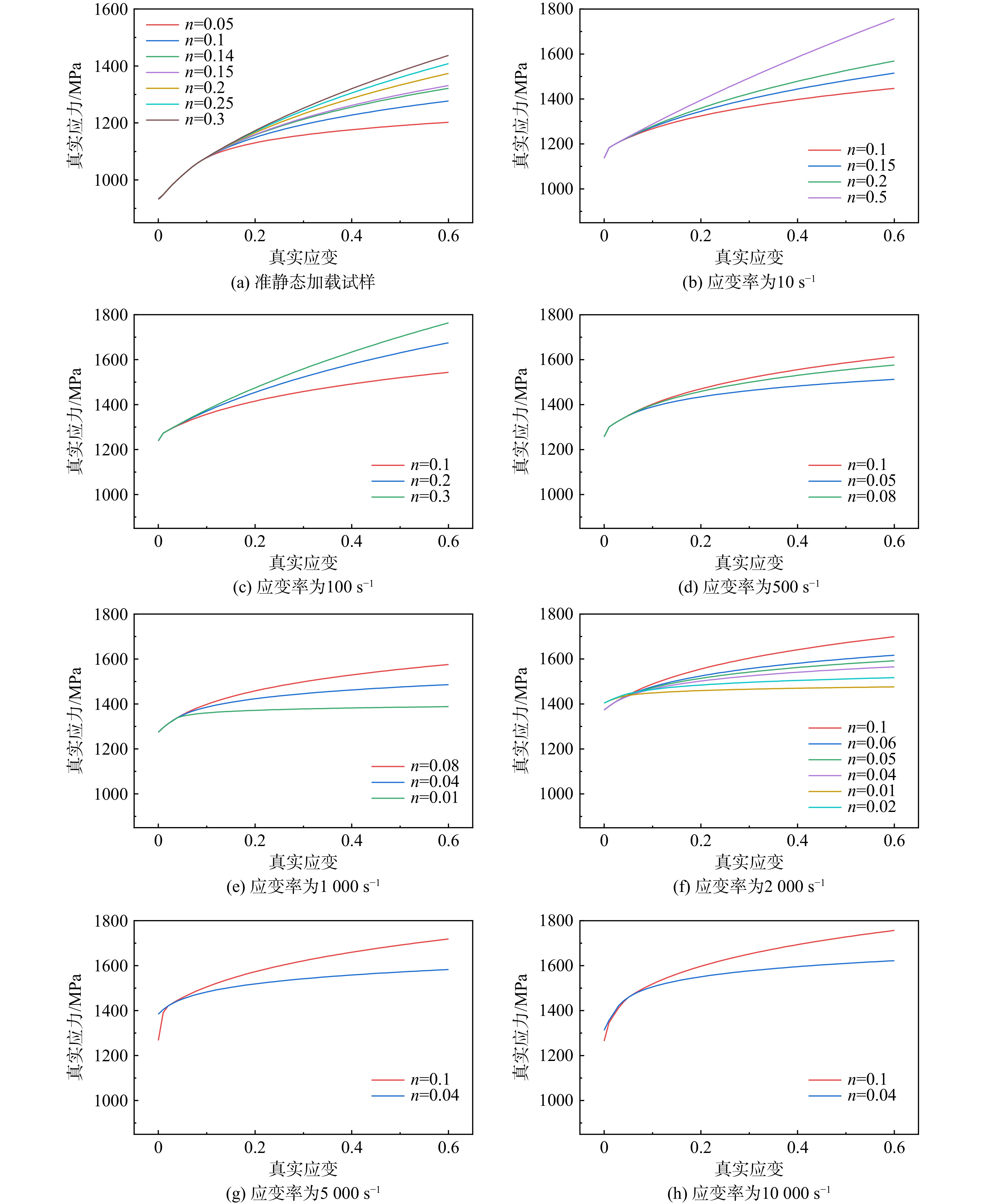
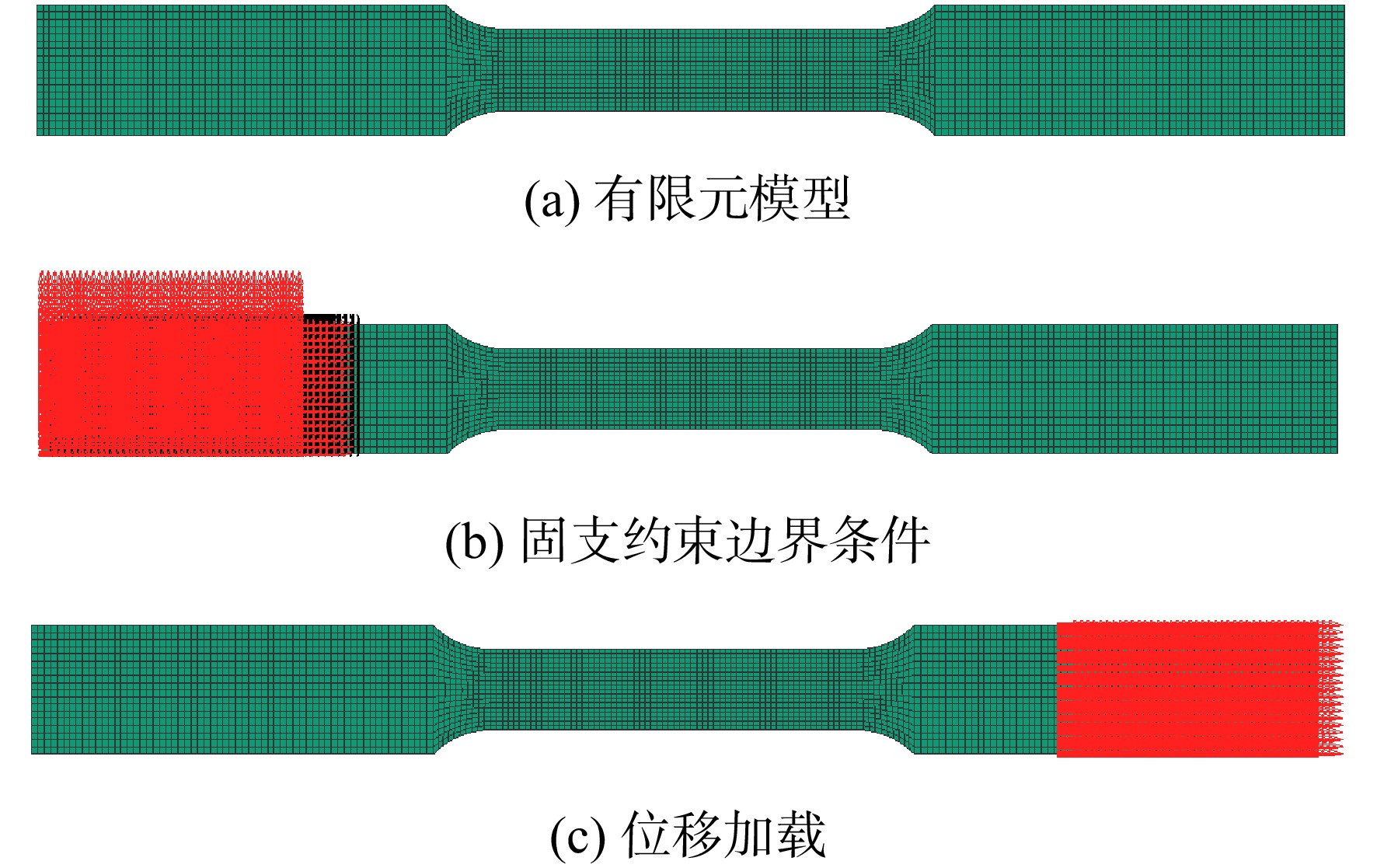
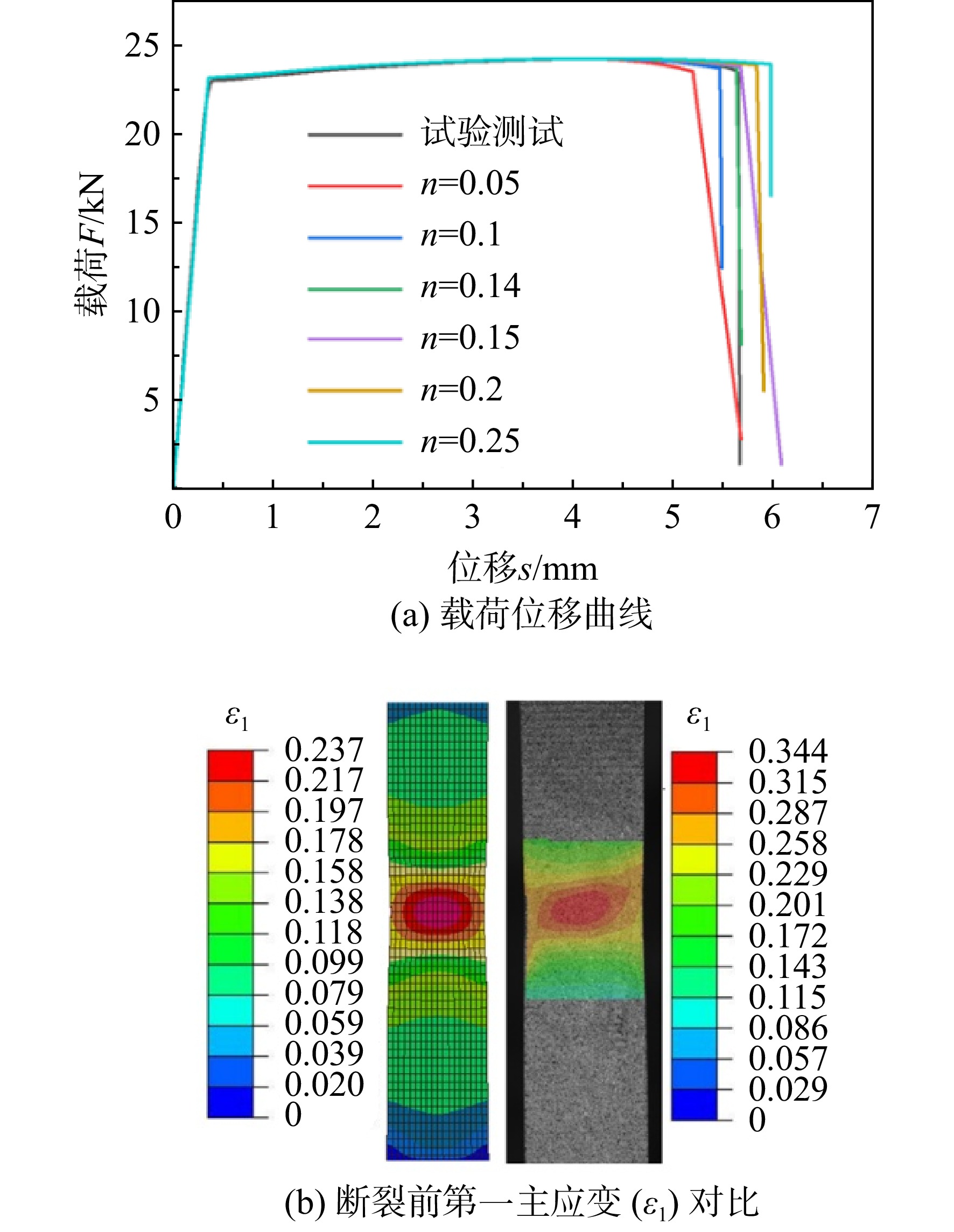
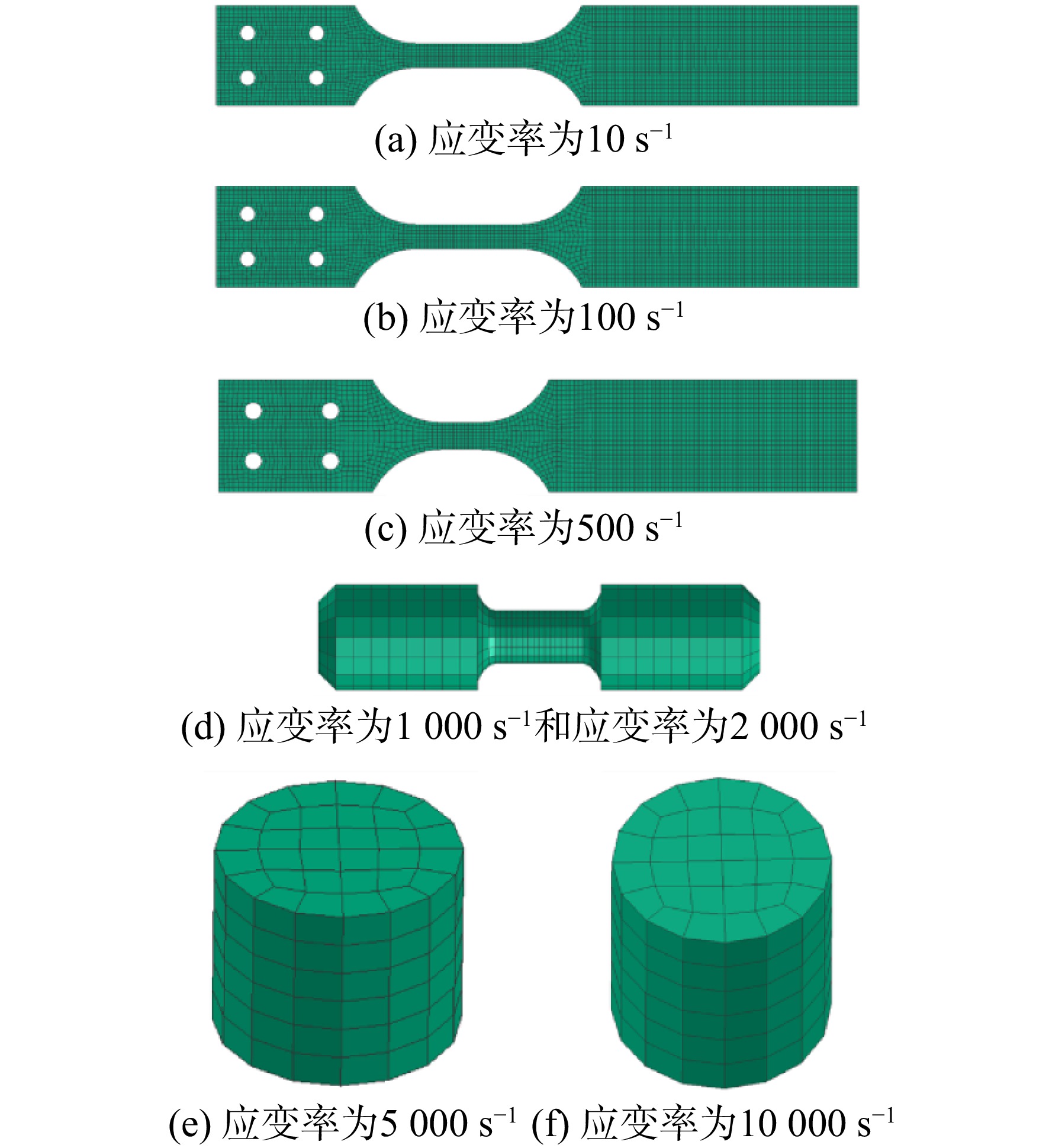
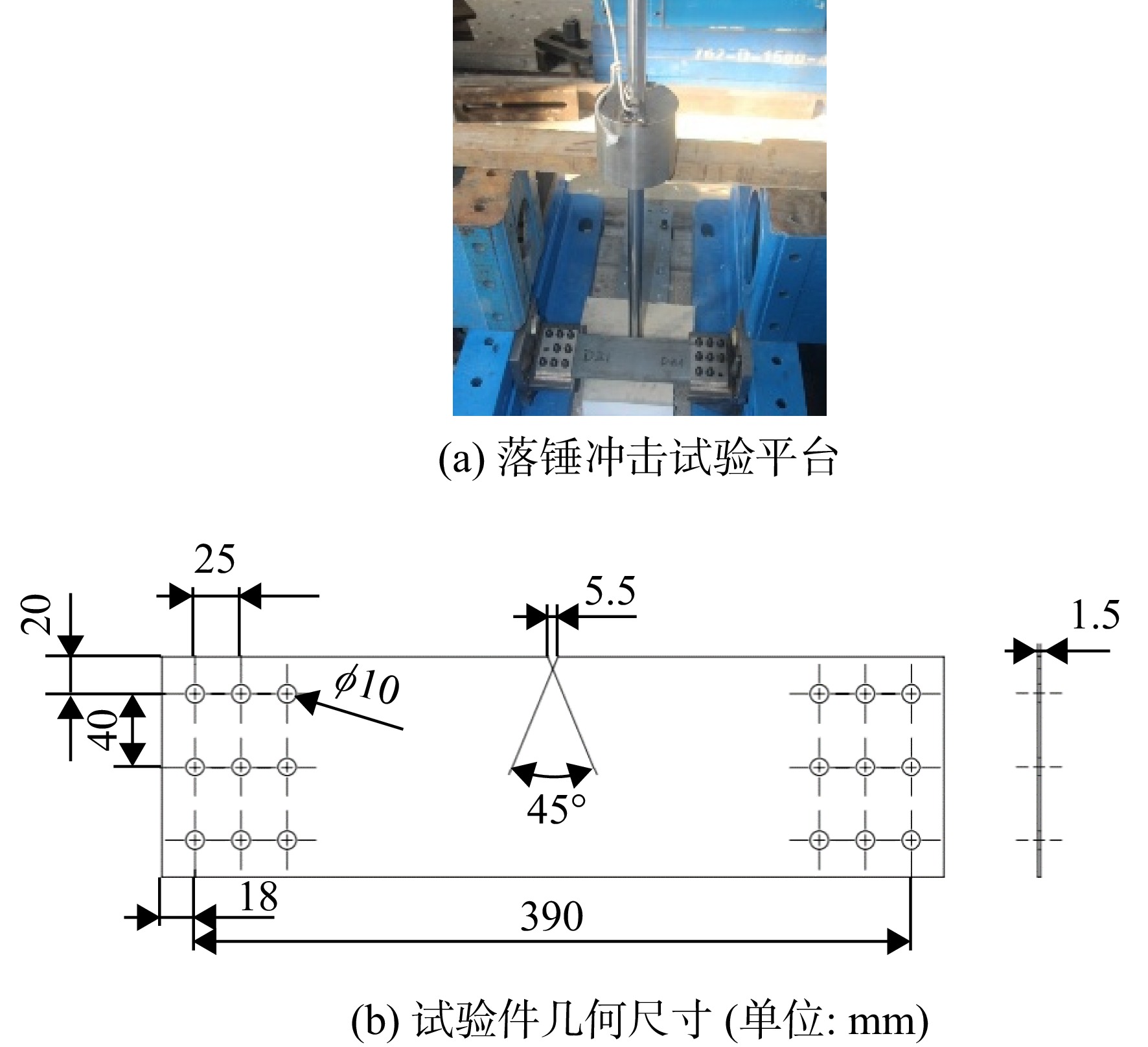
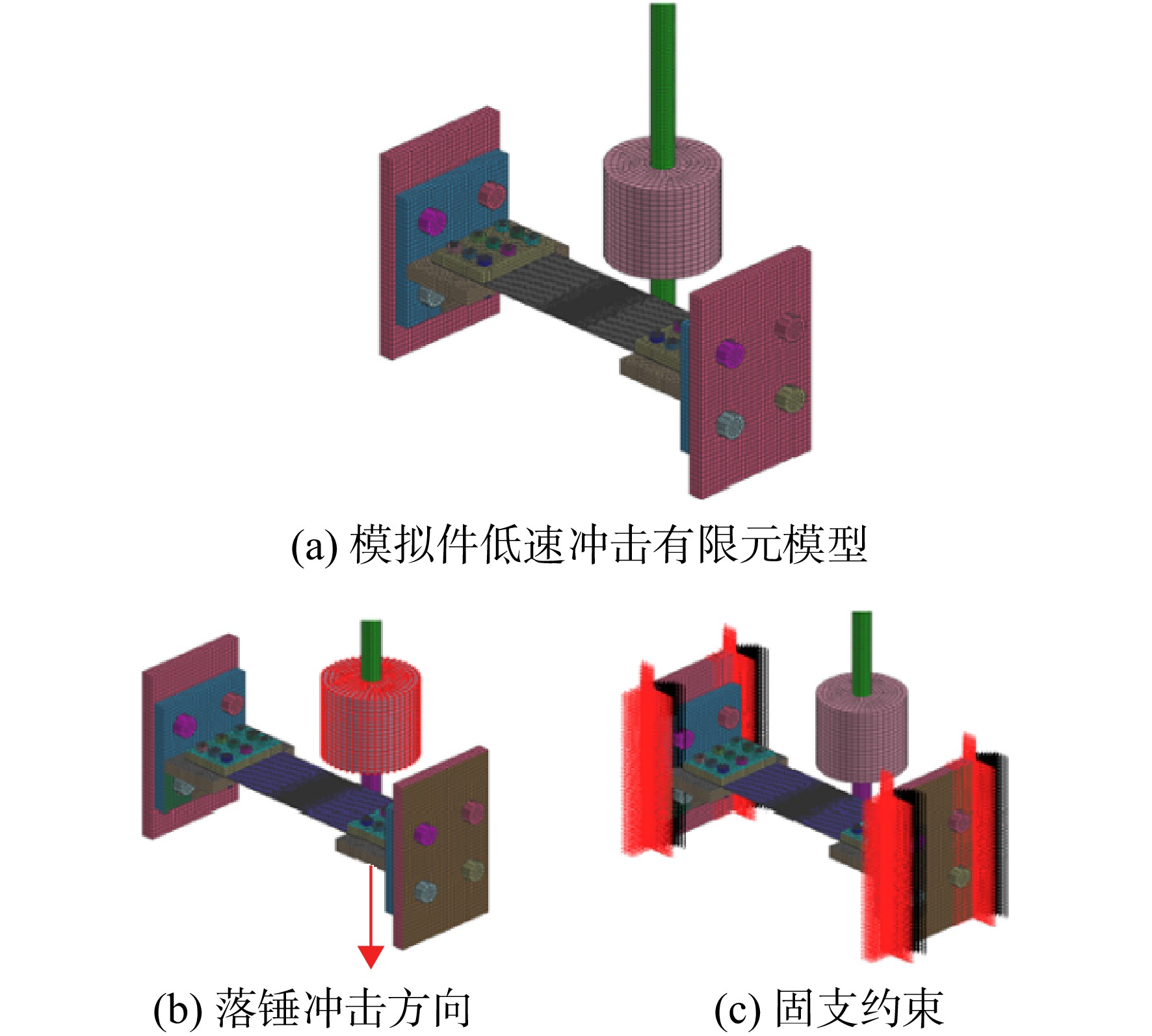
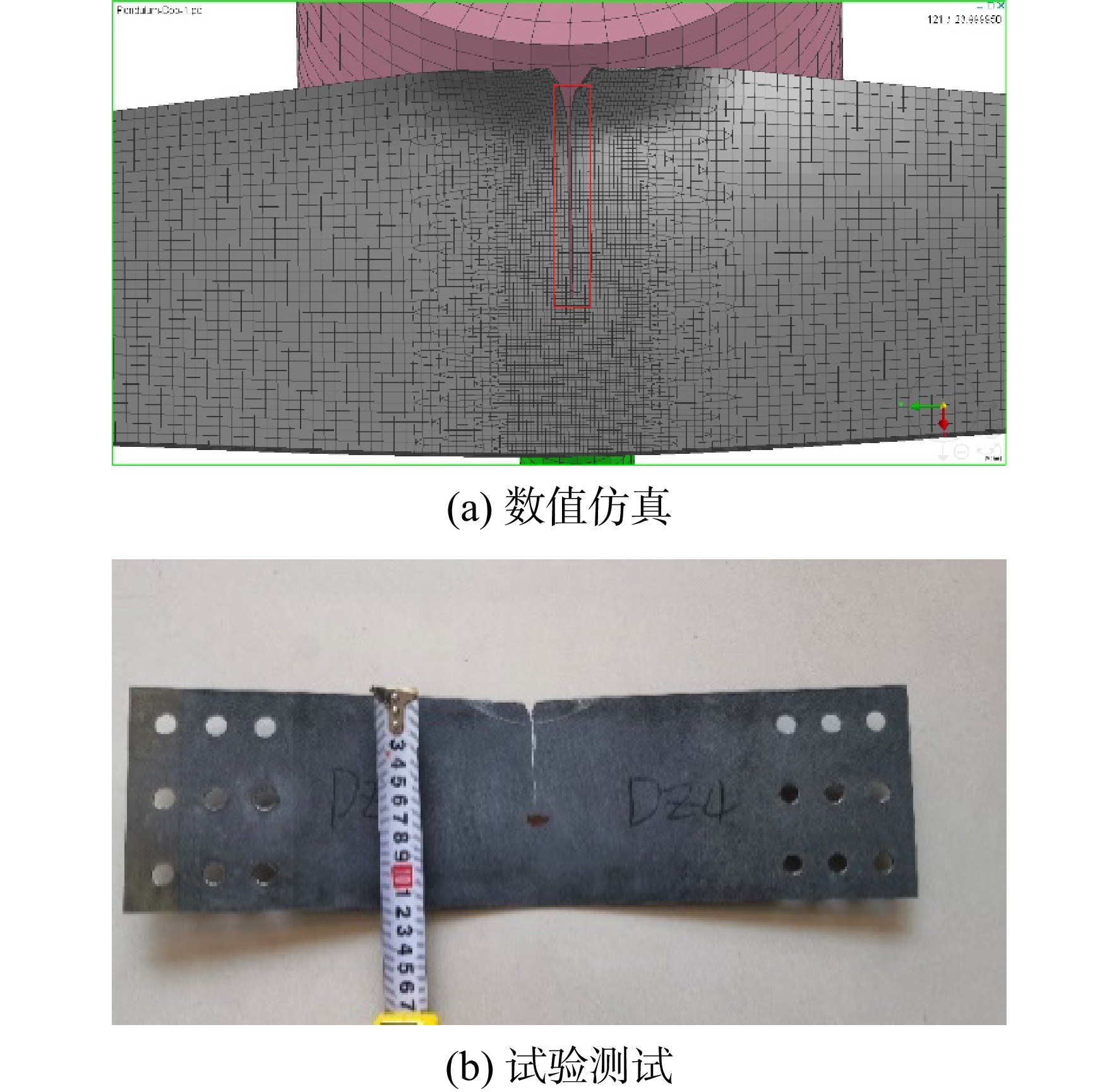
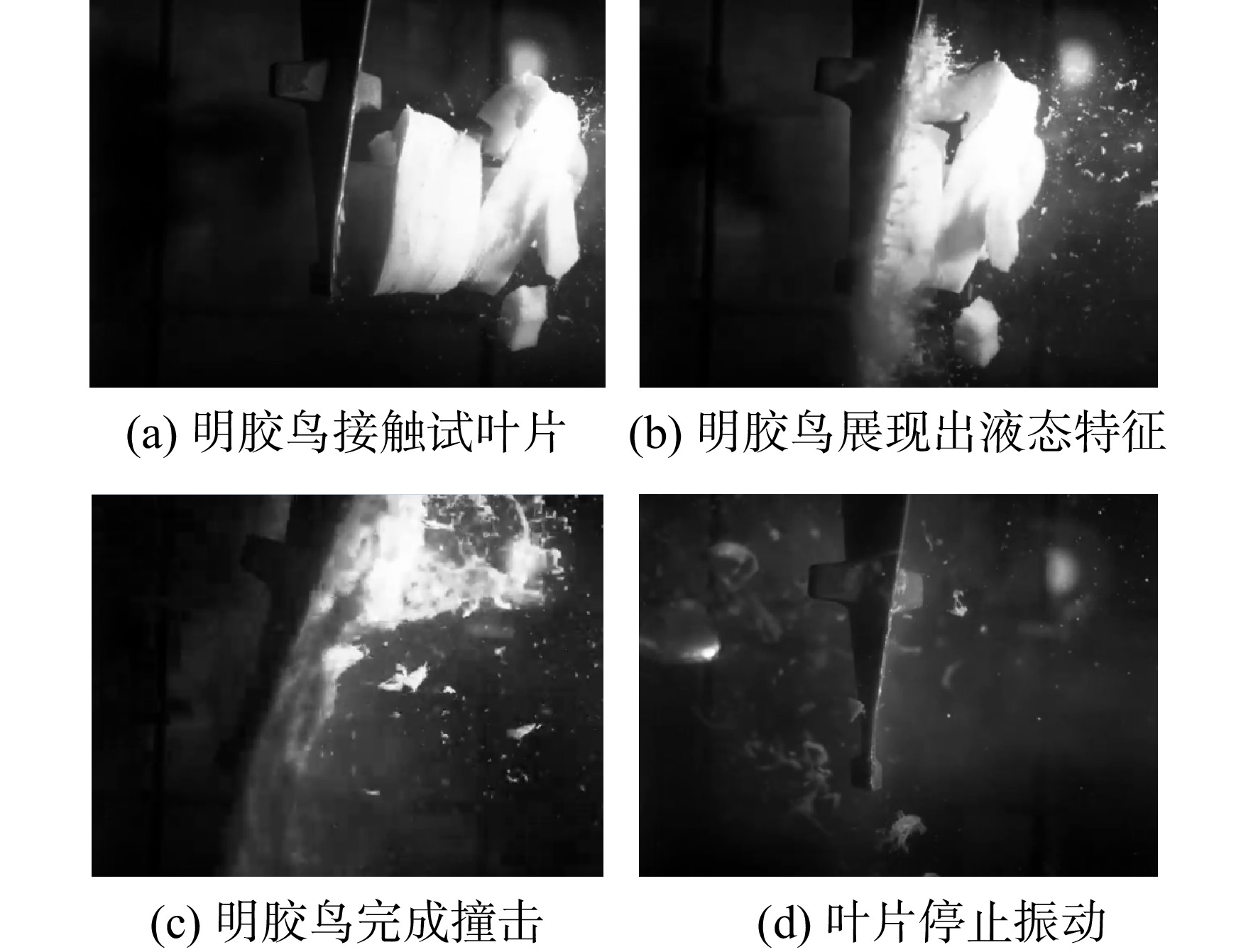
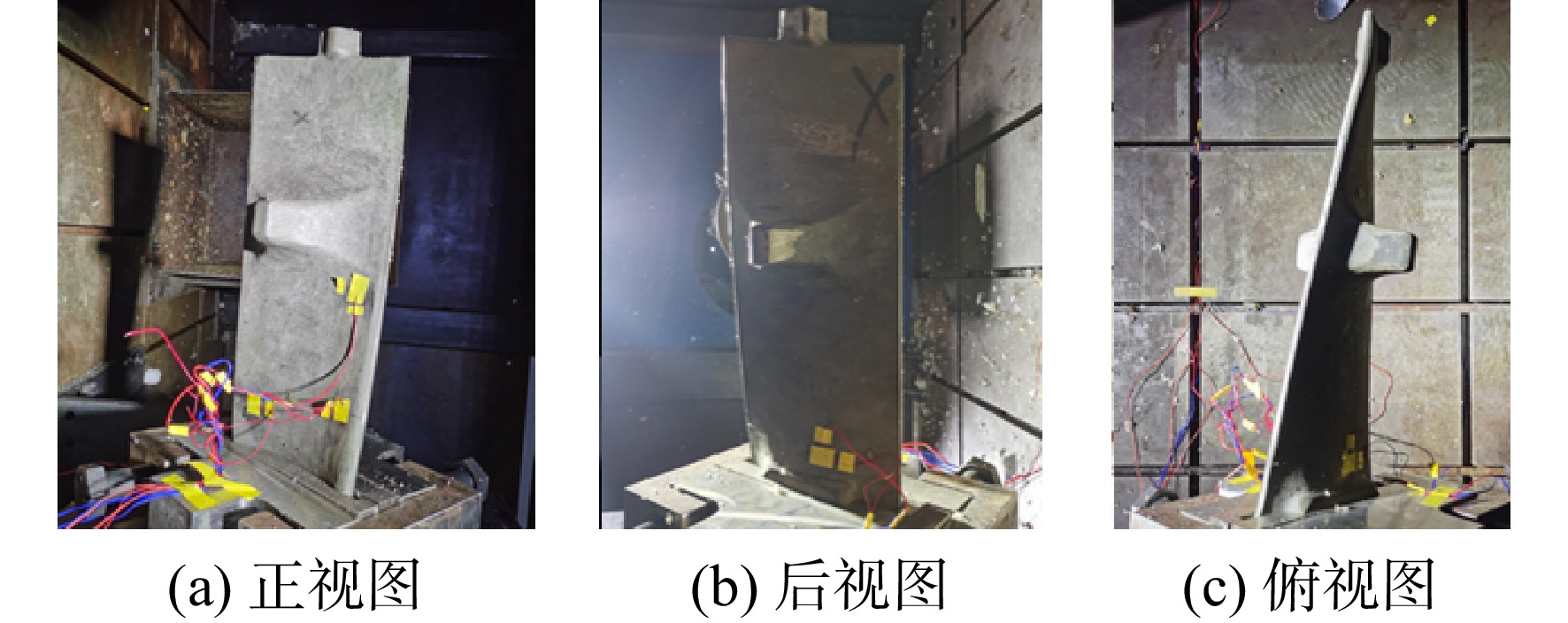
To investigate the mechanical properties of TC6 titanium alloy, quasi-static and dynamic tests were conducted using an electronic universal testing machine, a high-speed tensile testing machine, and split Hopkinson tensile bar (SHTB) and split Hopkinson pressure bar (SHPB) apparatus. These tests yielded the true stress-strain curves and failure strains of the TC6 titanium alloy at various strain rates. The elastic mechanical behavior of the material was described using a linear elastic model. The plastic mechanical behavior was characterized by plastic stress-strain curves. Additionally, a competition model involving ductile fracture and shear failure was employed to describe the failure mechanical behavior. Based on test results, the stress-strain curves after necking, the ductile fracture parameters and shear failure parameters were determined using extrapolation prediction methods and numerical simulations. Low-velocity drop hammer impact tests and high-speed bird impact on blades tests were conducted, along with simulations of the test conditions using Pam-Crash software. By comparing the test and simulation results, the error in crack length for the drop hammer test was found to be 4.2%, while the maximum error in peak strain for the high-speed bird impact on blades tests was 14.9%. These results validated the effectiveness of the material mechanical model and its parameters.

Decision-level information fusion-based motor fault diagnosis for electric propulsion systems
CAO Jingqi, WANG Yankai, NIE Minghong, WANG Haitao
2025, 40(12): 20240860. doi: 10.13224/j.cnki.jasp.20240860
Abstract:

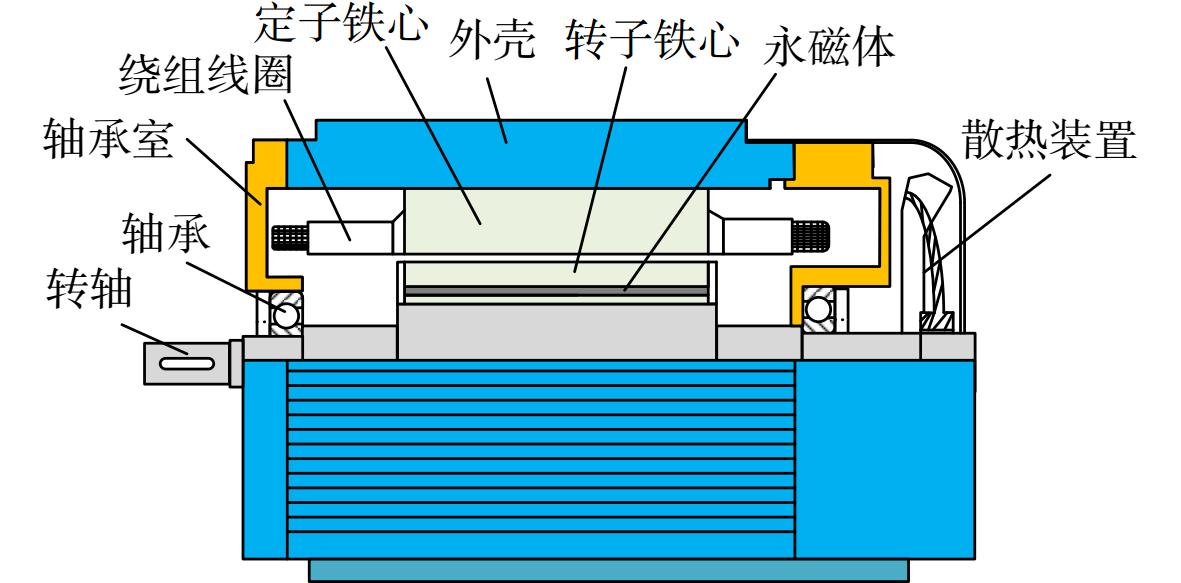
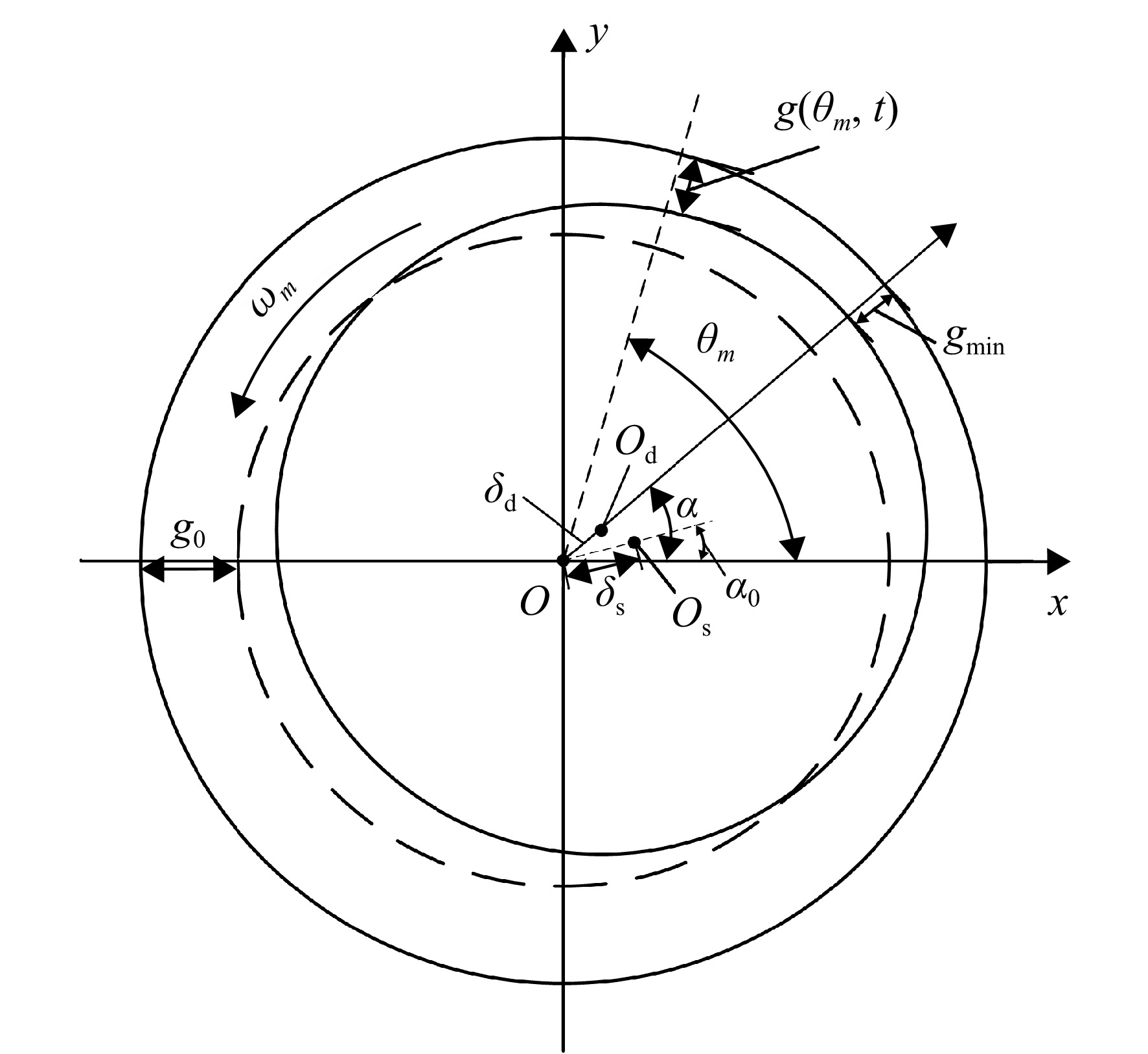
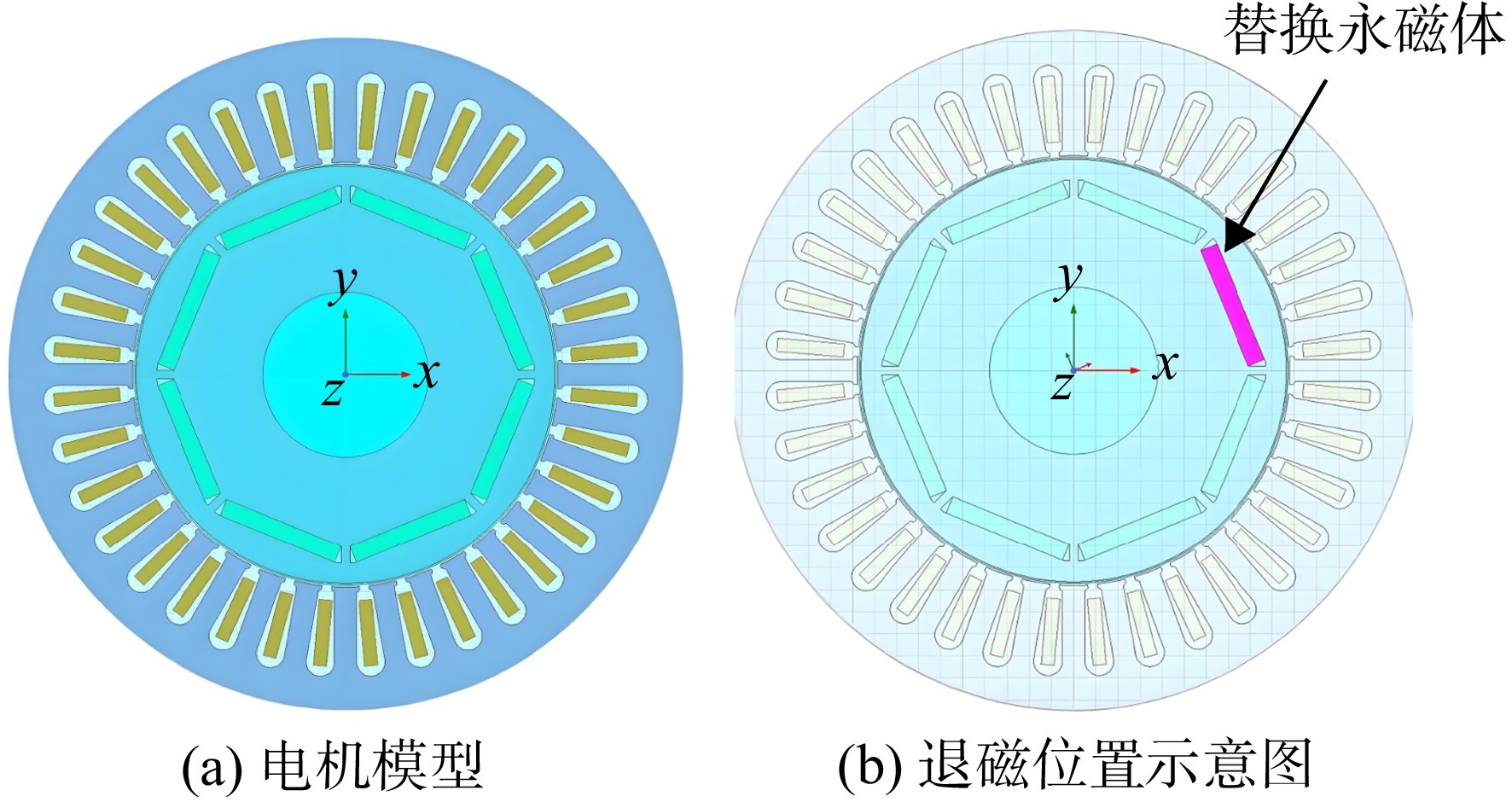
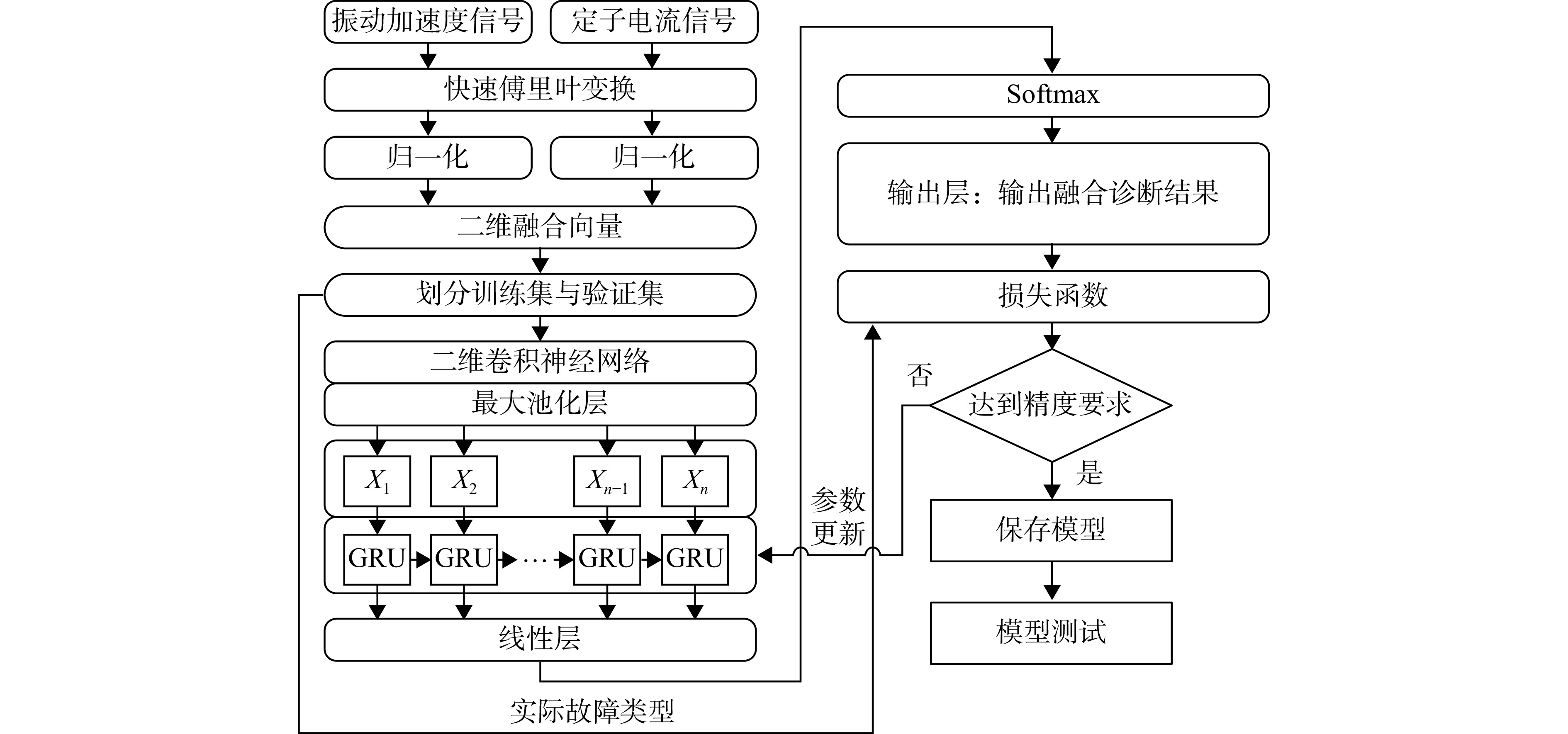
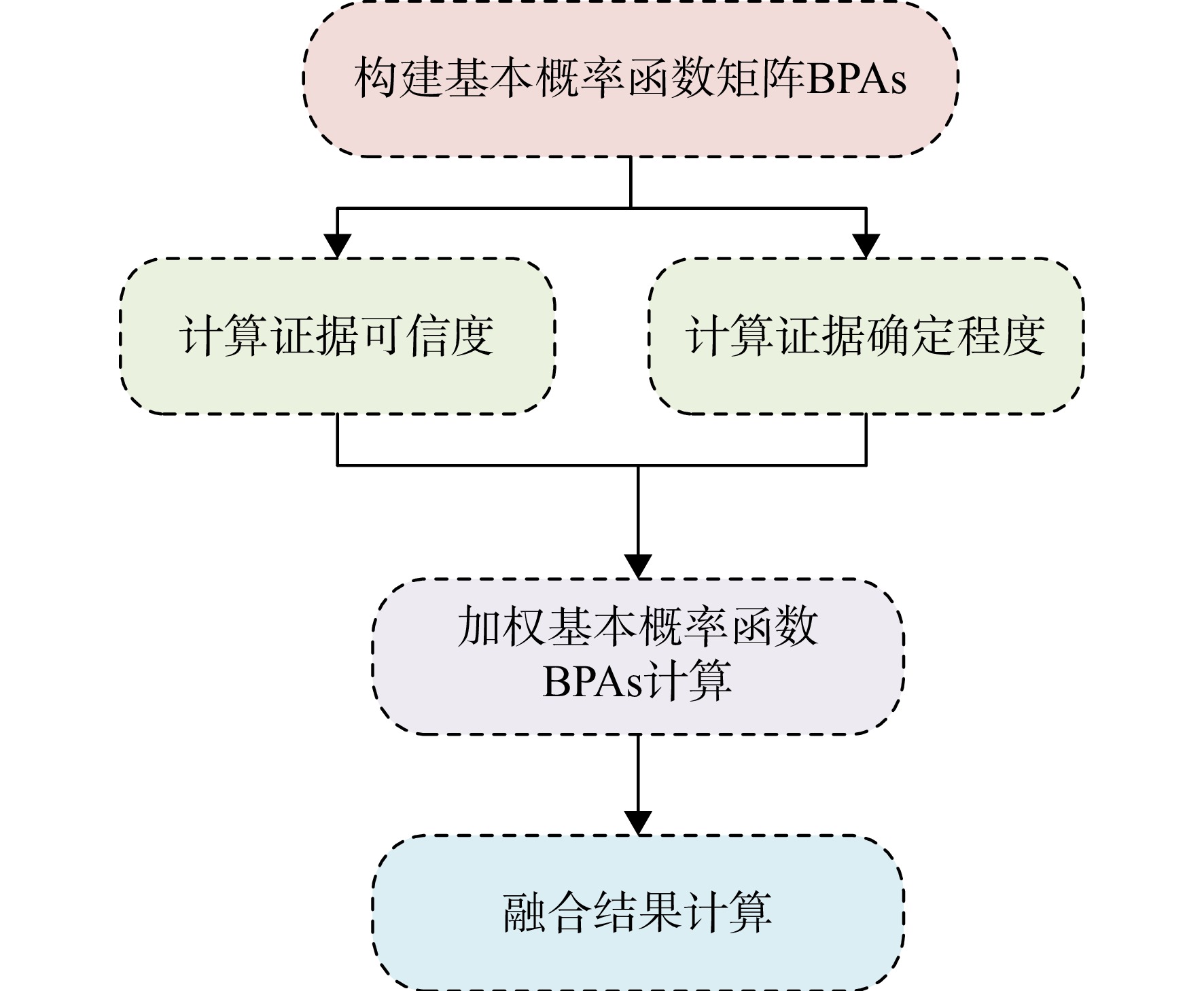
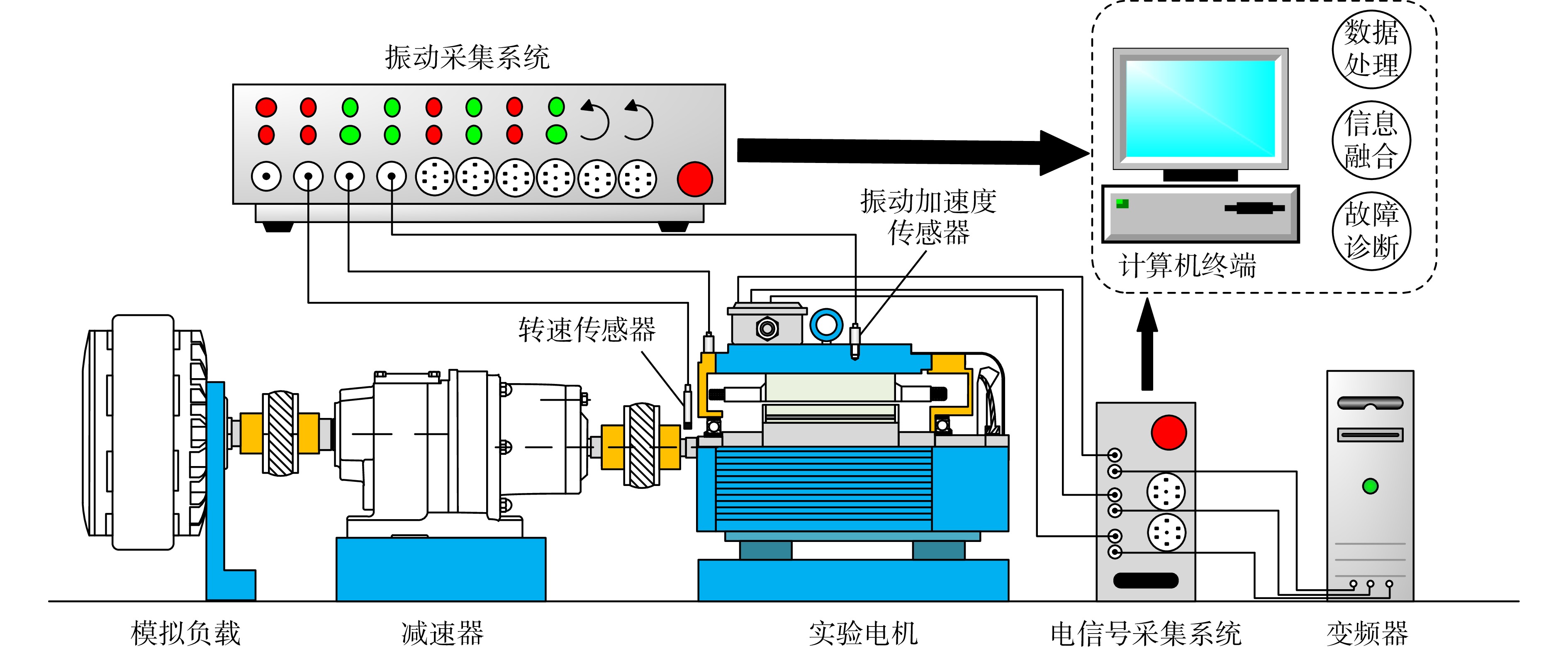
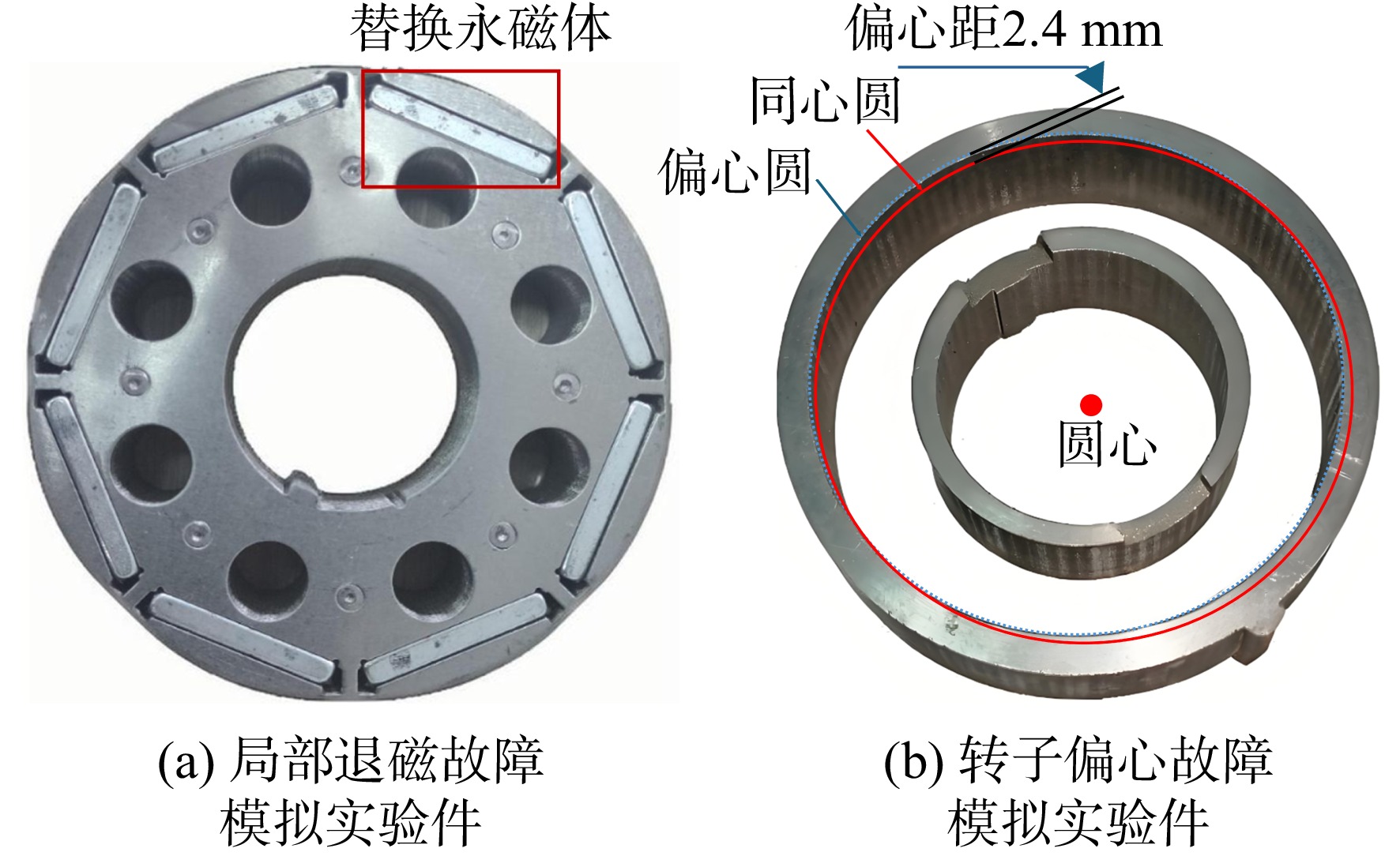
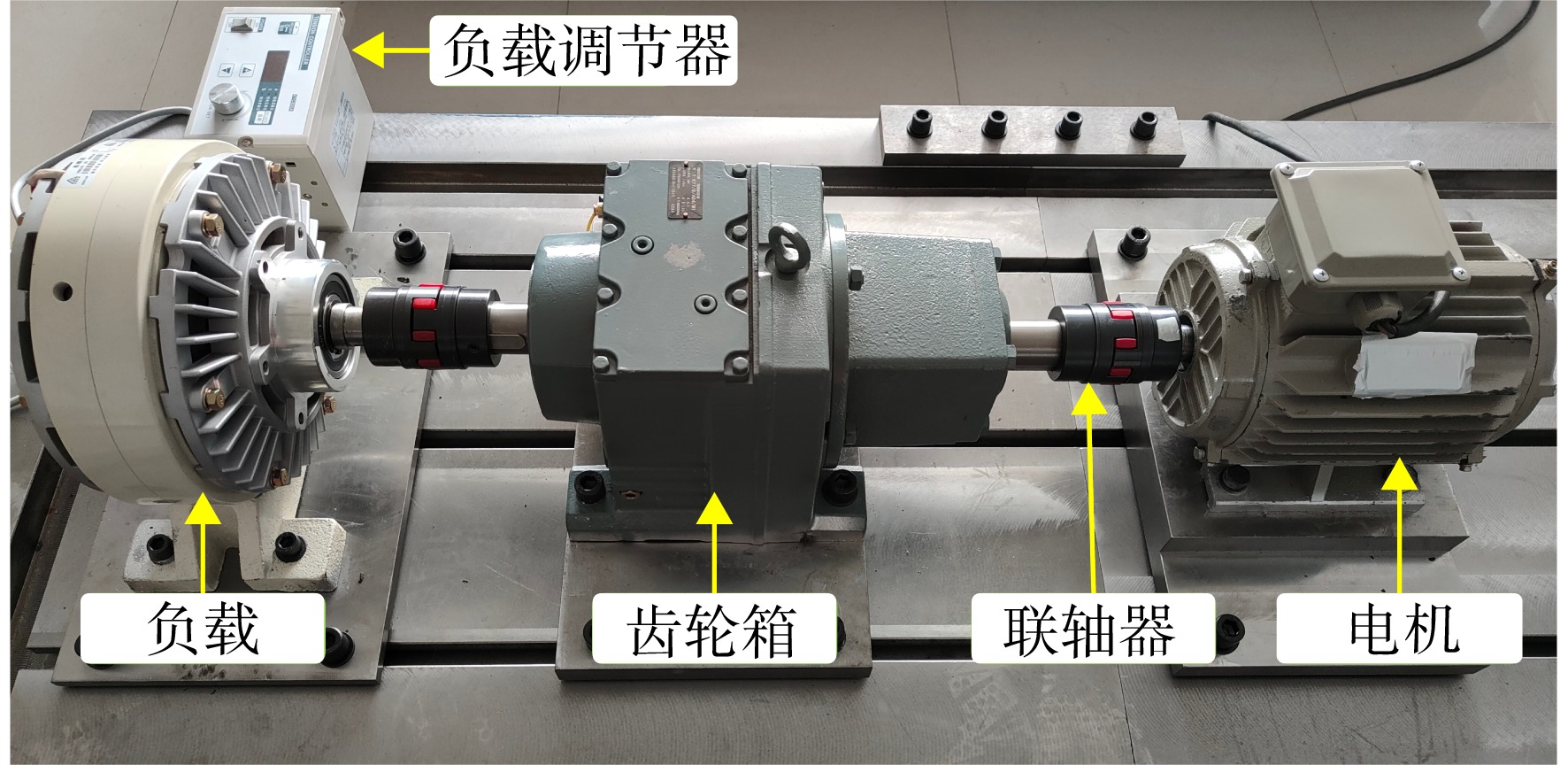
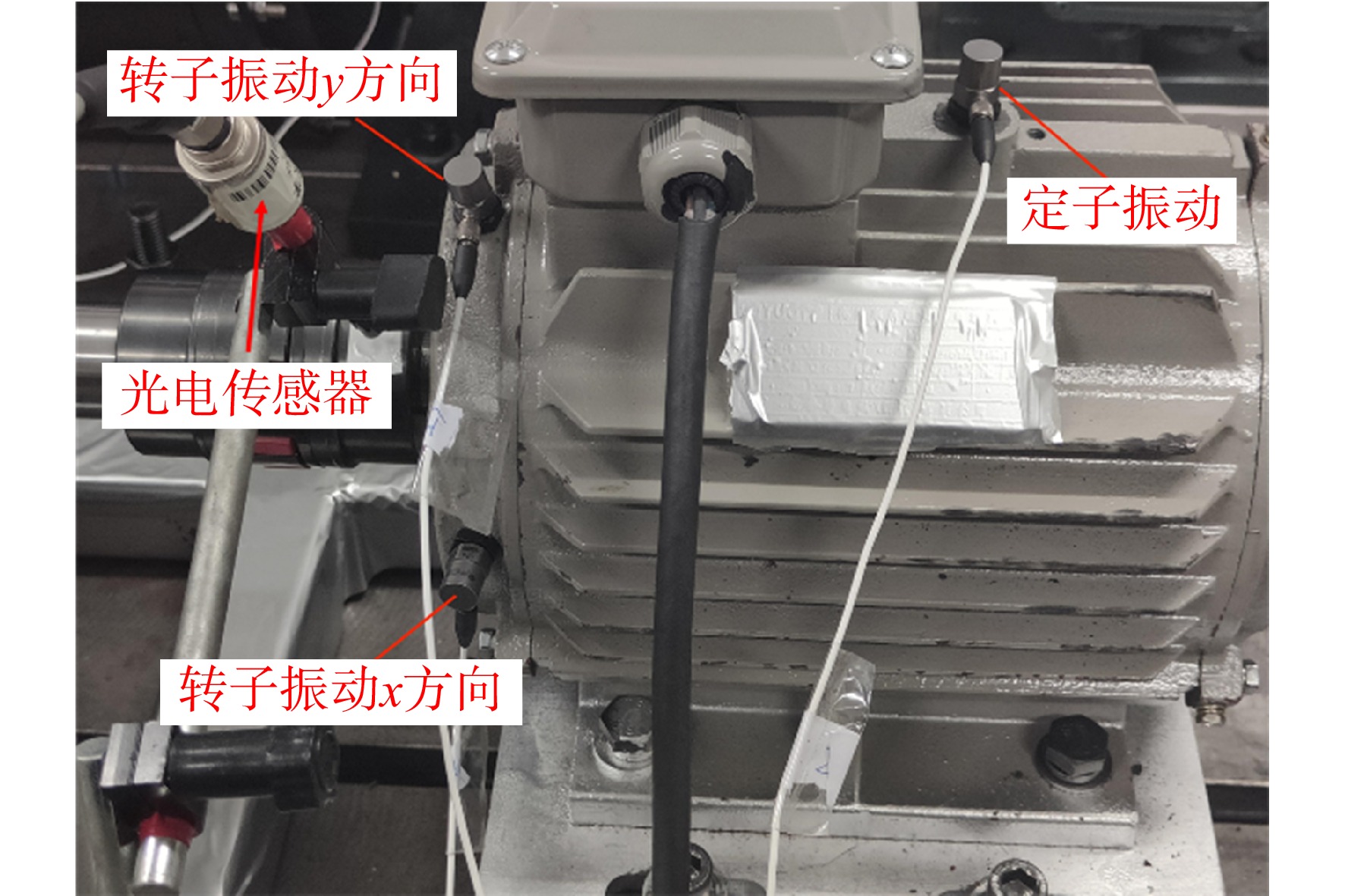
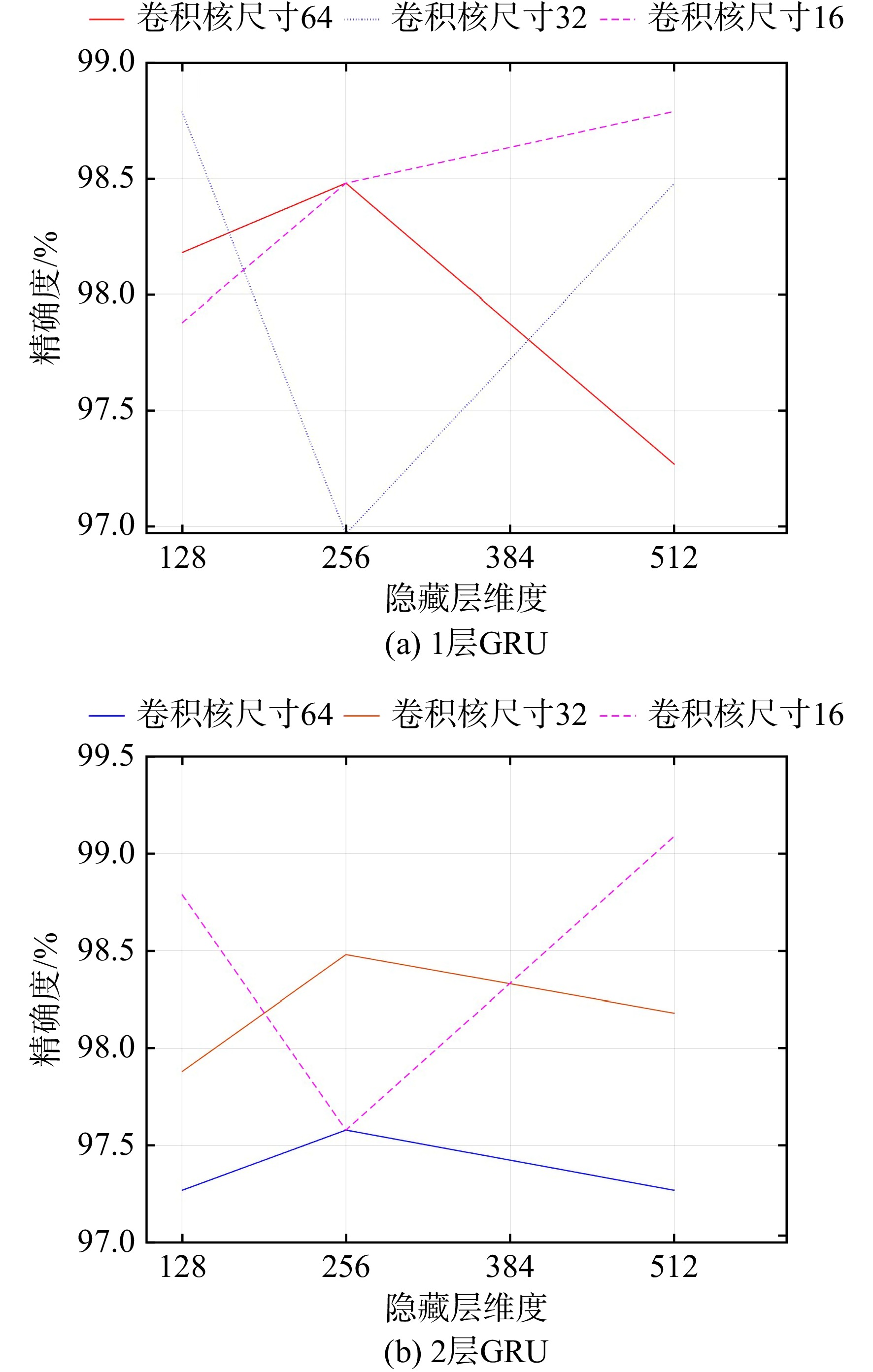
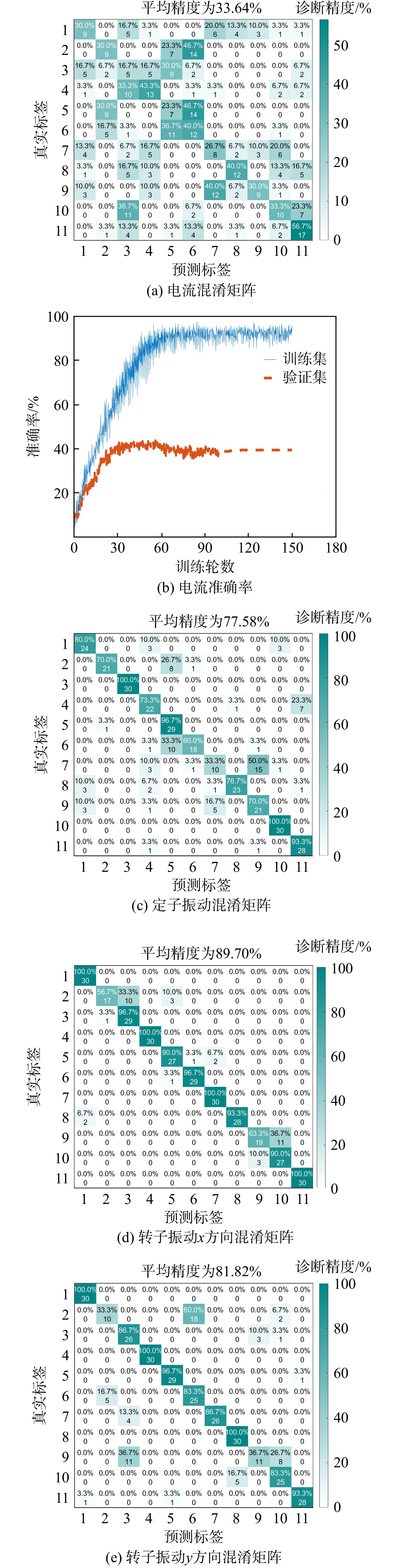
The permanent magnet synchronous motor is a critical component of electric propulsion systems, and its operational status is integral to the system’s safe functioning. Failure of the permanent magnet synchronous motor (PMSM) can trigger multiple physical quantity changes, making it challenging to achieve accurate fault diagnosis relying on a single signal source. To address this issue, a decision-level multi-channel information fusion fault diagnosis method was proposed, by combining convolutional neural networks and gated recurrent units (CNN-GRU) and improved Dempster-Shafer (D-S) evidence argumentation. Initially, analytical and finite element methods were employed to quantitatively analyze the vibration and current frequency domain characteristics of local demagnetization and rotor eccentricity faults in permanent magnet synchronous motors, thereby enhancing the interpretability of diagnostic results. Subsequently, a decision-level fusion diagnostic model was established, by integrating CNN-GRU and improved D-S evidence theory based on Pignistic probability distance and weighted Deng entropy. Finally, a motor fault simulation tester was constructed, and the model was validated using experimental data. The results demonstrated that multi-channel fault diagnosis is superior to single-channel diagnosis results. The decision-level fault diagnosis based on multi-source data, with the fusion of 4 channels, achieved diagnostic accuracy of 100%, 100%, and 99.3%, respectively, under three operating conditions. The proposed method accurately identified the types of permanent magnet synchronous motor faults, providing a reference for fault diagnosis in electric propulsion systems and offering potential value for engineering applications.

Model and study on vibration damping characteristics of squeeze film damper considering static eccentricity
LI Yu, WANG Siji, LI Chuan, WANG Jinhai, TANG Zhenhuan, MI Dong
2025, 40(12): 20240282. doi: 10.13224/j.cnki.jasp.20240282
Abstract:
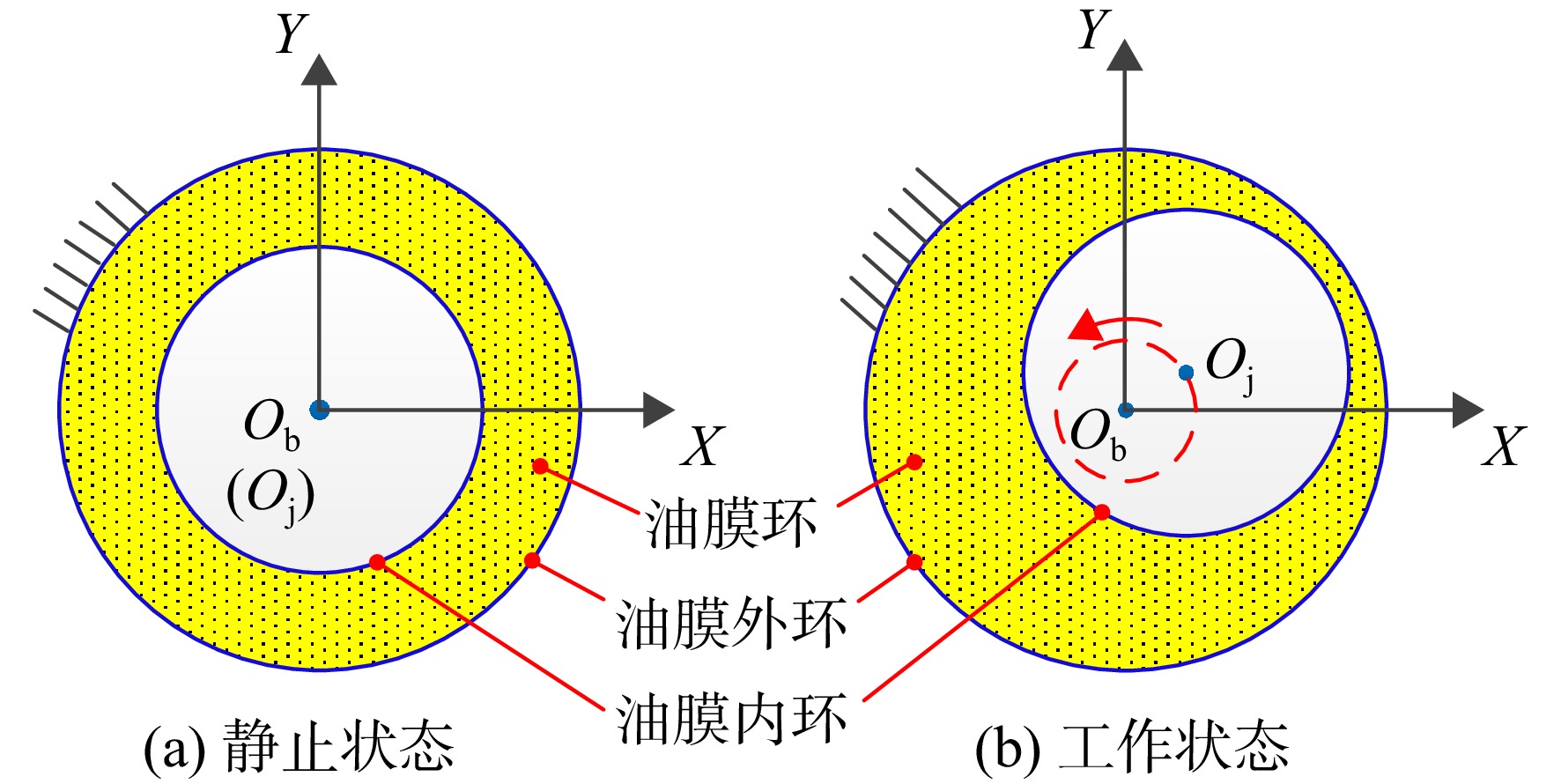
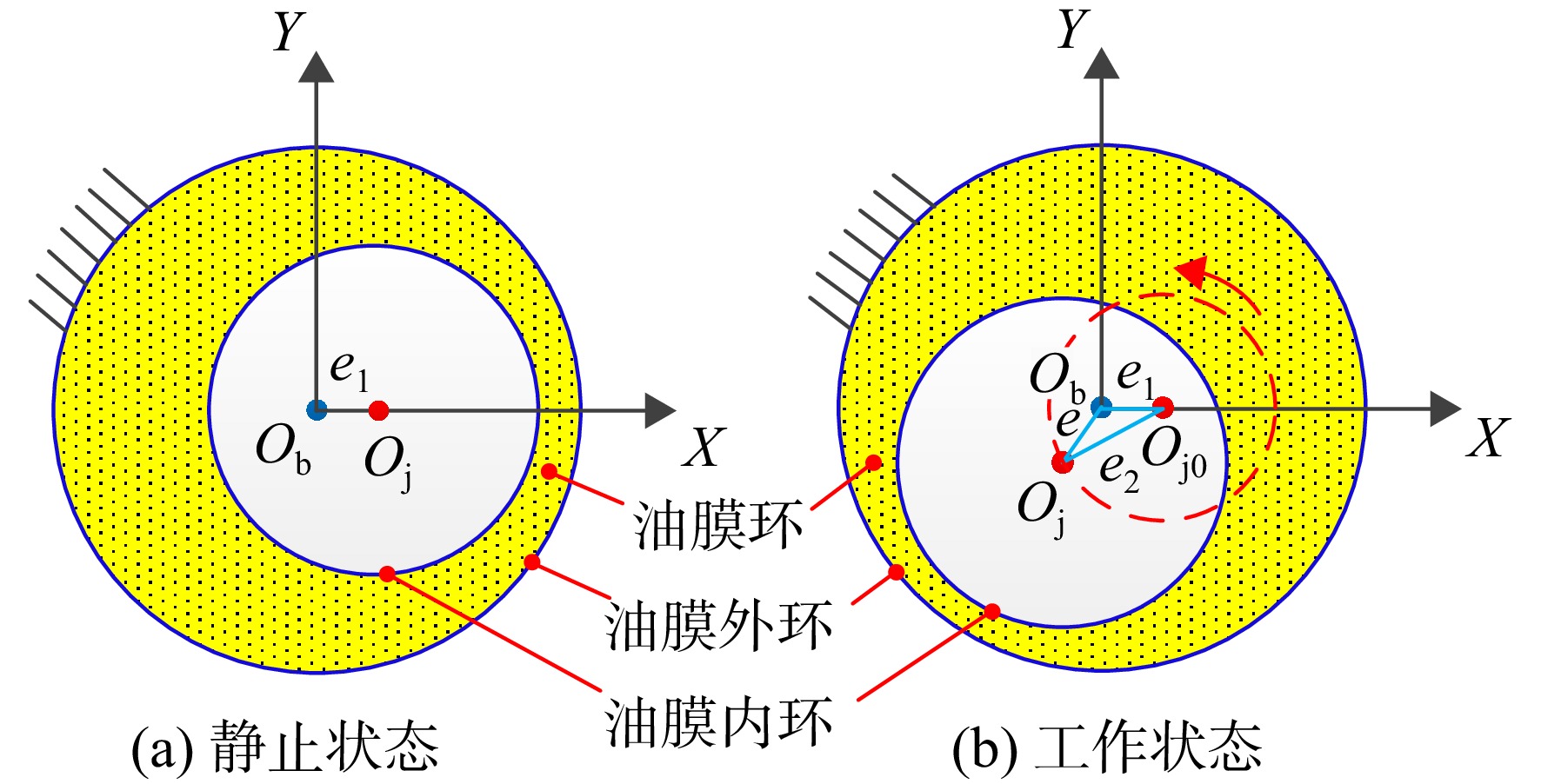
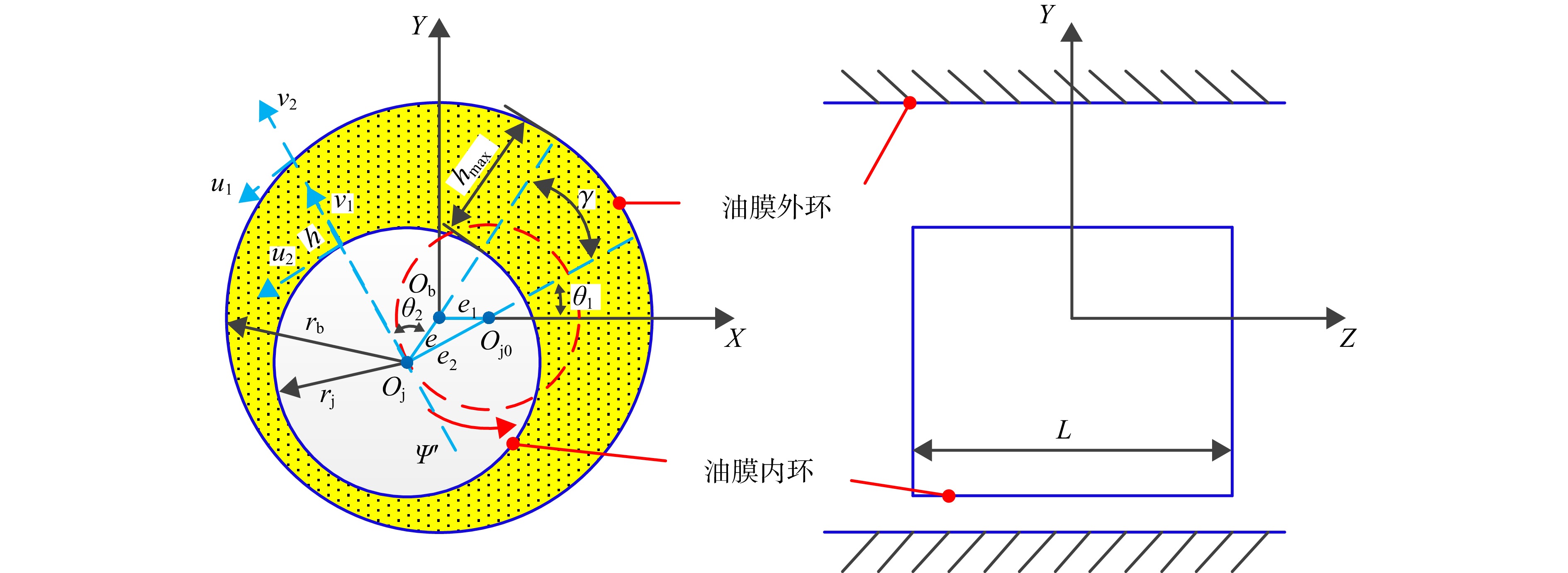
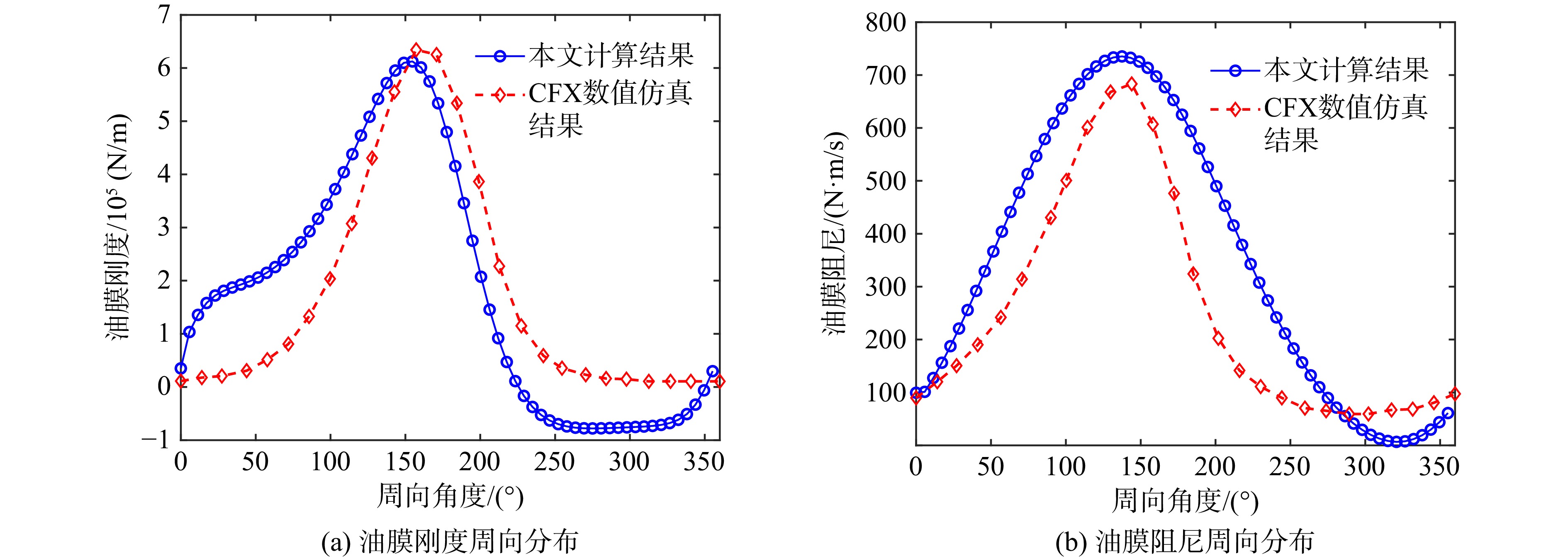
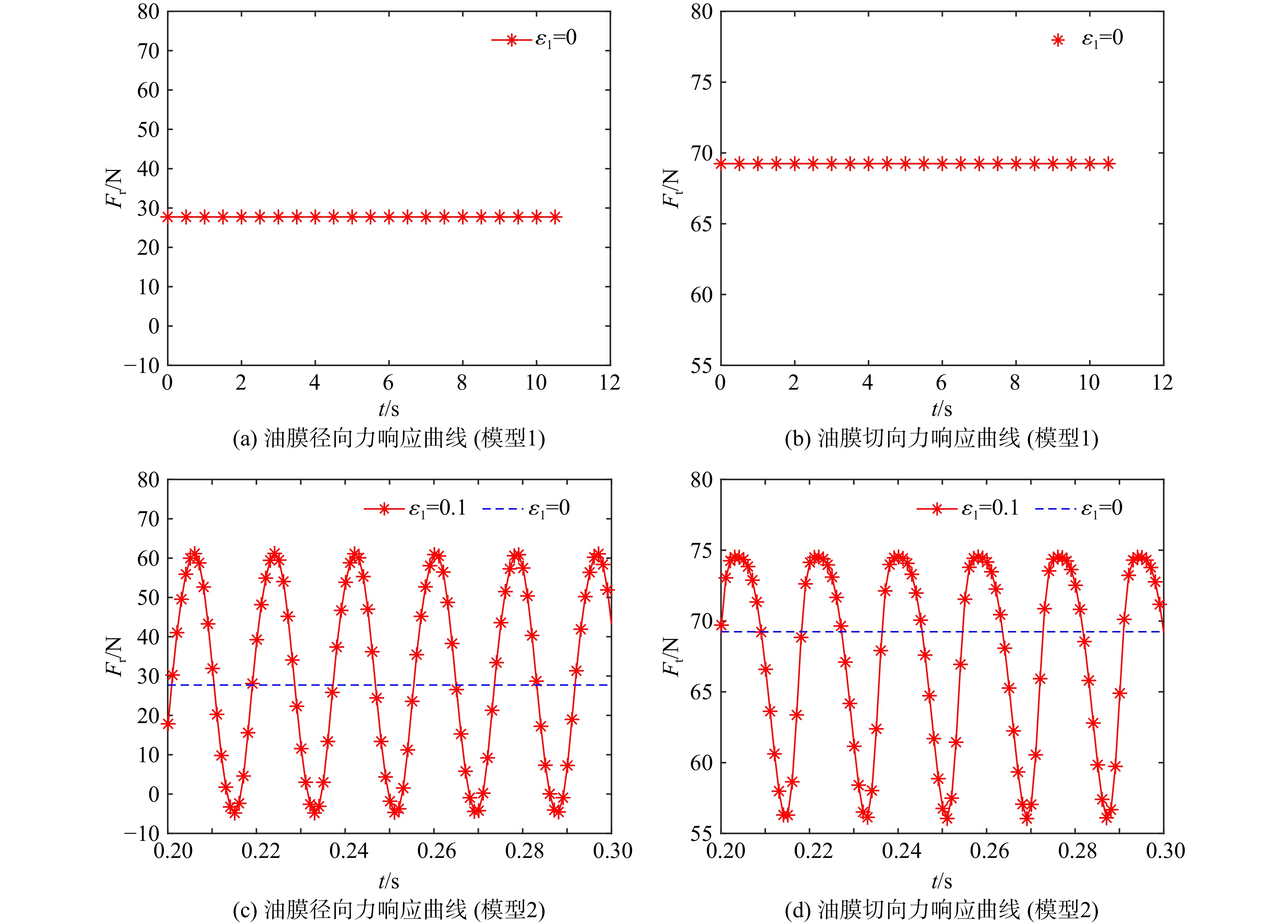
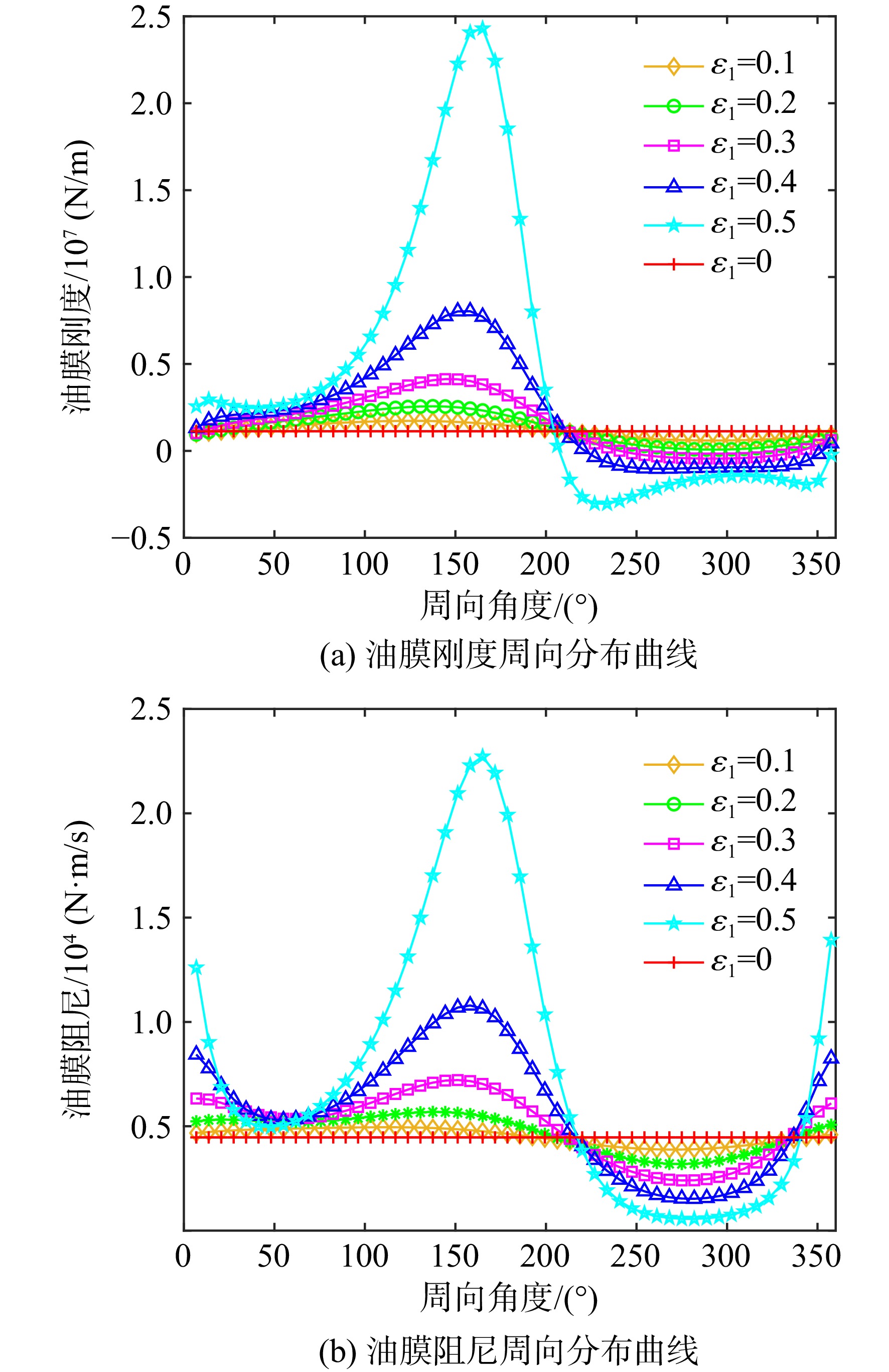
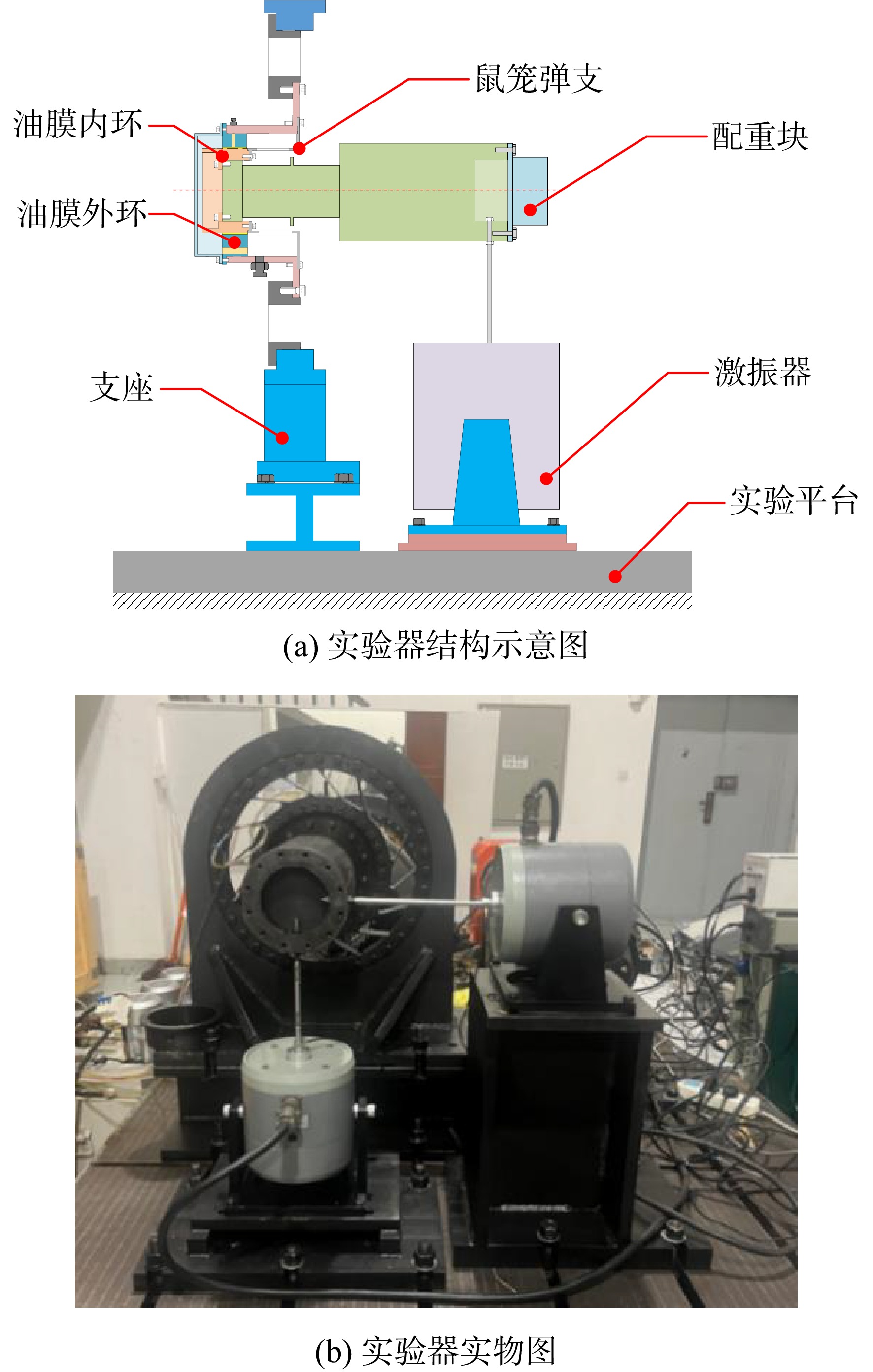
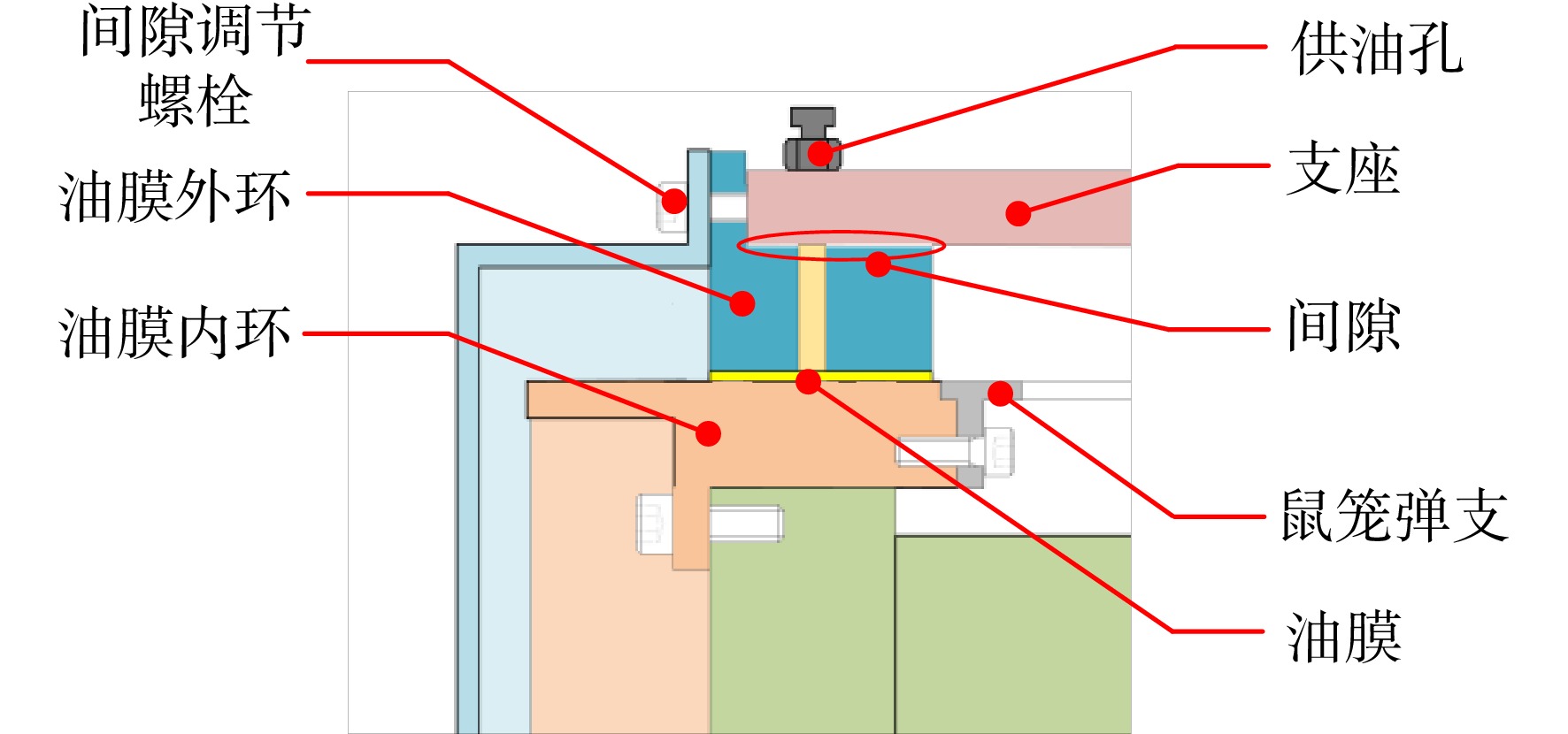
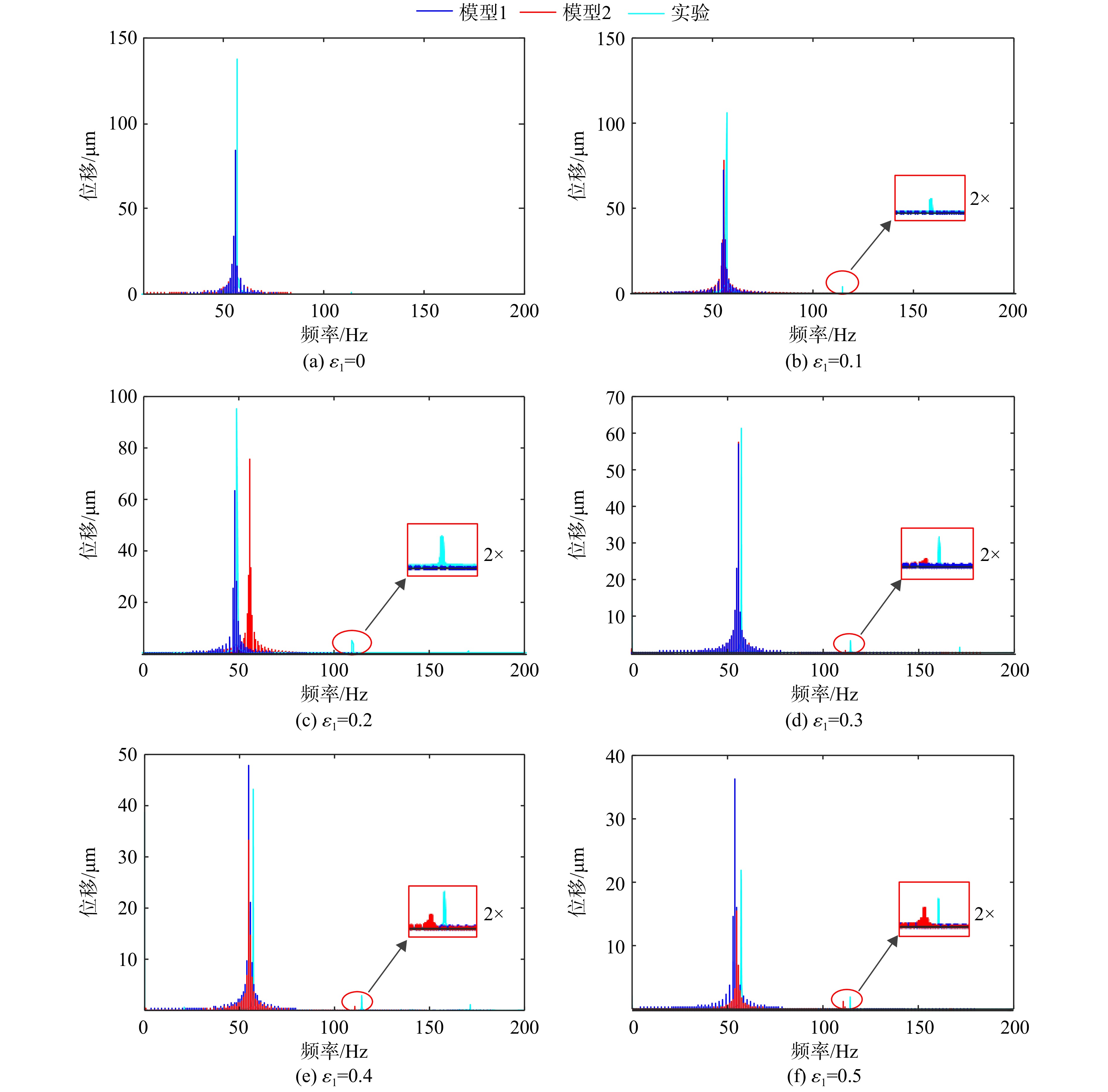
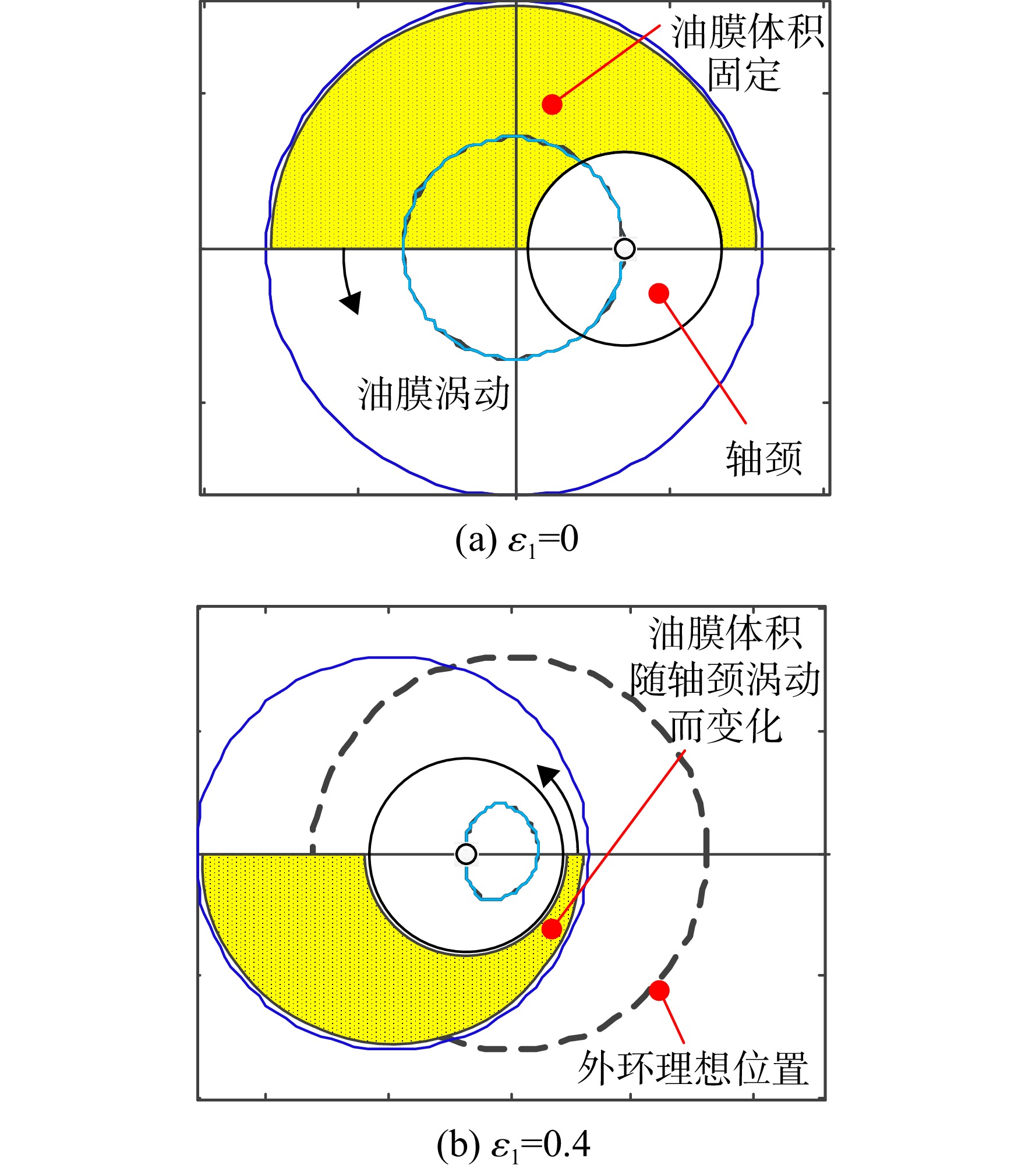
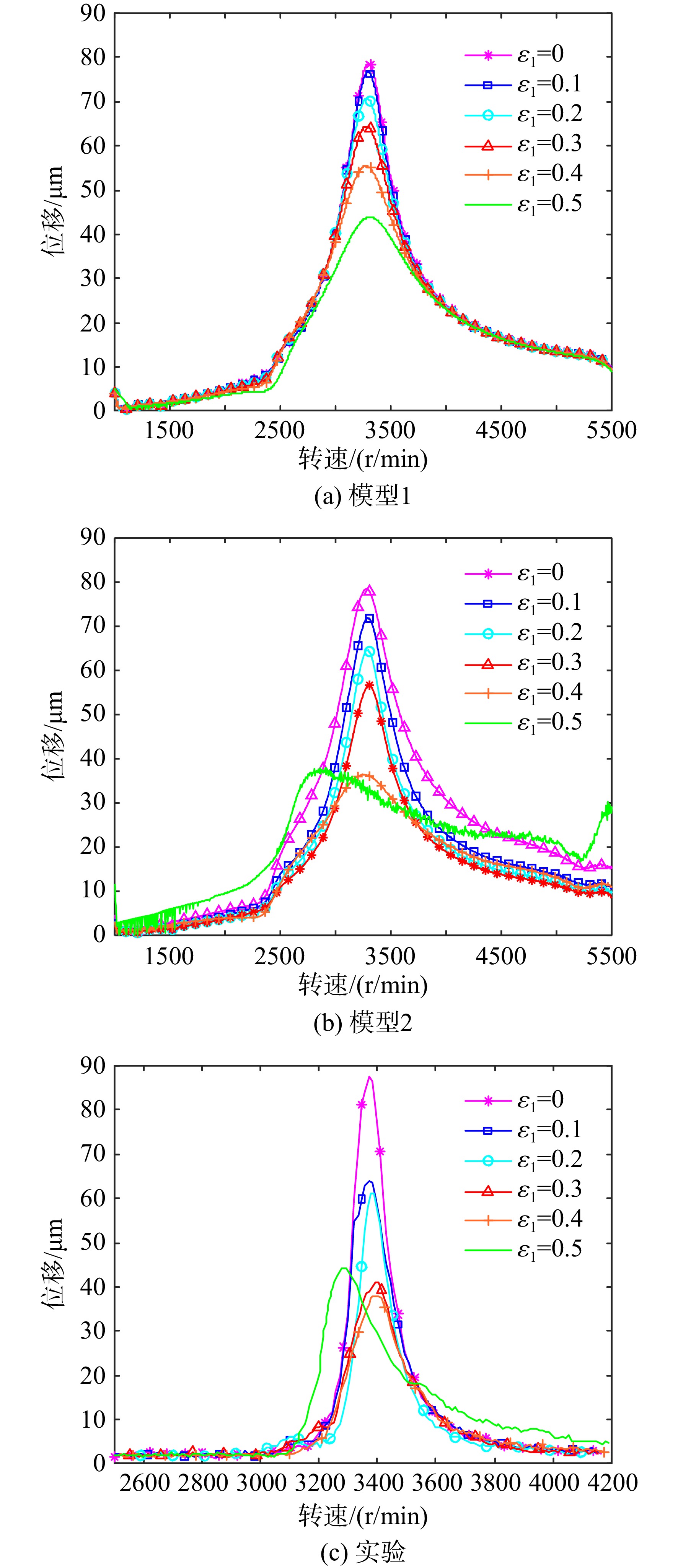
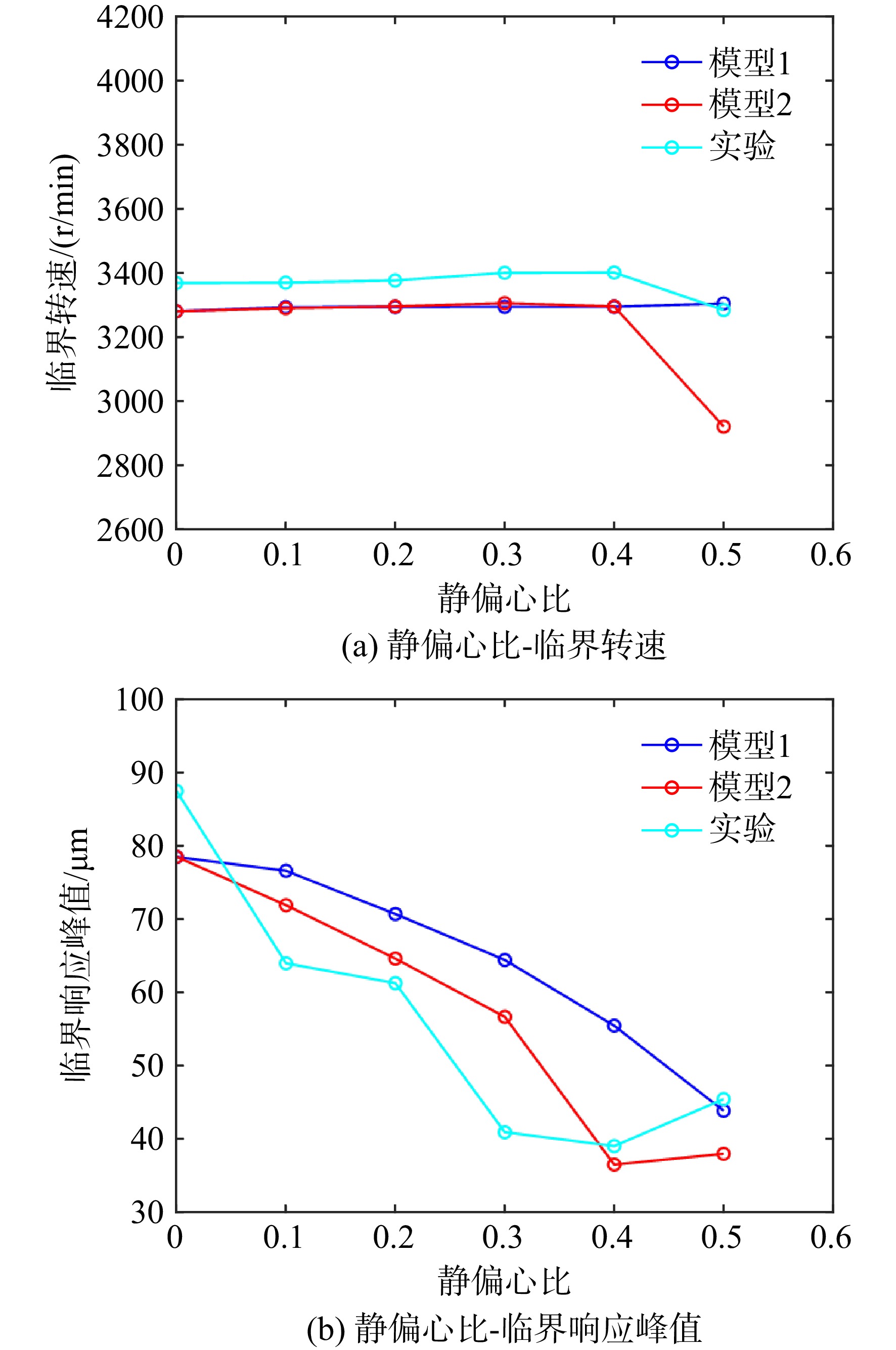
In order to investigate the effect of static eccentricity on the vibration reduction characteristics of squeeze film dampers, a static eccentricity squeeze film damper oil film force model was established based on Reynolds boundary conditions. The model validation and vibration attenuation characteristics analysis were completed by using a combination of numerical calculation and experimental methods. The results showed that as the static eccentricity increased, the nonlinear characteristics of the damper became stronger, the distortion of the journal motion trajectory became more severe, and the circumferential anisotropy of the oil film stiffness of the damper became more obvious, making it more likely to induce the system to produce a second harmonic. As the static eccentricity increased, the damping characteristics of the damper showed a trend of first increasing and then decreasing. The oil film force mechanics model established can better reflect the working characteristics of the damper and compensate for the model error defect in iteratively solving static eccentricity problems based on the oil film force mechanics model of concentric squeeze oil film dampers.

Crack fault monitoring of high-speed rotor blades based on non-contact measurement
ZHANG Songlin, QIAO Baijie, WANG Yanan, LIANG Jun, GENG Weimin, LIU Meiru, WEN Bi, CHEN Xuefeng
2025, 40(12): 20240726. doi: 10.13224/j.cnki.jasp.20240726
Abstract:
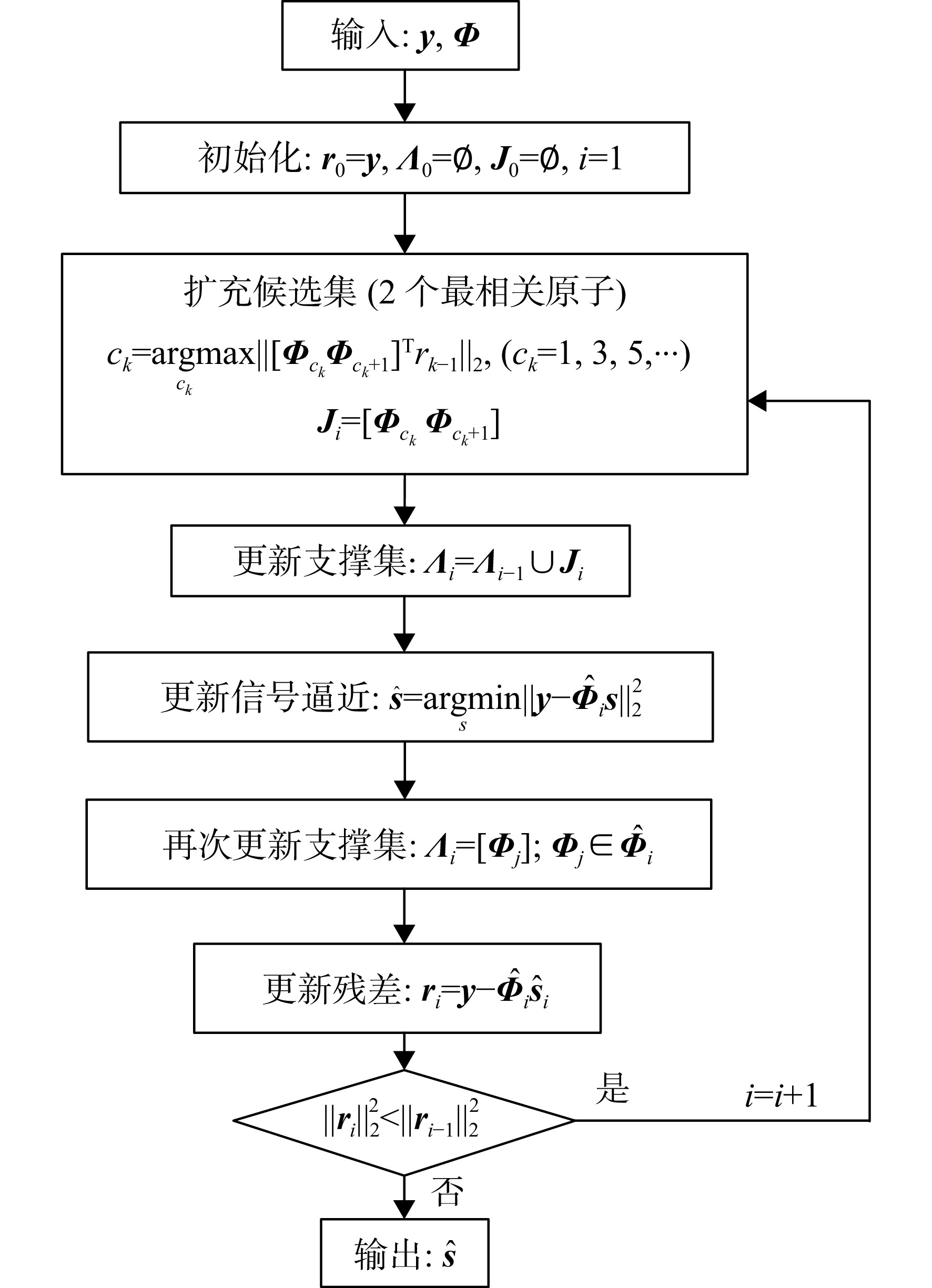
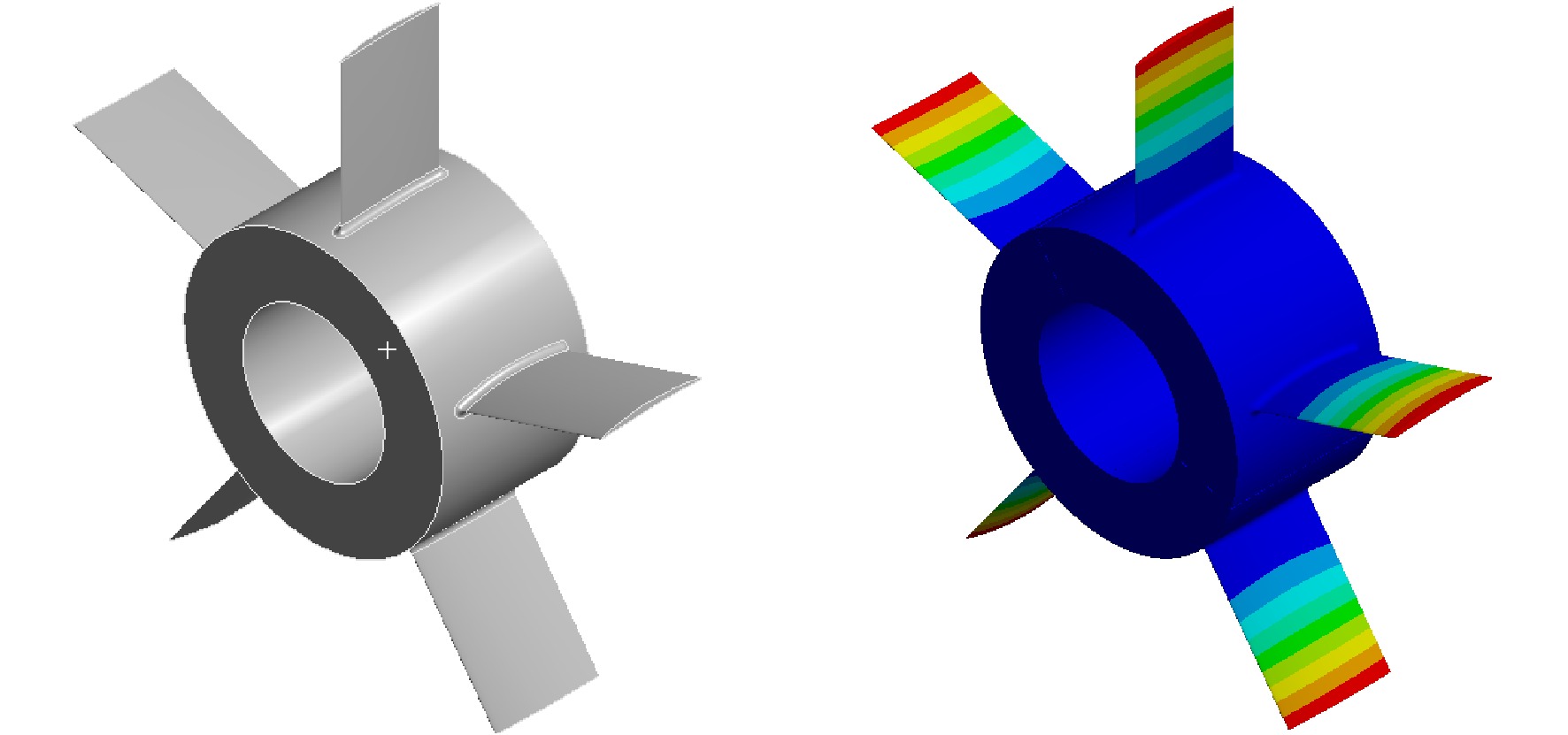
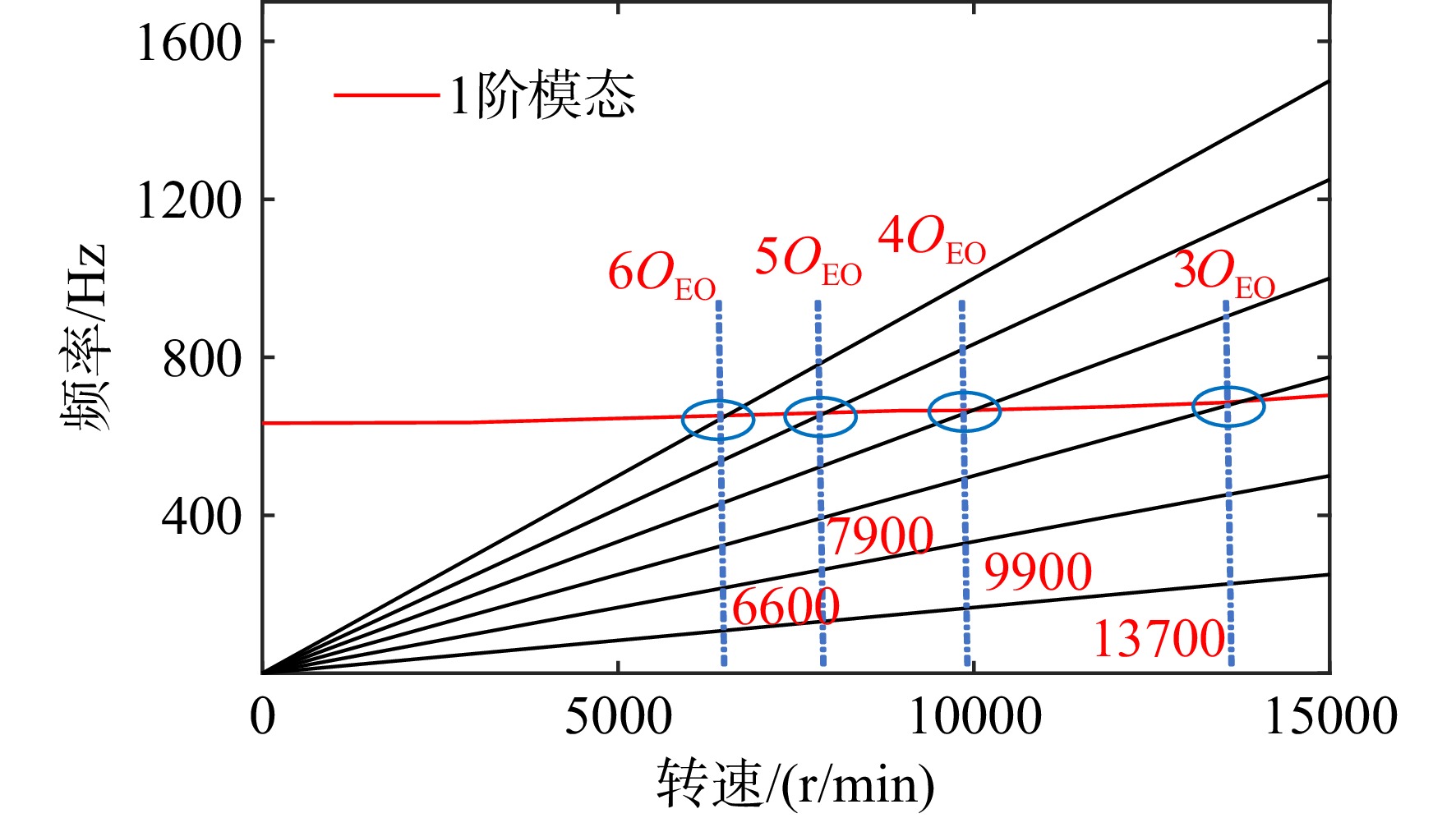
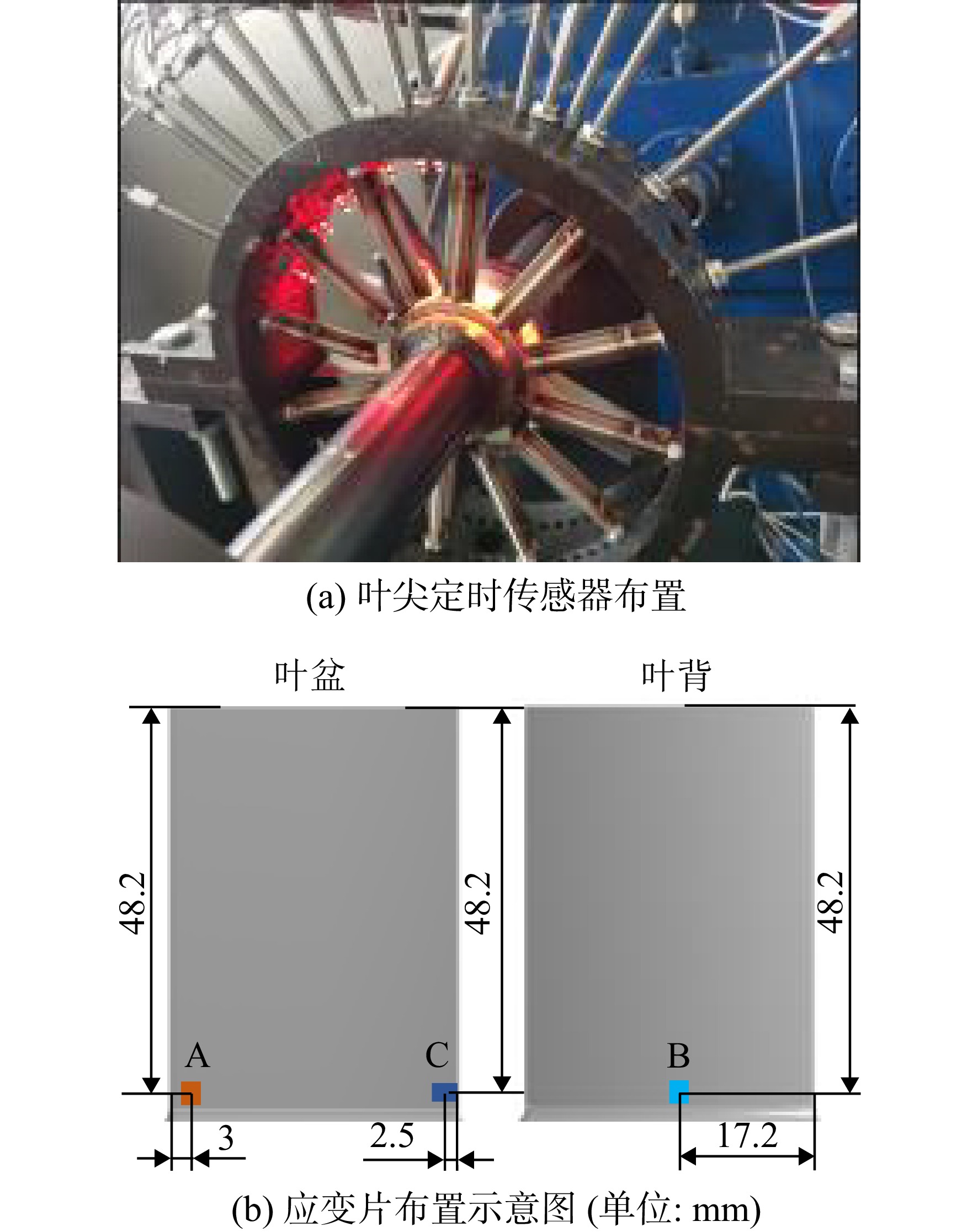
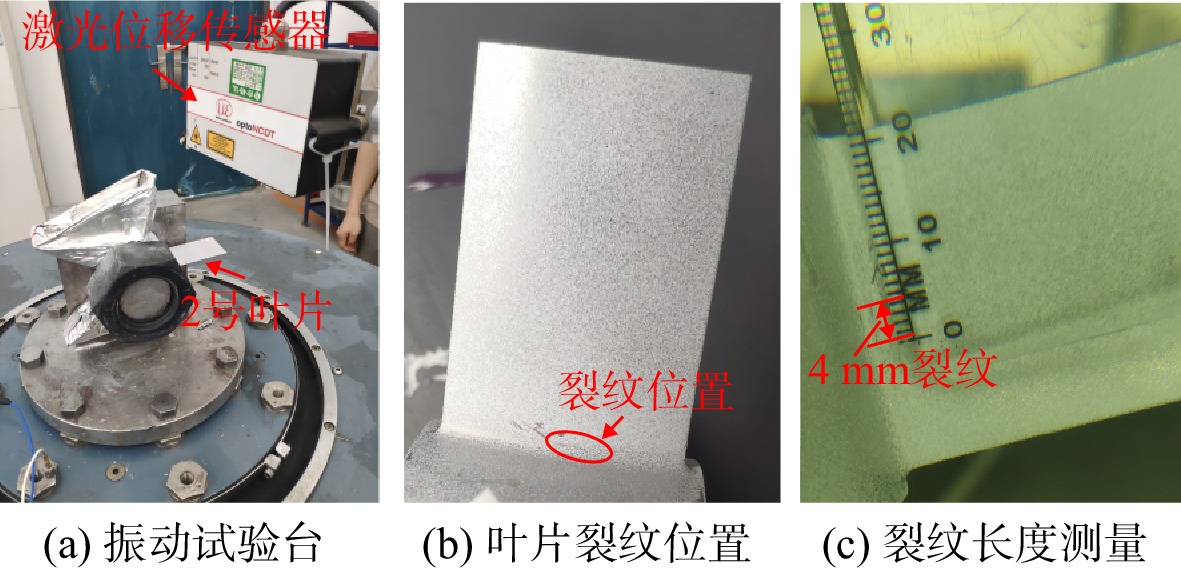
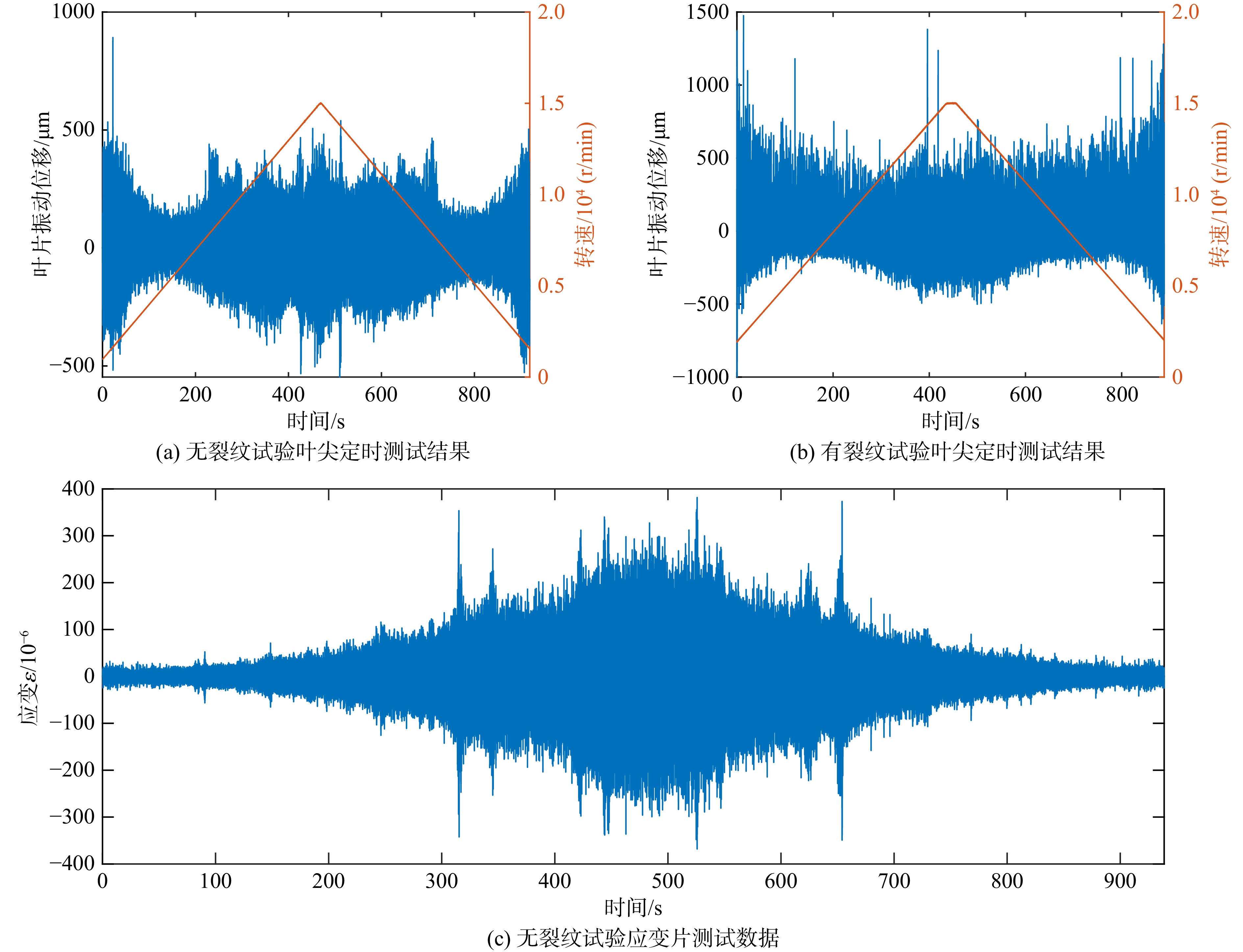
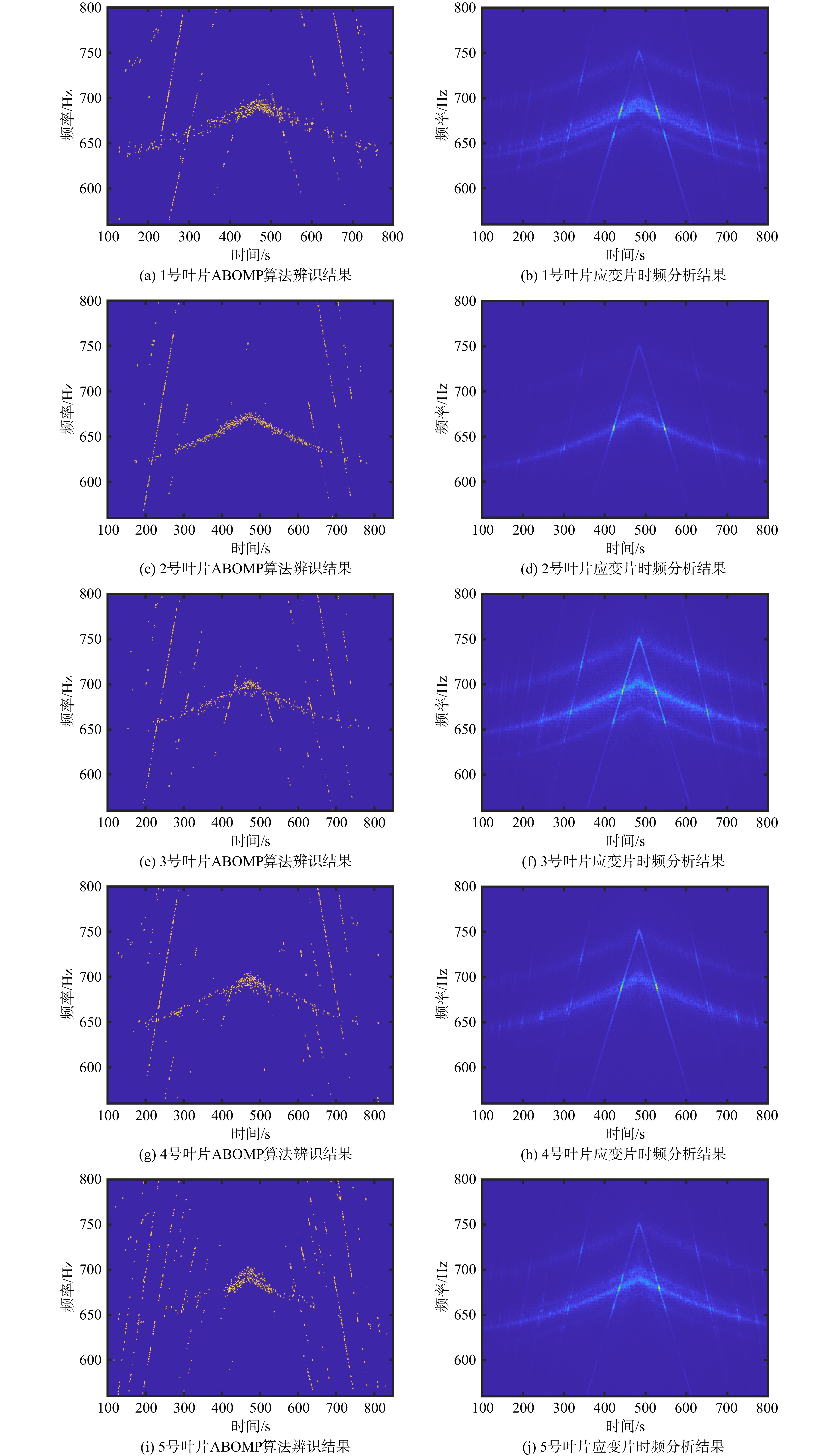
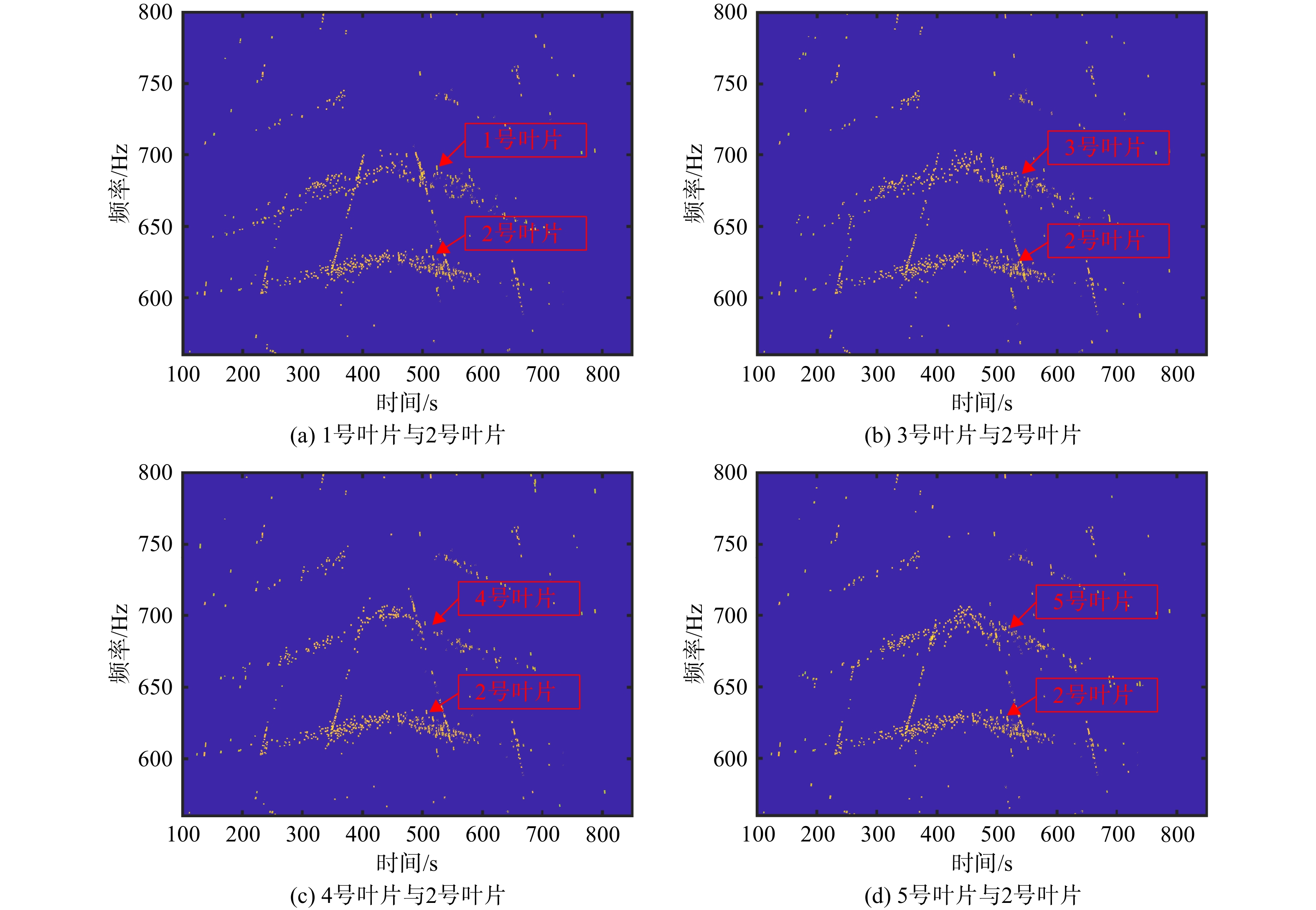
In response to the need for crack monitoring in high-speed rotor blades, the blade tip timing technology for high-speed rotor blades was investigated using non-contact measurement. A method for reconstruction under sampled blade tip timing signals based on compressed sensing was proposed. Based on the time-frequency sparse characteristics of blade dynamic frequency, the under sampling signal model was improved, and adaptive block orthogonal matching tracking method was adopted to solve it, in order to monitor the change rule of blade dynamic frequency with rotational speed under the condition of variable rotational speed of the blade. High-cycle fatigue tests on high-speed rotor blades were conducted to measure both blade dynamic strain and blade tip vibration signals. The time-frequency characteristics of vibration signals from both intact and cracked blades were compared at different speeds. The presence of cracks led to a shift in blade vibration frequency, and the frequency shift allowed for early crack diagnosis. When a crack occurred, the natural frequency decreased by 24.5 Hz. The proposed monitoring method showed a dynamic frequency error of less than 0.50% when compared with strain gauge results, demonstrating high signal reconstruction accuracy and crack identification rate. This method can provide an effective solution for health monitoring and early fault diagnosis of rotating blades.

Optimization of W-shaped sealing ring structure based on genetic algorithm
WEN Shuaifang, SONG Qinghao, SUN Dan, YANG Zemin, LI Yu, ZHAO Huan, REN Guozhe
2025, 40(12): 20240811. doi: 10.13224/j.cnki.jasp.20240811
Abstract:

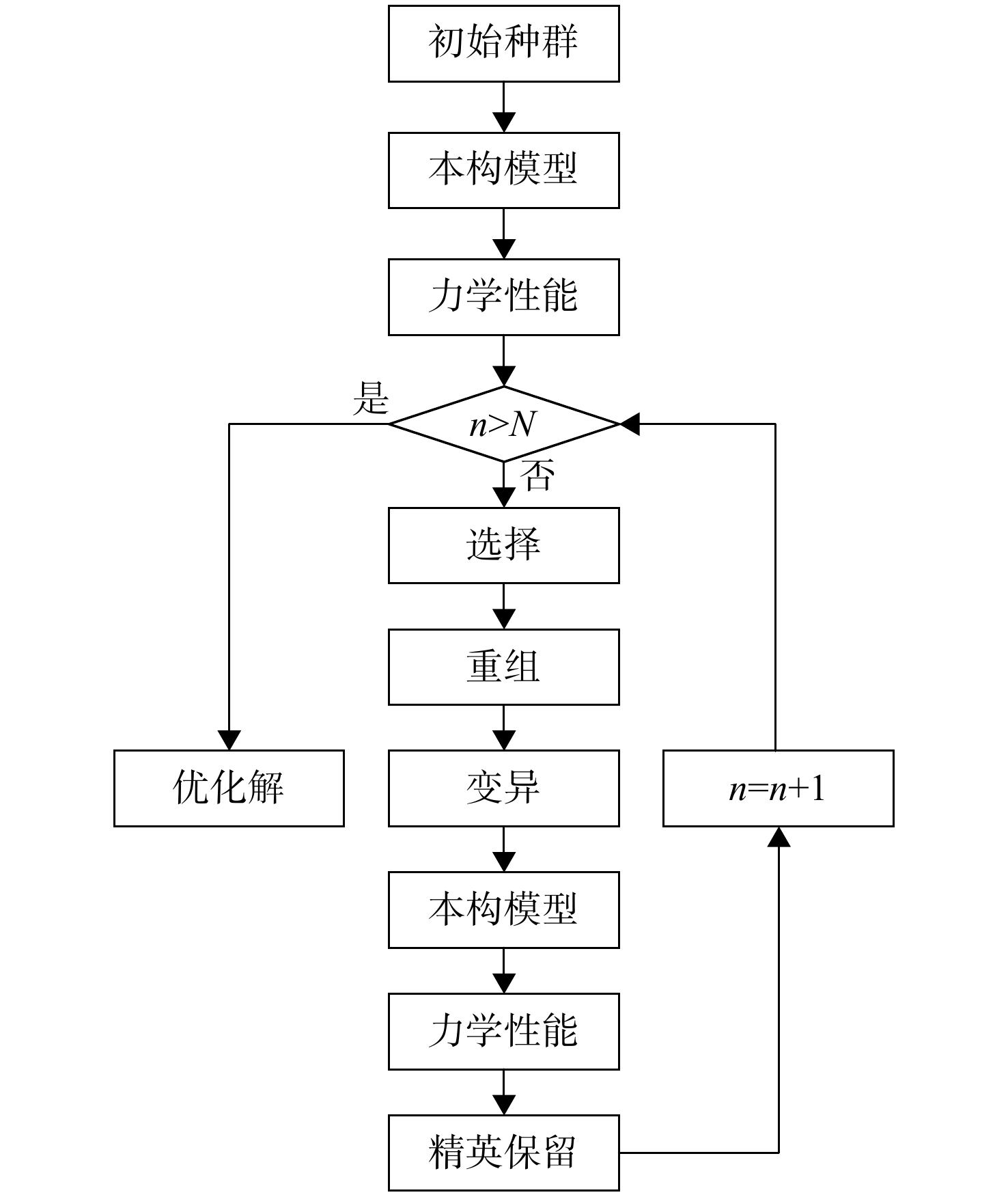
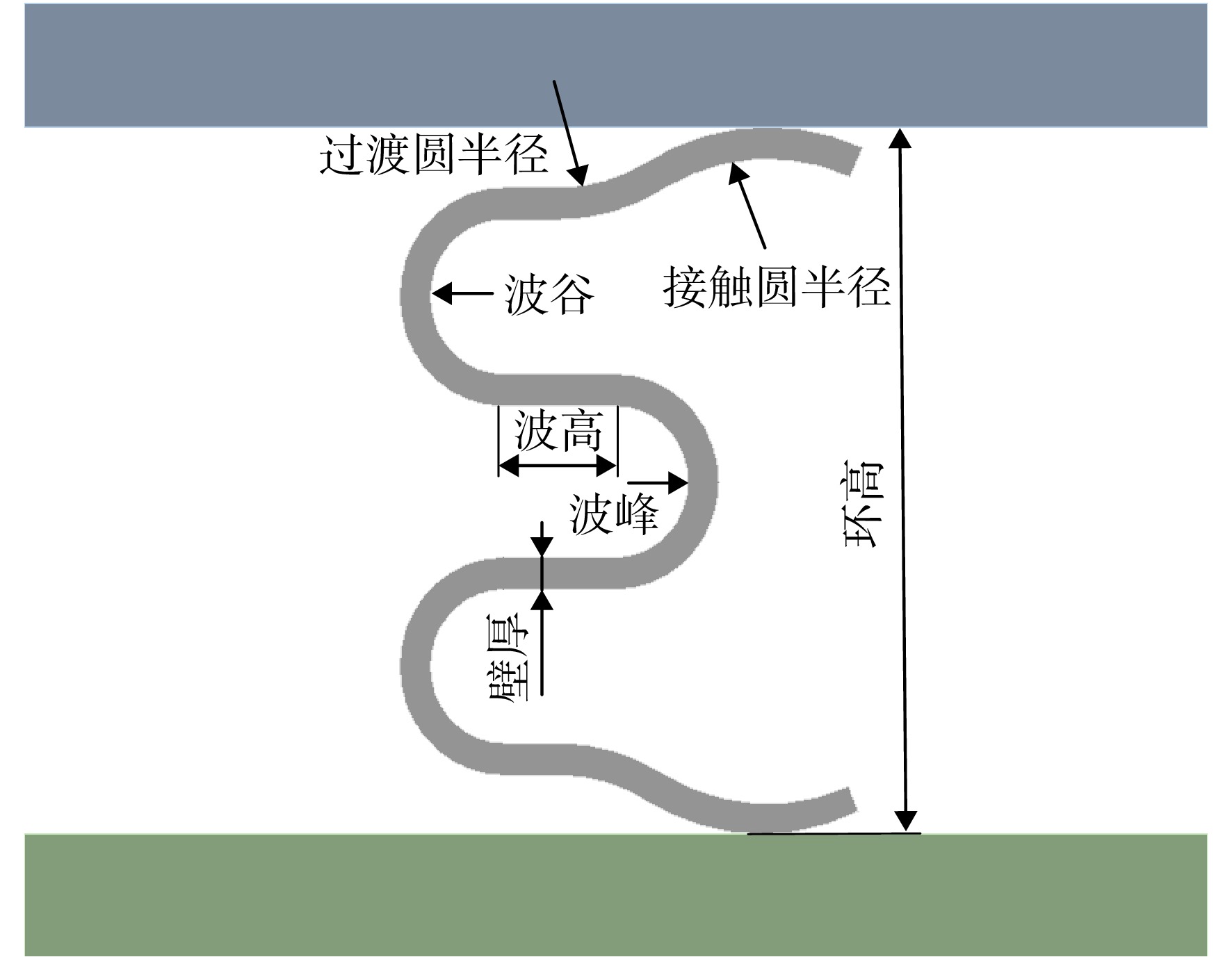
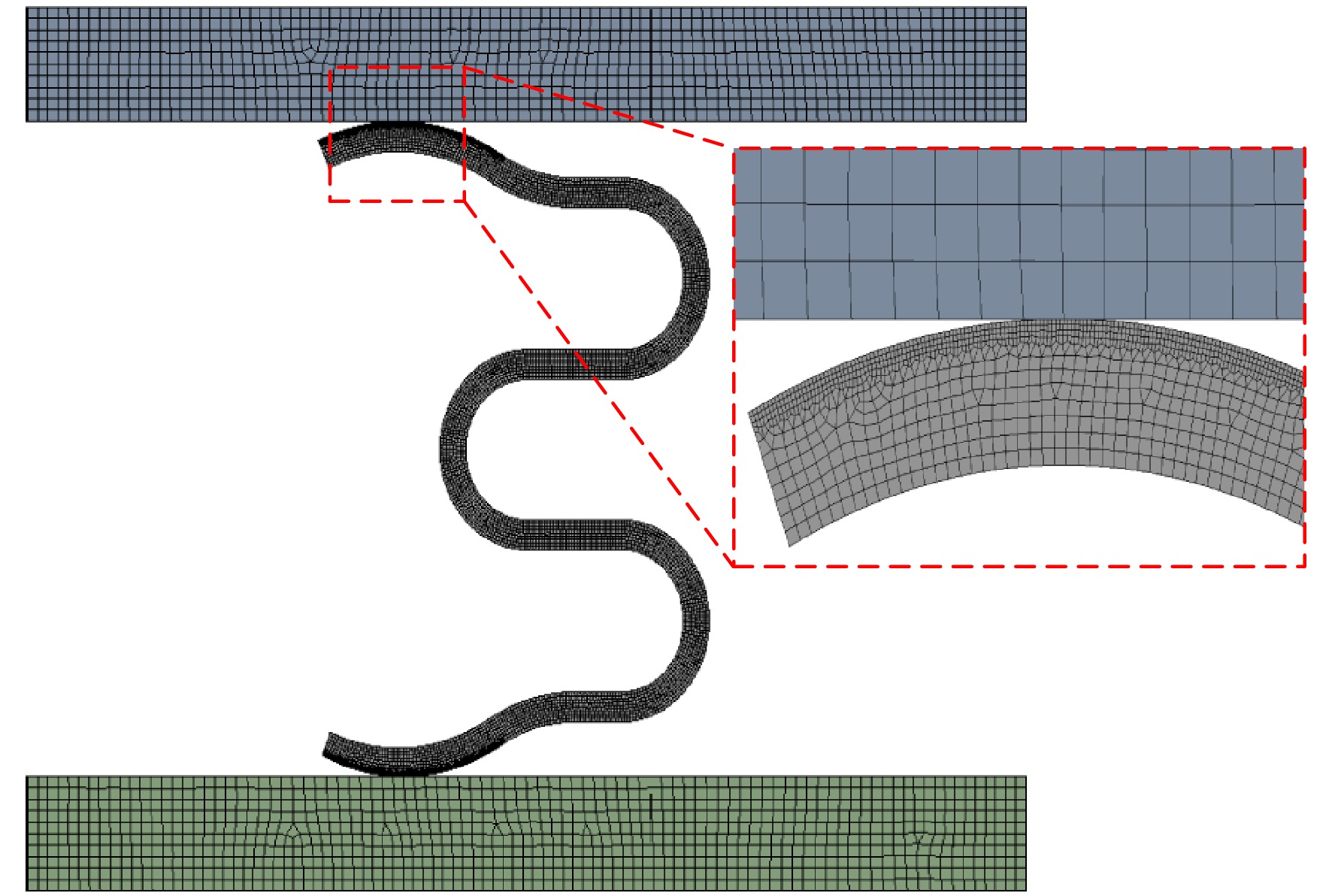
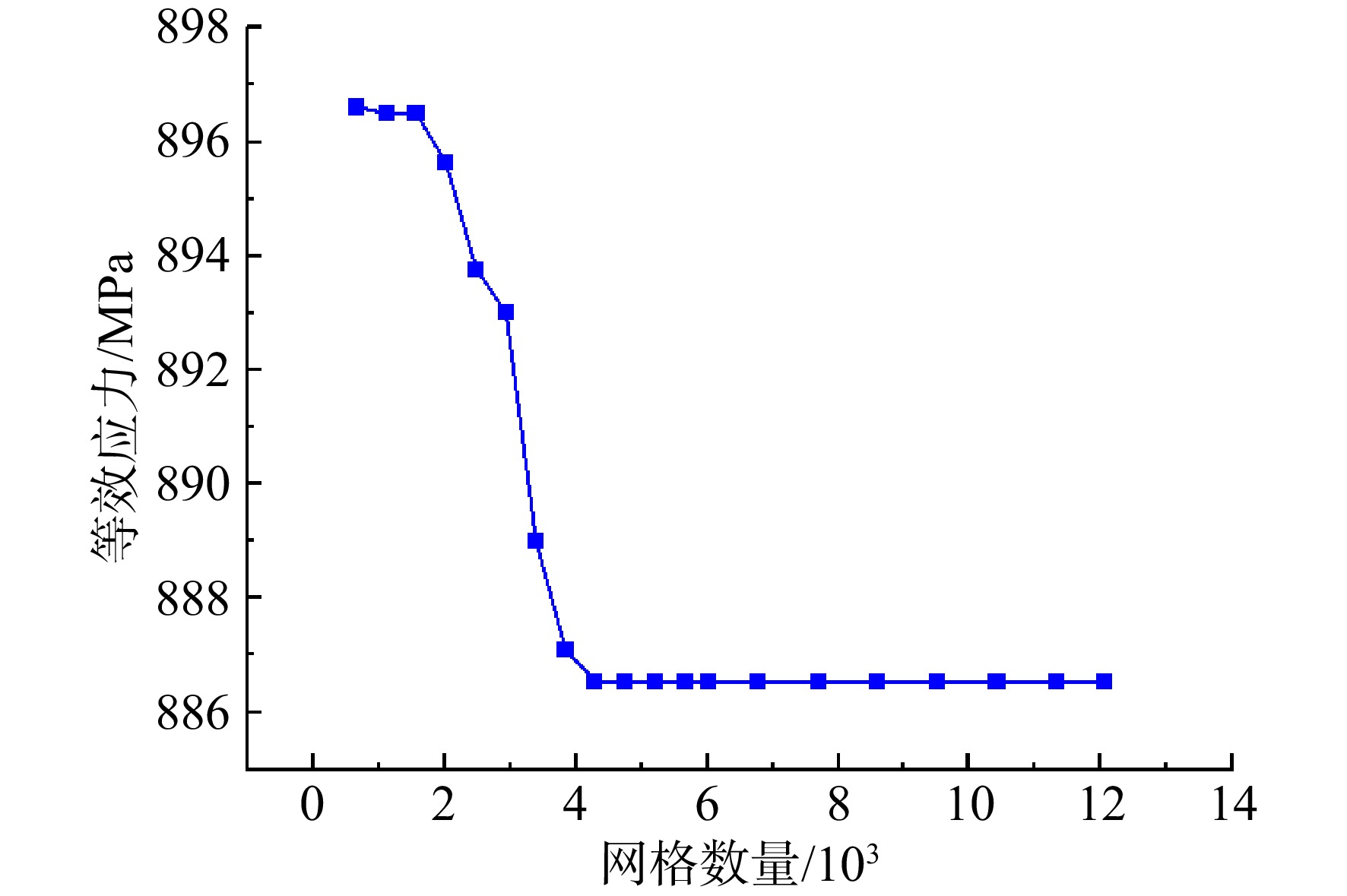
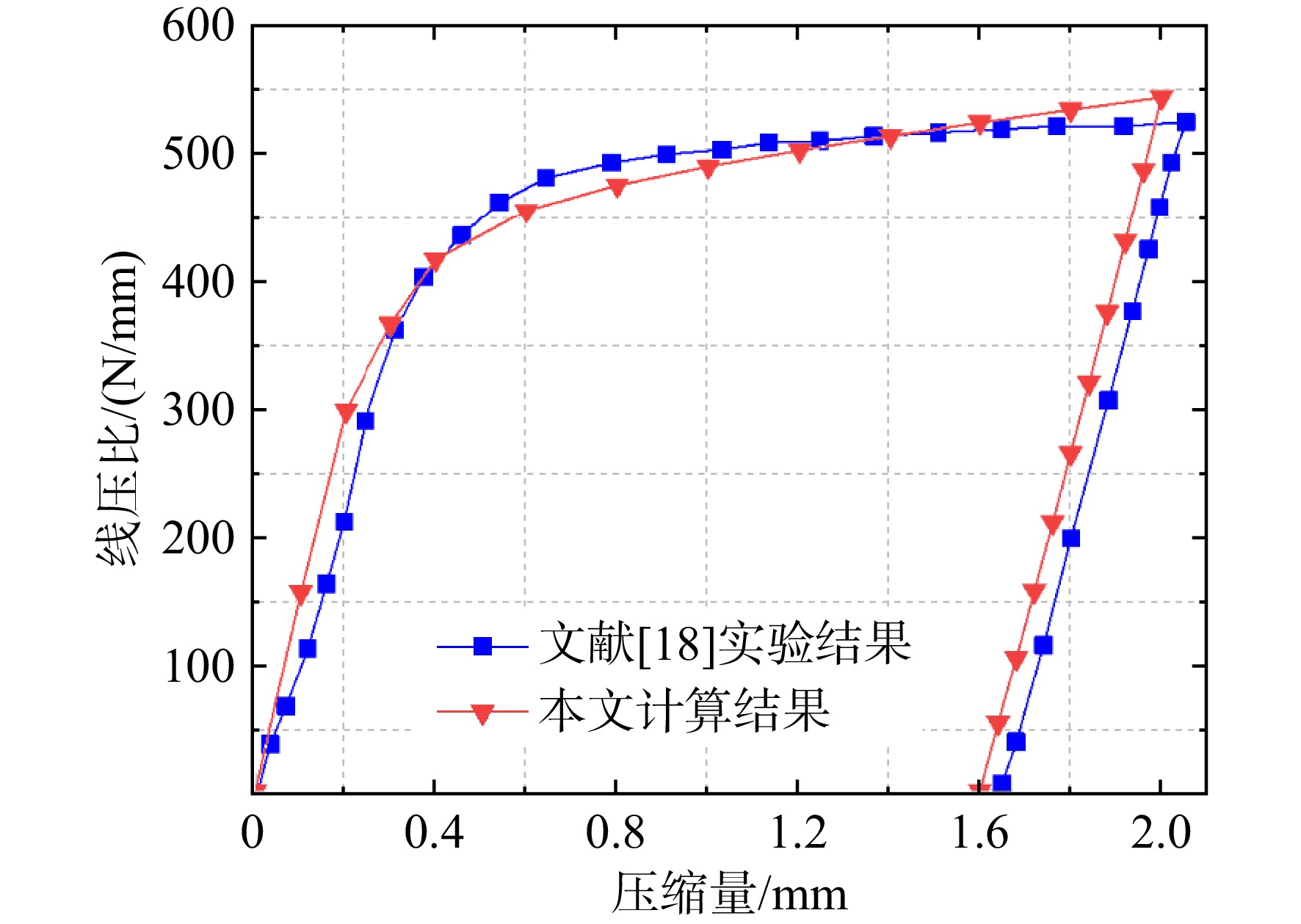
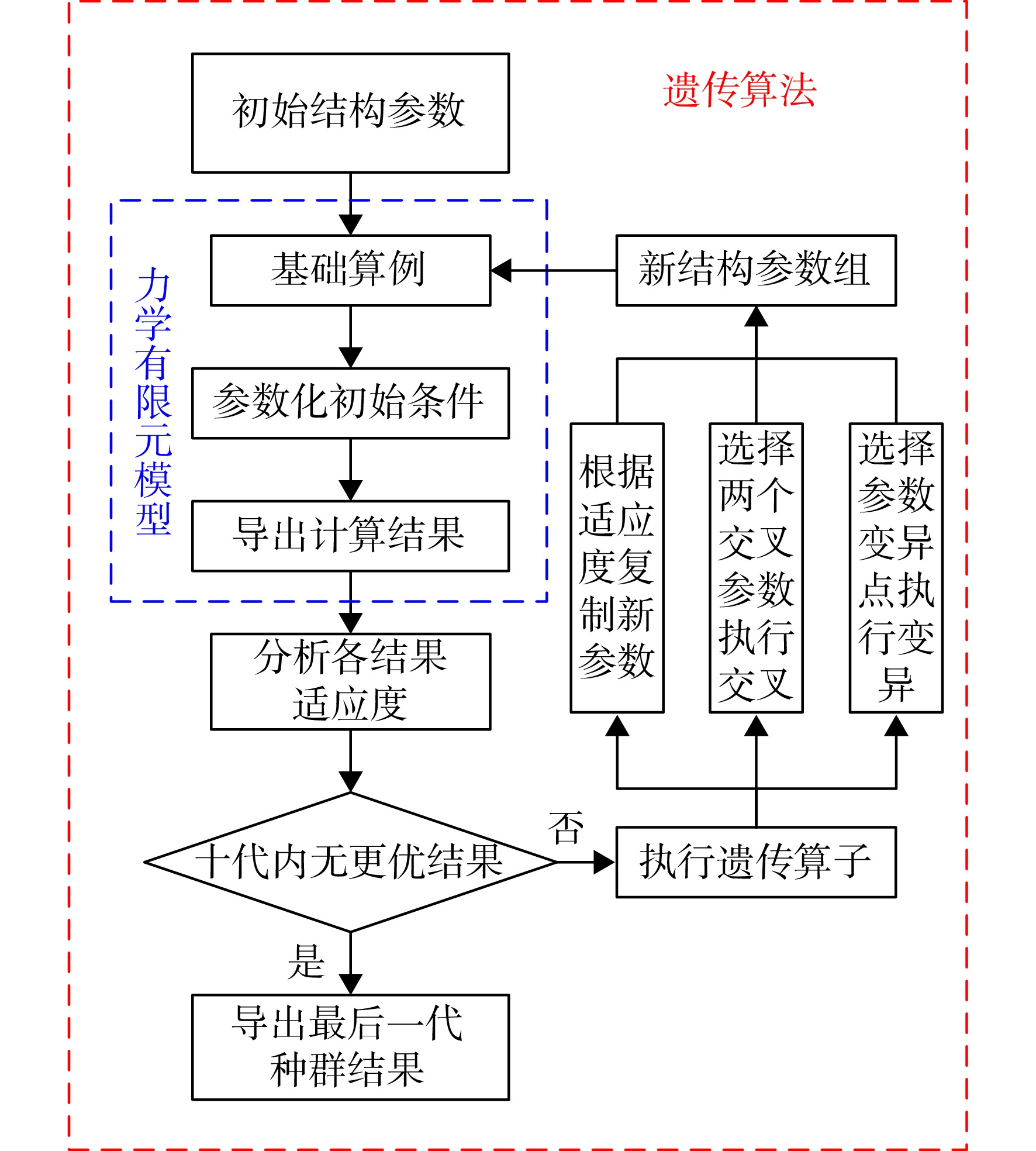
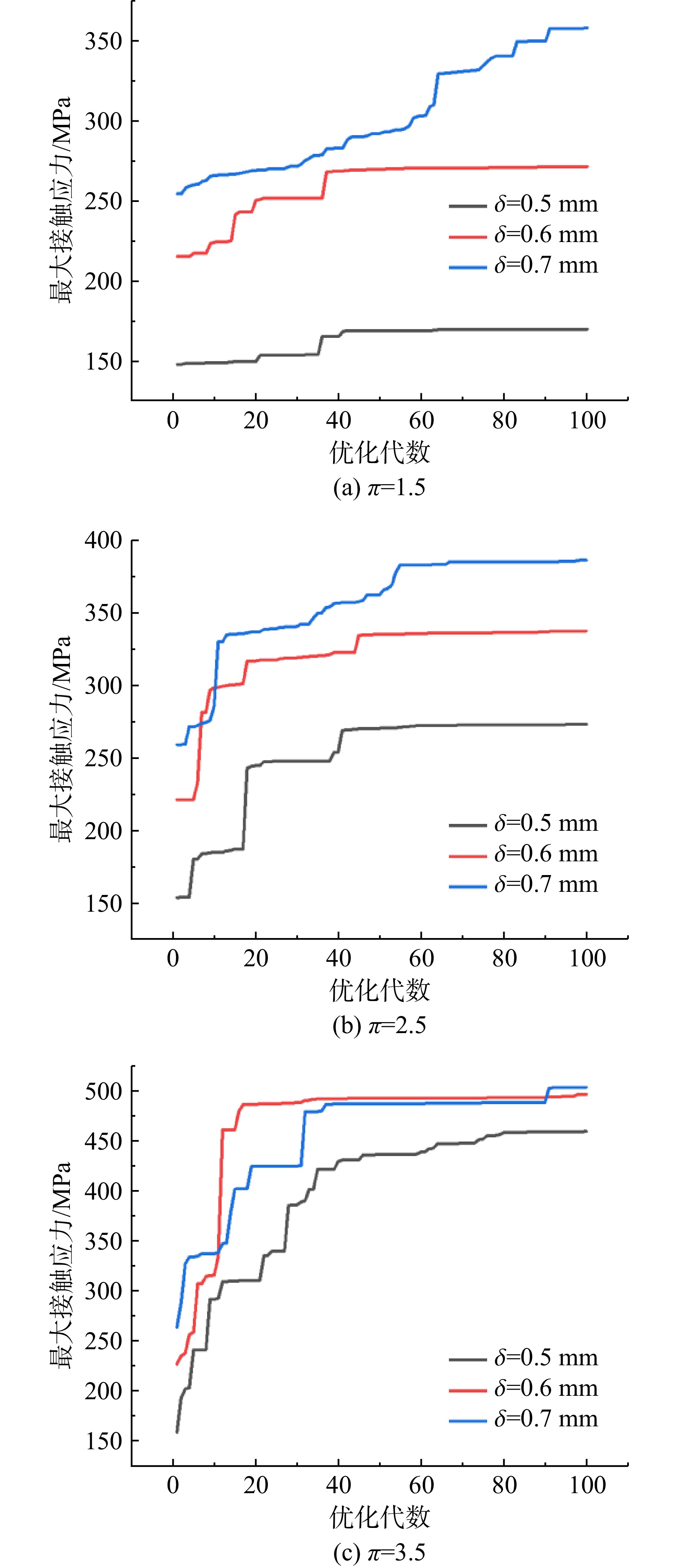
A mechanical model of W-shaped sealing ring was established to improve the sealing performance of aircraft engines. Based on the calculation of mechanical properties, a combination of genetic algorithm and finite element model was used to construct an optimization model of W-shaped elastic metal sealing ring with multiple structural parameters taken as design variables, and maximum contact stress taken as the optimization objective. The results showed that the optimized contact stress increased by more than 30% under different operating conditions. The sensitivity of contact radius and wave height was higher under low pressure ratio, and the optimization effect was better. The optimization effect of transition radius was better under high pressure ratio; the sensitivity of peak radius and transition radius was higher under low pressure reduction, and the sensitivity of wave height was higher under high pressure reduction. The optimization effect was better. In most operating conditions, the thickness changed less, showing higher stability. This study could provide a theoretical basis for the optimization design of W-shaped sealing rings.

Fracture analysis of turbine rotor blades in an aircraft engine
YANG Mujin, LU Songbing, YANG Dabing, YANG Heli, PAN Pengjie
2025, 40(12): 20240062. doi: 10.13224/j.cnki.jasp.20240062
Abstract:
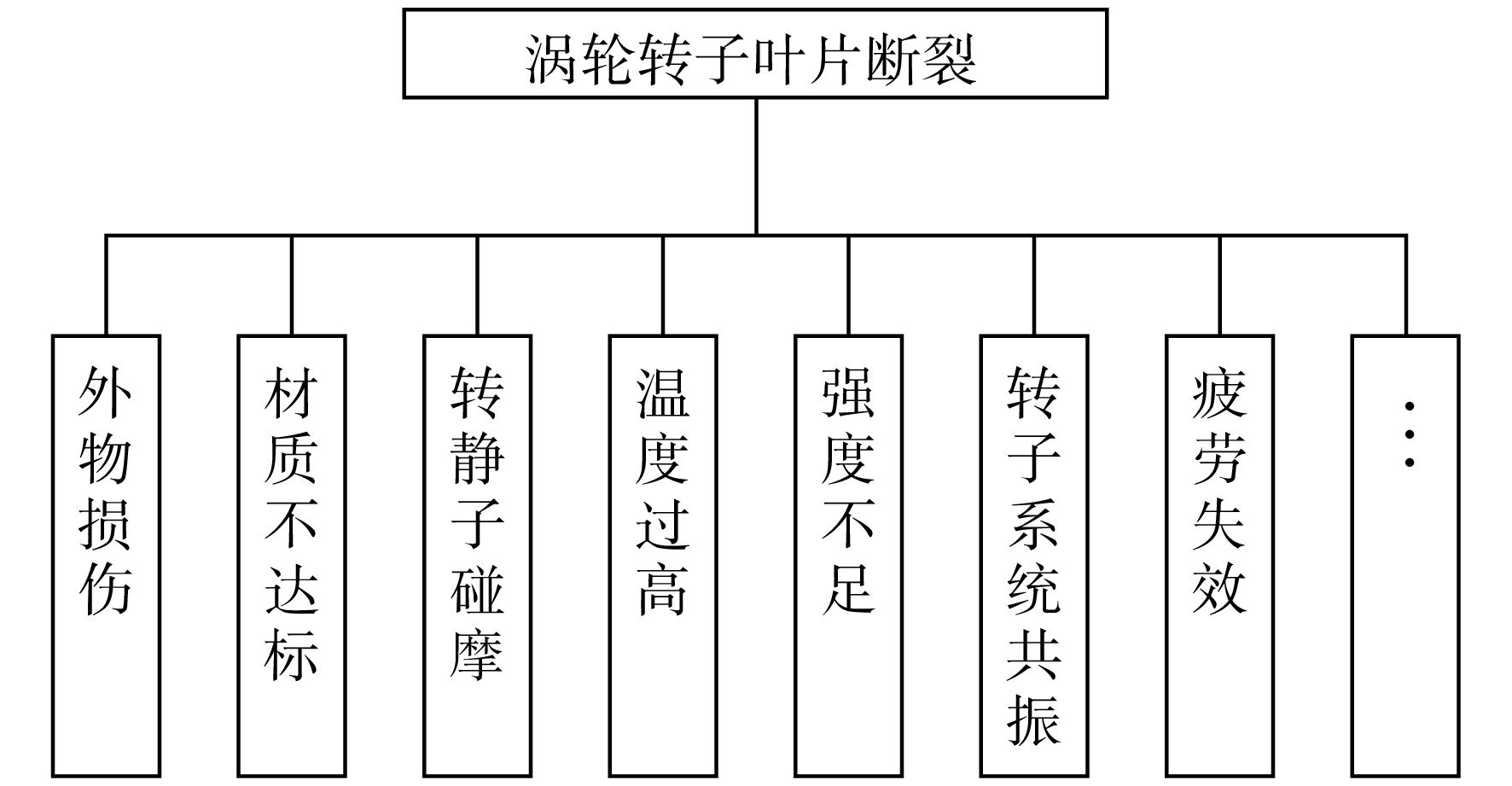
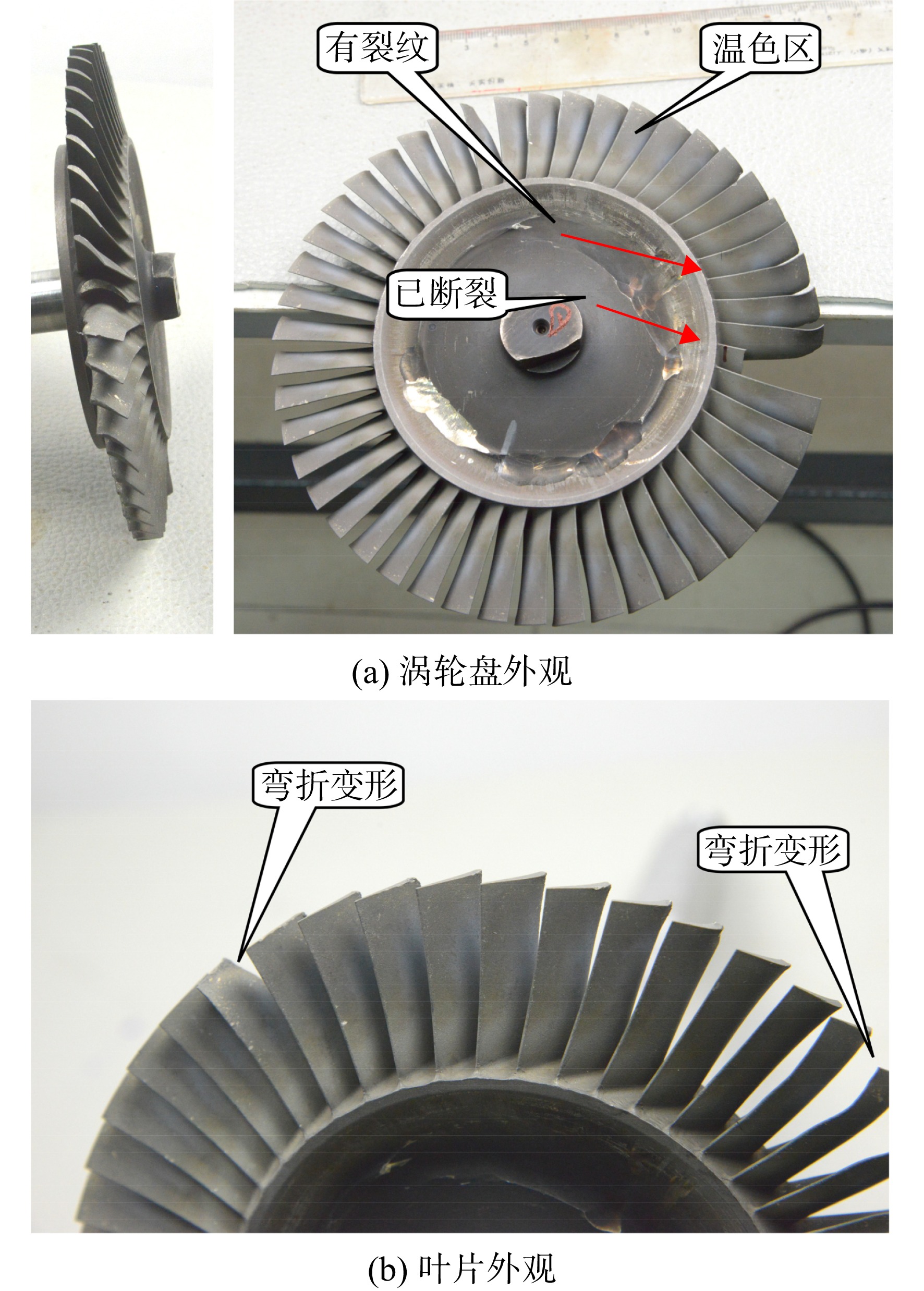
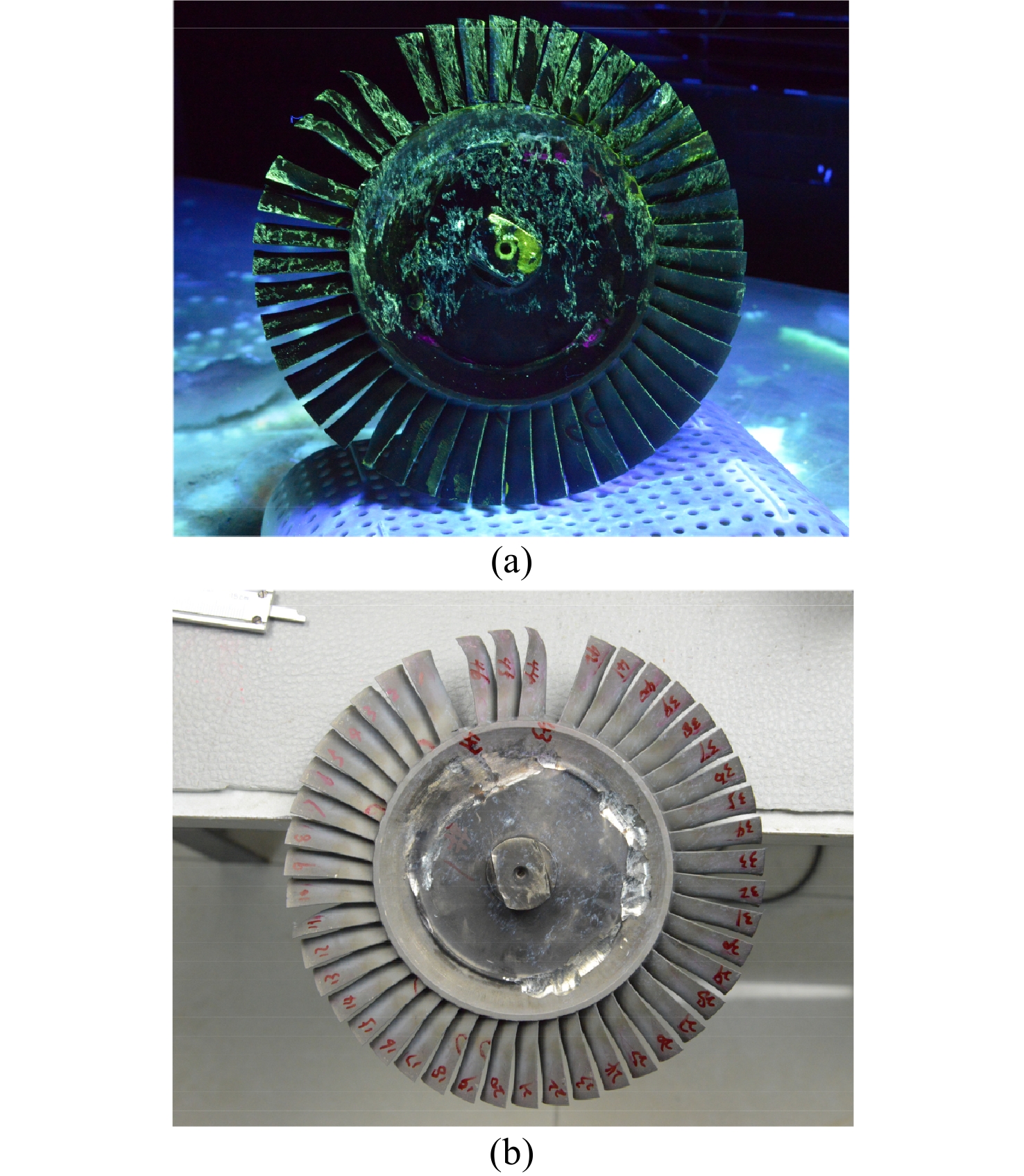
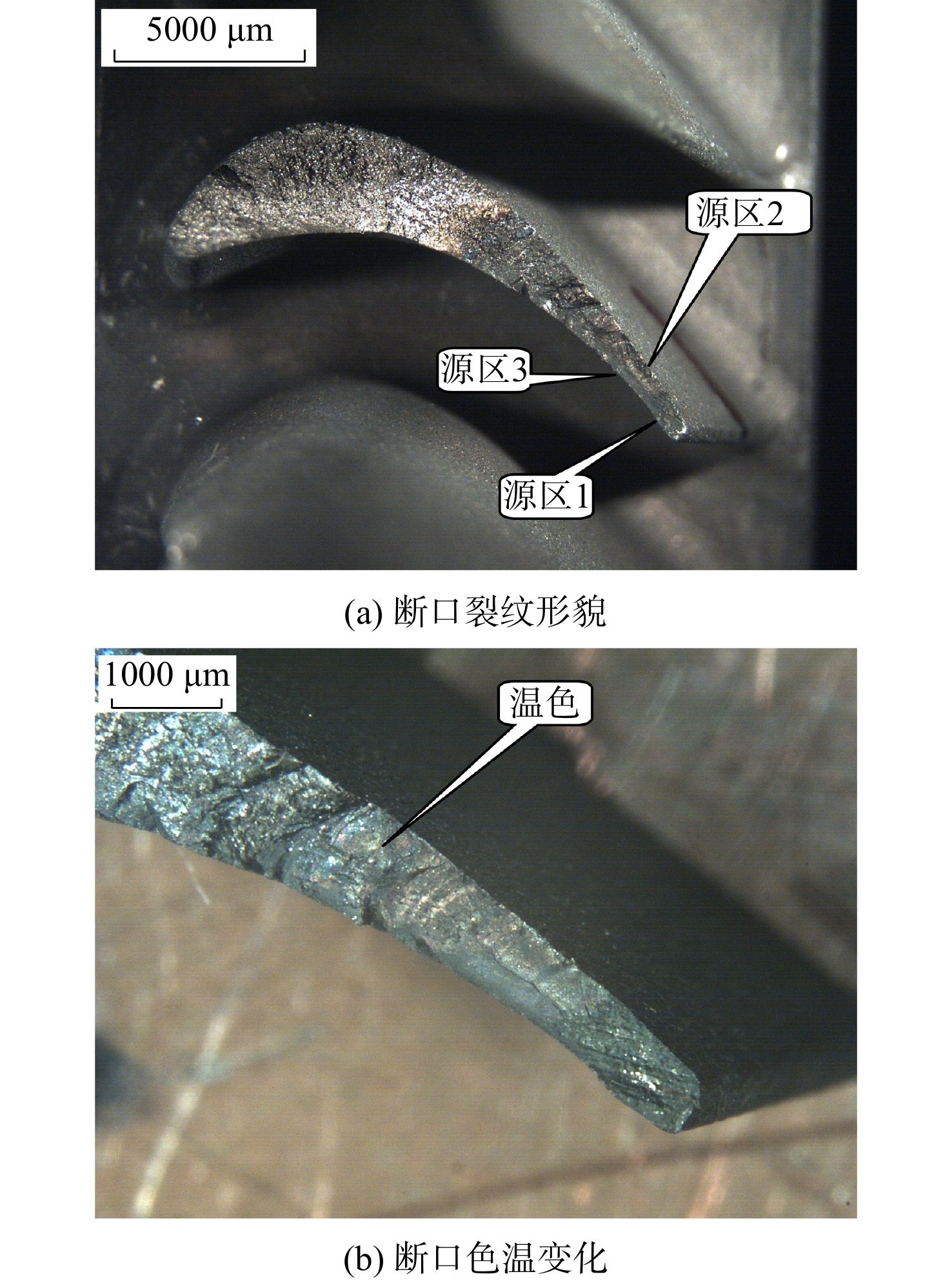
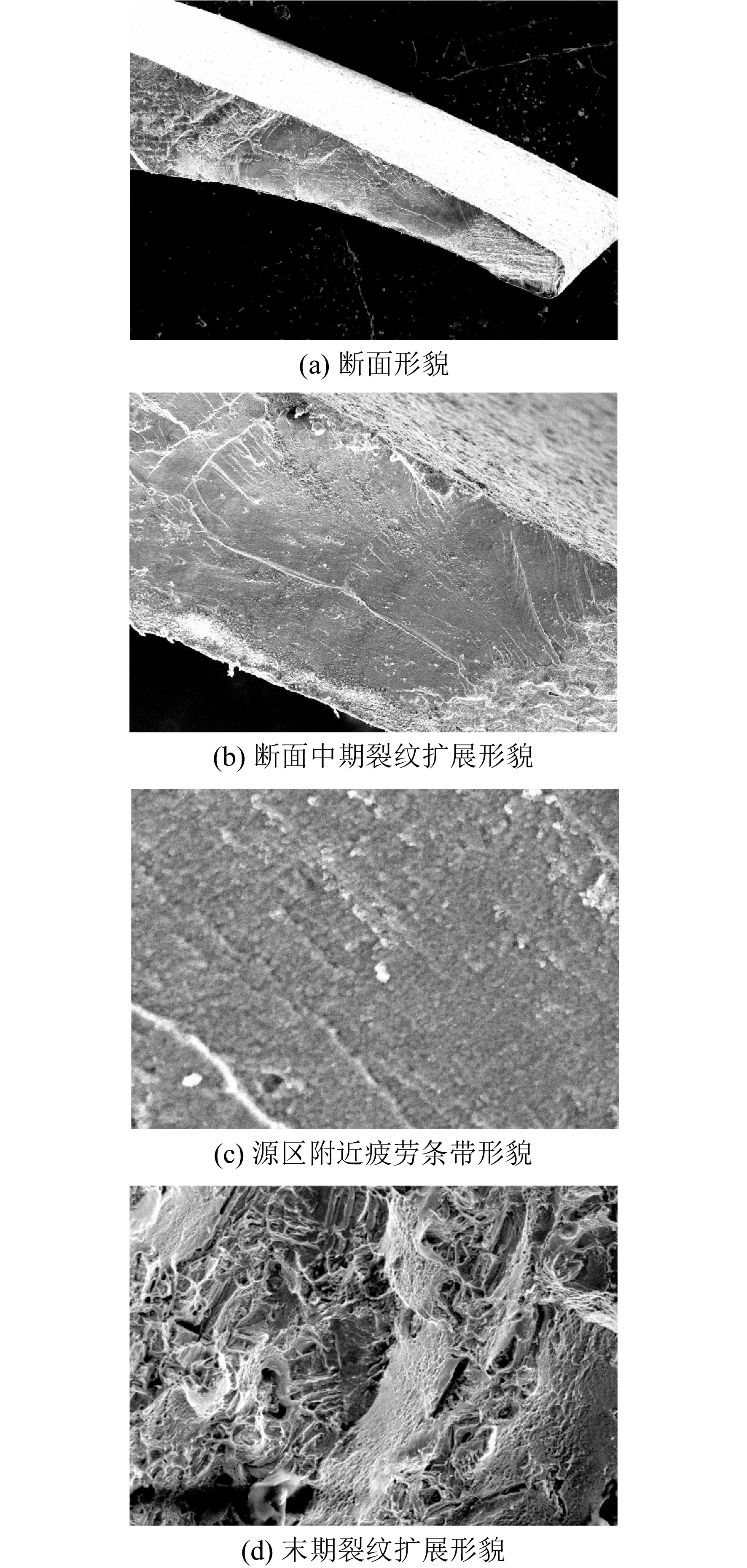
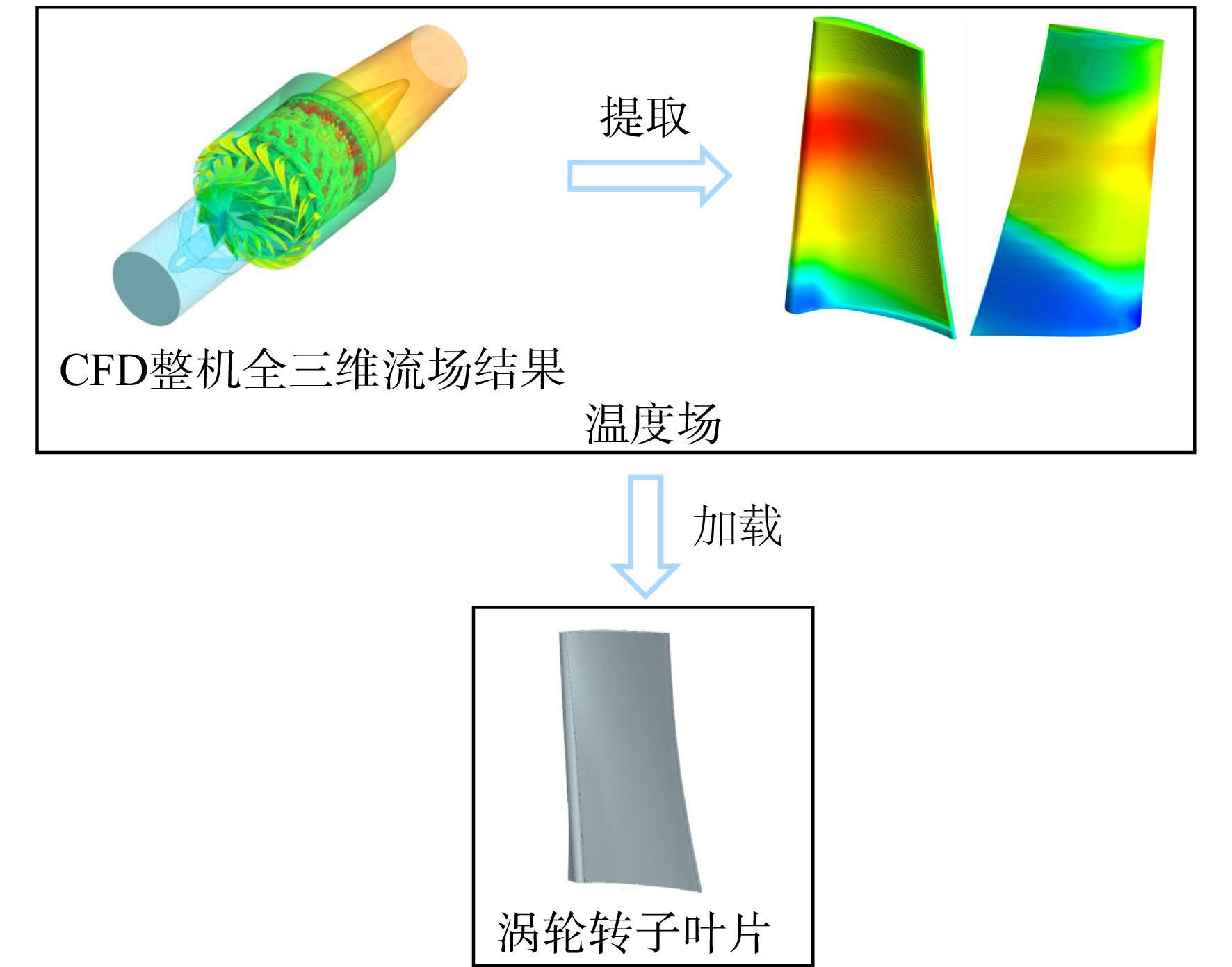
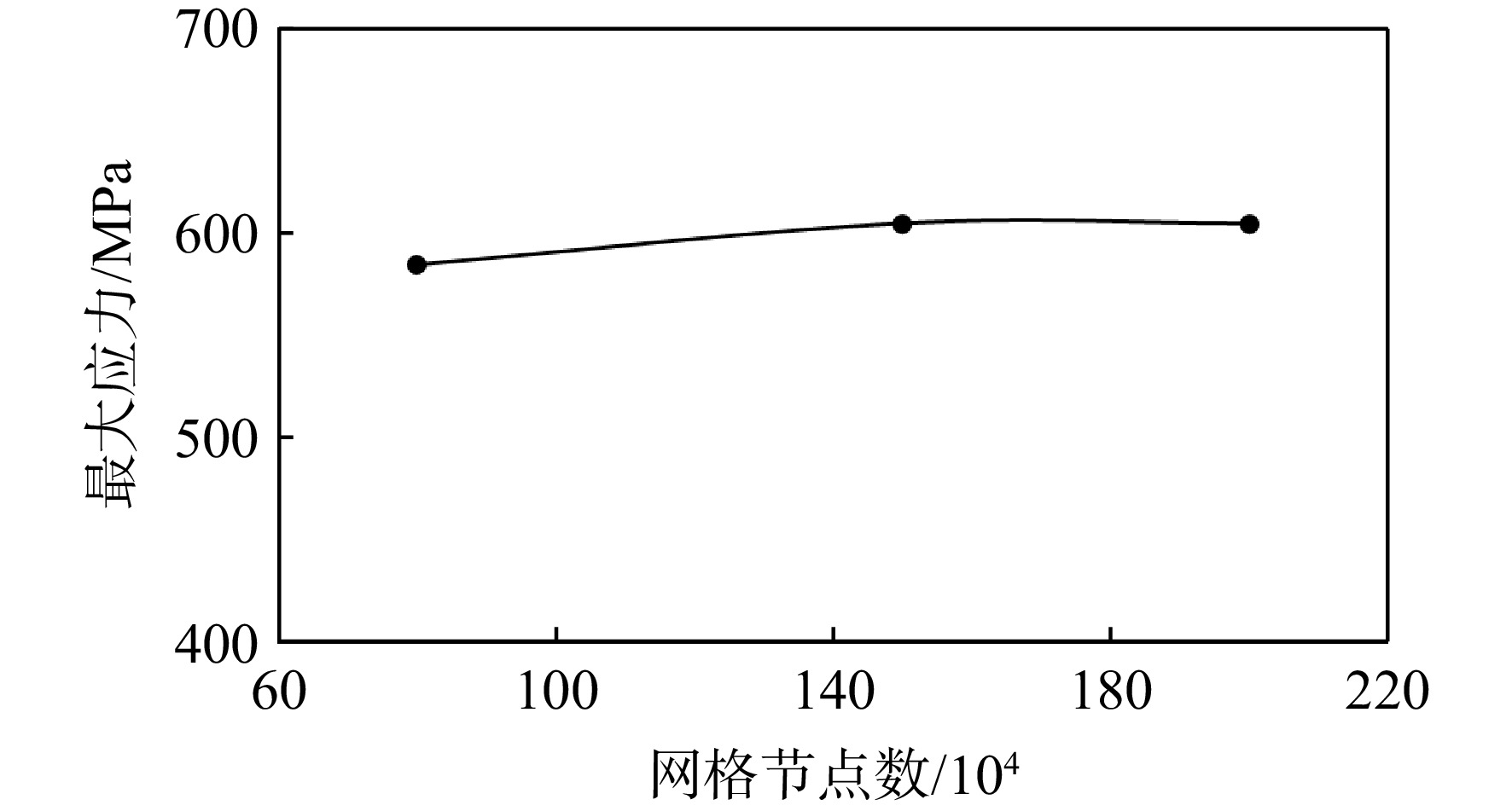
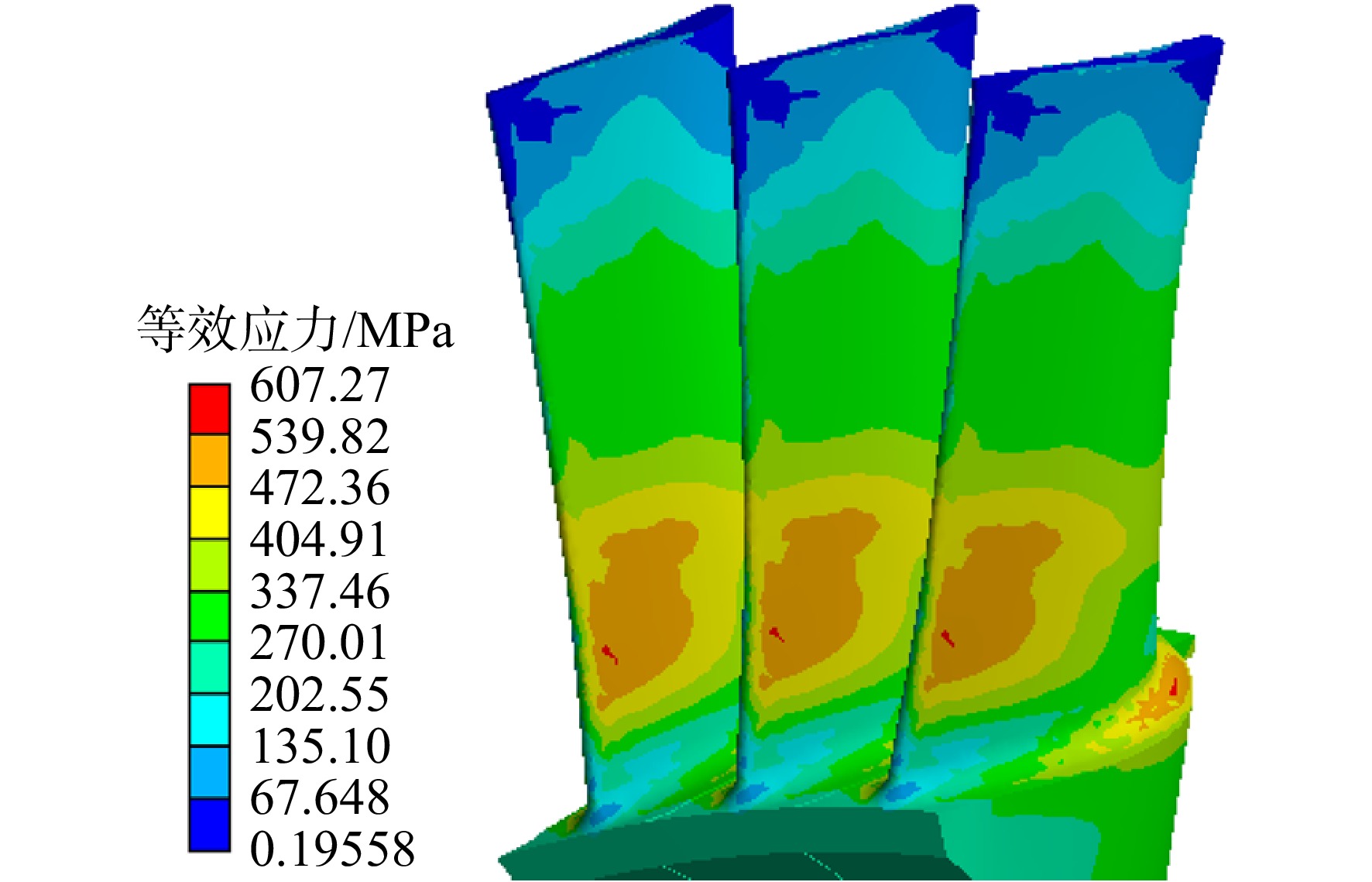
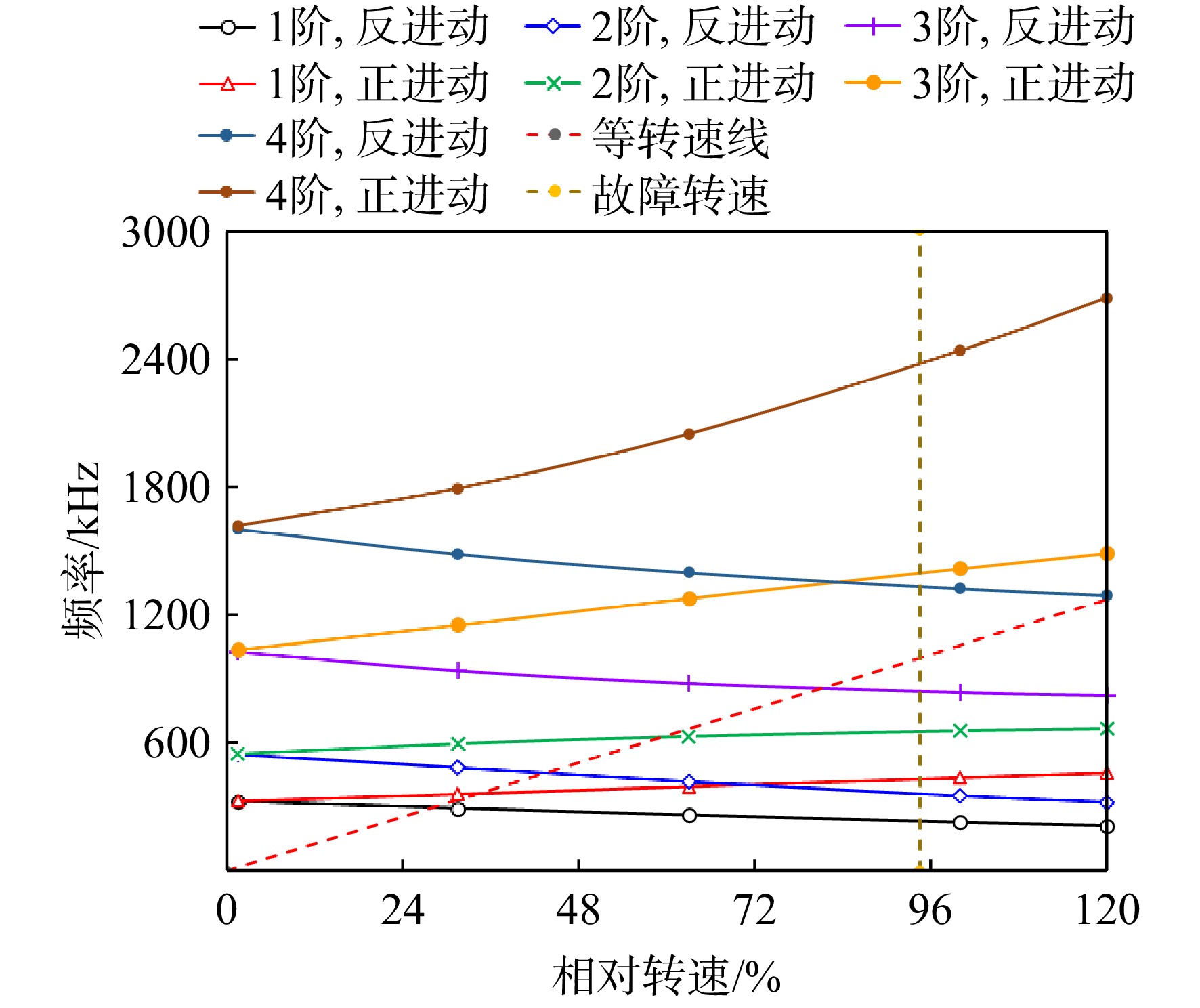
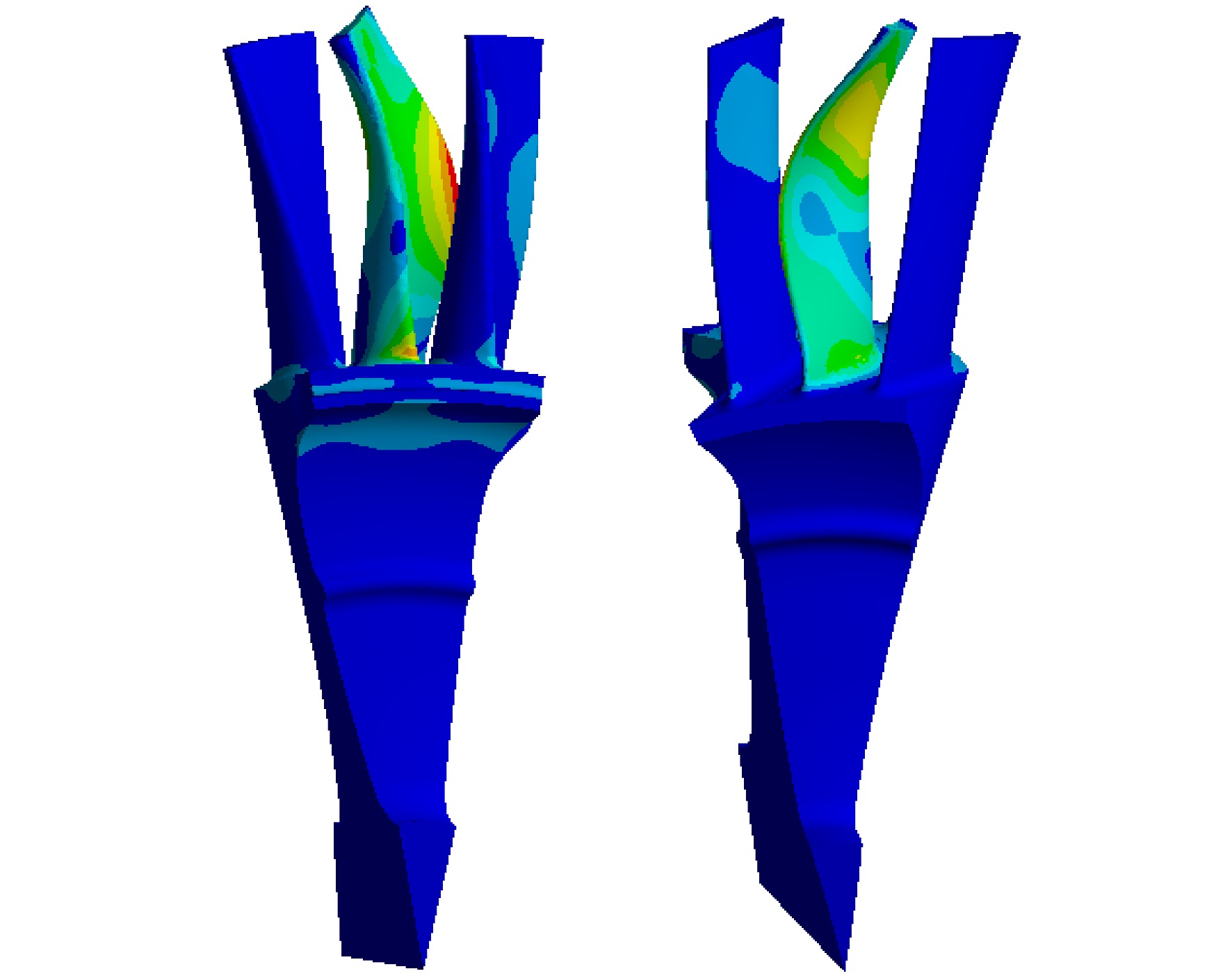
In response to the occurrence of turbine rotor blade fracture failures during the testing process of an aeroengine, research on the failed turbine rotor was conducted through visual inspection, fluorescence detection, energy spectrum analysis, strength analysis, and blade vibration analysis. It was found that after eliminating factors such as foreign object damage, material defects, and casting process defects, the fracture failure mode of the blade was confirmed as fatigue failure through blade fracture inspection. Through simulation analysis, it was ultimately determined that the cause of blade fatigue failure was the combined effects of static stress generated by centrifugal load and thermal load, and vibration stress caused by high-frequency airflow excitation through the combustion chamber evaporation tube. A scheme was proposed to reduce the number of combustion chamber evaporation tubes and thicken the trailing edge of the turbine rotor blades, reducing the flow excitation frequency so that there was no intersection between the natural frequency of the blades and the excitation frequency within the full speed range, thus avoiding fatigue failure of the turbine rotor blades due to resonance.

Multi-scale full-field strain measurement method based on digital image correlation method
DU Hao, WANG Rongqiao, ZHAO Yan, GUO Jing, HU Dianyin
2025, 40(12): 20240735. doi: 10.13224/j.cnki.jasp.20240735
Abstract:
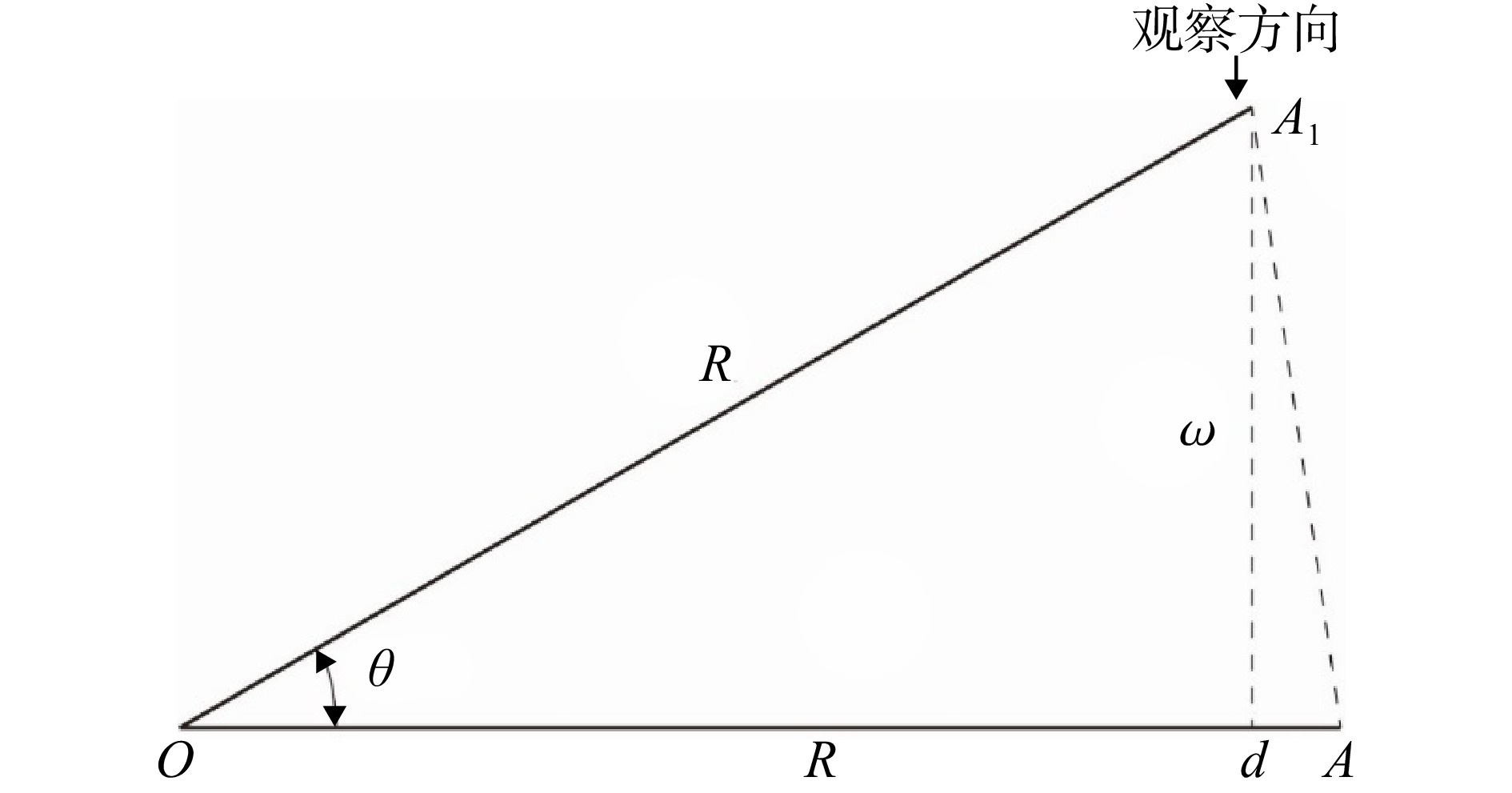
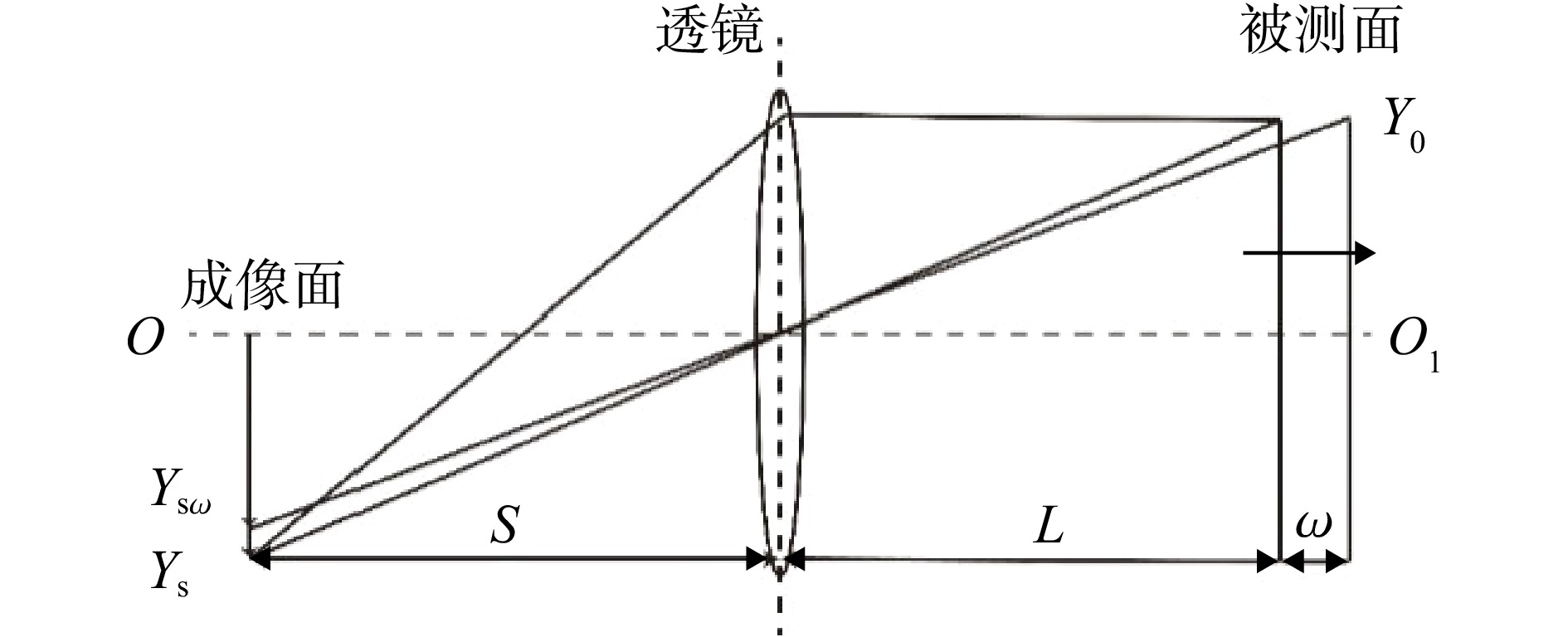
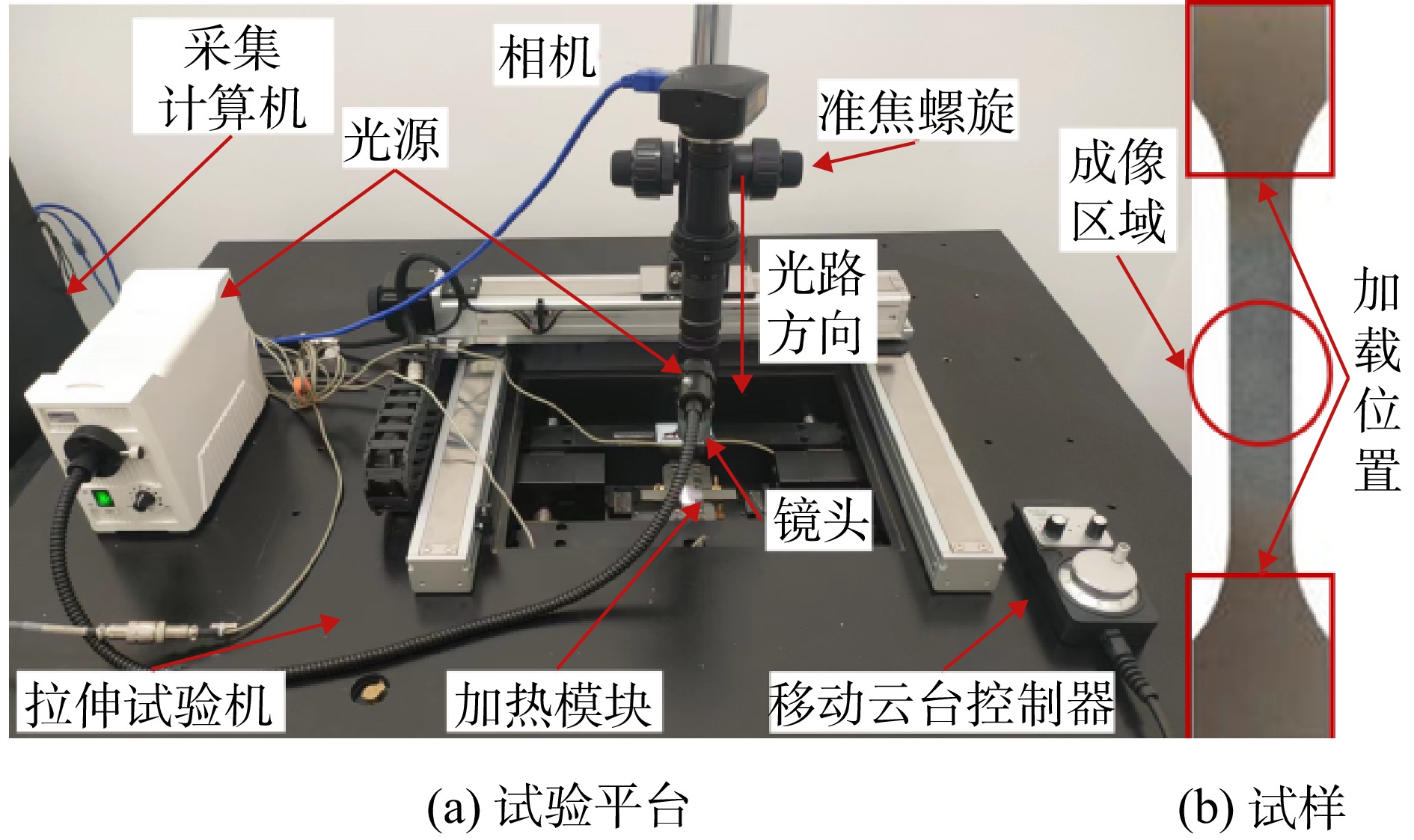
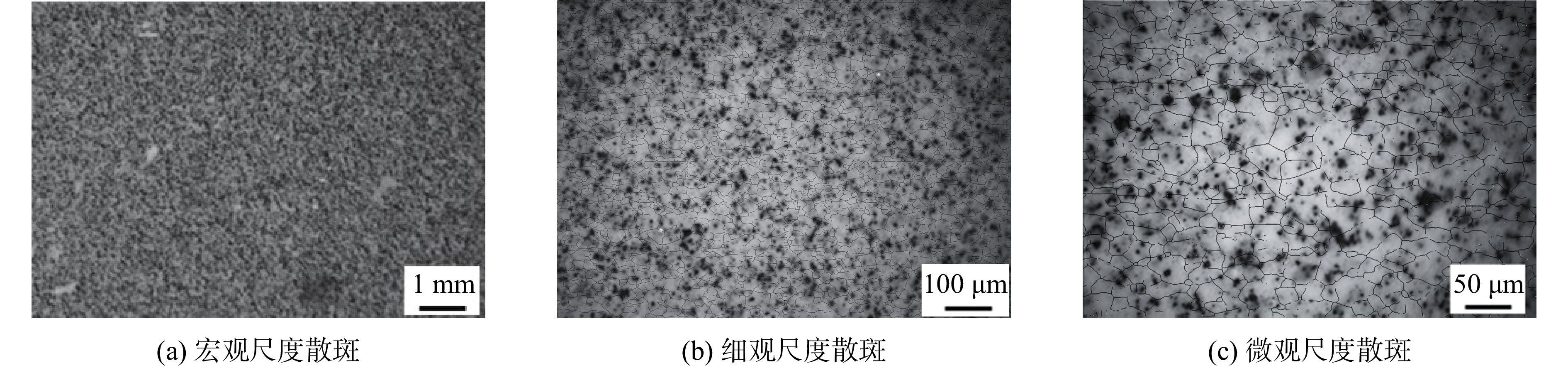
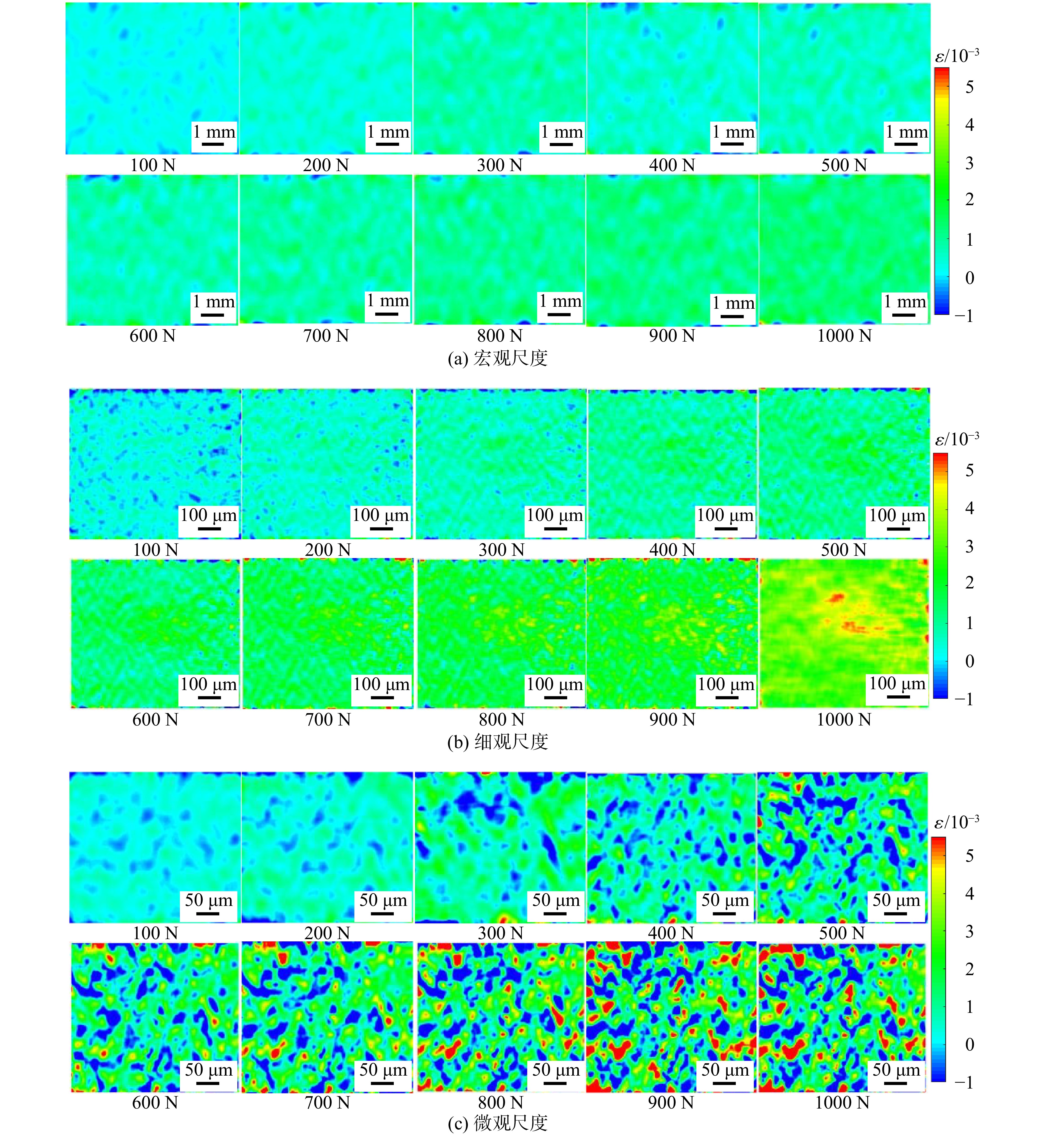
To realize strain measurement accuracy at different scales, a multi-scale full-field strain measurement method based on digital image correlation (DIC) was proposed. A multilayer speckle preparation method was developed, and the quality of speckle was verified by numerical simulation test. The out-of-plane displacement was quantified by wedge plane model, and a false strain correction method based on lens imaging model was proposed. The calculation methods of out-of-plane displacement and the method of false strain correction were verified by relevant experiments. The results indicated that the average error of the surface displacement calculation method was less than 4.20%; compared with the traditional DIC method, the accuracy of strain measurement by using the false strain correction algorithm was improved by more than 8.16%, achieving high-precision measurement of multiscale full-field strain.

Evaluation method of corrosion fatigue residual life of structural parts based on nonlinear ultrasonic detection signals
SU Xianjin, HU Jianhui, LI Shaolin, YANG Xiaoguang, SHI Duoqi, QI Hongyu
2025, 40(12): 20240691. doi: 10.13224/j.cnki.jasp.20240691
Abstract:

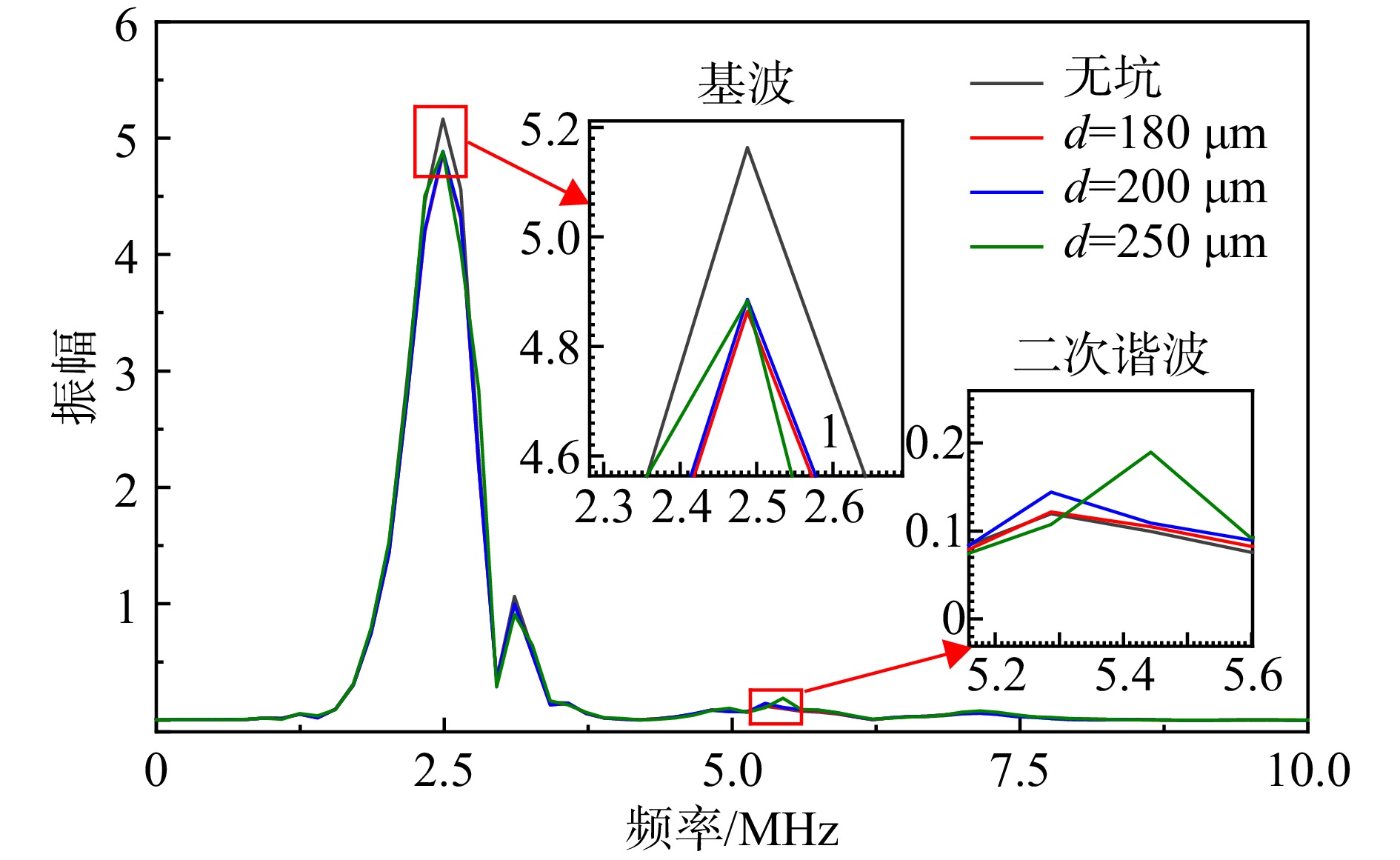
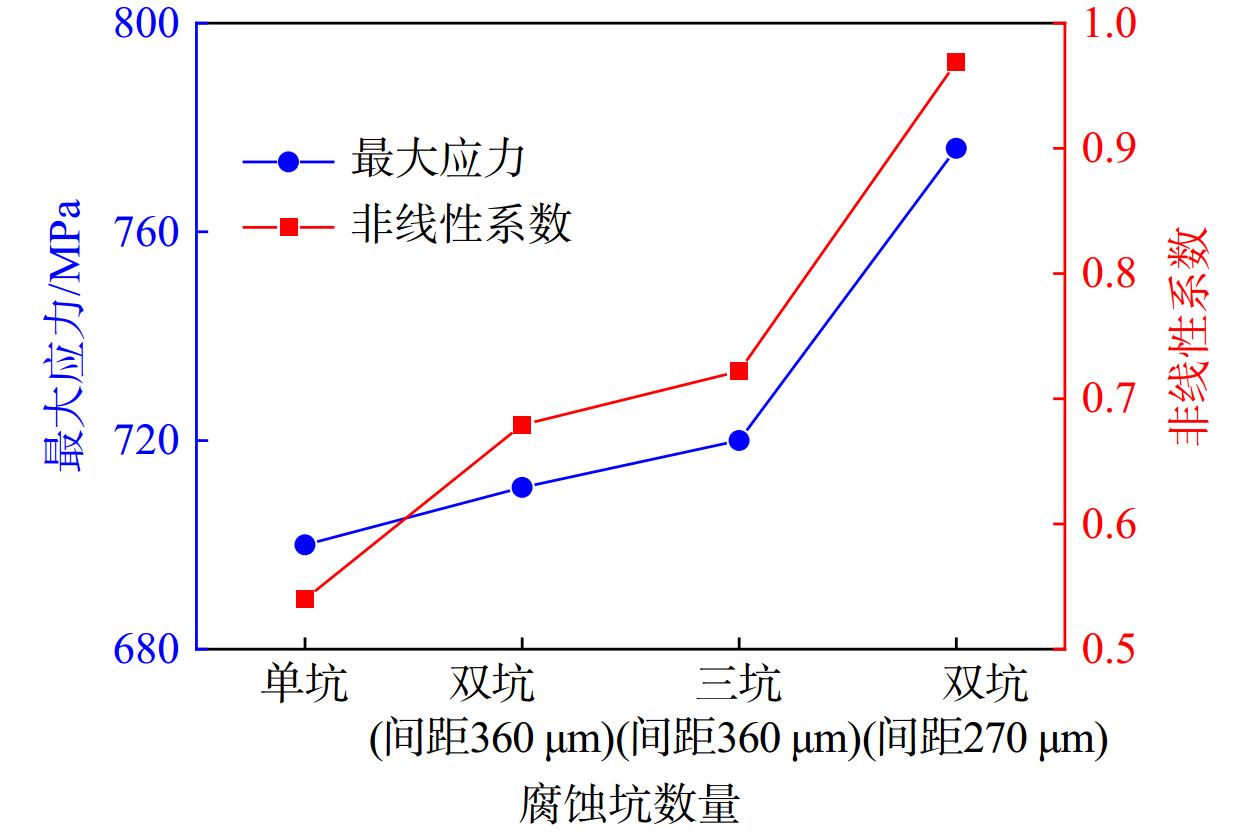
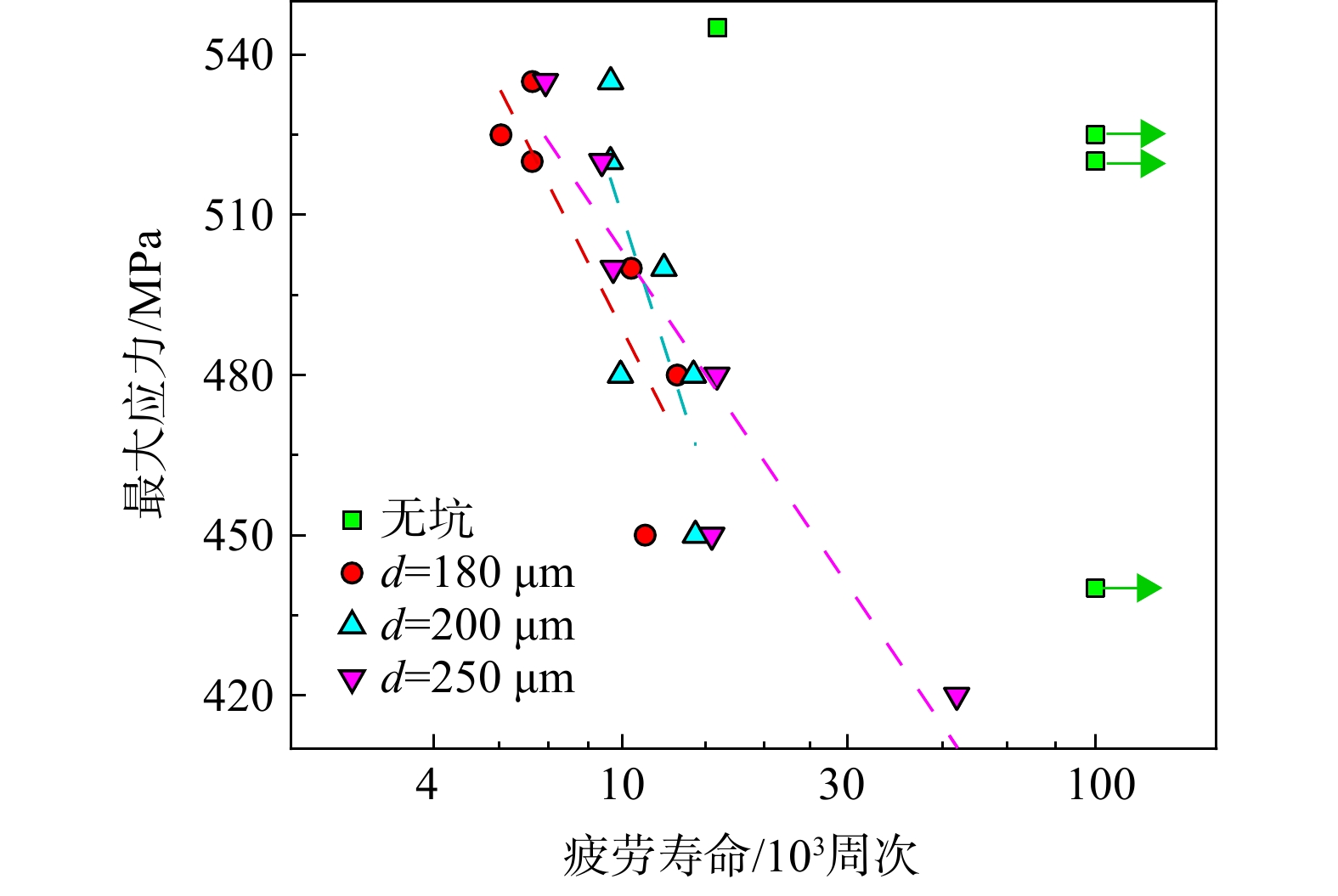
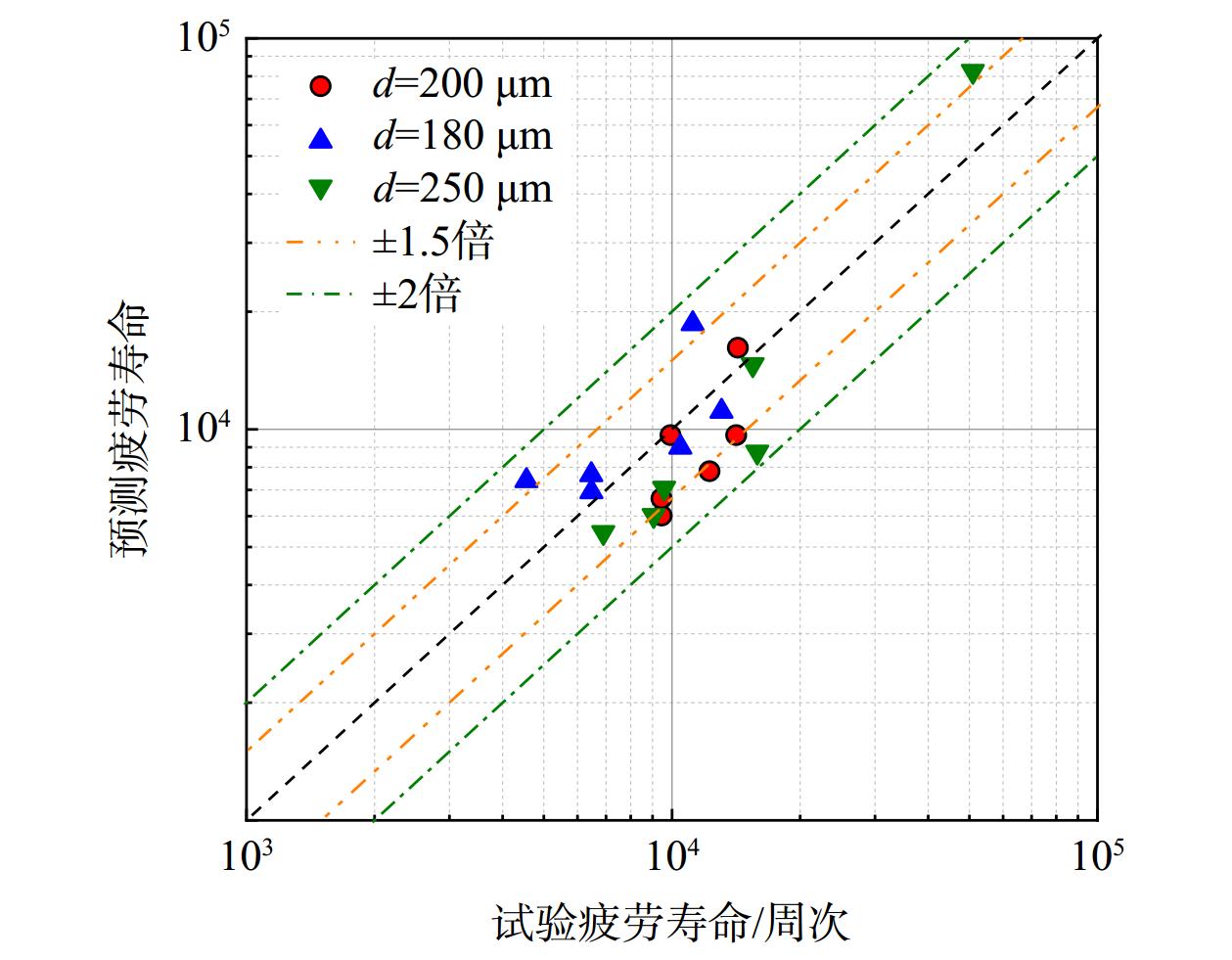
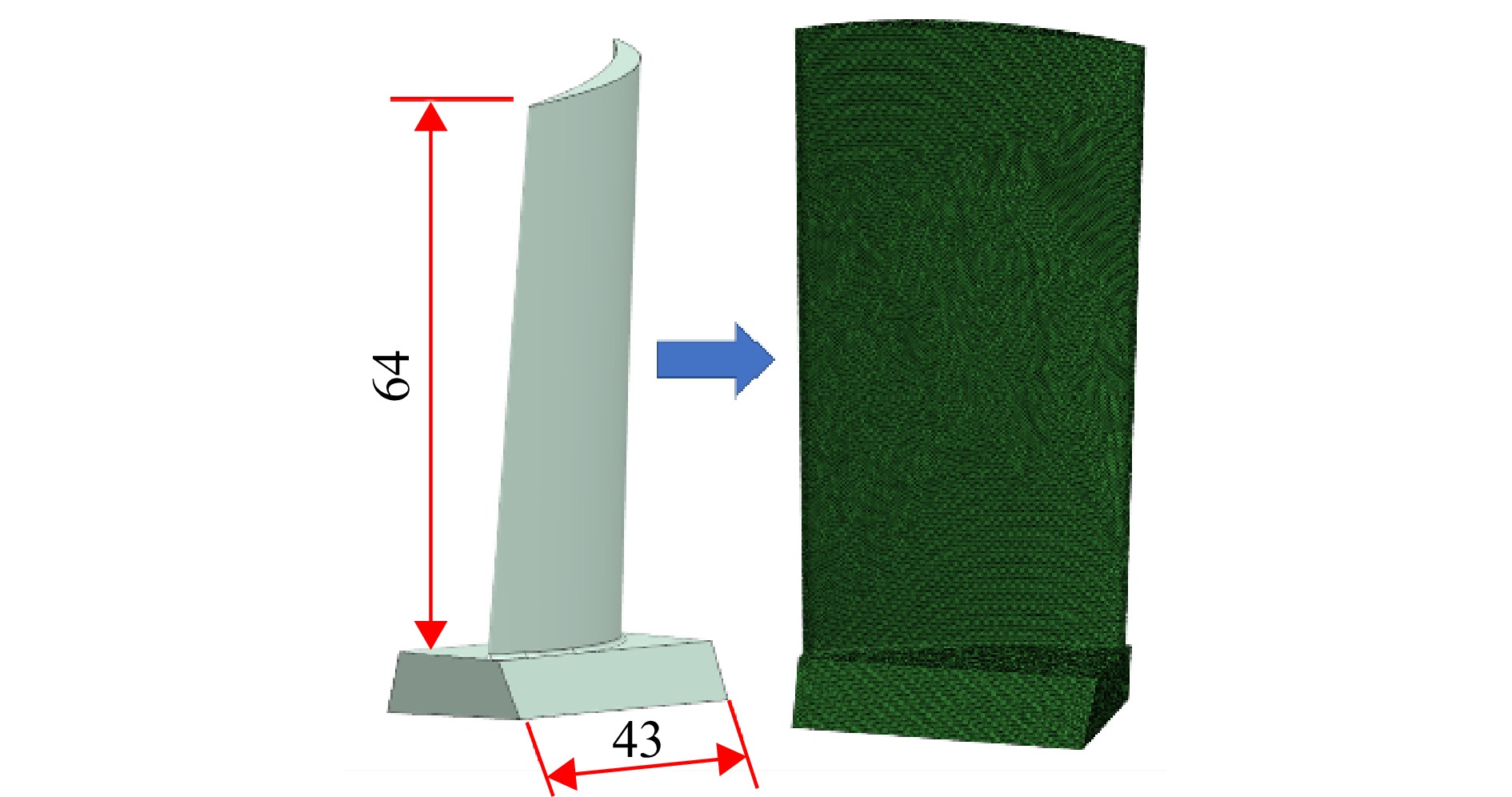
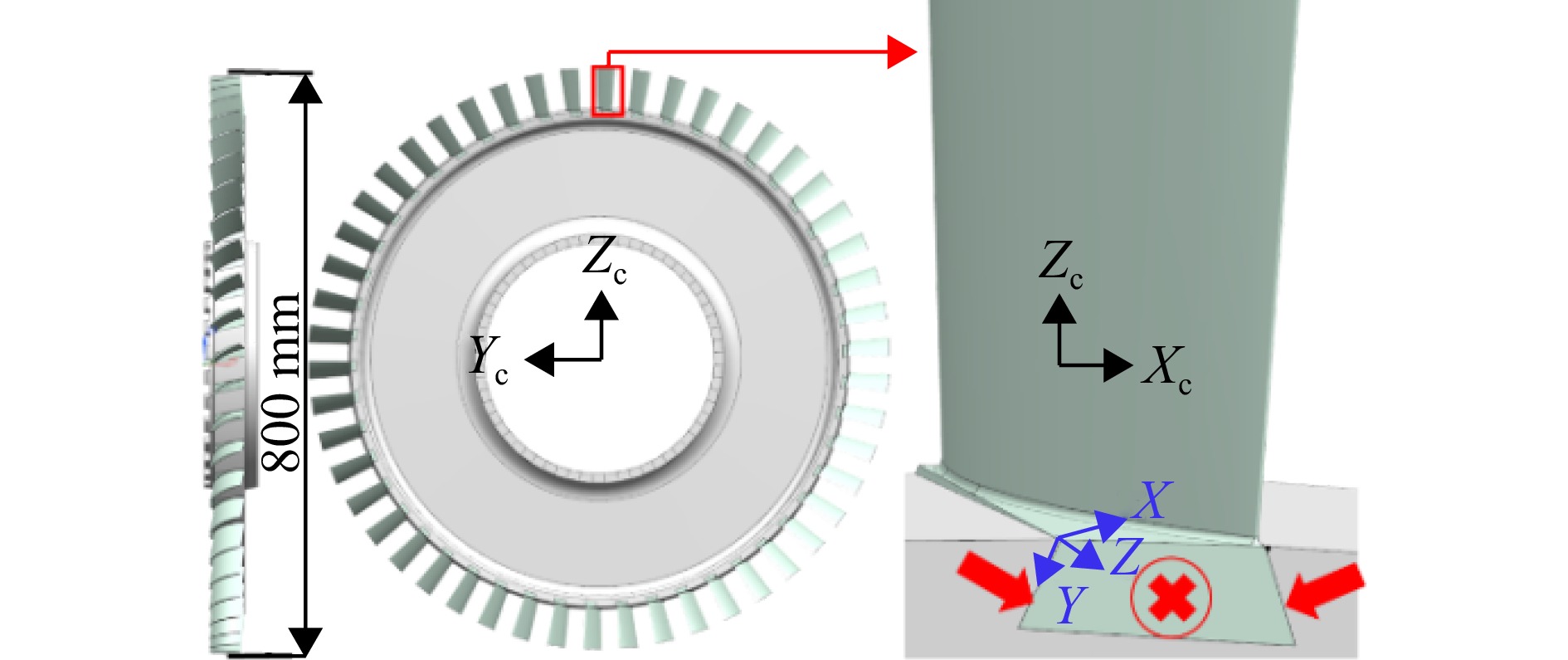
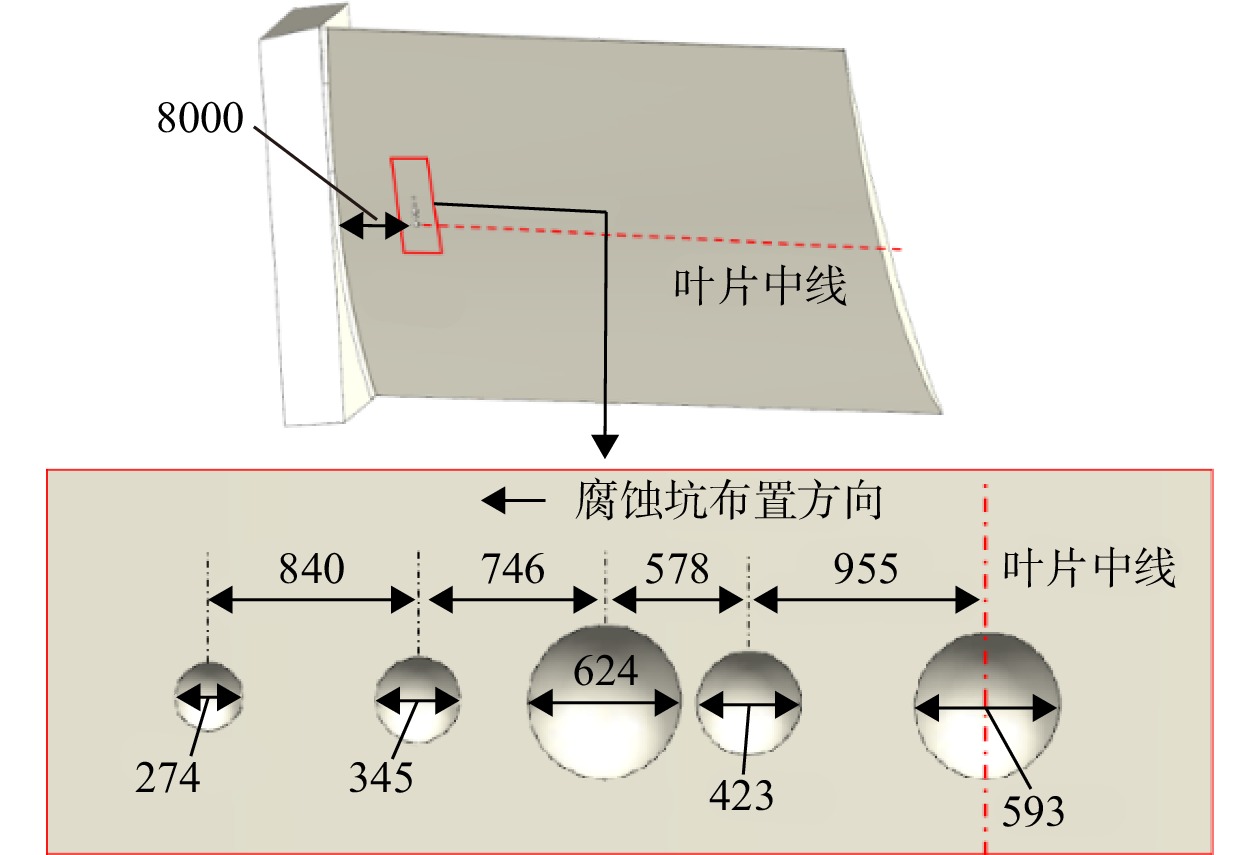
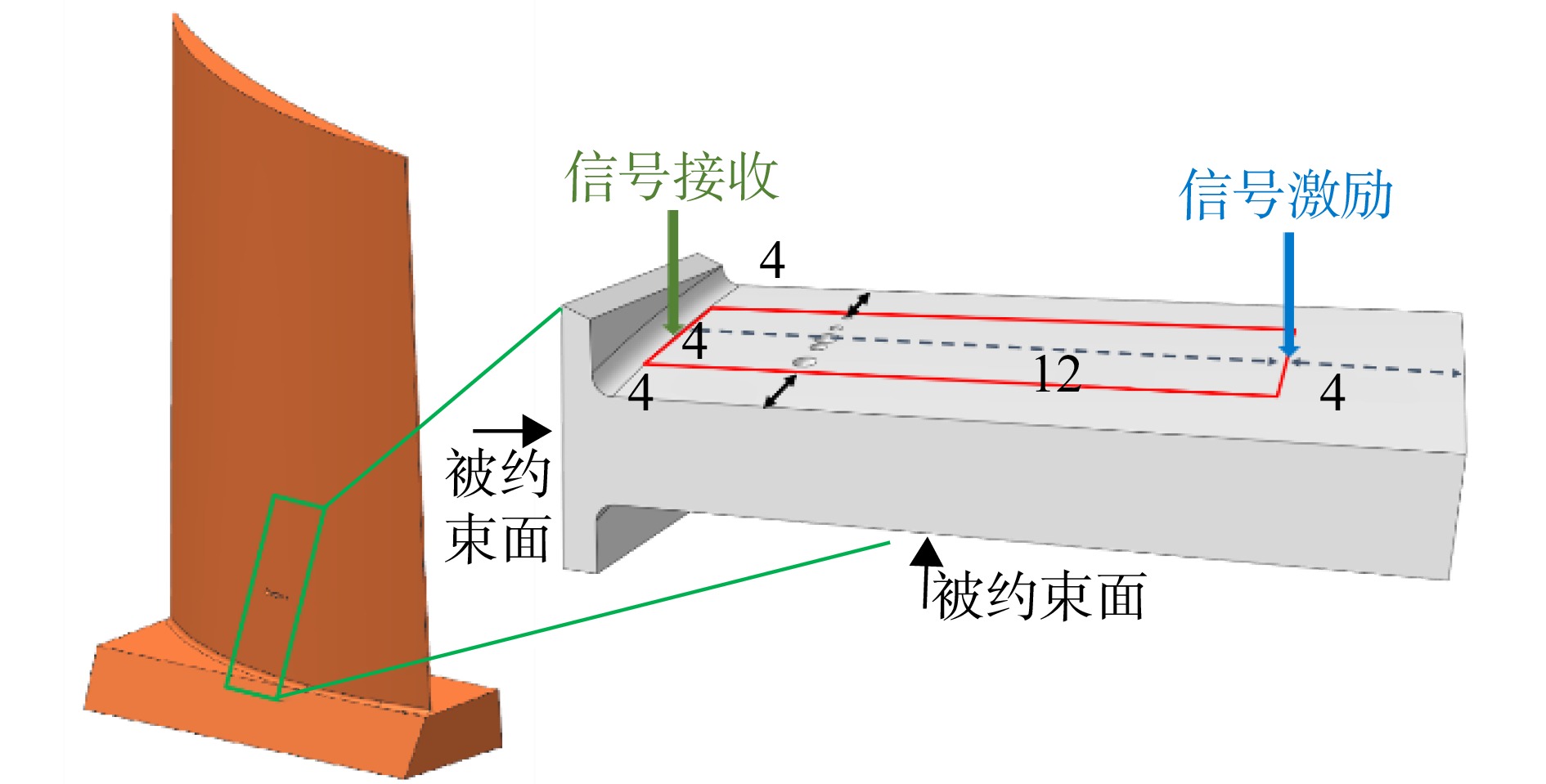
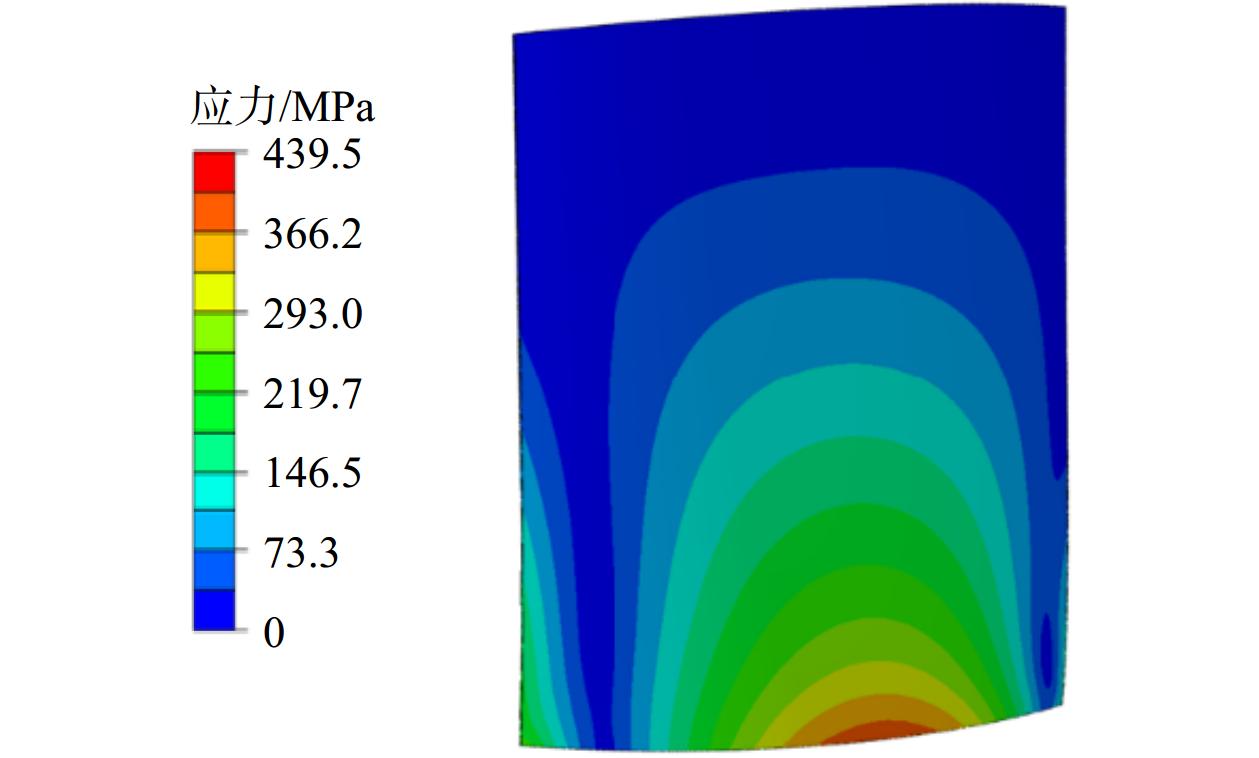
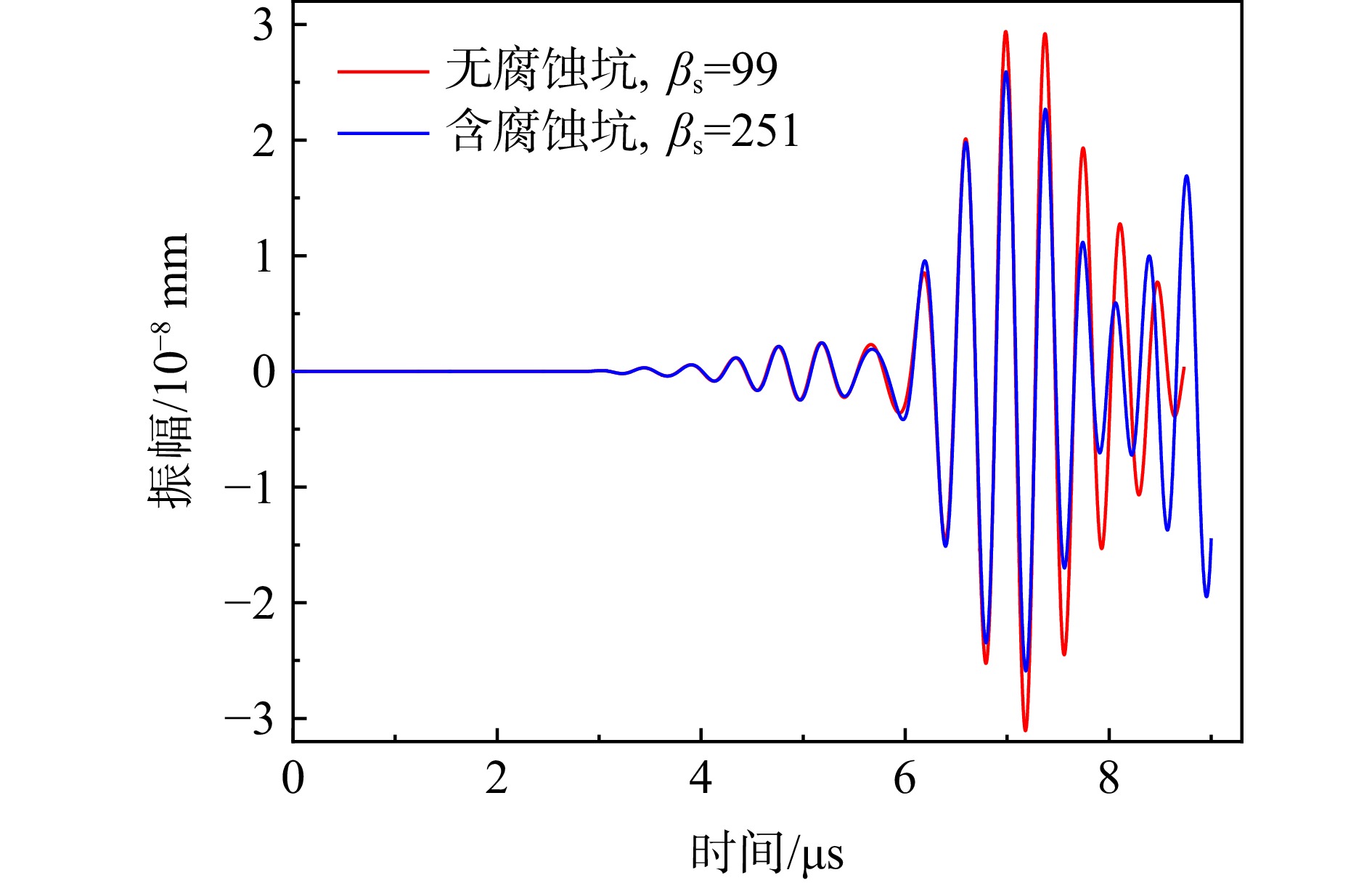
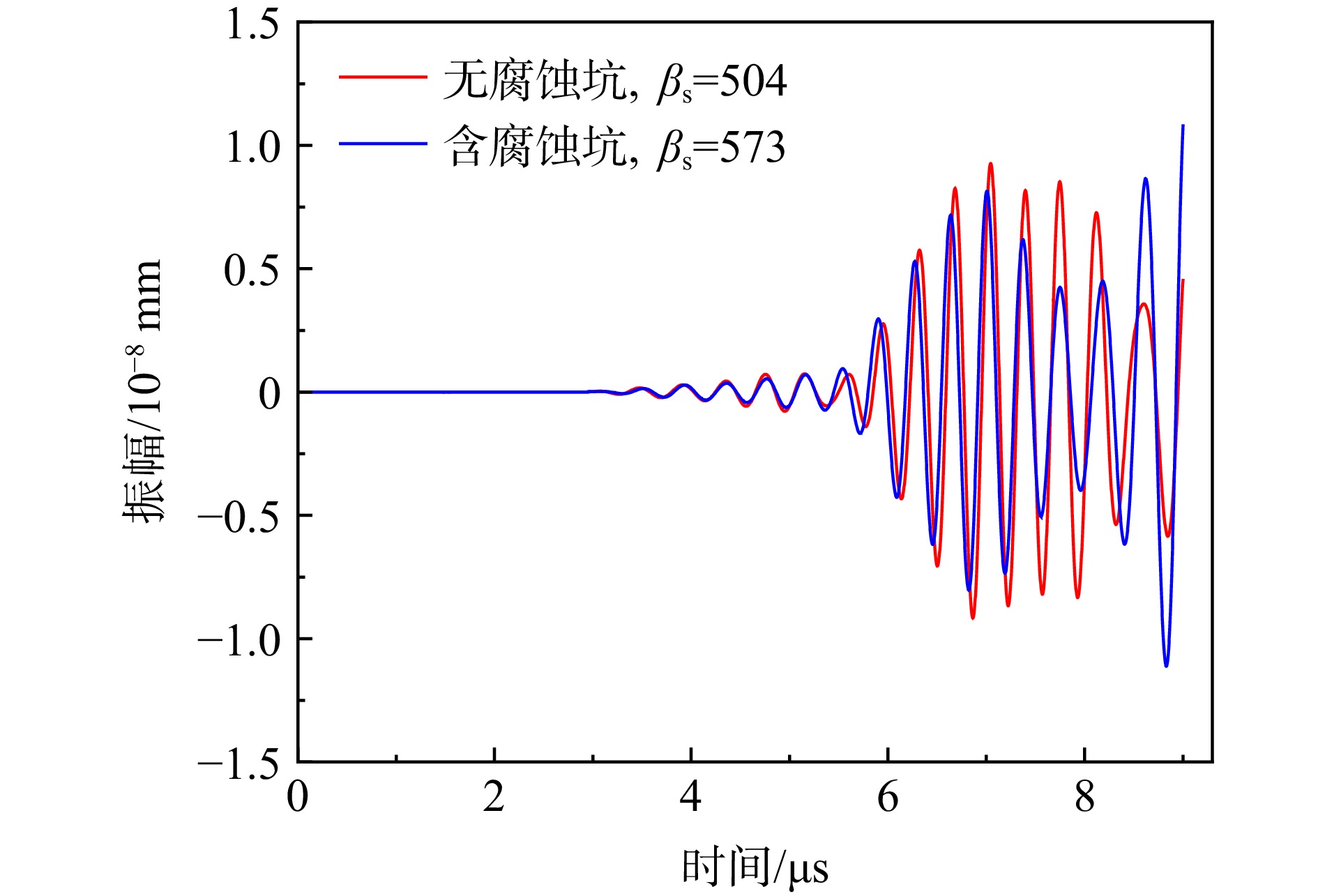
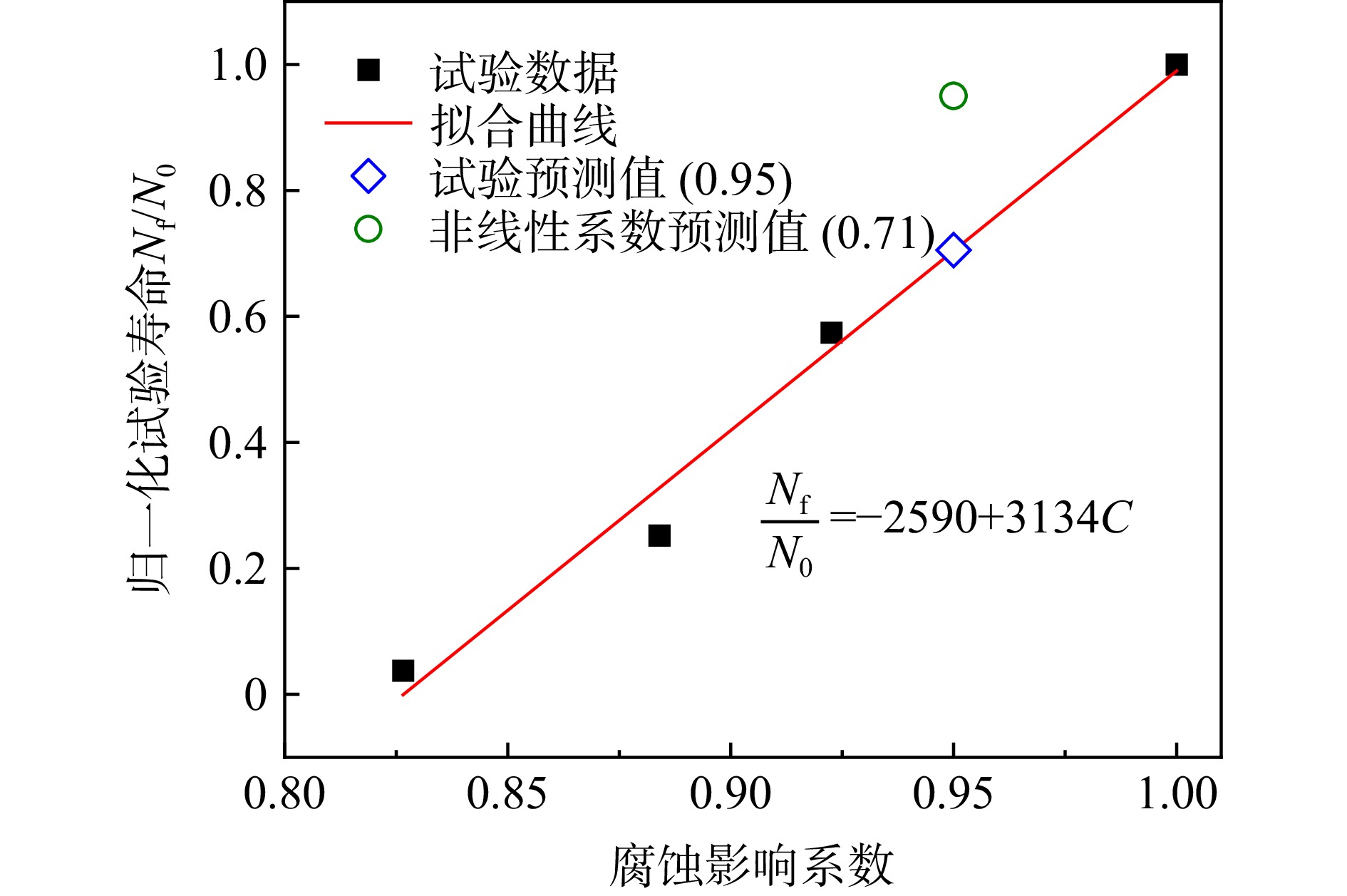
A life assessment method based on nonlinear ultrasonic detection signals was proposed for blade structures with corrosion defects. The finite element method was used to simulate the ultrasonic non-destructive testing process of the corrosion defect specimens, the influence of corrosion pits on nonlinear coefficient and maximum stress was explored. Then, by establishing a fatigue life prediction model of a single corrosion pit test piece, a fatigue life assessment method for blade structures with corrosion pits based on nonlinear ultrasound was proposed. Taking a compressor blade as an example, the detailed process of the assessment method was introduced, and the feasibility was verified. The results showed that the corrosion pit diameter was positively correlated with the nonlinear coefficient. Under the same corrosion conditions, changes in the maximum stress and nonlinear parameter were consistent. The life prediction results of specimens with single corrosion pit fell in the factor of two scatter band, and the error range of life prediction results of blade structure with corrosion pits was within 25%. The study showed that the nonlinear coefficient could characterize the damage caused by corrosion pits effectively, and the nonlinear ultrasonic detection methodology could provide a feasible means for fatigue life assessment of blade structures with corrosion pits.

Rolling bearing fault detection based on cyclic spectral coherence of IAS signals
WANG Hongwei, GUO Yu, ZHONG Hui, YANG Xinmin, GAO Guoze
2025, 40(12): 20230497. doi: 10.13224/j.cnki.jasp.20230497
Abstract:
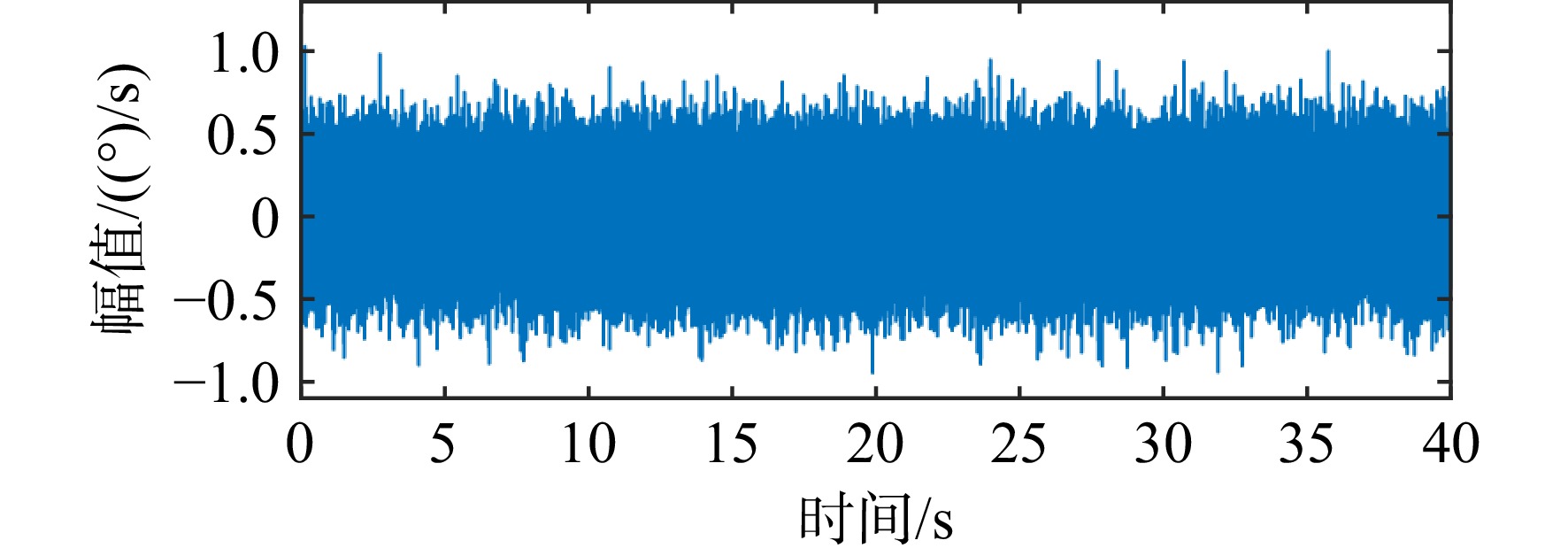
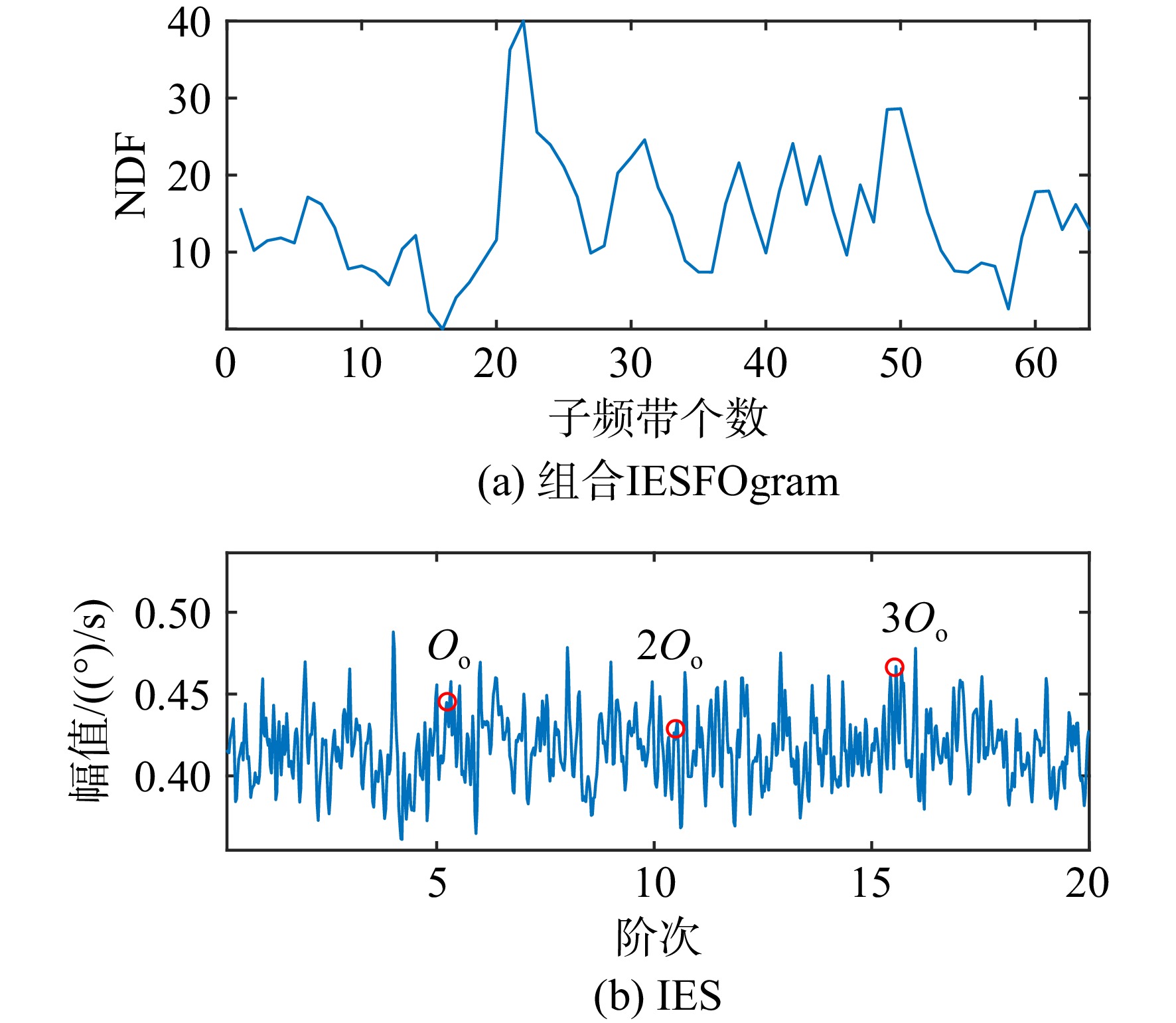
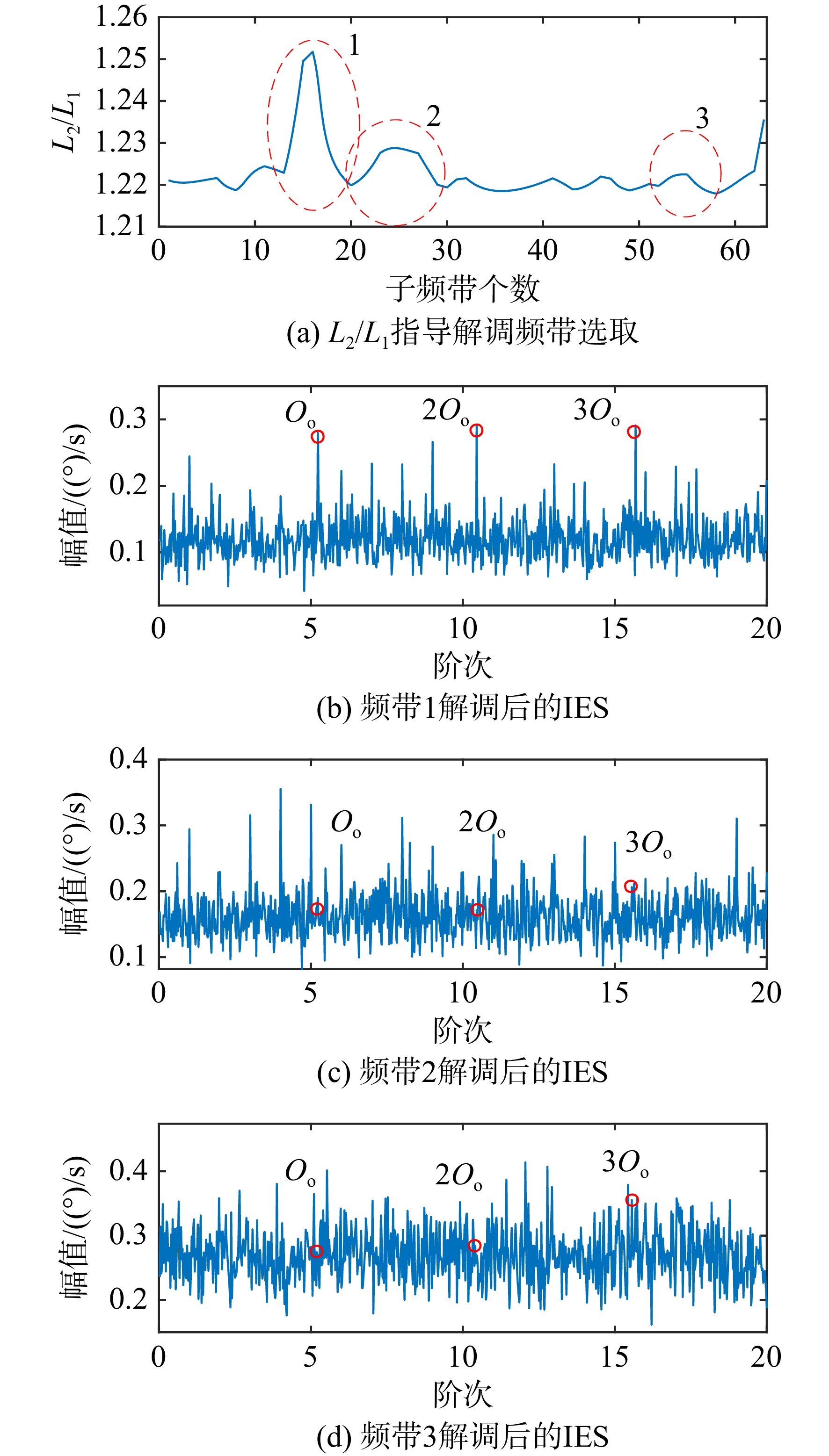
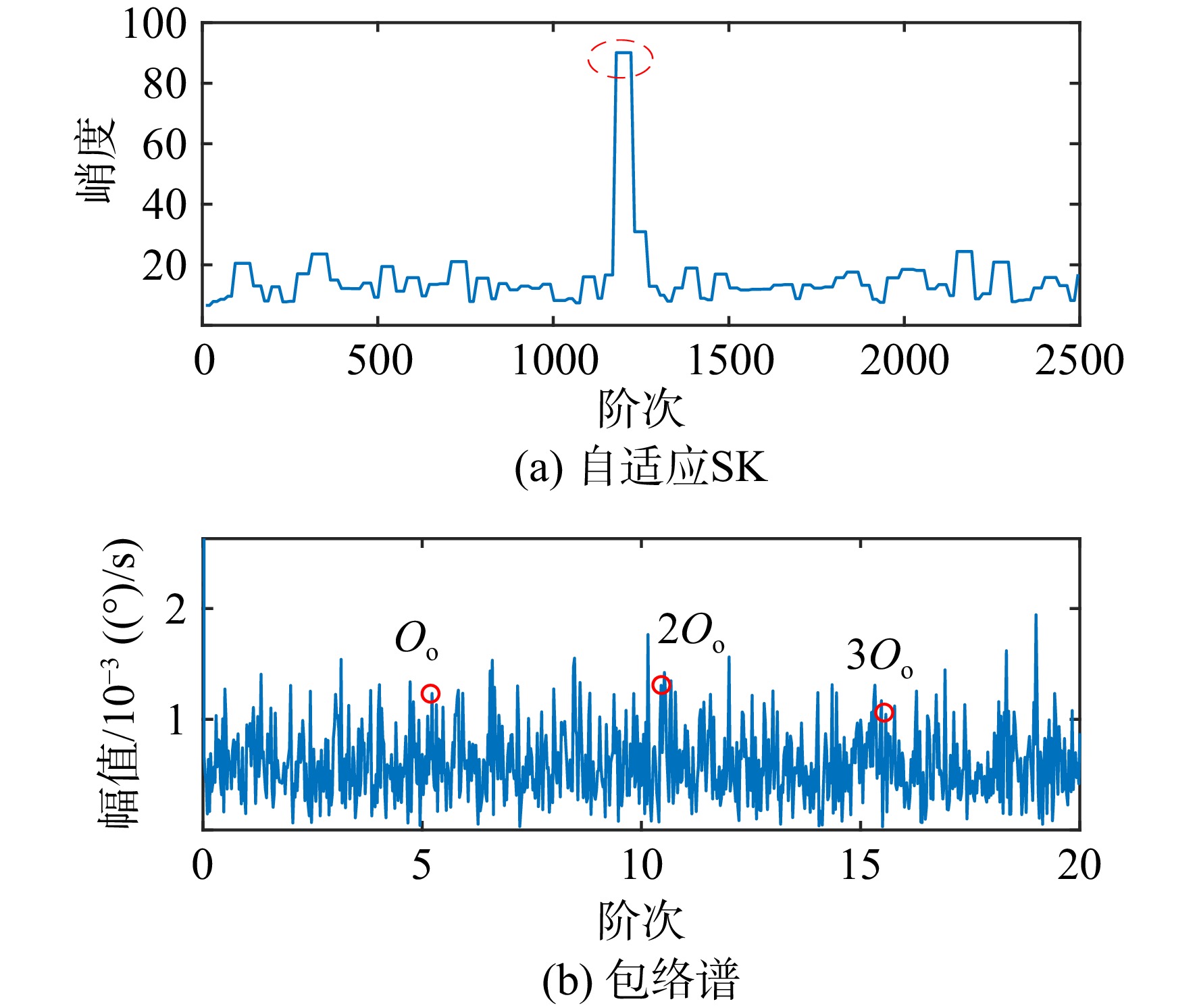
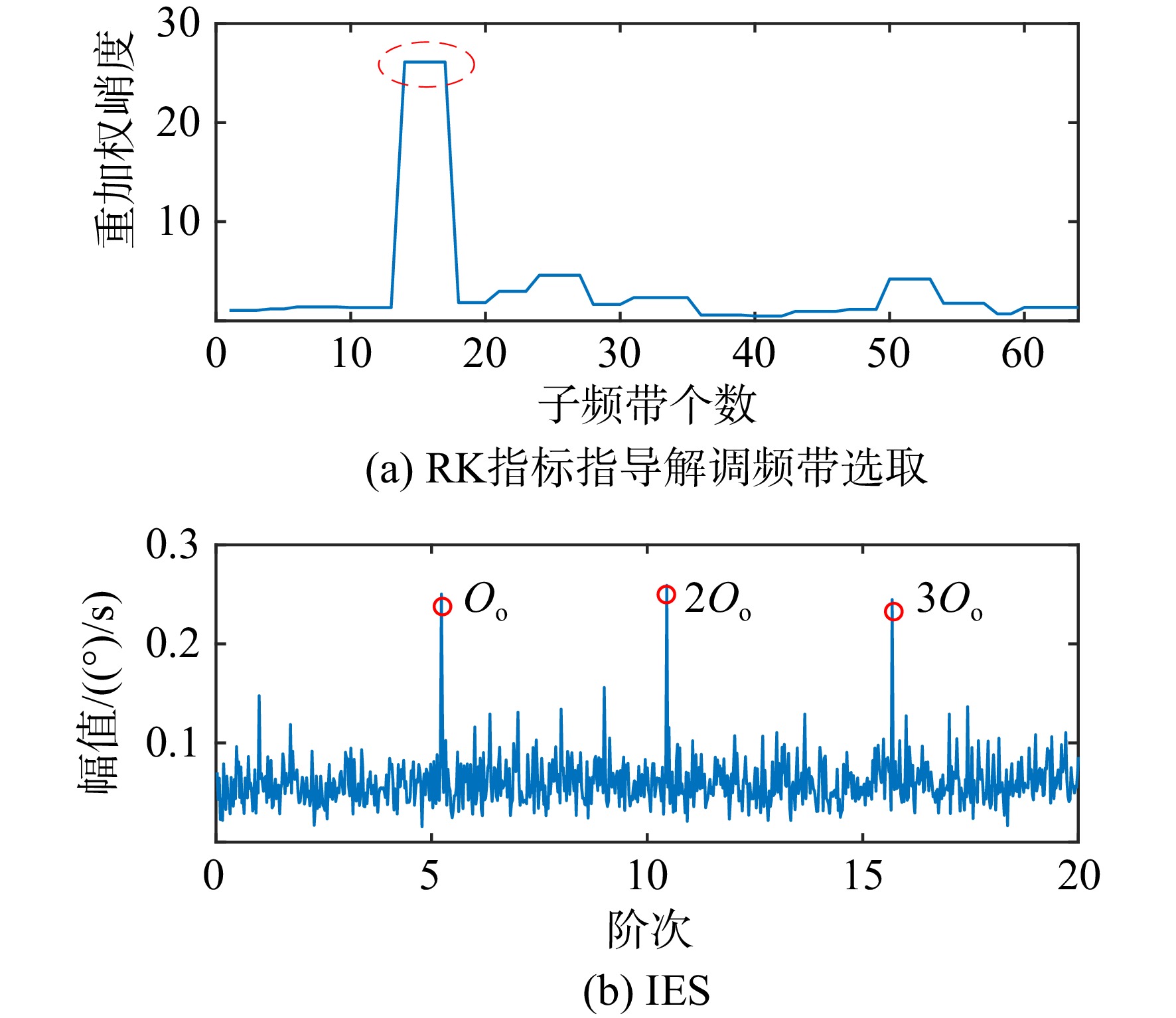
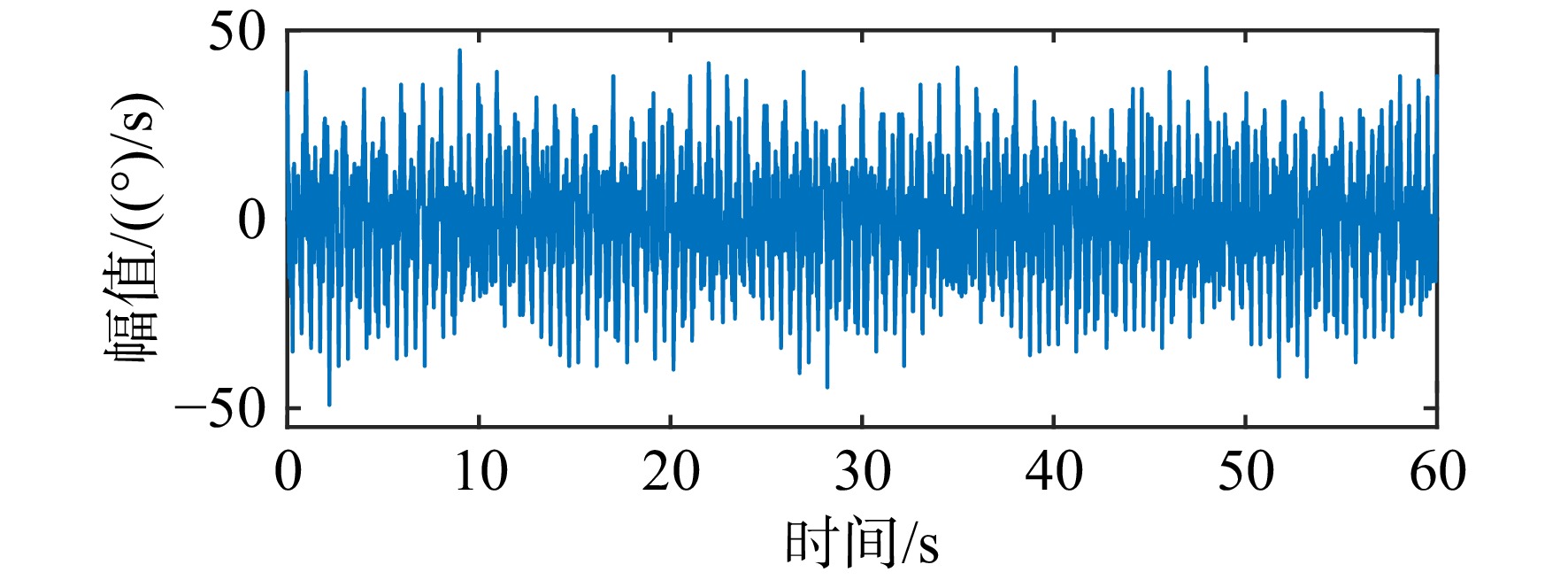
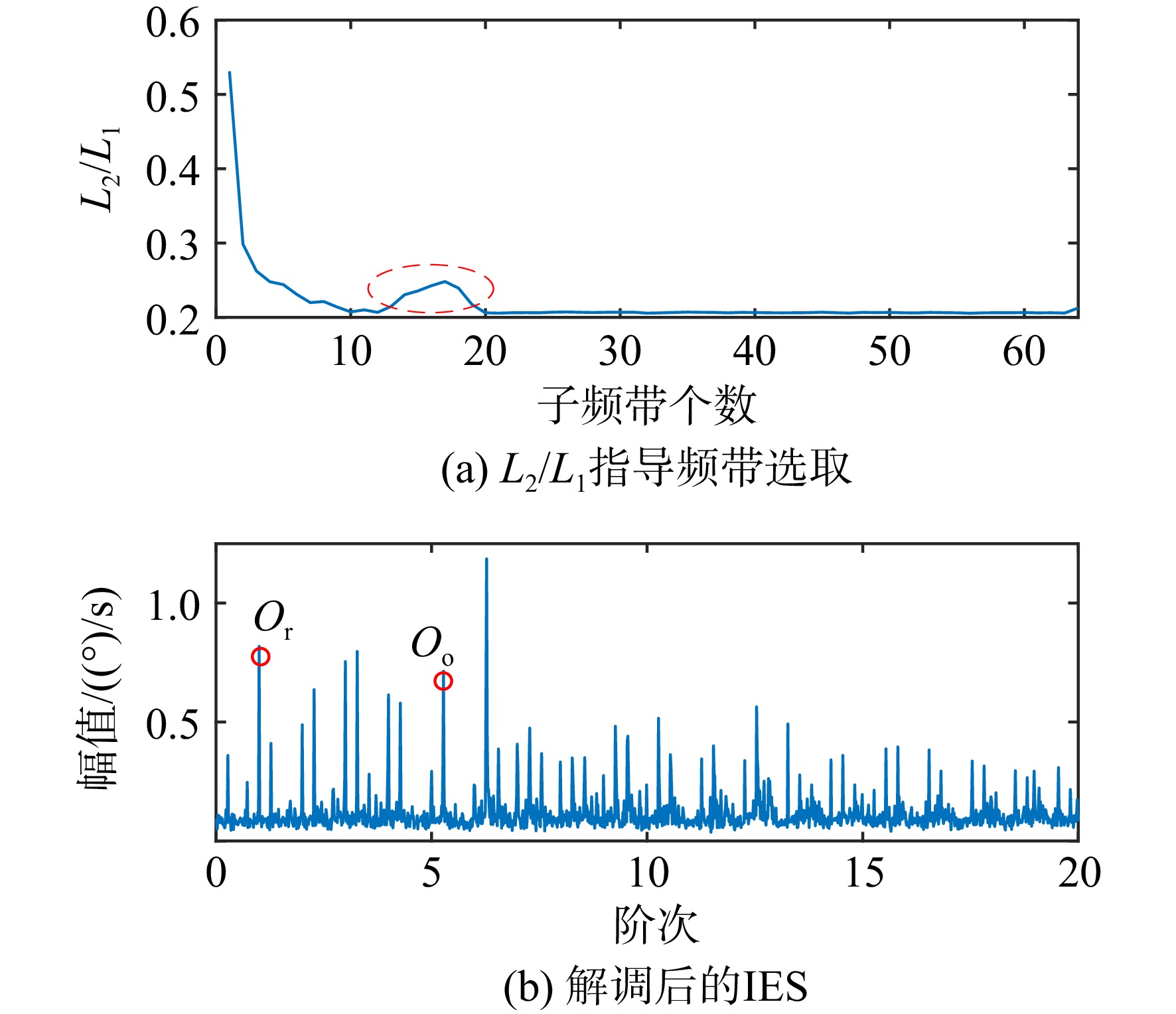
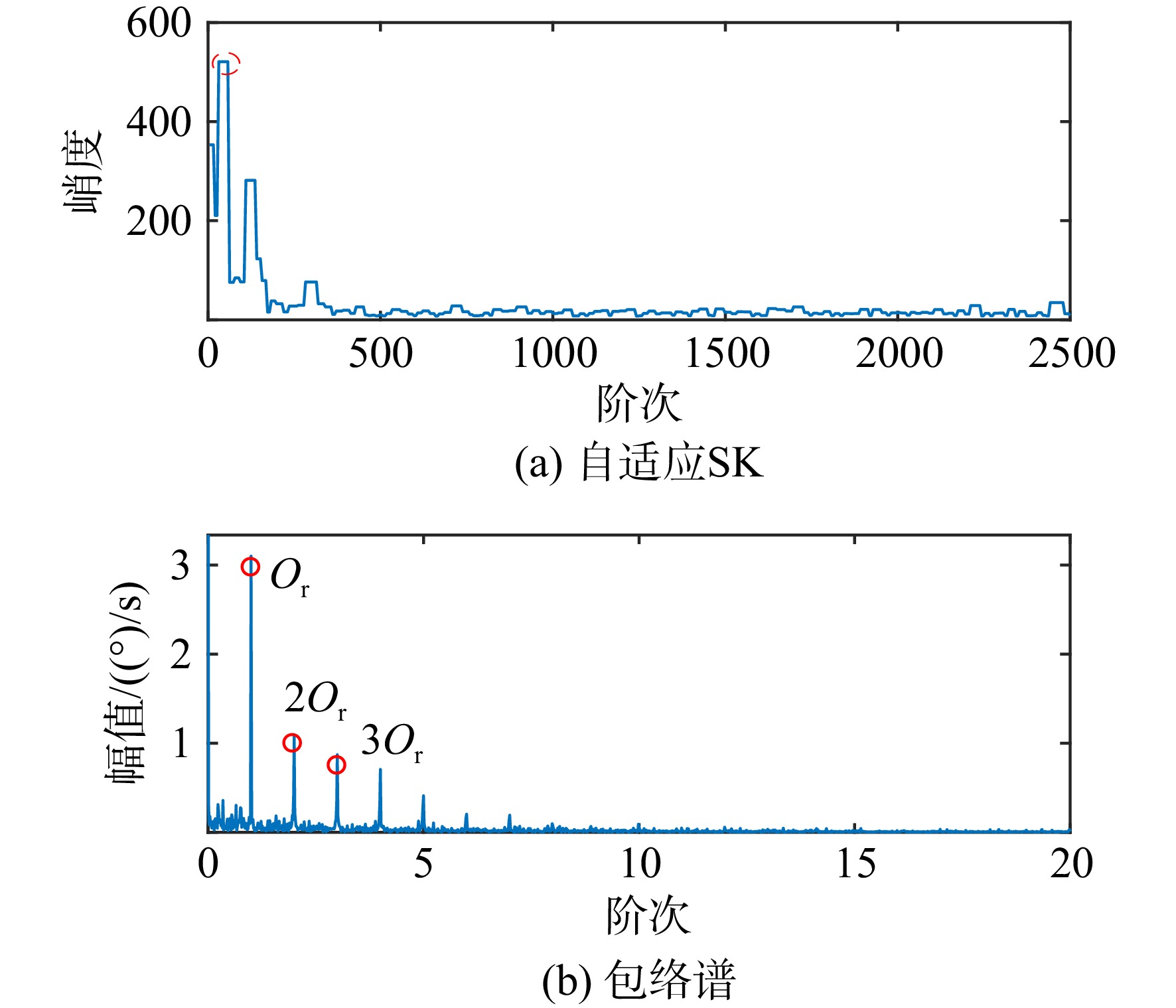
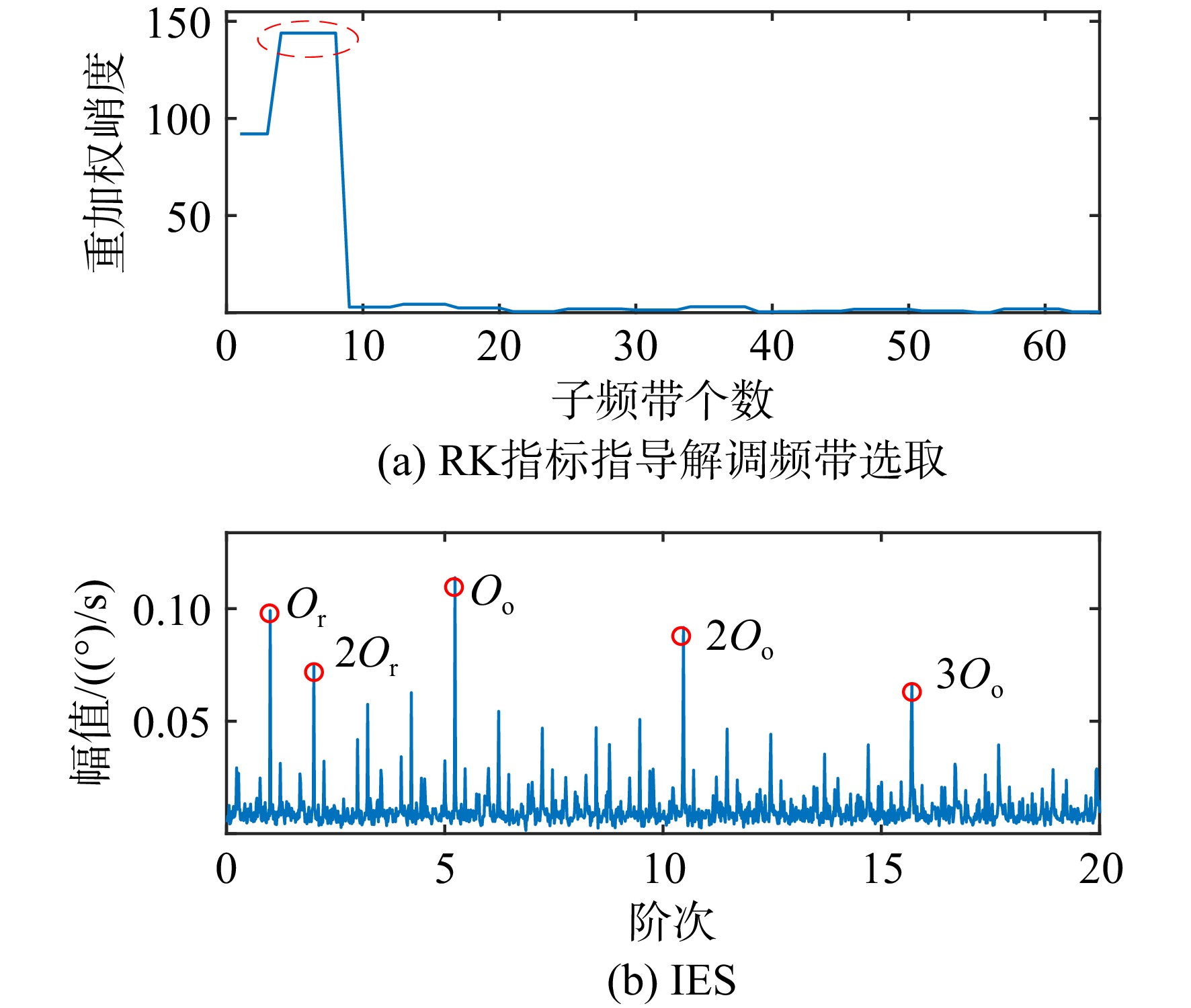
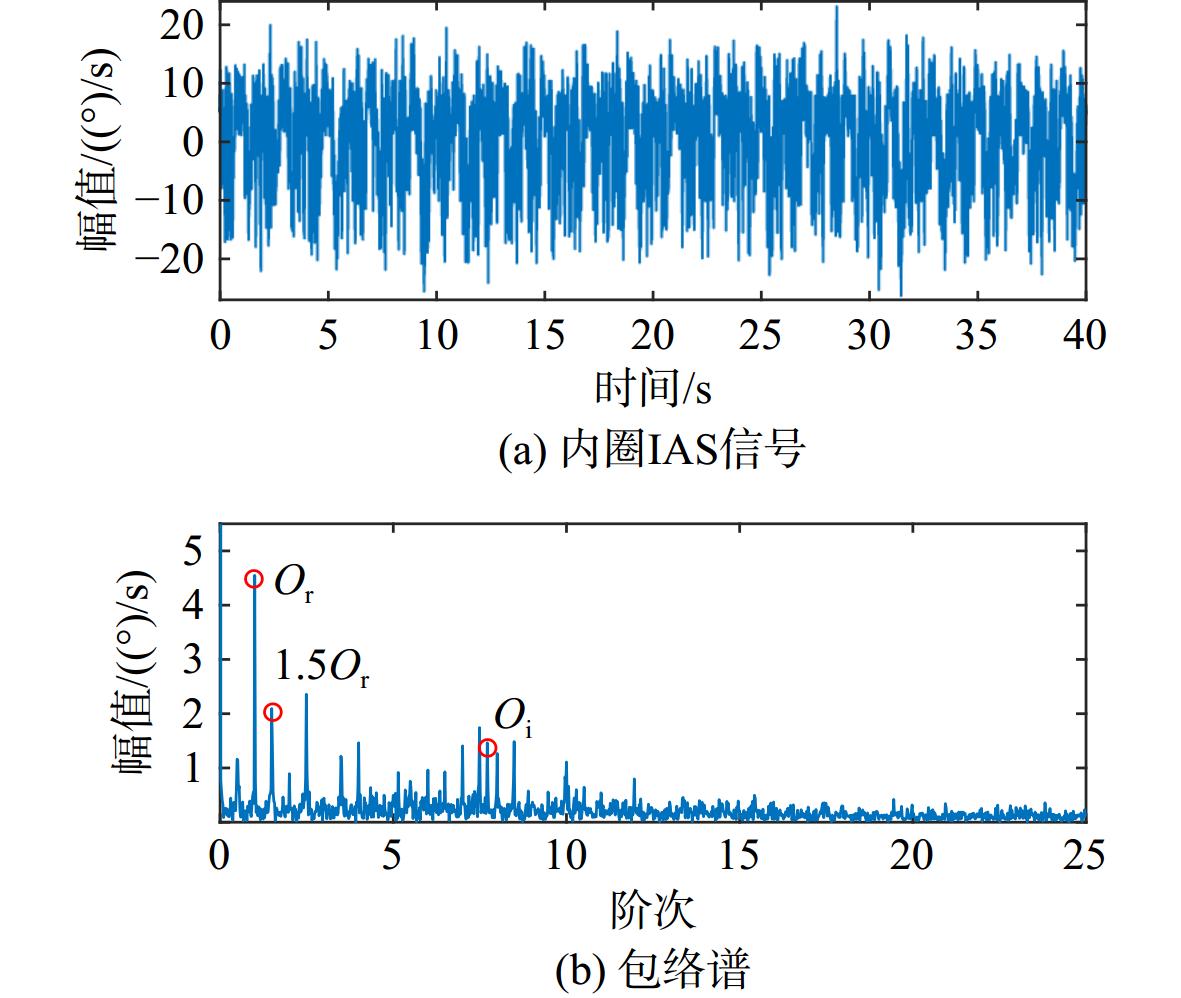
In order to address the challenge of selecting frequency bands with abundant fault information in cyclic spectral coherence (CSCoh), the advantages of encoder signals were combined, and instantaneous angular speed (IAS) was taken as the signal source to propose a method for adaptive determination of CSCoh optimized demodulation bands based on the reweighted kurtosis (RK) index. The forward differential method was employed to estimate the IAS signal based on the instantaneous angular displacement information from the encoder. CSCoh analysis was performed to extract the fault-related components of rolling bearings, and a bivariate spectrum composed of cycle order and spectral order was obtained. Subsequently, an improved envelope spectrum (IES) was obtained by integrating along the spectral order. The RK index was used to characterize the richness of rolling bearing fault information in each sub-band. The sub-band was combined and reconstructed along the spectral order axis, and the combined sub-band corresponding to the maximum RK value after the merger reconstruction was selected as the optimized demodulation band. Envelope analysis was conducted to reveal the bearing fault characteristics. By analyzing the simulation signals and experimental data with the method proposed and comparing with the existing methods, the proposed method can effectively extract the fault characteristics of the inner and outer rings of rolling bearing.

Combustion,Heat and Mass Transfer
Experimental study on laminar combustion characteristics of bio-jet fuel
LIU Yu, ZHANG Yuanhang, WANG Jinduo, WANG Peng, MA Hongan, ZENG Wen
2025, 40(12): 20240861. doi: 10.13224/j.cnki.jasp.20240861
Abstract:
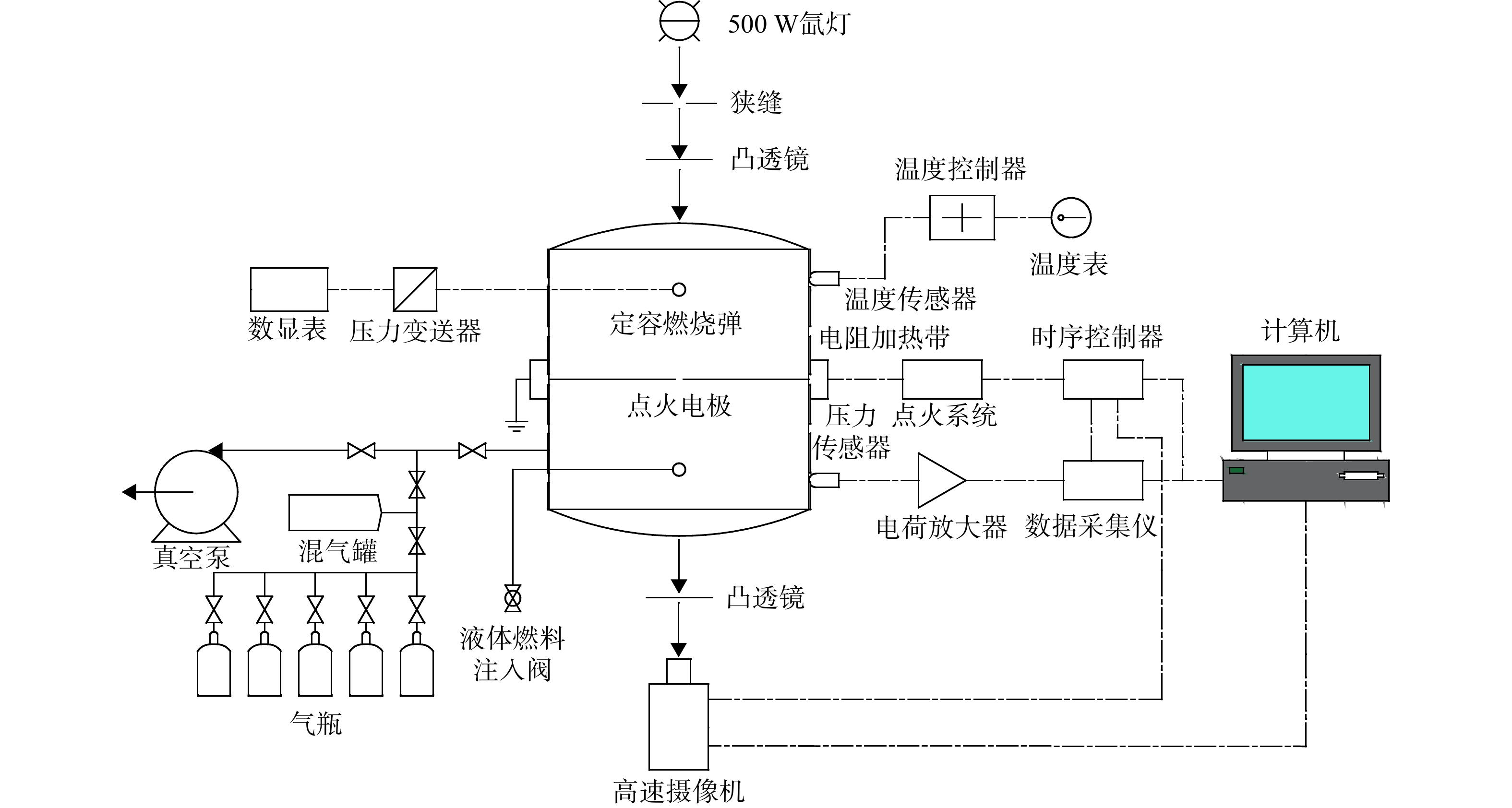
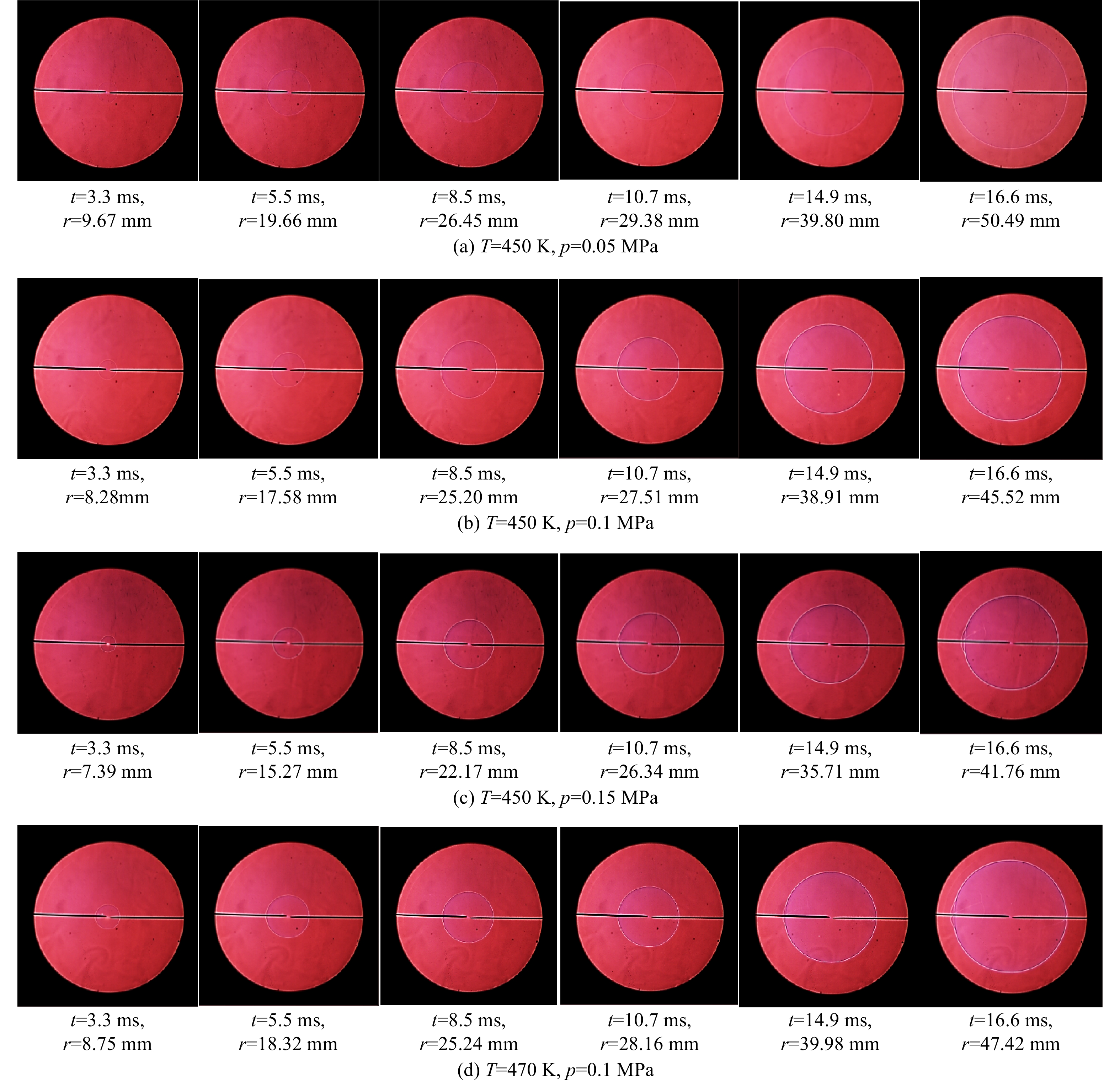
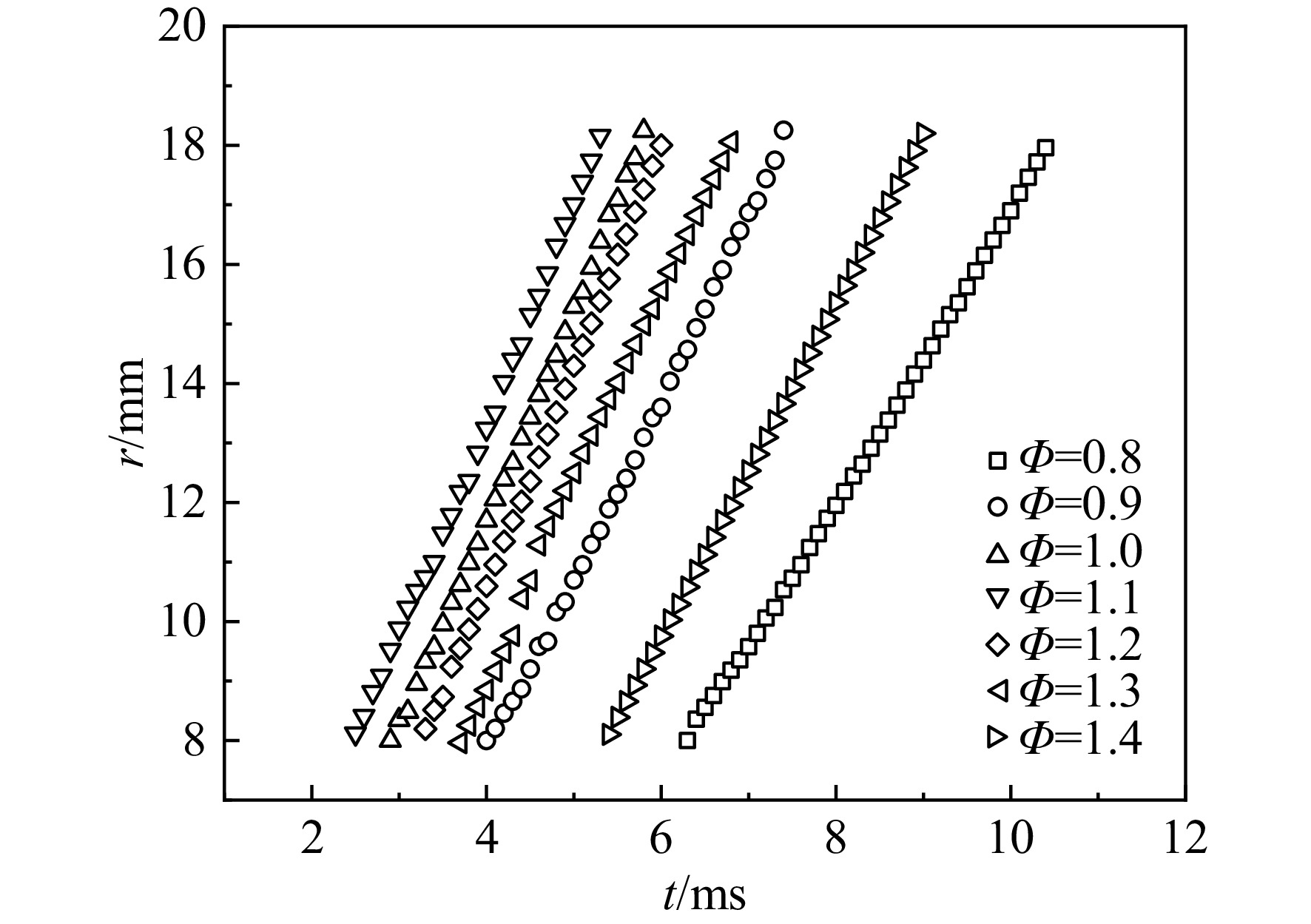
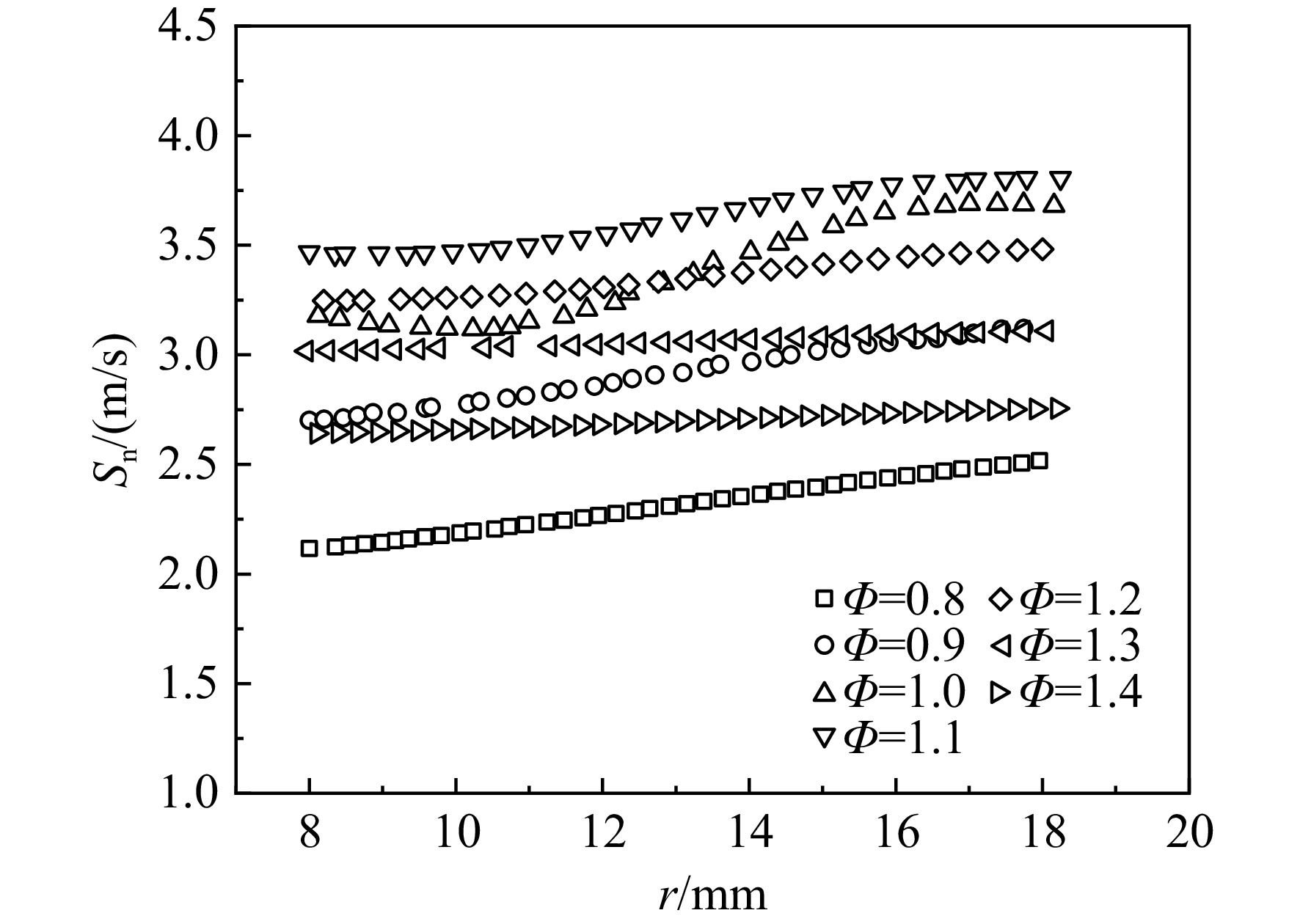
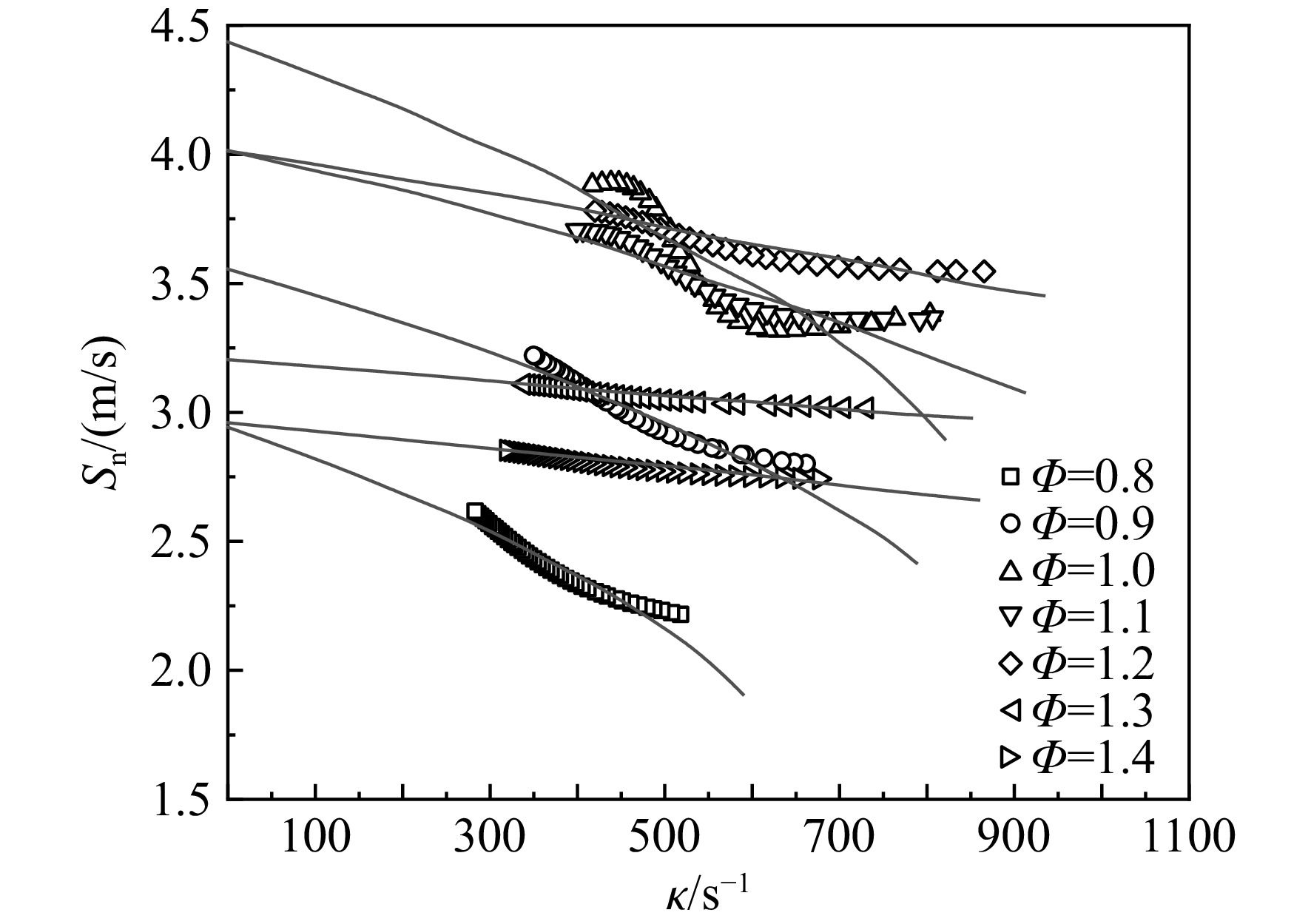
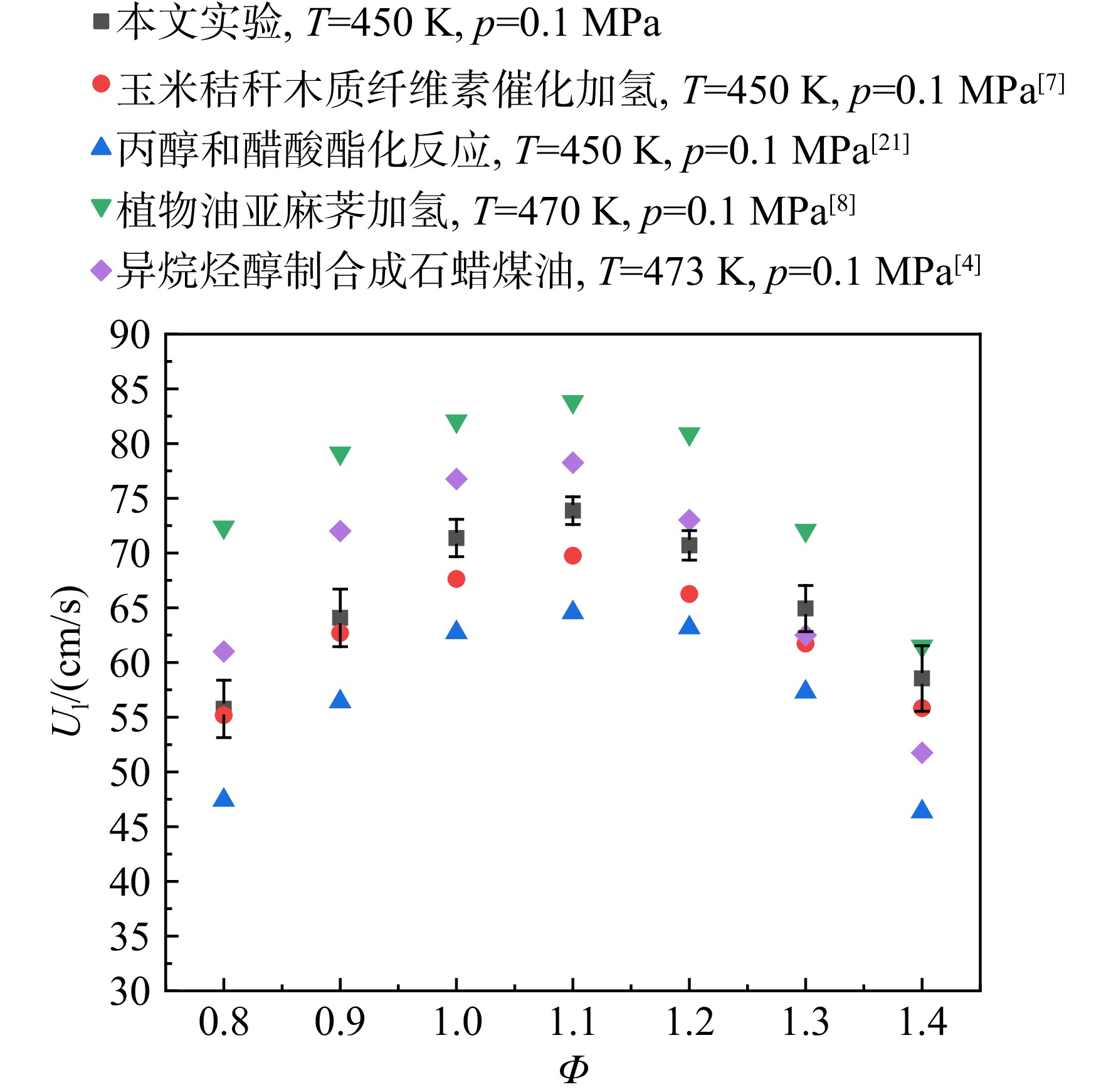
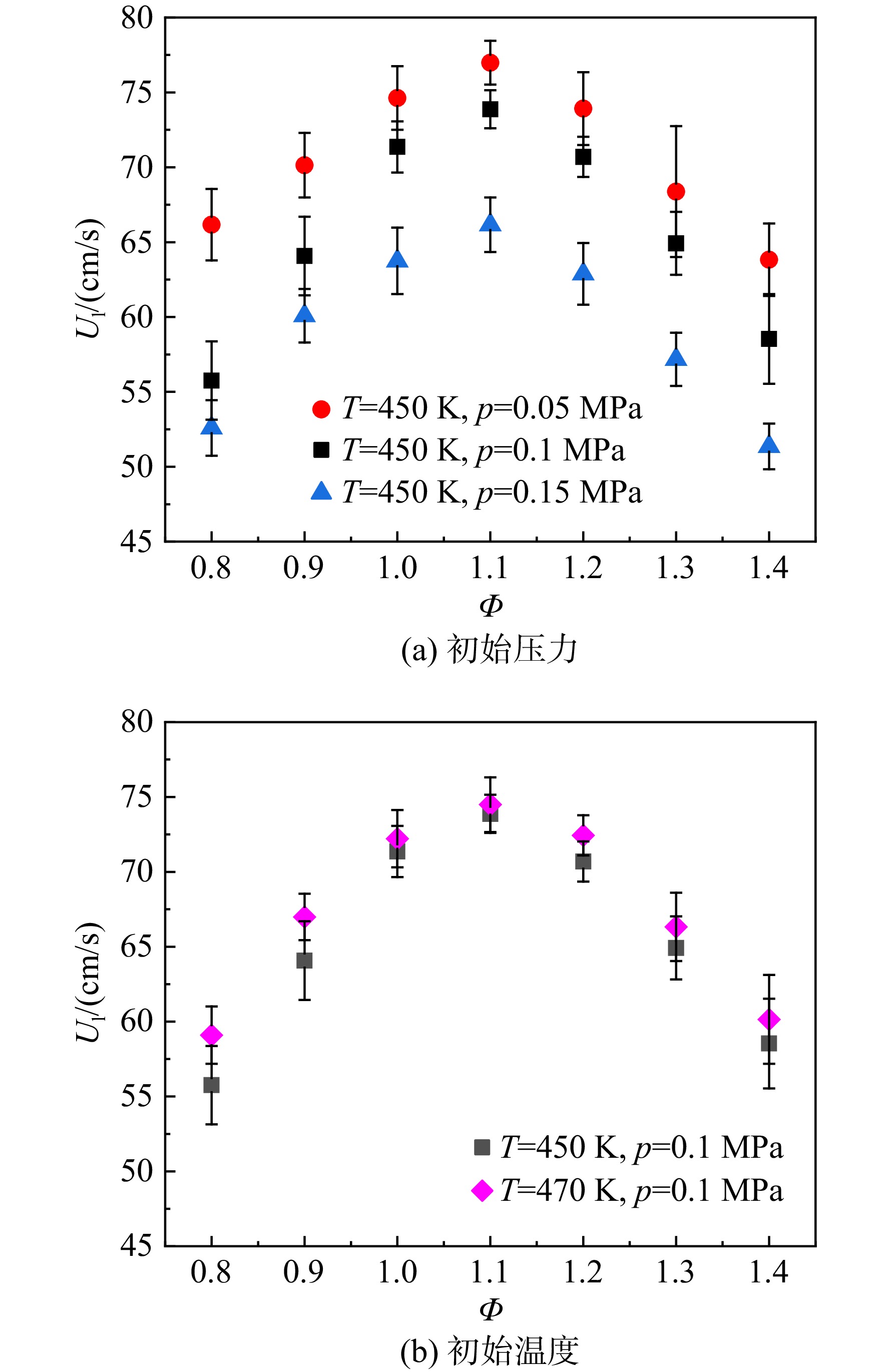
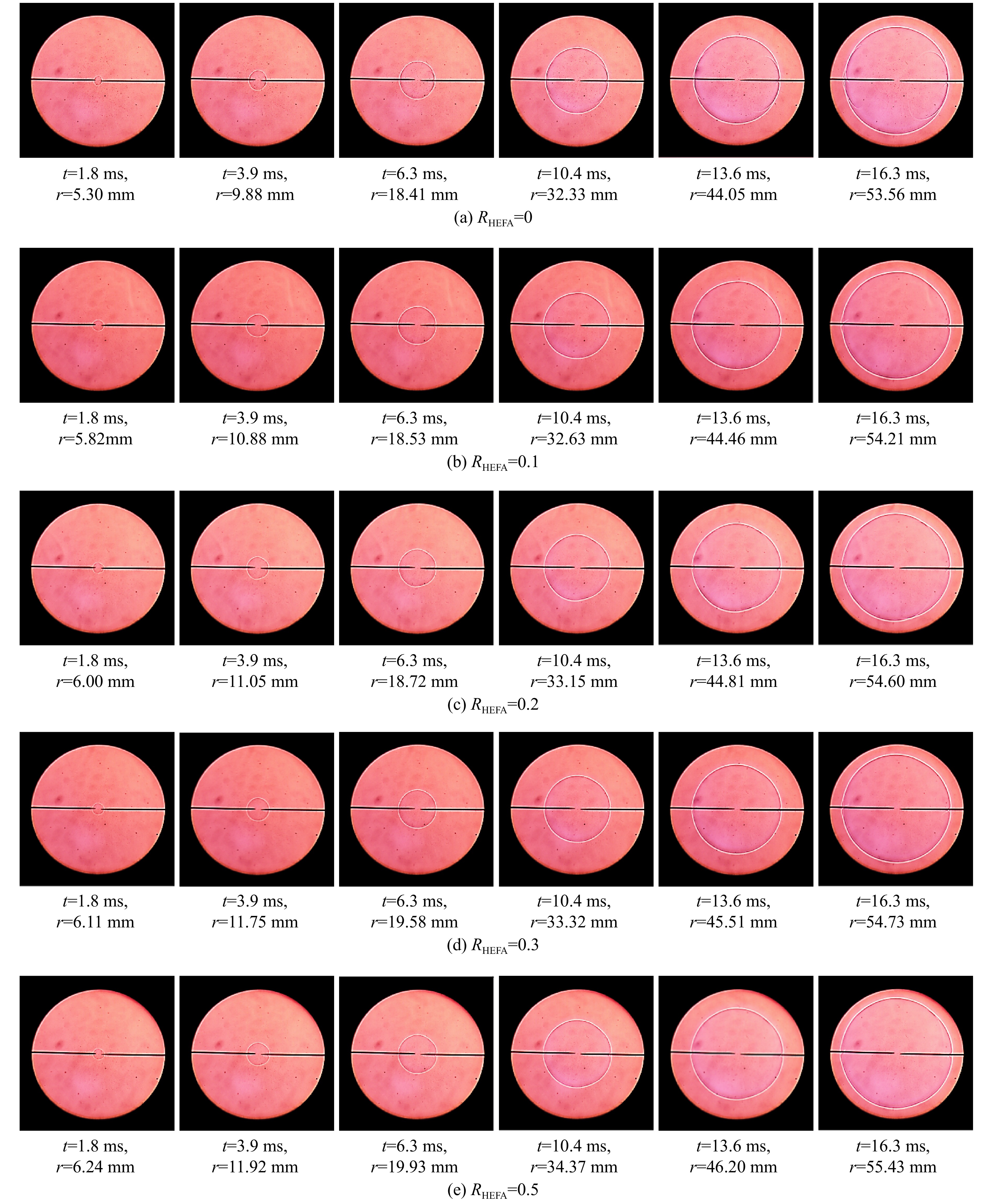
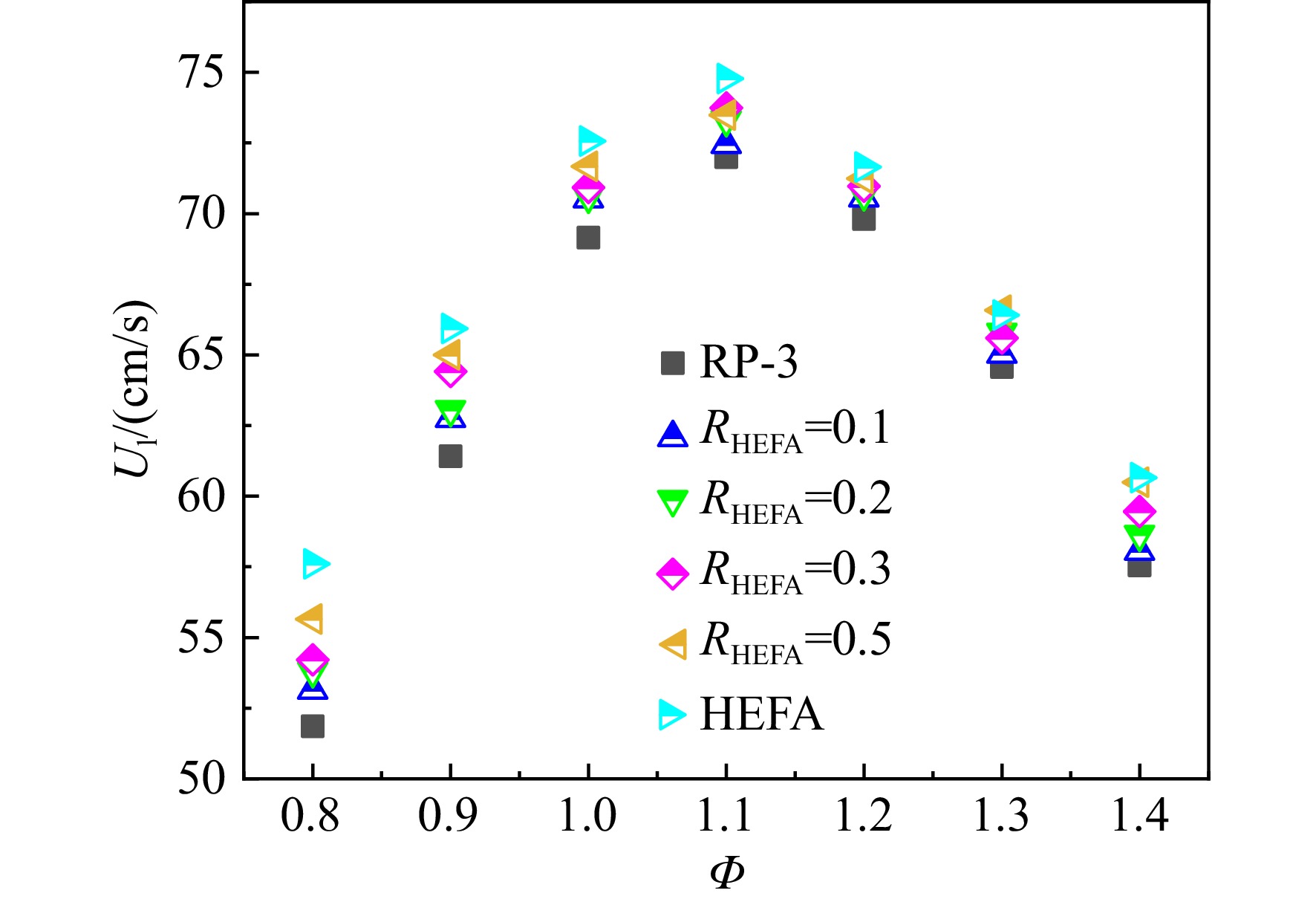
The laminar combustion characteristics of a certain bio-jet fuel with hydroprocessed esters and fatty acids (HEFA) technology were studied. The laminar burning velocity (LBV) of HEFA bio-jet fuel and HEFA bio-jet fuel/RP-3 mixed fuel was obtained by a constant volume combustion experimental device. The experimental parameters included equivalence ratios (0.8—1.4), initial pressures (0.05, 0.1, 0.15 MPa), initial temperatures (450, 470 K) and HEFA mixing ratios (0, 0.1, 0.2, 0.3, 0.5), et al. The effects of the equivalence ratio, initial pressure and initial temperature on the LBV of HEFA bio-jet fuel and the HEFA mixing ratio on the LBV of HEFA/RP-3 mixed fuel were analyzed. It was found that with the increase of equivalence ratio, the LBV of HEFA bio-jet fuel showed a trend of increasing first and then decreasing, and its peak value appeared near the equivalence ratio of 1.1. As the initial pressure increased from 0.05 MPa to 0.15 MPa, the LBV of HEFA bio-jet fuel decreased by 13.54%. As the initial temperature increased from 450 K to 470 K, the LBV of HEFA bio-jet fuel increased slightly. With the increase of HEFA mixing ratio from 0 to 0.5, the LBV of HEFA/RP-3 mixed fuel increased by 3.85%. The results showed that compared with RP-3 jet fuel, although the carbon number distribution of HEFA bio-jet fuel was higher, its chemical composition was dominated by alkanes, which led to its LBV higher than that of RP-3 jet fuel, so that the LBV of the mixed fuel after blending HEFA slightly increased. This study could provide a theoretical basis for the application of bio-jet fuel in aircraft engines.

Influence of swirler and flame tube matching on combustion performance
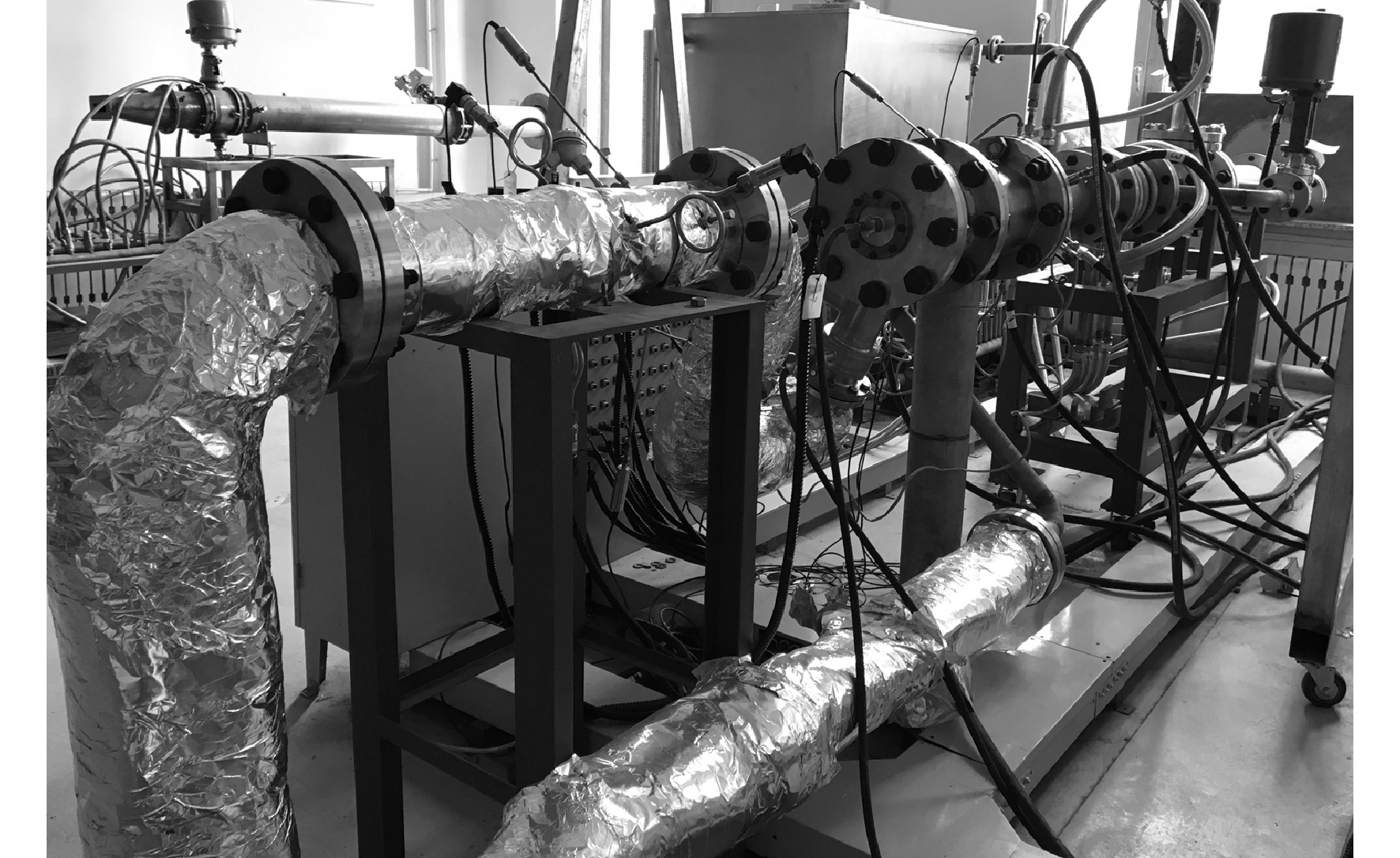
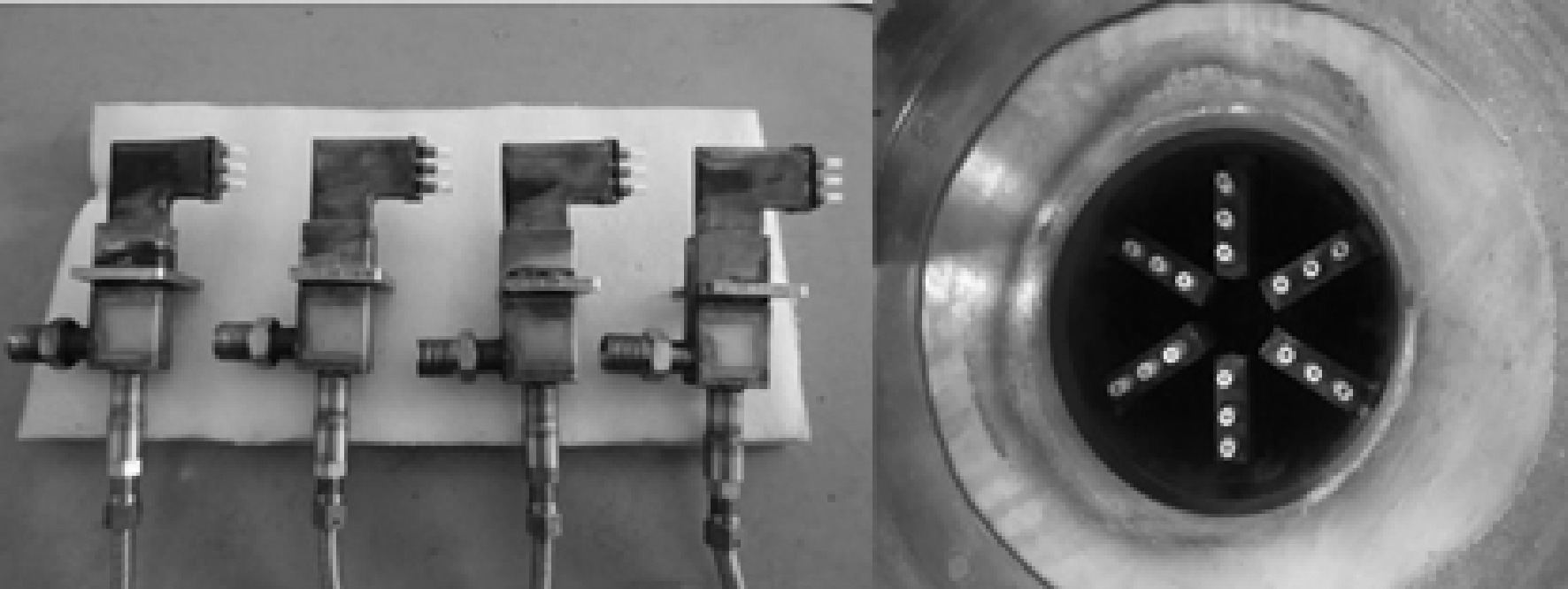
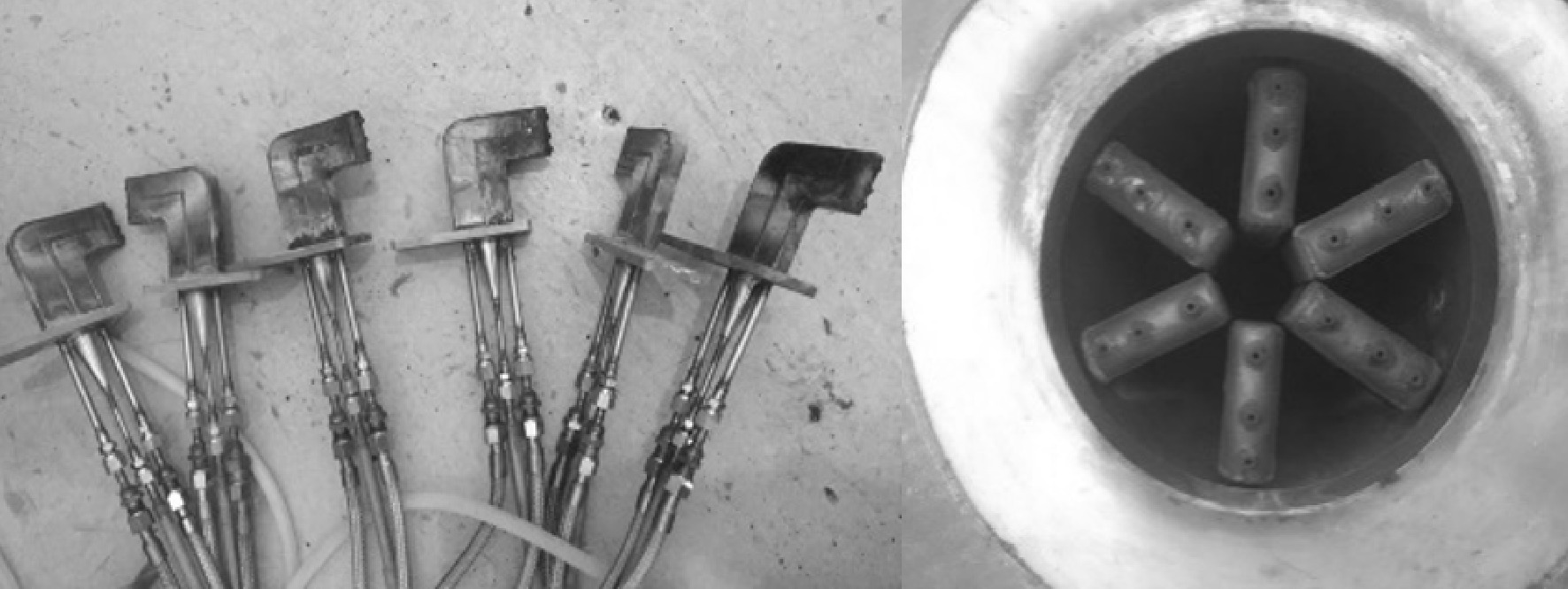
LIU Kai, XU Ruyi, CAO Junhua, ZENG Wen
2025, 40(12): 20240614. doi: 10.13224/j.cnki.jasp.20240614
Abstract:
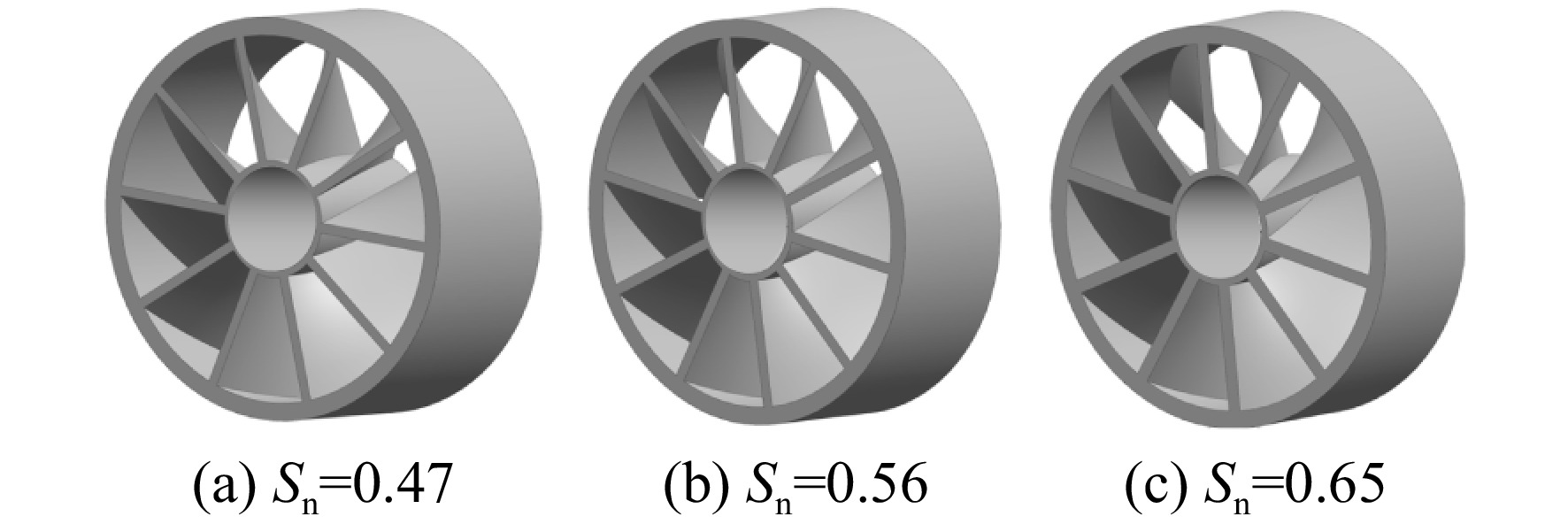
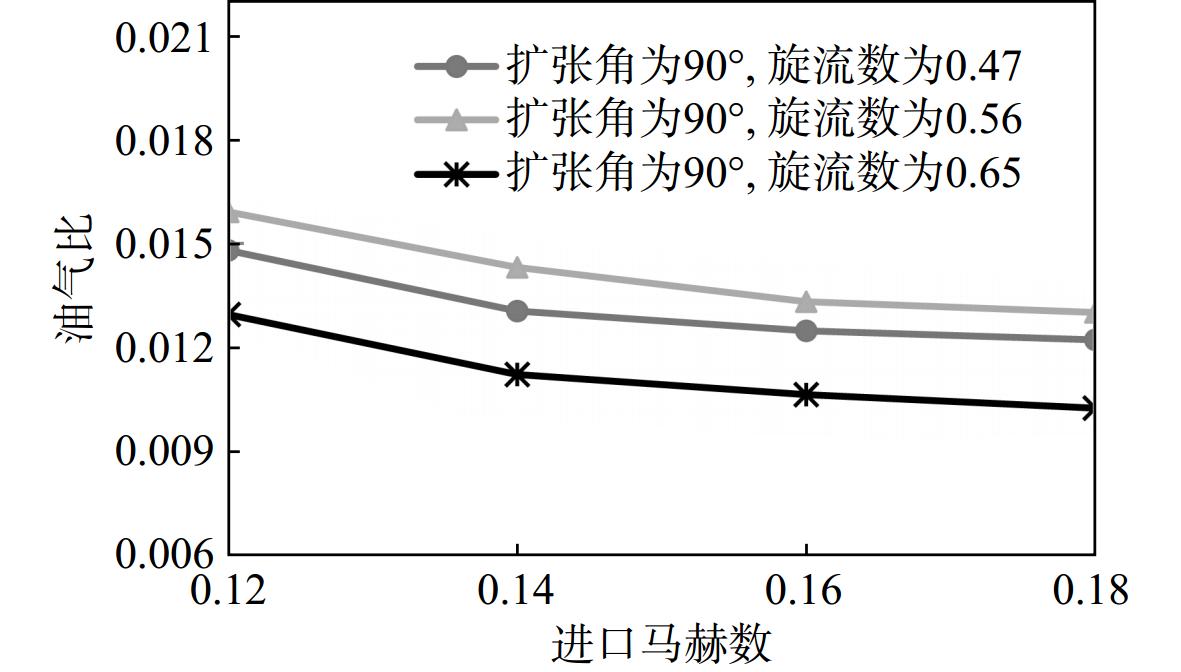
In response to the complex coupling relationship of multiple parameters in the combustion chamber, the influence of the coupling relationship between different head expansion angles of flame tubes and swirle on combustion performance was studied. The research results showed that: to 90° expansion flame tube, with the increase of swirl number, the fuel mixing uniformity gradually deteriorated, the outlet temperature distribution coefficient gradually increased within a wider stable working range; the oil-air ratio of lean blow out gradually decreased, the carbon monoxide (CO) and Unburned hydrocarbon (UHC) emission index decreased, while the nitrogen oxides (NOx) emission index increased. To 45° expanding flame tube, with the increase of swirl number, the fuel mixing uniformity gradually improved, the outlet temperature distribution coefficient gradually decreased, and the NOx emission index decreased.

Generation of multi-stream uniform droplets based on piezoelectric excitation
CHEN Pengfei, TANG Congcong, DU Mengmeng, LUO Jun, ZHANG Hu
2025, 40(12): 20240274. doi: 10.13224/j.cnki.jasp.20240274
Abstract:
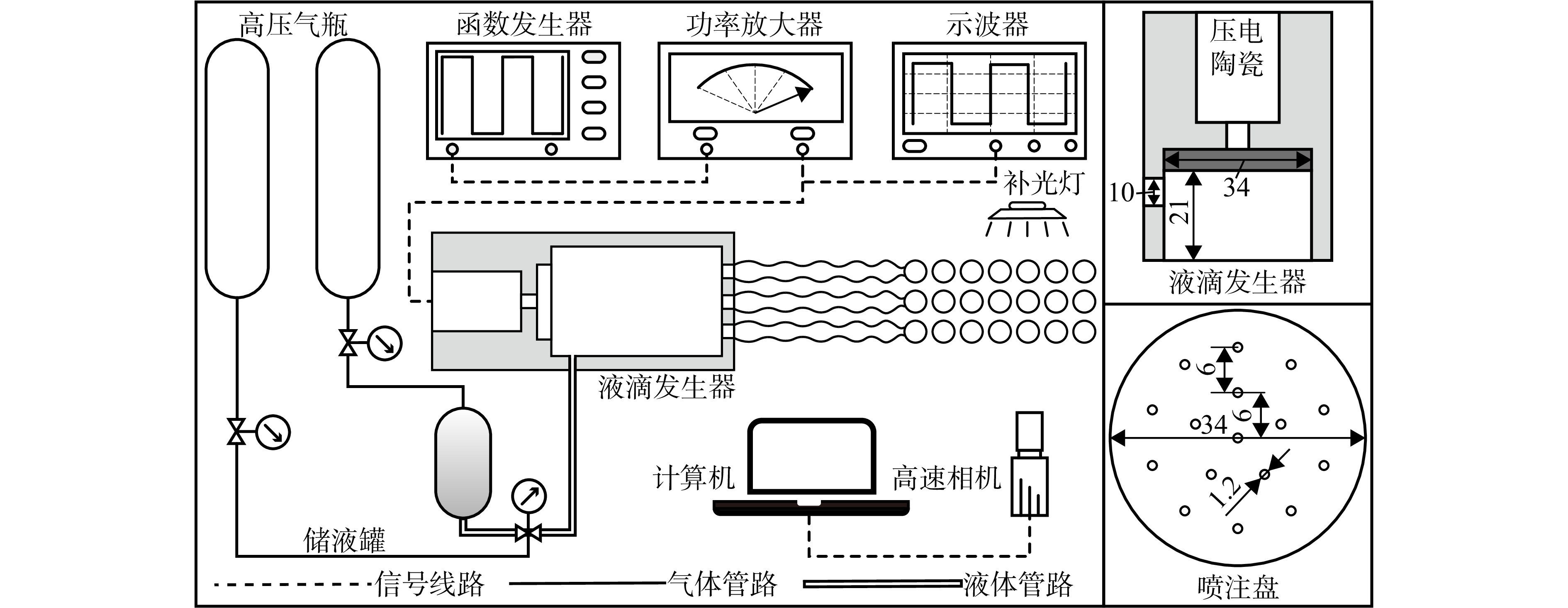
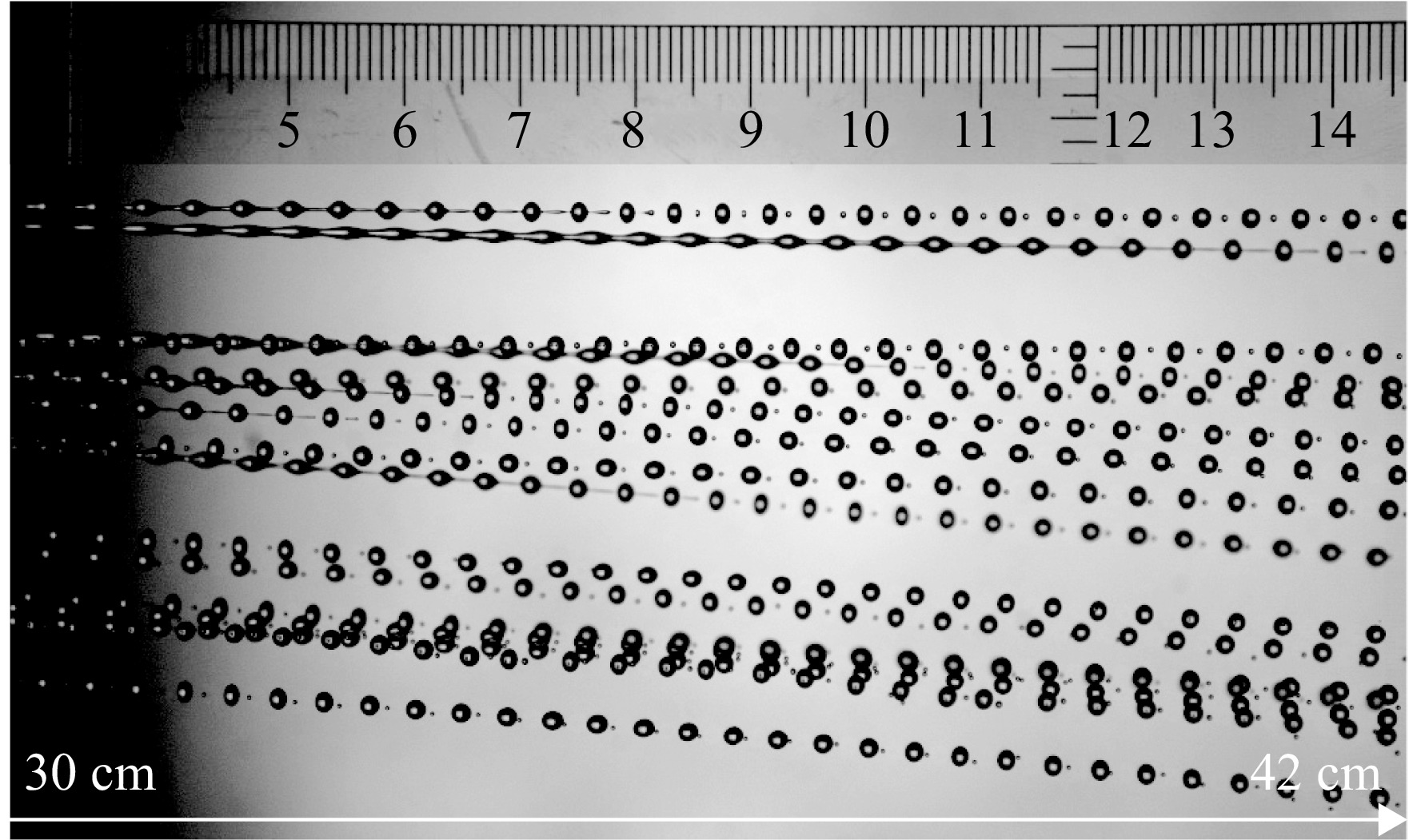
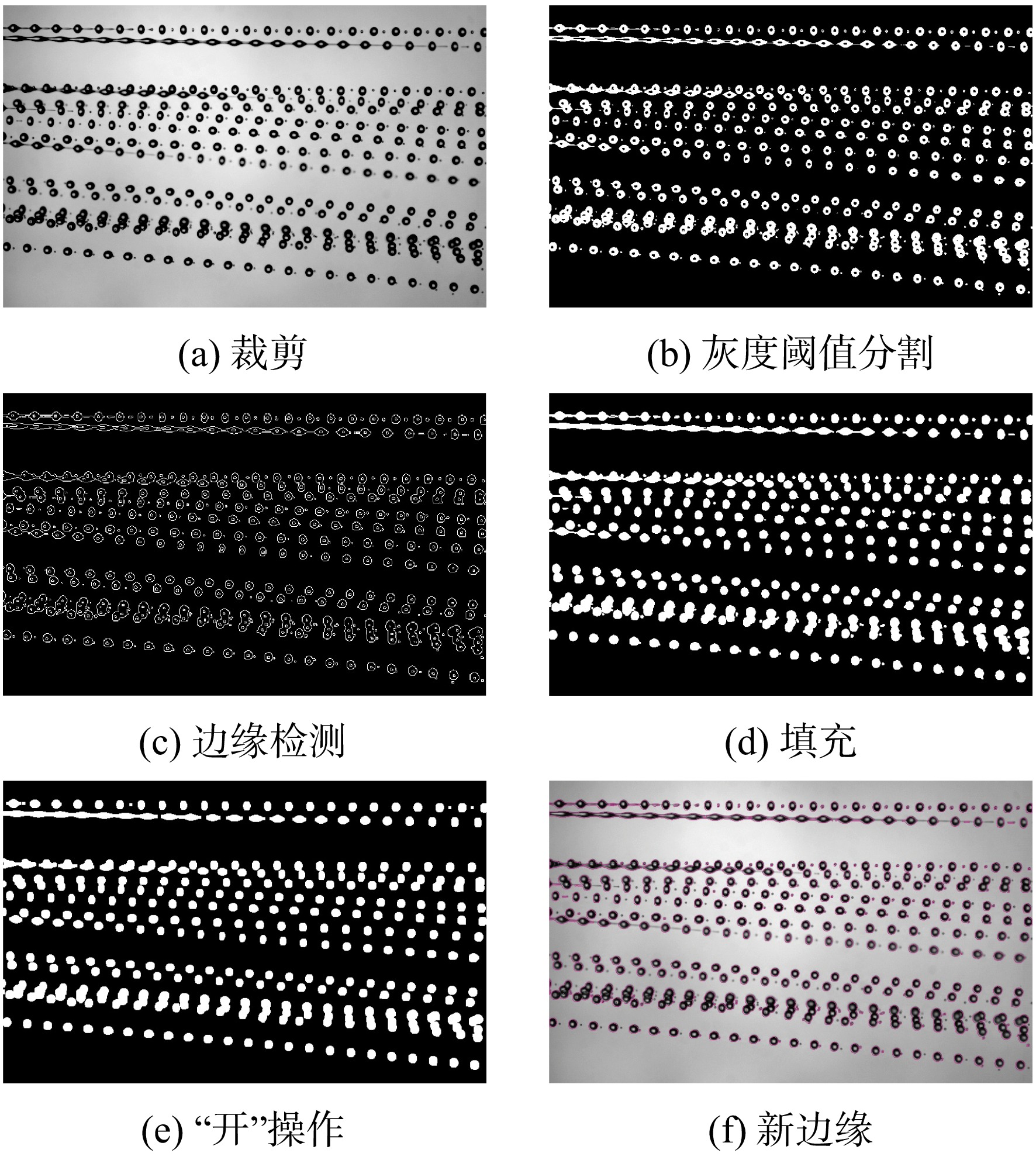
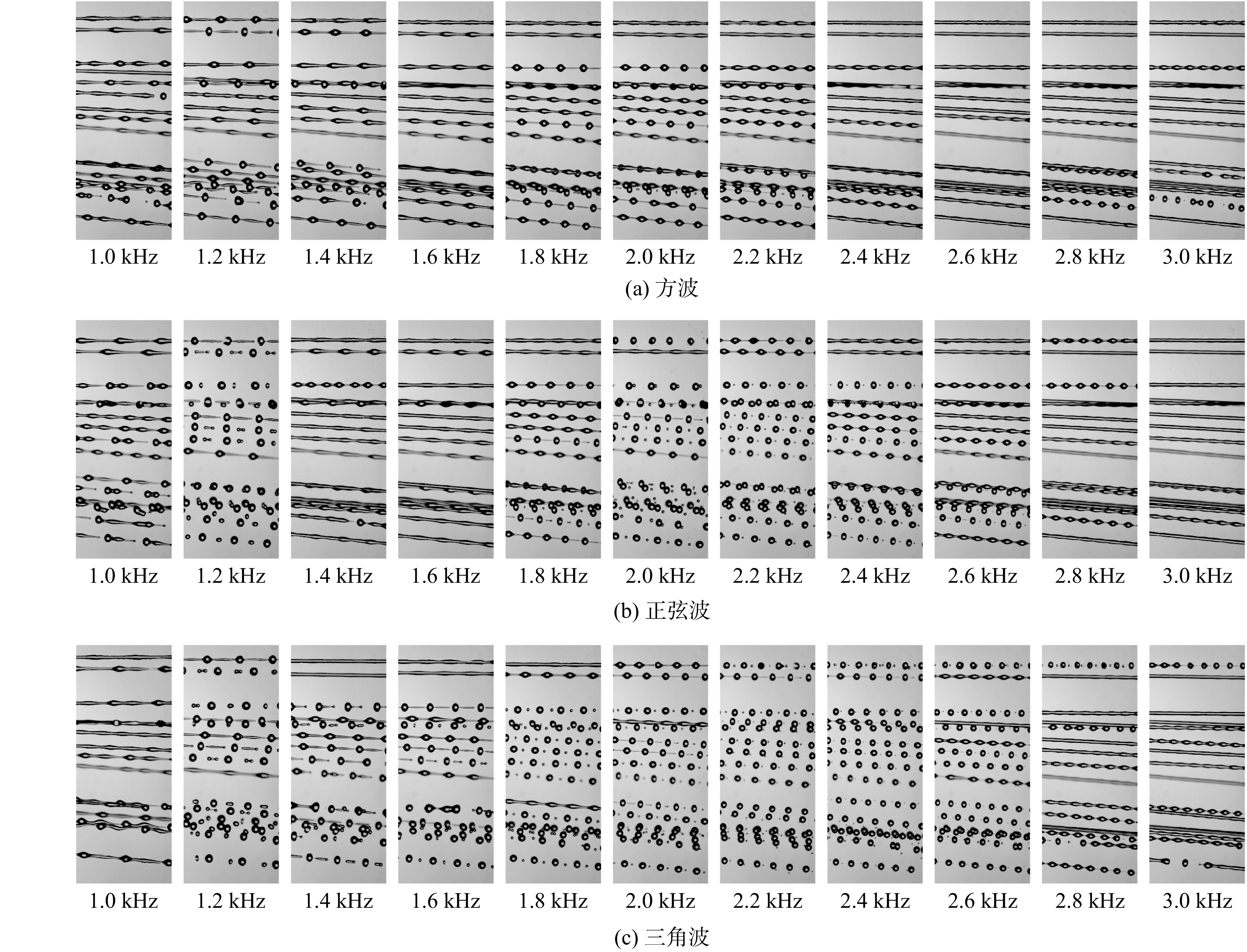
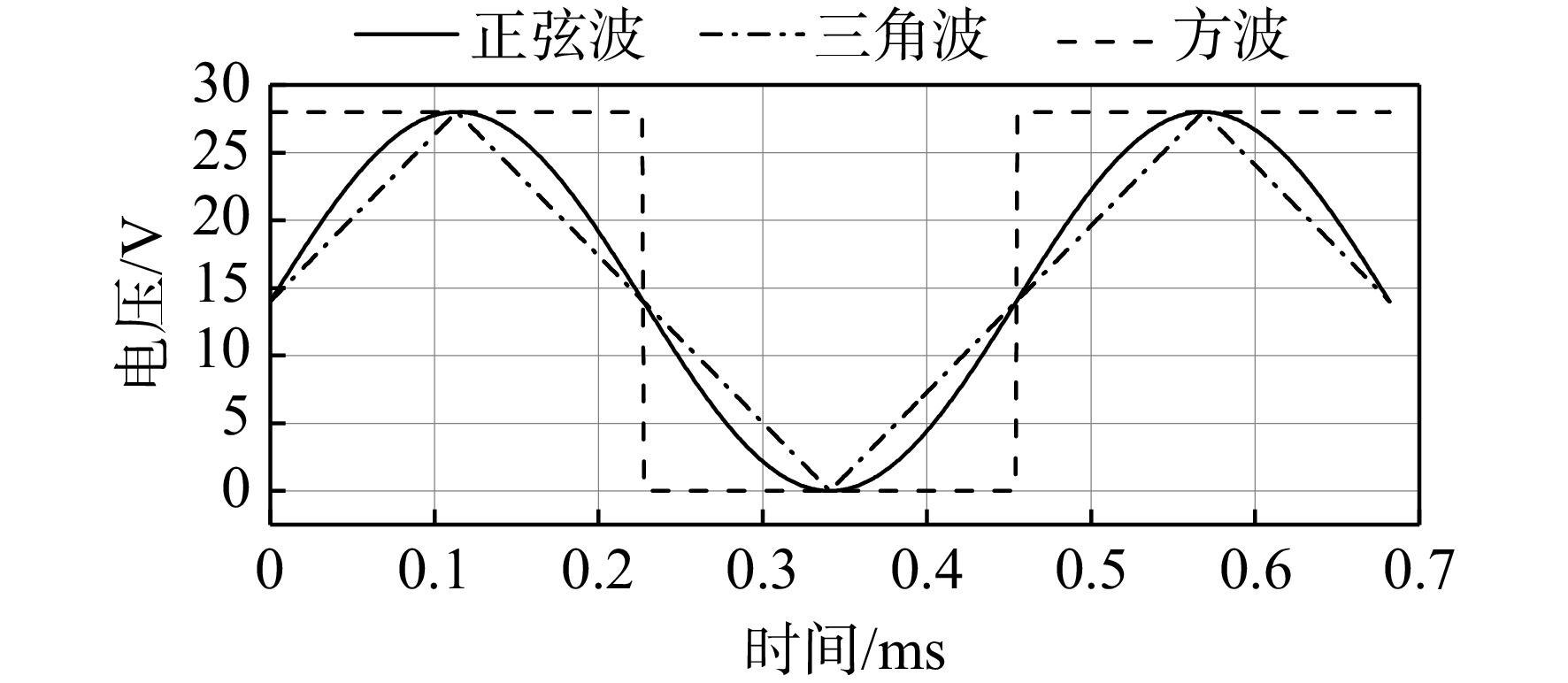
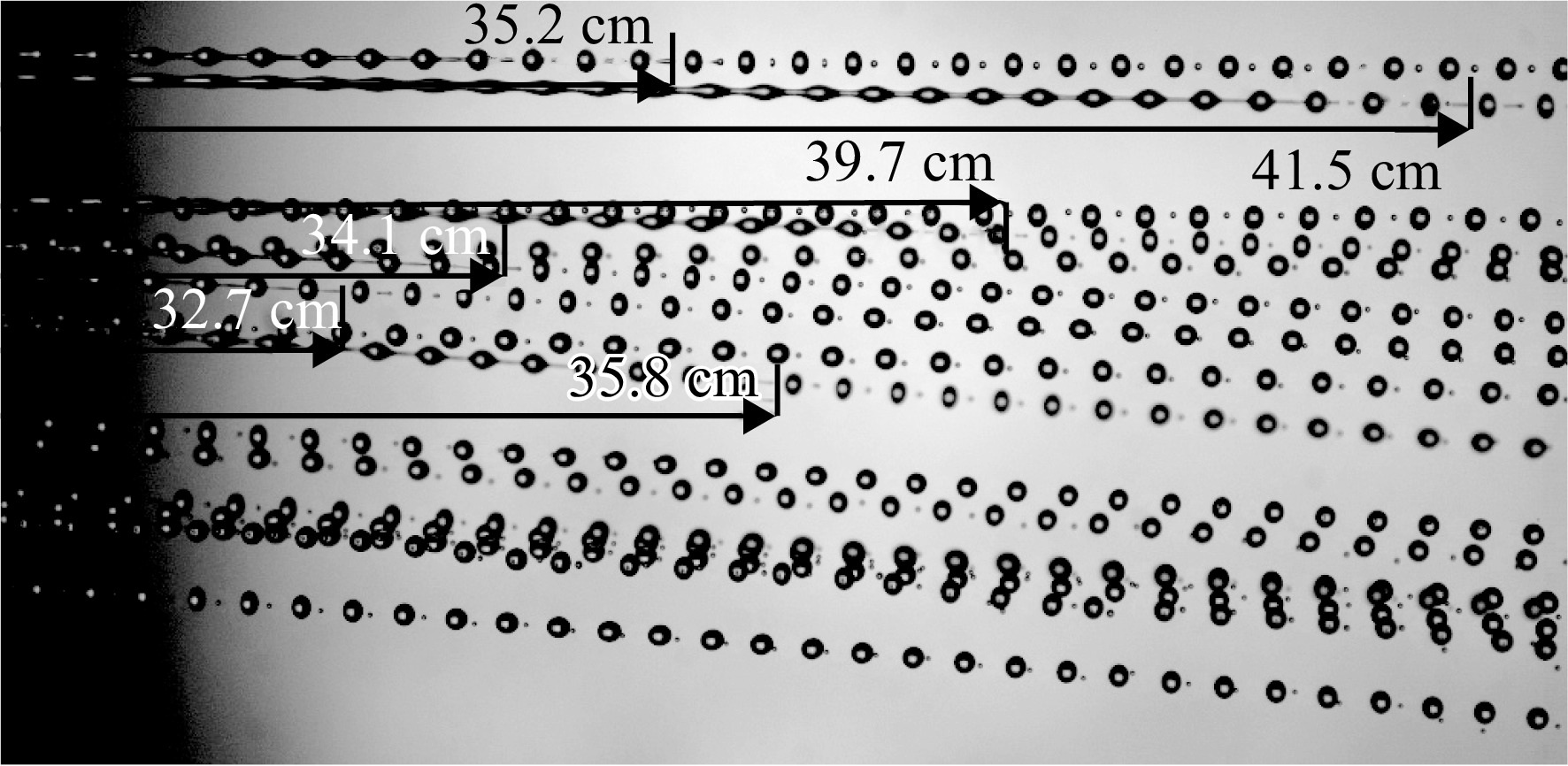
For solving the uniform droplets generation problem of multi-stream jets based on piezoelectric excitation, the influences of piezoelectric excitation frequency and waveform on droplet generation characteristics were studied. The droplet diameter, uniformity and jet fragmentation distance were obtained by processing jet images based on image capture technology. The experiment results showed that when the jet velocity was fixed, the characteristic wavelength of the jet fragmentation and the droplet diameter decreased with the increment of excitation frequency. Apart from the optimal excitation frequency of jet fragmentation predicted by the jet instability theory, the liquid resonance in the cavity also affected the jet fragmentation distance and the droplet generation characteristic. With the same excitation frequency and voltage amplitude, the triangular wave with the lowest energy consumption had the shortest jet fragmentation distance and the most excellent droplet generation characteristics, followed by the sine wave. The square wave with the highest energy consumption had the worst droplet generation characteristics. Therefore, the criterion for selecting the exciting waveform of single-strand jet is not suitable for multi-stream jets.

Improvement of film cooling performance on blade suction surface by the endwall jet across regions
ZHAO Changyu, HE Haichao, ZHANG Wei, LIU Song, ZHAO Zhiqi, LI Guangchao
2025, 40(12): 20240080. doi: 10.13224/j.cnki.jasp.20240080
Abstract:
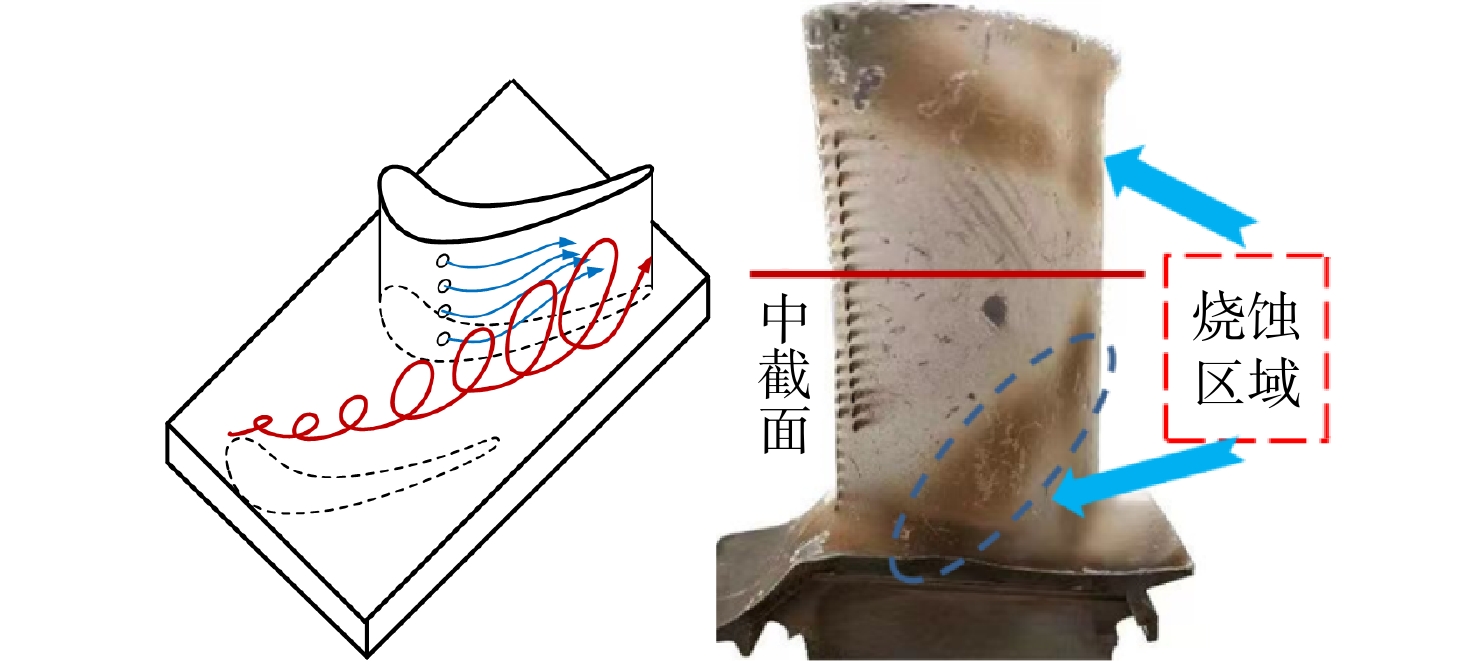
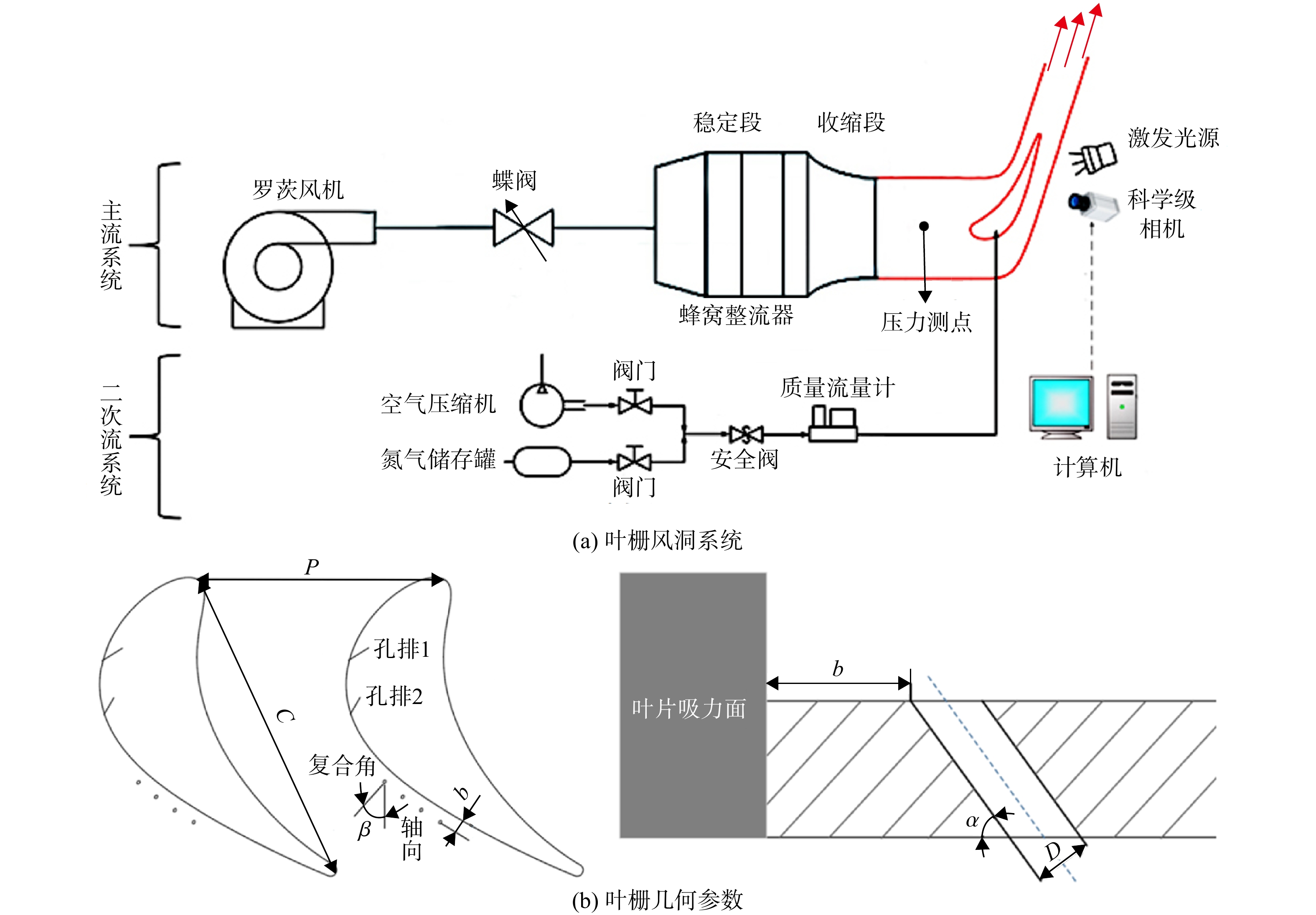
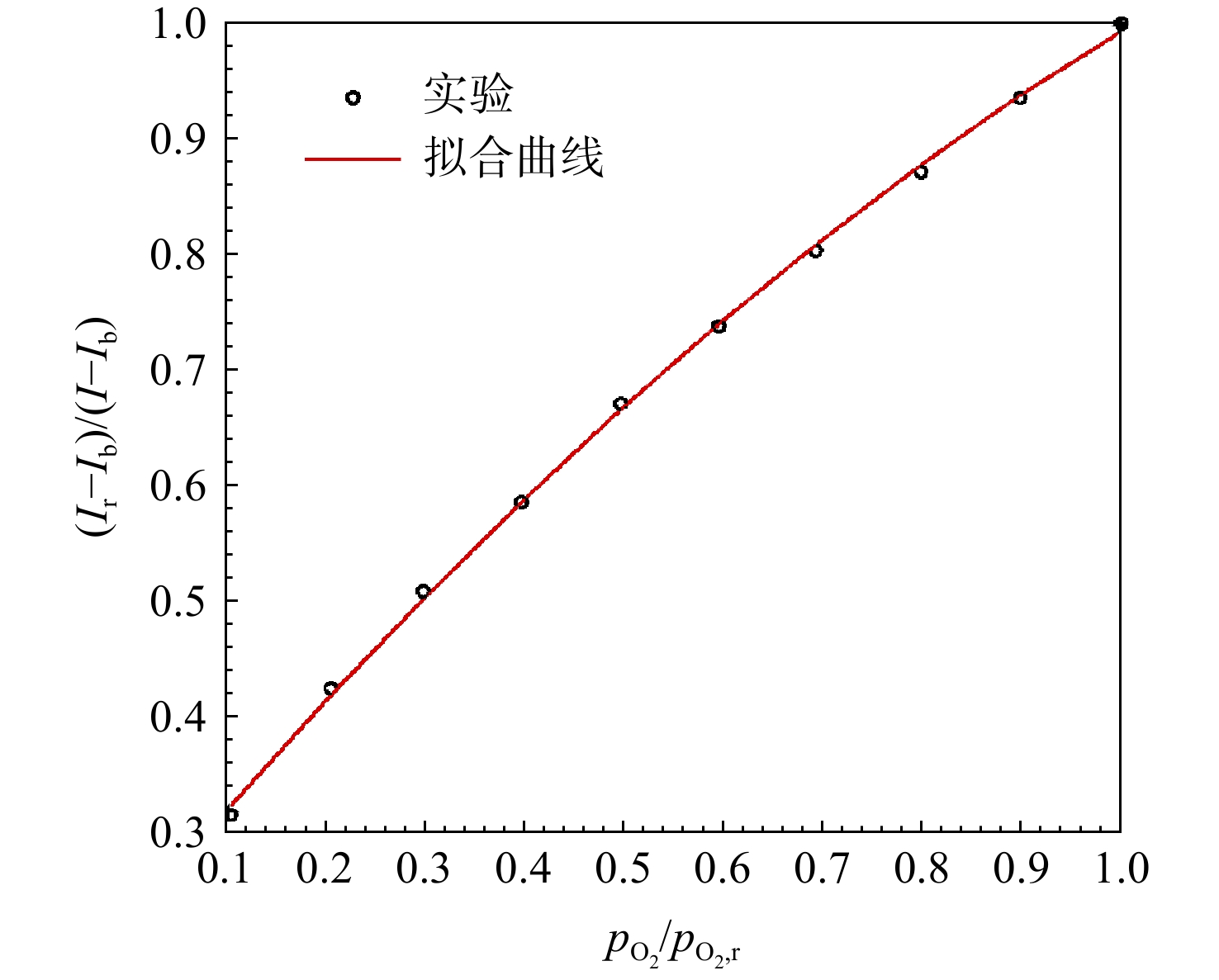
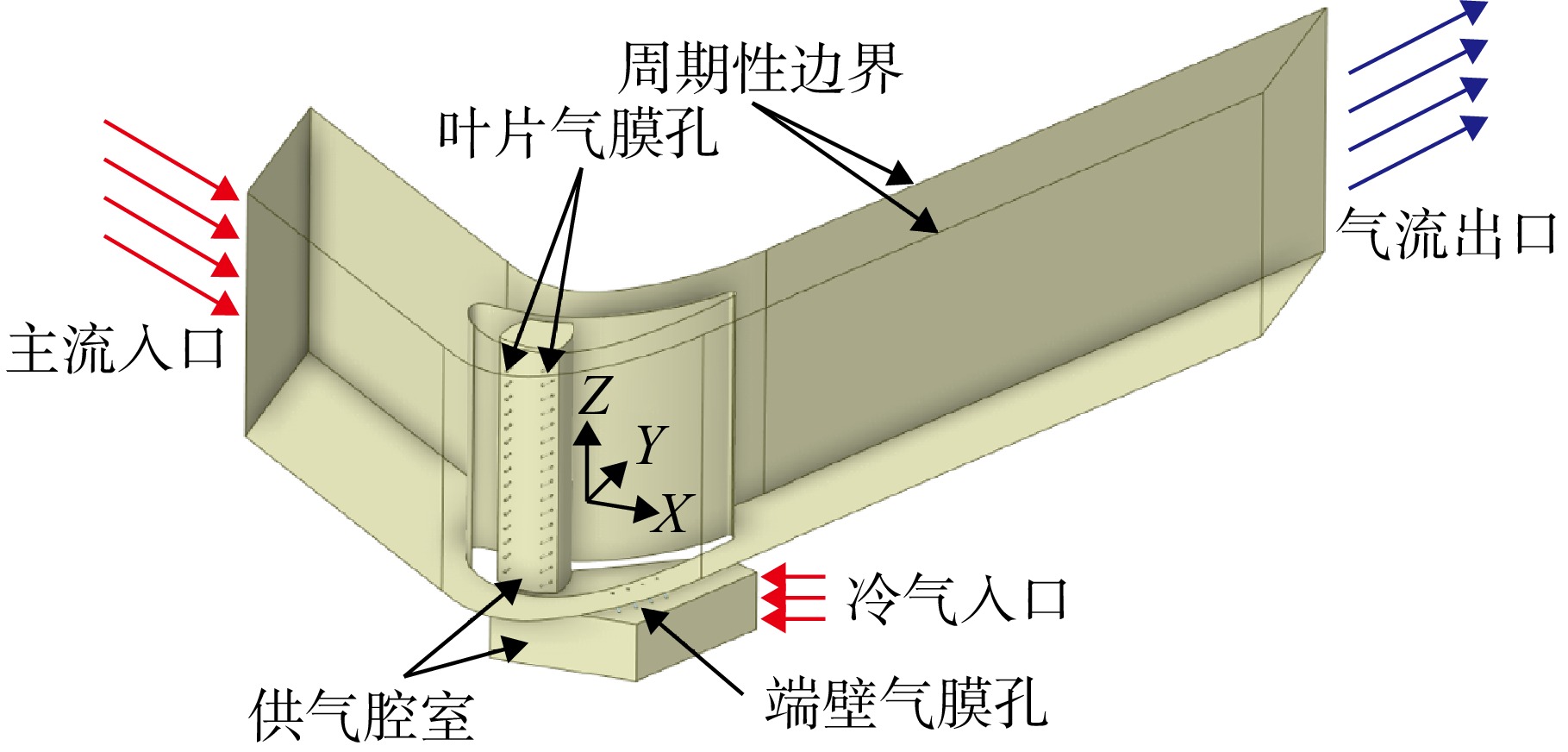
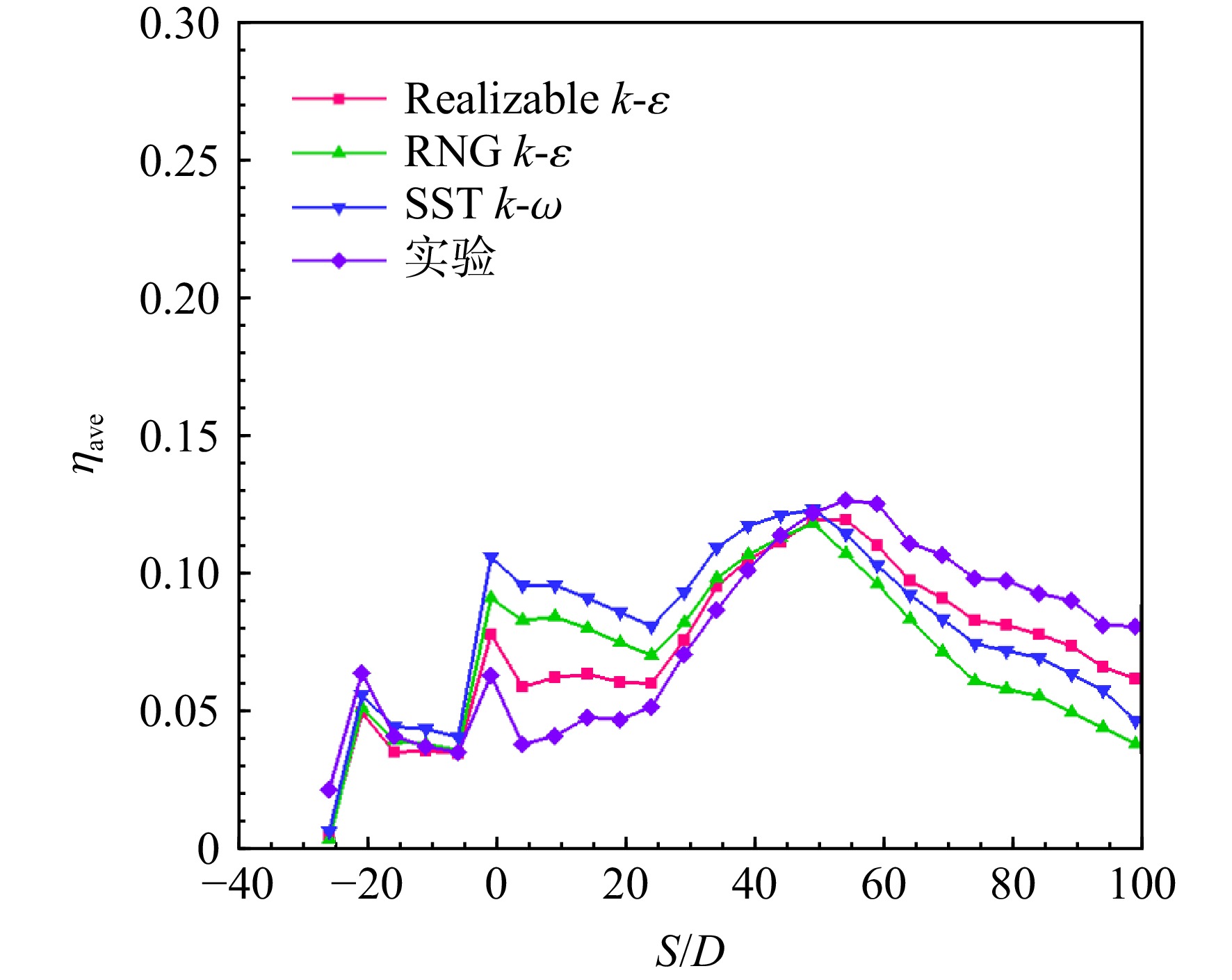
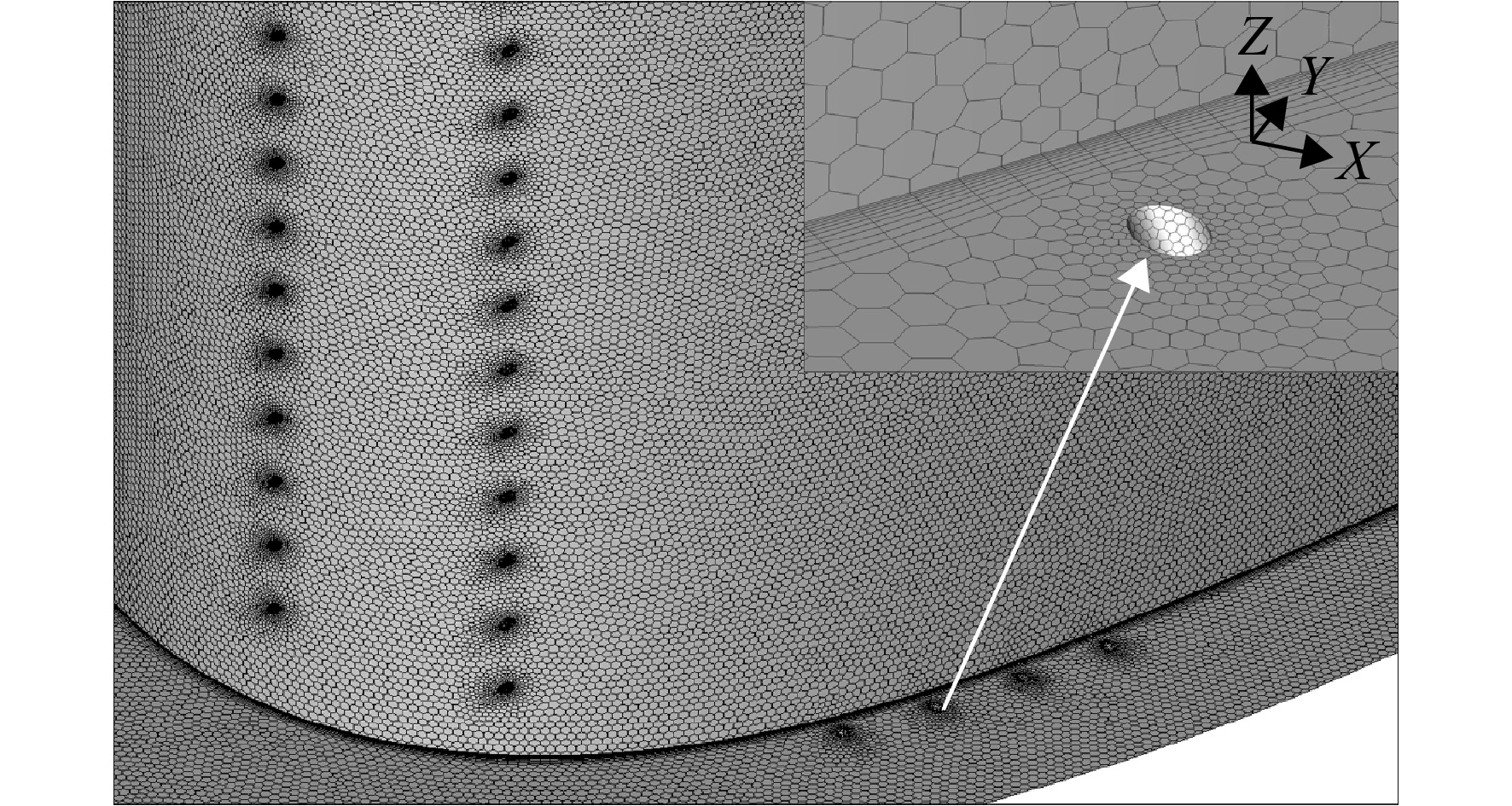
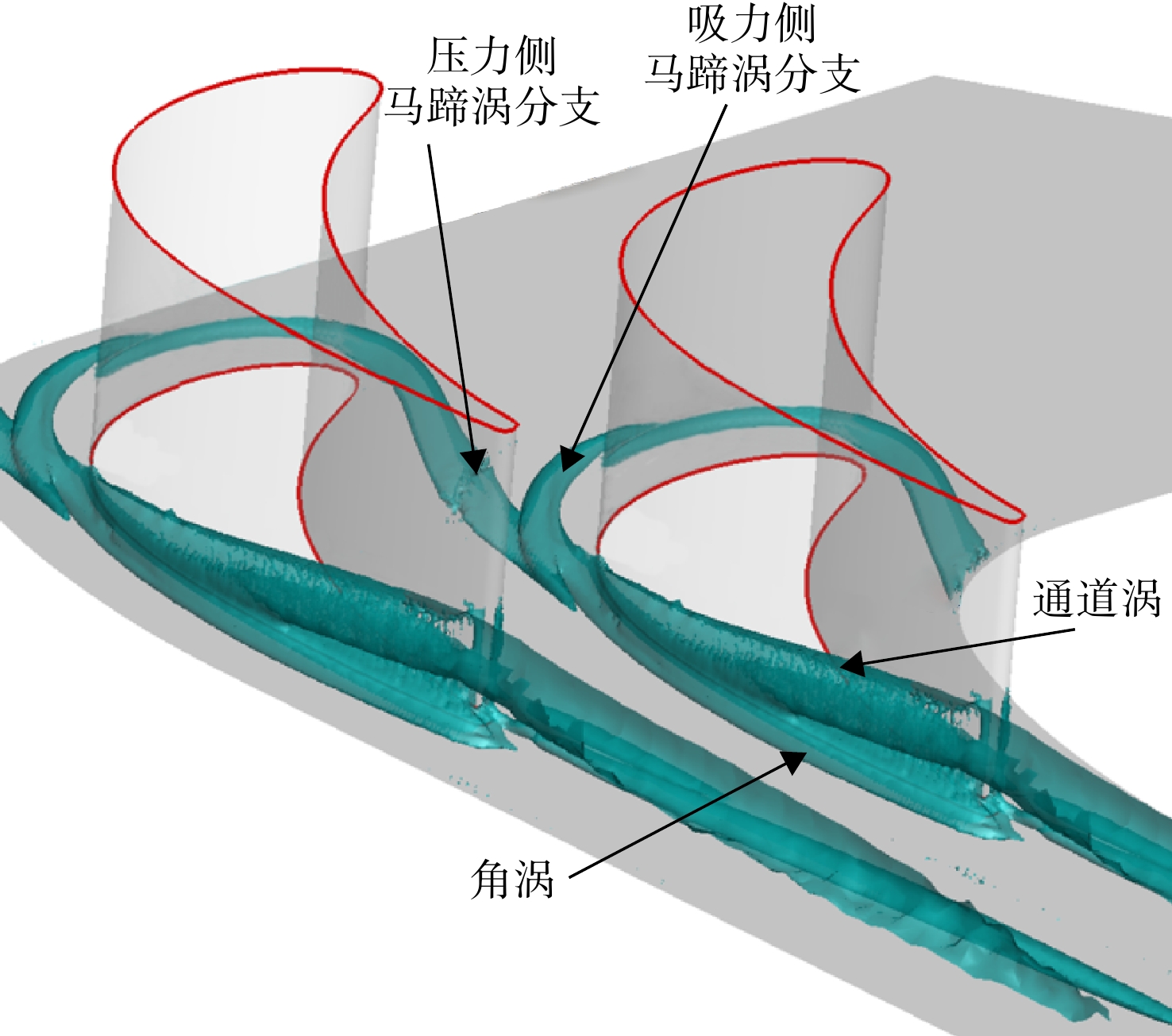
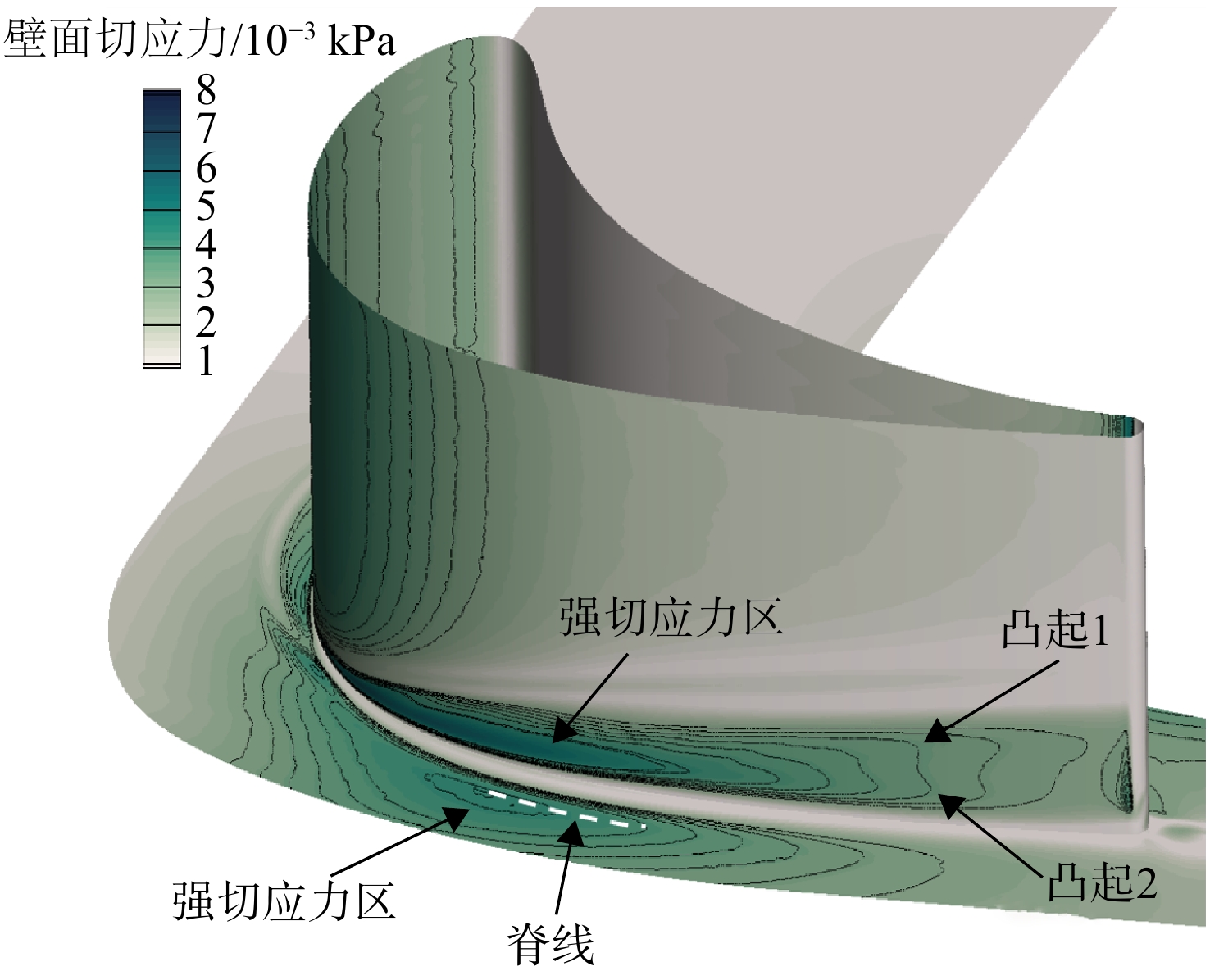
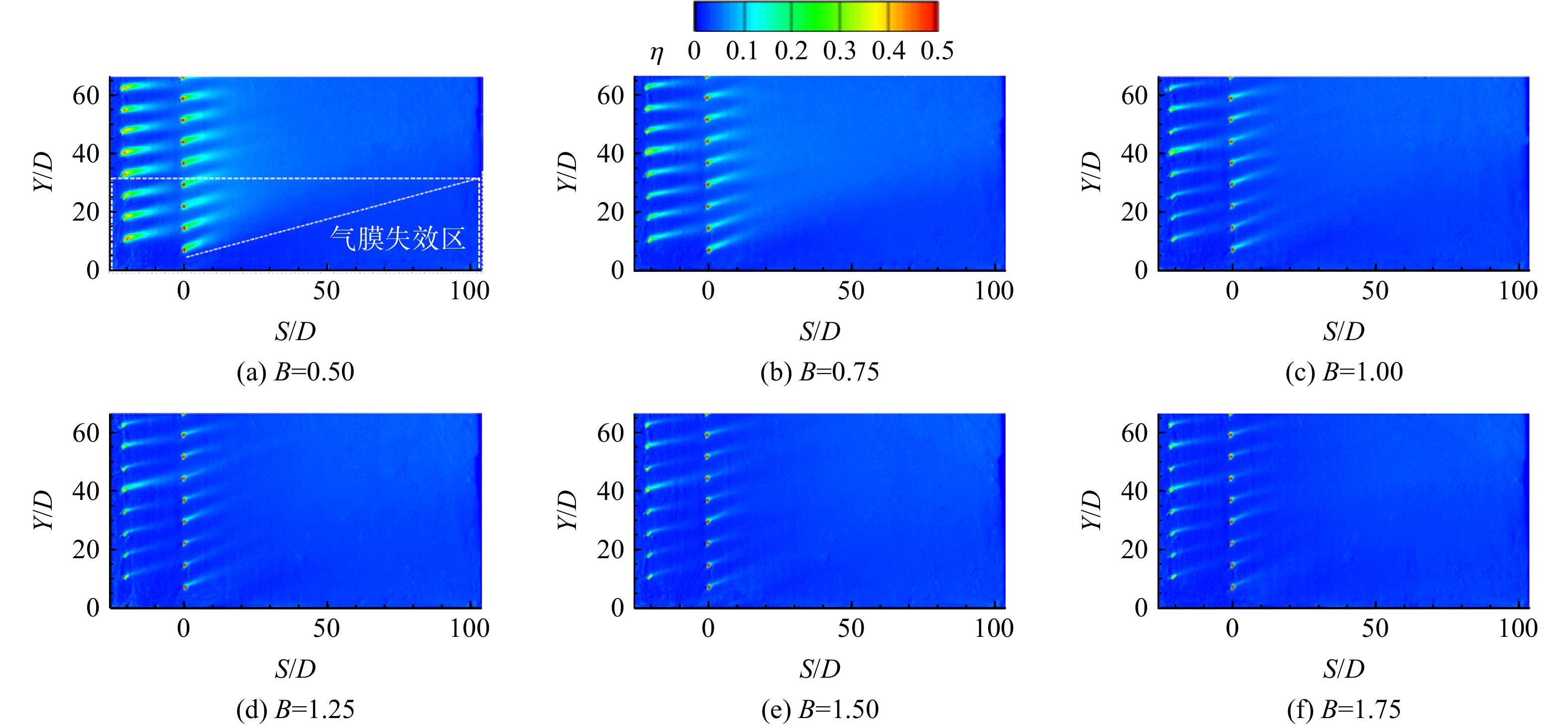
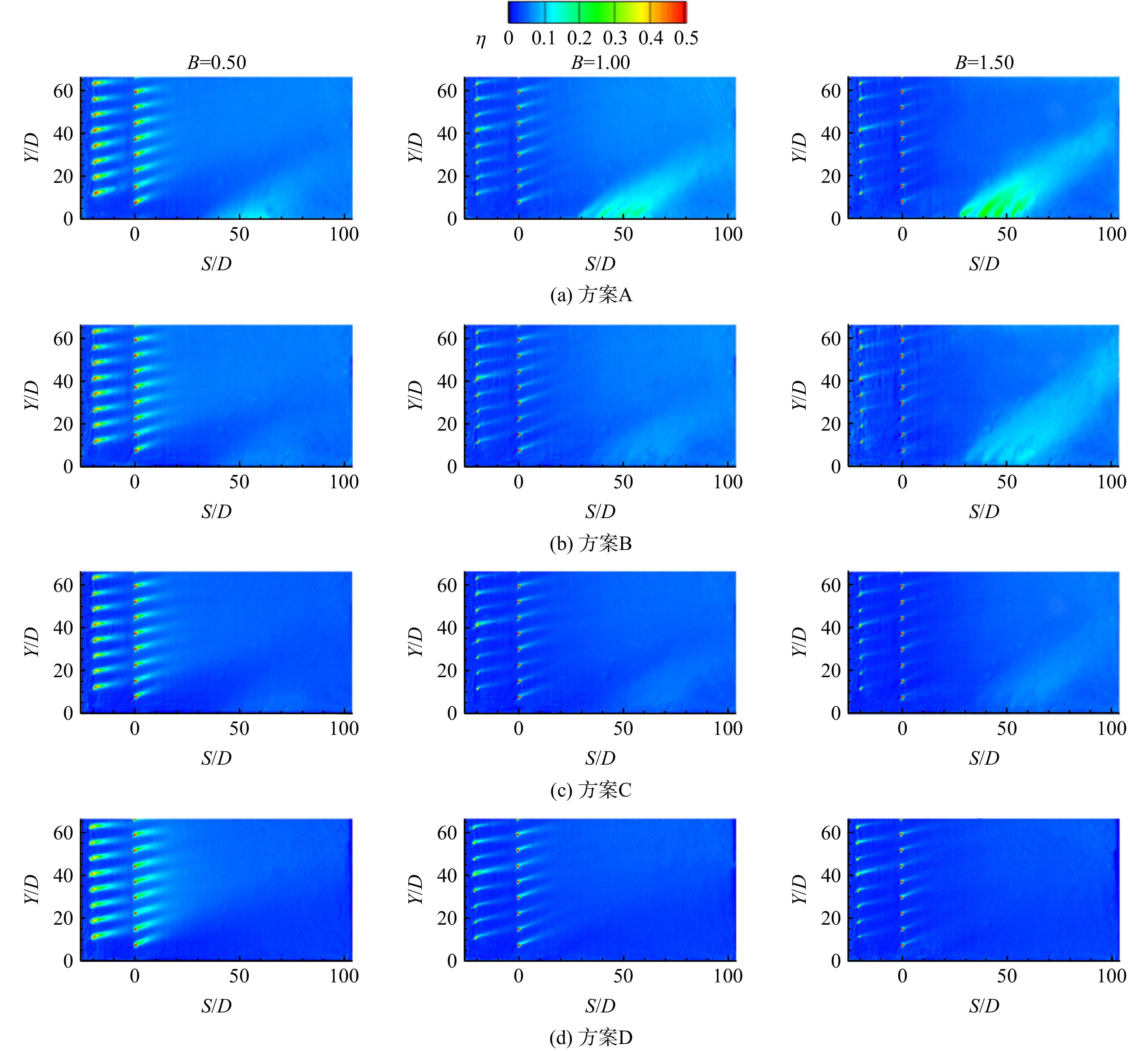
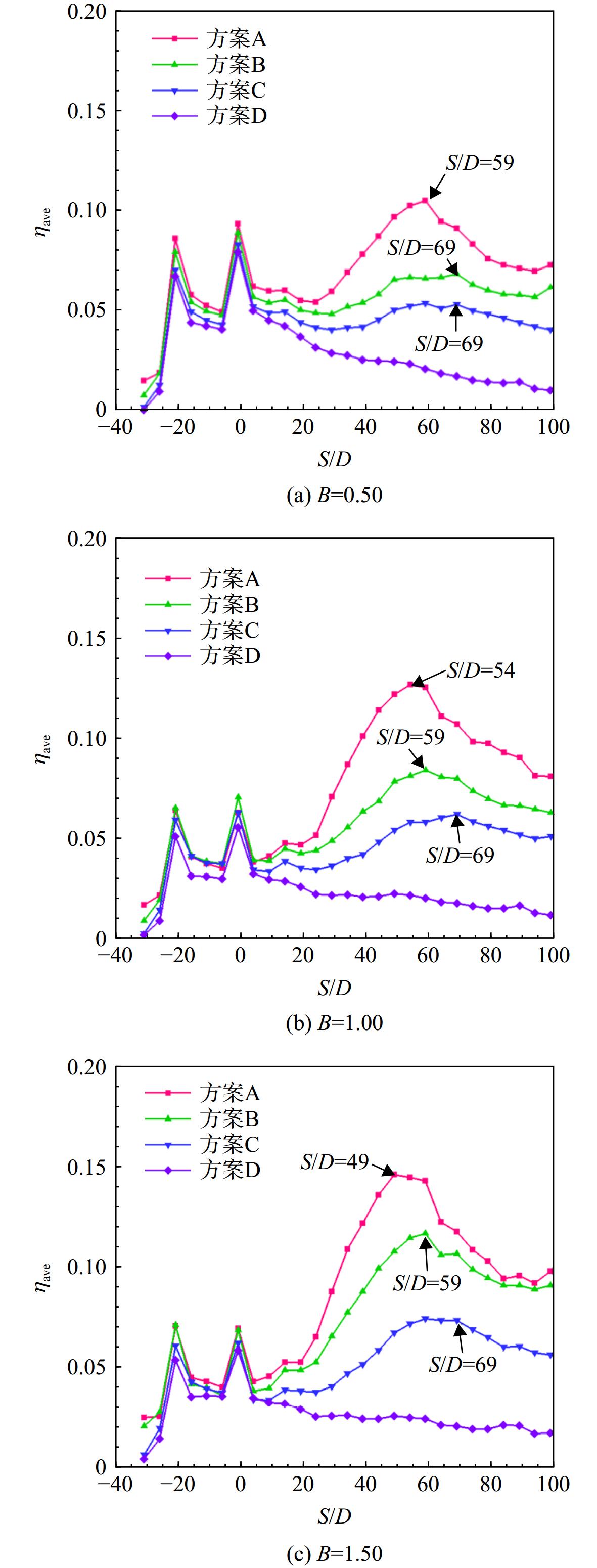
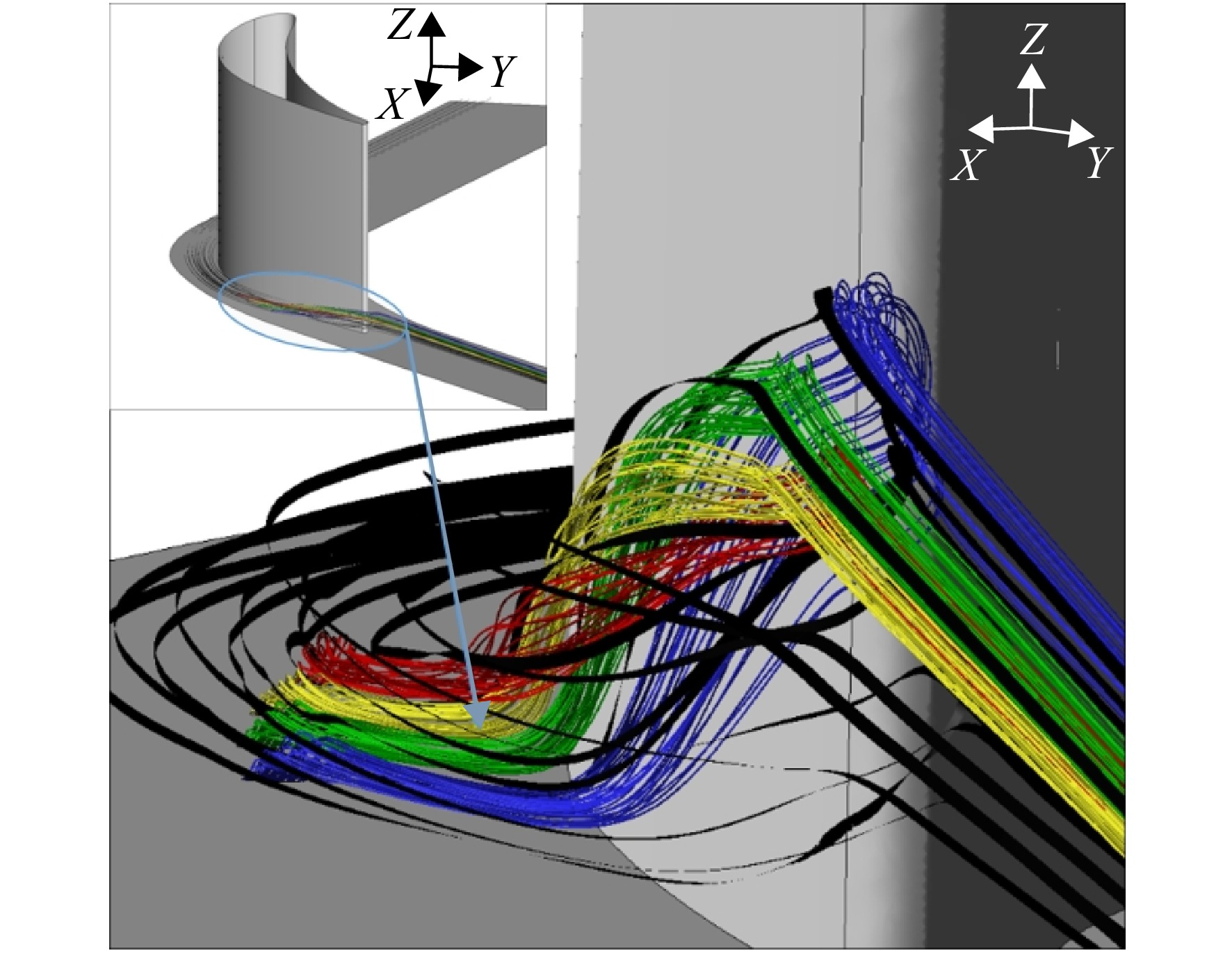
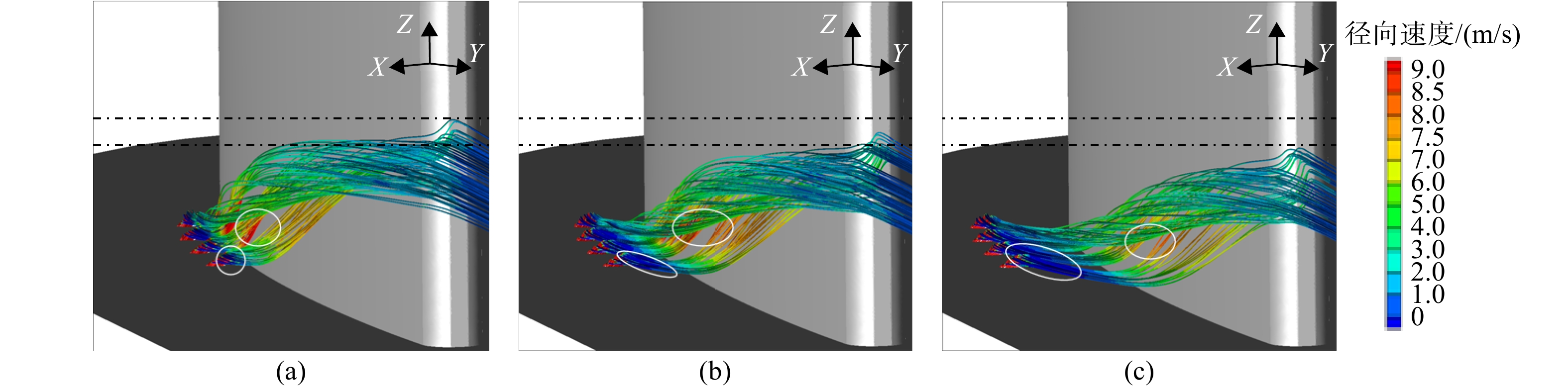
Based on analysis of the cooling failure characteristics of the film migration, a design method was proposed to compensate the near end of the suction surface of an aero-engine blade using the film hole jet. Pressure sensitive paint experiment technique and numerical calculation method were used to study the mechanism of film cooling in the near end area of the blade under the action of the vortex system in the cascade. The effects of film hole layout and blow ratio on the film effectiveness in the near end area of the blade were analyzed. The results showed that the passage vortex and Corner vortex were the main causes of the failure of the film migration in the near end of the suction surface of the blade, and the blow ratio had a weak influence on the failure region. With the increase of blowing ratio, the film effectiveness value and effective coverage area of the endwall film hole jet in the near end of the suction surface increased. With the increase of the distance between the exit of the endwall film hole and the suction surface of the blade, the coverage area of the film near the suction surface moved towards the blade root. Compared with the non-endwall jet, the average film effectiveness of the near end region of the suction surface increased by more than 65%, and the film cooling failure of the film hole jet in the near end region of the blade can be improved to a certain extent.

Experimental study on rotating detonation wave propagation characteristics of subcritical aviation kerosene
XU Guangchuan, CHEN Zheng, WANG Xiaokun, MENG Bowei, MA Hu
2025, 40(12): 20240265. doi: 10.13224/j.cnki.jasp.20240265
Abstract:

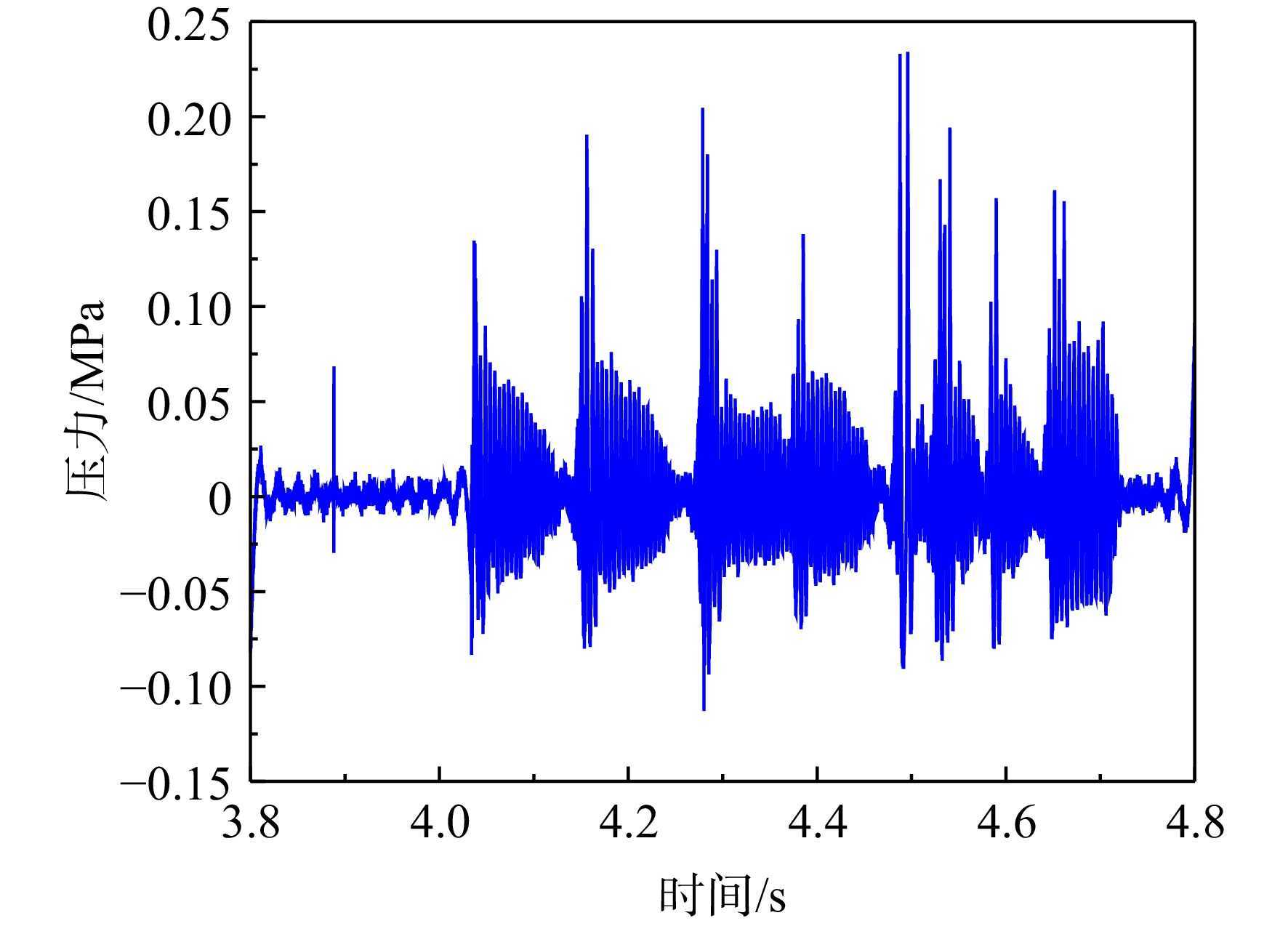
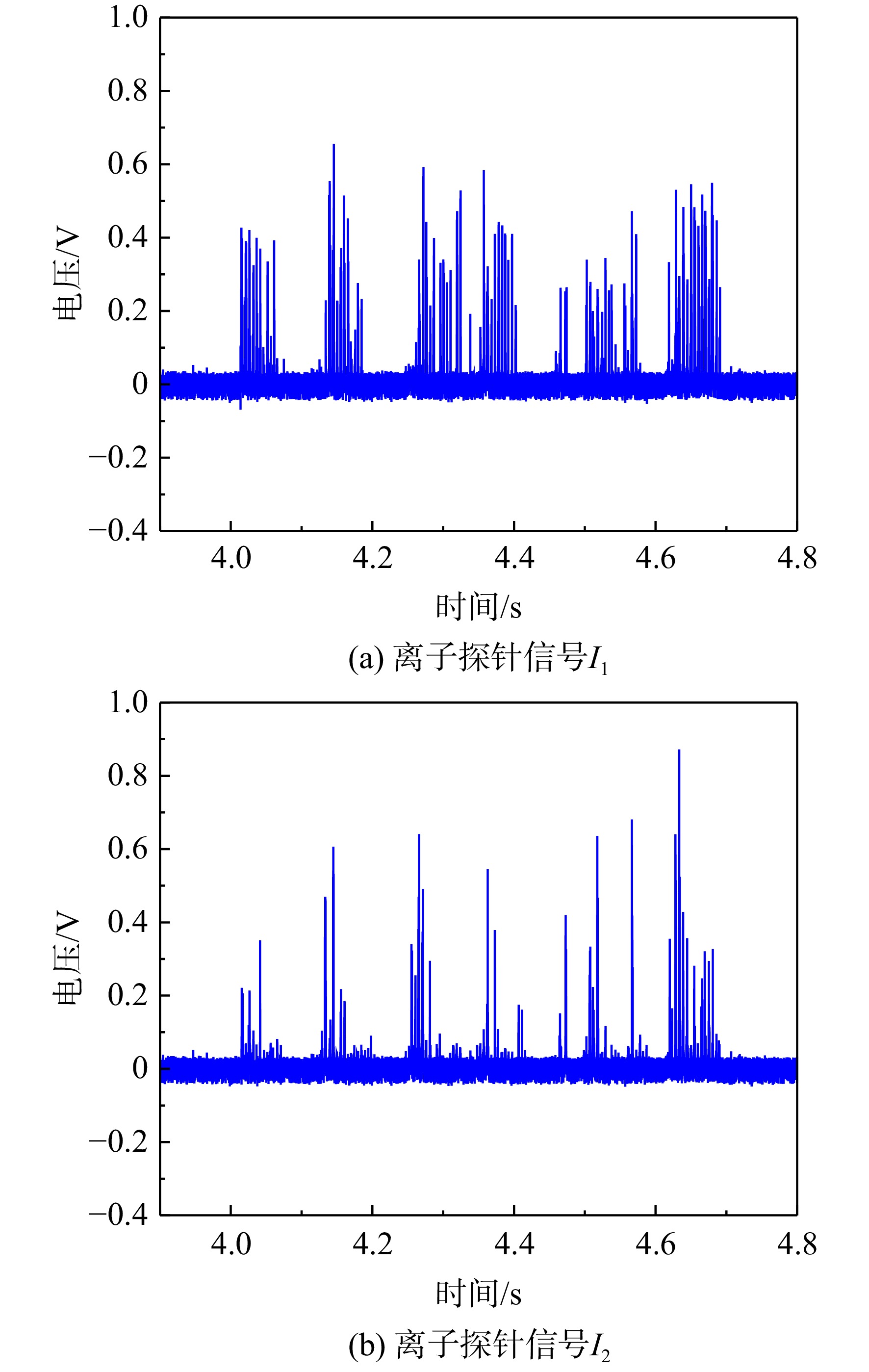
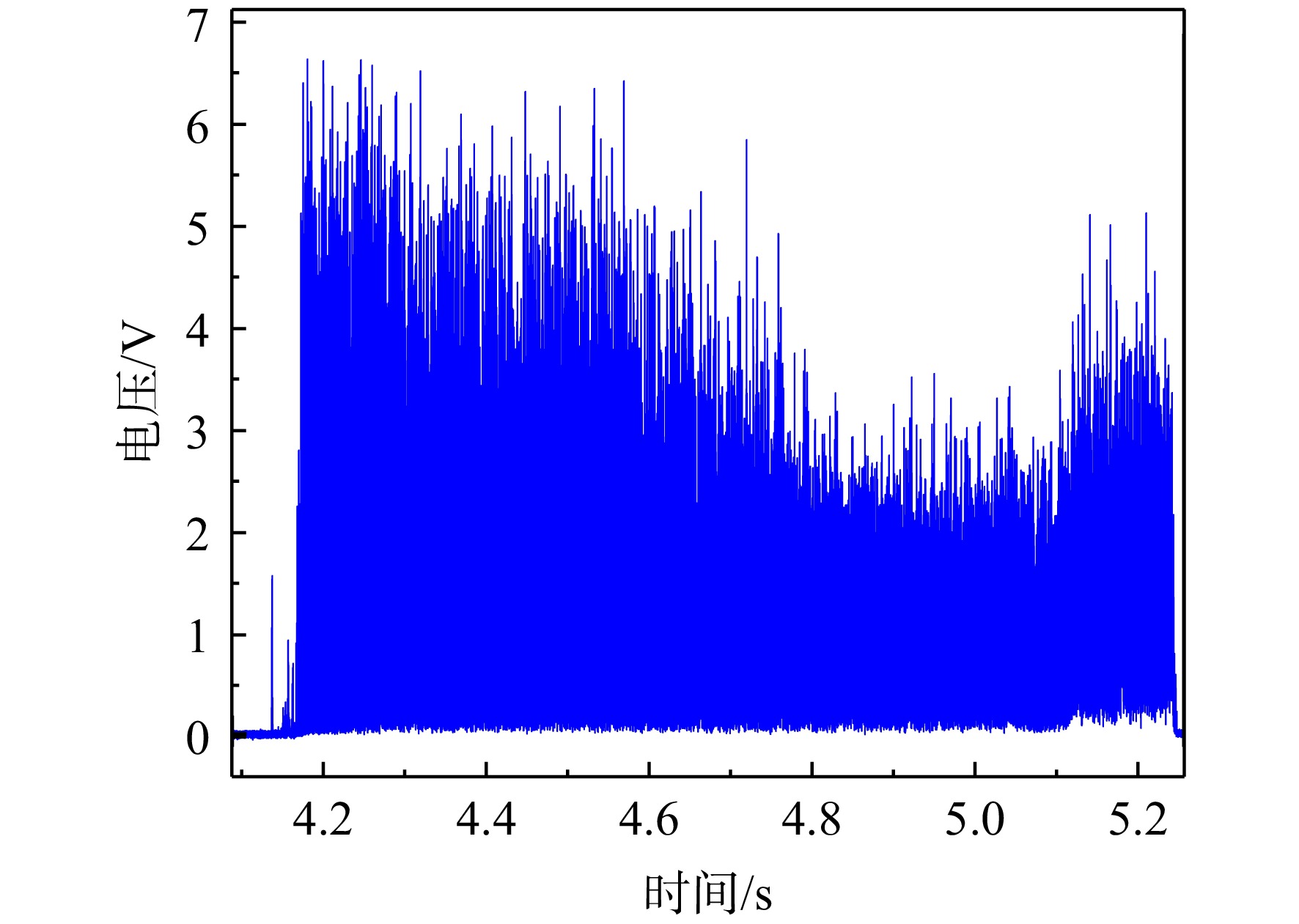
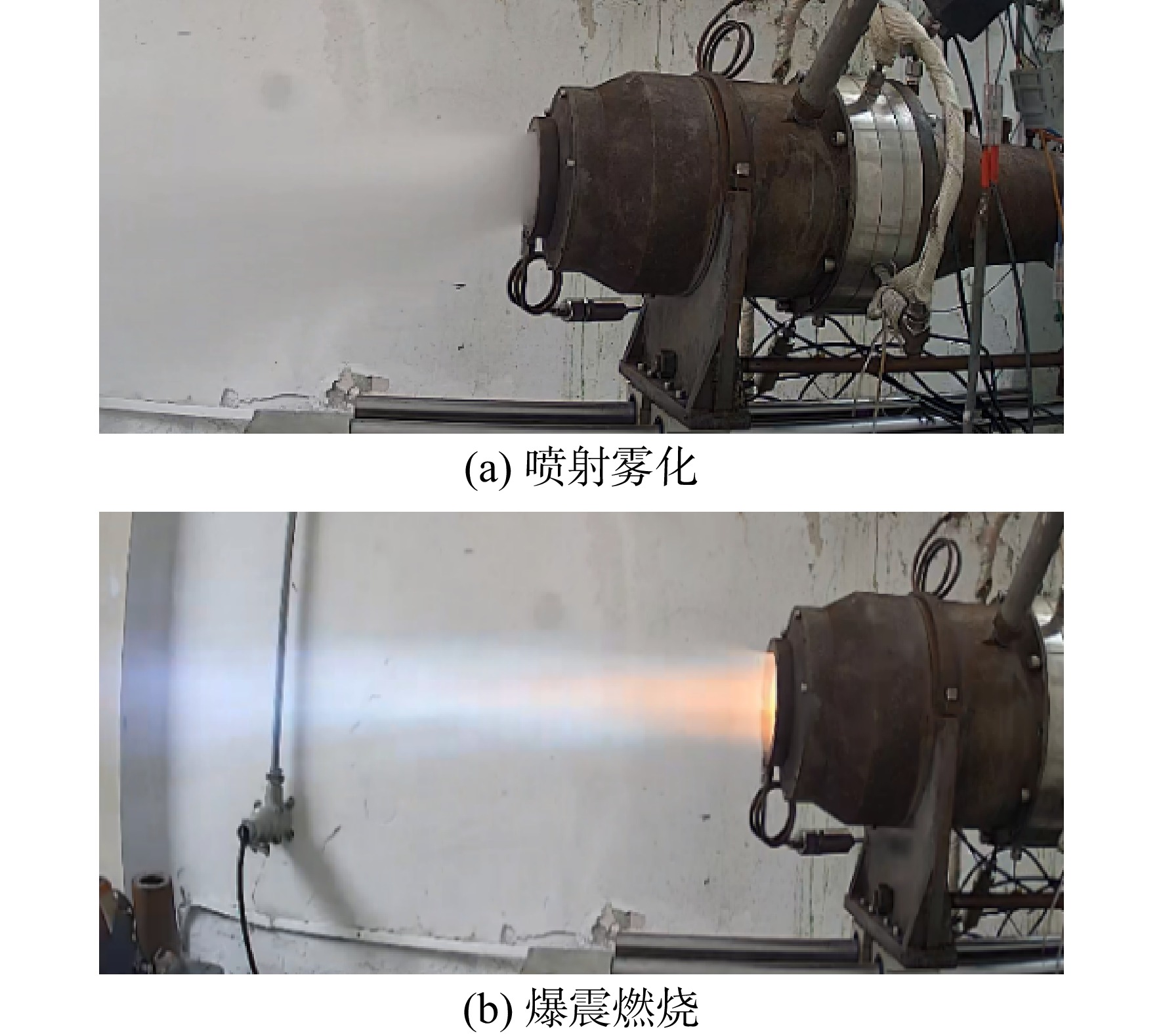
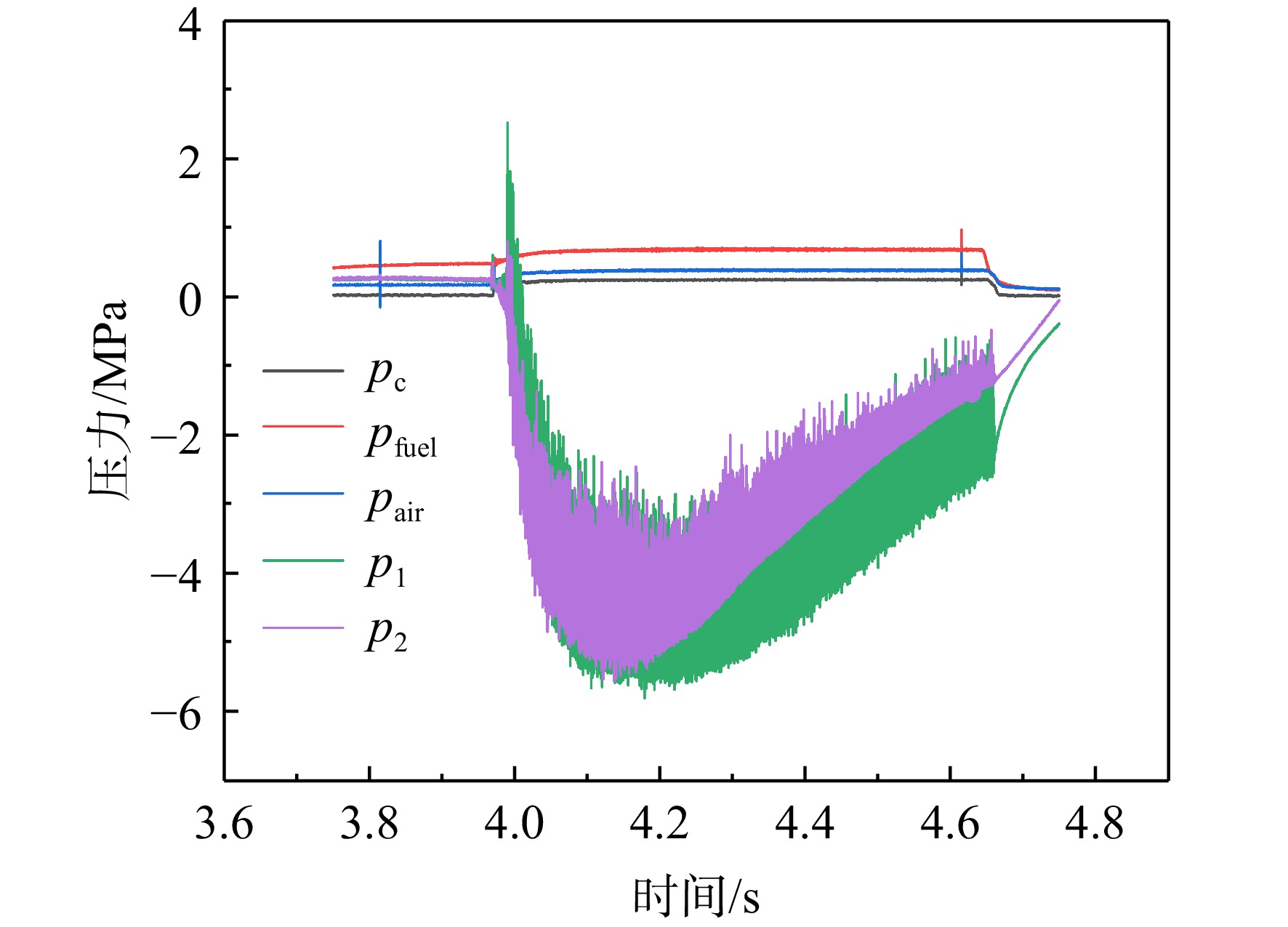
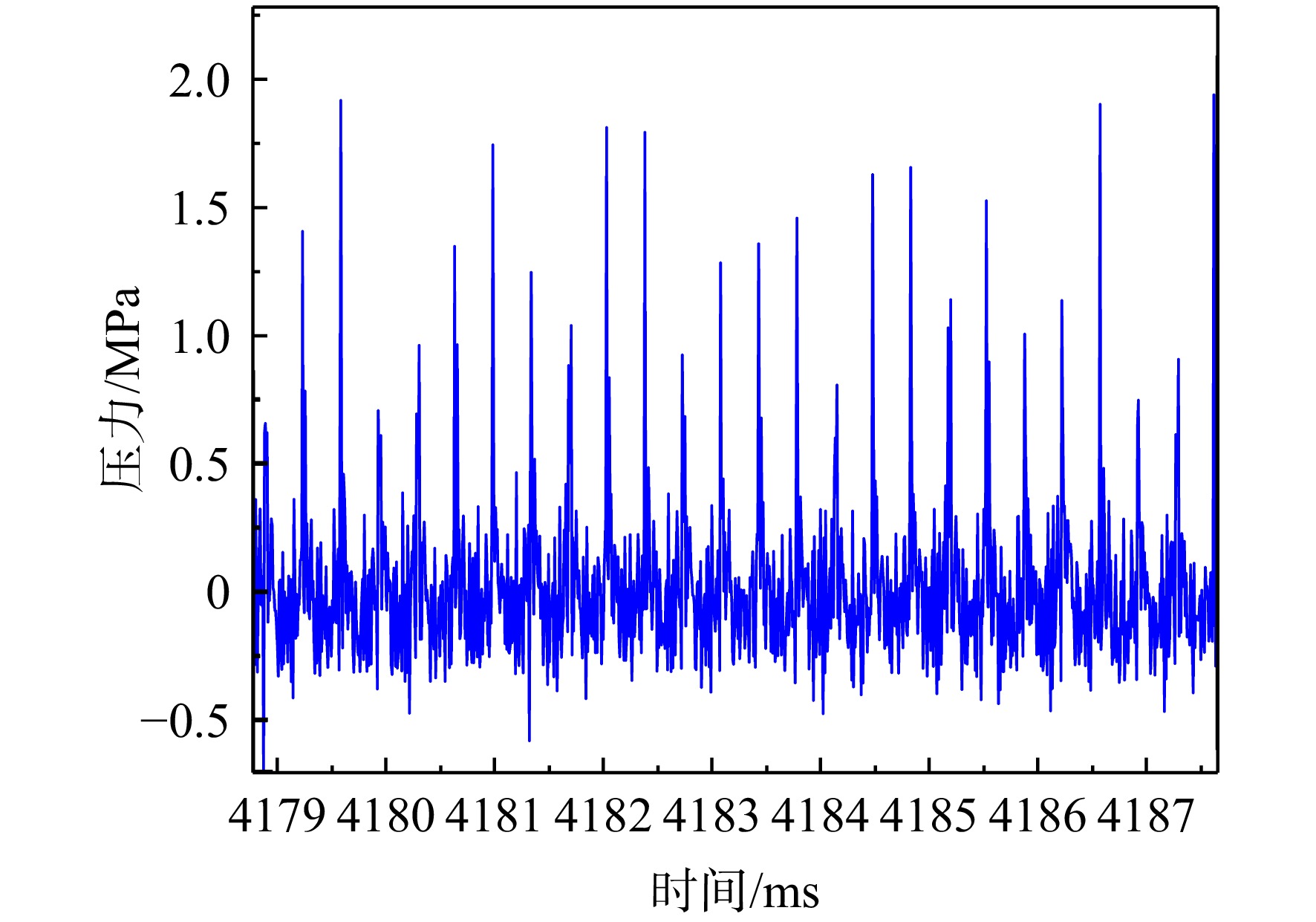
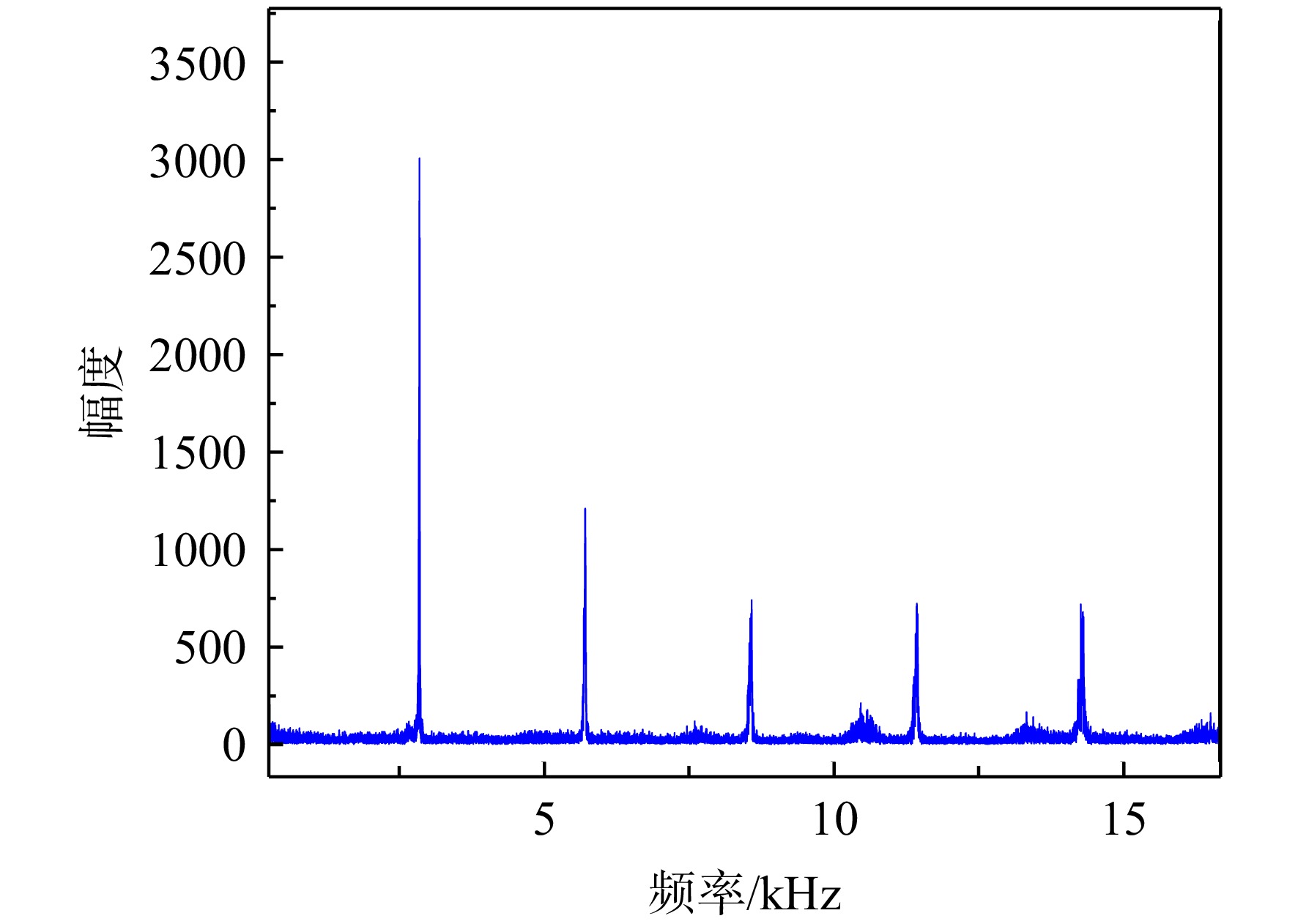
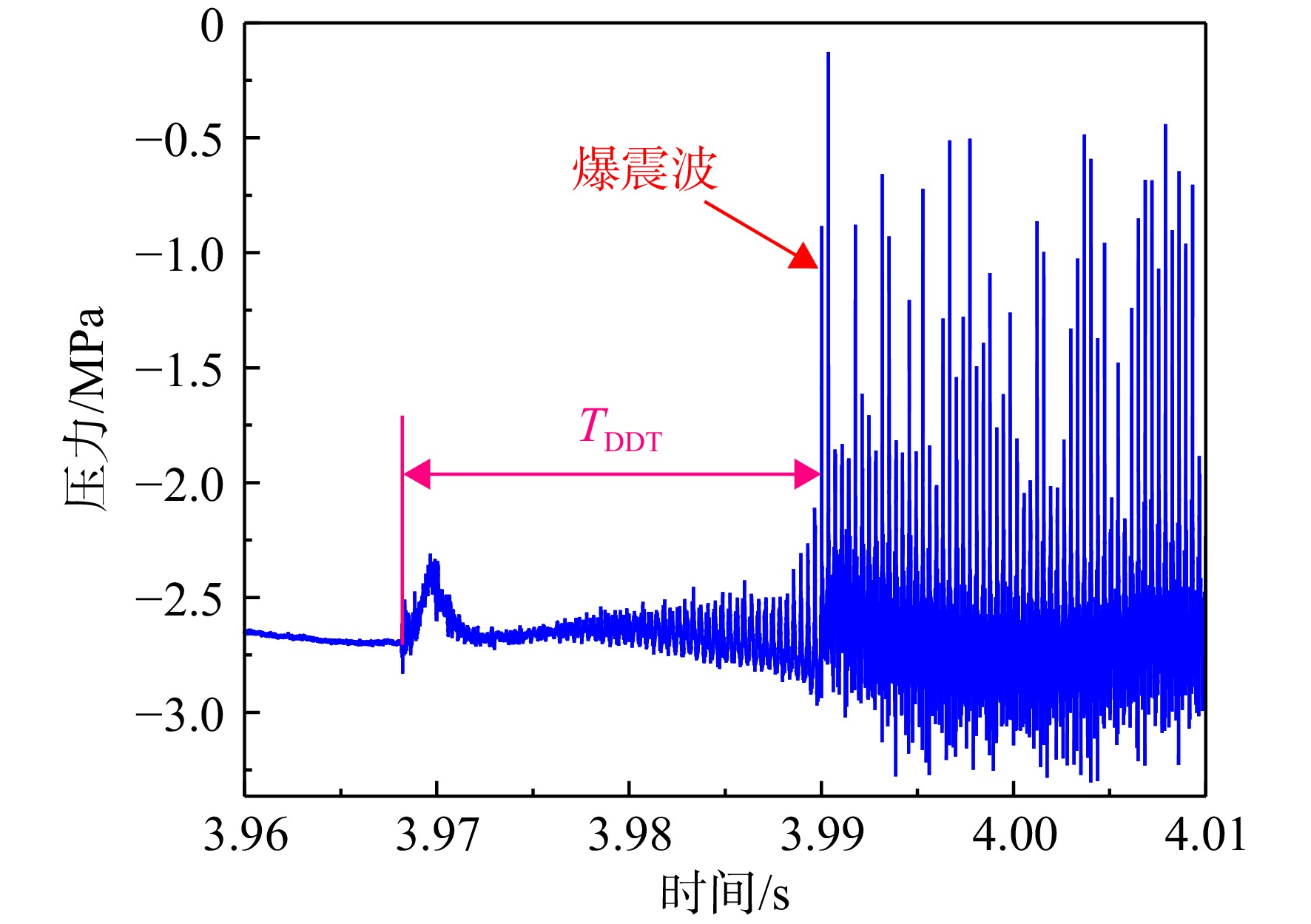
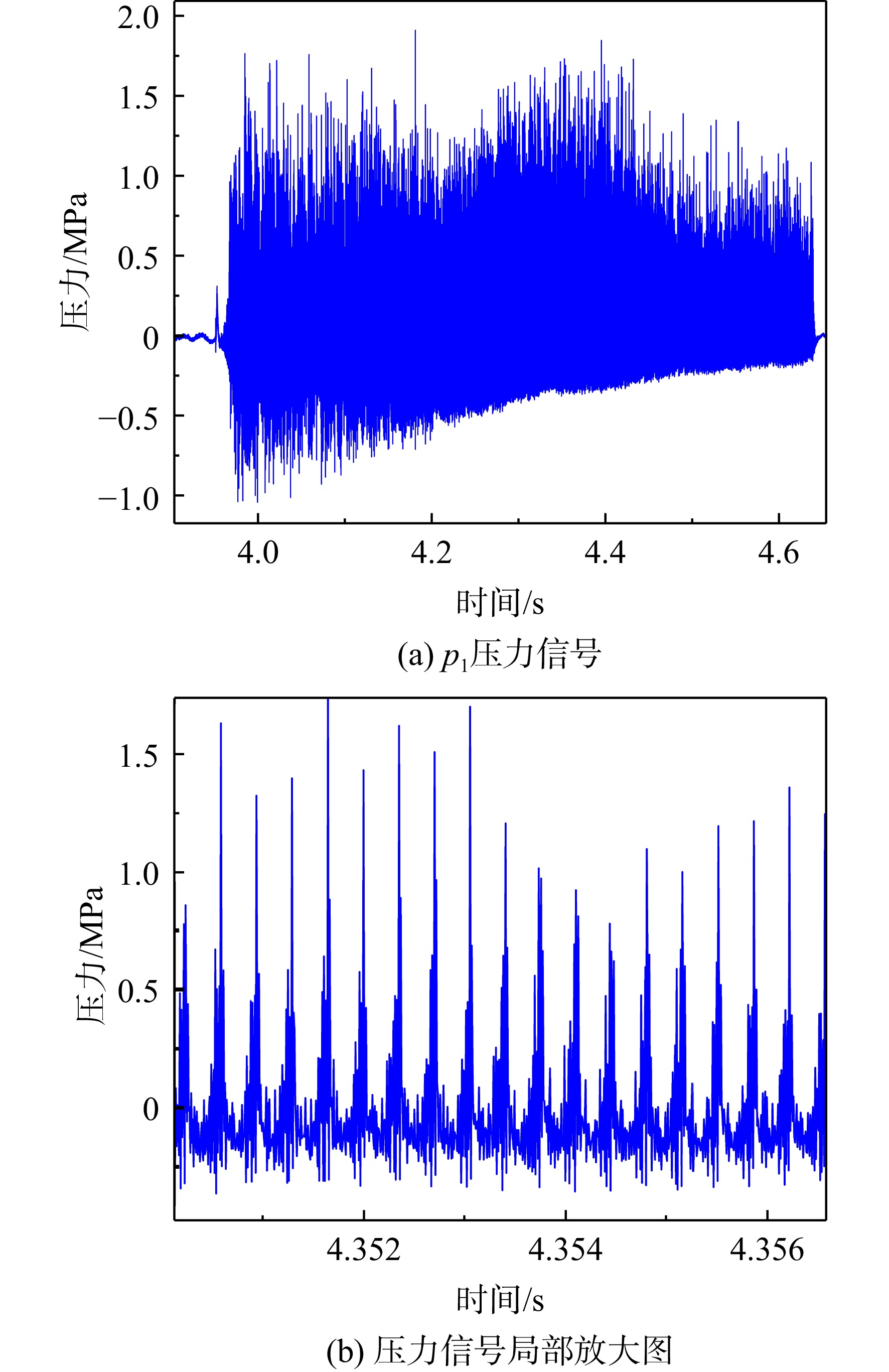
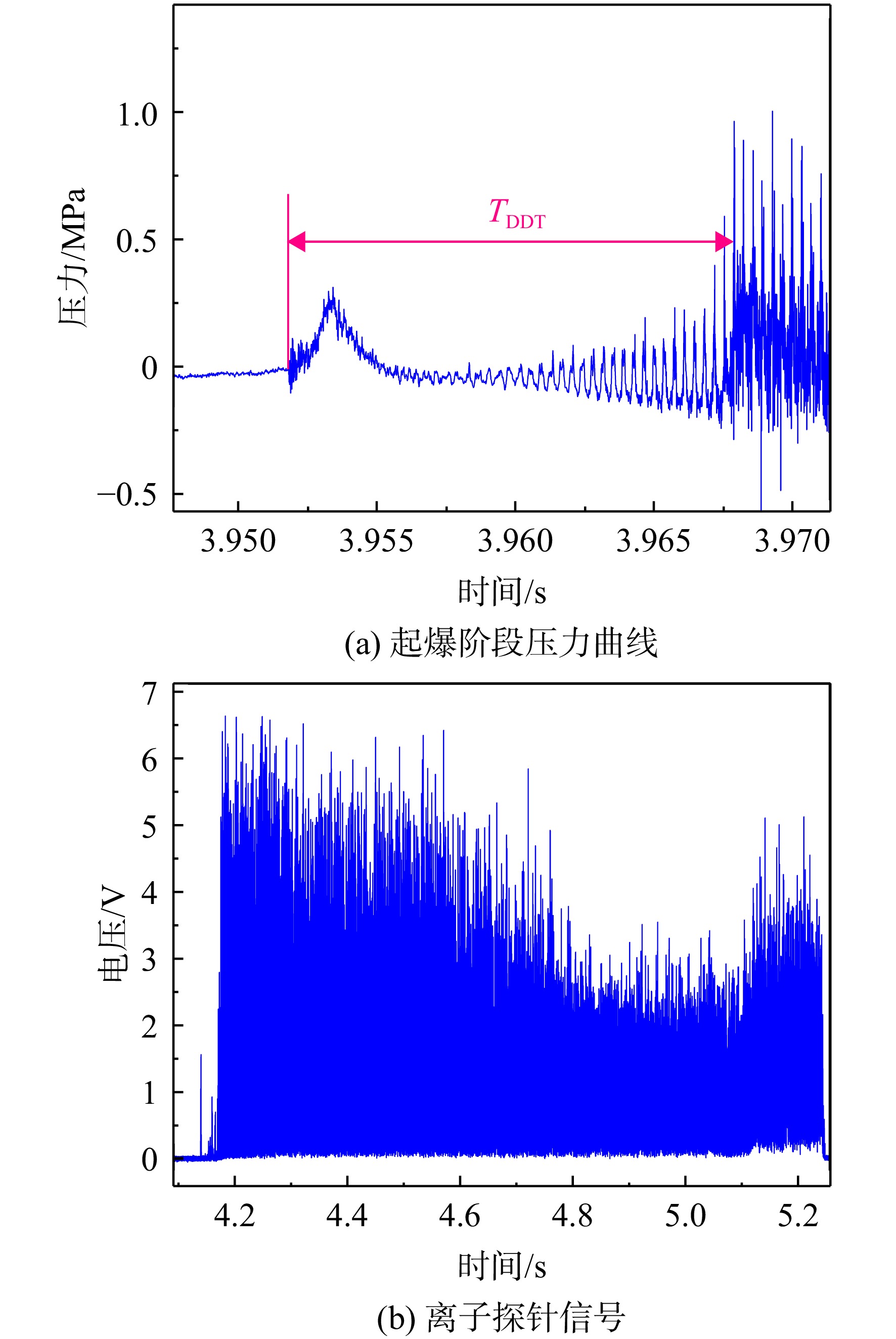
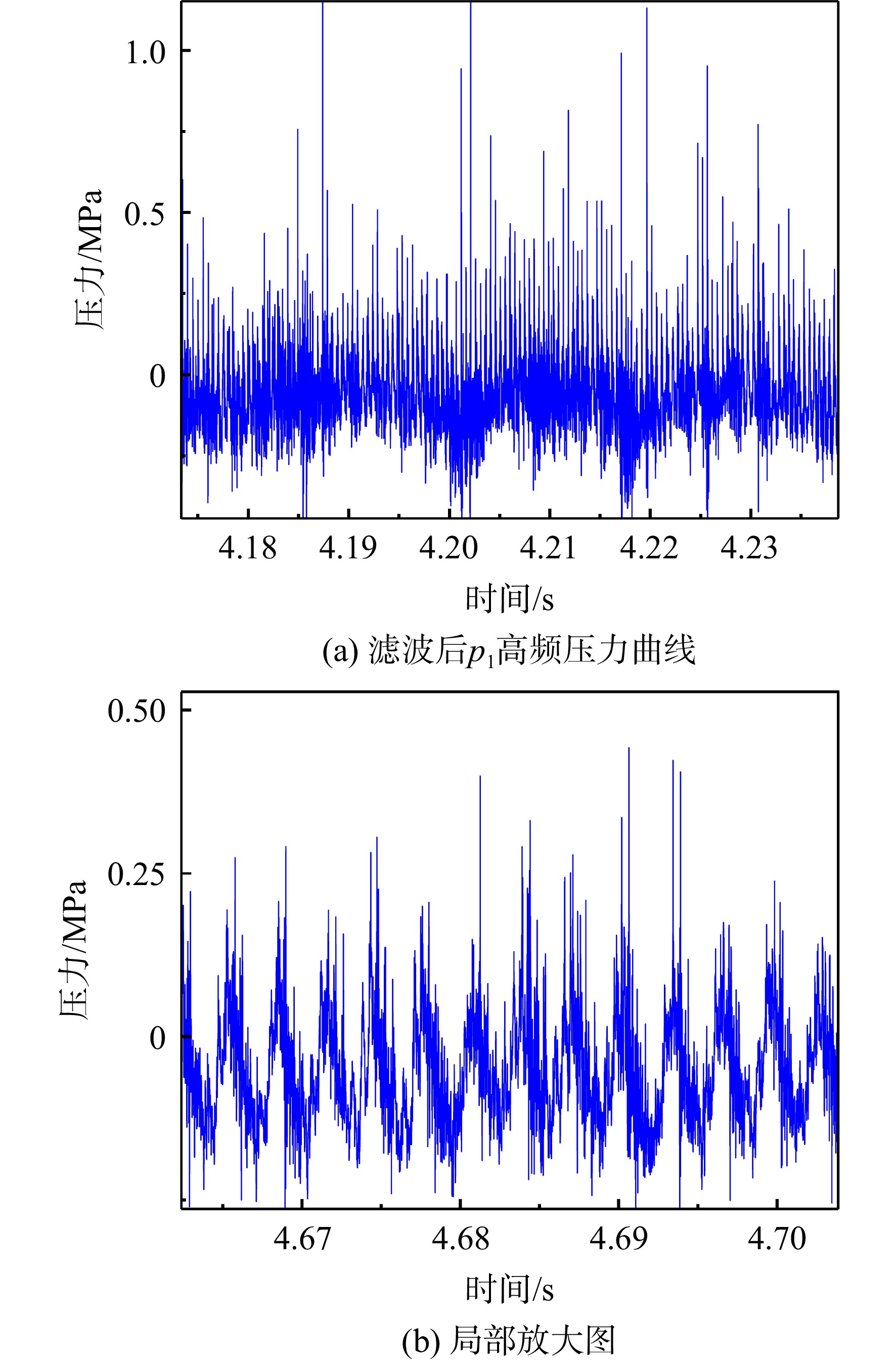
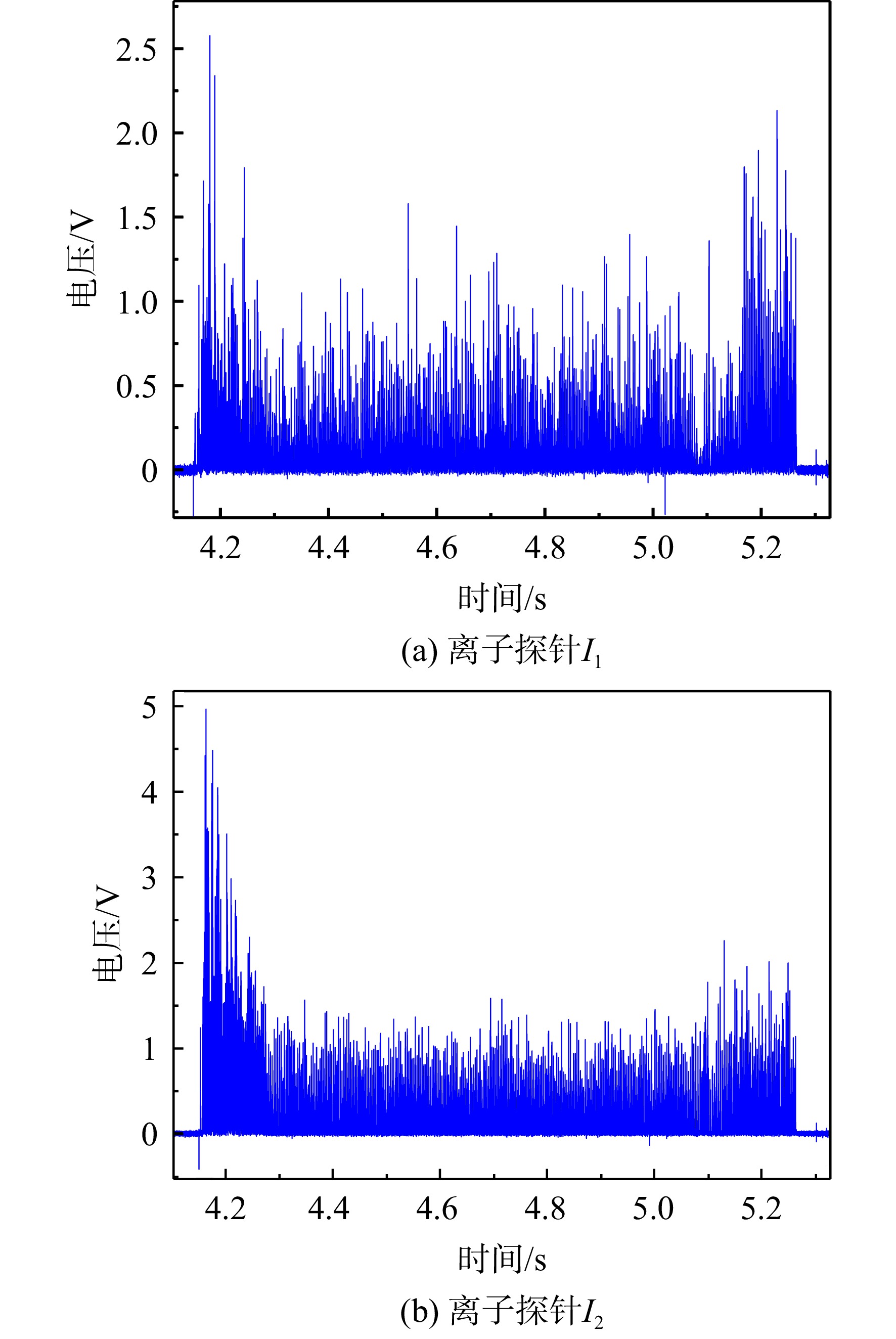
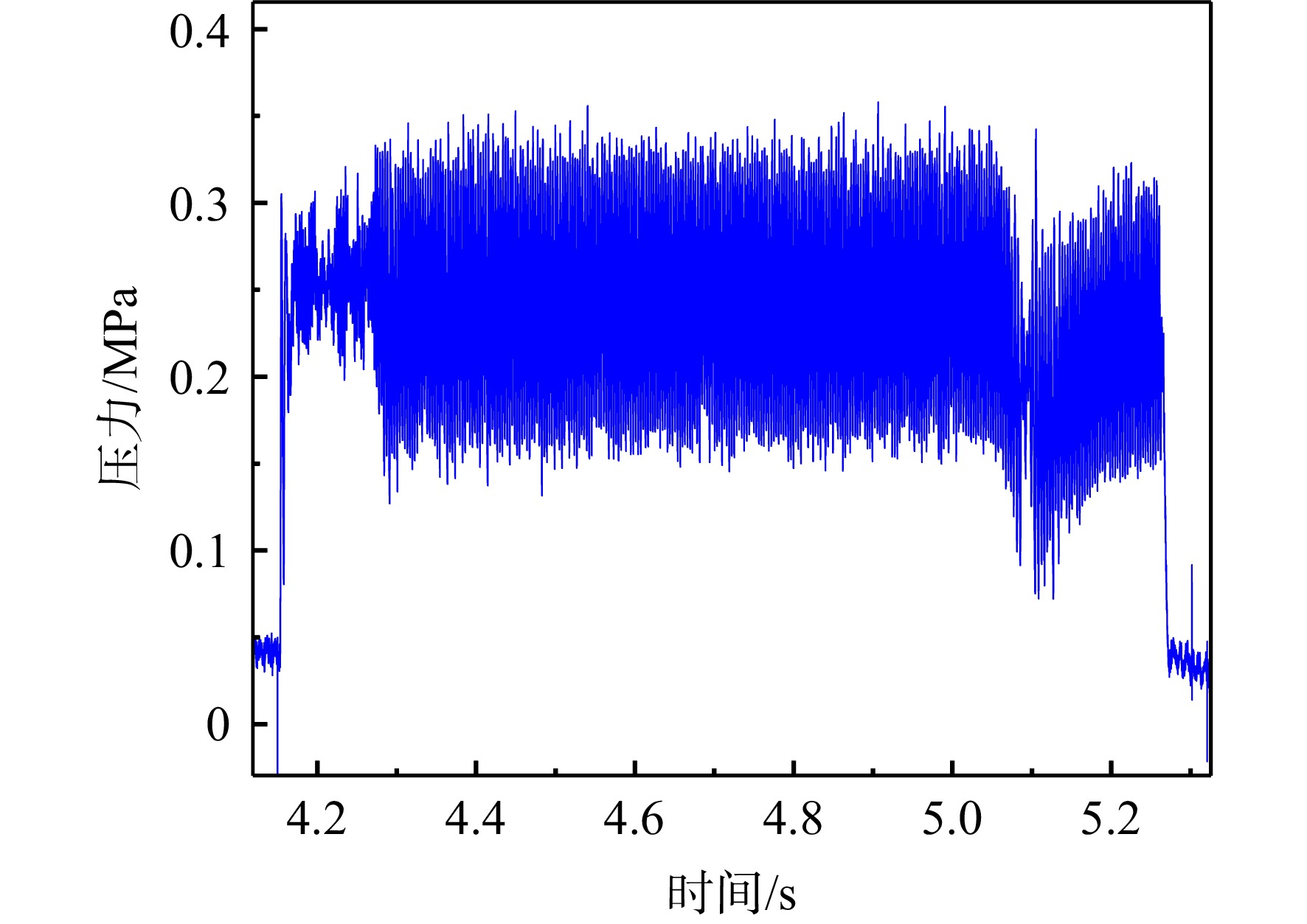
In order to explore the rotating detonation wave propagation characteristics of aviation kerosene mixed with incoming air in the subcritical state, the ambient aviation kerosene was heated and pressurized to the subcritical state, an experimental study of the combustion characteristics of the rotating detonation under different incoming flow temperatures and combustion chamber widths was carried out, and the influencing factors of the initiation and propagation of the rotating detonation wave were analyzed. The experimental results showed that the initiation process of subcritical aviation kerosene was divided into three stages: ignition, deflagration to detonation and sustained and stable detonation wave propagation. When the total incoming flow temperature ranged from 300 K to 700 K, the detonation characteristics of subcritical aviation kerosene can be improved by increasing the total incoming flow temperature. When the total incoming flow temperature increased from 500 K to 700 K, the detonation time can be shortened from 30 ms to 16 ms. The rotating detonation chamber width can effectively influence the propagation stability of the detonation wave. In case of the same combustion chamber outer diameter, the 50 mm wide annular combustion chamber under the same working condition can only form sporadic detonation waves, while the hollow combustion chamber can realize stable single-wave detonation combustion.

Experiment on detonation wave failure mechanism at near equivalence ratio limits
YANG Rui, ZHANG Qibin, CHEN Qingyun, FAN Wei
2025, 40(12): 20240063. doi: 10.13224/j.cnki.jasp.20240063
Abstract:

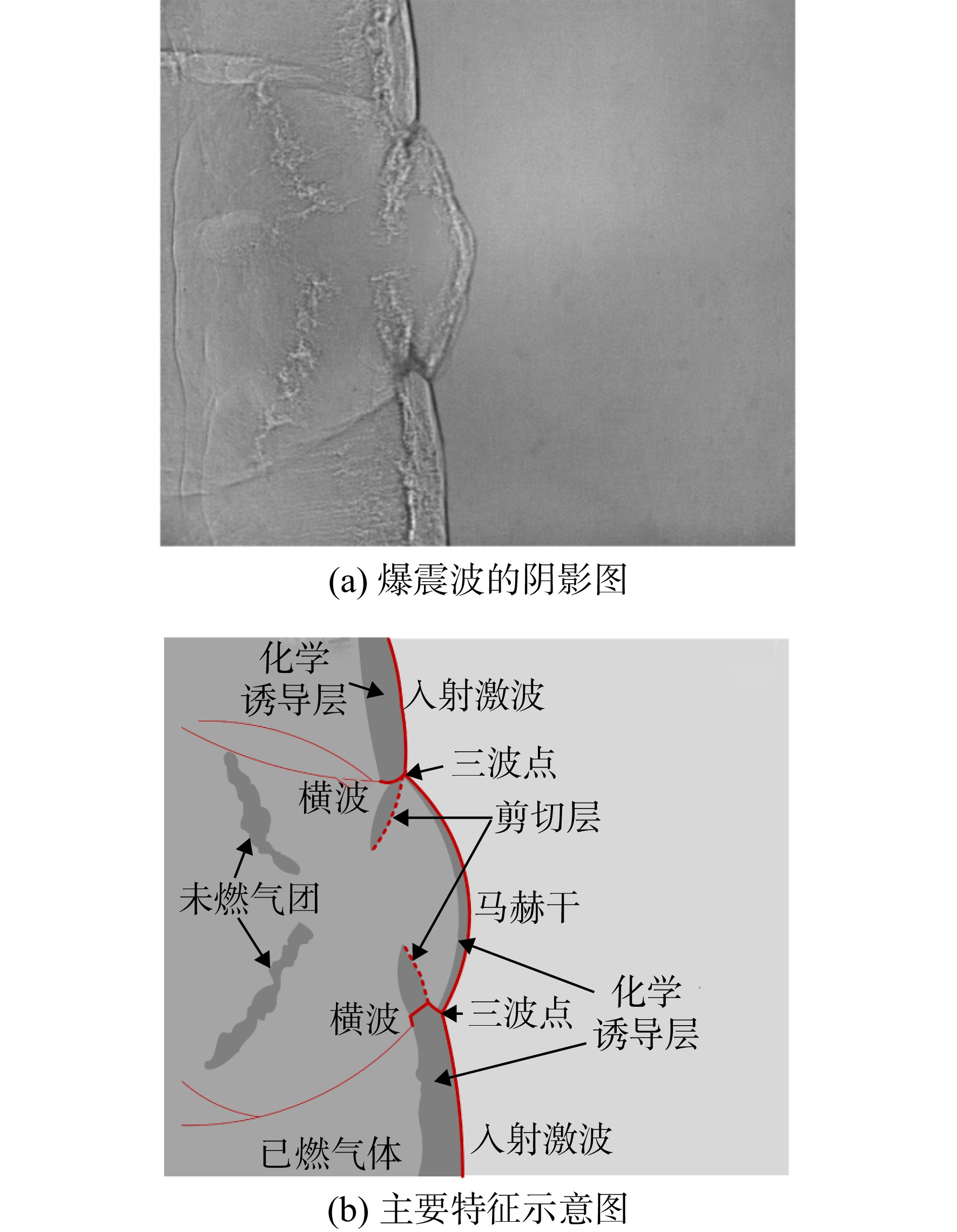
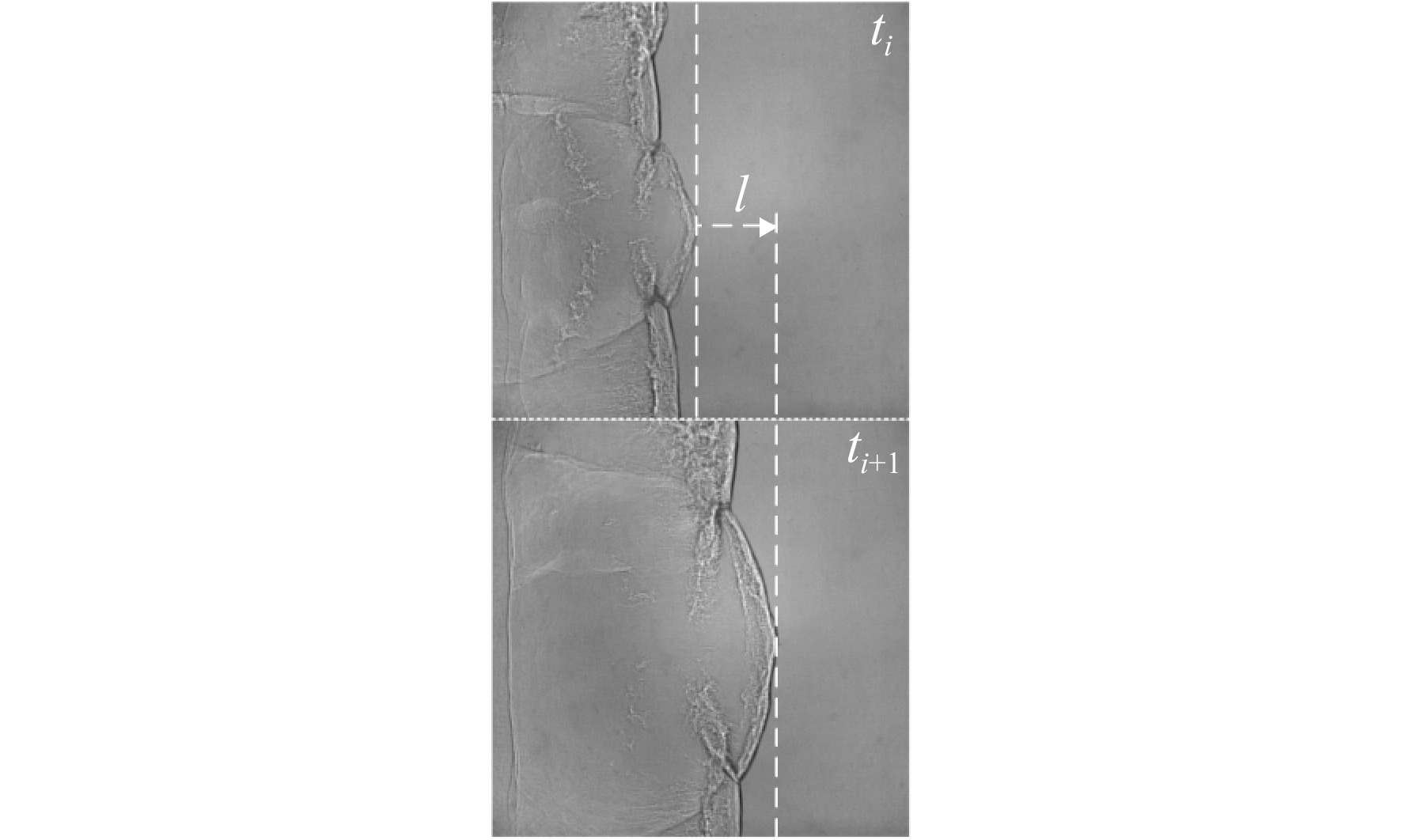
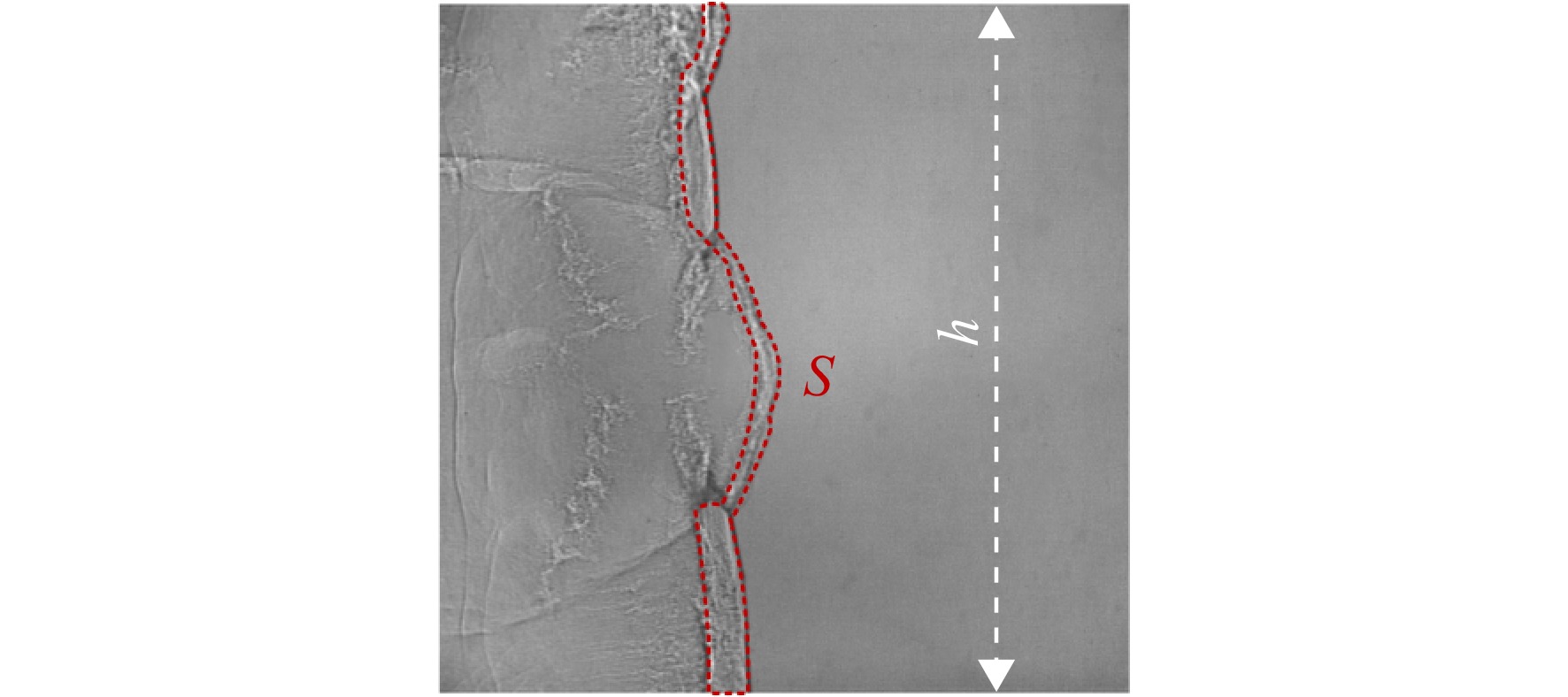
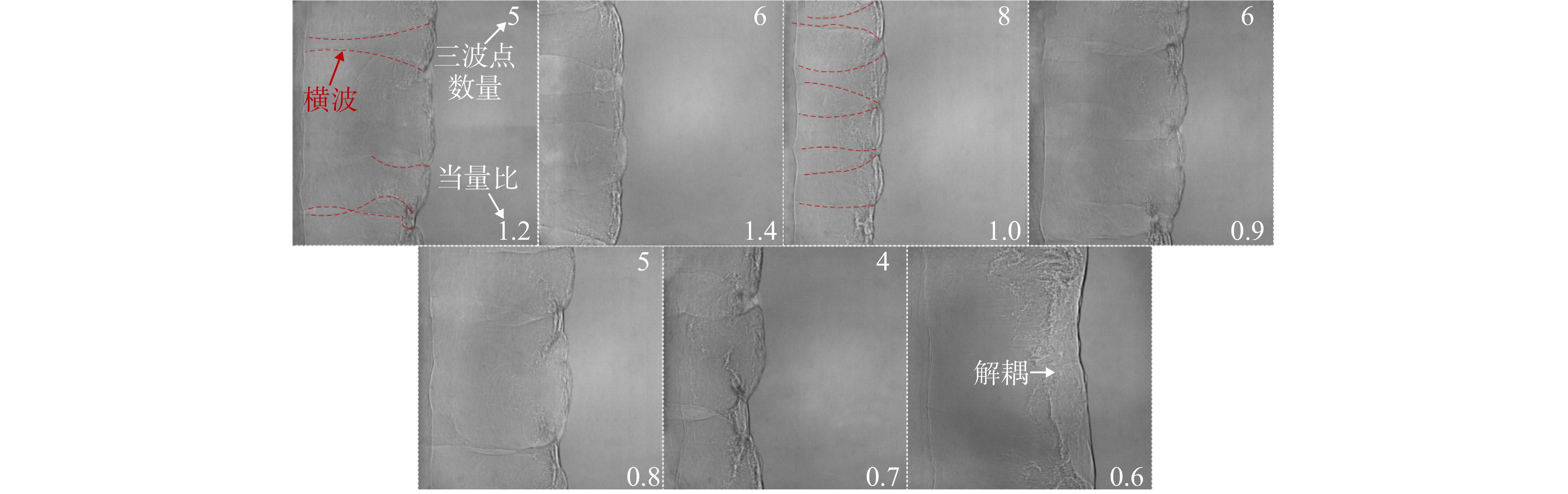
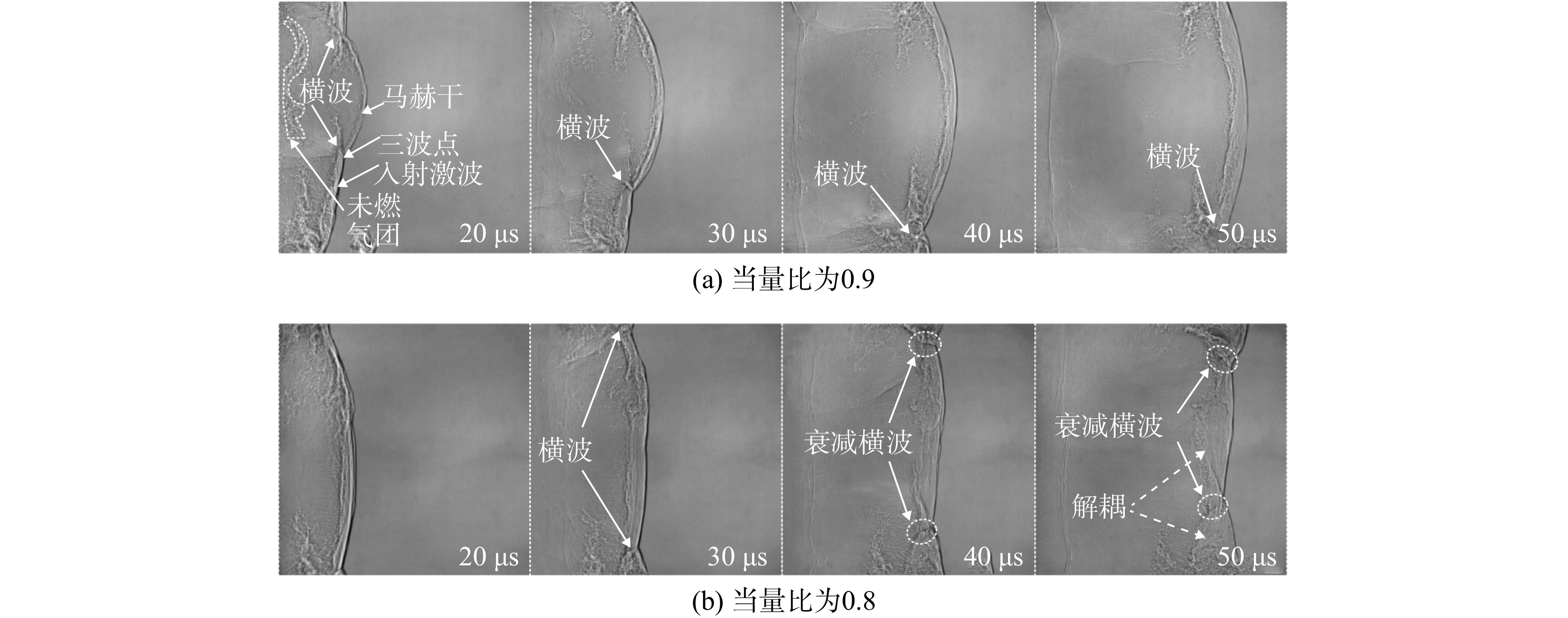
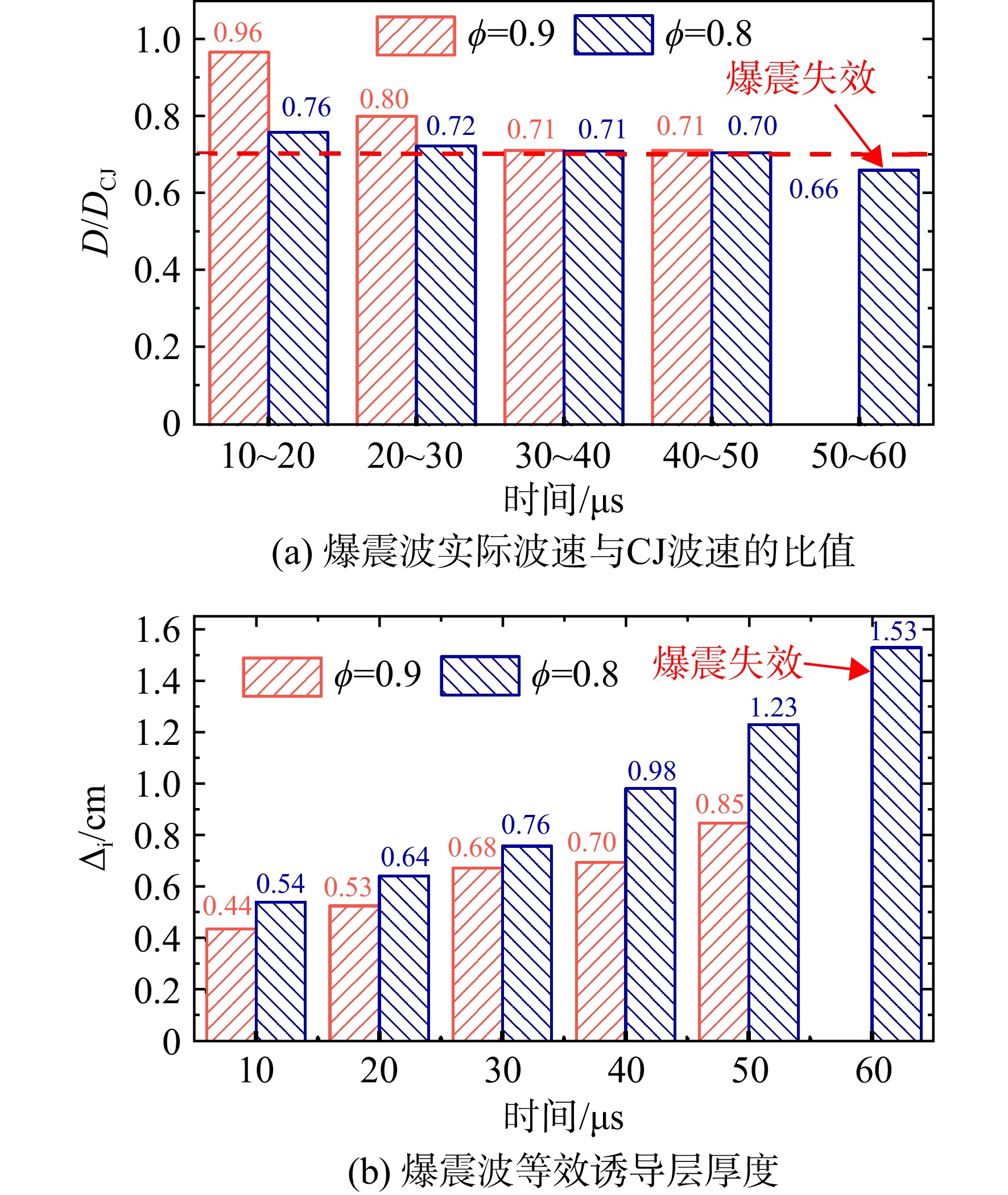
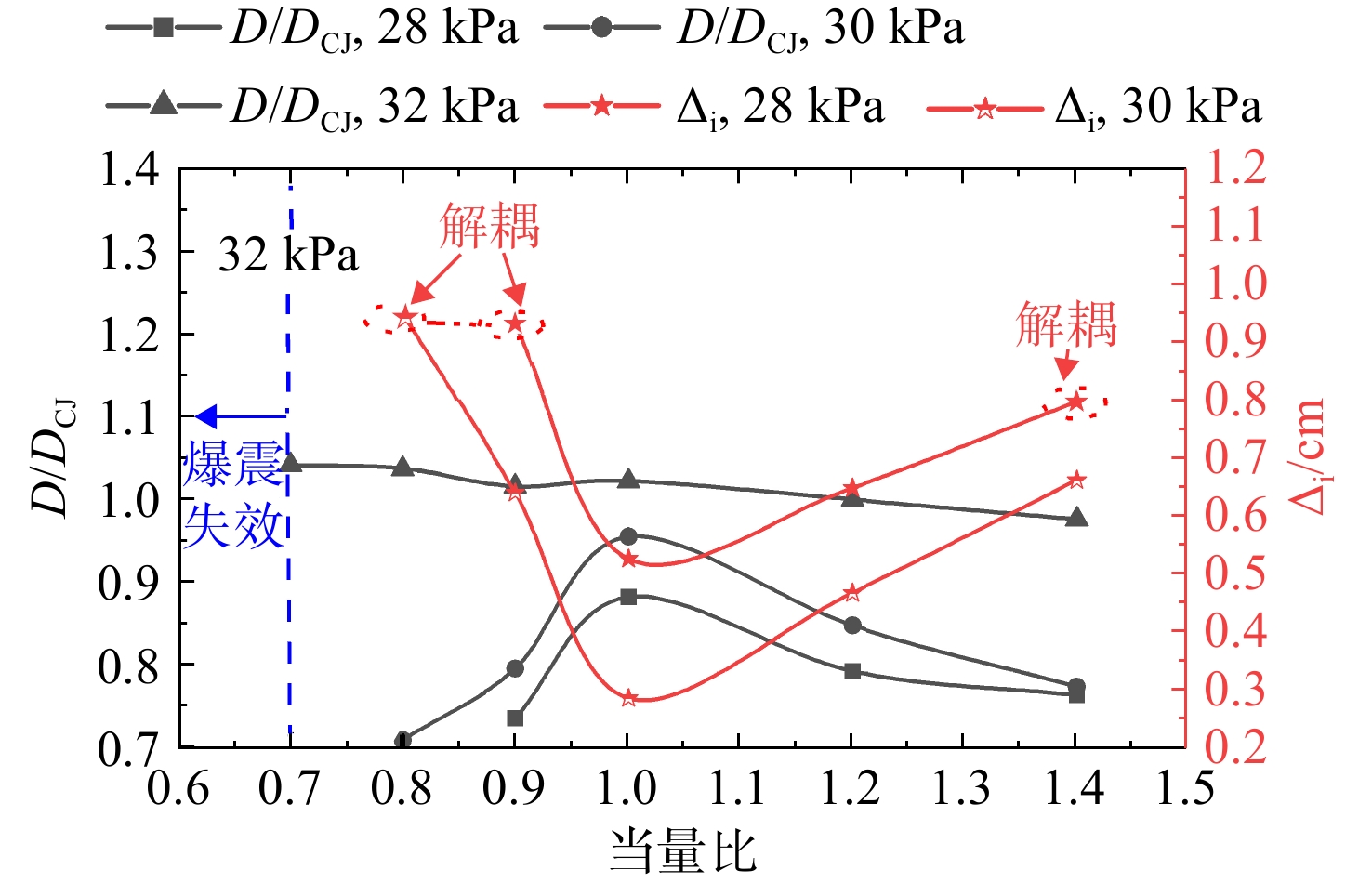
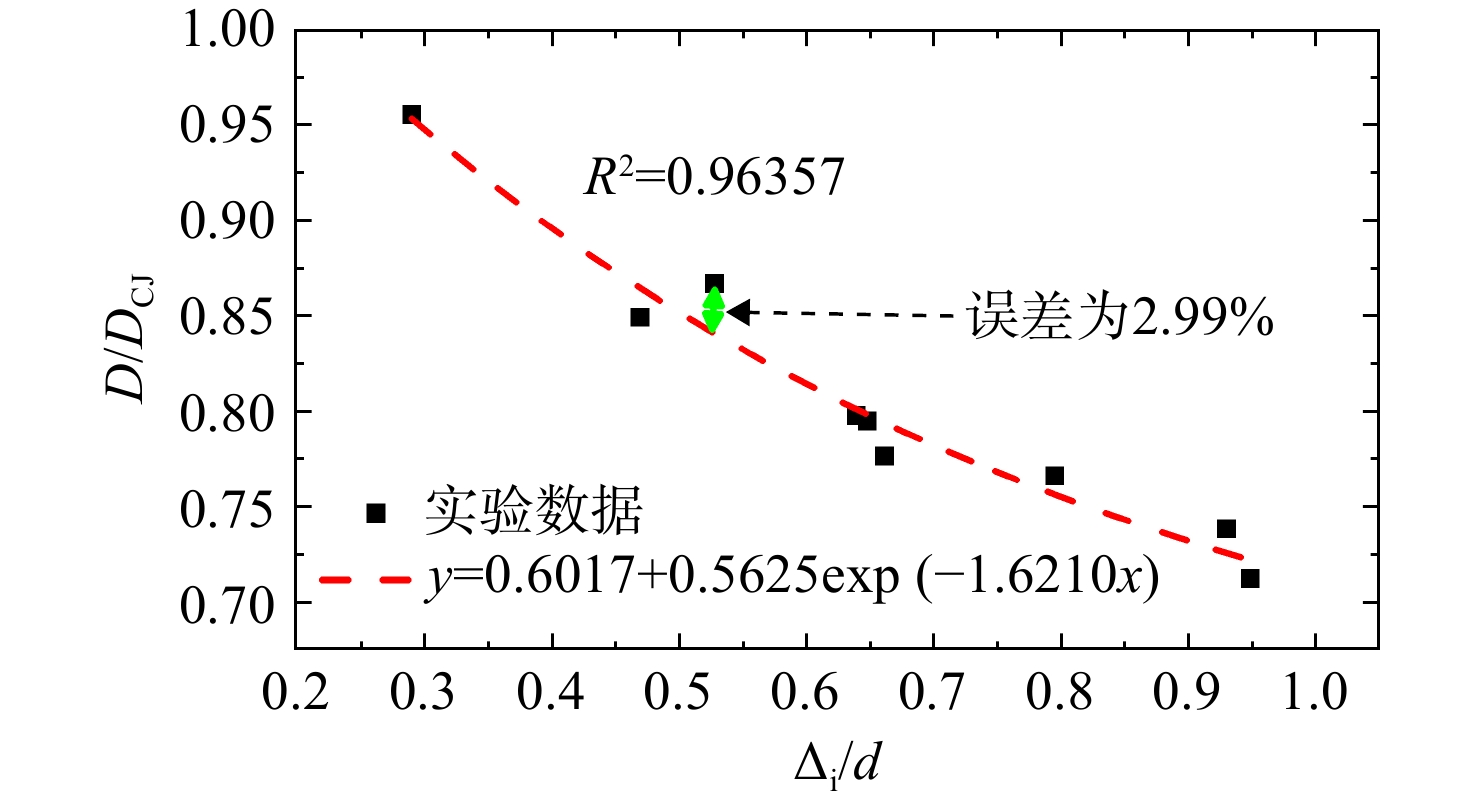
To investigate detonation wave failure near the equivalence ratio limit, experiments were conducted with ethylene as fuel and 50% oxygen-enriched air as the oxidizer. The detonation limit was approached by adjusting the equivalence ratio (0.6—1.4) at different initial pressures (32 kPa, 30 kPa, and 28 kPa). High-speed shadowgraphy captured the detonation waves’ cellular structures. Results showed that lower initial pressures and equivalence ratios deviating from 1 decreased the mixture reactivity, leading to a larger chemical induction zone. Near detonation limits, the failure mechanism was linked to transverse wave attenuation, causing a thicker induction layer and decoupling the leading shock wave from the reaction zone. This resulted in reduced wave speed, below 70% of the Chapman-Jouguet (CJ) value. A notable correlation between induction layer thickness and velocity deficit was found: thicker induction layers hindered the combustion energy’s support for shock wave motion, causing a larger velocity deficit.

Numerical study on liquid jet breakup characteristics of rectangular nozzles in crossflow
SHAO Meng, HE Zhixia, WANG Qian
2025, 40(12): 20240073. doi: 10.13224/j.cnki.jasp.20240073
Abstract:

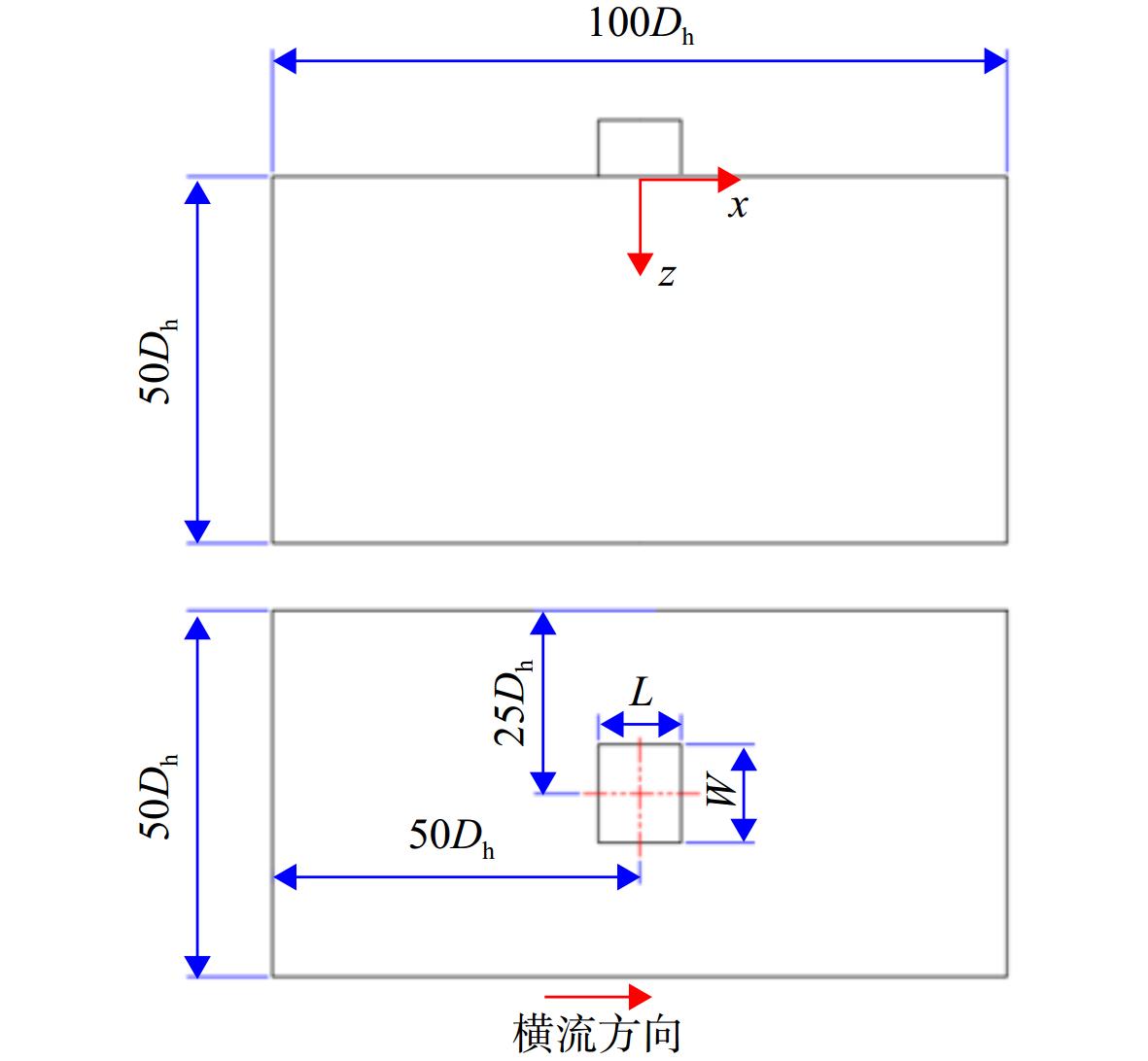
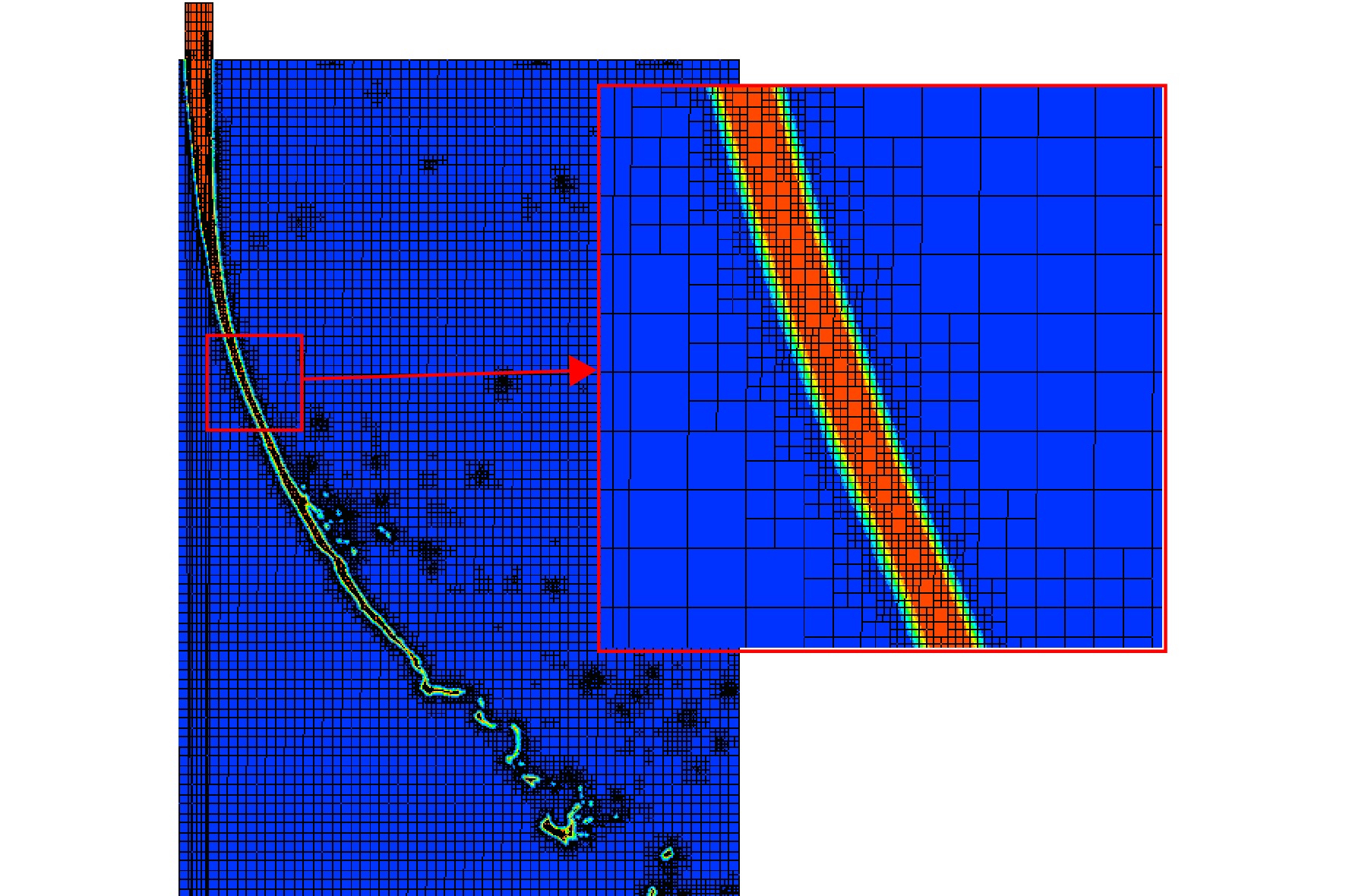
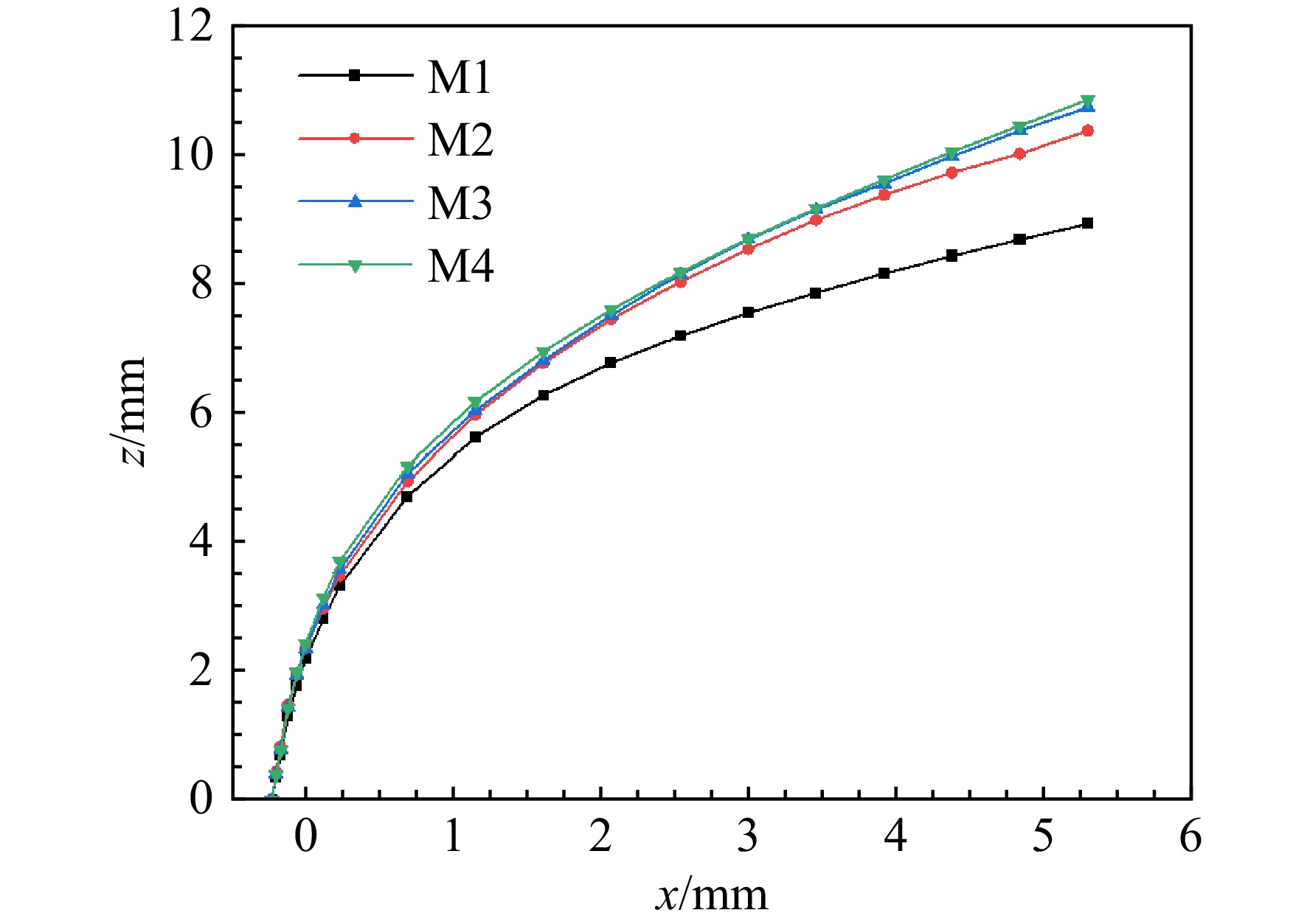
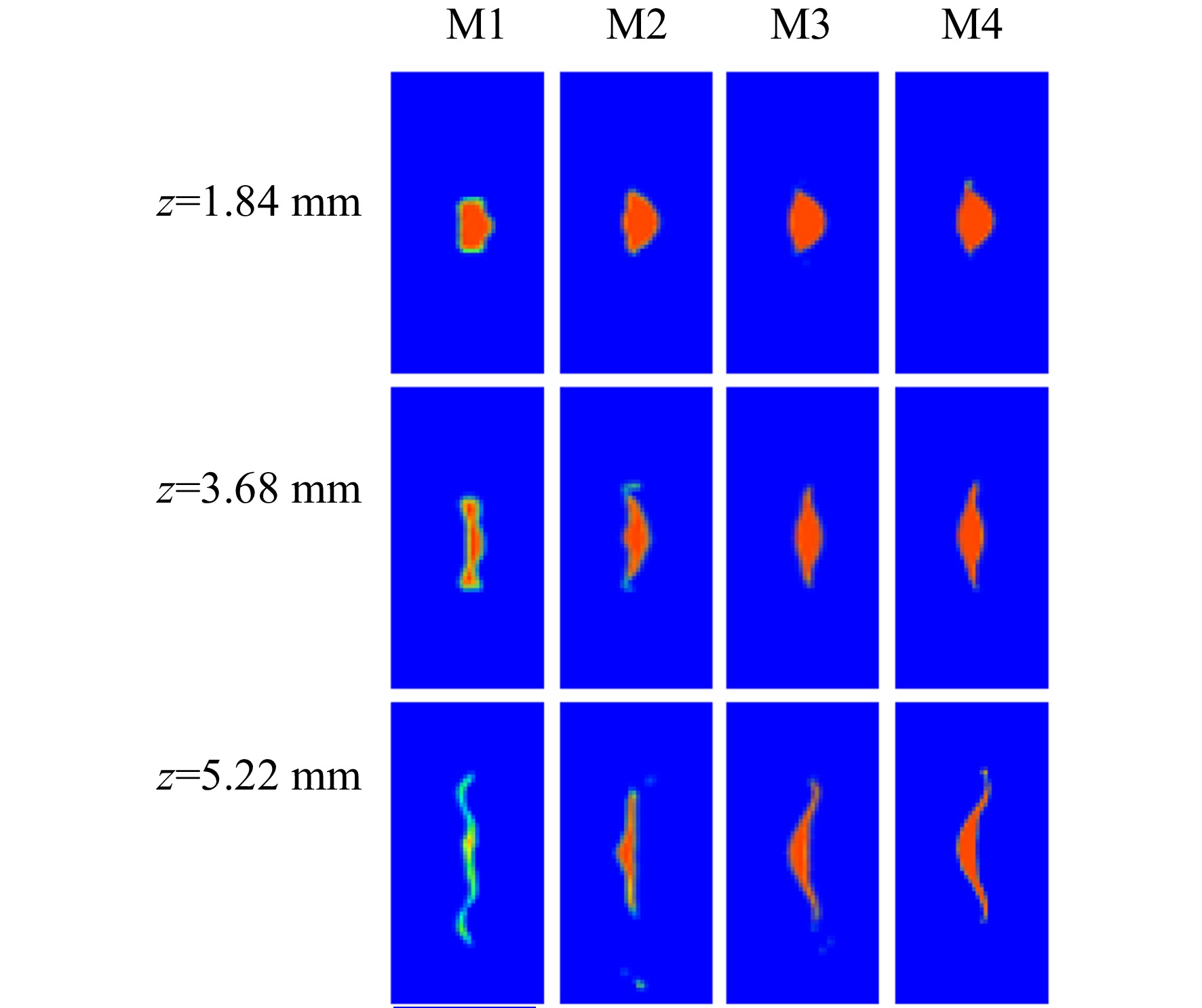
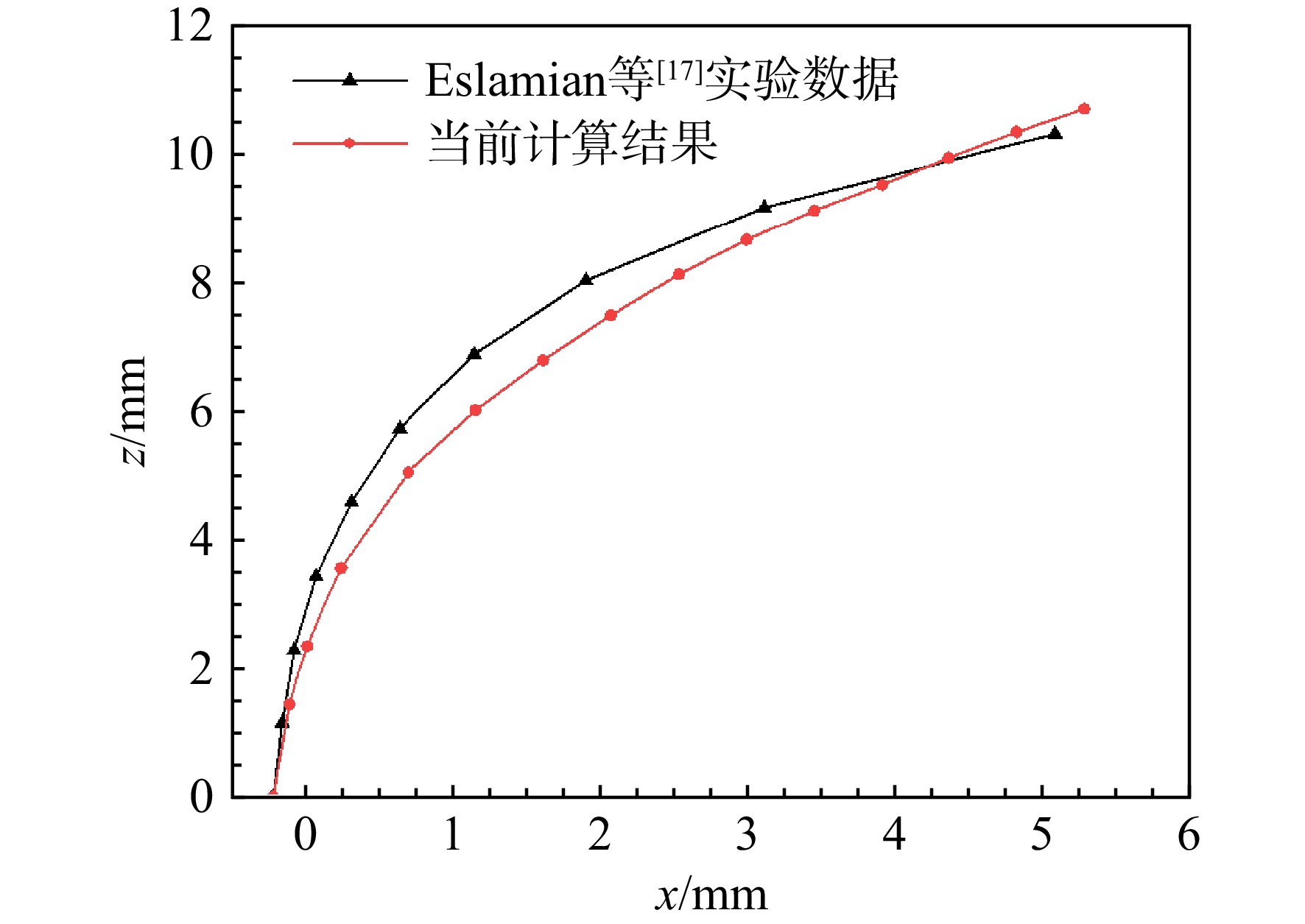
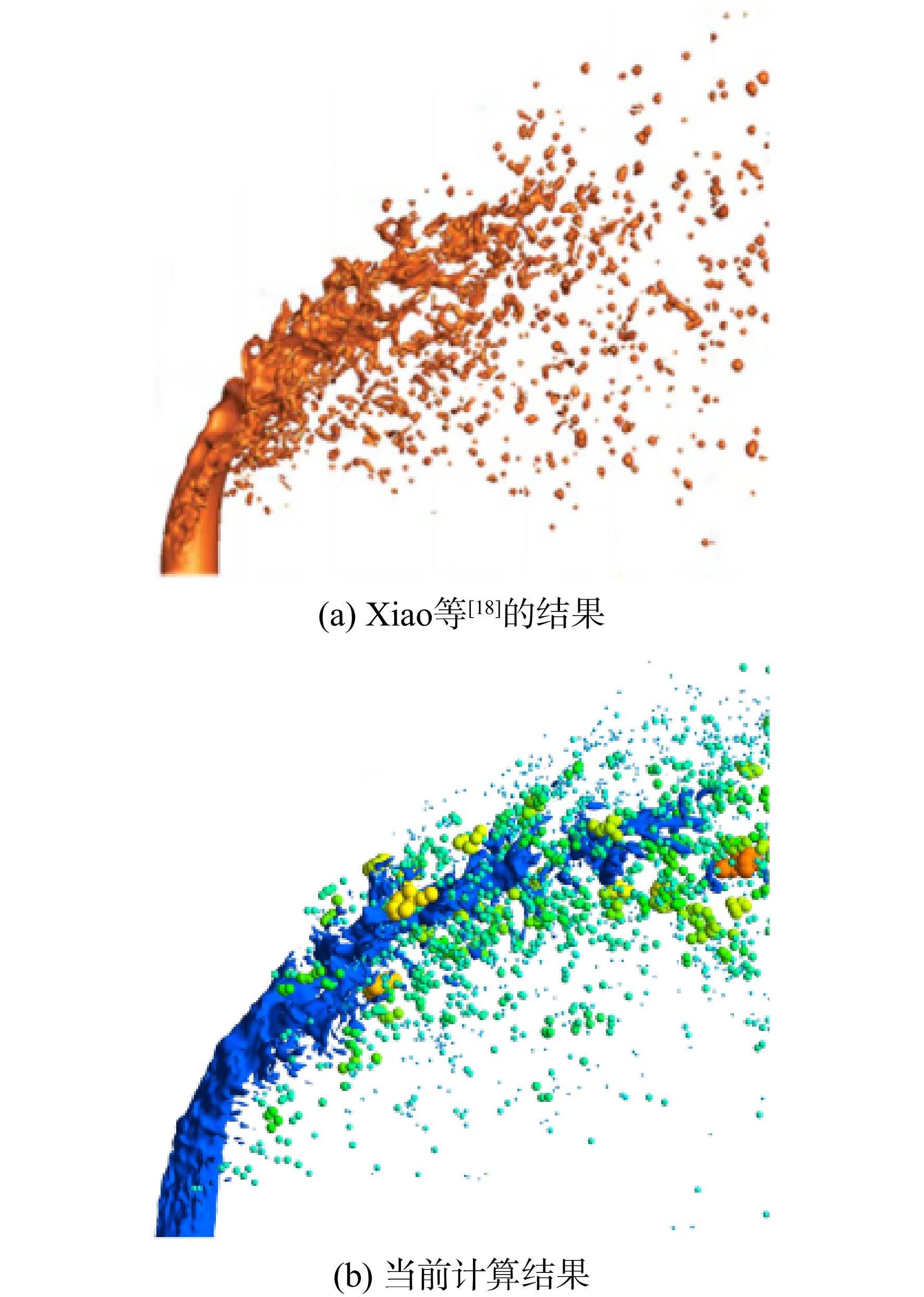
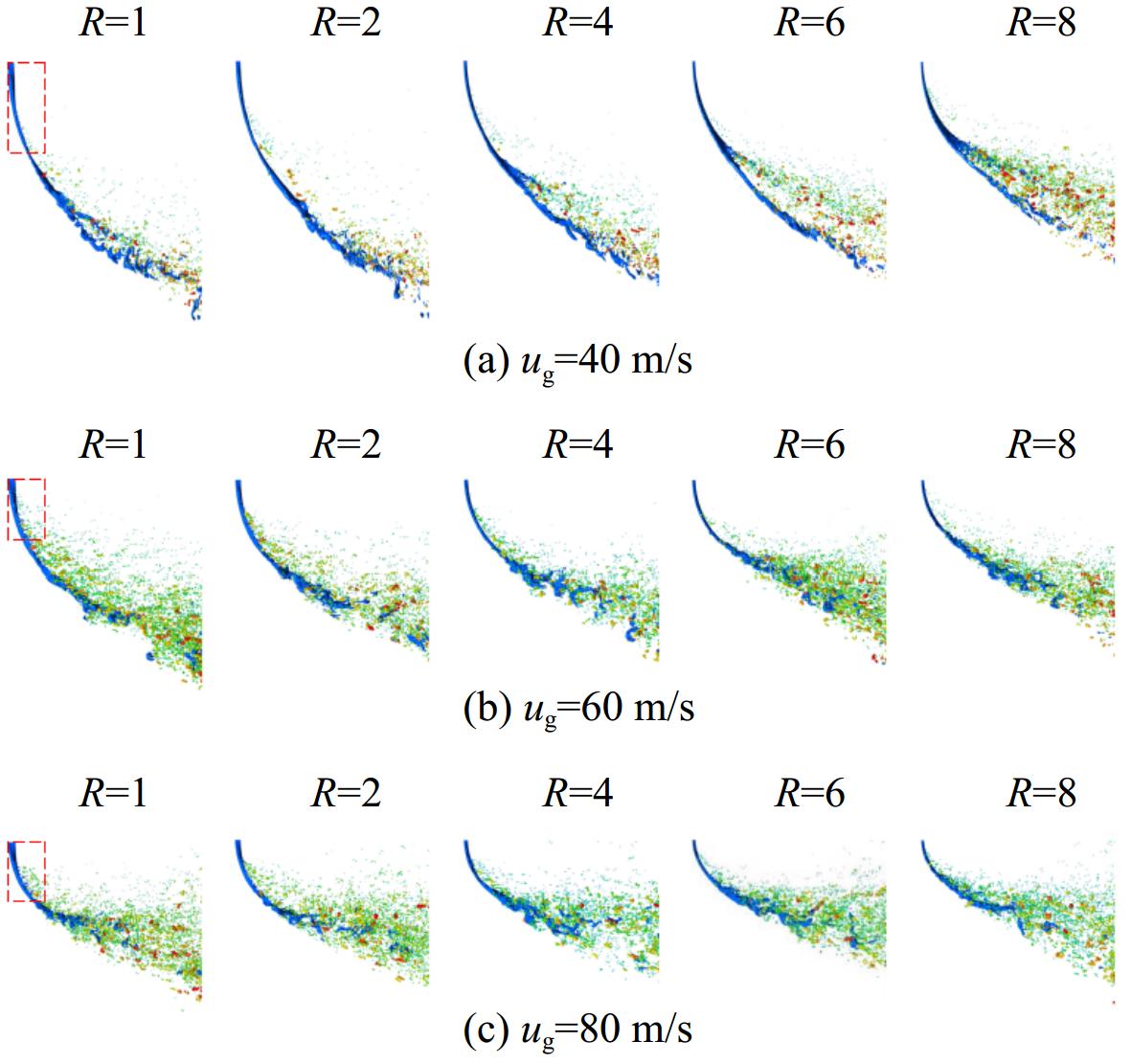
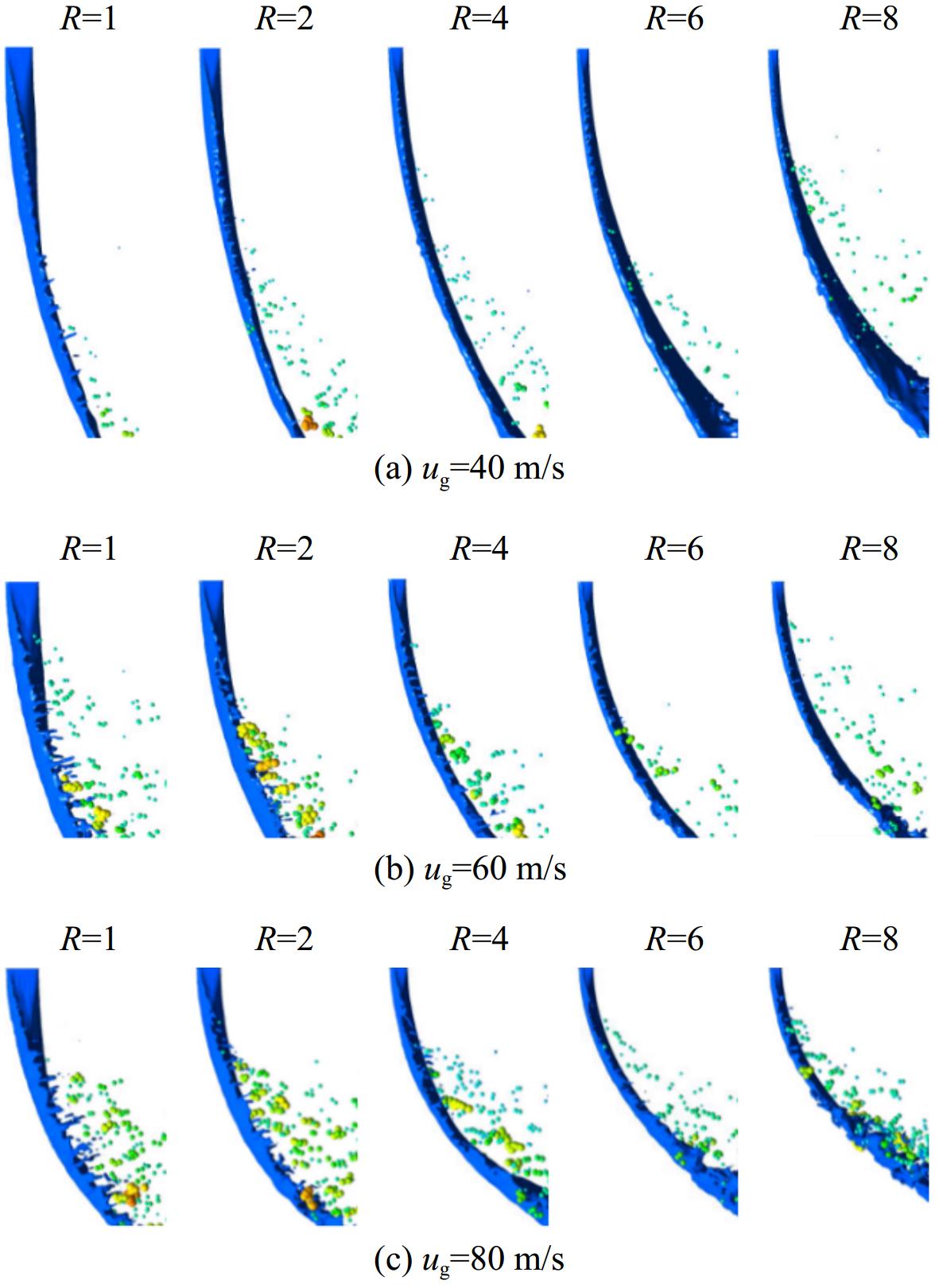
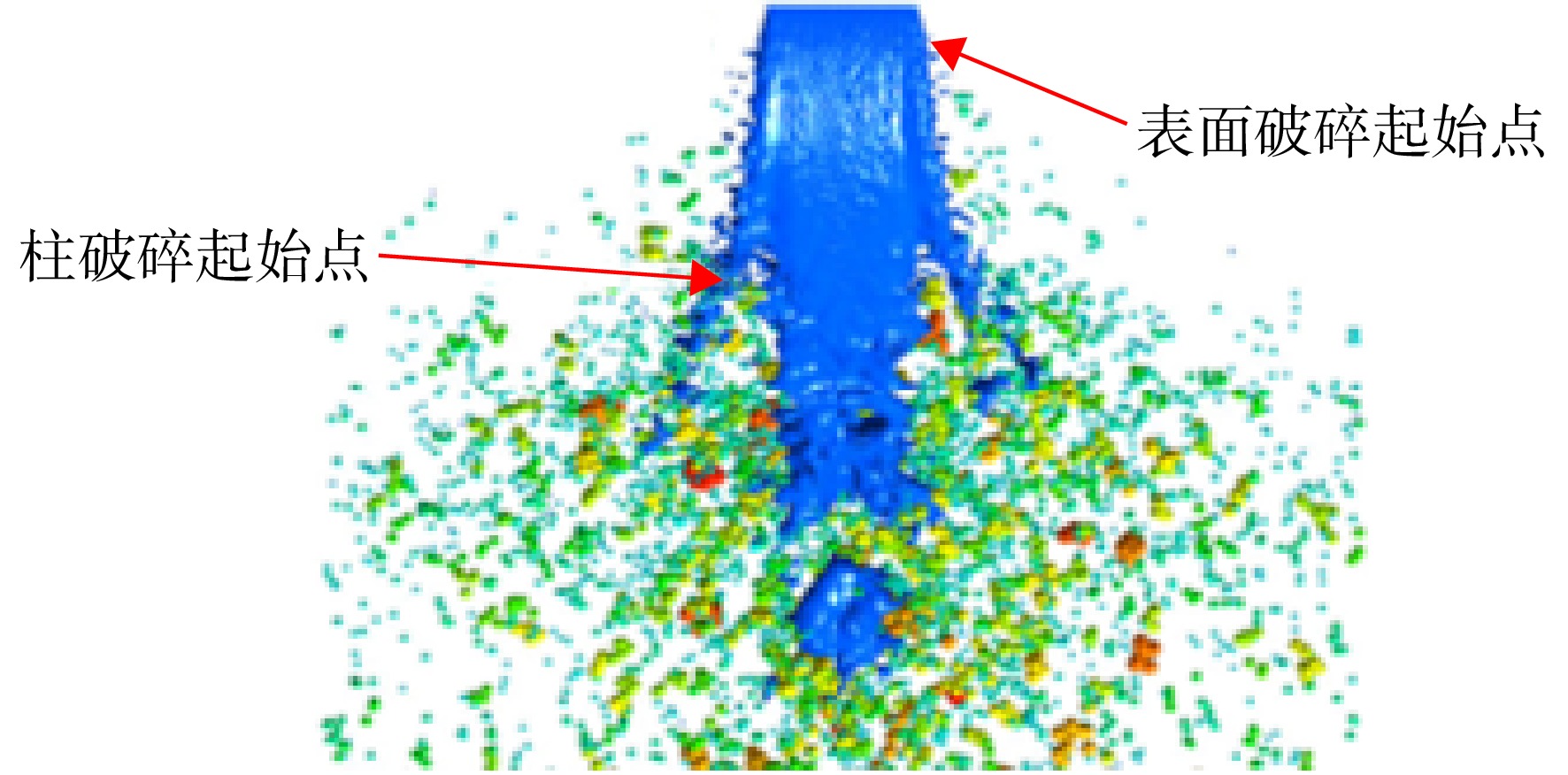
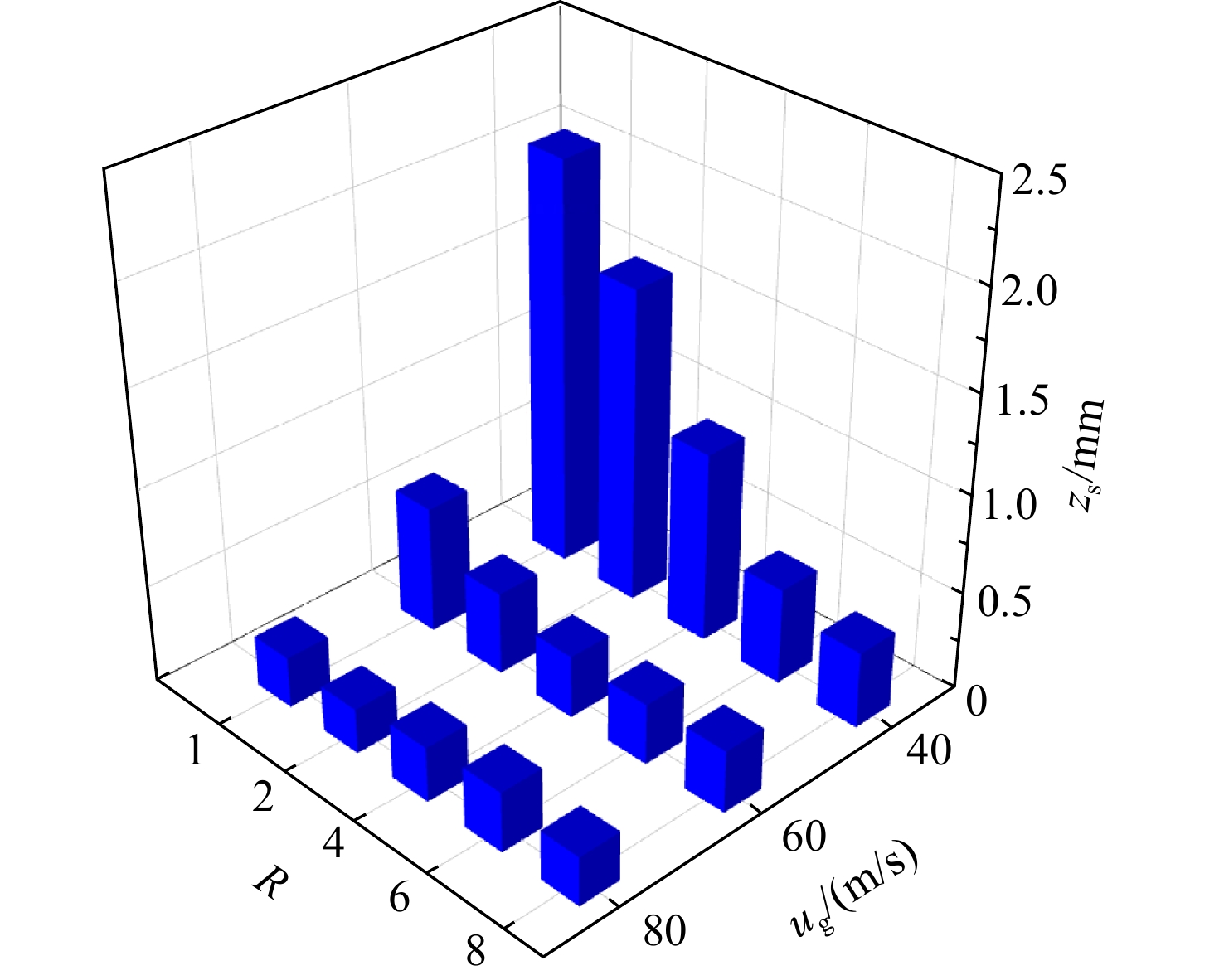
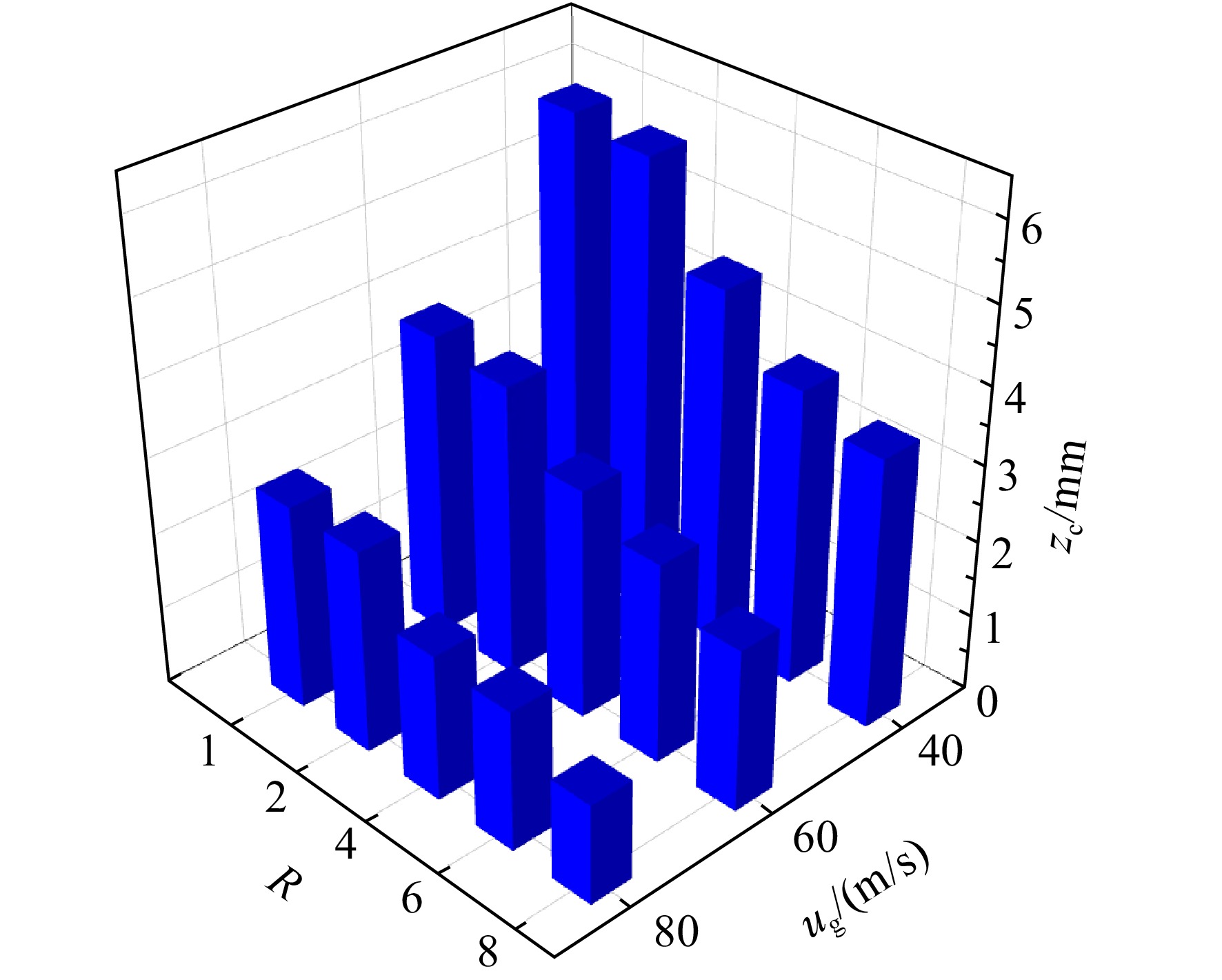
Liquid jet in crossflow of rectangular nozzle was investigated by numerical simulation. The influences of the aspect ratio of nozzles on the breakup behavior and deformation characteristics of liquid column in the primary breakup were emphatically analyzed. The aspect ratio ranged from 1 to 8. The results showed that at low velocity of crossflow, the surface breakup was almost unaffected by the aspect ratio of rectangular nozzles, and the column breakup mode gradually changed from bag breakup to “two-streak-one-membrane” structure. At higher velocity, surface breakup was more intense. With the increase of aspect ratio, the surface breakup first weakened and then strengthened, and the column breakup mode changed from “two-streak-one-membrane” structure to “three-streak-two-membrane” structure. With the extension of liquid jet, the width of liquid column increased gradually. The larger aspect ratio of rectangular nozzles indicated the greater surface tension, and the weaker promoting influence of crossflow on the deformation of liquid column. Thus, the trend of increasing the width of liquid column was slower. The change of liquid column thickness was not only related to the aspect ratio of nozzles, but also affected by column breakup mode in the liquid jet process. In addition, with the increase of velocity of crossflow, the influence of aspect ratio on the onset of surface breakup and column breakup gradually decreased.

Study on influence of combustor length on lean premixed swirl flame combustion instability
CAI Kaiyuan, FENG Songjiang, CAO Wei, GUO Kangkang, TONG Yiheng, LI Xiaoliang
2025, 40(12): 20240743. doi: 10.13224/j.cnki.jasp.20240743
Abstract:

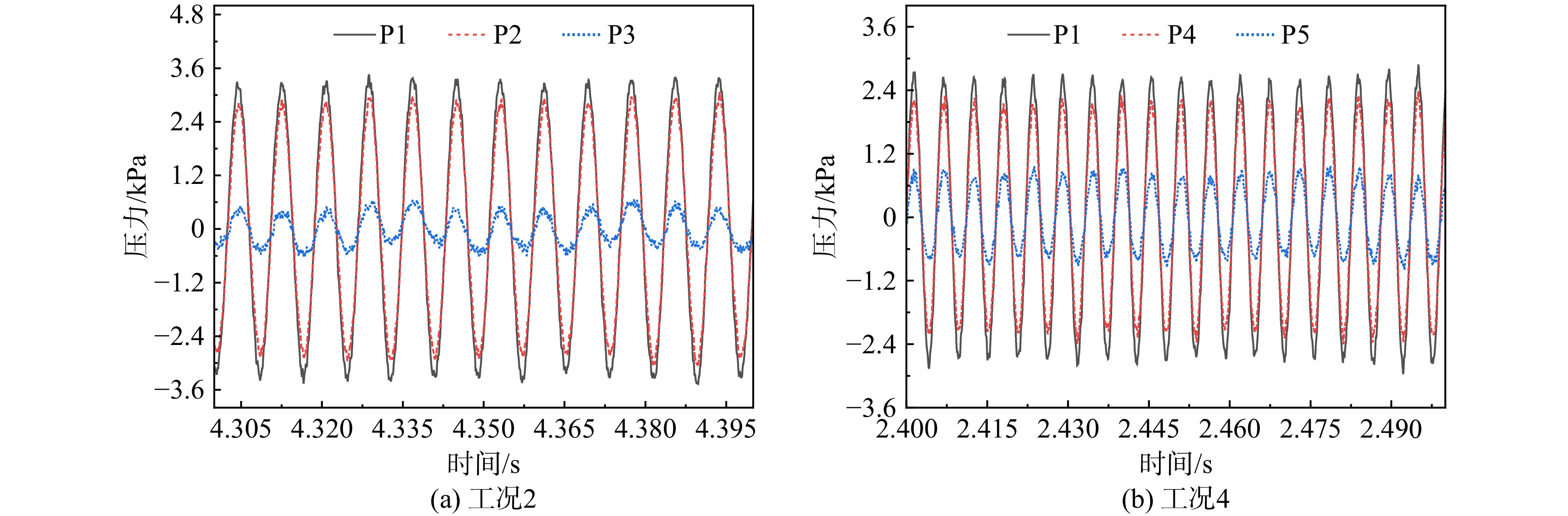
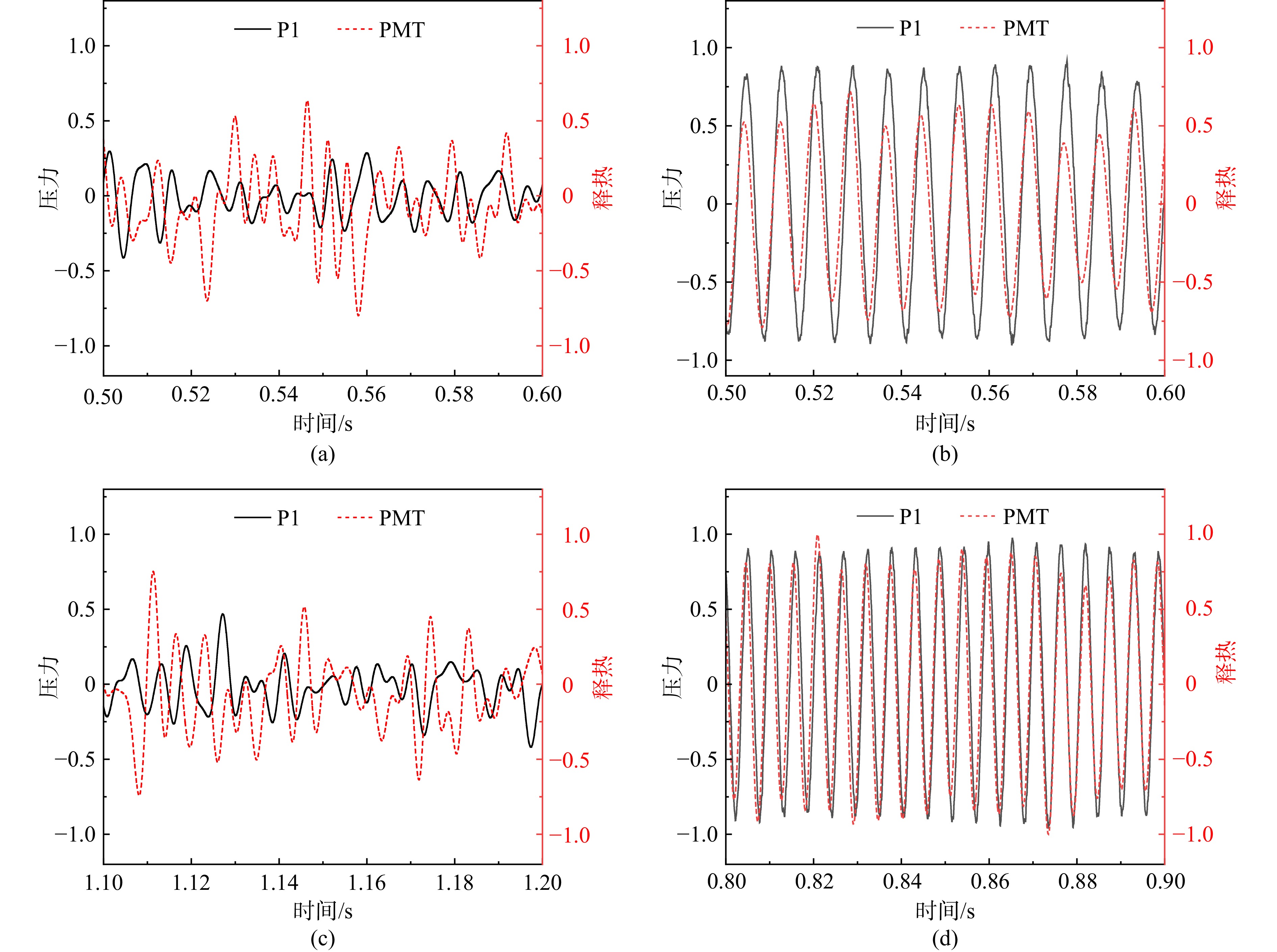
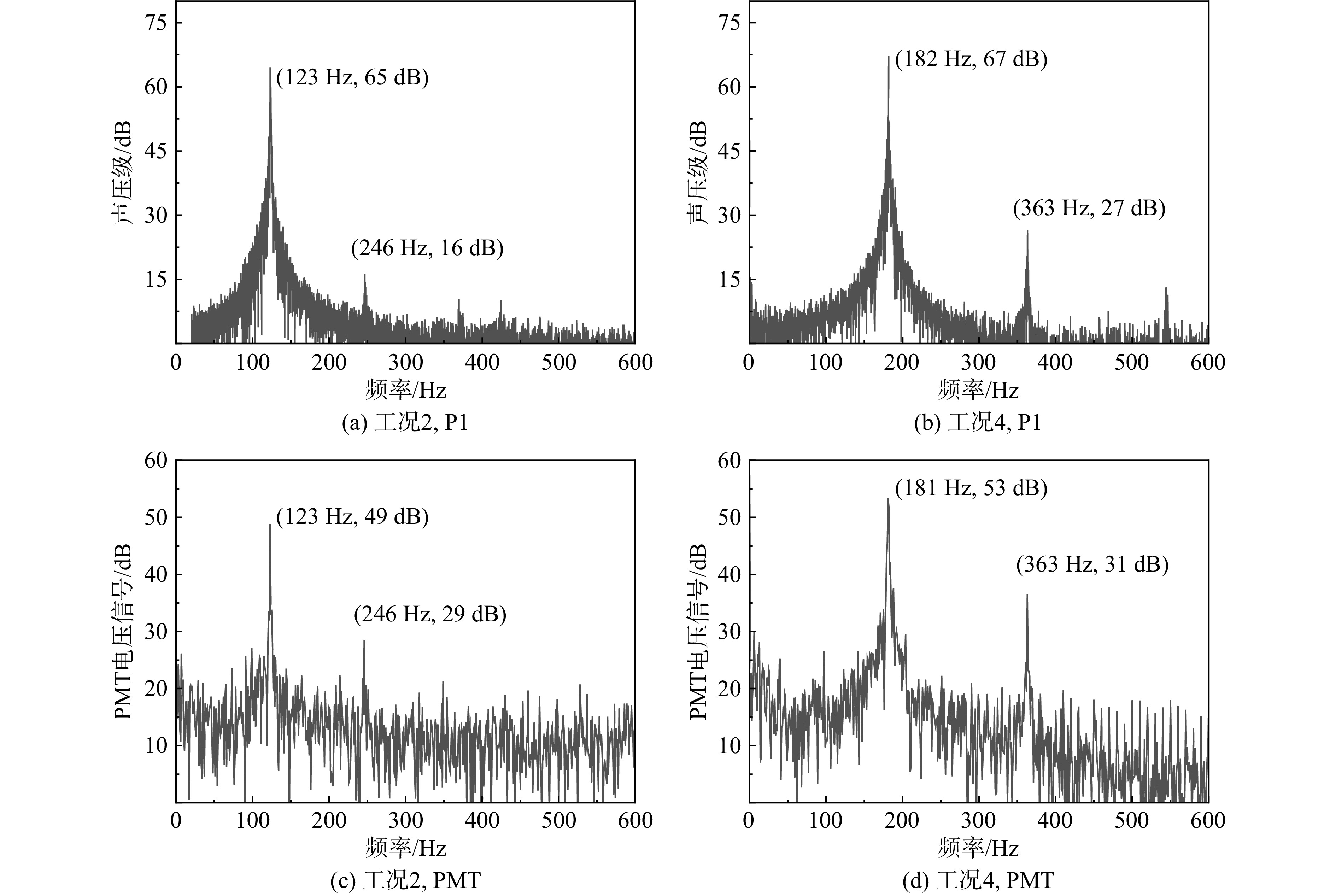
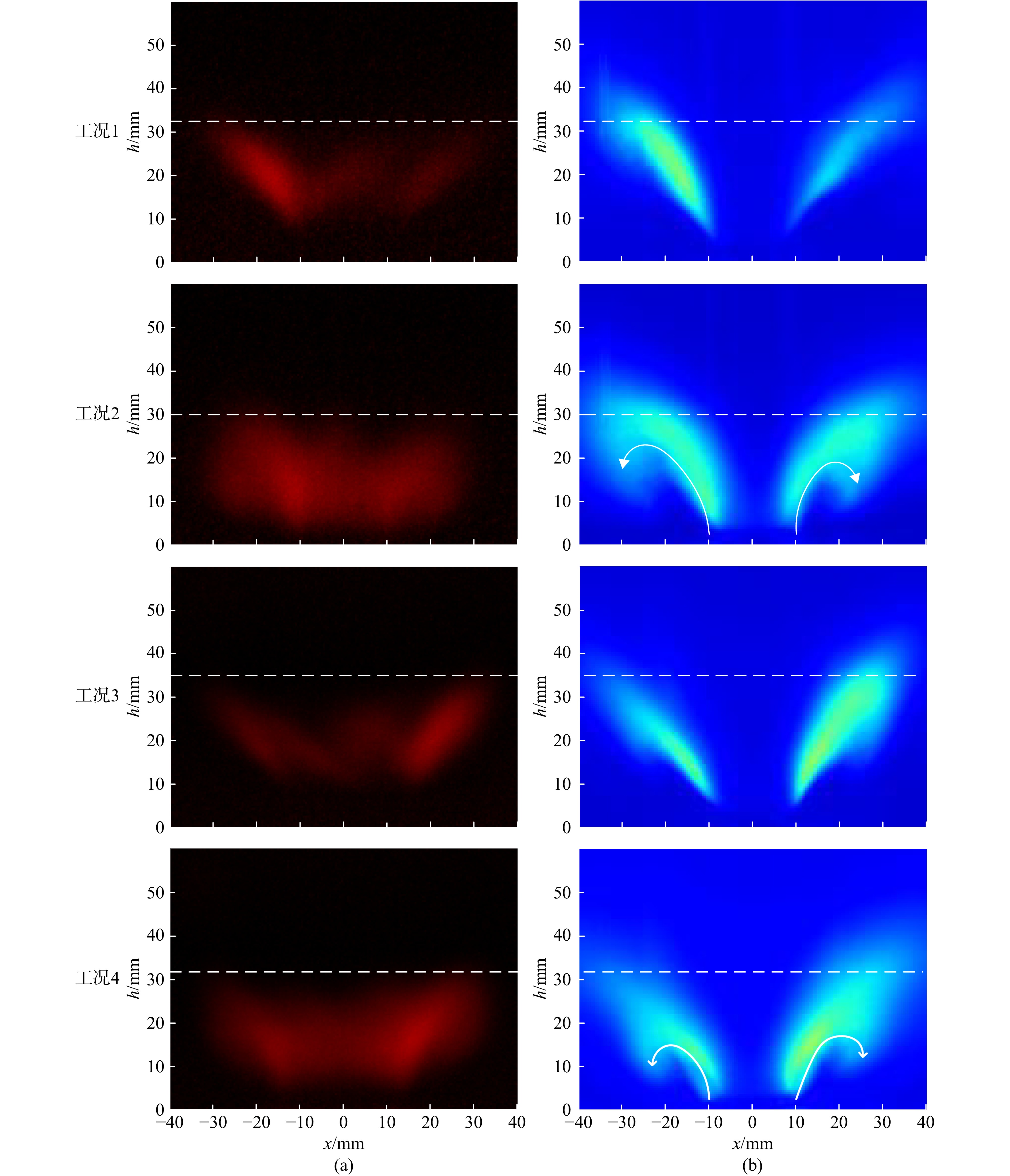
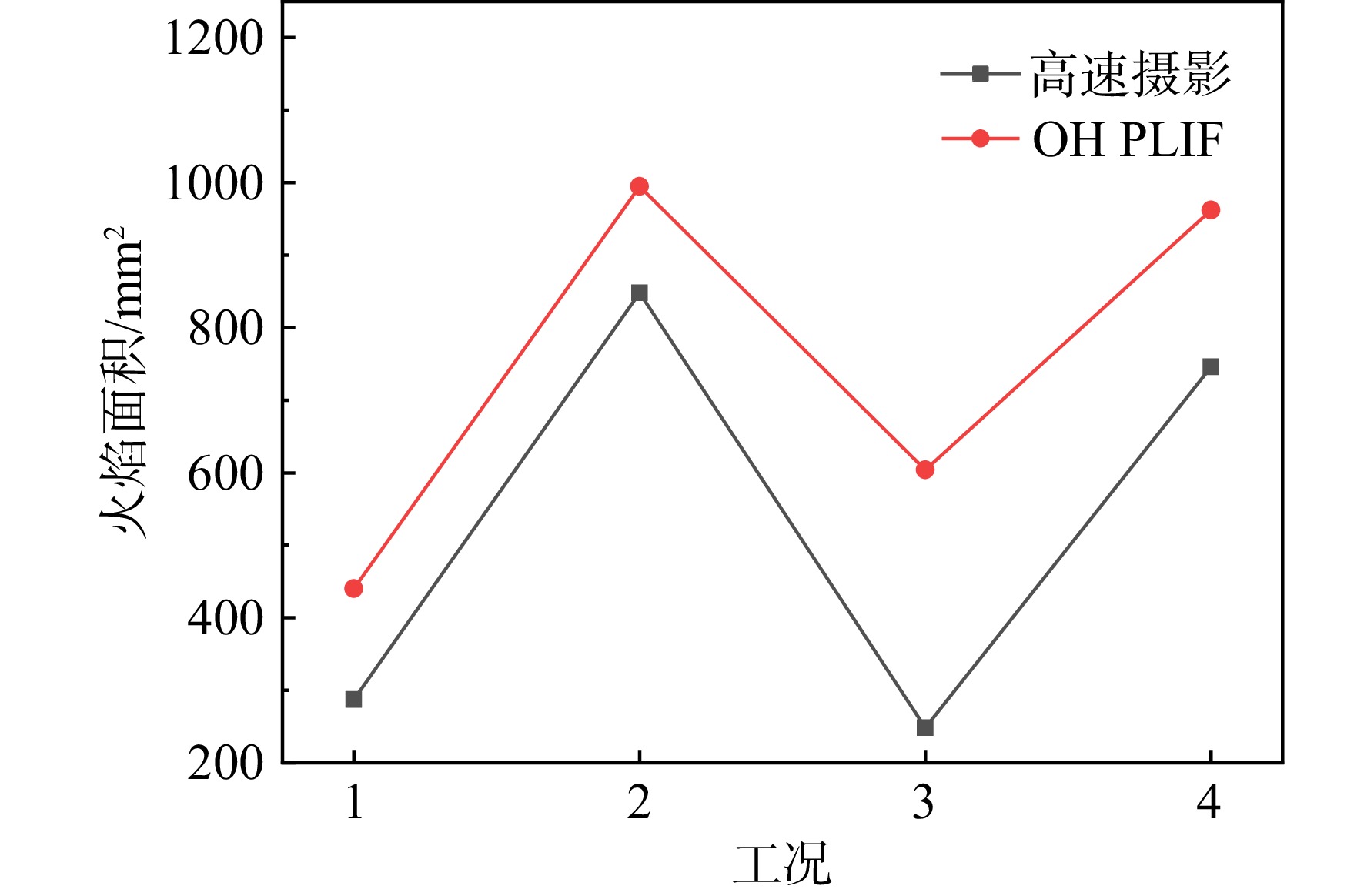
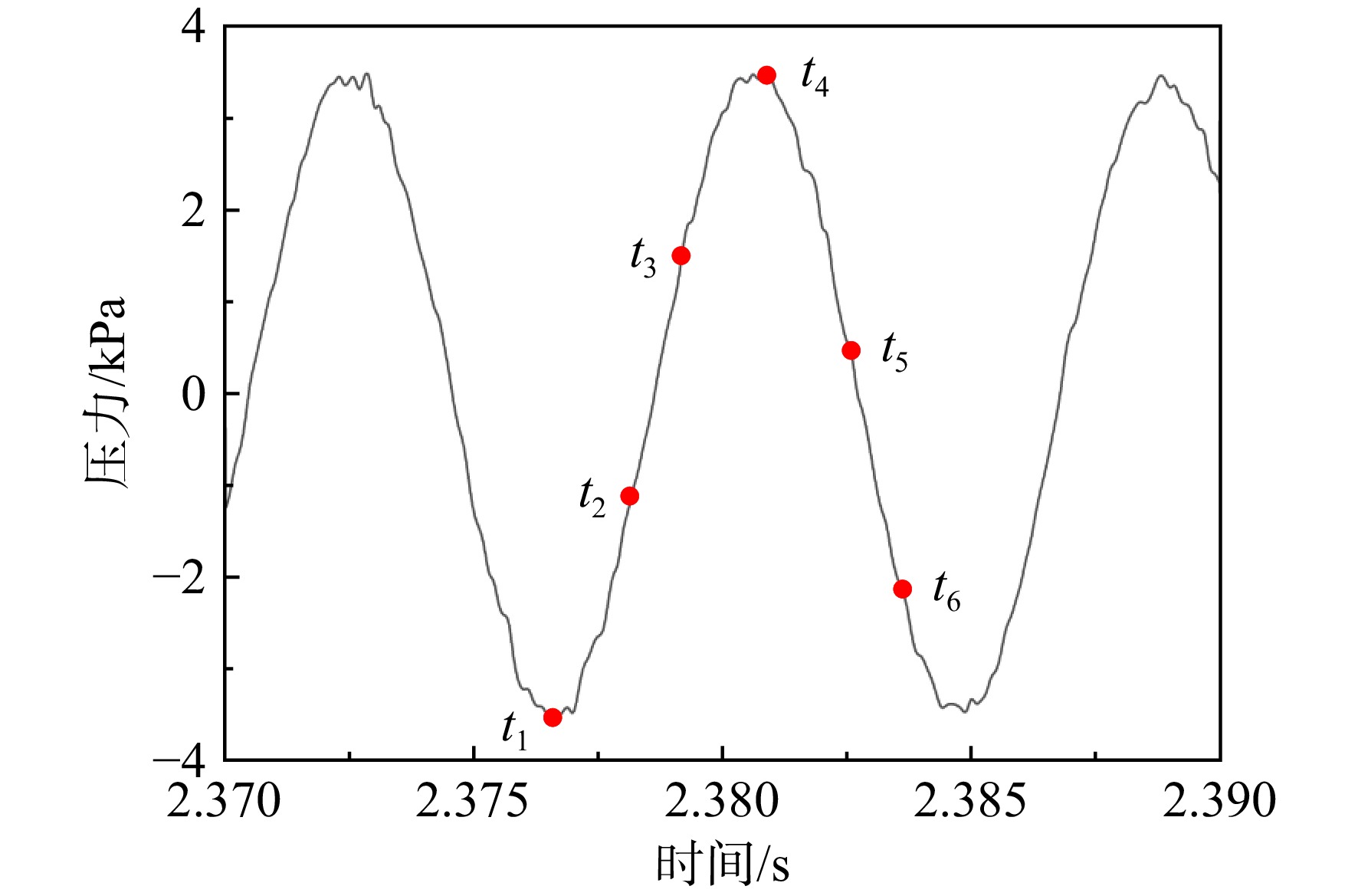
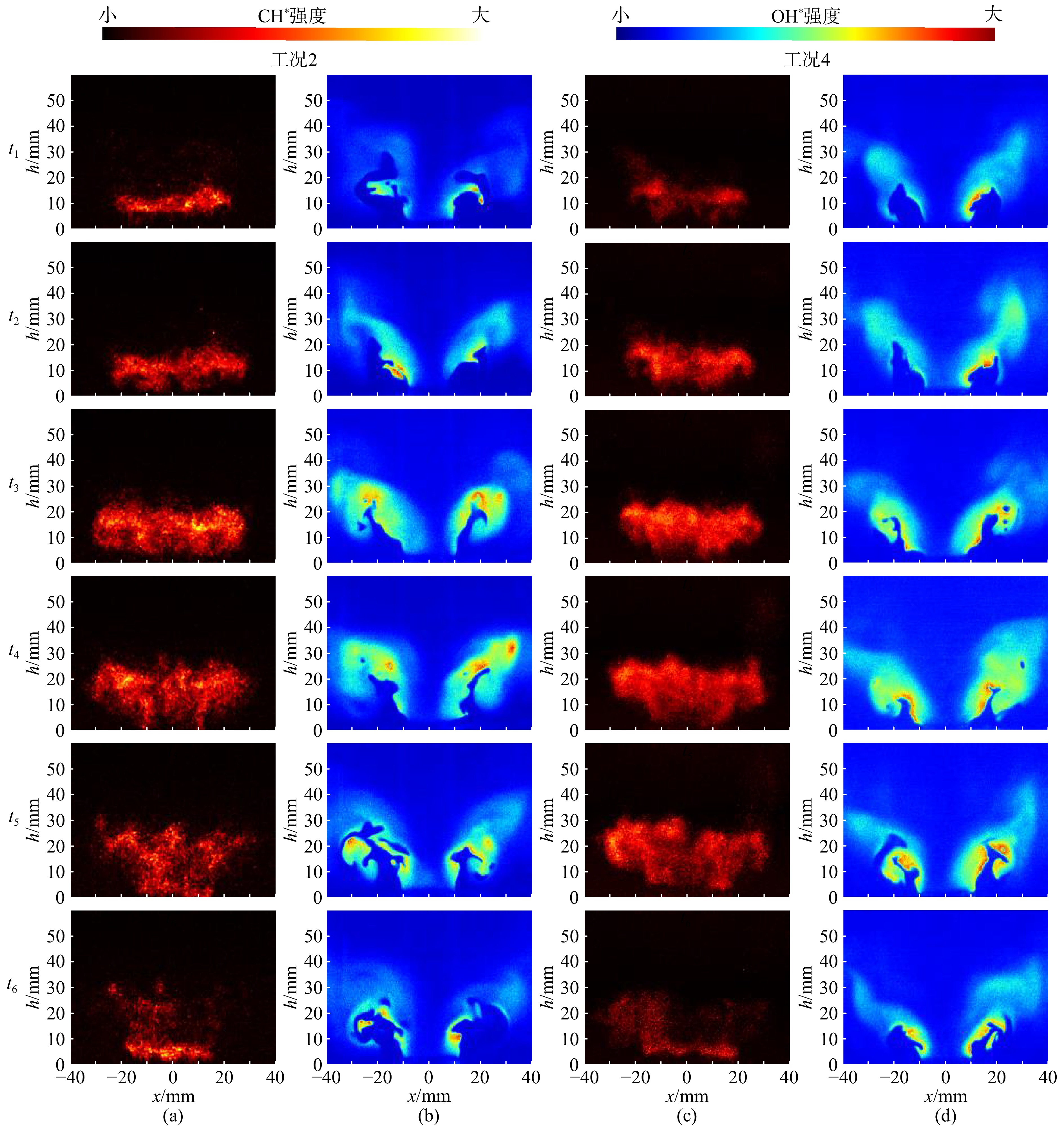
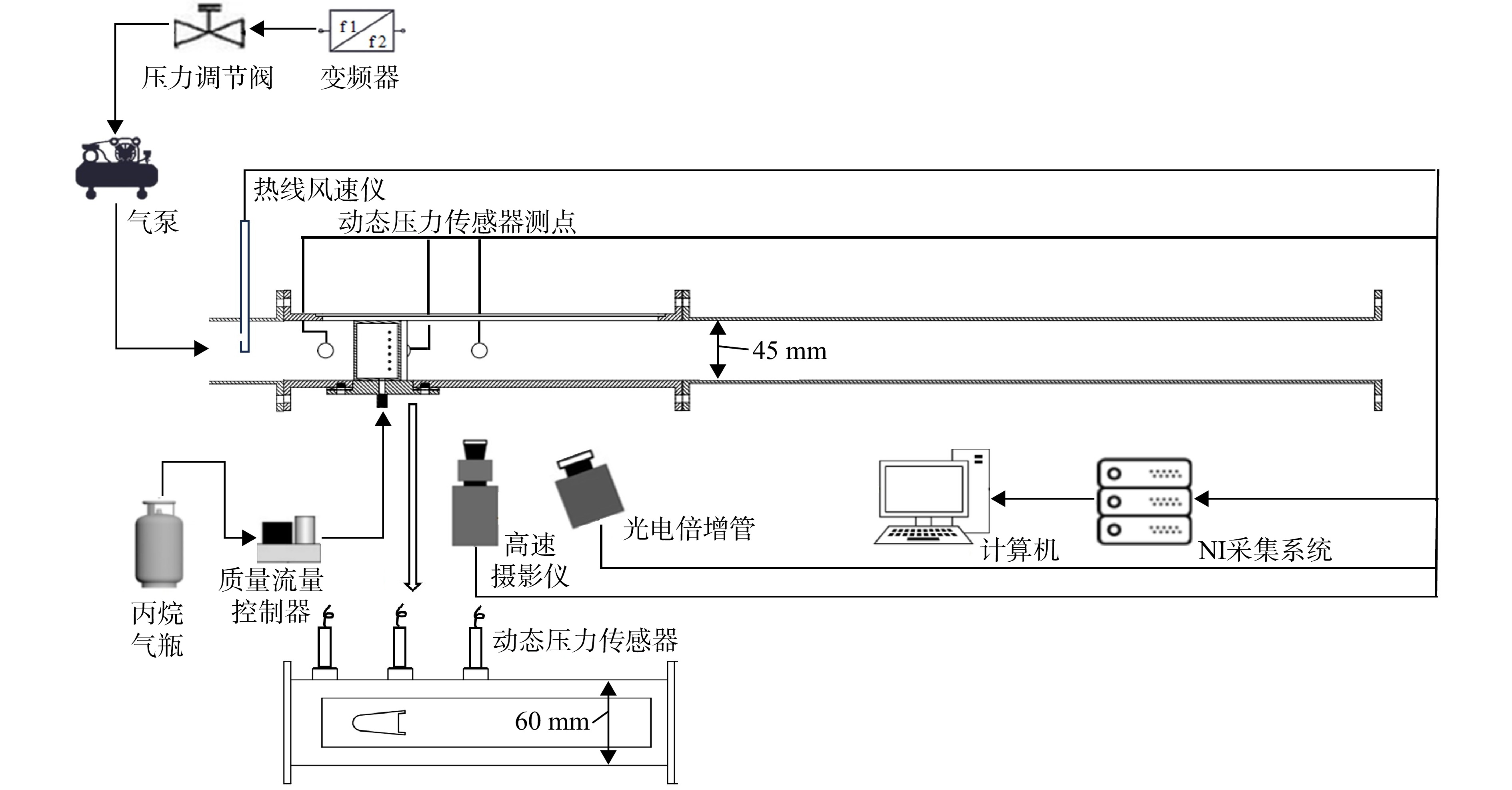
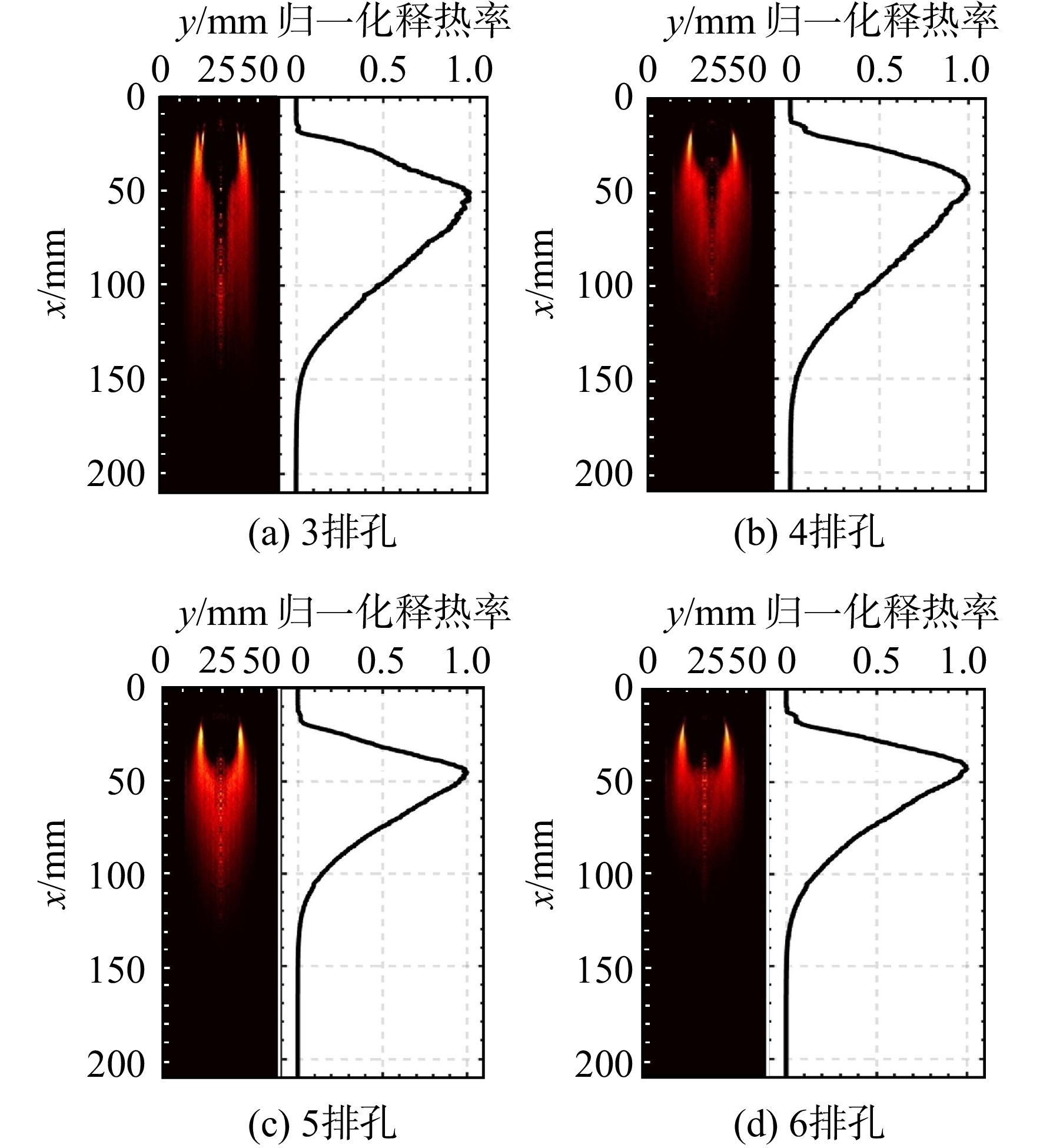
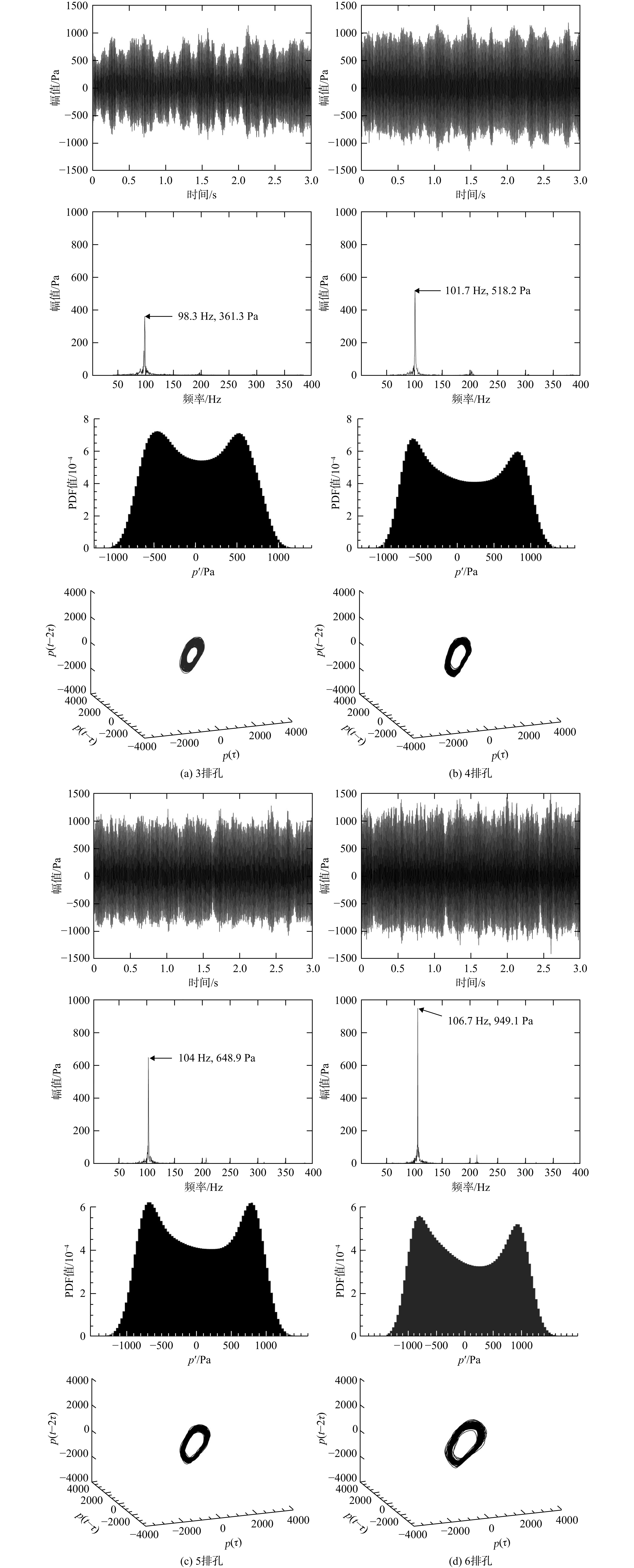
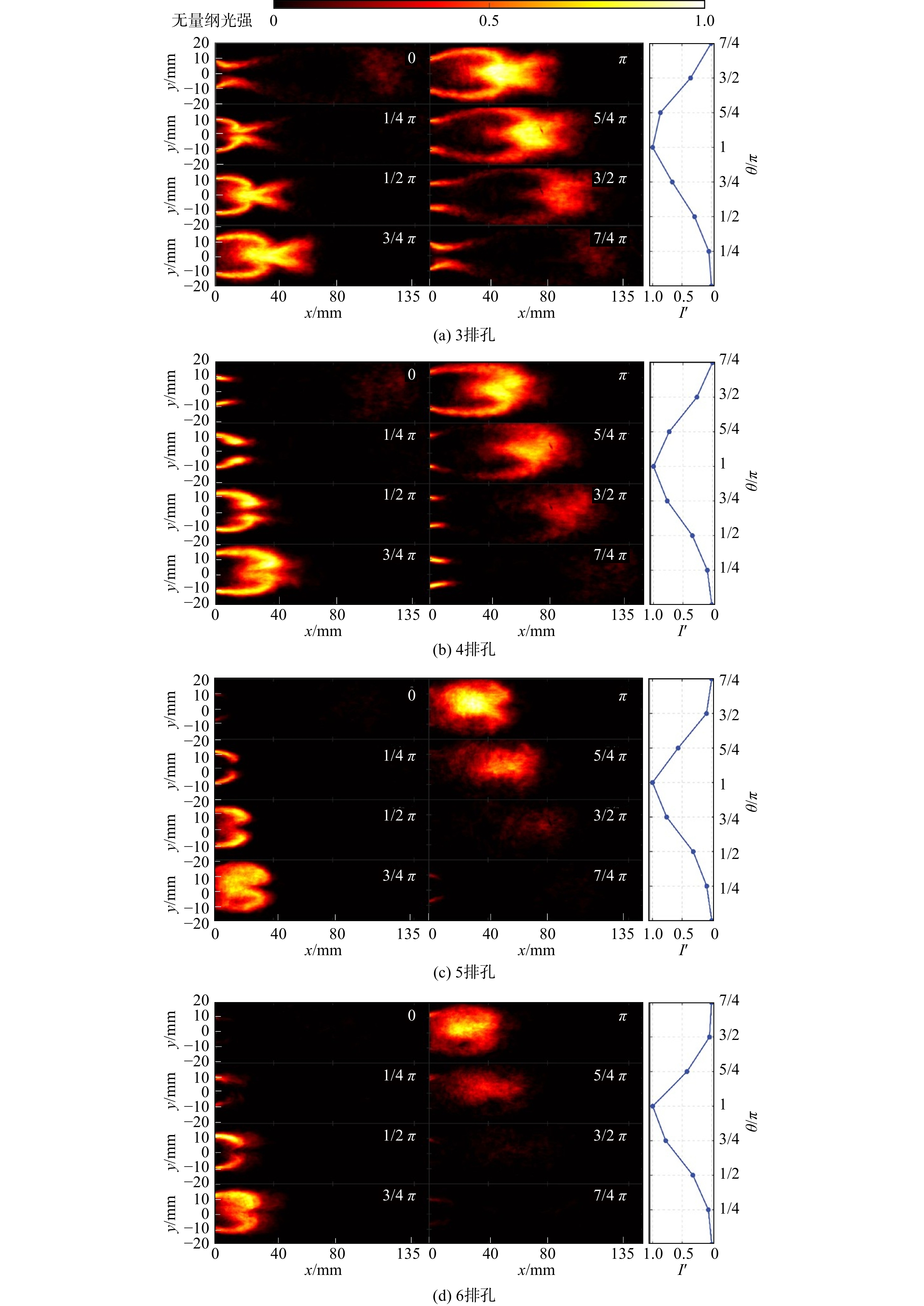
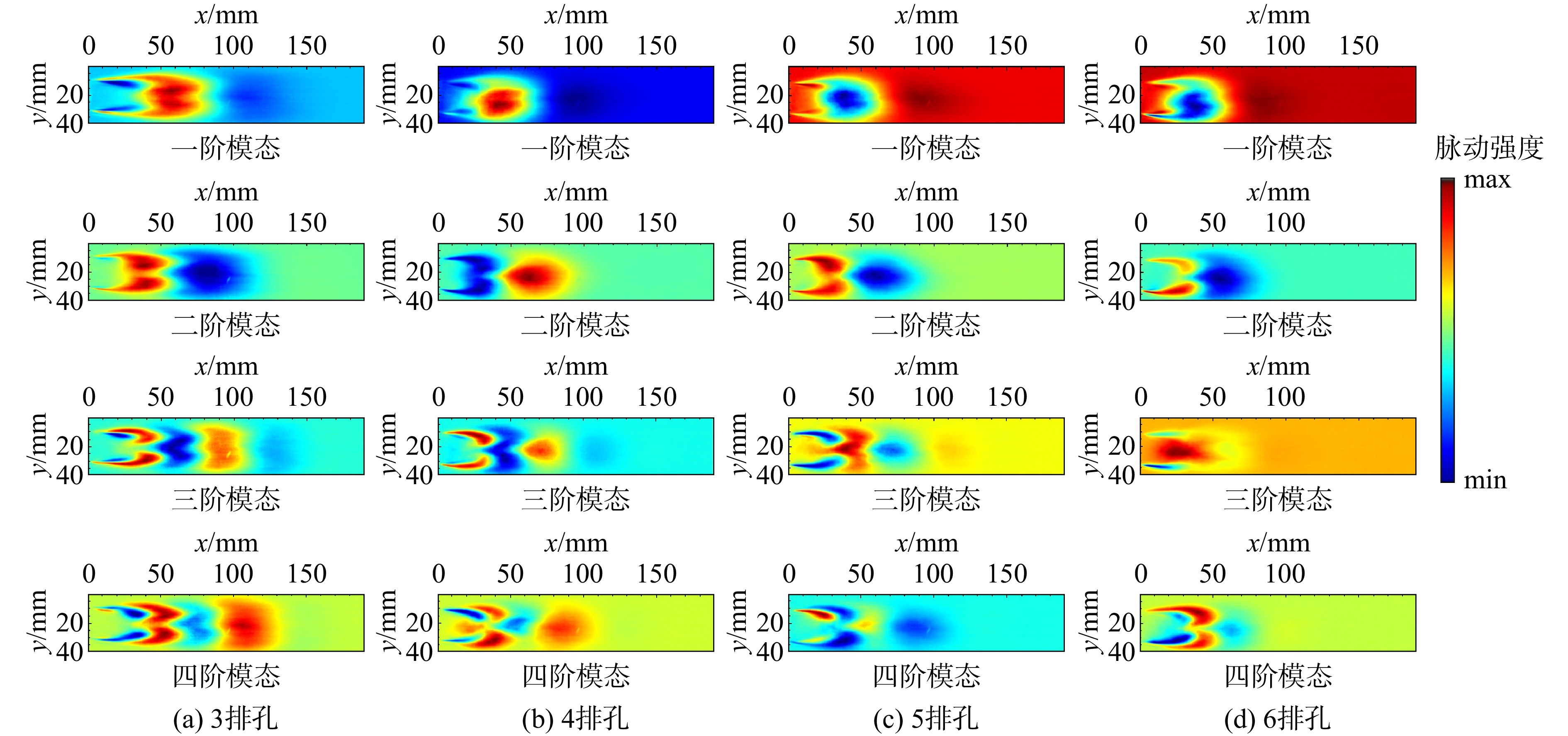
To study the influence of combustor length on swirl combustion instability, experiments were conducted in a model combustor based on a gas turbine design under different equivalence ratios. High-frequency pressure sensors and photomultiplier tubes were used to simultaneously measure the pressure oscillations within the combustor and heat release oscillations characterized by CH*. High-speed photography and laser-induced fluorescence were employed to capture the flame structures. Results showed that the combustor length had a minor effect on the time-averaged shape of the flames; stable flames tended to form a “V” shape, while unstable flames tended towards an “M” shape, with the “M” shaped flames covering a larger area. The combustor length affected the main resonant frequency and pressure amplitude of unstable combustion. Shorter combustors had higher main resonant frequencies and lower pressure amplitudes, while pressure oscillations were coupled with and heat release oscillations. Unstable flames experience flashback on both sides, with swirls in the outer shear layers exerting a “pulling” effect on the flame, leading to surface wrinkling and ultimately forming “island” distributions. The overall heat release intensity was associated with the flame shape, and periodic thermo-acoustic oscillations caused the flame shape to switch between “V” and “M” forms.

Experimental study on effects of fuel distribution on combustion instability boundary of bluff-body flames
ZHAO Hang, LIU Yong, GE Xinkun, ZHANG Xiang, ZHAO Yan
2025, 40(12): 20240841. doi: 10.13224/j.cnki.jasp.20240841
Abstract:
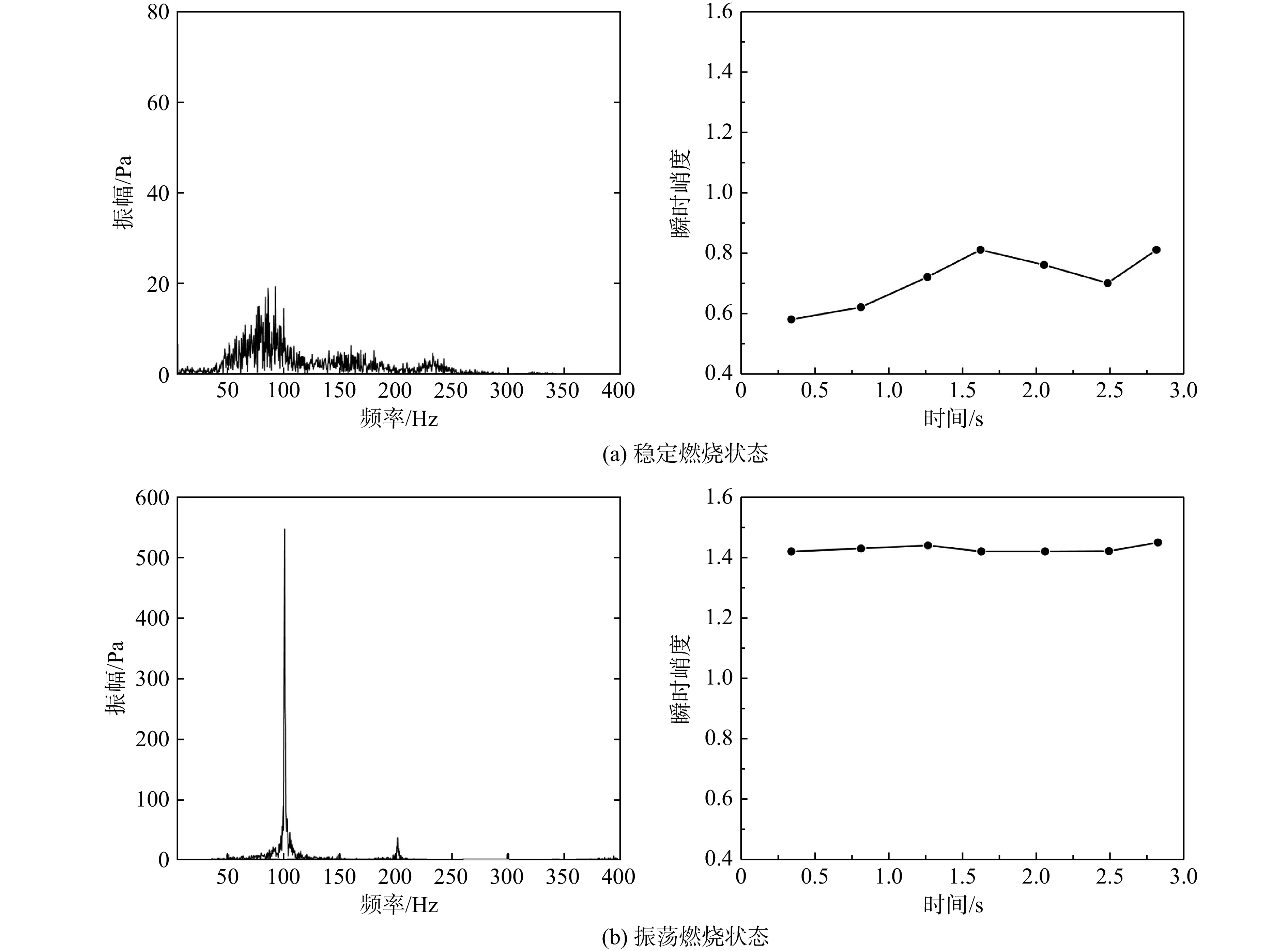
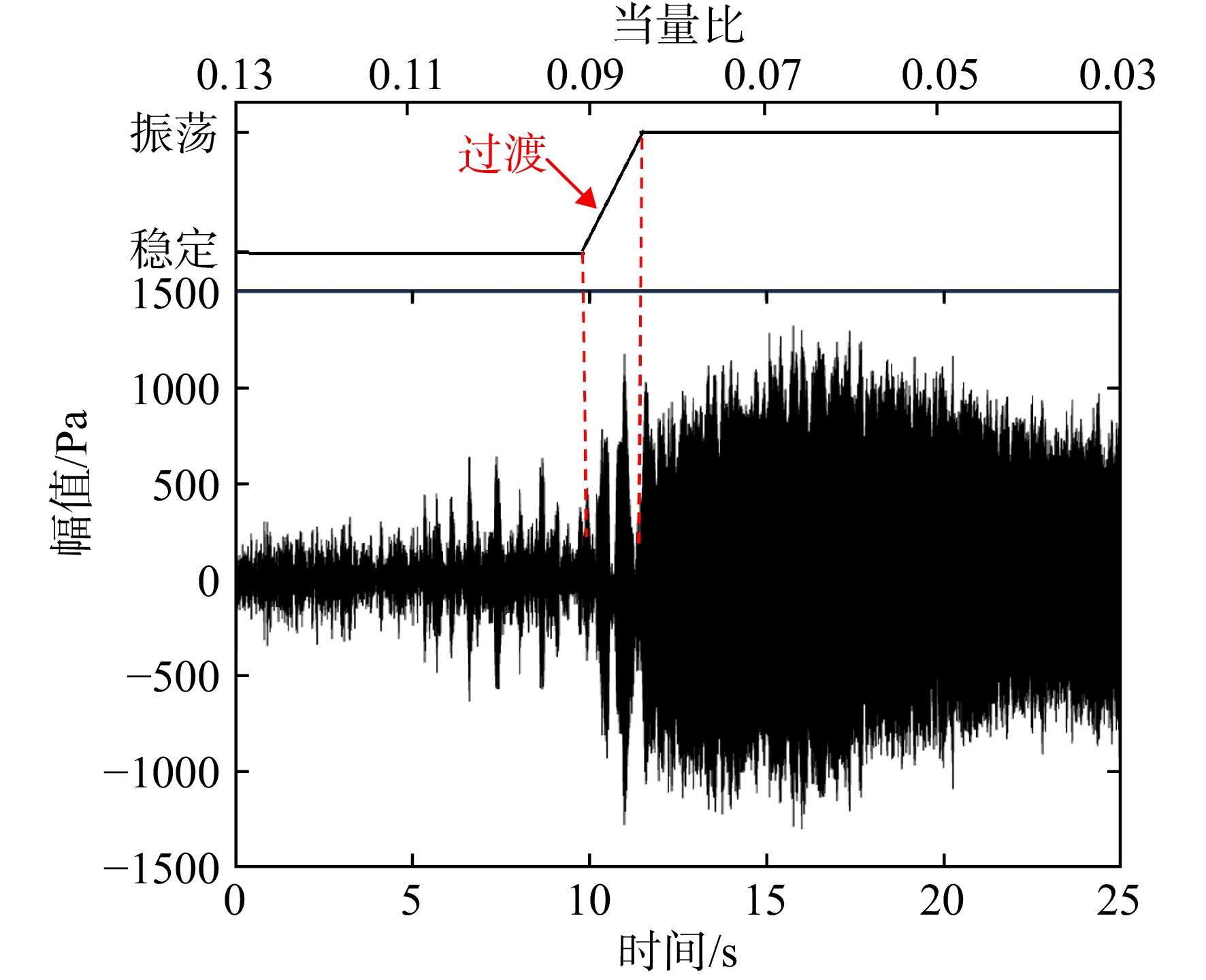
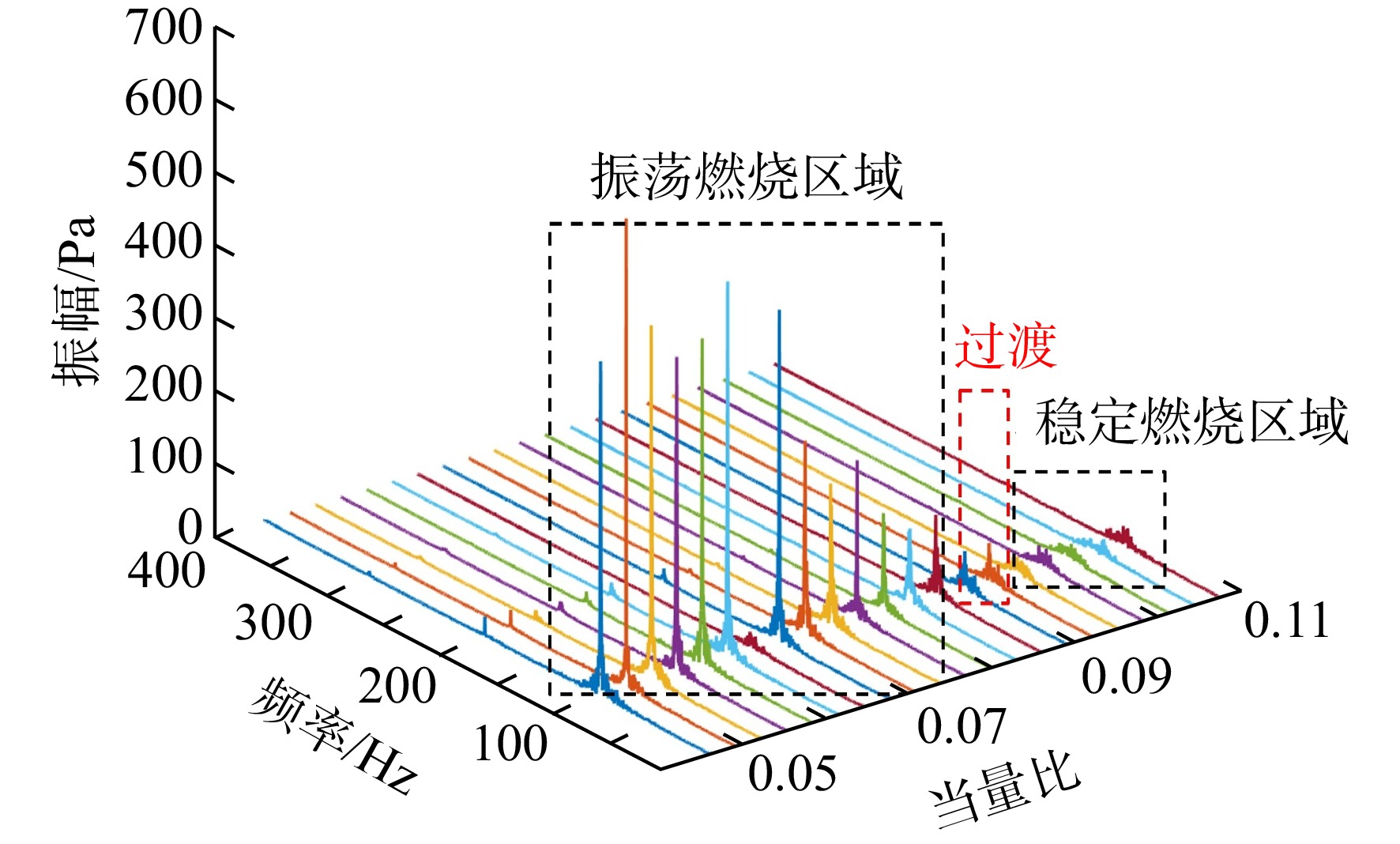
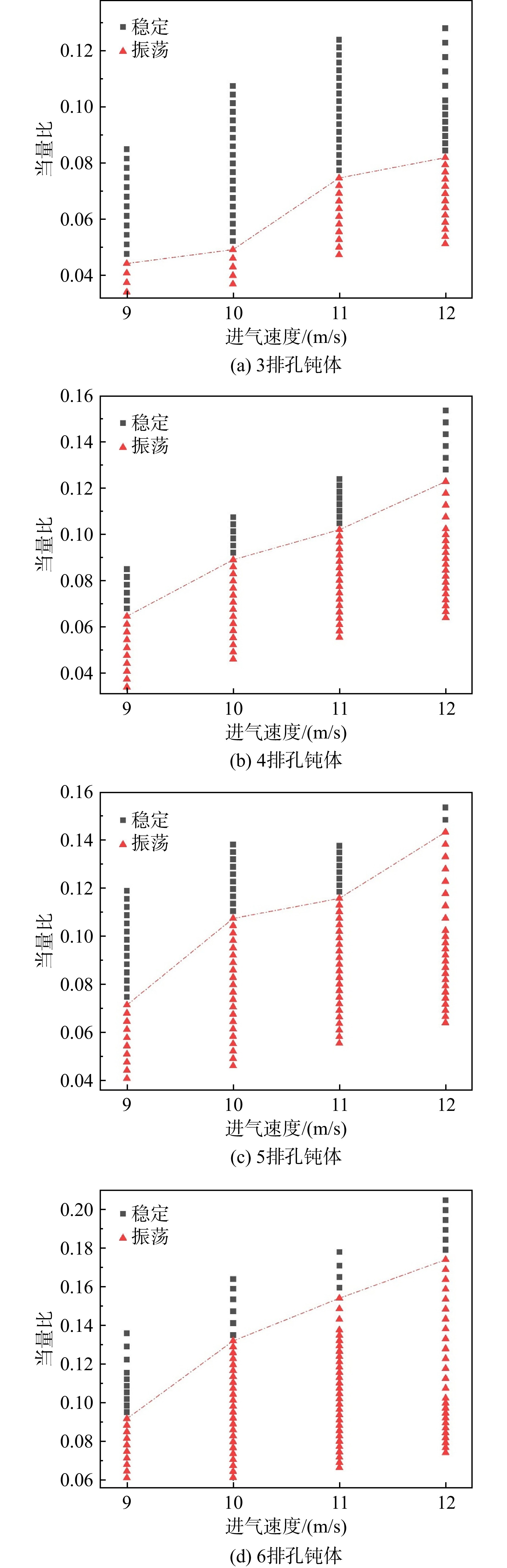
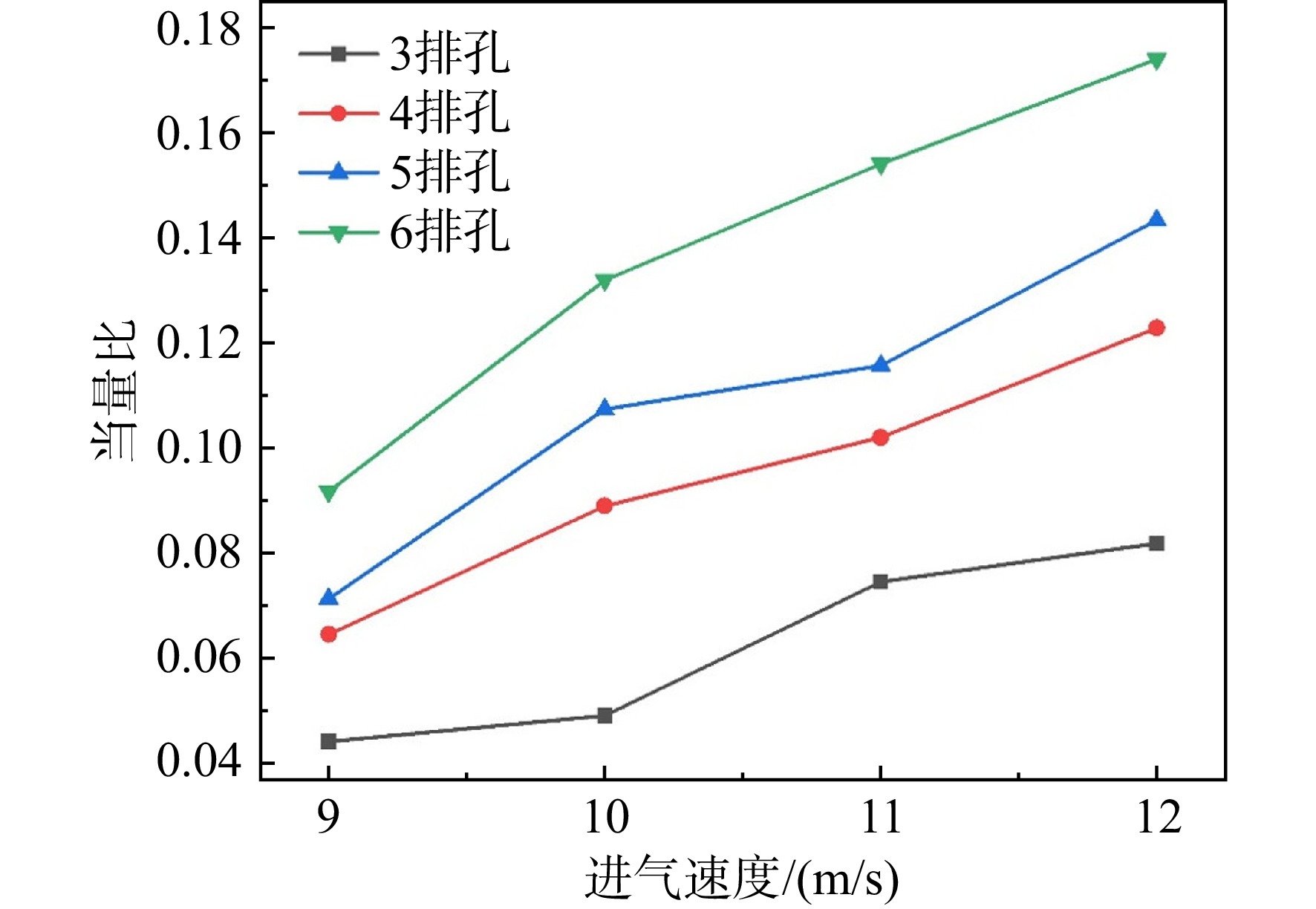
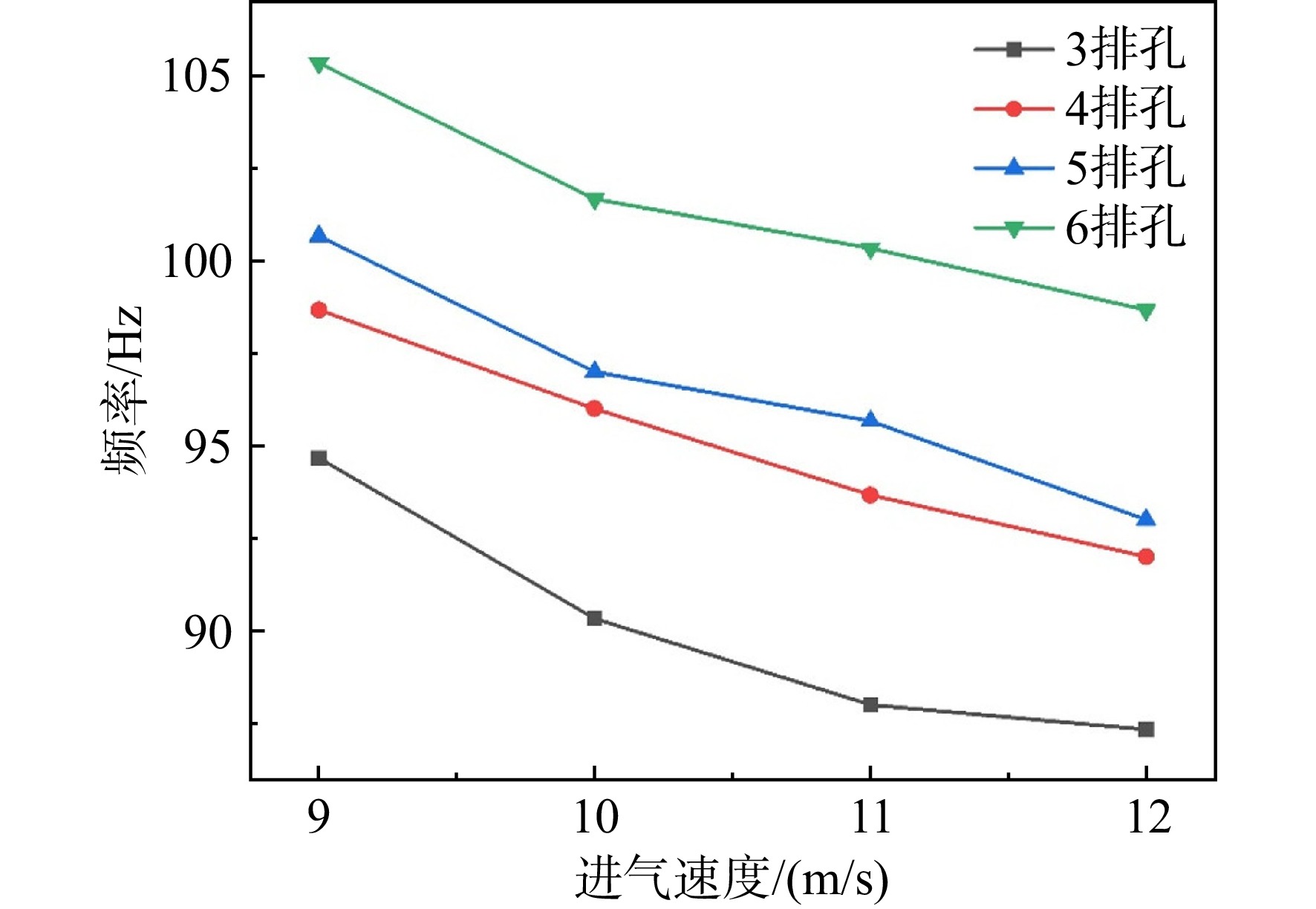
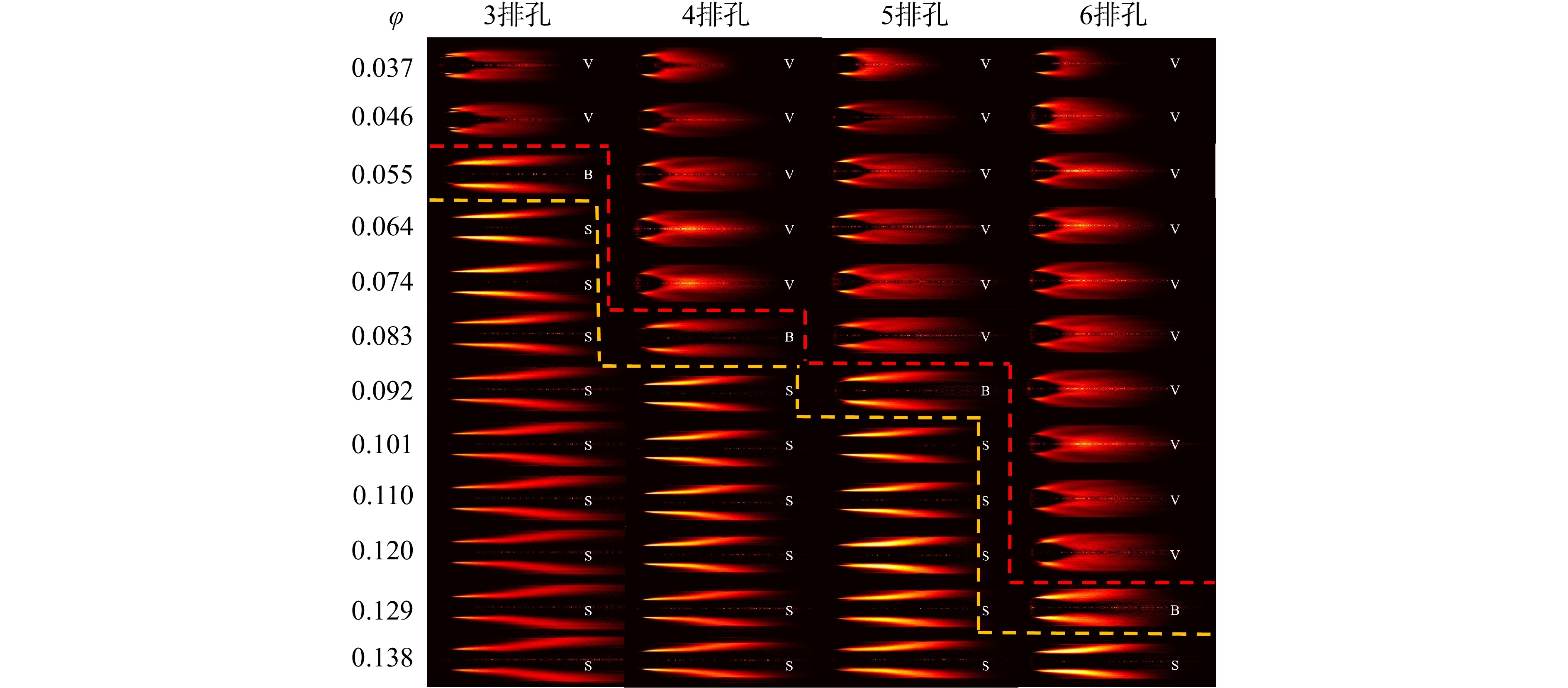
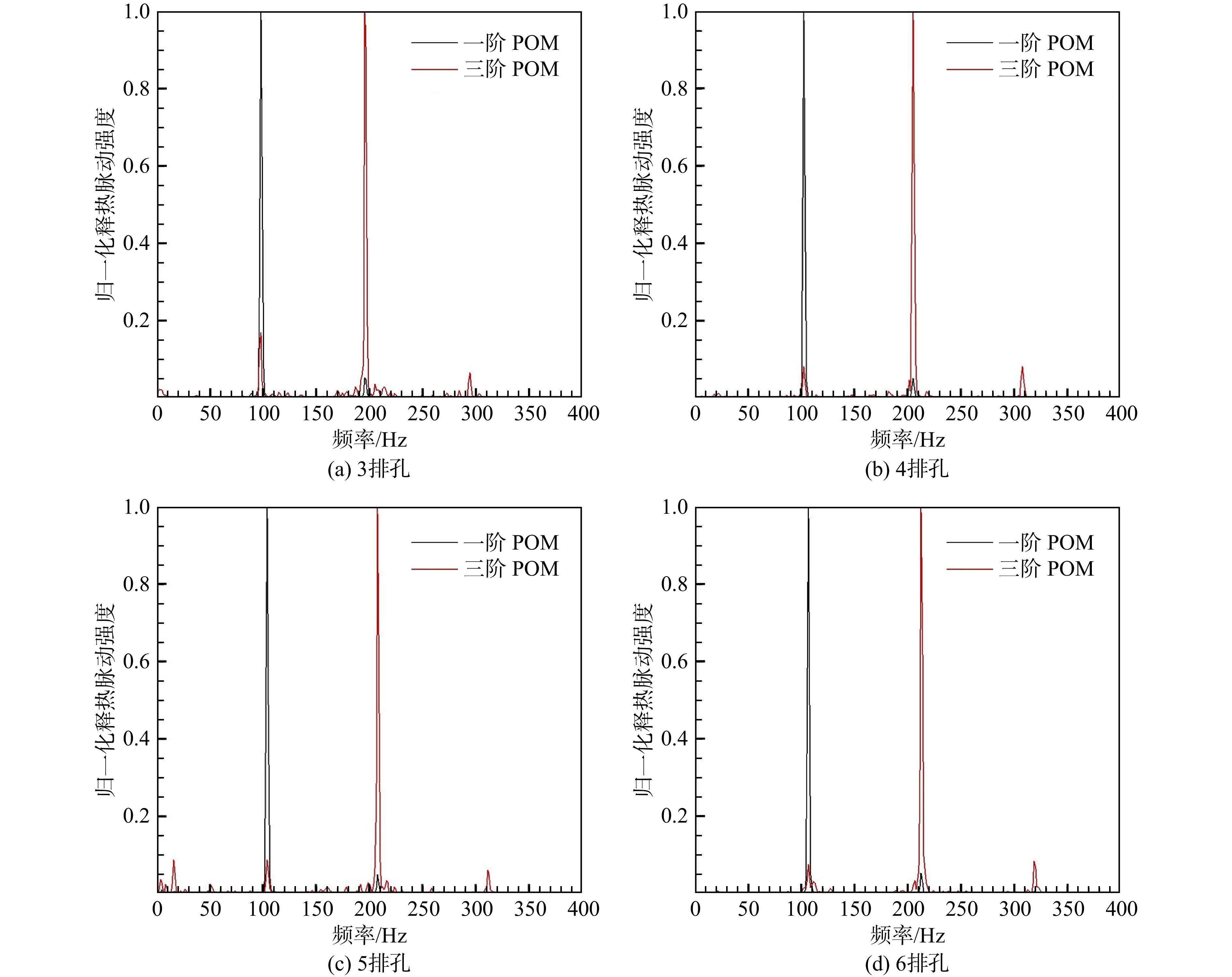
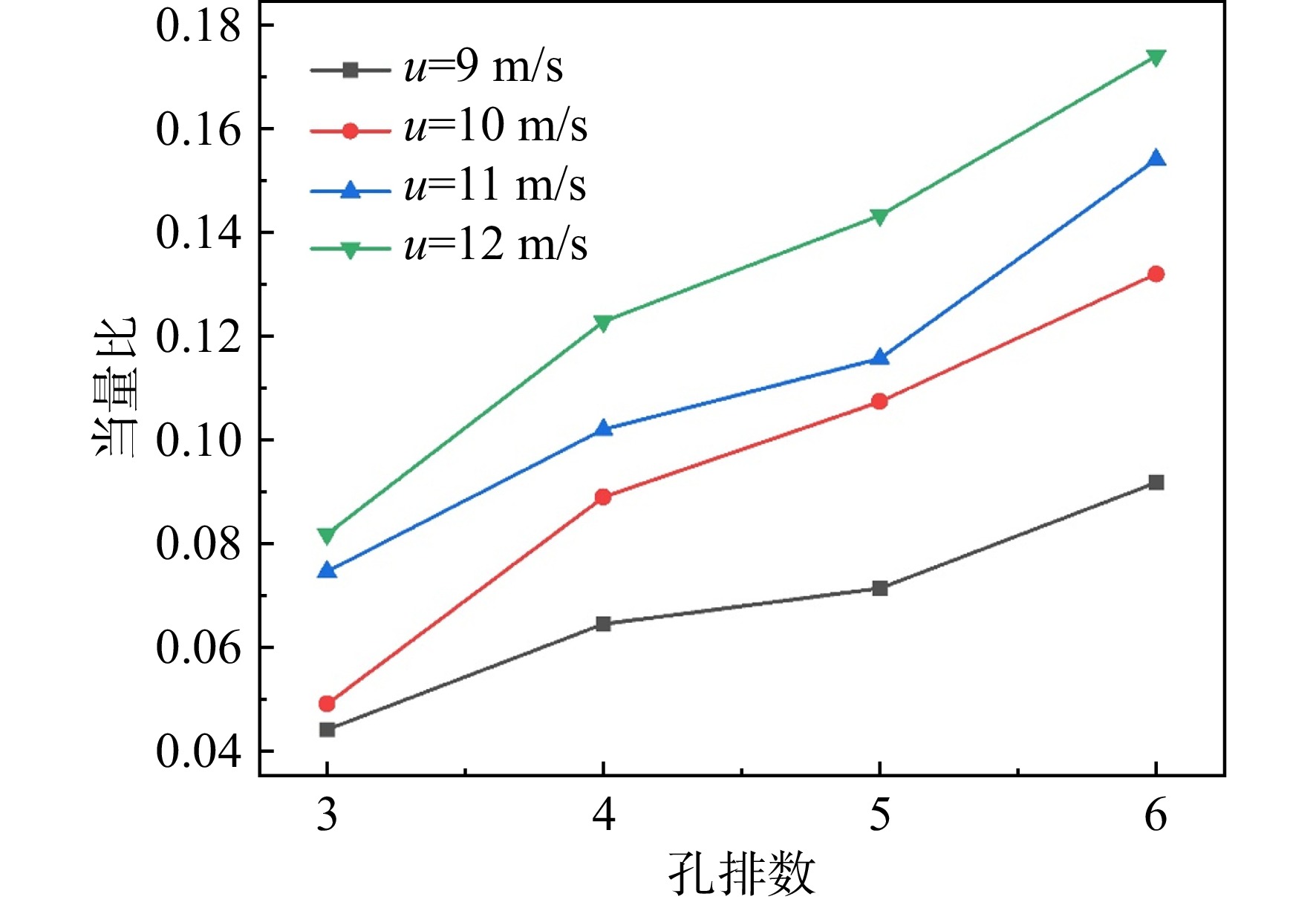
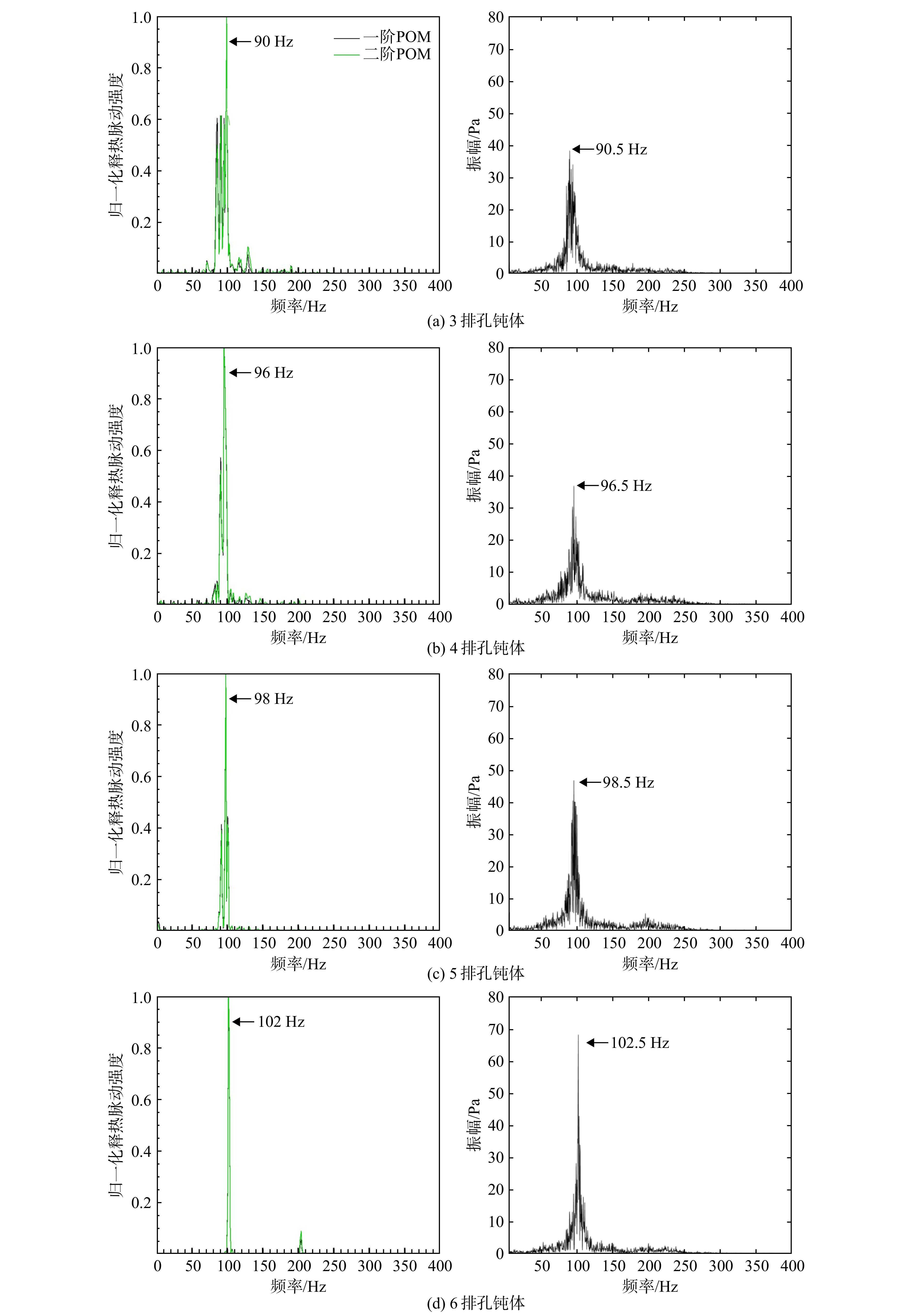
In order to study the influence of fuel distribution change on the combustion instability of bluff-body flame under multi-nozzle bluff-body structure in afterburner, the model afterburner was taken as the research object, and the oscillation boundary variation law of bluff-body non-premixed flame instability combustion under different nozzle numbers and inlet velocities was studied. The test results were analyzed by FFT spectrum, kurtosis analysis and deconstruction of flame images. The influence of fuel distribution on the oscillation boundary of the combustion chamber of the bluff body model under different nozzle numbers was studied. The experimental results showed that with the increase of the number of bluff body nozzles, the critical lean equivalent ratio of the system from stable combustion to oscillating state gradually increased, and also increased with the inlet velocity, which was prone to combustion instability. In addition, the pressure fluctuation amplitude and dominant frequency of the oscillation boundary also increased with the increase of the number of nozzles, indicating that the change of the flame structure under the multi-nozzle bluff body mainly caused the change of the oscillation boundary in the model combustion chamber.

Flow field measurements for complex swirl spray flames at elevated pressures and temperatures
GAO Jianting, ZHANG Chi, AN Qiang, XUE Xin, TAO Chao, FAN Xingzhou
2025, 40(12): 20230621. doi: 10.13224/j.cnki.jasp.20230621
Abstract:
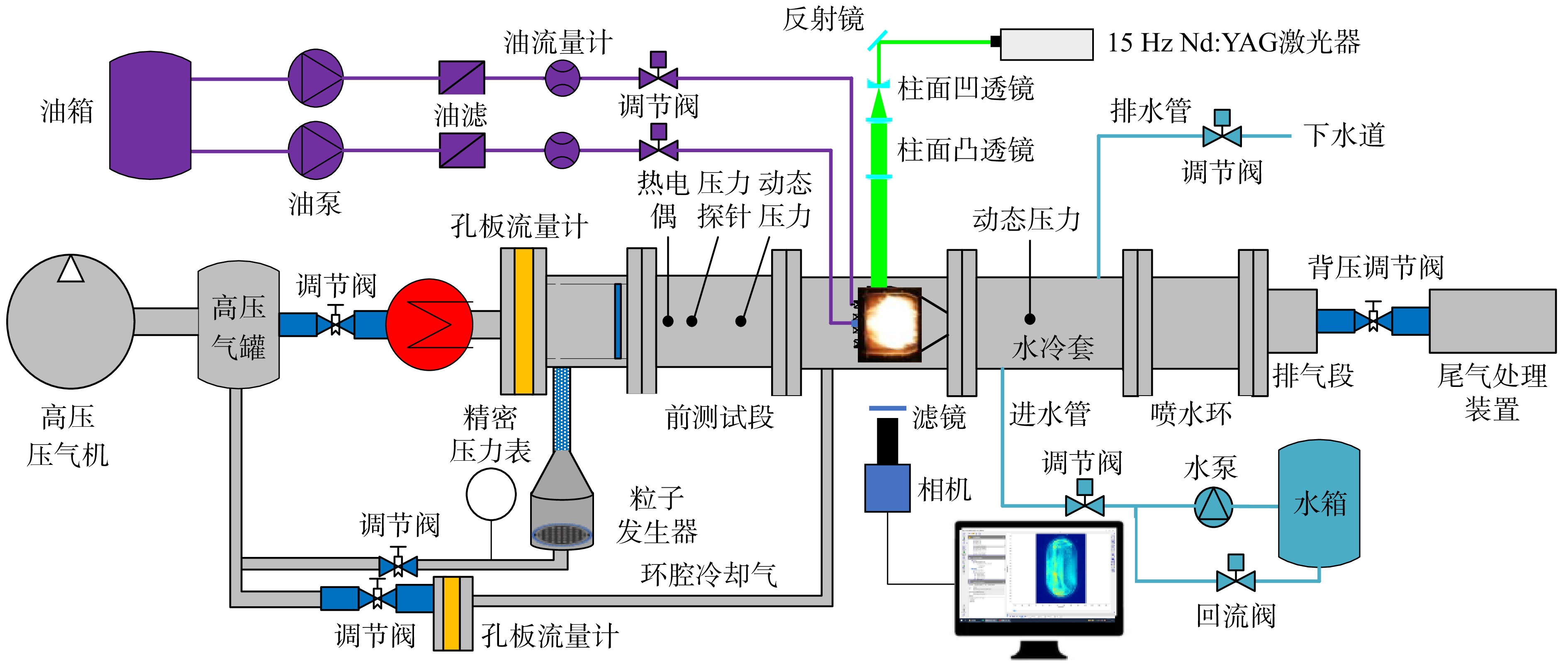
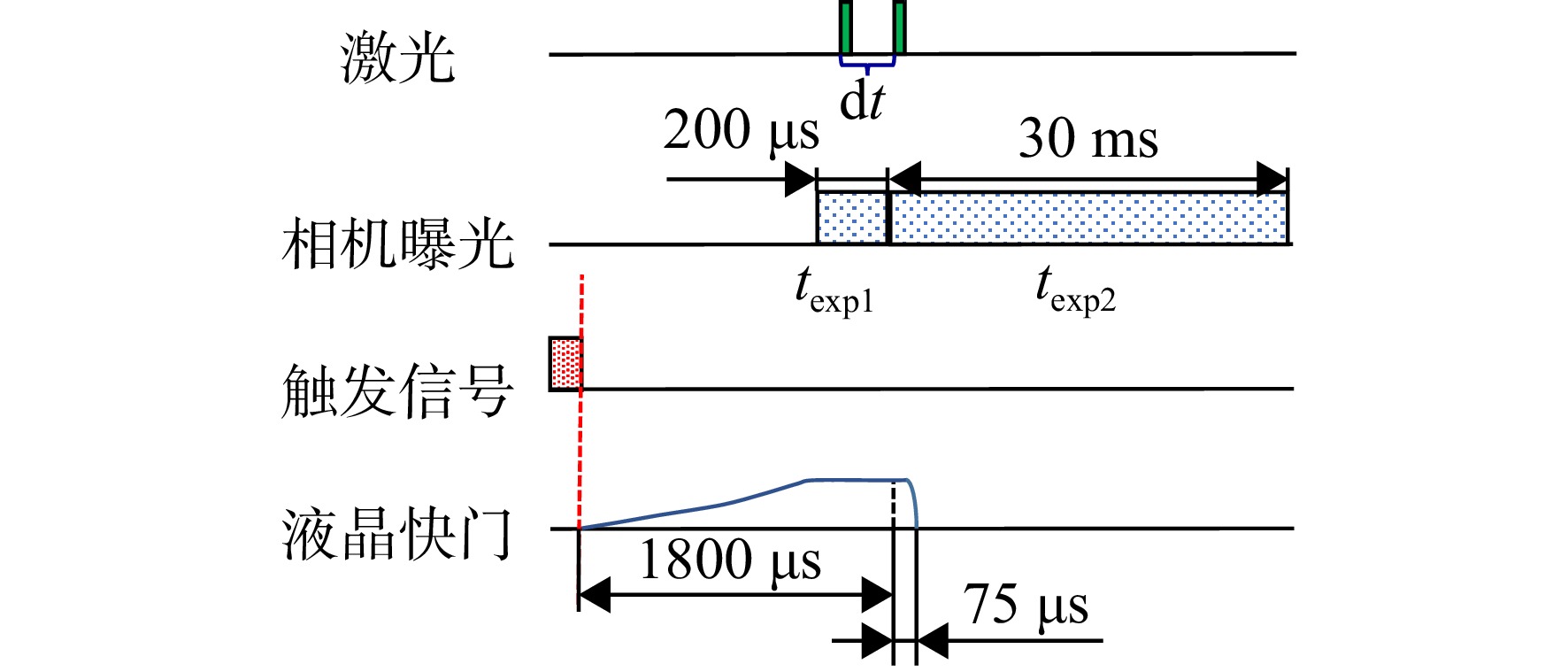
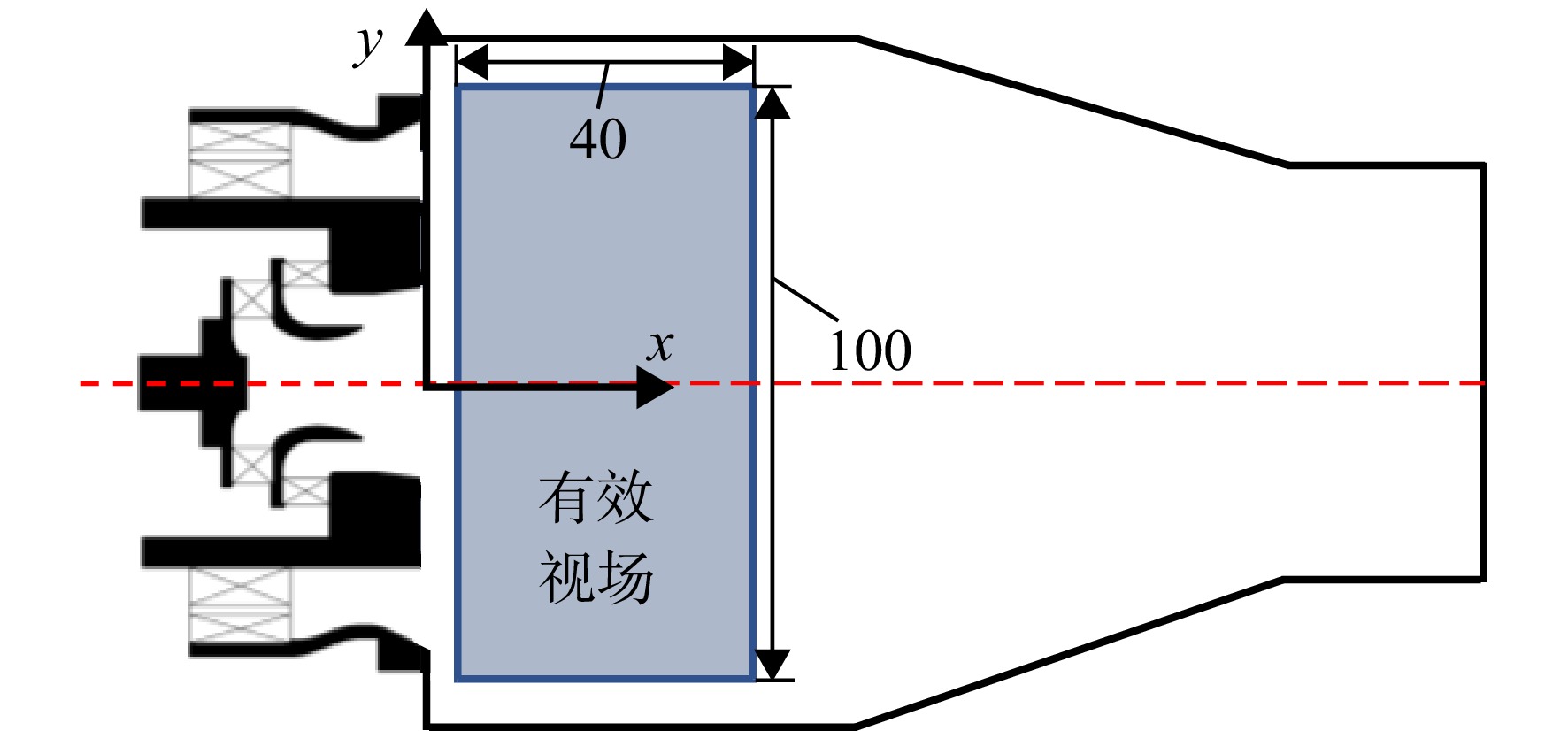
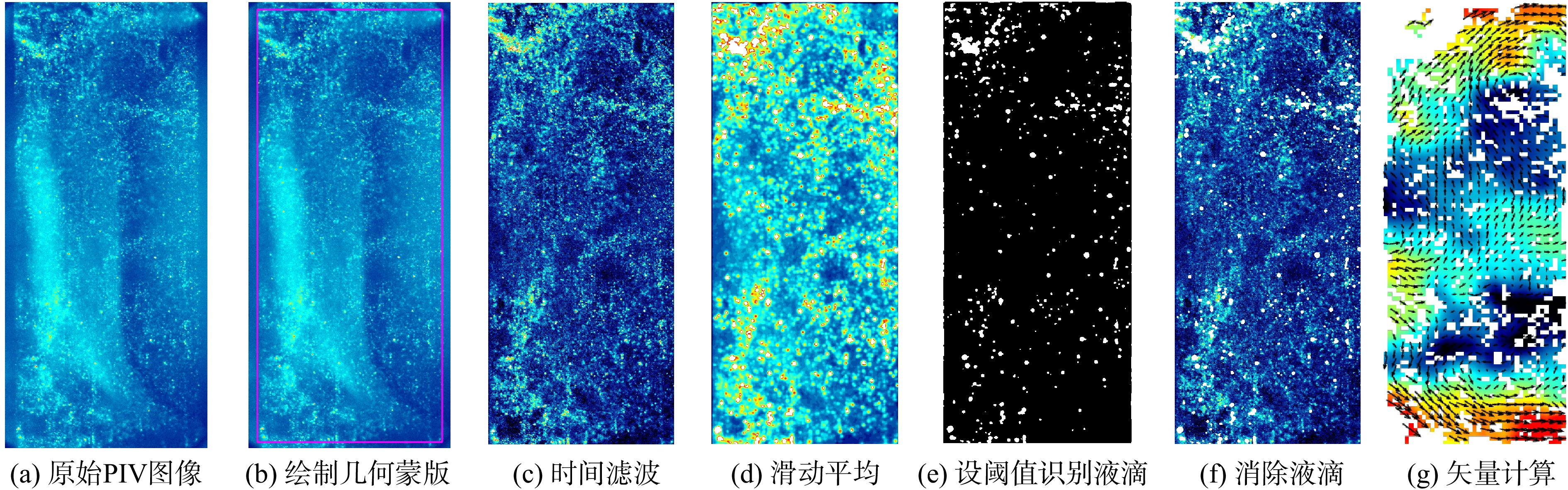
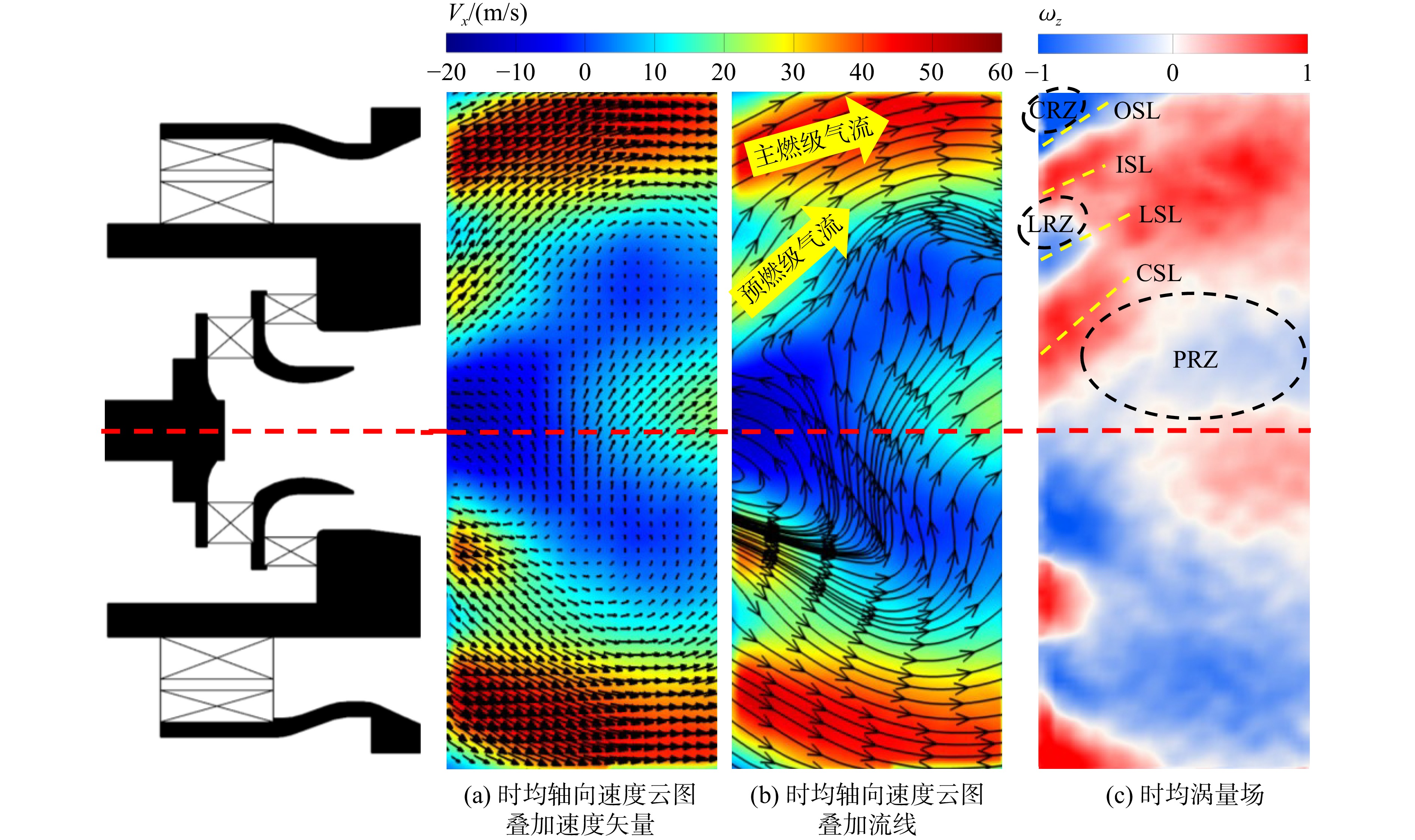
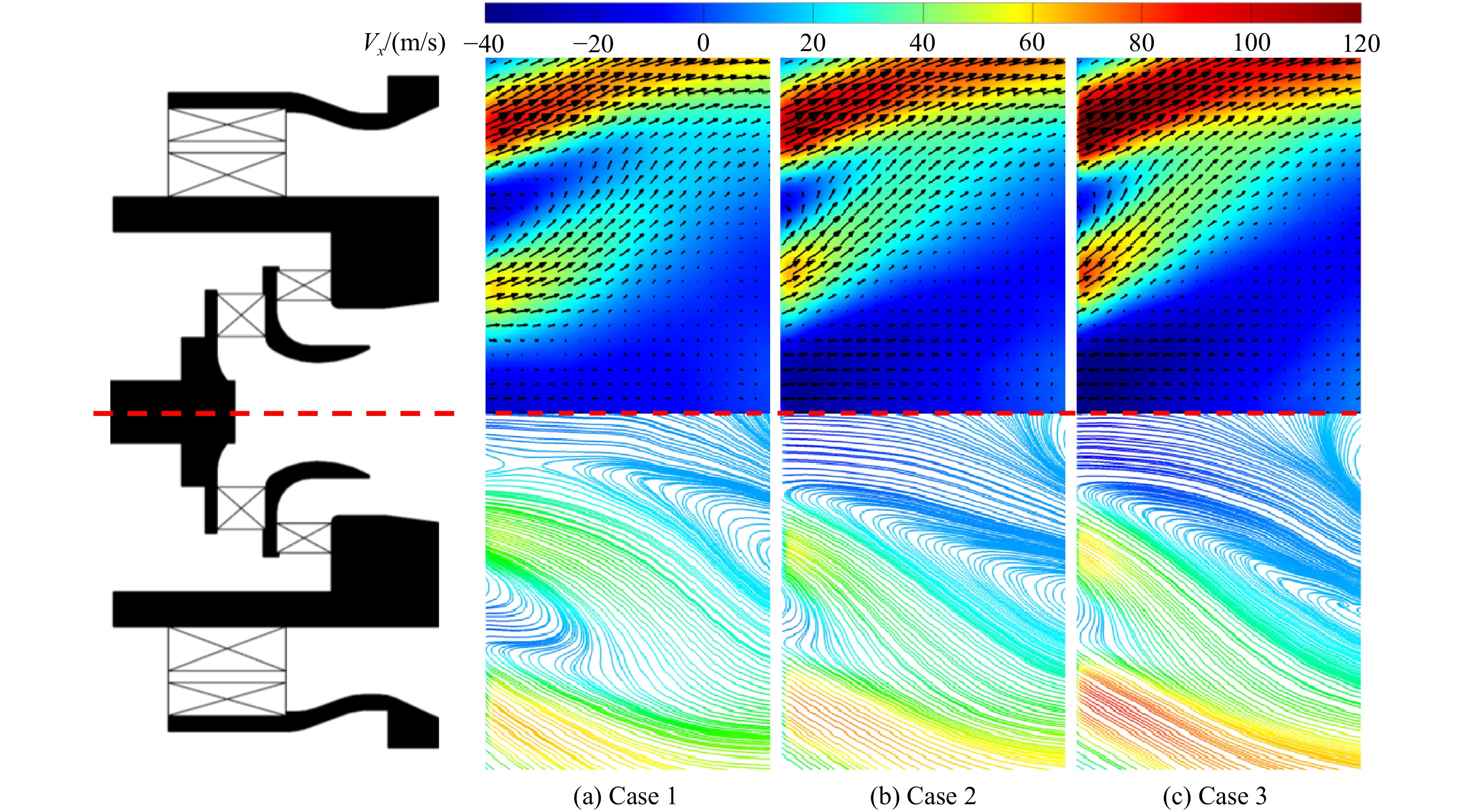
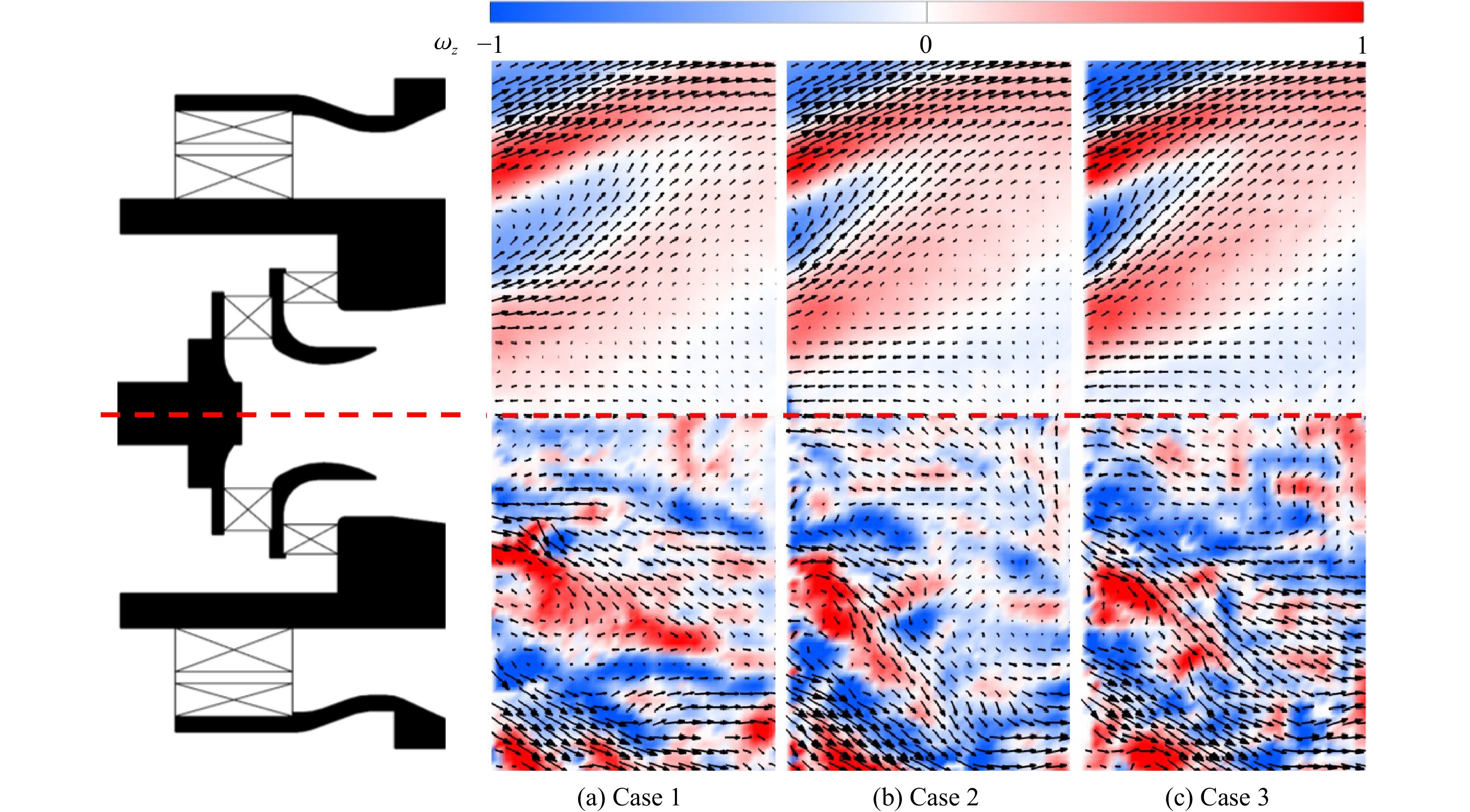
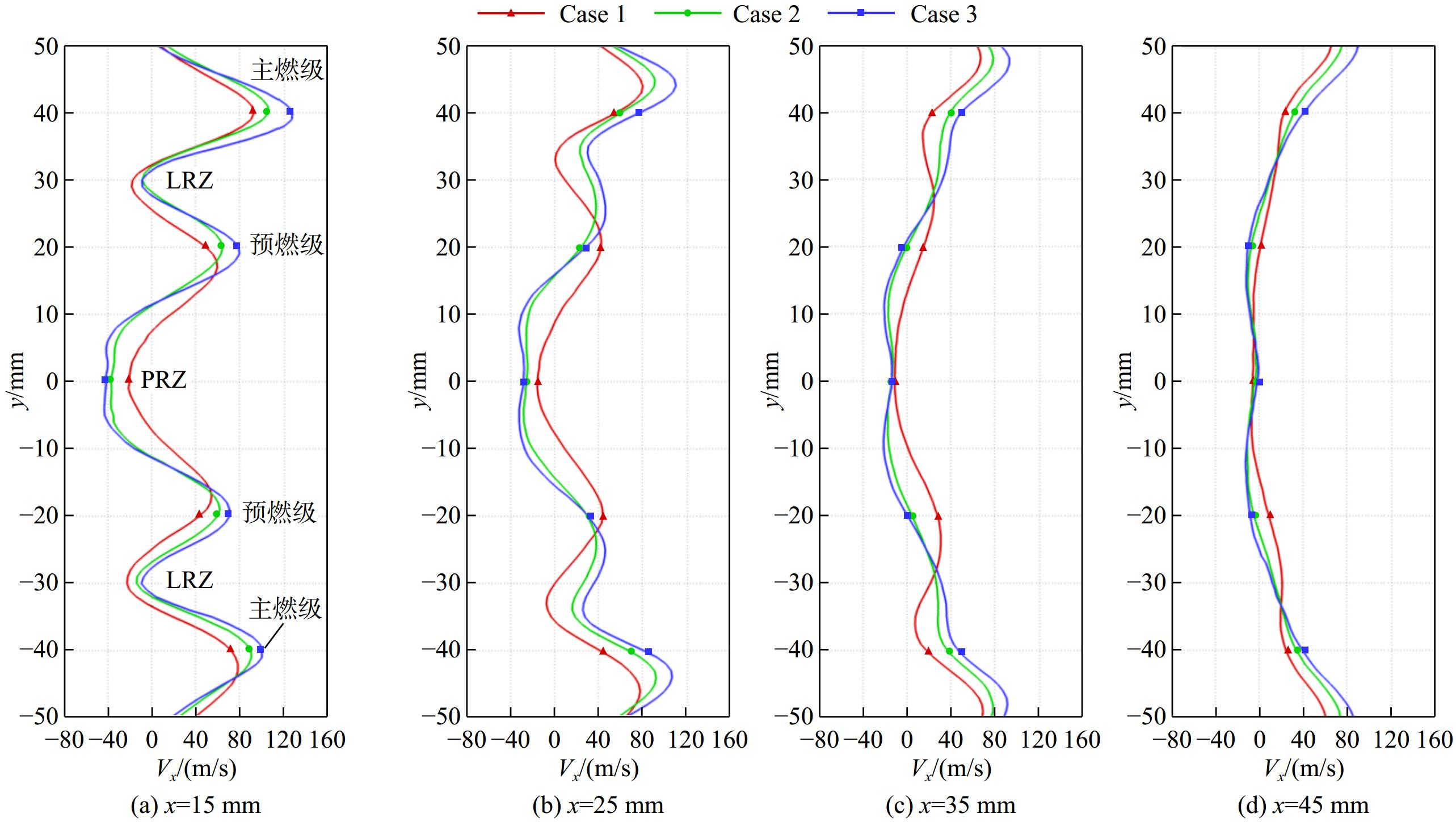
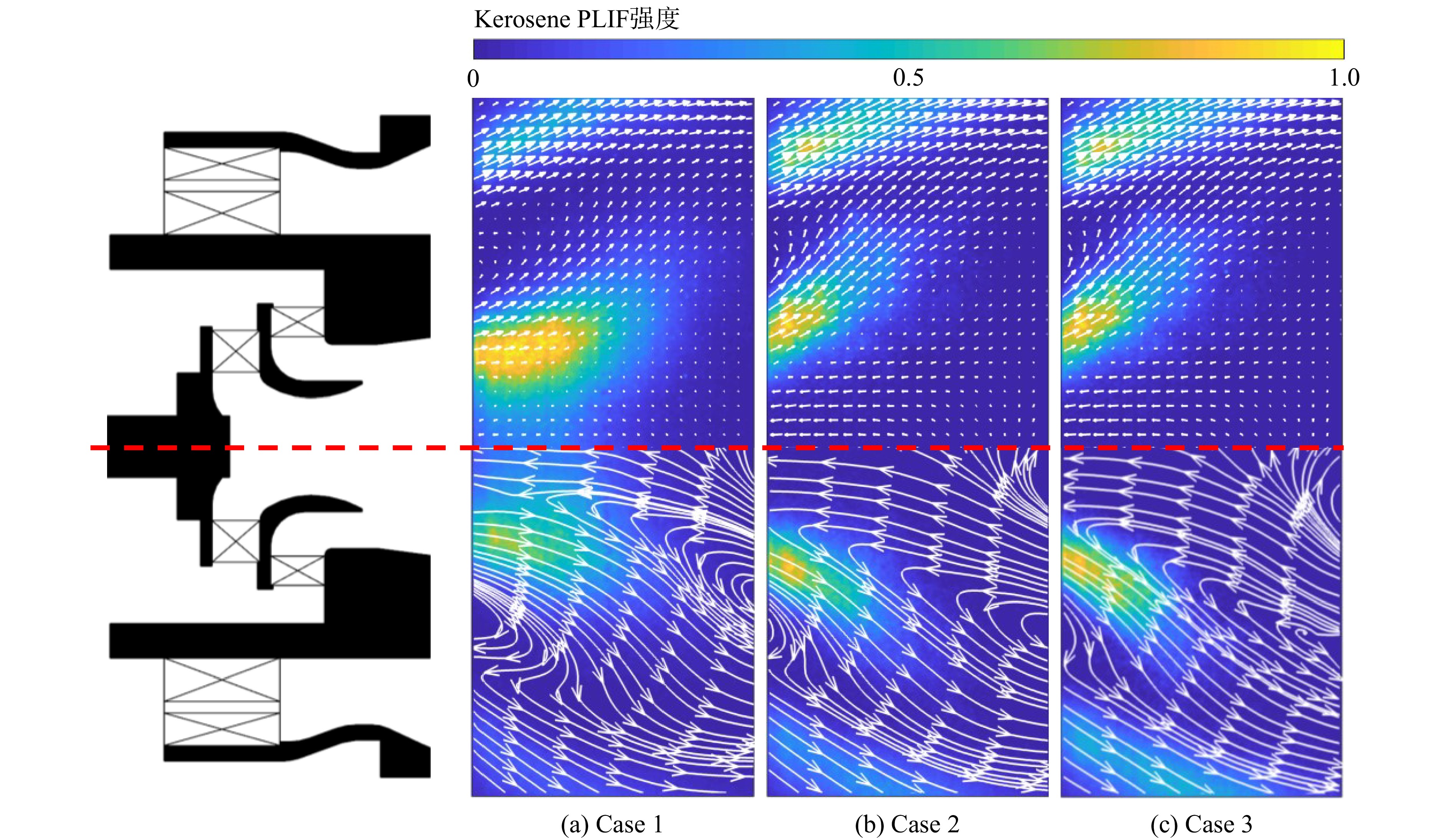
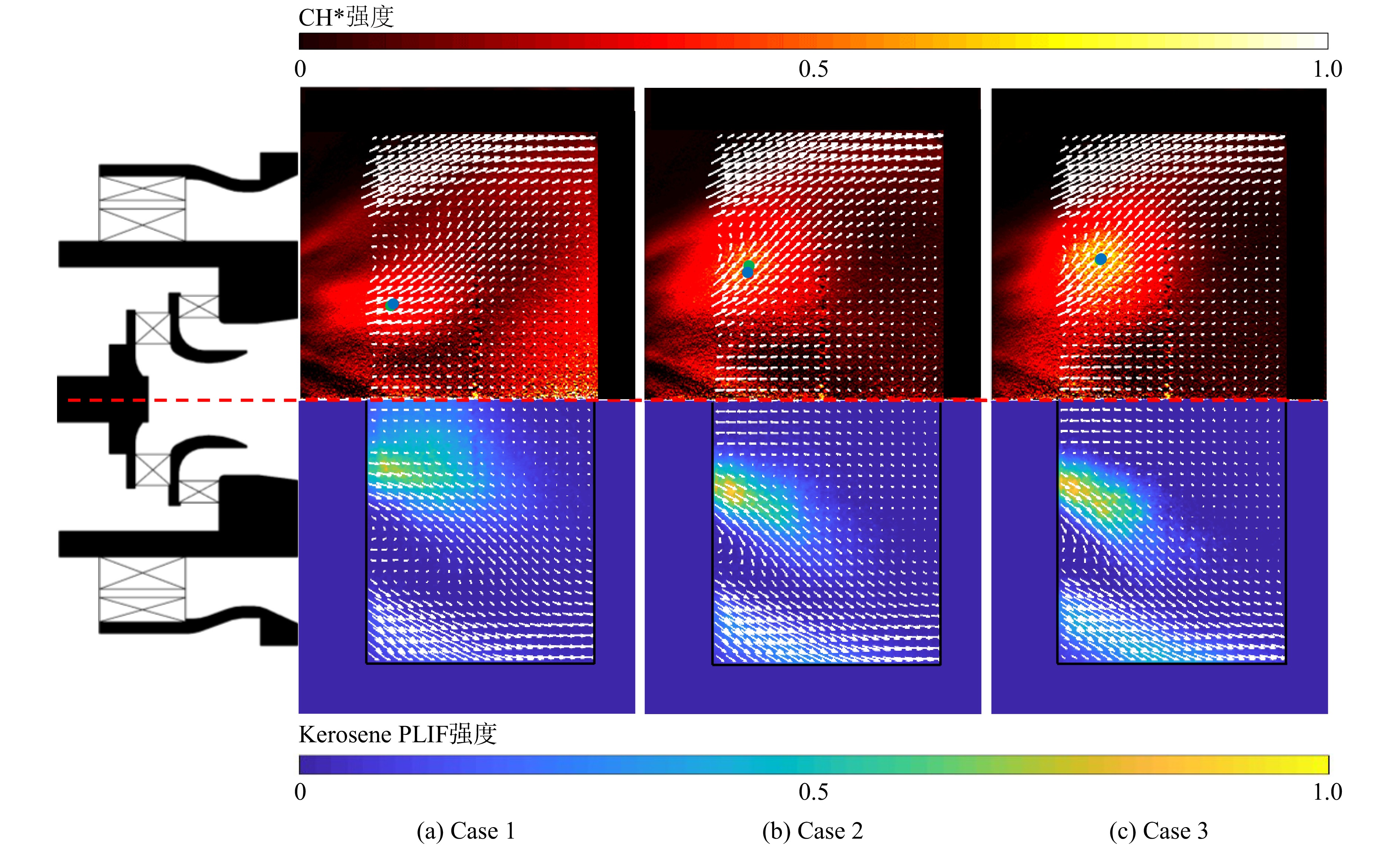
In order to study the flow field characteristics of centrally staged combustor, optical diagnostics under inlet pressure of up to 1 MPa and inlet temperature up to 700 K, were carried out by using particle image velocimetry (PIV), kerosene planar laser induced fluorescence (PLIF), and CH* chemiluminescence. To tackle the technical challenges encountered in PIV measurements of the highly luminescent spray flames, multiple aspects in the experiments were carefully optimized, including particle seeding, operation procedure, optical path layout, imaging filtering, and image pre-processing. Under constant inlet temperature, pressure, and fuel flow rate, with the increase of air flow rate, the following phenomena were observed from the optical data: coupling between the main and pilot flows was enhanced; the core of the primary recirculation zone (PRZ) moved upstream and away from the centerline; the lip recirculation zone (LRZ) was shortened; decrease in the local equivalent ratio of the pilot stage resulted in more stoichiometric reactions, and the overall heat release was enhanced, with the flame centroid moving away from the combustor centerline.

Effects of composite cooling medium on the cooling of curved slit film holes
GUO Tairan, LI Li, ZHOU Leping, ZHANG Hui, ZHANG Runsheng, DU Xiaoze
2025, 40(12): 20240068. doi: 10.13224/j.cnki.jasp.20240068
Abstract:
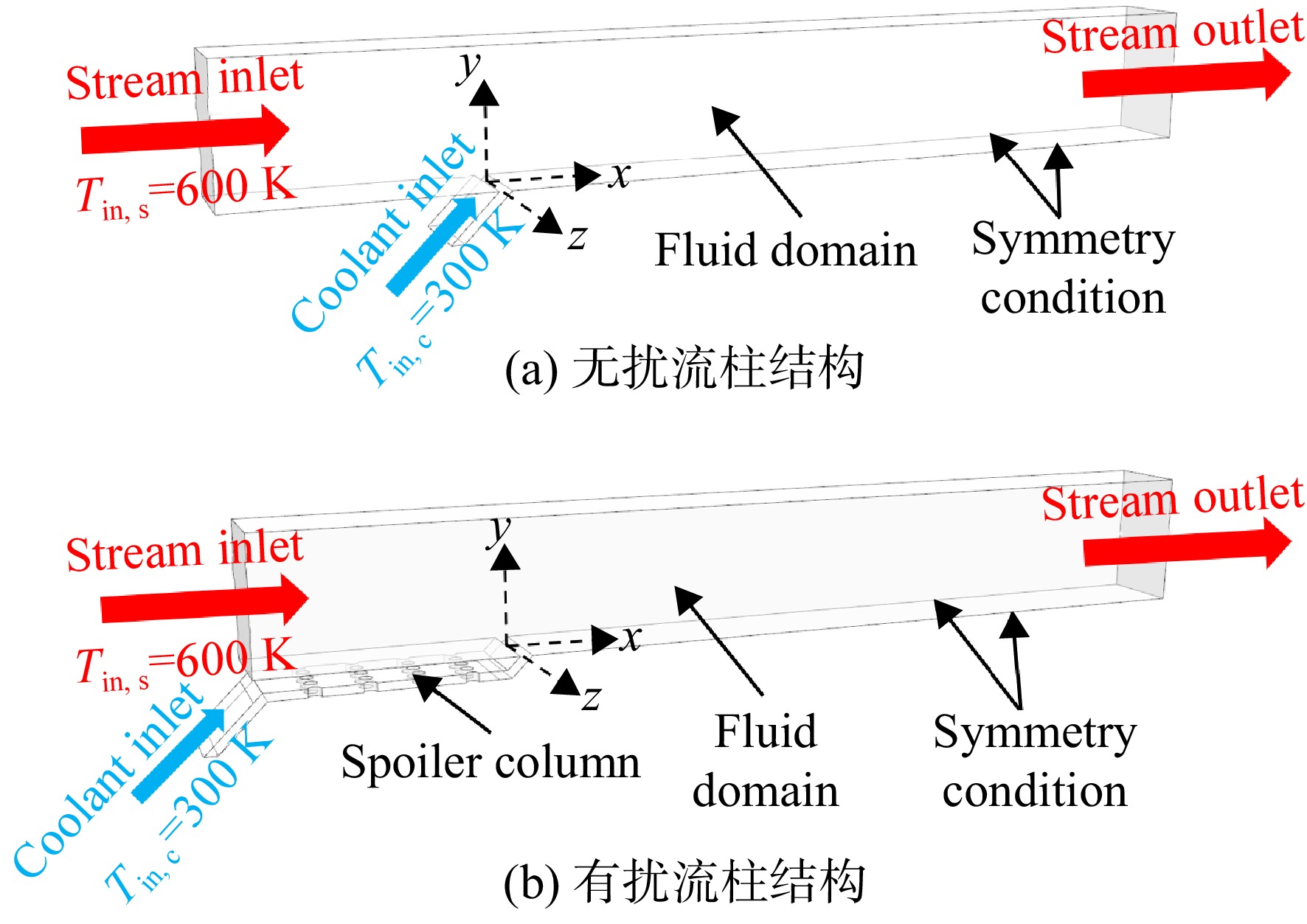
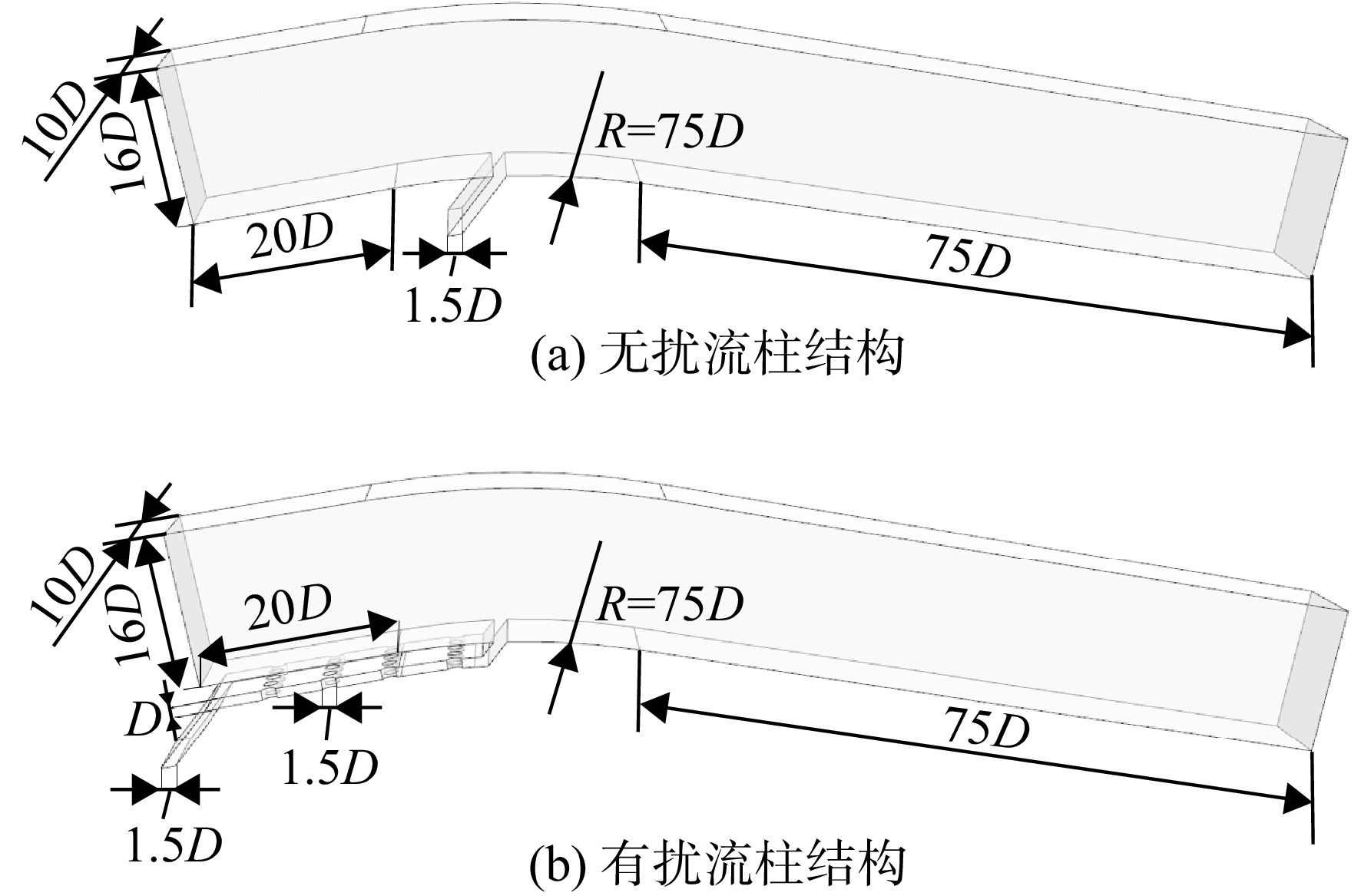
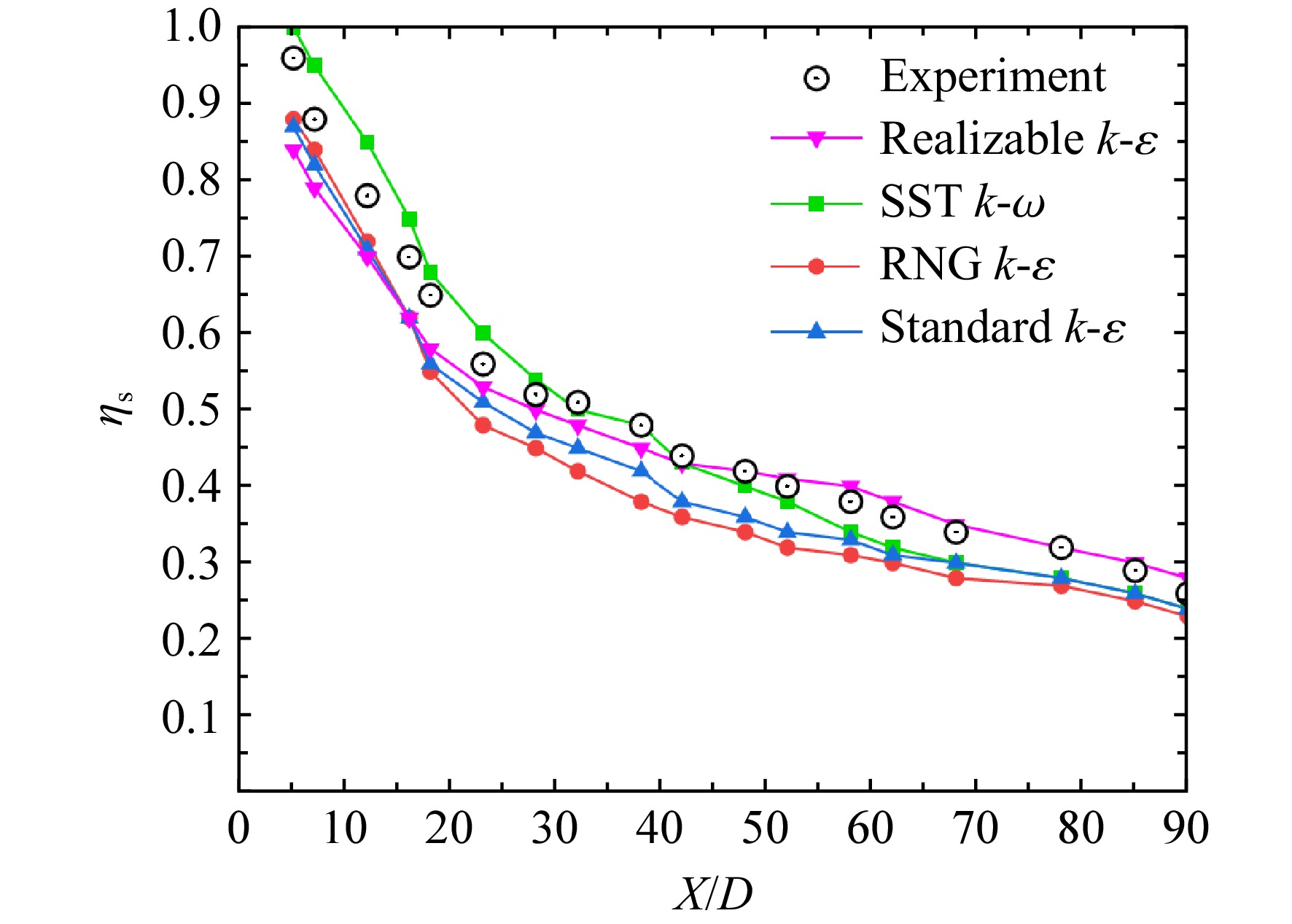
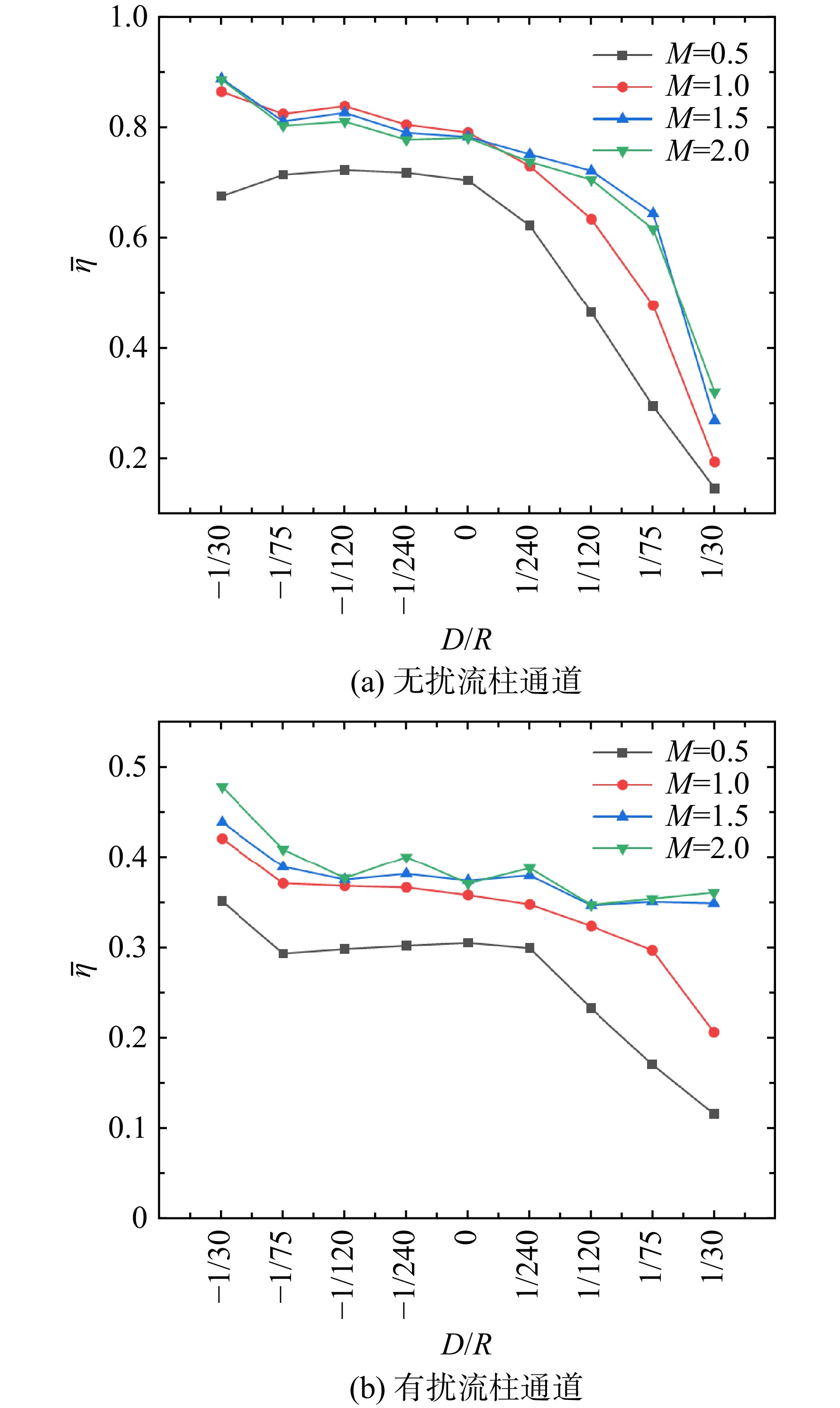
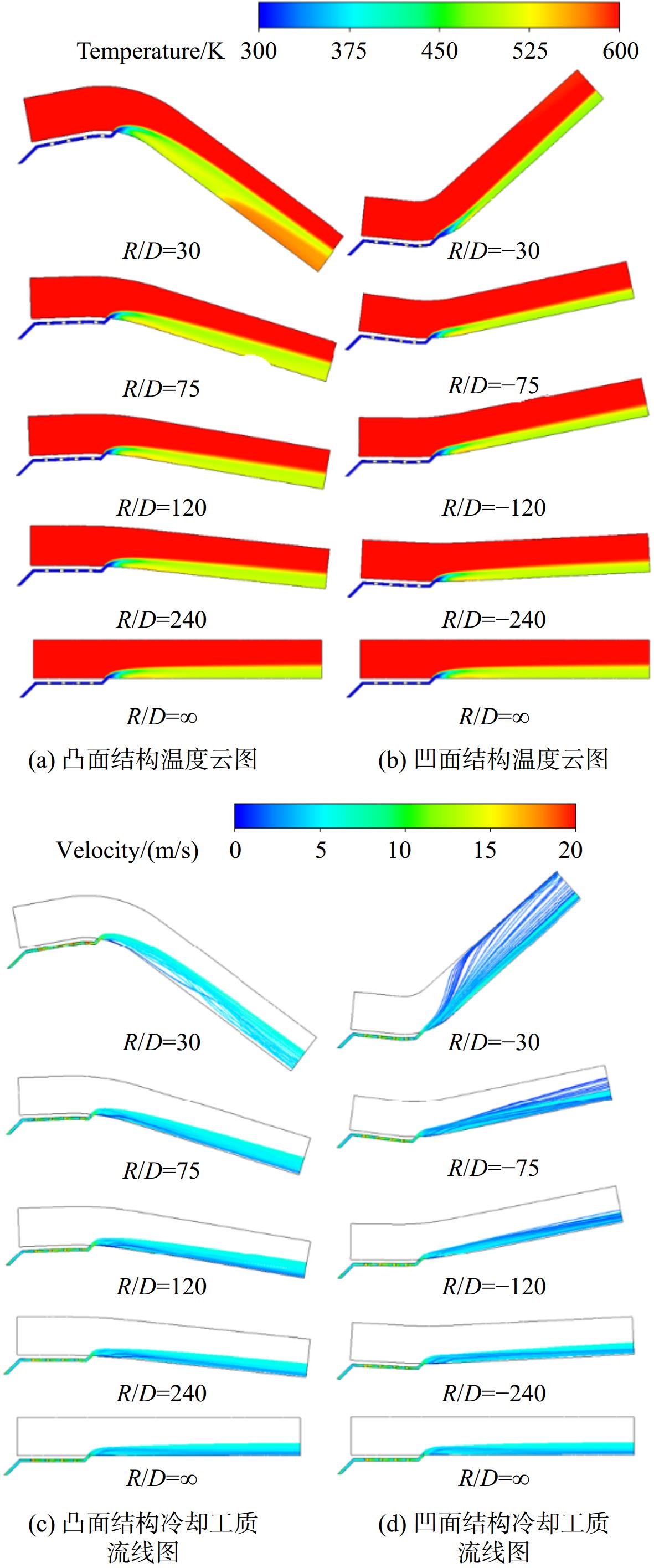
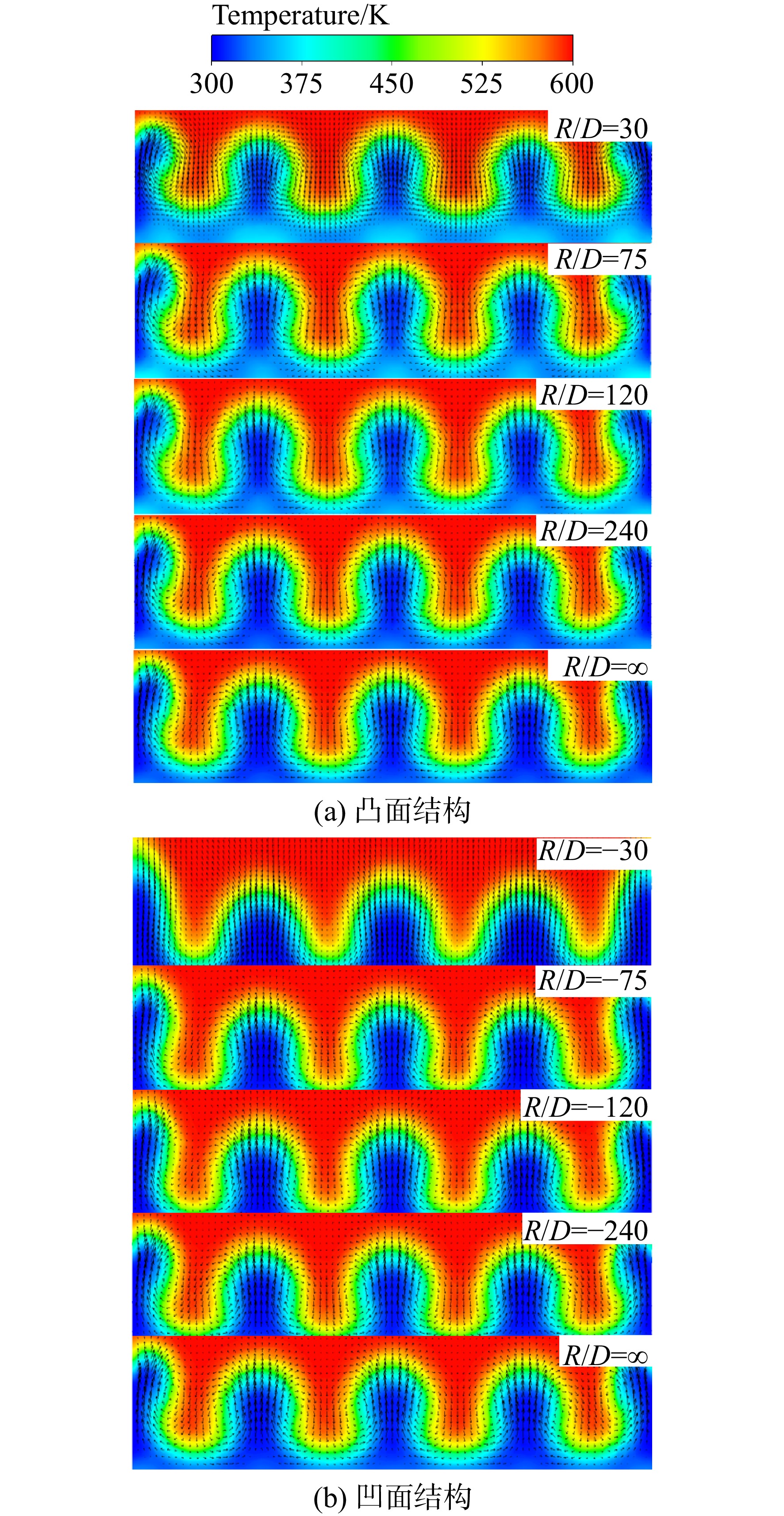
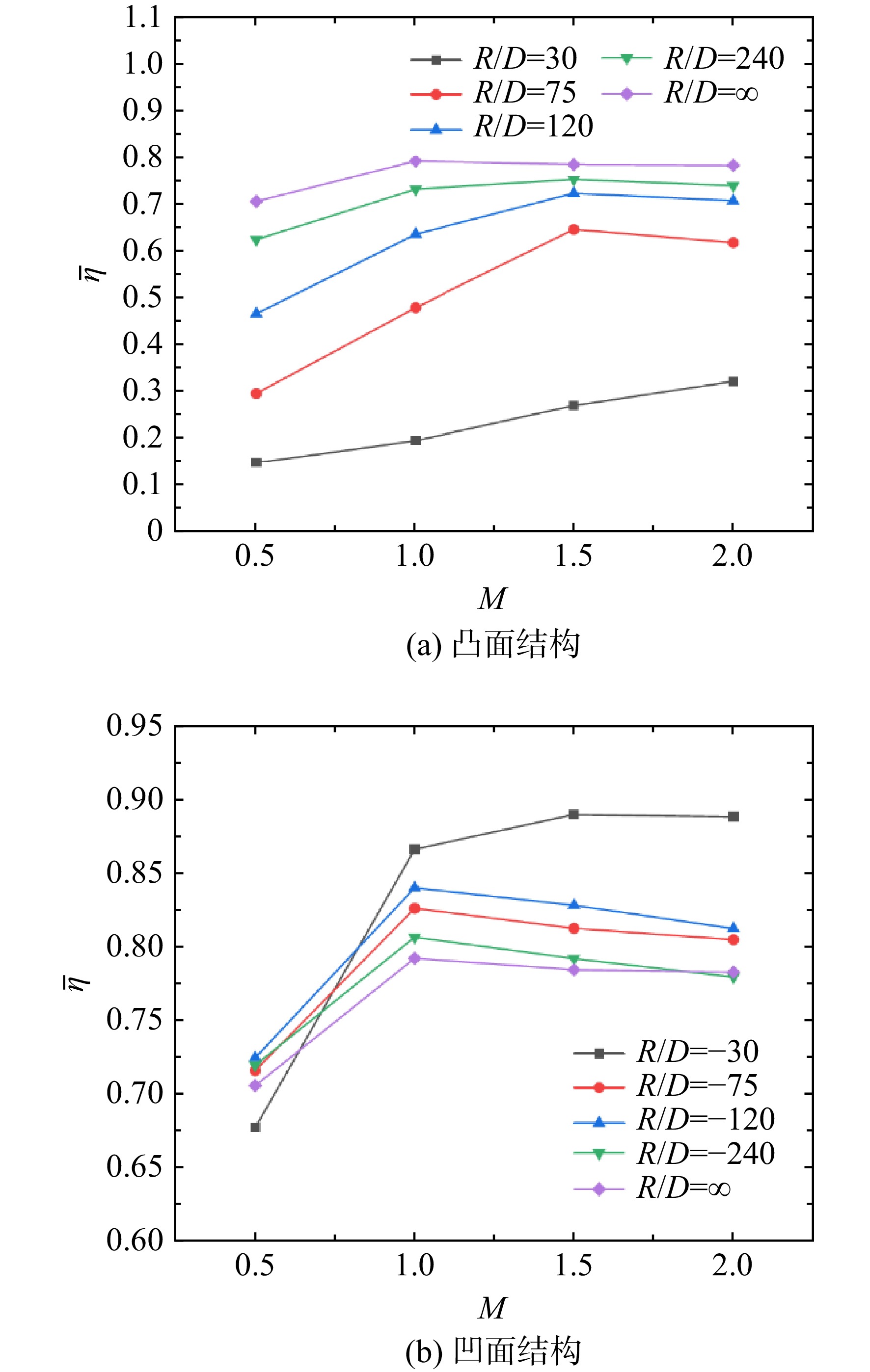
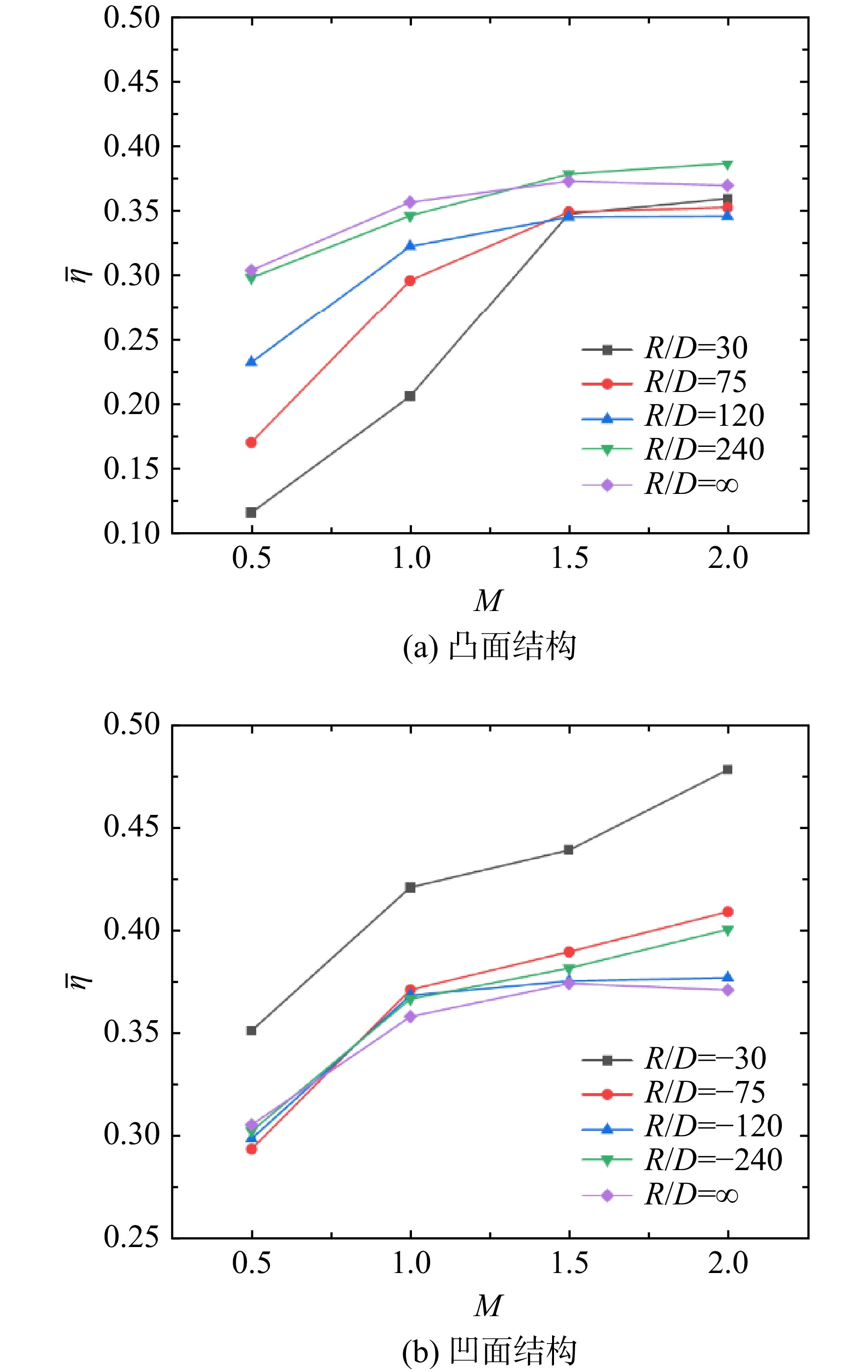
The effects of air, steam and droplet mixing on the film cooling characteristics were numerically simulated for the slit-shaped film holes on the curved surface with different curvature radii under the cooling inlet with/without pin fins structure. The results showed that compared with the flat surface, under the case of mass ratio equal to 1.0, 1.5 and 2.0, the average film cooling efficiency of the convex surface slot film hole was lower, and the average film cooling efficiency of the concave surface slot film hole was basically higher. With the decrease of curvature, the cooling efficiency gradually increased. When the cooling medium was air and steam mixture, the film cooling efficiency increased with the increase of steam mass flow rate. When the cooling air was mixed with droplets, compared with pure air, the average film cooling efficiency increased as the mass flow rate increased. Under the same mass flow rate of droplets conditions, the diameter of droplet was not necessarily better when bigger.

Turbomachinery
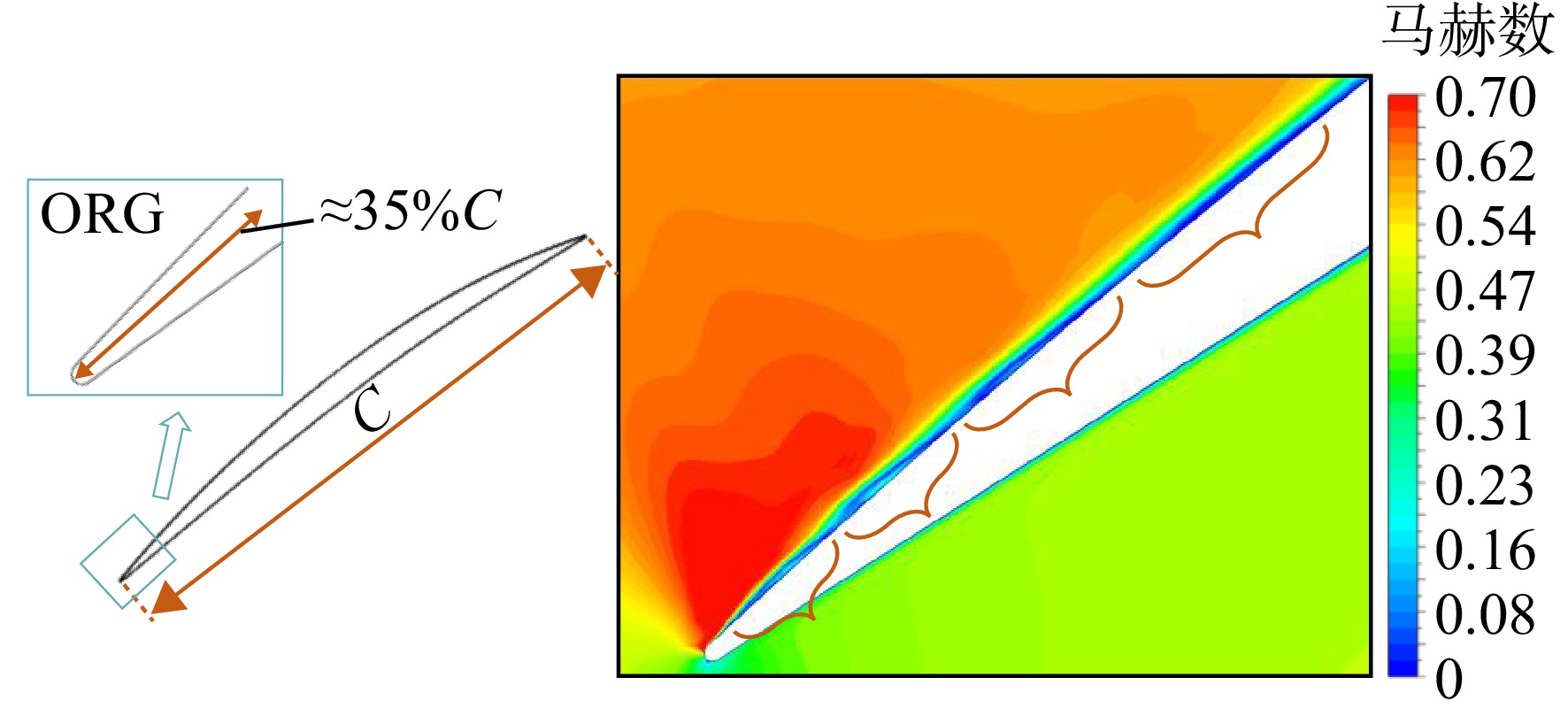
Effect of endwall movement on aerodynamic performance and tip flow characteristics of tandem diffusion cascades
MAO Xiaochen, DING Zhihua, WANG Yunyu, ZHANG Peng, GAO Limin, LIU Bo
2025, 40(12): 20240737. doi: 10.13224/j.cnki.jasp.20240737
Abstract:
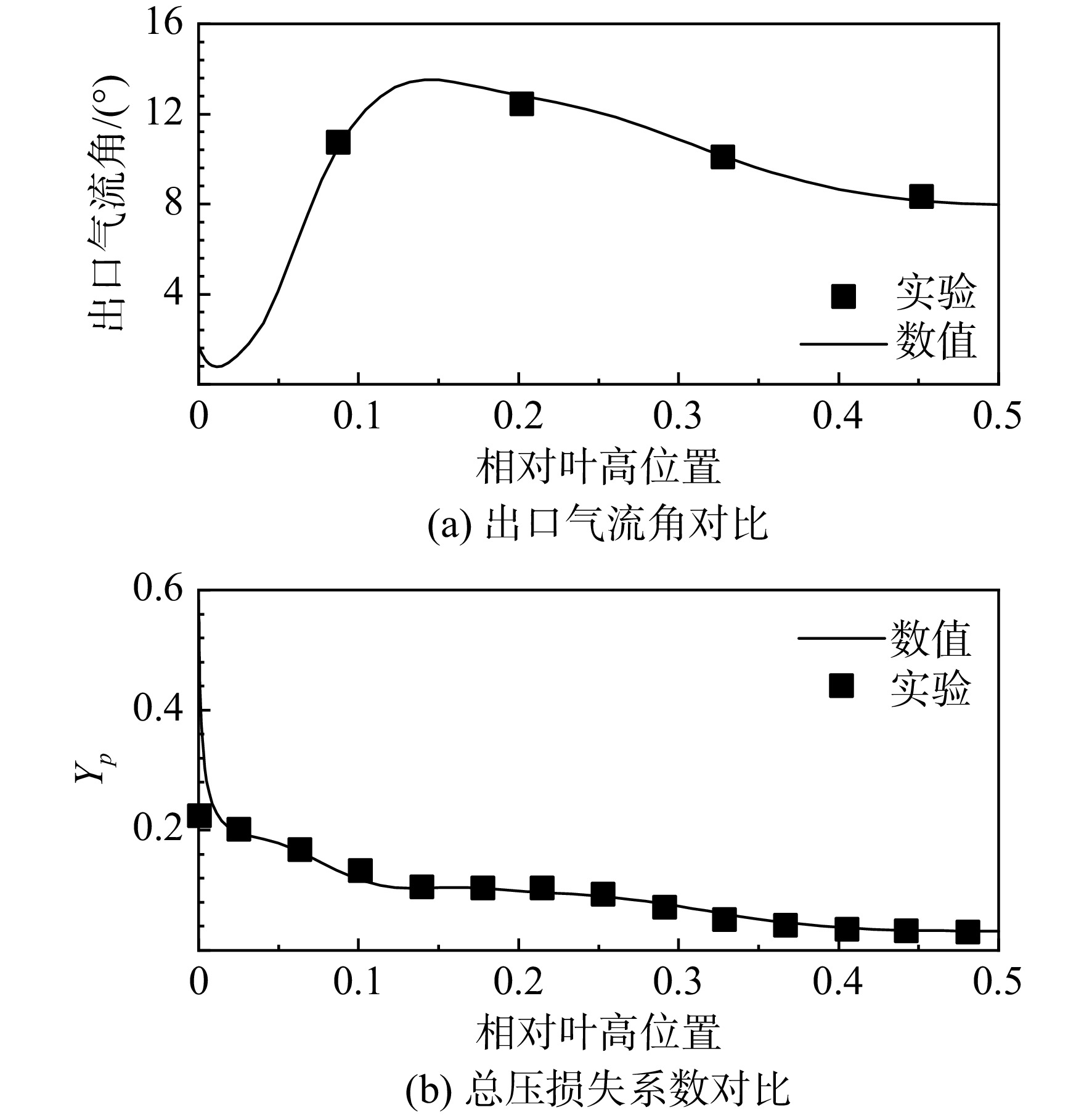
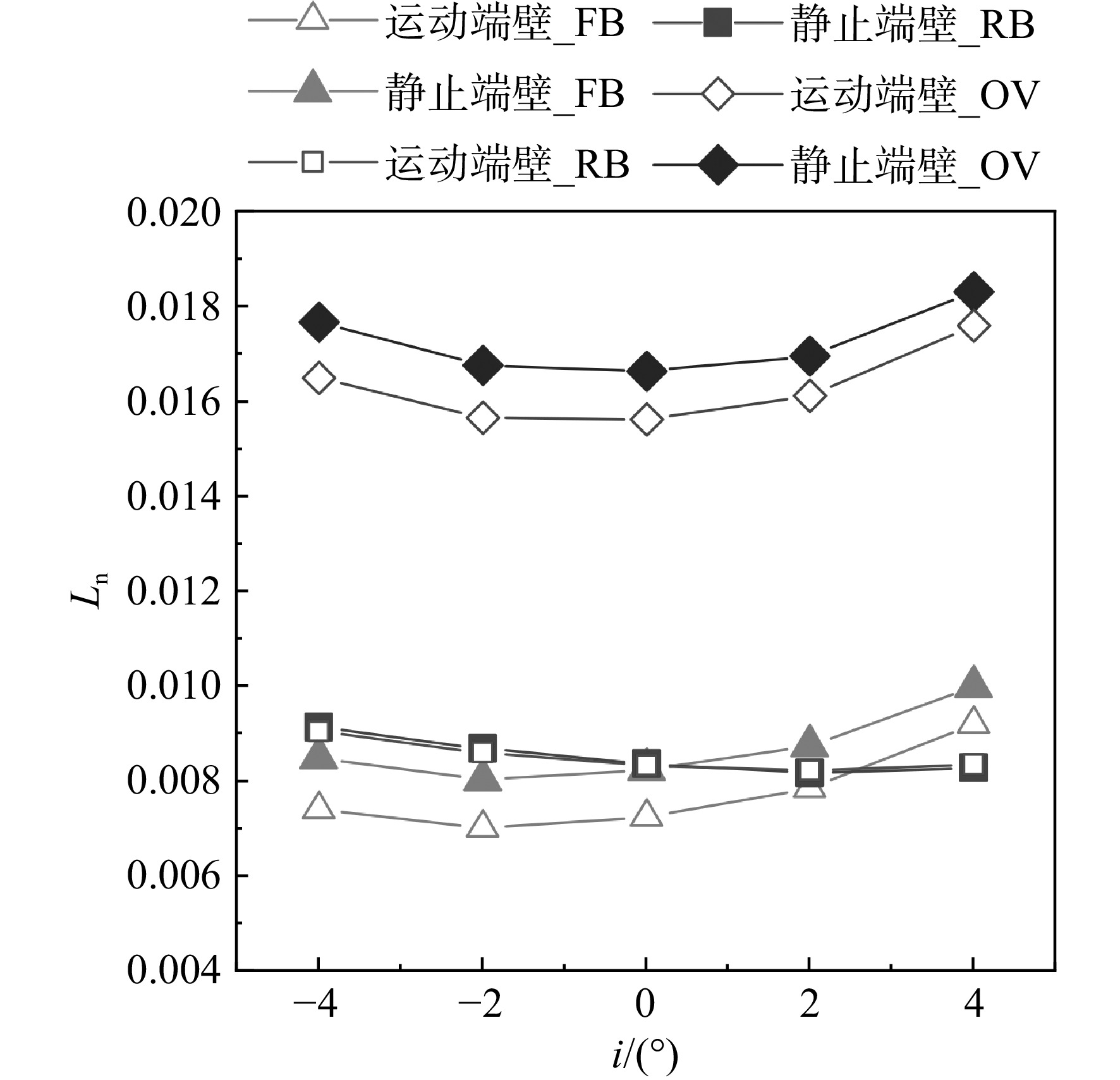
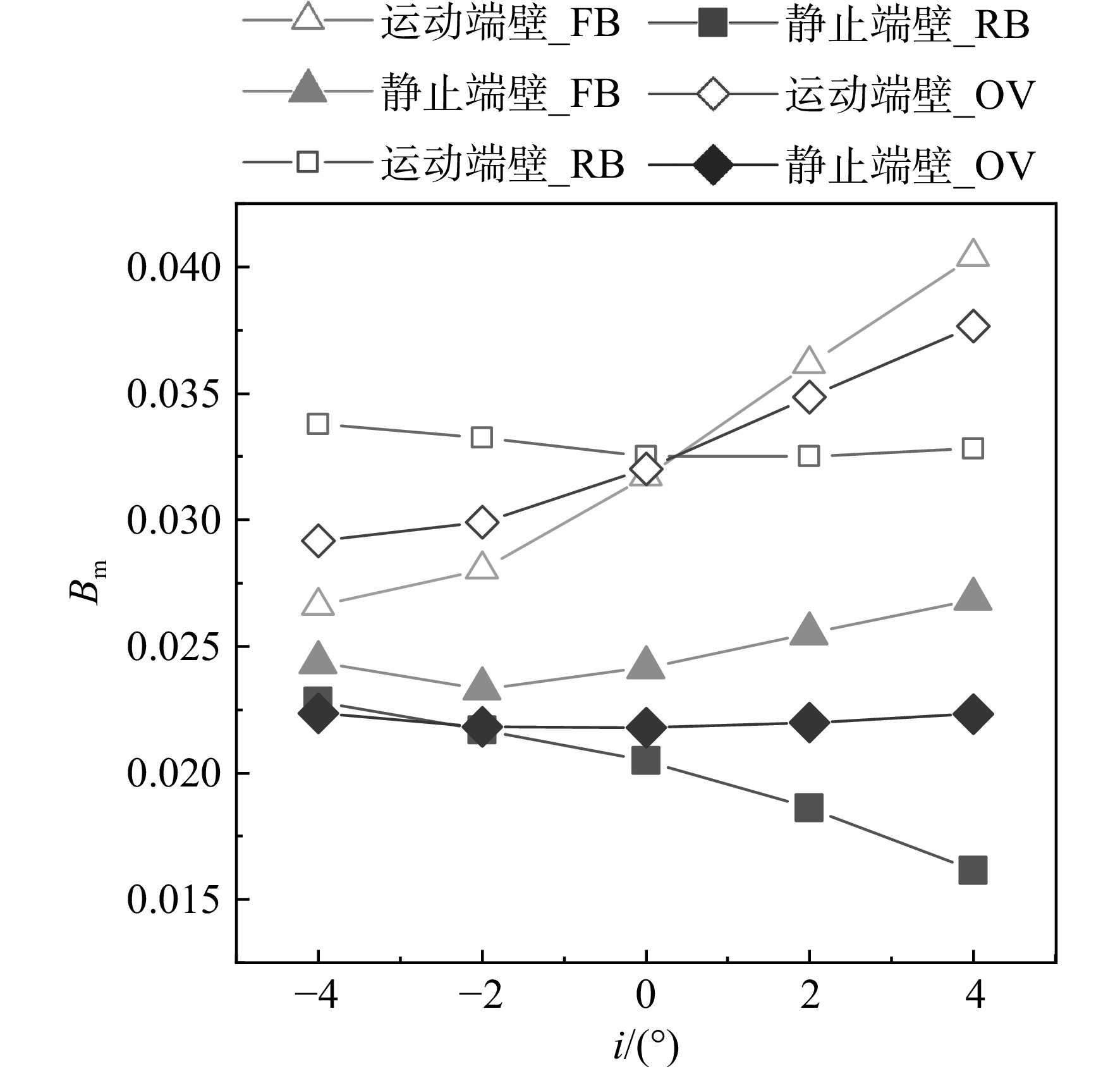
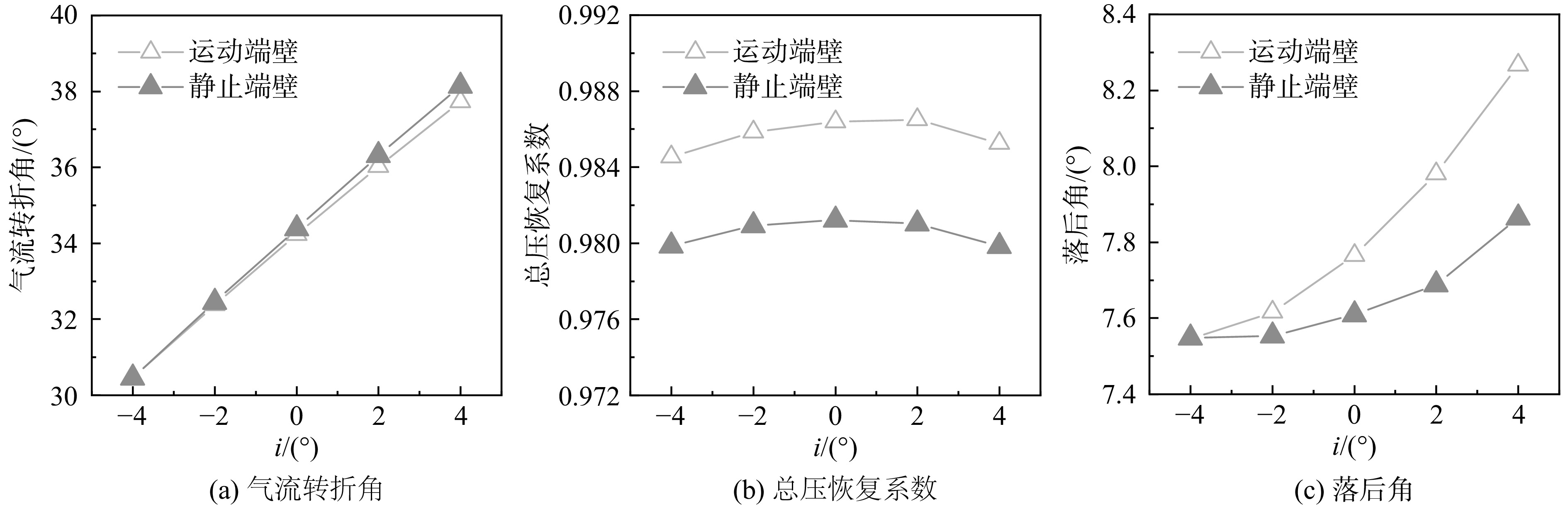
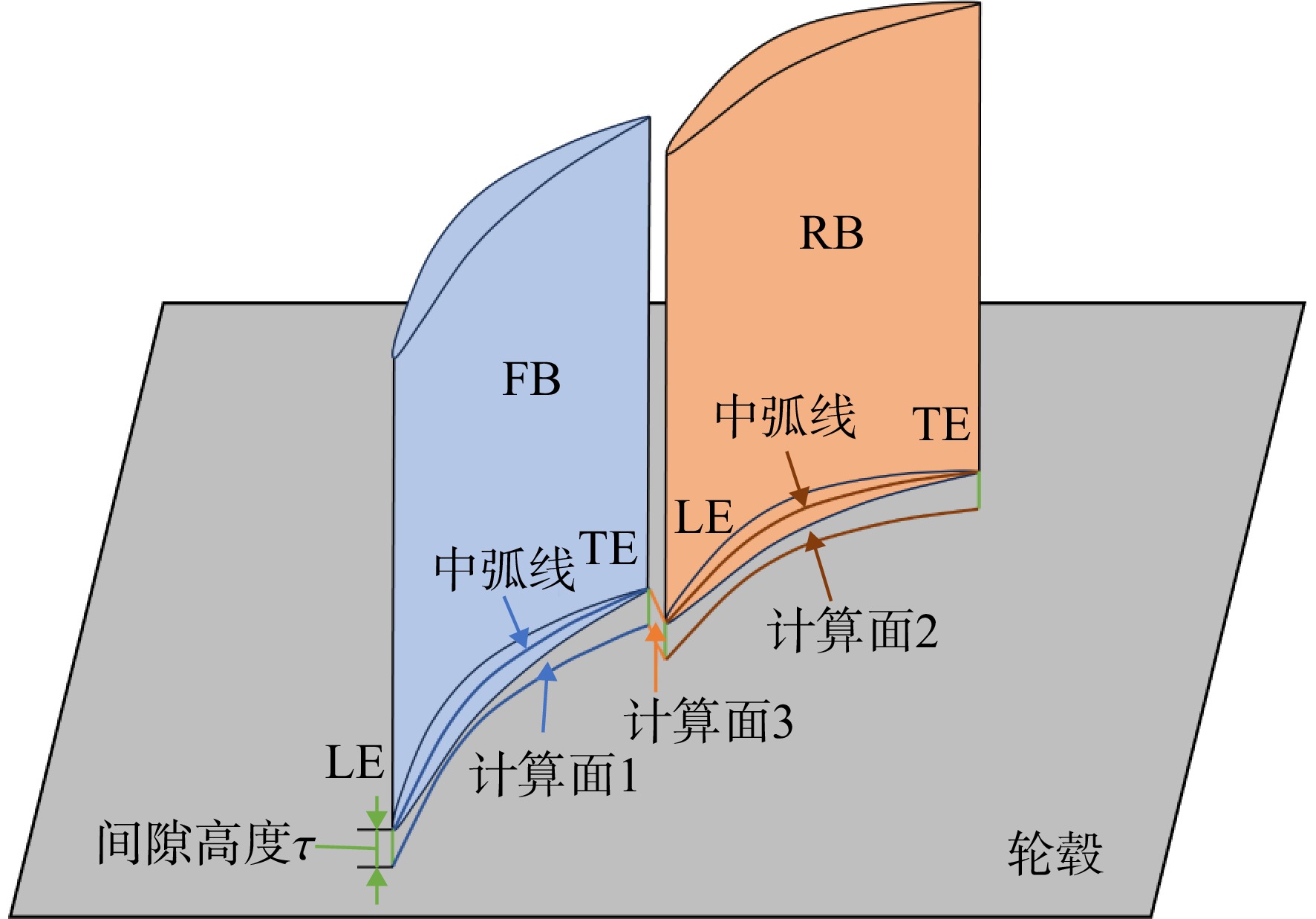
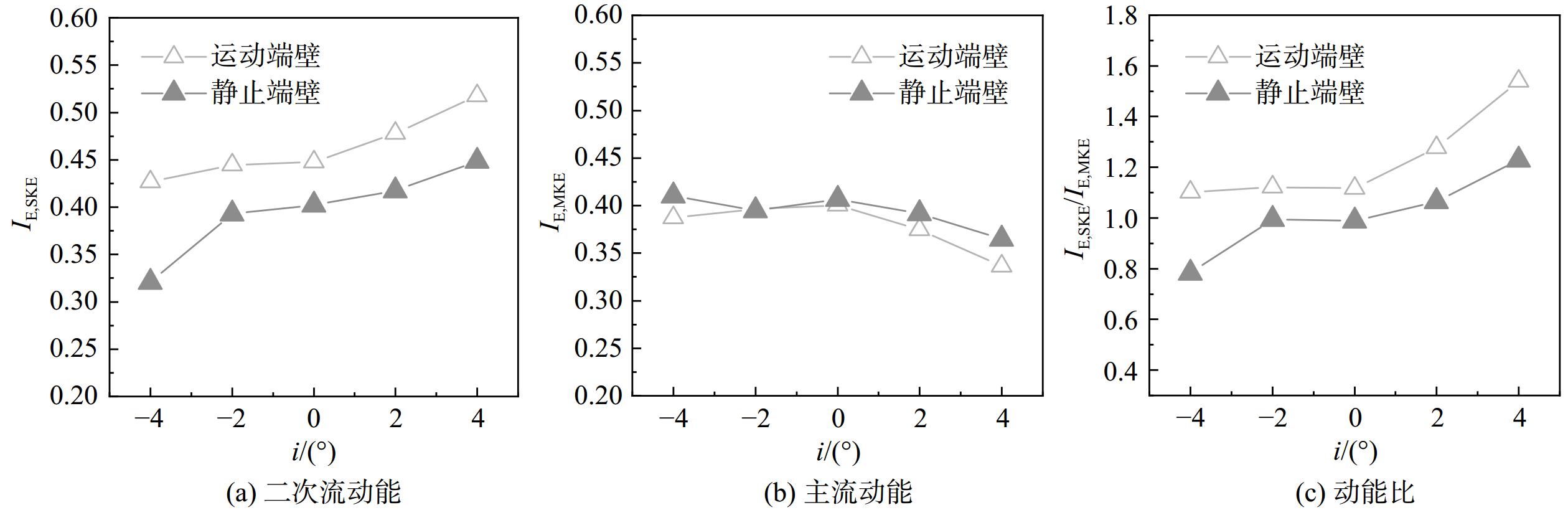
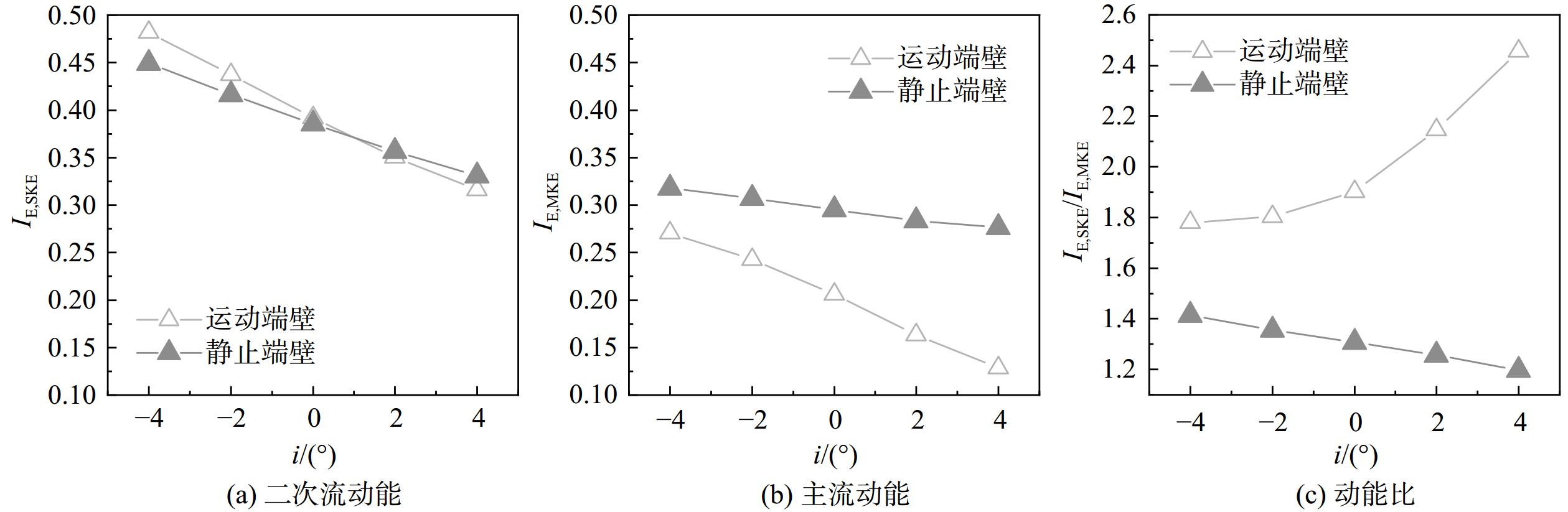
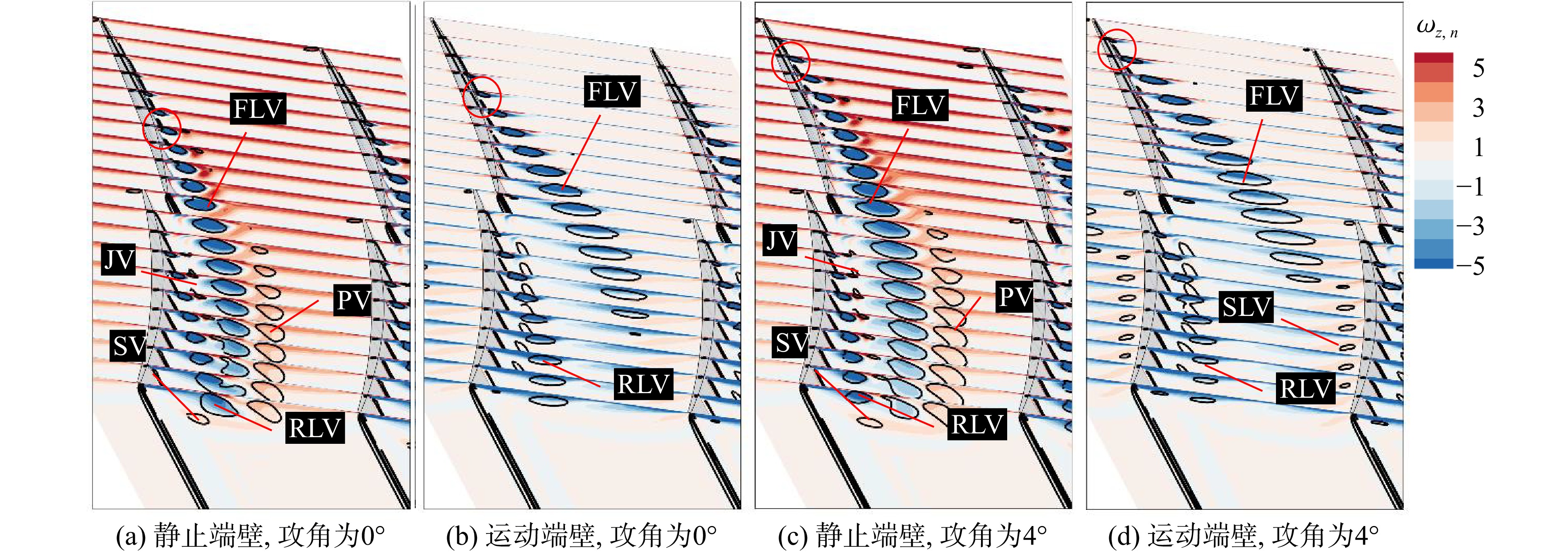
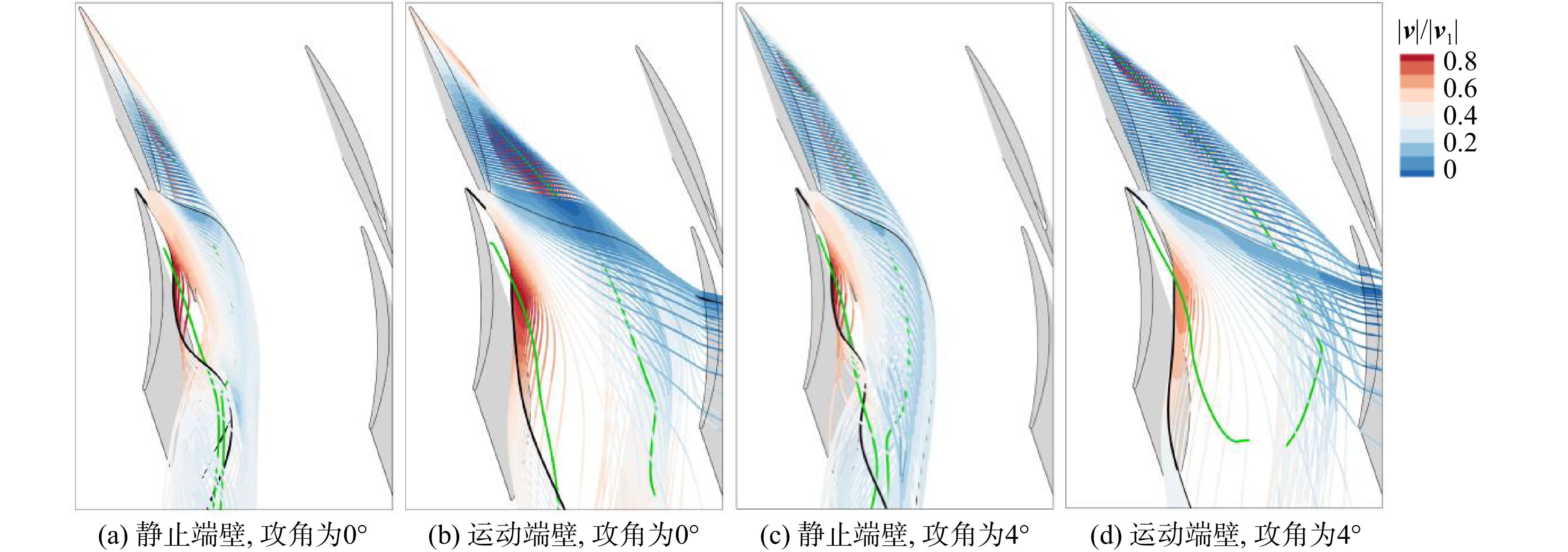
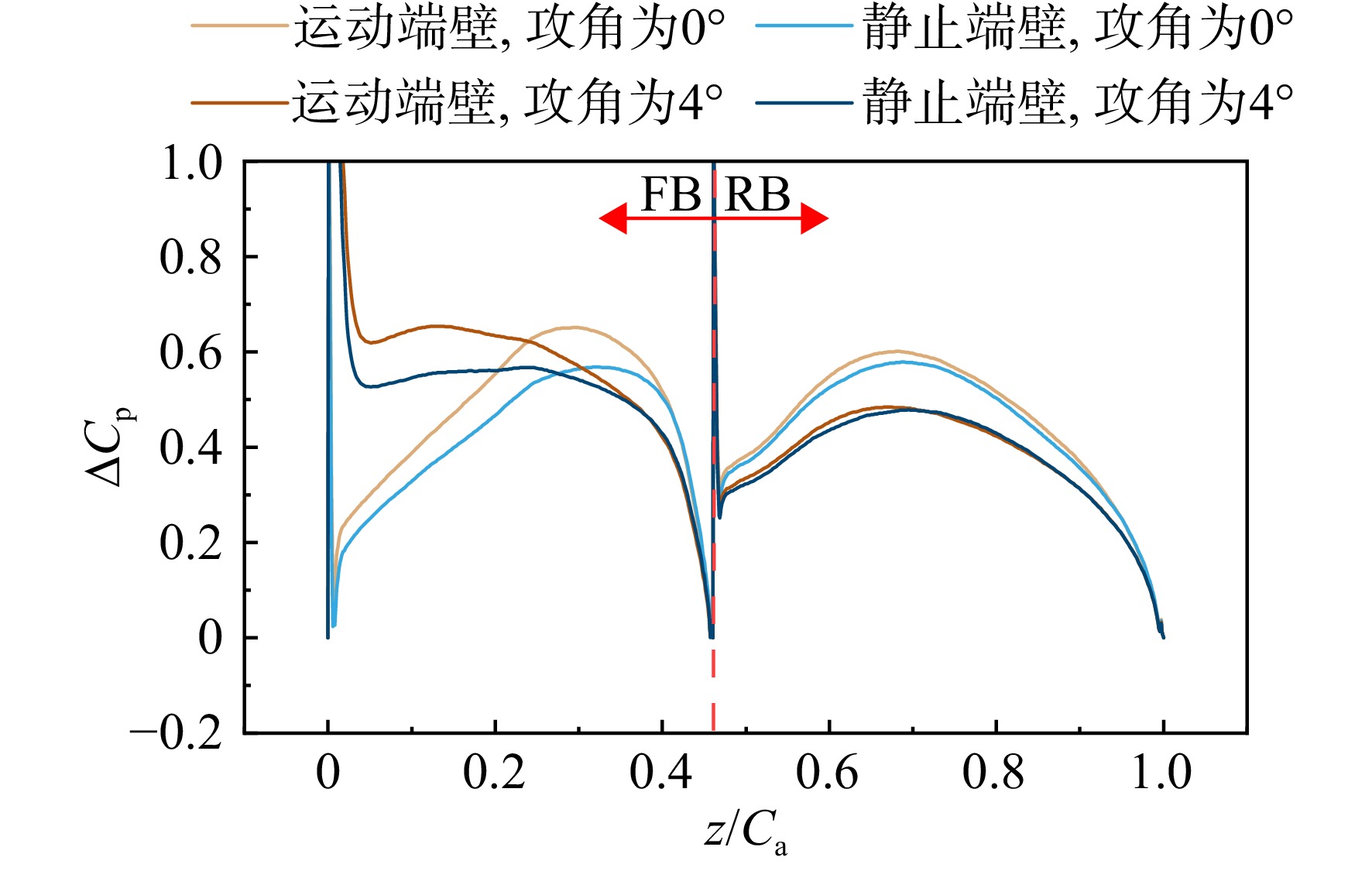
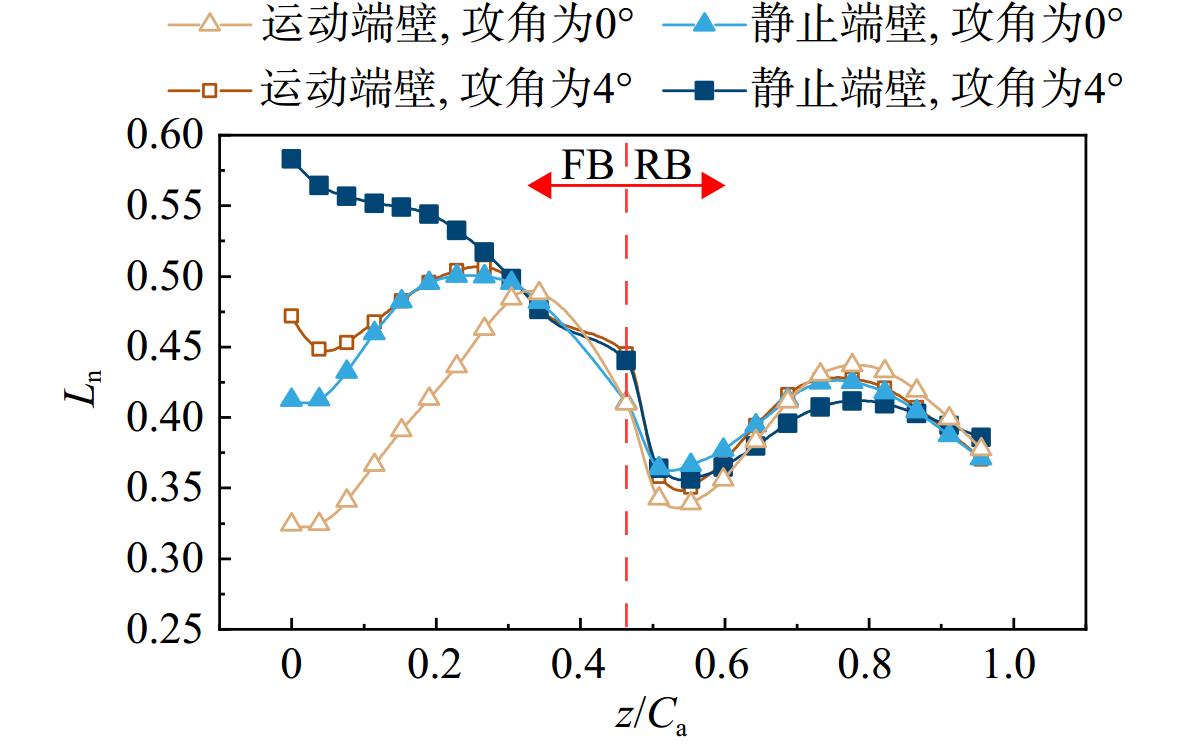
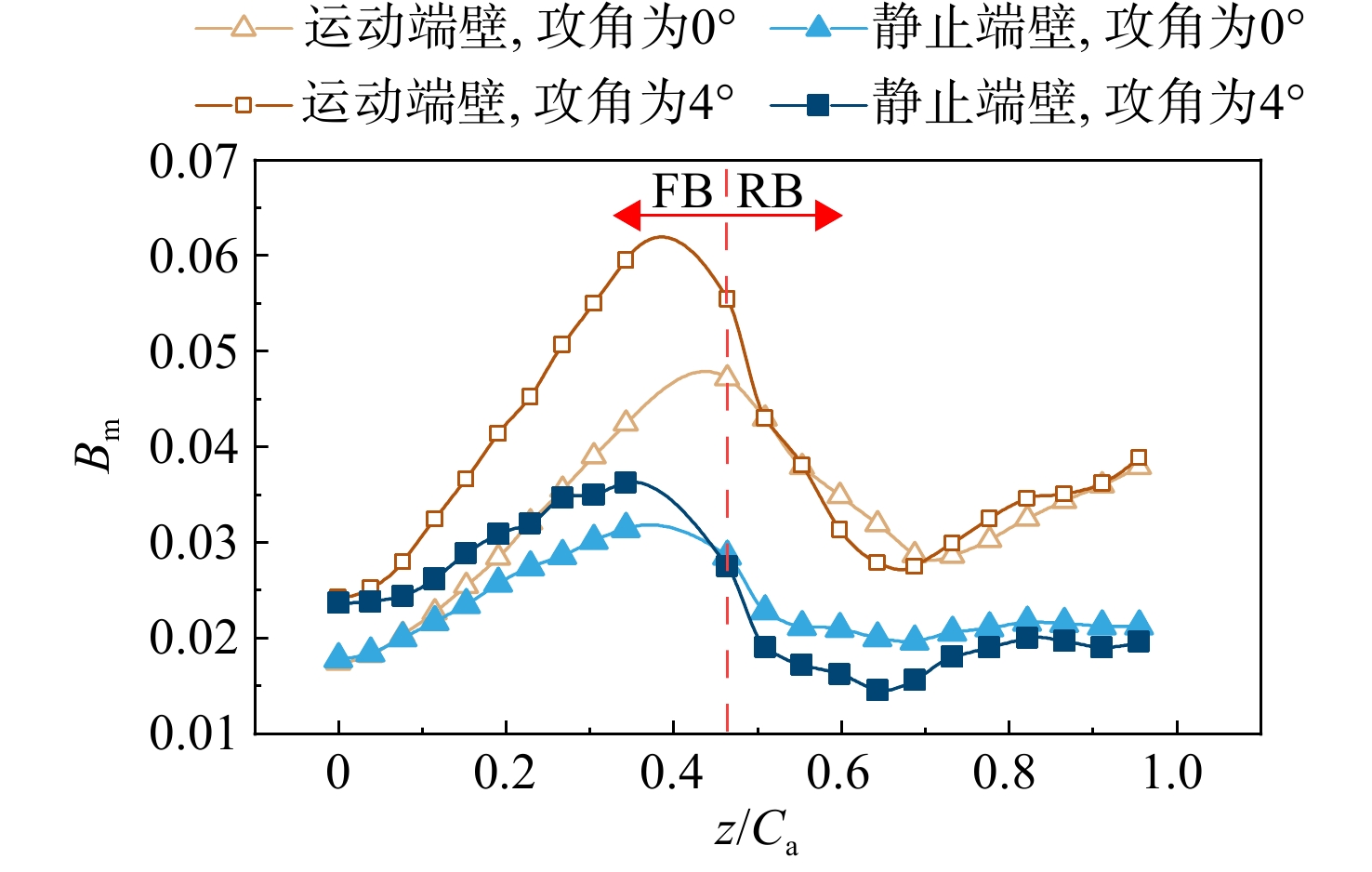
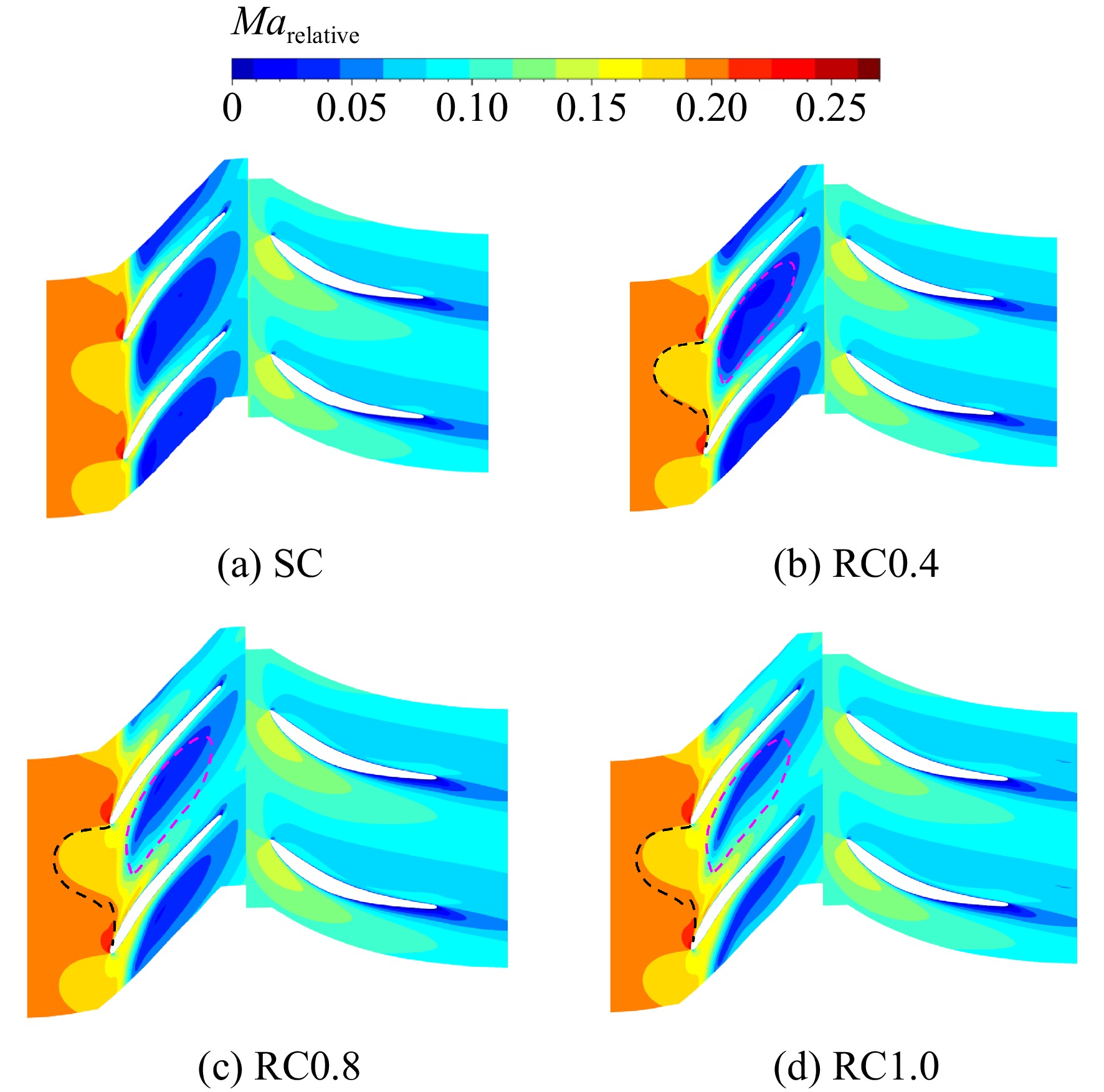
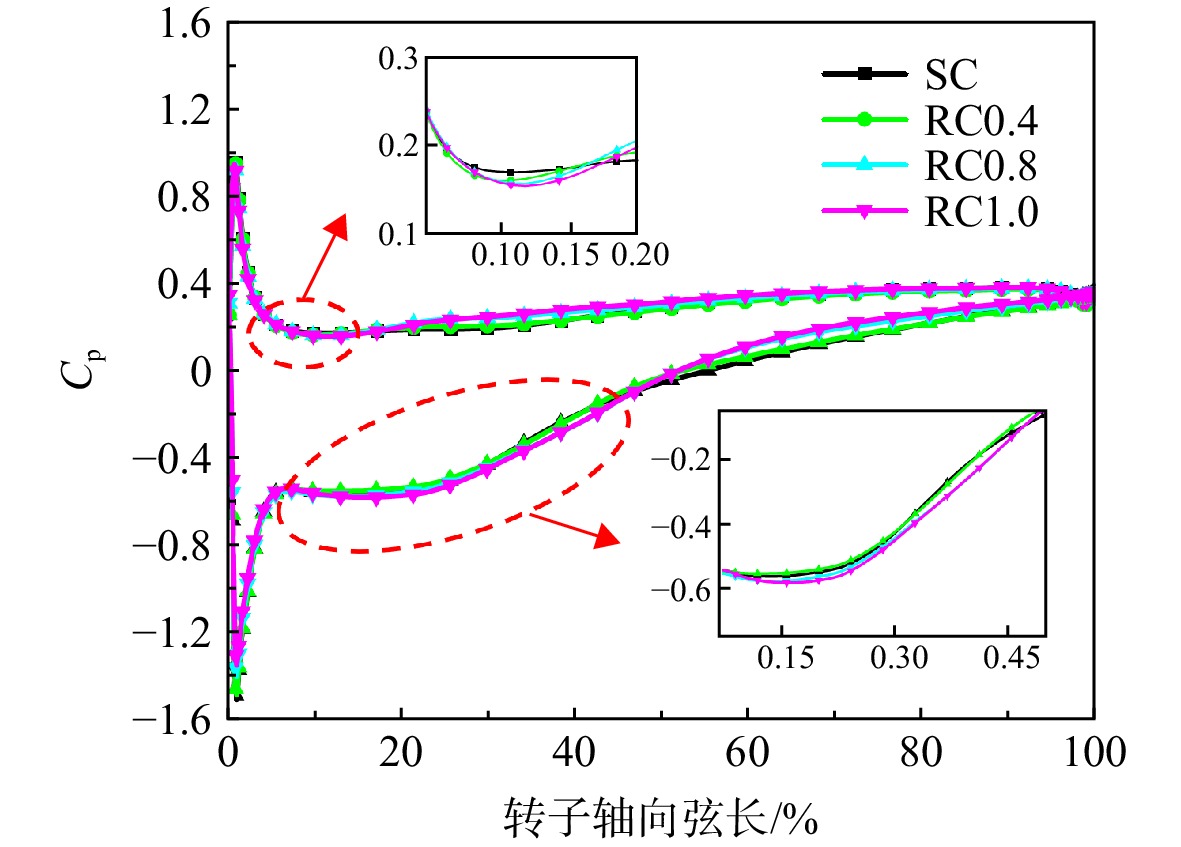
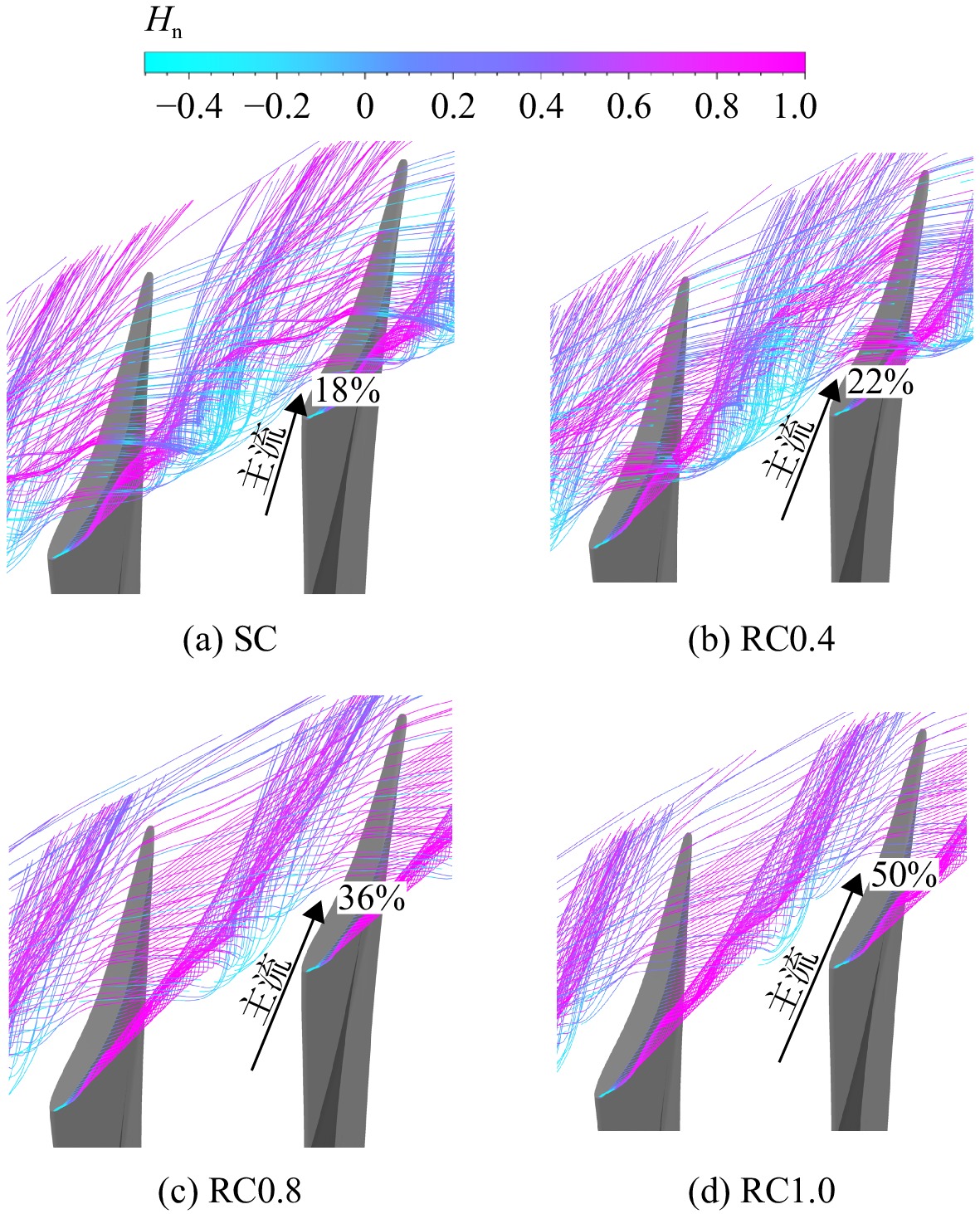
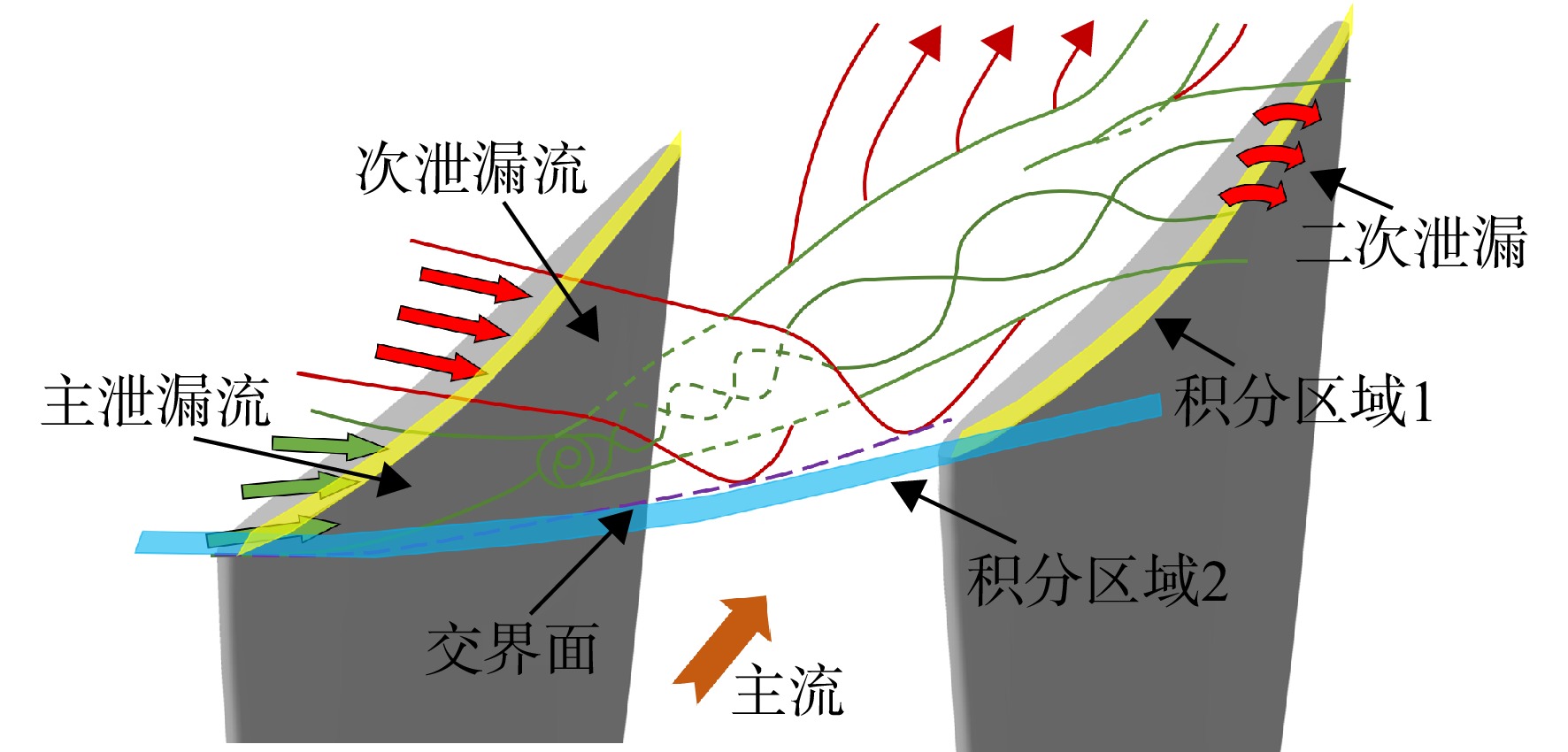
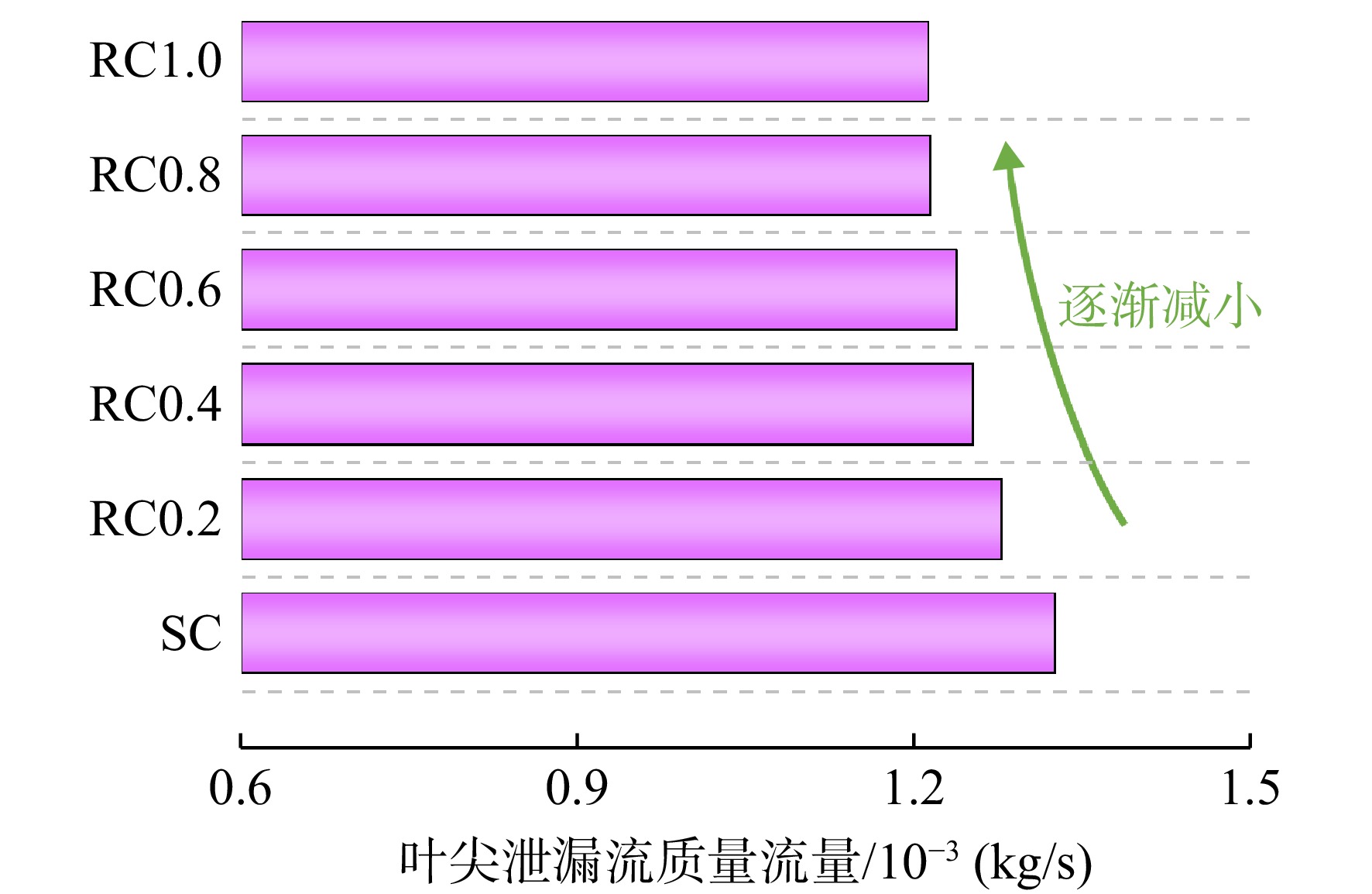
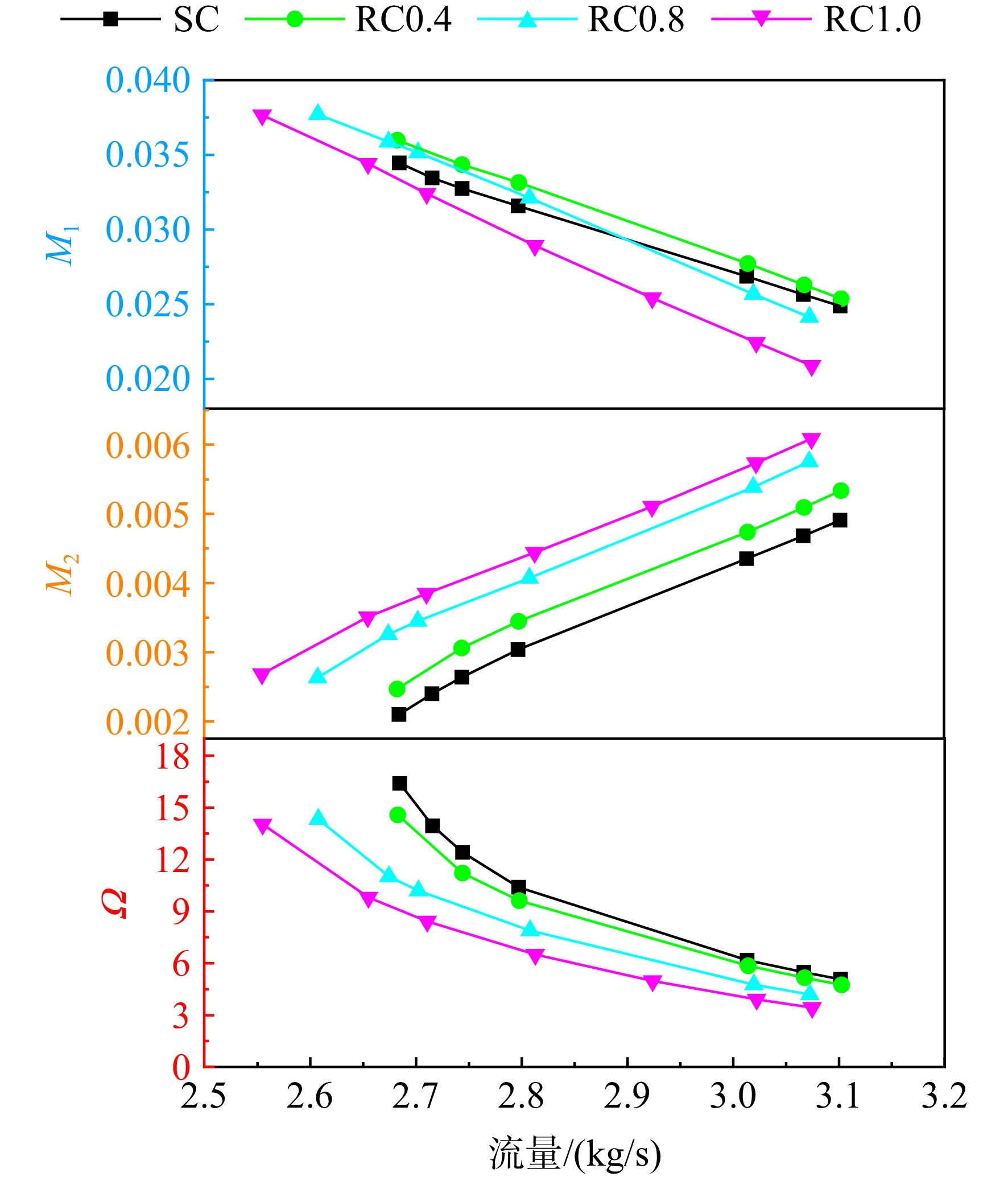
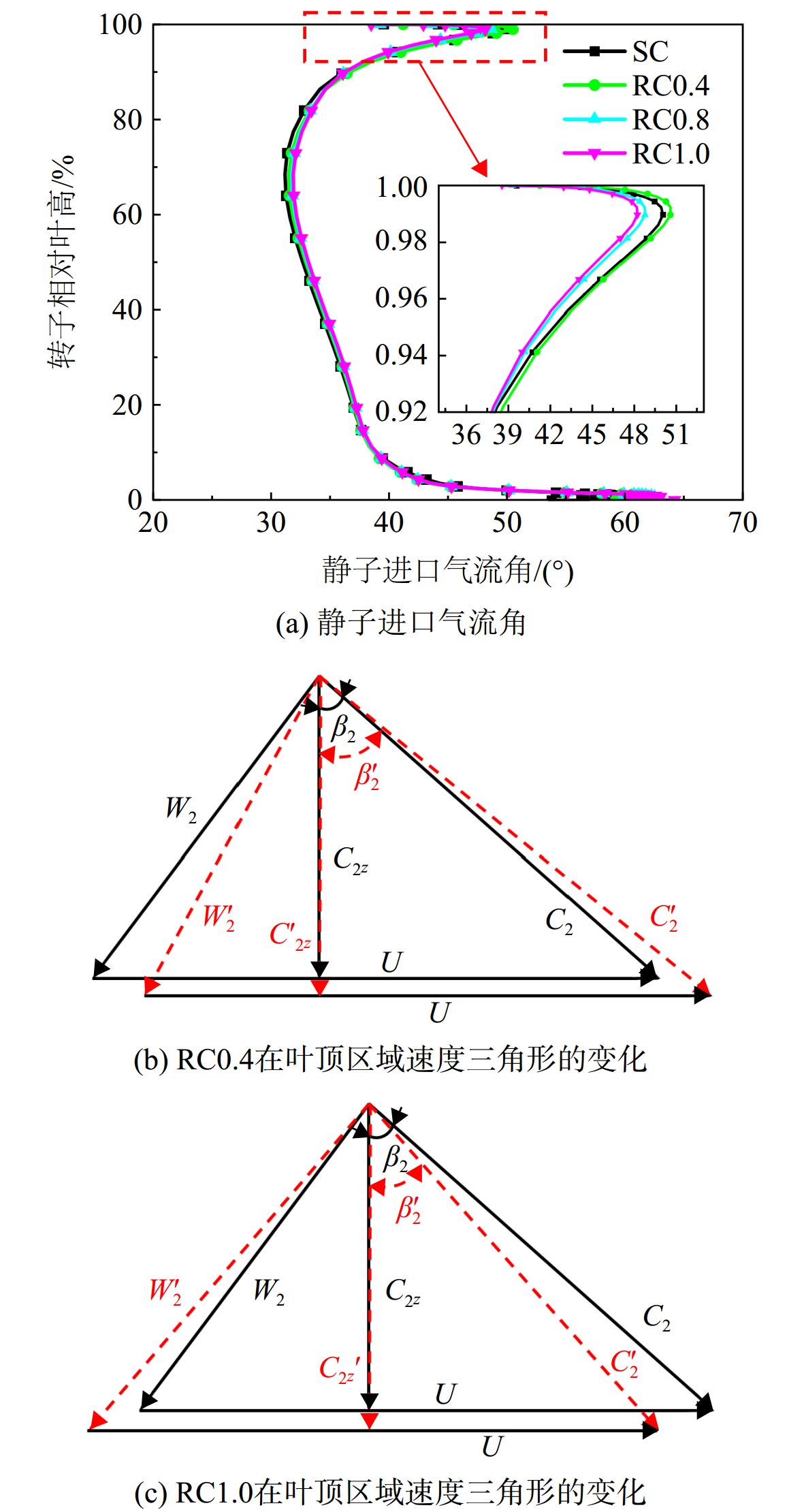
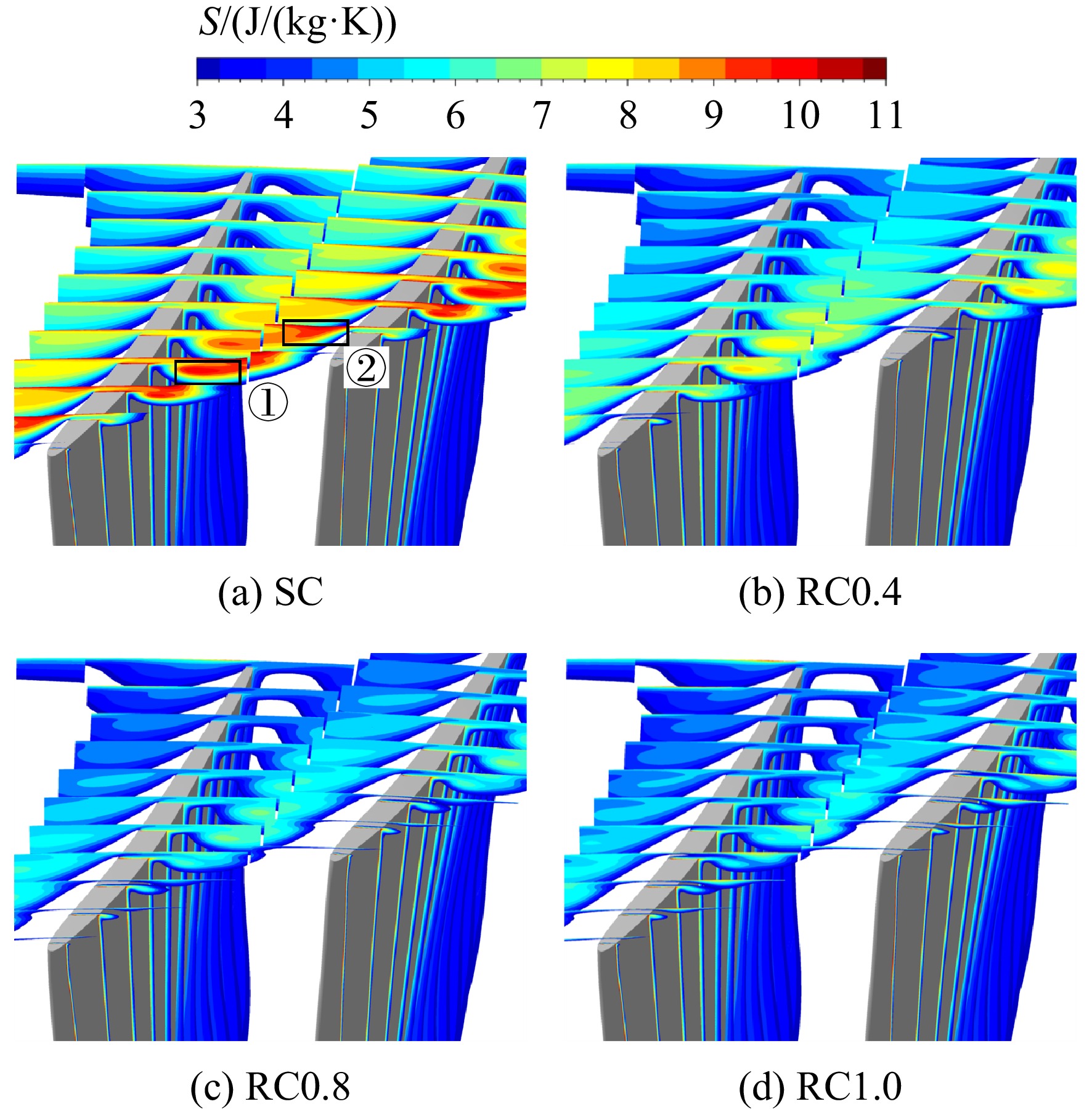
Numerical simulation methods were employed to quantitatively and qualitatively explore the impact of endwall movement on the aerodynamic performance and tip flow characteristics of tandem diffusion cascades from the perspectives of entropy production rate, blockage factor and kinetic energy component of leakage flow. The main conclusions were as follows: firstly, after the endwall movement, the overall loss of tandem cascade was reduced, the blockage in tip area was intensified, and the flow turning angle was decreased, while the lag angle was increased. In the range of −4° to 4° angle of incidence, the loss was reduced by more than 3.9%, and the blockage was increased by more than 30.4%. Secondly, the endwall movement increased the leakage flow of the front and rear blades by 12.3% and 9.9%, respectively, but decreased the gap jet flow. Furthermore, the endwall movement enlarged the ratio of the kinetic energy of the leakage flows of the front and rear blades, with the secondary flow kinetic energy becoming dominant. It also increased the loads on the front and rear blades and made the position of the maximum pressure difference move forward in advance. As a result, the morphology and development of the leakage vortices were changed and the formation of the jet vortices was suppressed. In addition, the endwall movement significantly weakened the endwall shear effect and the mixing effect of the gap jet, expanded the circumferential influence range of the leakage flow of the front blade and caused secondary leakage. This resulted in a significant reduction in the entropy production of the front blade, while the change in the entropy production of the rear blade was relatively small. Moreover, the blockages of both the front and rear blades were intensified. The impact of the endwall movement and the increase in the angle of incidence on the front blade of the tandem cascades was greater than that on the rear blade, which was mainly the result of the regulating effect of the gap jet.

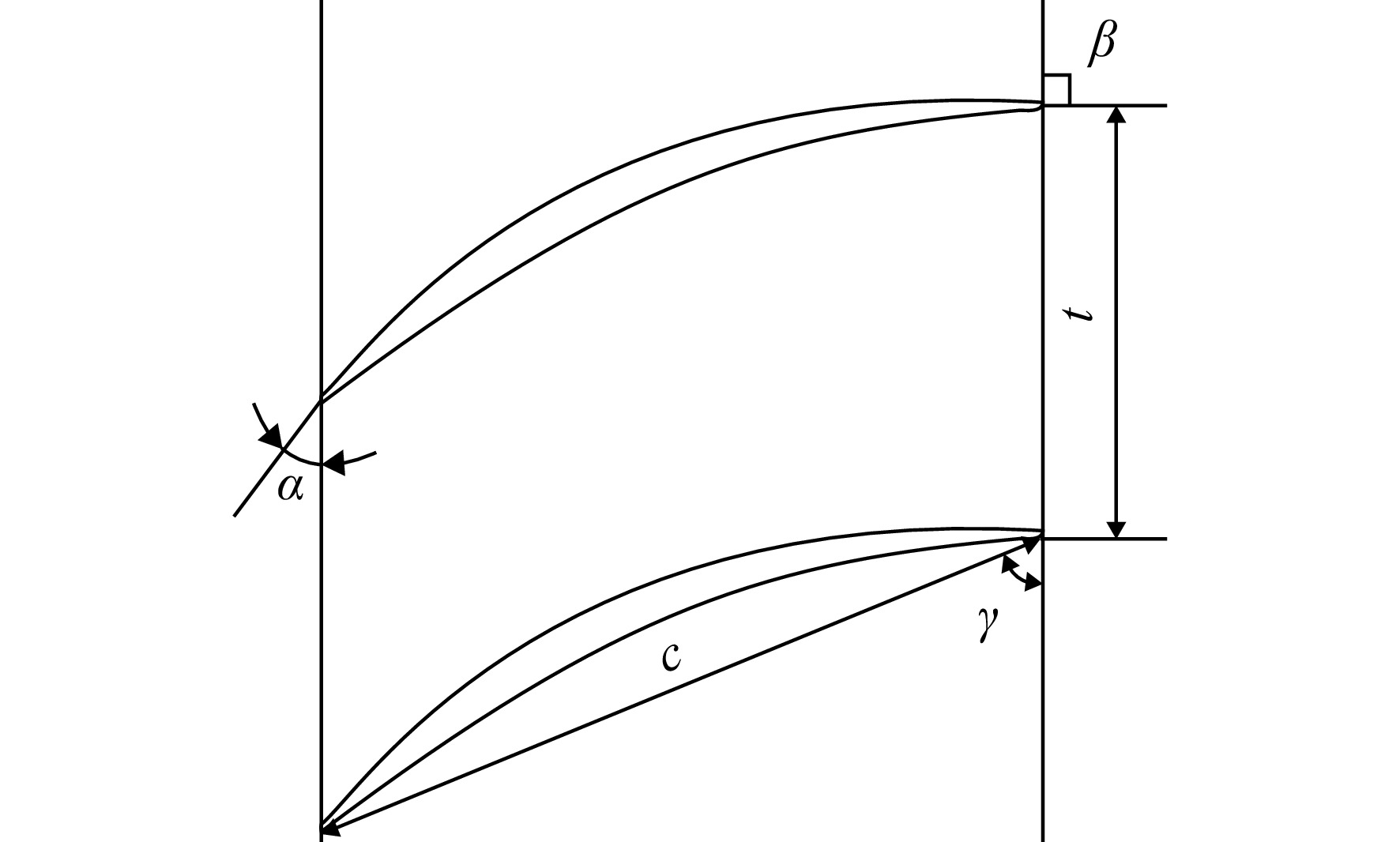
Flow characteristics of leading edge erosion subsonic airfoil under low Reynolds number condition
SHI Lei, ZHENG Yuxiang, FANG Wenbo, GUO Shuhan, XIONG Jie
2025, 40(12): 20240728. doi: 10.13224/j.cnki.jasp.20240728
Abstract:
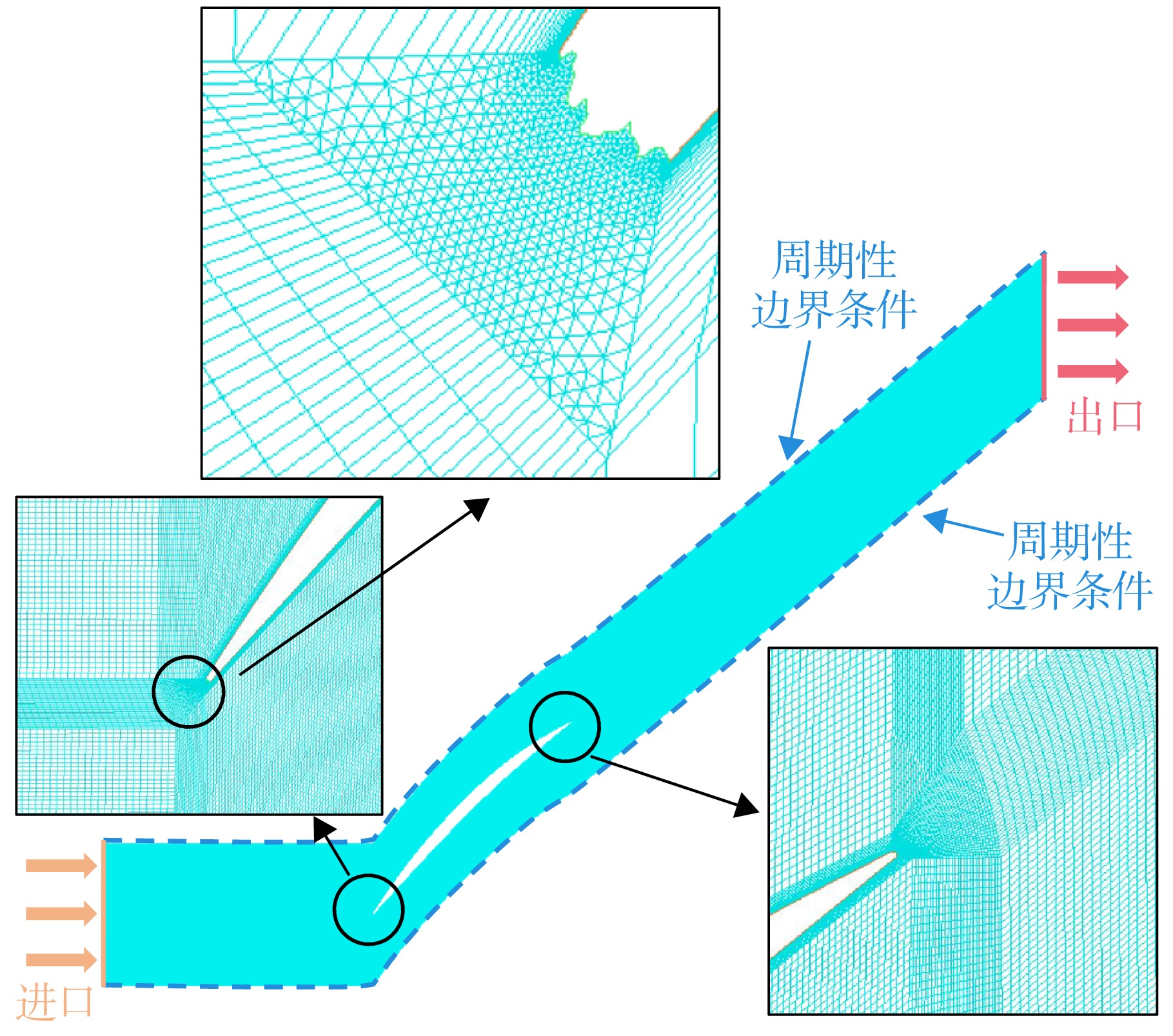
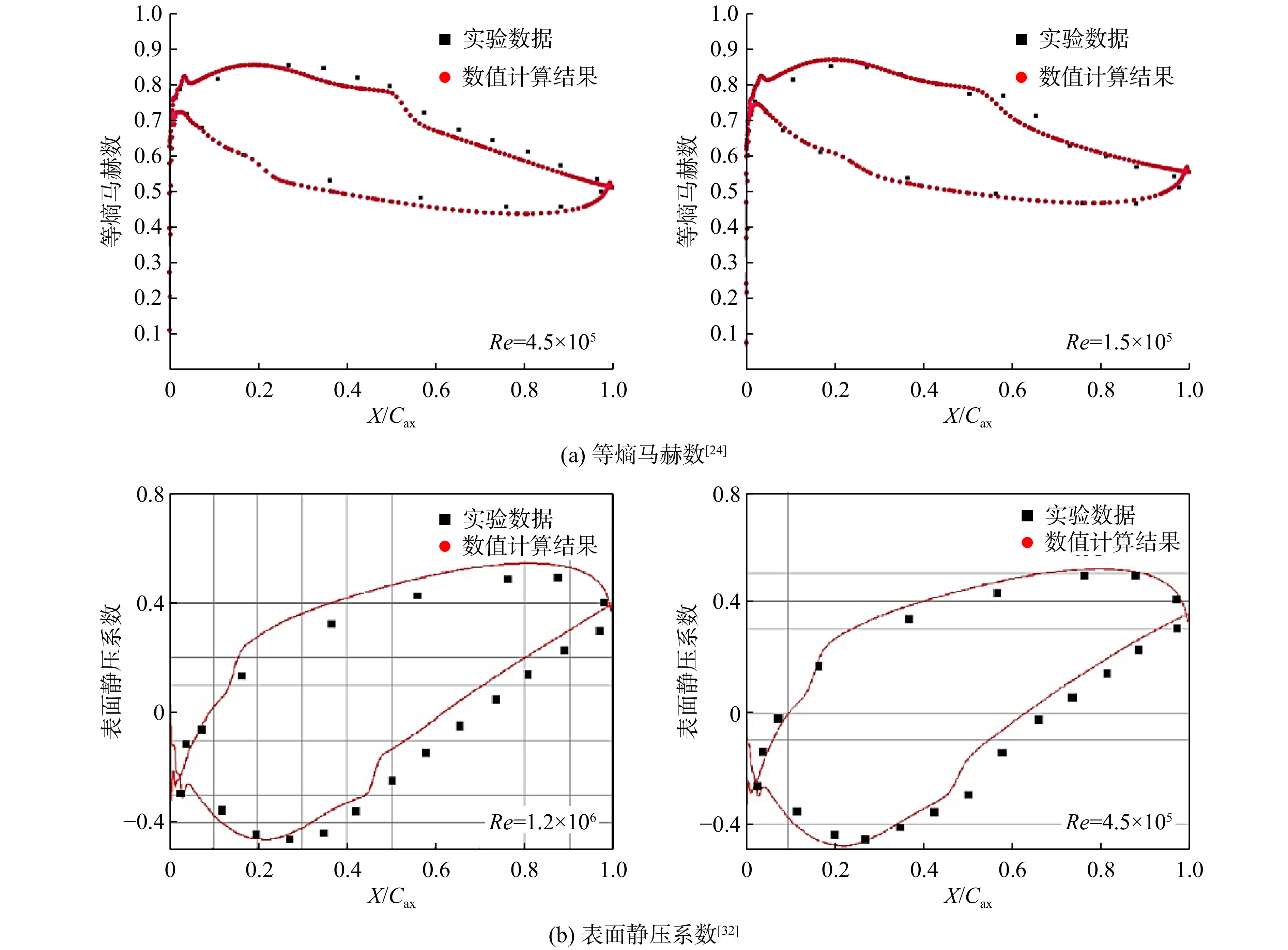
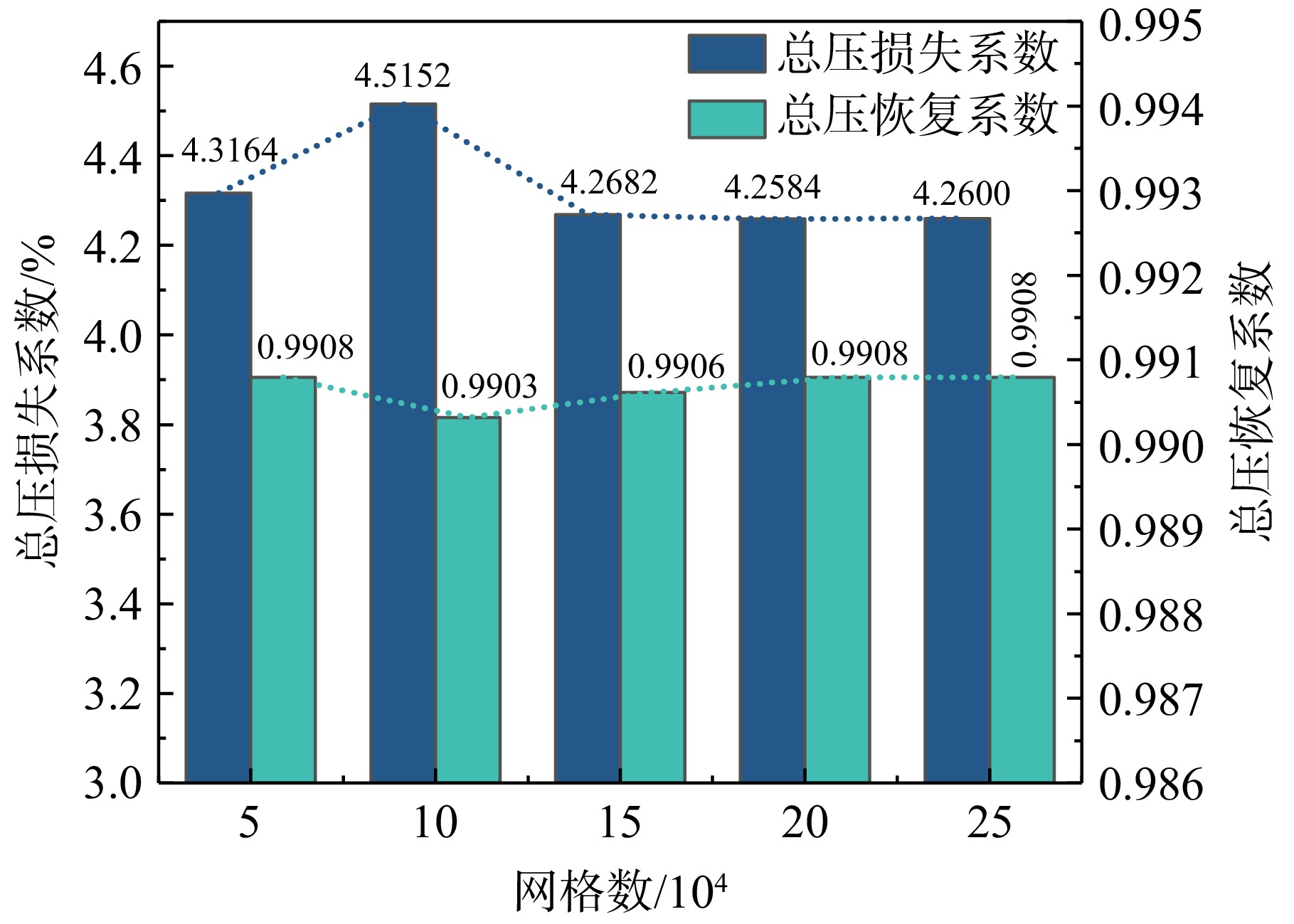
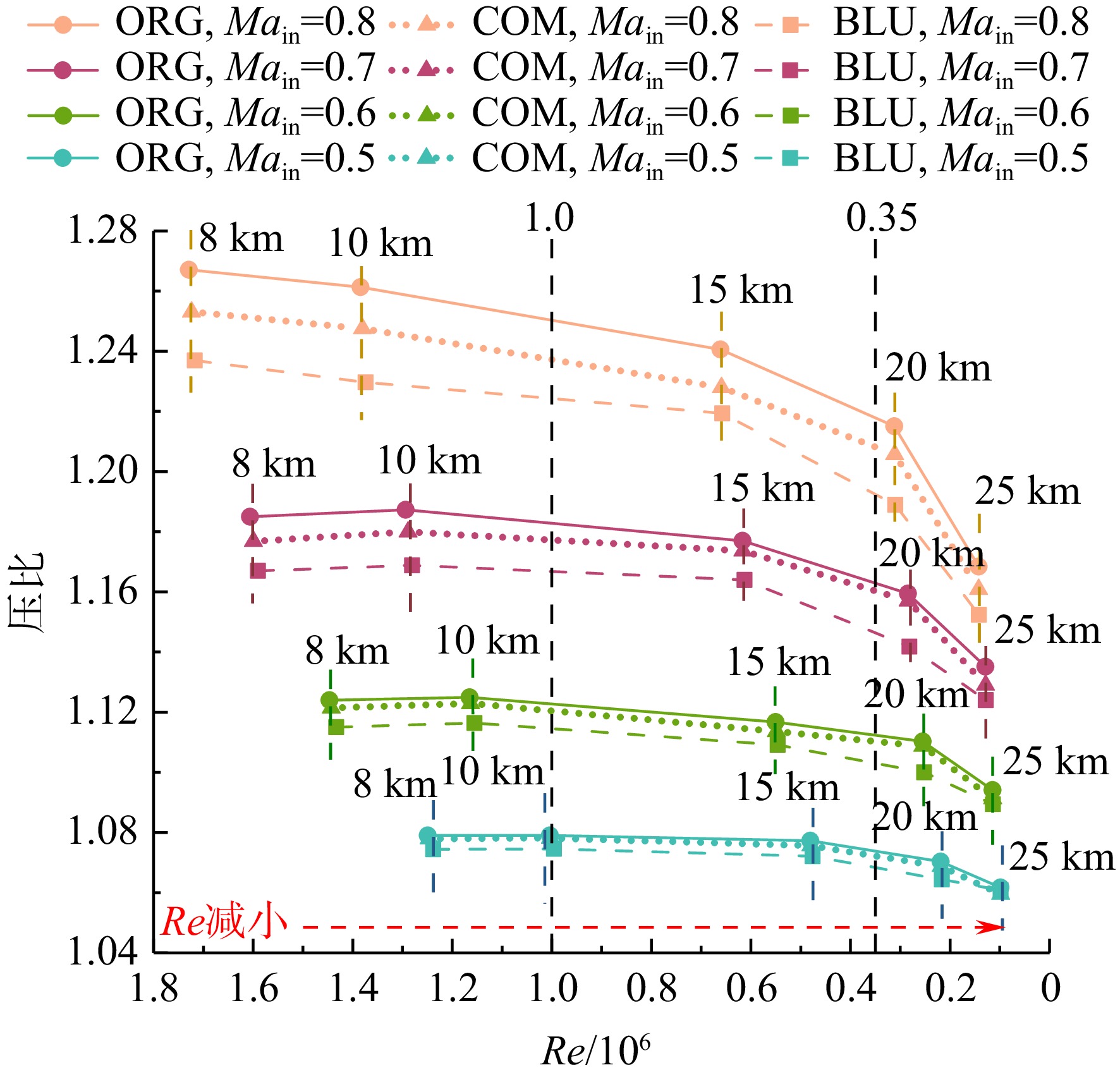
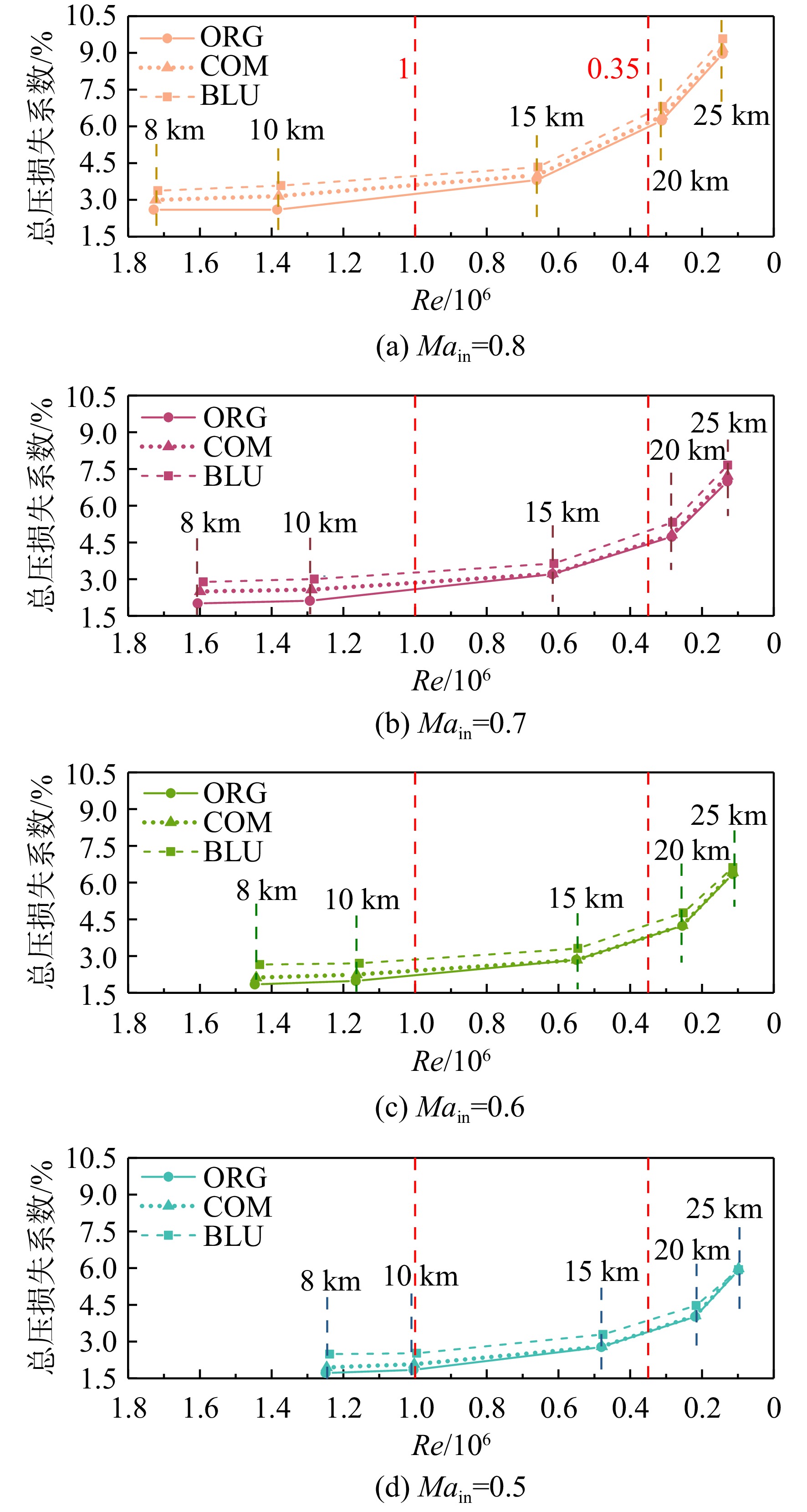
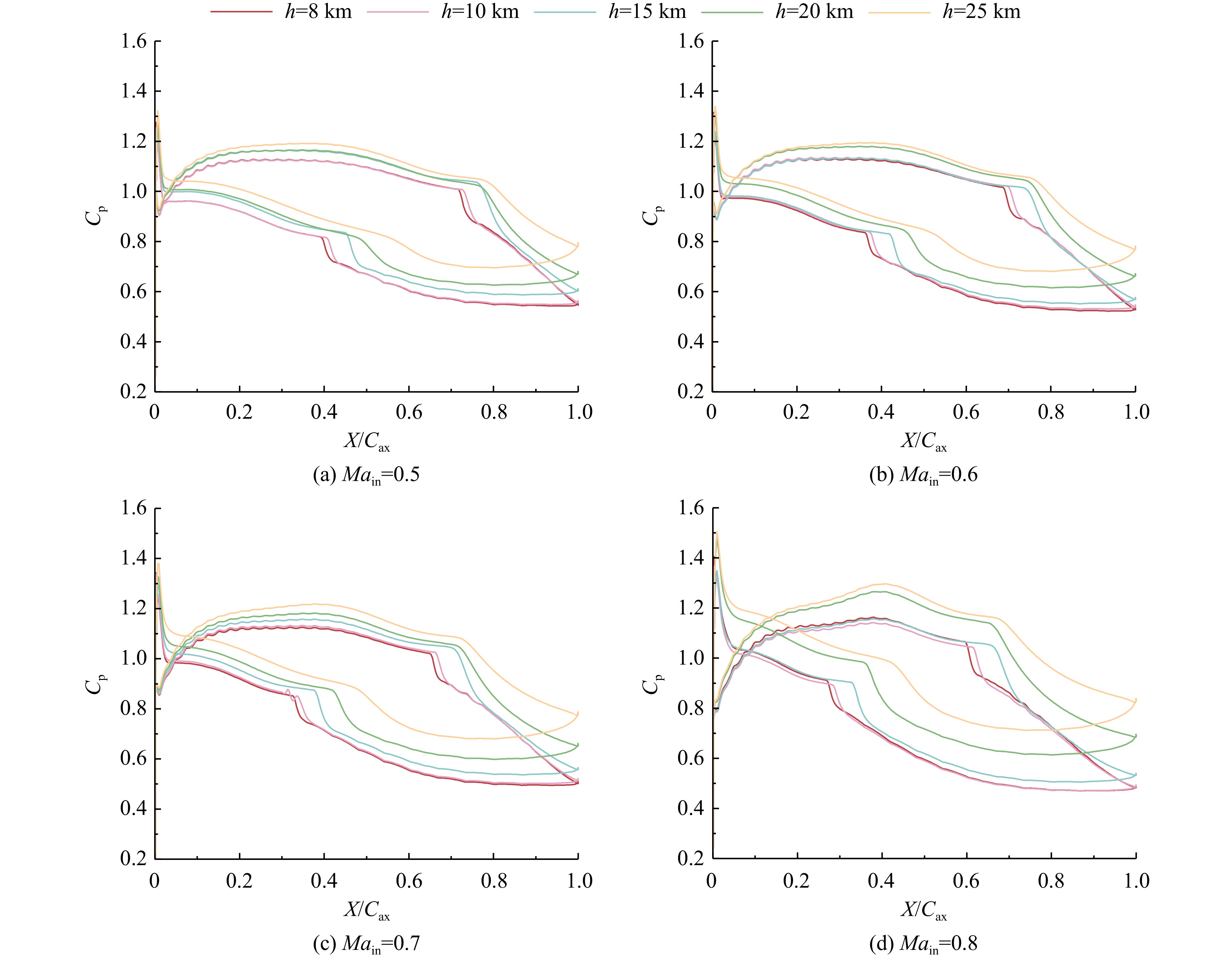
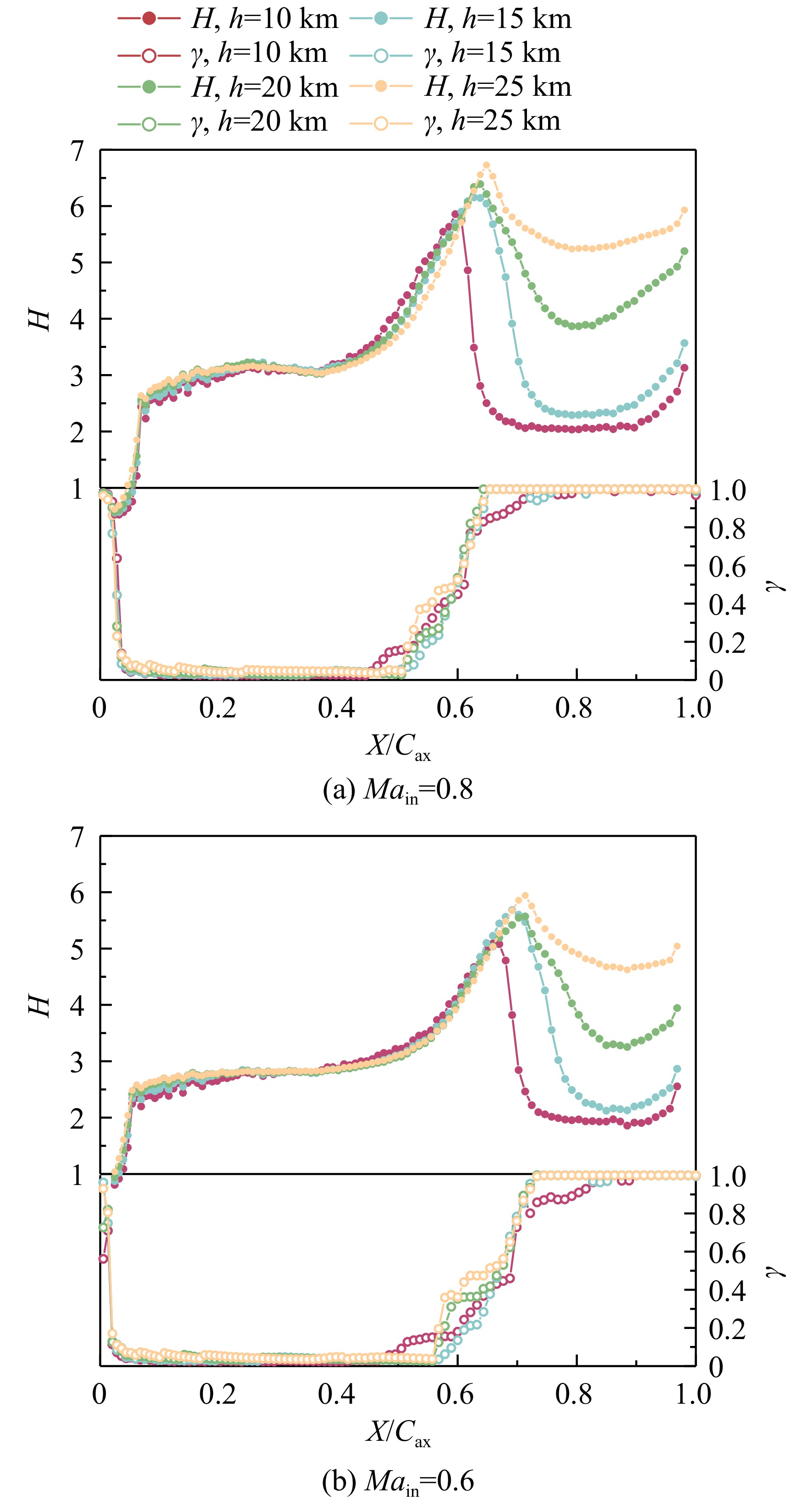
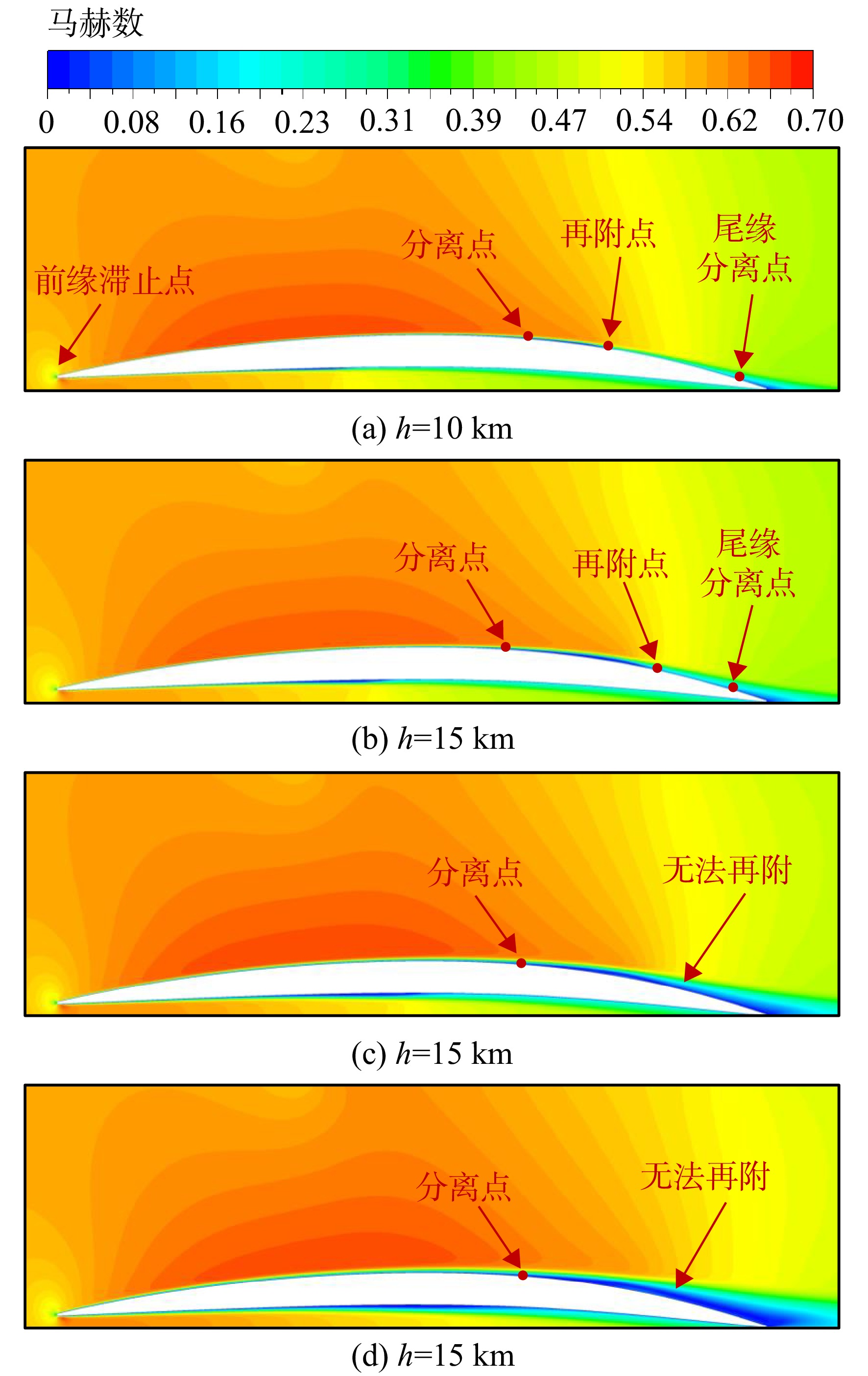
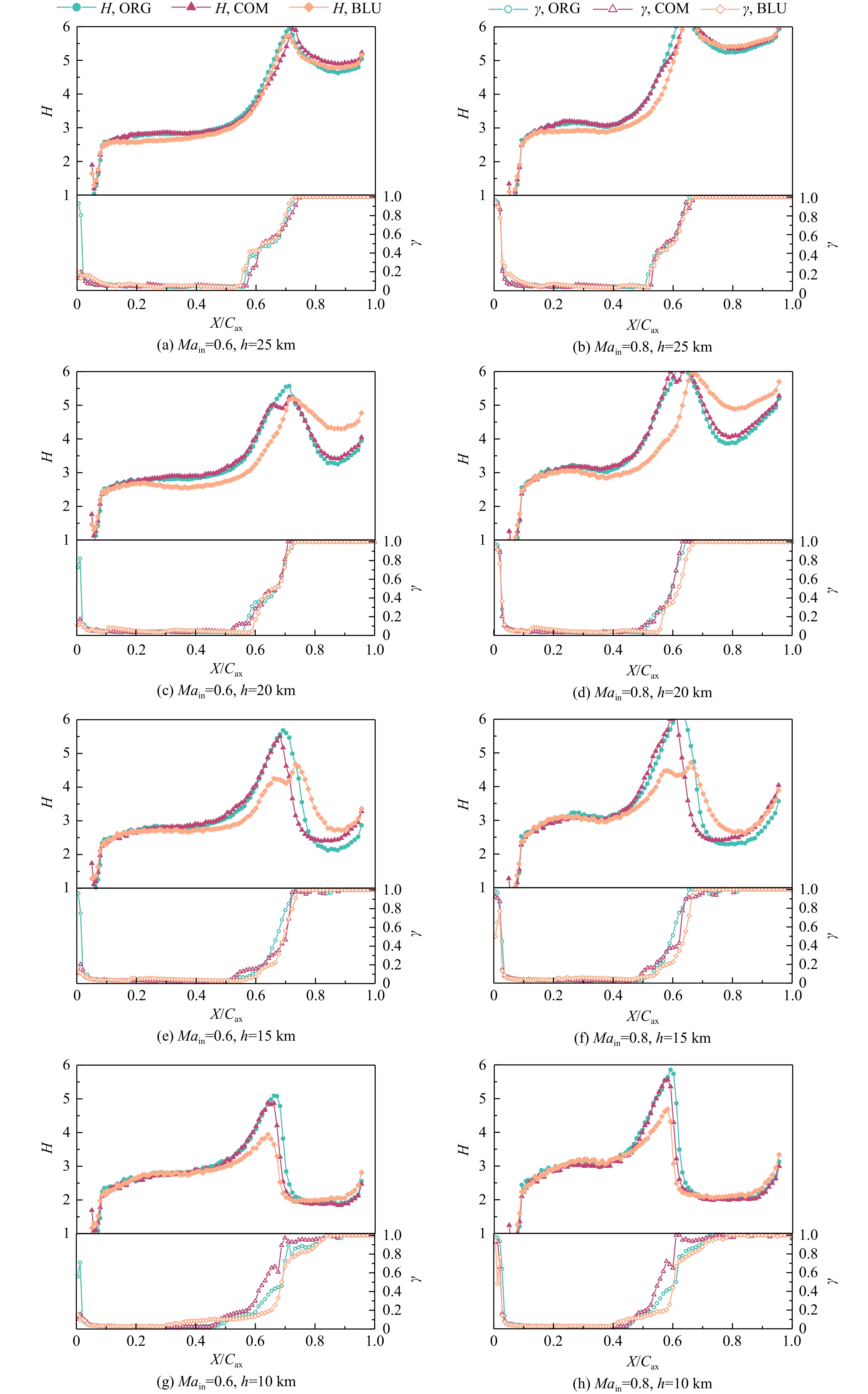
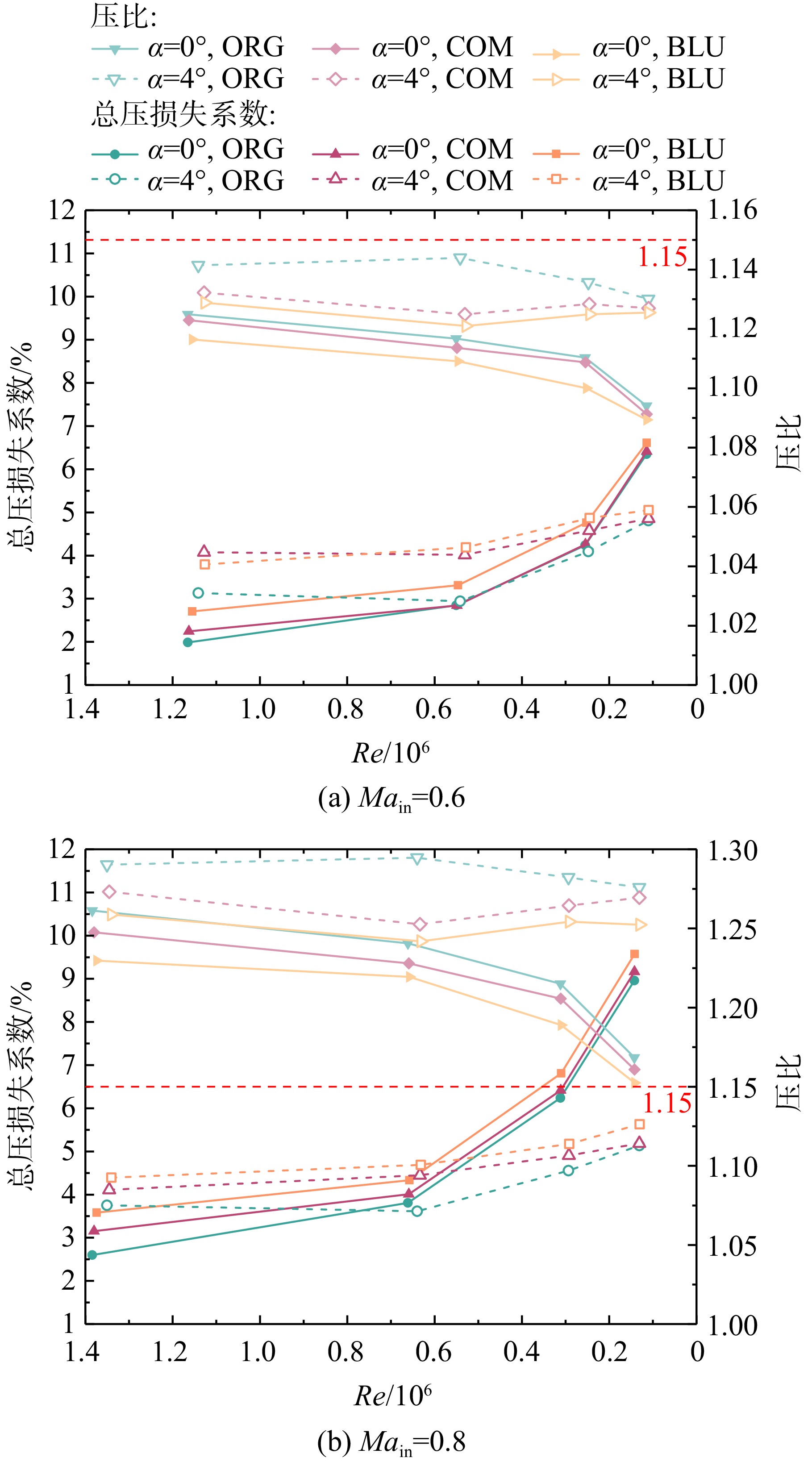
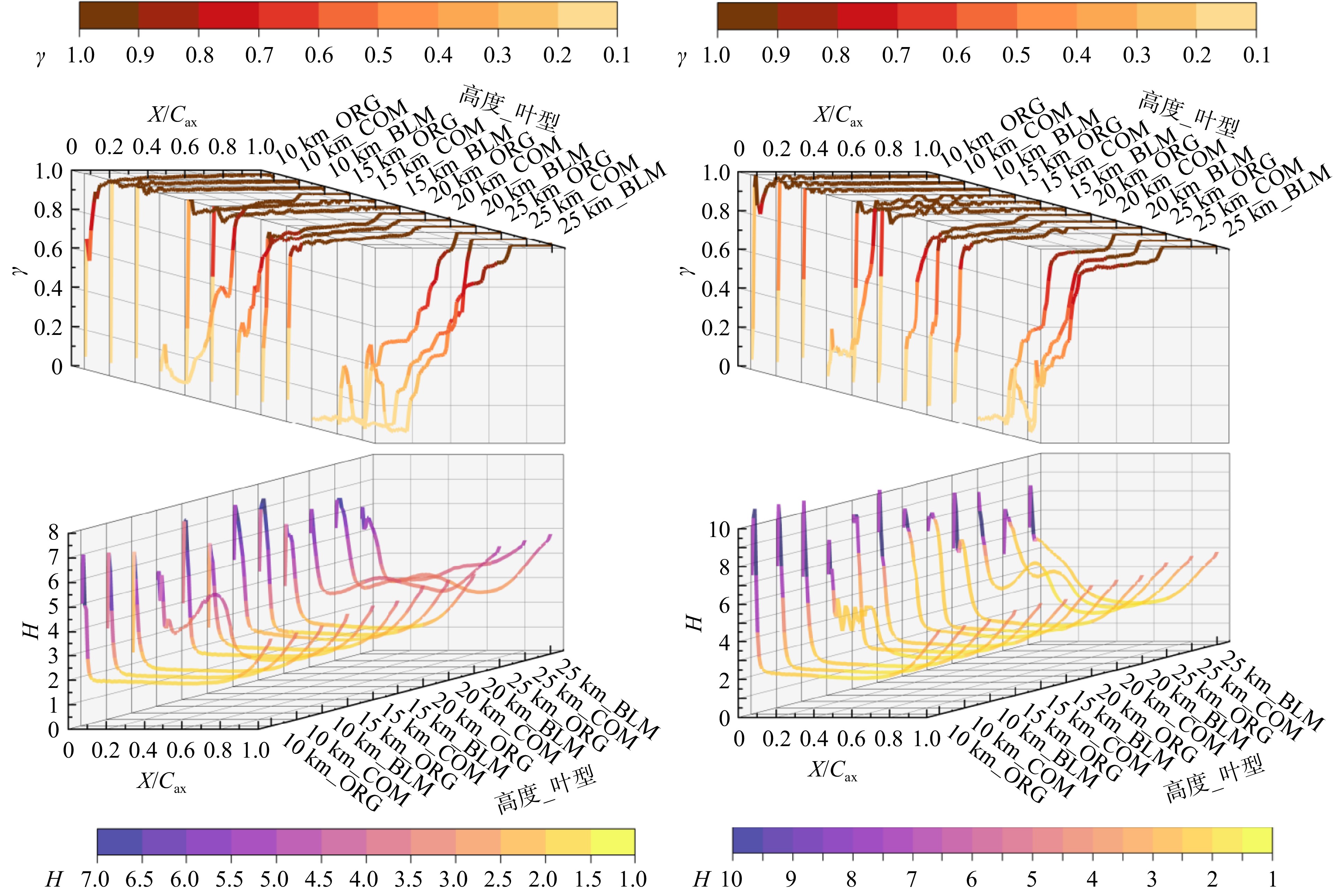
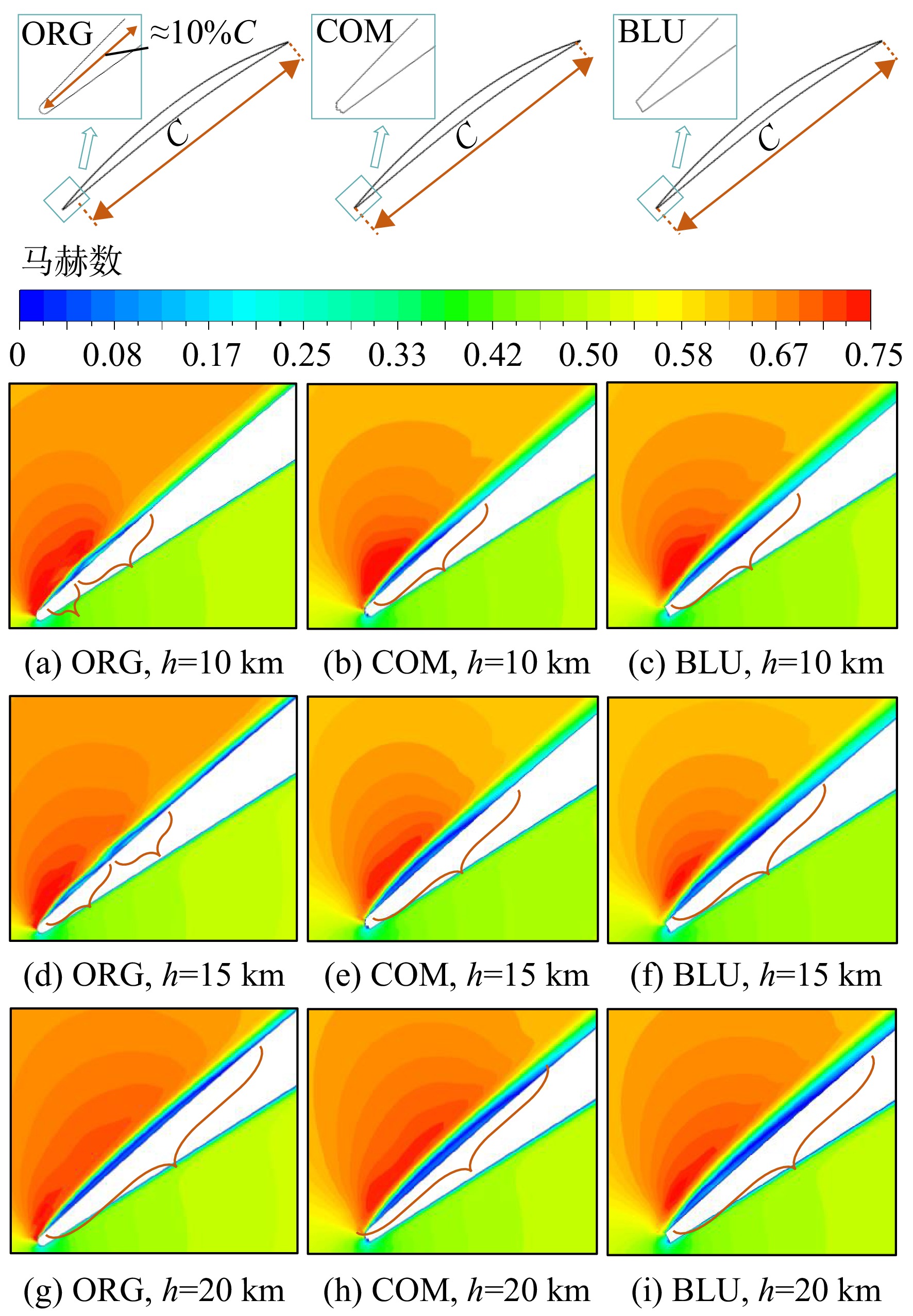
Taking the subsonic airfoil of a turbofan engine fan blade as the research object, numerical simulation of the original airfoil and two leading edge erosion airfoils at five atmospheric heights was carried out with reference to the Committee on Extension to the Standard Atmosphere (COESA) standard atmospheric model, so as to explore the influence of leading edge erosion on the flow characteristics of subsonic cascade in high altitude and low Reynolds number environment. The results showed that at 0° angle of attack, the low Reynolds number condition weakened the sensitivity of the airflow to the leading edge morphology, so that the pressure distribution at the leading edge, the flow separation and transition of the boundary layer on the suction surface, and the separation degree of the trailing edge of the three airfoils tended to be consistent. Finally, the increase of total pressure loss caused by the leading edge erosion became smaller with the decrease of Reynolds number, and the total pressure loss coefficient and pressure ratio of the three airfoils tended to be consistent. At the angle of attack of 4°, the leading edge erosion can promote the occurrence of transition at low Reynolds number and reduce the degree of trailing edge separation, so that the total pressure loss was less than 0° angle of attack; when the inlet Mach number was 0.6, it reduced by 23.6%, and when 0.8, it reduced by 41.2%.

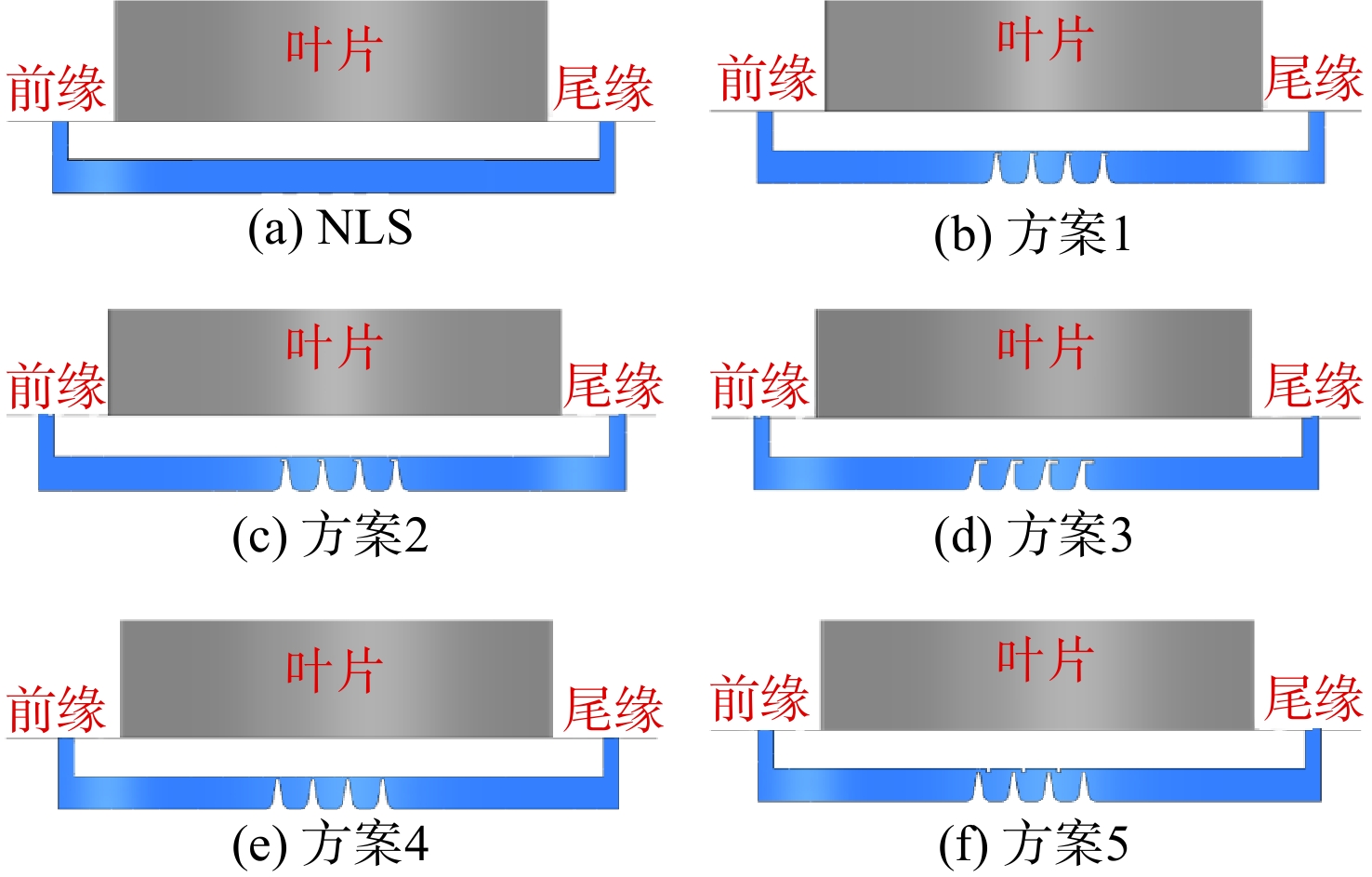
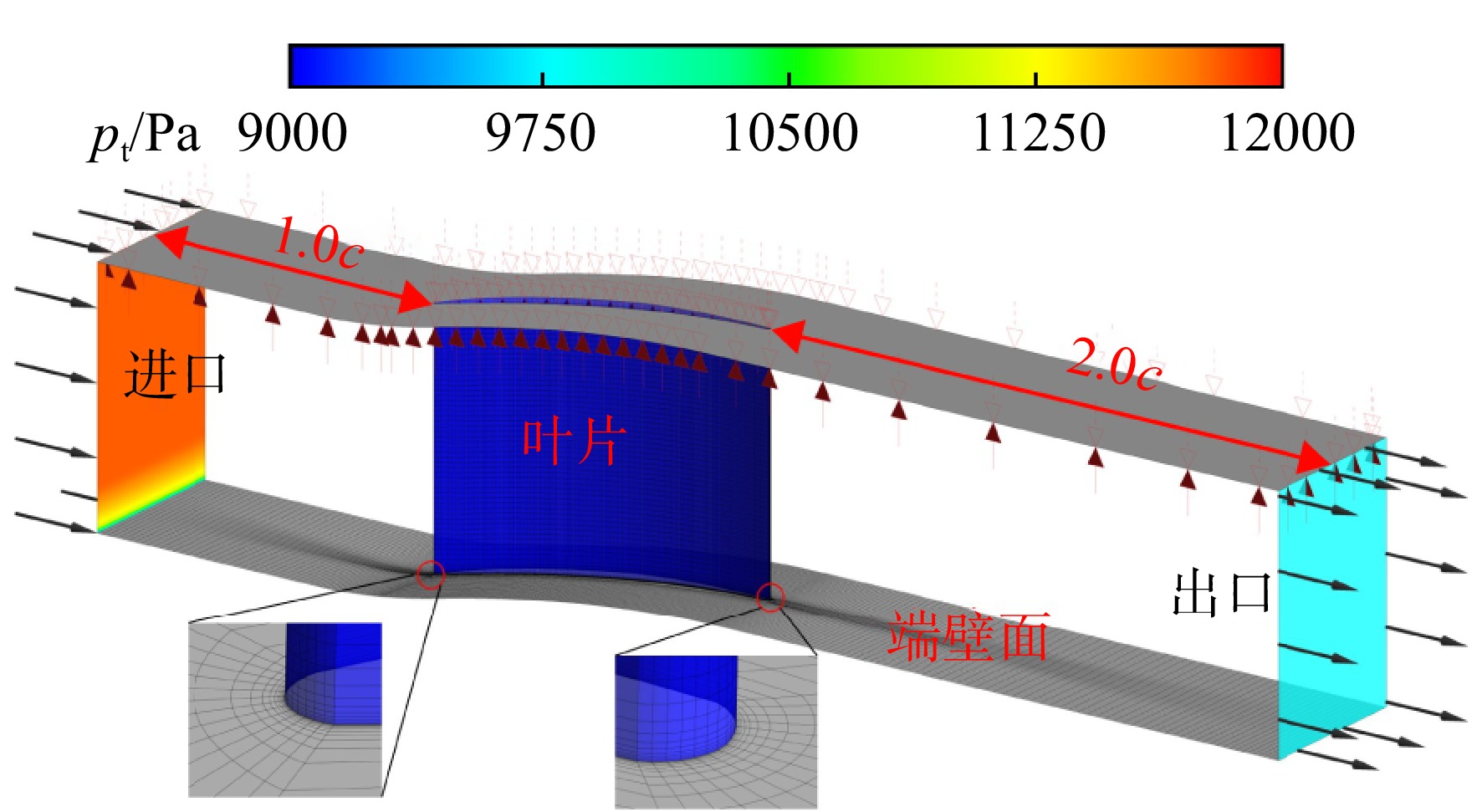
Study on the influences of the labyrinth seal structure on the compressor cascade performance
XU Wenfeng, ZOU Shilong, REN Guozhe, SUN Dan, LU Wenxin
2025, 40(12): 20240075. doi: 10.13224/j.cnki.jasp.20240075
Abstract:
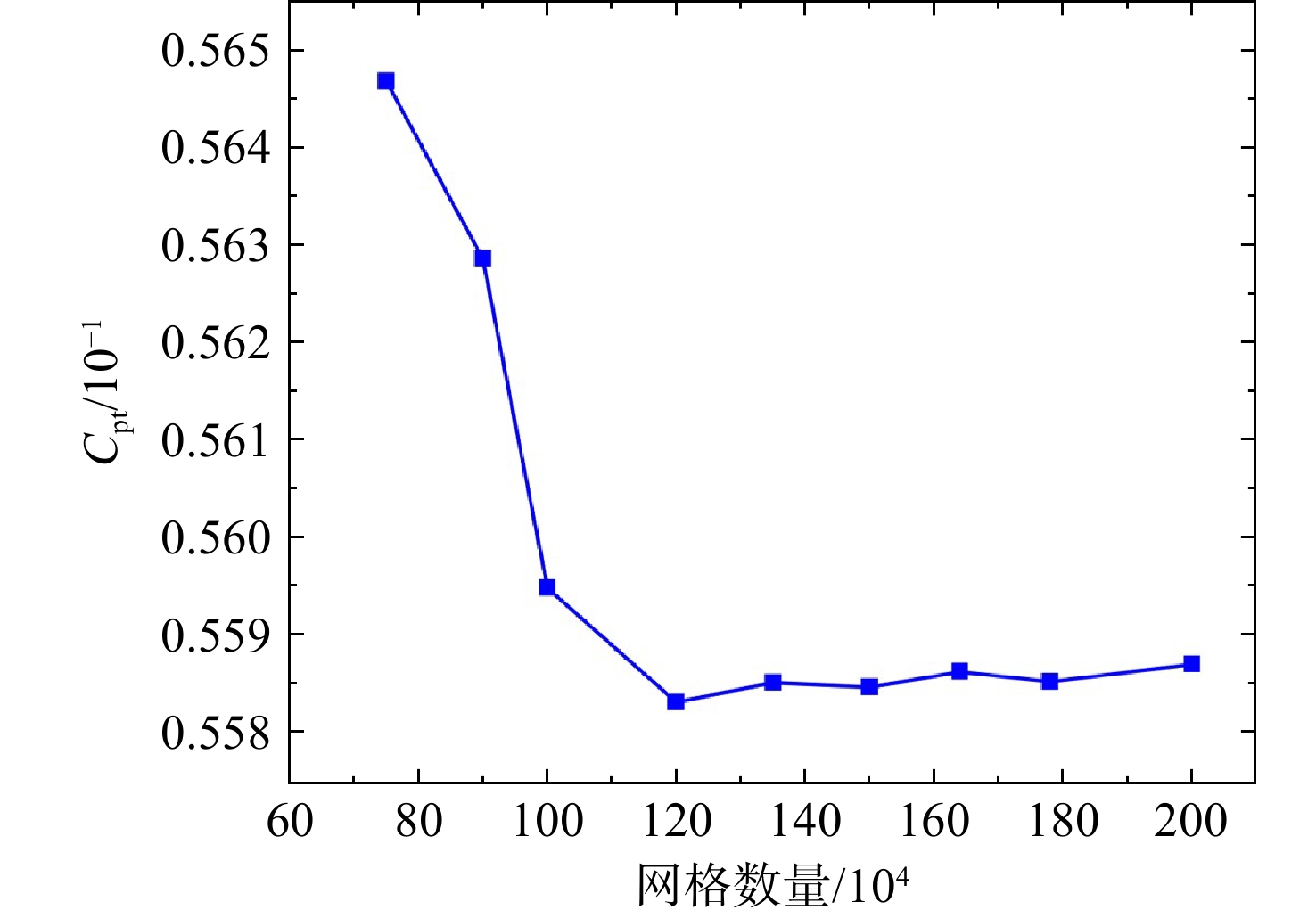
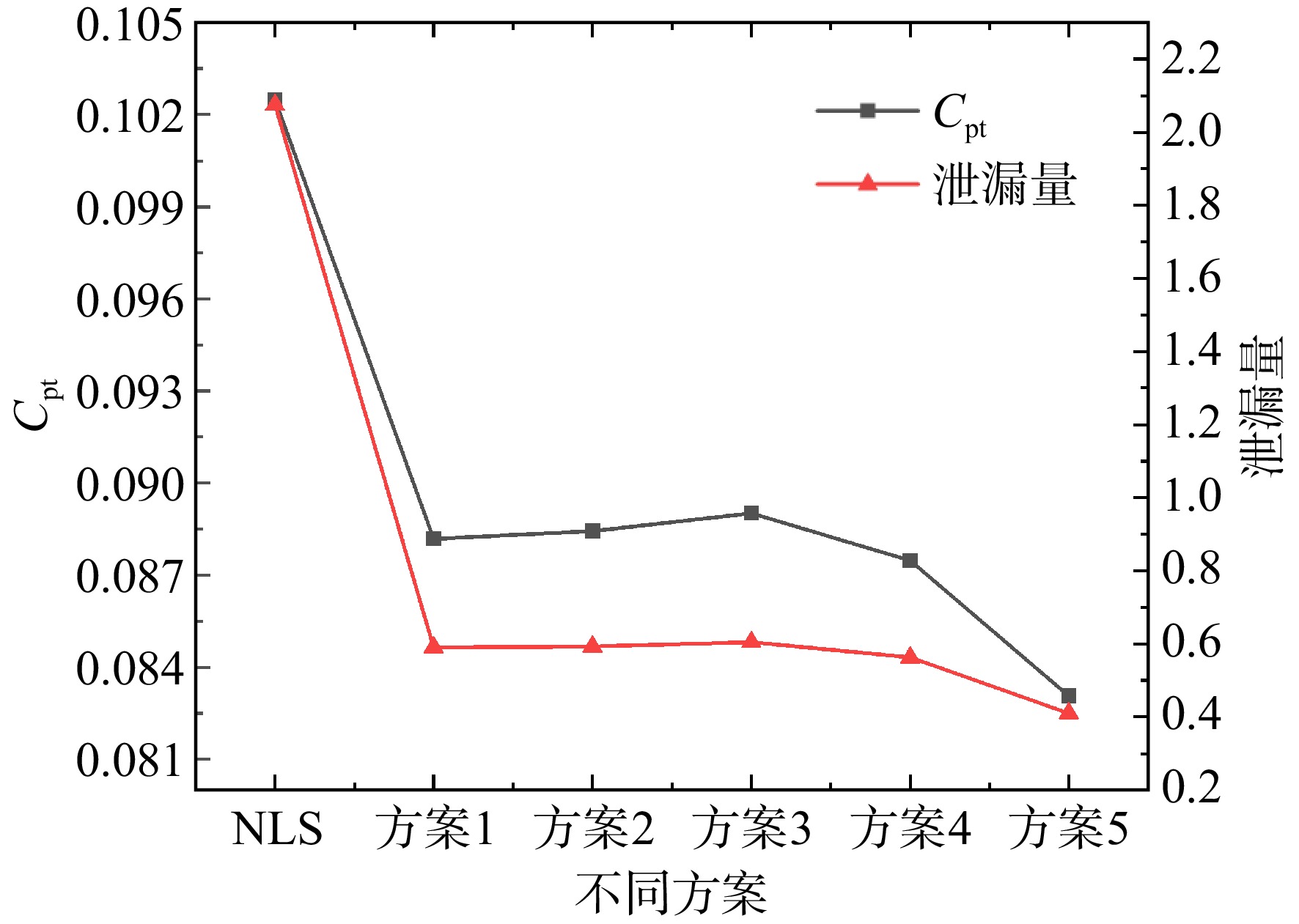
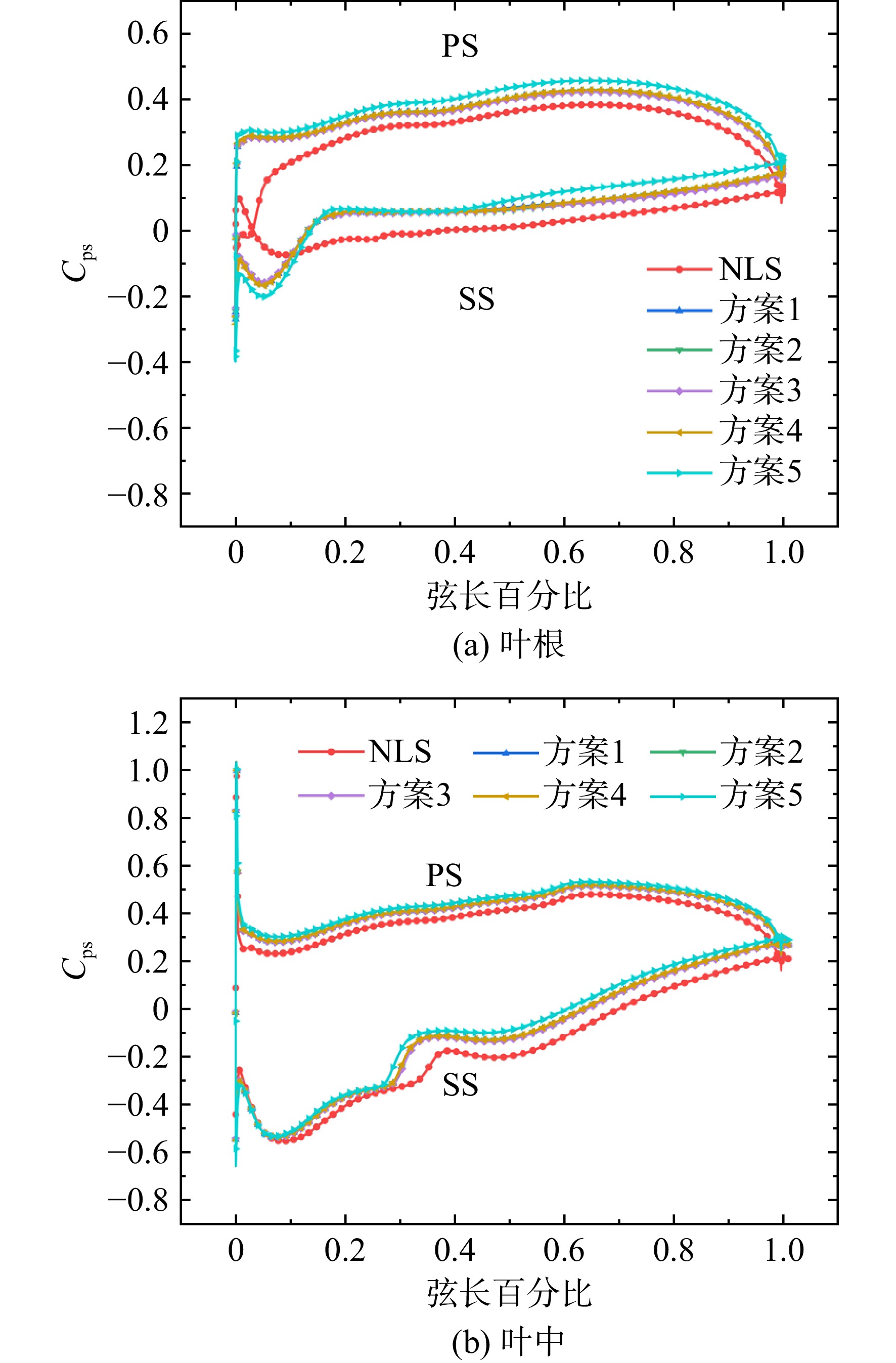
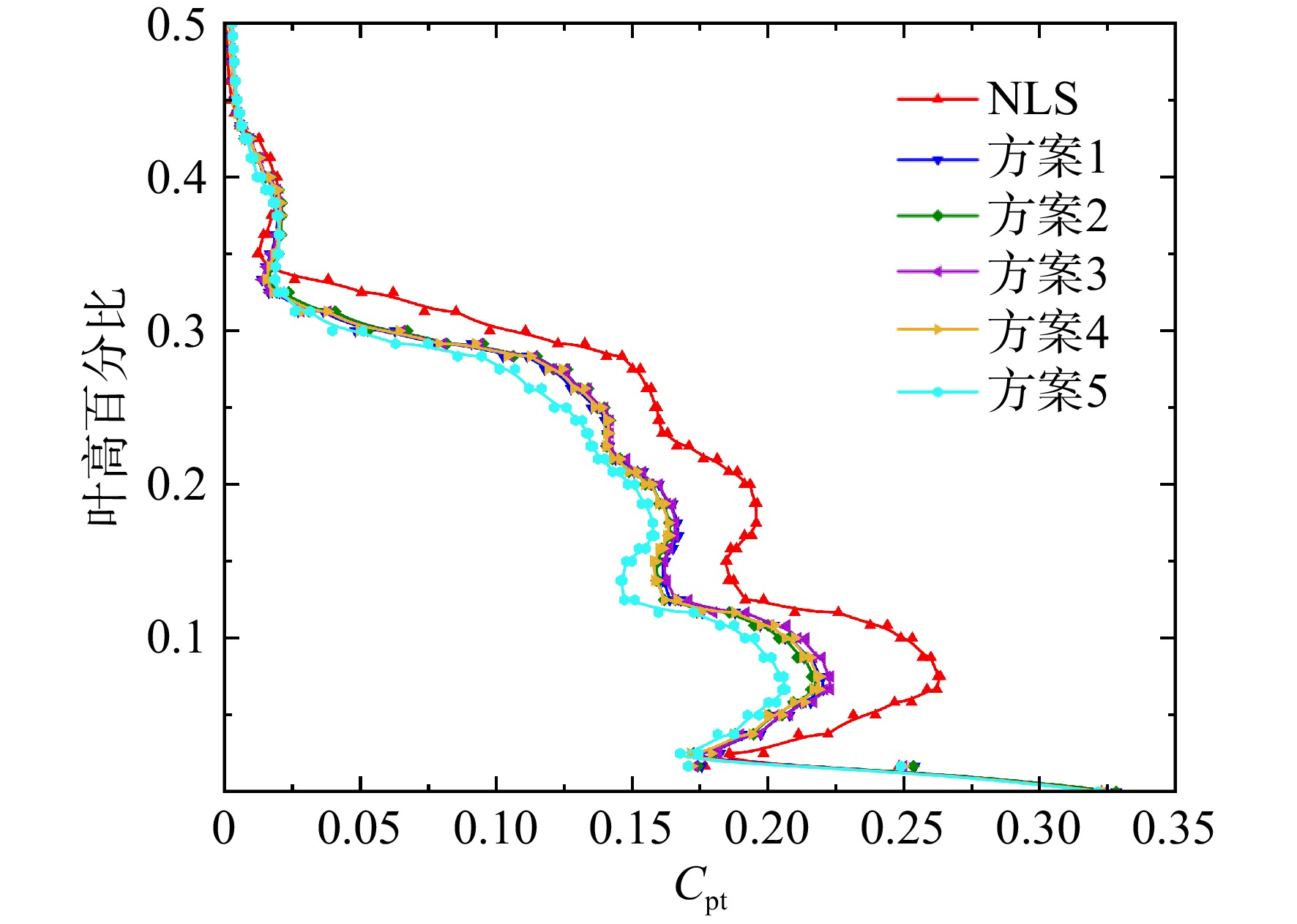
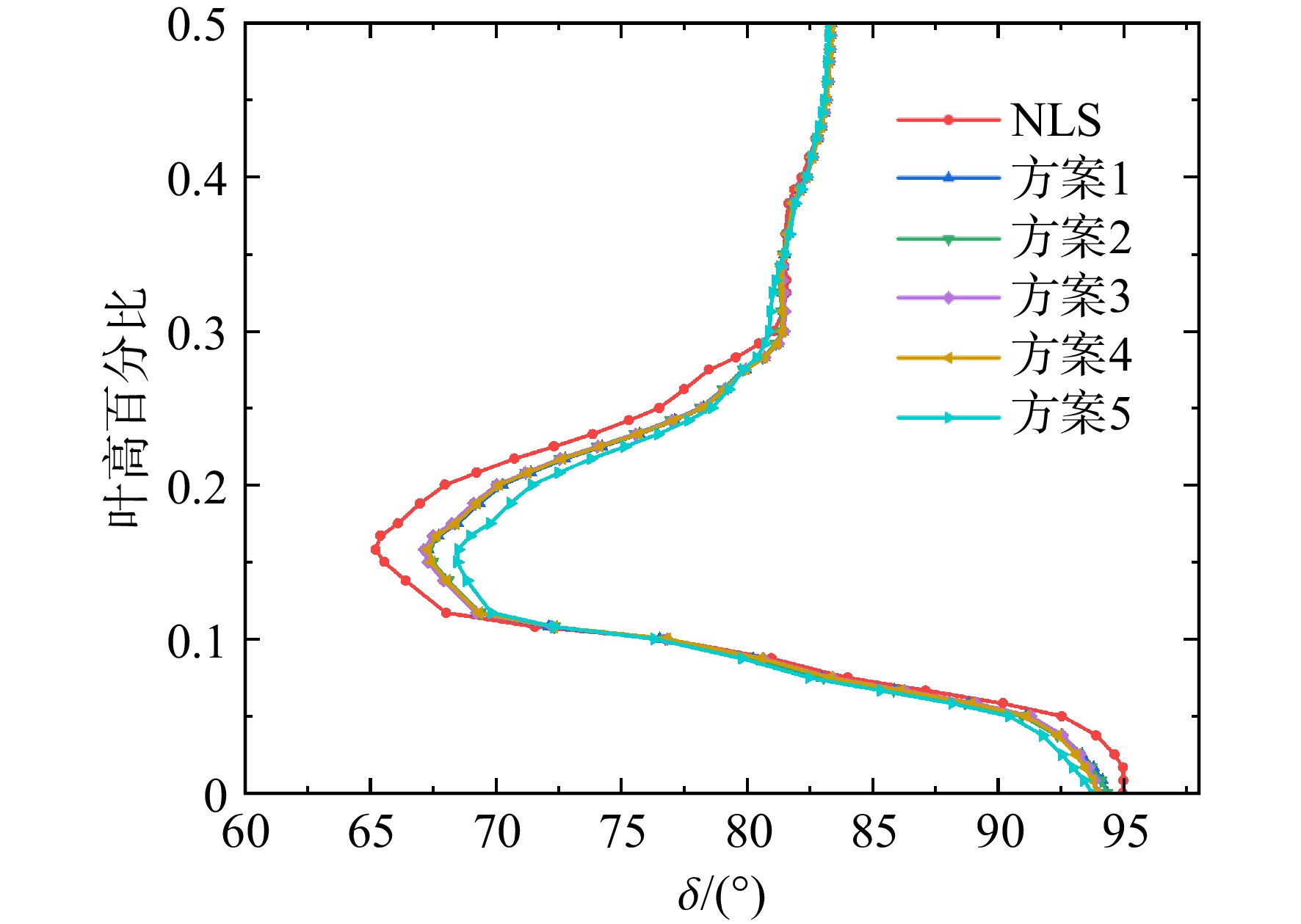
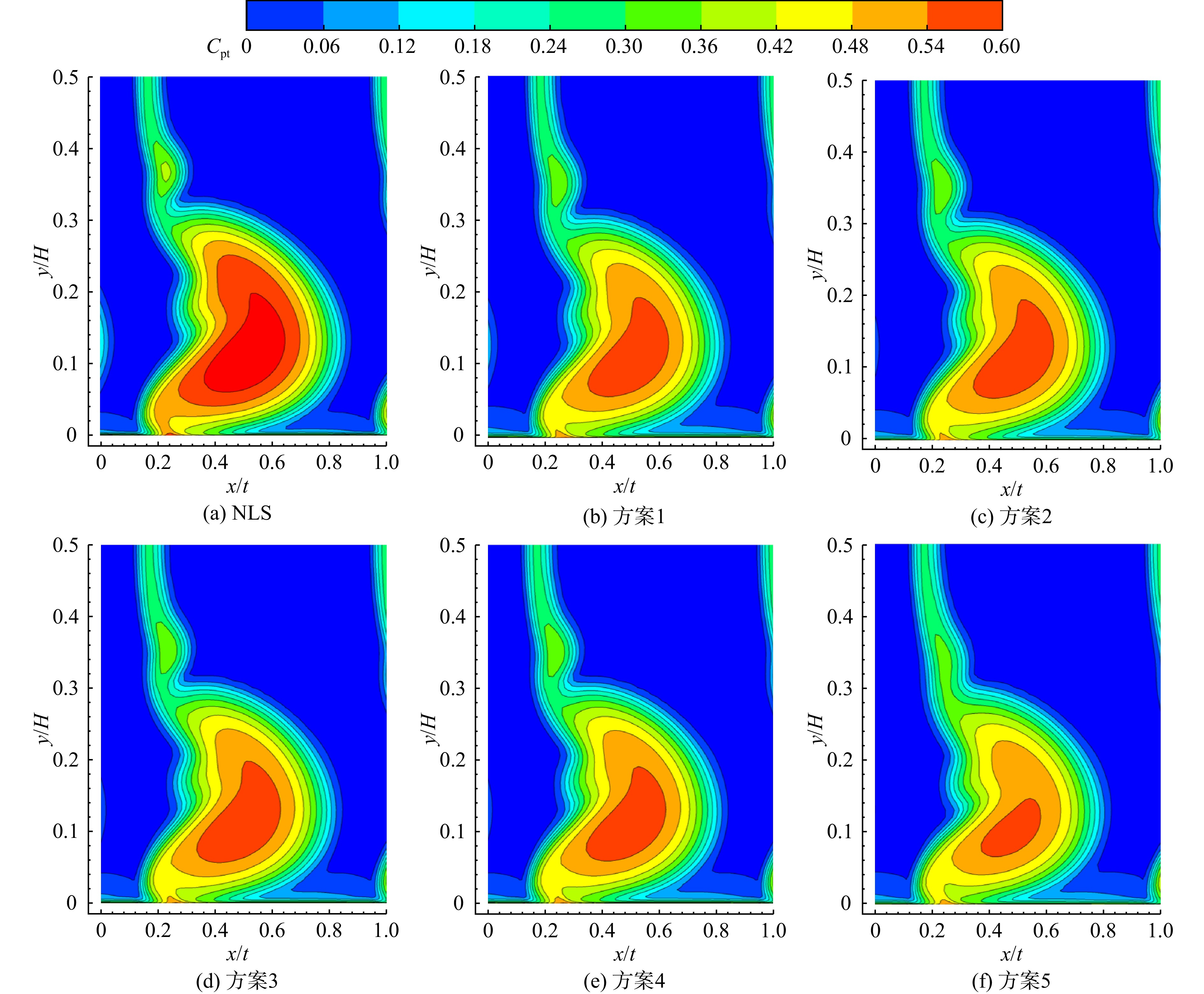
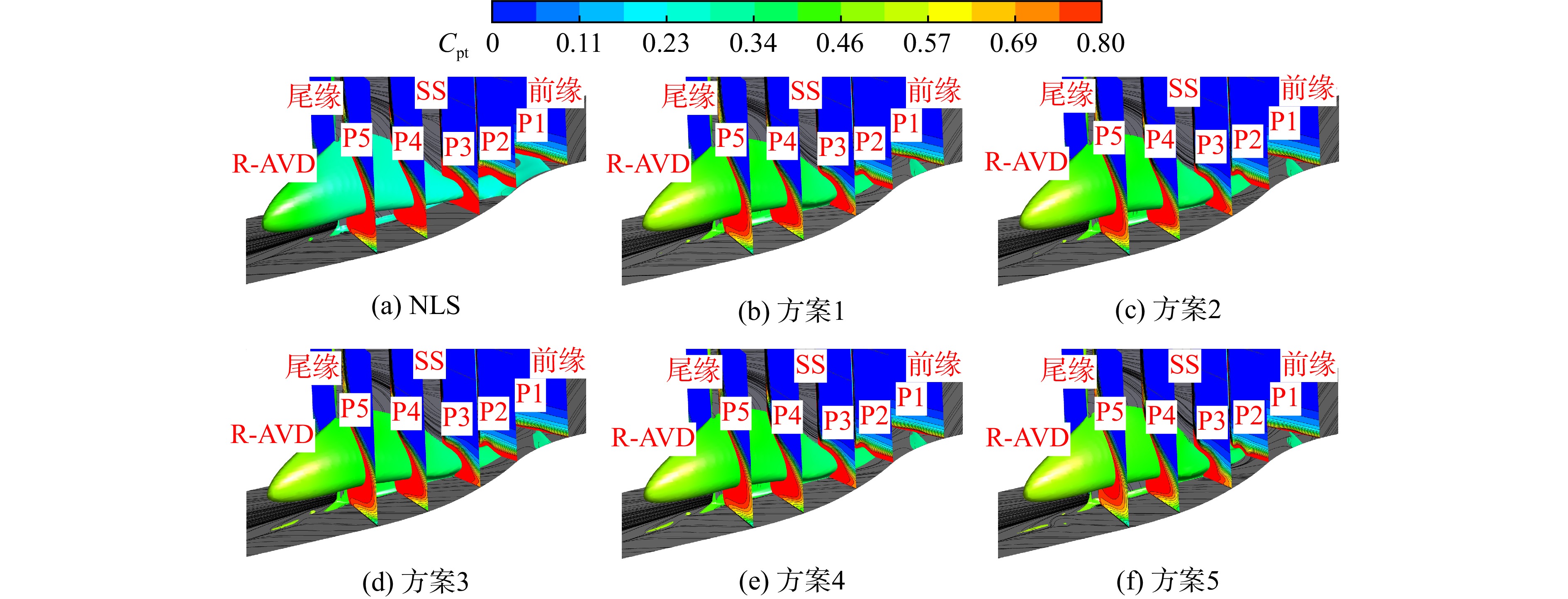
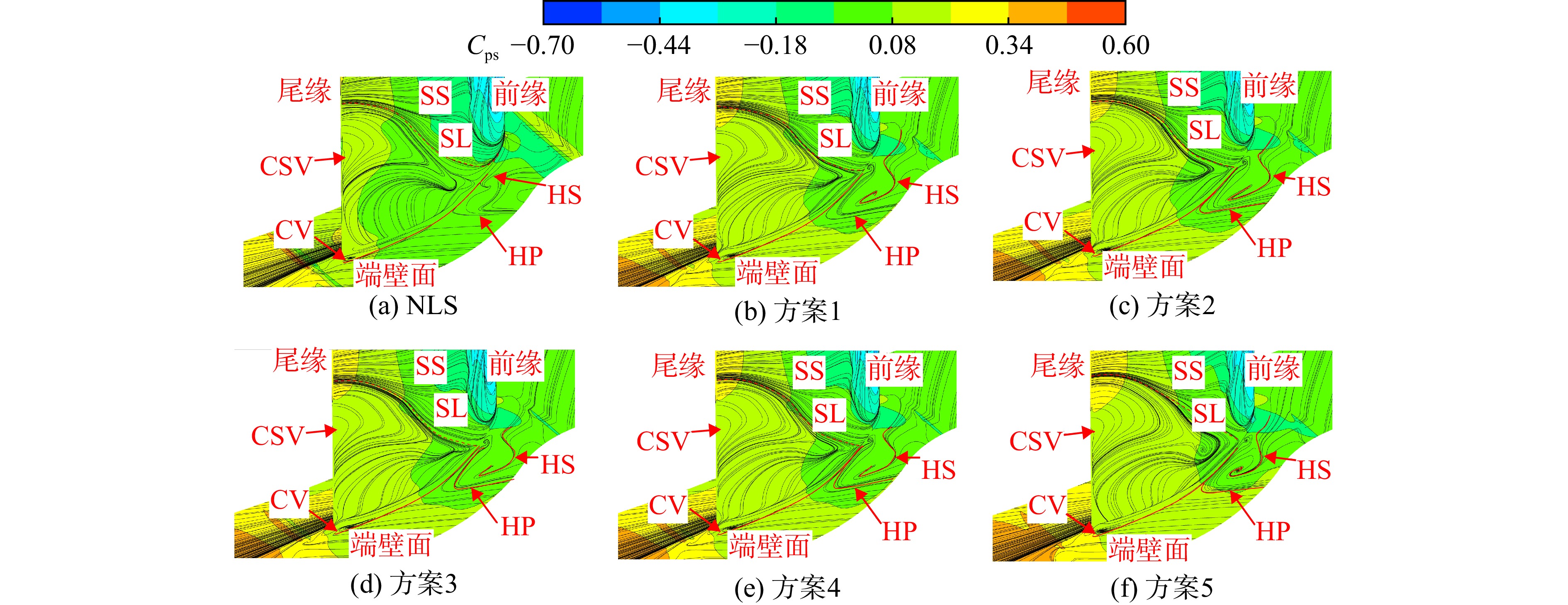
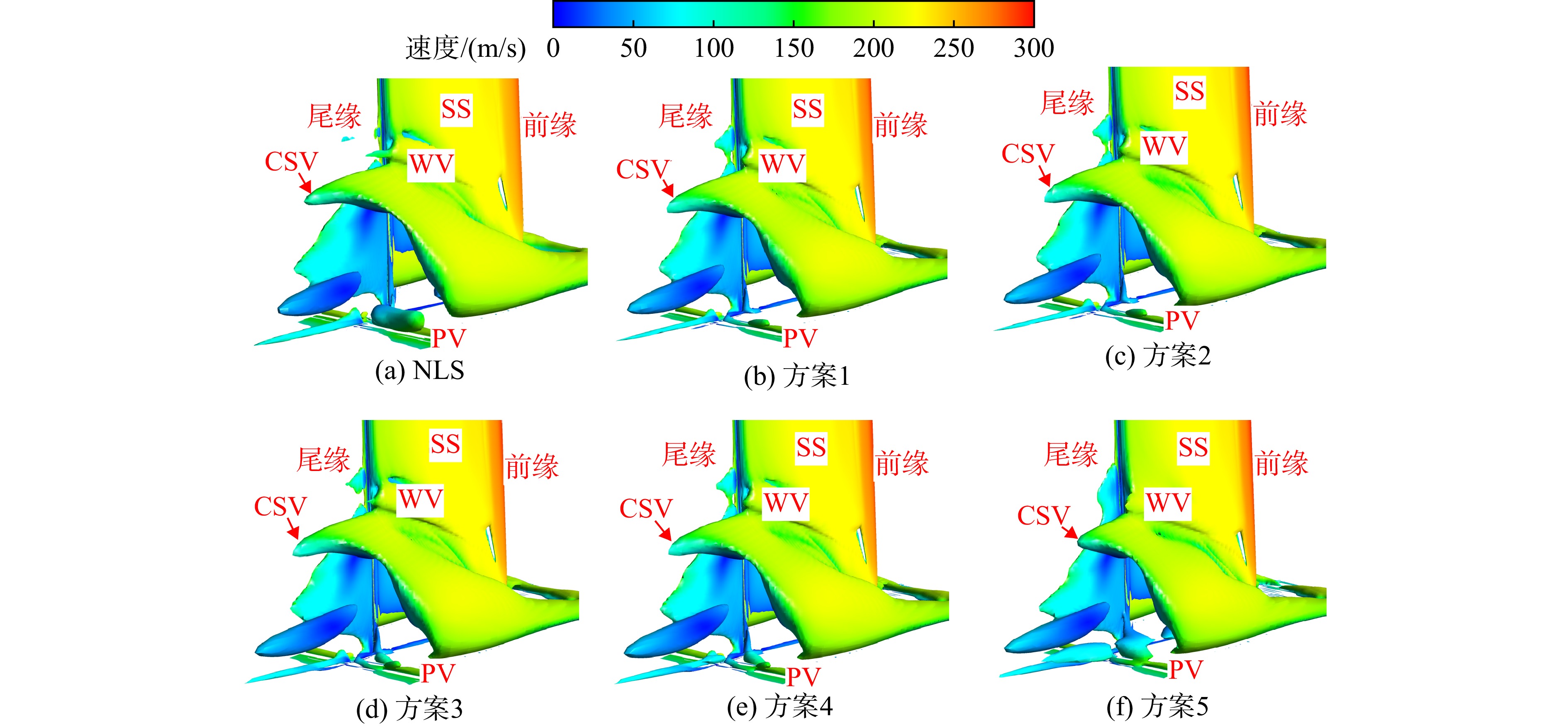
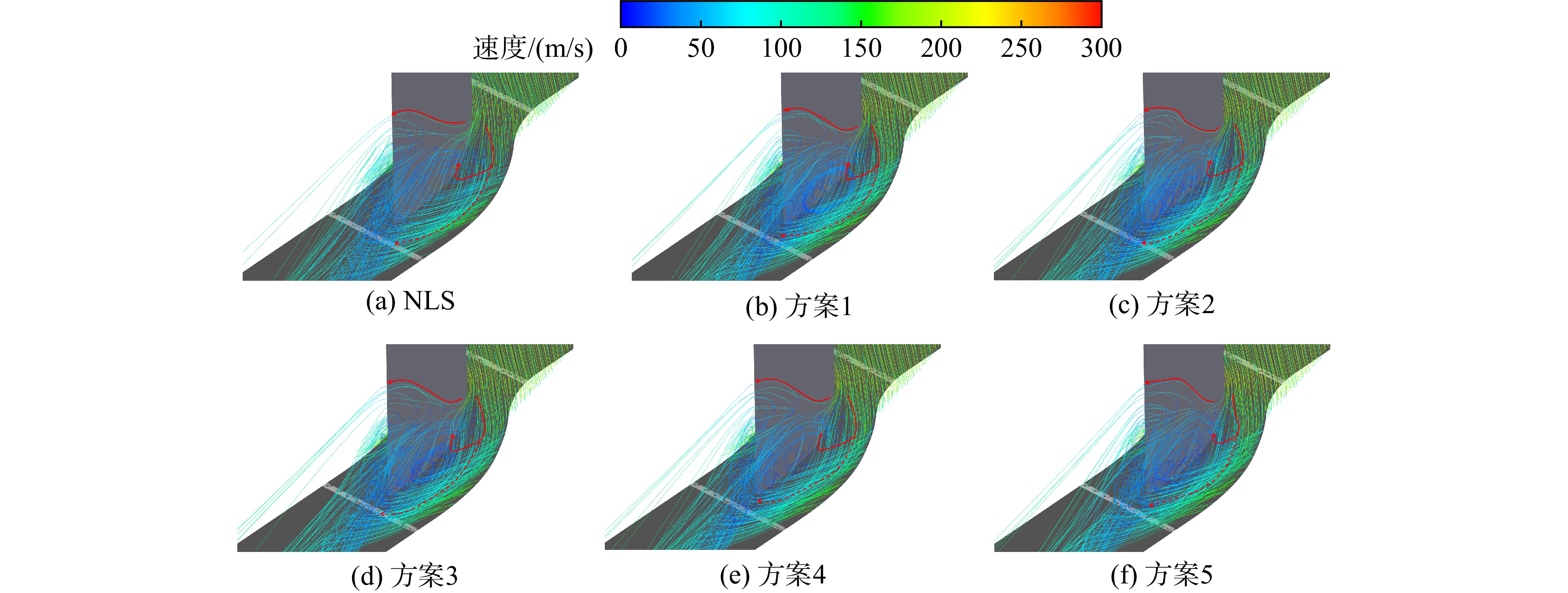
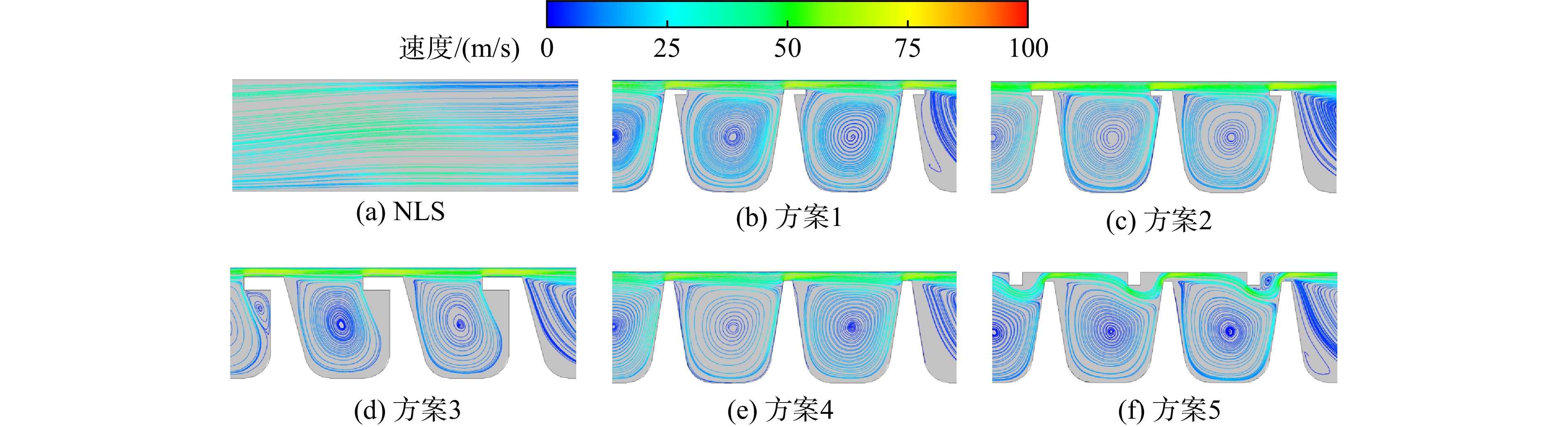
In order to study the influences of labyrinth seal on compressor cascade performance, the high-load compressor linear cascade was taken as the research object, five different labyrinth seal structures were designed, and the influences of five kinds of labyrinth seal structures on the cascade performance and flow field structure were studied by numerical simulation. The results showed that the total pressure loss of the cascade gradually increased and the blade load capacity gradually decreased as the leakage induced by the labyrinth cavity increased. Various labyrinth seal structures improved the flow condition in the cascade by reducing the clearance leakage flow, thereby improving the blade load capacity and reducing the flow loss. Among the five schemes, the straight tooth with square structure had the most significant improvement effect on the flow field structure and aerodynamic performance of the cascade. By blocking the tip jet, it increased the tip flow resistance, reduced the leakage flow of the labyrinth, and weakened the influence of the leakage flow of the labyrinth on the corner separation flow of the suction surface. It can reduce the volume of low-energy fluid in the corner by 32.1%, inhibit the influence range of the concentrated shedding vortex, and then reduce the total pressure loss by 20%.

Experiment of the effect of steady distortion on the stability of an eccentric compressor
MA Shuai, WANG Zhiqiang, HU Jun
2025, 40(12): 20240696. doi: 10.13224/j.cnki.jasp.20240696
Abstract:
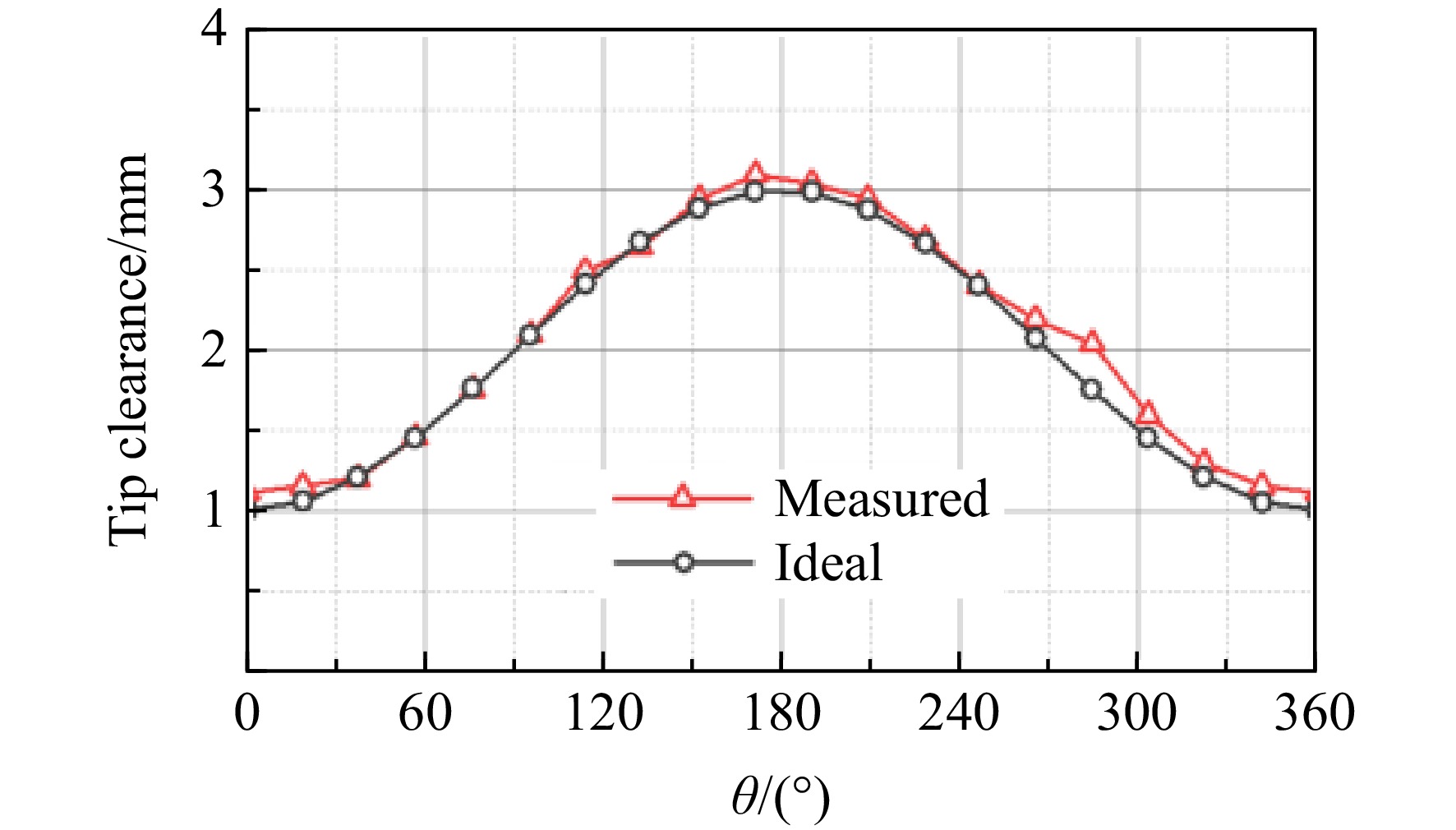
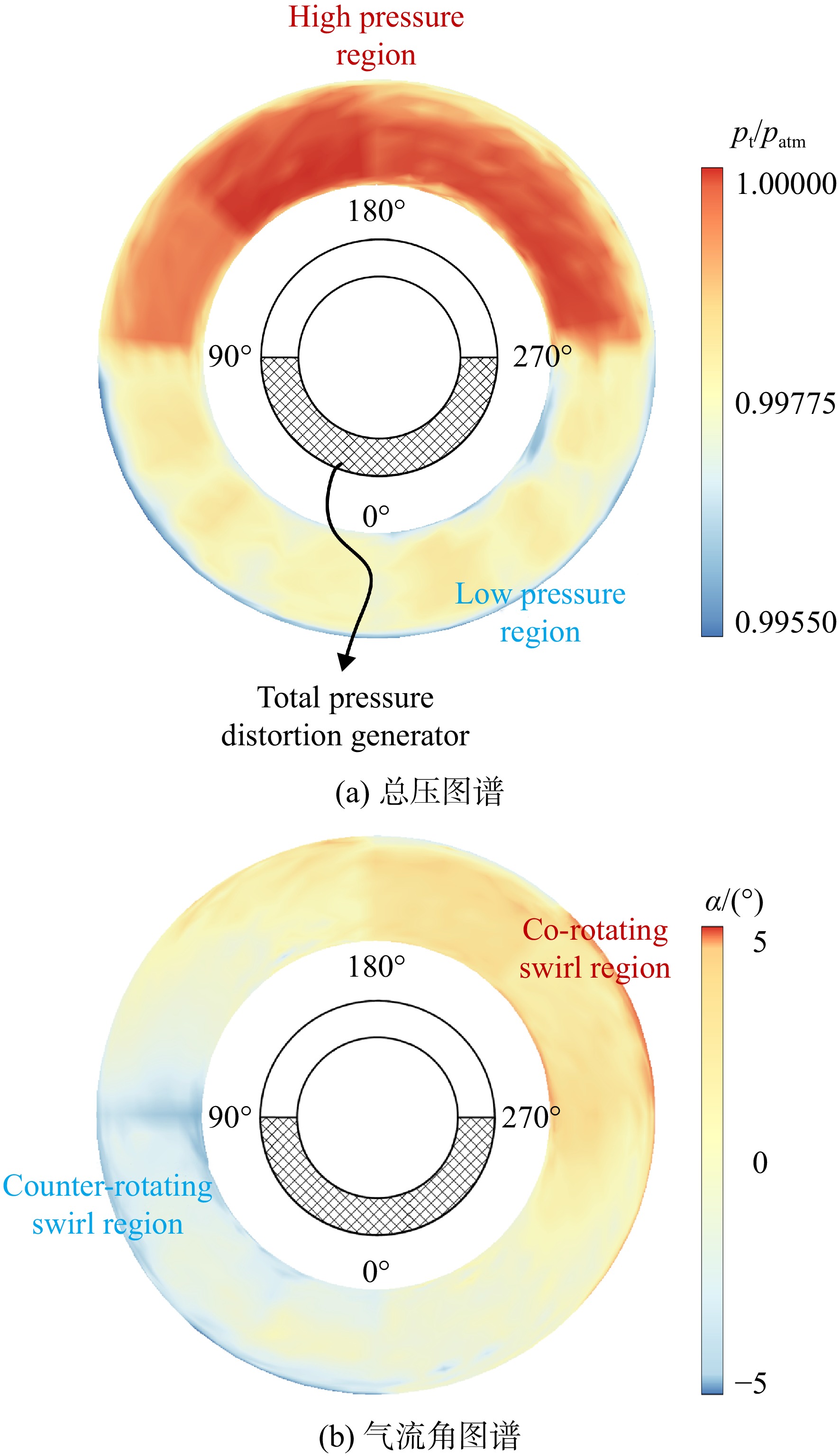
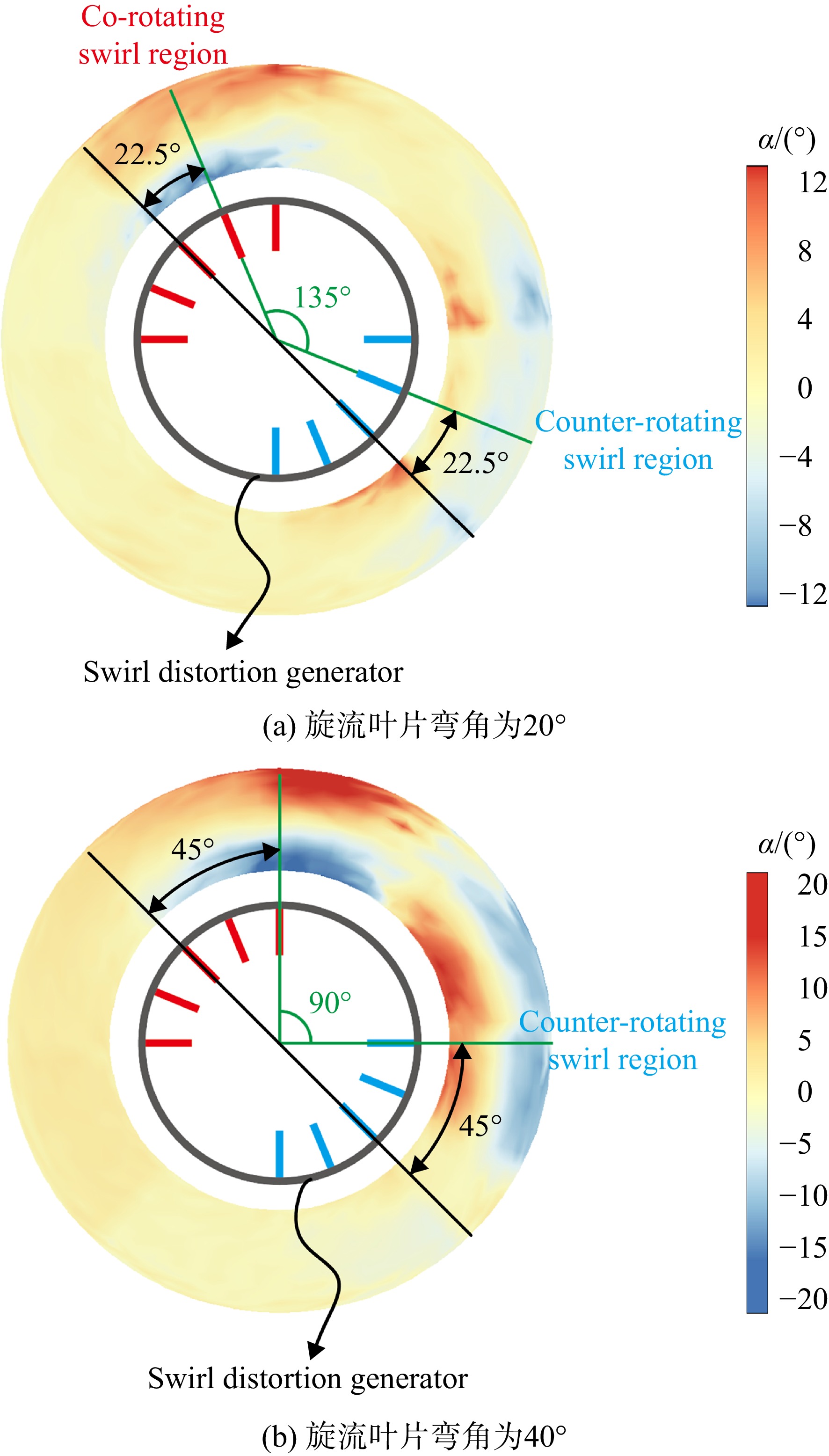
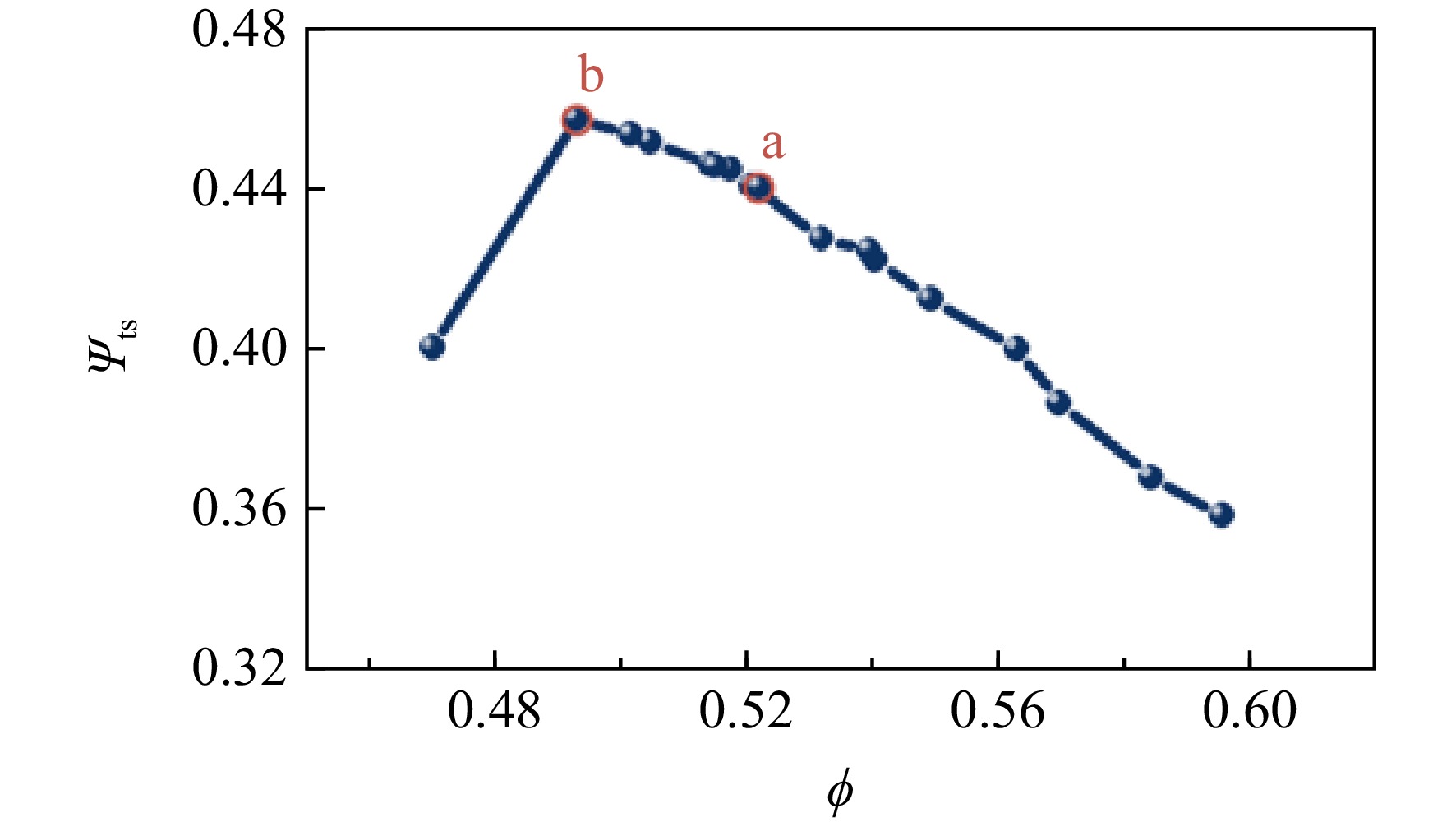
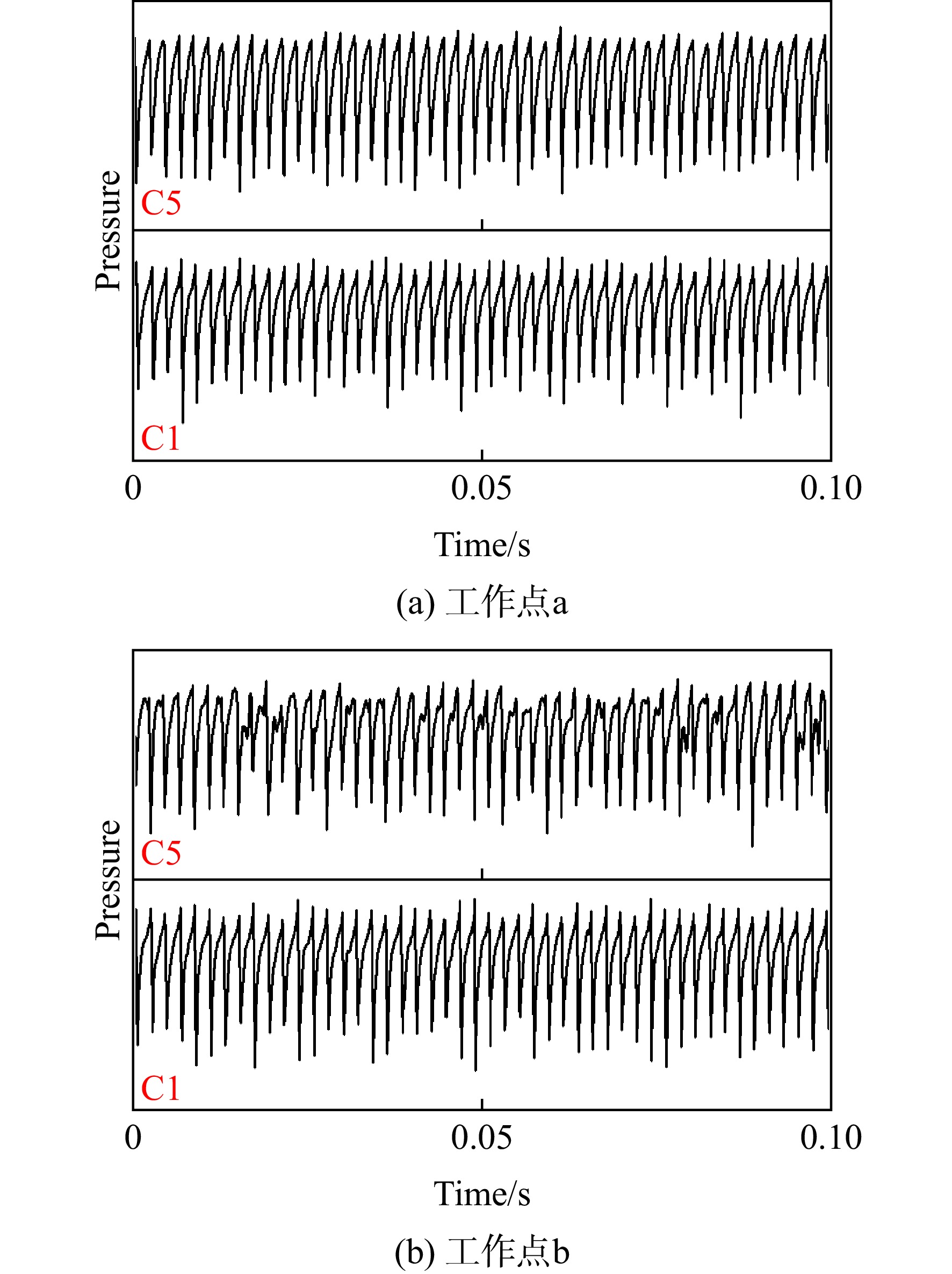
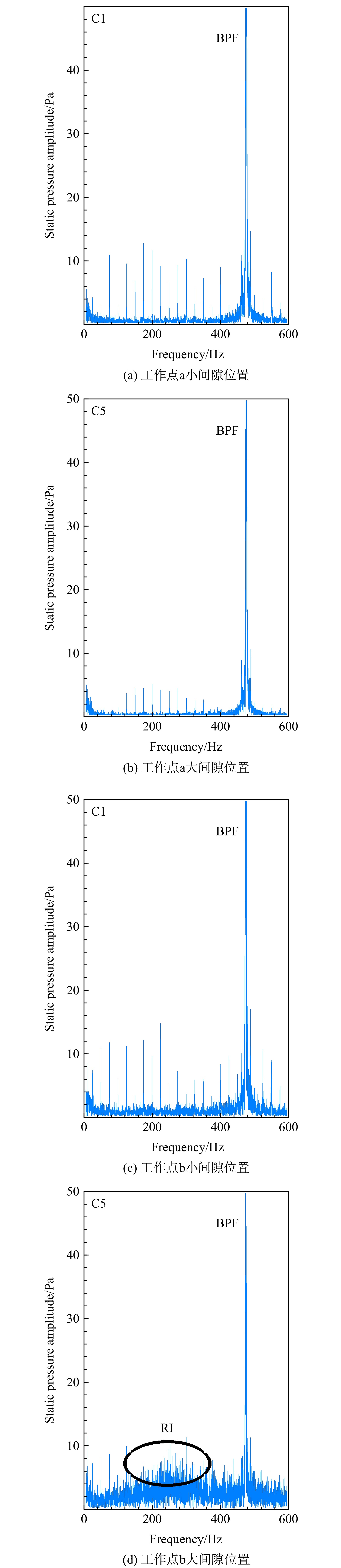
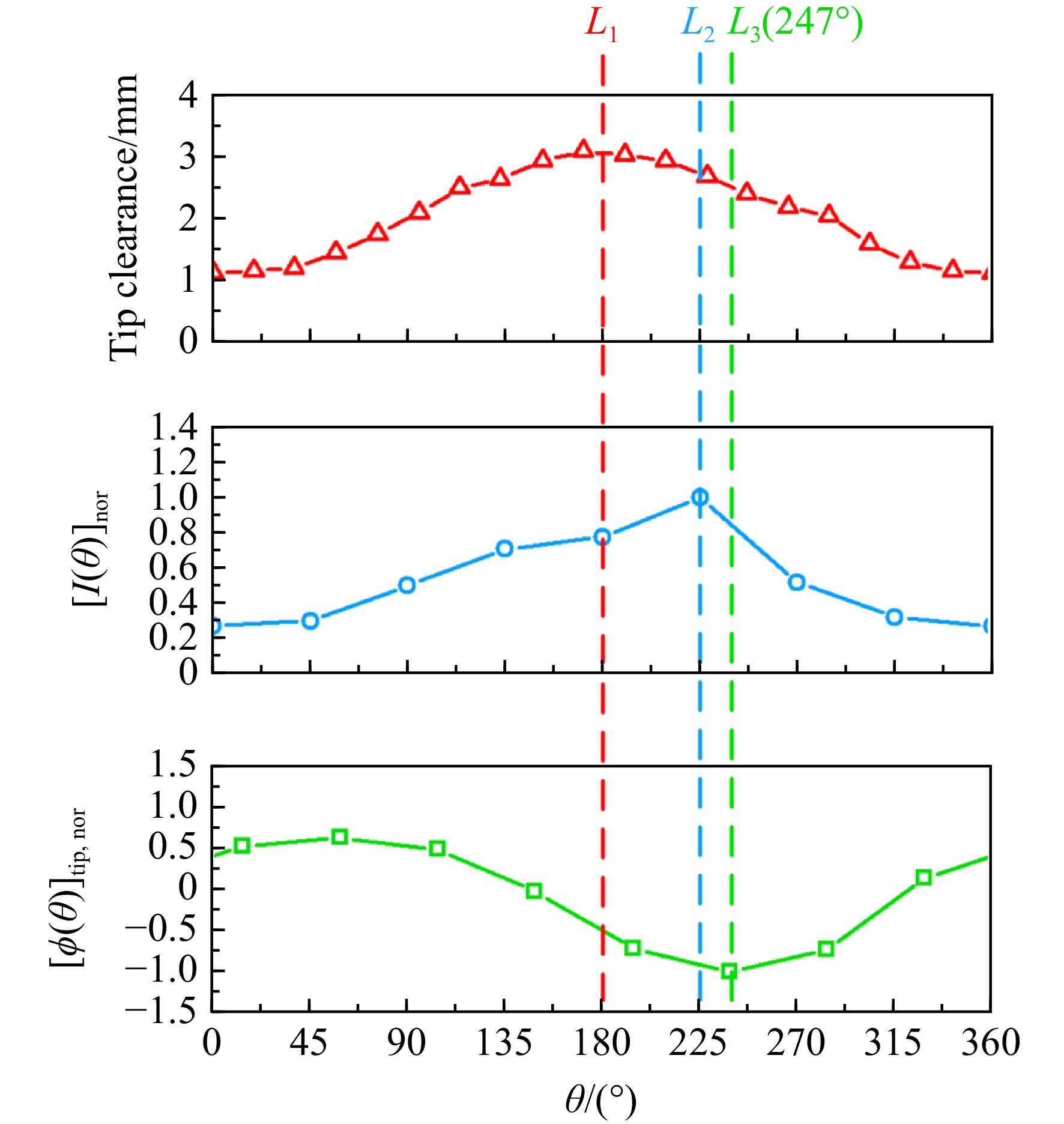
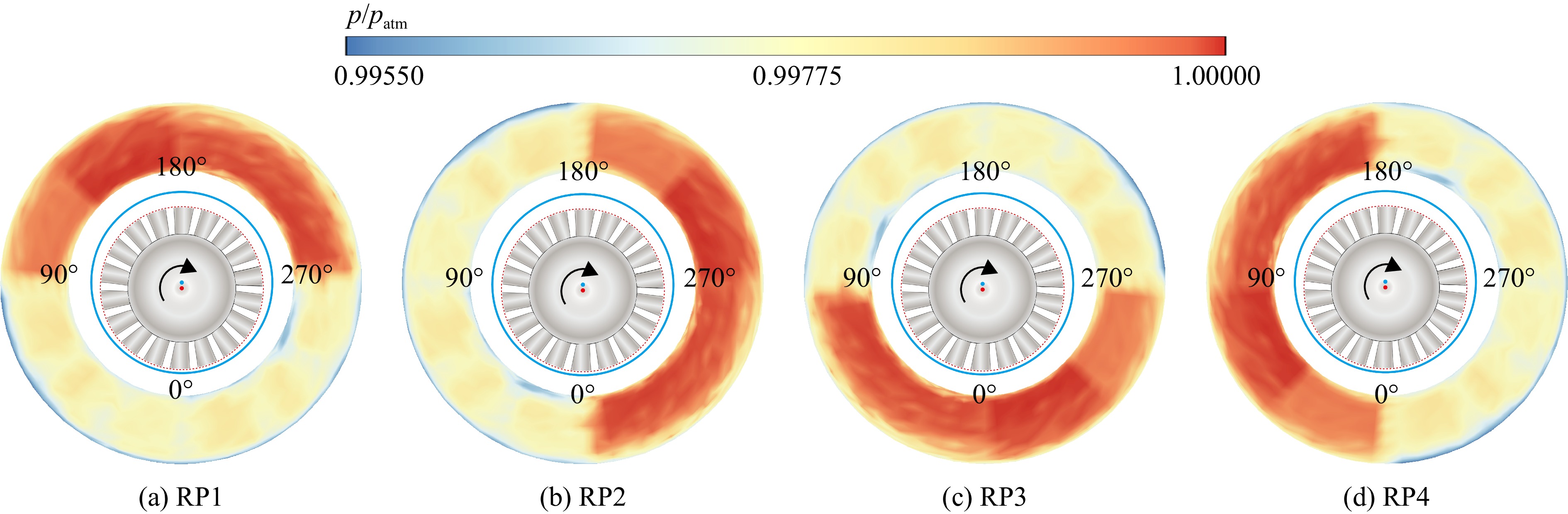
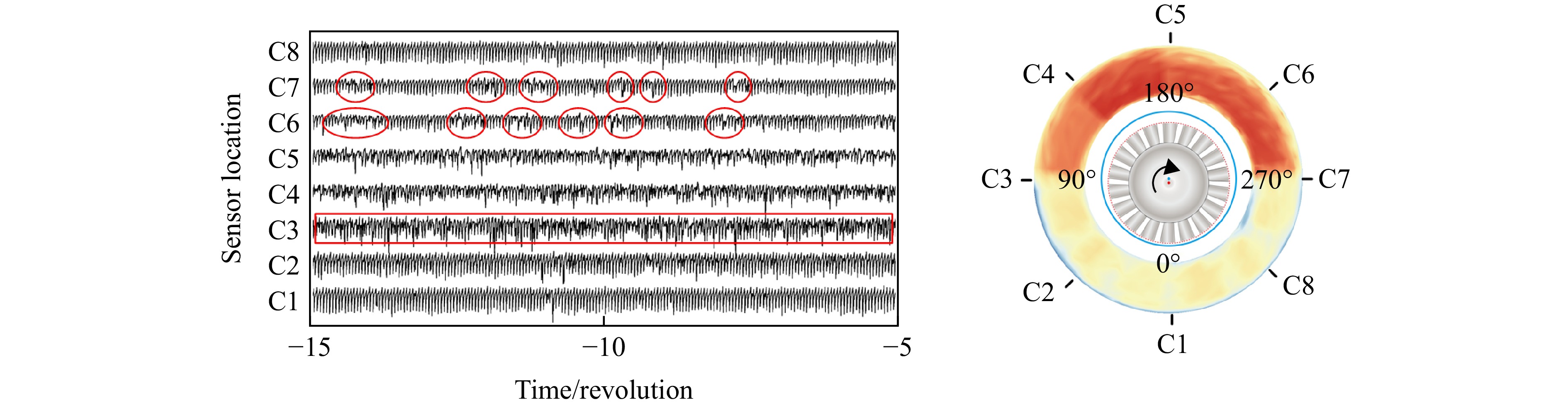
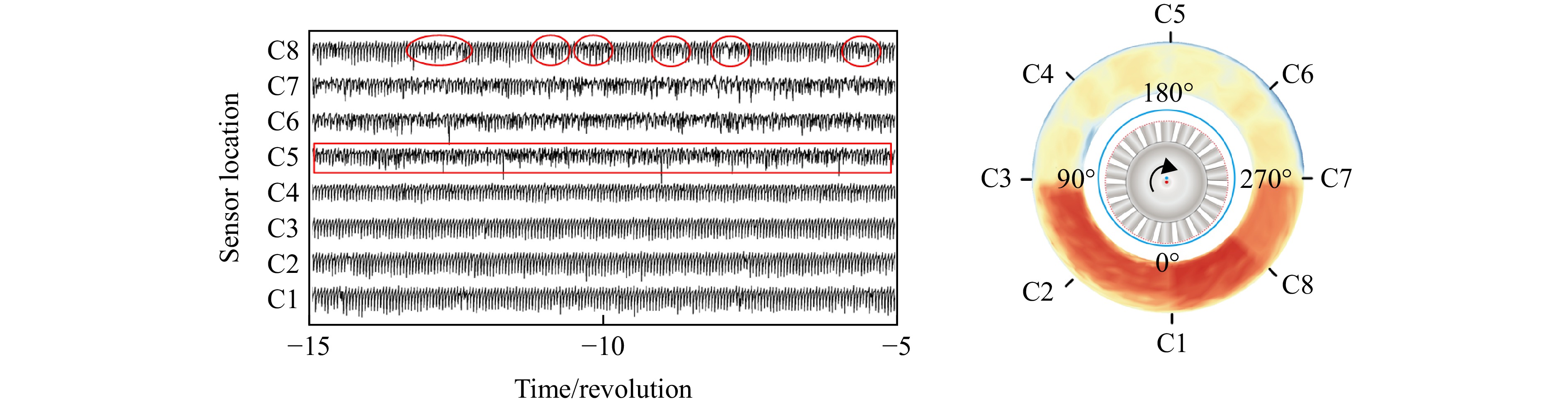
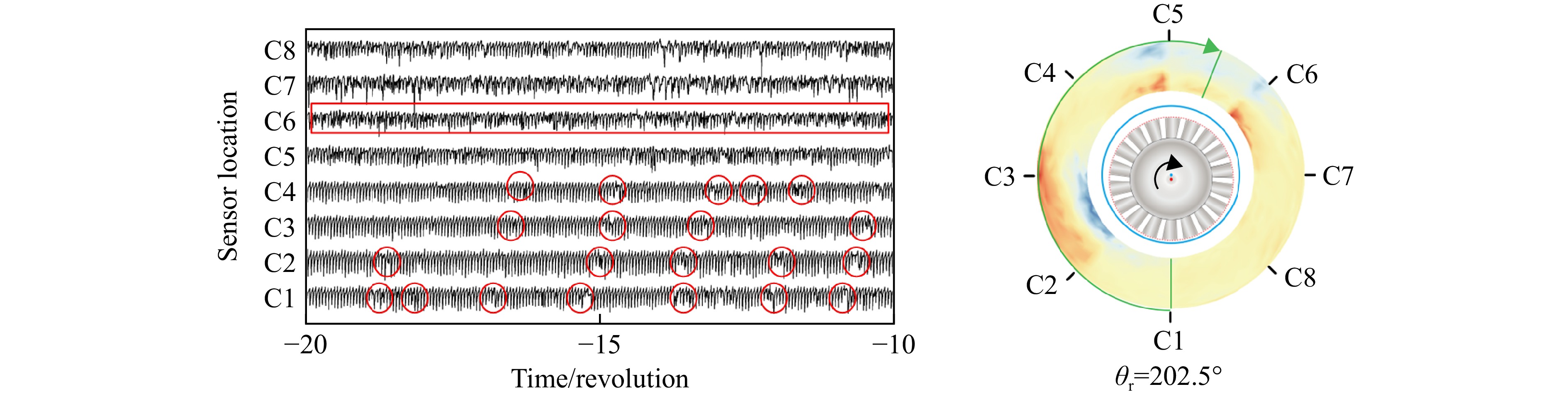
In order to investigate the flow instability phenomenon in eccentric compressor and the effect of flow disturbance between inlet distortion and eccentricity on the aerodynamic instability of the compressor, experiments were carried out to measure the aerodynamic stability of a single-stage eccentric compressor under uniform inlet, four phases of steady-state circumferential total pressure distortion inlet and six phases of paired vortex flow distortion inlet. When the compressor was throttled to near-stall condition under uniform inlet, rotational instability occurred near the large clearance location, while the small clearance location was in an orderly steady flow. Further analysis revealed that the strongest region of unsteady flow in the eccentric compressor was about 45° after the largest clearance, which was very close to the region with the smallest flow coefficient. Experimental results under intake distortion showed that the phase relationship between intake distortion and eccentricity was a potential factor affecting the stability of the compressor. When the large incidence region induced by the circumferential total pressure distortion and the negative precession region induced by the vortex distortion were in the same phase as the region with the strongest flow instability under the uniform inlet of the eccentric compressor, the stability of the compressor decreased most seriously.

Investigation on stability expansion of low-speed axial-flow compressor stage with controllable speed casing at design speed
SHI Tingyi, WU Wanyang, HU Yi, ZHONG Jingjun
2025, 40(12): 20240623. doi: 10.13224/j.cnki.jasp.20240623
Abstract:
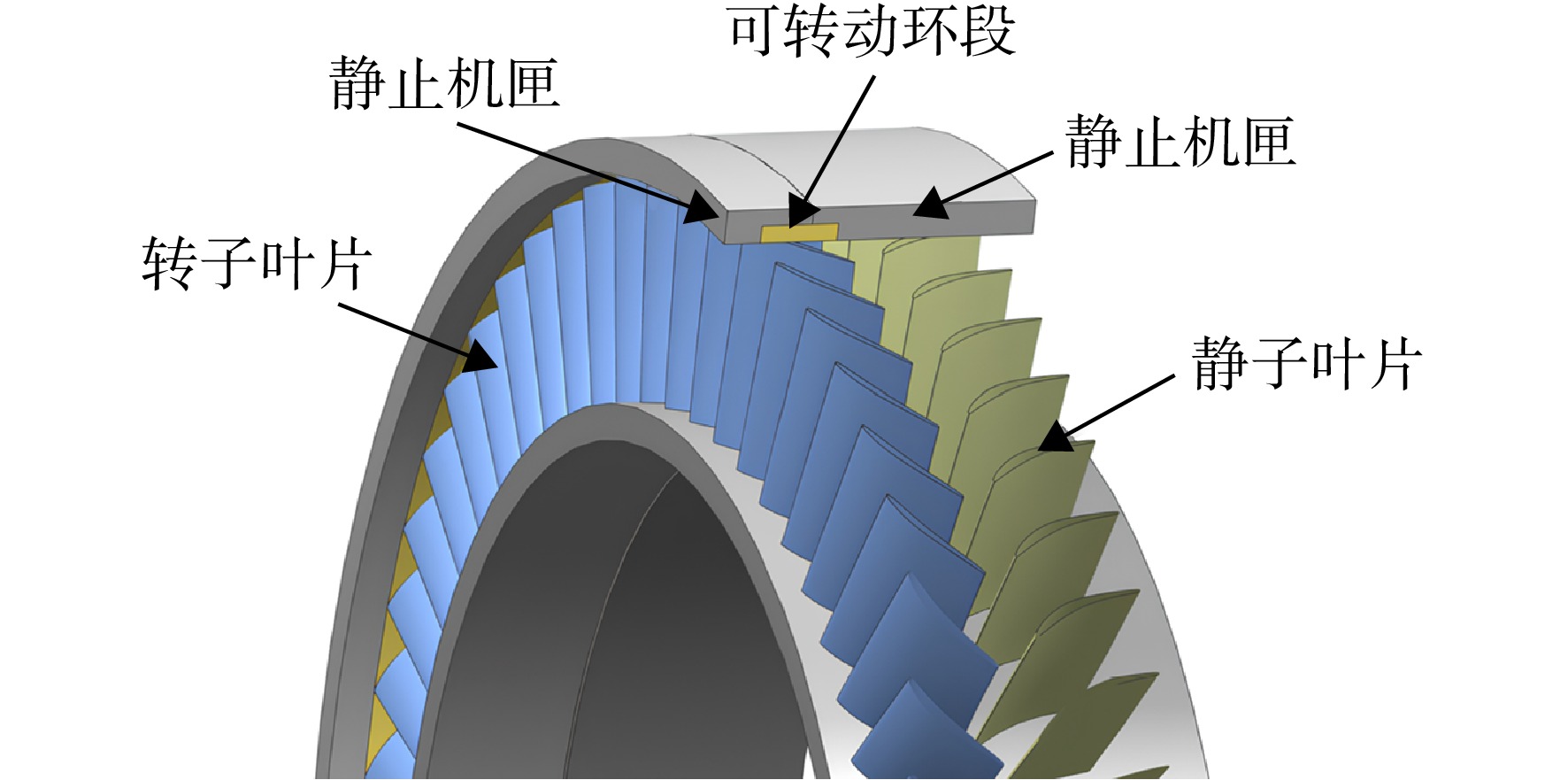
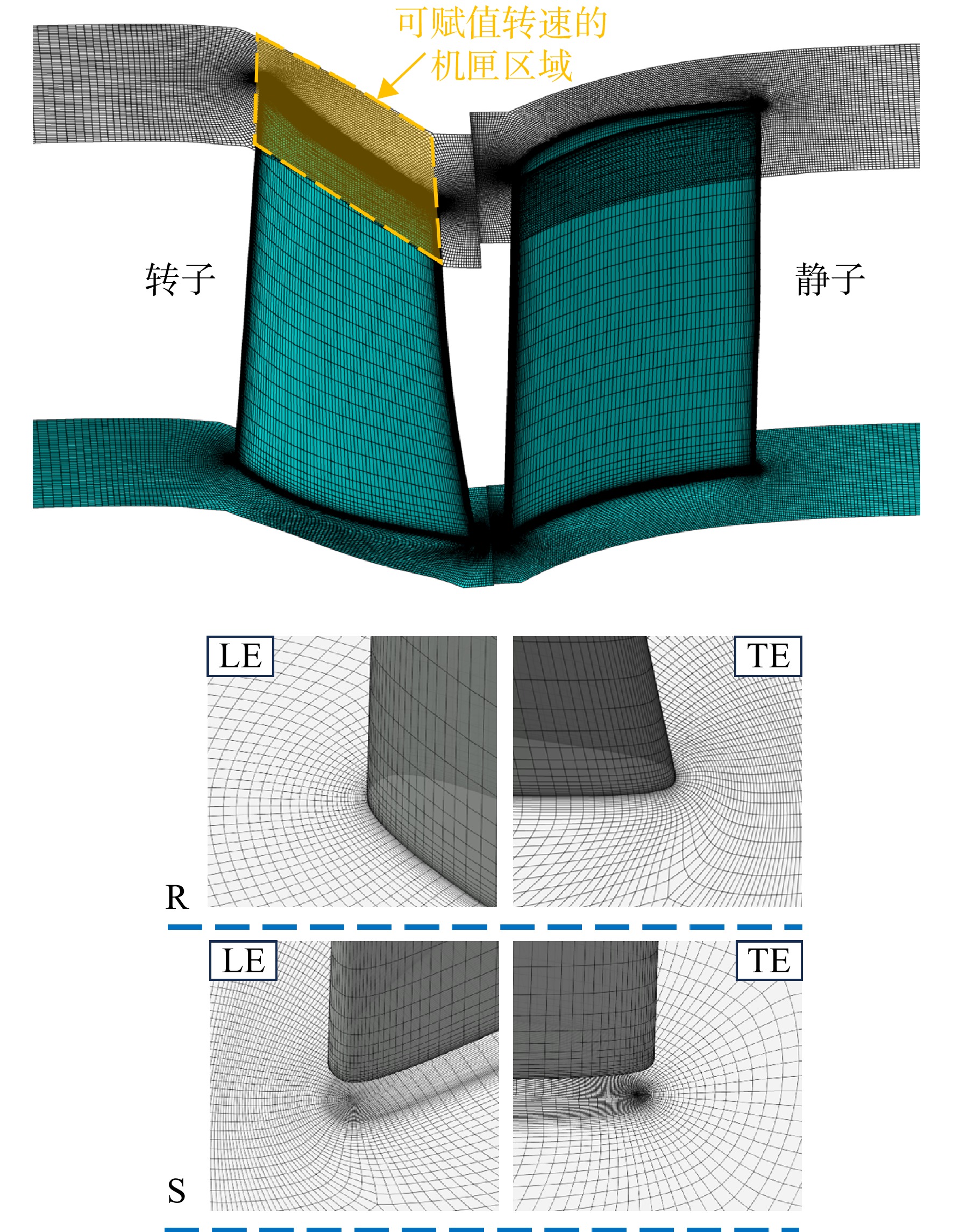
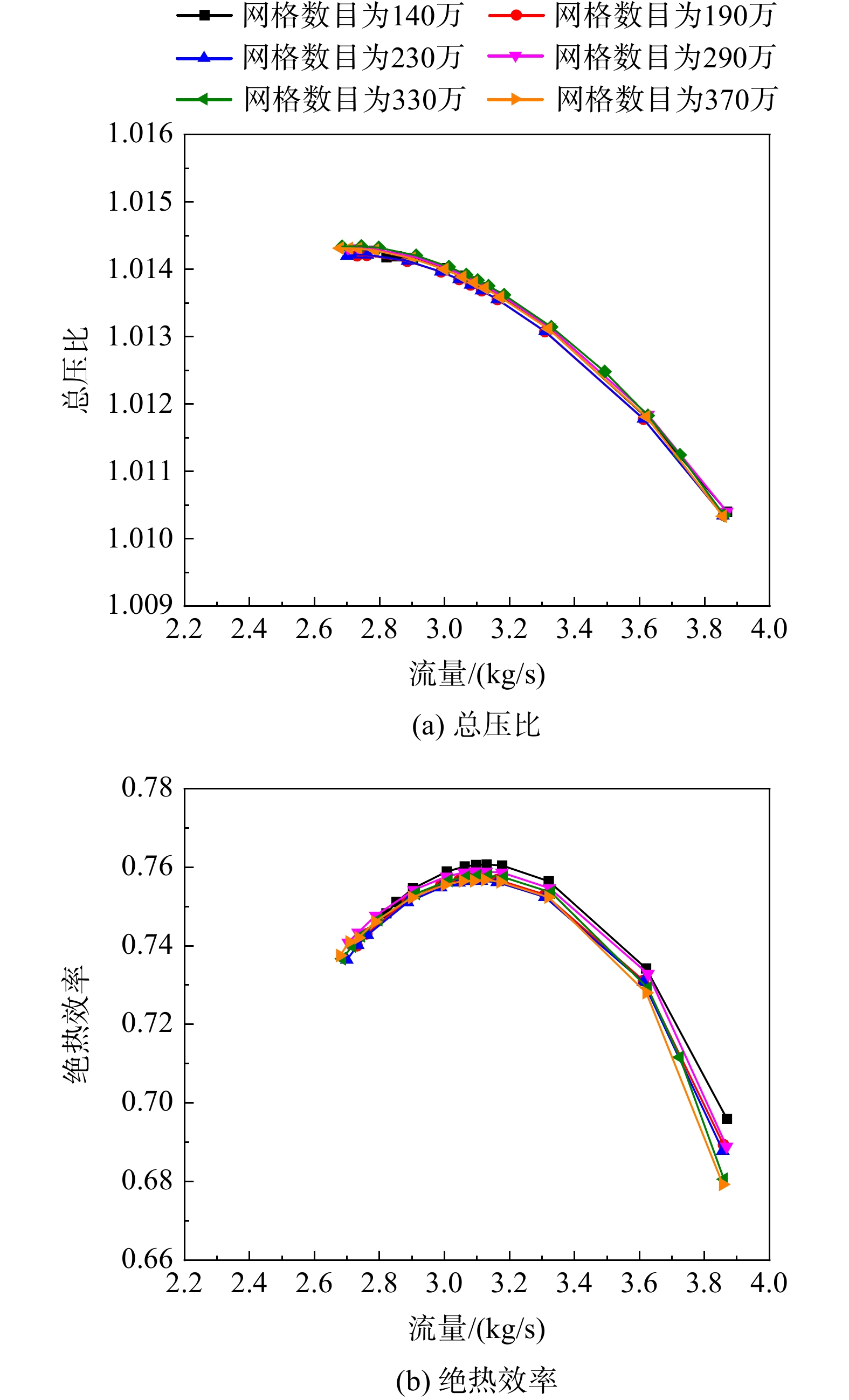
The influences of different rotating speeds of the rotatable ring of the controllable speed casing on the stability of the low-speed axial flow compressor were studied by numerical simulation. The results showed that the controllable speed casing, which covers the whole axial chord length region of the rotor tip and rotates in the same direction with the rotor, can control the tip leakage flow and realize the stability expansion. By applying external shear stress to the clearance flow, the controllable speed casing increased the mainstream momentum, suppressed the momentum ratio of the leakage flow to the mainstream, improved the deflection of the leakage vortex, and delayed the occurrence of secondary leakage and the forward movement of the mainstream/leakage flow interface, thus broadening the stable operating range of the low-speed compressor stage. While ensuring that the pressure ratio was basically kept unchanged, the stability expansion effect was enhanced with the increase of the rotatable ring speed. When the rotatable ring speed was the design speed of the rotor, the maximum stable operating margin of the low-speed compressor stage can be increased by 30.86%.

Research on fast response pressure sensitive paint technology multi-frequency pressure verification system and its application
OUYANG Bo, GAO Limin, LEI Xiangfu, SHI Hang, WANG Lei
2025, 40(12): 20240736. doi: 10.13224/j.cnki.jasp.20240736
Abstract:
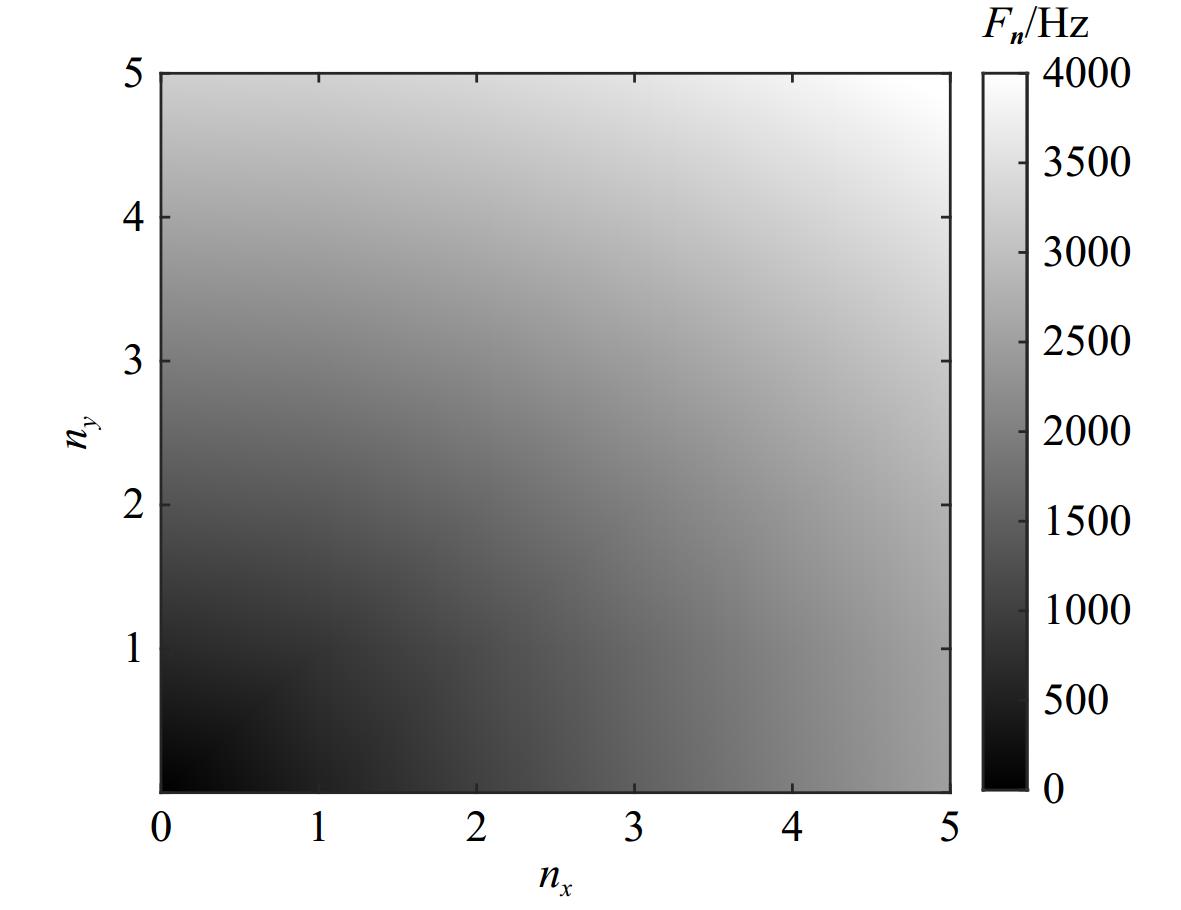
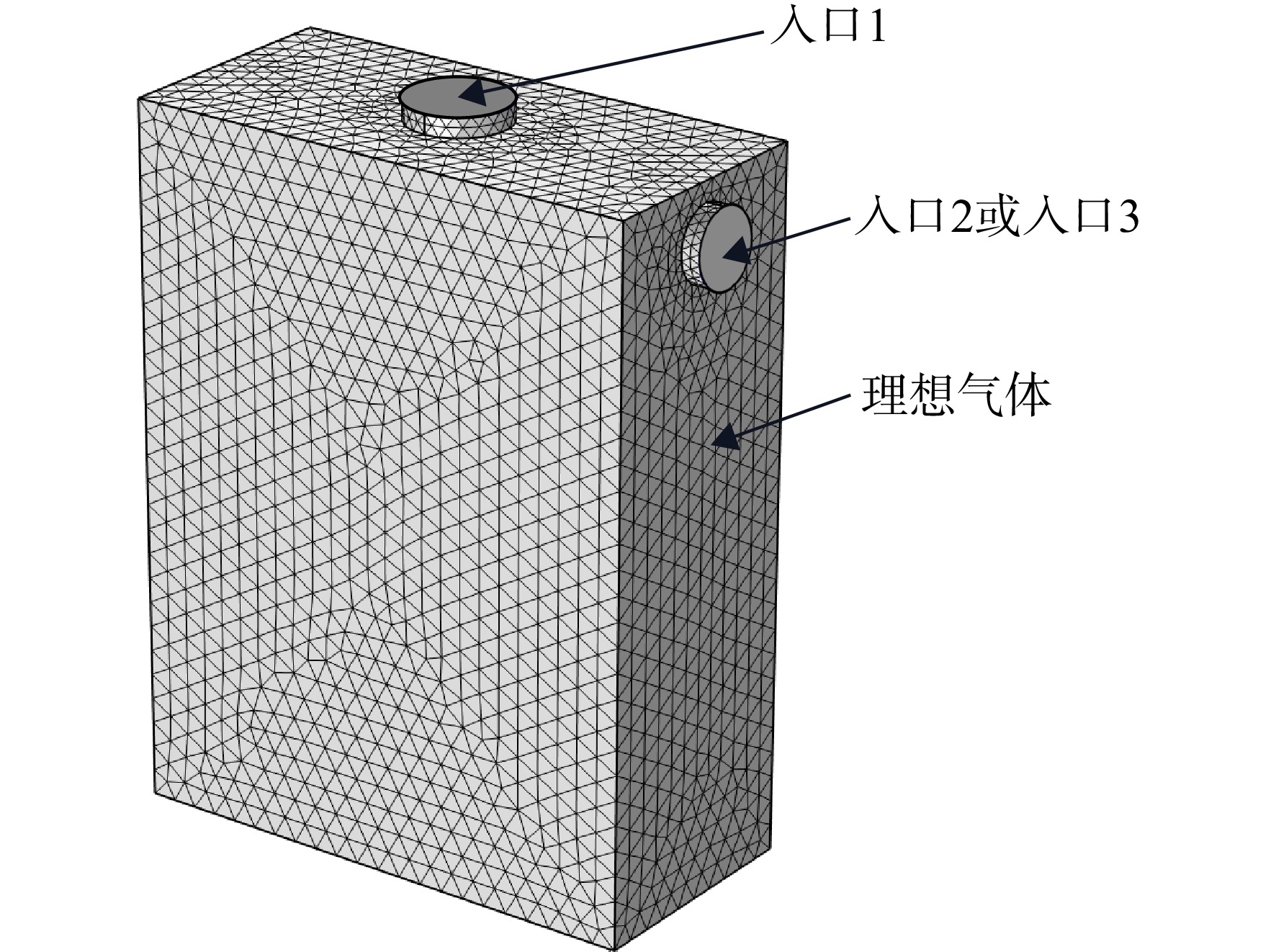
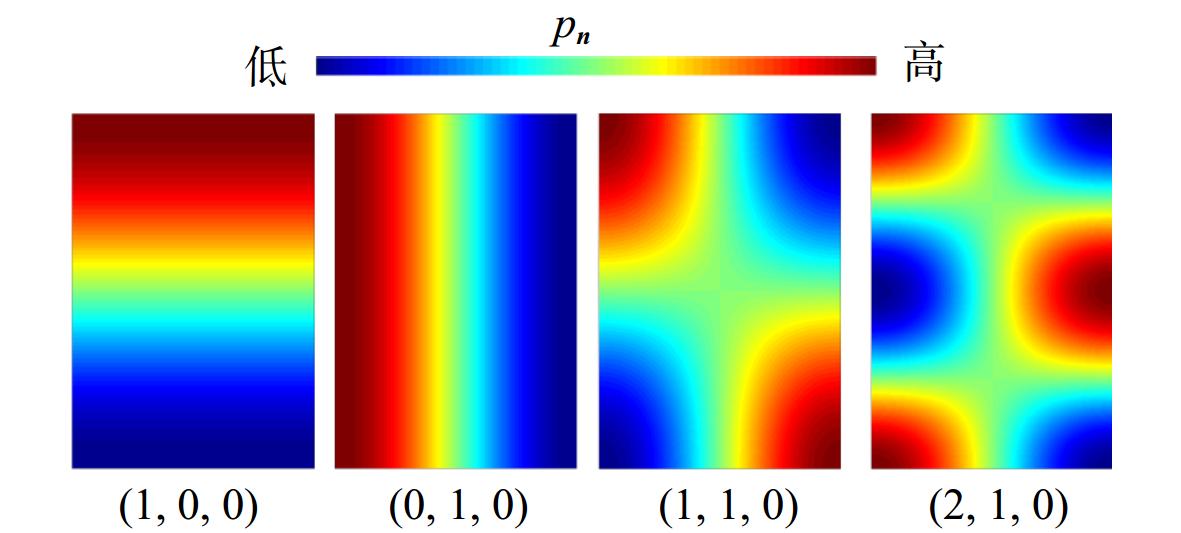
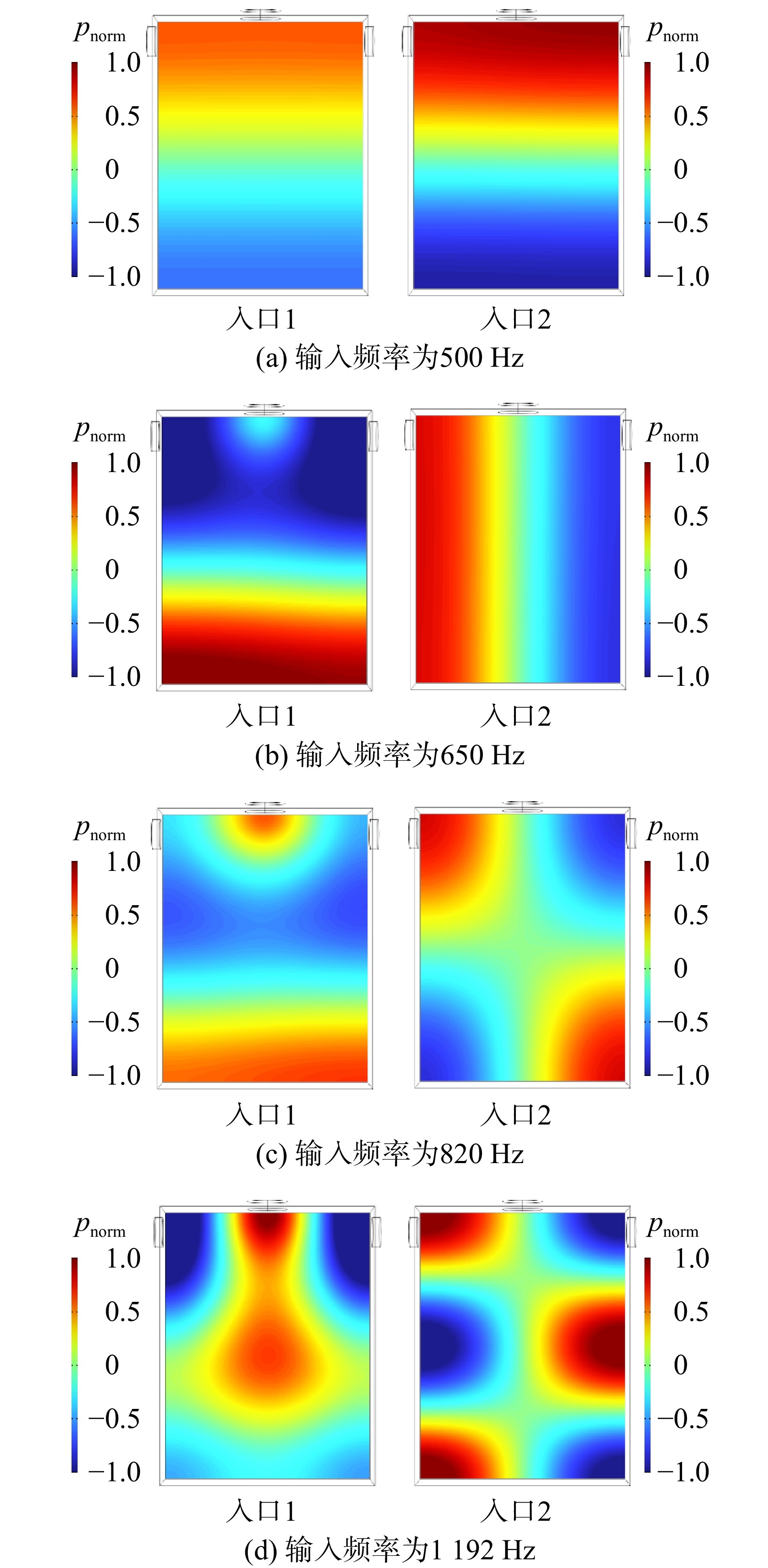
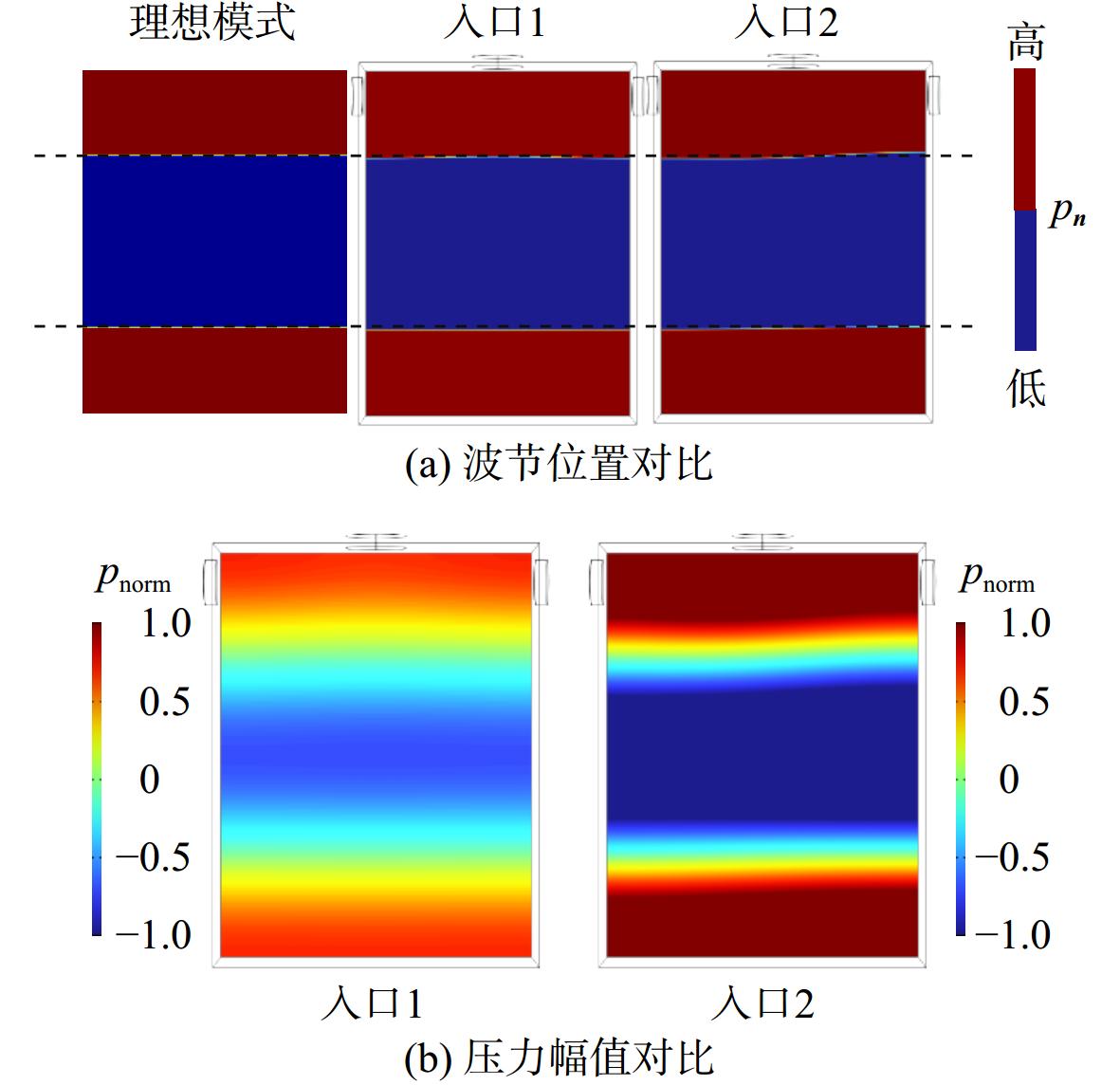
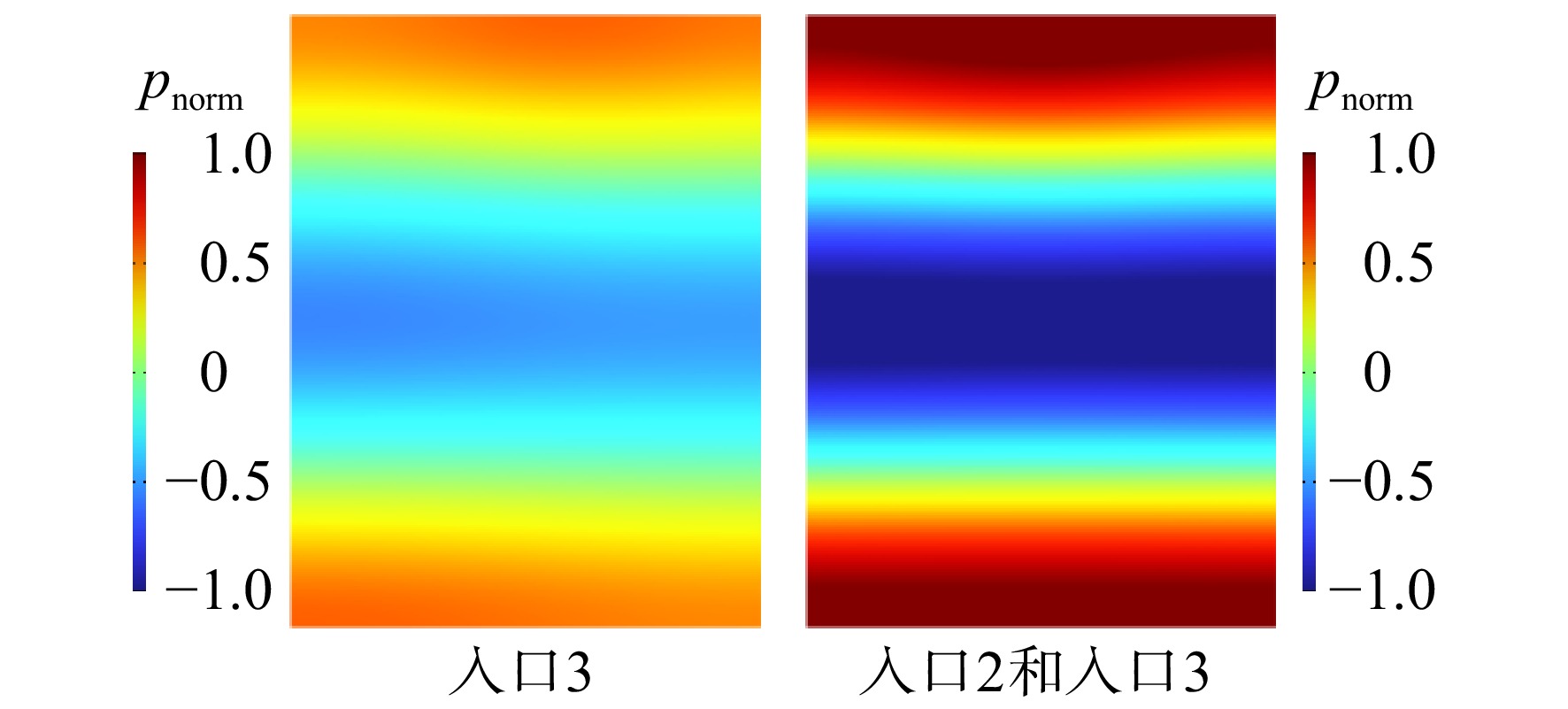
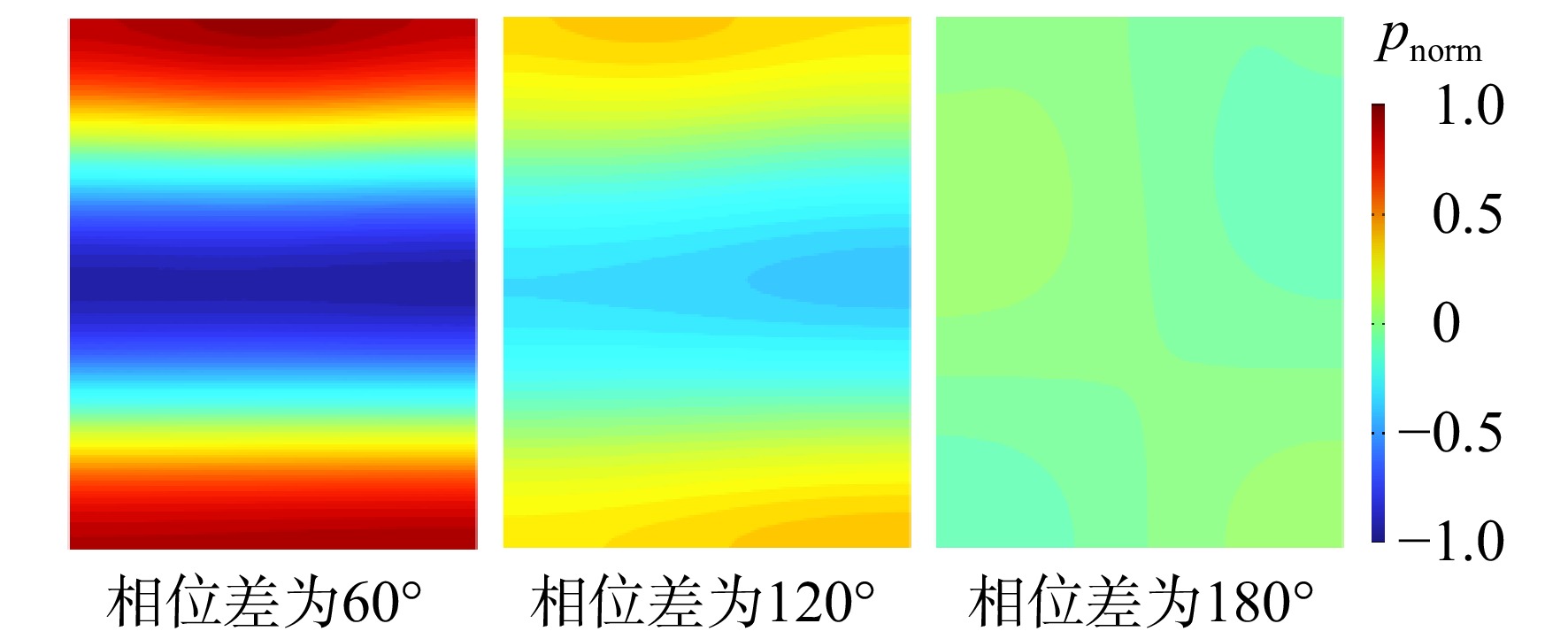
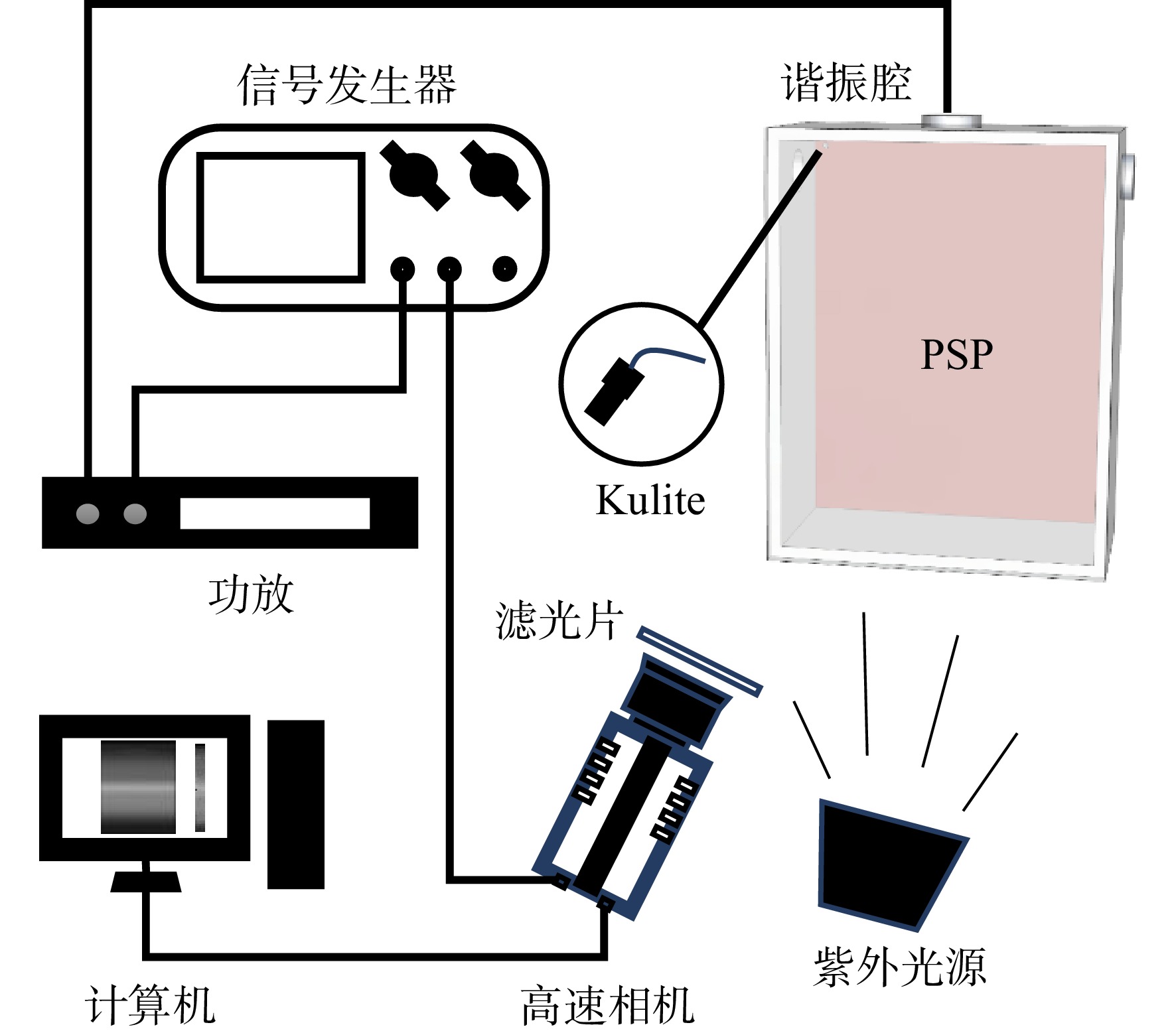
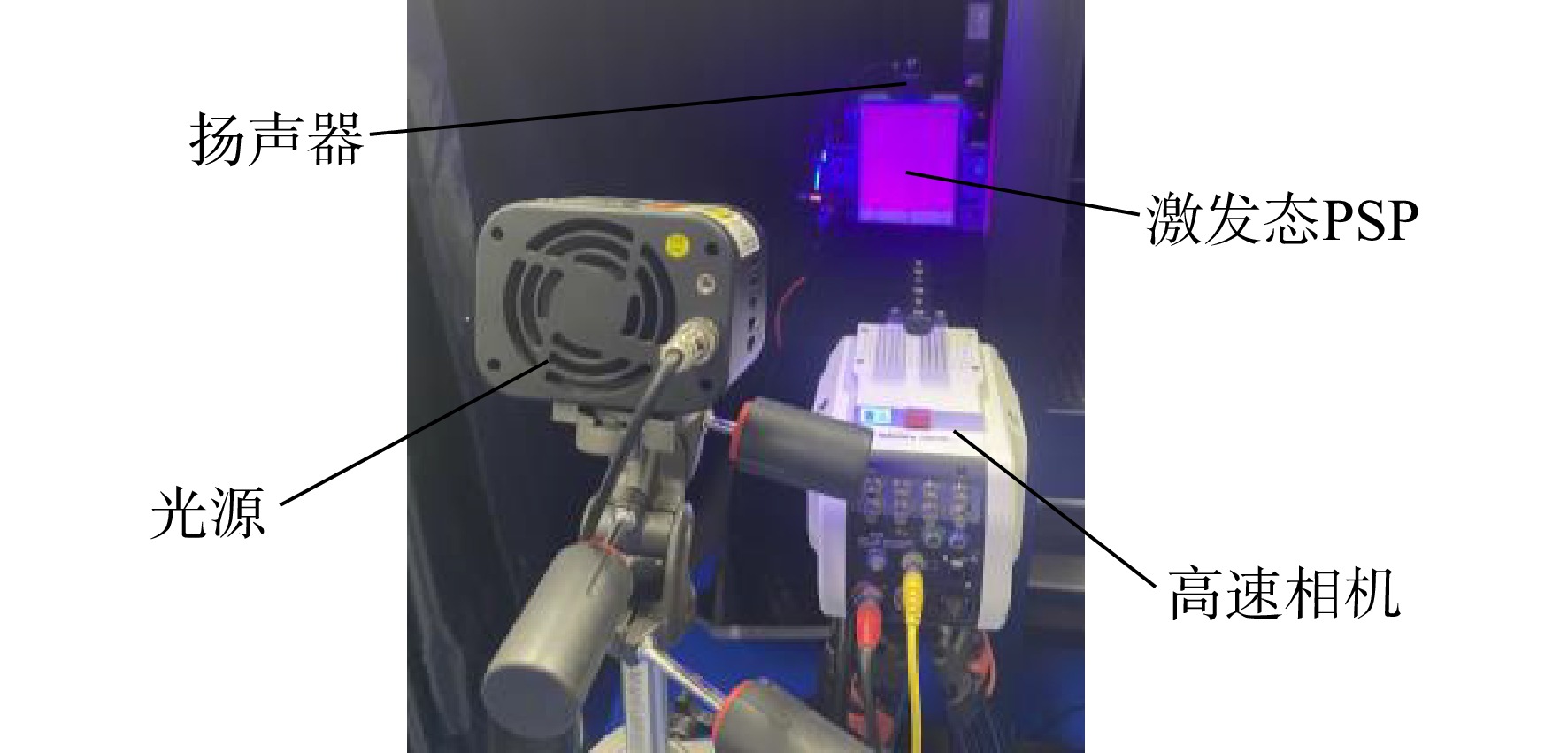
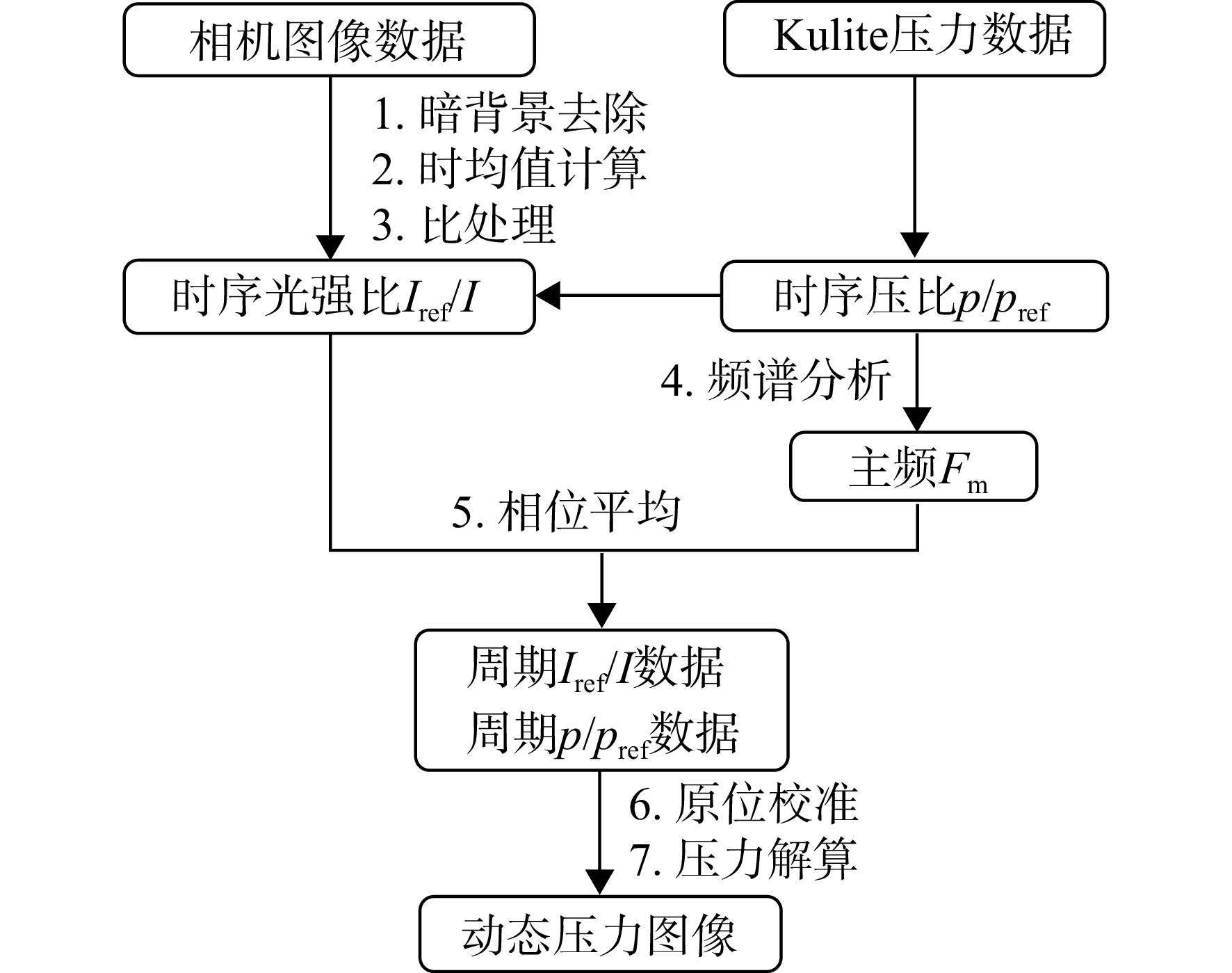
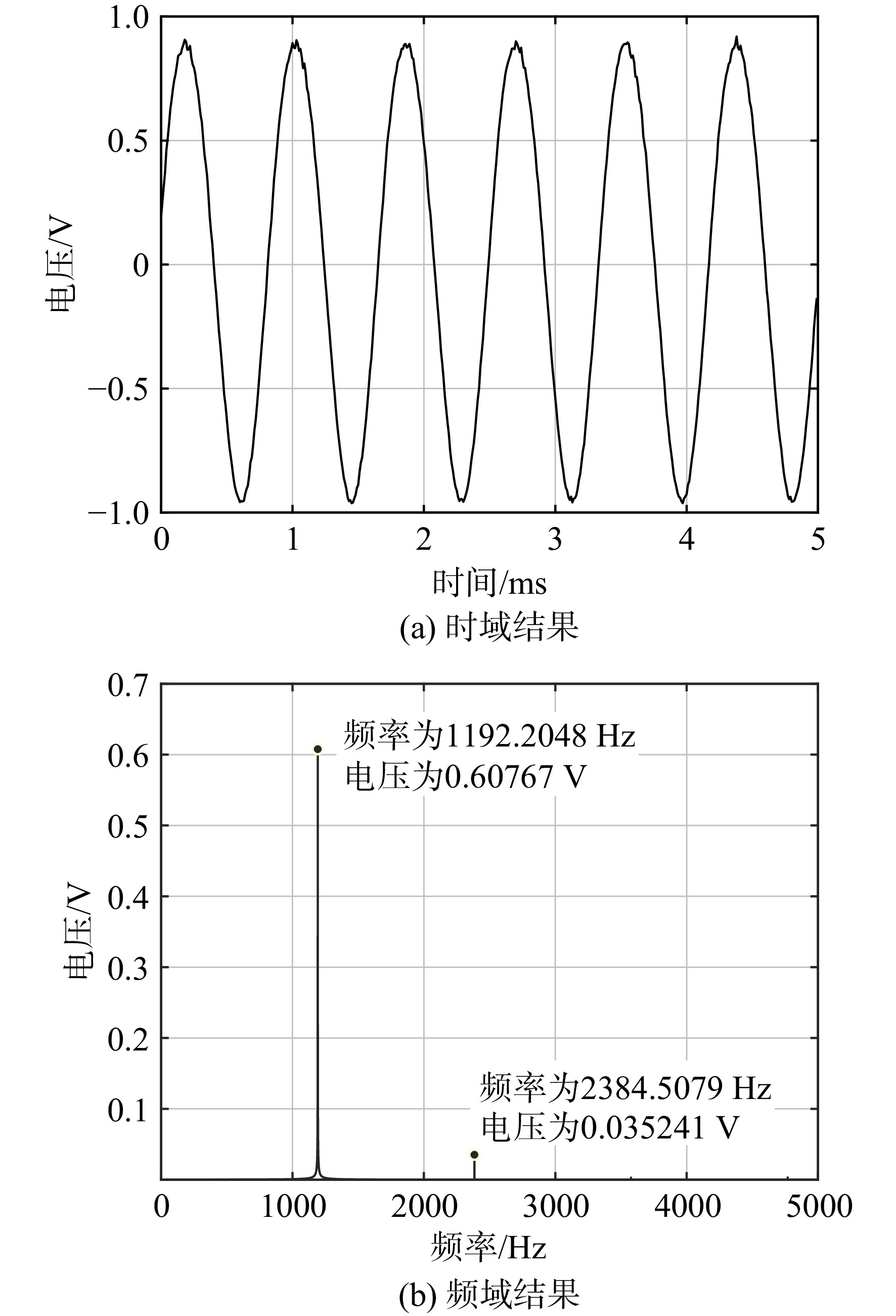
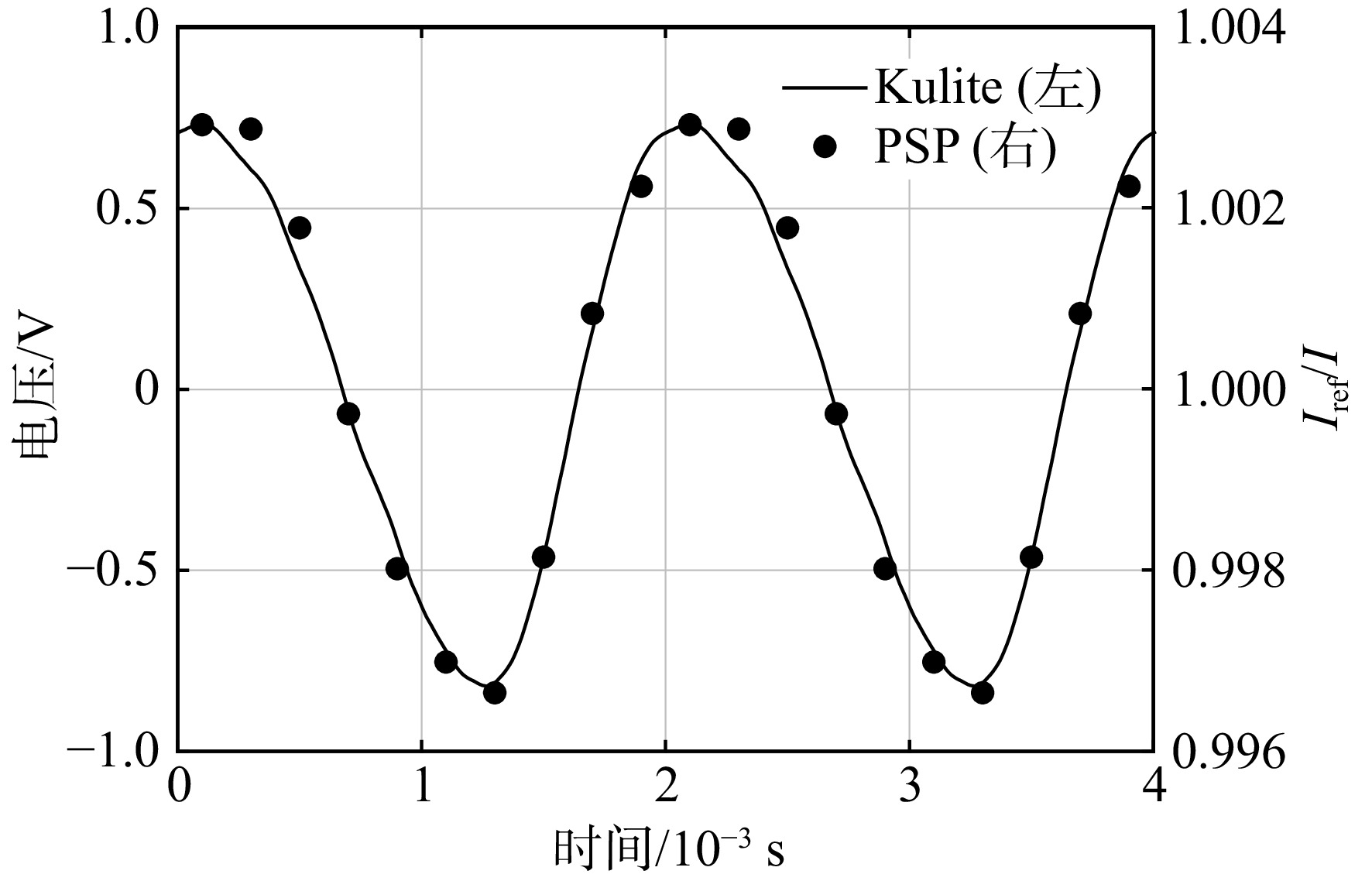
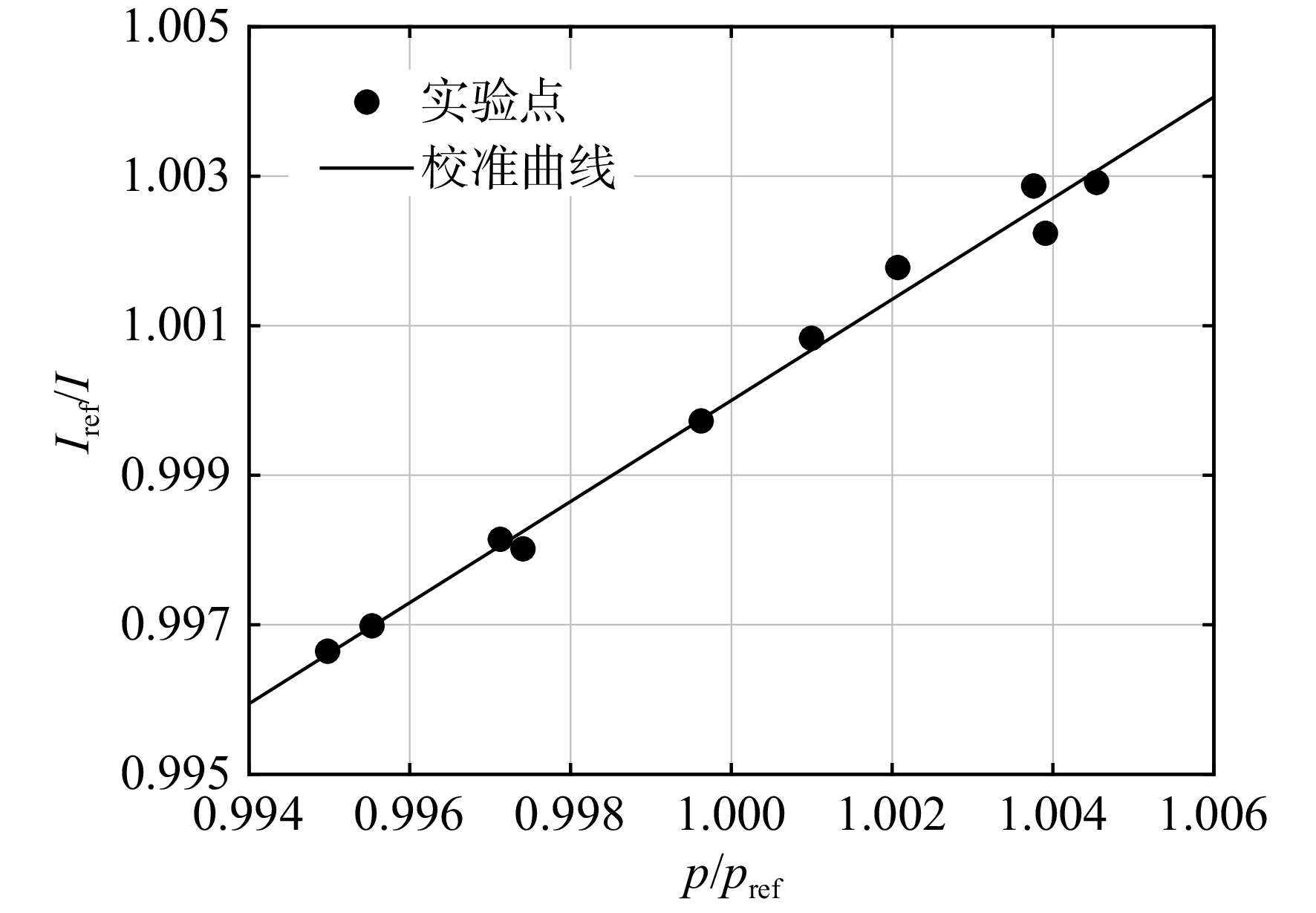
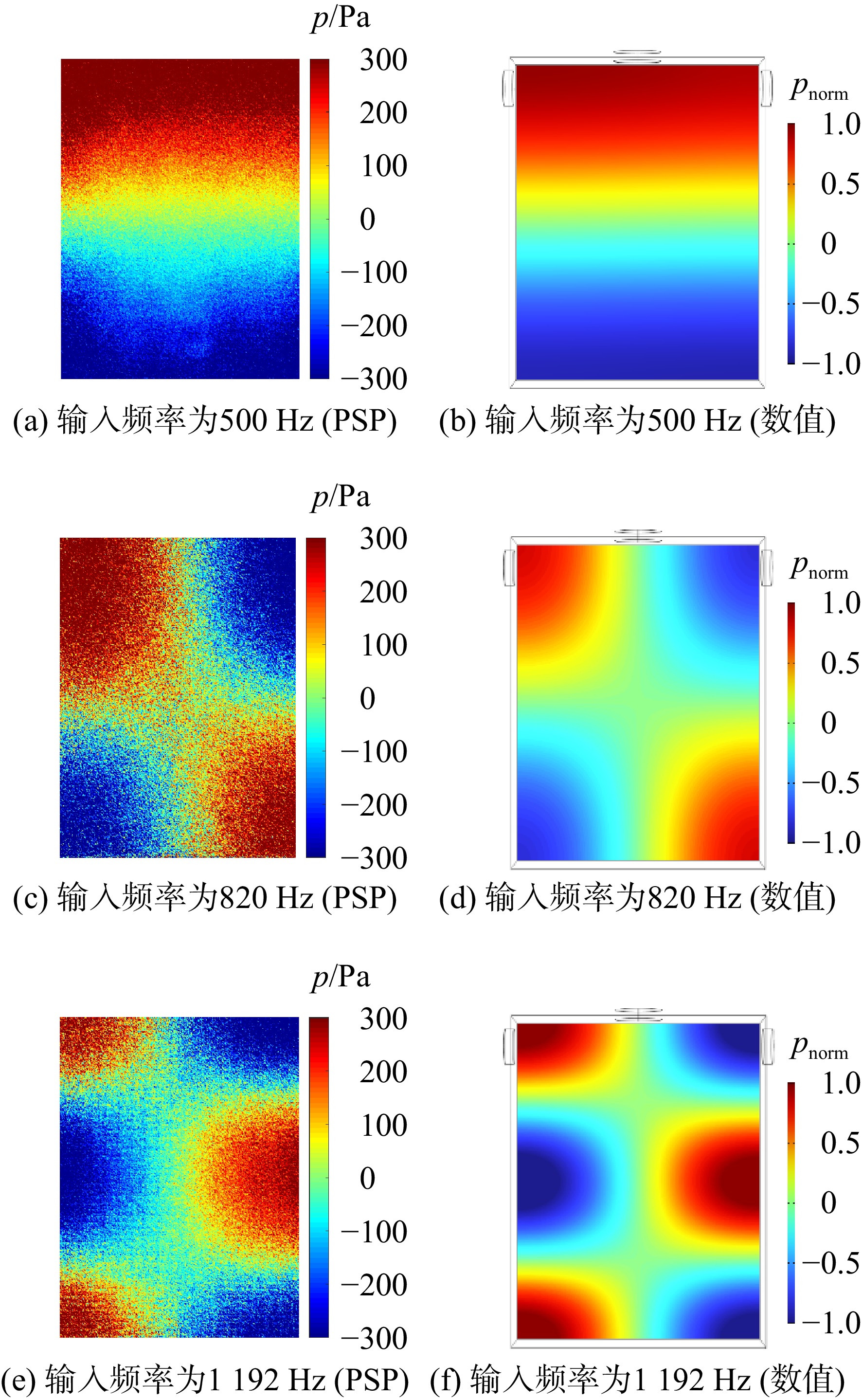
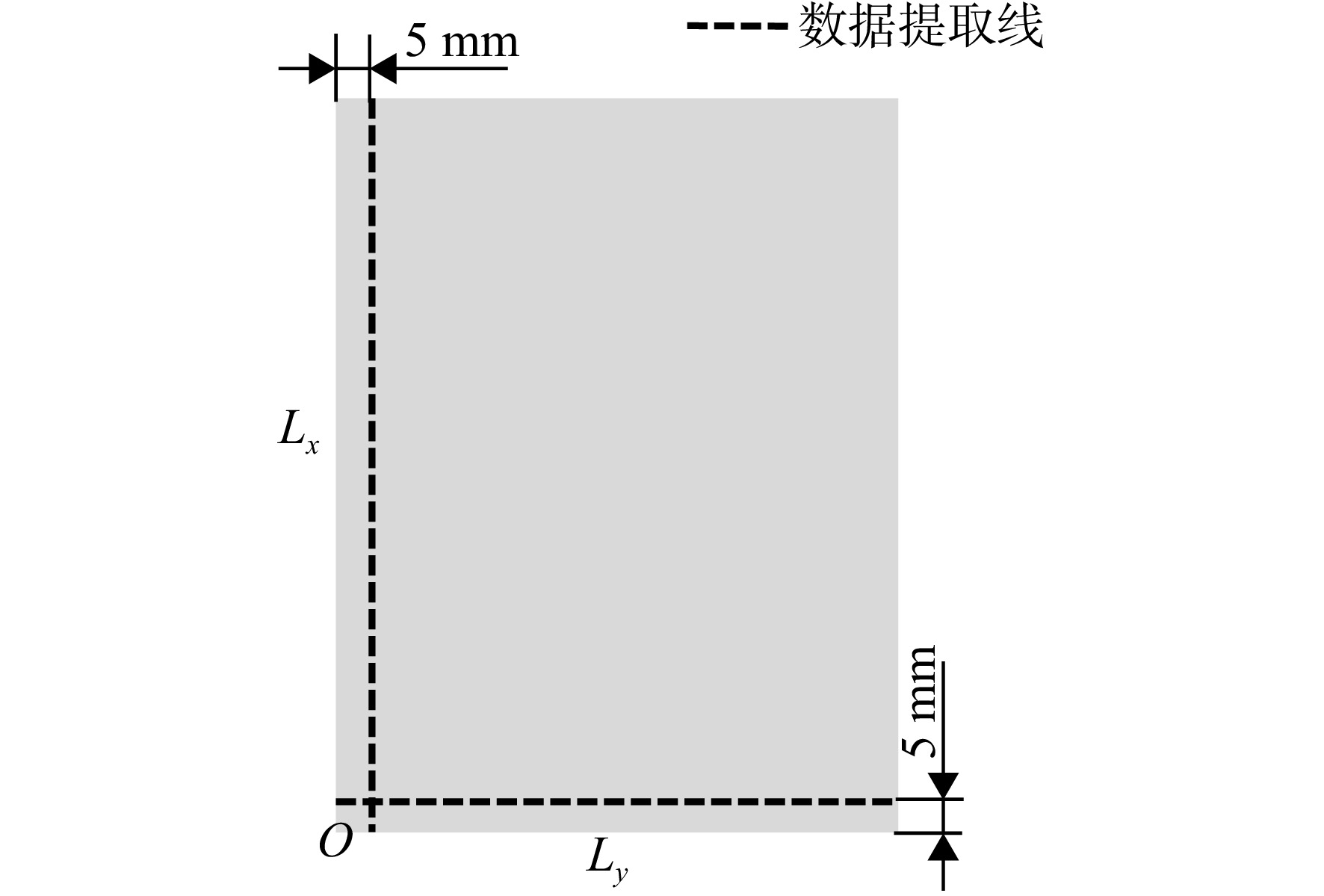
The dynamic pressure analysis capability of PSP (pressure sensitive paint) technology at high spatial resolution was constrained by multiple factors. Reliable dynamic data feedback was urgently required for its technological iteration. A multi-frequency pressure generator was designed and constructed based on the theory of rectangulawar resonant cavity. The spatiotemporal pressure of the first five low-frequency standing wave modes was numerically and experimentally studied using frequency domain analysis and PSP technology. The results showed that the installation position of the sound source could affect the excitation effectiveness of the standing wave mode. All theoretical standing wave modes can be excited while the installation position was located near the top corner of the wall. The real-time dynamic PSP results were severely affected by time-domain noise, resulting in poor reliability of quantitative results. The pressure measurement results based on phase averaging demonstrated that the constructed multi-frequency pressure generation system effectively achieved the excitation of standing wave modes and the formation of corresponding spatiotemporal pressures at the design frequency. Under single sound source input, spatiotemporal dynamic pressure with an amplitude of approximately 0.8 kPa can be generated. The ability of the typical PSP dynamic measurement system was verified, achieving a spatial resolution of 4 points per mm2 and a measurement accuracy of 50 Pa in a dynamic pressure environment with a frequency of 1192 Hz.

Aerothermodynamics and Aeroengine Design
Research on MDOE methods based on response surface optimization model with adaptive genetic algorithm
CHENG Qiyou, LI Chunhua, JIANG Jiawei, HU Lei, CHEN Weixing
2025, 40(12): 20240844. doi: 10.13224/j.cnki.jasp.20240844
Abstract:

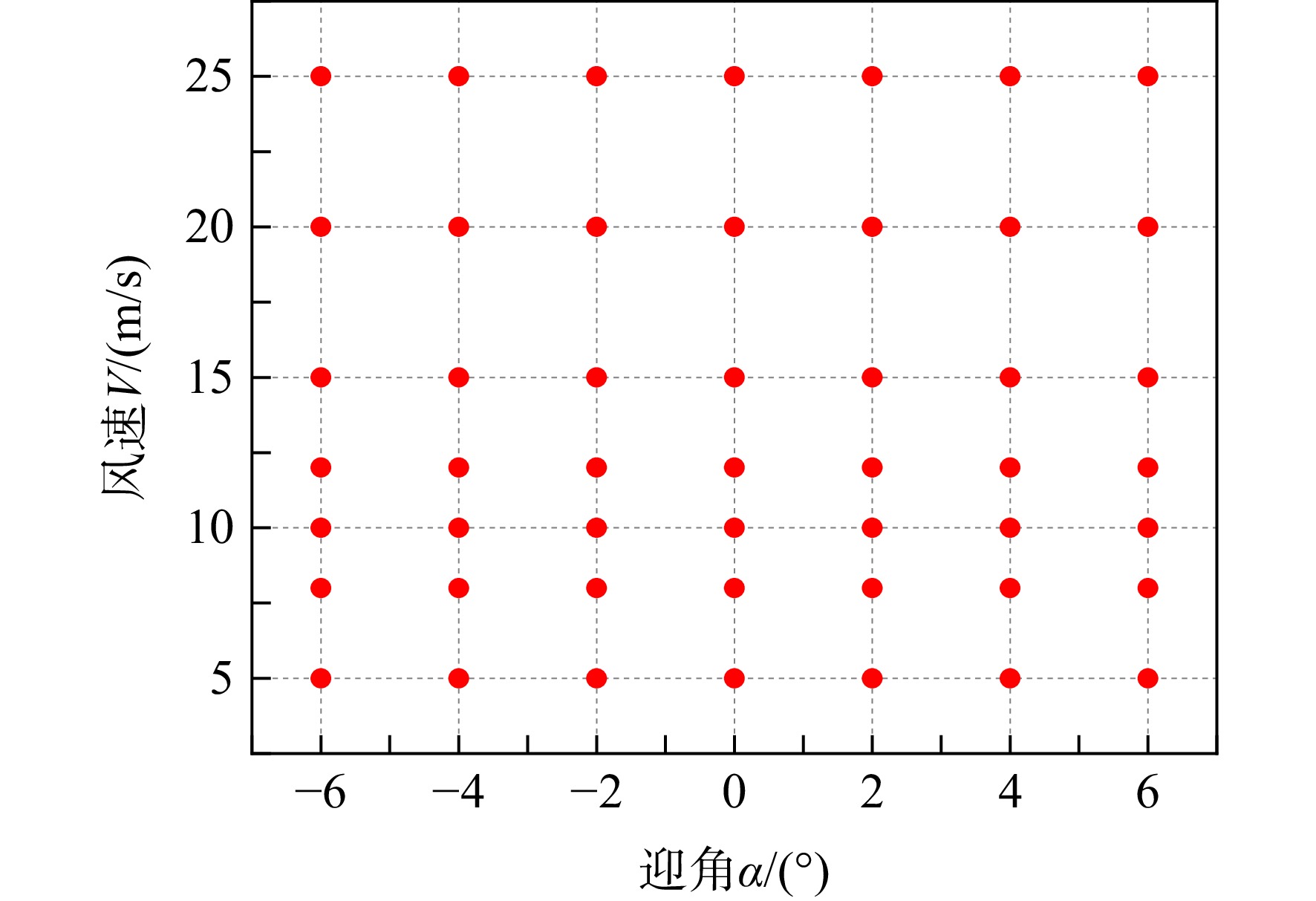
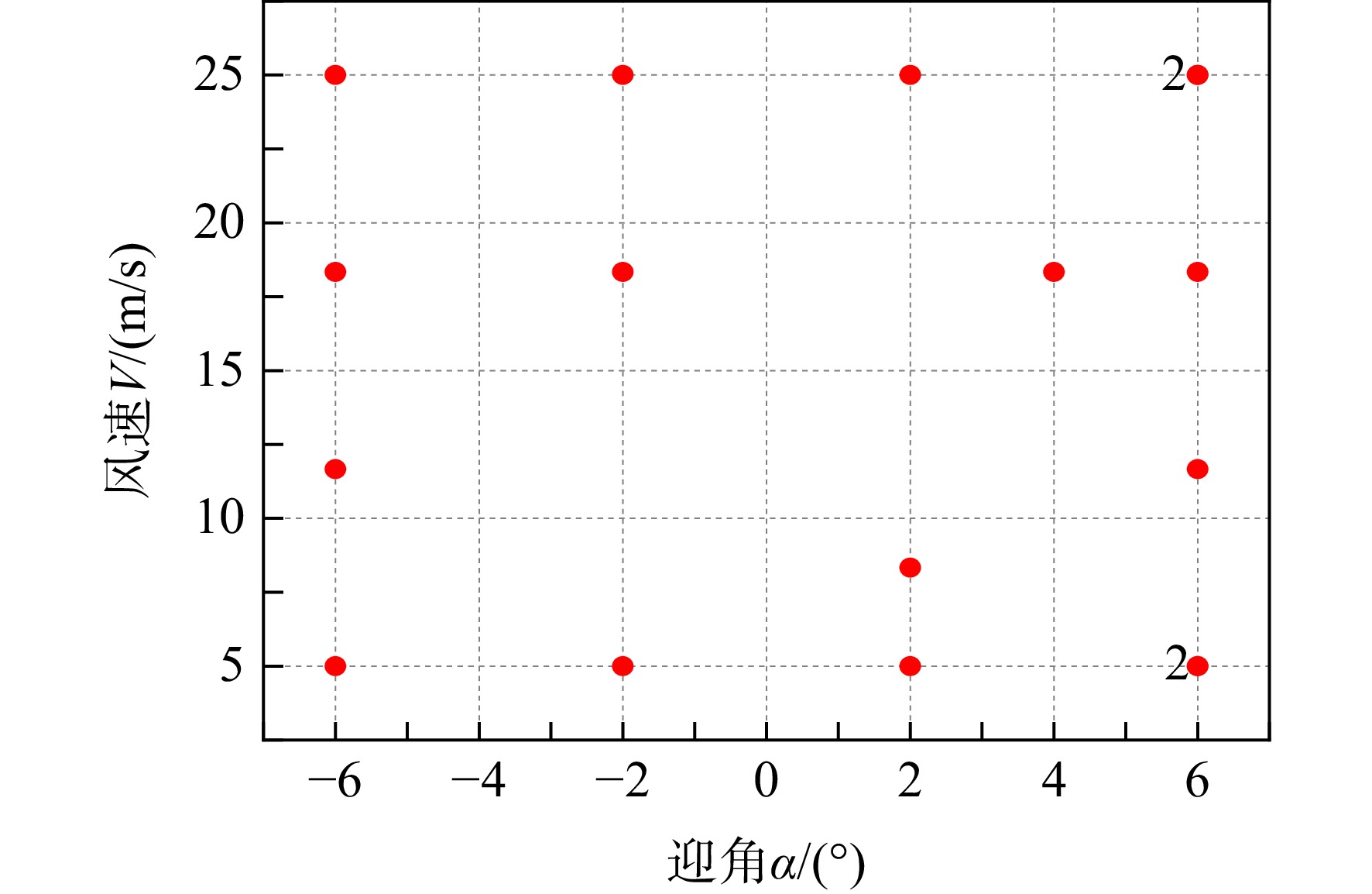
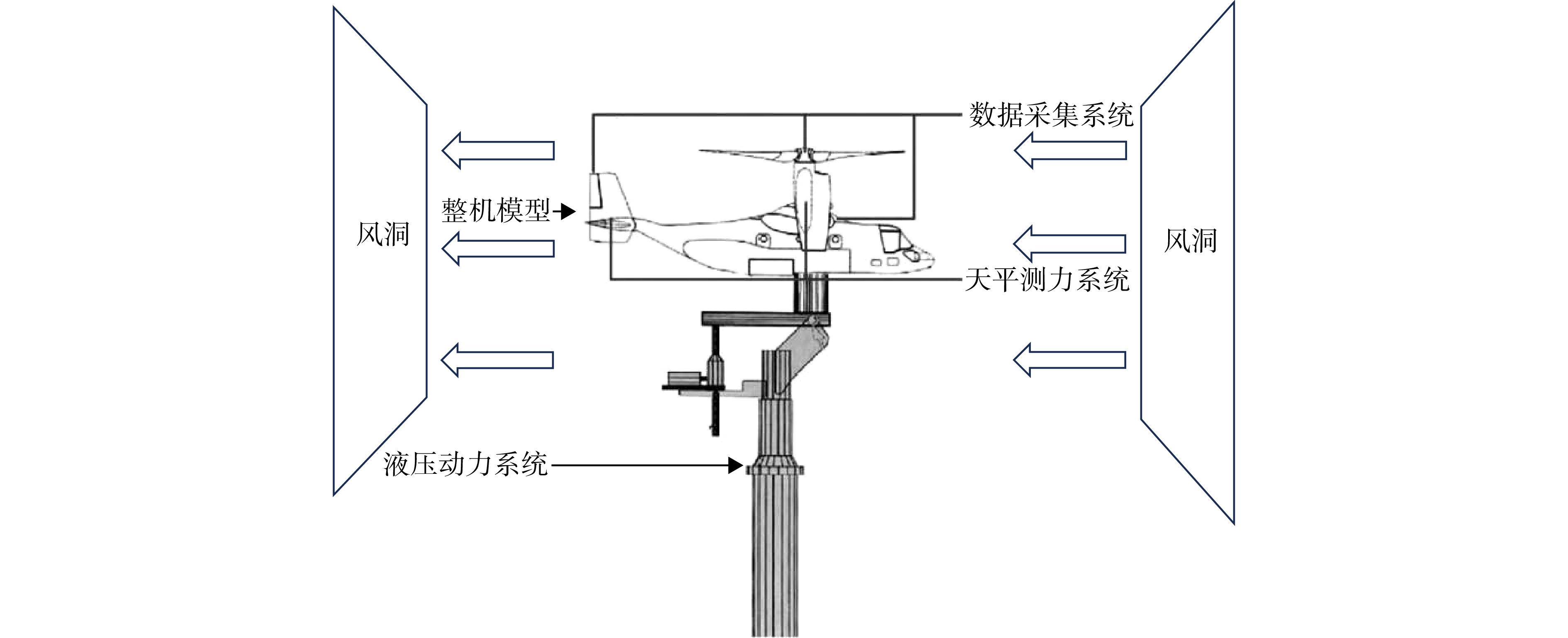
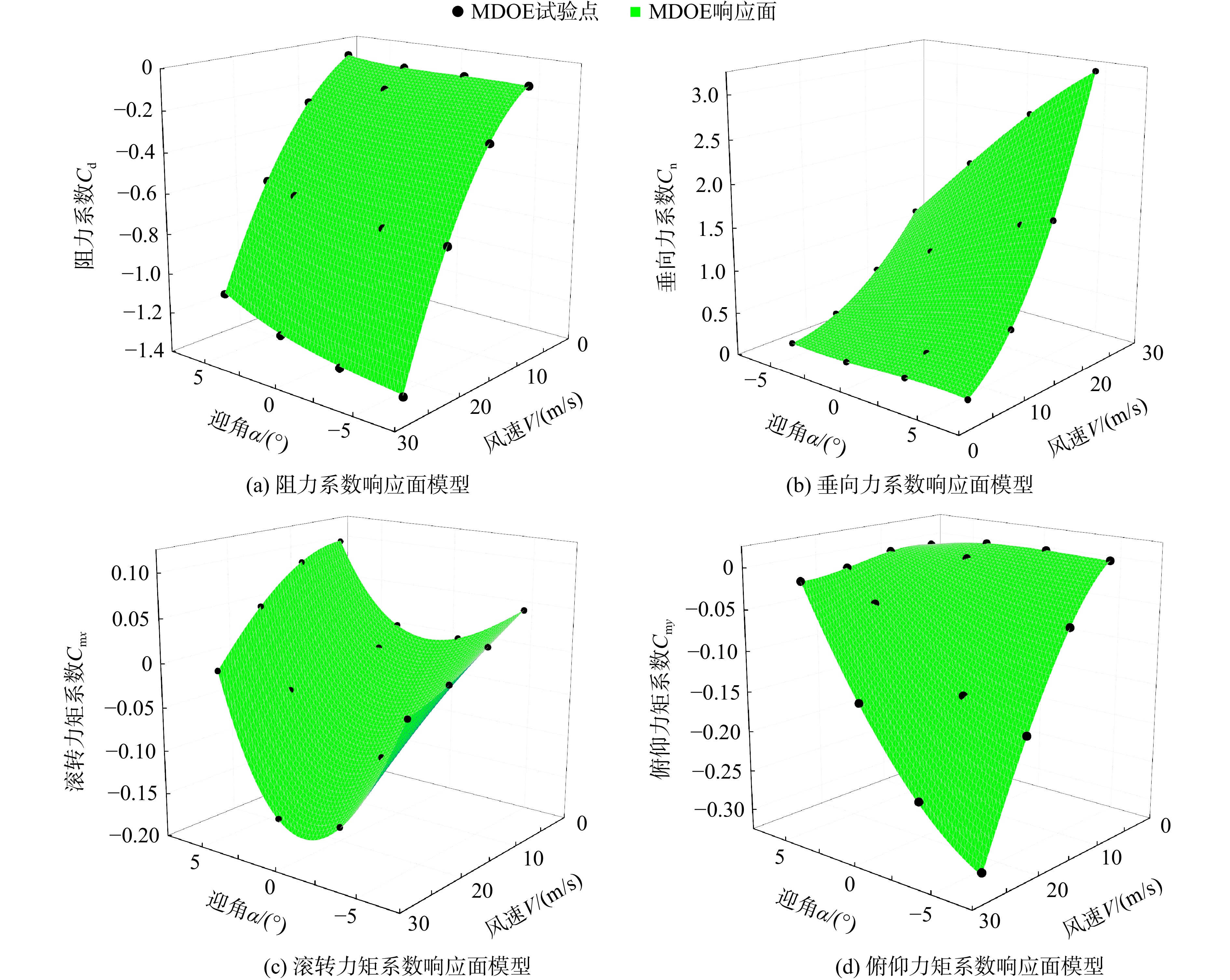
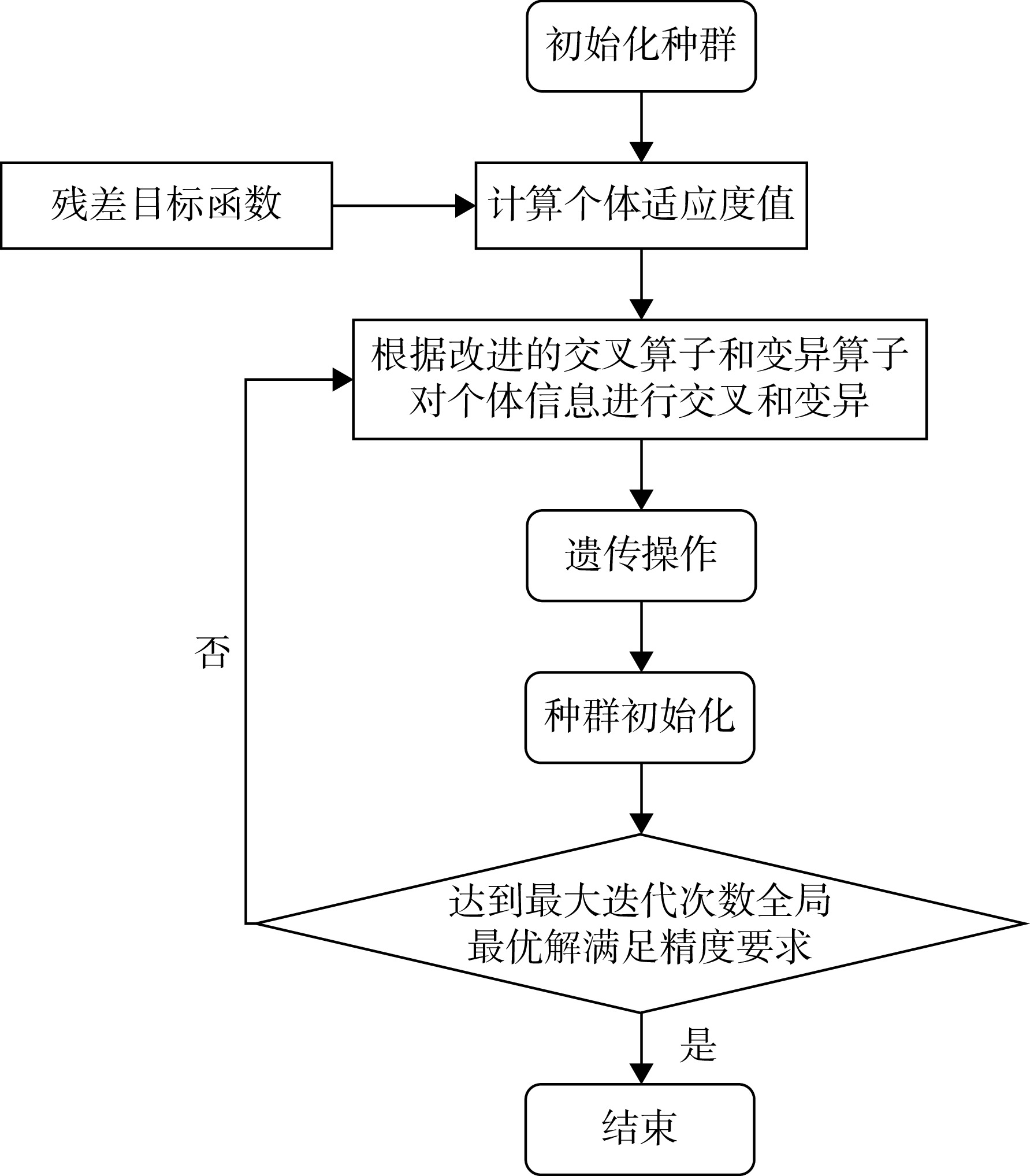
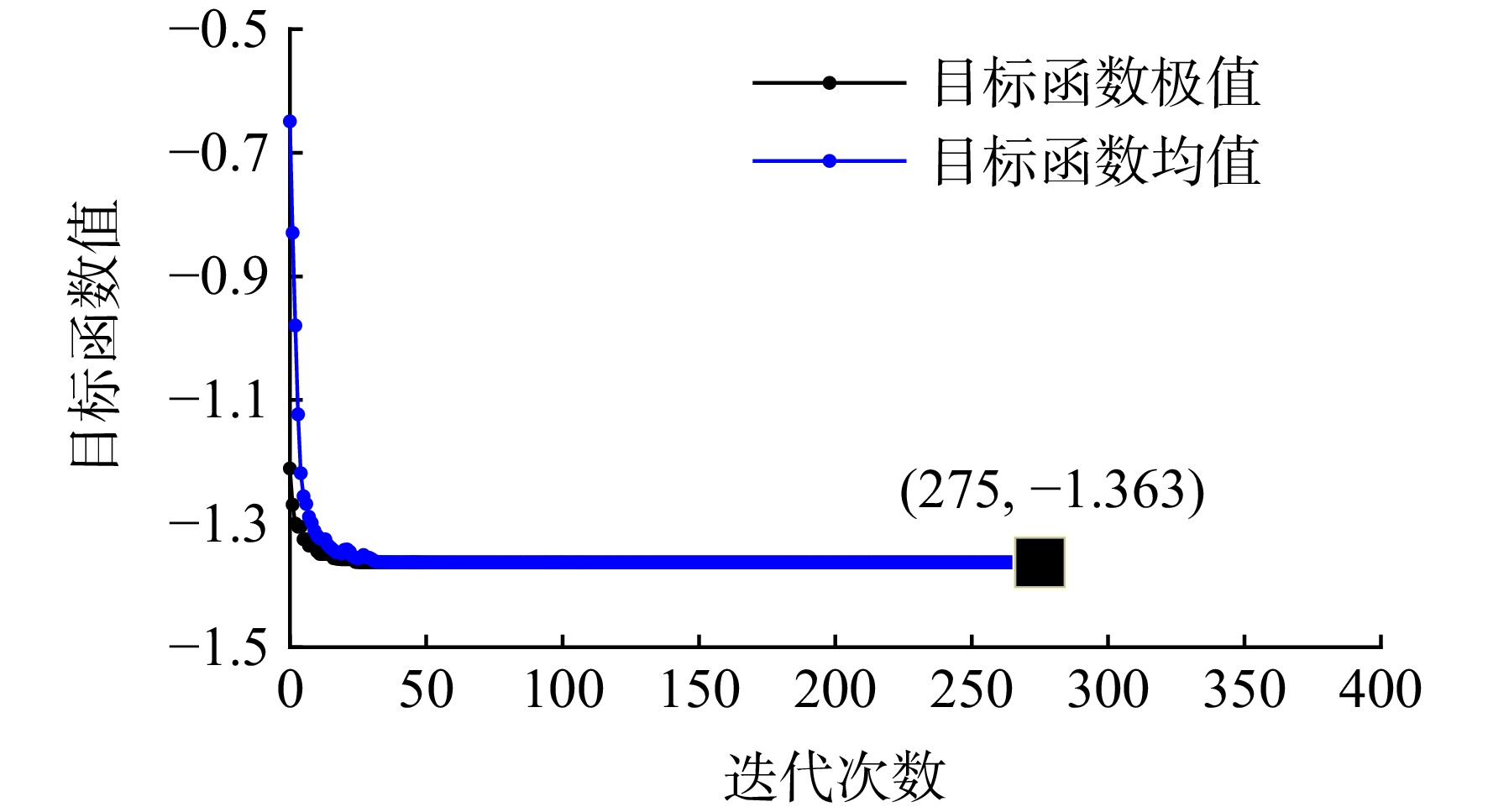
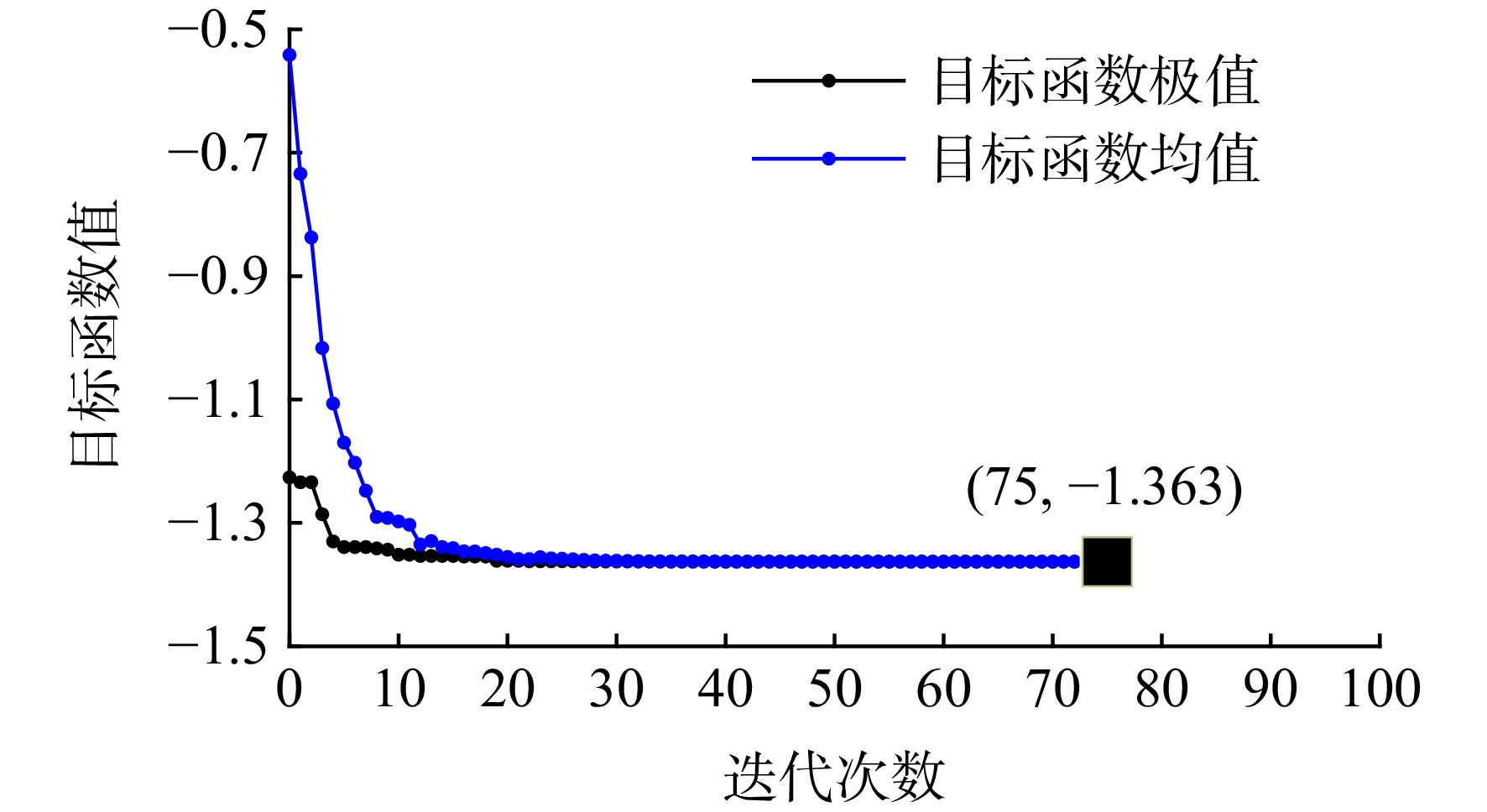
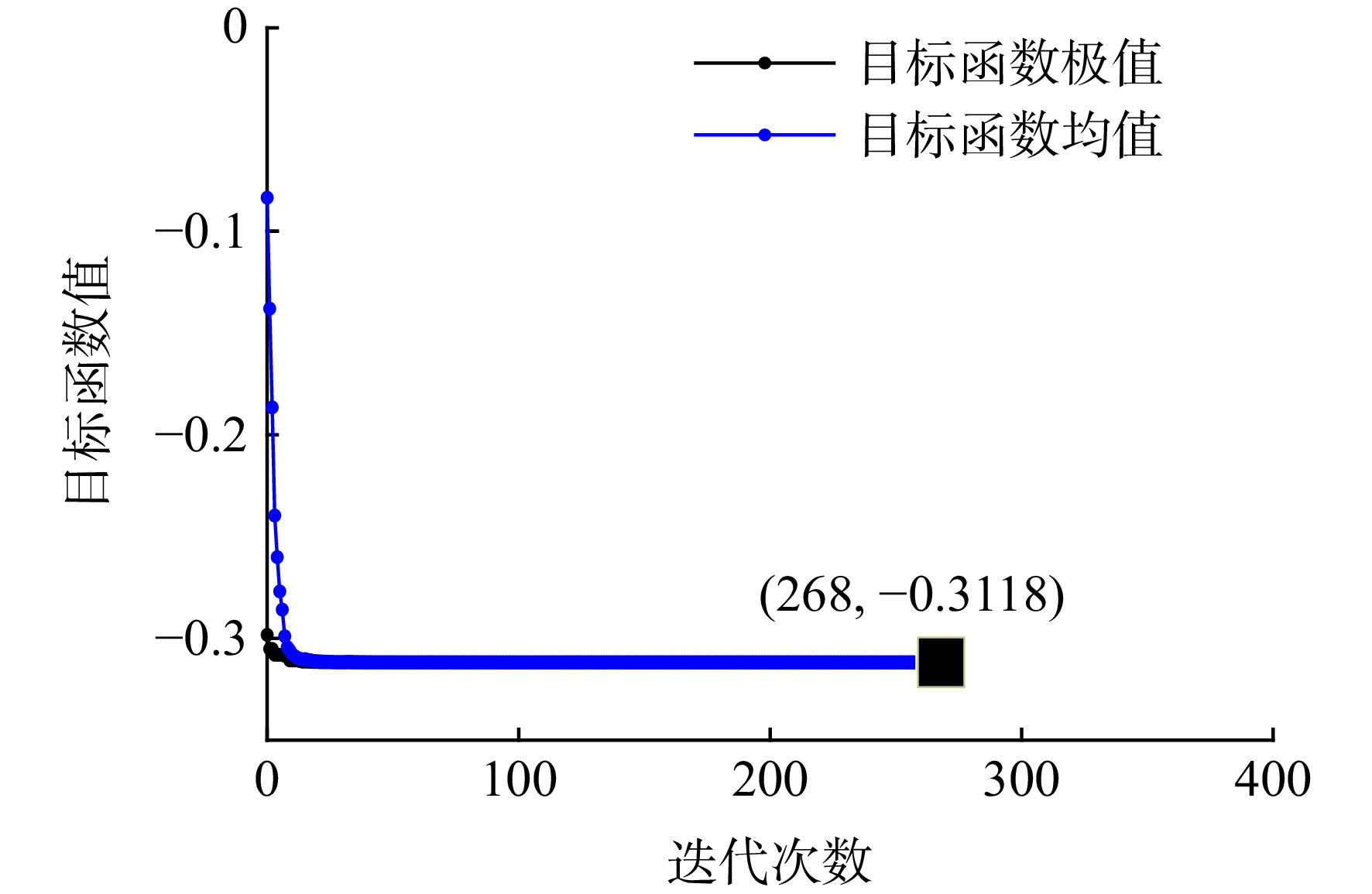
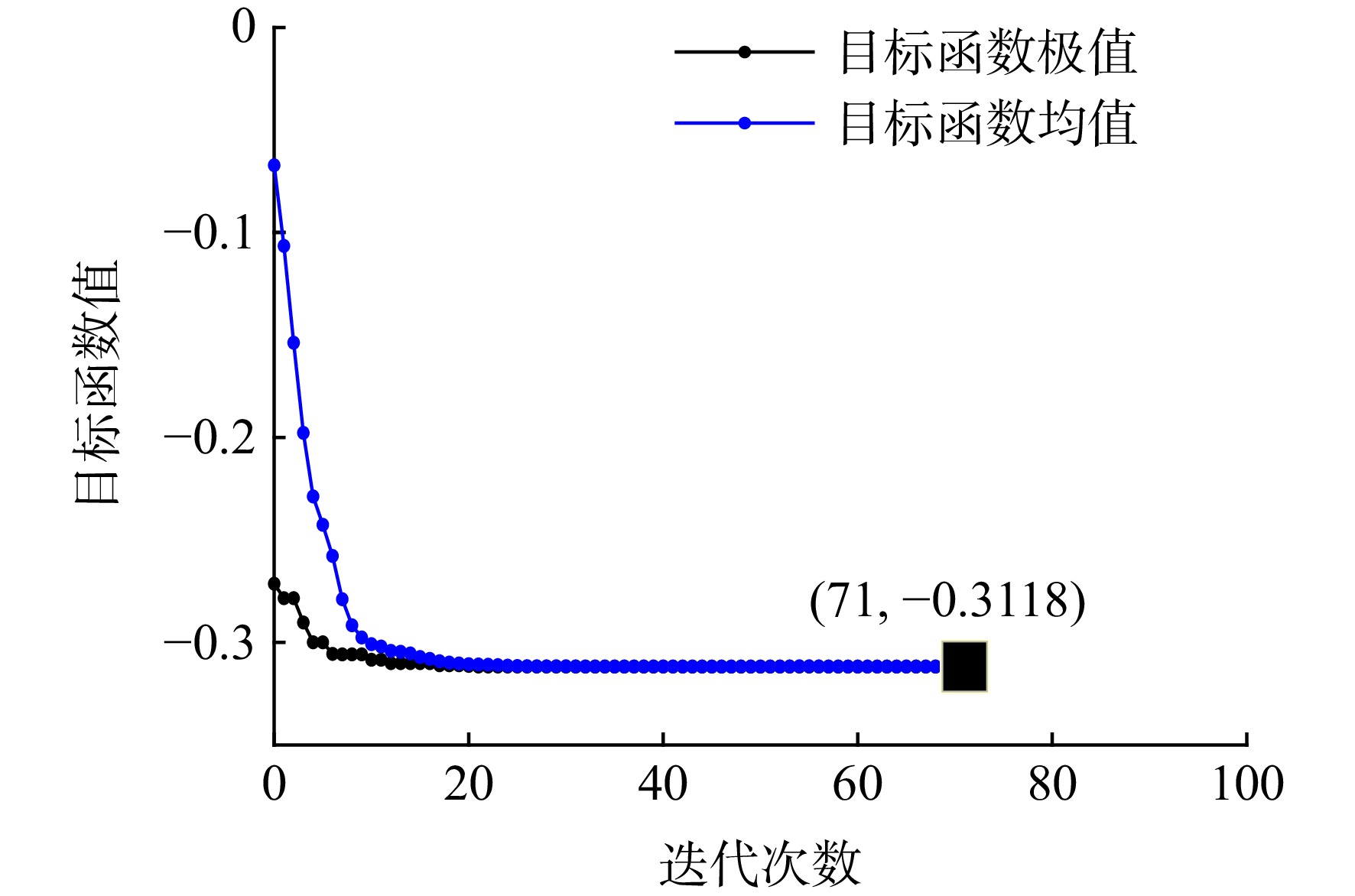
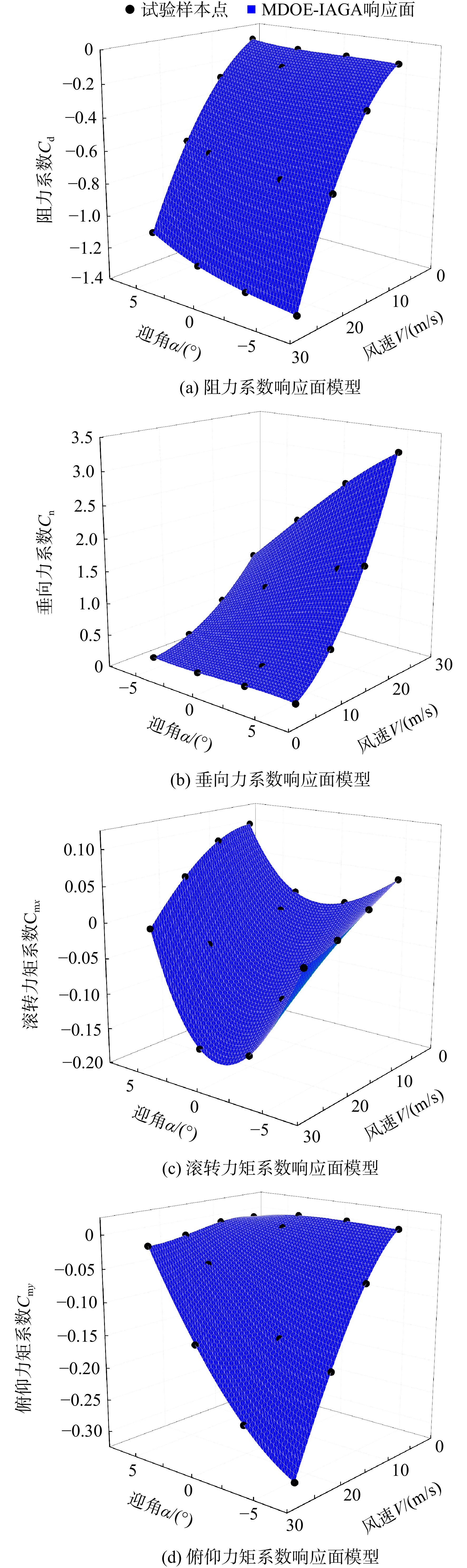
The polynomial response surface model (PRSM) was characterized by its simplicity in modeling and low computational cost, making it widely used in wind tunnel tests based on the modern design of experiments (MDOE) method. However, PRSM cannot process residuals after model fitting, leading to a loss of some model matrix information and increased parameter prediction error. To address this, a residual objective function based on the difference between predicted and measured values was constructed. Then, the crossover and mutation probabilities of the genetic algorithm (GA) were improved by calculating individual fitness values using a roulette wheel selection method. This contributed to the establishment of an MDOE method optimized by an improved adaptive genetic algorithm (IAGA) for PRSM, which was applied to aircraft wind tunnel tests. The results showed that the MDOE method required only about 35% of the experimental points needed by the one factor according to OFAT method. Compared with the traditional GA-based MDOE method, the IAGA-based MDOE method decreased the prediction error of the response surface model by 1.263% and increased the average iteration speed by 3.76 times, which effectively improved the efficiency of wind tunnel tests.

Influence of rigid rotor parameters on longitudinal dynamic stability
CHEN Jinhe, SUO Qian, ZHANG Wei, LI Chunhua, KANG Lei
2025, 40(12): 20240847. doi: 10.13224/j.cnki.jasp.20240847
Abstract:
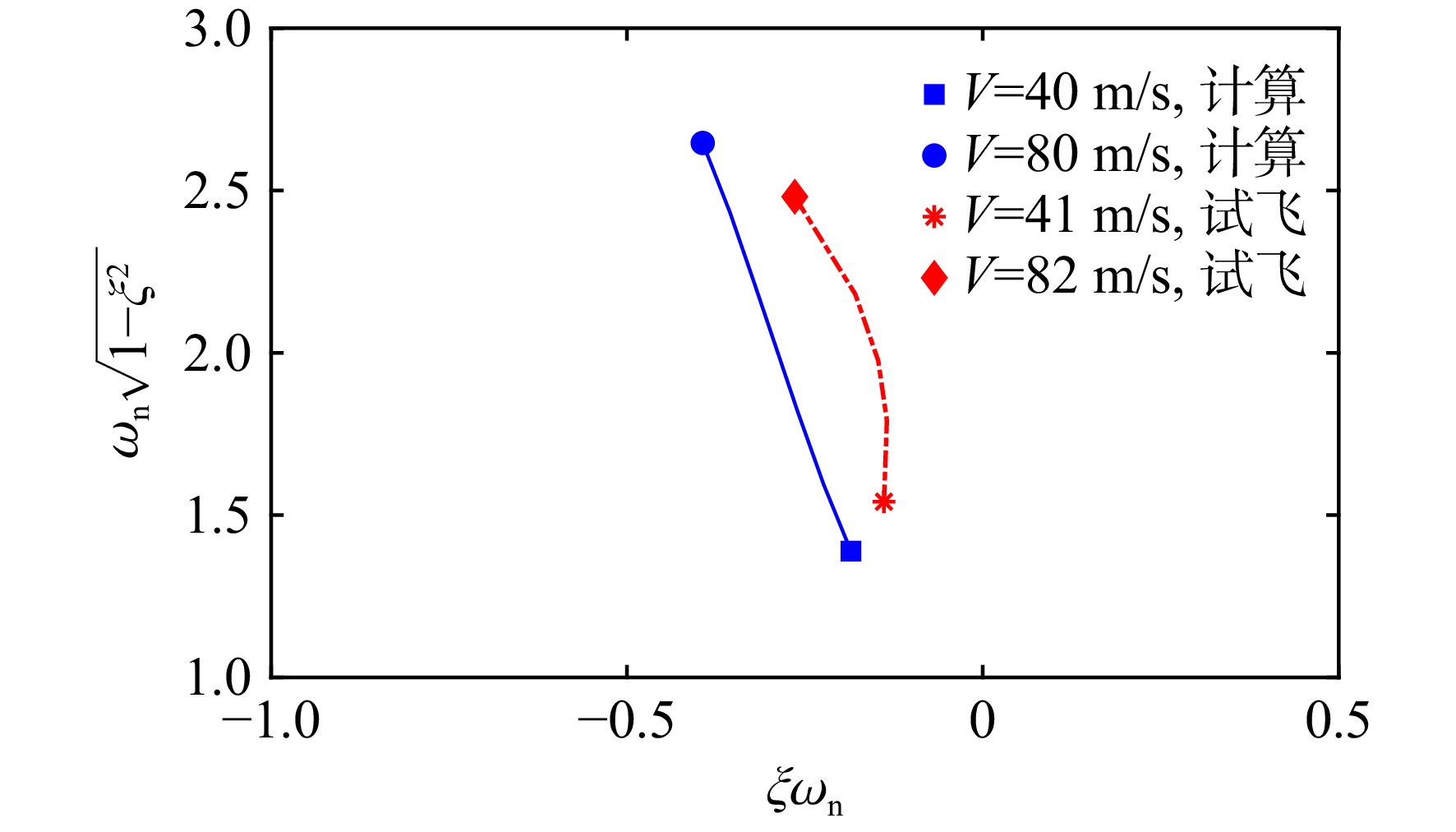
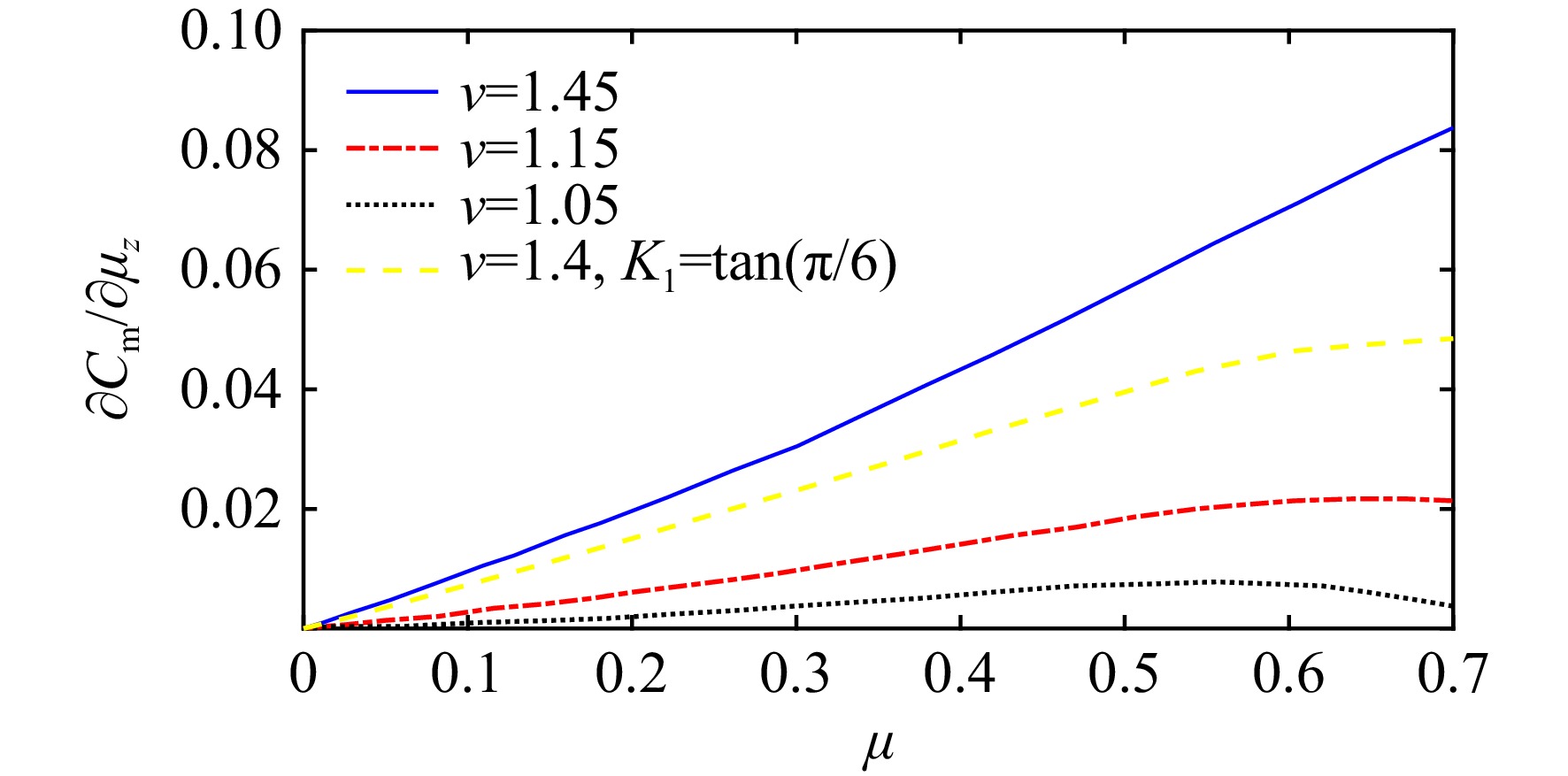
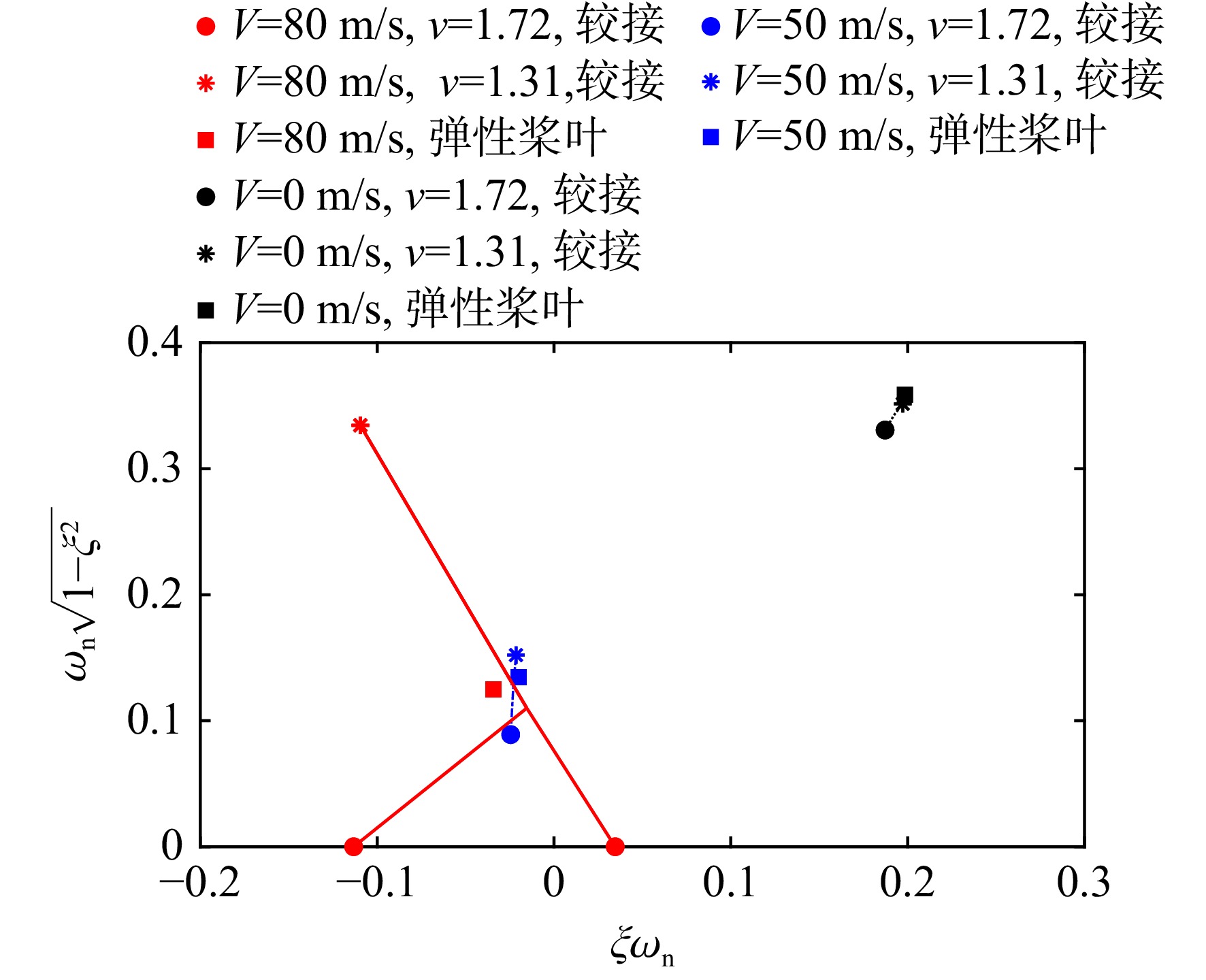
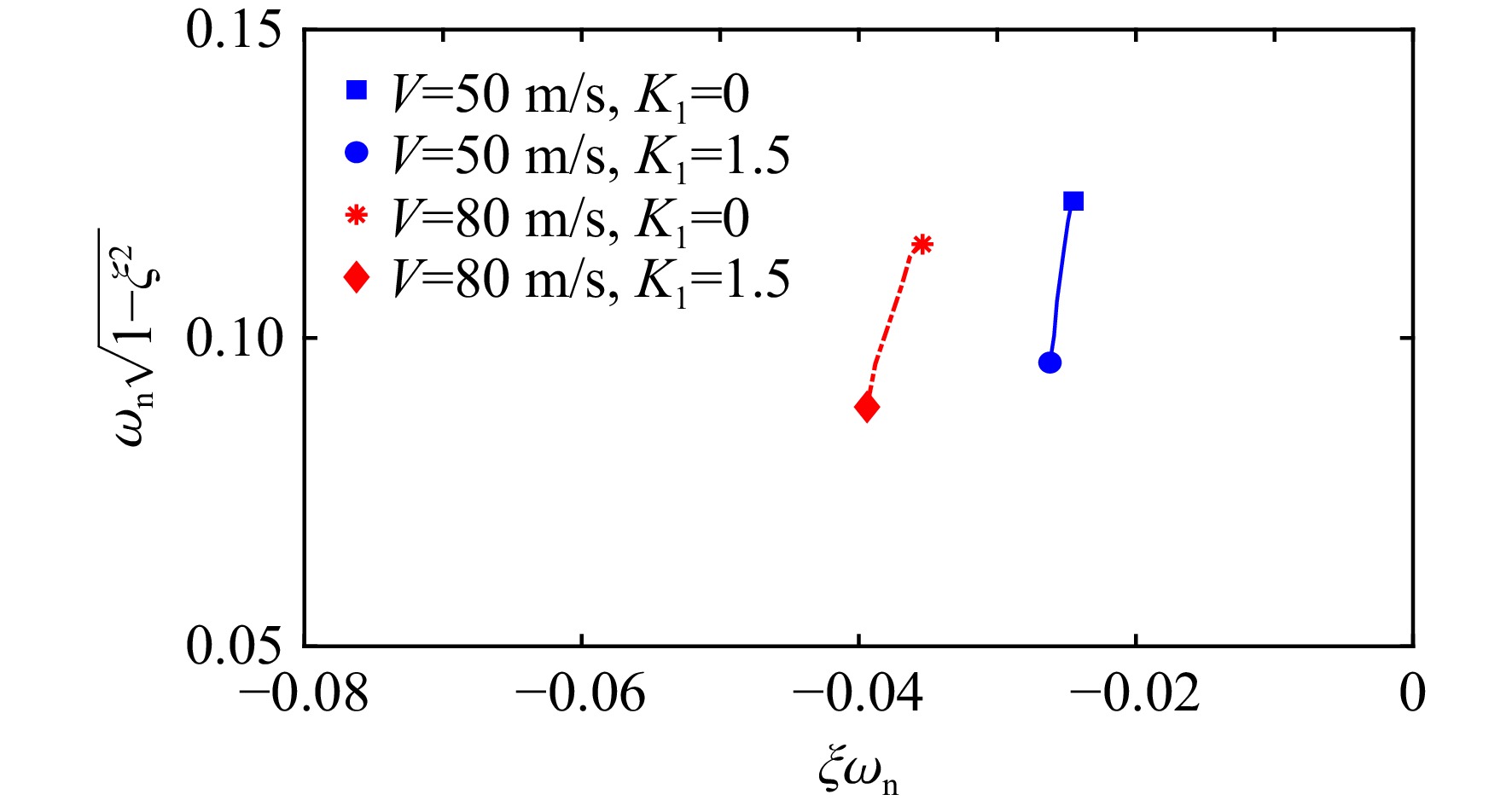
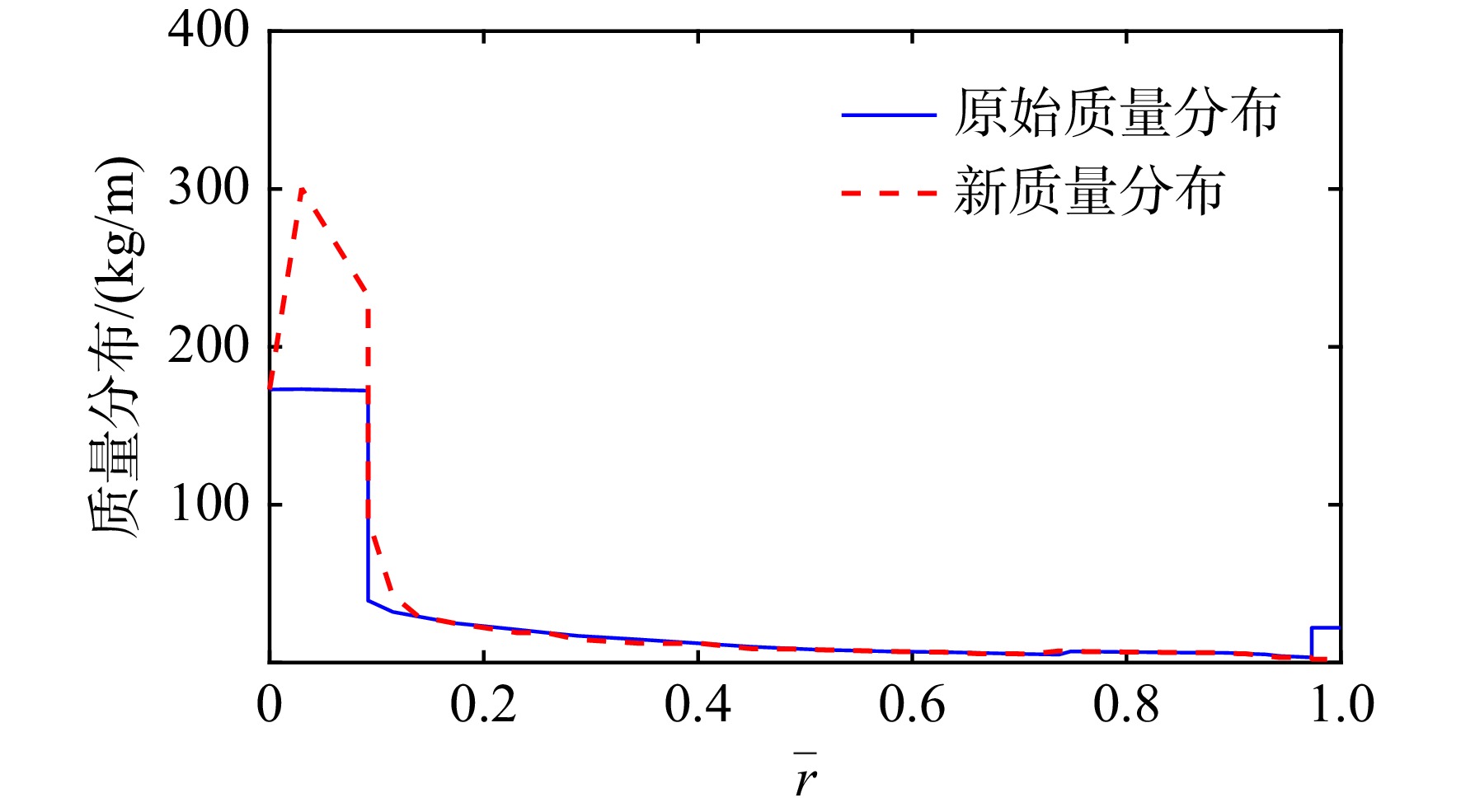
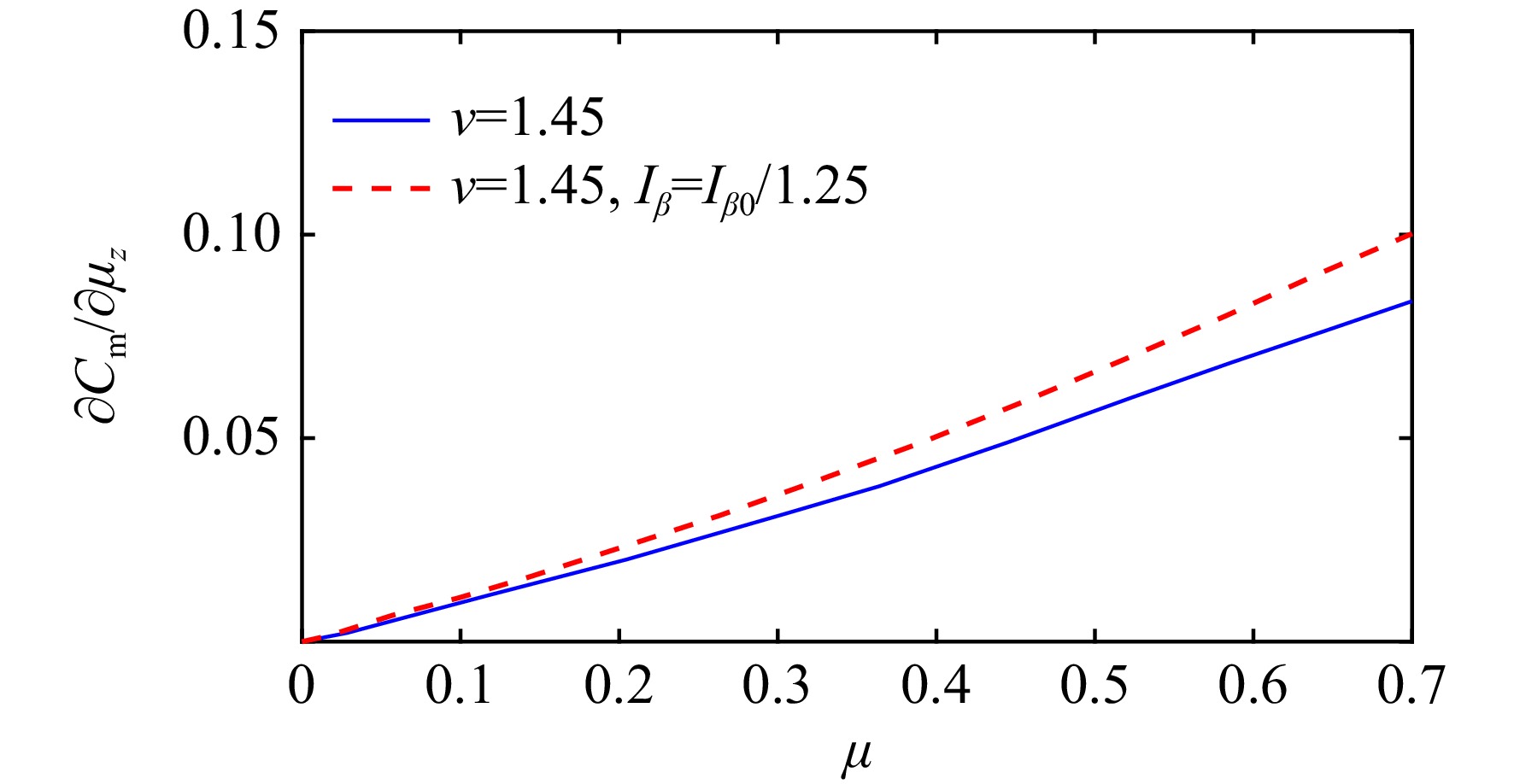
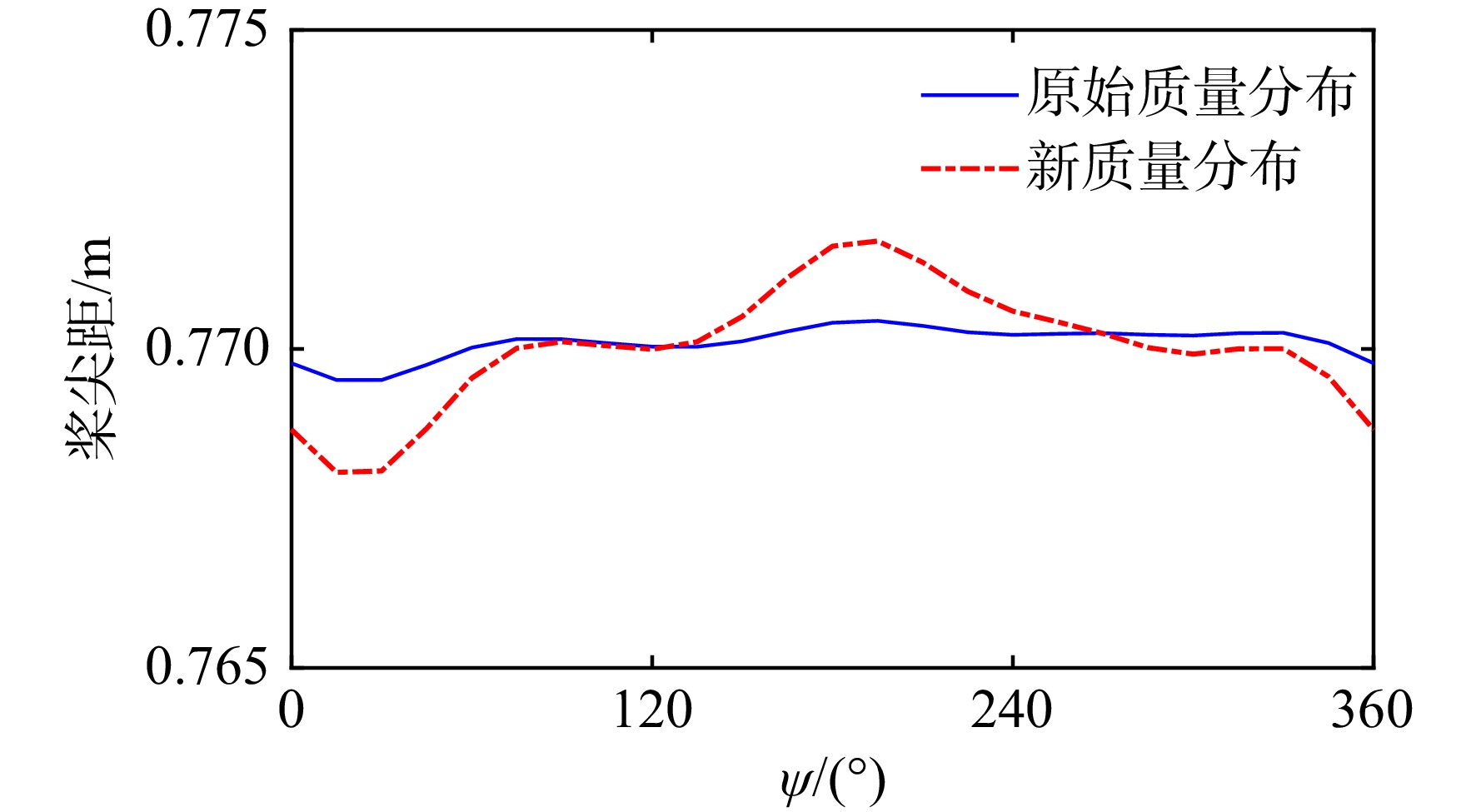
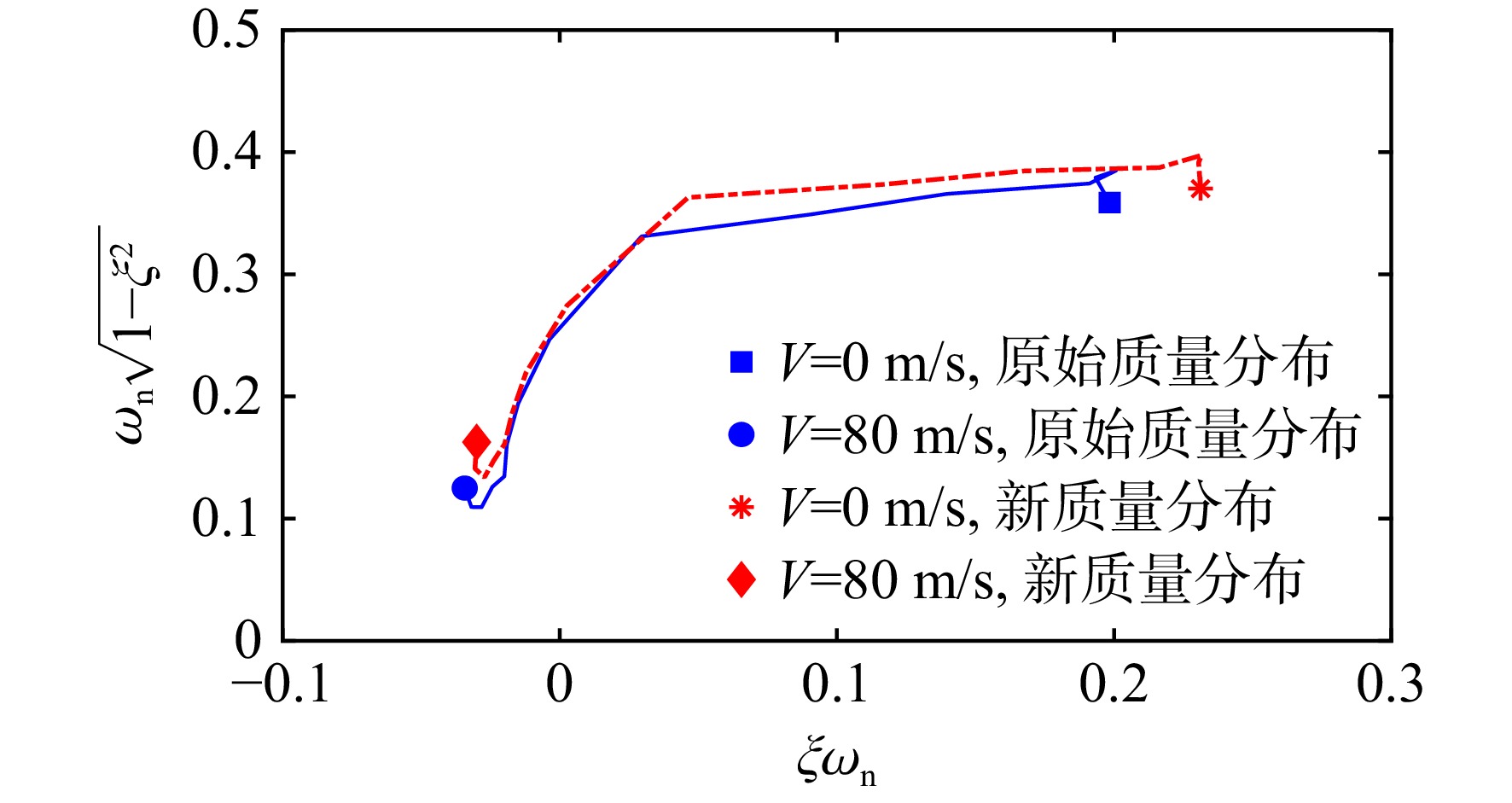
The longitudinal dynamic stability characteristics of a coaxial rigid rotor helicopter in forward flight are greatly affected by the rotor design parameters. The main design parameters of advancing blade concept rotor were calculated and analyzed. CAMRAD Ⅱ was used to establish XH-59A coaxial high speed helicopter model. The effects of rotor blade flapping frequency, pitch-flapping, blade mass distribution, the position between blade center of gravity-aerodynamic center (CG-AC) and torsional stiffness on the longitudinal long period modes of coaxial helicopter were analyzed. The results showed that: the higher flapping frequency of a rigid blade indicated the stronger rotor angle-of-attack instability and increased with forward flight speed. Positive pitch-flap coupling, large flapping inertia moment and center of gravity (CG) located in front of aerodynamic center (AC) effectively reduced angle of attack instability for rigid rotor and improved the longitudinal dynamic stability of the helicopter; the large torsional stiffness suppressed the blade torsional modes, thus suppressing the influence of the blade CG-AC on the longitudinal long-period modes.

Aerodynamics design and off-design condition analysis of 1+1/2 counter-rotating turbine
ZHANG Chaowei, WANG Tao, CHI Gen
2025, 40(12): 20240266. doi: 10.13224/j.cnki.jasp.20240266
Abstract:

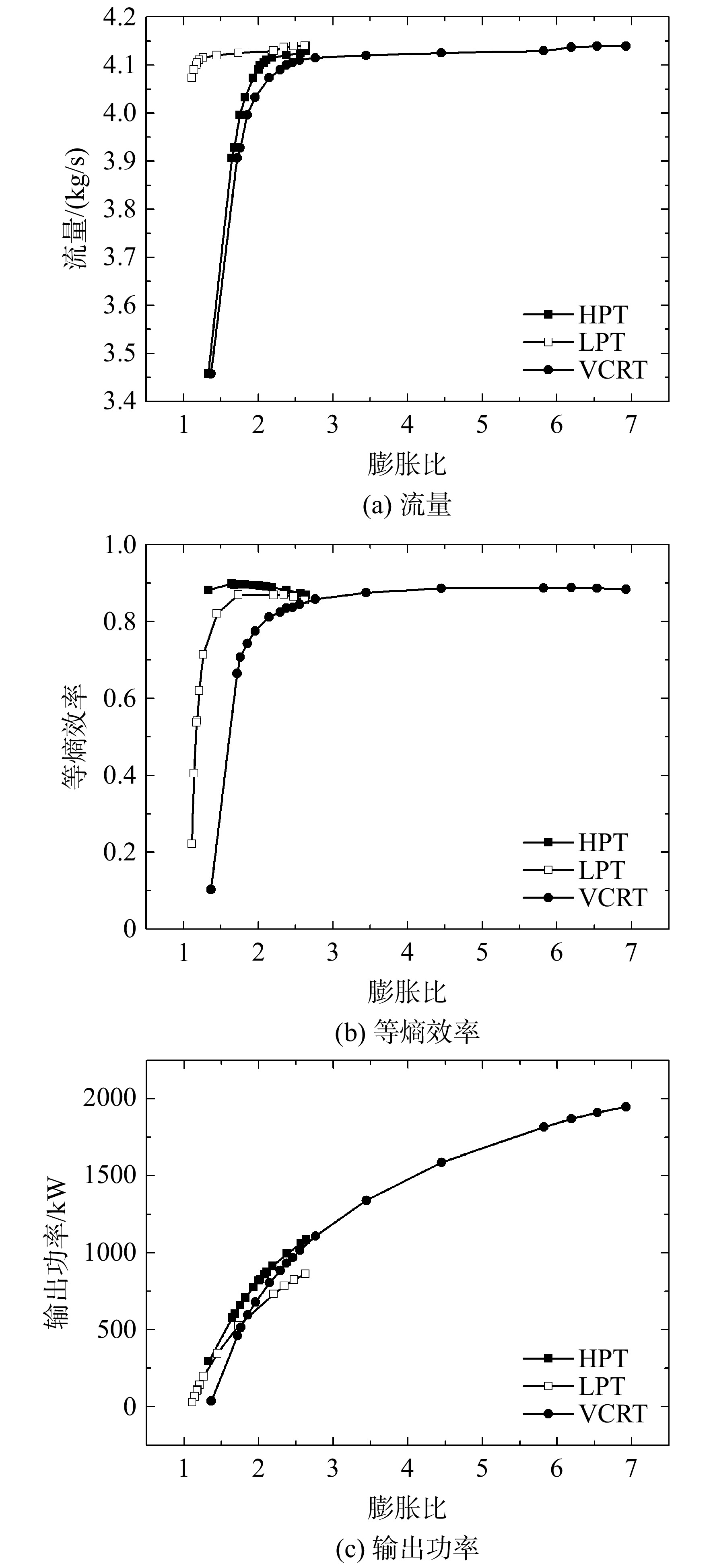
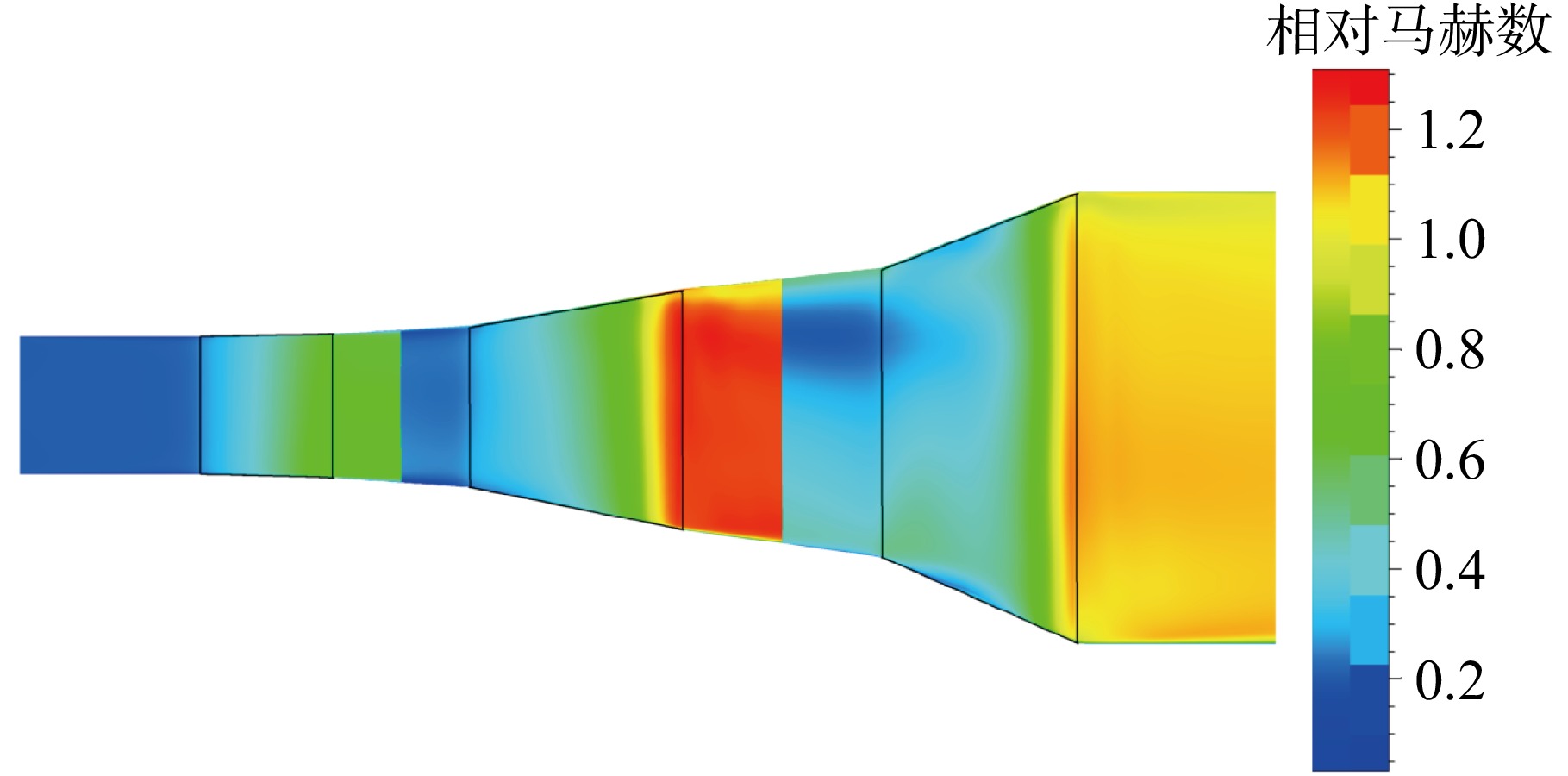
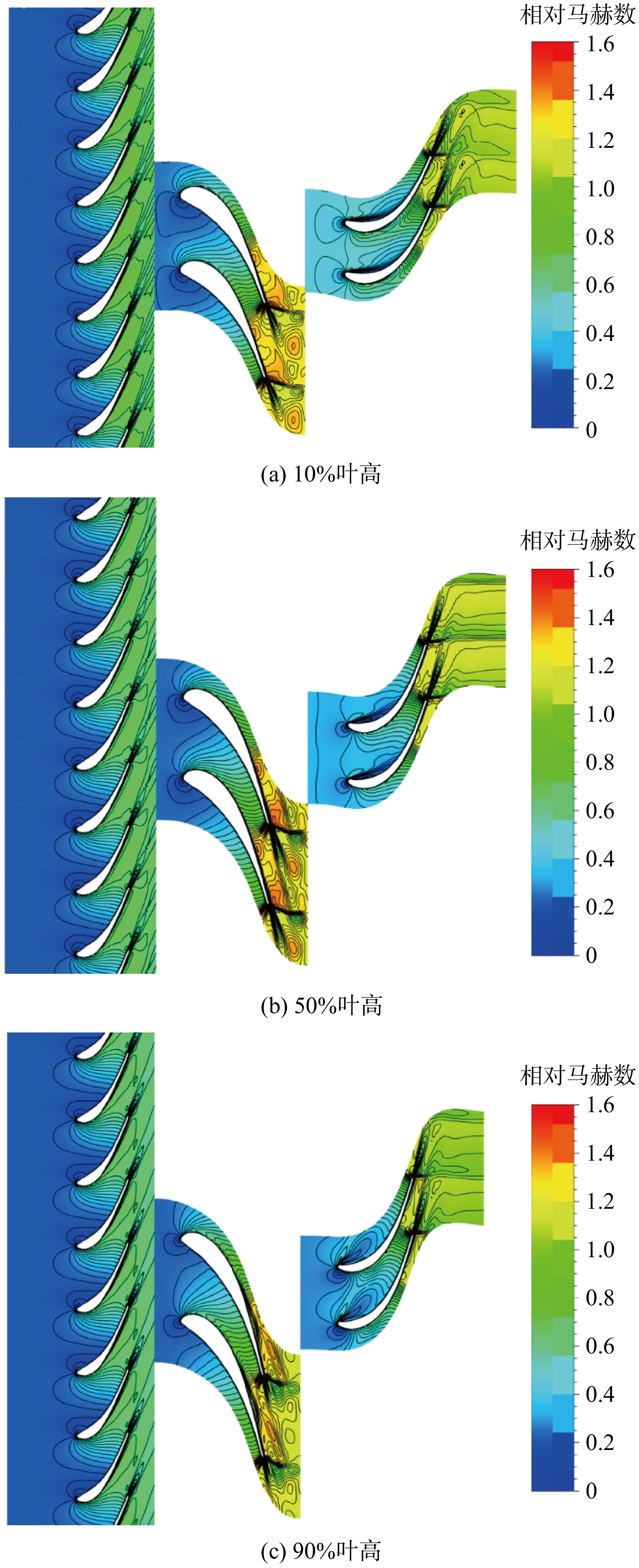
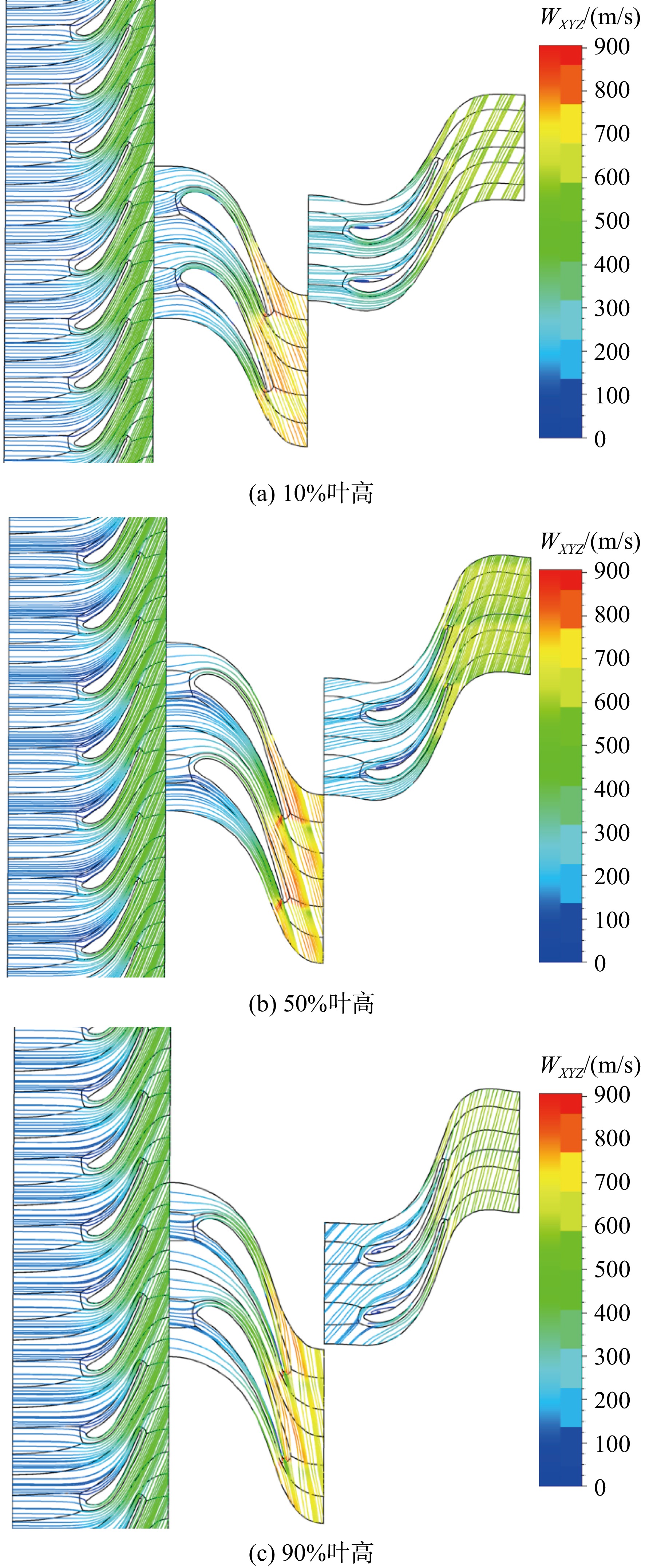
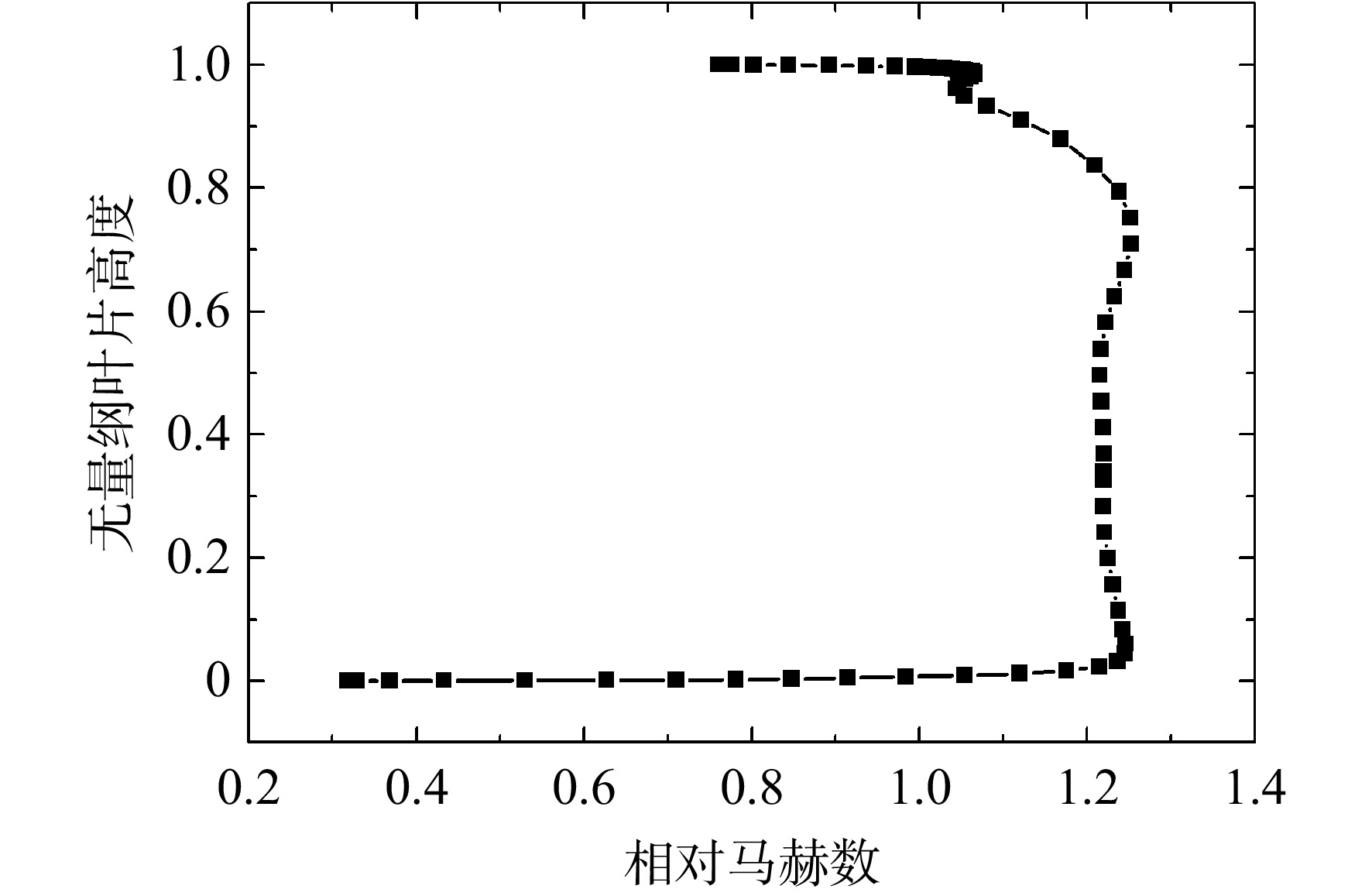
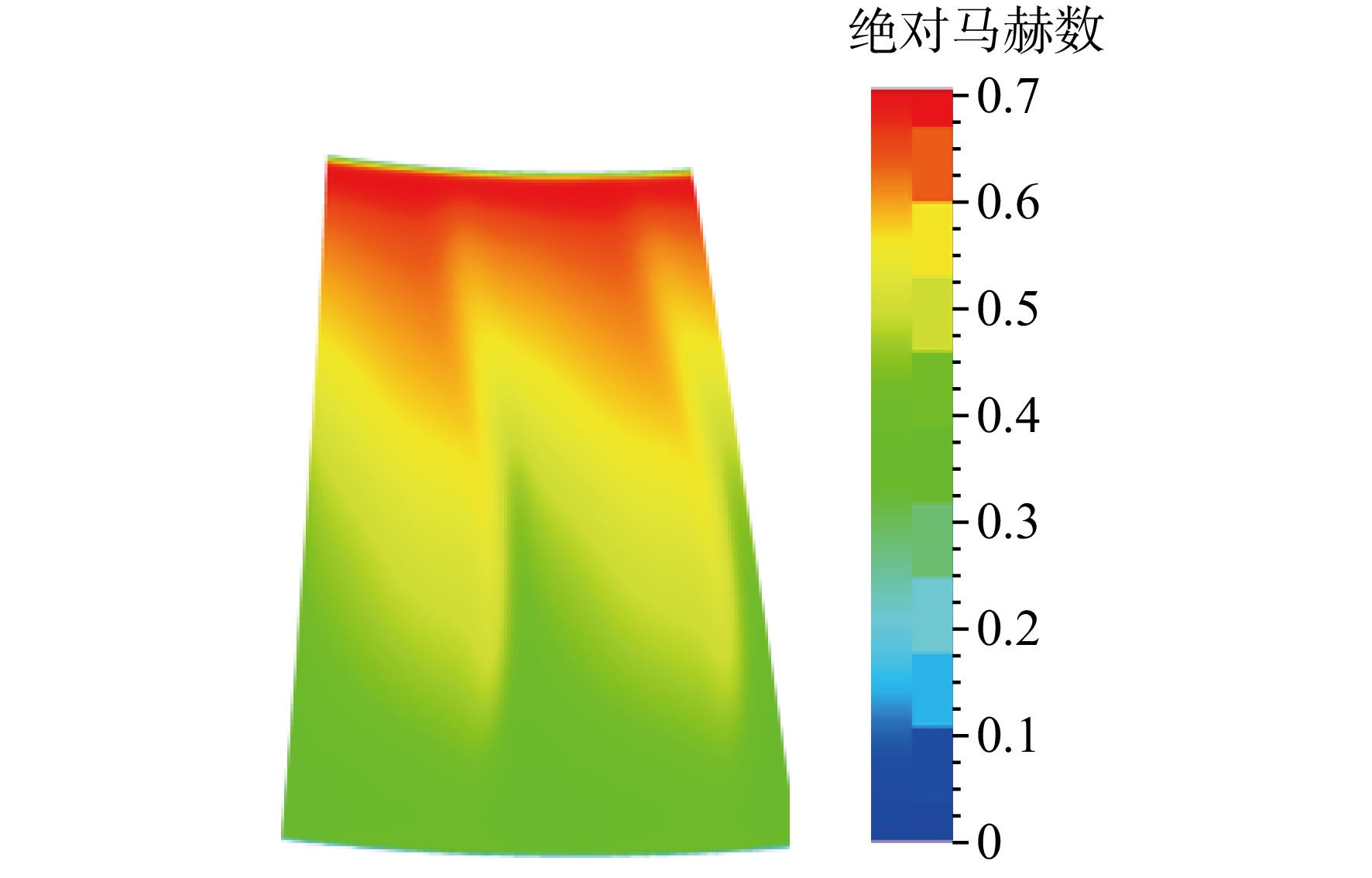
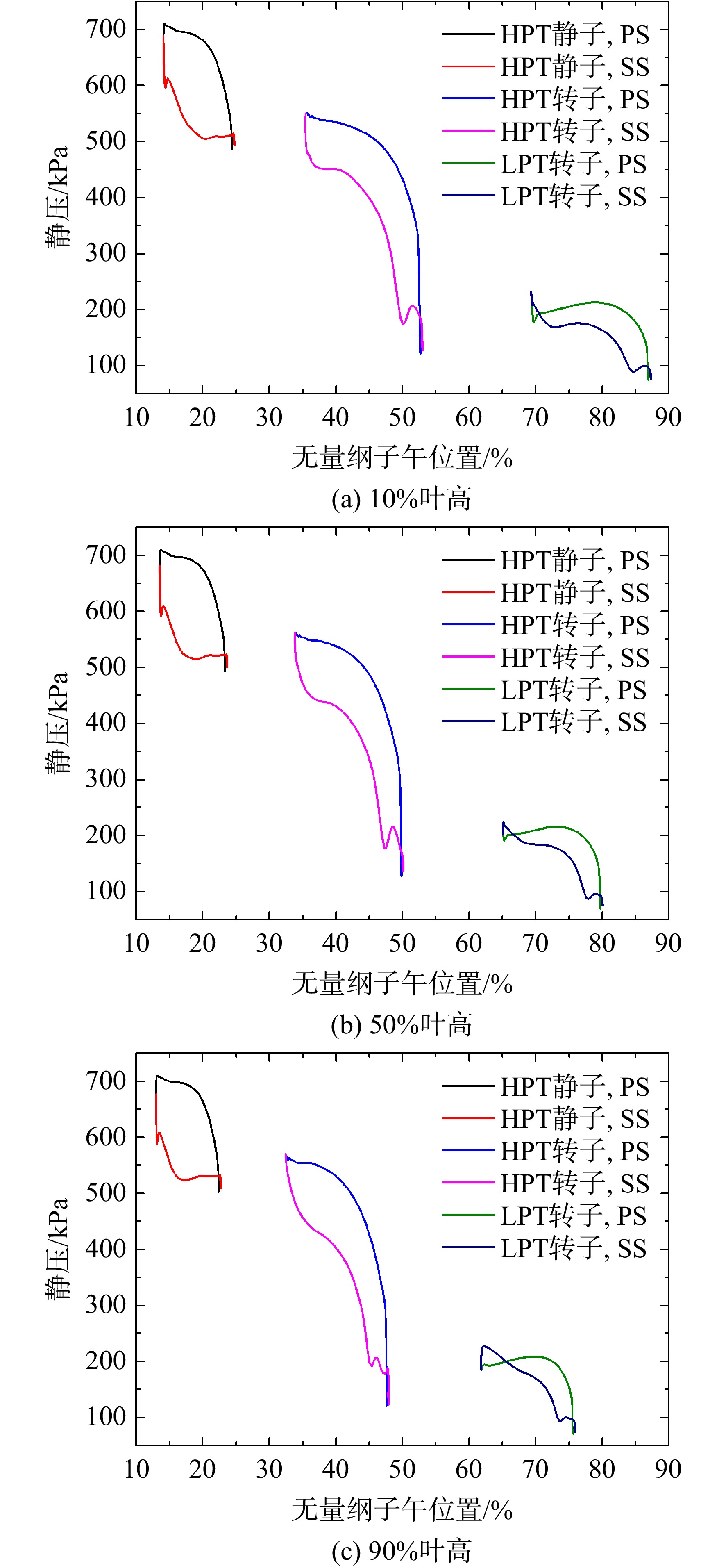
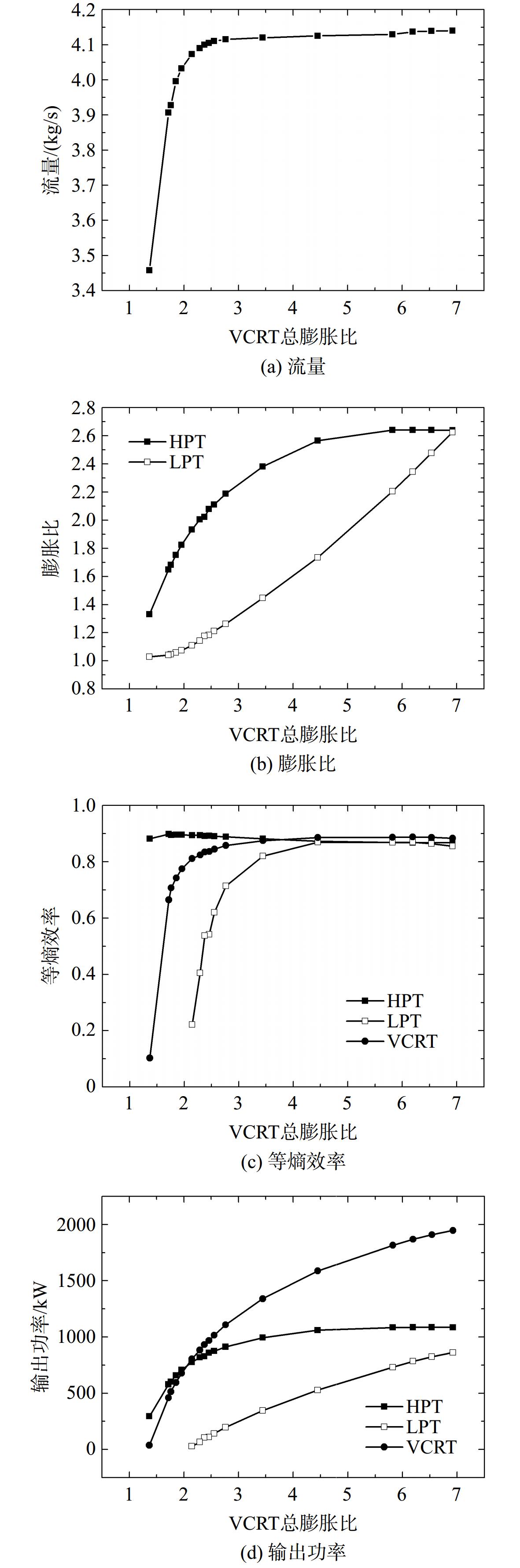
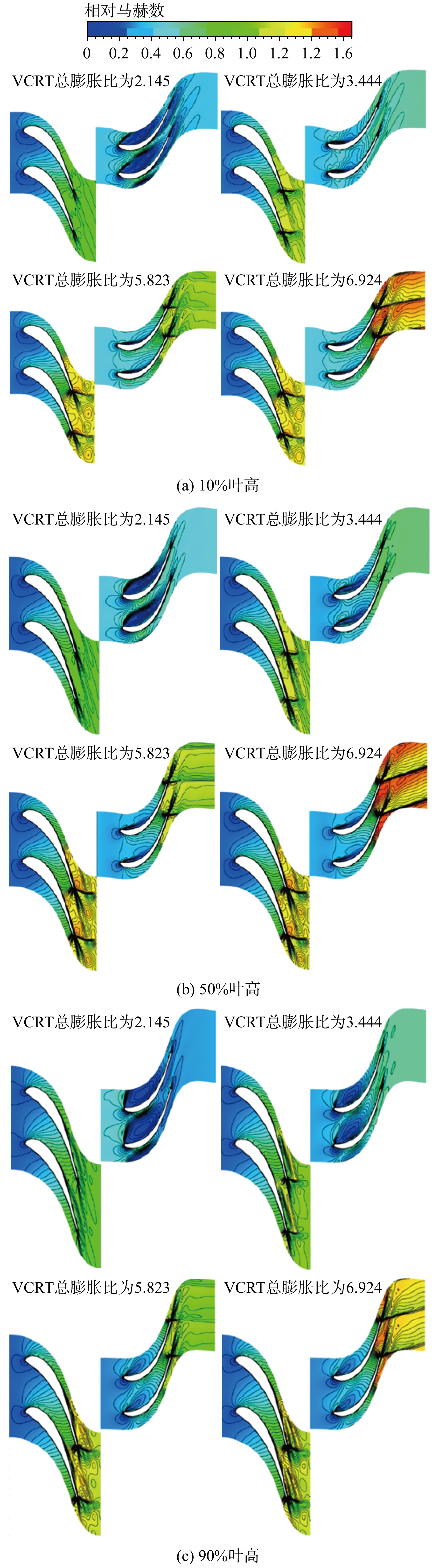
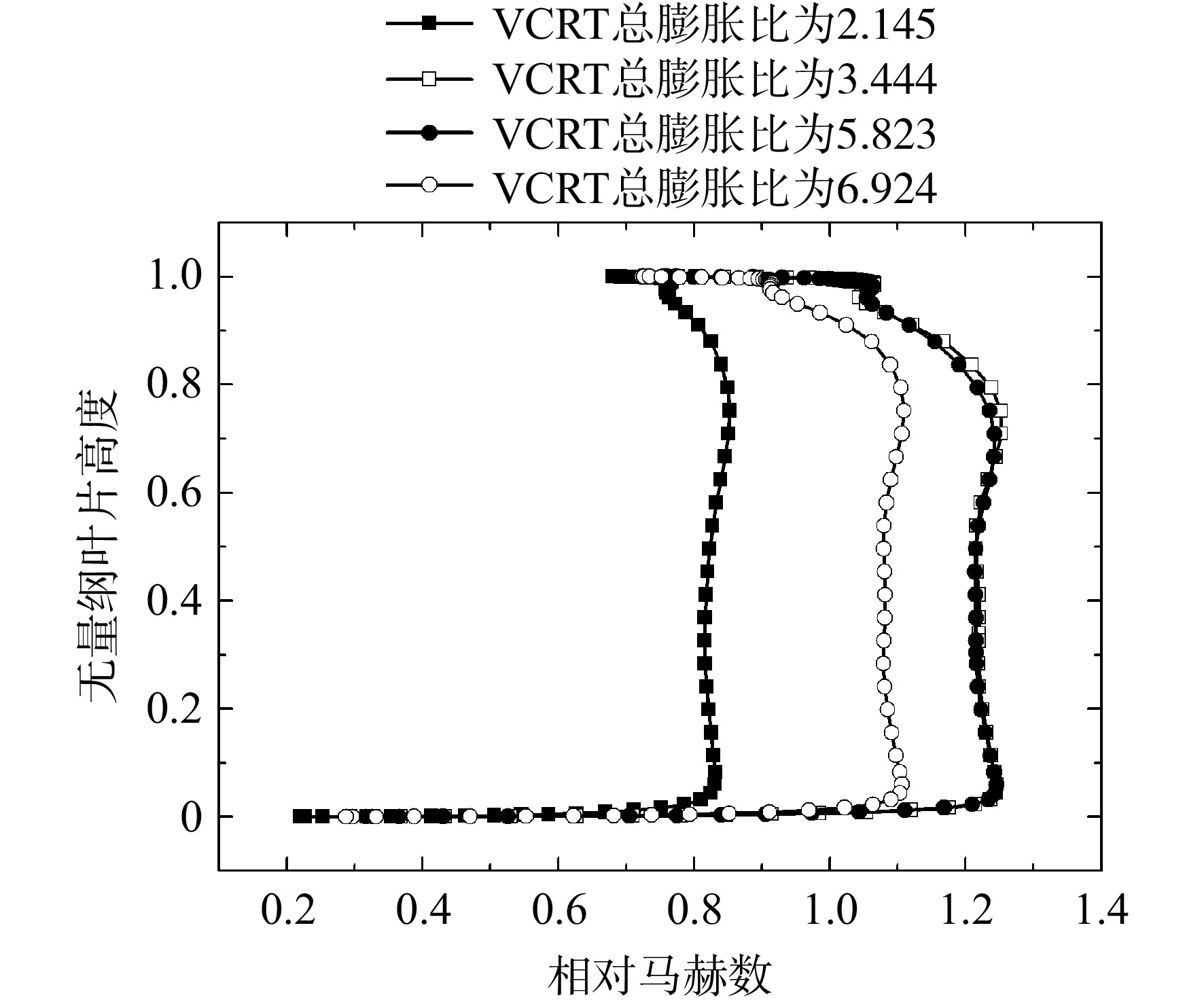
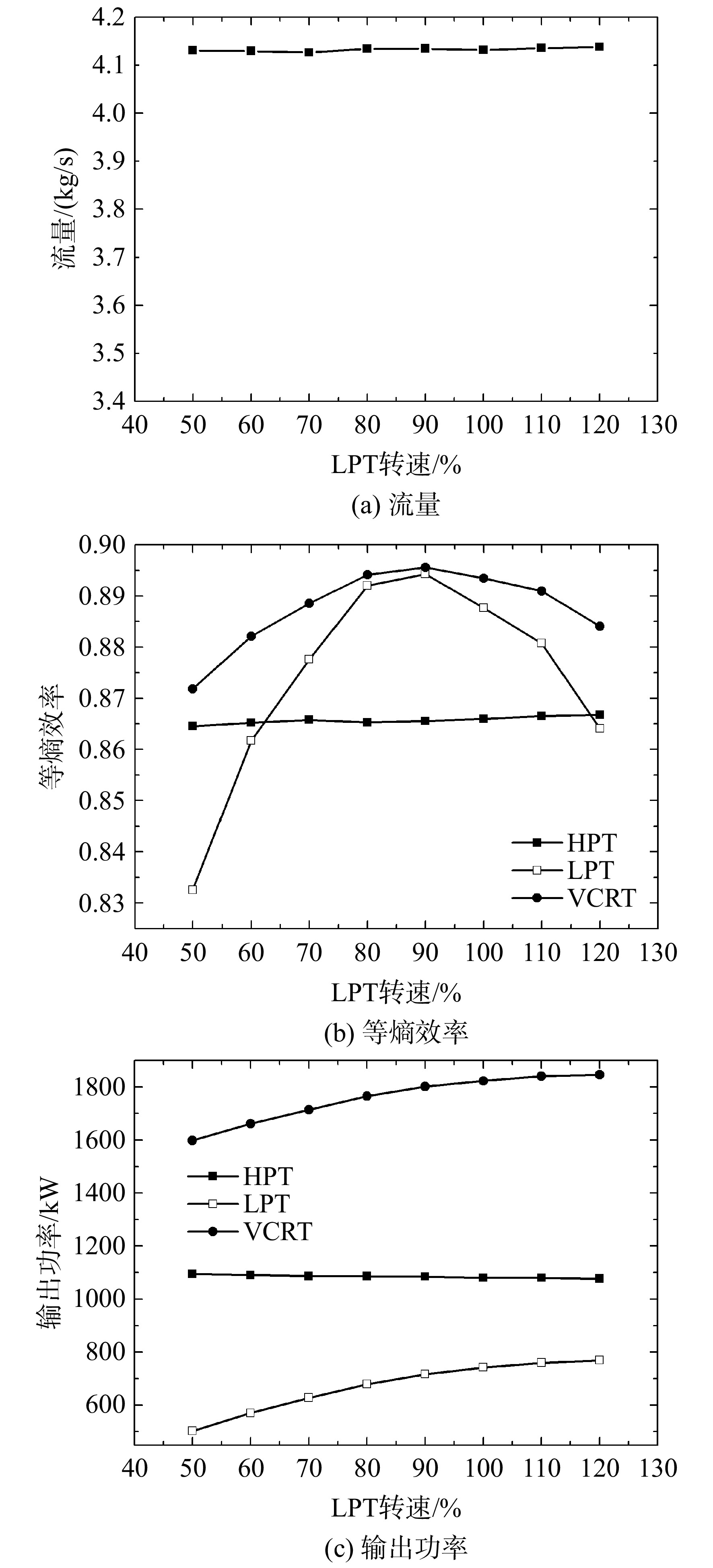
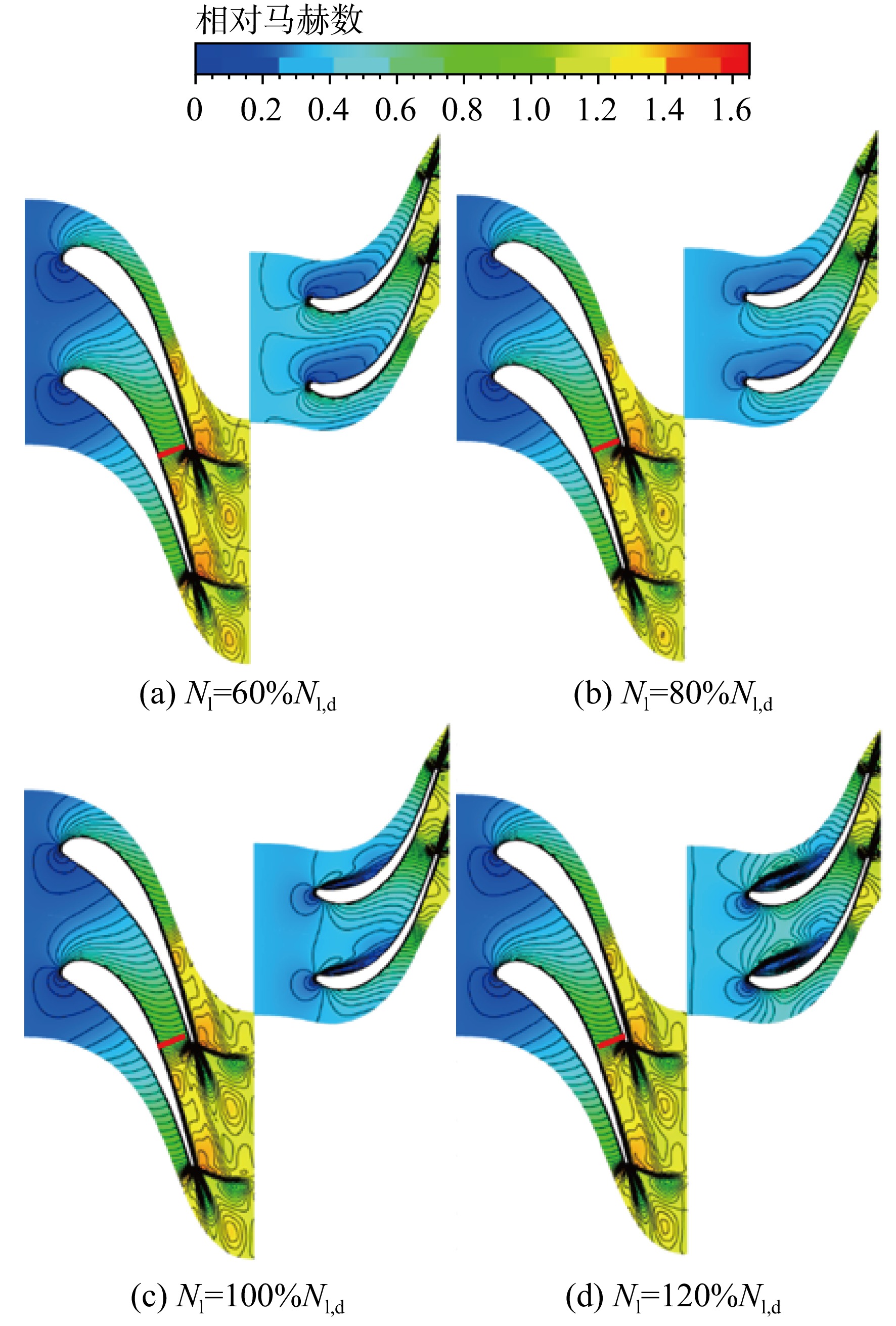
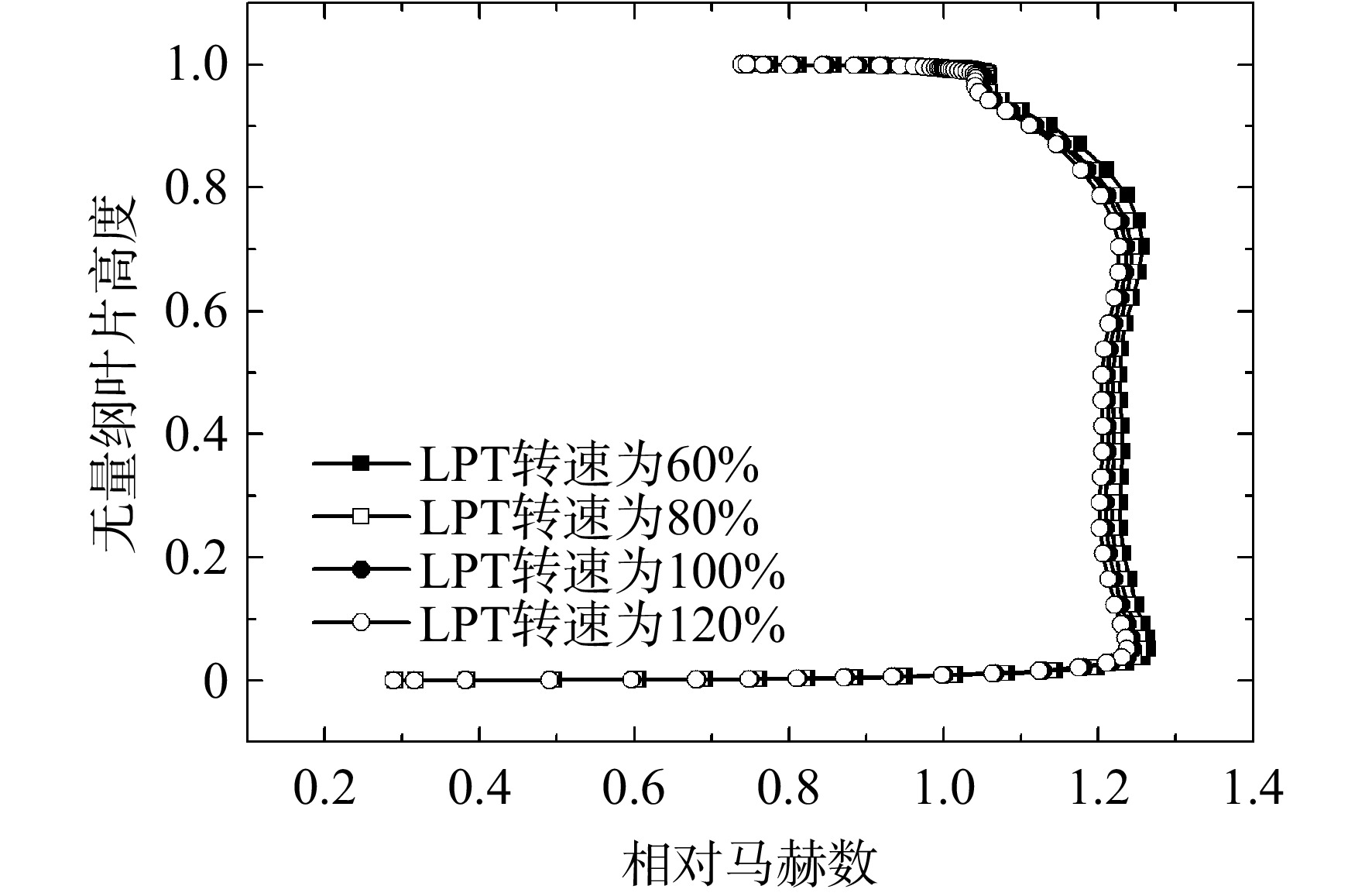
Compared with the conventional turbines, counter-rotating turbines have the advantages of high efficiency, light weight and small gyroscopic torque, and have been widely used in military and civil aviation engines. The 3D aerodynamics design of 1+1/2 vaneless counter-rotating turbine (VCRT) was carried out by commercial software, and numerical simulation was completed. The results showed that when the mass flow rate was 4.13 kg/s, the overall expansion ratio was 5.823. The high pressure turbine (HPT) expansion ratio was 2.641, and the low pressure turbine (LPT) expansion ratio reached 2.205. The VCRT isentropy efficiency was 88.70%, and the total output power was 1815.2 kW, which met the design requirements. The flow loss analysis of the VCRT at the design condition showed that the intensity of the dovetail shock wave at the trailing edge of HPT rotor was the highest at the 50% span, and gradually weakened to the root and tip of the blade. There was a little flow separation on the pressure surface of the LPT inlet. Moreover, the off-design conditions of the 1+1/2 counter-rotating turbine were analyzed. It was found that with the increase of the VCRT expansion ratio, the intensity of shock wave at the trailing edge of the HPT rotor gradually increased, and the flow separation of LPT was weakened. Therefore, the isentropic efficiency of HPT decreased, and the overall isentropic efficiency and LPT isentropic efficiency increased first and then kept unchanged. With the increase of the LPT rotational speed, the mass flow rate of VCRT was almost constant, the overall isentropic efficiency increased first and then decreased, and the output power increased gradually.

Analysis of lift fan system parameter matching and operating characteristics
JIANG Tianmu, ZHANG Xiaobo, WANG Zhanxue, LIU Yongquan, SONG Weifeng
2025, 40(12): 20230789. doi: 10.13224/j.cnki.jasp.20230789
Abstract:
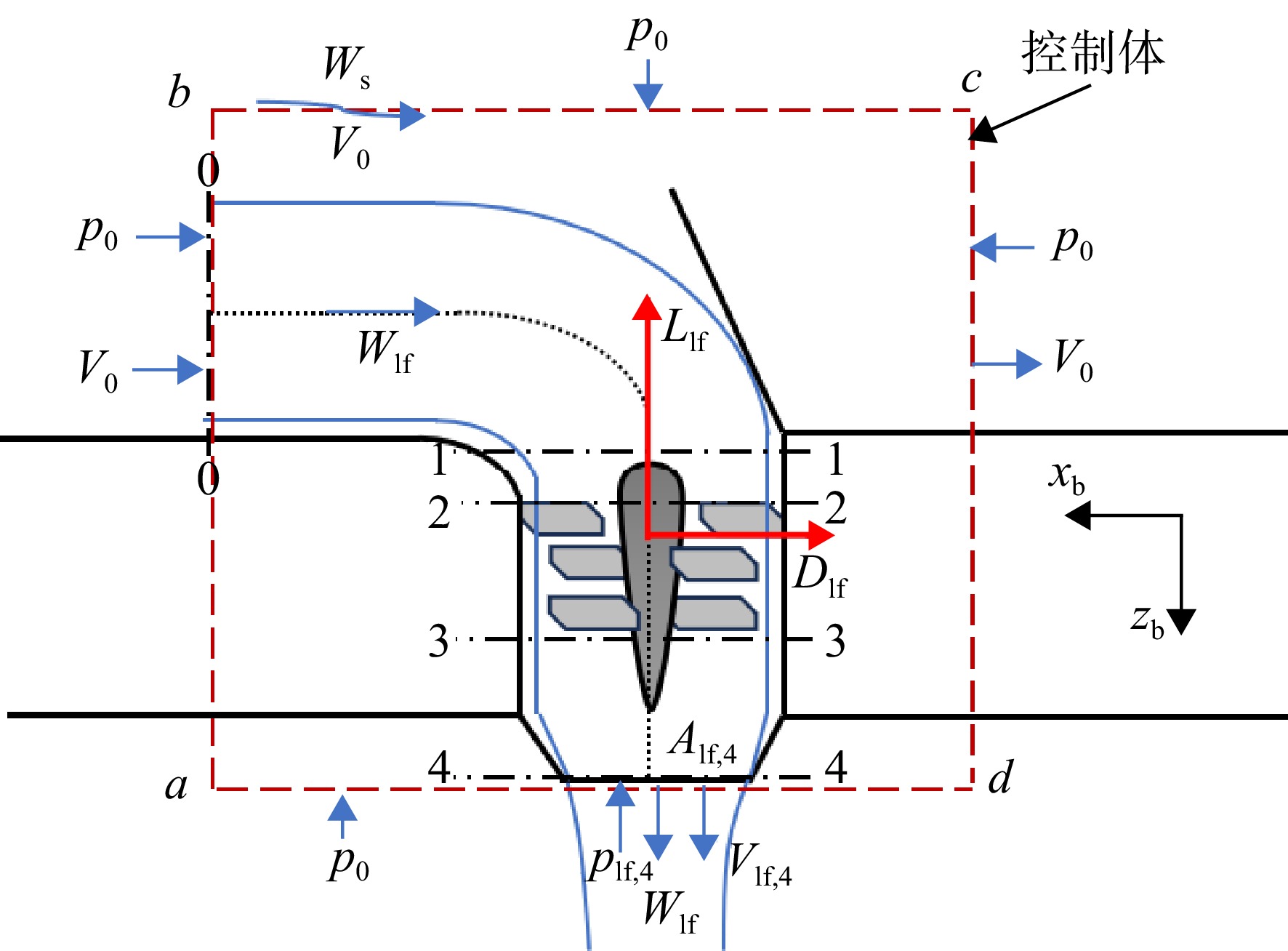
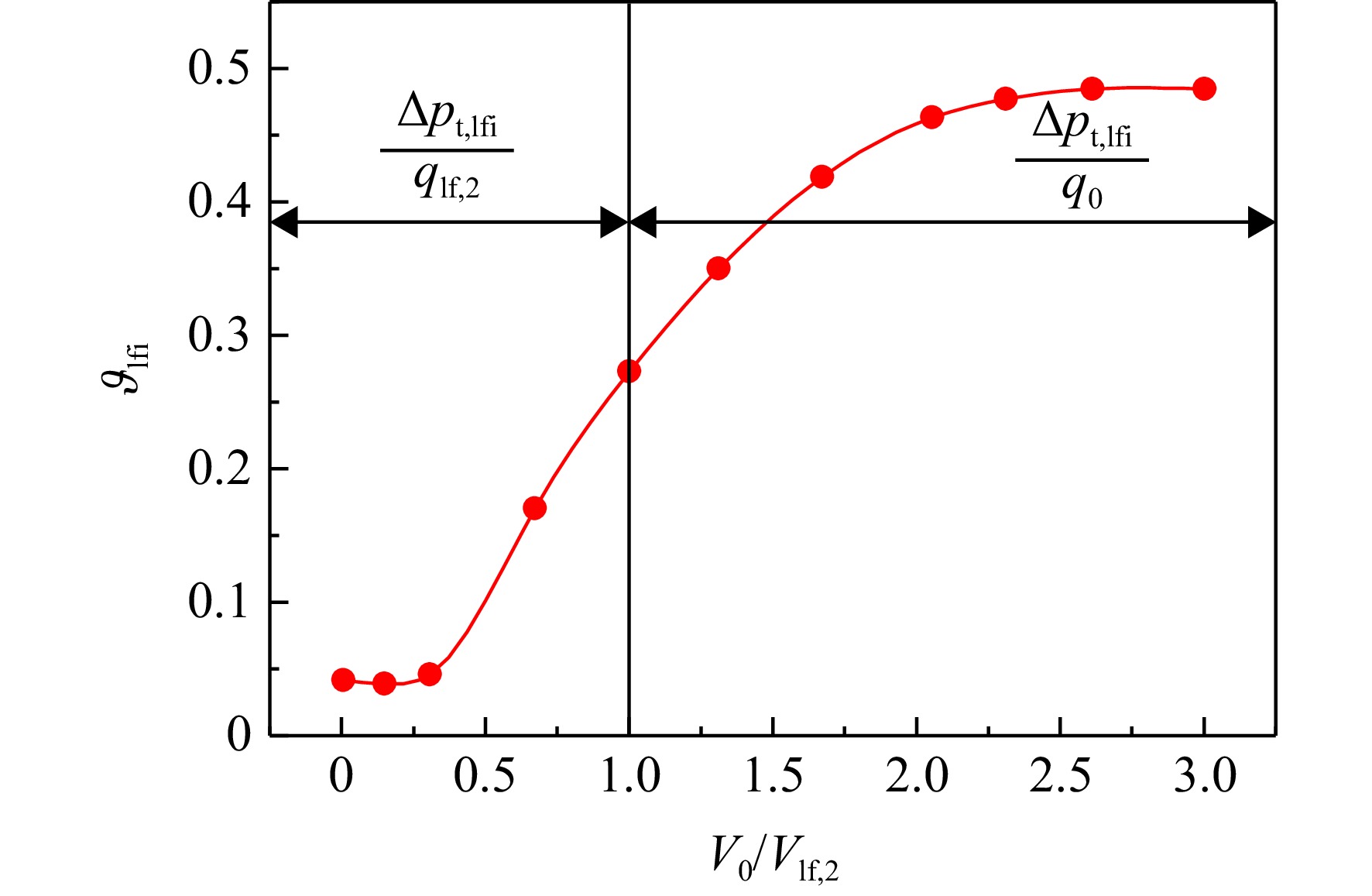
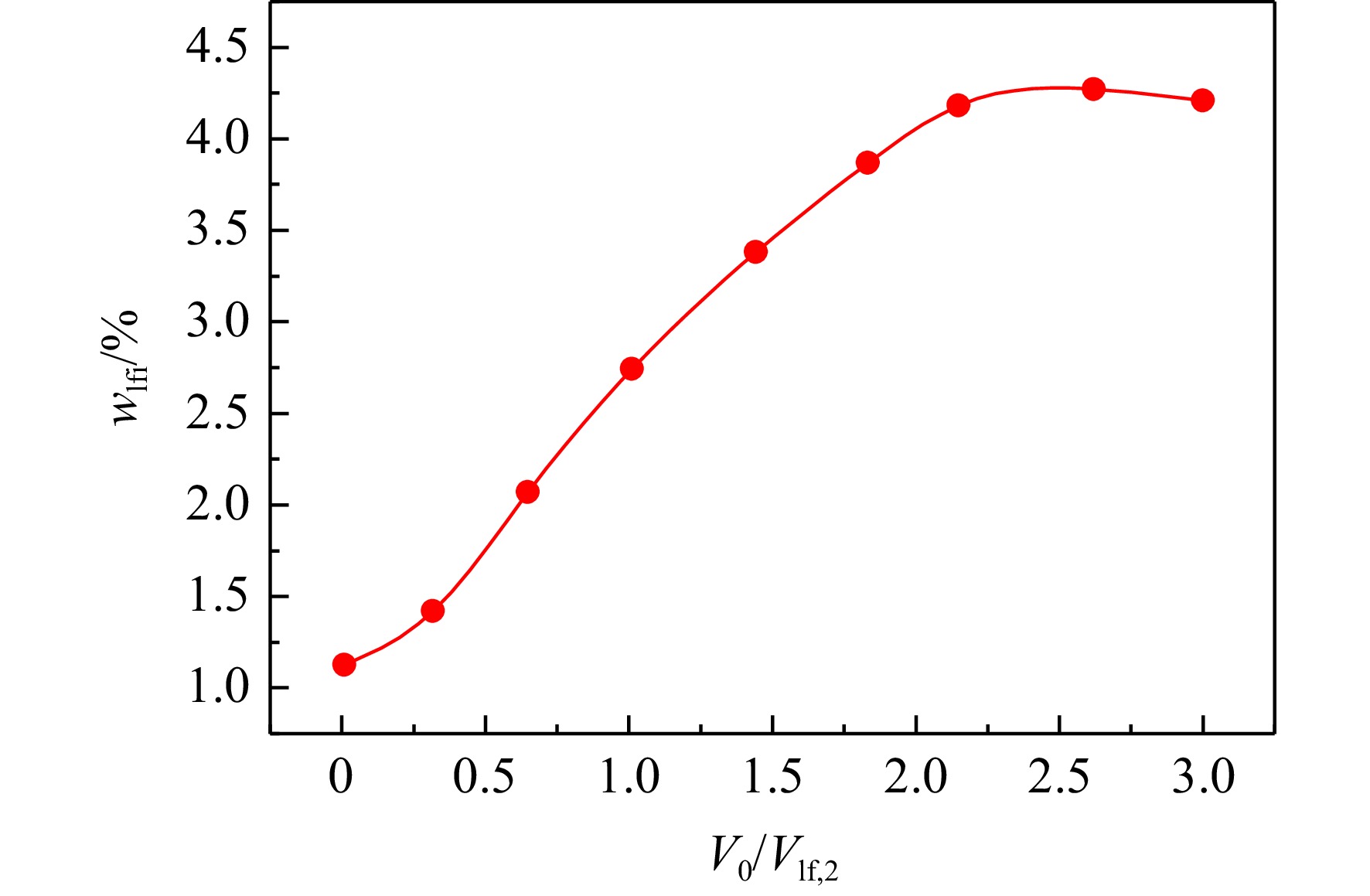
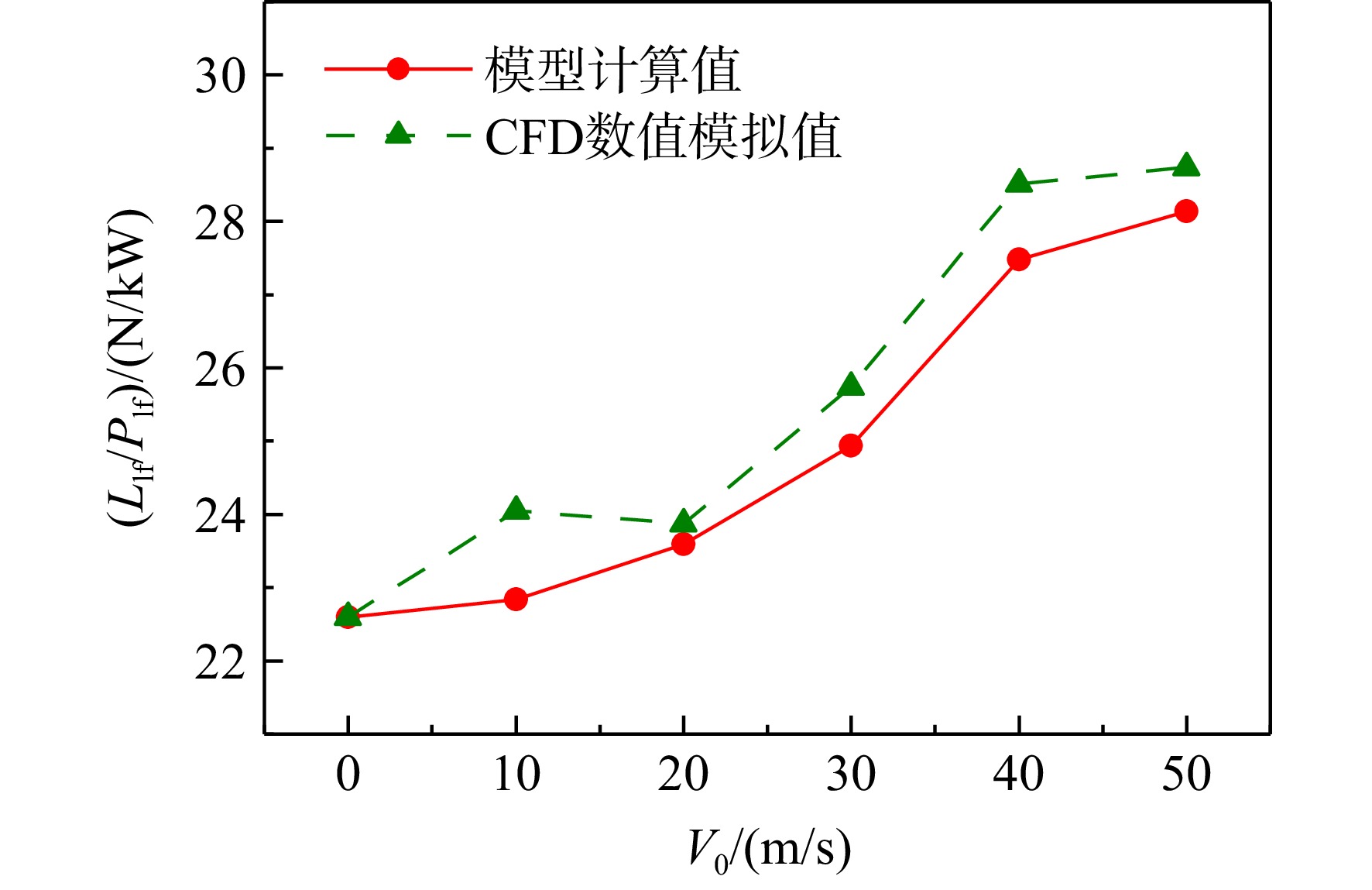
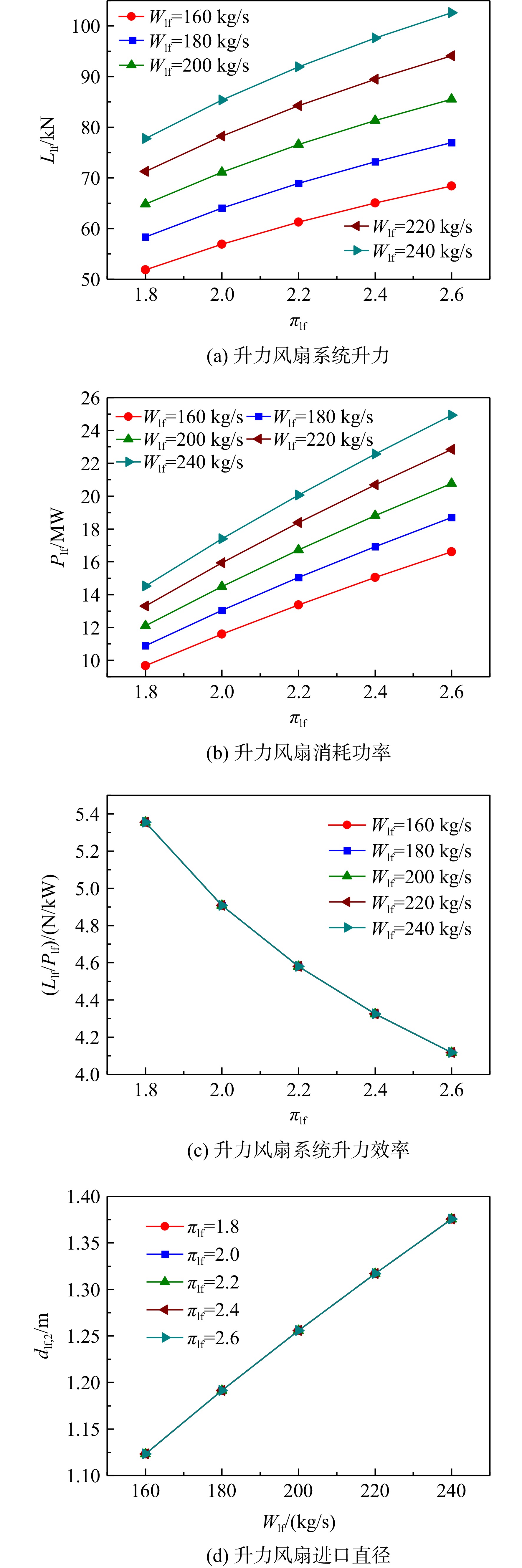
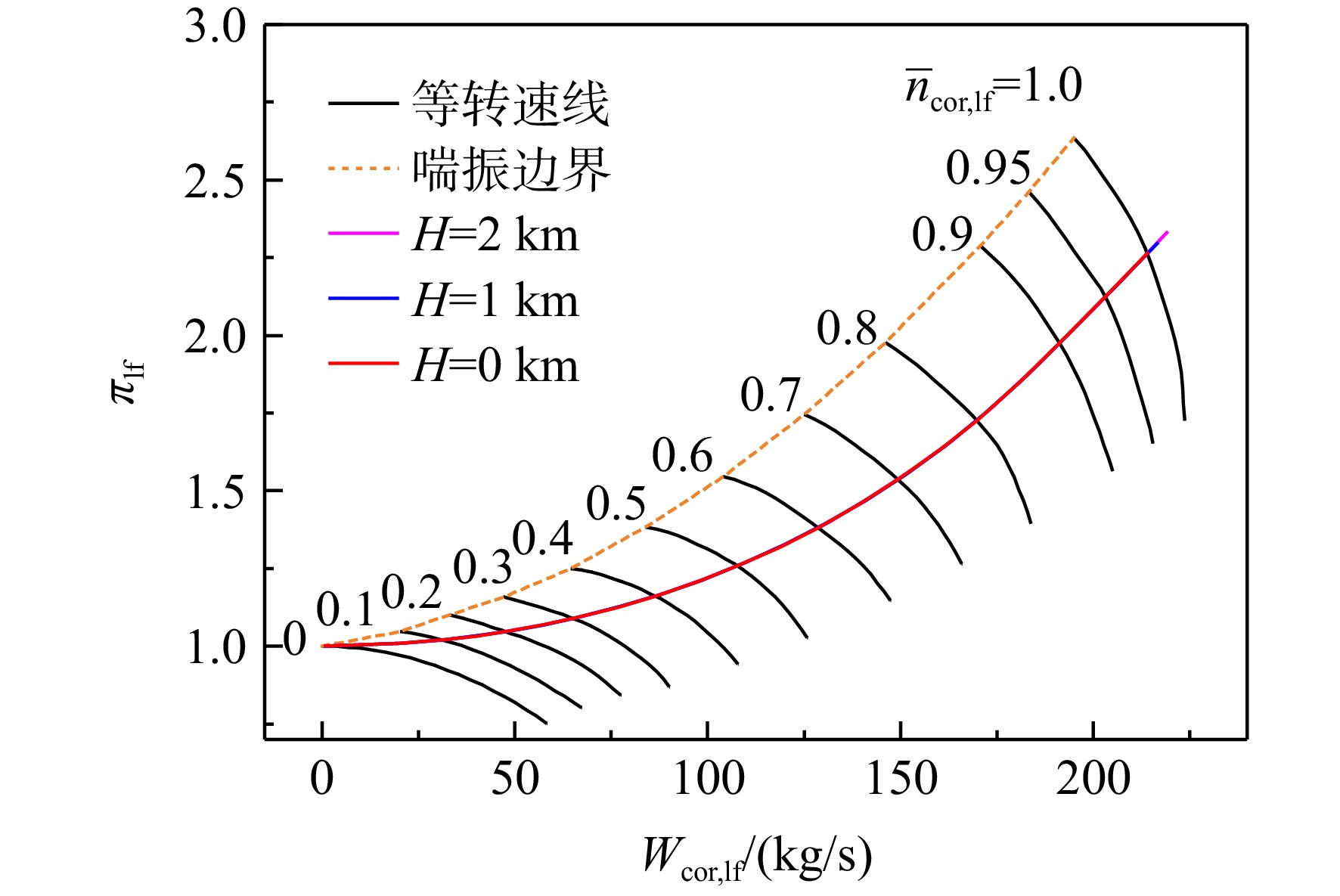
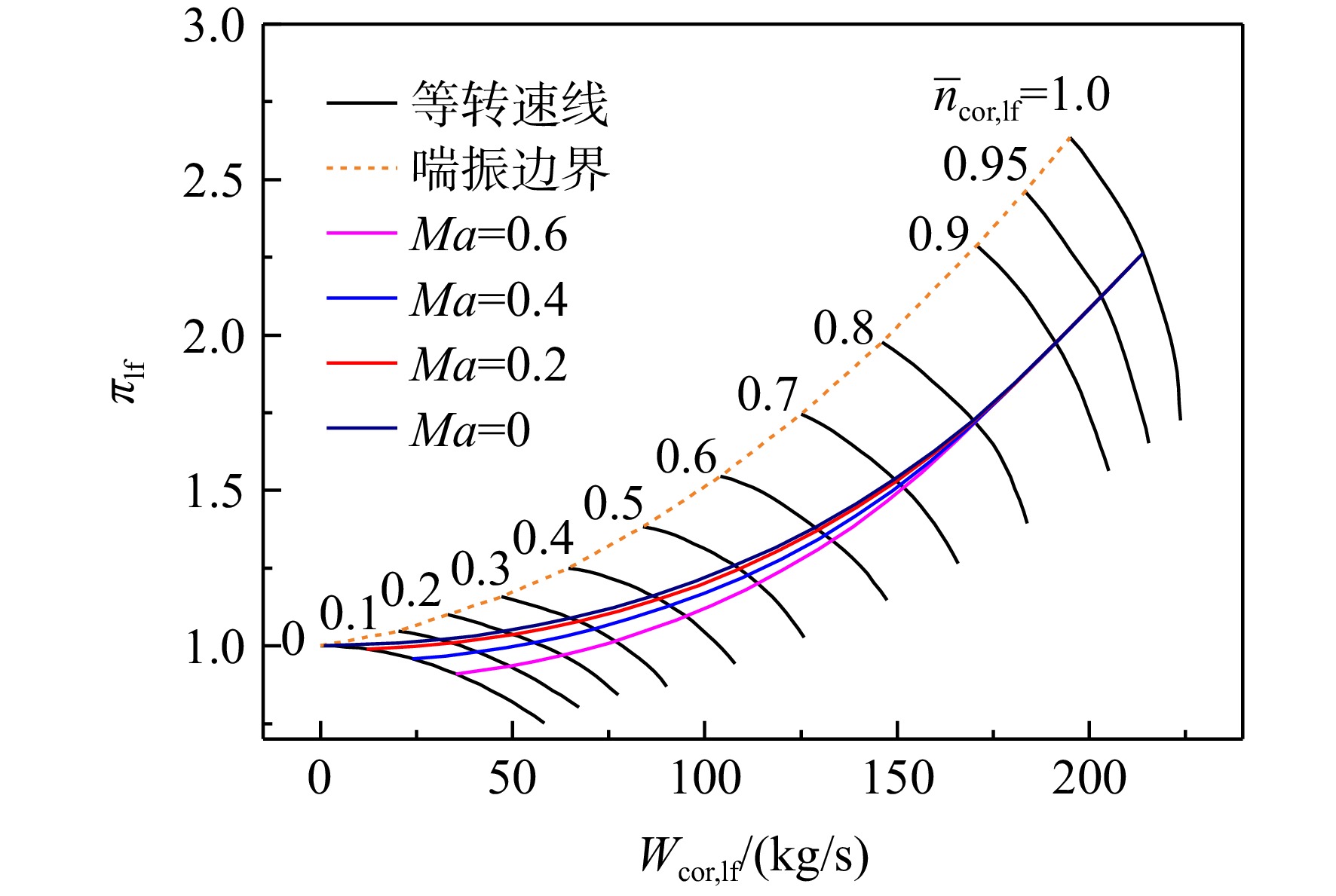
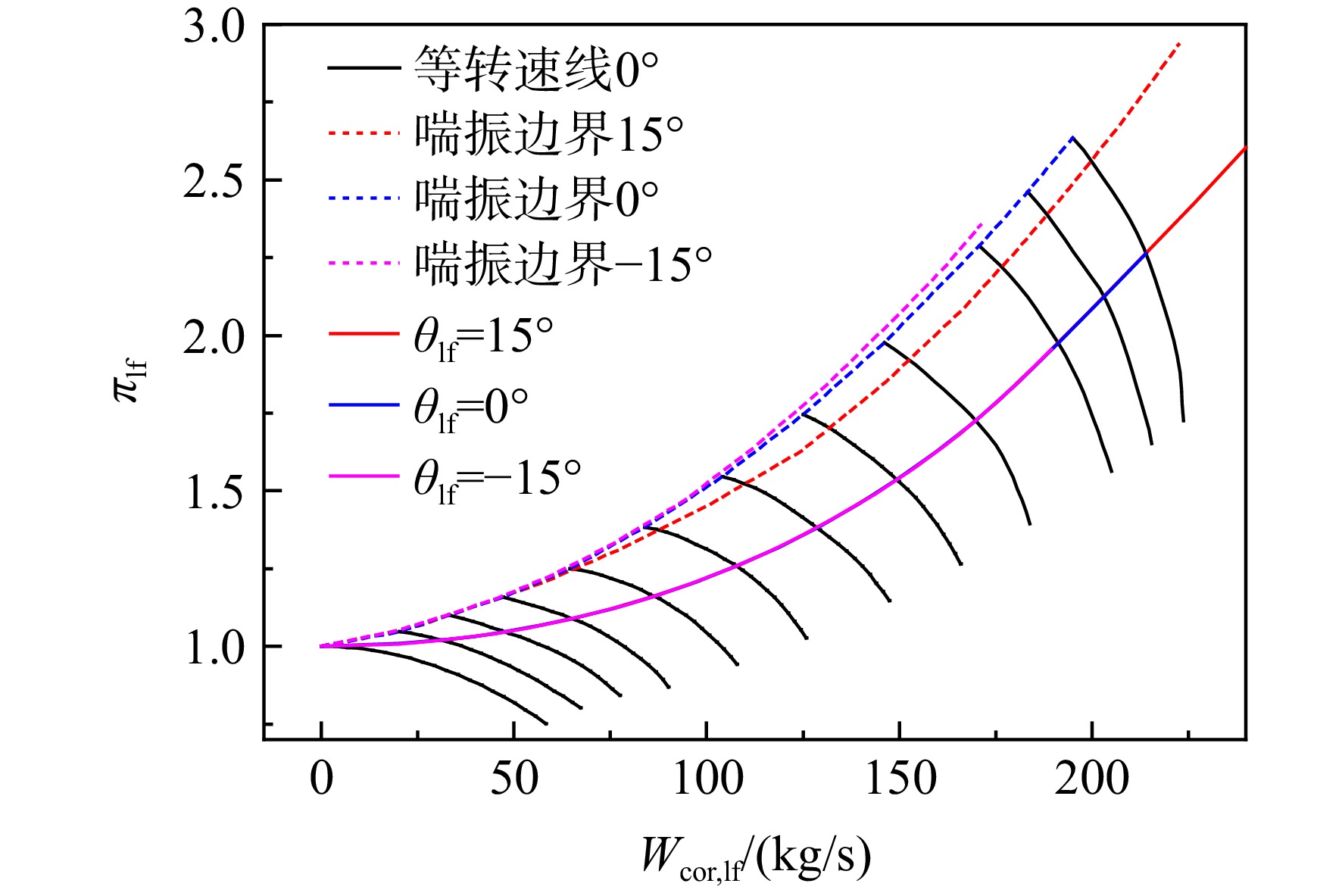
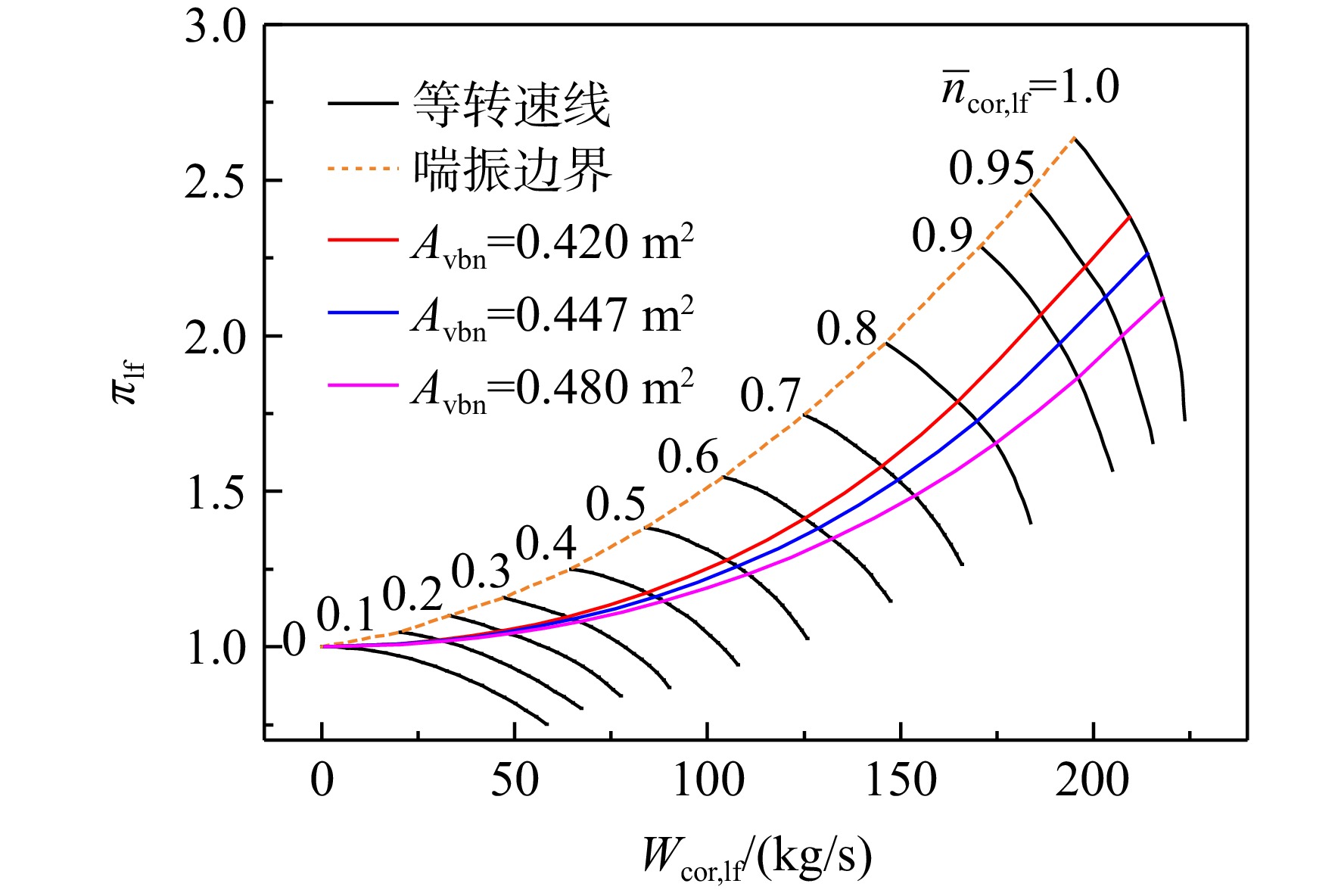
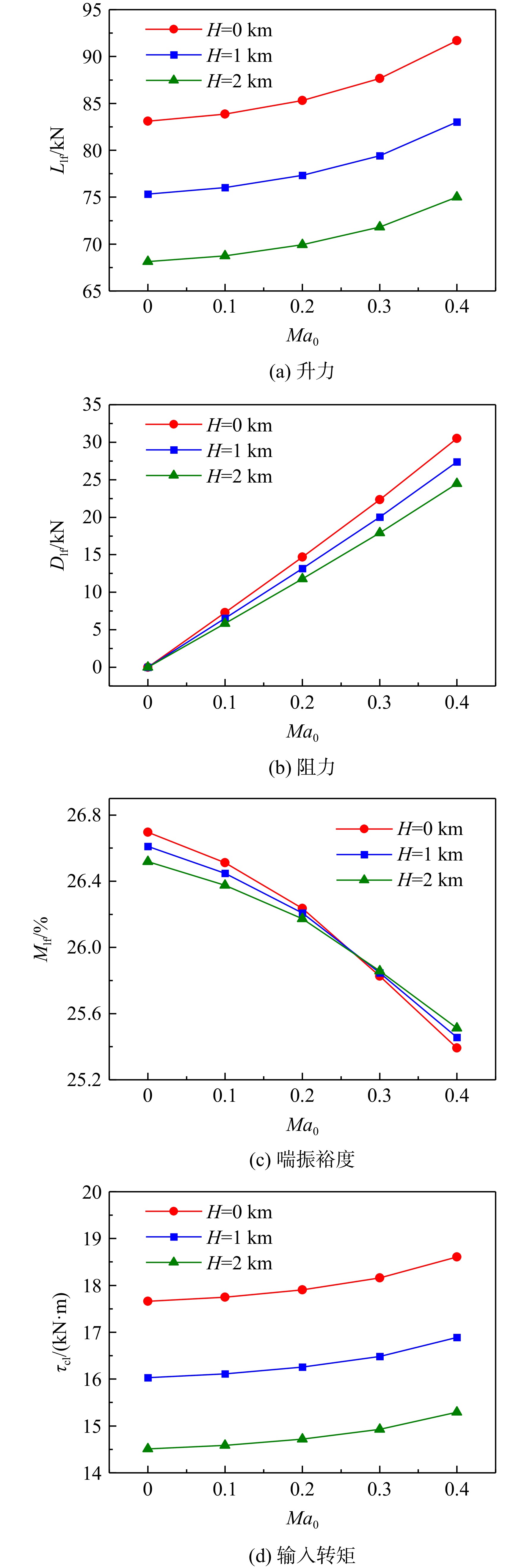
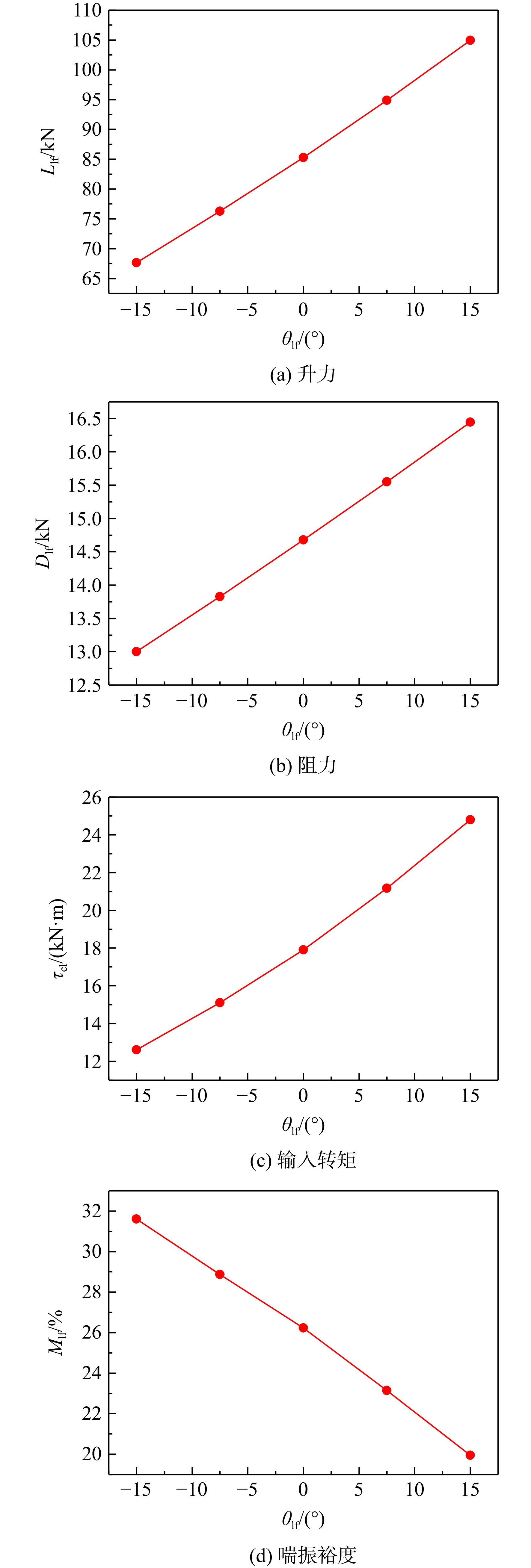
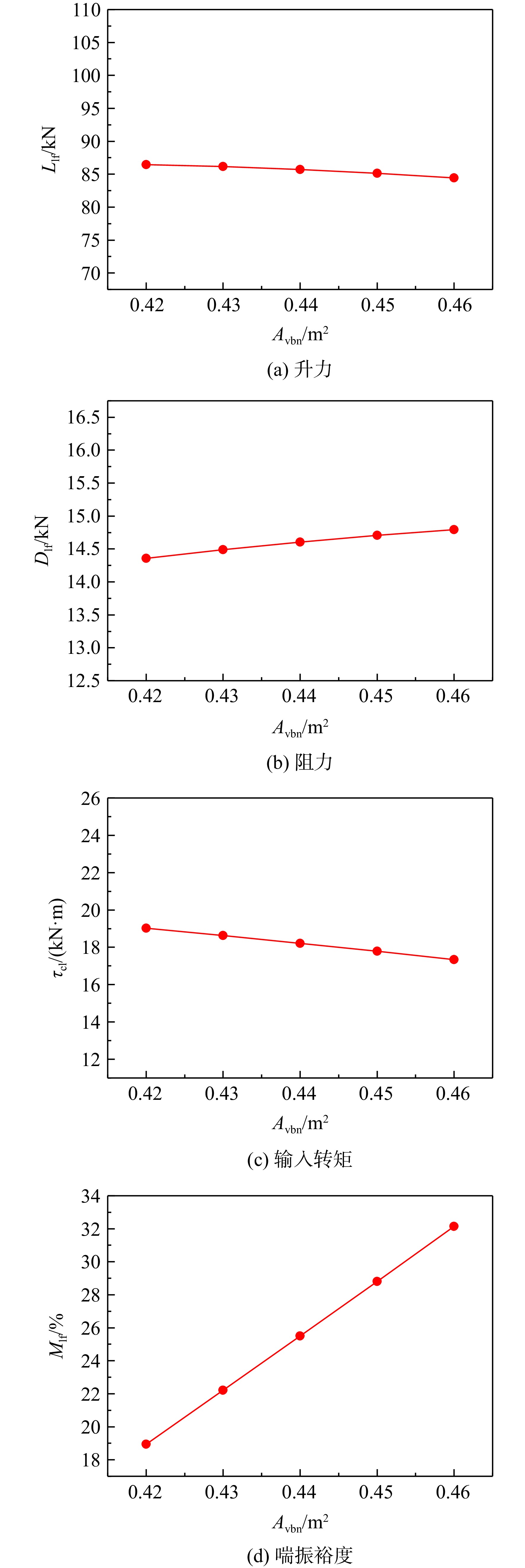
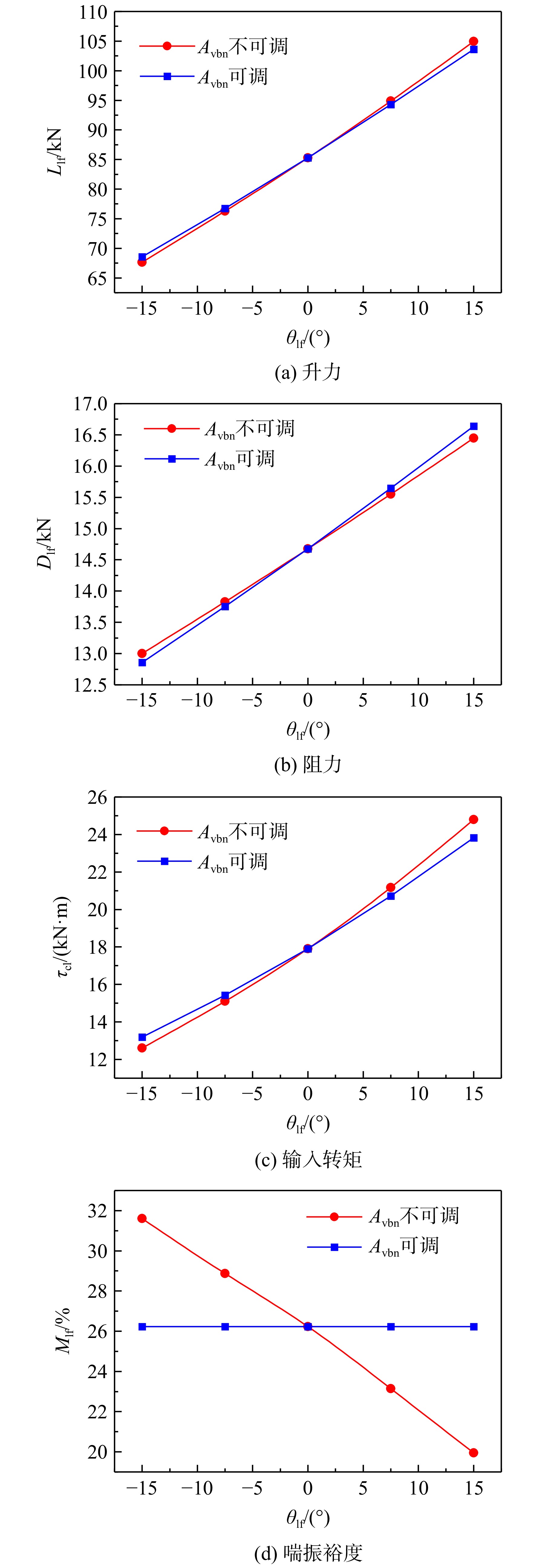
Through force analysis and thermodynamic process analysis, a component-level performance calculation model for the lift fan system was established. The impact of design parameters on performance was analyzed, and based on this, a preliminary design method for the lift fan system was proposed. By deriving the common working equations and calculating the common operating lines through numerical methods, the characteristics of the lift fan operating lines and the influences of various parameters on these lines were examined. The altitude-speed characteristics and lift adjustment characteristics of the lift fan system were calculated, and a multi-parameter joint control law for lift adjustment was proposed. The results showed that the performance calculation model’s results were consistent with the trends of CFD simulation results; increasing the design flow rate and pressure ratio can enhance the lift, but a high pressure ratio design may lead to lower lift efficiency. As the rotational speed decreased, the working line gradually dispersed from a power function of converted flow rate and pressure ratio into a cluster of curves related to Mach number, with the steady-state and dynamic operating lines being essentially consistent. The multi-parameter joint control law can adjust the lift of the lift fan system while maintaining constant rotational speed and margin.

Design method for mode transition control schedule of turboshaft-turbofan variable cycle engines
YANG Keyu, JIA Linyuan, CHEN Yuchun, REN Cheng, ZHANG Xin
2025, 40(12): 20240697. doi: 10.13224/j.cnki.jasp.20240697
Abstract:
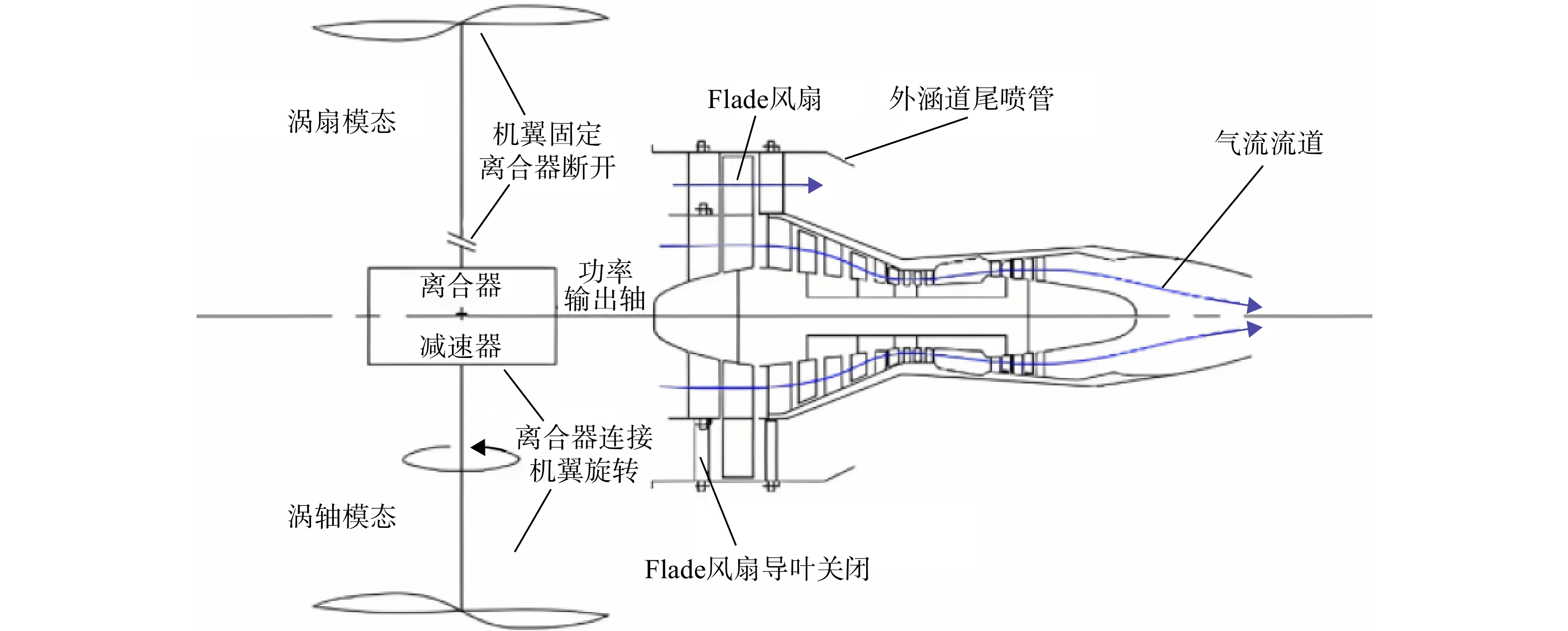
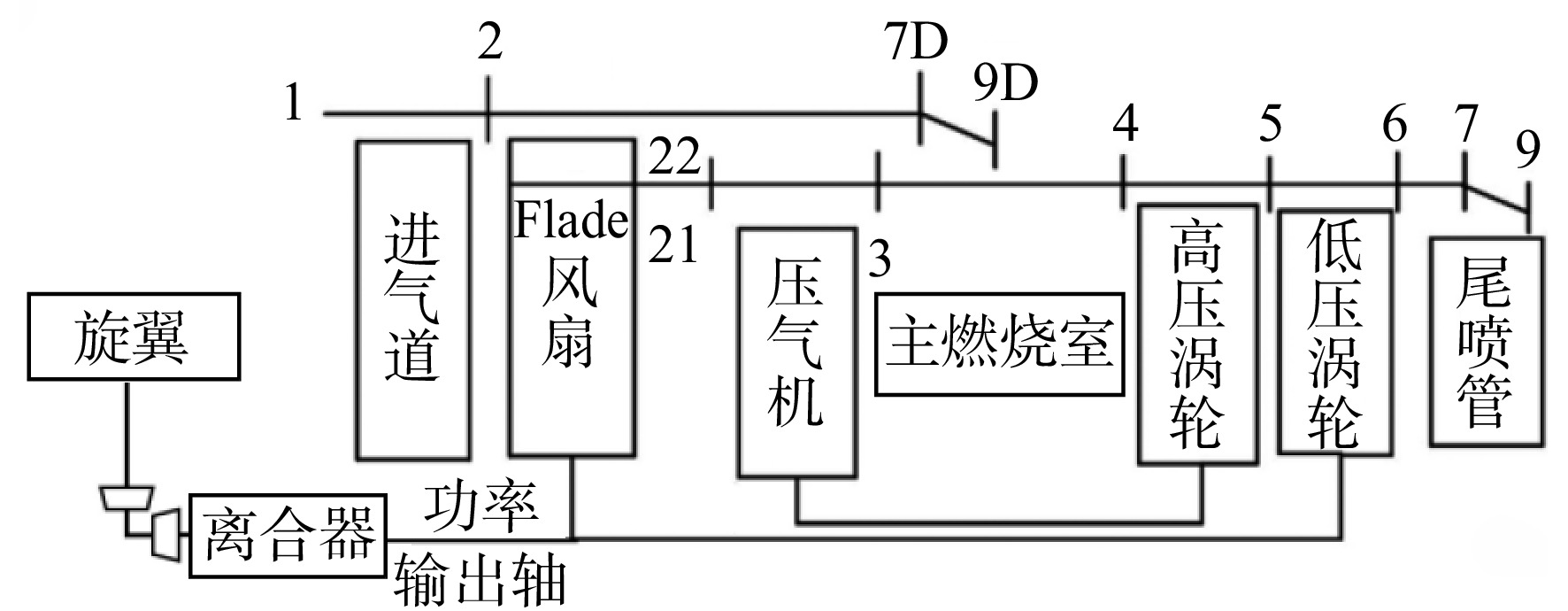
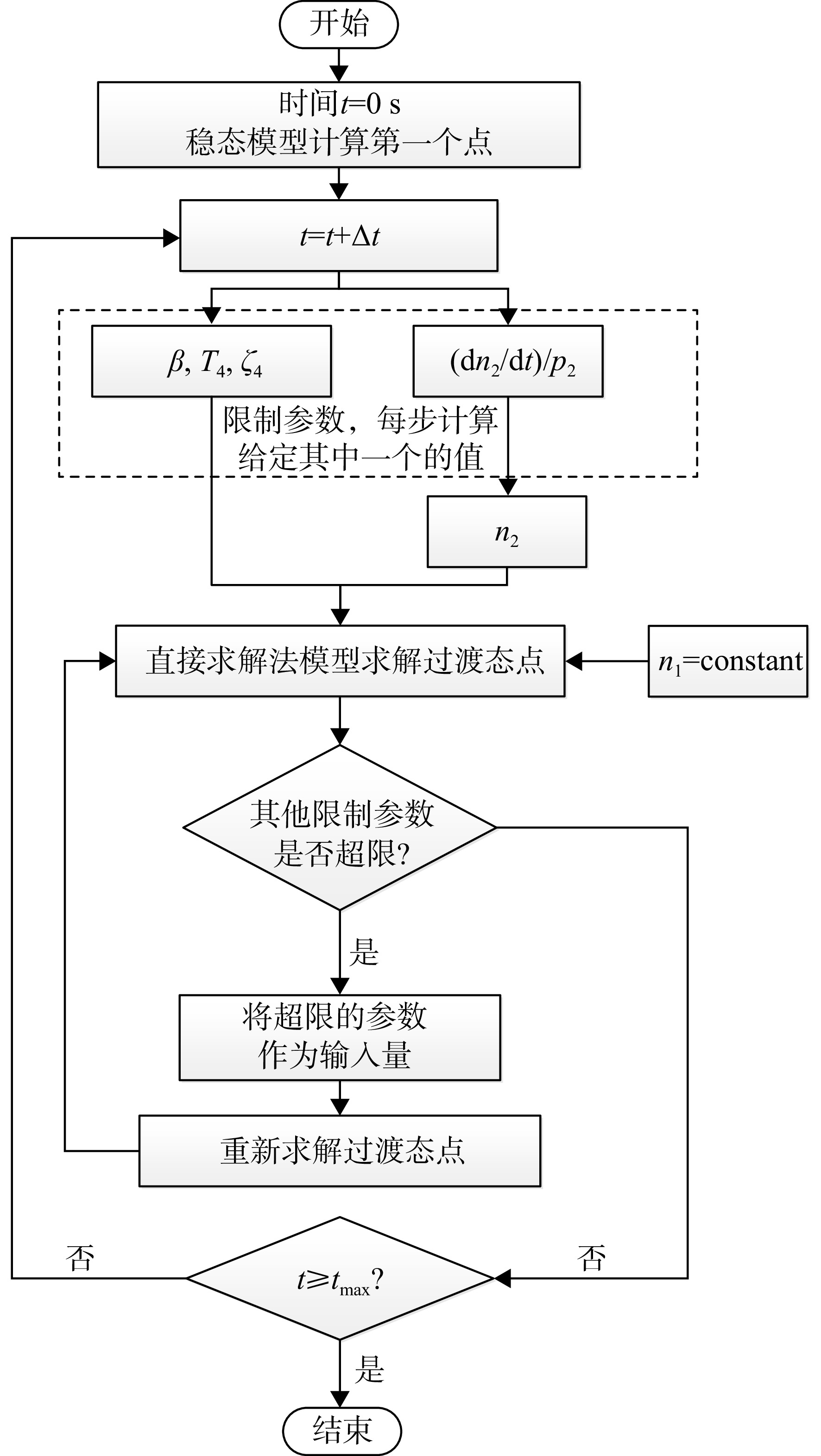
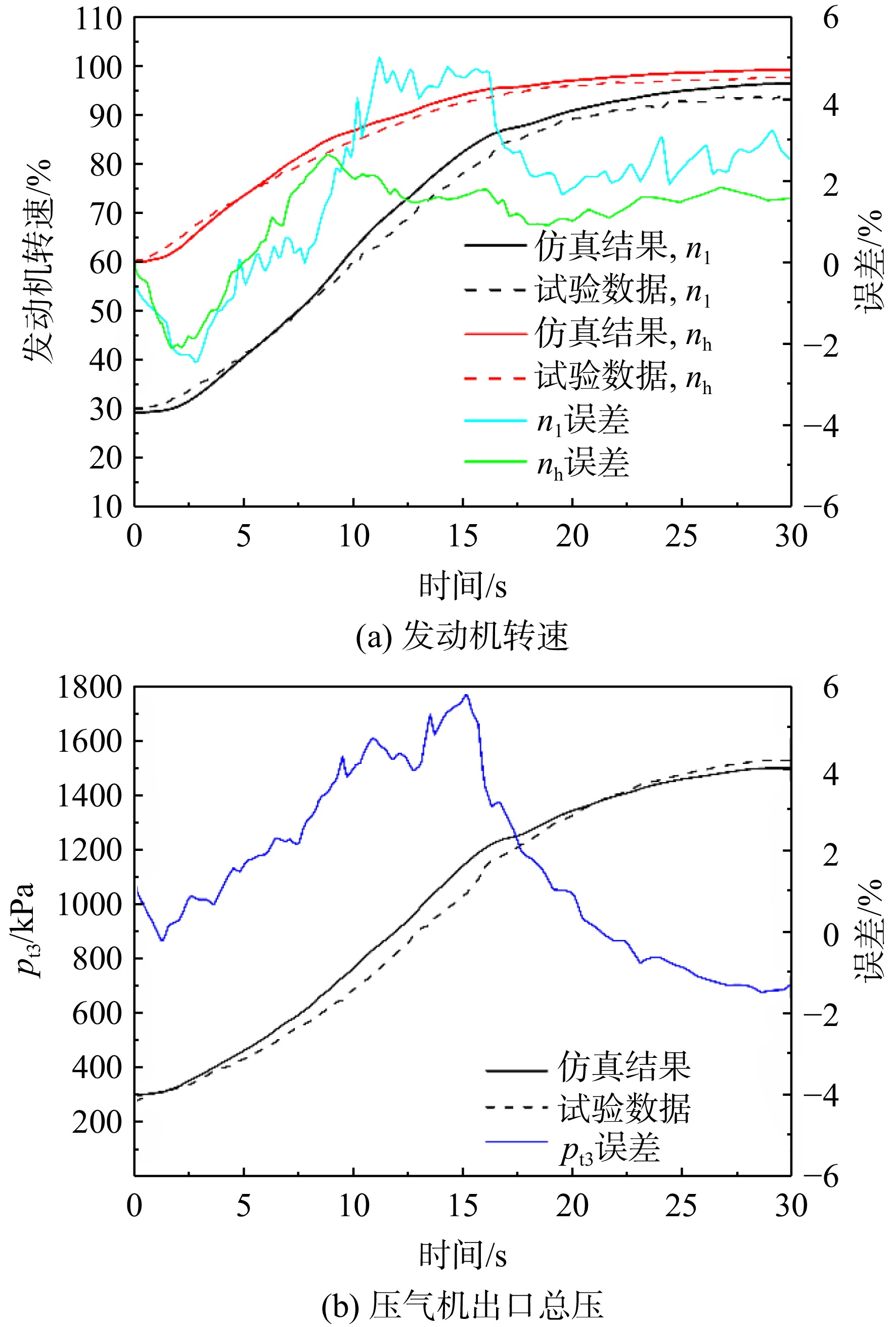
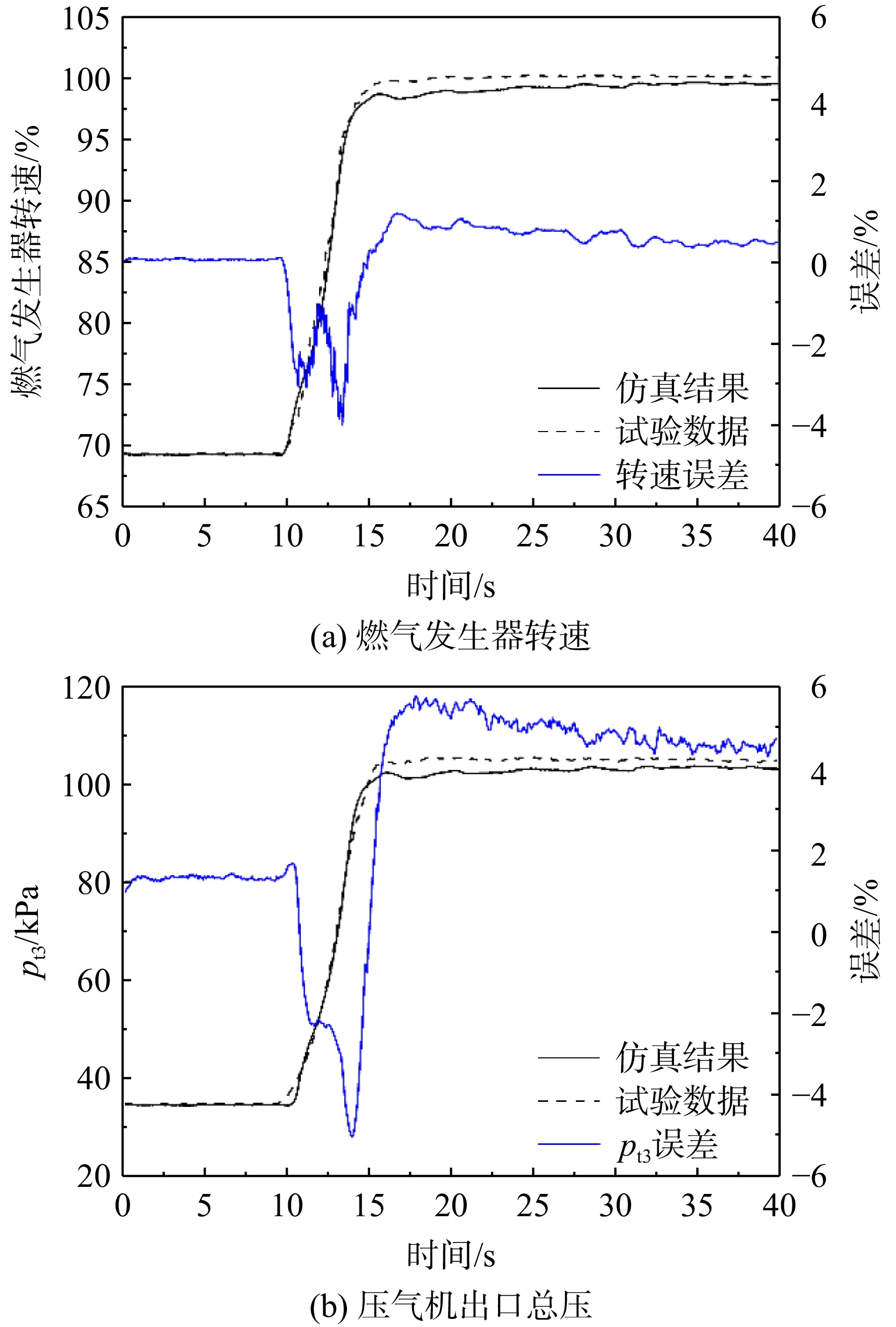
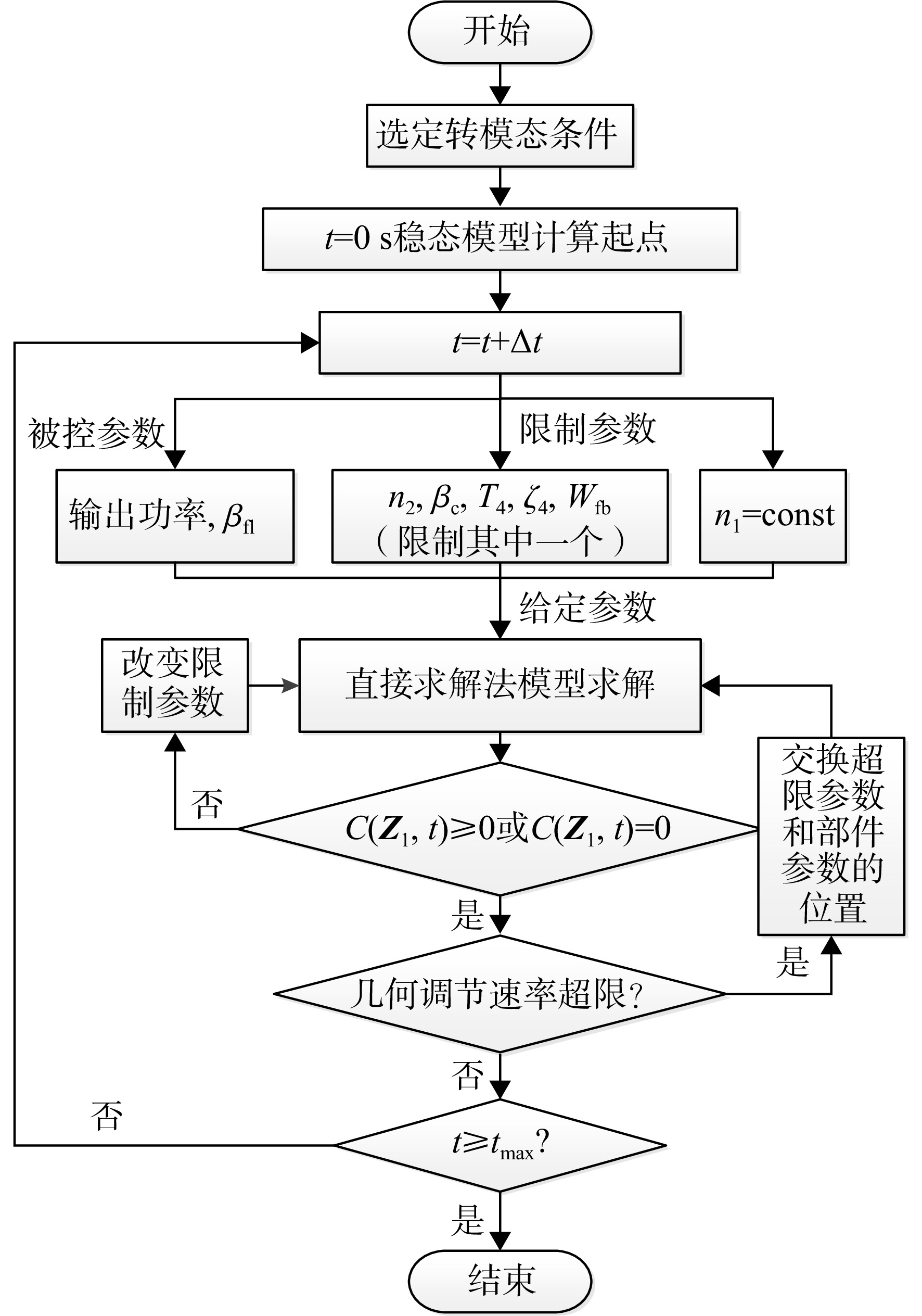
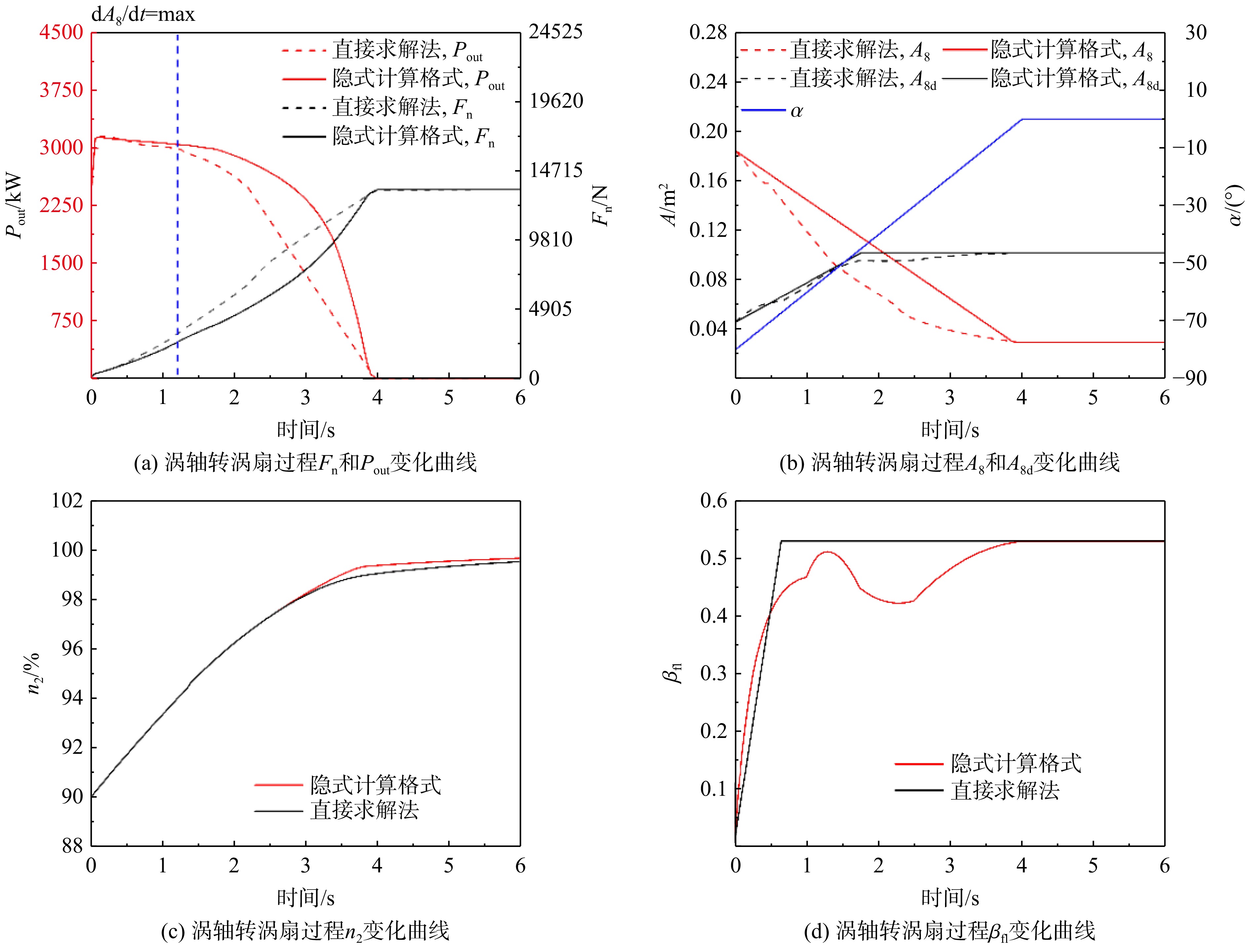
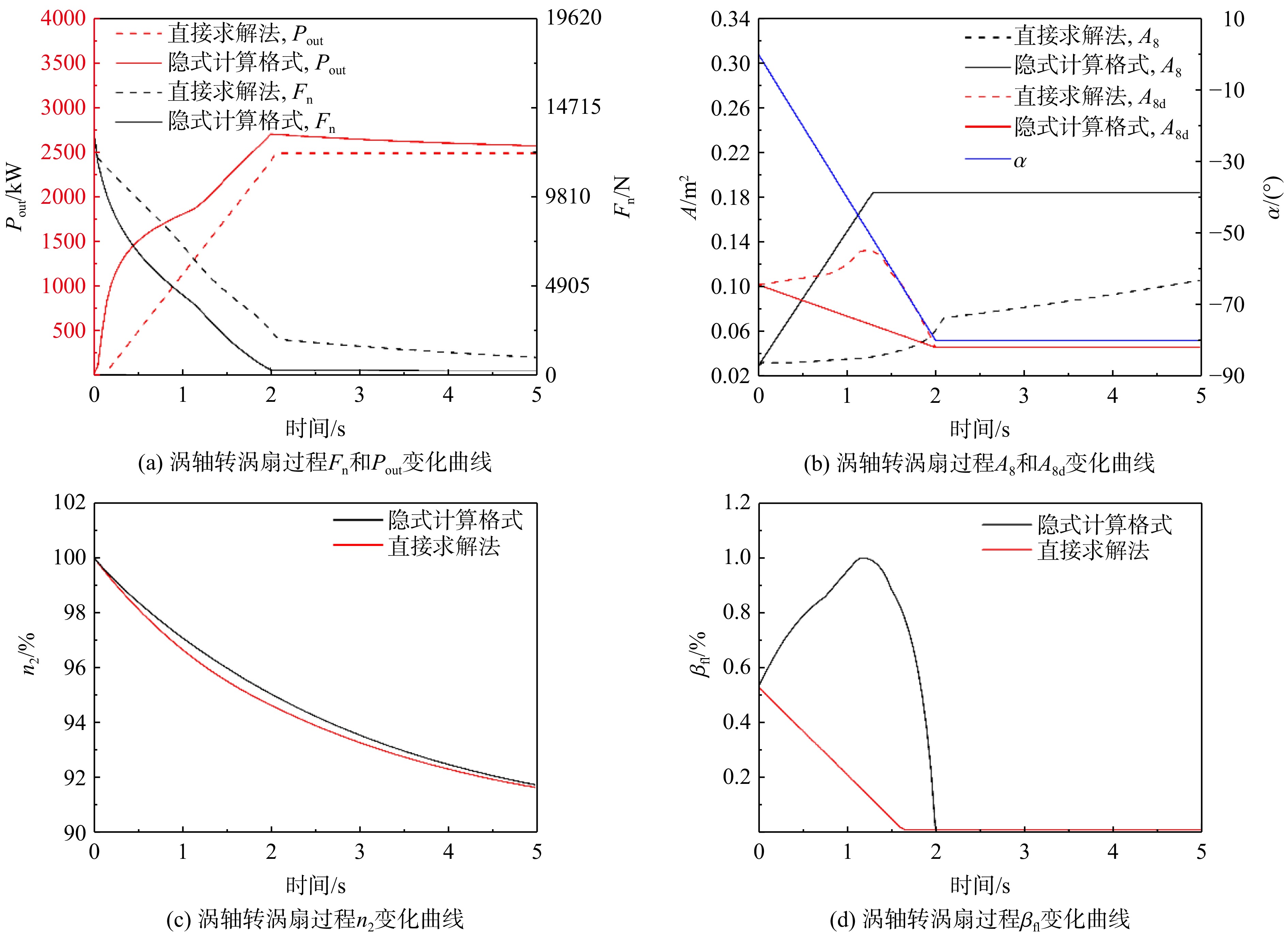
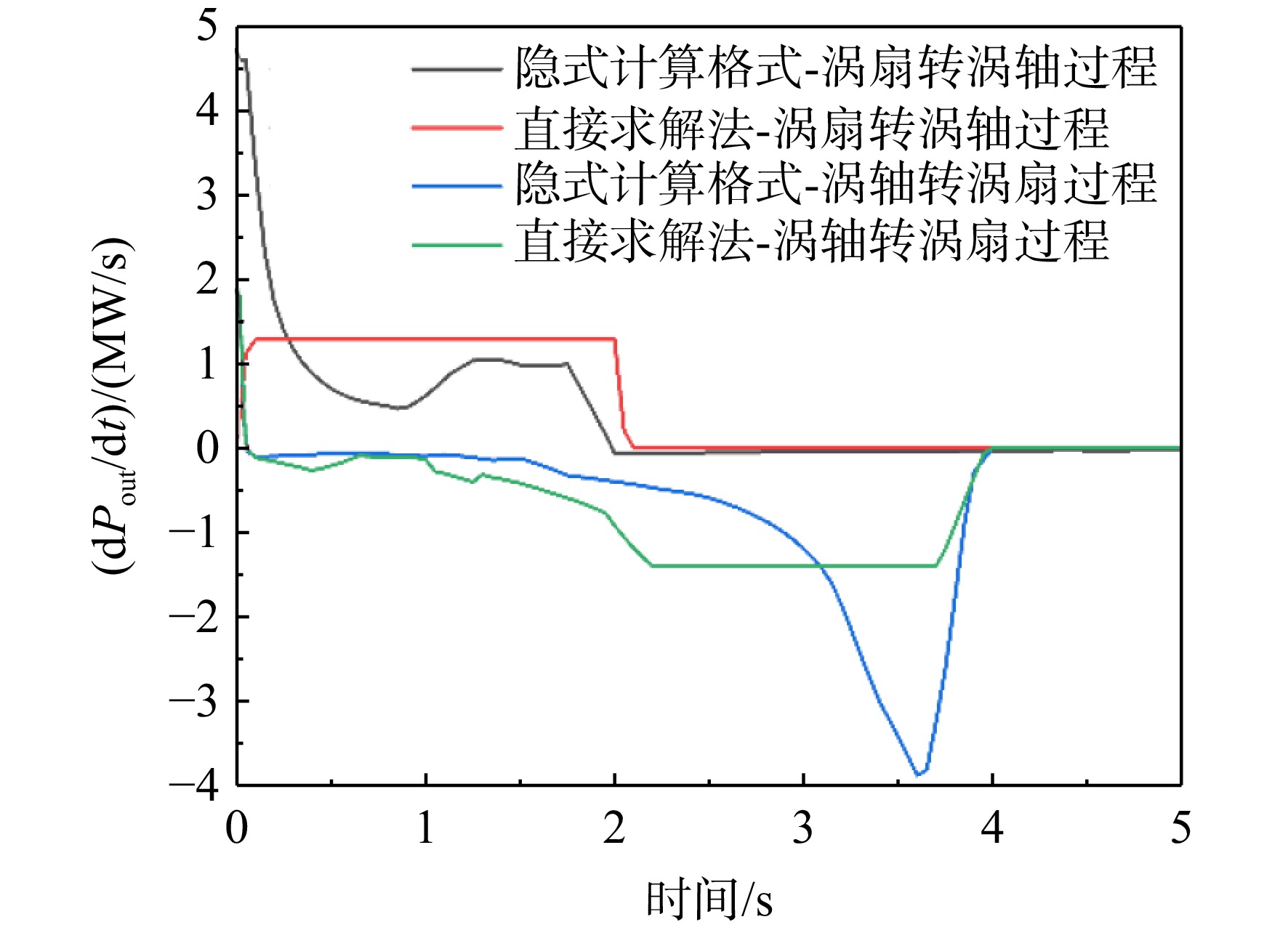
The need for performance optimization during the mode transition process of a turboshaft-turbofan variable cycle engine was addressed. A mode transition control schedule design method focused on output power was proposed while considering the adjustment rate limits of variable geometry components. Based on the engine’s physical characteristics and component-level performance model, a direct solution method for the transition state of the turboshaft-turbofan variable cycle engine was developed using inverse algorithms and implicit calculation formats for transition state performance. Using this method, a control schedule design method was proposed, enabling to realize direct power control and set the operating point of compression components during mode transition. The results showed that under conditions of flight height H=1 km and Mach number Ma=0.3, the transition time from turboshaft mode to turbofan mode was approximately 4.0 s, and that from turbofan mode to turboshaft mode was approximately 2.1 s, with smooth and continuous power changes. This method could provide important reference for solving the technical challenge of mode transition in turboshaft-turbofan variable cycle engines.

Study on embedded payload separation by using integrative computation of internal and external flows
ZHOU Yuxuan, XIAO Tianhang, XIONG Qingrong, LI Bo, GUO Jingliang
2025, 40(12): 20240076. doi: 10.13224/j.cnki.jasp.20240076
Abstract:
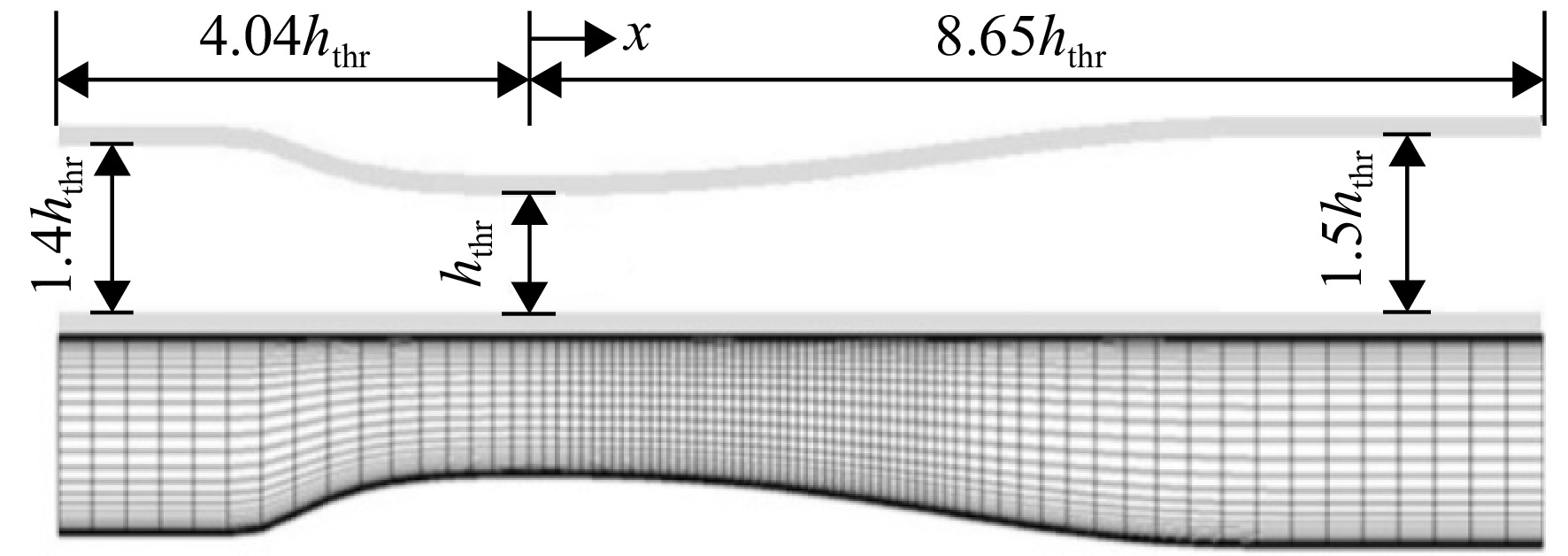
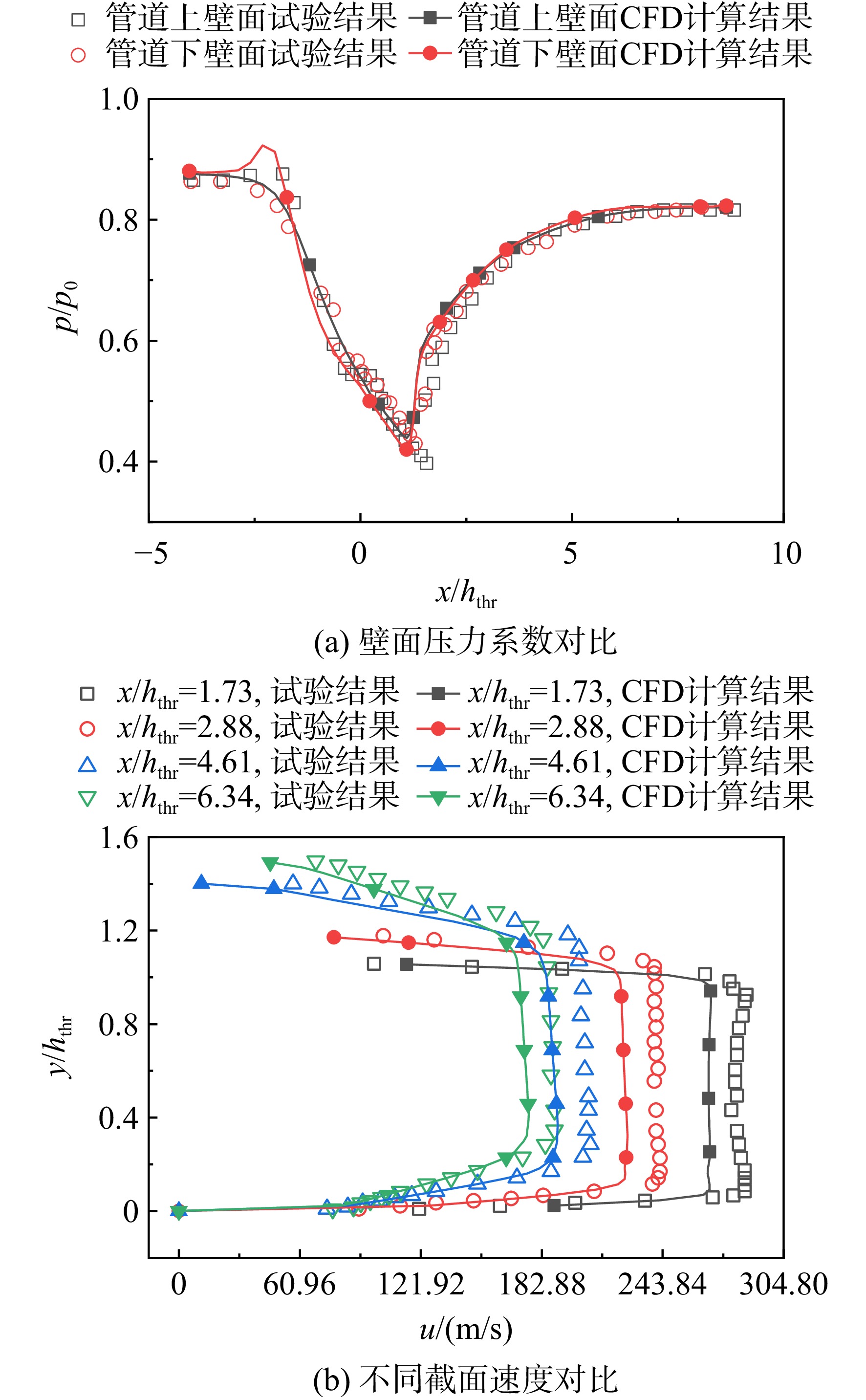
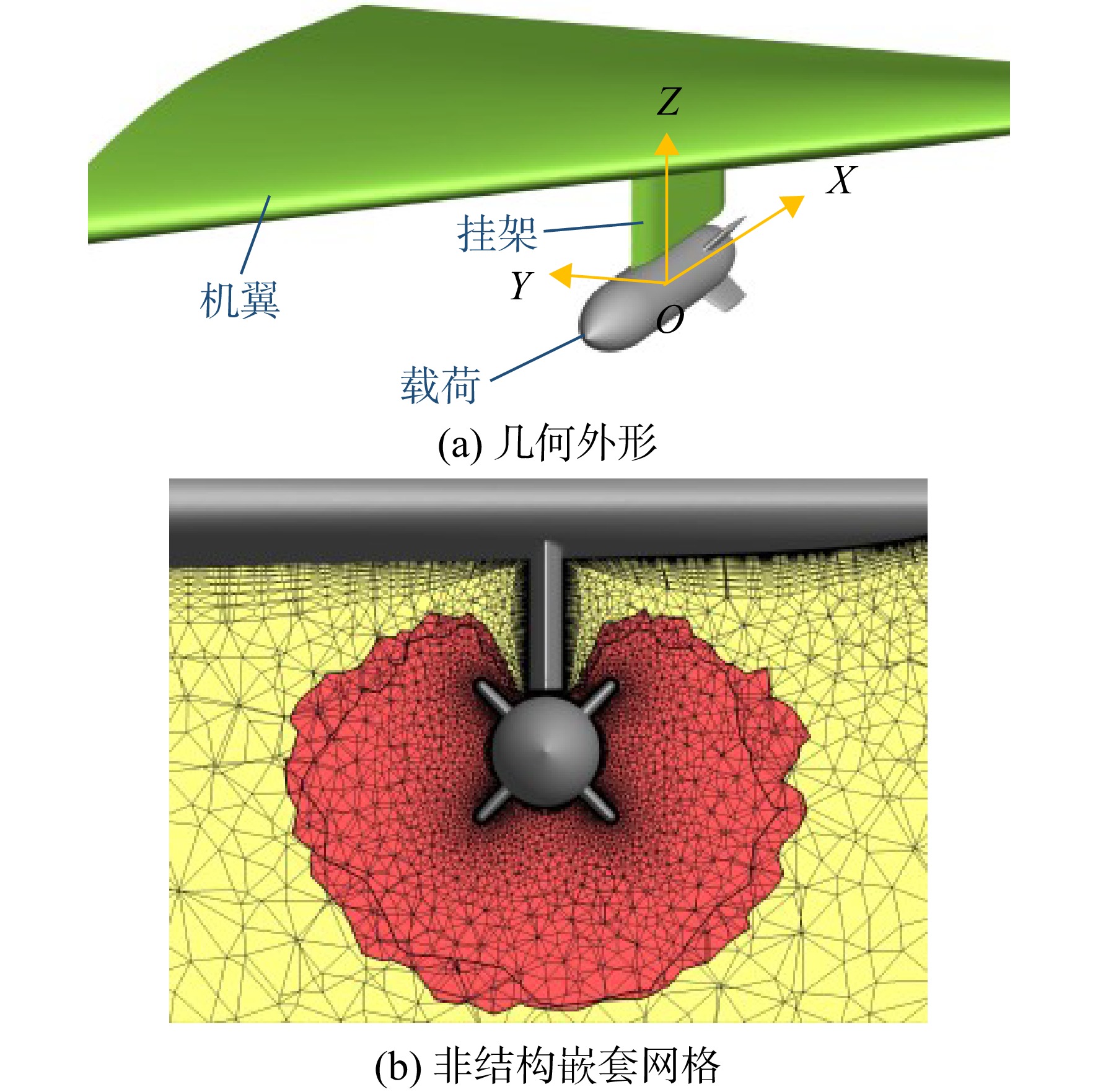
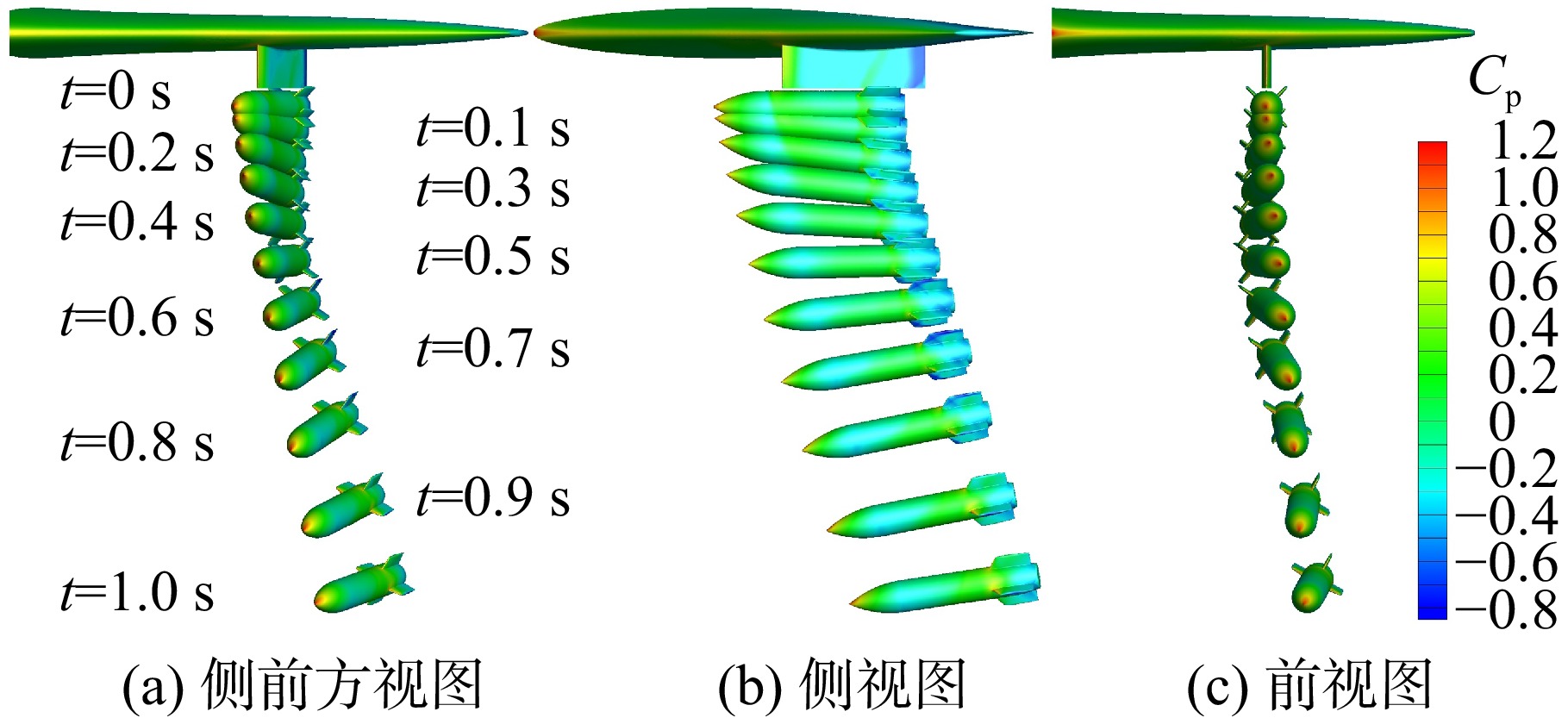
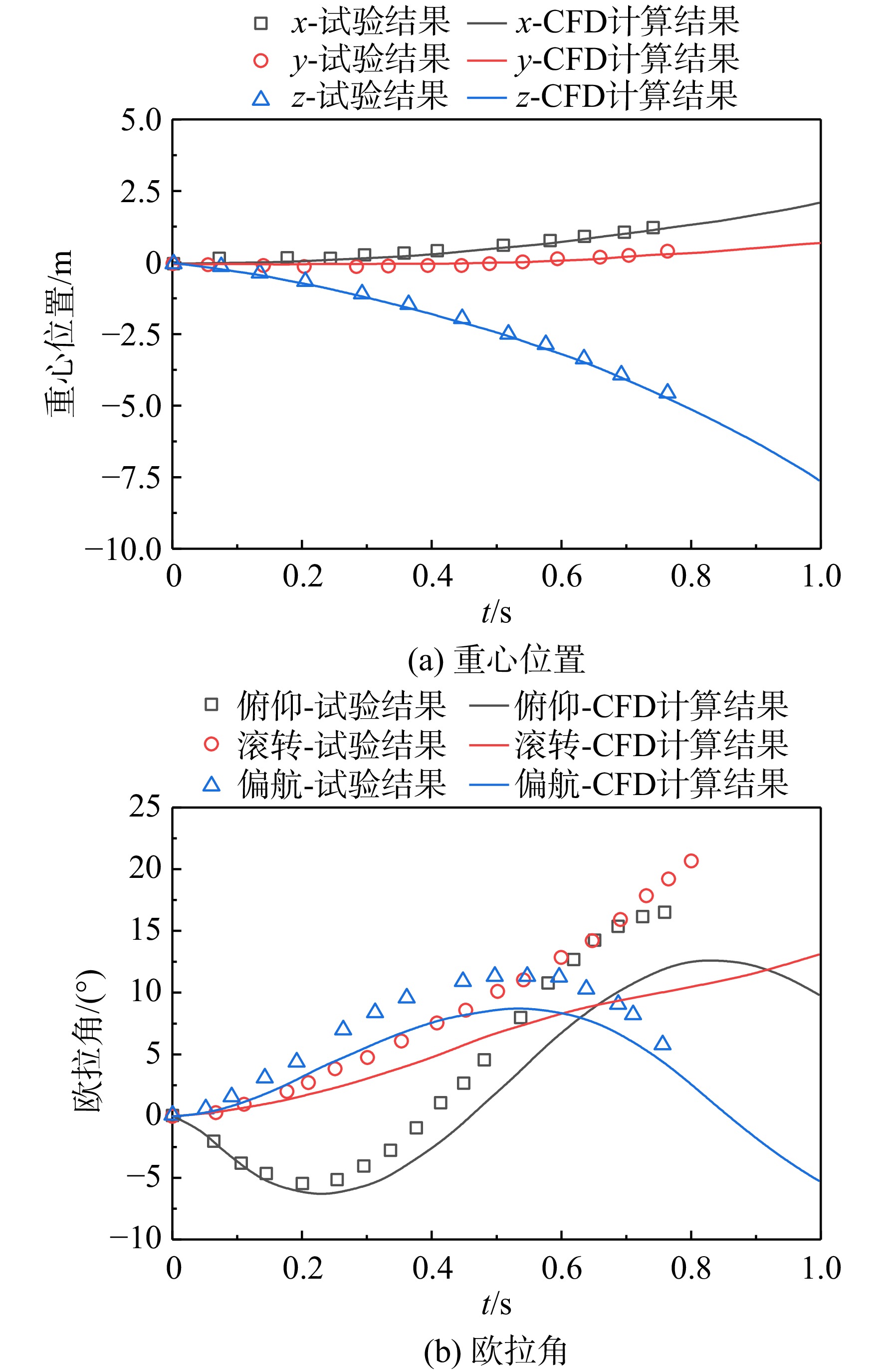
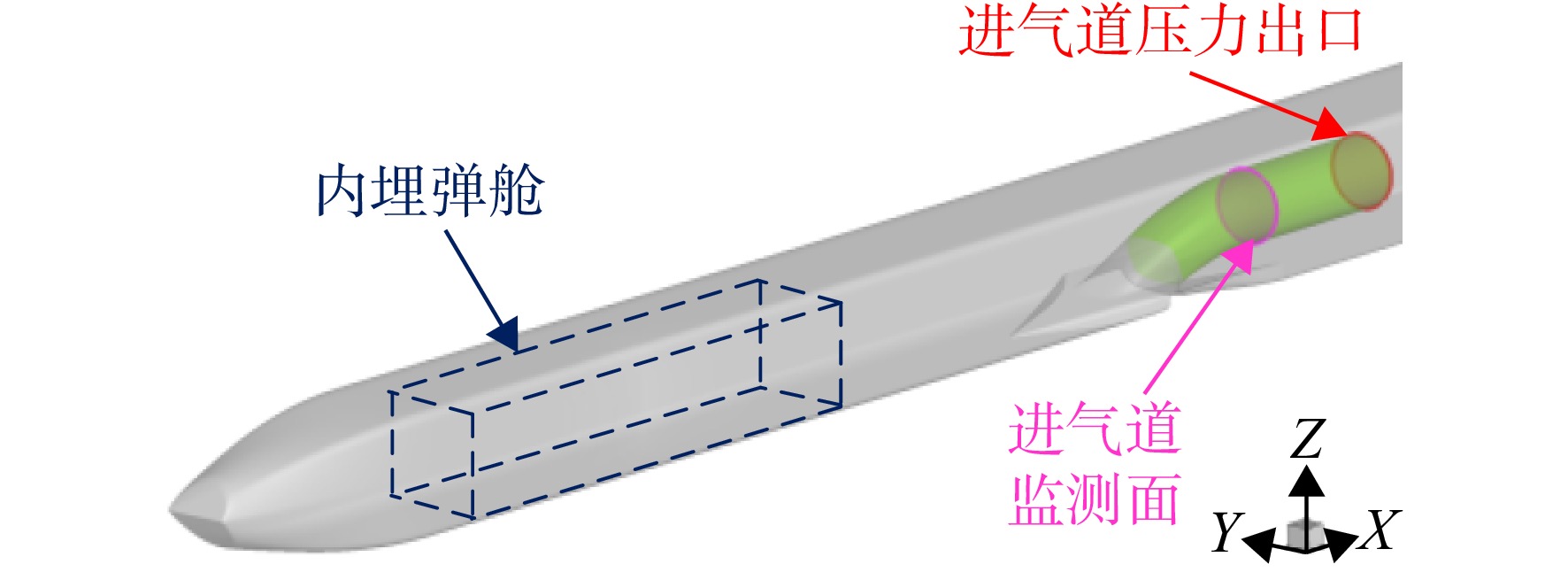
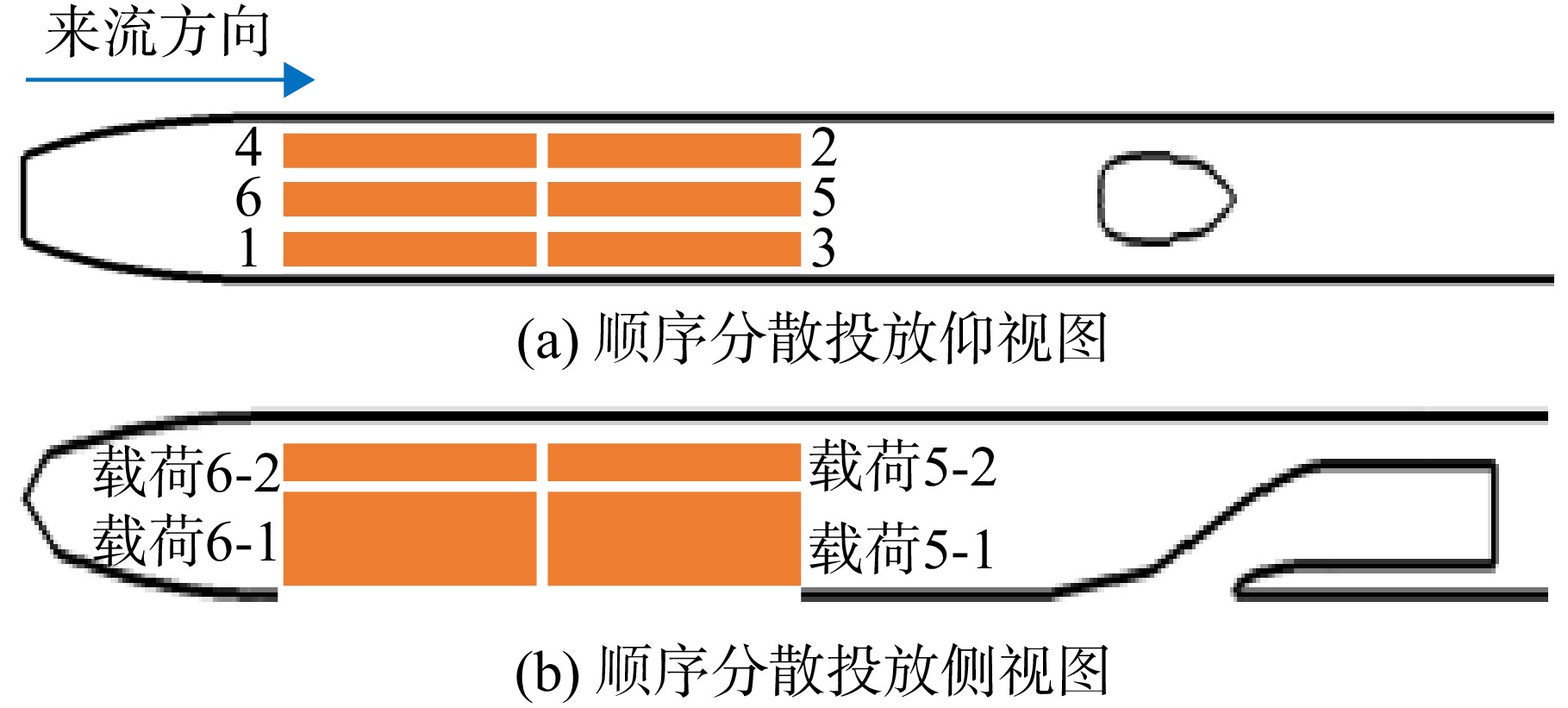
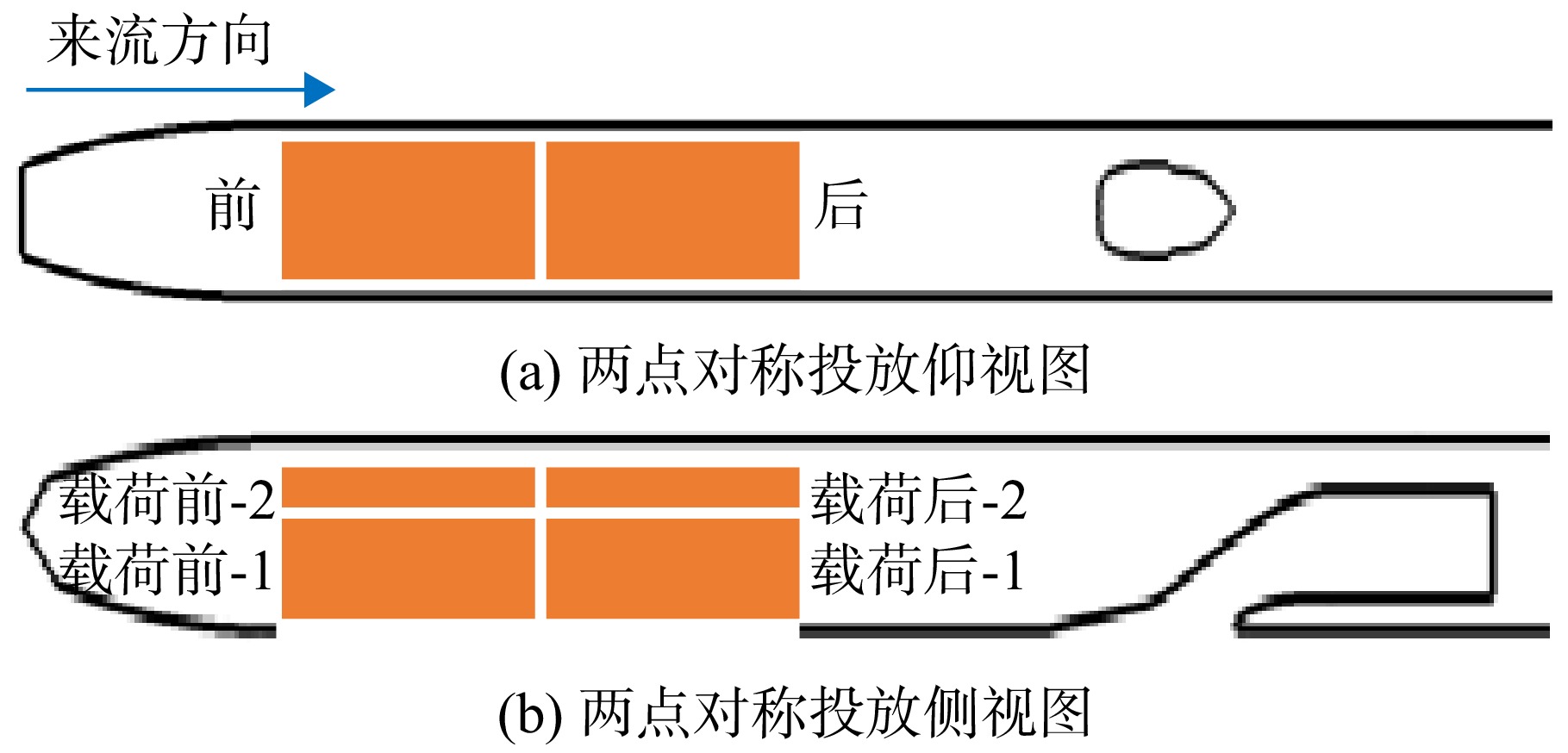
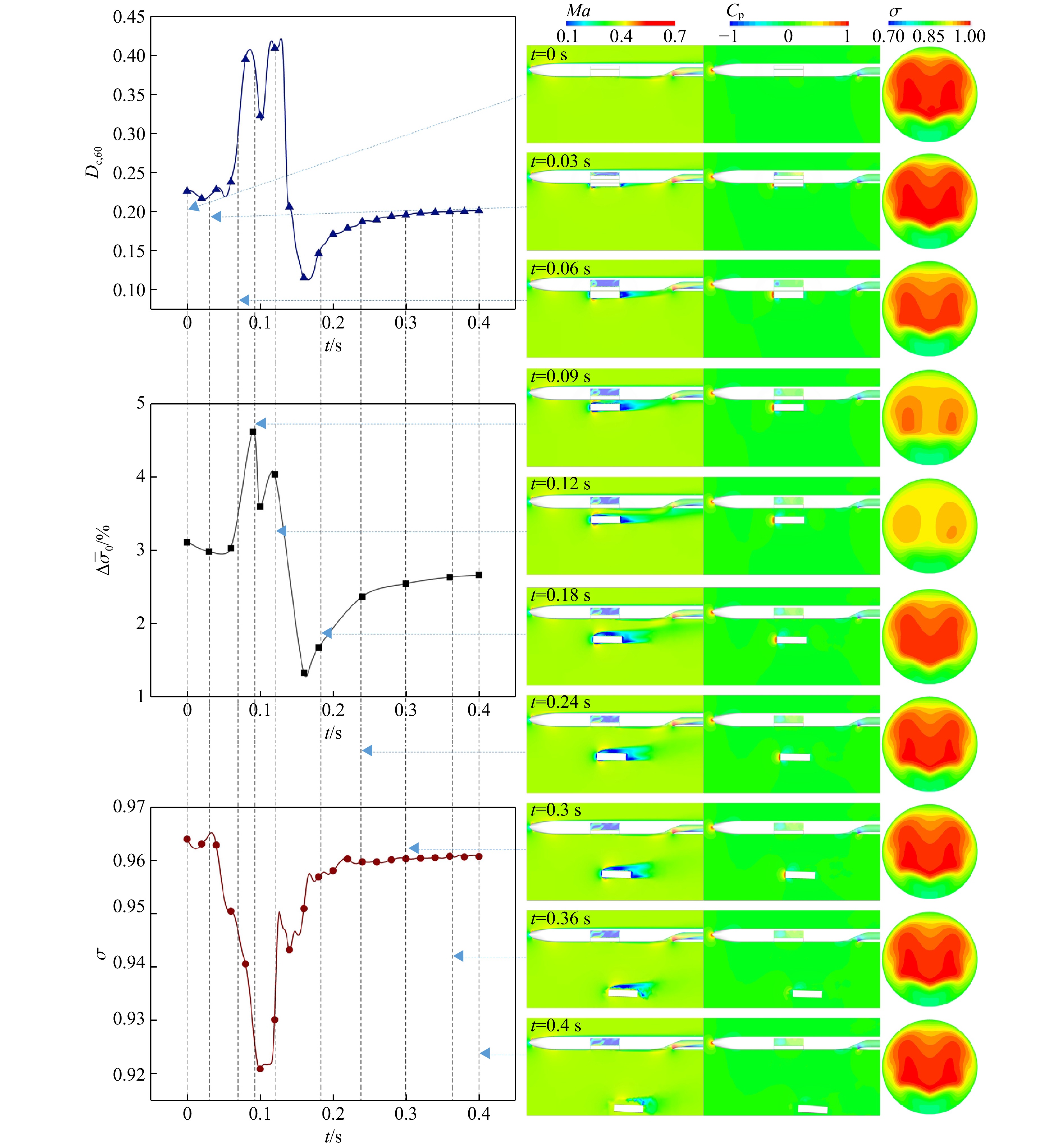
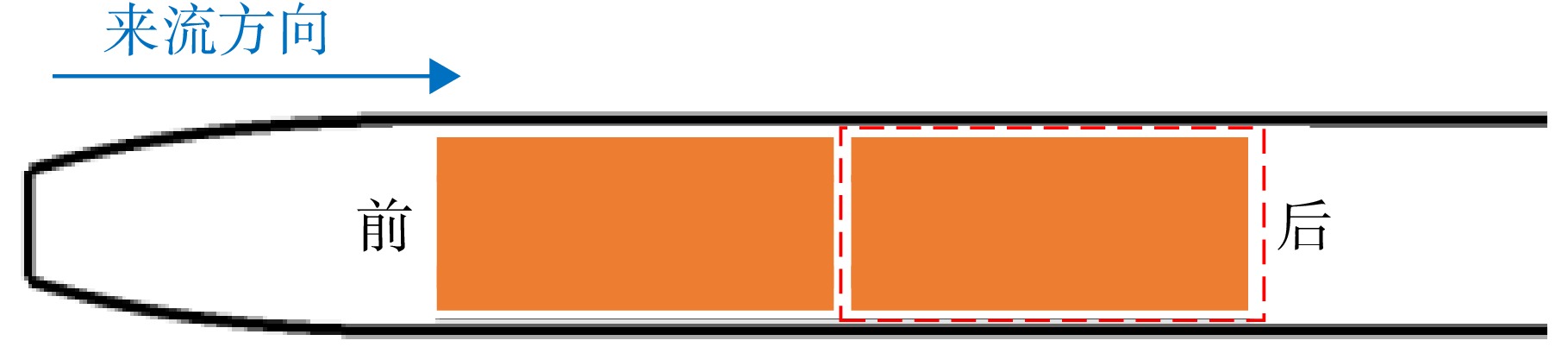
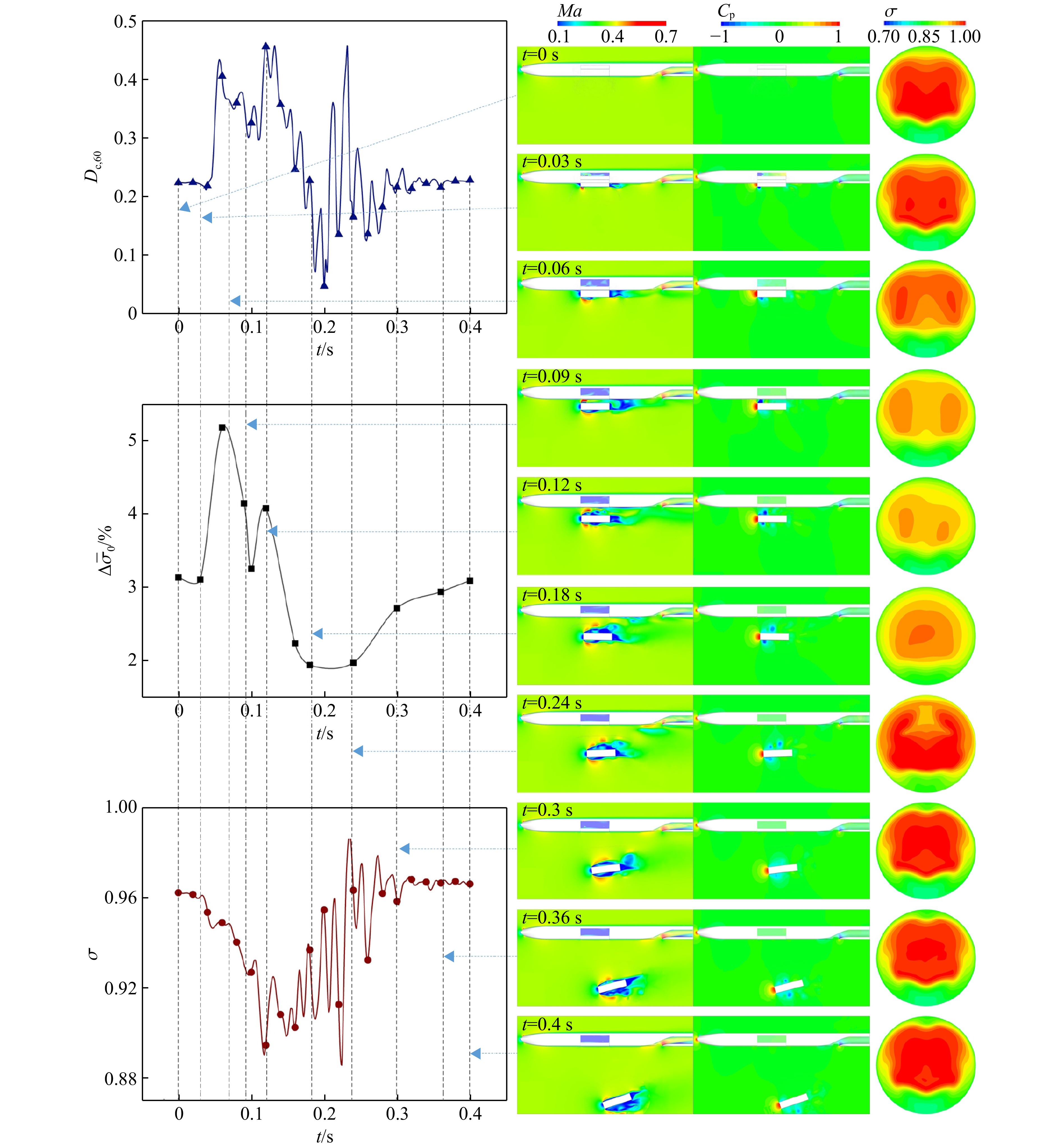
In response to the problem of embedded payload separation by using integrative computation of internal and external flows in the front end of the intake duct due to engineering constraints, a computational aerodynamics coupled six degree of freedom motion model, dynamic nested mesh, and internal and external flow coupling calculation strategy were used to conduct numerical simulation research on the unsteady flow field of payload separation by using integrative computation of internal and external flows. The characteristics of payload separation motion under the condition of integrated internal and external flow coupling and its impact on the flow field of the internal flow intake duct were analyzed and evaluated. The results showed that, considering the safety of payload separation and its impact on the intake flow field, the dispersed deployment scheme was relatively stable; the two-point symmetrical placement scheme resulted in the intake duct Dc,60 reaching a level of 0.46 and the circumferential distortion intensity reaching a level of 5.2%, which posed a higher risk of affecting engine operation.

Power Transimission
Analysis and optimization of splash lubrication characteristics of high speed gear under low temperature conditions
LI Luonan, XU Jianmin, HAN Yong, WANG Pengchuan, YAO Shuan
2025, 40(12): 20240864. doi: 10.13224/j.cnki.jasp.20240864
Abstract:
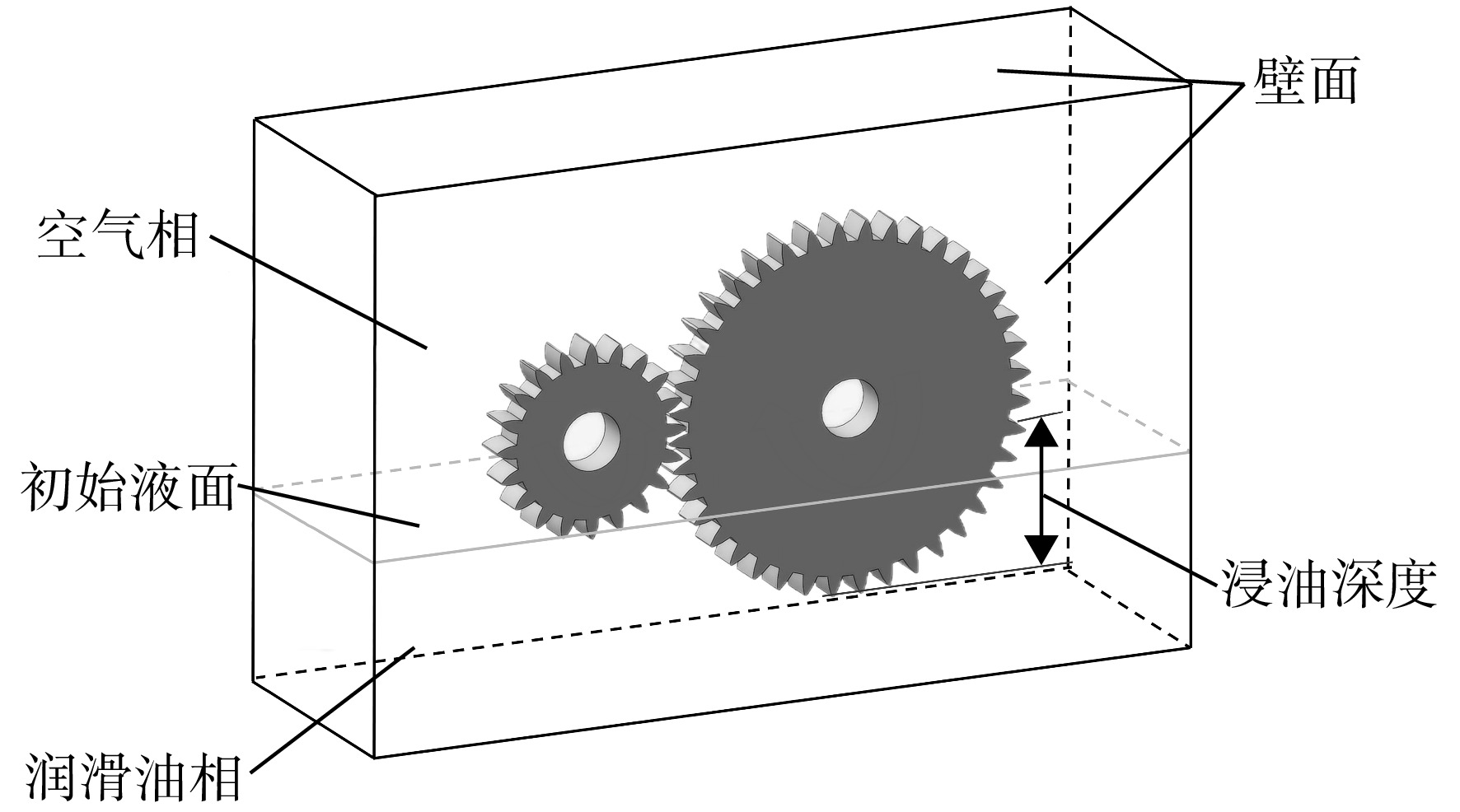
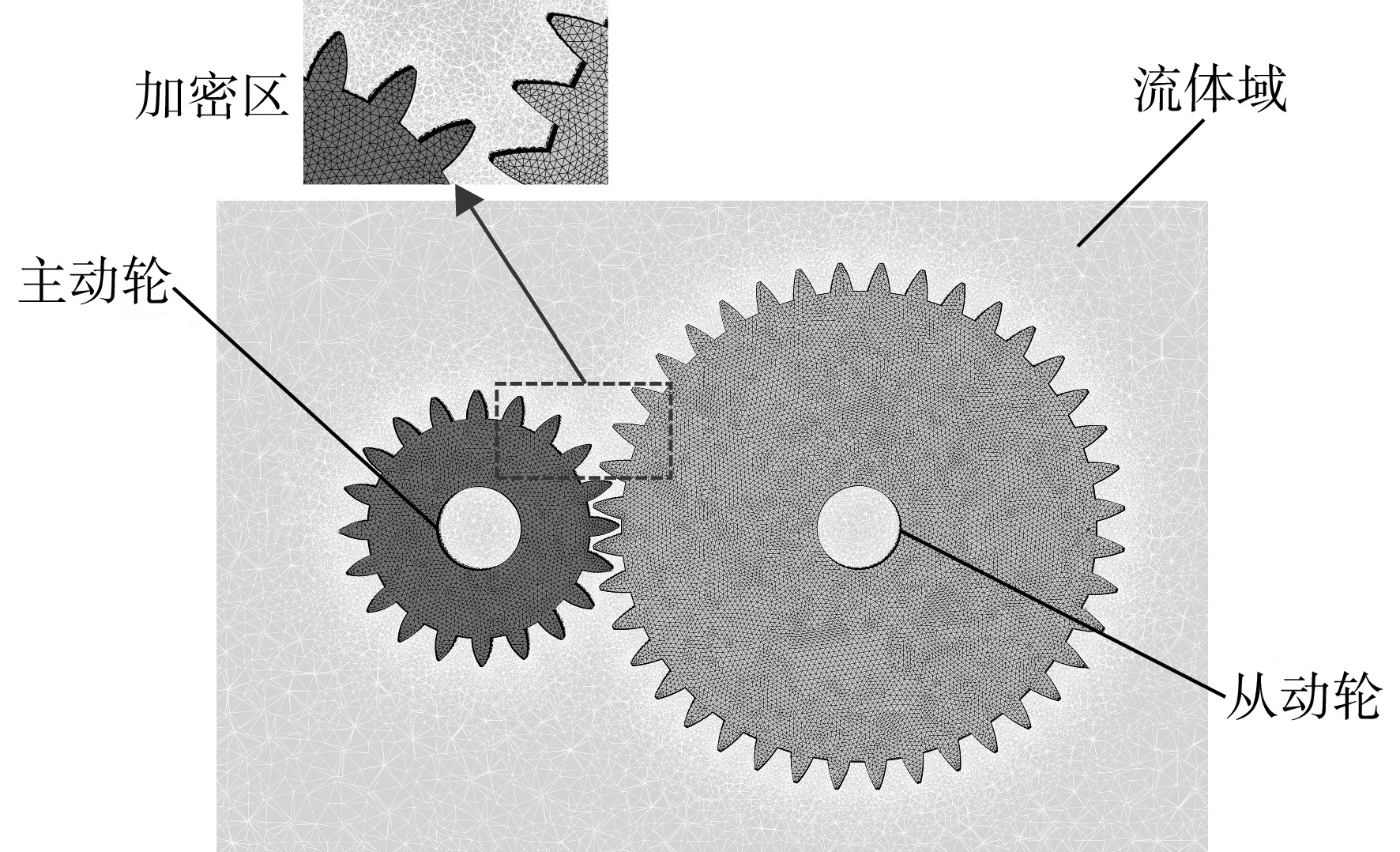
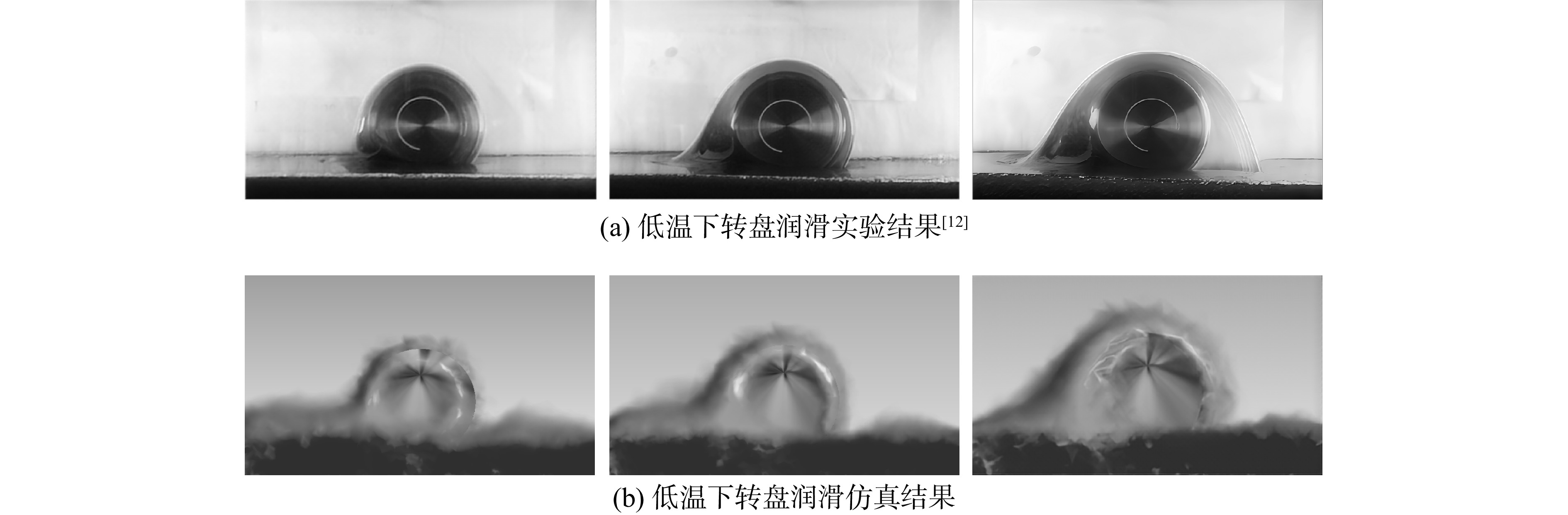
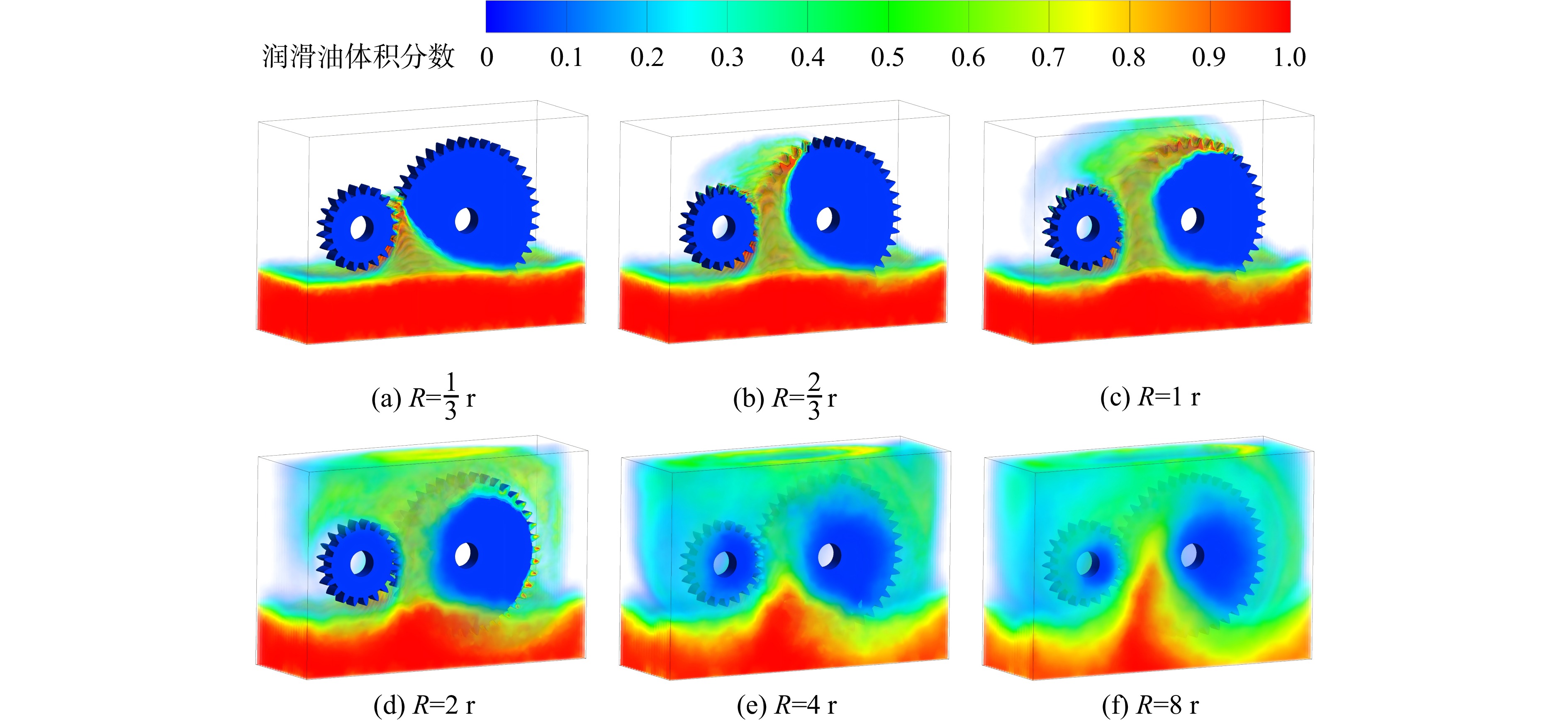
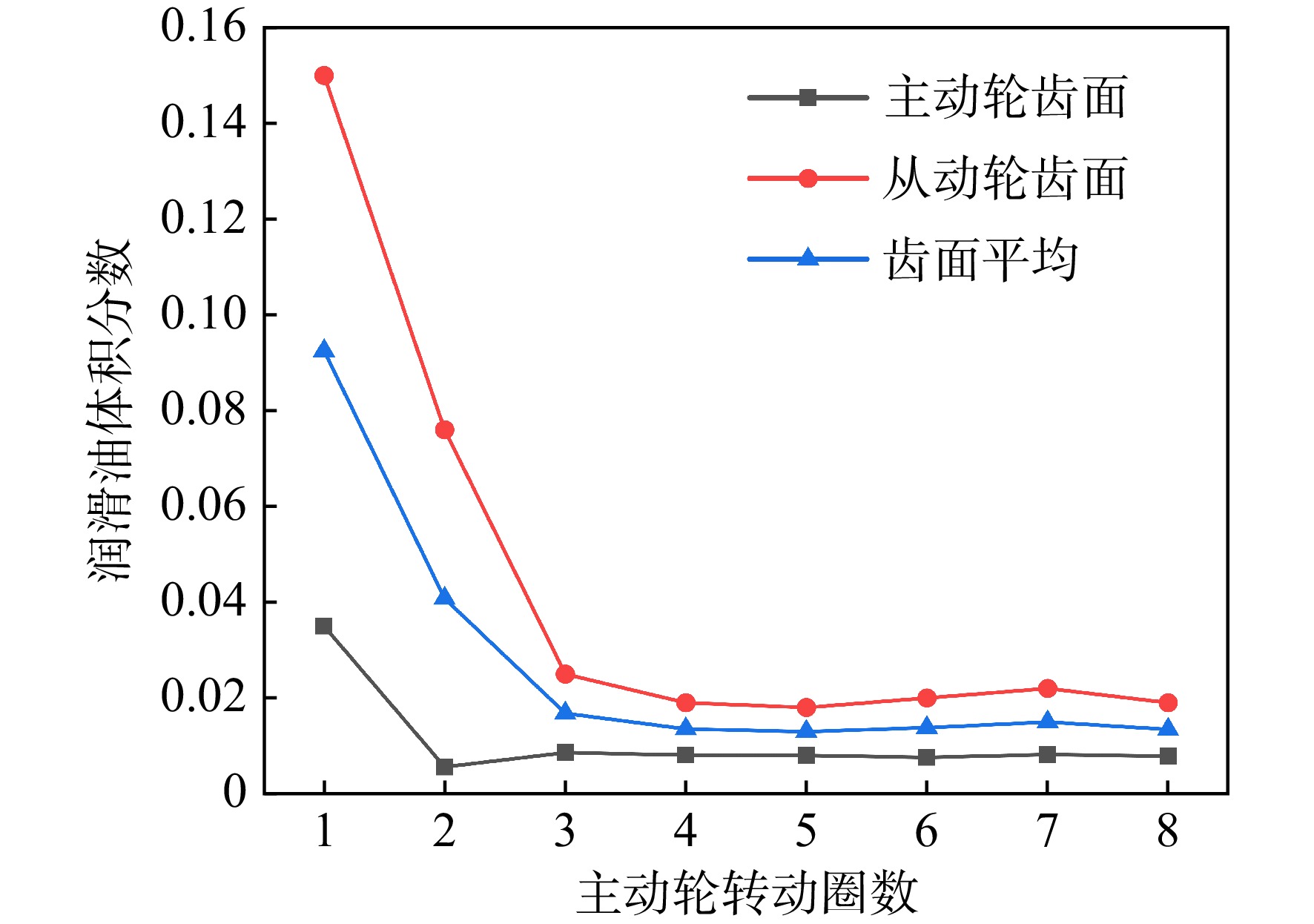
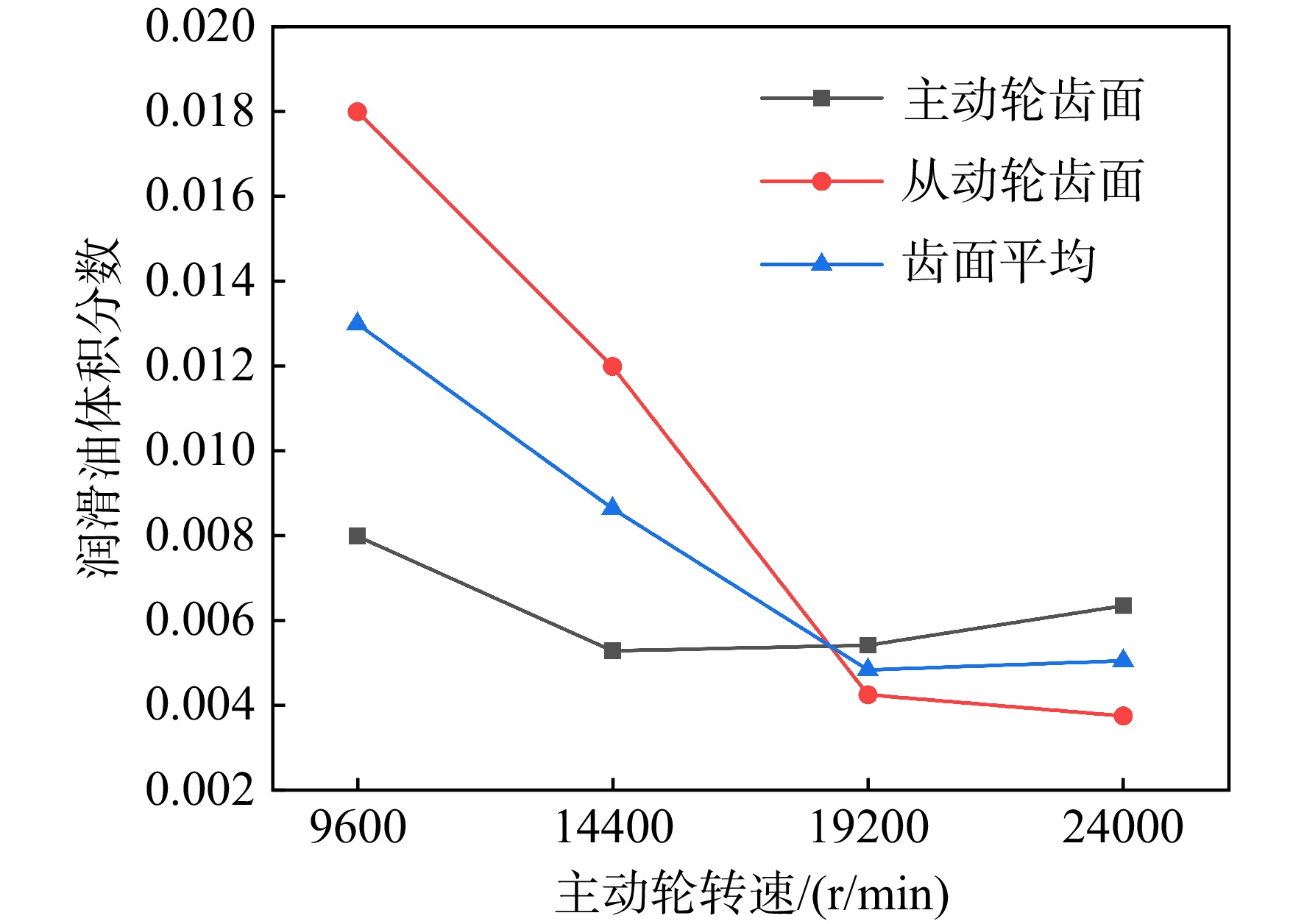
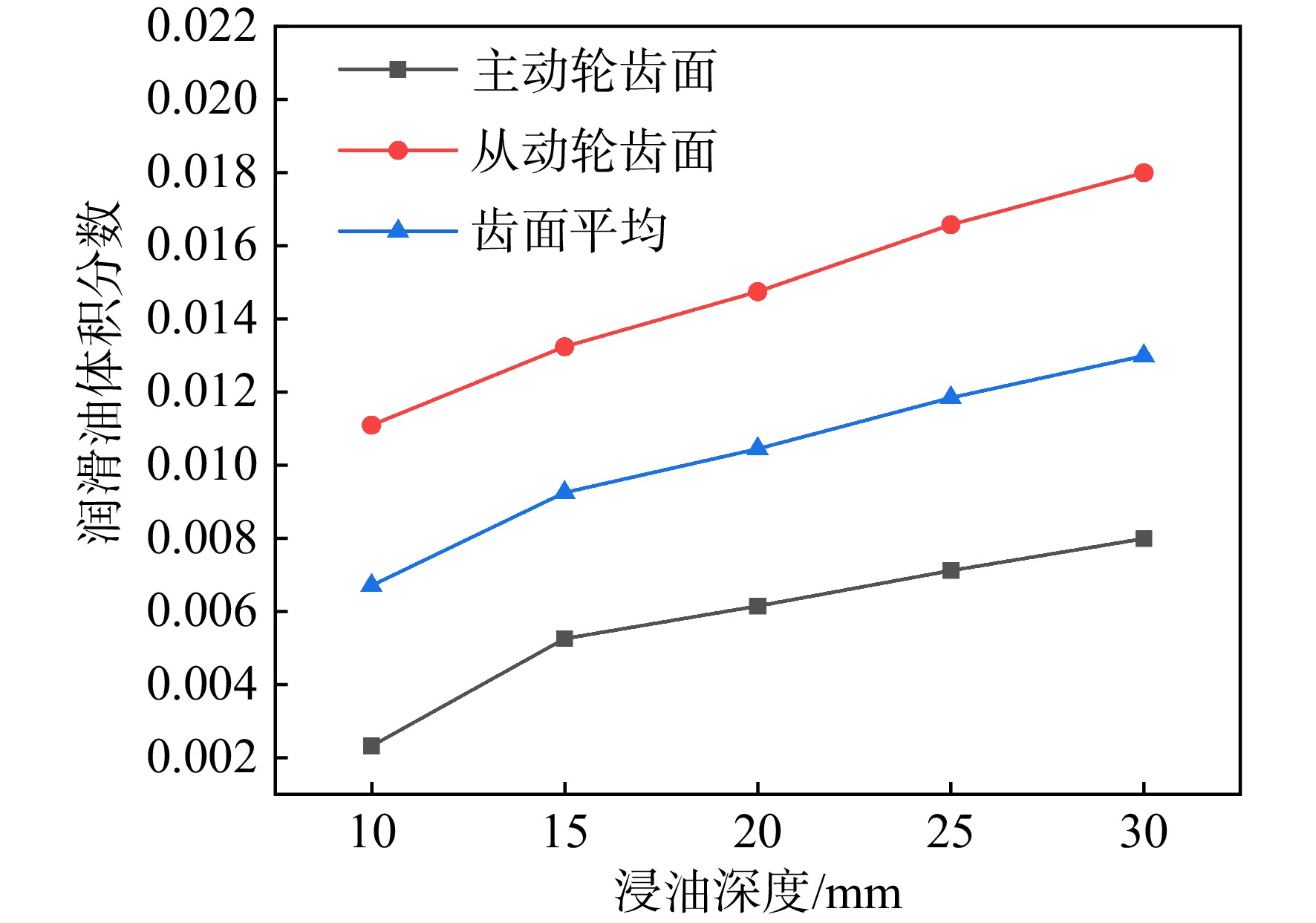
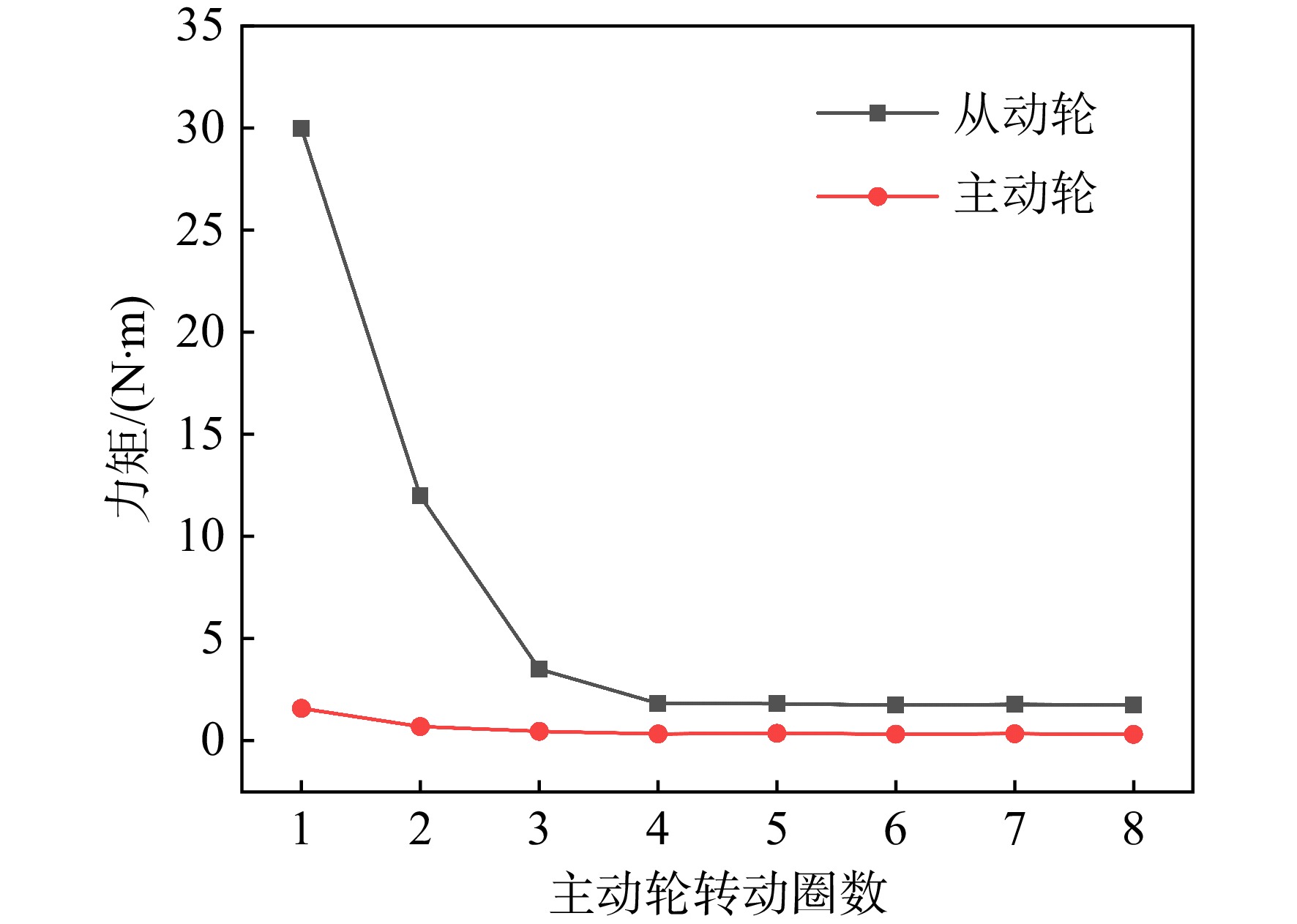
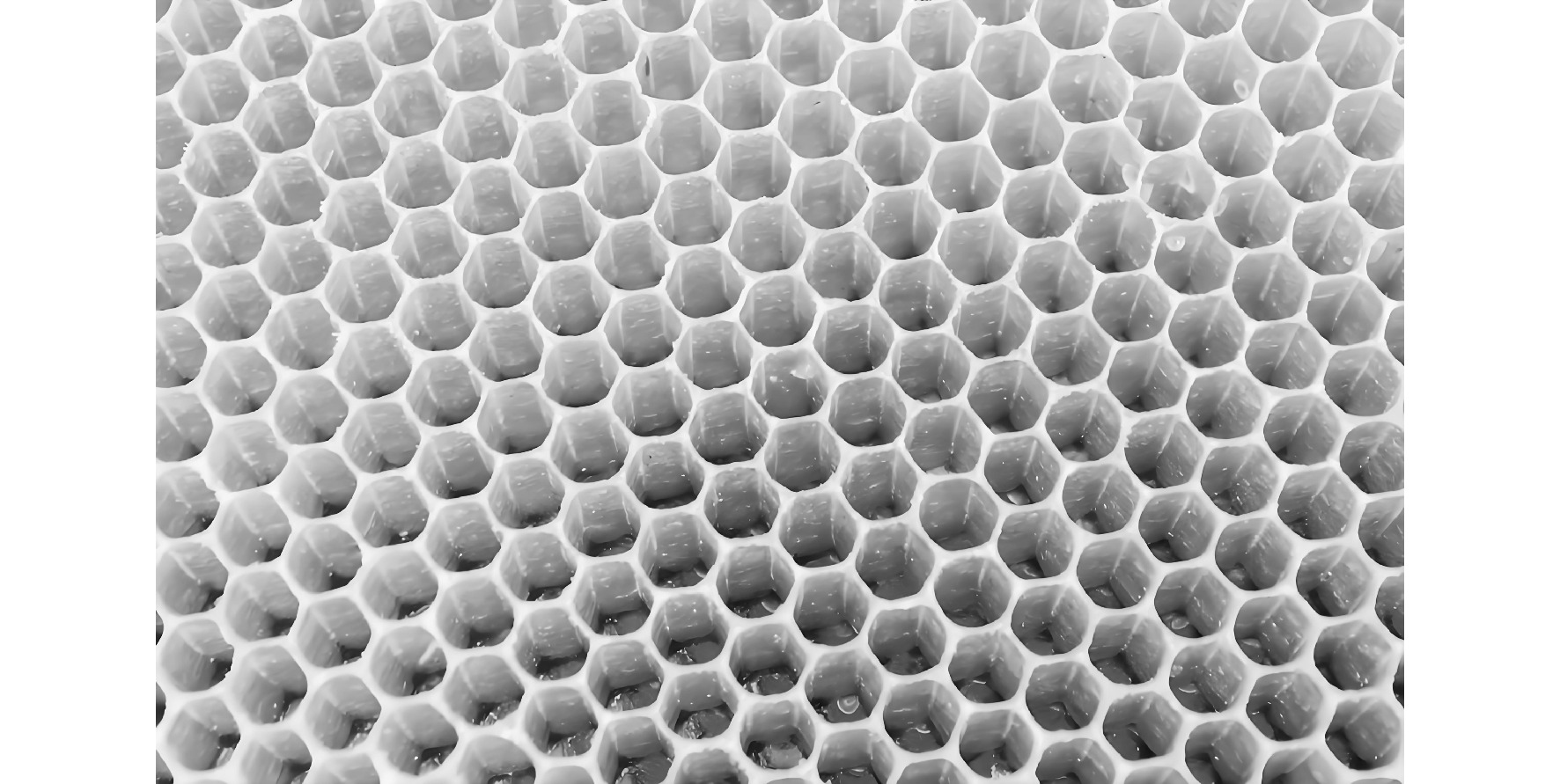
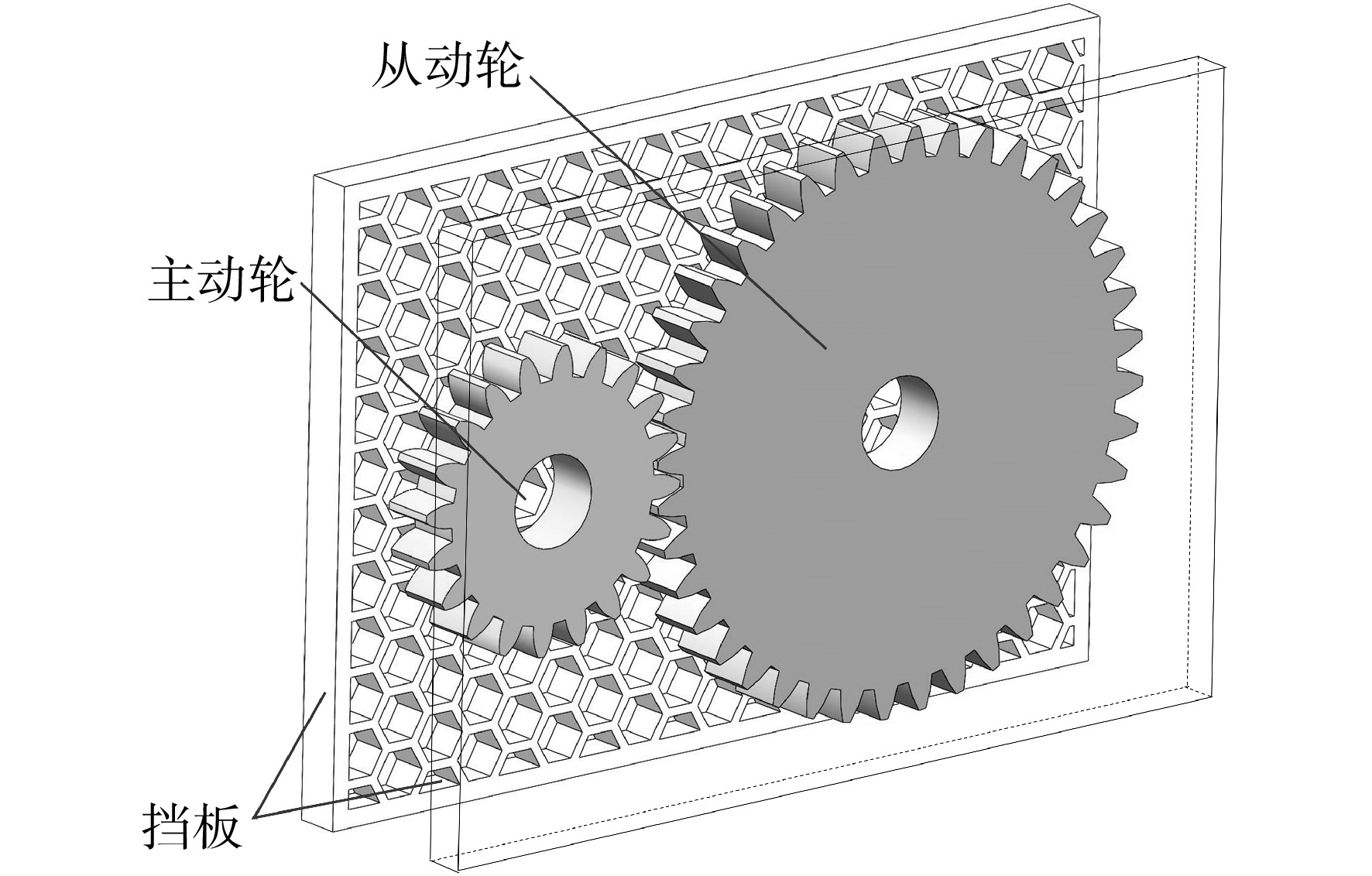
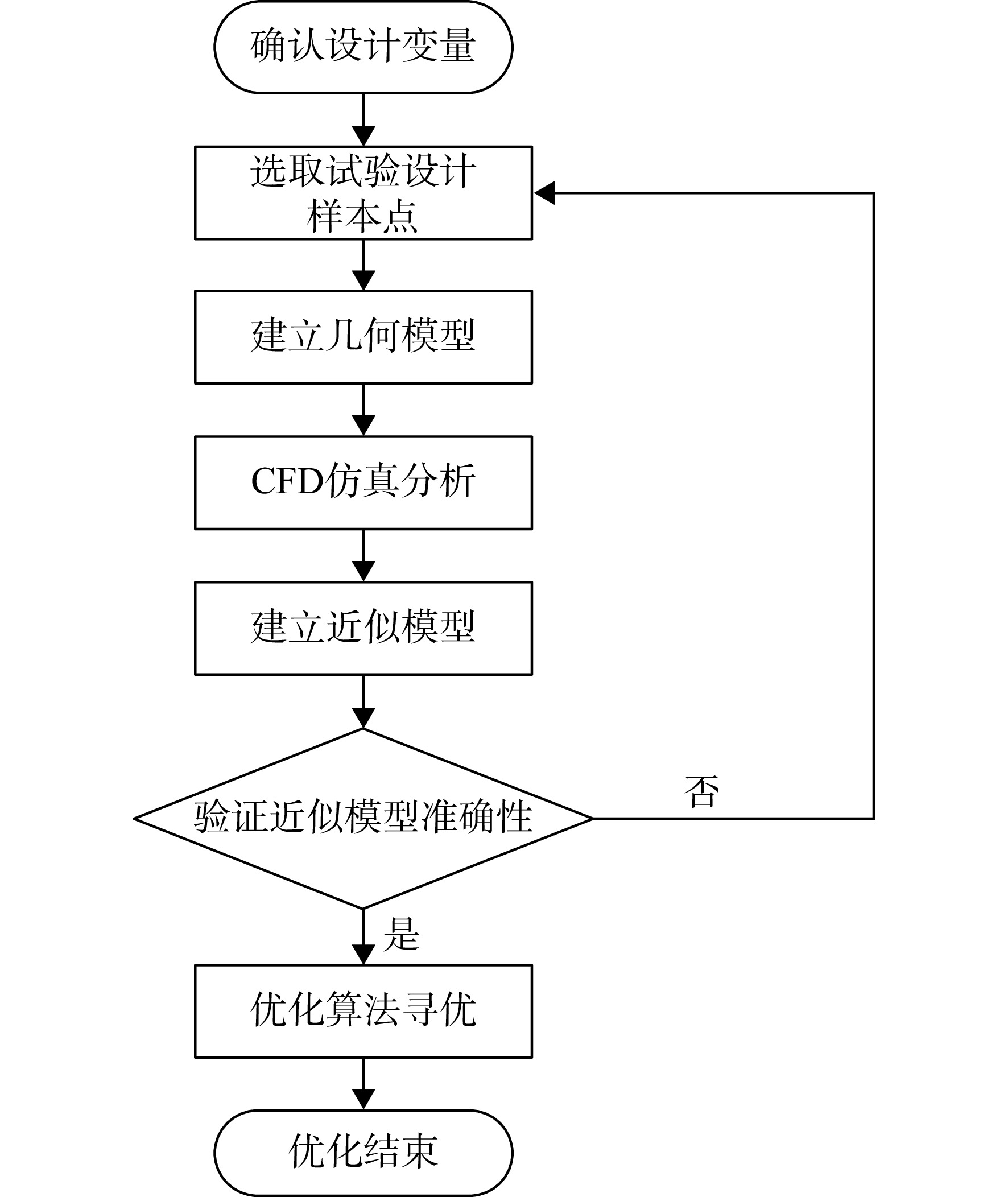
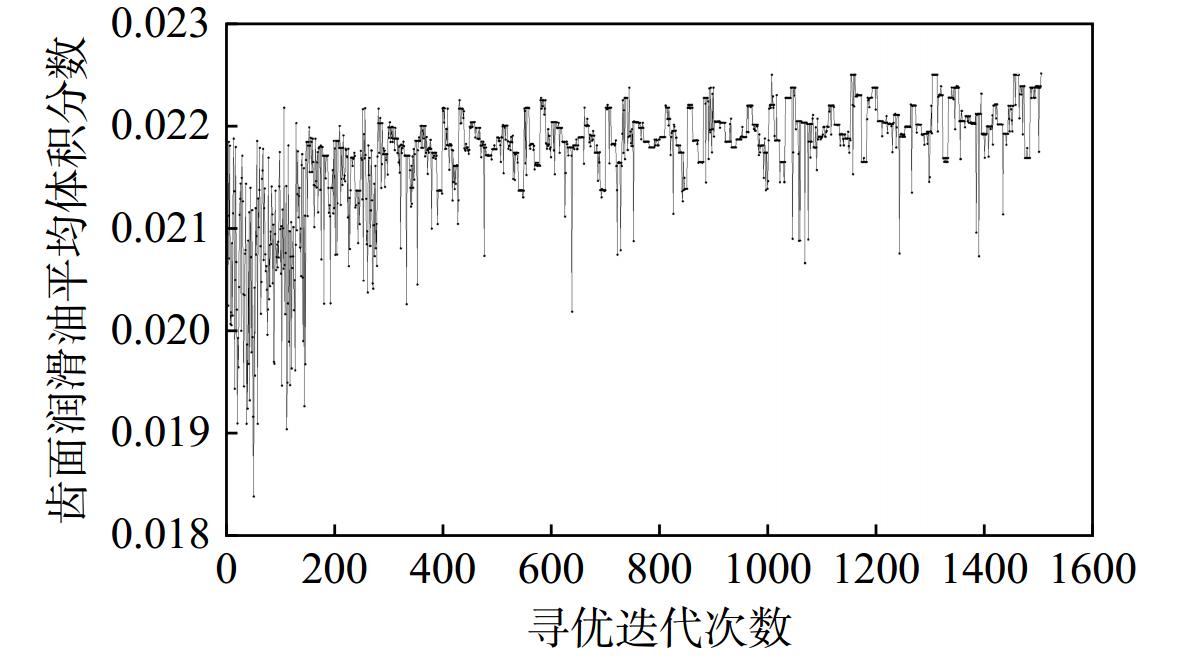
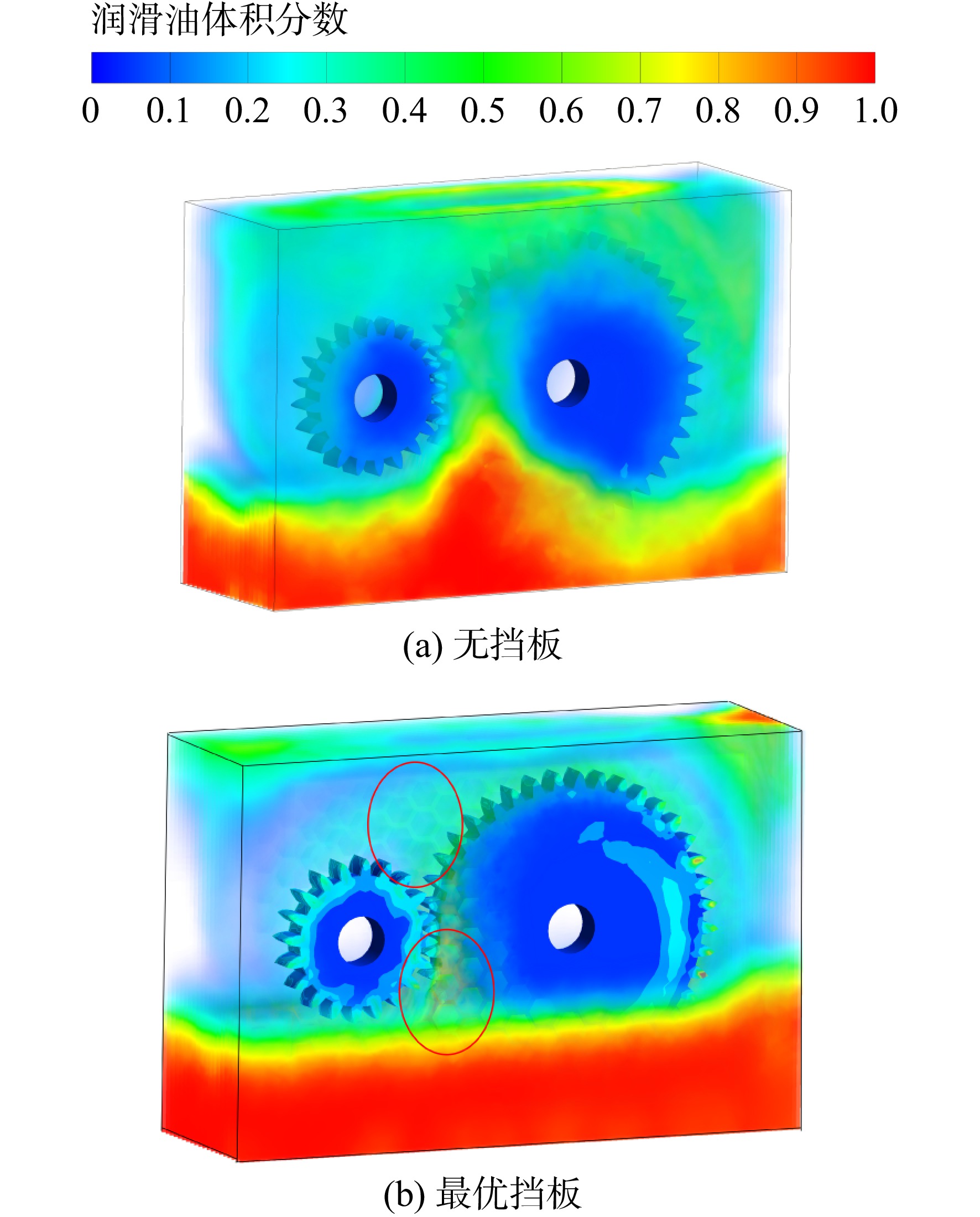
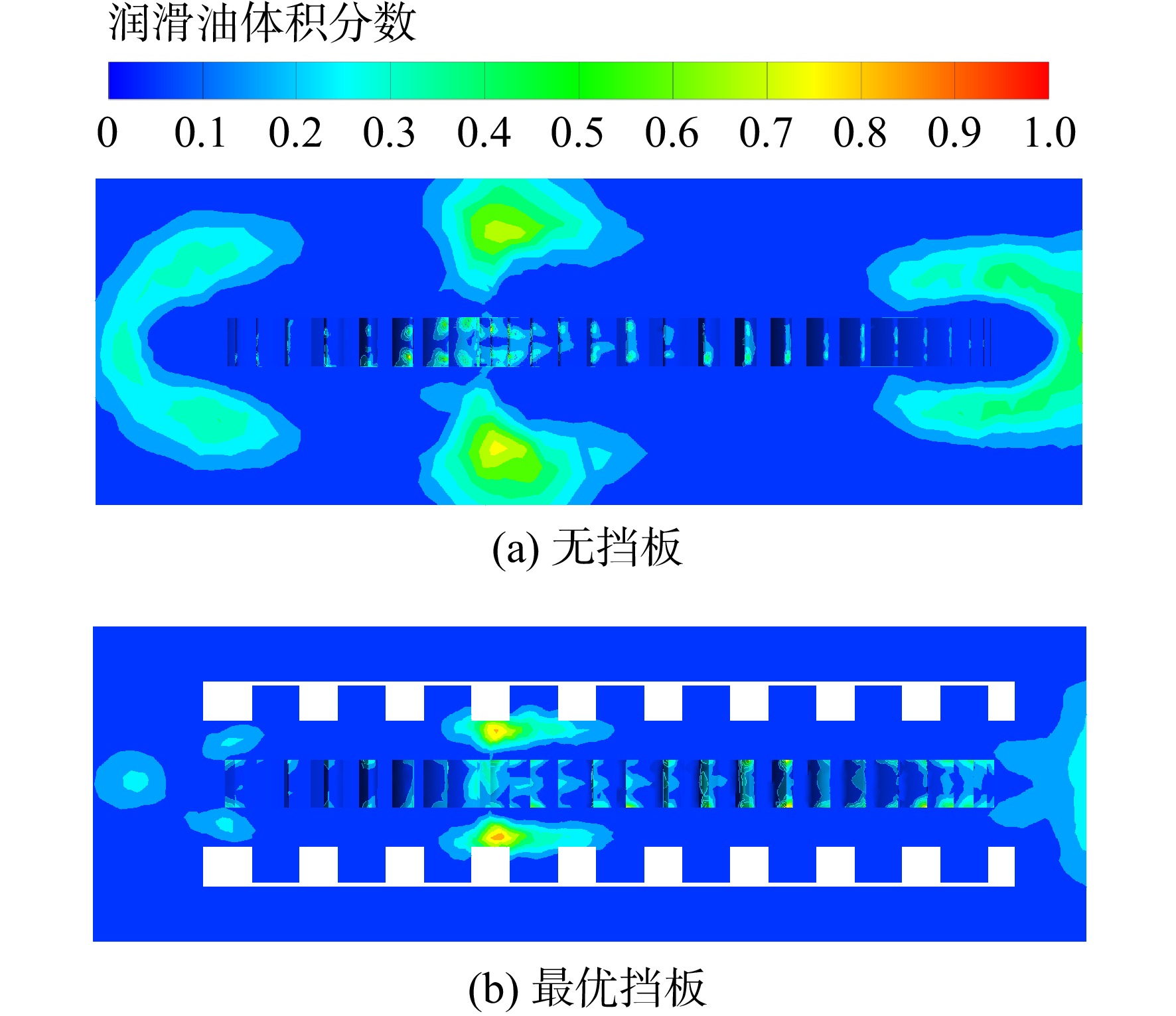
In view of the unclear lubrication characteristics of high-speed gear transmission under low temperature conditions and the limited improvement of lubrication effect by traditional baffles, a study on the splash lubrication characteristics of high-speed gear transmission was carried out. Firstly, based on the theory of computational fluid dynamics, a two-phase flow analysis model of splash lubrication of high-speed gear transmission was established, and the two-phase flow distribution characteristics were analyzed; then, on this basis, the influences of number of rotations, gear speed, and oil immersion depth on splash lubrication characteristics and torque loss were studied; finally, a bionic honeycomb baffle structure was proposed and its structure was optimized using a multi-island genetic algorithm. The results showed that: in the splash lubrication process of high-speed gear transmission under low temperature conditions, the volume fraction of lubricating oil on the tooth surface decreased with the increase of gear speed, but increased with the increase of oil immersion depth; the torque loss increased with the increase of gear speed and oil immersion depth, and the influence of speed on torque loss was much greater than that of oil immersion depth; under the same working conditions, the average volume fraction of lubricating oil on the tooth surface of the optimized bionic honeycomb baffle structure increased by 68.46% compared with the one without baffle, and increased by 7.88% compared with the original baffle. Research results provide a basis for the study of two-phase flow distribution characteristics of high-speed gear transmission under low-temperature conditions and the optimization design of splash lubrication for high-speed gear transmission.

Autocontrol
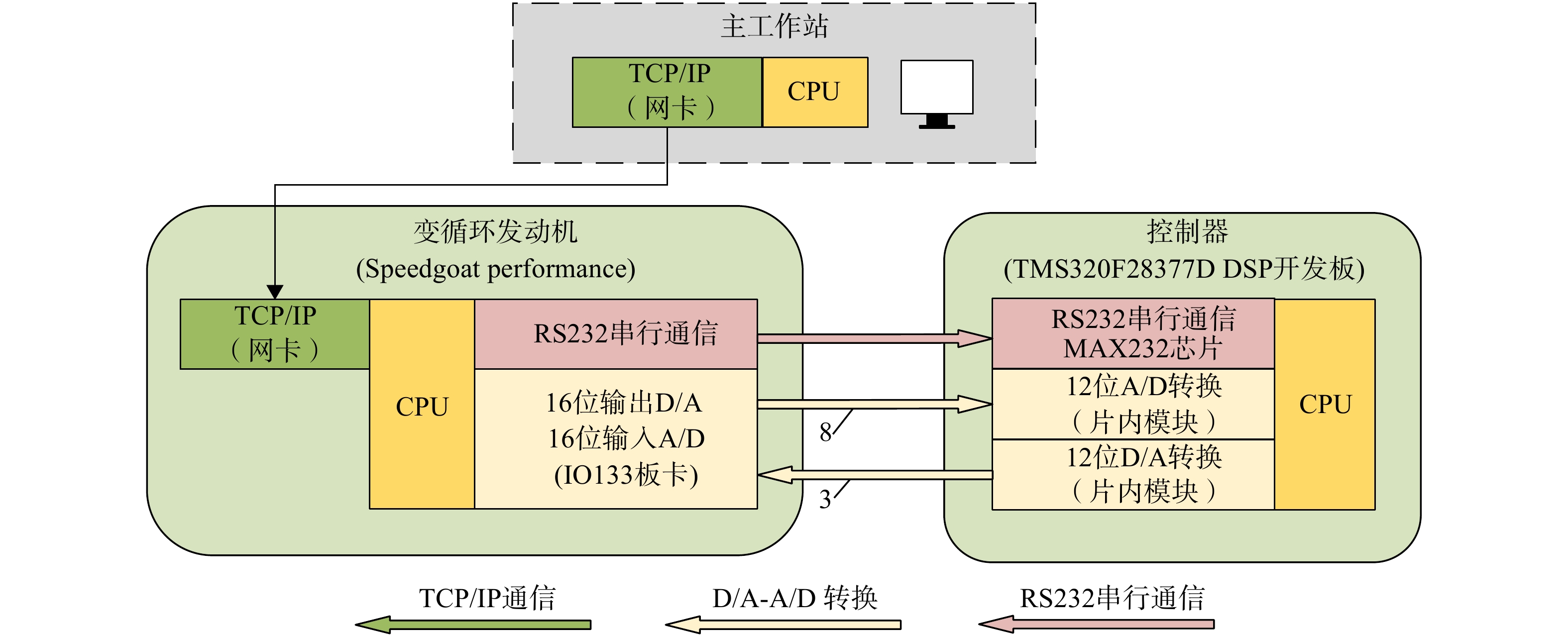
Design of full envelop controller for variable cycle engine based on two-degree-of-freedom H control
DONG Yunhui, GUO Yingqing, XU Kejie
2025, 40(12): 20240693. doi: 10.13224/j.cnki.jasp.20240693
Abstract:
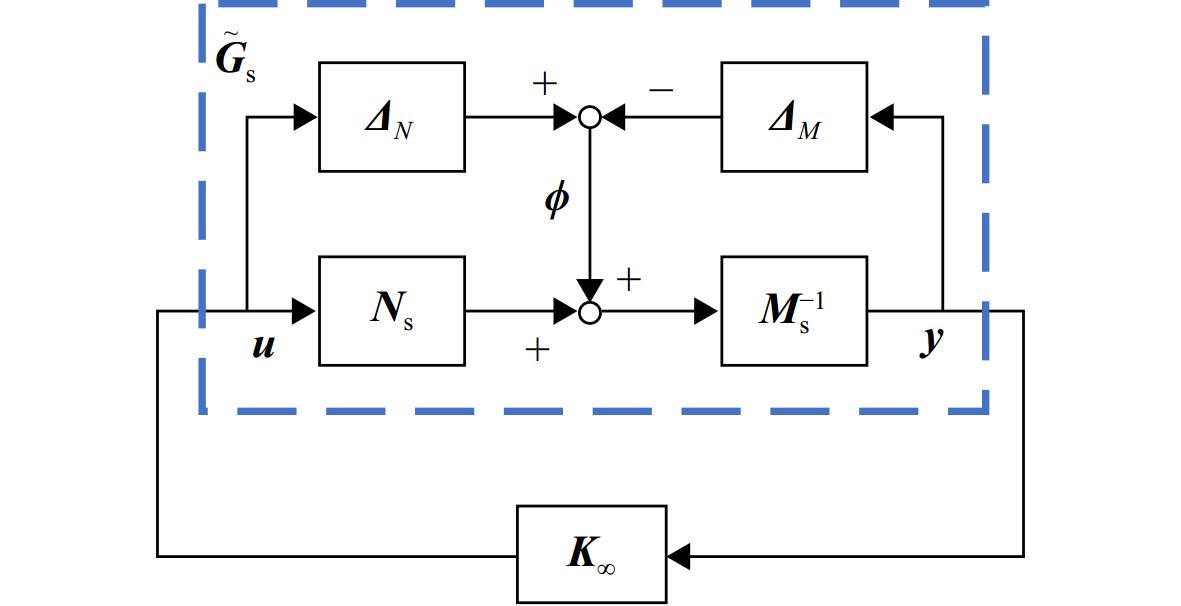
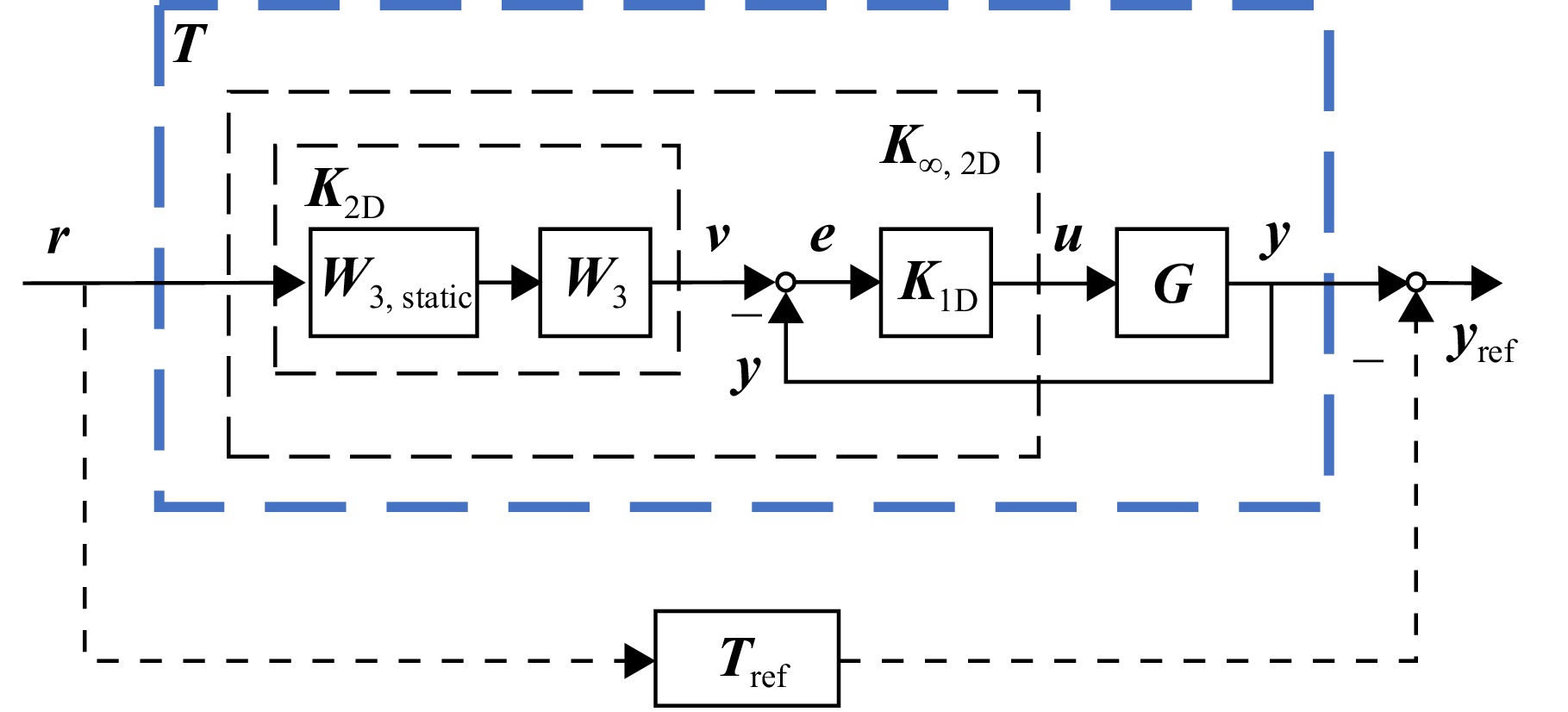
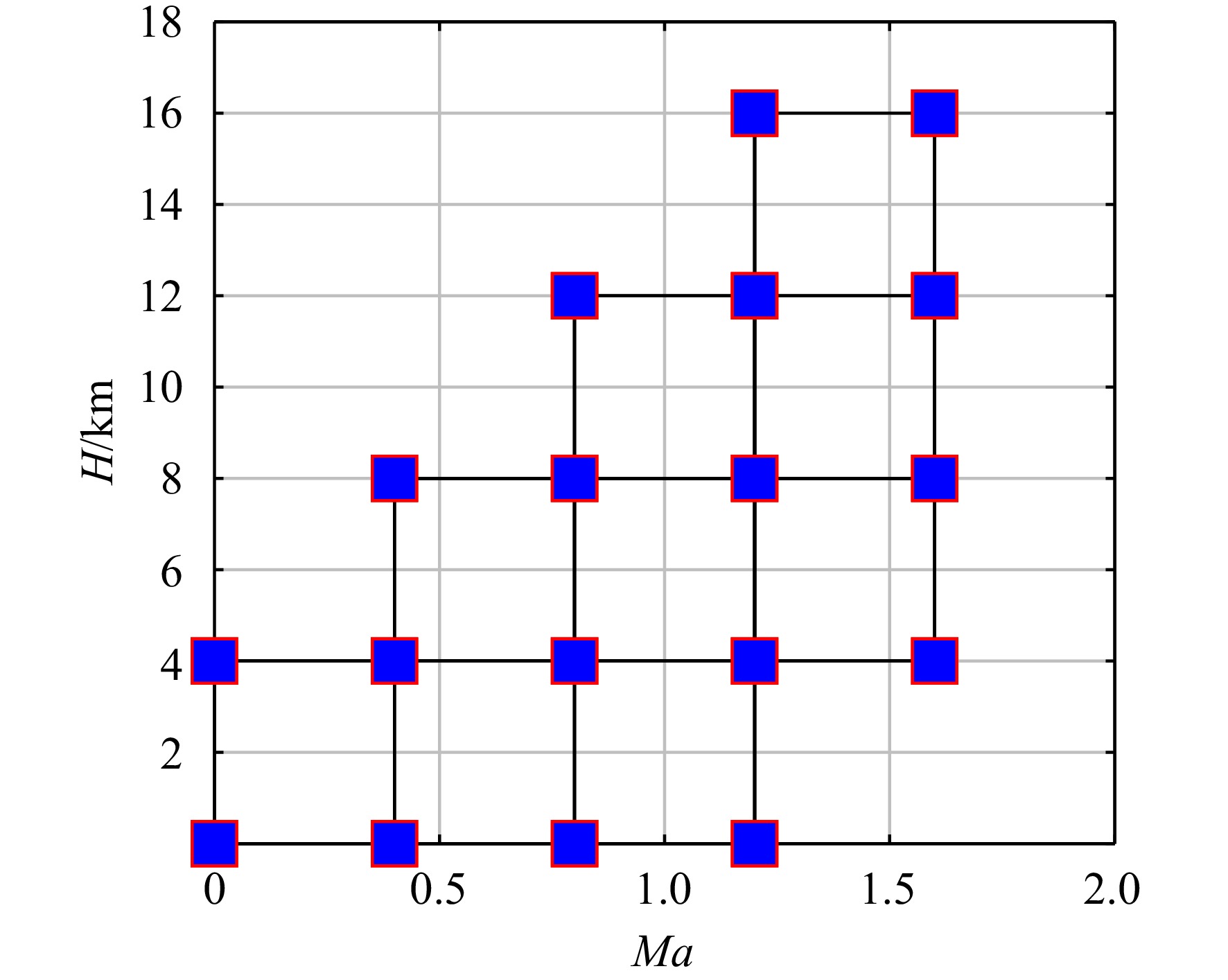
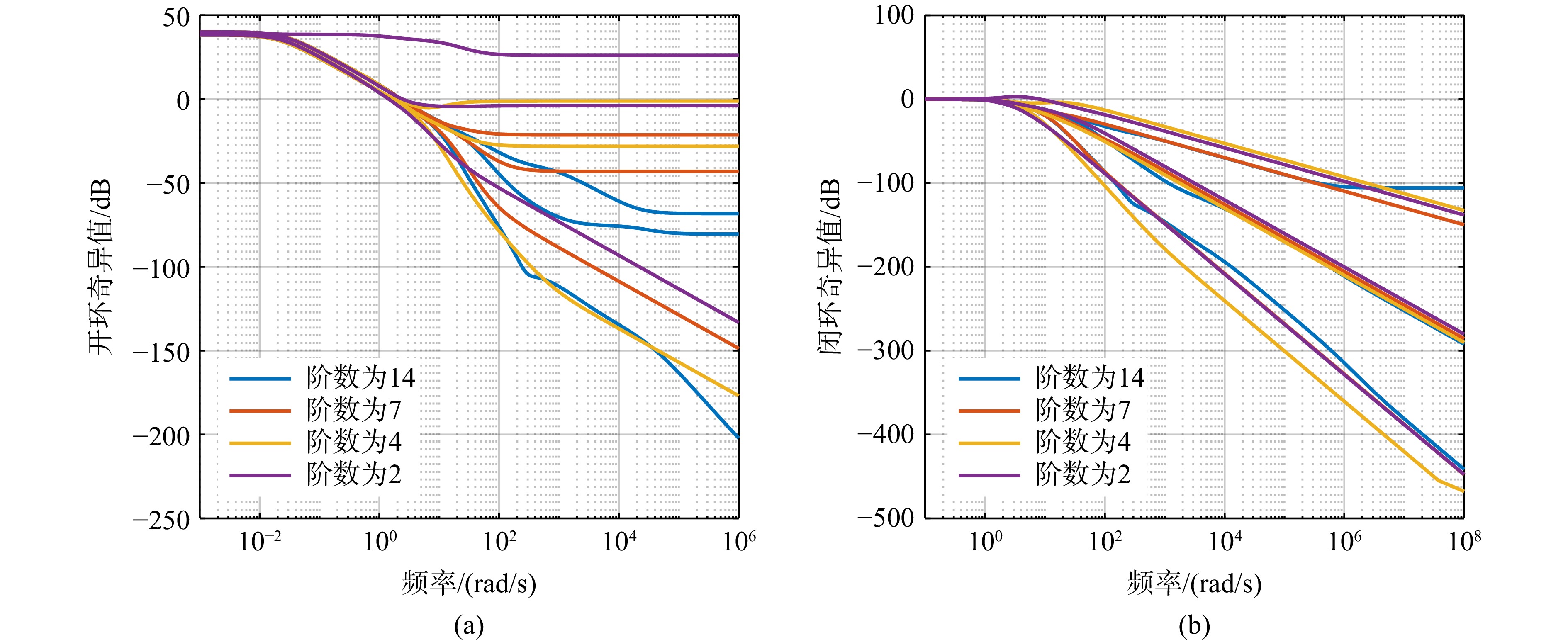
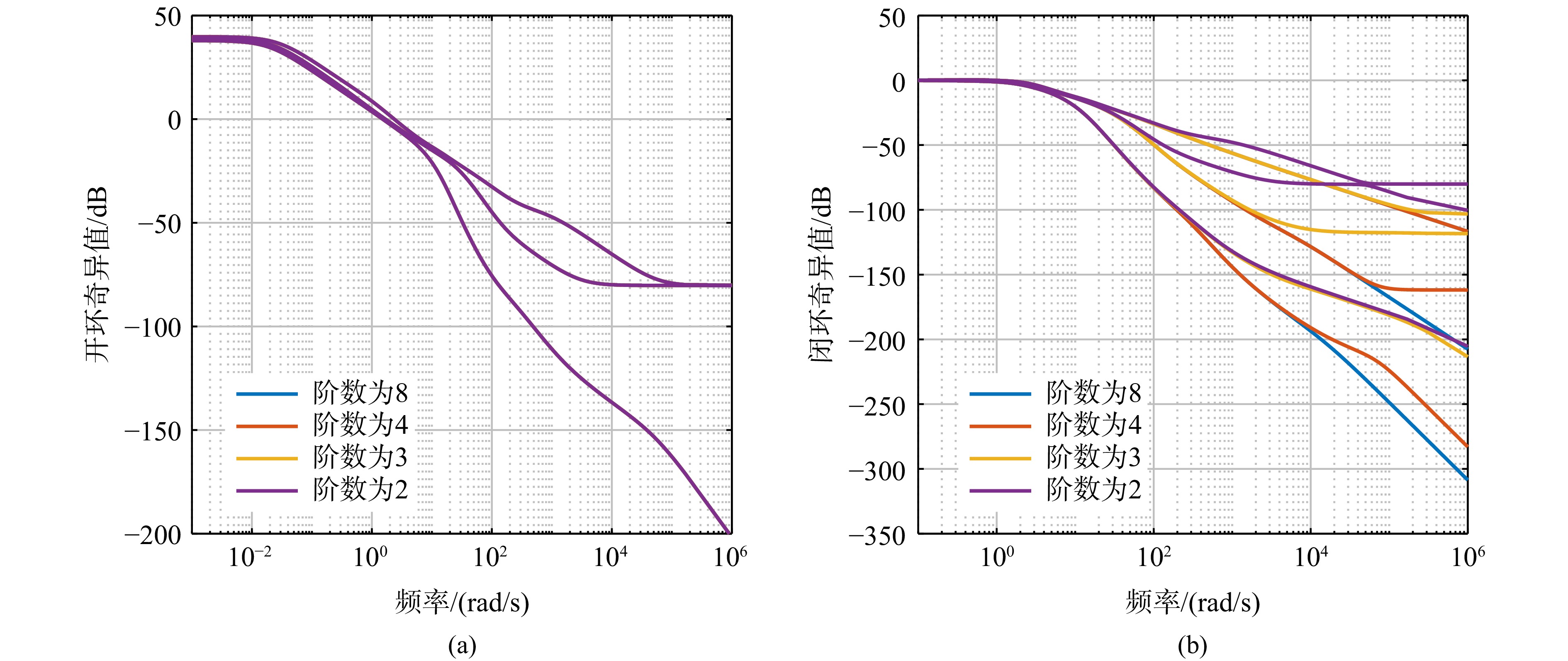
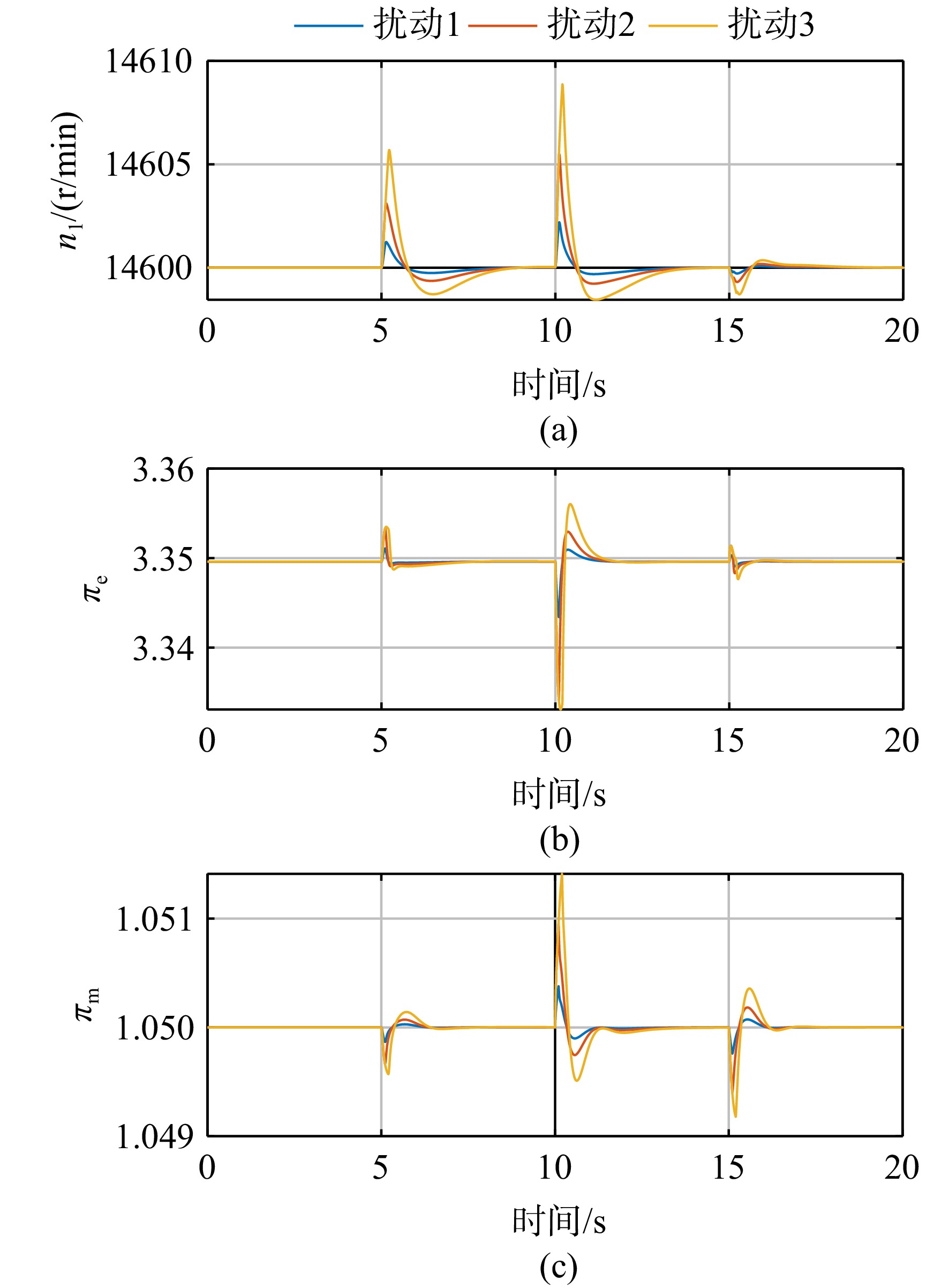
The H robust stability theory was combined with the classical loop shaping theory to design a two-degree-of-freedom H controller while taking into account both the control performance and robustness requirements of the system; to simplify the control system, the inner-loop controller was reduced to the seventh order, and the outer-loop controller was reduced to the fourth order; for the full envelope wide-range tracking control problem, 18 design points were selected within the flight envelope, the controllers were designed for different operating modes and power levels, and the gain scheduling table was constructed; different flight conditions were selected for simulation, and the simulation results showed that the steady state error was 0 and the settling time was less than 2.5 s, which verified the good control performance of the full envelope H controller; finally, the hardware-in-the-loop simulation platform was built to verify the two-degree-of-freedom H control algorithm. The results showed that the control algorithm can complete the calculation within 2 ms, and the engine output can track the reference instruction quickly and accurately, verifying the real-time and effectiveness of the algorithm in the hardware environment.