Aerothermodynamics and Aeroengine Design
Technological development and prospects of civil turboshaft engines
Li Gaiqi, Ma Dongyang, Yang Yang, Wu Zhijuan, Chao Aifang, He Long
2027, 42(1): 20260179. doi: 10.13224/j.cnki.jasp.20260179
Abstract:
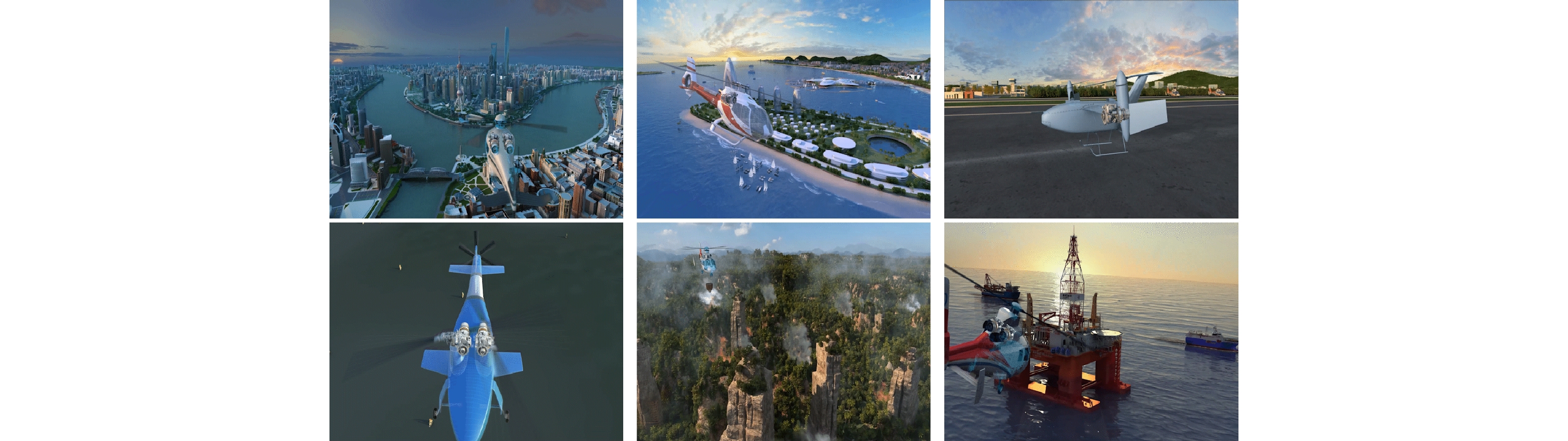
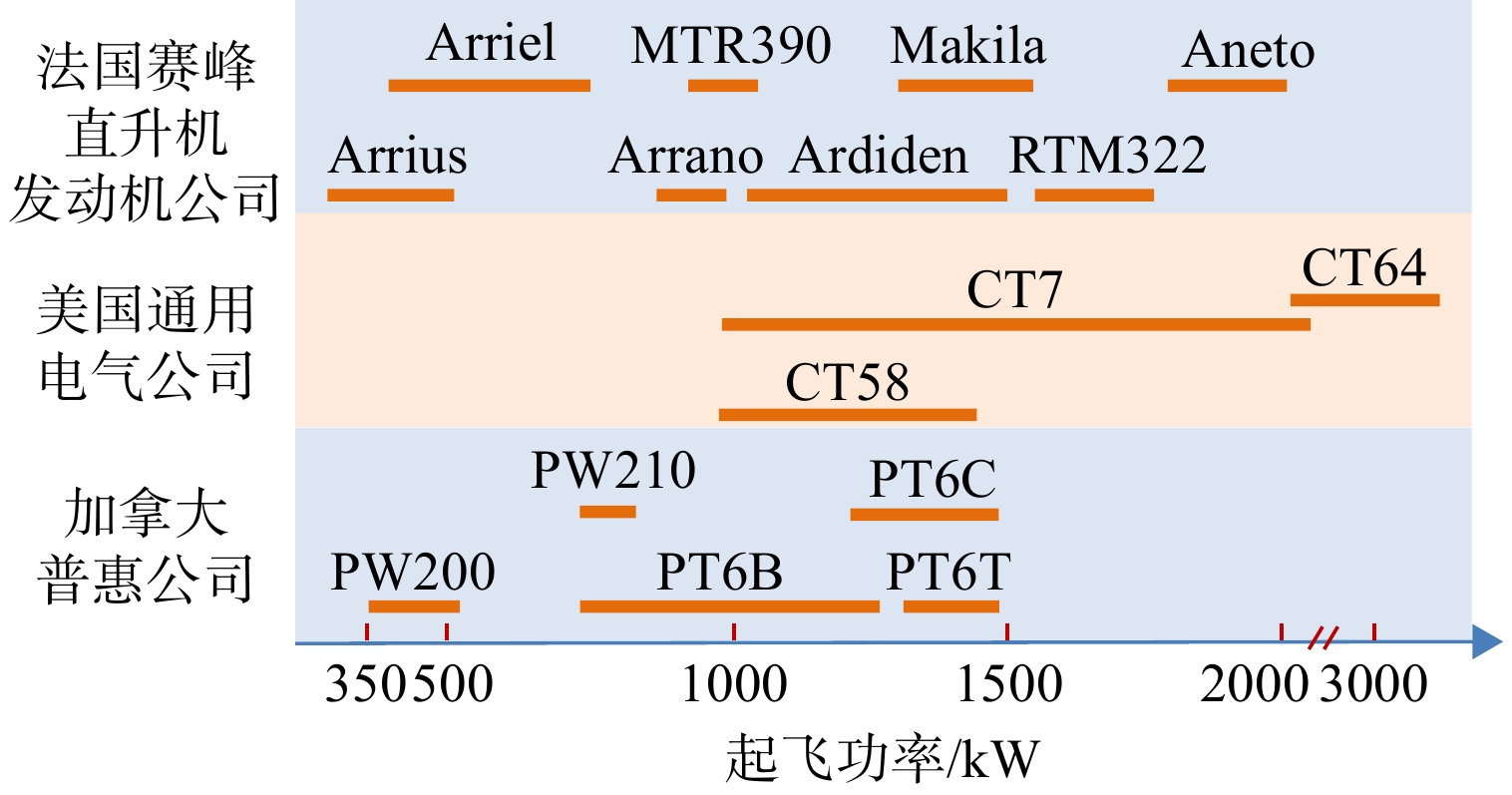
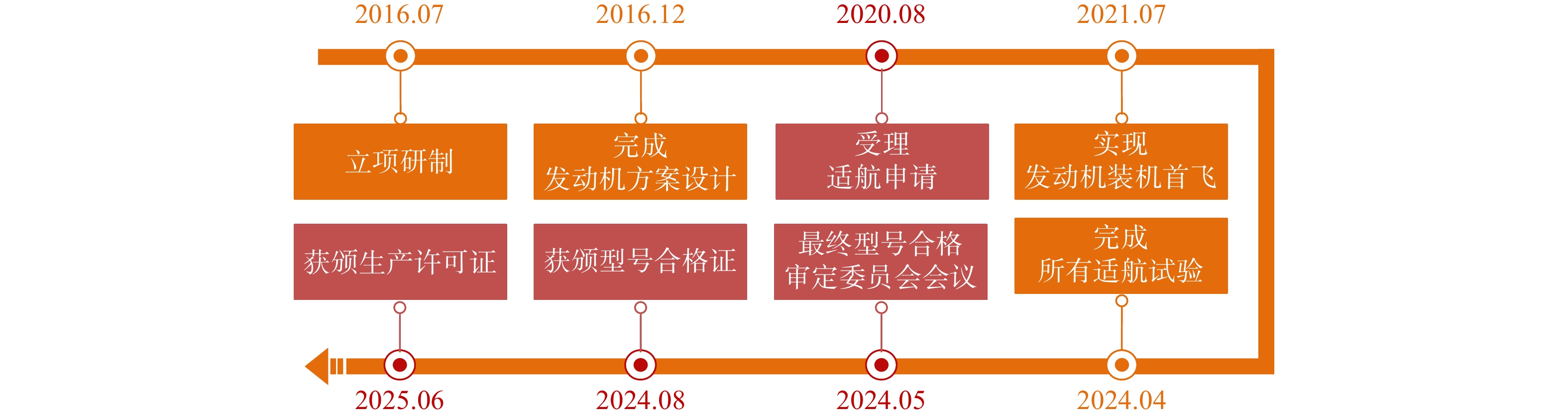
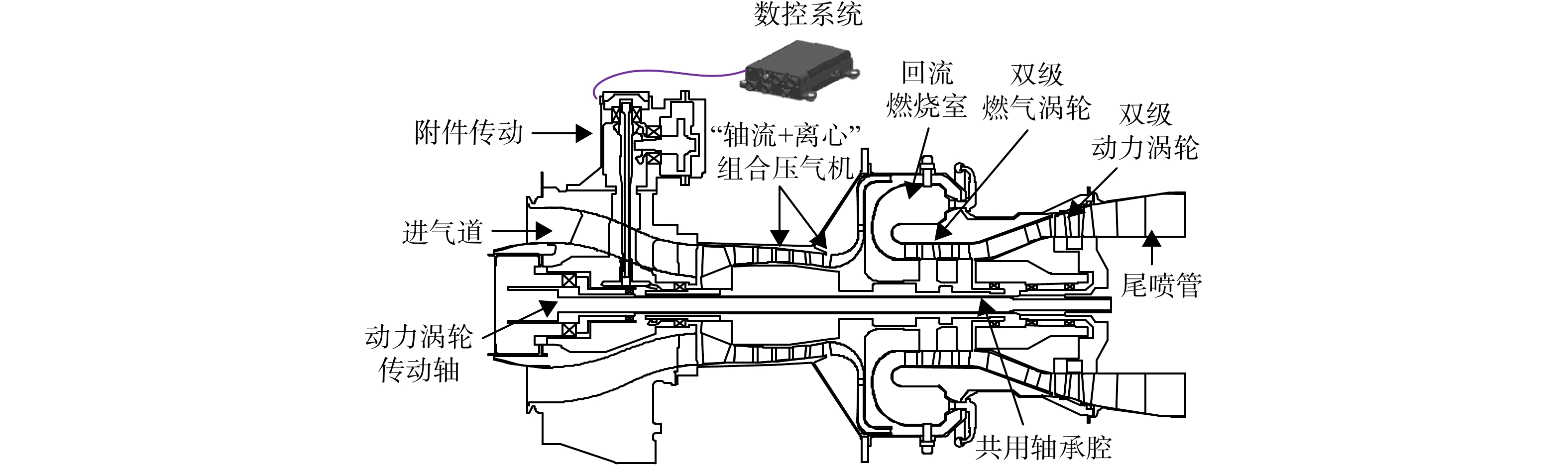
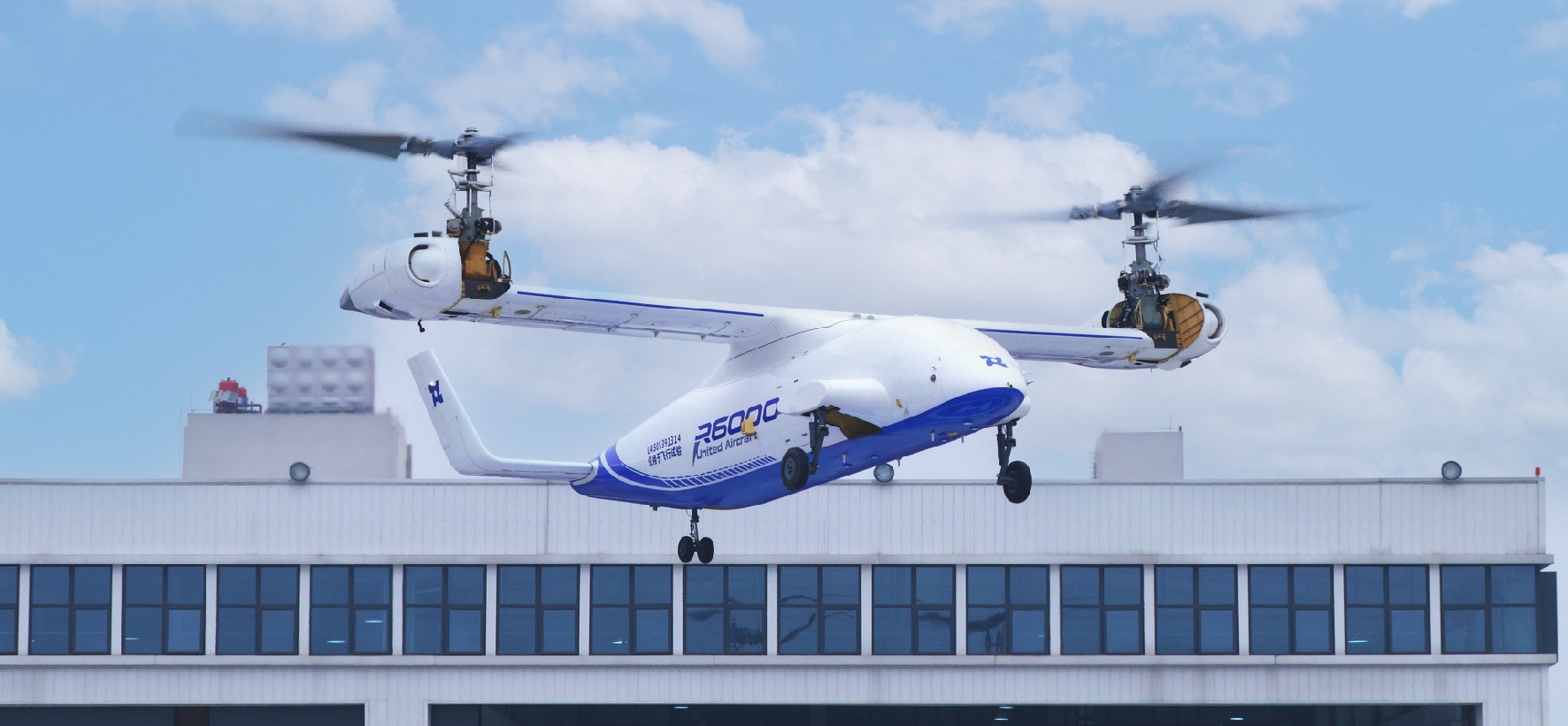
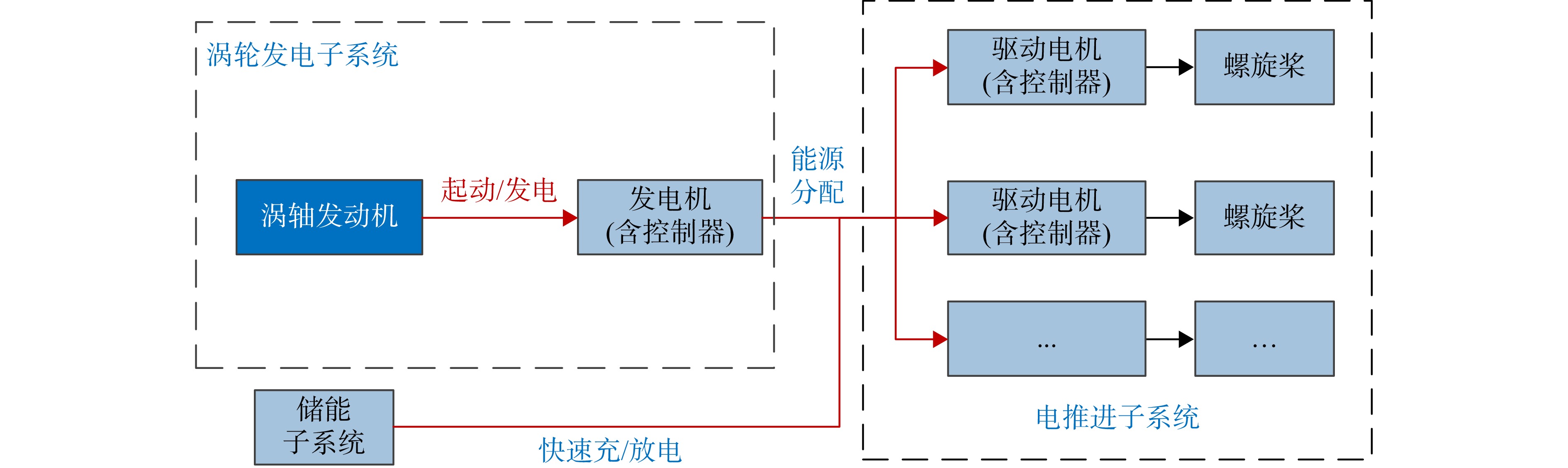
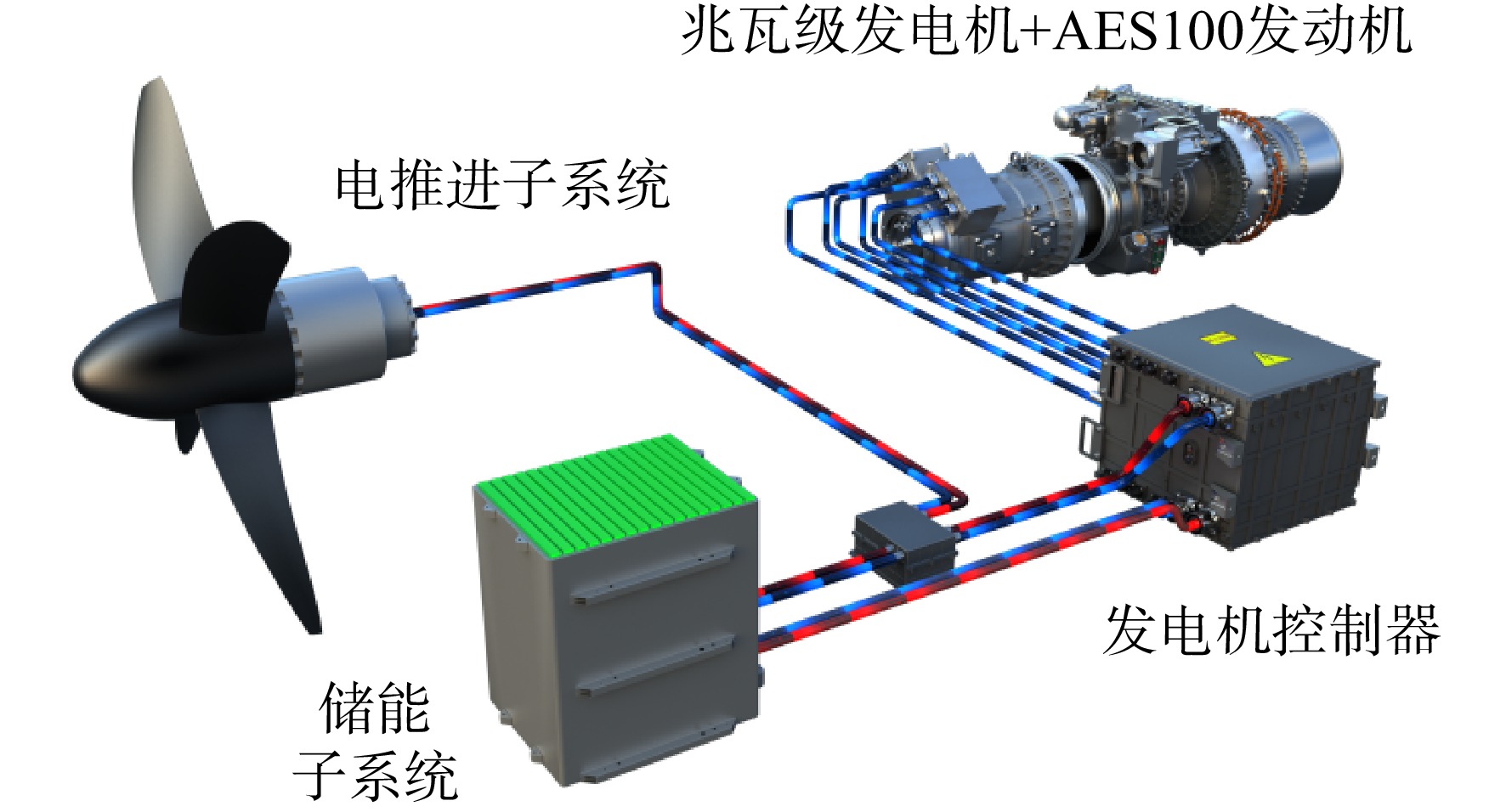
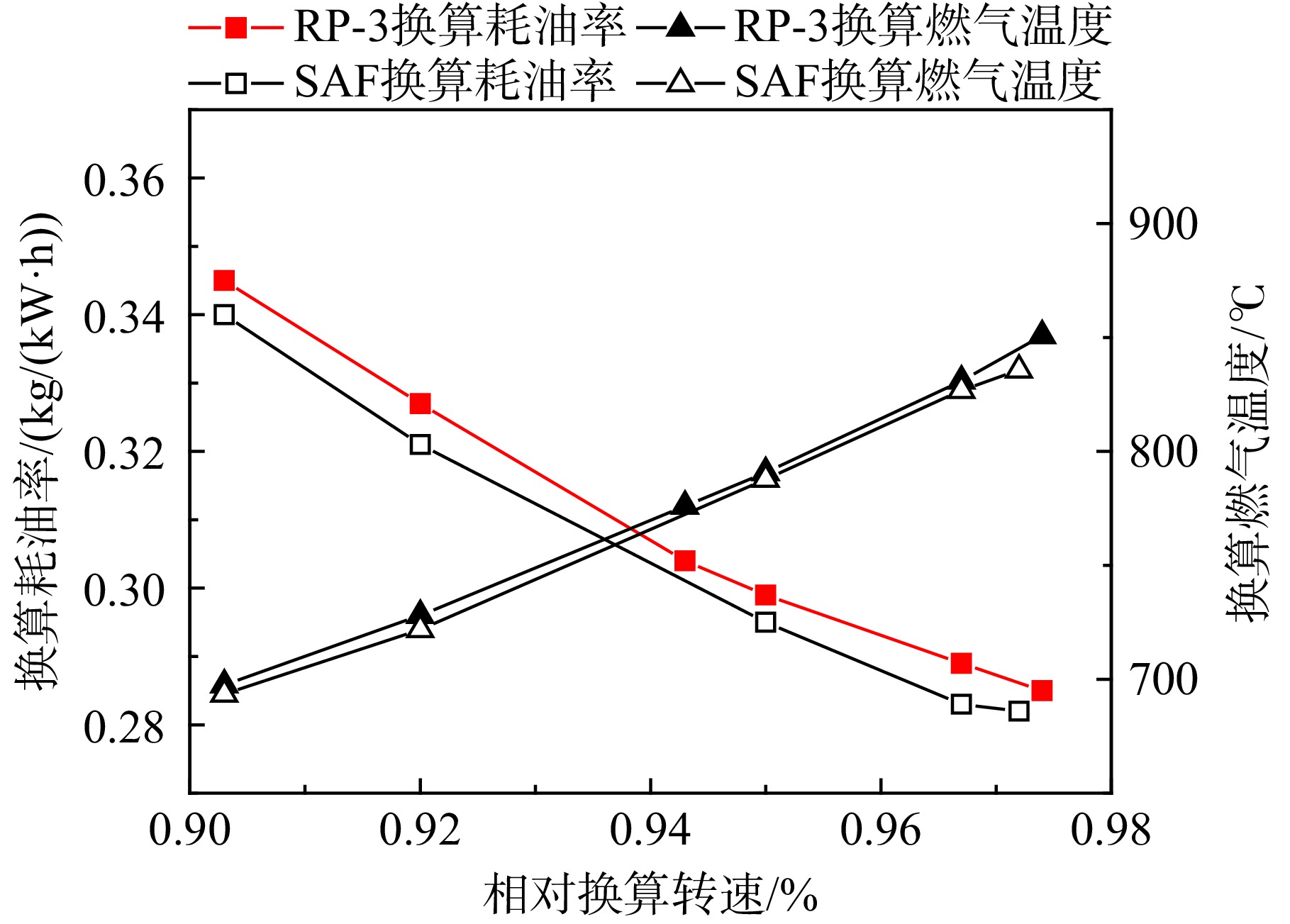
Civil turboshaft engines are important members of the aero-engine family and serve as the core power source for the general aviation industry and the low-altitude economy. An overview of the technical features and key performance characteristics of civil turboshaft engines was provided, representative products from major domestic and international manufacturers were introduced, the development challenges and critical technologies were analyzed, and the main development approaches, pathways, and technological routes for turboshaft engine products were identified. By reviewing the innovative engineering practices in the development of the domestically produced 1000 kW class civil turboshaft engine (AES100), the overarching strategy that has ensured steady and successful progress in the AES100 program was distilled, including core principles such as adherence to regulations, forward design, autonomous design, and independent airworthiness. Significant achievements in the independent development of civil turboshaft engines were also highlighted, including key technological breakthroughs in low fuel consumption, long service life, and high safety. In response to market demands, turboshaft engine technology was pointed out to be rapidly advancing along new research directions, including new requirements, novel configurations, advanced materials, innovative manufacturing processes, and alternative fuels. Broad application prospects of civil turboshaft engines were outlined in advanced civil helicopters, tiltrotor aircraft, turbo-electric hybrid propulsion system, sustainable aviation fuels (SAF) and hydrogen-powered propulsion systems.

Geometric-flow synergistic design for low-Mach-number self-starting inward turning inlet
Li Yongzhou, Sun Di, Wang Renhua, Luo Xisheng
2027, 42(1): 20250452. doi: 10.13224/j.cnki.jasp.20250452
Abstract:

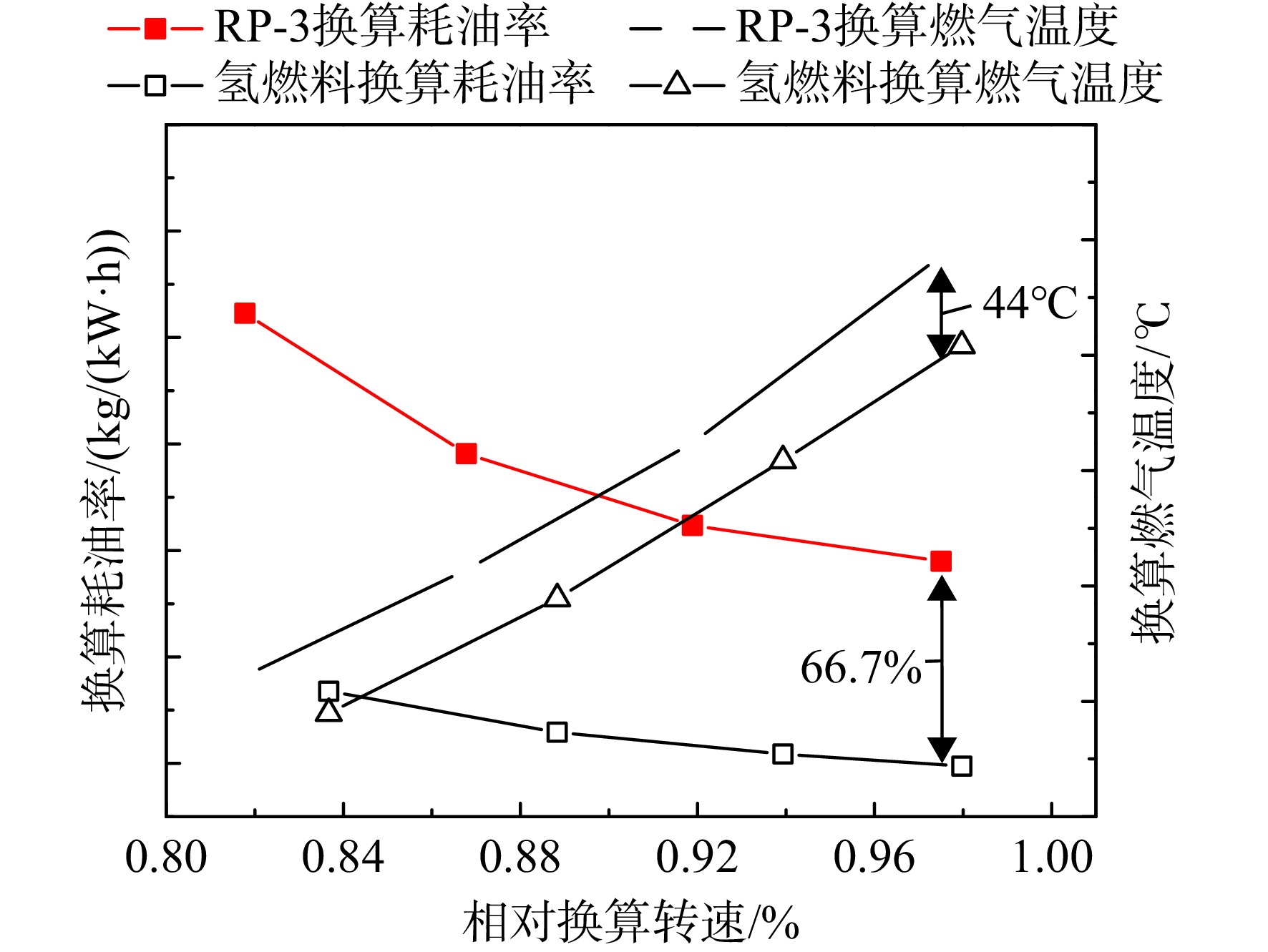
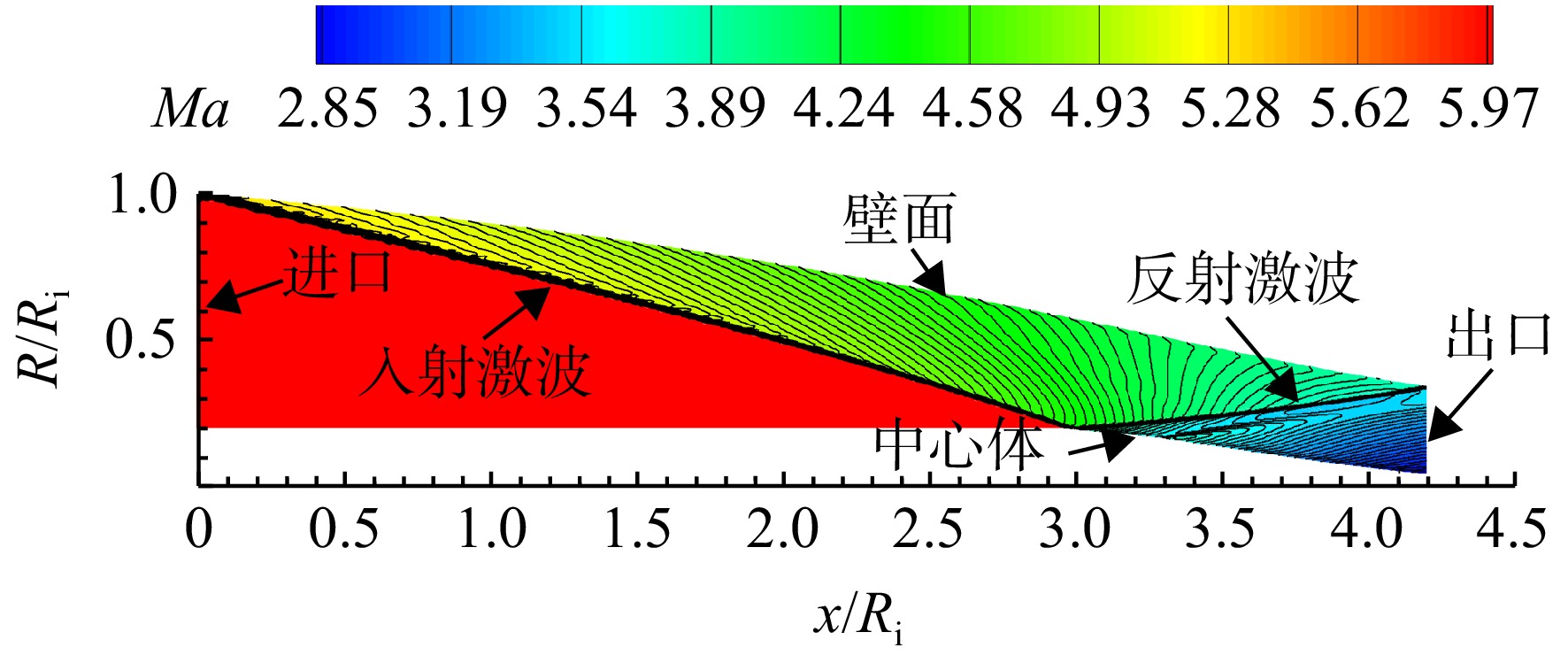
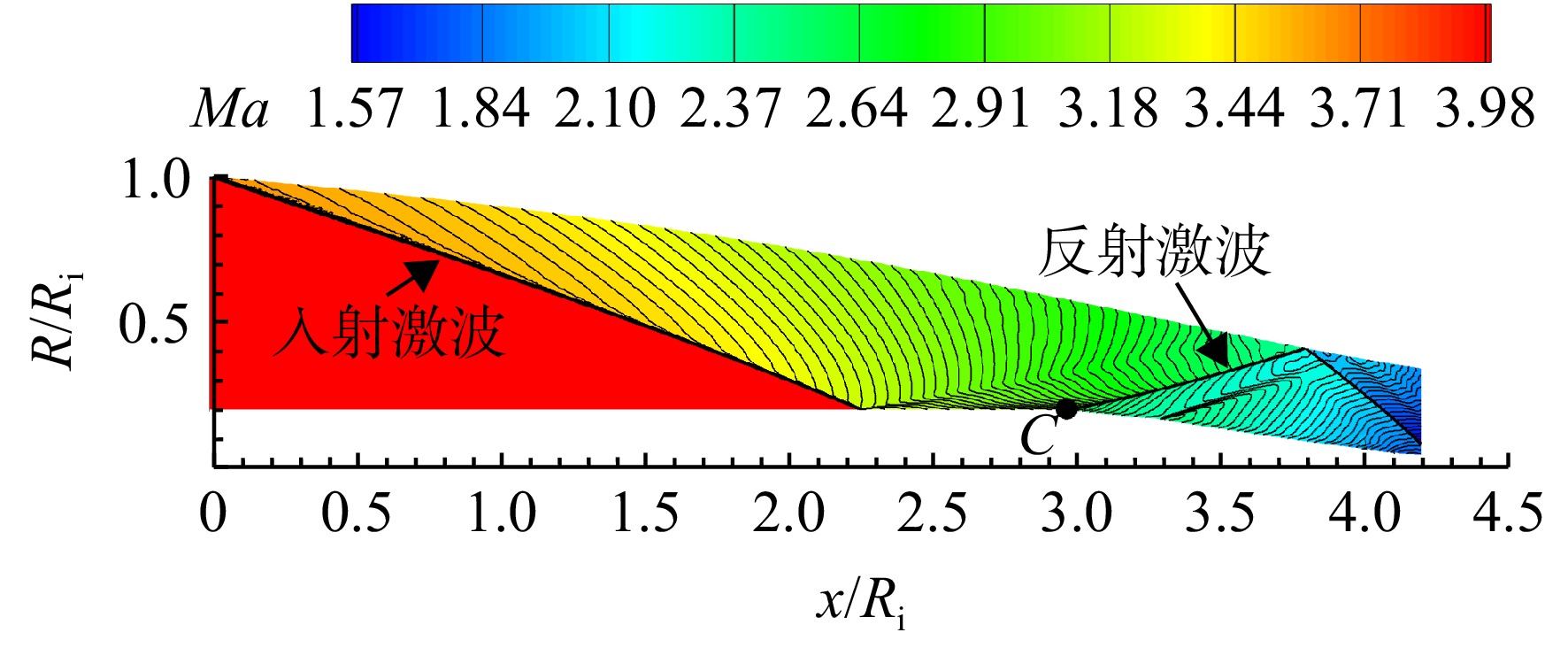
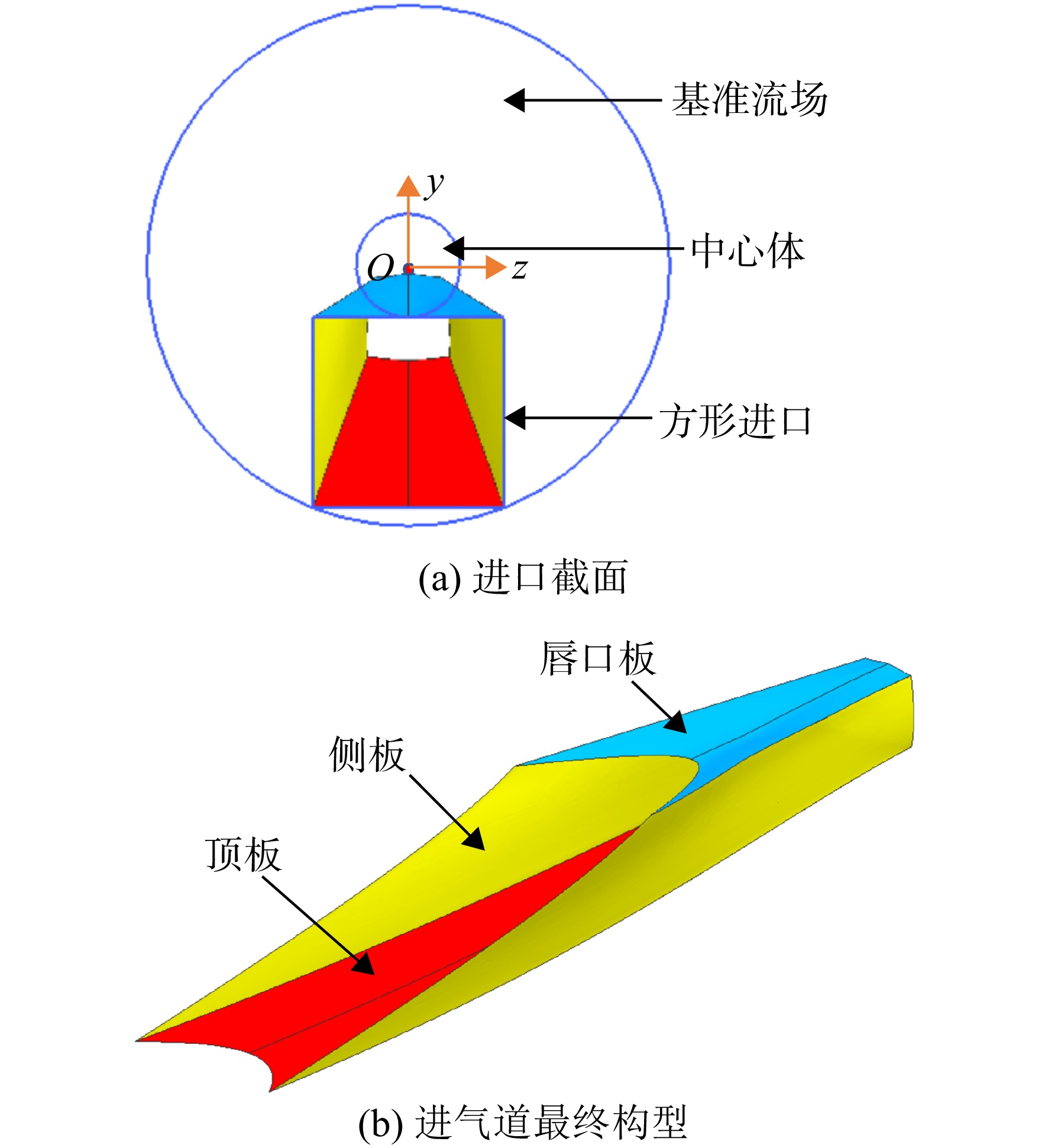
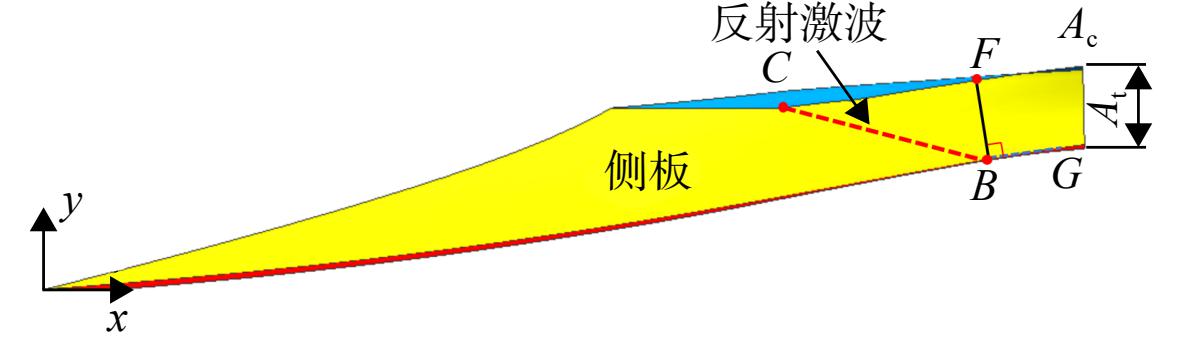
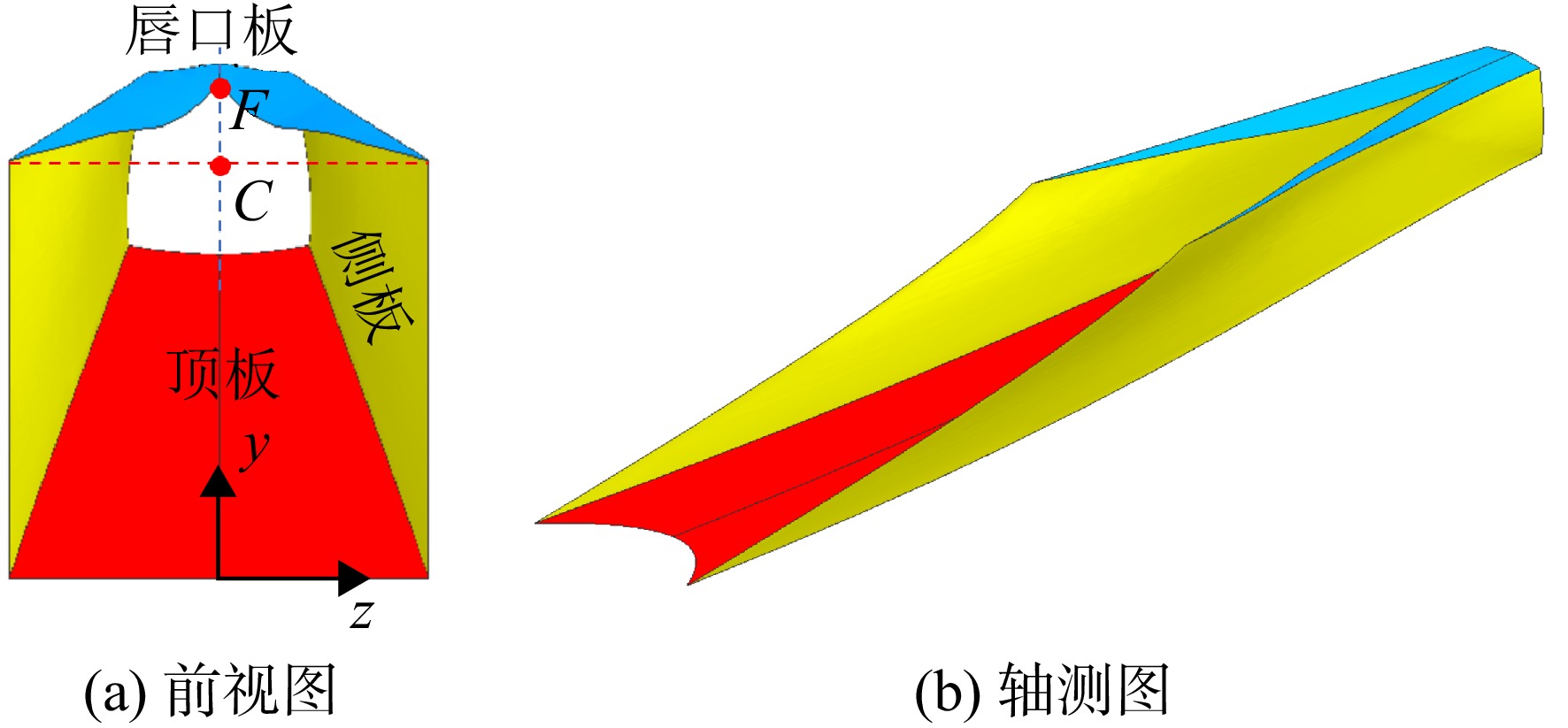
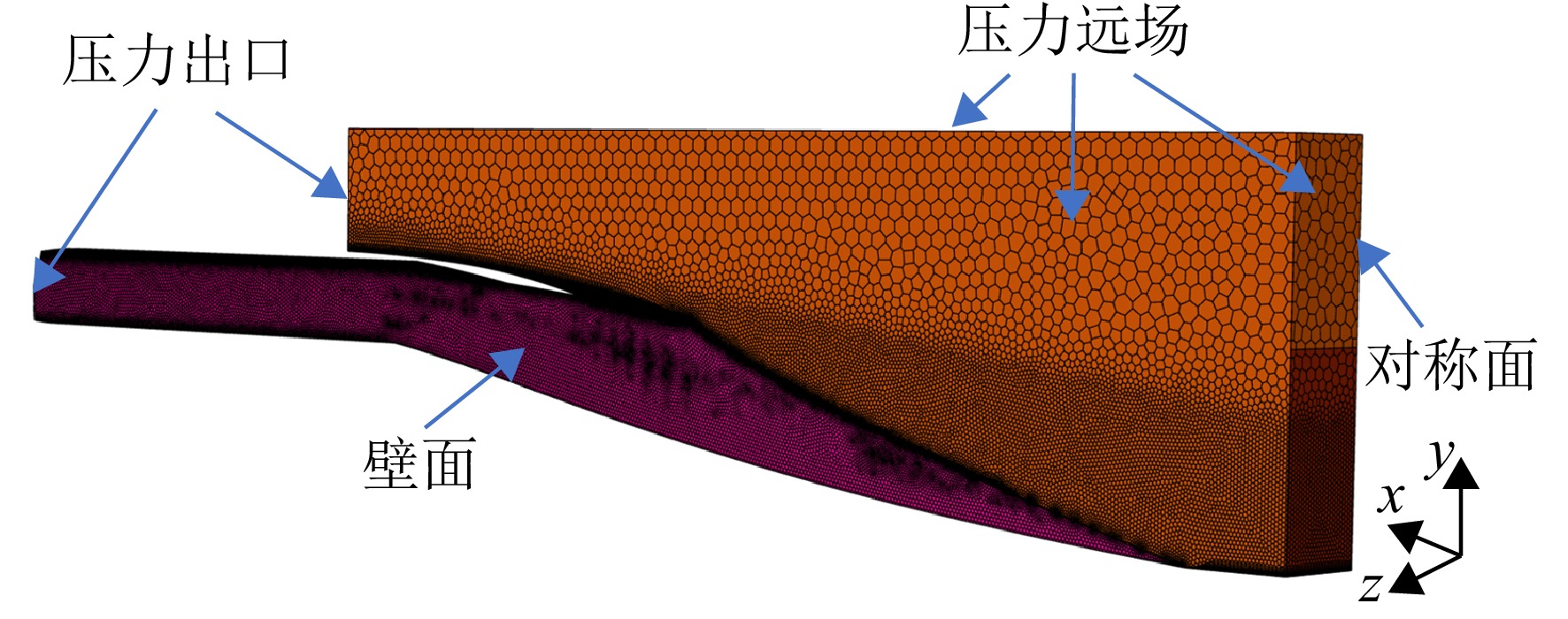
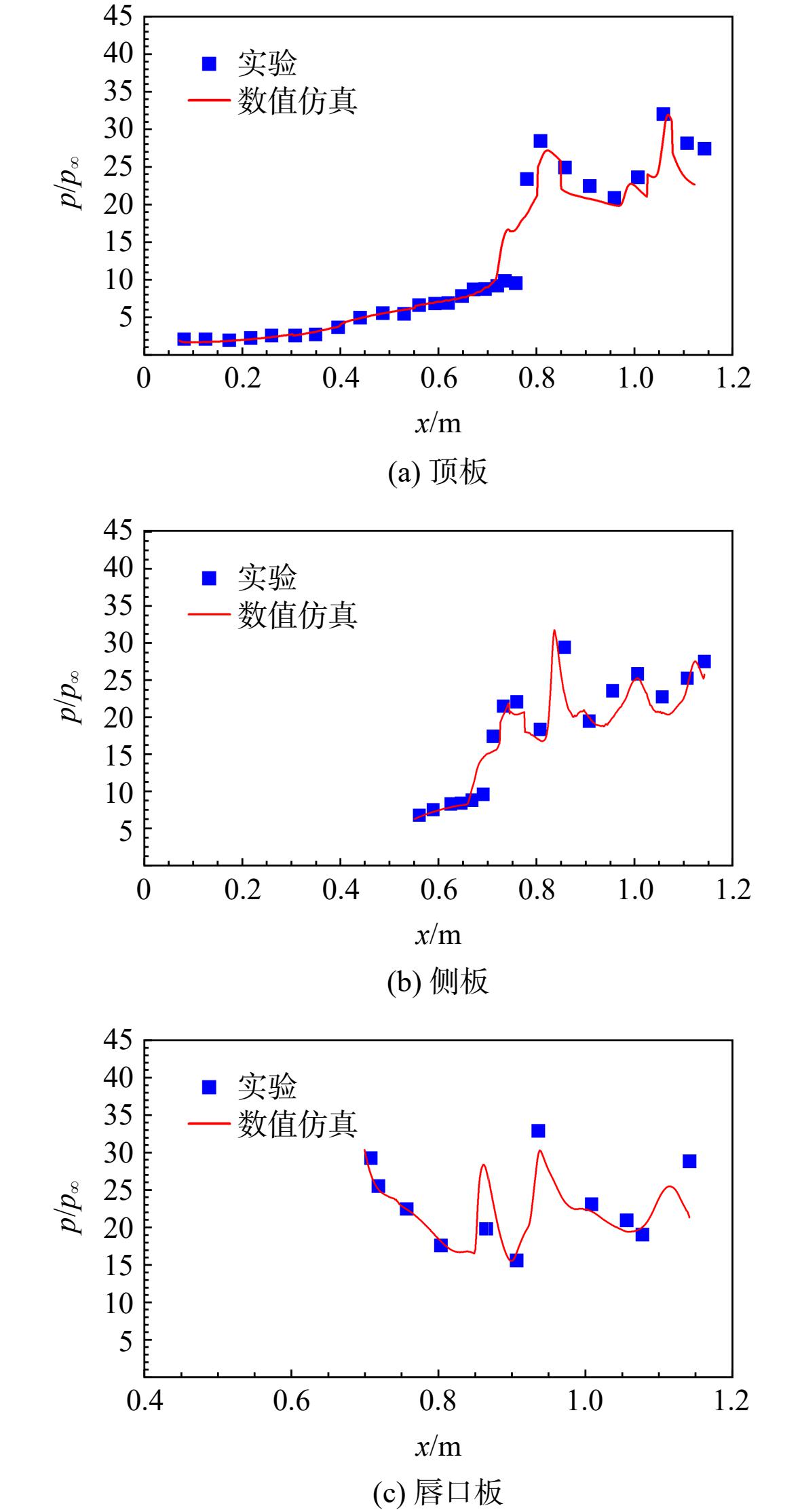
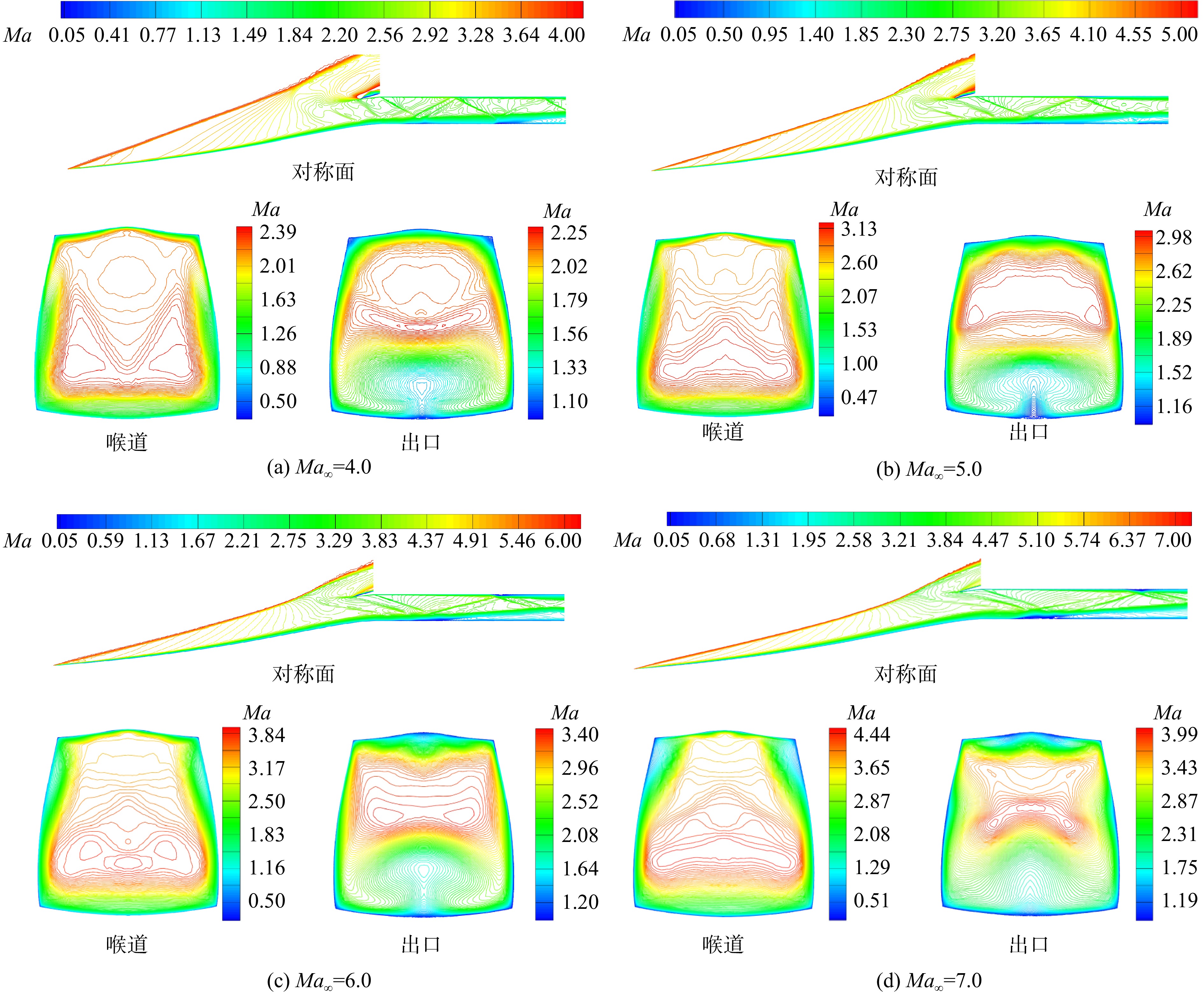
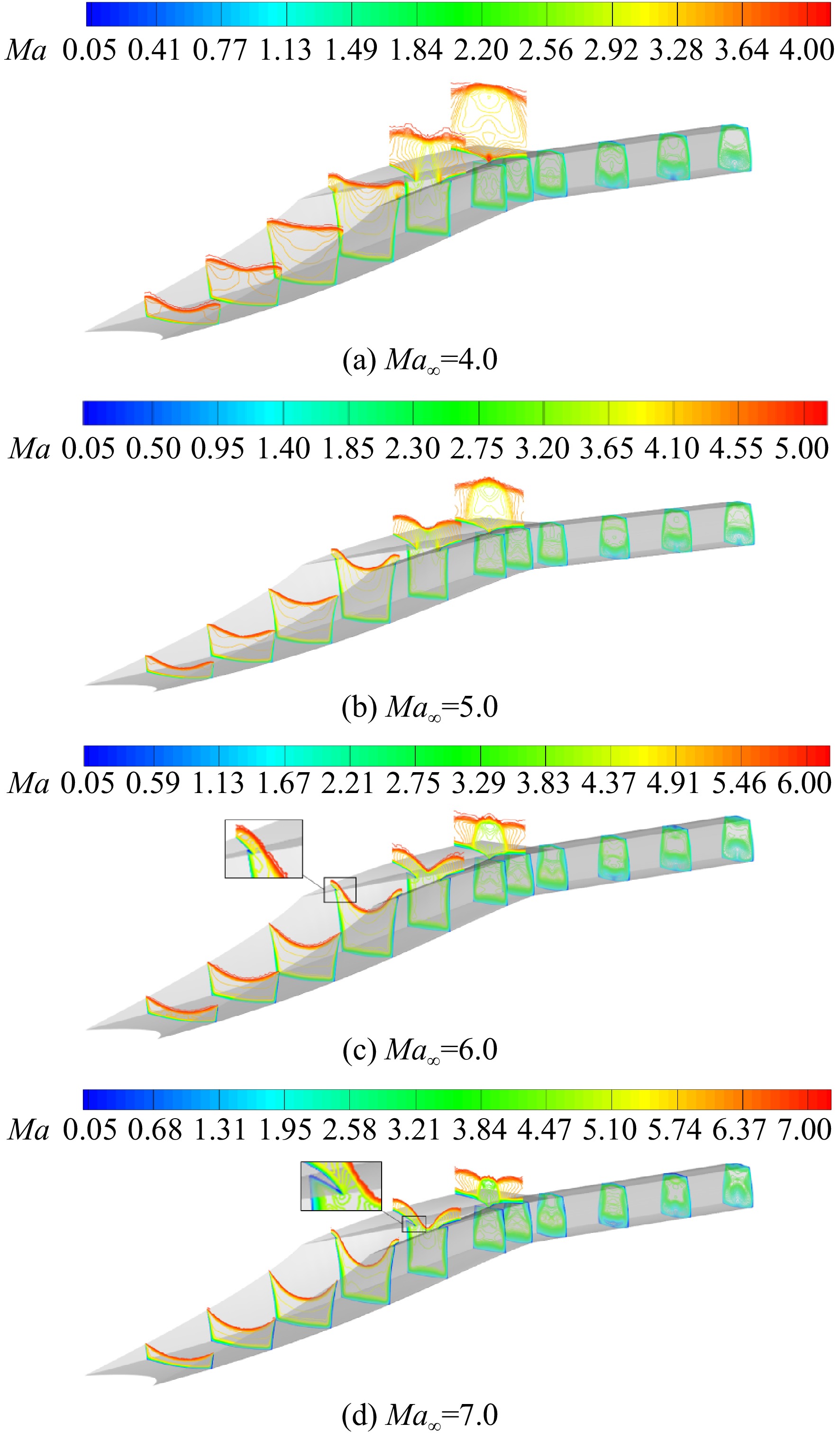
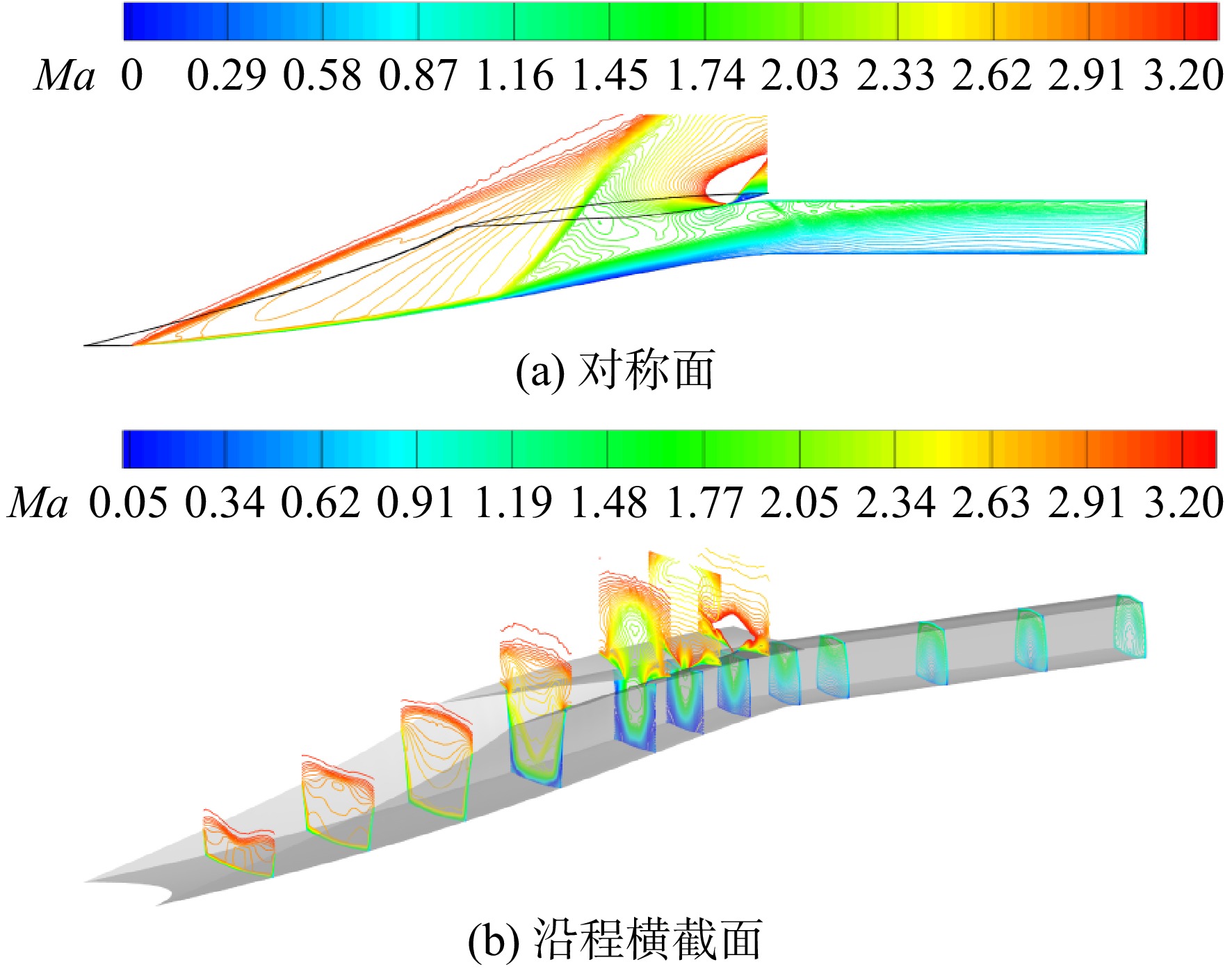
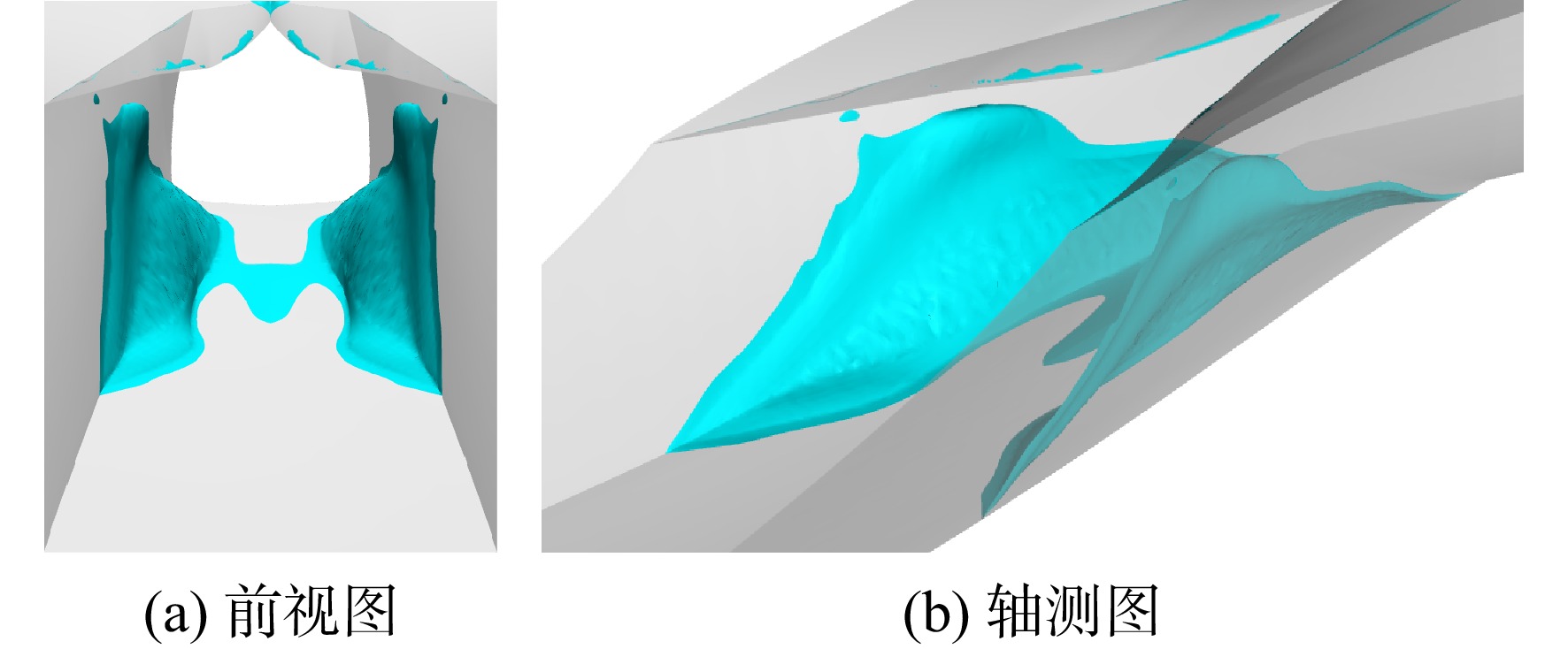
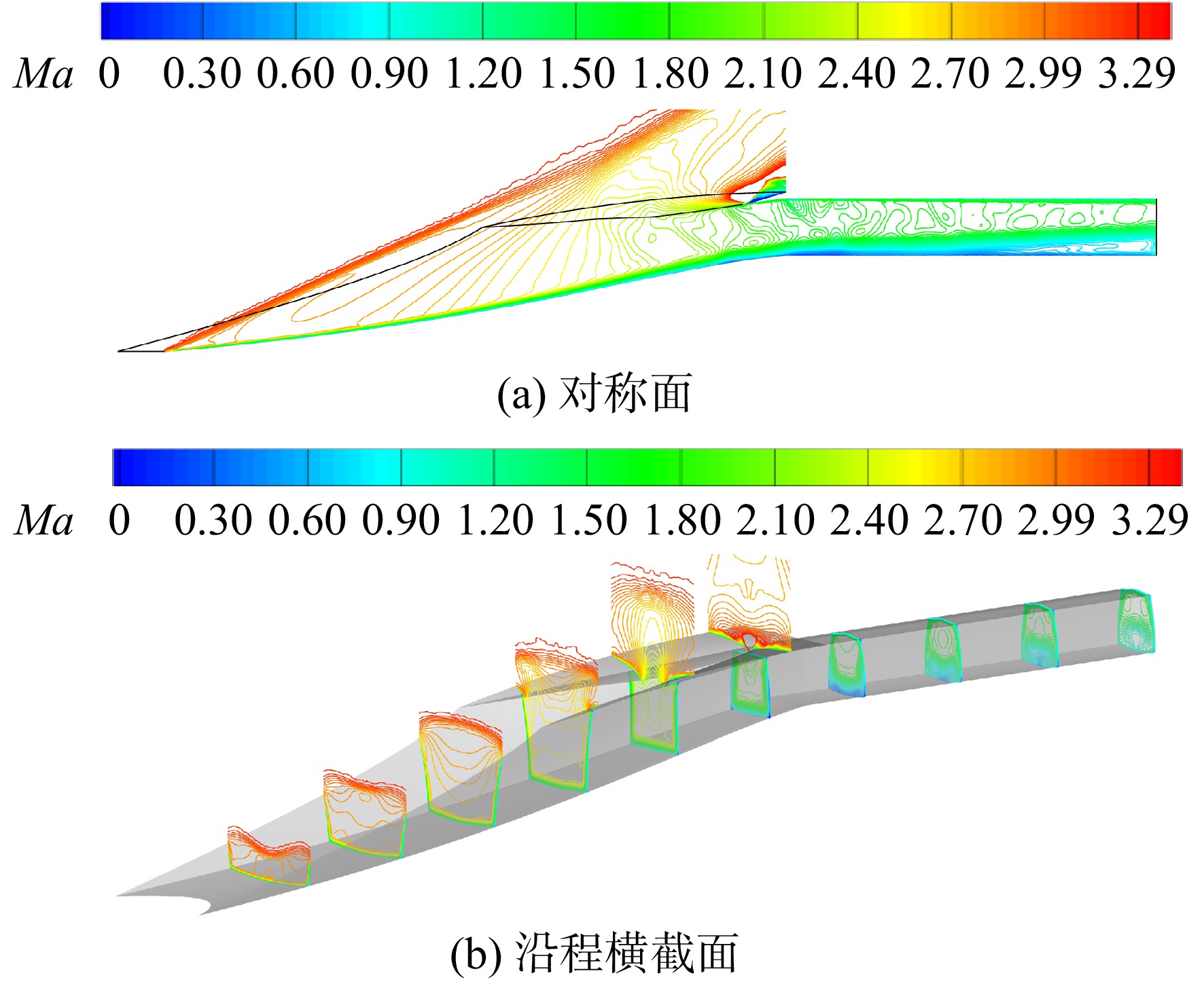
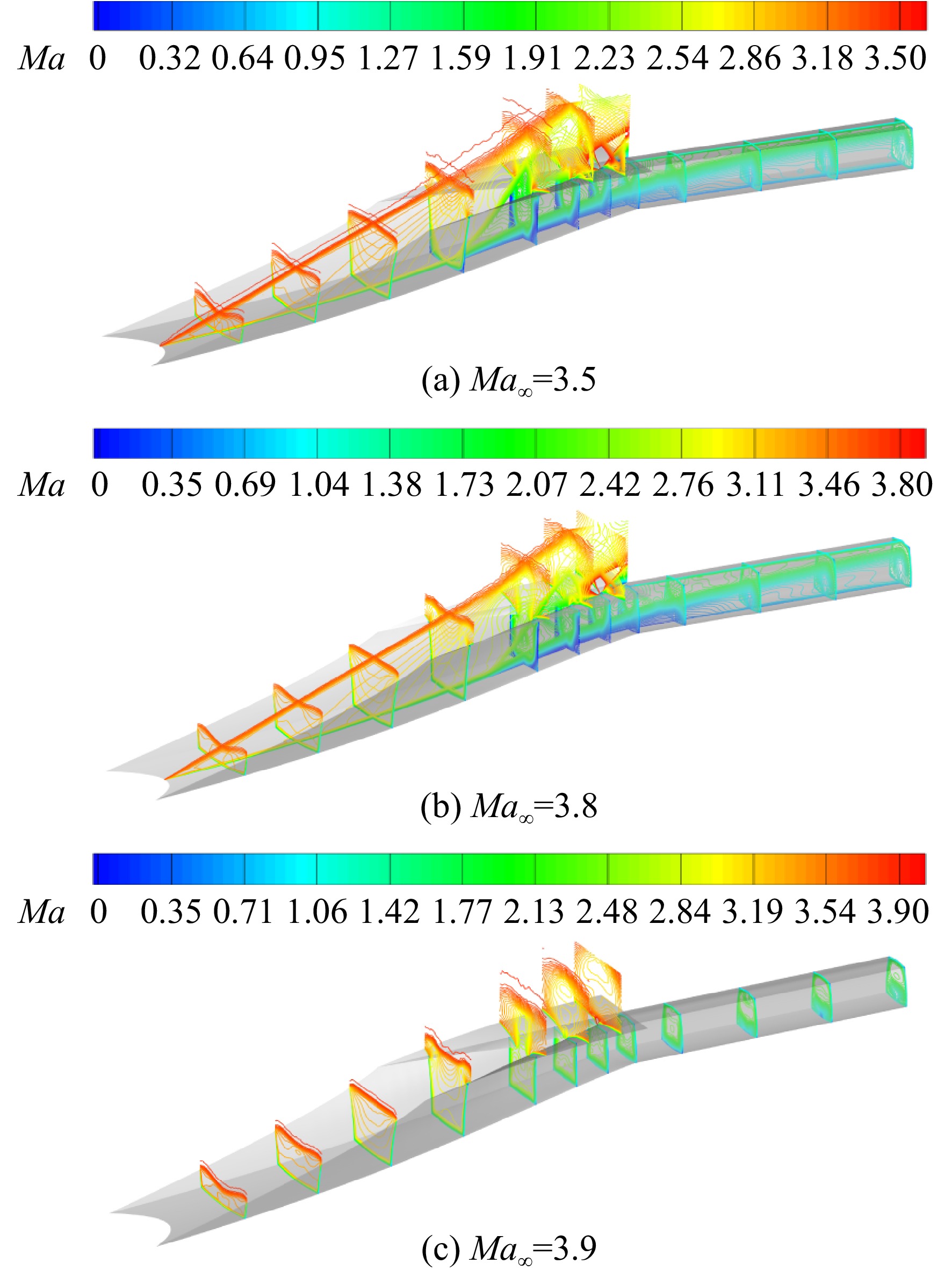
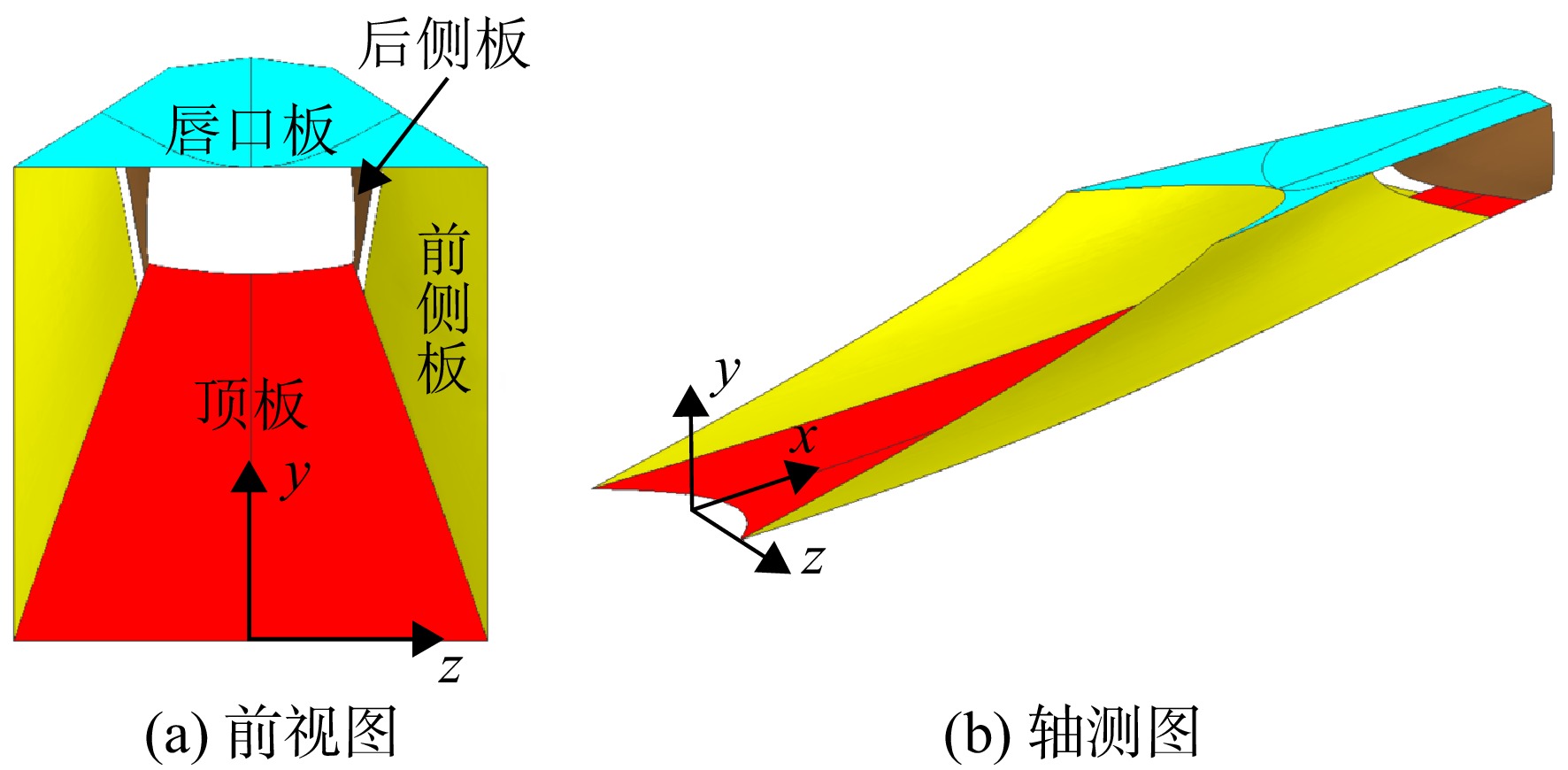
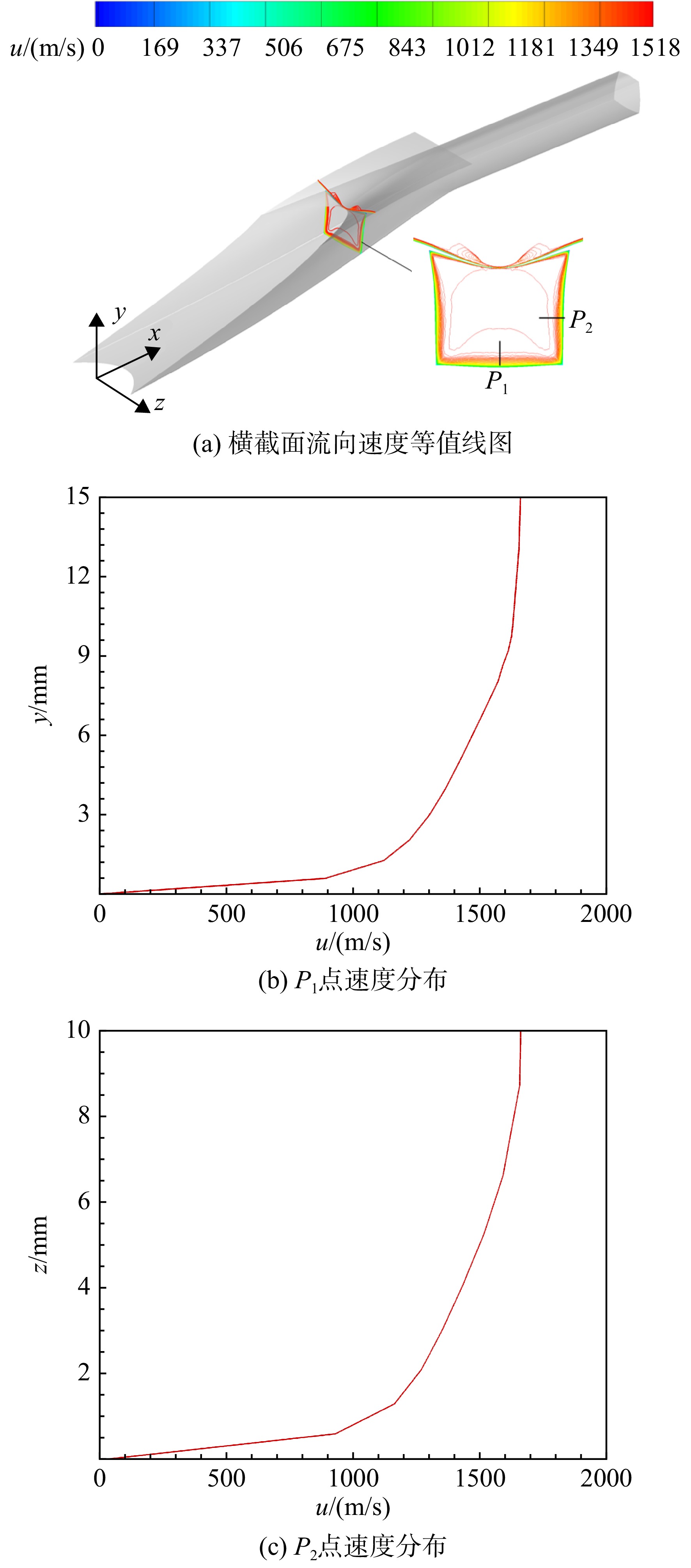
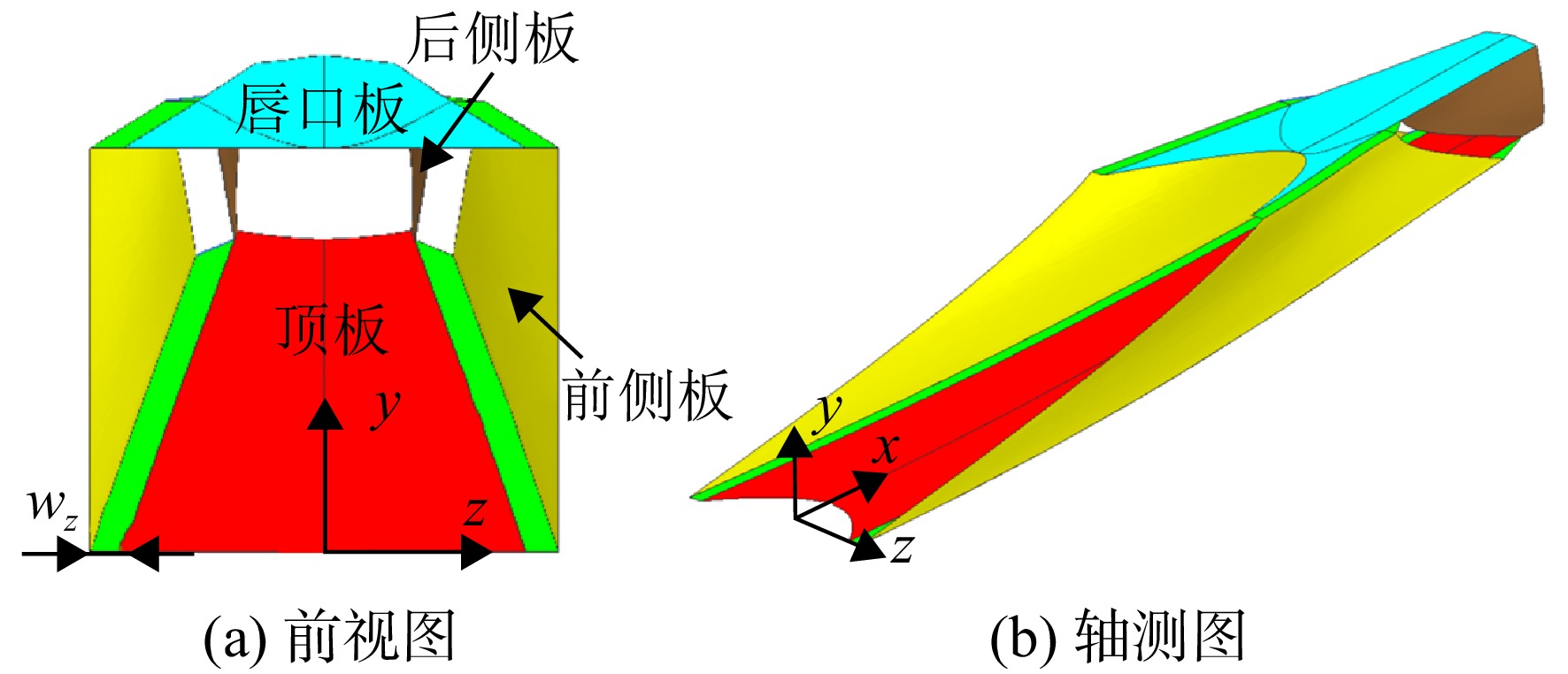
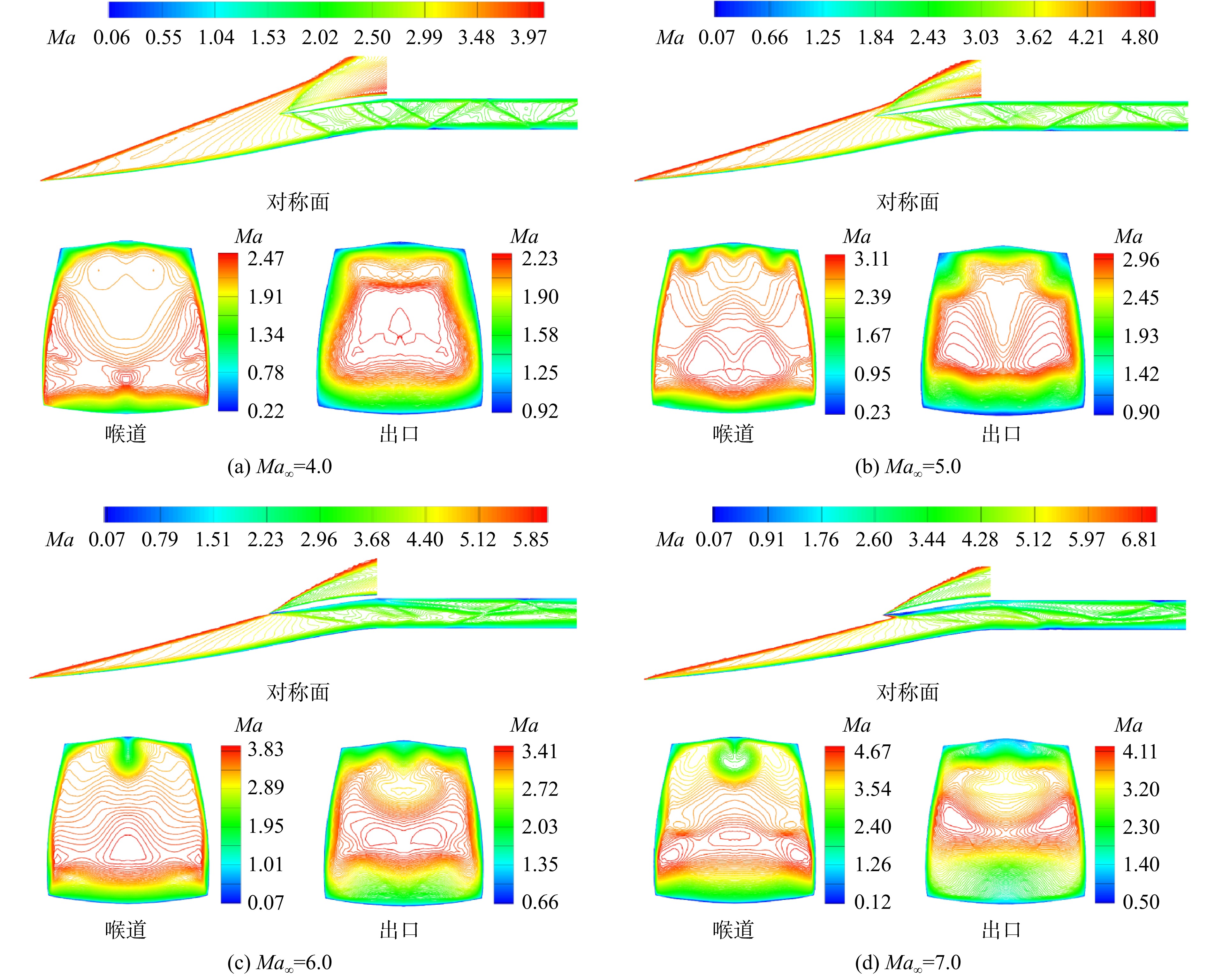
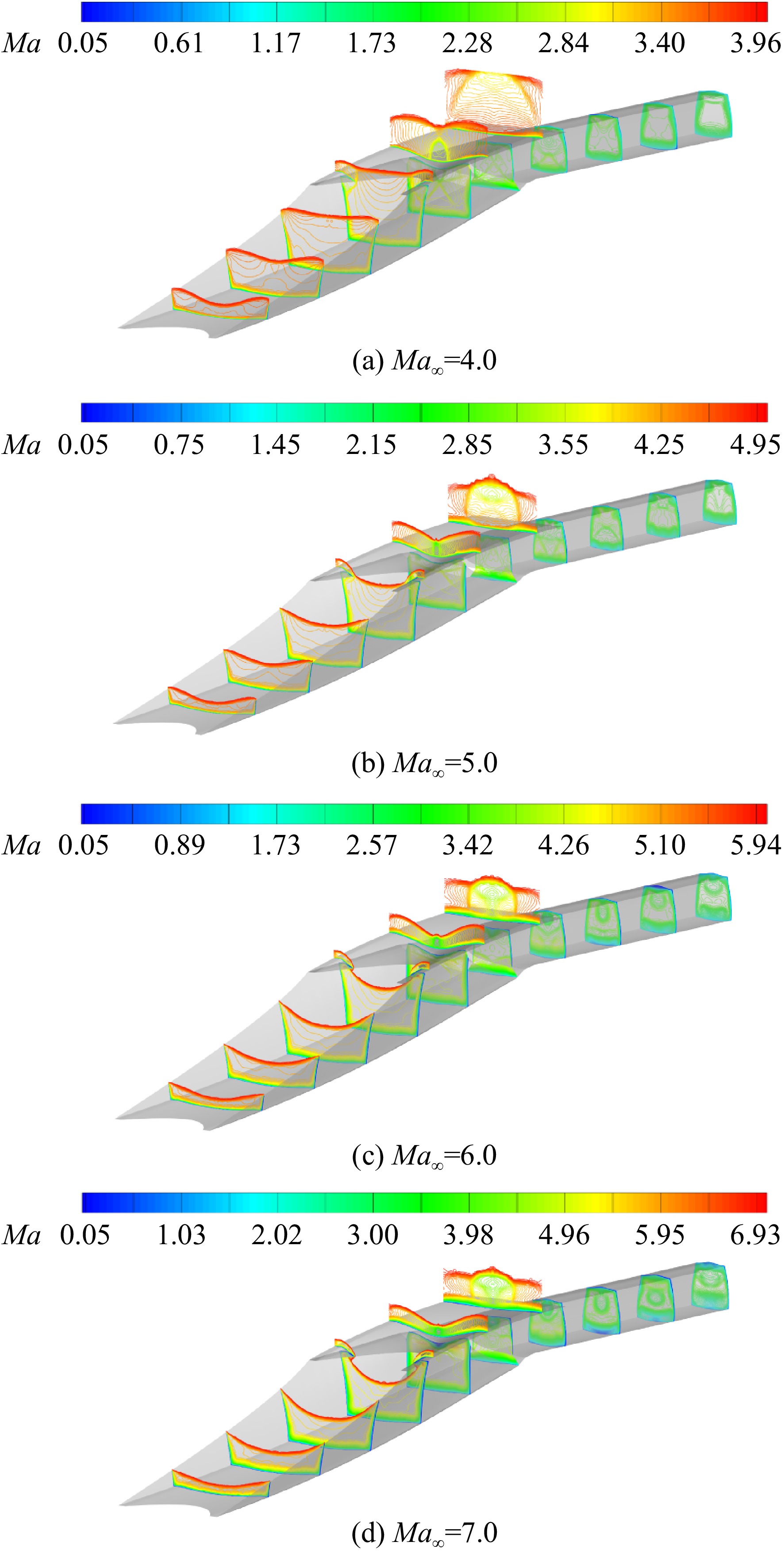
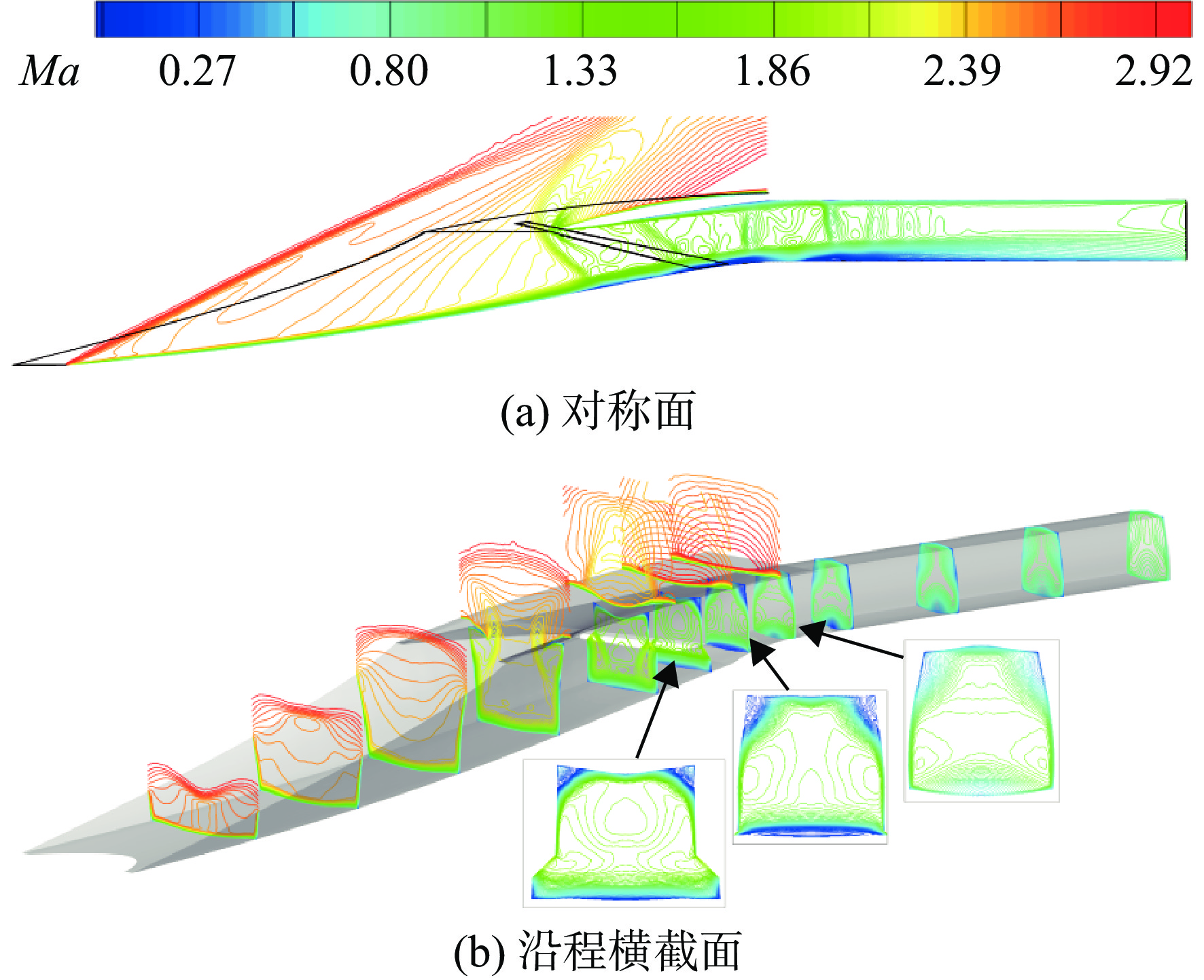
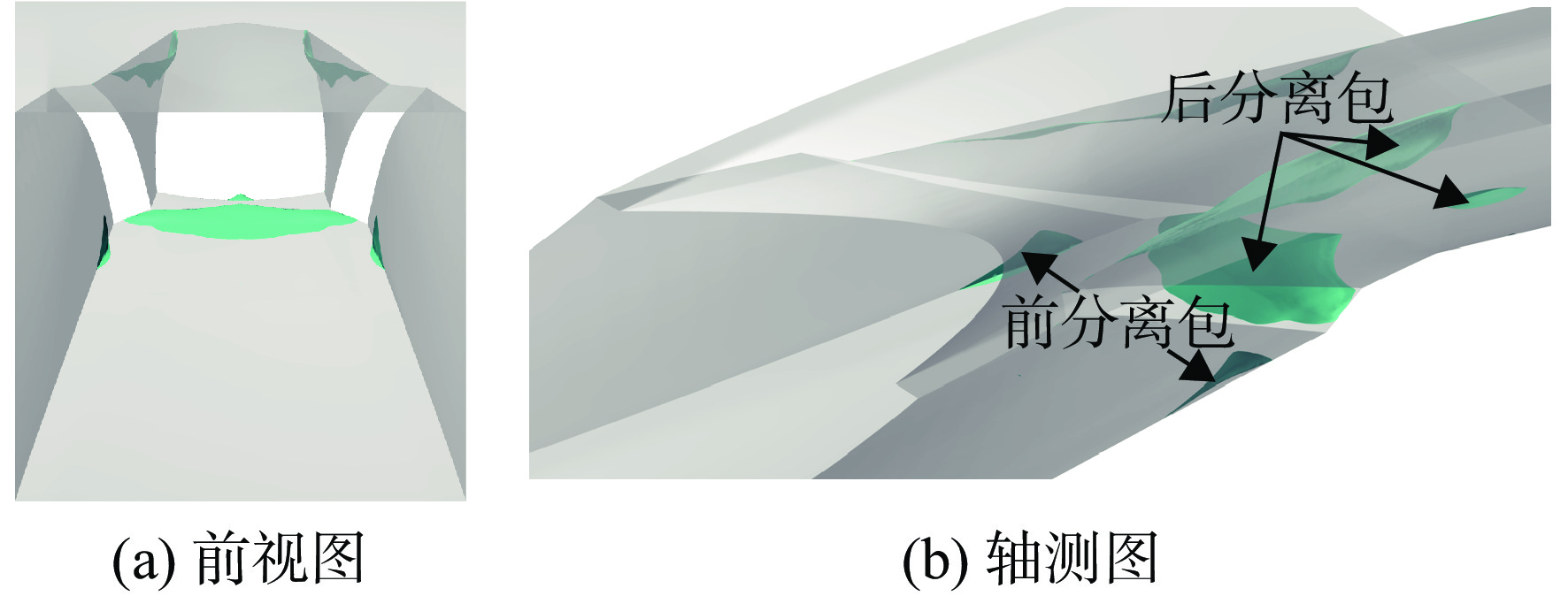
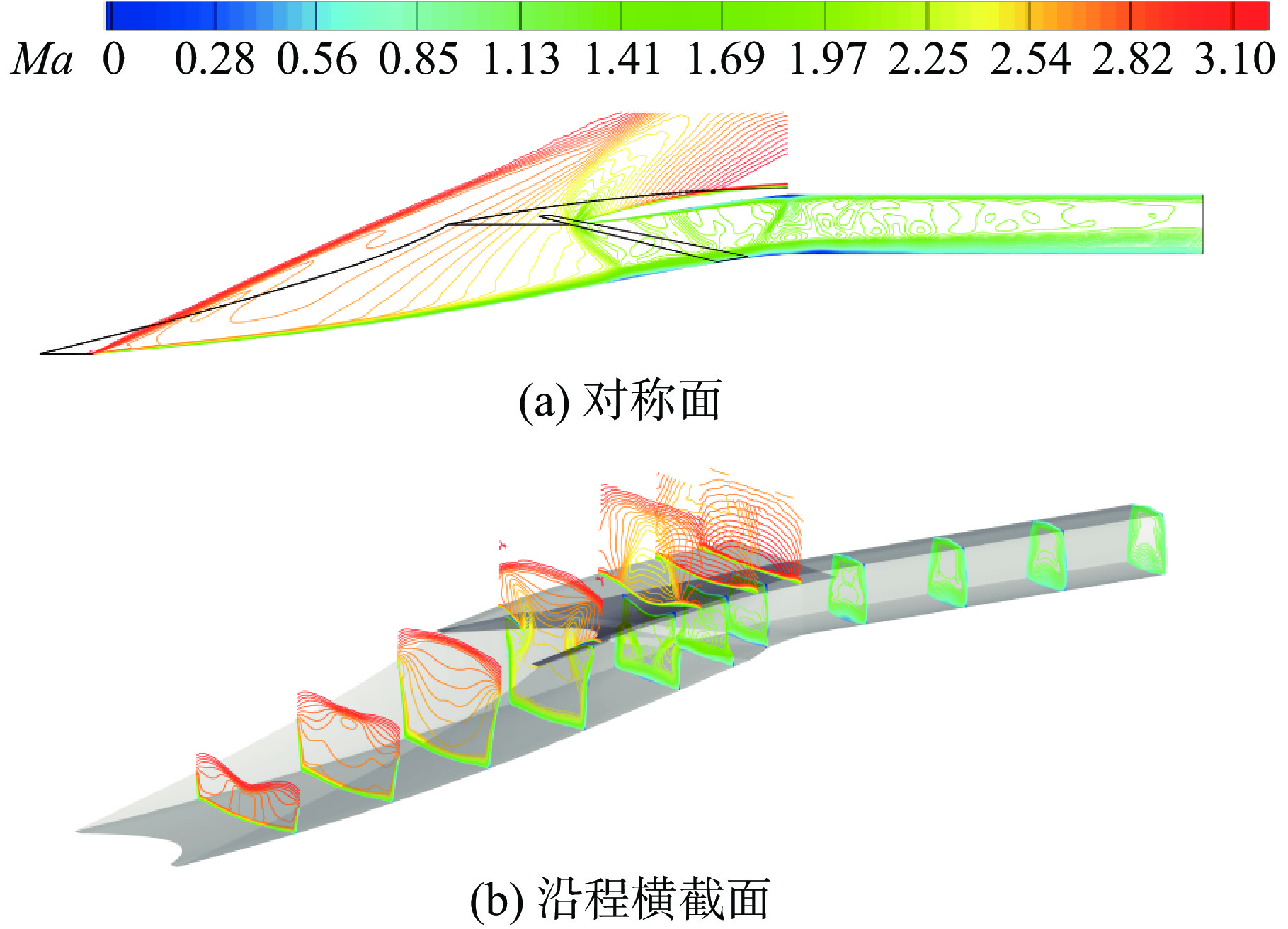
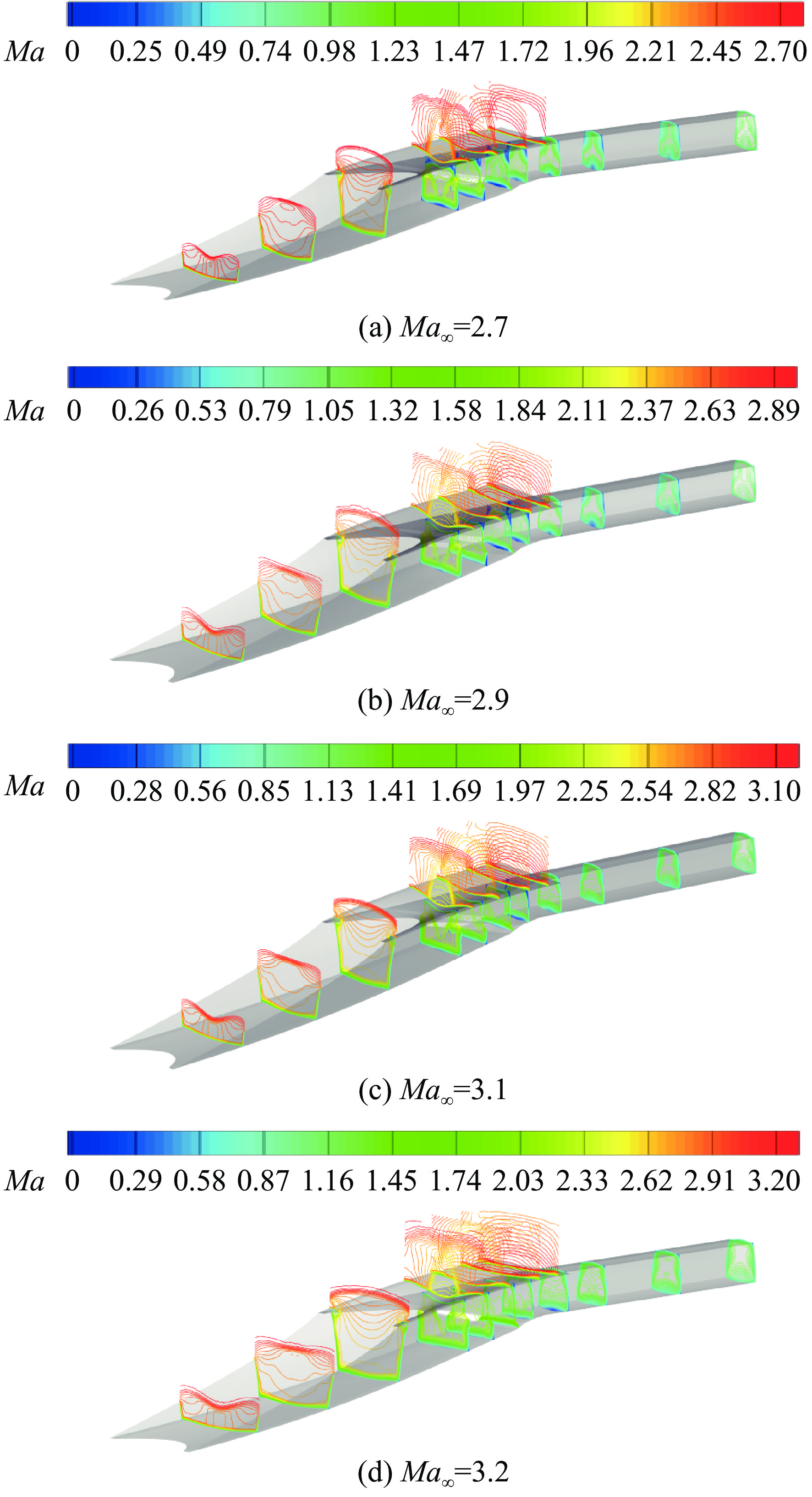
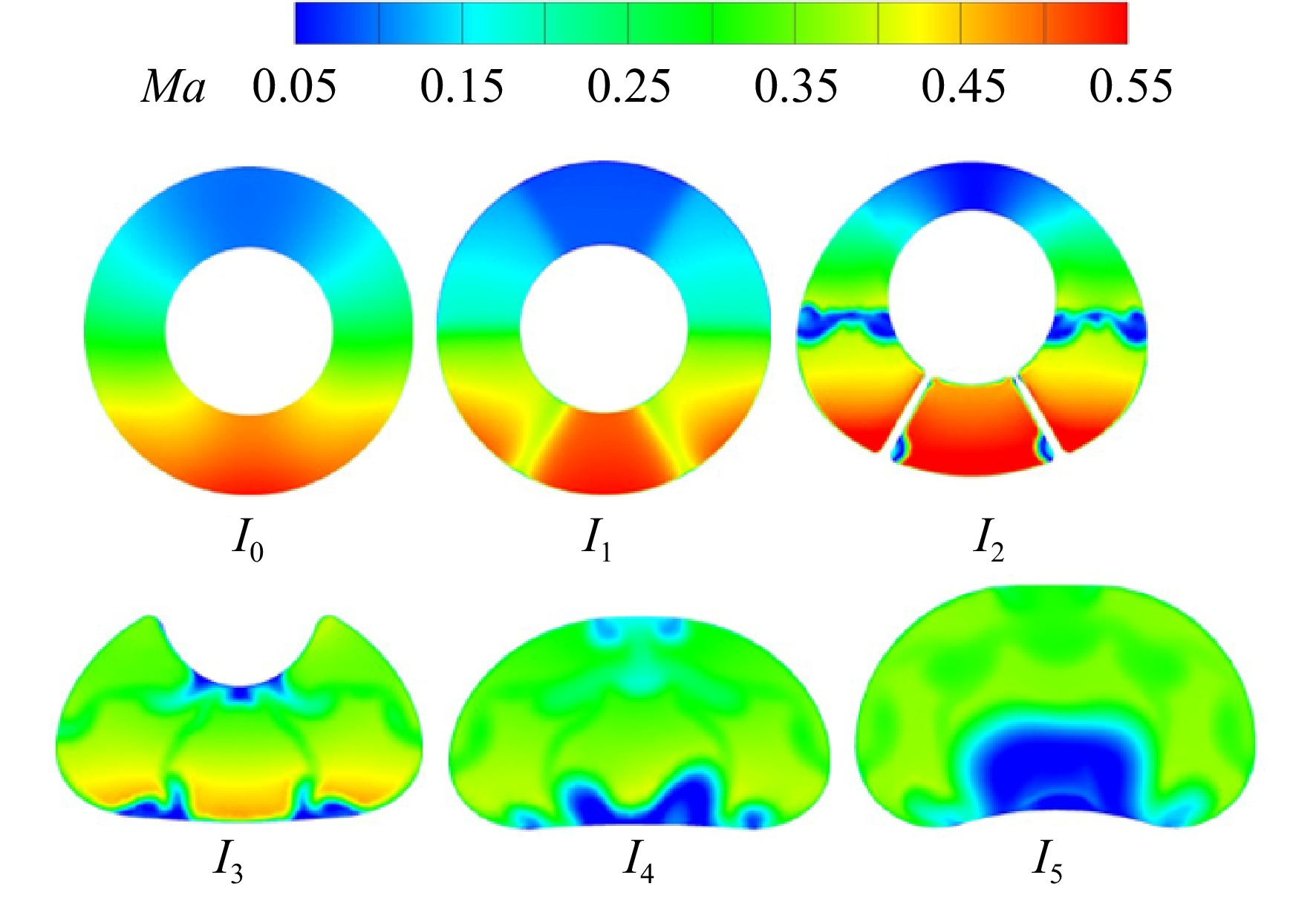
A synergistic design method combining geometric configuration and flow control was proposed to enhance the low-Mach-number self-starting capability and mitigate the vortex region in hypersonic inward-turning inlets. The method combined geometric reconstruction of “side wall segmentation, forward sweep, and outward translation” with a controlled side overflow strategy, significantly reducing the effective internal contraction ratio and achieving coordinated suppression and removal of separated flow and boundary layer. Three-dimensional numerical results showed that, compared with the conventional rear-cut-lip configuration, the novel inlet achieved significant performance improvements over a wide Mach number range. The self-starting Mach number decreased from 3.9 to 3.2 and the starting Mach number decreased from 3.3 to 3.1. When the inflow Mach number was 4.0 and 6.0, the actual captured mass flow increased by 9.74% and 6.54%, respectively, and the exit total pressure recovery coefficient increased by 9.91% and 4.45%. Additionally, the exit distortion index was reduced by at least 13%, and at an inflow Mach number of 4.0, the vortex region was essentially eliminated.

Suppression of shock train oscillation based on upstream wavy wall
Gao Wenzhi, Yang Xicheng, Pei Chongzhi, Wang Shen, Chang Yiran
2027, 42(1): 20250370. doi: 10.13224/j.cnki.jasp.20250370
Abstract:

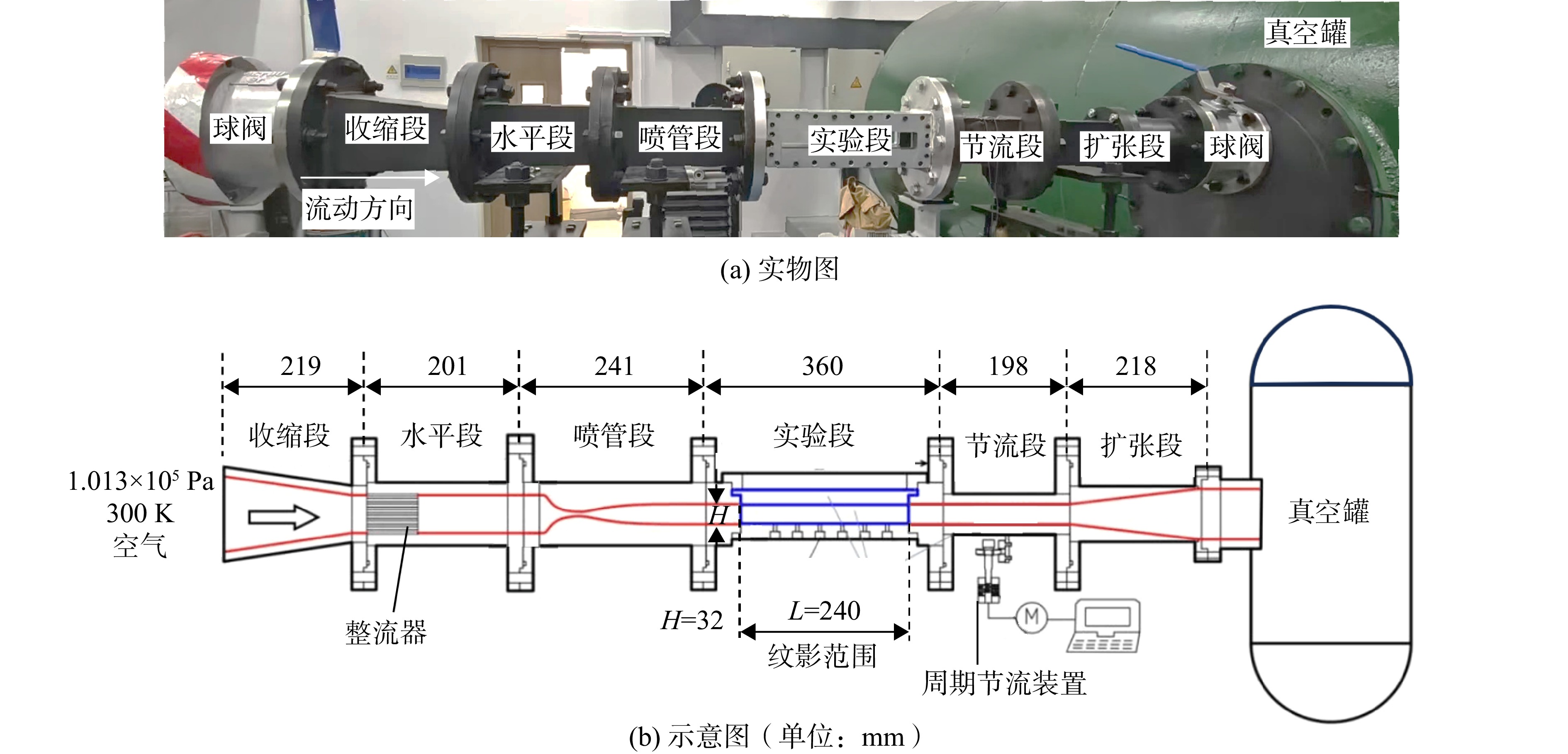
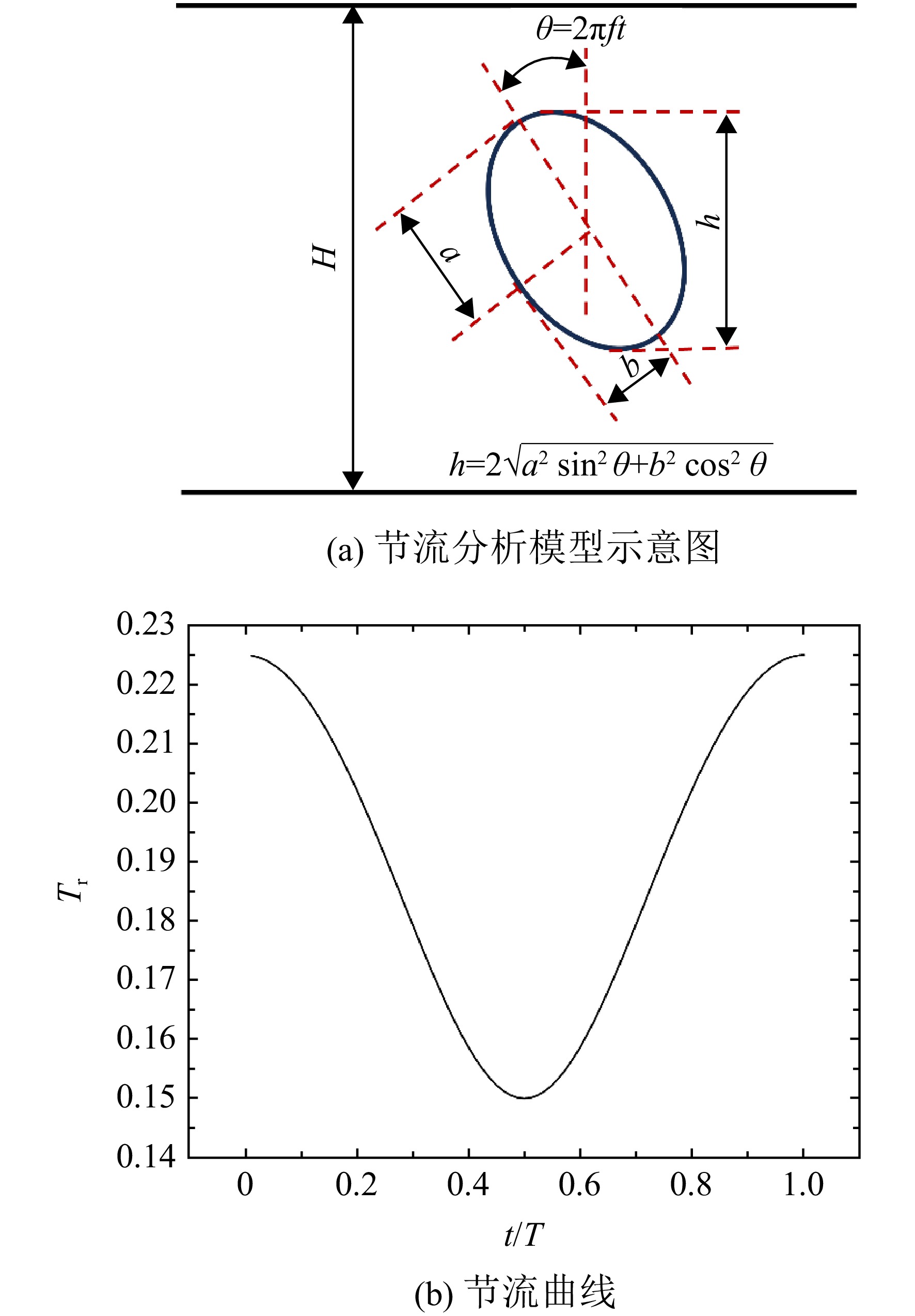
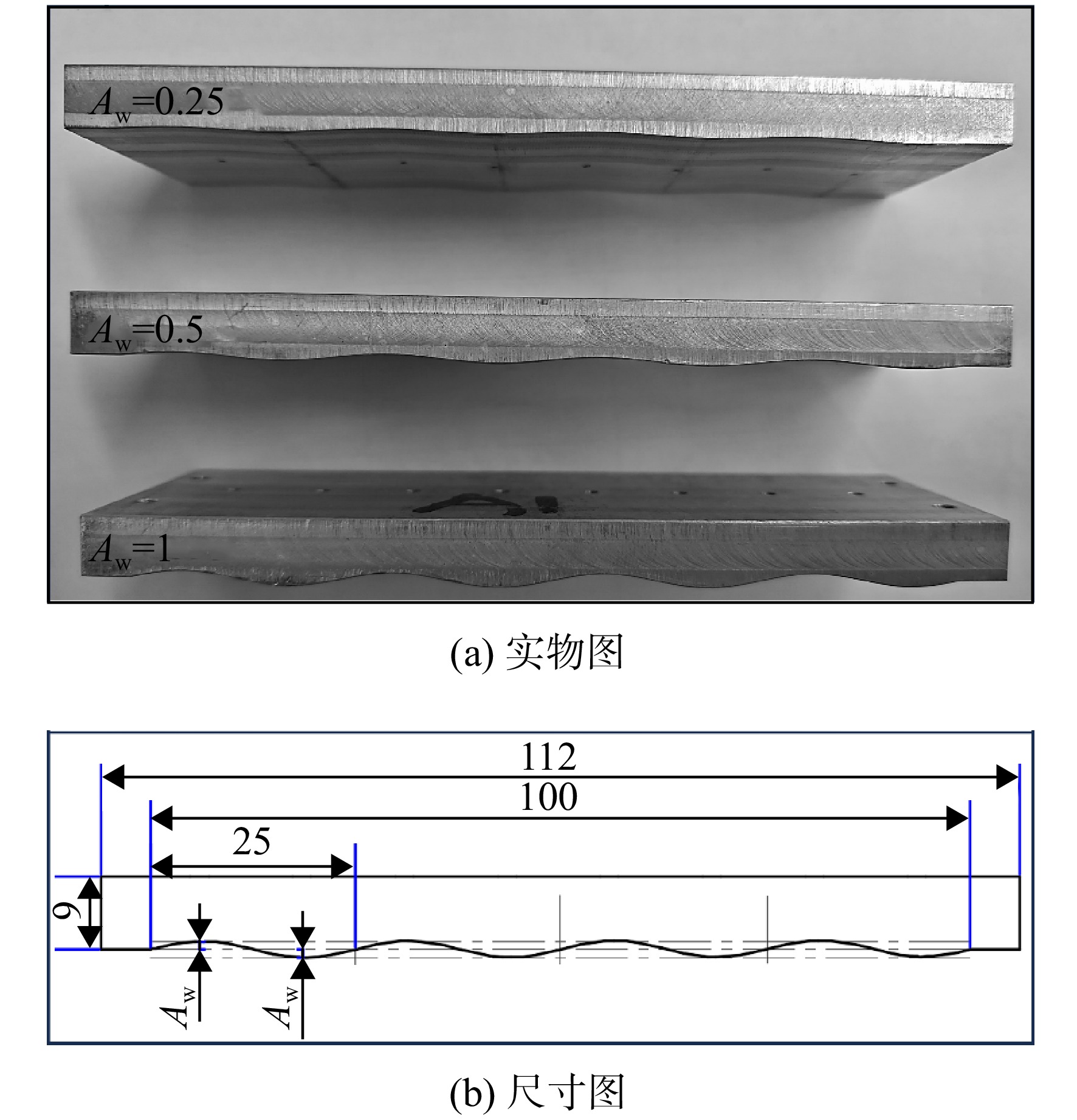
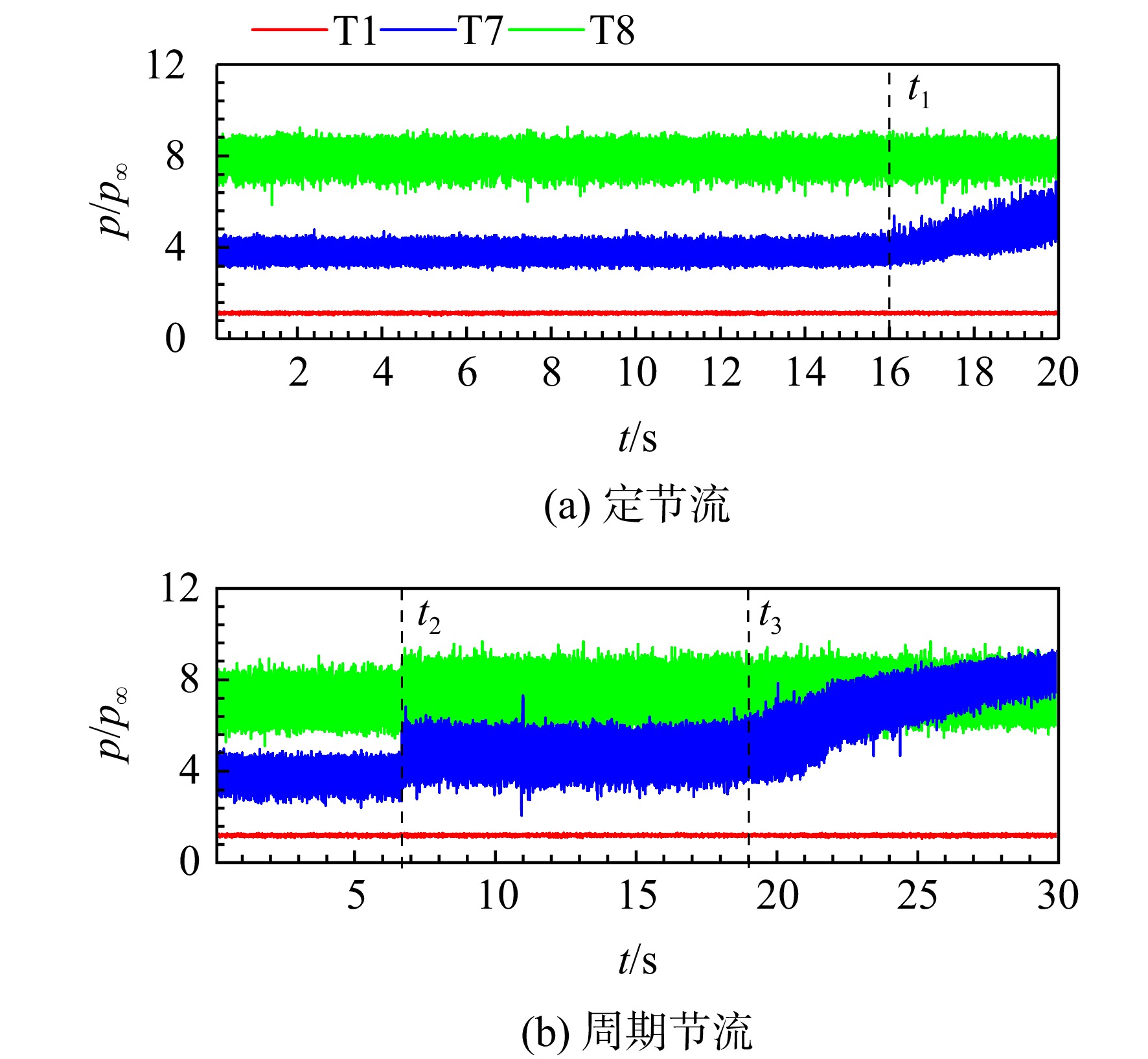
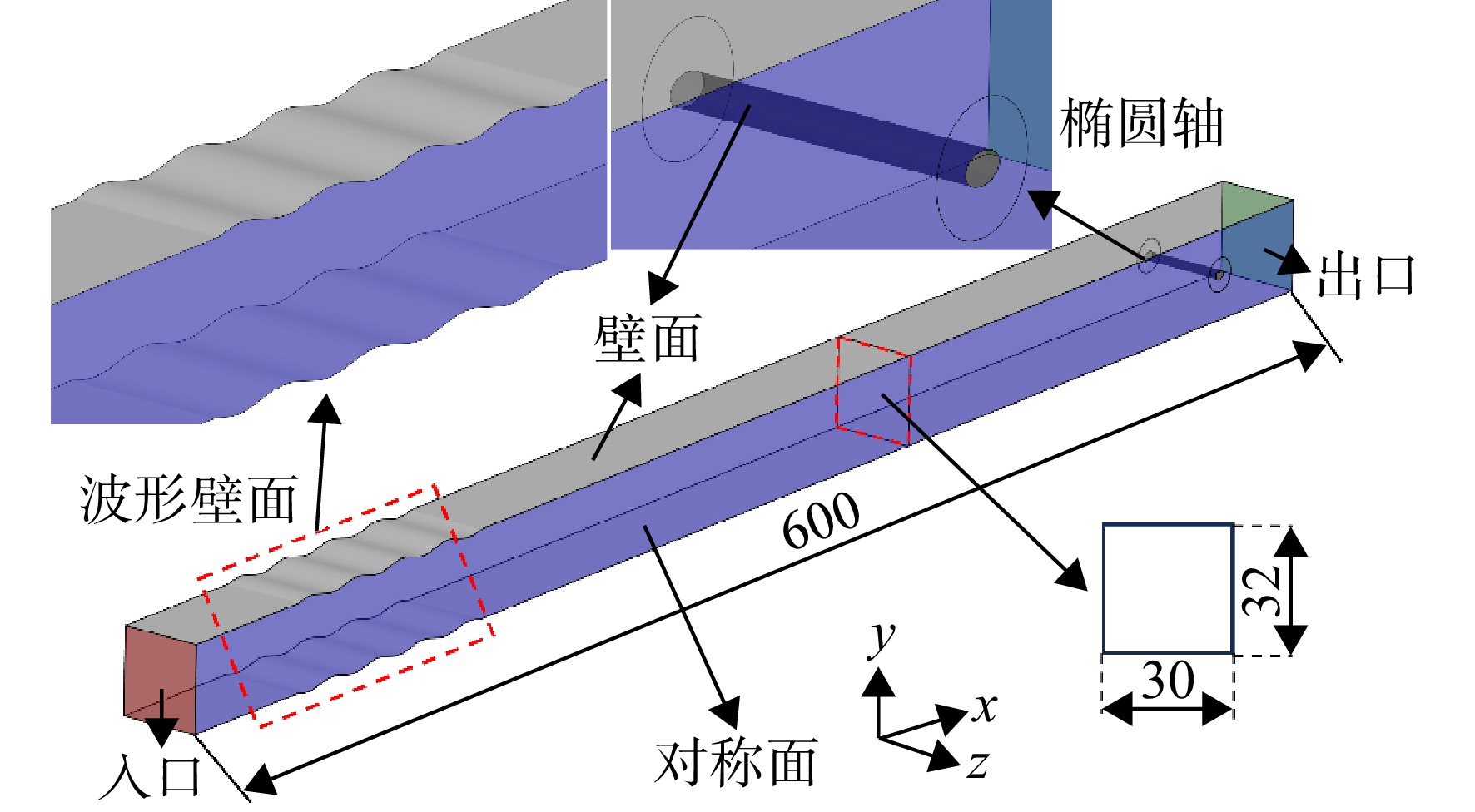
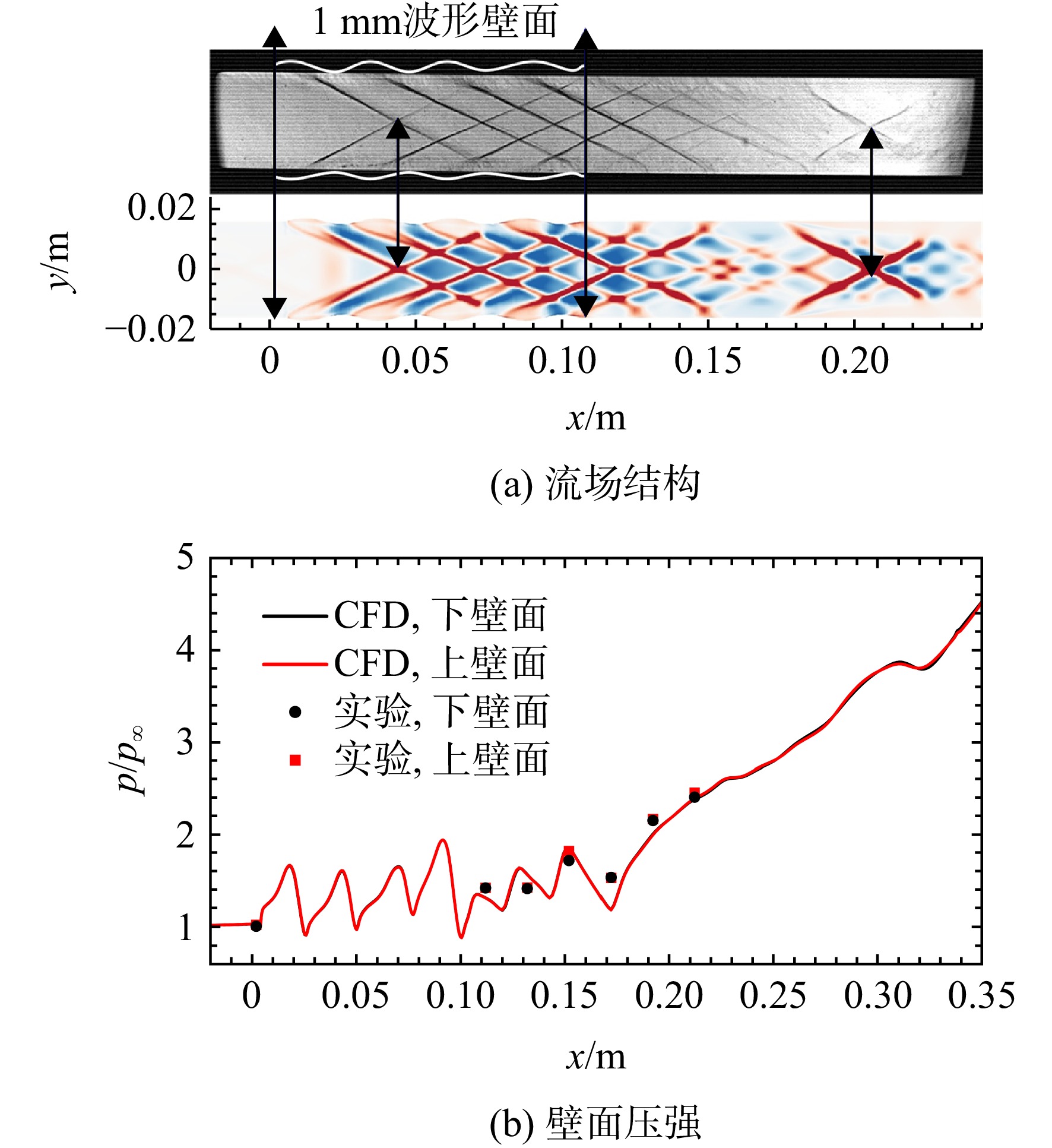
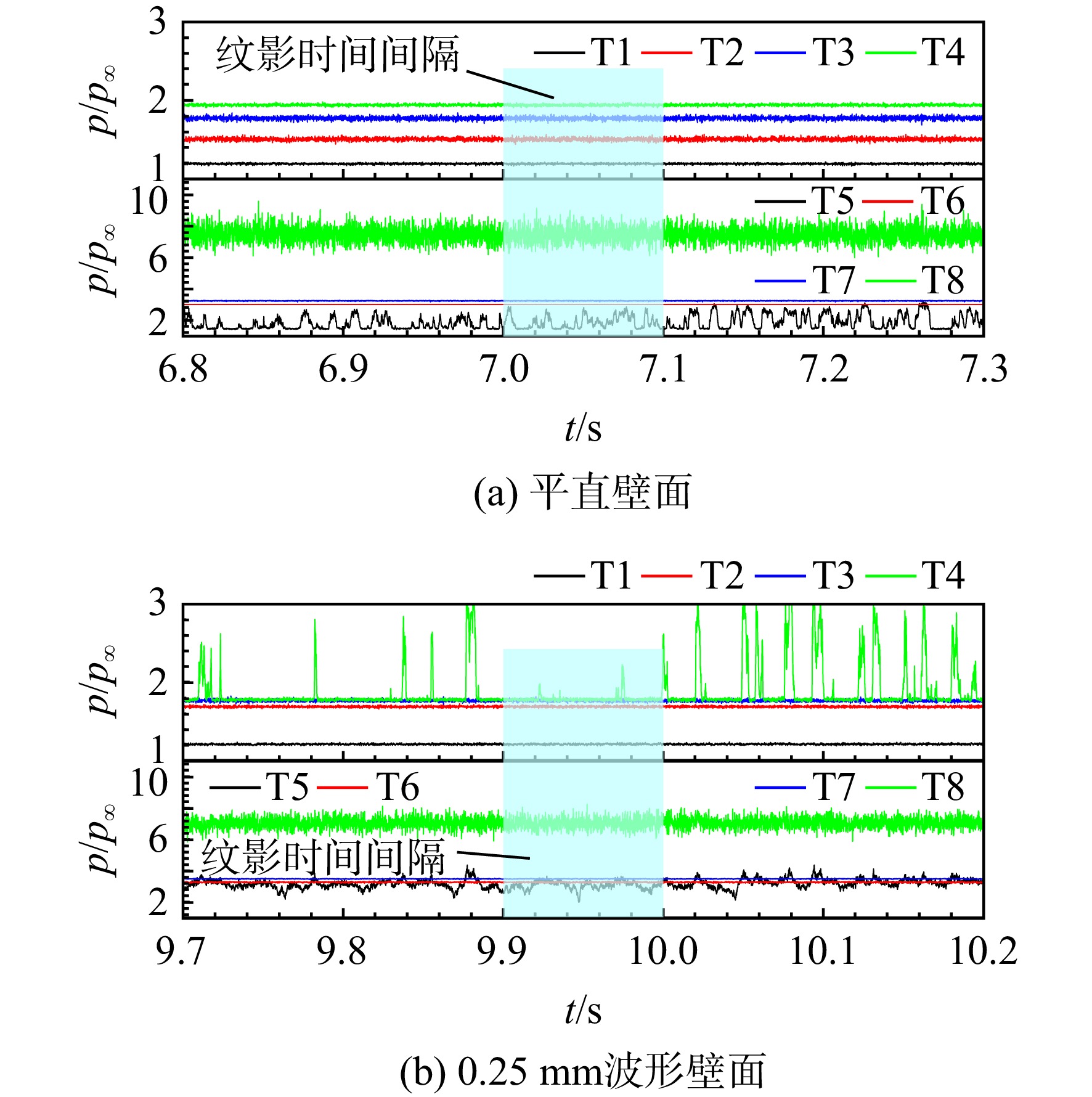
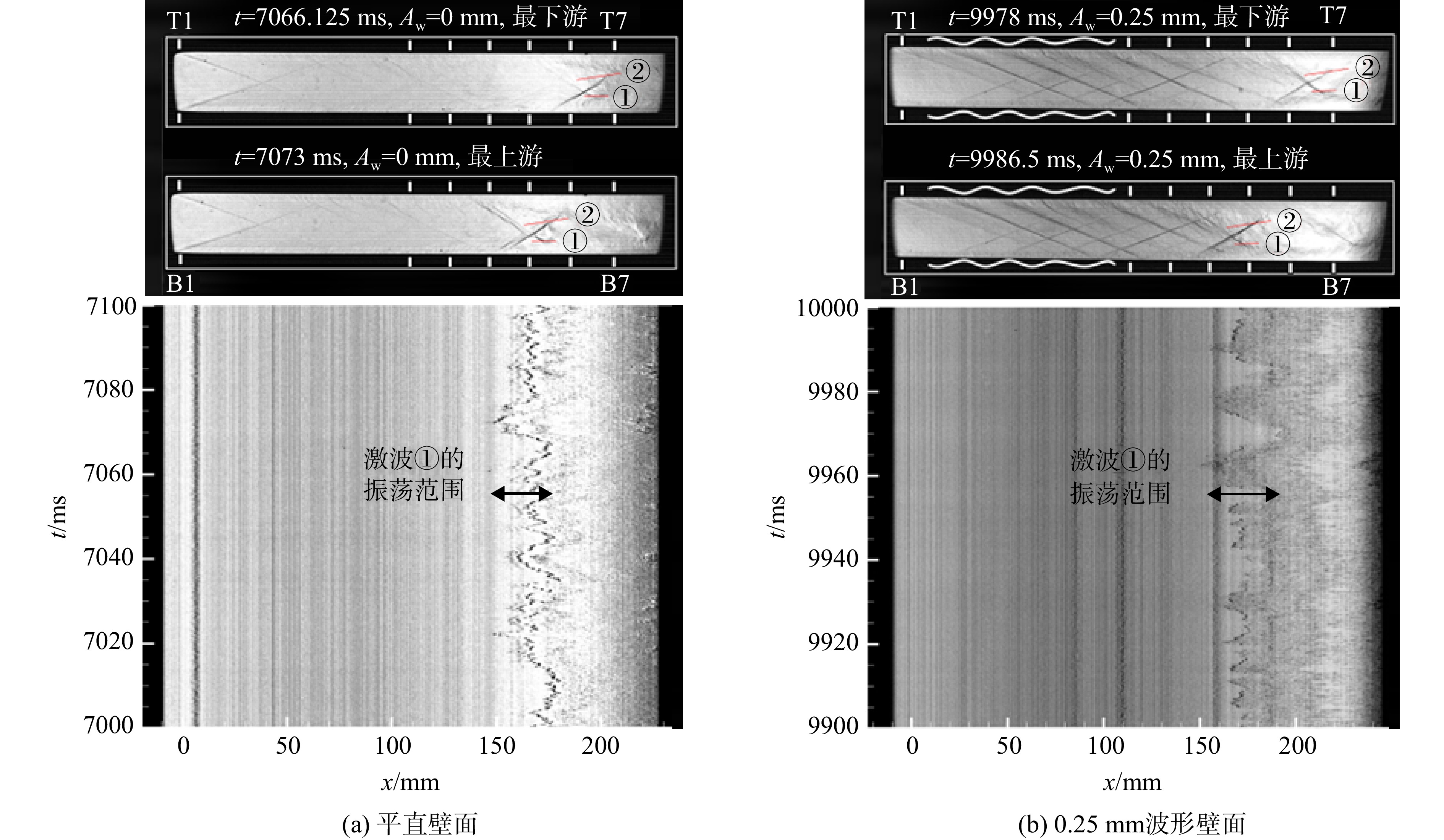
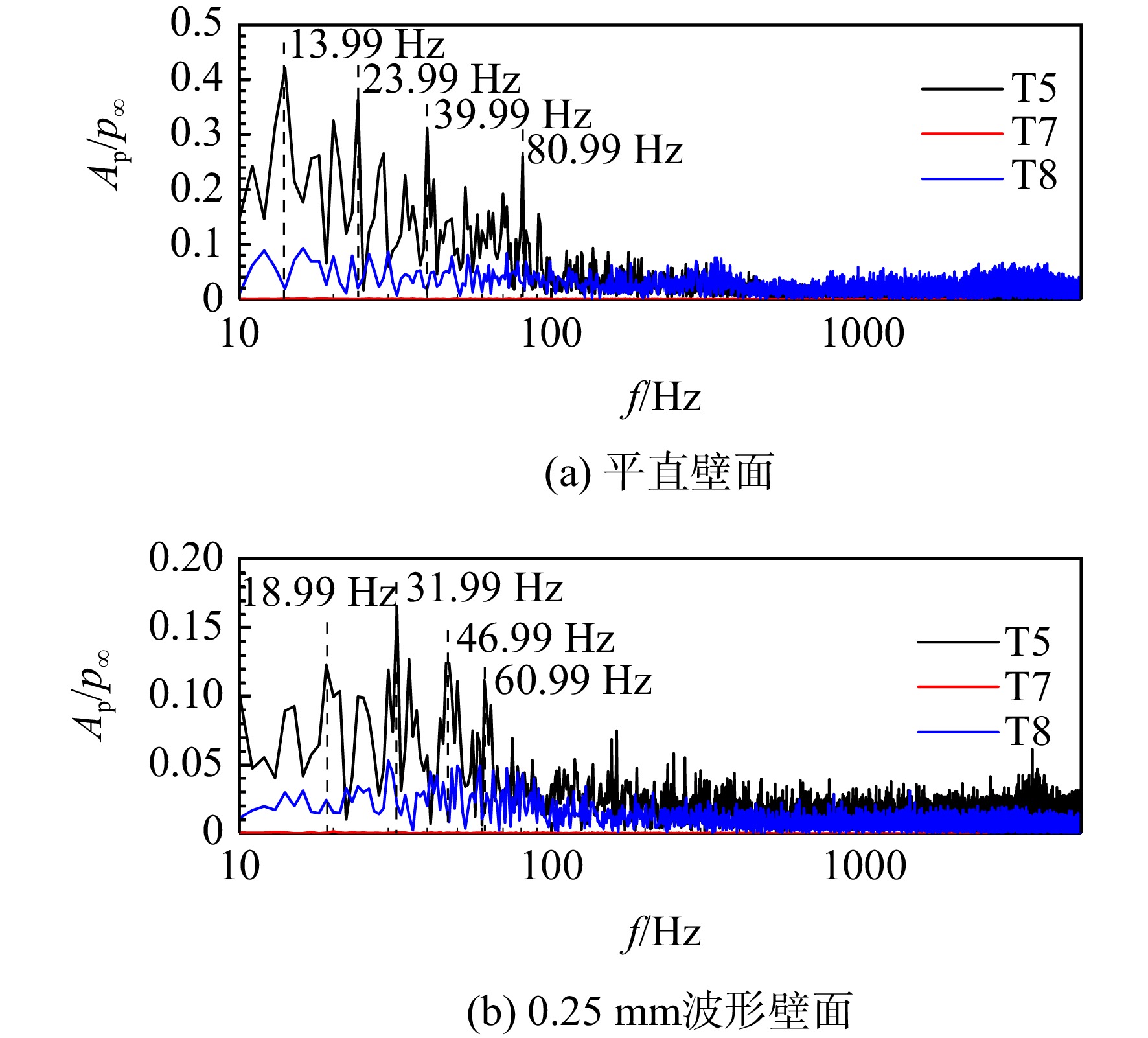
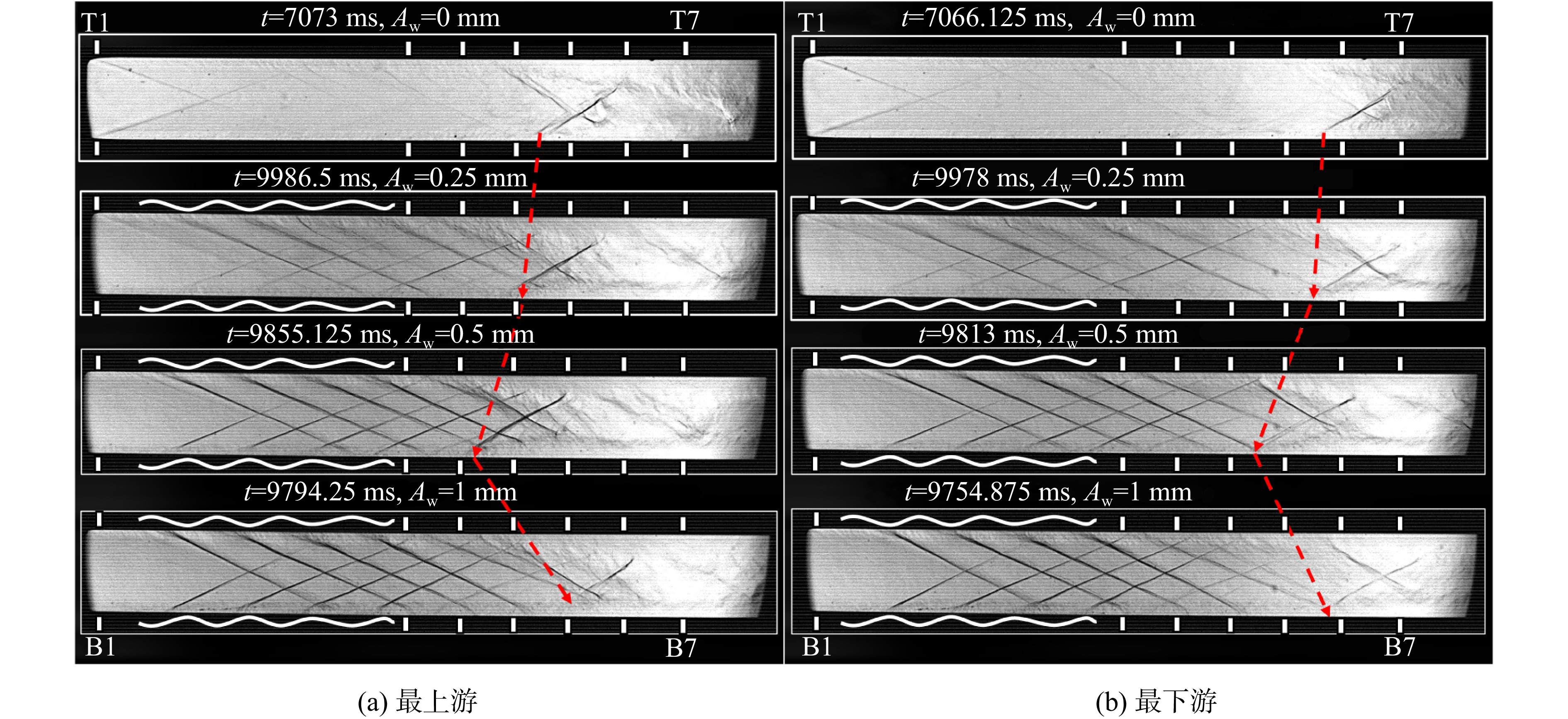
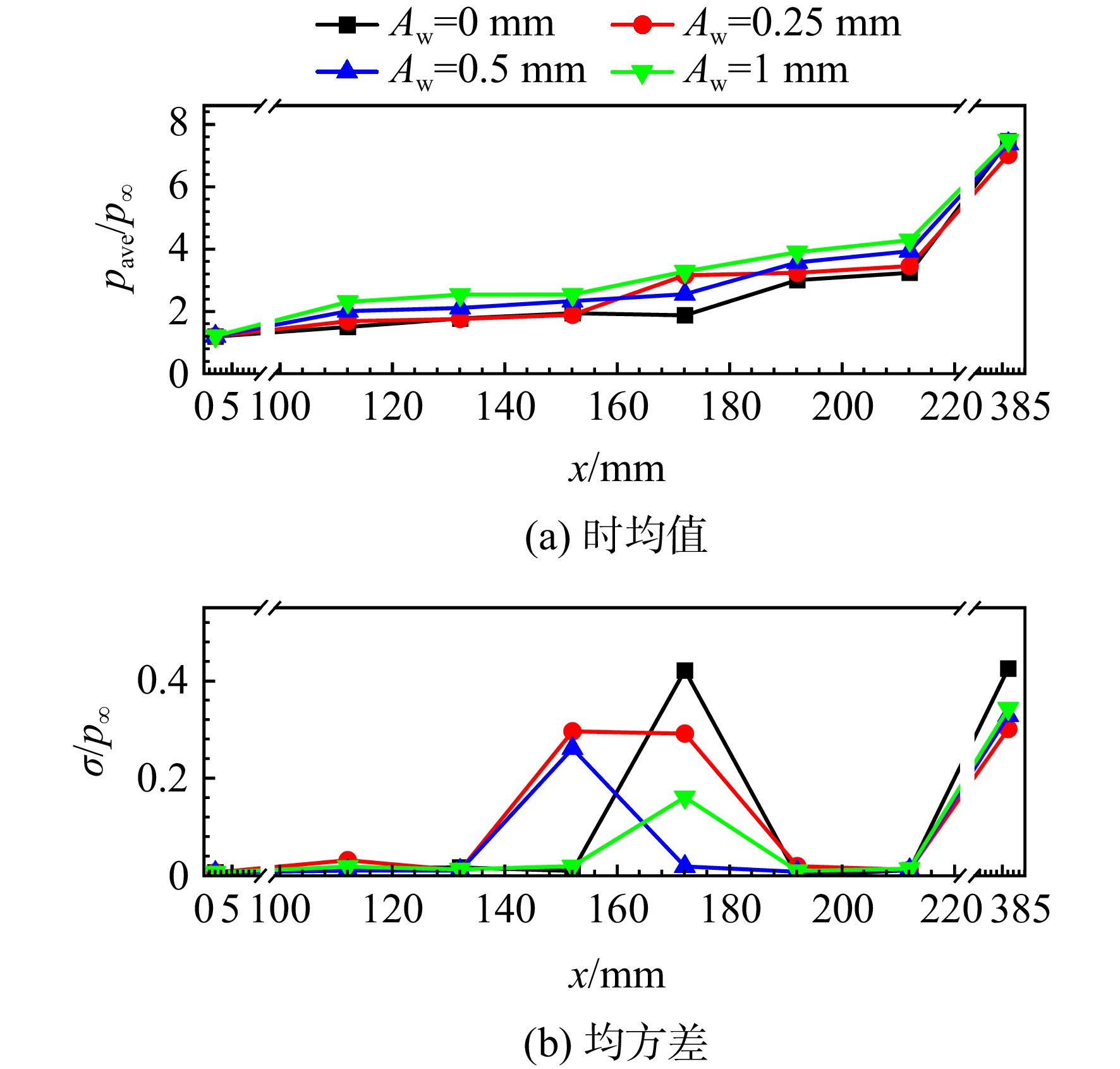
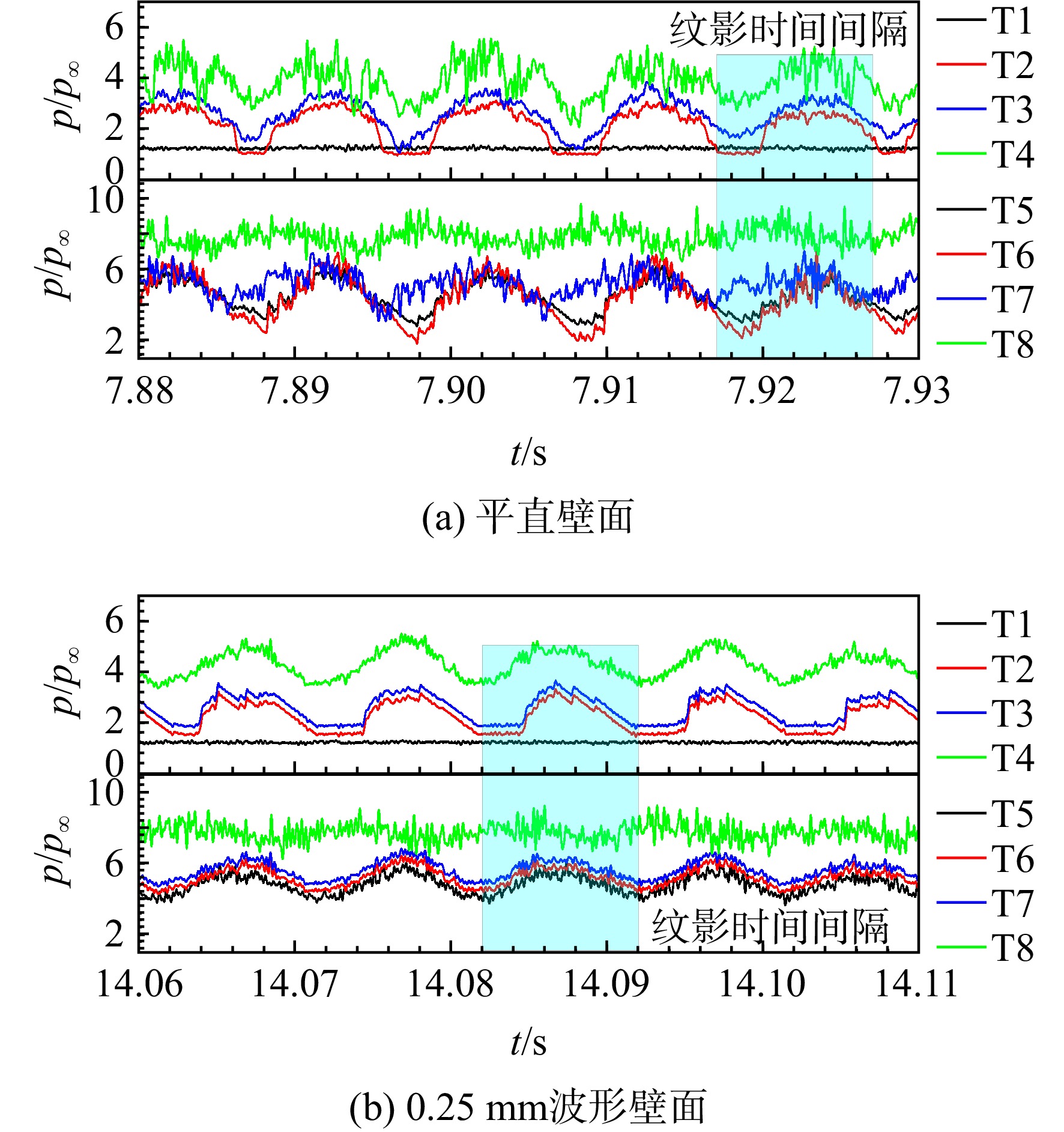
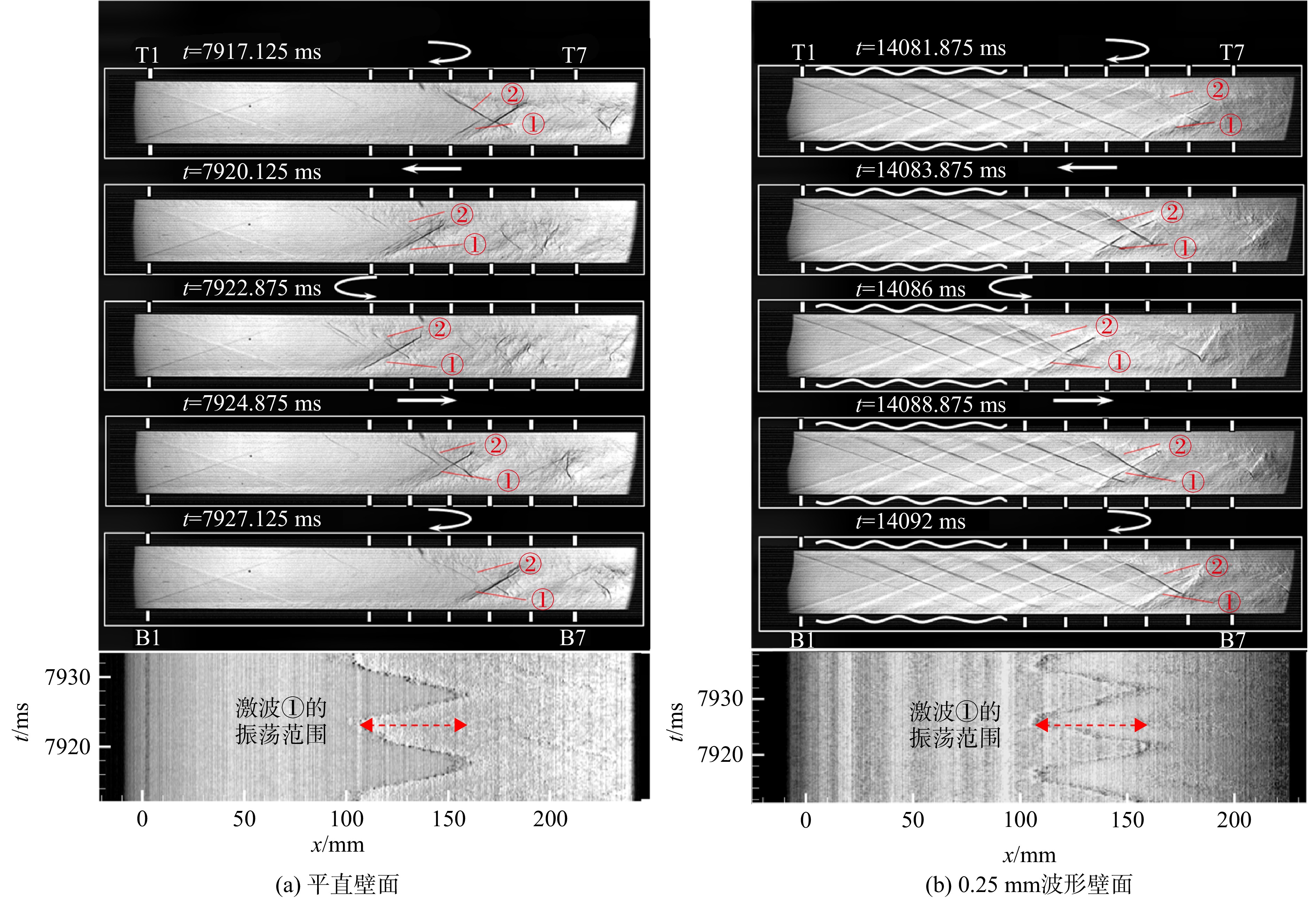
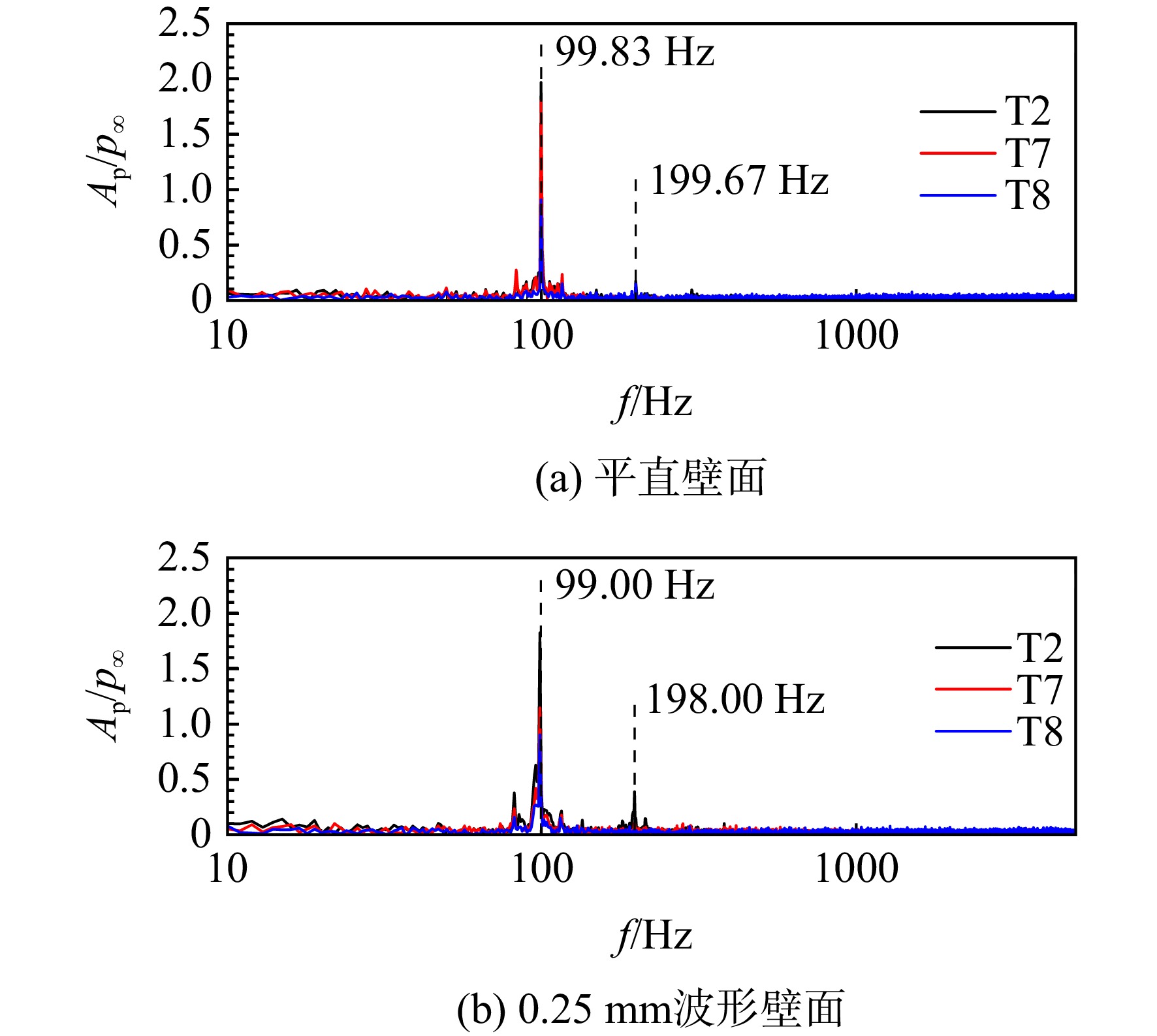
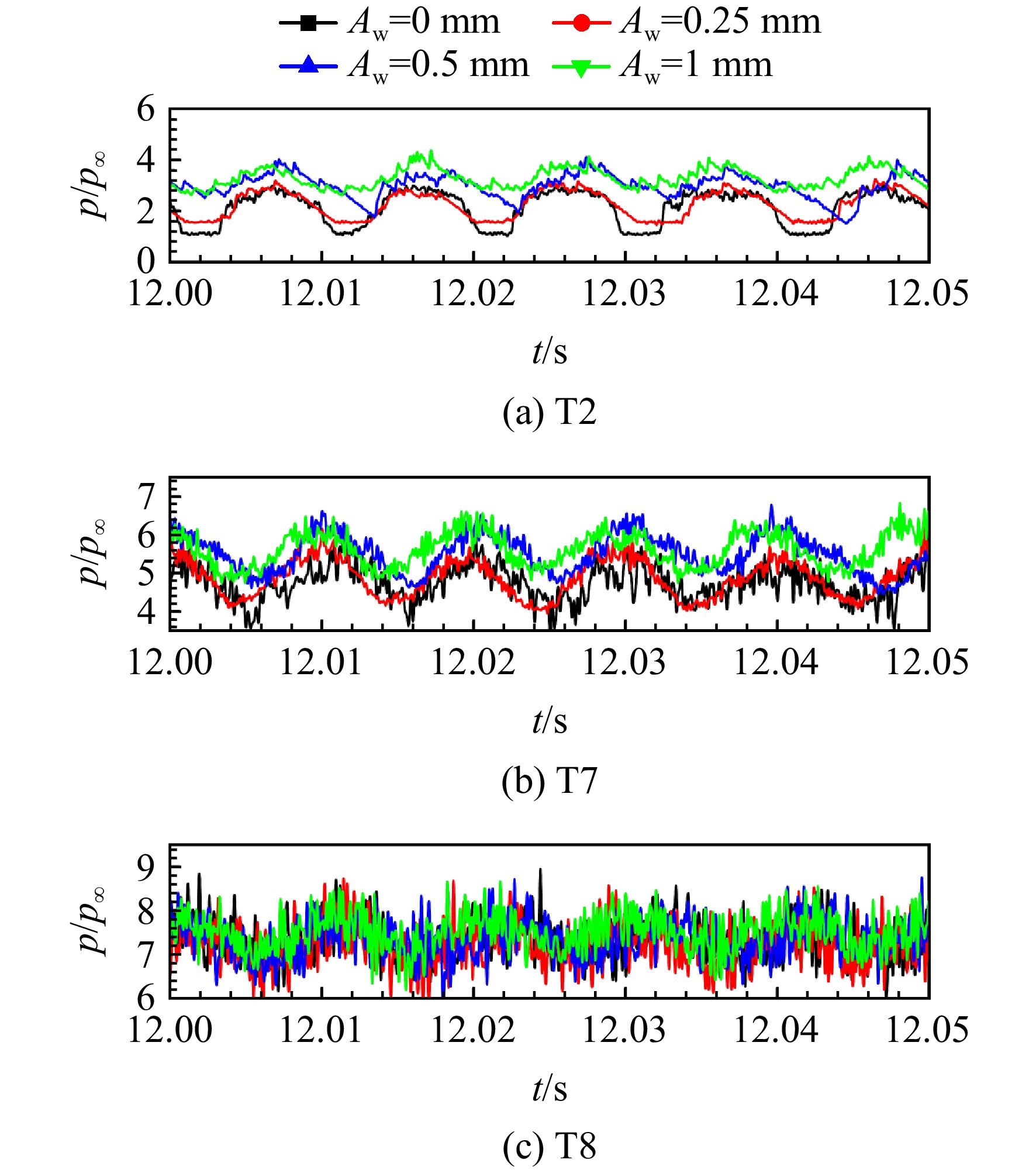
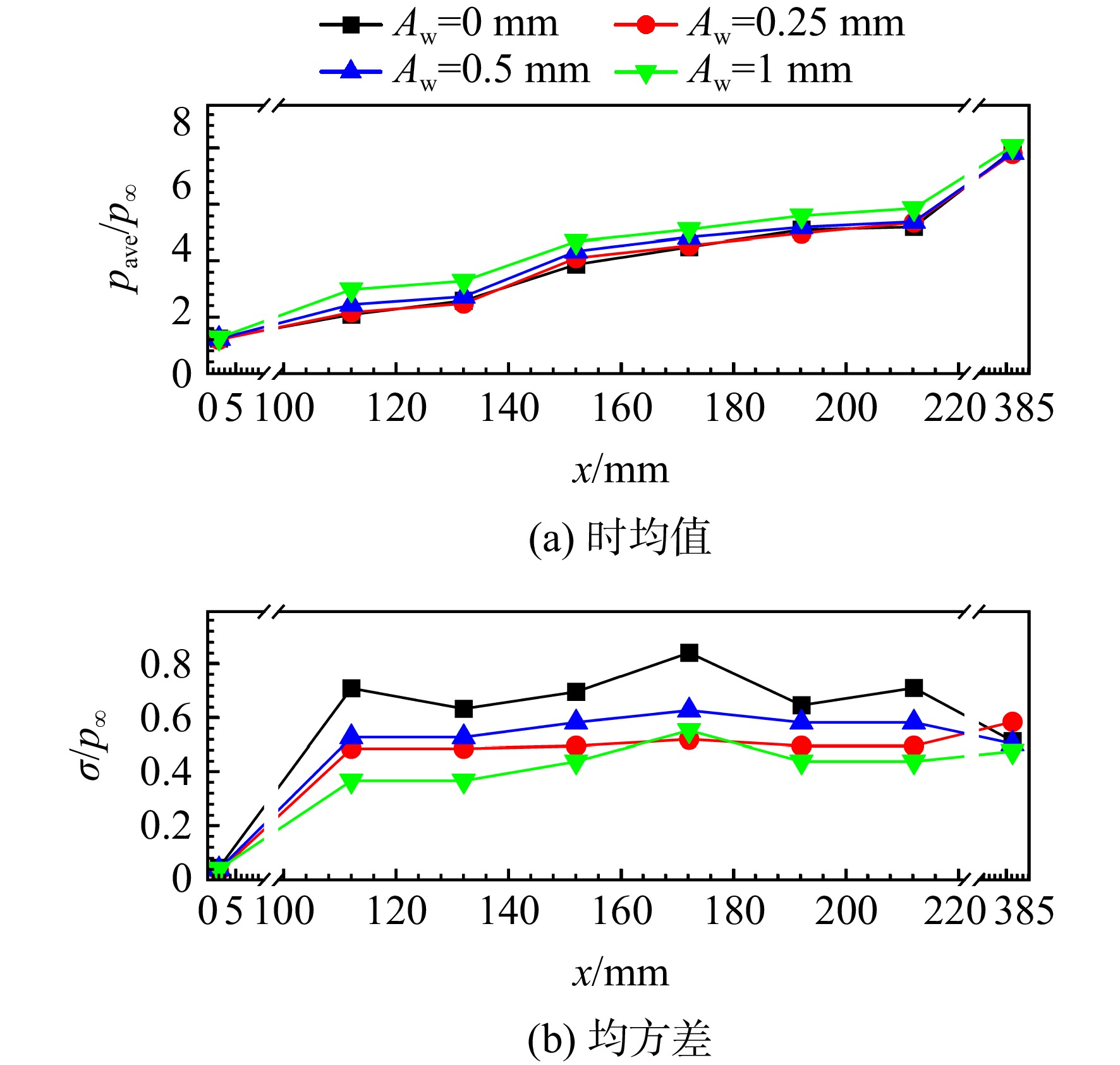
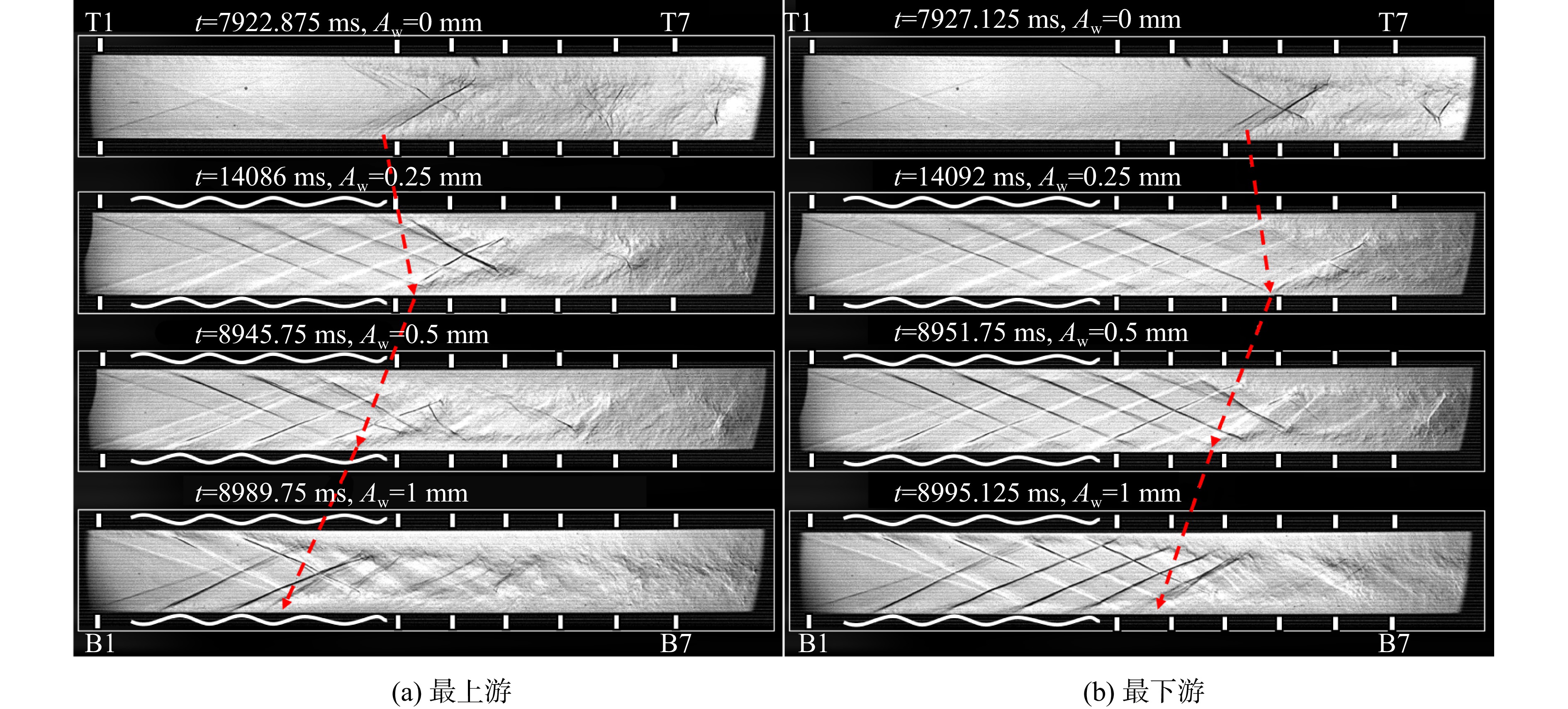
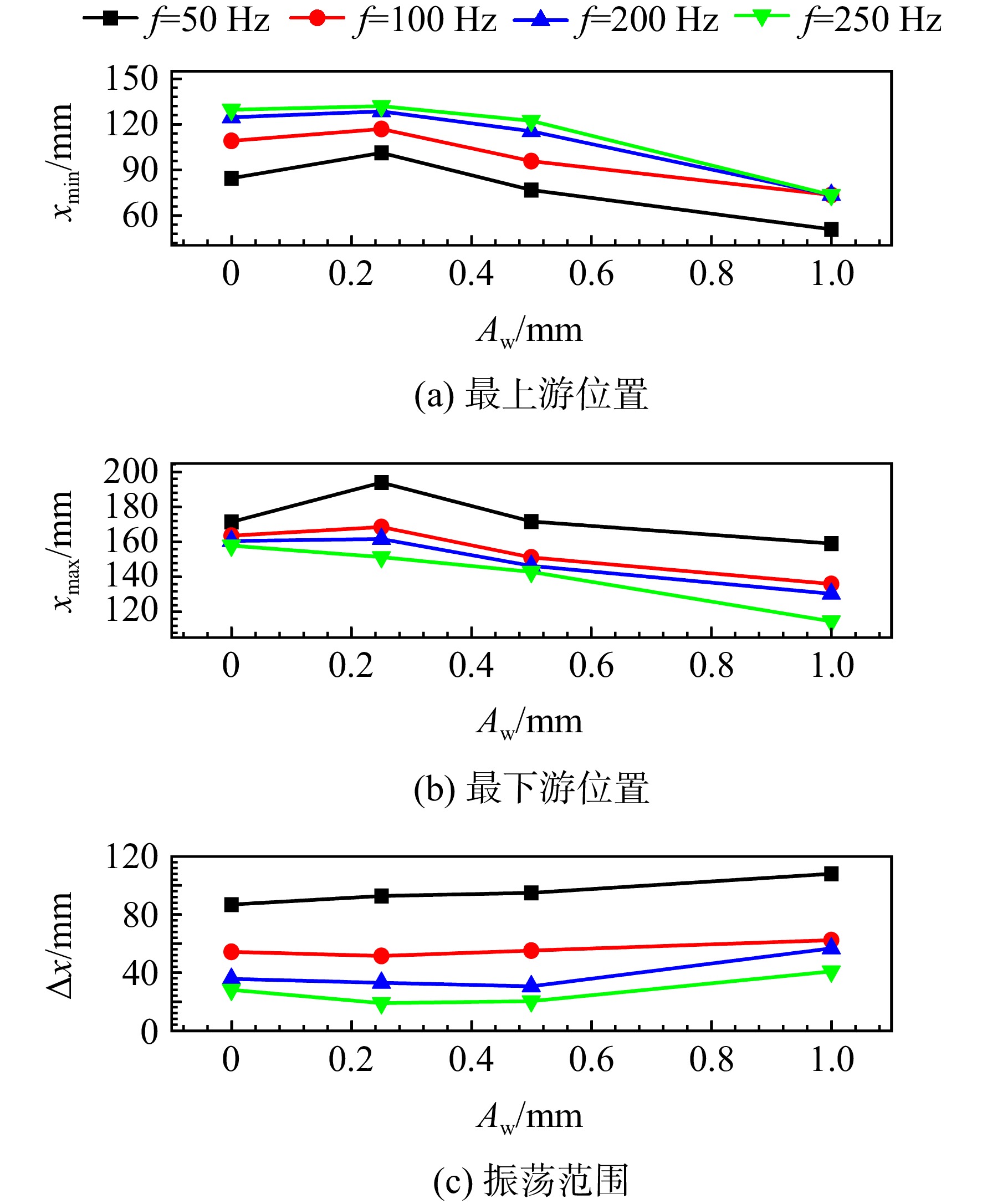
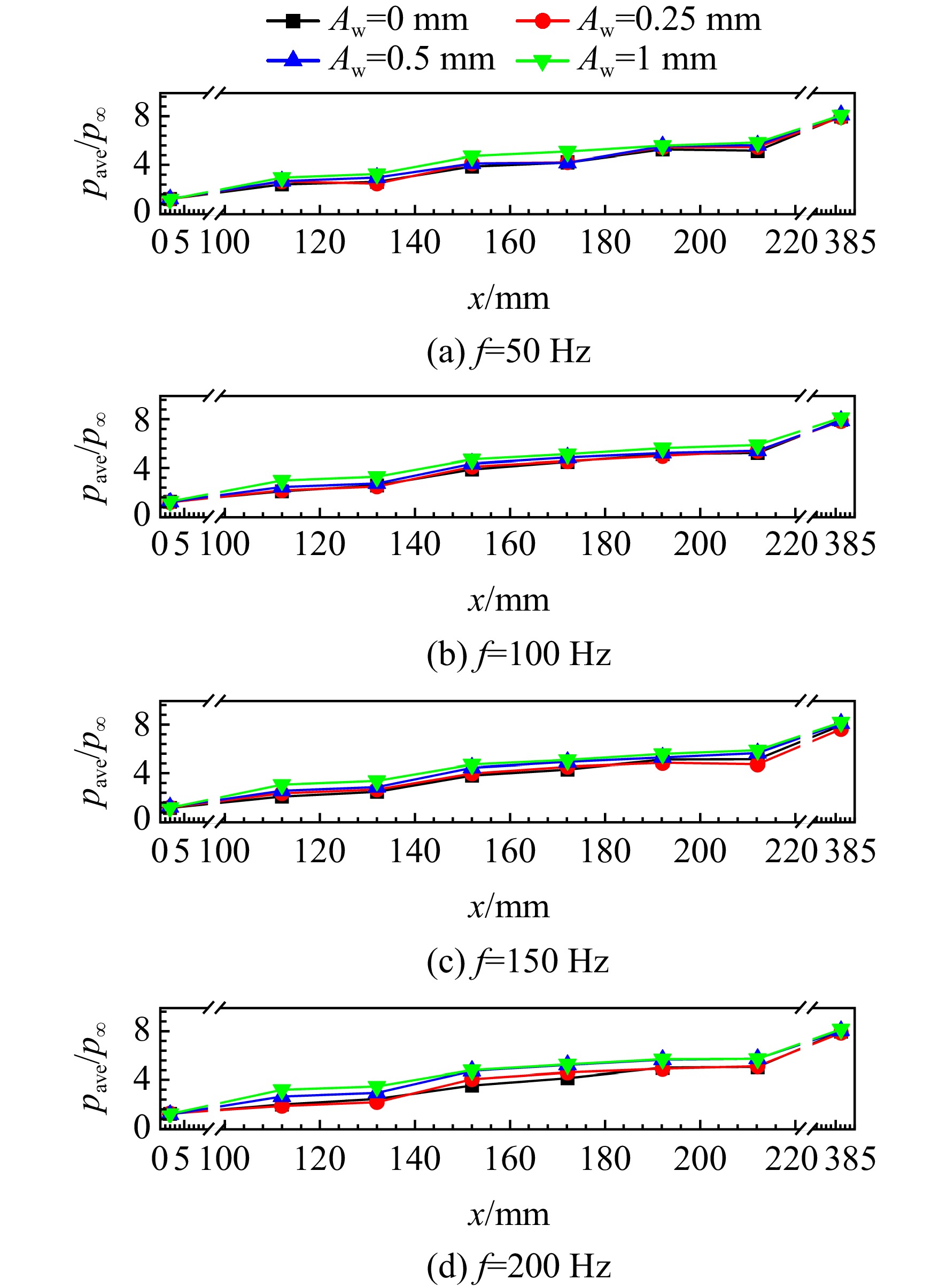
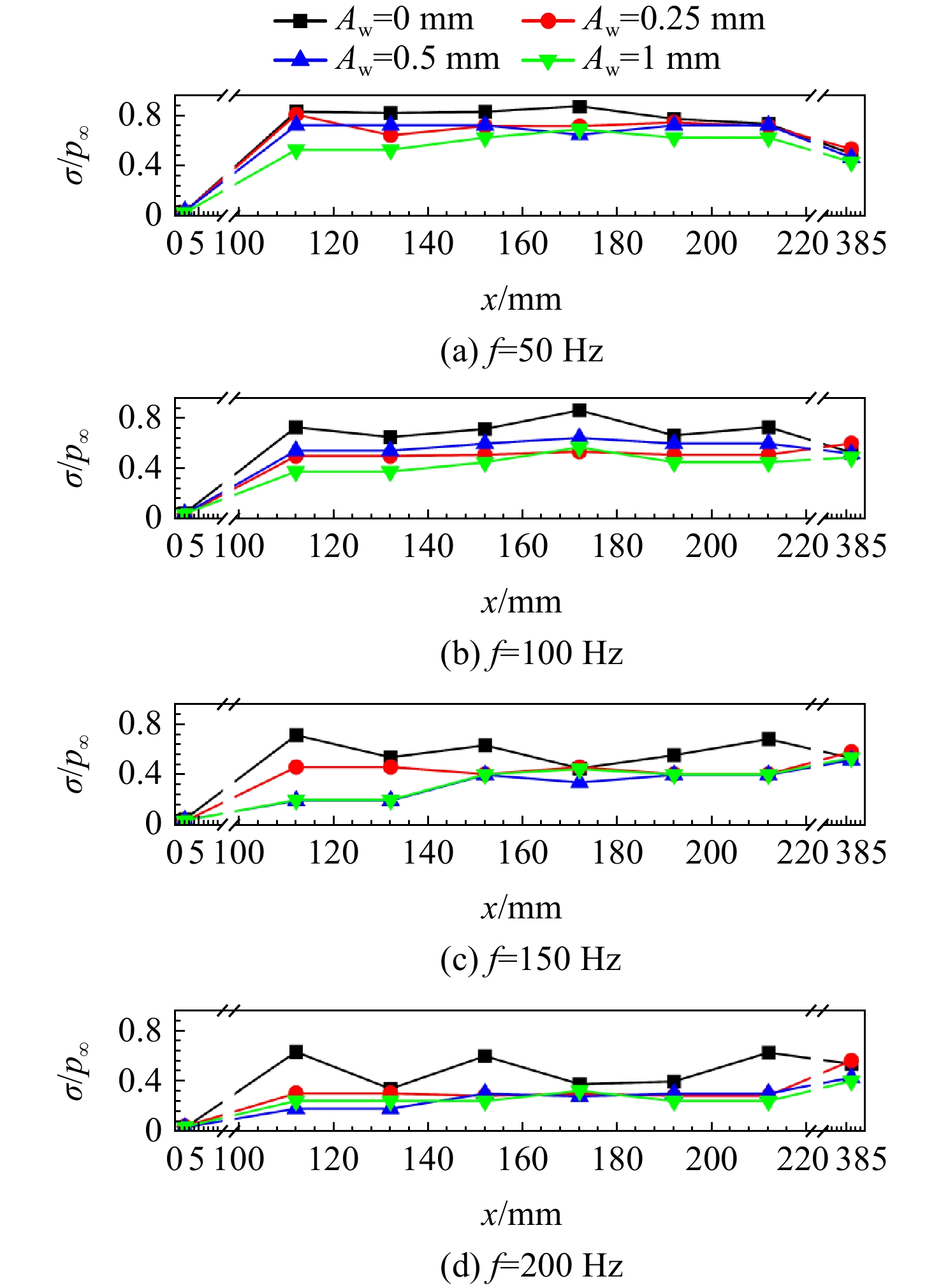
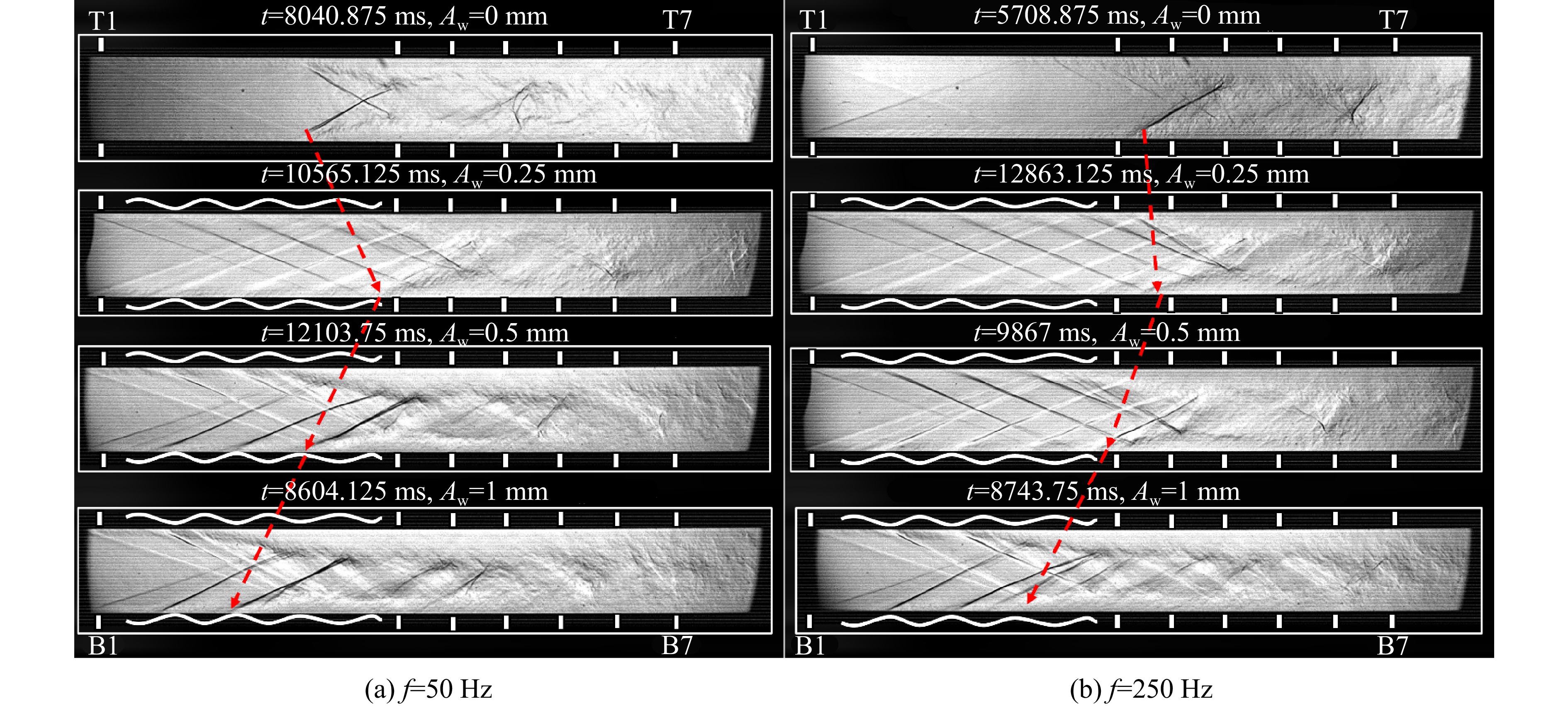
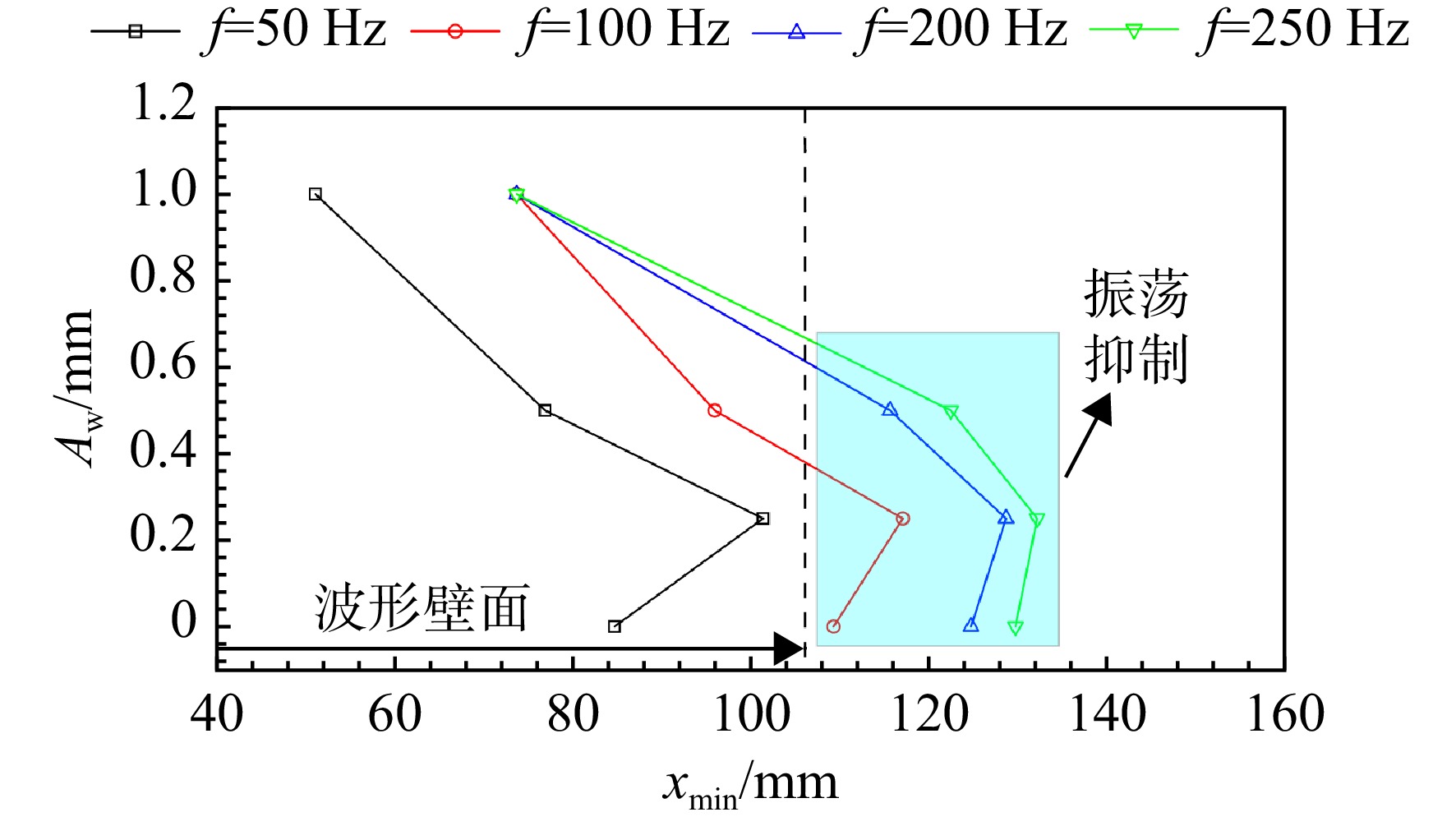
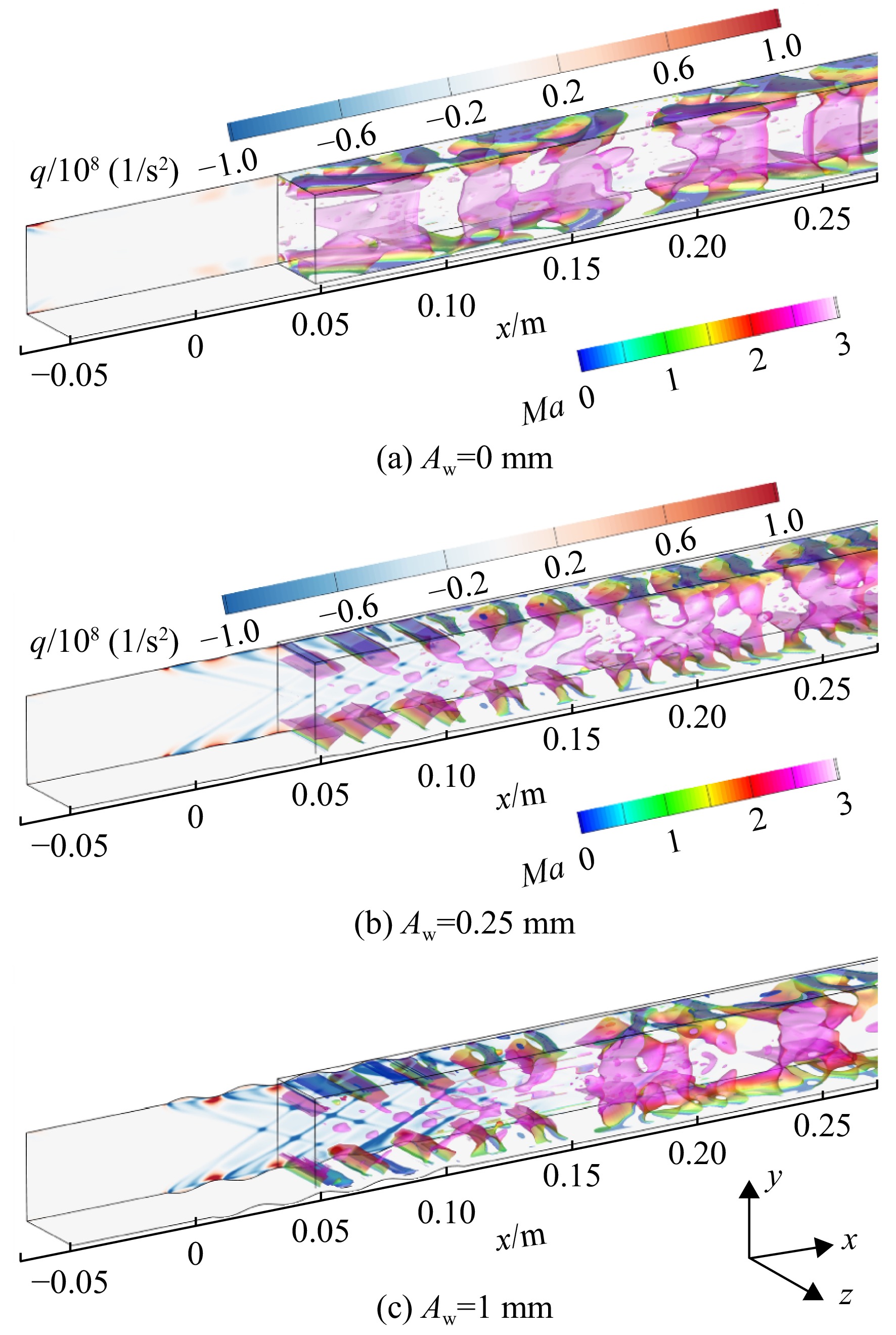
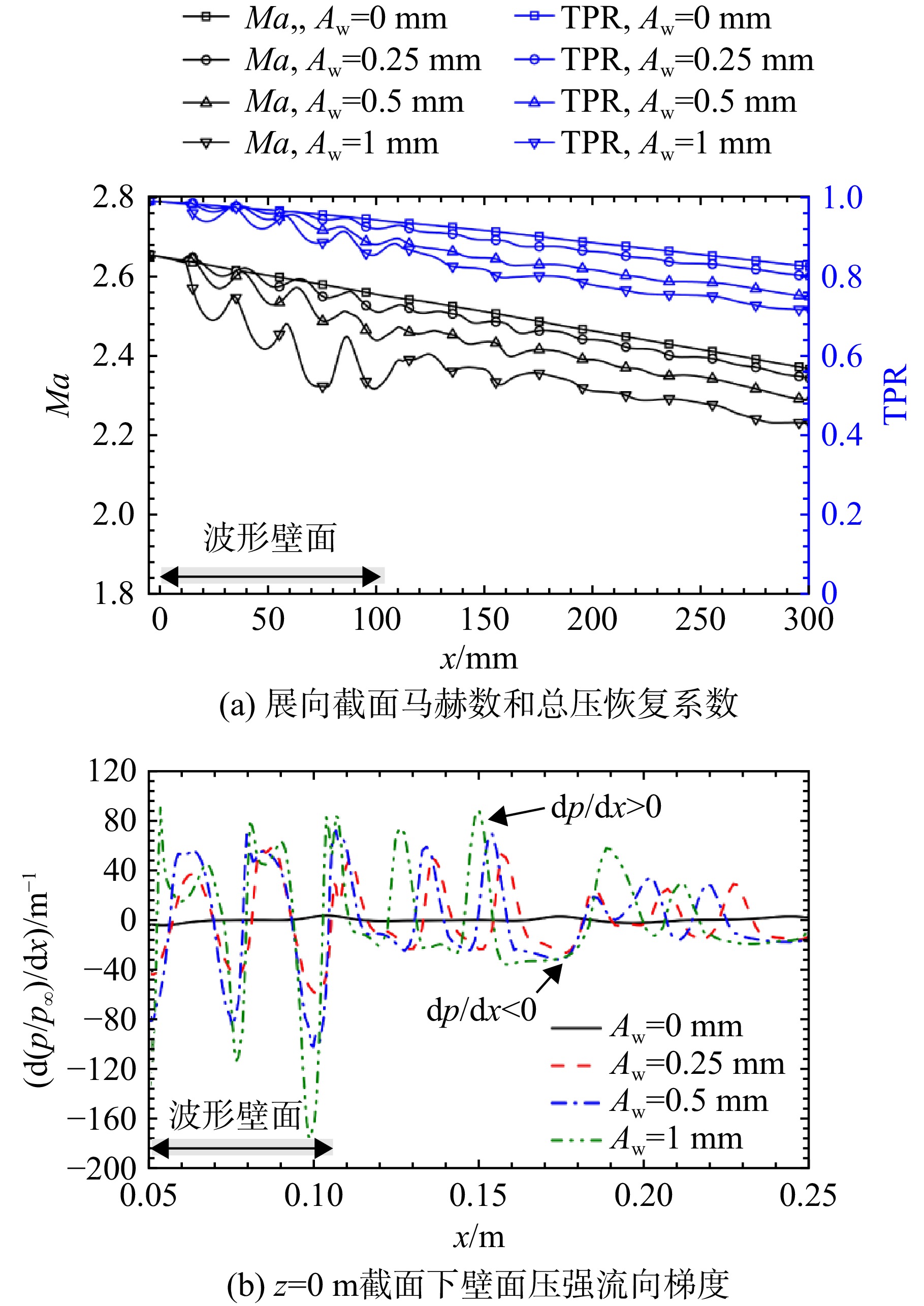
The effects of wavy walls on the suppression of shock train oscillations were investigated in a 32 mm high rectangular isolator under Mach 3 freestream flow. High-speed schlieren imaging and transient pressure measurements were employed to capture the shock train oscillation flow, which was induced with flat wall and sinusoidal wavy wall (with amplitudes from 0.25 mm to 1 mm) through steady throttle and 50 Hz to 250 Hz periodic throttle. For steady throttle flow, the shock train exhibited self-excited oscillation within small range. Wavy walls significantly altered the pressure signal spectrum and reduced the root mean square of wall pressure. 1 mm-wavy wall reduced the oscillation range of the leading-edge-shock. For periodic throttle flow, forced shock train oscillation emerged and wavy walls reduced the root mean square of pressure within the oscillation region. As the throttle frequency increased, the effects of 0.25 mm and 0.5 mm-wavy walls on the oscillation transferred from enhancement to suppression. Meanwhile, the 1 mm-wavy wall consistently led to an increase in the oscillation range. Overall, 0.25 mm-wavy wall exhibited the optimal suppression effects. Specifically, 0.25 mm-wavy wall reduced the oscillation range of 250 Hz condition by 32.2%. The analyses showed that the interference wave system and wake vortex effects induced by the wavy wall reduced the Mach number and total pressure recovery coefficient of the downstream flow, and generated regions of positive and negative pressure gradients on the downstream wall surface. For the present configuration, a small amplitude (0.25 mm) wavy wall can suppress shock train oscillation with a minimal drop of flow total pressure through vortex effects and variations of pressure gradient. It is necessary to consider the parameter matching between the wavy wall configuration and shock train oscillation flow in the practical application.

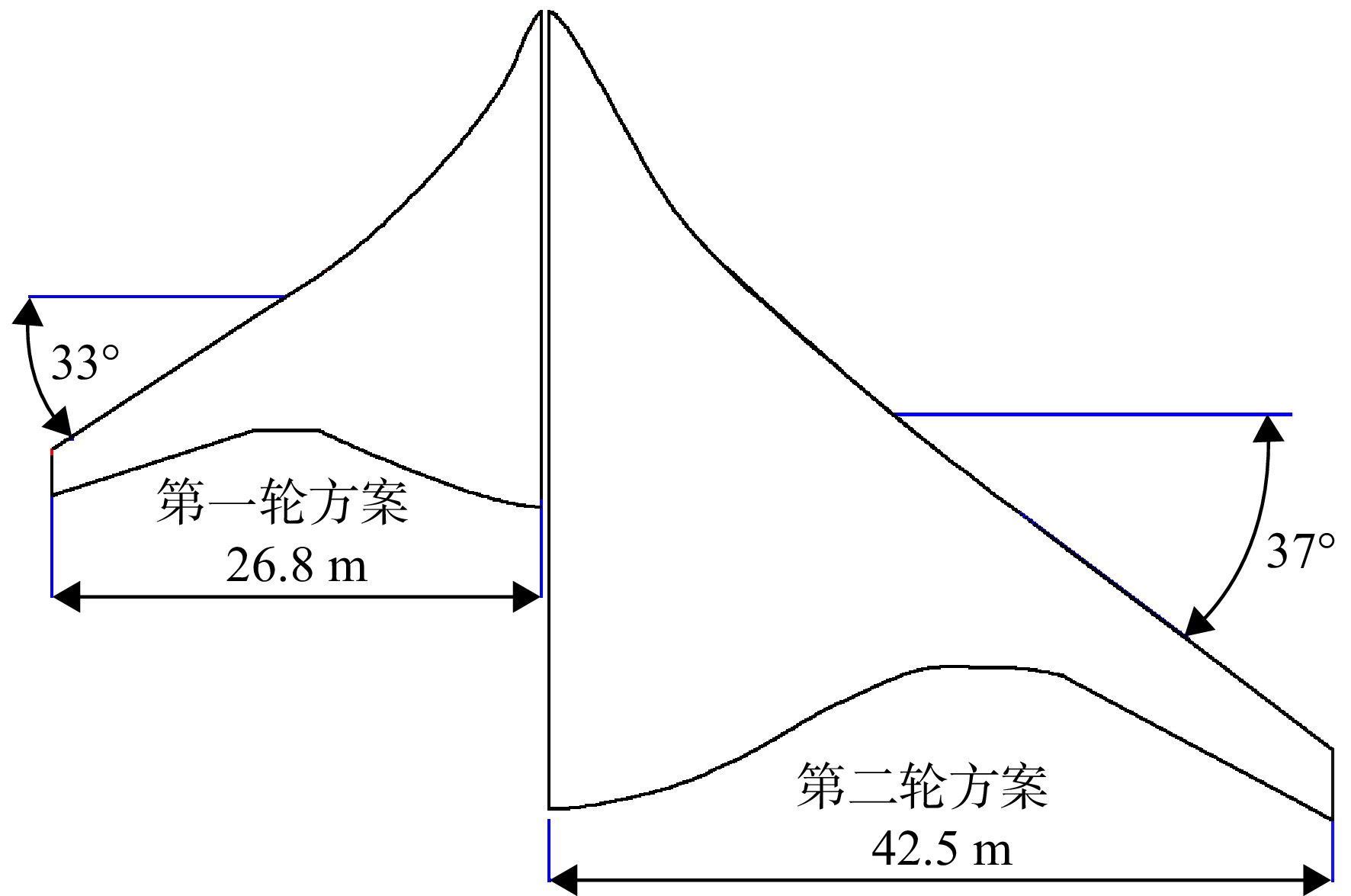
Aerodynamic design and aerodynamic characteristic tests of a high-aspect-ratio flying-wing standard model
Li Yonghong, Huang Yong, Su Jichuan, Shi Yujie
2027, 42(1): 20250276. doi: 10.13224/j.cnki.jasp.20250276
Abstract:

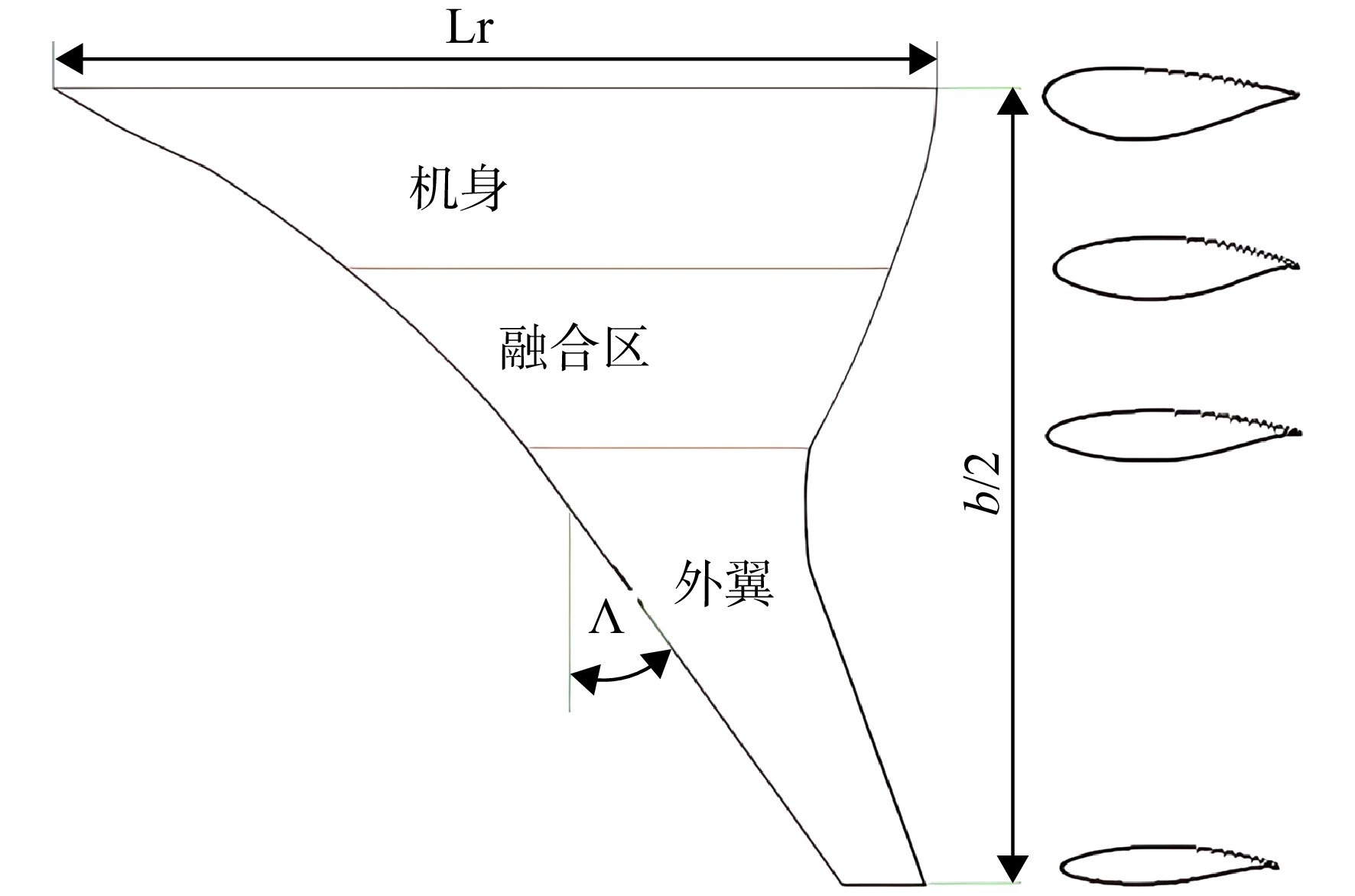
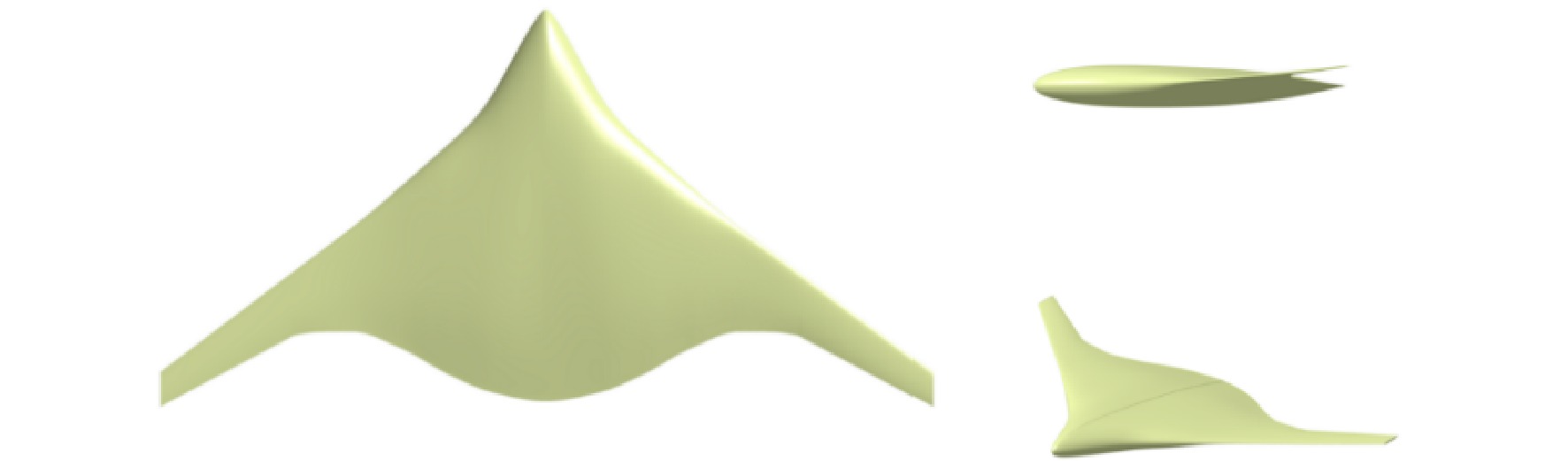
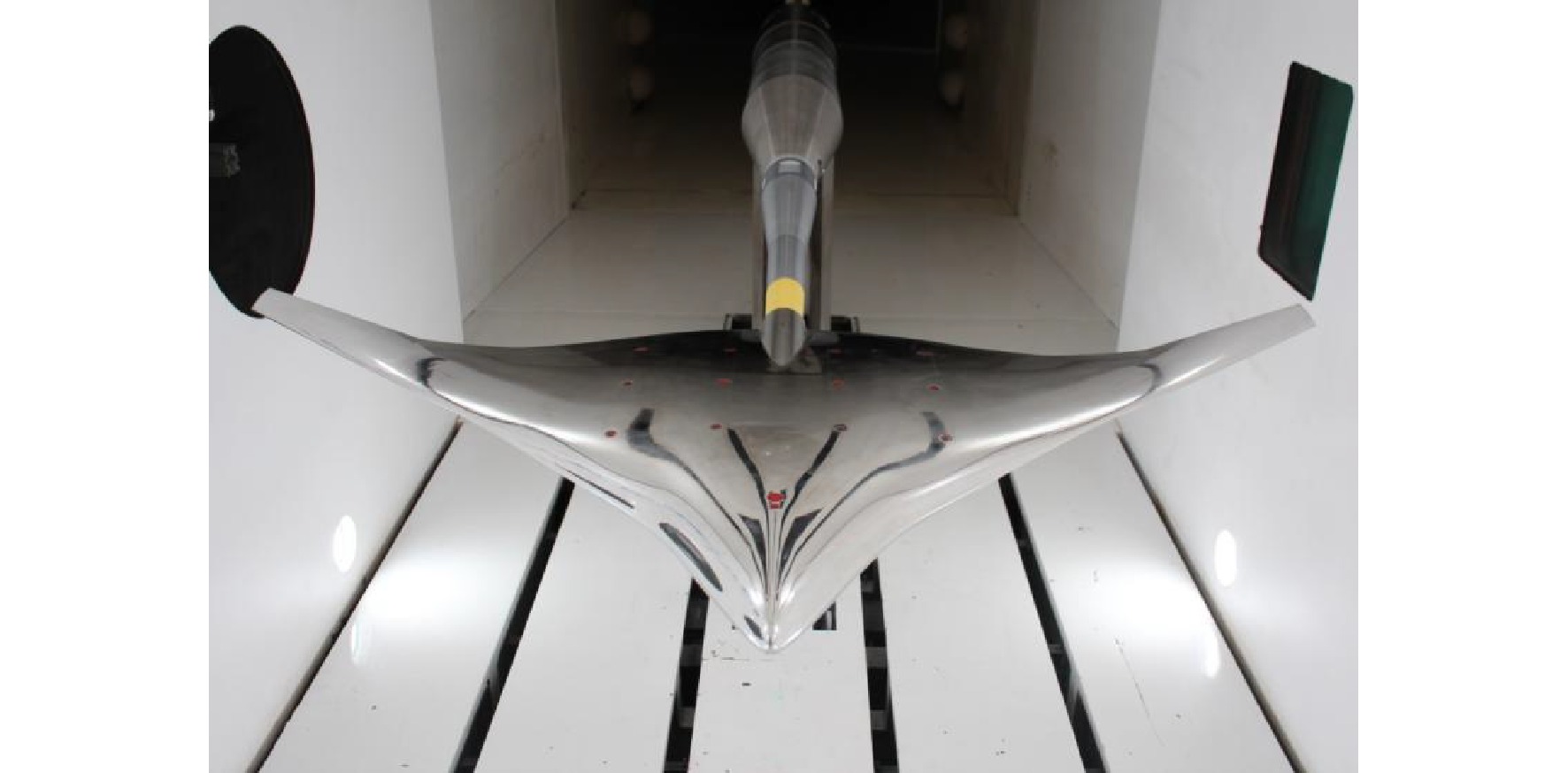
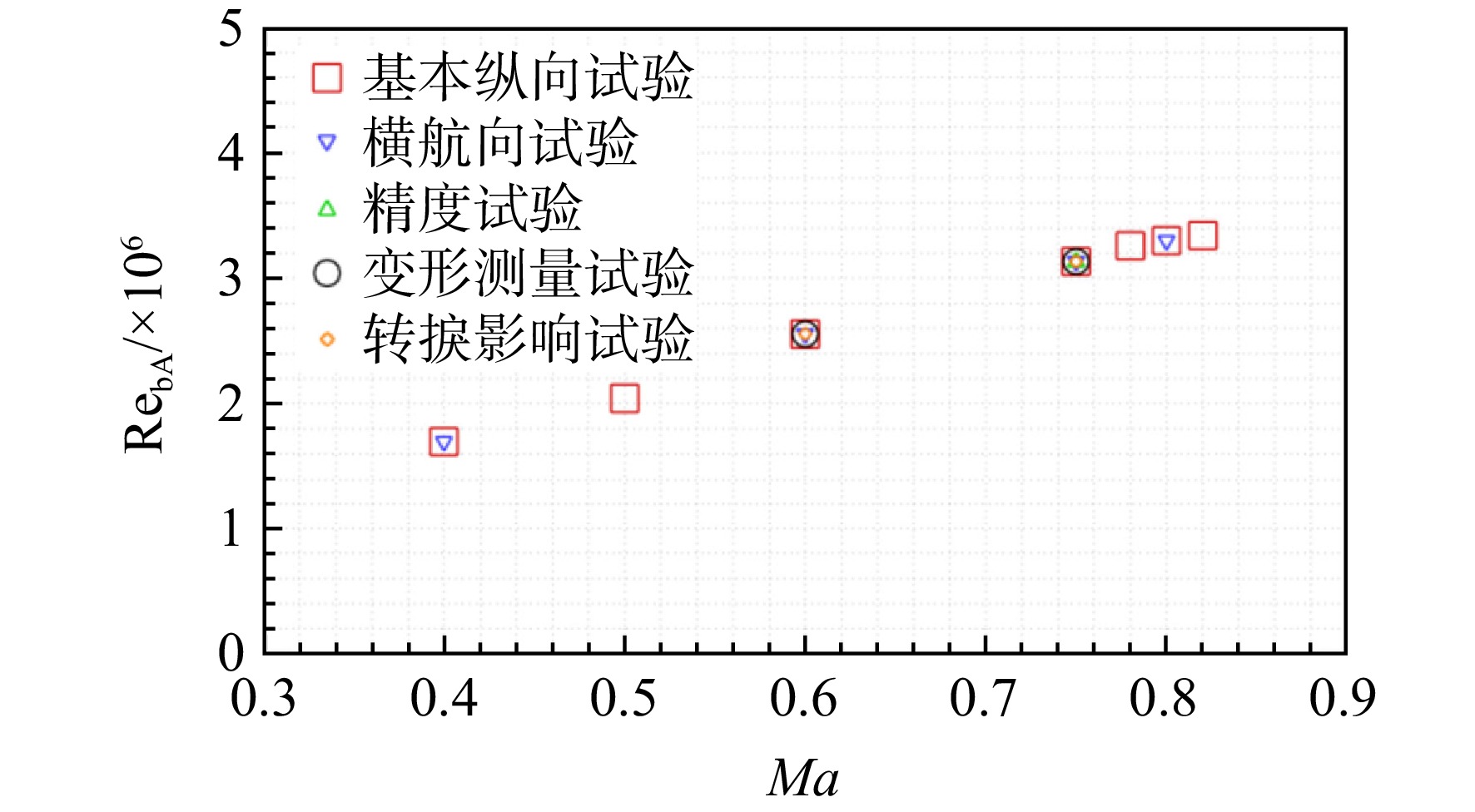
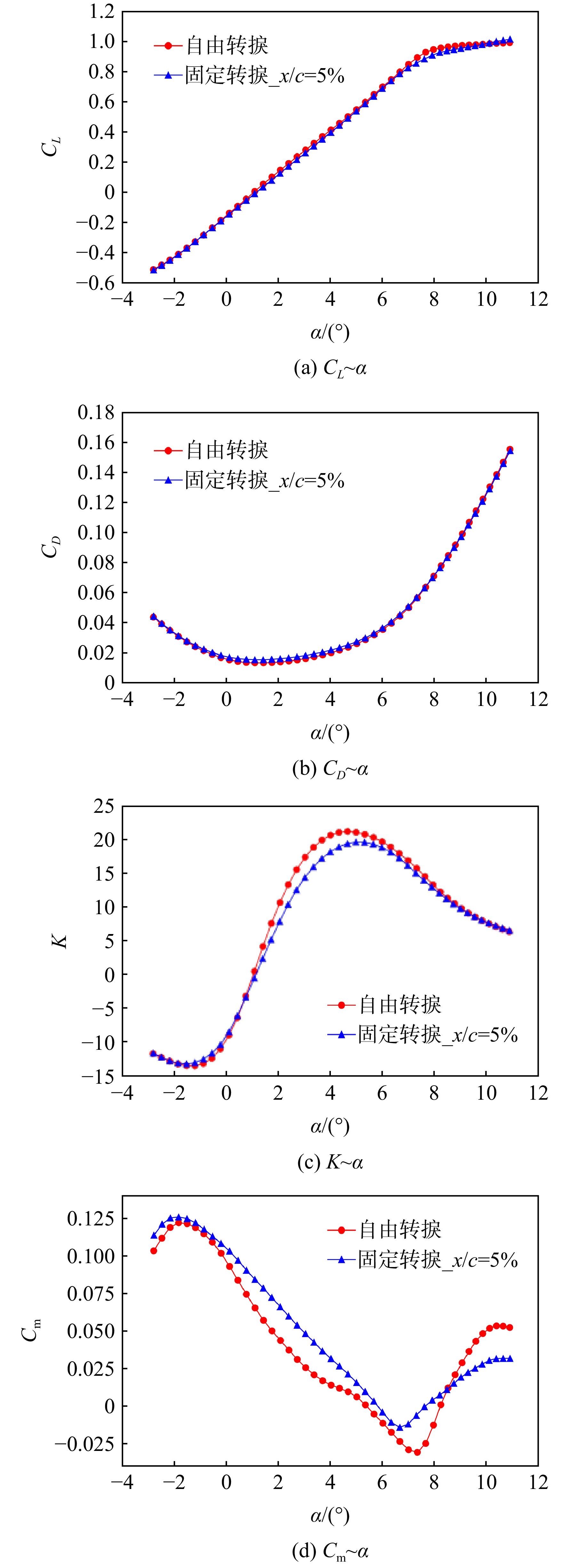
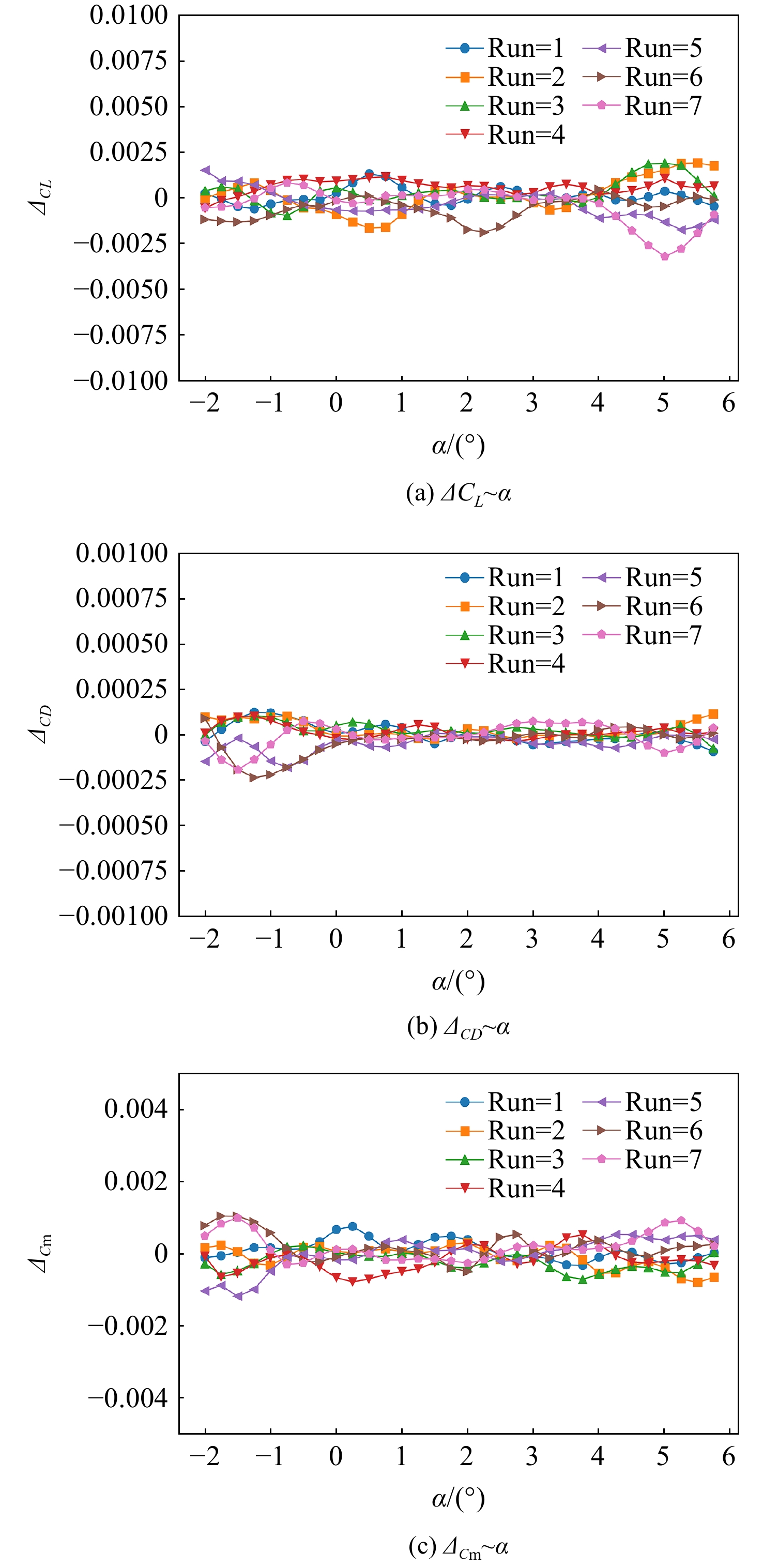
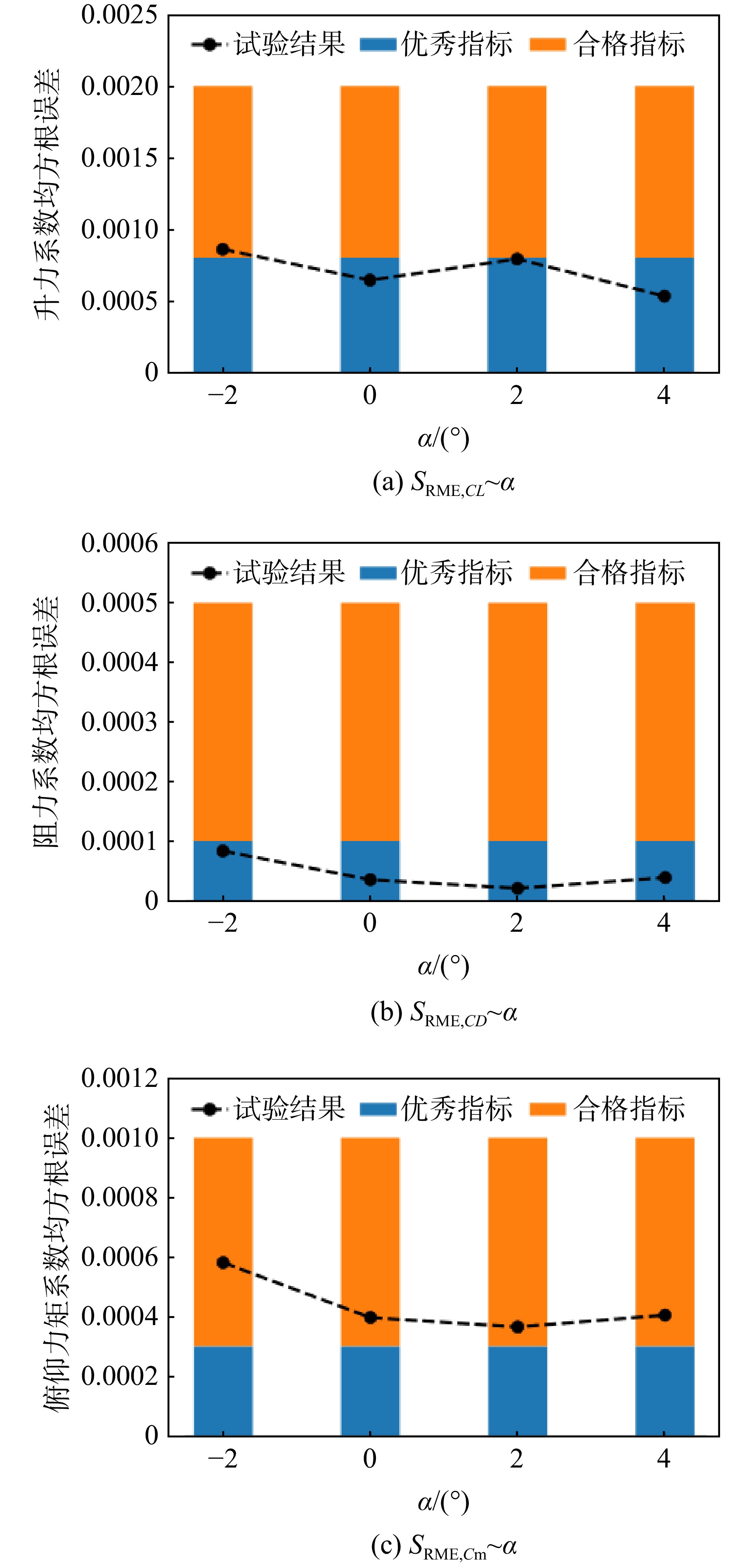
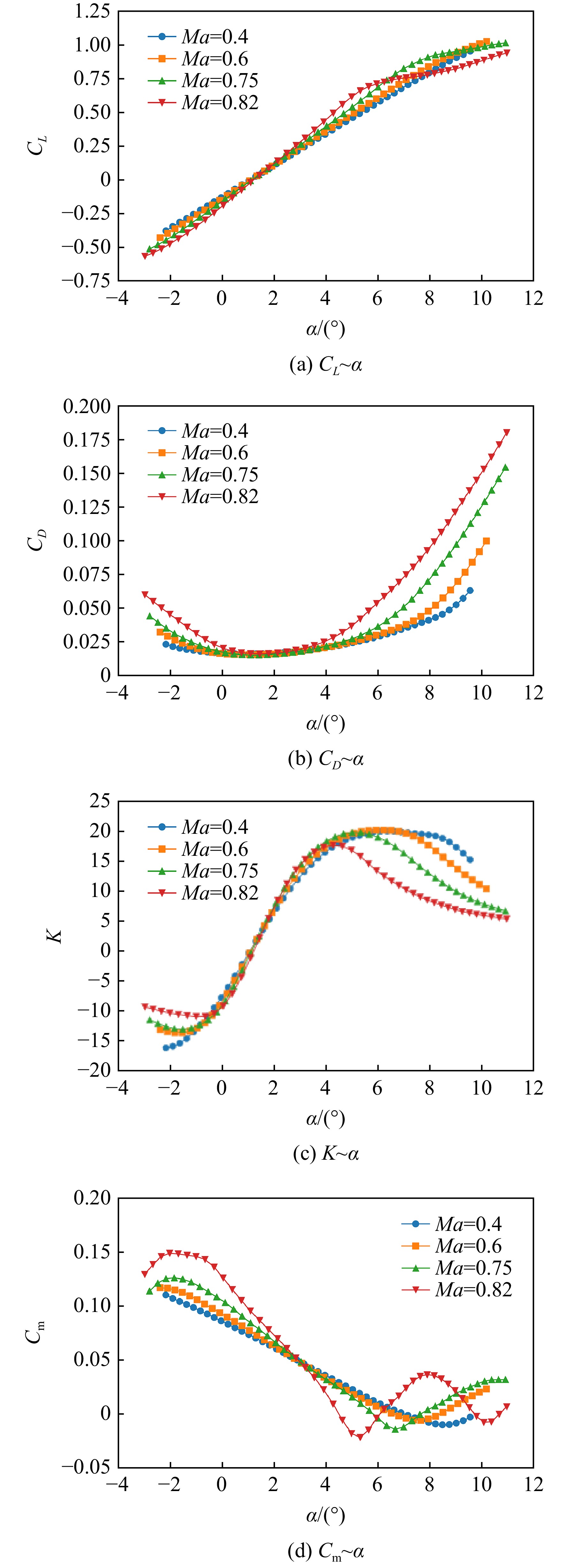
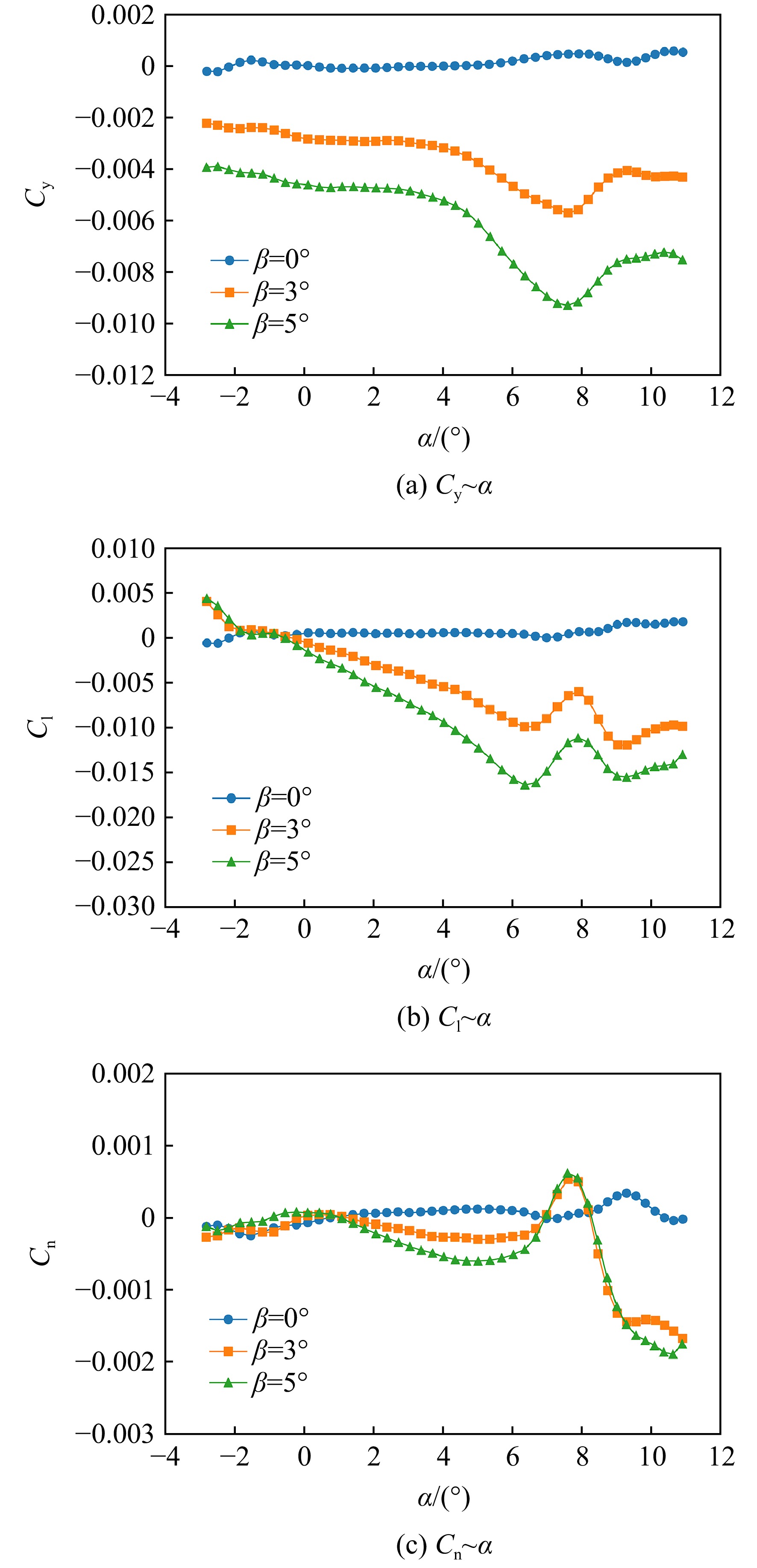
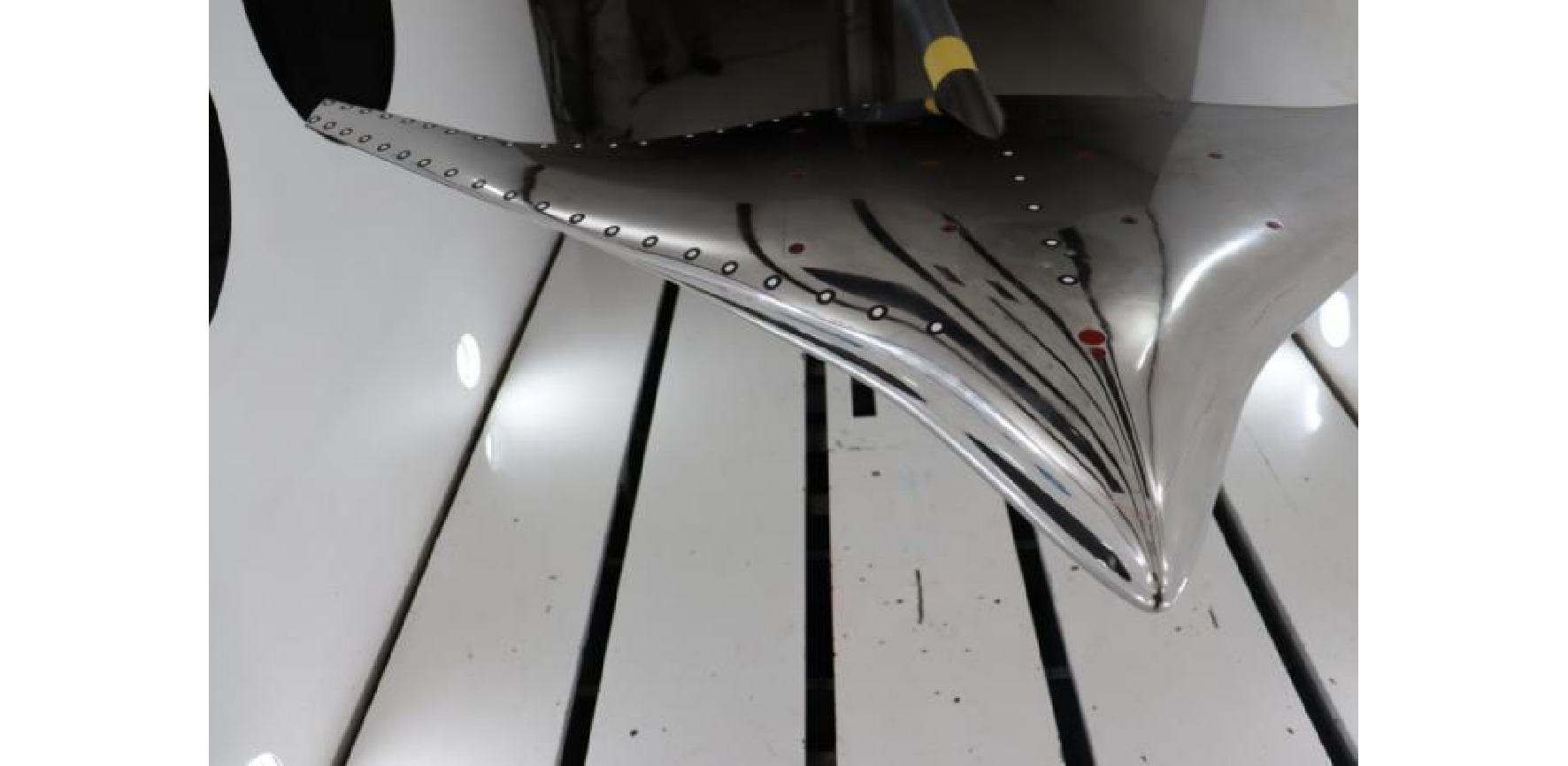
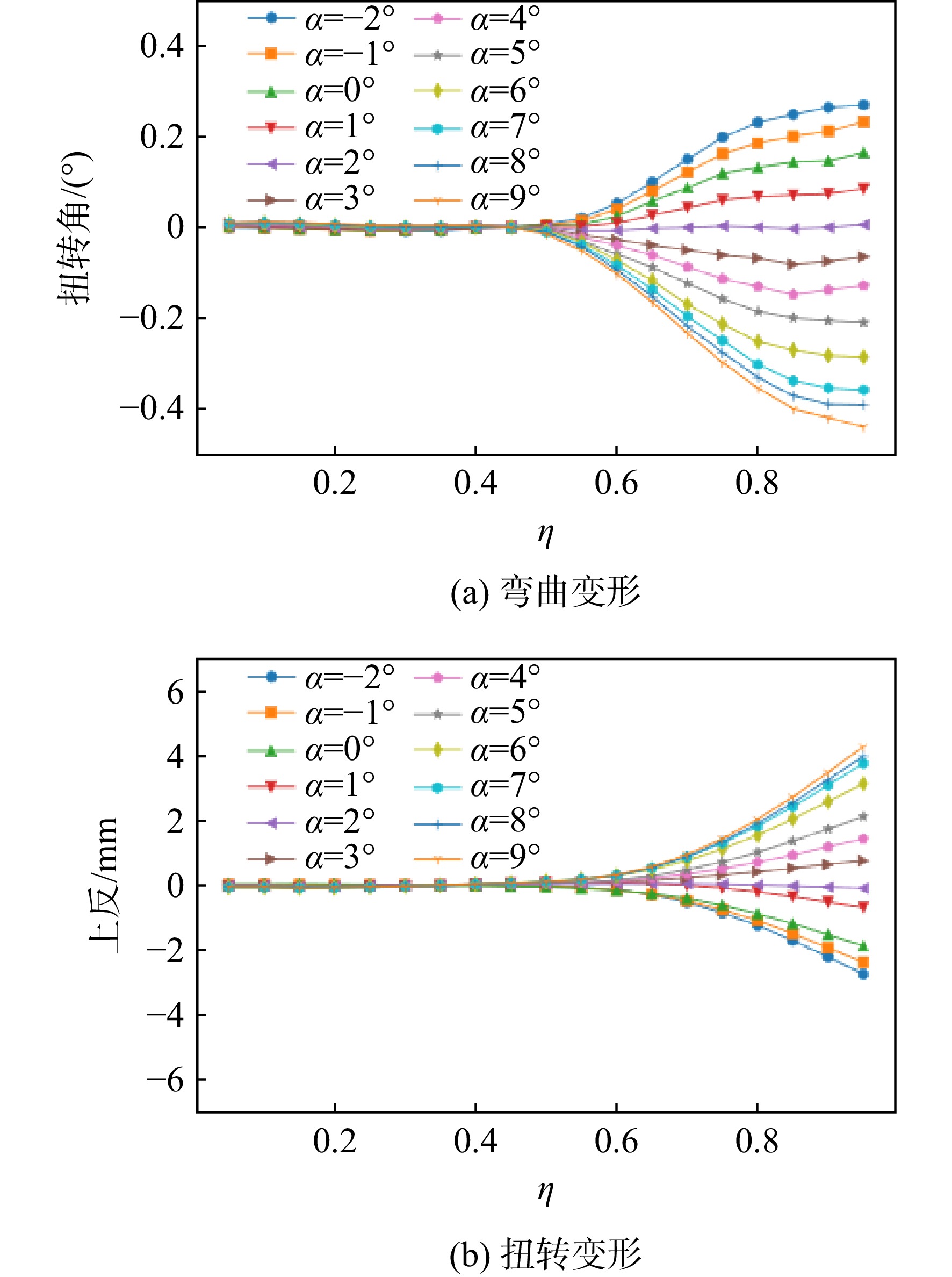
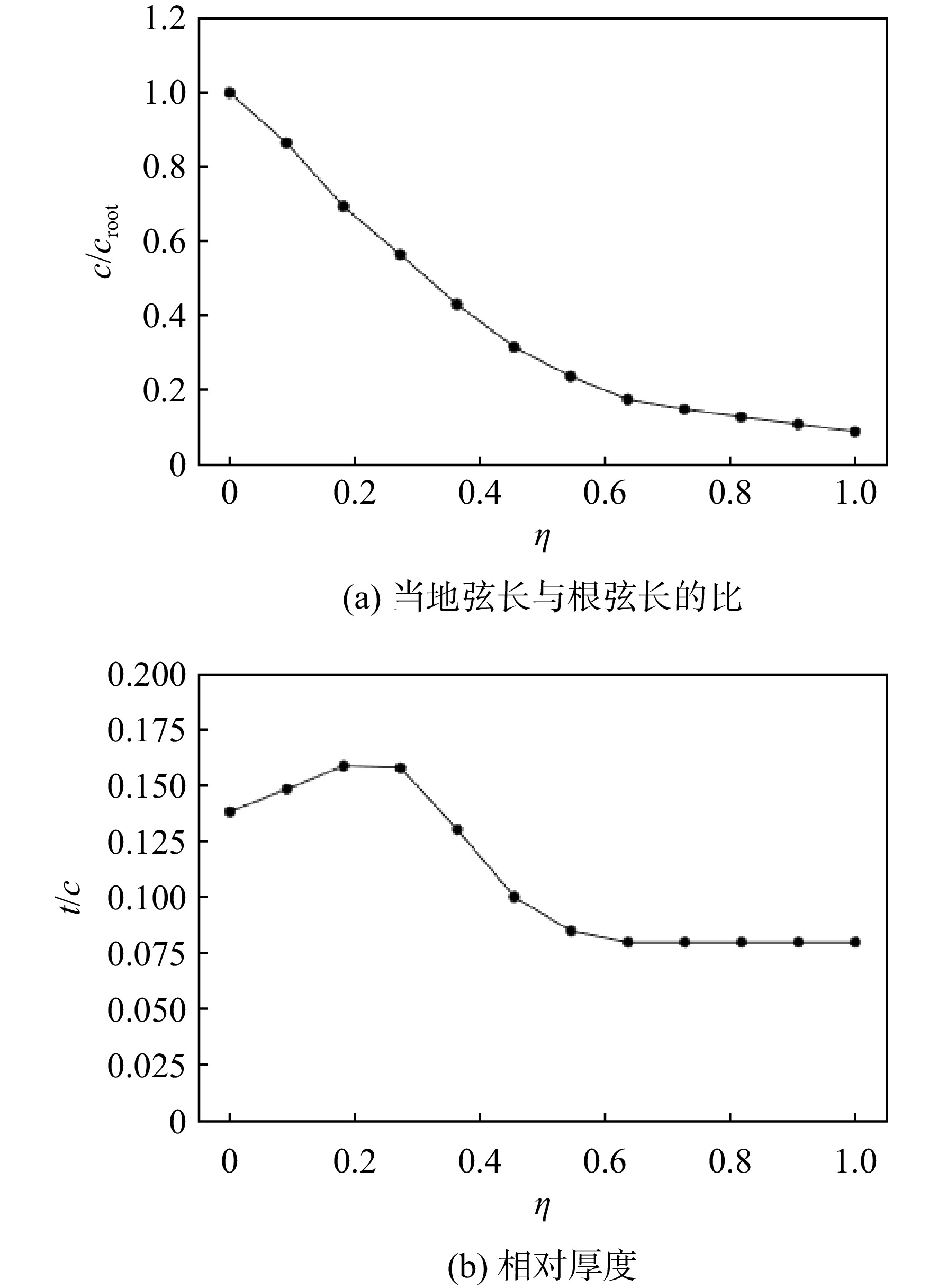
Aerodynamic evaluation of a self-developed high-aspect-ratio flying wing standard model was conducted in a 2.4 m transonic blowdown wind tunnel. The tests quantified boundary layer transition effects, assessed measurement system precision, and characterized elastic deformations under critical test conditions. Longitudinal and lateral-directional aerodynamic performance analyses confirmed the model’s stability and suitability as a benchmark for high-aspect-ratio flying wing configurations. The derived aerodynamic database elucidates flow mechanisms, Reynolds number dependencies, and aeroelastic behaviors specific to such configurations. Additionally, the study validates advanced wind tunnel testing methodologies while supplying critical testdatasets for computational fluid dynamics (CFD) code verification. Findings underscore the model’s utility in advancing integrated testcomputational frameworks for next-generation aircraft development, particularly in addressing aerodynamic complexities of high-aspect-ratio flying wings.

Aerodynamic optimization for elbow-type exhaust duct with a built-in output shaft tube
Ding Jintao, Zhang Jingzhou, Shan Yong, Zhang Lina
2027, 42(1): 20250386. doi: 10.13224/j.cnki.jasp.20250386
Abstract:

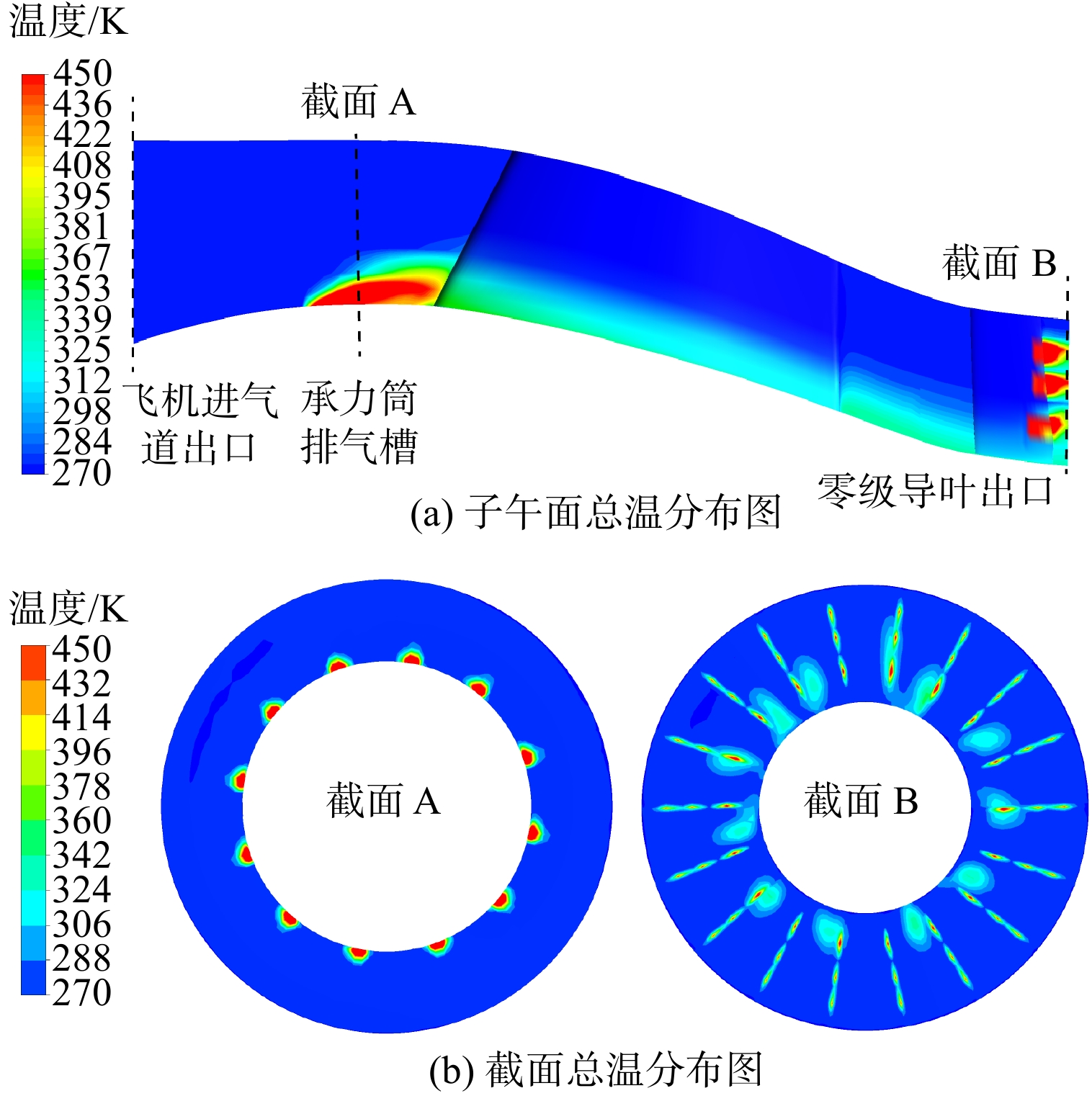
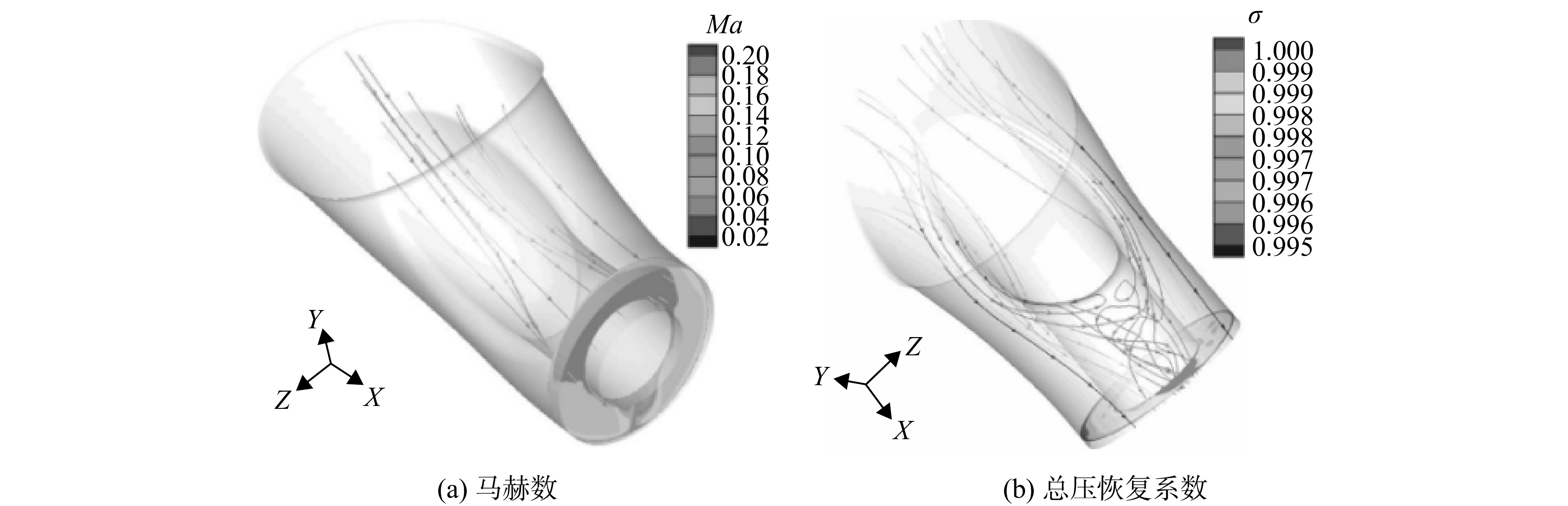
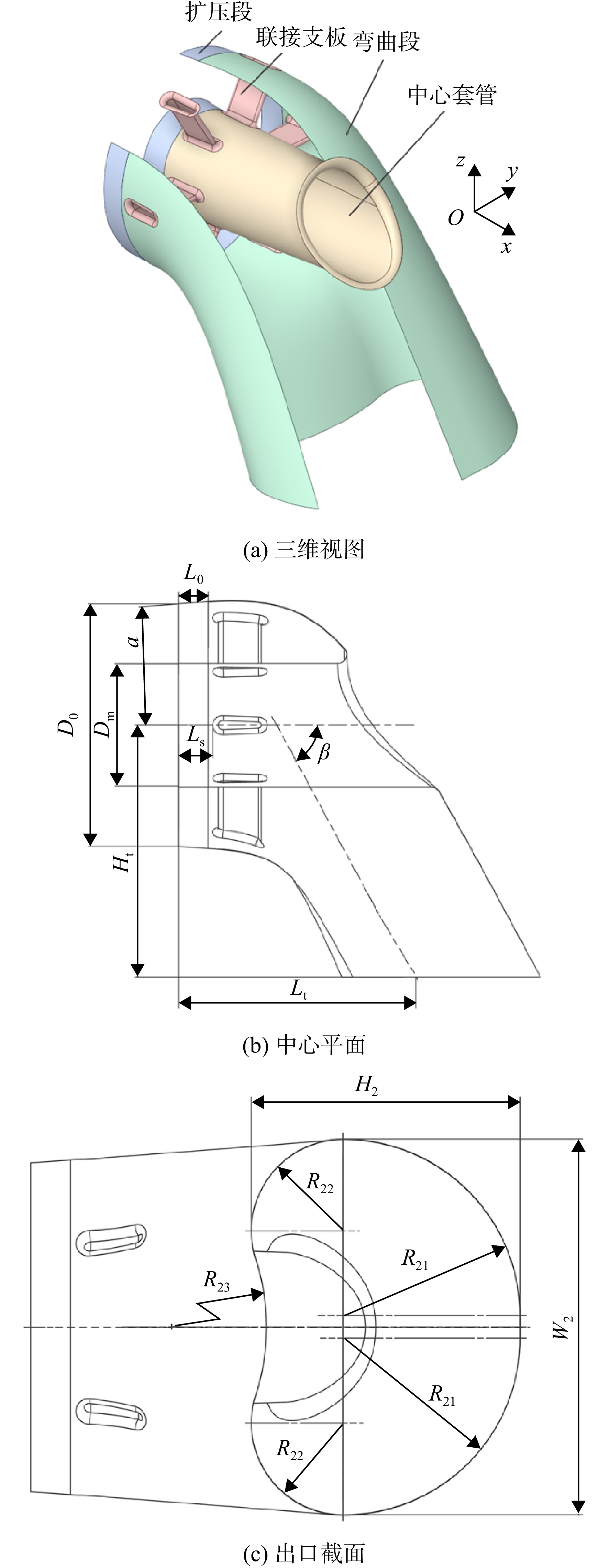
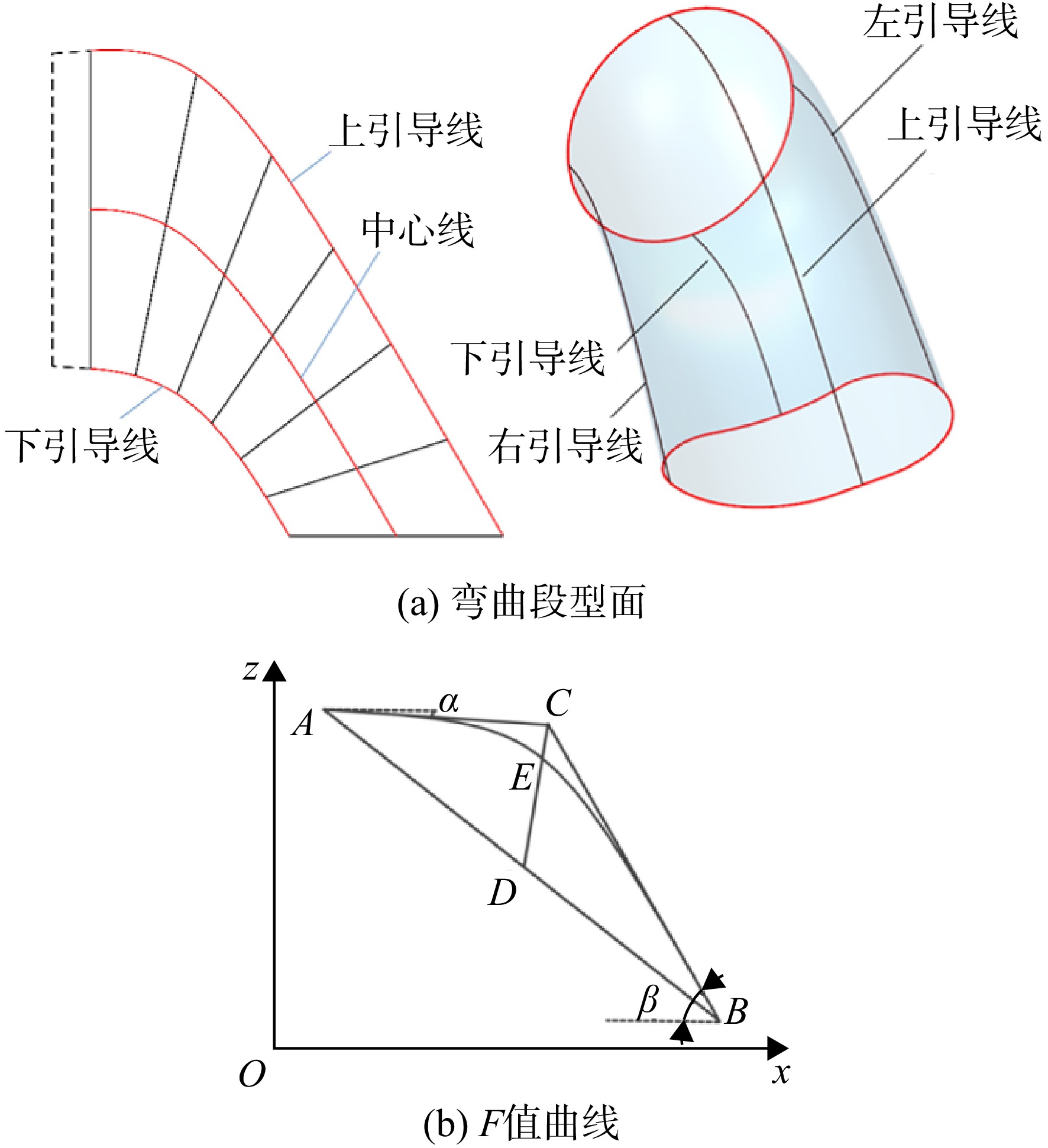
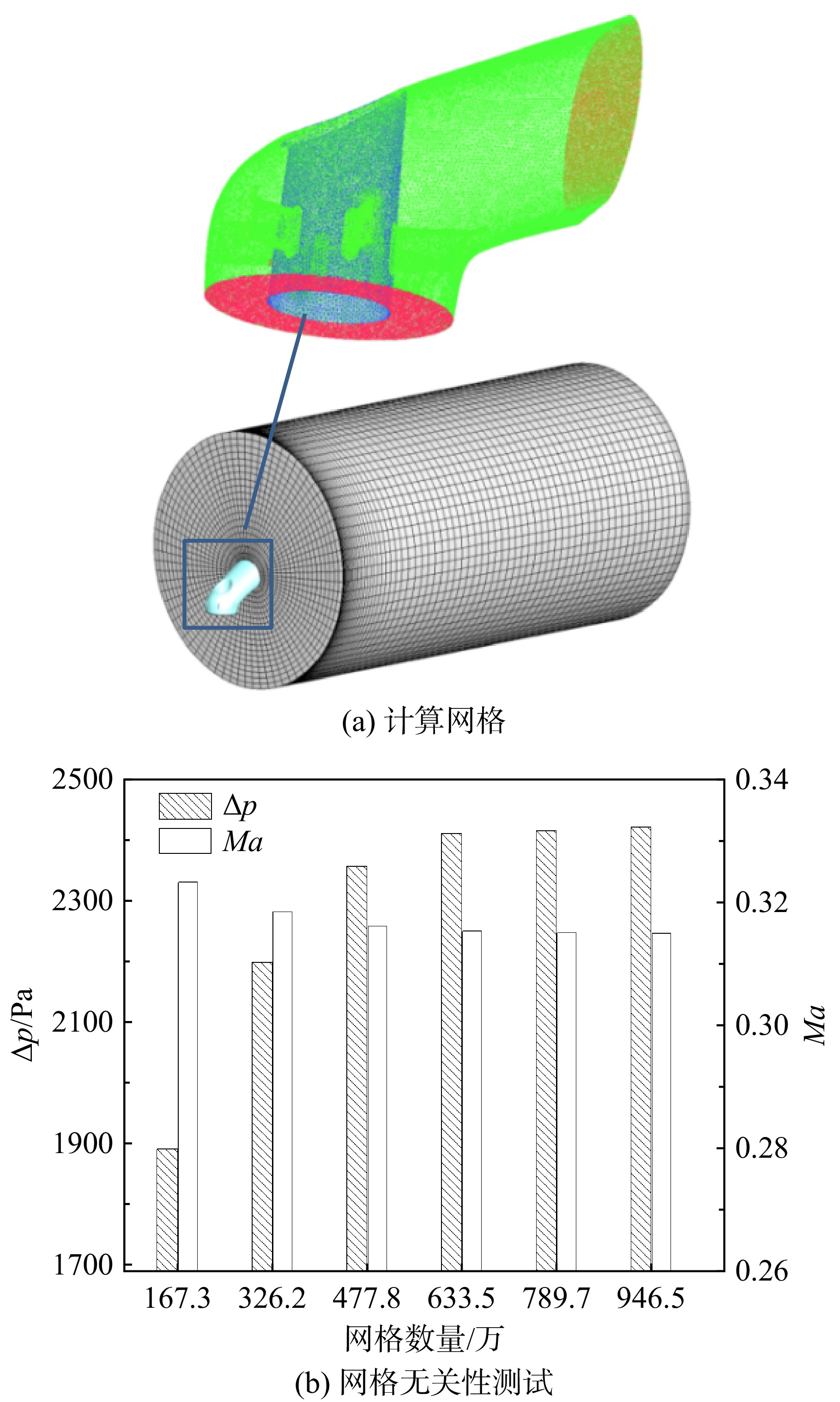
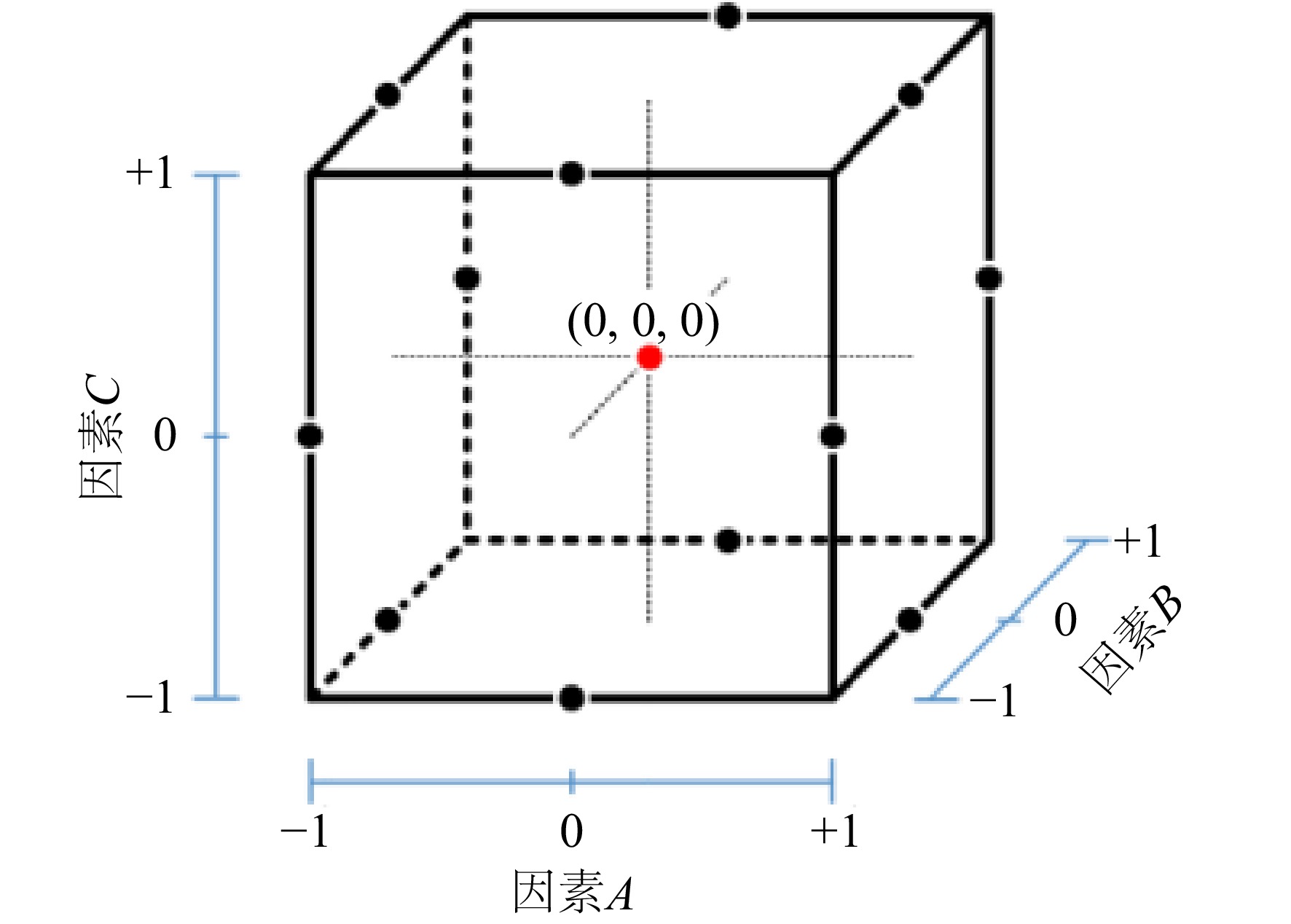
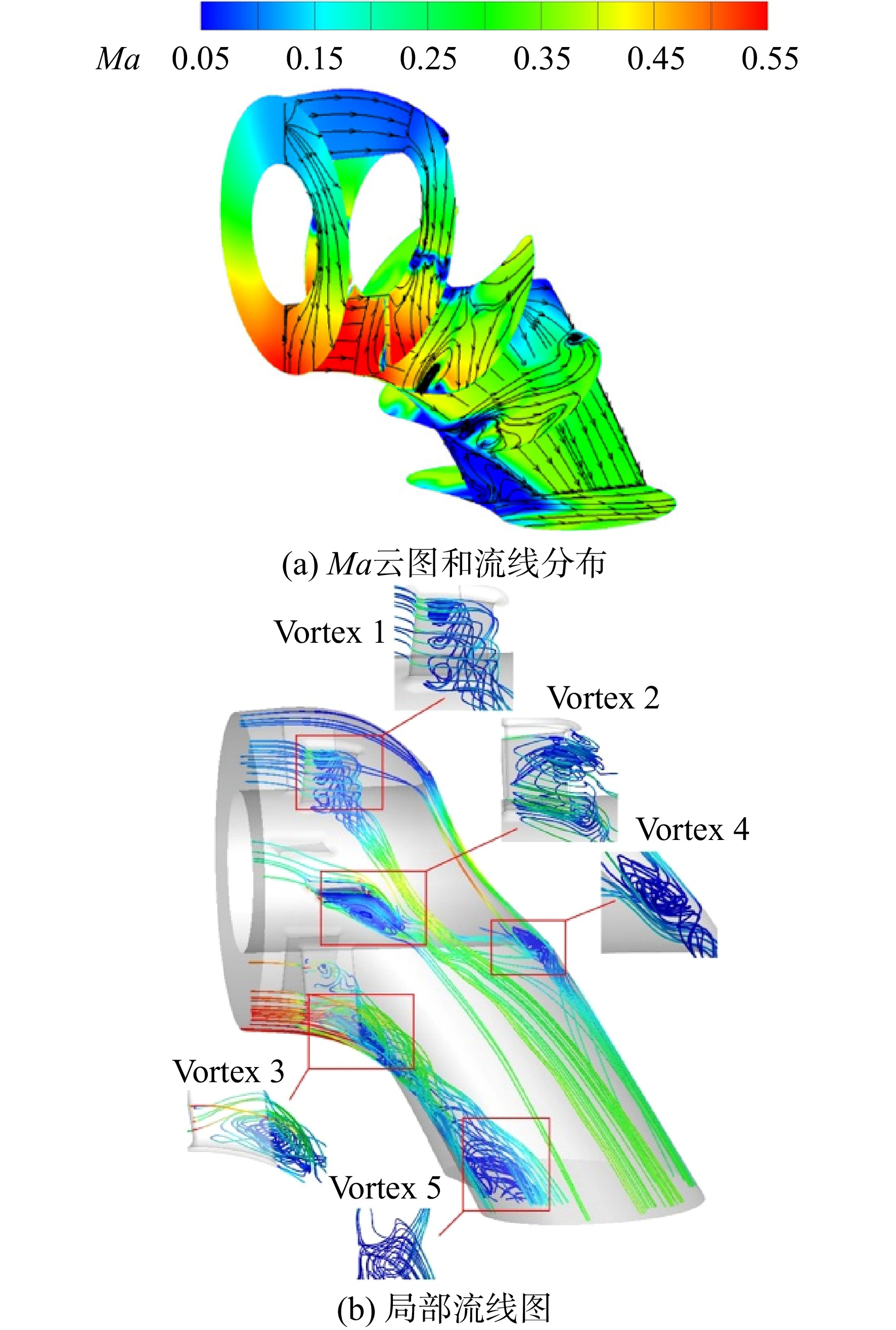
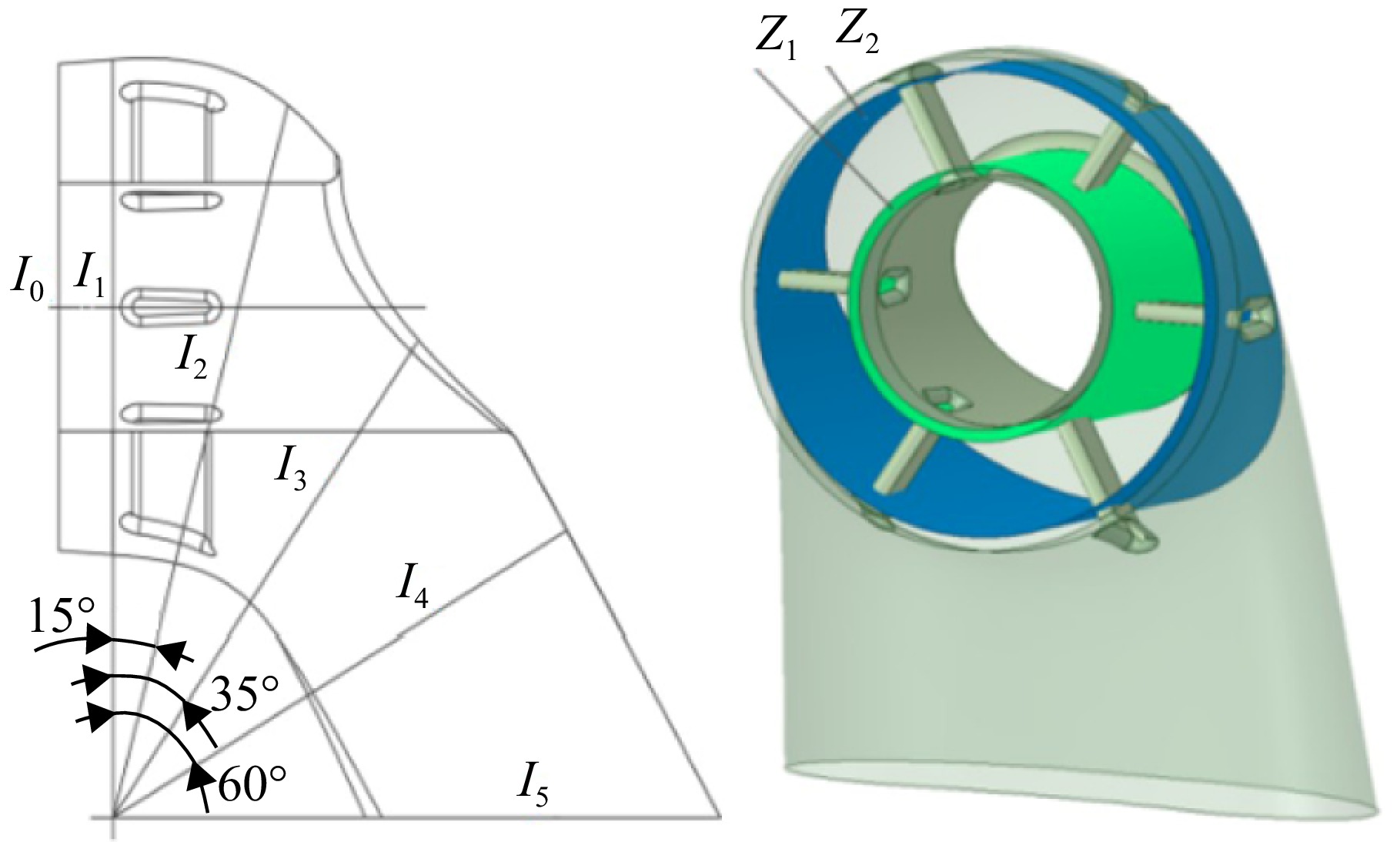
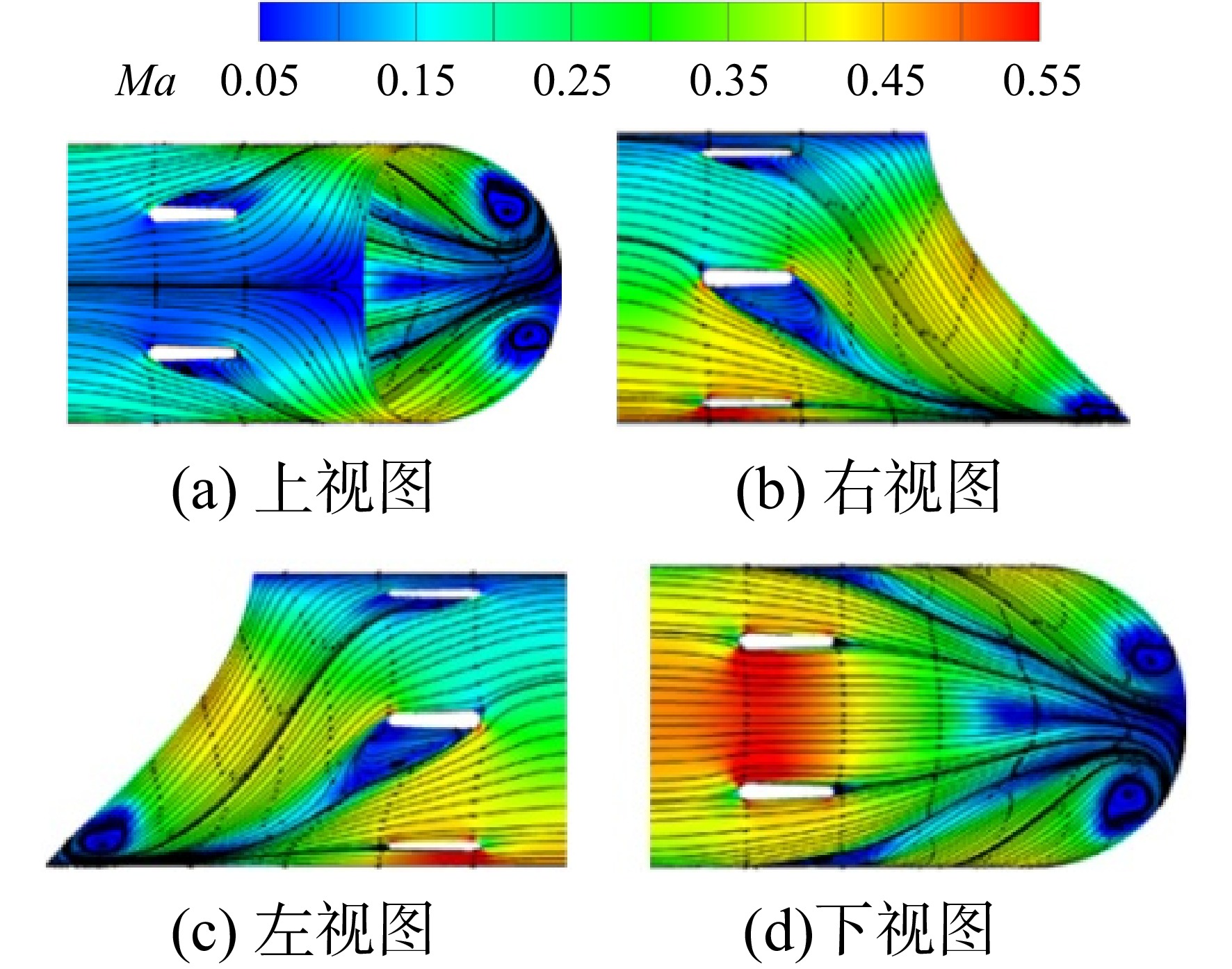
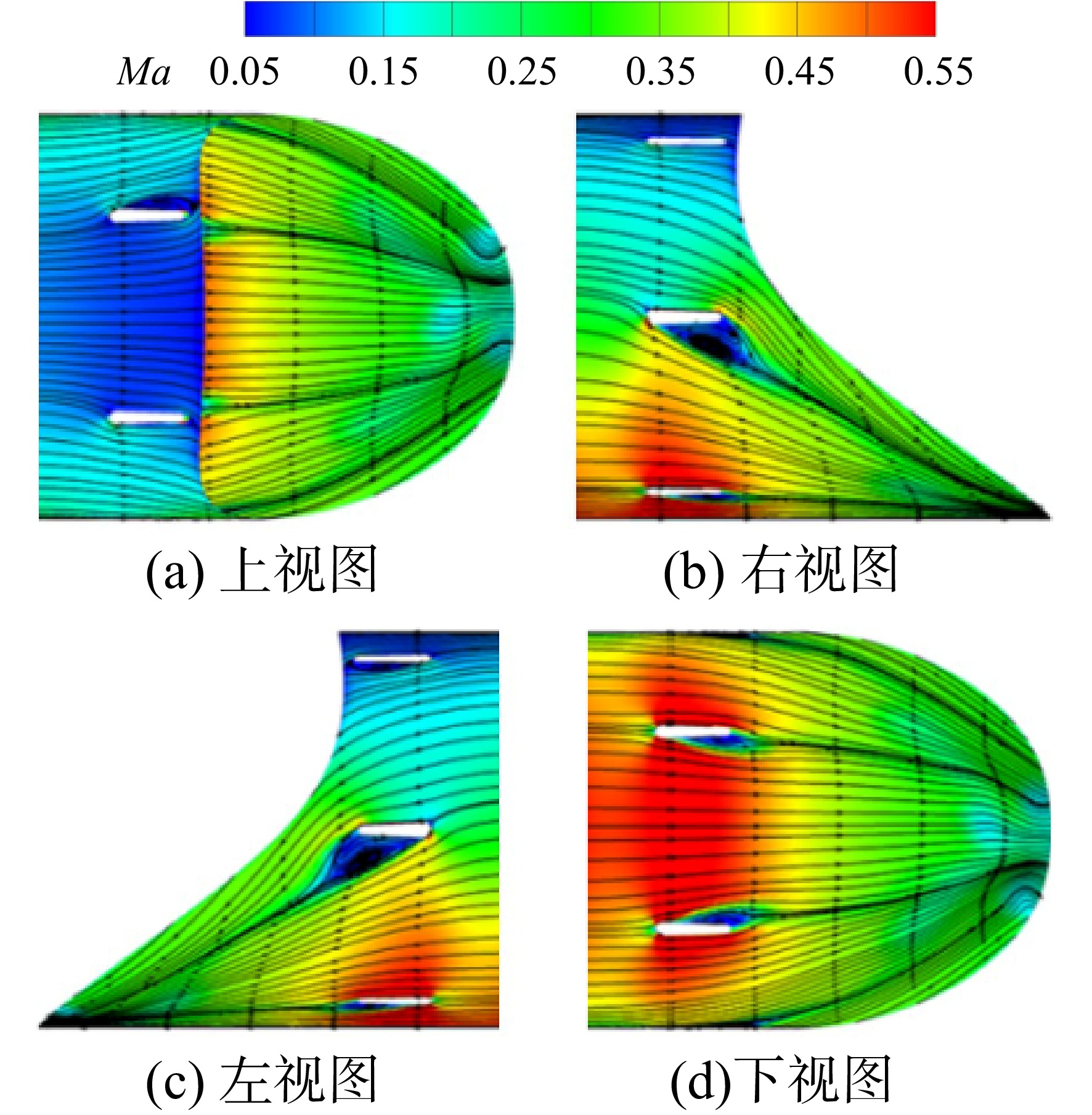
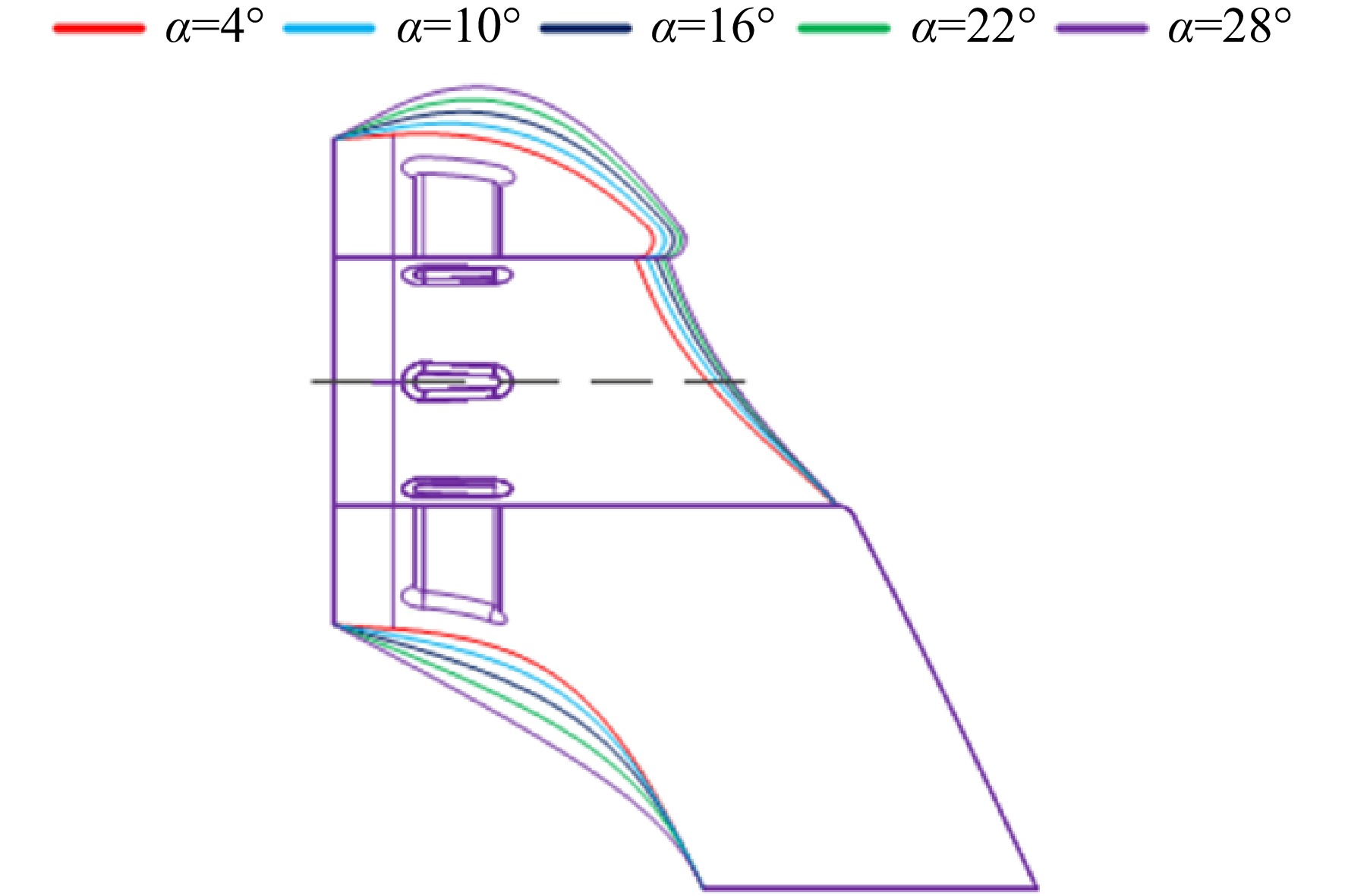
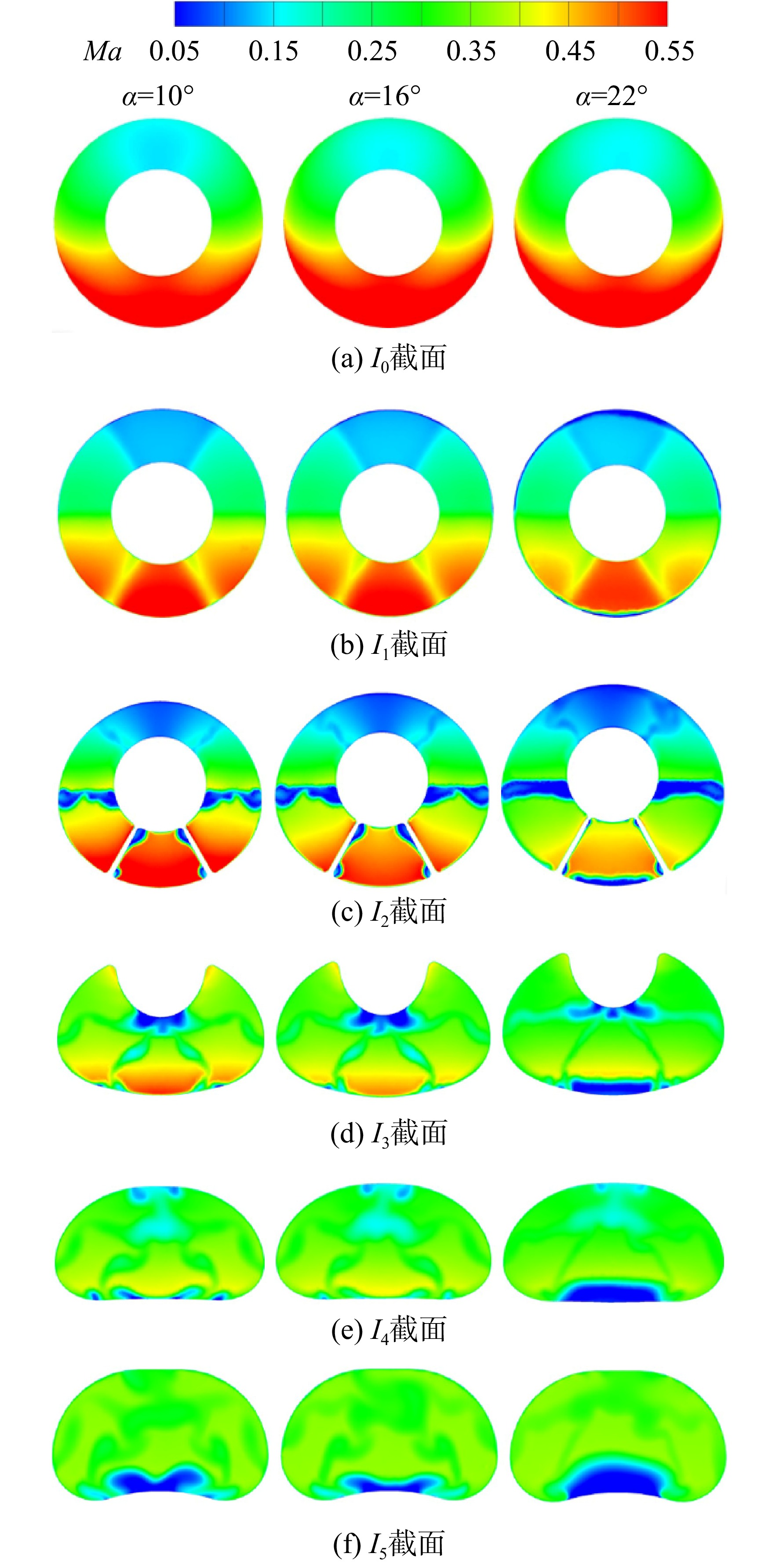
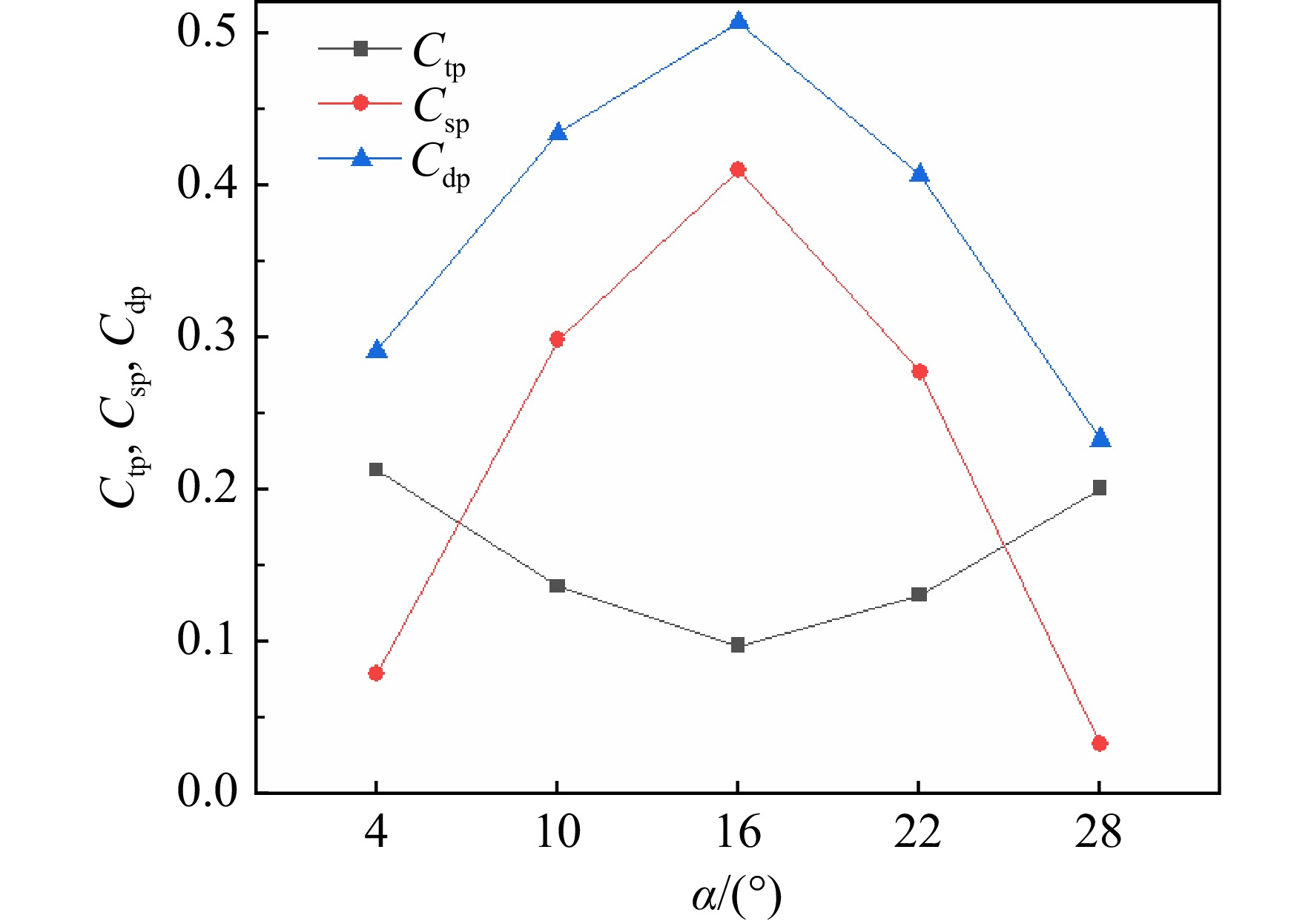
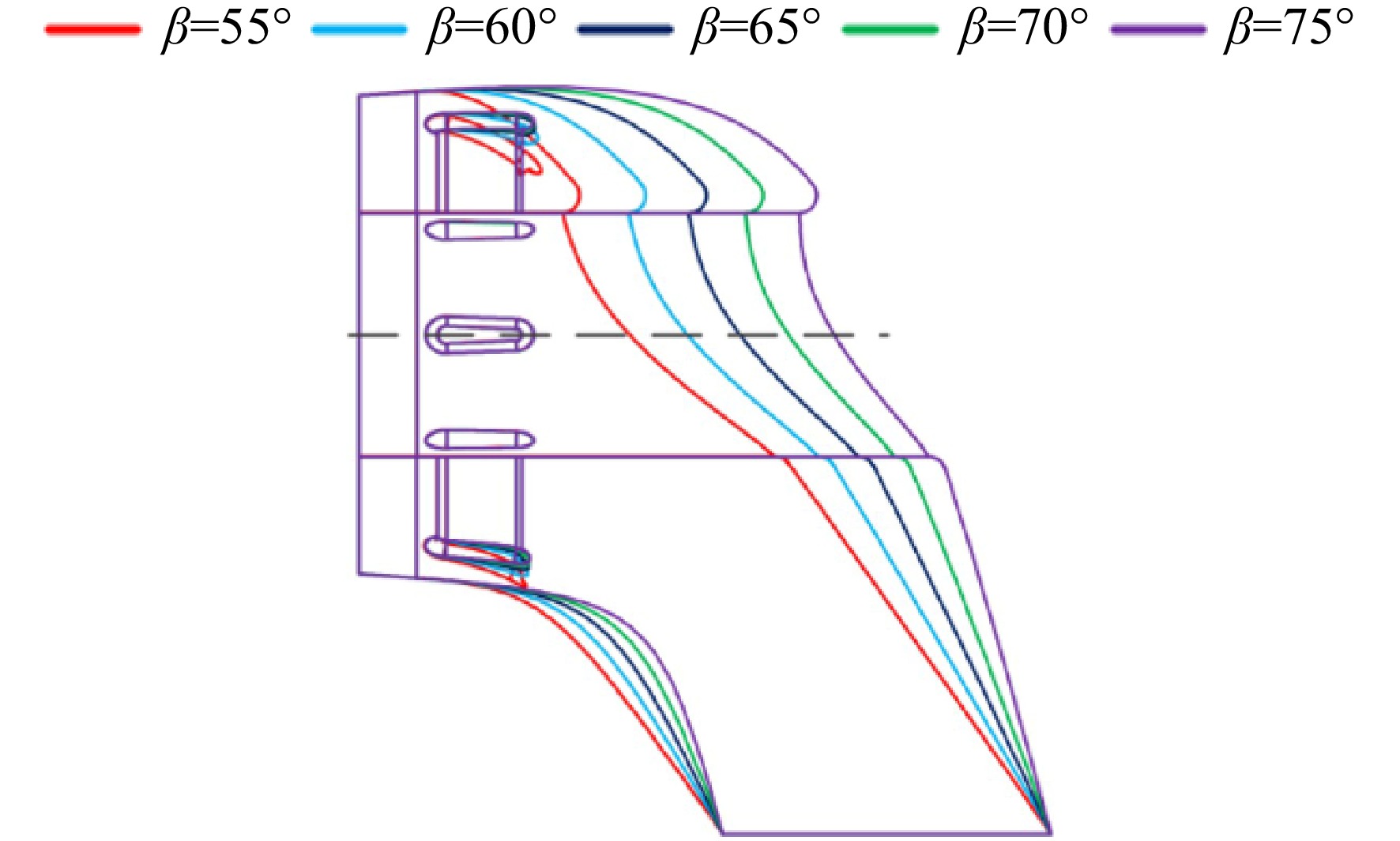
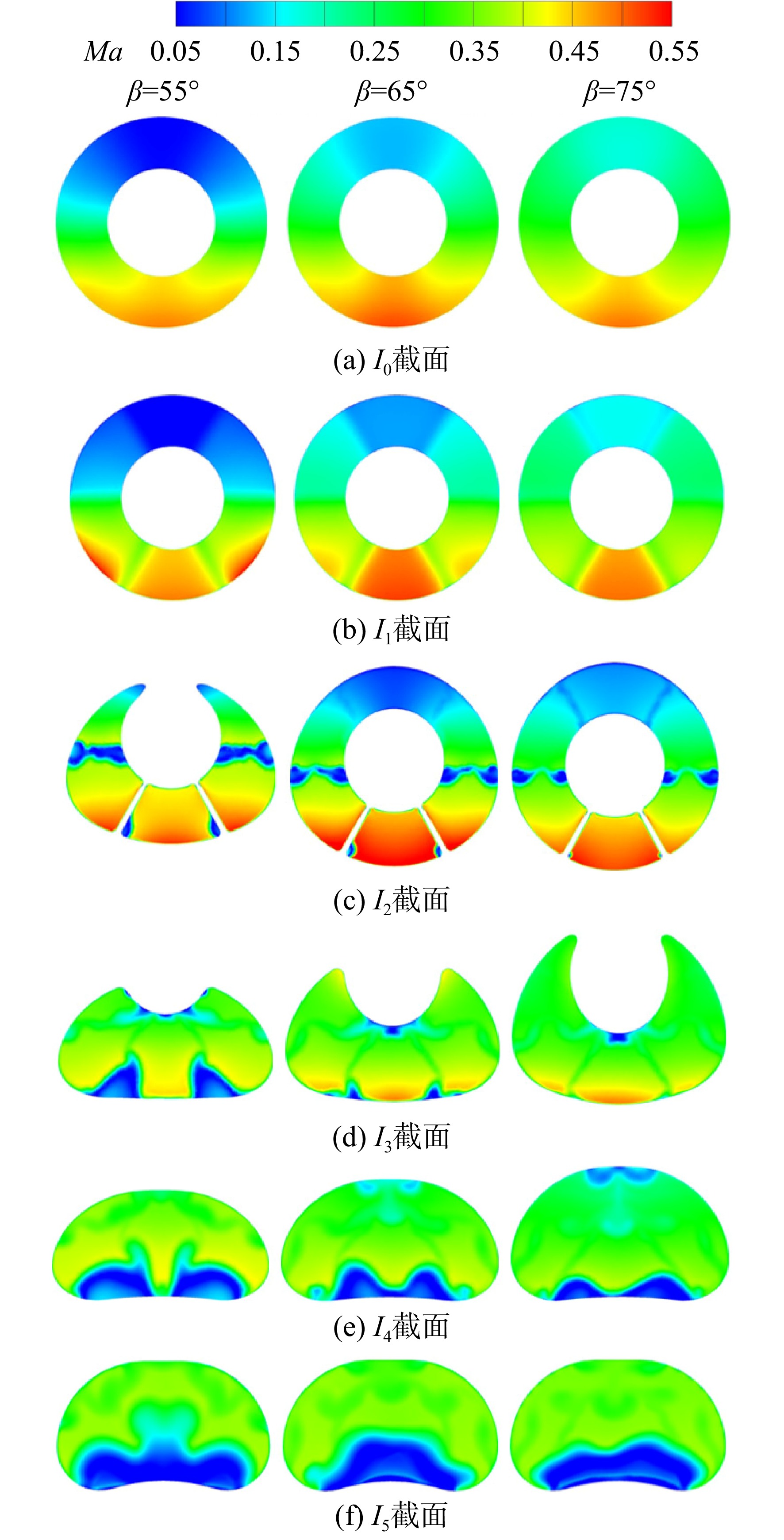
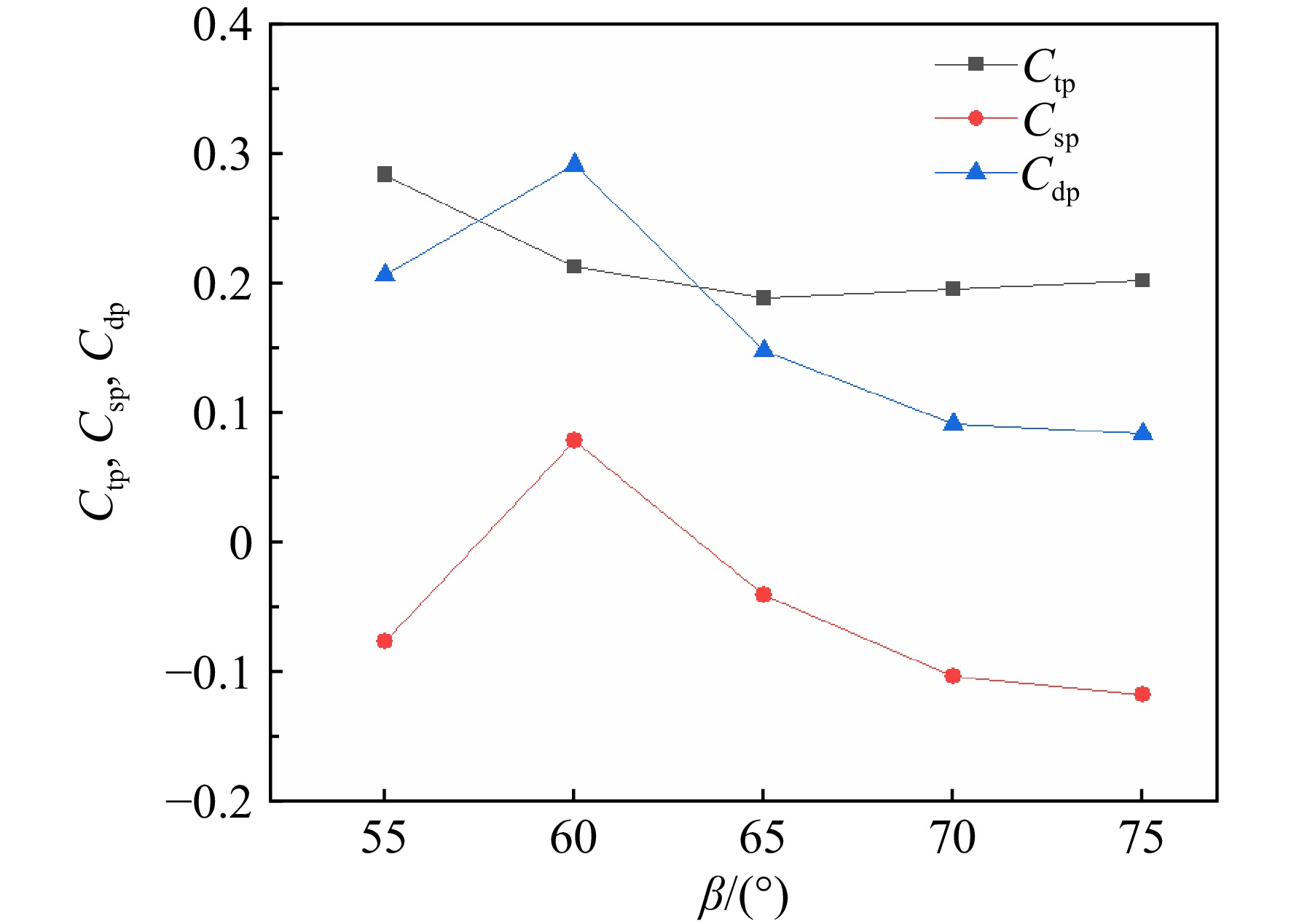
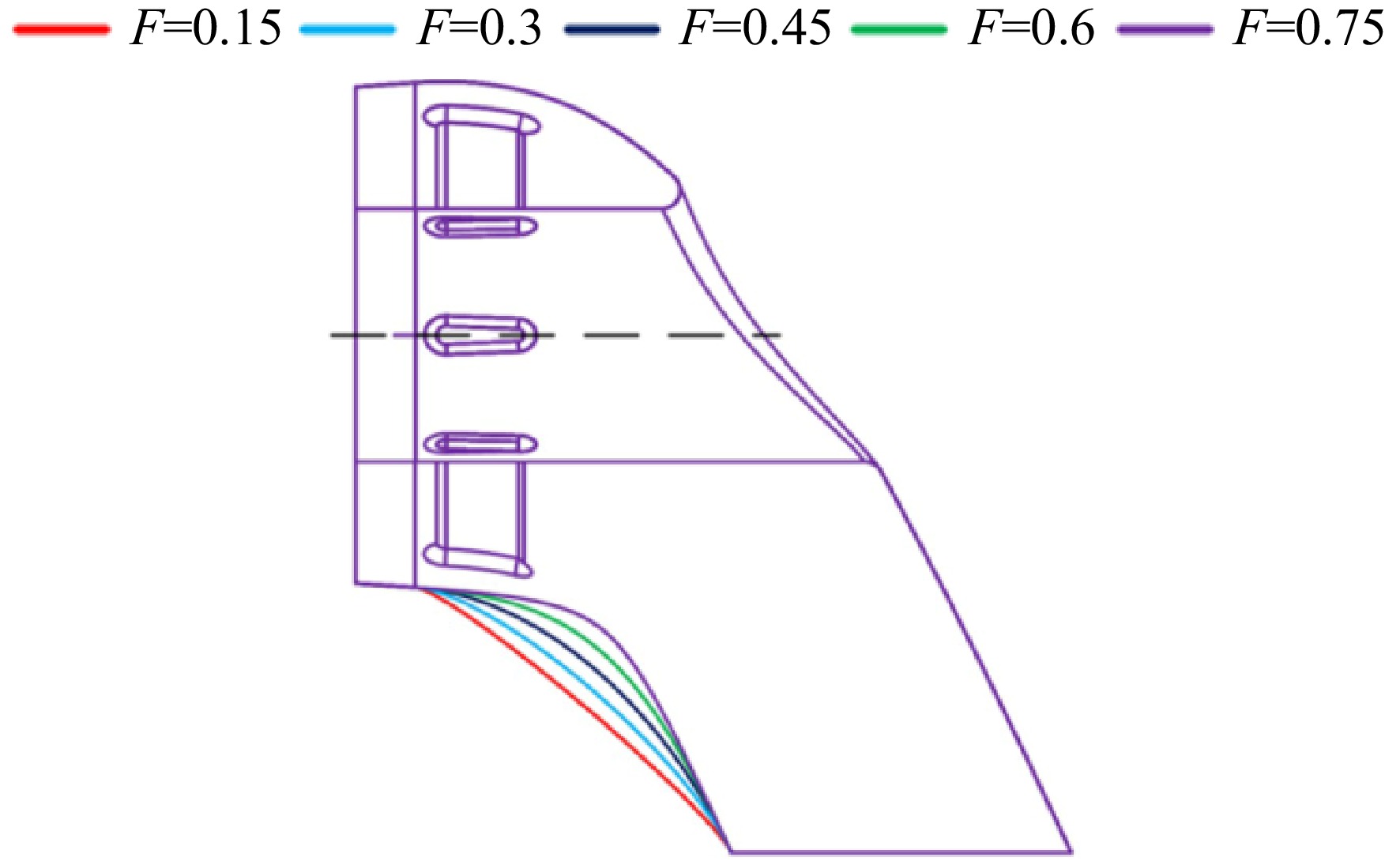
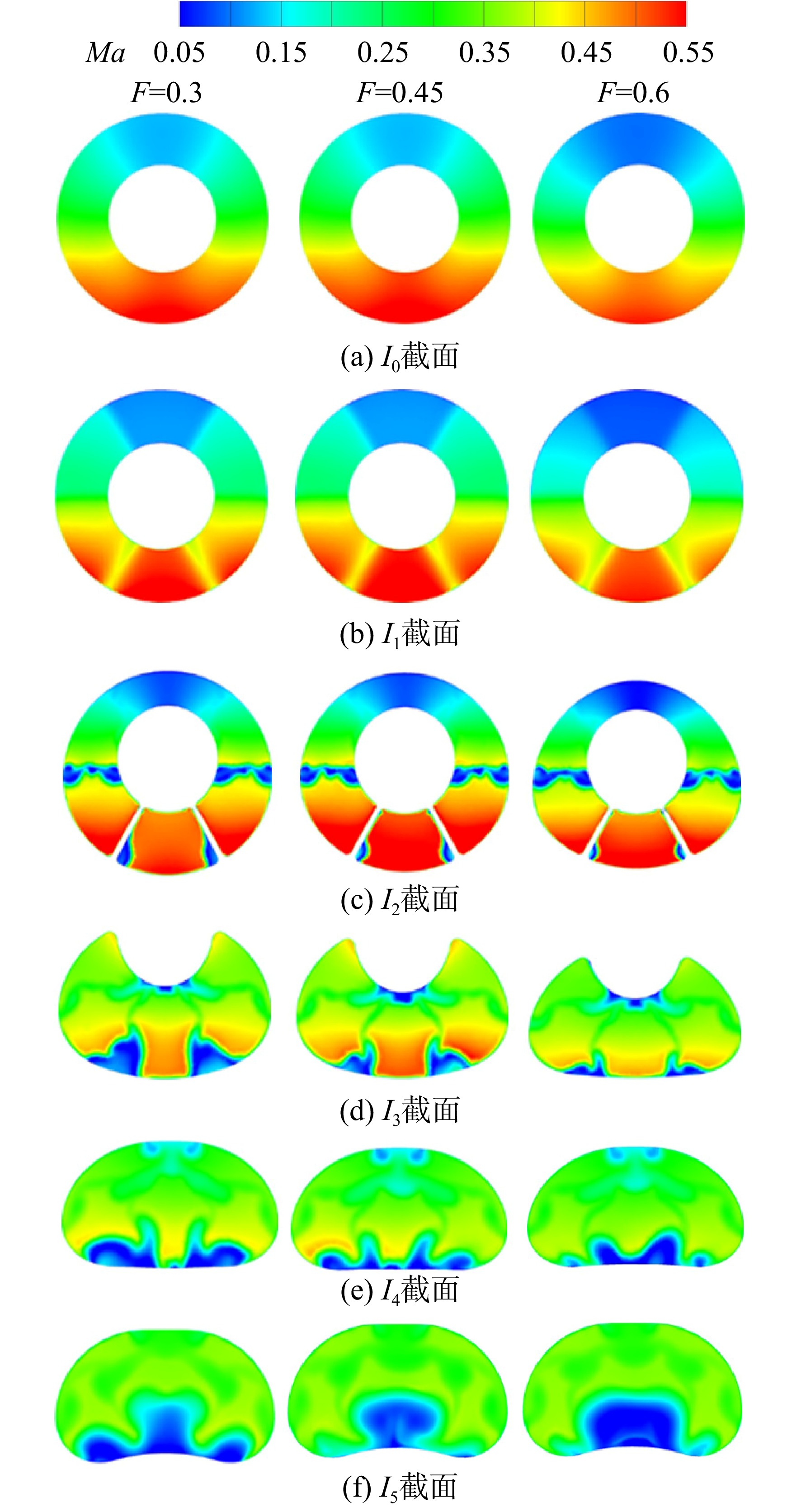
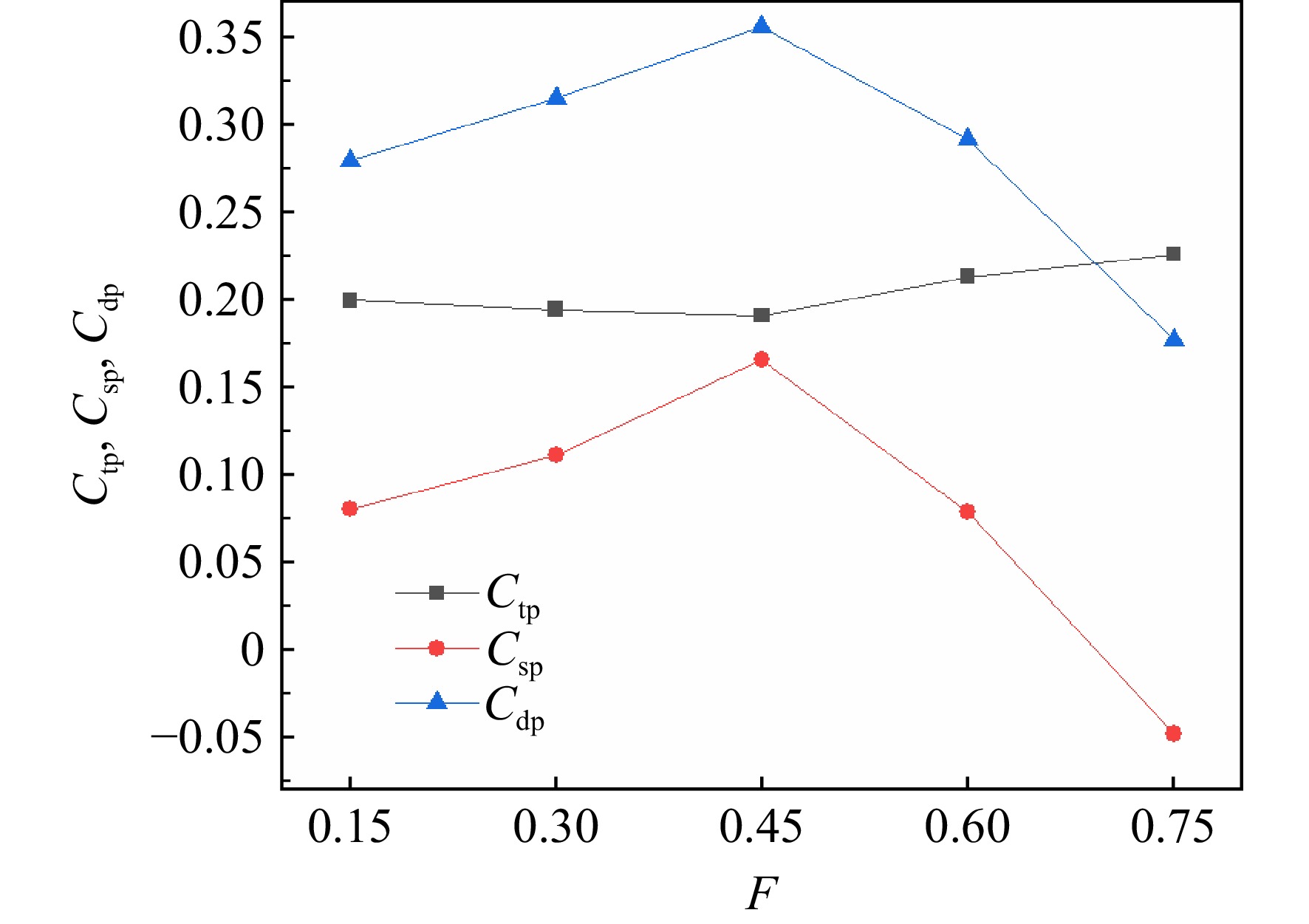
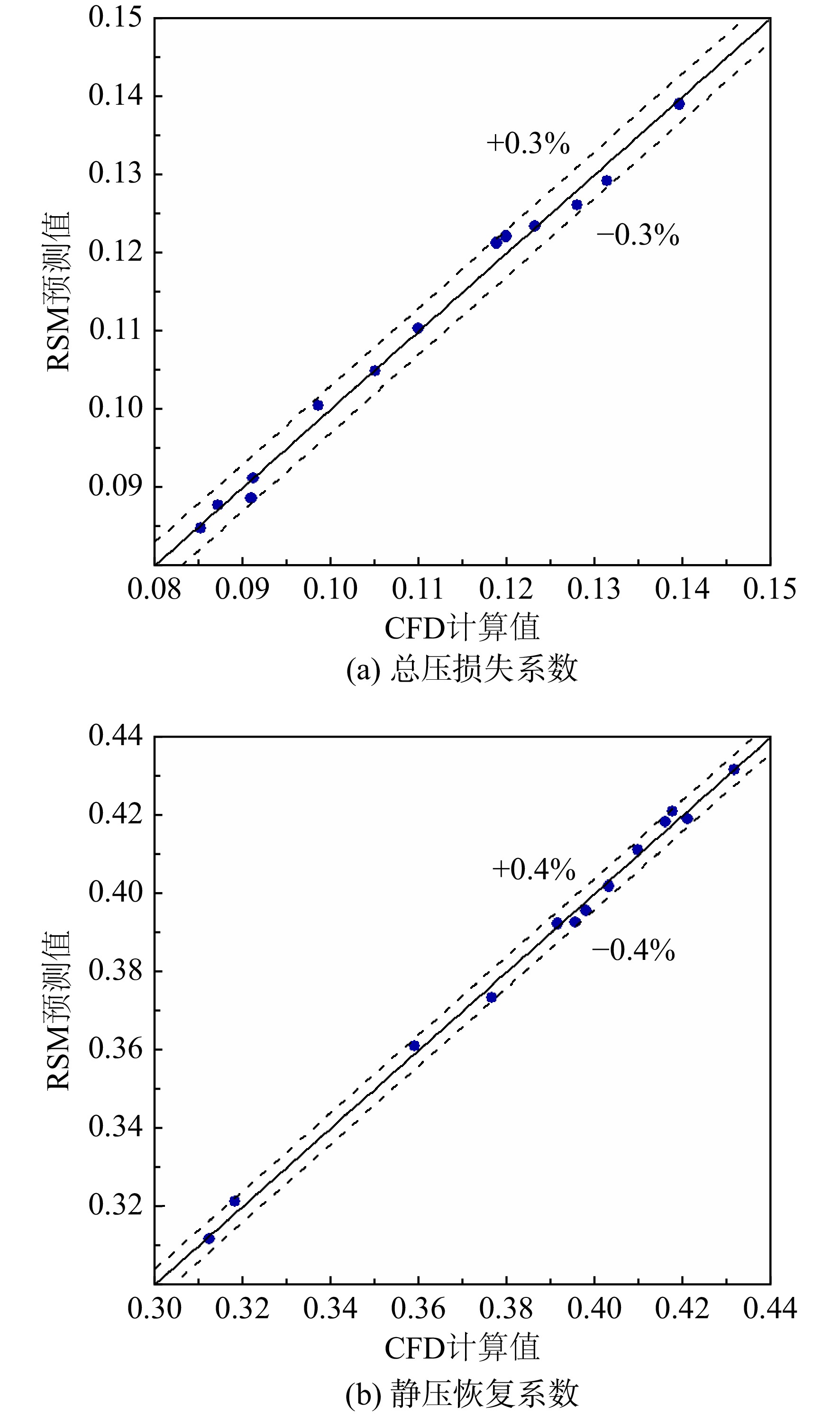
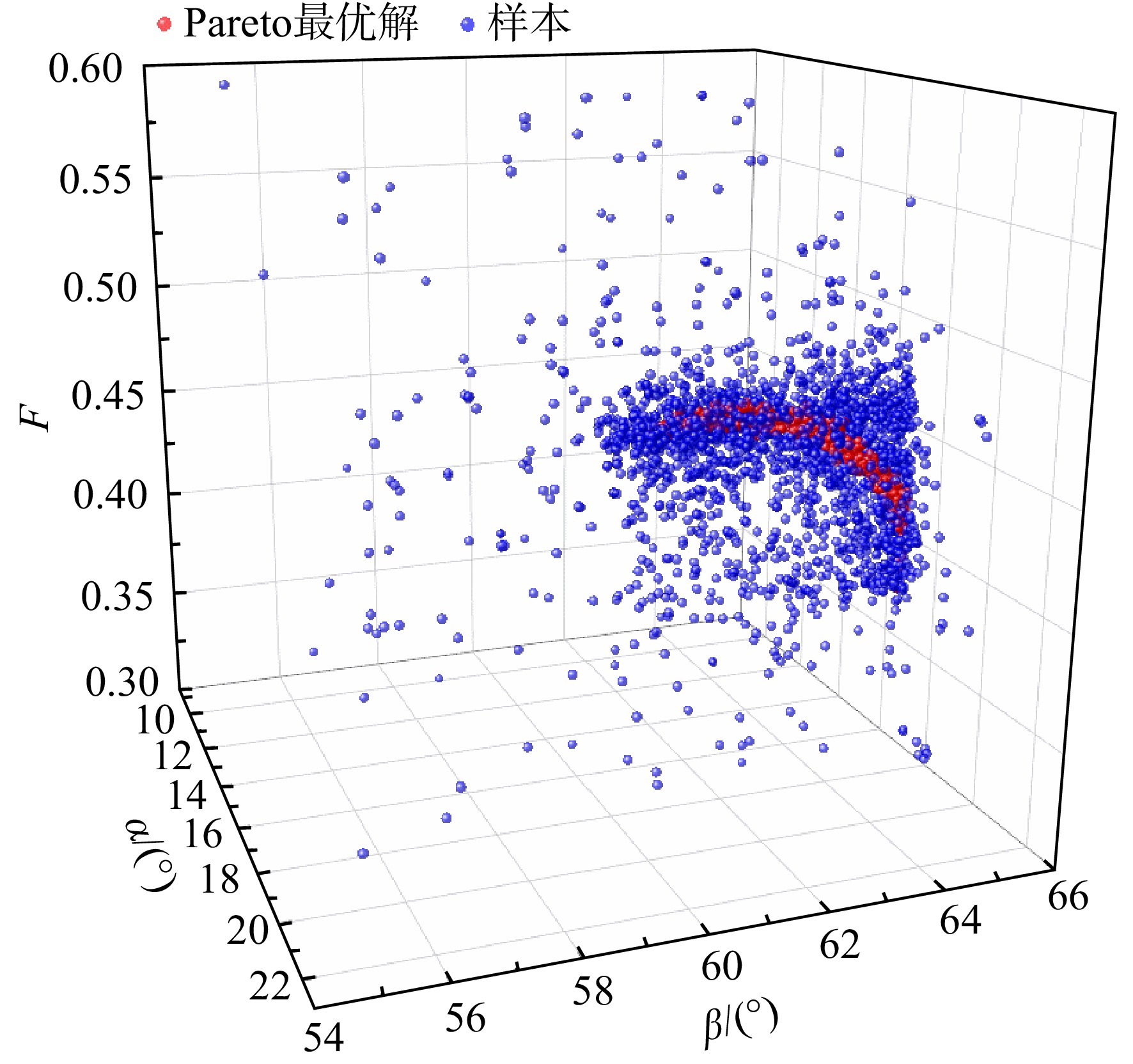
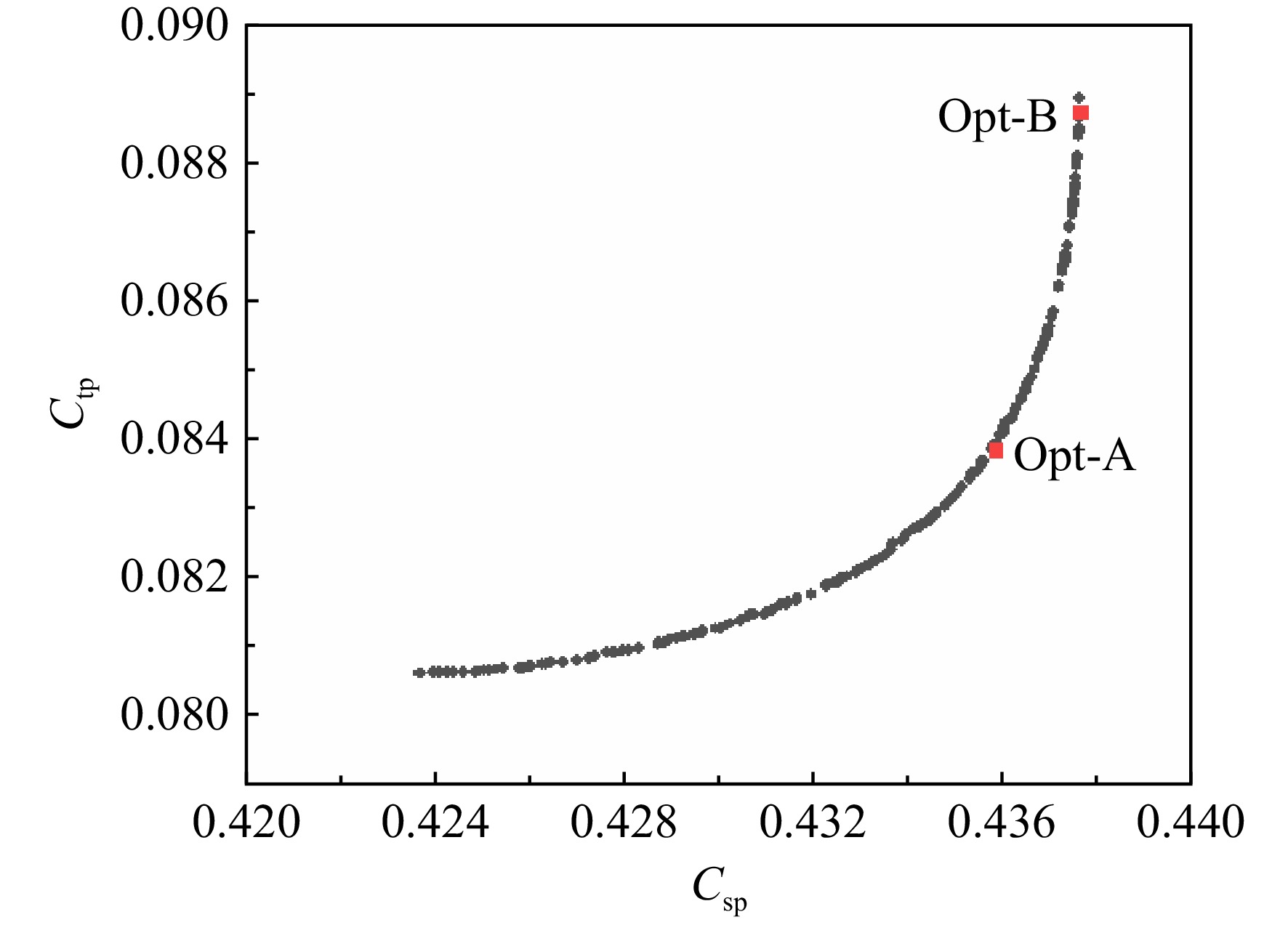
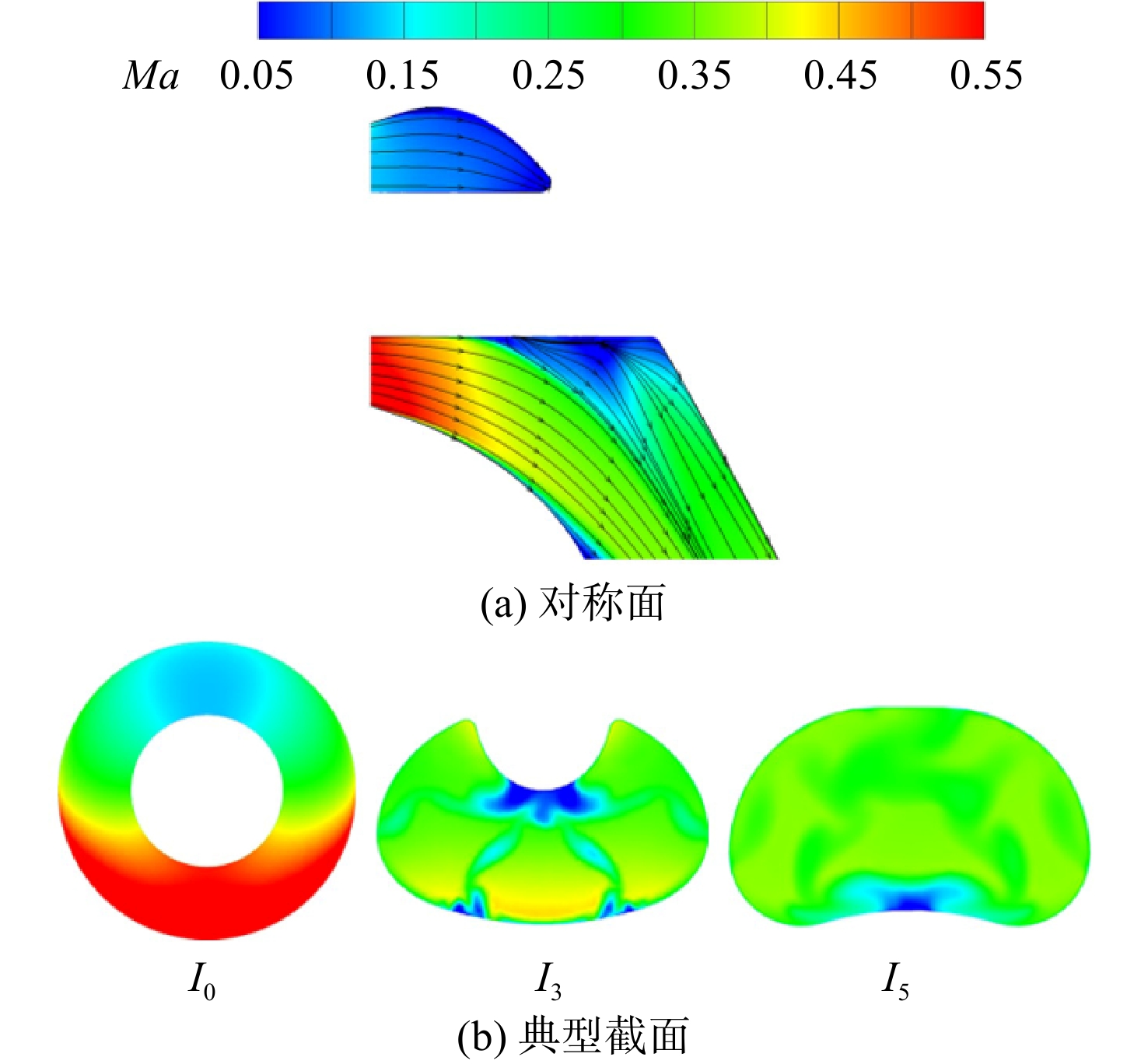
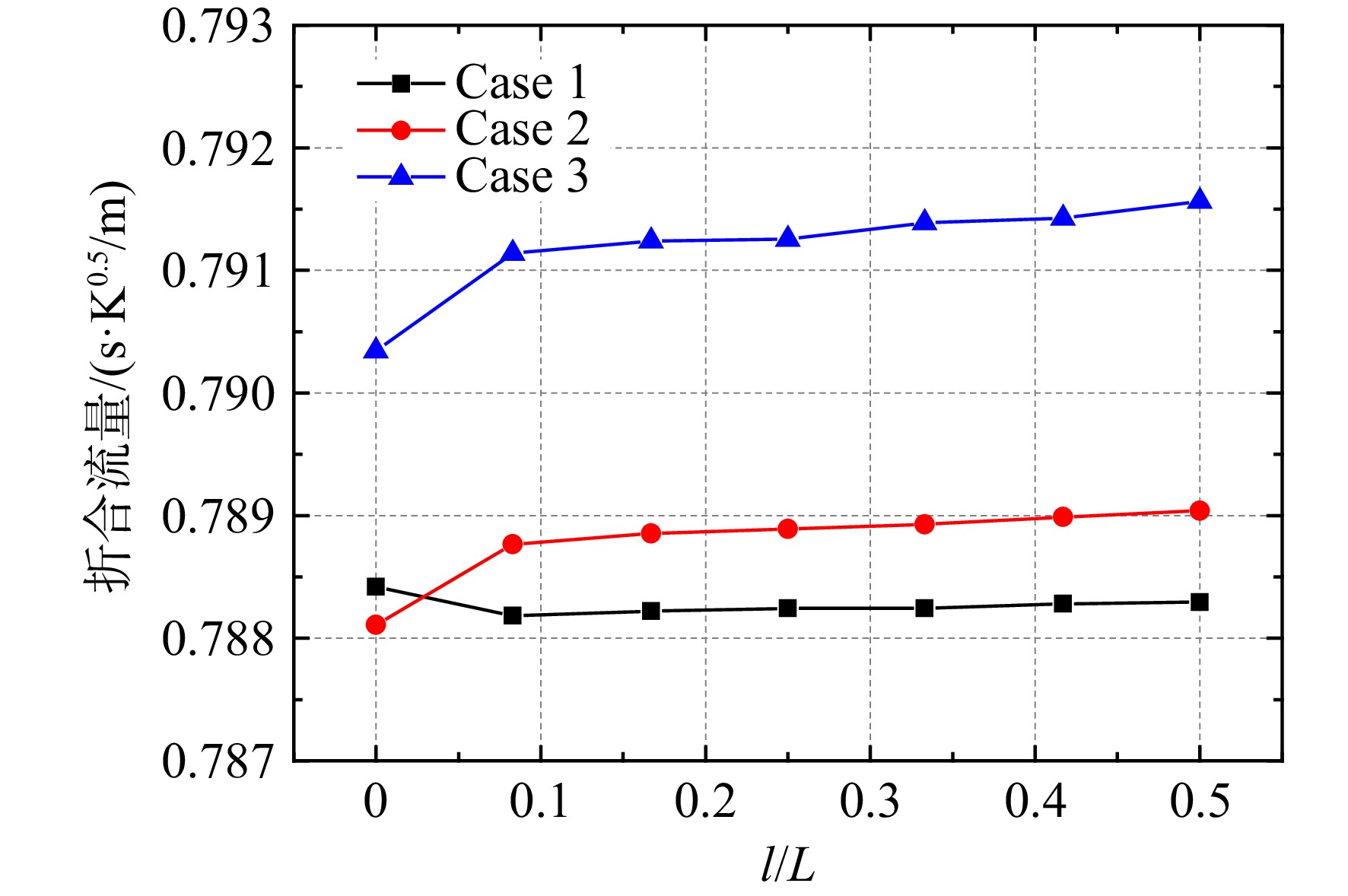
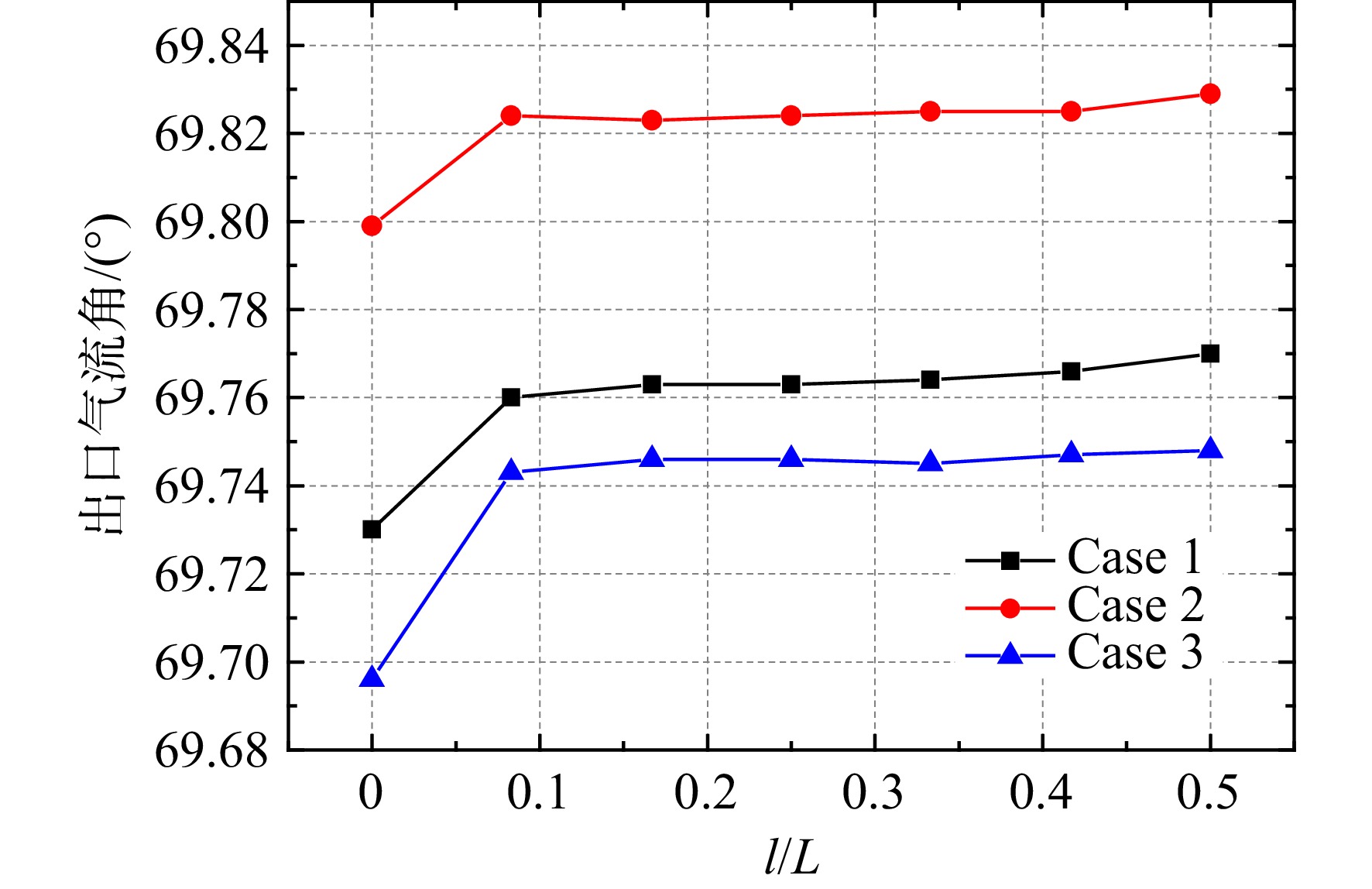
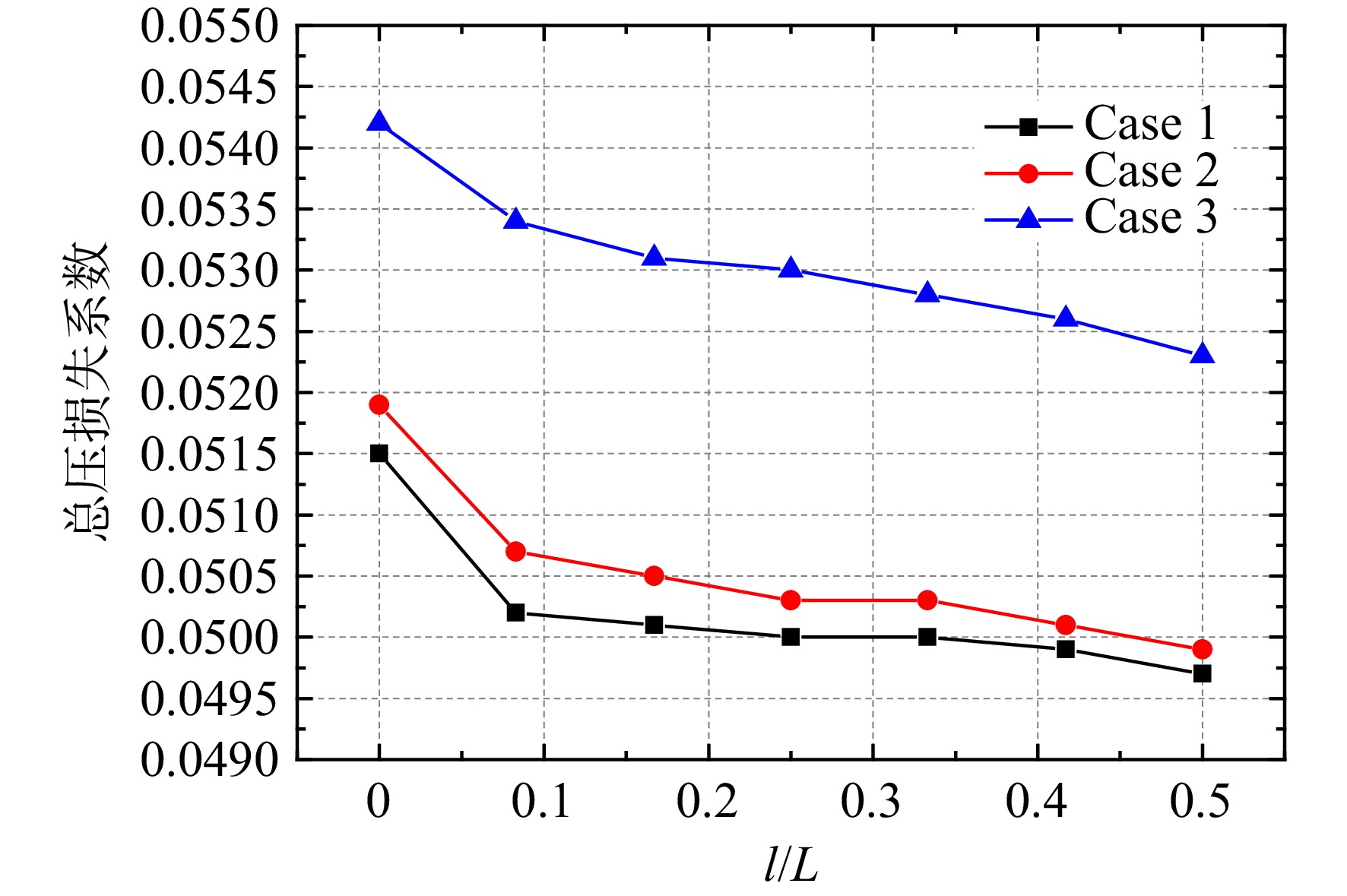
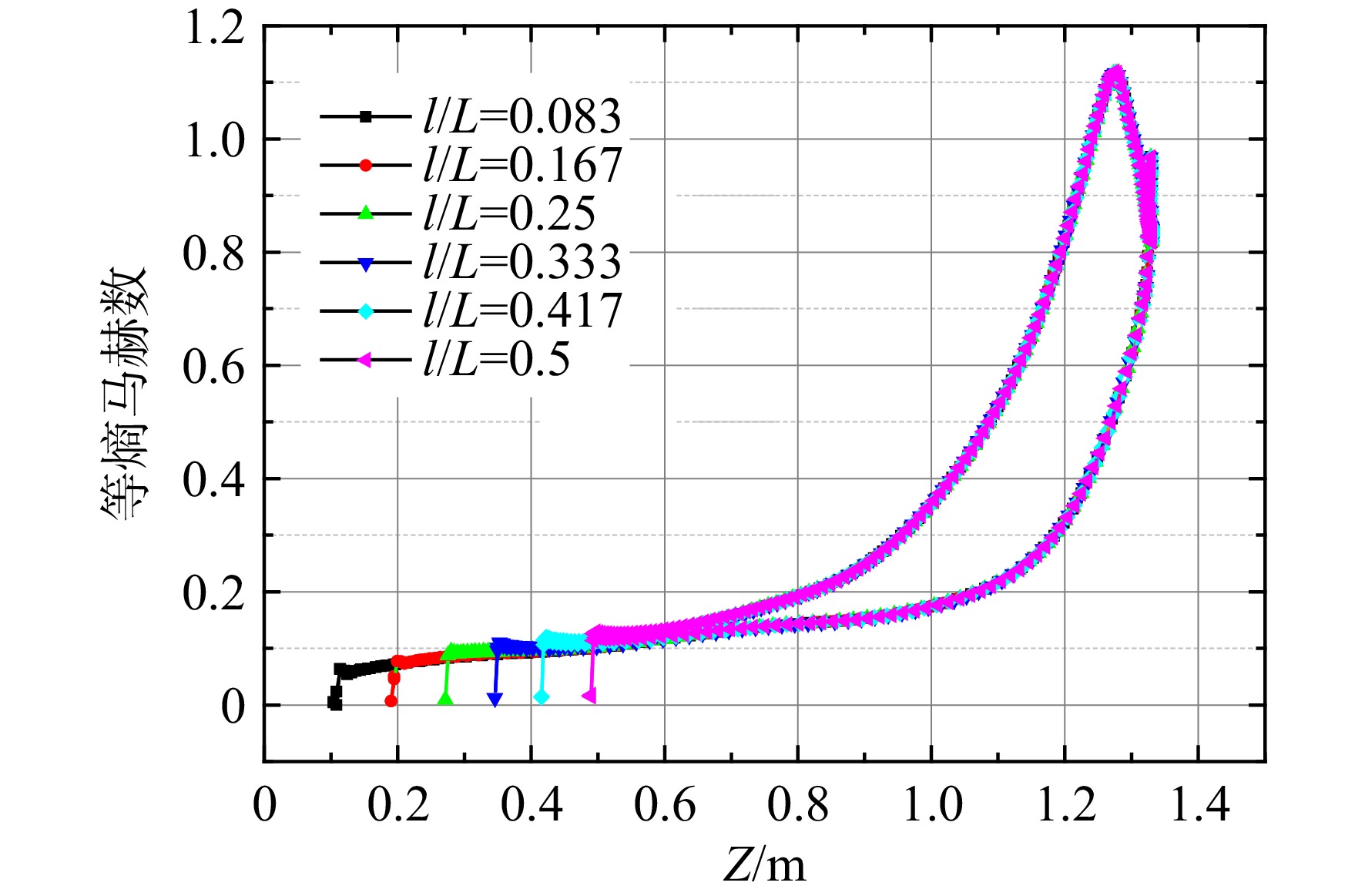
Numerical simulations were performed for the internal flow inside an elbow-type exhaust duct with a built-in output shaft tube. Given the constrained condition relating to the section contours and locations of inlet and outlet, three geometric parameters were mainly considered to illustrate their individual effect on the aerodynamic performances respectively, including straight diffuser angle (α=4°—28°), bent angle (β=55°—75°) and lower guide line F value (F=0.15—0.75) of the exhaust duct. Furthermore, an optimization and sensitivity analysis was made by using the response surface methodology and multiobjective genetic algorithm. The results showed that the flow losses mainly originated from the recirculating flow near inner-side bent section, the wake vortices behind the central tube and struts. The flow deflection inside the bent duct and the cross flow around built-in components were coupled together to form very complicated flow fields and flow loss mechanisms. Within the present scope, non-monotonous influencing role behaved clearly for each individual geometric effect on the total pressure loss coefficient and the static pressure recovery coefficient. Compared with the specifically preferred situation obtained from single-factor analysis (α=16°, β=60° and F=0.6), the optimized elbow-type exhaust duct had a greater straight diffuser angle (α=18.36°—18.95°) and smaller lower guide line F value (F=0.39—0.48), with nearly consistent bent angle (β=60.2°—65°). It improved the aerodynamic performances effectively.

Numerical simulation of two-dimensional backward-facing step flow using OpenFOAM
Xie Aojie, Tian Xiao, Yan Wenhui
2027, 42(1): 20250282. doi: 10.13224/j.cnki.jasp.20250282
Abstract:

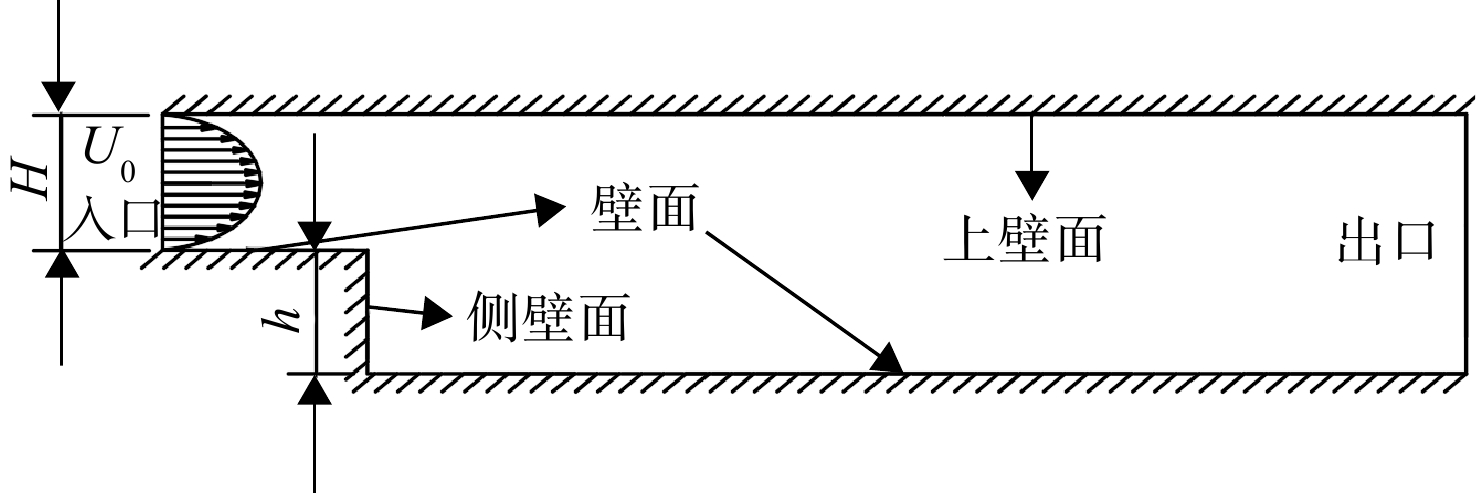
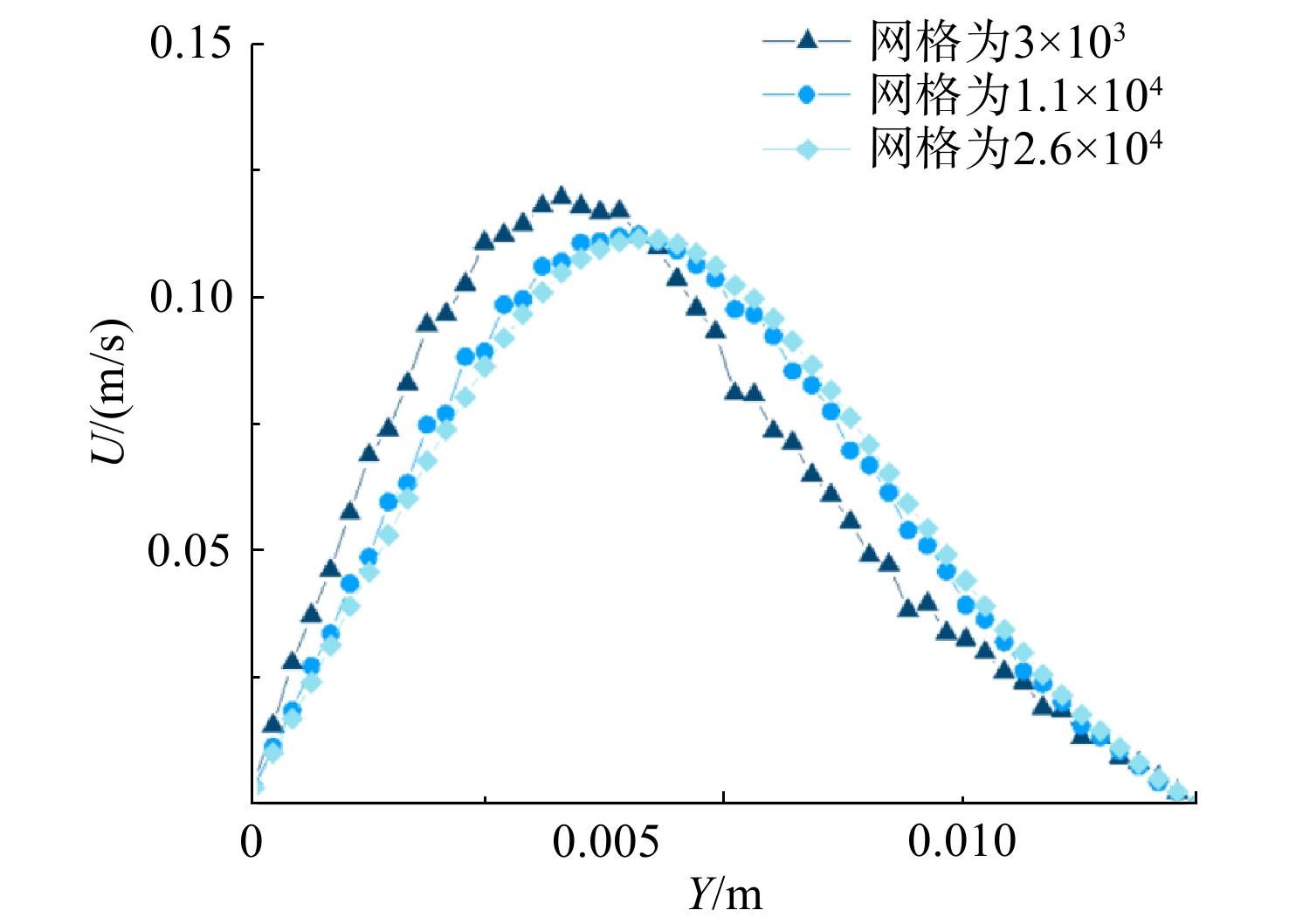
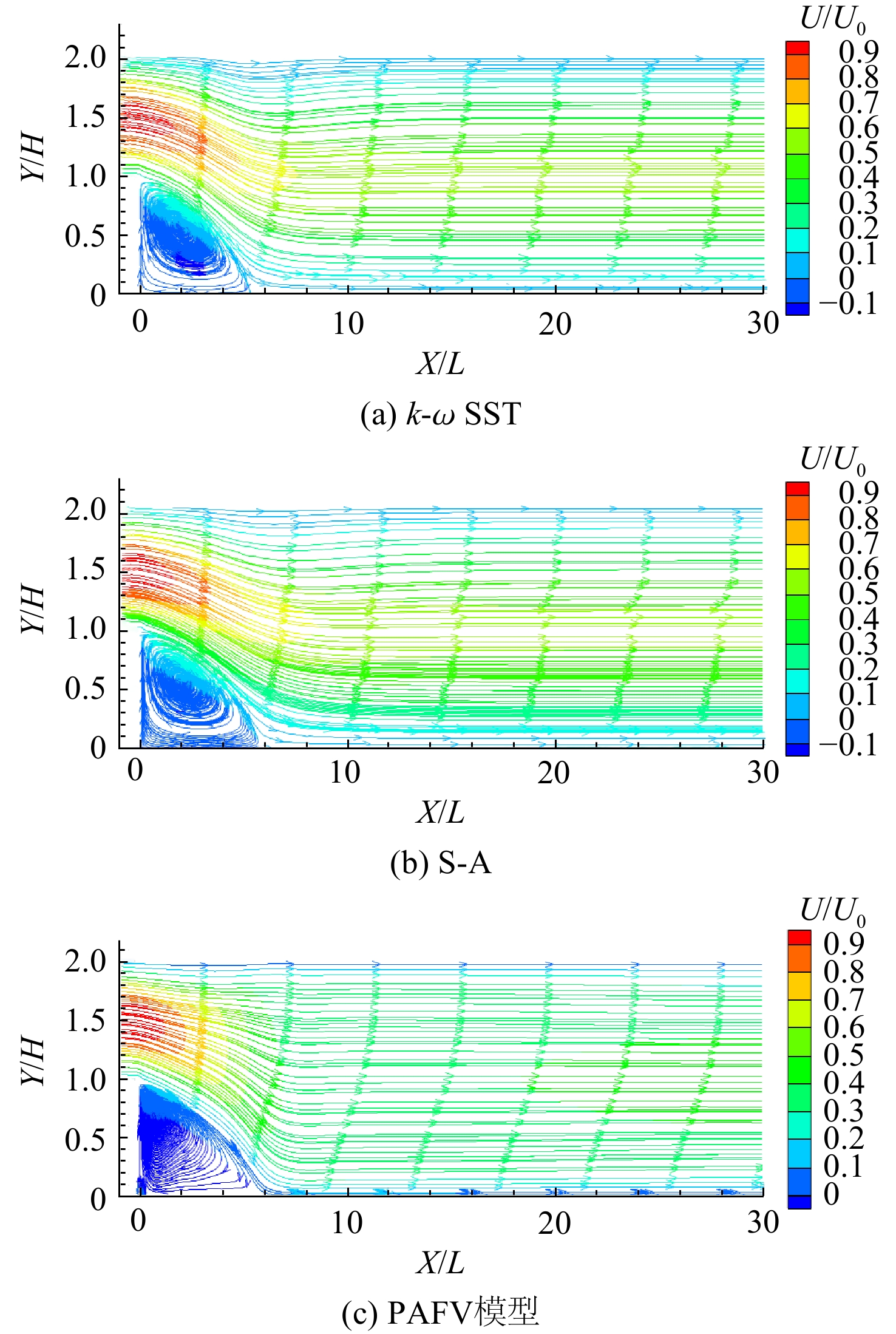
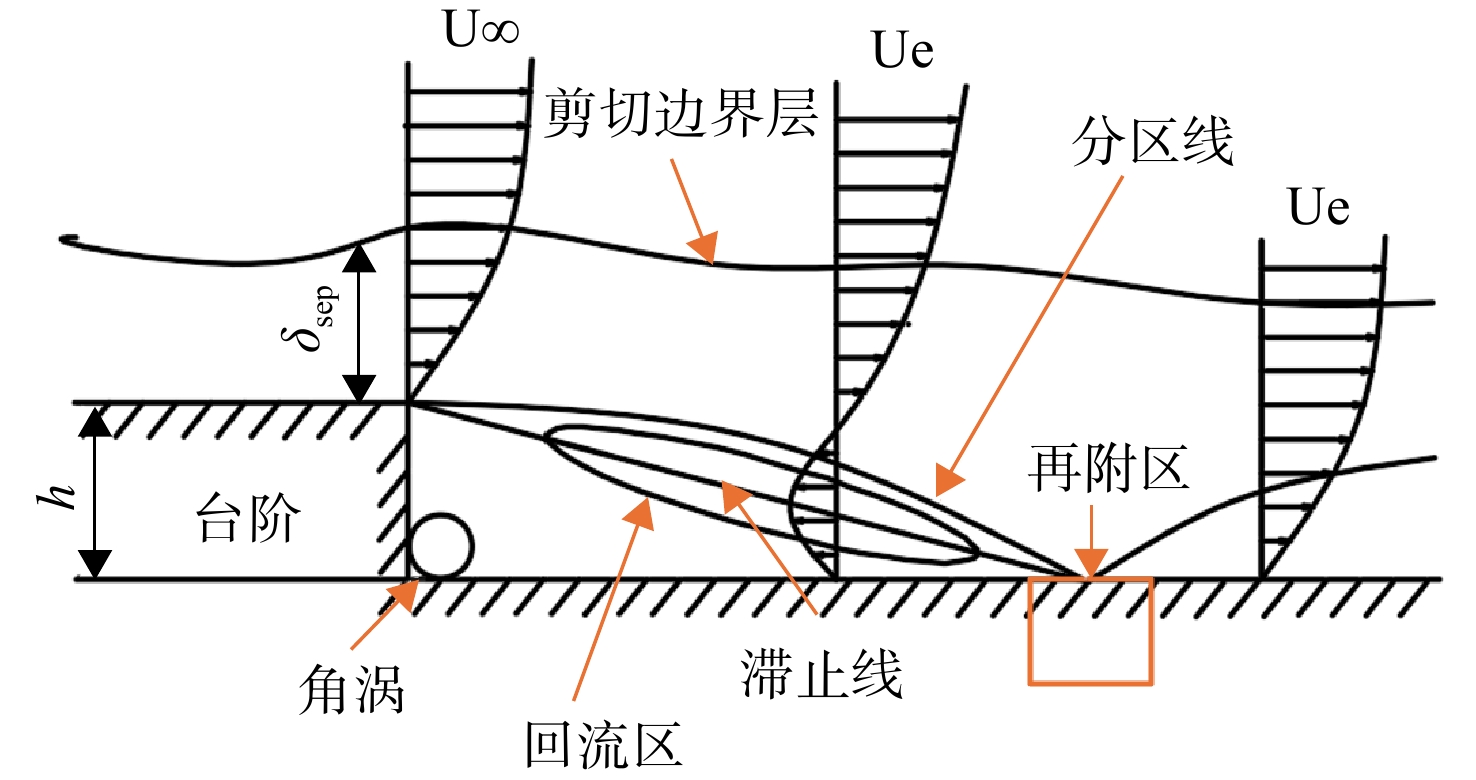
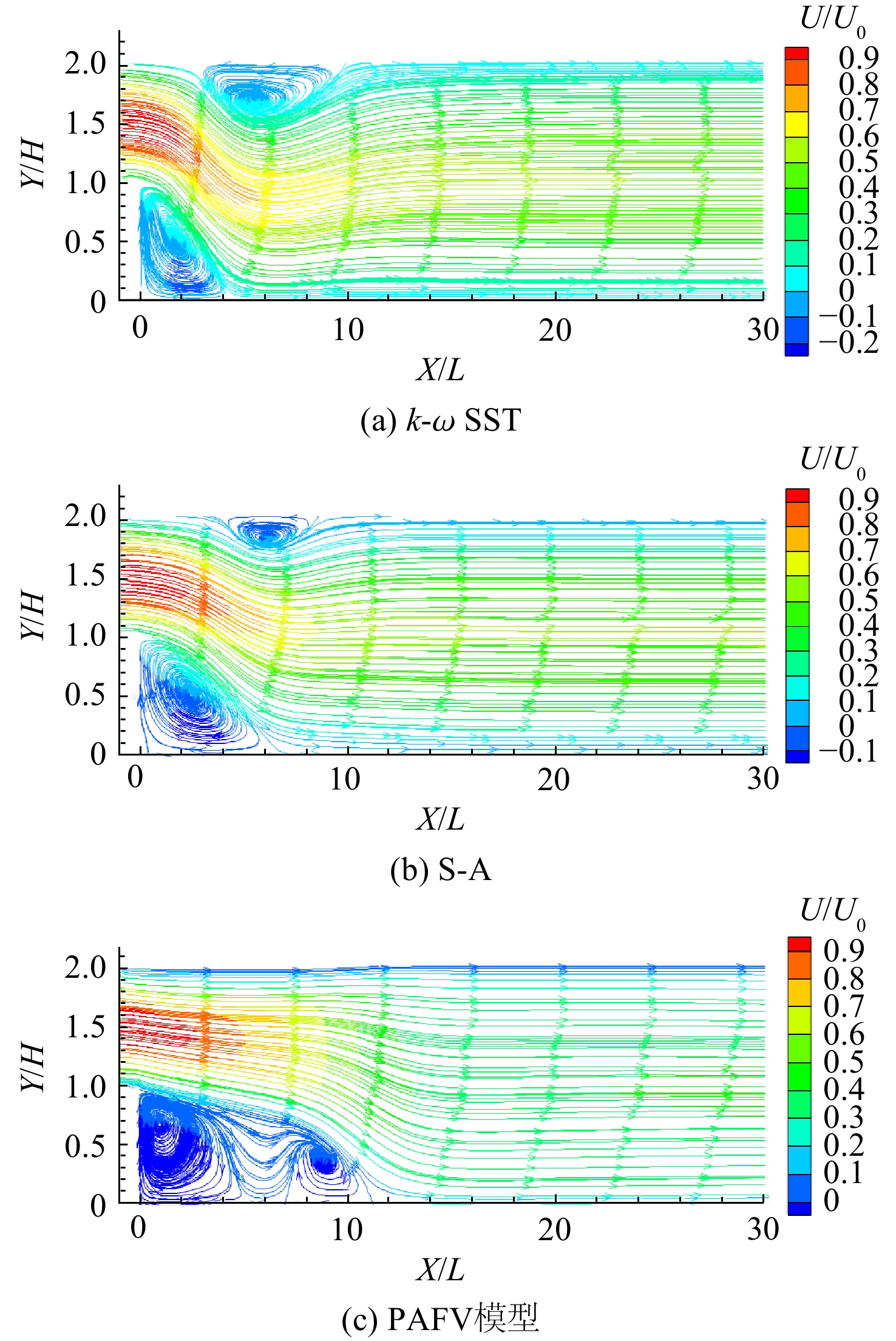
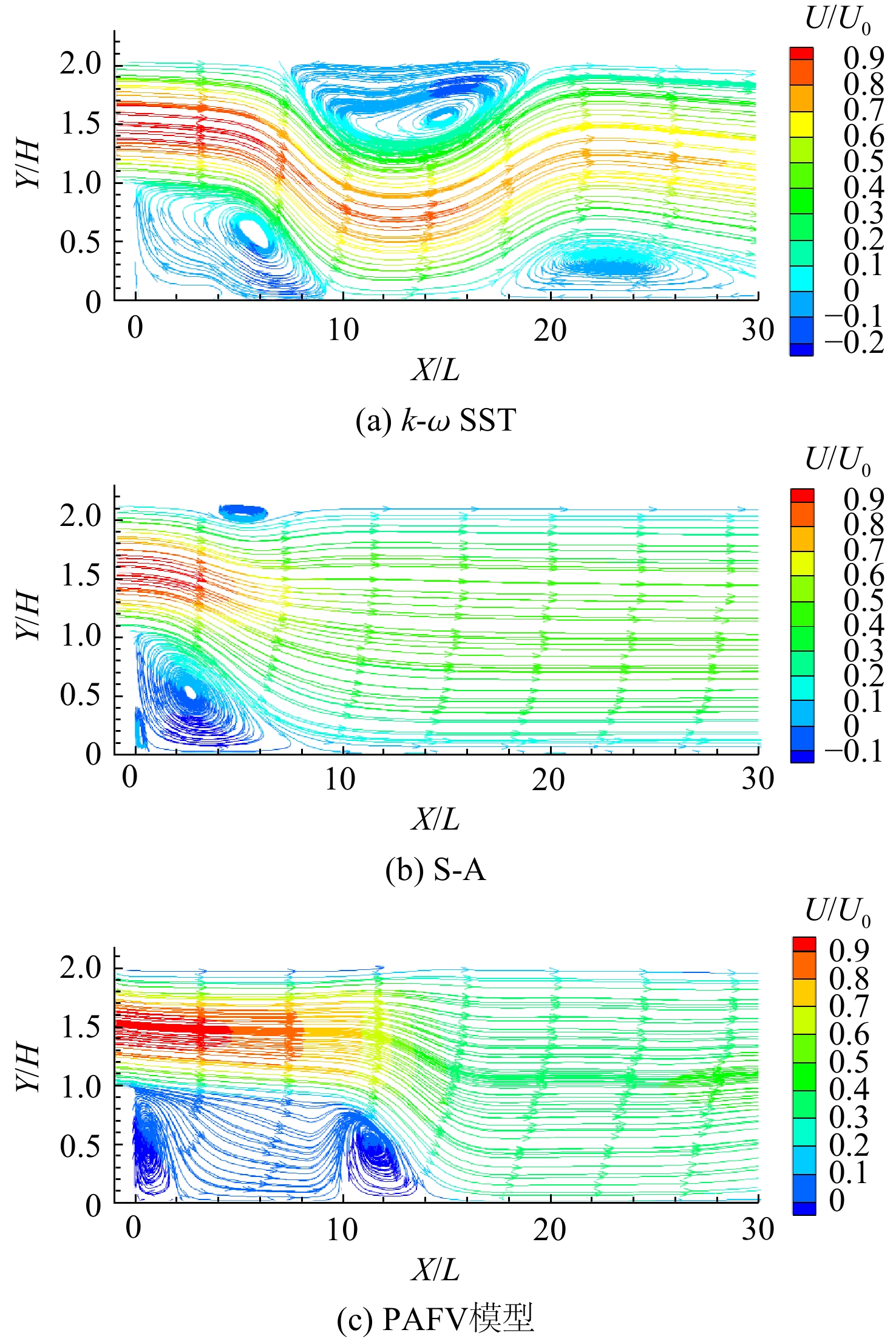
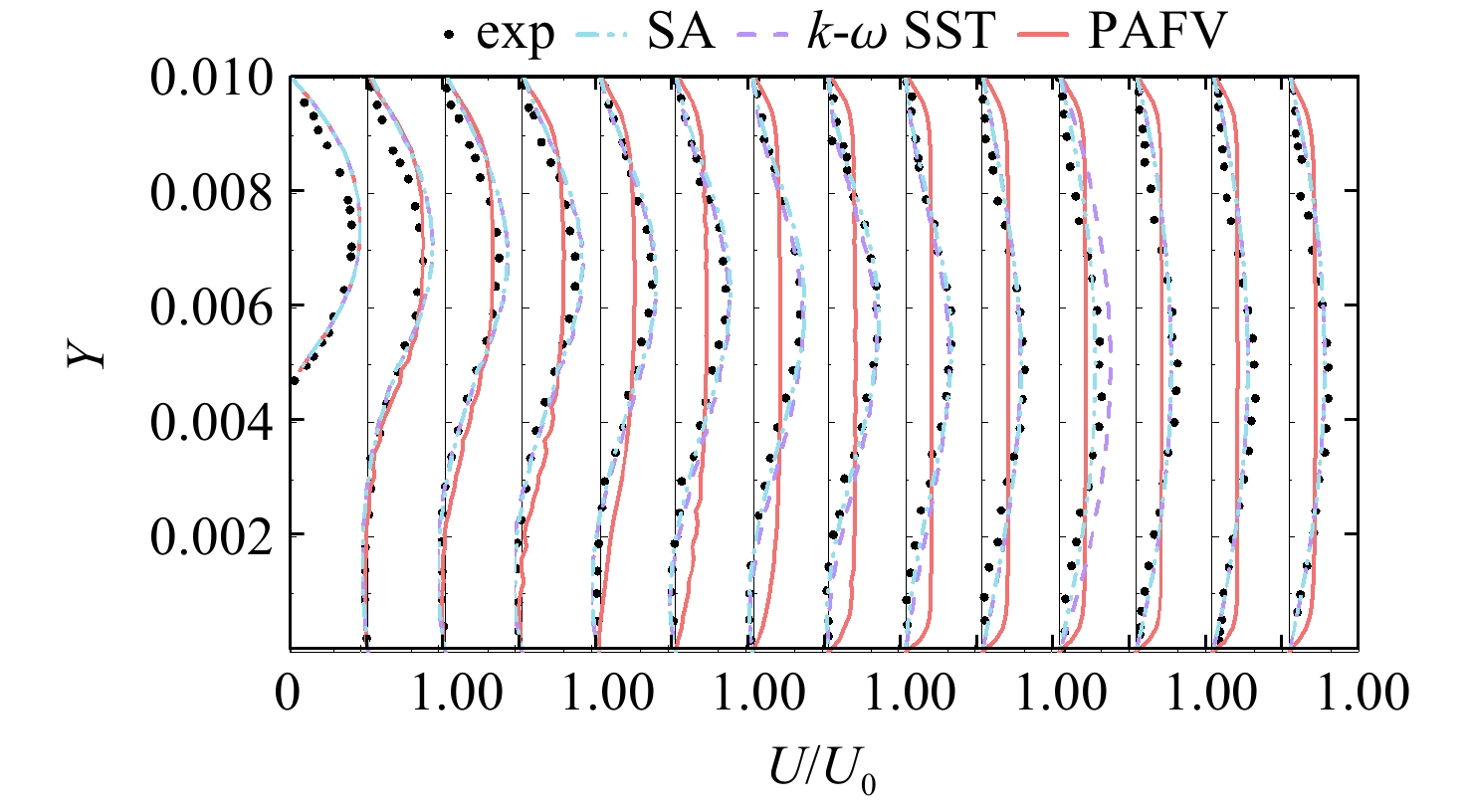
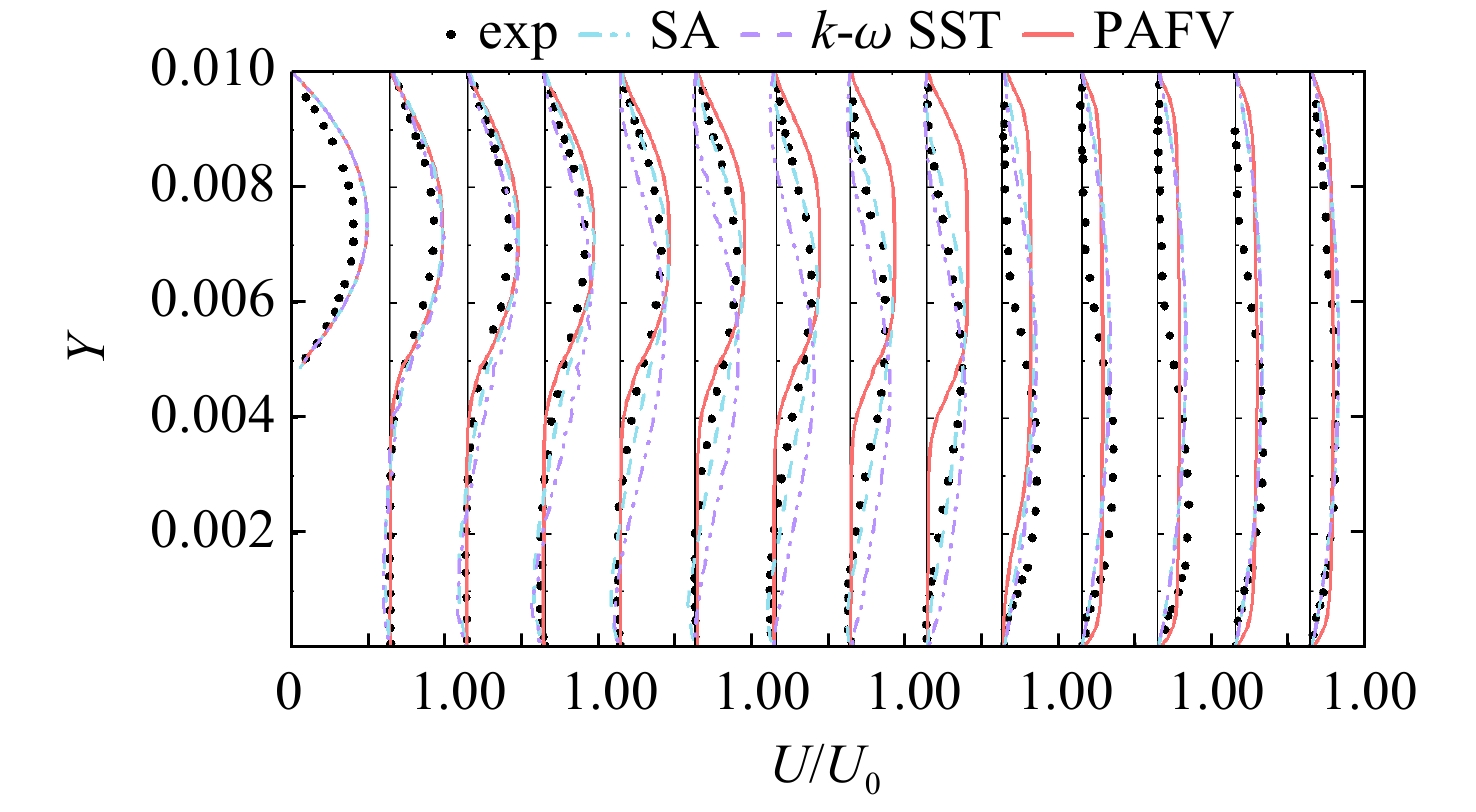
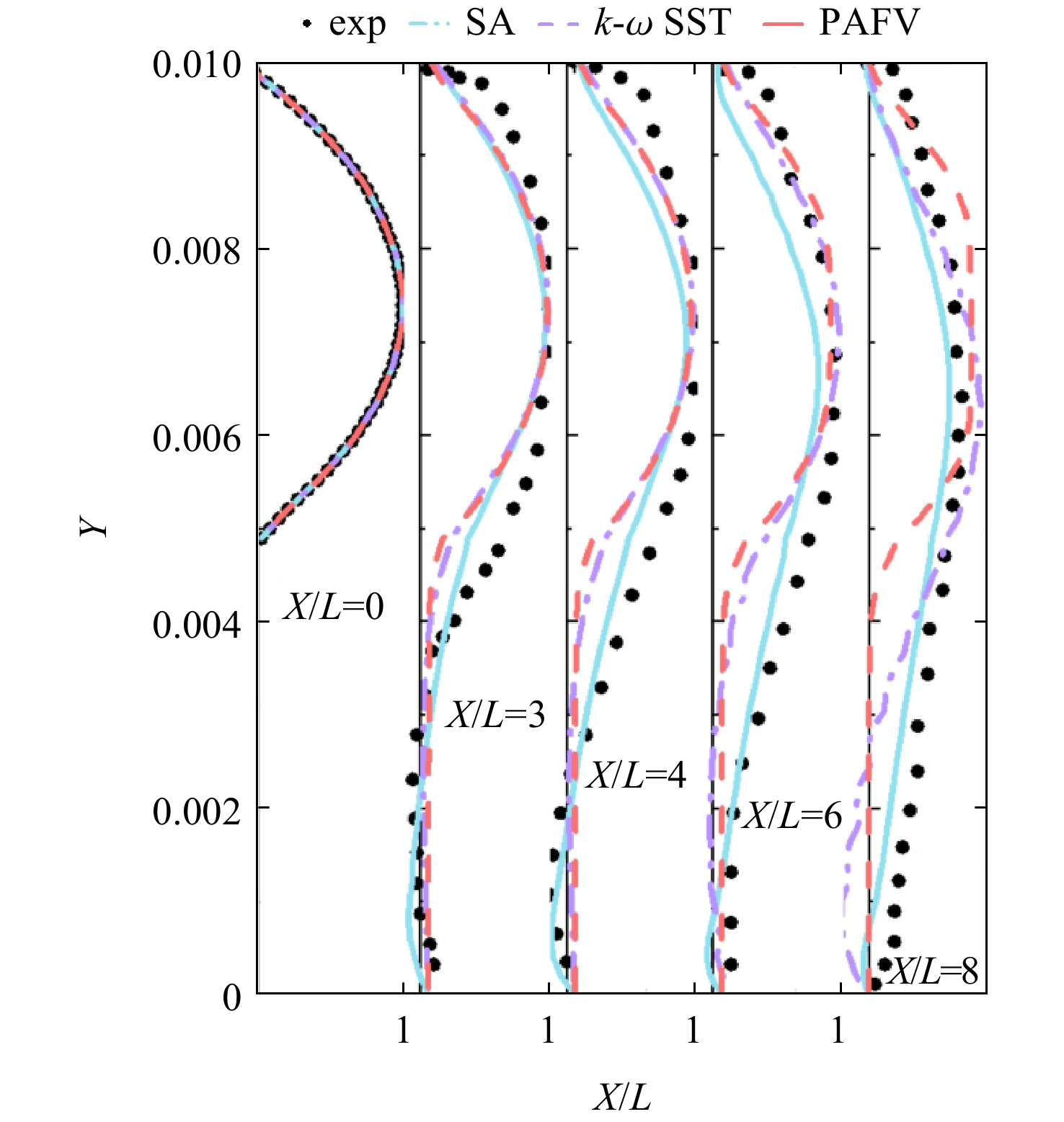
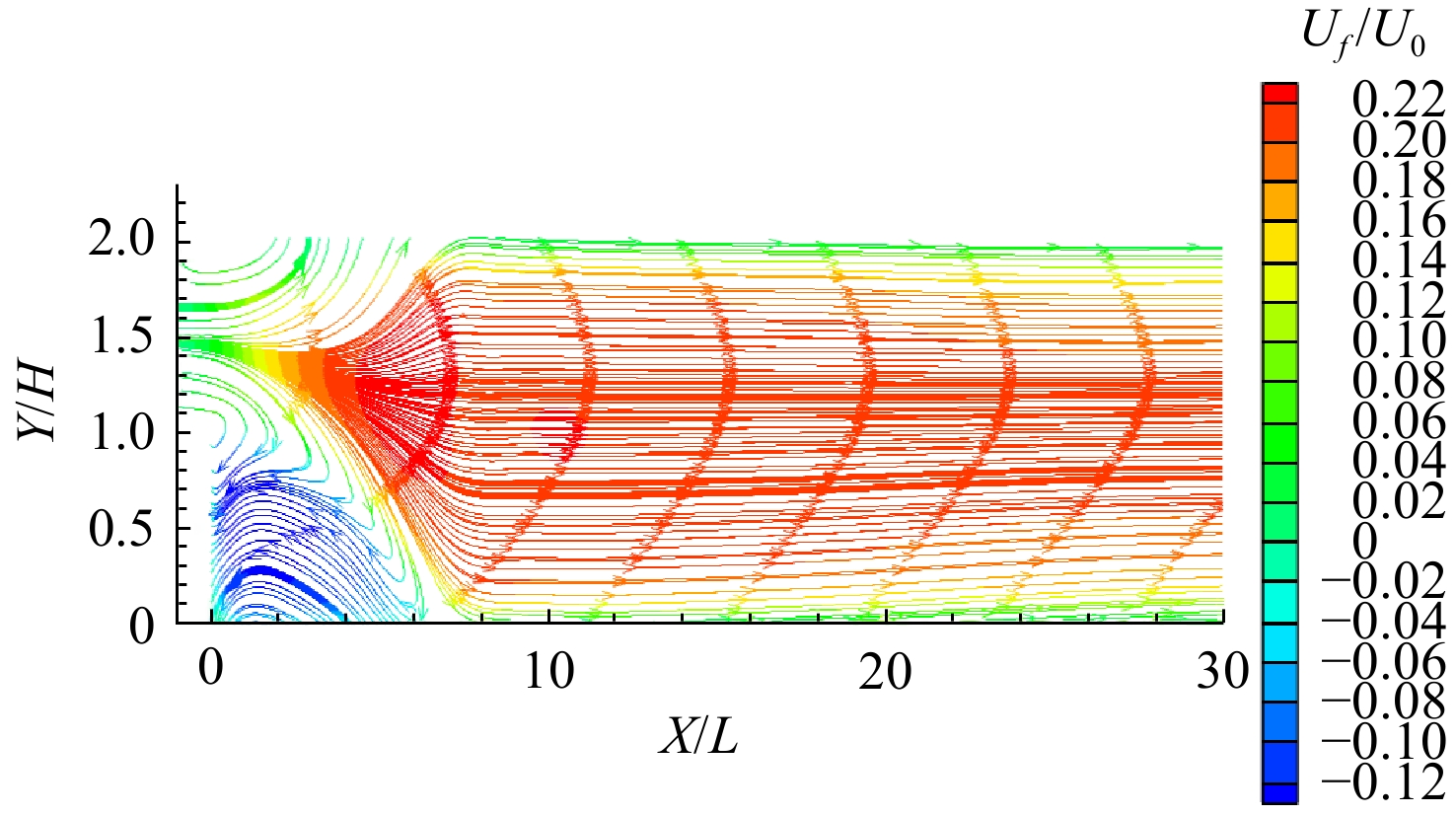
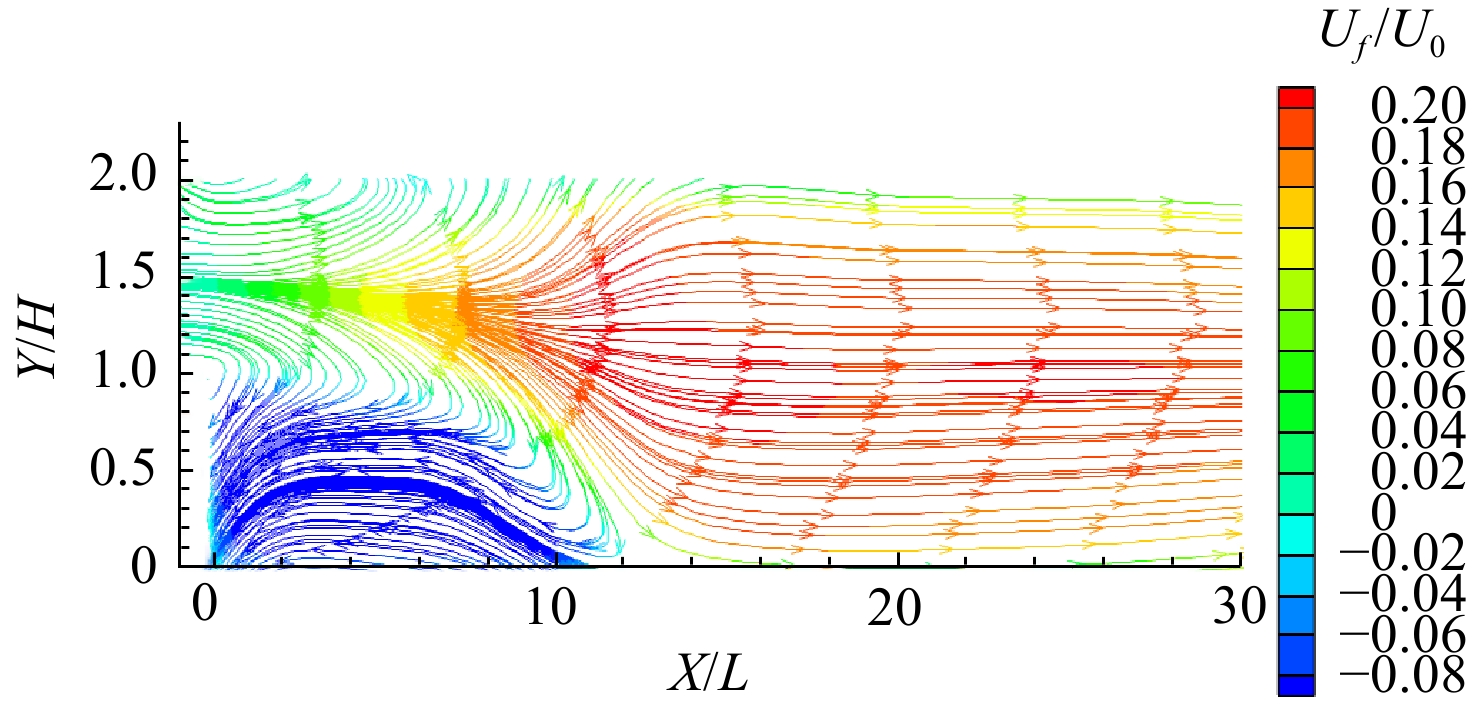
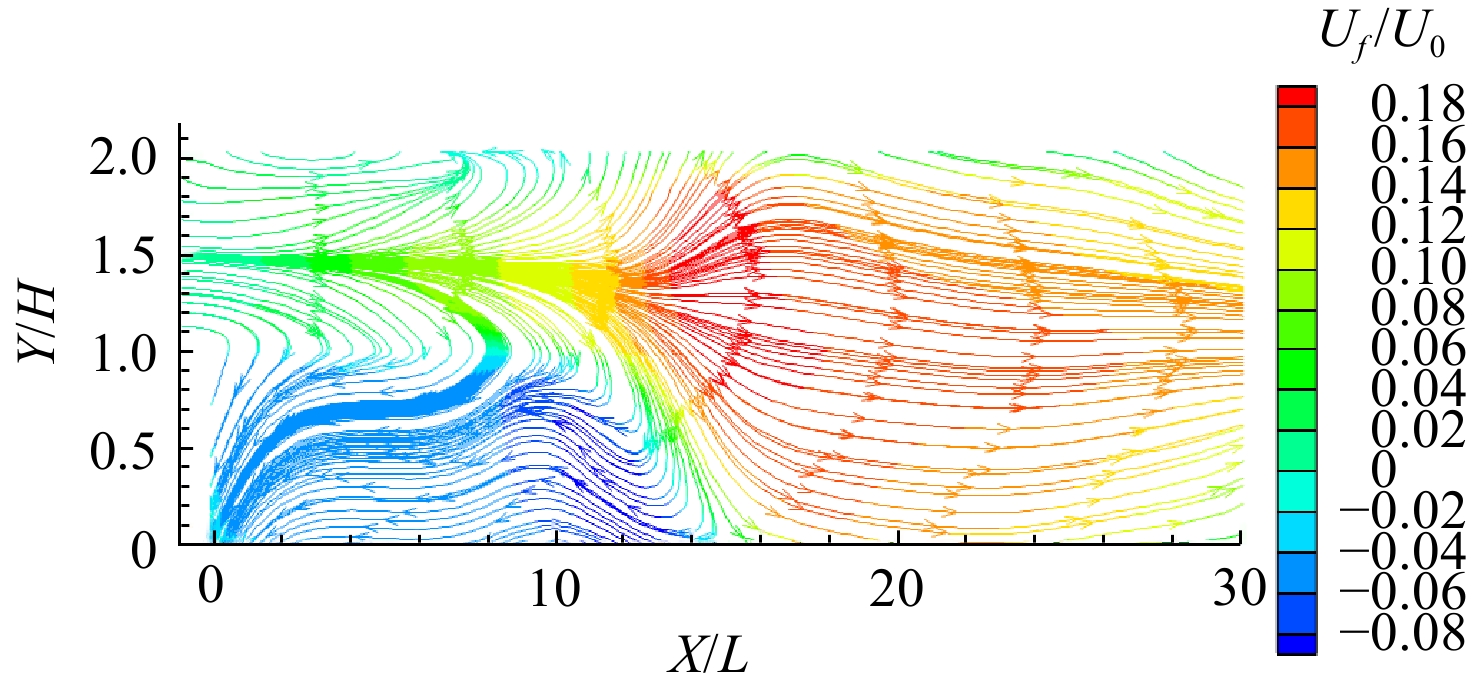
To enhance the accuracy of turbulence modeling in incompressible flows and to develop efficient turbulence models, this study builds upon the previously proposed Partial Averaged Fluctuation Velocity (PAFV) turbulence model and introduces several improvements. By incorporating lateral fluctuation velocity to adjust the viscosity coefficient, a turbulence model was developed that is essentially free of empirical constants and primarily applicable to incompressible flow computations, with improved capability in predicting near-wall boundary layer separation. The model solver was implemented on the open-source platform OpenFOAM, and high-resolution numerical simulations were conducted for two-dimensional backward-facing step flows to obtain instantaneous velocity fields, fluctuation velocity distributions, and Reynolds stress data. The results demonstrate that, compared with the commonly used Spalart–Allmaras (S-A) and k–ω SST turbulence models, the PAFV model exhibits better agreement with theoretical values in certain regions. Due to the introduction of lateral fluctuation velocity and the reduction of viscosity, the new turbulence model shows enhanced sensitivity in capturing vortices in the near-wake region downstream of the step, thereby providing stronger capability in vortex prediction and more accurate characterization of turbulent boundary layer separation. However, in terms of capturing the upper-wall vortex region, this model performs worse than traditional turbulence models, and there is a lag in predicting the far-field vortex structure, which needs further optimization. This study provides new ideas for near-wall flow optimization, and future work will be dedicated to improving the universality of the model.

Probe measurement correction method based on genetic algorithm-optimized BP neural network
Kong Weilong, Zheng Guanghua, Zheng Haoyue, Yang Shanjie
2027, 42(1): 20250439. doi: 10.13224/j.cnki.jasp.20250439
Abstract:
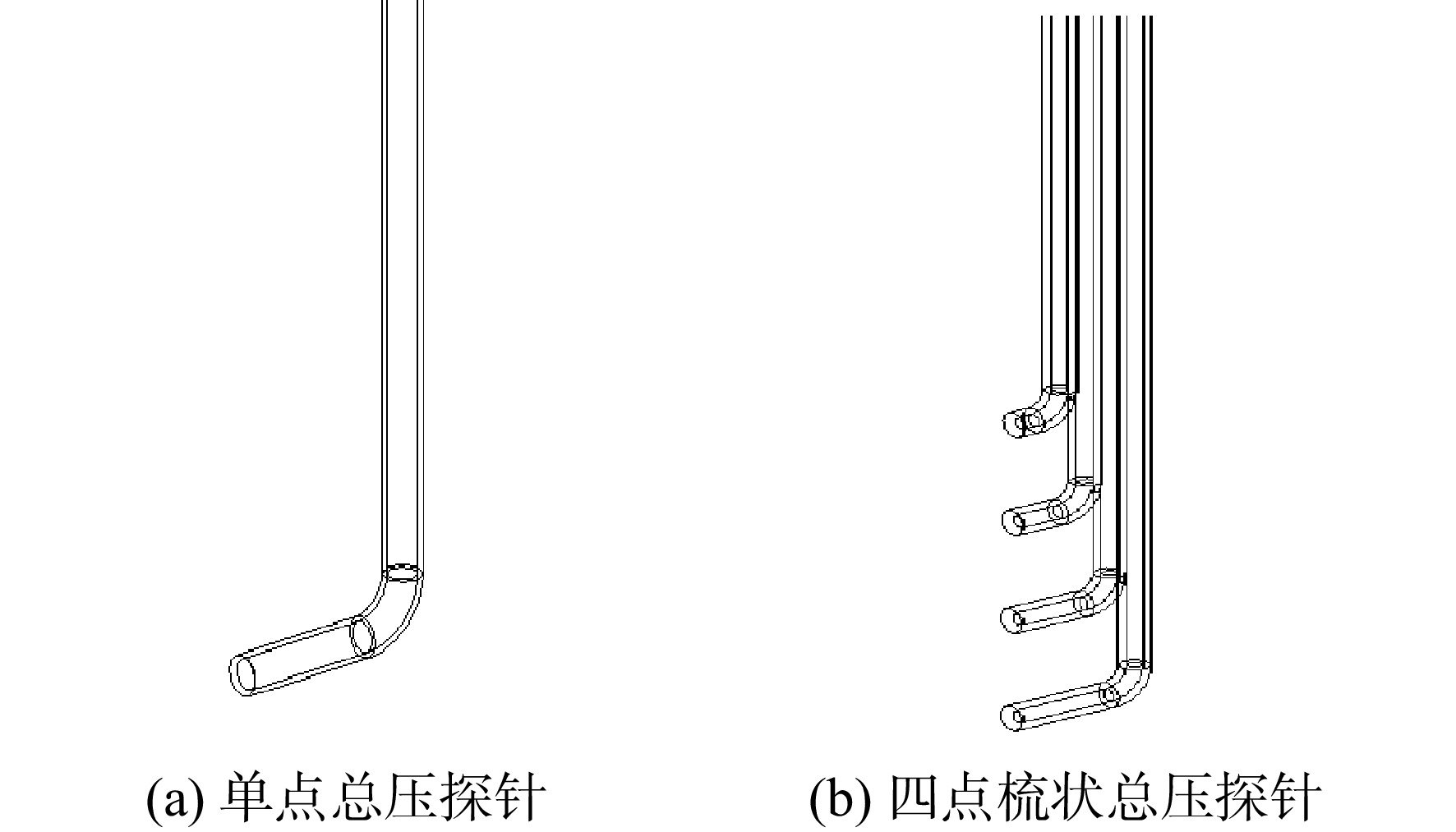
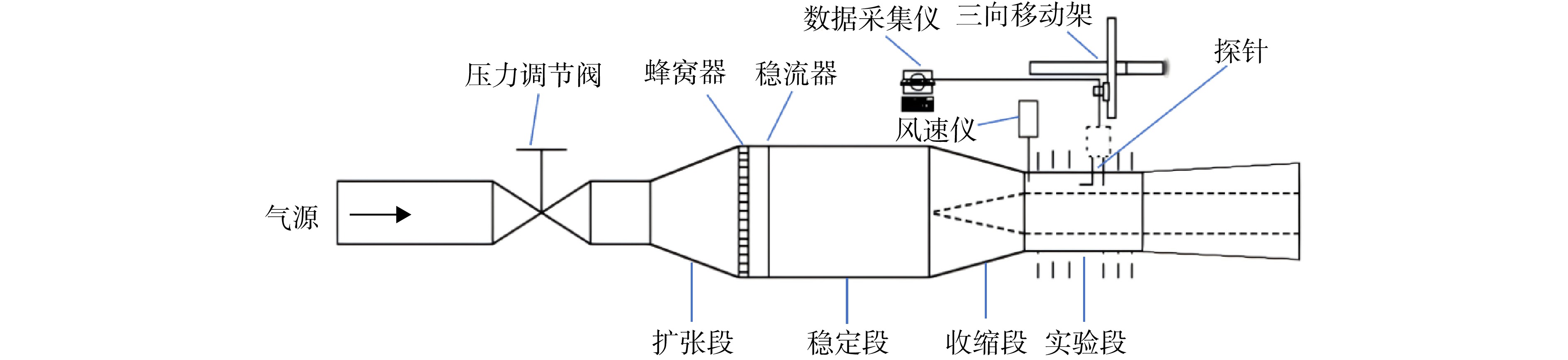
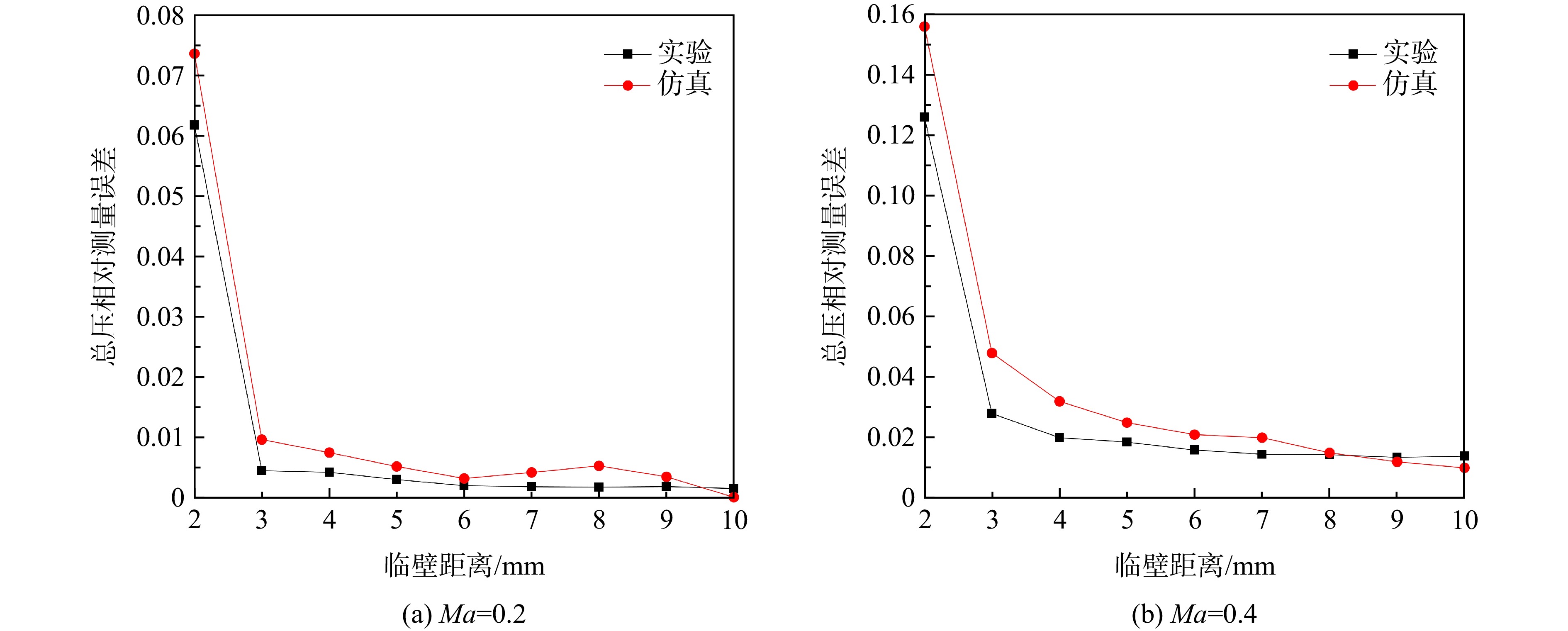
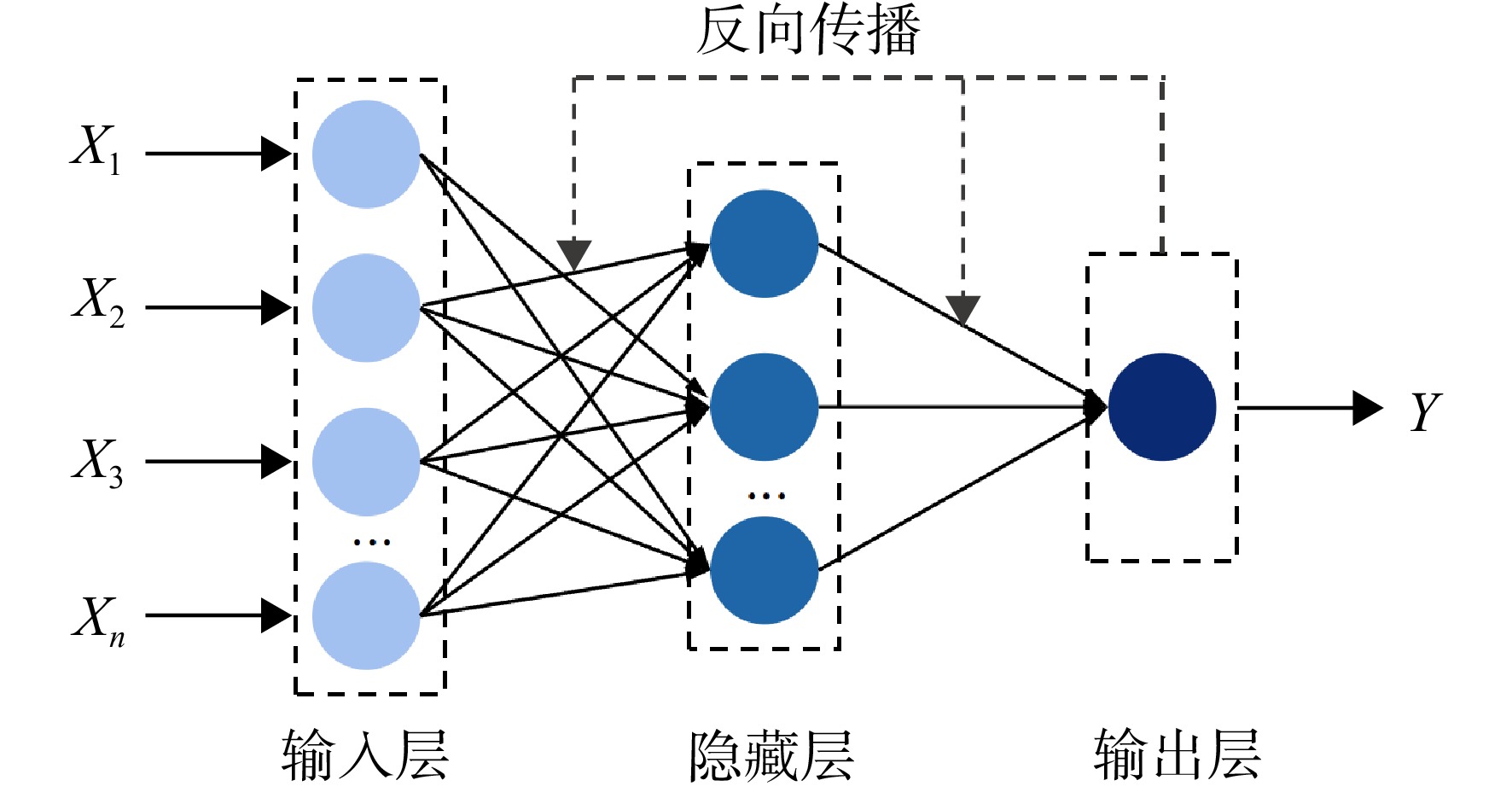
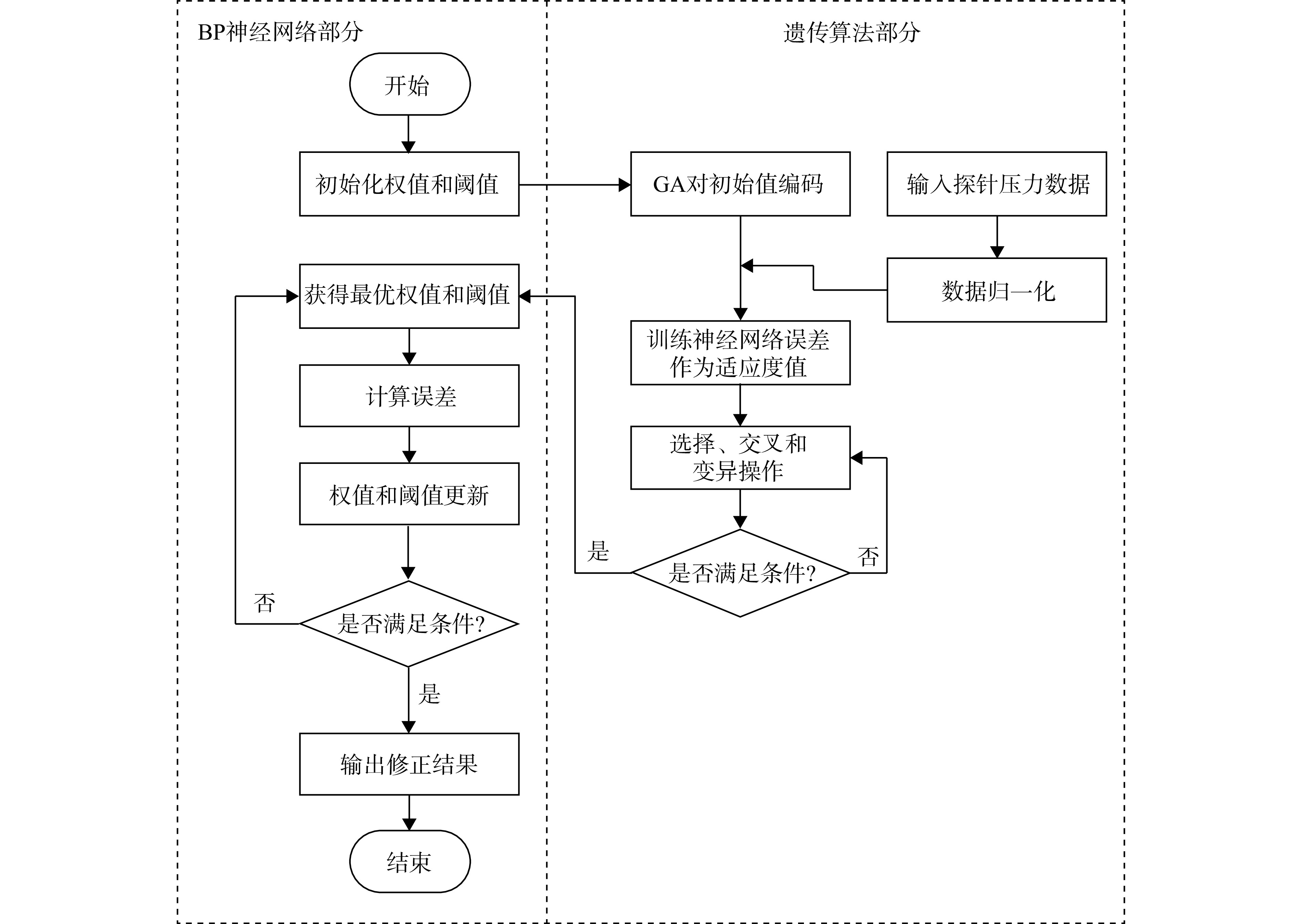
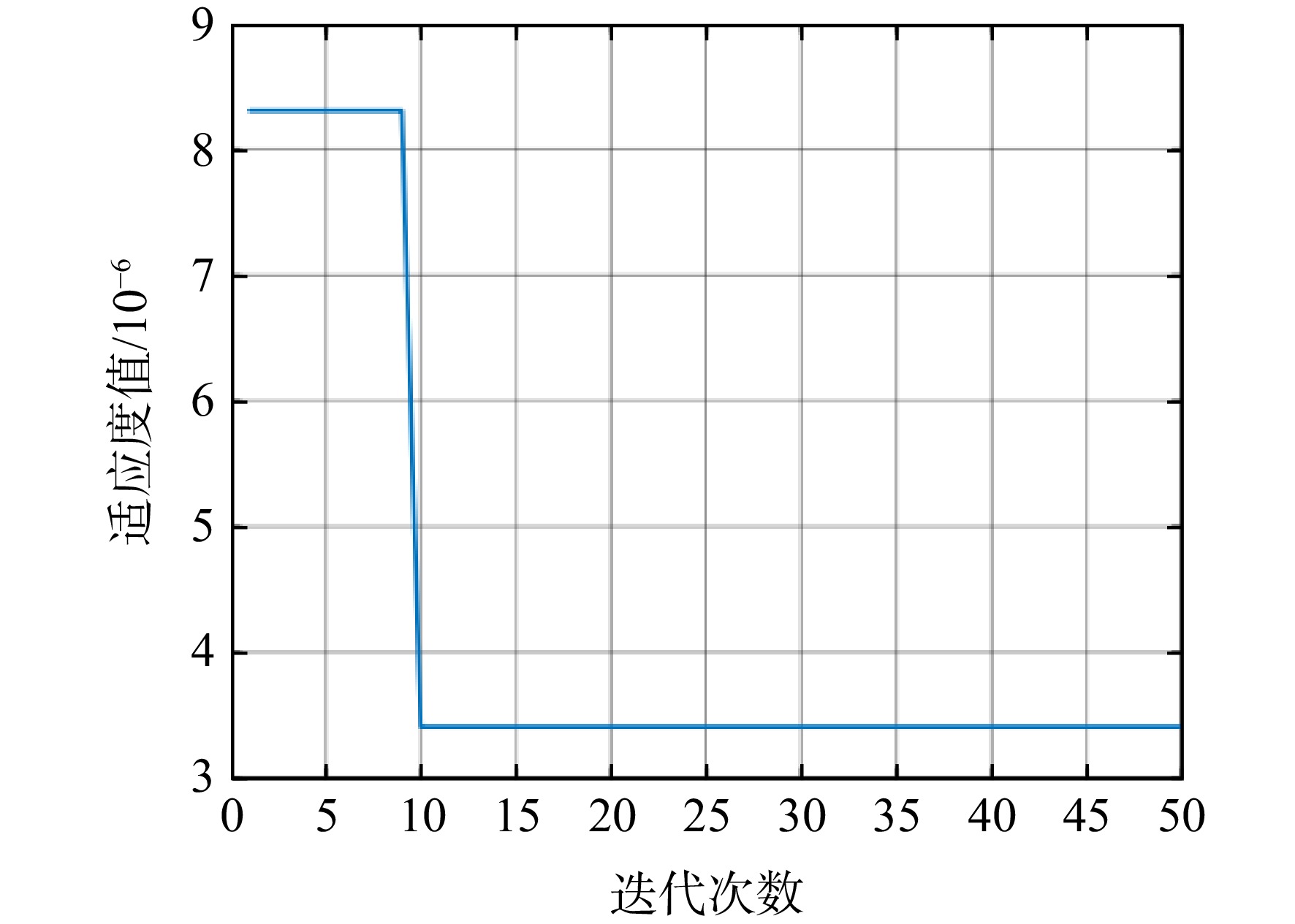
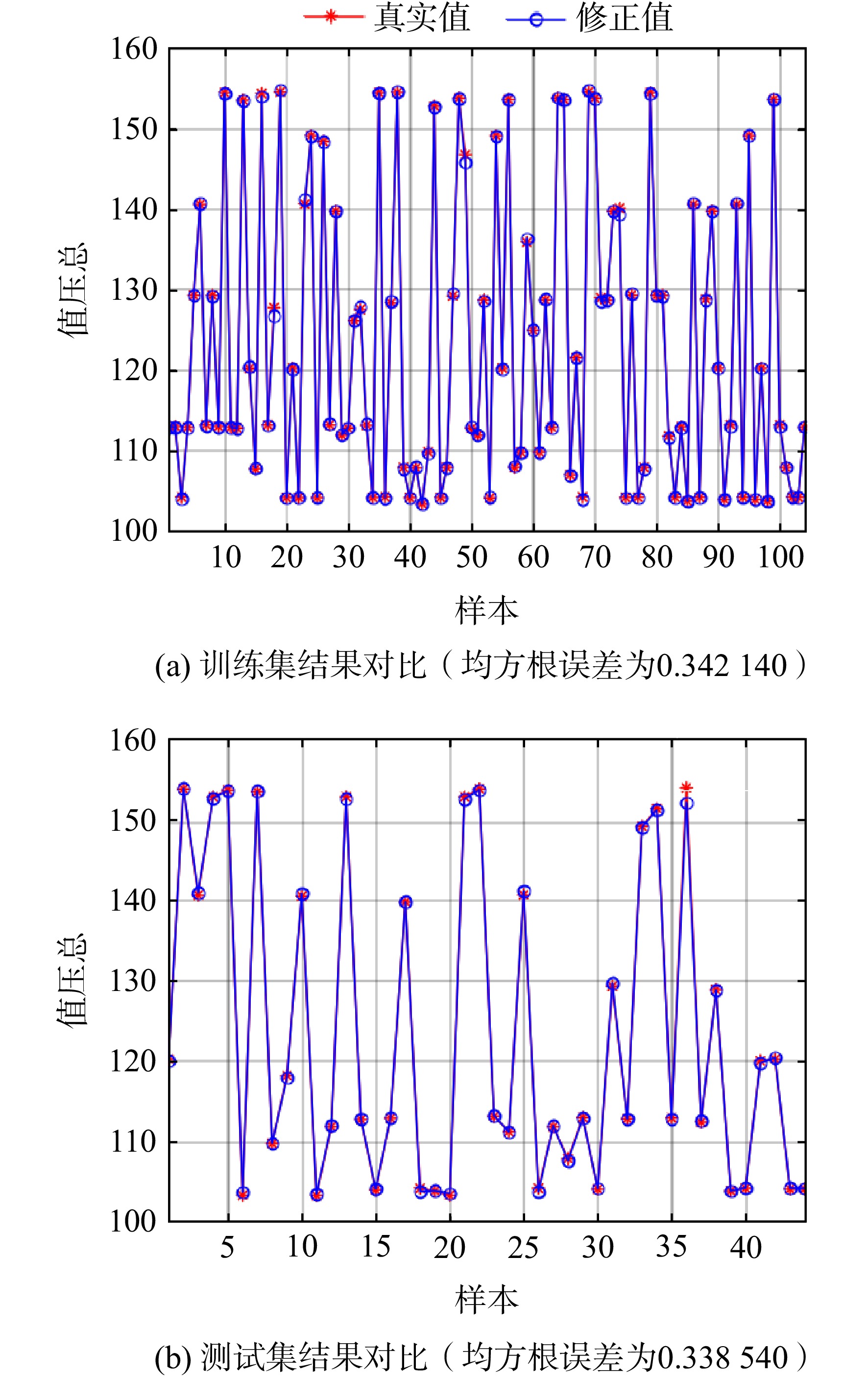
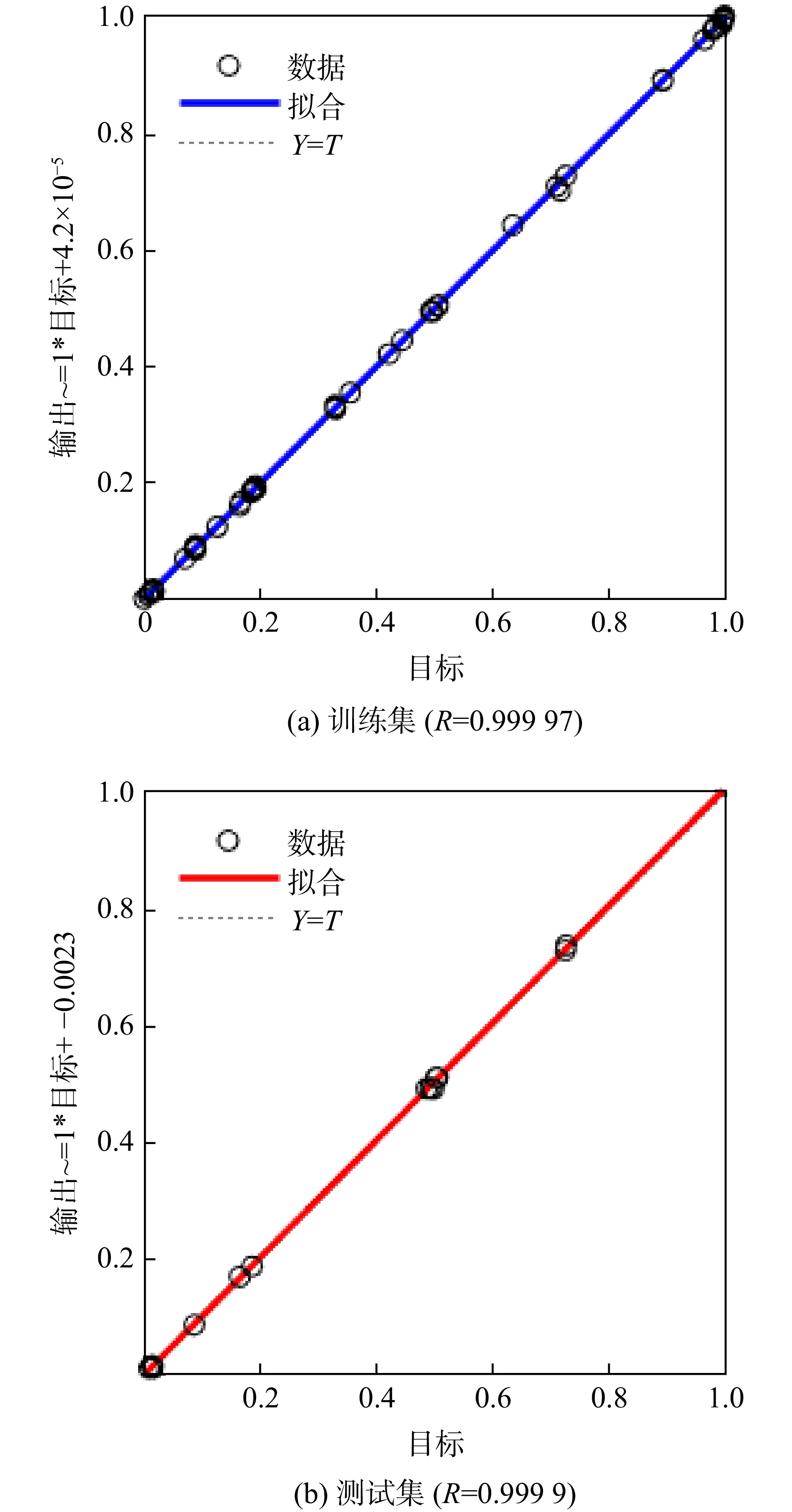
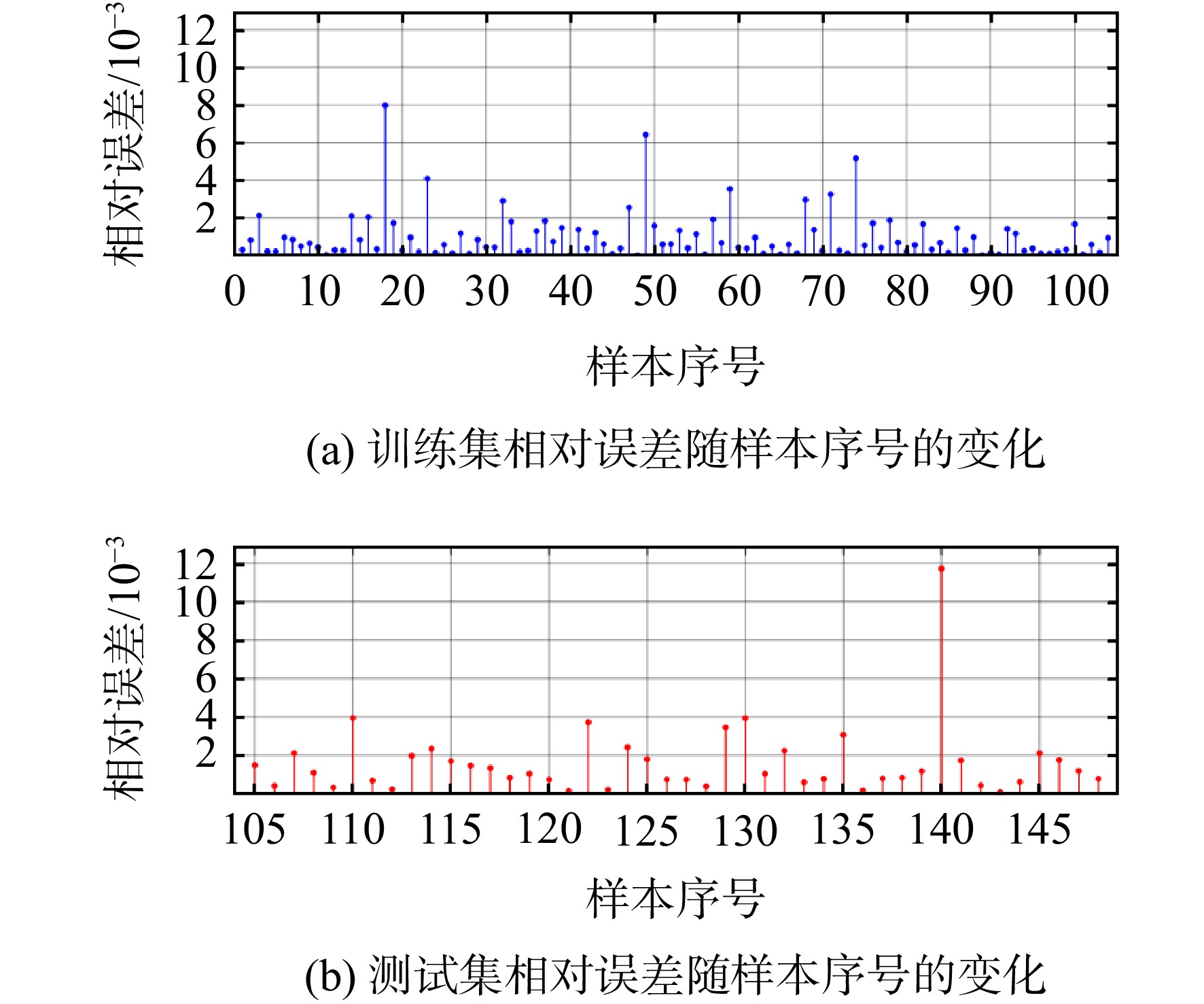
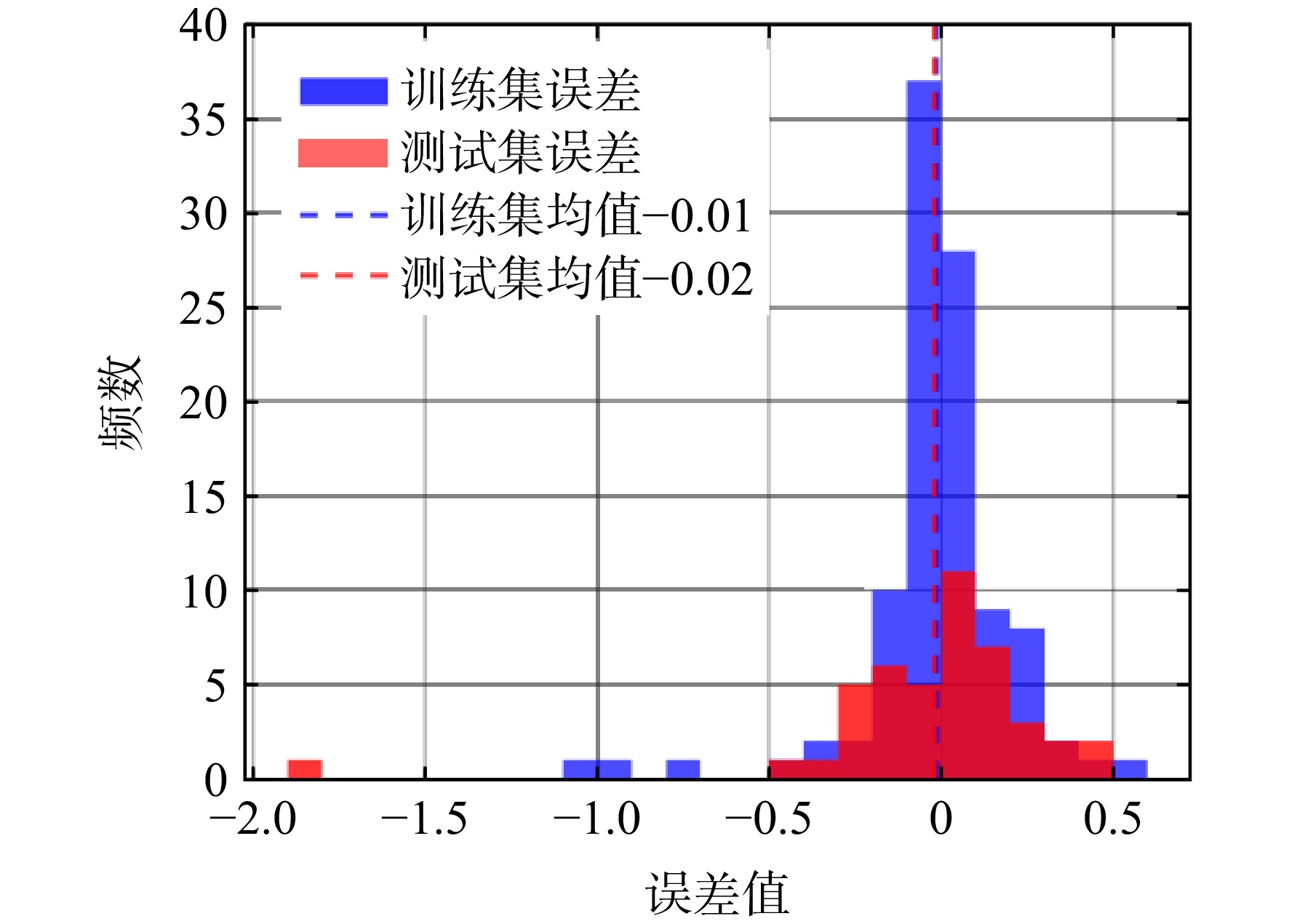
To address total pressure measurement errors caused by multiple factors in complex aero-engine flow fields, an error correction method based on a genetic algorithm-optimized backpropagation (GA-BP) neural network was proposed. Utilizing multi-sample datasets from numerical simulations, the GA-BP neural network was adopted: a 6-node hidden layer structure was determined, with logsig and purelin served as activation functions for the hidden and output layers respectively, and trainlm as the training function. An optimized combination of initial population size of 45, crossover probability of 0.8, and mutation distribution index of 5 reduced the root mean square error to 0.37591. Experimental results demonstrate that, compared with the standard BP model, the GA-BP model reduced root mean square error by 66.7% and the mean relative error by 72.4% on the test set, while achieving a coefficient of determination above 0.999; errors of 90% samples were below 2×10⁻³ and symmetrically distributed around zero. This proposed approach significantly enhances correction accuracy and generalization capability, providing a reference solution for aero-engine aerodynamic performance testing.

Handling characteristics of a hybrid electronically controlled rotor
TIAN Jisheng, LU Yang, WANG Peng, XU Xice
2027, 42(1): 20250437. doi: 10.13224/j.cnki.jasp.20250437
Abstract:
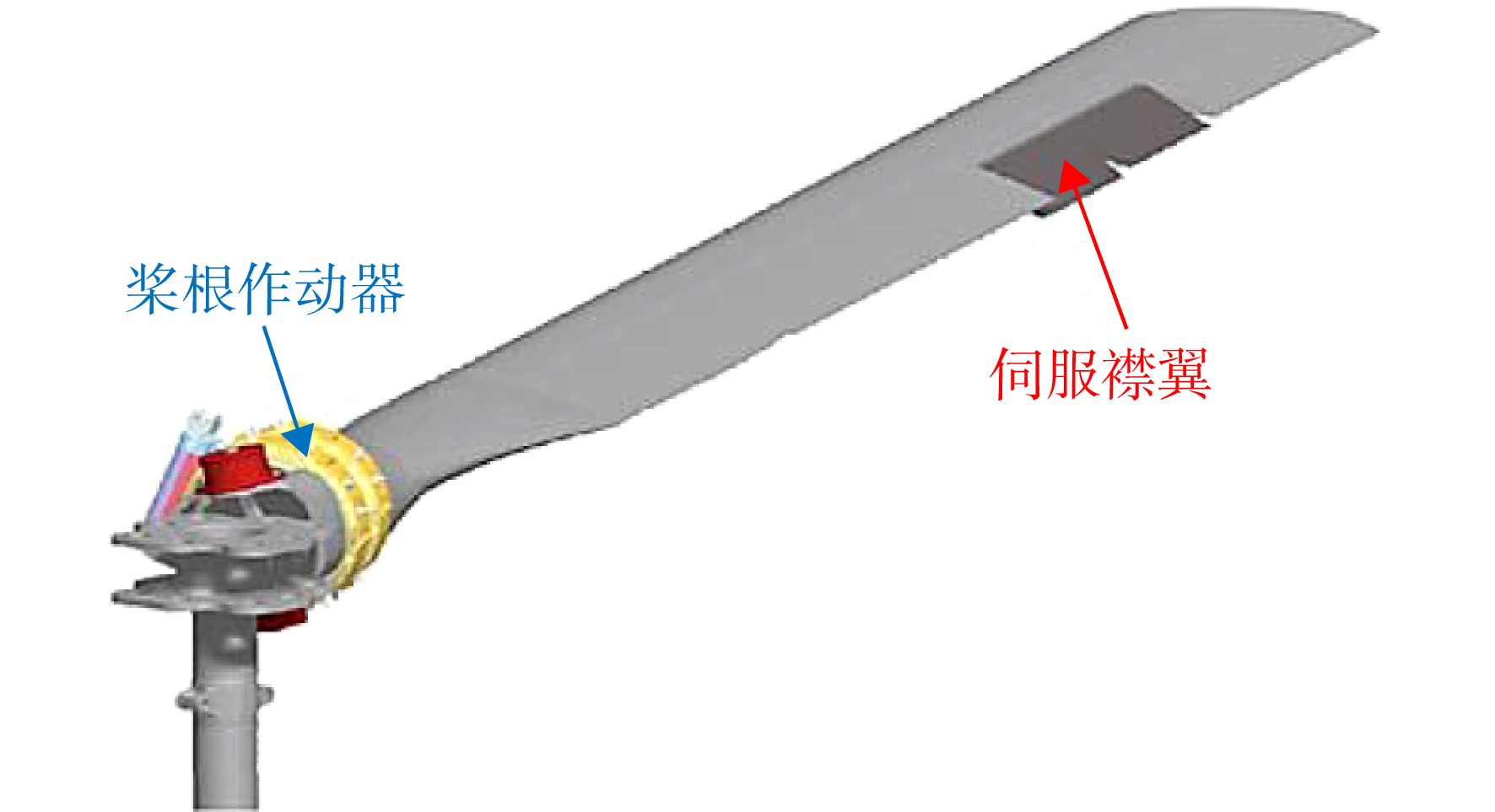
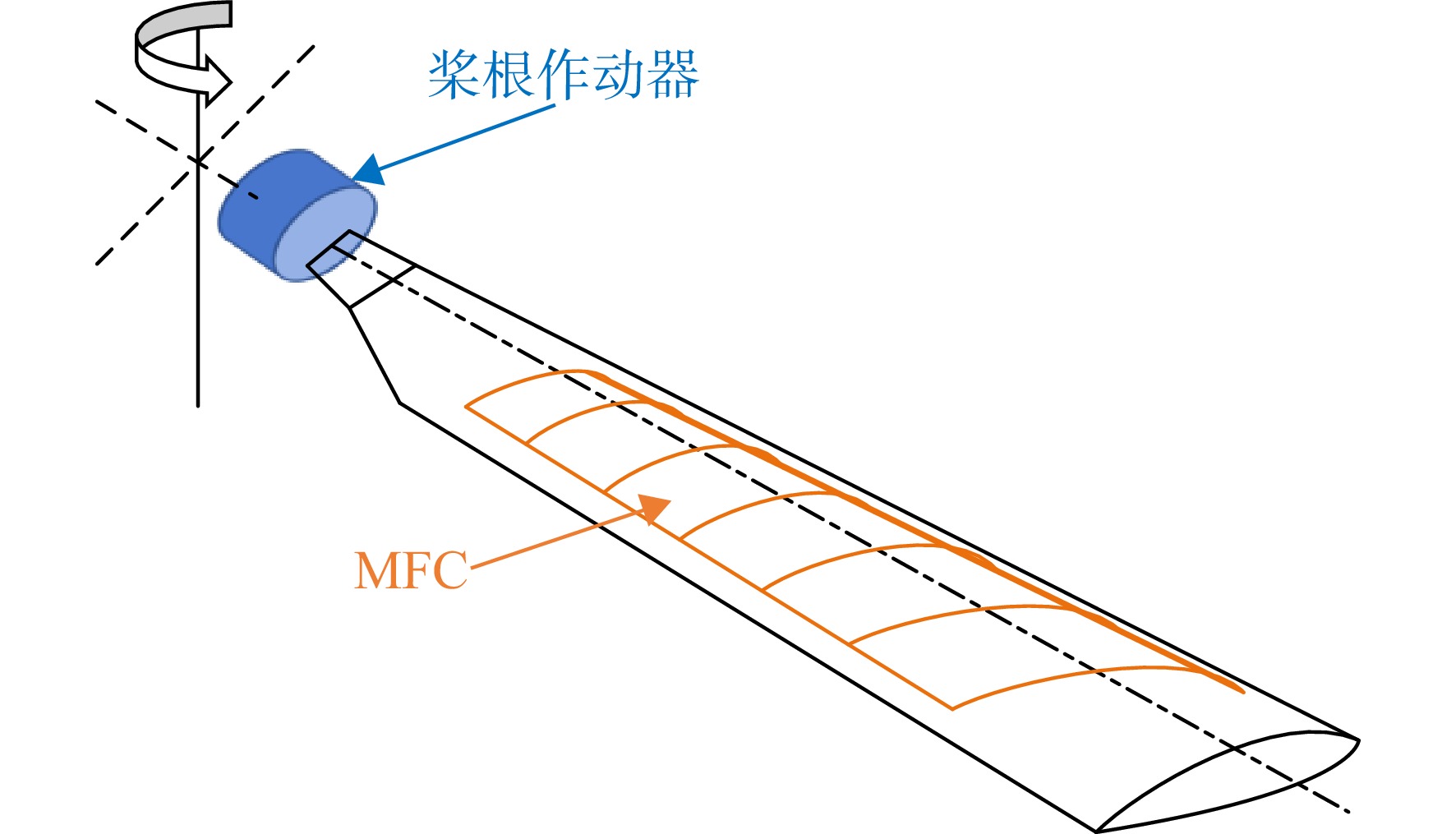
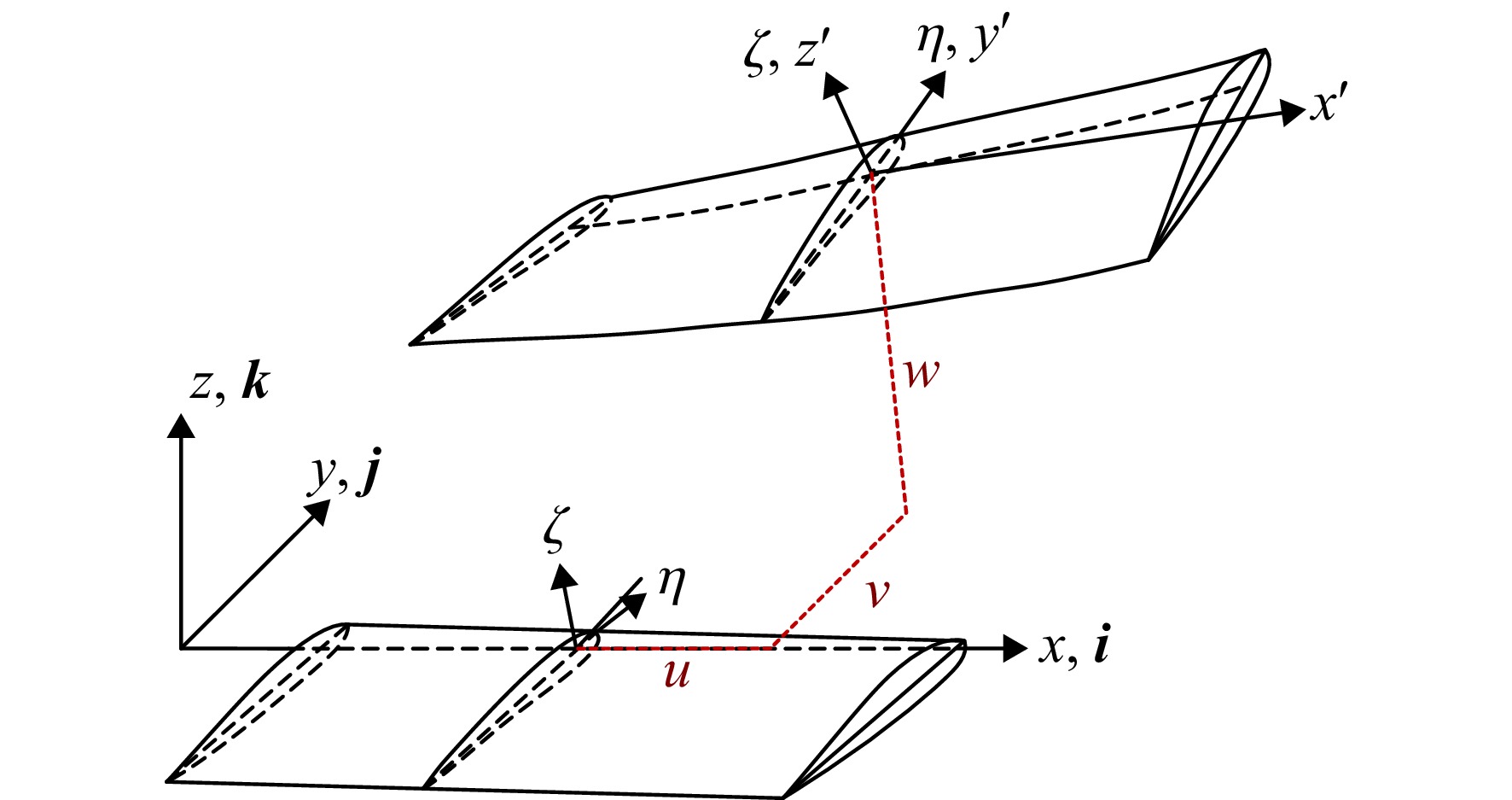
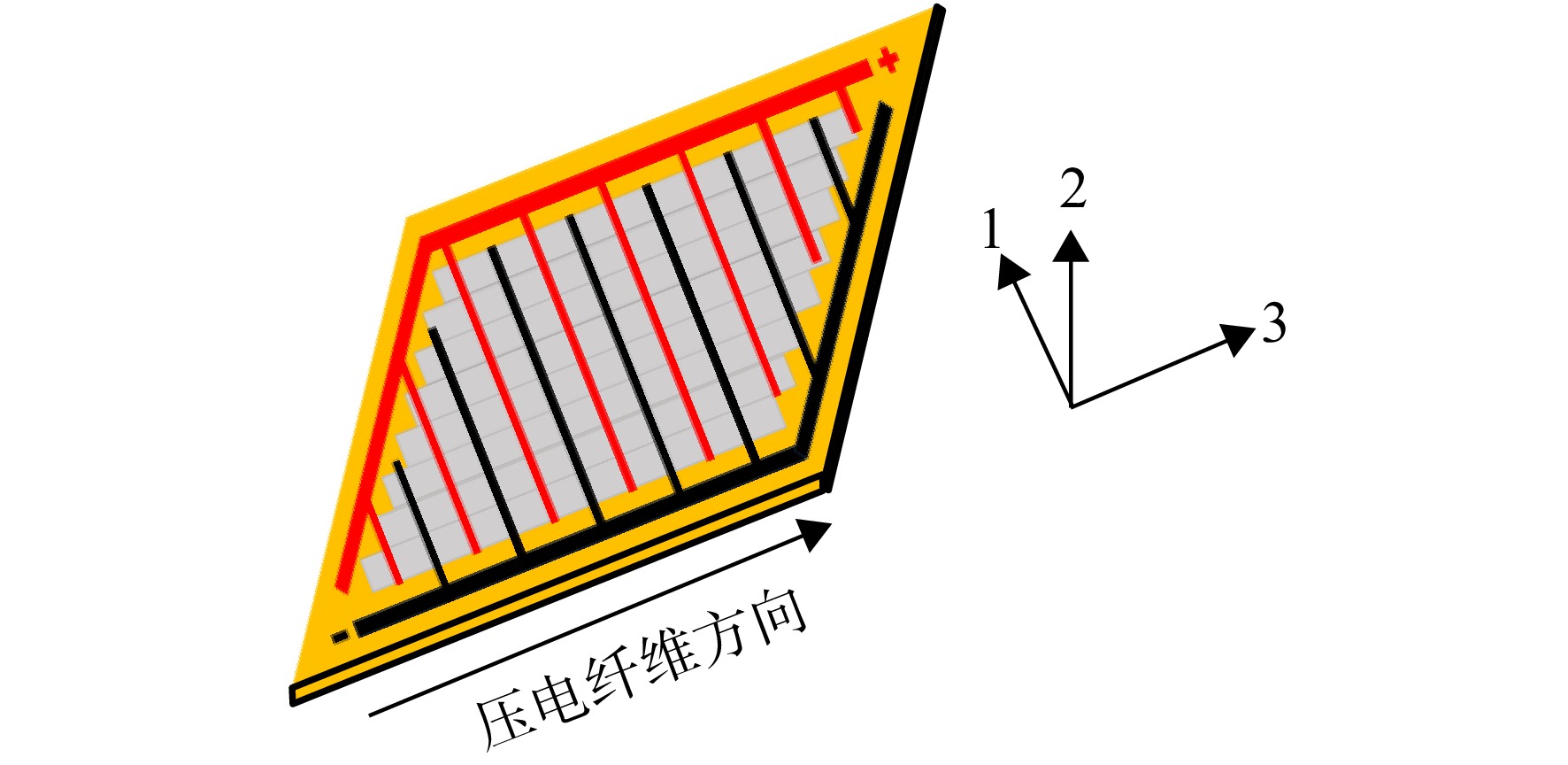
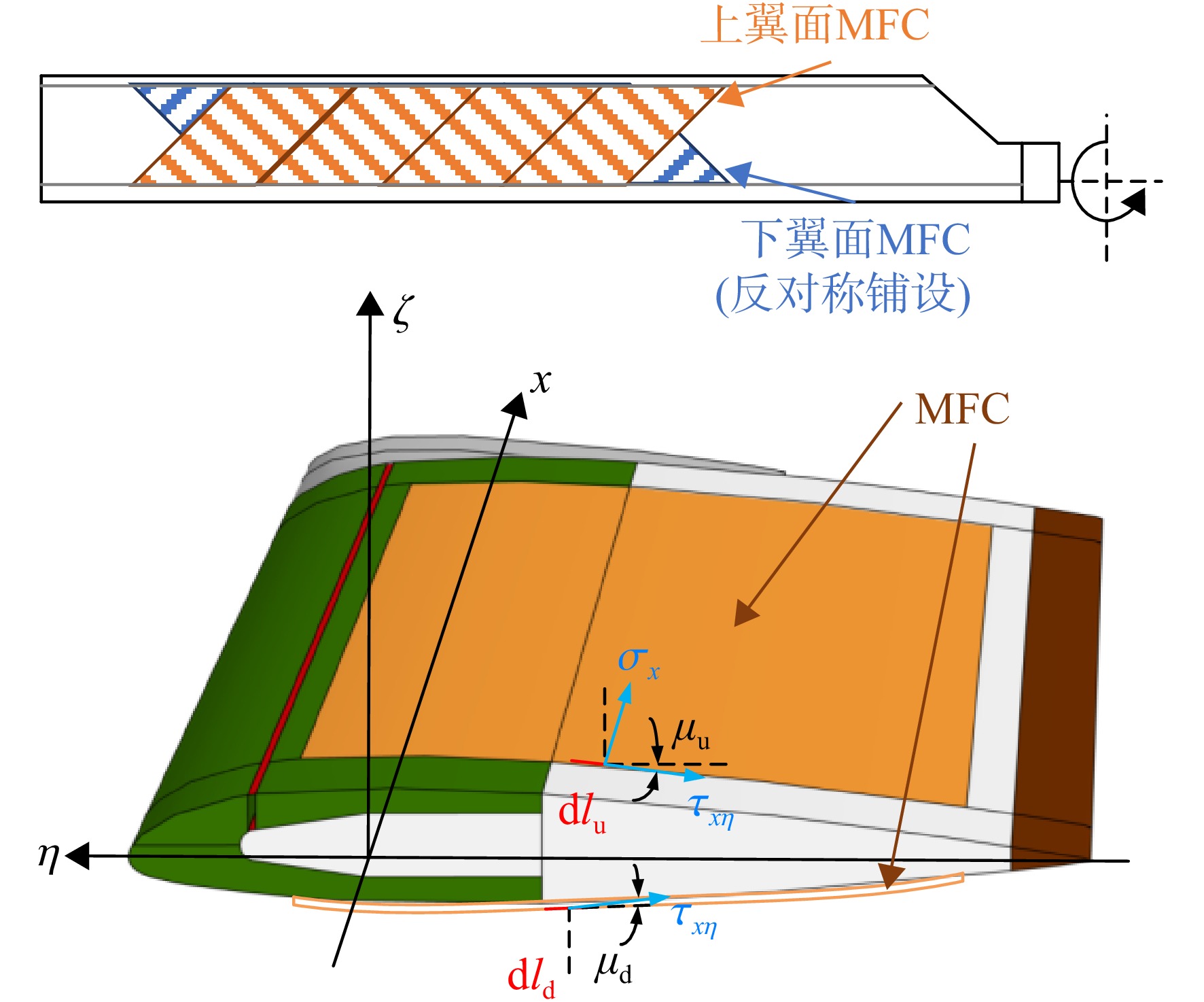
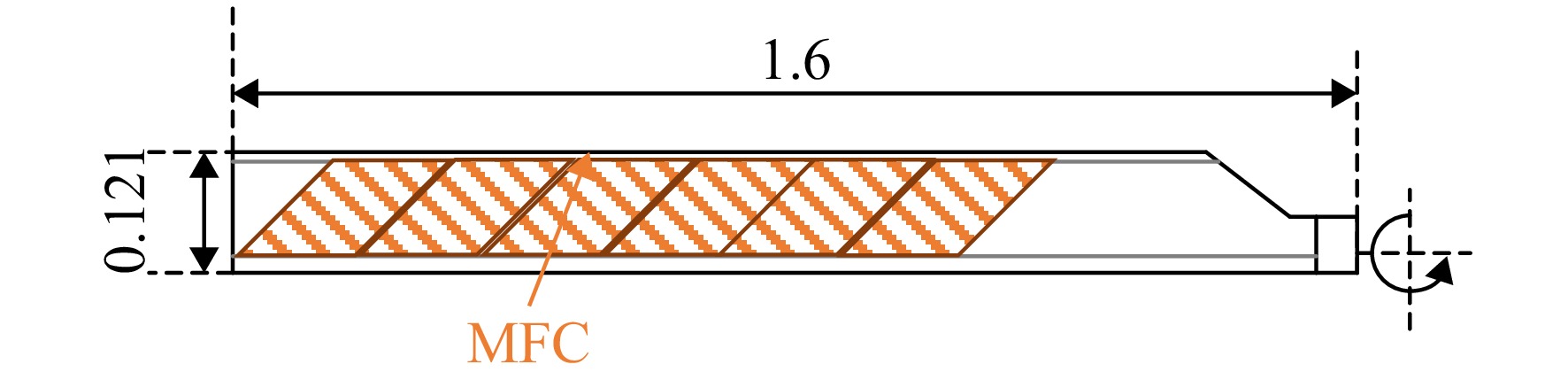
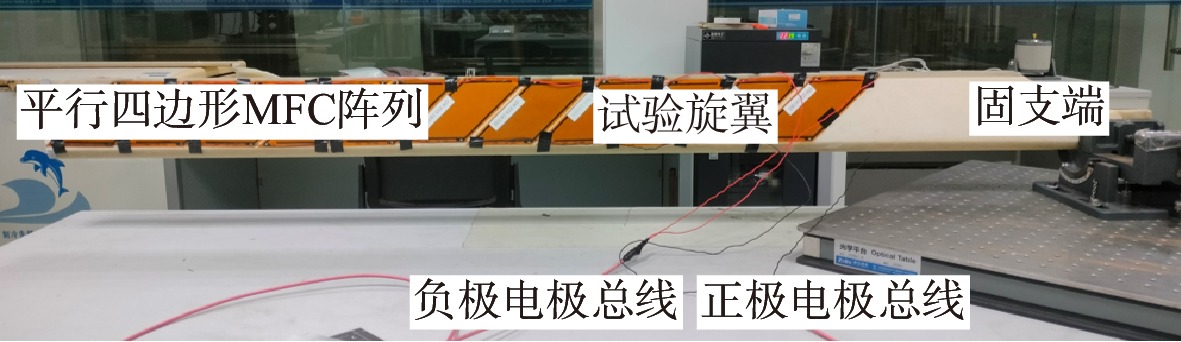
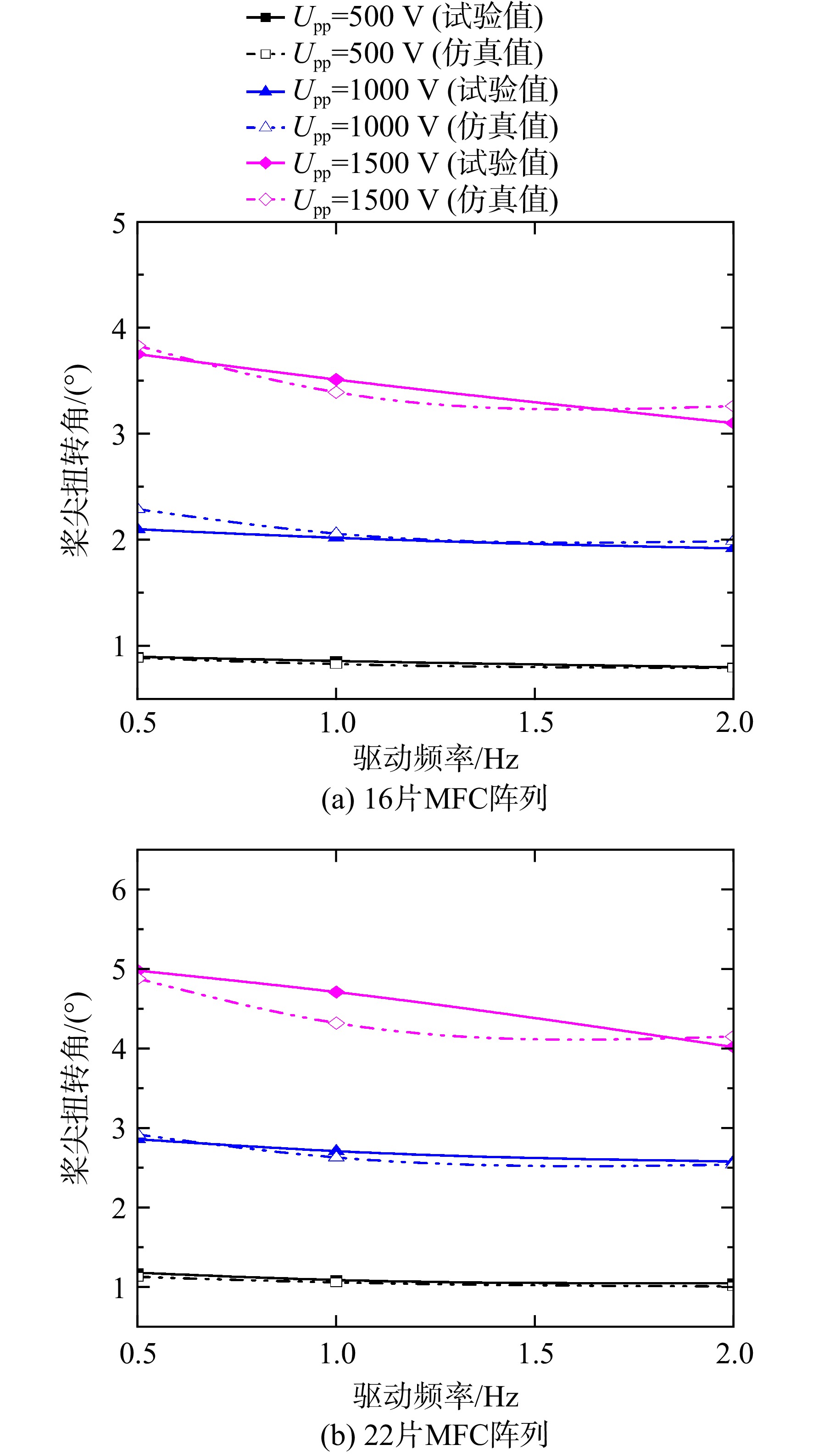
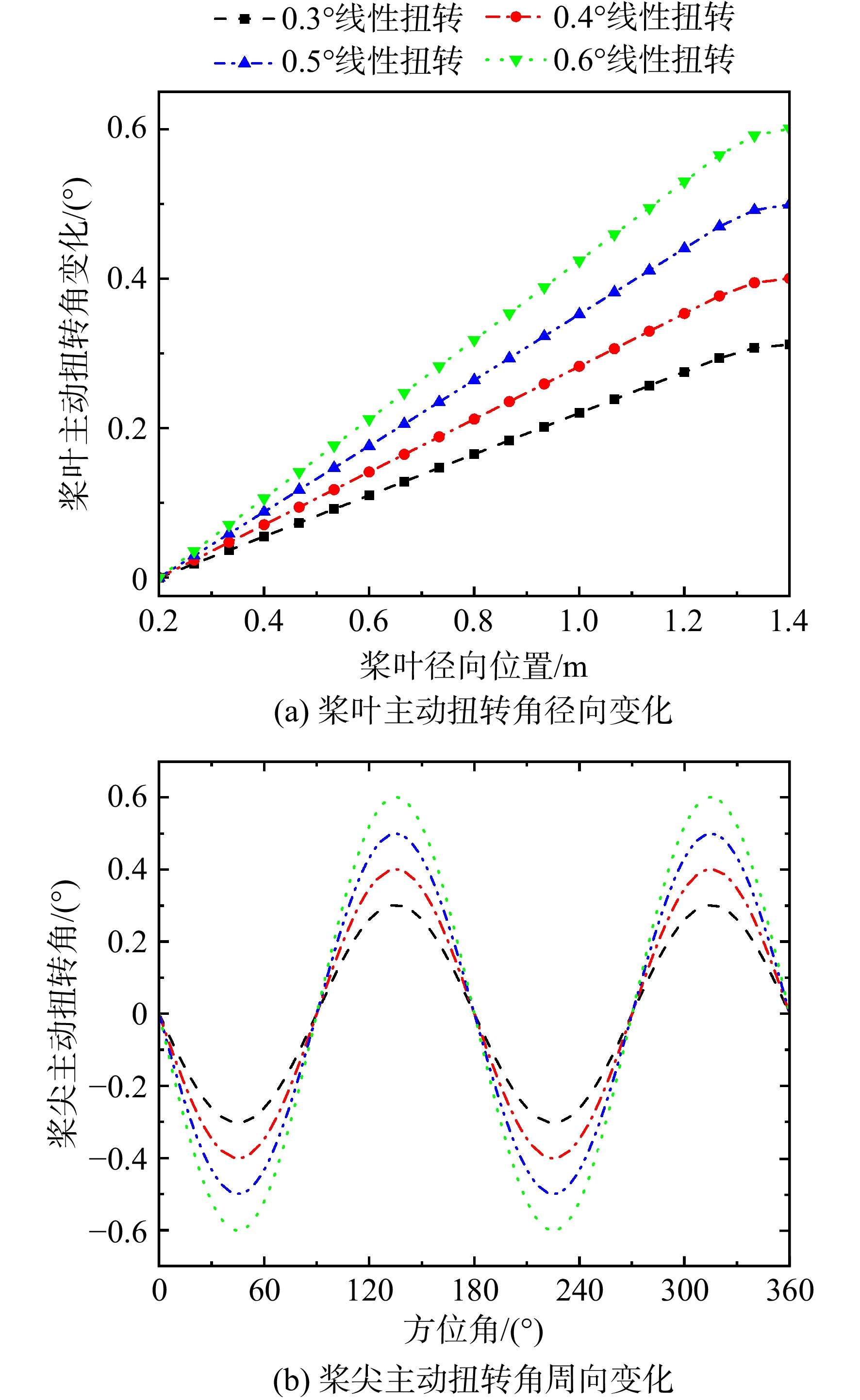
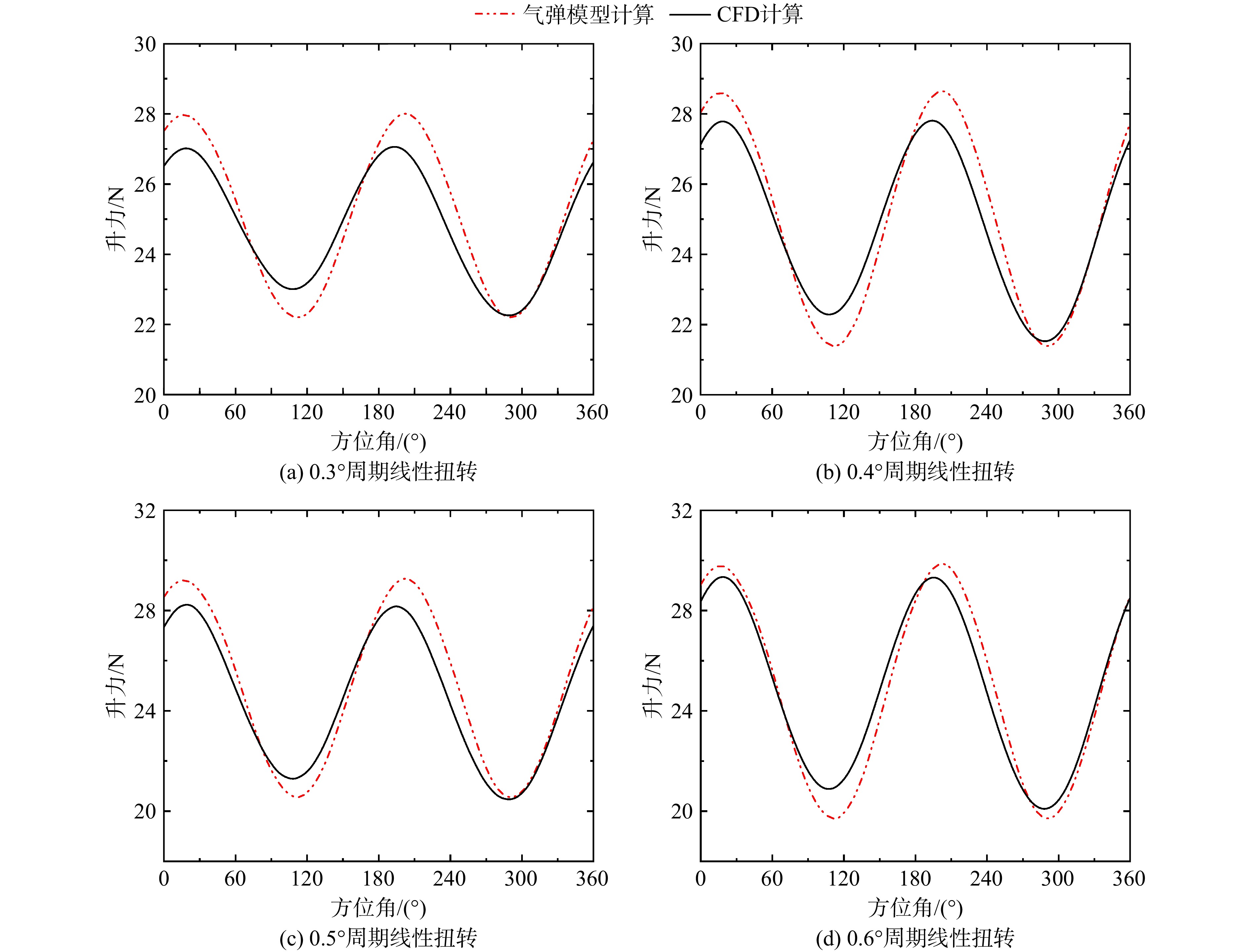
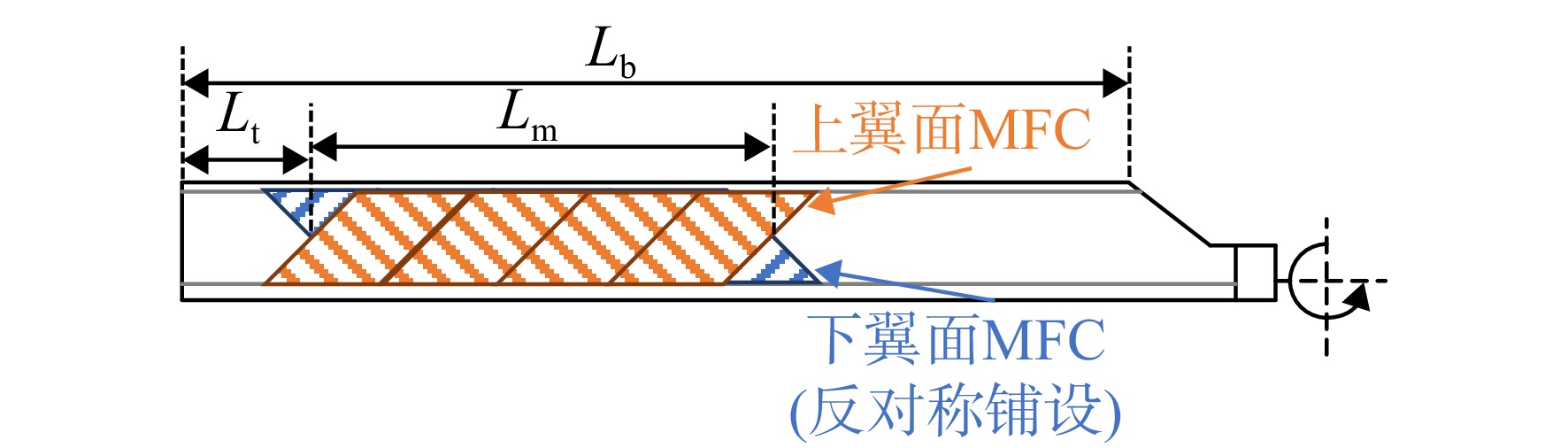
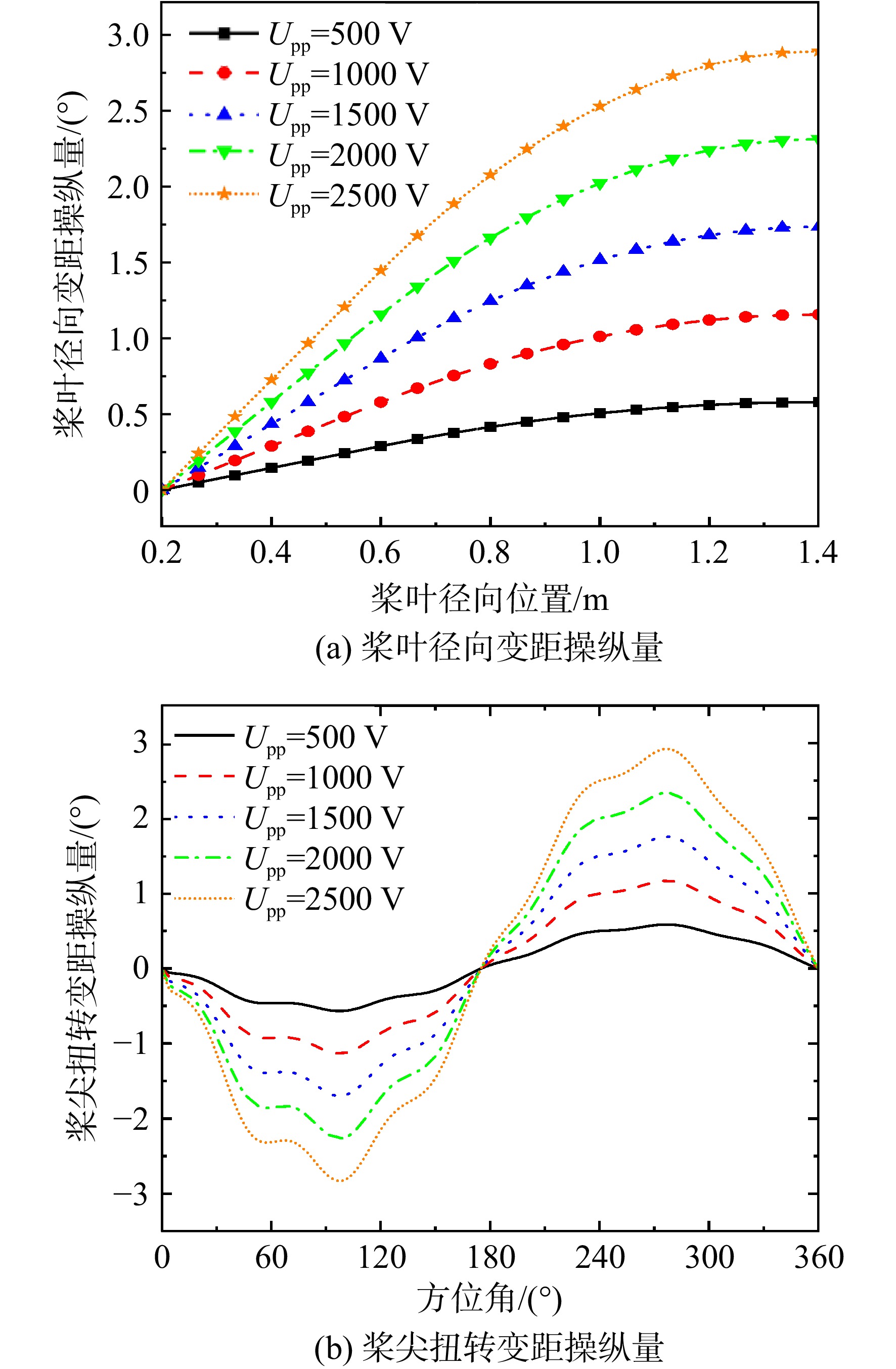
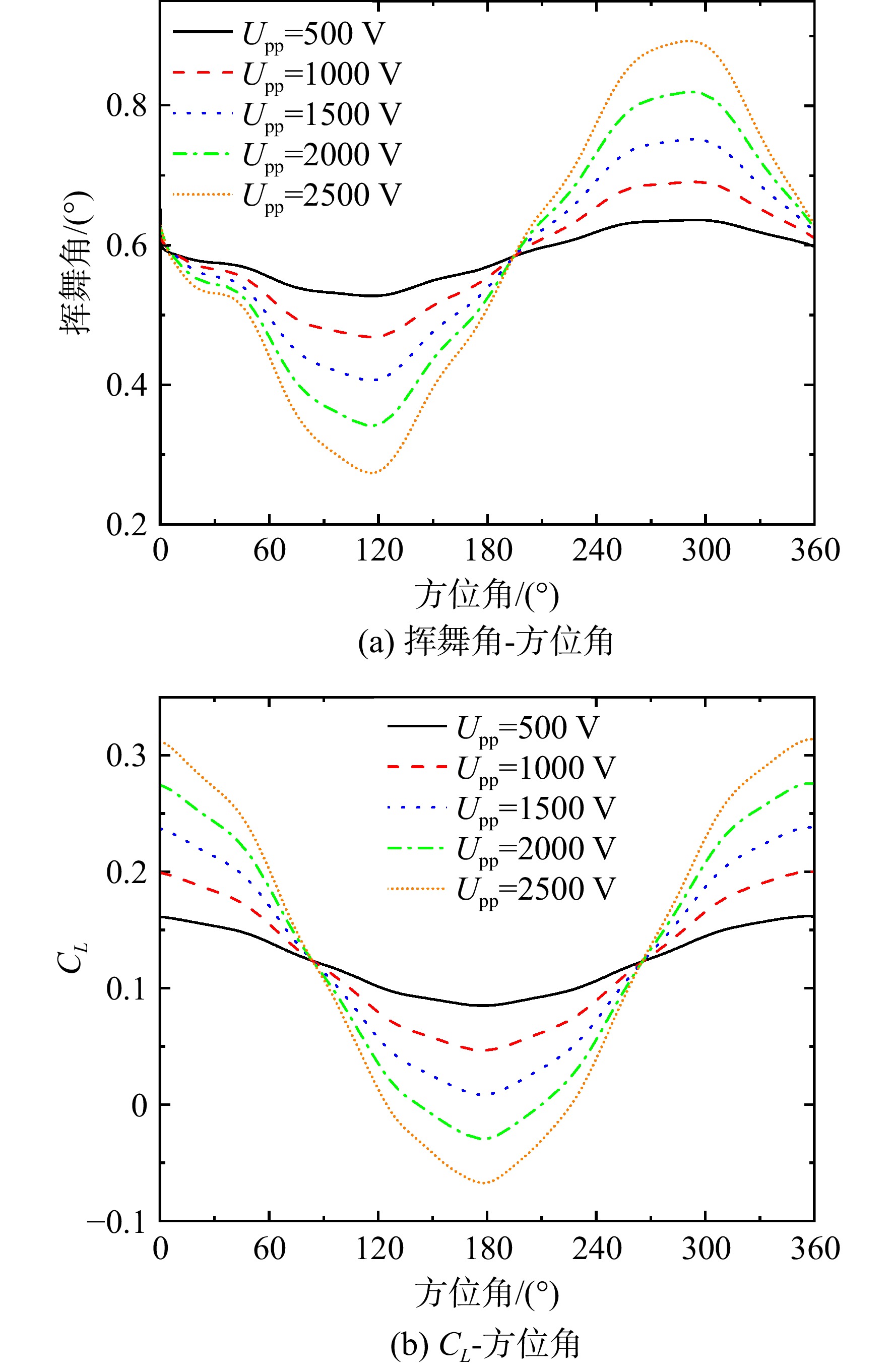
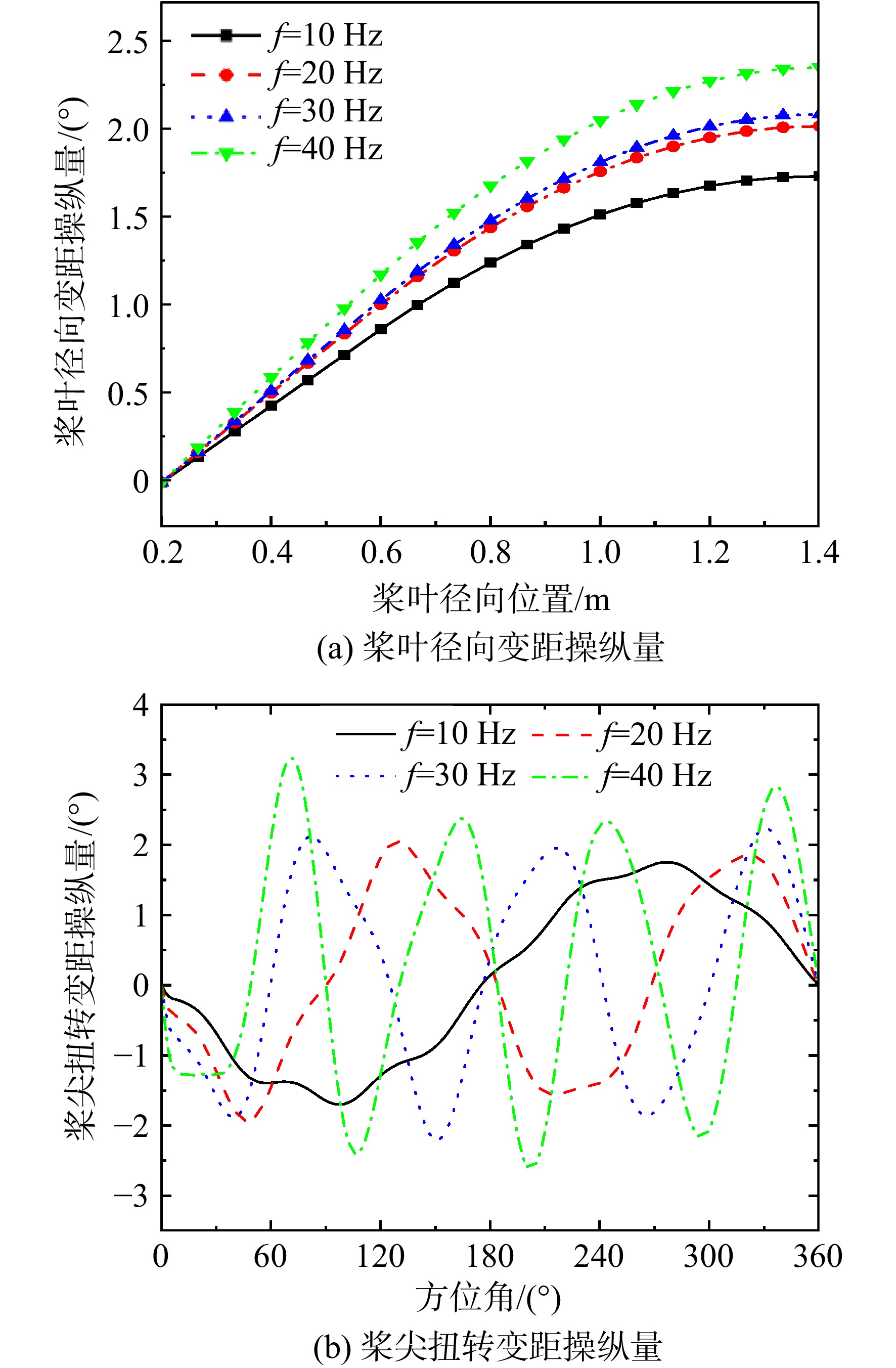
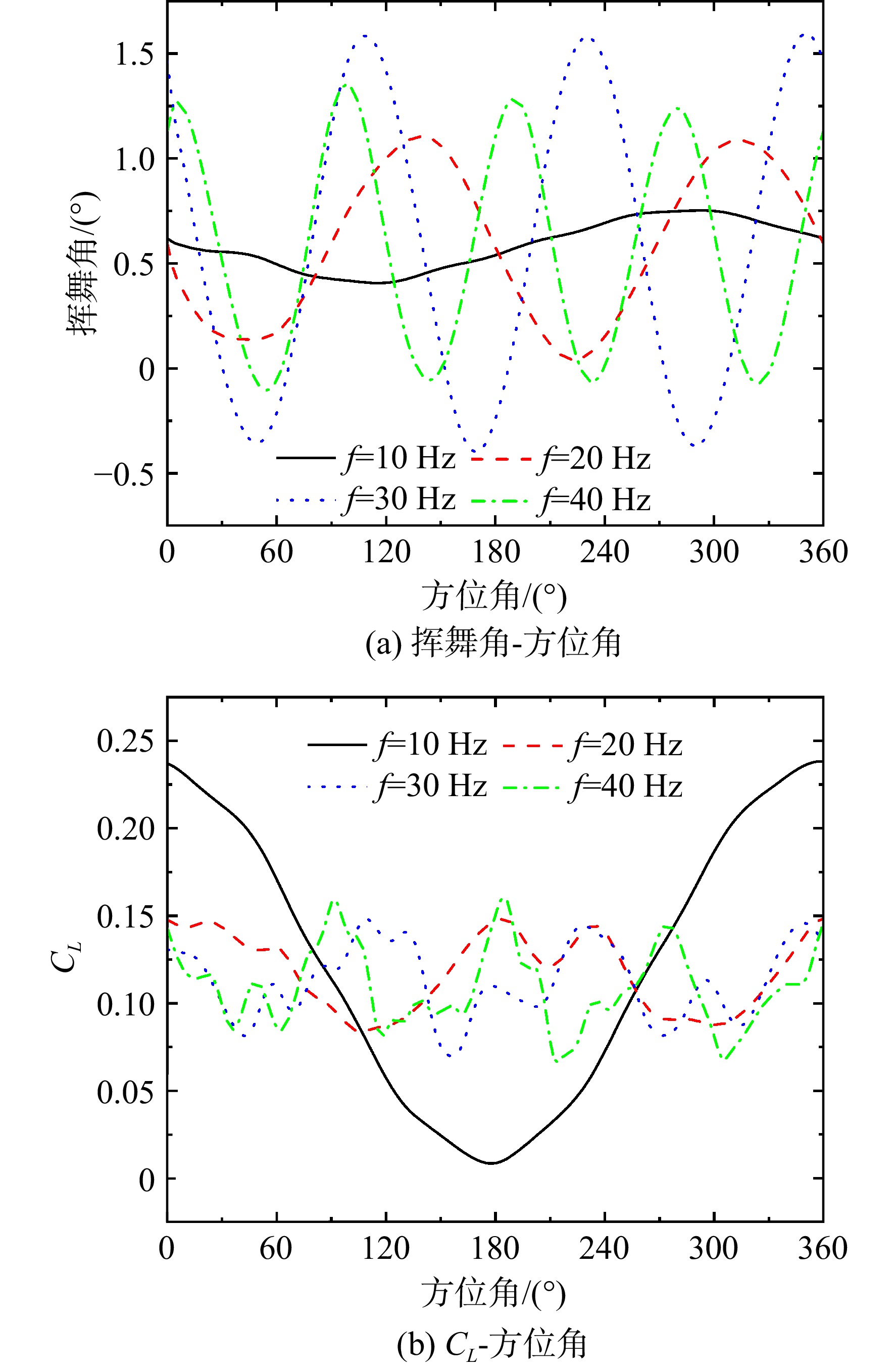
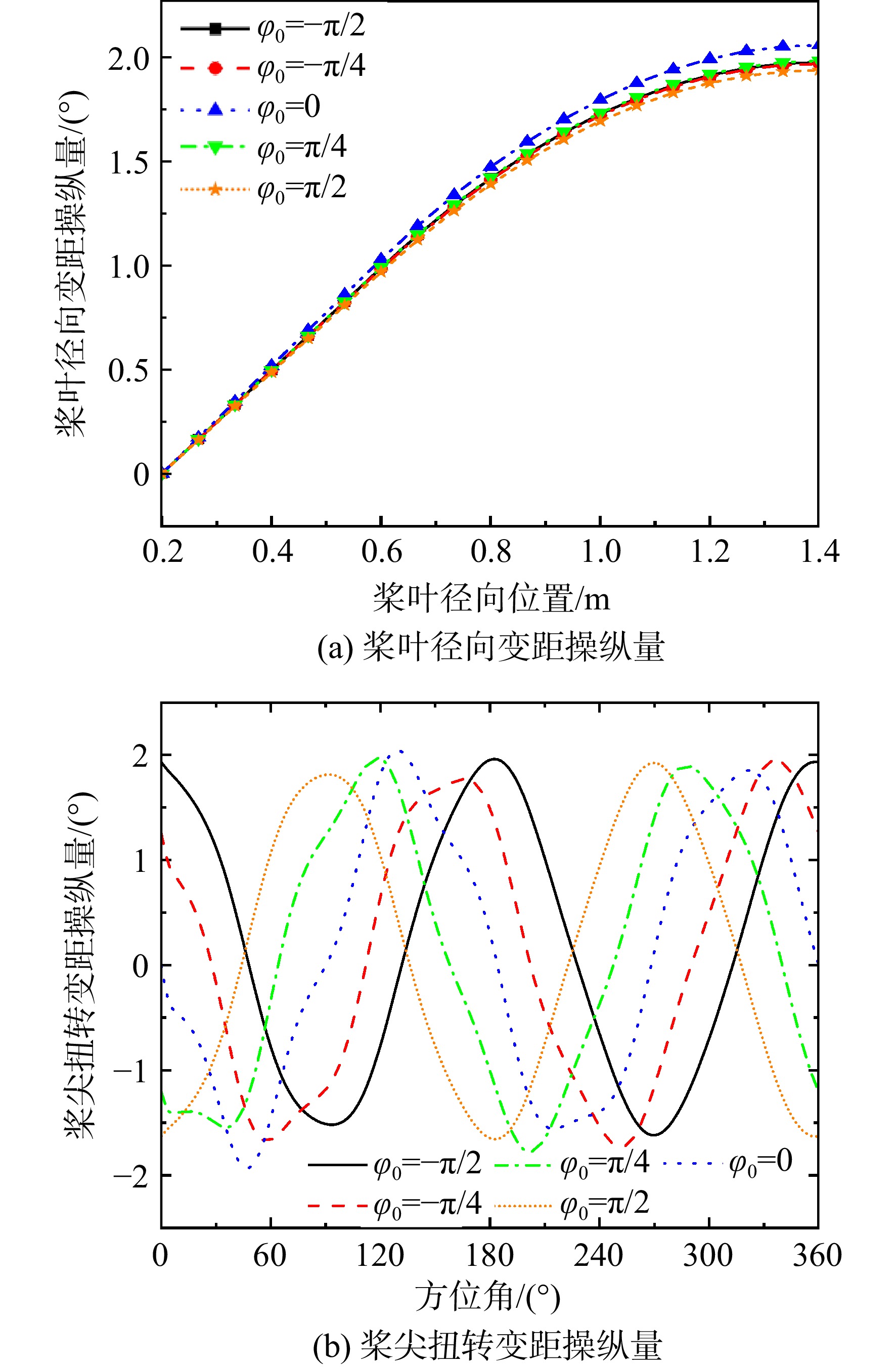
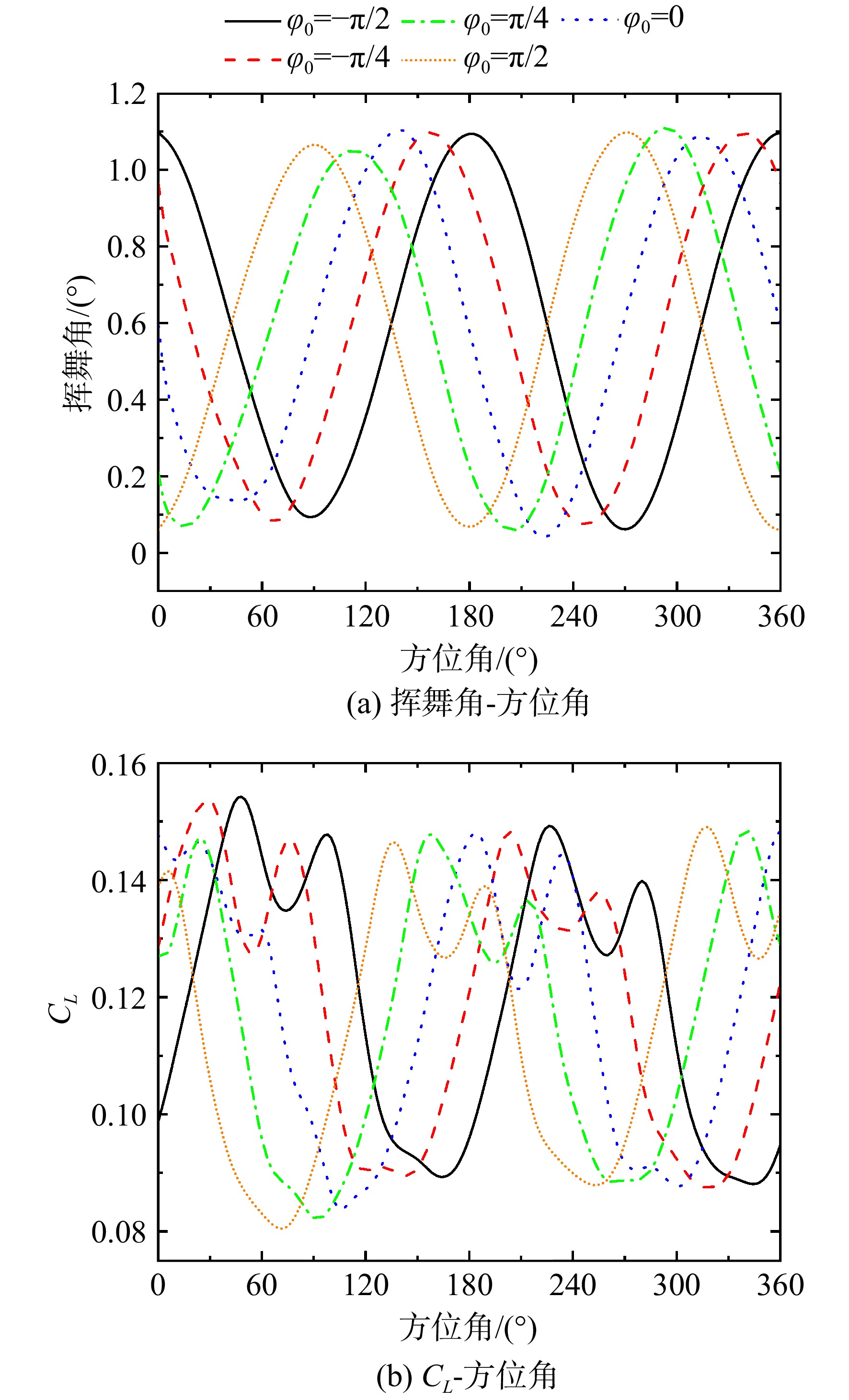
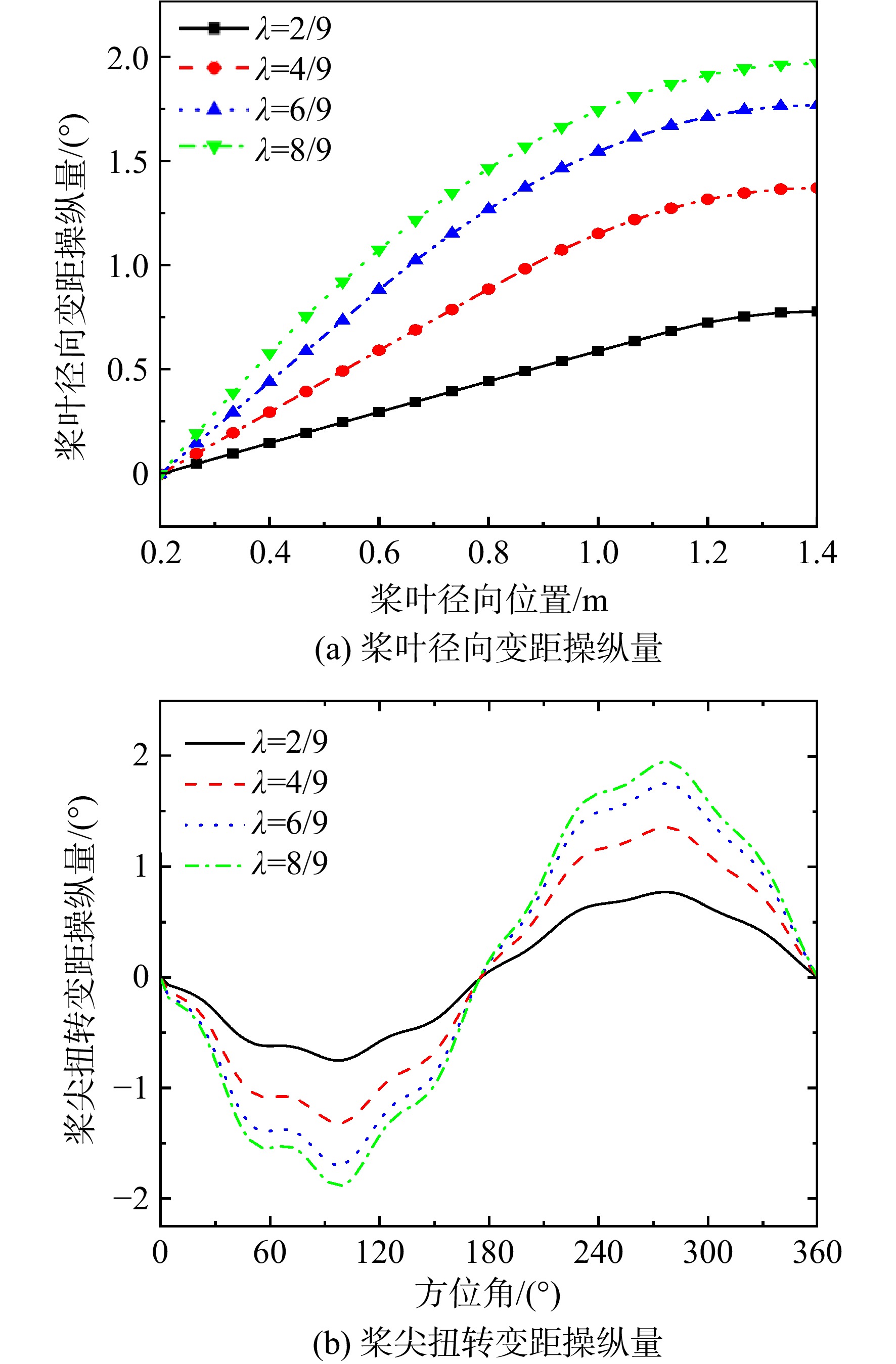
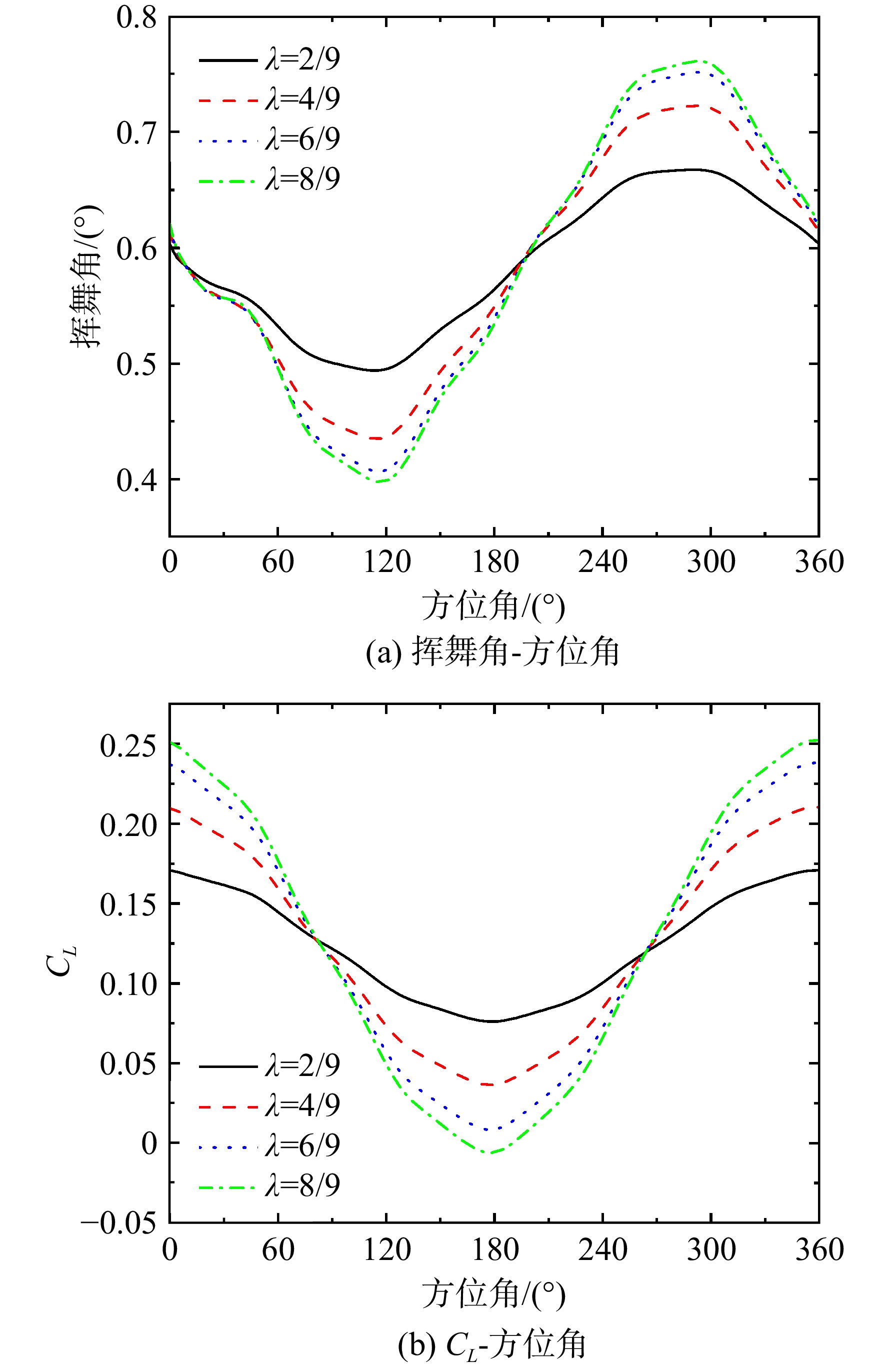
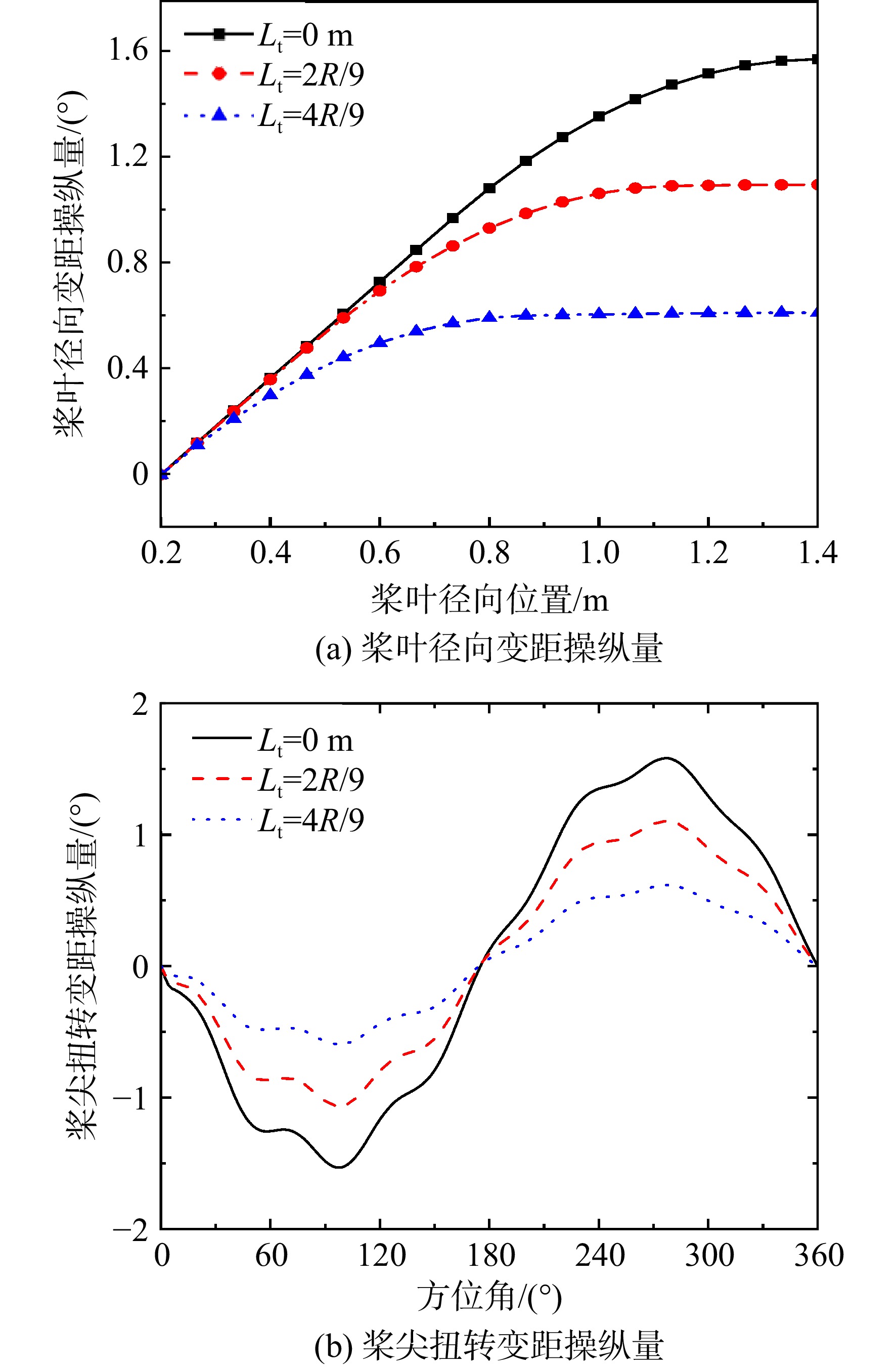
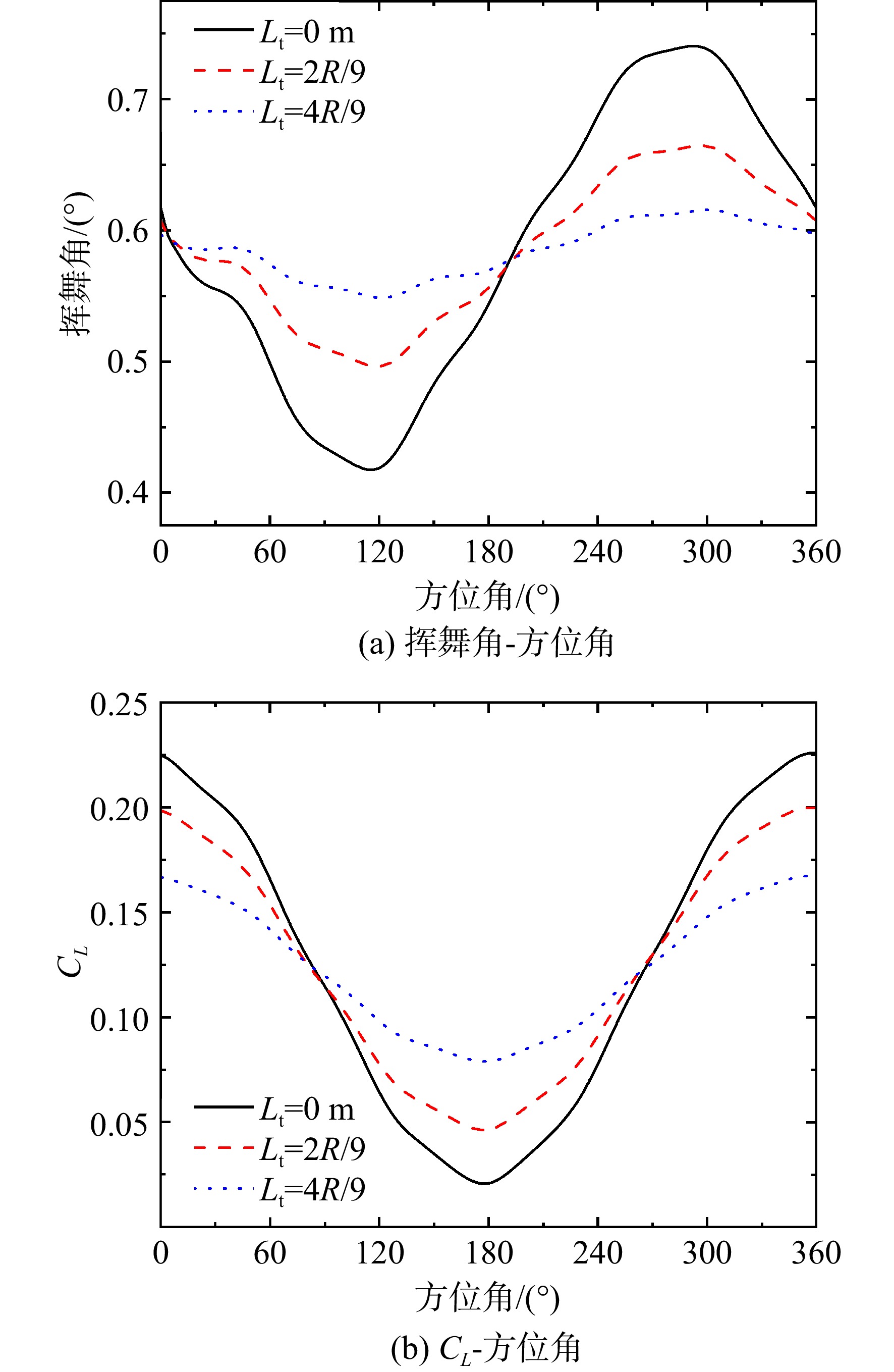
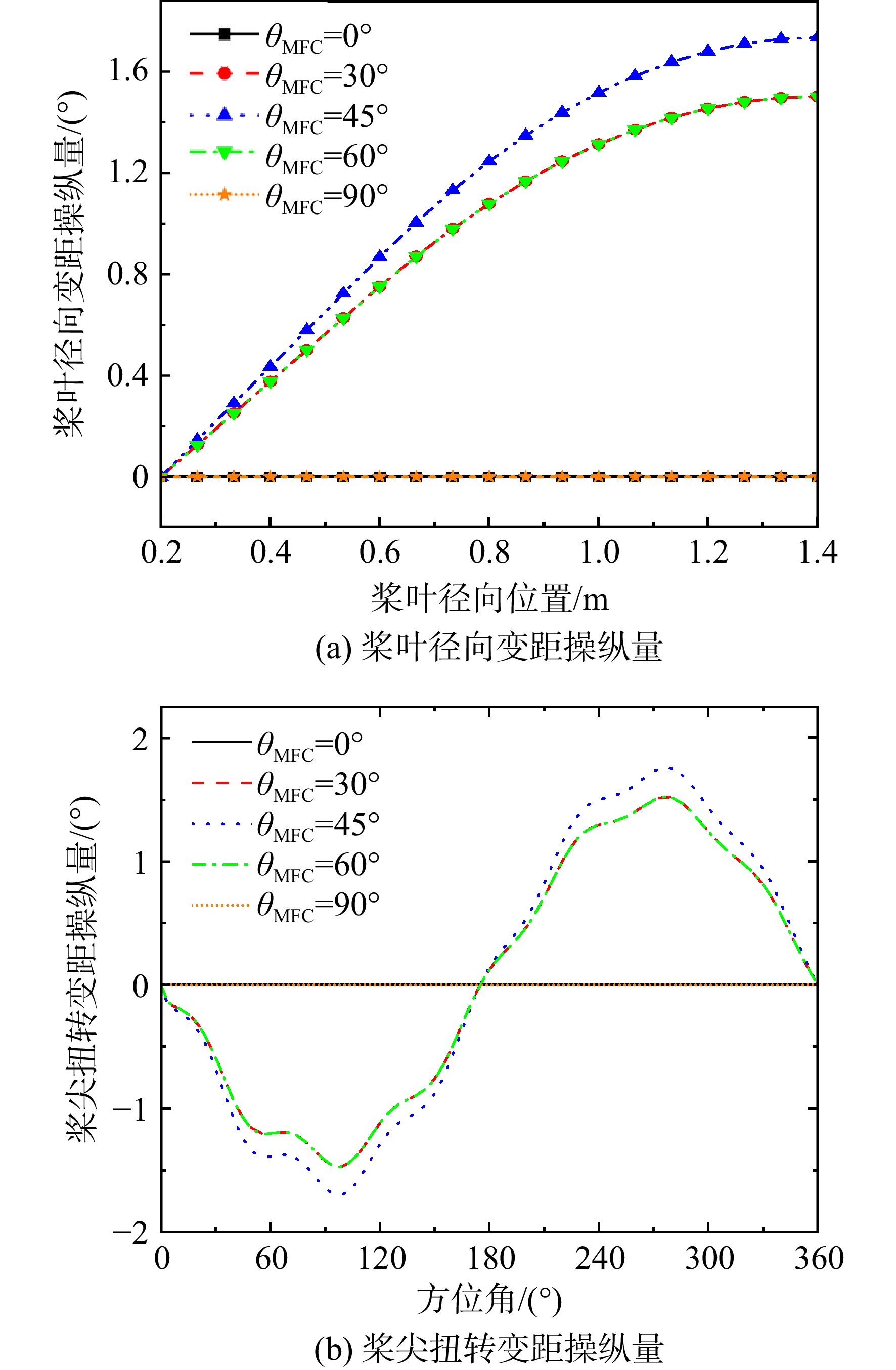
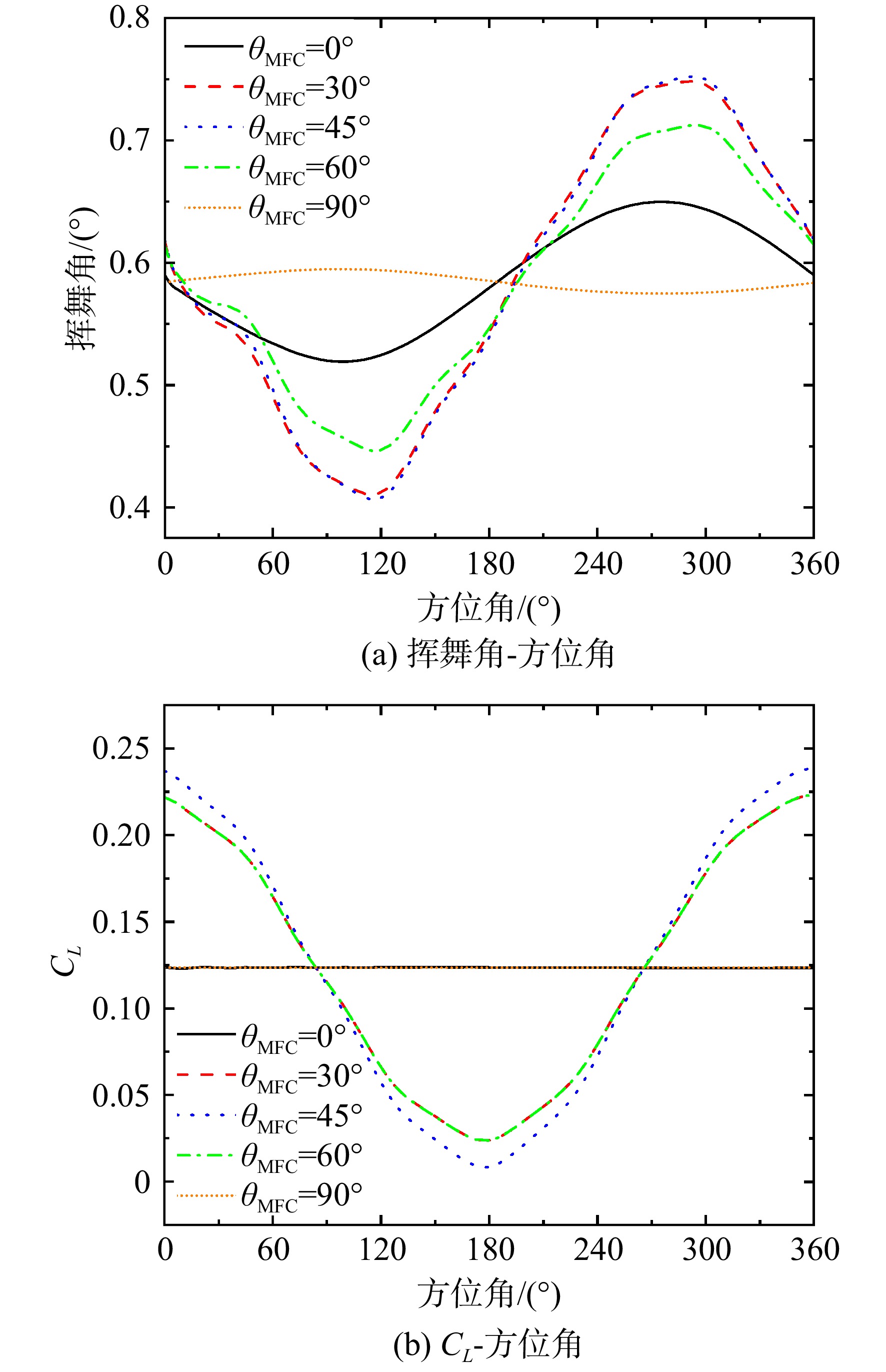
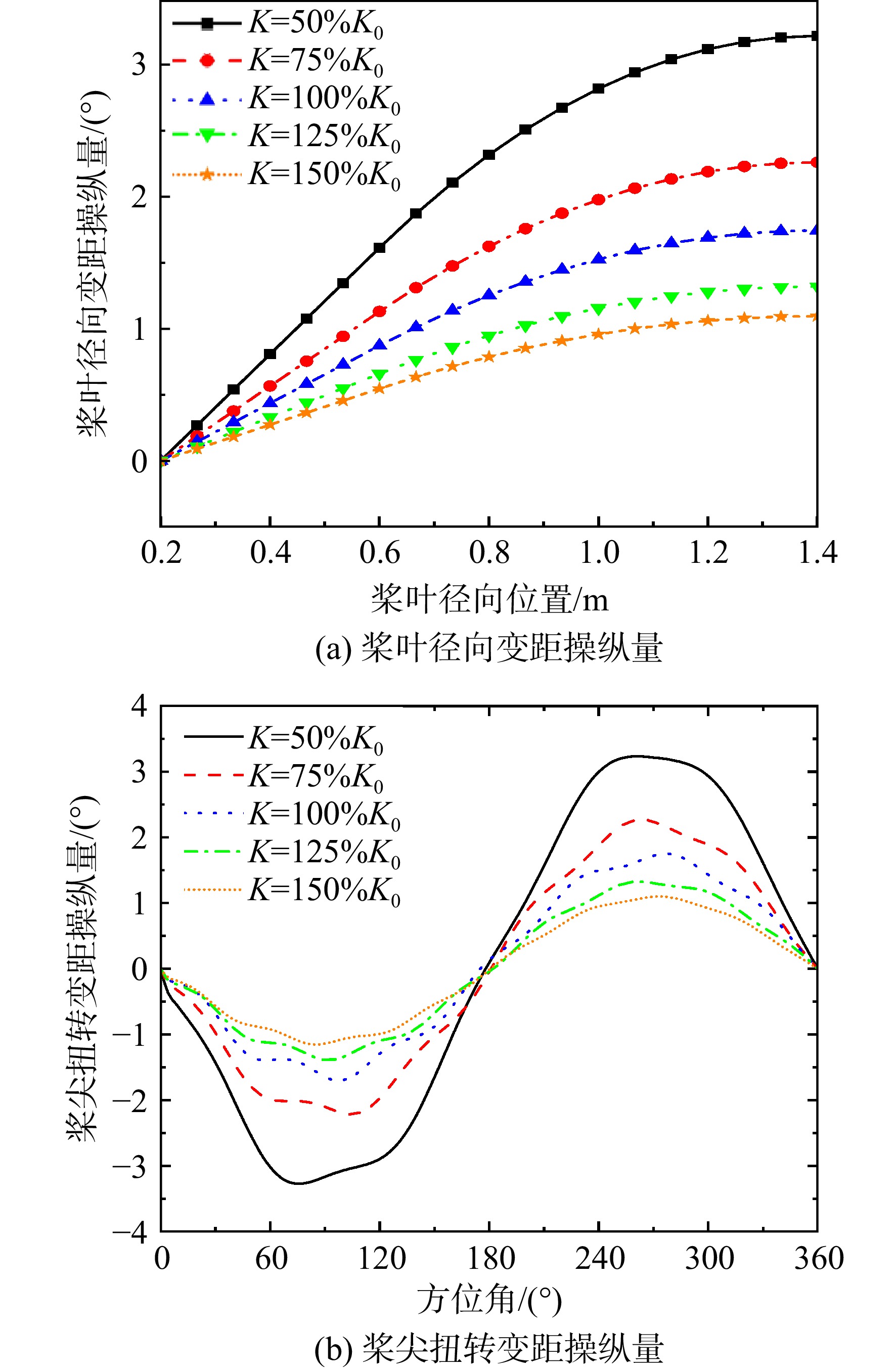
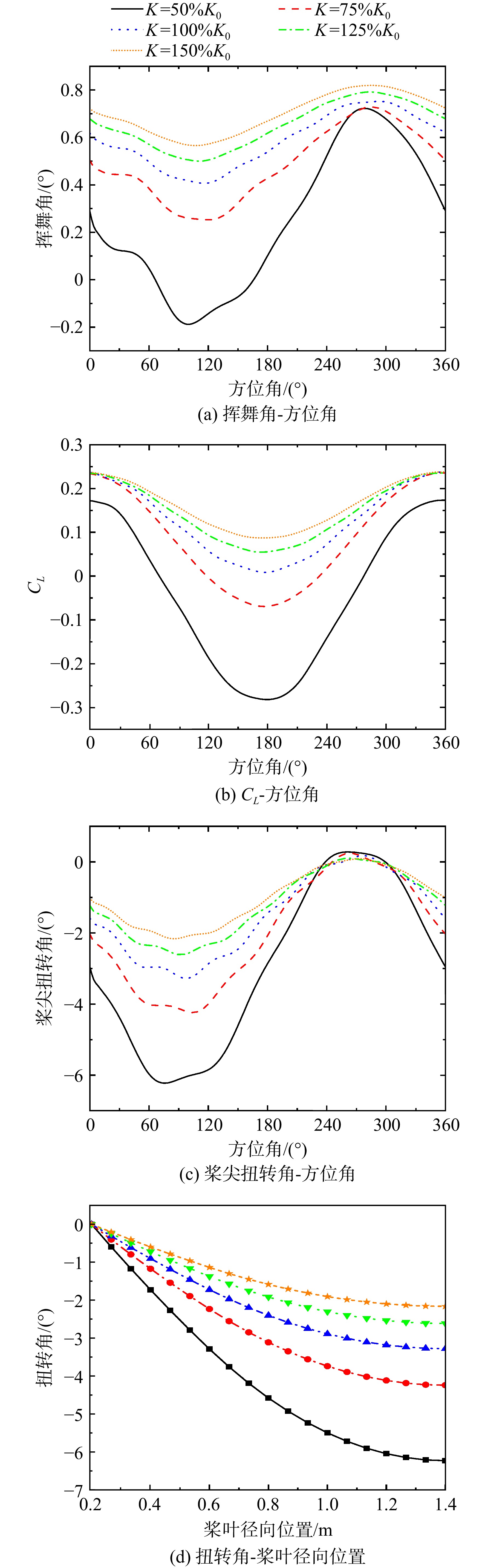
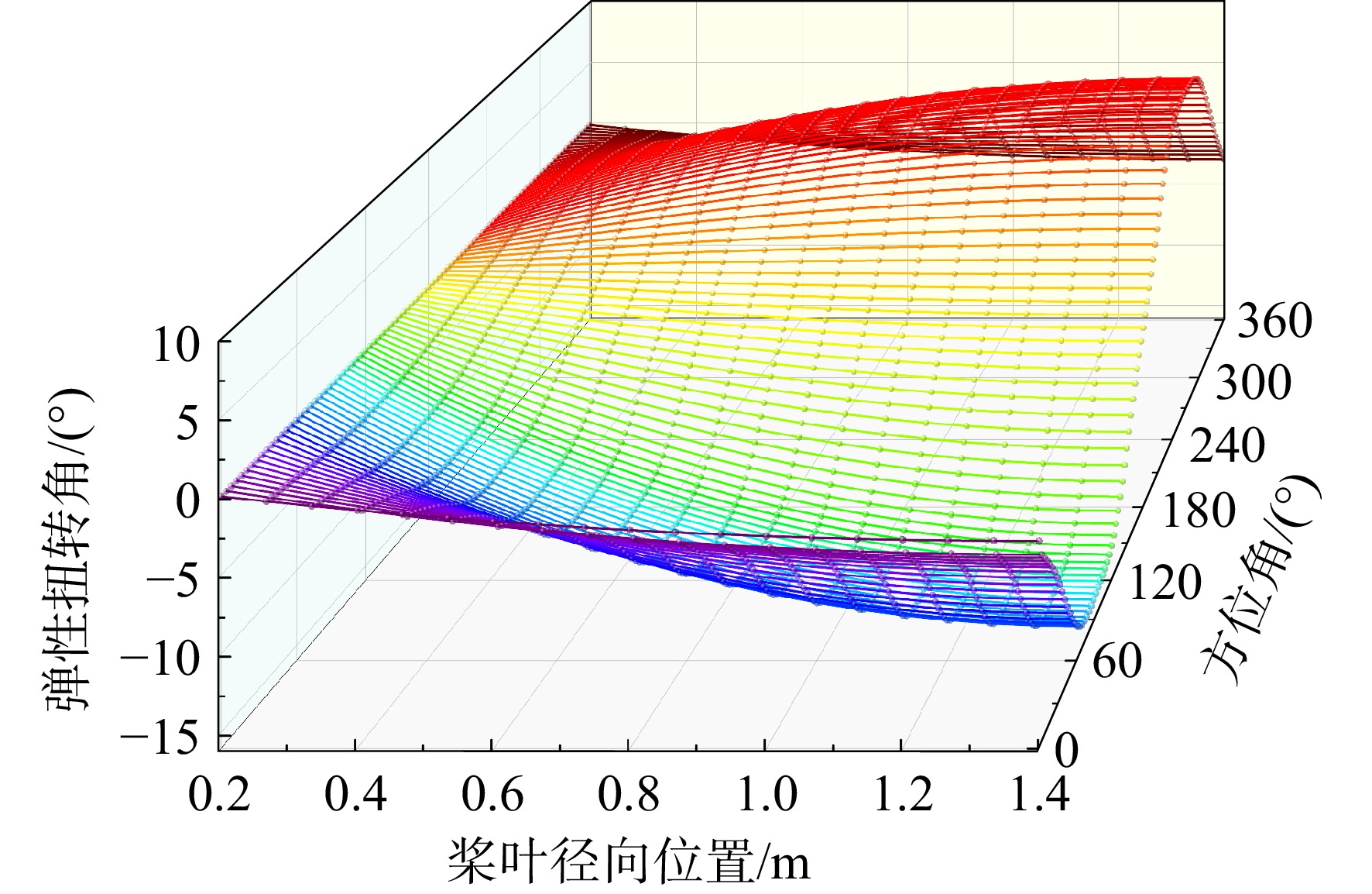
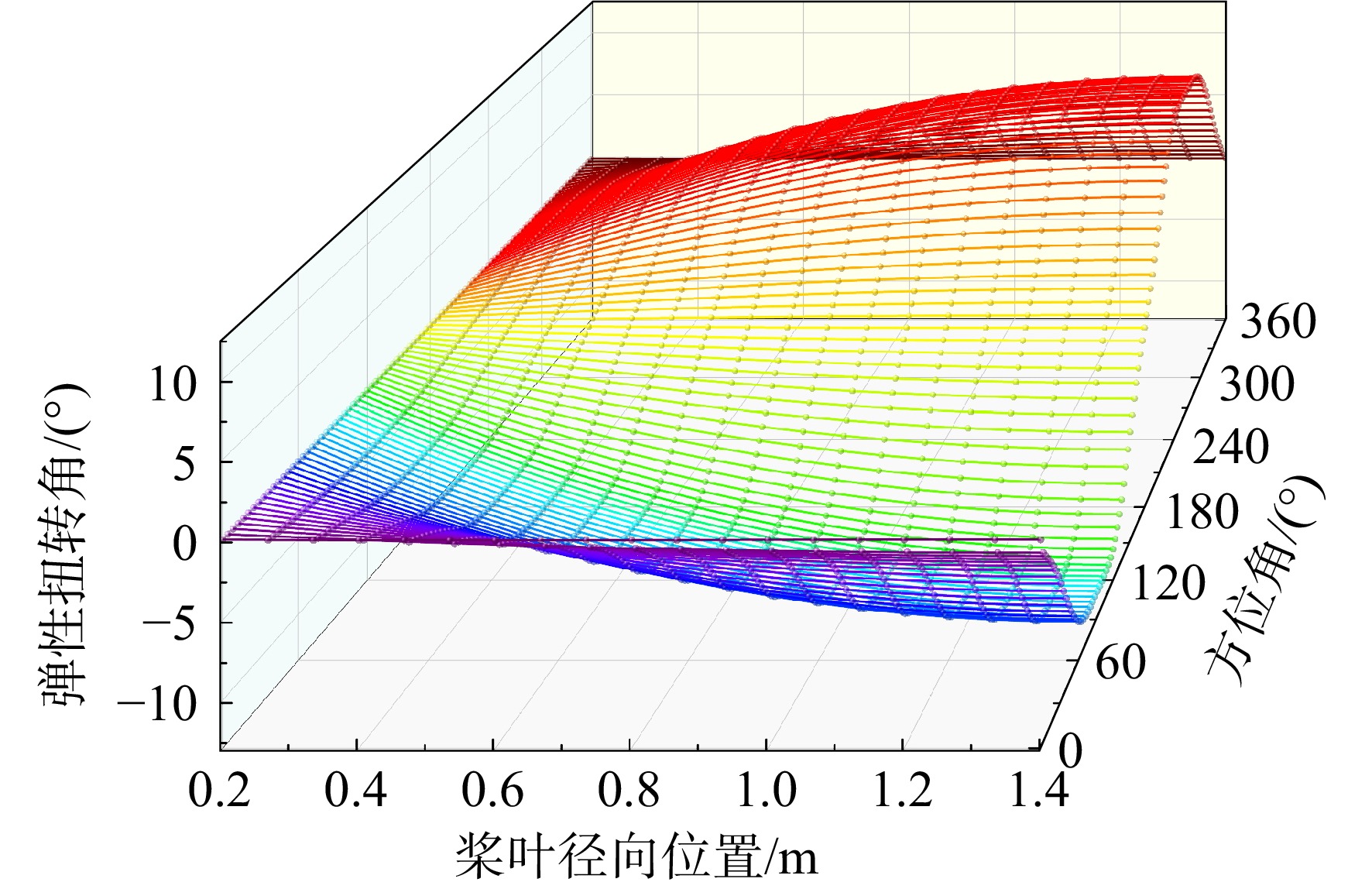
A hybrid electrically controlled rotor based on macro-fiber composite (MFC) was proposed. To explore the feasibility and control characteristics of this hybrid electrically controlled rotor, an aeroelastic dynamics analysis model was first established based on moderate deflection beam theory combined with the piezoelectric constitutive equations of MFC. Subsequently, using this analytical model and focusing on the MFC model rotor, simulation studies were conducted to investigate the influences of key control and design parameters on the rotor’s control response. With a design target of achieving a cyclic pitch range of ±12°, the feasibility of utilizing MFC for cyclic pitch control in the hybrid electrically controlled rotor was analyzed. The simulation results indicated that by increasing the MFC driving voltage, adding more MFC layers, and reducing blade torsional stiffness, the elastic torsional control authority of the hybrid electrically controlled rotor can be effectively enhanced. Meanwhile, the model rotor blade tip can achieve a maximum 1 Ω torsional angle of approximately ±12°, meeting the initial cyclic pitch design objective.

Numerical and experimental research on the performance of air tabs for mixing enhancement in multi-channel nozzles
Lu Yingming, Xu Jinglei, Huang Shuai, Pan Ruifeng, Dong Han, Ma Zhao
2027, 42(1): 20250451. doi: 10.13224/j.cnki.jasp.20250451
Abstract:
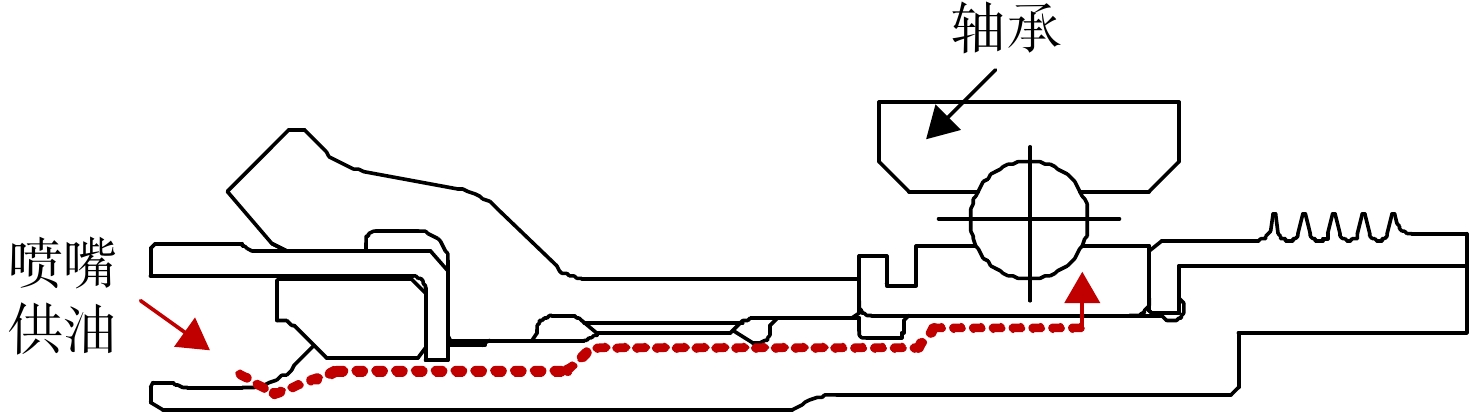
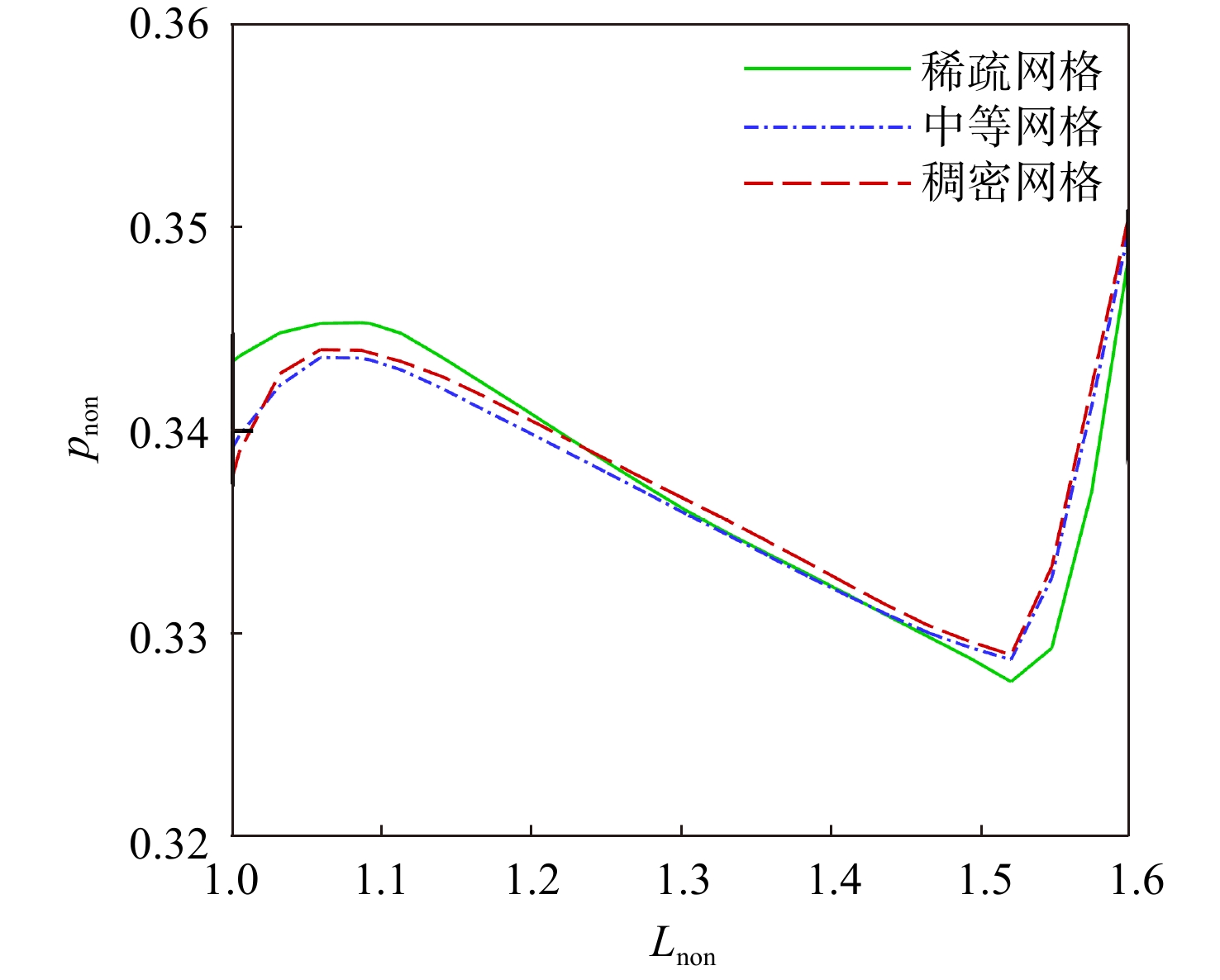
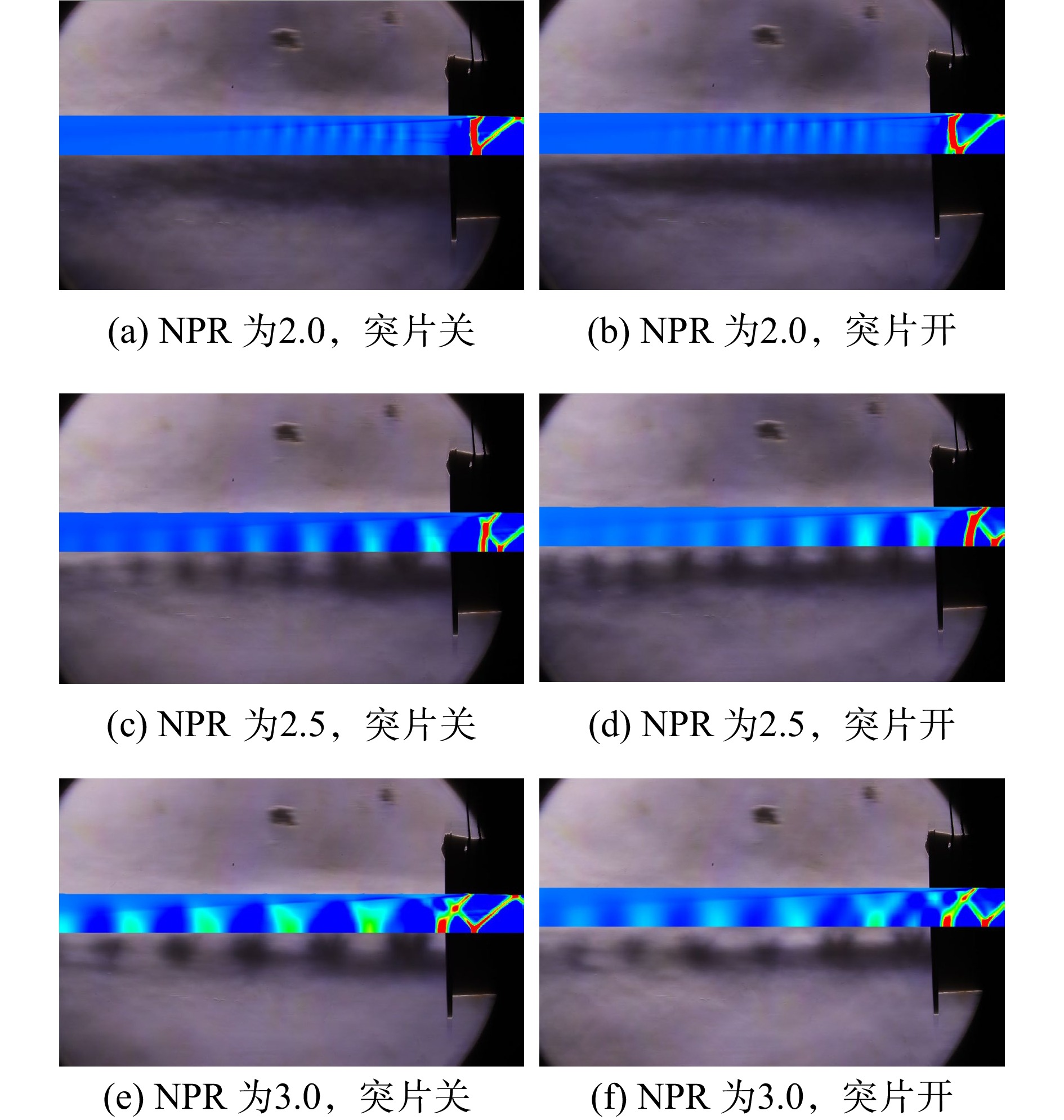
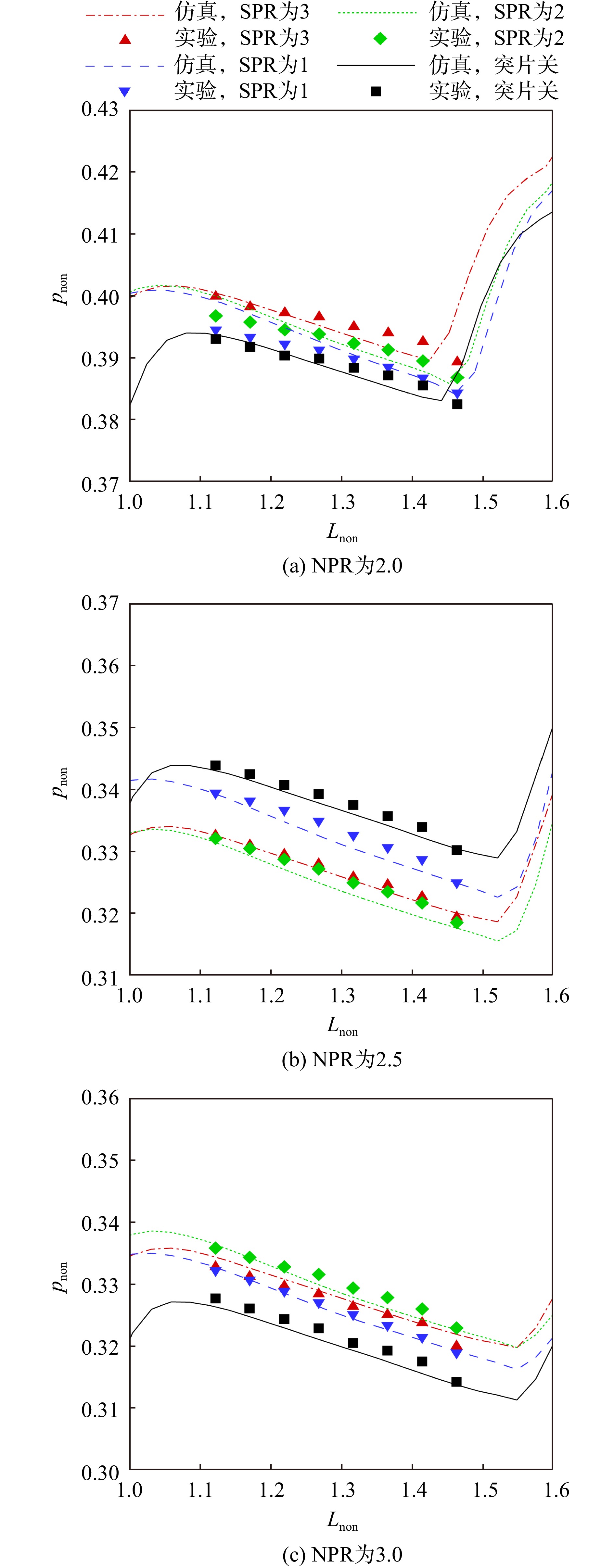
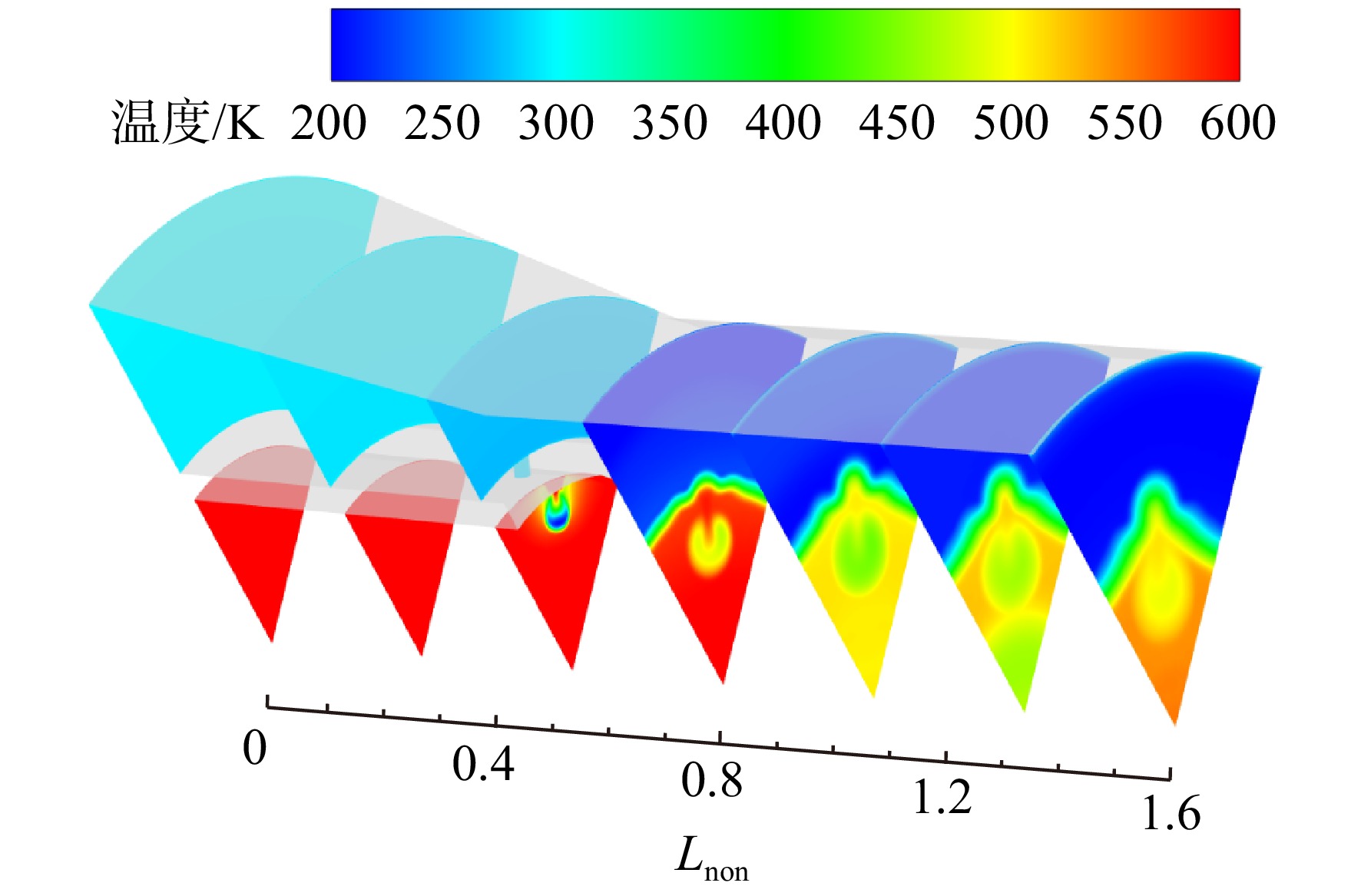
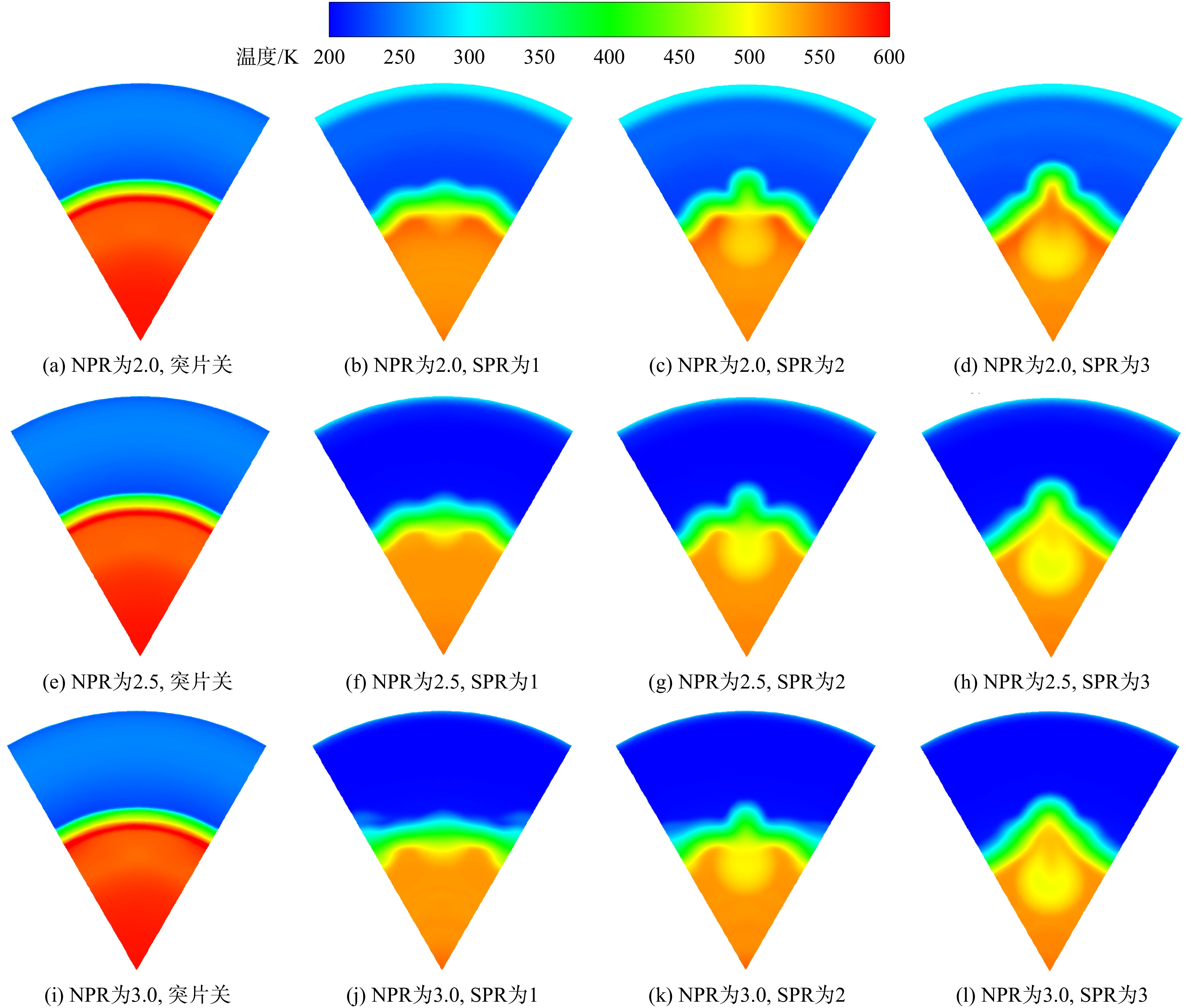
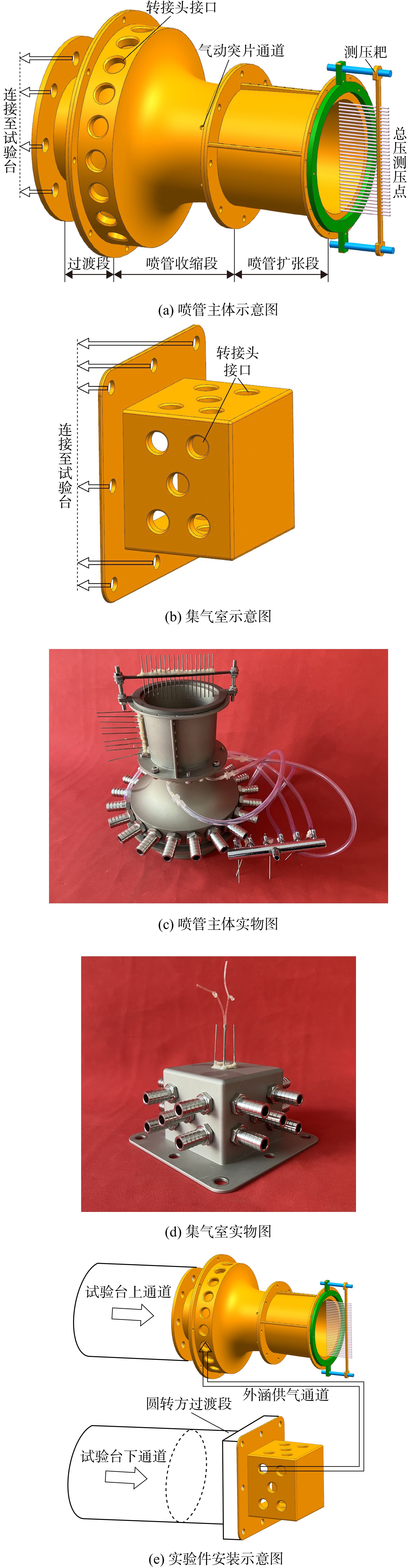
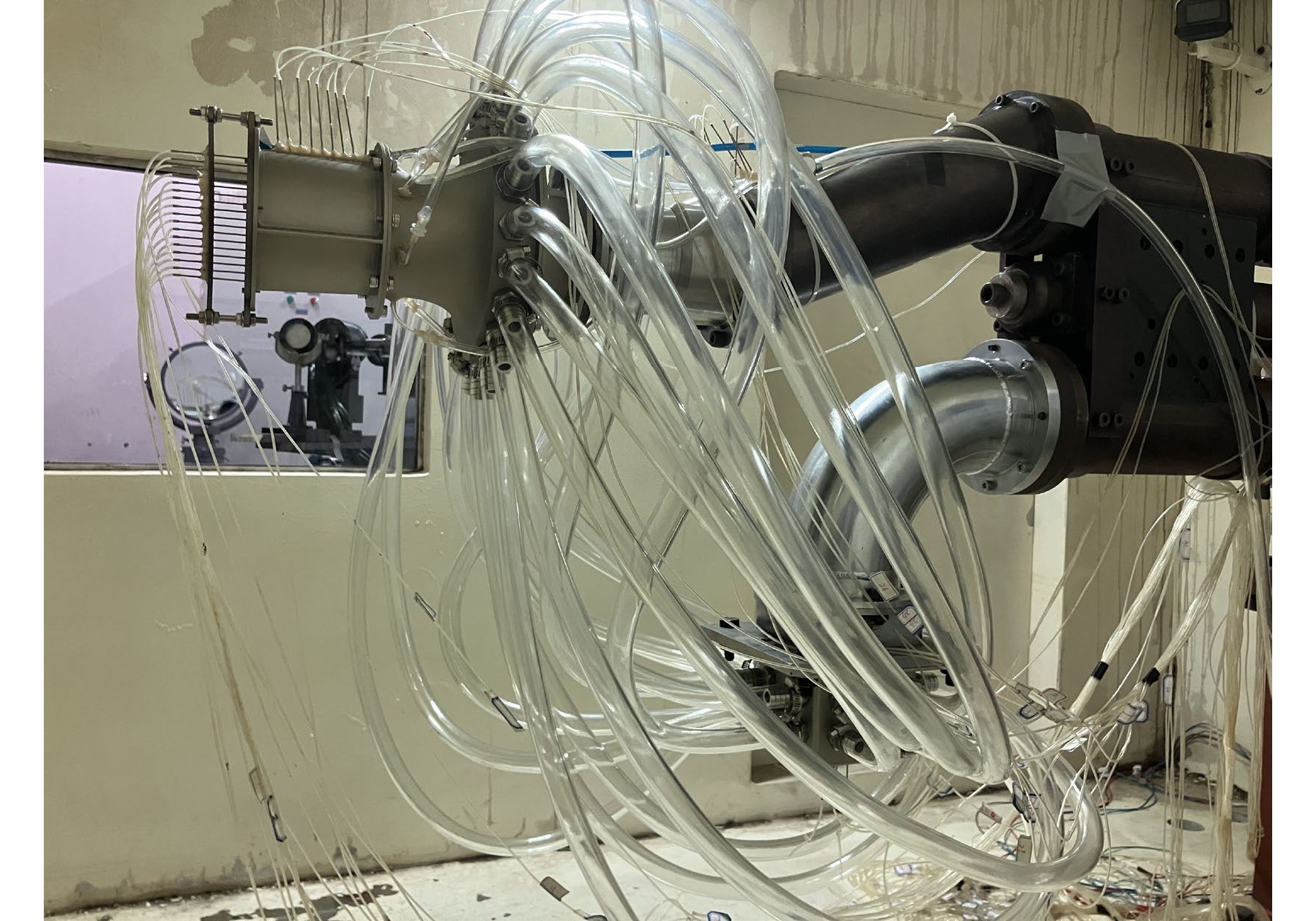
Infrared detector technologies pose a serious threat to the survivability of modern military aircraft with wide use of turbofan engines. Based on the air tab mixing enhancement technique with active flow control, experimental and numerical study was carried out on the application and mixing efficiency of air tab in multi-channel turbofan nozzle, and the use and control of mixing was explored to effectively reduce the temperature of the jet to inhibit infrared radiation and meet the demand of the aircraft stealth performance. Experimental results of the model of mixing enhancement with air tab were analyzed, and the feasibility of the study method was verified by comparing the experimental and numerical results. The verified numerical results showed that the air tab can improve the thermal mixing efficiency of the nozzle from about 0.17 to over 0.3, and the high temperature jet core area downstream of the nozzle was reduced by more than 30%. Good mixing performance was achieved with almost no total pressure and thrust loss from mixing.

Aerodynamic design and flow field analysis of integrated combustion vanes in heavy-duty gas turbines
Zhao Jinghan, Fang Xiangjun, Liu Xin, Wang Zhihao, Li Haiwang, Xie Gang
2027, 42(1): 20250391. doi: 10.13224/j.cnki.jasp.20250391
Abstract:
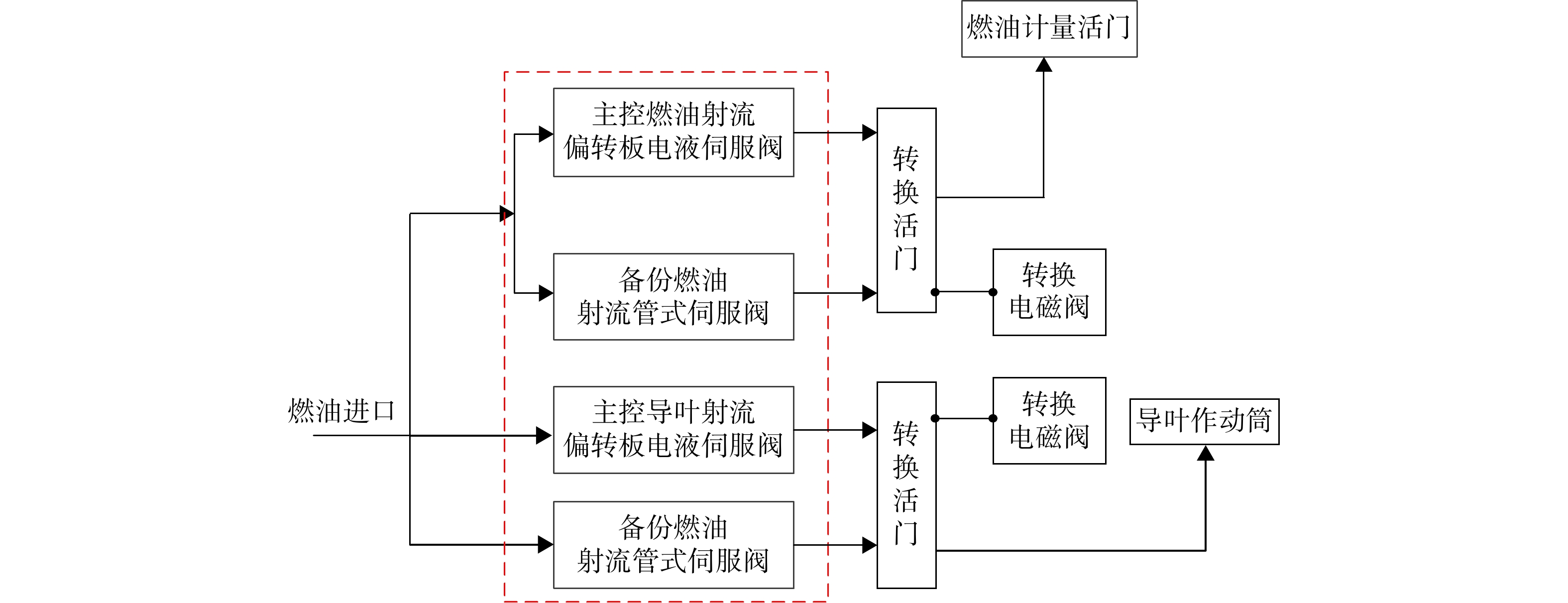
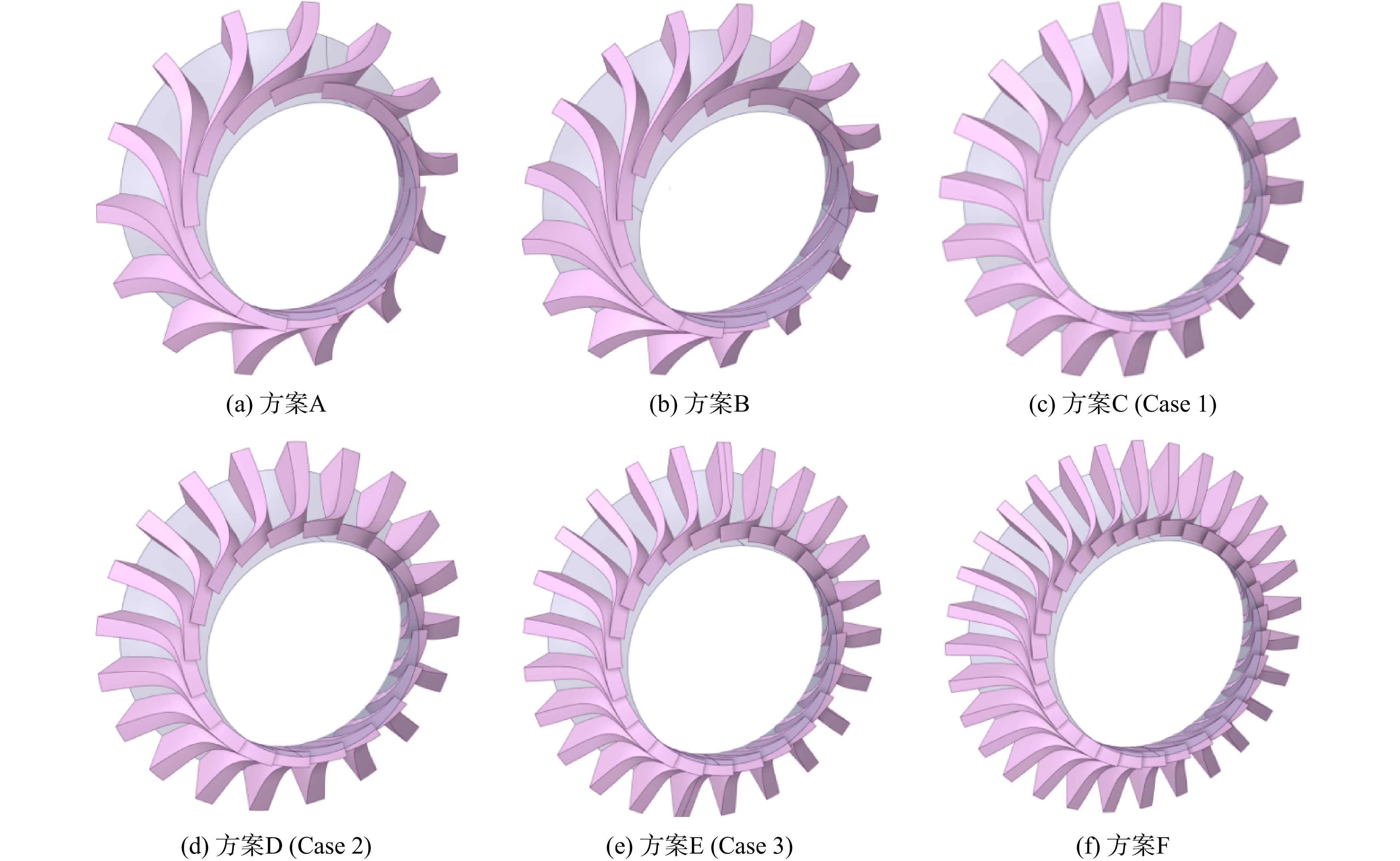
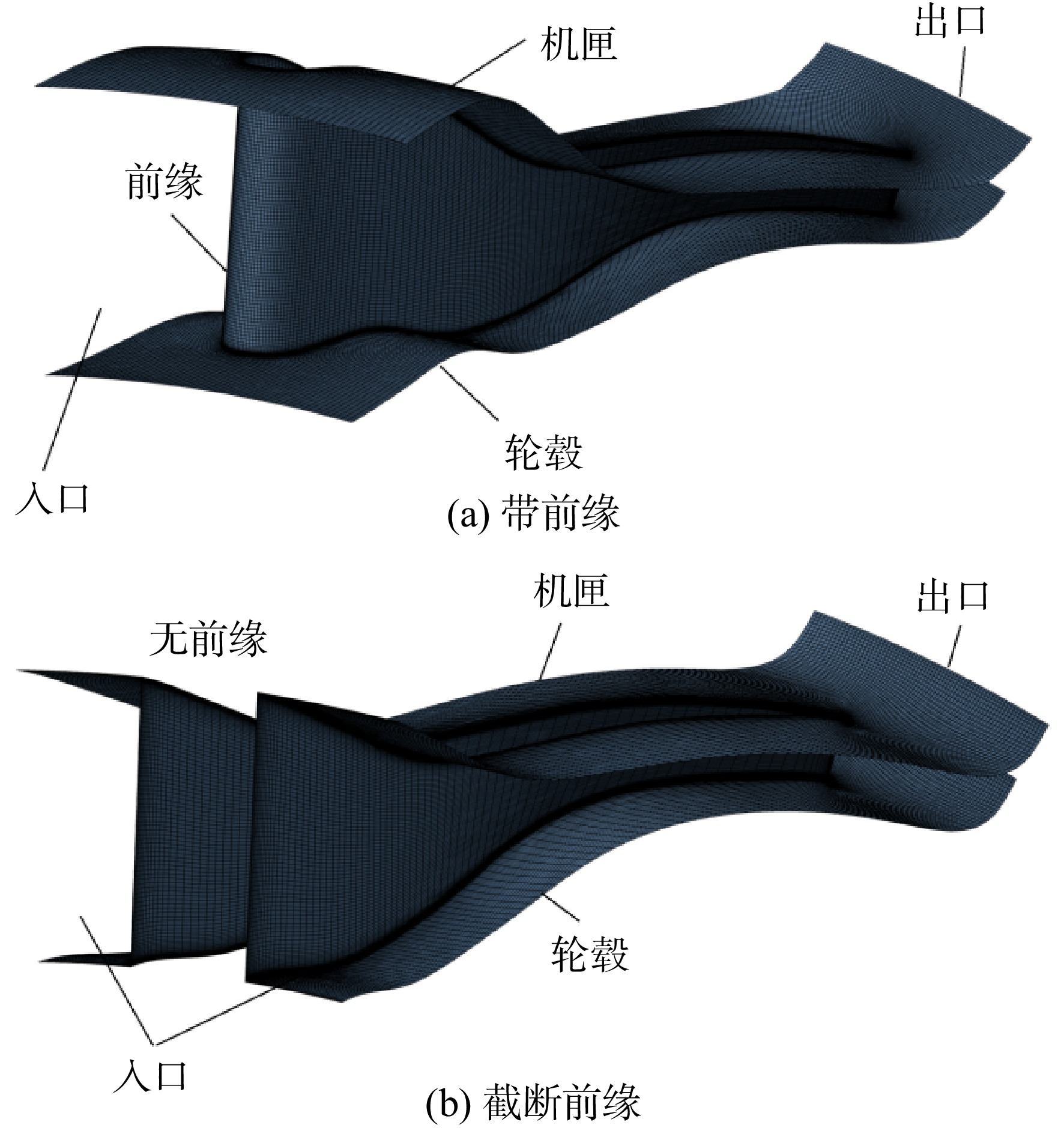
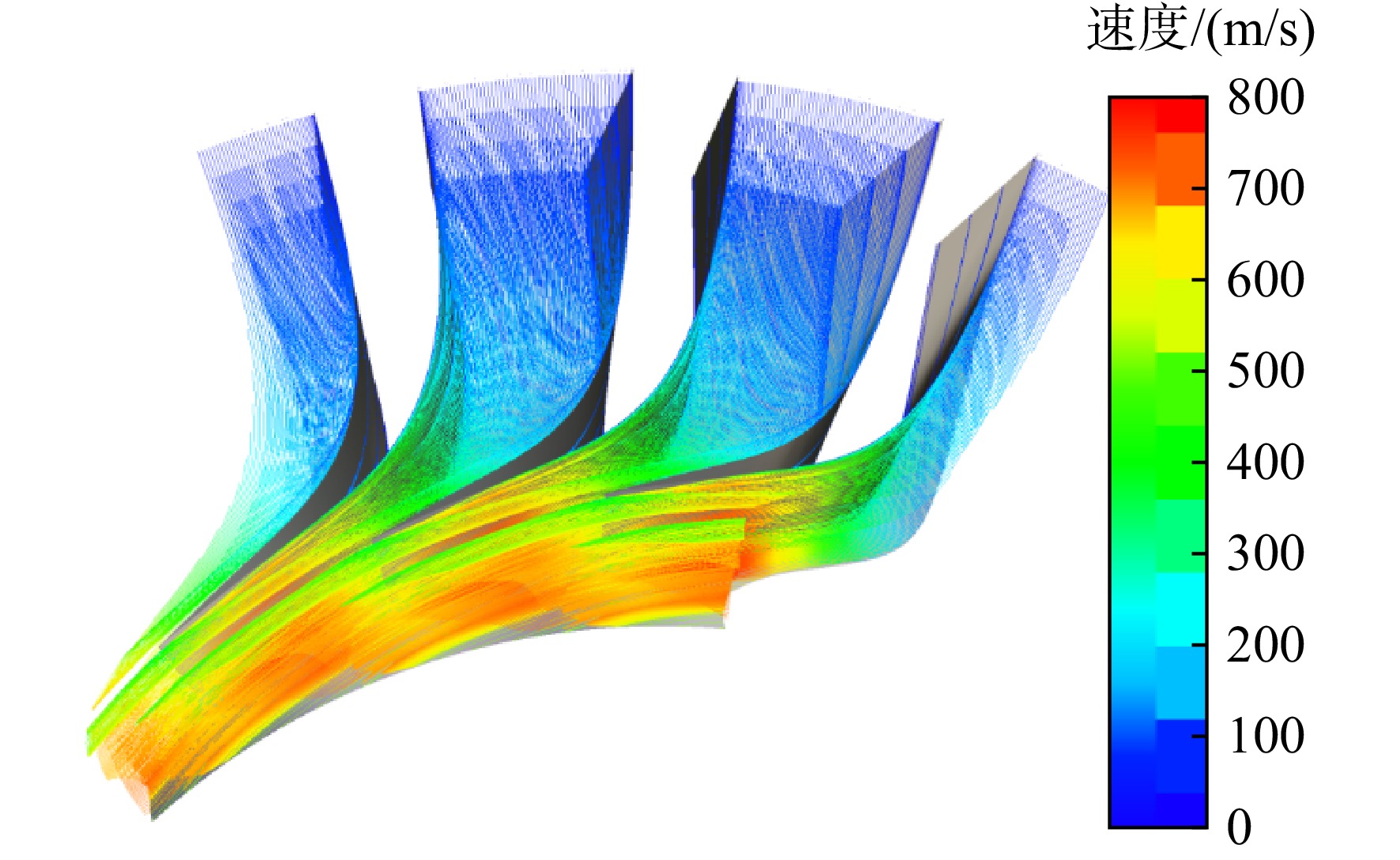
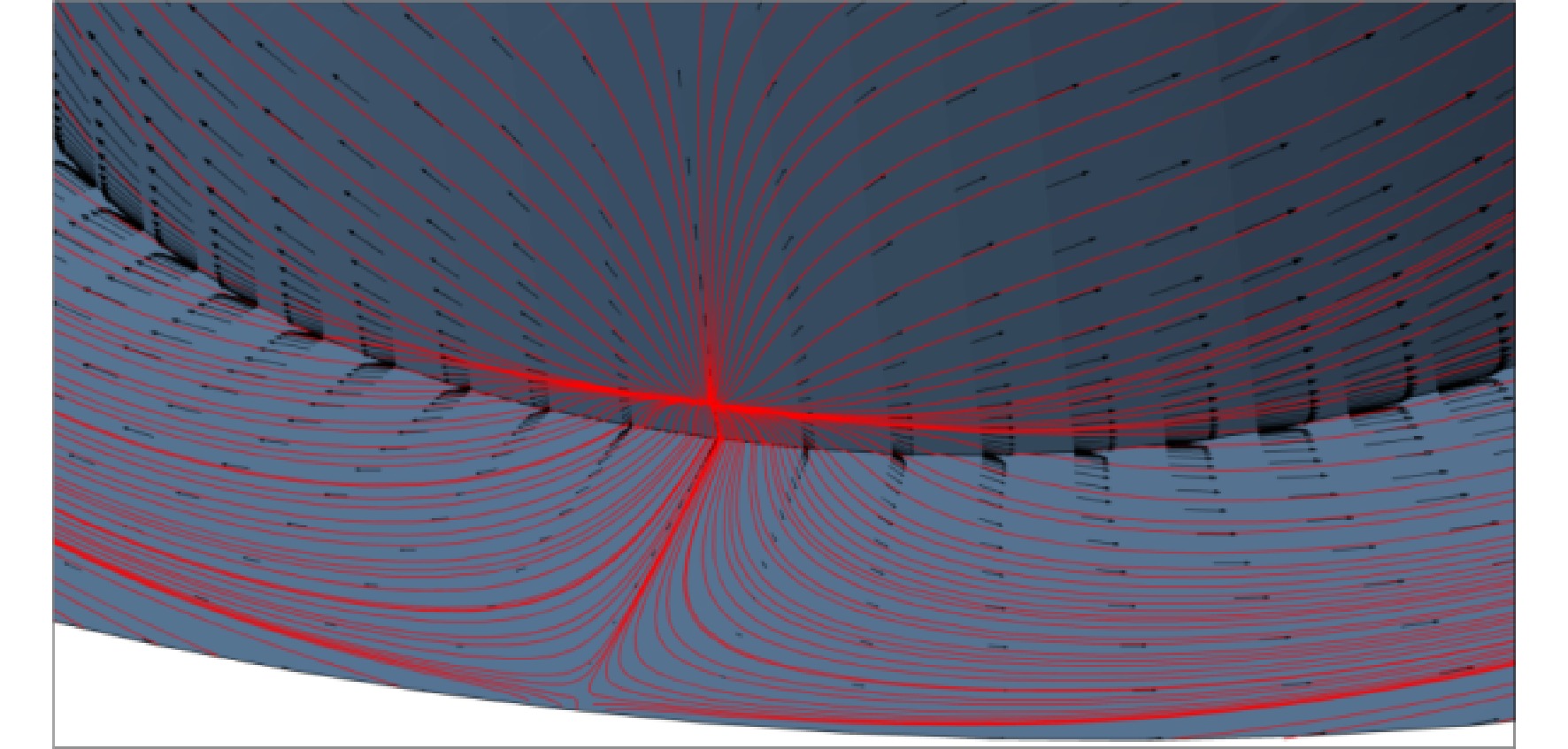
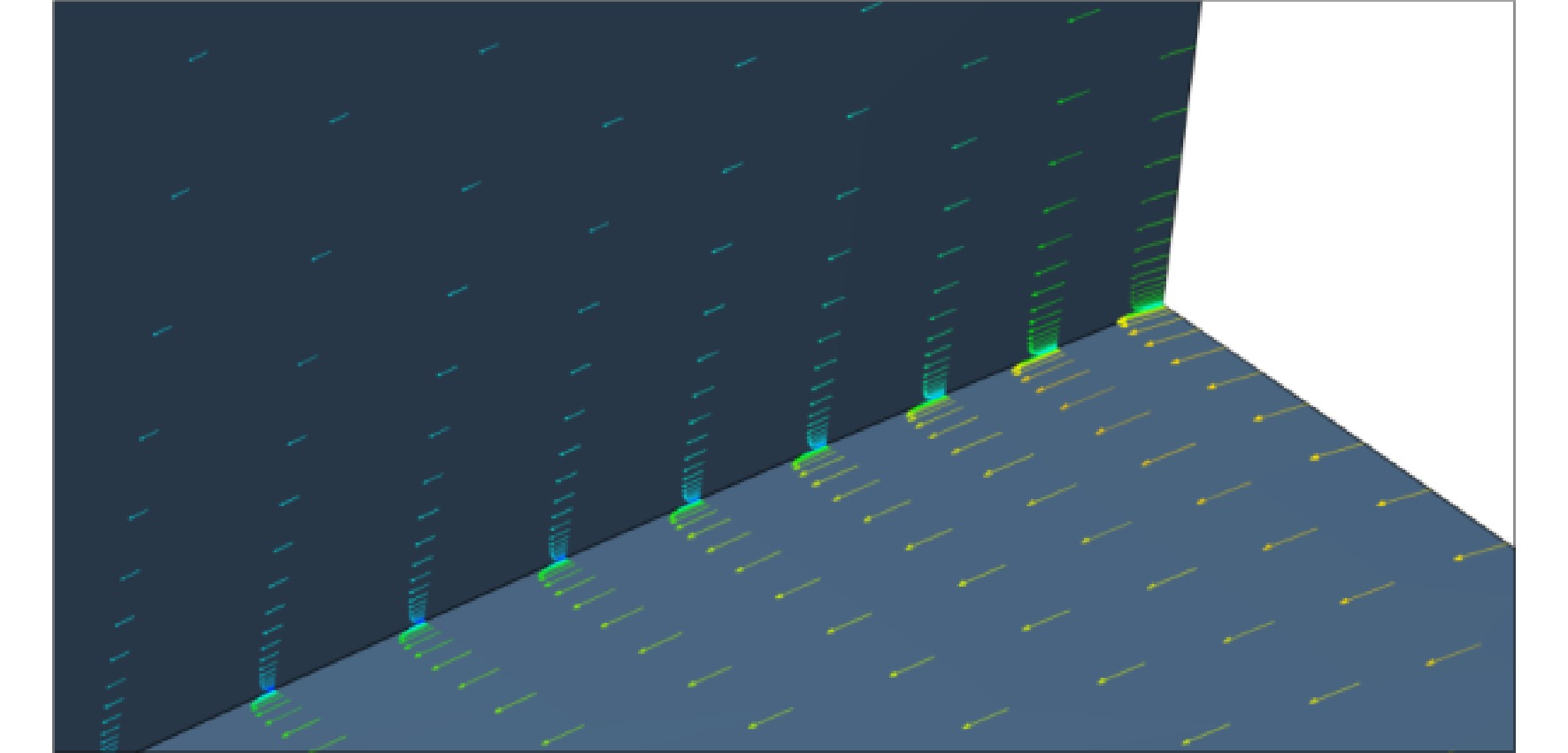
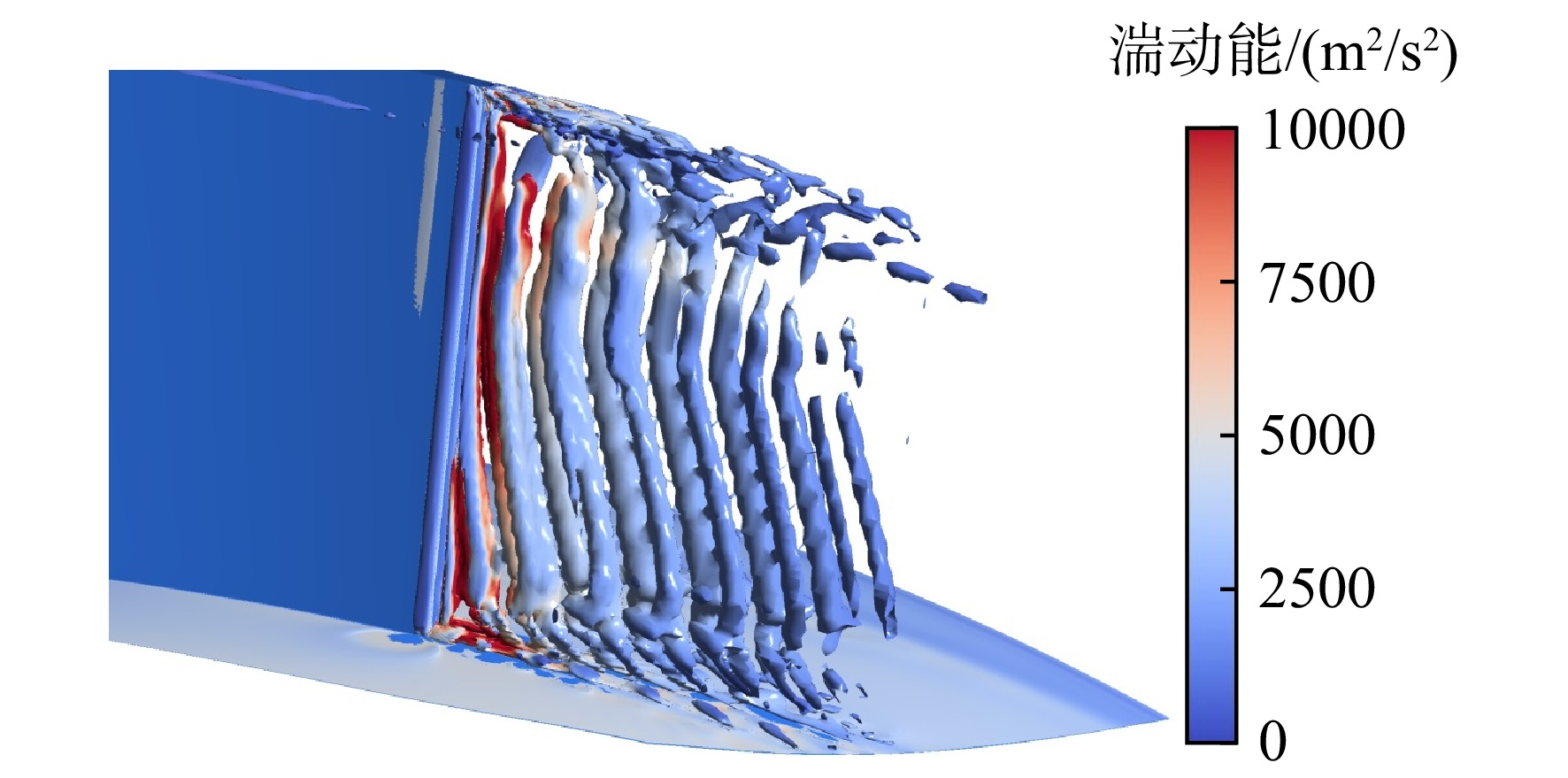
A design method of combining overall configuration with local refinement for the integrated aerodynamic design of the combustor and the first-stage turbine guide vanes in a heavy-duty gas turbine was proposed. Three-dimensional numerical simulations were conducted to analyze the aerodynamic performance under different numbers of unit bodies and leading-edge truncation lengths. The results showed that the leading-edge structure had no significant effect on the outlet flow parameters, while increasing the truncation length effectively reduced the total pressure loss coefficient to below 5%, thus validating the effectiveness of the proposed method. Flow field analysis revealed that the integrated combustion vanes exhibited compound characteristics of axial contraction, circumferential swirl, and radial skewed flow, with blades and endwalls jointly governing flow acceleration and turning. Compared with conventional guide vanes, the integrated design eliminated the mechanisms of leading-edge impingement stagnation and horseshoe vortex formation, while wake-vortex-dominated periodic vortex pairs became the primary secondary flow structures.

Structure,Strength and Vibration
High-precision assembly technology of bolt connection with spigot structure under axial deviation
Zhang Wei, Wu Huaiyuan, Liu Bowen, Hu Bo, Wang Lu
2027, 42(1): 20250183. doi: 10.13224/j.cnki.jasp.20250183
Abstract:
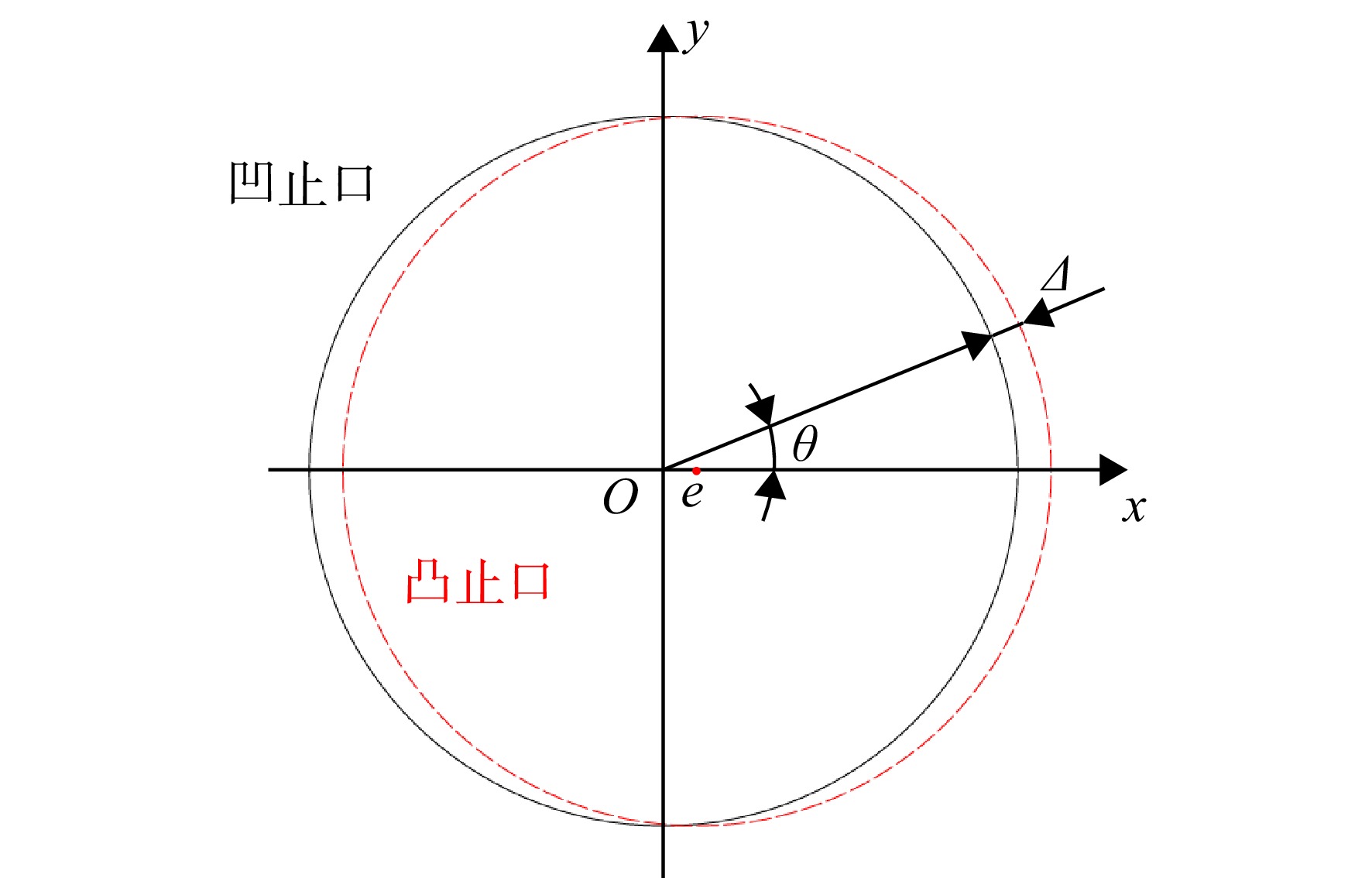
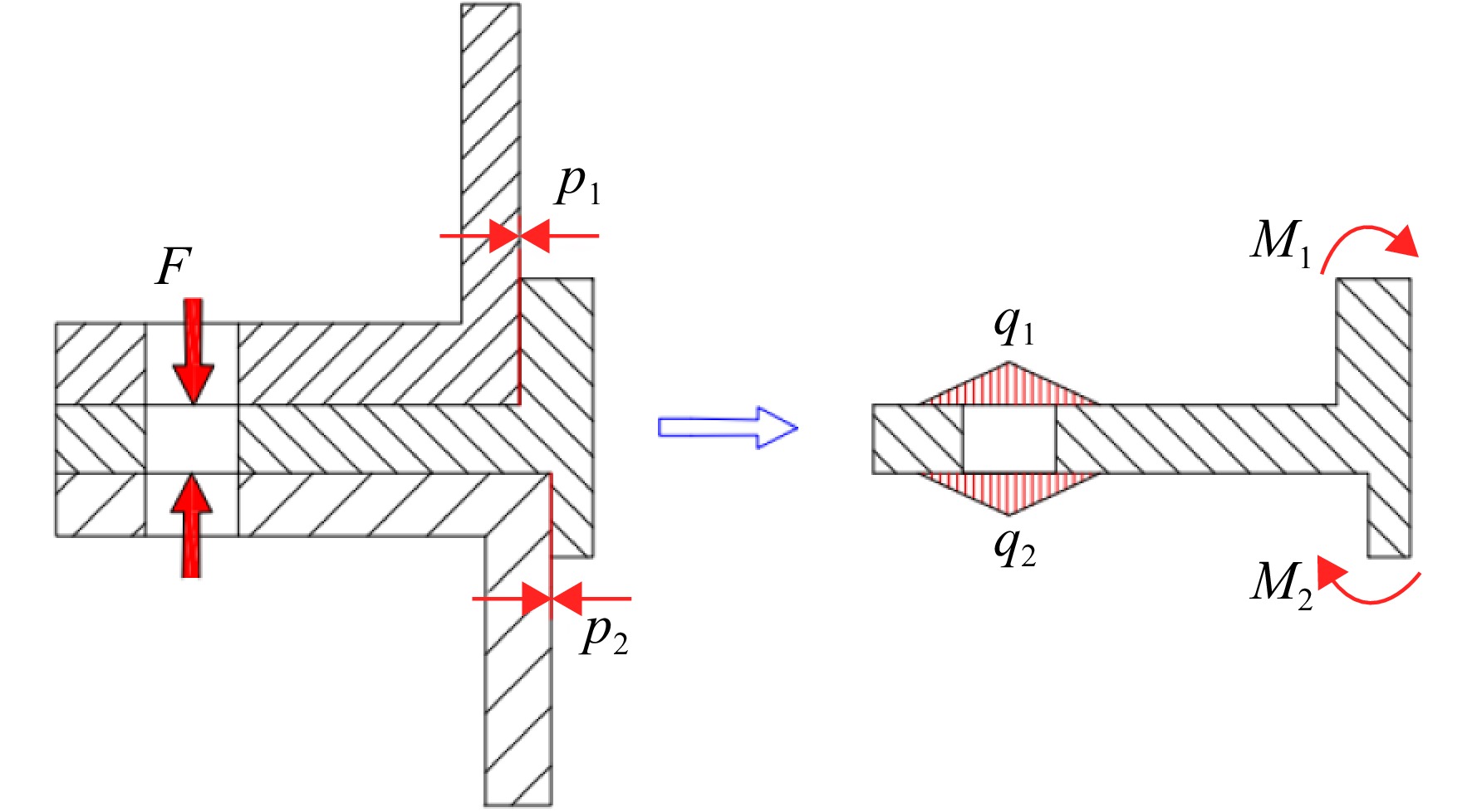
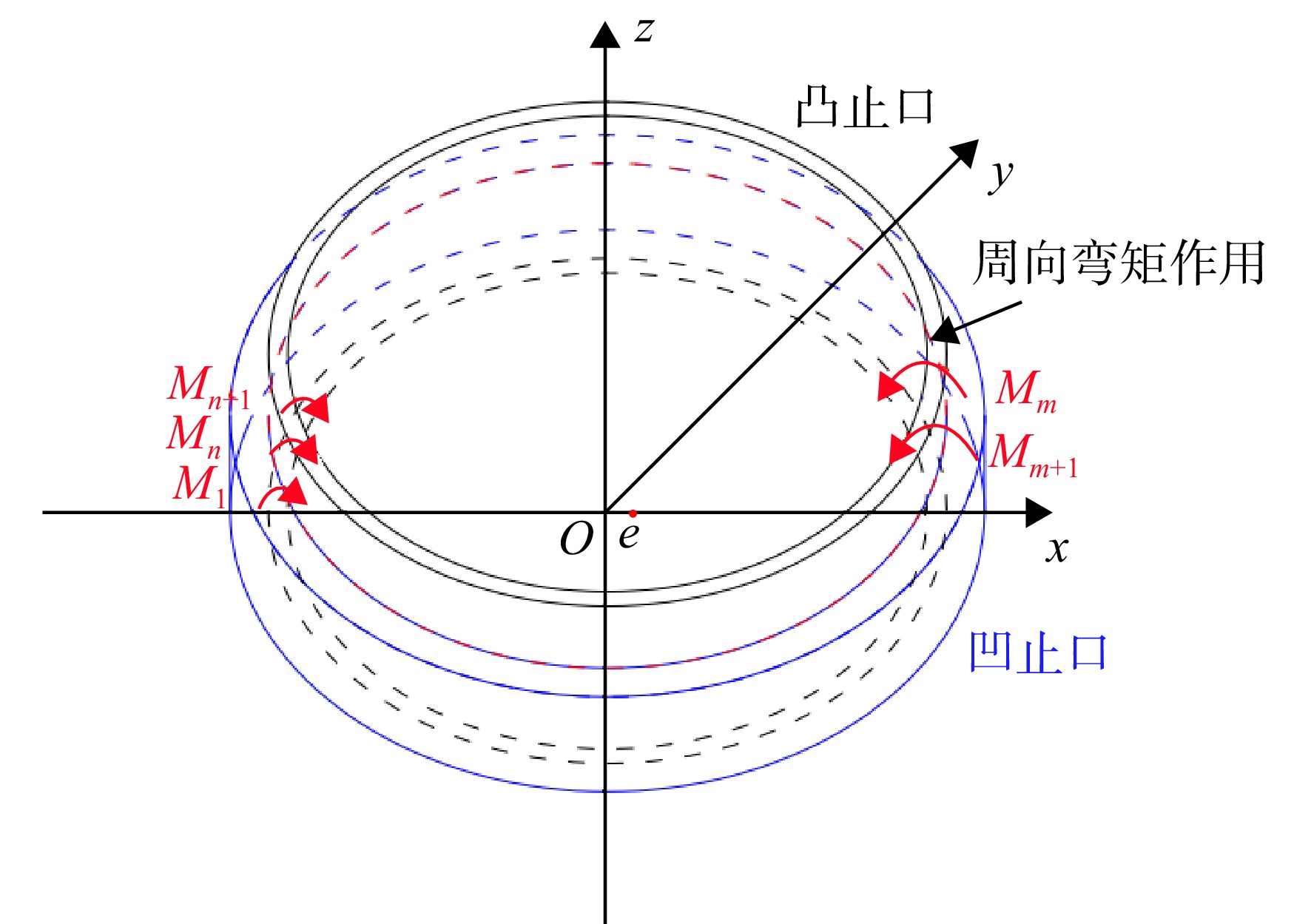
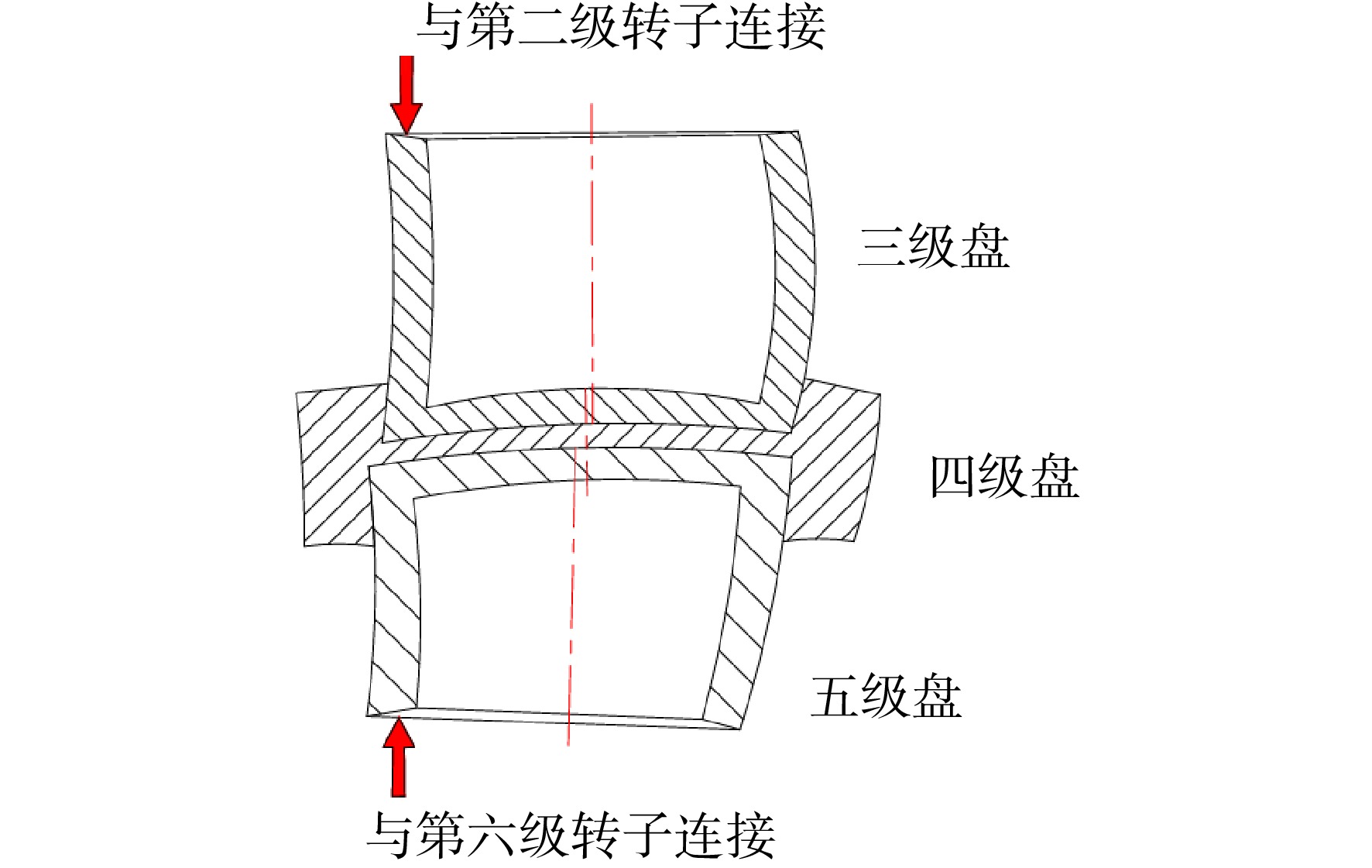
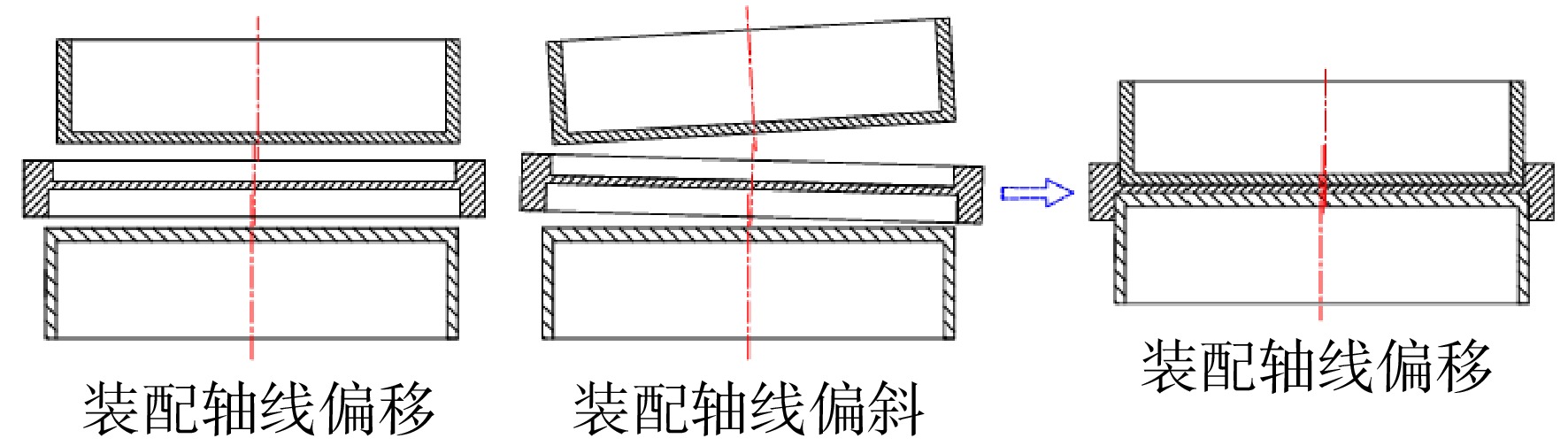
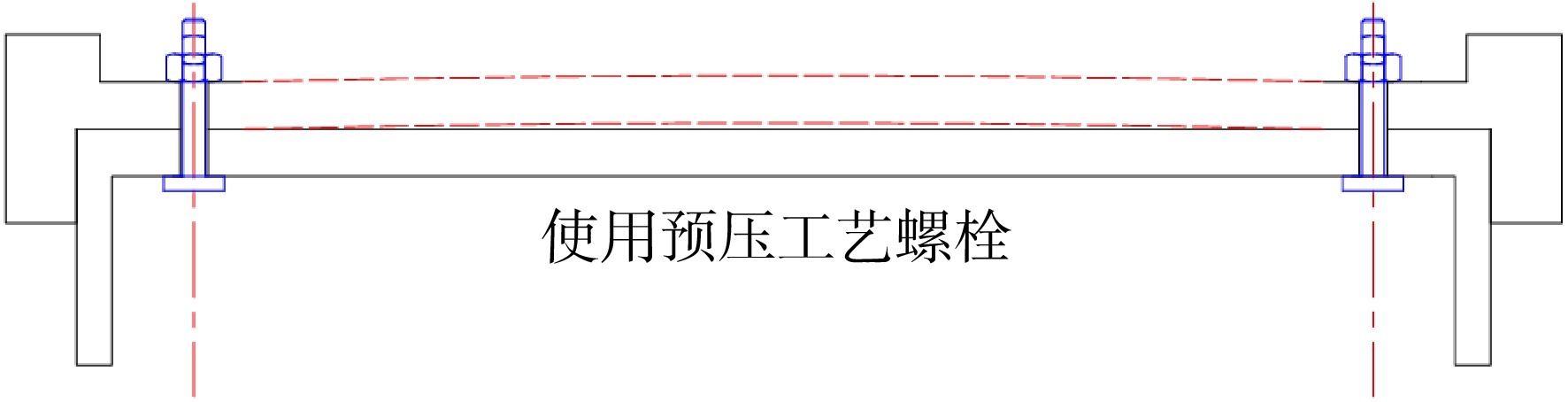
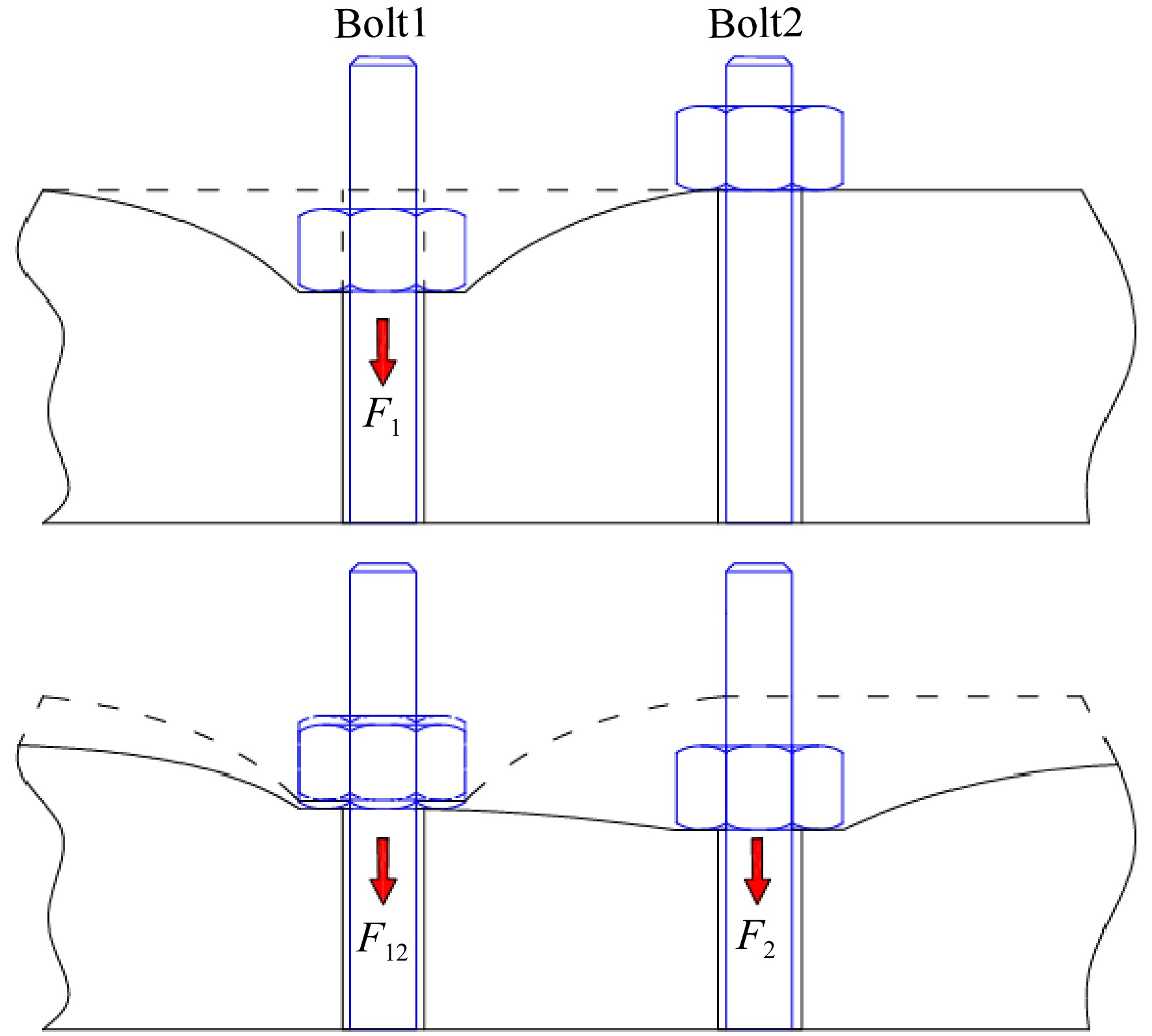
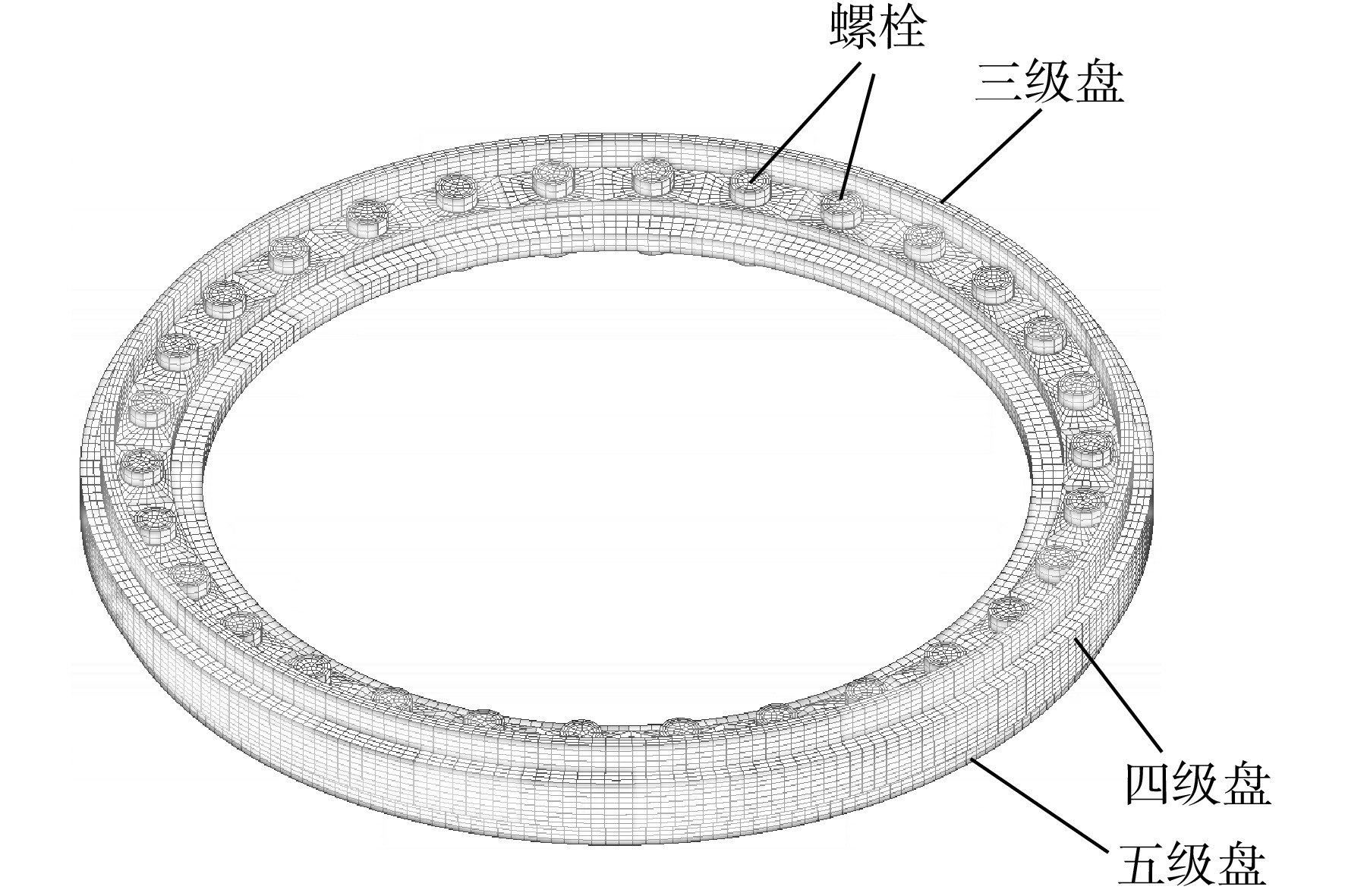
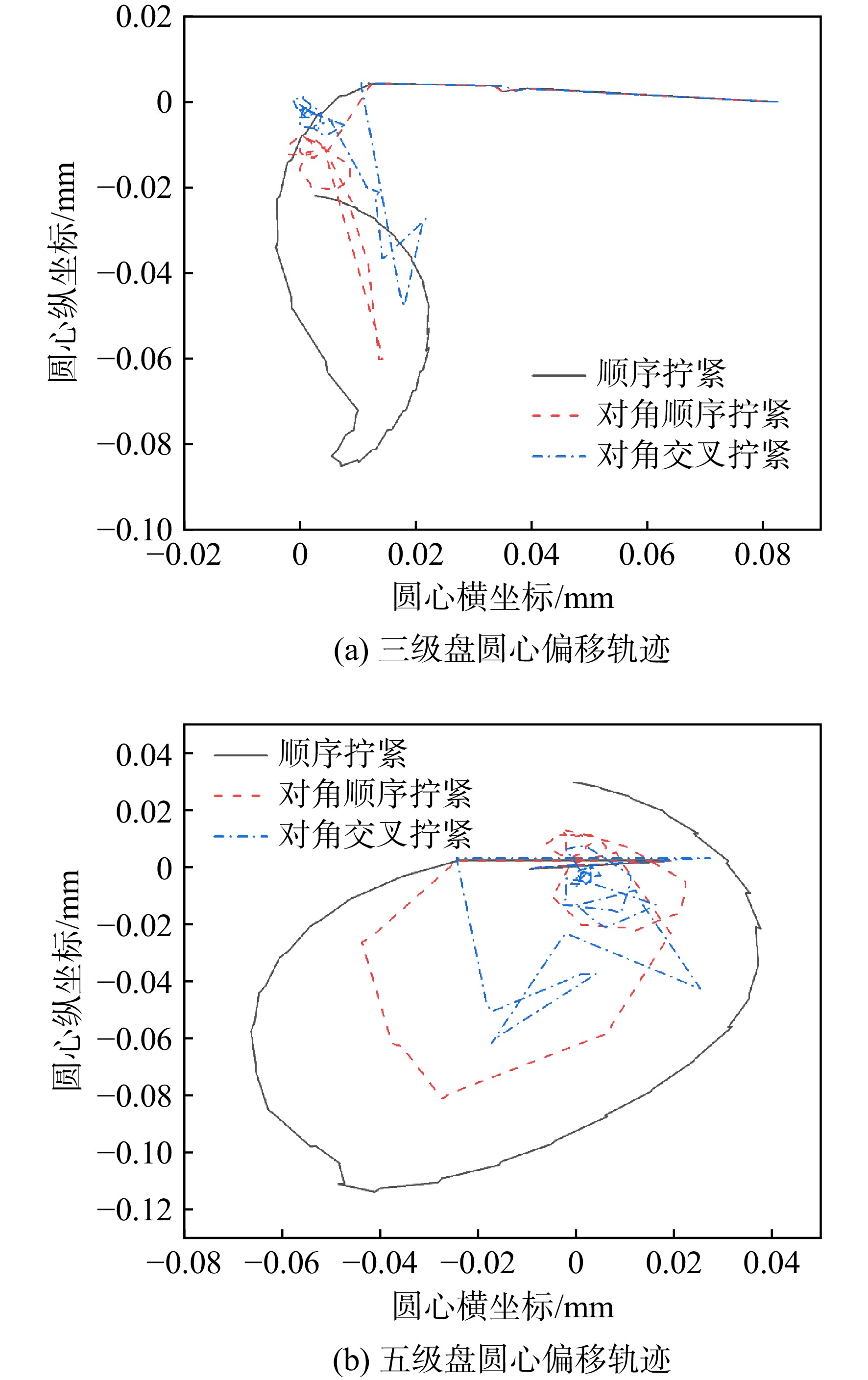
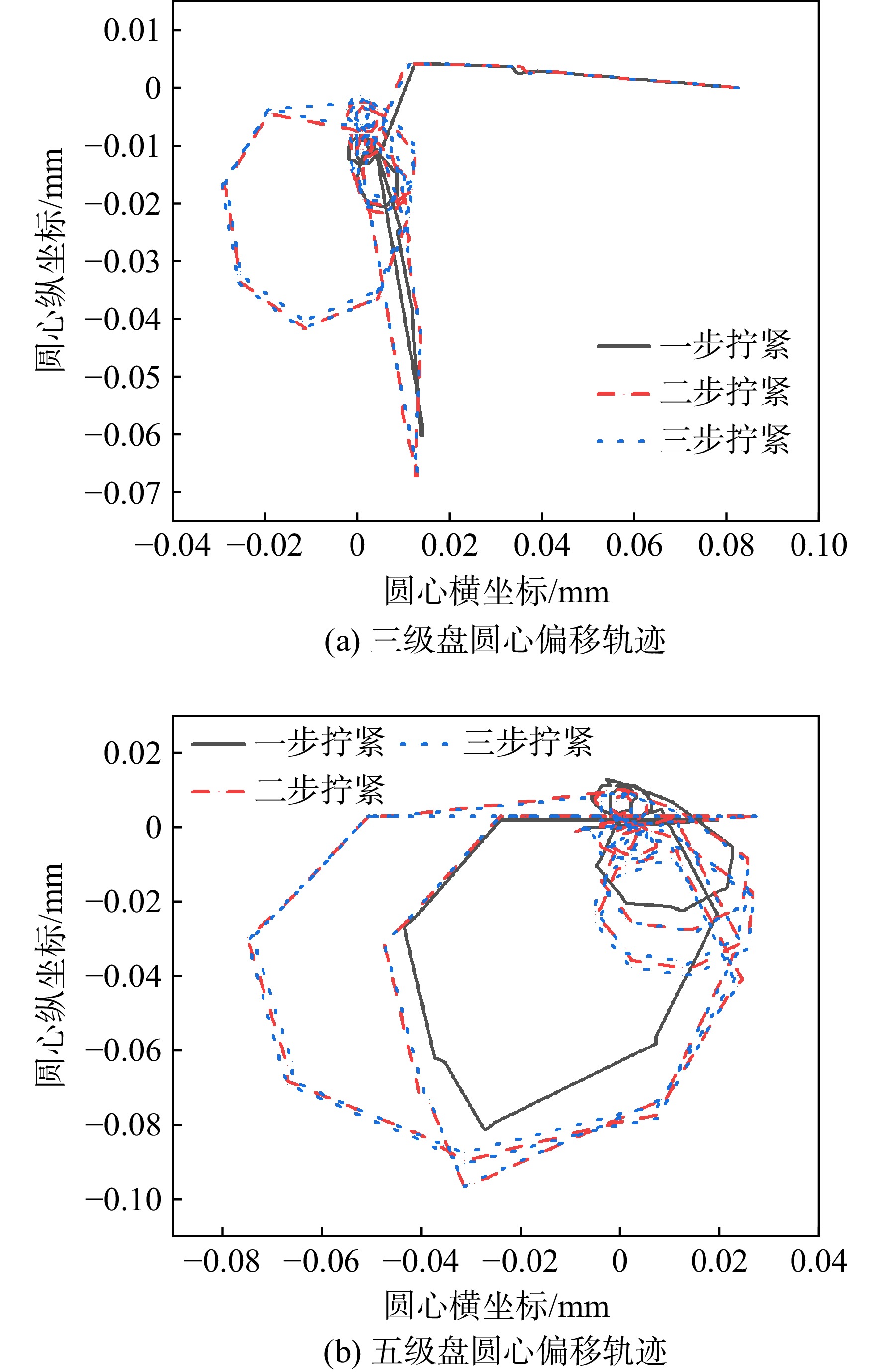
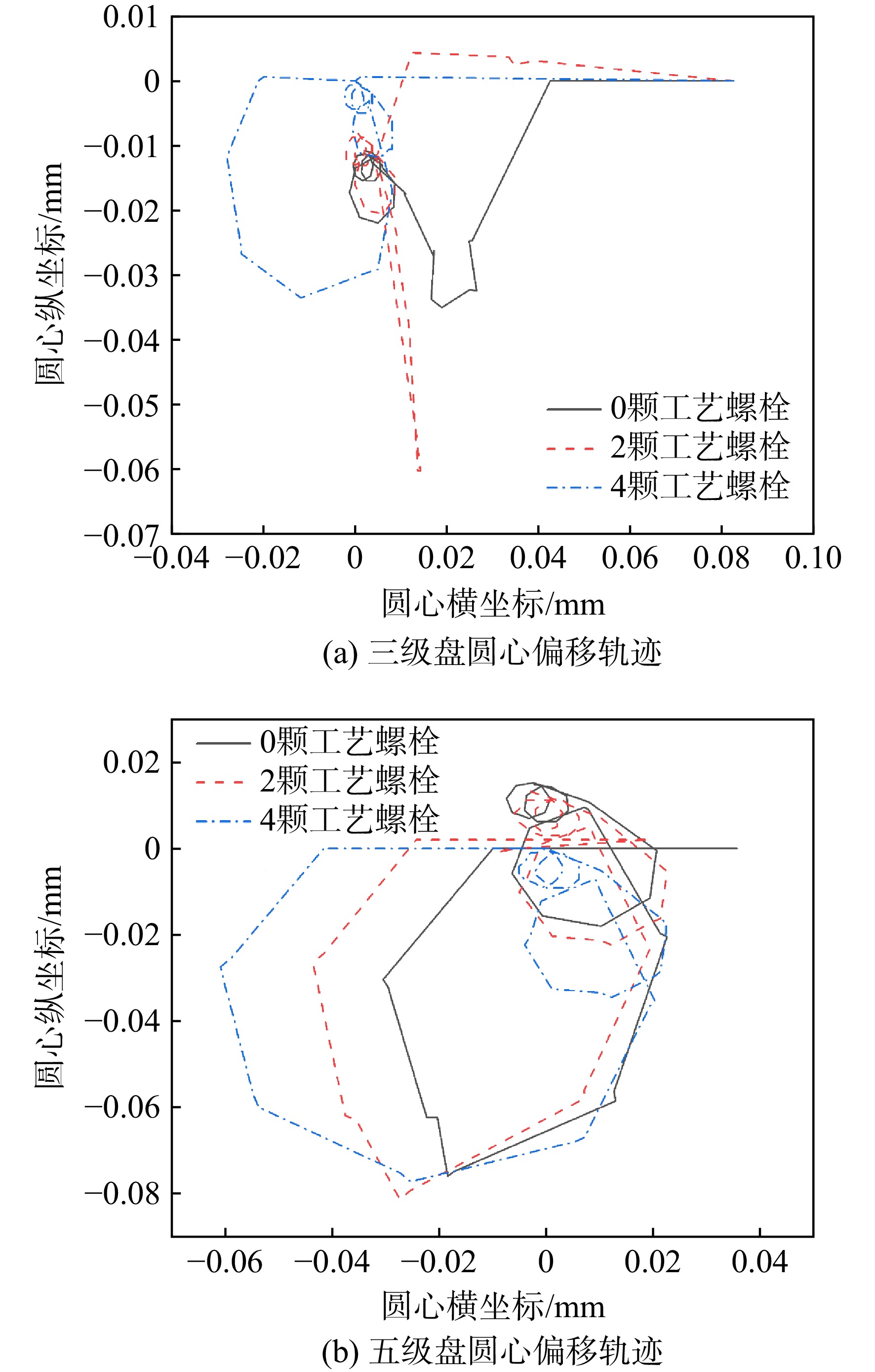
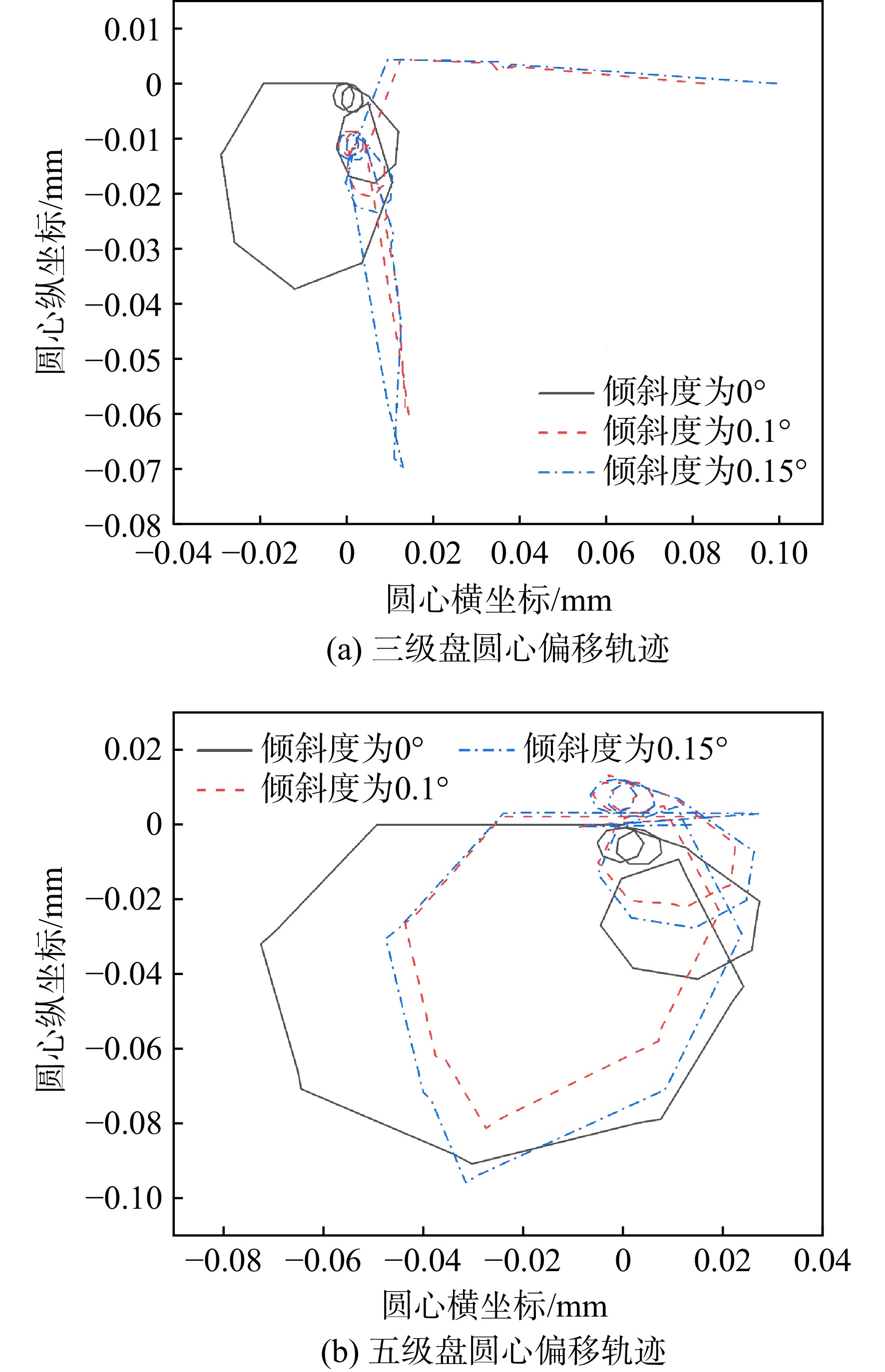
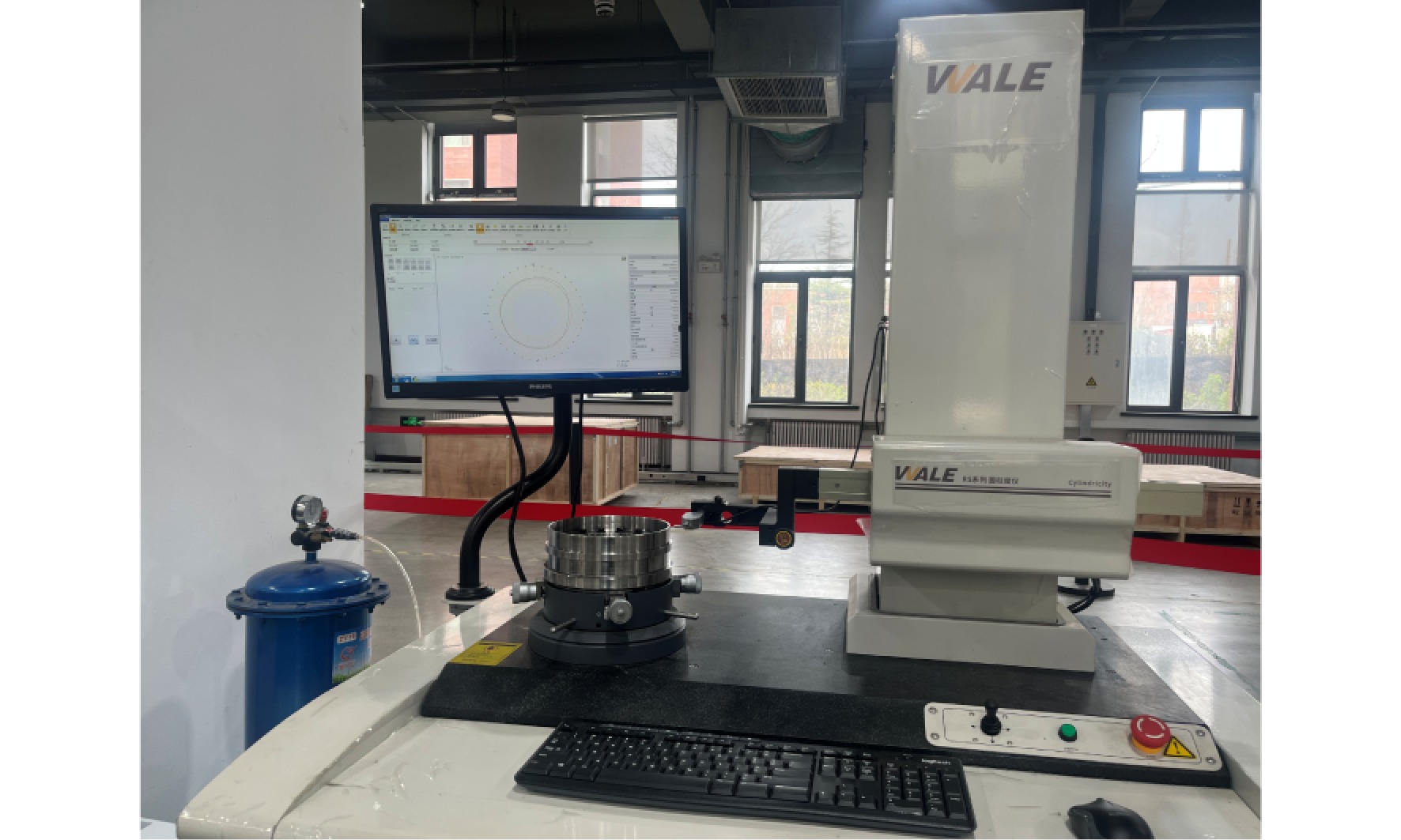
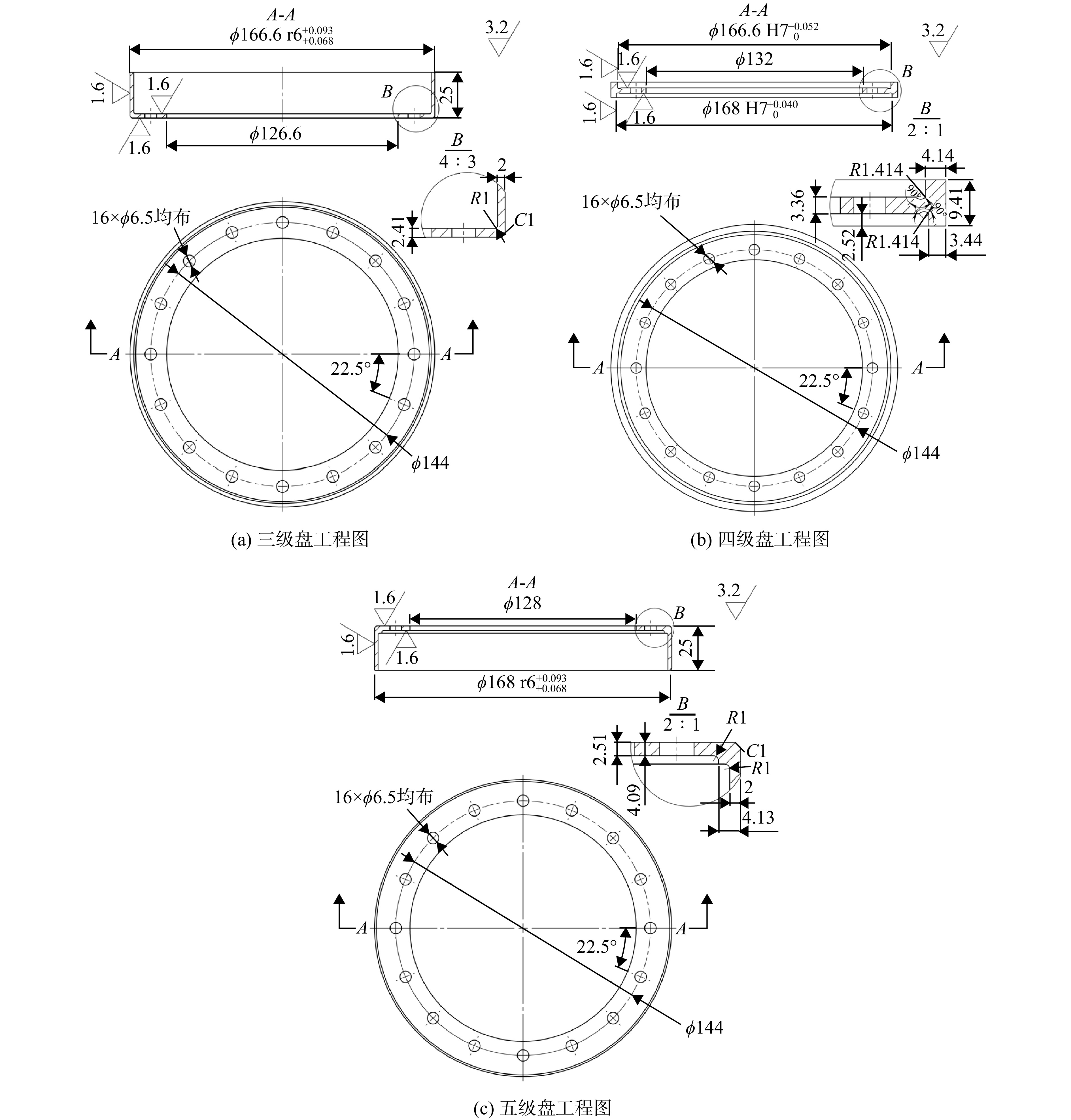
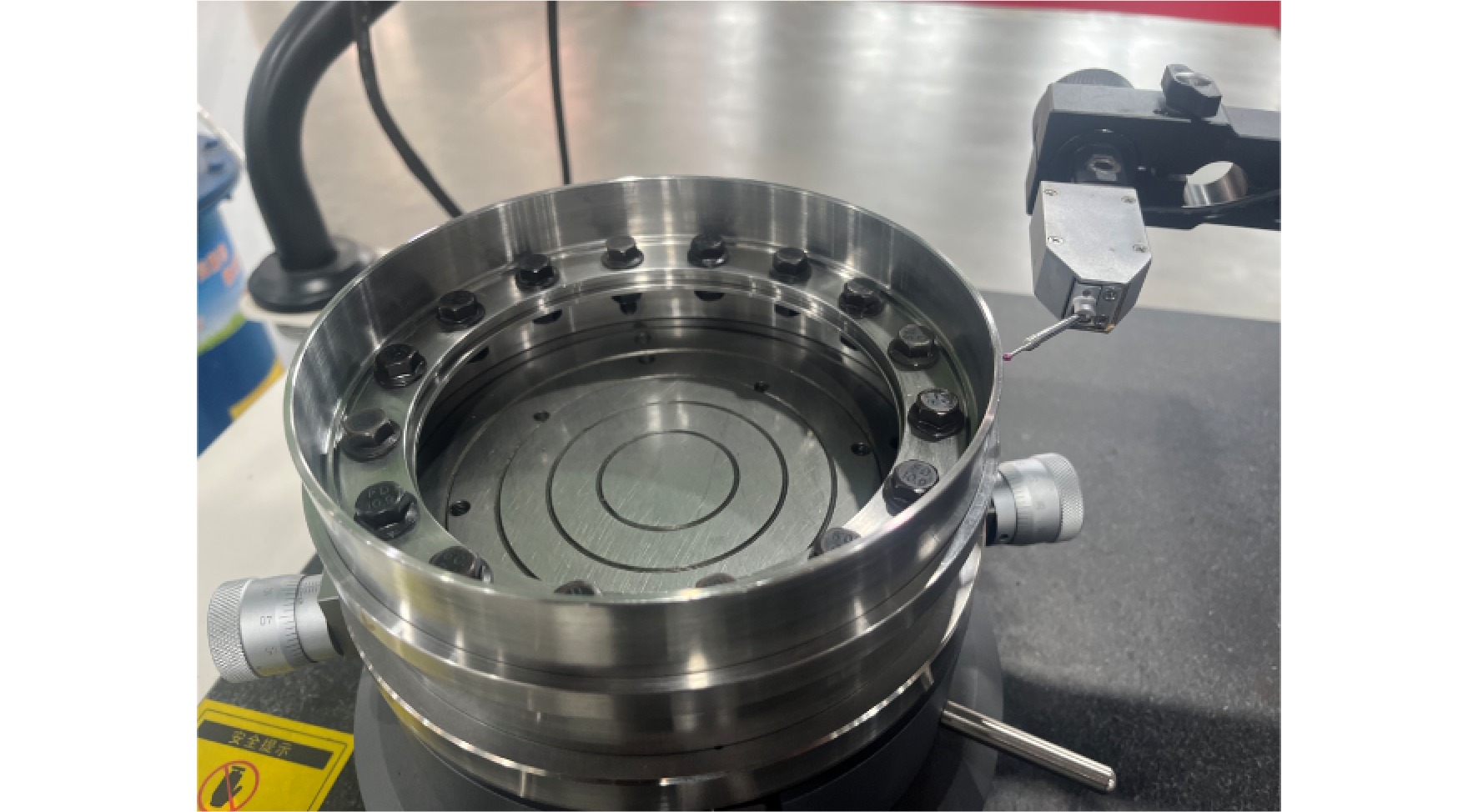
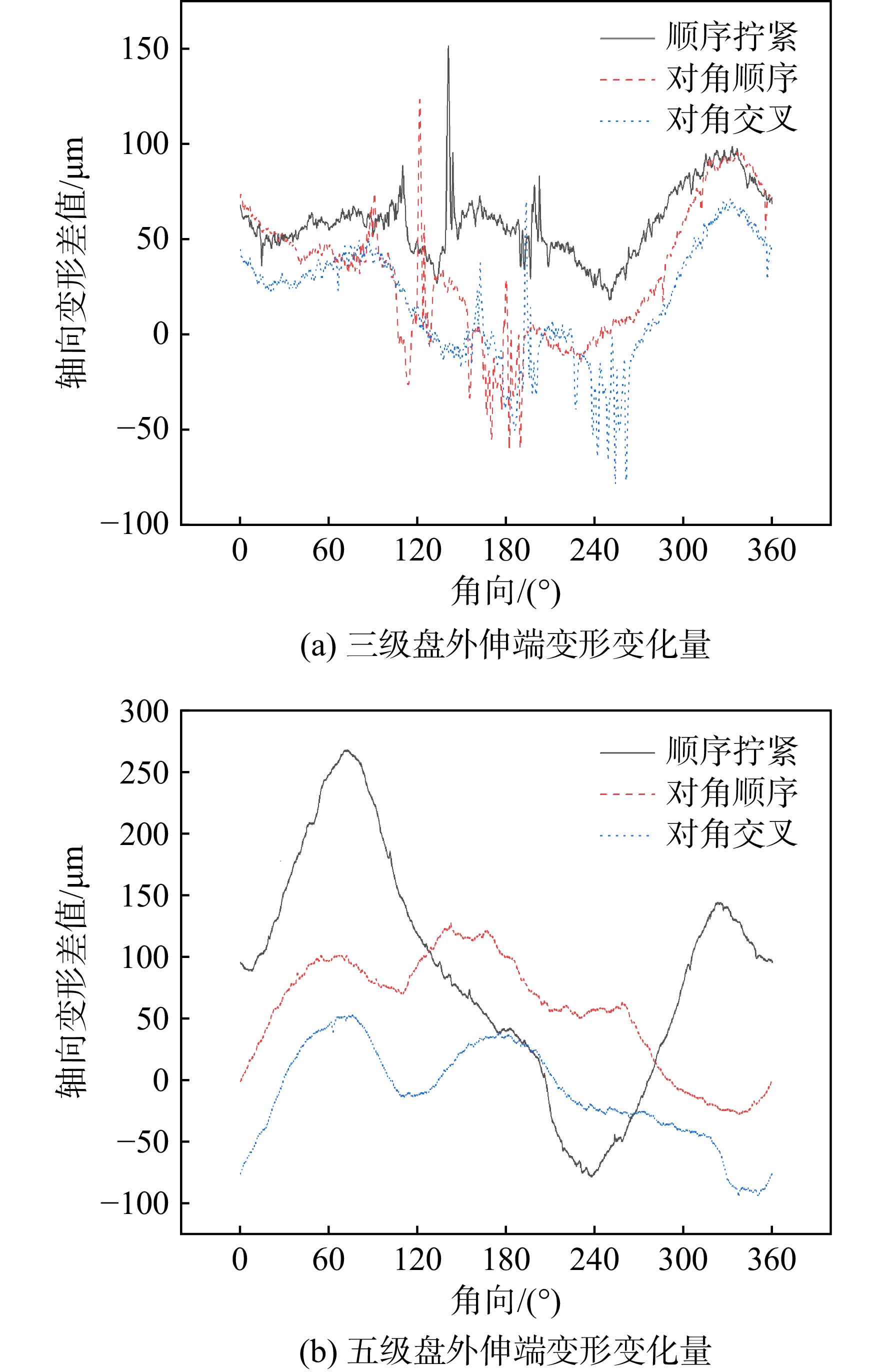
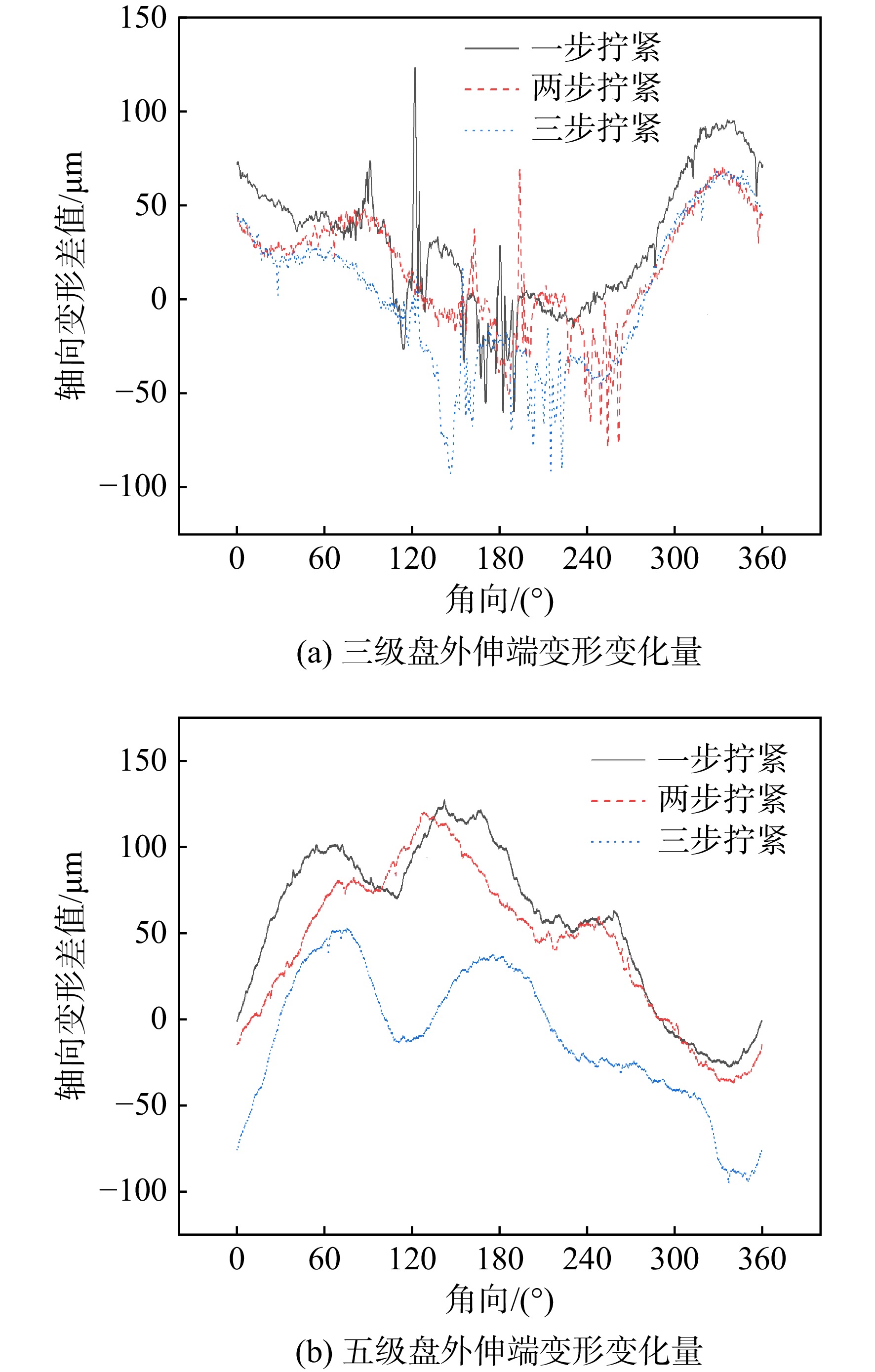
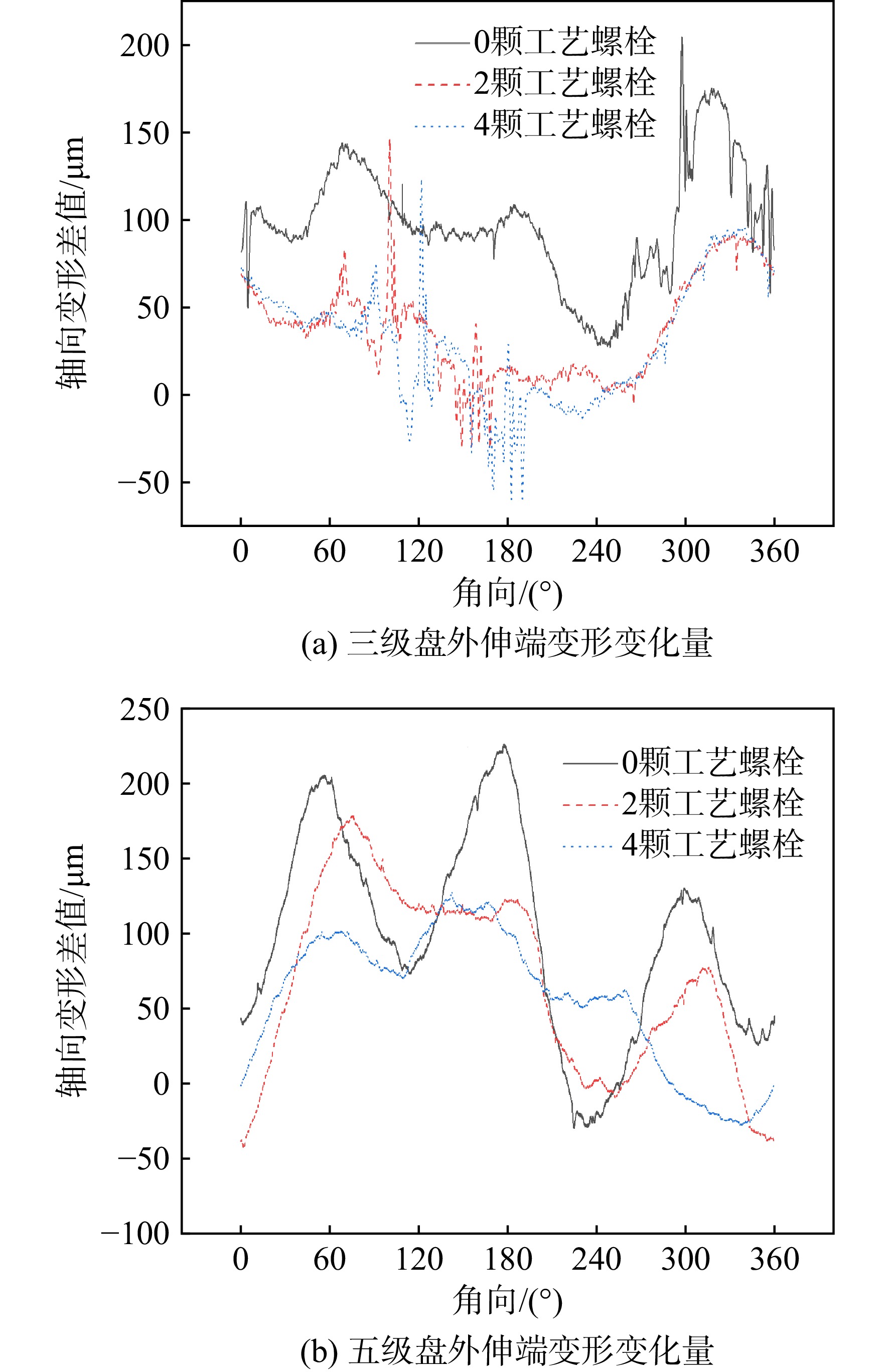
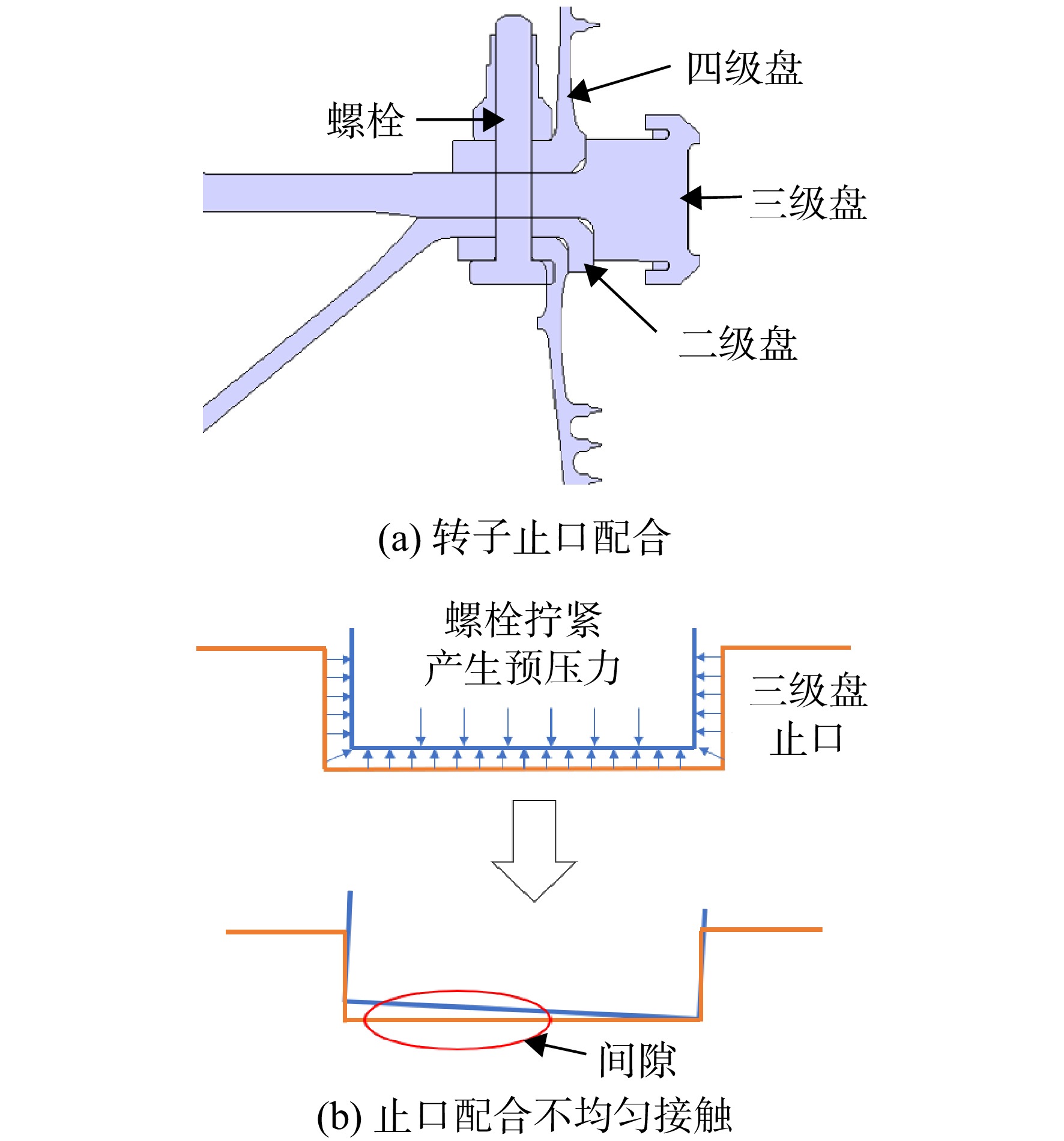
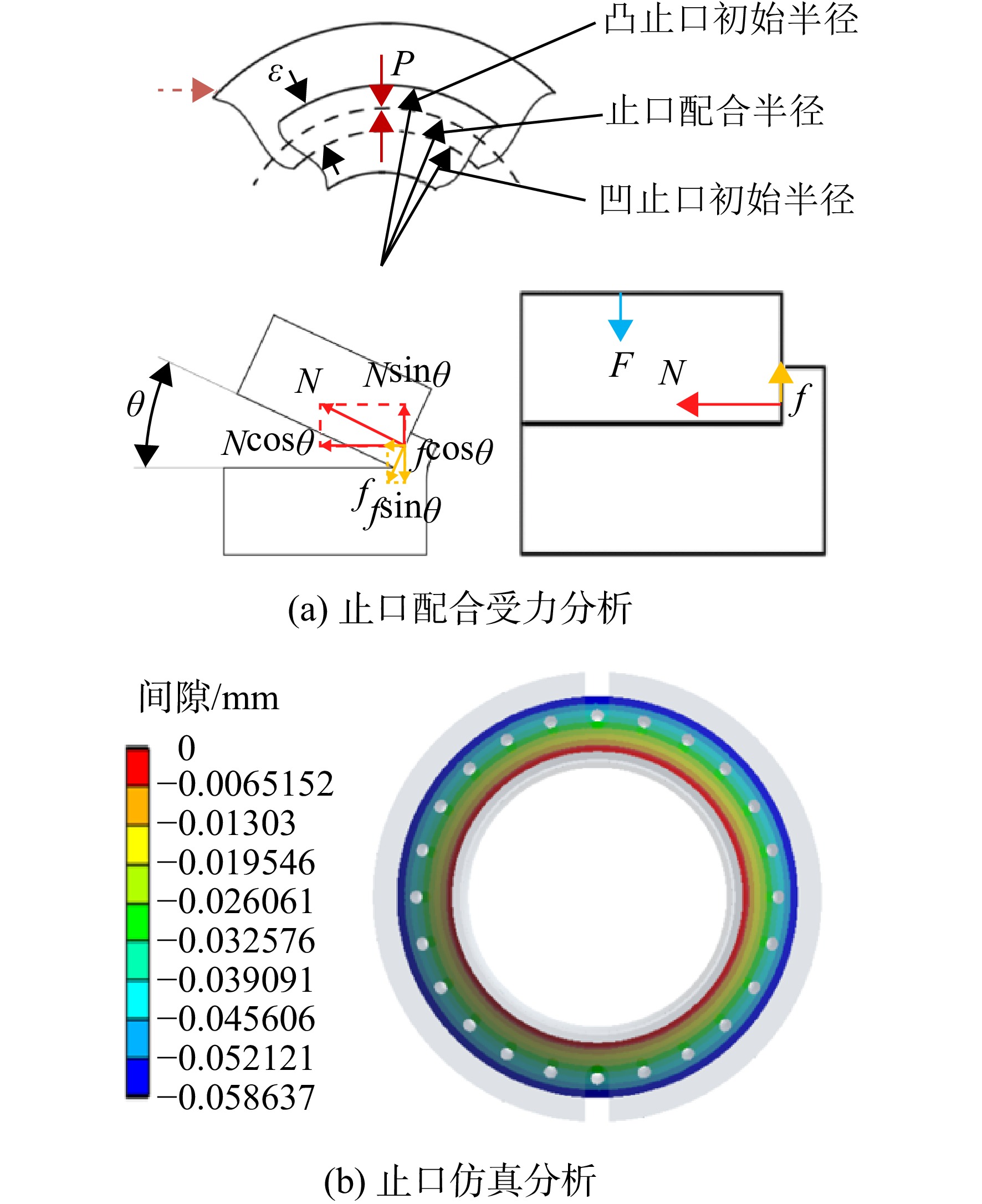
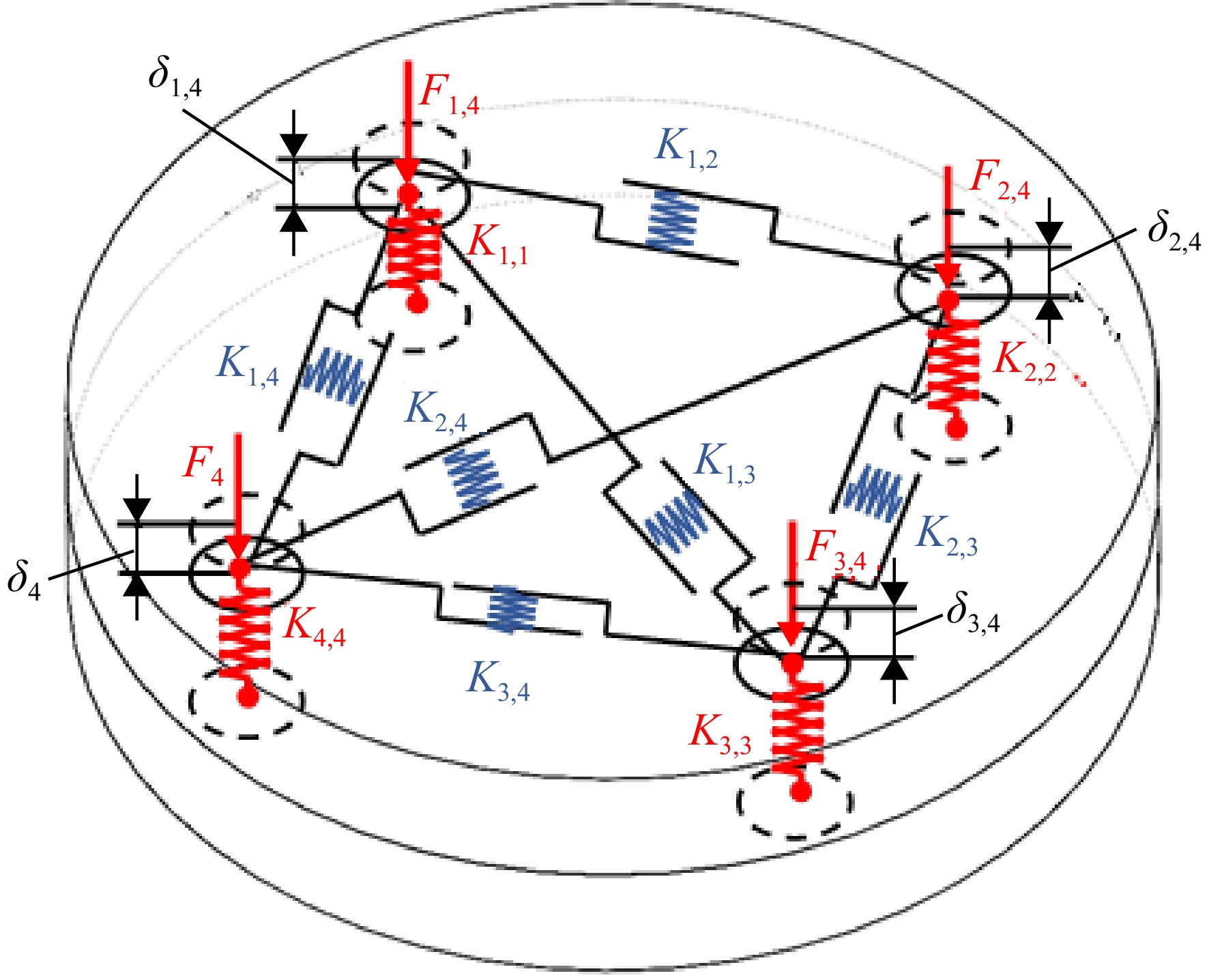
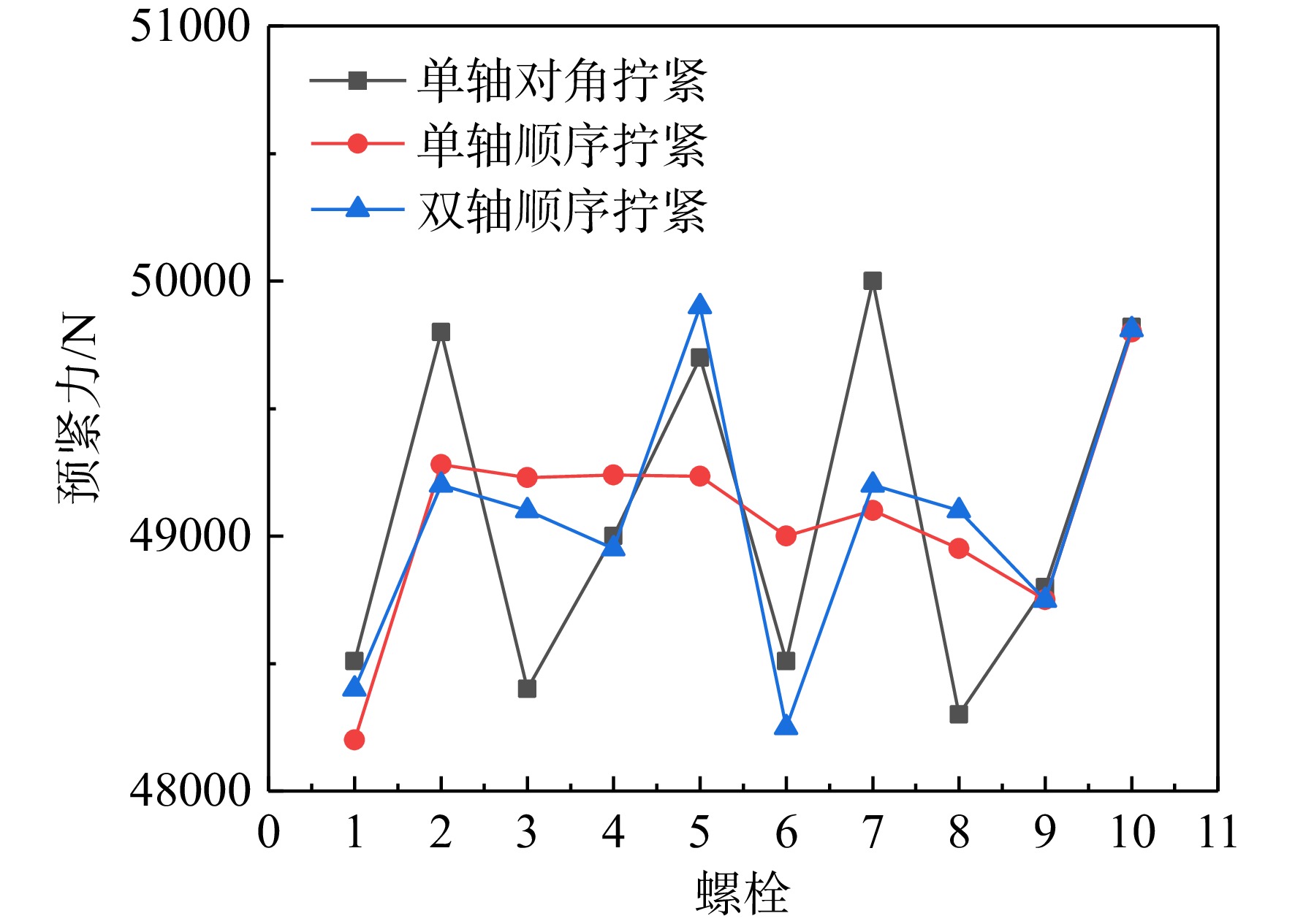
Aiming at the problem of poor assembly accuracy of the mounting side of the aero-engine stop bolt connection structure, the assembly mechanism and error analysis of the stop bolt connection structure under the axial deviation are proposed, based on which the mounting side assembly model that can record the circular center offset is further constructed, and the assembly accuracy of the tightening sequence, the number of tightening steps, and the number of process bolts are compared by concentricity. Finally, the optimal assembly process was obtained by test validation with reduced-scale simulated parts, characterized by the concentricity of the assembly and the amount of deformation change of the upper and lower two-stage discs’ outreach end surfaces. The results show that: 1) the surplus stop of the stop bolt connection structure has a compensating effect on the axial deviation, and the effect is more obvious in the simulation, which can make the 200 μm axial deviation almost reduced to 0 μm, and the 122 μm axial deviation can be greatly reduced in the test; 2) the optimal assembly process is that the tightening sequence should use diagonal cross-tightening, the number of steps of tightening should use three-step tightening, and the number of process bolts should use four; 3) the concentricity increased by 4.69 times in the tilted assembly test, and tilted assembly must be avoided in the assembly process.

Decoupled optimization of underplatform dampers based on parametric equivalent model
WU Yaguang, LI Xiaofeng, GAO Qian, FAN Yu, ZHANG Dayi, SHEN Qingyang, PANG Yanlong
2027, 42(1): 20250456. doi: 10.13224/j.cnki.jasp.20250456
Abstract:
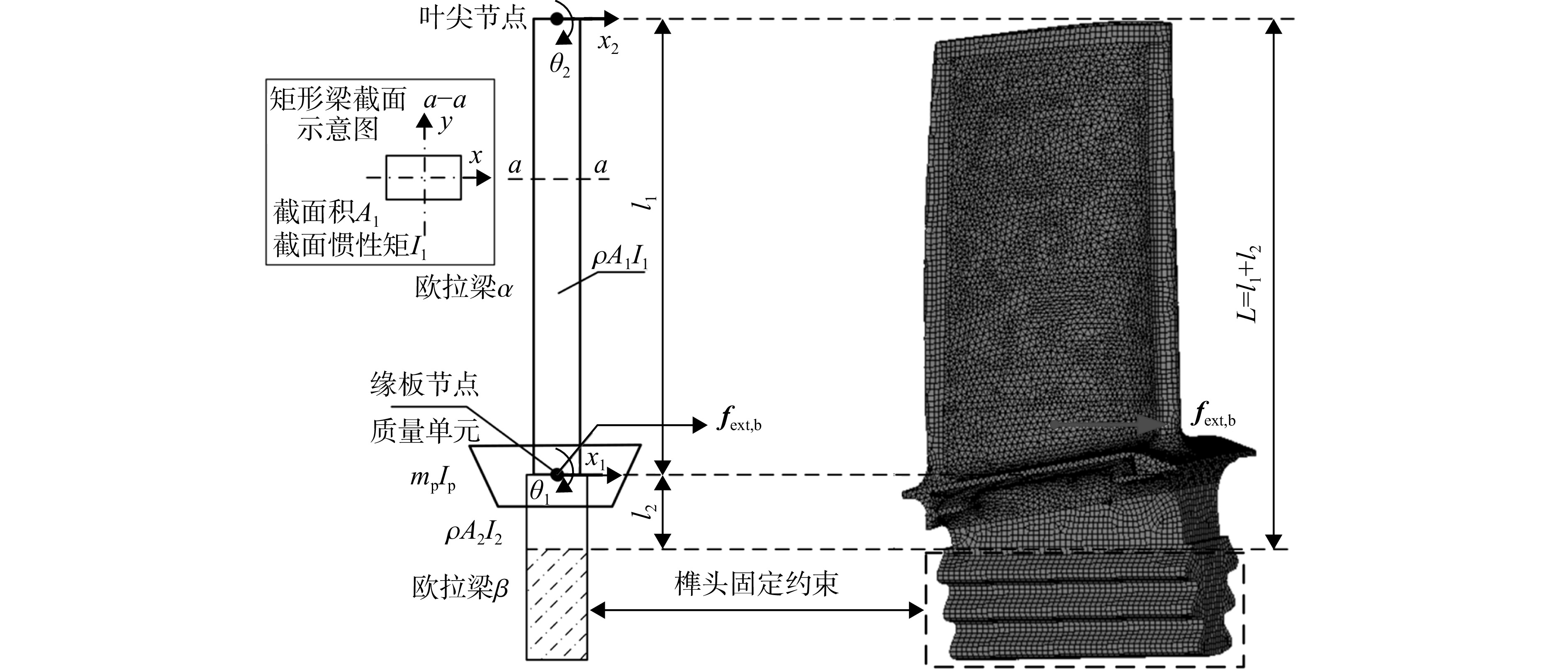
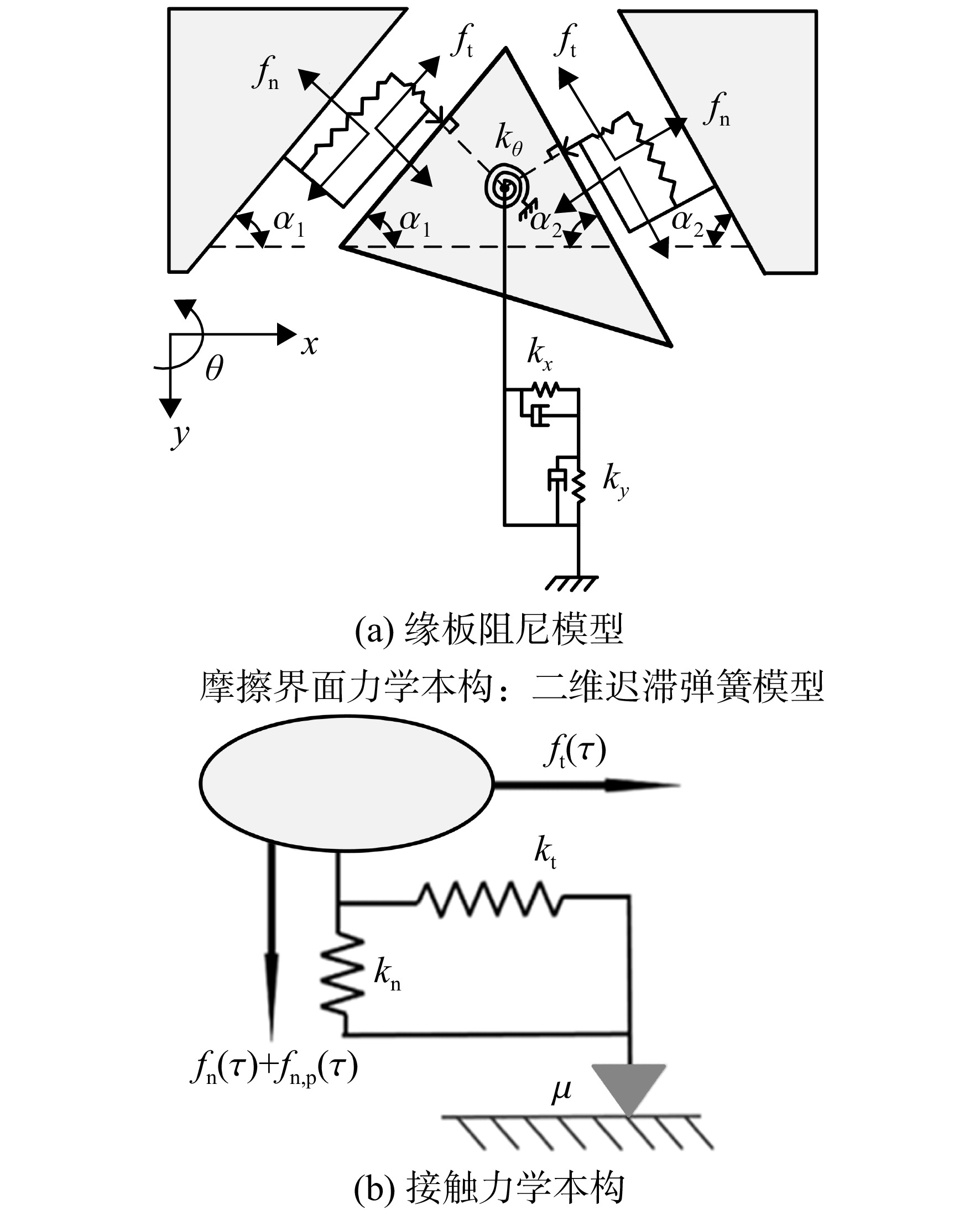
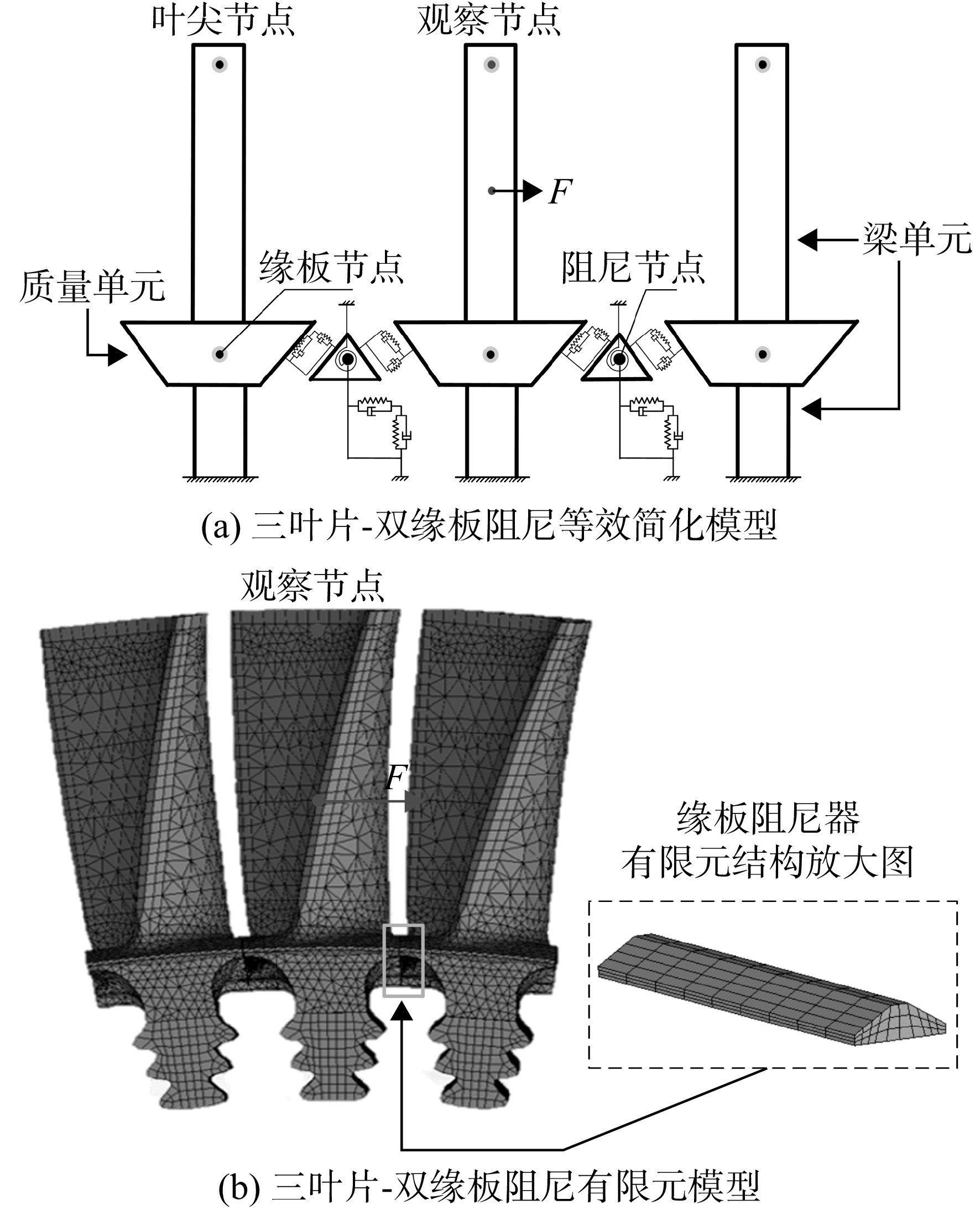
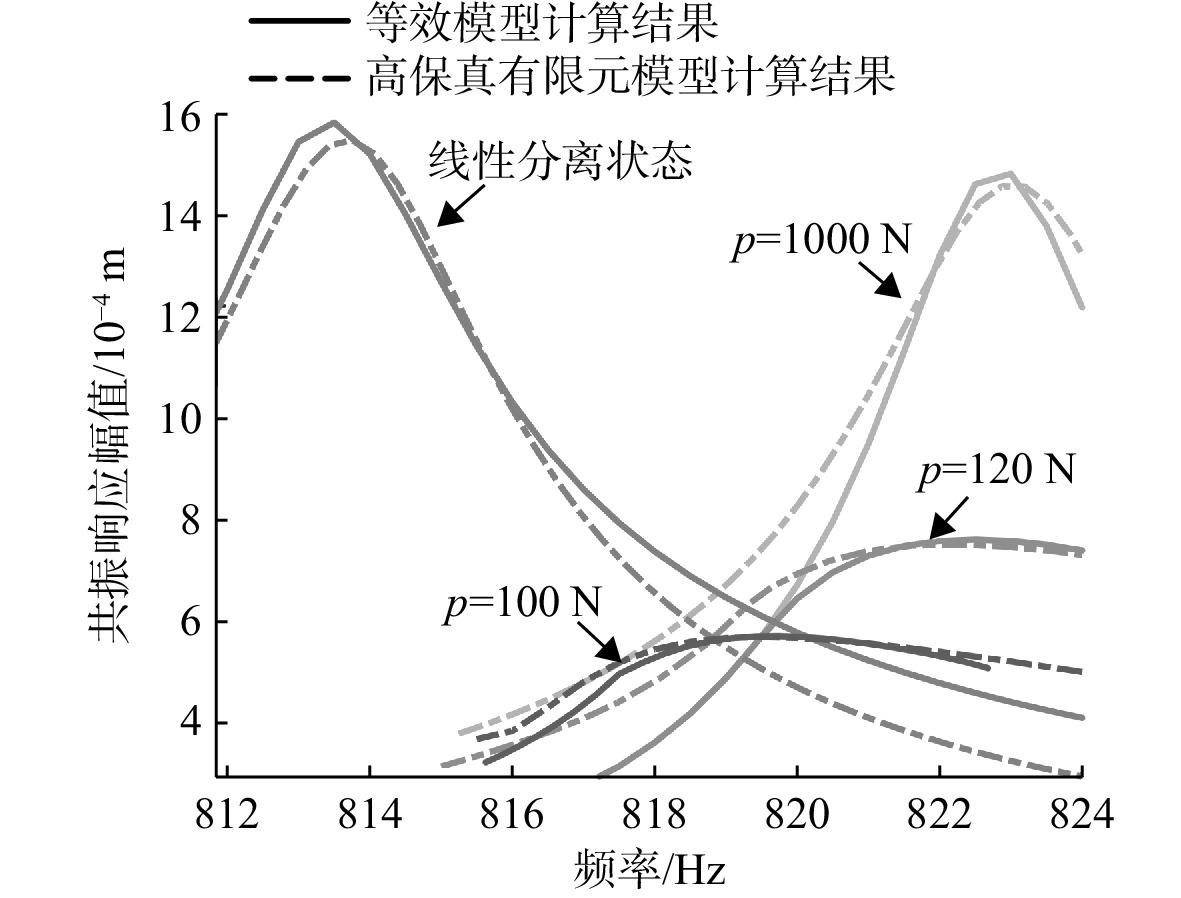
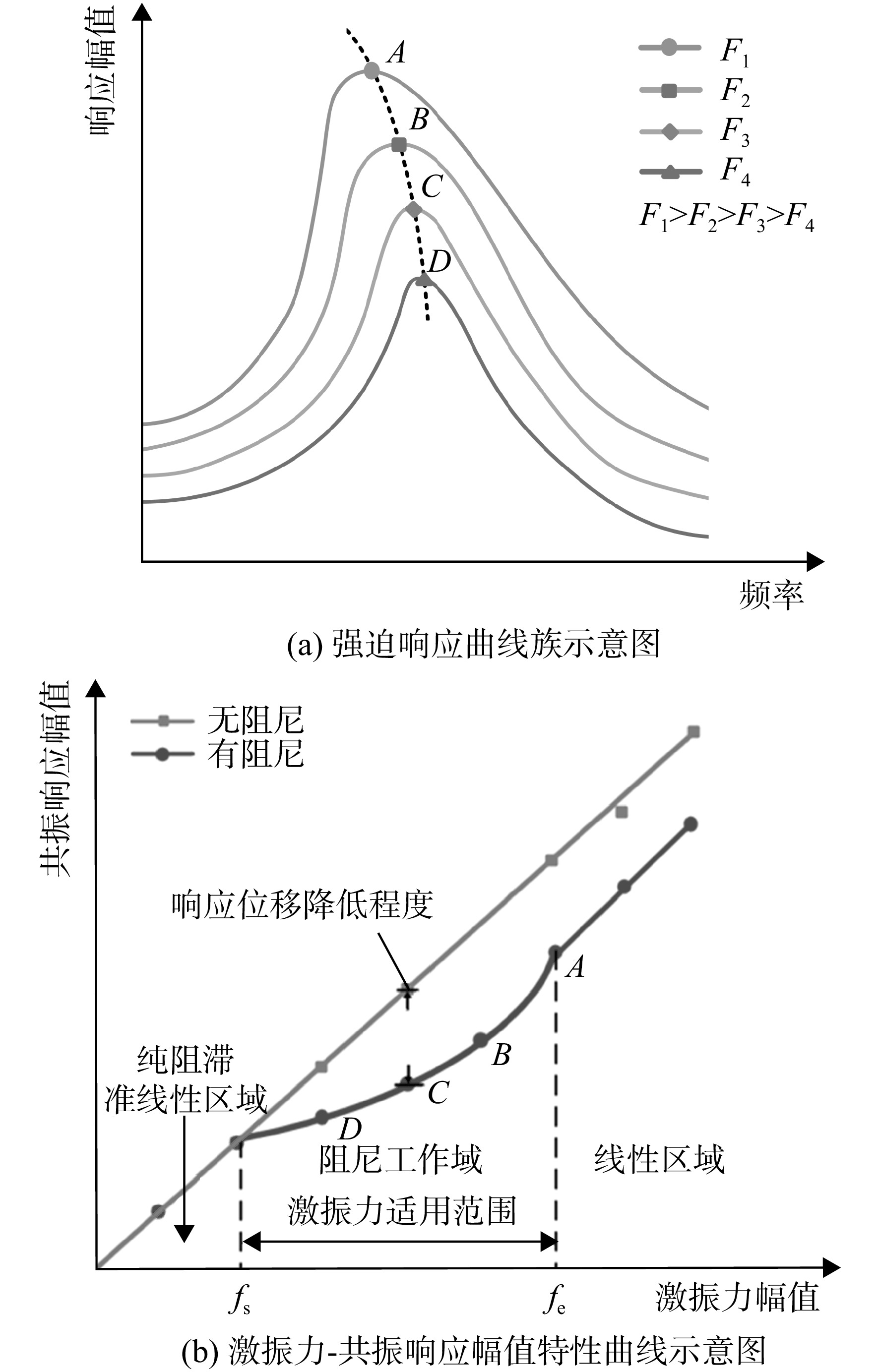
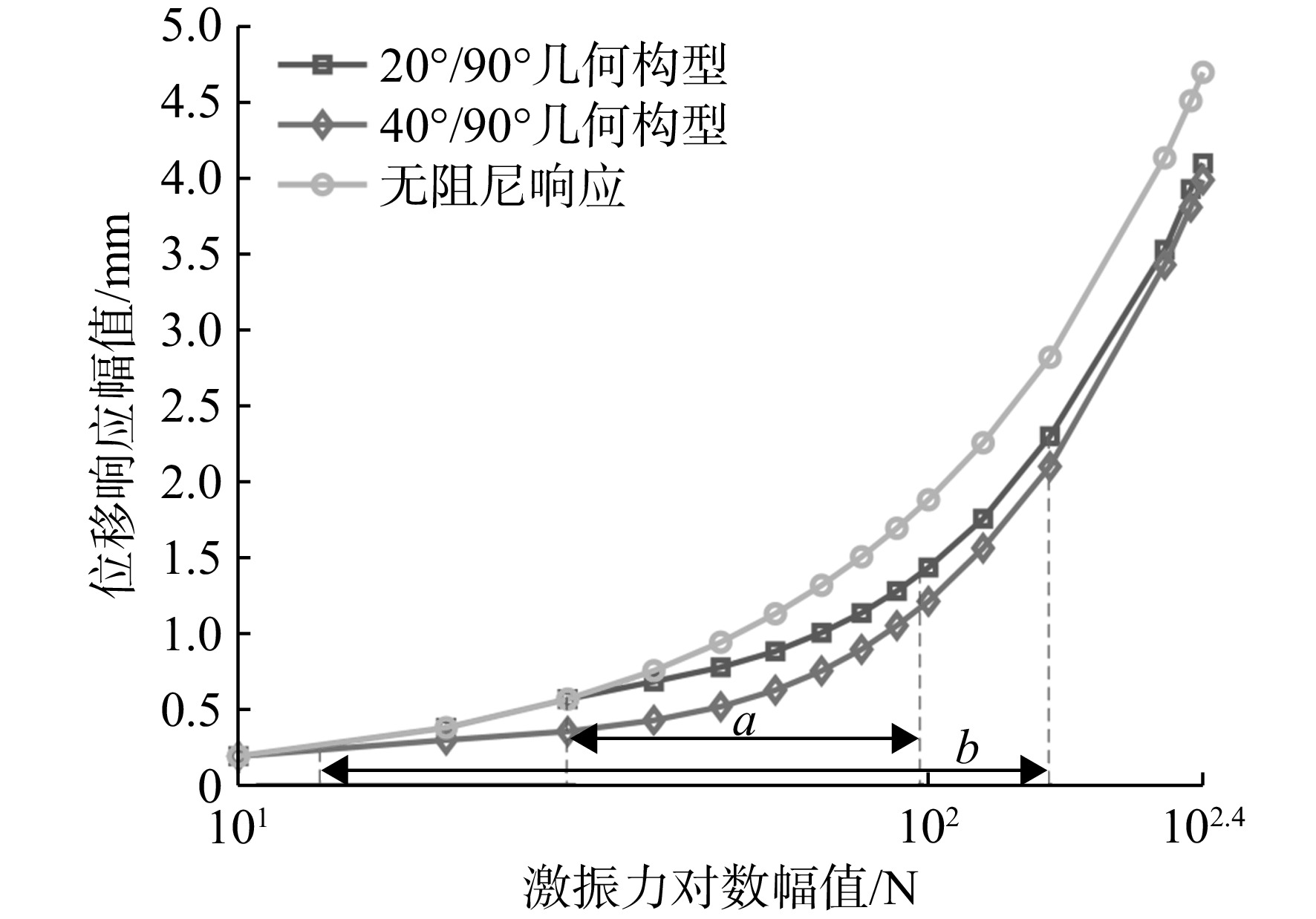
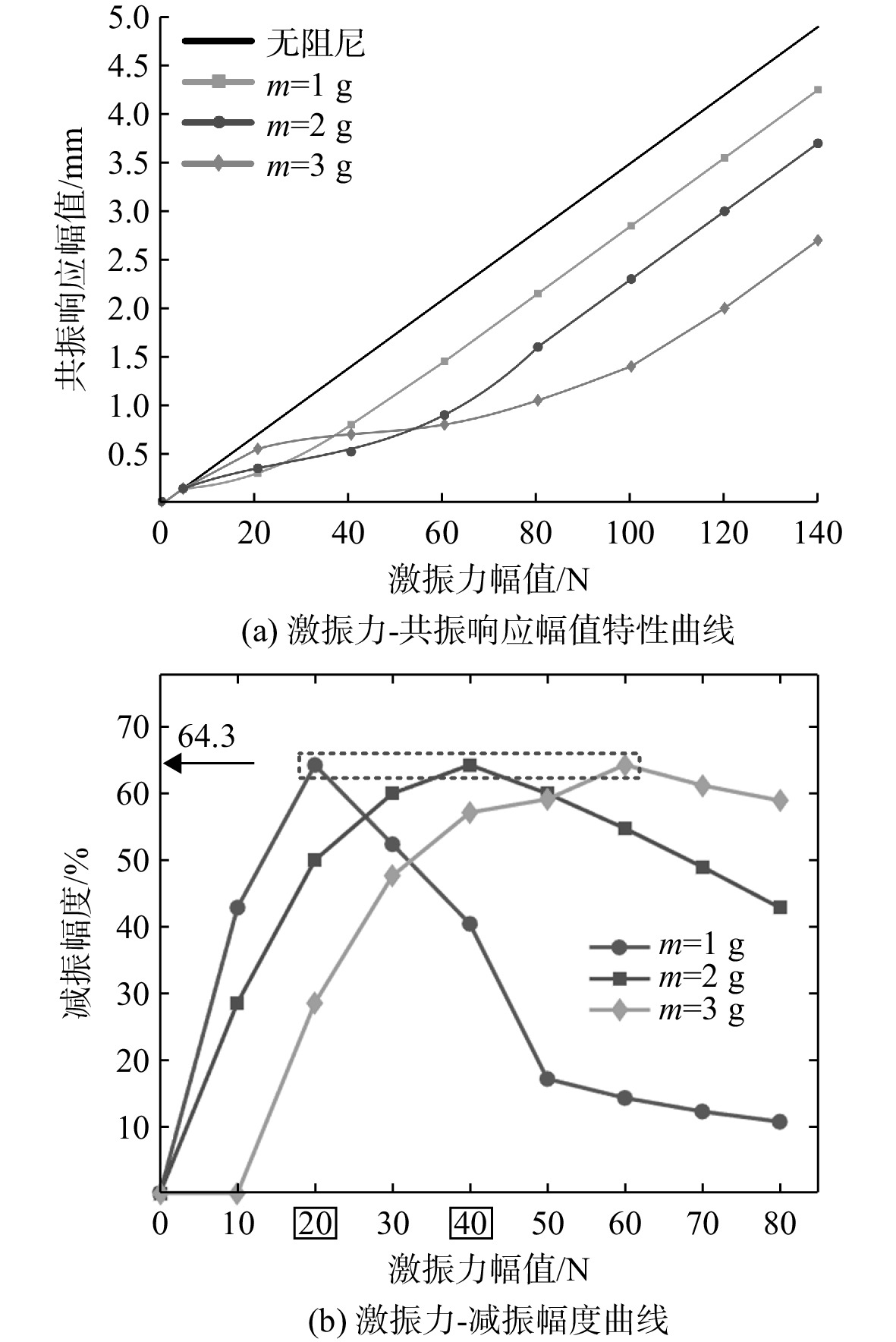
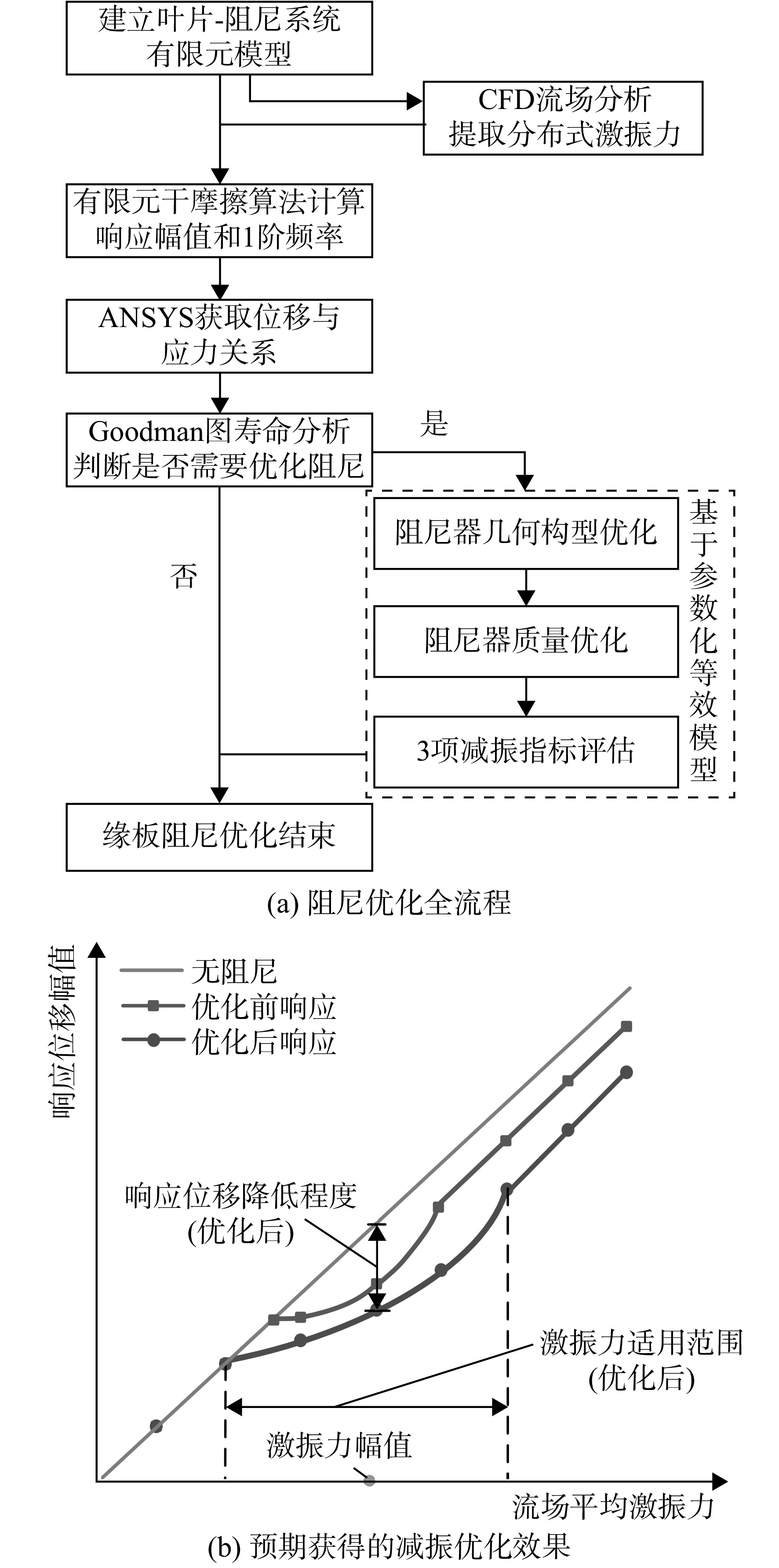
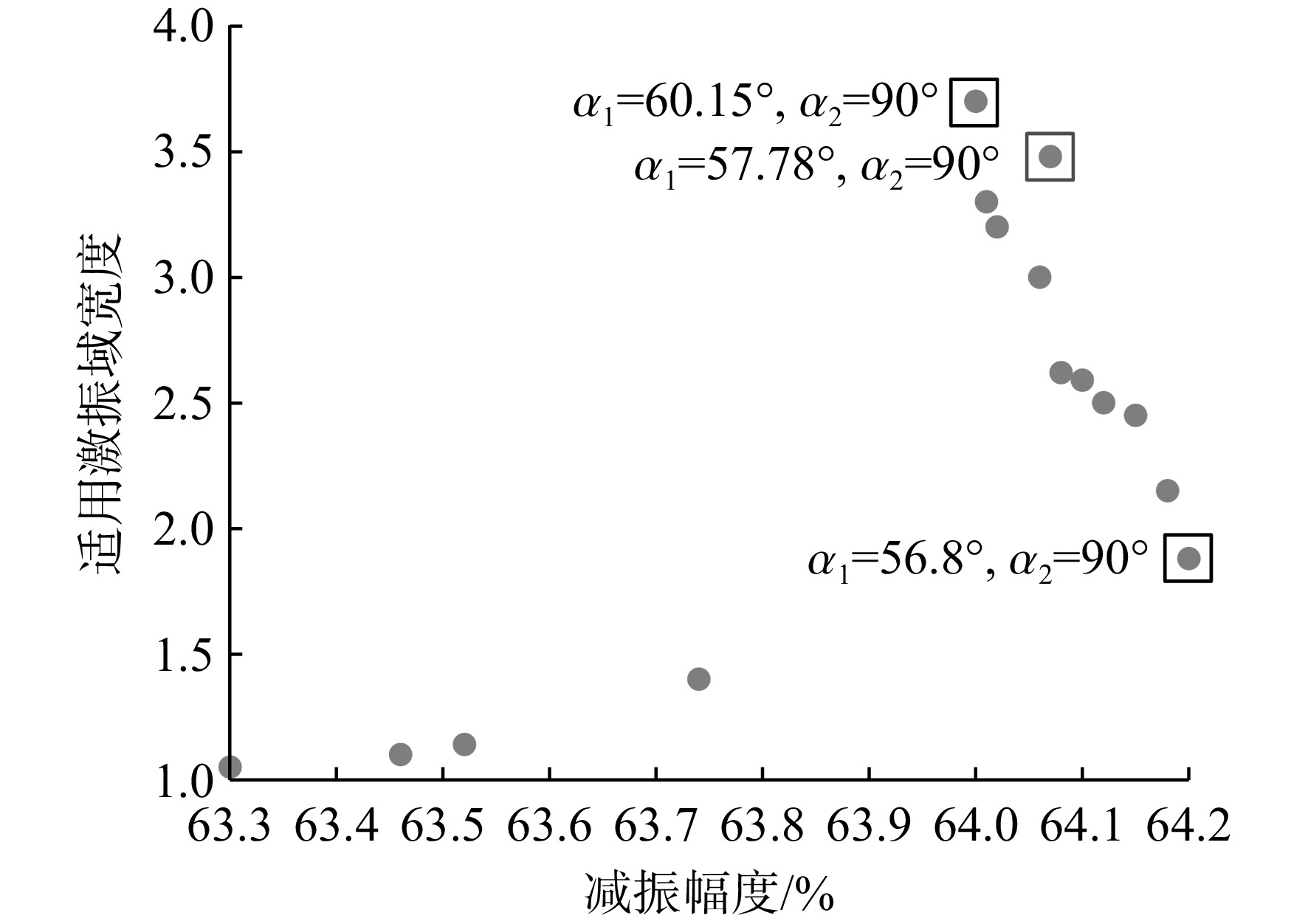
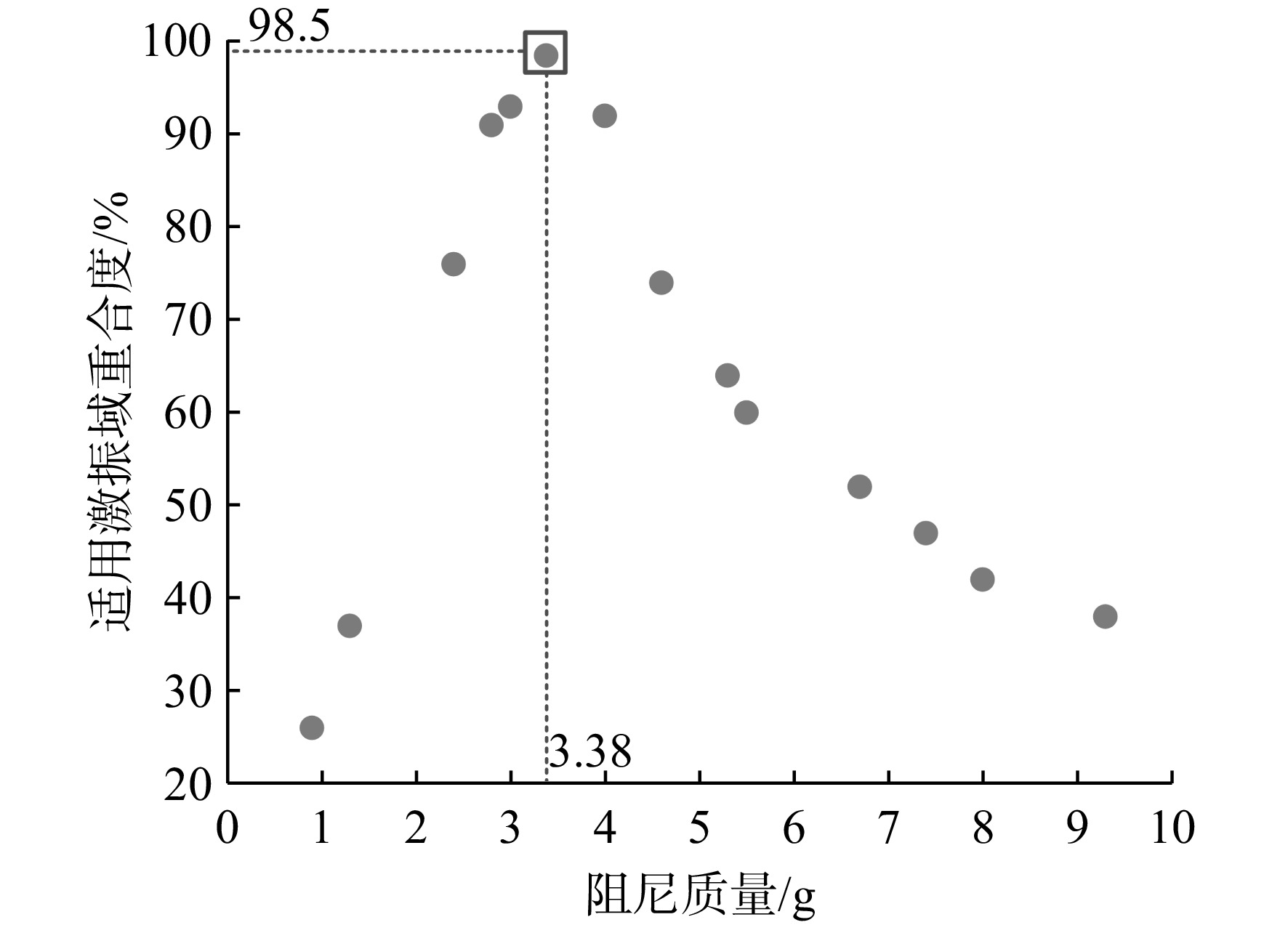
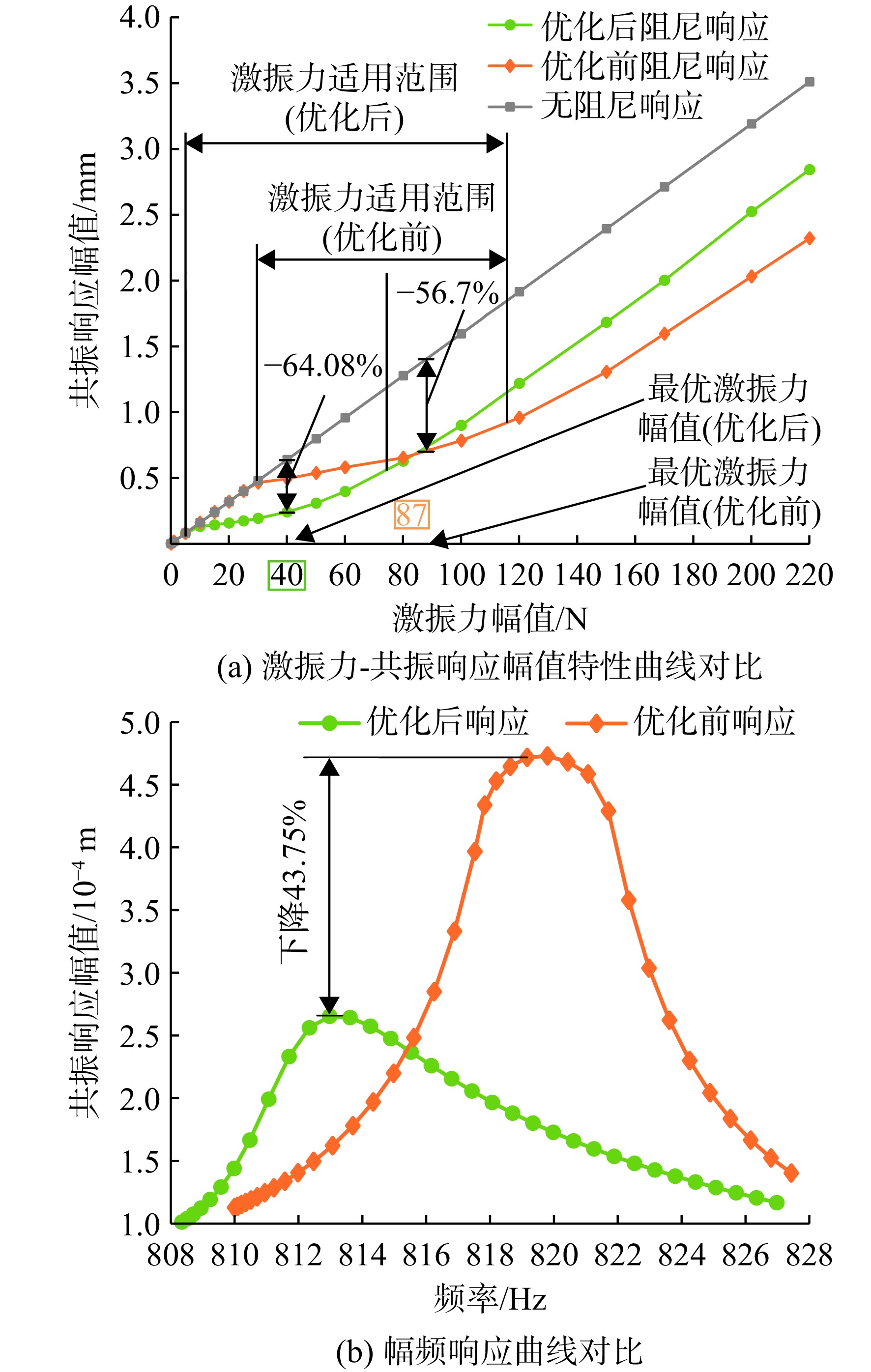
A decoupled optimization method was proposed for underplatform damper (UPD) design to address the lack of multi-objective mechanism insight and the high cost of iterative blade-damper modeling. A parameterized equivalent beam model of the blade-UPD system was developed, which accurately reproduced the first bending-mode dynamics and the nonlinear forced response, while keeping the model size and computational cost modest. The influences of key UPD design parameters on vibra-tion attenuation were characterized, and three dimensionless metrics—reduction degree, domain width, and coincidence degree were introduced to quantify the damper performance. The results showed that the contact angle primarily set the attenuation “depth” and applicability “width,” where-as the damper mass tuned the operating domain’s overlap with engine flow-field excitation. Based on these insights, a decoupled strategy was adopted: which first optimized geometric parameters using a Pareto multi-objective genetic algorithm, then set the damper mass according to the excitation char-acteristics. For a non-symmetric UPD case, the optimized design increased the reduction degree by 13%, the domain width by 38%, and the coincidence degree by 114.6%, yielding a 43.8% decrease in the first-bending resonance amplitude under the target operating condition.

Dynamic characteristics of spline couplings considering the influence of tooth surface topography
Liu Yong, Wang Ran, Wang Dawei, He Wenbo, Yan Fangchao
2027, 42(1): 20250448. doi: 10.13224/j.cnki.jasp.20250448
Abstract:
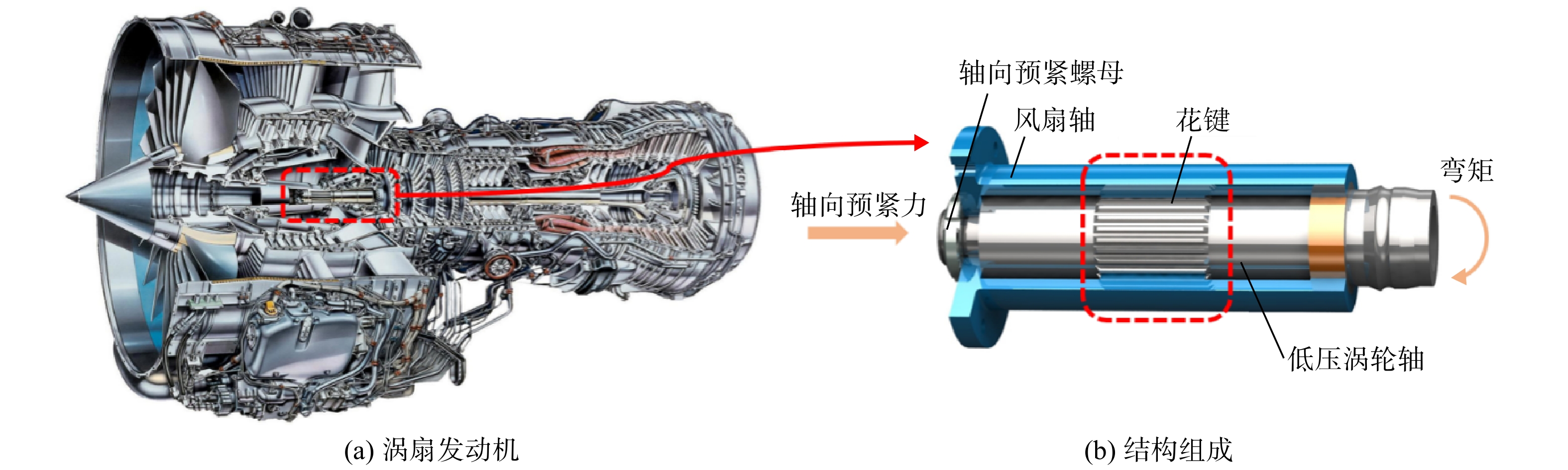
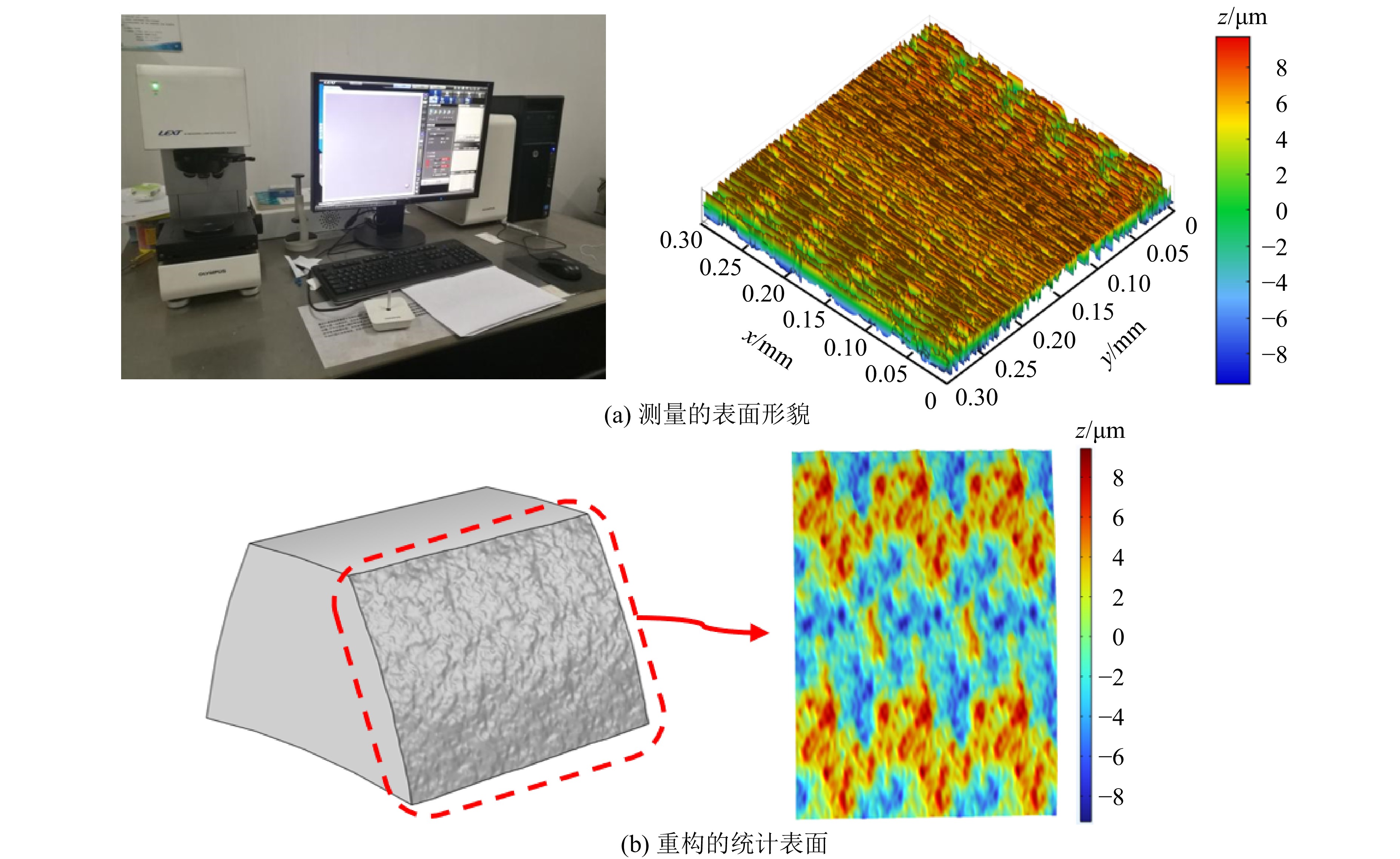
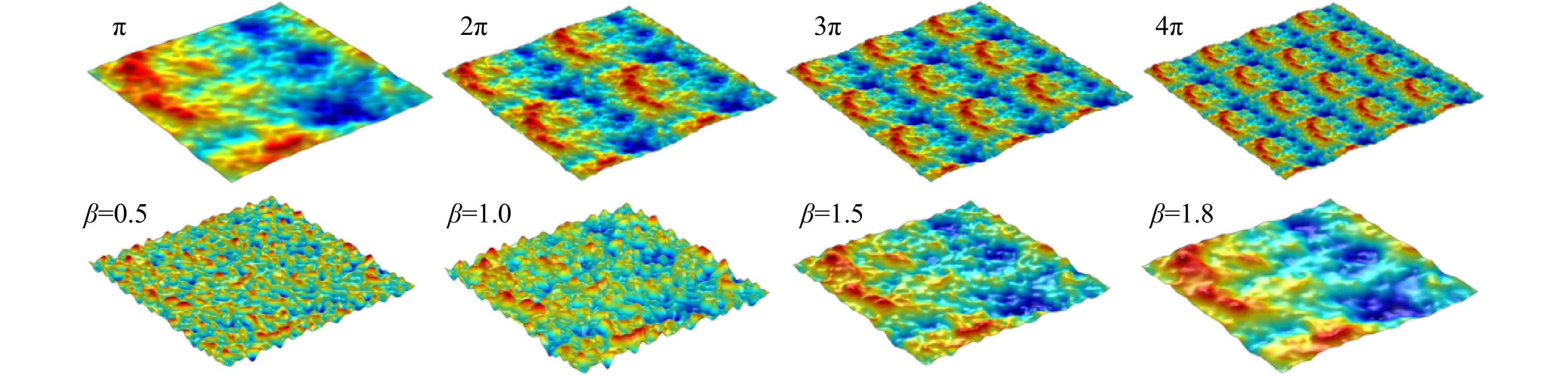
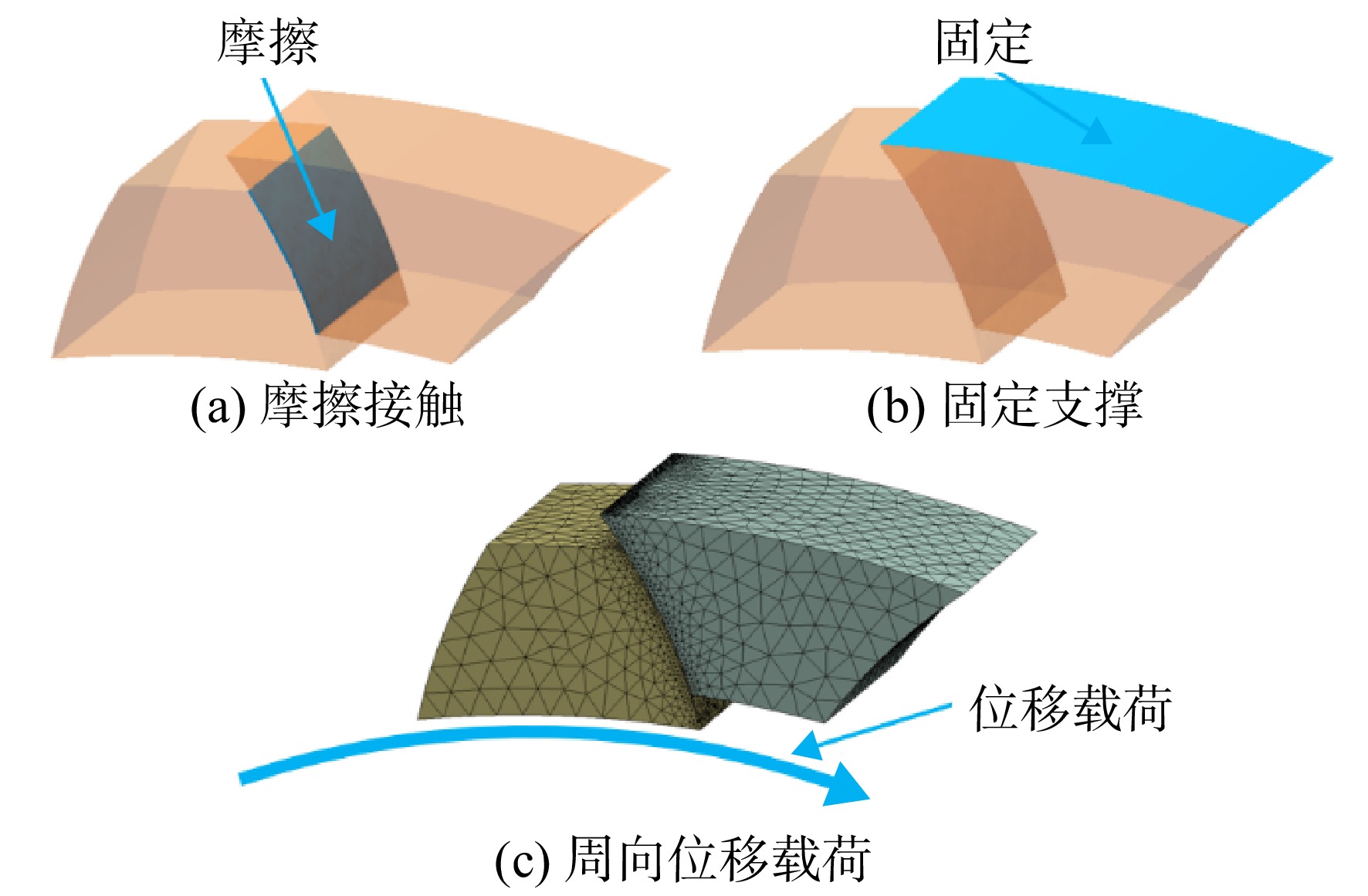
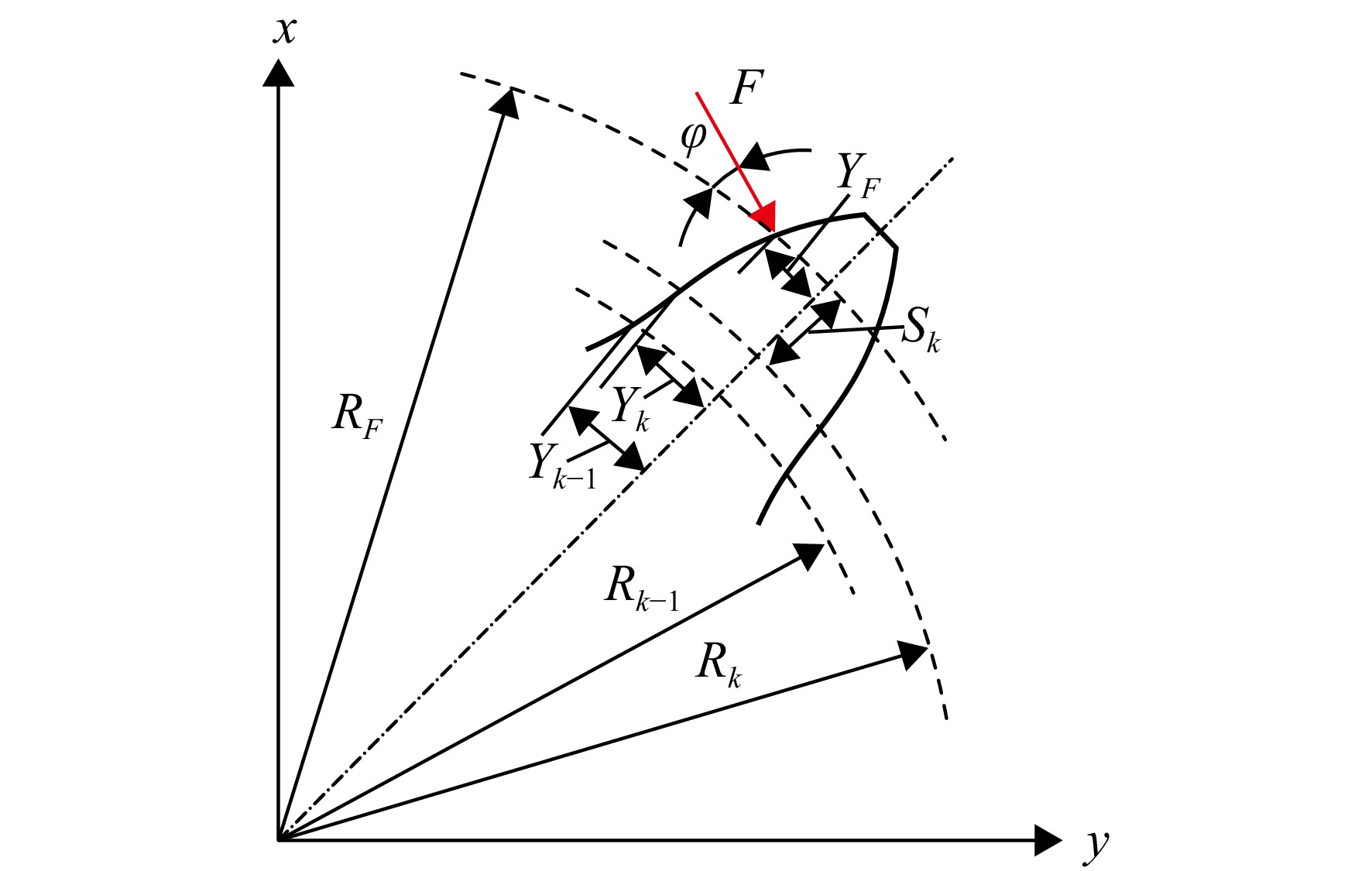
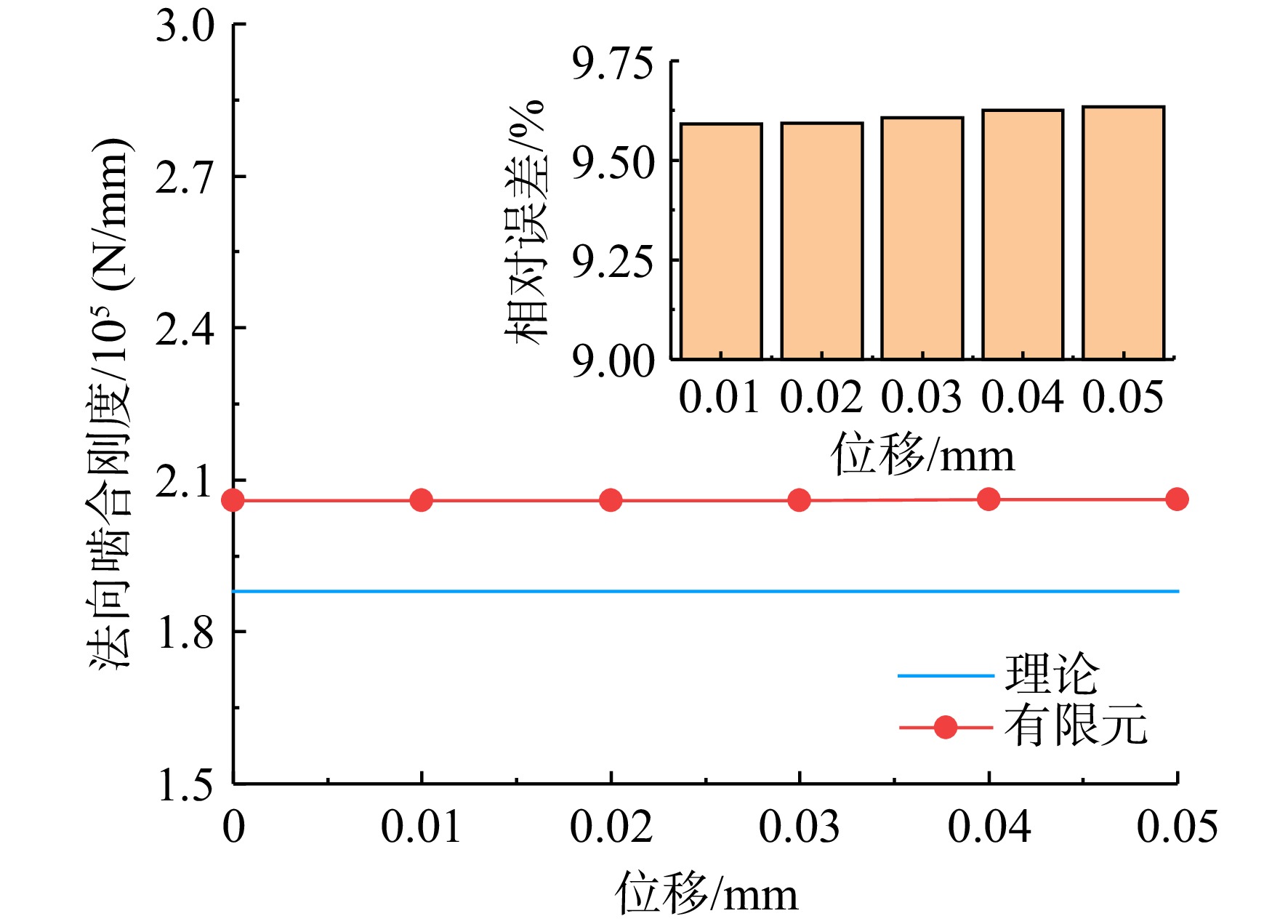
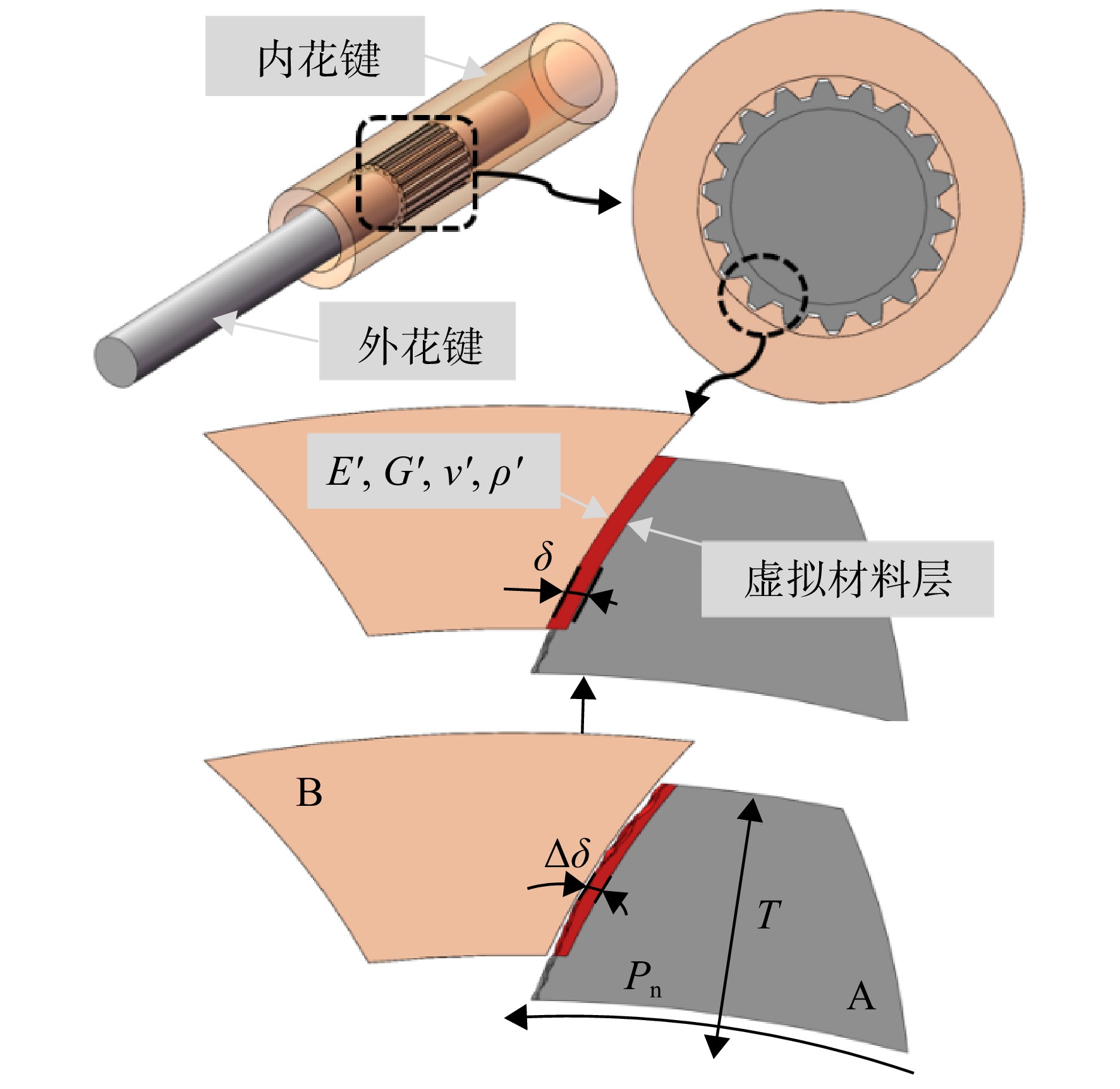
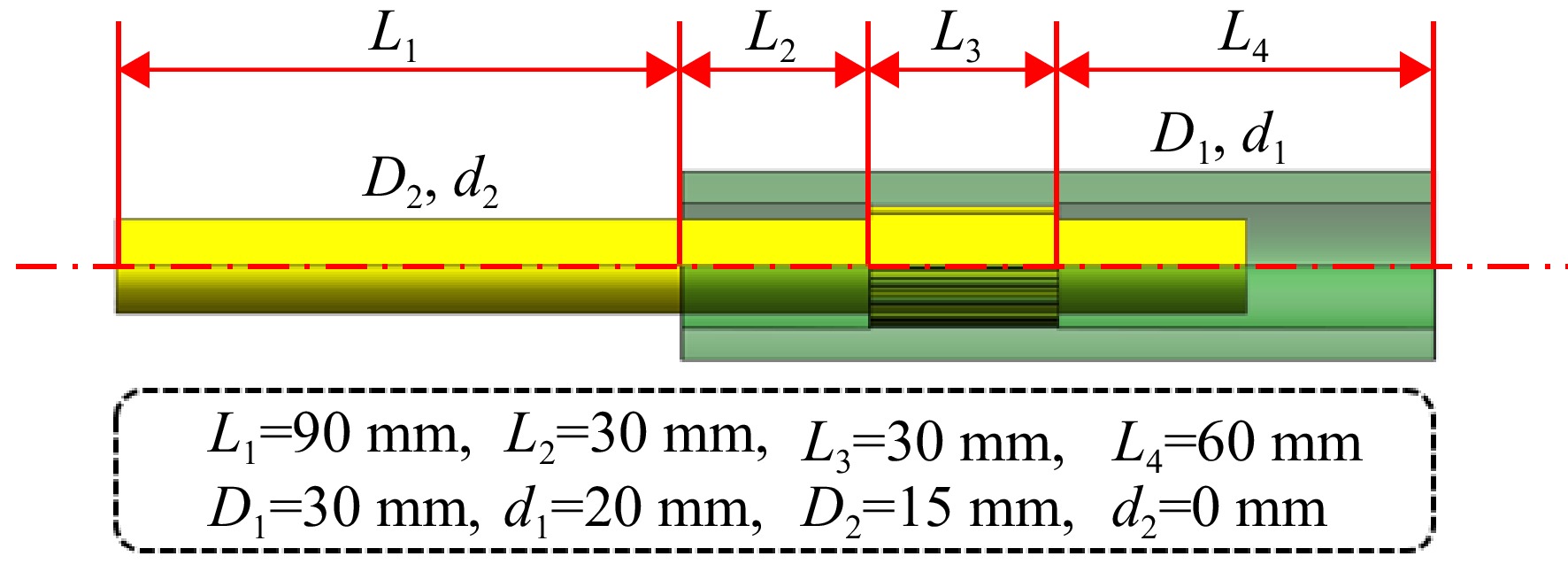
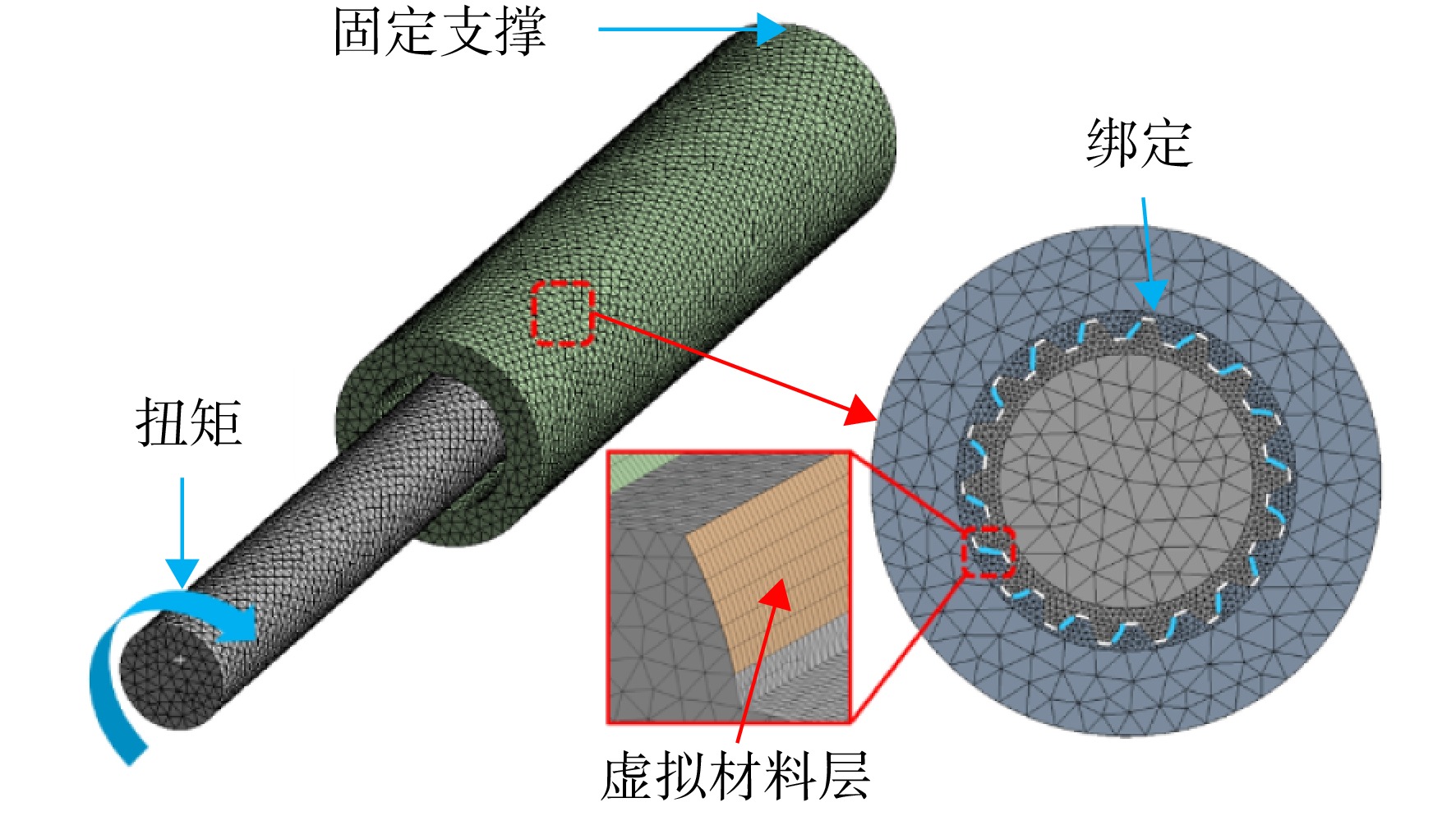
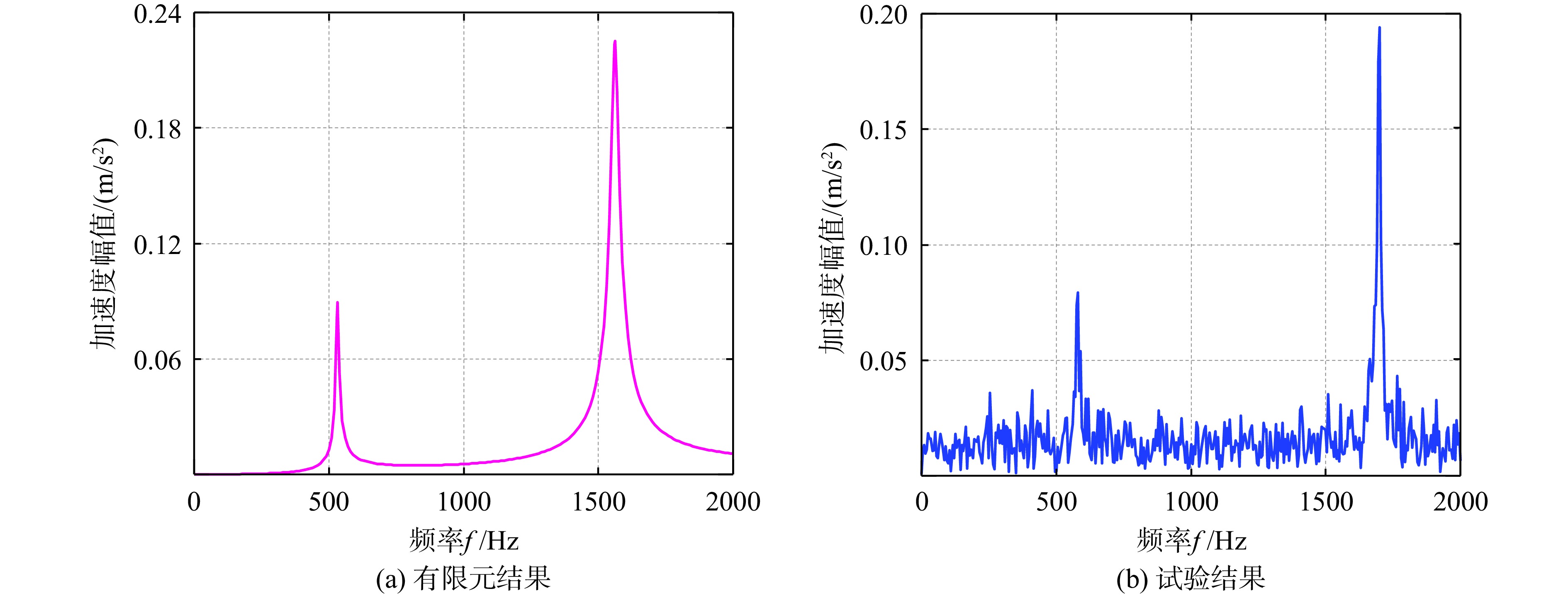
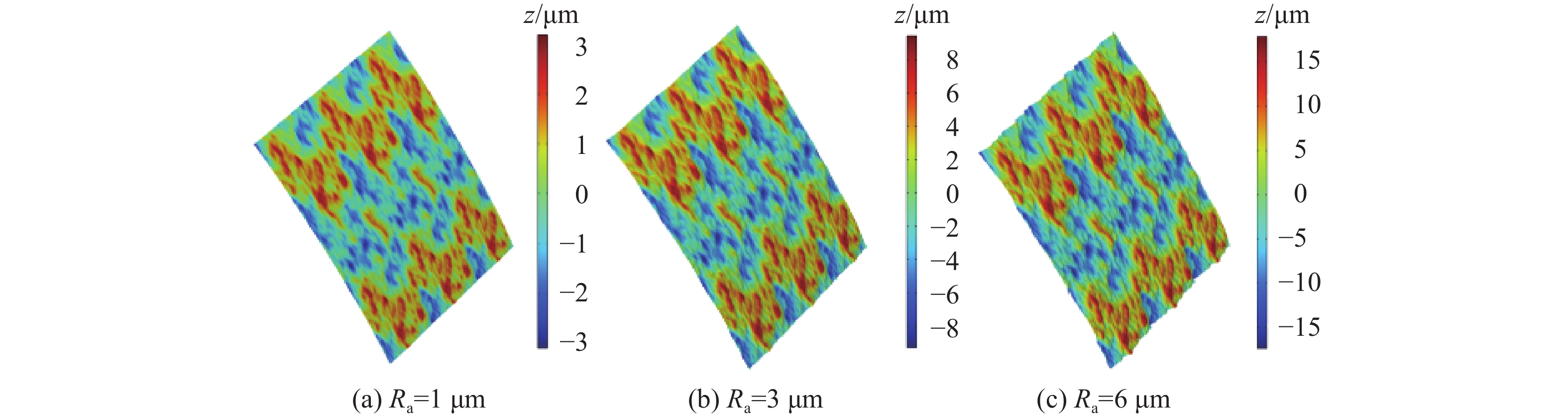
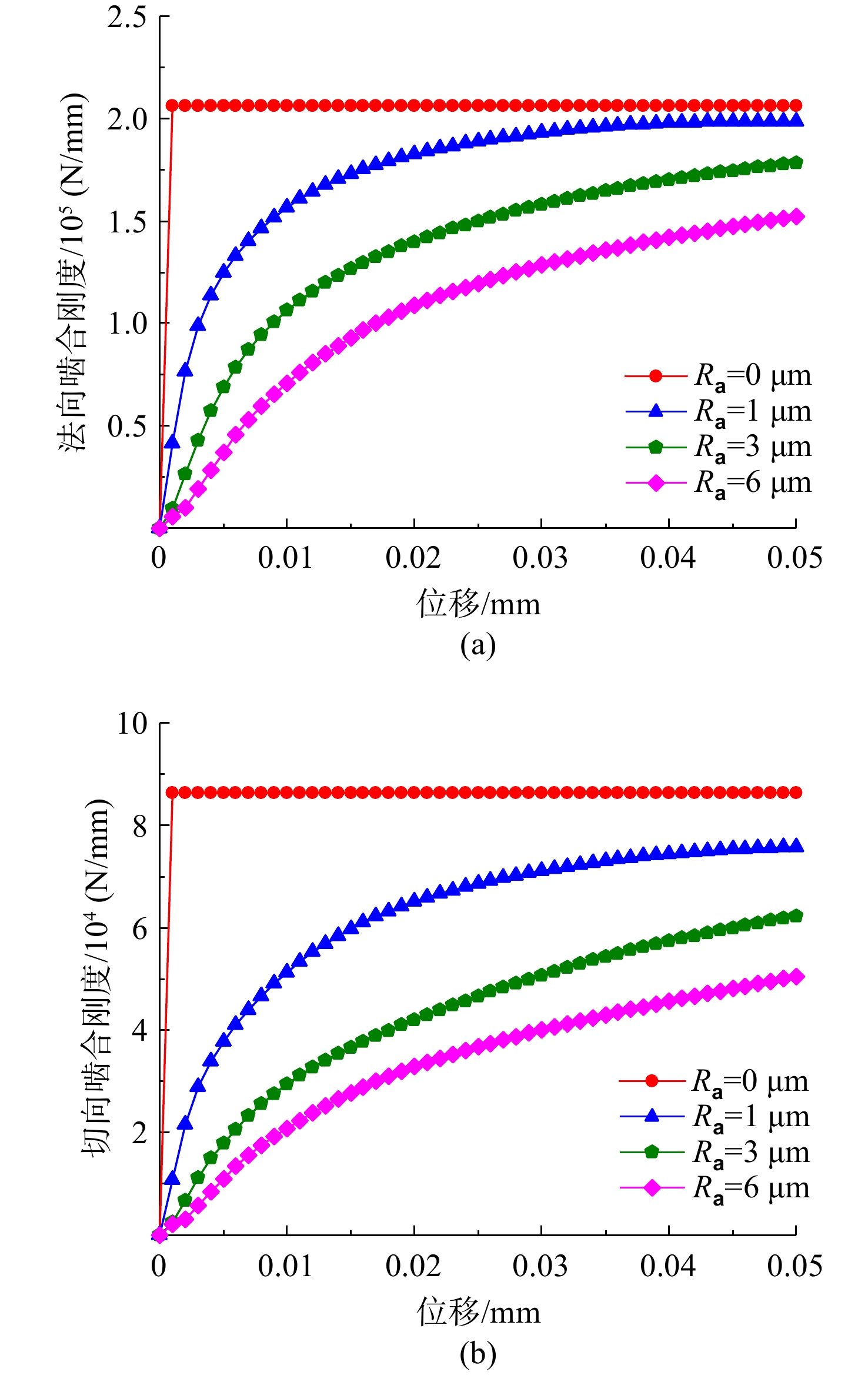
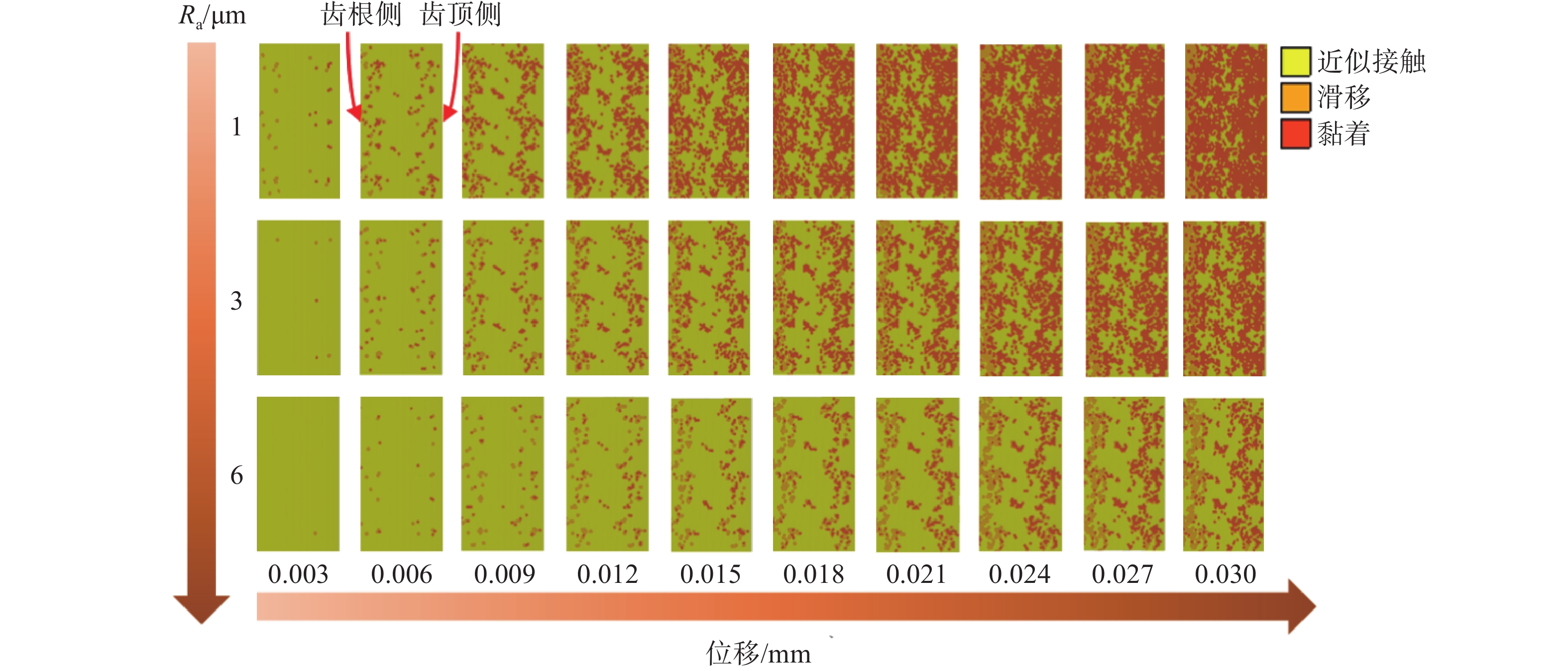
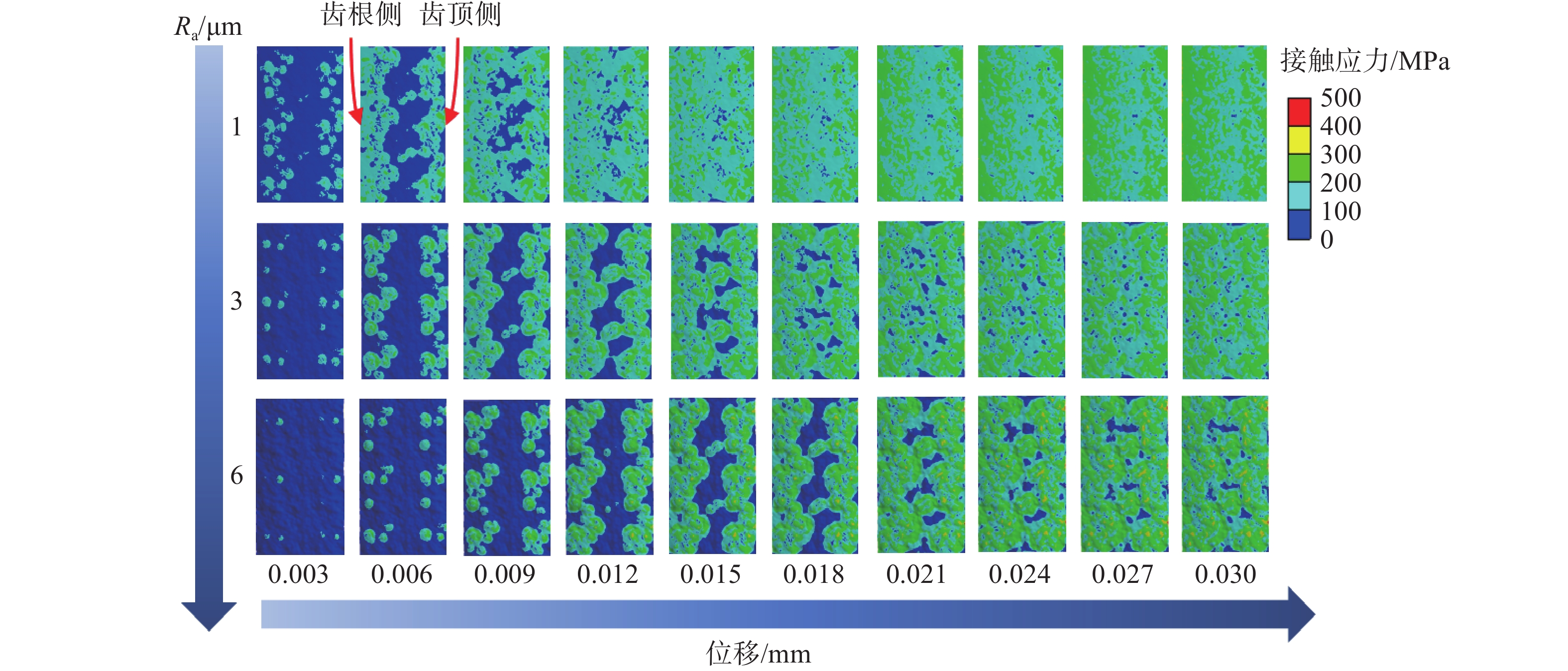
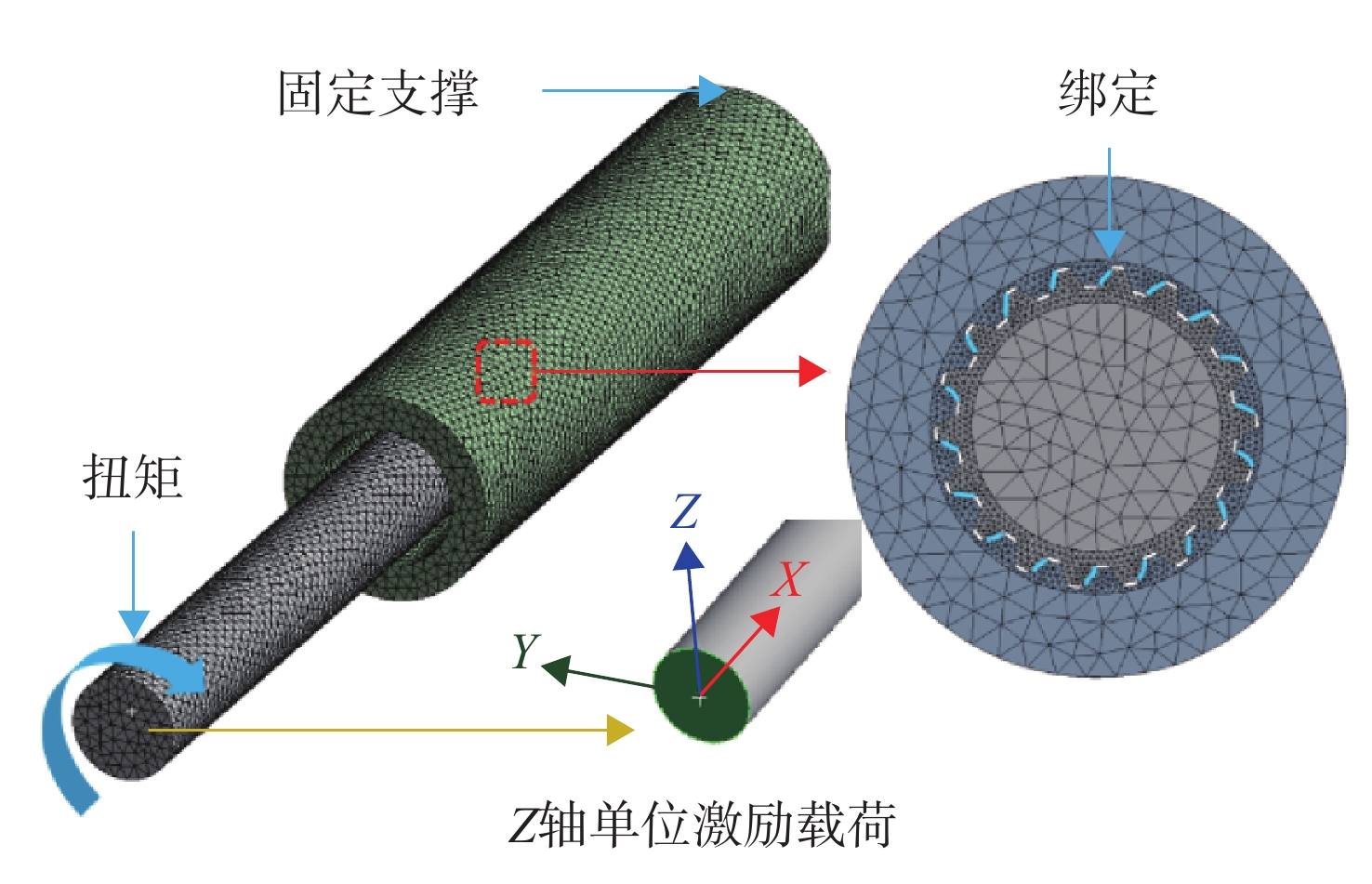
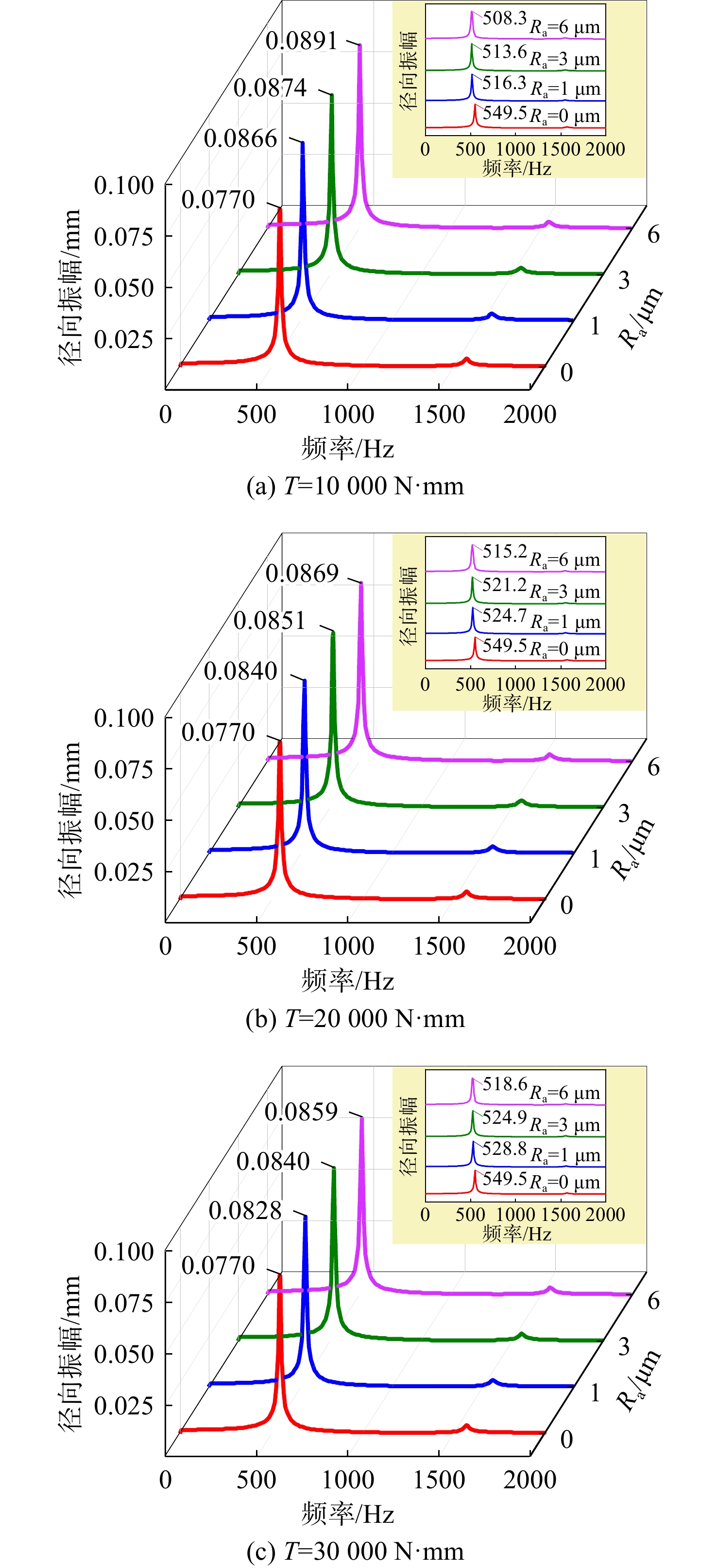
To improve the accuracy of dynamic modeling for aeroengine spline connected rotors, the influence mechanism of tooth surface roughness on structural dynamic characteristics was investigated. A simulation model of single-tooth-pair engagement with rough surfaces was established to reveal the evolution of normal and tangential meshing stiffness with displacement loads. A dynamic modeling method based on the virtual material method was proposed, and a finite element model of the overall structure considering surface topography was constructed. Results showed that lower surface roughness improved the uniformity of contact stress distribution and contact stiffness, whereas higher surface roughness caused contact area loss and induced tooth root slip damage. Roughness reduced the natural frequency and increased the vibration response through stiffness softening, with the first natural frequency being the most sensitive to surface conditions. The specific influence was about 7% on the first natural frequency and 11.8% on the radial vibration amplitude. In contrast, torque loading partially offset the negative effect of surface roughness by improving the contact state. The established cross-scale analysis framework clarified the influence of micro-topography on local contact behavior and global dynamic response, providing theoretical support for performance prediction and manufacturing process optimization of aeroengine spline connected rotors.

Multi-scale simulation and test verification for the high-temperature compression behavior of corrugated lattice sandwich panel
Zhang Long, Liao Wenlin, Chen Xiaoguang, Fan Juntao
2027, 42(1): 20250296. doi: 10.13224/j.cnki.jasp.20250296
Abstract:
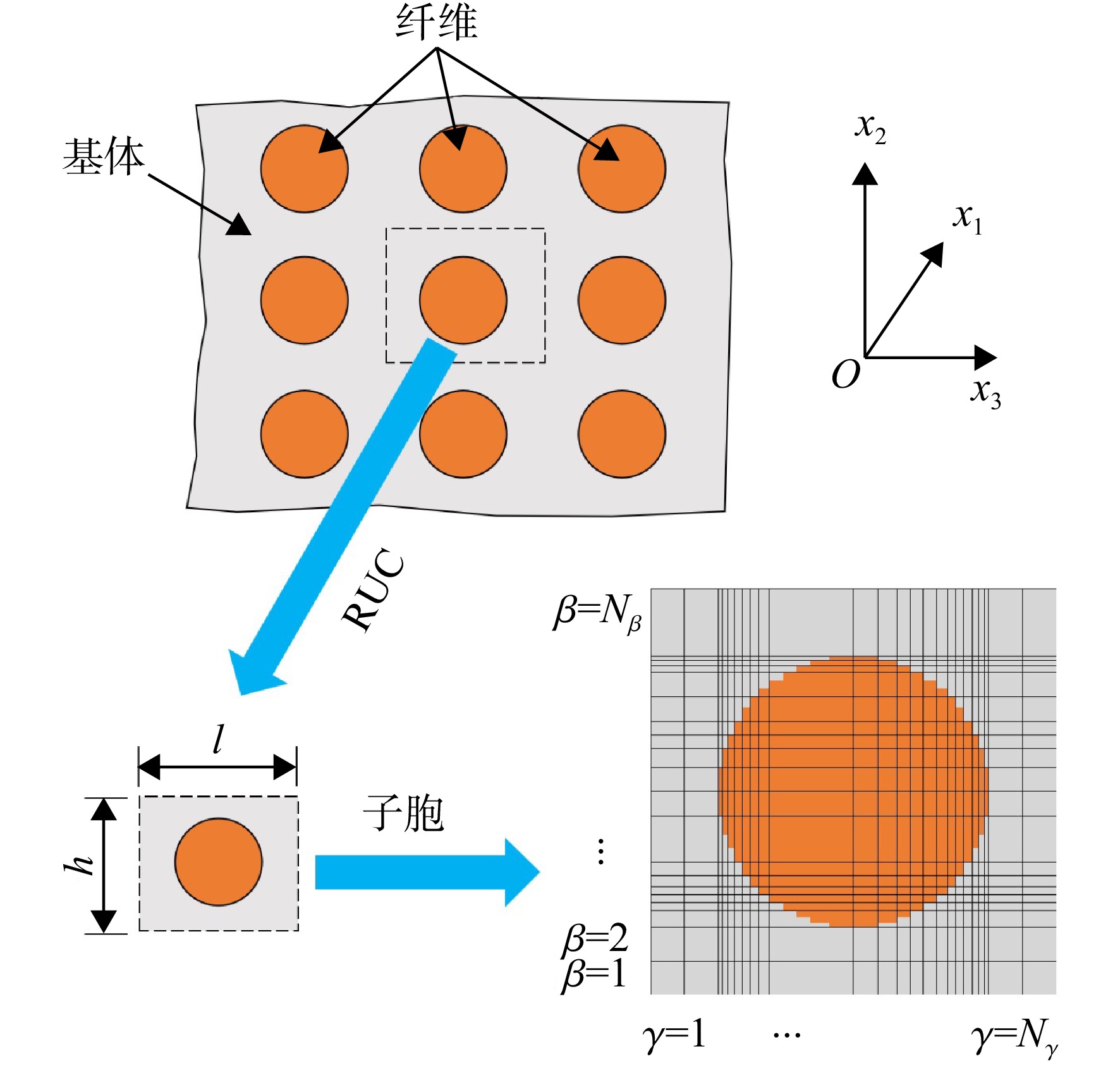
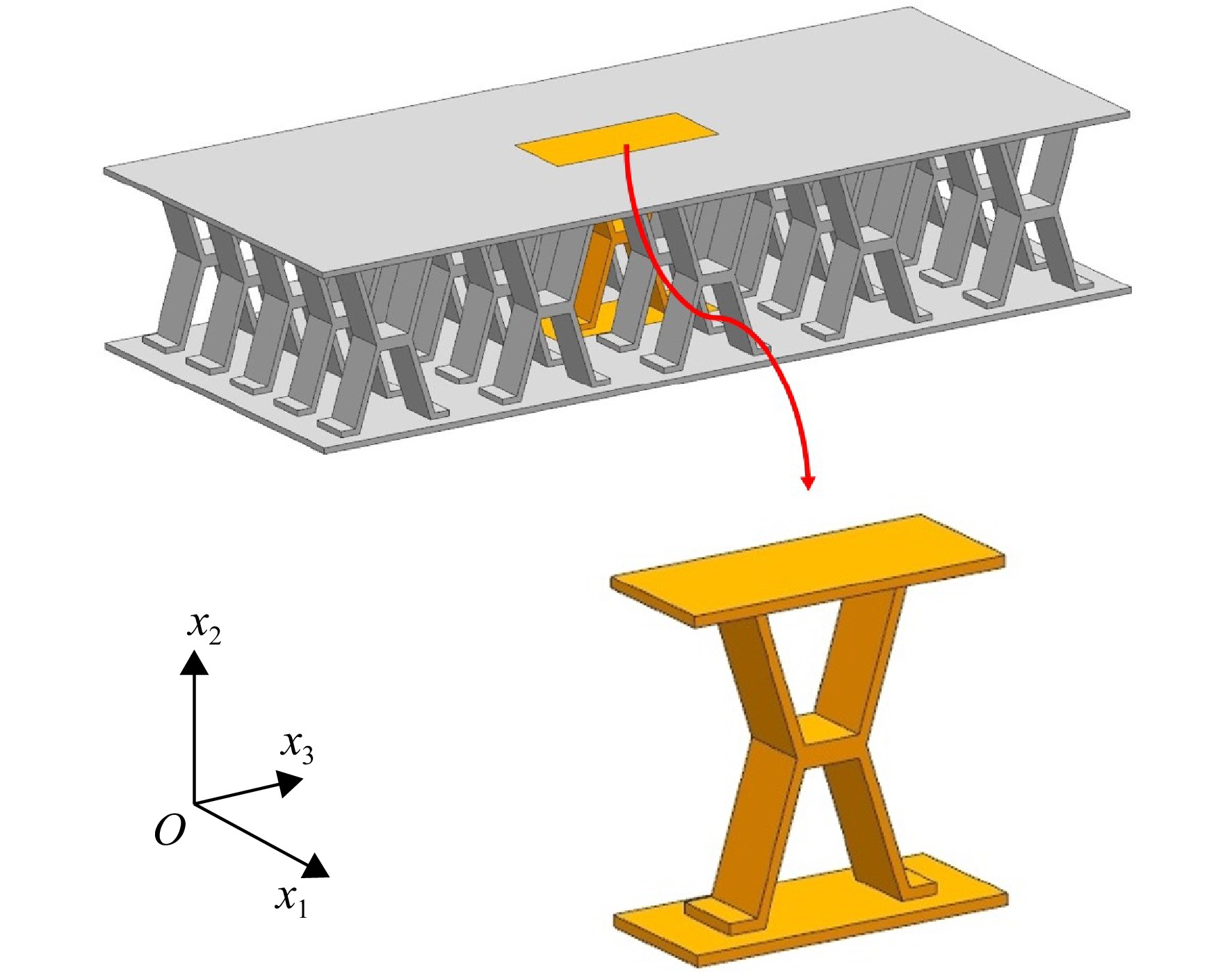
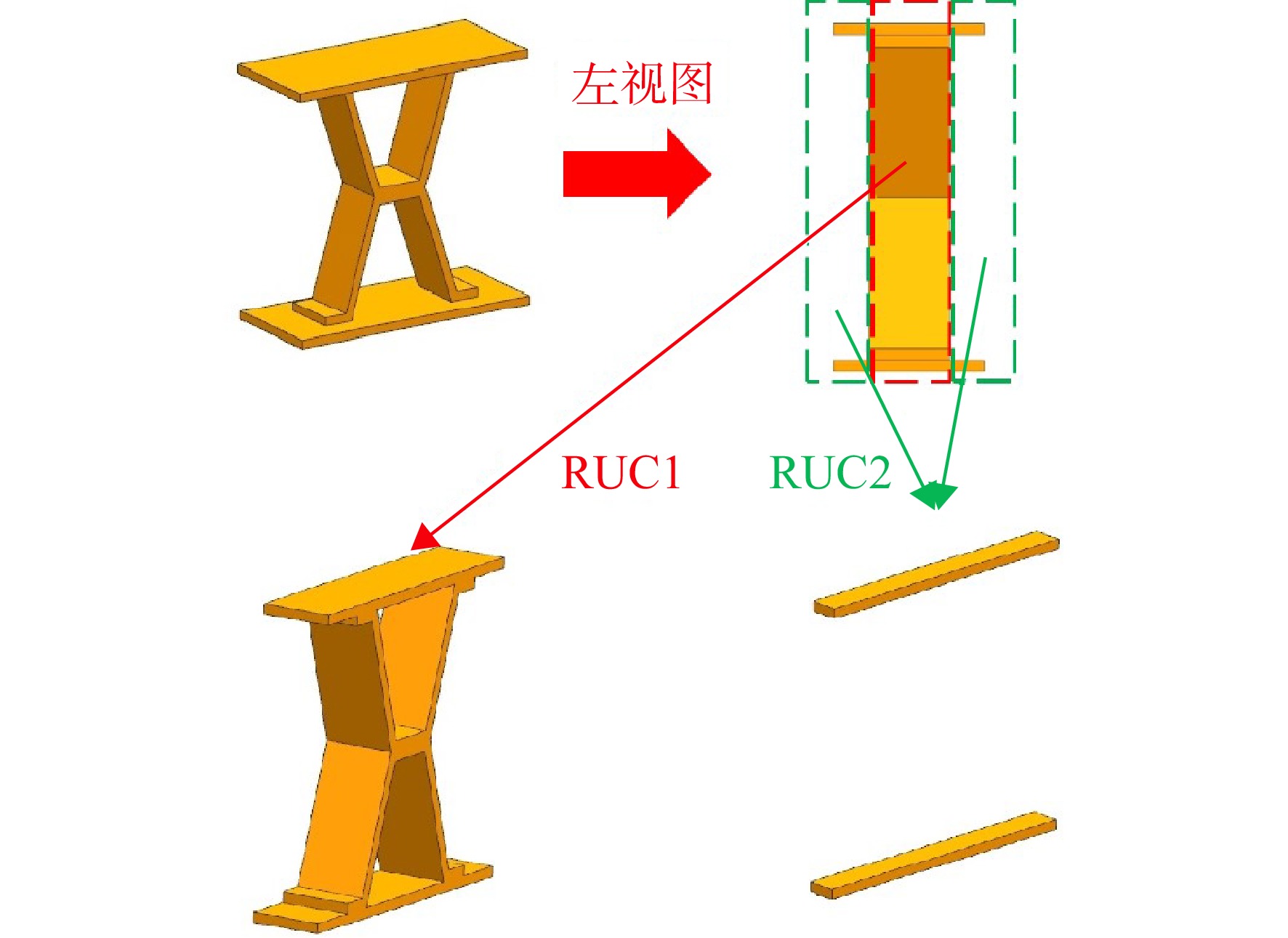
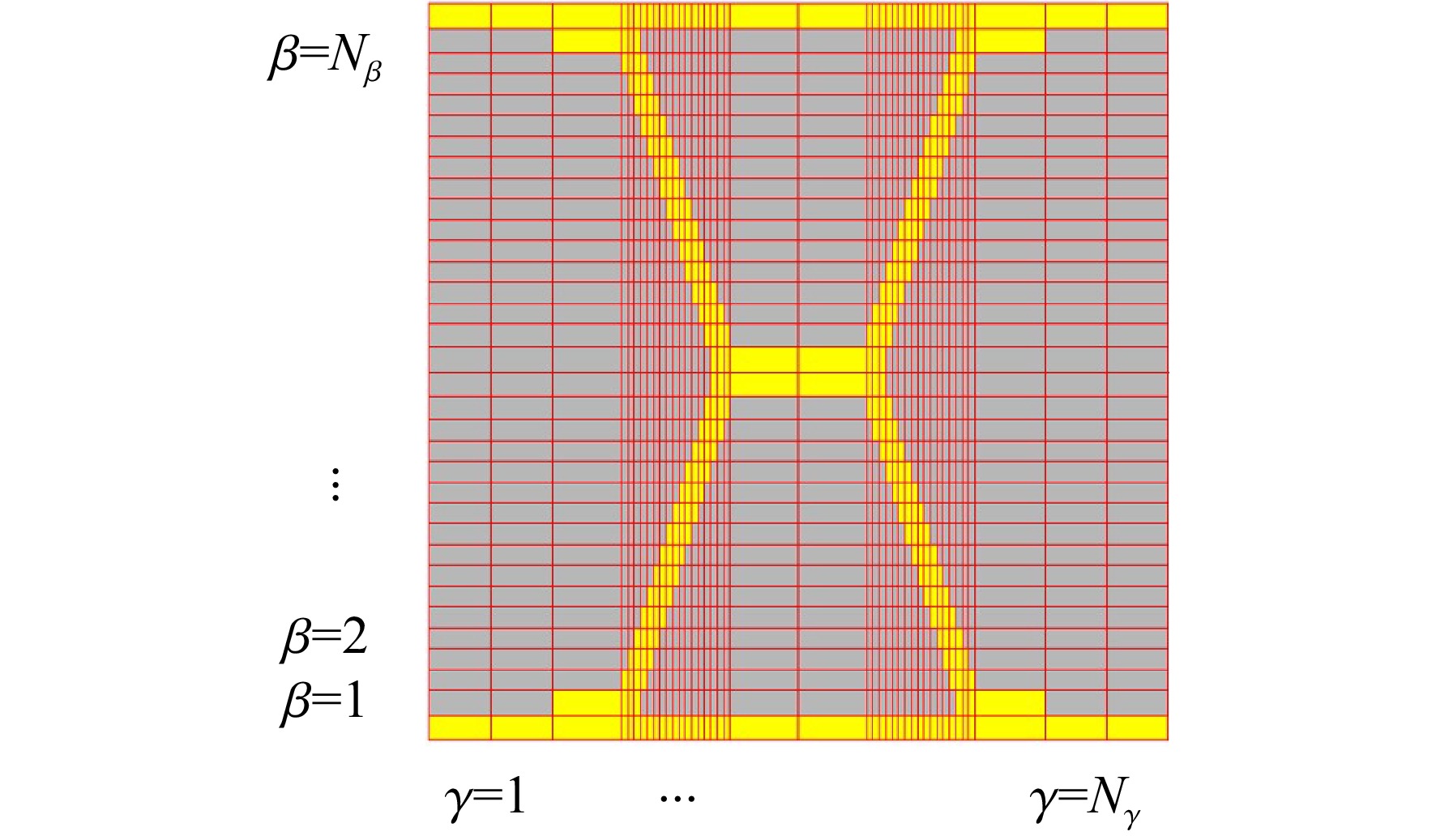
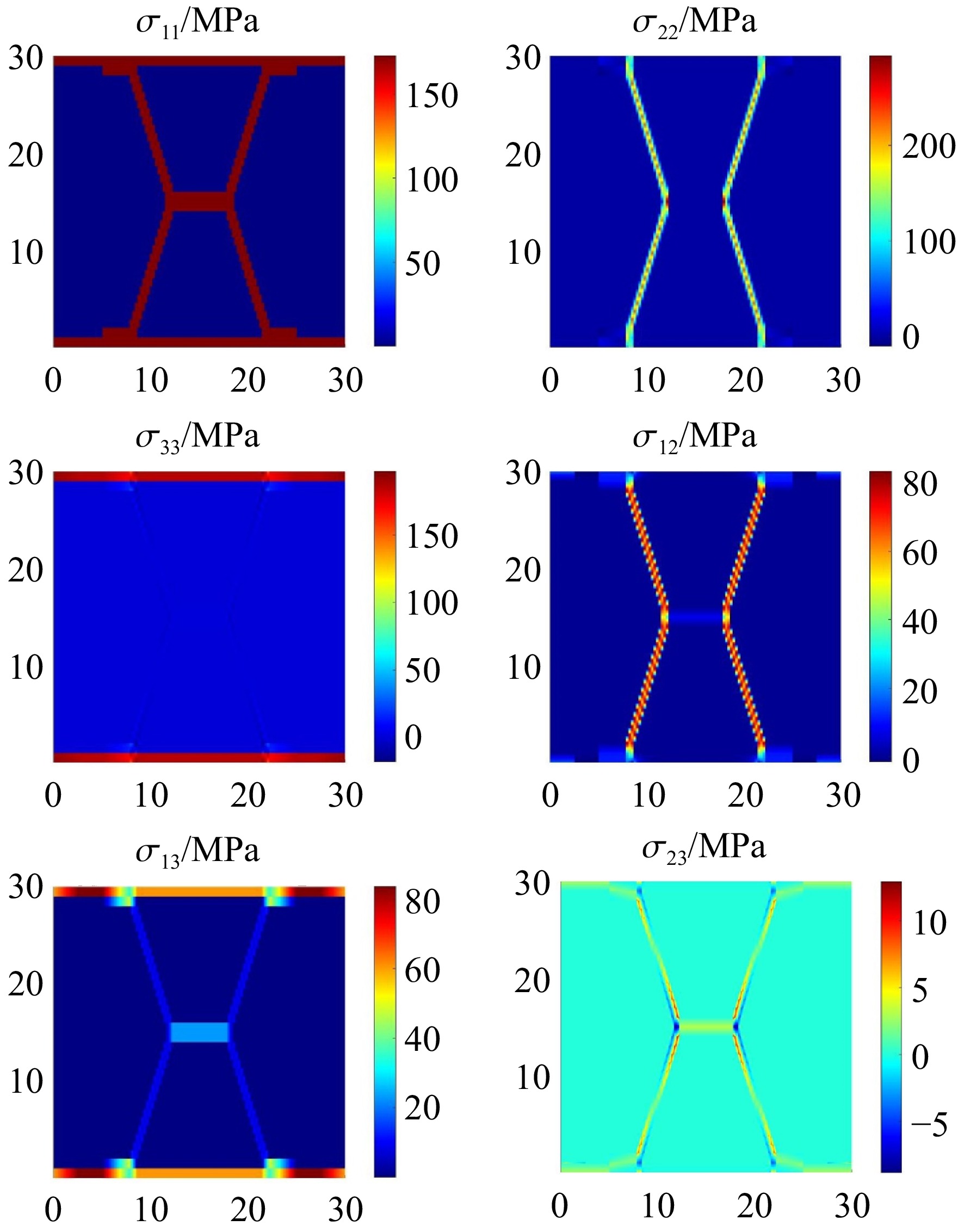
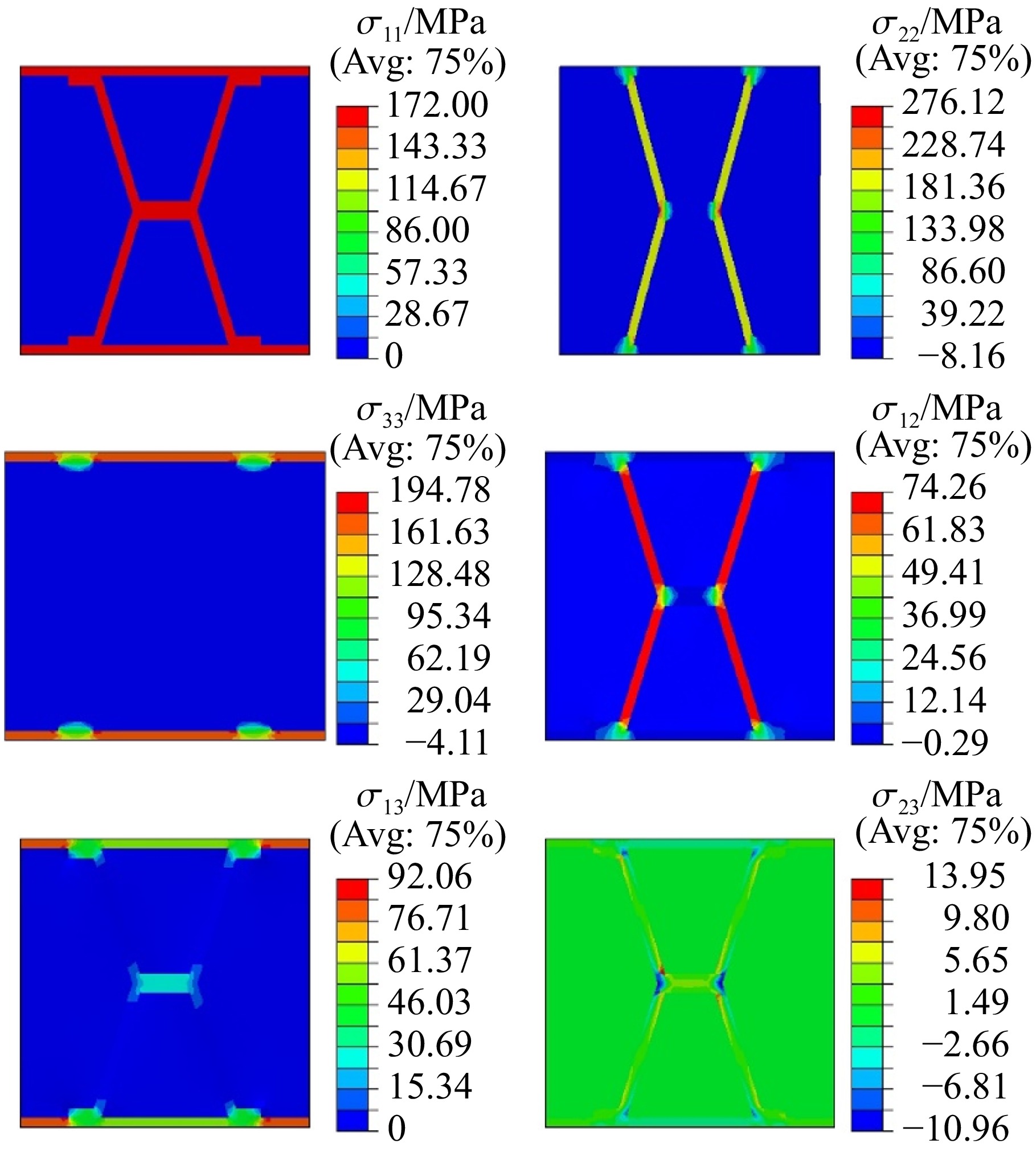
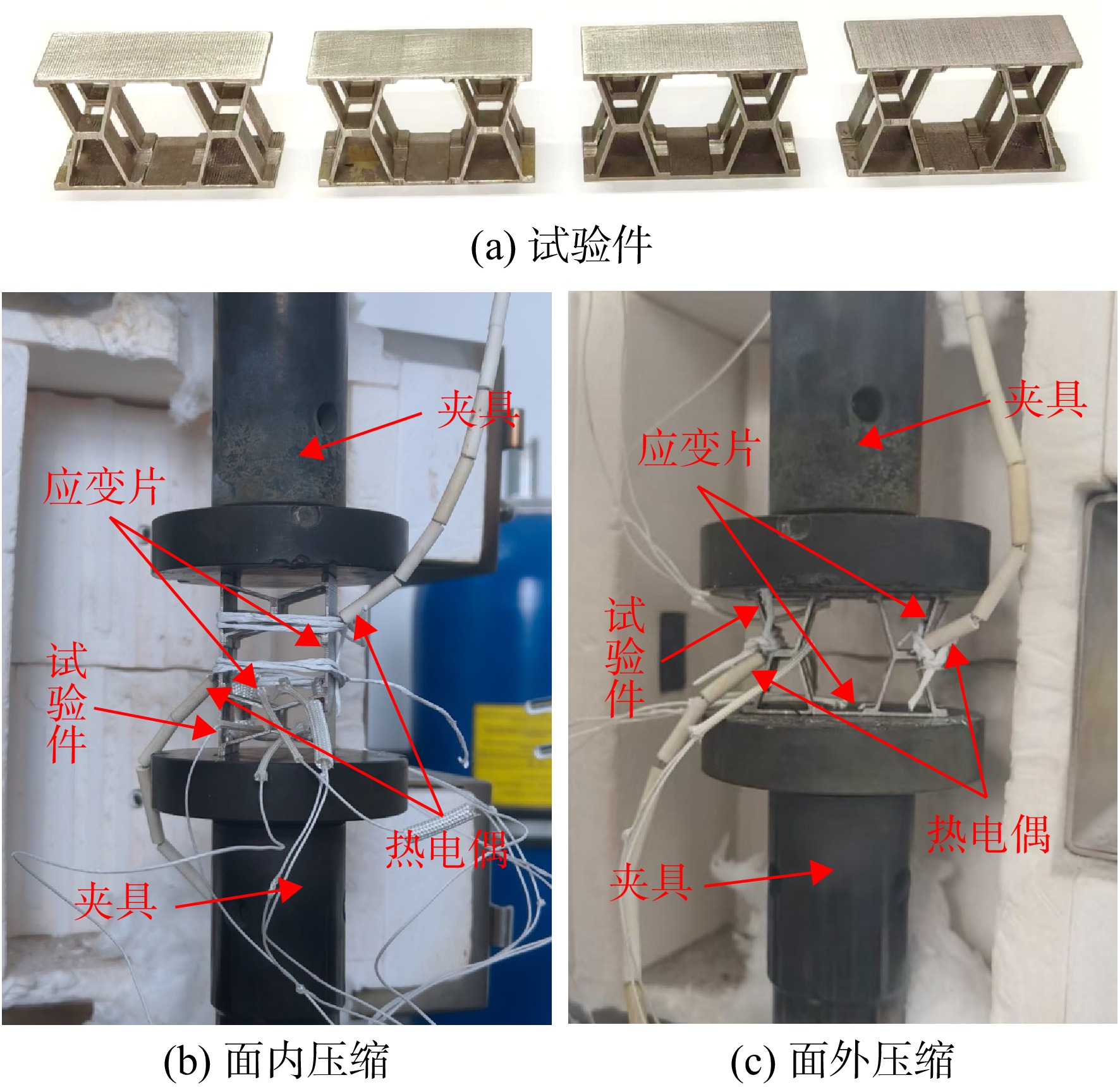
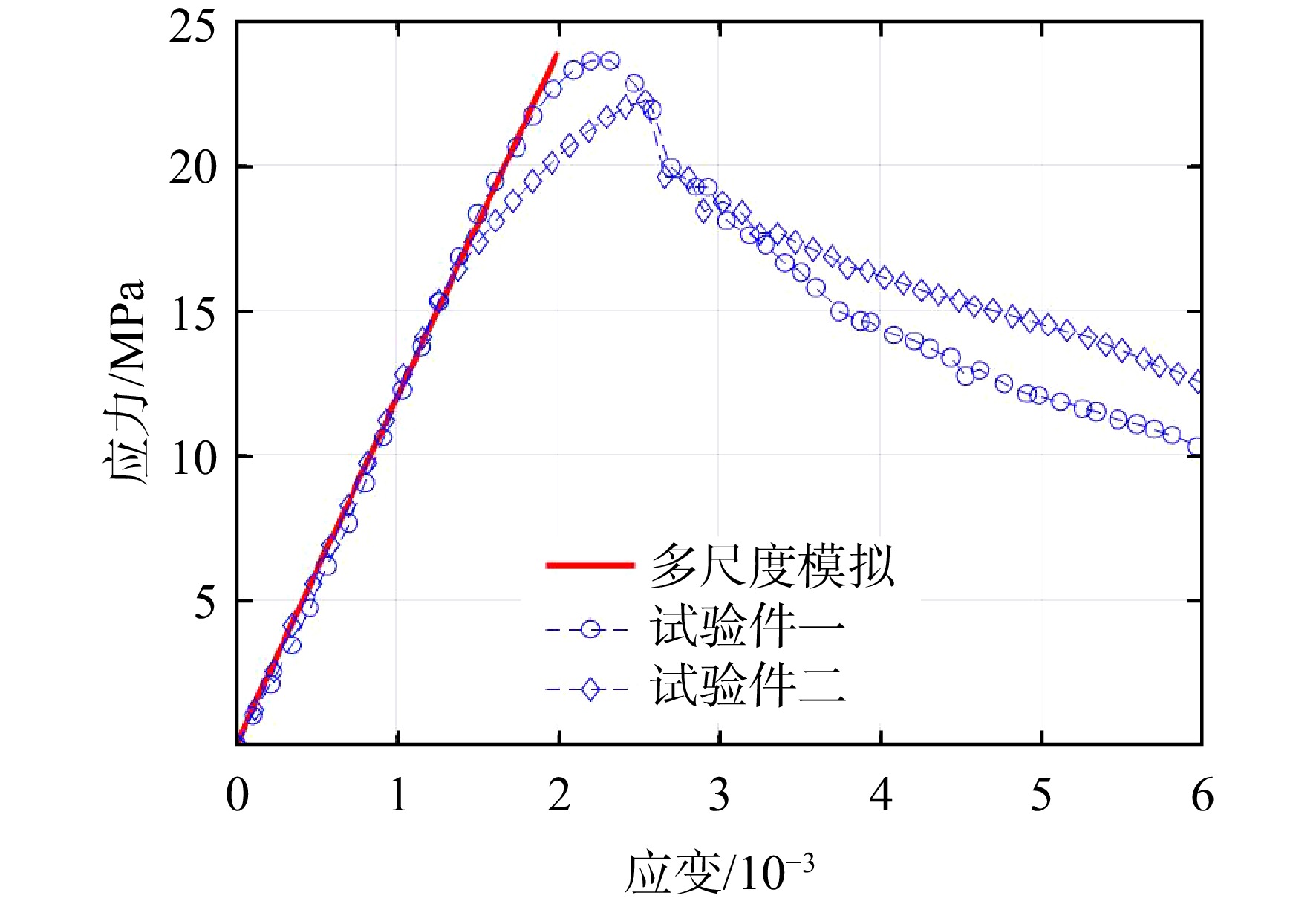
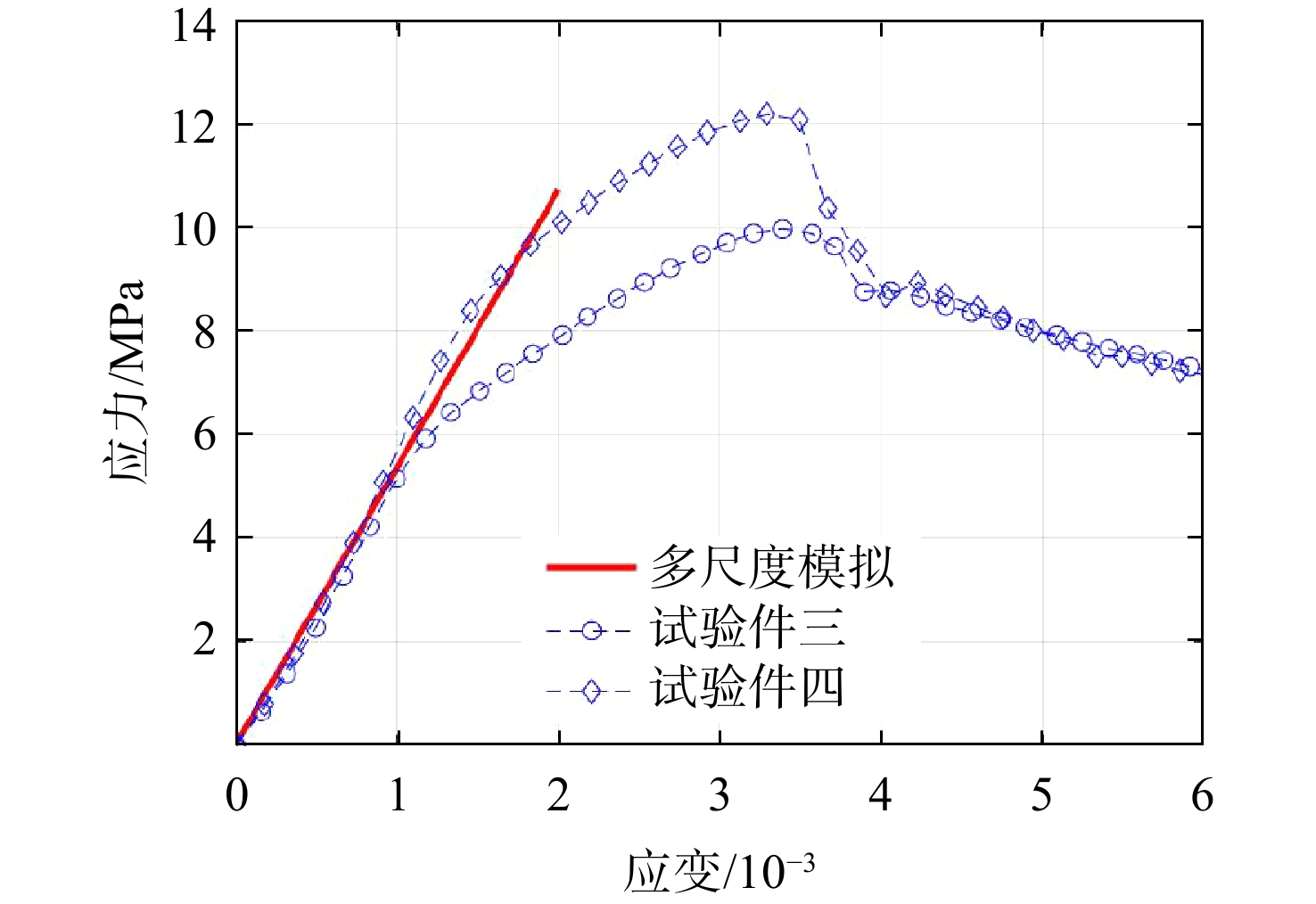
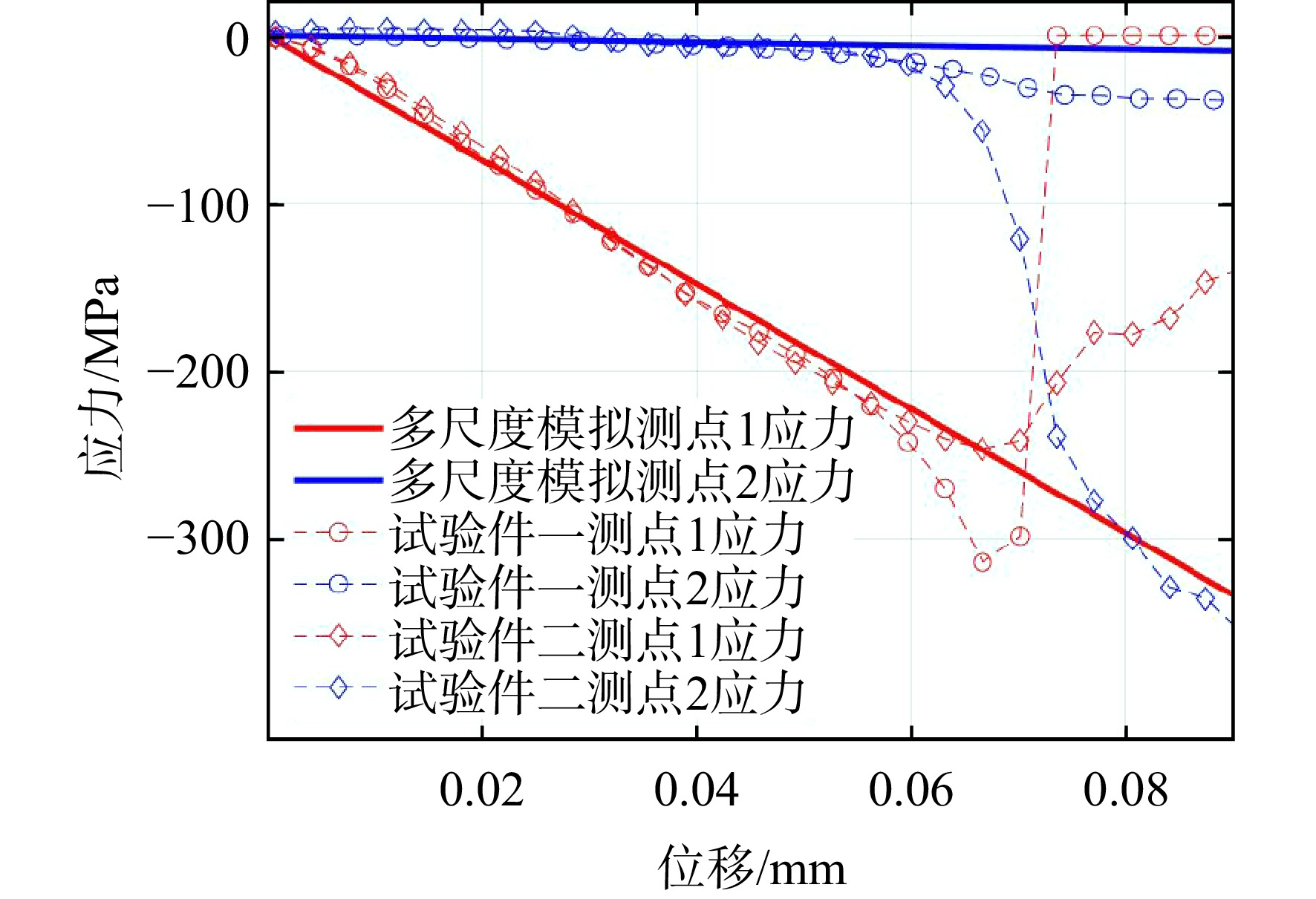
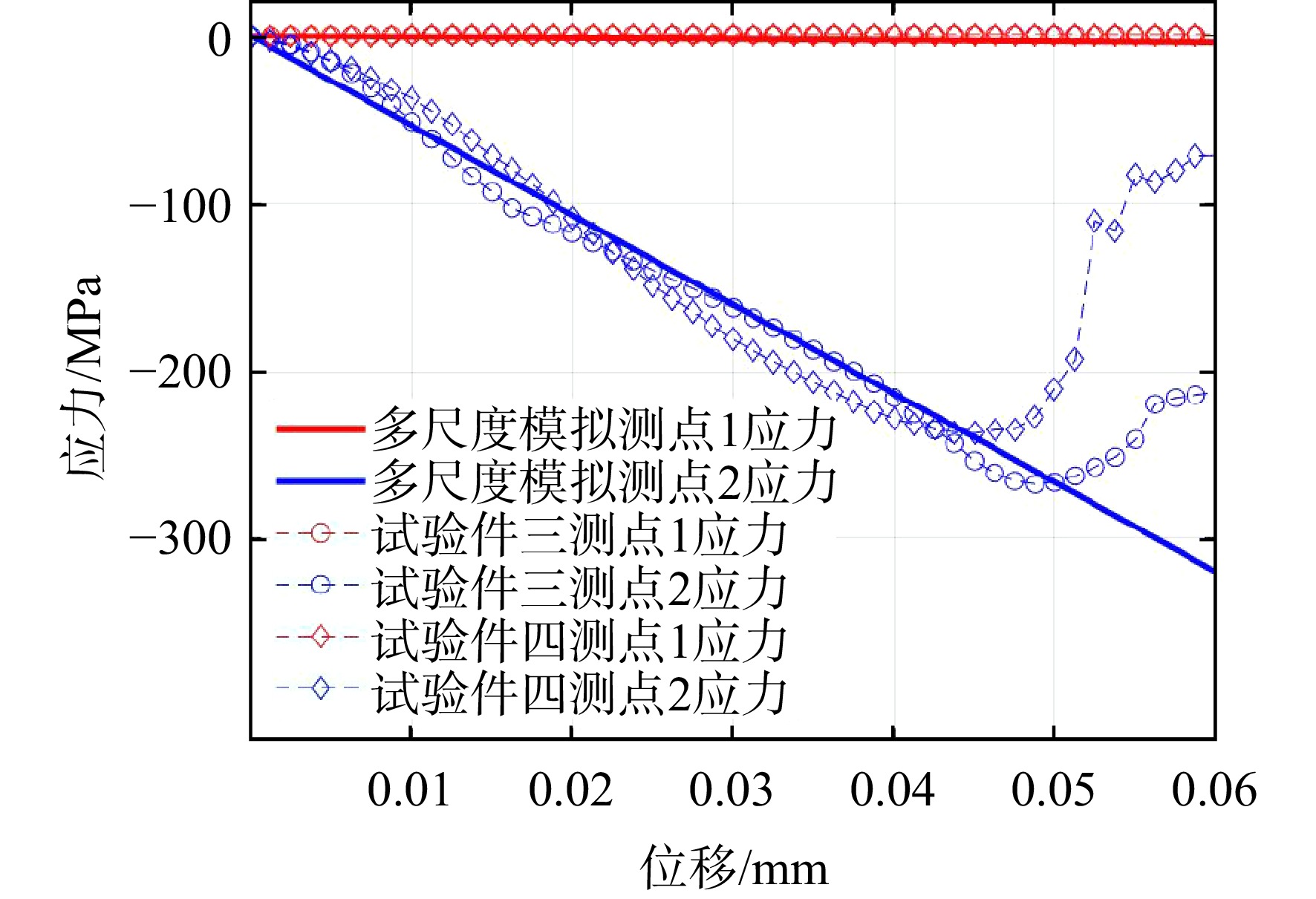
In order to master the macroscopic mechanical response rules of the integrated thermal insulation and load bearing lattice sandwich panel structure of hypersonic aircraft, this paper carried out multi-scale simulation and test verification of the high-temperature compression behavior of corrugated lattice sandwich panels. First, the basic theory of general method of cells (GMC) is introduced. Then, on the basis of the periodic structural characteristics of corrugated lattice sandwich panels, the representative volume element is extracted to carry out multi-scale simulation and macroscopic effective mechanical parameters prediction based on the GMC method. In the end, a high-temperature compression test is designed to verify this developed method. It shows that the macroscopic stress strain curve and interior mesoscopic stress distribution predicted by this method are basically consistent with the test results, and the maximum relative error between the predicted elastic modulus and the test results is within 5.0%.

Analysis on factors affecting load in air excitation tests of rotating blades
Wang Huaitao, Geng Weimin, Gao Peng, Gao Weiqiang, Tang Ziwei
2027, 42(1): 20250376. doi: 10.13224/j.cnki.jasp.20250376
Abstract:
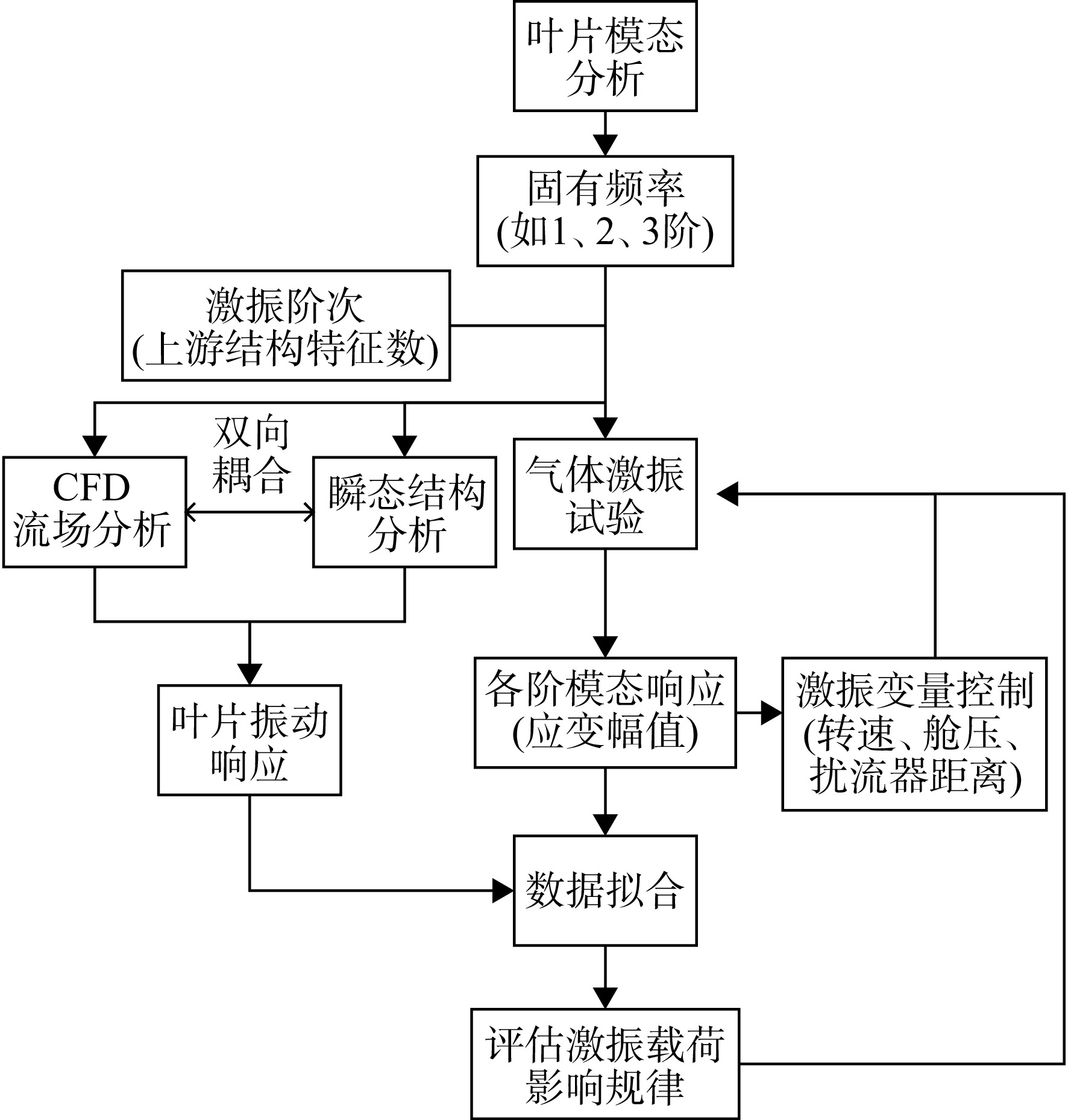
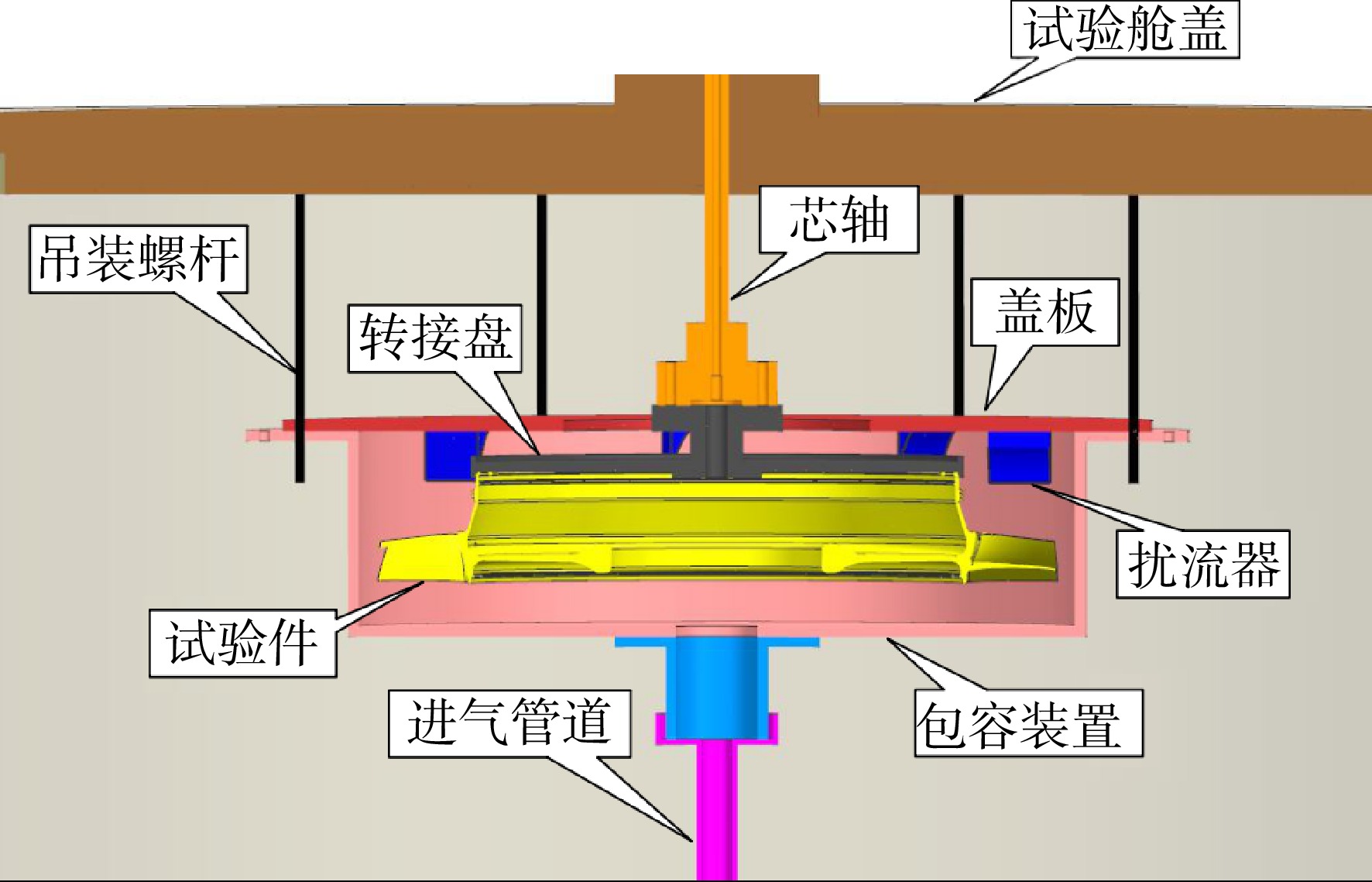
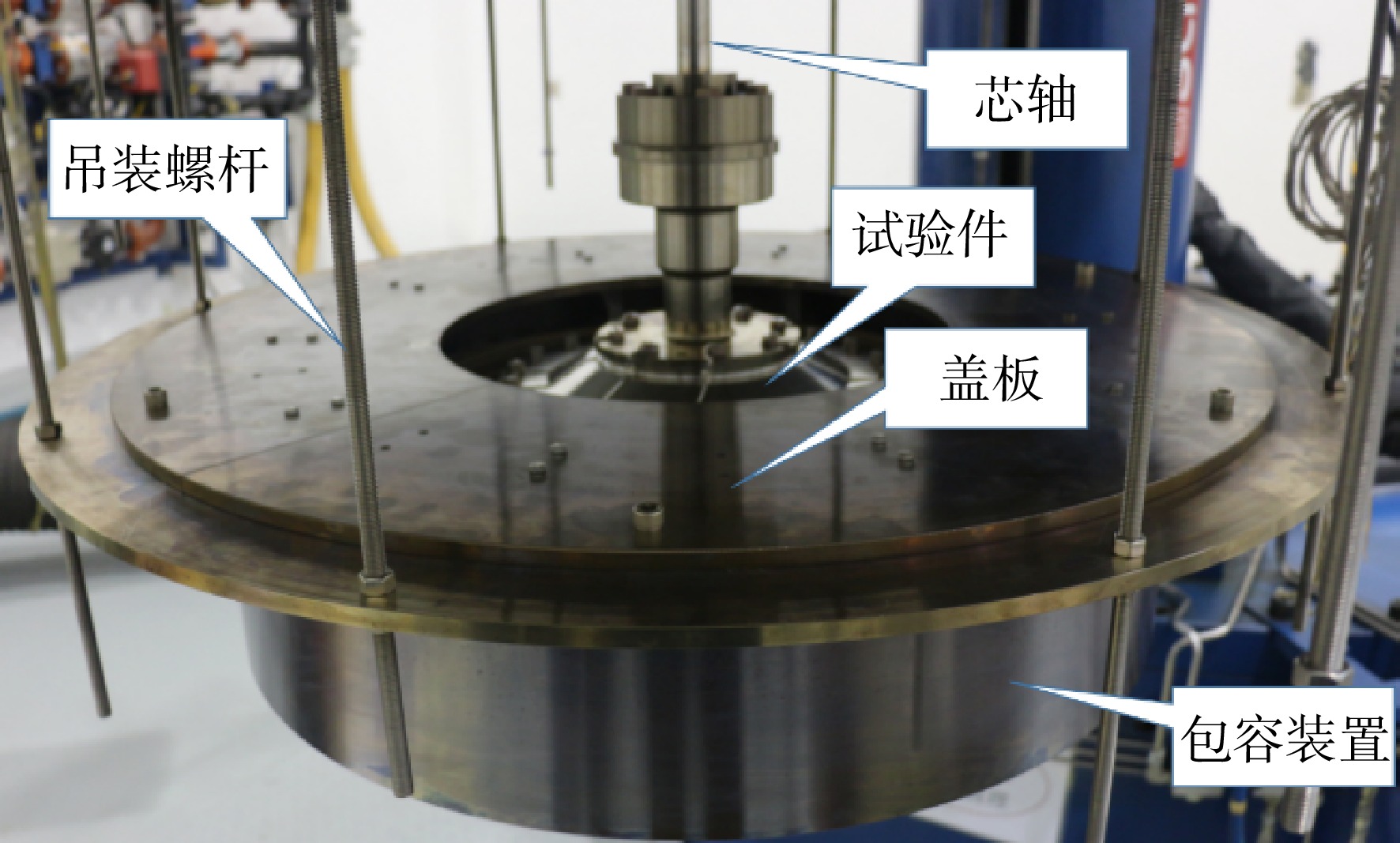
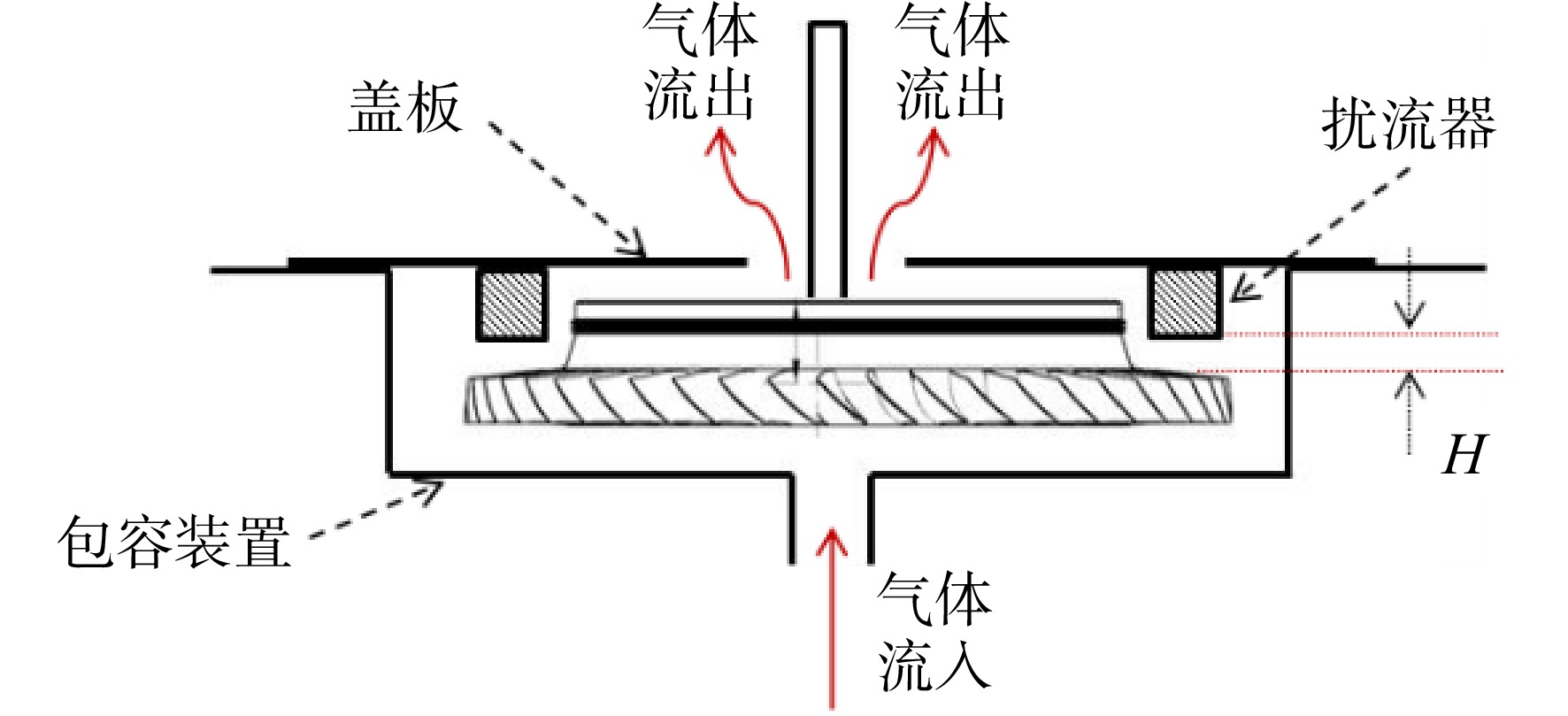
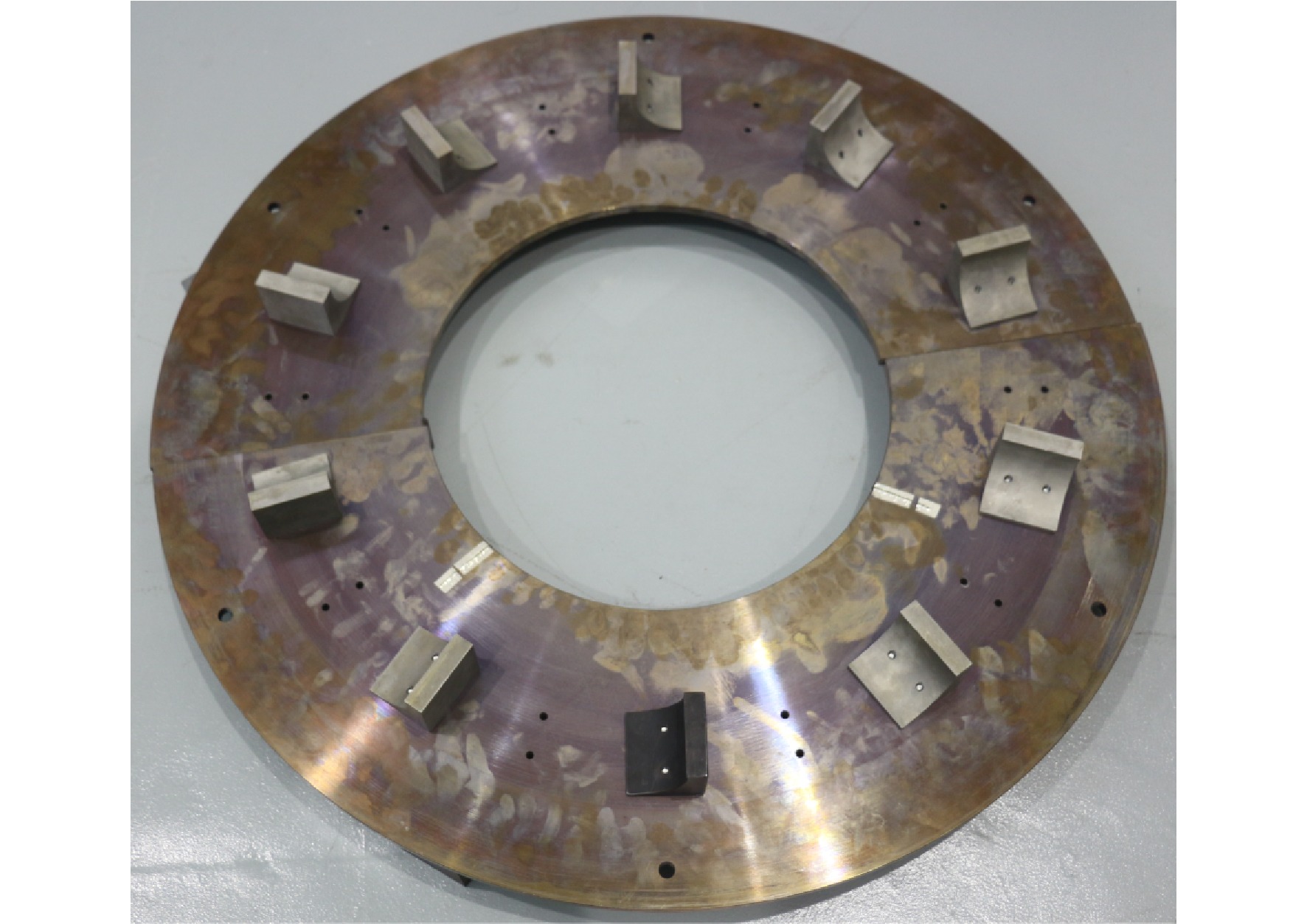
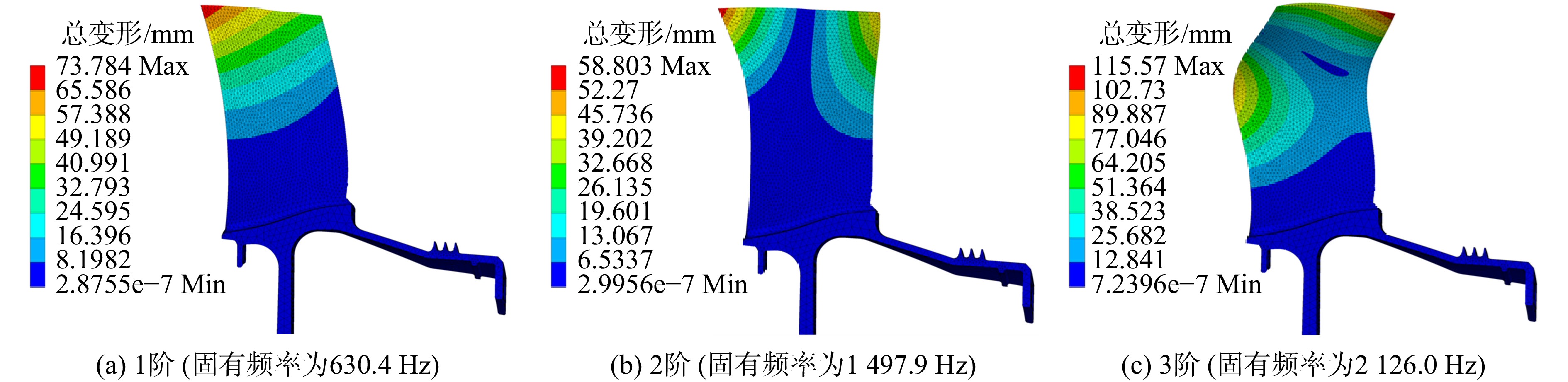
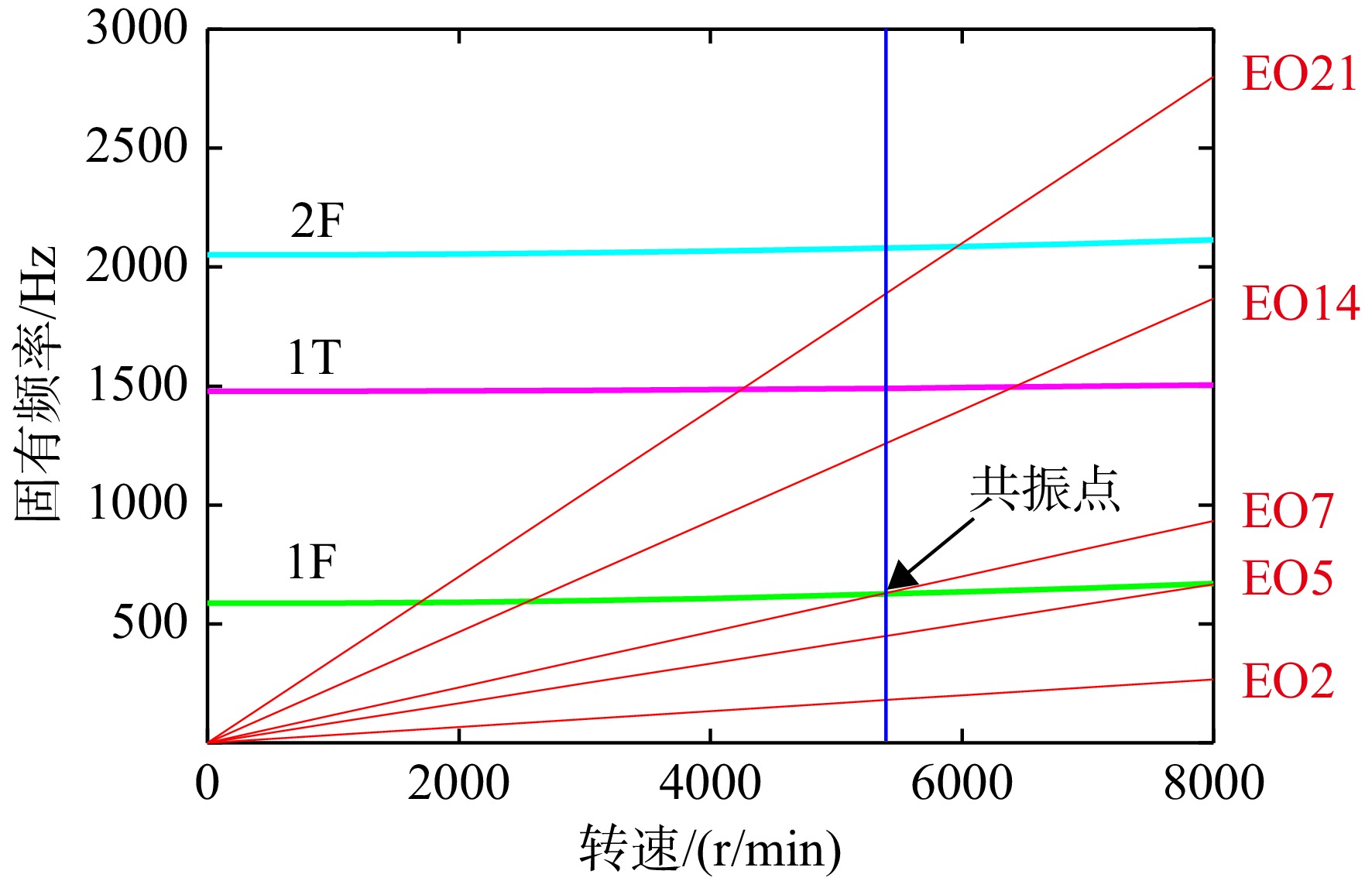
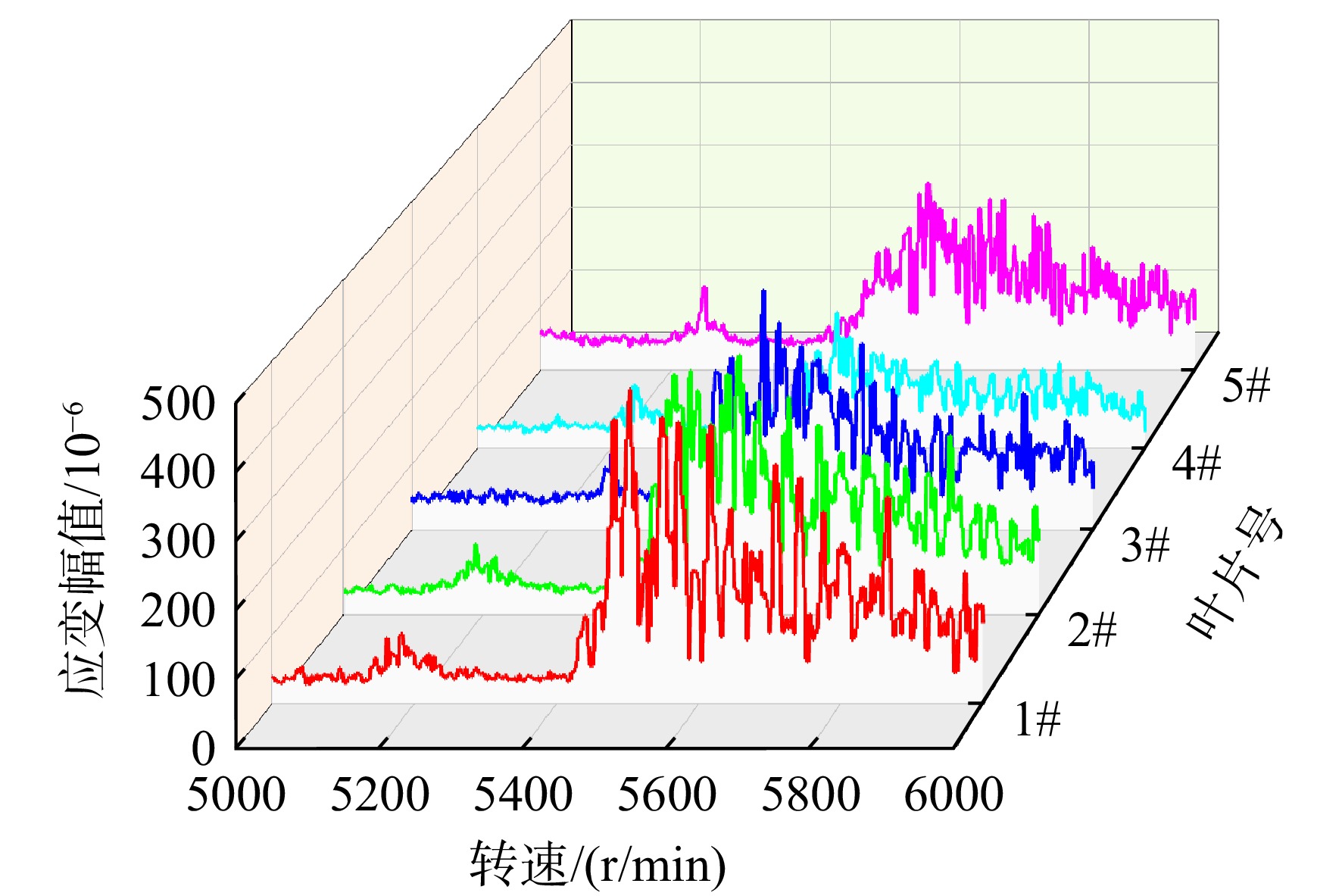
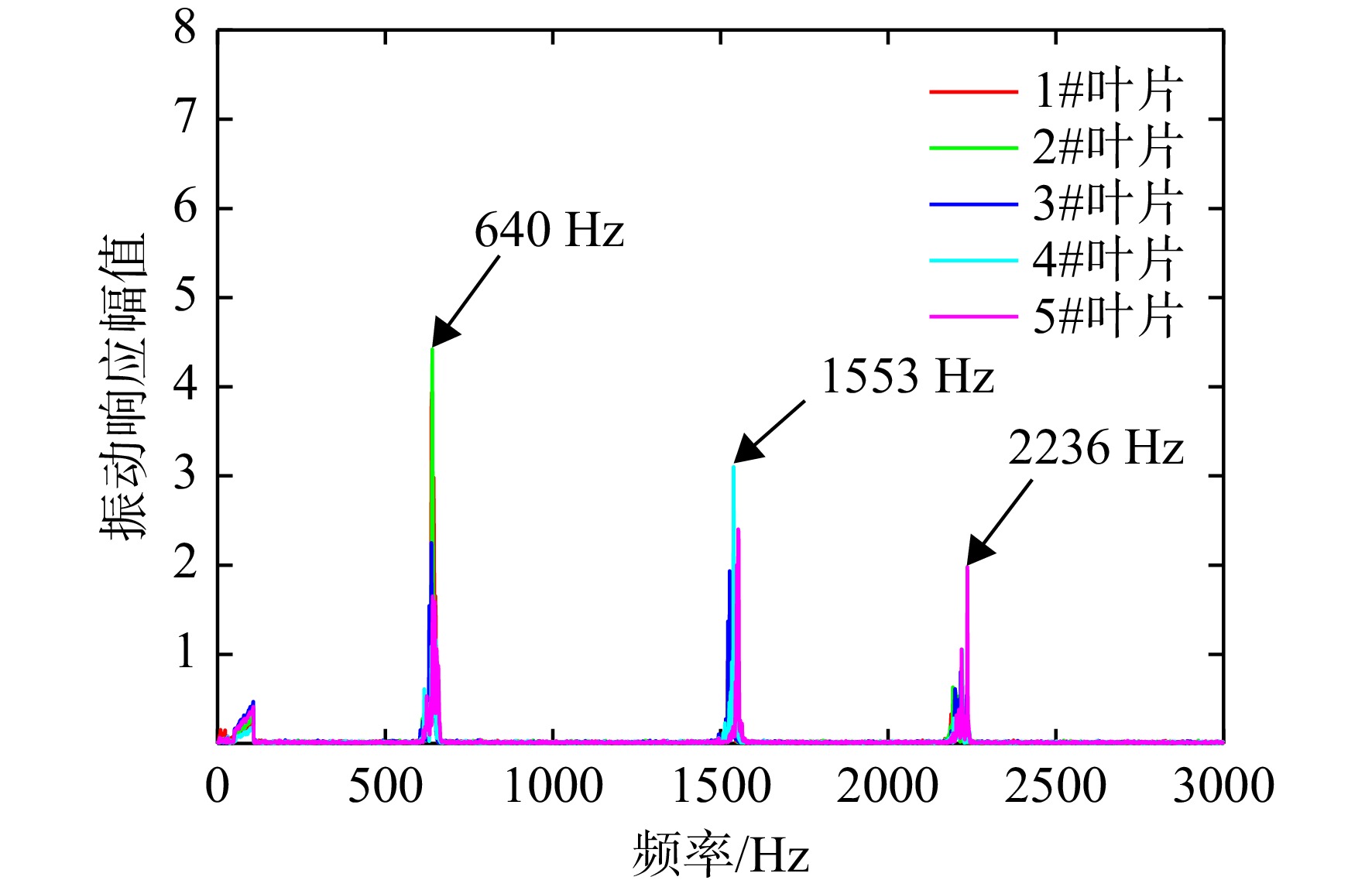
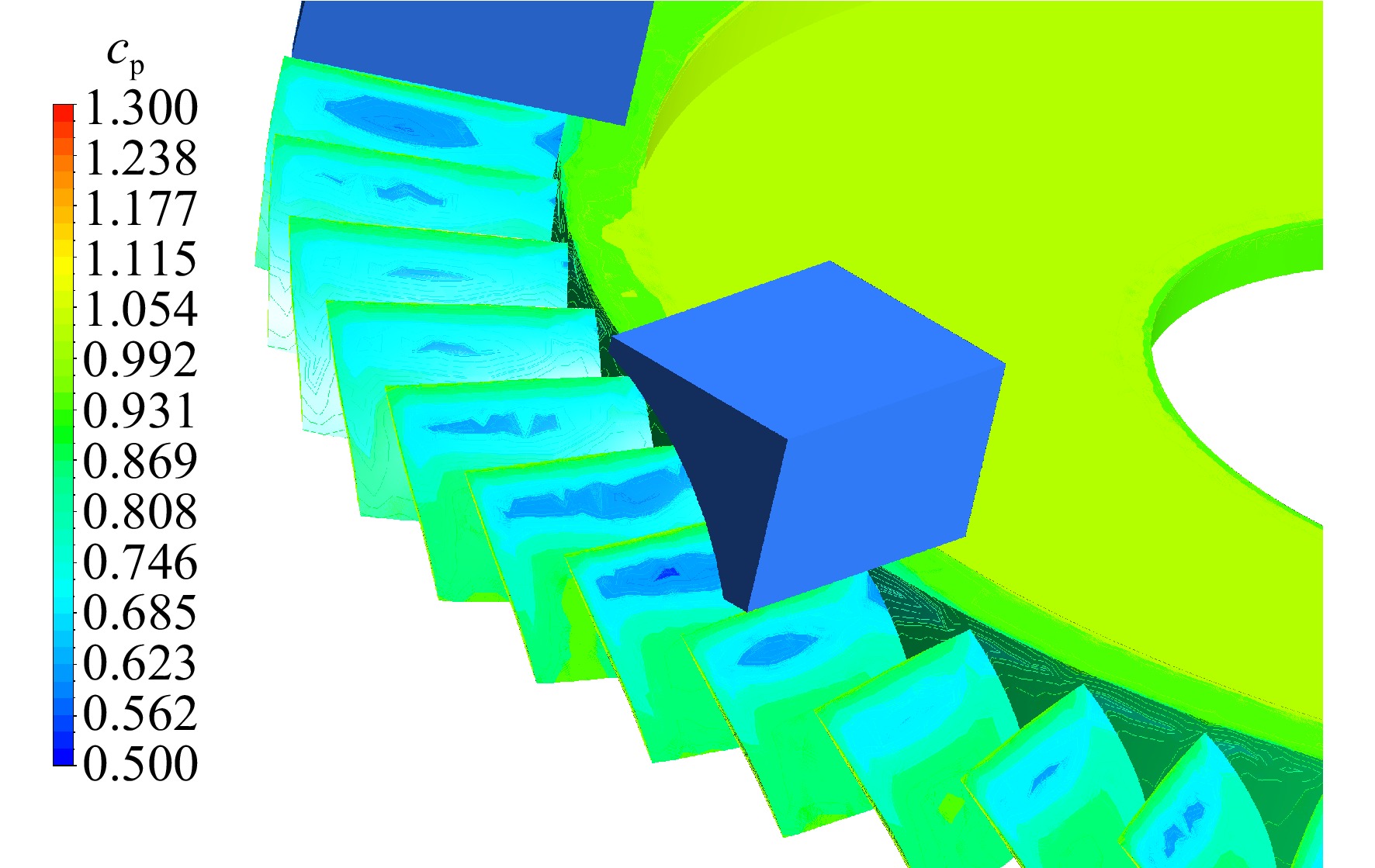
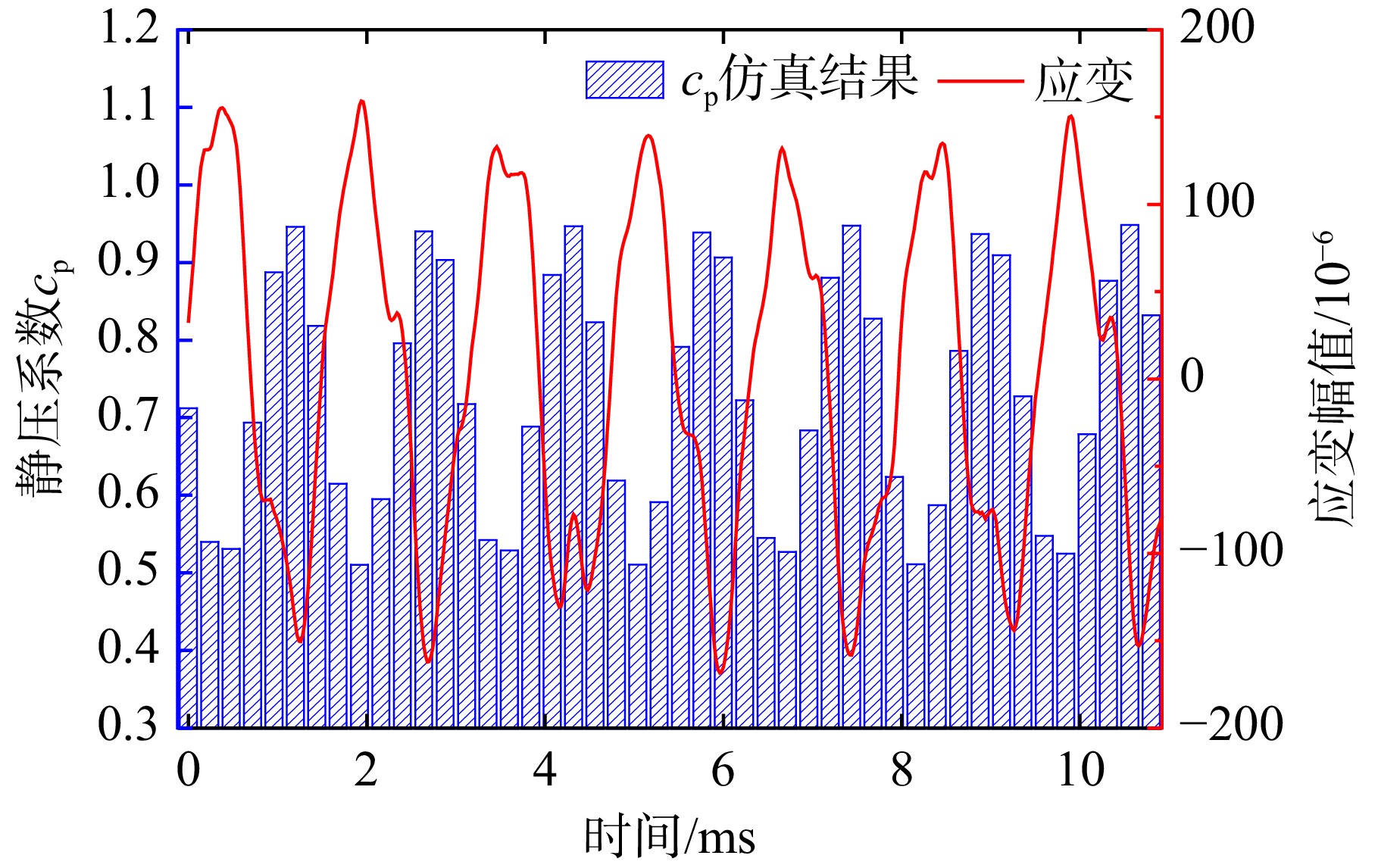
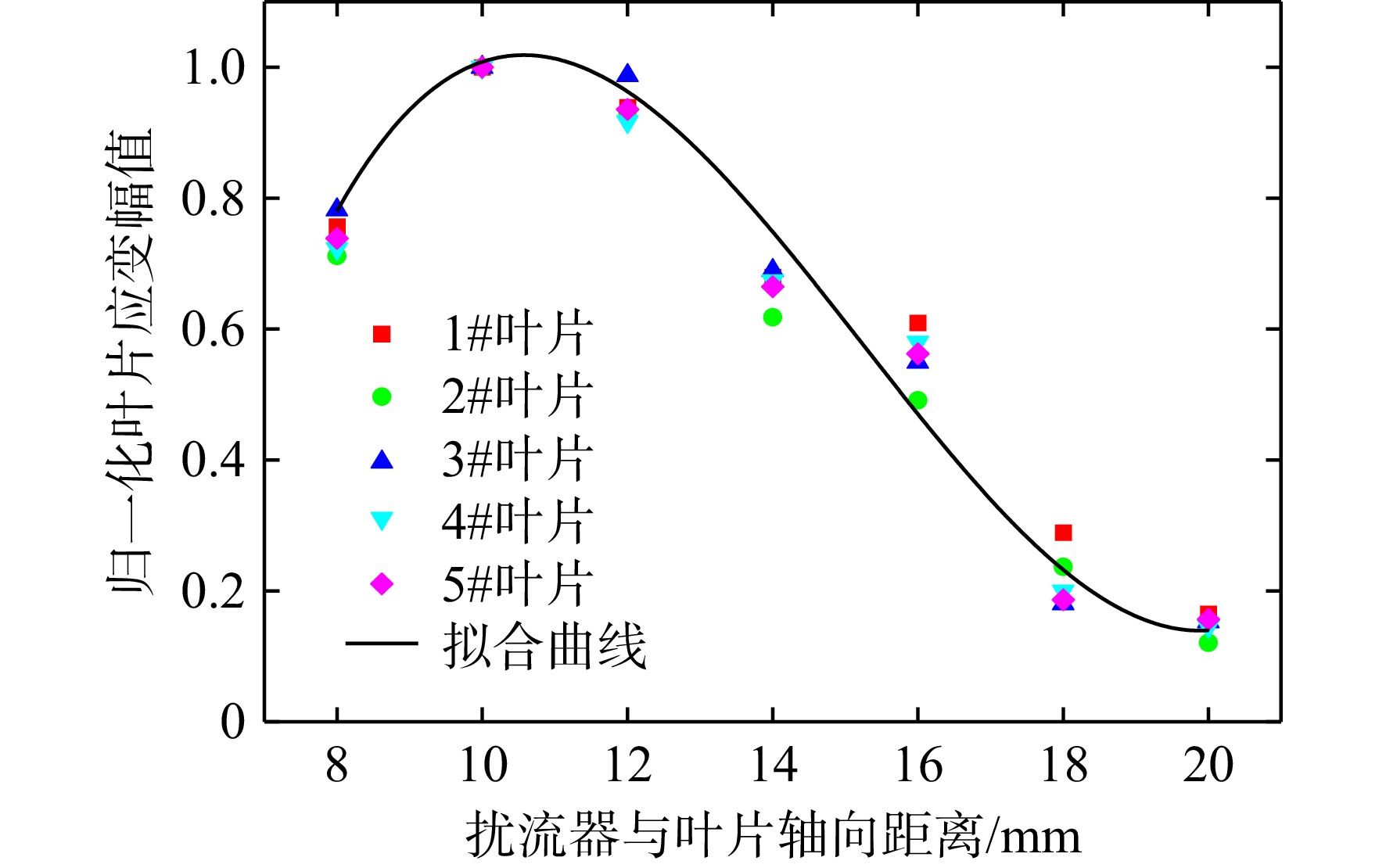
To investigate the air excitation response characteristics of aero-engine blades under rotating conditions, an air excitation test platform for rotating blades was established based on the vertical disk tester and the harmonic decomposition principle of wake excitation loads experienced during blisk operation. An analytical process for air excitation test loads integrating simulation and experiment was proposed. Taking a compressor blisk as an example, an experimental study on vibration characteristics under rotating conditions was conducted, systematically exploring the influence laws of the axial distance of the flow disturber and the chamber pressure on the dynamic strain response of the blades. The test and analysis results indicated that: this test platform effectively simulated the periodic air excitation experienced by rotating blades, and the first three dynamic frequencies of the compressor blades were successfully obtained; the spatial distribution of the flow disturber determined the main orders of the excitation load on the rotating blades, and the strain response amplitude changed nonlinearly with the axial distance between the flow disturber and the blades, with an optimal value within the 10–12 mm range; within the chamber pressure range of 10 kPa, the blade strain response amplitude was positively correlated with the chamber pressure.

Research progress of blind cavity bolt tightening technology for aeroengine rotors
Li Zhaoyu, Li Xiaoqiang, Zhang Pengfei, Xue Lizhong, Zhang Zongjiang, Zhao Gang
2027, 42(1): 20250177. doi: 10.13224/j.cnki.jasp.20250177
Abstract:
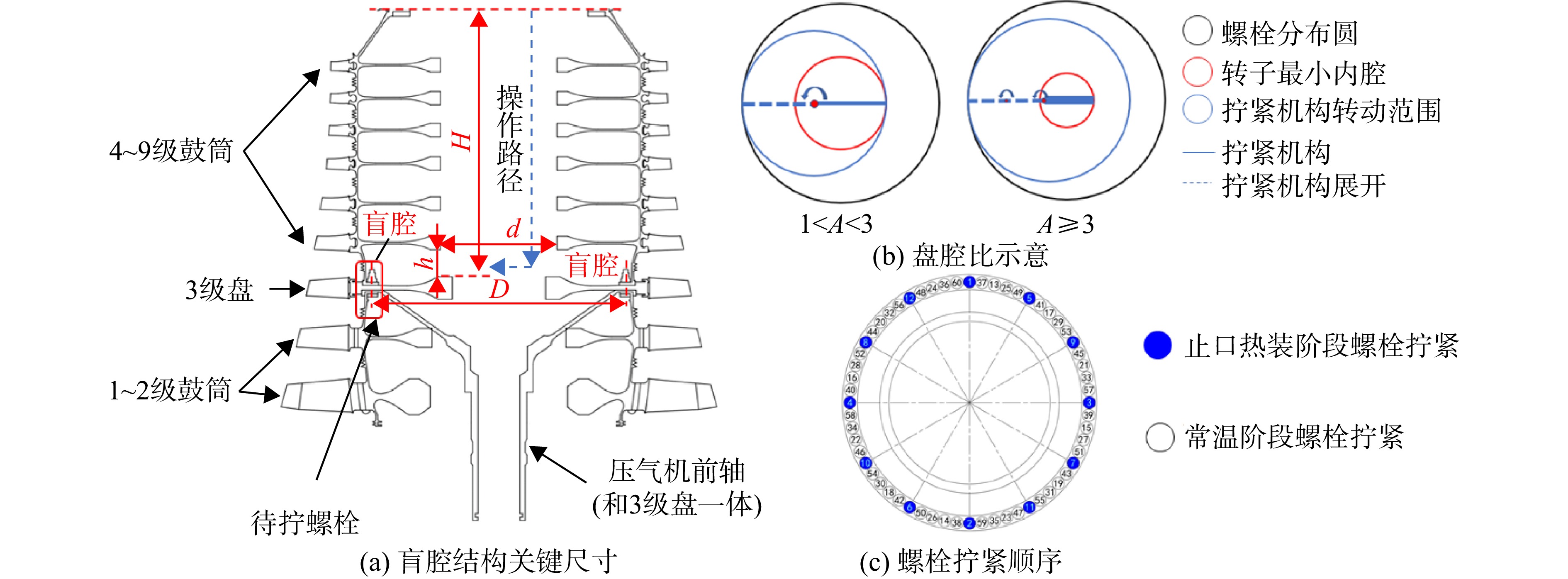
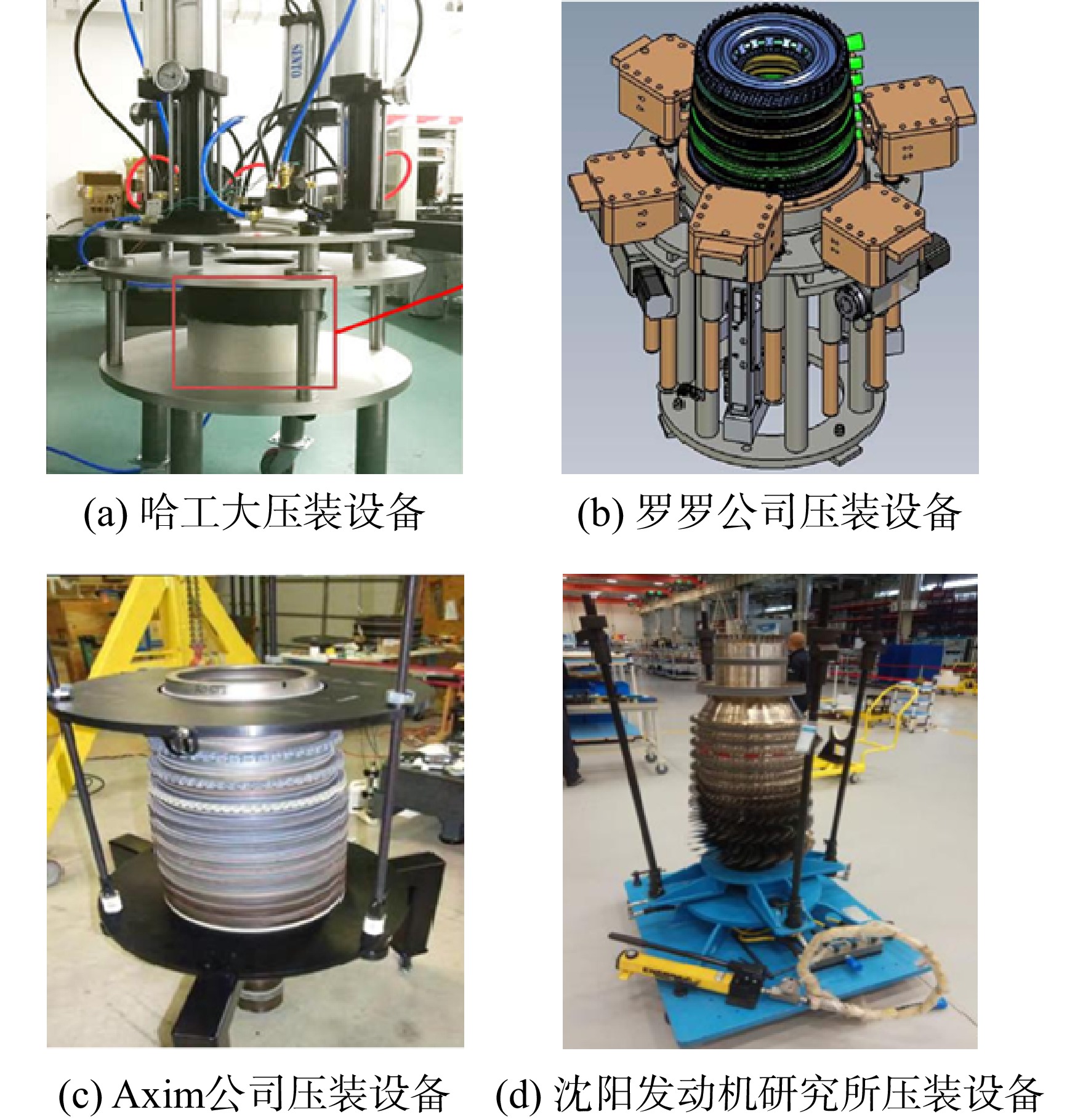
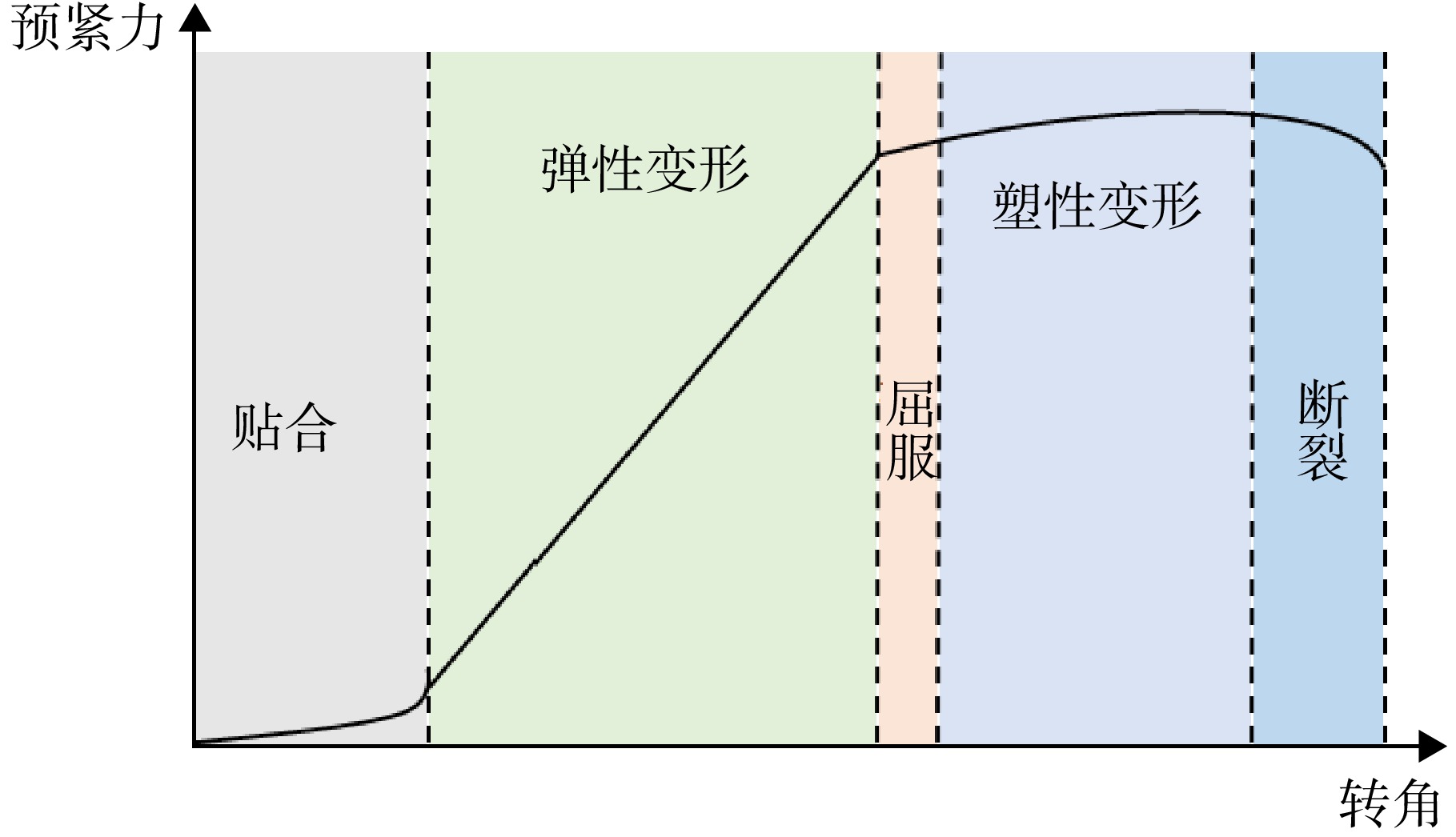
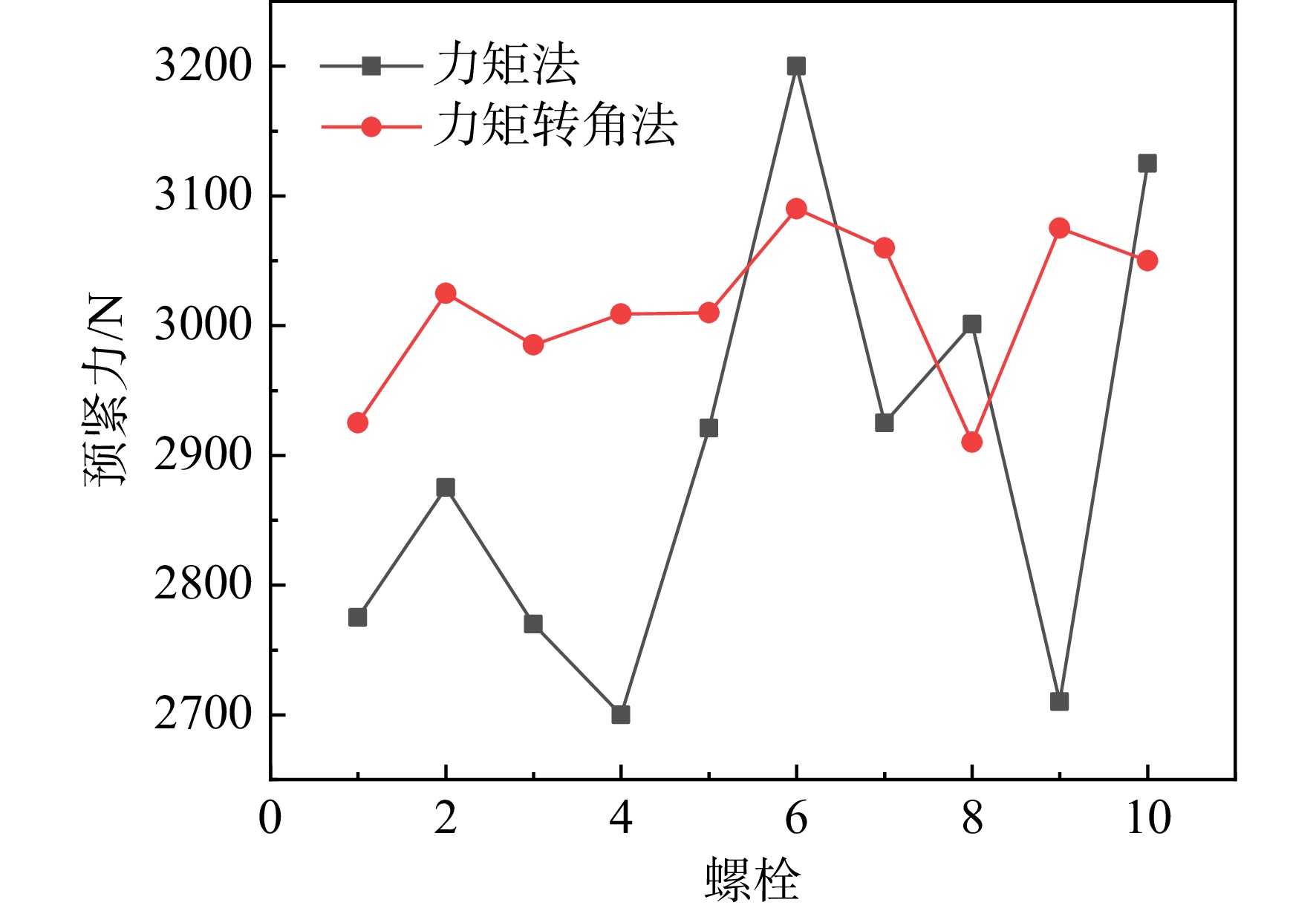
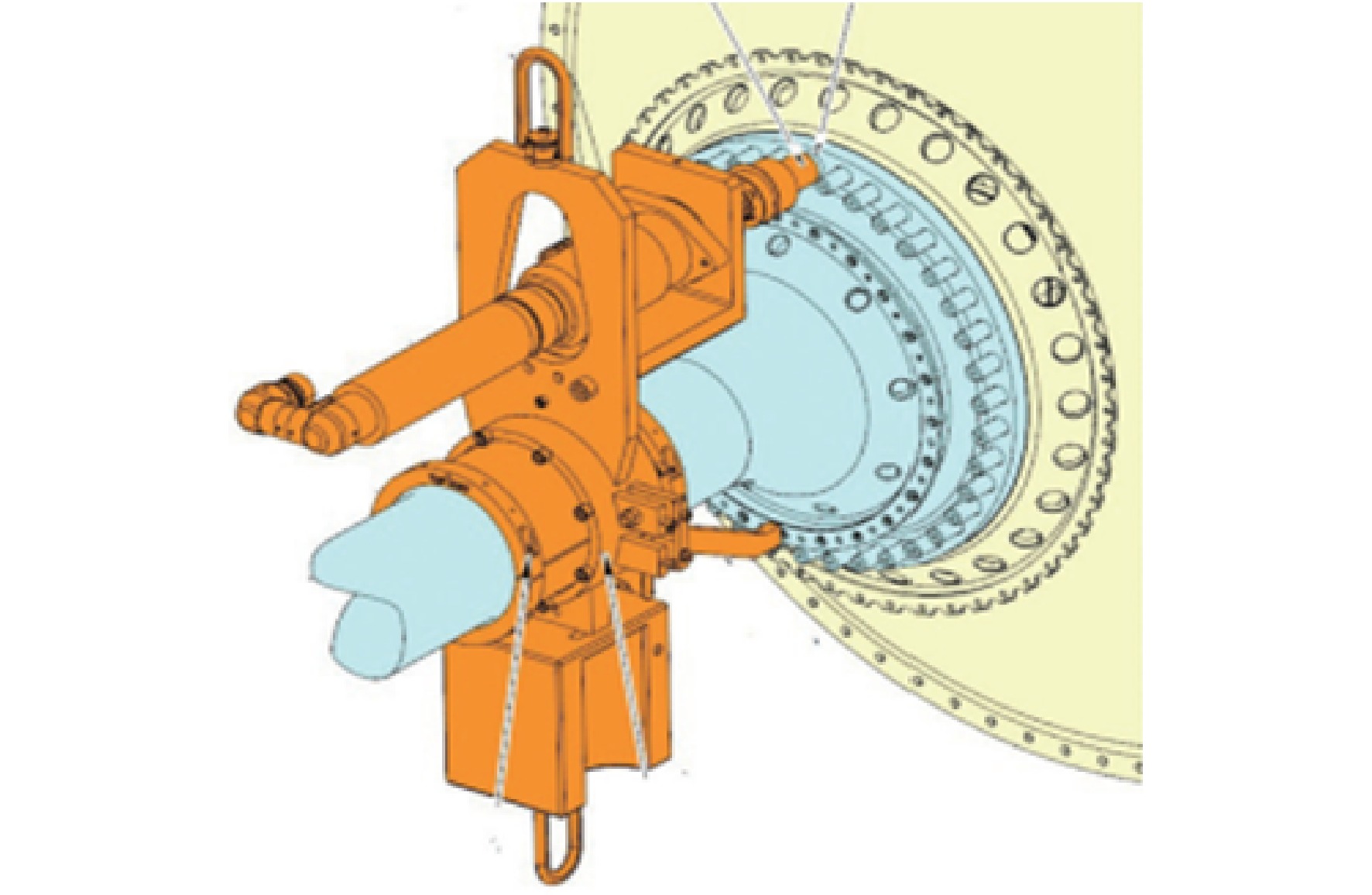
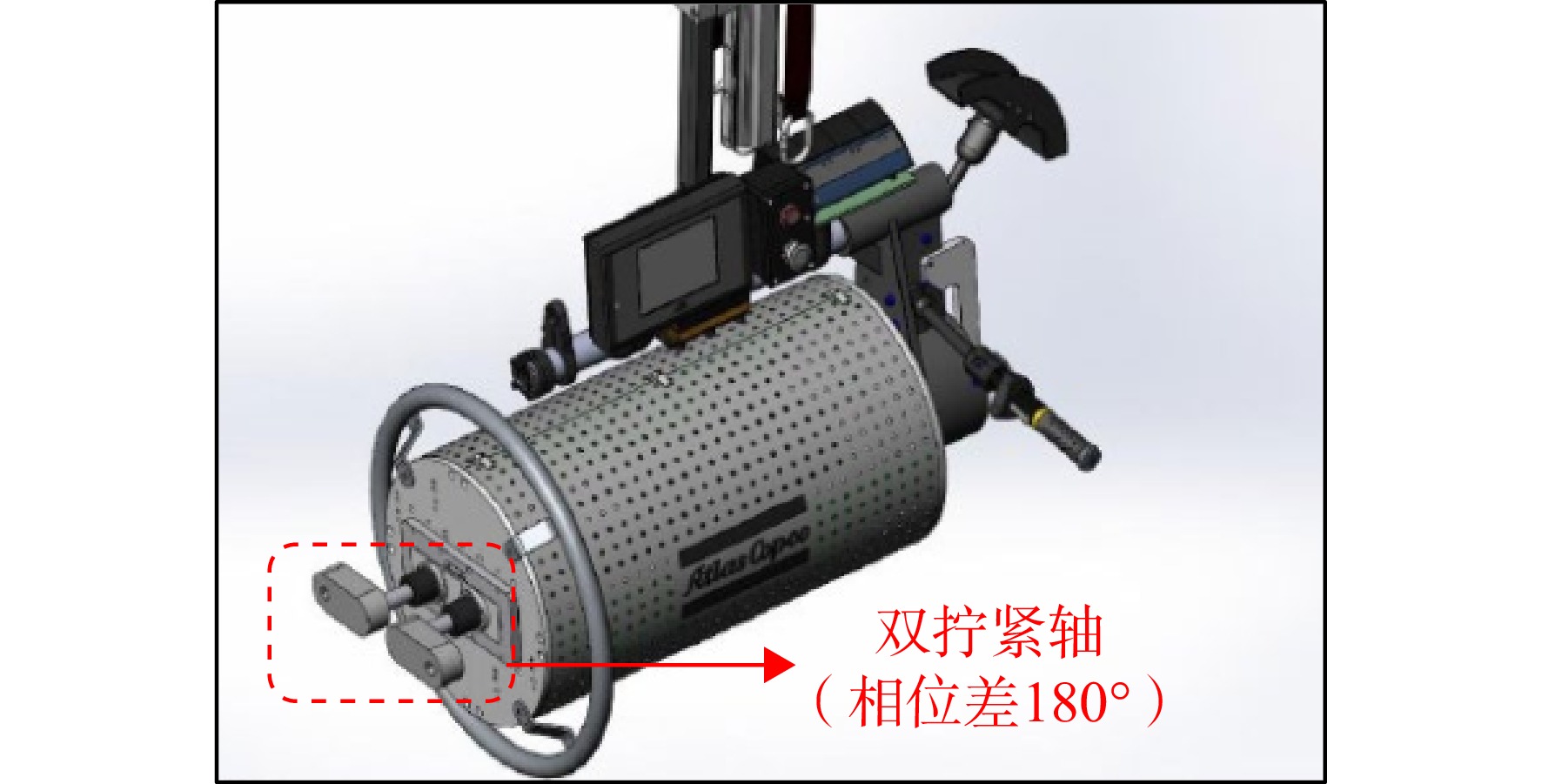
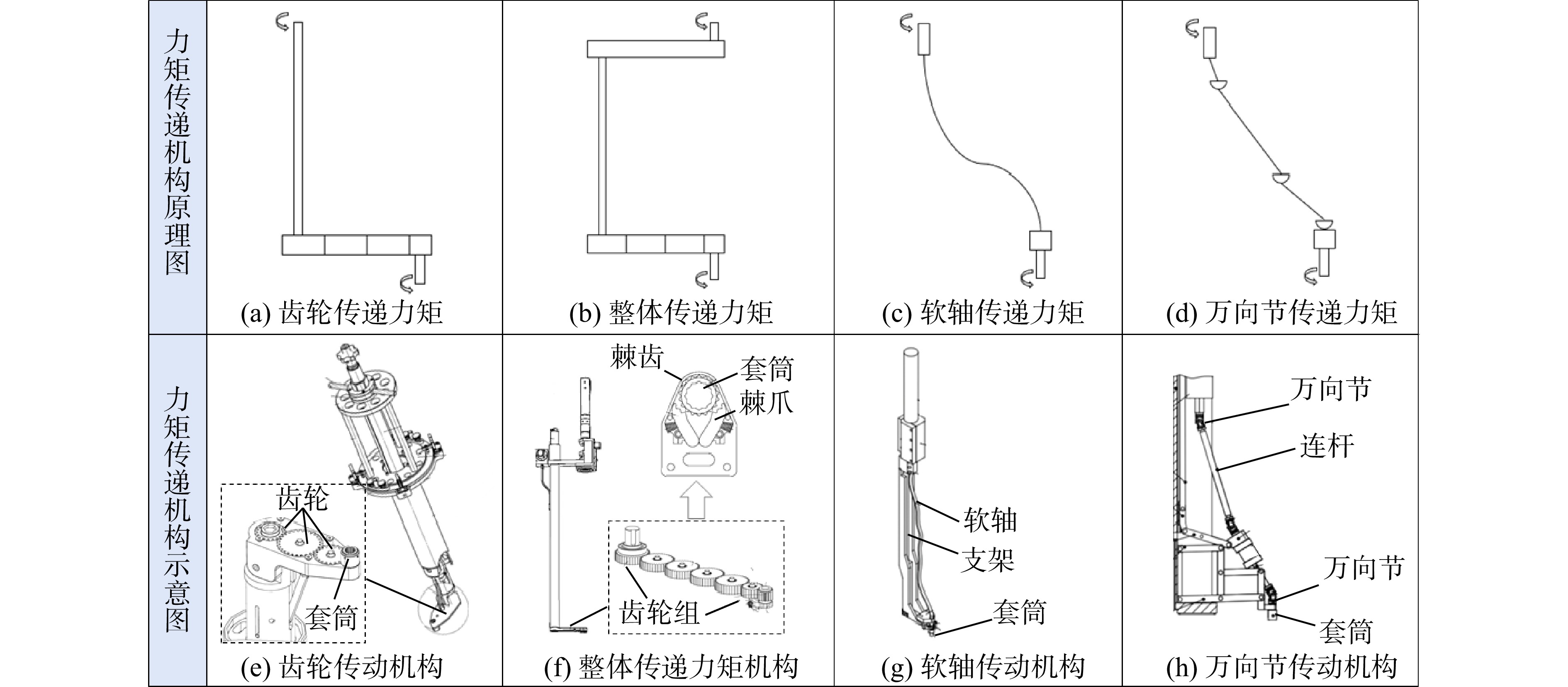
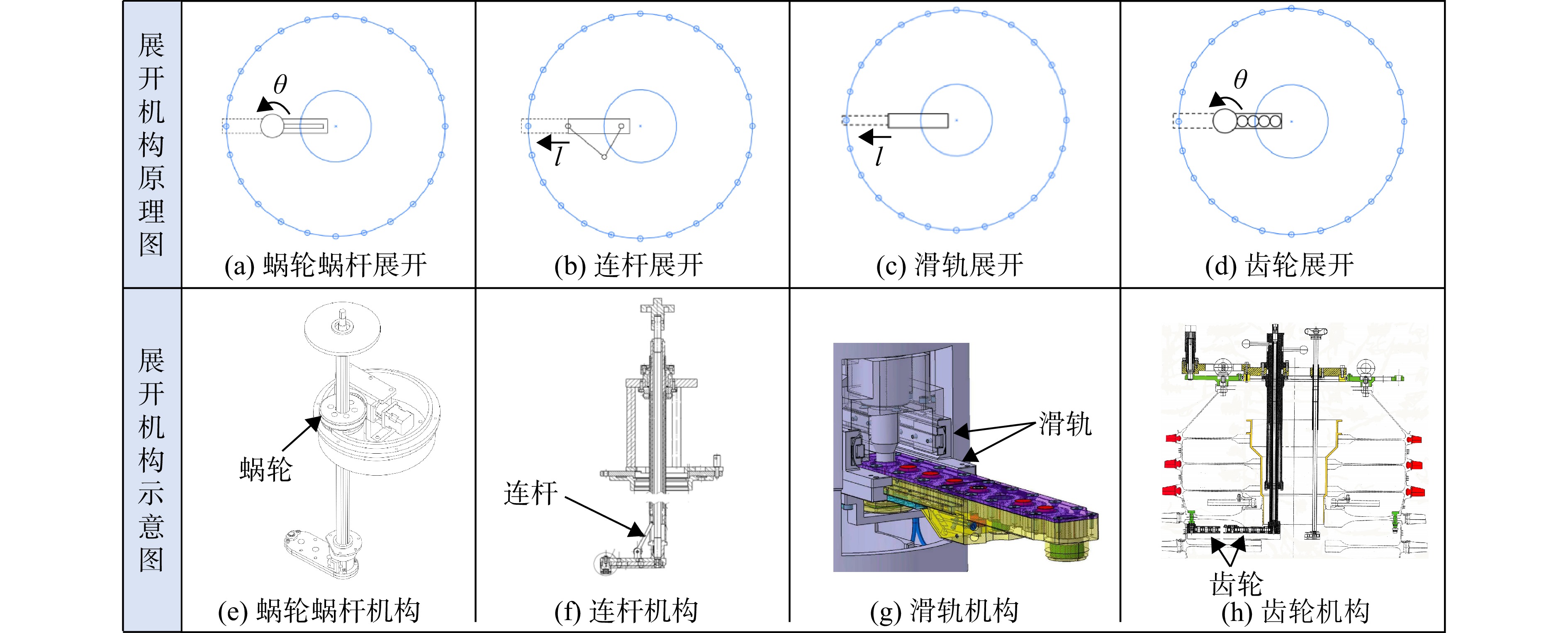
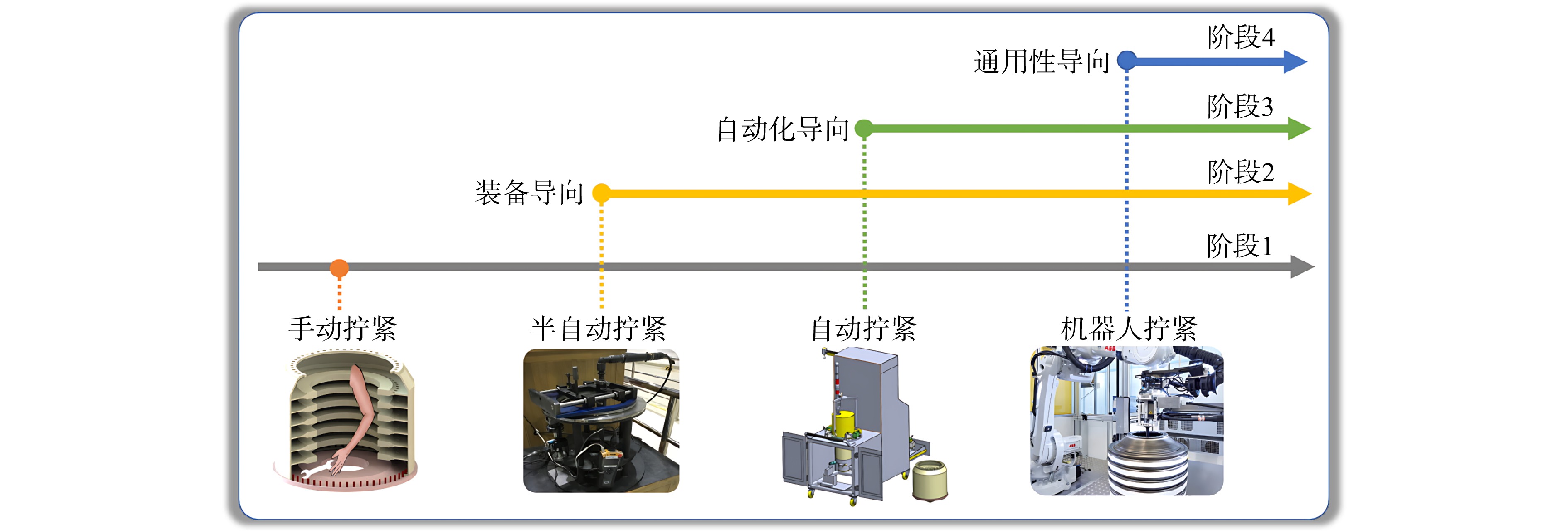
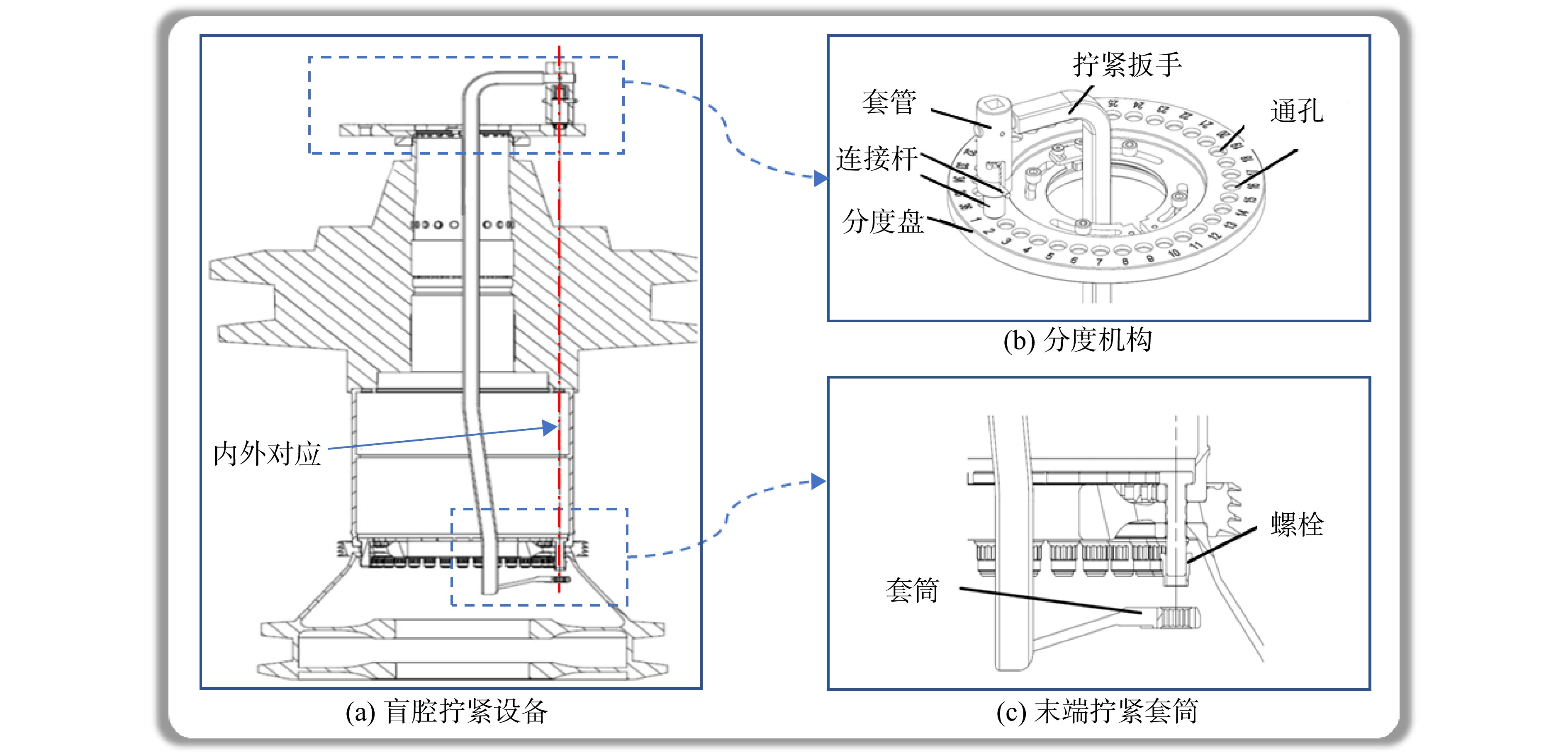
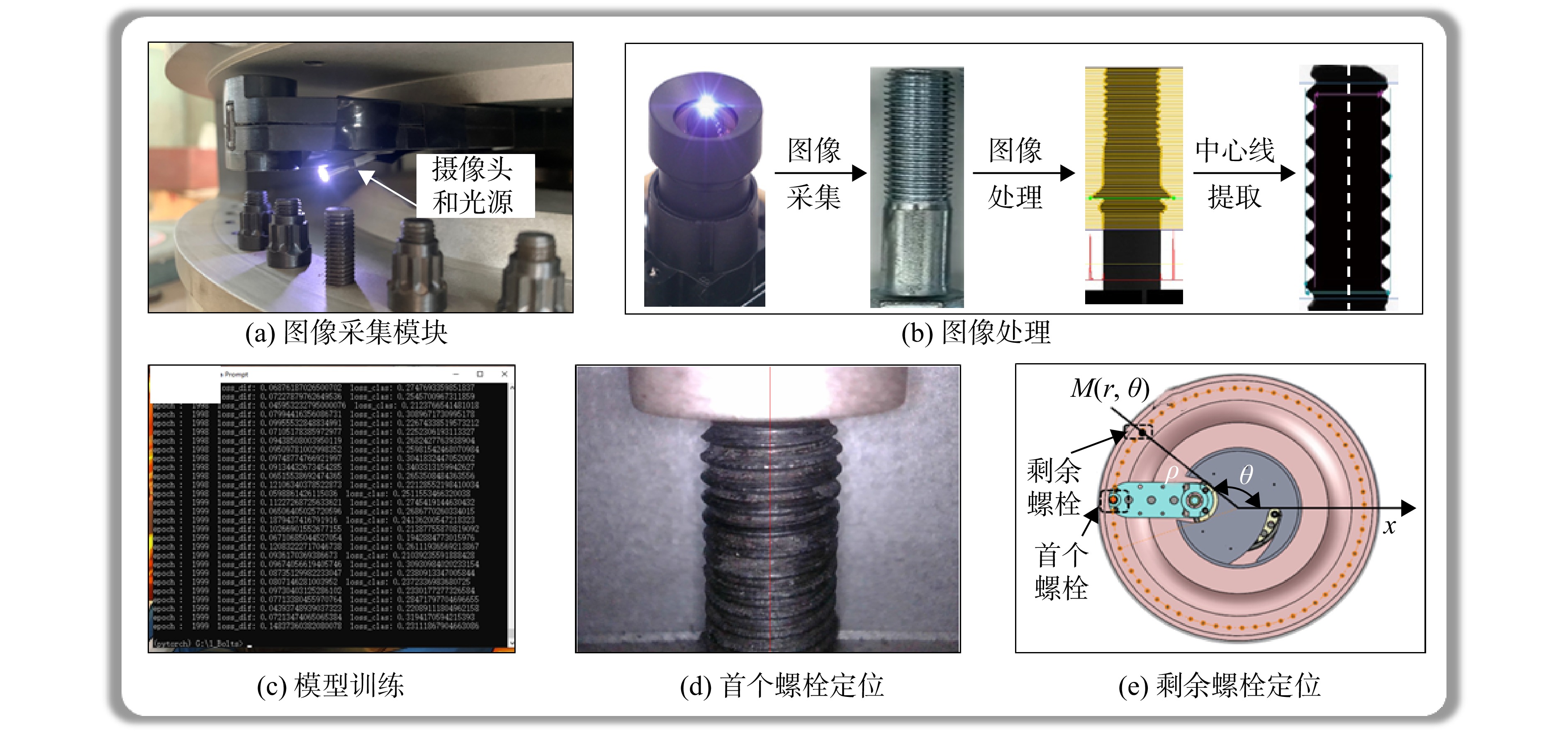
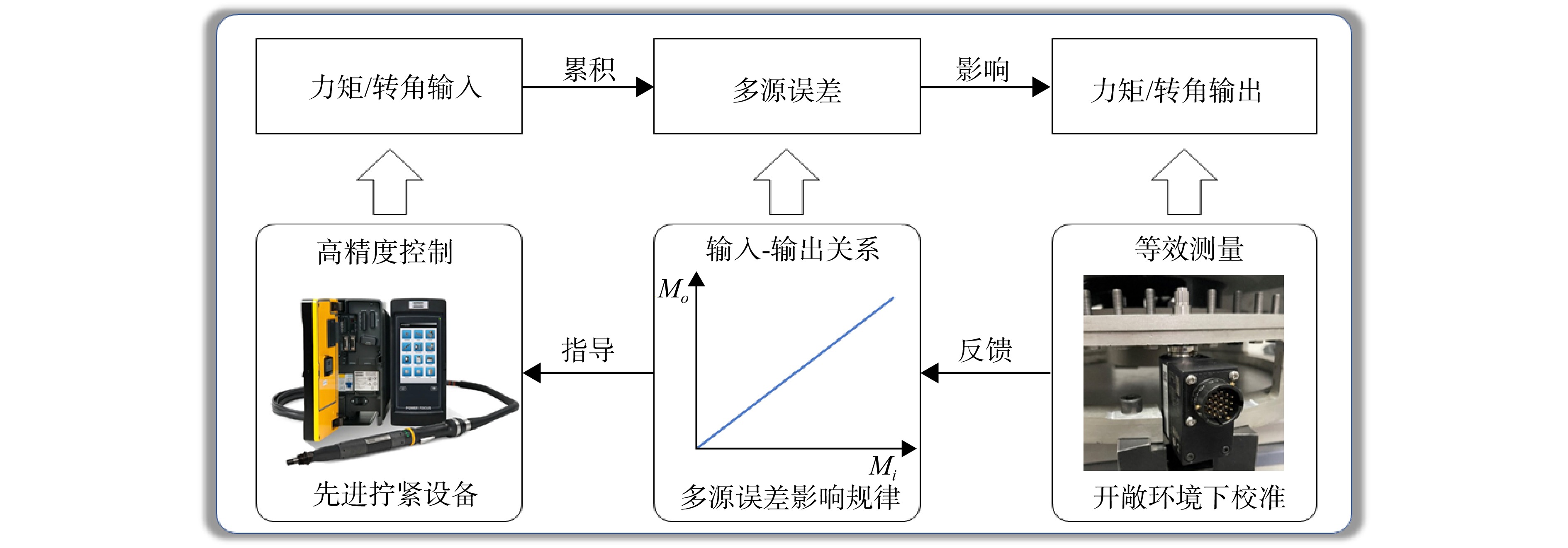
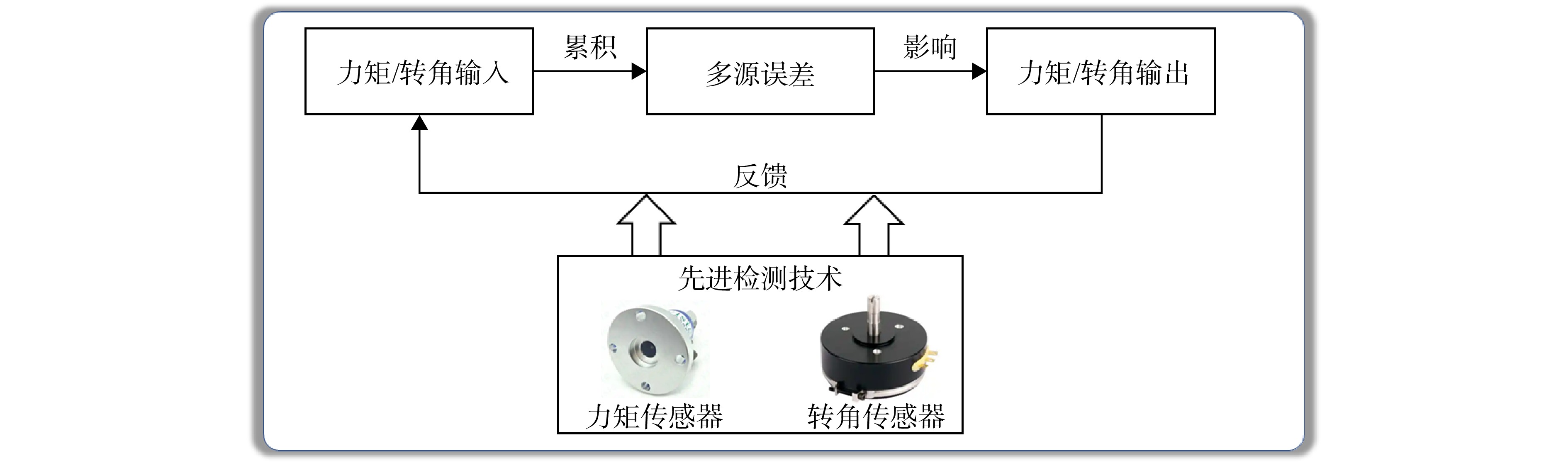
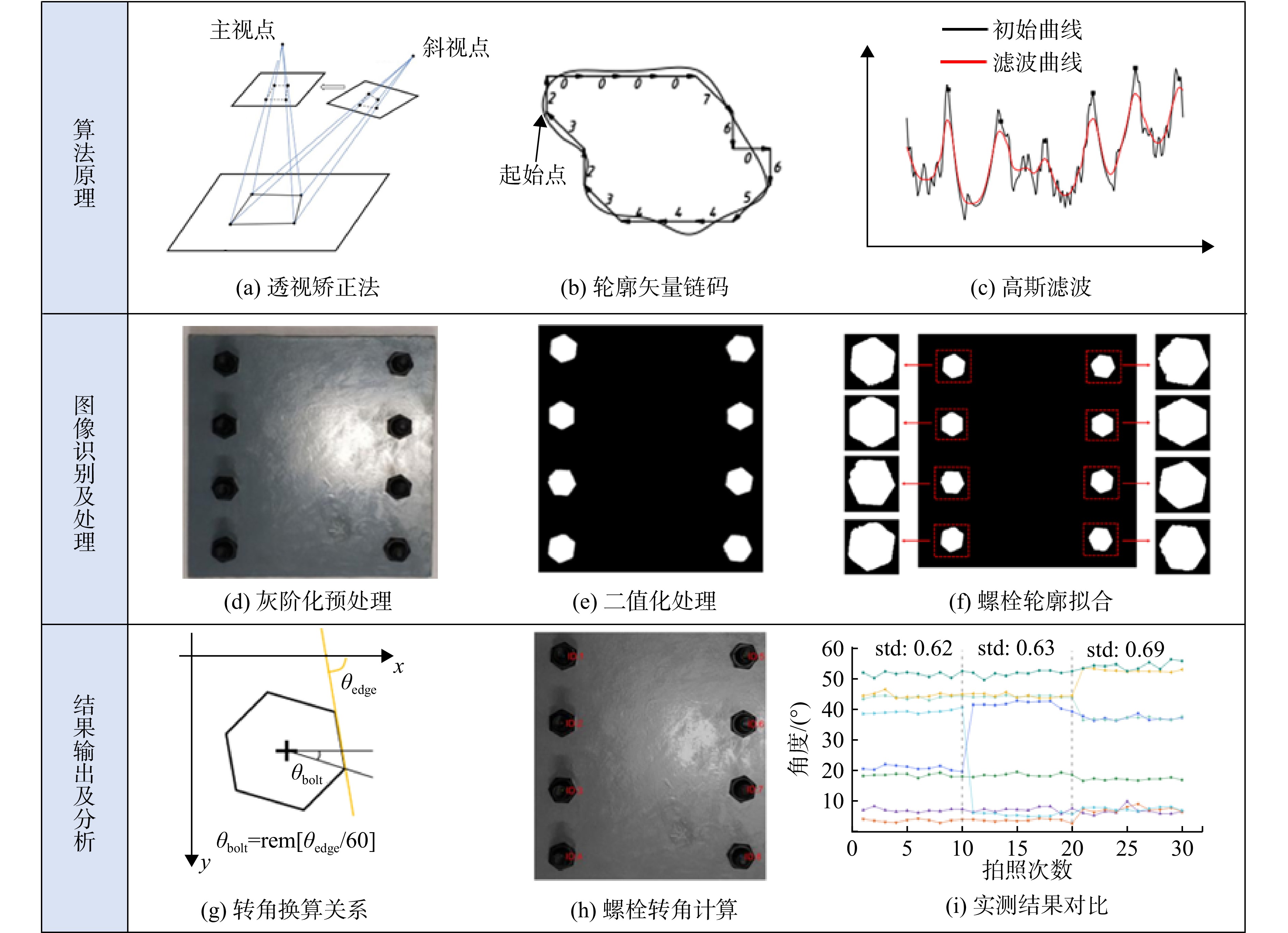
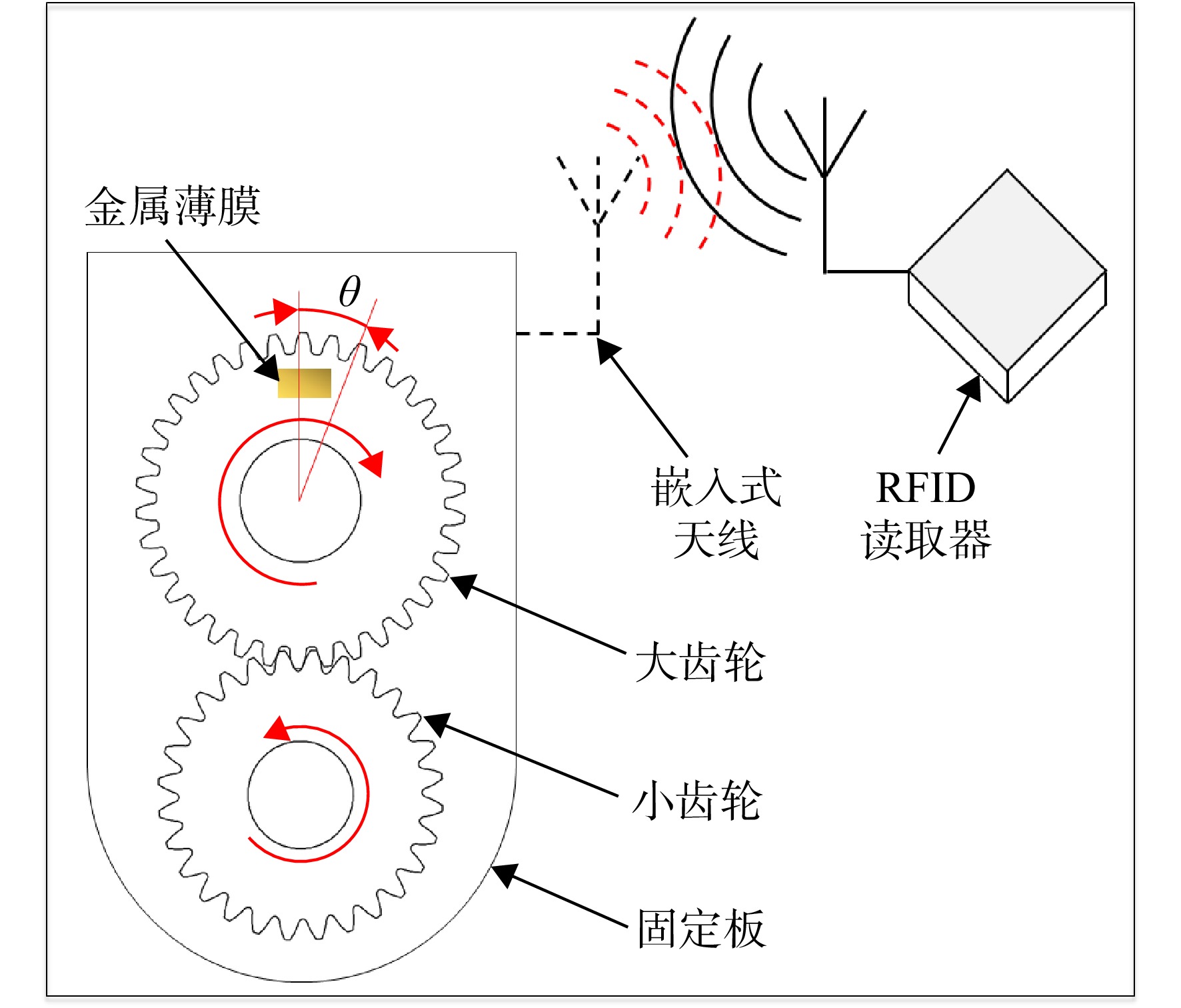
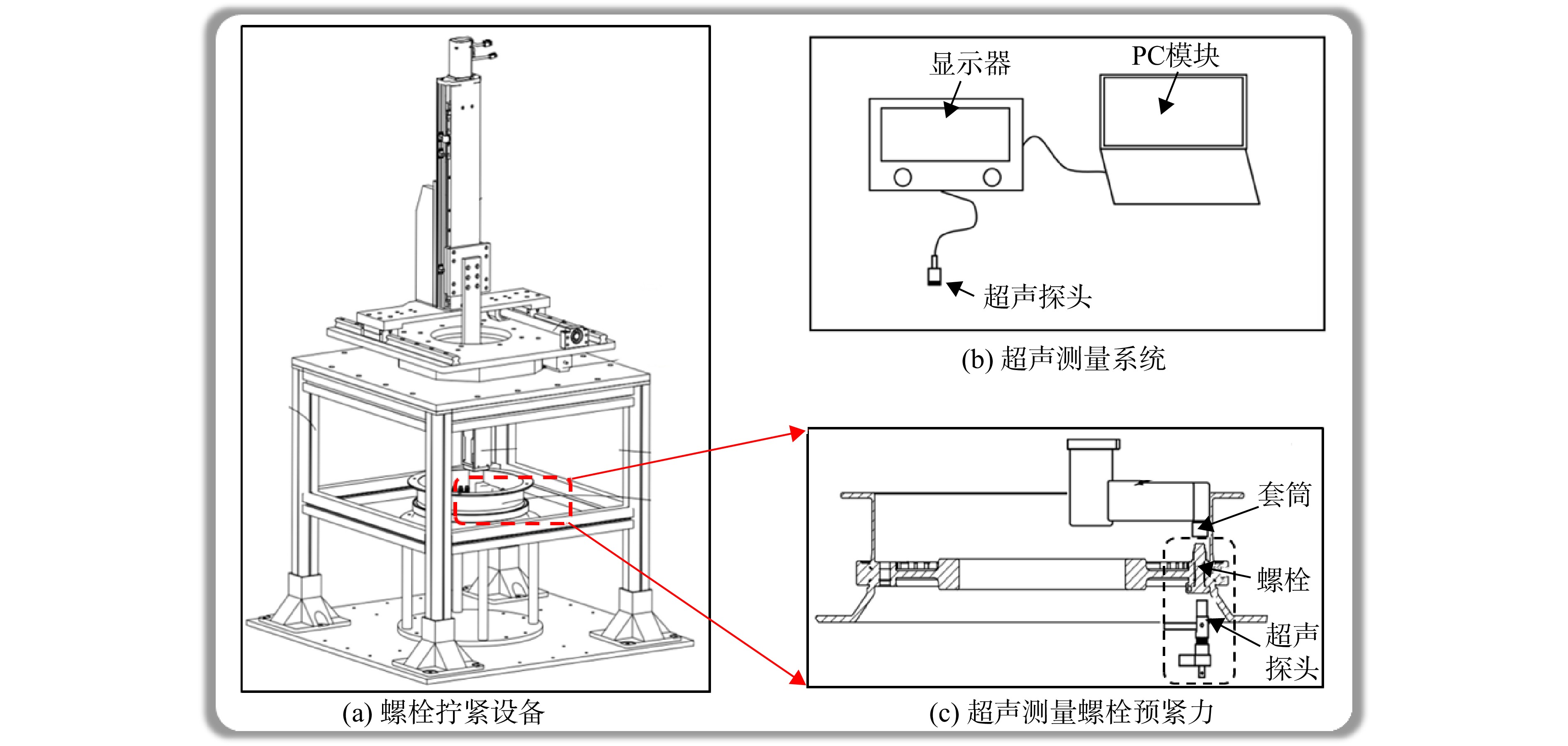
The current research status of blind cavity bolt tightening technology for aircraft engine rotors was summarized. Guided by the technical requirements for tightening bolts in rotor blind cavities, three aspects were discussed: tightening process, tightening equipment, and tightening inspection. Firstly, focusing on the two stages of rotor rabbet fit and bolt connection, optimized processes such as rabbet press-fitting process, torque-rotation angle method, and multi-axis tightening method were summarized. Secondly, focusing on equipment configuration design and accuracy control methods, research results such as torque transmission methods of tightening equipment, mechanism deployment methods, overall configuration development, as well as bolt positioning and tightening accuracy control methods were summarized. Finally, focusing on bolt tightening inspection methods, current detection technologies for tightening torque, rotation angle, and pre-tightening force were summarized. The research results indicate that to fully overcome the limitations of the narrow space in rotor blind cavities and enhance rotor assembly quality, the blind cavity bolt tightening technology will develop towards an integrated process of press-fitting, tightening, and measurement, intelligent robotic tightening, and multi-modal fusion measurement.

Prediction model of nonlinear multimodal damping characteristics of blade shrouds based on IWOA-ELM
Jiang Yuanyuan, Jiang Xianghua, Du Chenhong
2027, 42(1): 20250461. doi: 10.13224/j.cnki.jasp.20250461
Abstract:
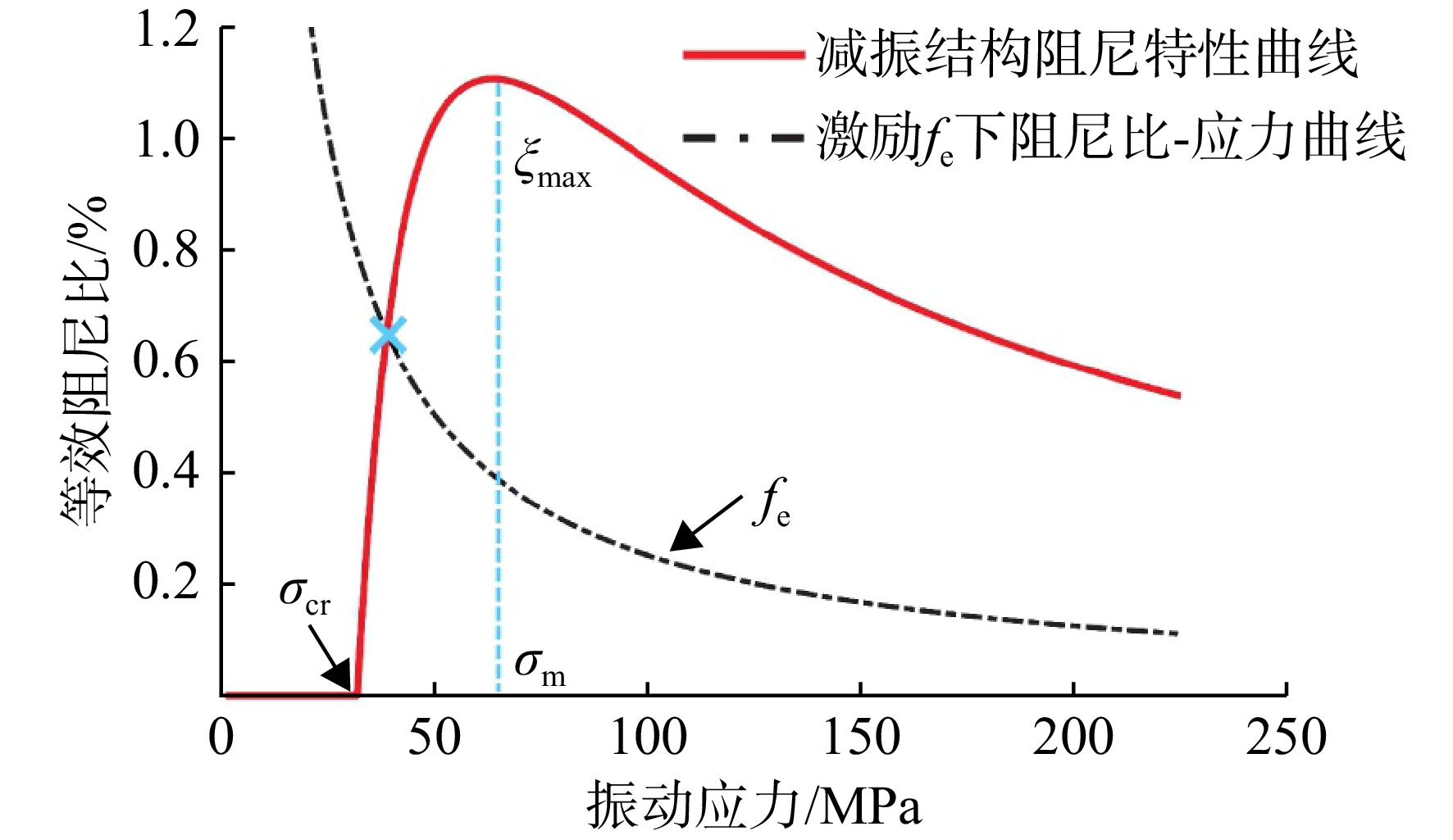
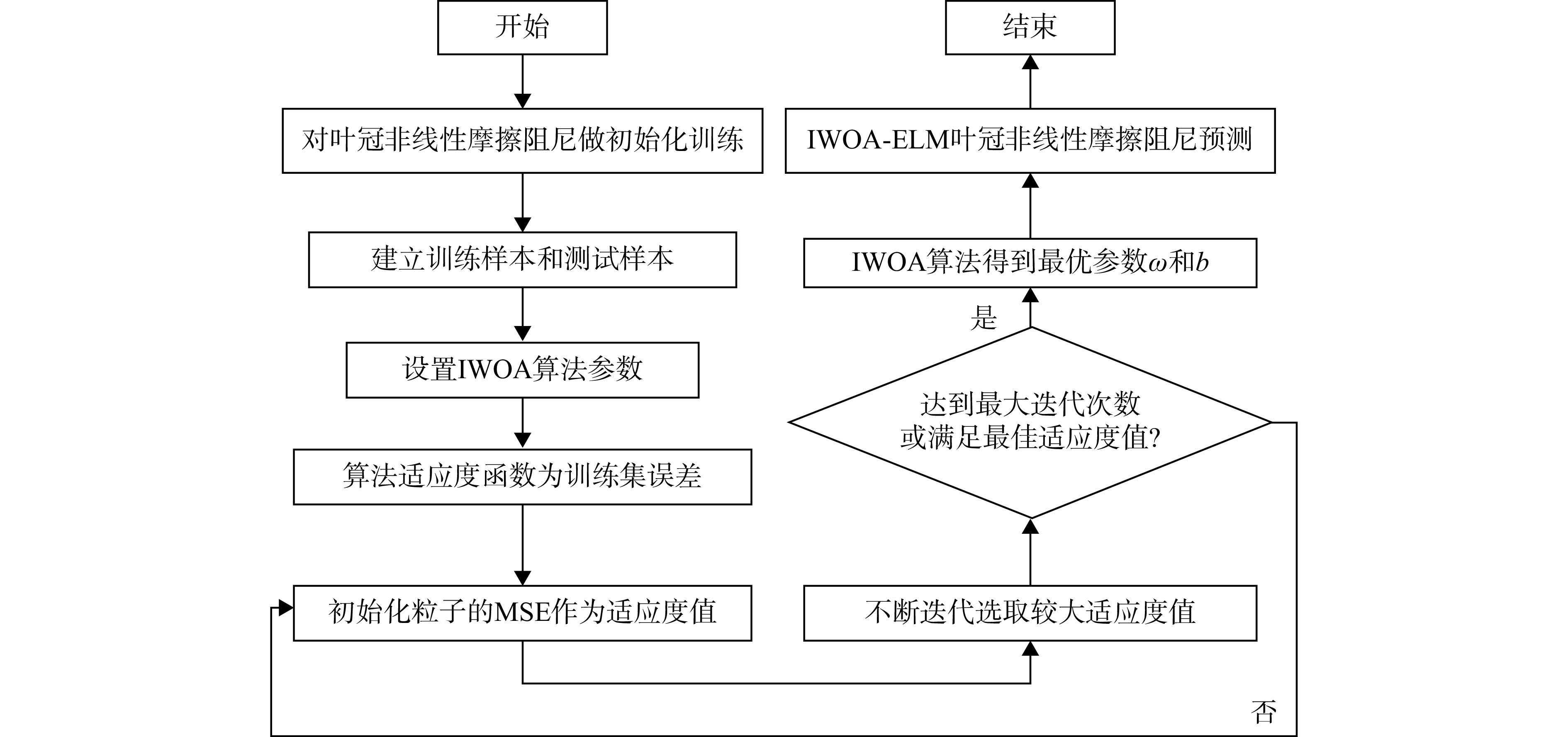
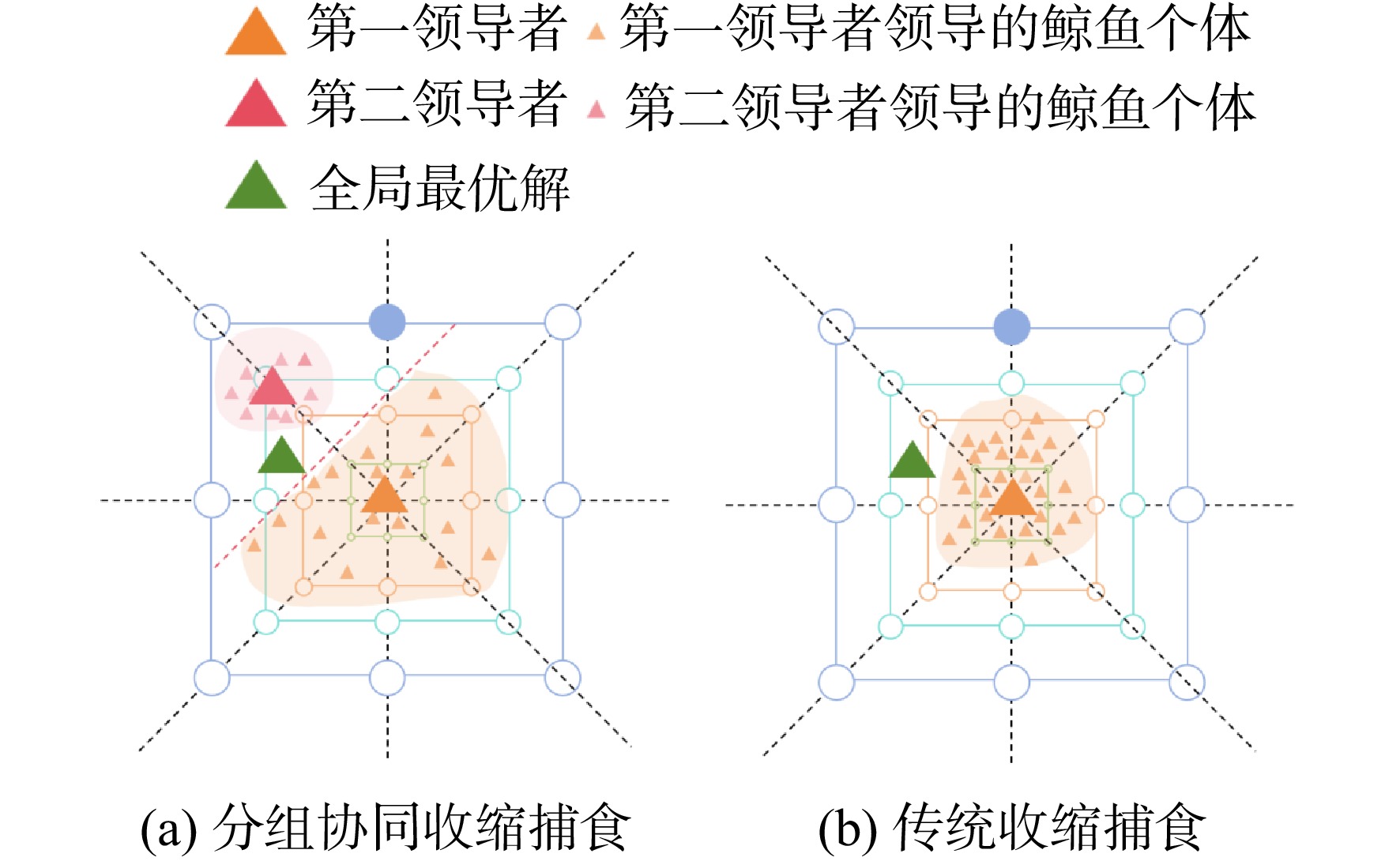
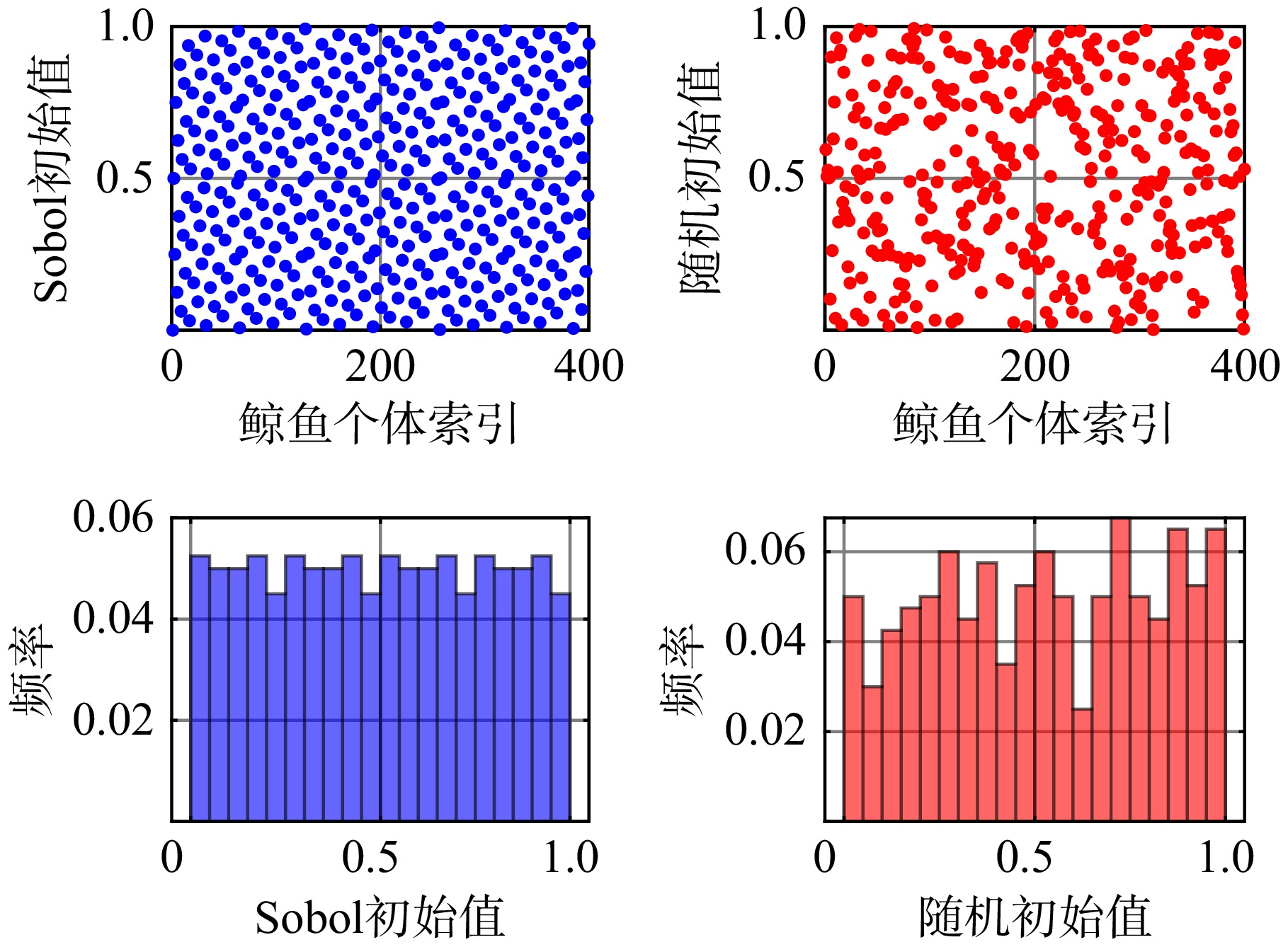
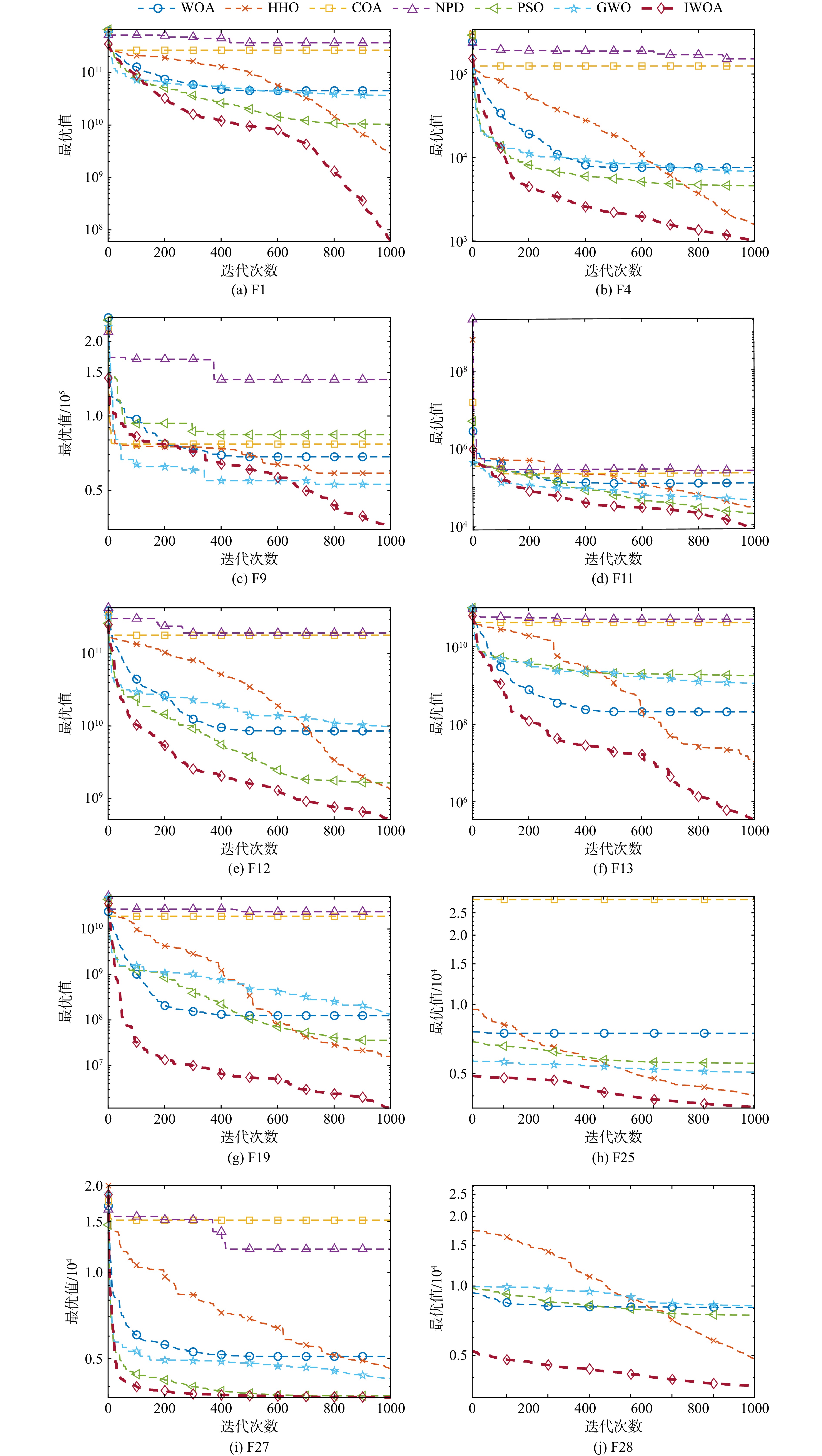
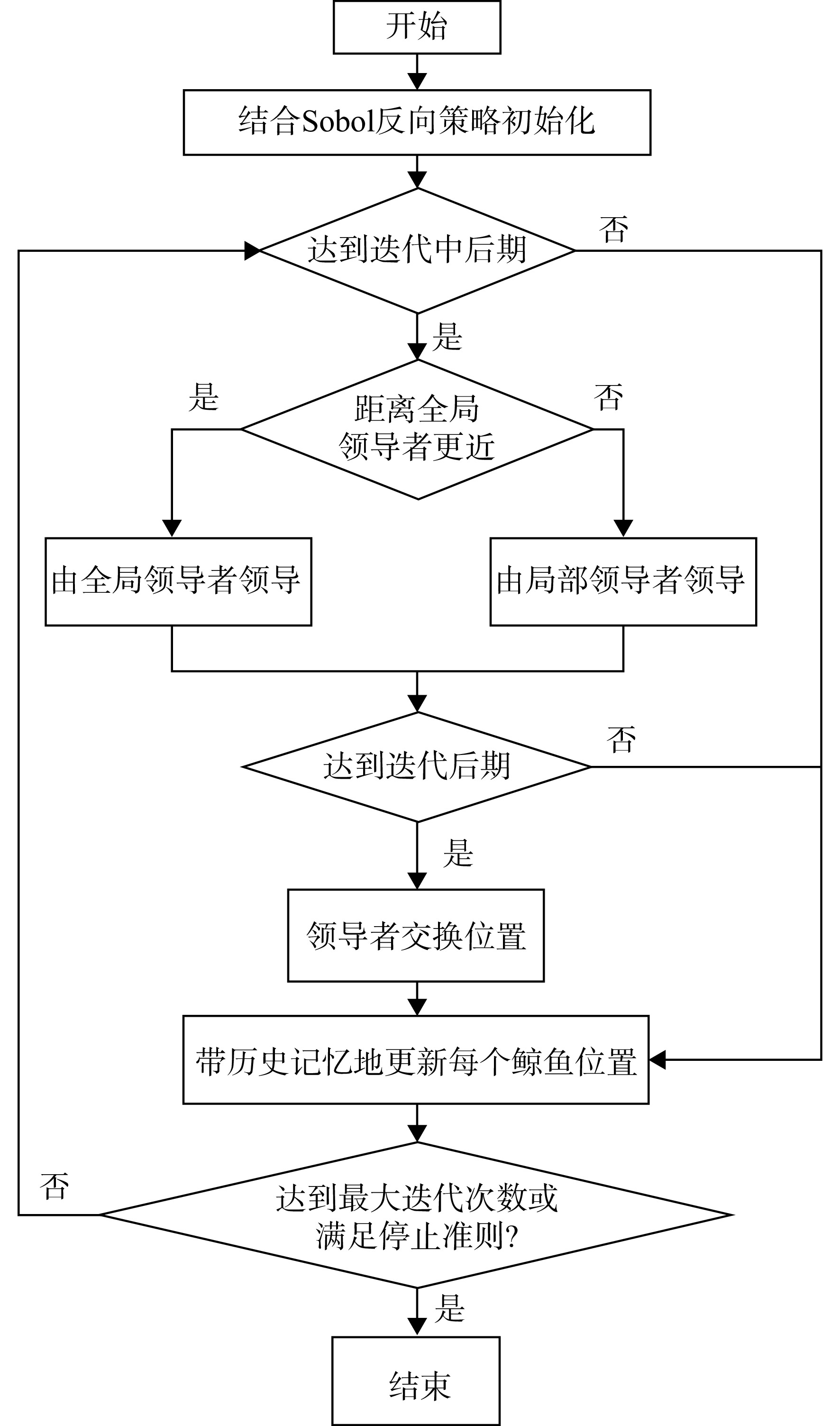
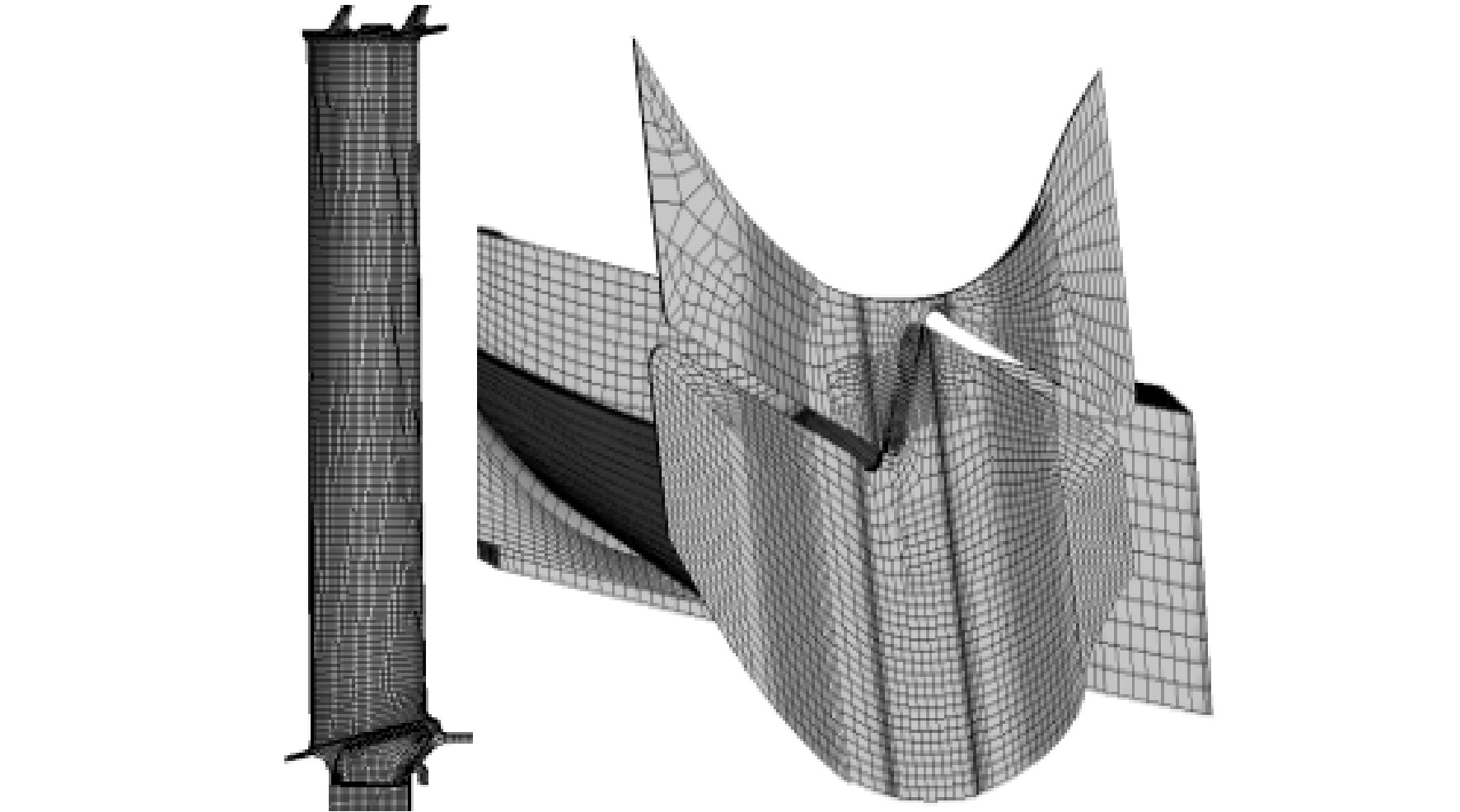
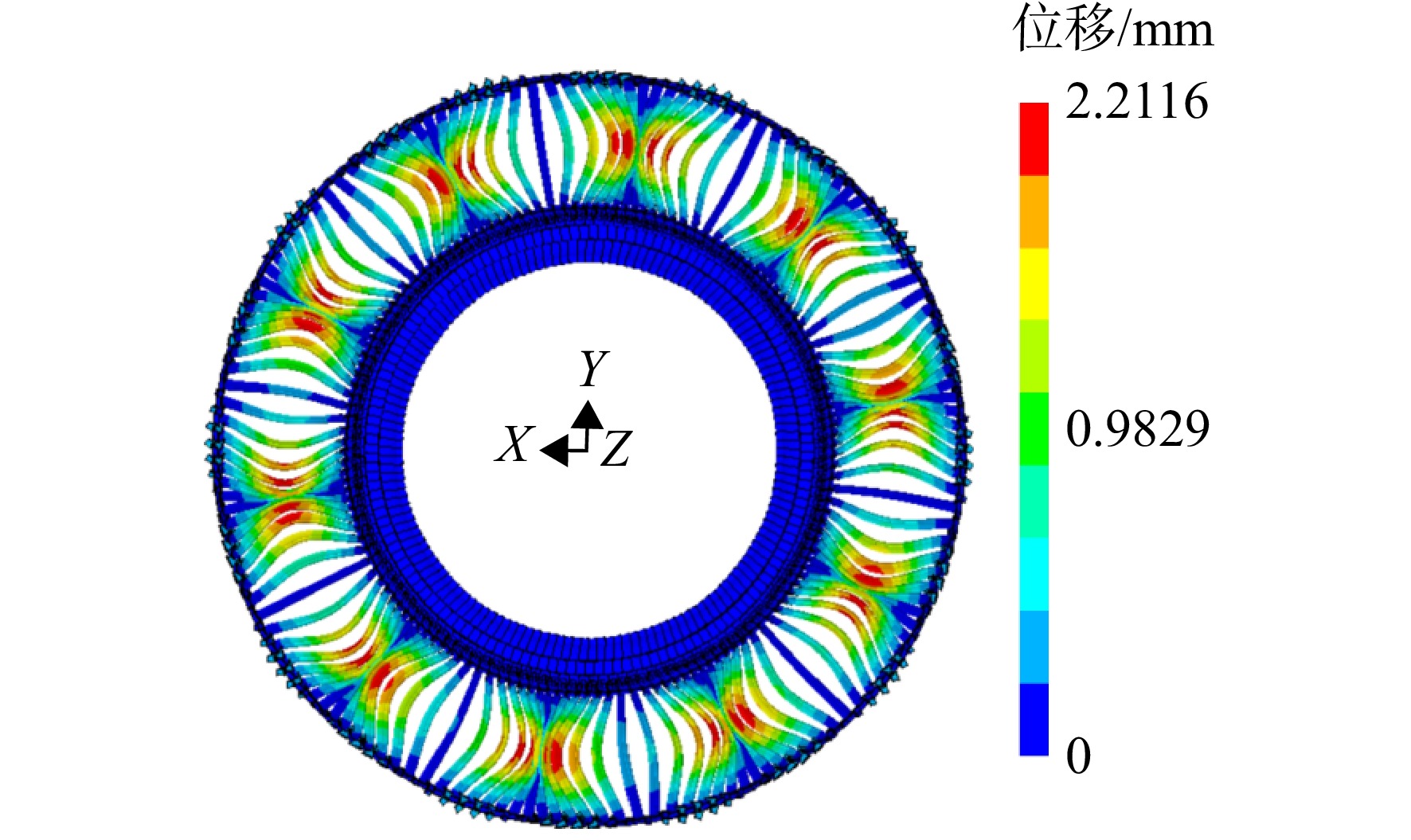
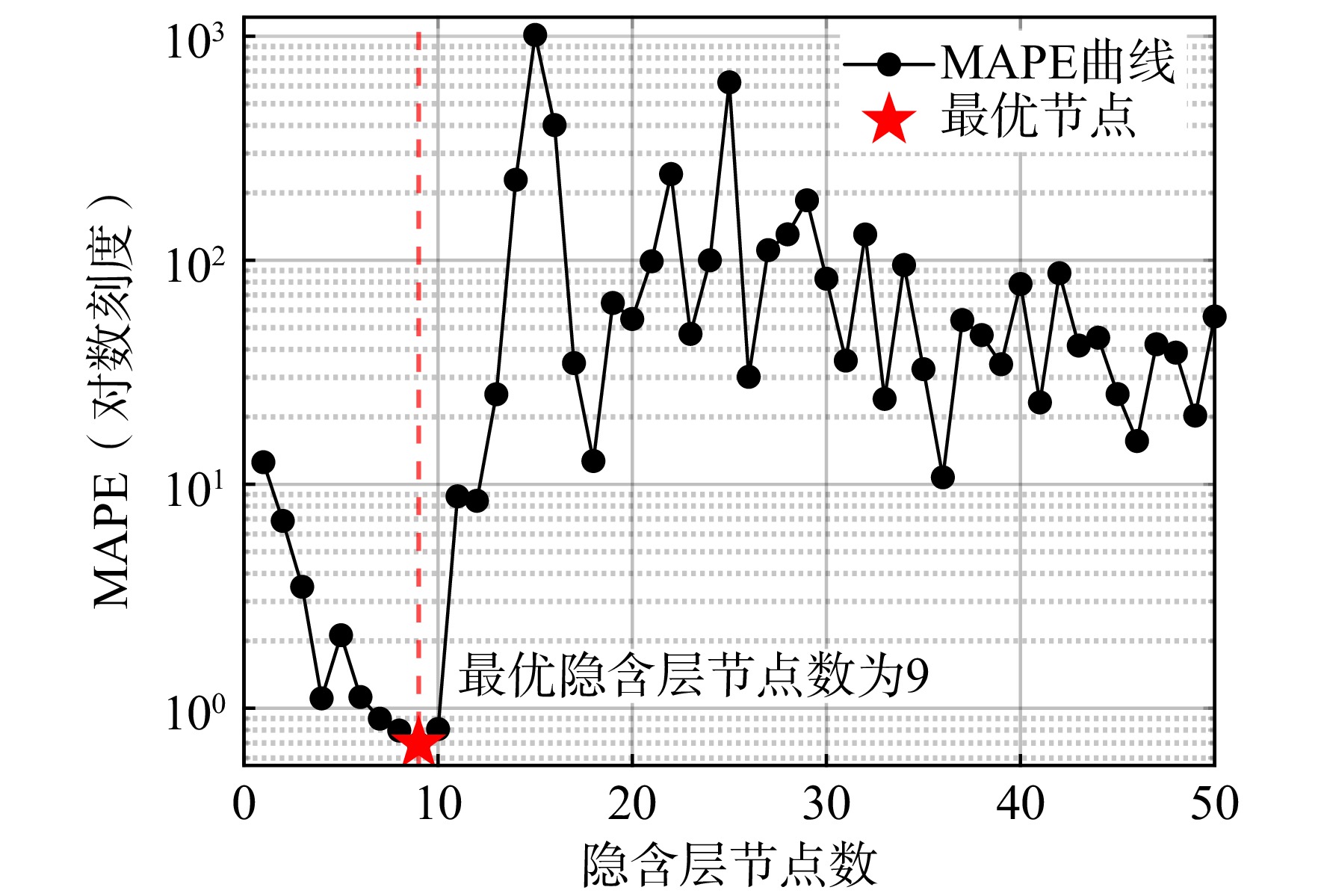
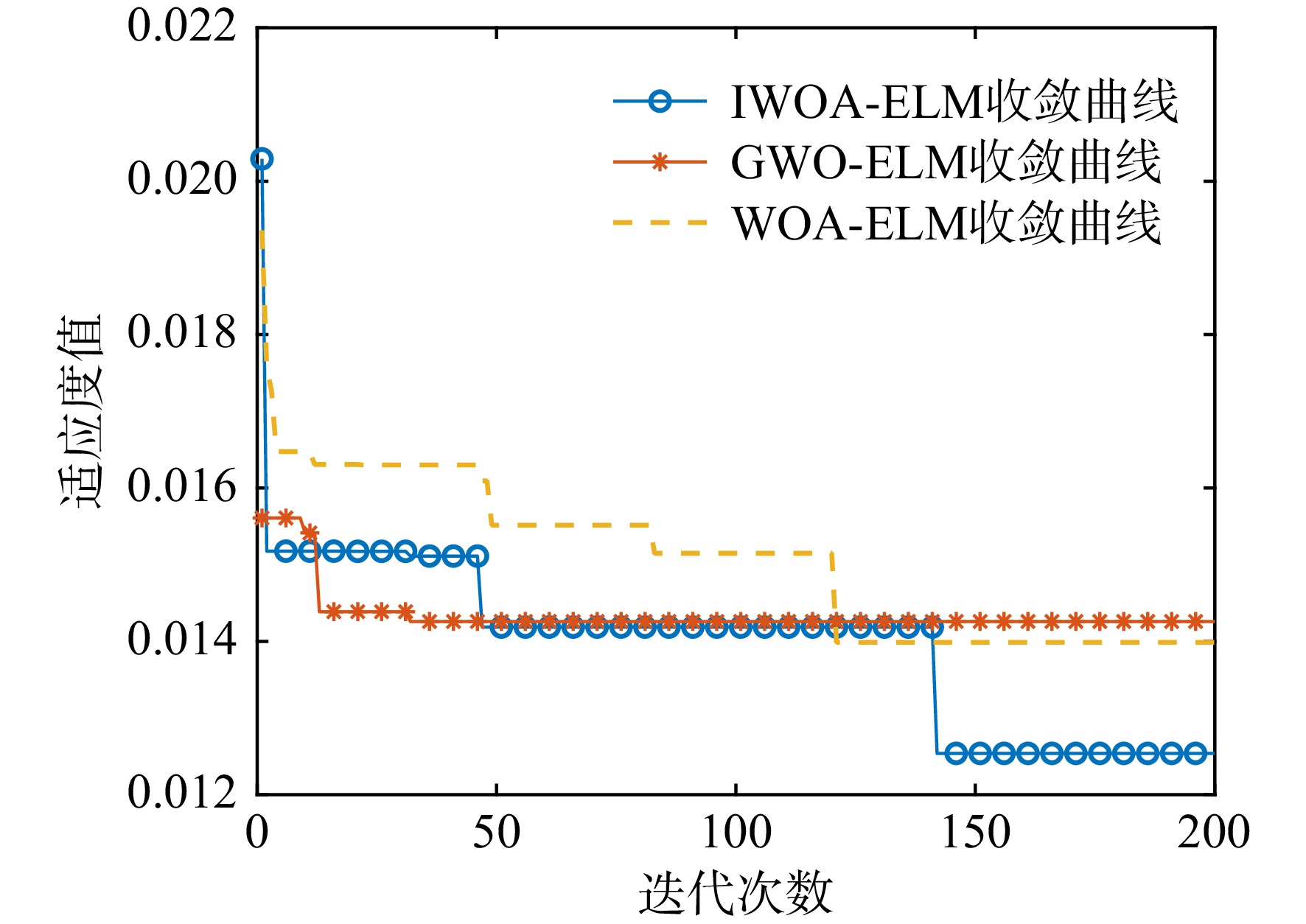
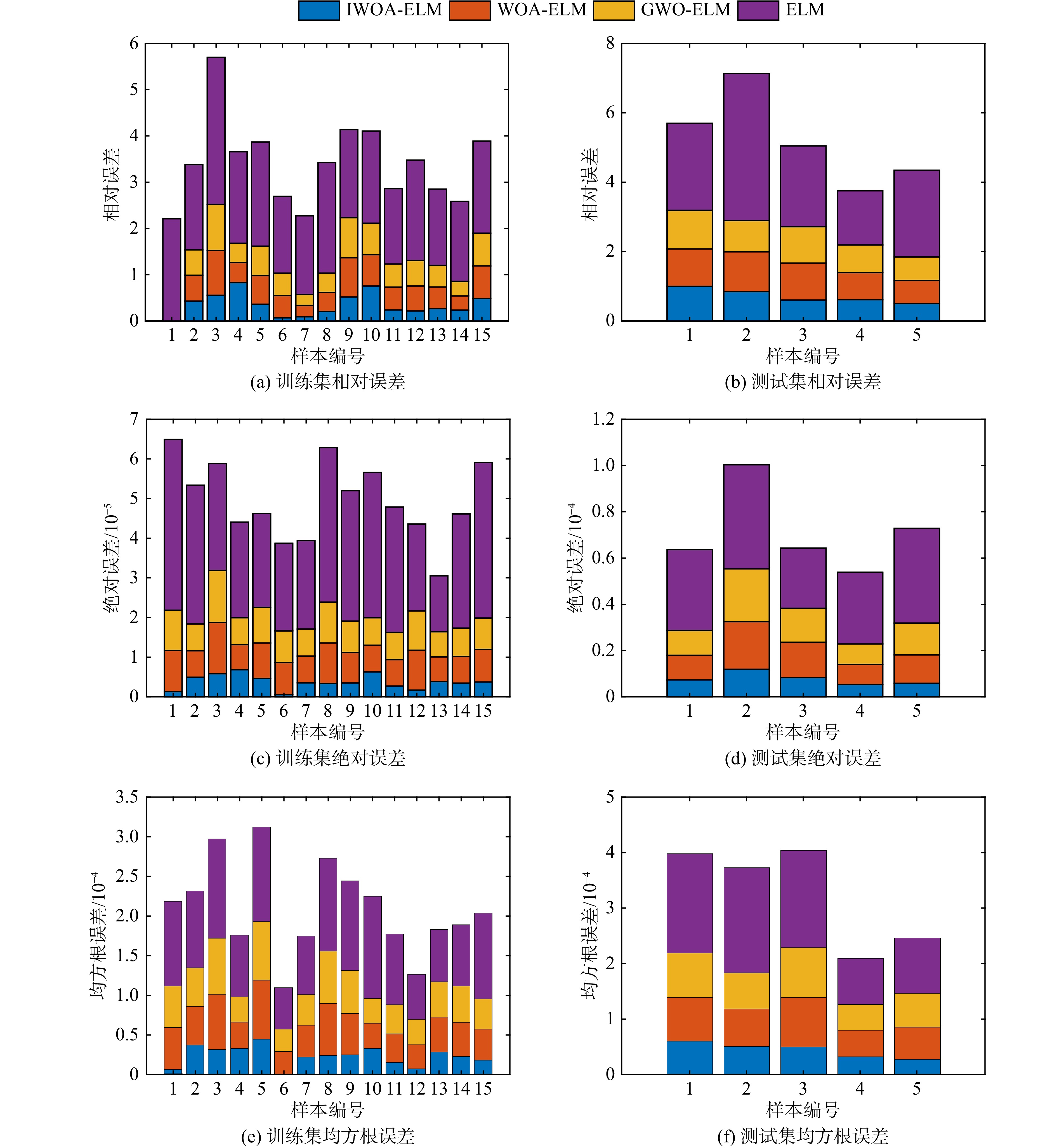
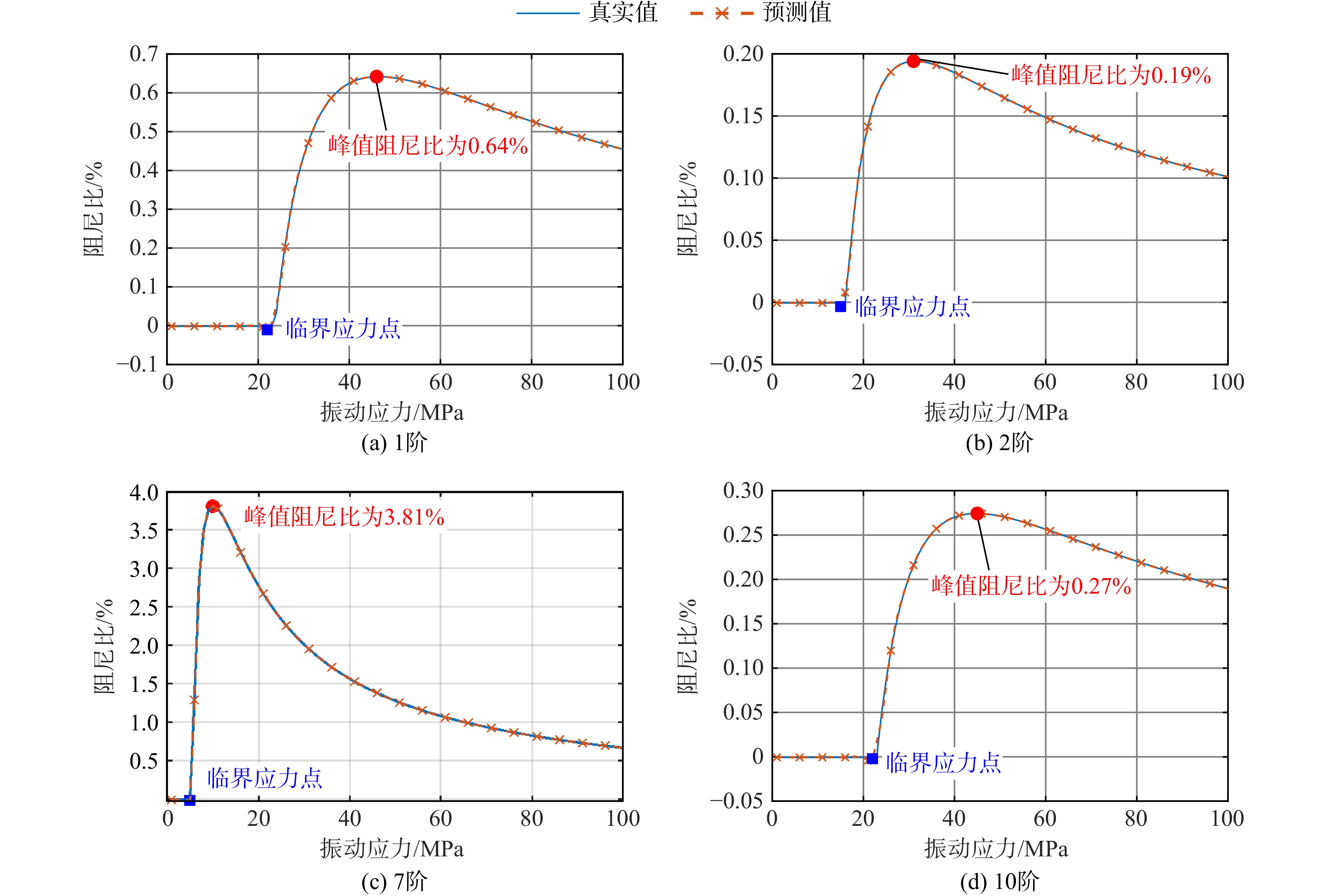
Due to the strong nonlinearity of shroud contact interfaces and enormous computational cost associated with multimodal damping analysis, conventional methods fail to achieve comprehensive, efficient, and accurate solutions. To address this challenge, an improved whale optimization algorithm-extreme learning machine (IWOA-ELM) model was proposed for multimodal damping characteristic prediction, enabling fast and highly accurate mapping from extremely limited inputs to massive outputs under very short training times and small datasets. A lightweight training dataset was constructed using the energy method combined with finite-element modal analysis. An improved WOA (IWOA) was developed by incorporating a history-memory-based group collaborative strategy and Sobol reverse initialization, and its superior global optimization capability was verified using the CEC2017 benchmark suite. The IWOA was further employed to optimize the weights and biases of the ELM, yielding a powerful network capable of realizing extremely low-input and ultra-high-output prediction. Experimental validation was conducted on a shrouded bladed-disk structure. The input consisted of damping ratios at five stress points under the first bending mode, while the output corresponded to the complete damping characteristics (2000 damping values) of the first 20 vibration modes over a stress range of 0—100 MPa. The results showed that the proposed IWOA-ELM achieved a mean squared error of 0.26×10⁻⁴, which was reduced by 73% compared with the conventional ELM, demonstrating its outstanding prediction accuracy. Moreover, the prediction time was only 0.51 s, improving computational efficiency by nearly 2000 times, which enabled rapid evaluation of large-scale multimodal shroud damping characteristics. The proposed IWOA-ELM damping prediction model made it possible for fast and comprehensive consideration of multimodal vibration-reduction performance, effectively reducing resonance risks and exhibiting strong potential for practical engineering applications.

Combustion,Heat and Mass Transfer
Numerical simulation and experimental study on flow and heat transfer characteristics in tube with jet chamber
Li Ming, Wang Yong, Shen Jiayuan, Liu Zhaoxuan, Li Wenming
2027, 42(1): 20250422. doi: 10.13224/j.cnki.jasp.20250422
Abstract:
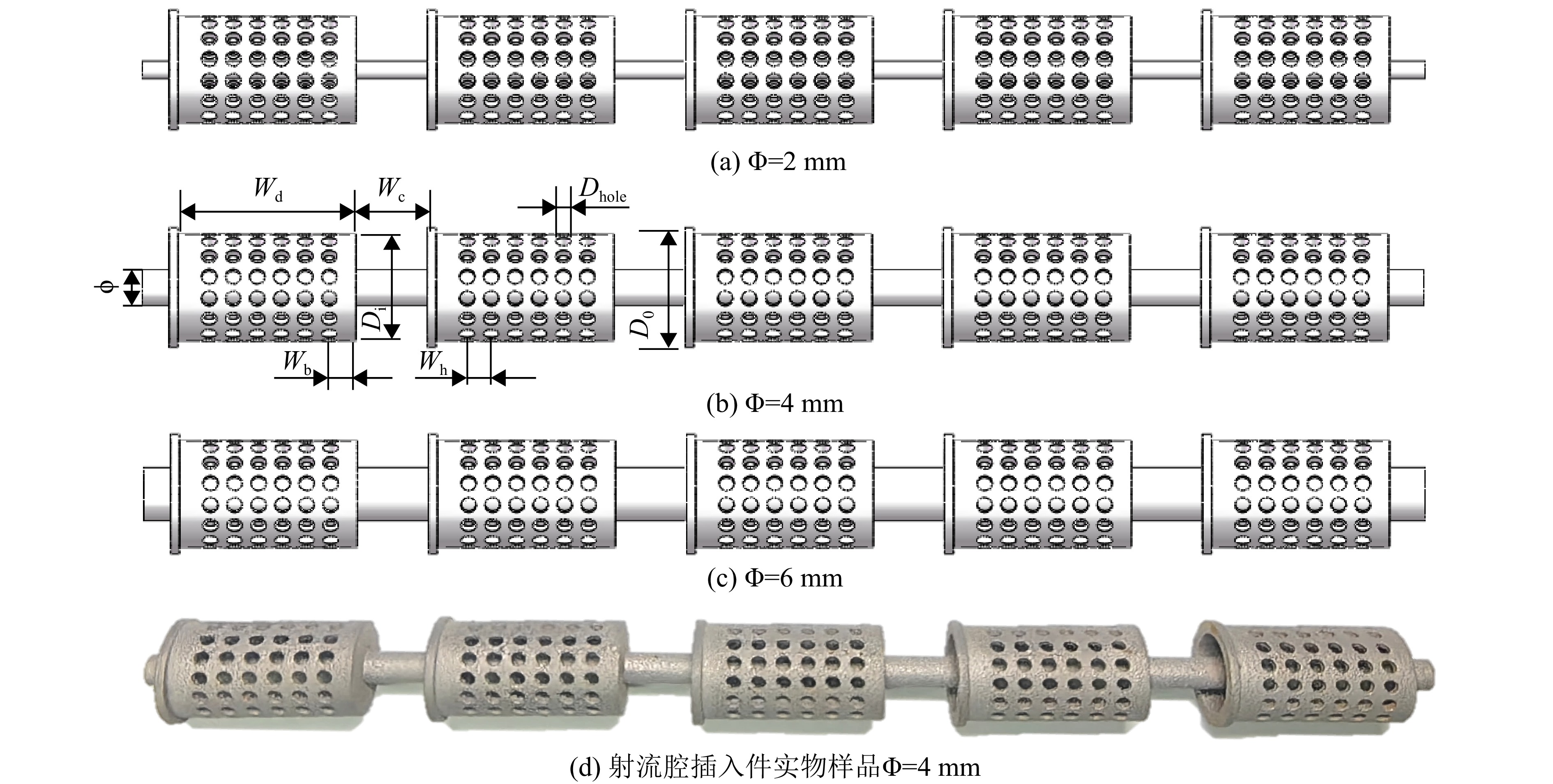
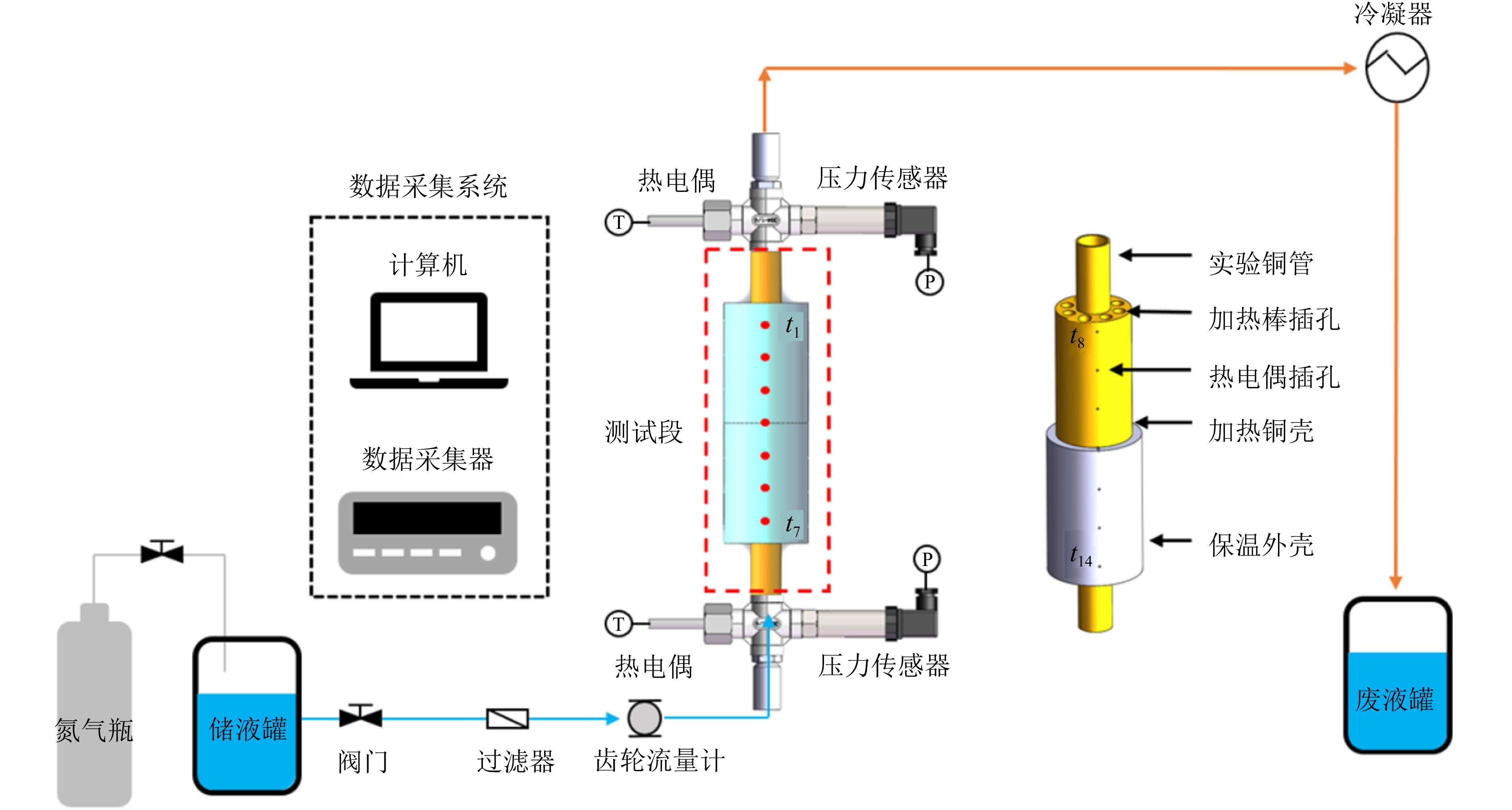
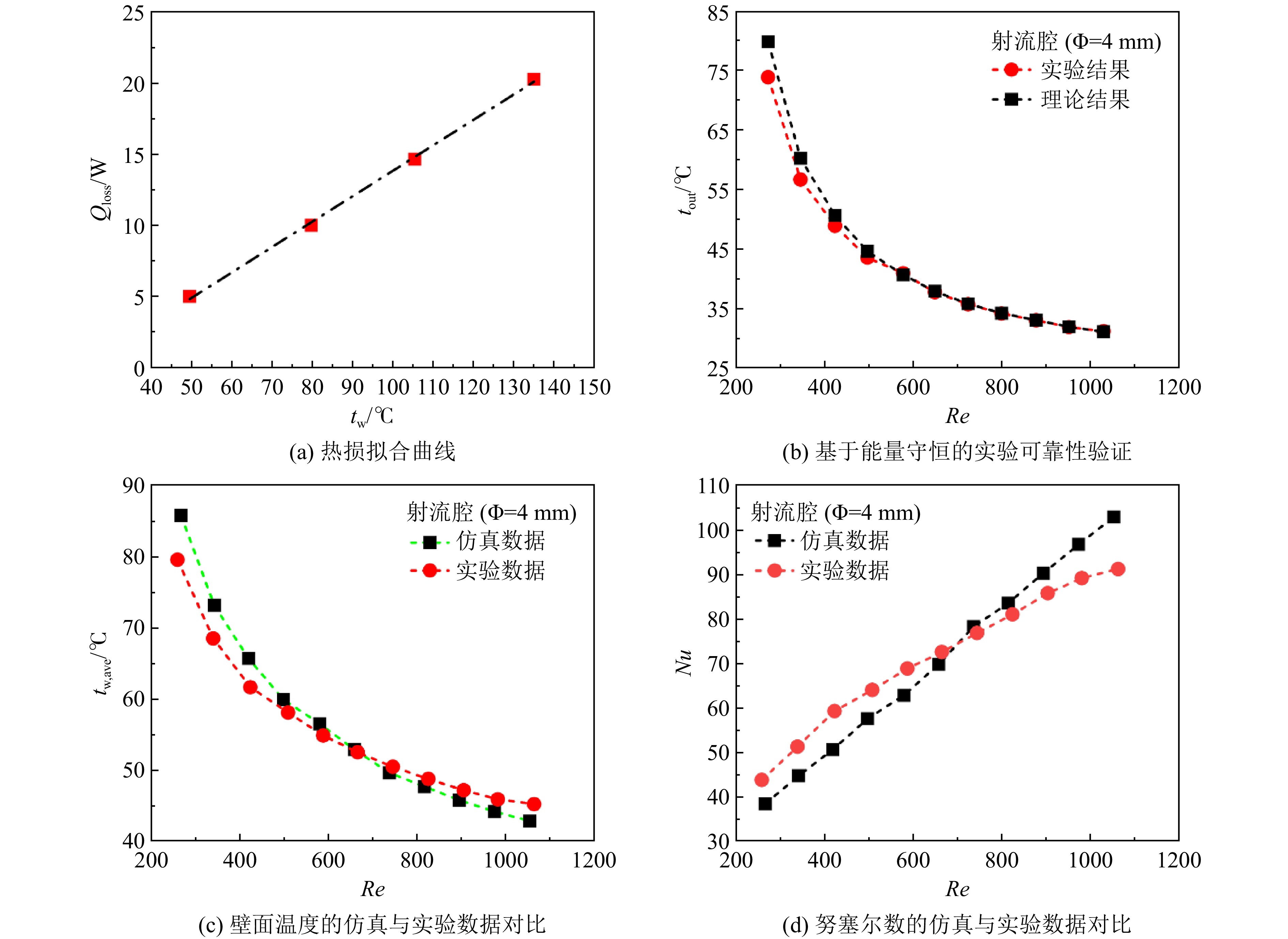
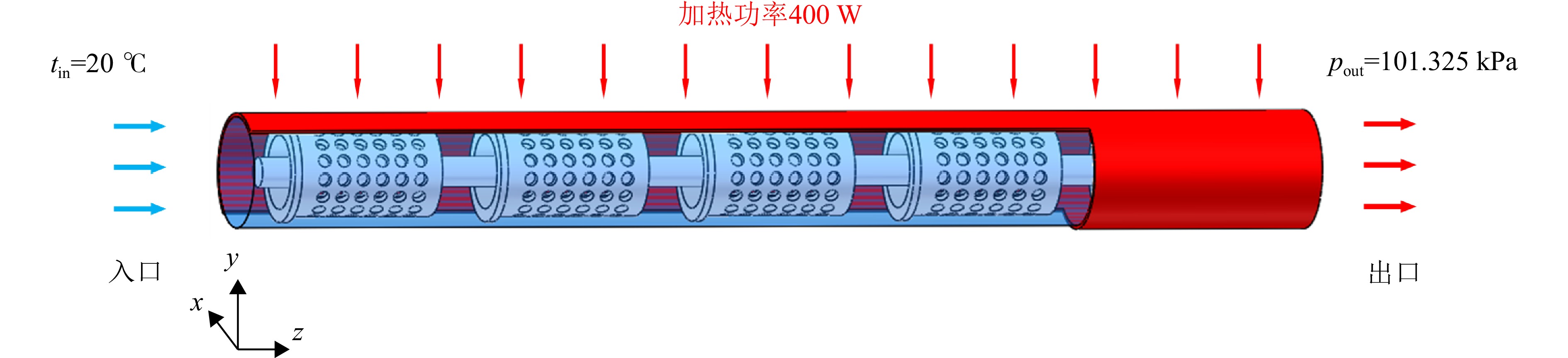
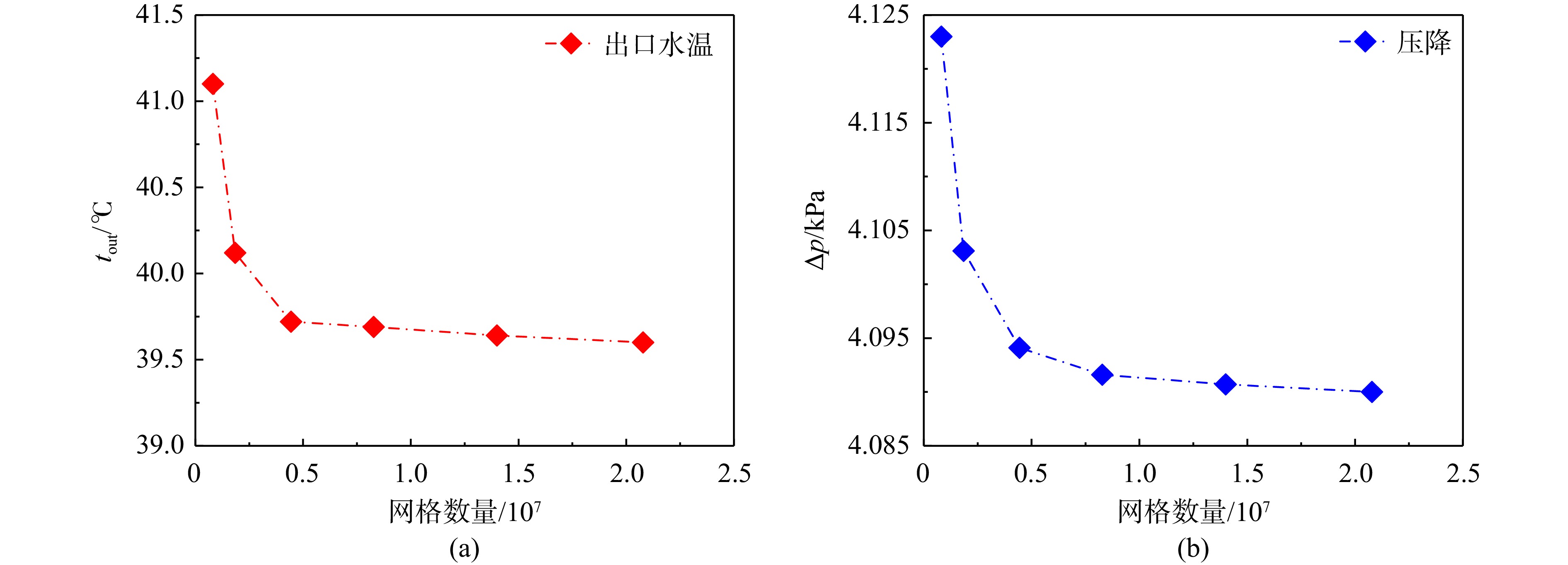
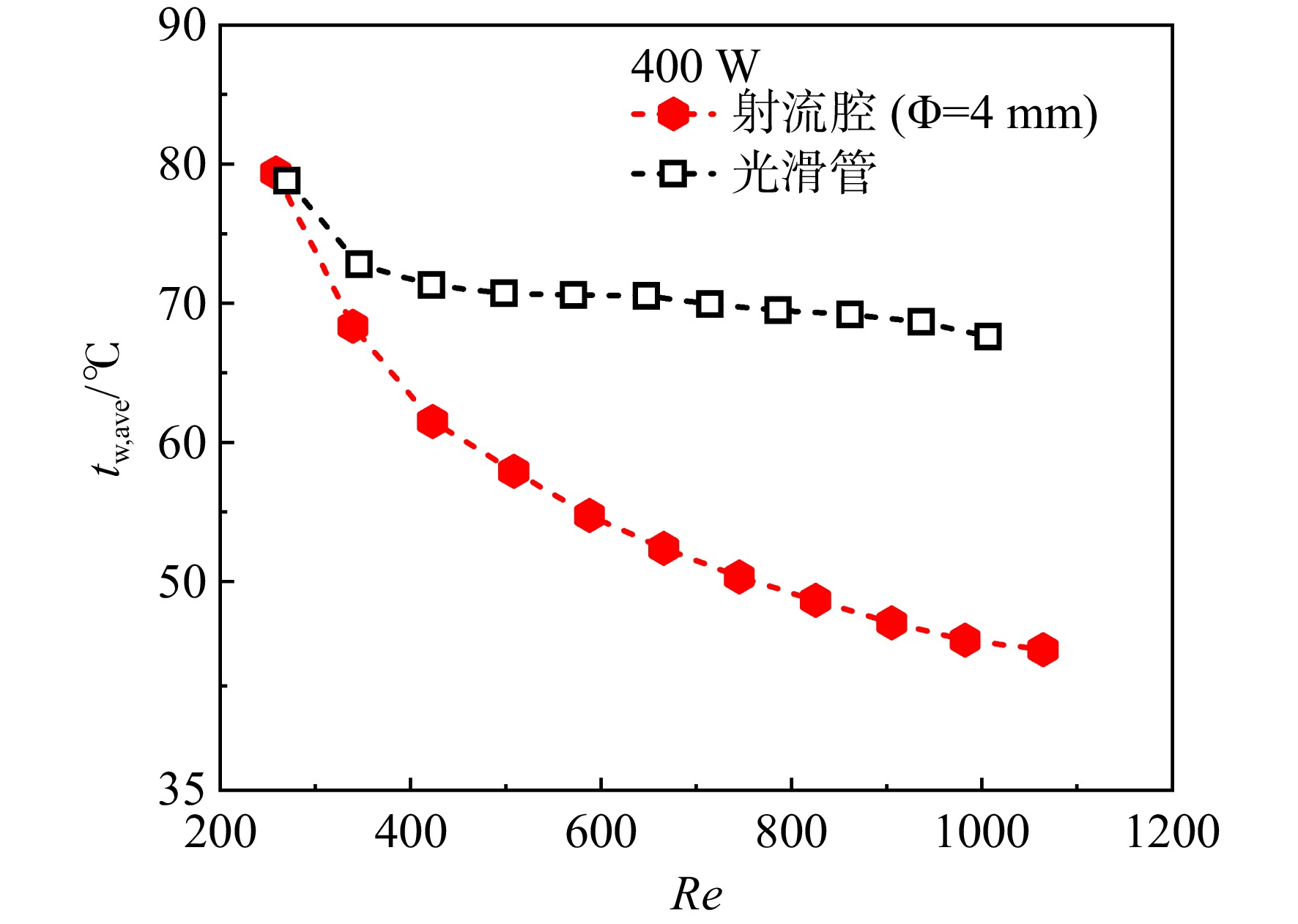
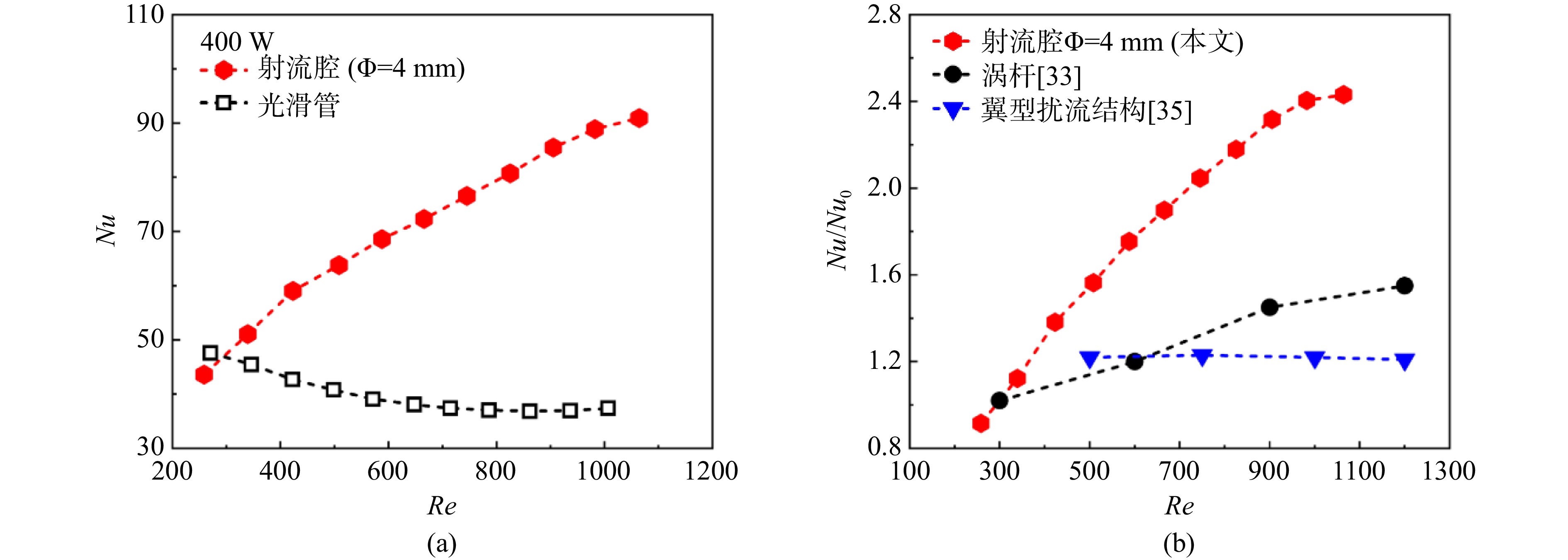
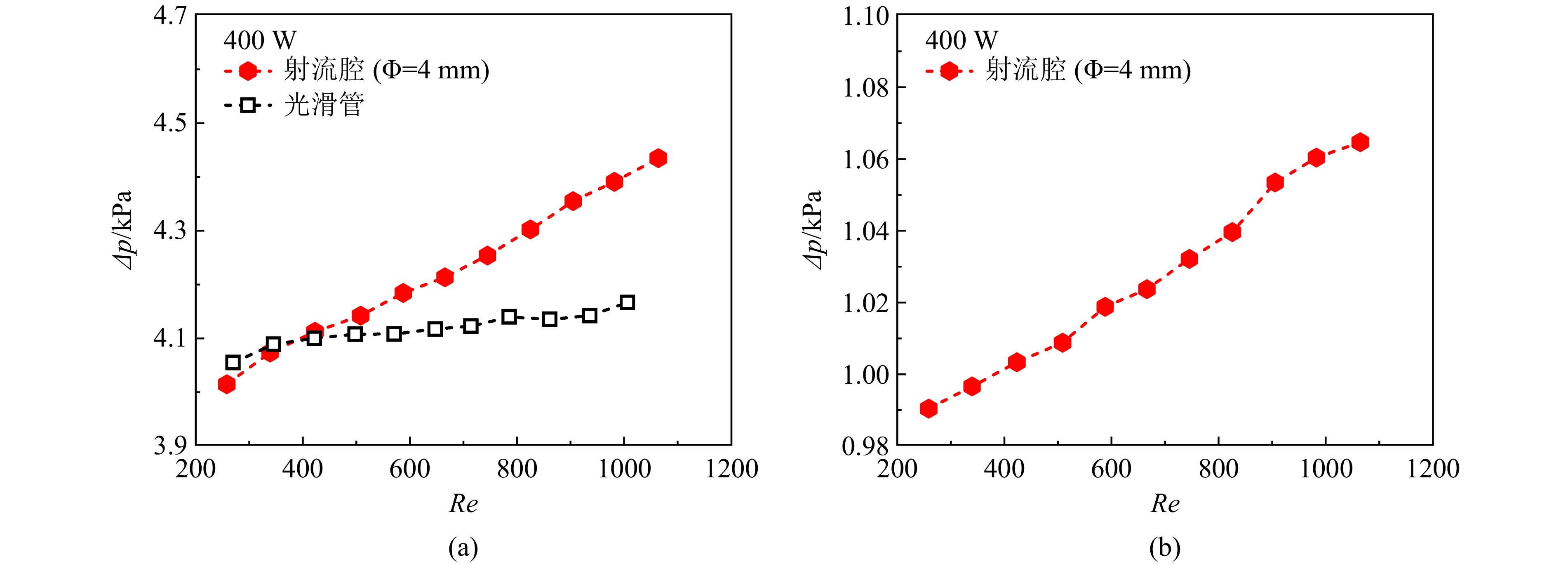
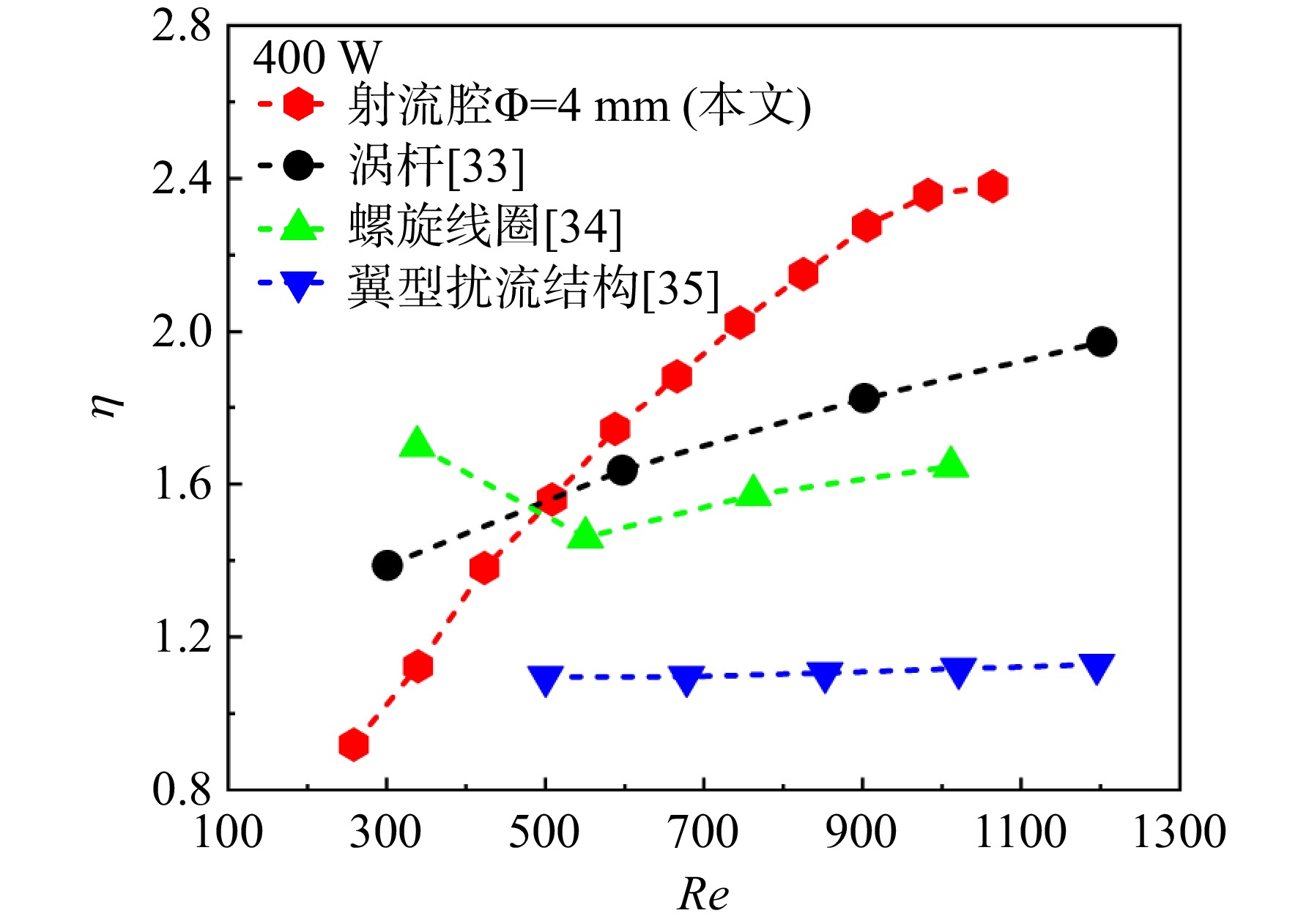
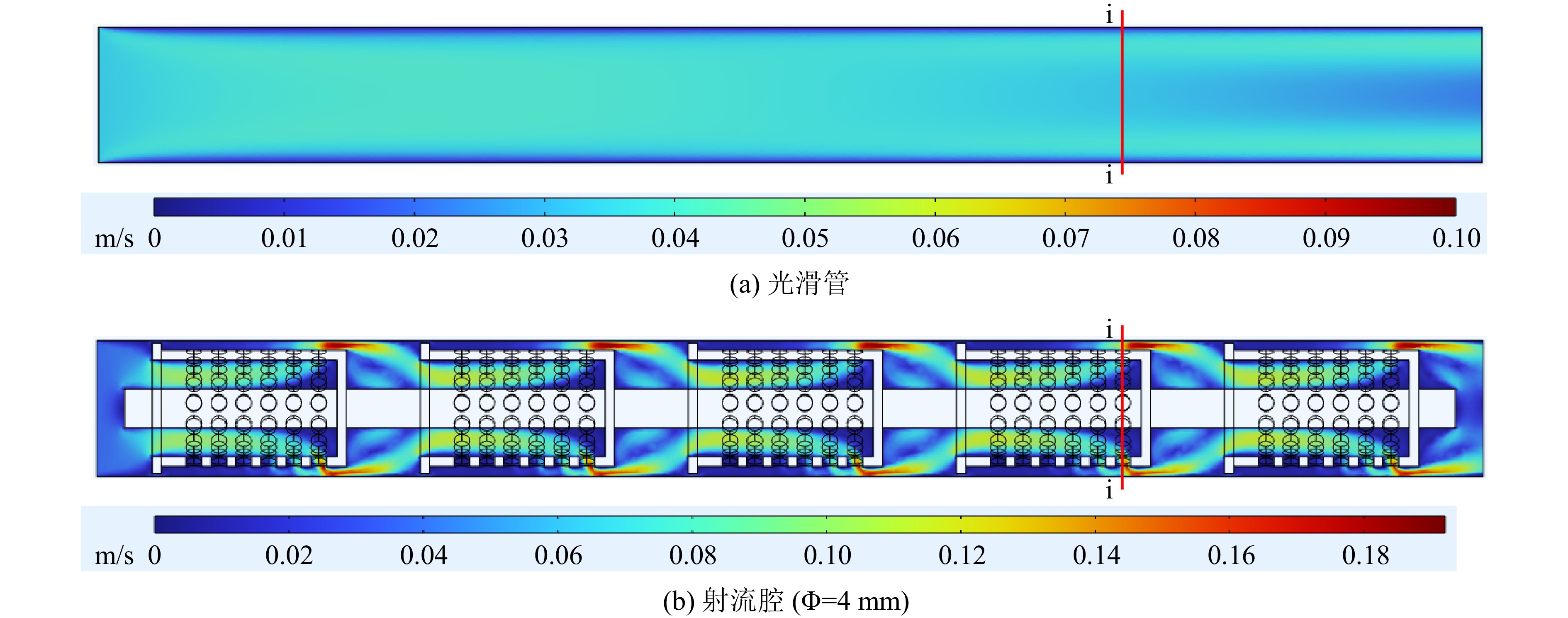
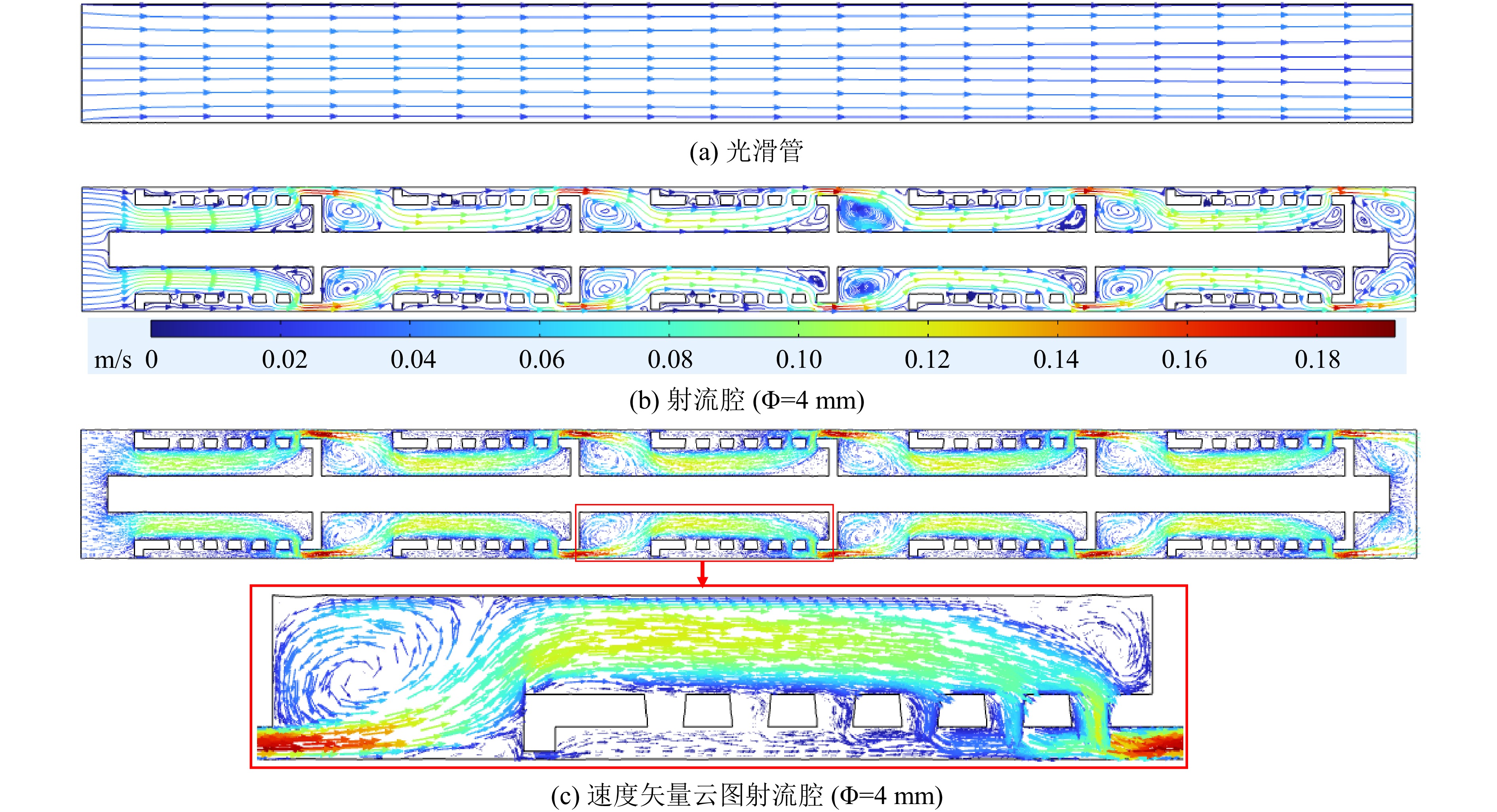
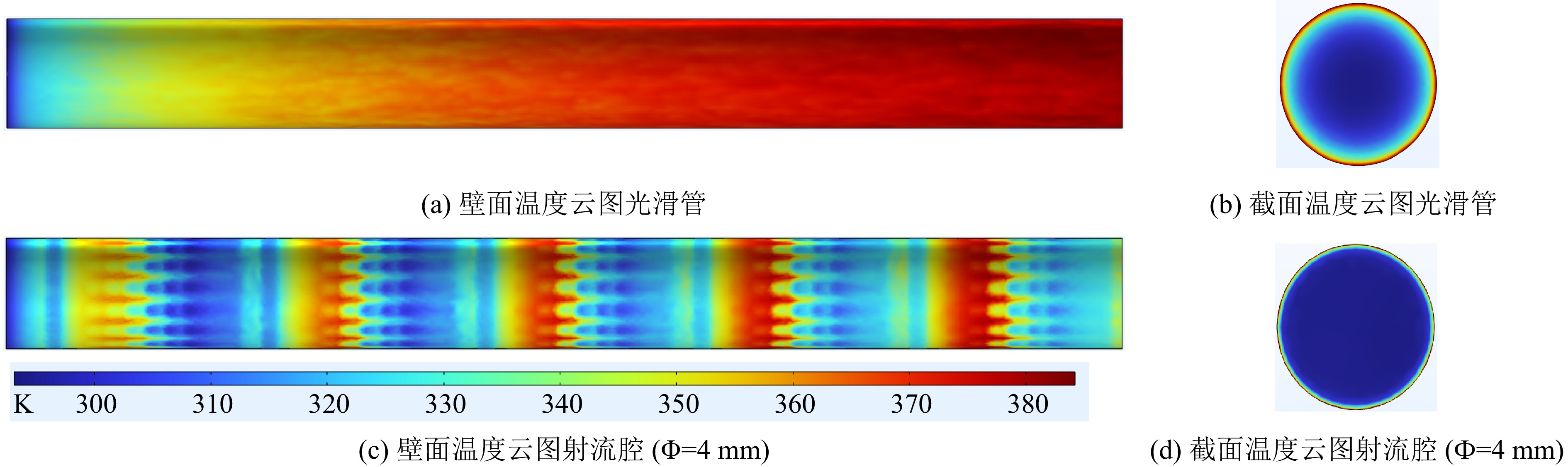
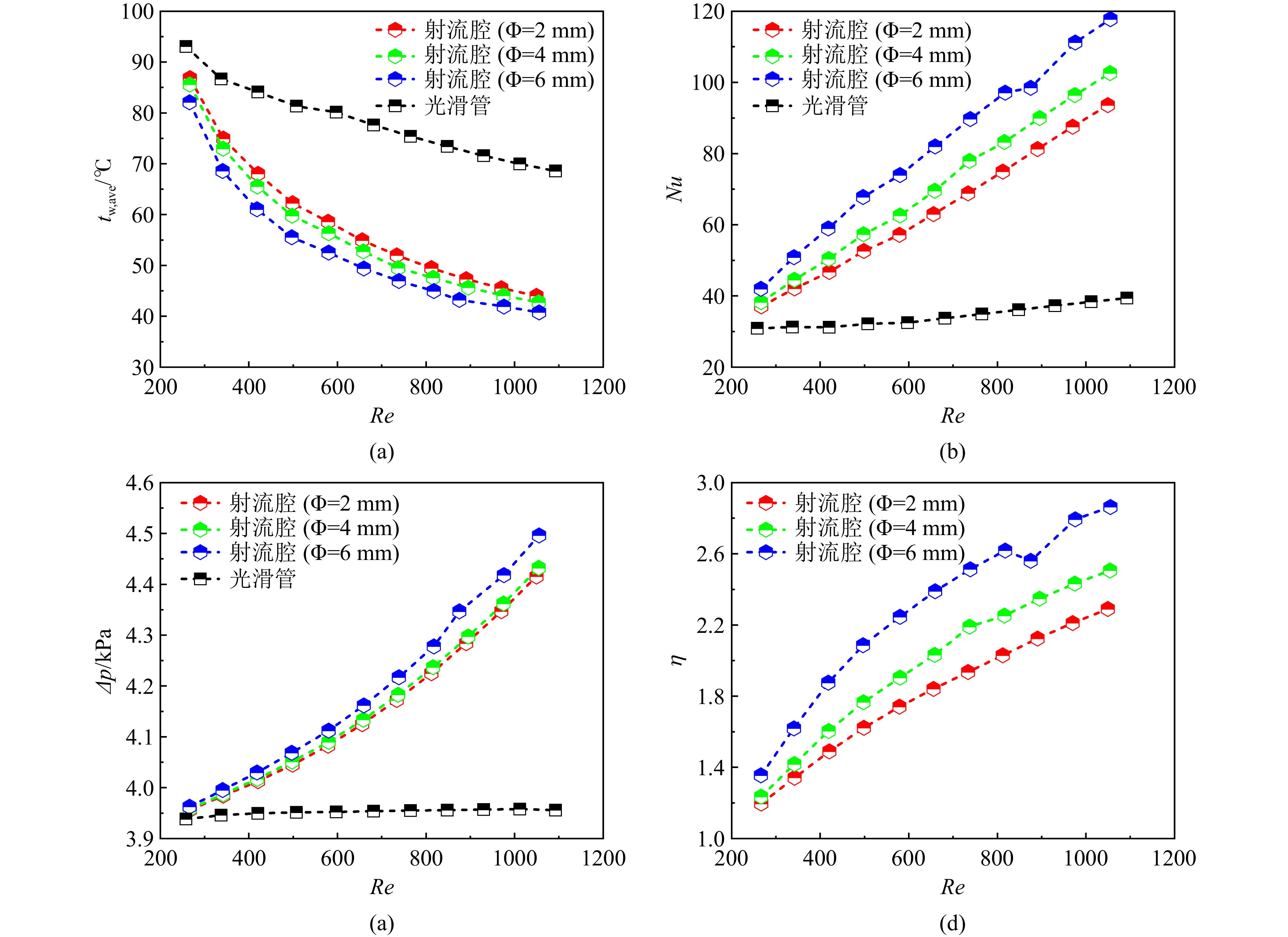
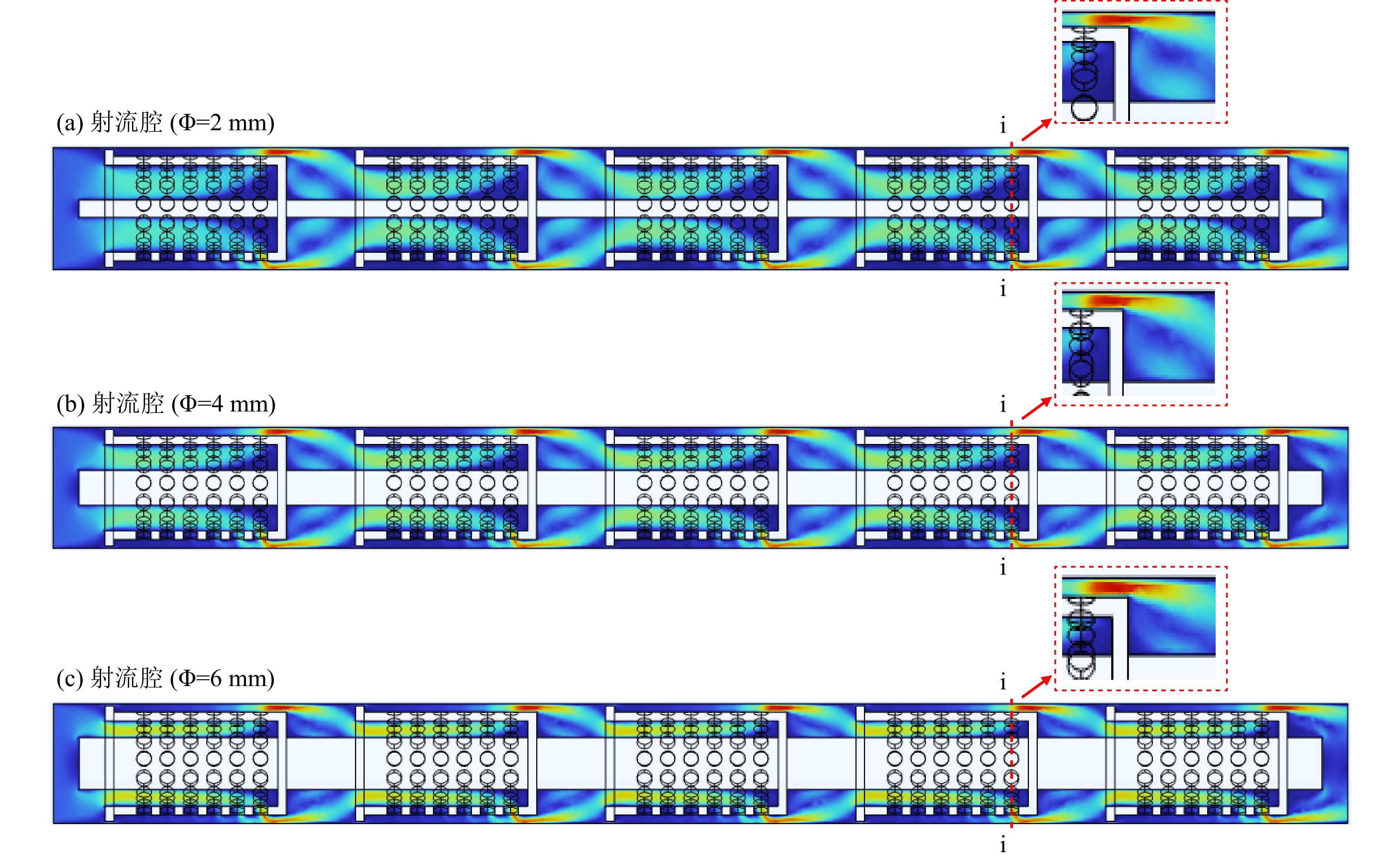
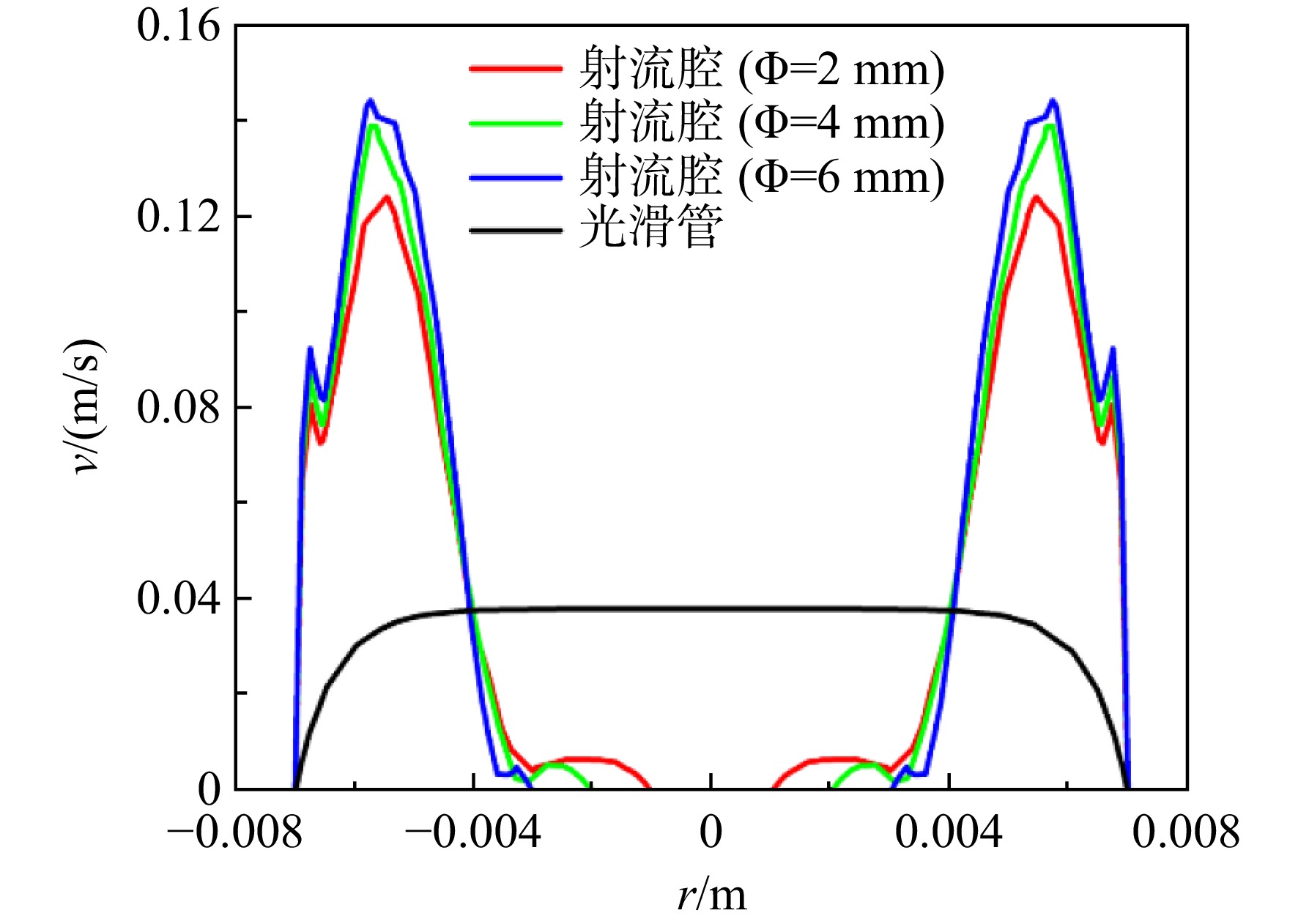
The single-phase convection heat transfer in traditional tube suffers from thick thermal boundary layer and insufficient fluid mixing. This study proposes a novel jet chamber insert to generate strong jetting flow. The effects of jet chamber on fluid flow and heat transfer characteristics of tube are experimentally and numerically investigated for Reynolds number varying from 200 to 1100. The results indicate that the jet chamber is capable of generating jet flows that impacts the inner wall vertically and disrupts the fluid and thermal boundary layers. Spatial fluid mixing is achieved, significantly enhancing convective heat transfer in terms of Nusselt number (Nu). The experimental results indicate that the normalized Nu is enhanced about 1-fold compared to that of coiled wire and vortex rods inserts. Also, the performance evaluation criteria (η) is much higher, up to 2.4. Furthermore, the numerical study shows that the rod diameter has significant impact on fluid flow and heat transfer performance. The larger diameter leads to higher heat transfer performance. The Nu is up to 117 when the diameter is 6 mm. Compared to smooth tube without any insert, an enhancement of 292% is achieved. Additionally, the η is increased to 2.86. Finally, this new jet chamber insert is very effective in improving convection heat transfer performance of tube, providing practical solution for the design of efficient heat exchanger.

Study on mechanism of ice separation flow control of unmanned aerial vehicle wing profiles based on off-surface cylinders
Xu Zhaoke, Wang Haoyi, Sun Xiaozhe, Zhao Peng, Yang Shuting, Zhong Shuting
2027, 42(1): 20250374. doi: 10.13224/j.cnki.jasp.20250374
Abstract:
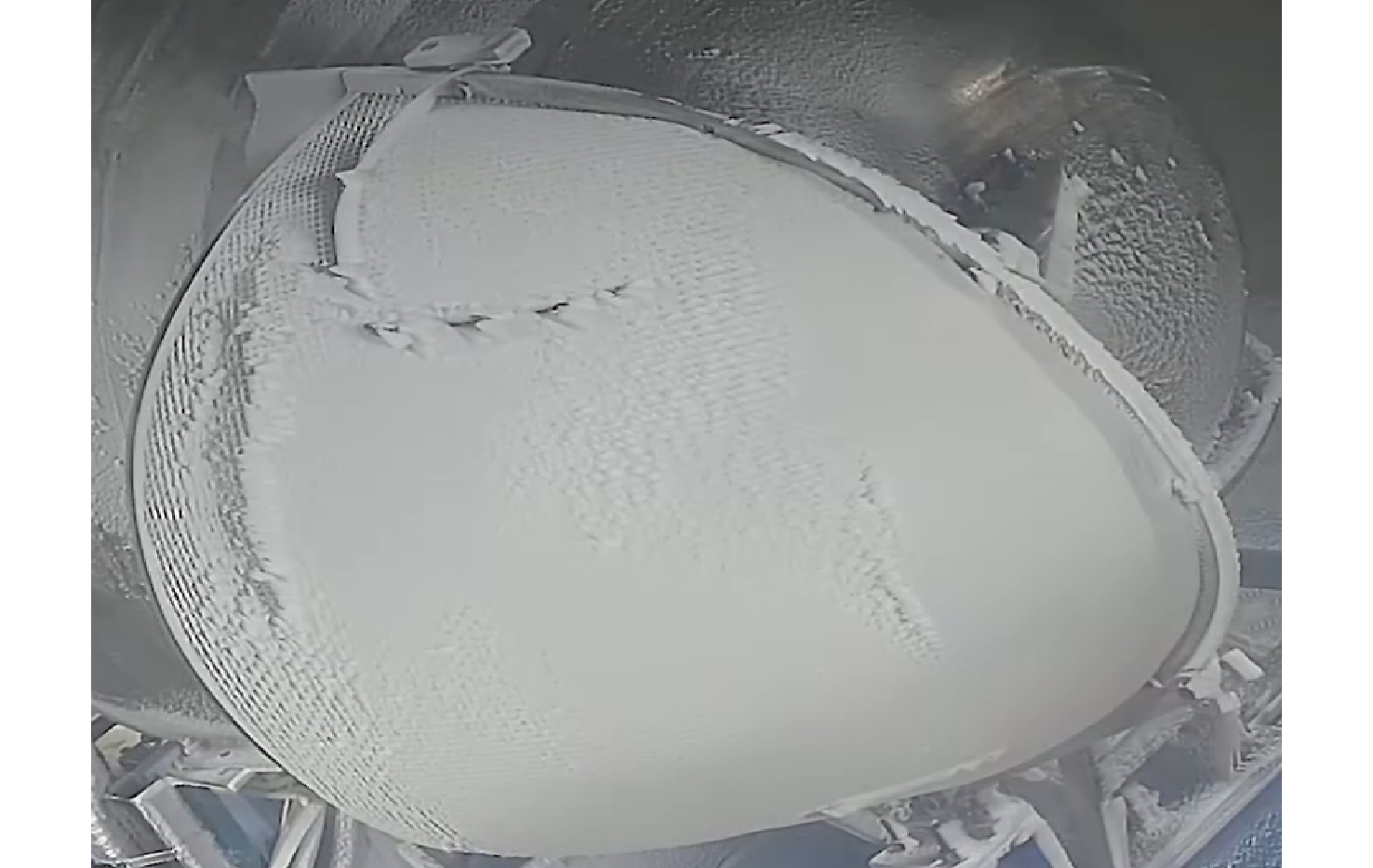
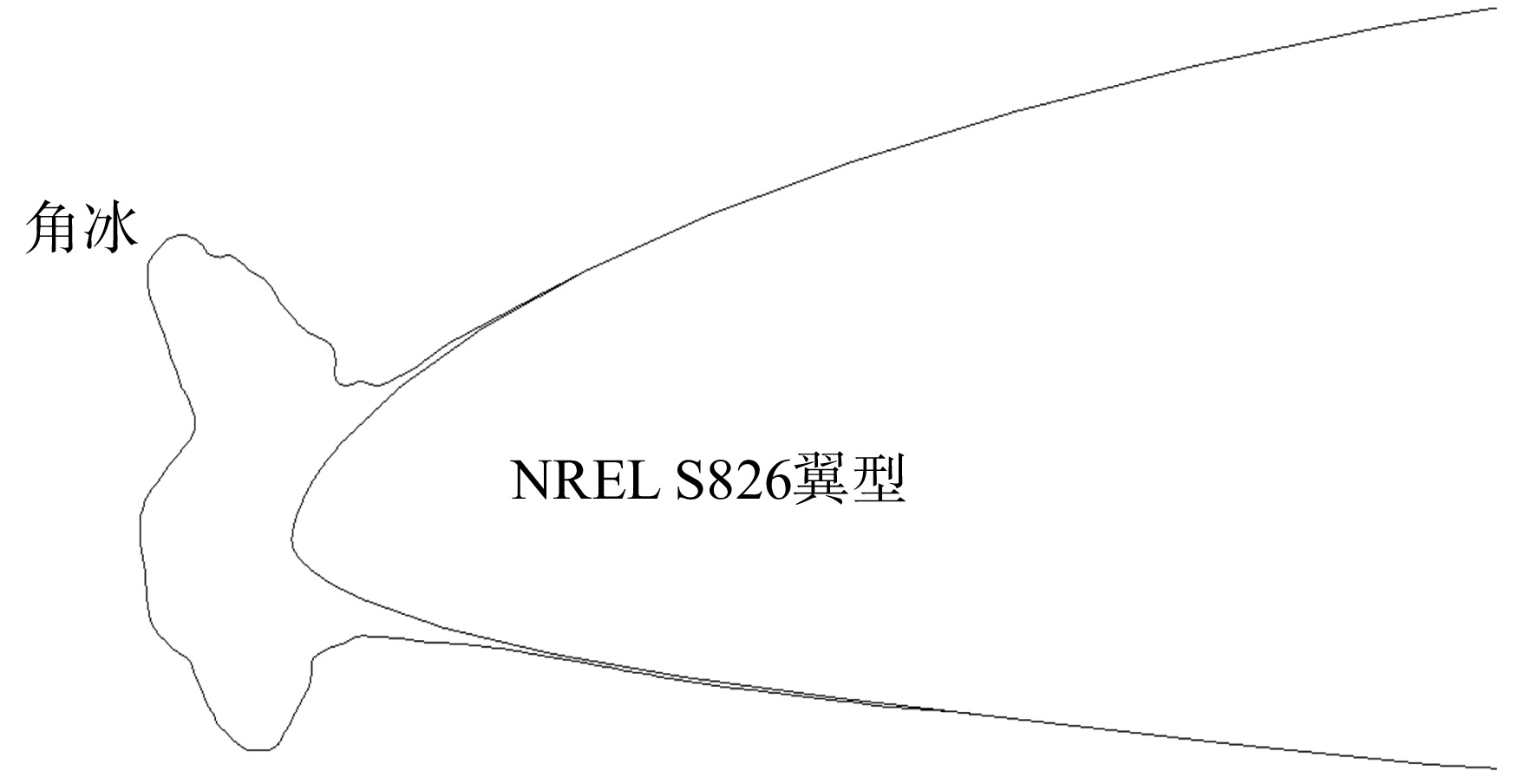
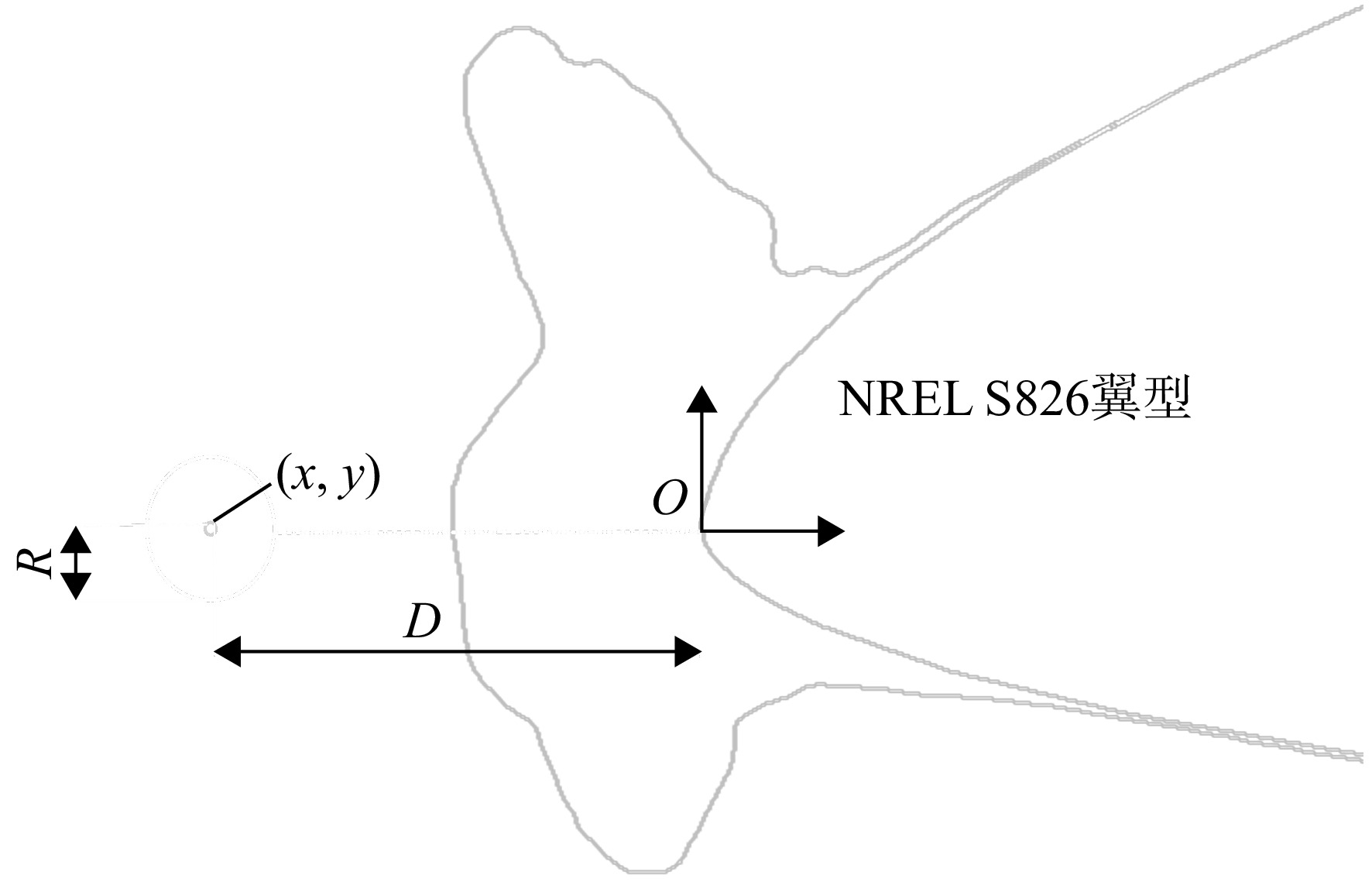
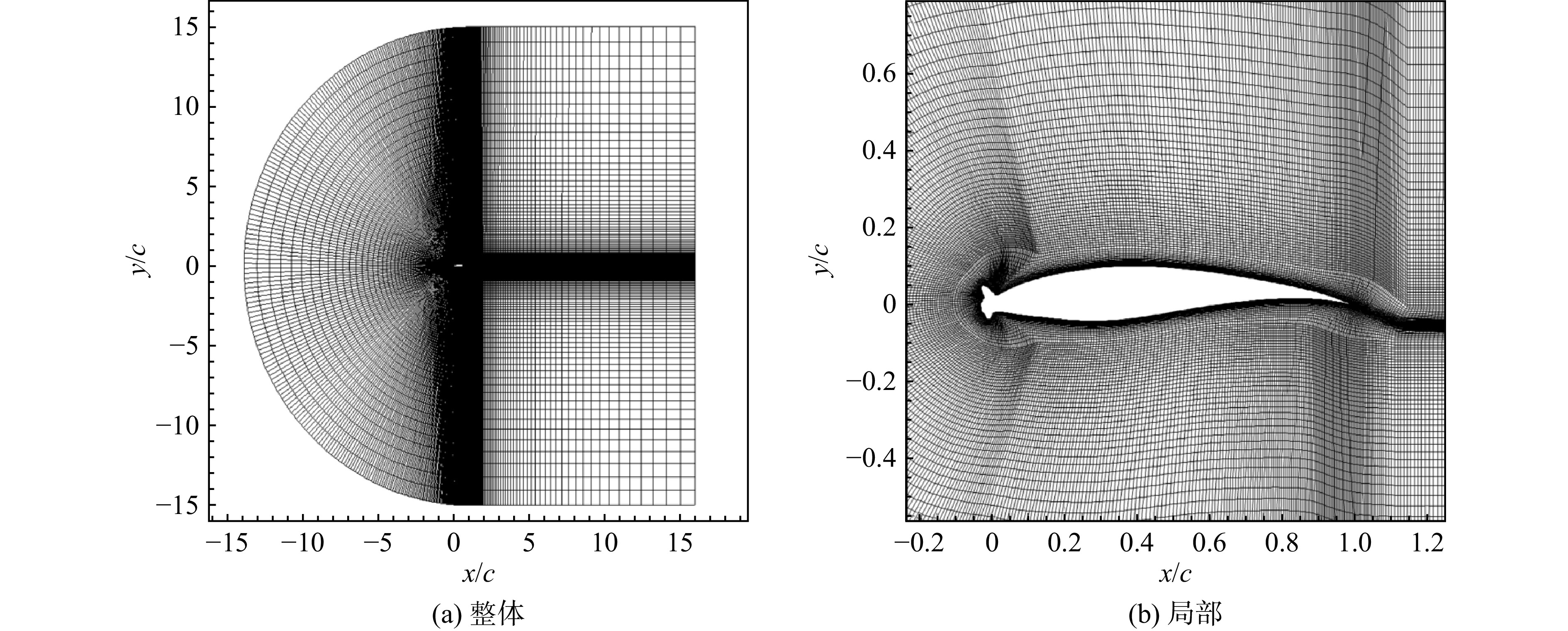
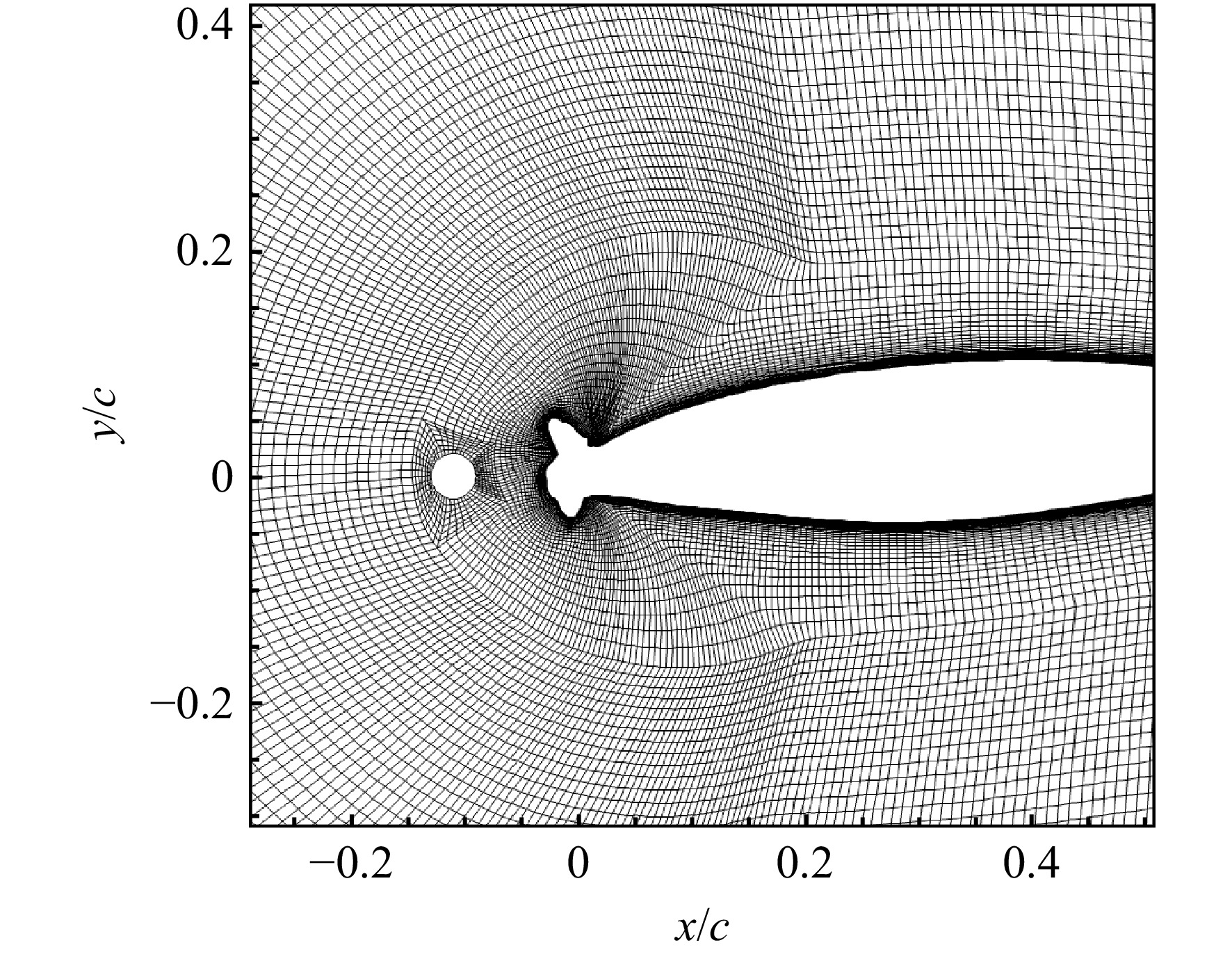
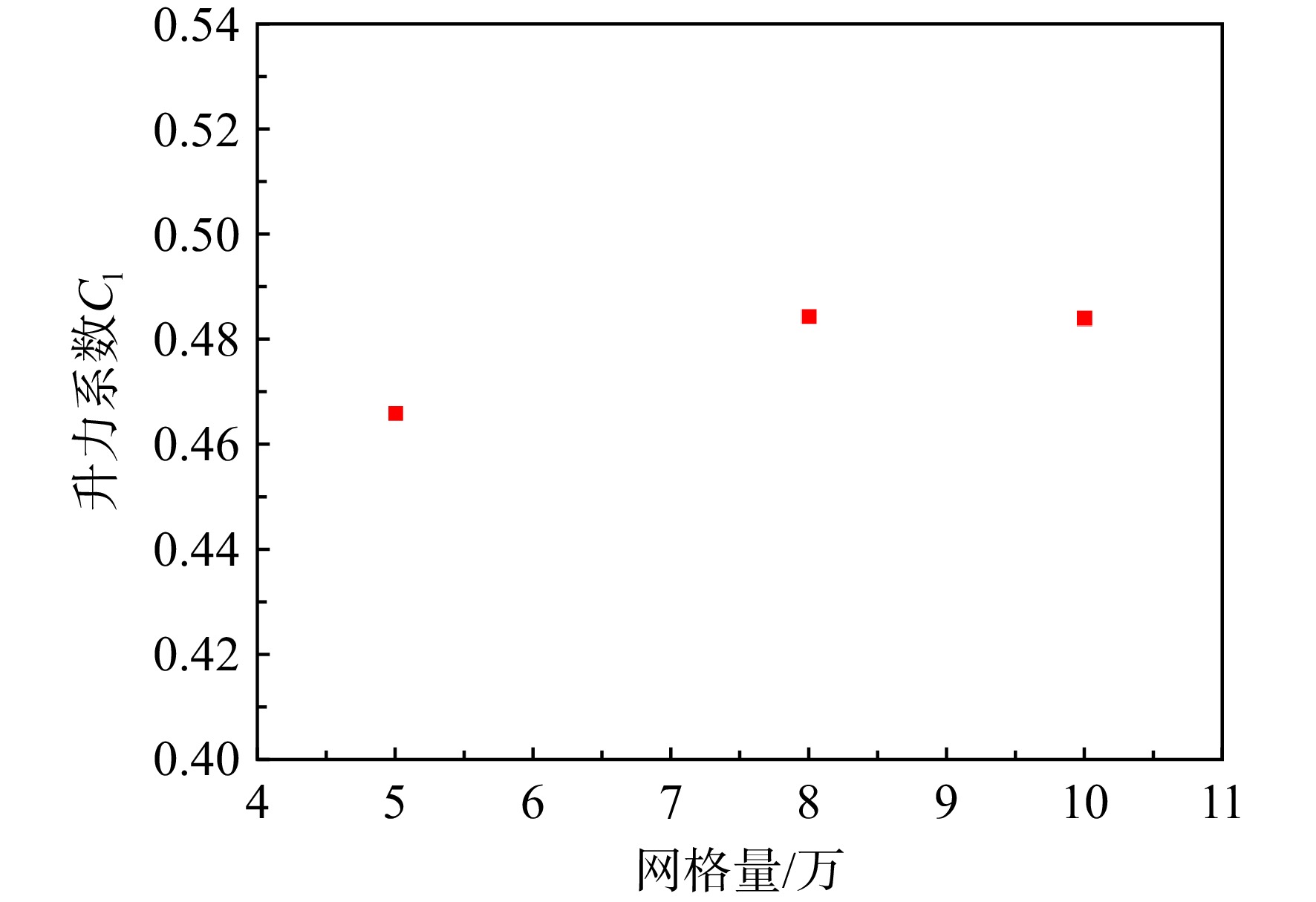
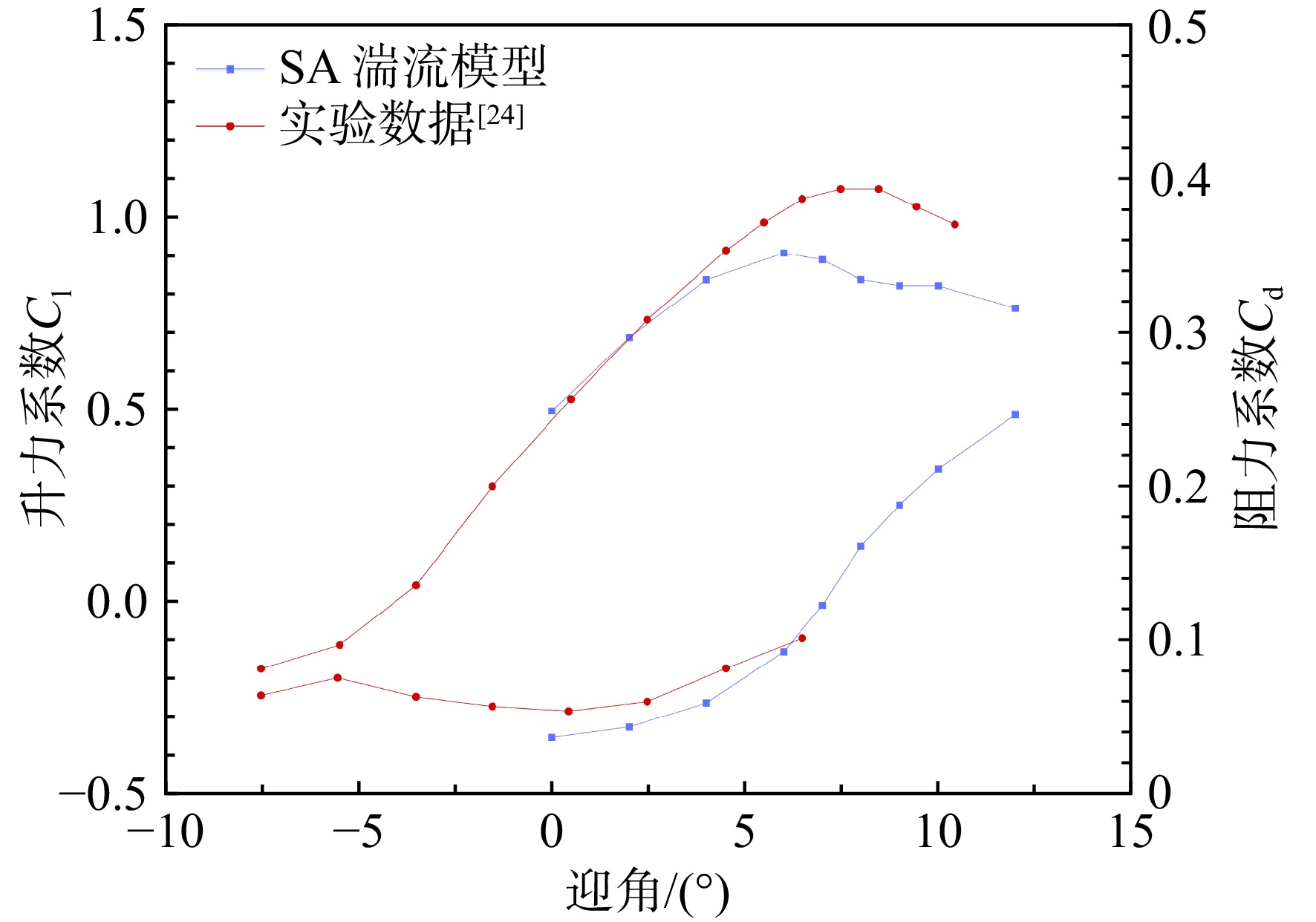
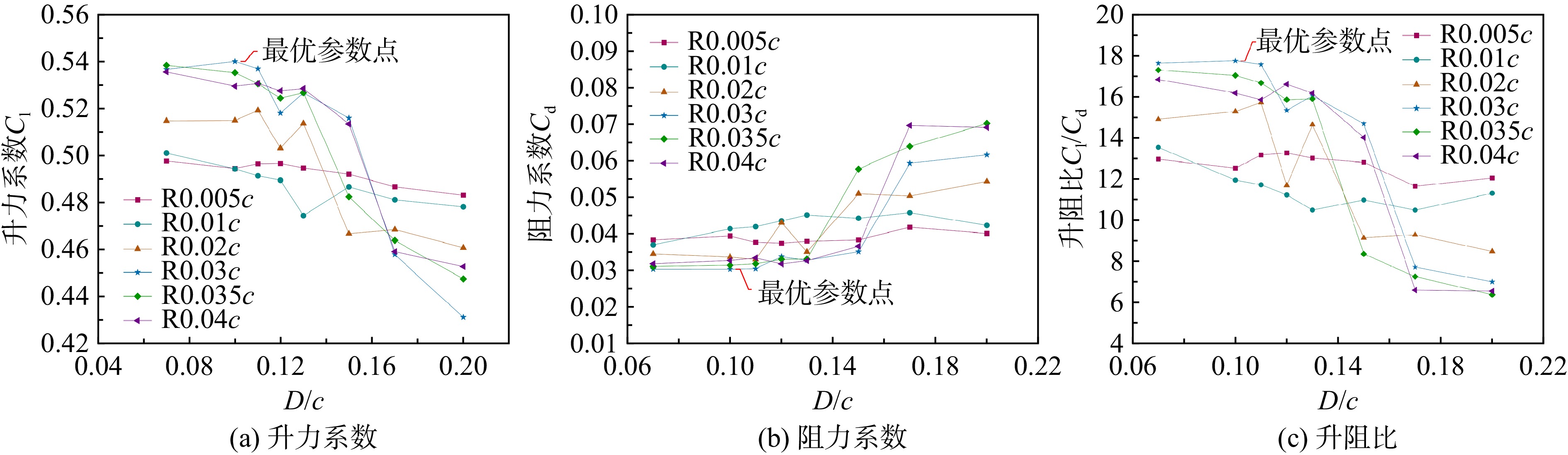
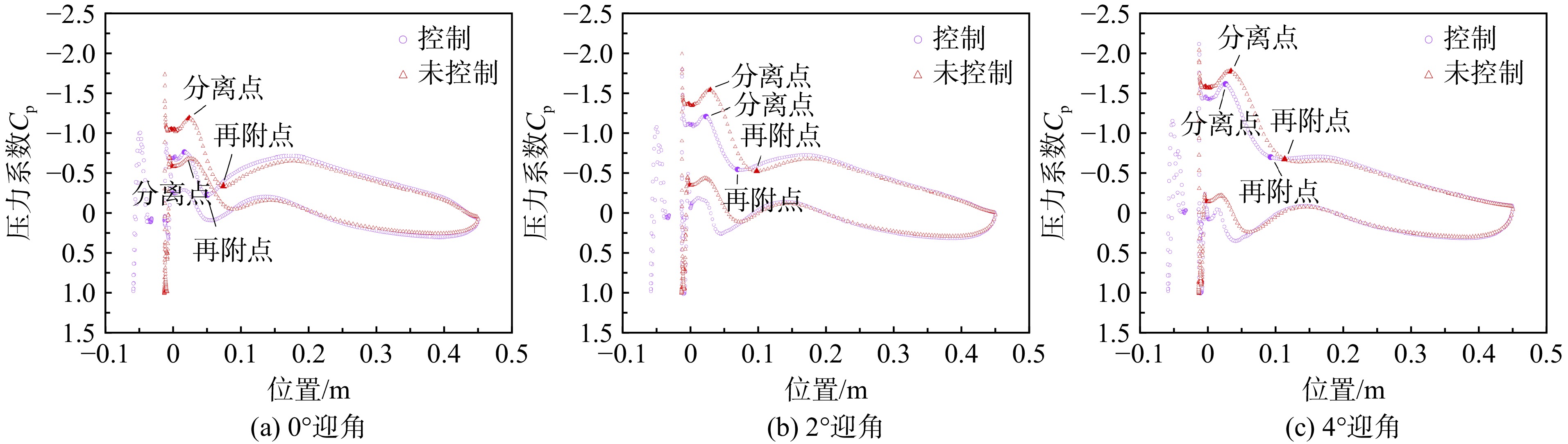
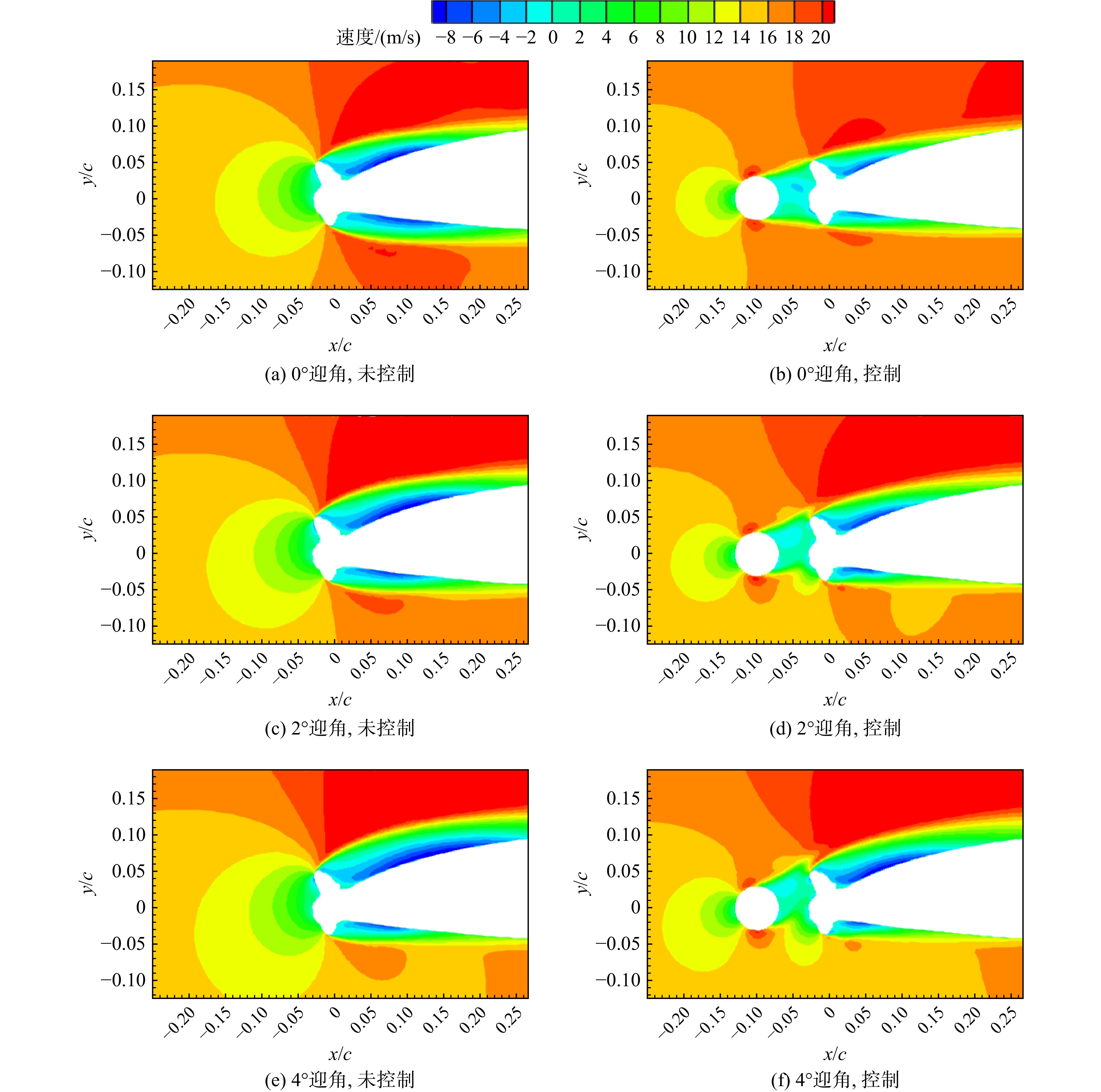
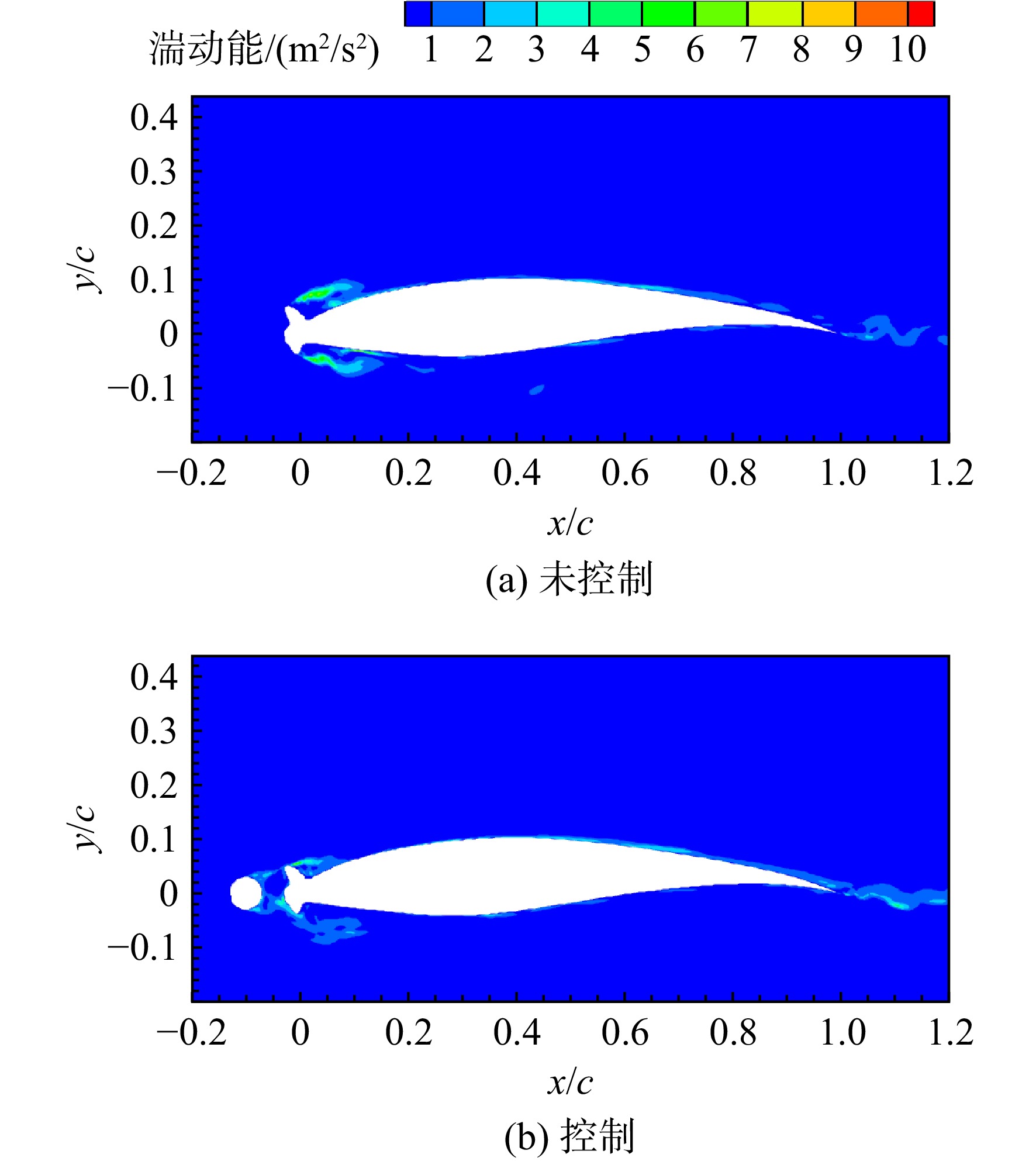
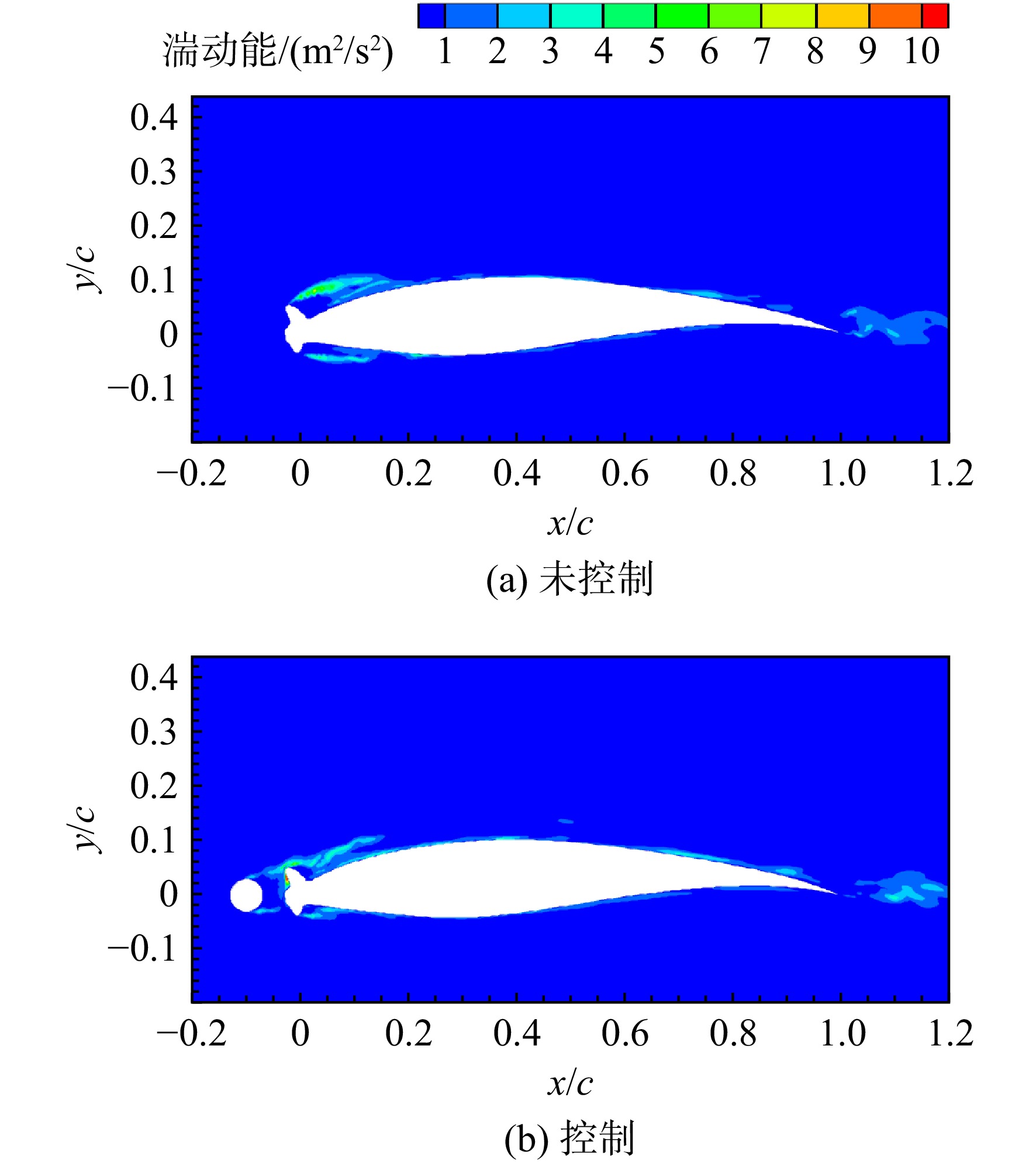
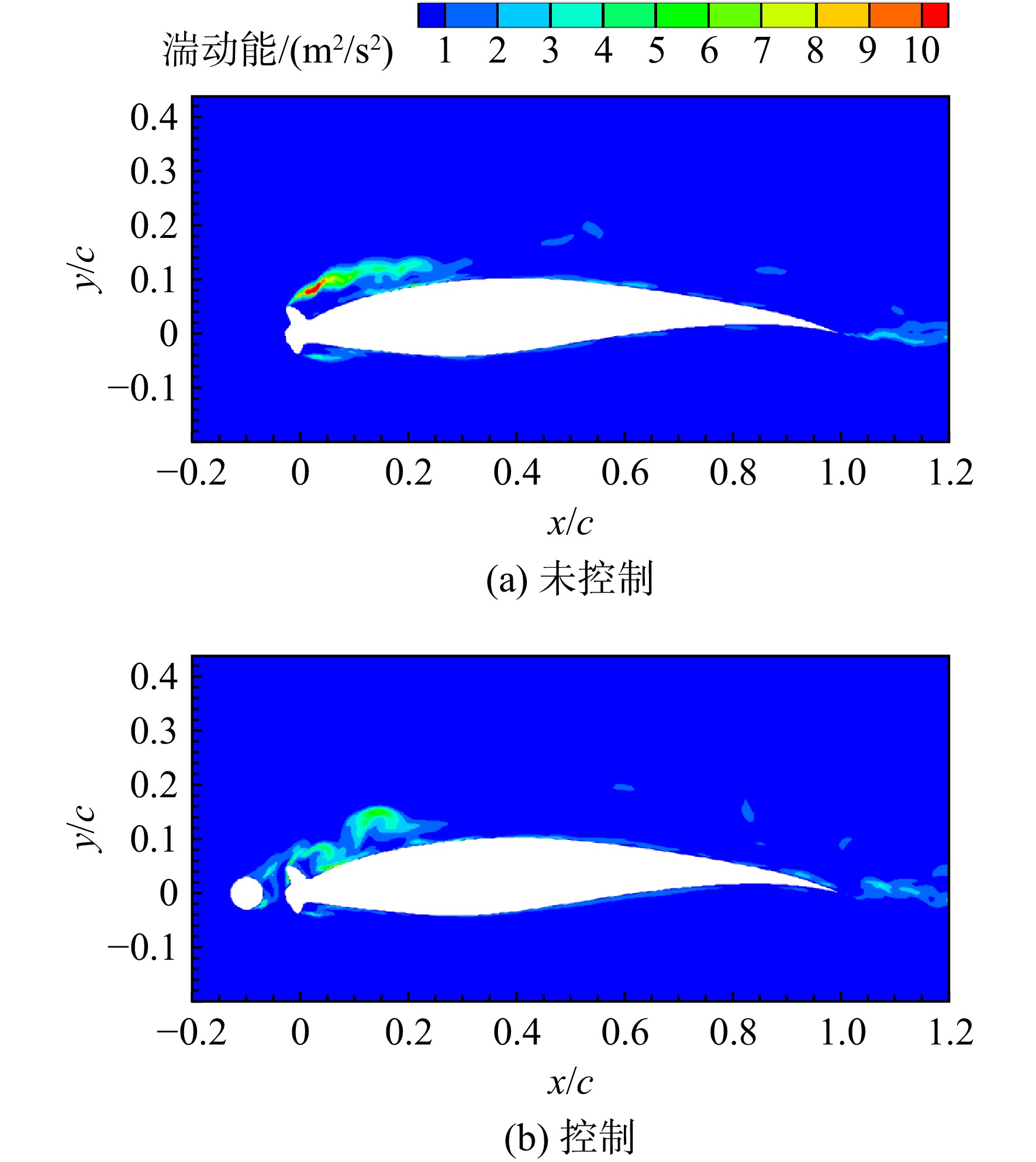
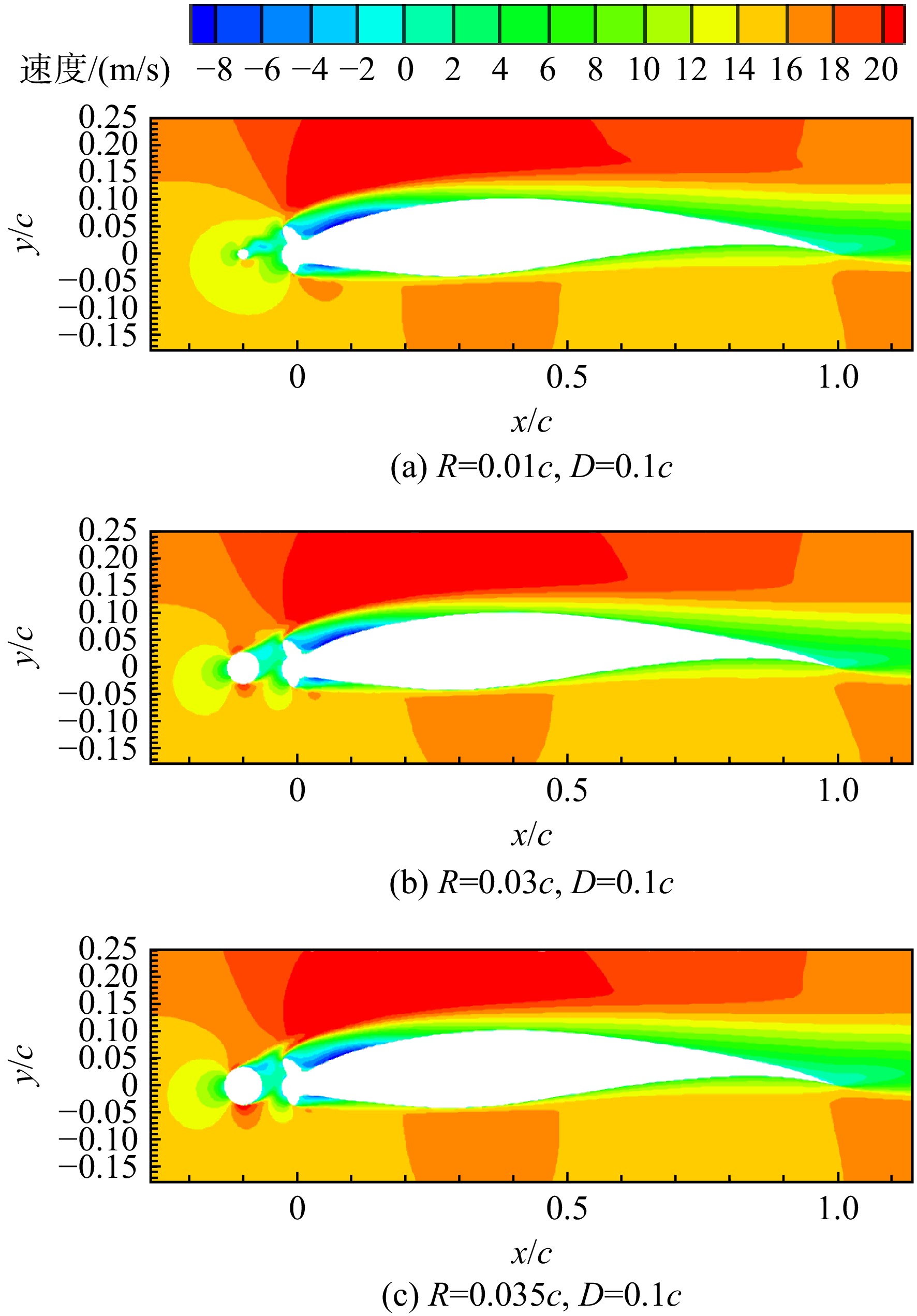
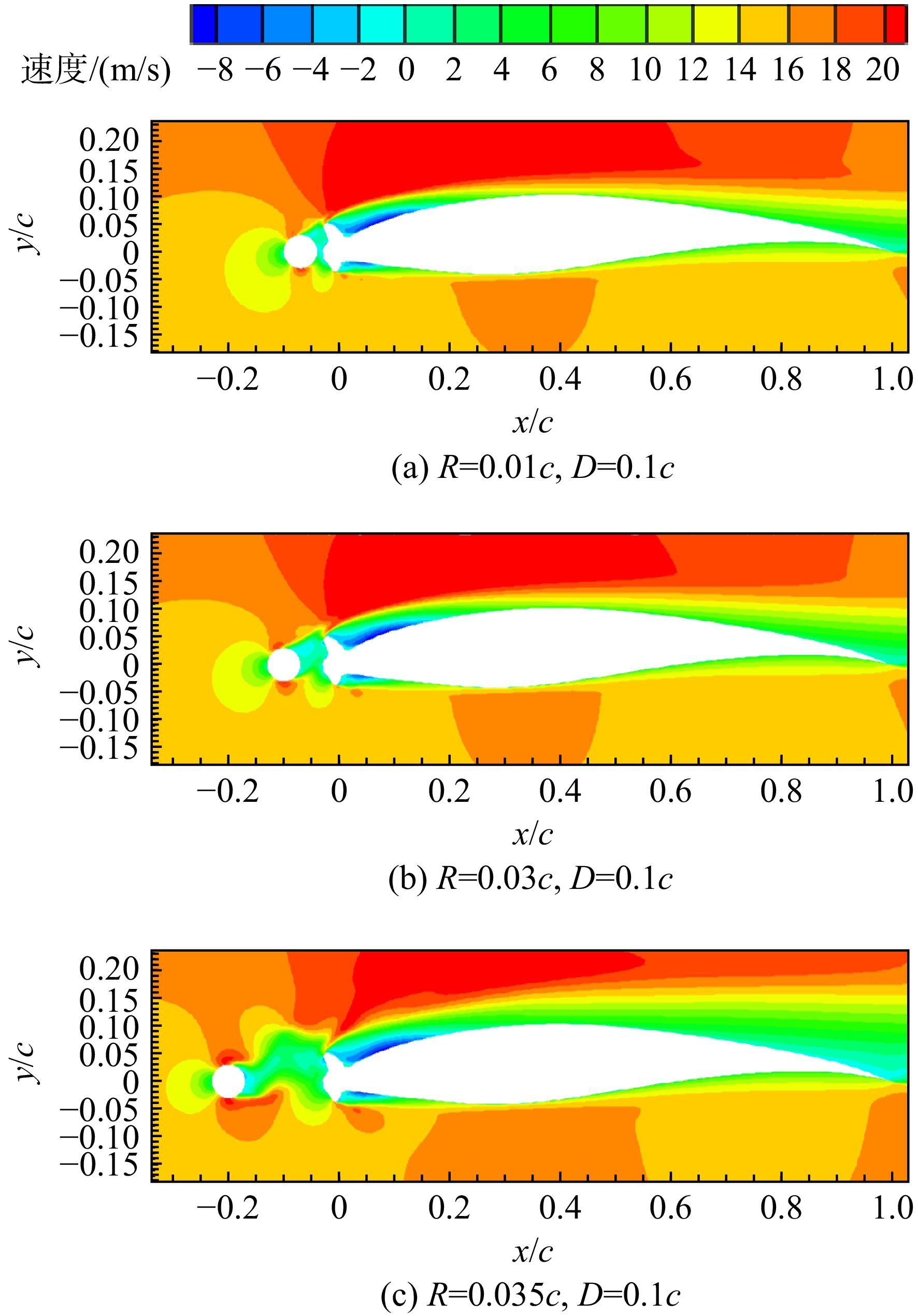
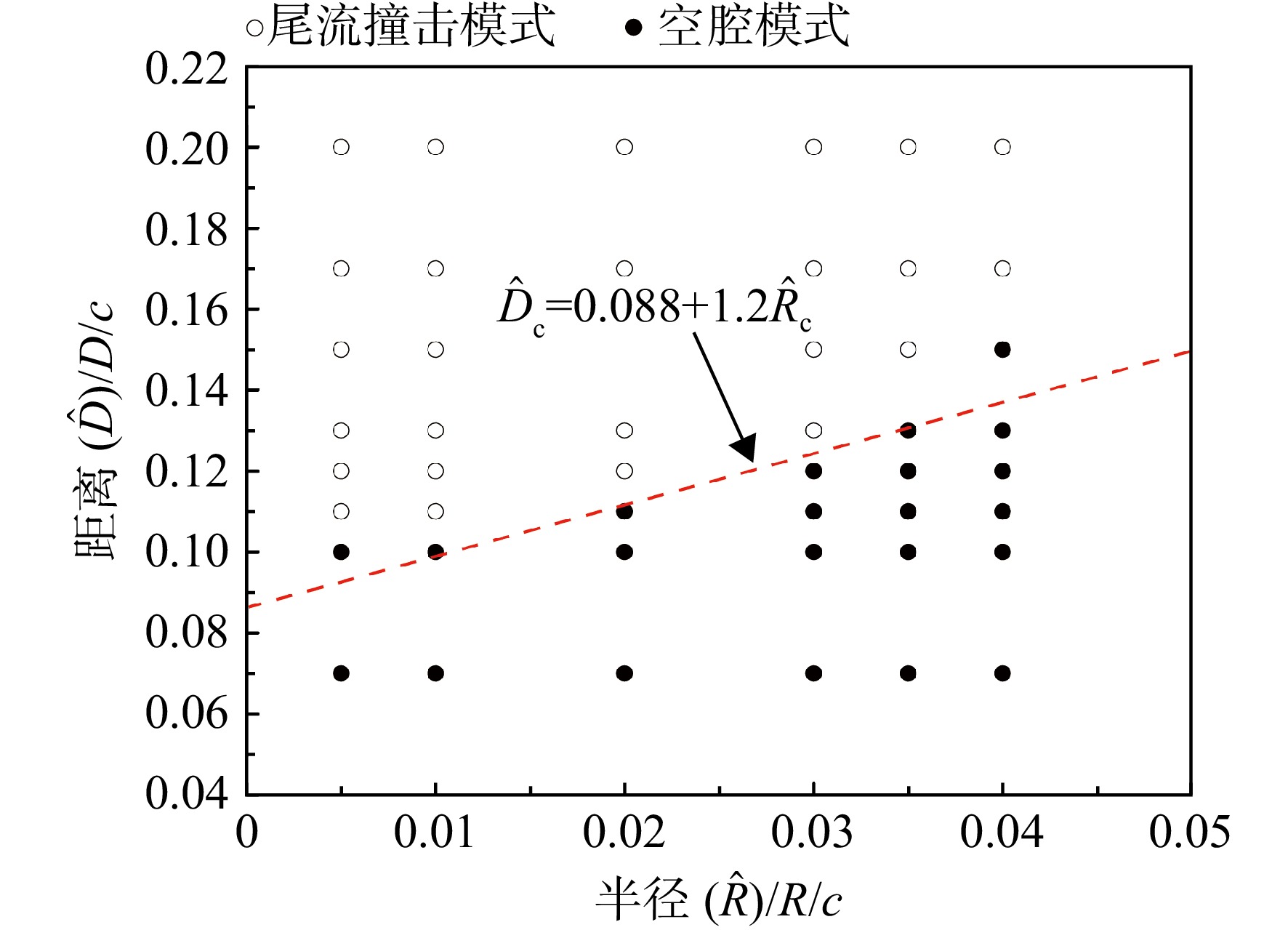
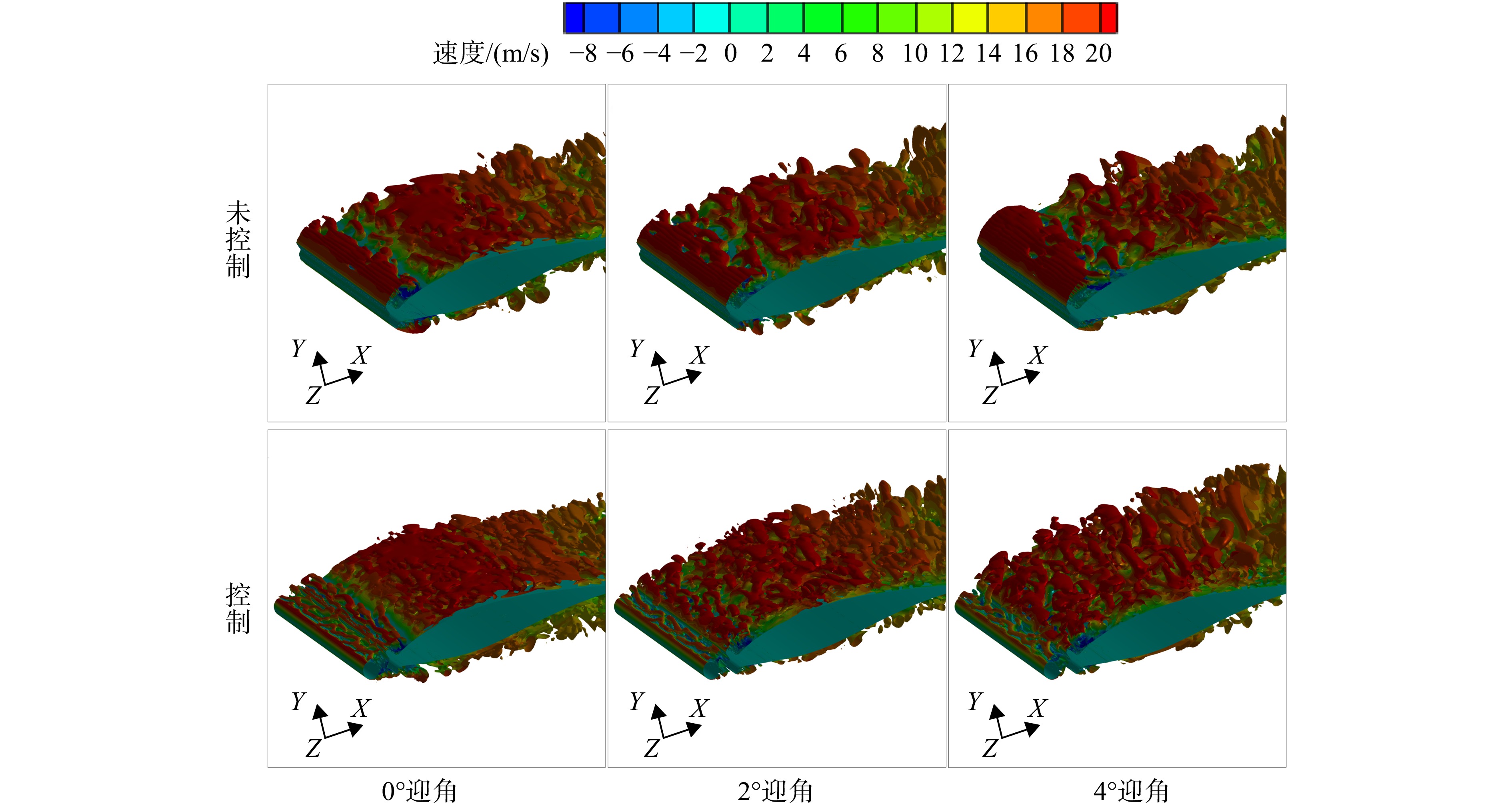
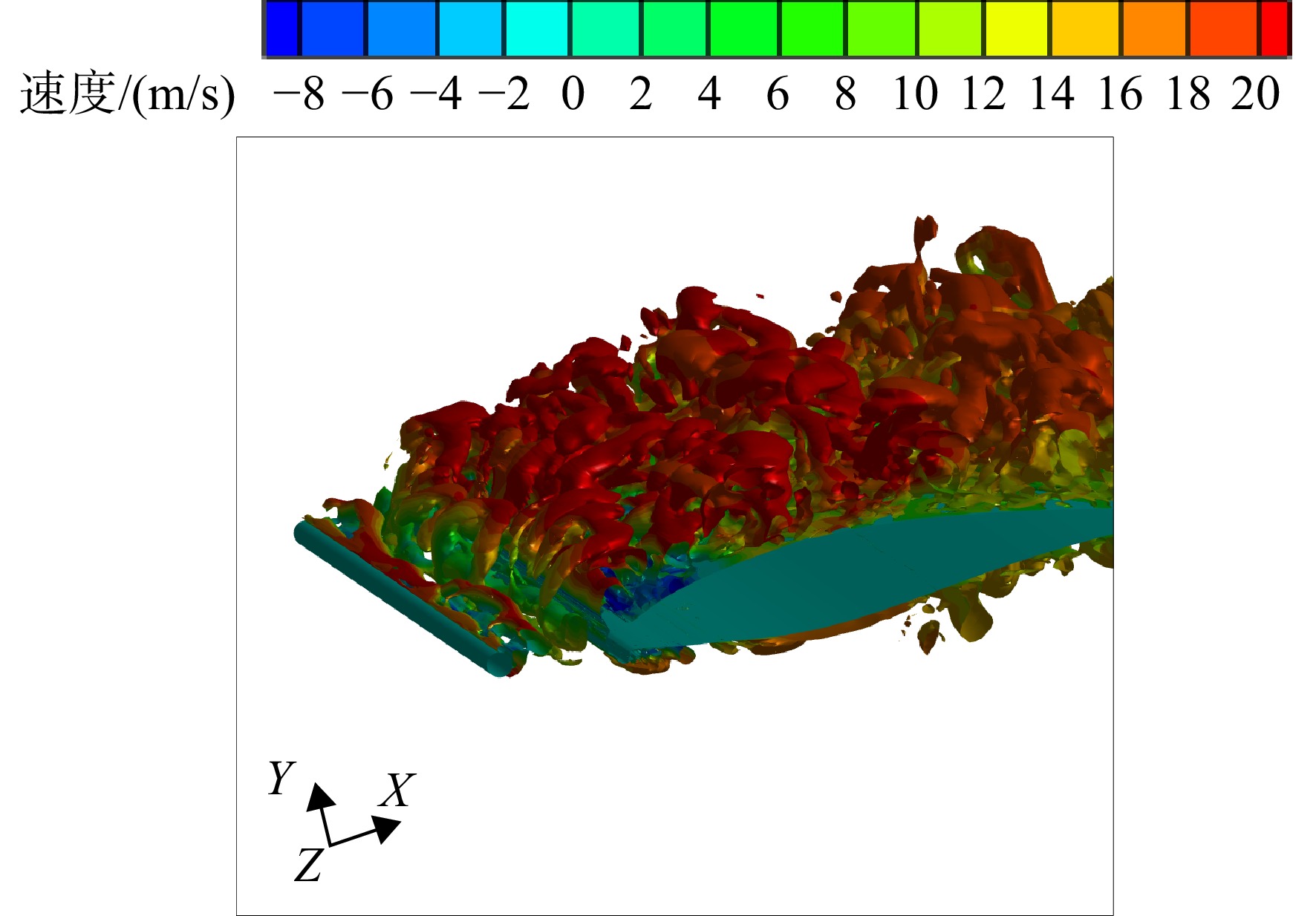
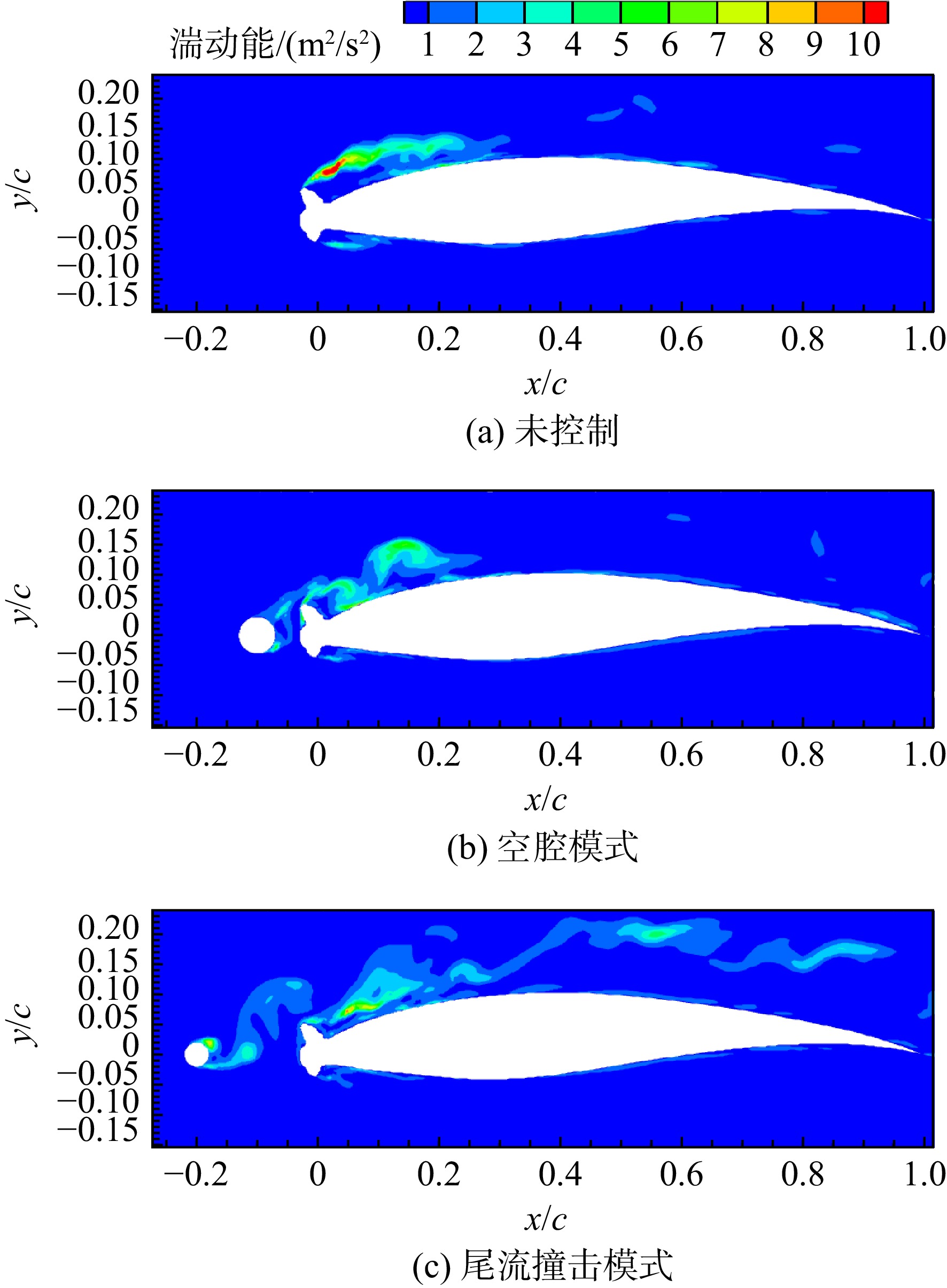
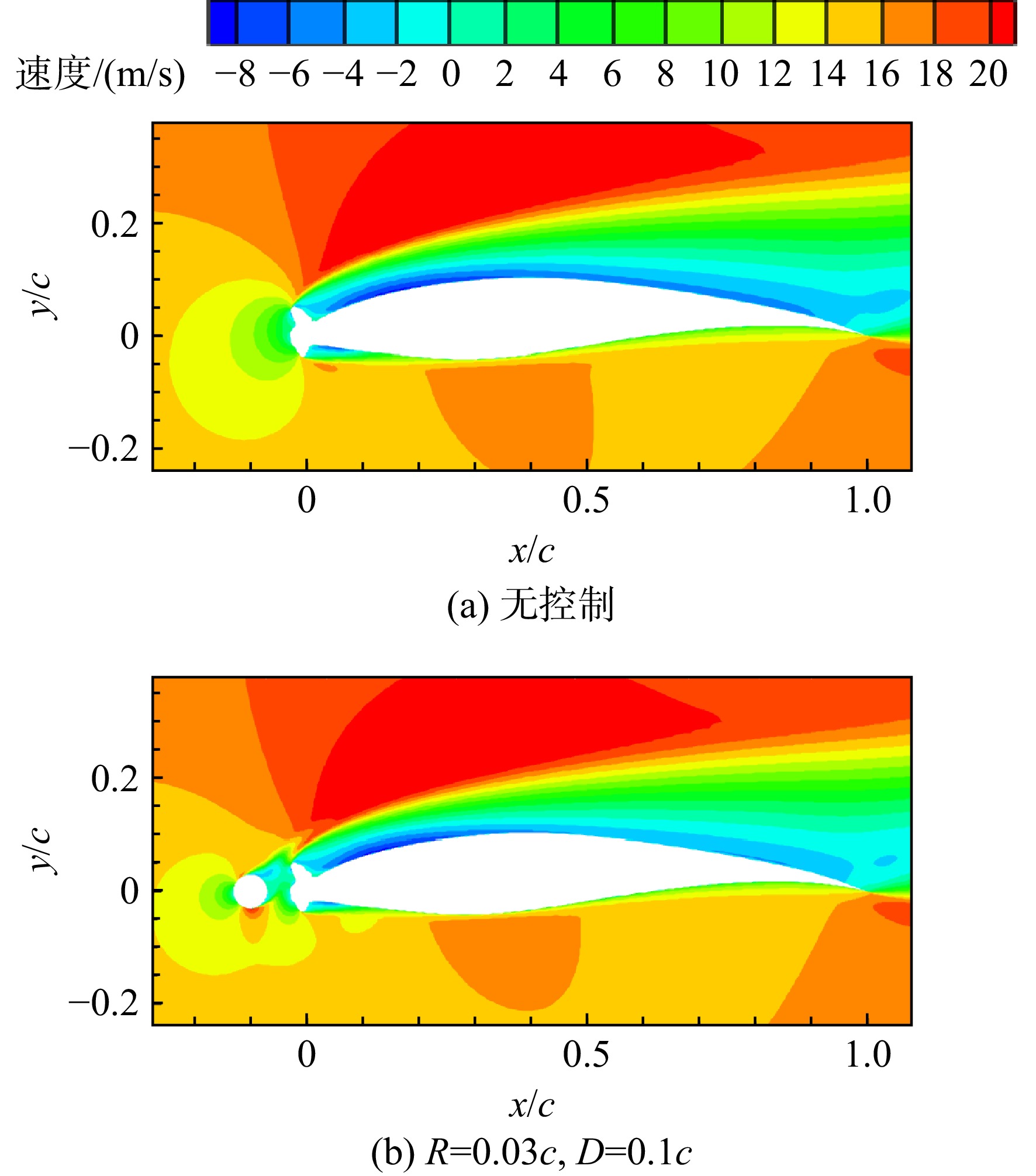
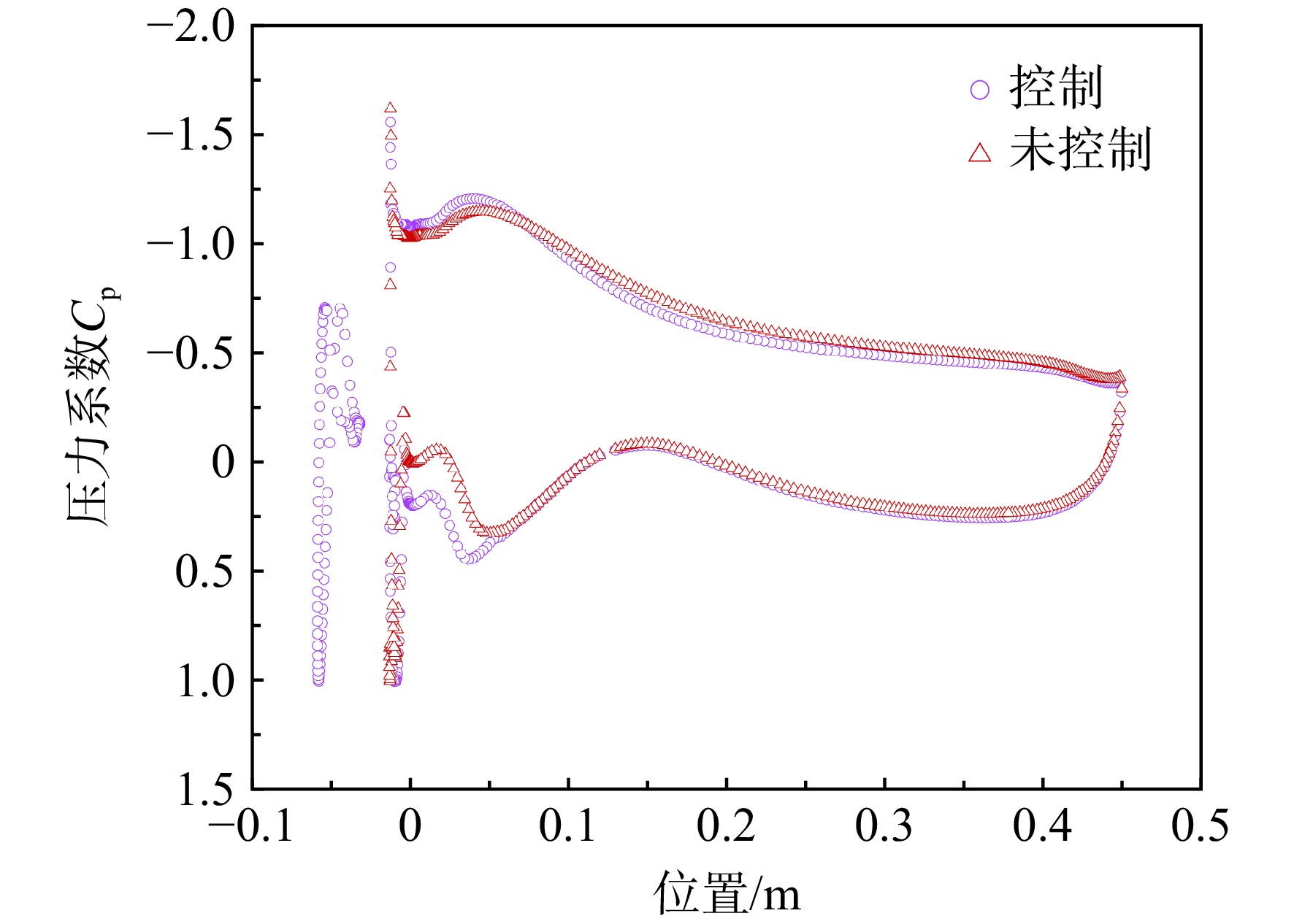
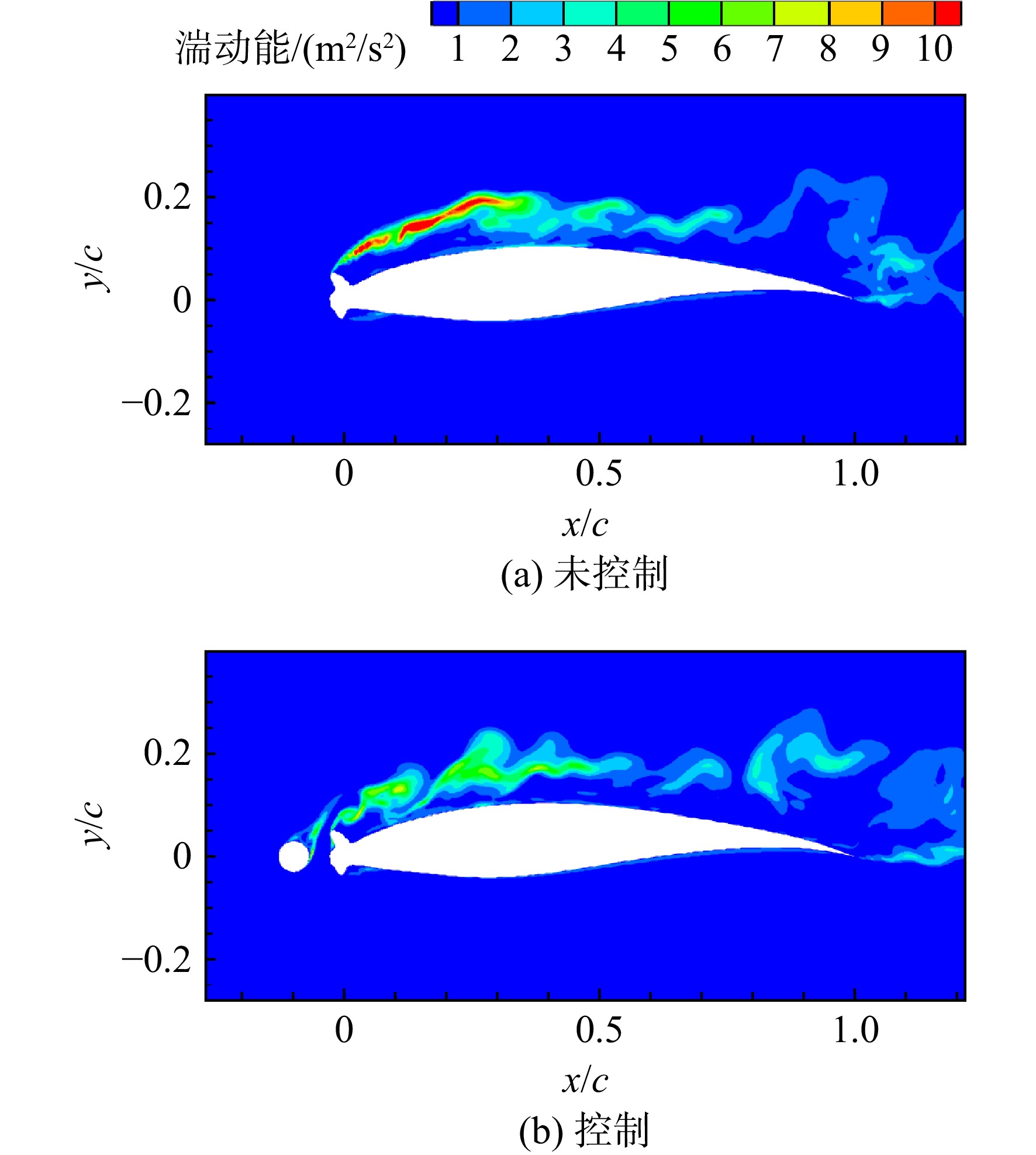
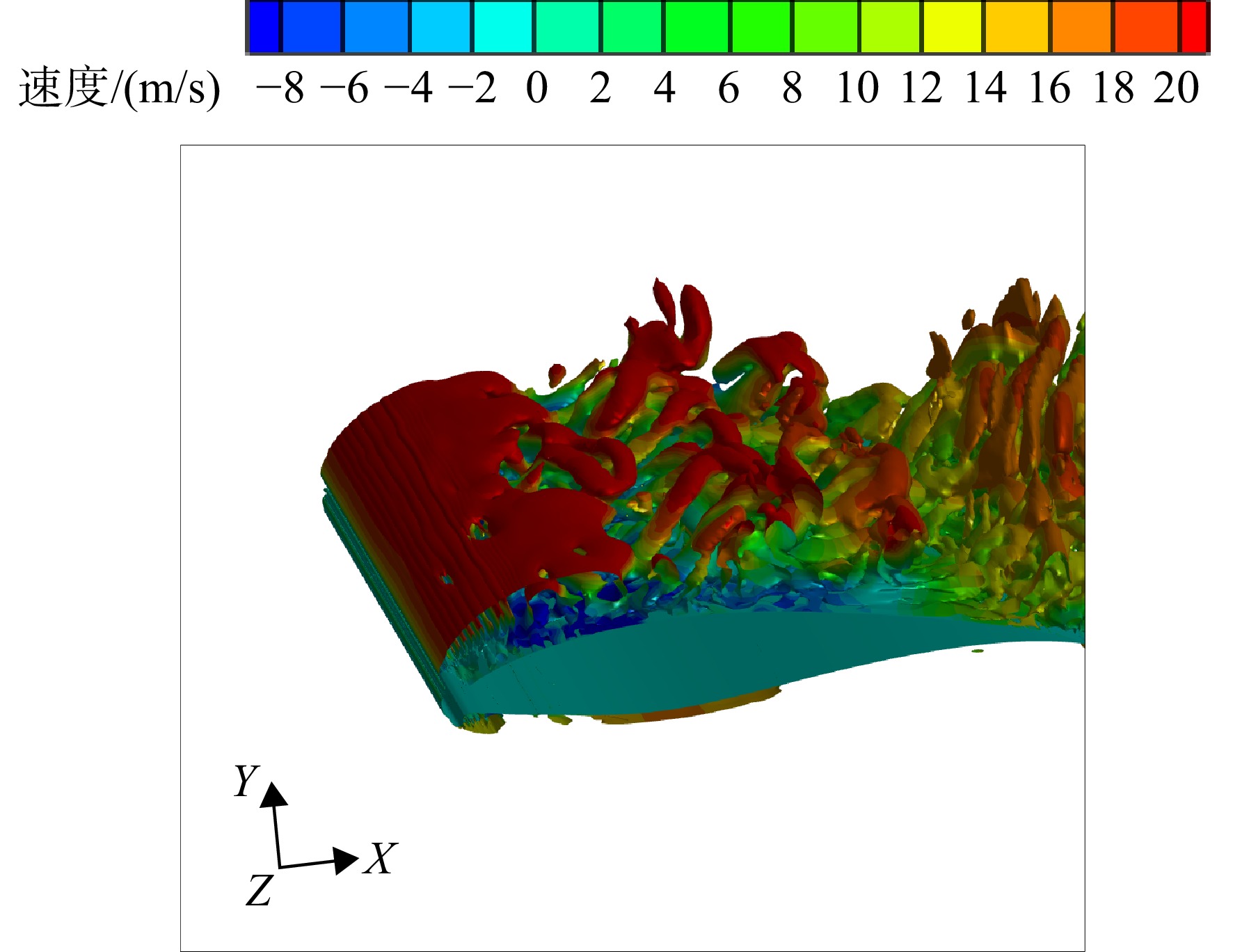
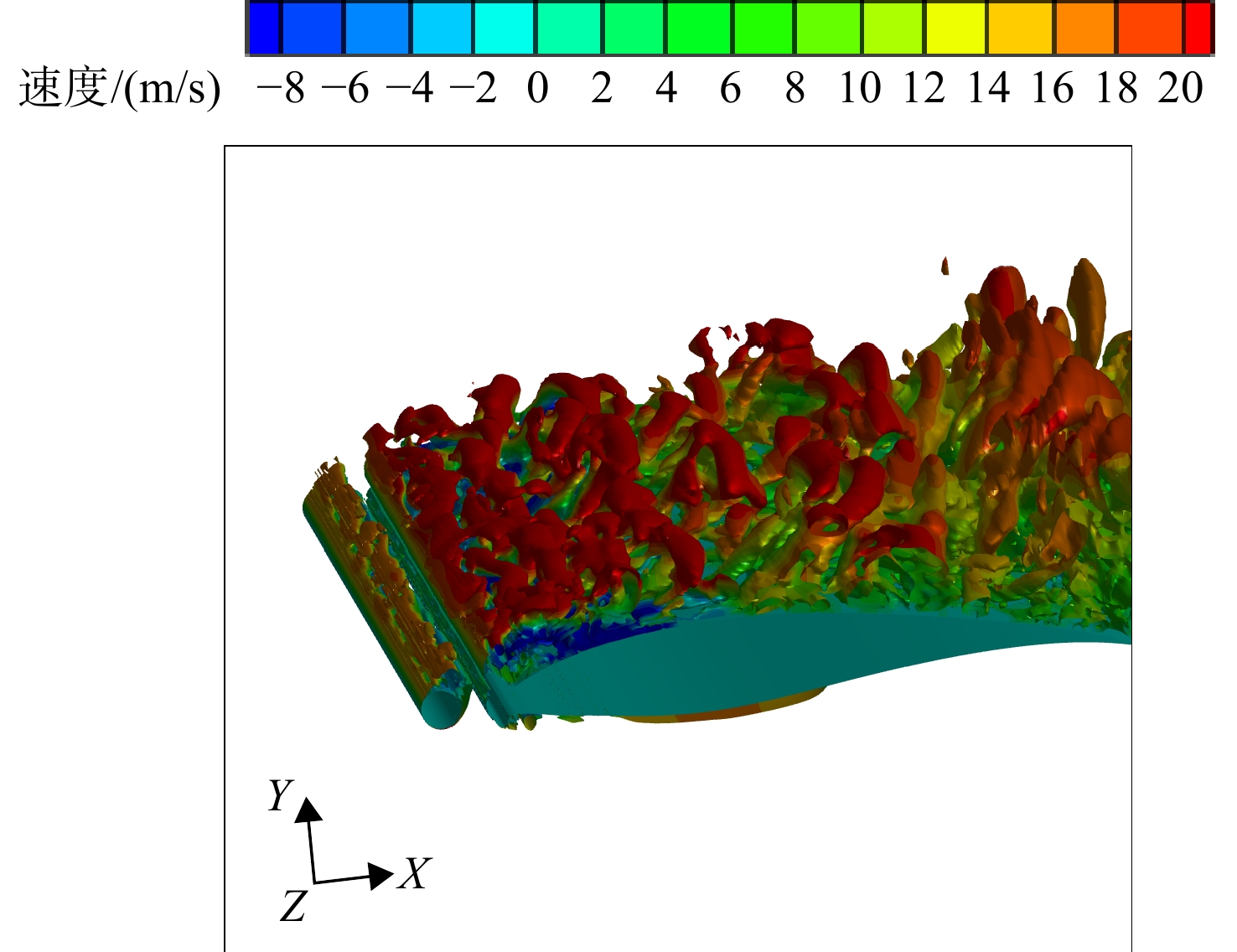
Due to the energy storage and weight requirements of drones, existing active and passive anti-icing technologies are difficult to be applied to them. Therefore, based on the concept of passive flow control around a cylinder, a method was proposed to effectively mitigate flow separation caused by ice accumulation. An analysis of the ice accumulation flow field before and after passive control of the off-surface cylinder was conducted using the SA (Spalart-Allmaras) and IDDES (improved delayed detached eddy simulation) methods, targeting the typical ice accumulation separation bubble state of the NREL S826 icing airfoil. The effectiveness of the passive control of the off-surface cylinder flow field was highly dependent on the cylinder radius and the distance between the cylinder and the airfoil. Through parametric analysis, the effects of radius and distance on control effectiveness were investigated to determine the optimal control parameters. During the parametric analysis, it was found that the control of the detached cylinder exhibited two distinct control states: cavity mode and wake impingement mode, and proximity functions for both modes were established. From the aerodynamic results under different operating conditions, it was observed that the installation of the detached cylinder control primarily resulted in the restoration of lift characteristics and a significant reduction in drag. The primary cause of this phenomenon was the influence of the wake region behind the off-surface cylinder on the free flow structure in front of the airfoil. Analysis of the flow field characteristics under the control of the off-surface cylinder revealed that the recirculation region behind the ice block decreased, the separation and reattachment process of the flow occurred earlier, and the geometric dimensions of the ice separation bubbles shrunk, causing the original large-scale separation vortices to evolve into more numerous smaller vortex structures.
Analysis of thermoacoustic instability characteristics in combustion chambers under variable operating conditions
Tang Jiayuan, Du Jingtao, Bai Yang, Wang Qing, Liu Yang, Peng Lei, Chen Jingzhen, Sun Peng
2027, 42(1): 20250277. doi: 10.13224/j.cnki.jasp.20250277
Abstract:
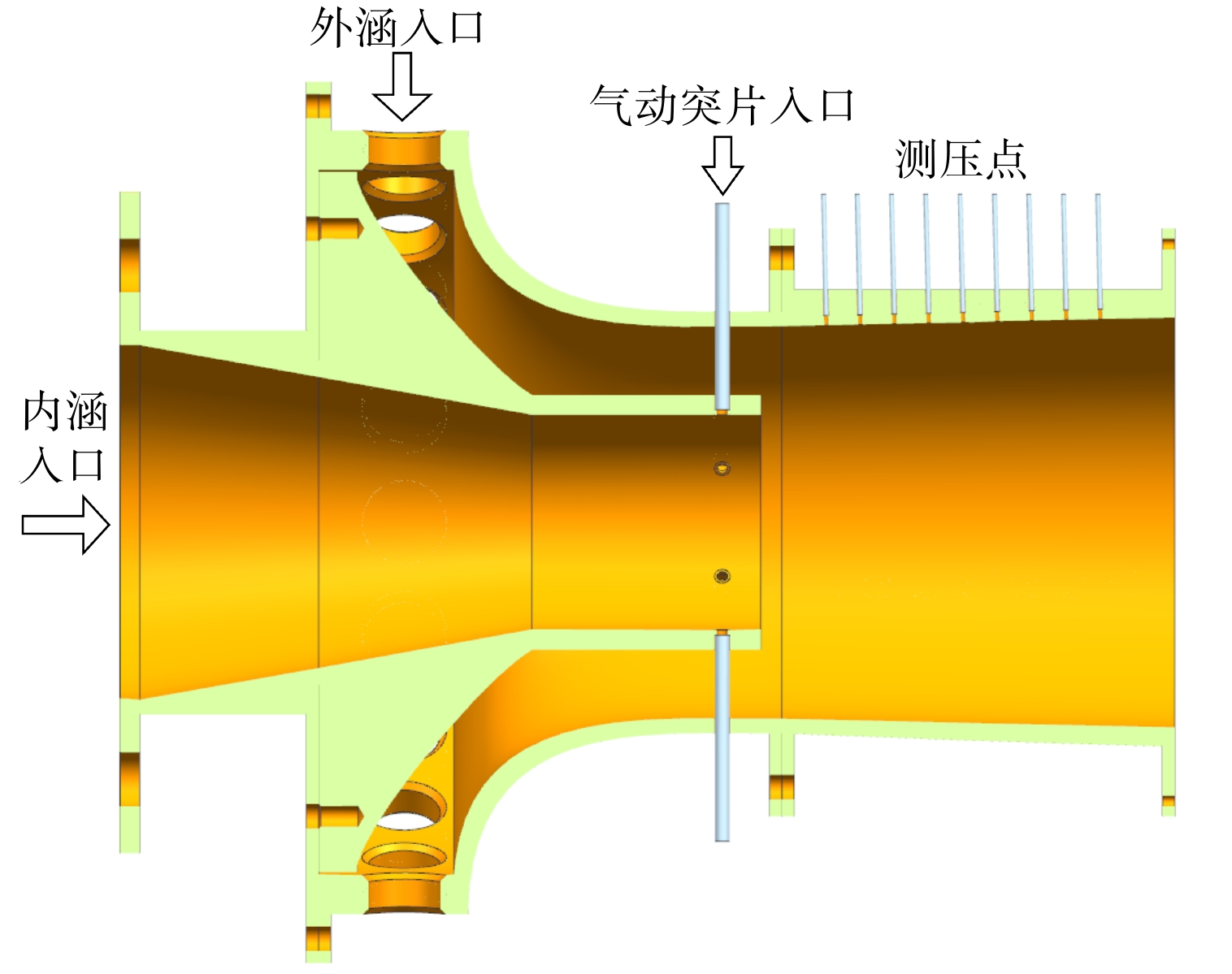
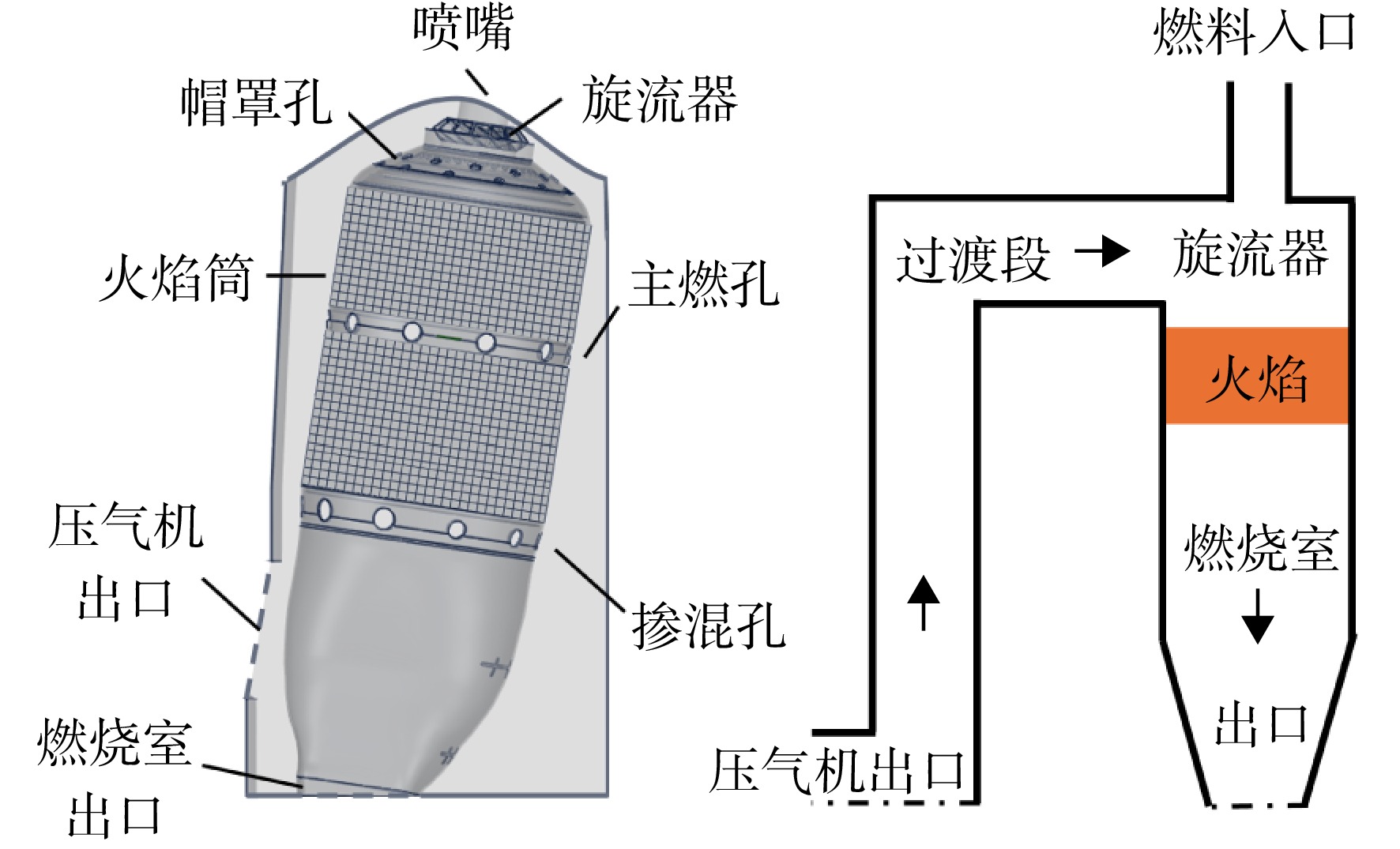
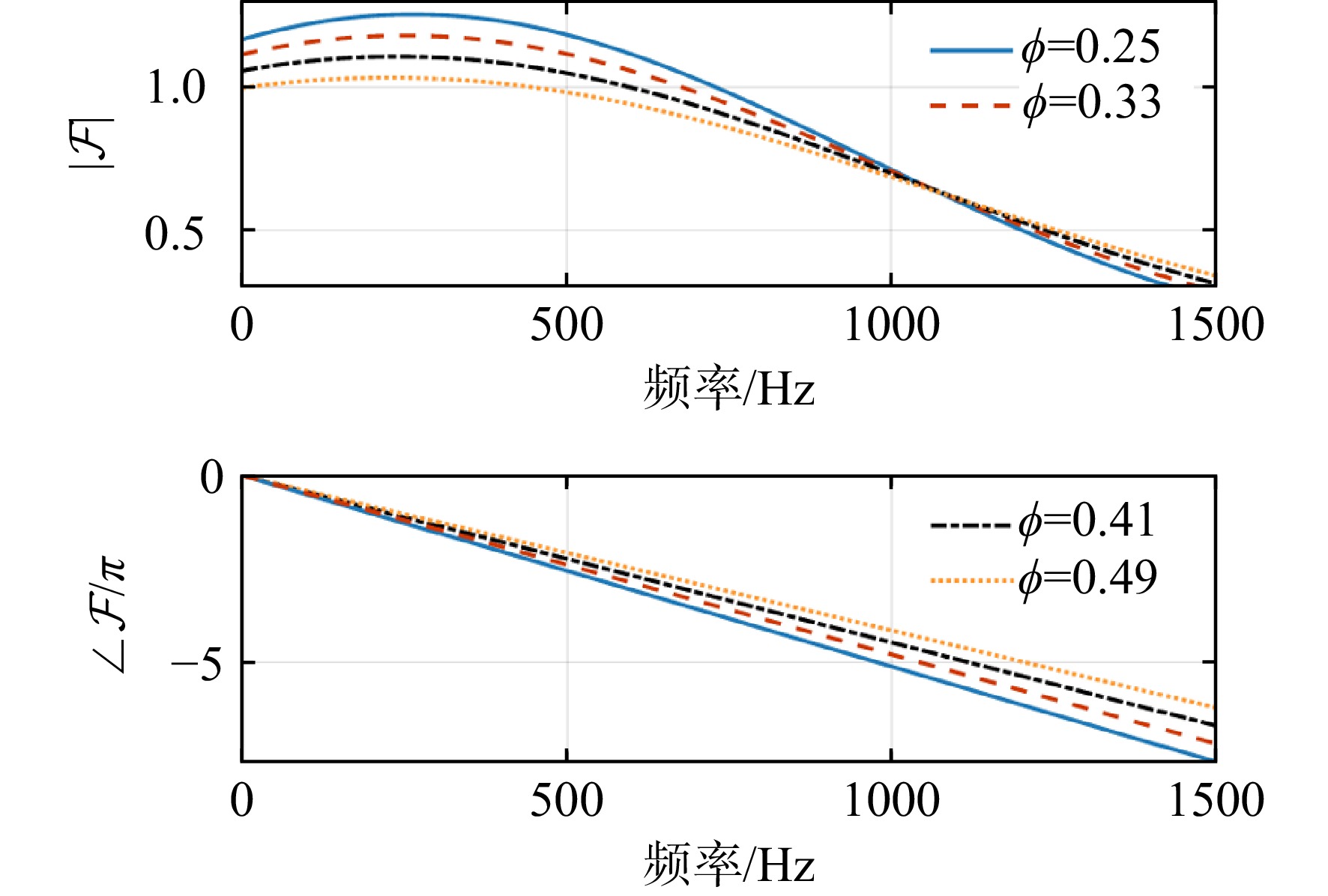
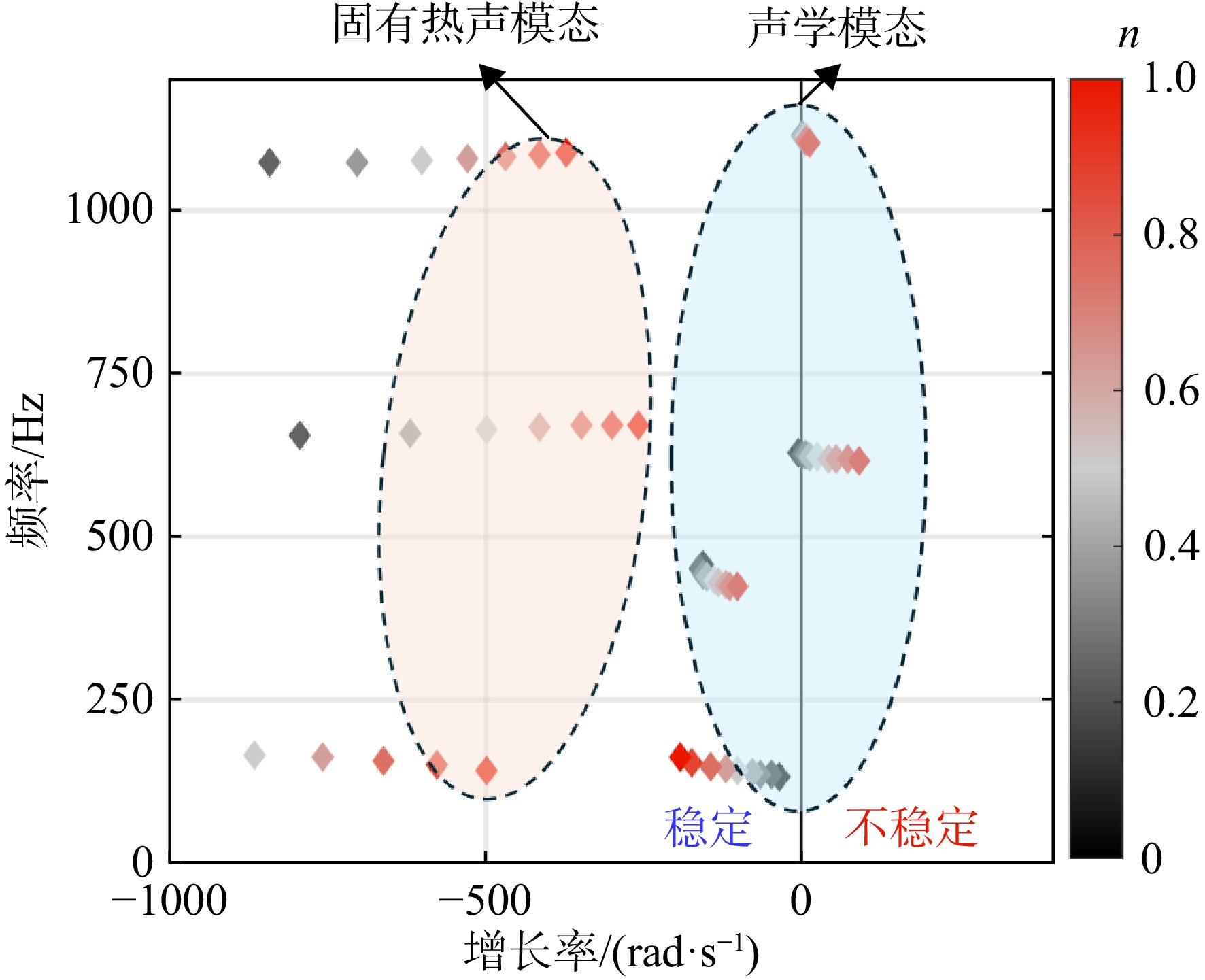
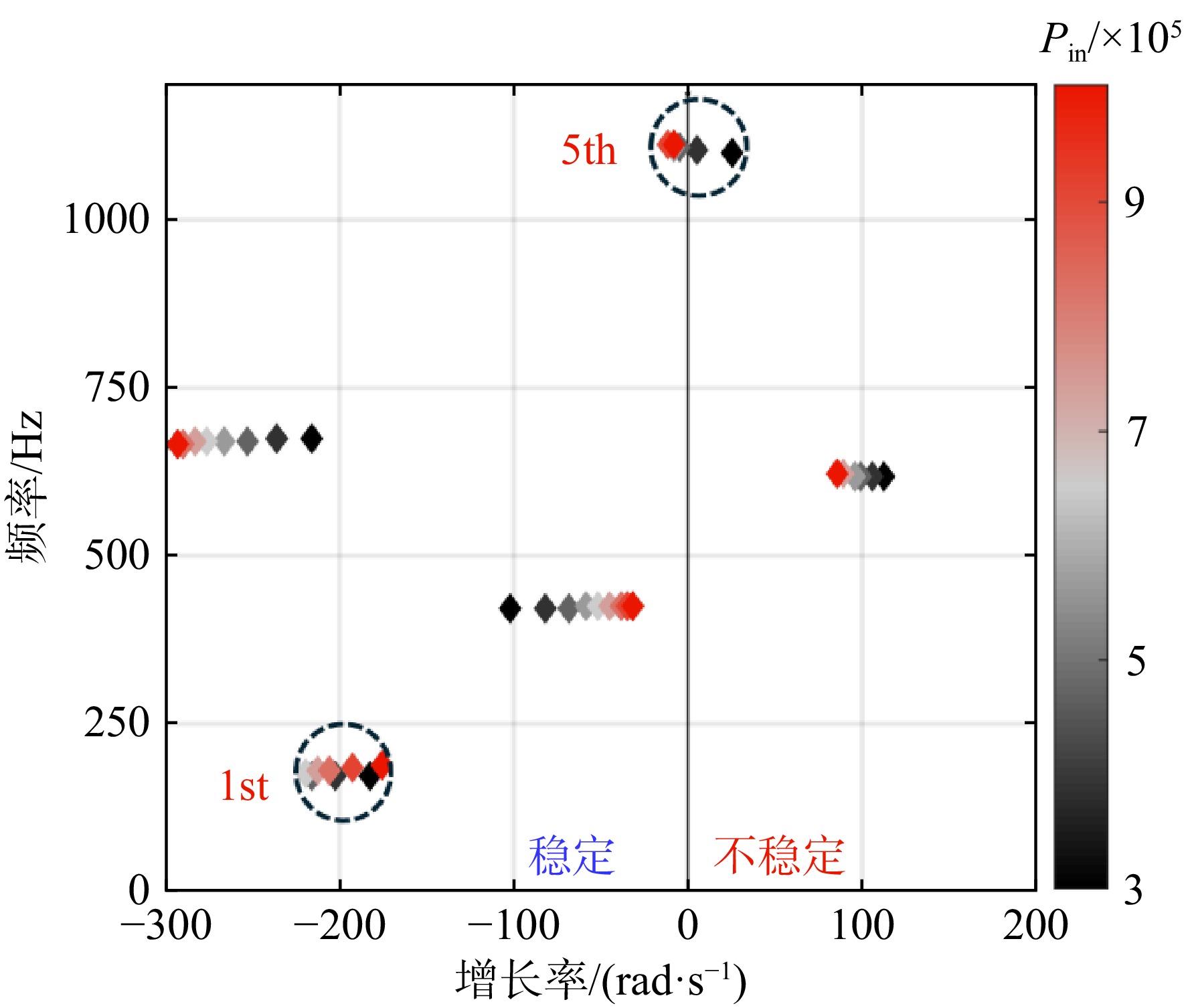
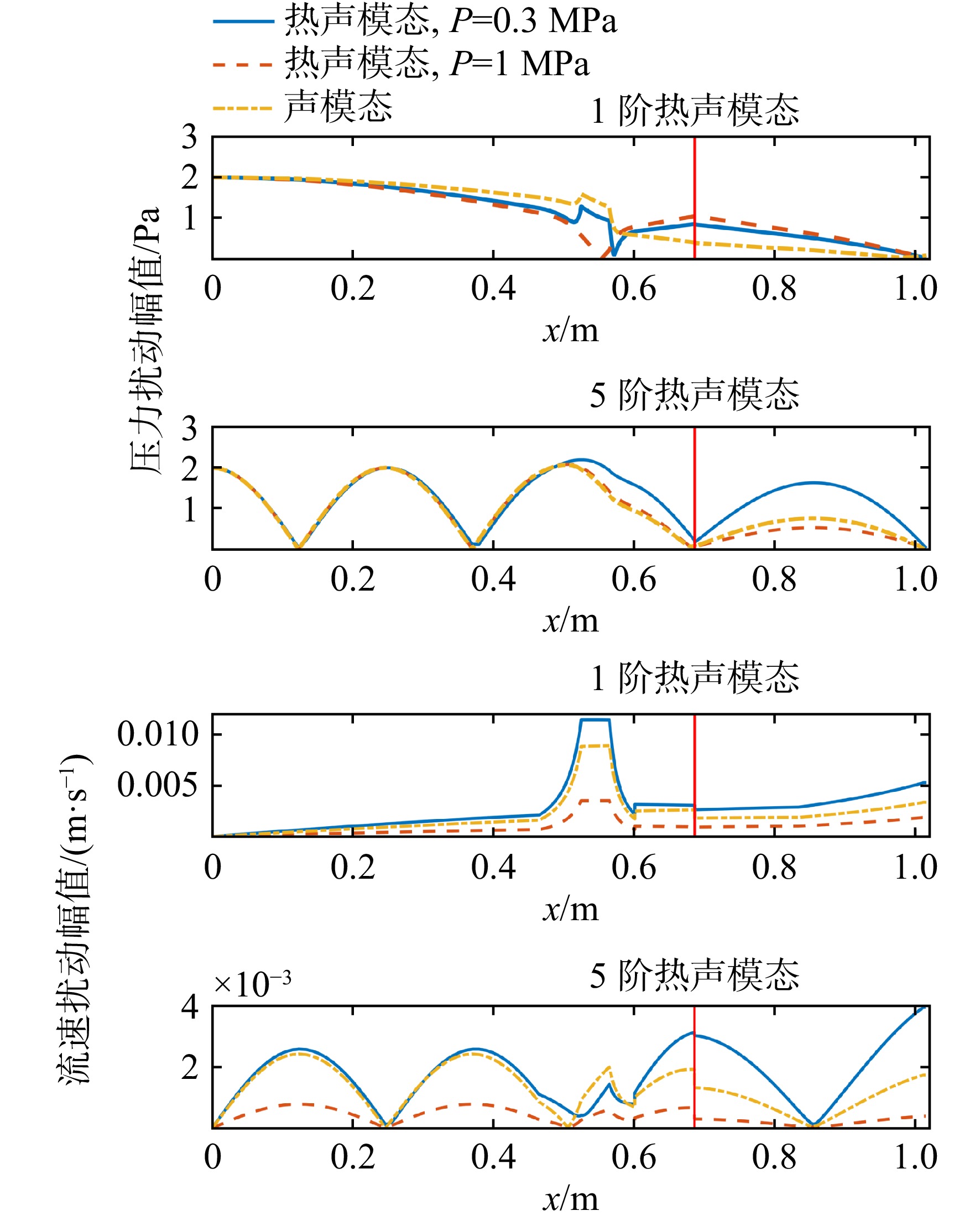
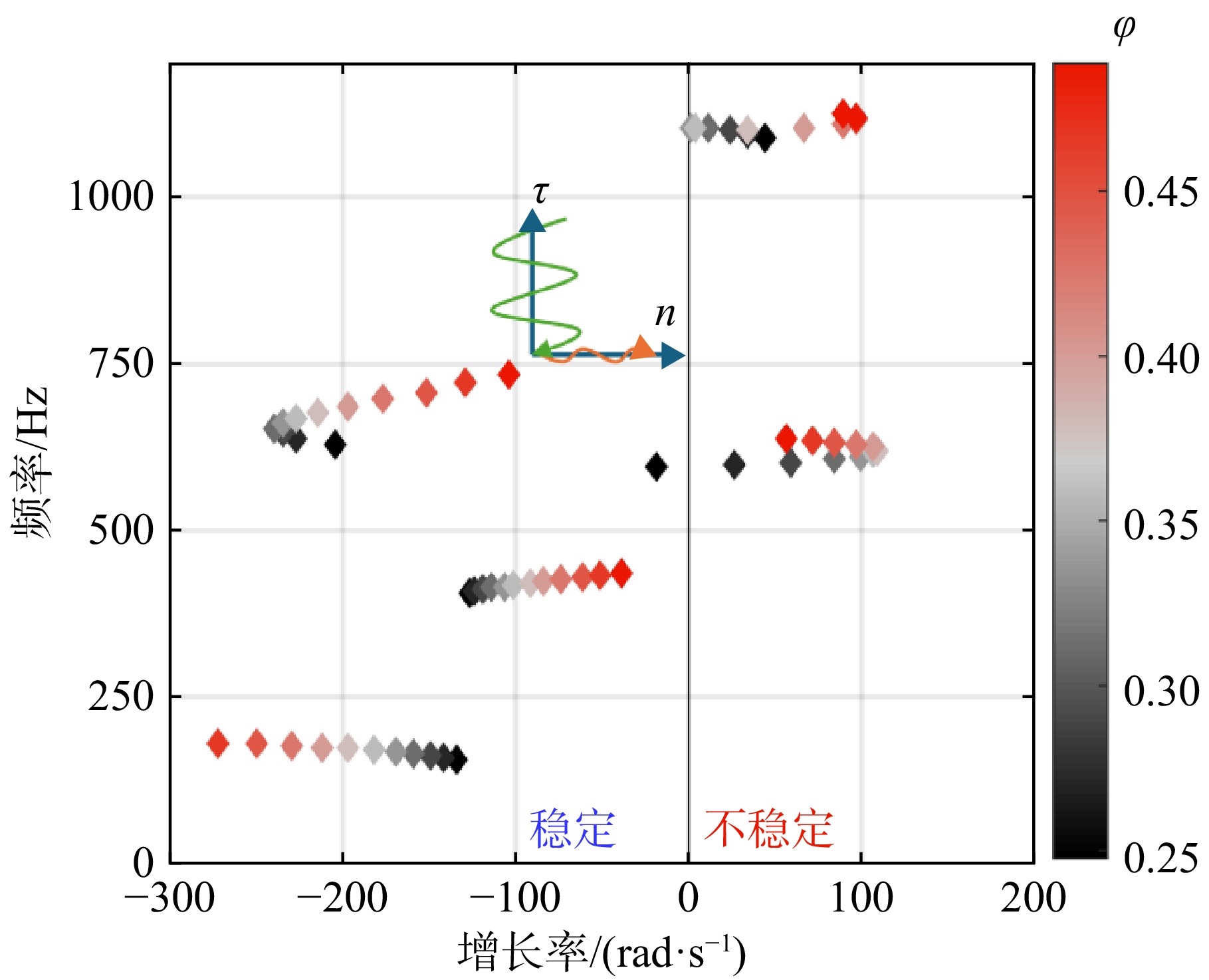
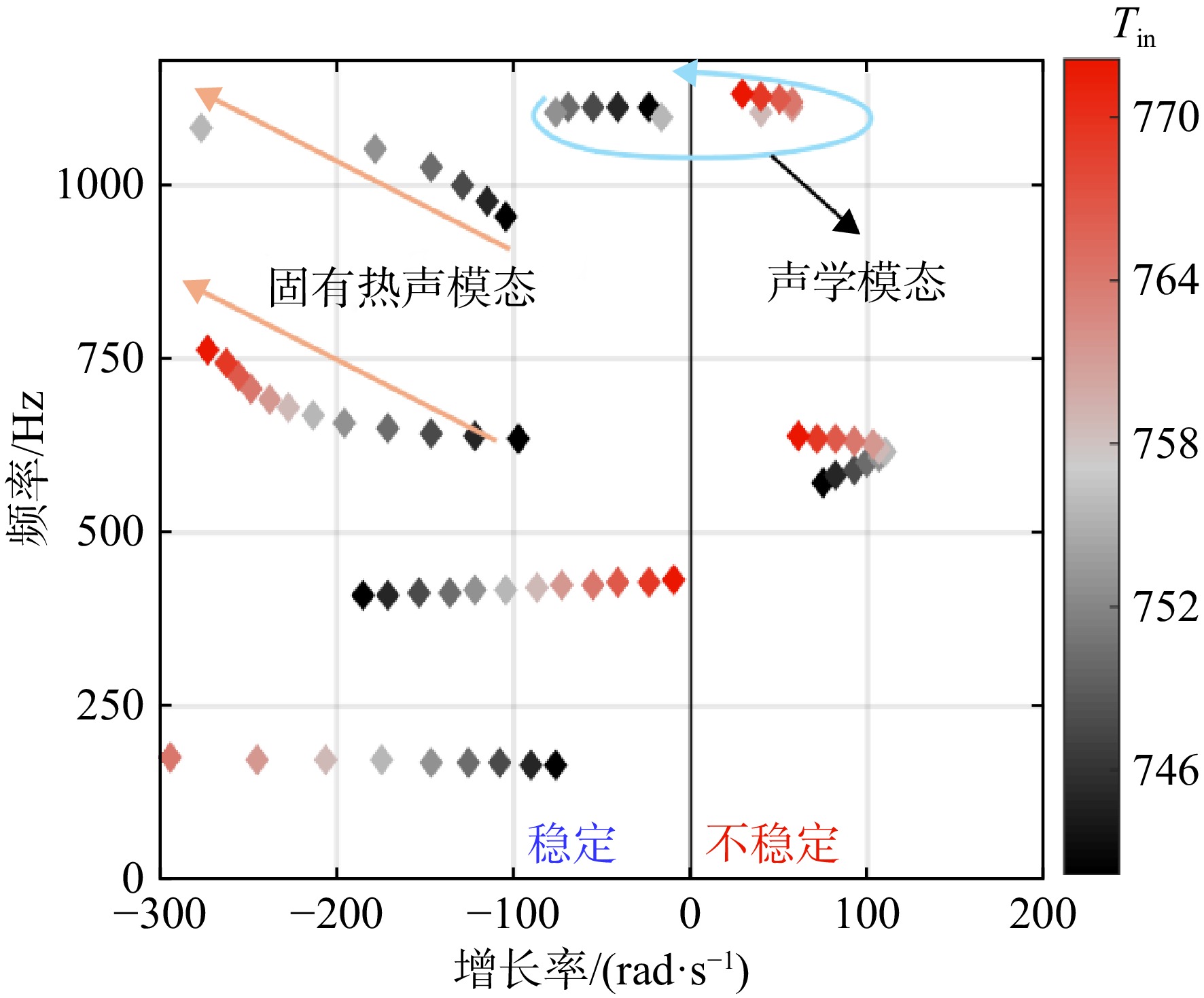
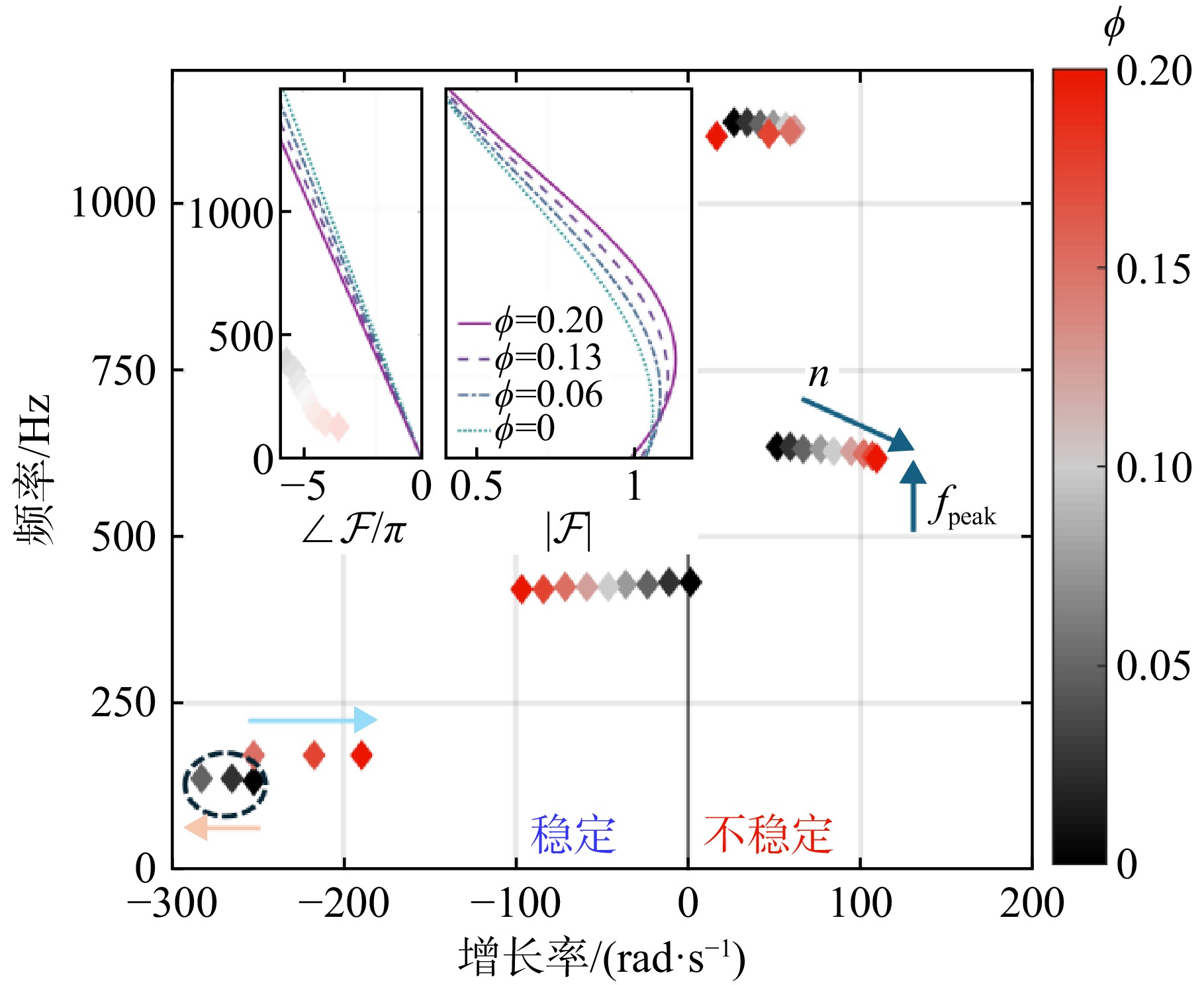
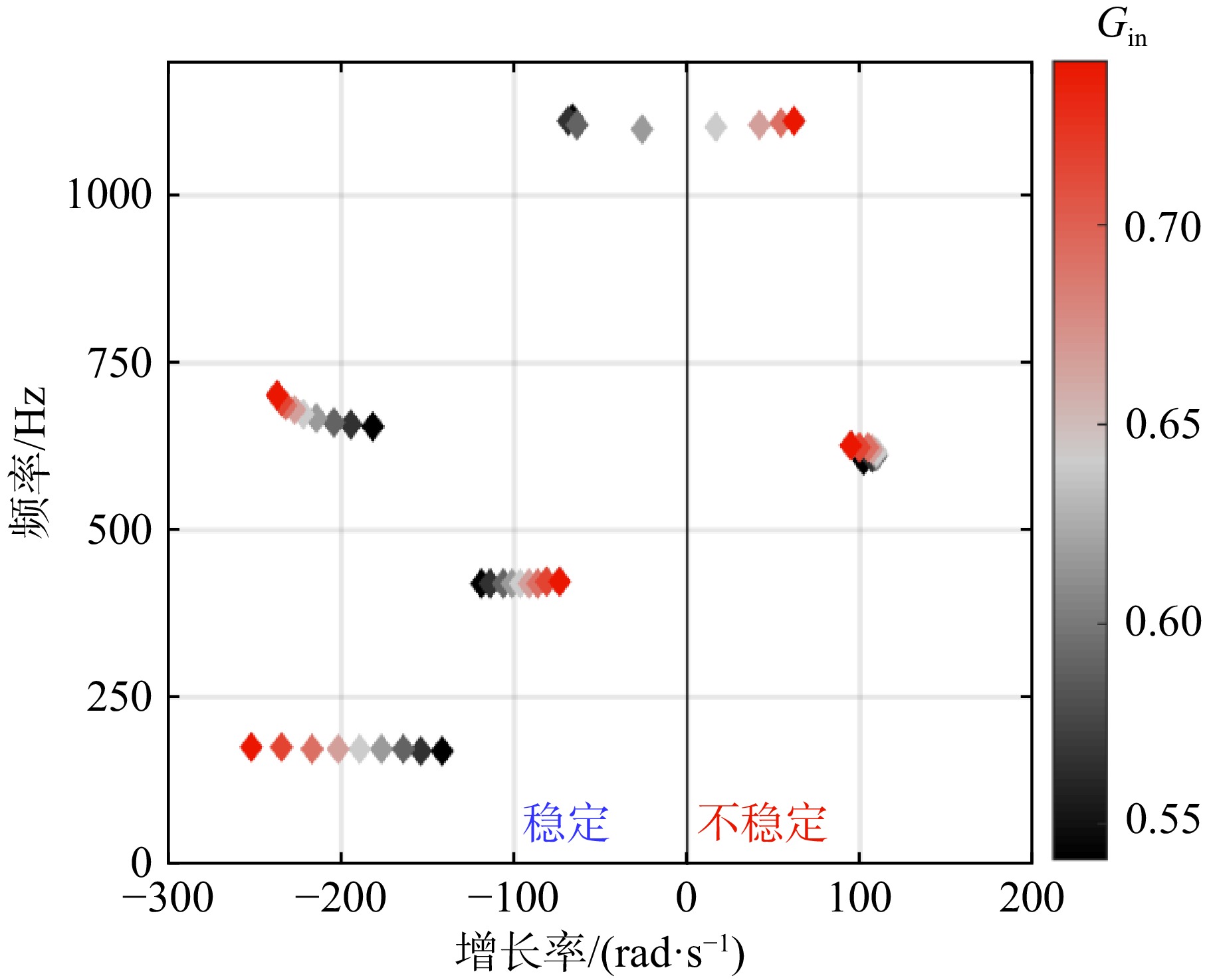
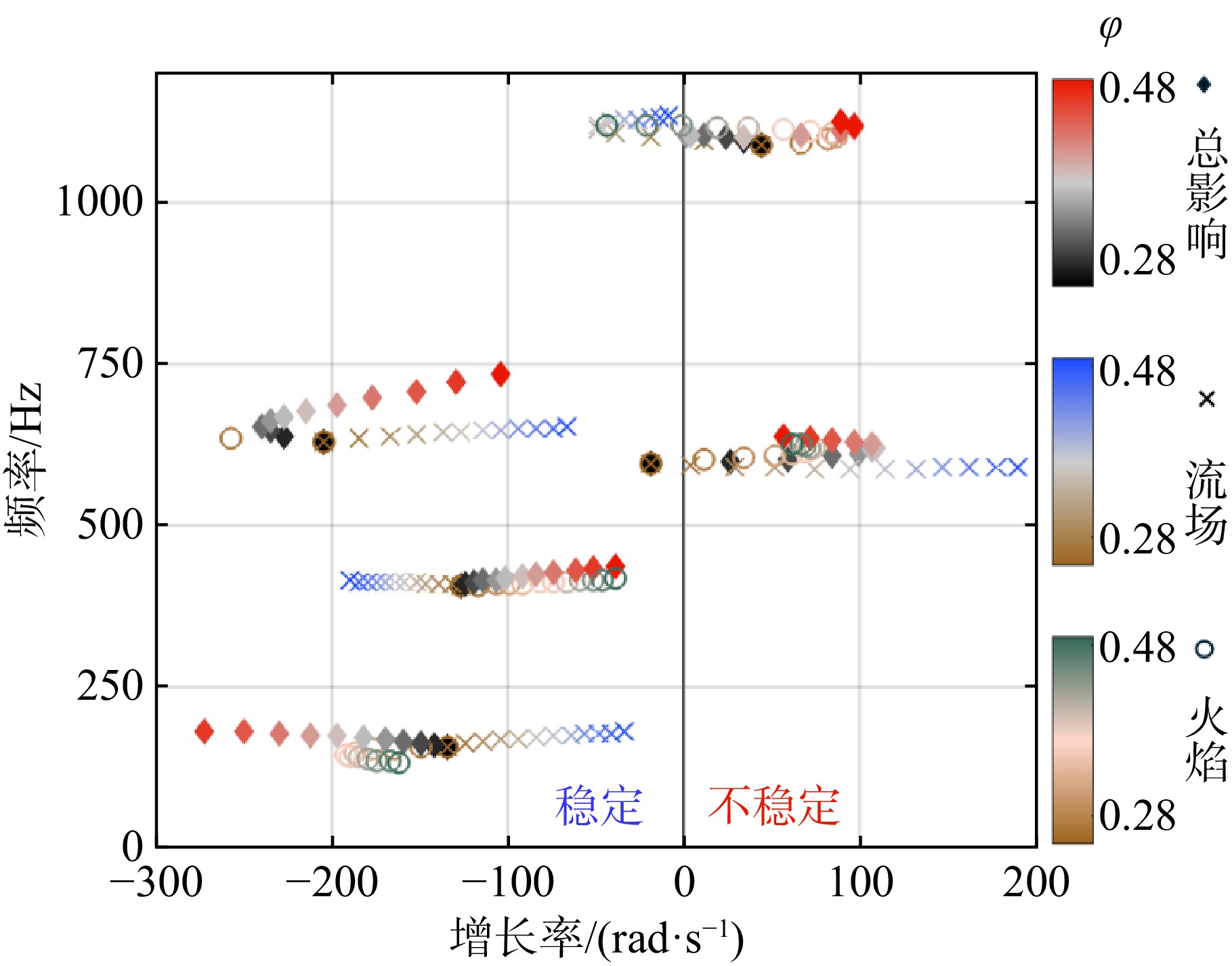
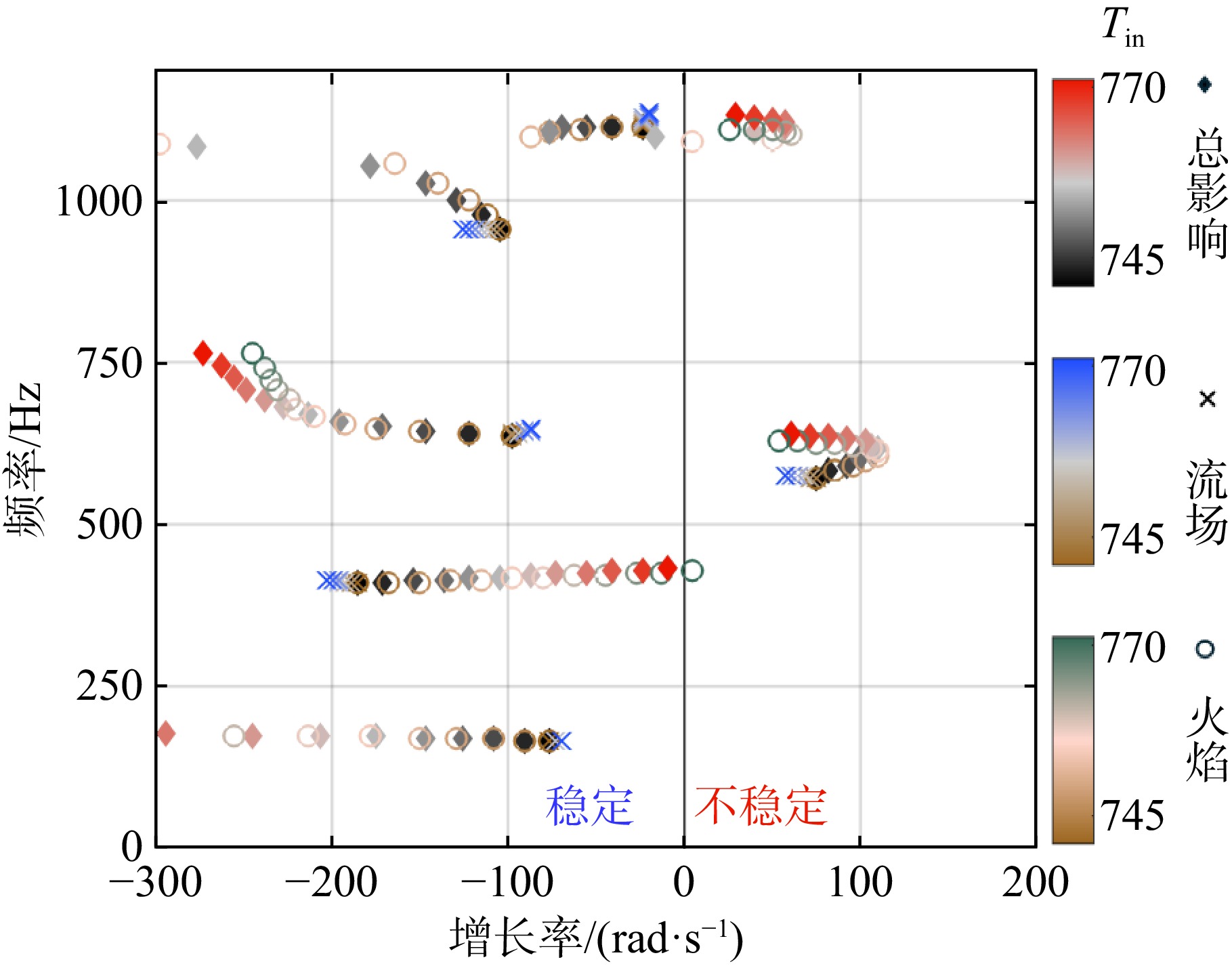
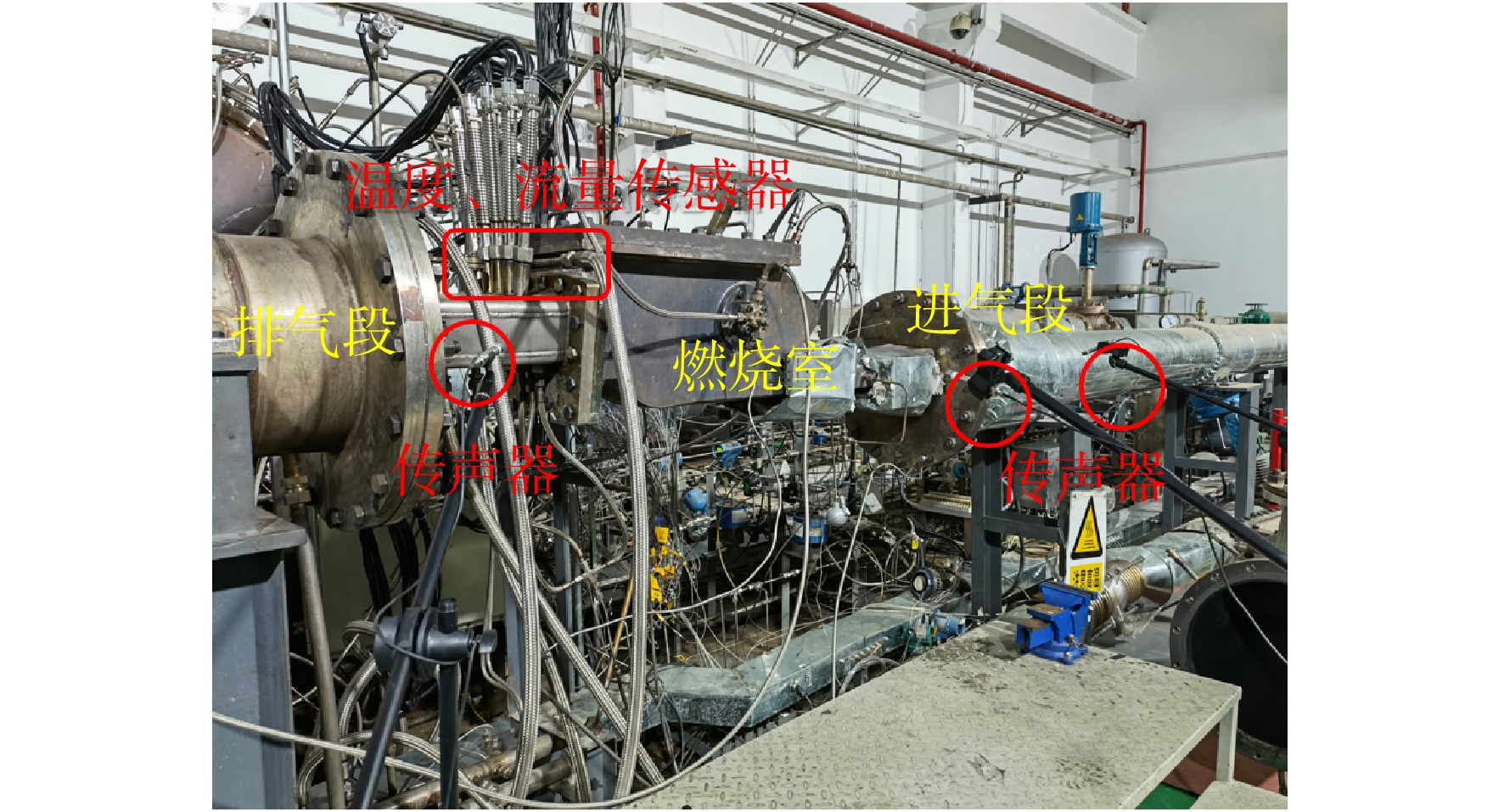
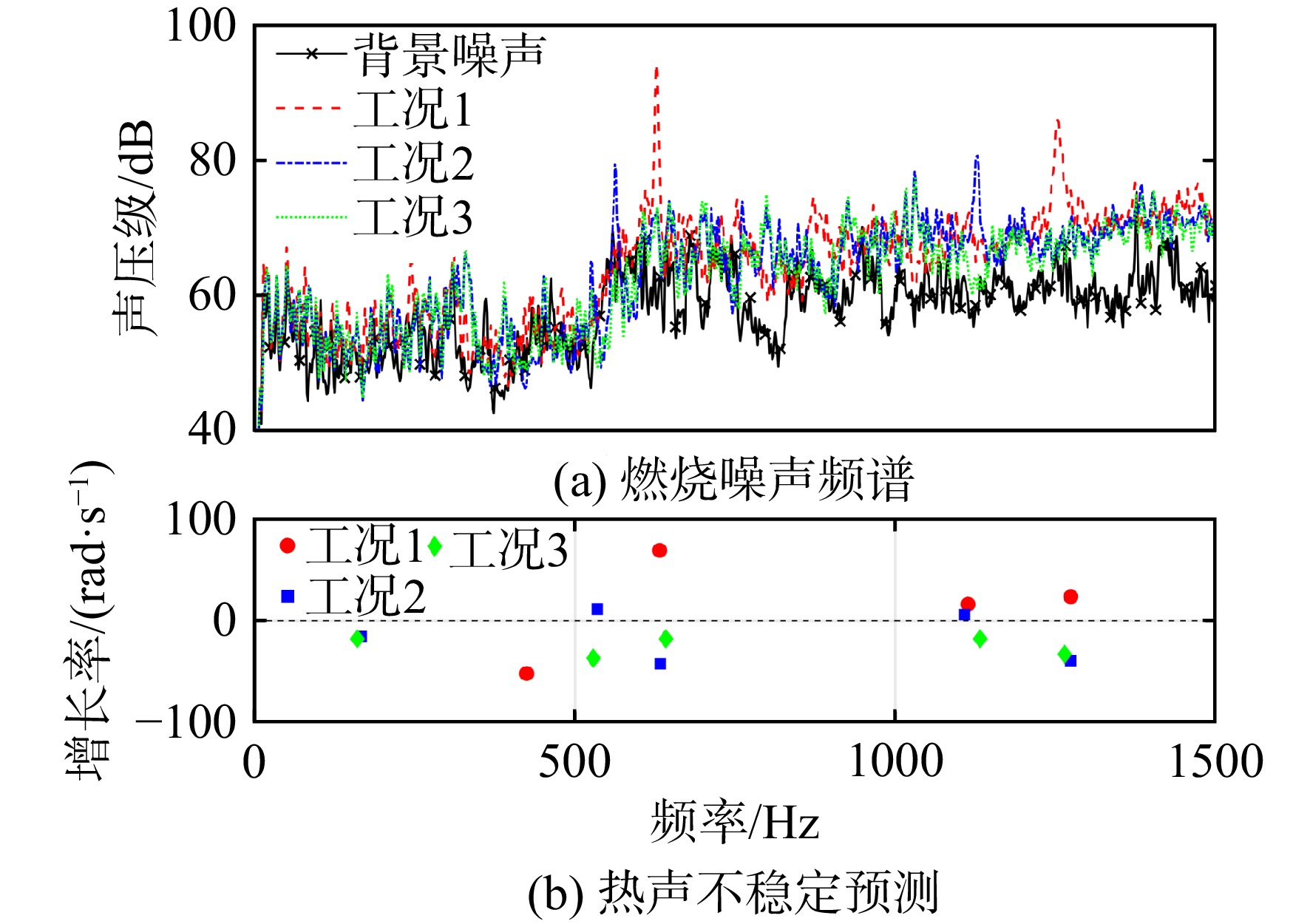
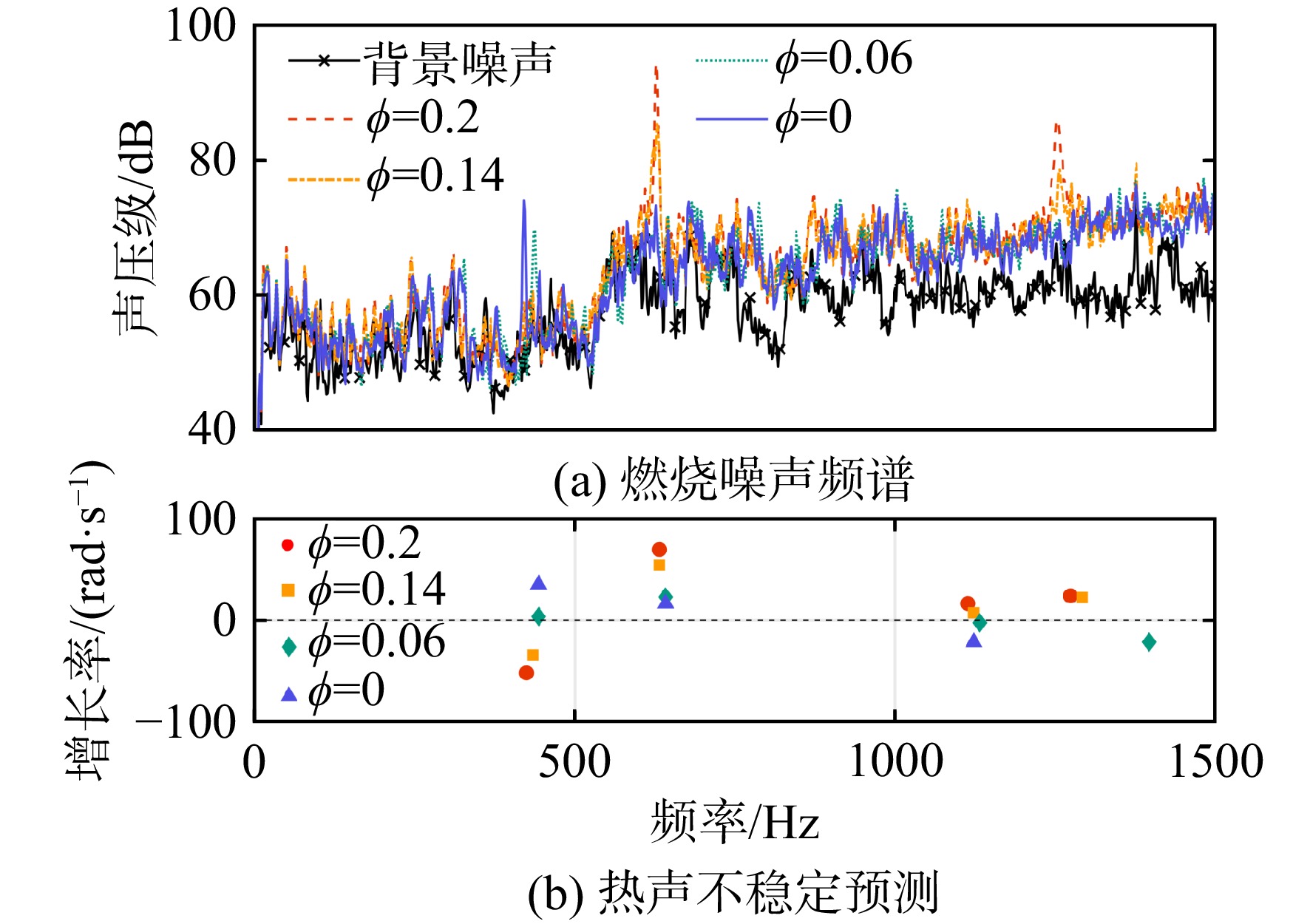
To investigate thermoacoustic instability in combustors under variable operating conditions, this study employs an integrated approach combining gas path modeling with acoustic low-order network modeling to characterize thermoacoustic mode variations. A full-engine gas path model and combustor low-order network model were developed, where real-time gas path parameters were input through dual pathways (flame dynamics and flow field perturbations) to assess their modal effects. Results demonstrate significant sensitivity of modes to equivalence ratio and combustor inlet temperature, while pressure and mass flow effects were comparatively weaker. Except for equivalence ratio variations, flow field pathway contributions to modal shifts were less pronounced than flame pathway effects. Comprehensive thermoacoustic analysis requires concurrent consideration of real-time flow field and flame parameter updates to evaluate the flame-acoustic coupling mechanism described by Rayleigh's criterion. The prediction model was validated through combustion noise measurements under off-design conditions, establishing a framework to extend thermoacoustic research from combustor design to predictive instability control in variable operational regimes.

Effects of tip clearance height on flow and heat transfer characteristics in transonic turbine rotor
Zhang Fangshun, Pan Bo, Wan Li, Du Kun, Liu Cunliang
2027, 42(1): 20250443. doi: 10.13224/j.cnki.jasp.20250443
Abstract:
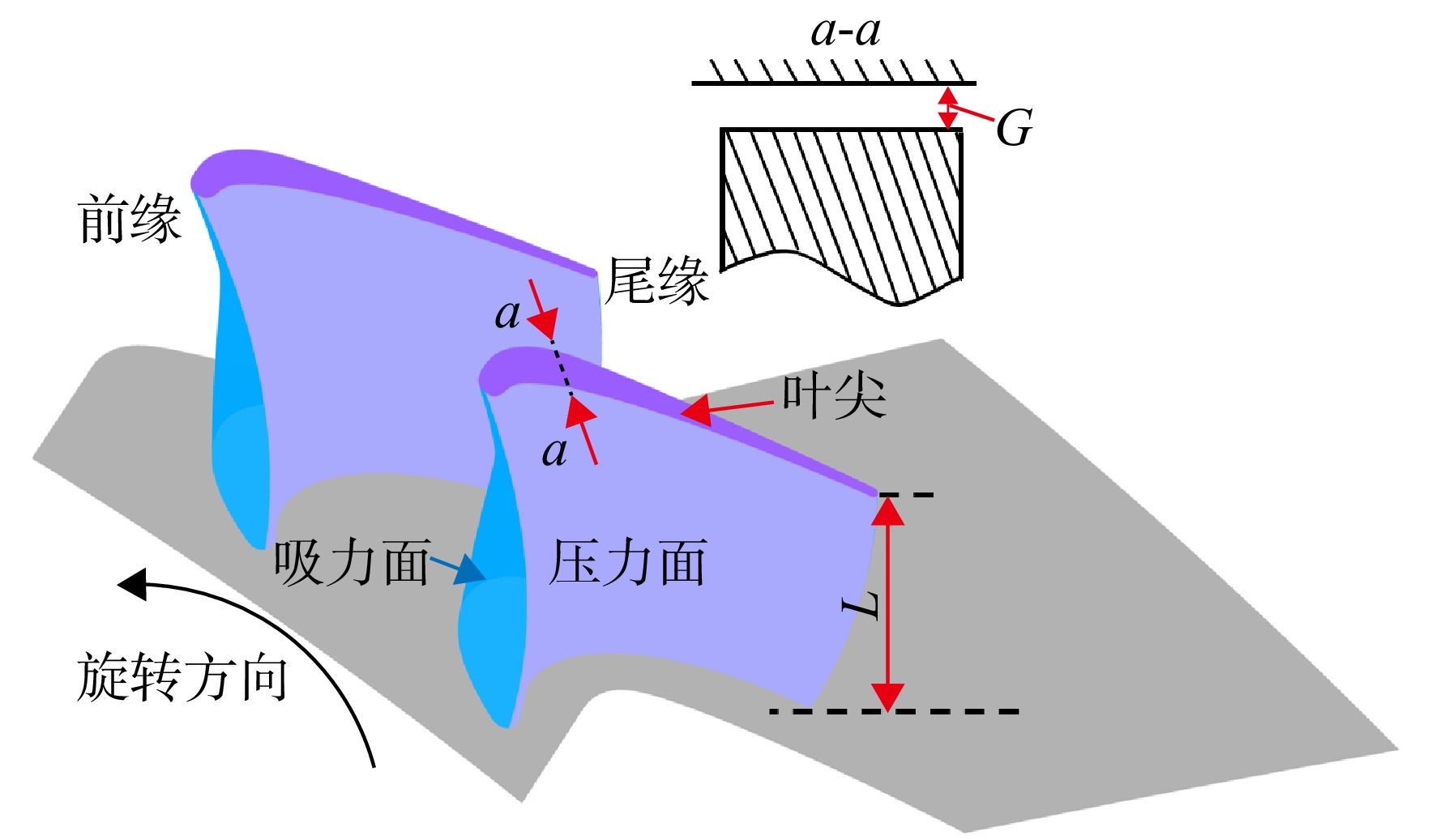
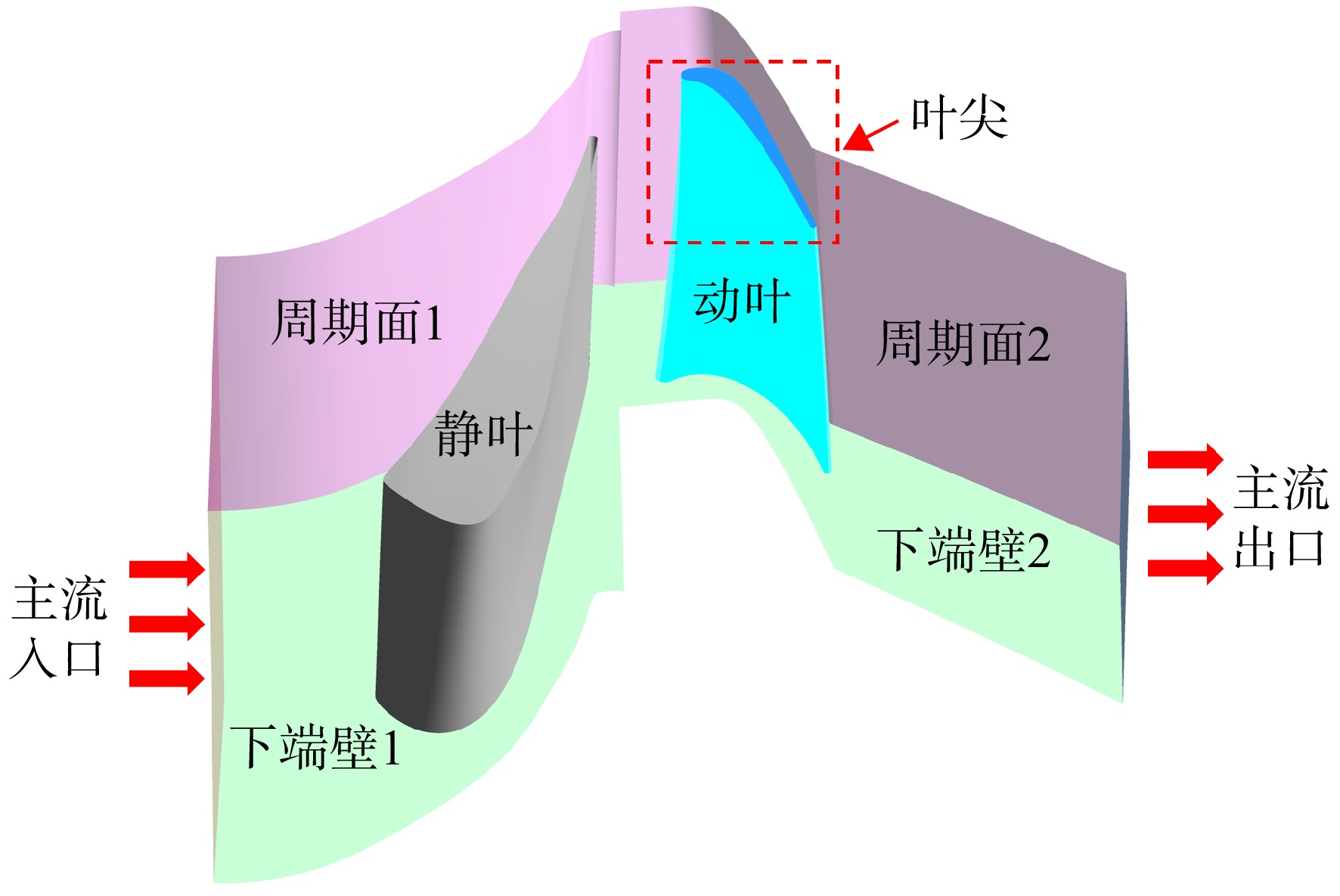
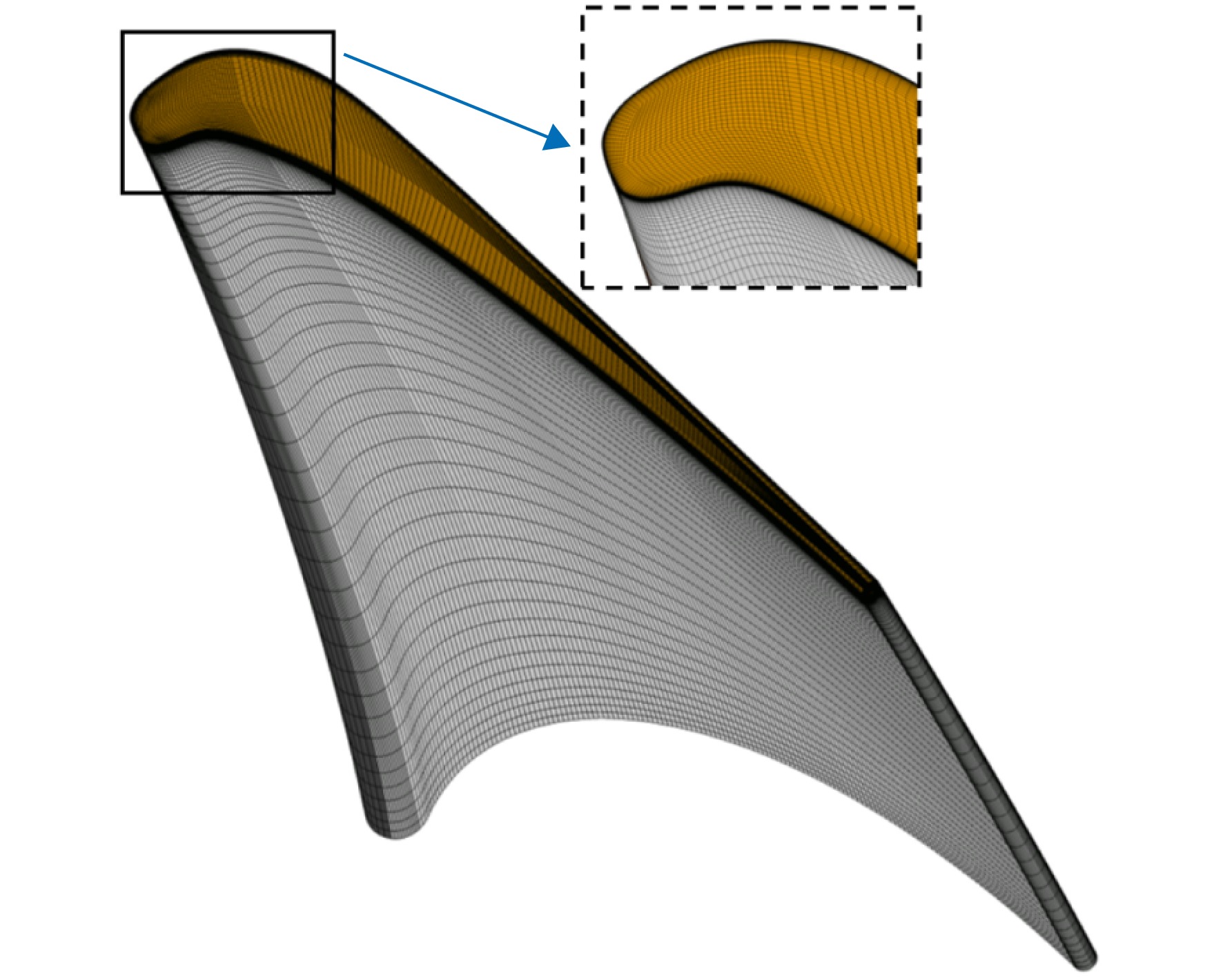
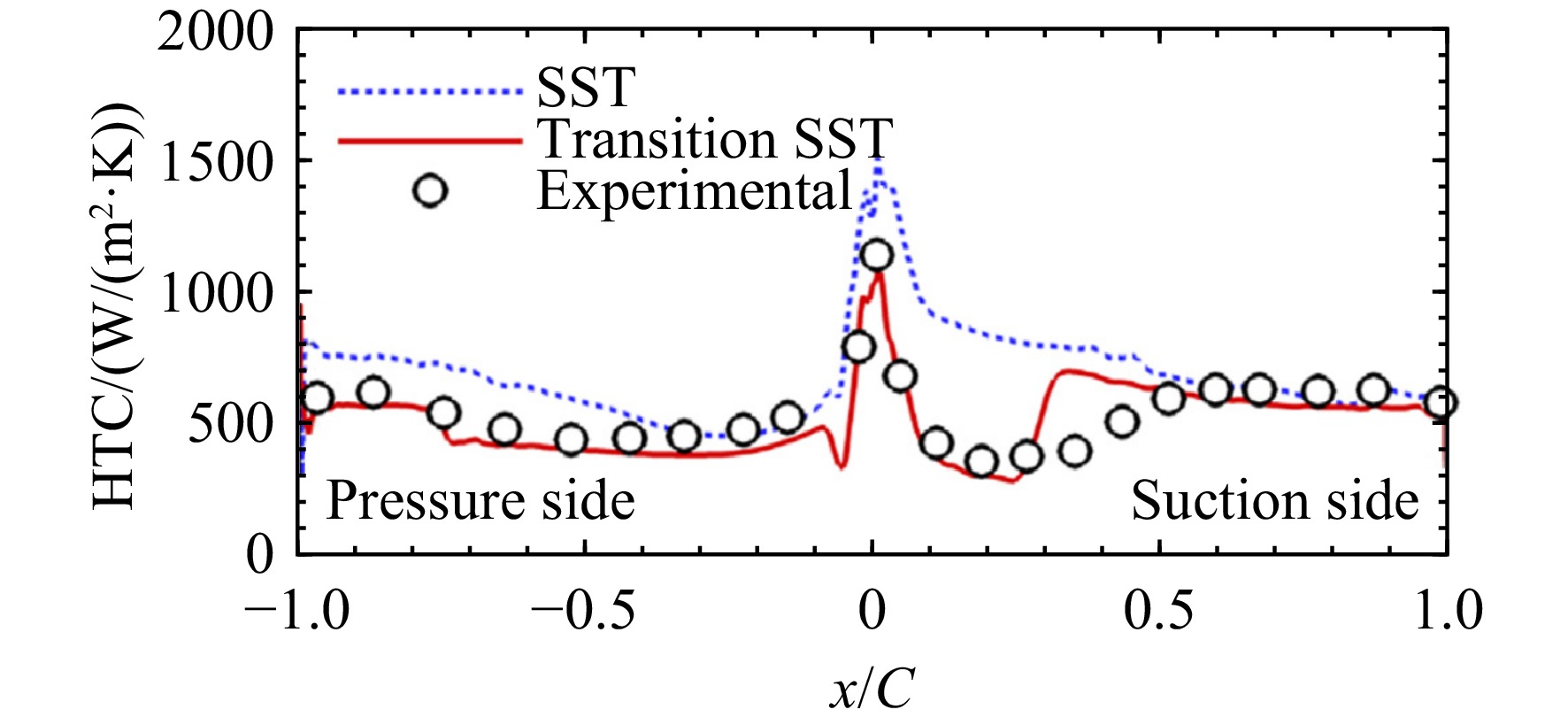
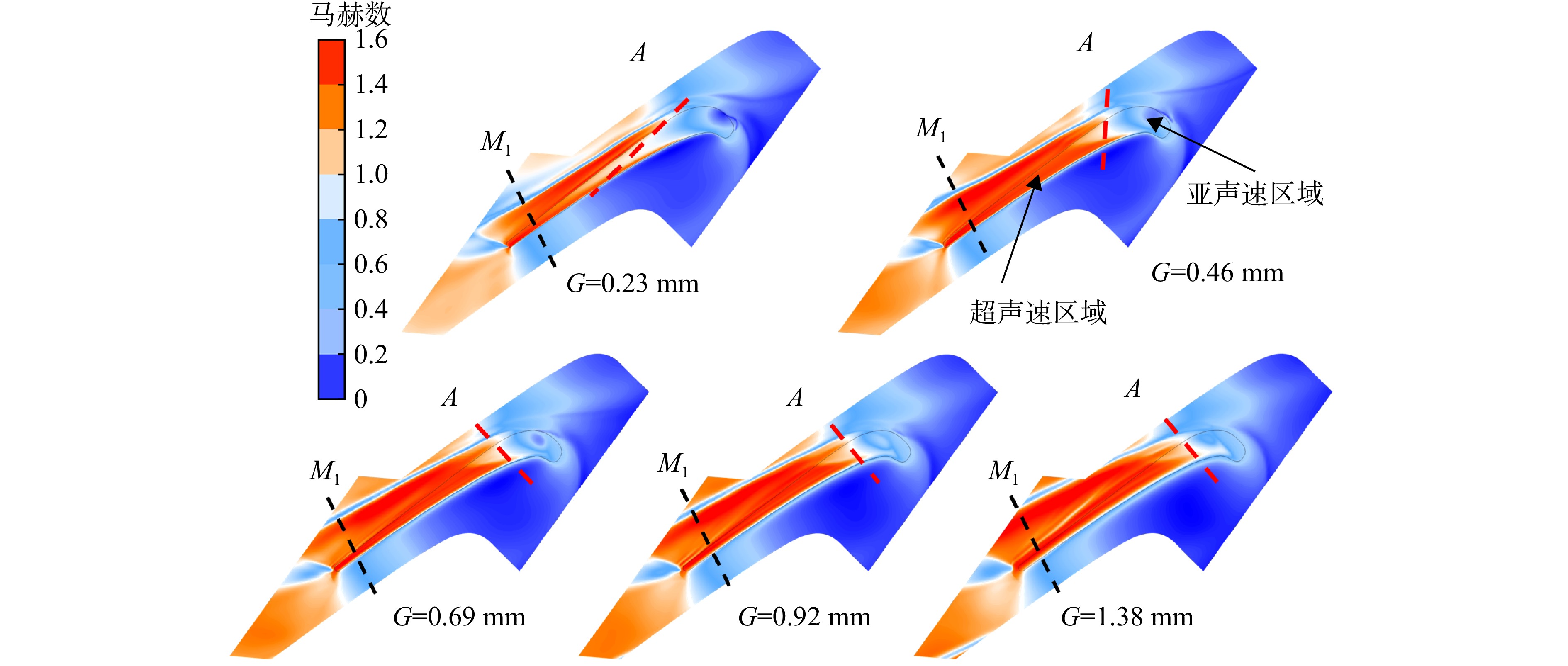
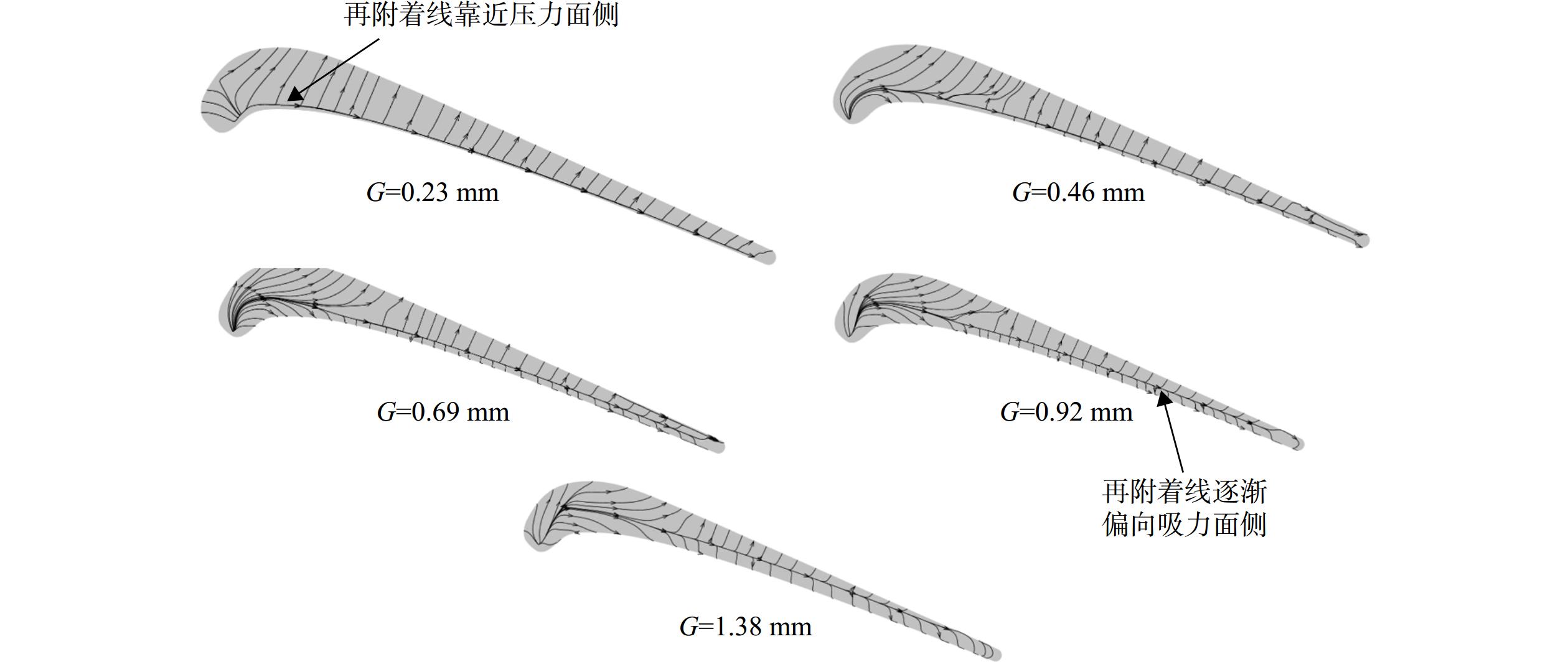
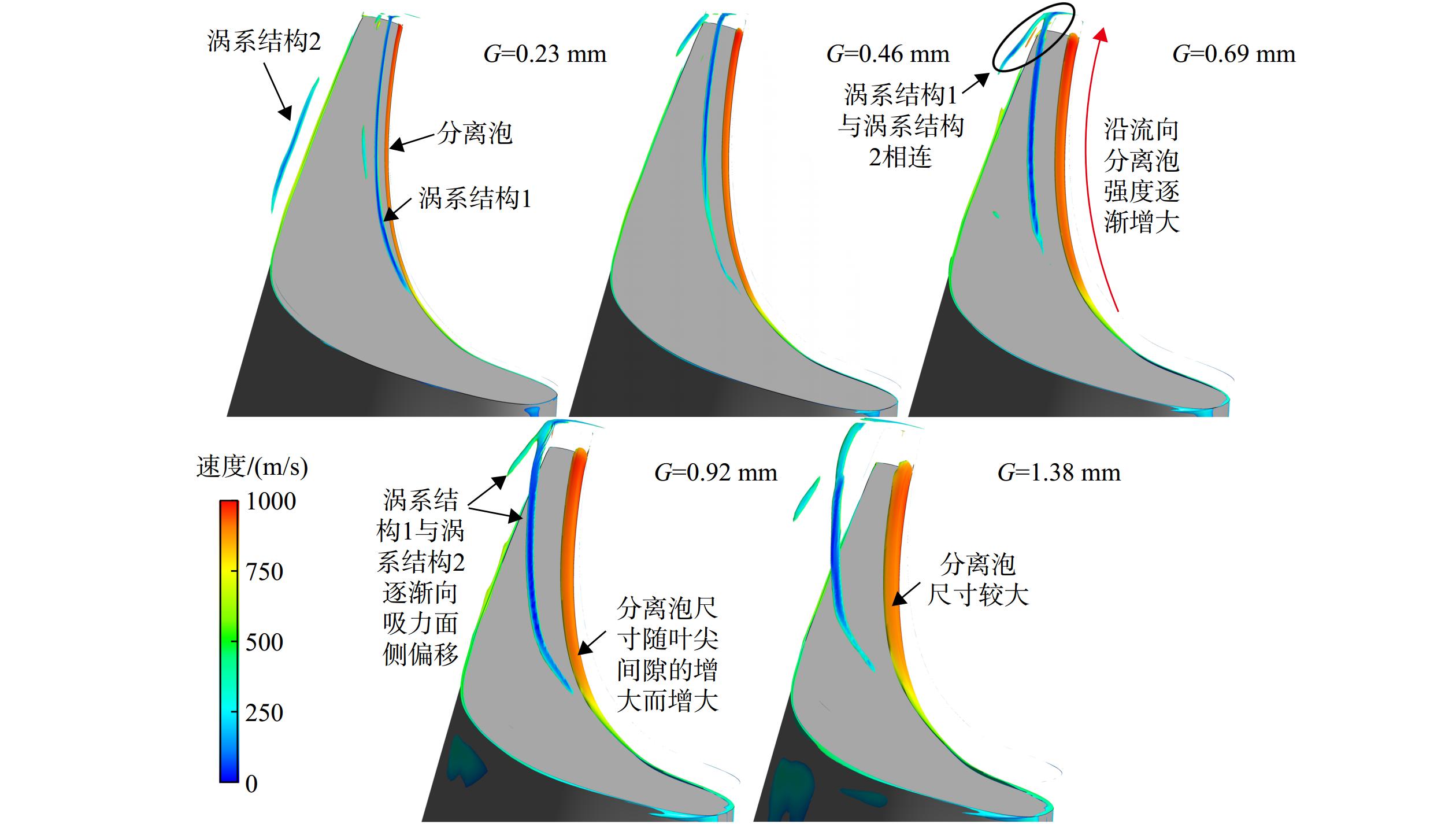
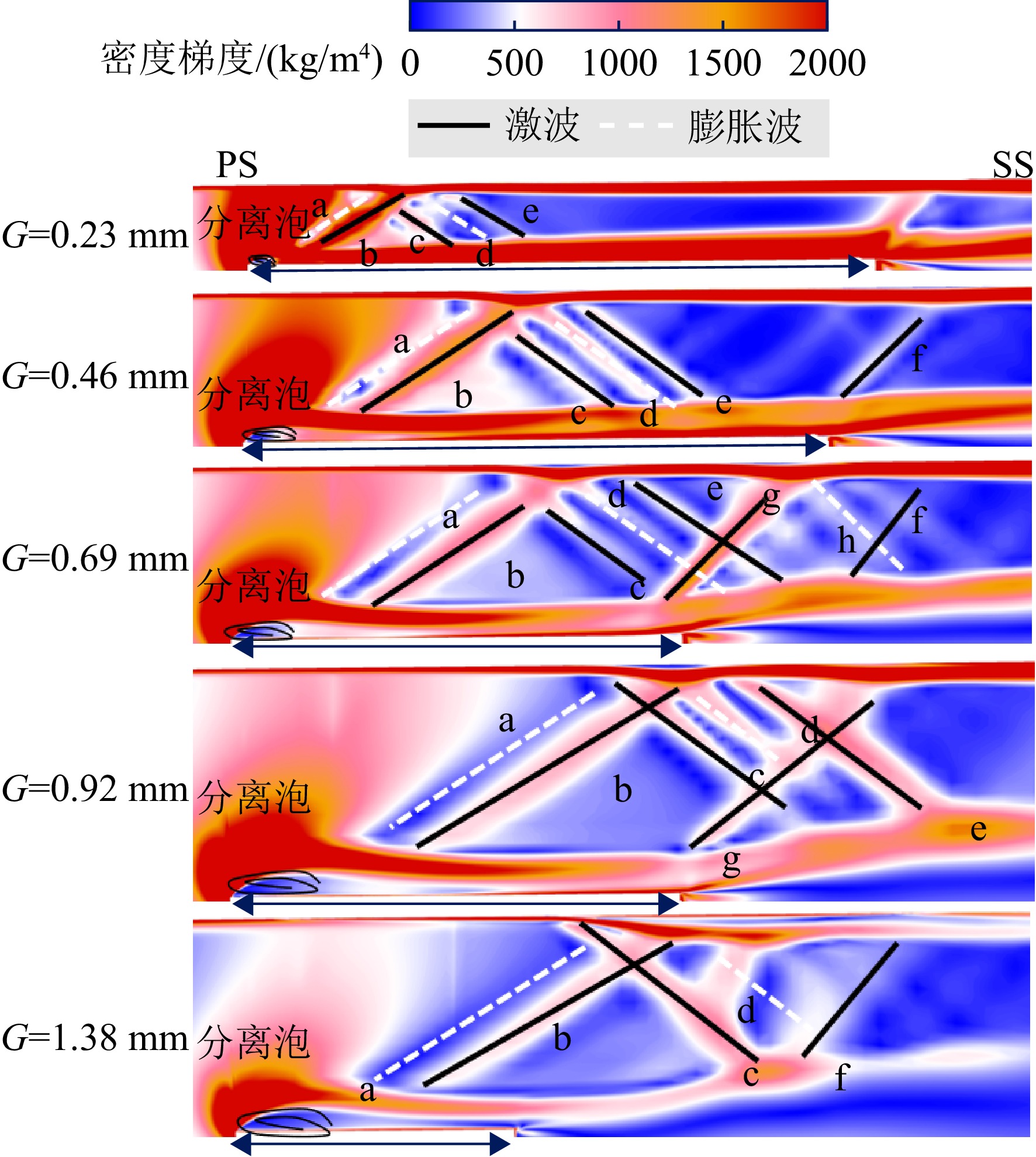
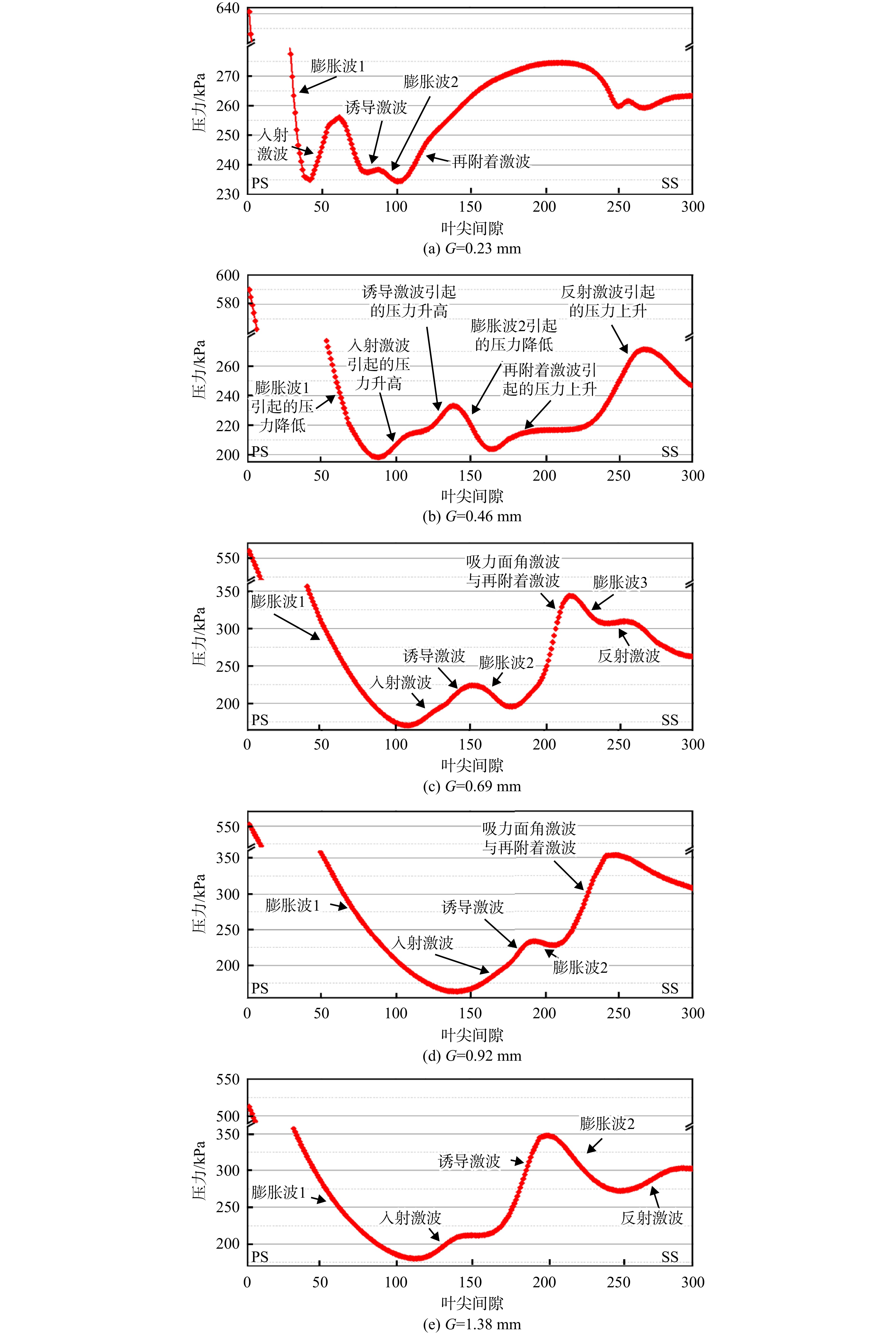
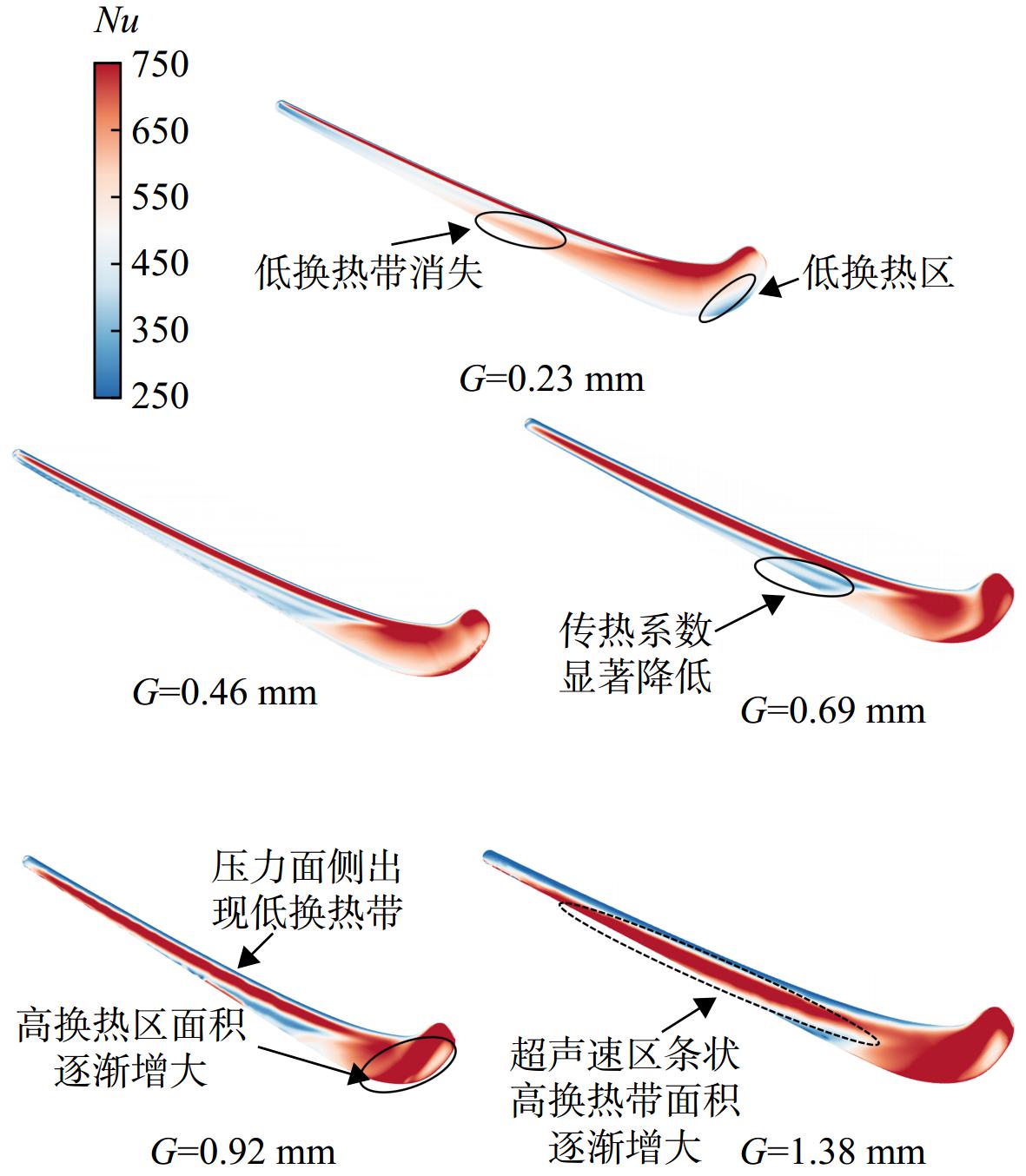
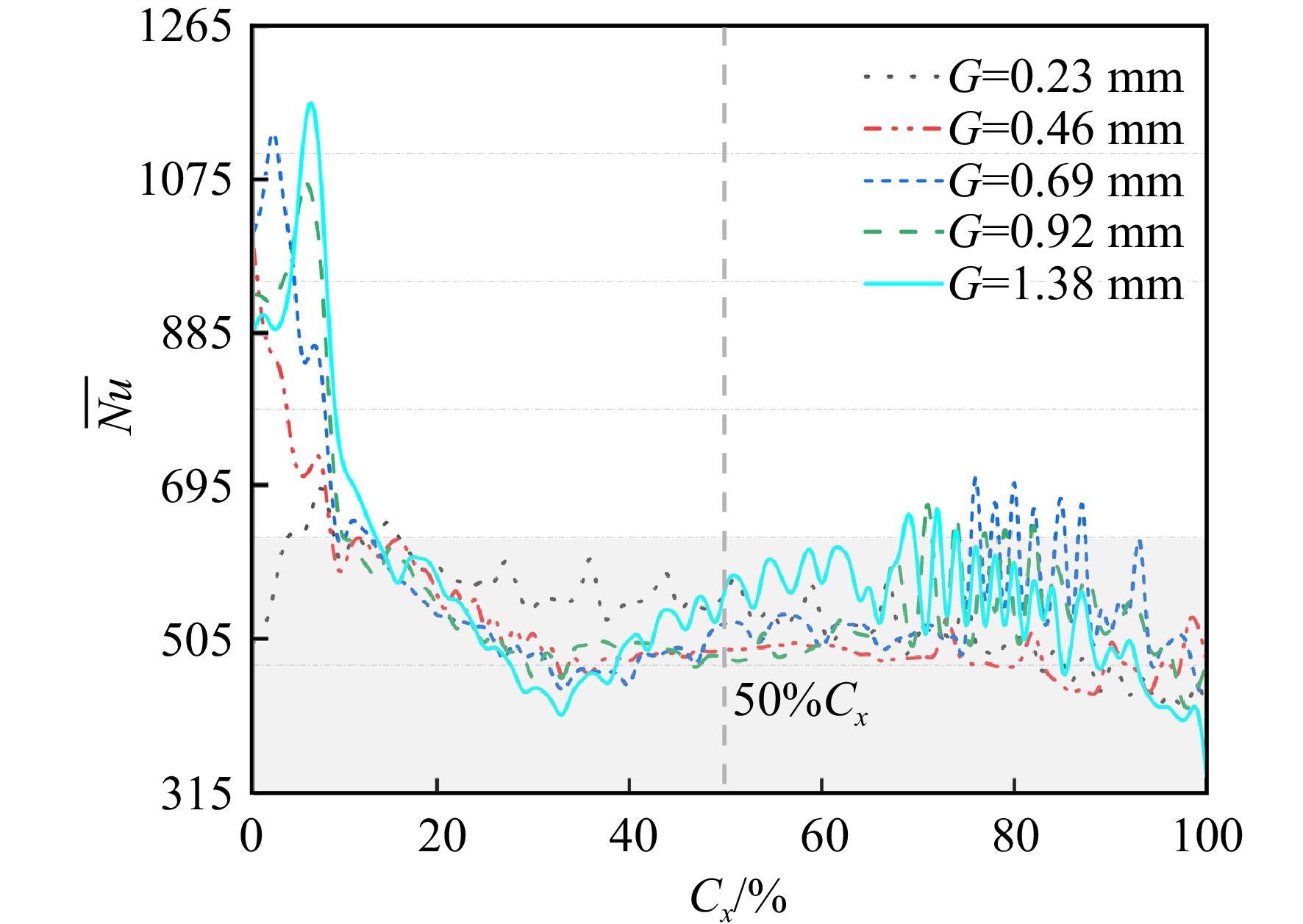
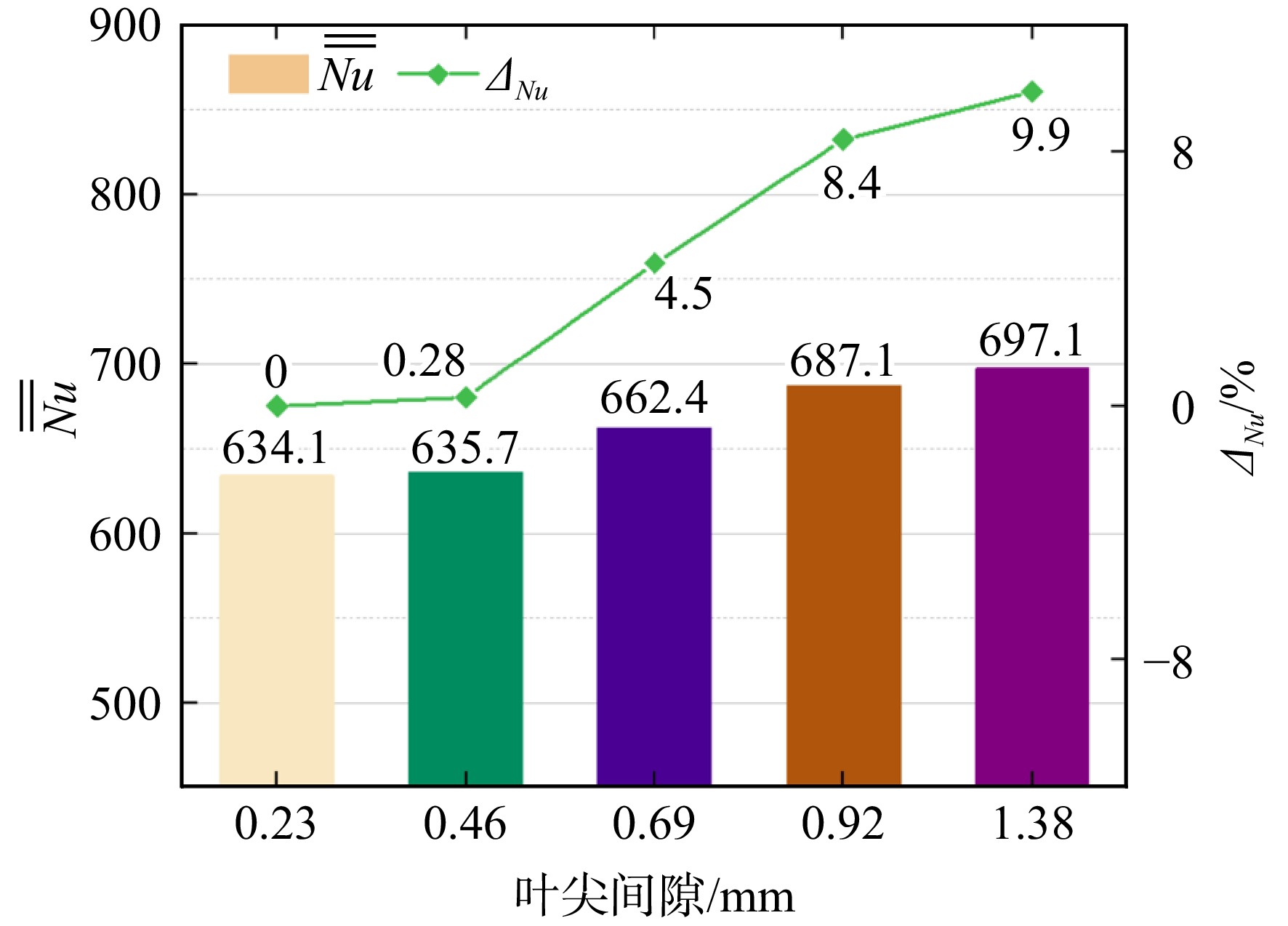
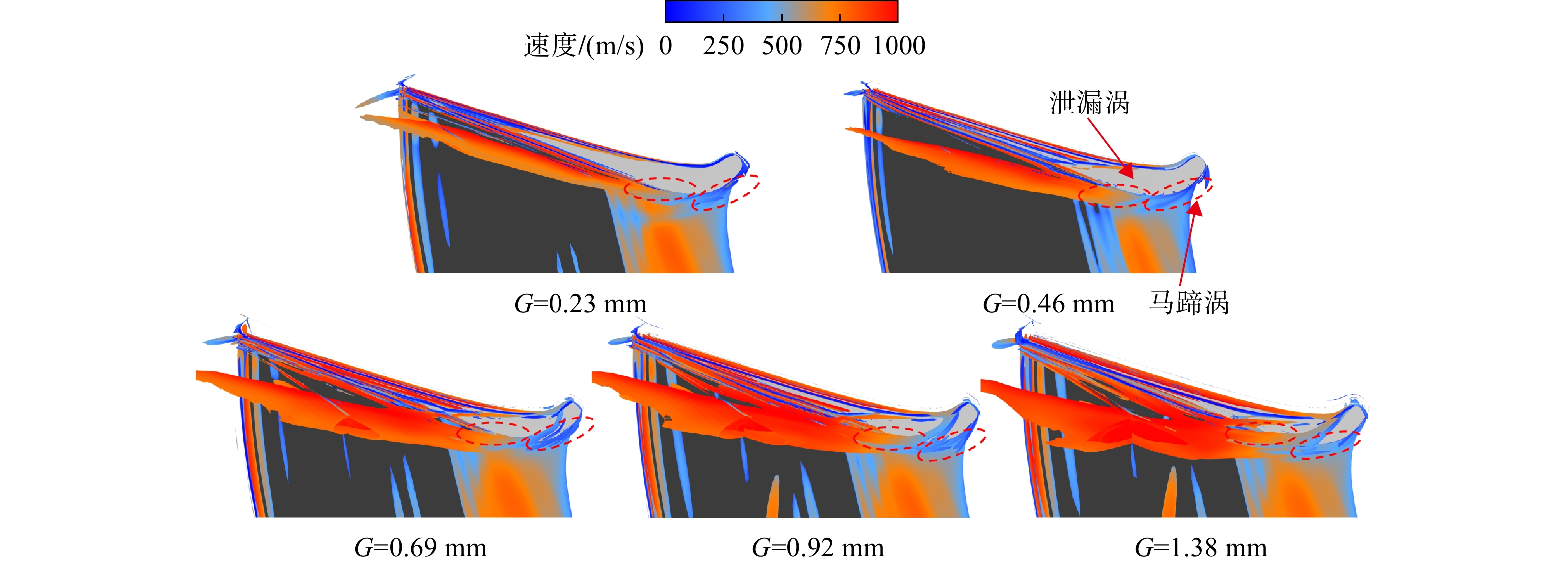
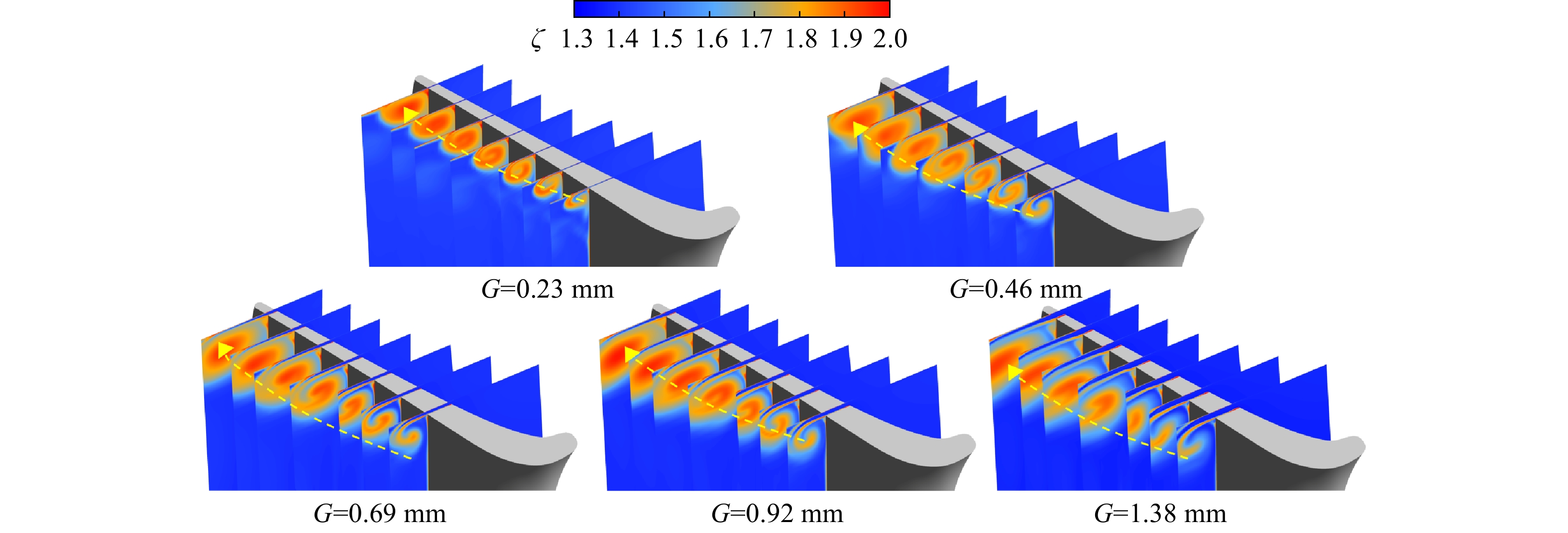
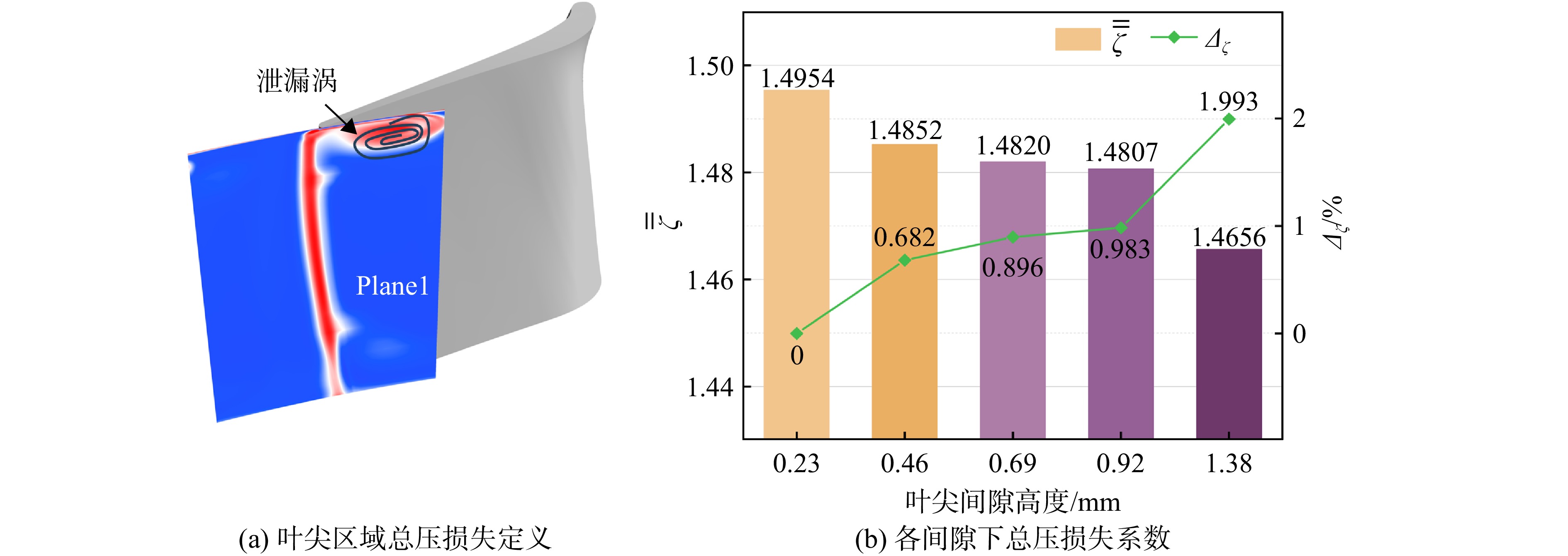
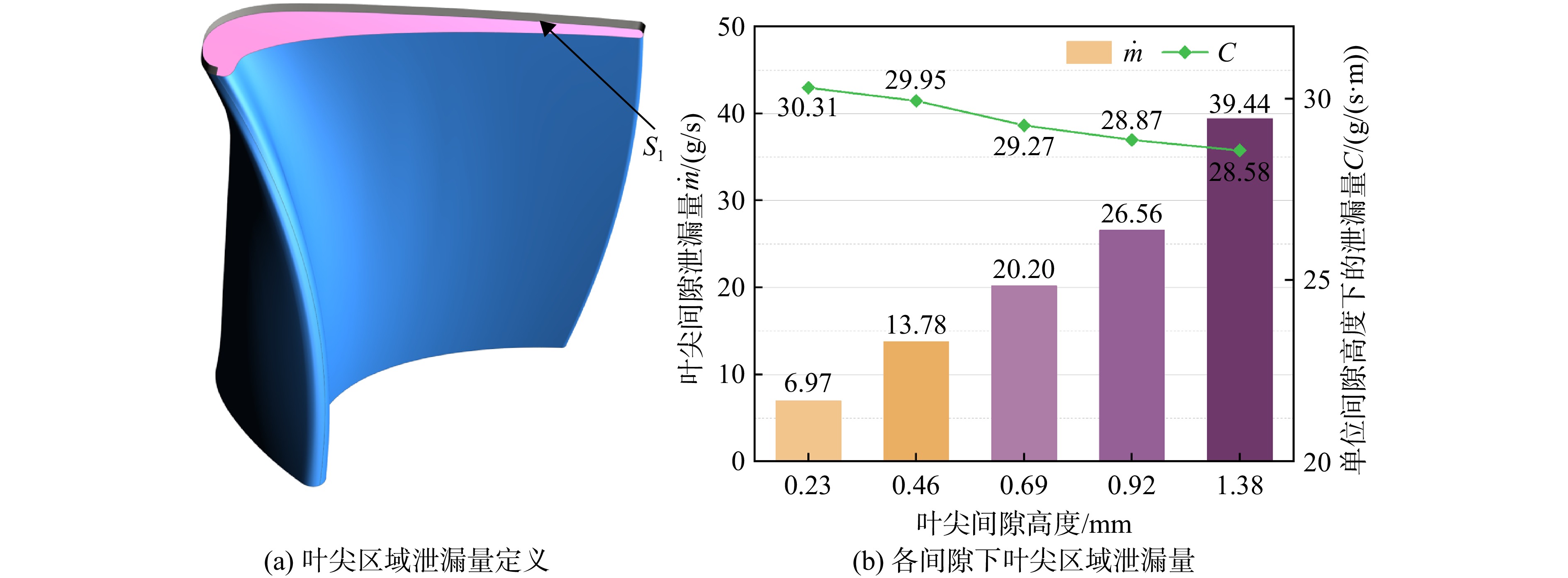
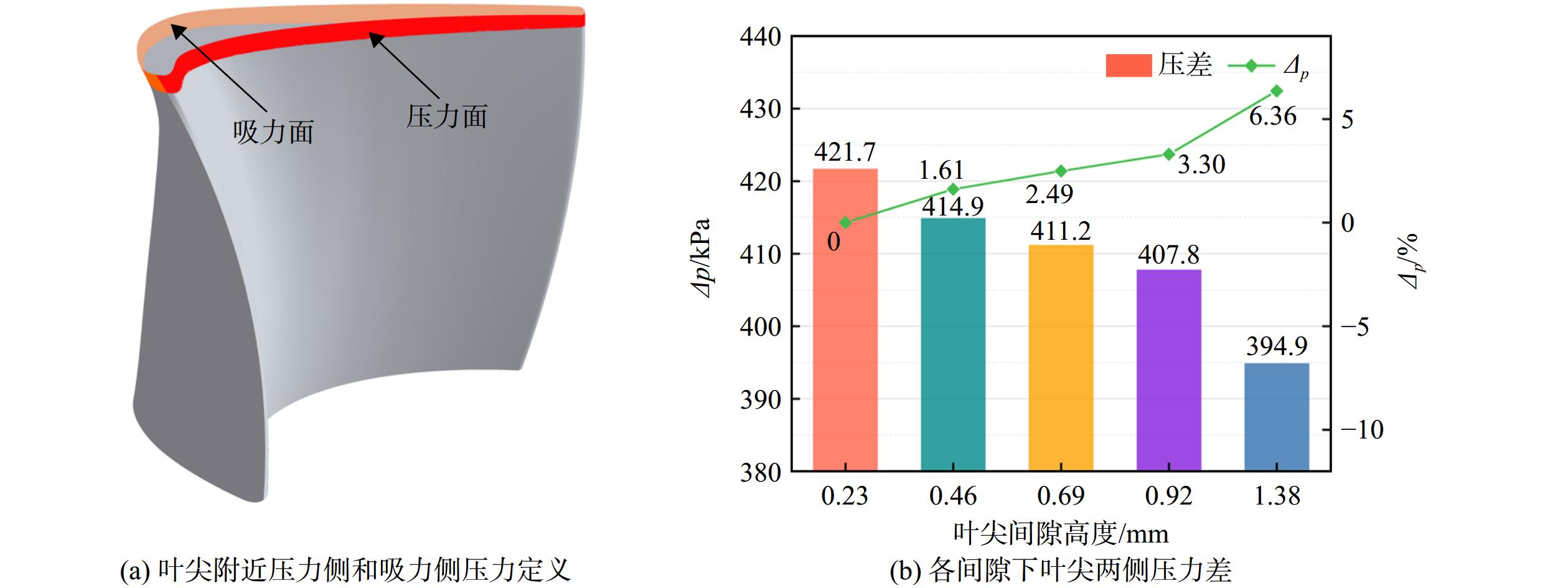
Taking a classic transonic turbine blade as the research object, numerical simulation methods were employed to investigate the effects of five tip clearance heights (0.23, 0.46, 0.69, 0.92 mm and 1.38 mm) on the flow, heat transfer characteristics, and aerodynamic performance of the turbine rotor tip and its nearby regions. The results indicated that as the tip clearance increased, the supersonic region on the blade tip expanded toward the leading edge, the flow separation point moved rearward, the interaction between shock waves and expansion waves intensified, and the flow field complexity increased. The area-averaged Nusselt Number at a clearance height of 1.38 mm increased by 9.9% compared with that at 0.23 mm. The strength and scale of both the tip leakage vortex and the horseshoe vortex intensified with the increasing clearance, and their interaction became more pronounced. However, the area-averaged total pressure loss coefficient showed a decreasing trend with the increasing clearance; the loss at 1.38 mm clearance was reduced by 1.993% compared with that at 0.23 mm, indicating that the strong confinement and concentrated mixing of the leakage flow within smaller clearances were primary causes of higher aerodynamic losses. Furthermore, the absolute leakage mass flow increased significantly with larger clearances, but the leakage rate per unit clearance height decreased accordingly.

Turbomachinery
Flow field reconstruction method and application for turbine blade cascade based on experimental data assimilation
Zeng Fei, LI Tang, Ouyang Yuqing
2027, 42(1): 20250038. doi: 10.13224/j.cnki.jasp.20250038
Abstract:
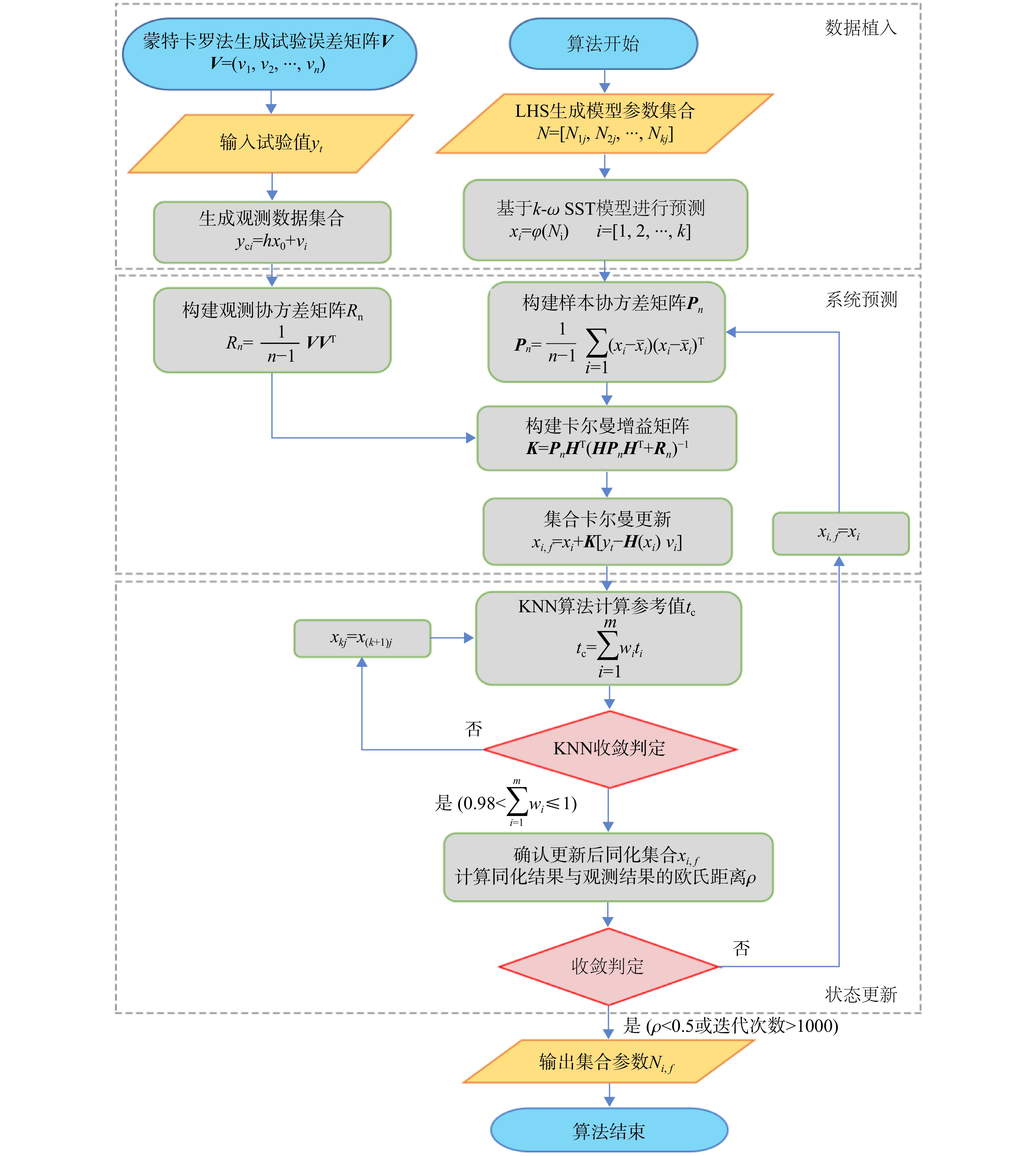
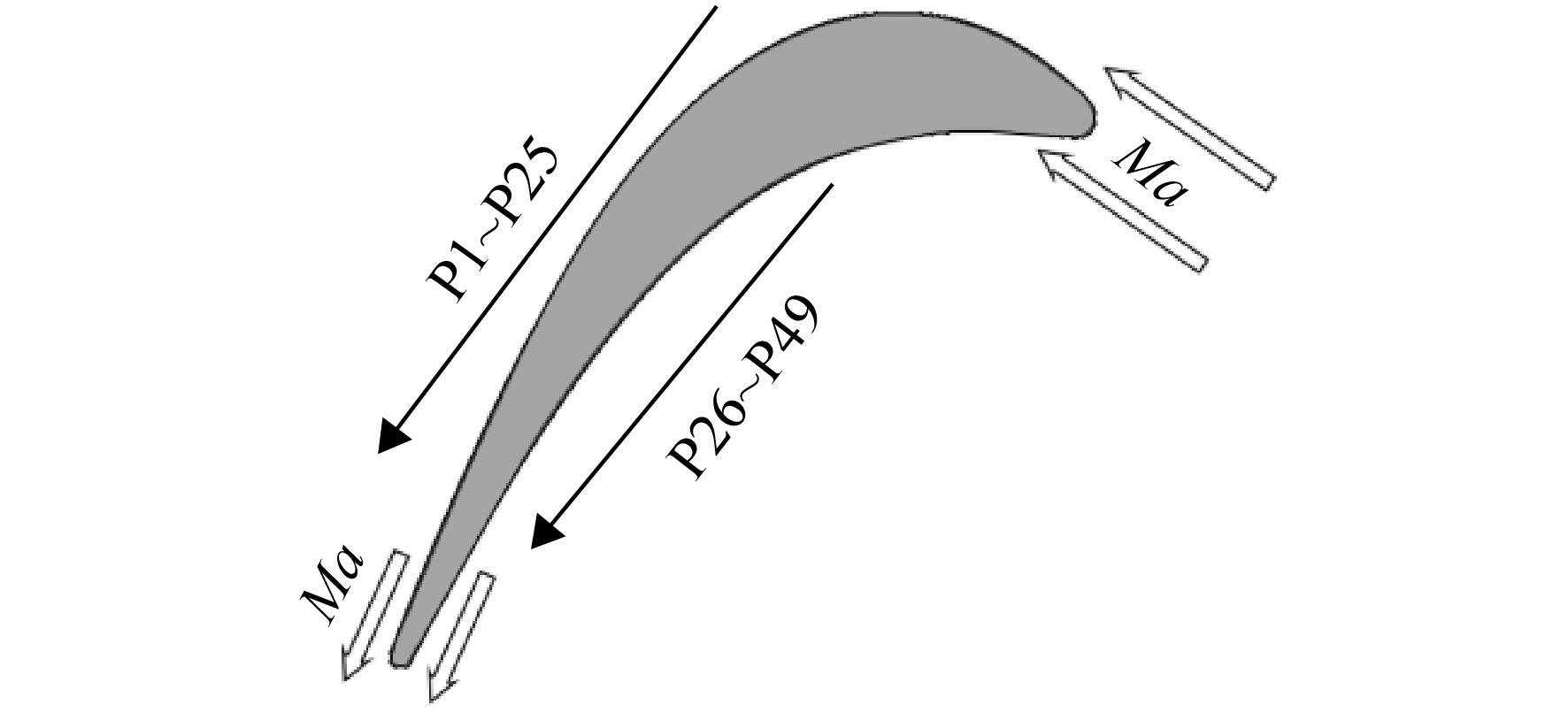
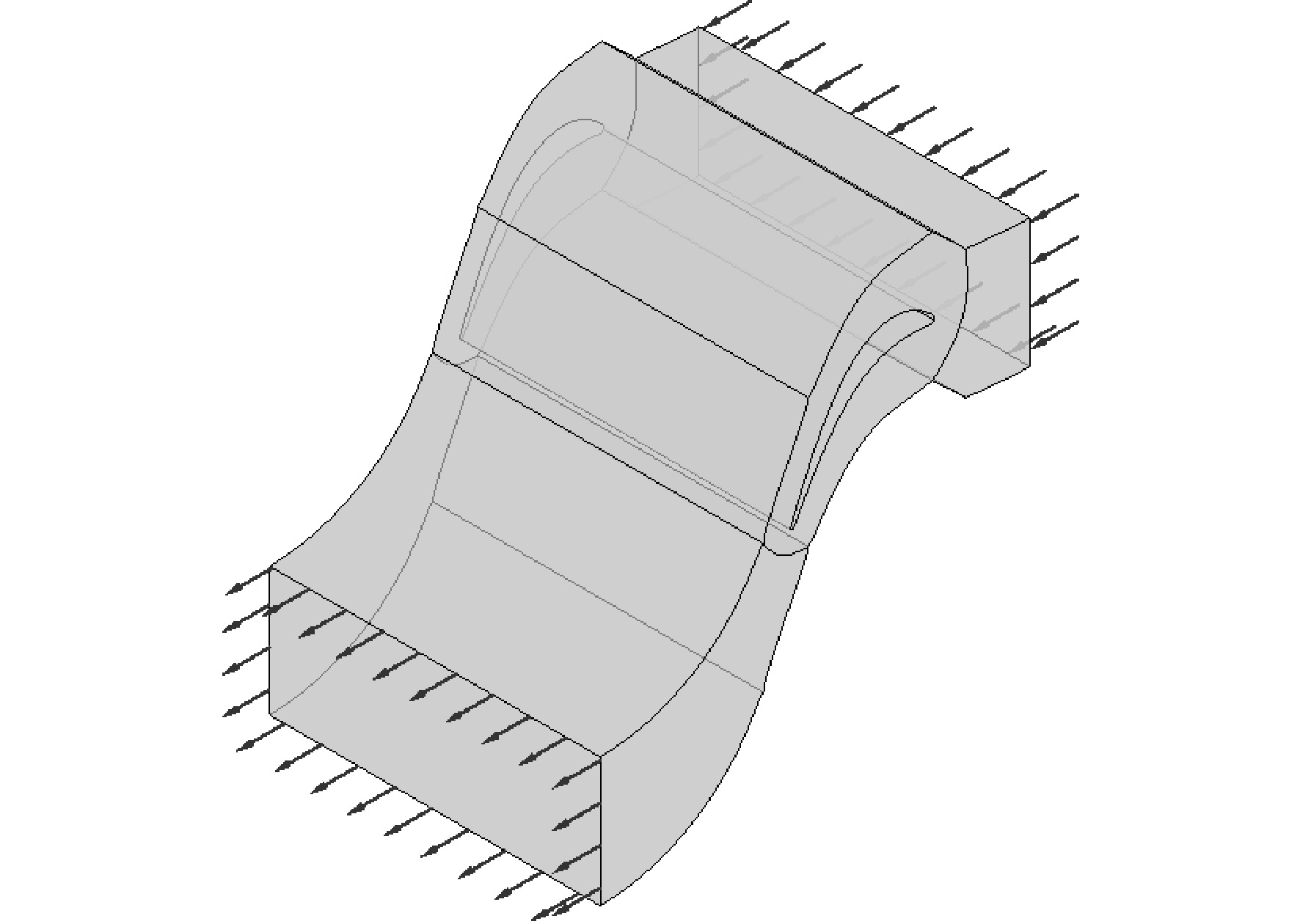
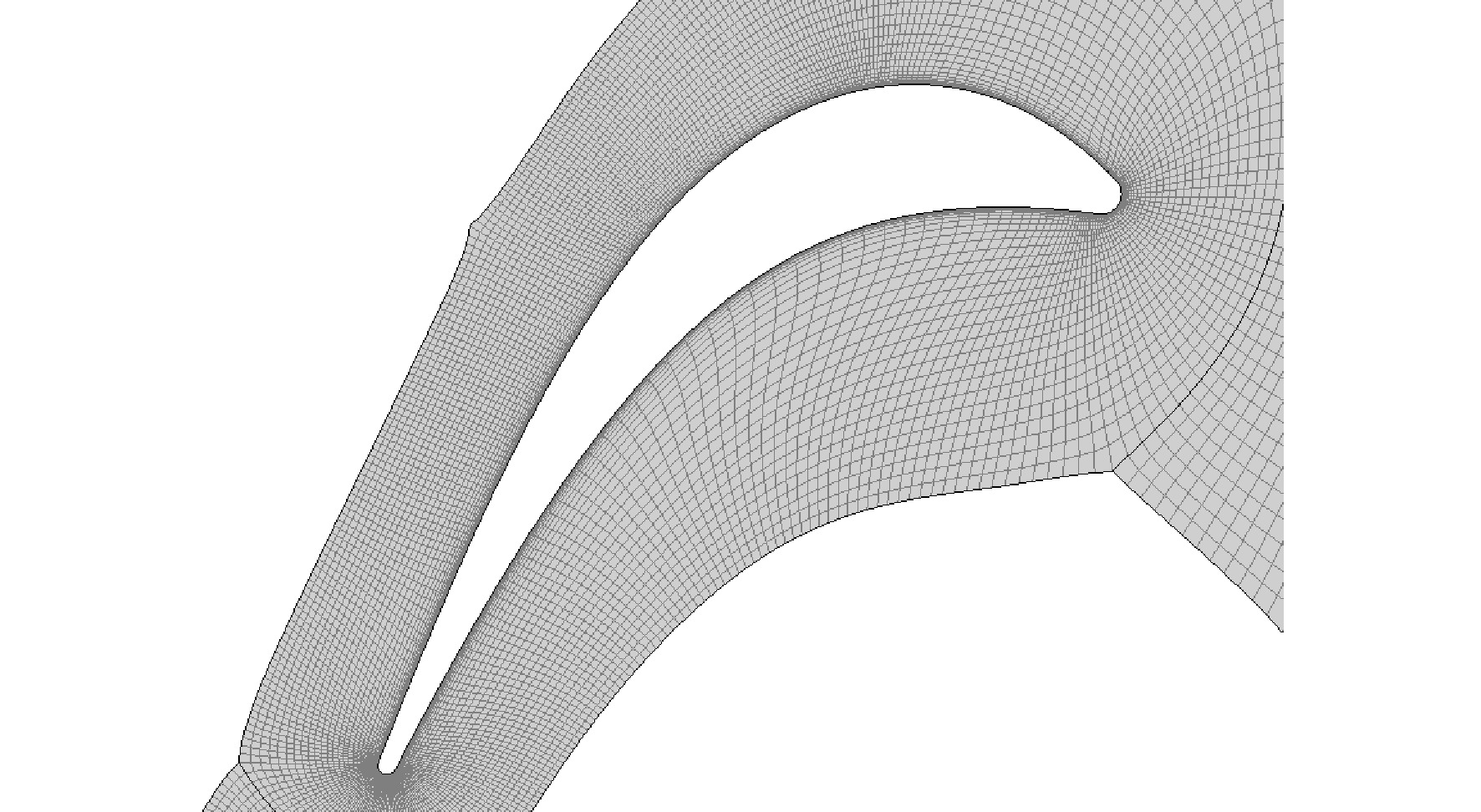
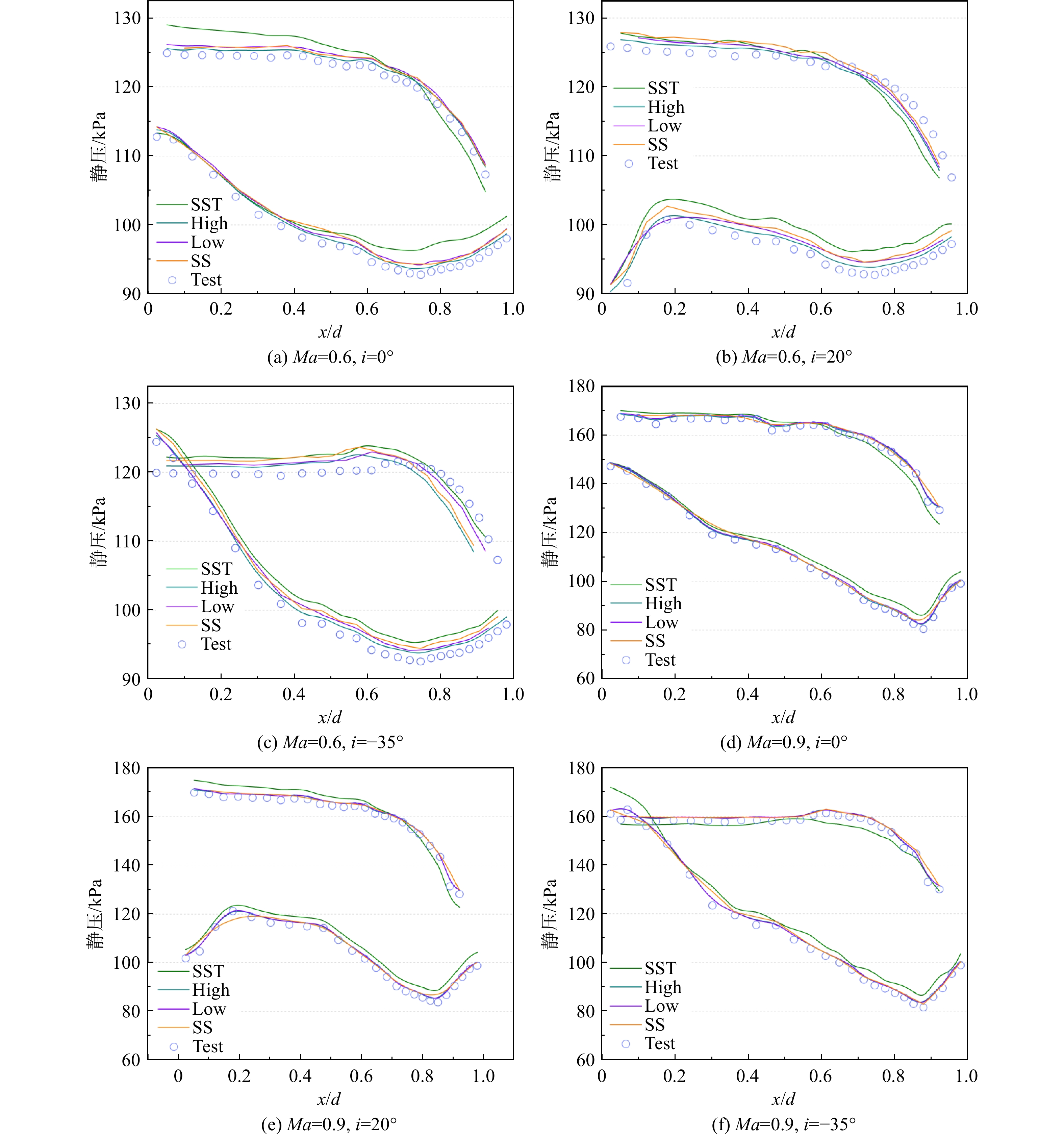
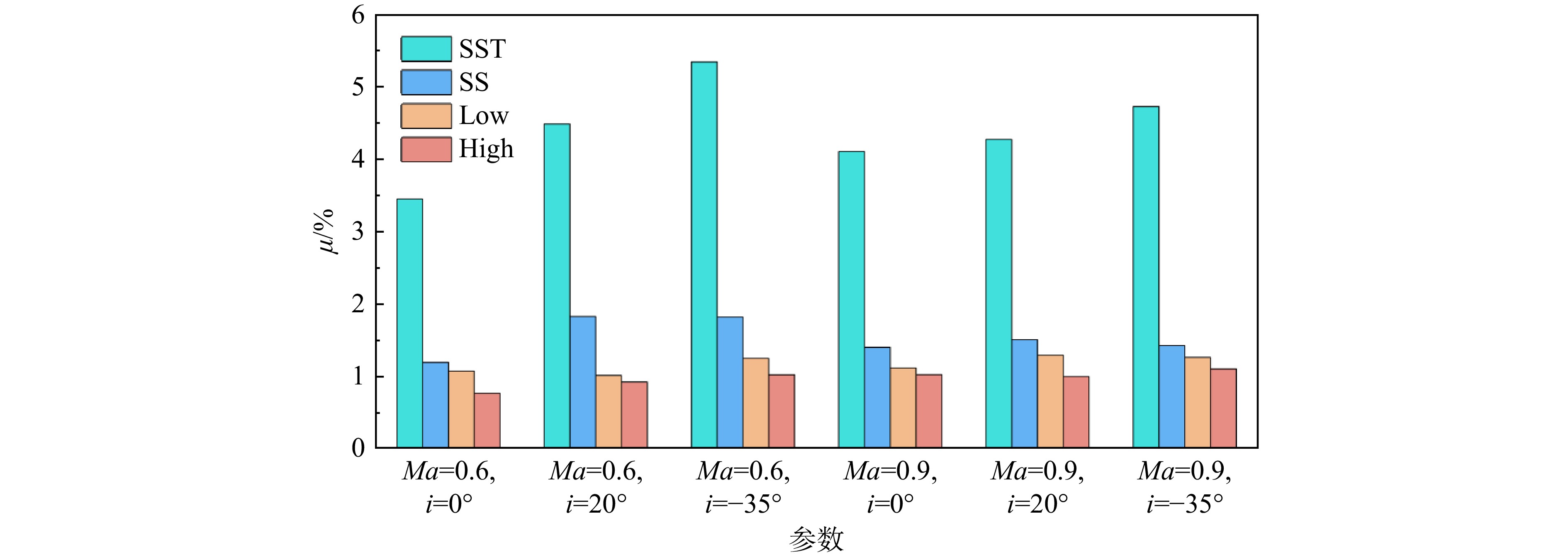
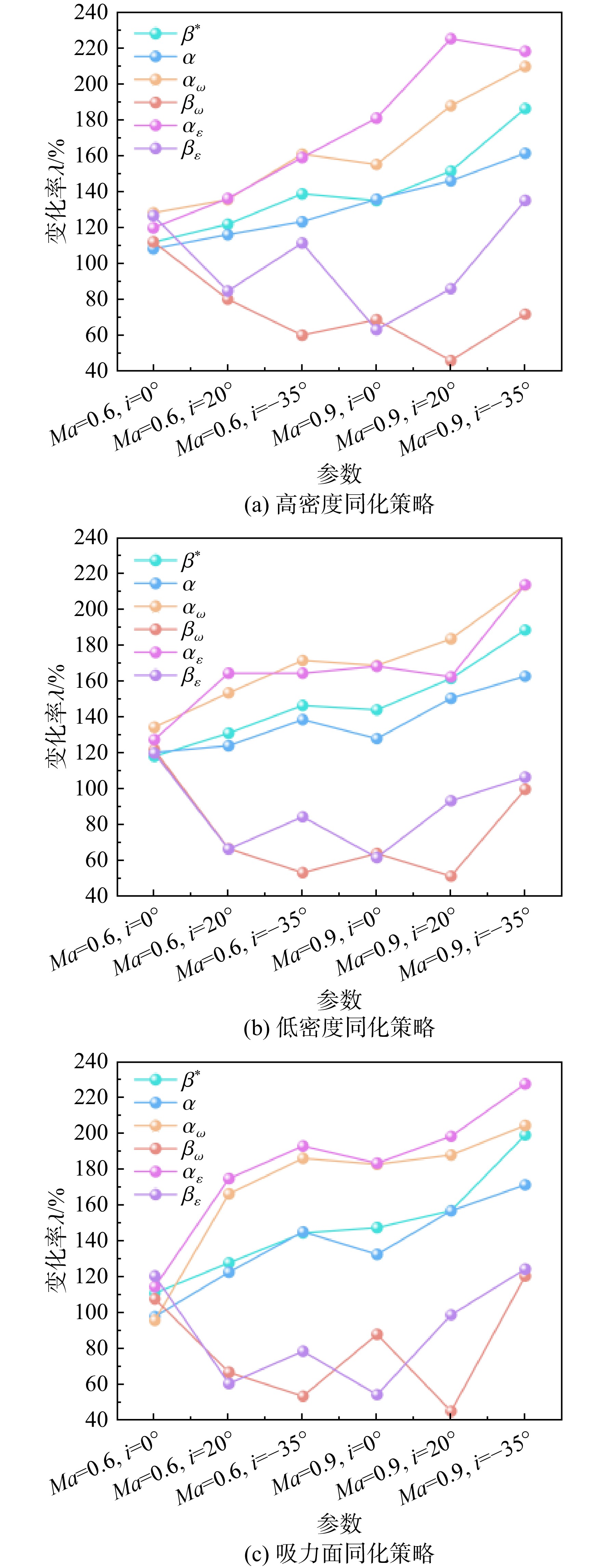
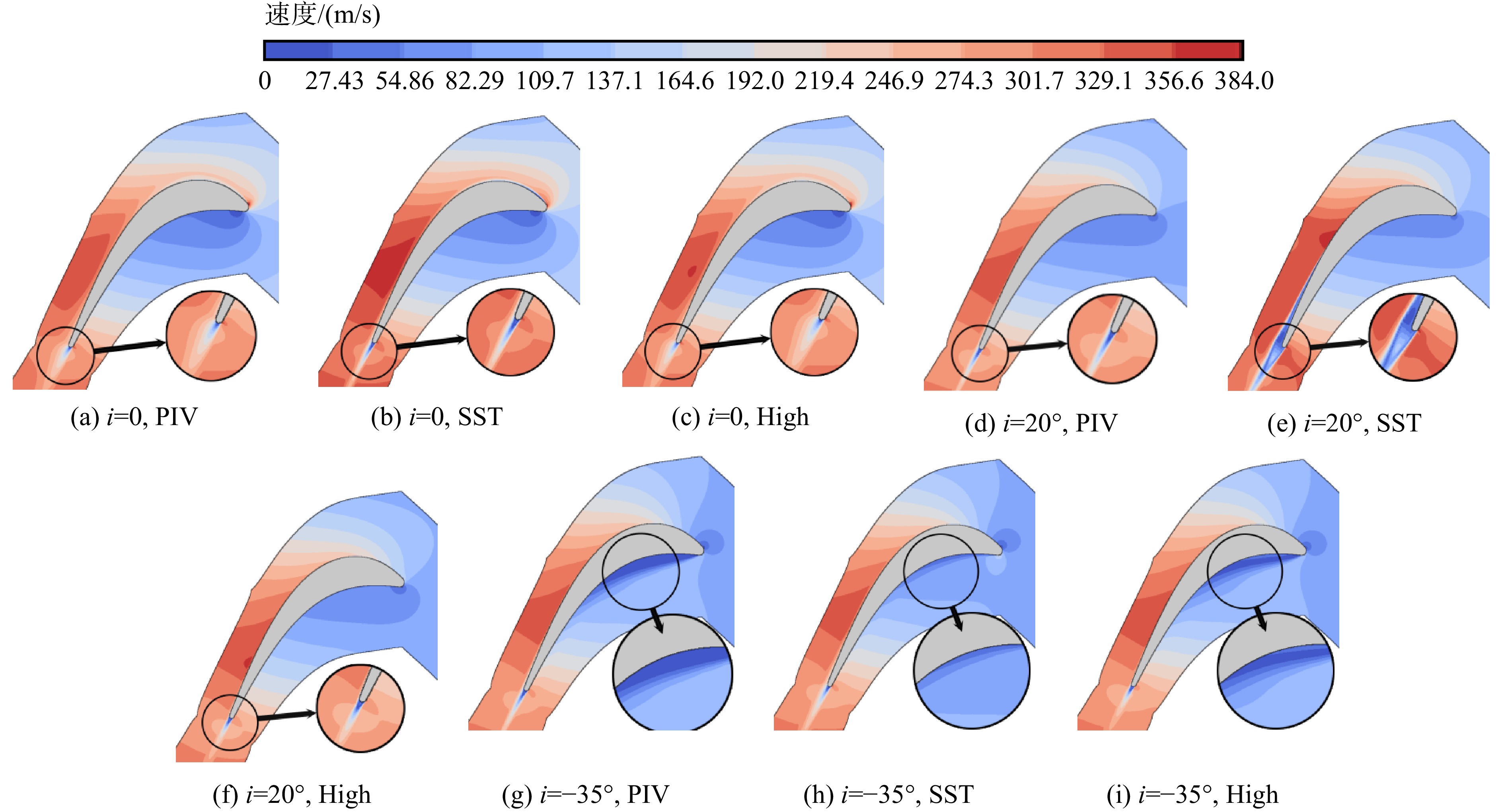
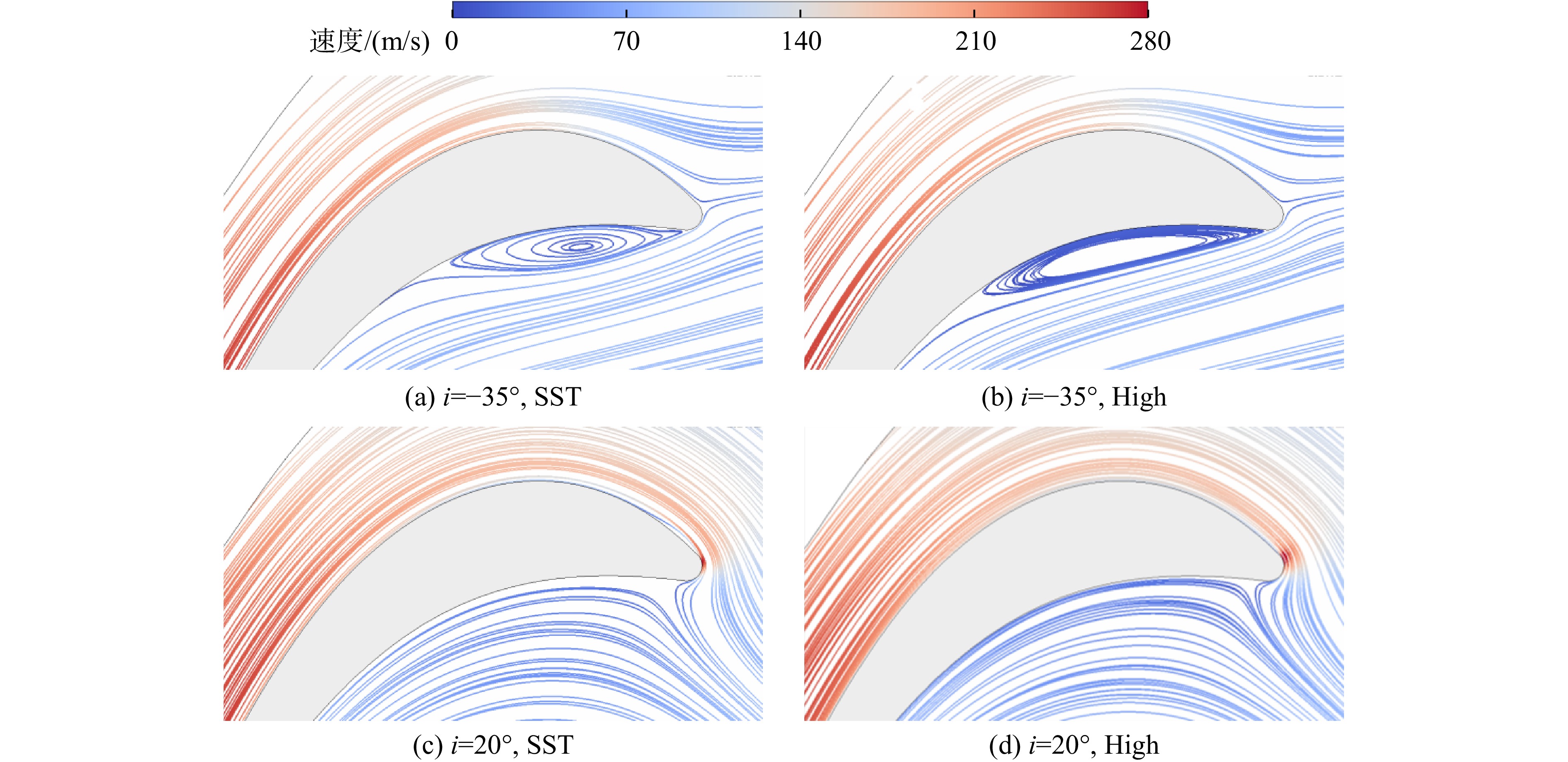
To improve the efficiency of linear cascade row experiment, this study employs the principles of ensemble Kalman filtering. A Latin hypercube sampling method is used to generate a set matrix of SST turbulence model parameters, computational data, and experimental data. The KNN algorithm is applied to align the resolution errors between different datasets. A data assimilation program suitable for linear cascade rows is developed. The program is used for data assimilation analysis of the flow field under various operating conditions of a linear cascade row with a wide range of attack angles. Experimental data from three strategies are incorporated to re-calibrate the coefficients of the SST turbulence model. The assimilation results show a high degree of agreement with the experimental data. The findings indicate that, under different operating conditions, all three assimilation strategies reduce the relative error between numerical calculations and experimental data by more than 64.7%. Therefore, assimilated data can be appropriately trusted in experiments to adjust experimental plans, which helps improve experimental efficiency and reduce costs.

Research on effect of inlet bend on aerodynamic excitation force in centrifugal compressor based on nonlinear harmonic method
Fang Tongyi, Zhang Bo, Li Qi, Duan Lei, Ban Haibo
2027, 42(1): 20250371. doi: 10.13224/j.cnki.jasp.20250371
Abstract:
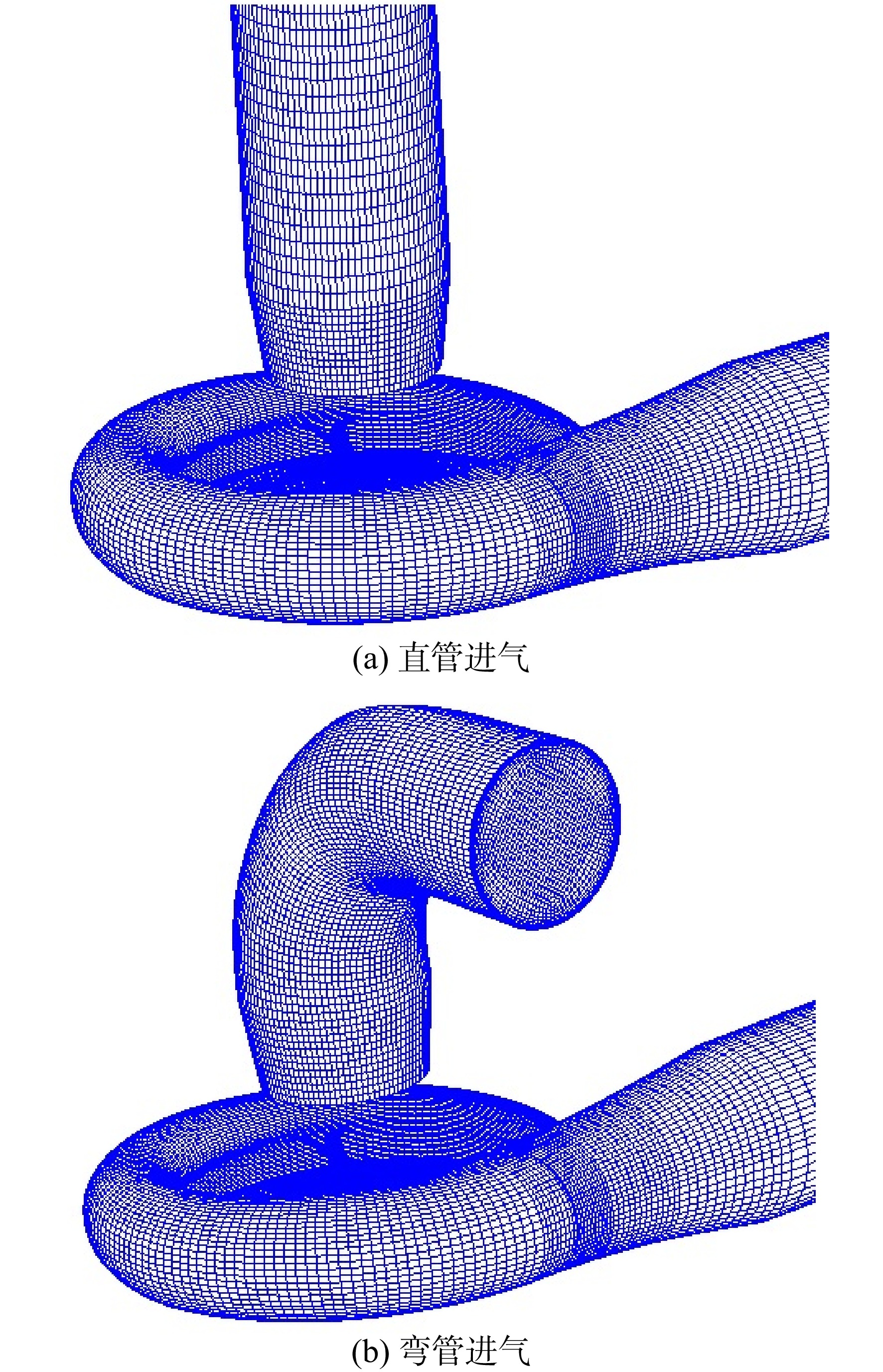
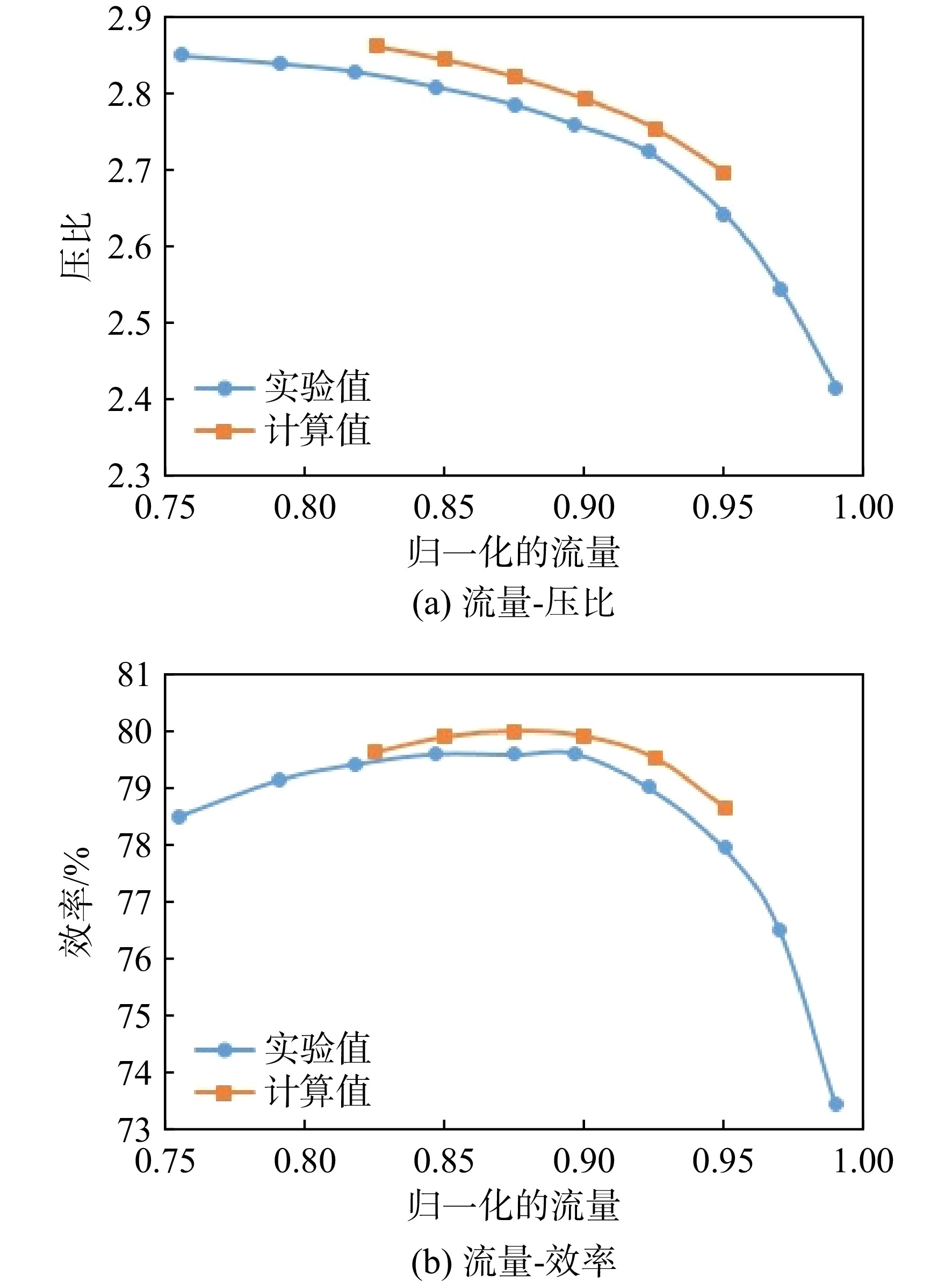
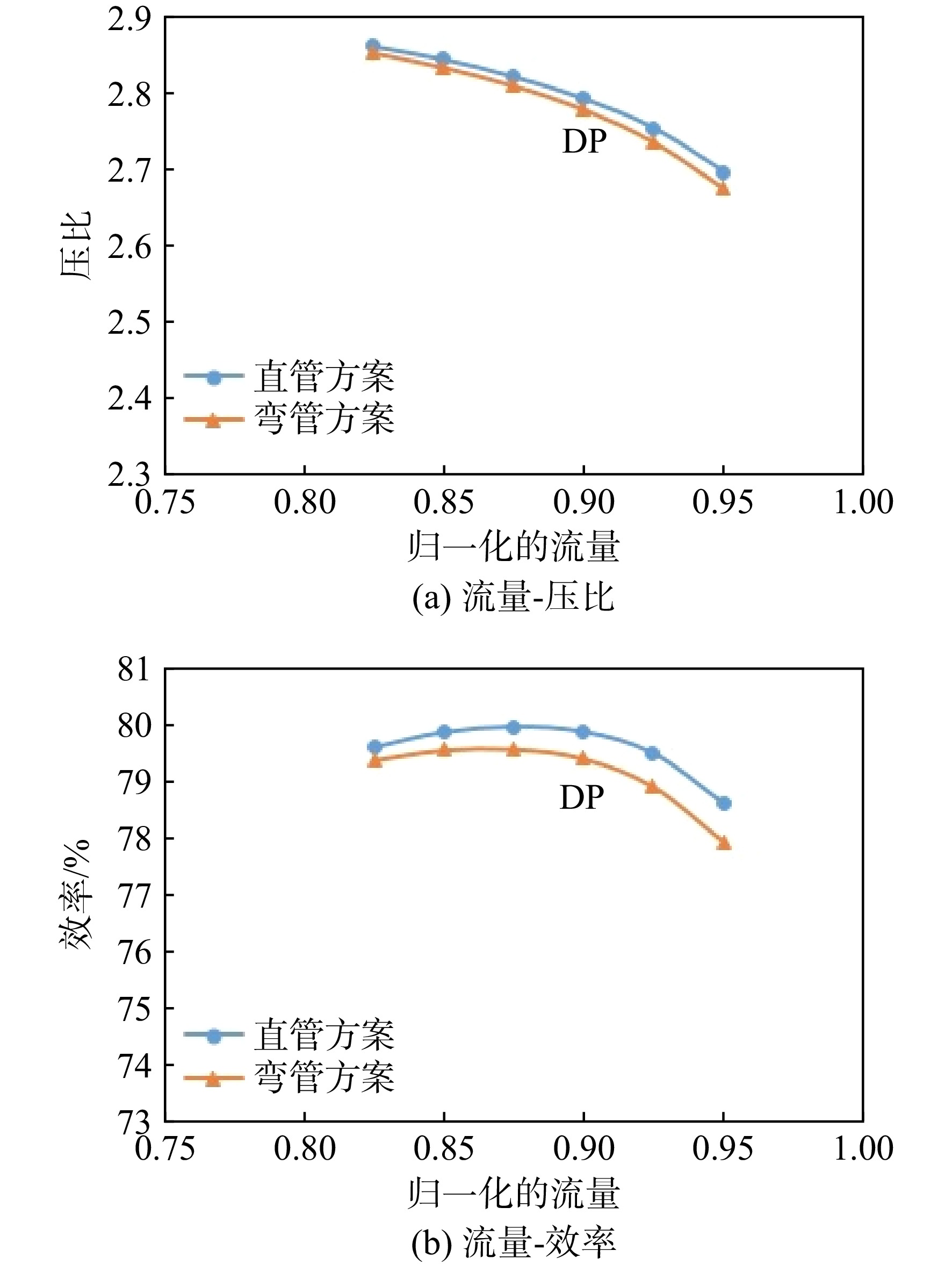
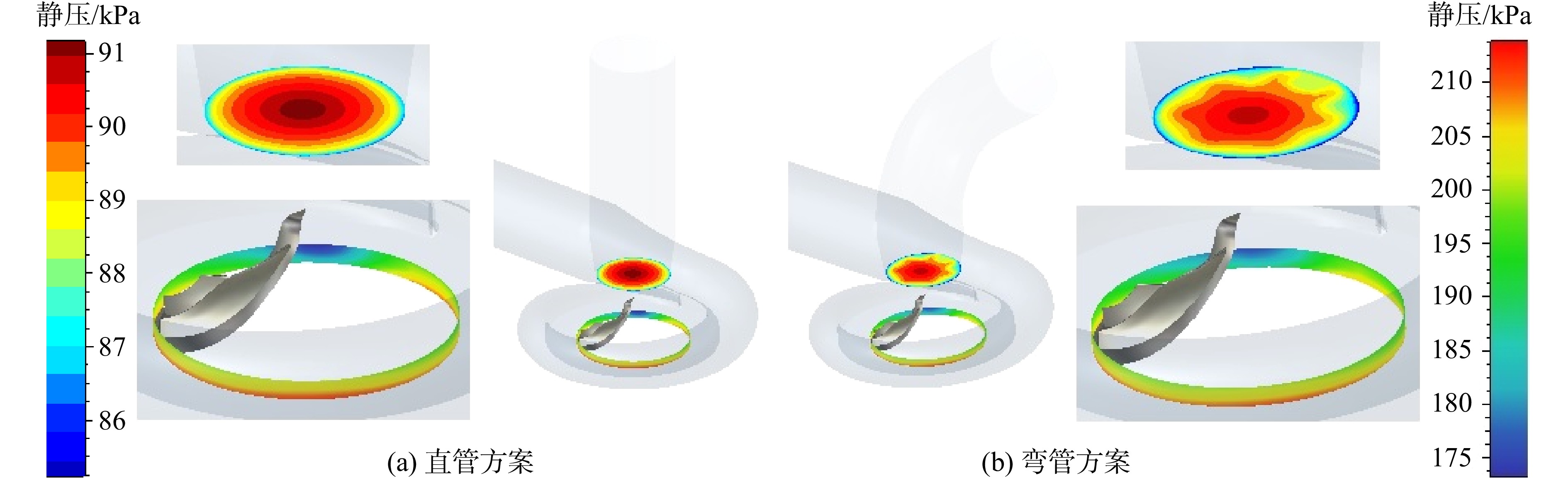
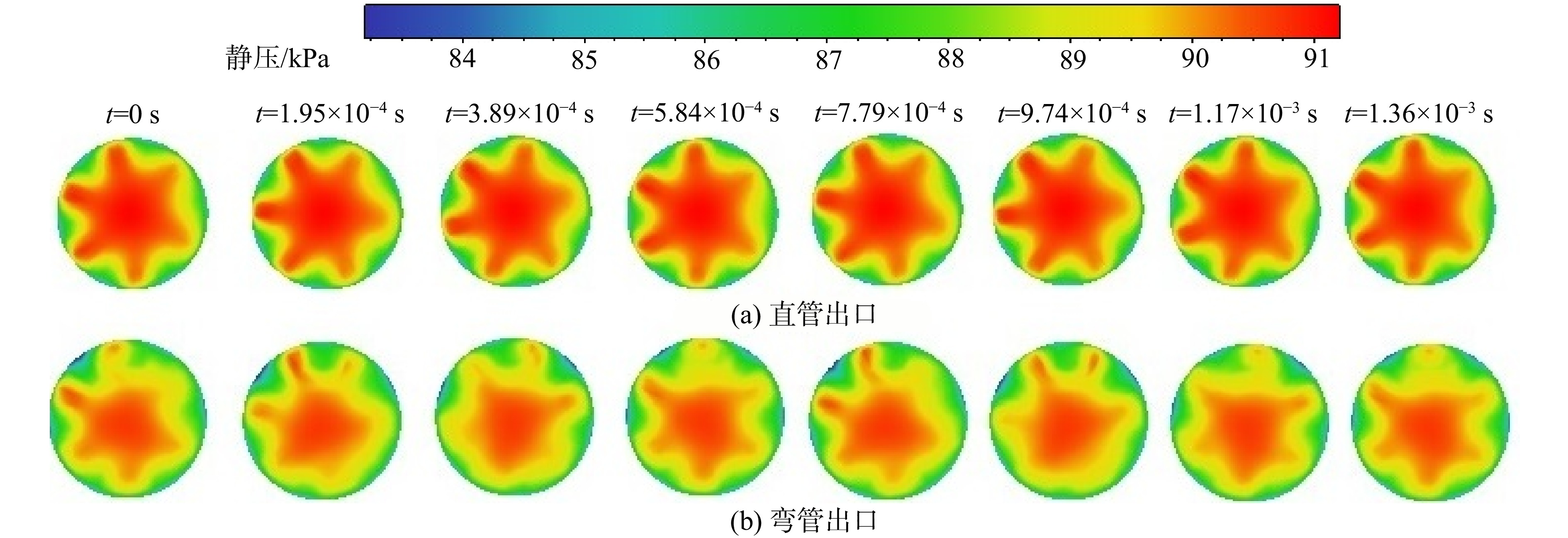
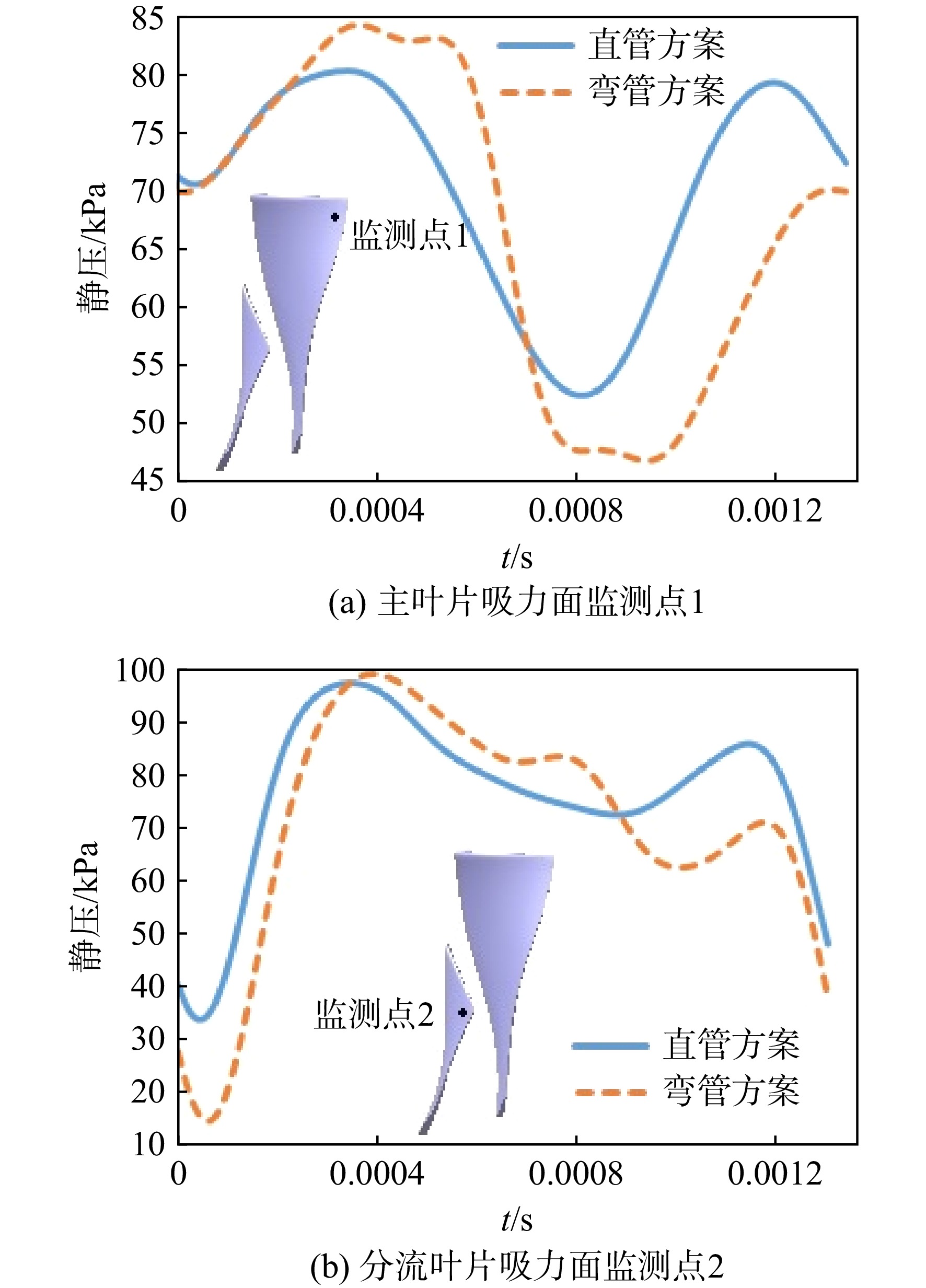
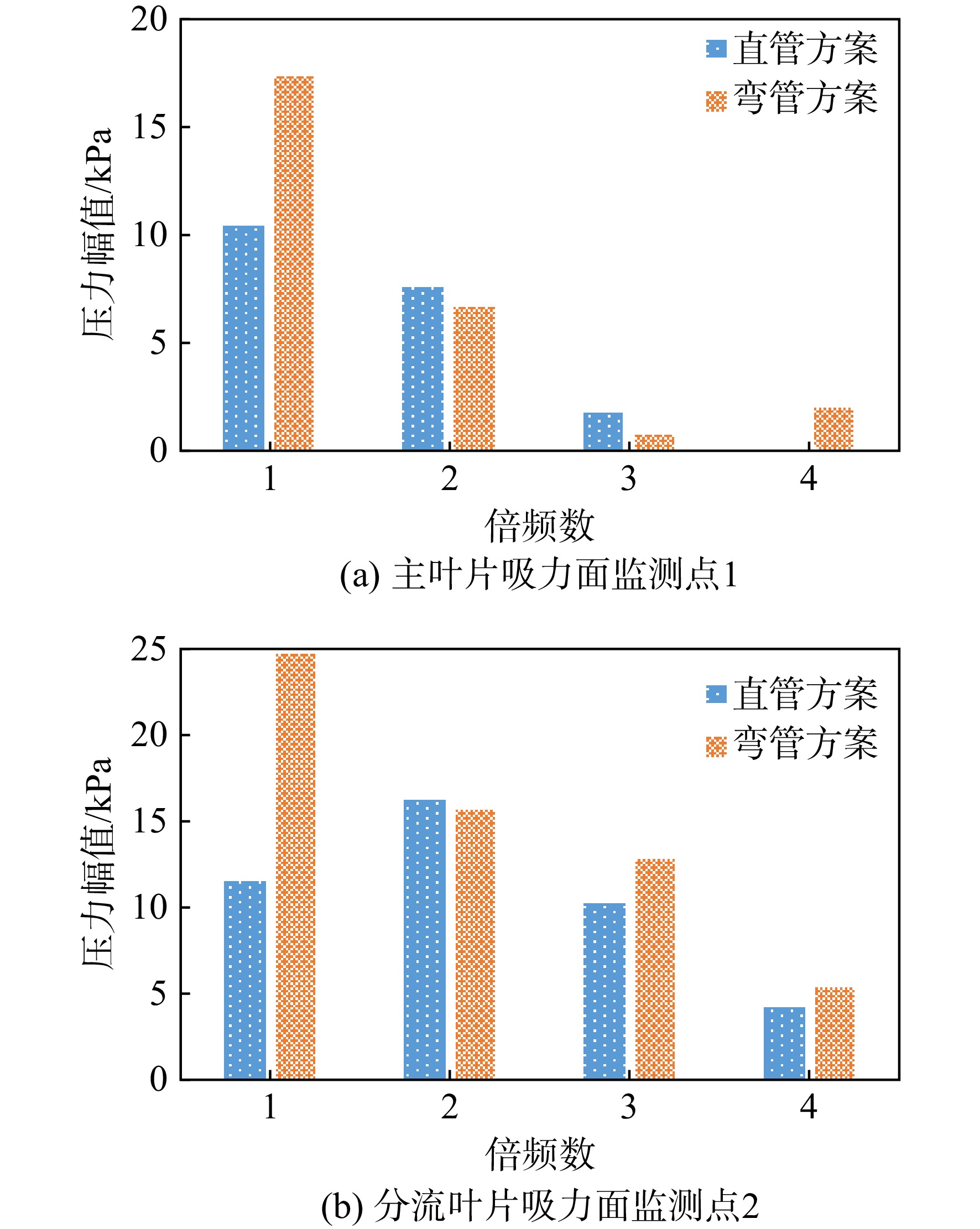
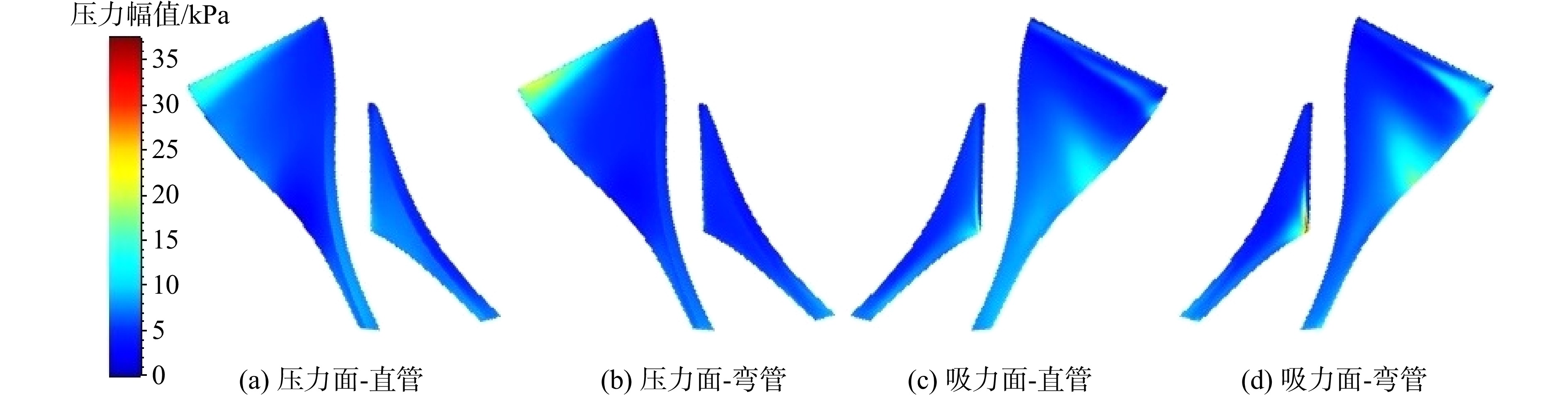
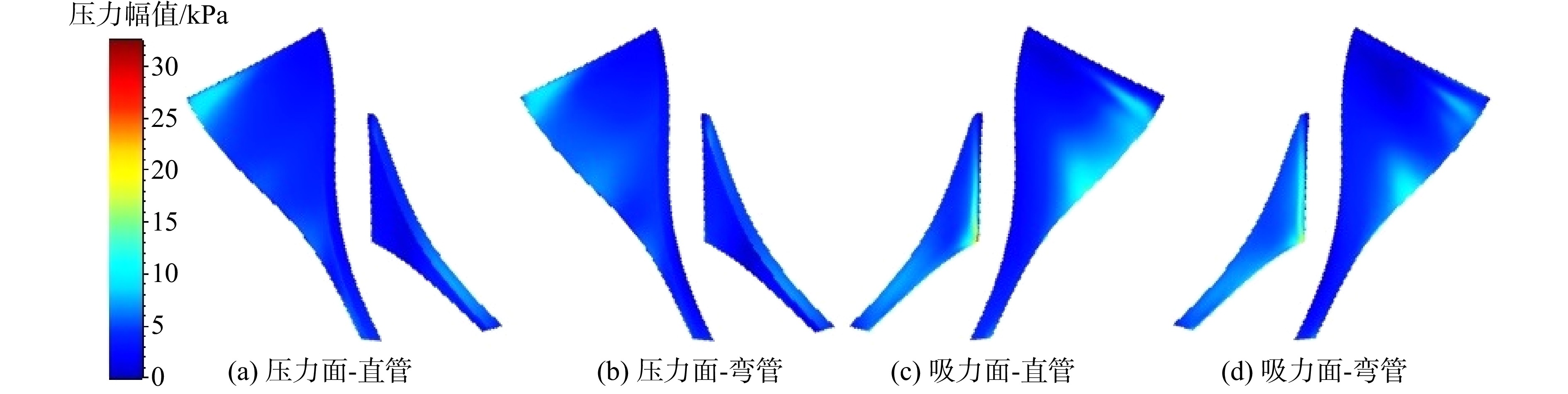
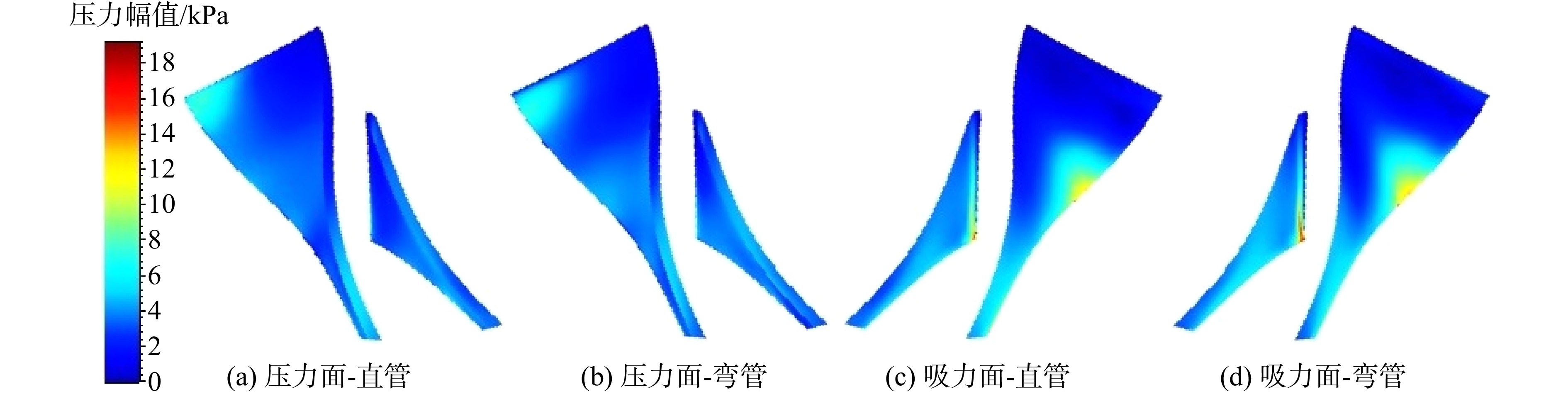
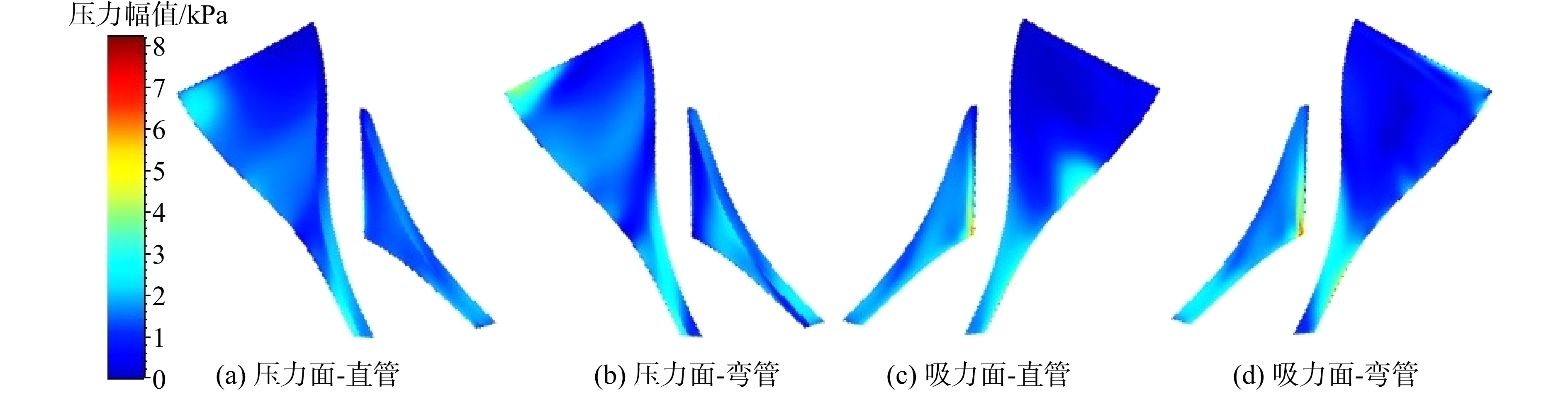
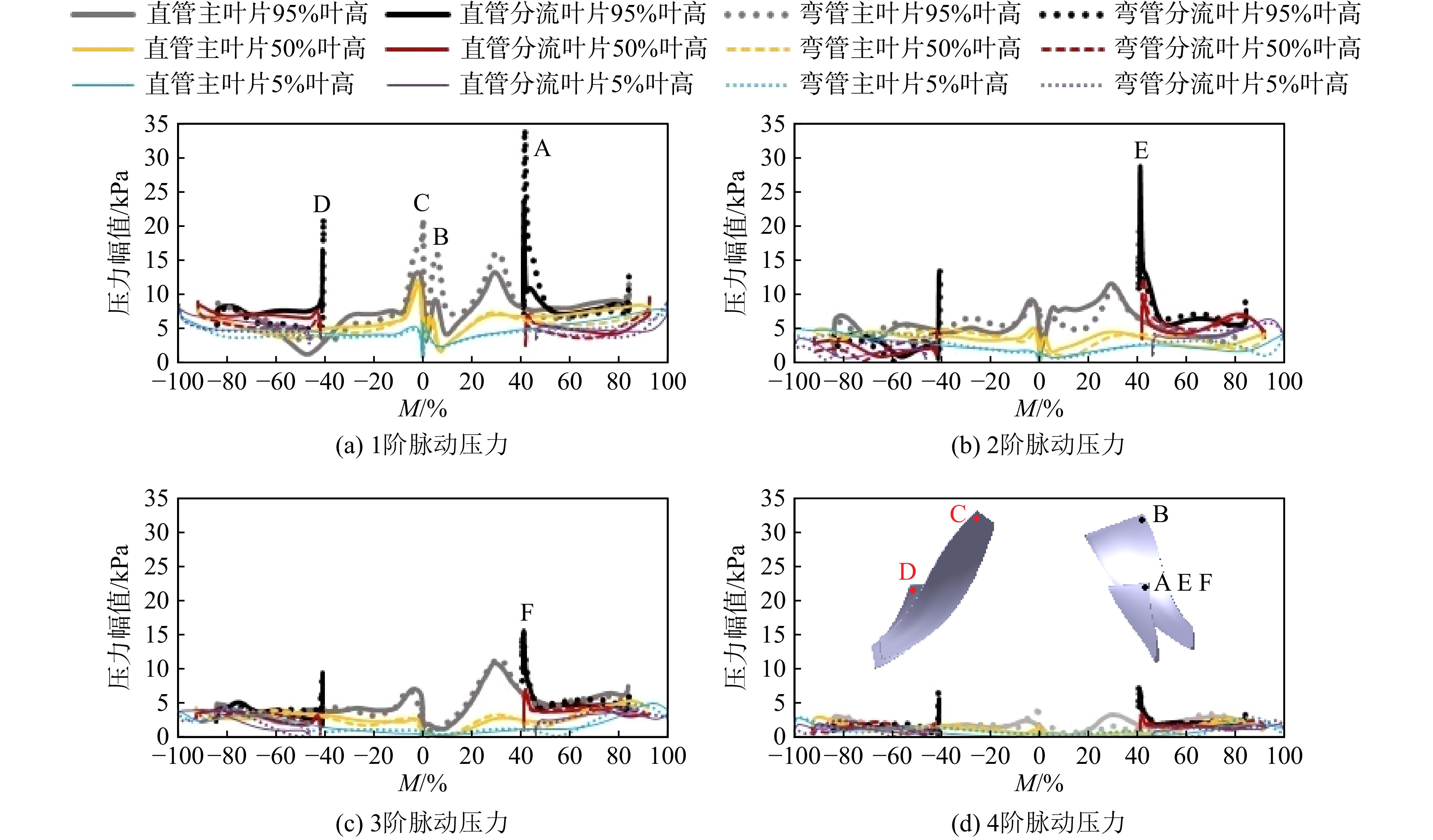
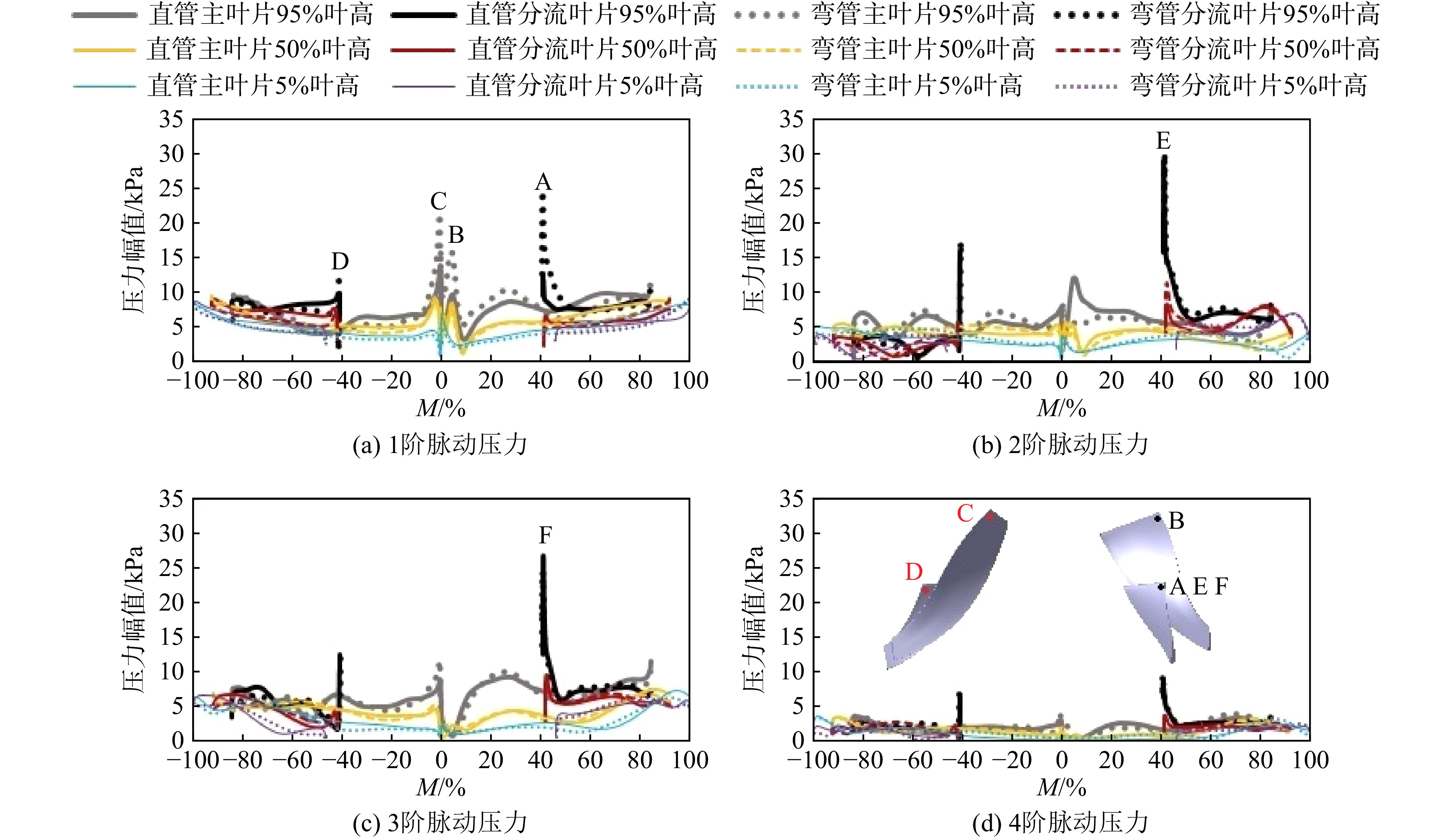
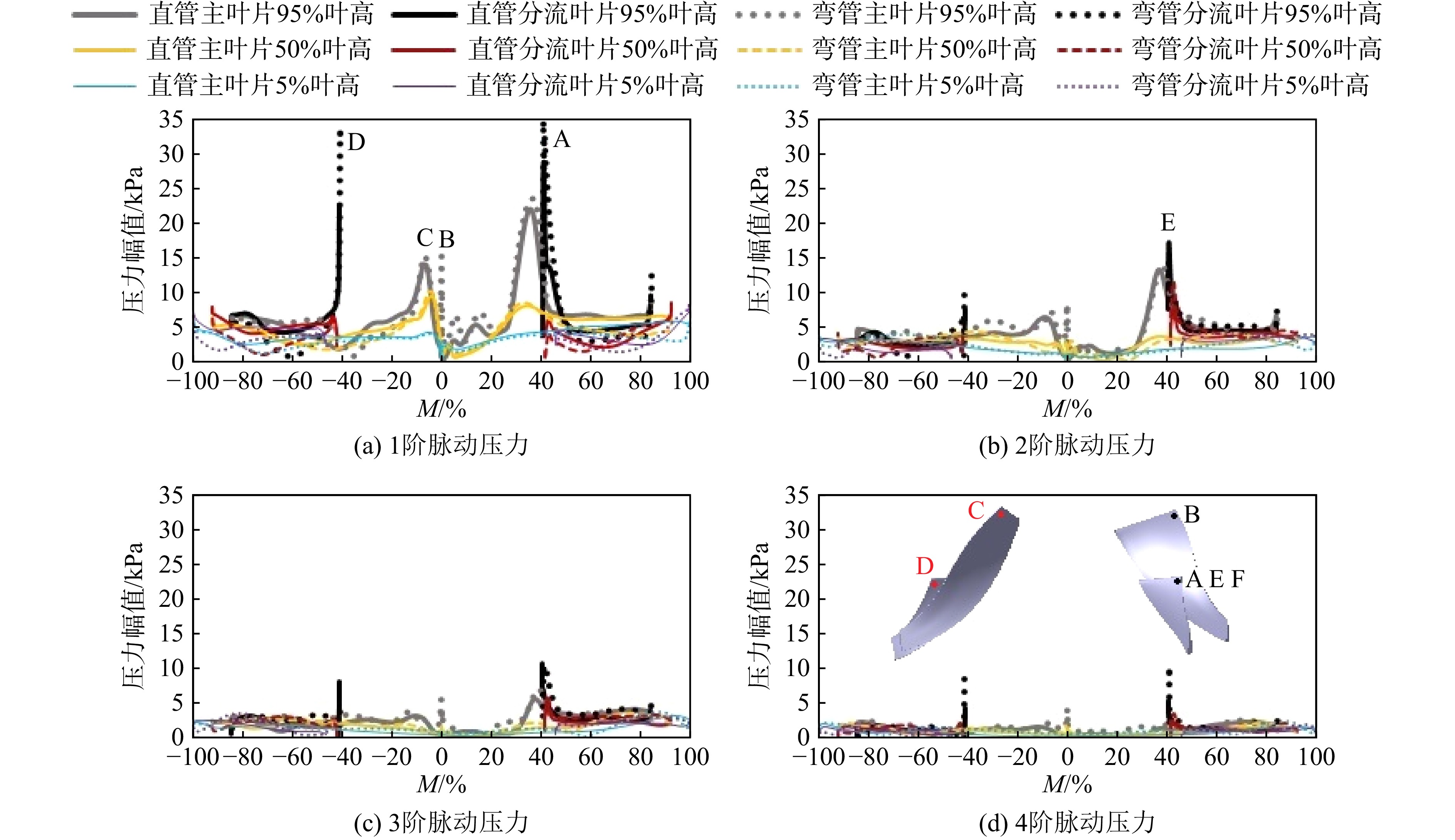
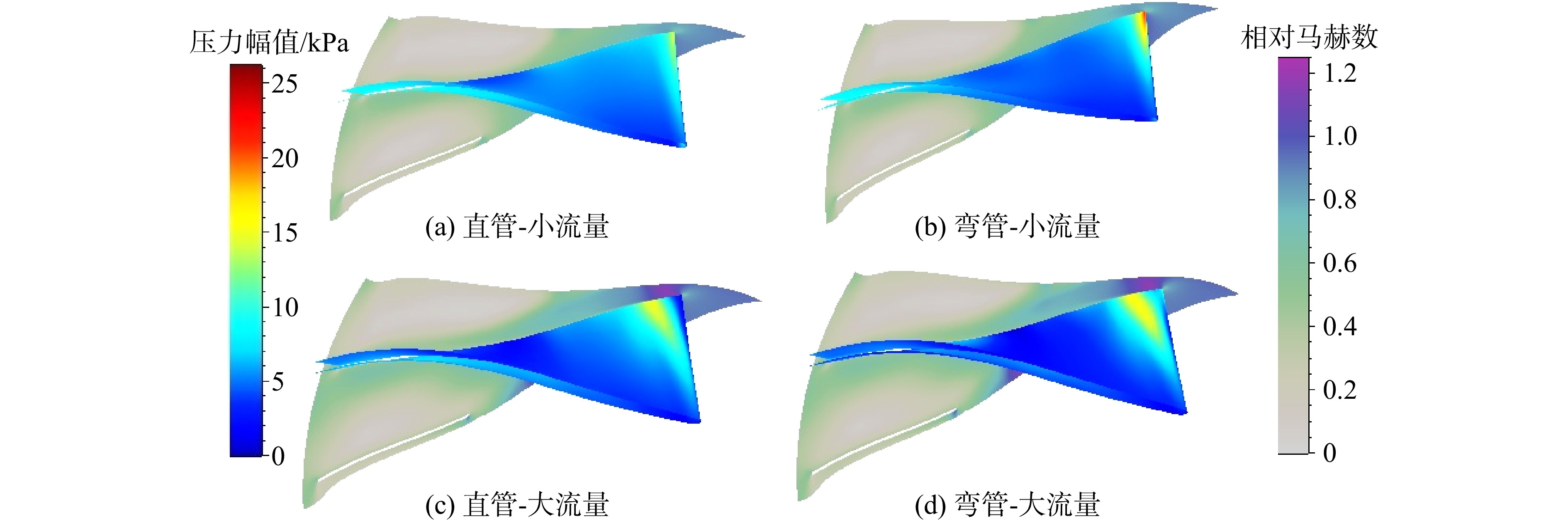
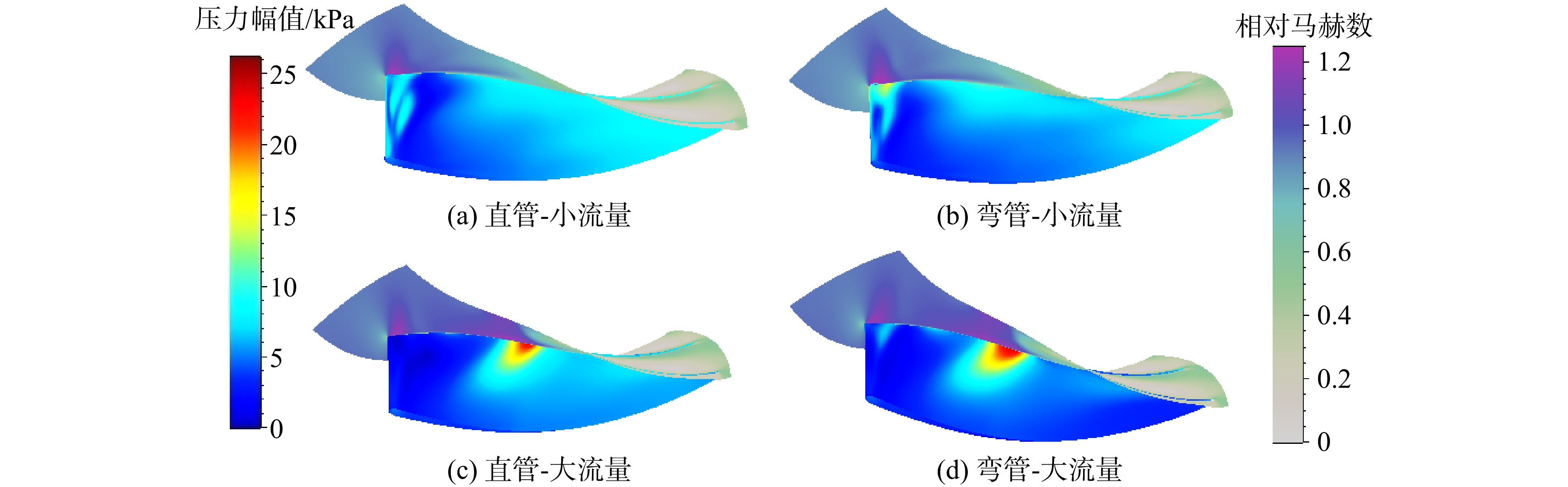
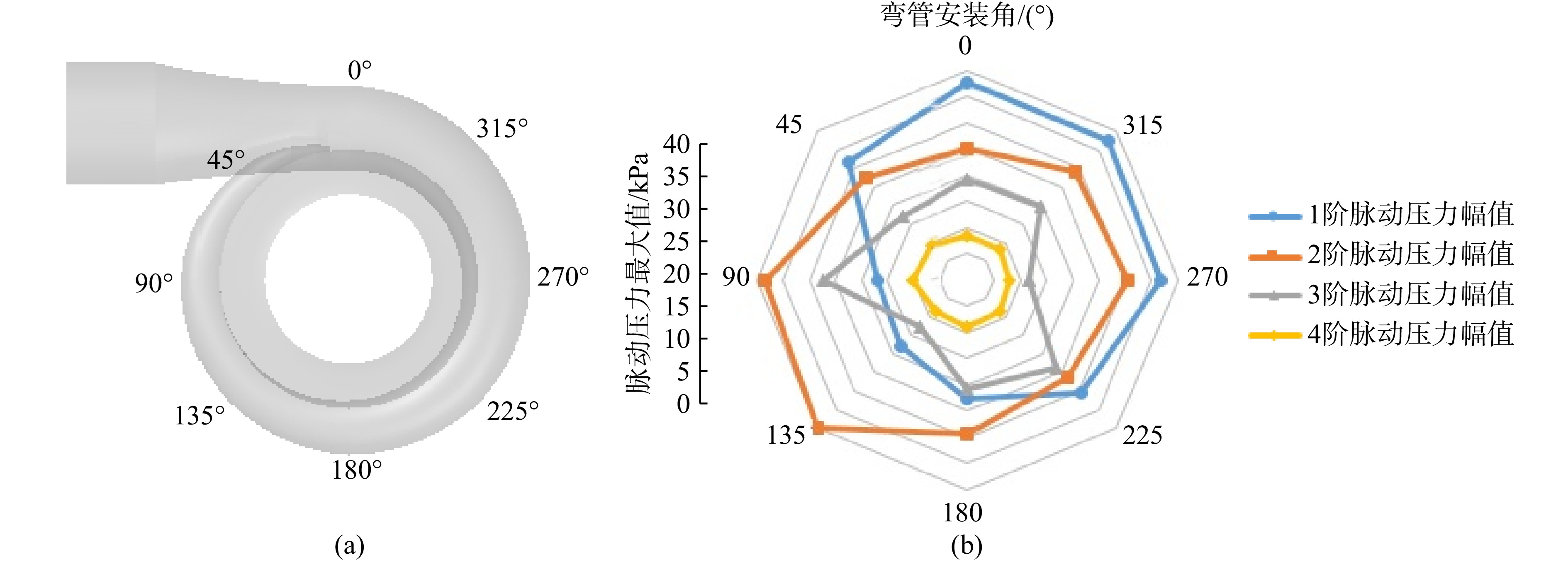
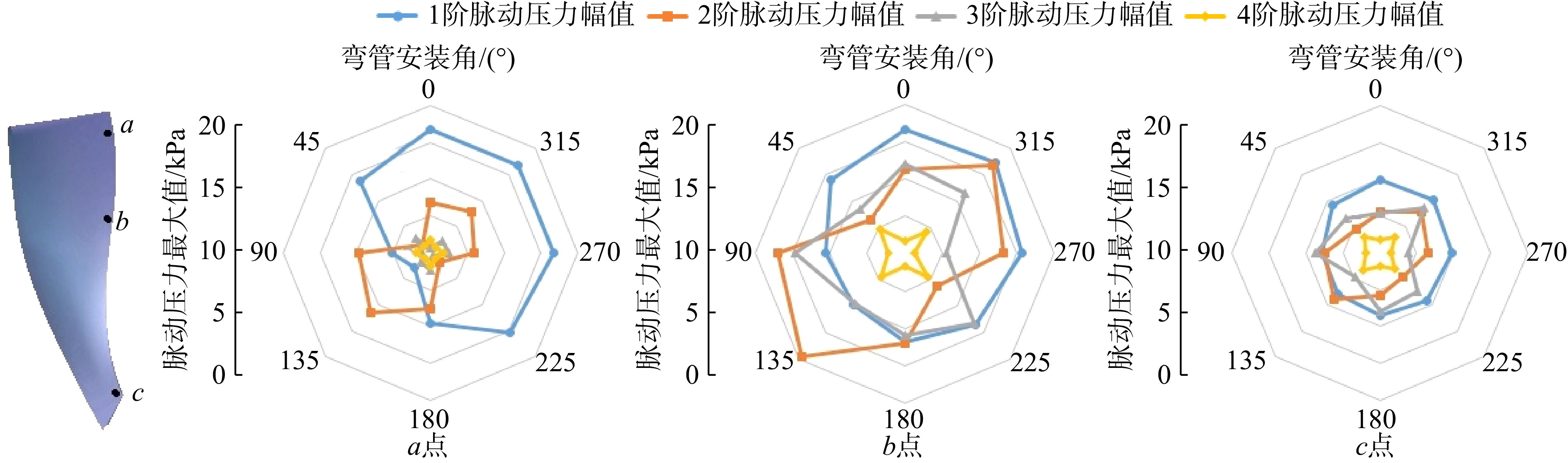
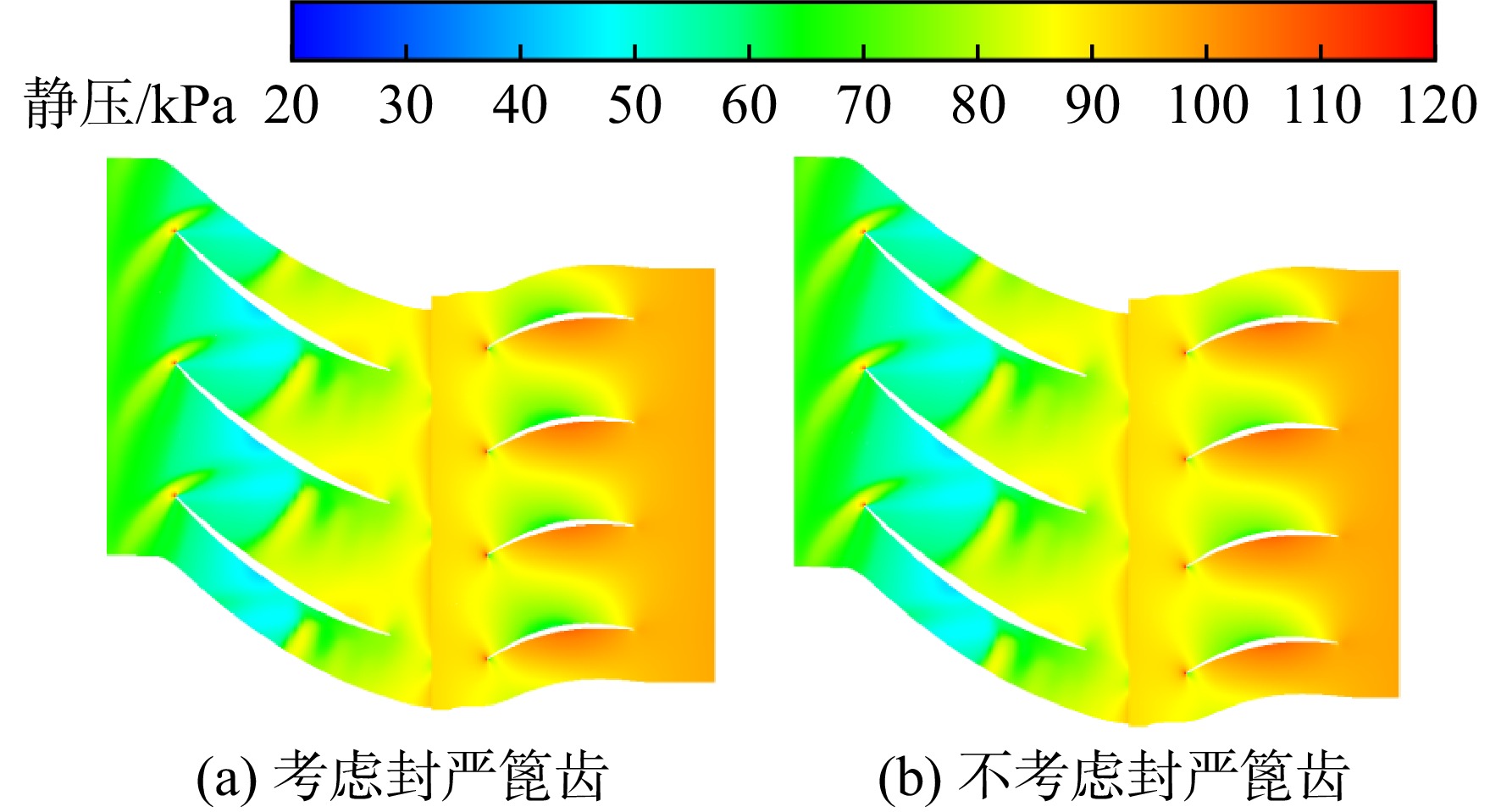
The impact of inlet bends on the aerodynamic excitation forces in a centrifugal compressor was investigated using the nonlinear harmonic method. Numerical simulations were conducted to analyze the coupling effects between flow distortions induced by the bend and the geometric non-uniformity of the volute. The results showed that when the installation angle of the bend aligned with the 0-section of the volute, the bend inlet significantly amplified the first-order fluctuating pressure on the blade surface (with a maximum increase of 77%) but suppressed the second-order excitation force (amplitude reduction of 27%). High-amplitude excitation regions were concentrated near the leading edge of the main and splitter blades at the tip. Flow condition analysis revealed that under low-flow conditions, the bend increased the first-order fluctuating pressure amplitude by up to 78%, while under high-flow conditions, transonic flow shifted the high-amplitude excitation region toward the downstream part of the blade. Additionally, the bend's disturbance to the suction side near the leading edge of the blade tip was significantly enhanced (an increase of 800%). Mechanism analysis indicated that the synergistic effect of the bend and volute influenced the excitation forces through circumferential pressure distortion and disturbance phase interference, while the Mach number variation (subsonic/transonic) determined the disturbance propagation path and coupling intensity. Furthermore, the installation angle of the bend had a significant impact on the order characteristics of excitation forces. The blade inlet region was most sensitive to changes in the installation angle, and as the flow developed downstream, the potential flow effect of the volute gradually diminished the influence of the bend.

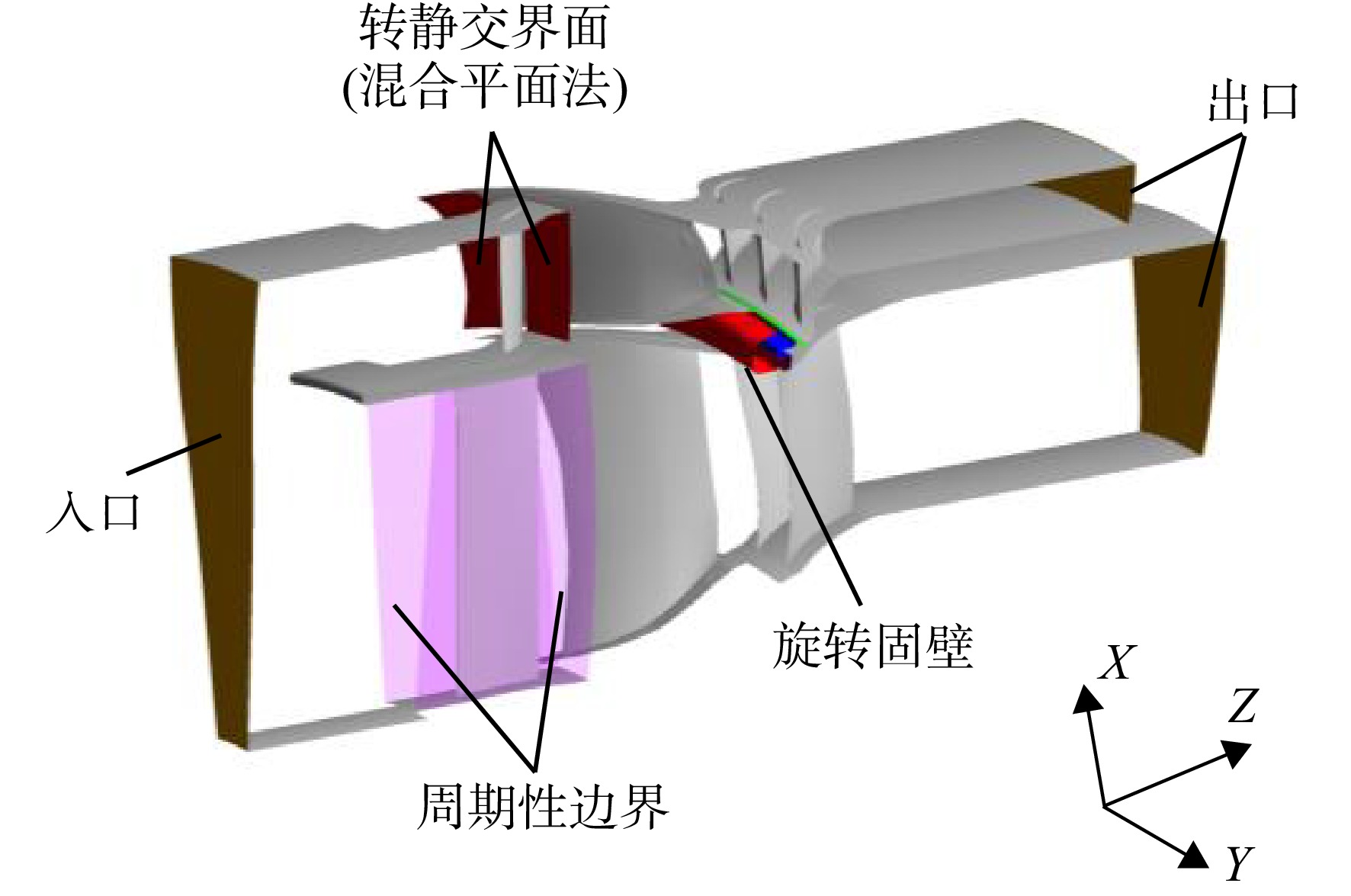
Numerical simulation study on labyrinth seal in compressor with FLADE structure of adaptive cycle engines
Liu Lizhong, Zhao Longbo, Niu Xiao, Wang Jingyu, Cao Zhipeng
2027, 42(1): 20250387. doi: 10.13224/j.cnki.jasp.20250387
Abstract:
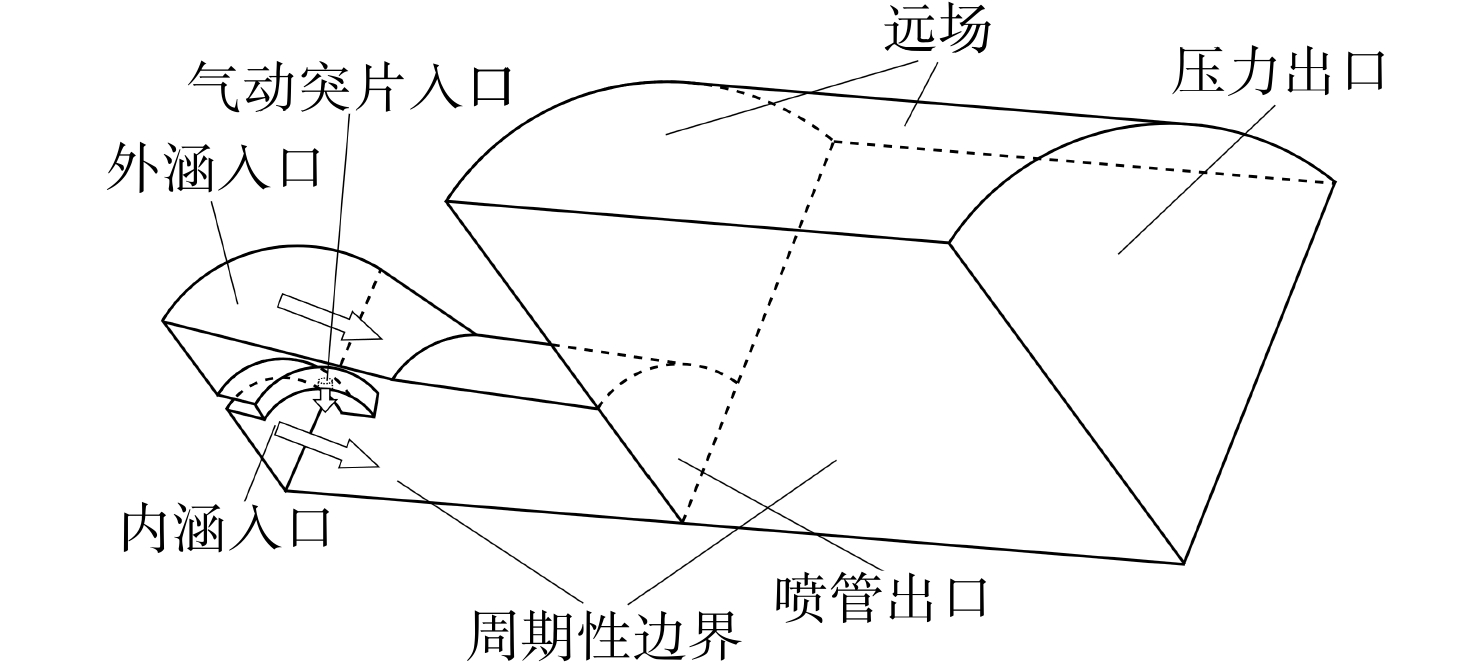
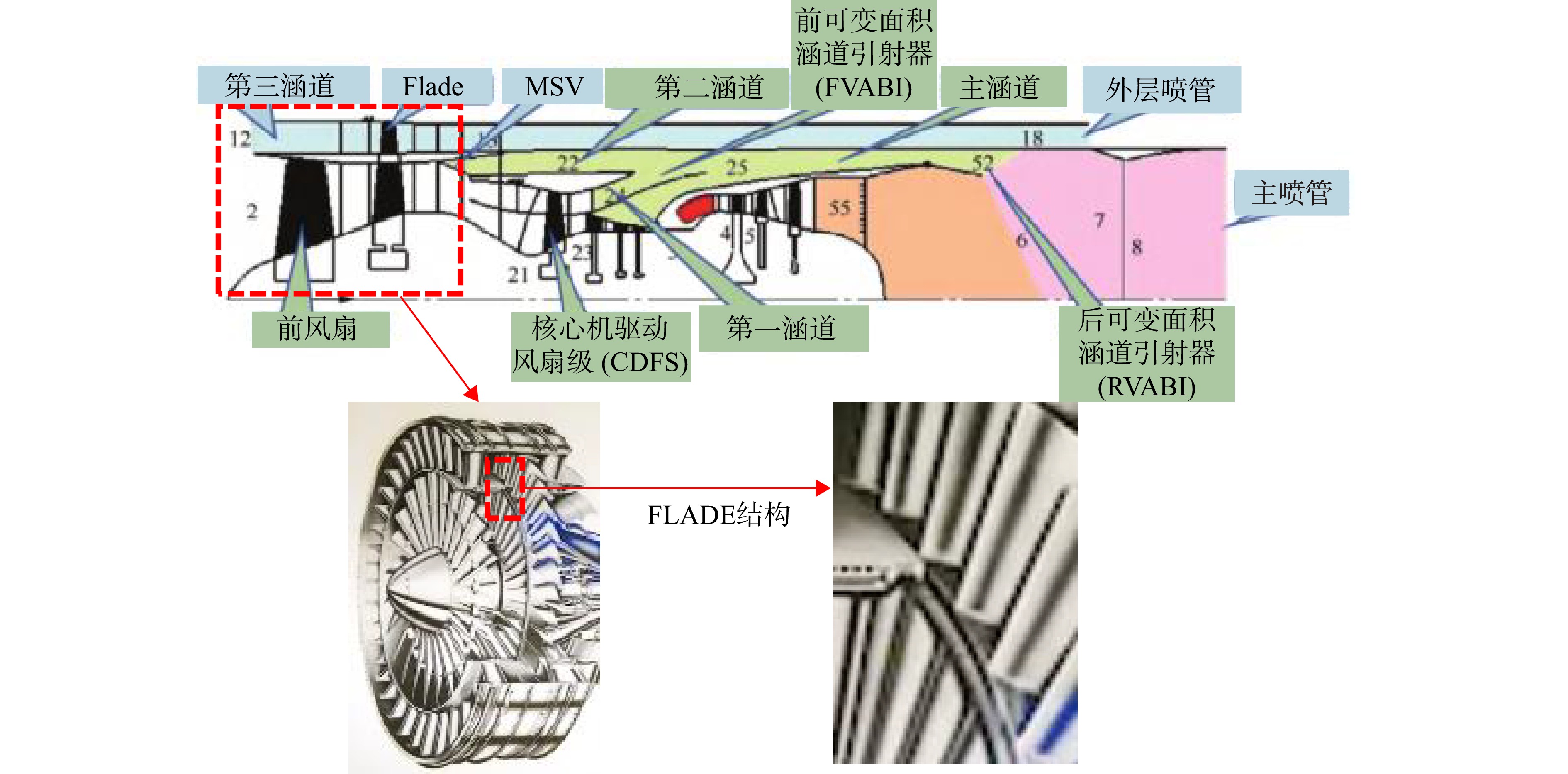
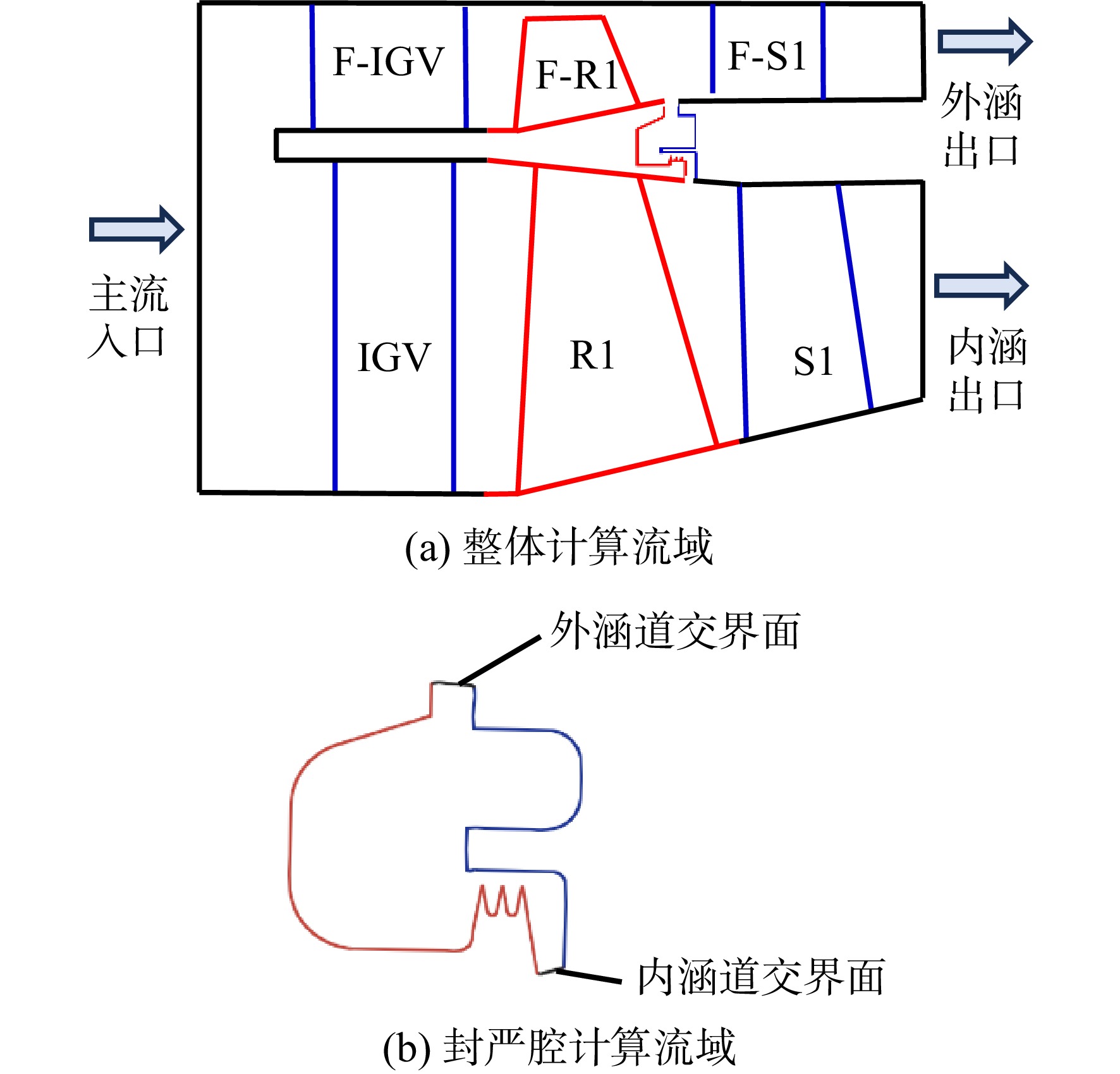
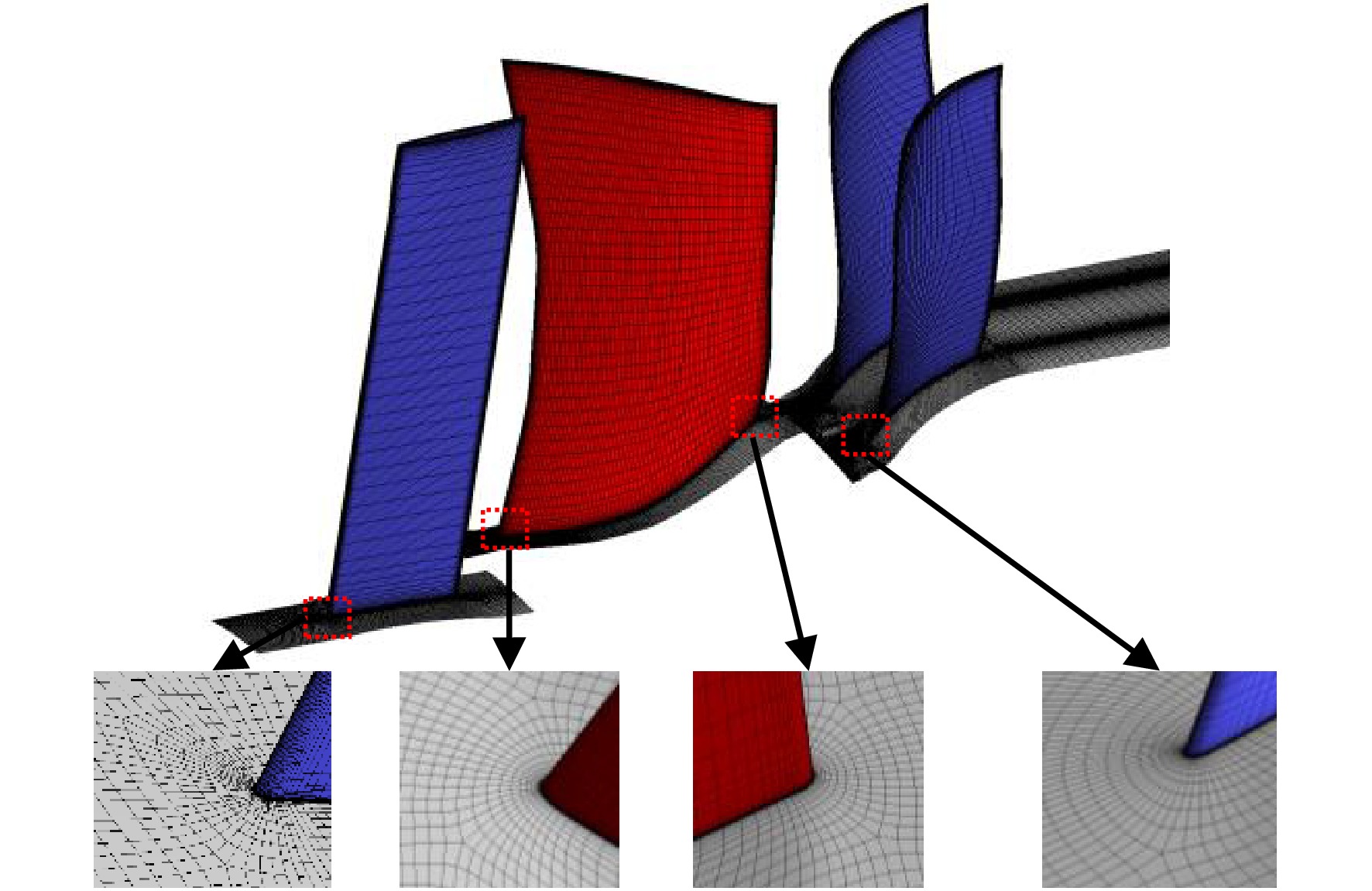
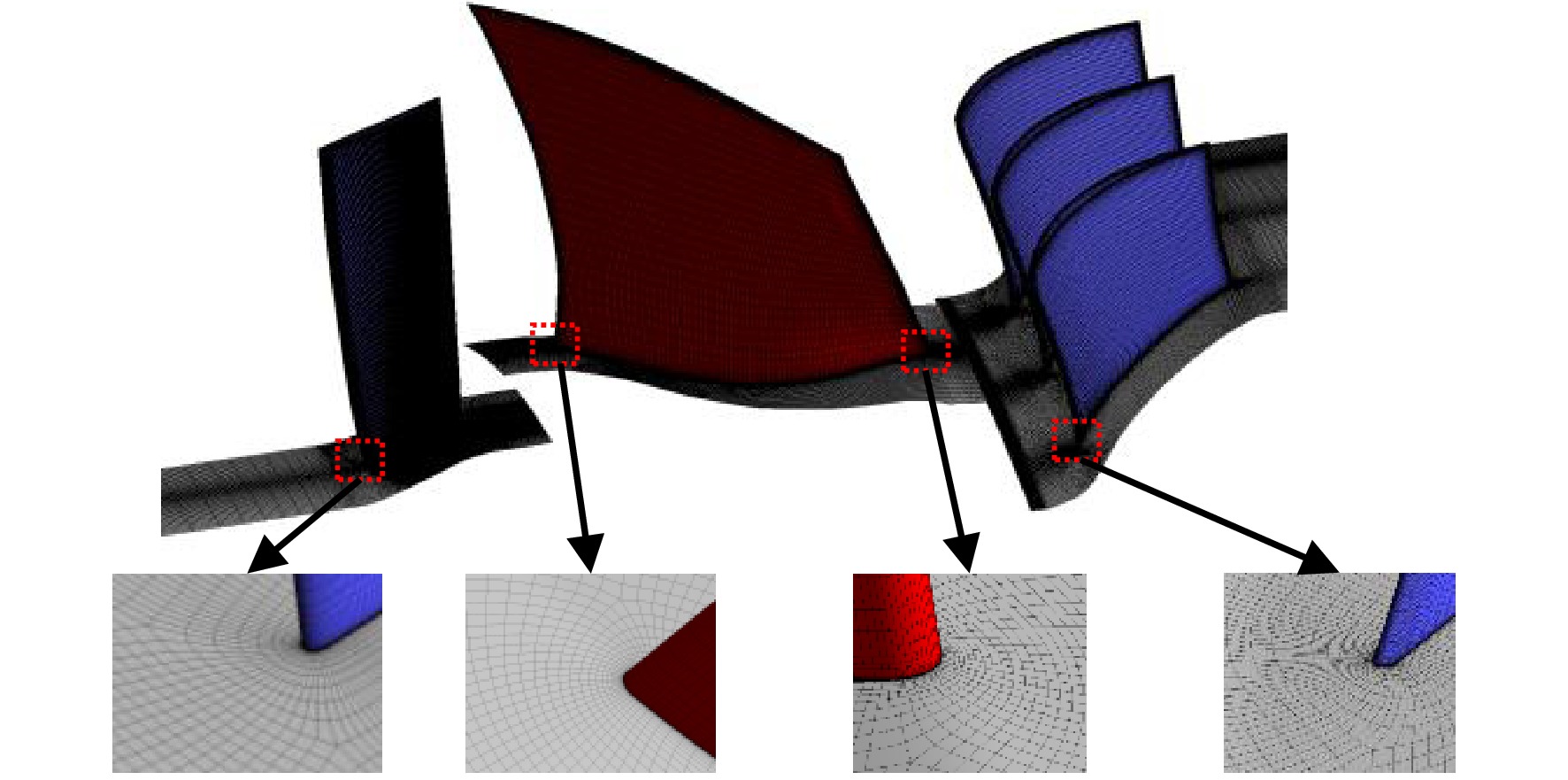
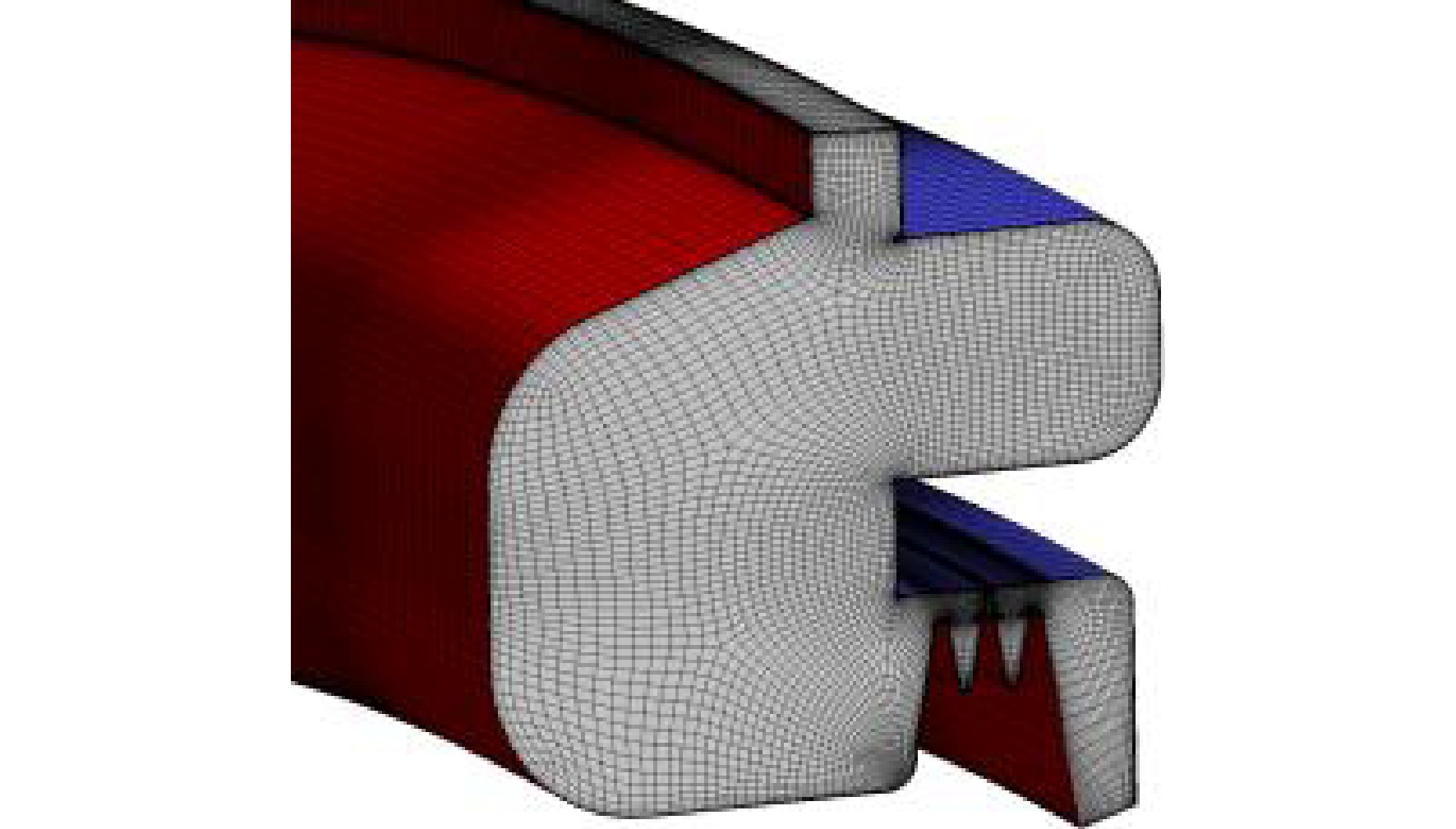
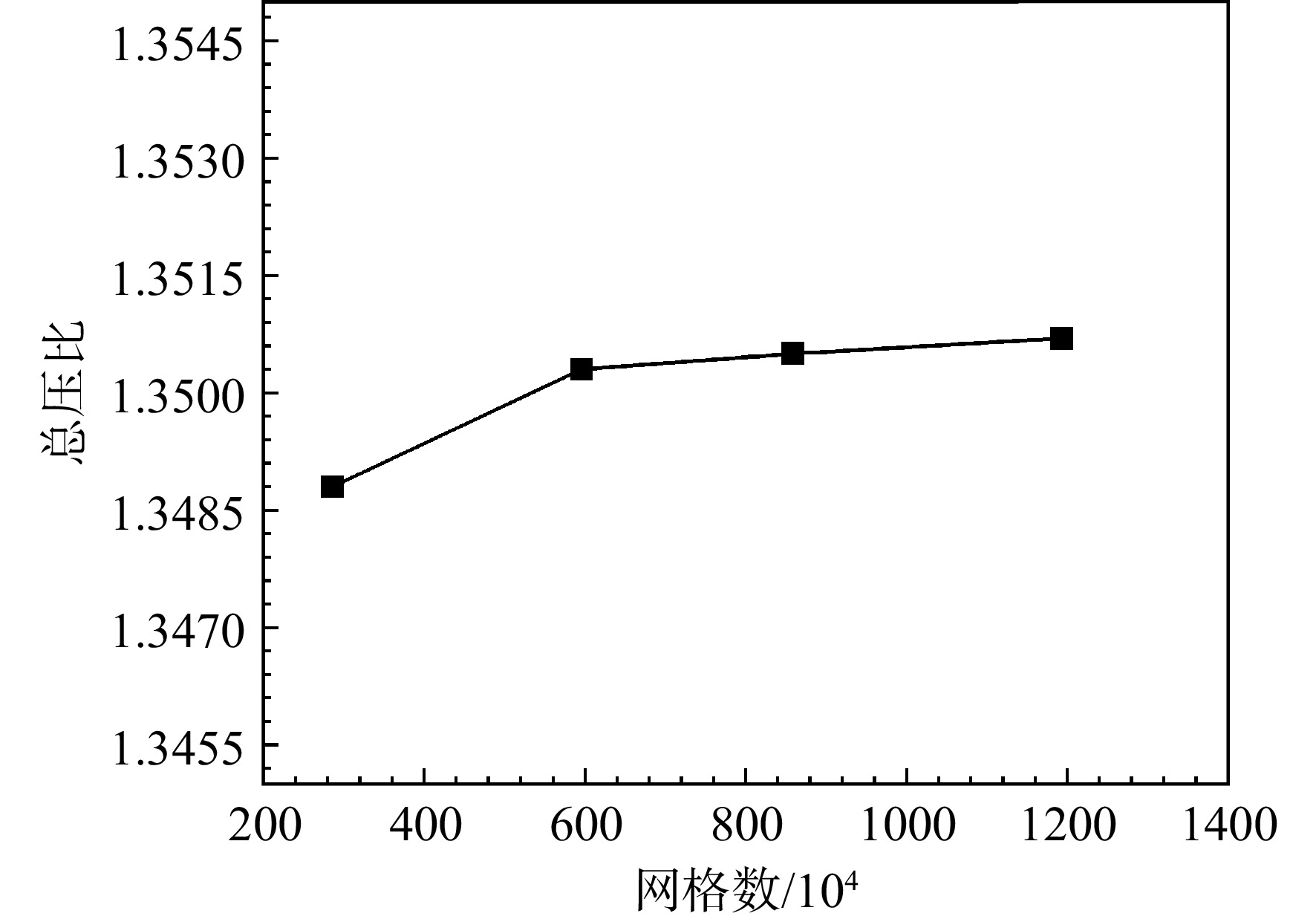
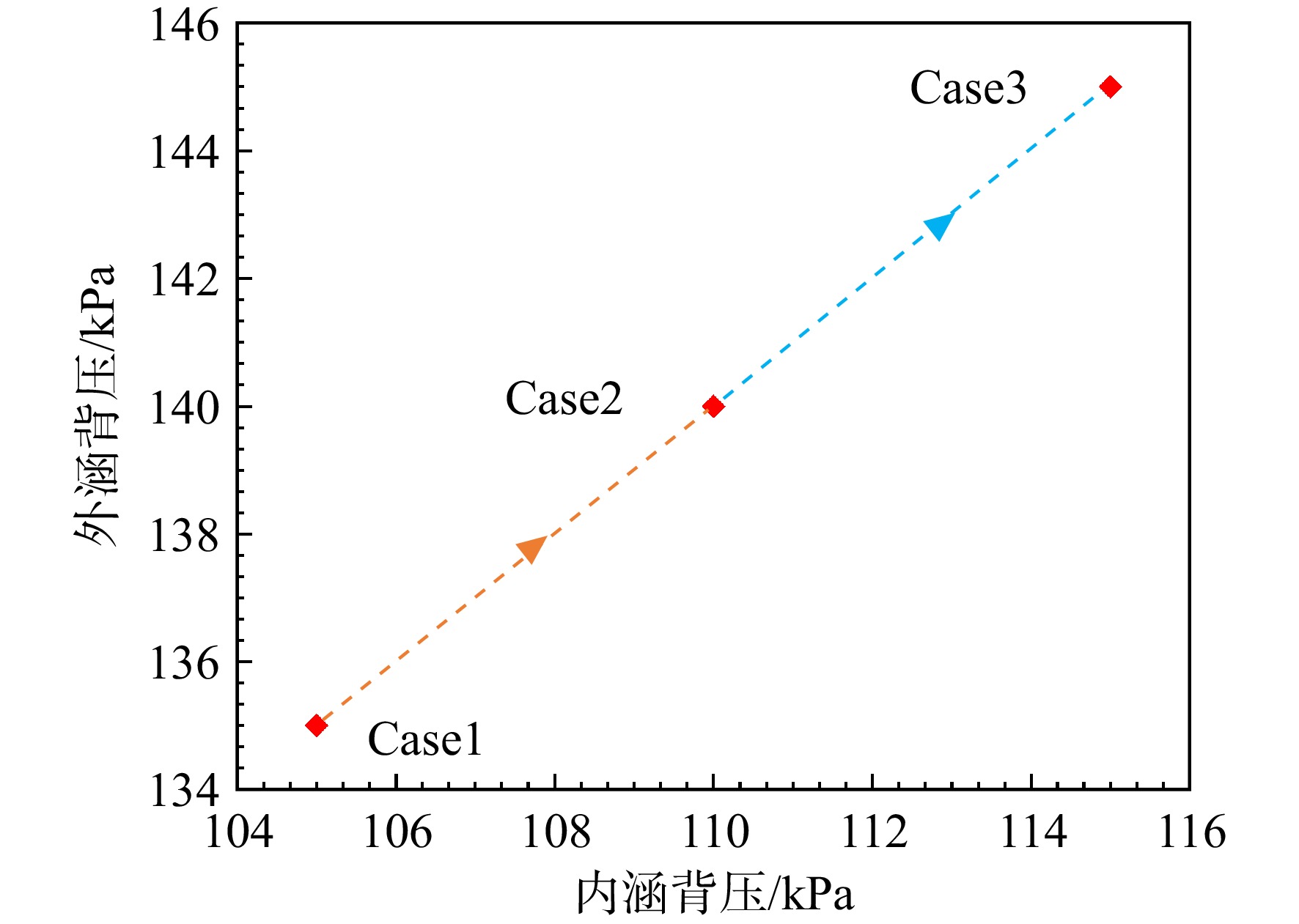
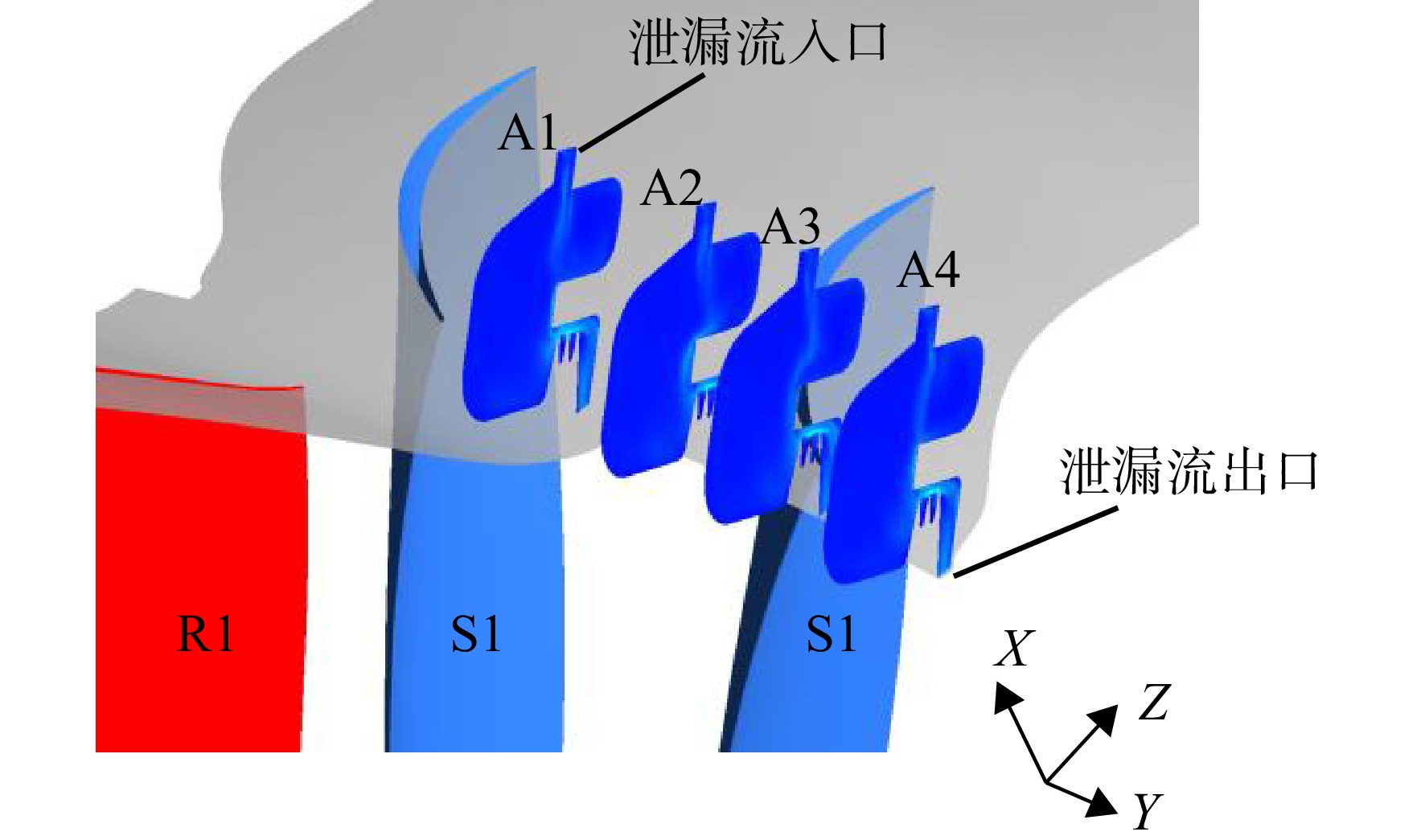
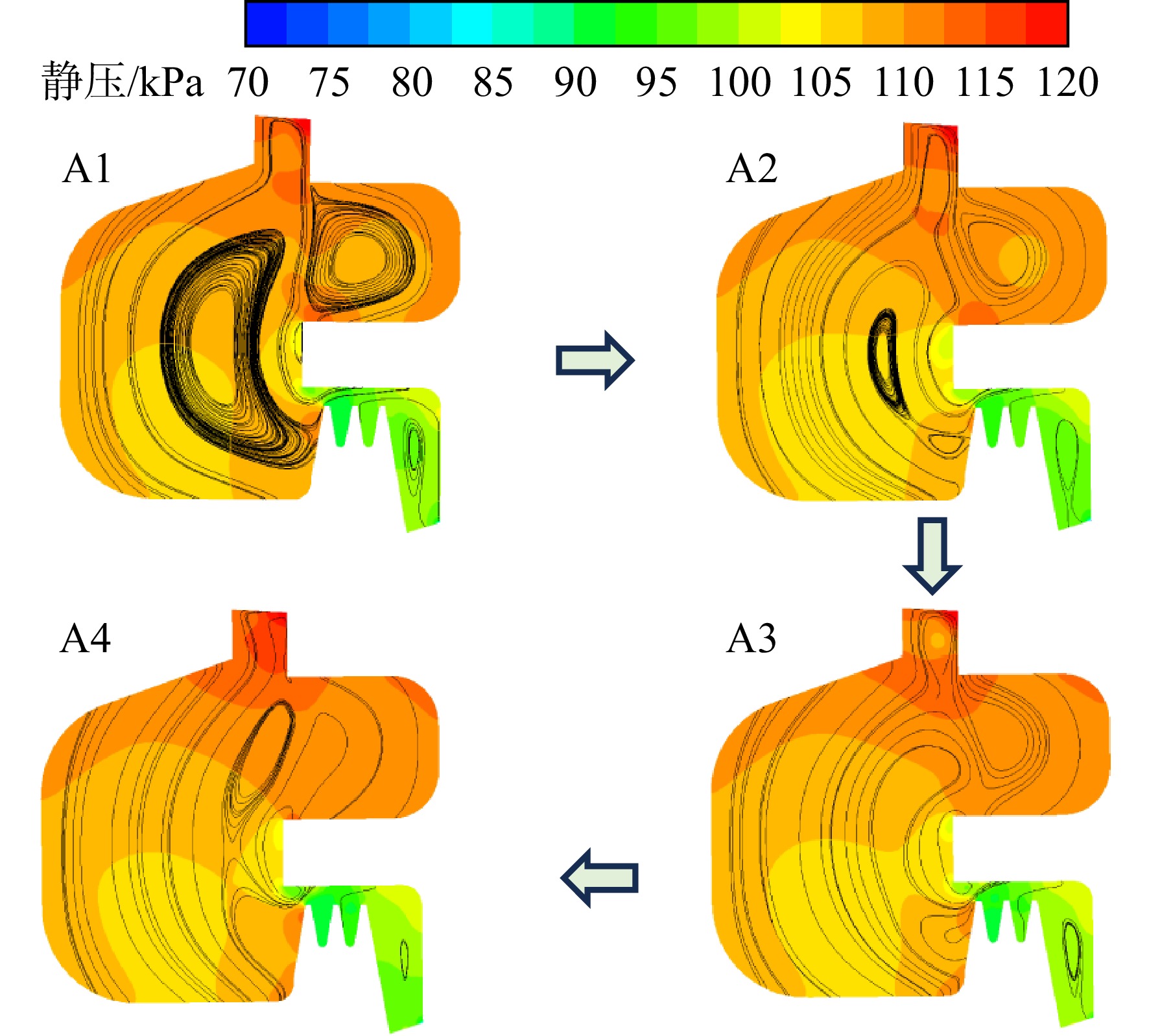
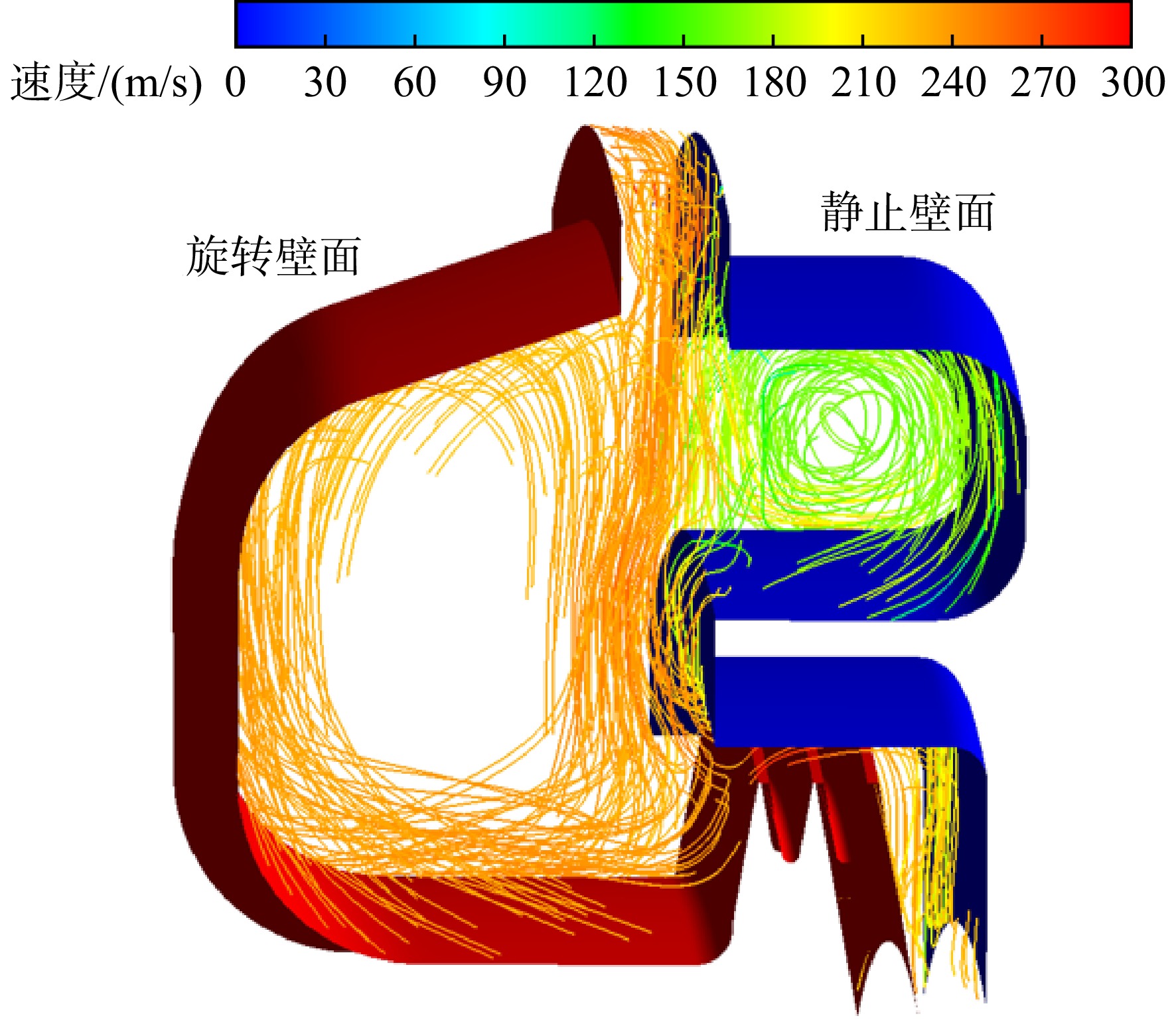
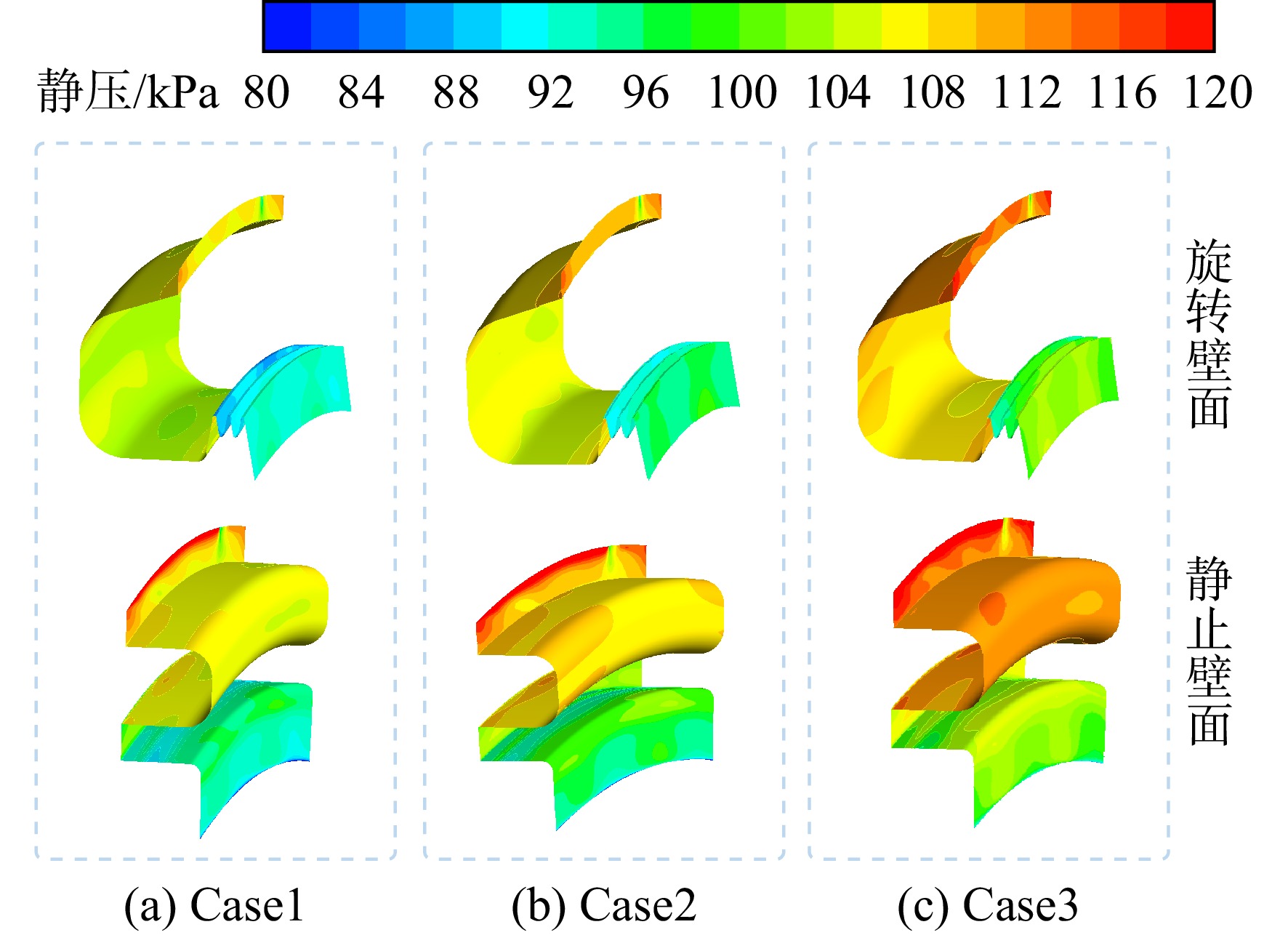
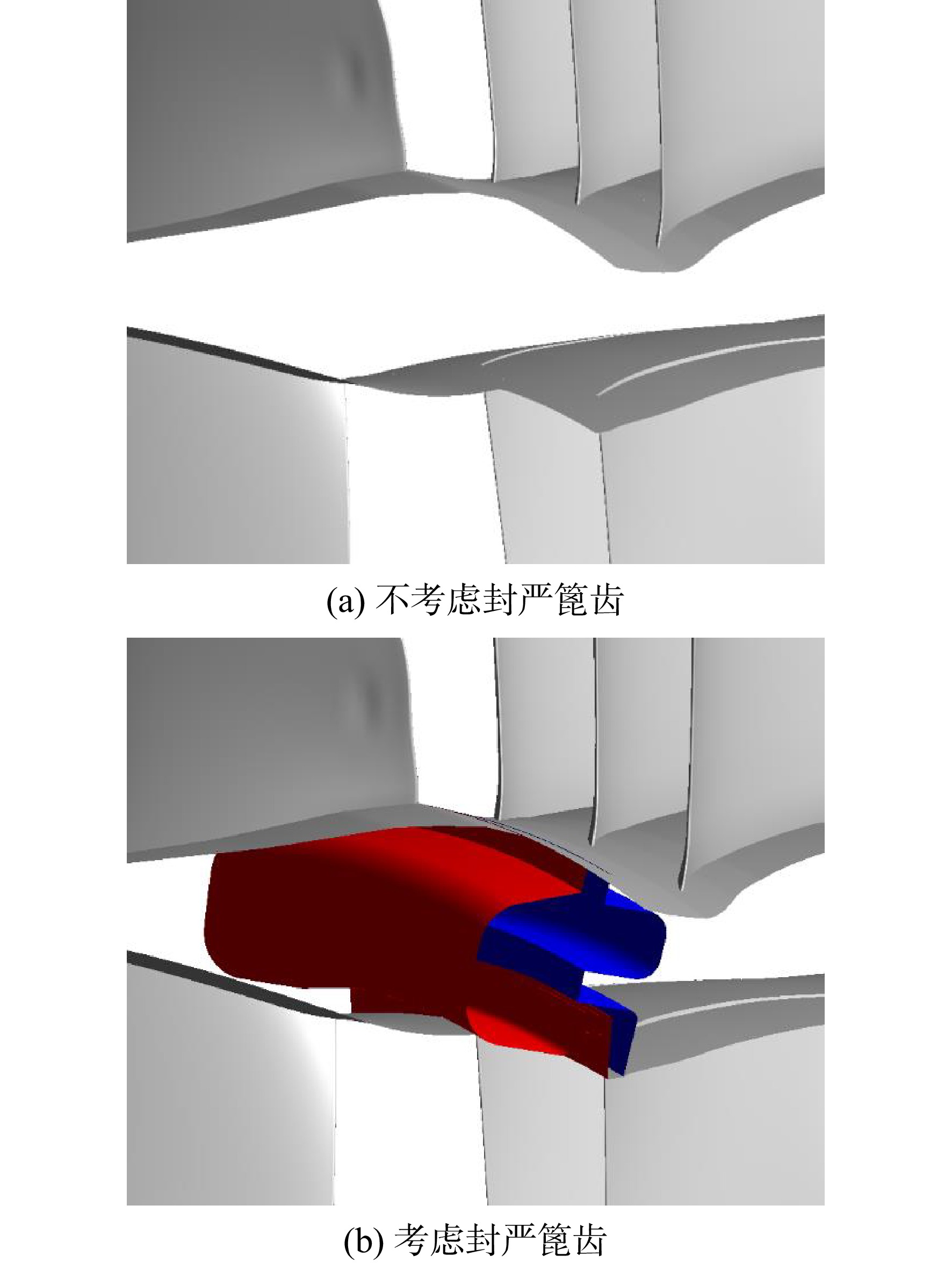
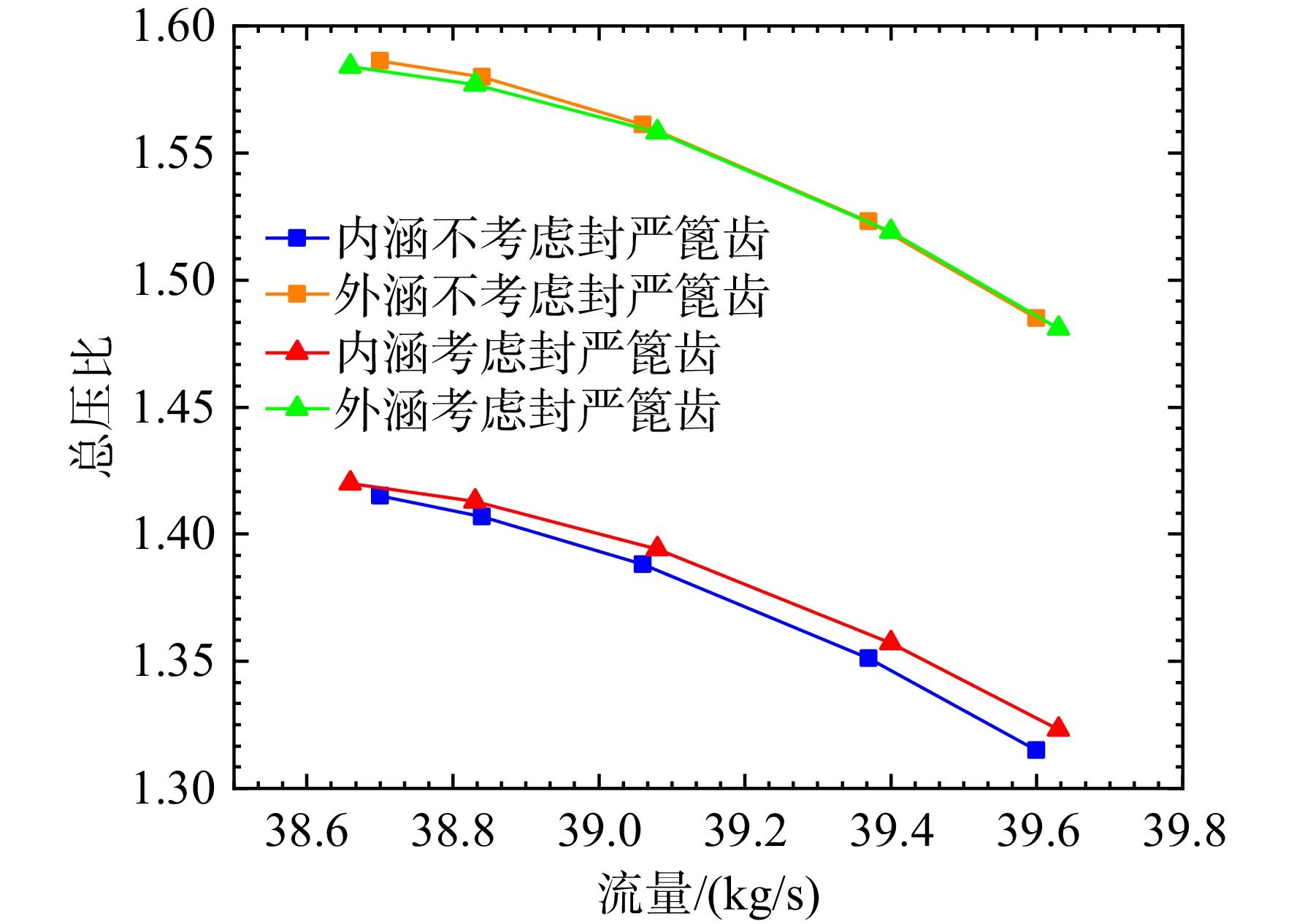
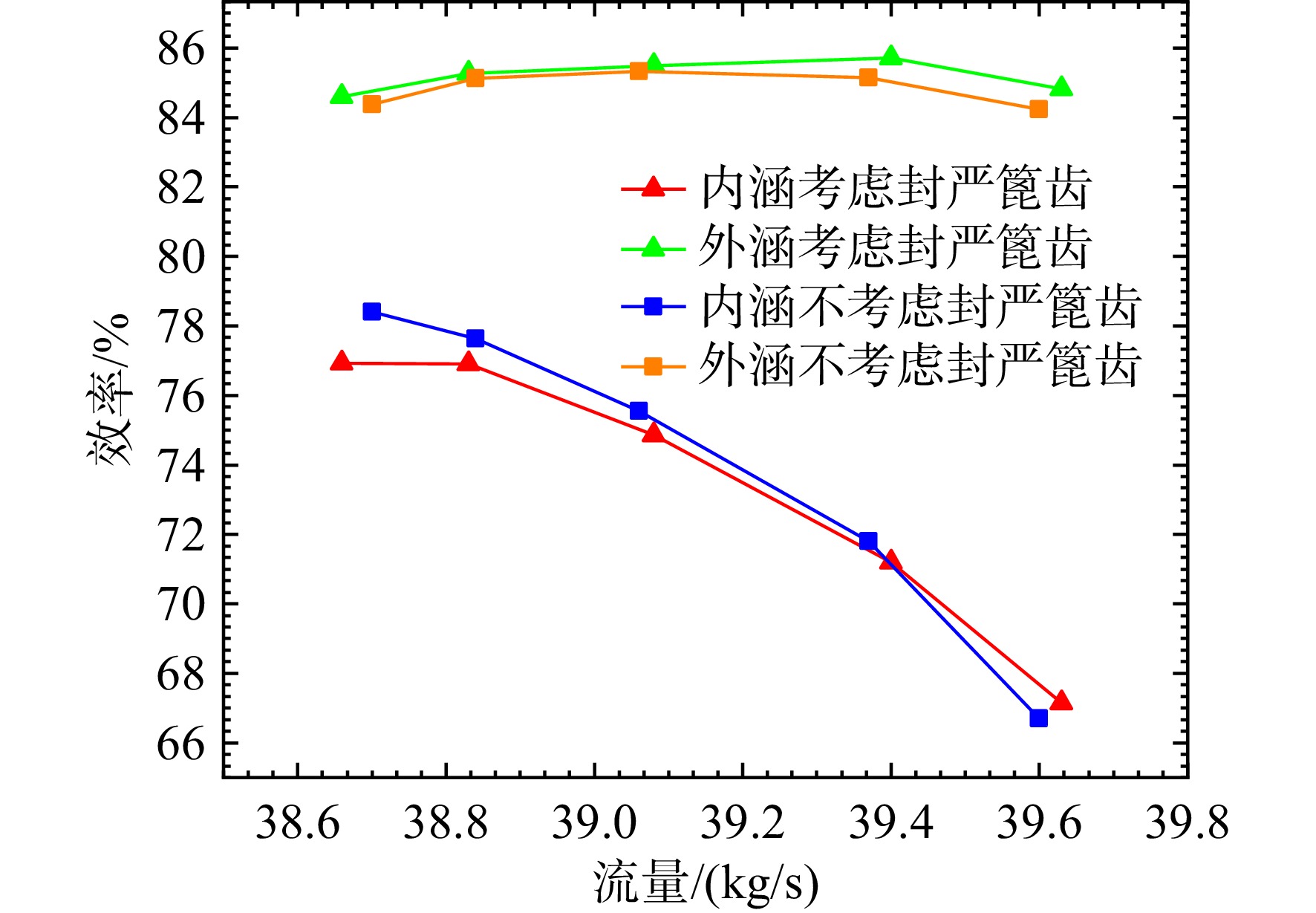
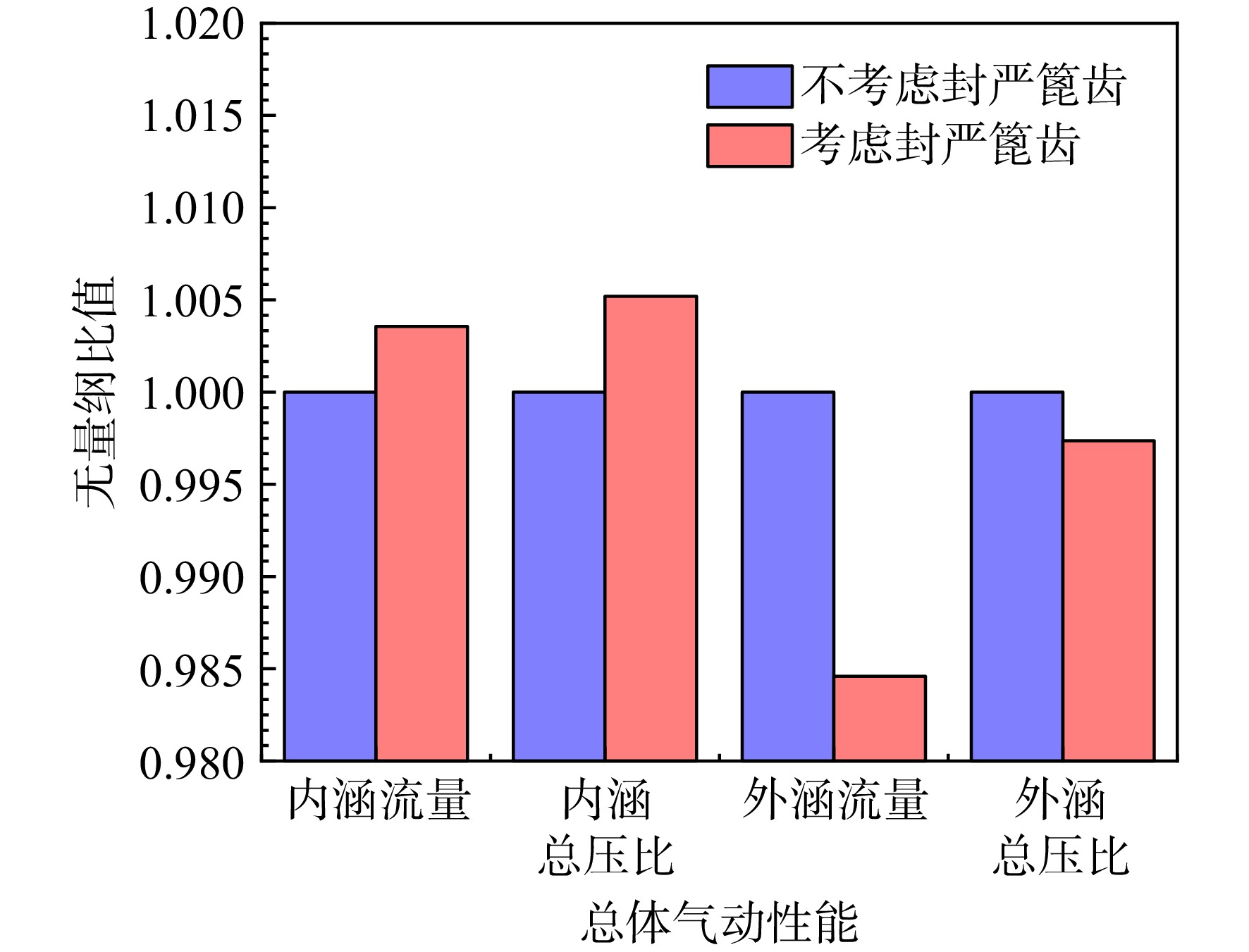
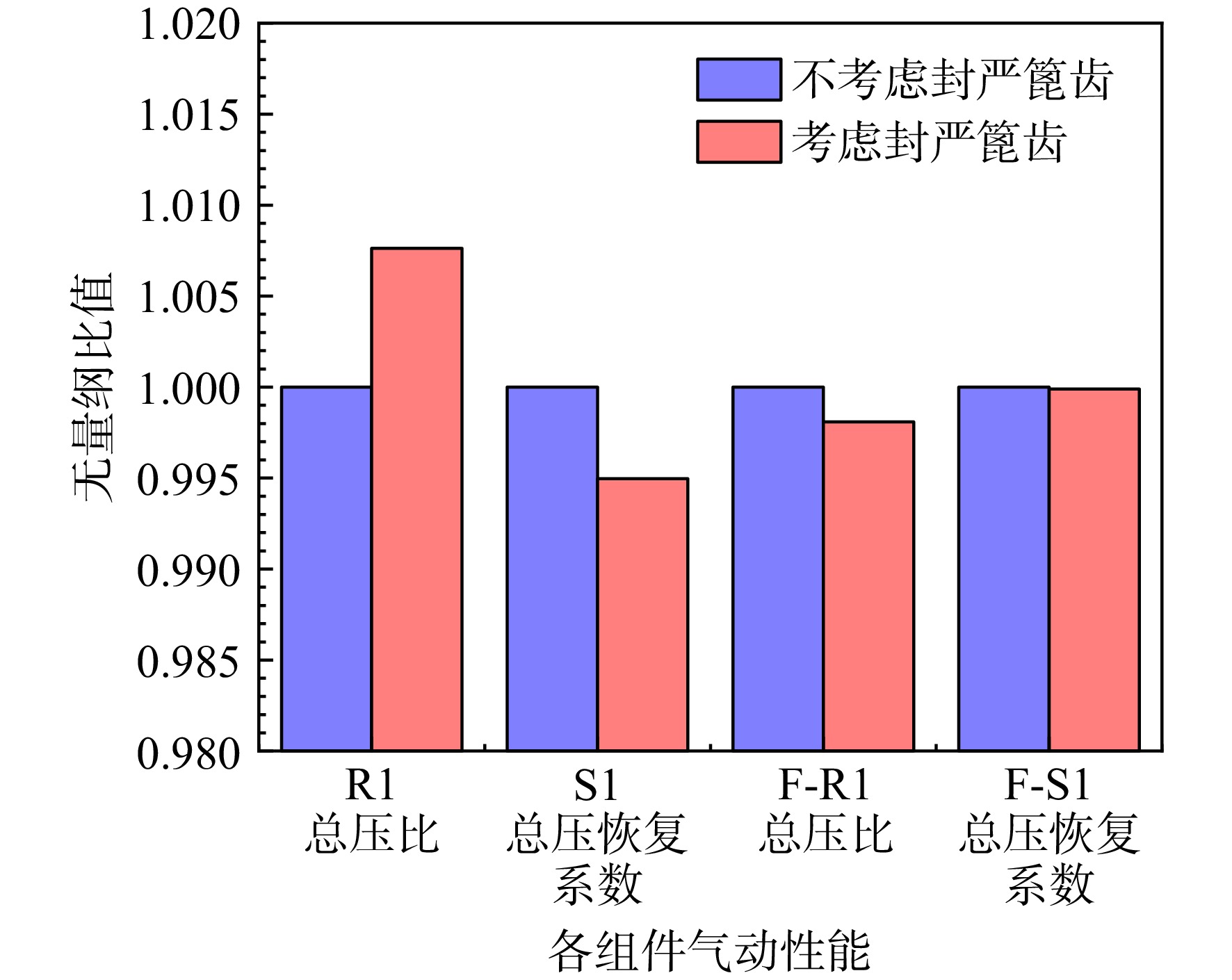
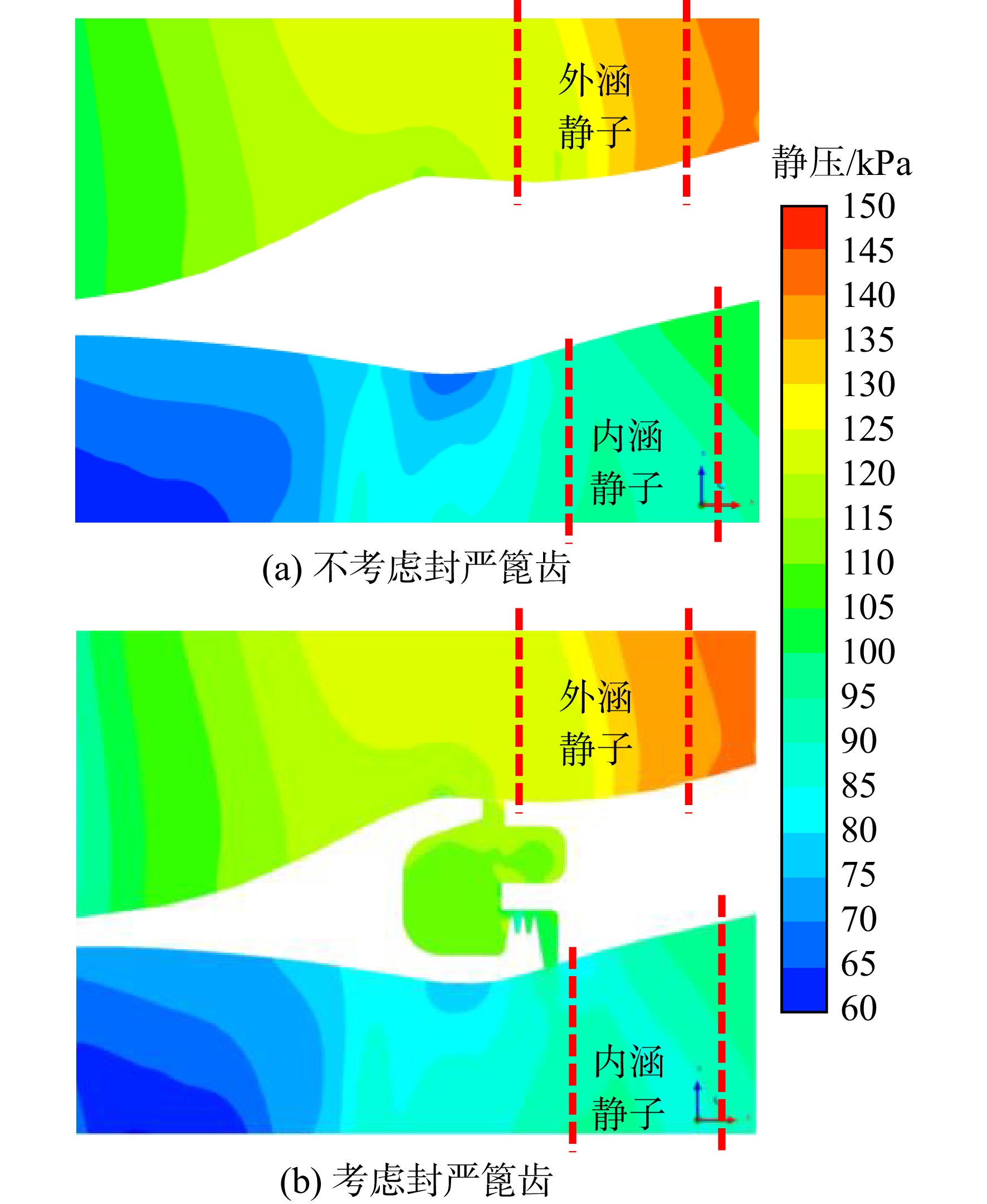
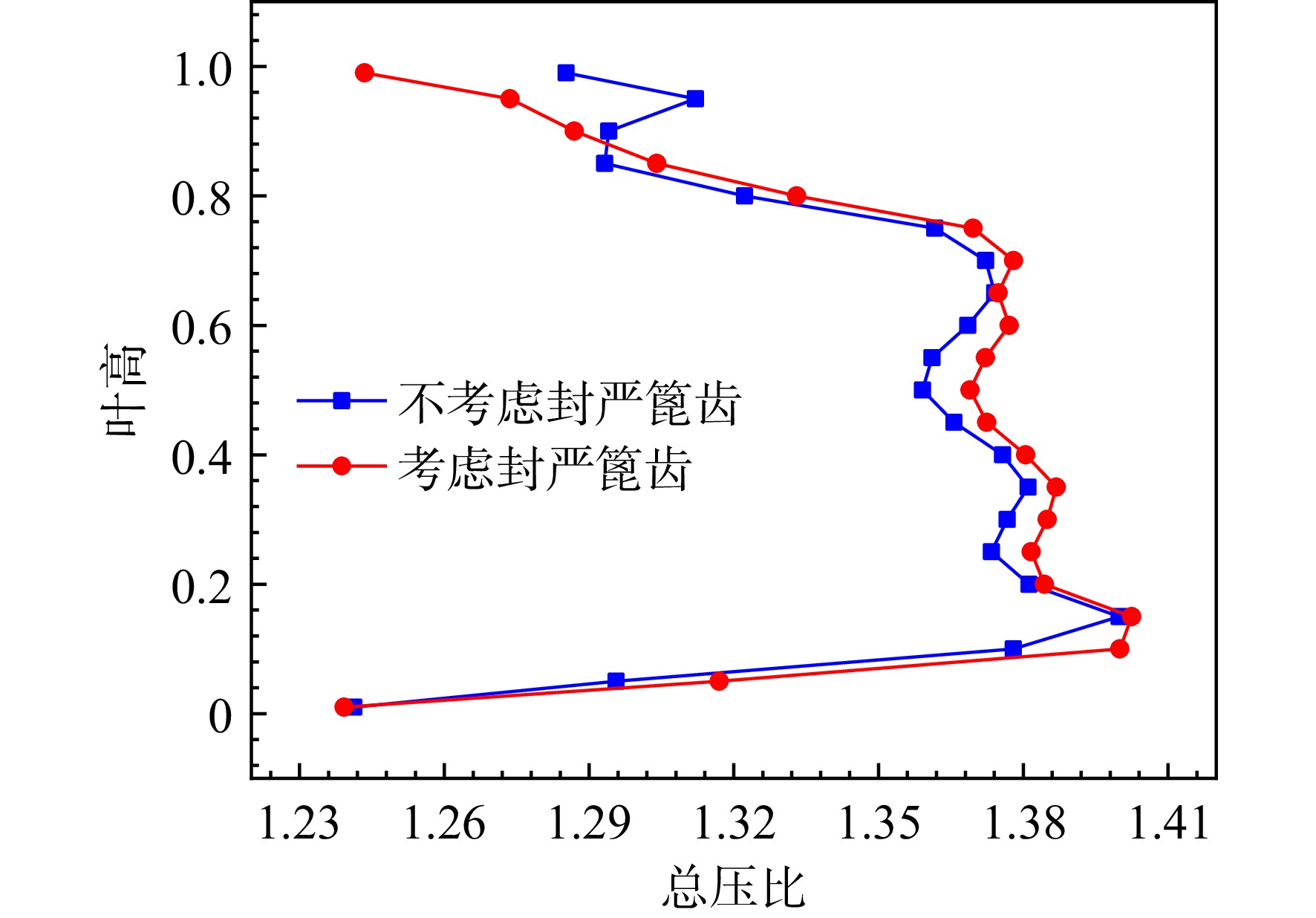
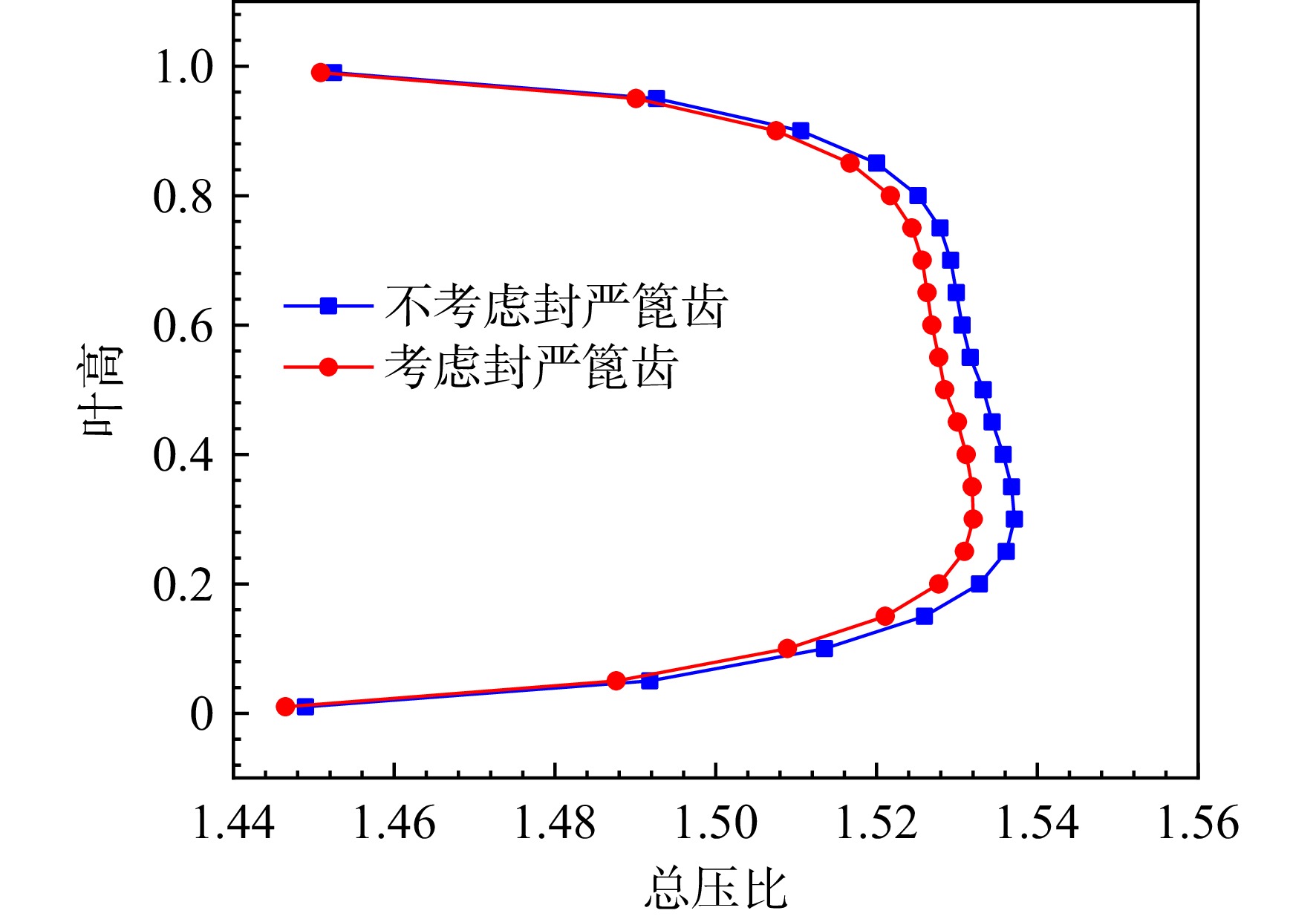
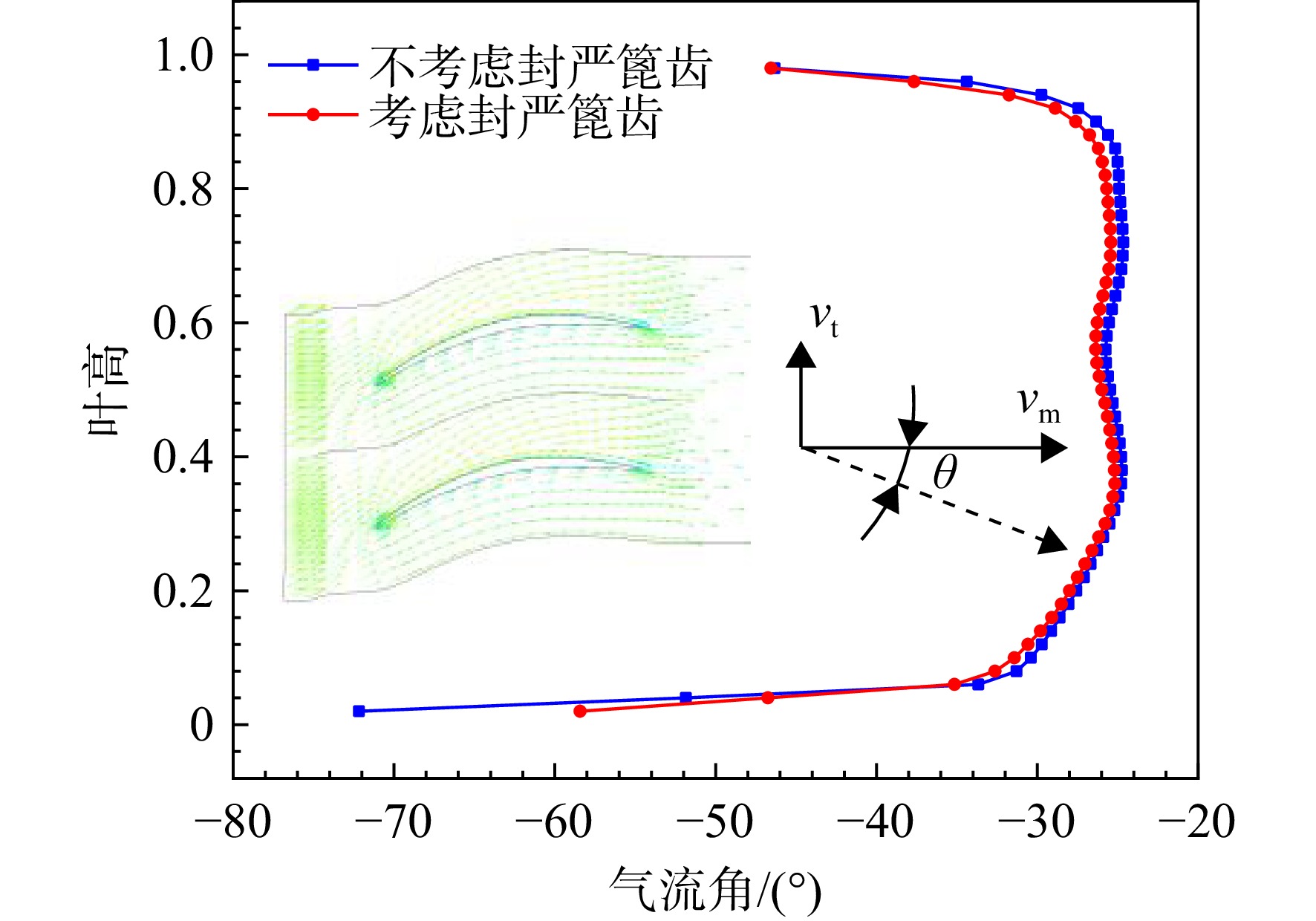
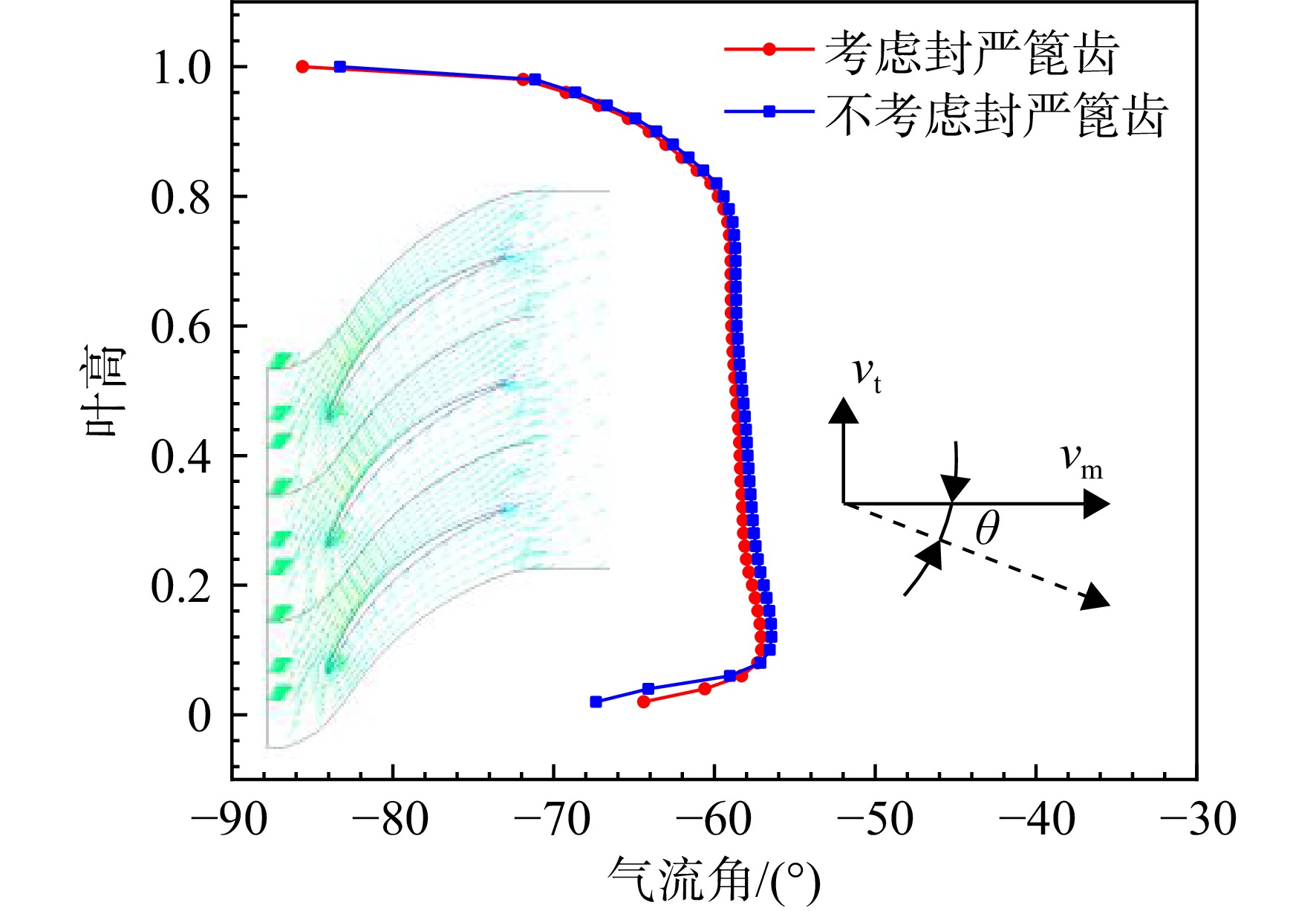
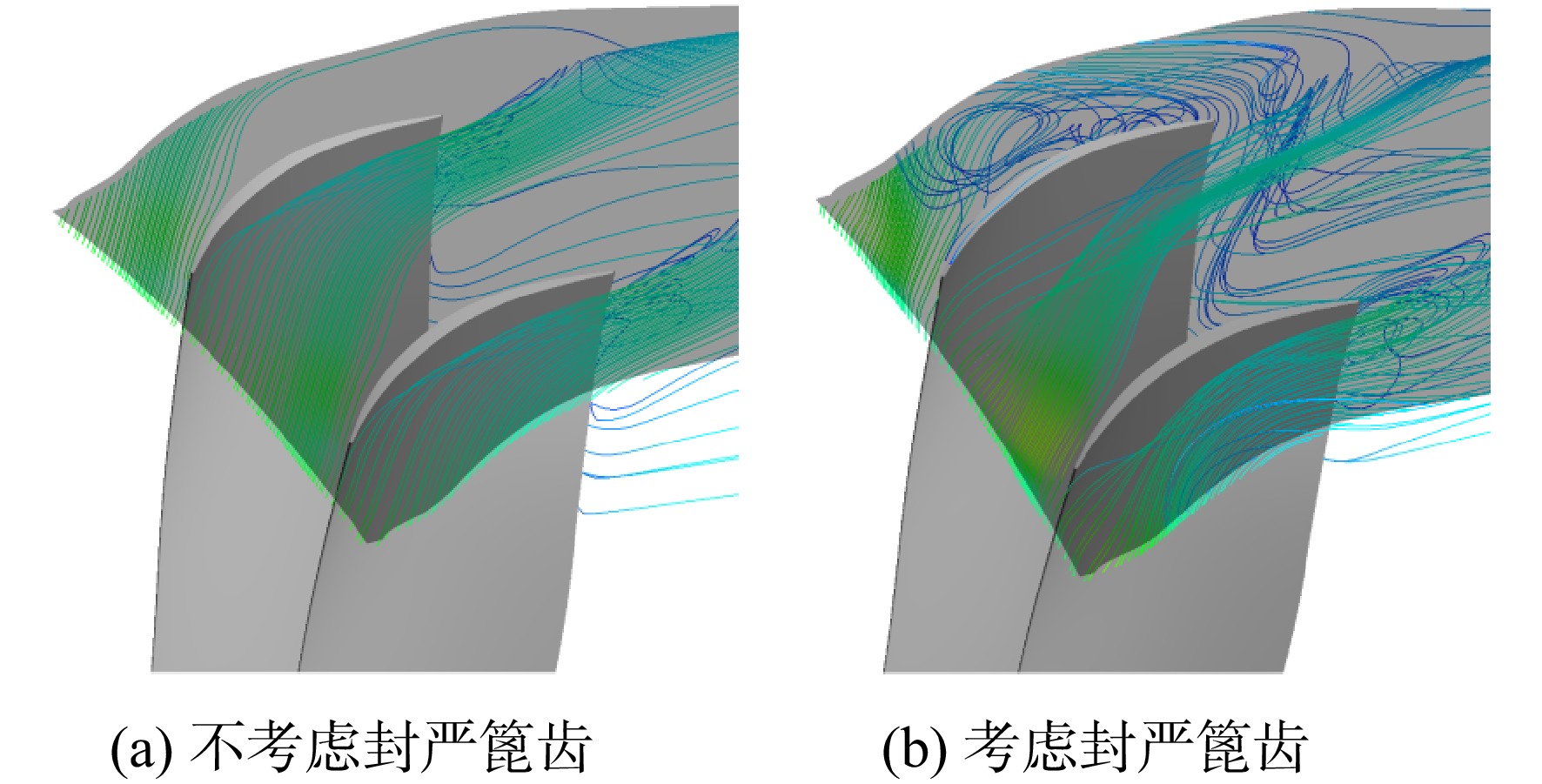
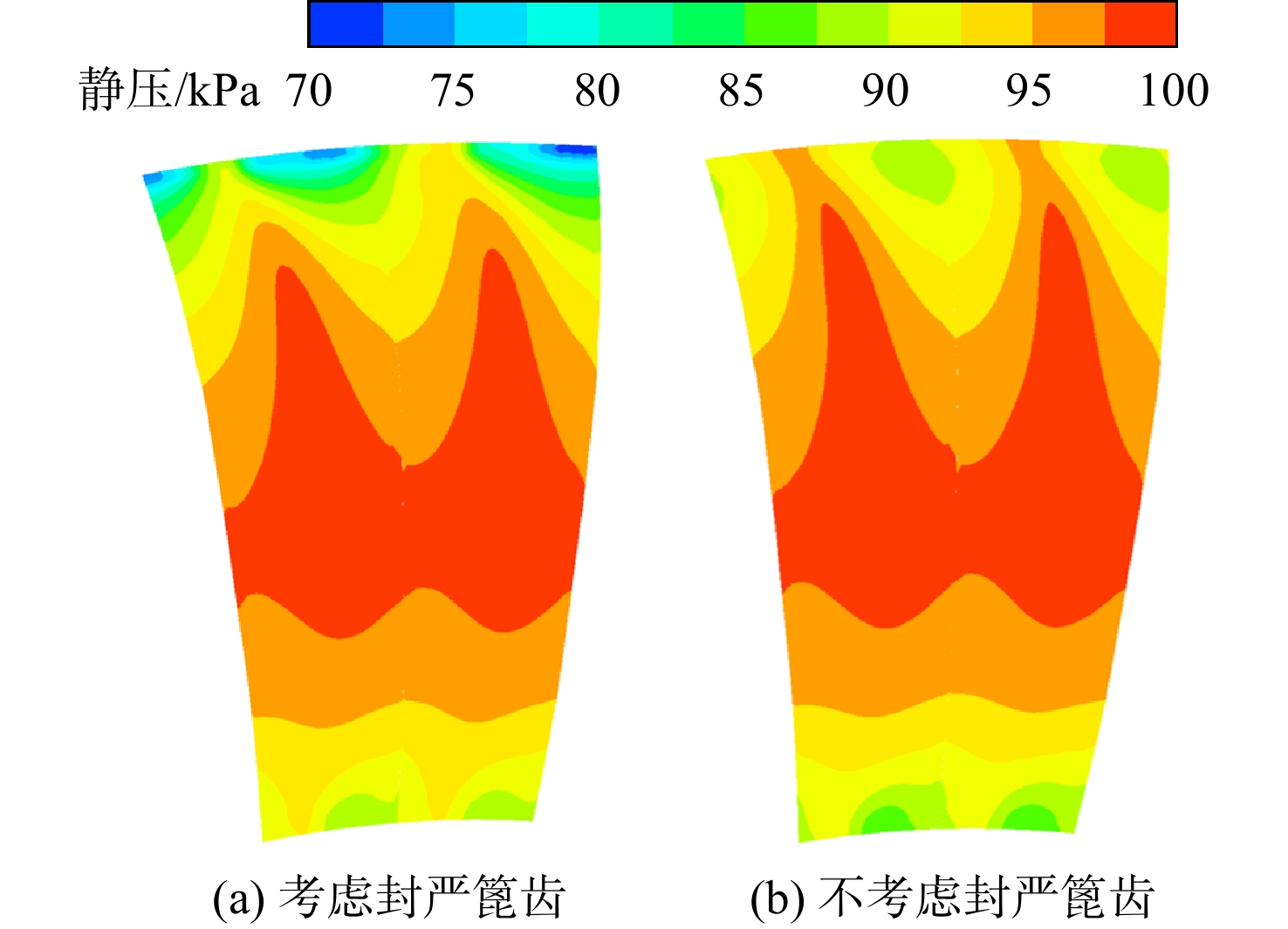
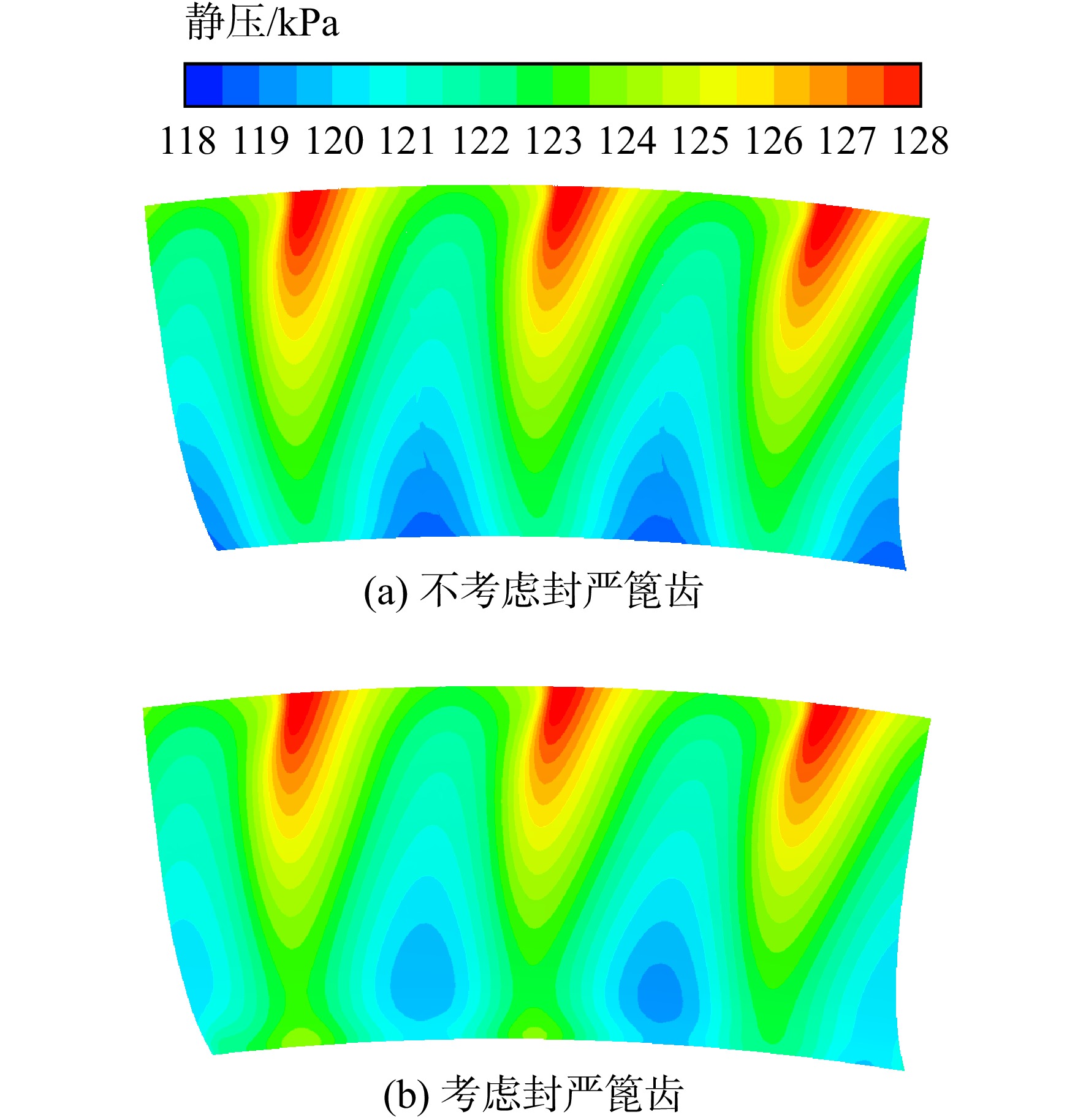
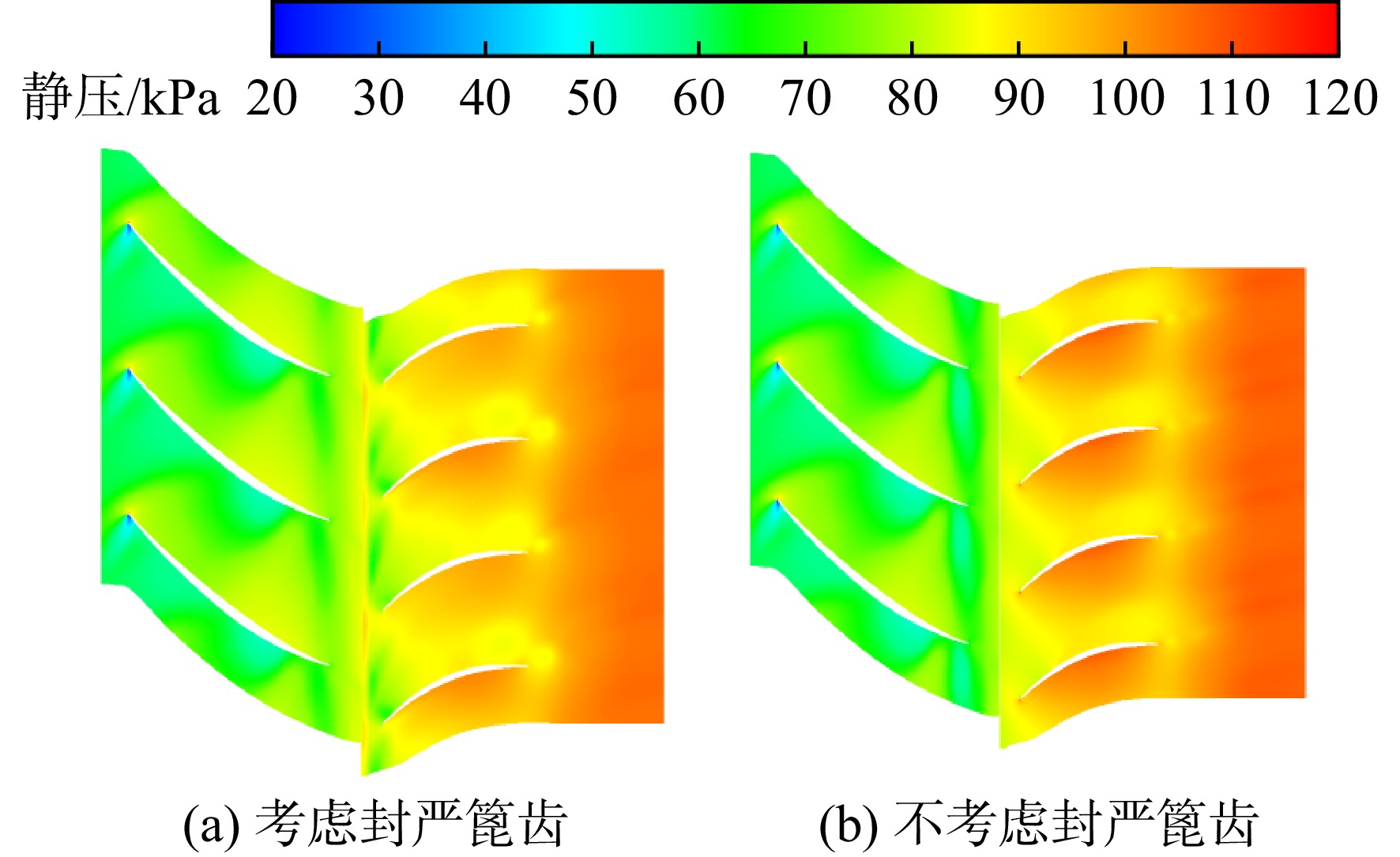
In the adaptive cycle engine, the fan on blade (FLADE) bypass rotor blades and the inner bypass rotor blades share a common rotating disk. The clearance between the rotating and stationary components results in leakage flow from the FLADE bypass duct to the core duct, posing new challenges for sealing between the engine’s bypass and core flows. When the FLADE configuration is applied to a compressor, the sealing leakage flow between the bypass and core ducts has a more pronounced impact on mass flow variation and aerodynamic performance. Taking the compressor of a certain adaptive cycle engine with the FLADE structure as the research object, a 1.5-stage compressor computational model considering the labyrinth seal structure between the core and bypass ducts was established. Numerical simulation was employed to investigate the effect of leakage flow through the labyrinth seal on the aerodynamic performance of the compressor. The results indicated that the leakage through the labyrinth seal between the core and bypass streams increased the total pressure ratio 0.519% in the core duct while reducing it 0.264% in the FLADE bypass duct. Additionally, the labyrinth seal structure created a local high-pressure region within the seal cavity, effectively suppressing leakage flow. The leakage flow primarily affected the blade tip region of the inner stator blades, with significant mixing effects occurring predominantly at 80% to 90% blade span. This interaction resulted in a low-energy region at the stator leading edge, causing a decrease in stator total pressure recovery coefficient while increasing the rotor total pressure ratio, thus impacting the overall aerodynamic performance of the 1.5-stage compressor.

Rocket Engine
Load on pintle in a coaxial pintle variable thrust solid rocket motor
Yu Haixu, Deng Heng, Bai Yang, Jia Shengxi, Wang Zhao, Fan Jianlong
2027, 42(1): 20250429. doi: 10.13224/j.cnki.jasp.20250429
Abstract:
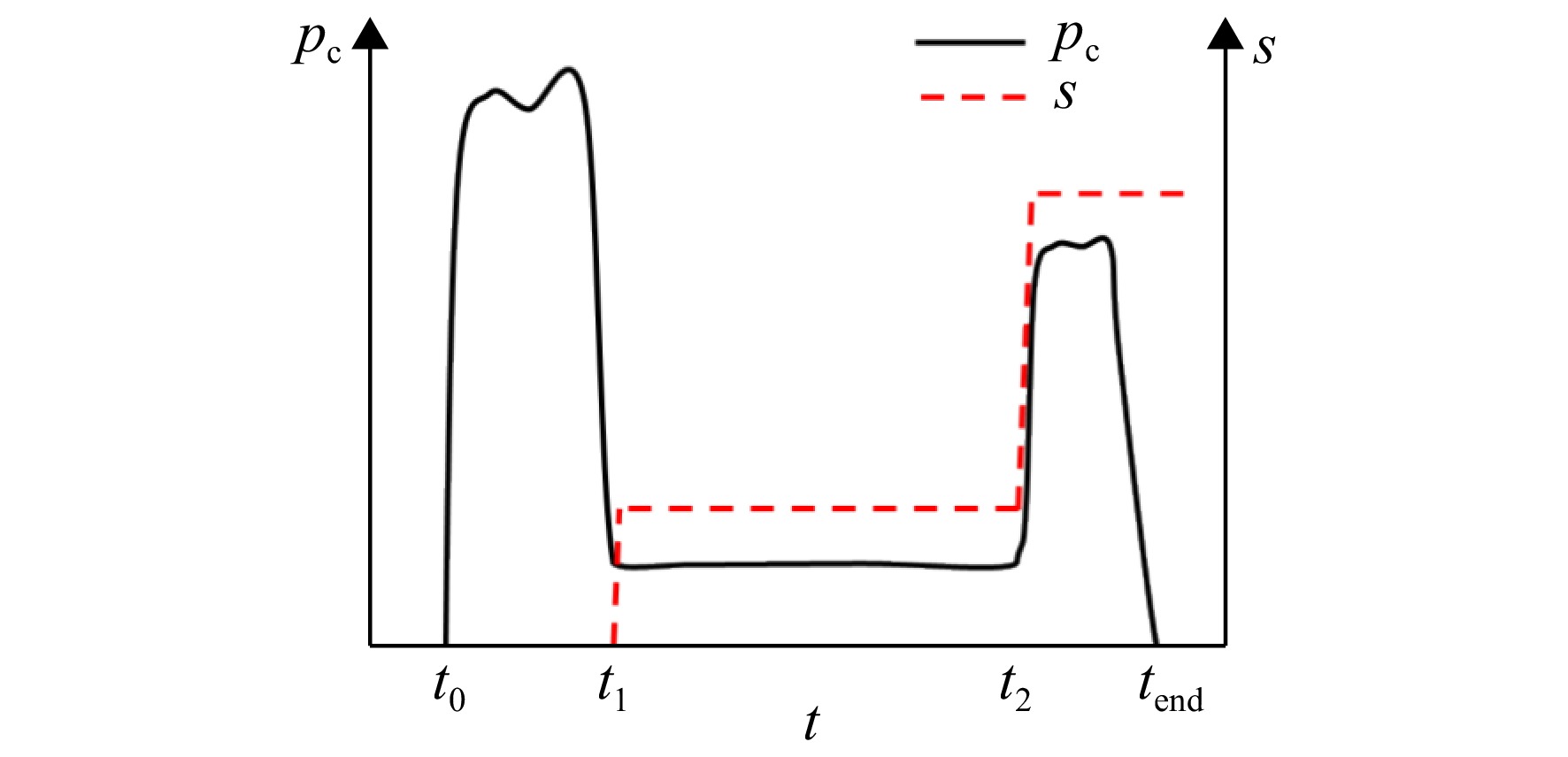
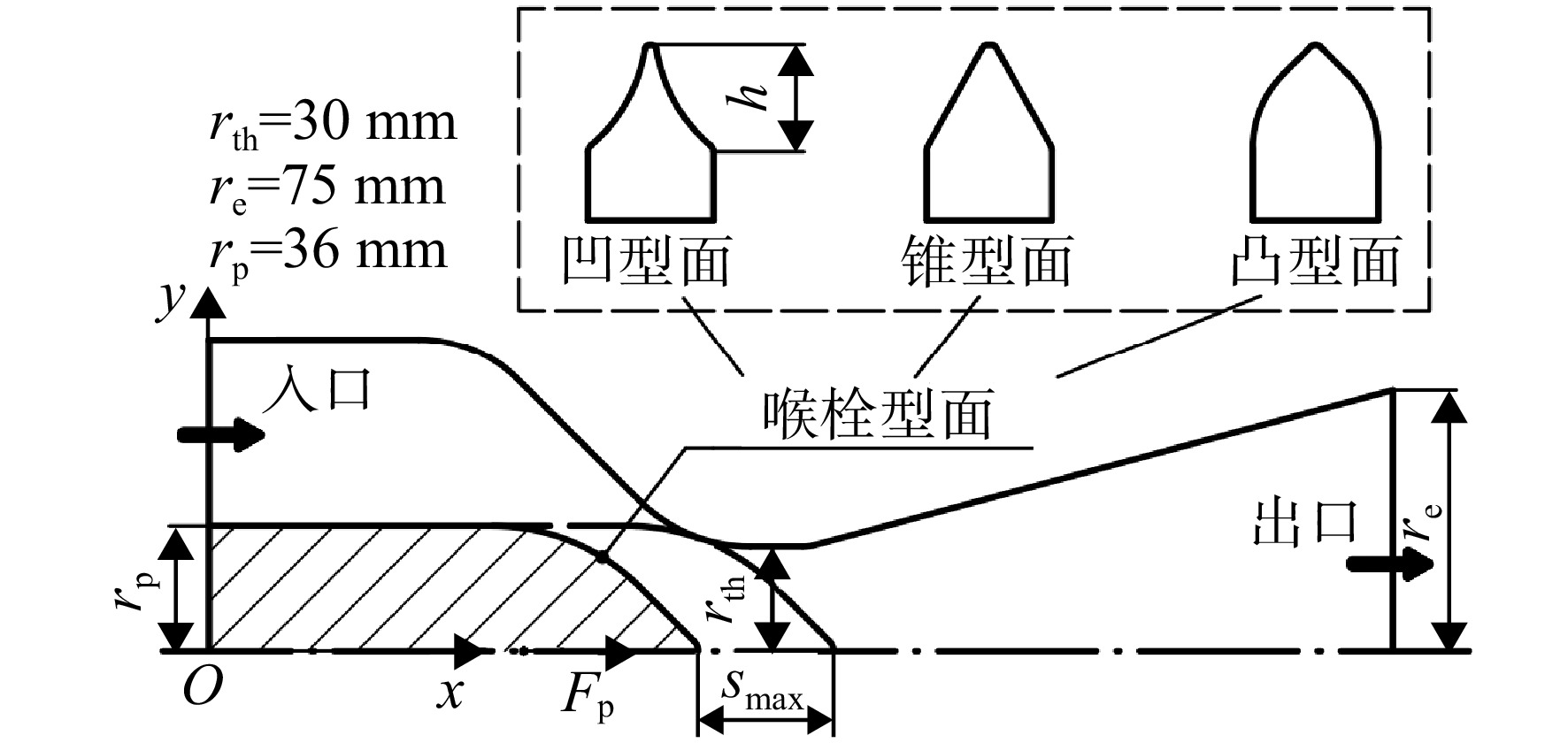
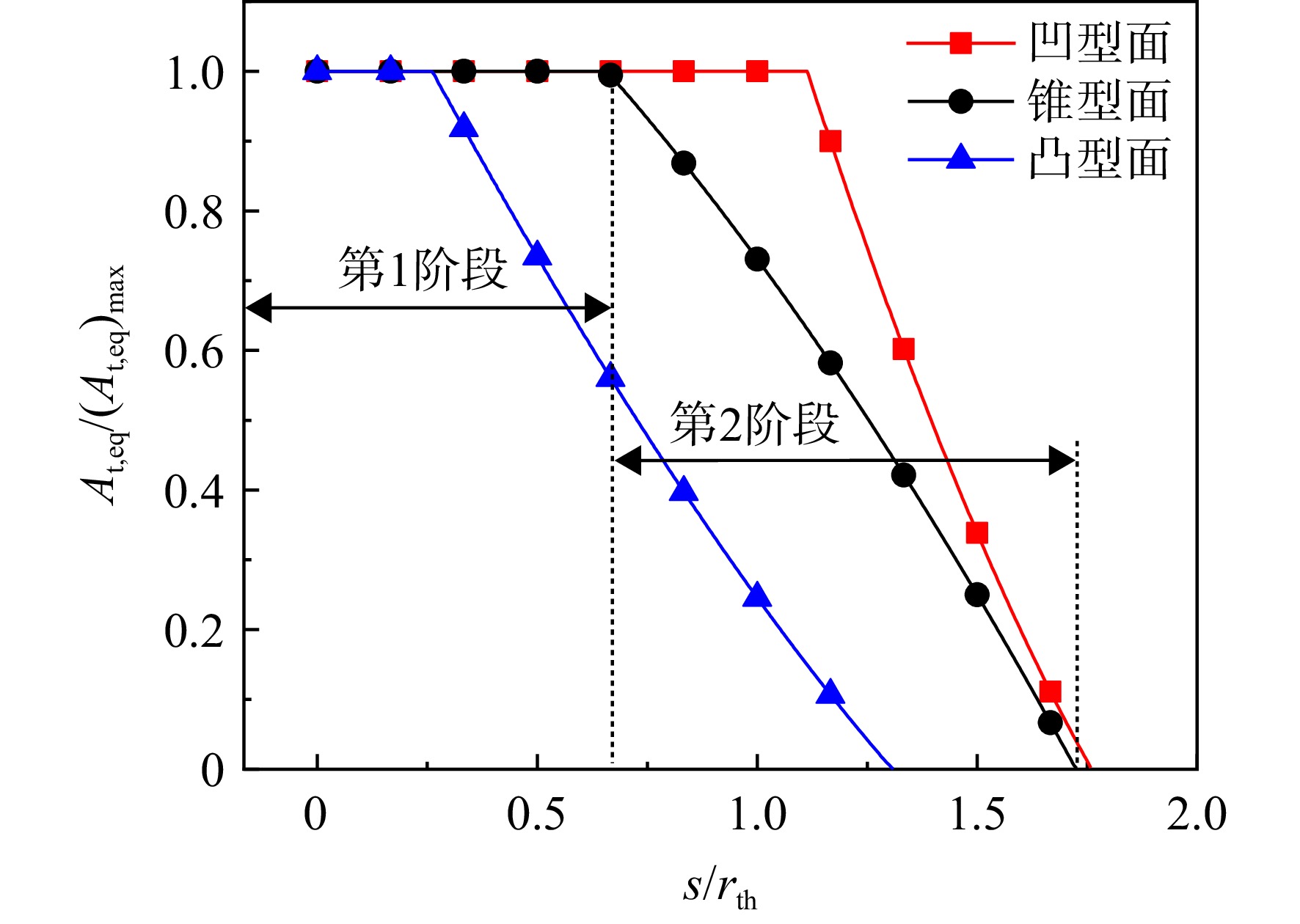
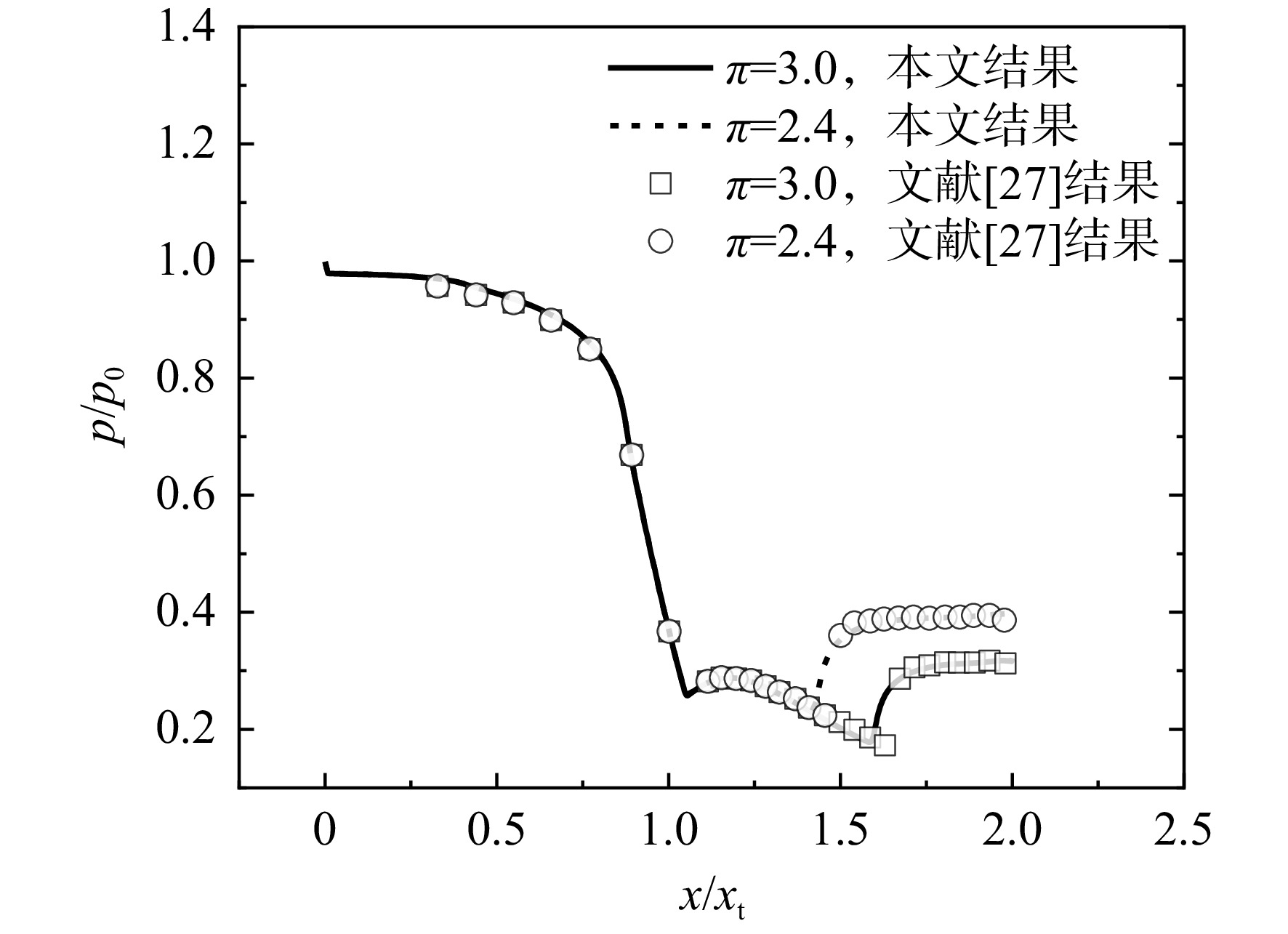
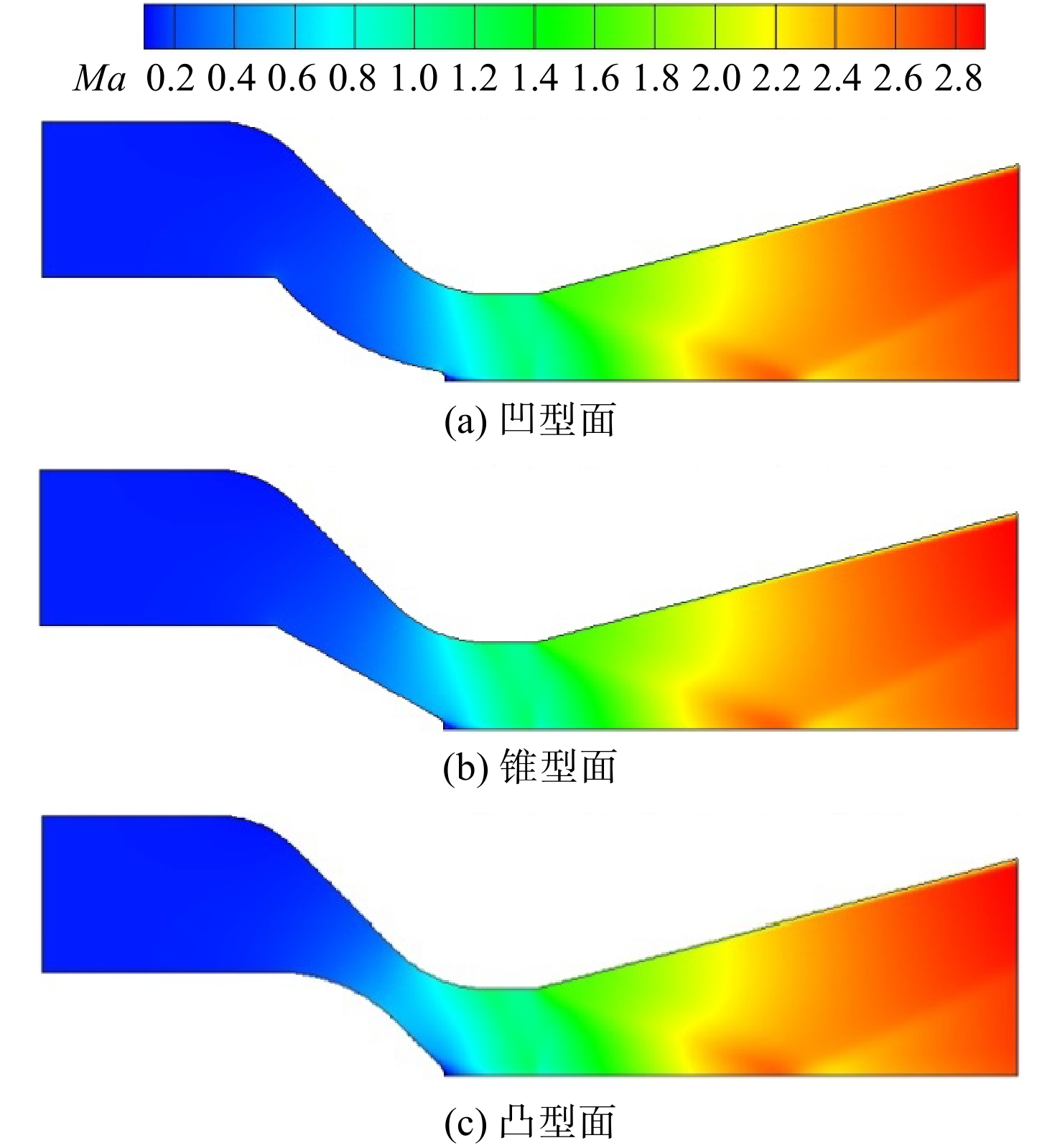
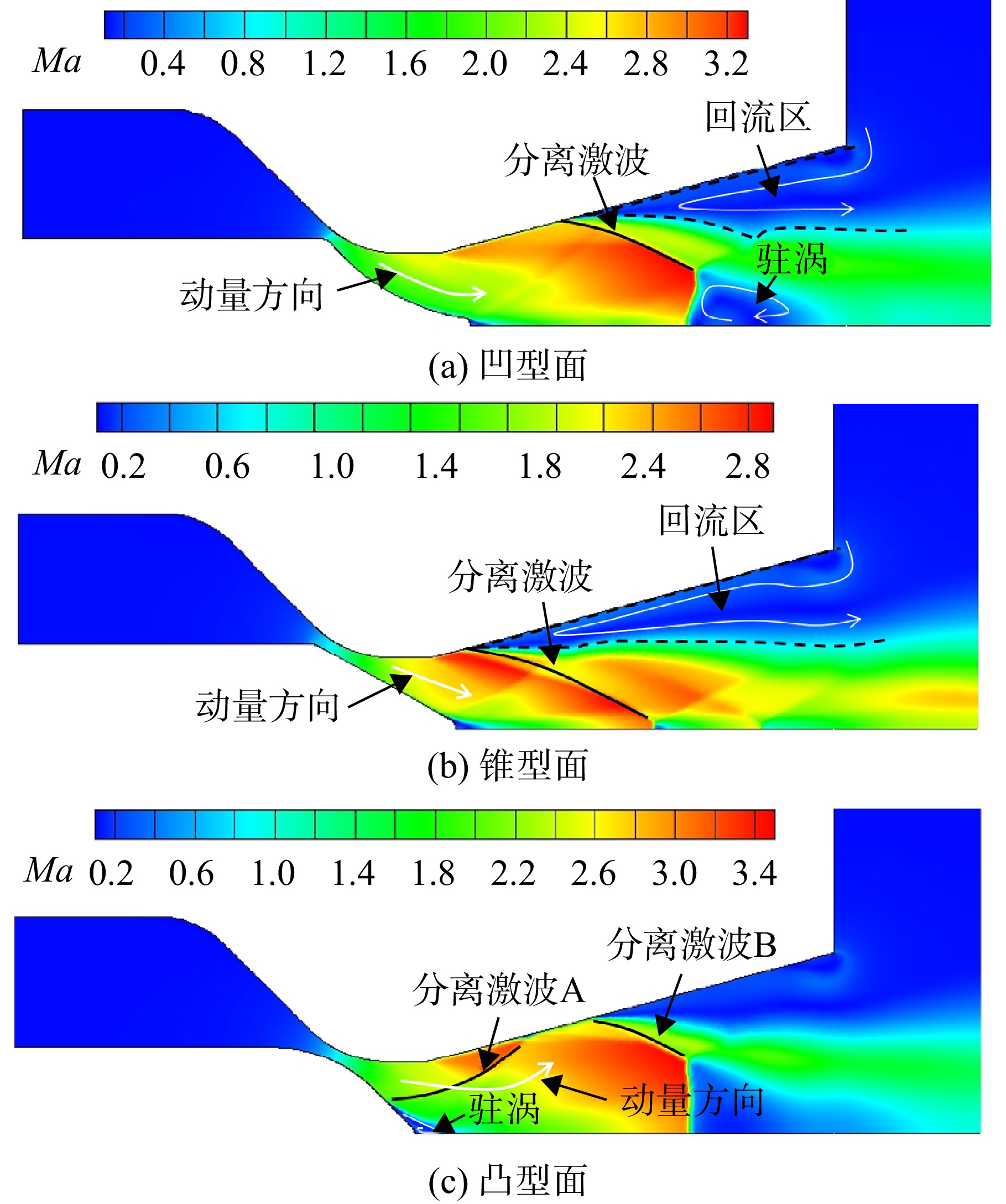
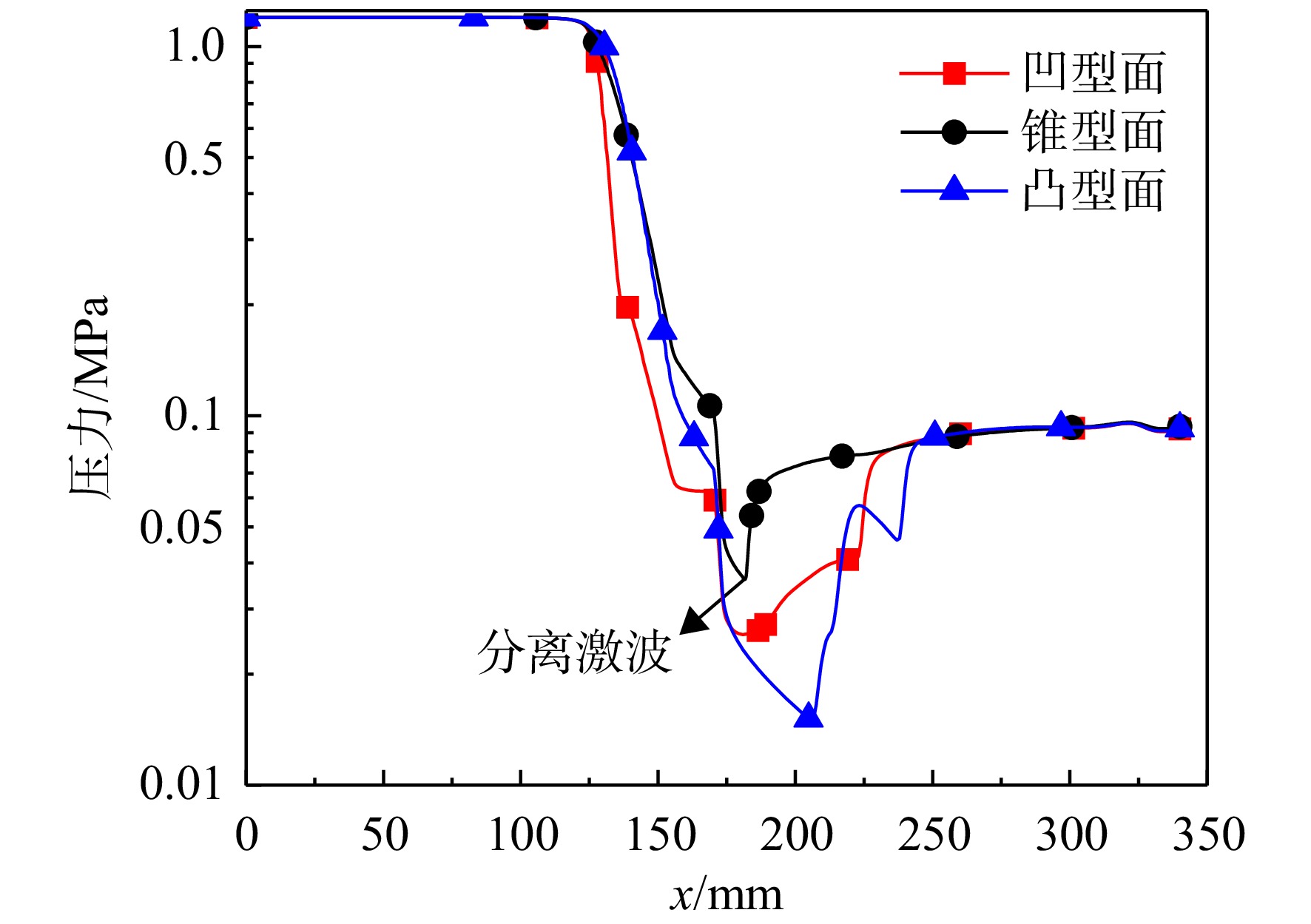
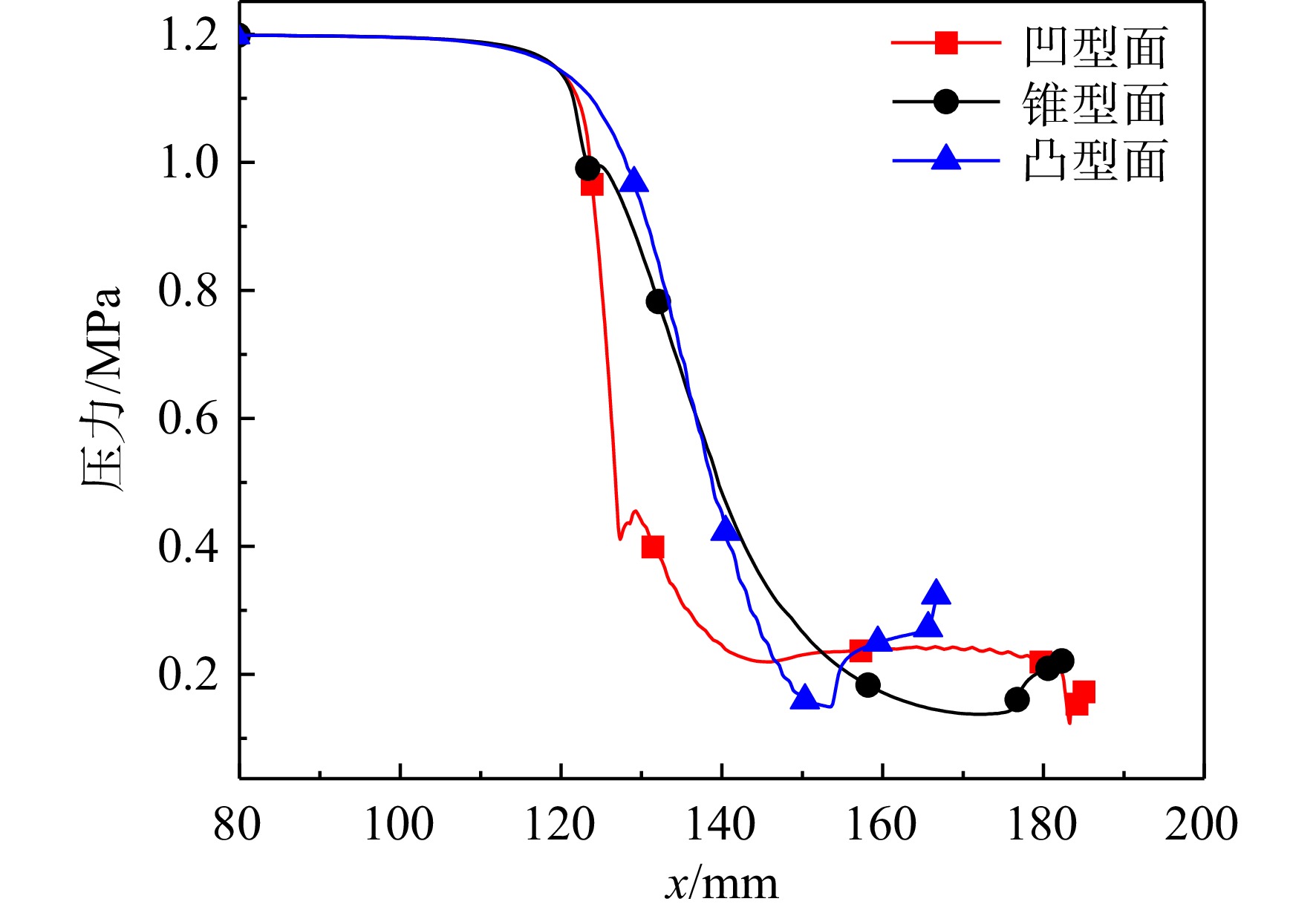
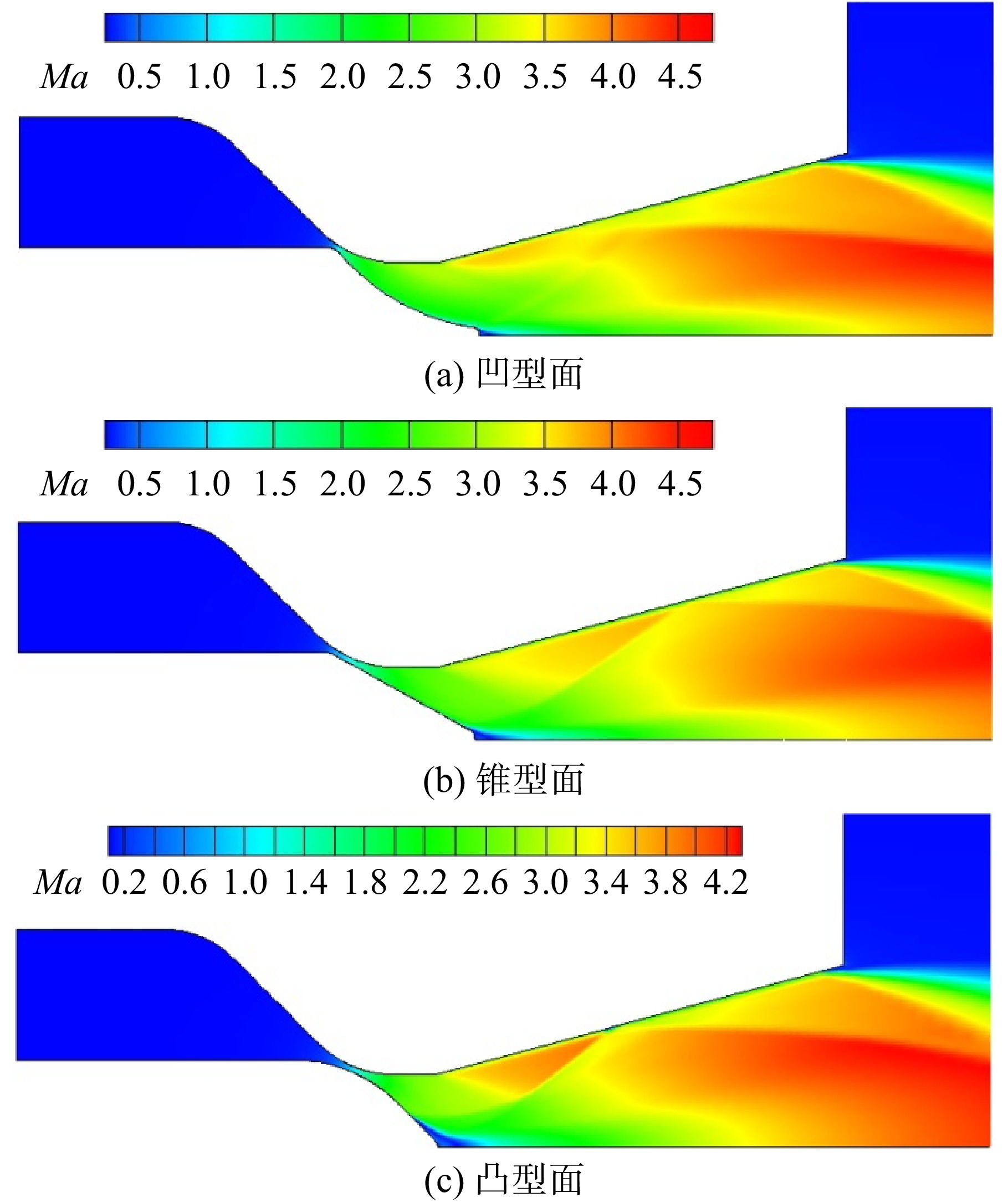
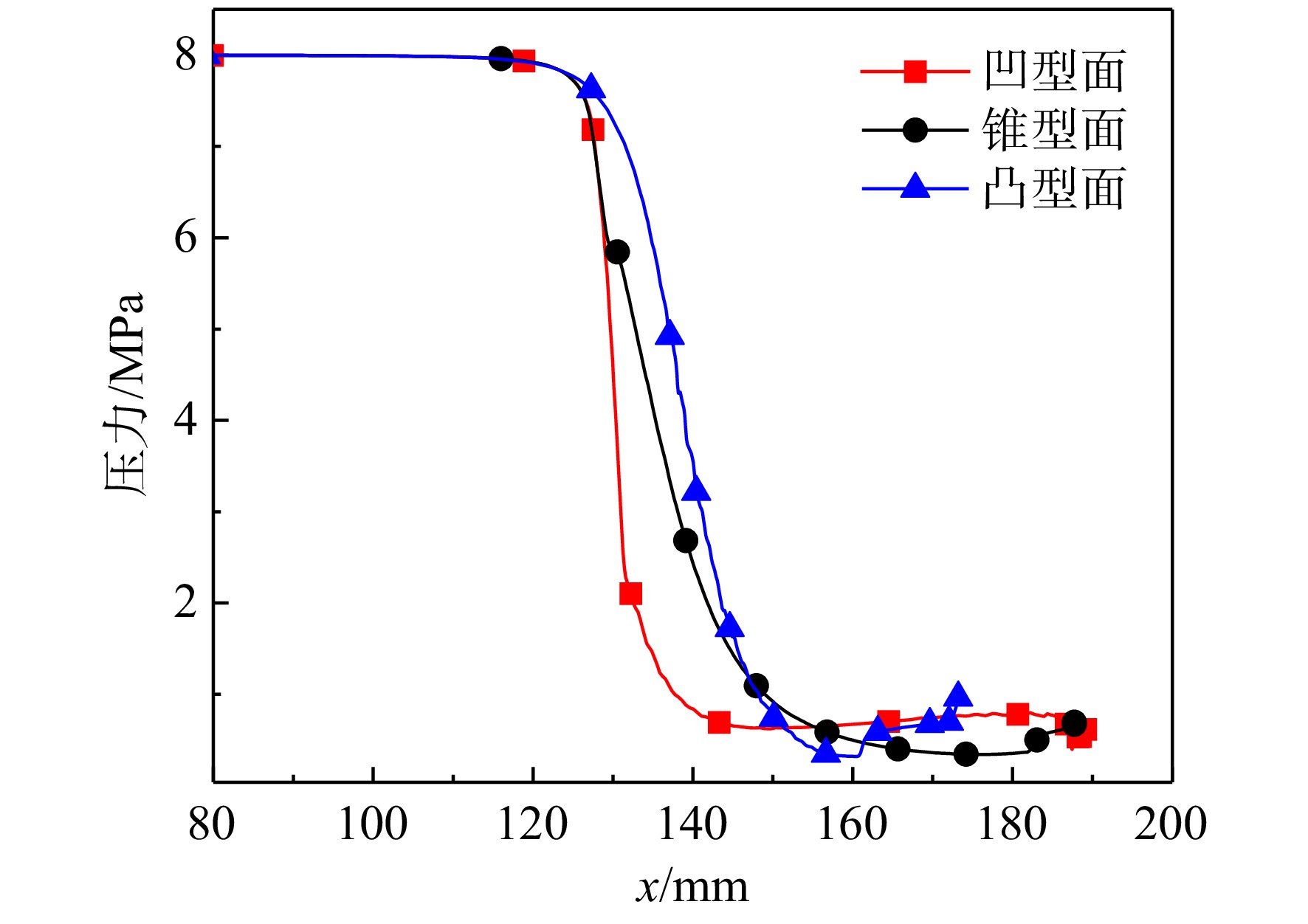
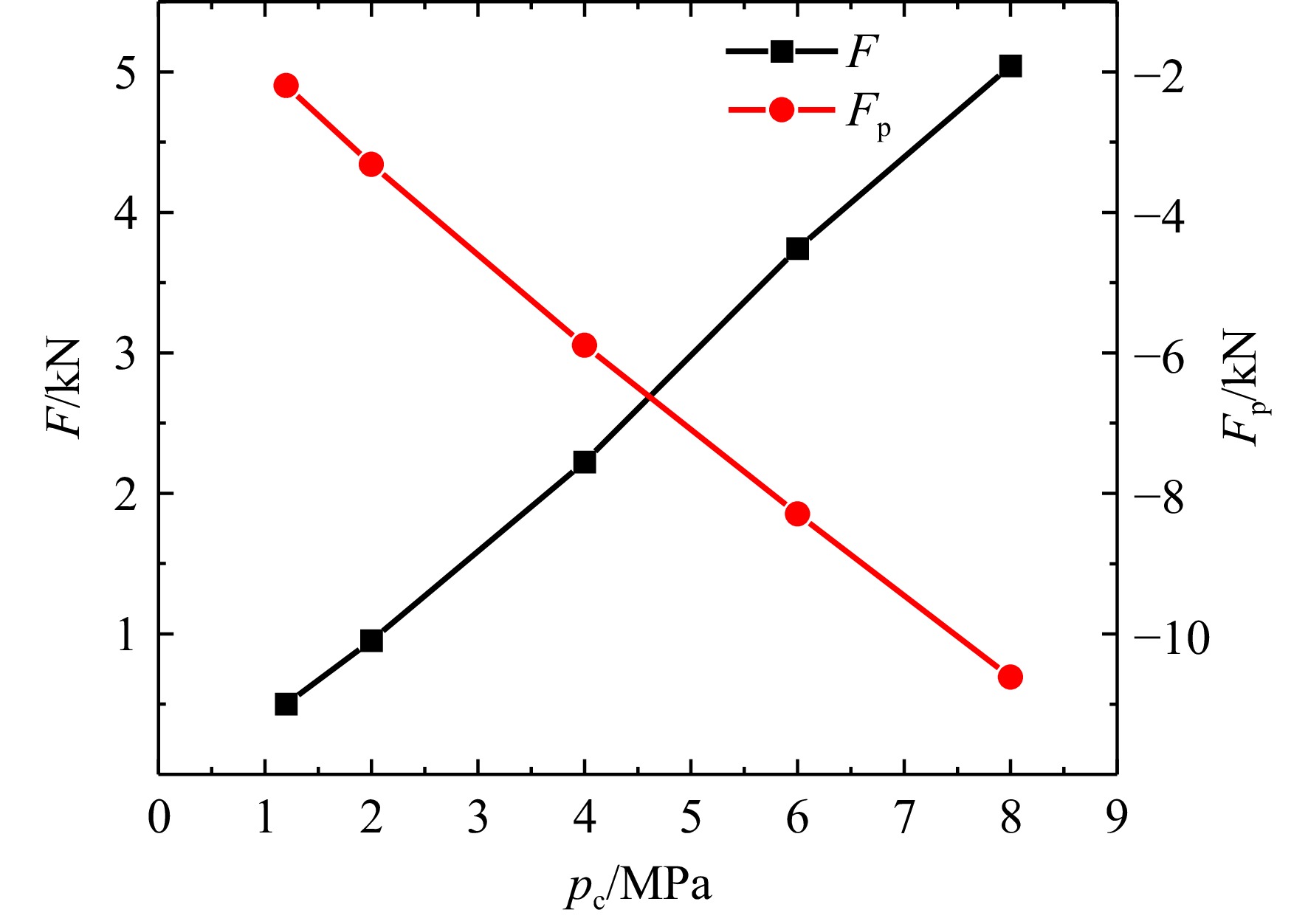
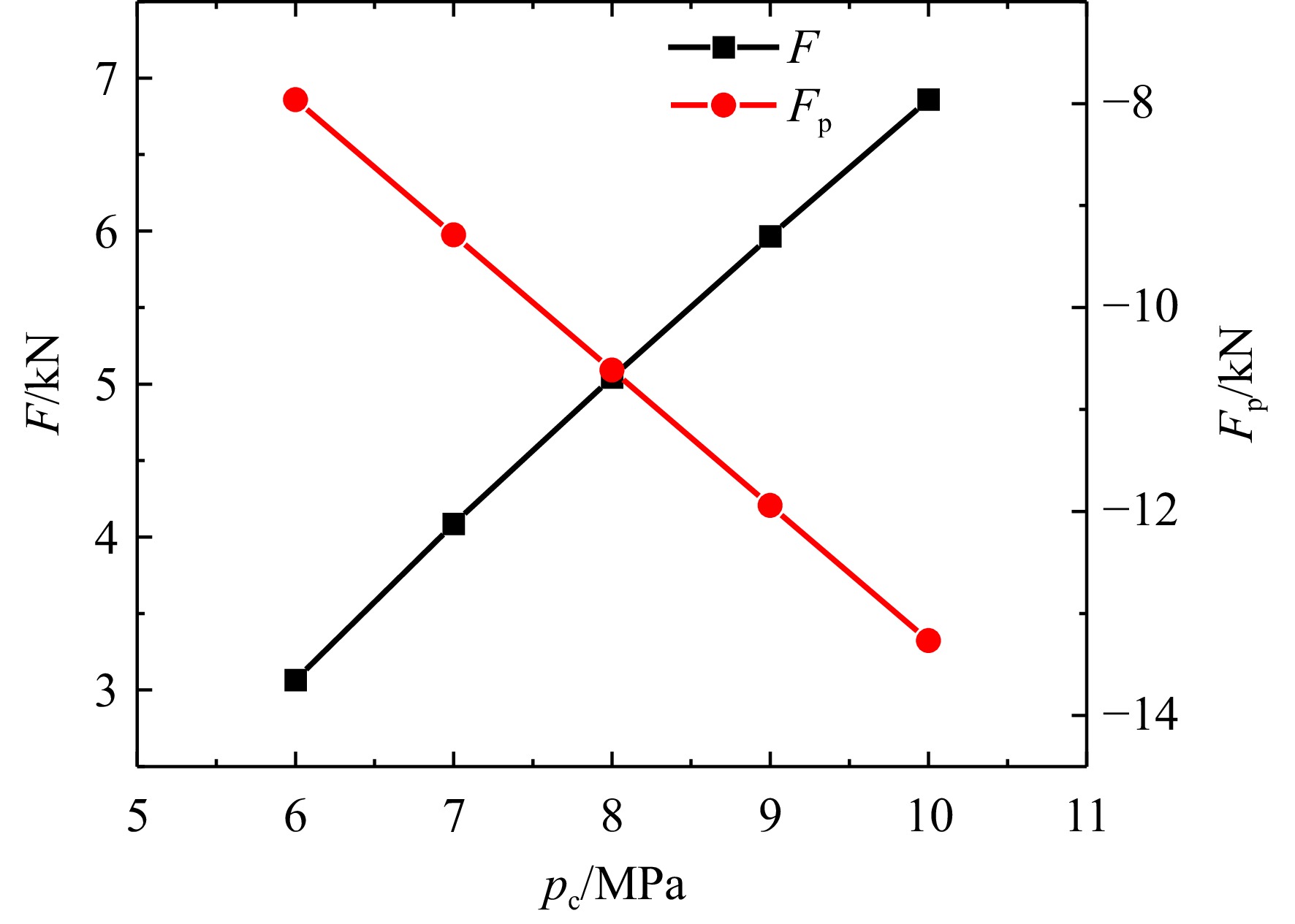
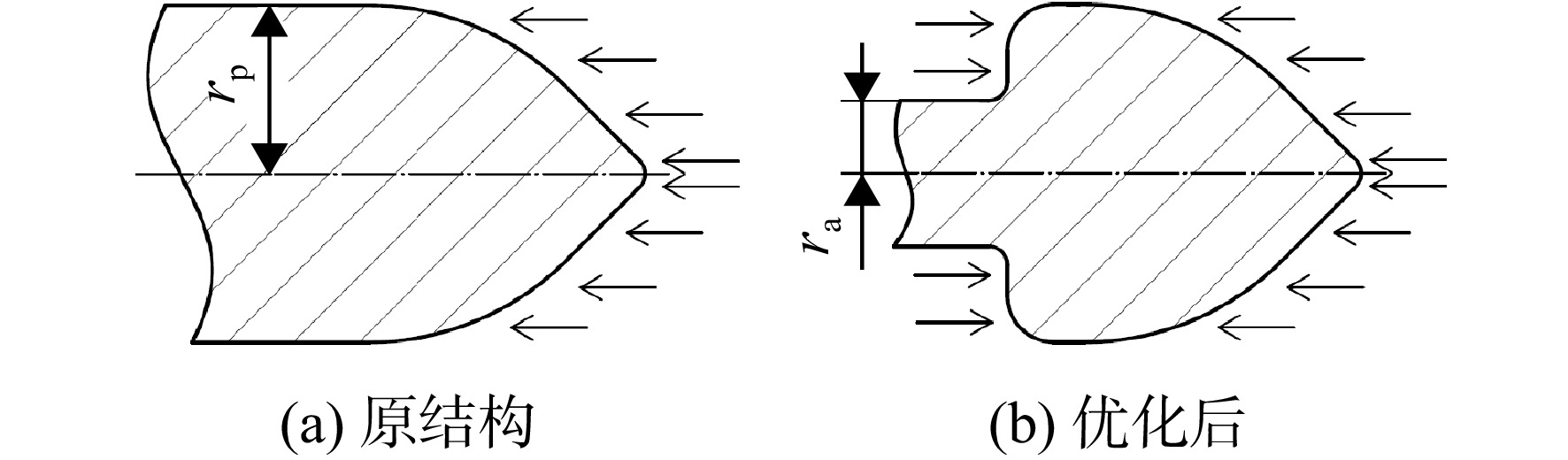
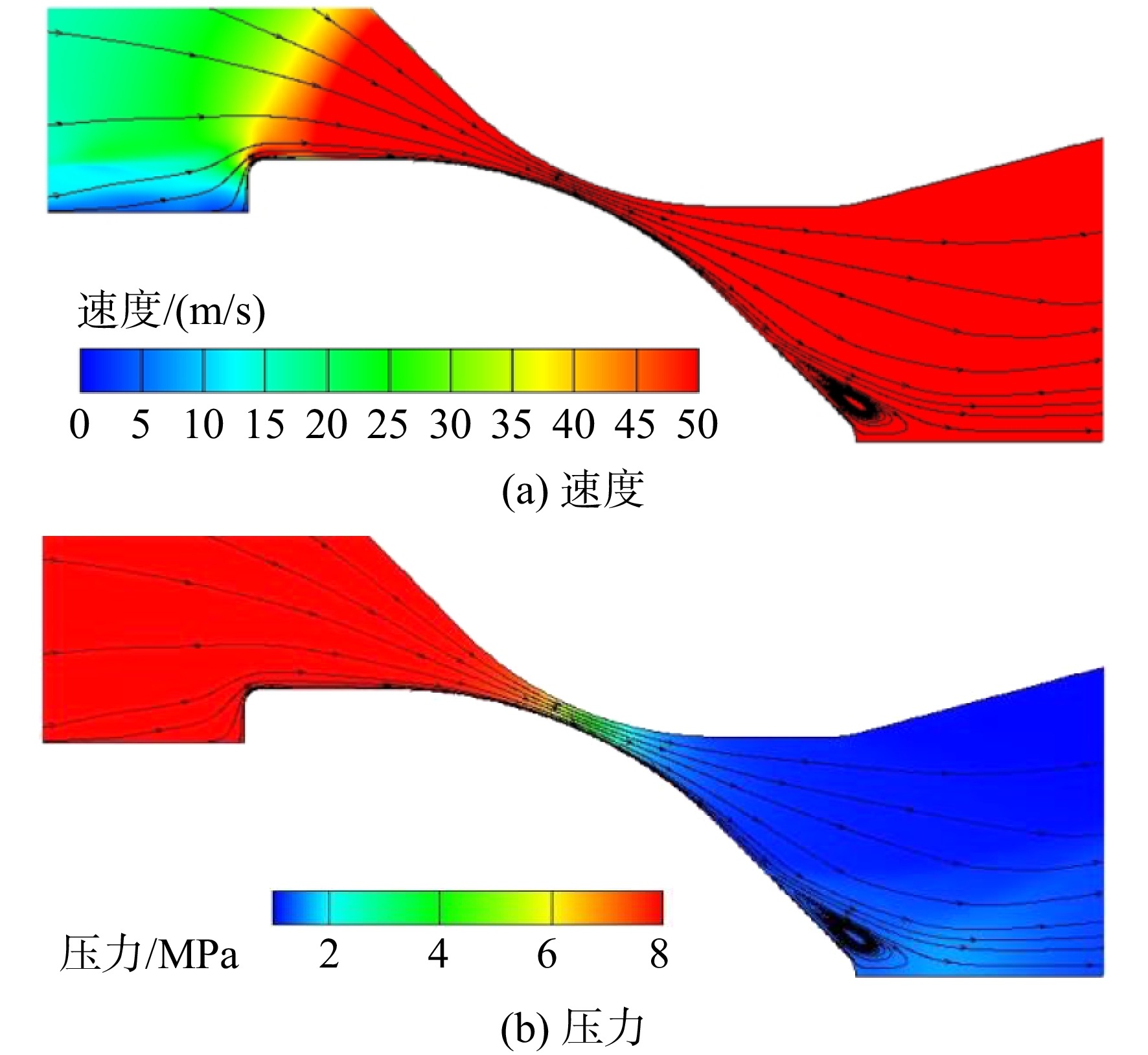
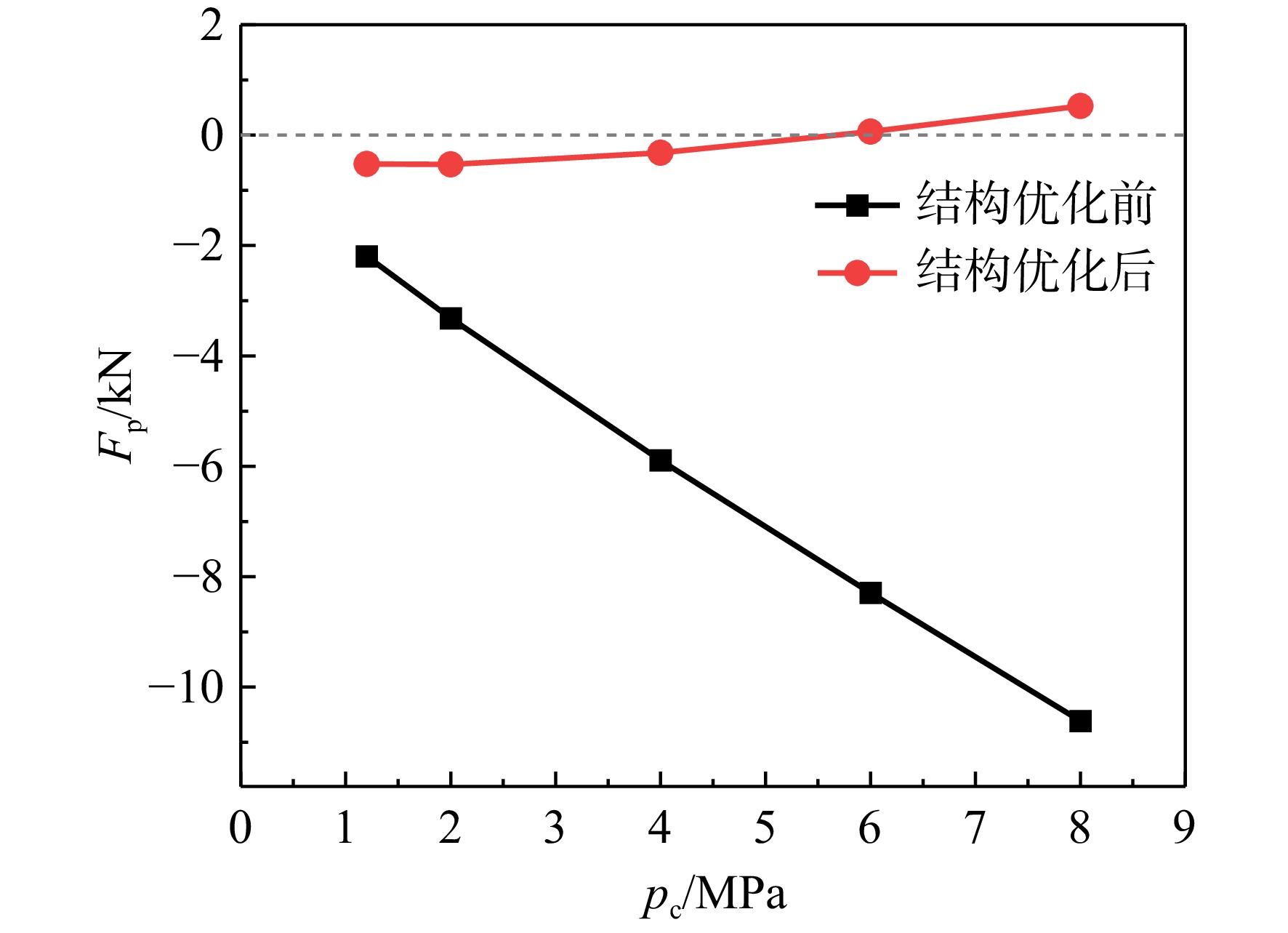
To investigate the load on the pintle in a coaxial thrust variable solid rocket motor, the force acting on pintles with different profiles was numerically analyzed under various typical operating conditions. The results showed that during takeoff stage, the maximum load on pintles matched the engine thrust, with no significant differences observed between profiles. In cruise and final acceleration phases of the sustenance stage, concave-profile pintles bore 63% and 51% of the load compared with convex-profile counterparts, whereas conical-profile pintles experienced intermediate loads. When the pintle position was actively adjusted, the load increased linearly with the rising combustion chamber pressure. Pressure fluctuations within the combustion chamber also caused proportional linear variations in pintle loads. The force on the pintle can be significantly reduced by optimizing its shape. After a groove was added to the tail of the convex surface pintle, the maximum load can be reduced by 95%.