| Citation: | You Ruquan, Lu Chunyuan, Liu Runzhou, et al. Flow field prediction method integrating residual learning and physics-informed neural network[J]. Journal of Aerospace Power, 2026, 41(8):20250324 doi: 10.13224/j.cnki.jasp.20250324

|
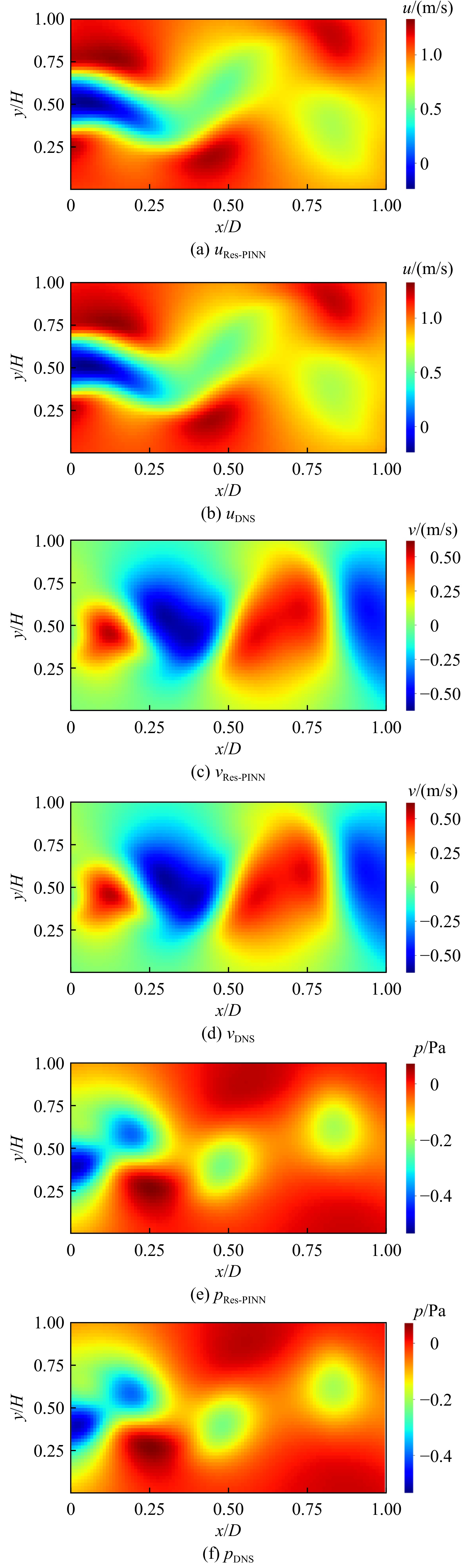
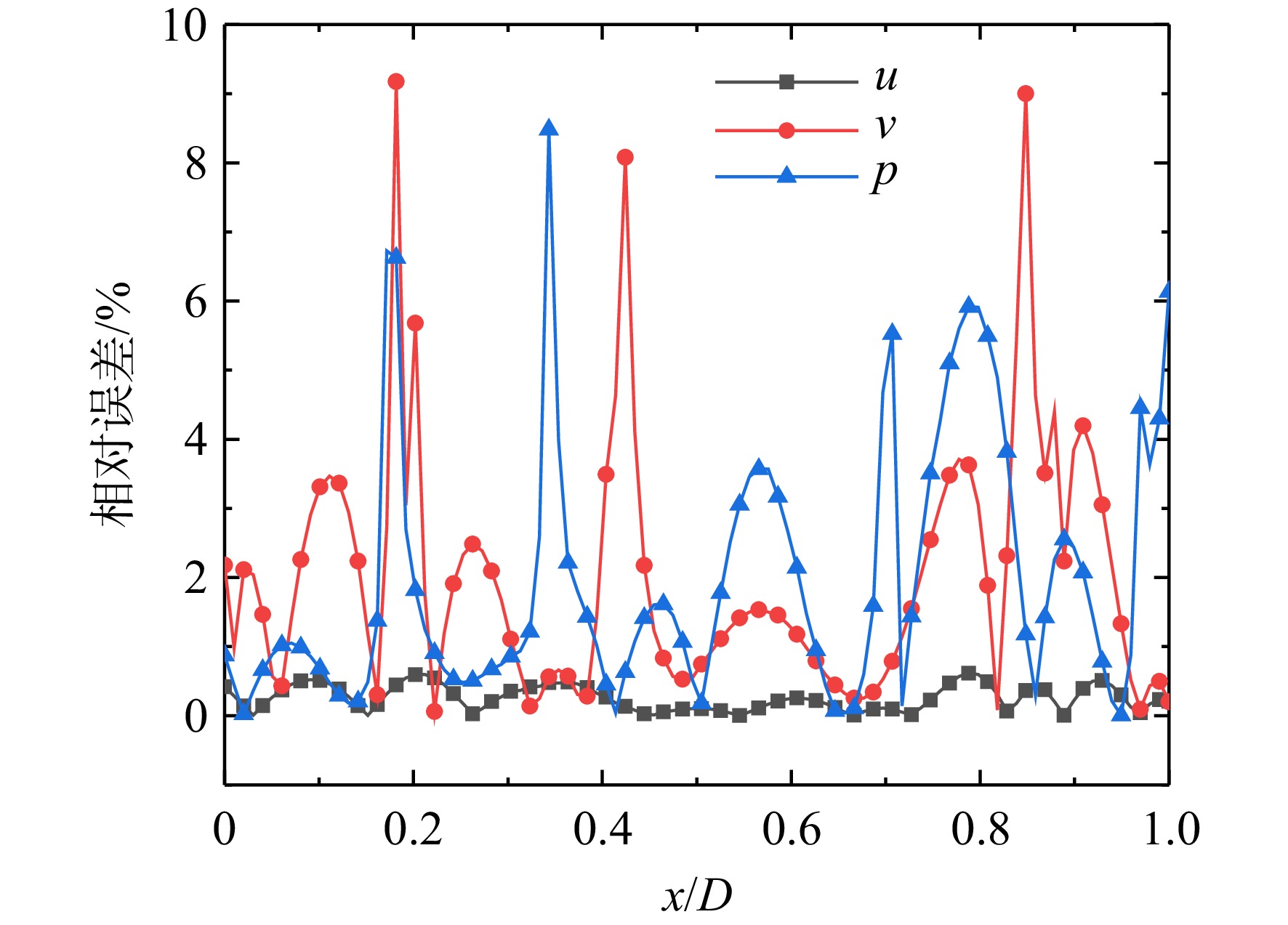
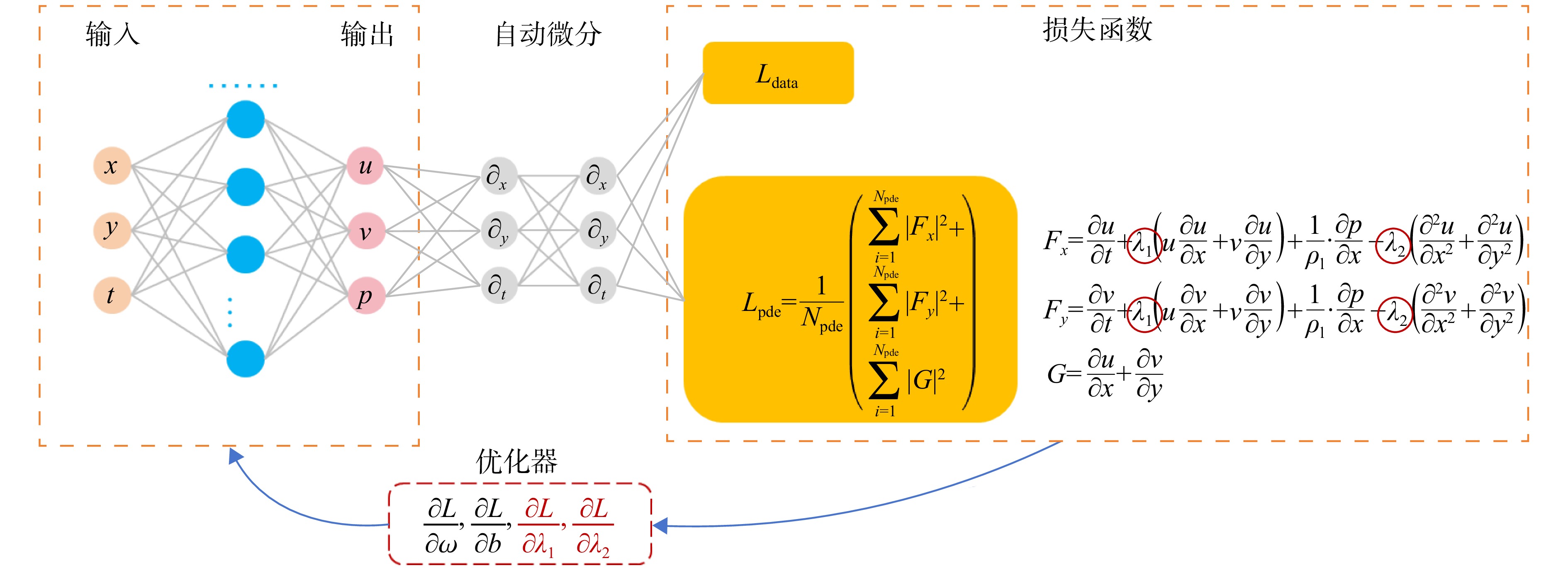
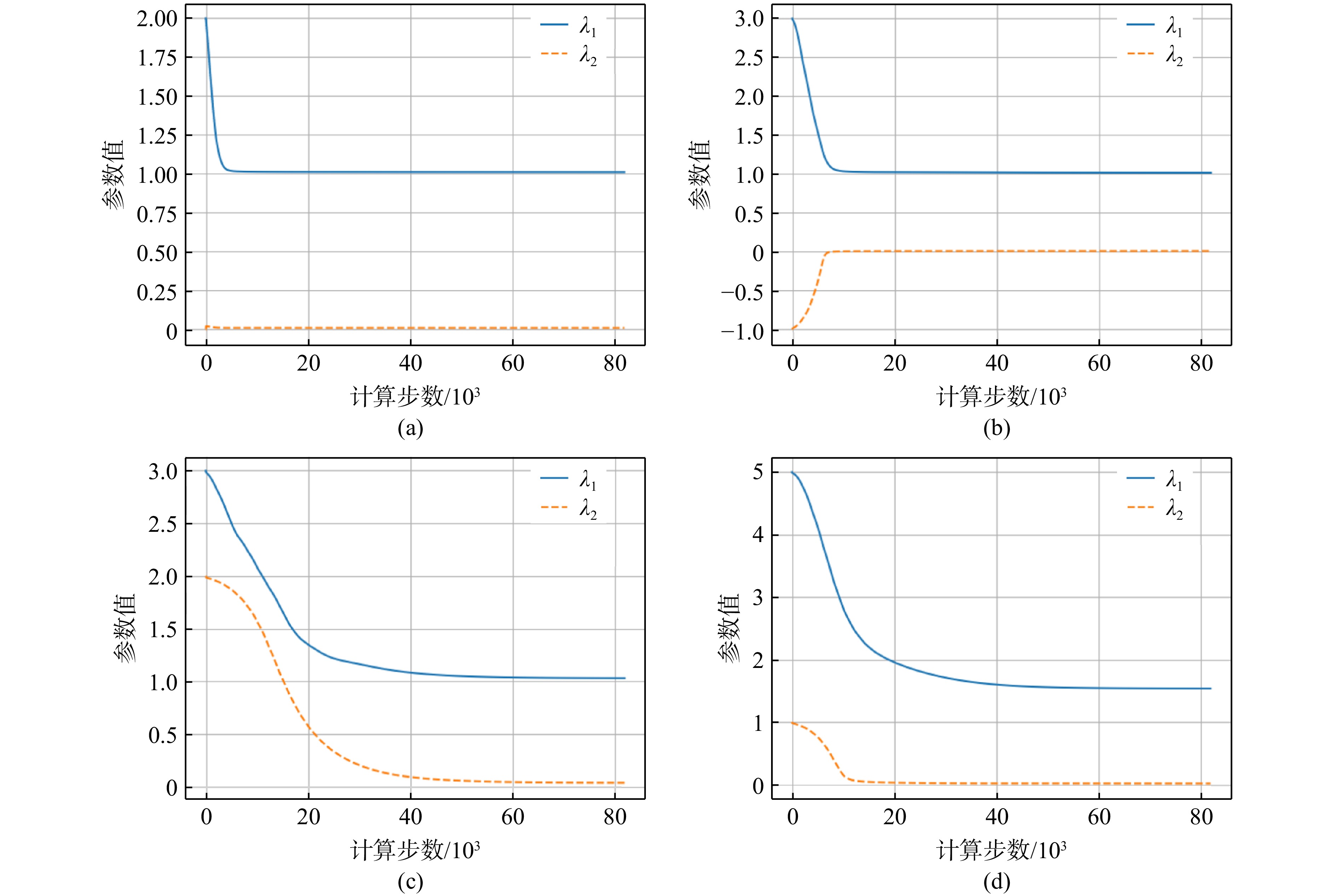
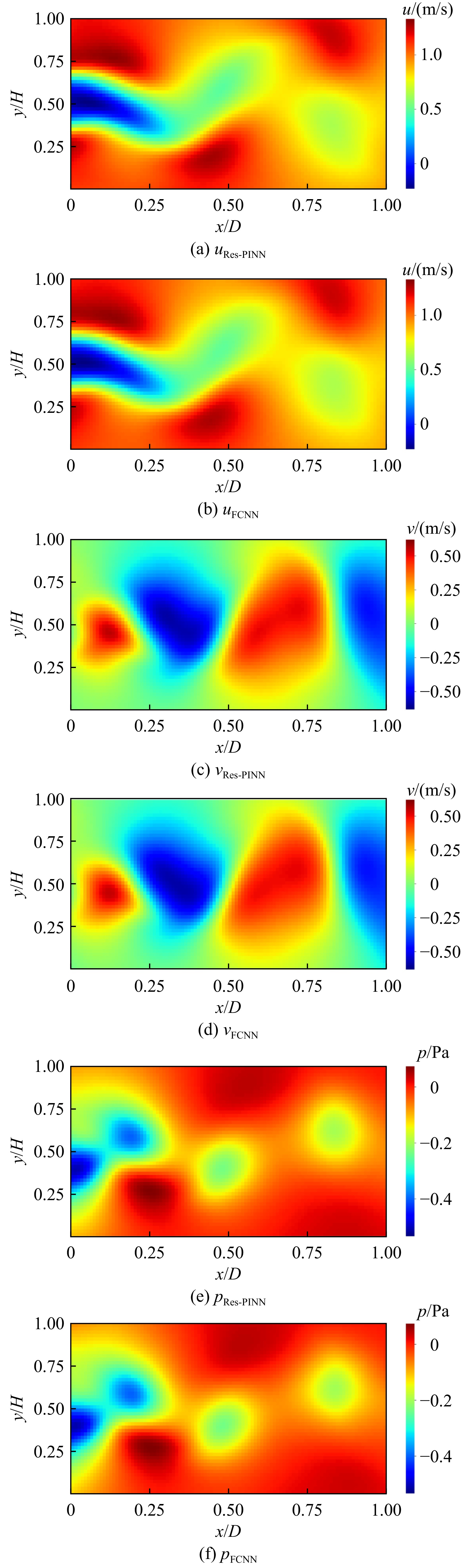
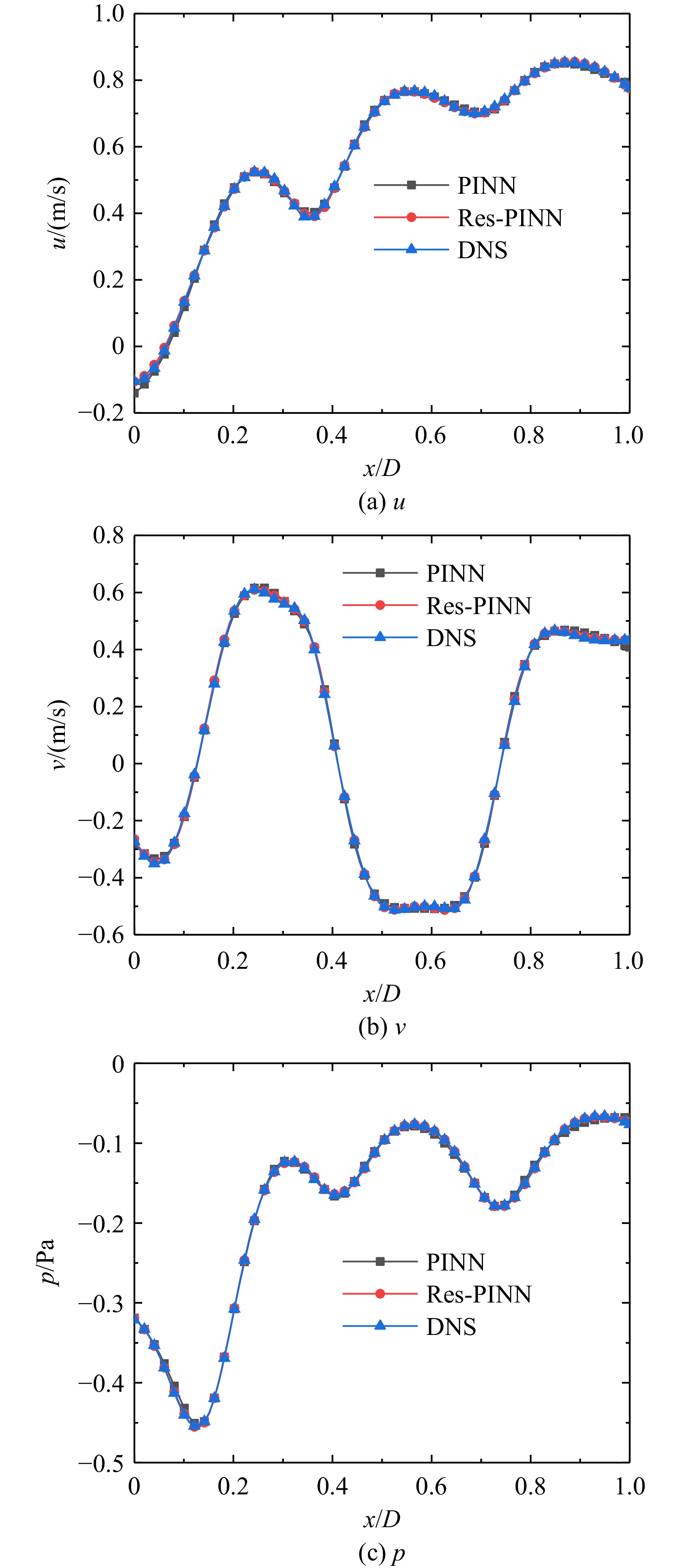
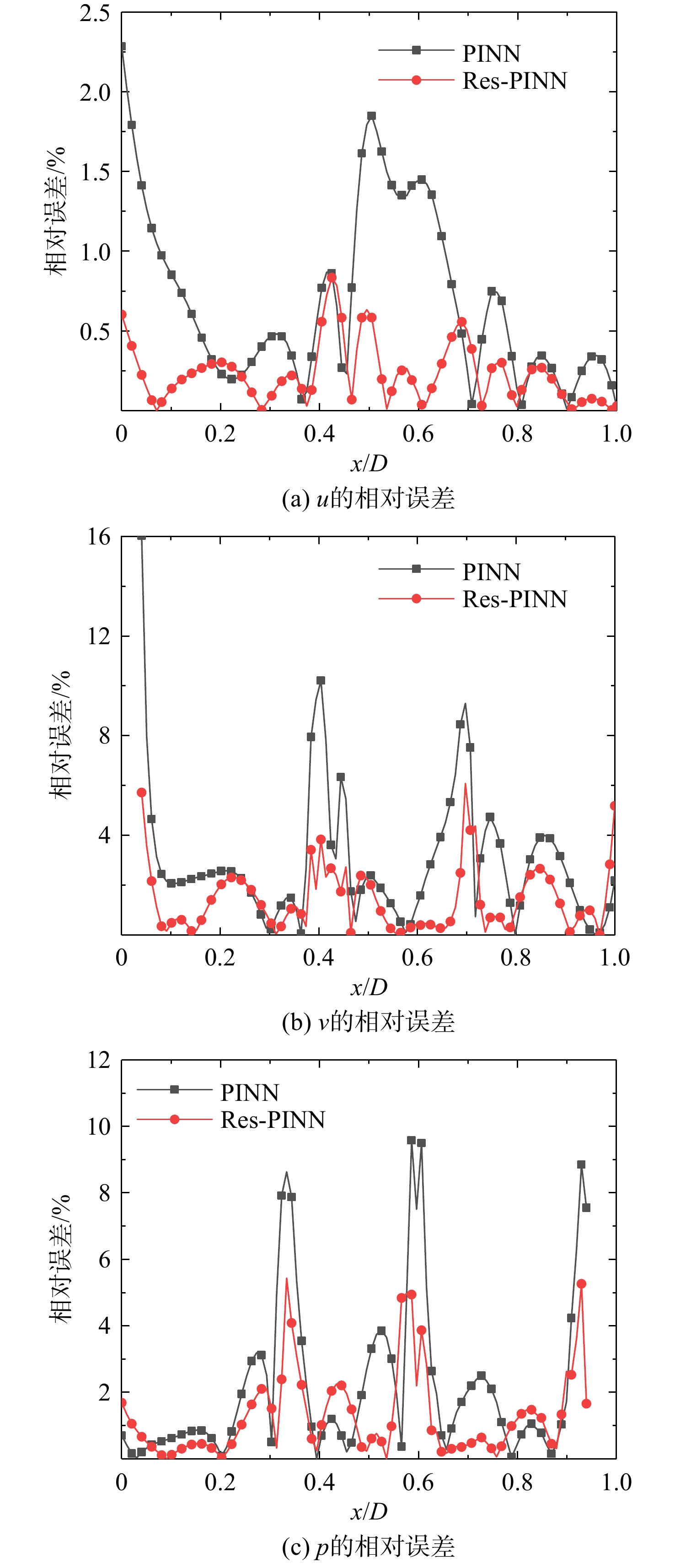
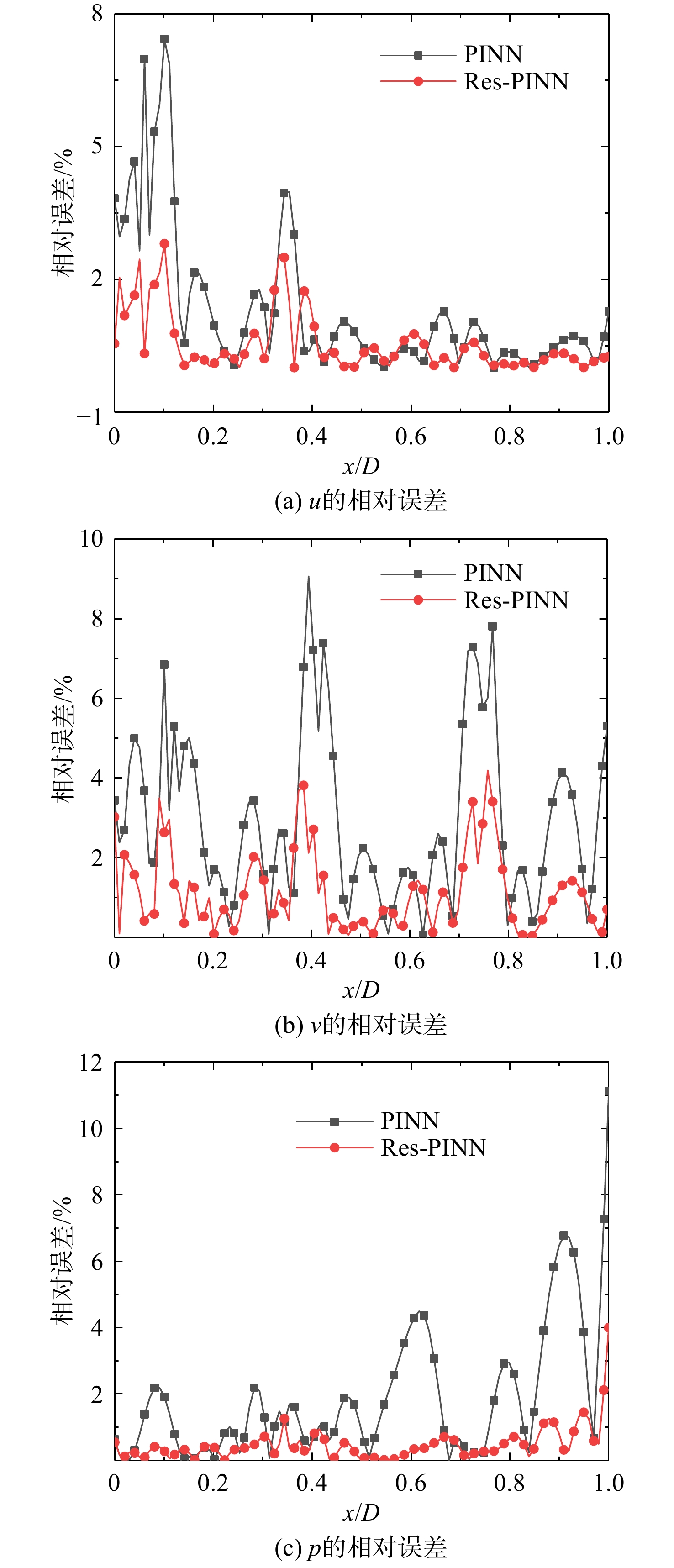
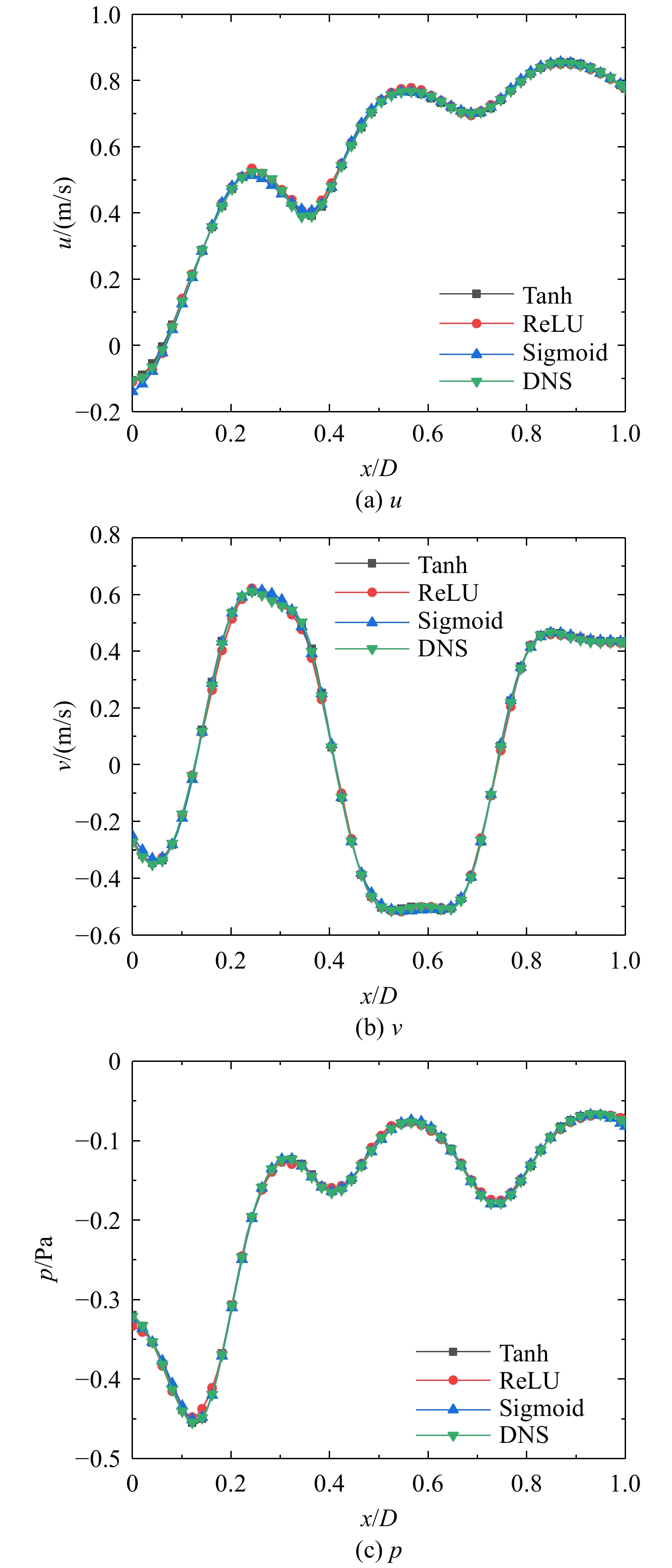
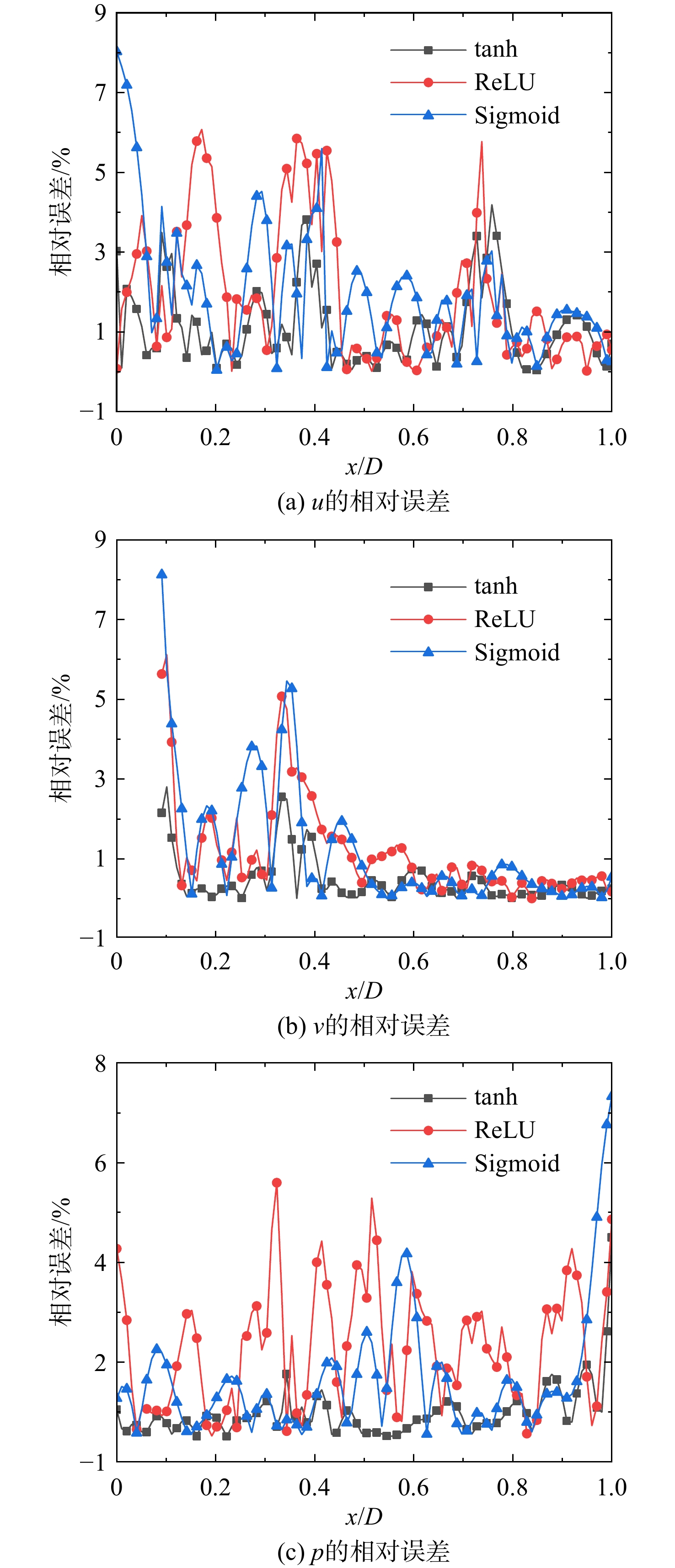
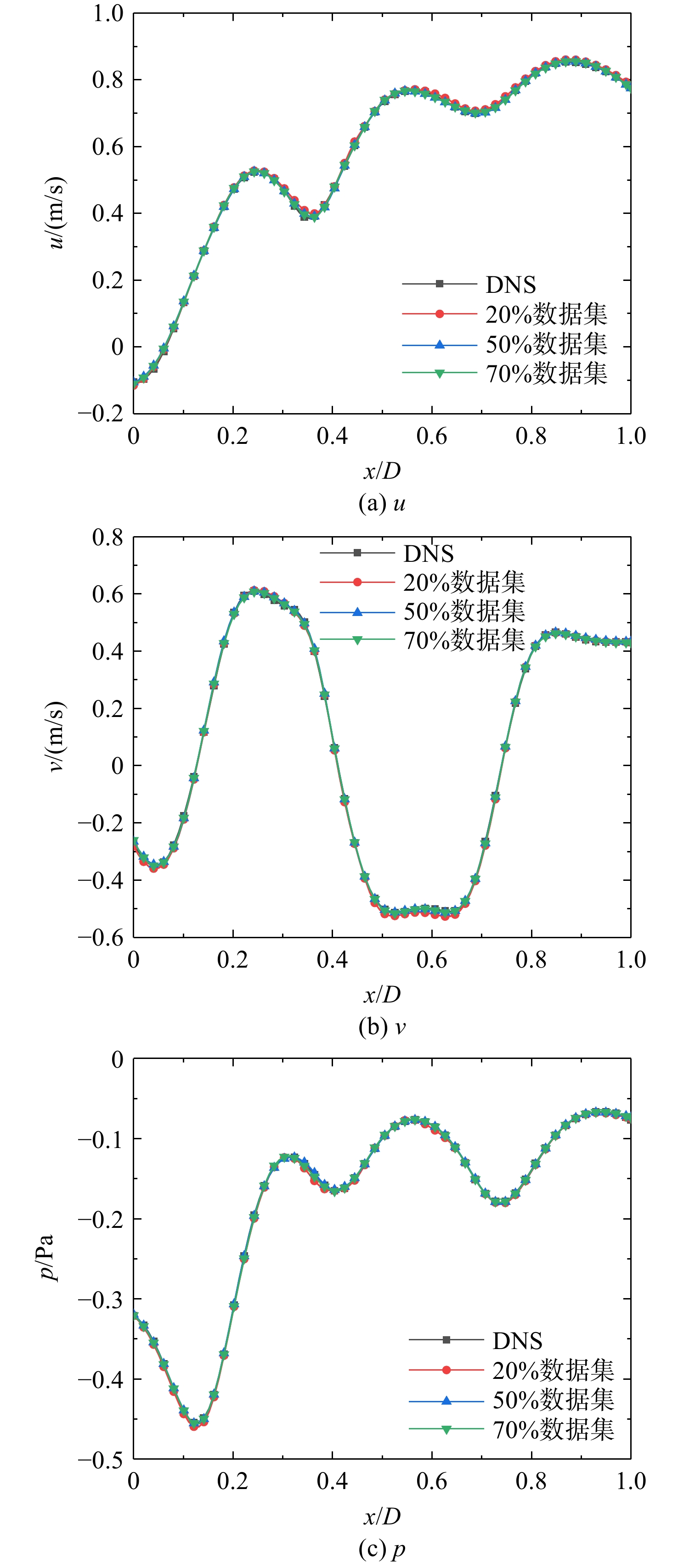
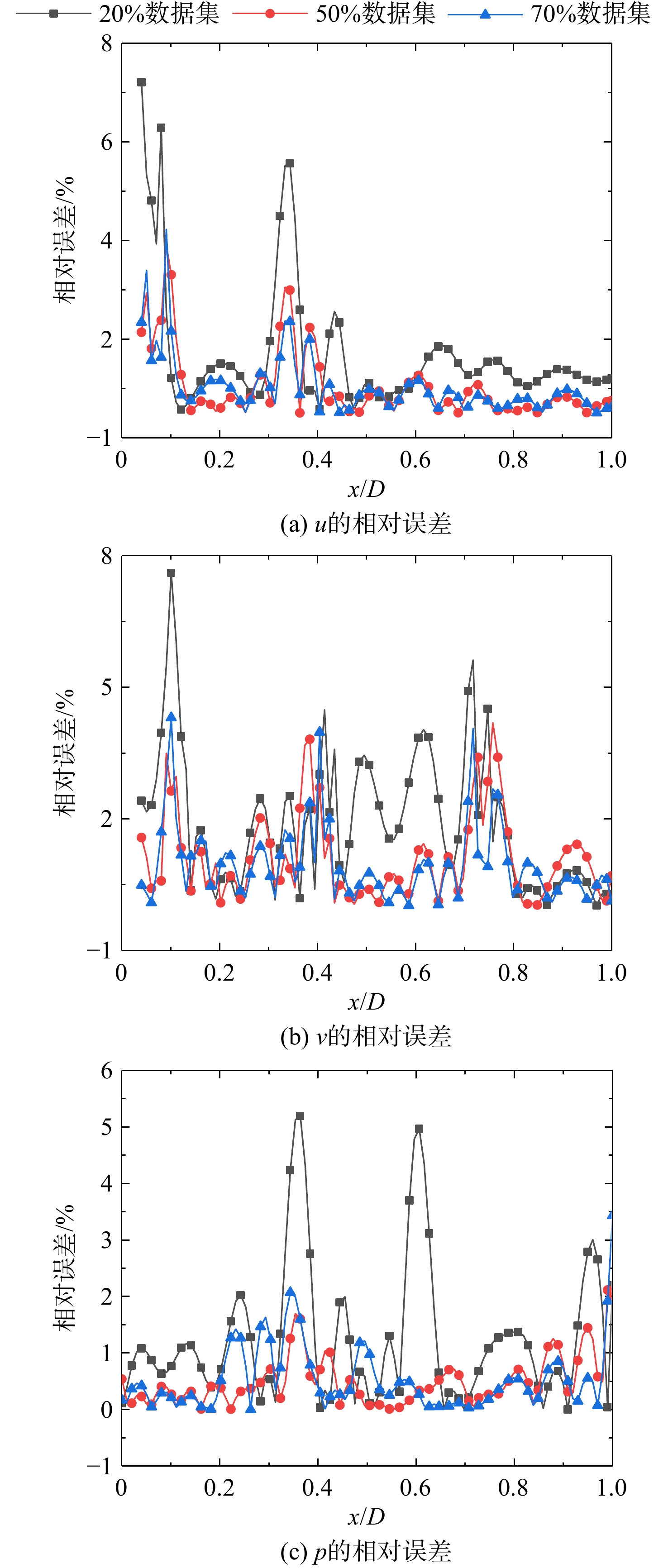
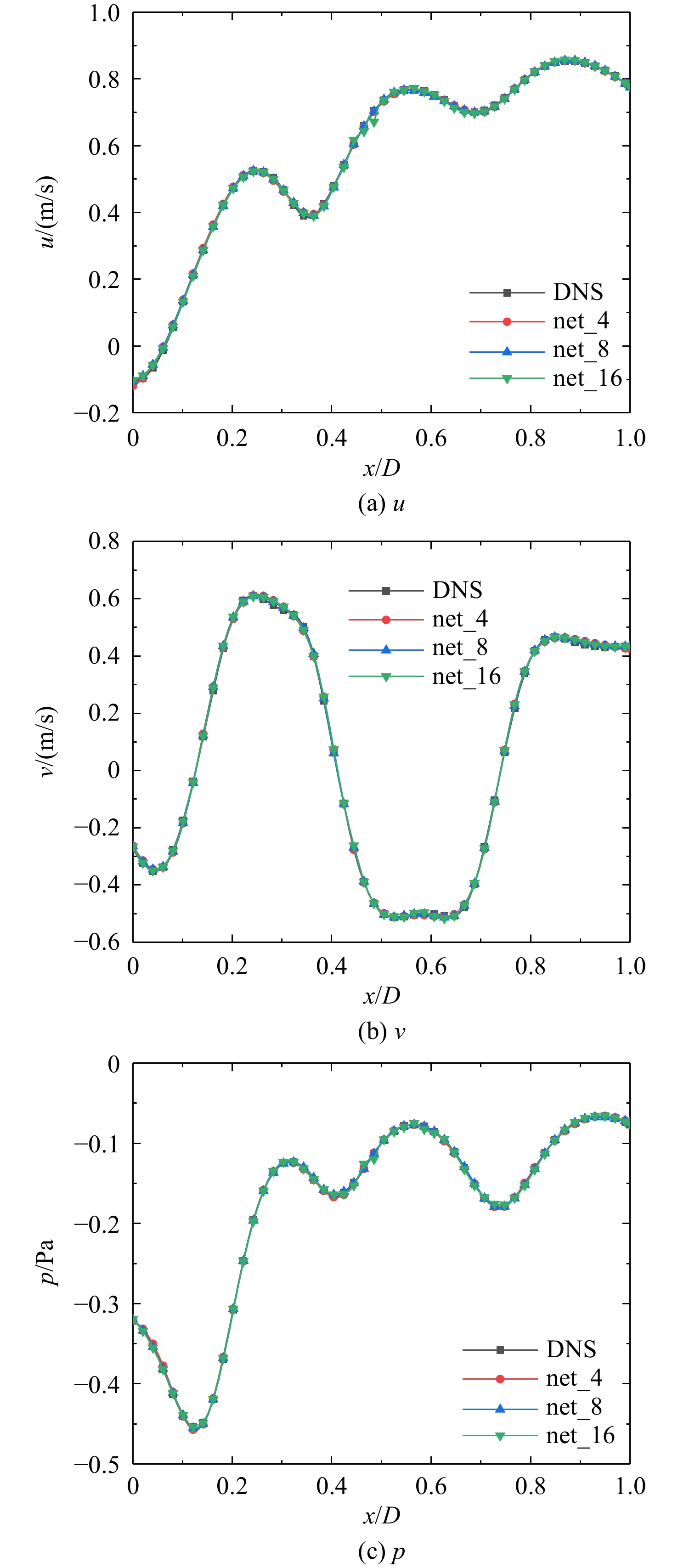
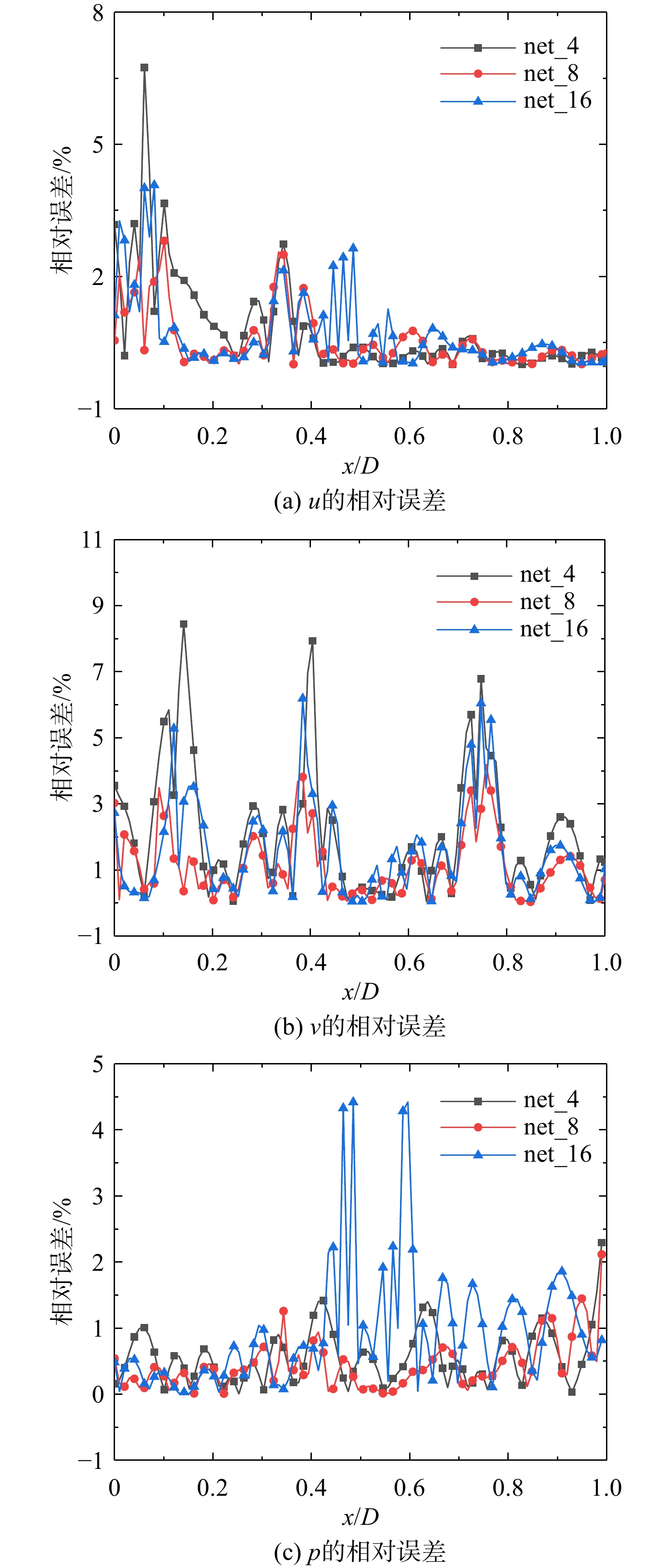
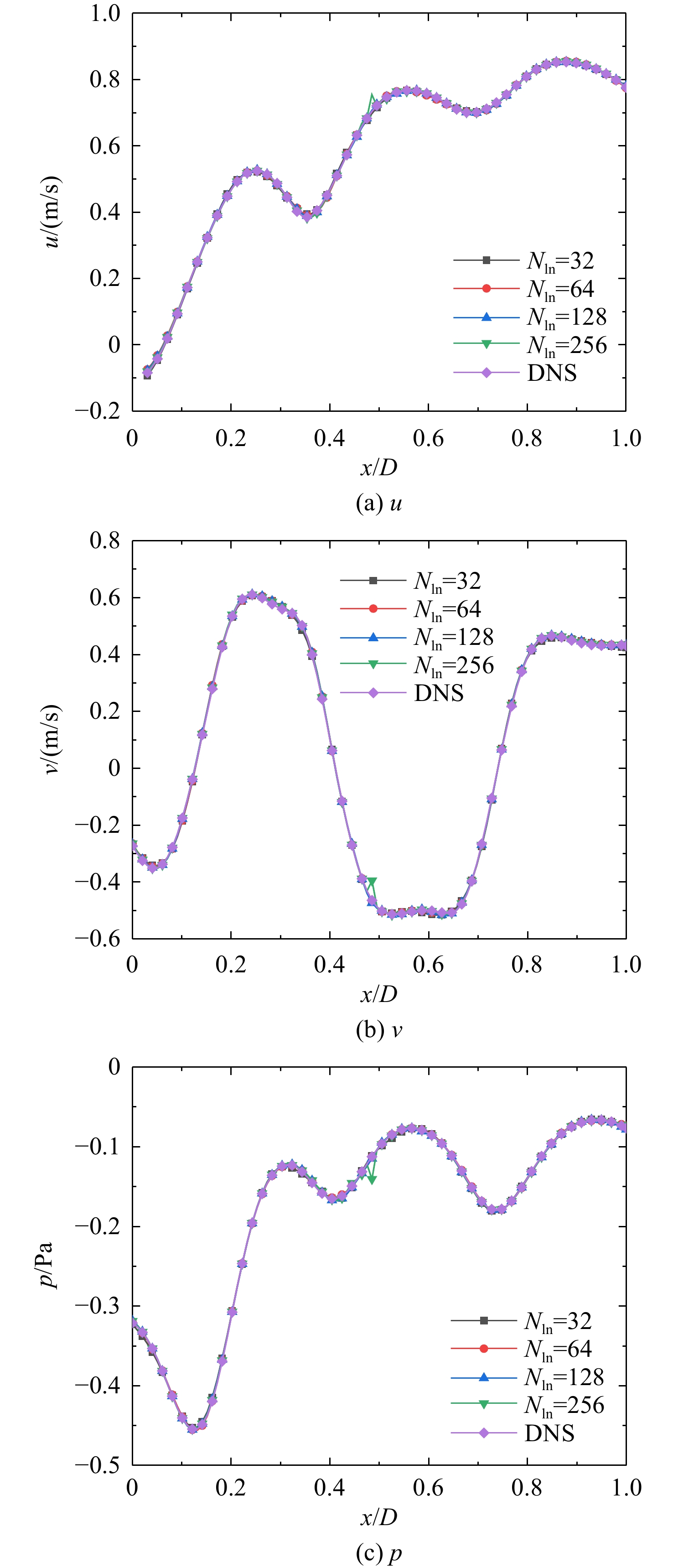
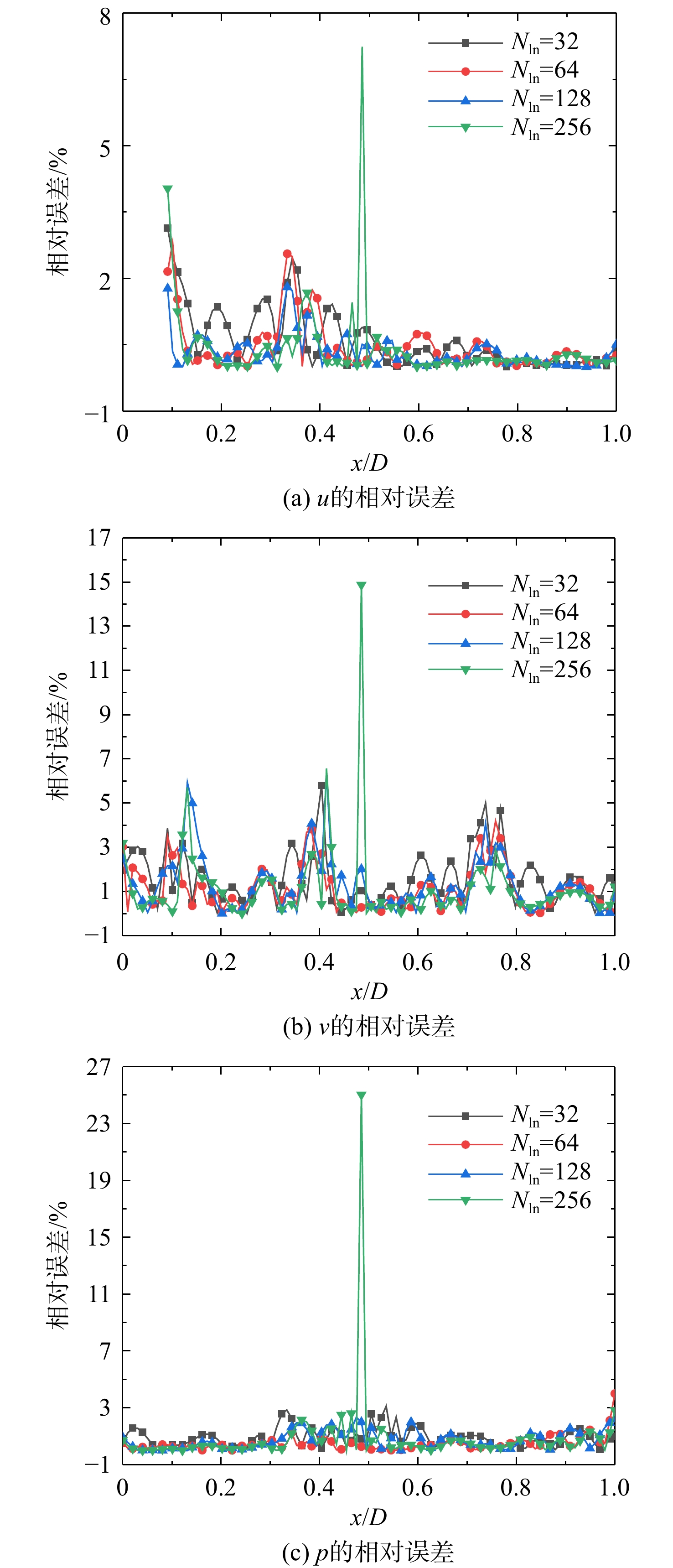
A high-precision prediction method for flow field was developed by integrating residual neural network (ResNet) with physics-informed neural network (PINN). Based on numerical simulation data, a PINN model integrating residual neural network (Res-PINN) solved the cylinder flow problem. The model used velocity and pressure data from sampled flow-field points to predict flow-field and pressure distributions in different regions. The influences of network type, activation function, dataset size, network layers, number of neurons and loss function weight on the prediction results were also explored. Results demonstrated that the Res-PINN effectively reconstructed flow-field velocity and pressure distributions. Its prediction accuracy was highly consistent with the direct numerical simulation results. The relative error of physical quantities was less than 5%. Comparative analysis showed that compared with traditional PINN, Res-PINN reduced prediction errors by over 45%, significantly improving the prediction accuracy and stability. Furthermore, multiple network hyperparameters had a significant impact on prediction performance, and optimization should be made to comprehensively consider and balance these parameters.

| [1] |
张伟伟, 王旭, 寇家庆. 面向流体力学的多范式融合研究展望[J]. 力学进展, 2023, 53(2): 433-467. Zhang Weiwei, Wang Xu, Kou Jiaqing. Prospects of multi-paradigm fusion methods for fluid mechanics research[J]. Advances in Mechanics, 2023, 53(2): 433-467. (in Chinese doi: 10.6052/1000-0992-22-050
Zhang Weiwei, Wang Xu, Kou Jiaqing. Prospects of multi-paradigm fusion methods for fluid mechanics research[J]. Advances in Mechanics, 2023, 53(2): 433-467. (in Chinese) doi: 10.6052/1000-0992-22-050
|
| [2] |
Mollicone J P, Battista F, Gualtieri P, et al. Effect of geometry and Reynolds number on the turbulent separated flow behind a bulge in a channel[J]. Journal of Fluid Mechanics, 2017, 823: 100-133. doi: 10.1017/jfm.2017.255
|
| [3] |
张伟伟, 朱林阳, 刘溢浪, 等. 机器学习在湍流模型构建中的应用进展[J]. 空气动力学学报, 2019, 37(3): 444-454. Zhang Weiwei, Zhu Linyang, Liu Yilang, et al. Progresses in the application of machine learning in turbulence modeling[J]. Acta Aerodynamica Sinica, 2019, 37(3): 444-454. (in Chinese
Zhang Weiwei, Zhu Linyang, Liu Yilang, et al. Progresses in the application of machine learning in turbulence modeling[J]. Acta Aerodynamica Sinica, 2019, 37(3): 444-454. (in Chinese)
|
| [4] |
Baldwin B, Lomax H. Thin-layer approximation and algebraic model for separated turbulentflows[R]. AIAA-1978-0257, 1978.
|
| [5] |
Launder B E, Spalding D B. The numerical computation of turbulent flows[M]//Numerical Prediction of Flow, Heat Transfer, Turbulence and Combustion. Amsterdam: Elsevier, 1983: 96-116.
|
| [6] |
Wilcox D C. Reassessment of the scale-determining equation for advanced turbulence models[J]. AIAA Journal, 1988, 26(11): 1299-1310. doi: 10.2514/3.10041
|
| [7] |
Spalart P, Allmaras S. A one-equation turbulence model for aerodynamic flows[R]. AIAA-1992-0439, 1992.
|
| [8] |
Bishop C M. Neural networks and their applications[J]. Review of Scientific Instruments, 1994, 65(6): 1803-1832. doi: 10.1063/1.1144830
|
| [9] |
苑光耀, 王俊淞, 赵玄烈, 等. 基于PINN的二维剪切流圆柱绕流场重构[J]. 力学学报, 2025, 57(2): 436-452. Yuan Guangyao, Wang Junsong, Zhao Xuanlie, et al. Reconstruction of the flow field around a cylinder in a twodimensional shear flow based on pinn[J]. Chinese Journal of Theoretical and Applied Mechanics, 2025, 57(2): 436-452. (in Chinese doi: 10.6052/0459-1879-24-417
Yuan Guangyao, Wang Junsong, Zhao Xuanlie, et al. Reconstruction of the flow field around a cylinder in a twodimensional shear flow based on pinn[J]. Chinese Journal of Theoretical and Applied Mechanics, 2025, 57(2): 436-452. (in Chinese) doi: 10.6052/0459-1879-24-417
|
| [10] |
Wu Jinlong, Yin Xiaolong, Xiao Heng. Seeing permeability from images: fast prediction with convolutional neural networks[J]. Science Bulletin, 2018, 63(18): 1215-1222. doi: 10.1016/j.scib.2018.08.006
|
| [11] |
Xu Hao, Chang Haibin, Zhang Dongxiao. DL-PDE: deep-learning based data-driven discovery of partial differential equations from discrete and noisy data[J]. Communications in Computational Physics, 2025, 29(3): 698-728. doi: 10.4208/cicp.oa-2020-0142
|
| [12] |
Karniadakis G E, Kevrekidis I G, Lu Lu, et al. Physics-informed machine learning[J]. Nature Reviews Physics, 2021, 3(6): 422-440. doi: 10.1038/s42254-021-00314-5
|
| [13] |
Raissi M, Perdikaris P, Karniadakis G E. Physics-informed neural networks: a deep learning framework for solving forward and inverse problems involving nonlinear partial differential equations[J]. Journal of Computational Physics, 2019, 378: 686-707. doi: 10.1016/j.jcp.2018.10.045
|
| [14] |
Baydin A G, Pearlmutter B A, Radul A A, et al. Automatic differentiation in machine learning: a survey[J]. Journal of Machine Learning Research, 2017, 18(1): 5595-5637.
|
| [15] |
Avoledo E, Tognan A, Salvati E. Quantification of uncertainty in a defect-based physics-informed neural network for fatigue evaluation and insights on influencing factors[J]. Engineering Fracture Mechanics, 2023, 292: 109595. doi: 10.1016/j.engfracmech.2023.109595
|
| [16] |
He Yichuan, Wang Zhicheng, Xiang Hui, et al. An artificial viscosity augmented physics-informed neural network for incompressible flow[J]. Applied Mathematics and Mechanics (English Edition), 2023, 44(7): 1101-1110. doi: 10.1007/s10483-023-2993-9
|
| [17] |
Strelow E L, Gerisch A, Lang J, et al. Physics informed neural networks: a case study for gas transport problems[J]. Journal of Computational Physics, 2023, 481: 112041. doi: 10.1016/j.jcp.2023.112041
|
| [18] |
刘肖廷, 闵建, 于相楠, 等. 物理信息神经网络的应用与研究进展[J]. 河南科学, 2024, 42(7): 945-959. Liu Xiaoting, Min Jian, Yu Xiangnan, et al. Applications and advancements of physics-informed neural networks: an overview[J]. Henan Science, 2024, 42(7): 945-959. (in Chinese doi: 10.3969/j.issn.1004-3918.2024.07.002
Liu Xiaoting, Min Jian, Yu Xiangnan, et al. Applications and advancements of physics-informed neural networks: an overview[J]. Henan Science, 2024, 42(7): 945-959. (in Chinese) doi: 10.3969/j.issn.1004-3918.2024.07.002
|
| [19] |
Jin Xiaowei, Cai Shengze, Li Hui, et al. NSFnets (Navier-Stokes flow nets): physics-informed neural networks for the incompressible Navier-Stokes equations[J]. Journal of Computational Physics, 2021, 426: 109951. doi: 10.1016/j.jcp.2020.109951
|
| [20] |
Rao Chengping, Sun Hao, Liu Yang. Physics-informed deep learning for incompressible laminar flows[J]. Theoretical and Applied Mechanics Letters, 2020, 10(3): 207-212. doi: 10.1016/j.taml.2020.01.039
|
| [21] |
Sun Luning, Gao Han, Pan Shaowu, et al. Surrogate modeling for fluid flows based on physics-constrained deep learning without simulation data[J]. Computer Methods in Applied Mechanics and Engineering, 2020, 361: 112732. doi: 10.1016/j.cma.2019.112732
|
| [22] |
Kharazmi E, Zhang Zhongqiang, Karniadakis G E M. hp-VPINNs: variational physics-informed neural networks with domain decomposition[J]. Computer Methods in Applied Mechanics and Engineering, 2021, 374: 113547. doi: 10.1016/j.cma.2020.113547
|
| [23] |
Goswami S, Anitescu C, Chakraborty S, et al. Transfer learning enhanced physics informed neural network for phase-field modeling of fracture[J]. Theoretical and Applied Fracture Mechanics, 2020, 106: 102447. doi: 10.1016/j.tafmec.2019.102447
|
| [24] |
Sirignano J, Spiliopoulos K. DGM: a deep learning algorithm for solving partial differential equations[J]. Journal of Computational Physics, 2018, 375: 1339-1364. doi: 10.1016/j.jcp.2018.08.029
|
| [25] |
He Kaiming, Zhang Xiangyu, Ren Shaoqing, et al. Deep residual learning for image recognition[C]//2016 IEEE Conference on Computer Vision and Pattern Recognition. Piscataway, US: IEEE, 2016: 770-778.
|






 DownLoad: