2022 Vol. 37, No. 8

Combustion,Heat and Mass Transfer
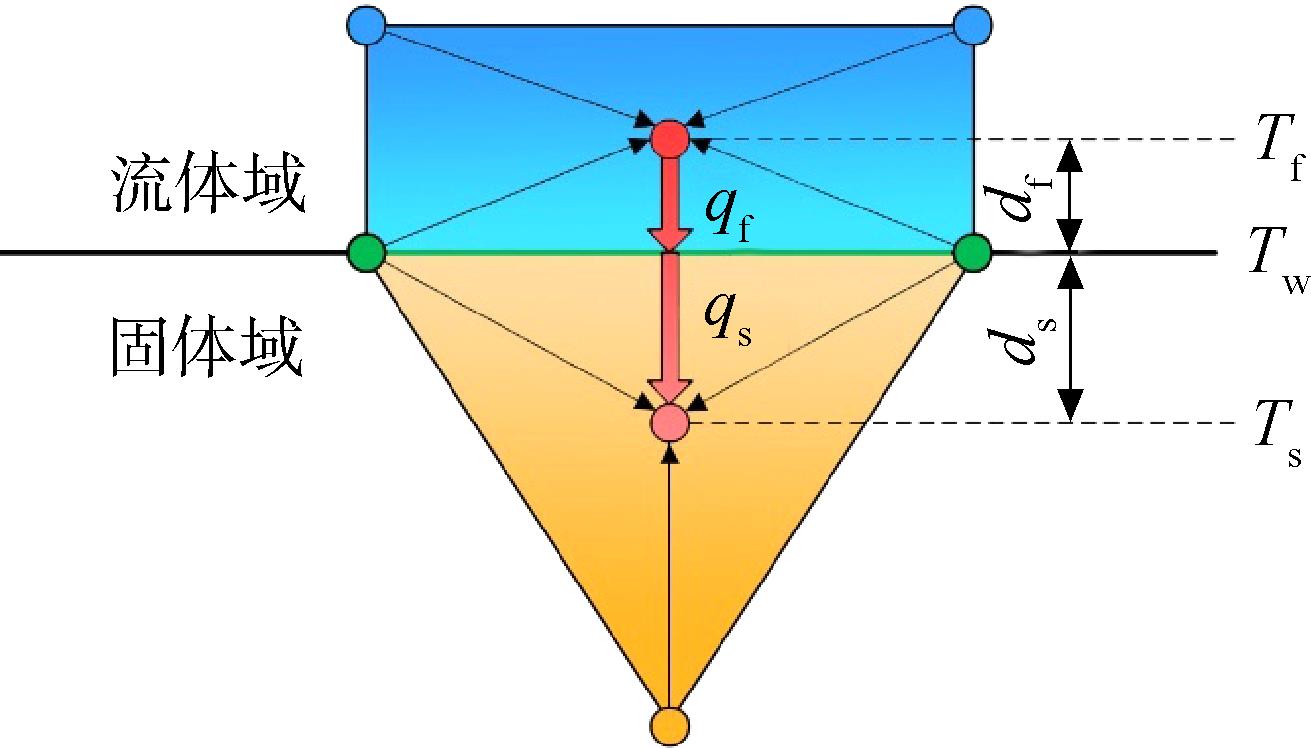
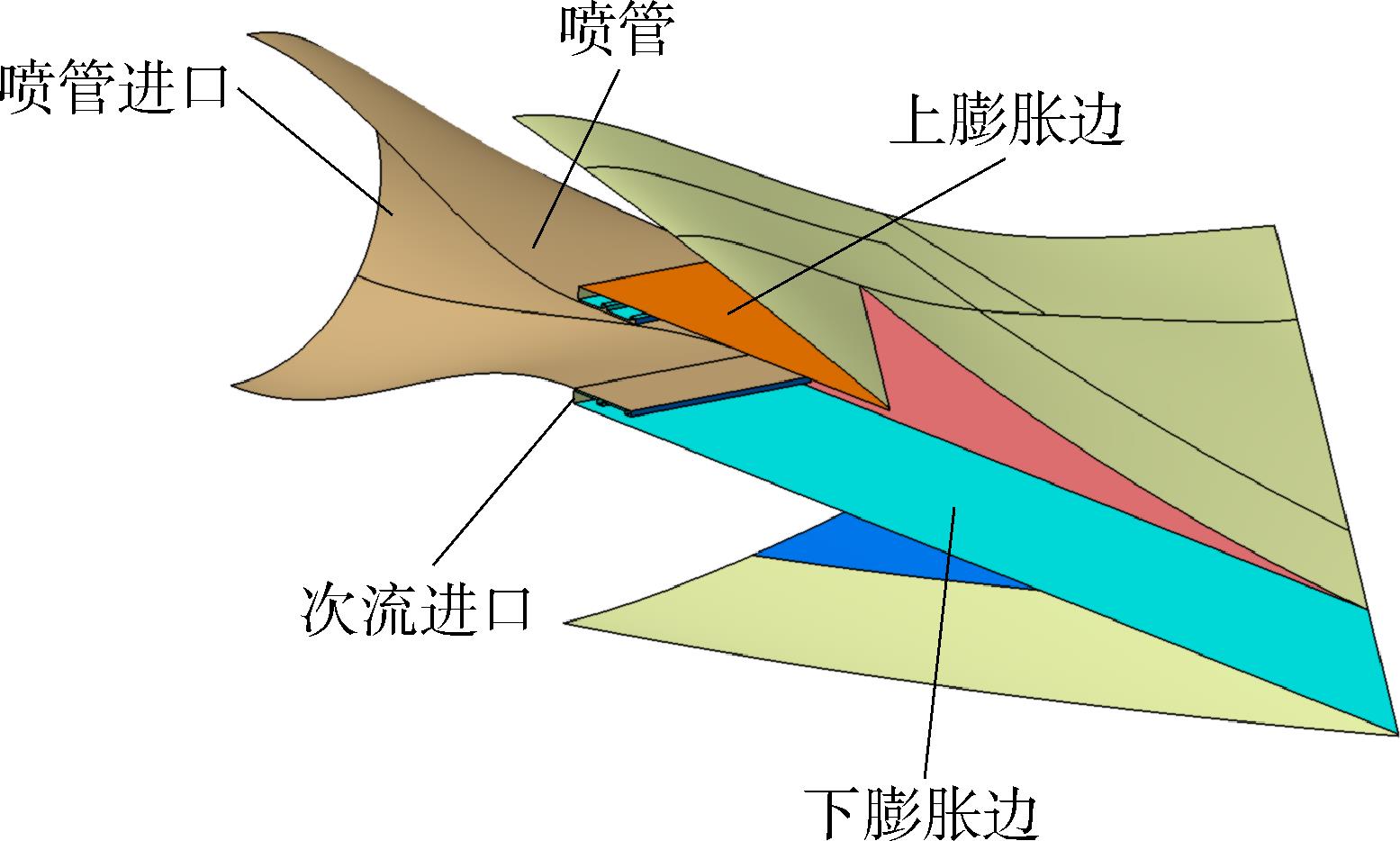
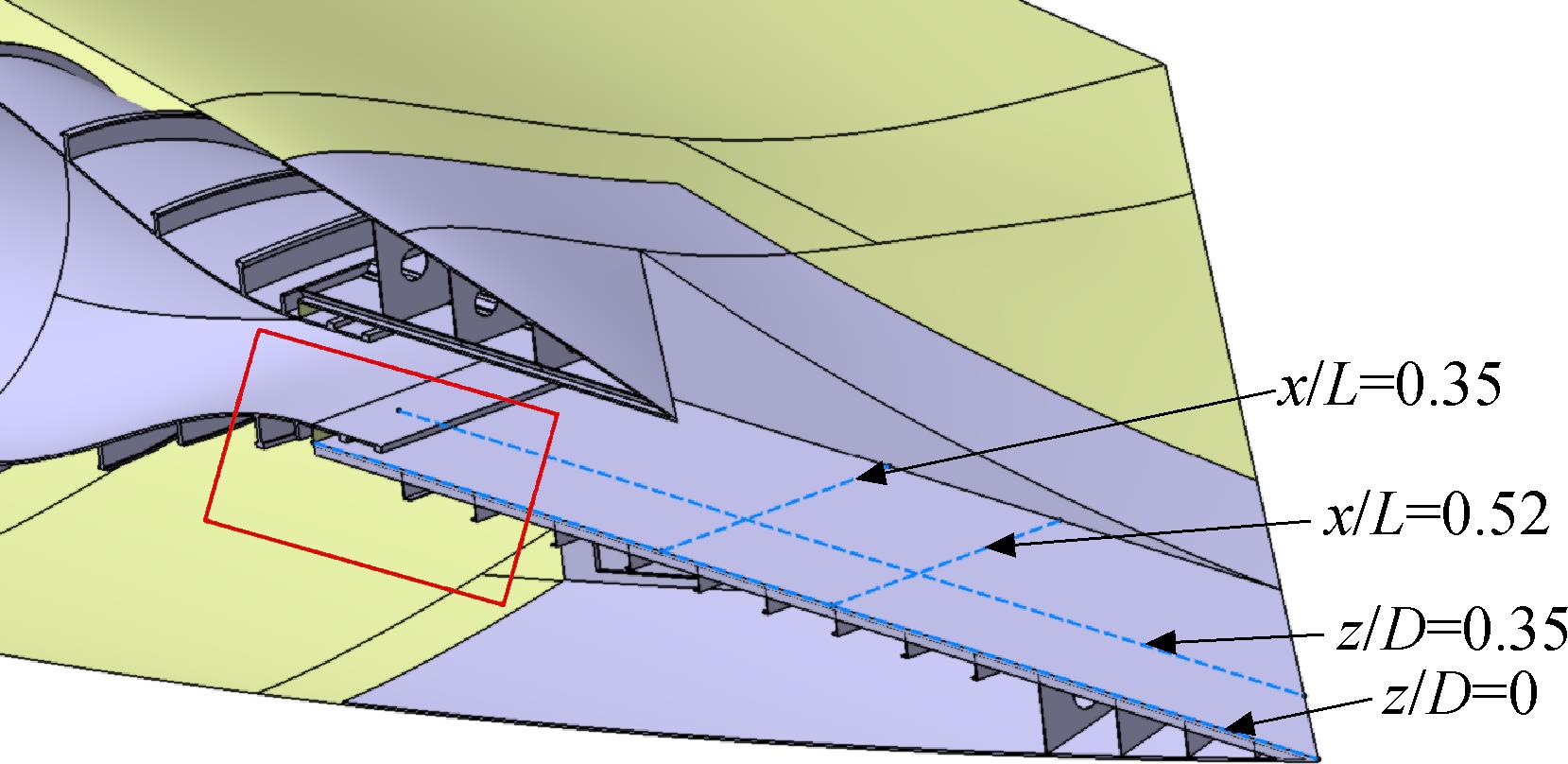
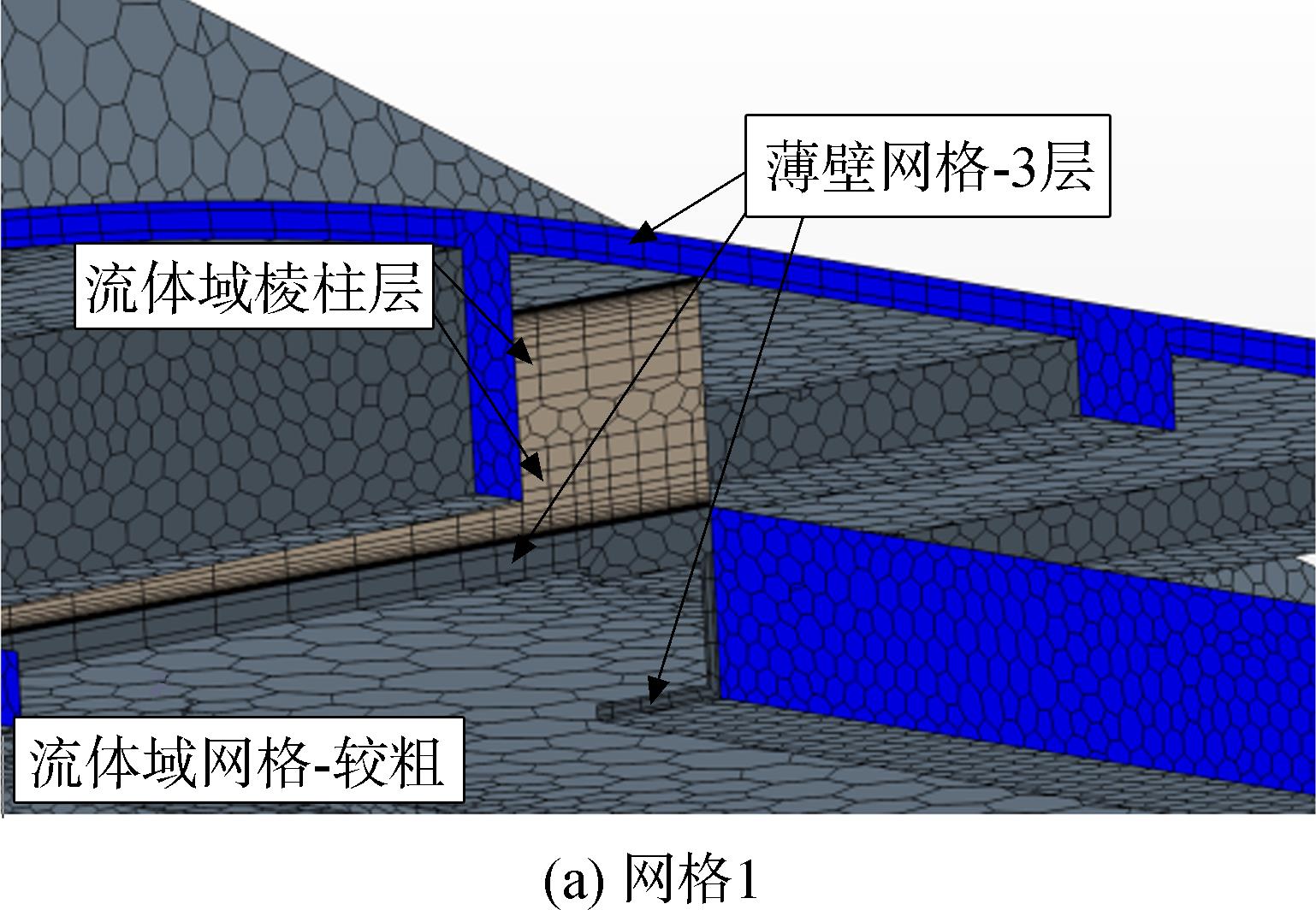
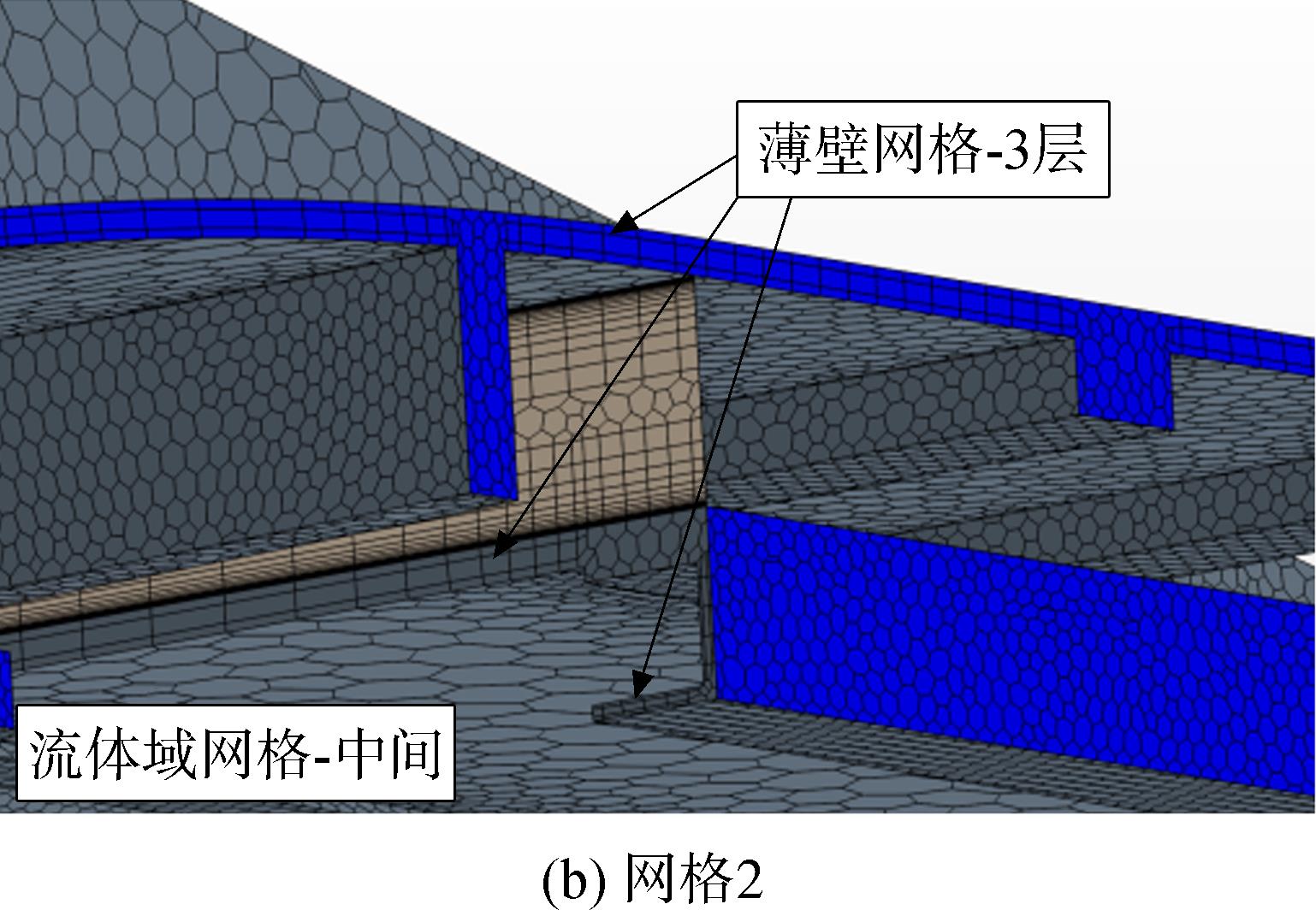
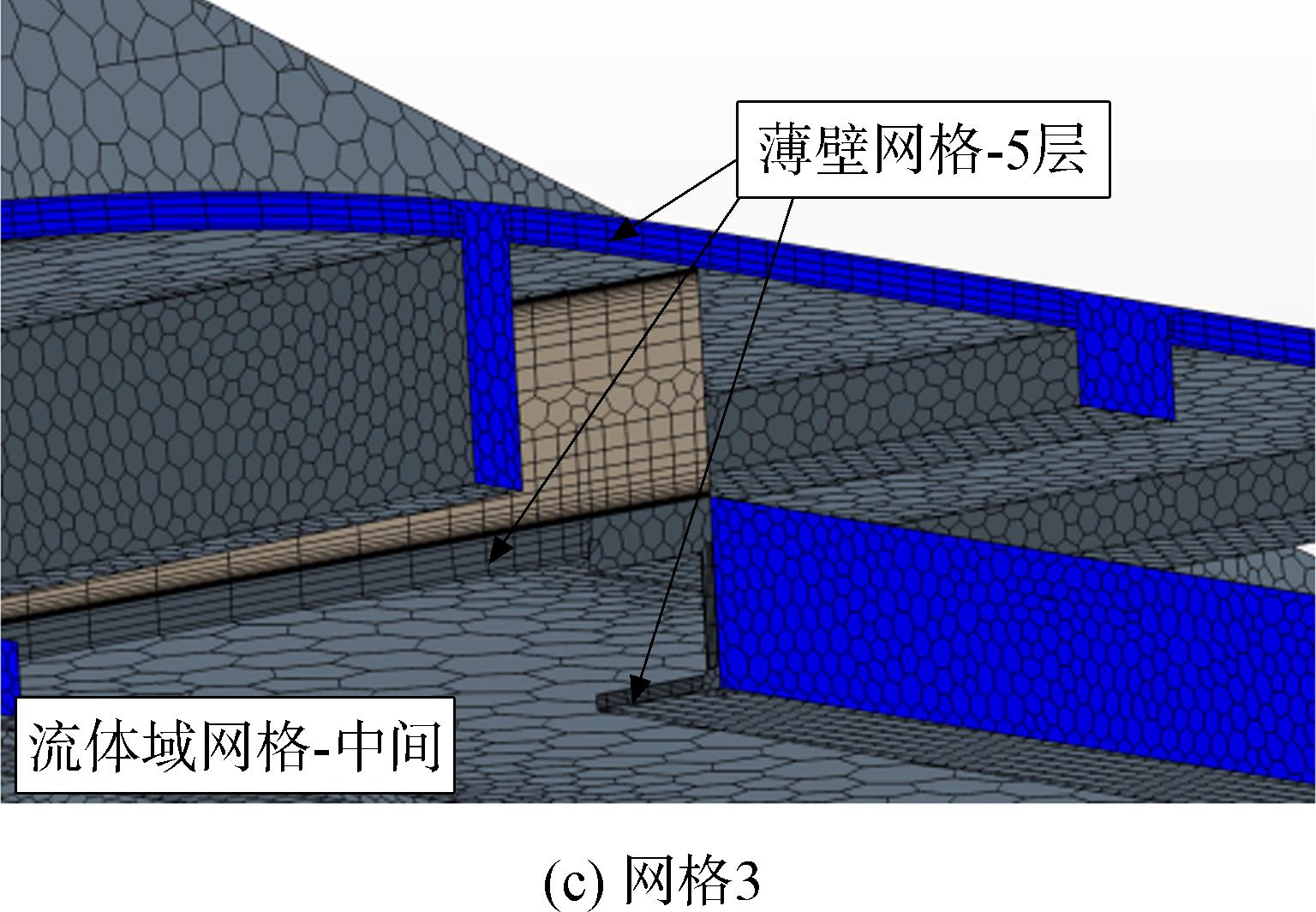
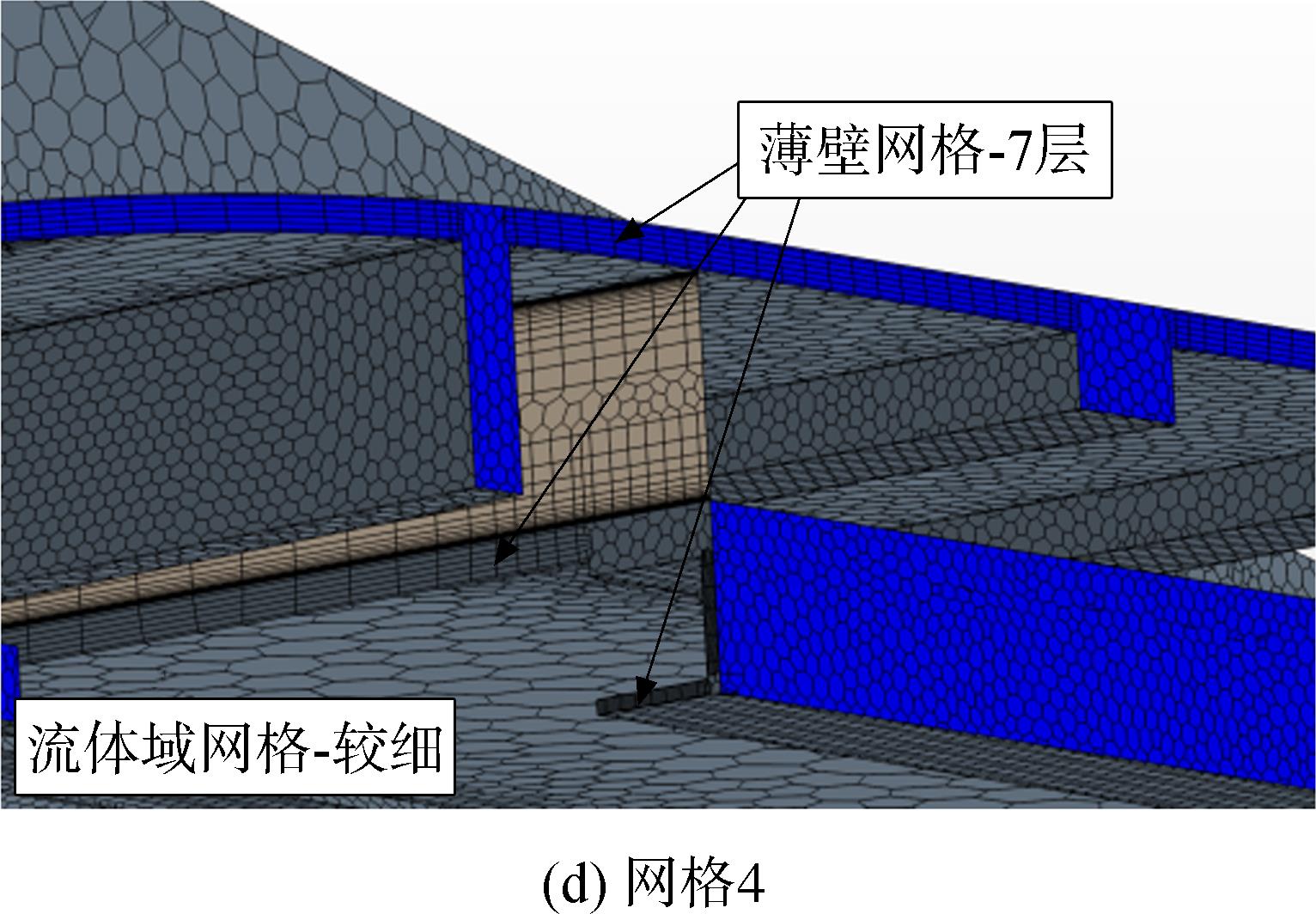
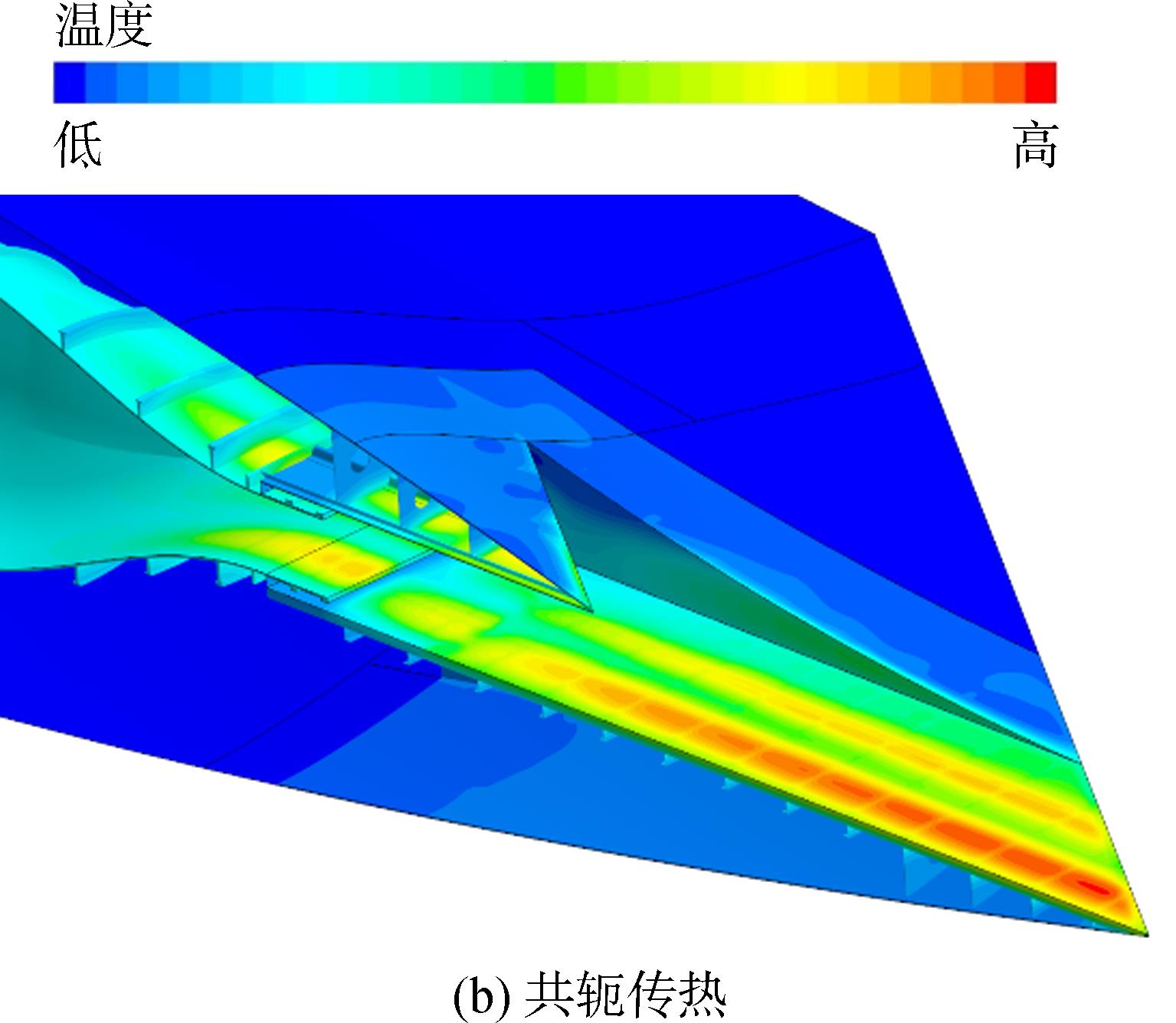
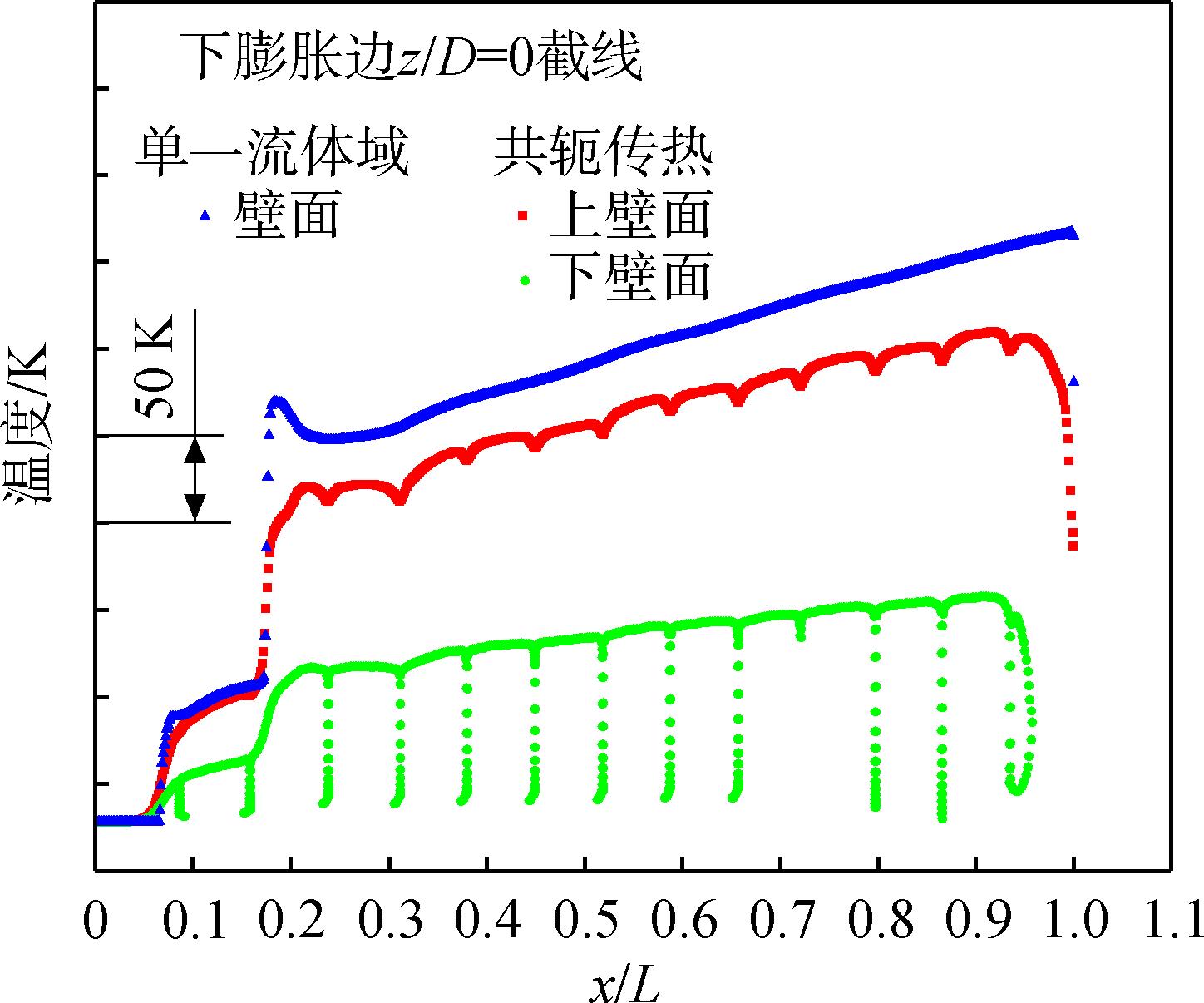
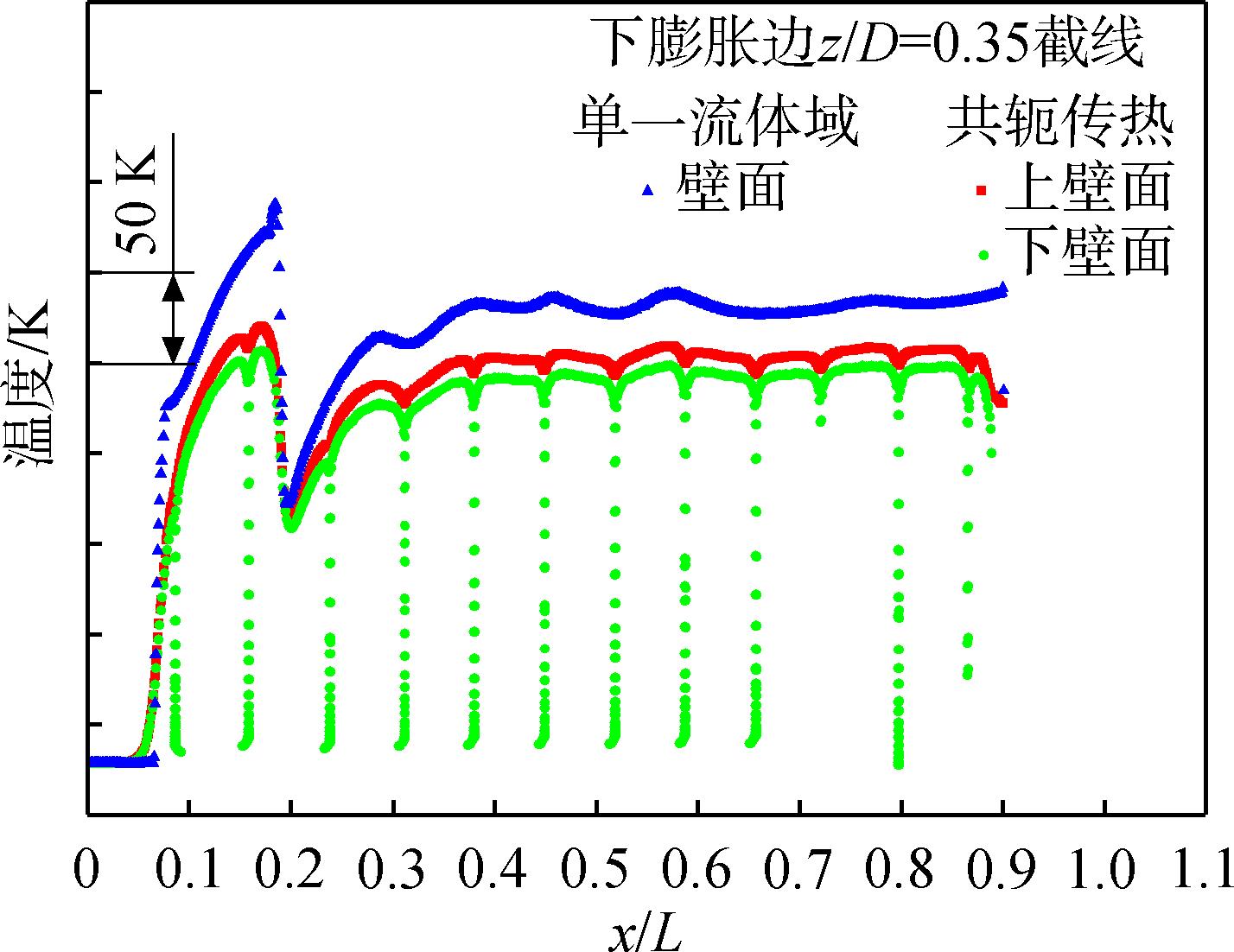
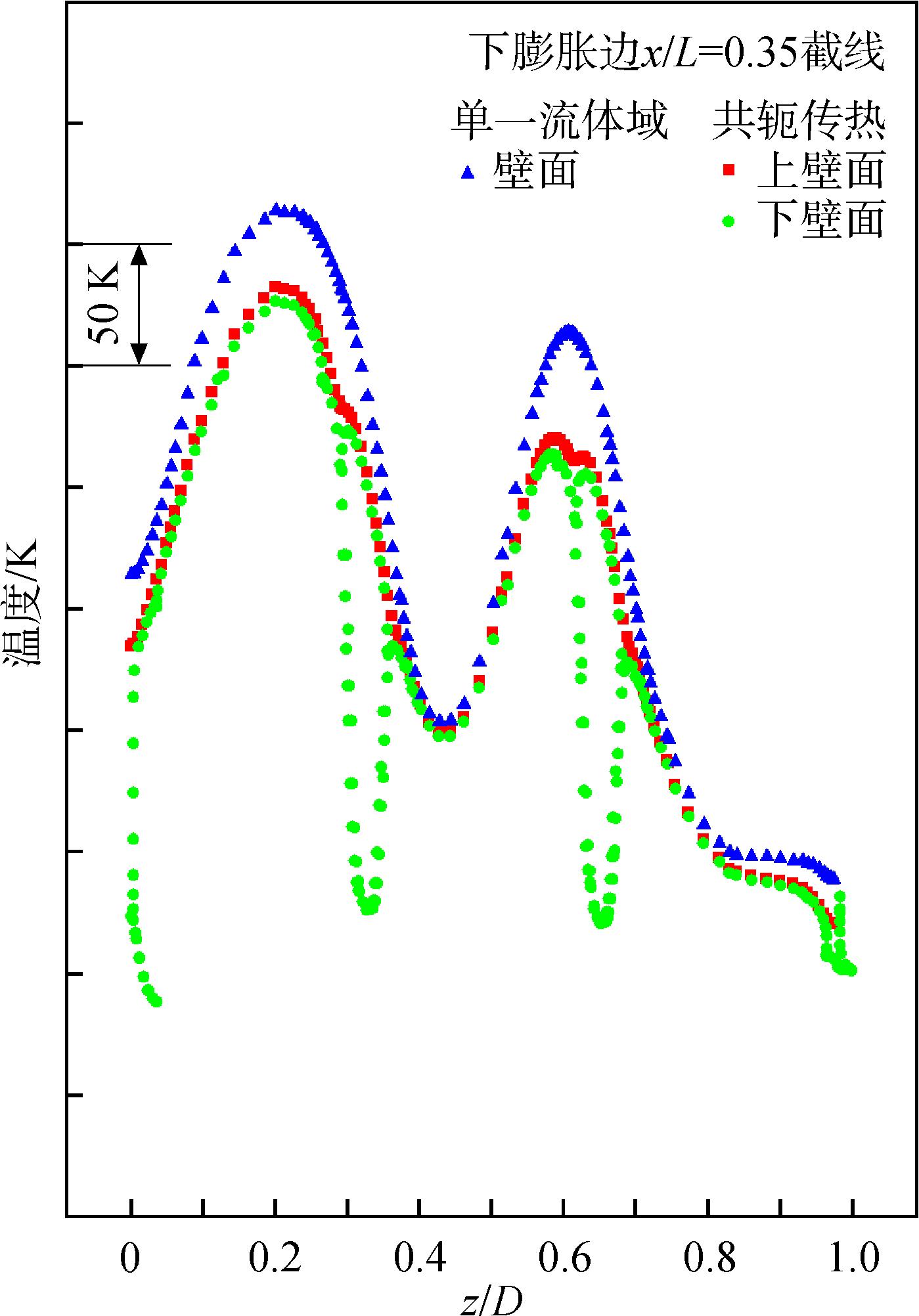
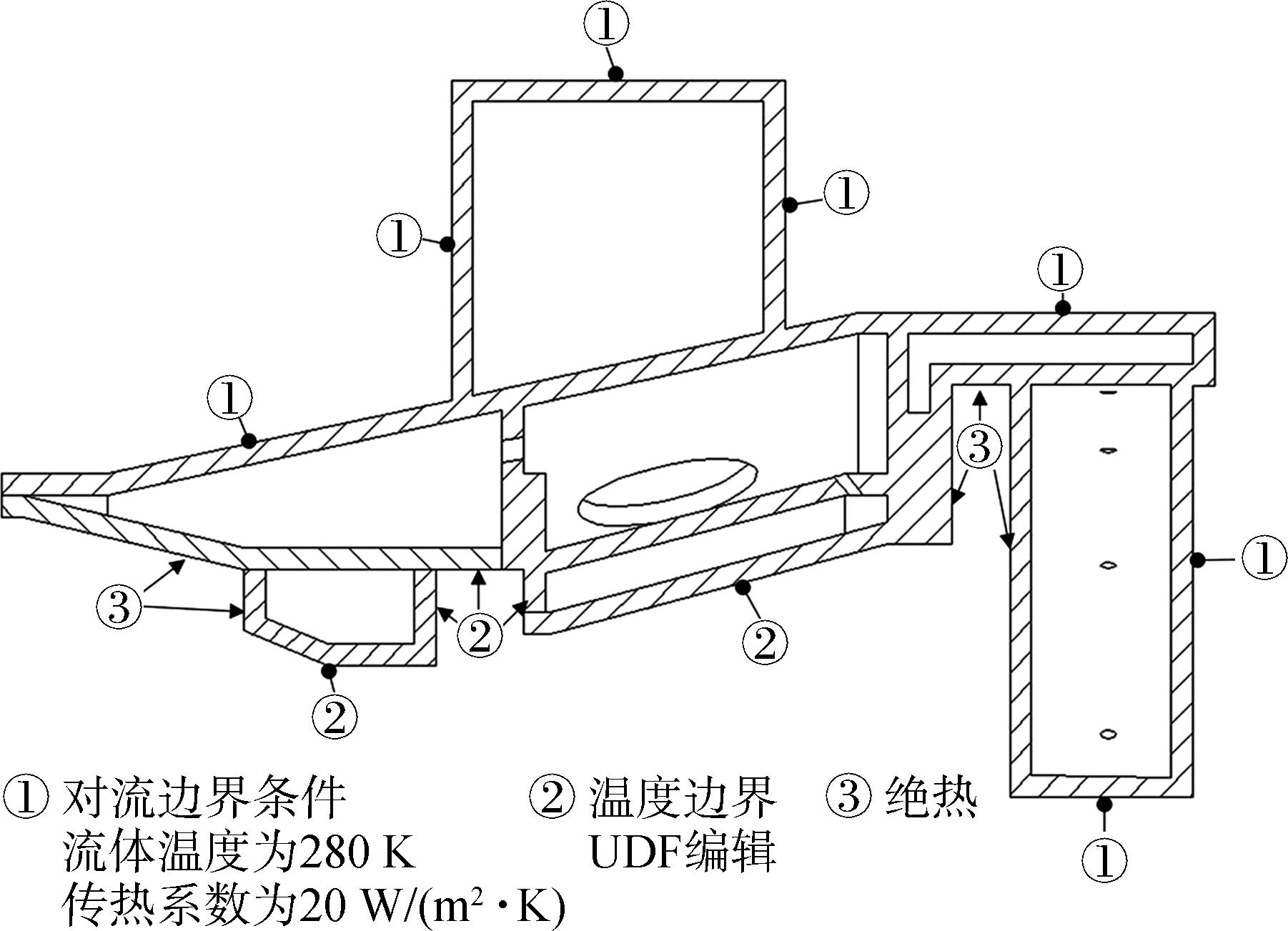
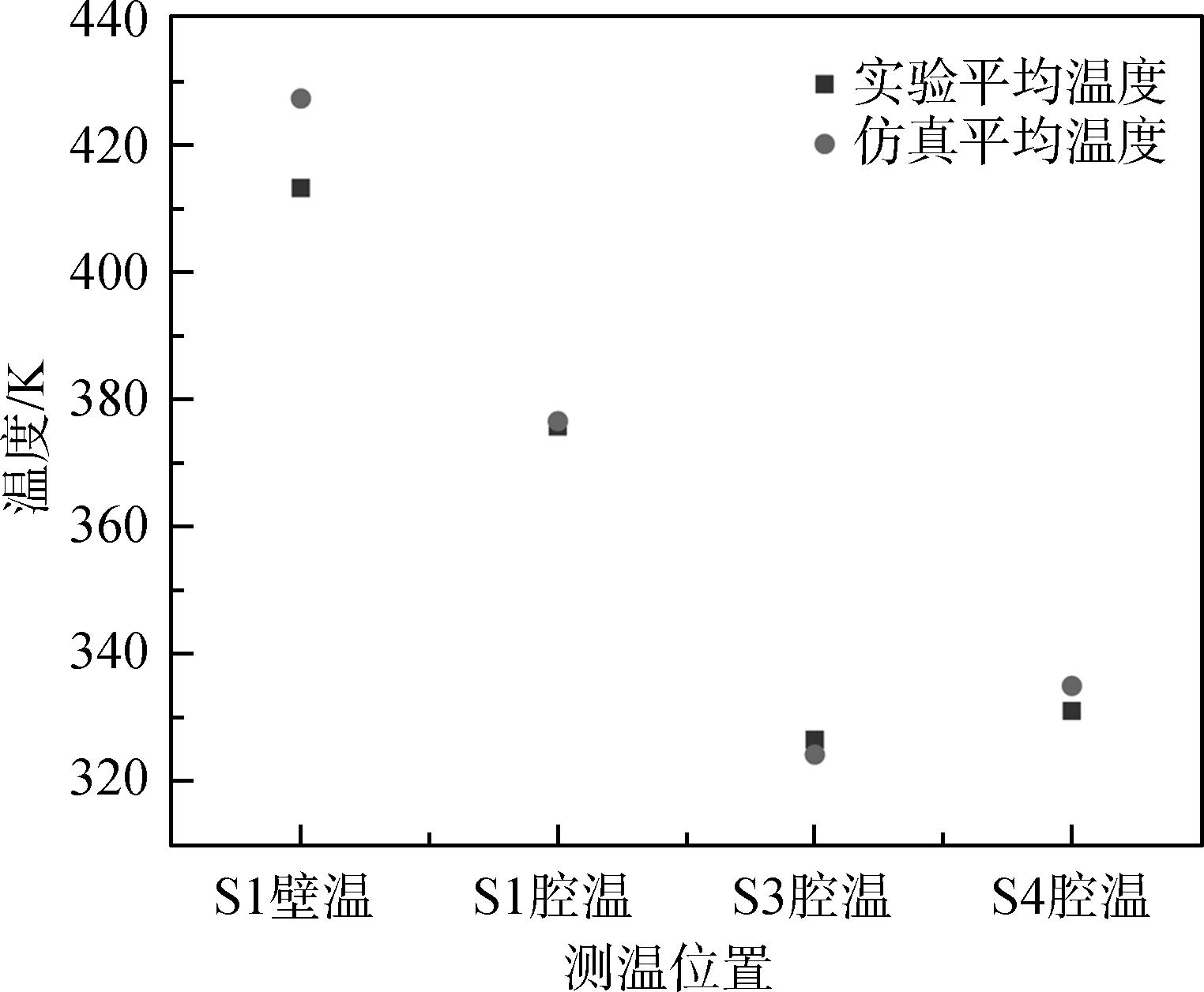
Calculation and analysis of temperature distribution of single expansion after⁃body based on conjugate heat transfer
LI Hongyang, WANG Xiao, SUN Chao
2022, 37(8): 1569-1578. doi: 10.13224/j.cnki.jasp.20210346
Abstract:

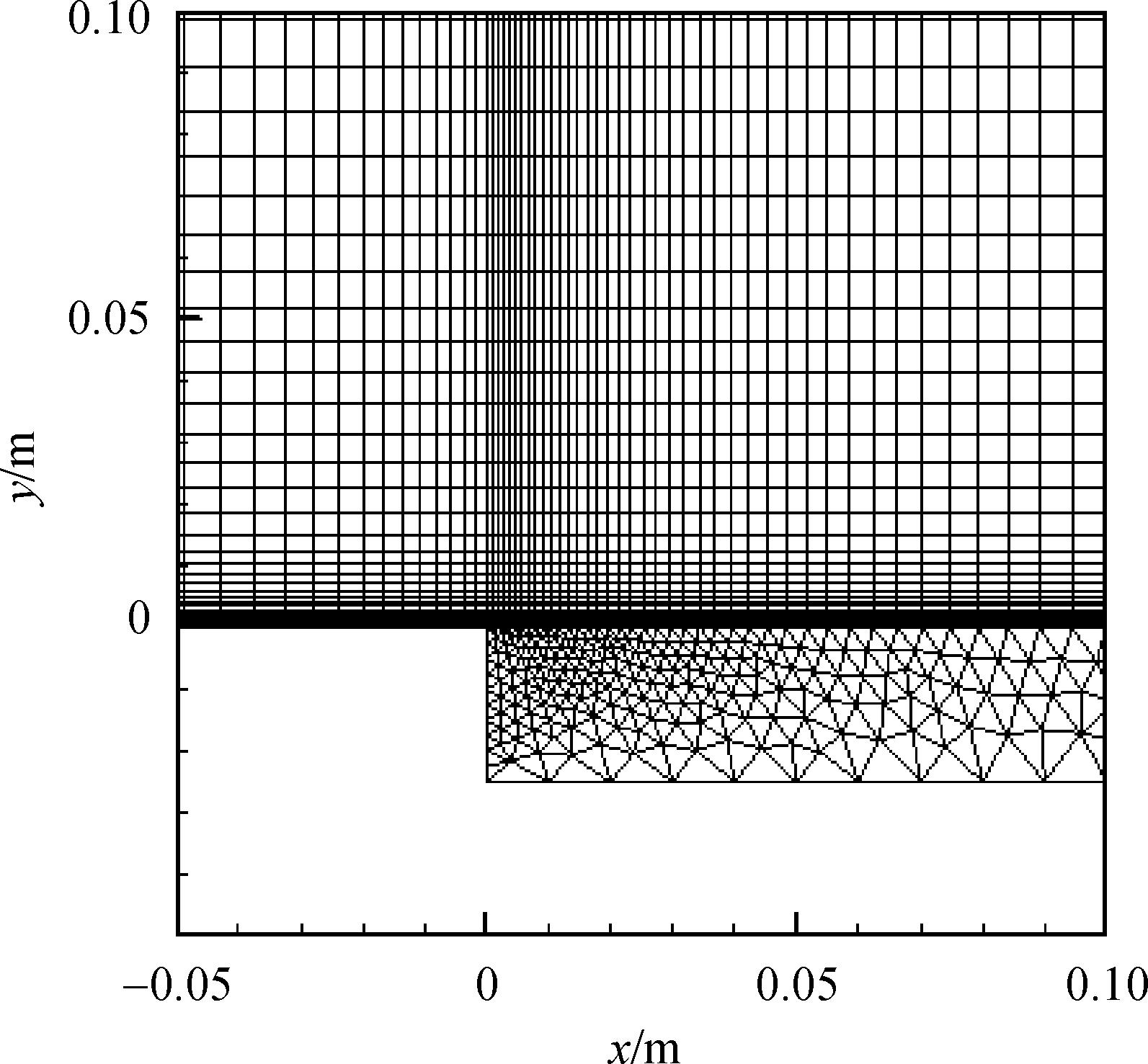
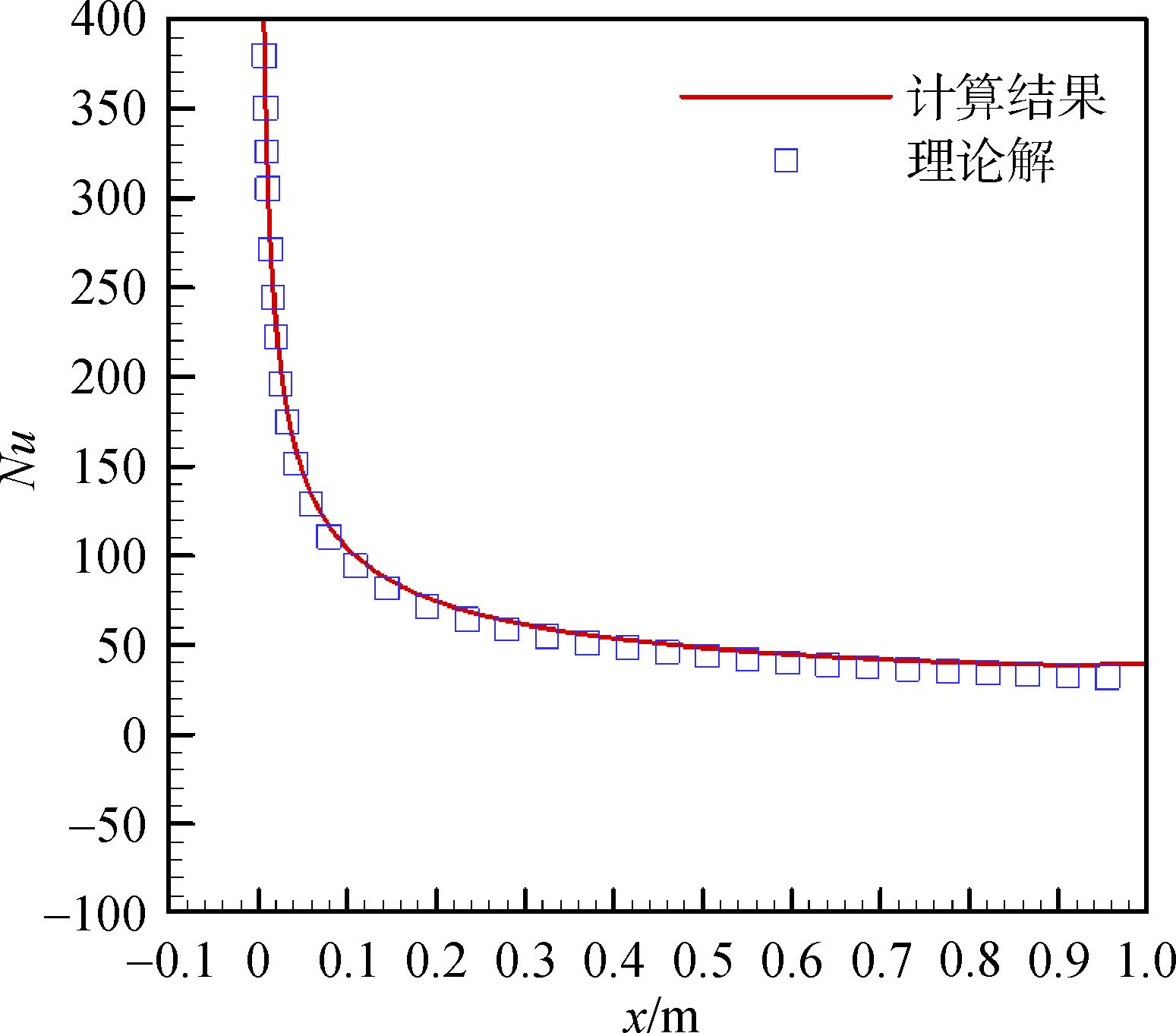
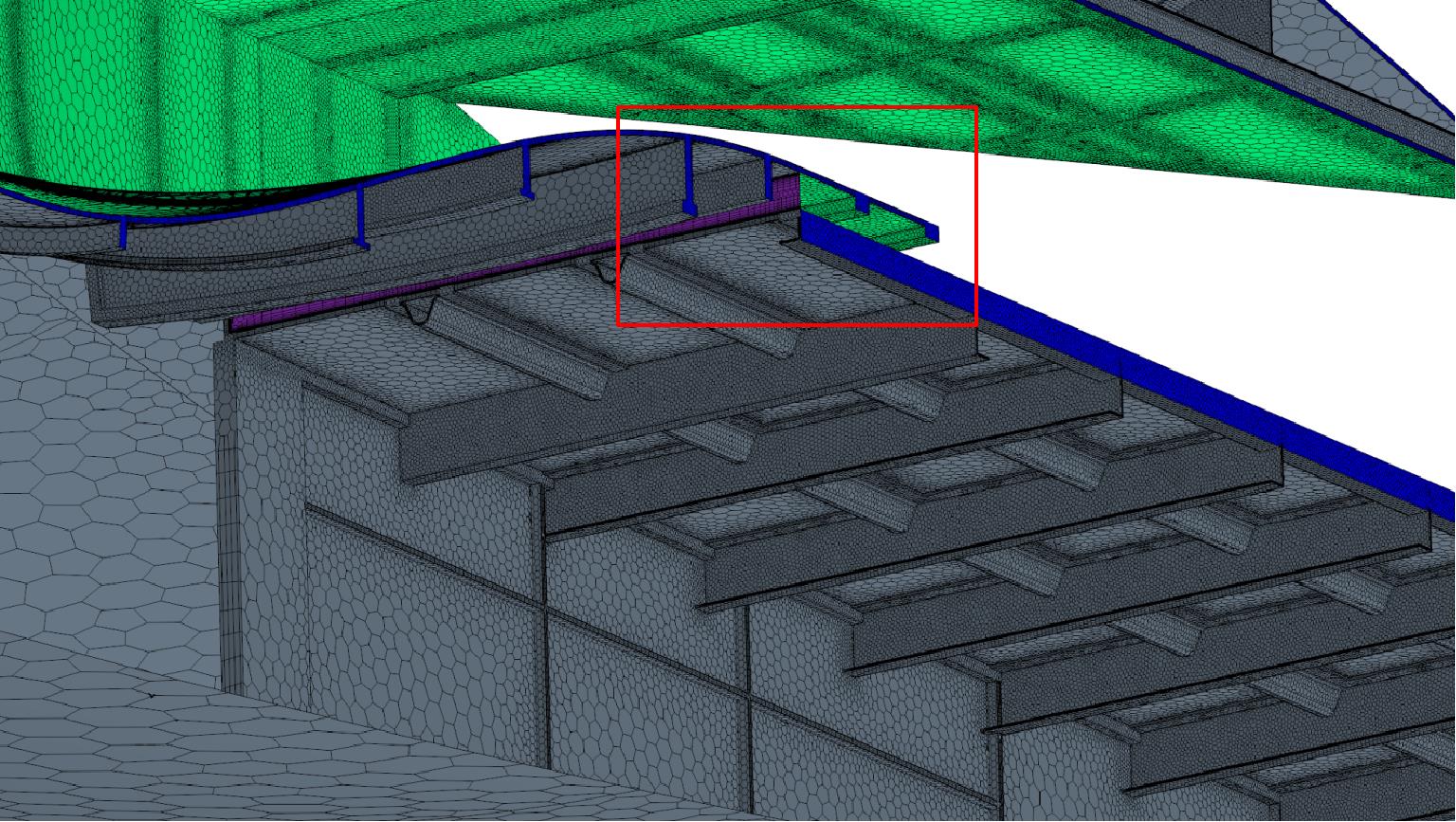
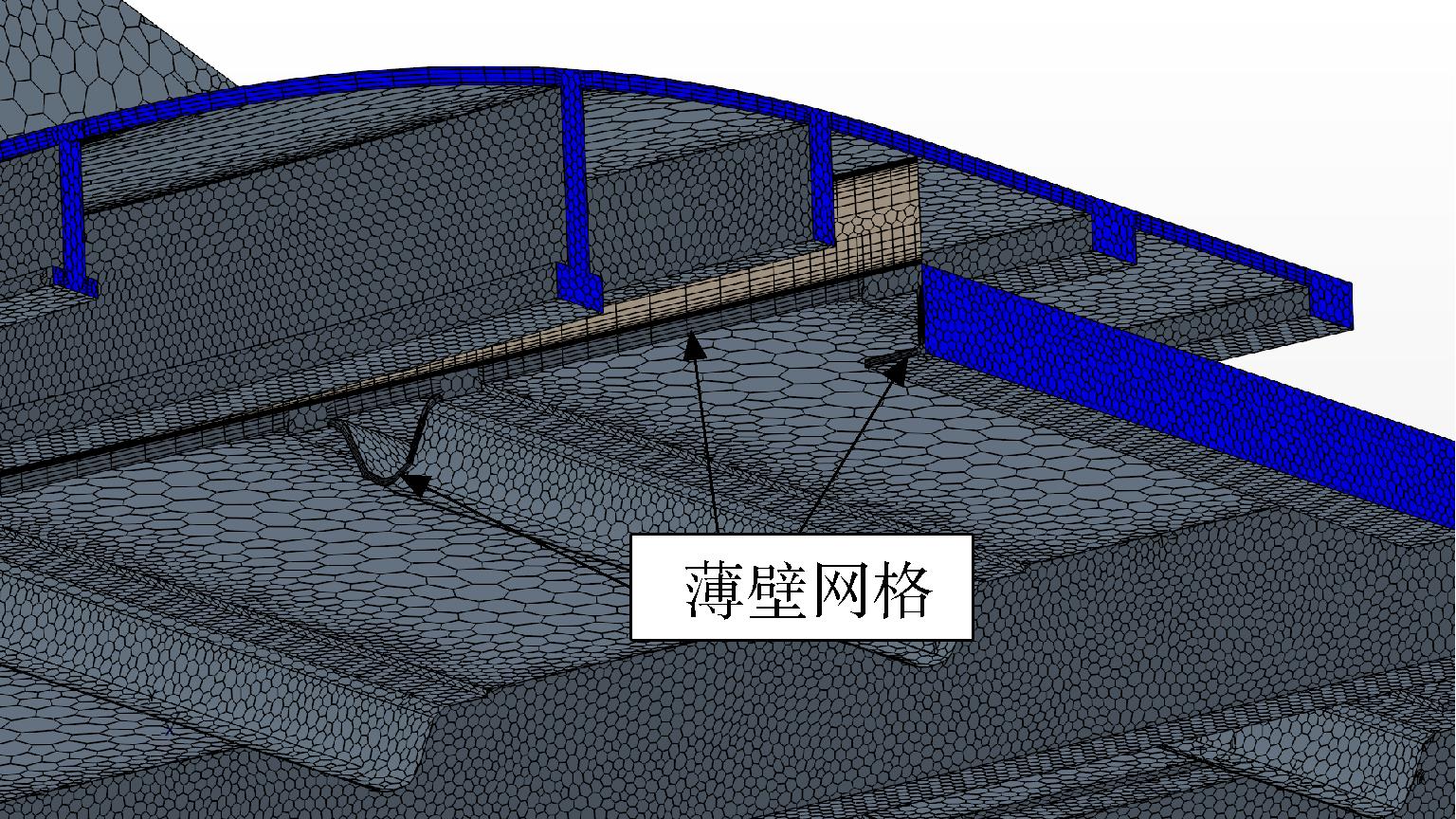
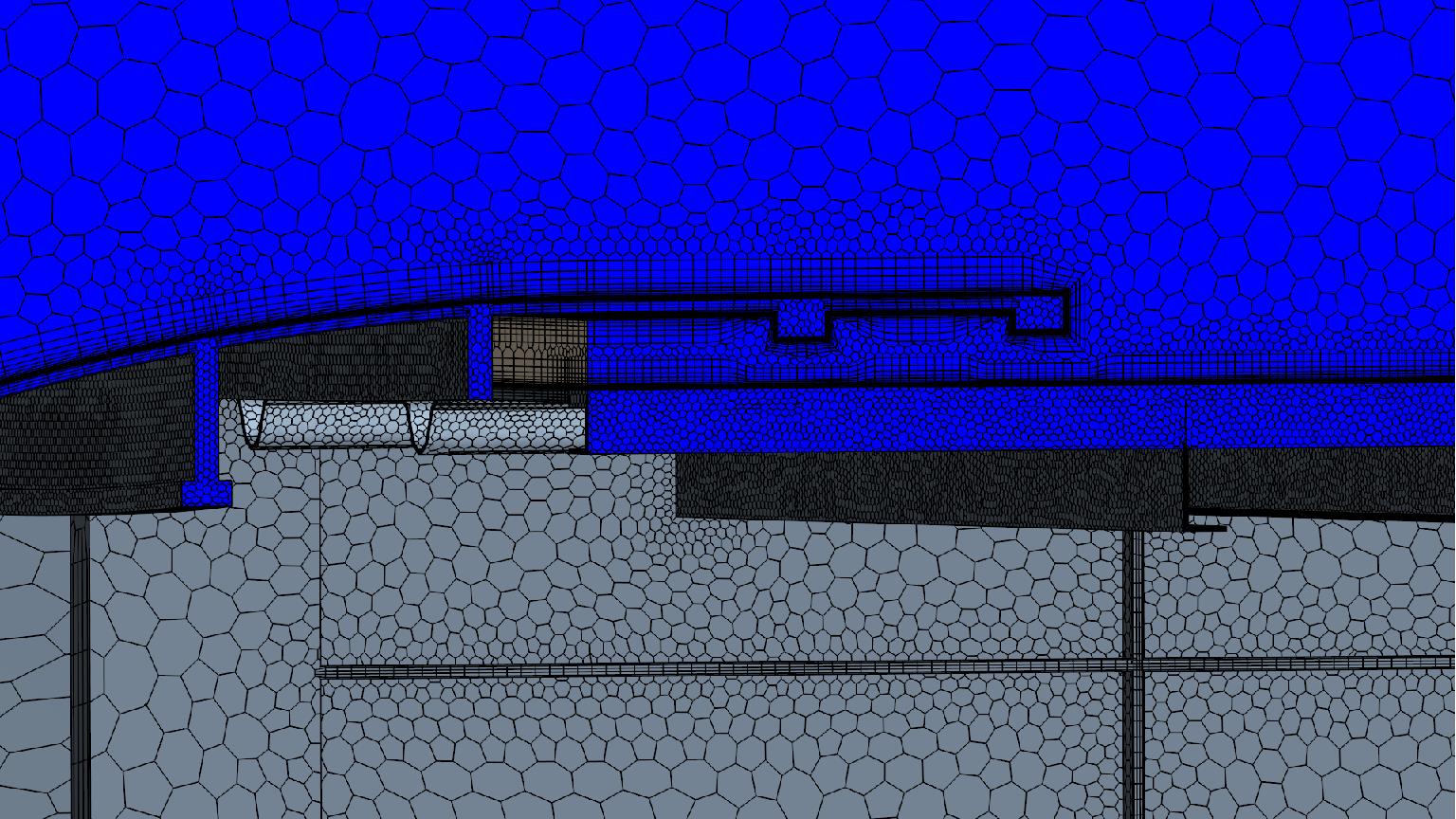
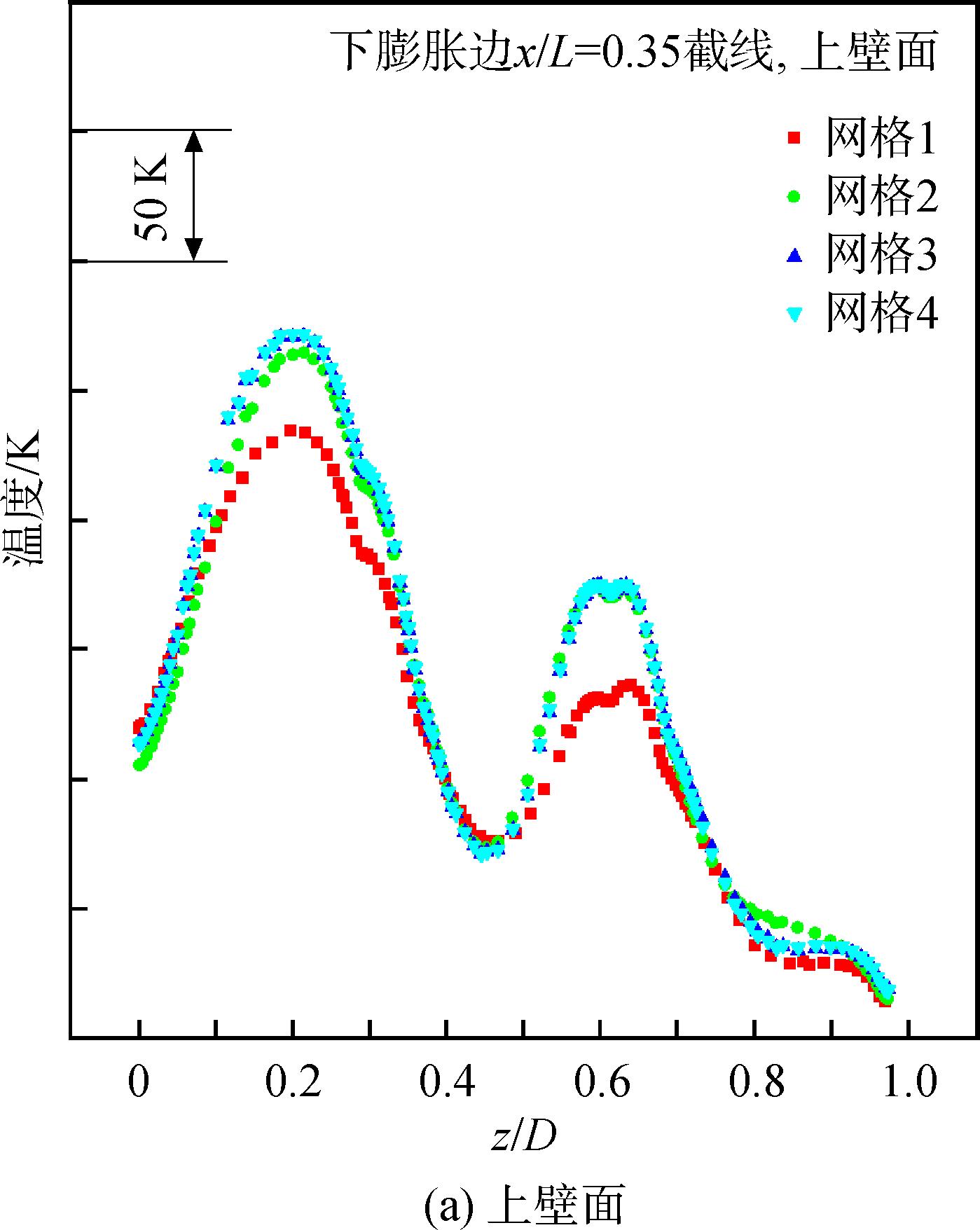
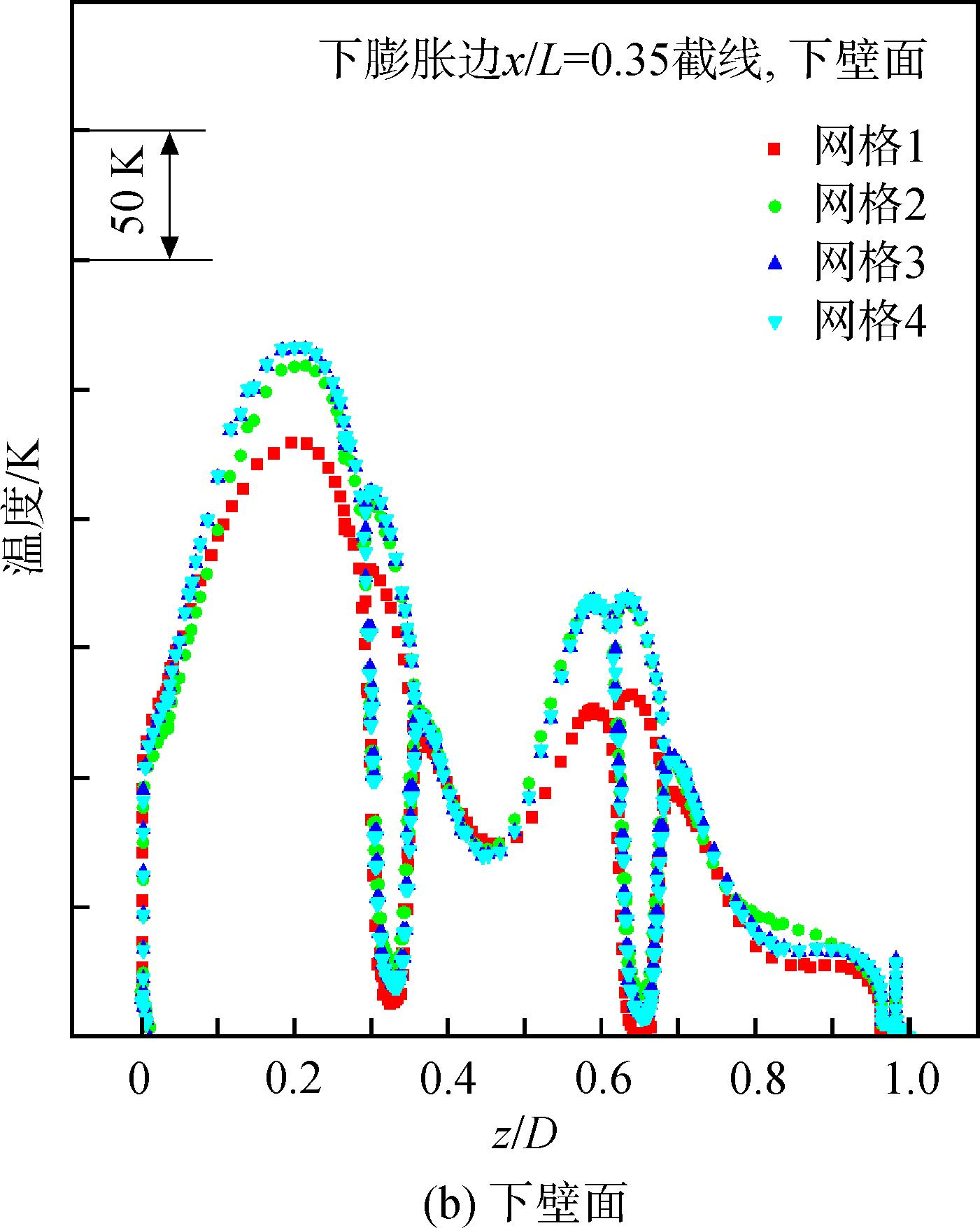
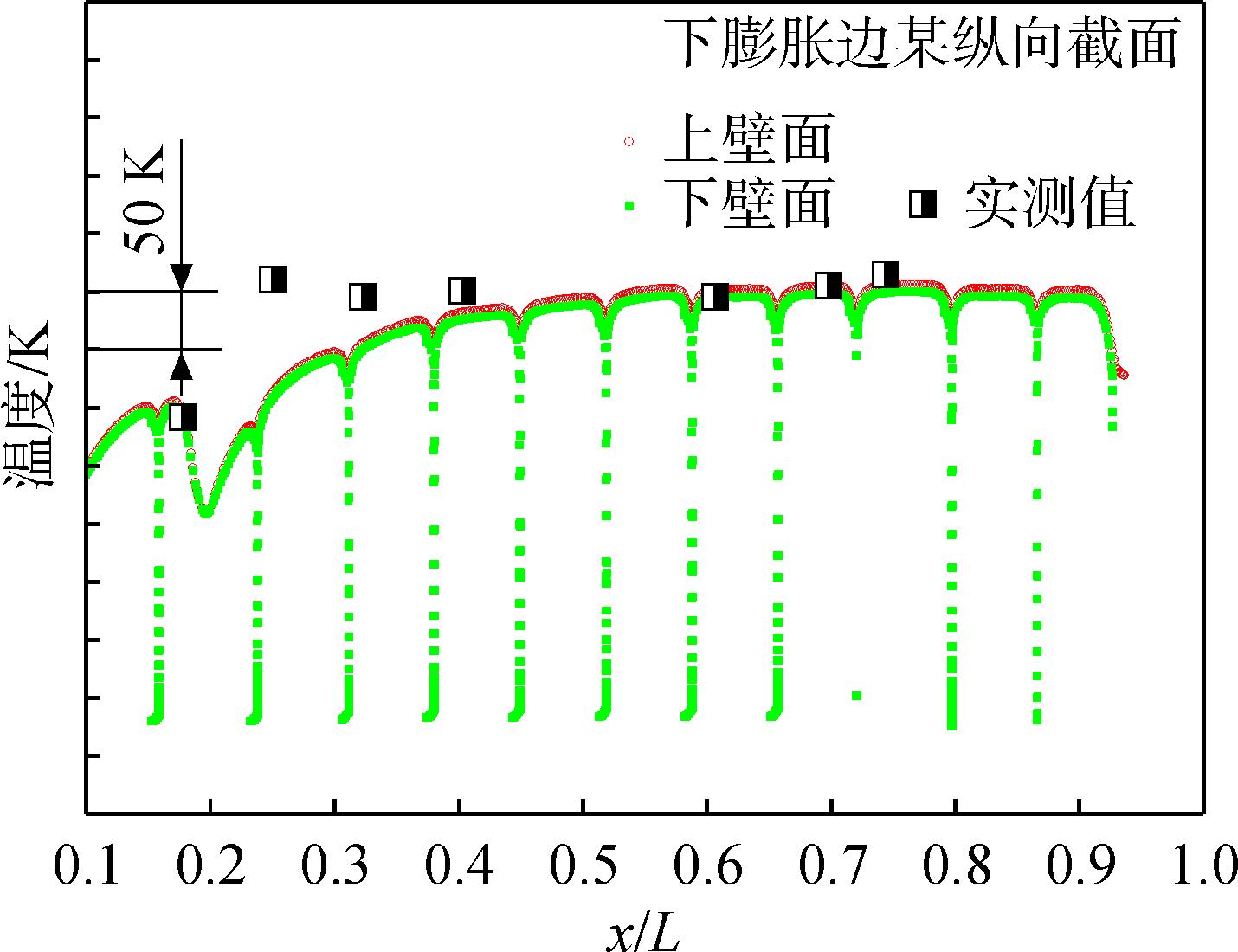
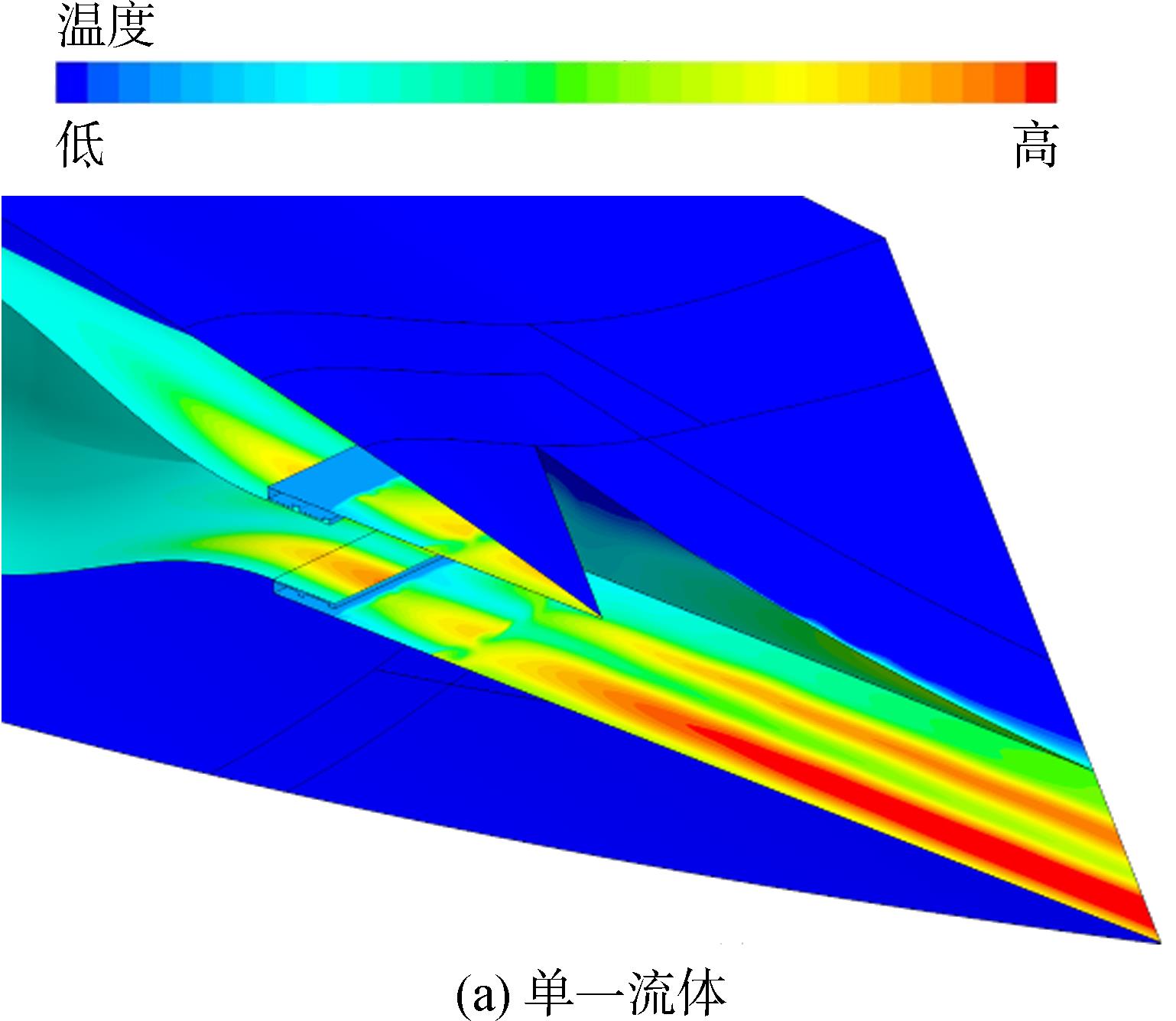
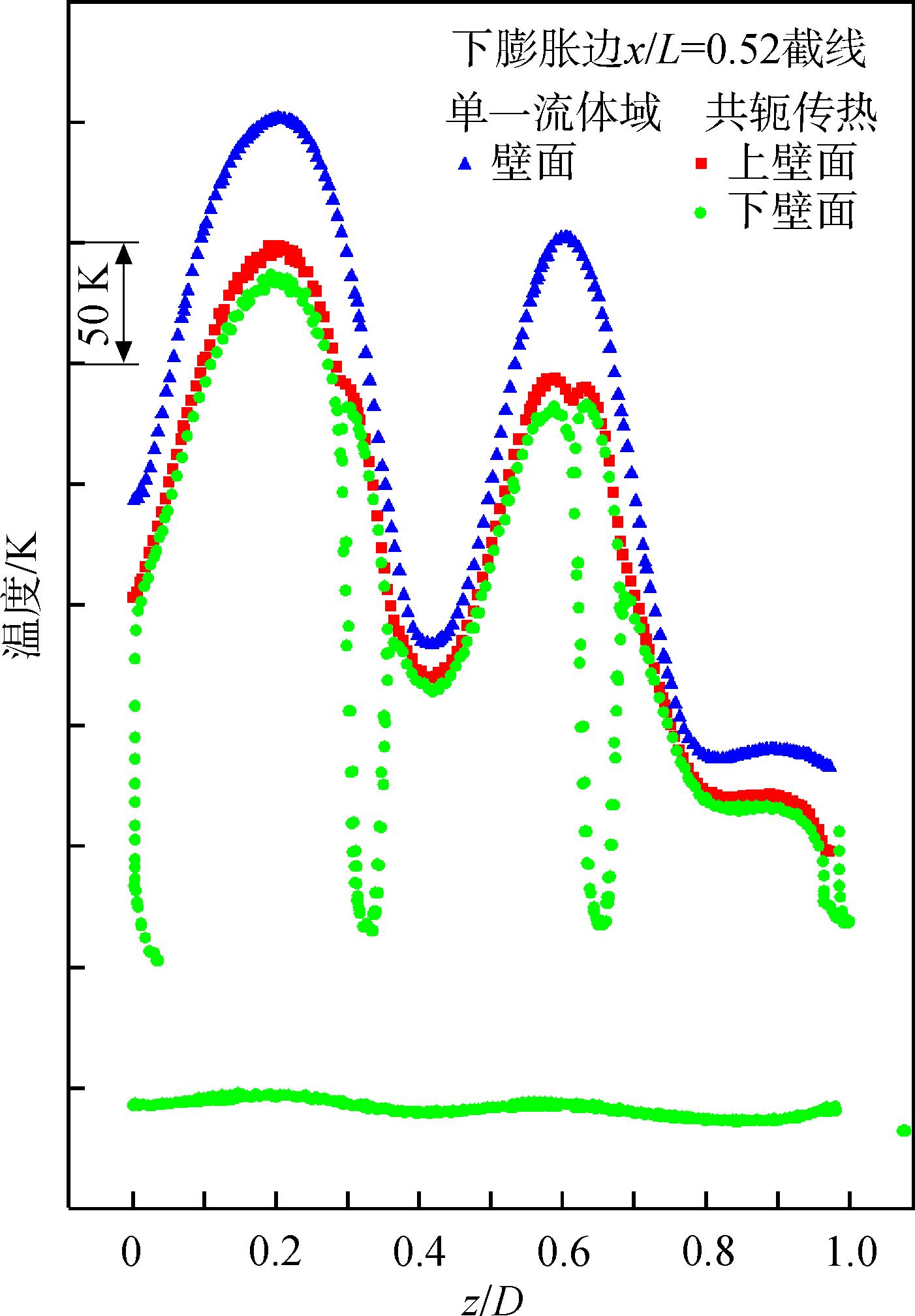
Based on the conjugate heat transfer numerical simulation method,the wall temperature distribution of single expansion after⁃body of a high stealth unmanned aerial vehicle (UAV) was studied.The problem of excessive mesh caused by large area and thin thickness of skin and side plate structure was solved by using thin⁃walled layer mesh.A high⁃precision calculation model was constructed,and the relevant calculation and analysis was completed.The main conclusions were made as follows:although the traditional single fluid calculation can obtain similar temperature distribution,the temperature value was much higher,and the maximum difference can be more than 50 K;the results of conjugate heat transfer calculation were more practical,and could furthermore obtain the temperature gradient distribution in the structure,providing a guidance for thermal stress analysis and structural design;comparing the effects of different metal materials under the same flow conditions,the wall temperature extreme value of a high temperature resistant alloy was about 30 K higher than that of metal steel,and the temperature difference between the upper and lower walls was larger and the gradient was higher.The temperature gradient extreme values of longitudinal ribs of the two materials were 120 K/cm and 65 K/cm,respectively.

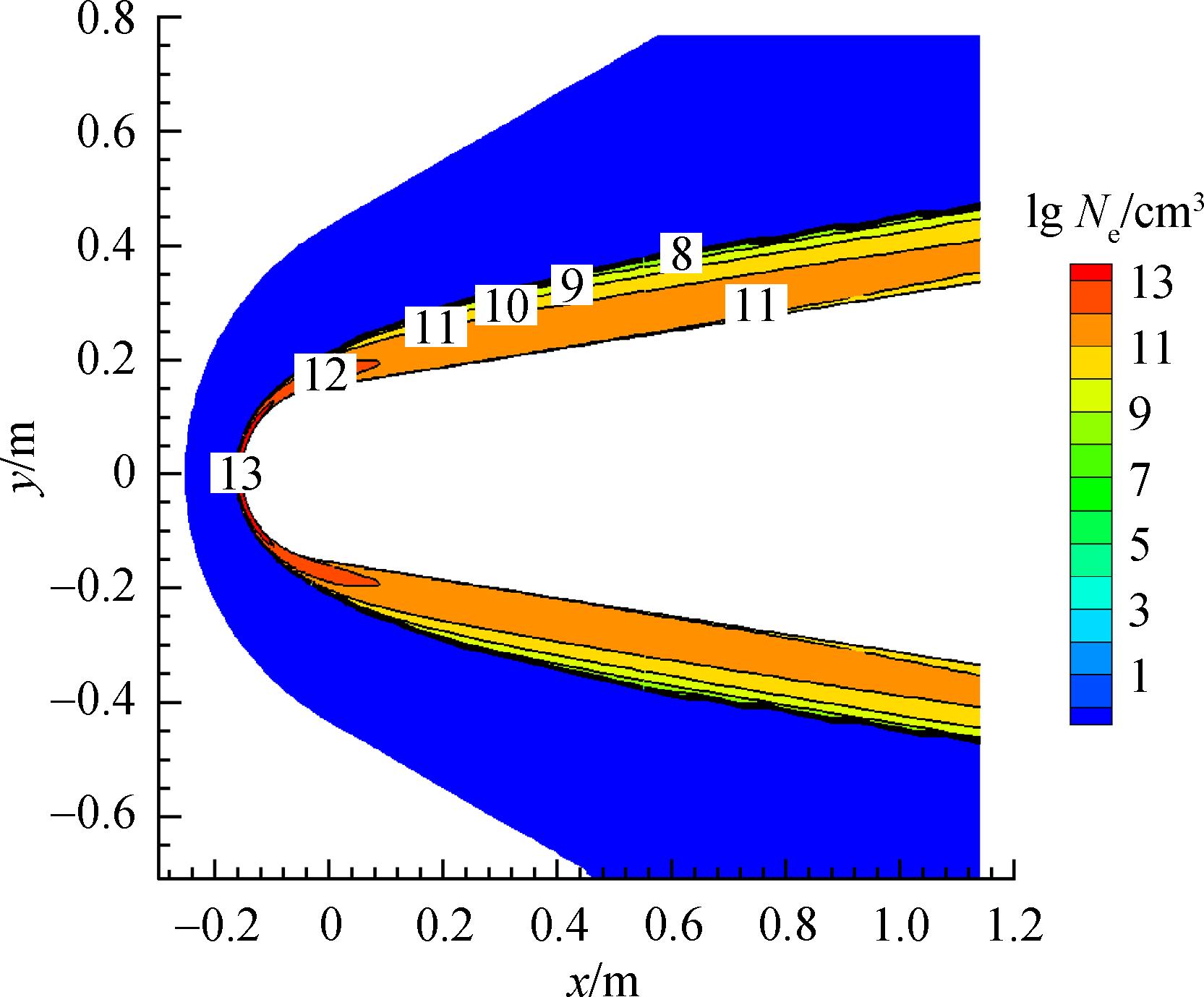
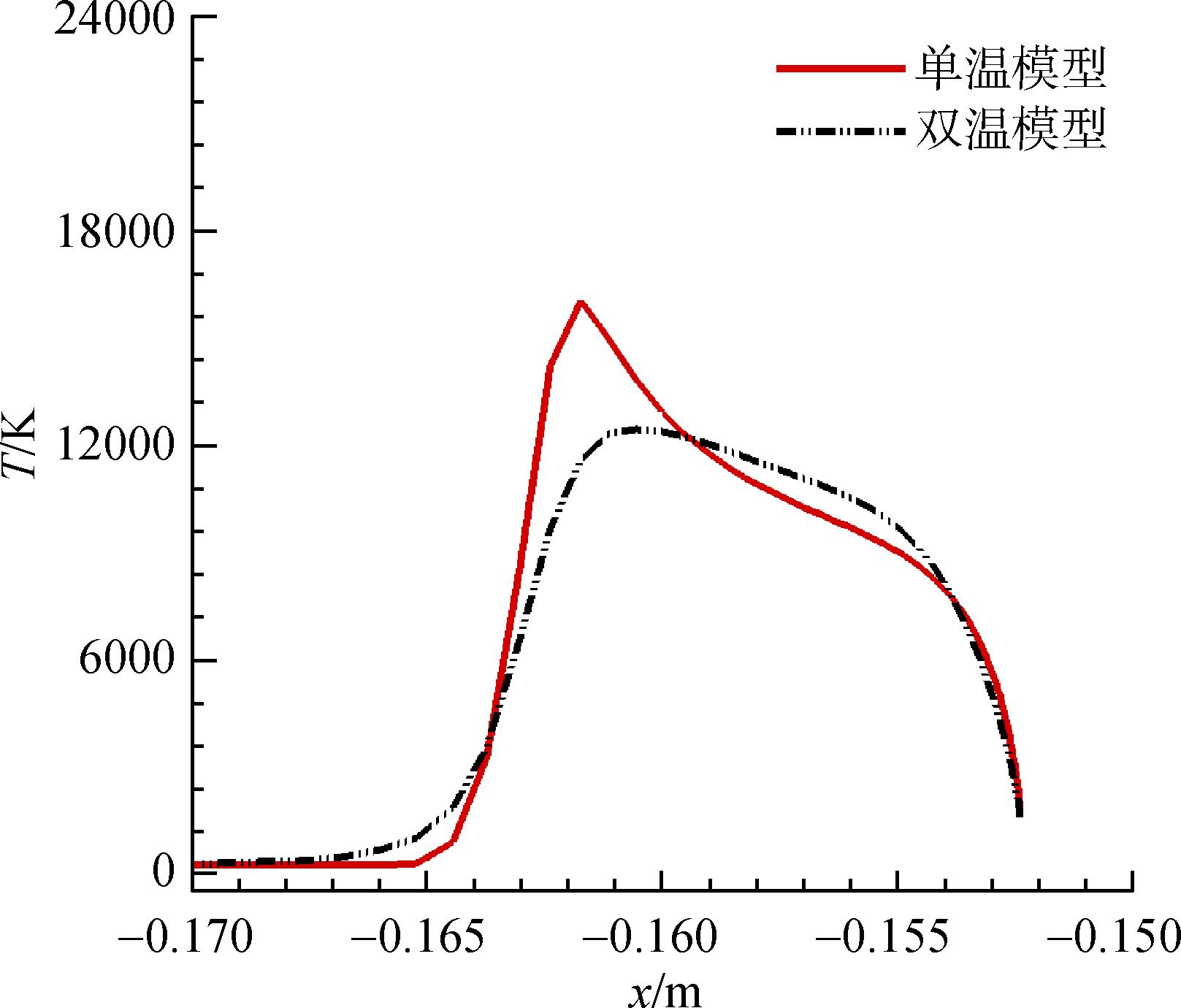
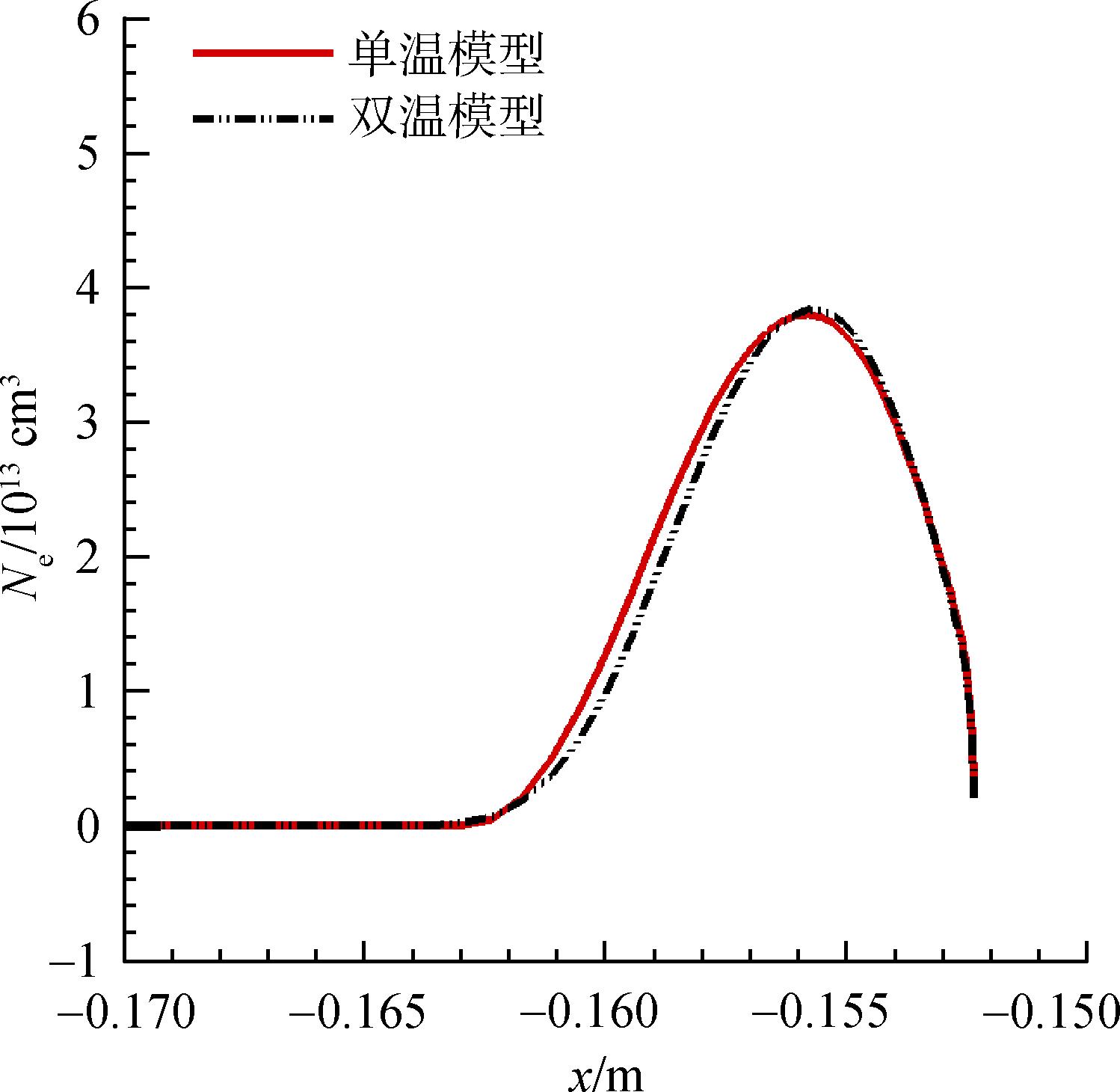
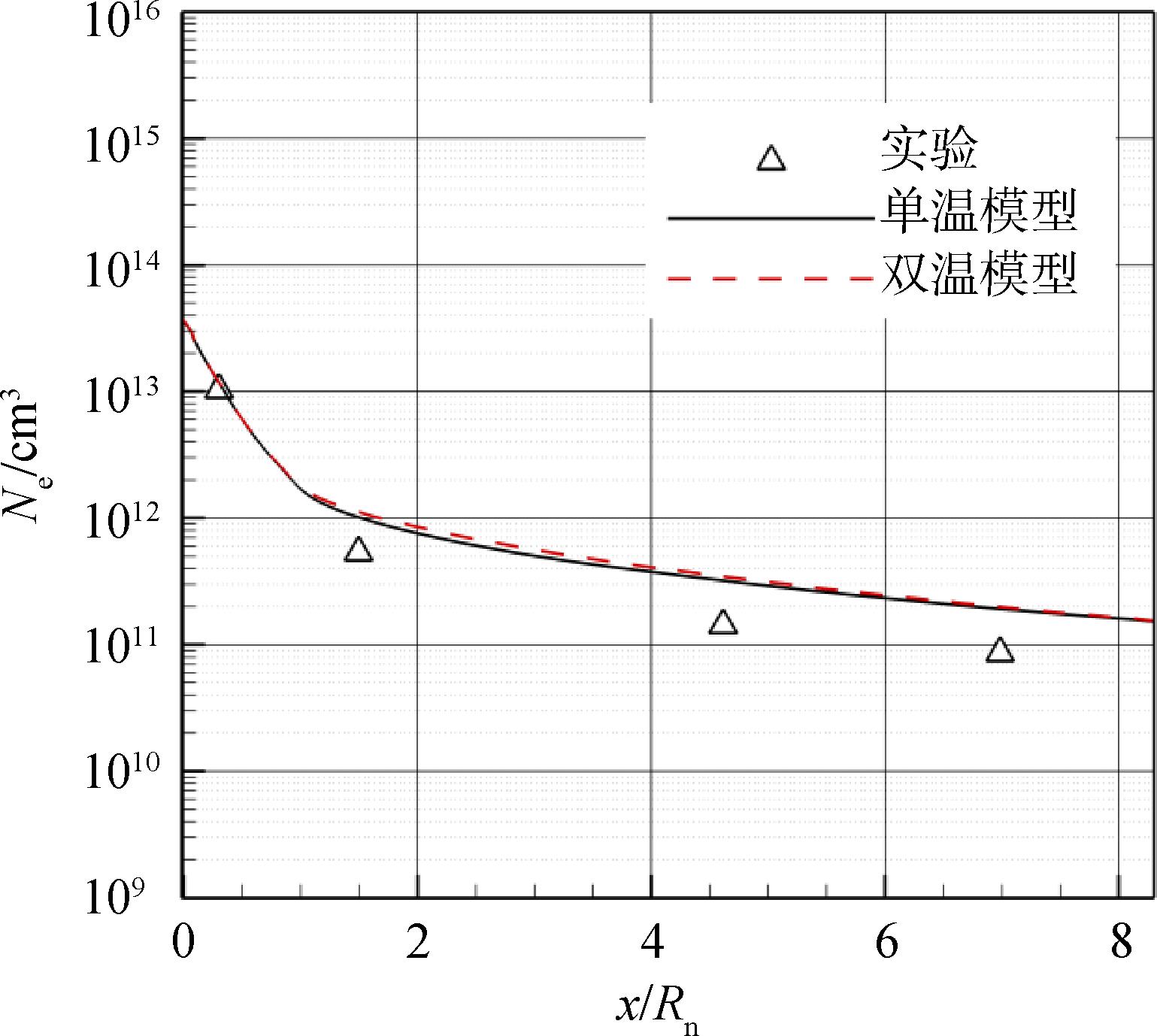
Real gas effects on the plasma sheath and the electromagnetic parameters of the reentry vehicle
LI Junhong, LÜ Junming, MIAO Wenbo, CHENG Xiaoli
2022, 37(8): 1579-1586. doi: 10.13224/j.cnki.jasp.20210124
Abstract:

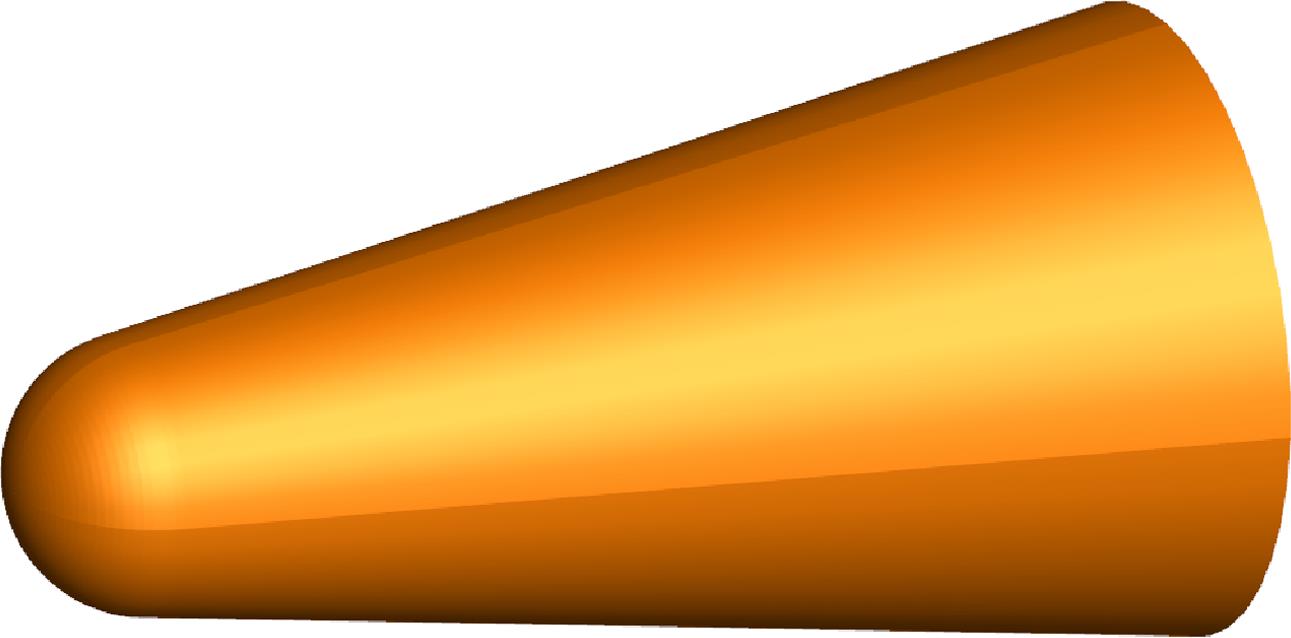
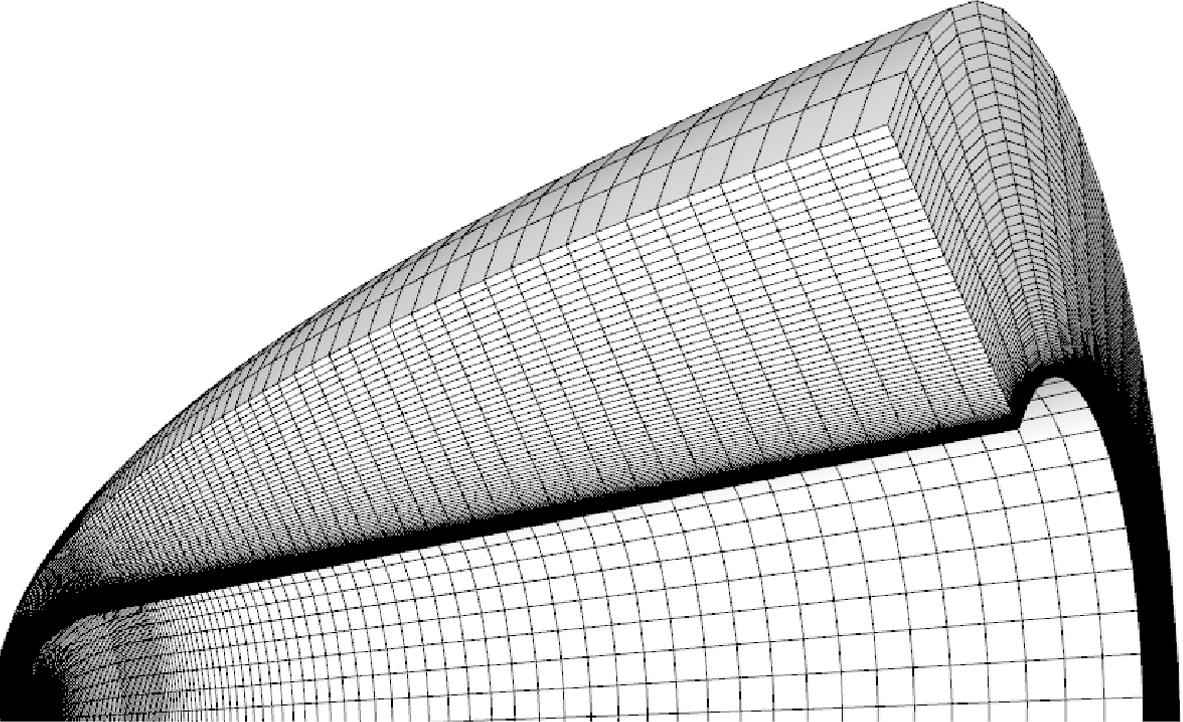
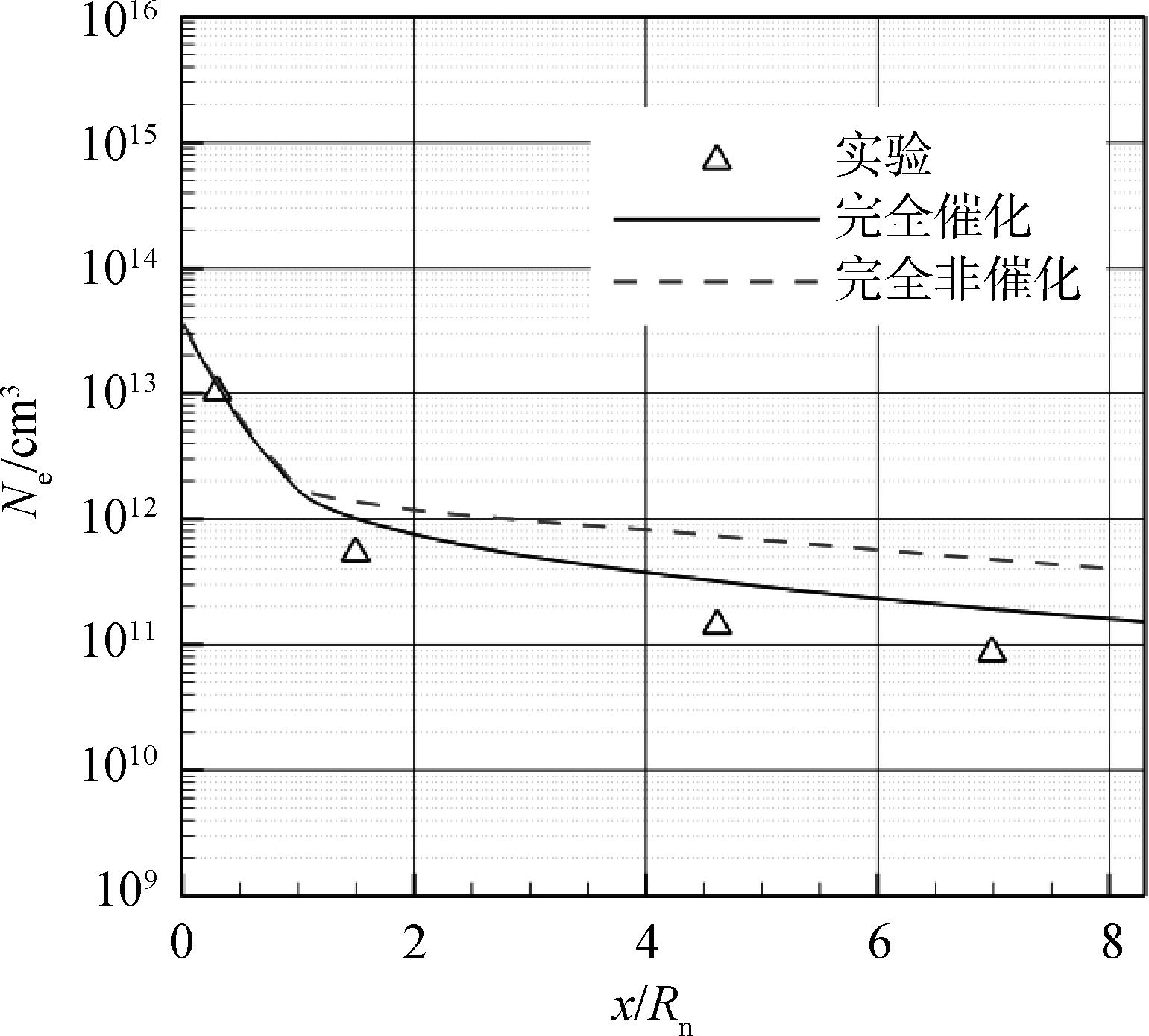
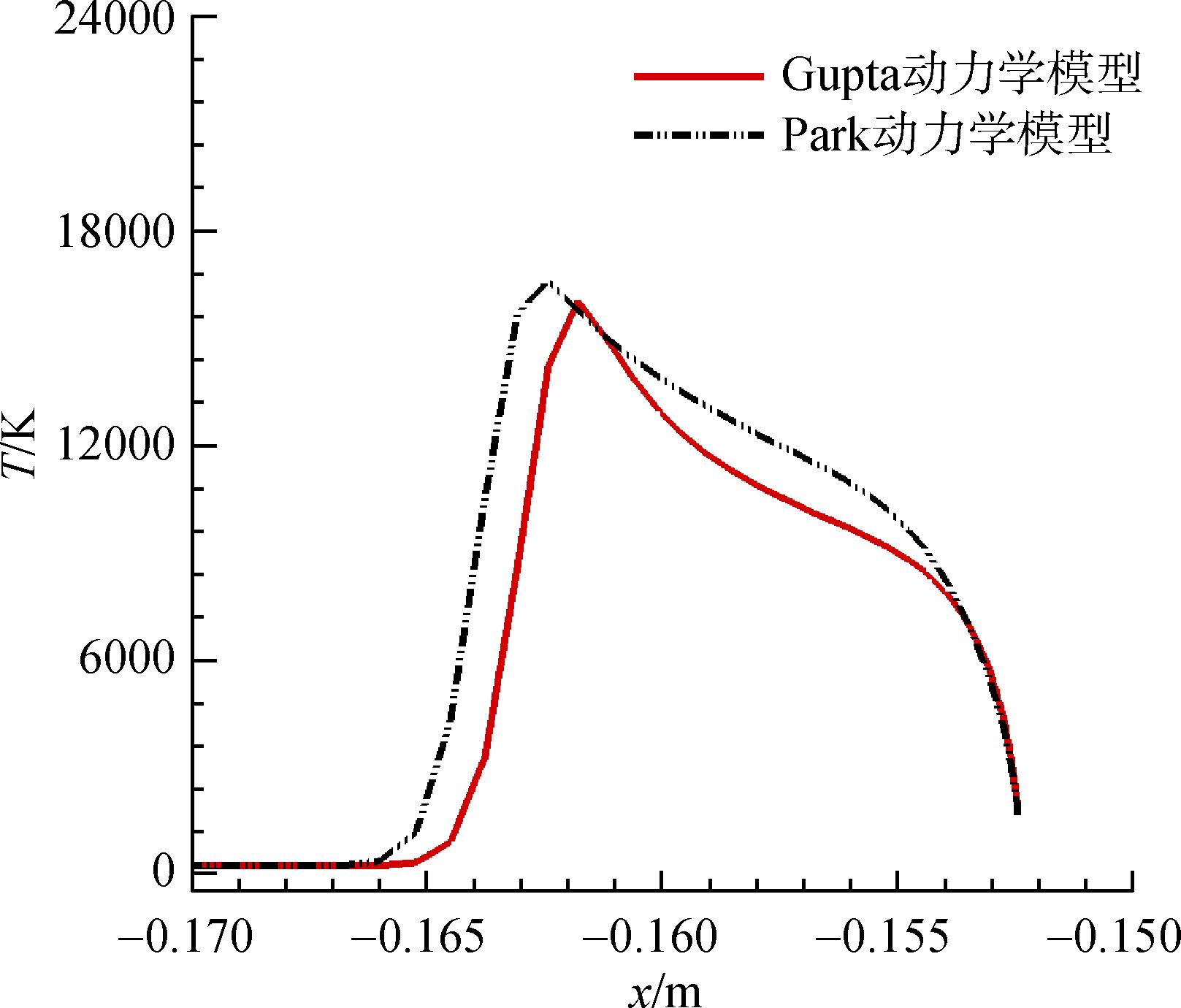
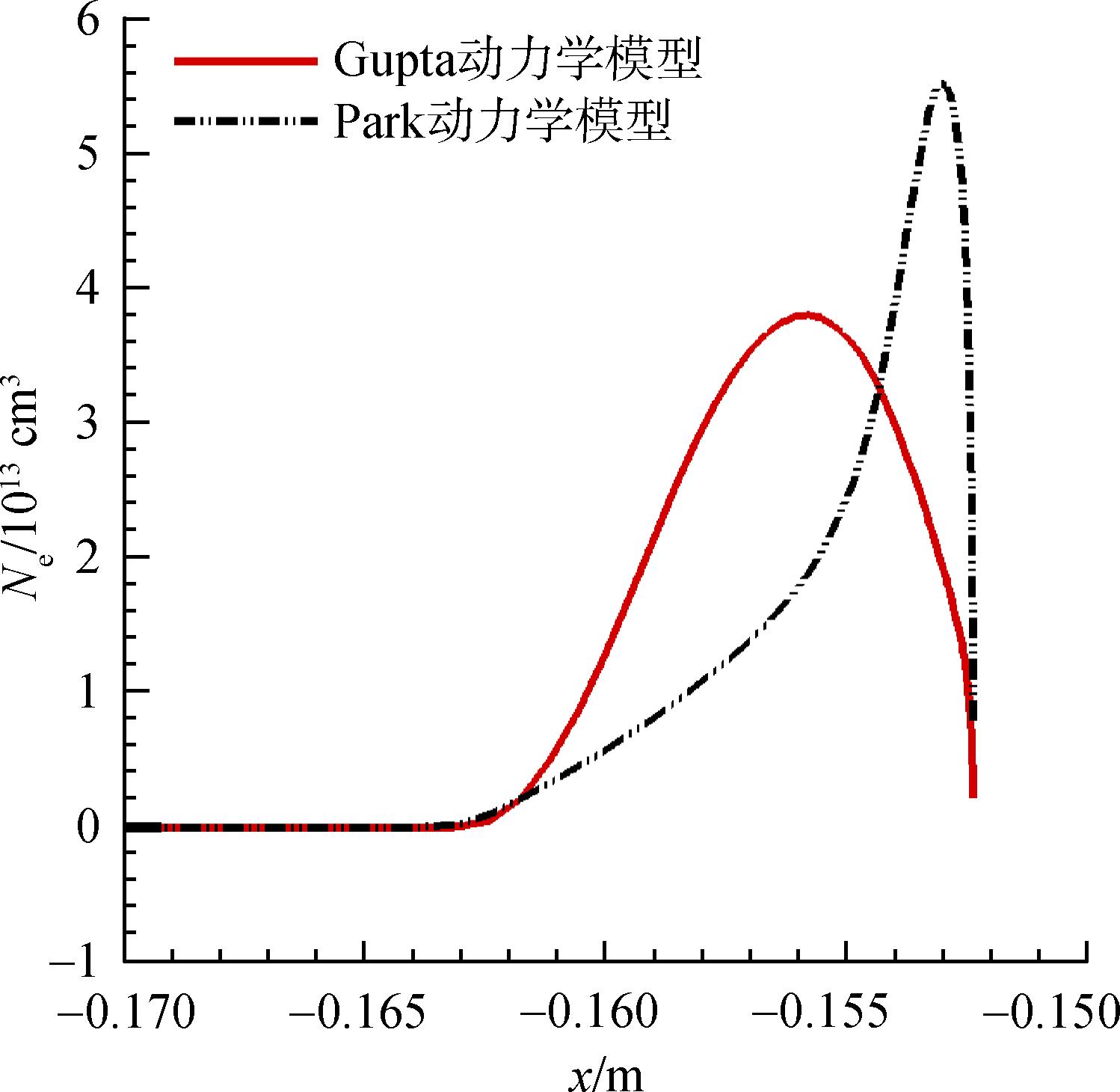
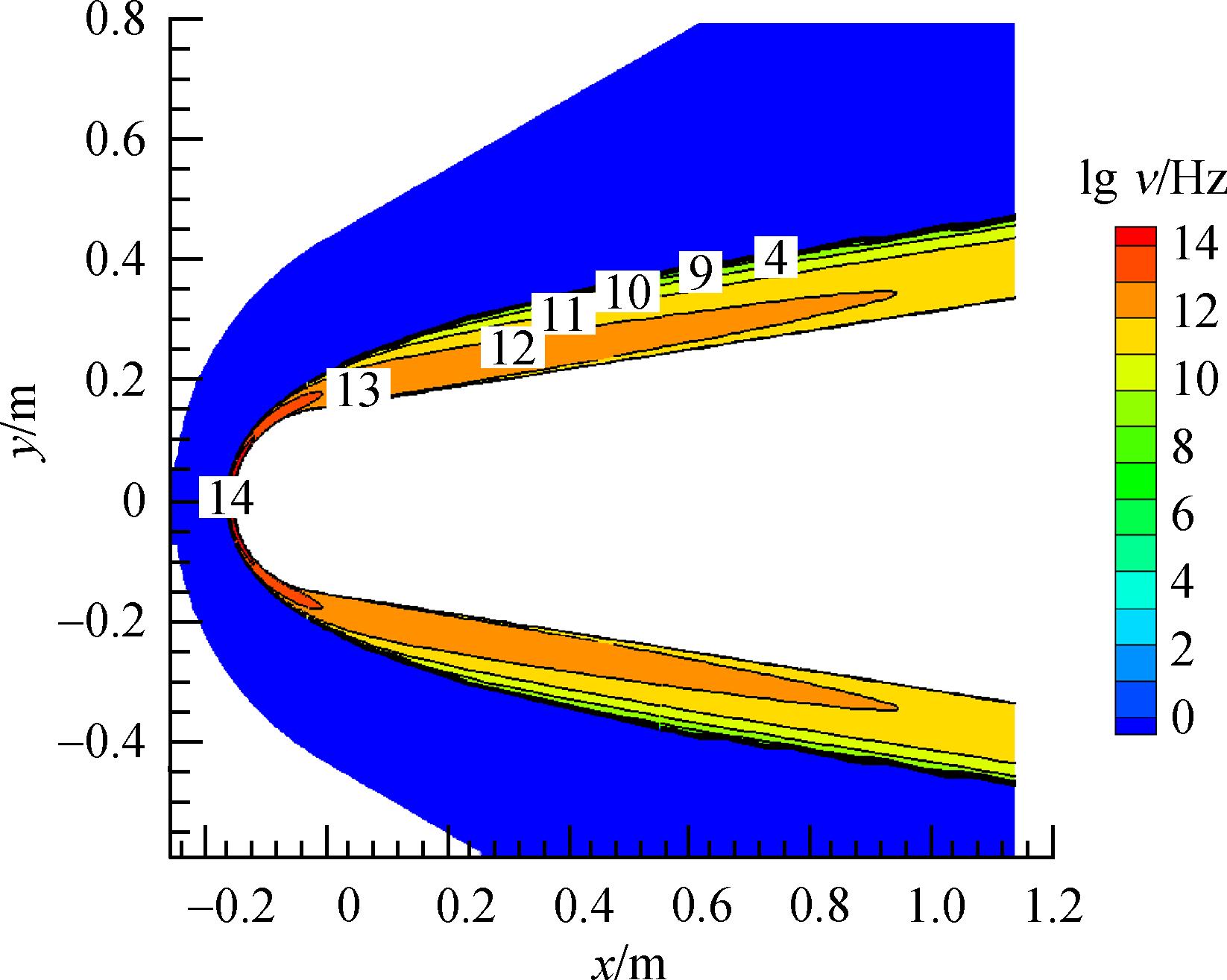
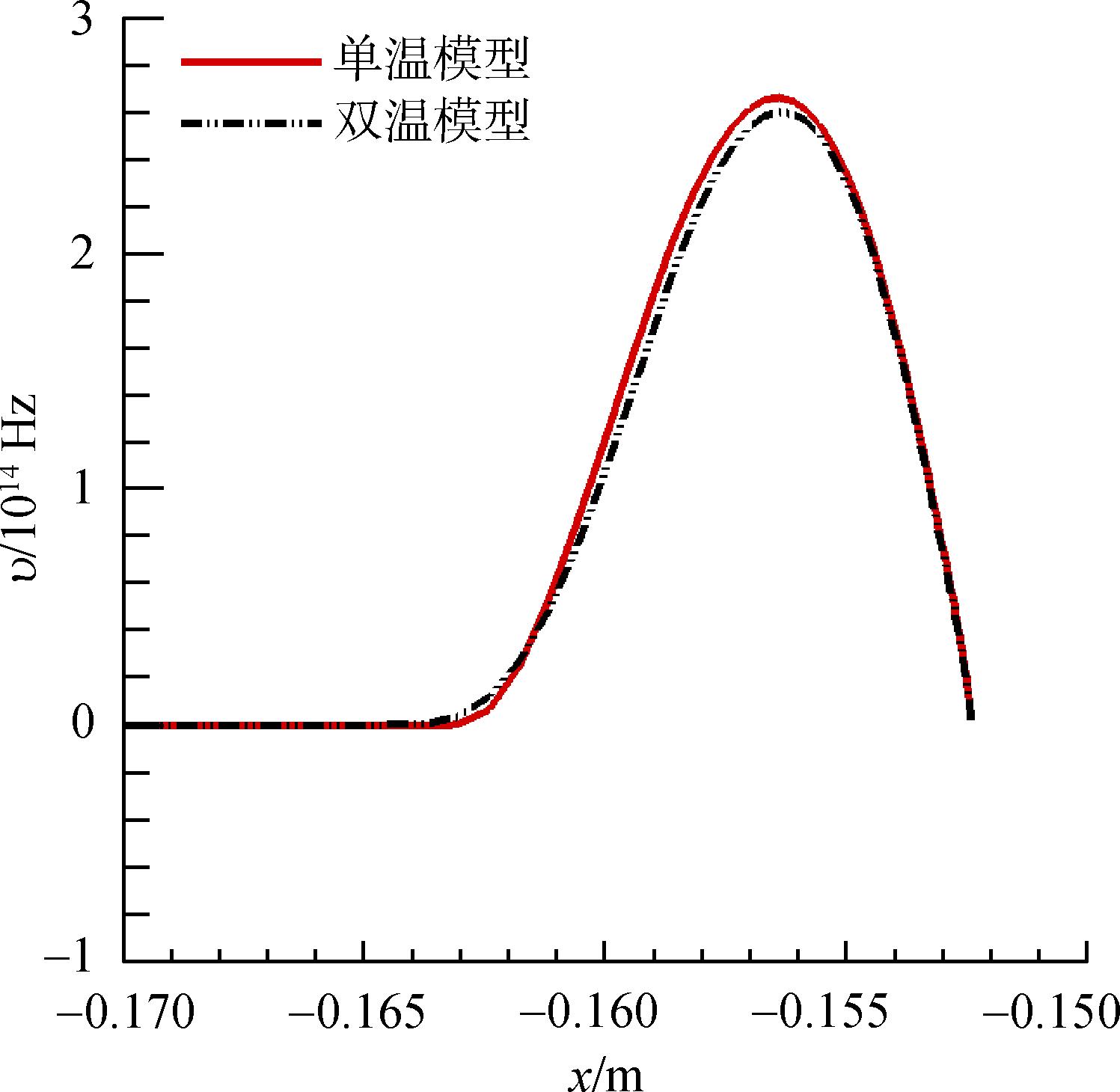
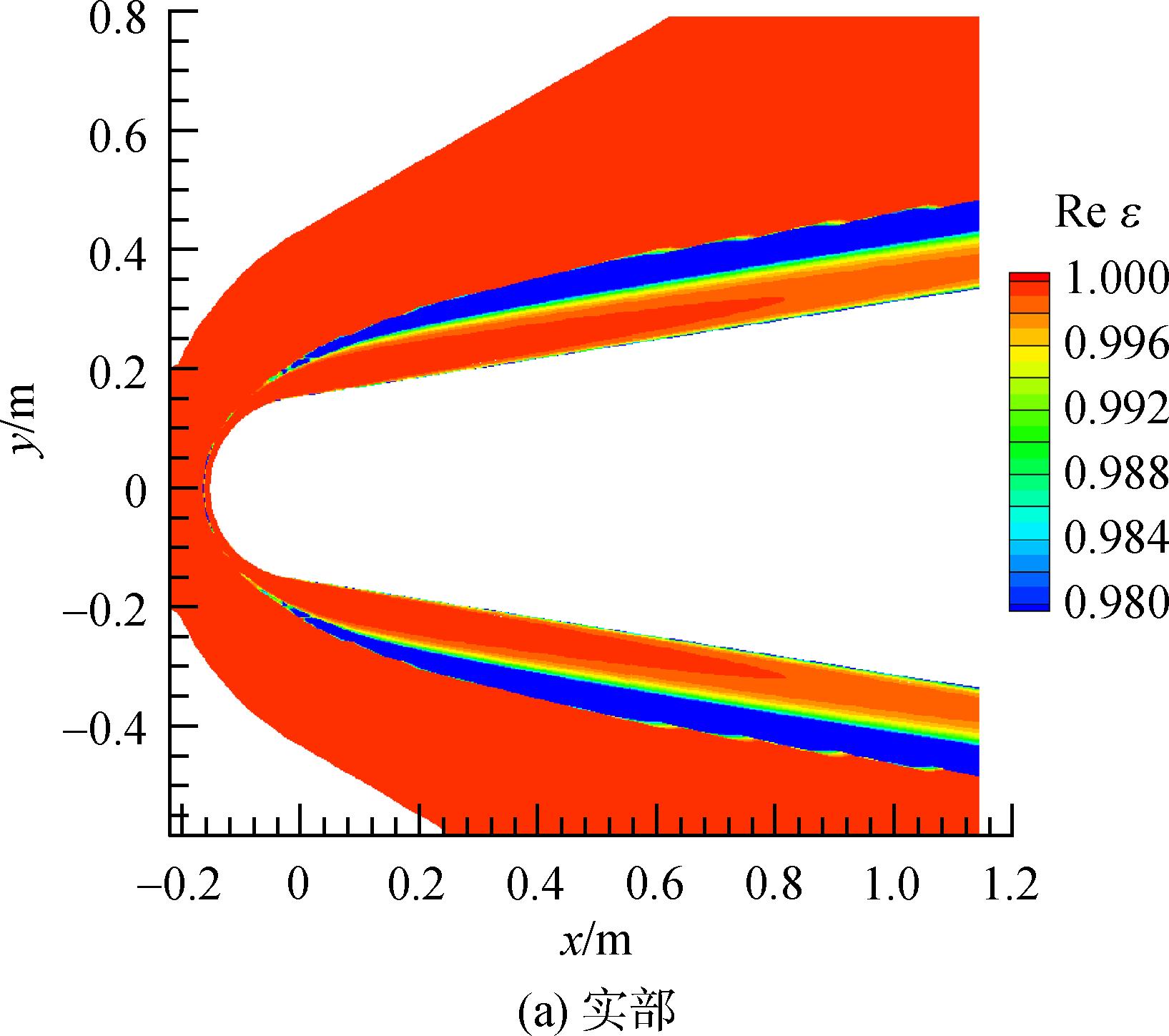
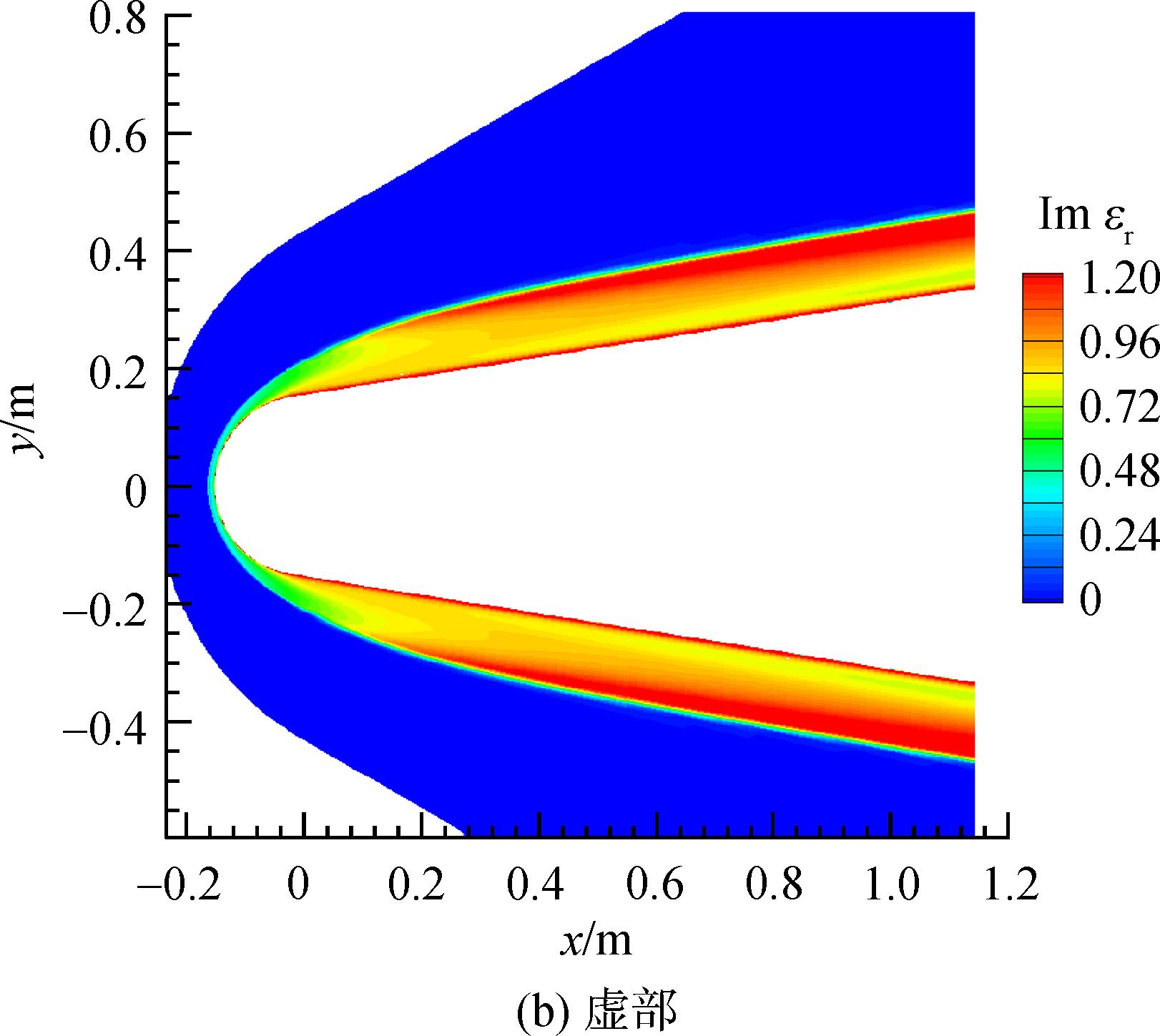
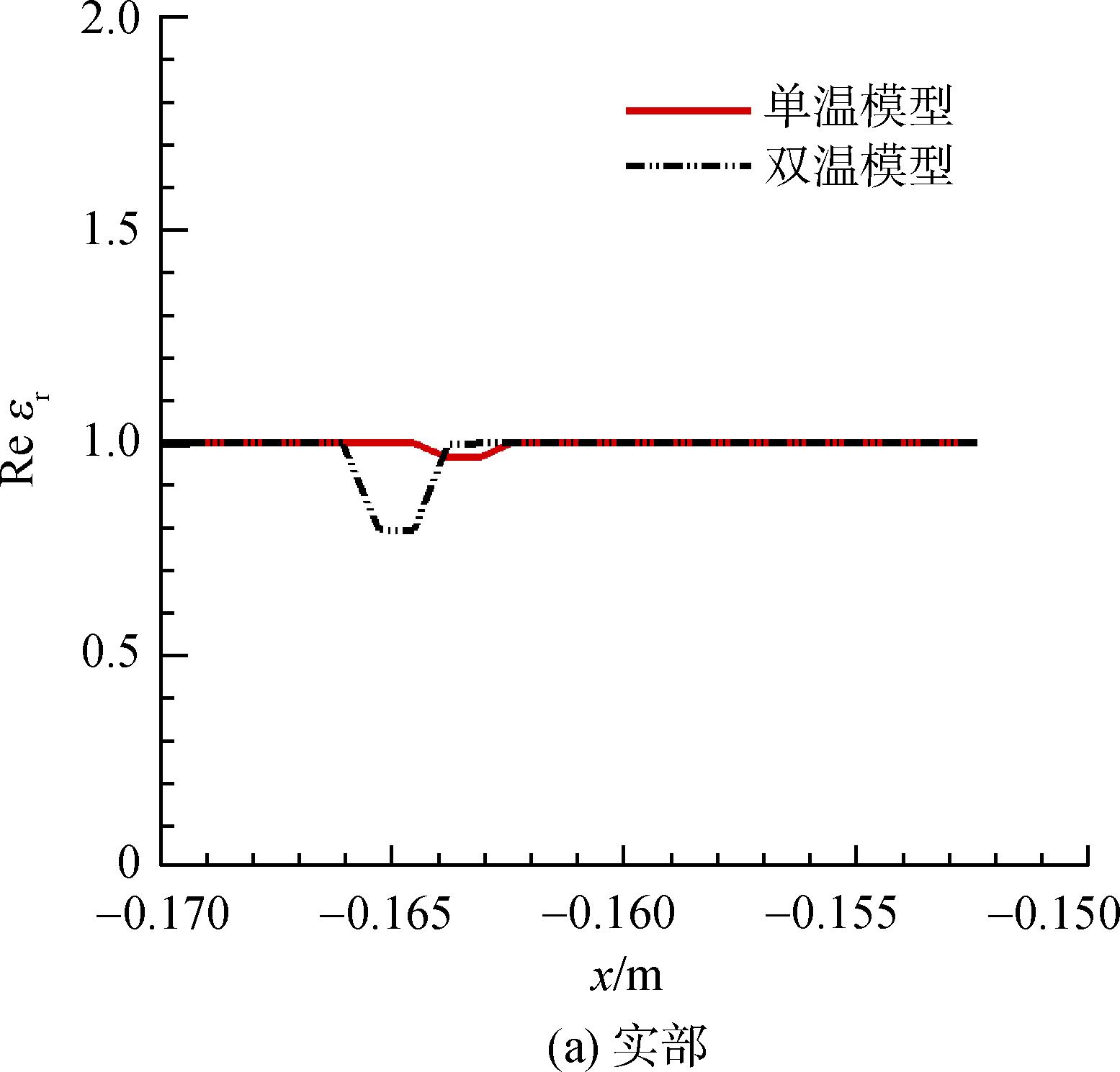
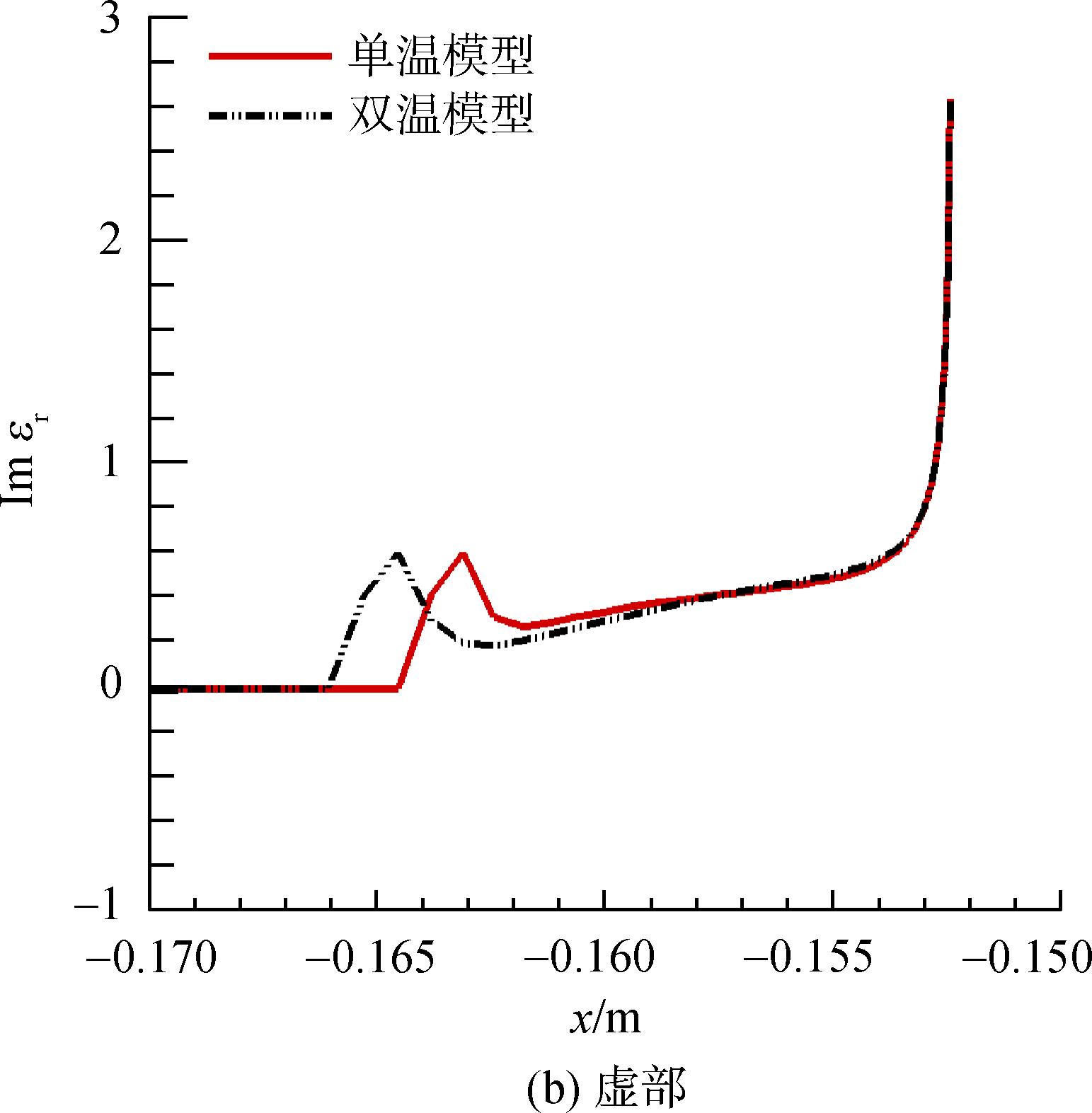
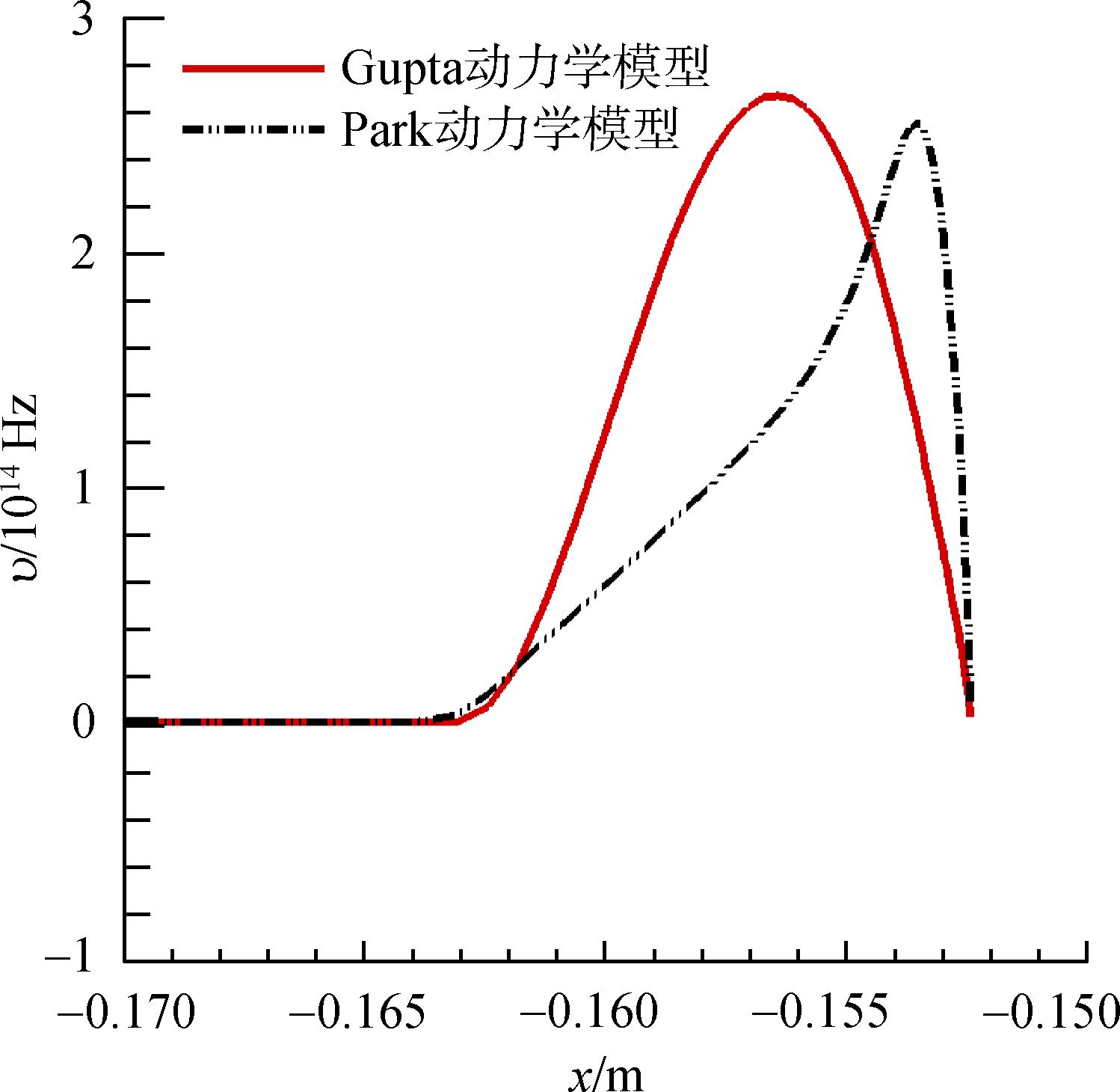
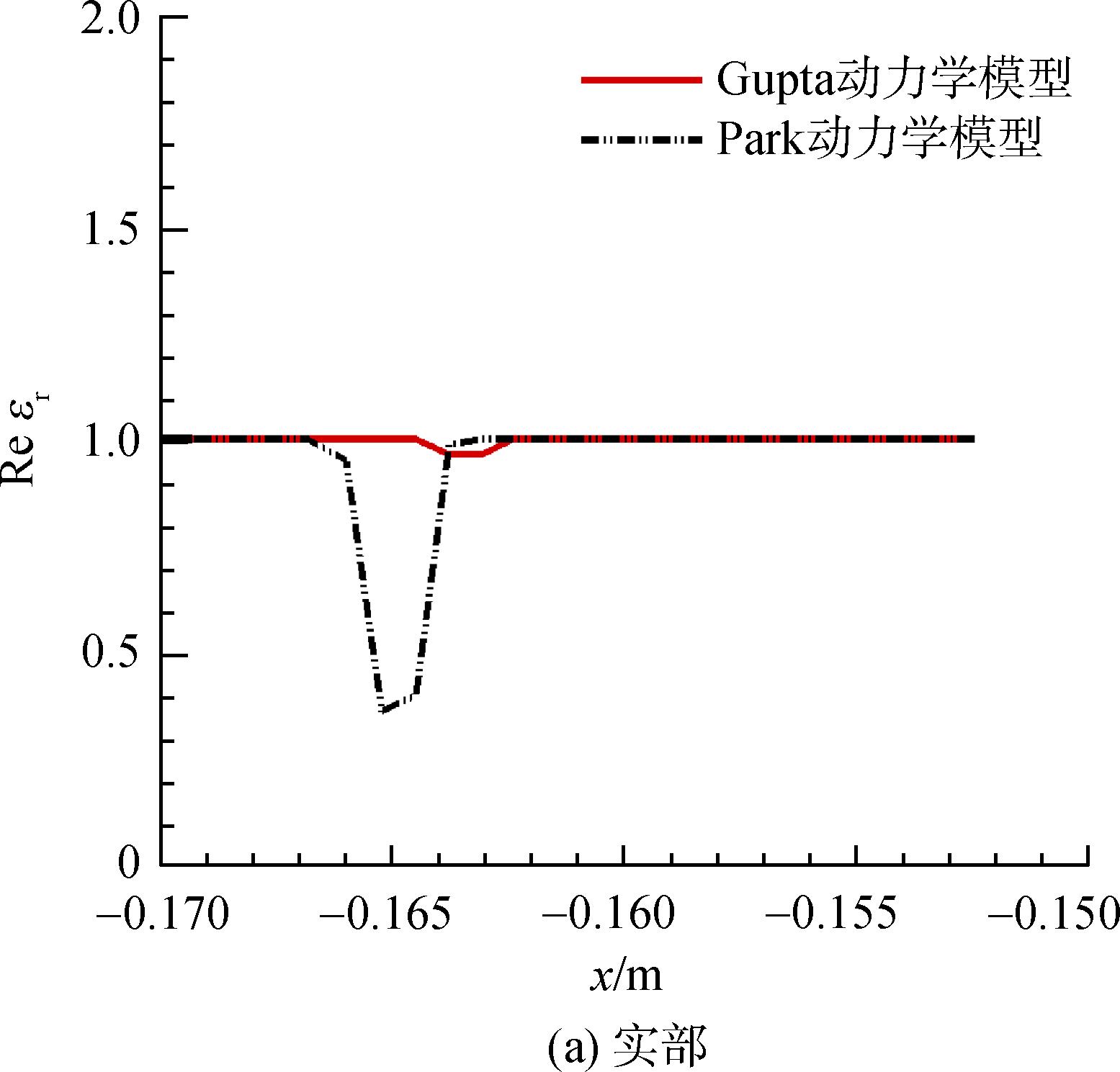
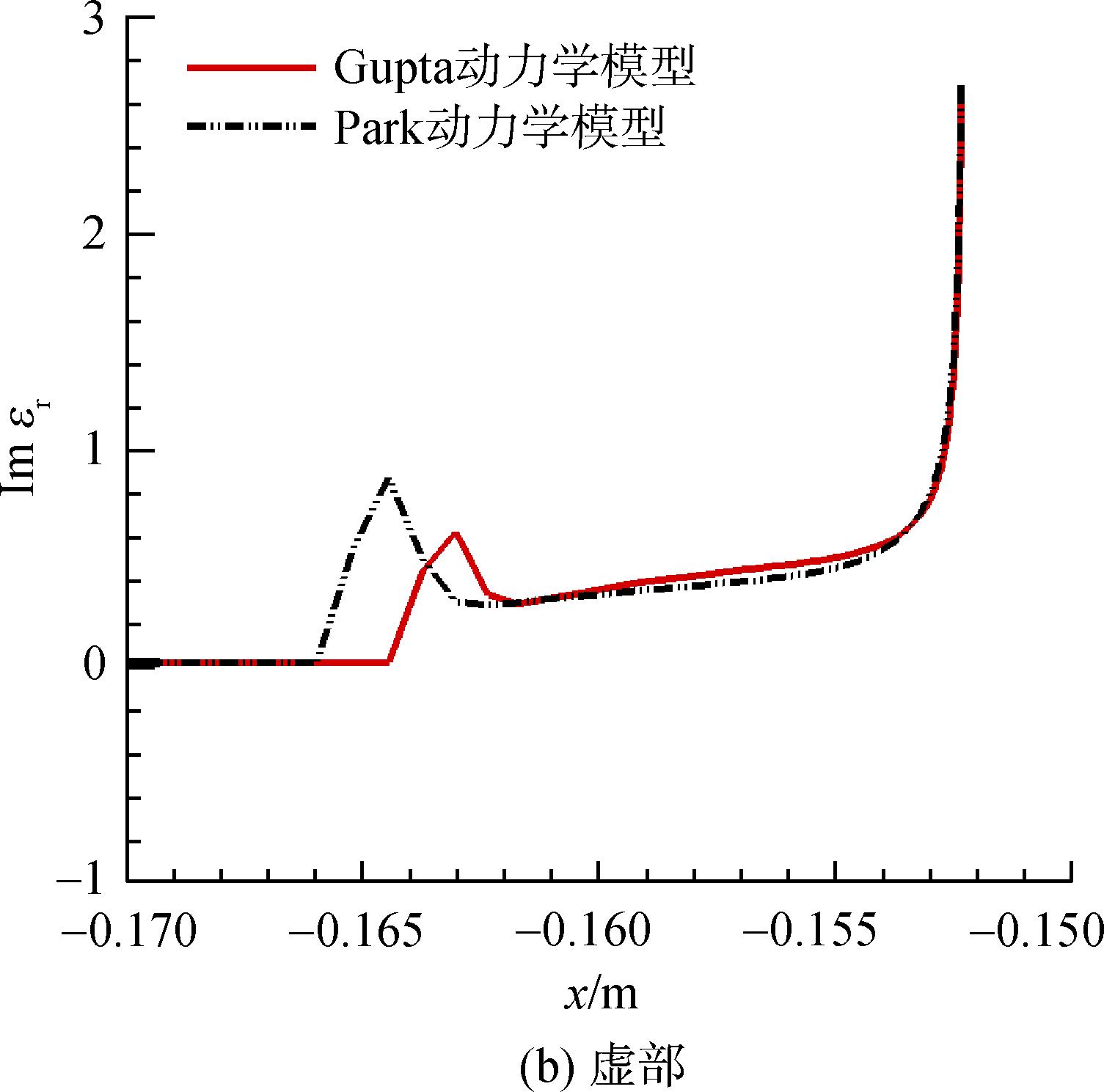
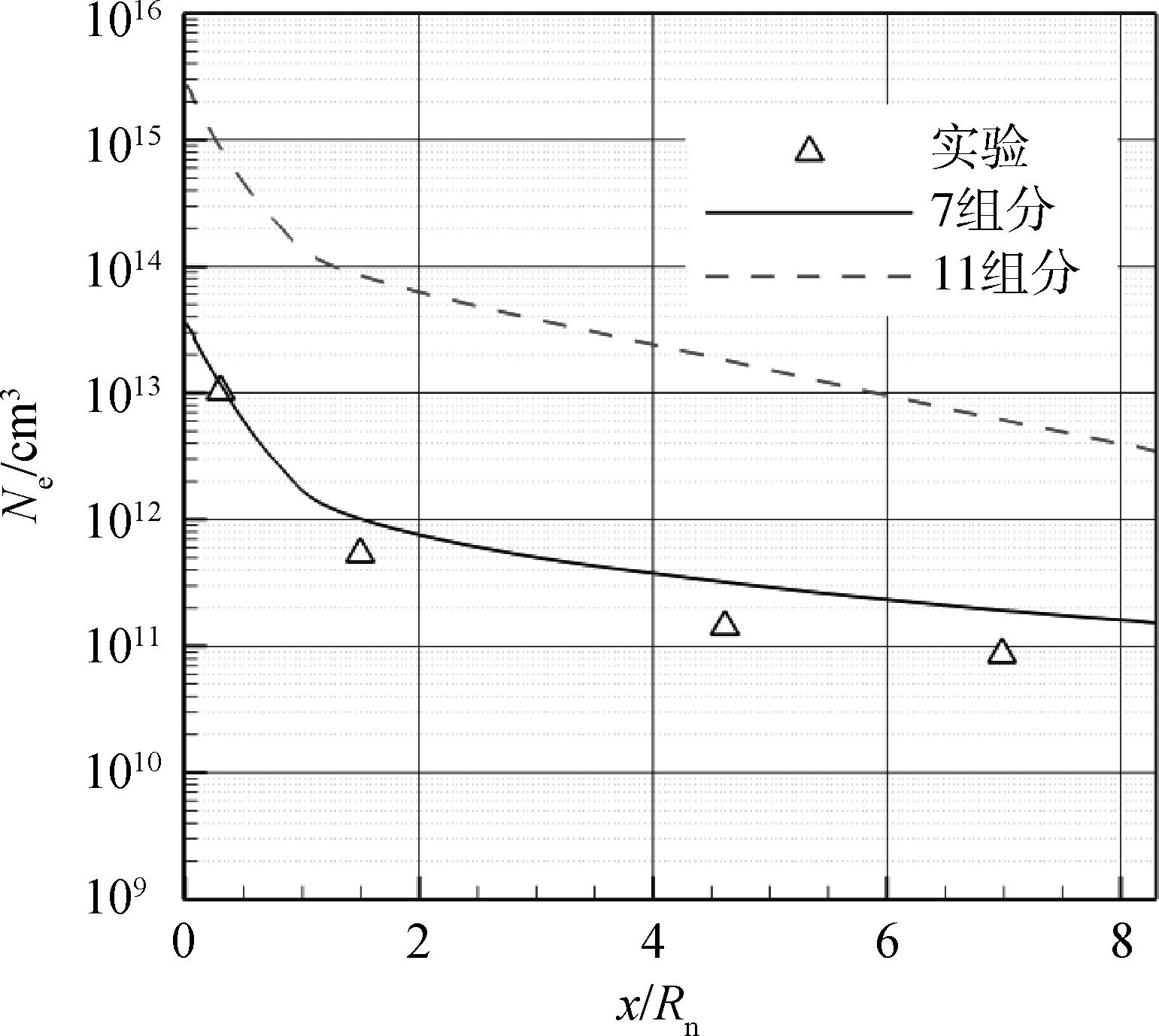
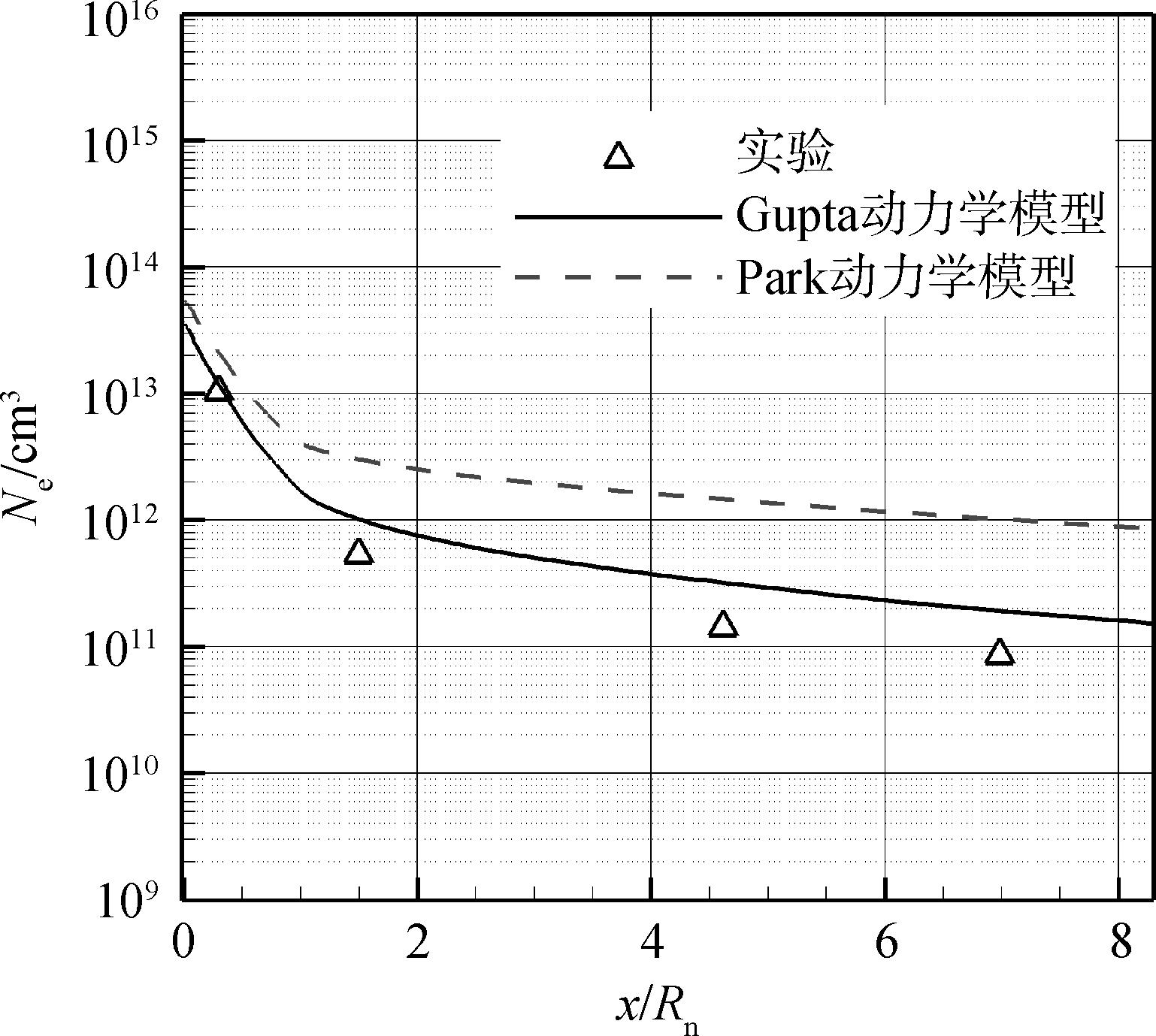
The numerical simulation technology of thermochemical non⁃equilibrium flow was established for aircraft hypersonic flight environment,the reliability of the calculation method was verified,and the influence law of high temperature real gas effect on plasma sheath and electromagnetic parameters in plasma was analyzed.The results showed:the numerical calculation results of aircraft peak plasma density on wall central line were in agreement with flight test results,as for the collision frequency,along the stagnation line,the two⁃temperature model and the Park reaction model had the same influence trend on the plasma collision frequency;for the relative dielectric constant,near the shock wave,the real part of other areas of the flow field was close to 1,and the imaginary part gradually increased along the stagnation line;The influence trend of the two⁃temperature model and the Park reaction model on the real and imaginary parts of the relative dielectric constant were consistent.

Mathematical calculation method for hysteresis characteristics of arc⁃shaped finger seal
DU Chunhua, ZHANG Yanchao, DONG Shuna, CUI Yahui, JI Honghu
2022, 37(8): 1587-1596. doi: 10.13224/j.cnki.jasp.20210126
Abstract:

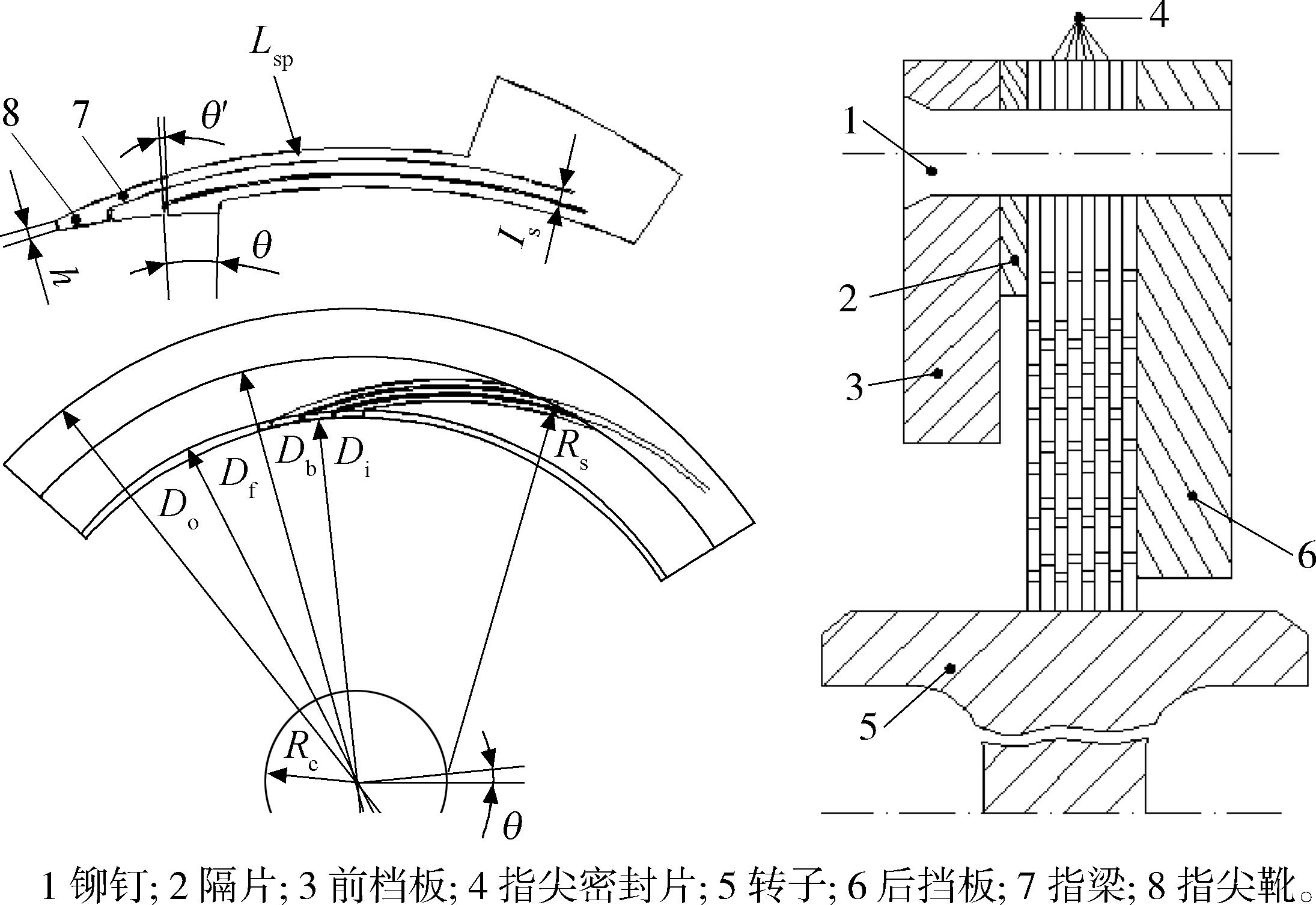
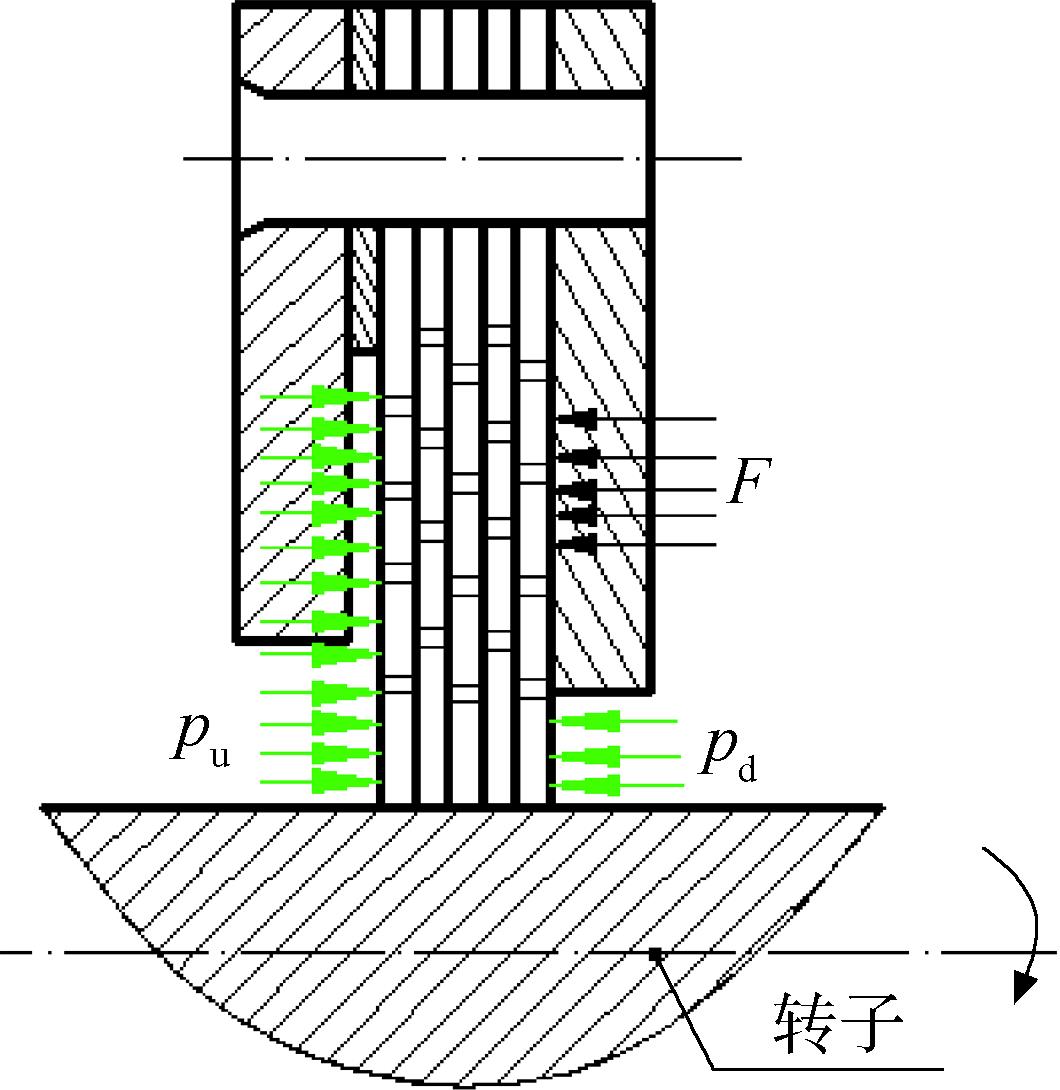
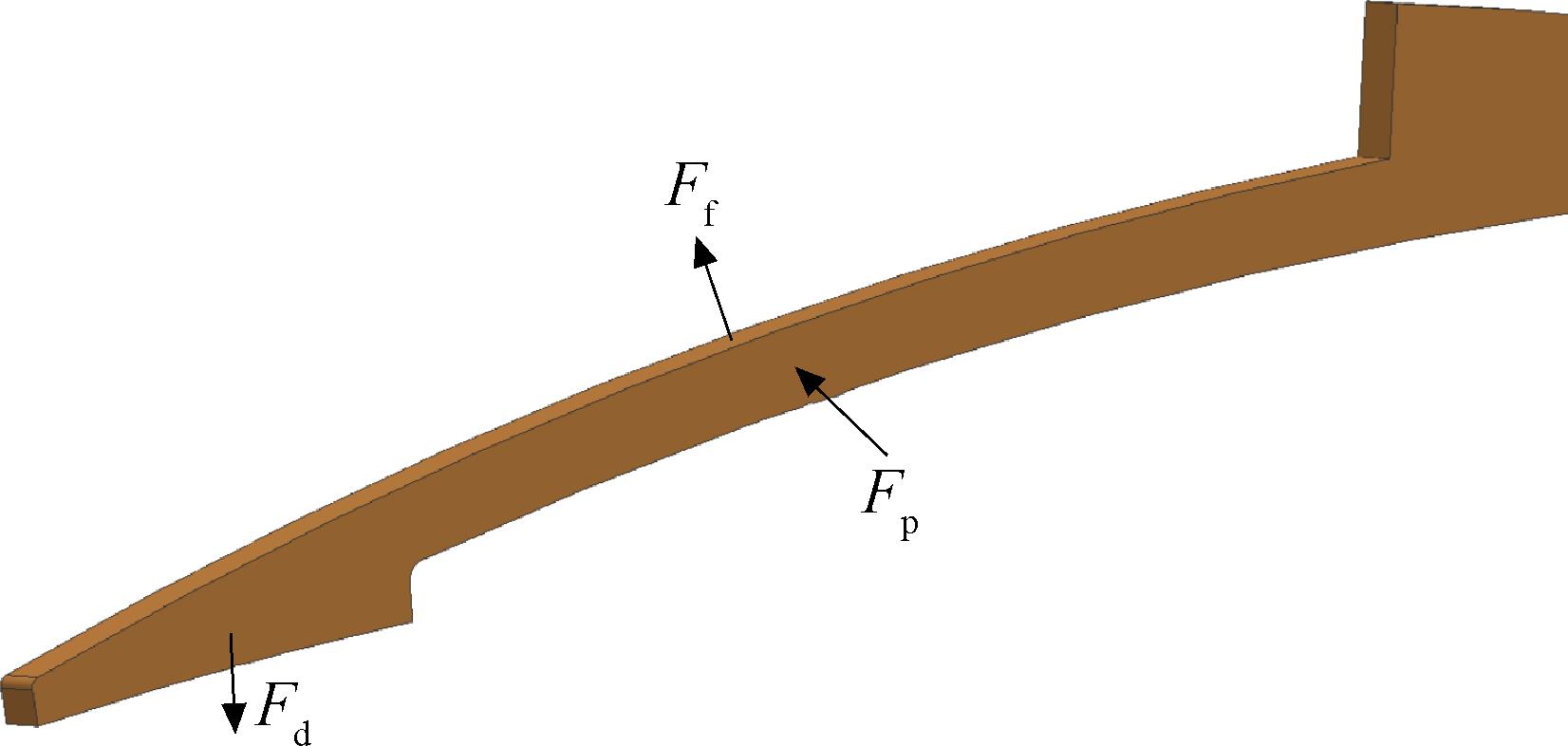
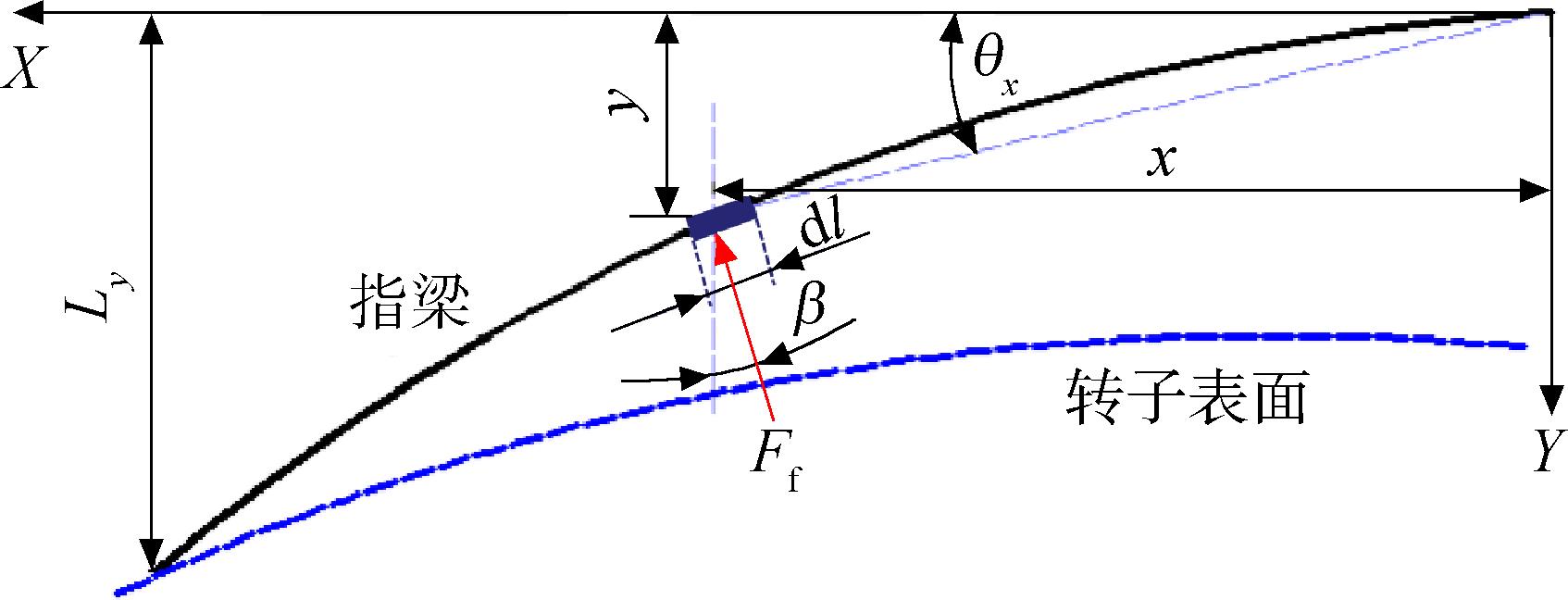
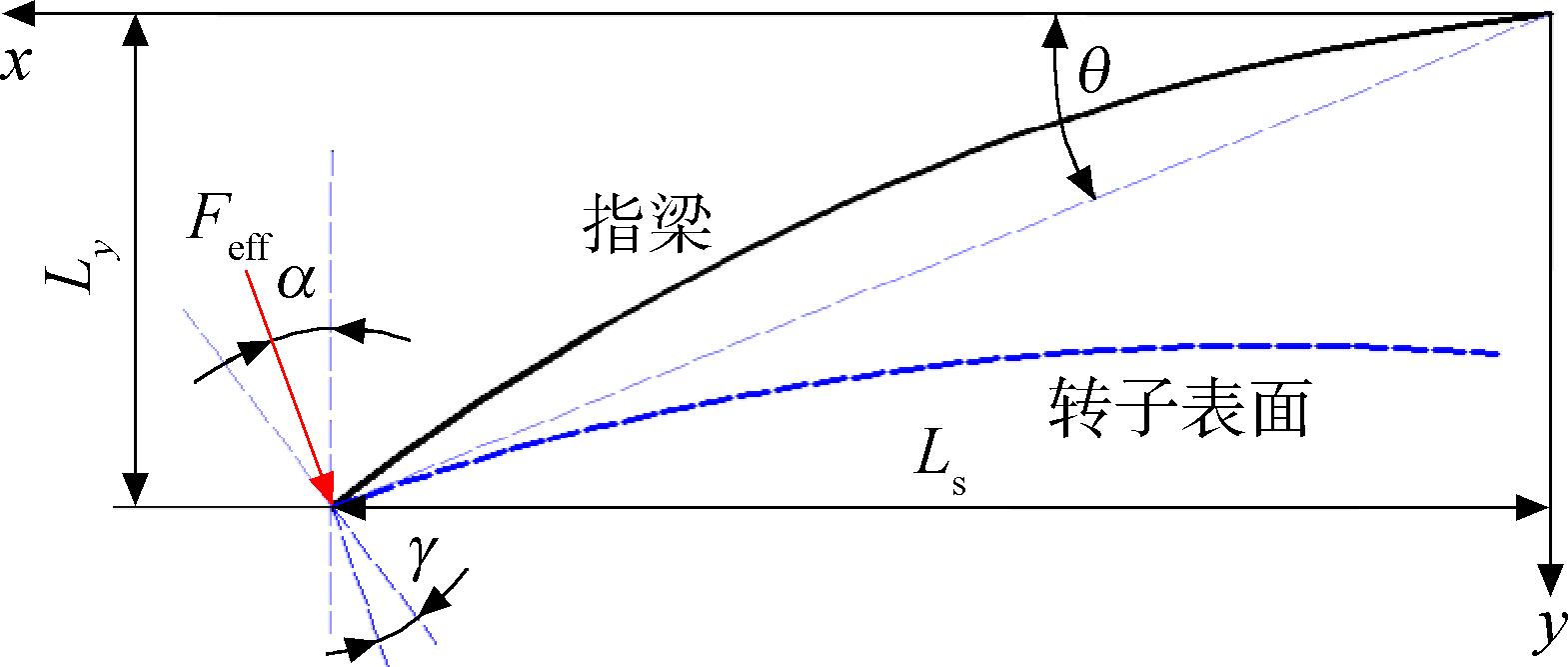
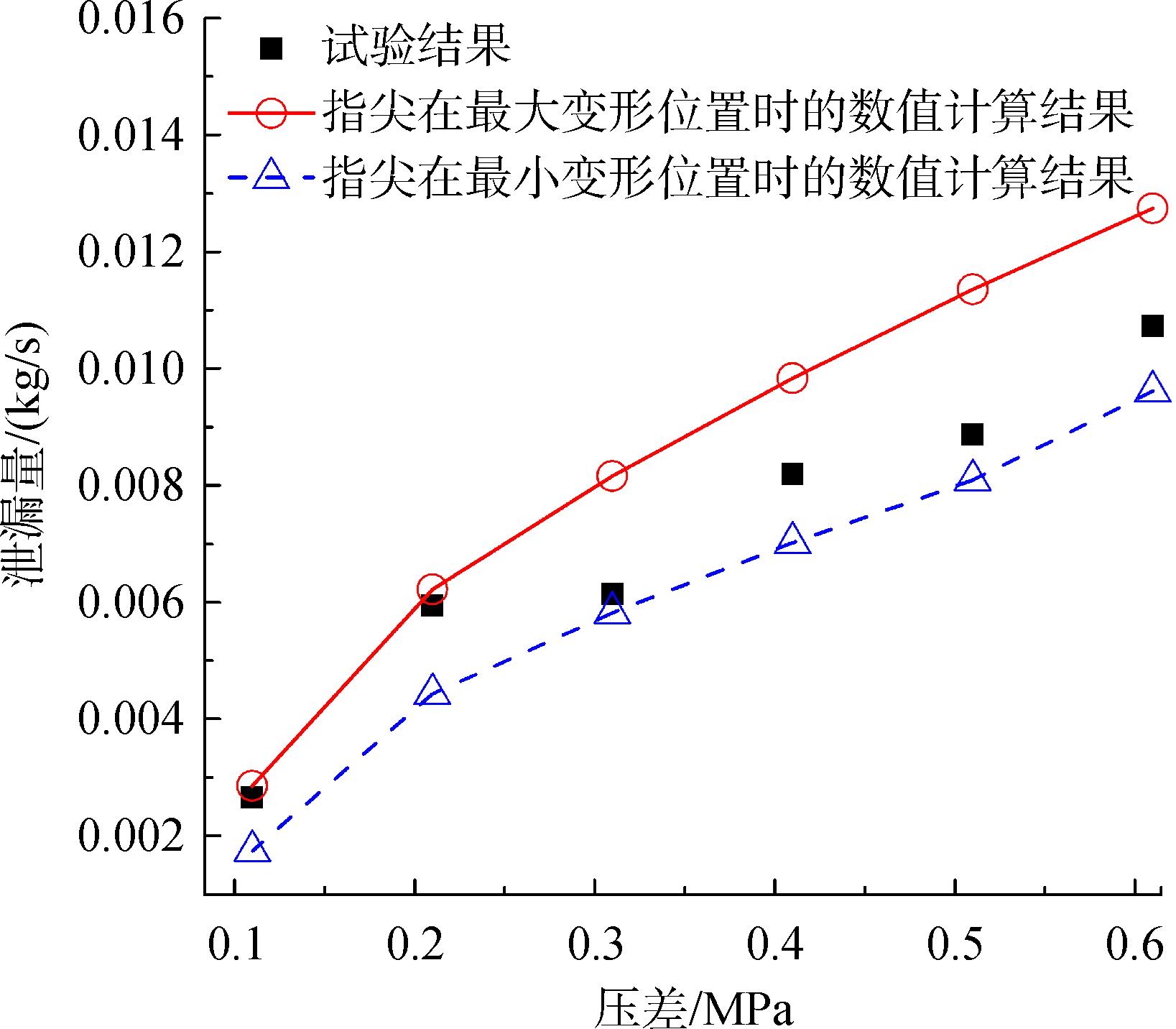
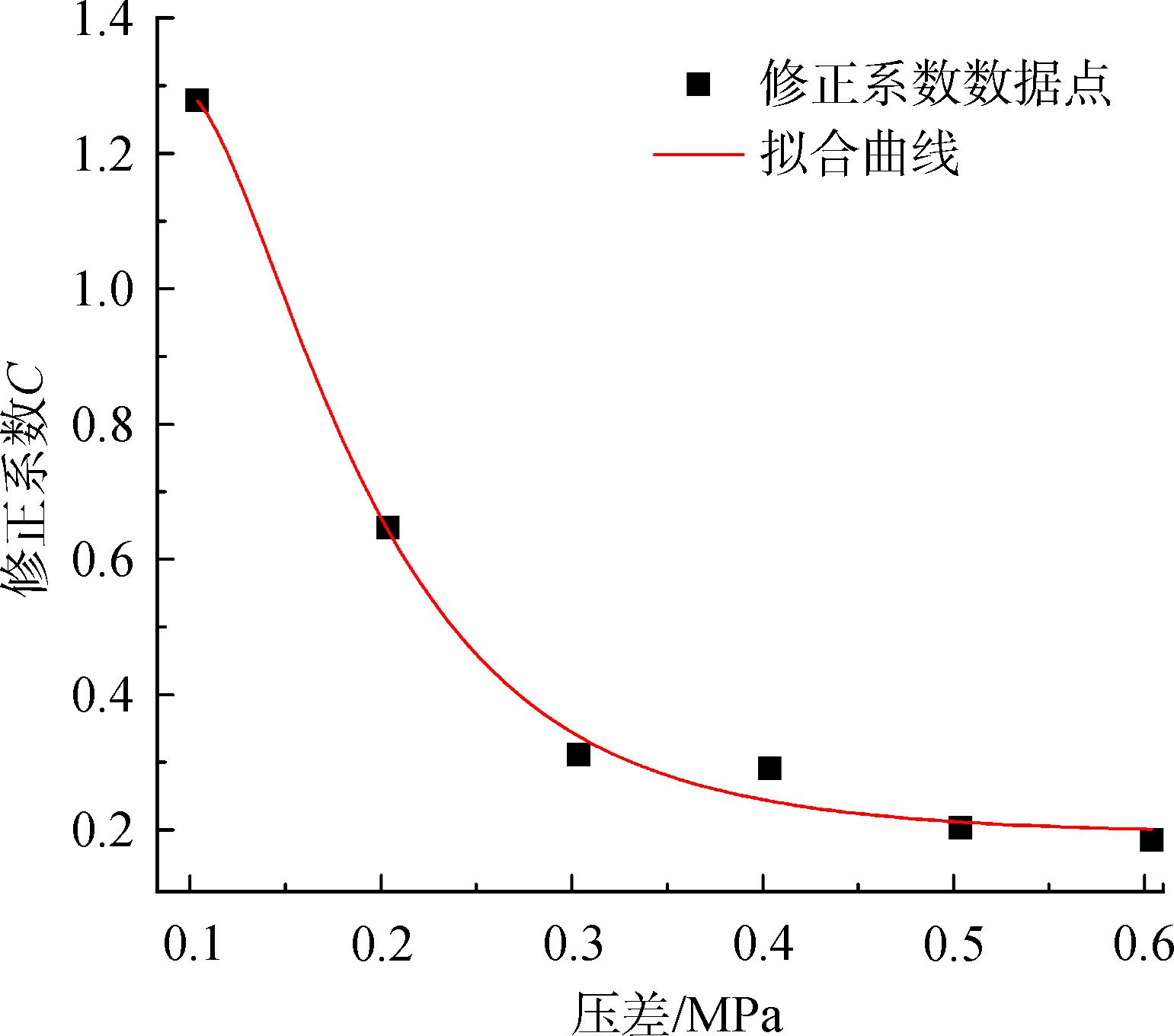
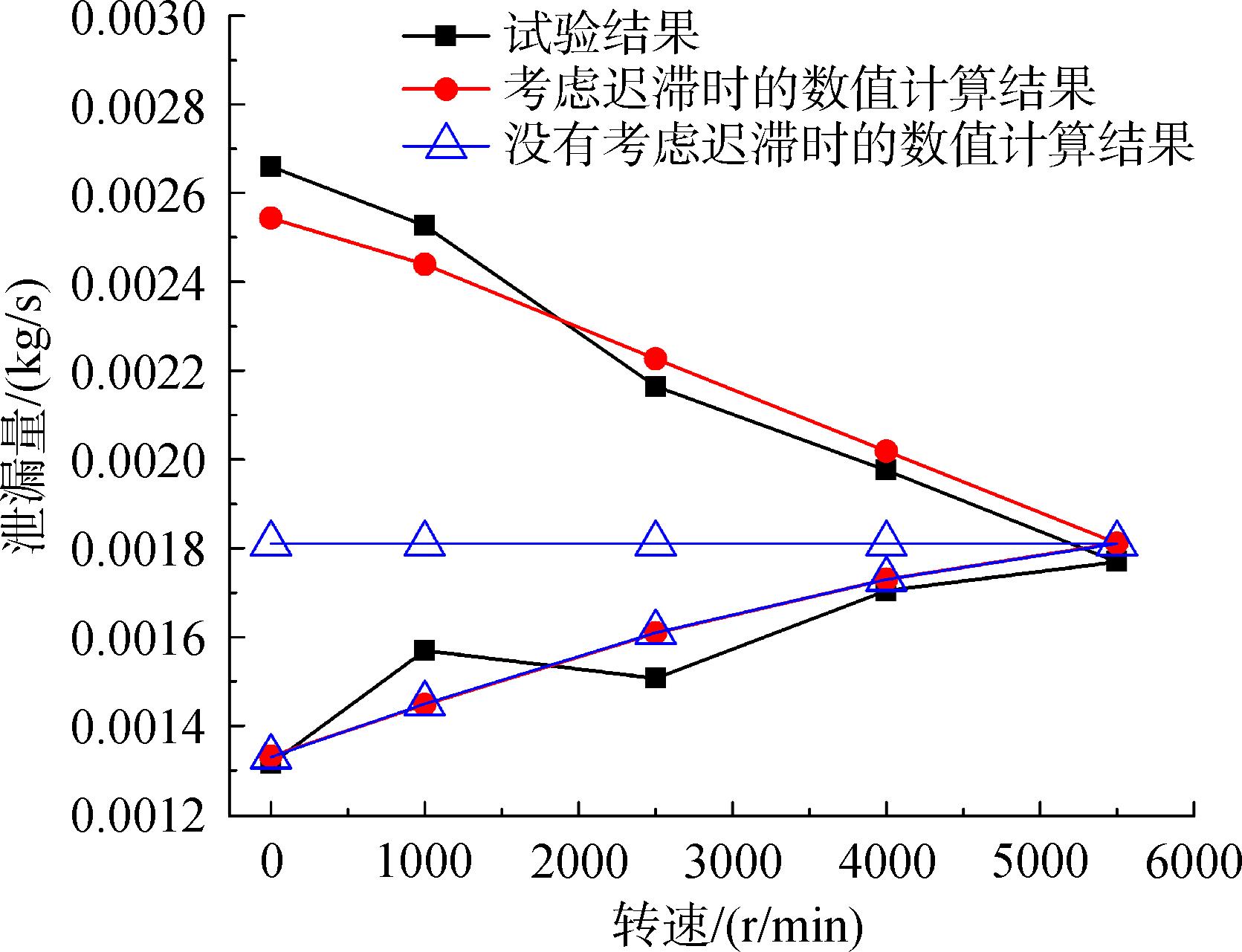
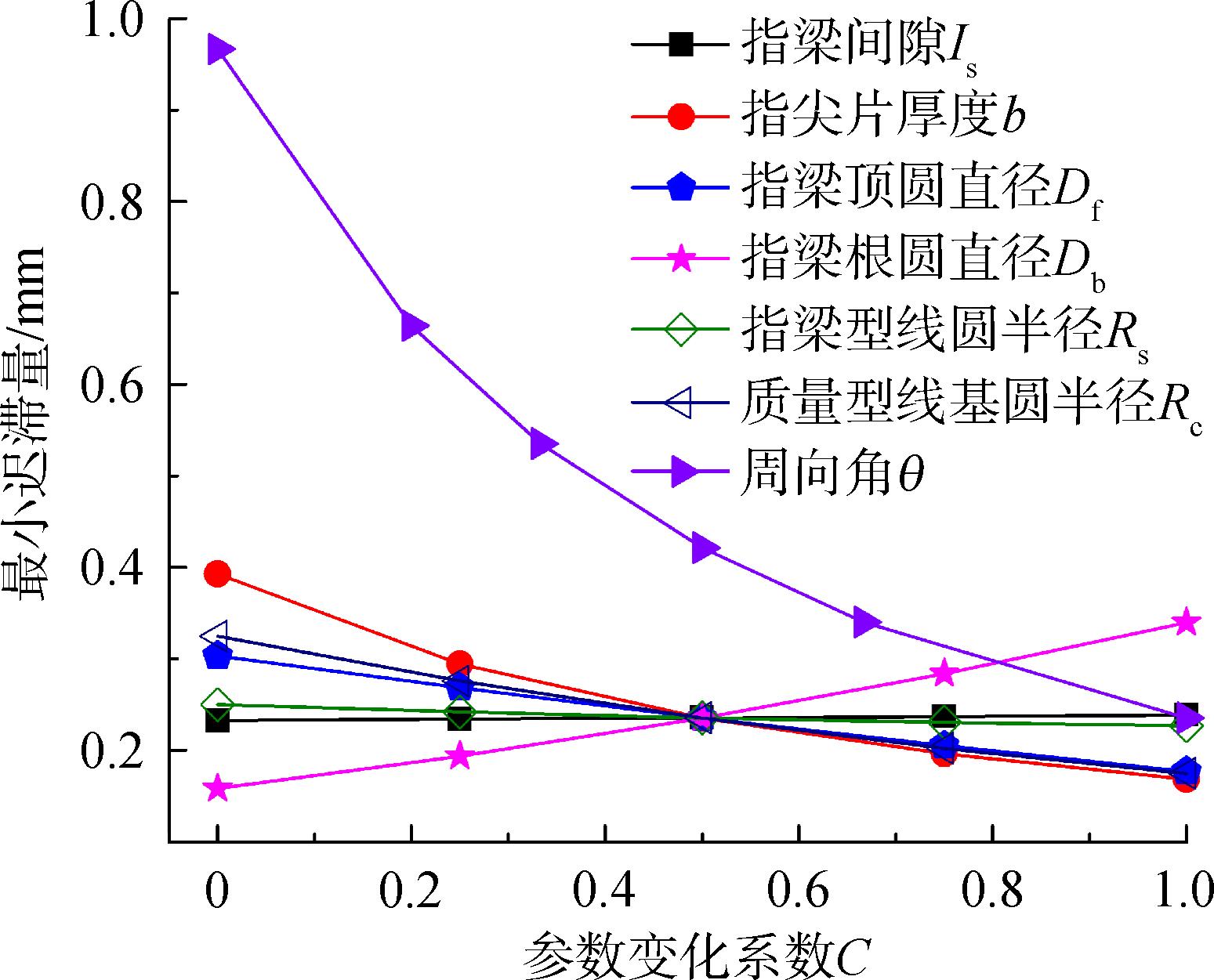
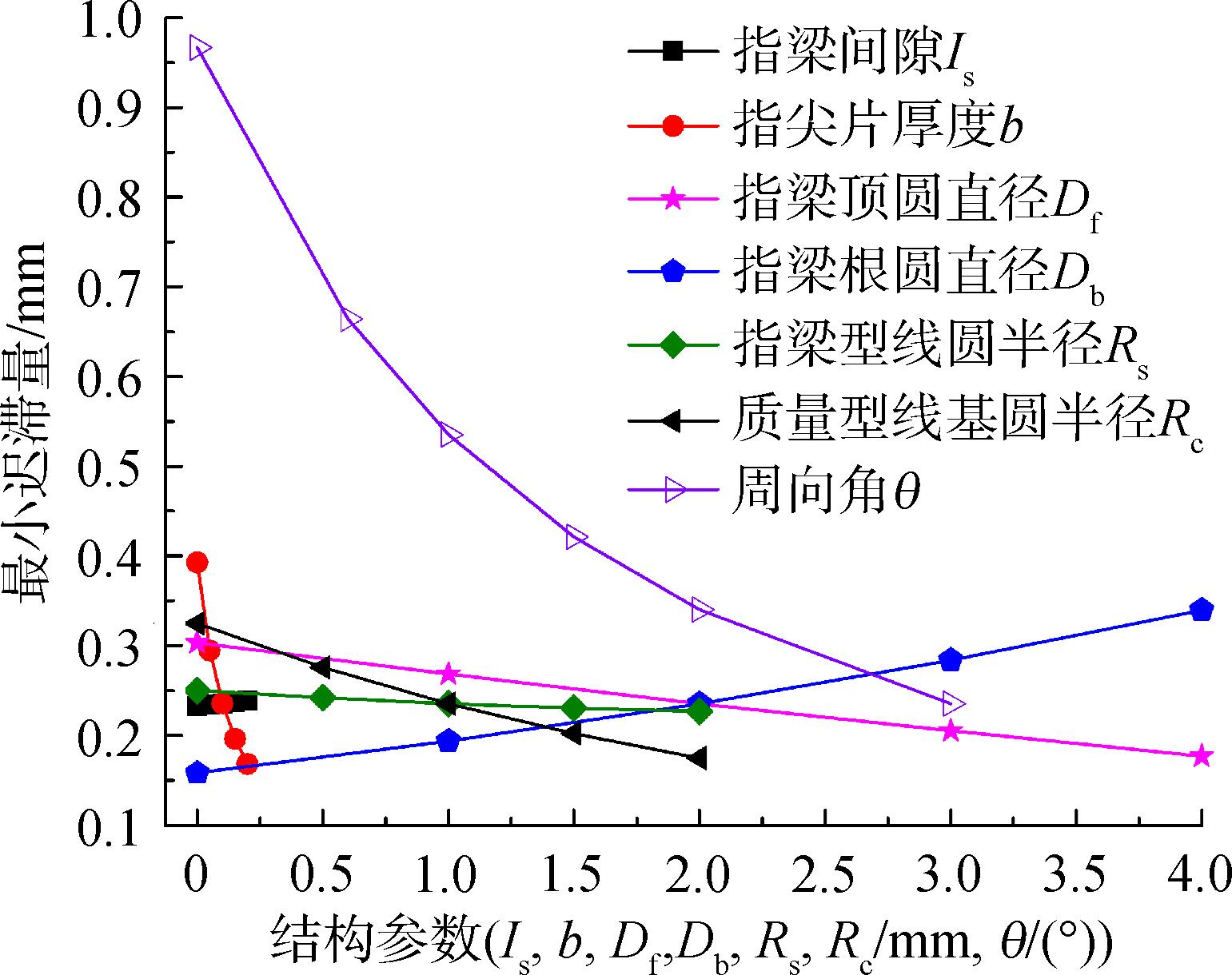
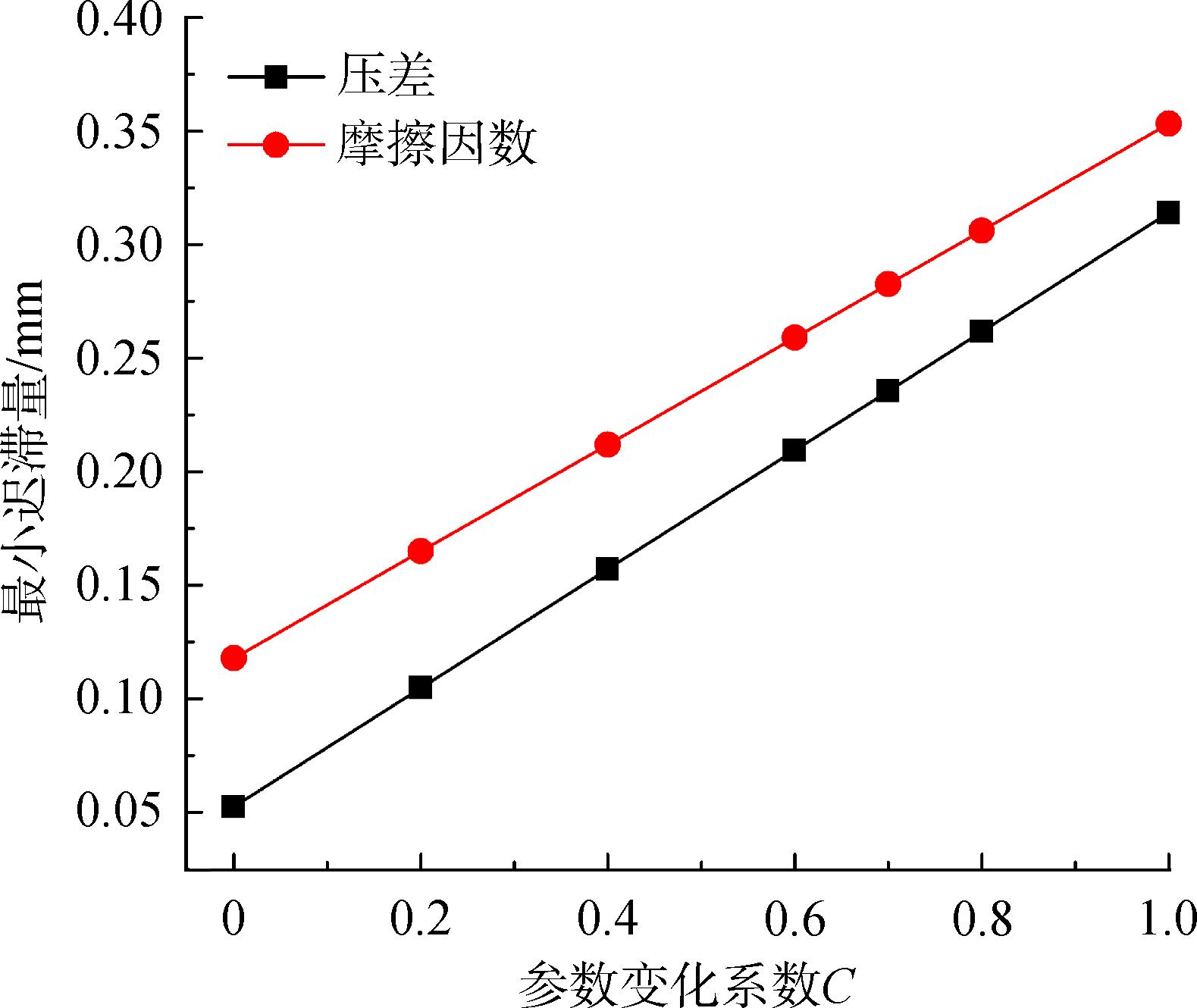
In order to predict the hysteresis characteristics of finger seal accurately,minimum hysteresis representing hysteresis characteristics of finger seal was proposed.Then minimum hysteresis mathematical calculation method was established,the correction coefficient of model was determined and verified by experiments.The influence rules of the structure and working condition parameters of finger seals on the hysteresis characteristics were studied and obtained based on the modified calculation model.Results showed that the maximum error between the numerical calculation of leakage characteristics considering the hysteresis effect based on modified calculation model and the test results was 7.64%,and the conclusion of model was reliable.The degree of influence of various structural parameters on the hysteresis characteristics of finger seal was in descending order: thickness of each finger laminate,finger repeat angle,arc radius of the finger beam arcs centers,diameter of the finger base circle,width of the interstice between fingers,and arc radius of finger beam.The results provide a theoretical basis and basis for further research on the influence of hysteresis on the finger seal leakage characteristics and the optimal design of finger seal structure.

Numerical calculation and experimental test of heat radiation⁃ convection coupling heat transfer characteristics of turbine casing
CHEN Hao, LI Jiawei, SHI Hang, WANG Tong, SONG Fangzhou, WANG Tianyi, LIU Xianglei
2022, 37(8): 1597-1606. doi: 10.13224/j.cnki.jasp.20210529
Abstract:

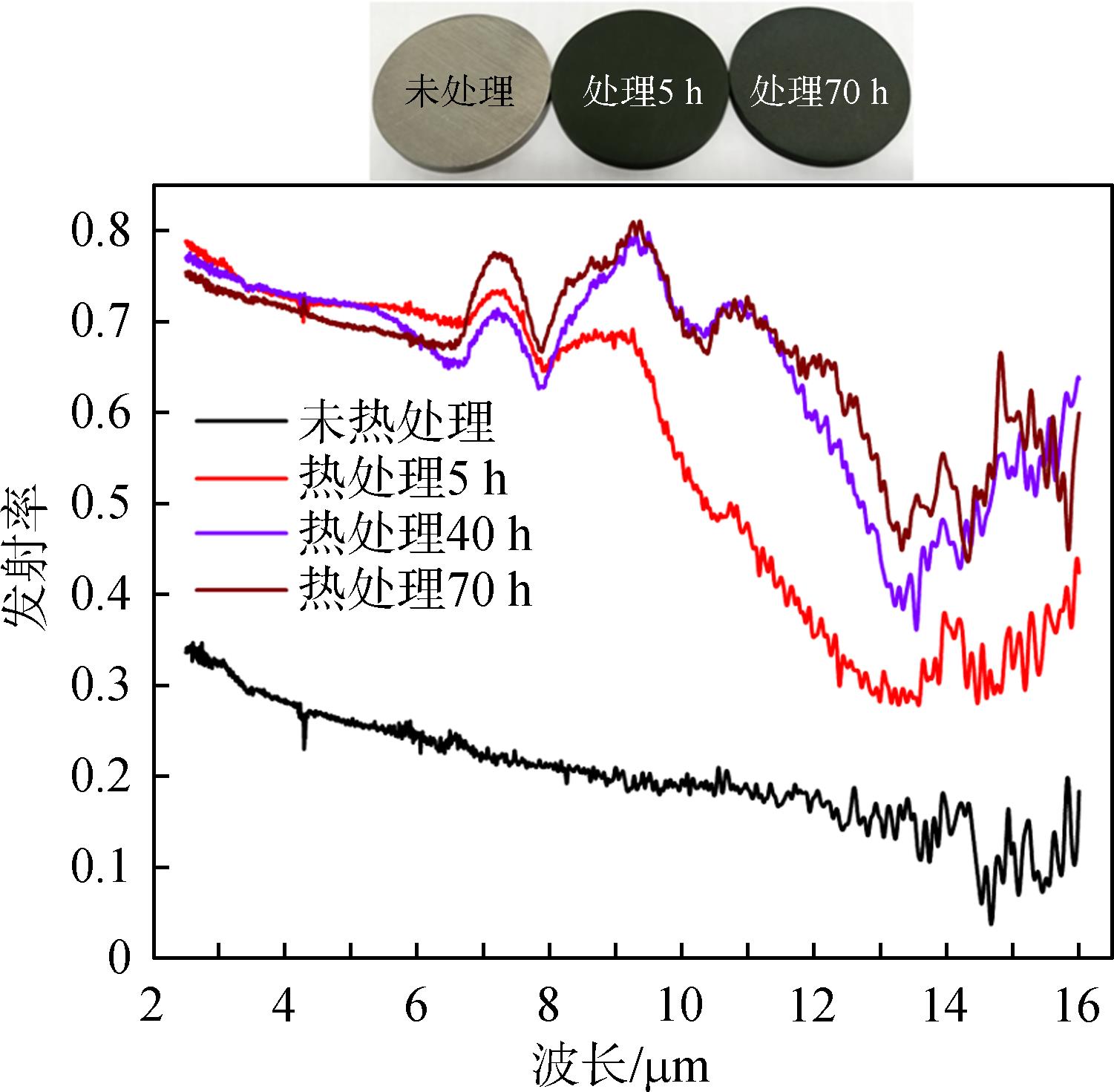
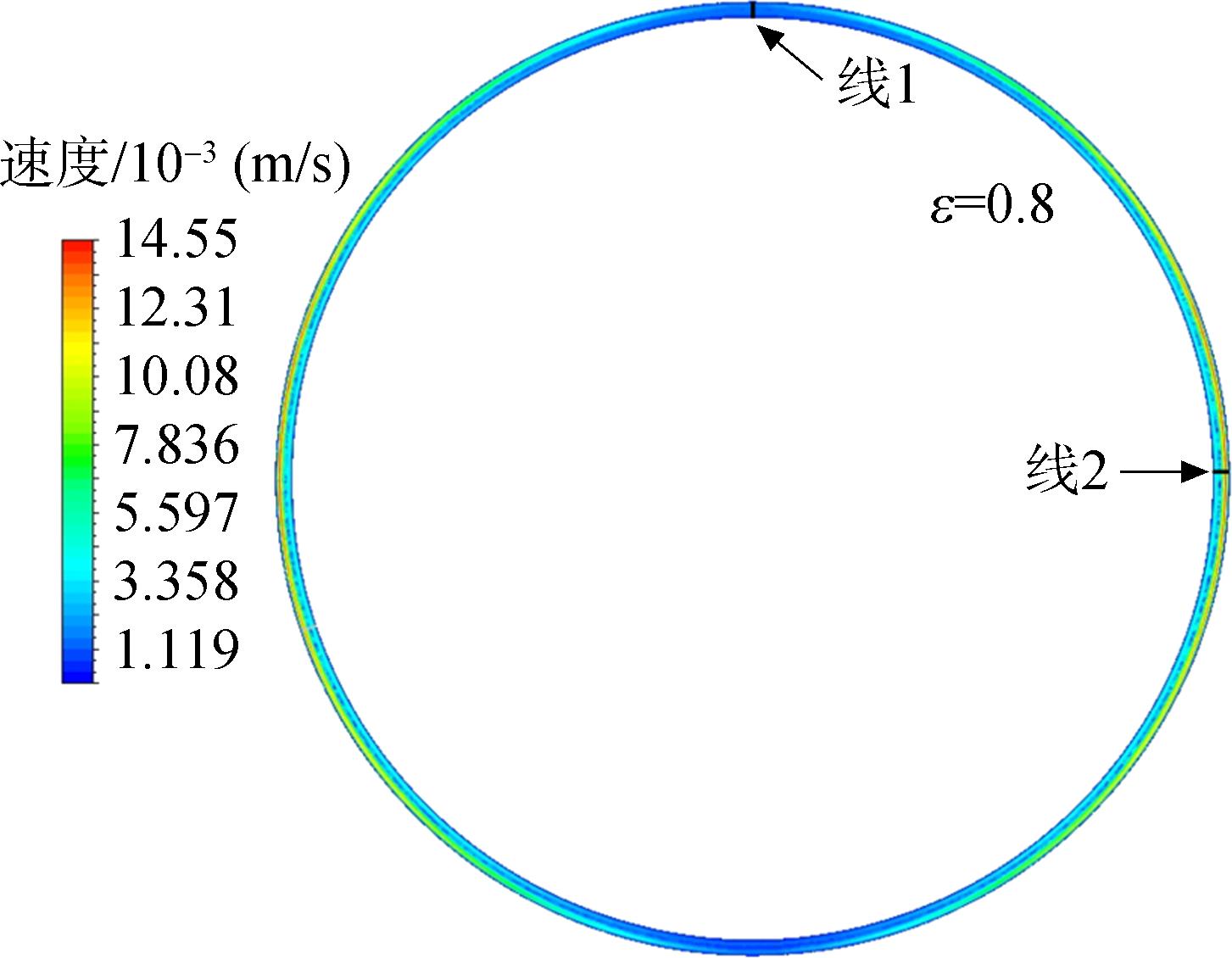
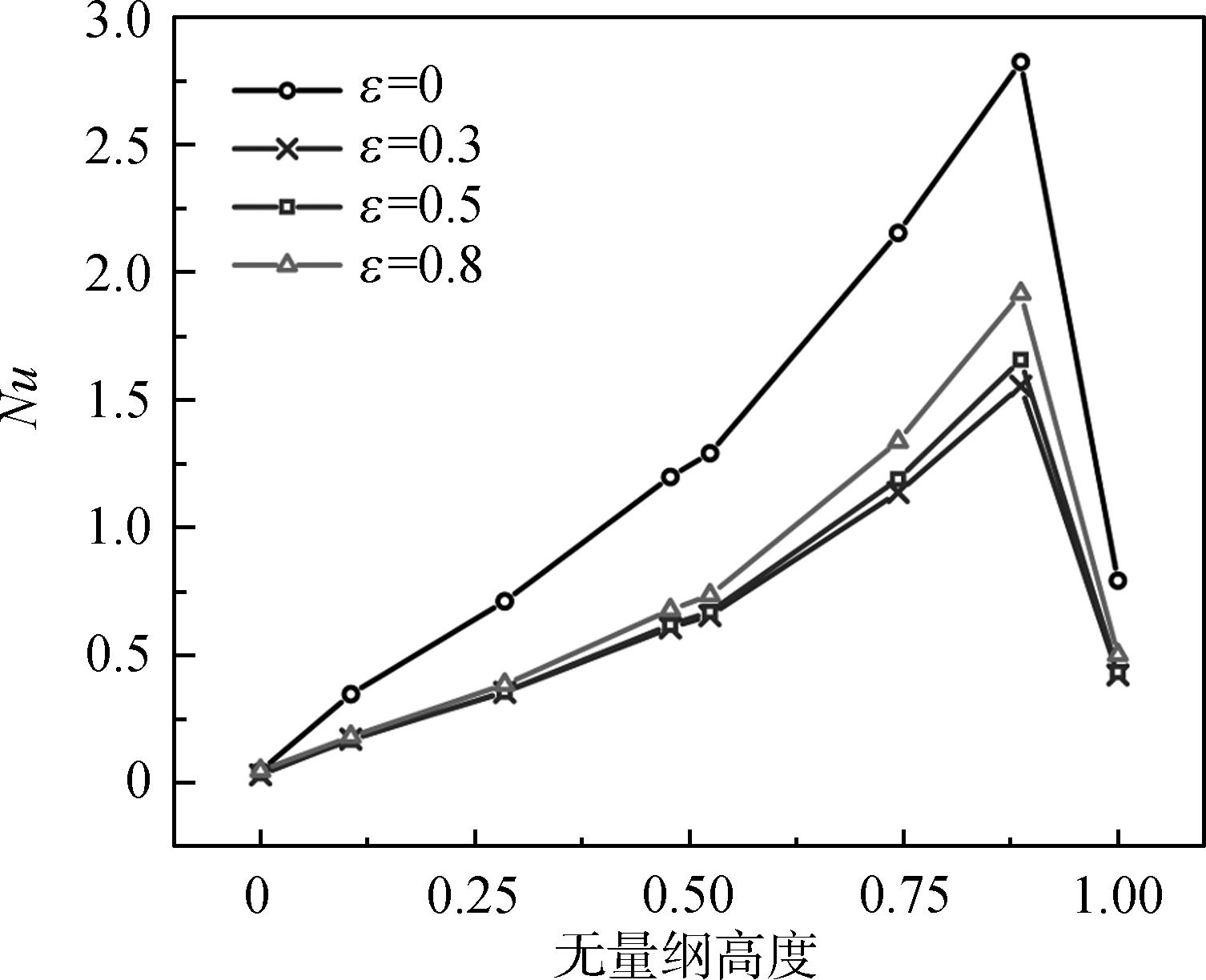
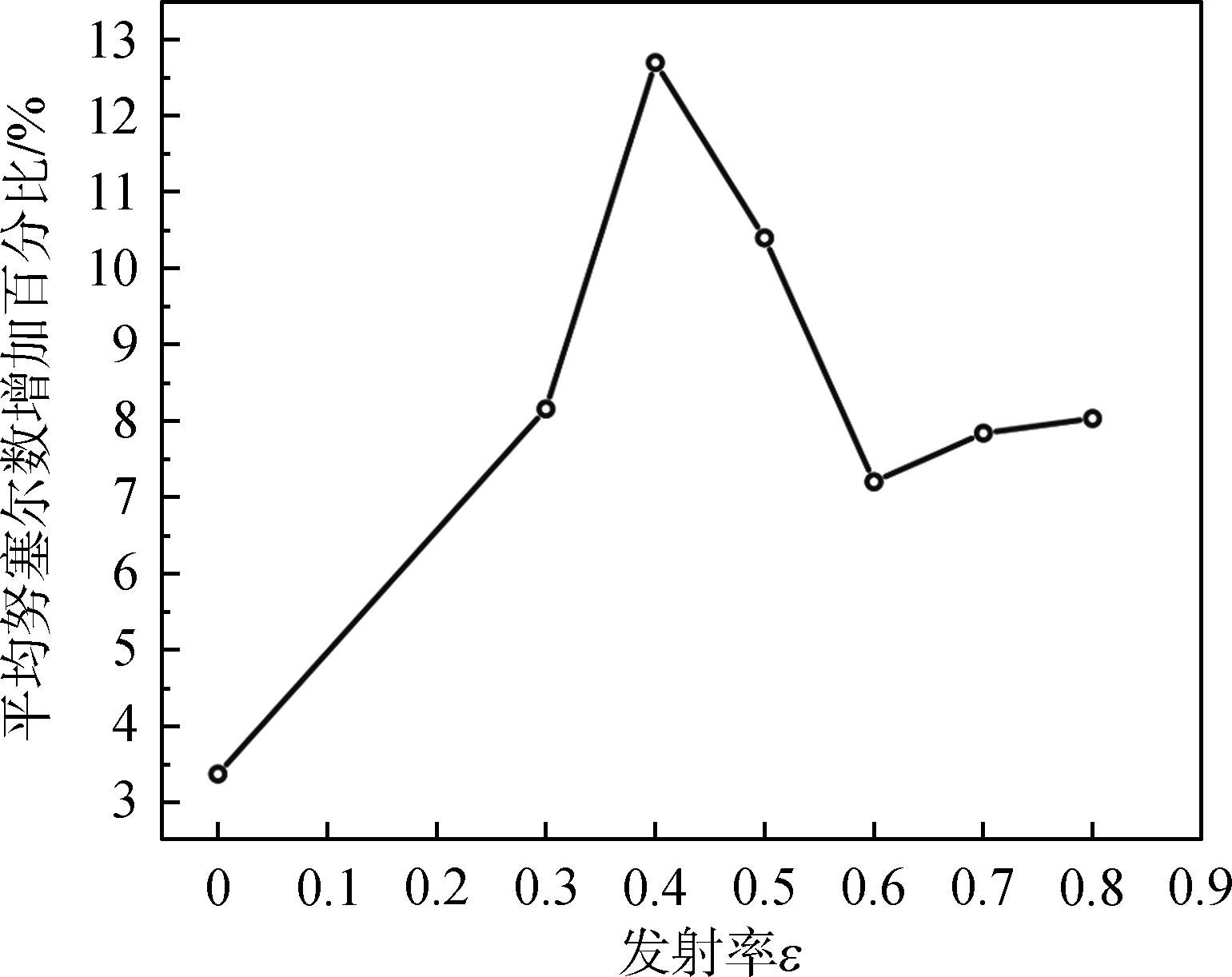
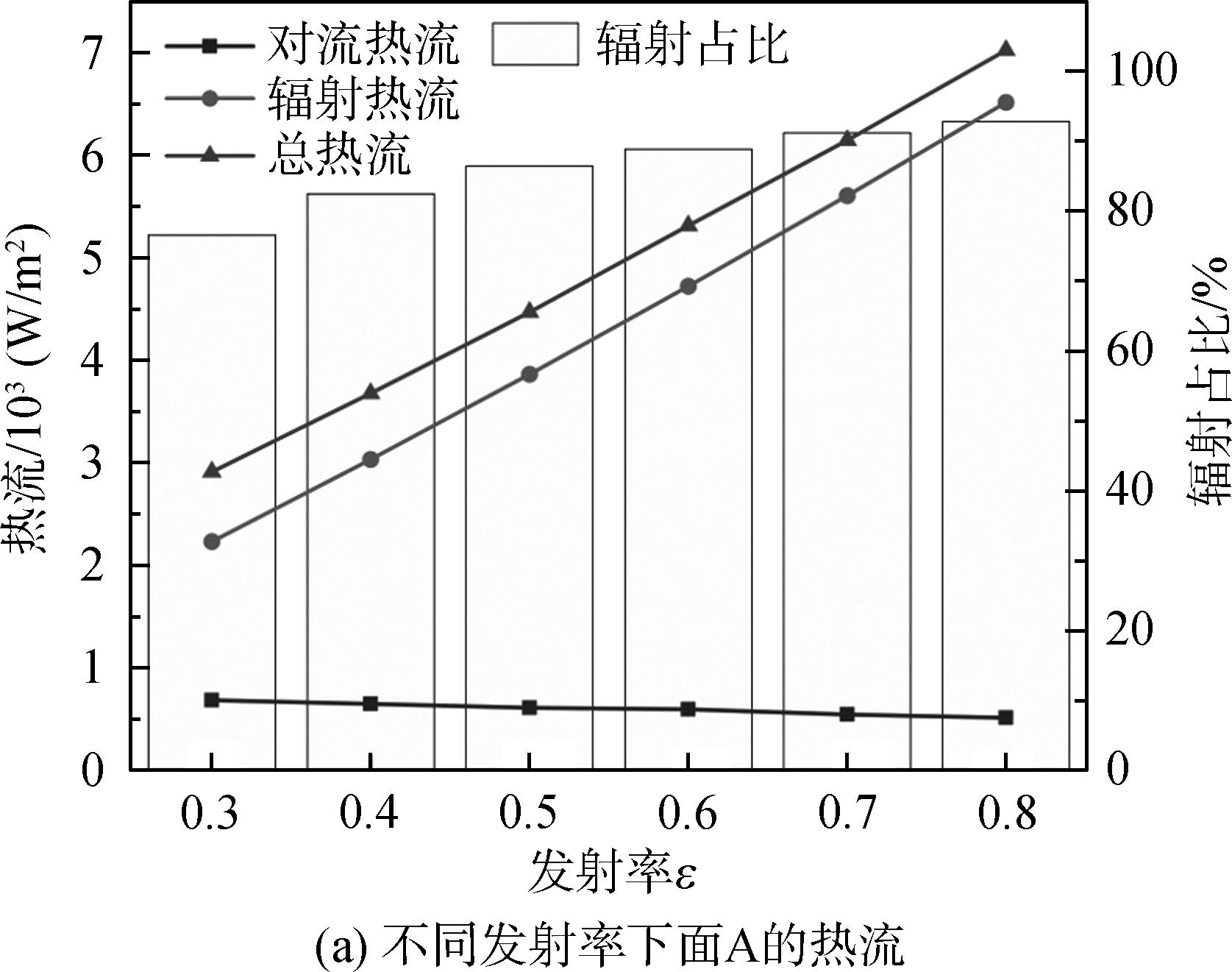
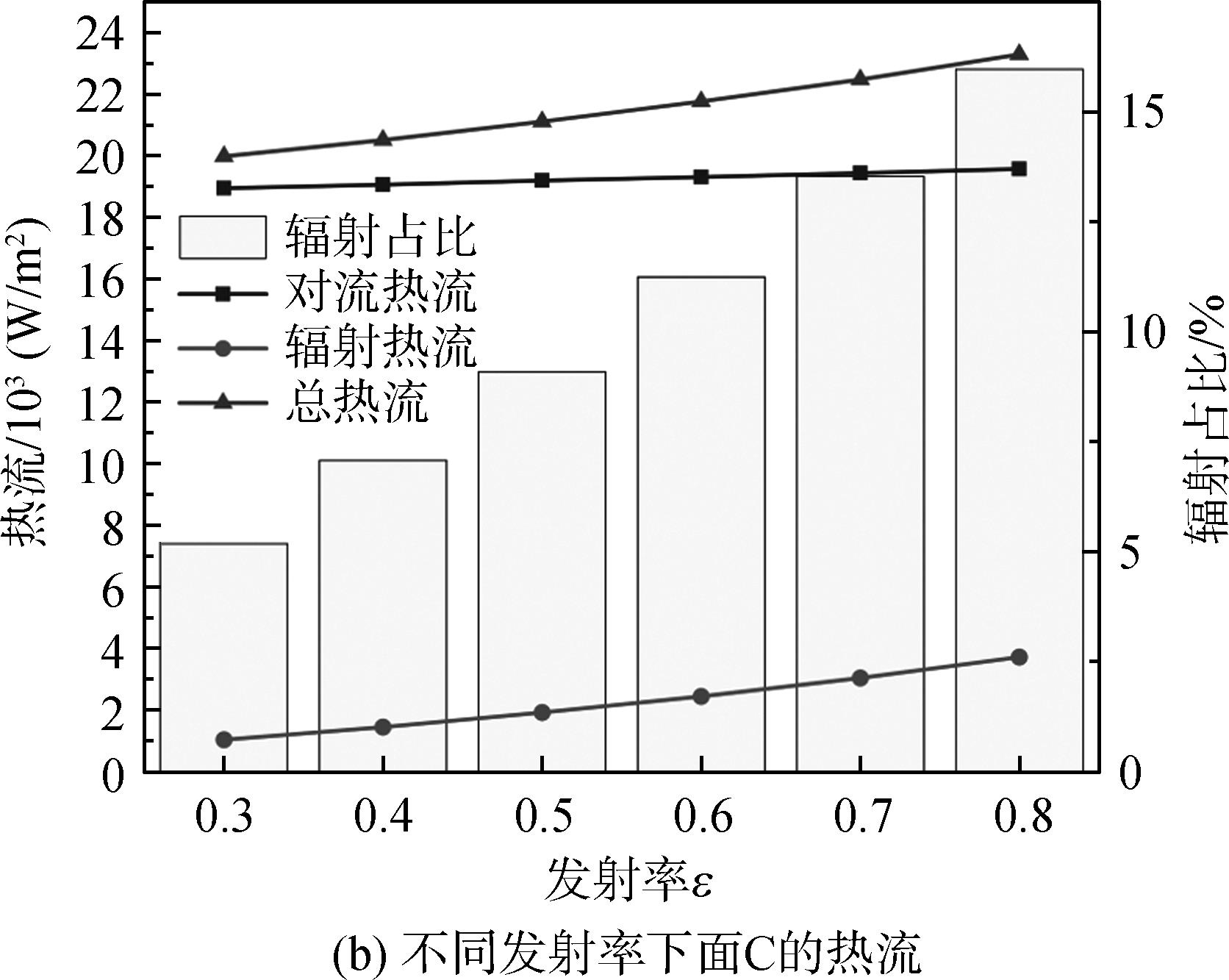
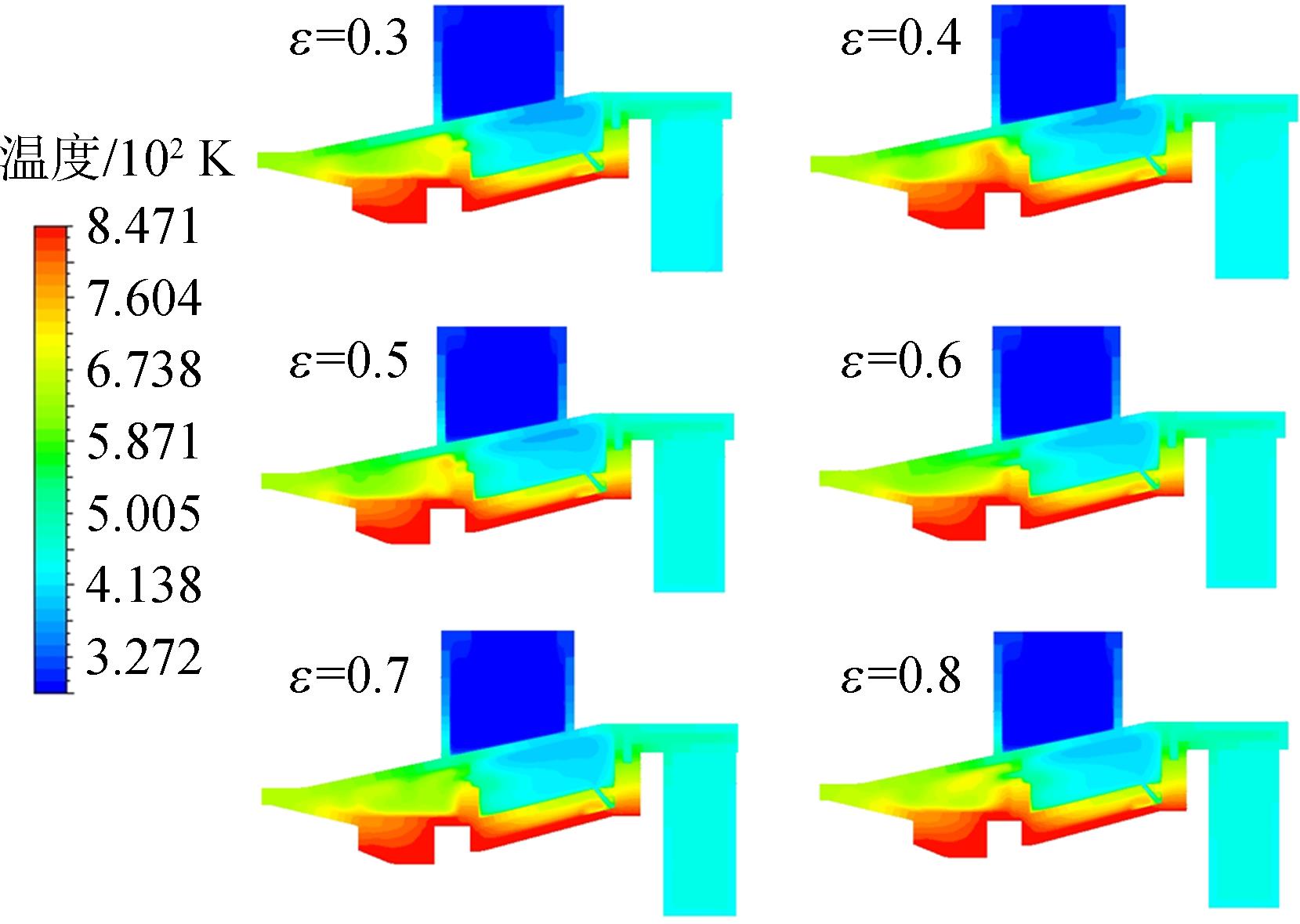
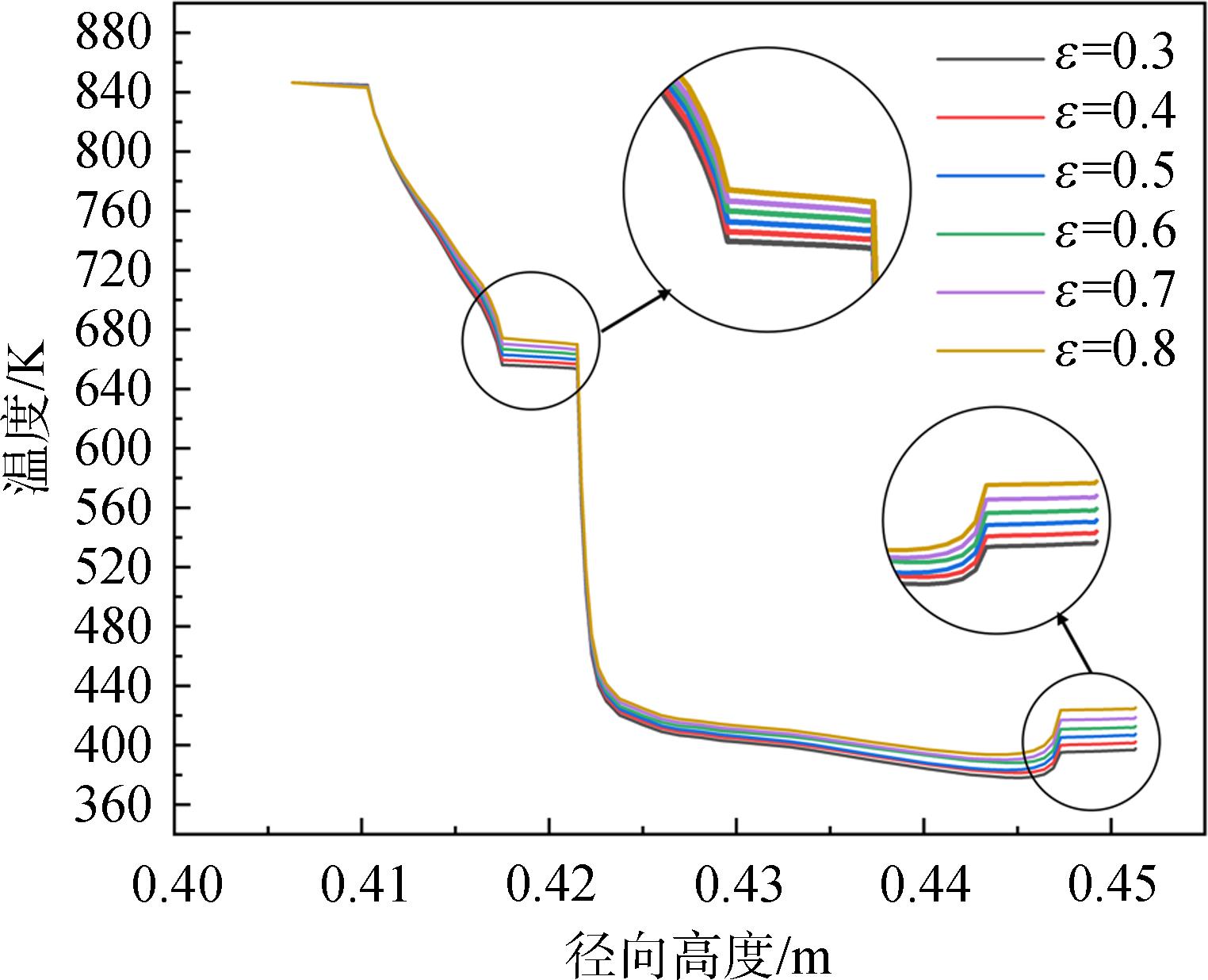
The heat radiation⁃convection coupling calculation of the entire ring casing was carried out,the comprehensive heat transfer coefficient fitting relationship was obtained,and the experimental test was verified.The study found that the existence of heat radiation in the enclosed cavity greatly strengthened the wall heat transfer.The ratio of radiant heat flow to the total heat transfer can reach more than 90%.In the three⁃layer receiver structure,when the emissivity changed from 0.3 to 0.8,the temperature gradient in the radial direction of the receiver decreased,the convective heat transfer in the mainstream area was strengthened,and the convective intensity in the semi⁃enclosed area decreased.When the emissivity was 0.8,the radiant heat flow on the fluid sidewall of the outer casing accounted for 33.3% of the total heat transfer.

Effects of acoustic excitation on the dynamics of centrically⁃staged swirling stratified flames under different air split ratios
WEI Wei, XU Quanhong, SU Tong, HAN Xiao, YANG Siheng, ZHOU Yuchen
2022, 37(8): 1607-1619. doi: 10.13224/j.cnki.jasp.20210573
Abstract:

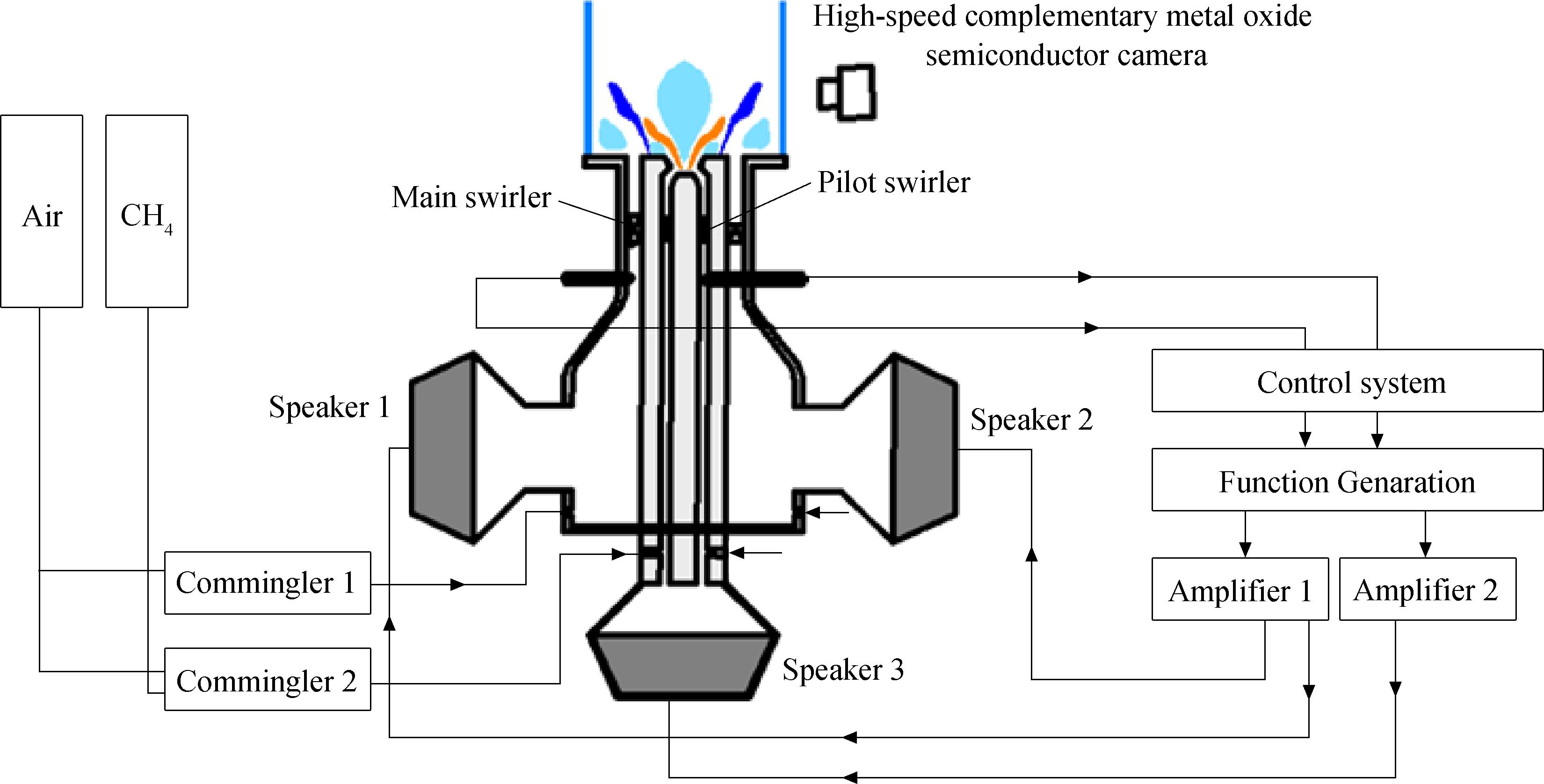
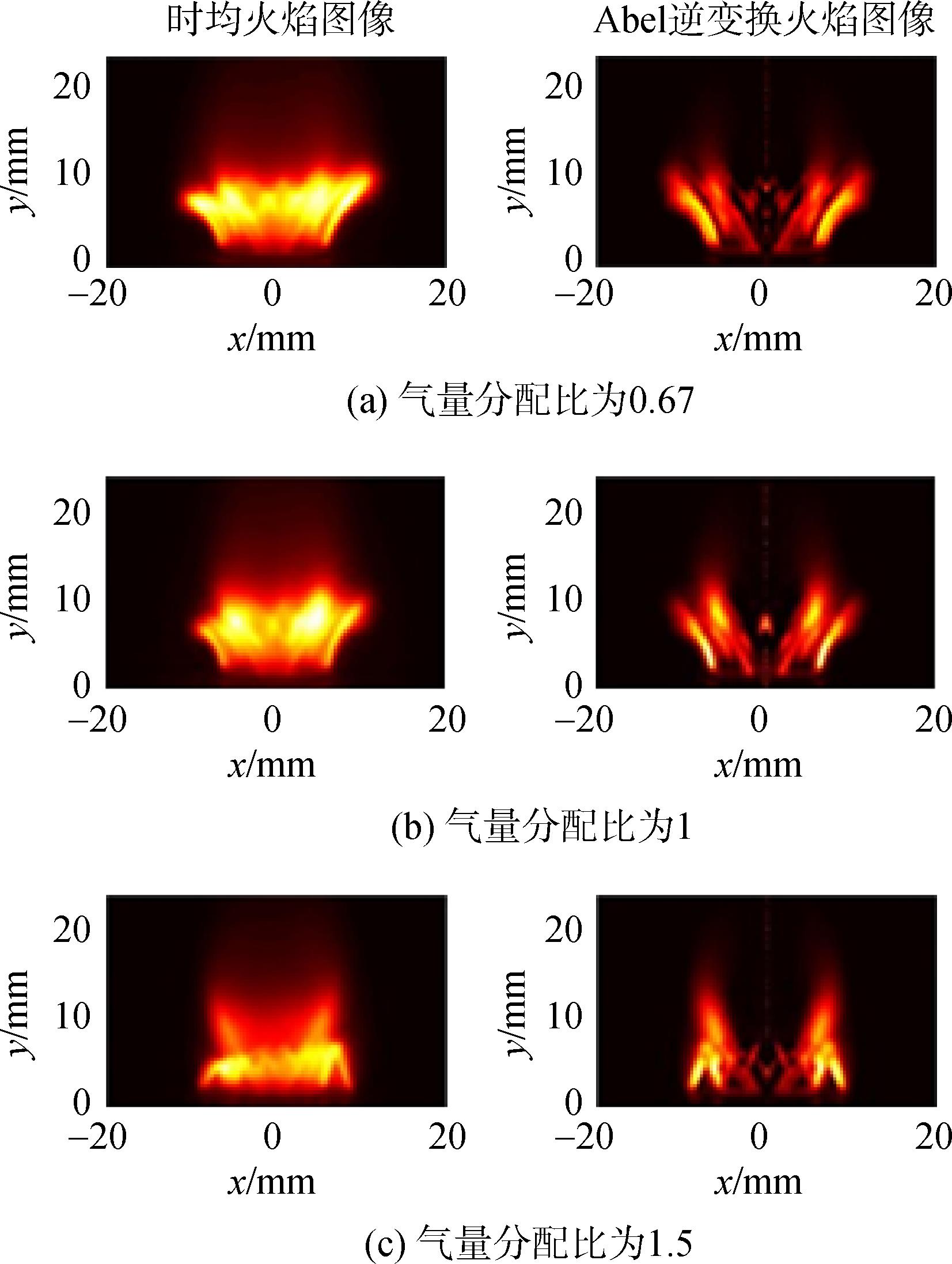
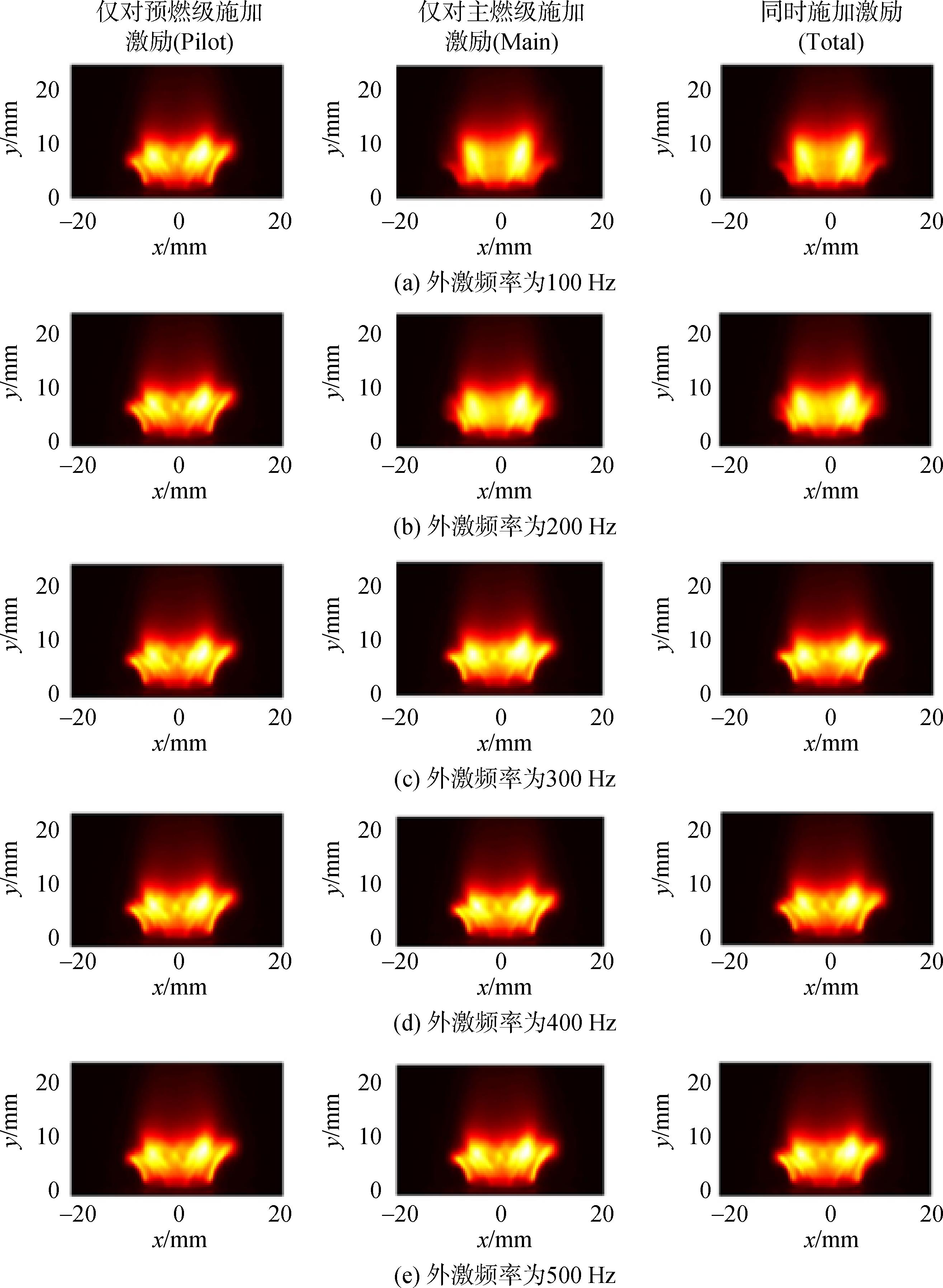
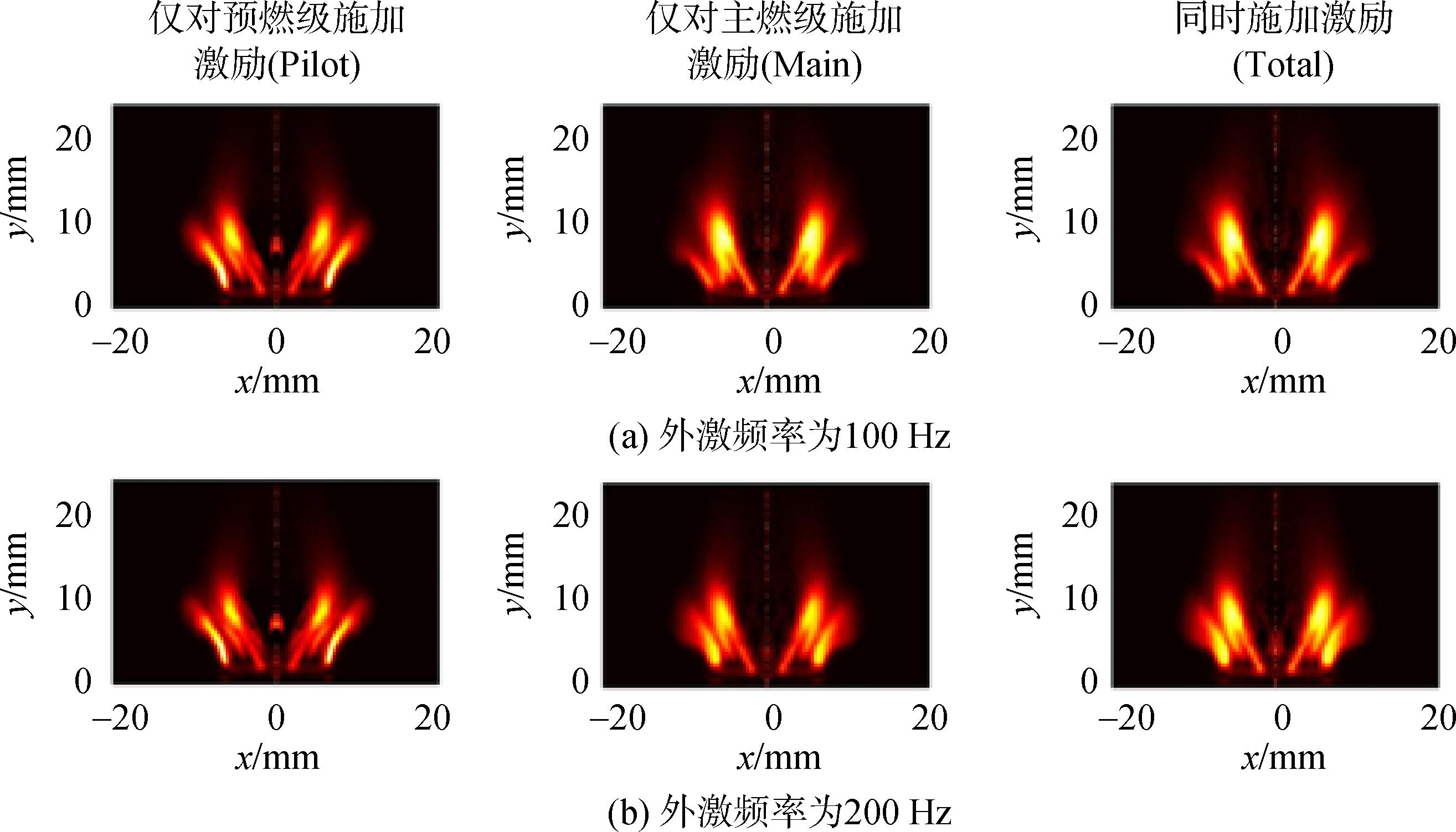
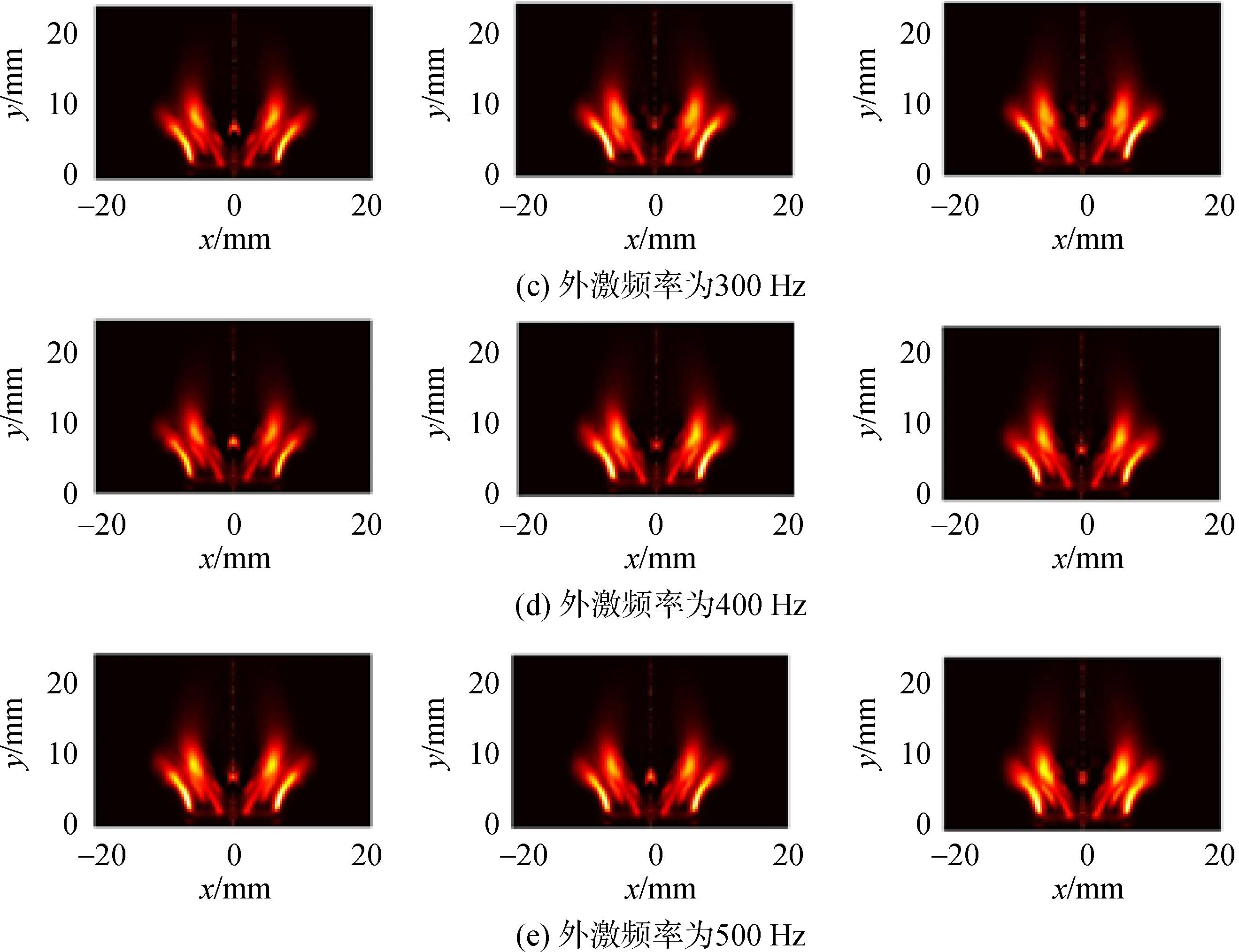
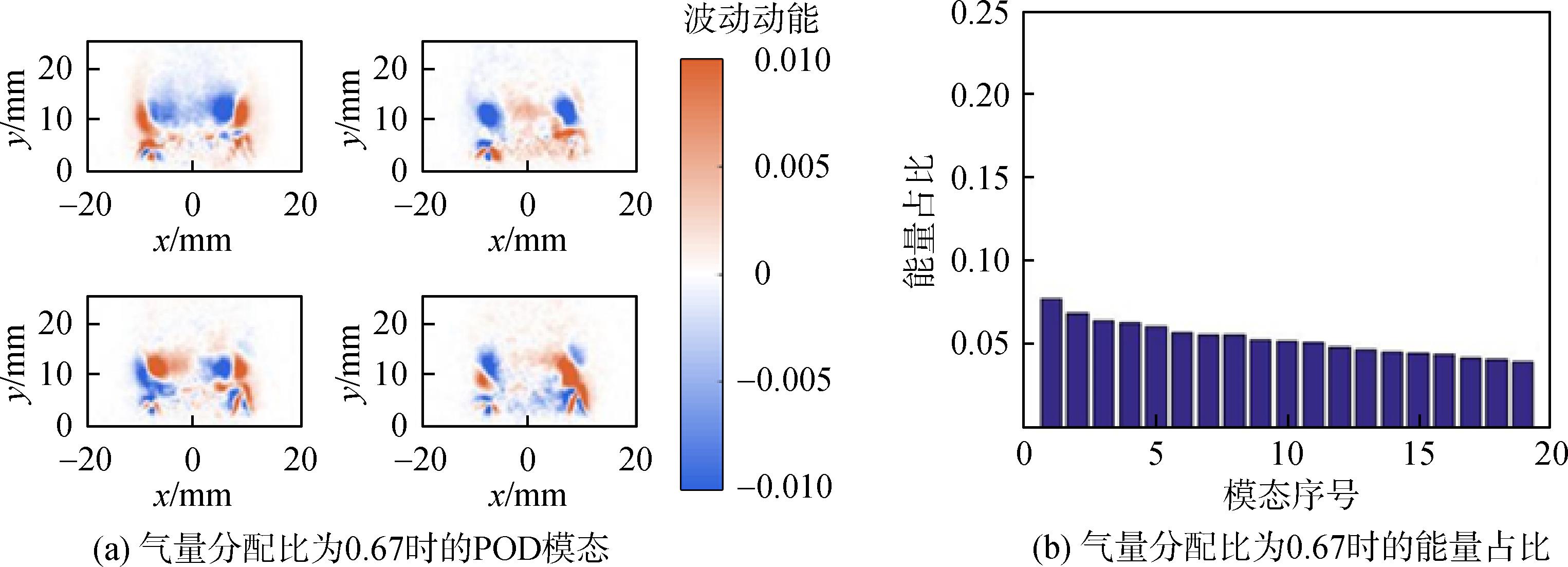
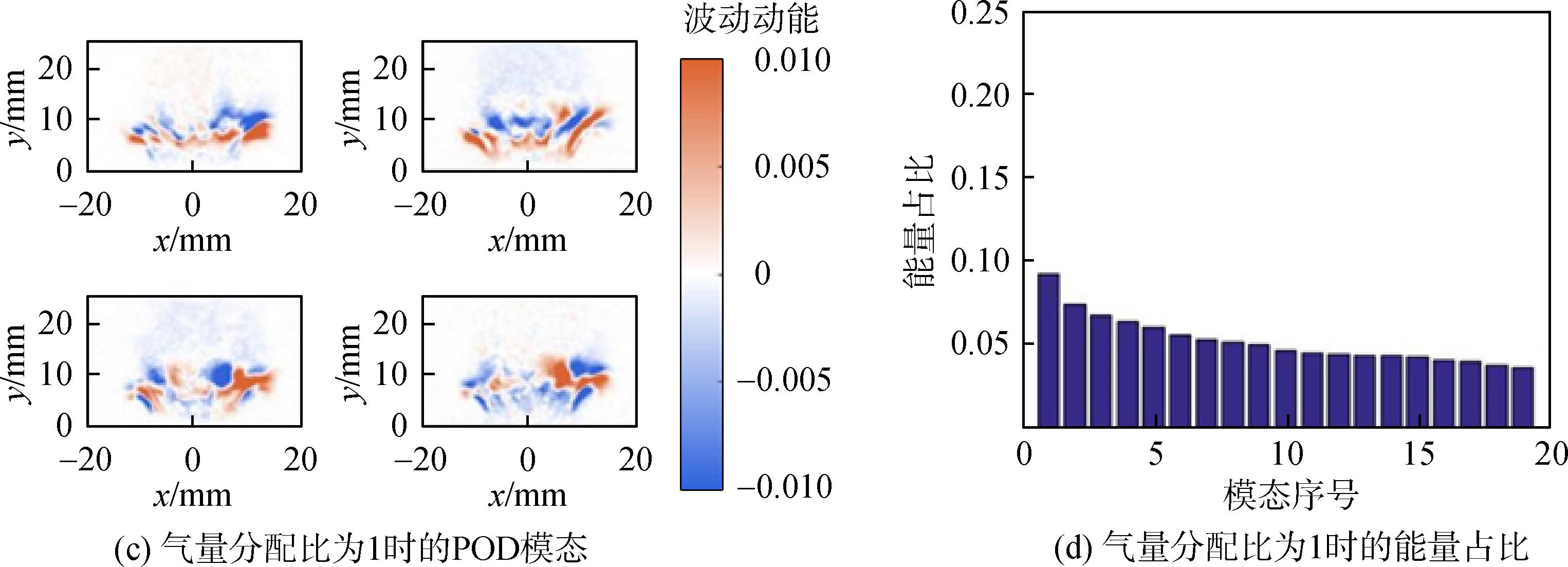
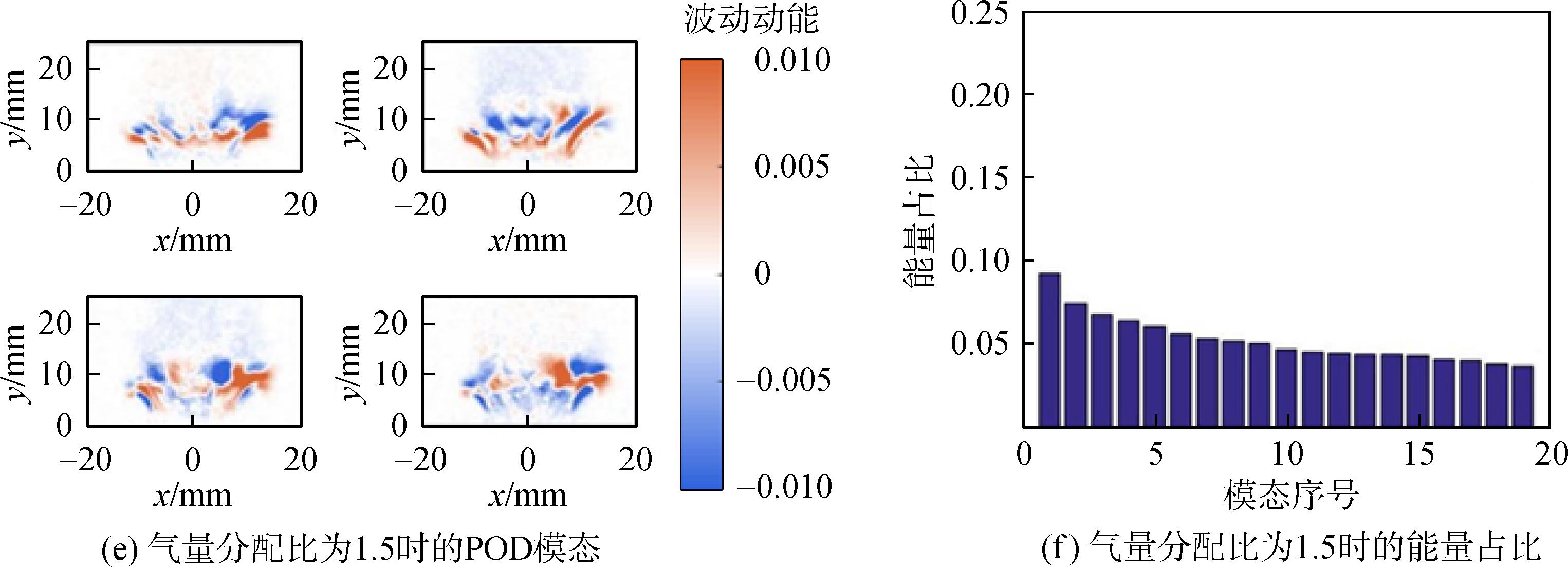
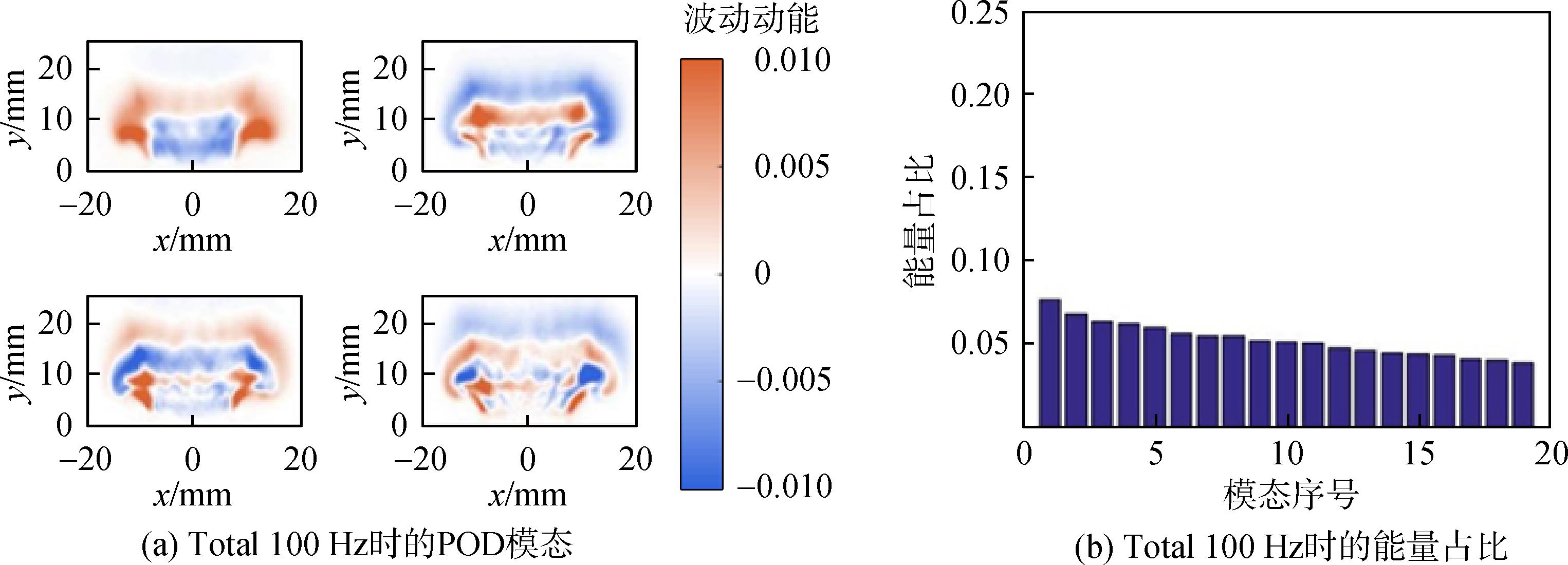
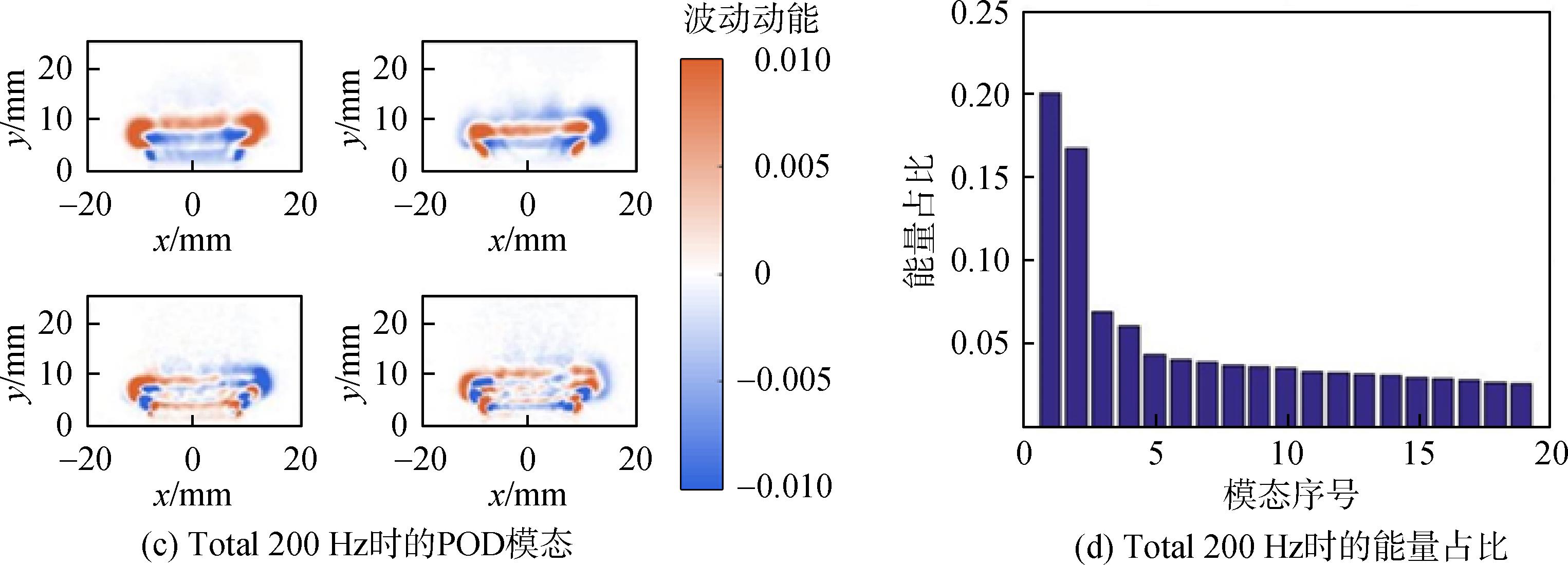
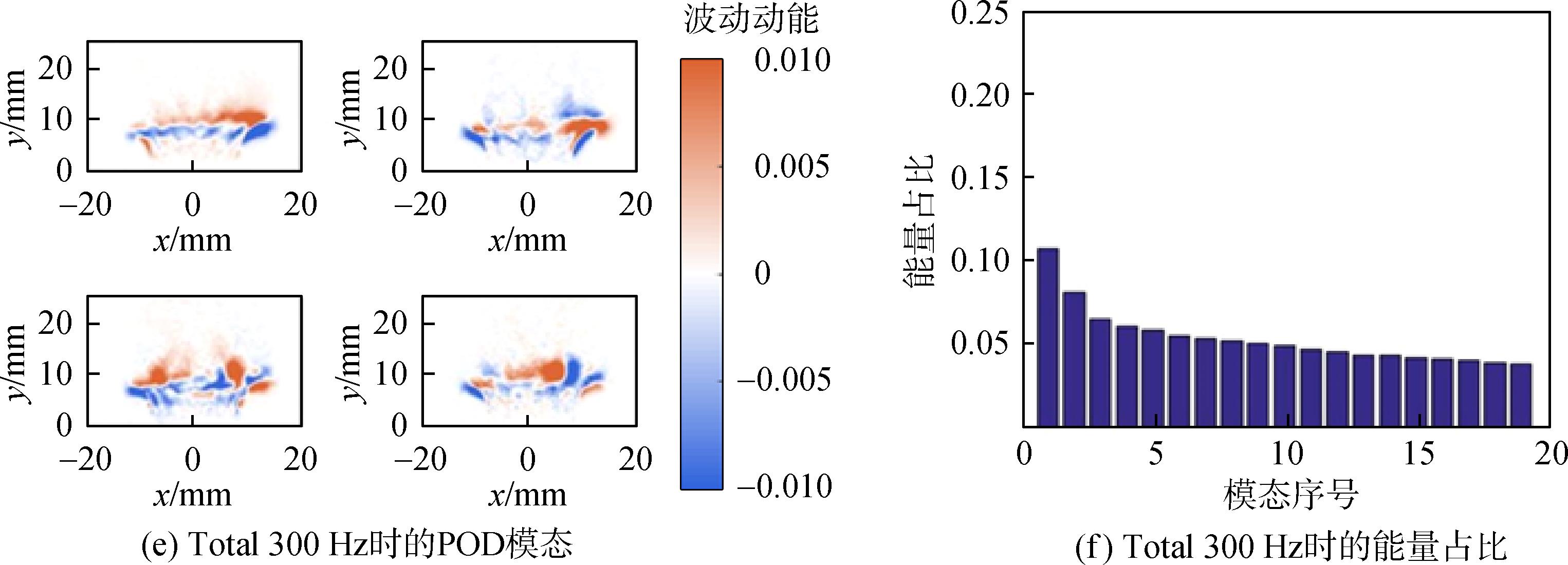
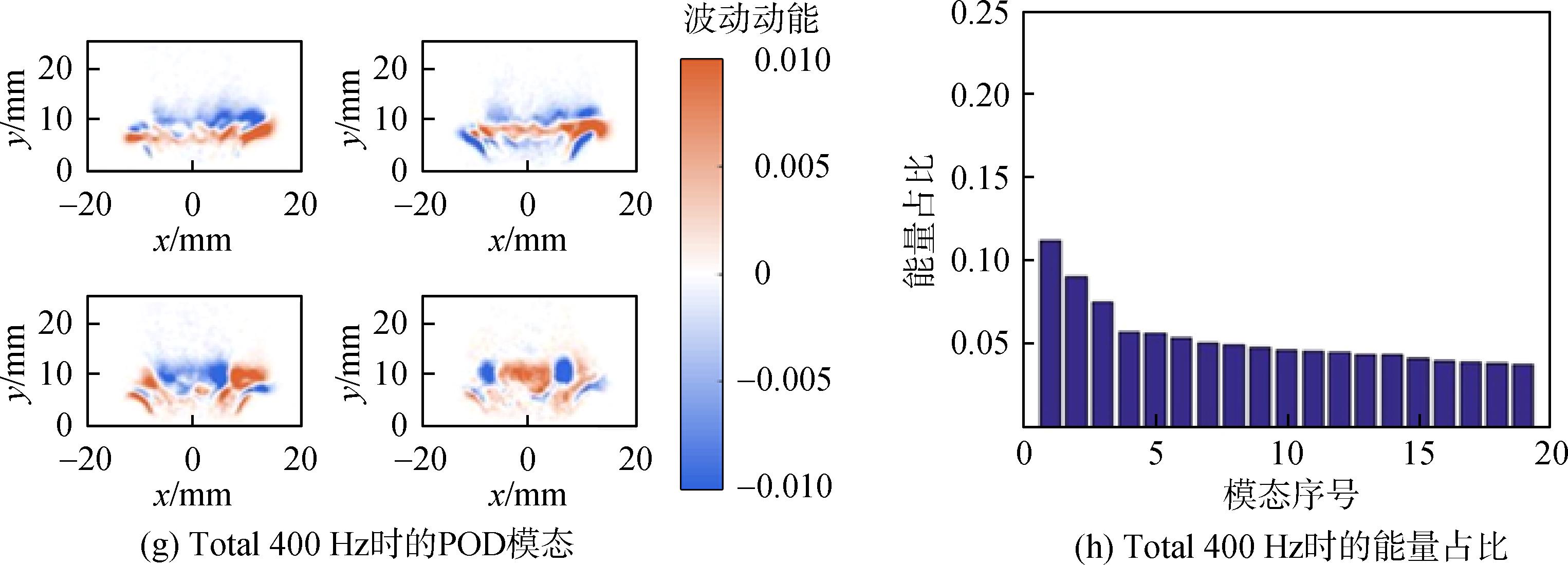
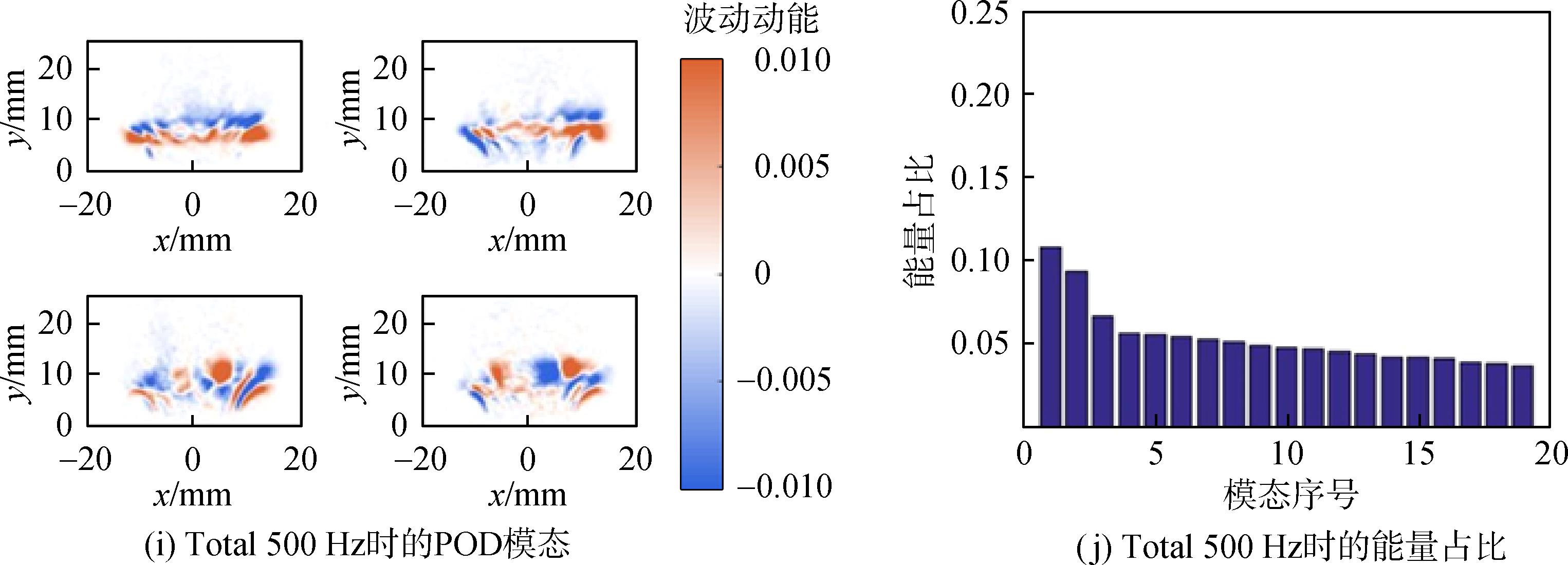
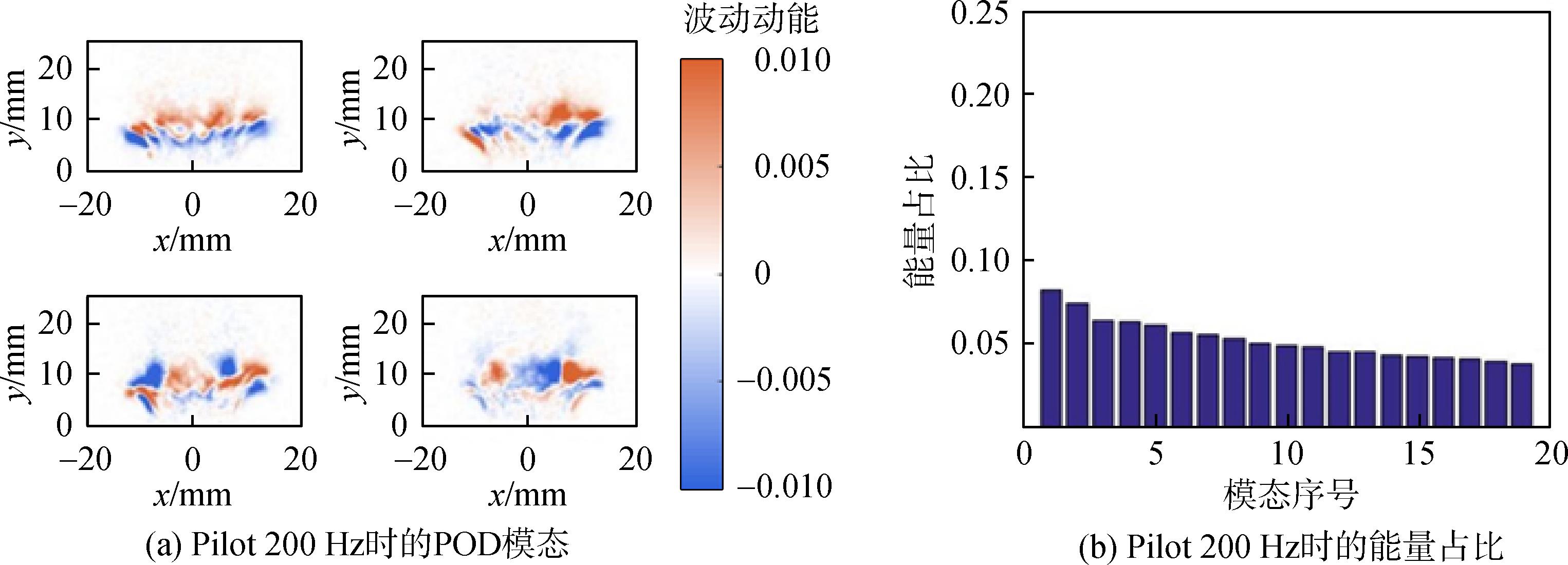
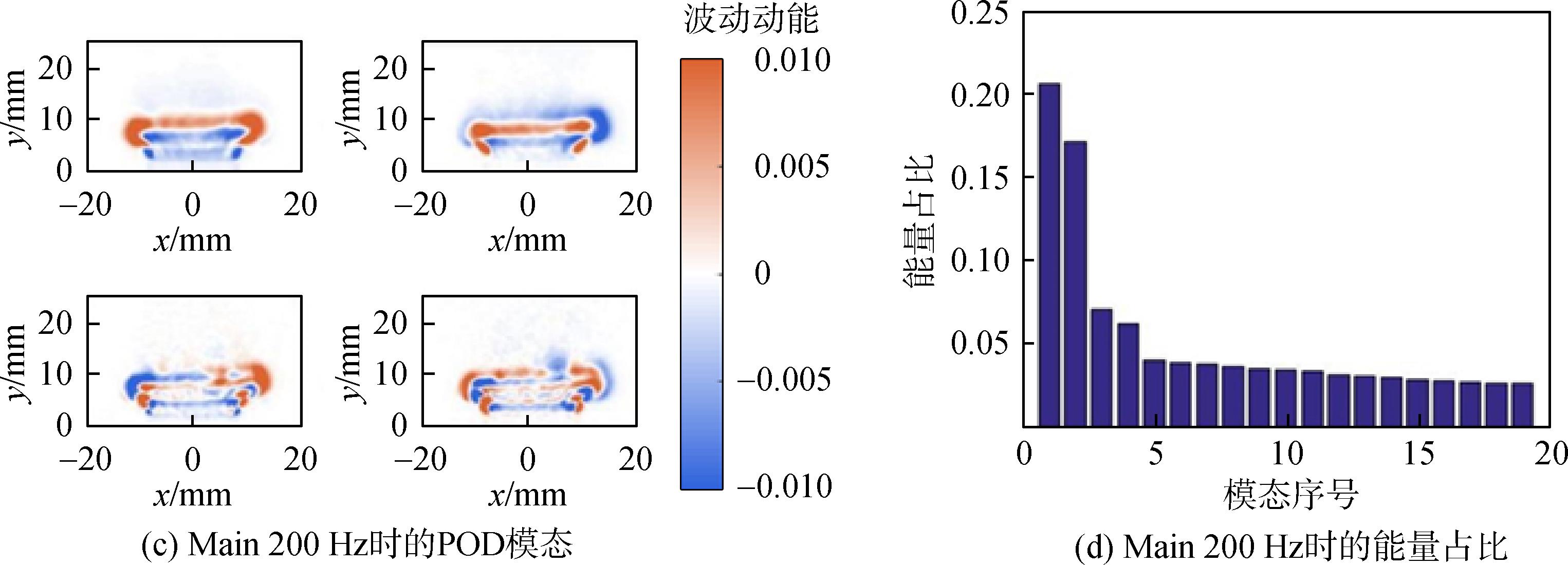
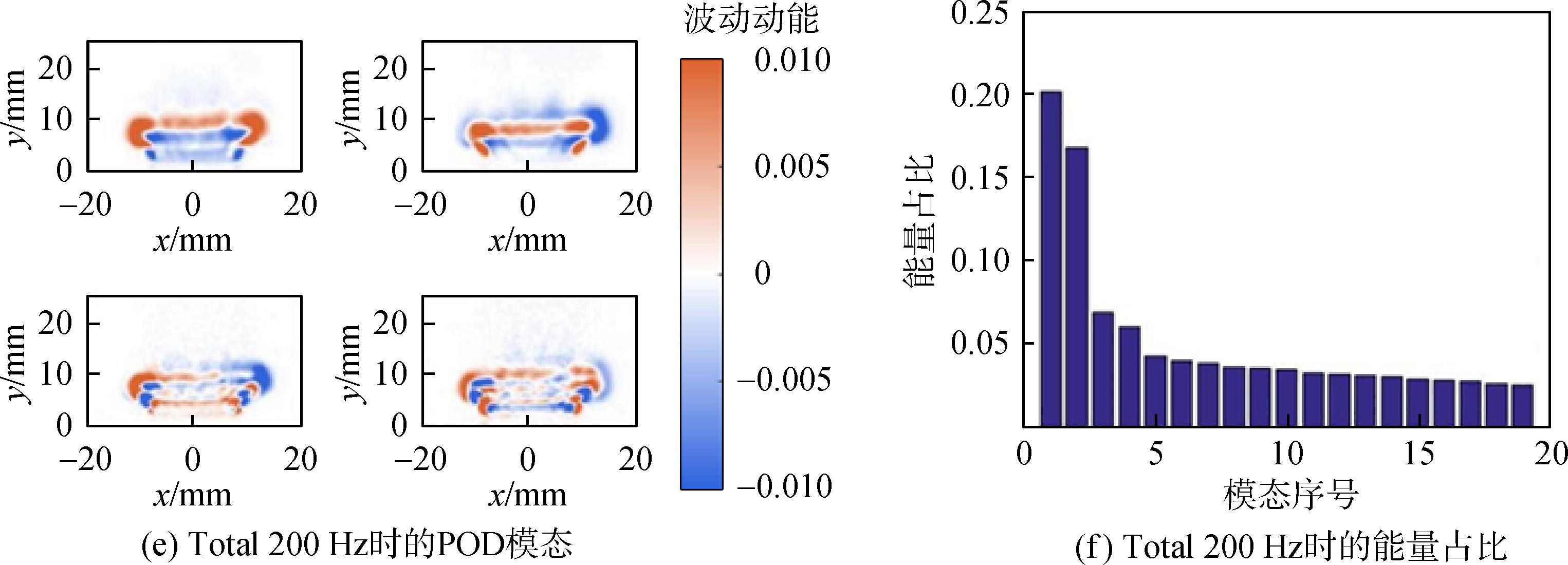
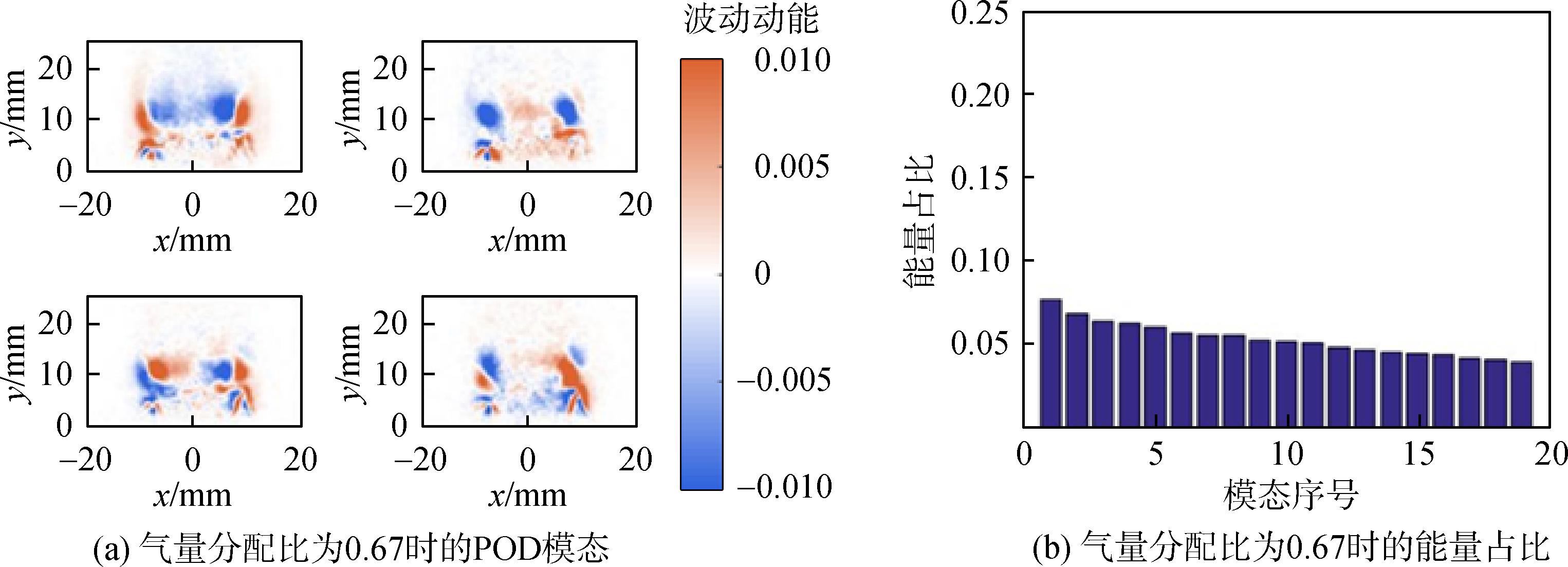
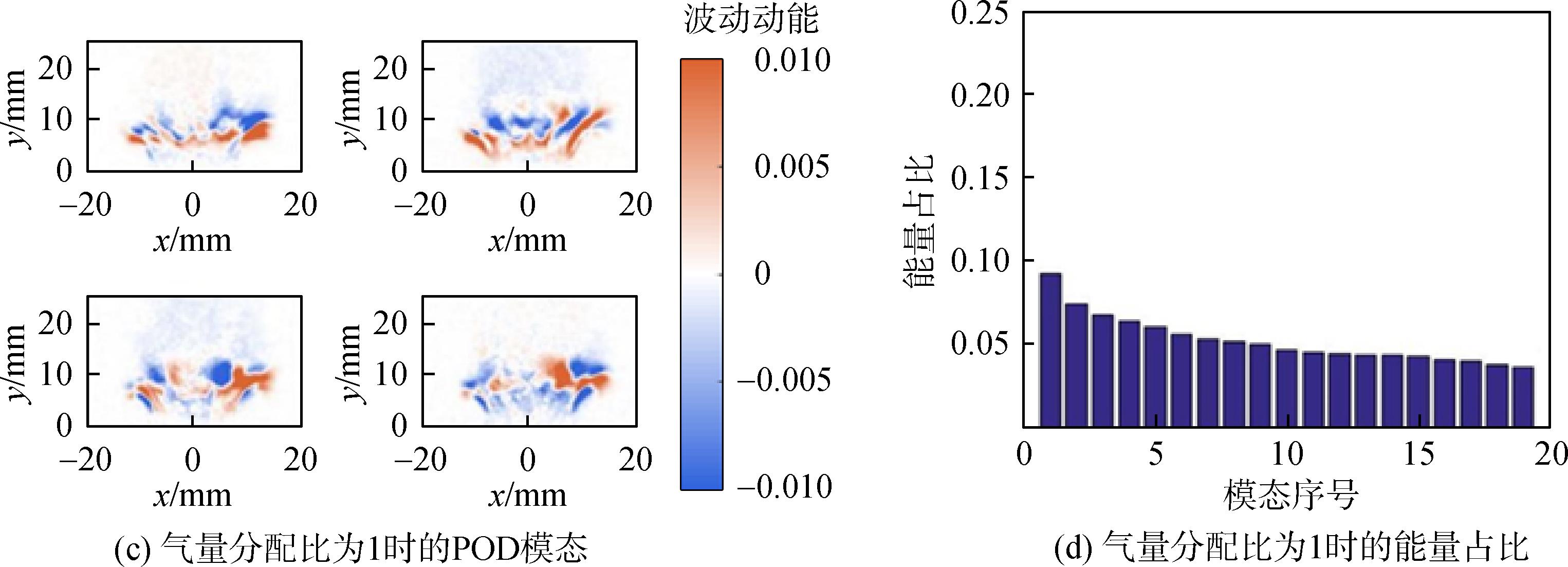
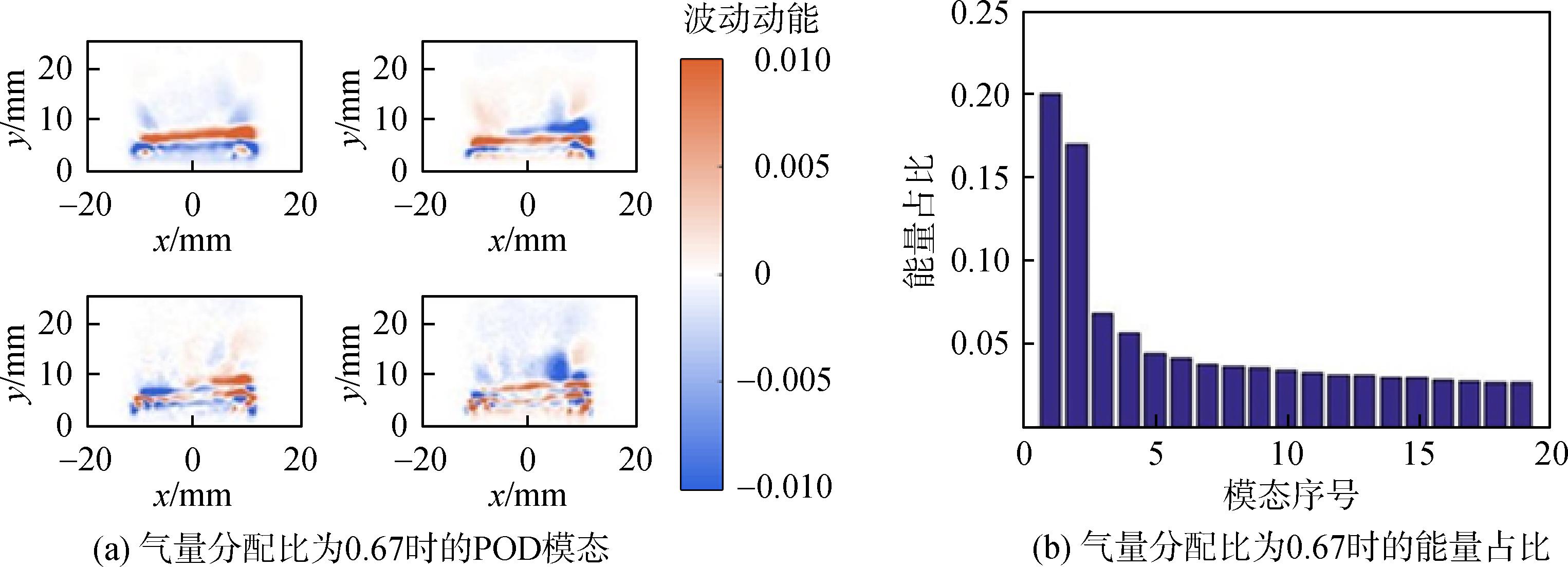
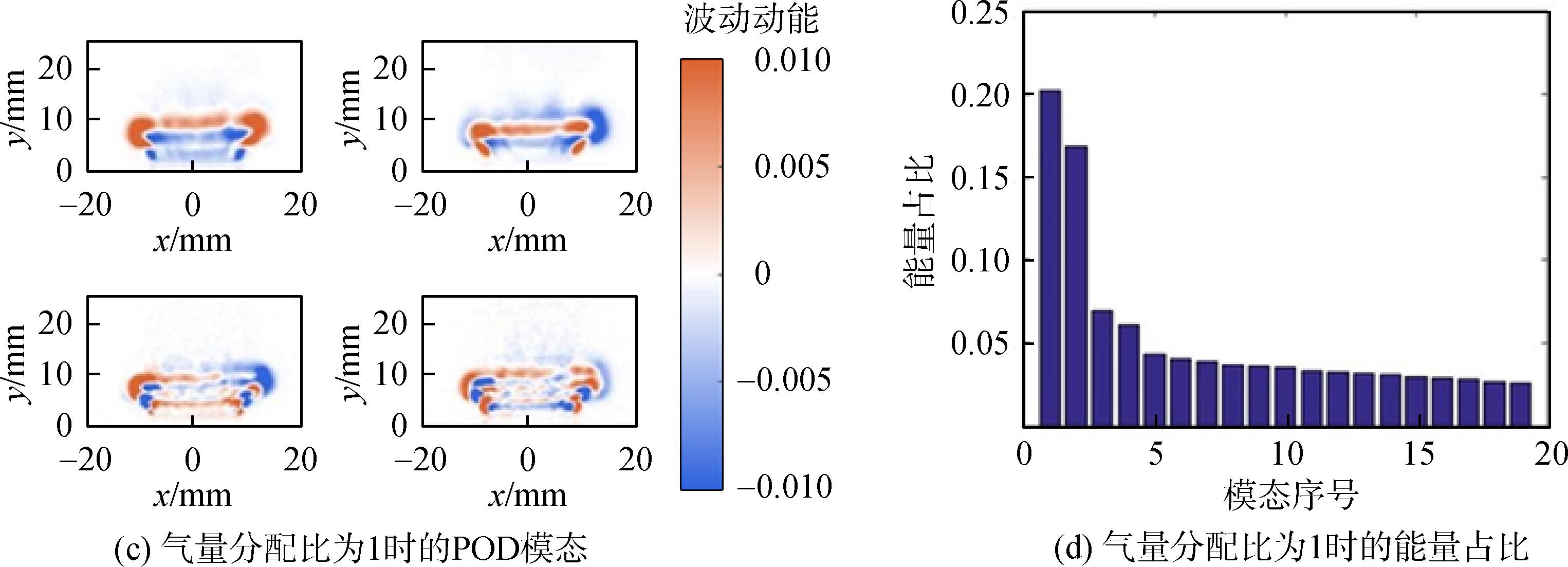
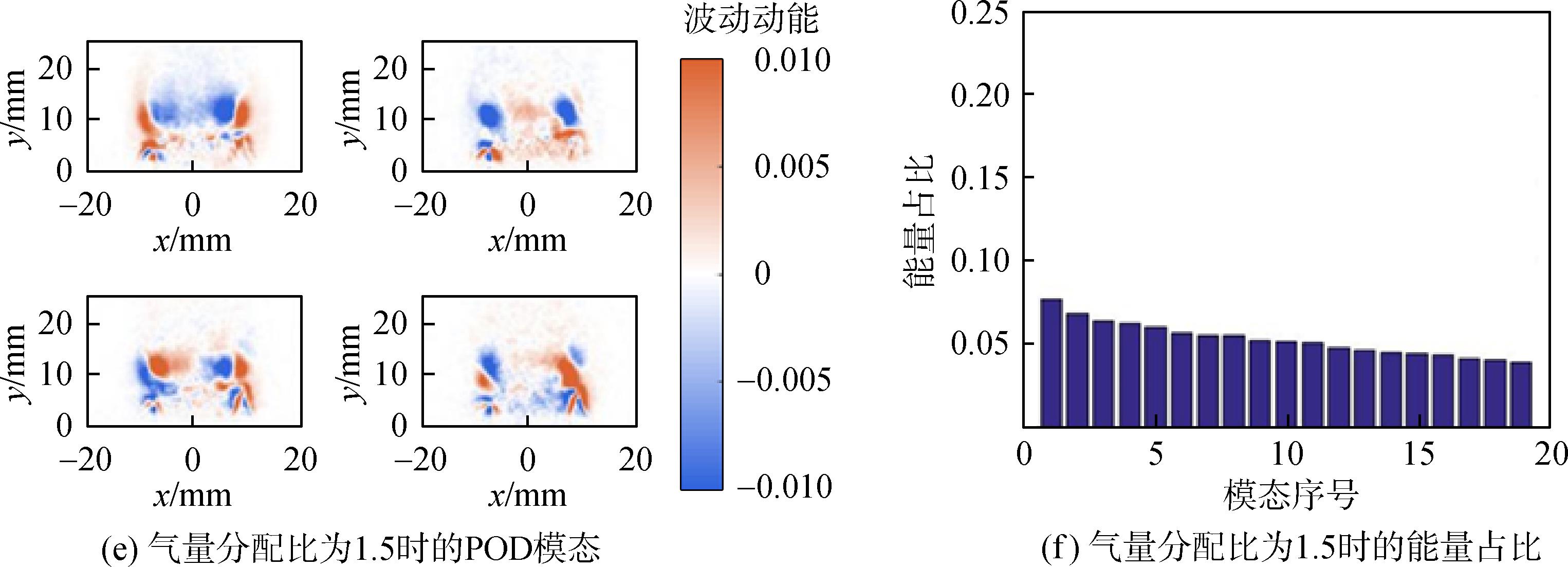
Macrostructures and dynamic characteristics of concentrically‑staged swirling stratified flames under multiple excitation frequencies were studied using high⁃speed CH* chemiluminescence and proper orthogonal decomposition (POD).Results showed that the flame expanded radially with more pronounced stratification as air split ratio increased,whereas the excitation frequency played an insignificant role.POD analysis revealed that among the conducted external excitation cases,the most intense flame oscillations were observed at the excitation frequency of 200 Hz.With the increase of main stage air allocation,the heat release oscillation decreased along the axial direction.On the radial direction,however,local minima and maxima were alternately observed with stronger oscillations.

Numerical simulations of flow field of rotating detonation engine fueled by kerosene
YANG Fan, WANG Yuhui, LI Shiquan, ZHANG Guoqing
2022, 37(8): 1620-1632. doi: 10.13224/j.cnki.jasp.20210339
Abstract:

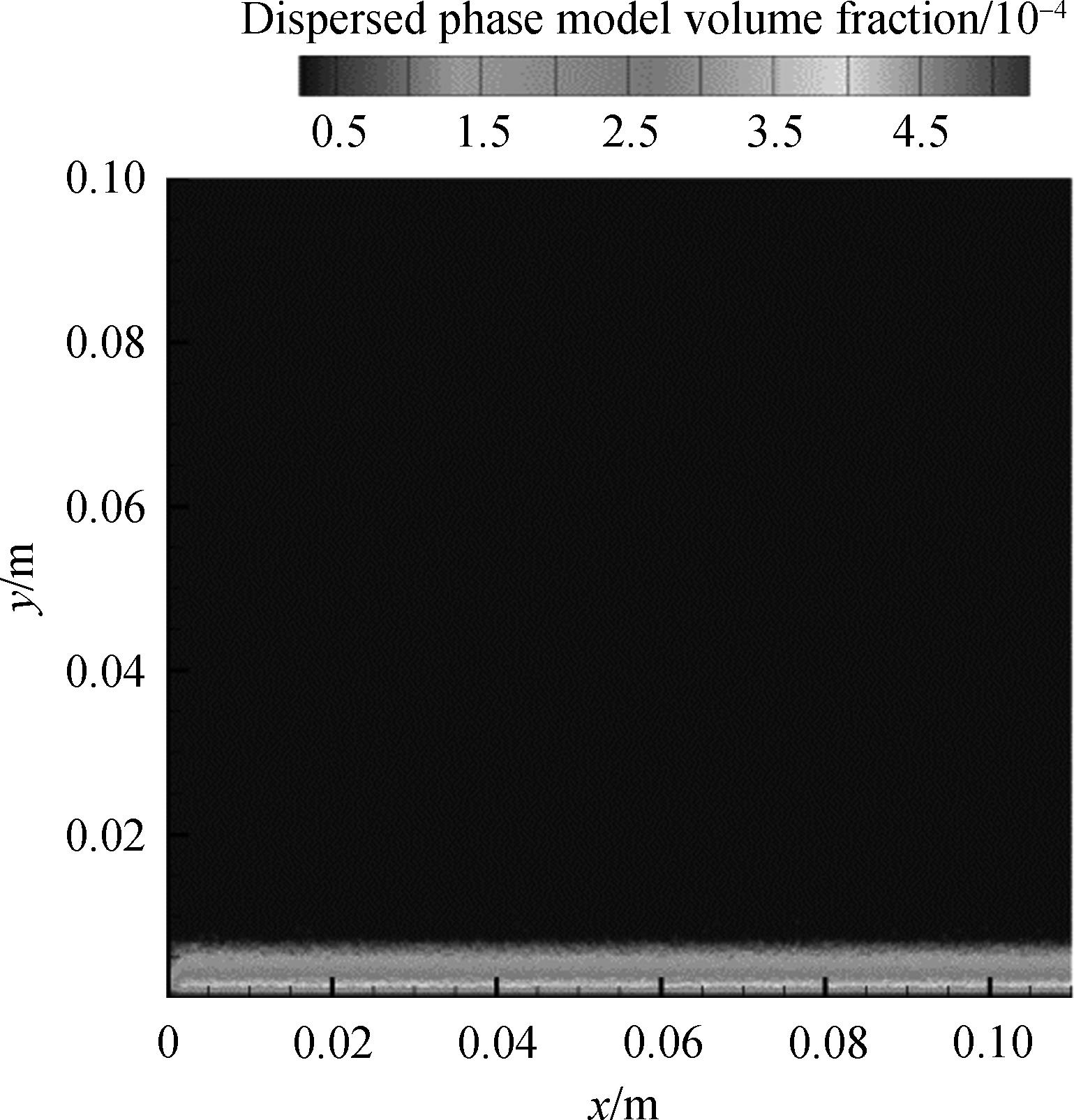
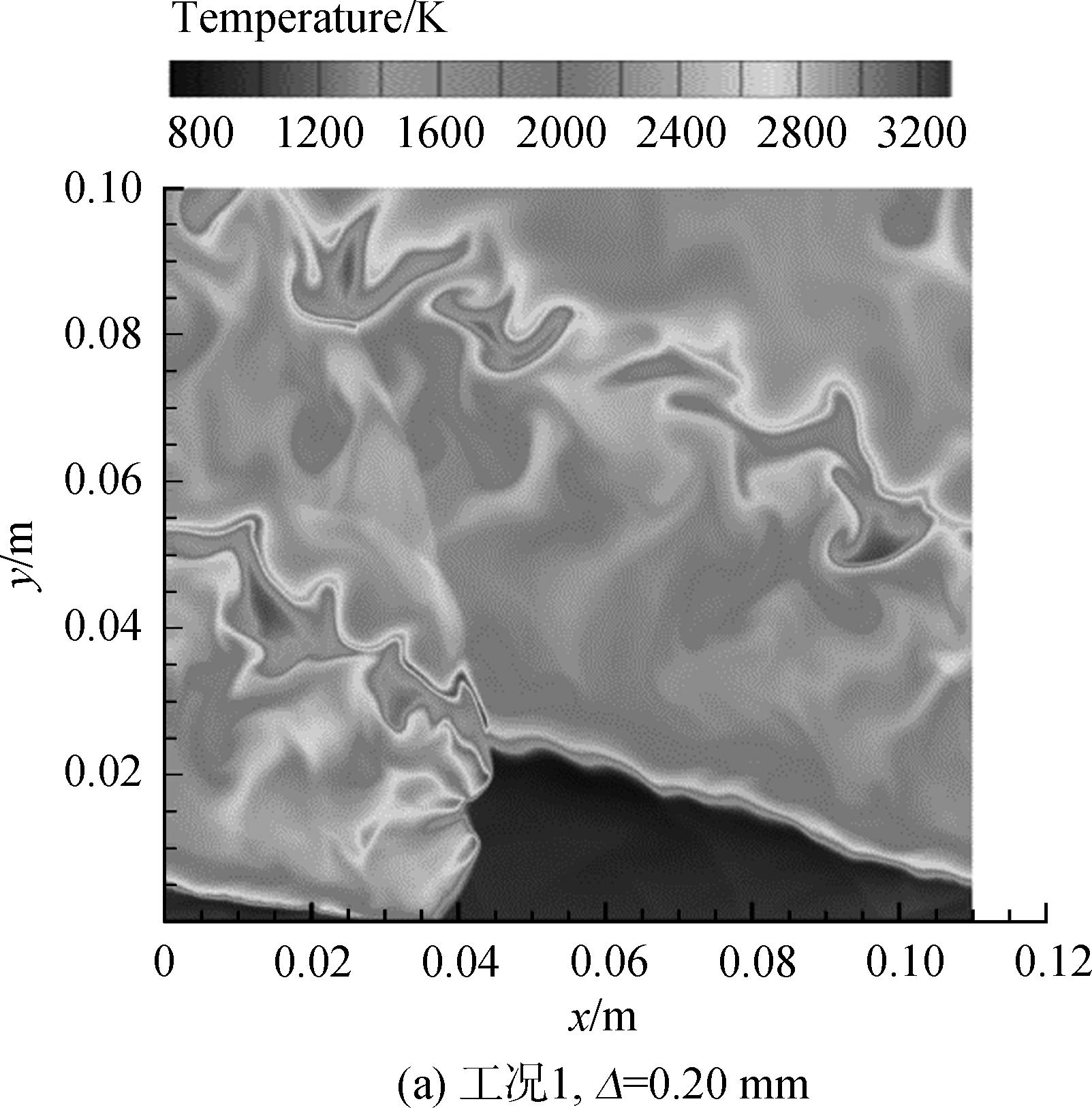
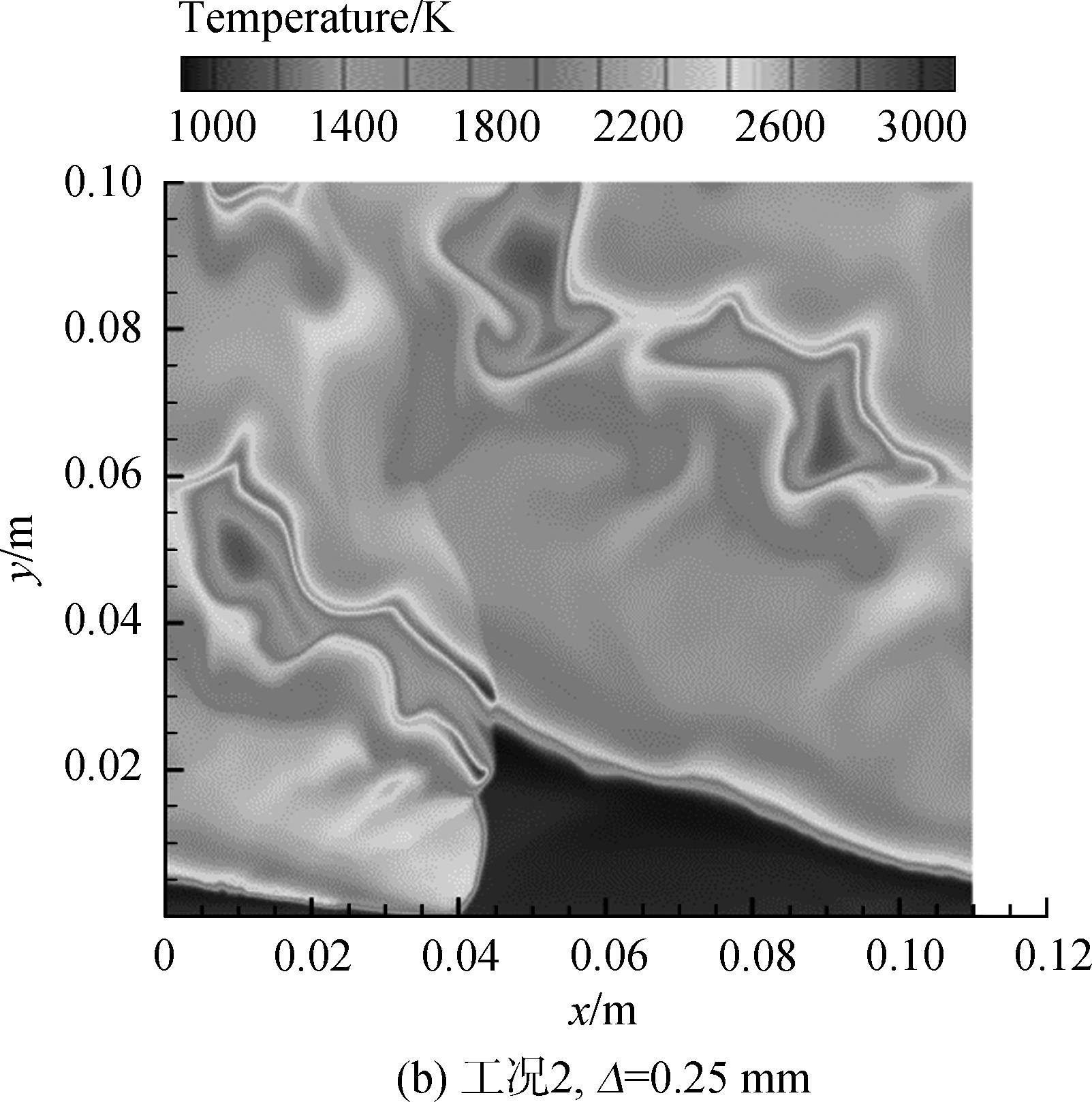
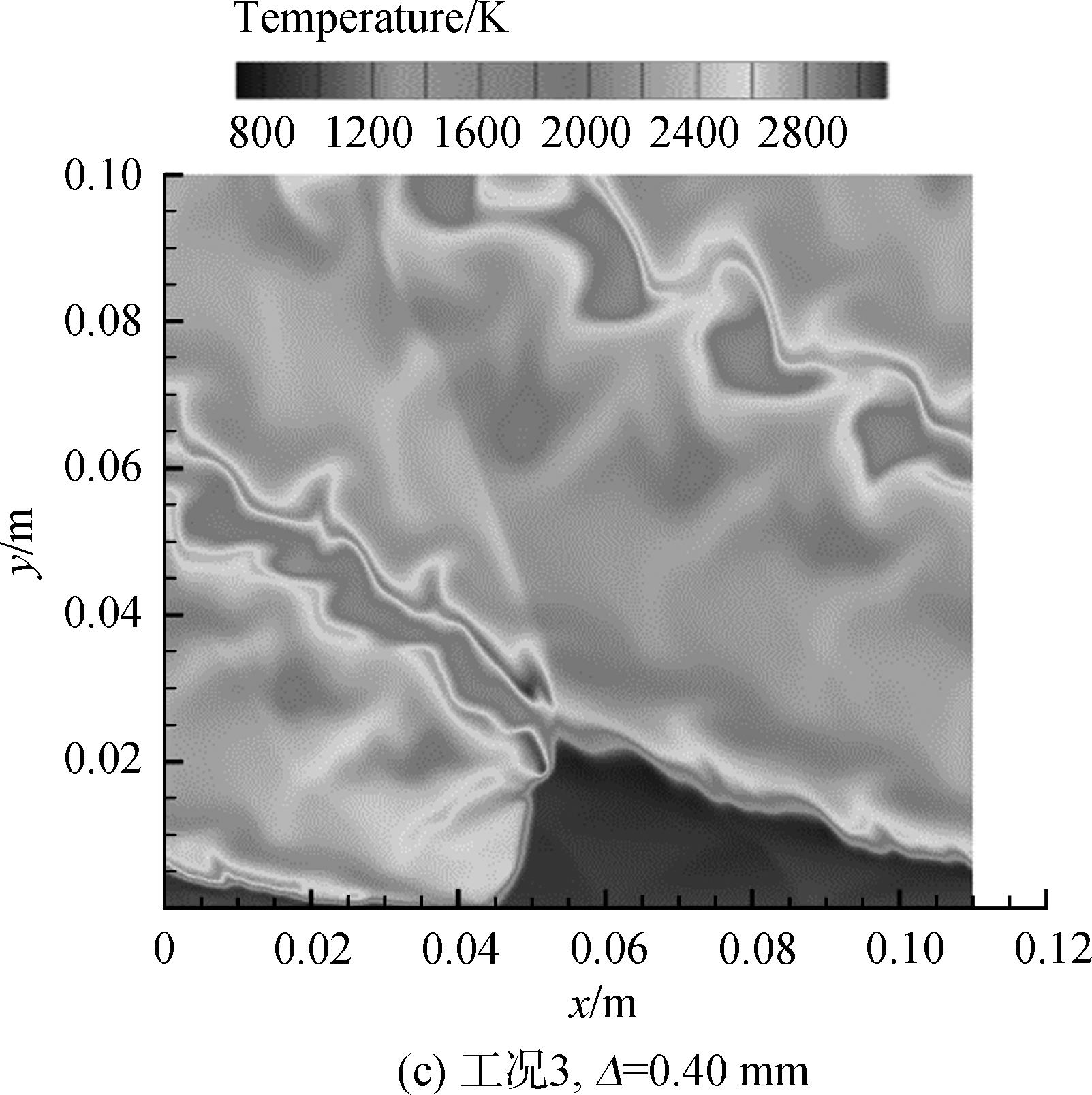
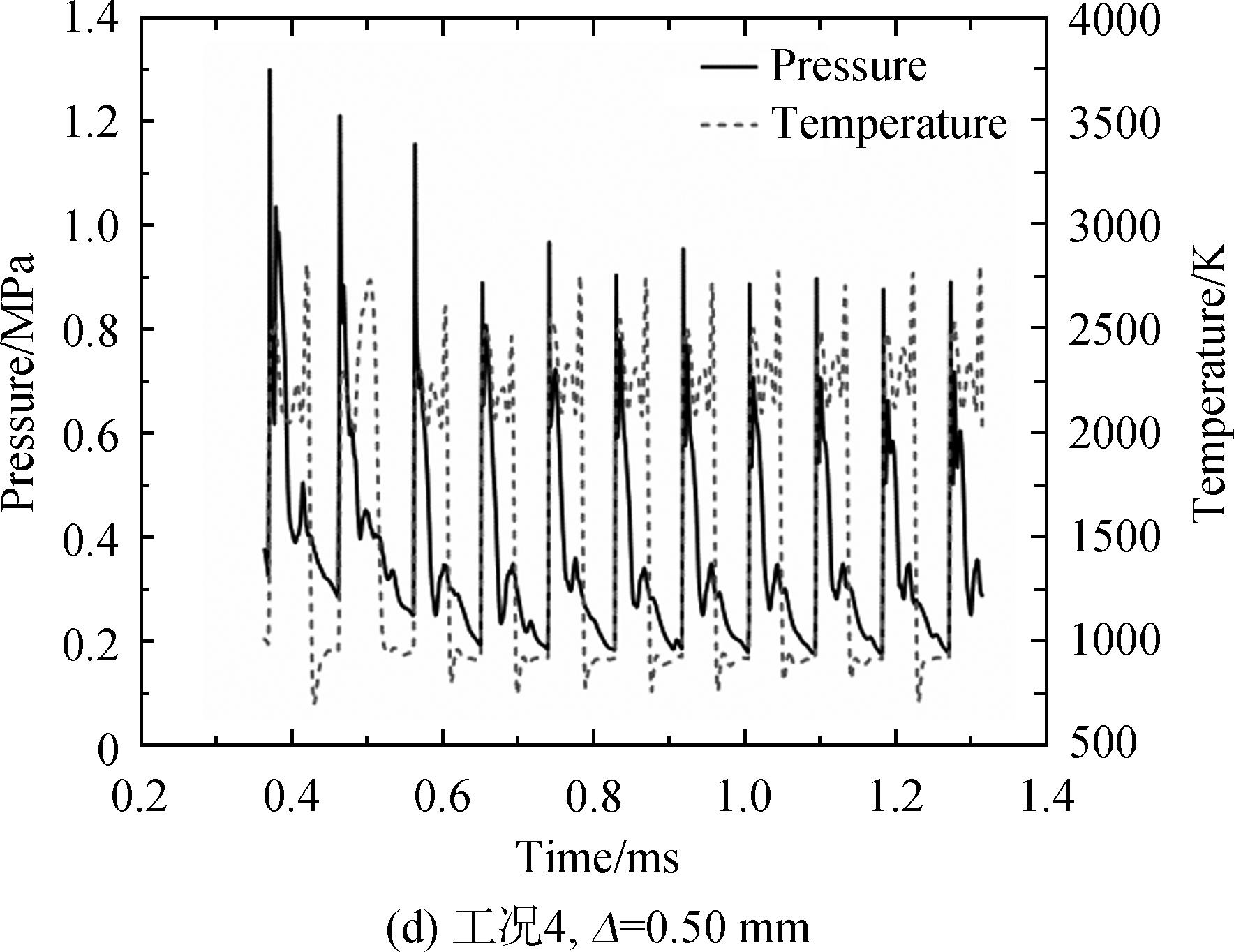
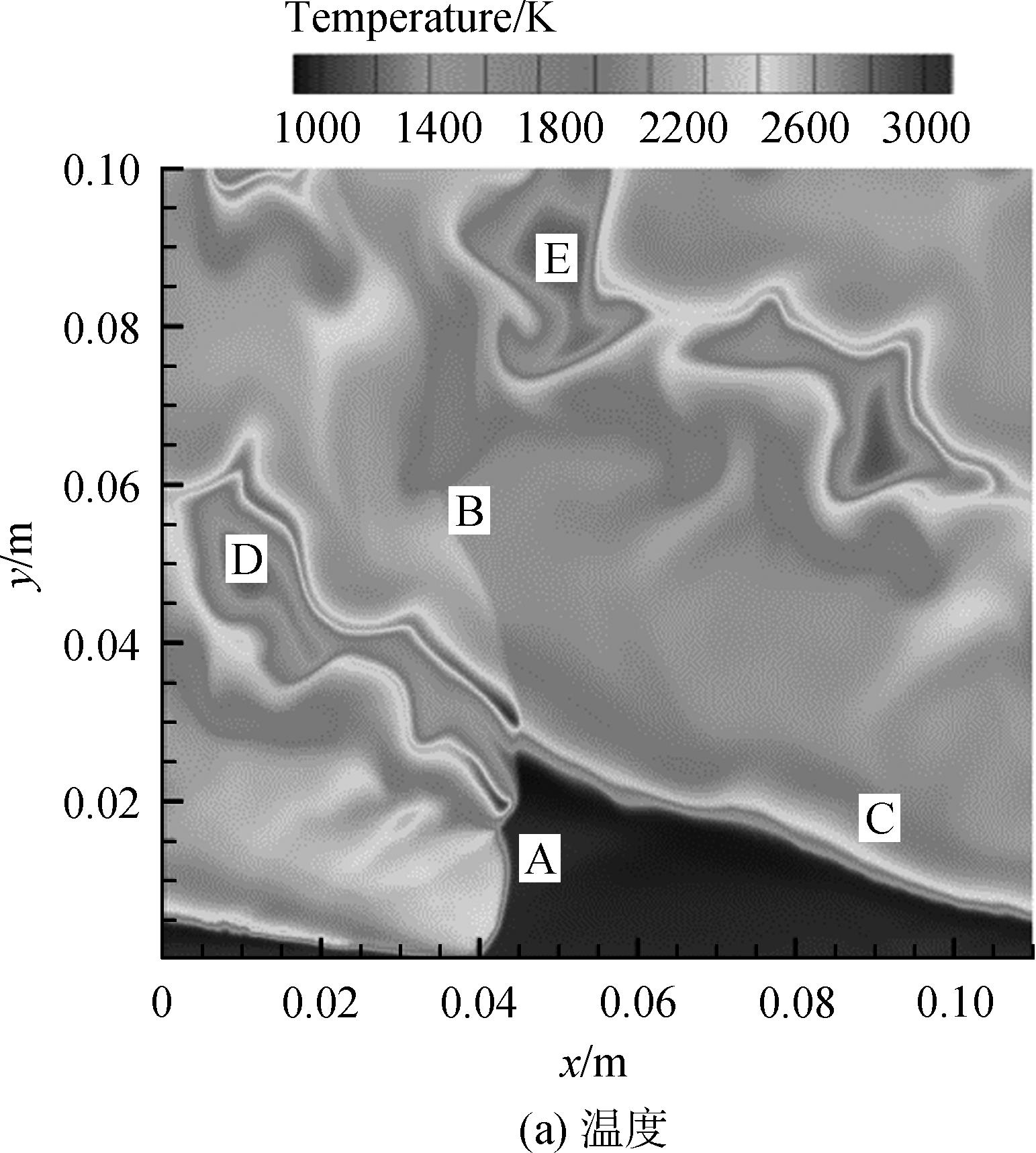
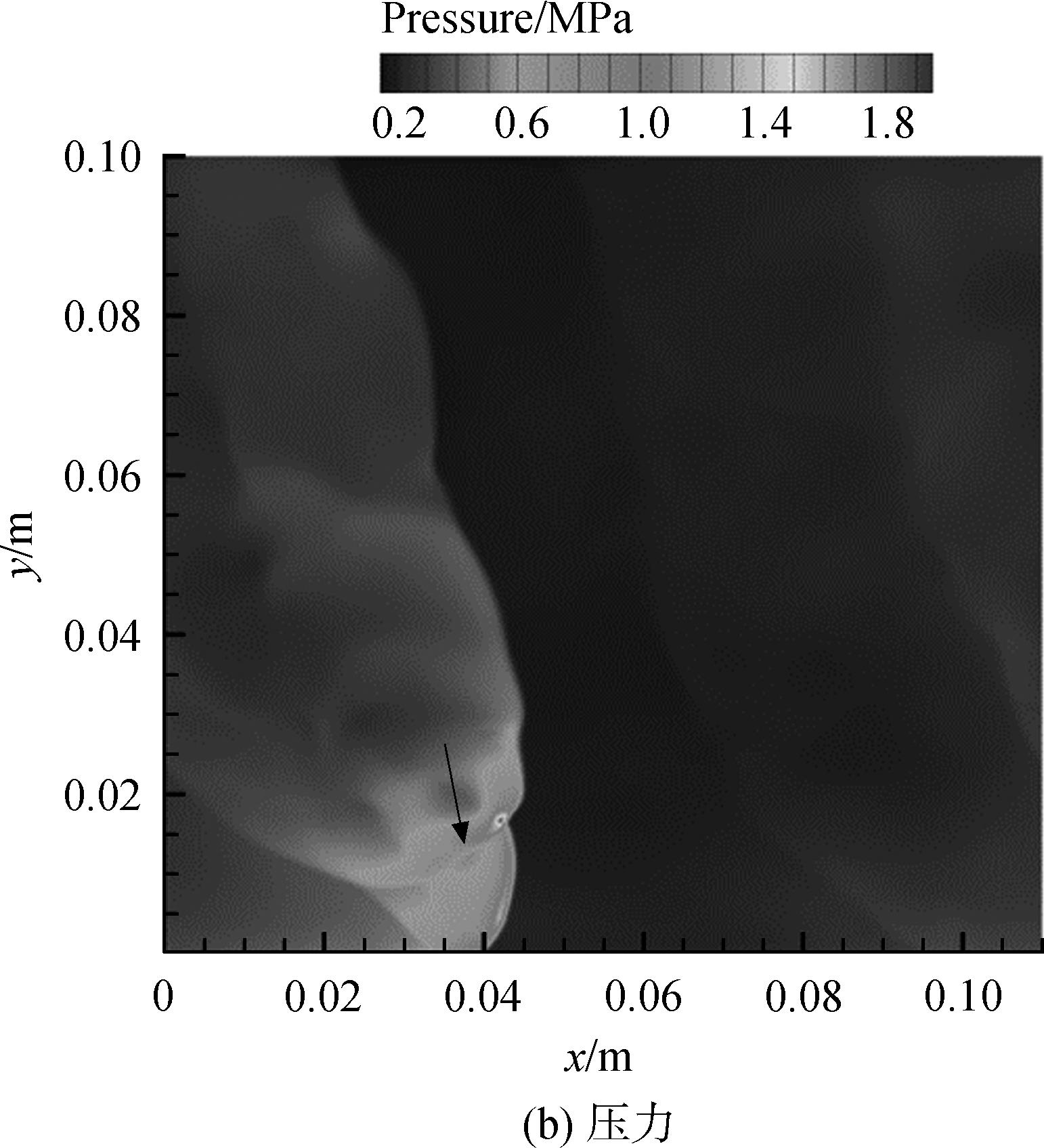
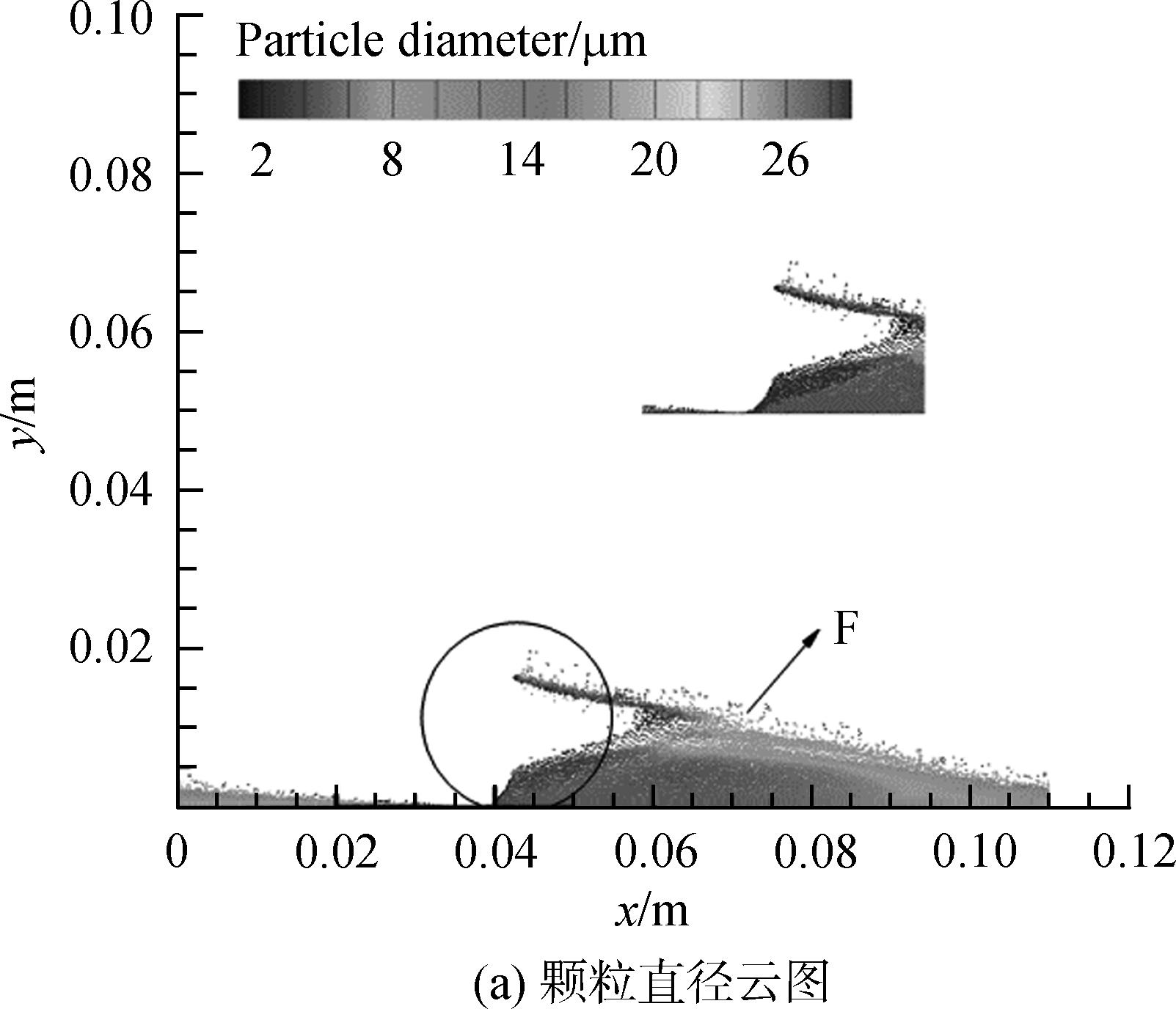
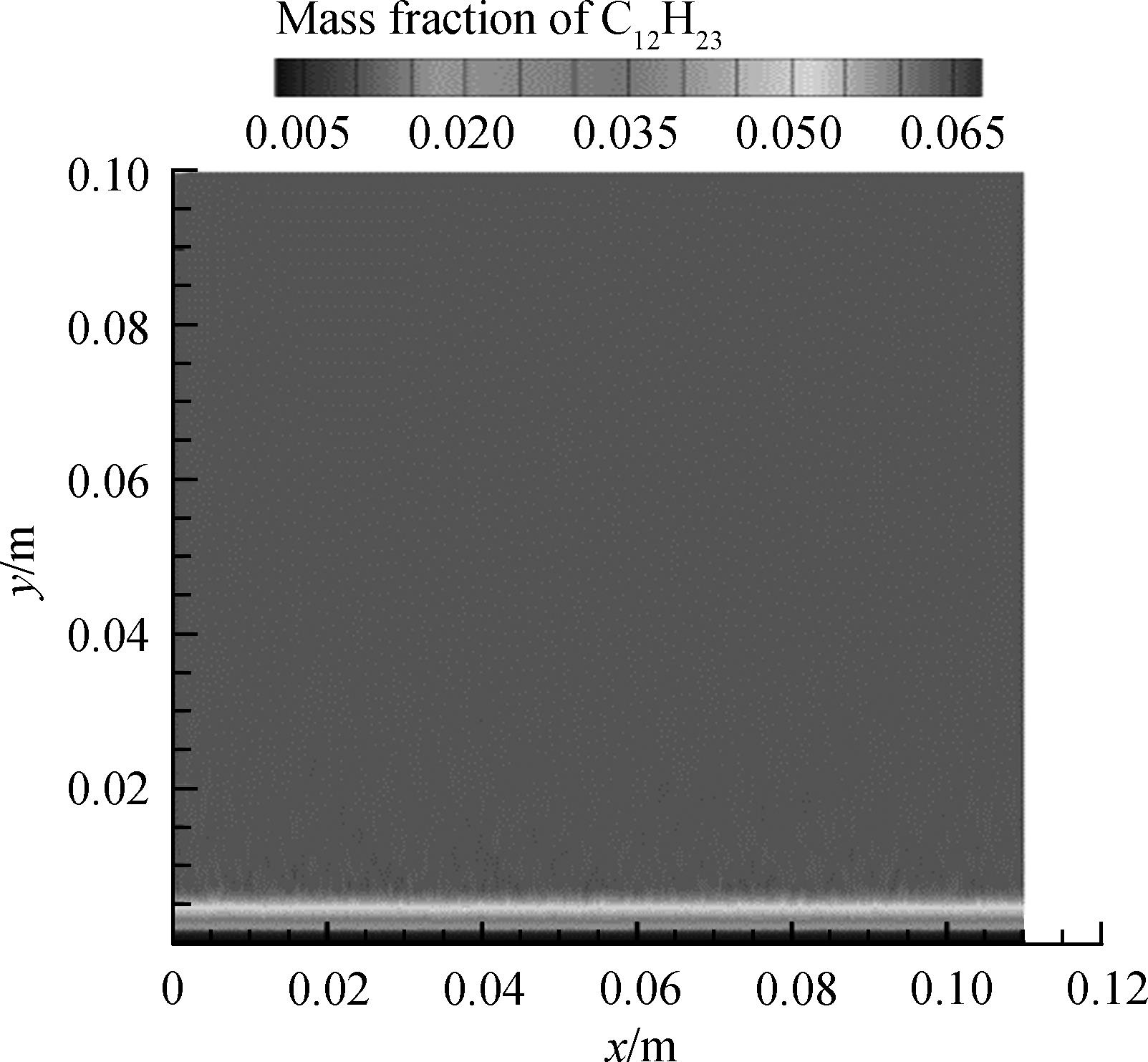
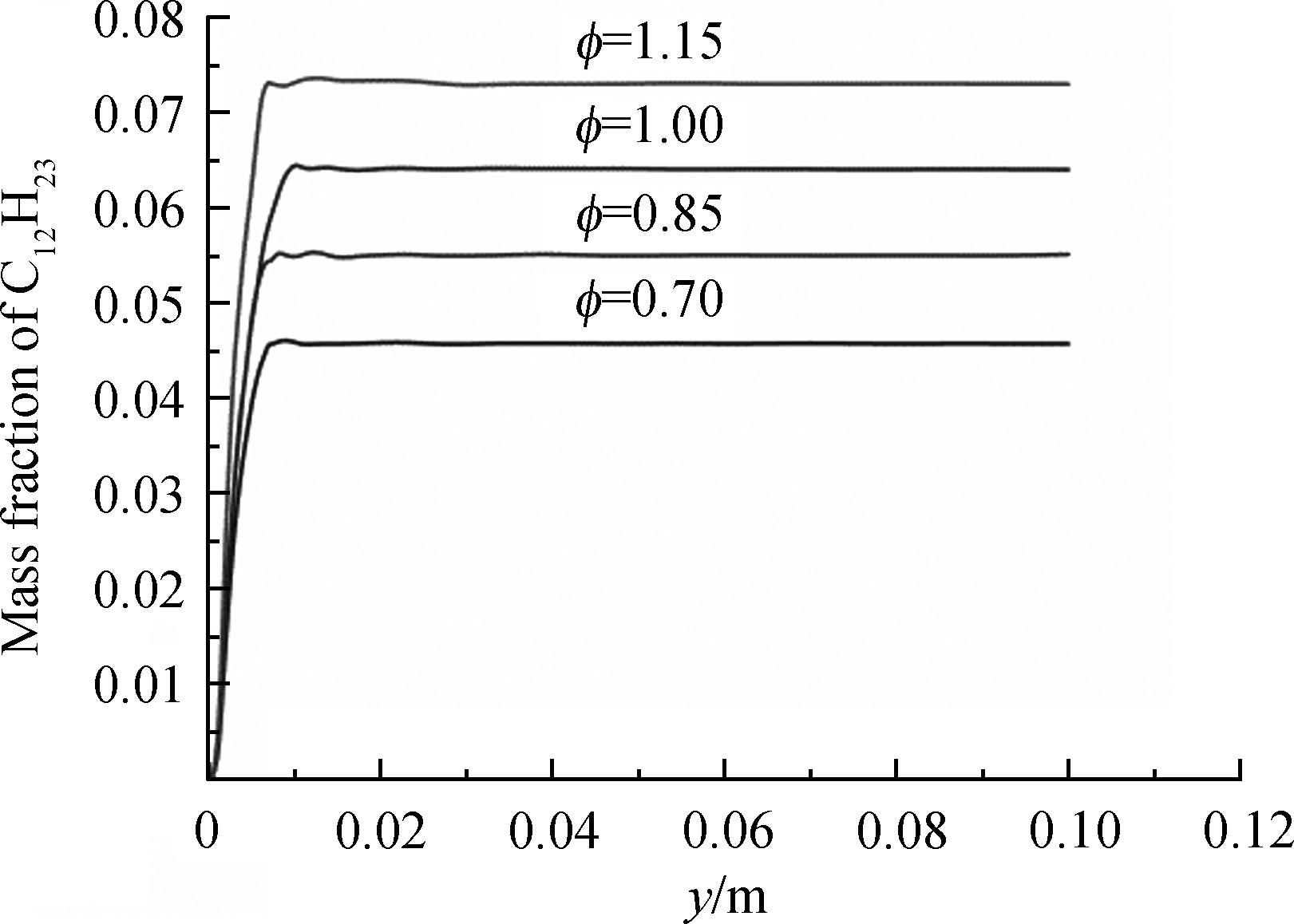
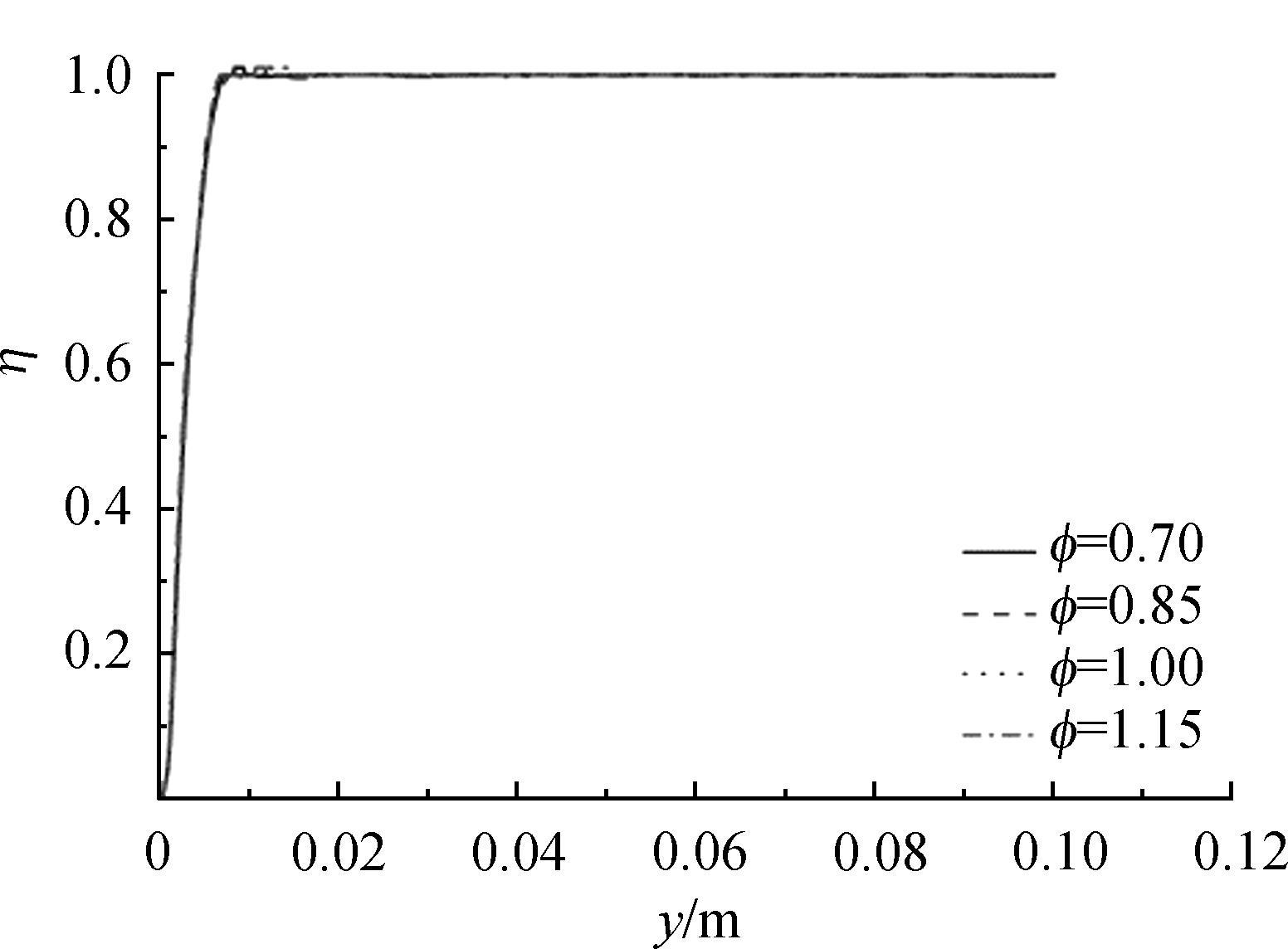
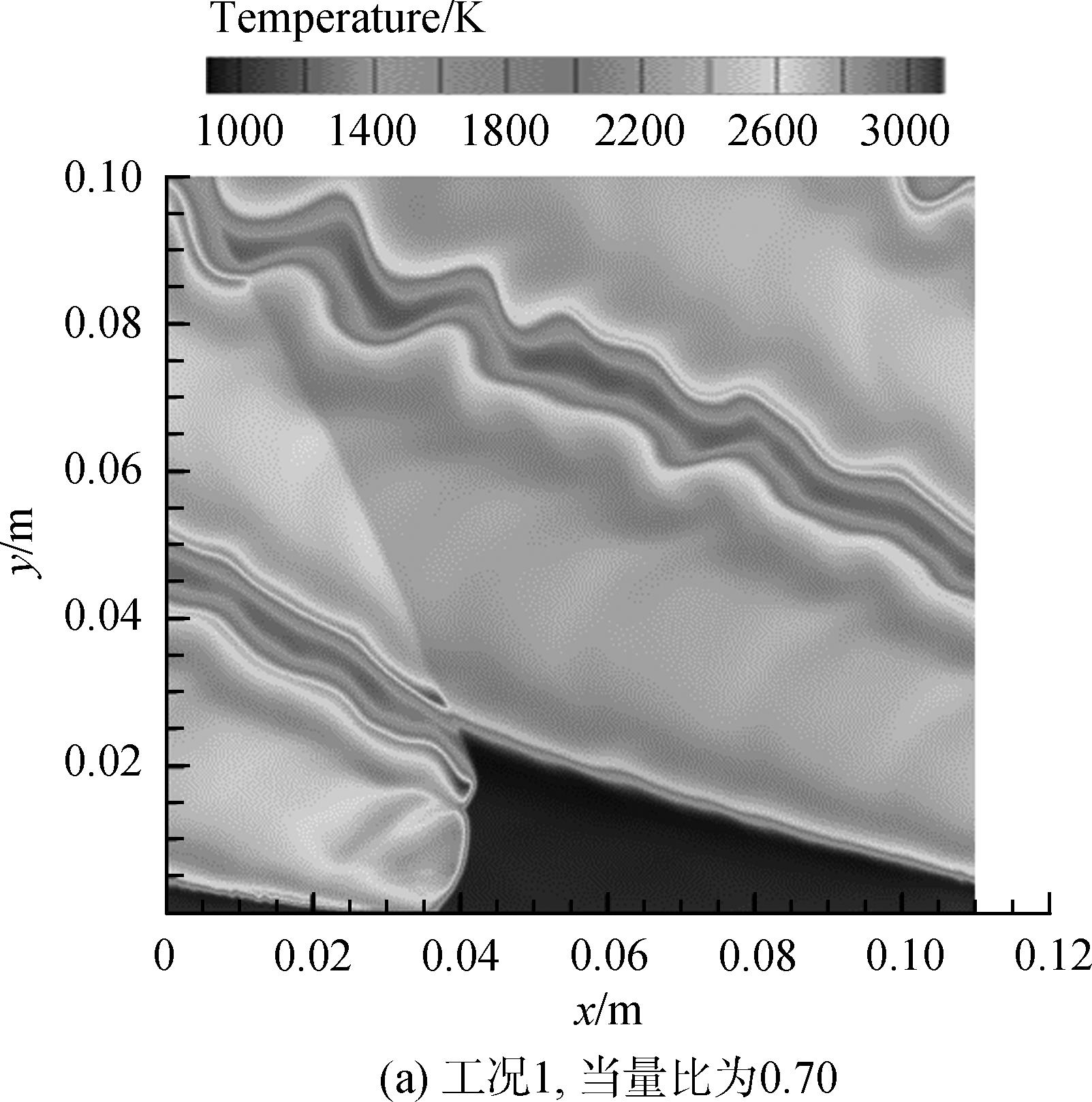
In order to study the flow field of gas⁃liquid two⁃phase rotating detonation engine,a Eulerian⁃Lagrangian model of unsteady two⁃phase detonation was established.Using the SST (shear stress transport) k⁃ω model and the chemical reaction model based on the one⁃step reaction mechanism,the two⁃dimensional non⁃premixed numerical simulations of kerosene and air rotating detonation engines were carried out.The results showed that the droplet particles of 30 μm were atomized,broken,evaporated and mixed in the air flow at the total inlet temperature of 1 000 K,and a stable single rotating detonation wave was formed within the equivalence ratio range of 0.70 to 1.15.The kerosene droplets were not completely burned by the detonation wave,and a part of the kerosene was mixed in the high temperature products and discharged downstream.Near the inlet of combustion chamber,the air triangle formed in front of the detonation wave was larger than the droplet triangle.

Rocket Engine
Flow field characteristics of underwater supersonic over⁃expanded gas jet
ZHANG Chun, YU Wei, WANG Baoshou
2022, 37(8): 1633-1642. doi: 10.13224/j.cnki.jasp.20210370
Abstract:

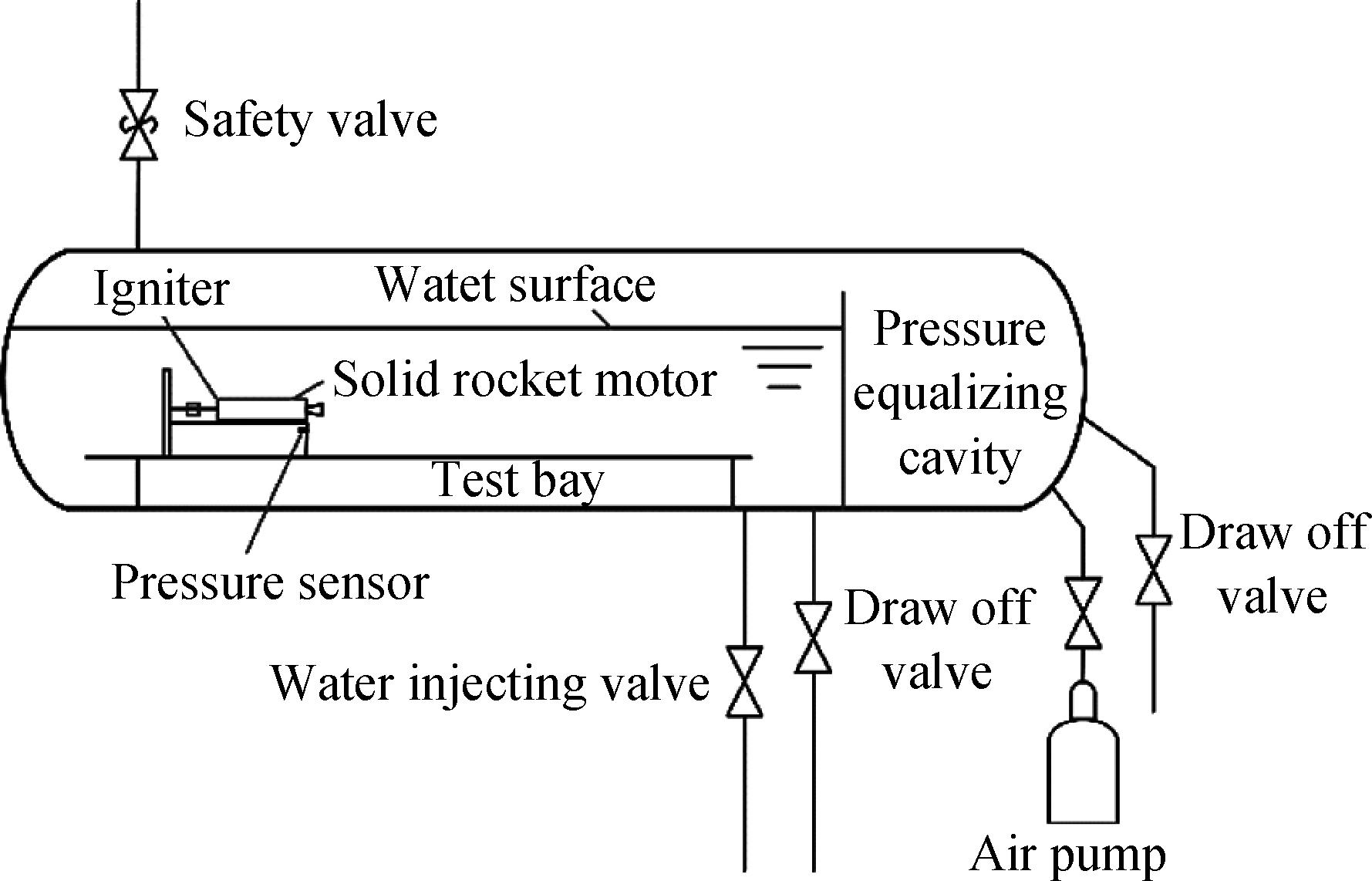
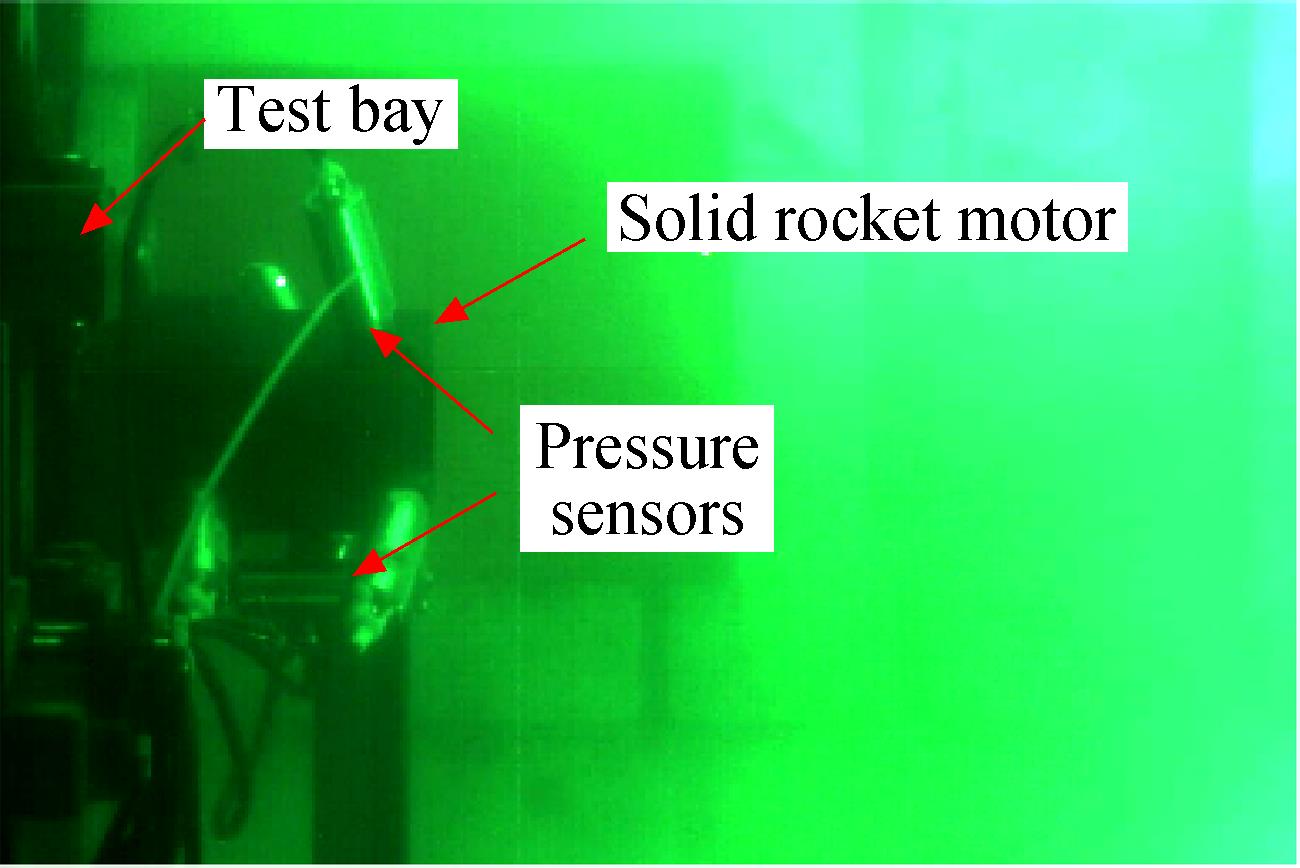
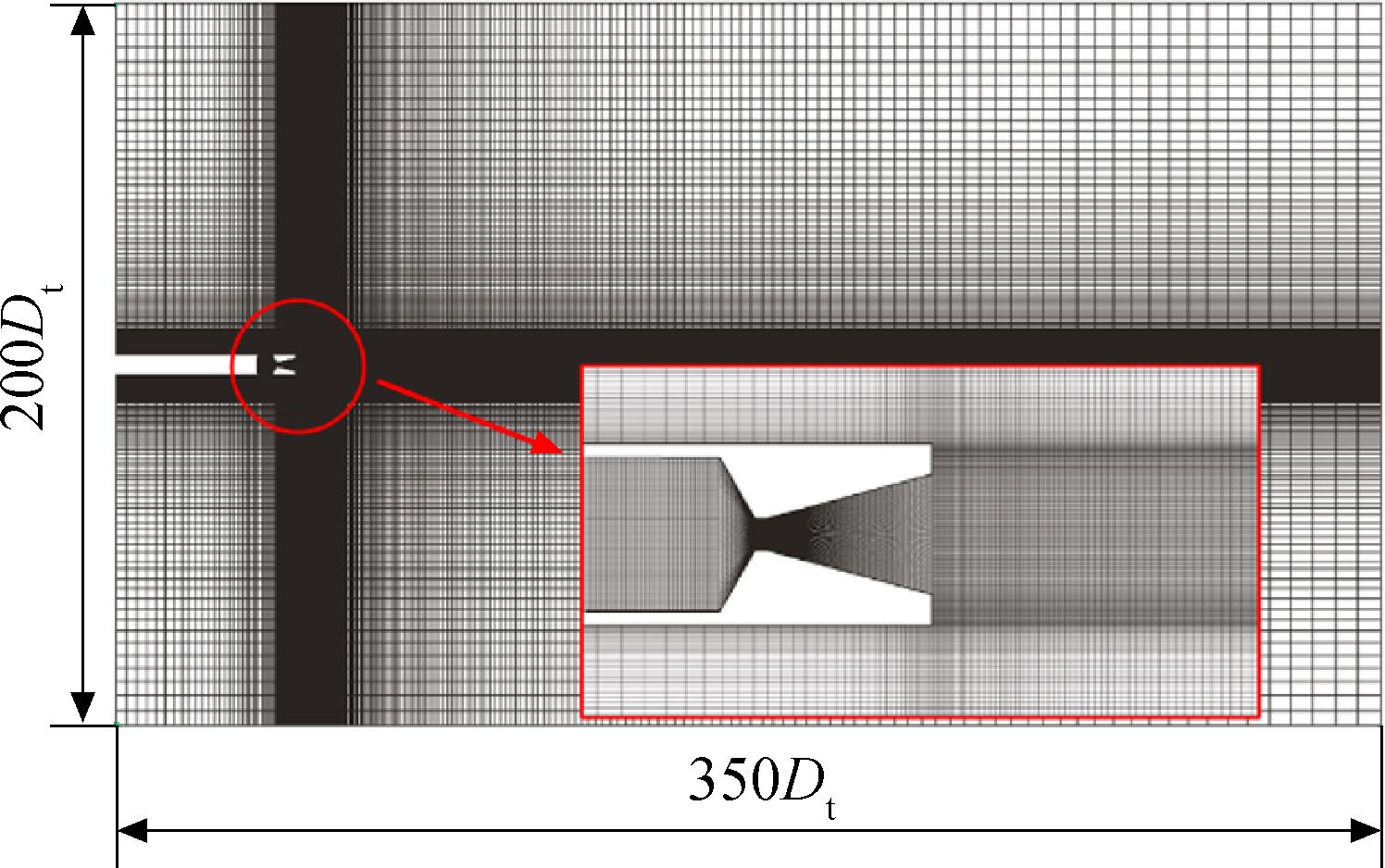
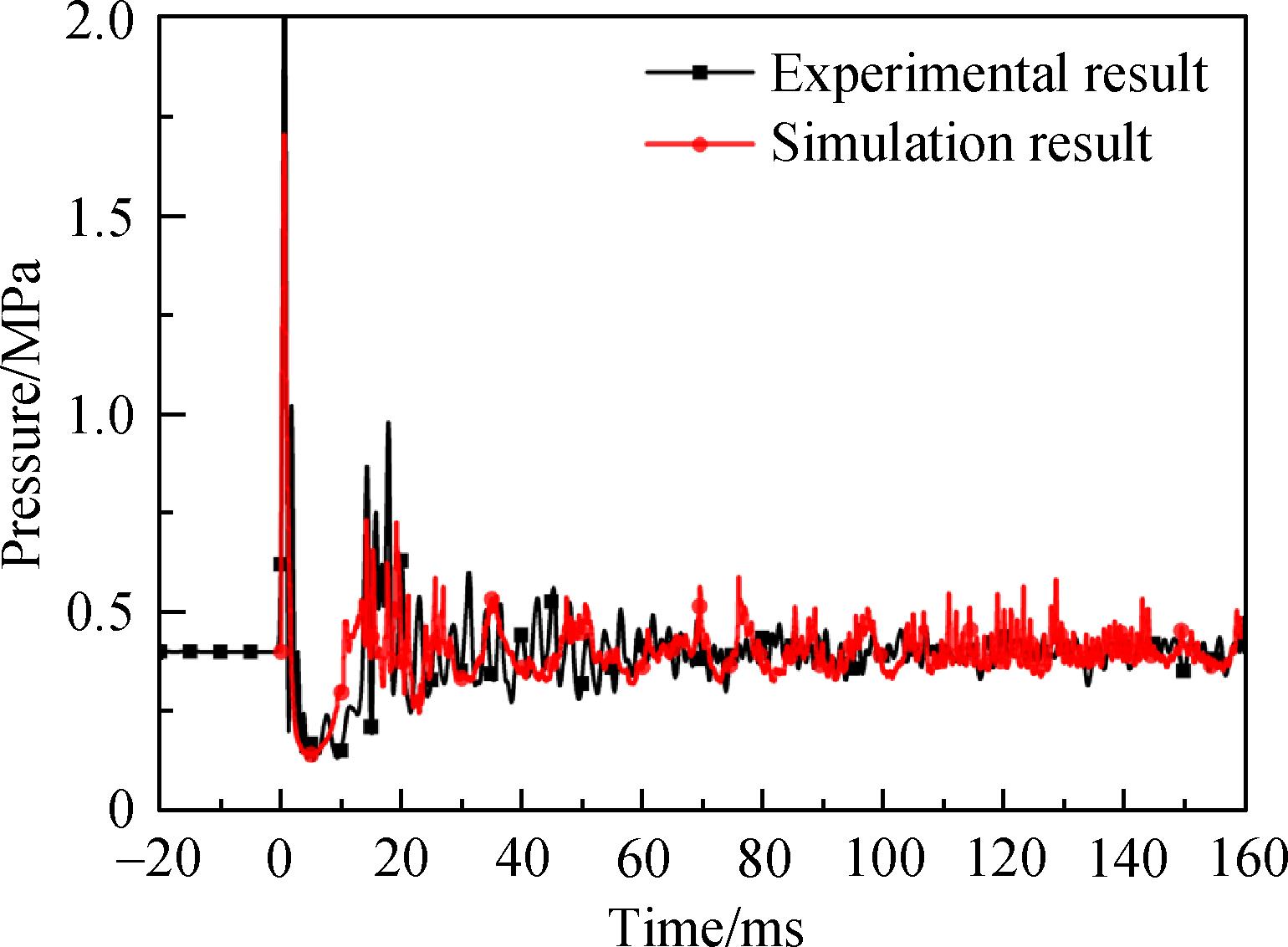
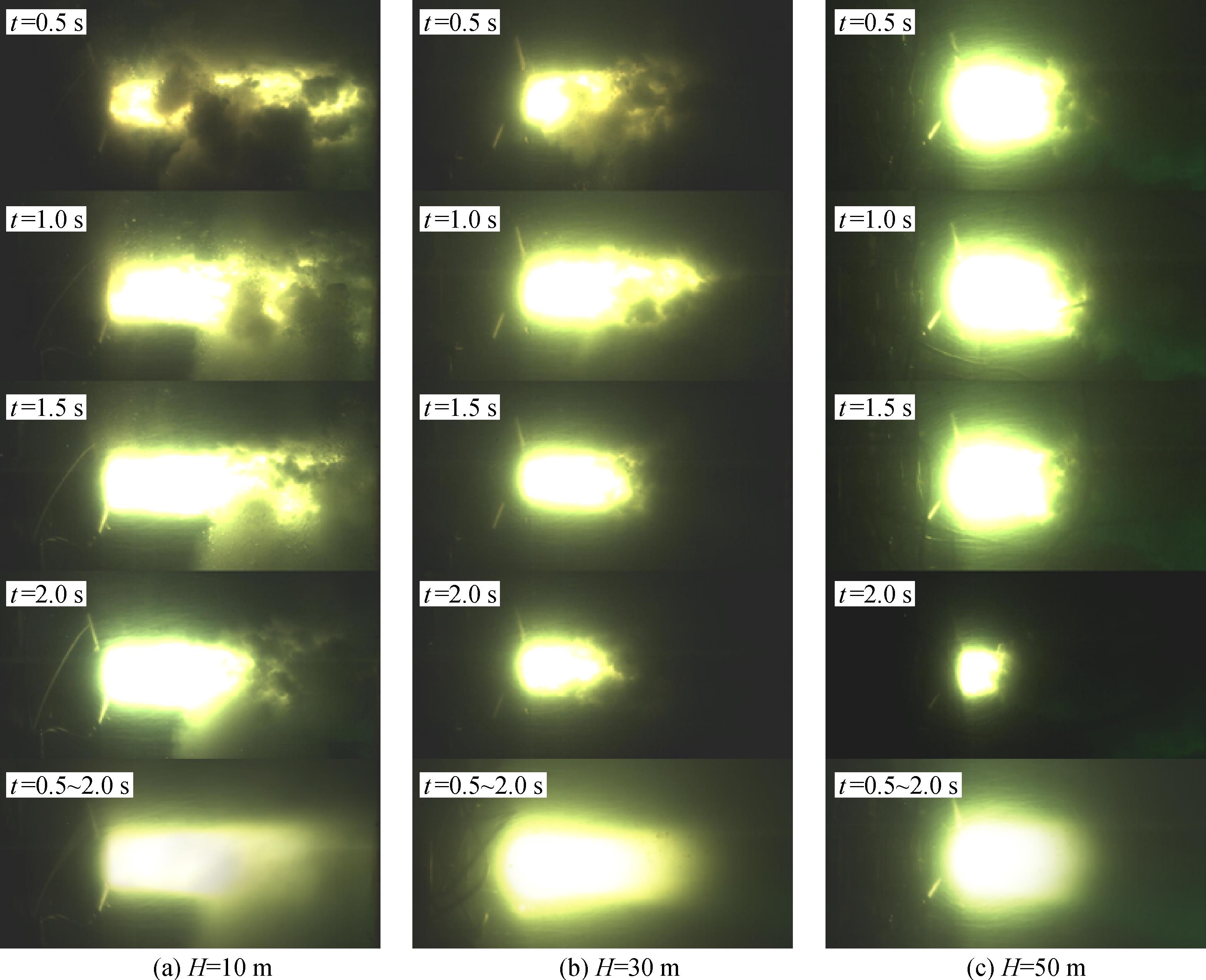
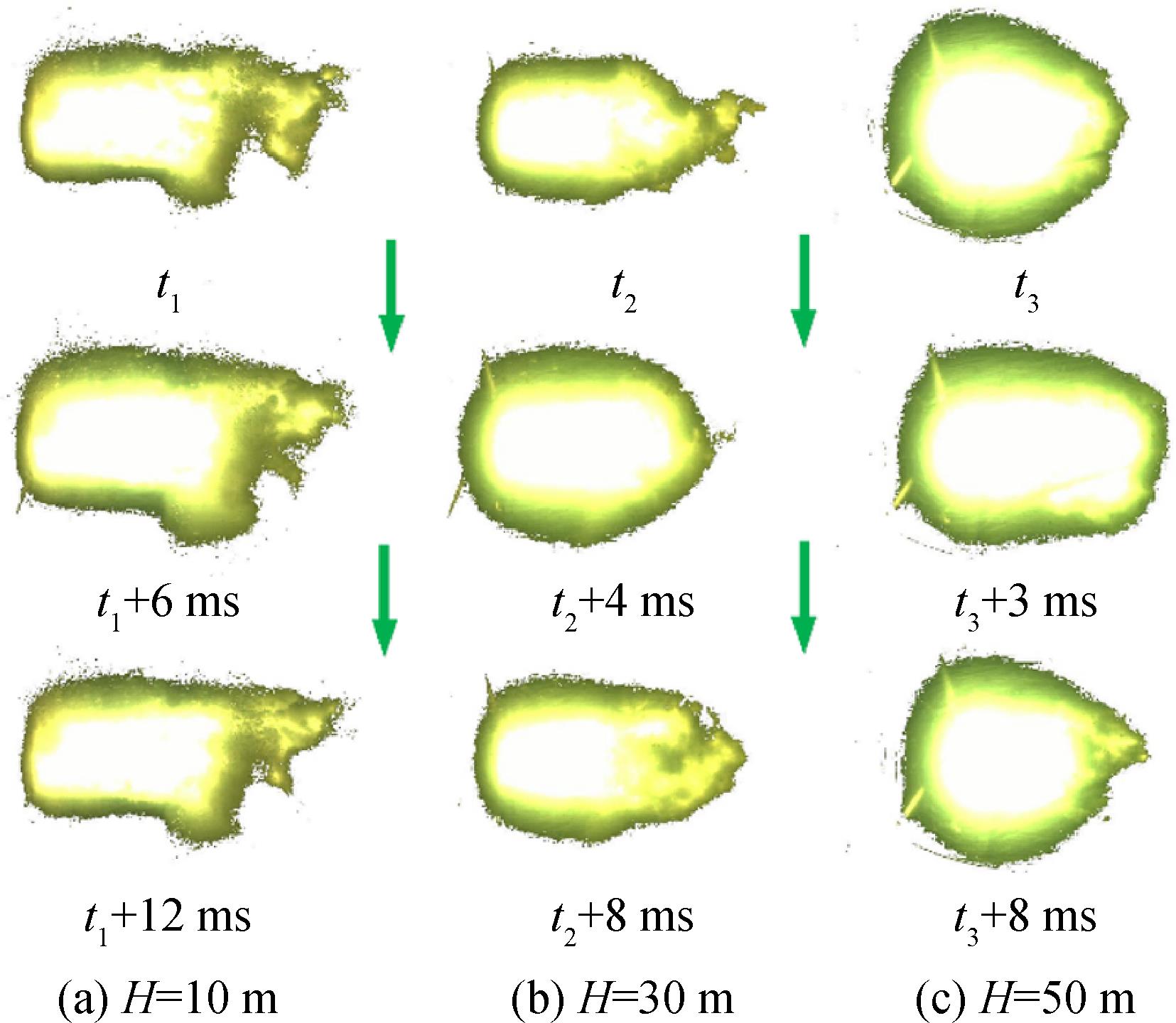
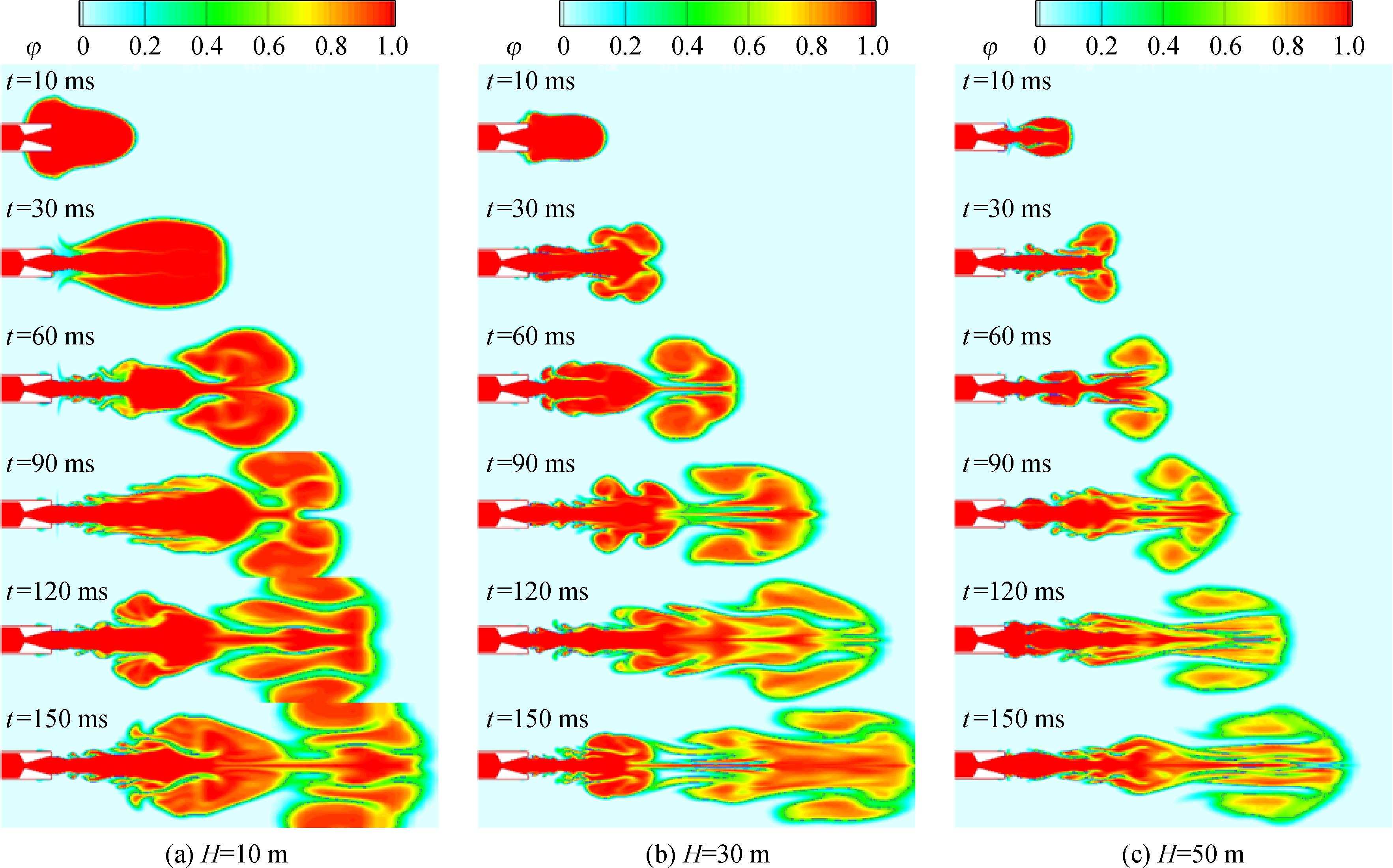
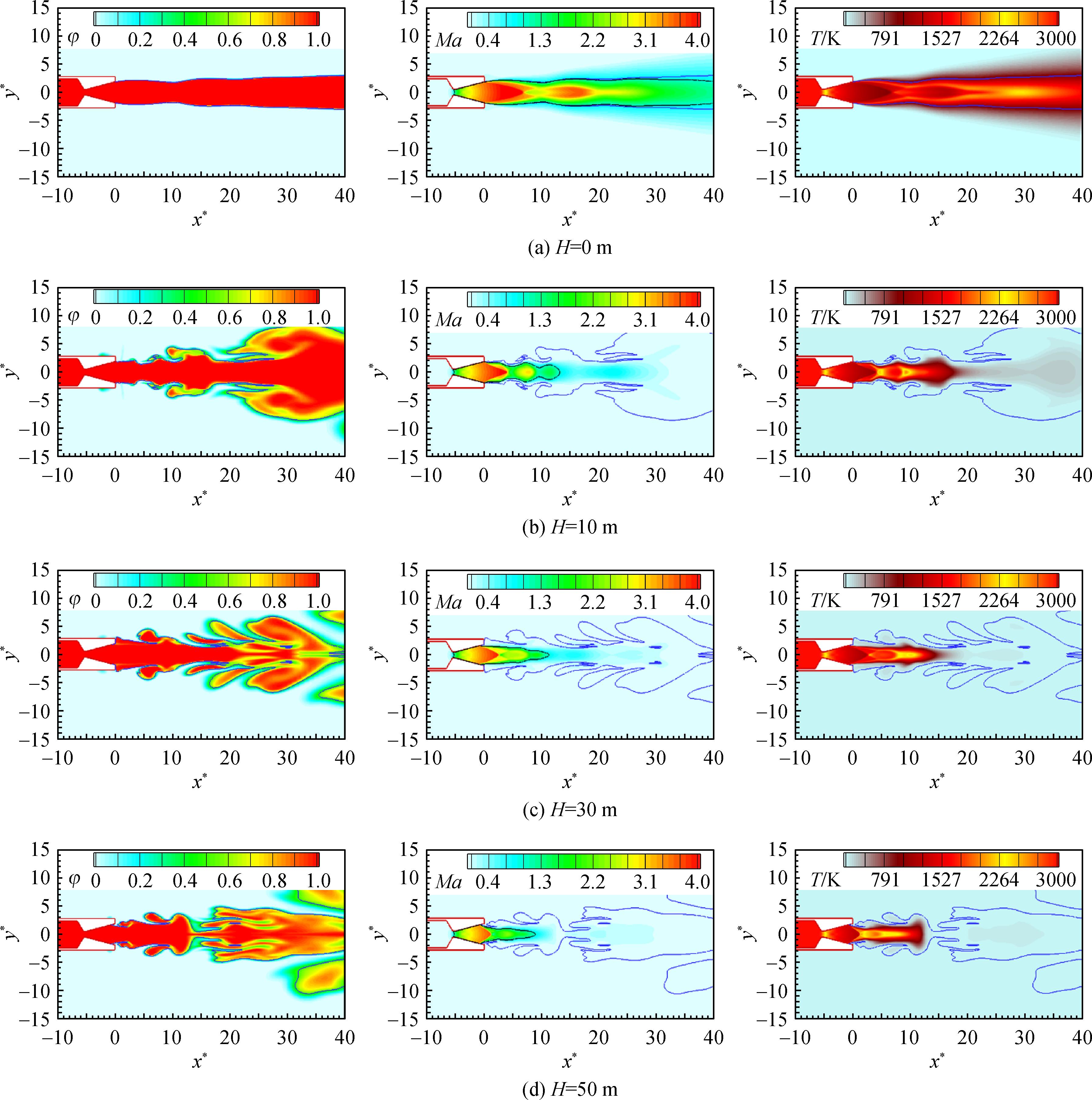
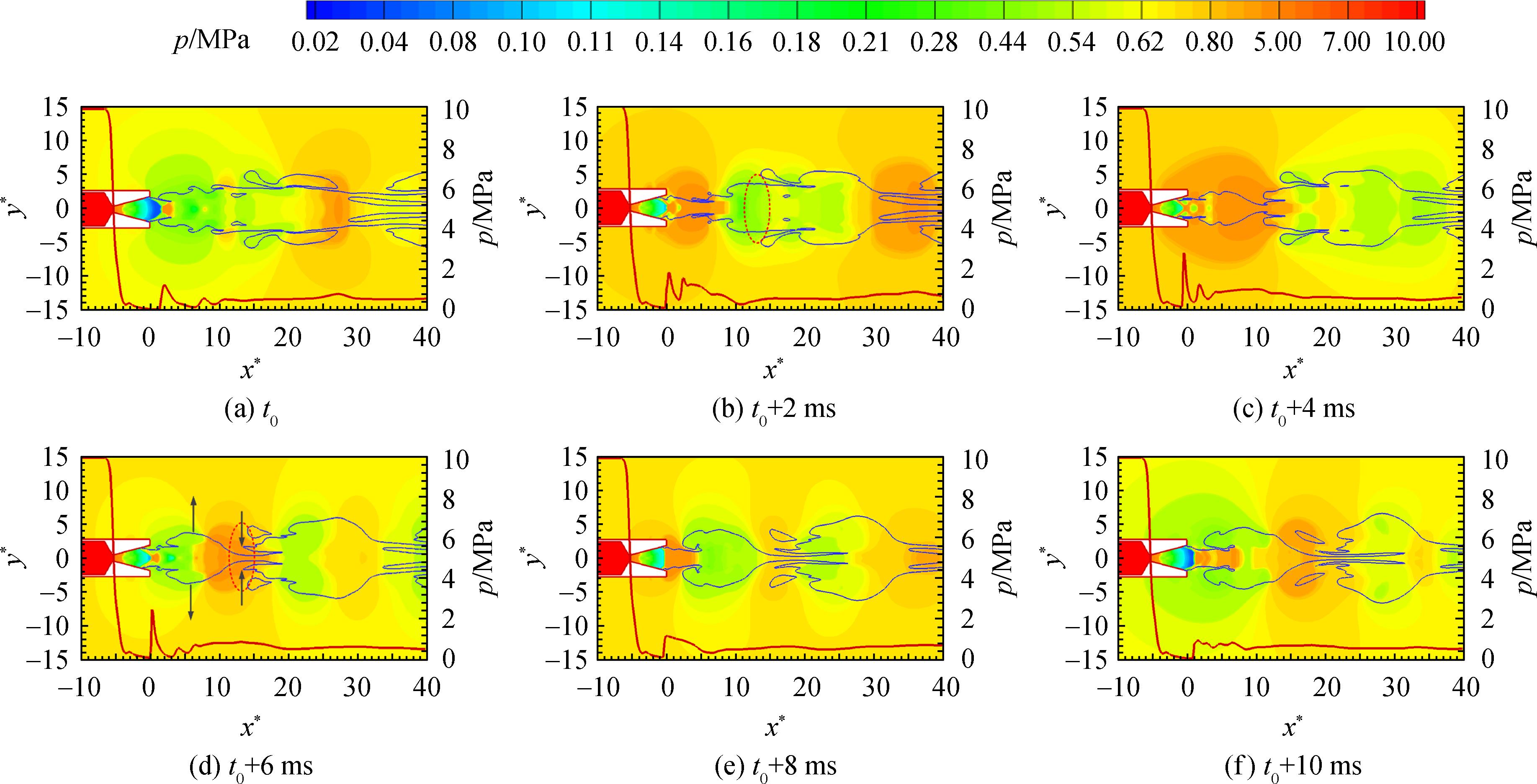
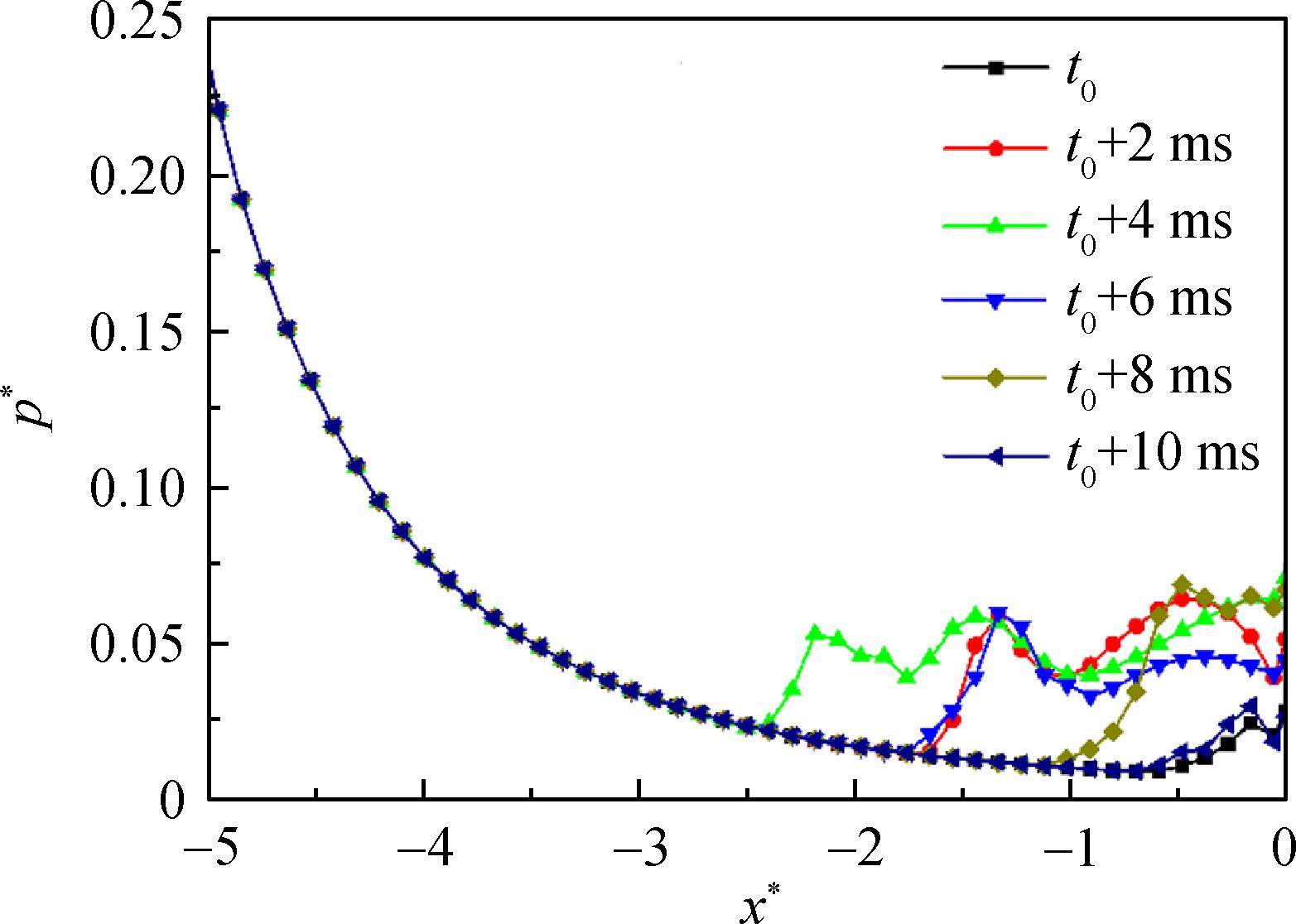
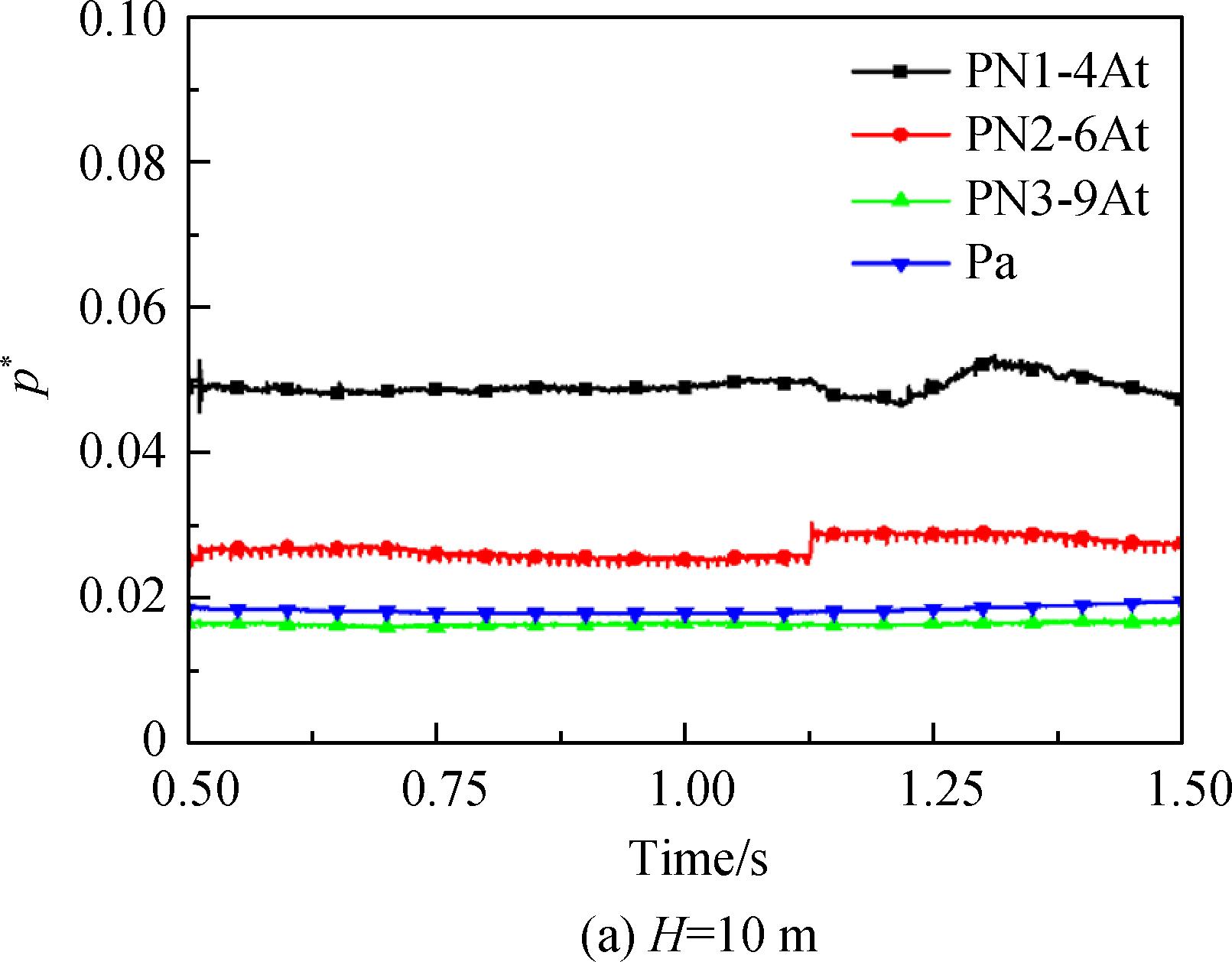
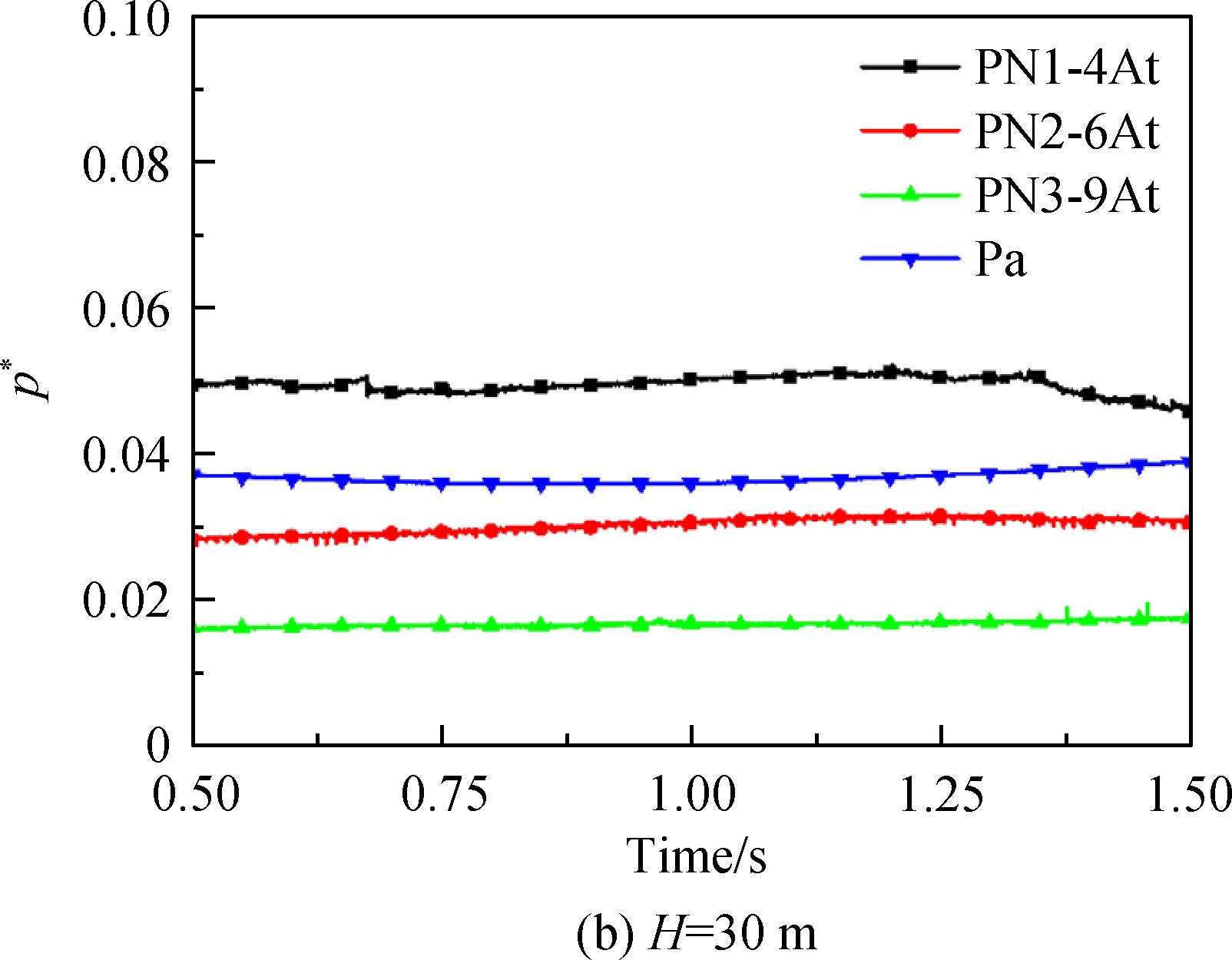
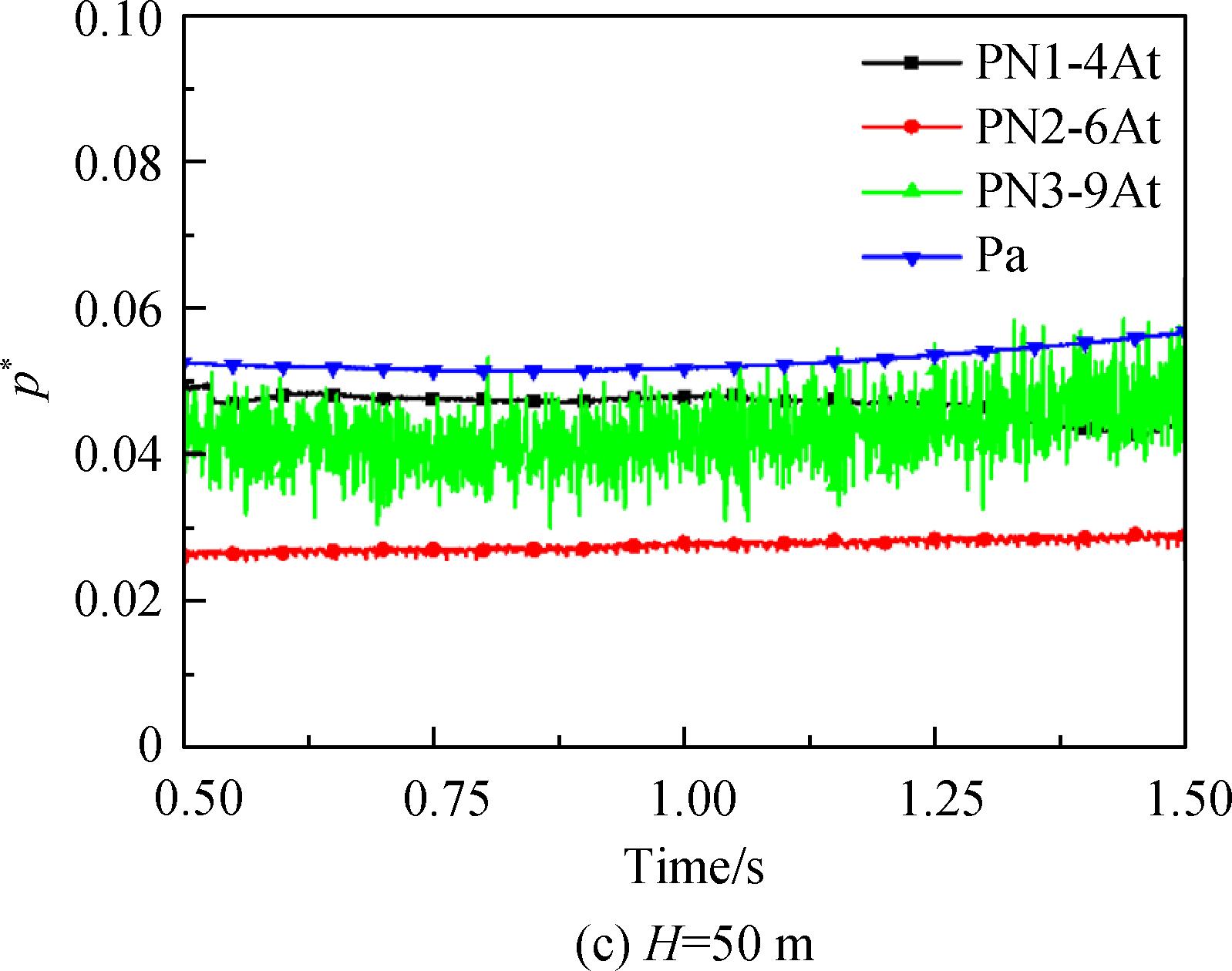
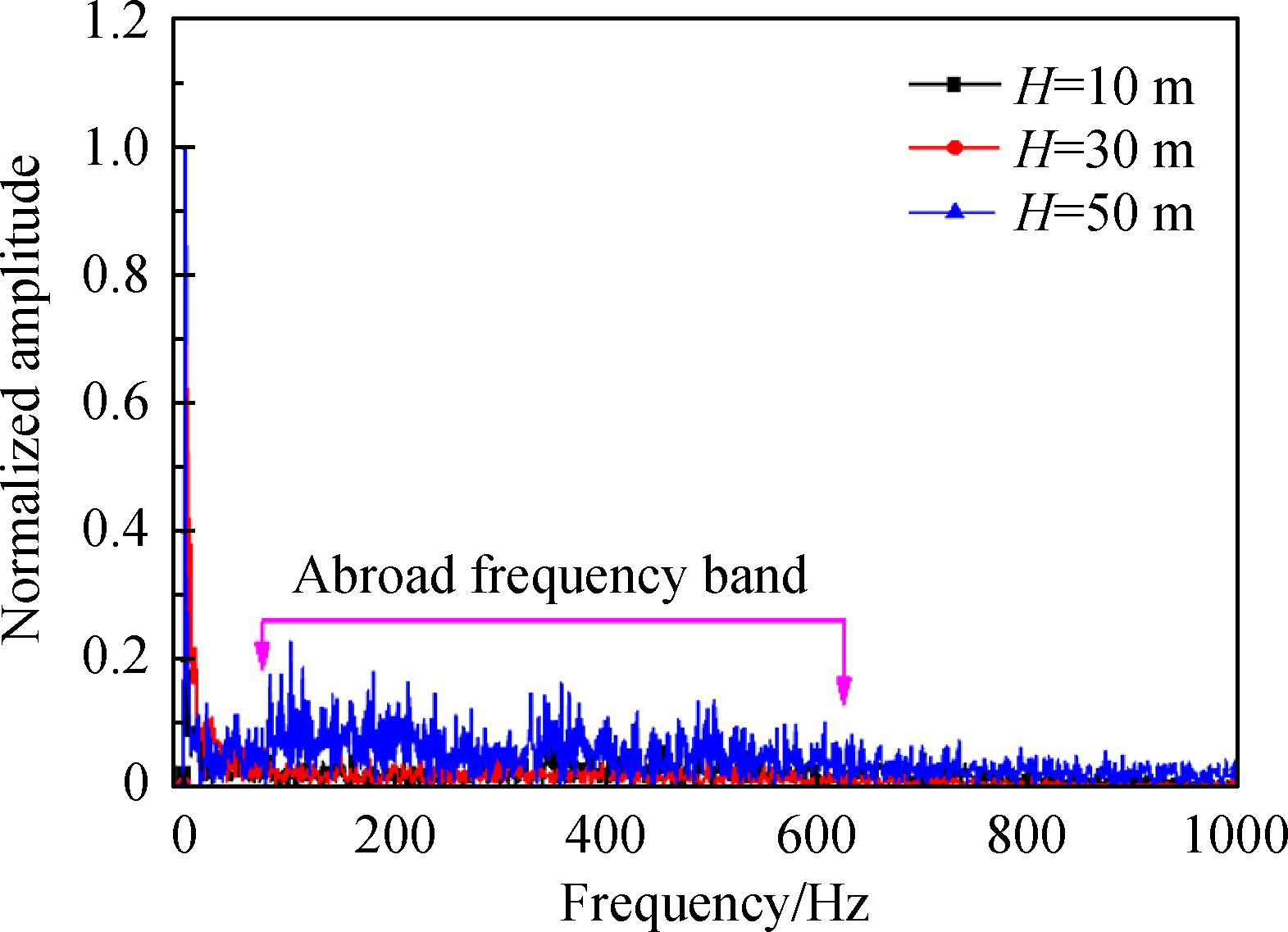
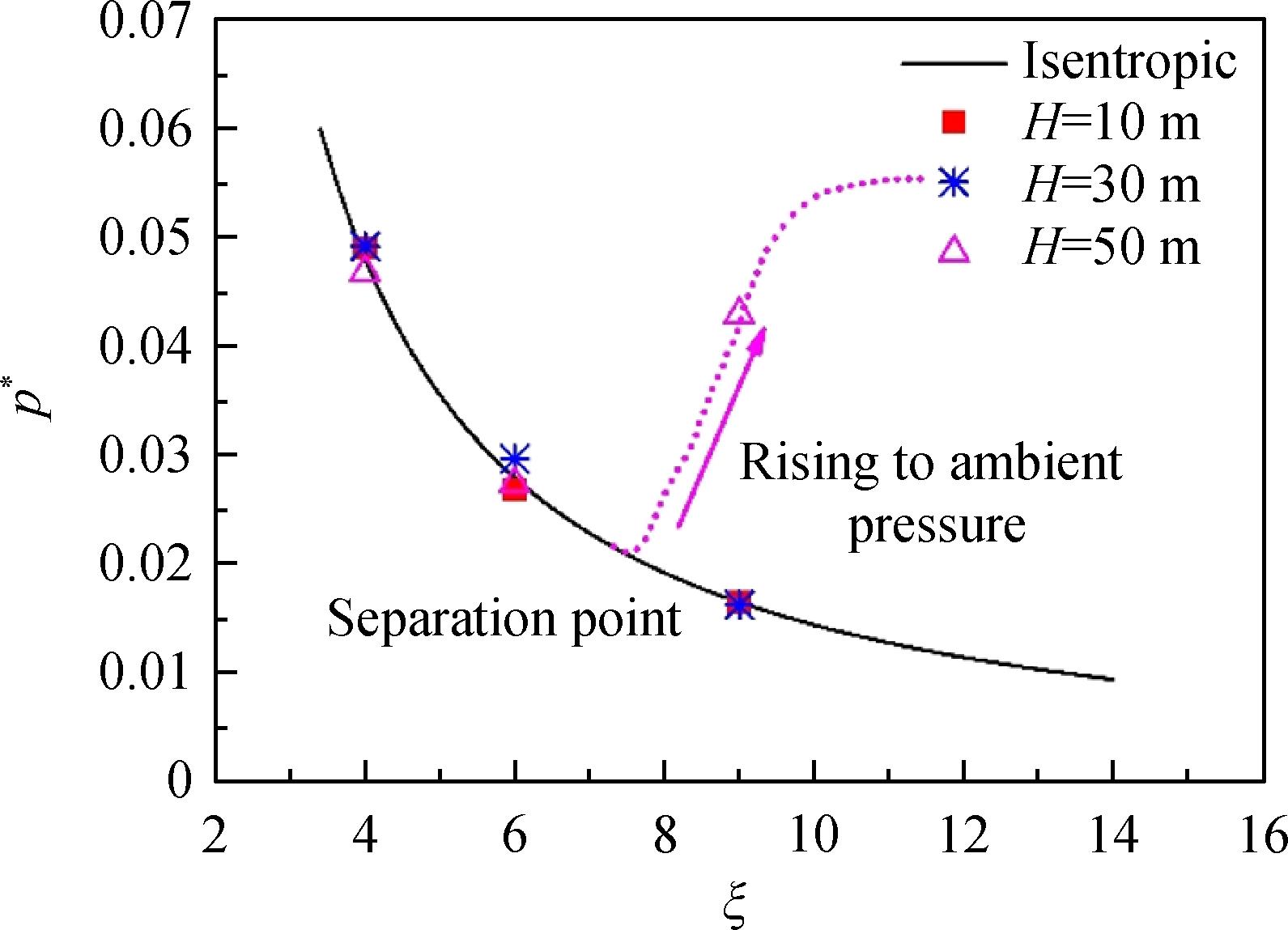
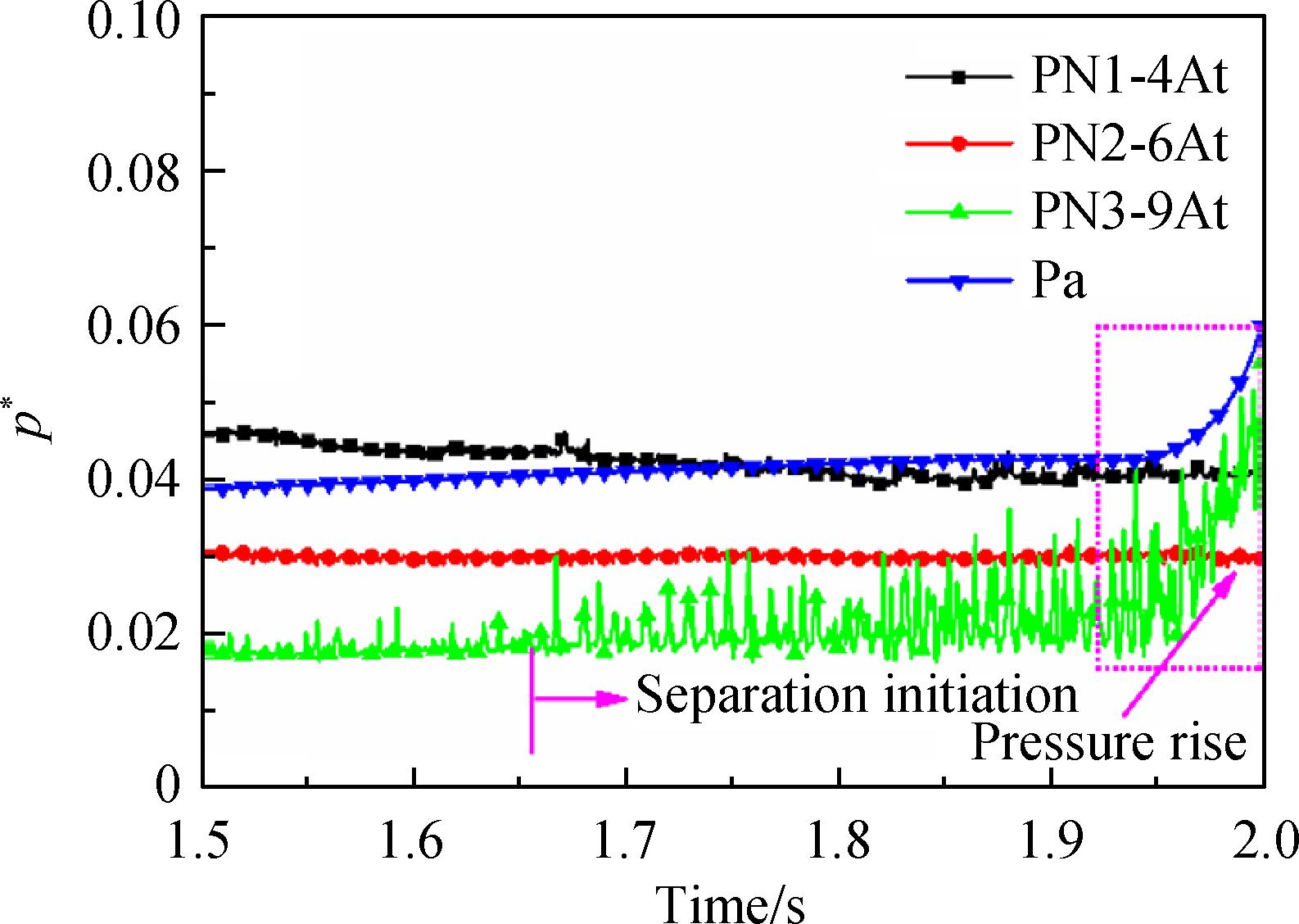
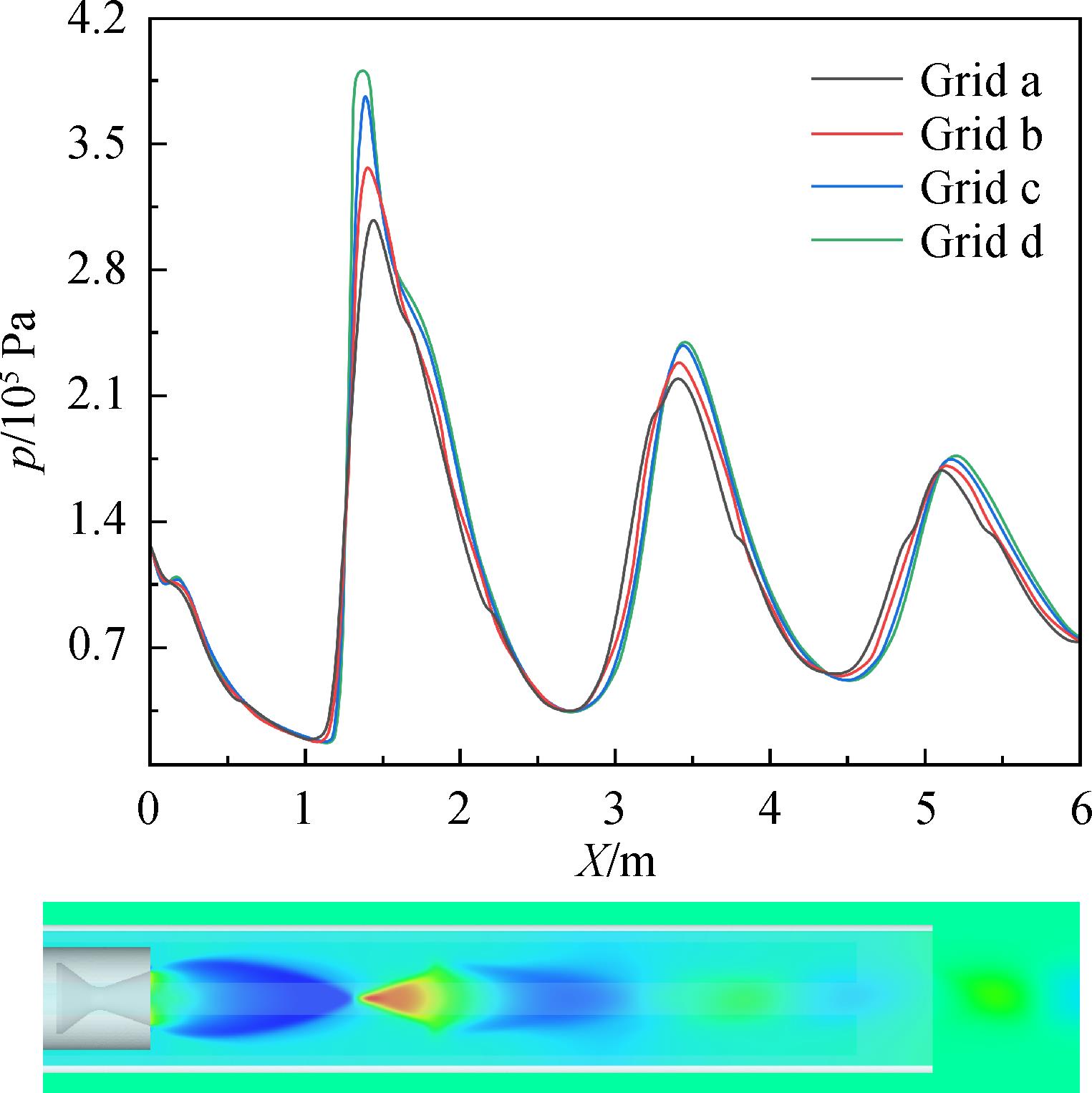
To investigate the flow field characteristics of underwater supersonic over⁃expanded gas jet,ignition experiment of solid rocket motors using conical nozzles with a large expansion ratio was conducted in the pressure tank.Combined with numerically simulated results obtained by Reynolds⁃averaged Navier⁃Stokes (RANS) and volume of fluid (VOF) model,the interactions between over⁃expanded gas jet and water were analyzed.The results showed that,the over⁃expanded gas jet formed a jet channel in the near depression area of the nozzle,and the length of the core area of the jet decreased with the decrease of drop pressure ratio.Dramatic periodic oscillation changes occurred in the core area of the jet,which was specifically manifested as the high⁃frequency expansion and contraction process.The oscillation frequency increased with the decrease of drop pressure ratio,within a range of 100-200 Hz.The boundary of the jet may constantly oscillate,accompanied by the synchronous change of the shock wave structure.When the degree of overexpansion was larger,the shock wave entered the nozzle to cause the flow separation phenomenon,and the flow separation point moved periodically and reciprocally.The pressure pulsation in the separation area presented the characteristic of high oscillation,but it had no significant characteristic frequency,which was mainly concentrated in the broadband of 100-600 Hz.The simple criterion for underwater flow separation of conical nozzle is that the pressure at the nozzle exit is not less than 0.44 times of the back pressure.

Numerical analysis of hot launch of missile from a launch canister
LIANG Xiaoyang, SU Yifei, LE Guigao
2022, 37(8): 1643-1653. doi: 10.13224/j.cnki.jasp.20210308
Abstract:

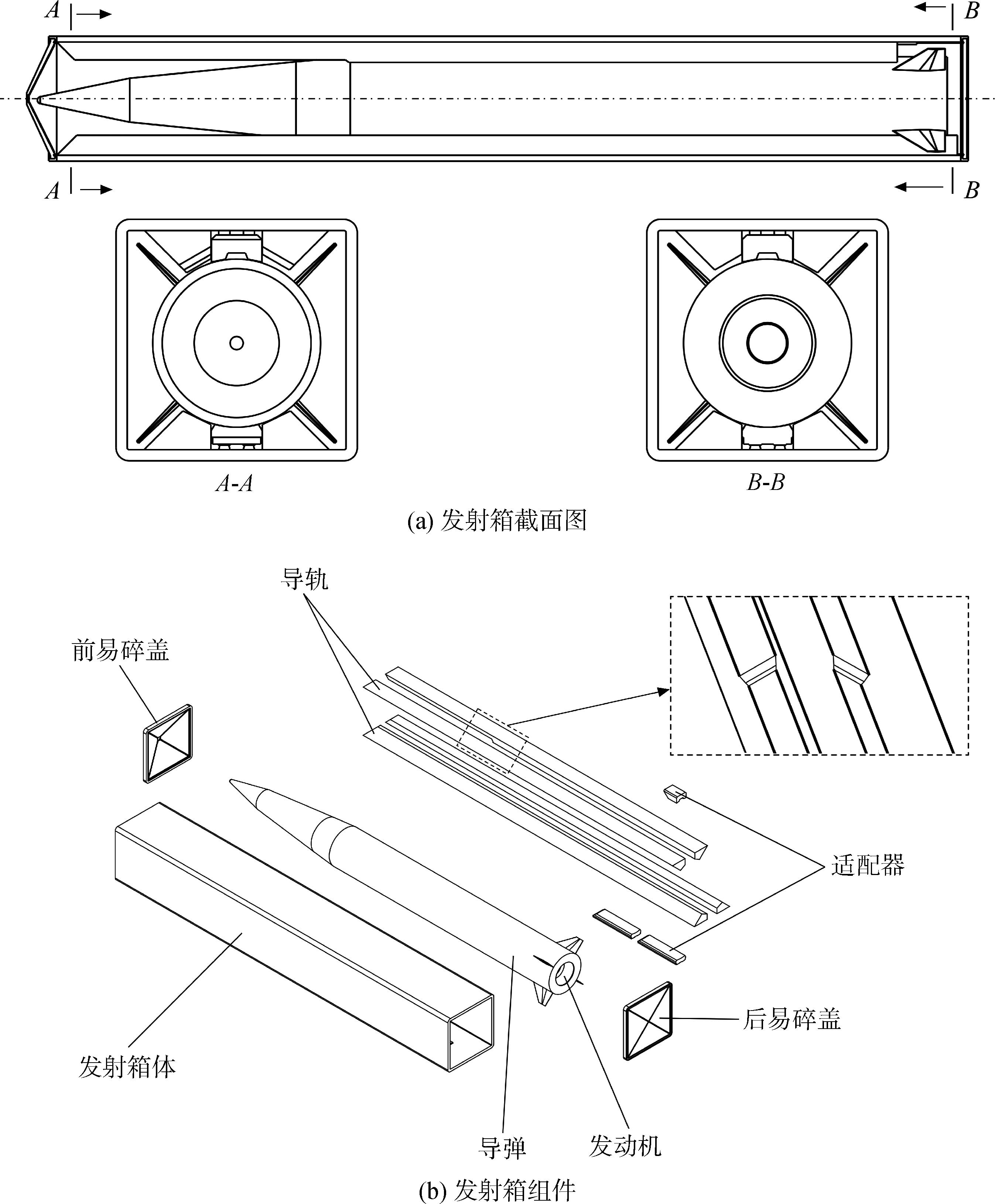
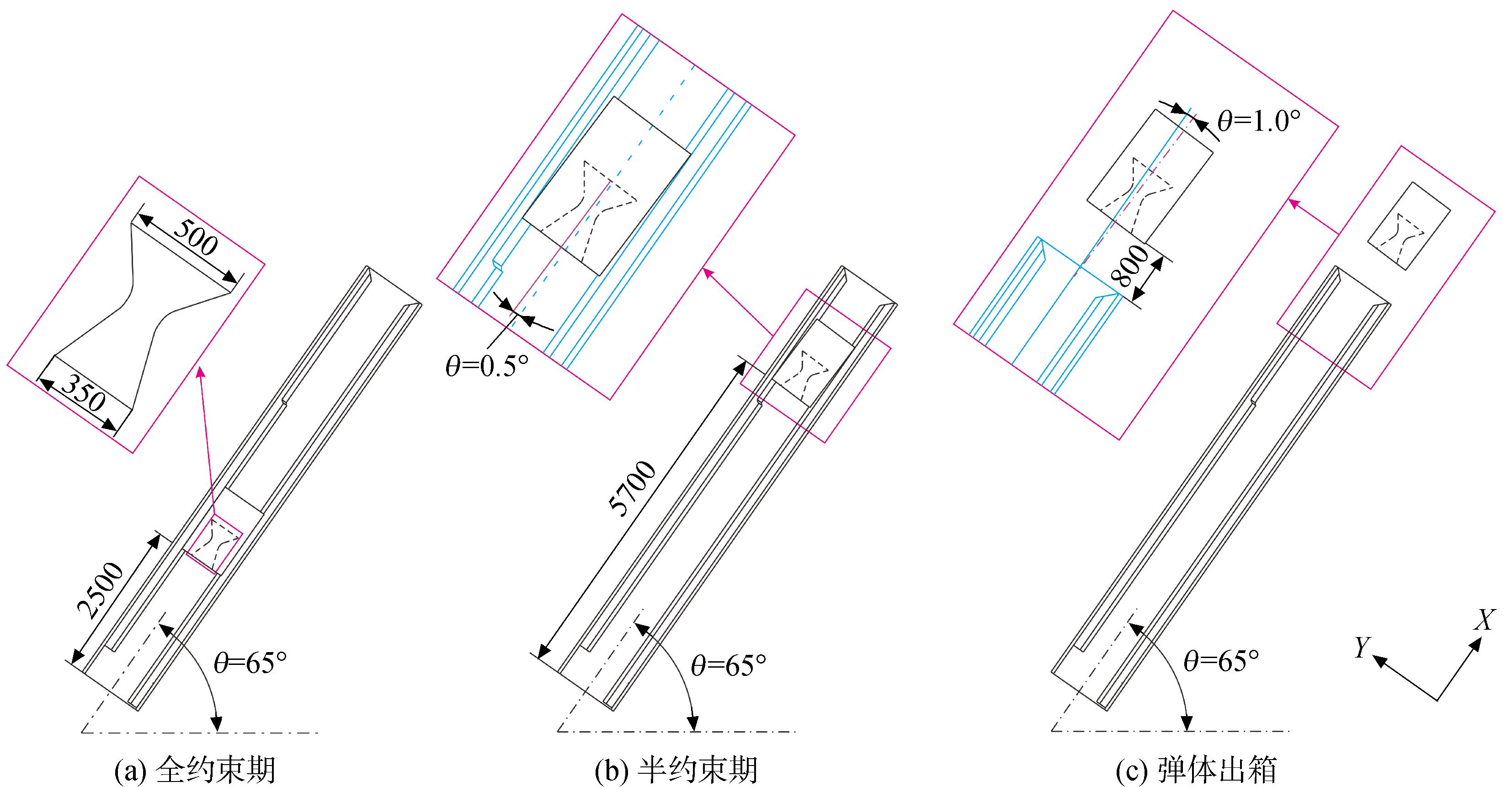
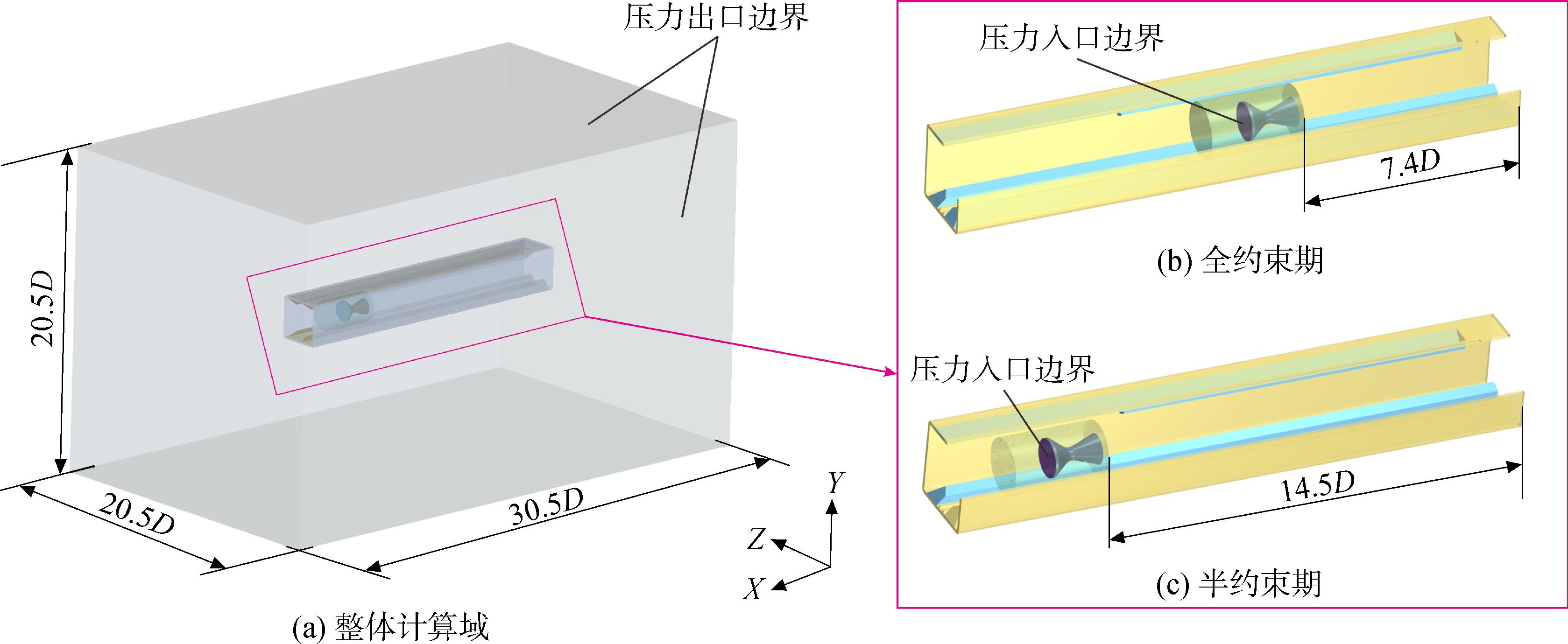
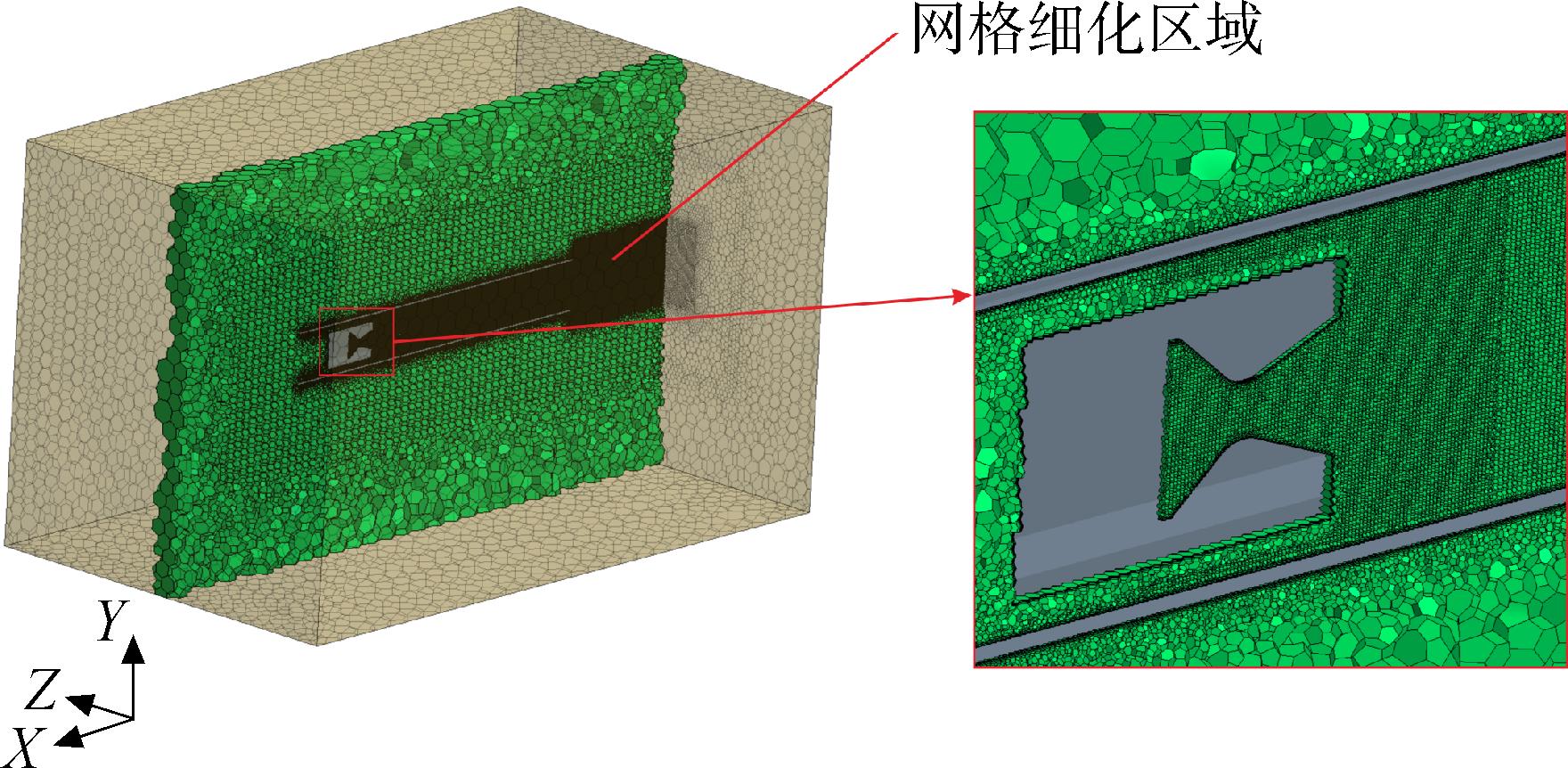
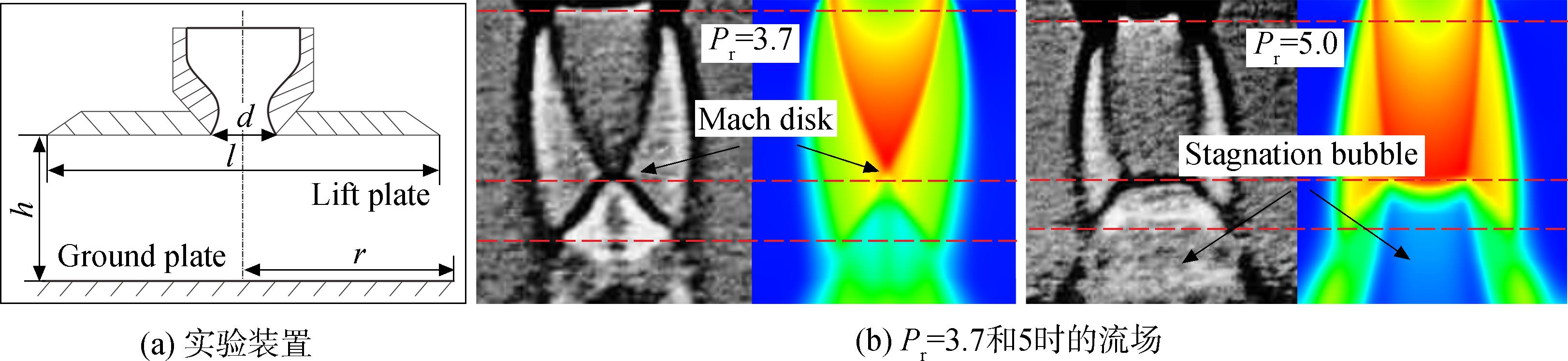
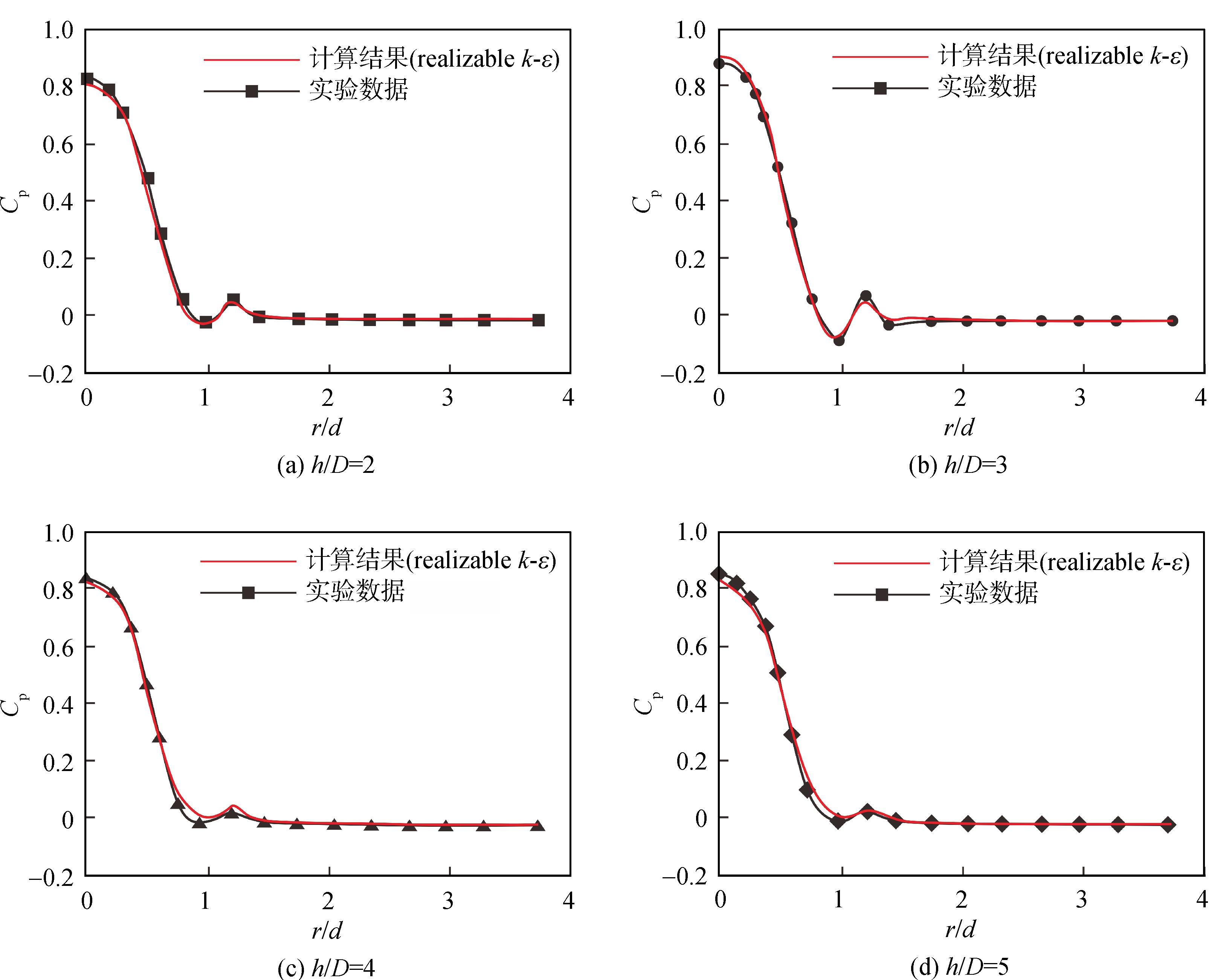
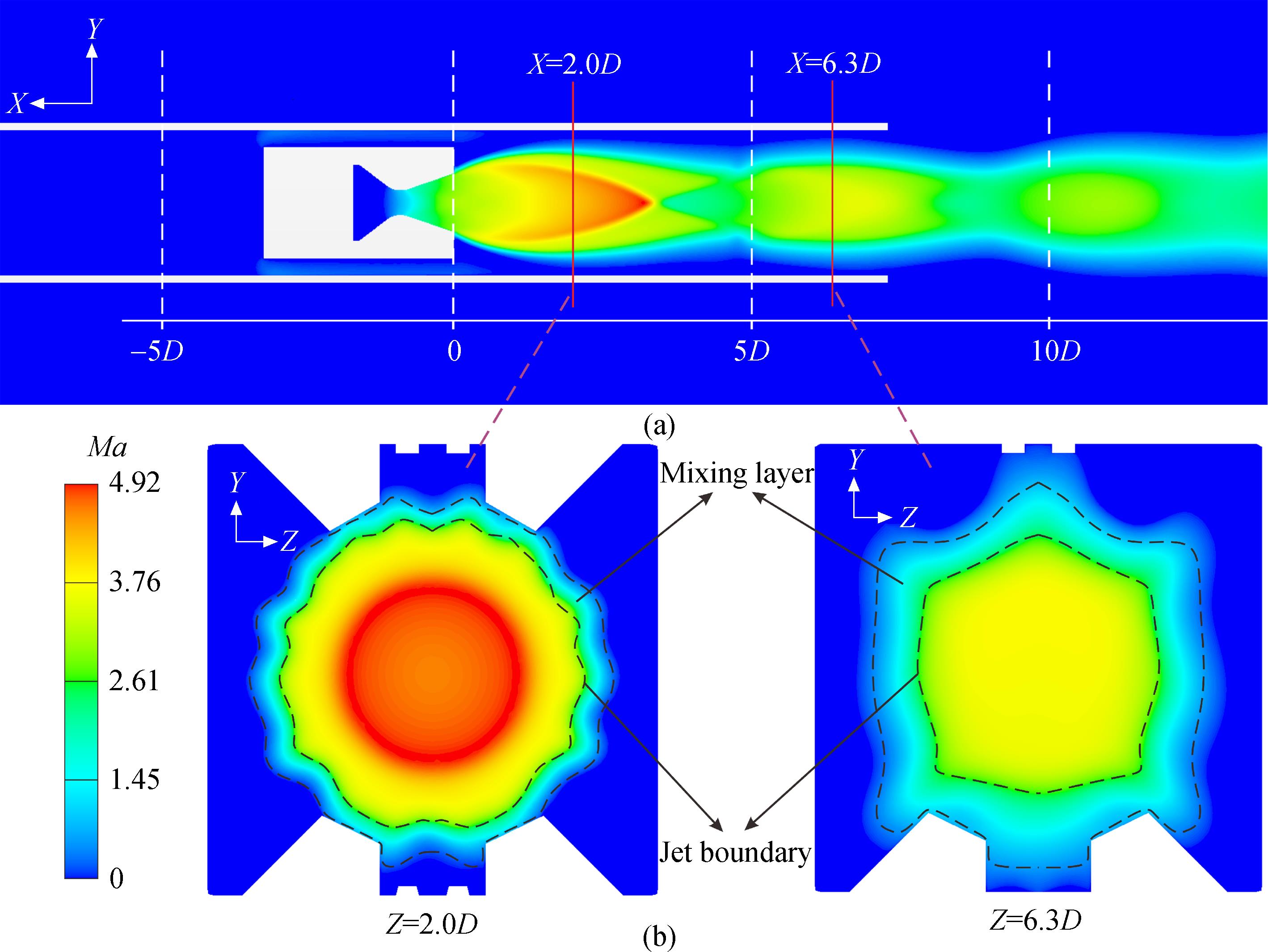
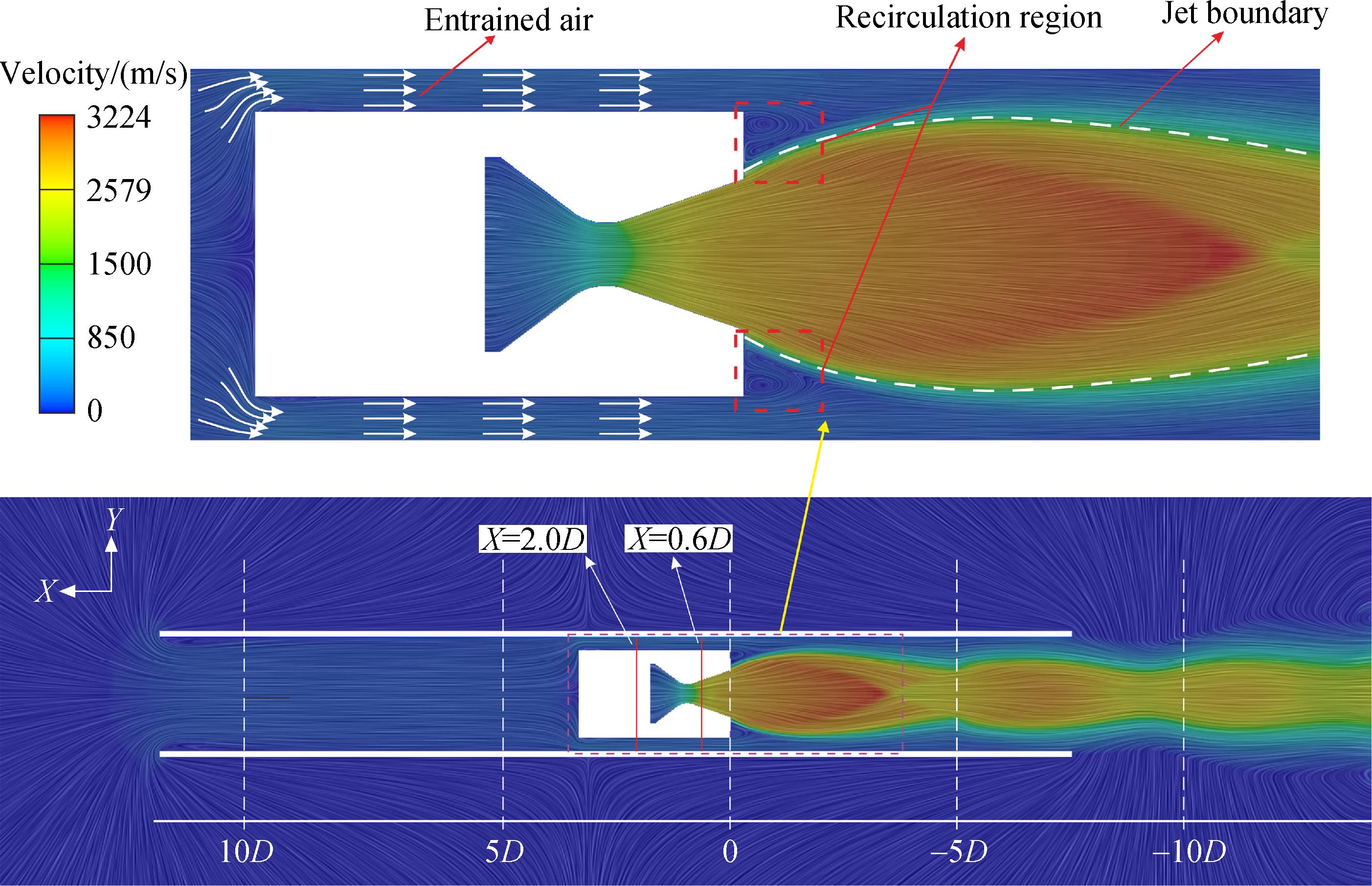
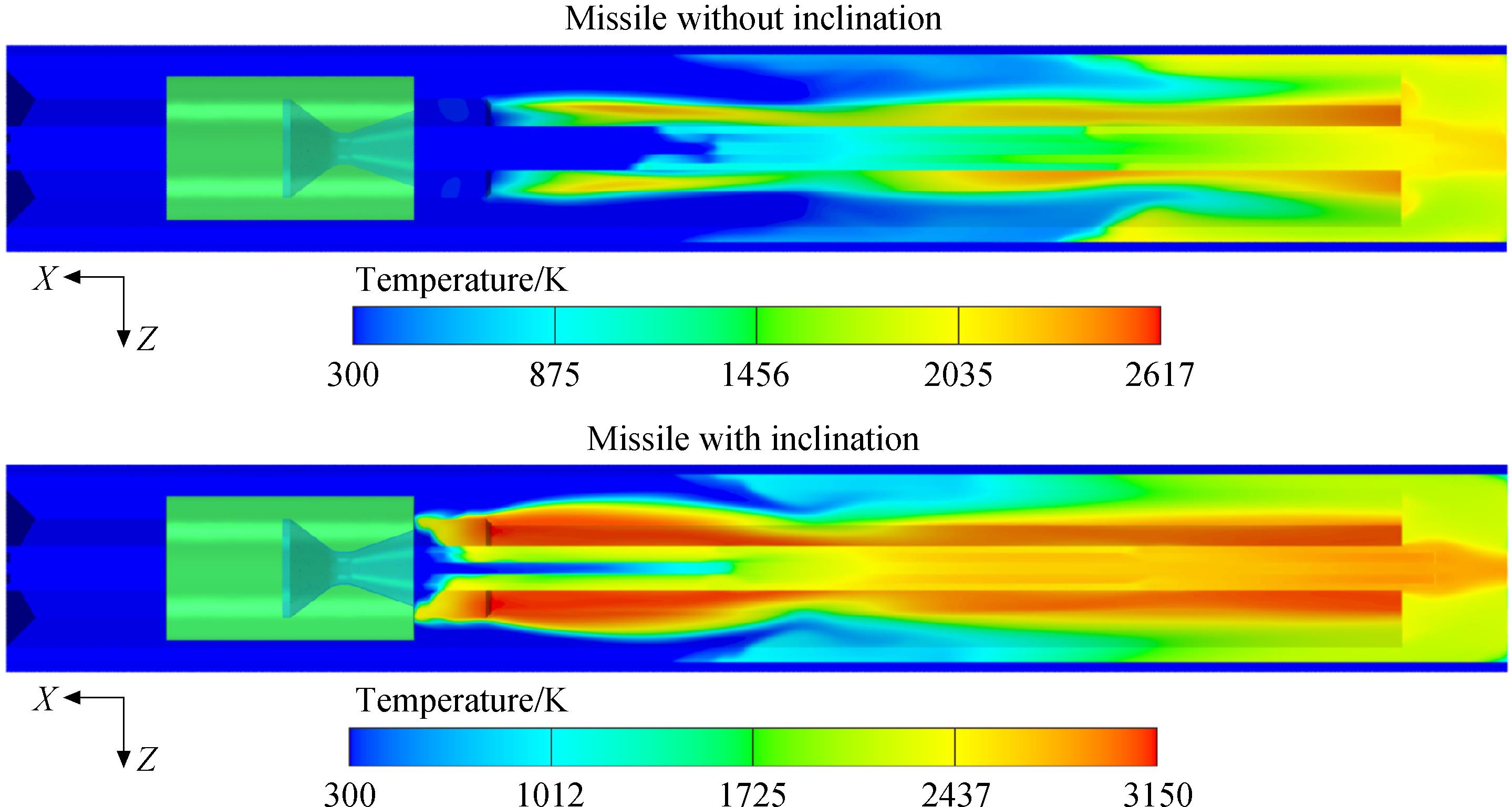
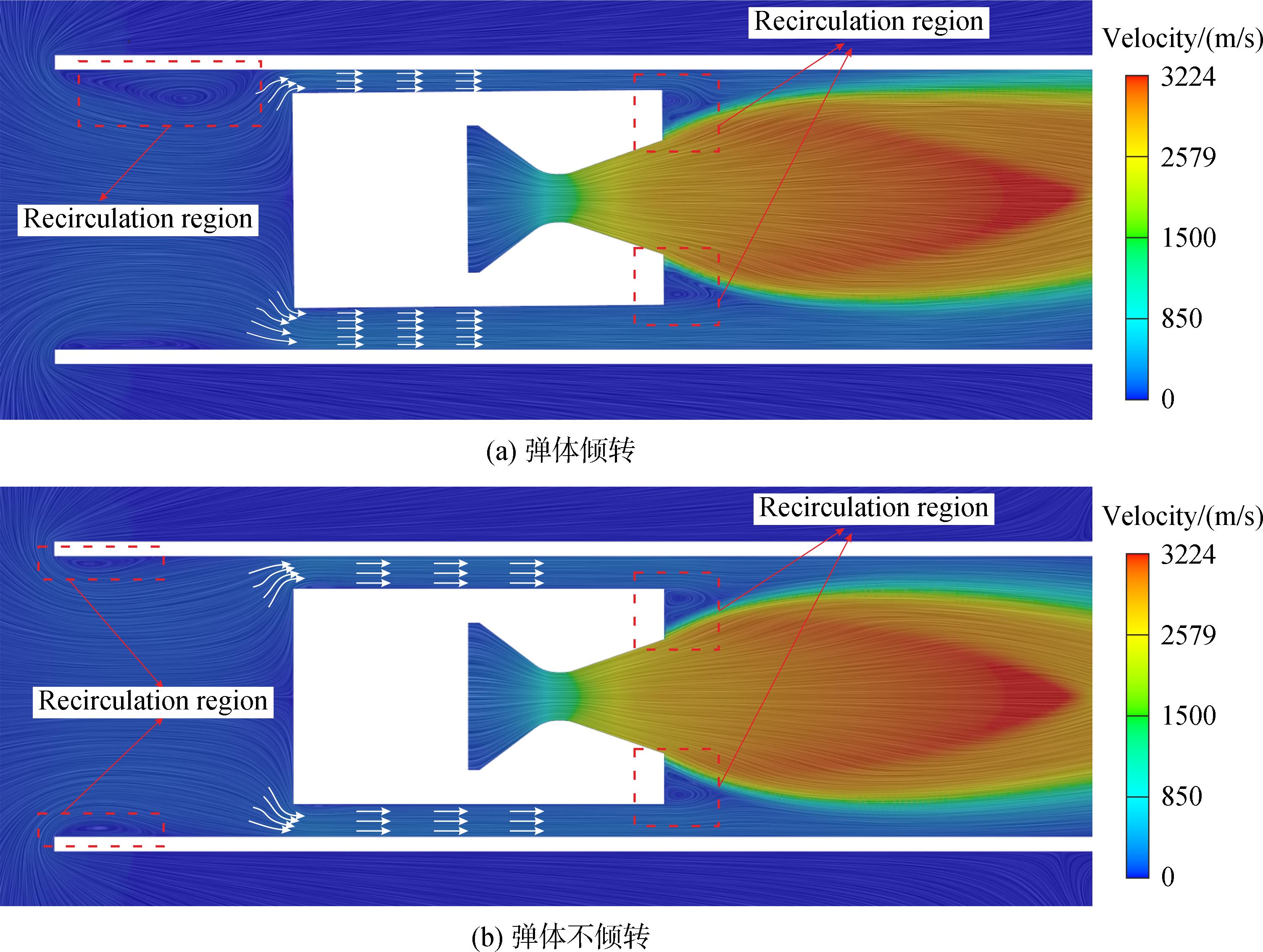
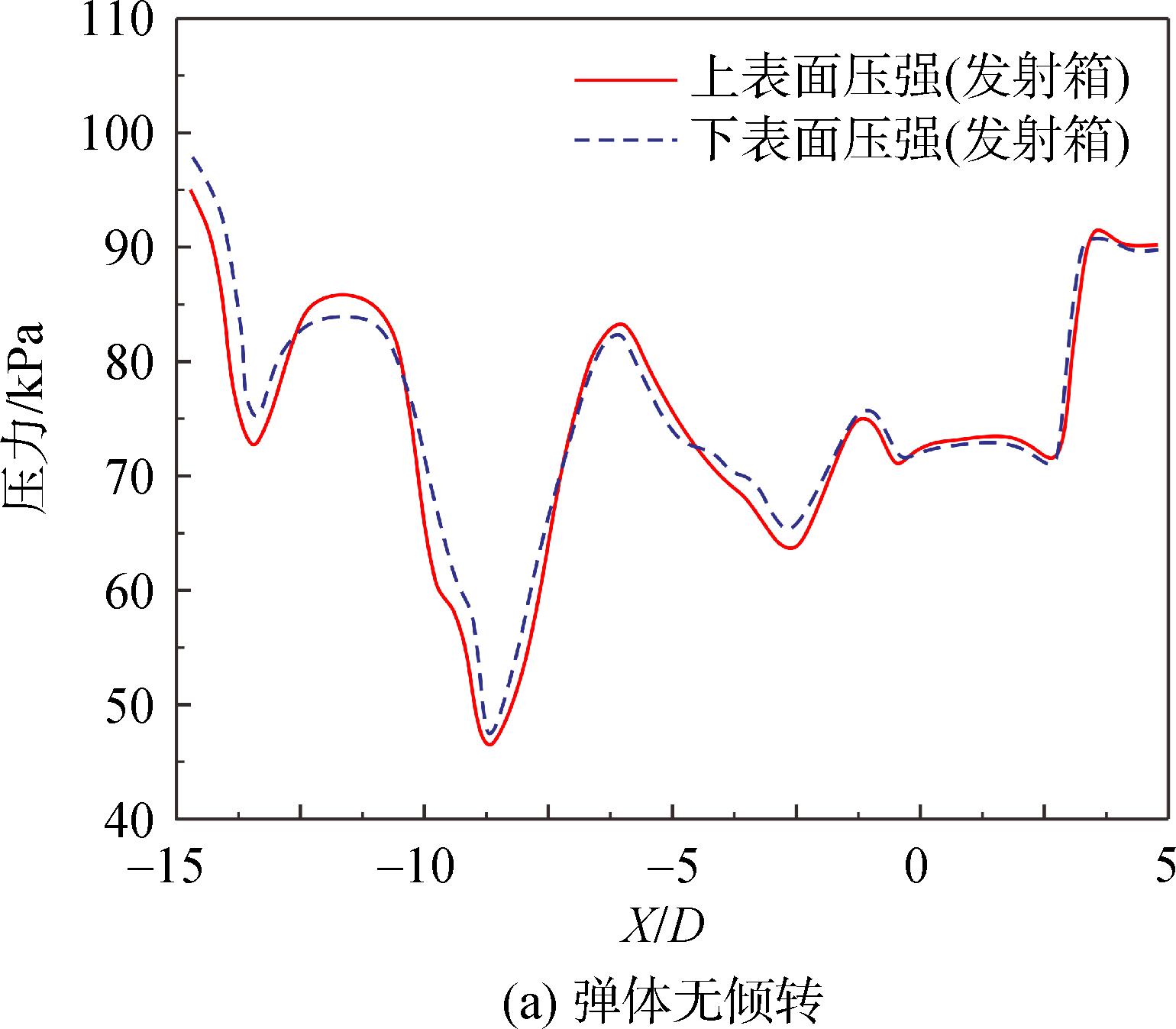
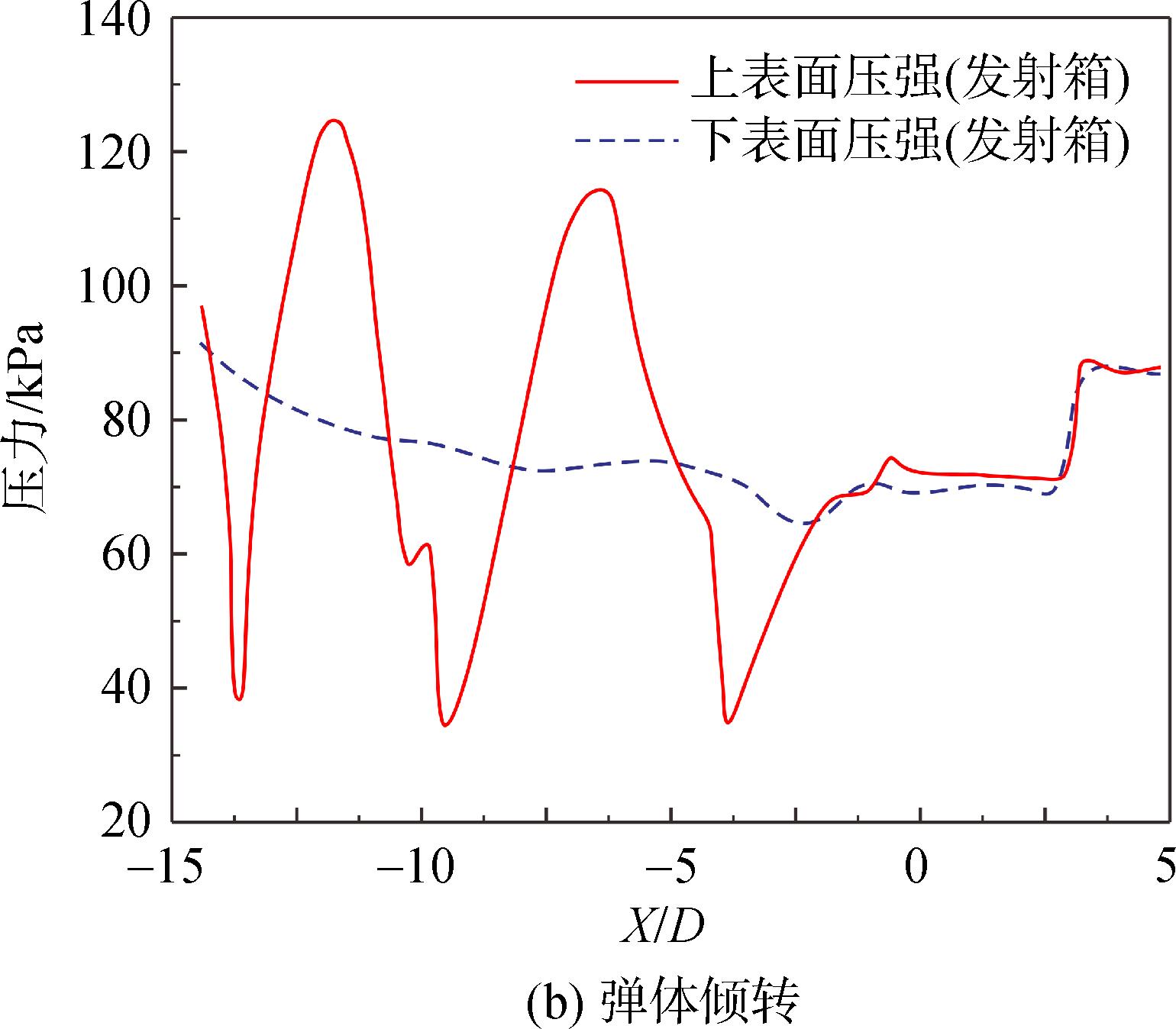
Based on the three⁃dimensional compressible Reynolds⁃averaged Navier⁃Stokes equation and the kε turbulence model,the environment around the bottom of the missile and the flow field characteristics in the launch canister after deflection of the missile attitude were investigated.Firstly,the effectiveness of the numerical method was verified by the experiment of supersonic jet impinging on a flat plate.Secondly,the flow characteristics of the launch canister in the constrained and semi⁃confined periods were investigated respectively.The results showed that significant entrainment effect of the exhaust gas can be found in the launch canister.Meanwhile,a backflow area near the bottom of the missile can be observed,which may cause additional drag force on the missile during the launching process.After considering the deflection,the impact load on the launcher was increased by more than two times and the pressure on the launch box wall was increased by 40%.Moreover,the flow field distribution inside the box was no longer symmetrical during the semi⁃confinement period,making the missile subject to additional unbalanced moments.

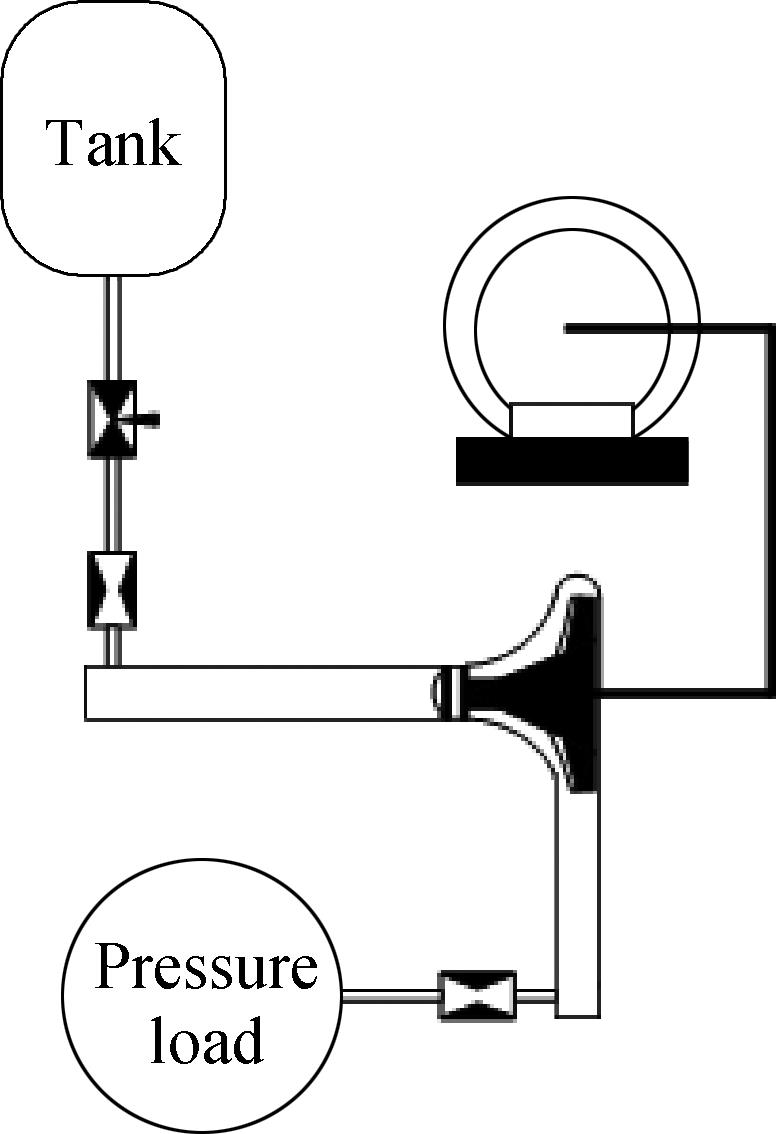
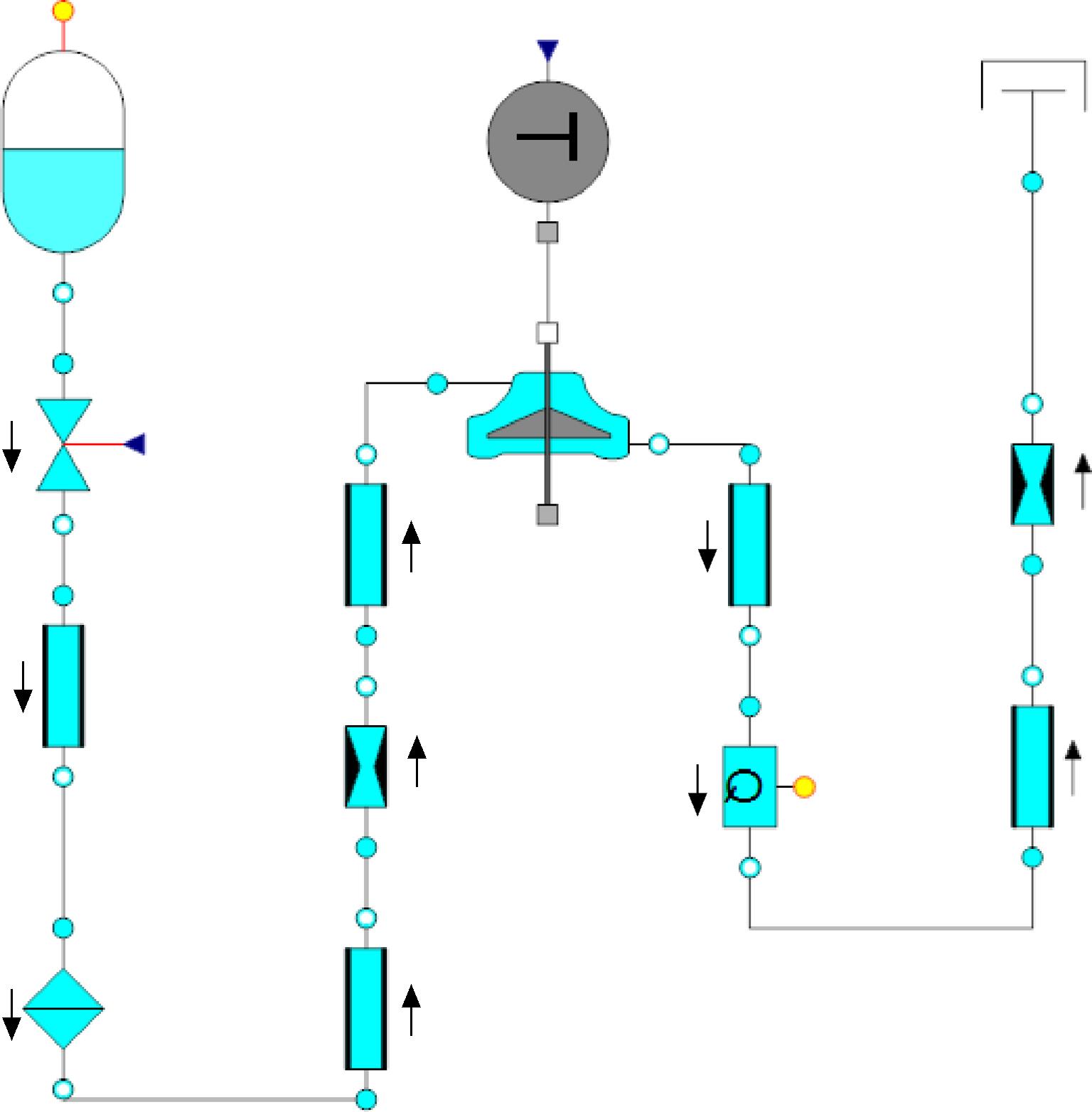
Cavitation modeling and start⁃up under⁃rated pressure simulation of liquid rocket engine
CHEN Yidan, CHEN Hongyu, LIU Yazhou
2022, 37(8): 1654-1663. doi: 10.13224/j.cnki.jasp.20210232
Abstract:

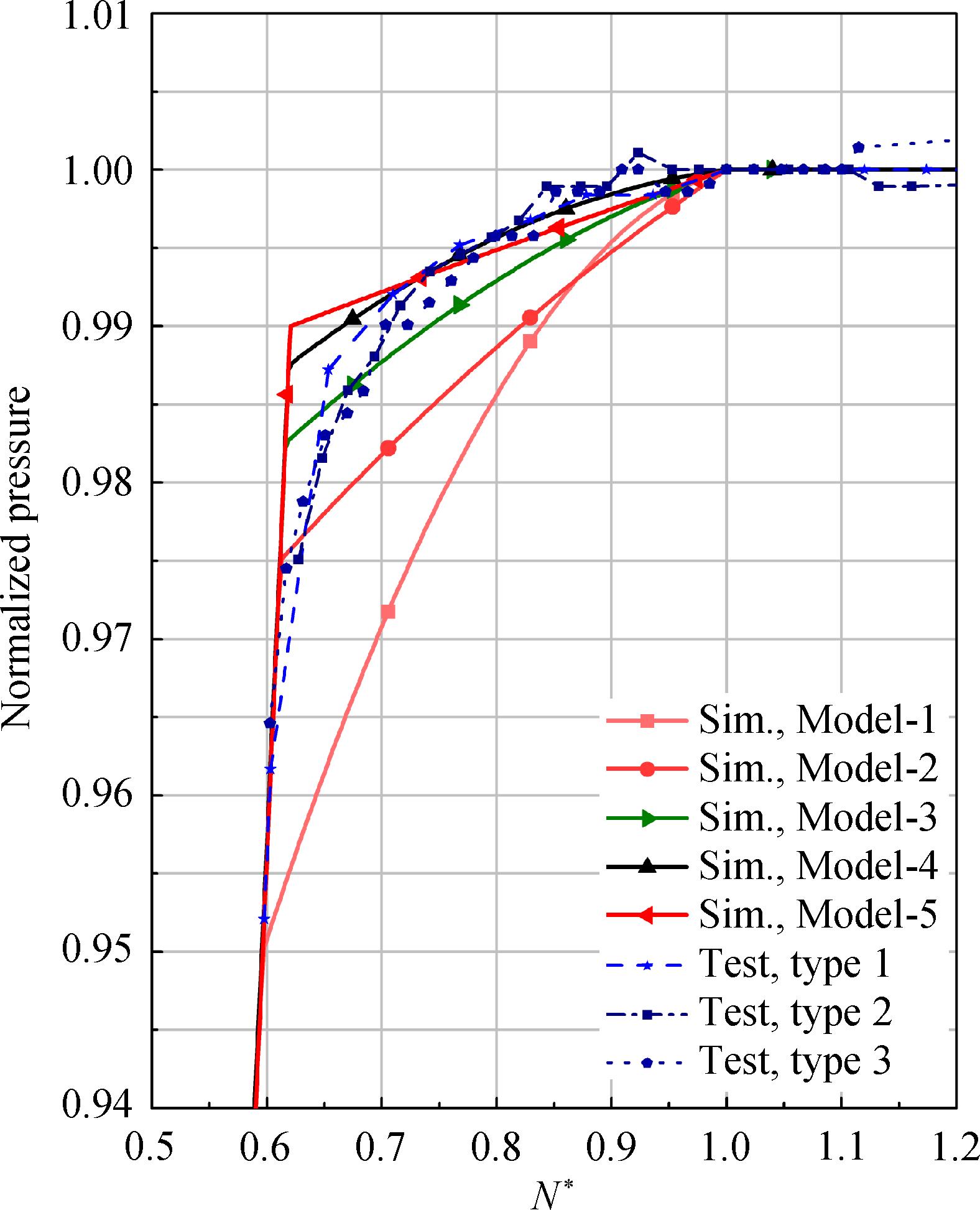
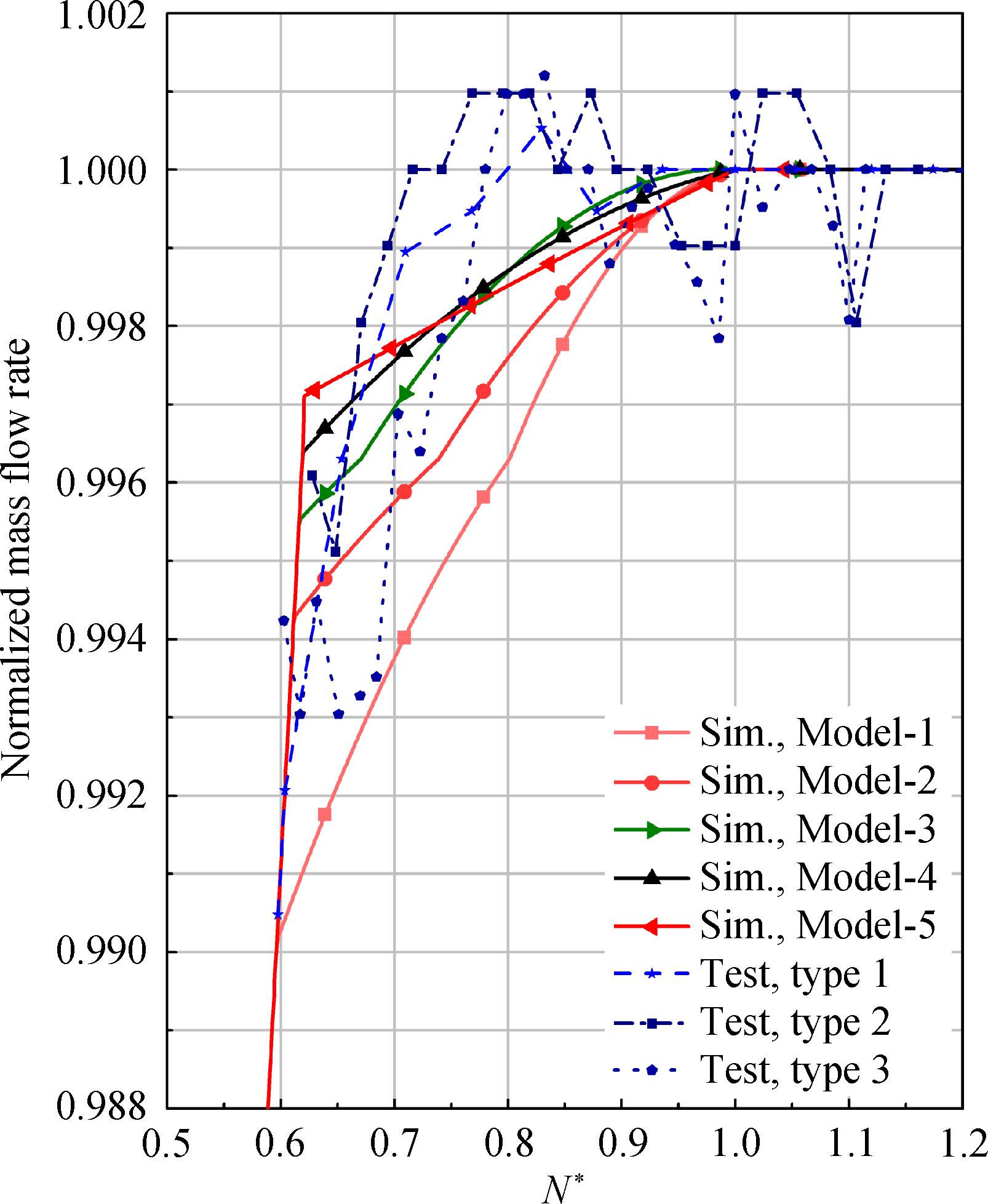
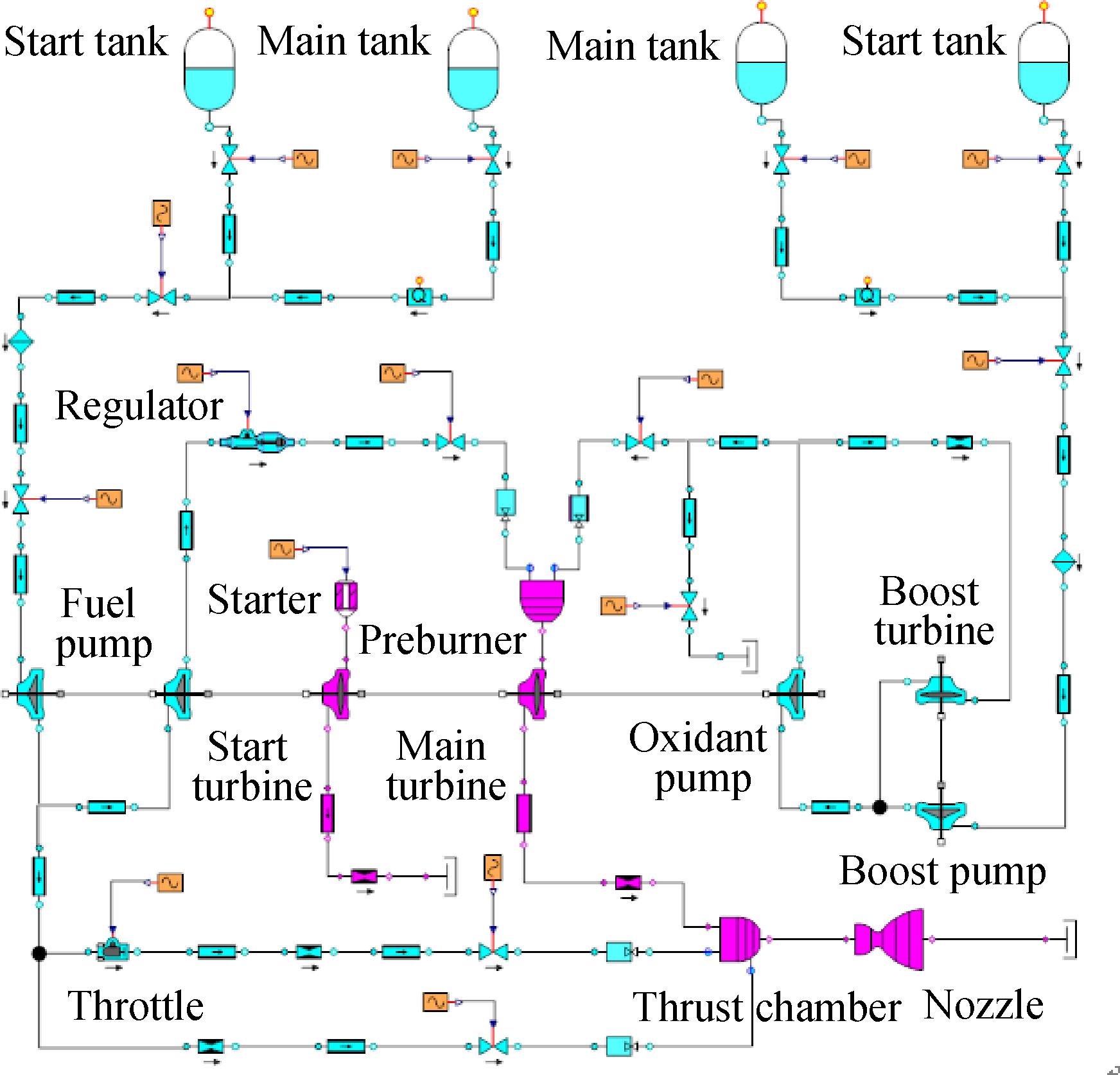
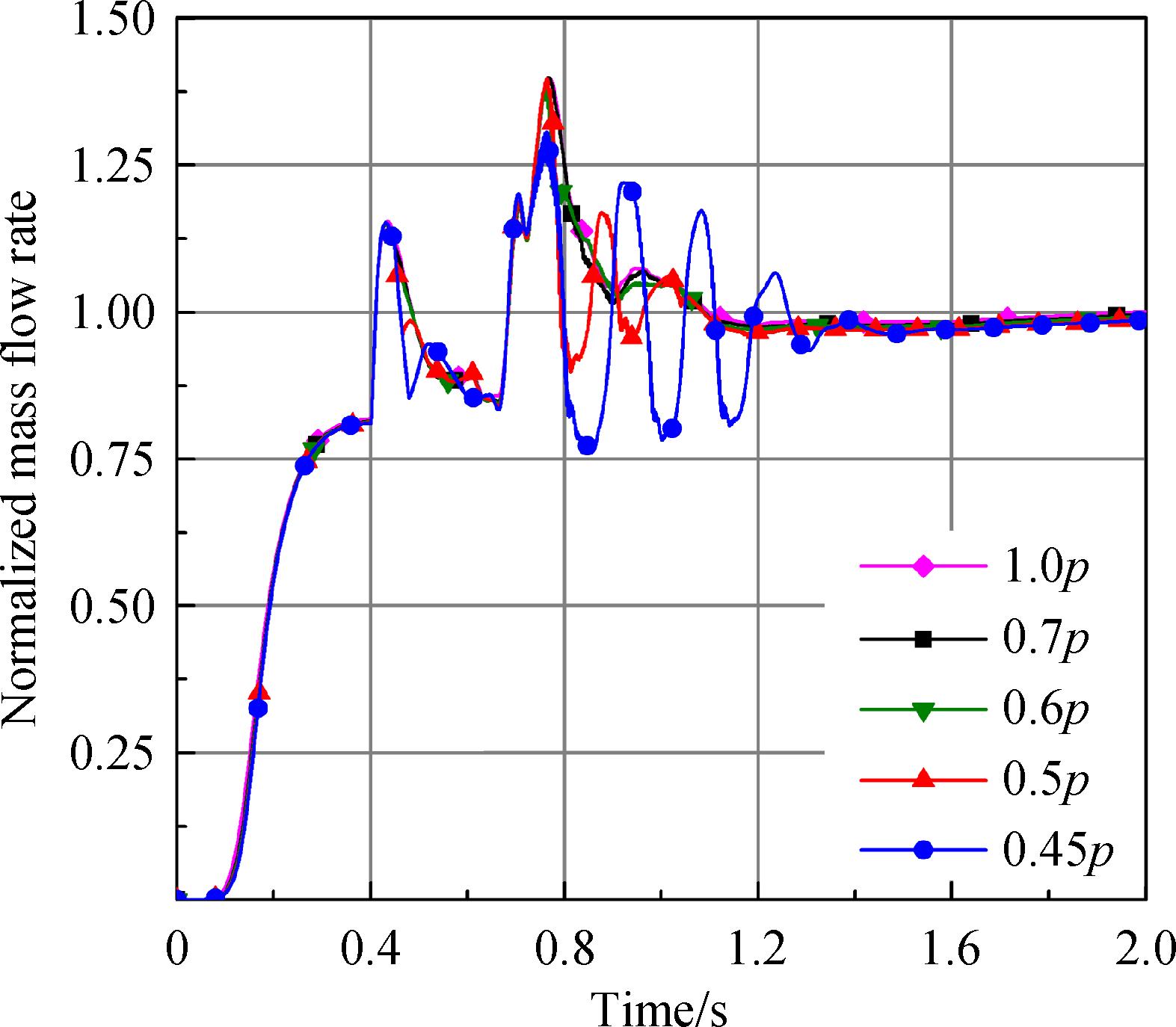
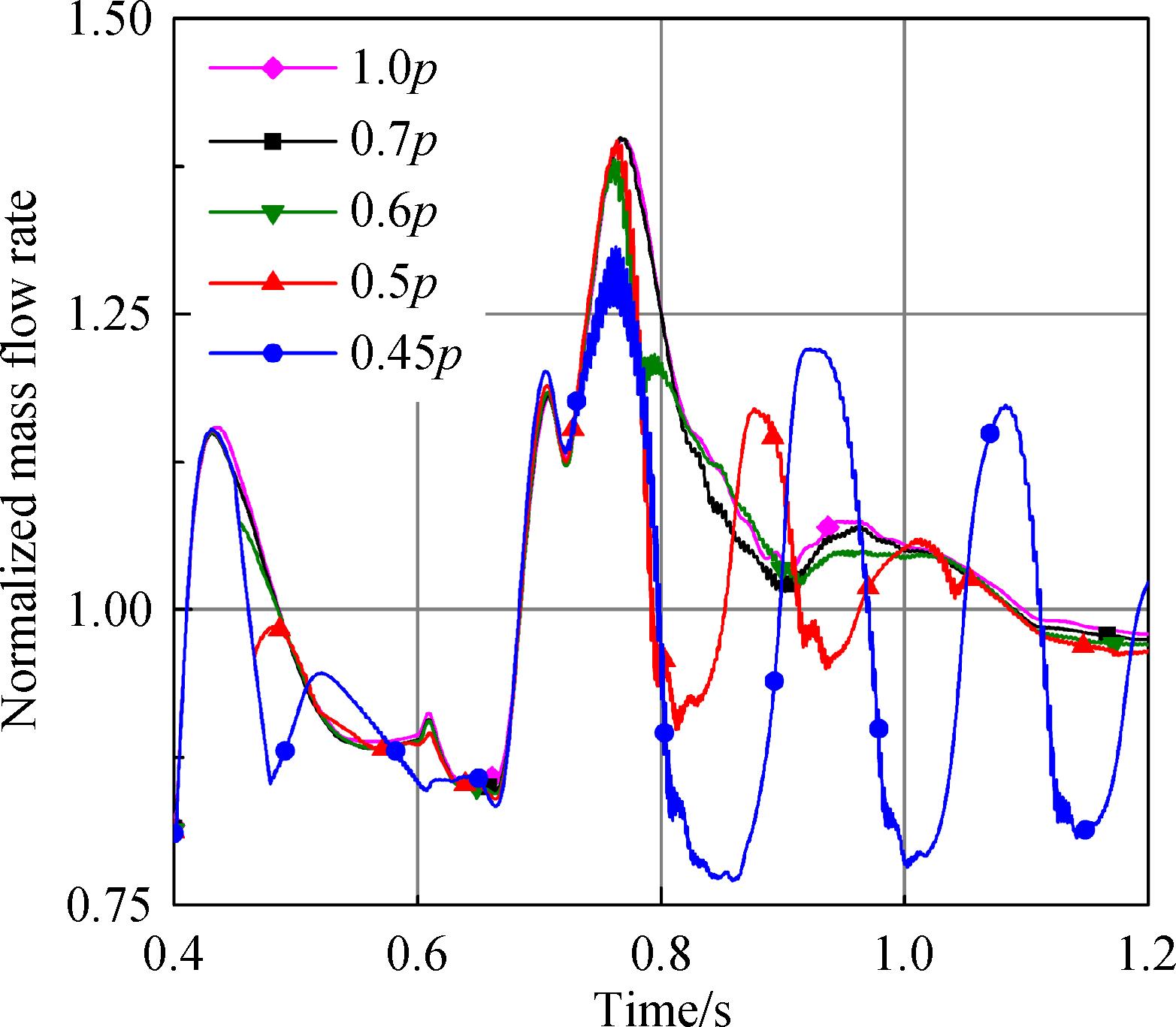
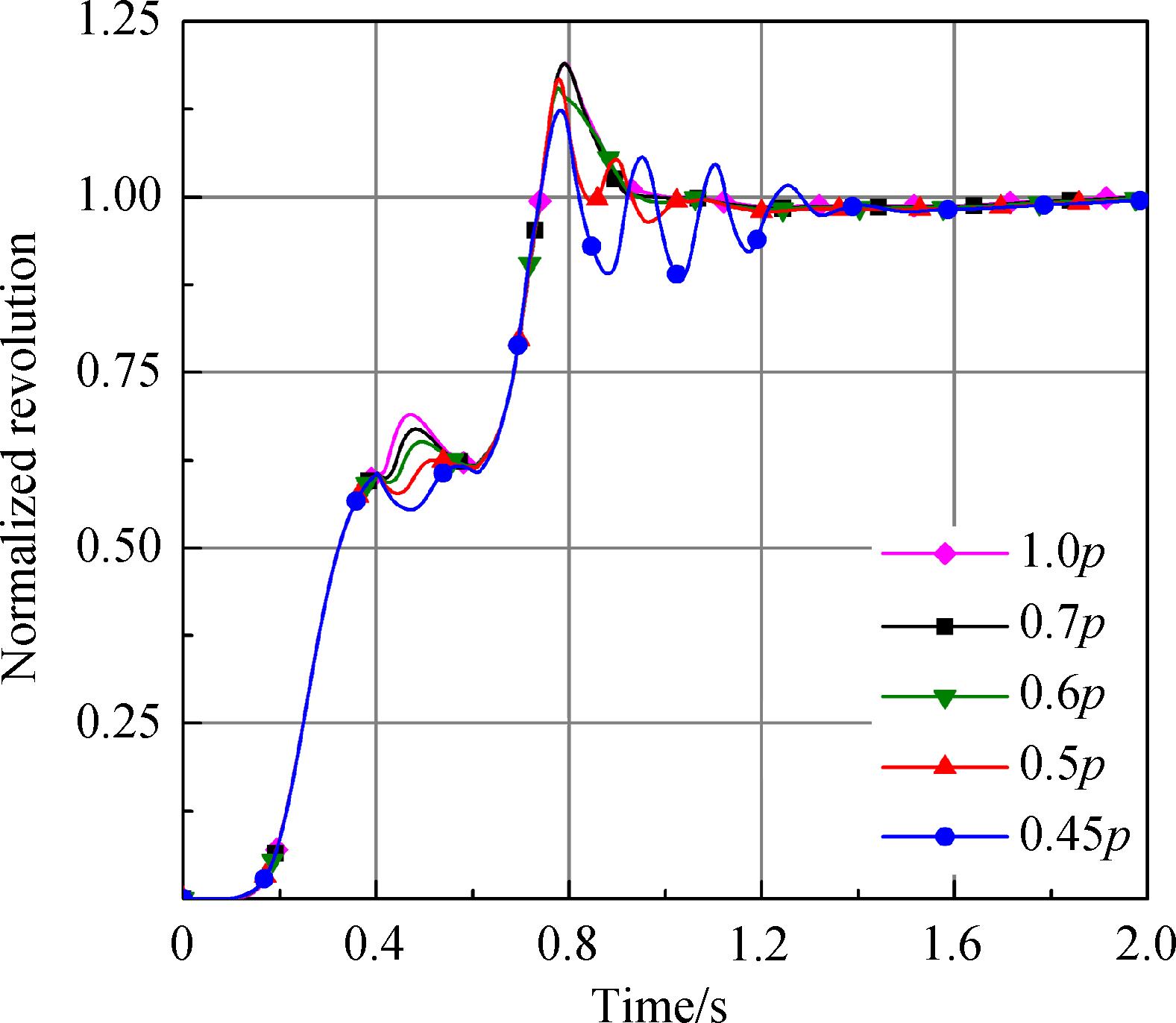
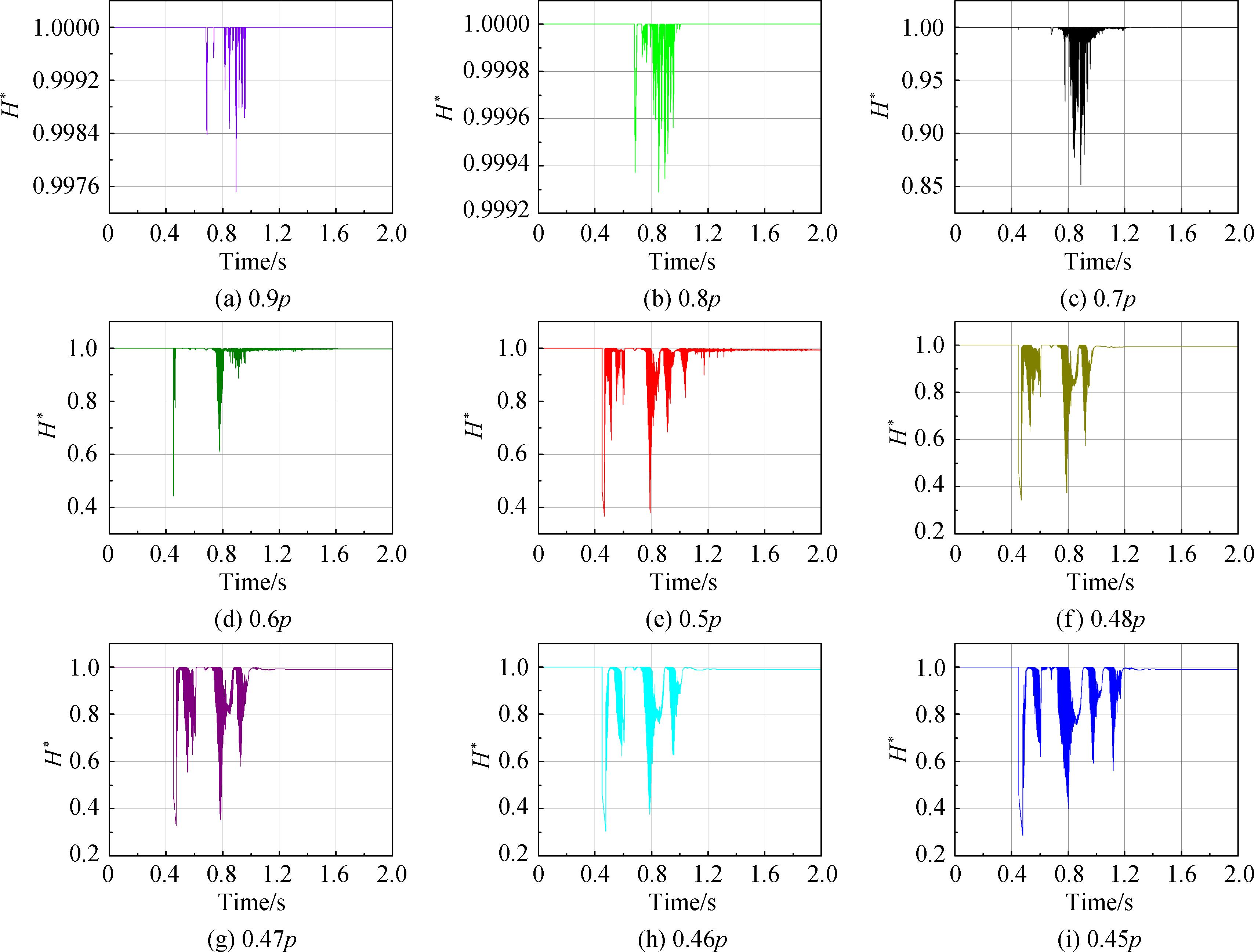
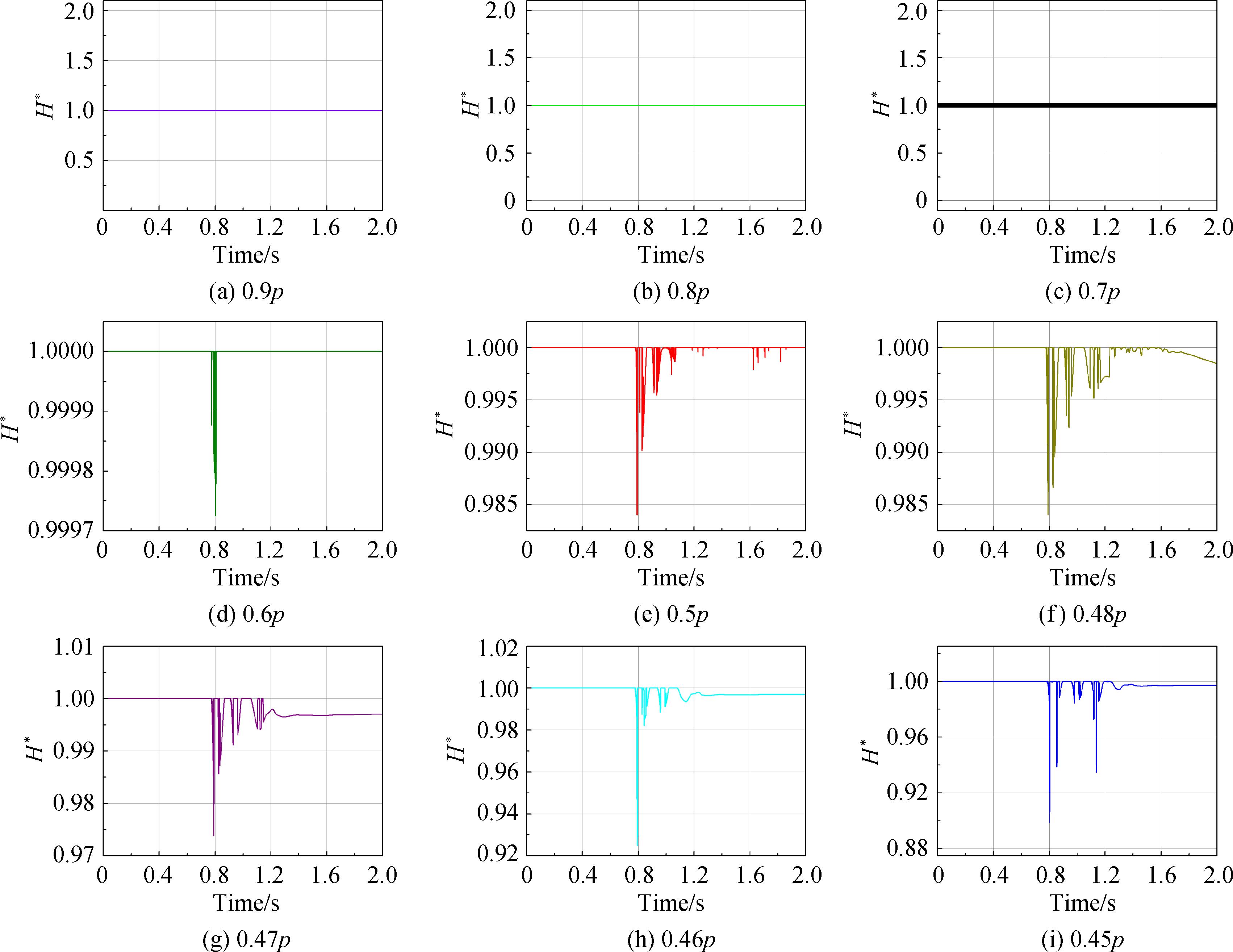
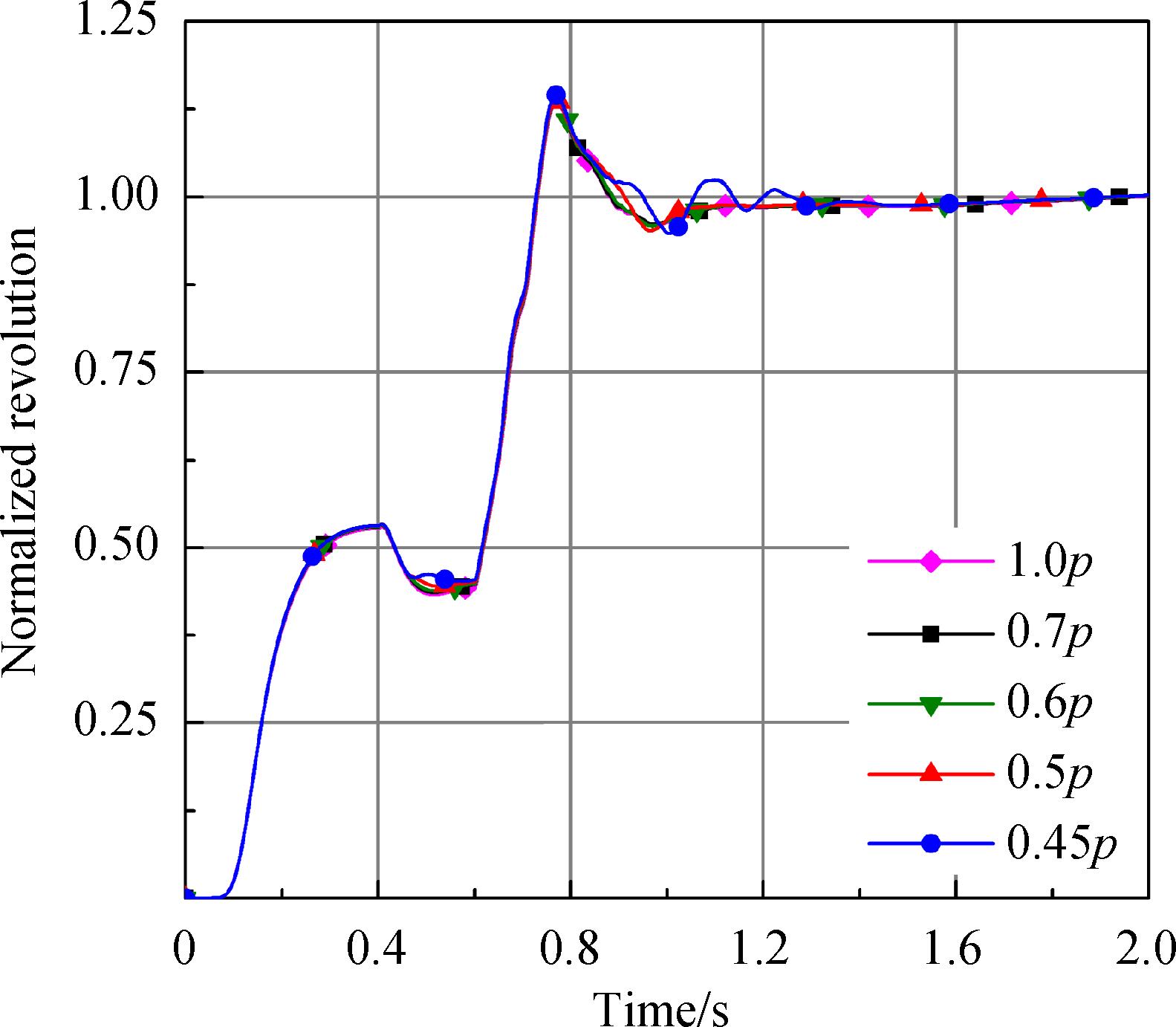
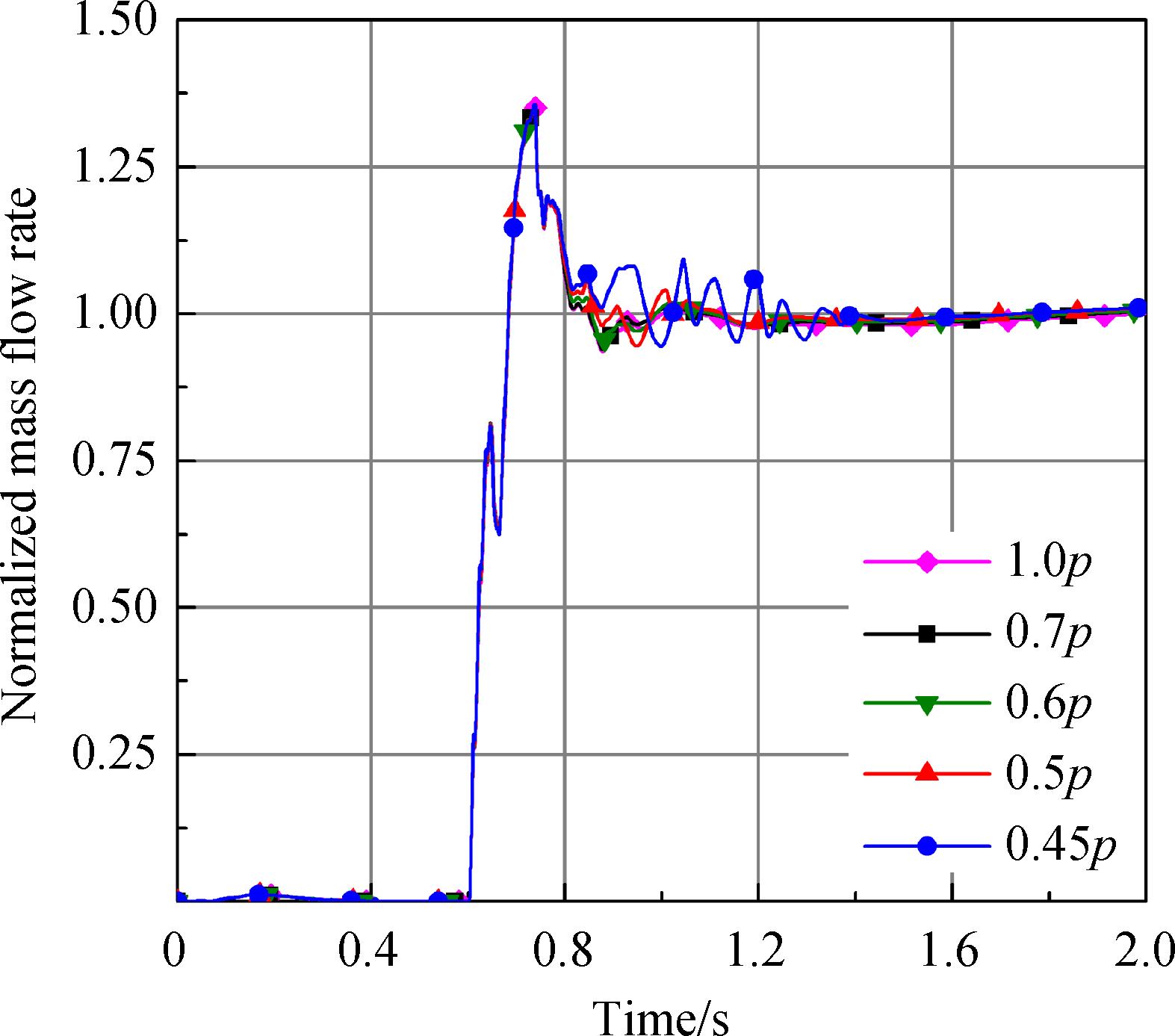
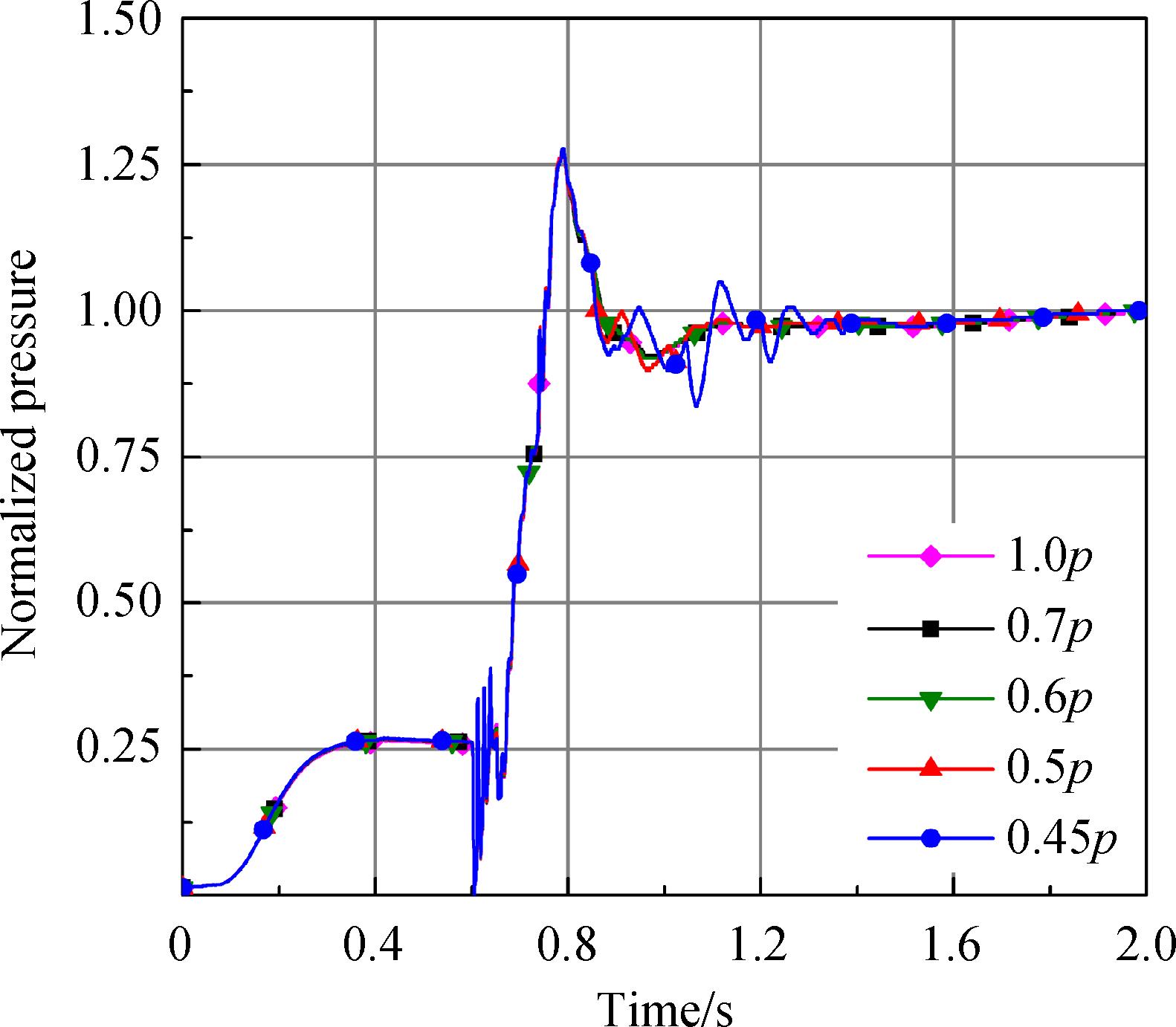
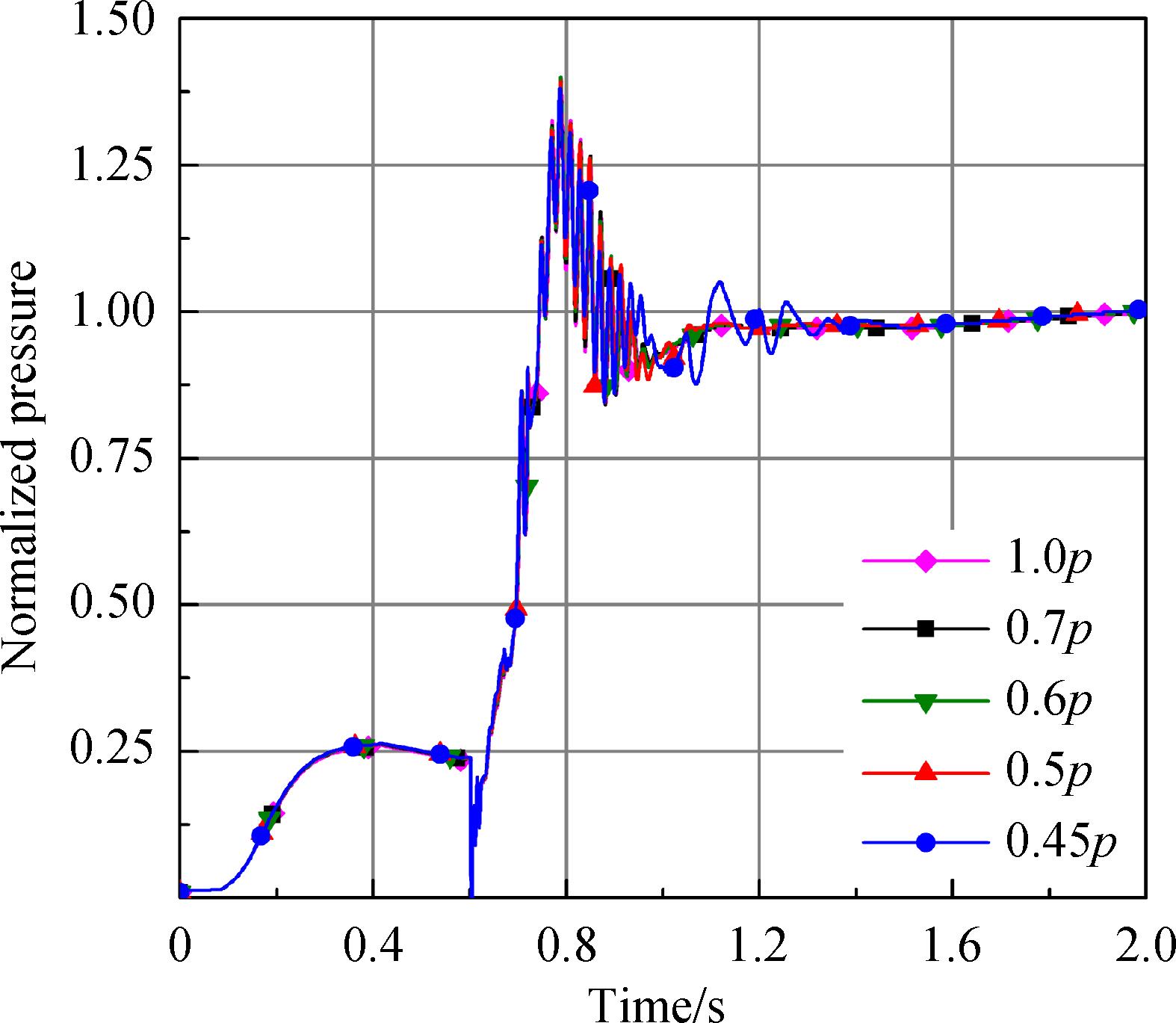
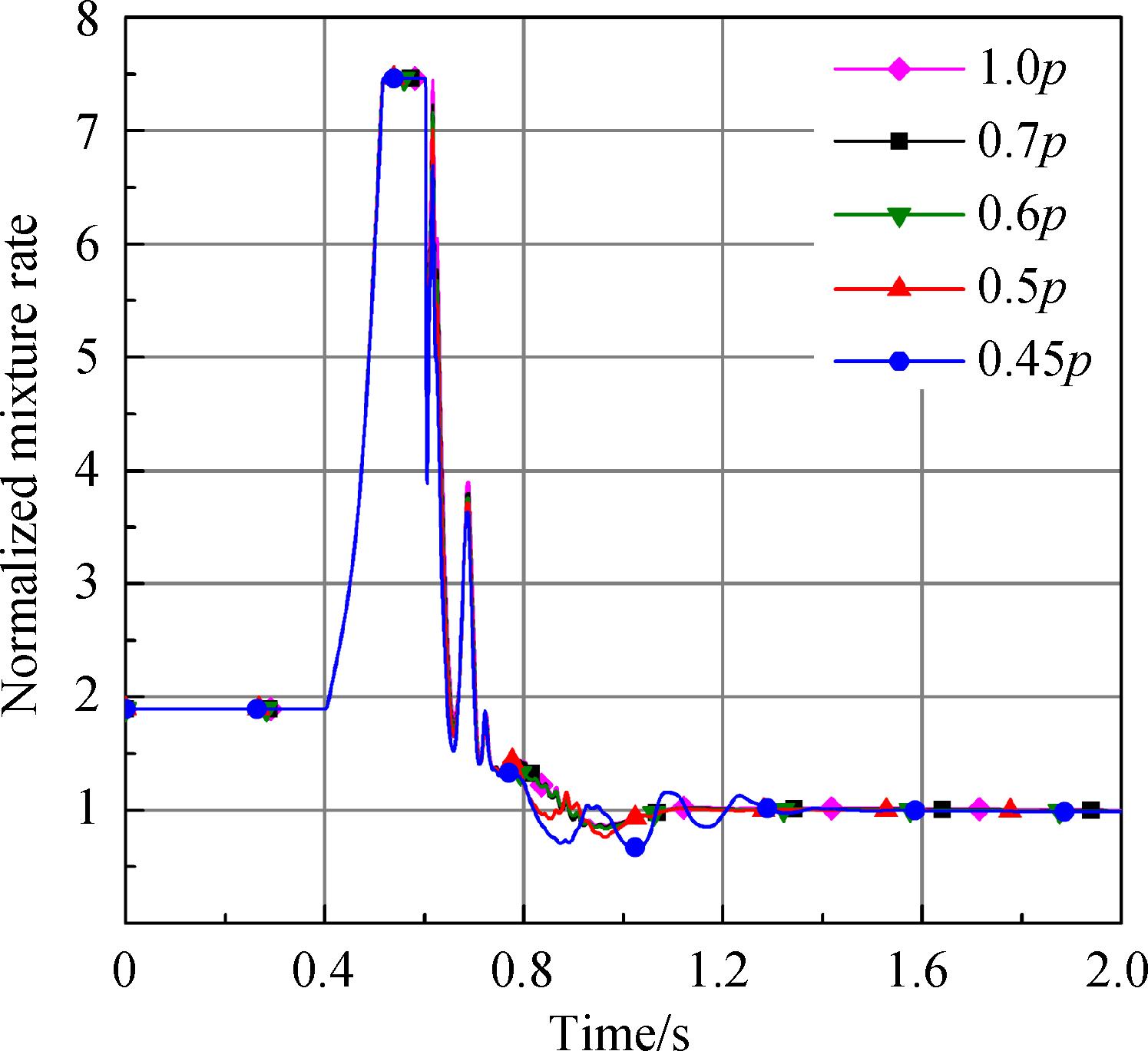
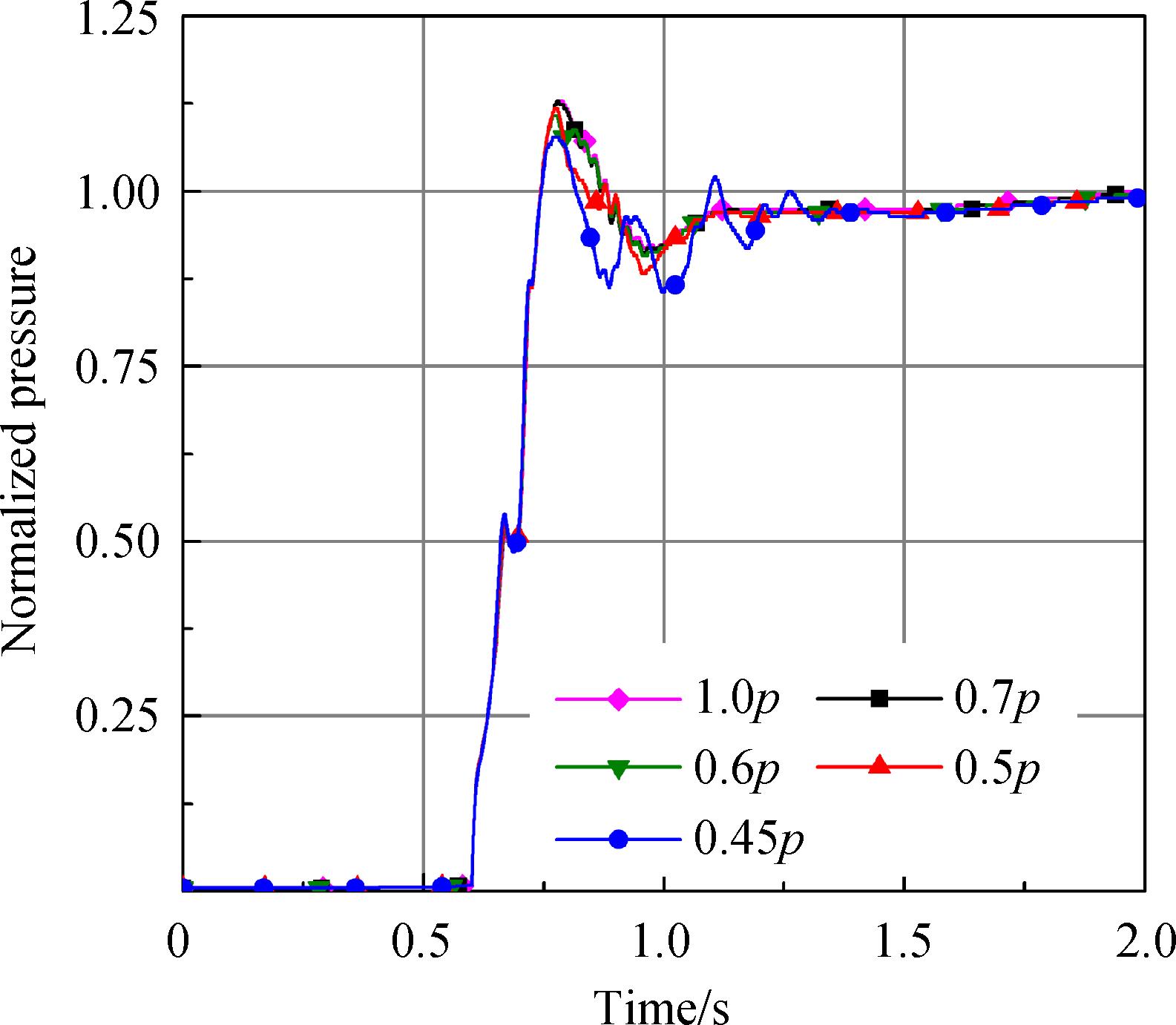
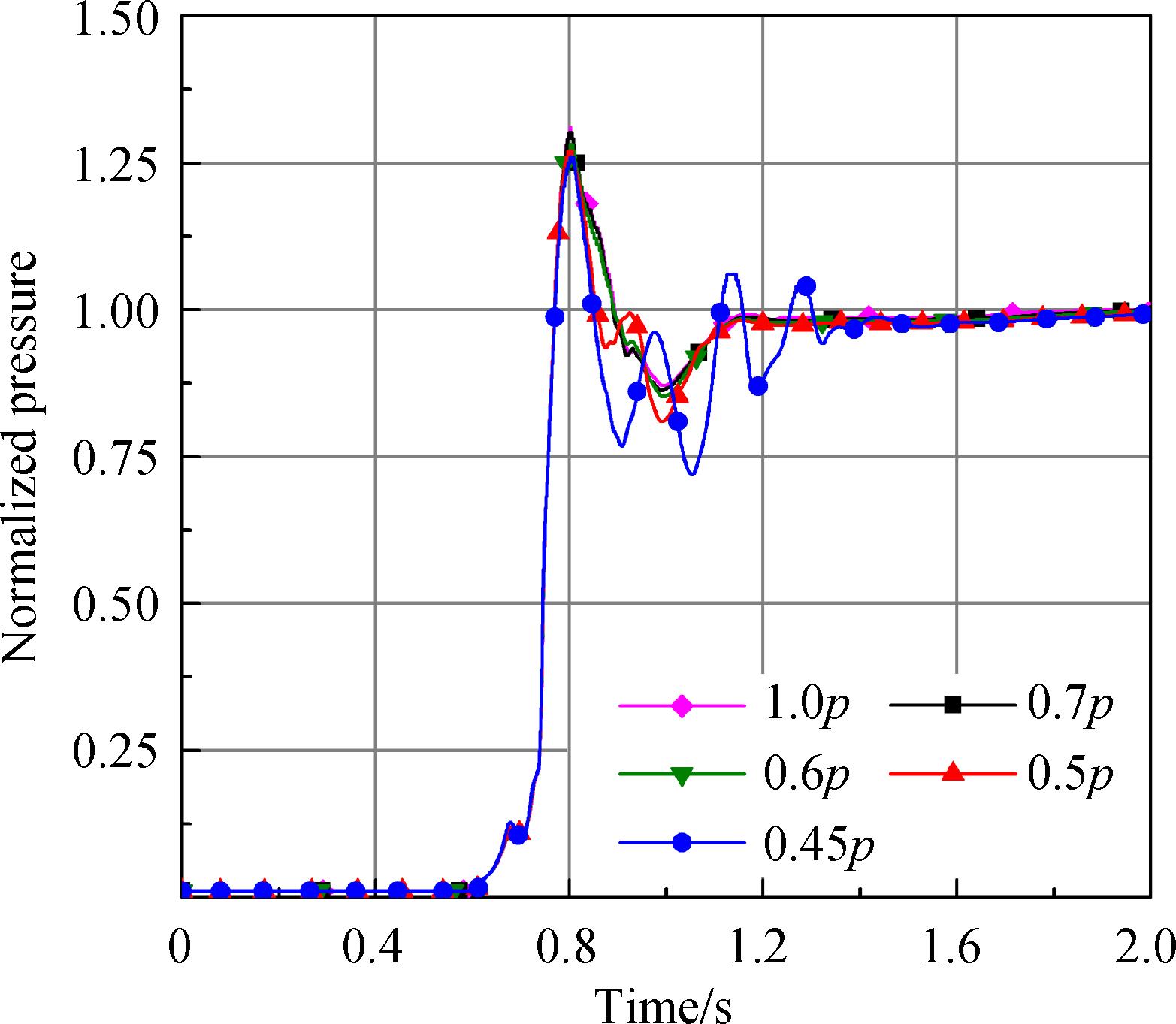
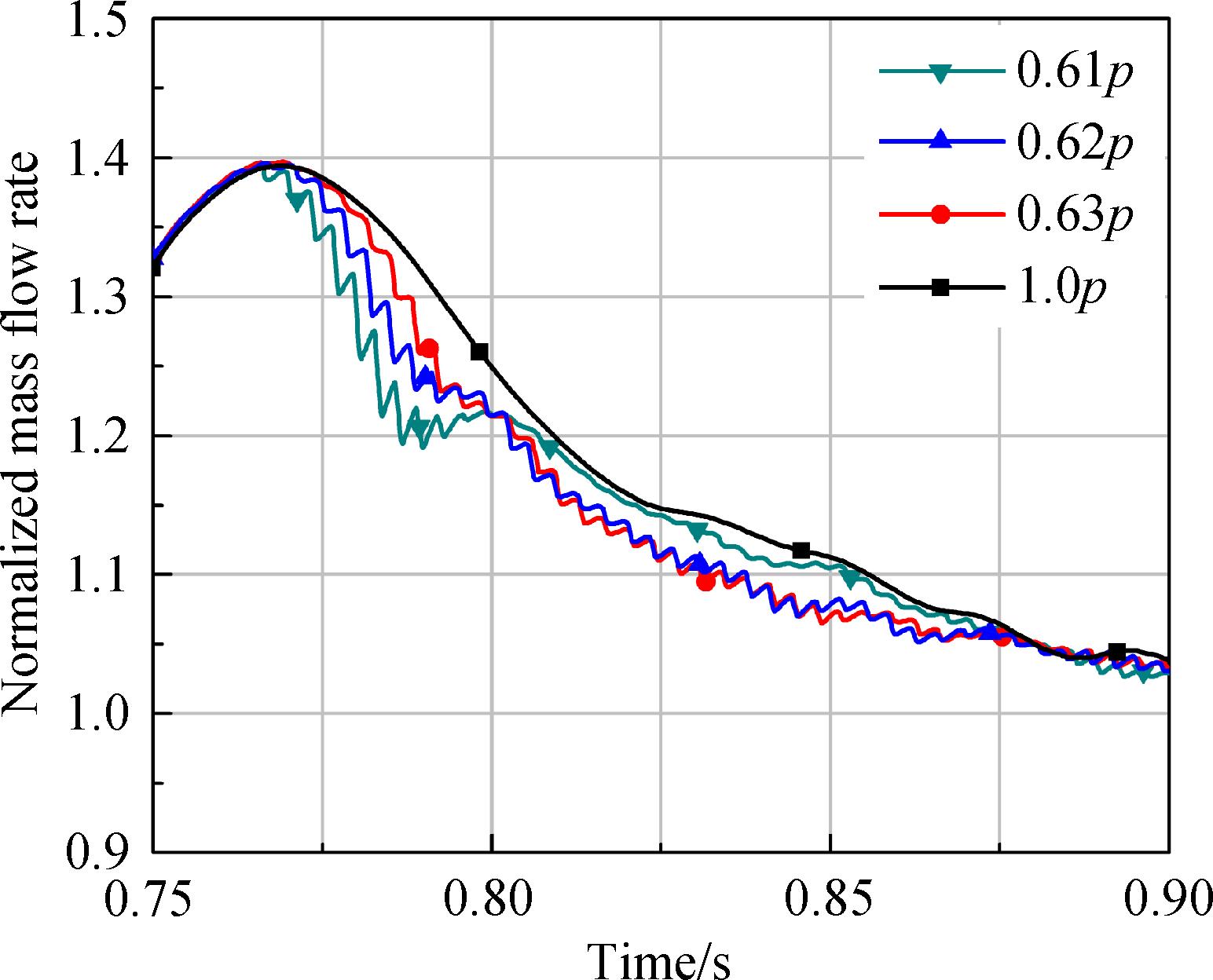
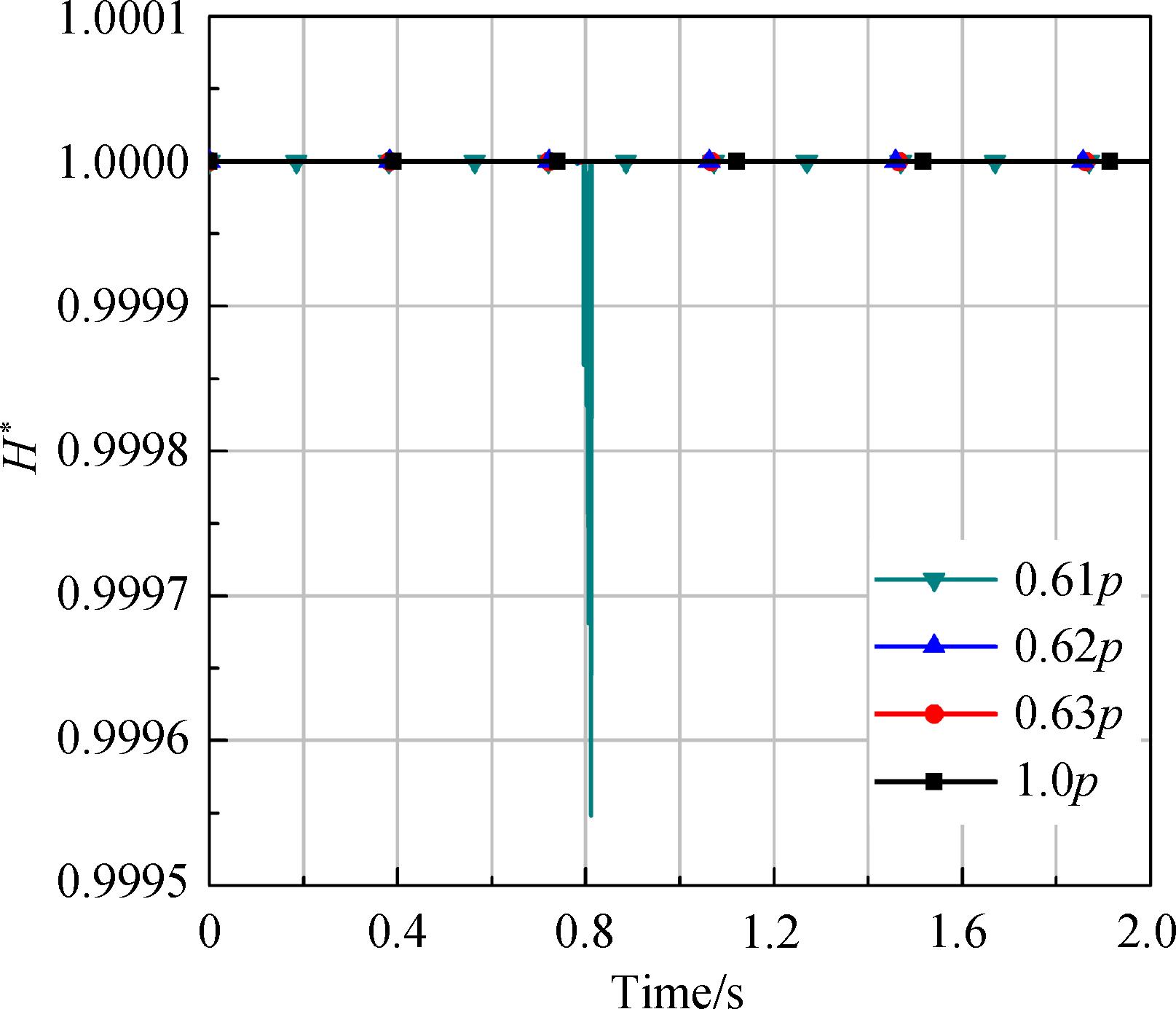
The NPSH (net positive suction head) was used instead of the inlet pressure as the criterion of cavitation condition for liquid rocket engine cavitation process,and the model with the head drop of 1.25% as occurrence point of fracture cavitation had good prediction accuracy by comparing the simulation with the test results.Subsequently,the engine start⁃up simulation was performed.The results showed that the rated pressure of 62% and above can start normally;the rated pressure of 45% and below failed because the gas generator temperature was too high.There were three periods of severe cavitation in 0.4-0.6 s,0.4-0.85 s and 0.4-1.2 s,respectively,correspondingly to the opening of the main oxidant valve,the rapid climb of the main turbine speed and the fluctuation of the gas generator parameters.The cavitation of the oxygen main pump mainly affected the gas generator and the thrust chamber,secondly affected the fuel supply path assembly,and slightly affected the main turbine.

Elastoplastic analysis of regenerative cooling structure of liquid rocket engine
XU Shaotong, WANG Changhui, YANG Chengxiao
2022, 37(8): 1664-1673. doi: 10.13224/j.cnki.jasp.20210328
Abstract:

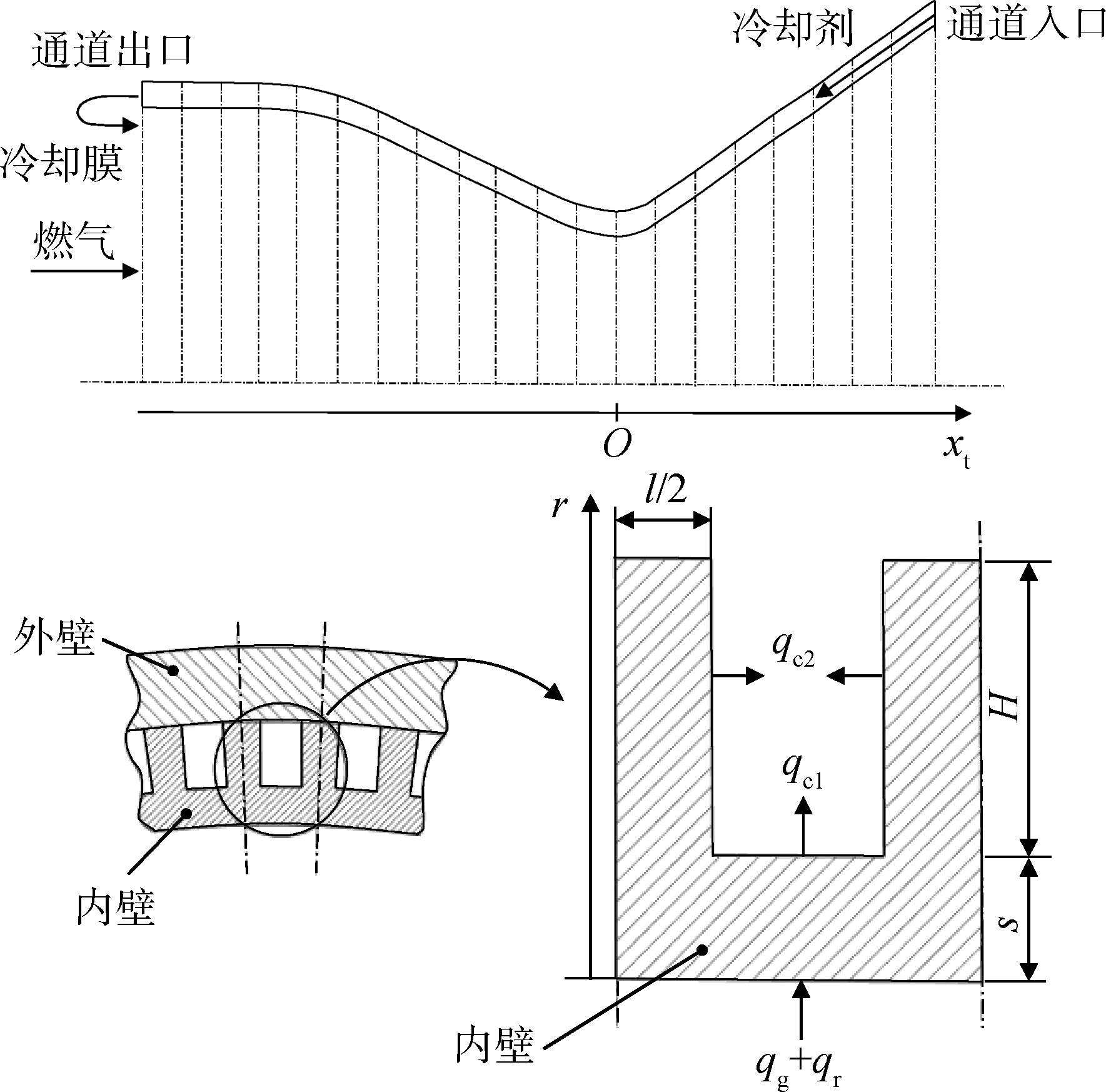
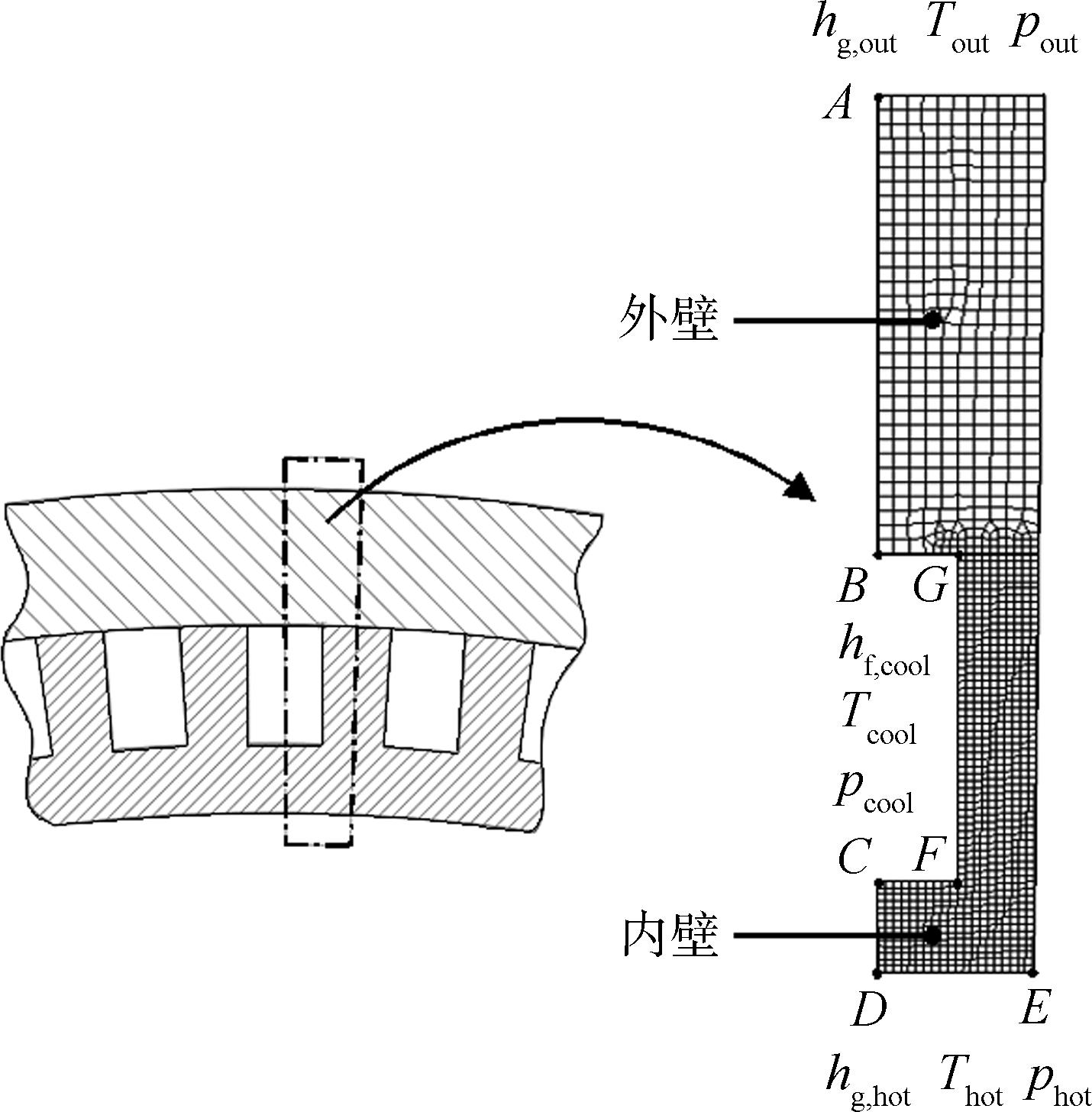
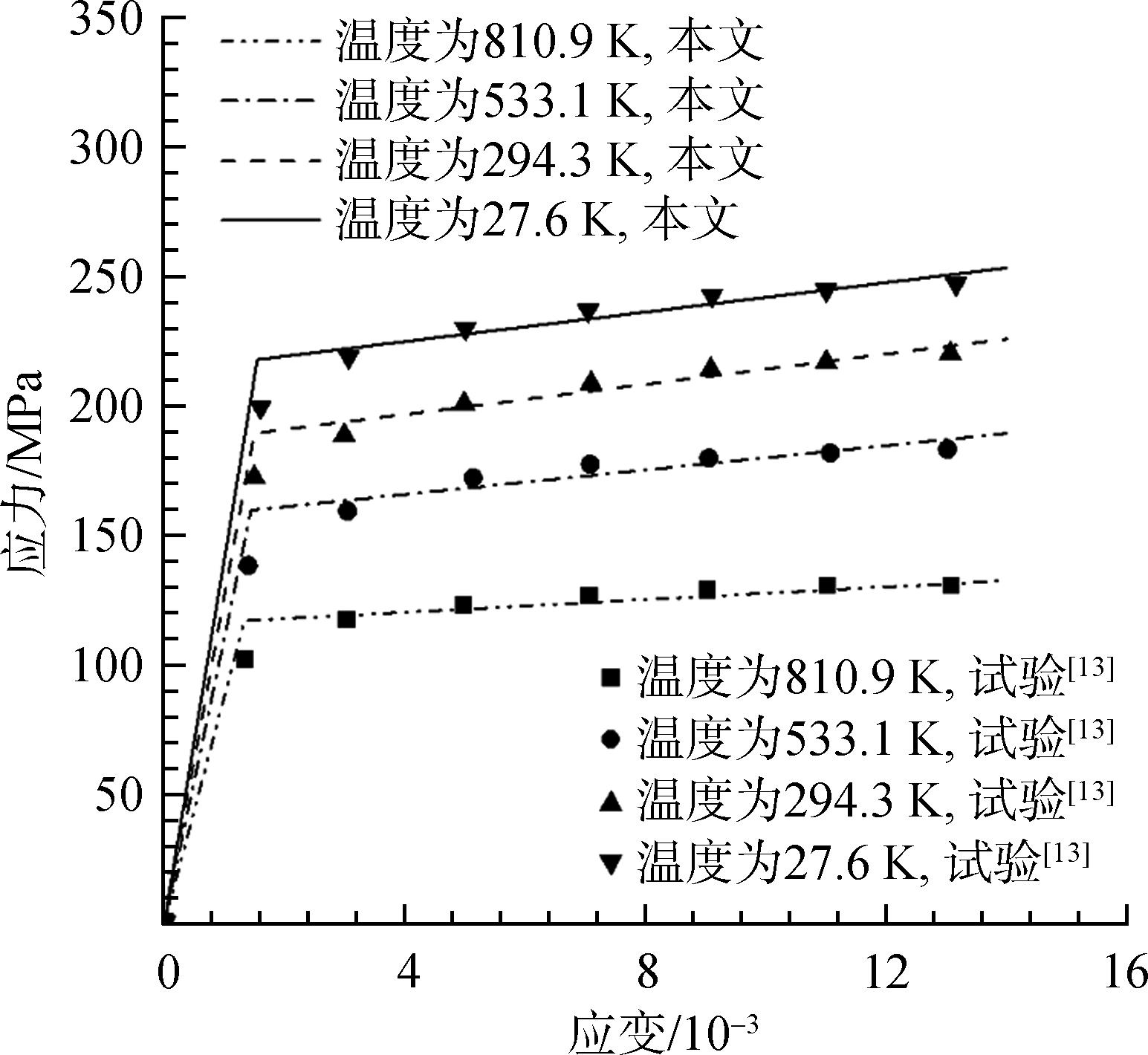
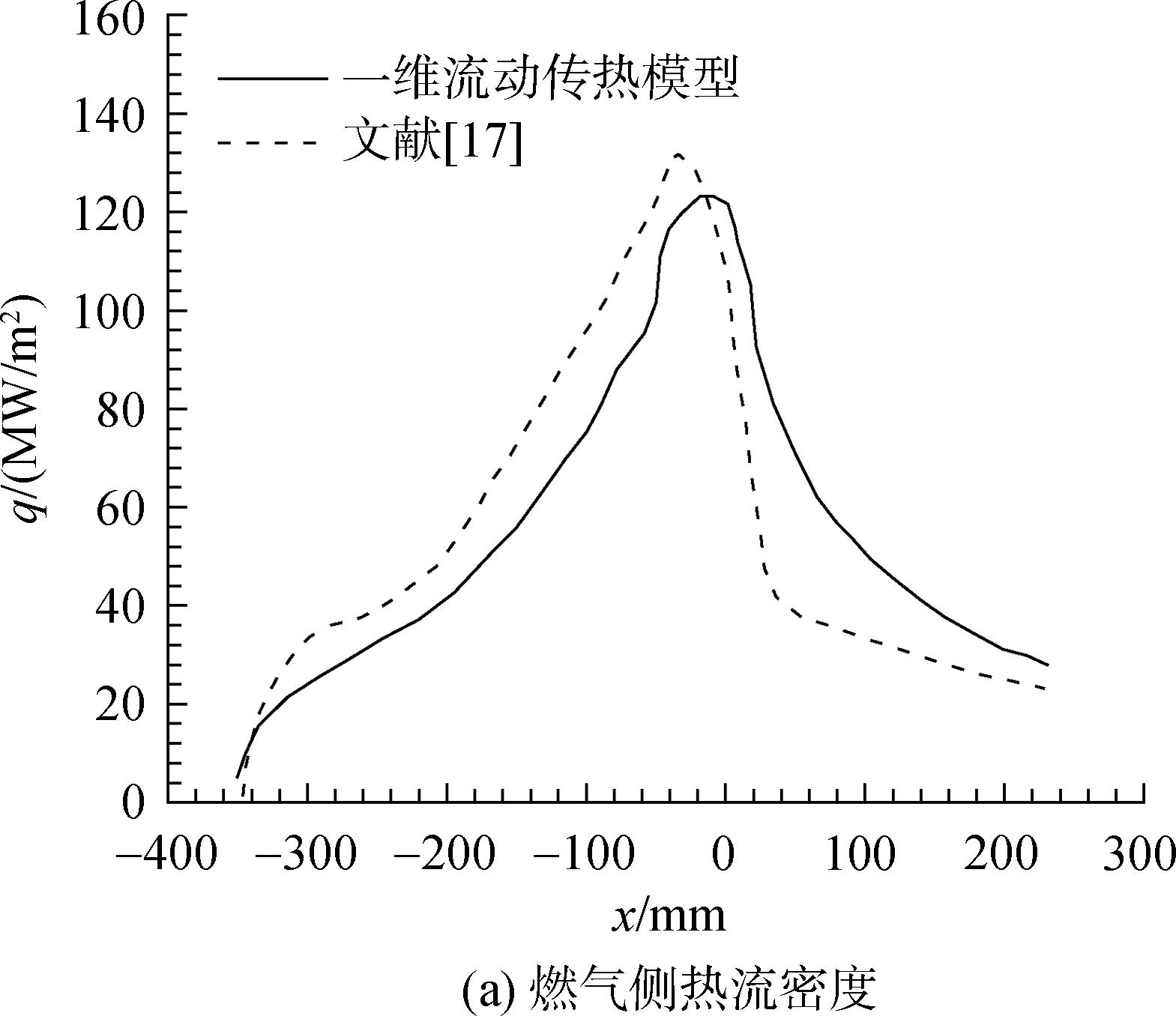
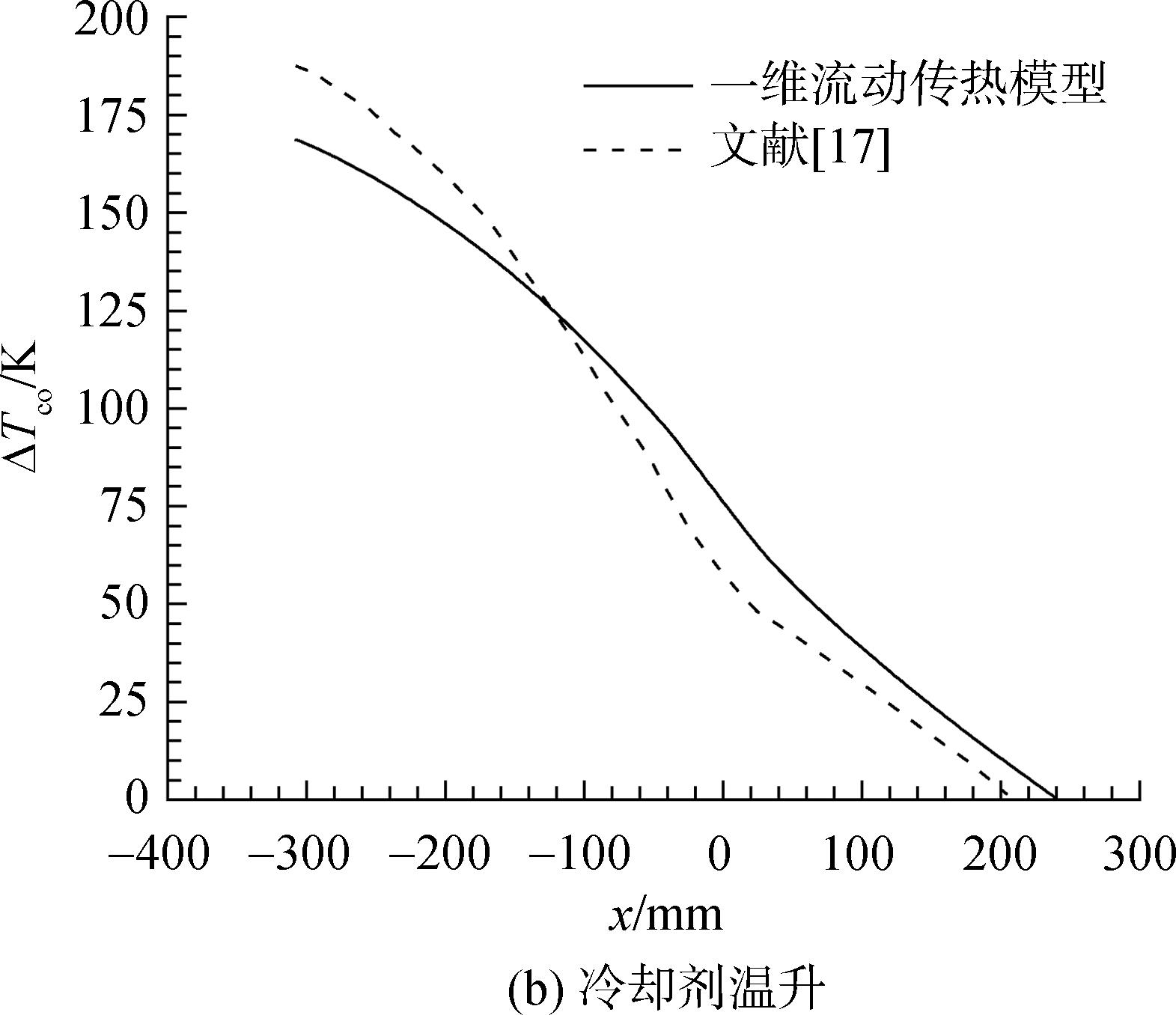
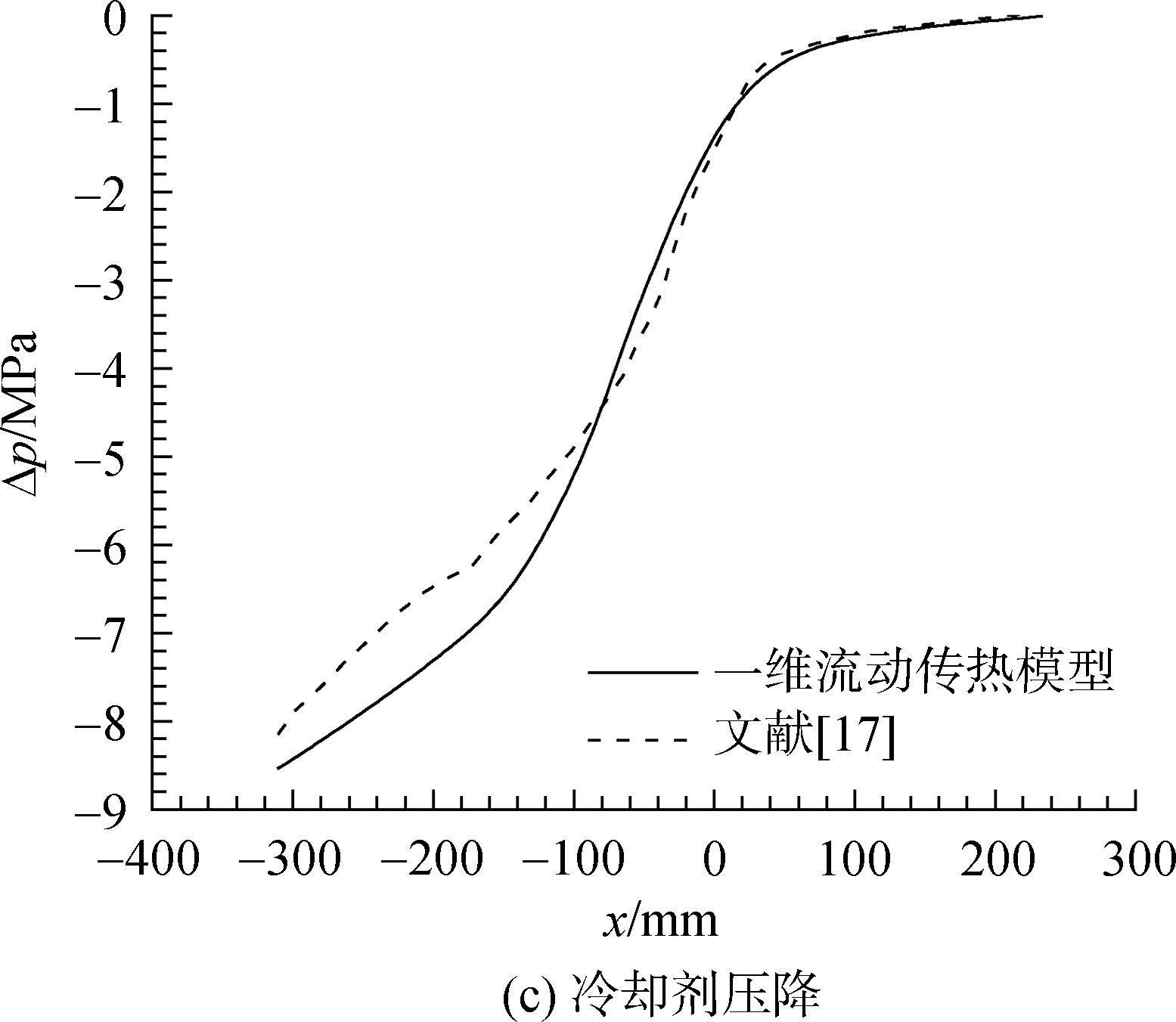
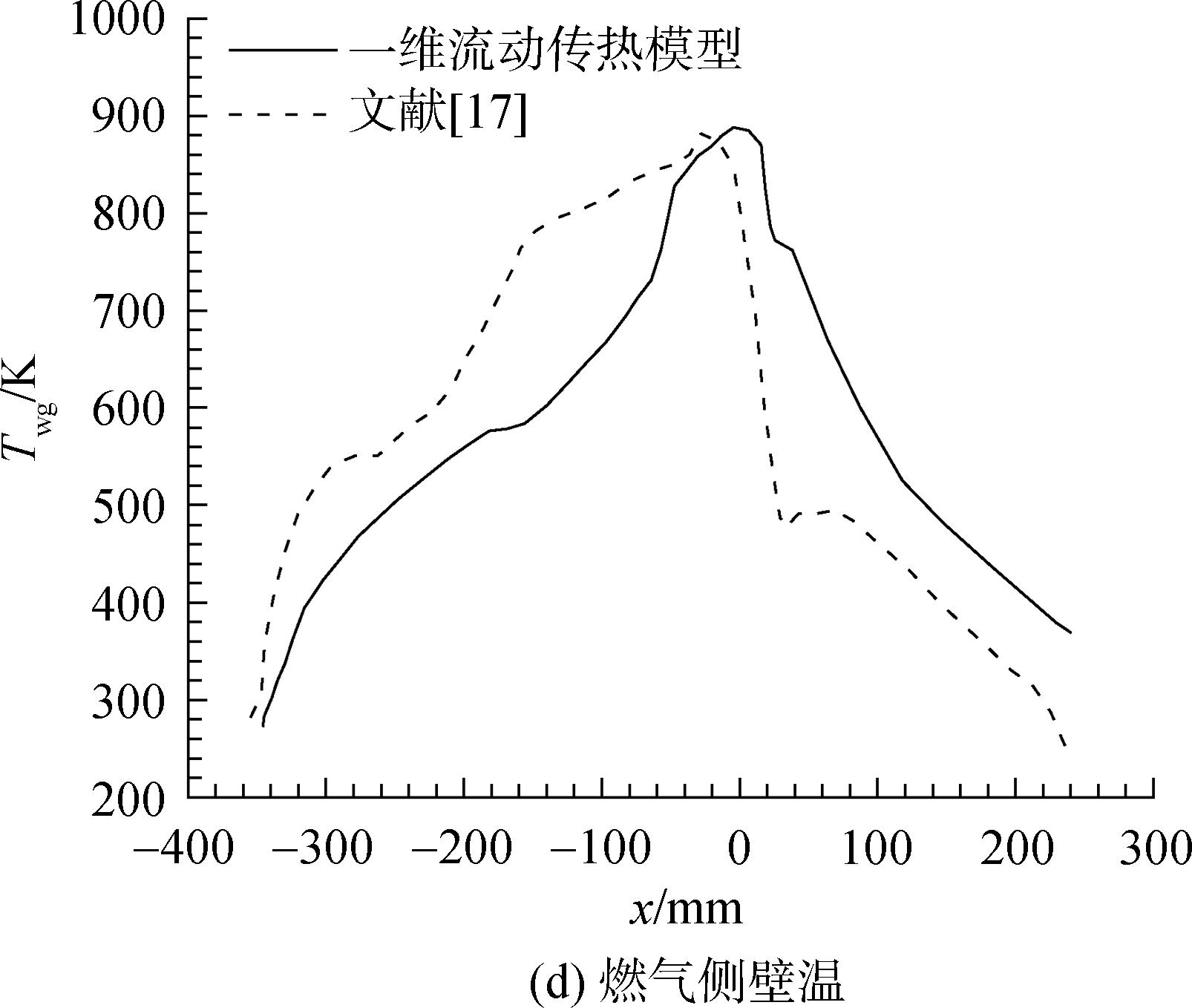
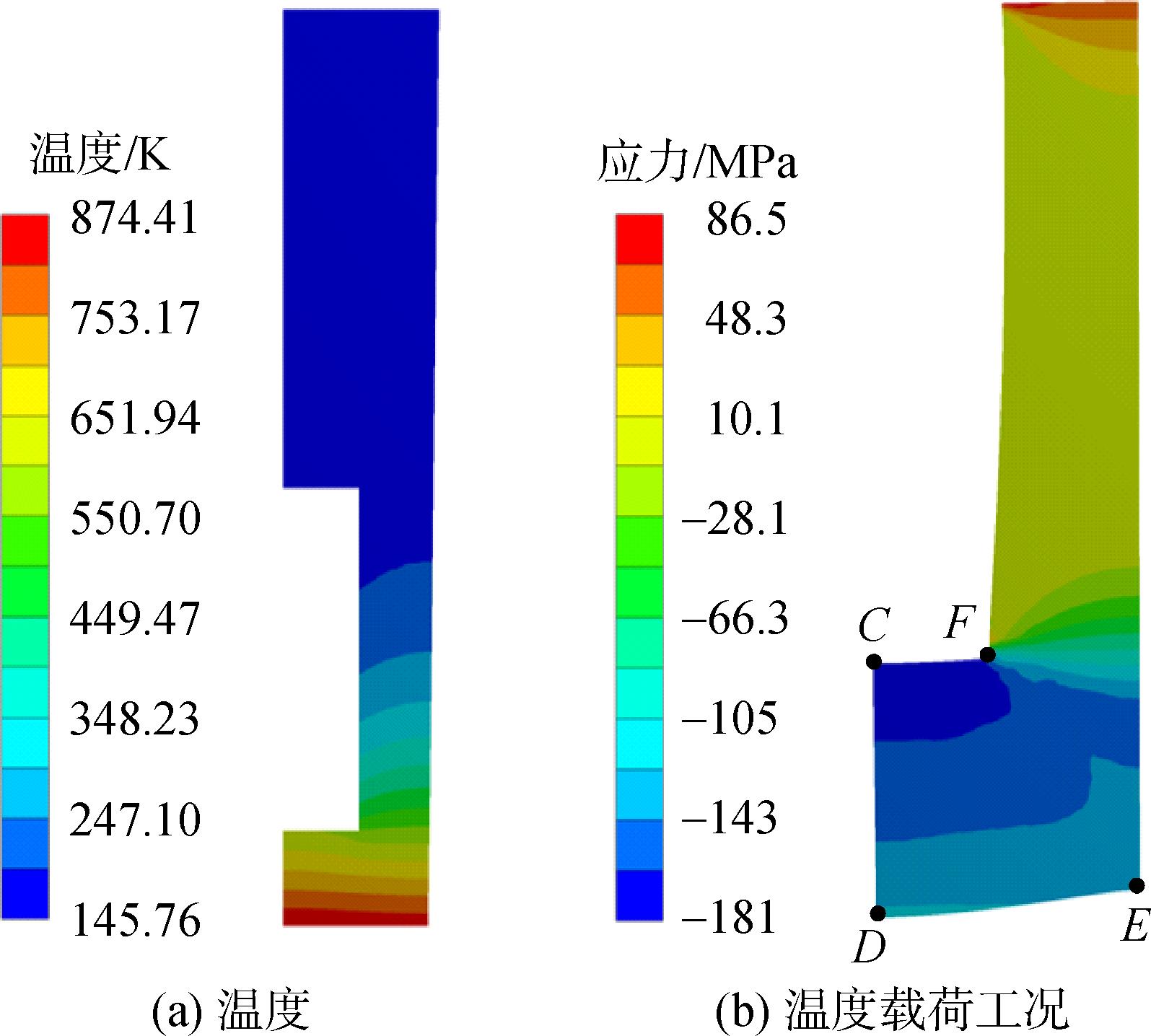
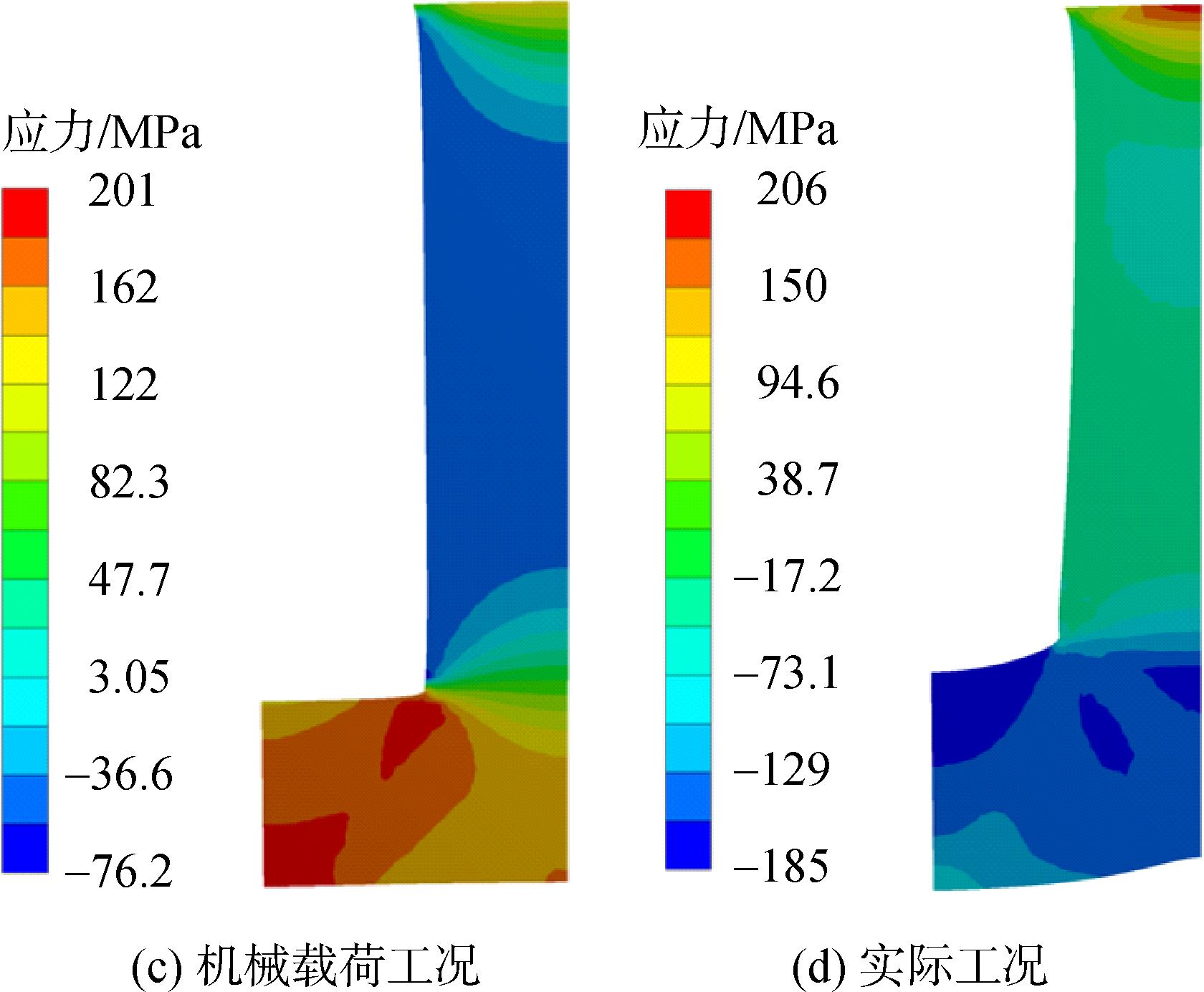
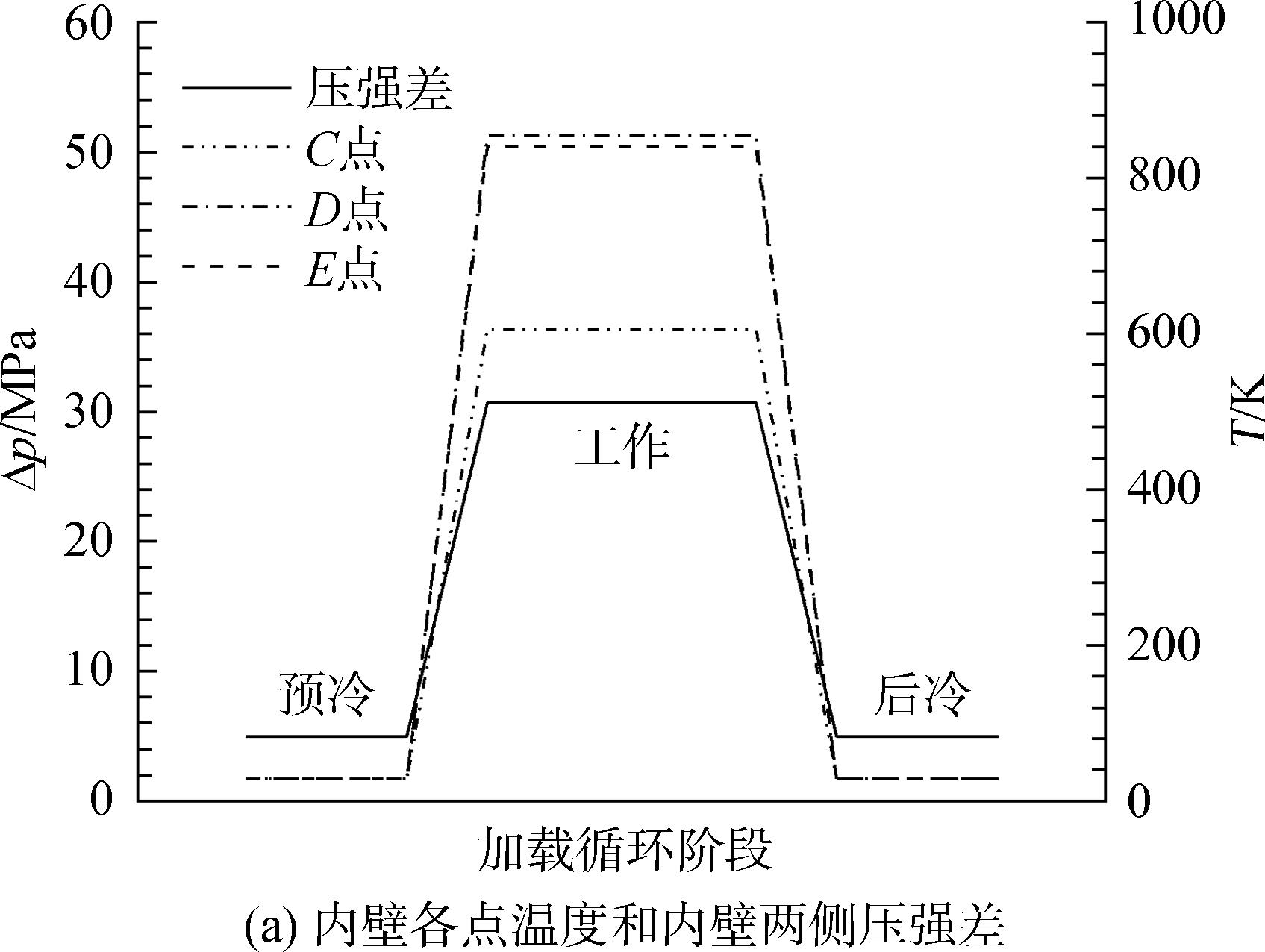
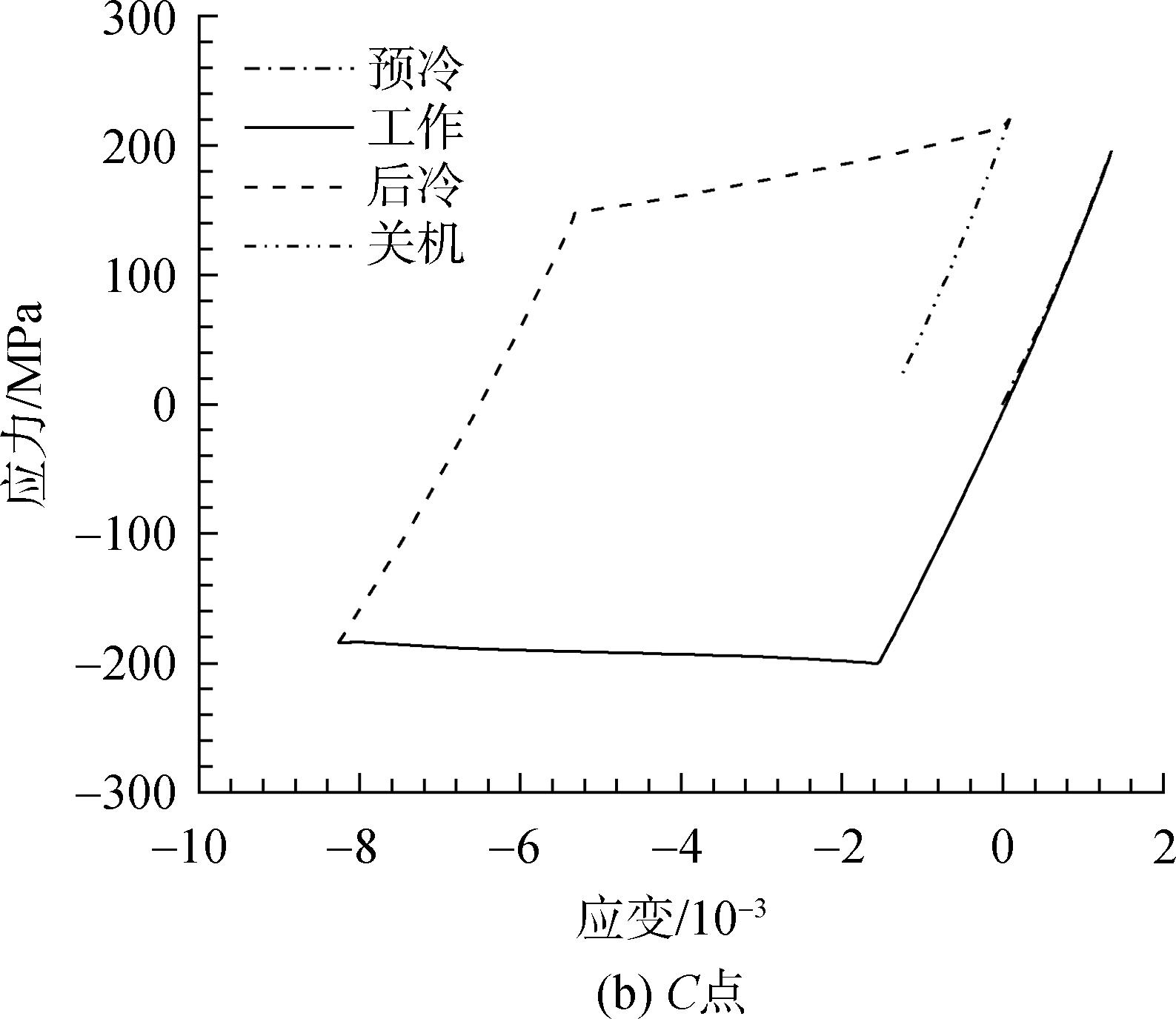
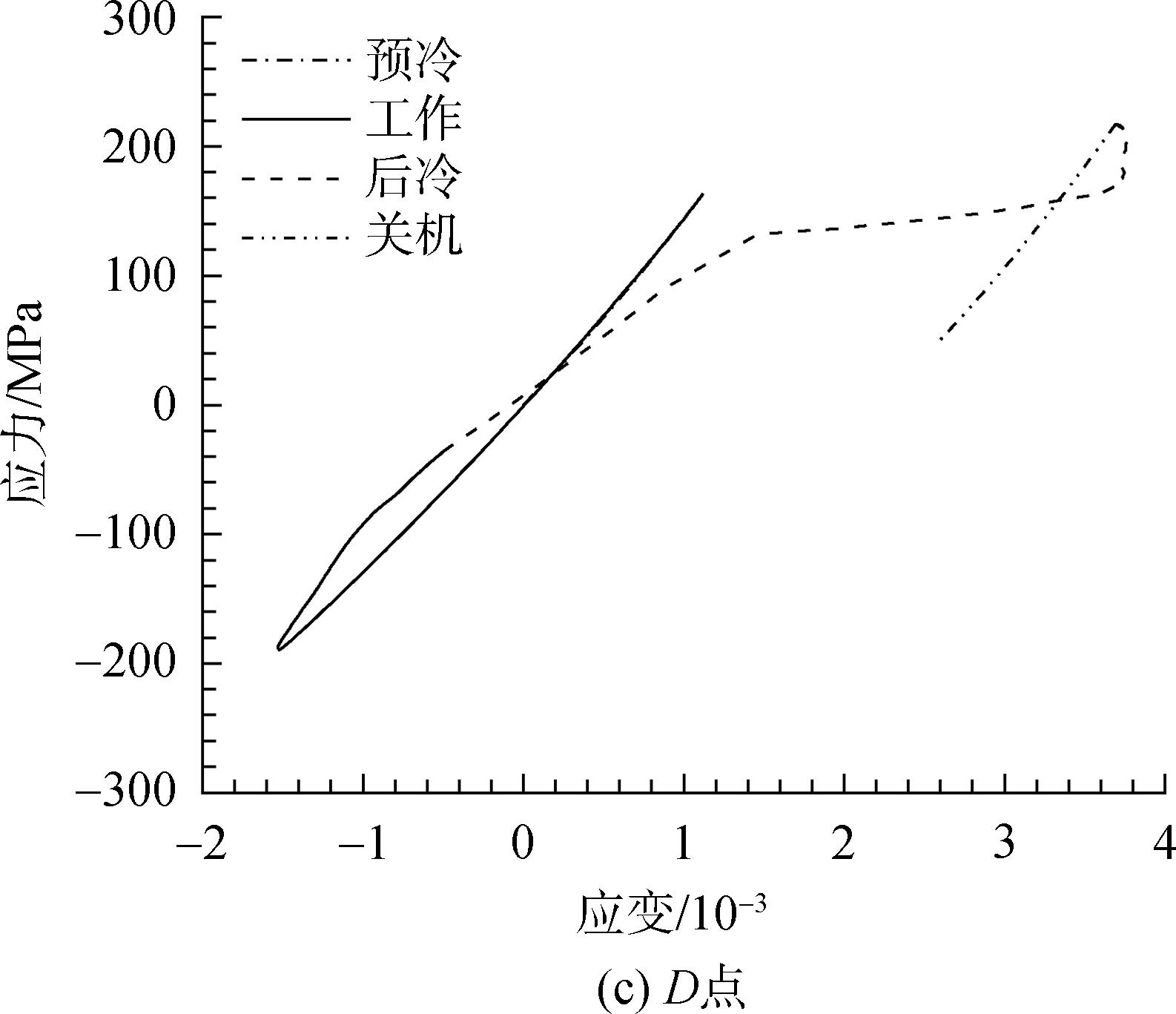
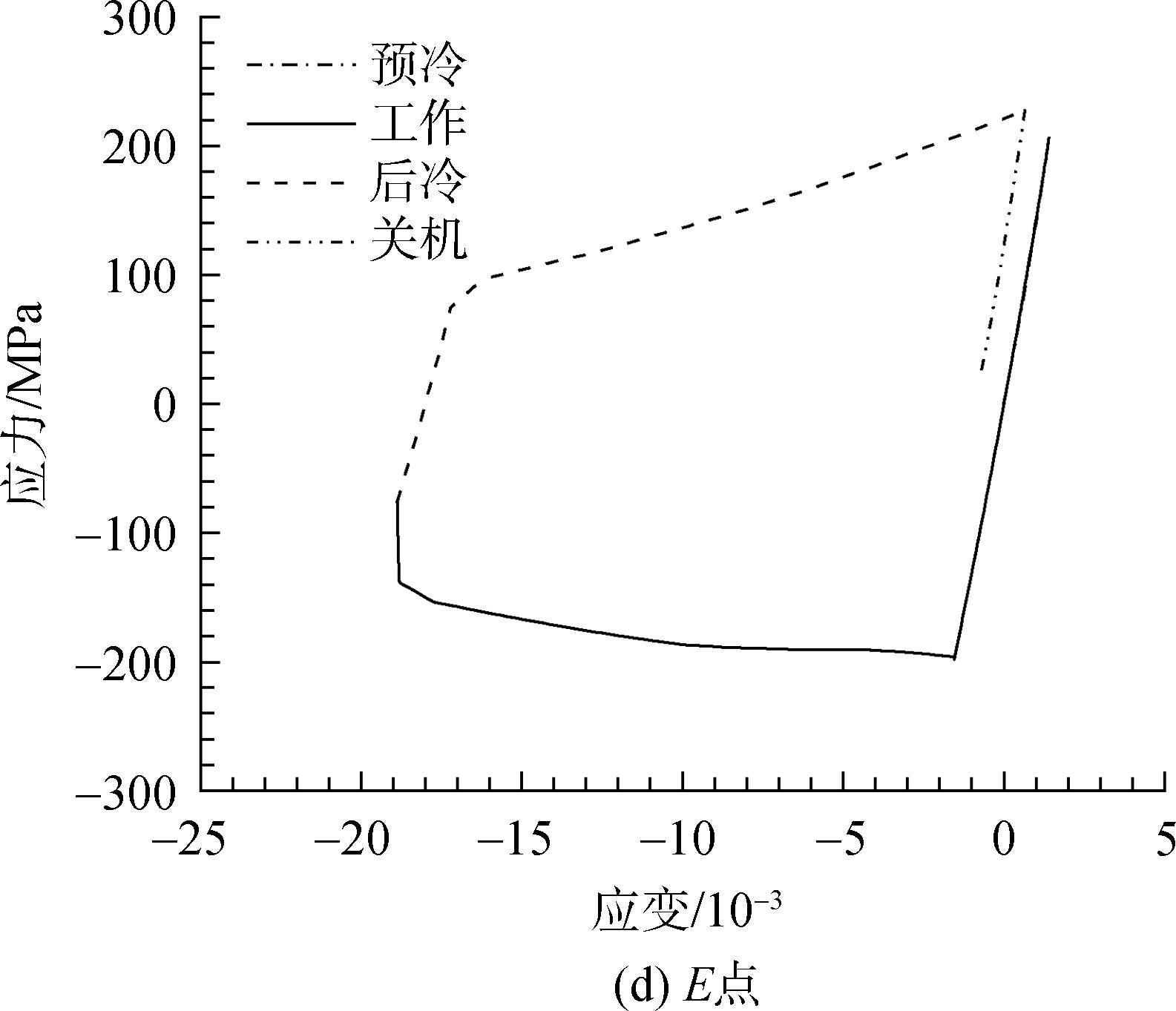
In order to analyze the stress and deformation distribution on the thrust chamber wall,and study its failure position and mechanism,an elastoplastic finite element analysis method was established.A one⁃dimensional thermofluid model for the thrust chamber was set up to provide input for the elastoplastic analysis.A two⁃dimensional elastoplastic calculation model for the thrust chamber wall under thermal and pressure load was established.The stress⁃strain response of the thrust chamber wall under the working cycle of pre⁃cooling,hot run,post⁃cooling and relaxation was analyzed.Then,the effect degree of thermal load and pressure load was compared.The life time of the thrust chamber was estimated.The results showed that,the elastoplastic deformation of thrust chamber wall was caused by the combined action of thermal load and pressure load,and the thermal load played a leading role.Failure of the thrust chamber occurred first in the center of the cooling channel,which limited the service lifetime of thrust chamber.In terms of calculation time and accuracy,the proposed method can provide a reference for optimal design and performance estimation of regenerative cooling channels.

Anomaly detection method of liquid rocket engine based on incremental isolation forest
ZHANG Wanxuan, XUE Wei, ZHANG Nan
2022, 37(8): 1674-1682. doi: 10.13224/j.cnki.jasp.20220119
Abstract:

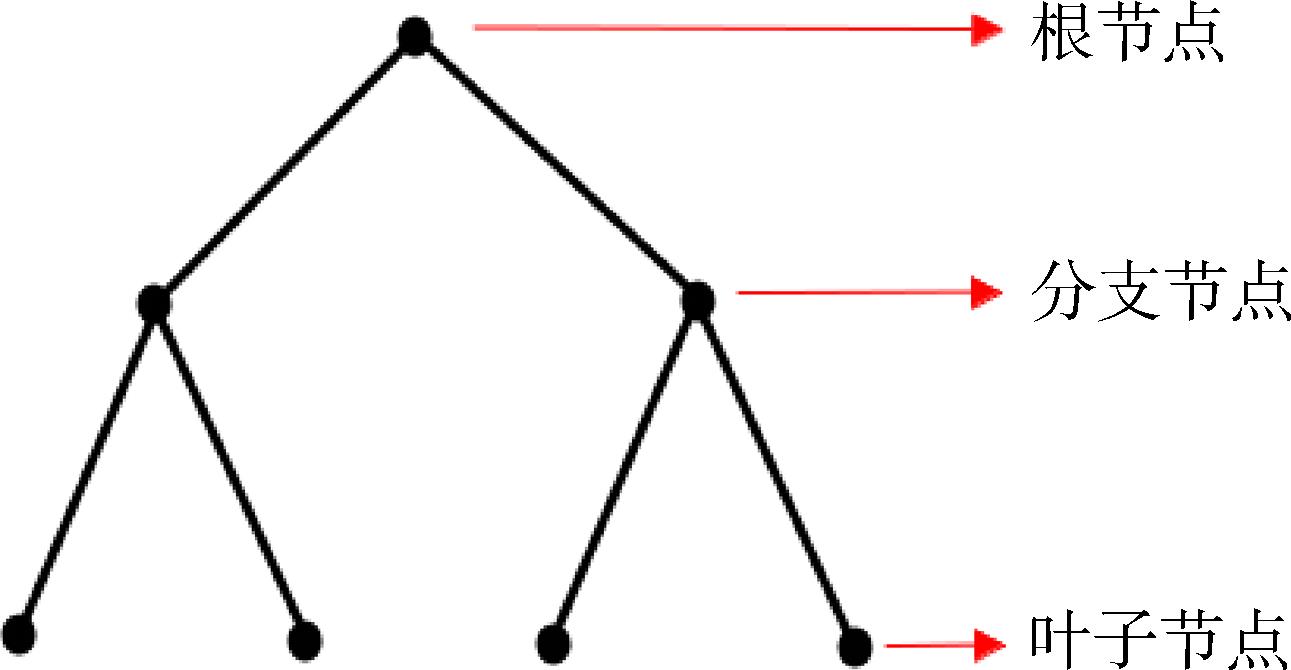
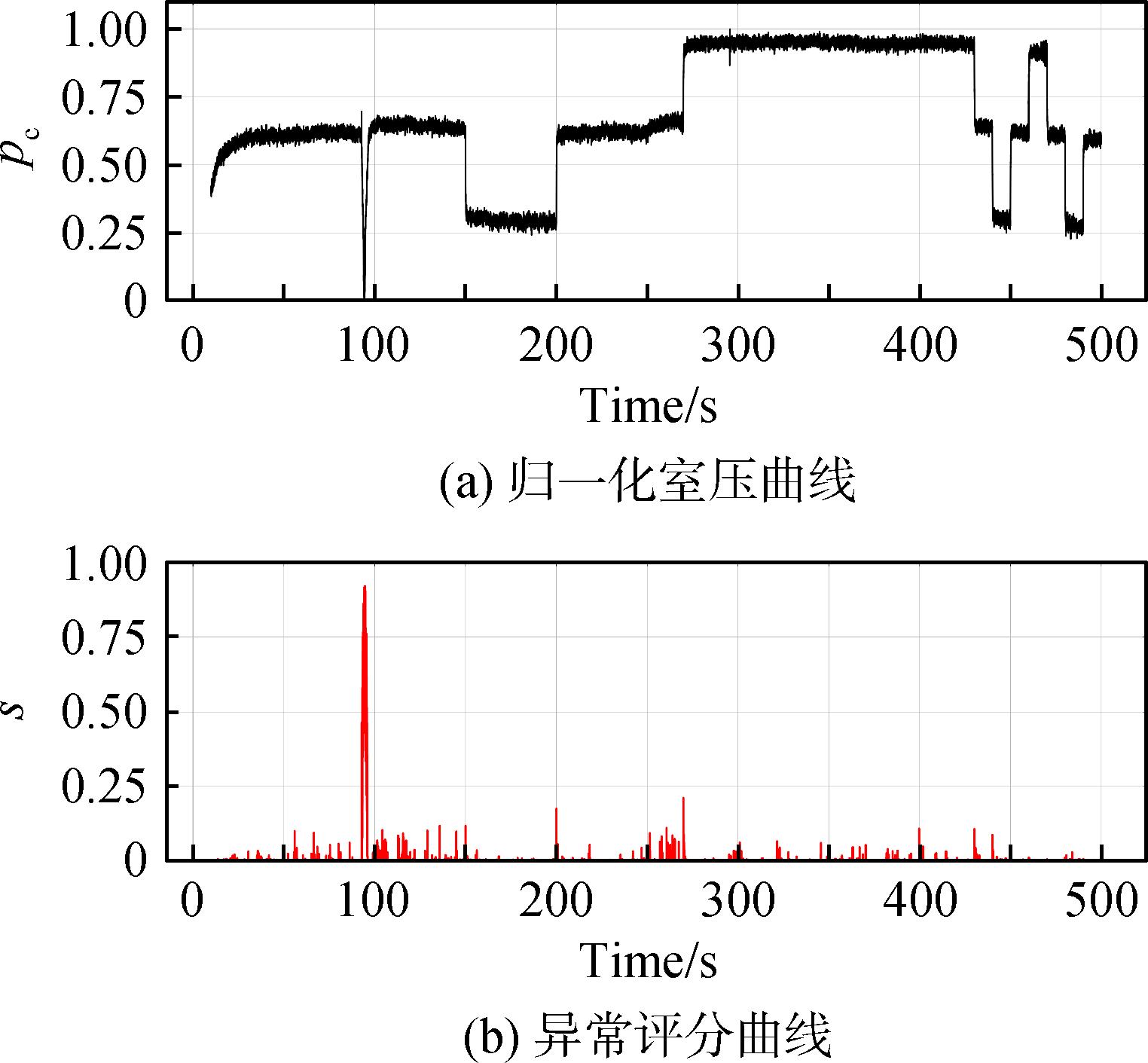
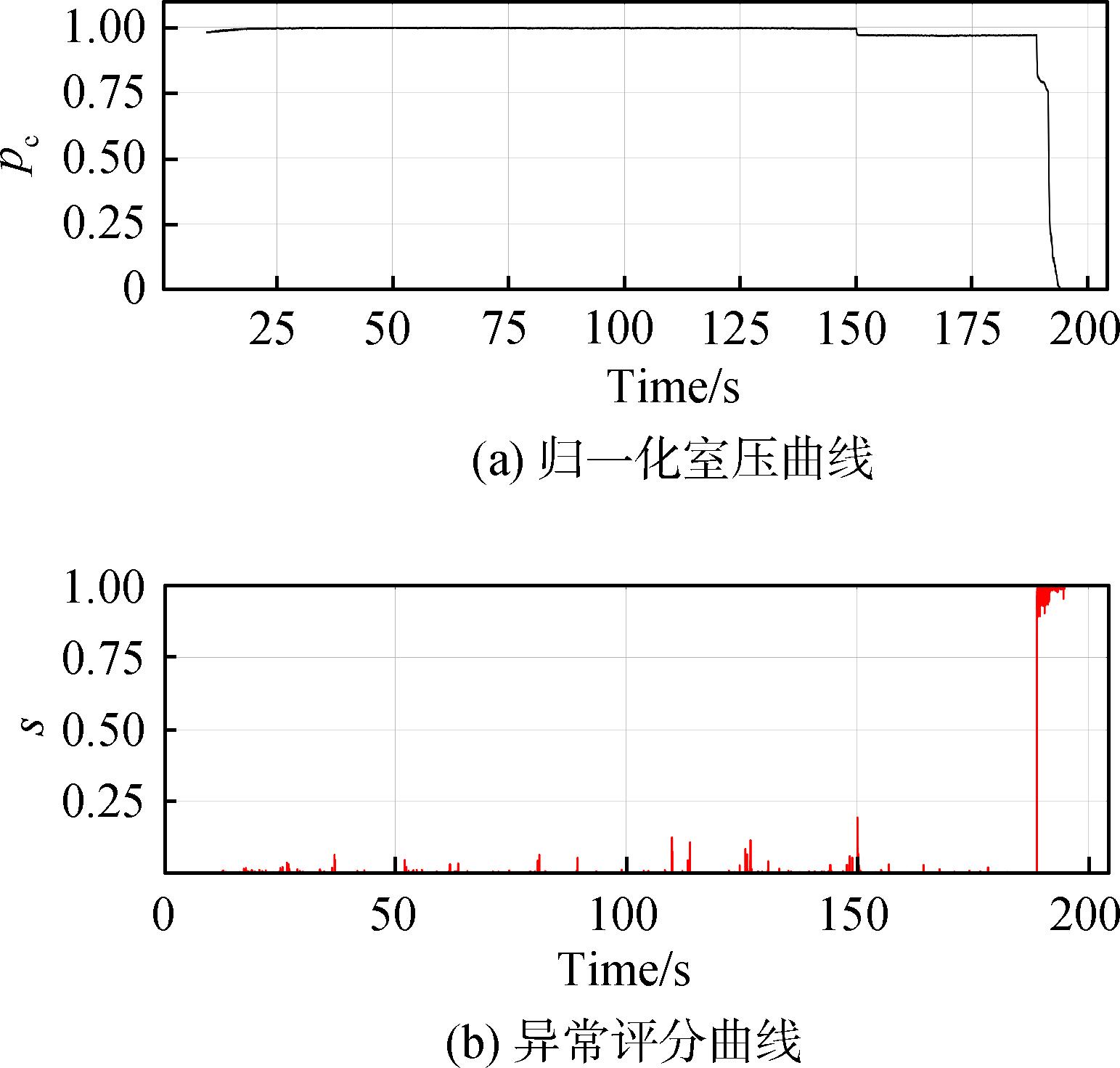
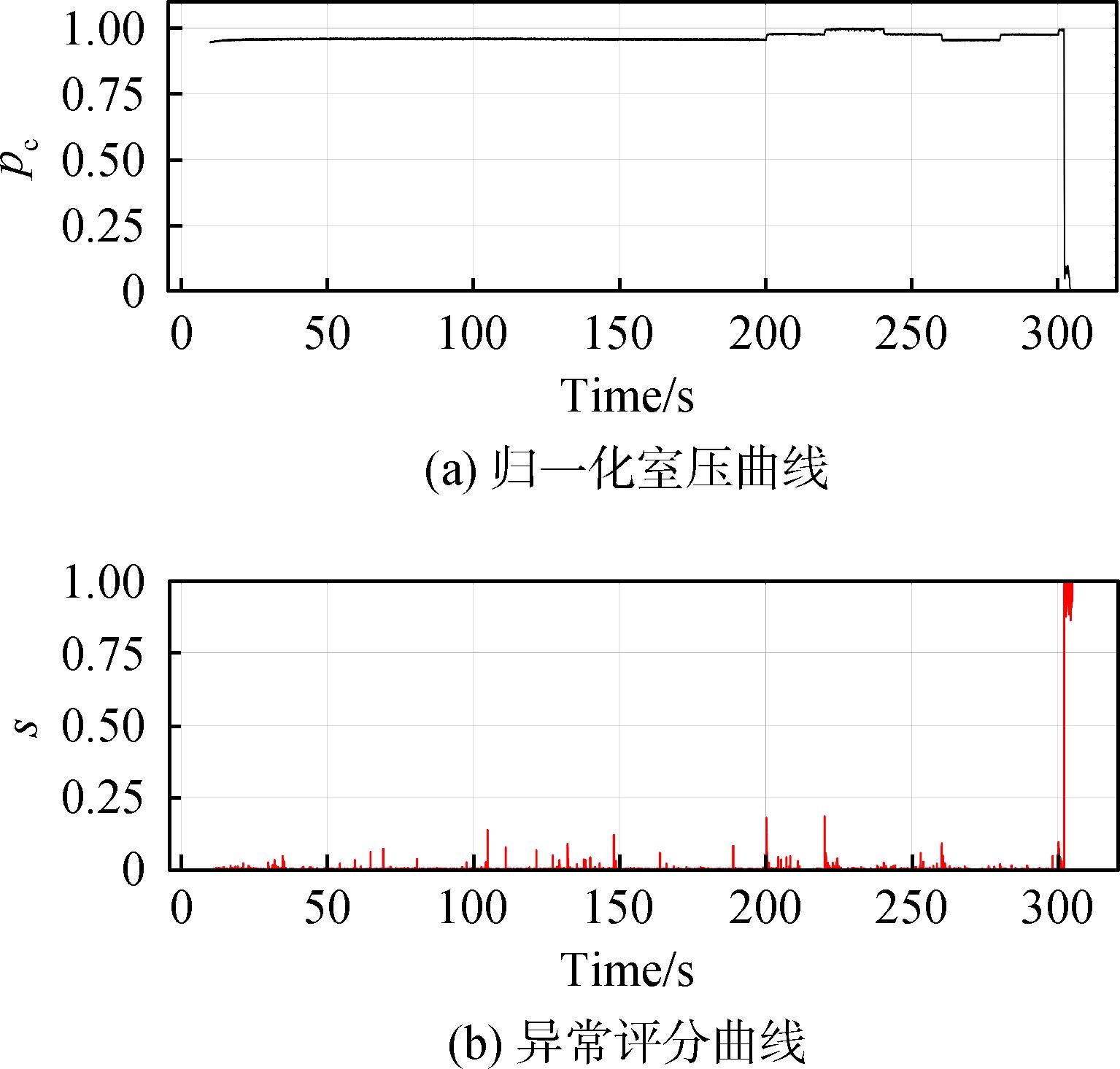
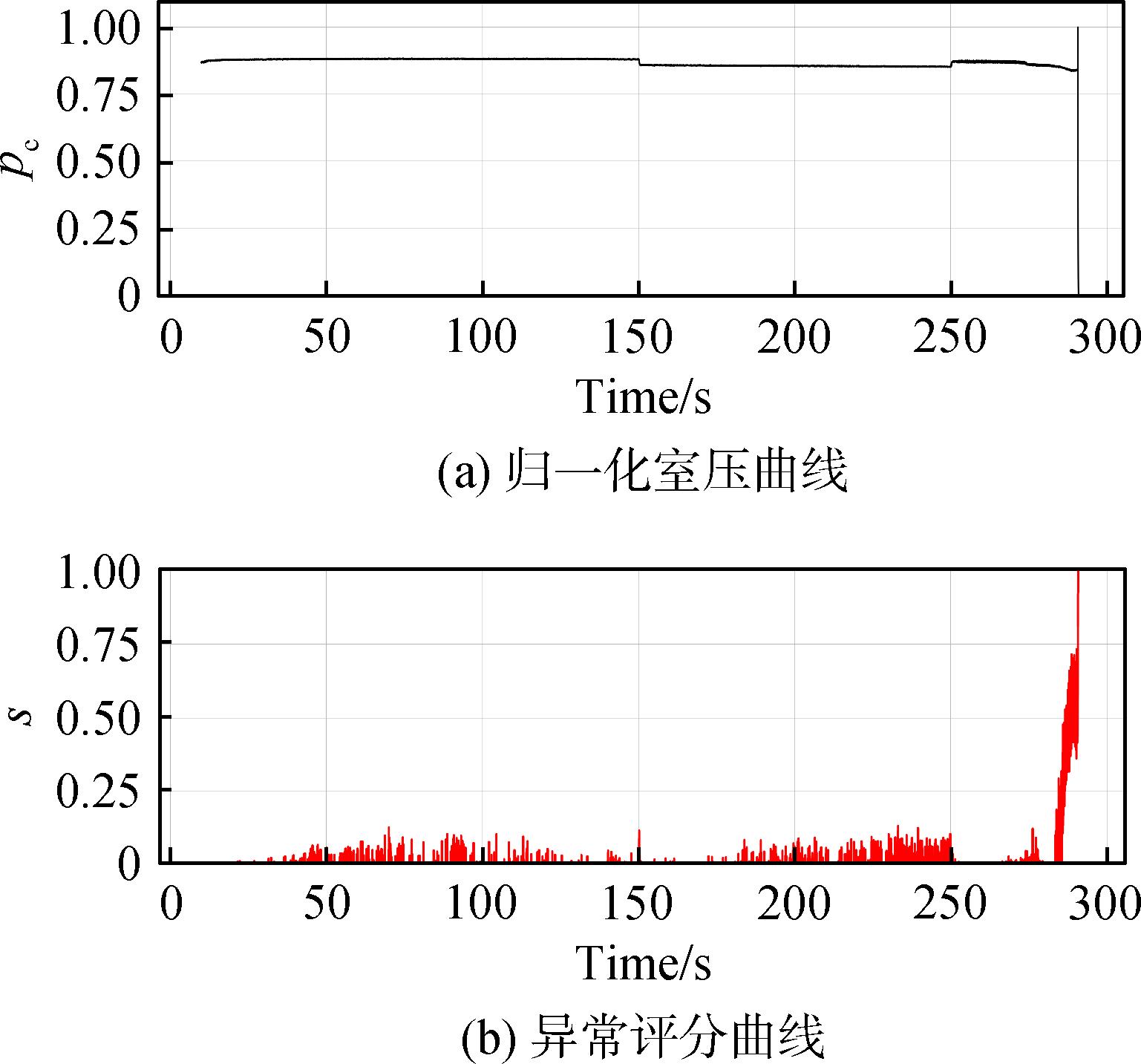
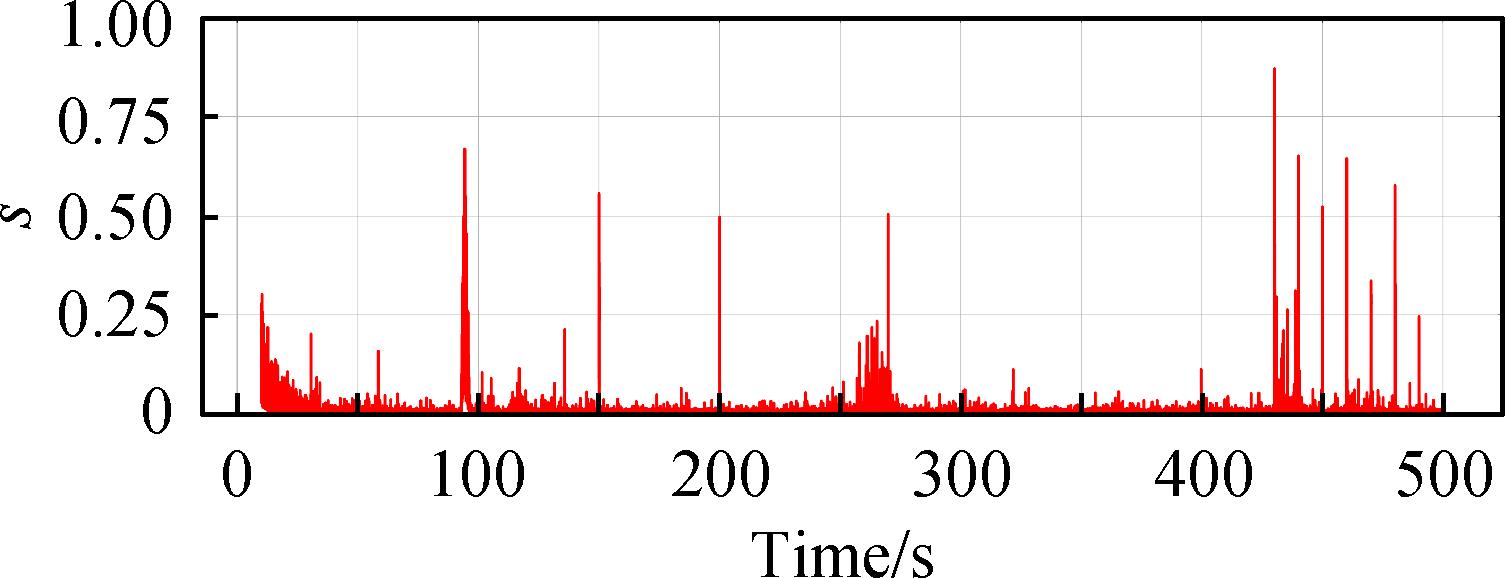
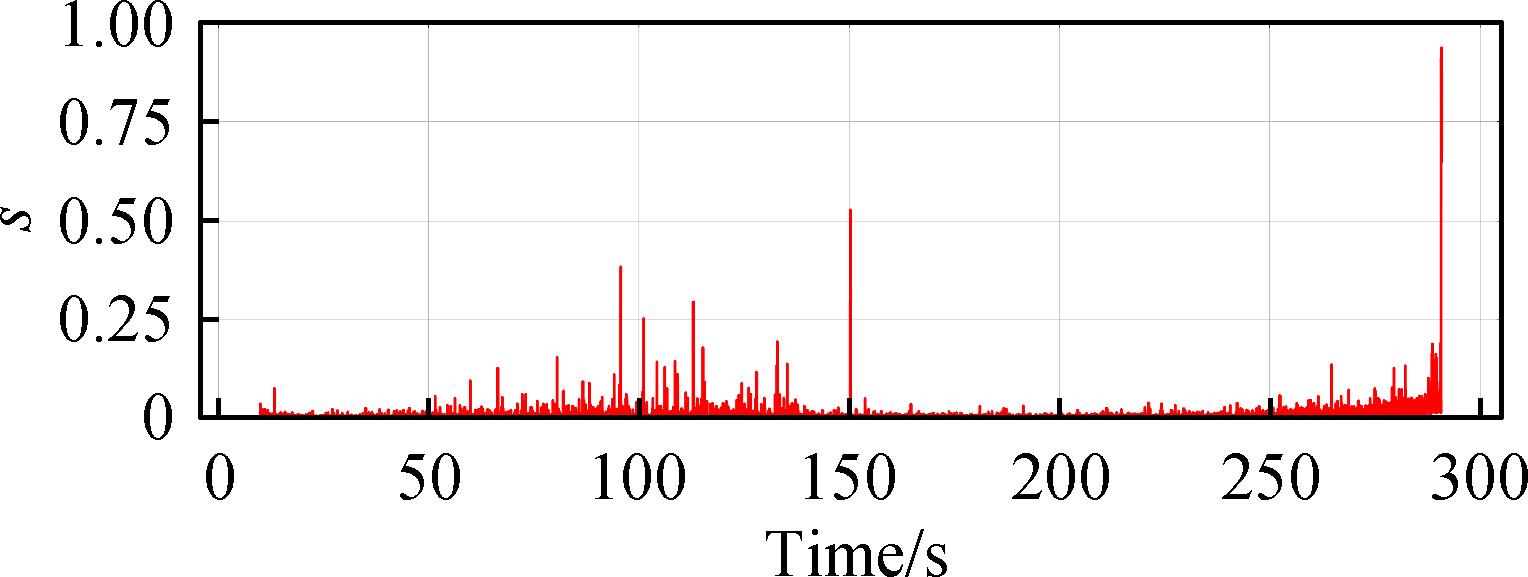
In order to solve the problem of streaming data unsupervised detection of liquid rocket engine with the absence of fault label,and to enable adaptive detection of various engines and multiple working conditions,an anomaly detection algorithm of liquid rocket engine based on incremental isolation forest was proposed based on incremental learning.The online updating strategy and anomaly score expression for streaming data under various working condition were designed.And the update stop strategy was applied to avoid the pollution of fault on the model.Using a number of test data for analysis and comparison with traditional methods,the result showed that the algorithm can evaluate the anomaly degree of sample quantitatively,and detect the degree of fault effectively.The algorithm had 43% improvement on F1 score over original isolation forest algorithm.And its detection timeliness was better than the red line algorithm and adaptive threshold algorithm.

Aerothermodynamics and Aeroengine Design
Mechanisms for shock wave boundary layer interaction control using surface arc plasma actuators array
GAN Tian, WANG Qiong
2022, 37(8): 1683-1691. doi: 10.13224/j.cnki.jasp.20210285
Abstract:

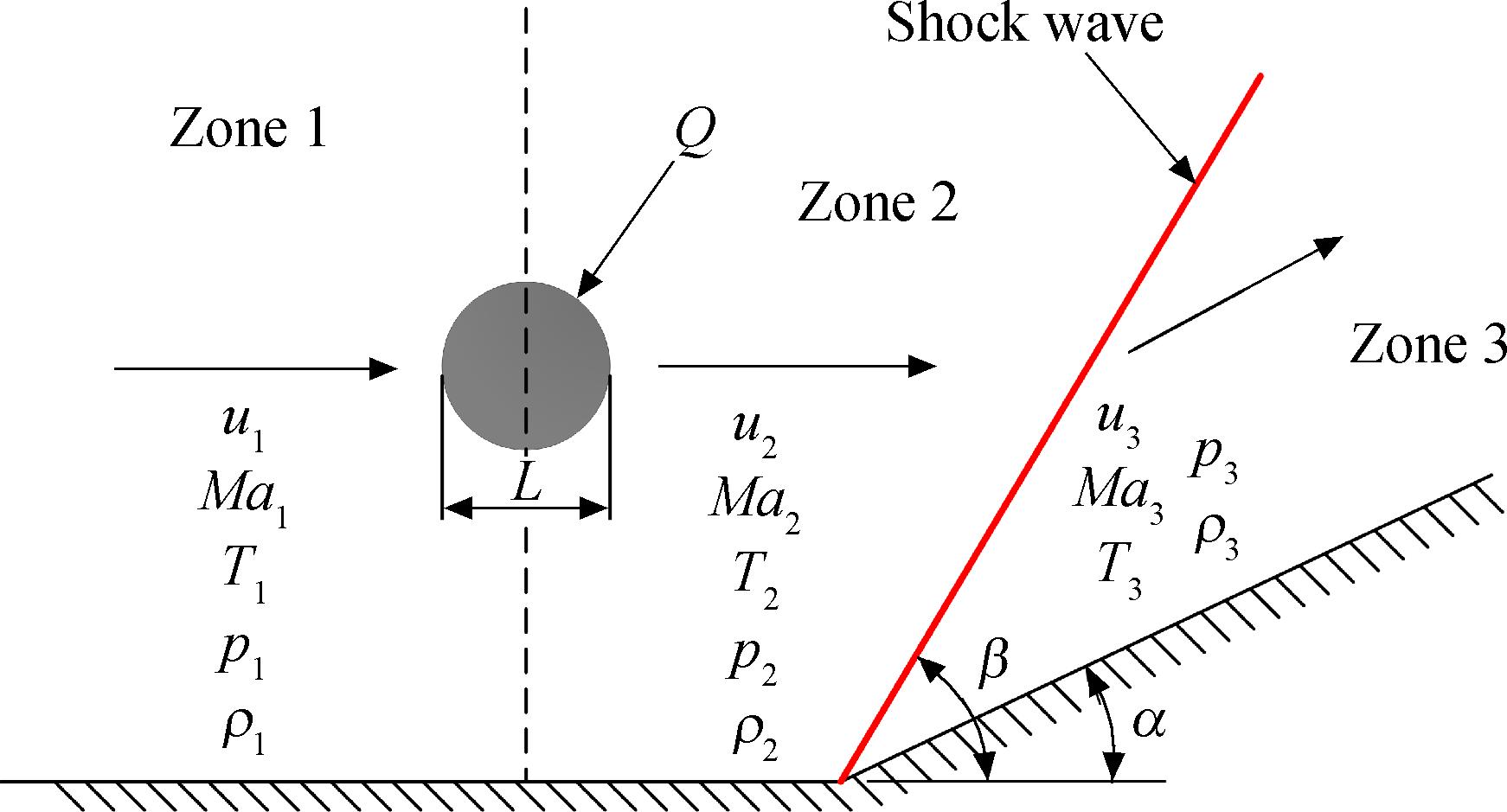
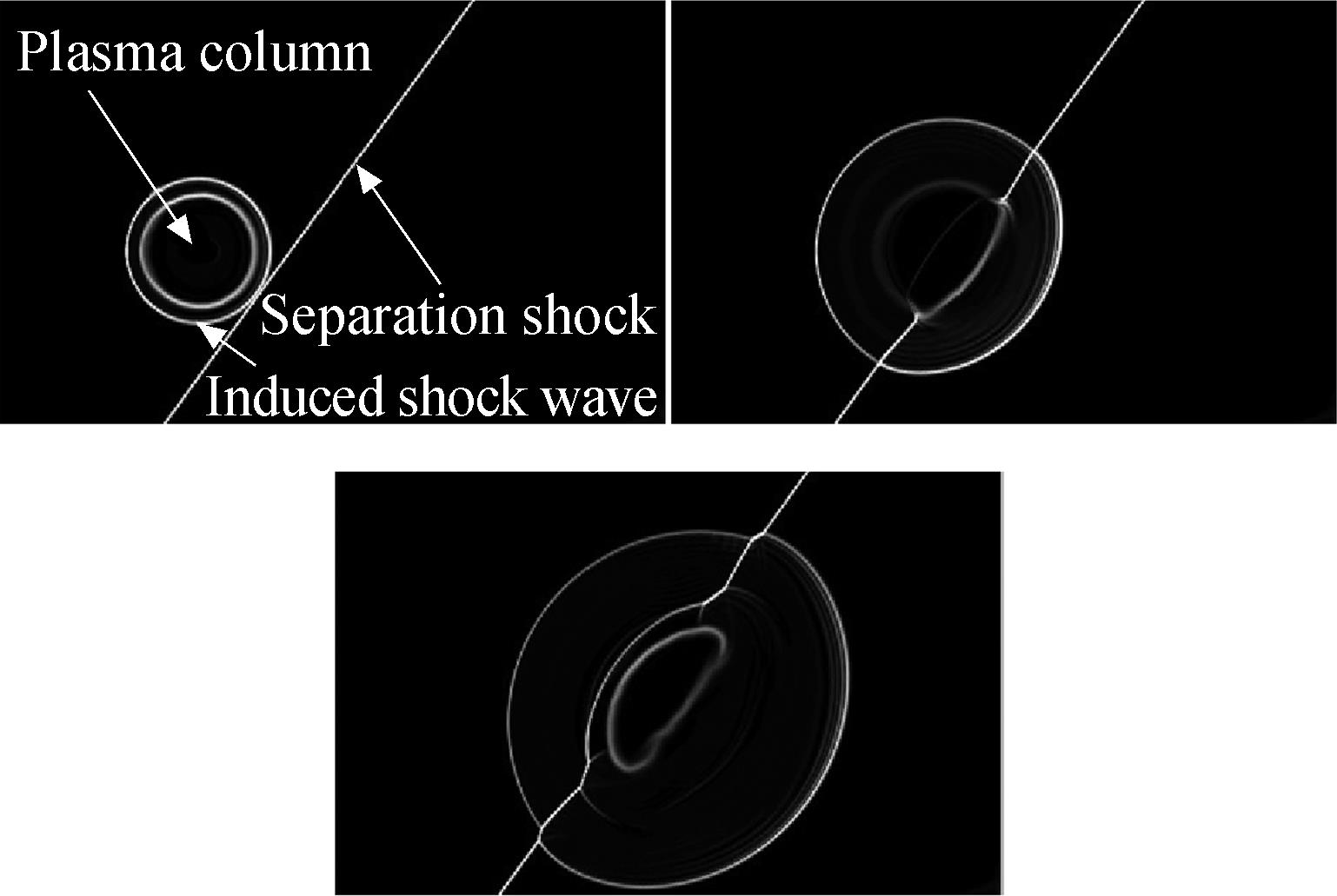
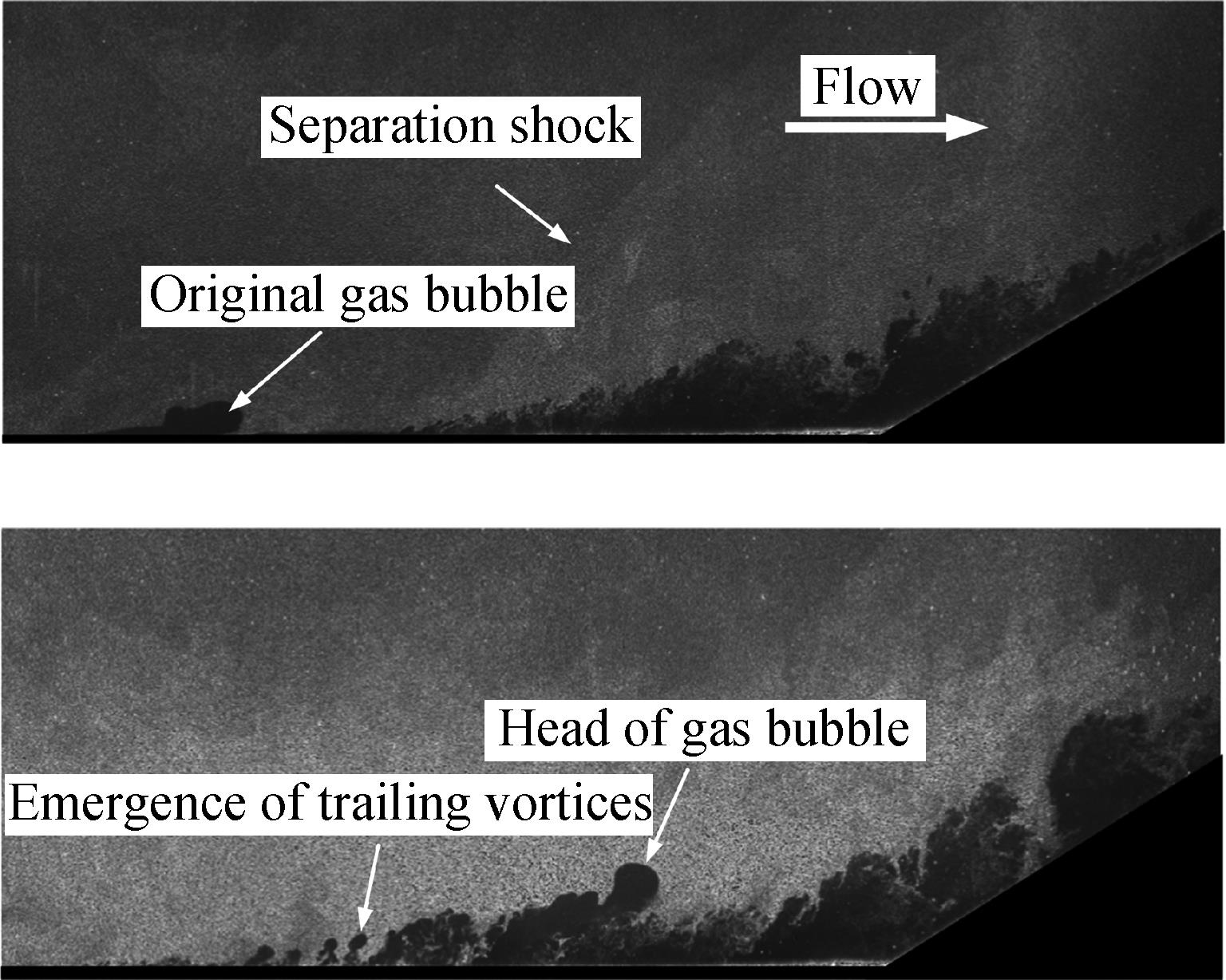
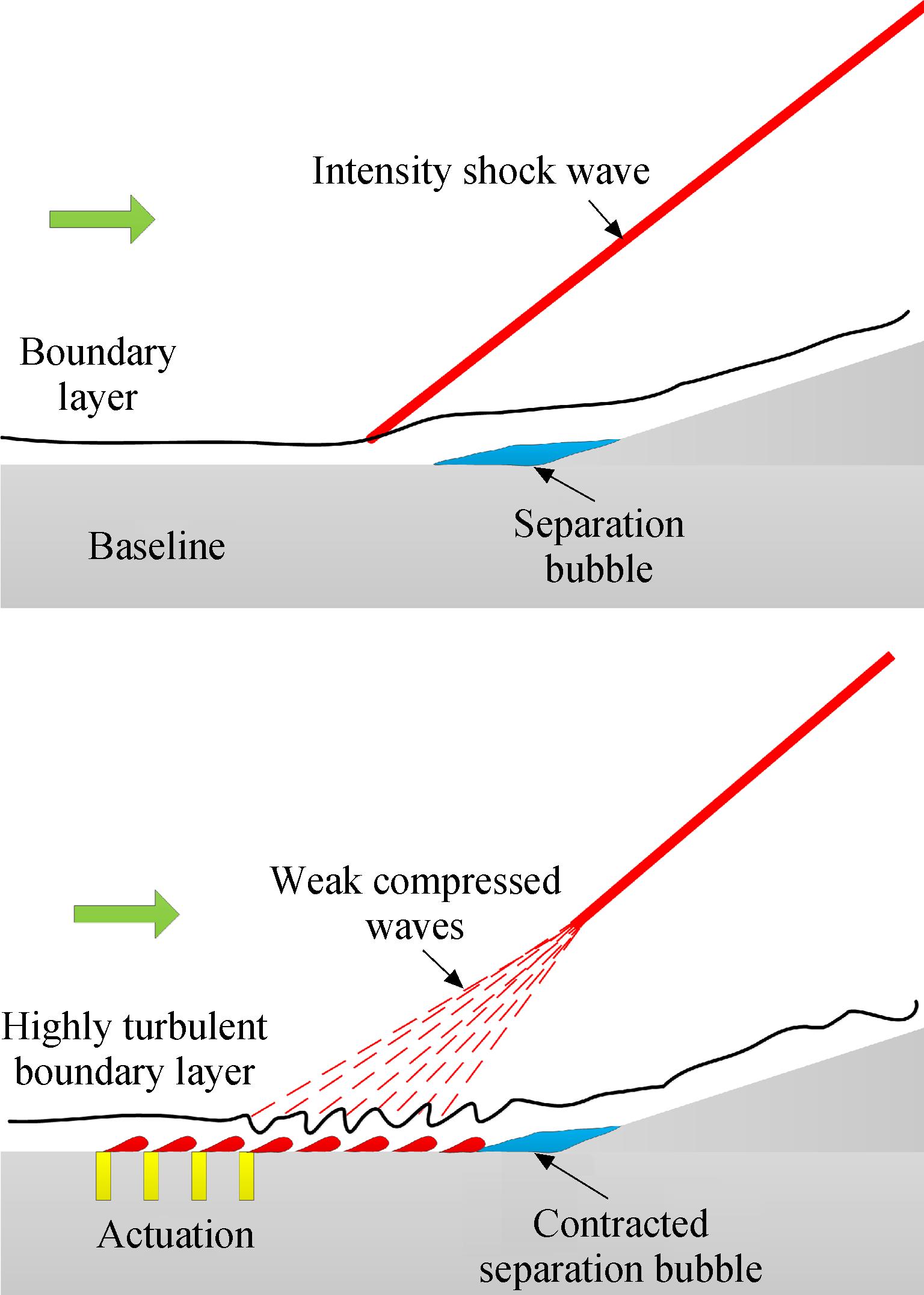
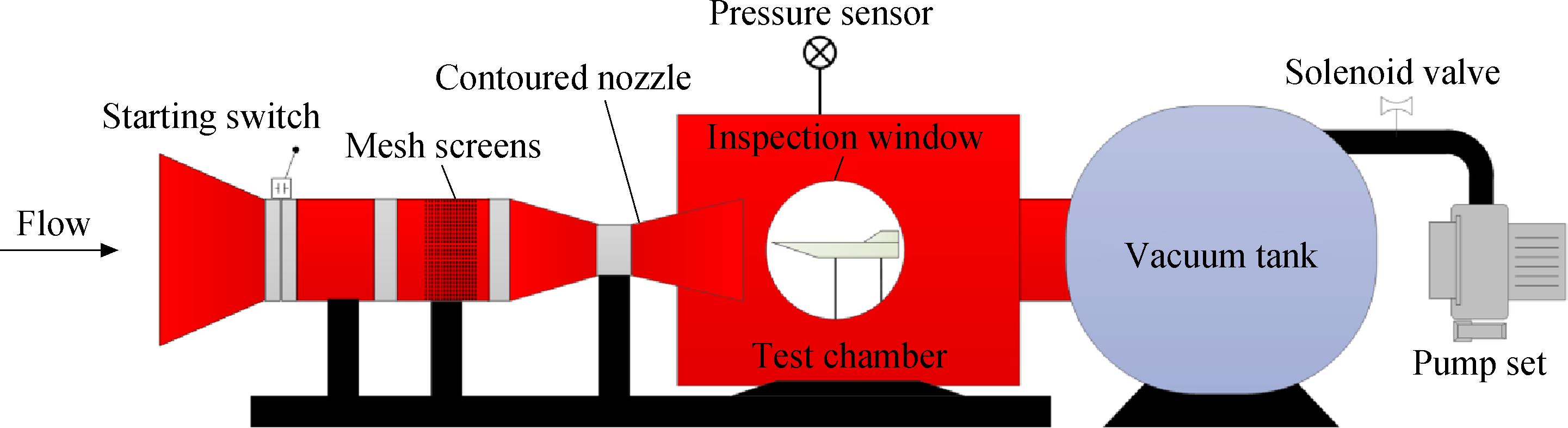
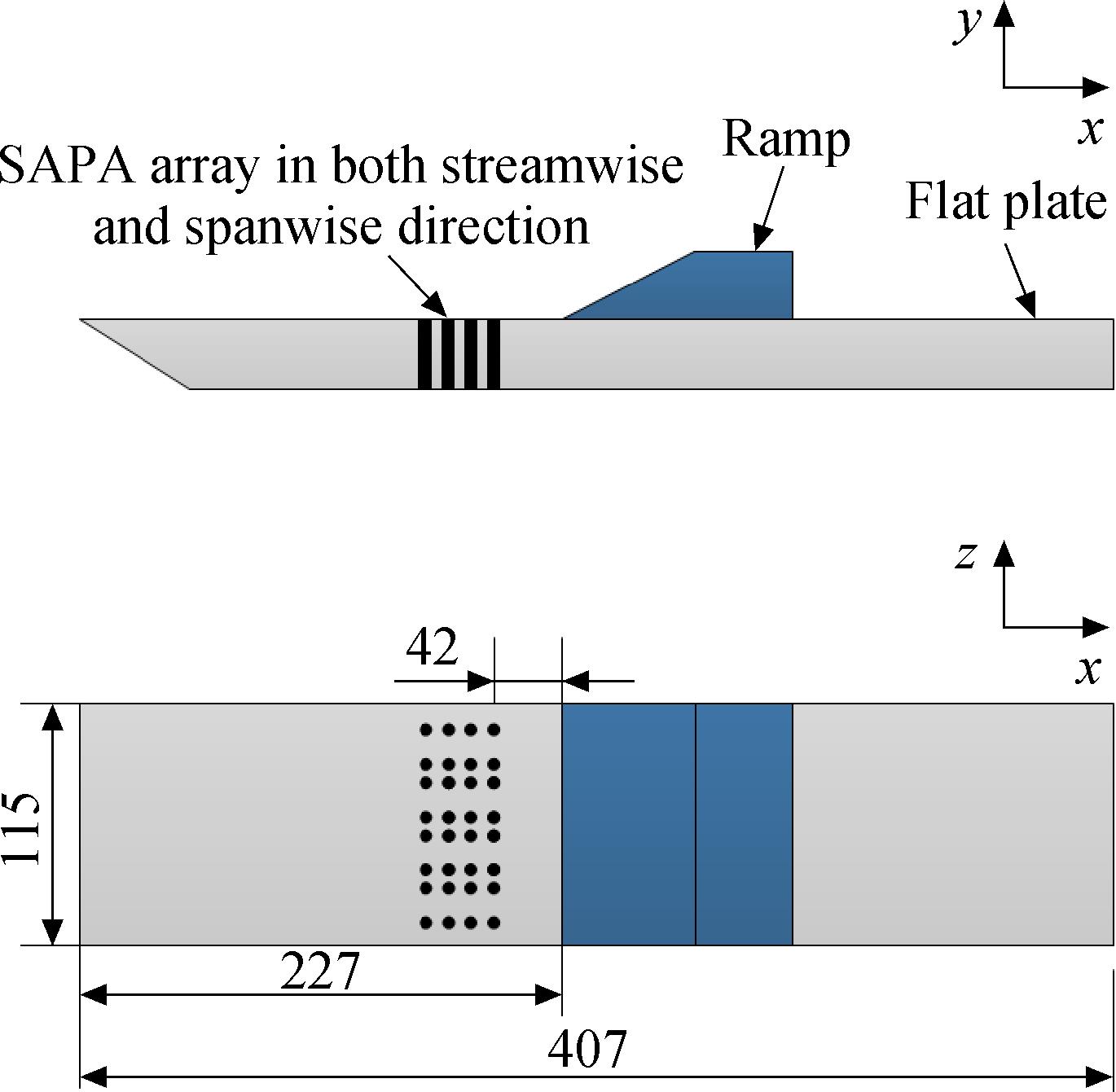
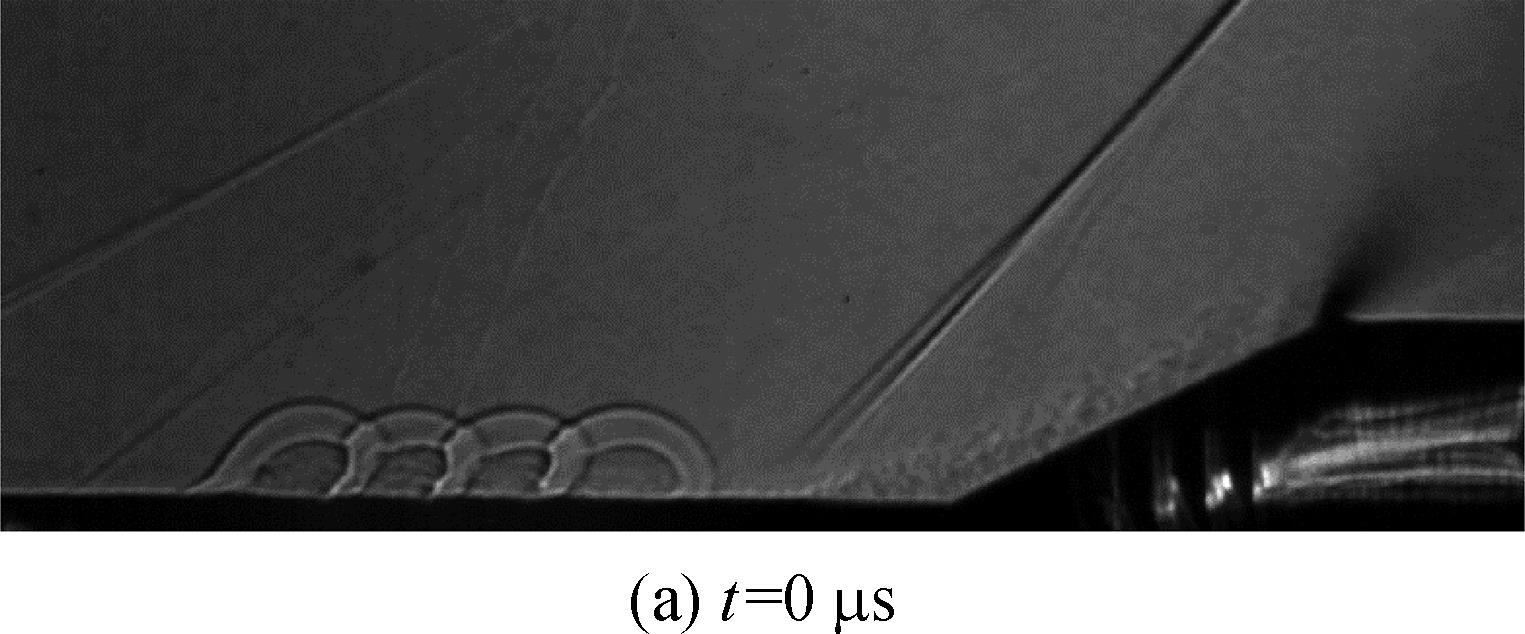
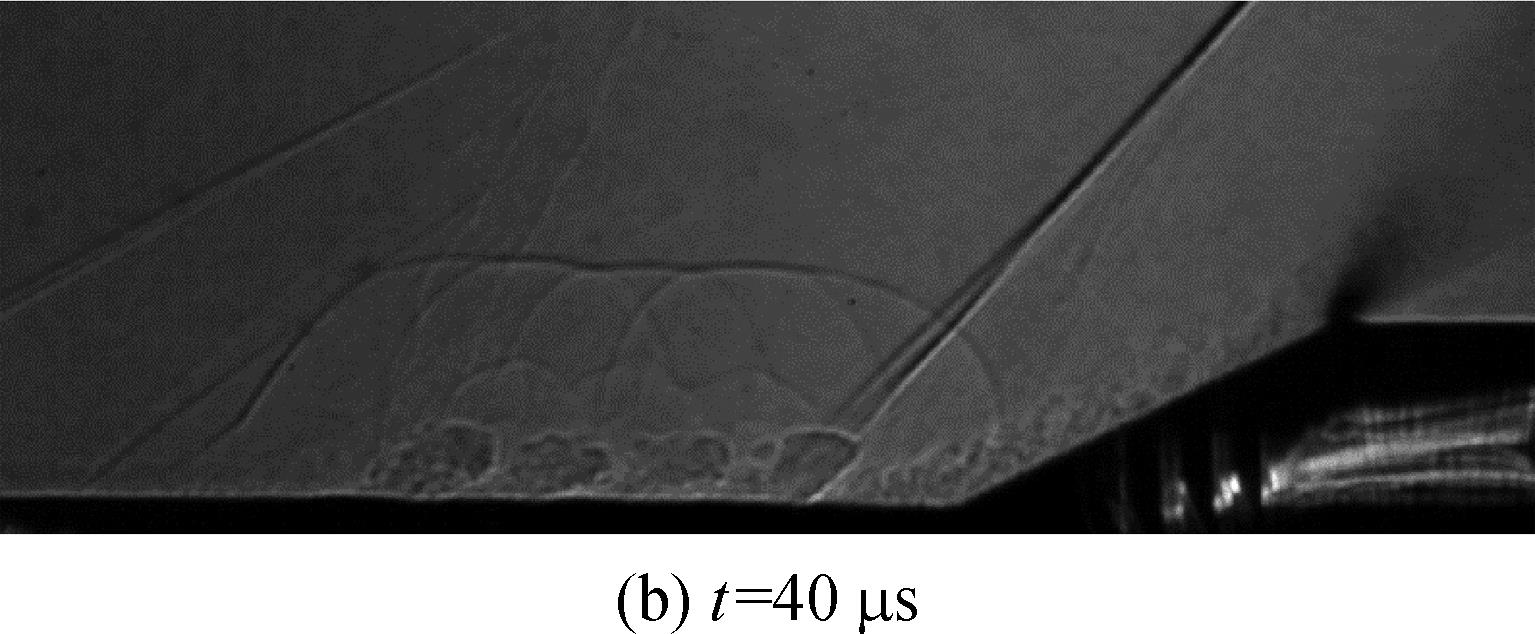
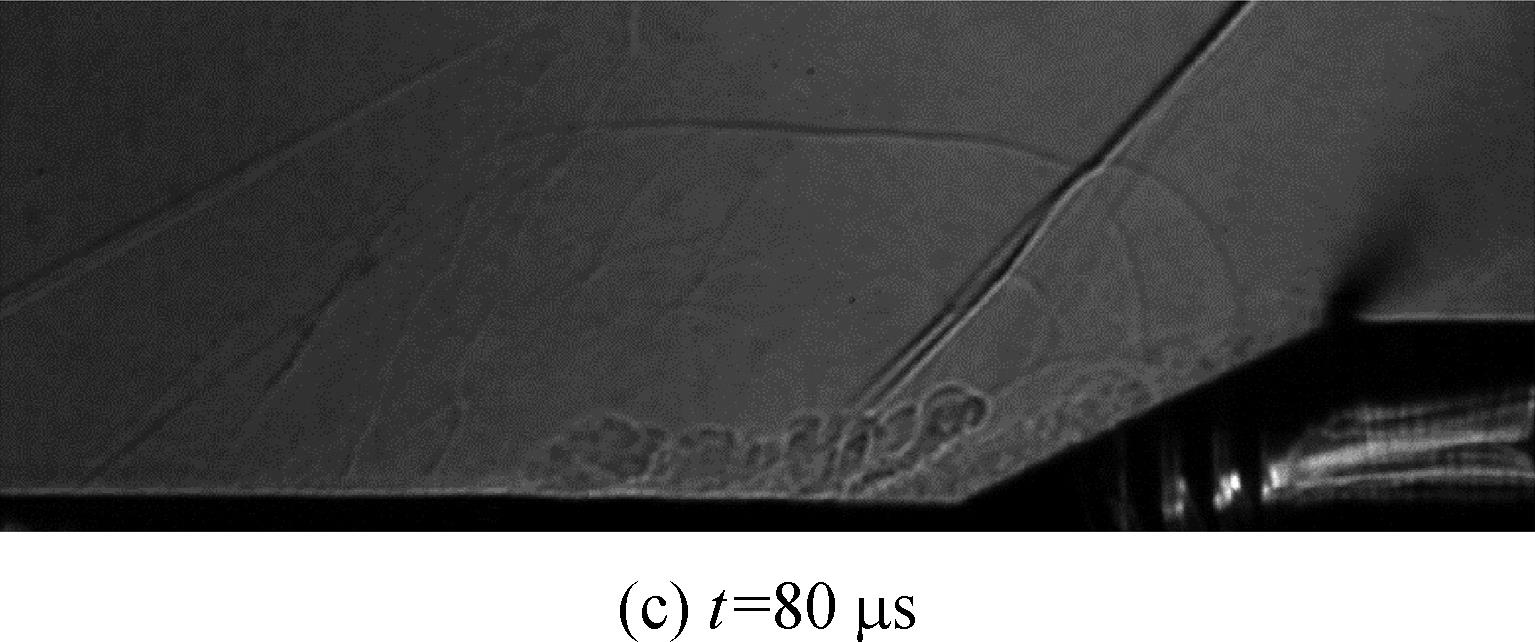
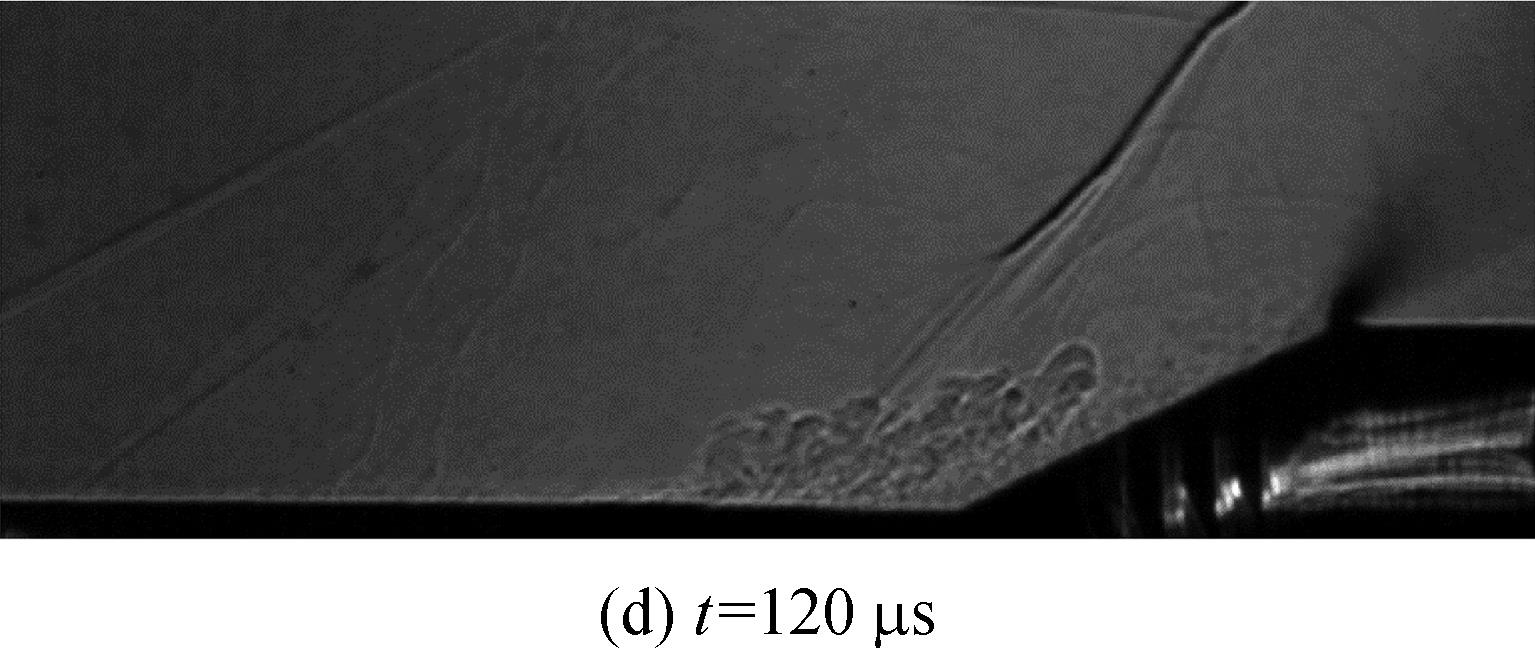
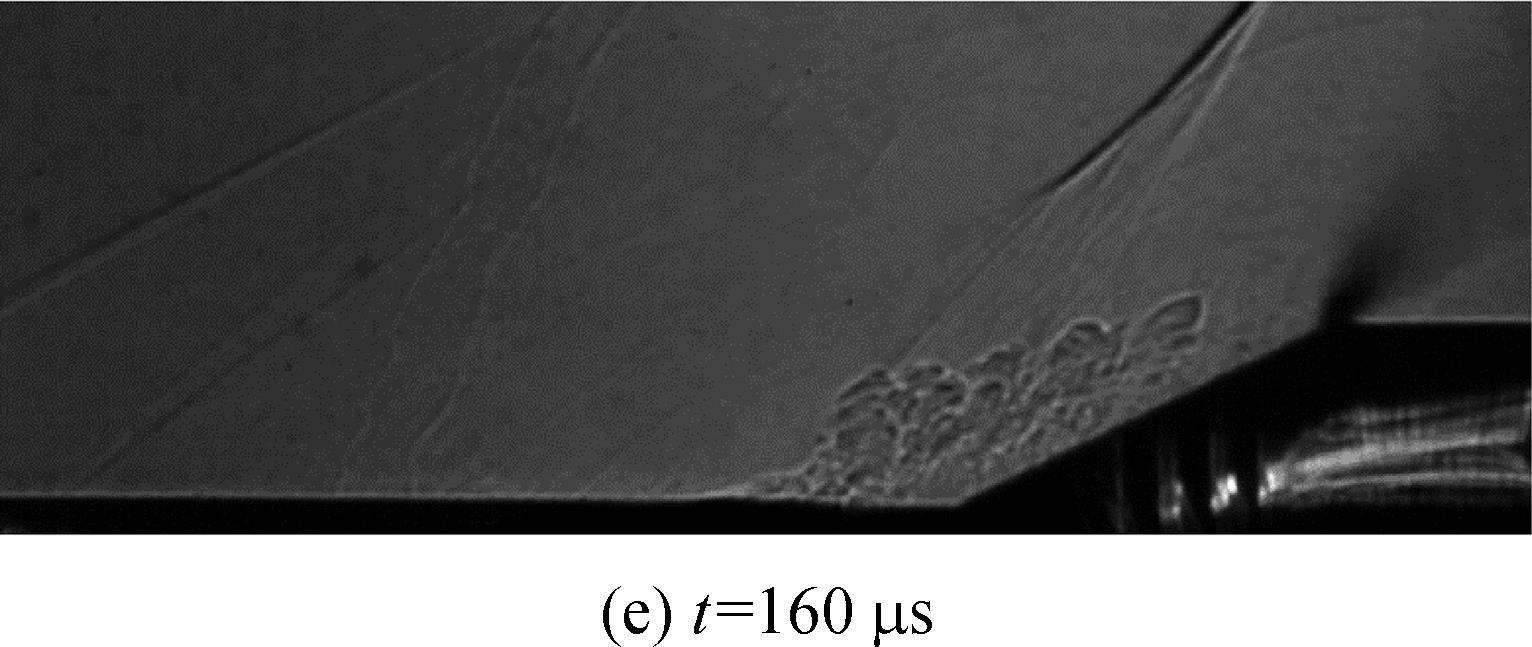
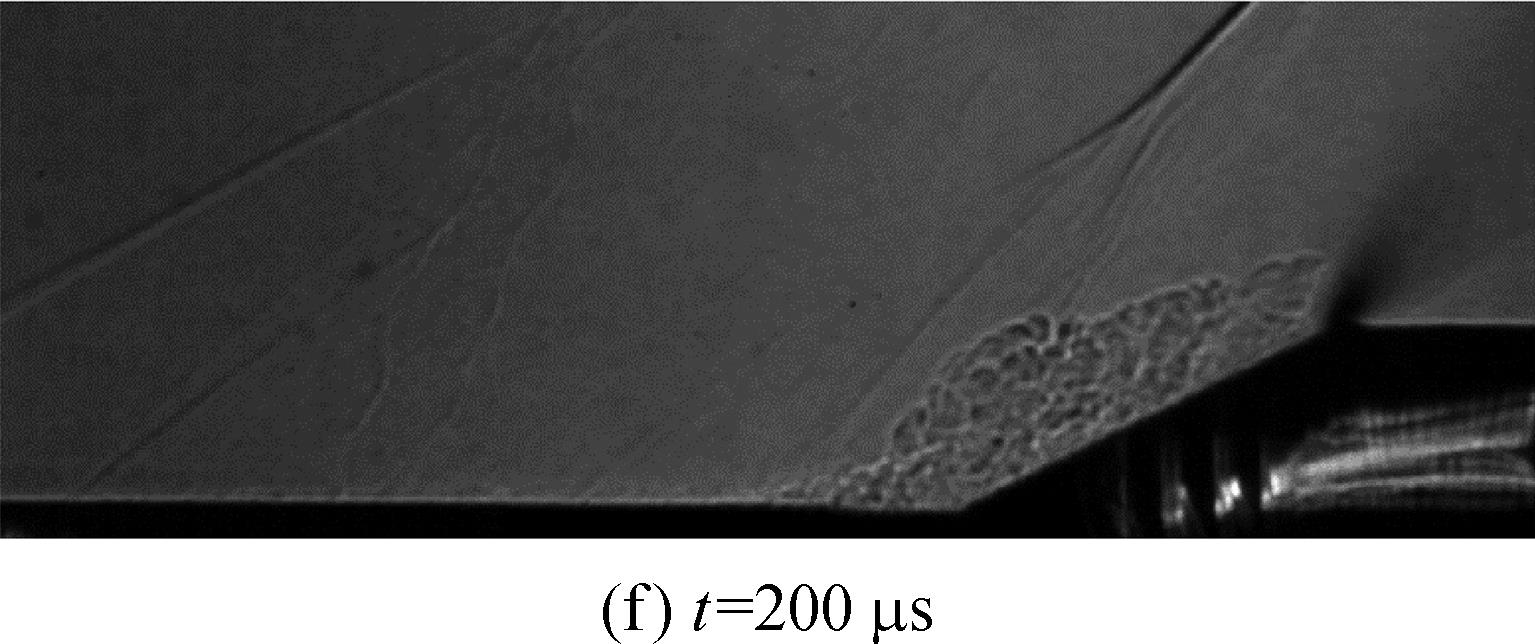
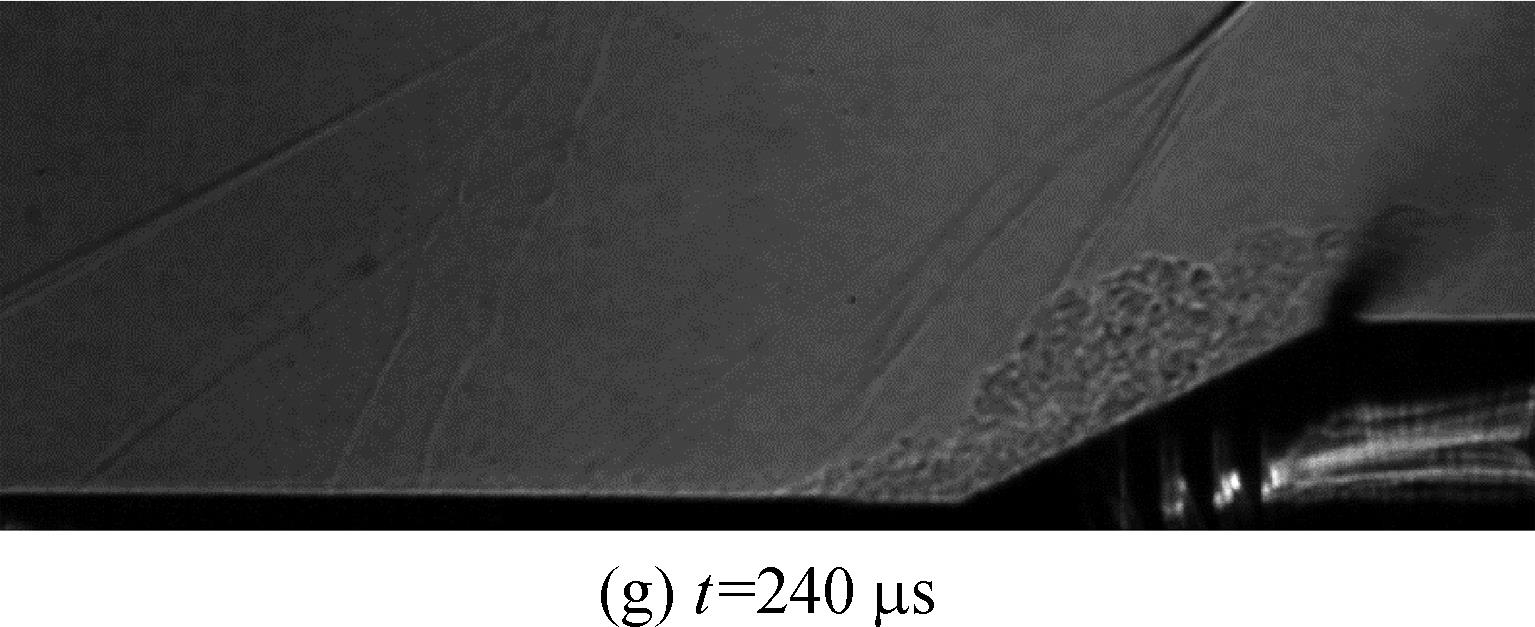
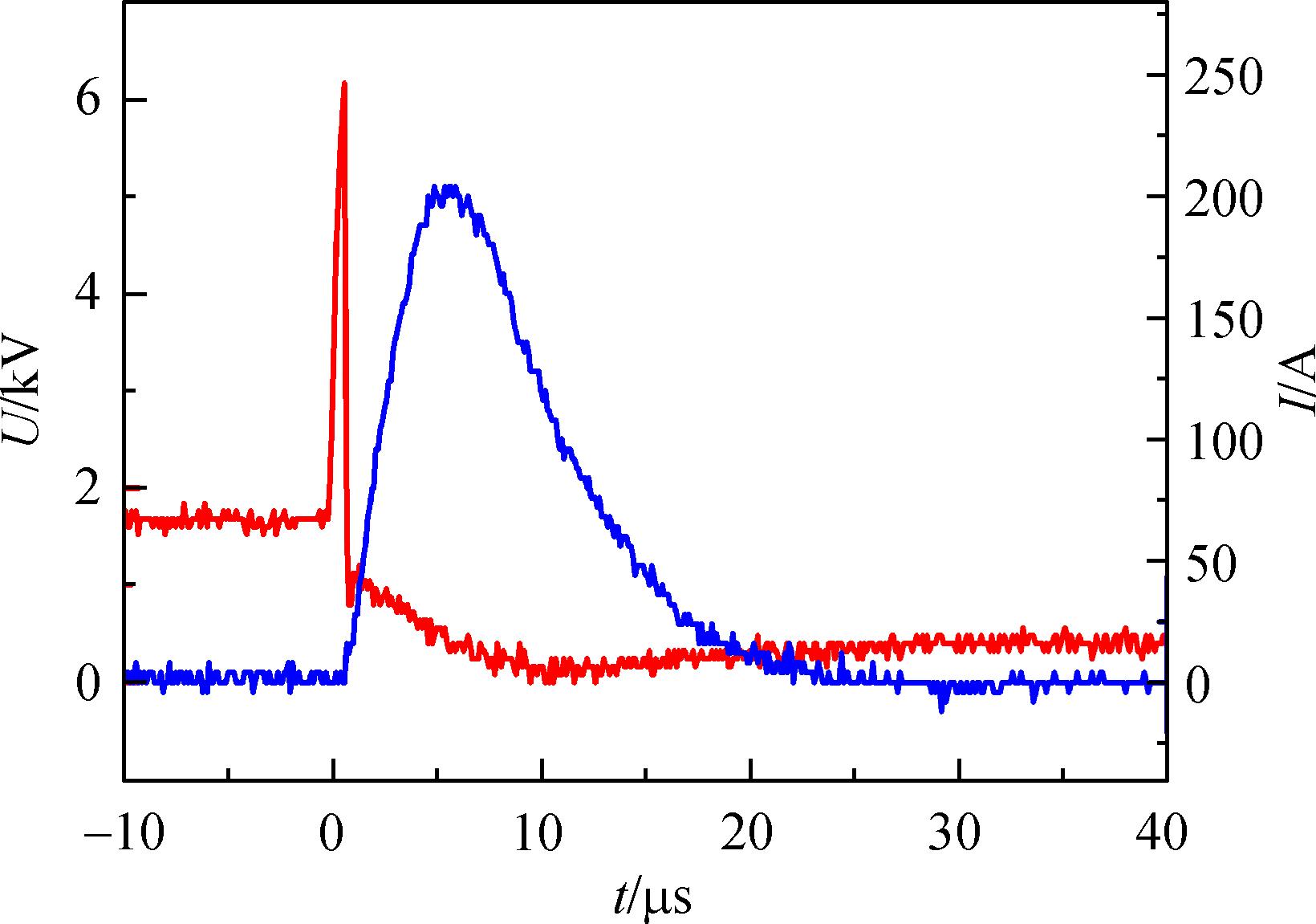
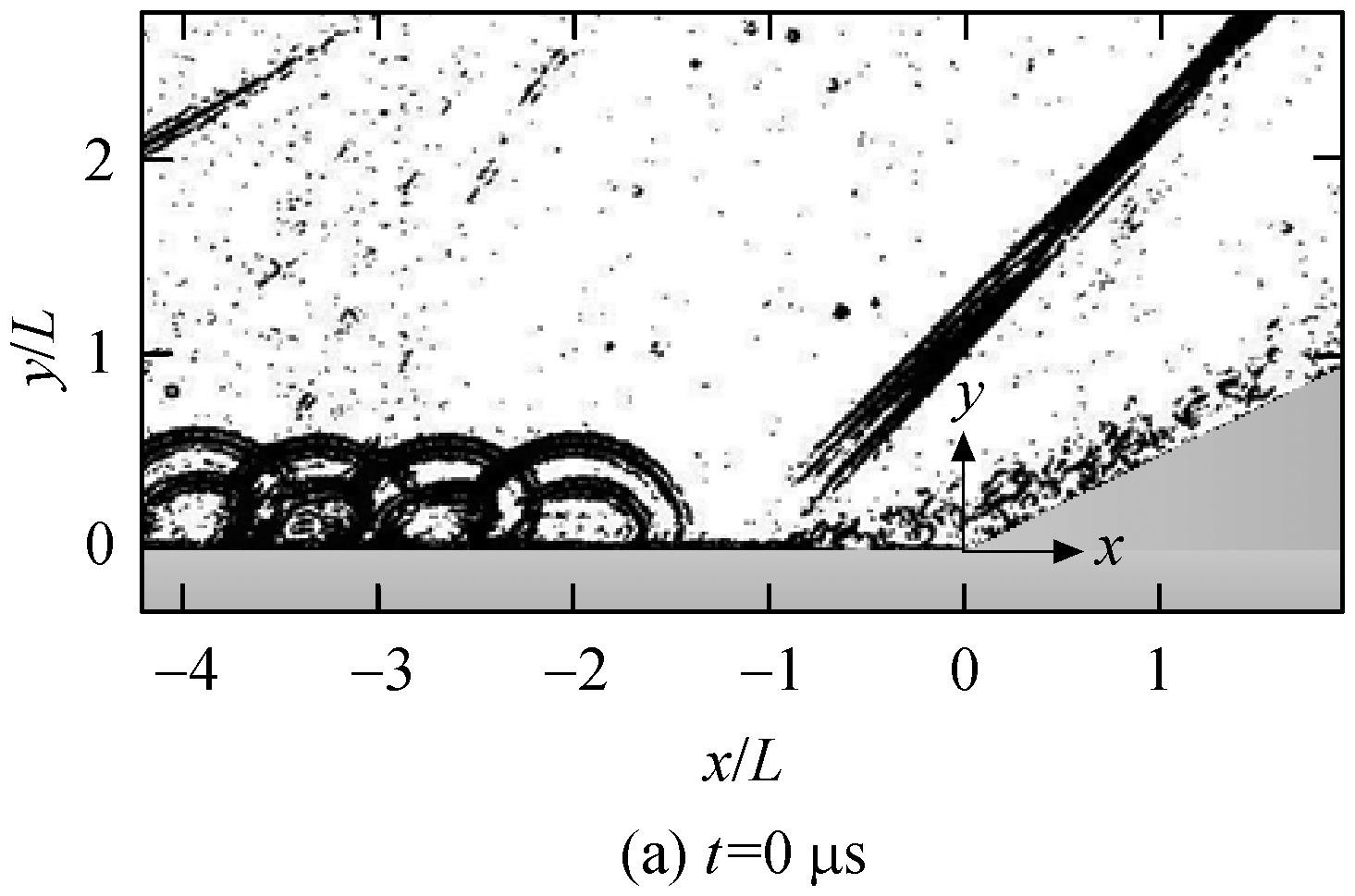
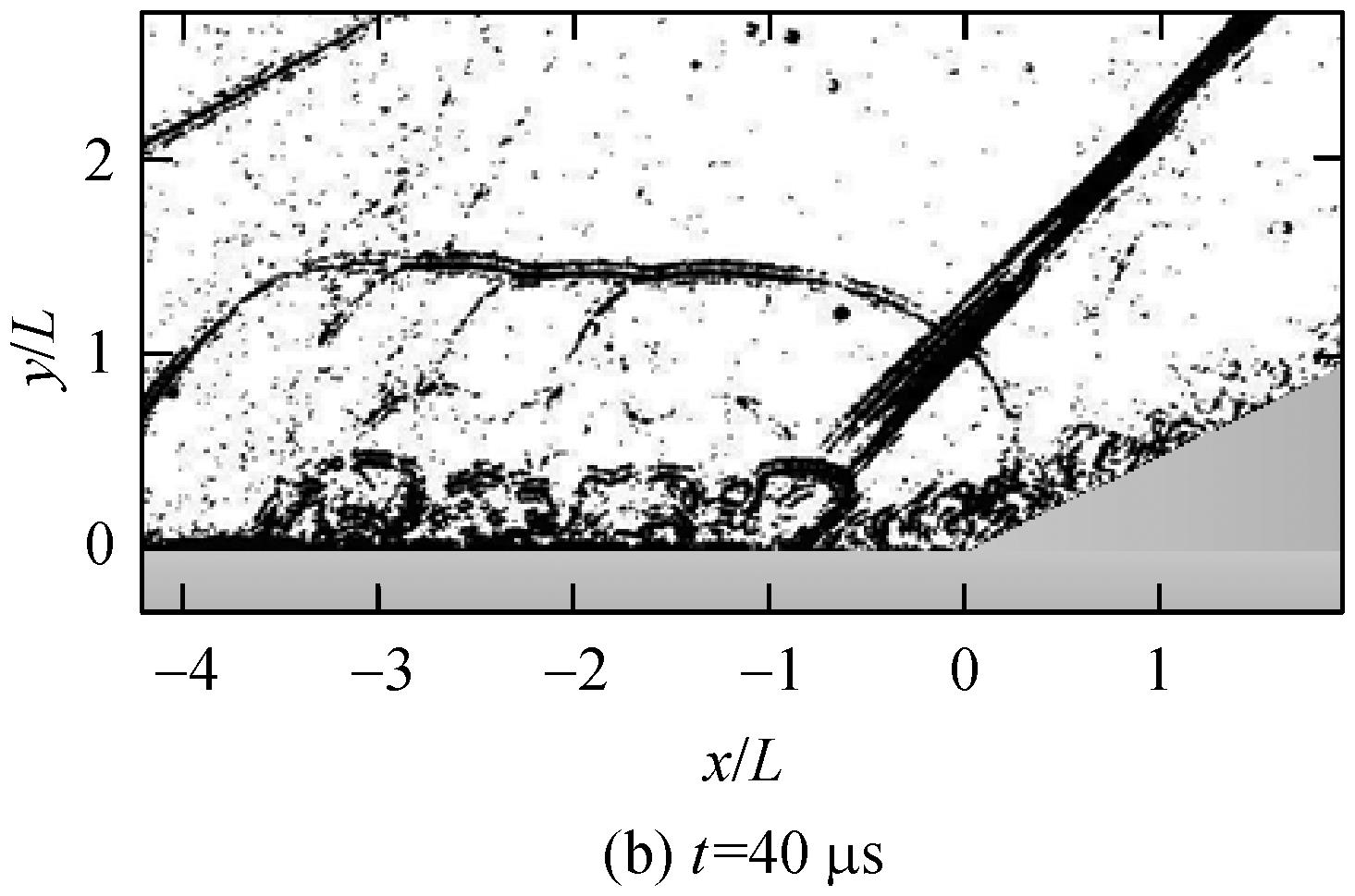
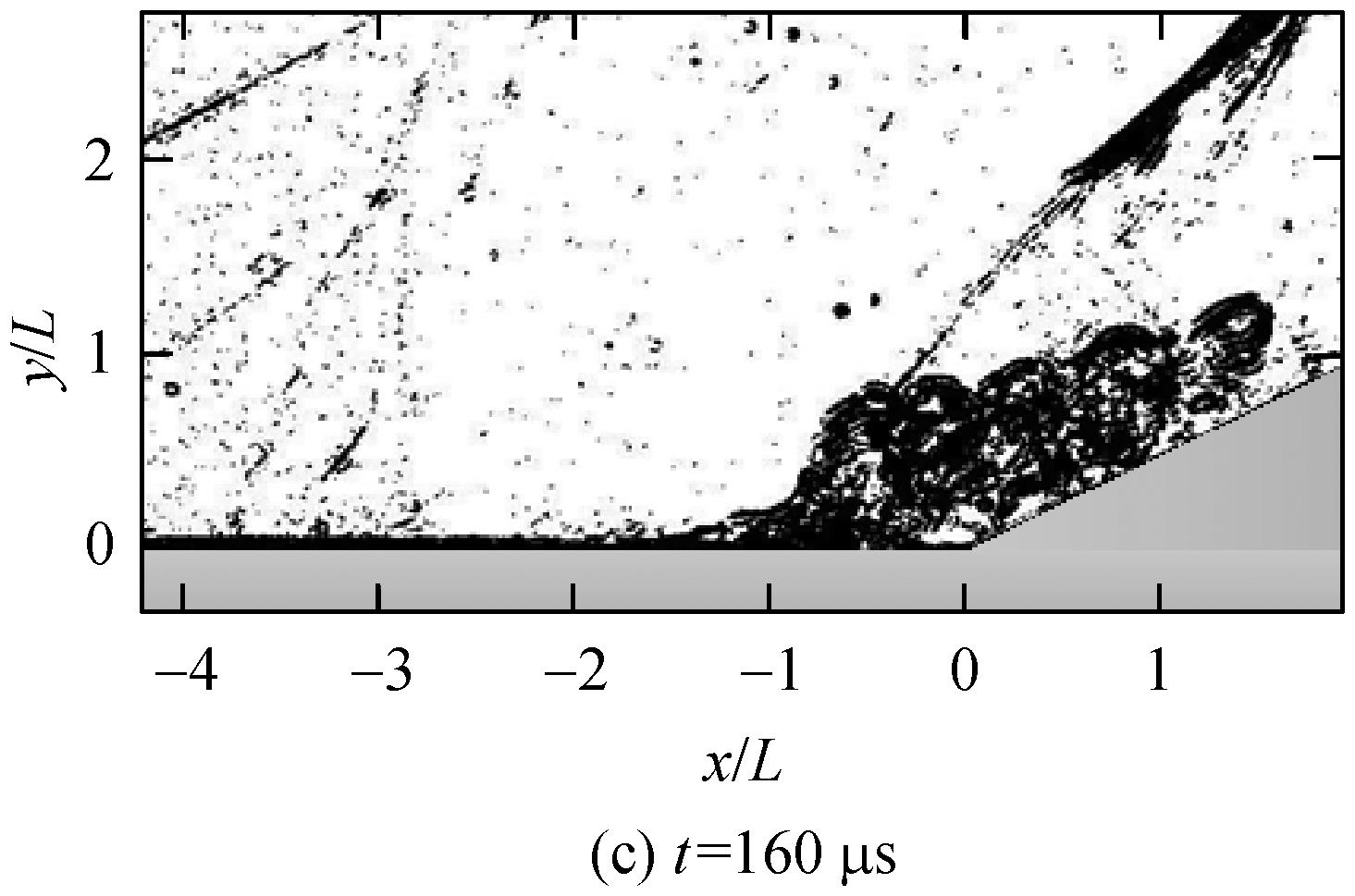
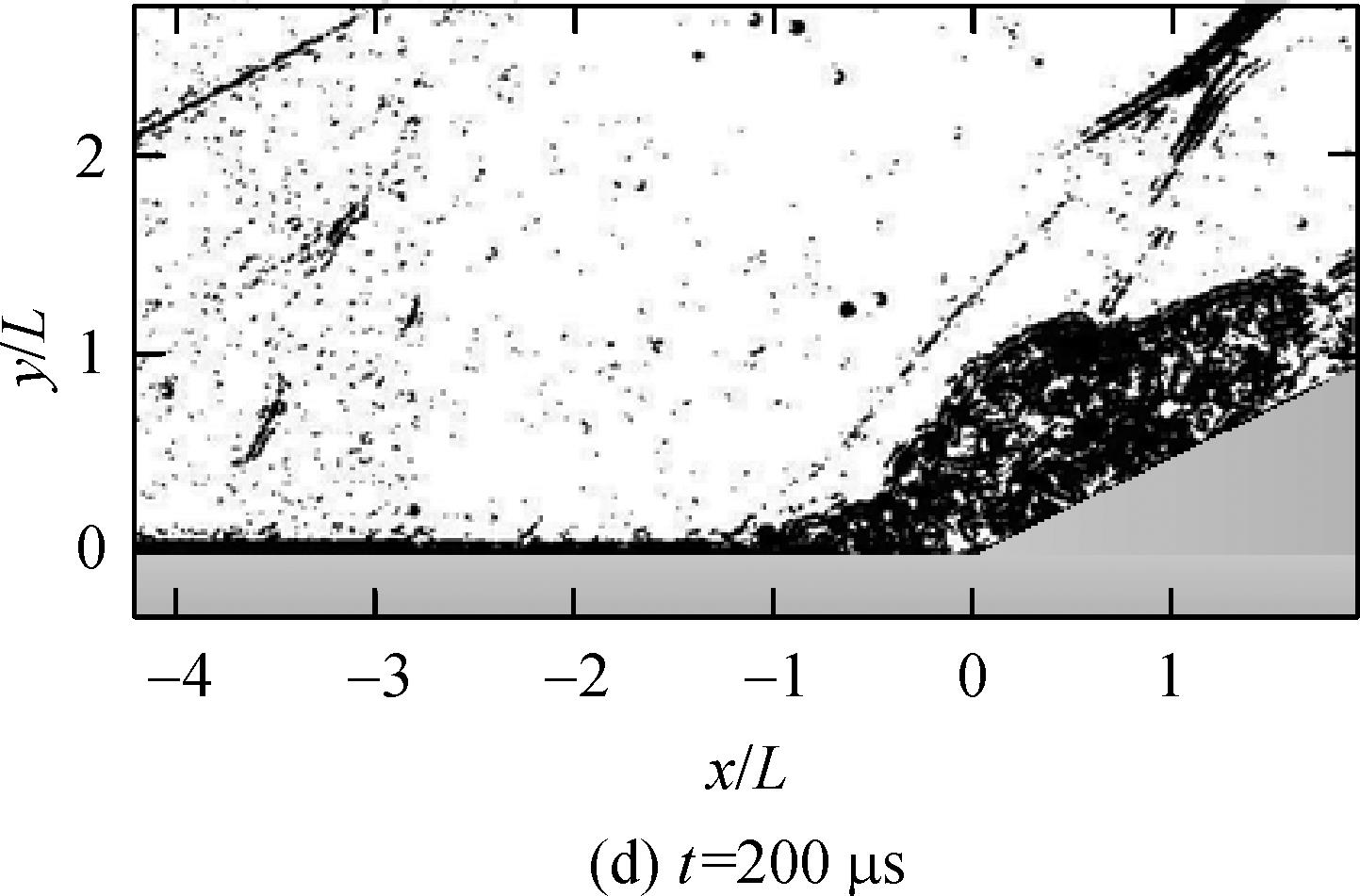
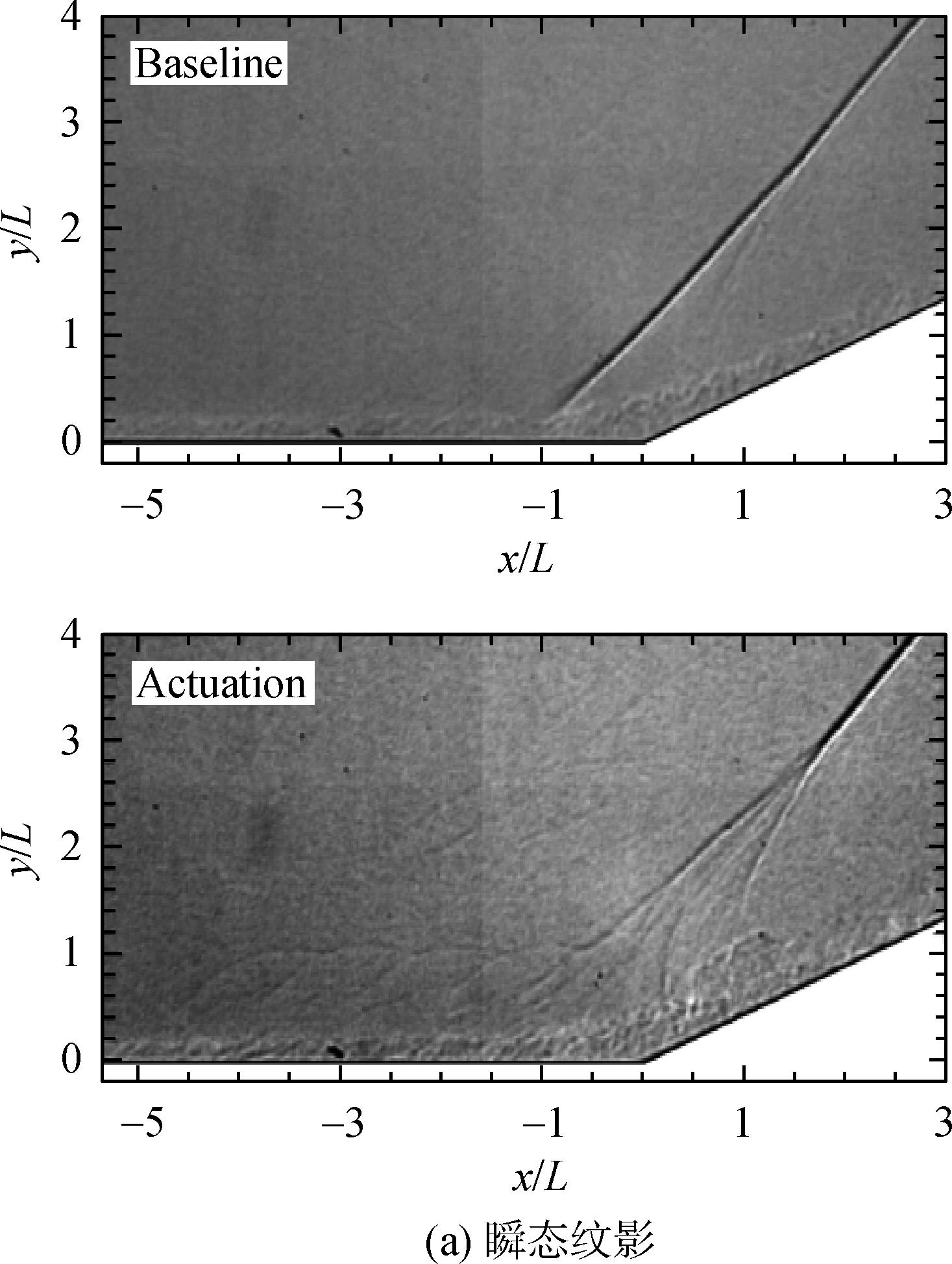
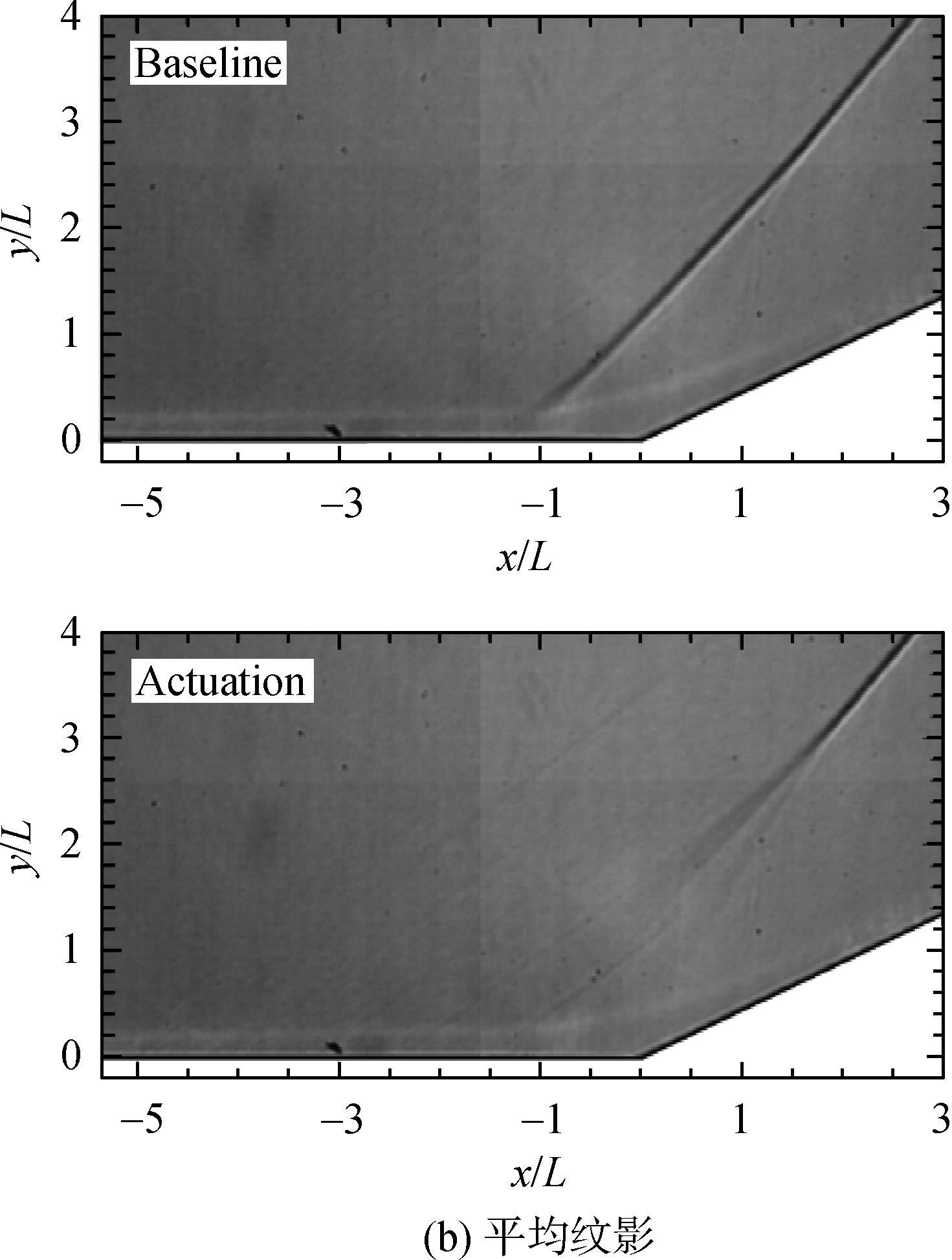
In order to reveal the control mechanism on shock wave/boundary layer unsteadiness,experiments were performed by using surface arc plasma actuators array based on both high⁃frequency and low frequency actuation.Advanced testing and analytical methods,including high⁃speed schlieren and dynamic pressure,were applied to reveal the thermal and vortex characteristic.The combined results of flow visualization and fluctuating wall pressure provided a valuable insight into the controlling process.More importantly,because of high⁃frequency actuation mode operating at a relatively low energy expense,this made it possible to achieve a stable control effect.Based on the reported results of the statistical analysis dynamic pressure,the percentage of the energy for low⁃frequency unsteadiness detected by spectra of pressure reduced by 12.2% at high⁃frequency forcing.Combined with schlieren display,a mechanism of shock wave boundary layer interaction control dominated by vortex effect can now be summarized.

Numerical simulation on aerodynamic interference of UAVs like X⁃47B in rhombus formation
CUI Xingda, ZHANG Lu, LIU Fan, MA Shuai, XIAO Zhongyun, YU Yonggang
2022, 37(8): 1692-1702. doi: 10.13224/j.cnki.jasp.20210125
Abstract:

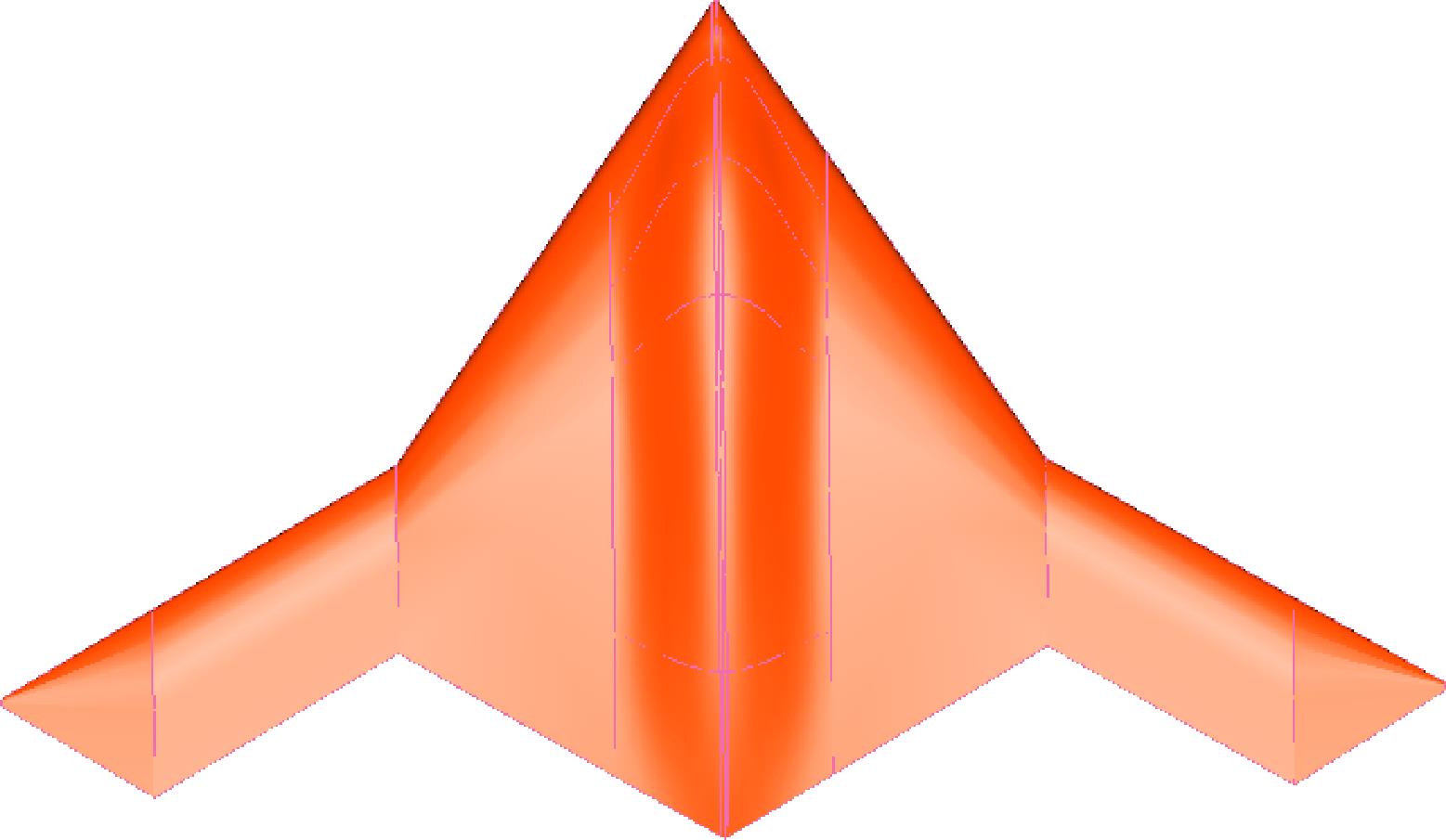
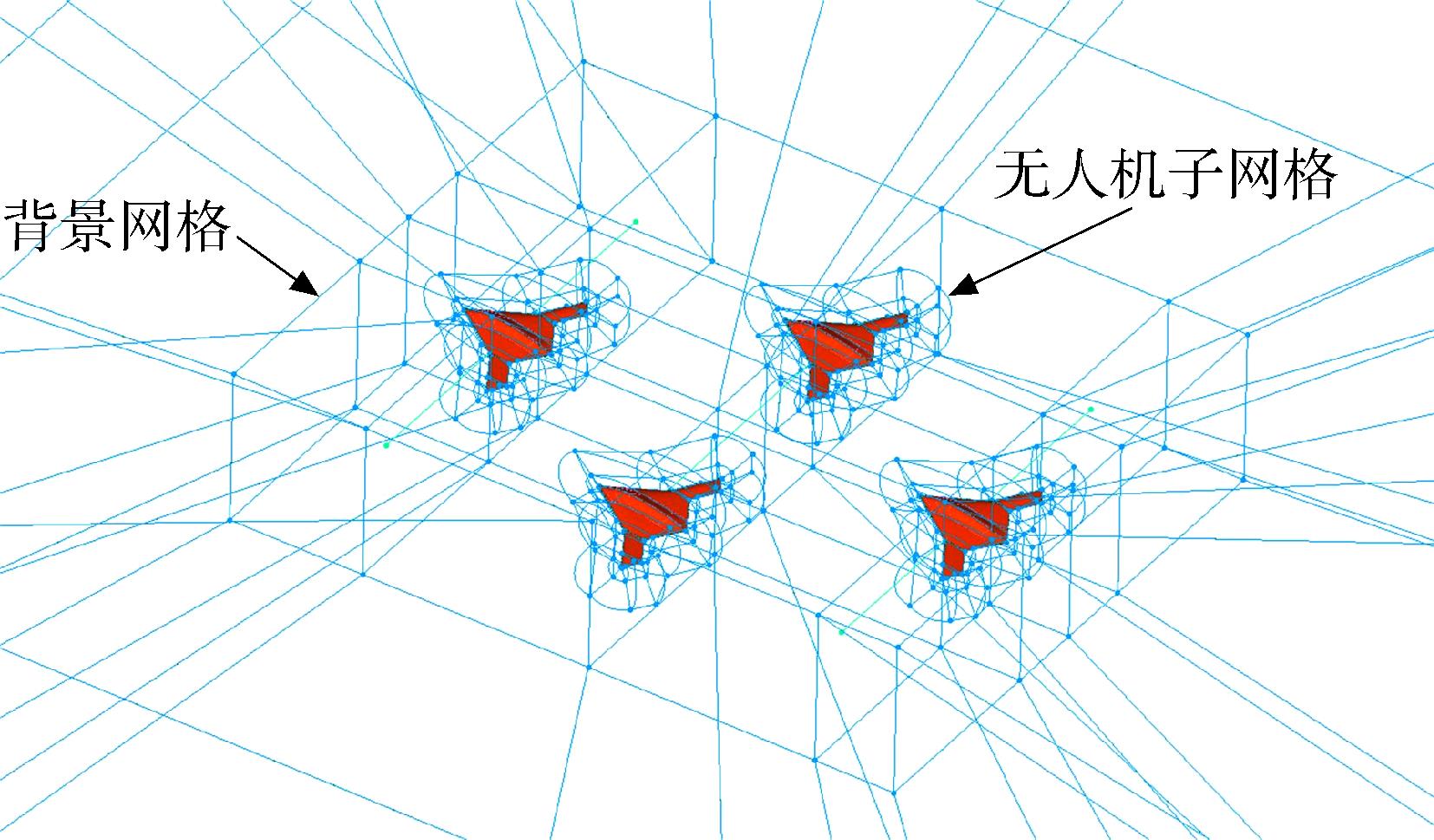
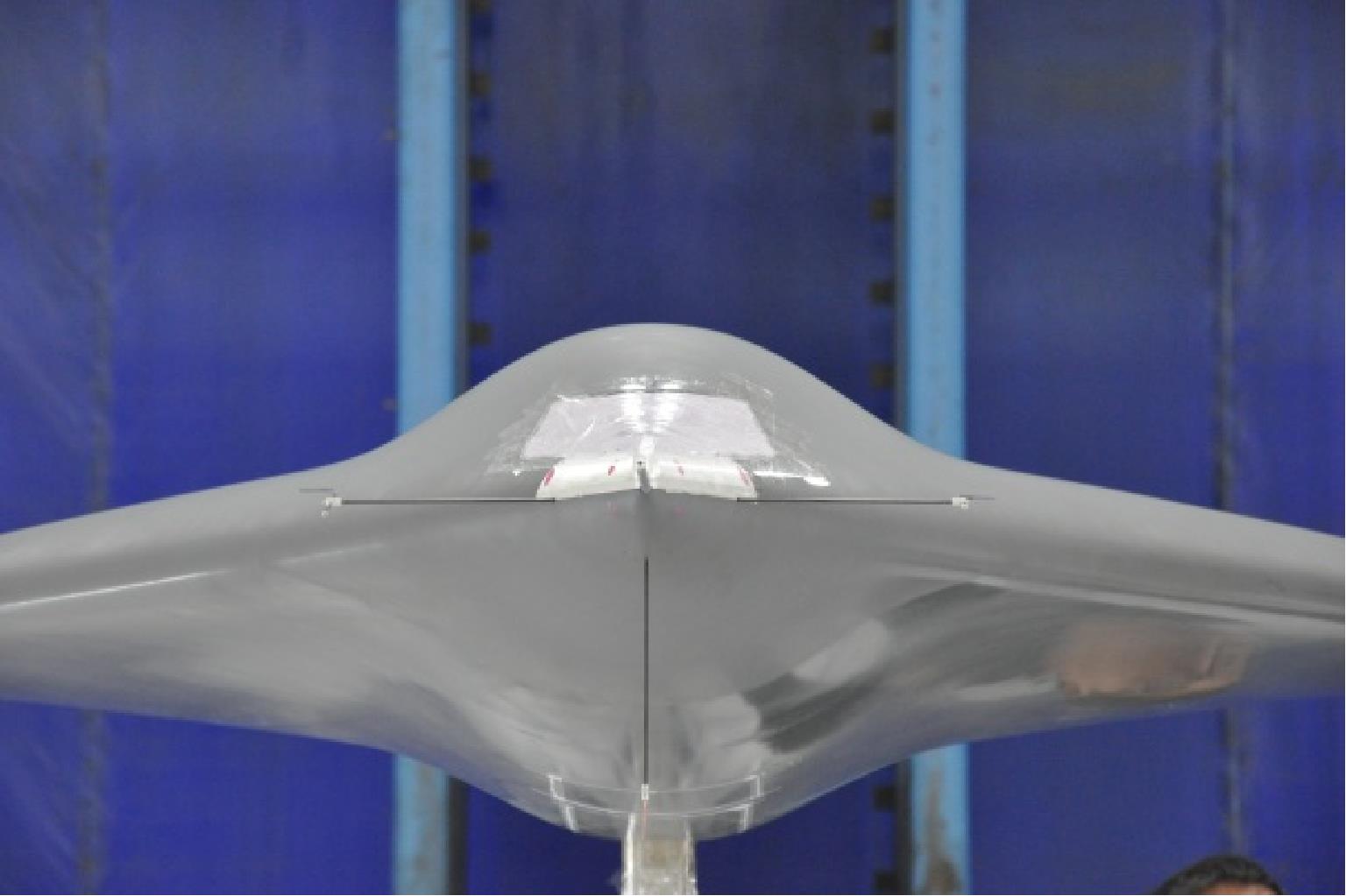
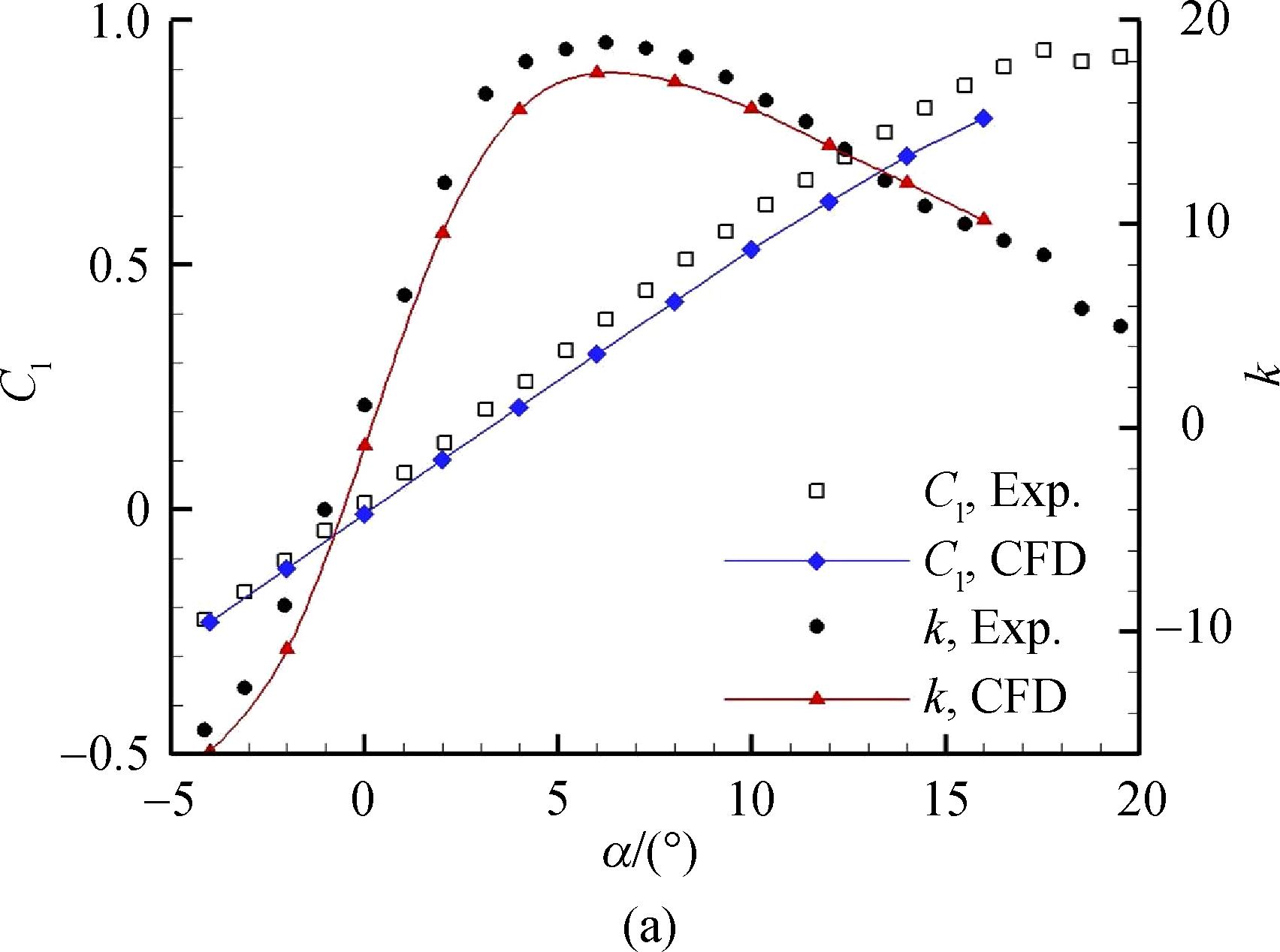
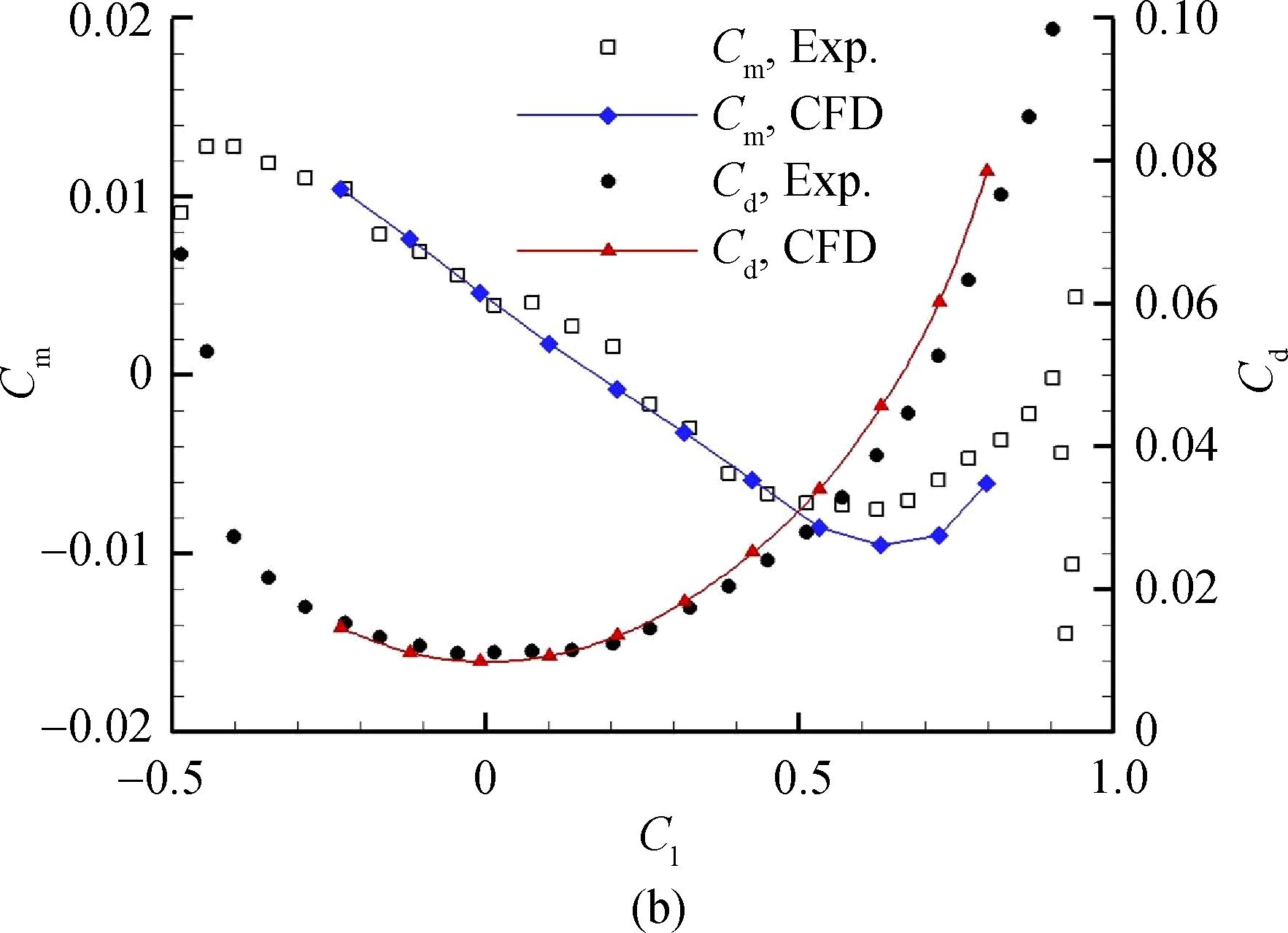
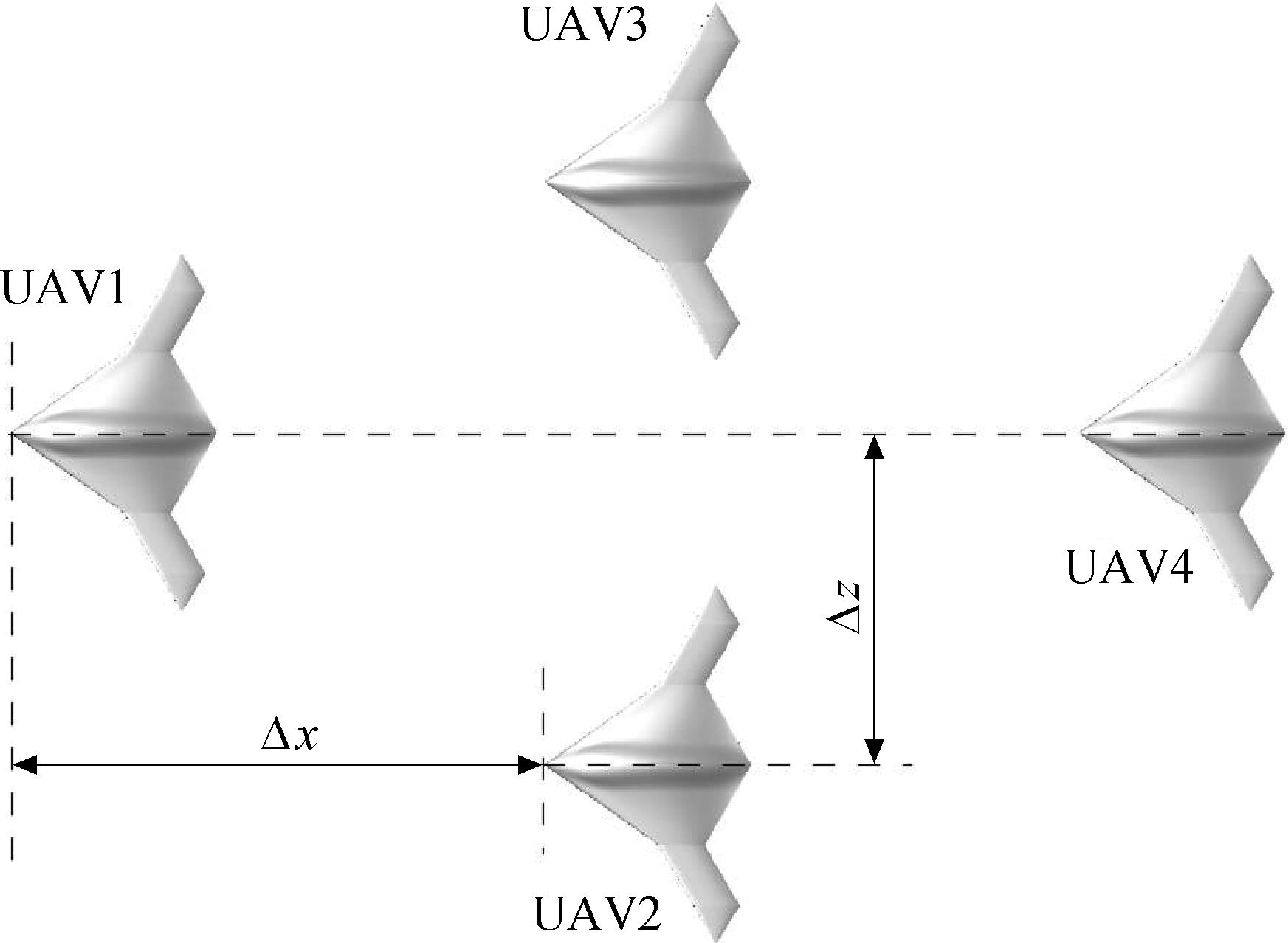
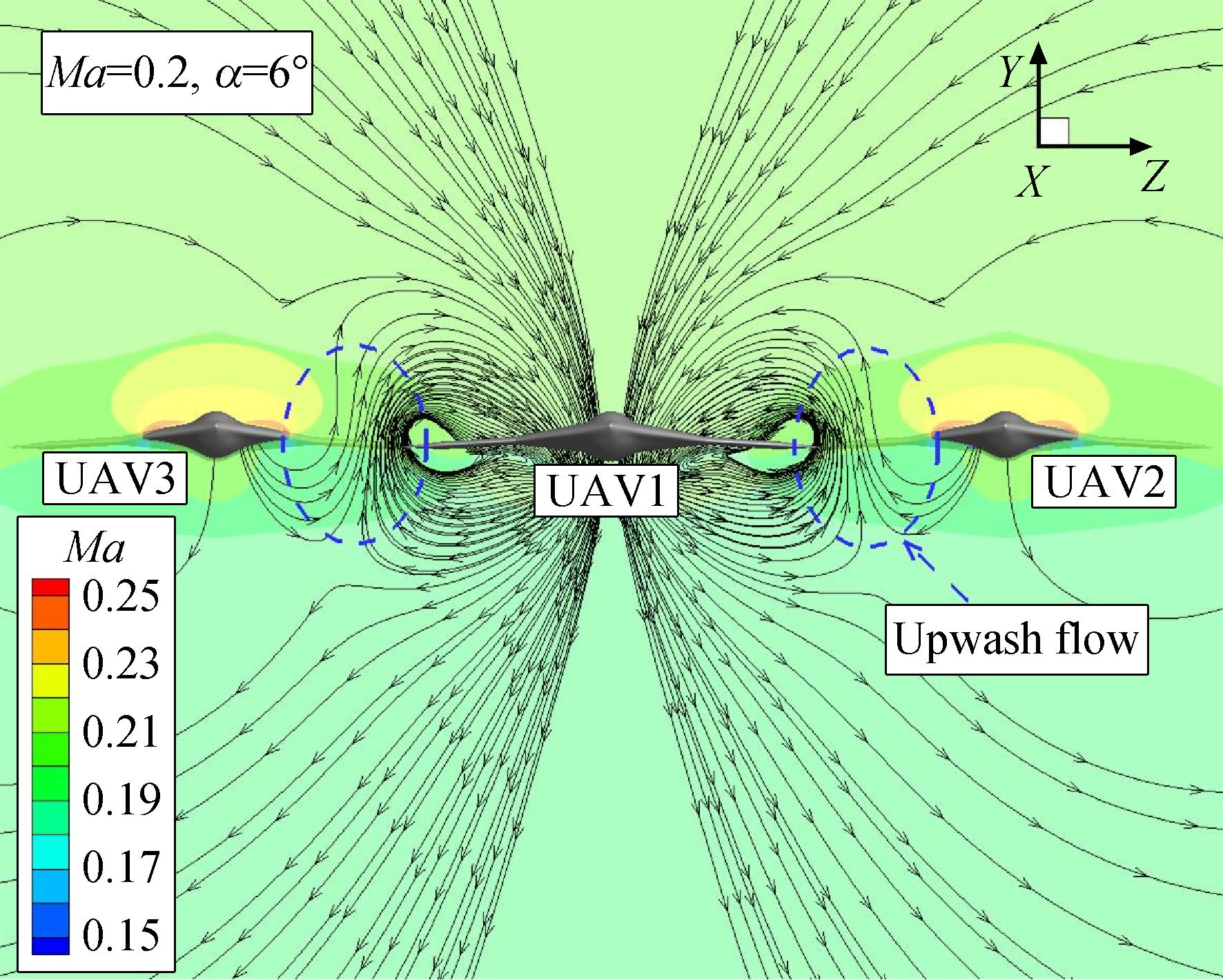
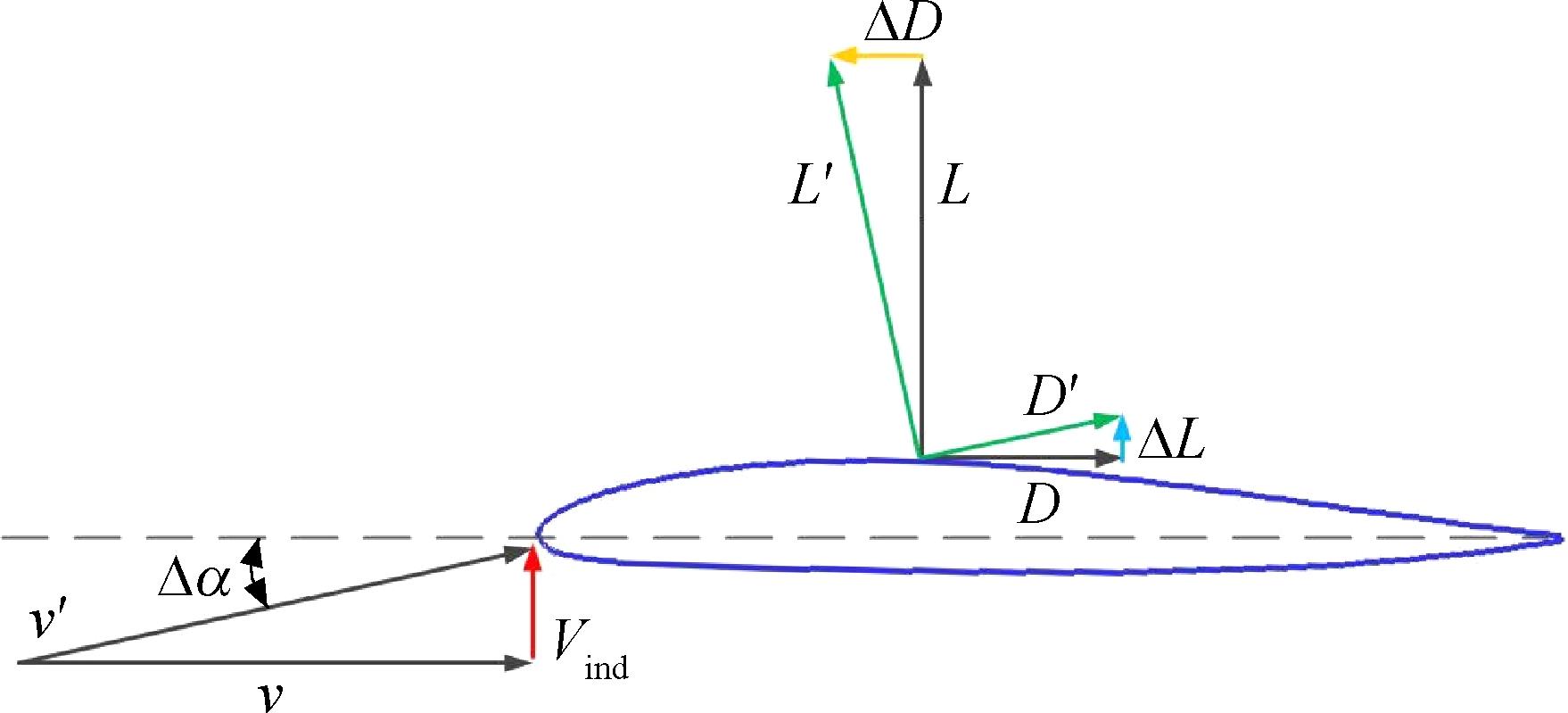
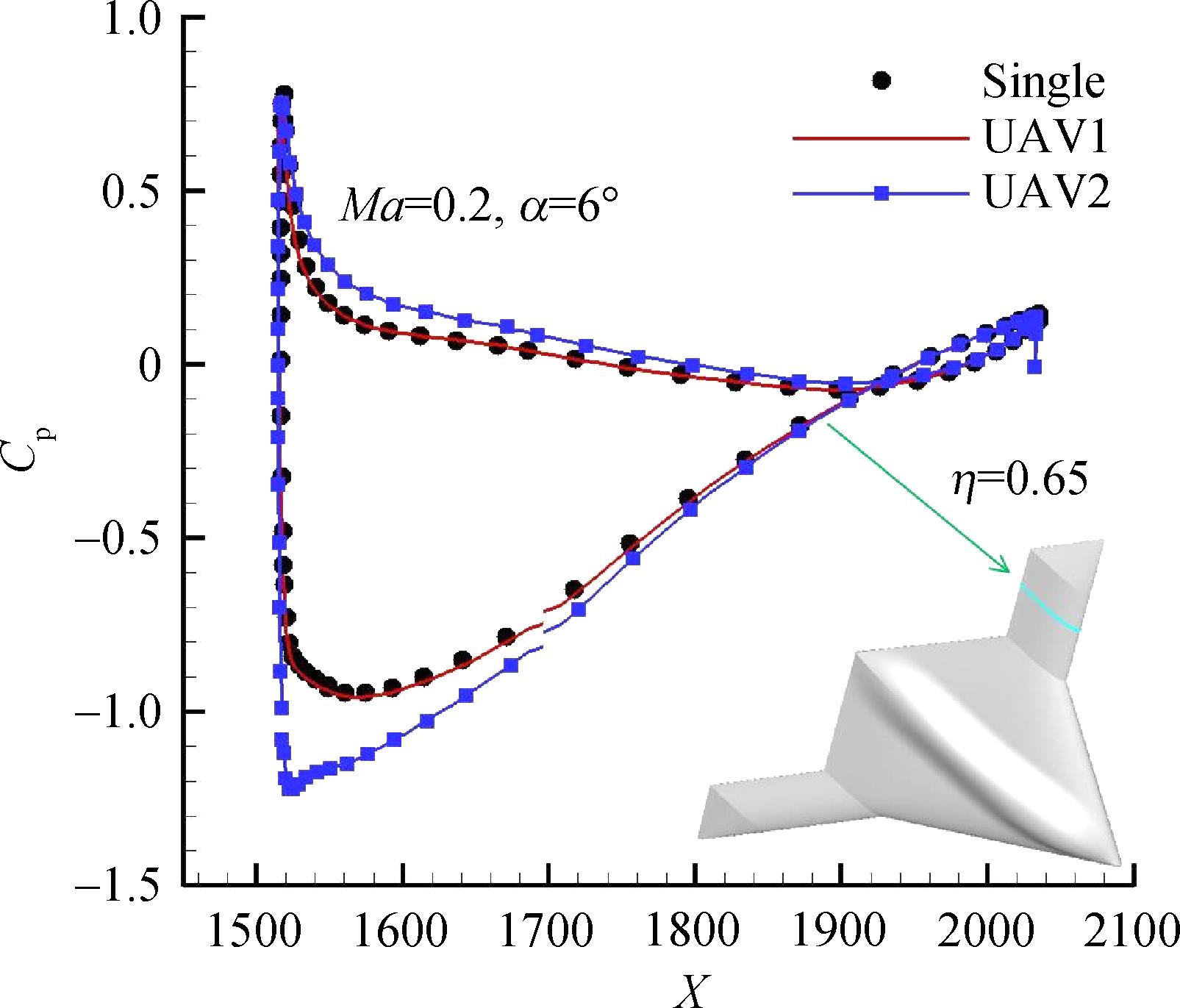
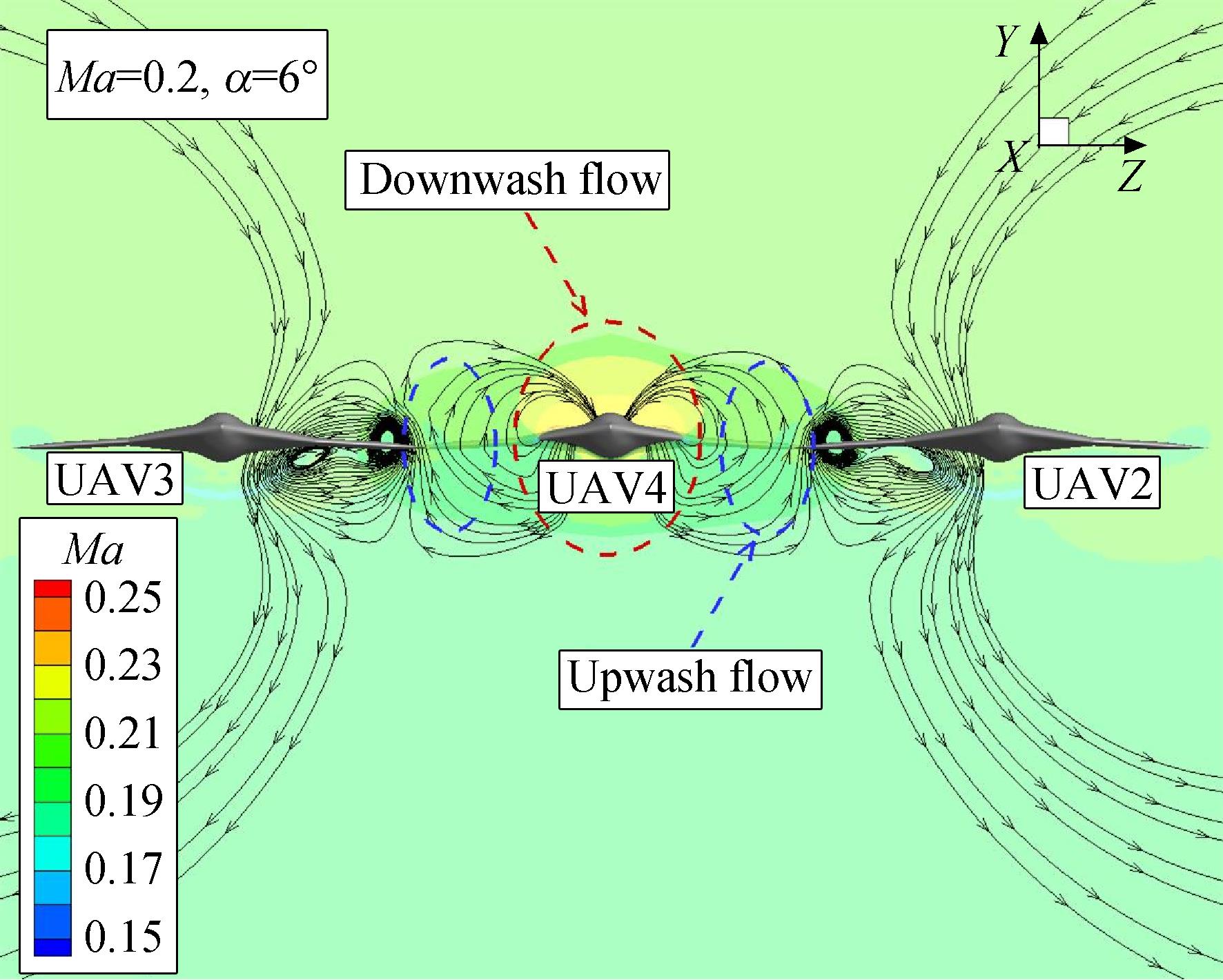
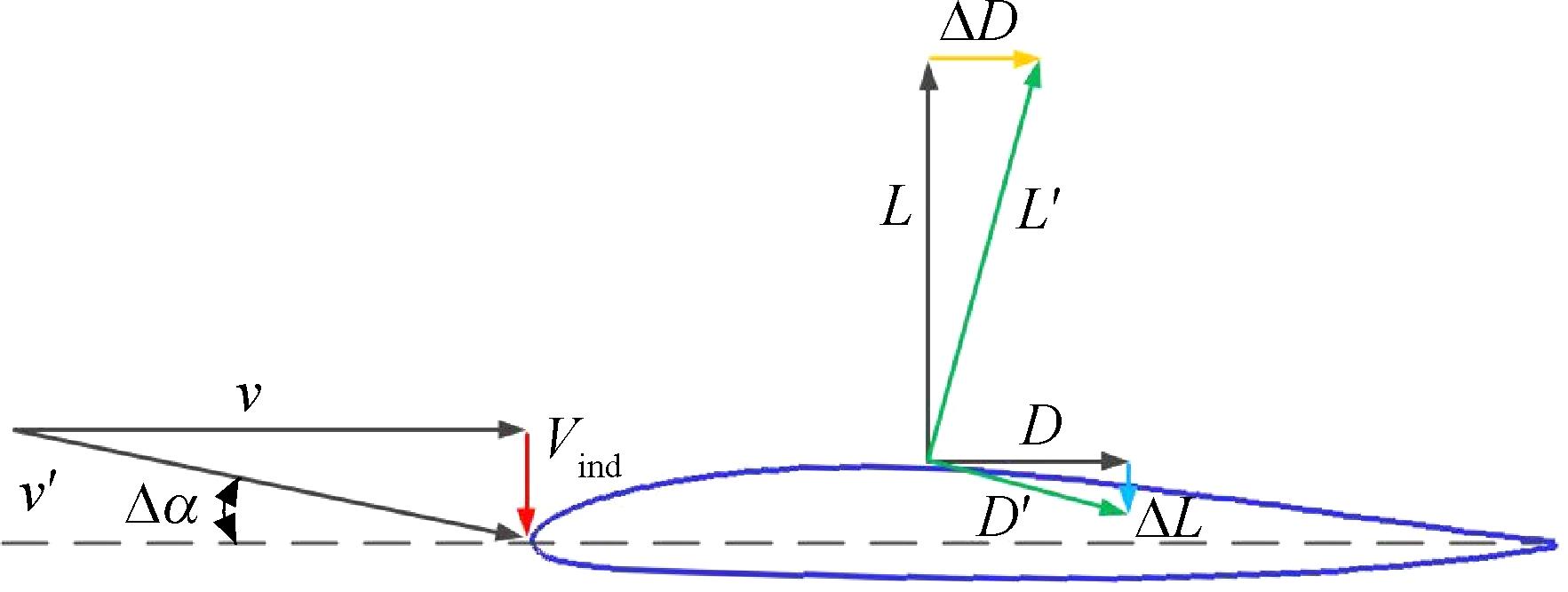
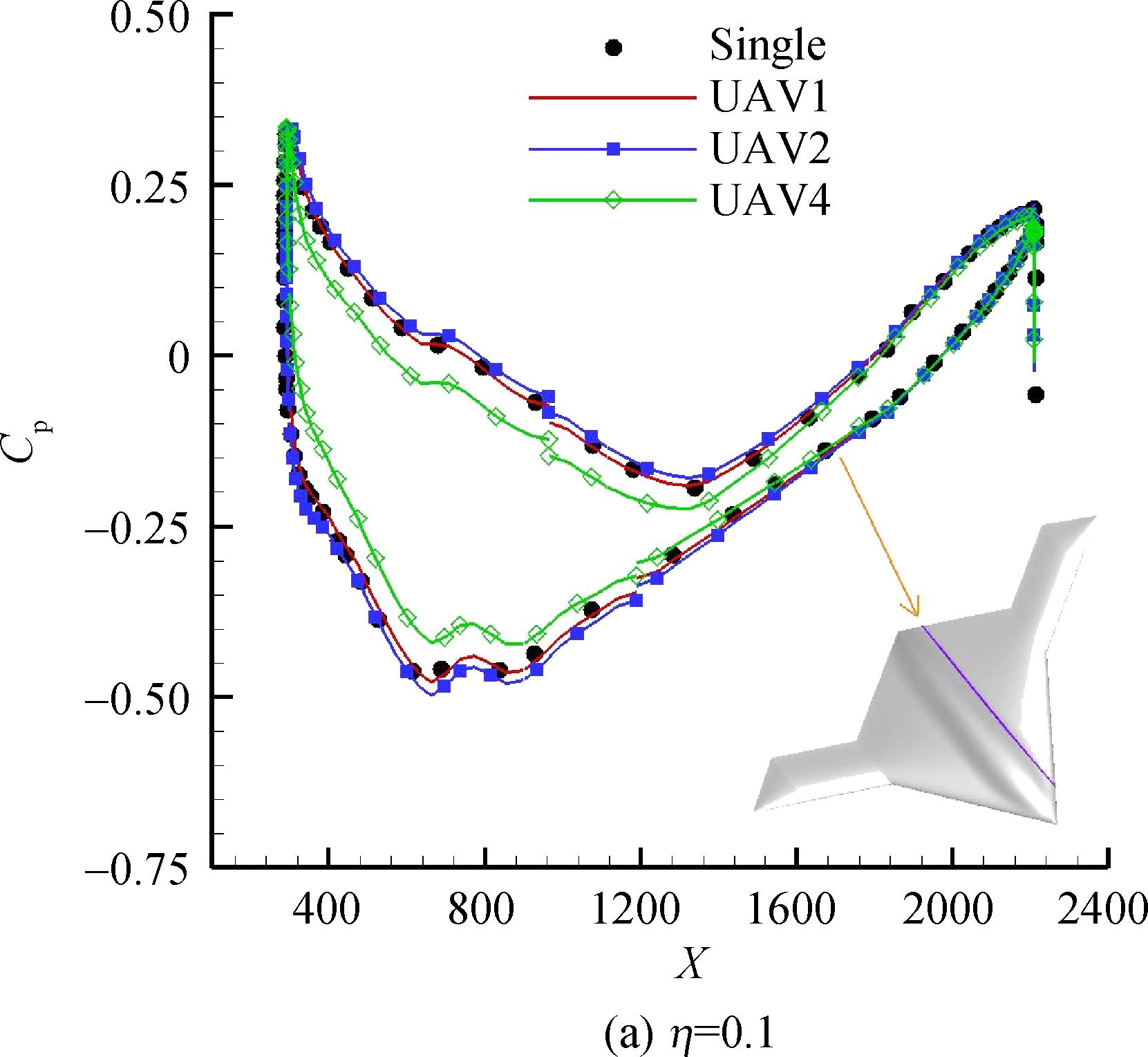
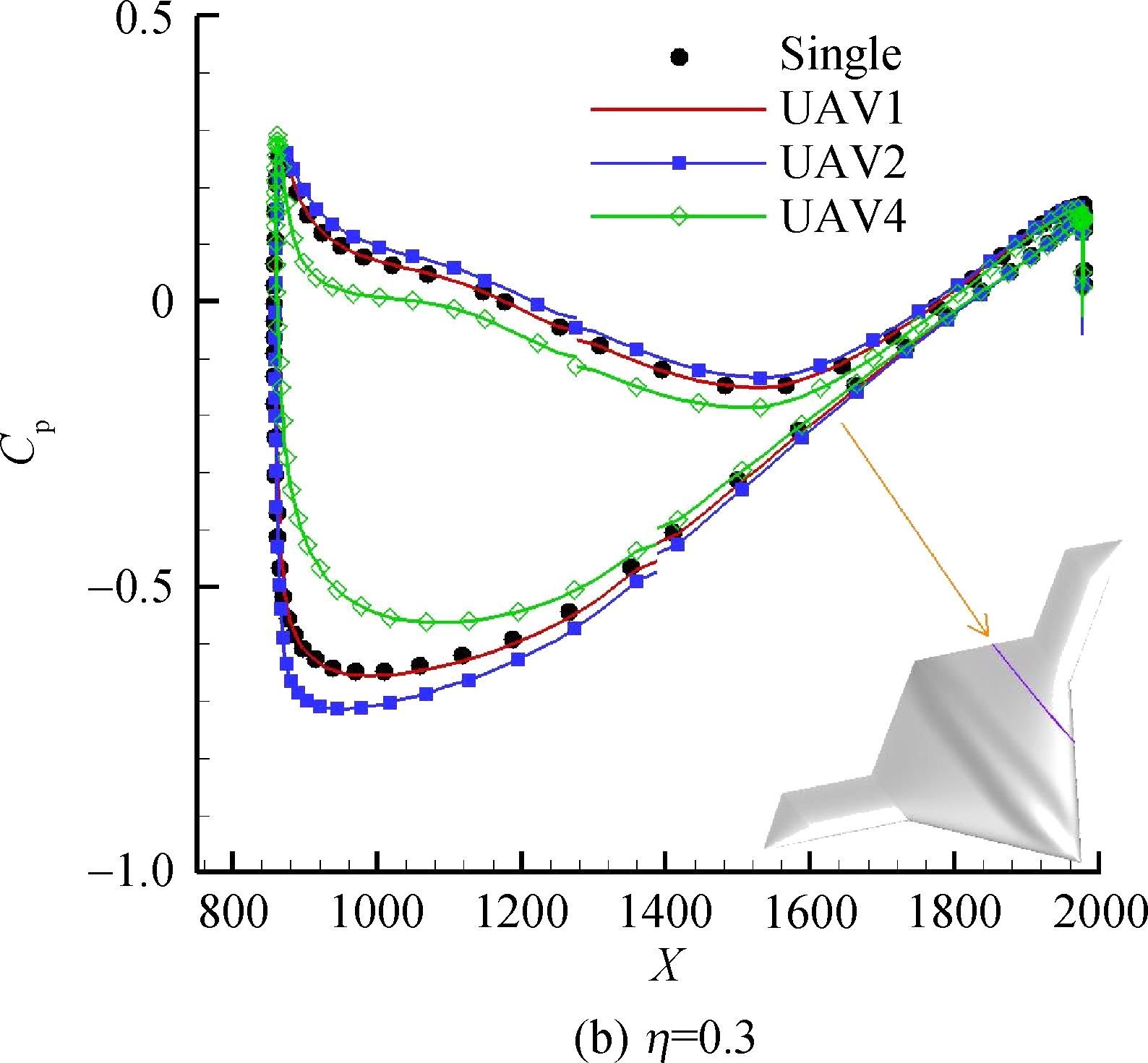
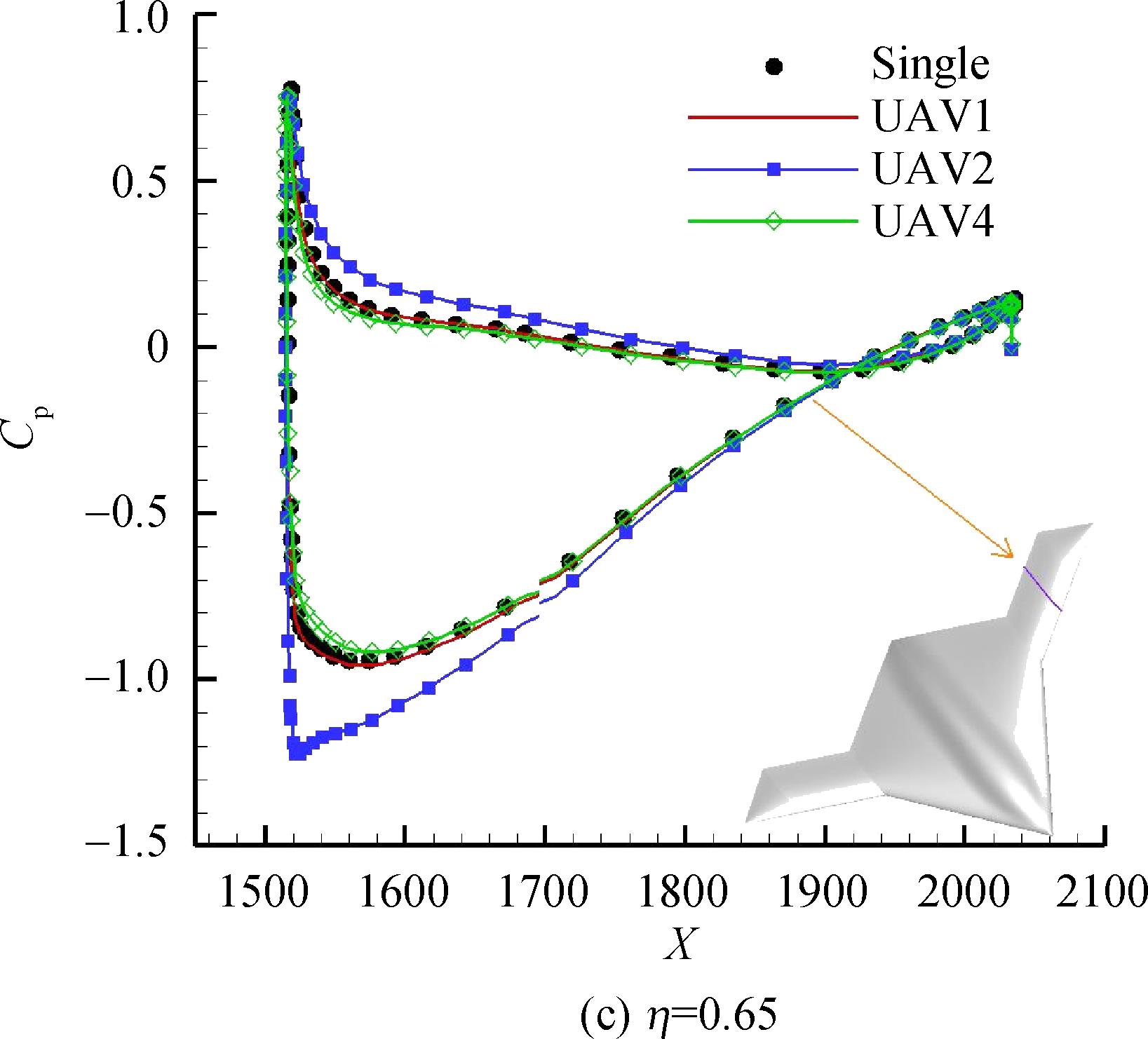
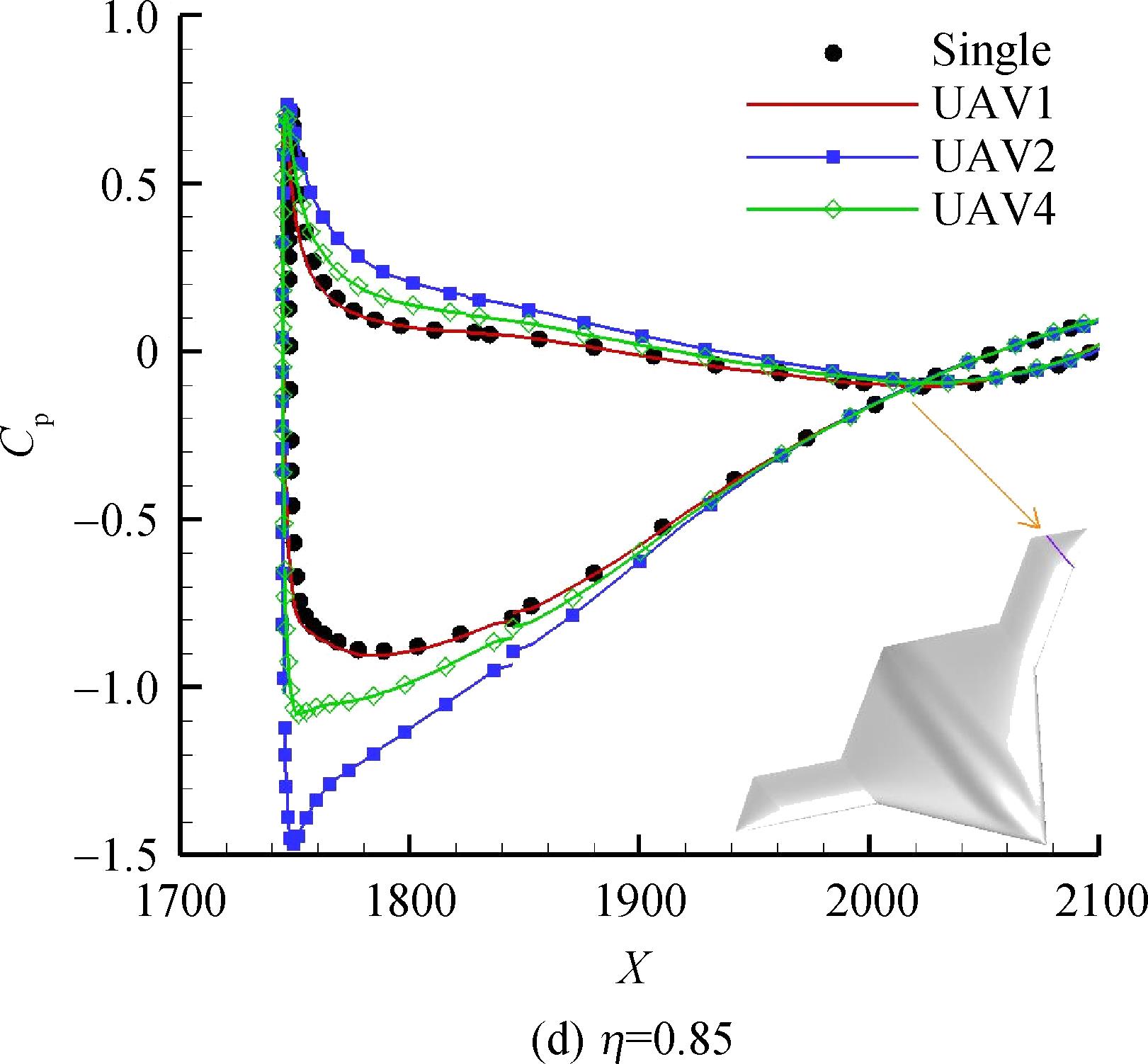
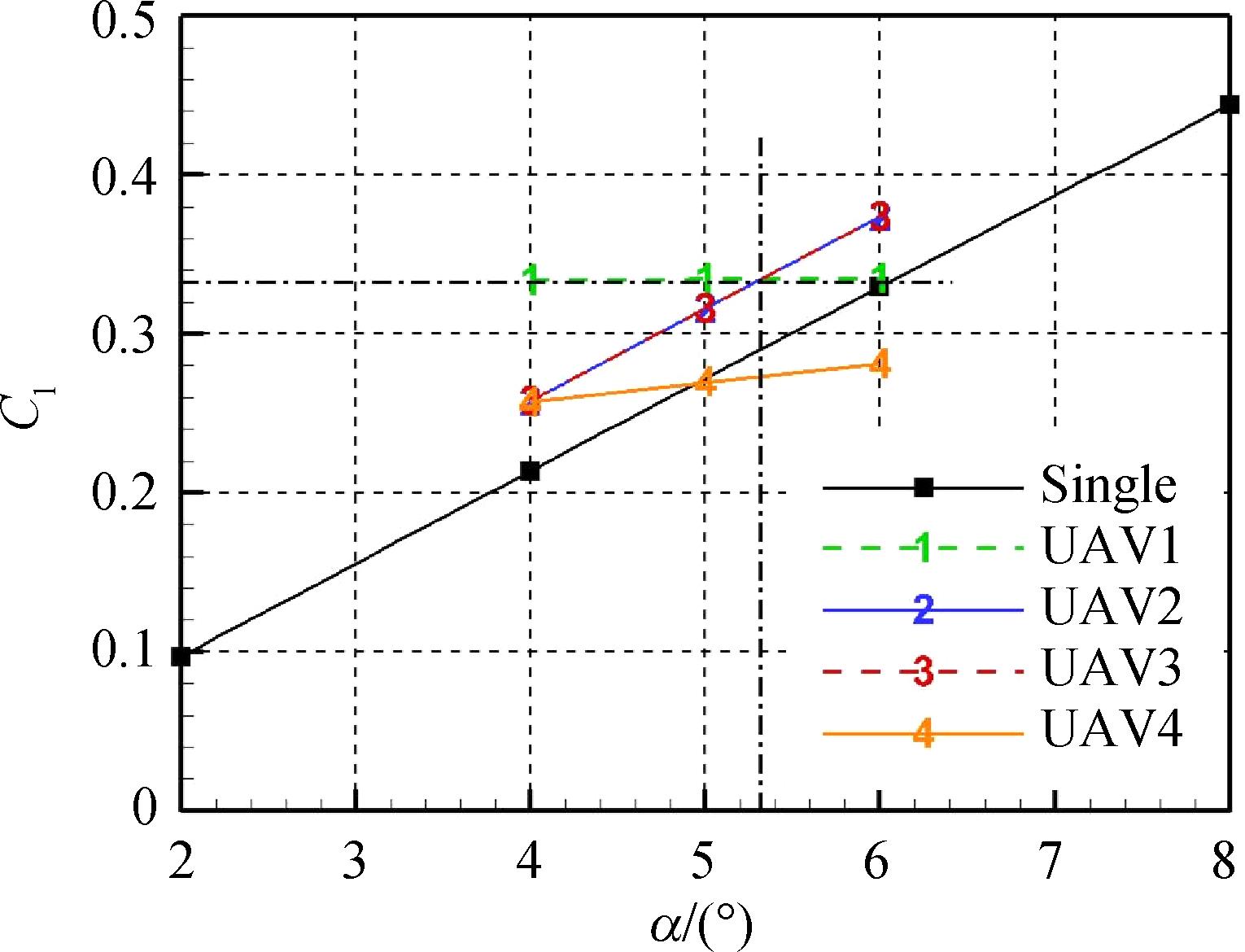
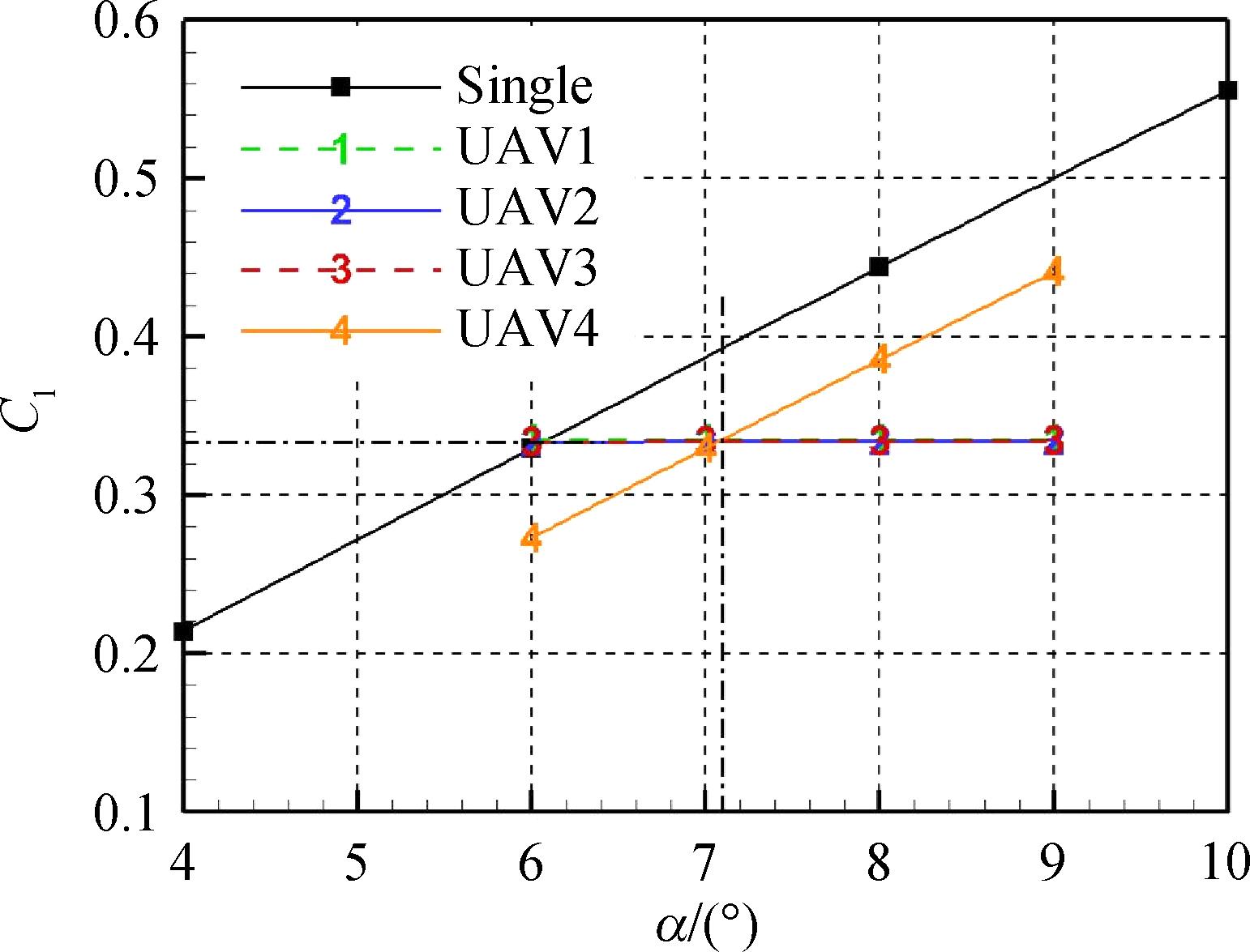
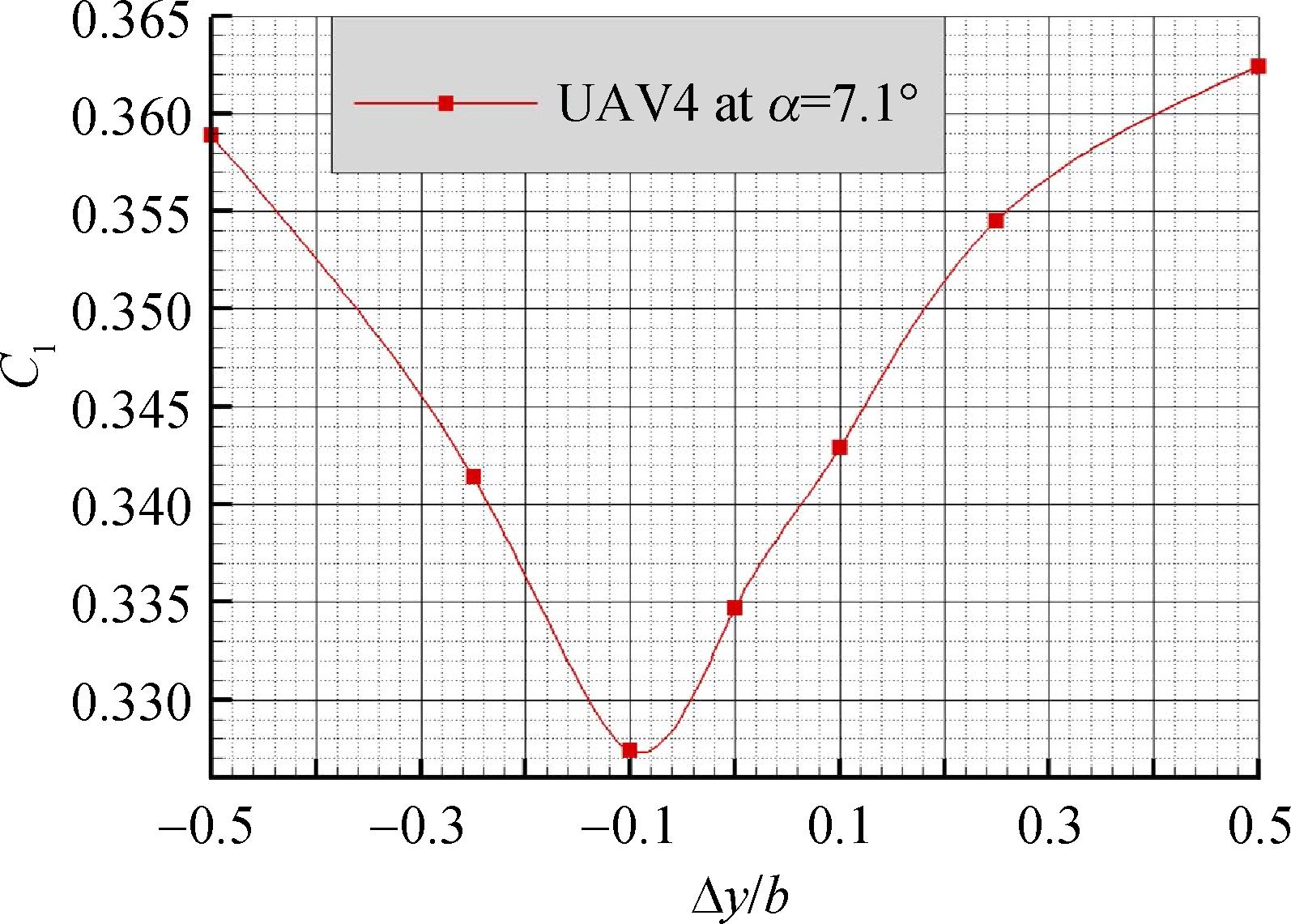
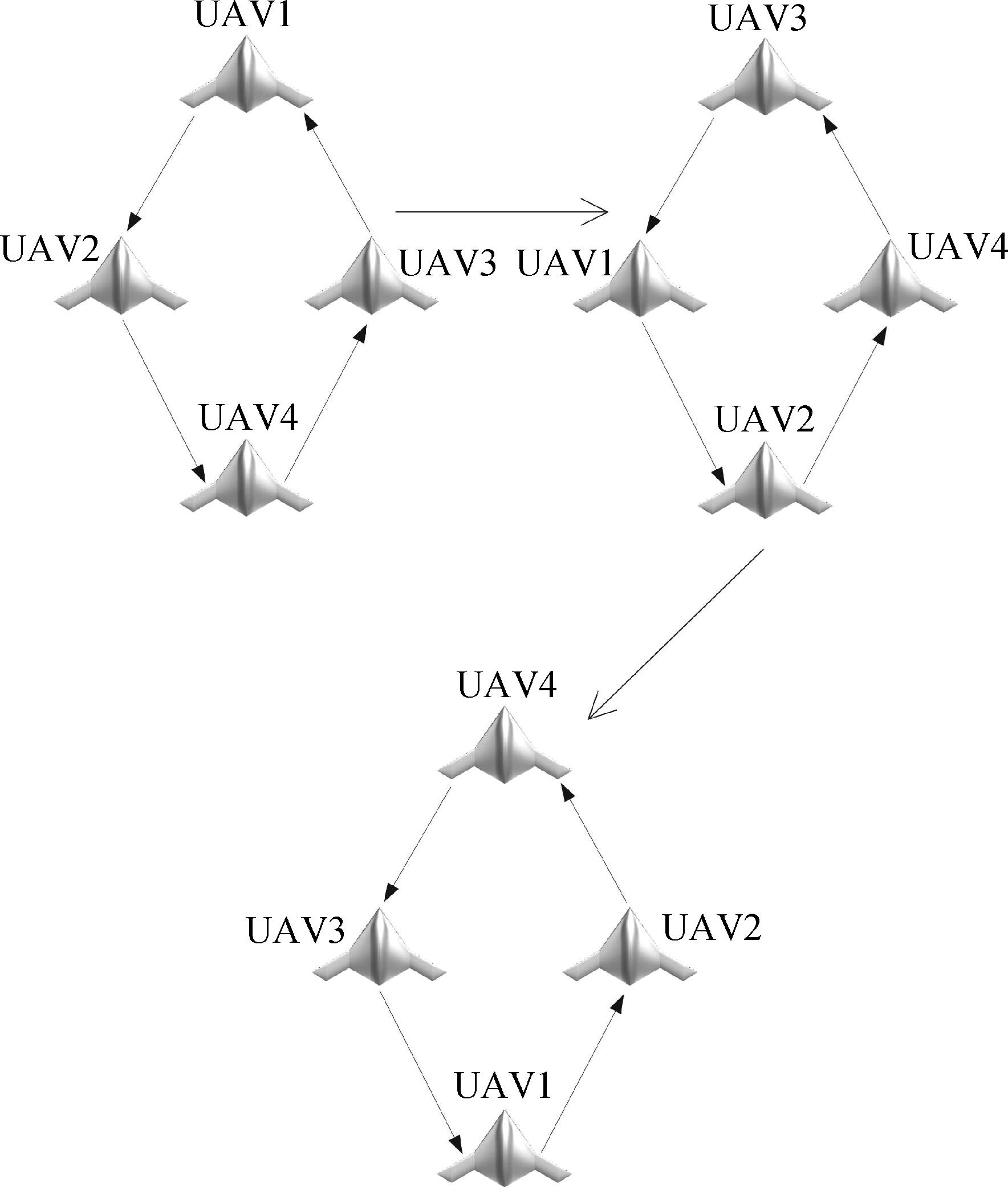
A rhombus formation composed of 4 unmanned aerial vehicles (UAVs) like X‑47B with flying wing configuration was designed.By solving the RANS equations,the aerodynamic interference of UAVs in rhombus formation flight was studied,and the related mechanism was analyzed in detail.The effect of formation drag reduction was given quantitatively.Computational results showed that the aerodynamic performance of head UAV remained unchanged,and the drag reduction of wing UAVs affected by upwash flow was obvious,but the drag of tail UAV mainly affected by downwash flow increased,making it unfavorable to the long voyage of formation.Under the condition of gravity balancing,the reduction of flight drag of wing UAVs was caused by the decrease of attack angle and induced drag,while the increase of flight drag of tail UAV was mainly caused by the increase of attack angle,and the induced drag only brought 20% of flight drag increase of tail UAV.In order to reduce the adverse effect of downwash flow on tail UAV,the aerodynamic characteristics of tail UAV with different vertical spacing were studied.According to the behavior mechanism of head bird transformation in geese,the flying suggestions of rhombus formation were given.

Flow characteristics and pitch regulation of high‑efficiency swept⁃curved counter rotating propellers
LI Zhida, CHEN Xiangxiang, WU Tao, DONG Wei
2022, 37(8): 1703-1713. doi: 10.13224/j.cnki.jasp.20210278
Abstract:

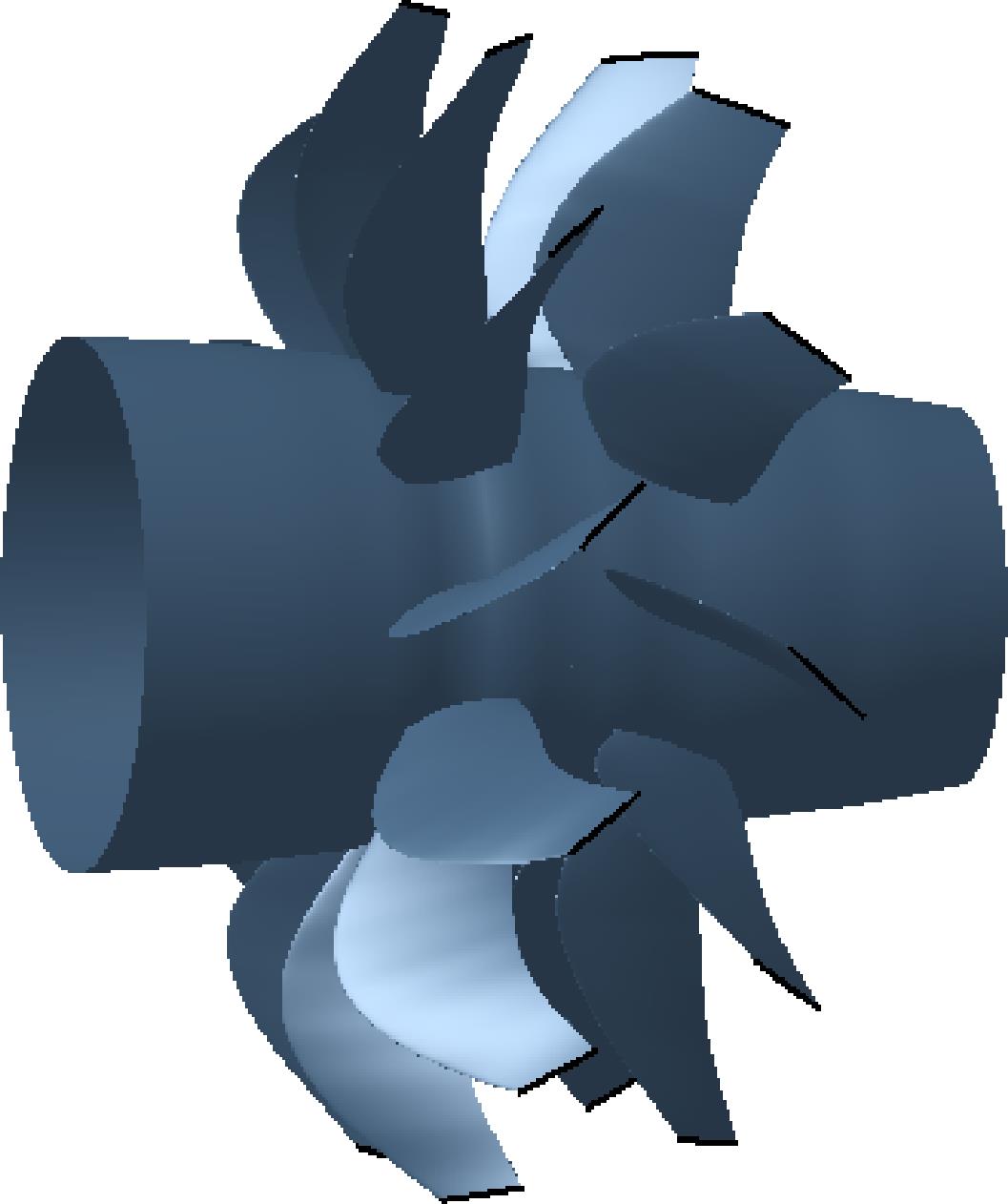
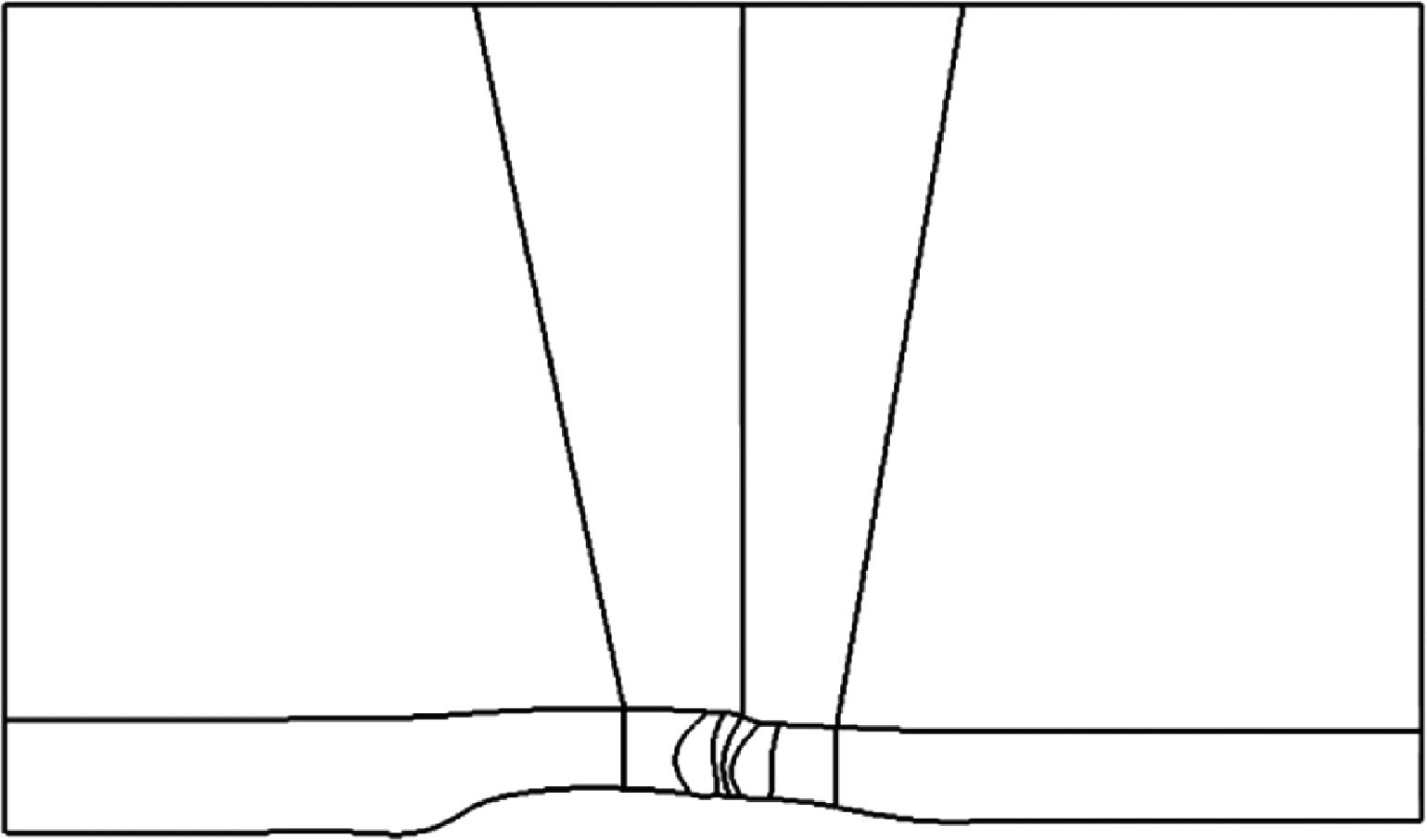
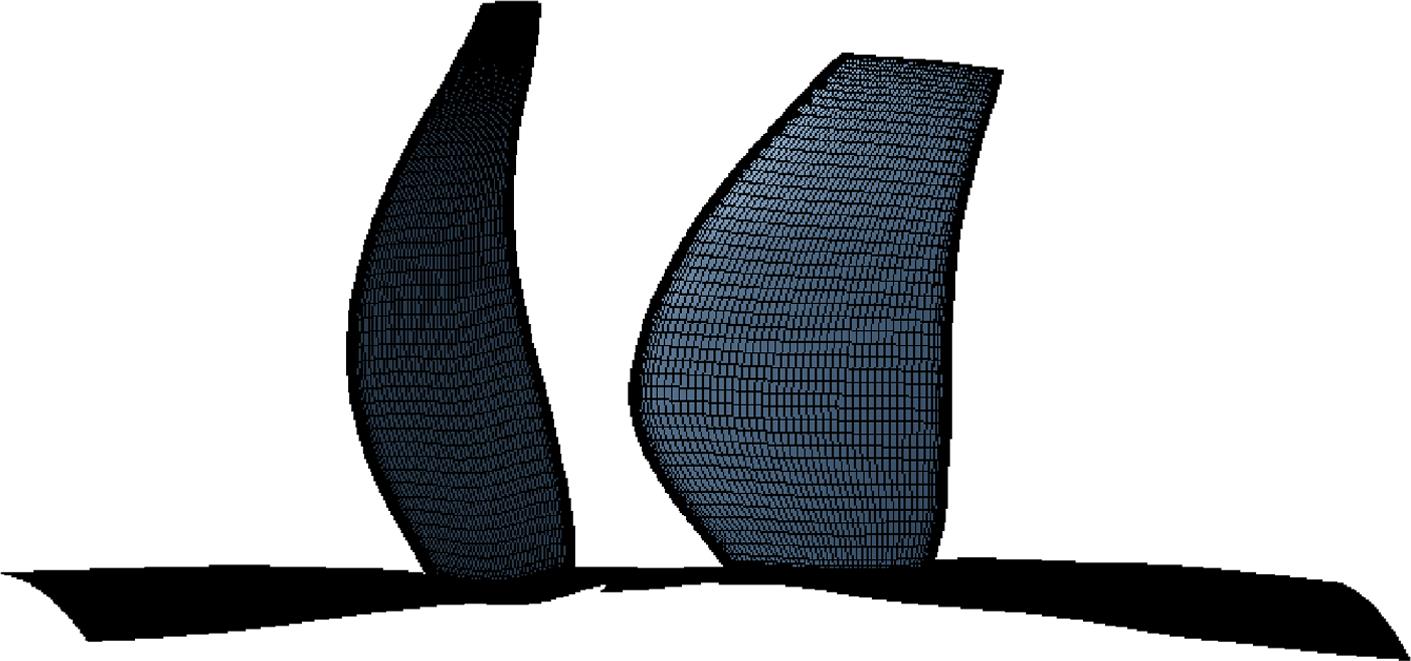
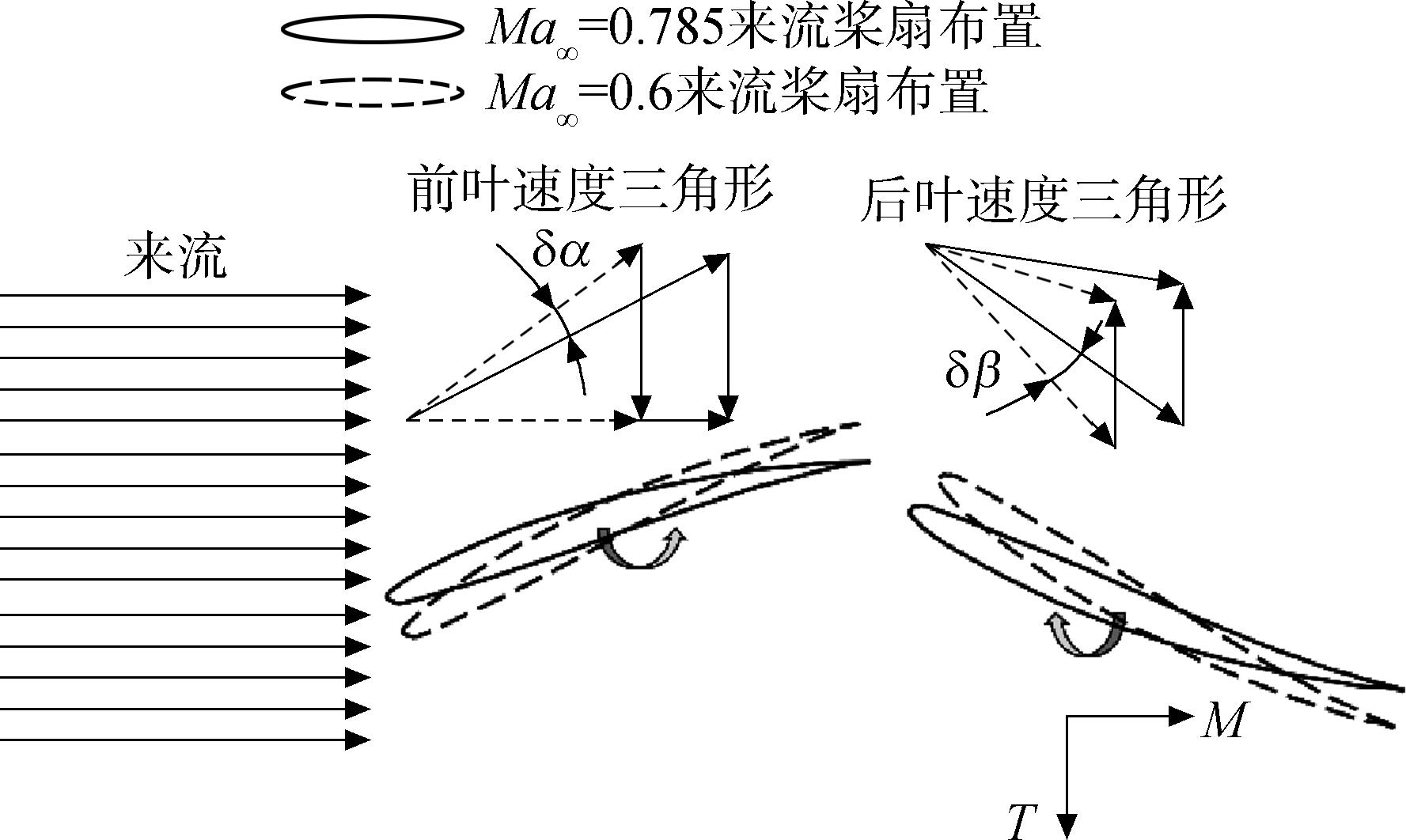
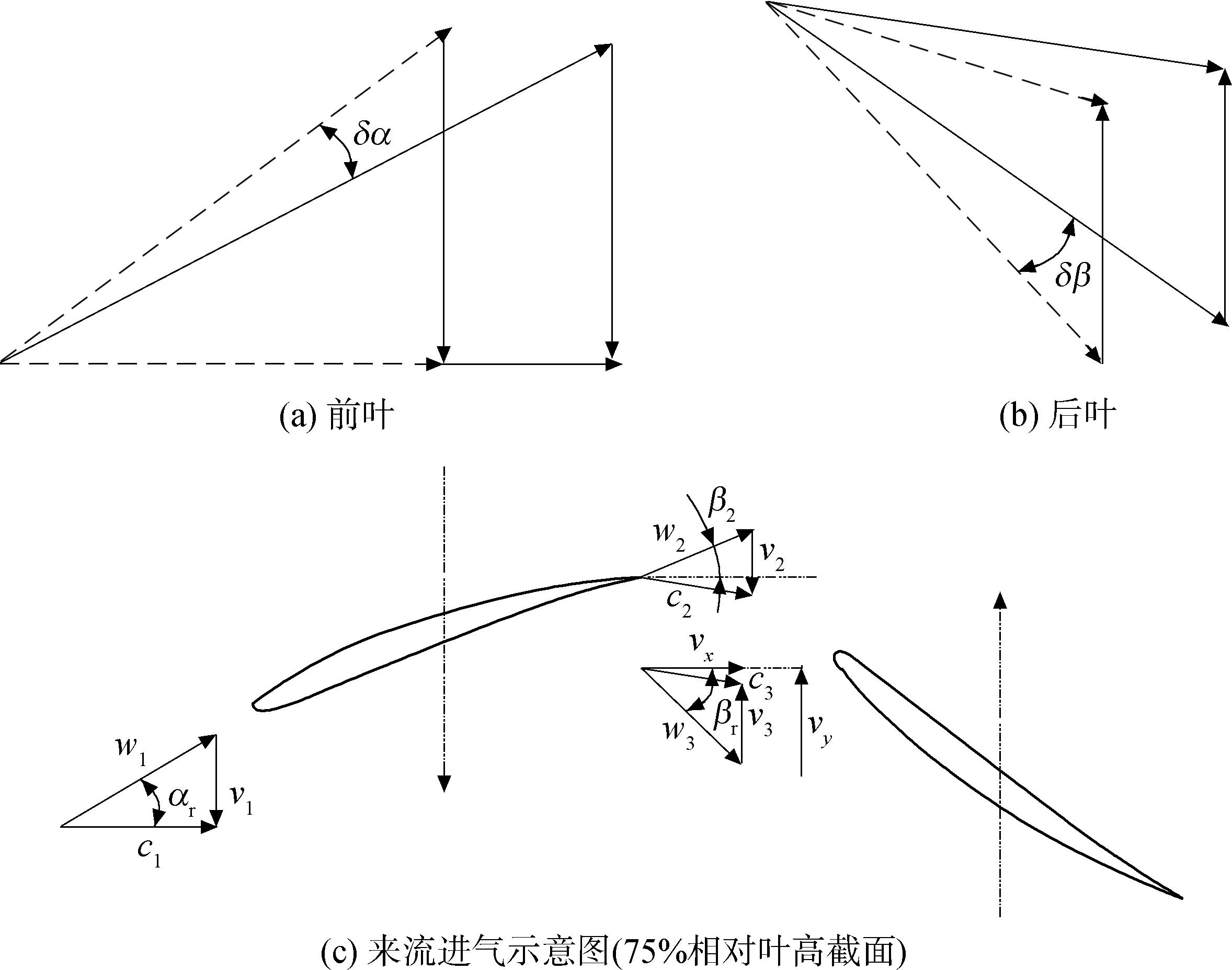
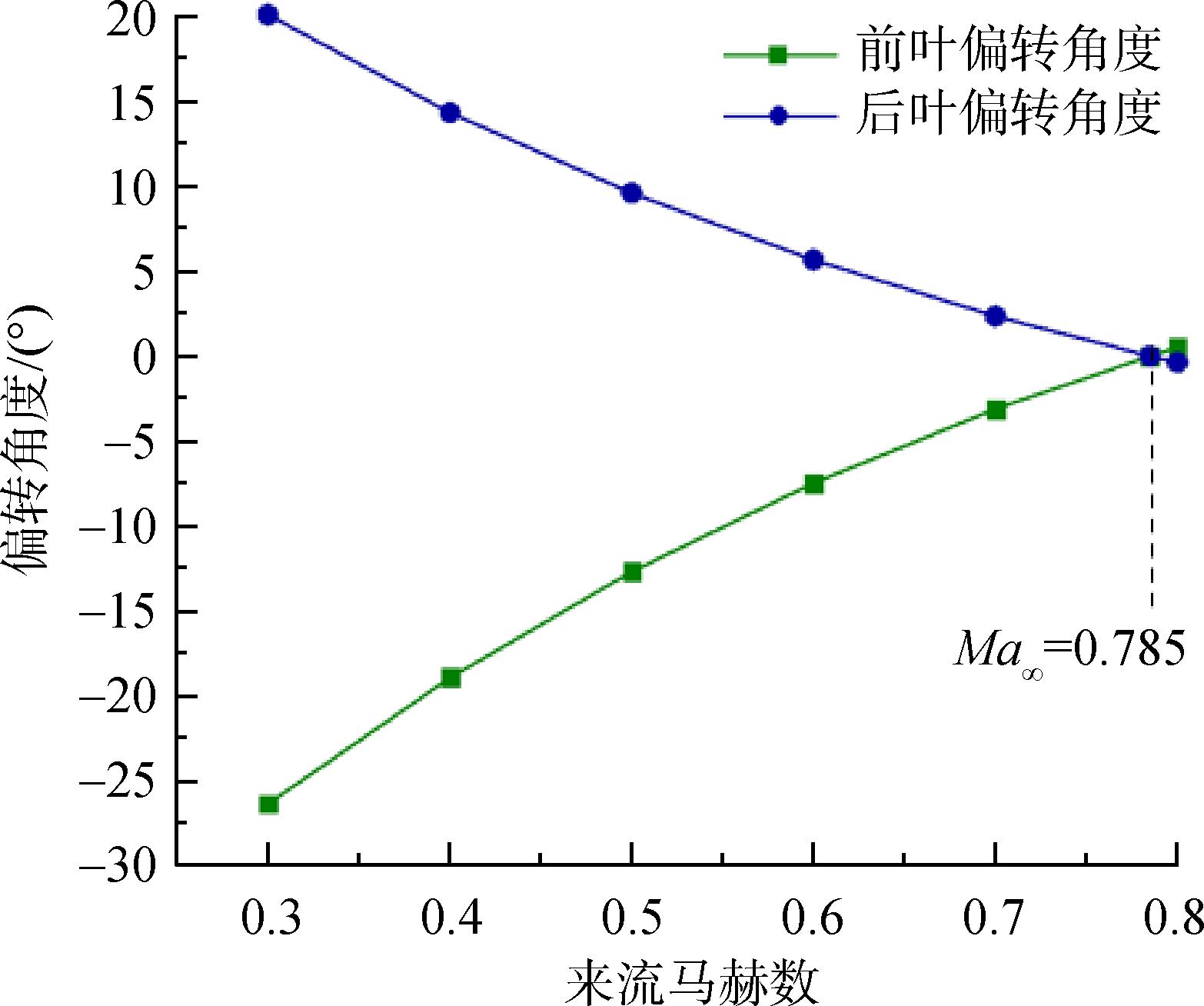
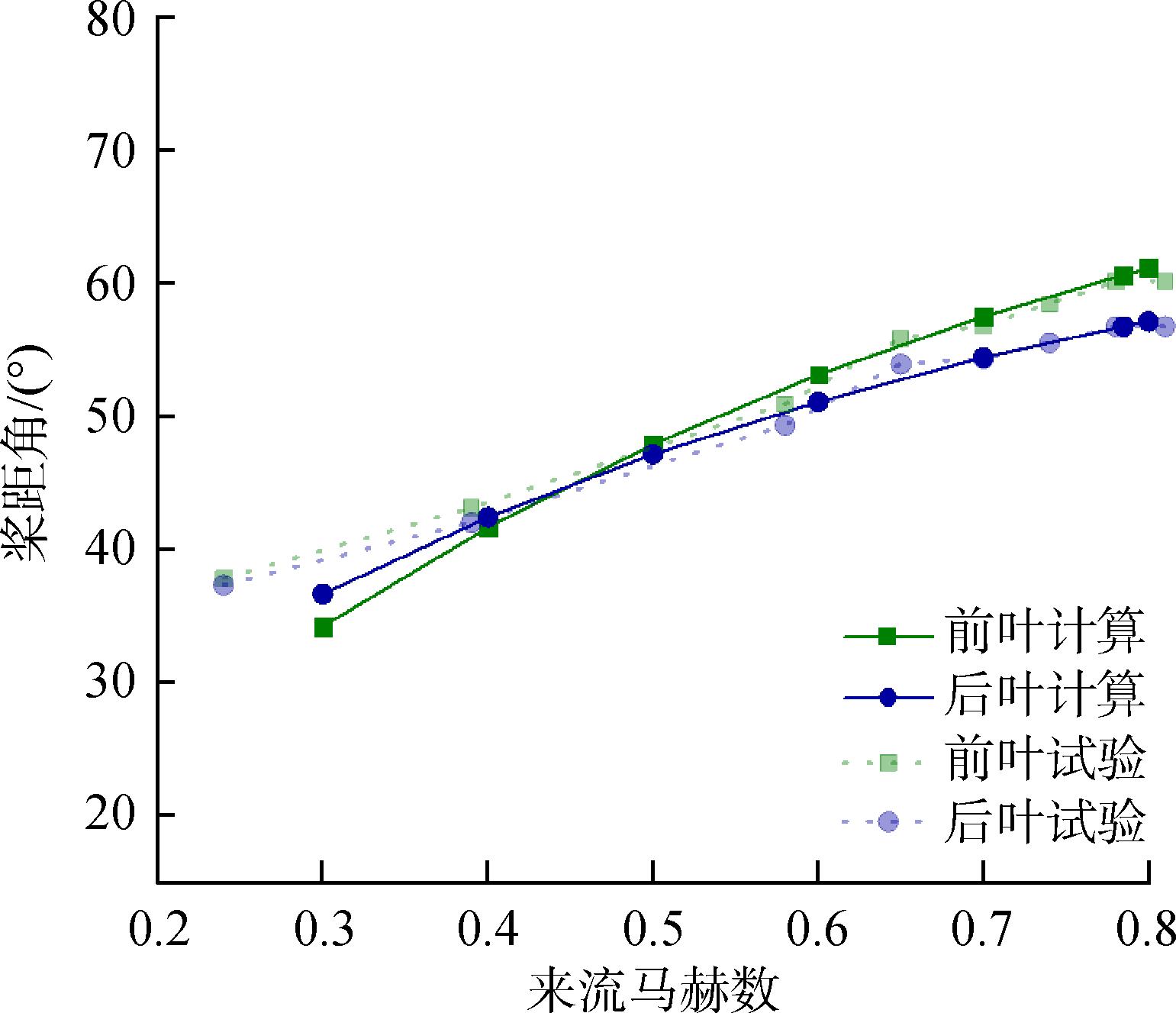
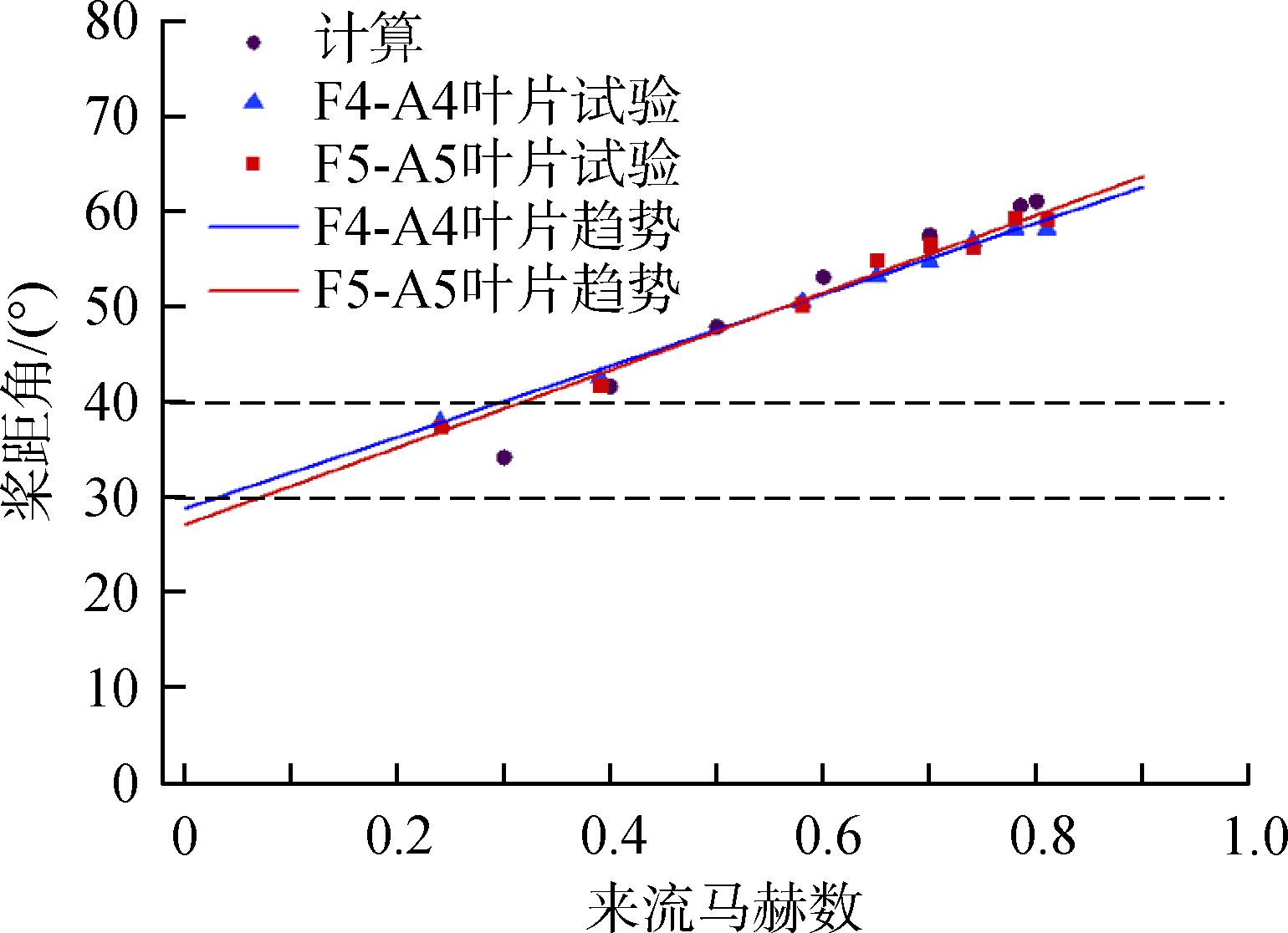
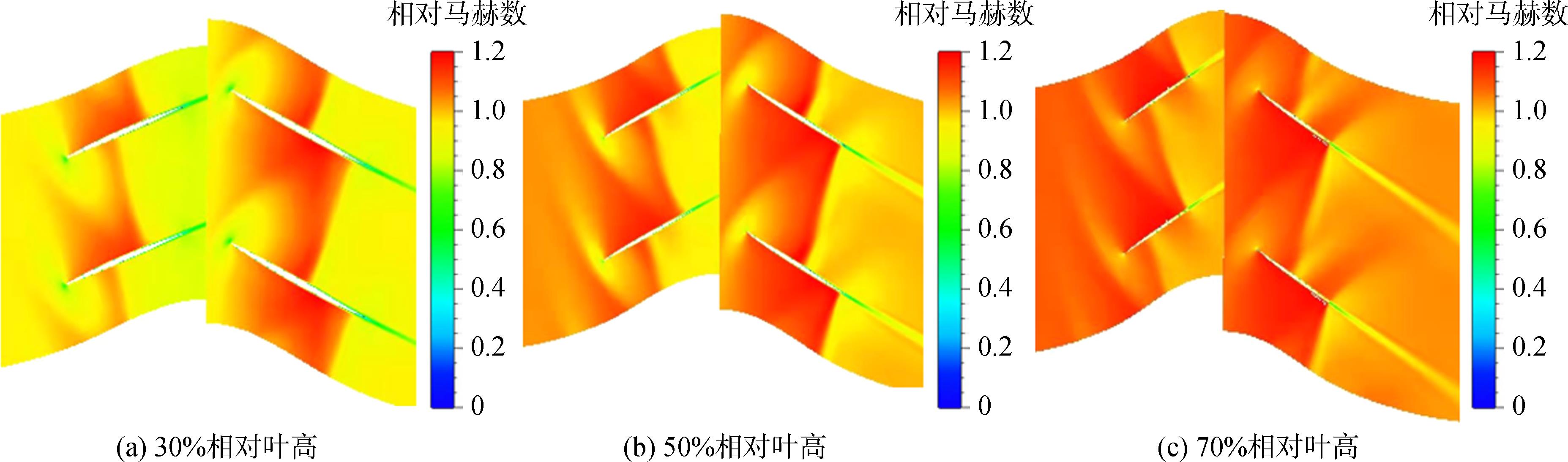
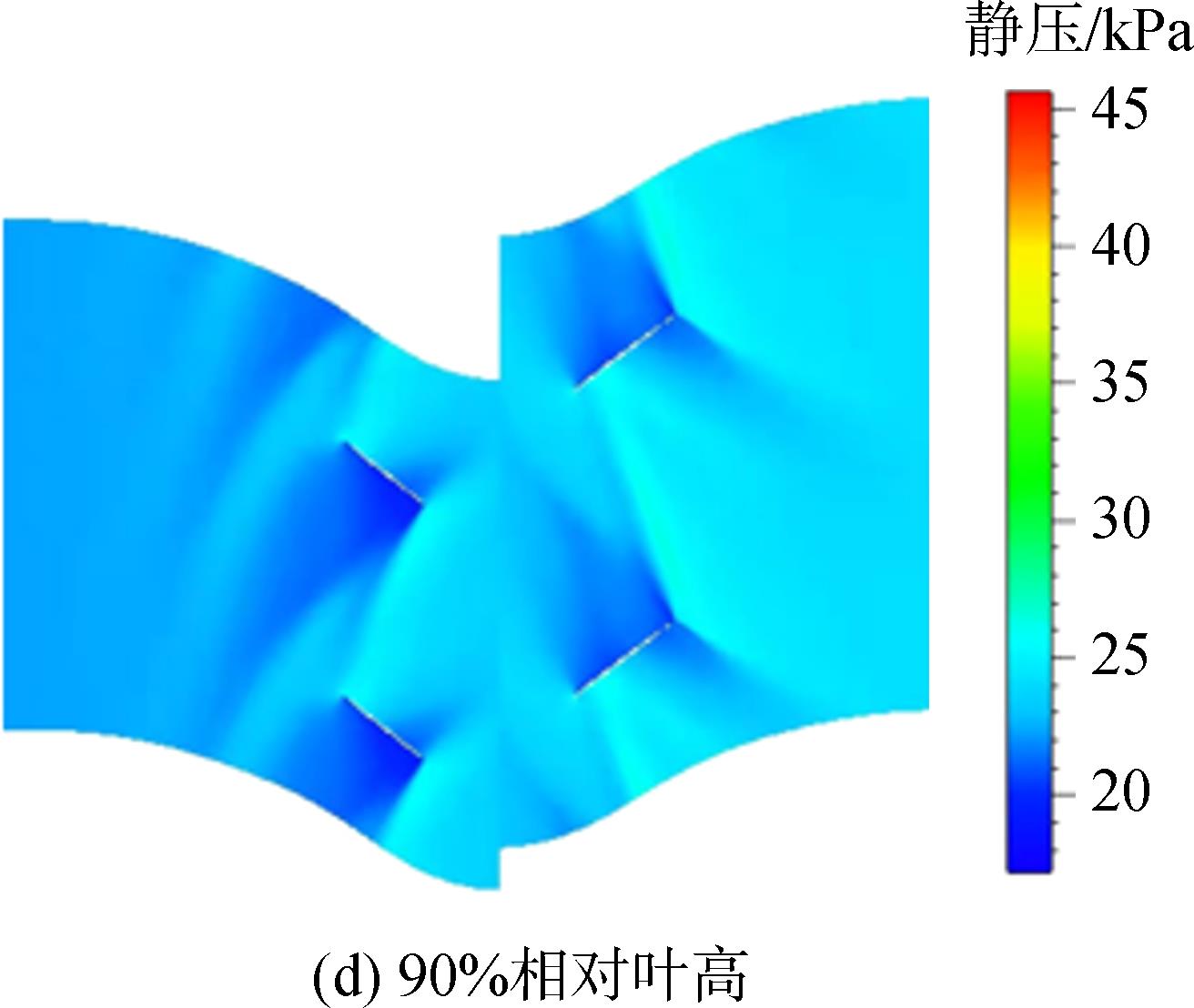
The flow characteristics of the swept⁃curved counter rotating propellers under high subsonic flow were analyzed by numerical calculation method,and the pitch regulation of the high efficiency counter rotating propellers under different free flow Mach numbers was studied.The results showed that in the flow field inside the swept⁃curved counter rotating propellers,the obvious shock wave structure began to form from about 30% of the relative blade span.However,when the peak Mach number was below 1.2,the shock wave intensity was relatively weak and the flow loss was acceptable.Because of significant effect of the pitch angle on the propulsion efficiency of the counter rotating propellers,a feasible and effective method to adjust the pitch of the counter rotating propellers was proposed.The numerical calculation showed that the propulsion efficiency of the counter rotating propellers was above 75%.The thrust values predicted by numerical simulation showed that the thrust of the front blade was more sensitive to the change of Mach number.

Structure optimization method of three⁃blade propeller for stratospheric airship
SHANG Lingling, WANG Haifeng, KOU Qihui, LIU Kunpeng
2022, 37(8): 1714-1723. doi: 10.13224/j.cnki.jasp.20210334
Abstract:

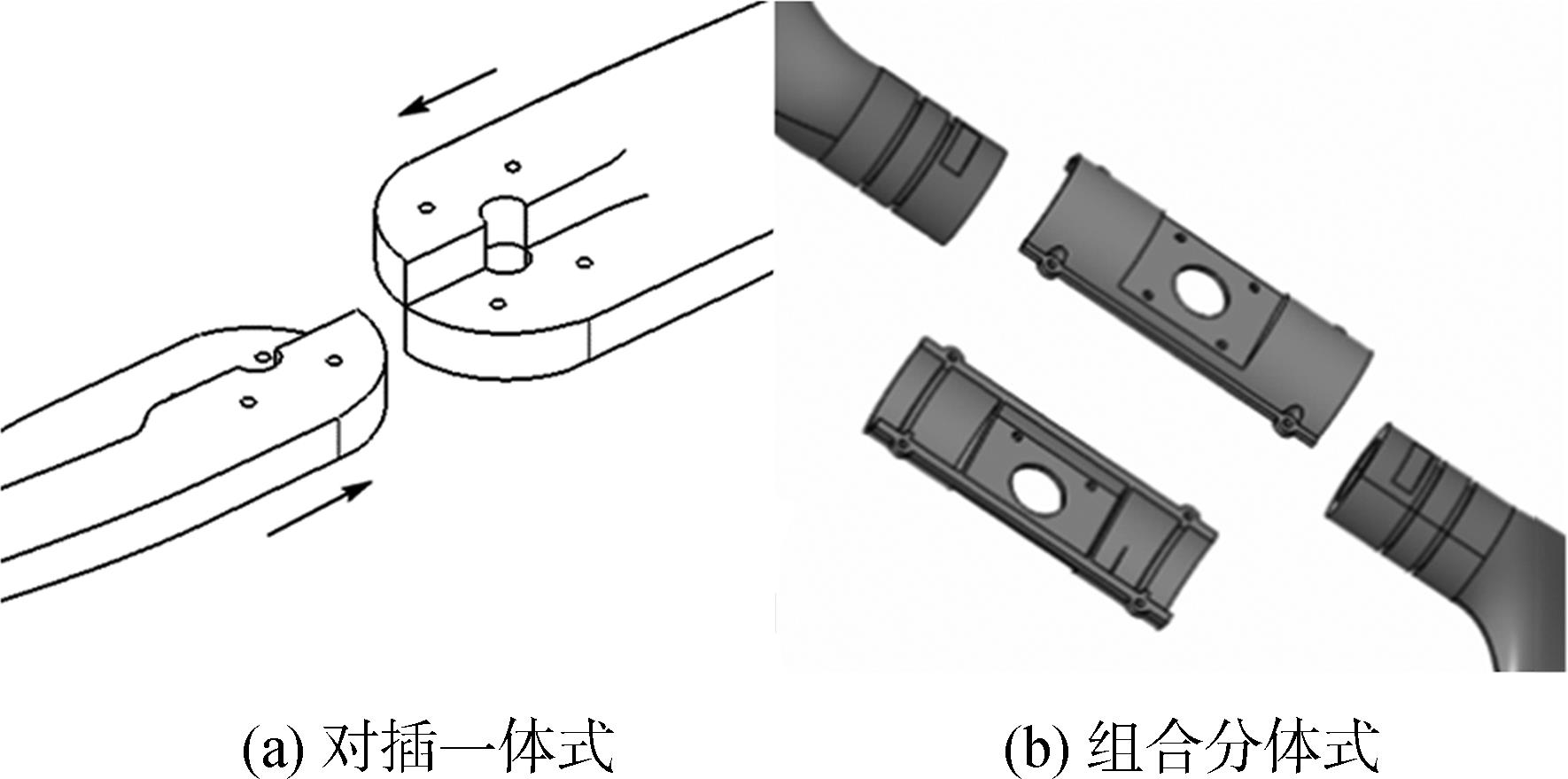
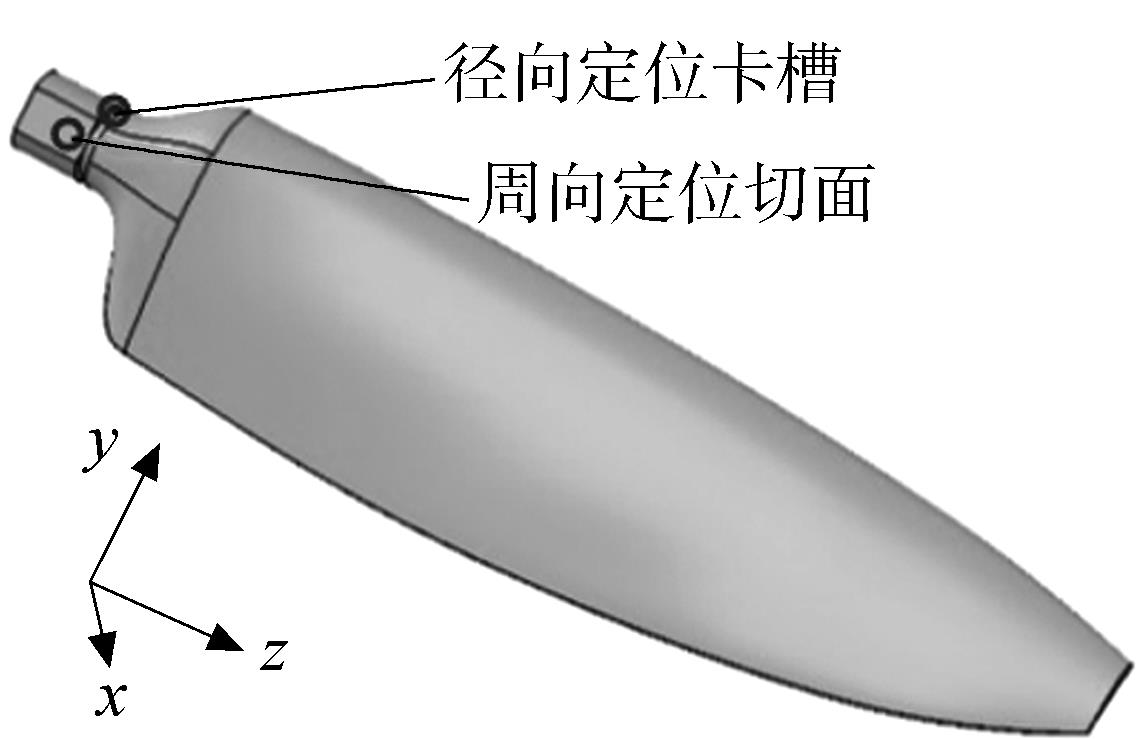
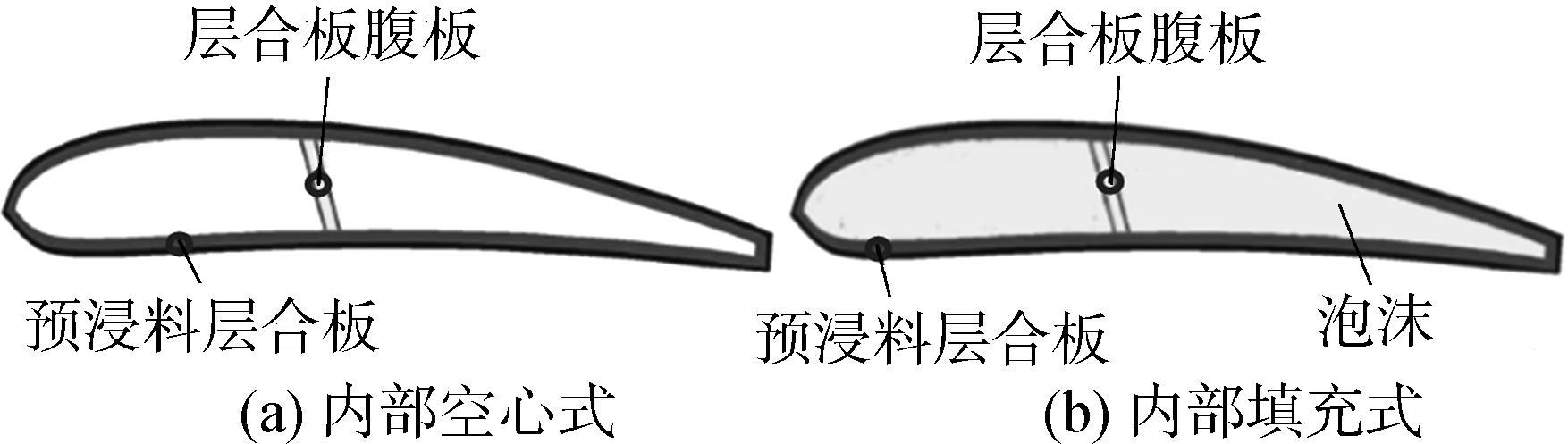
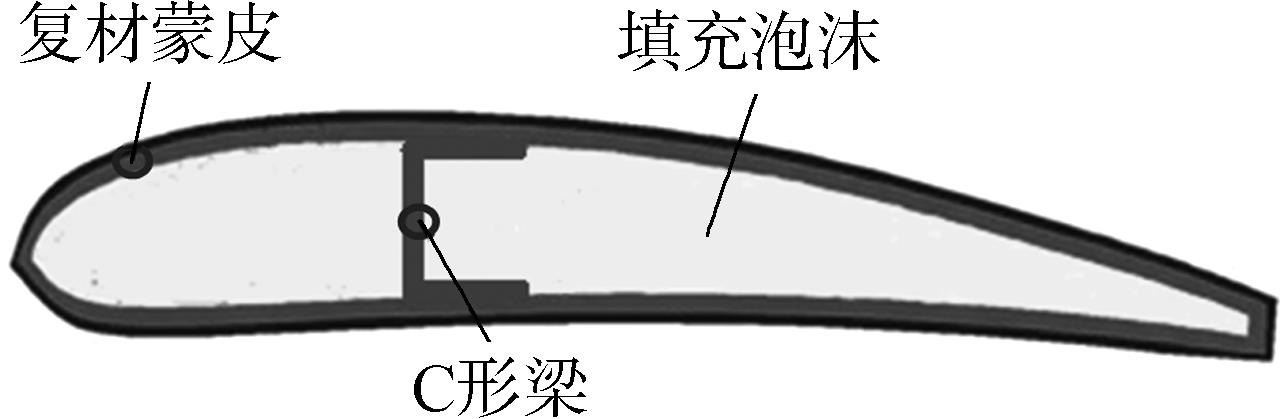
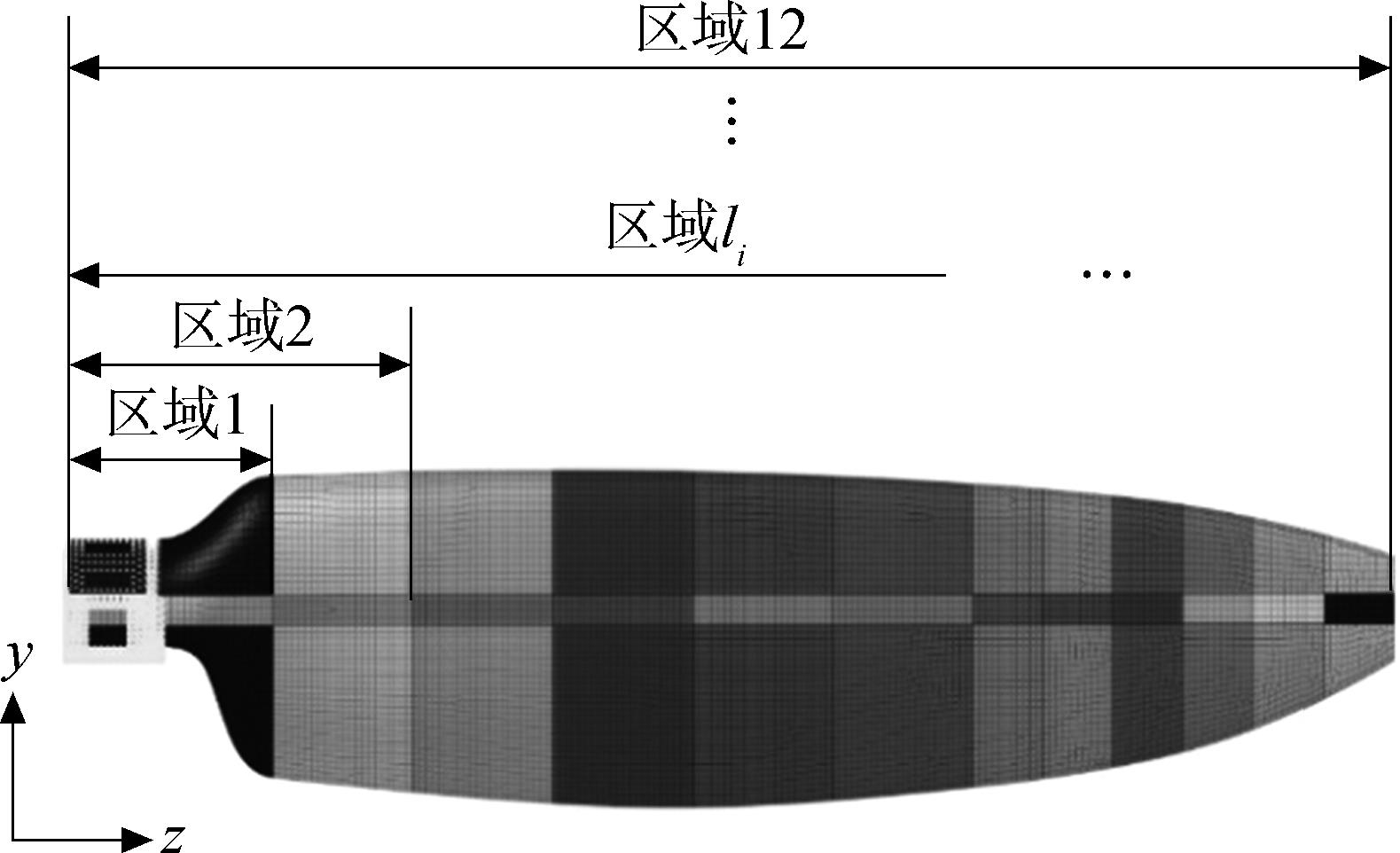
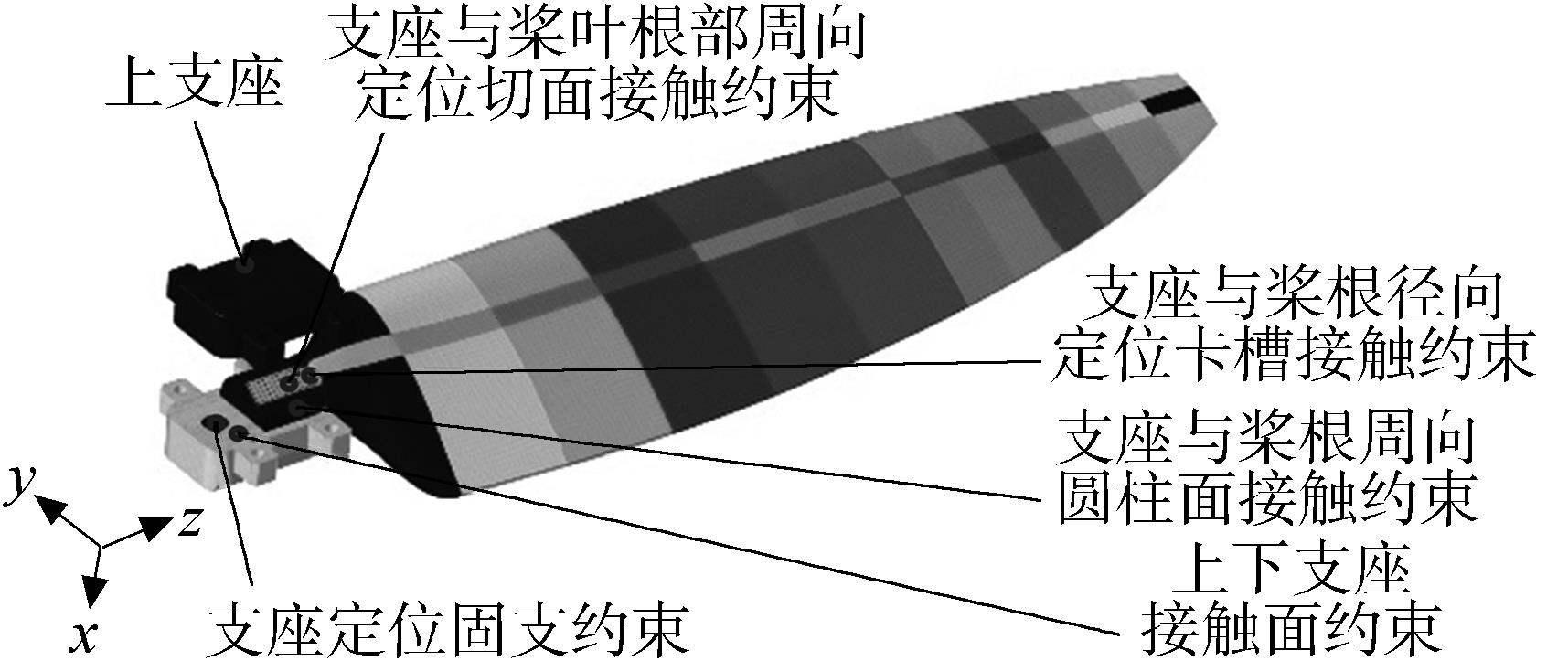
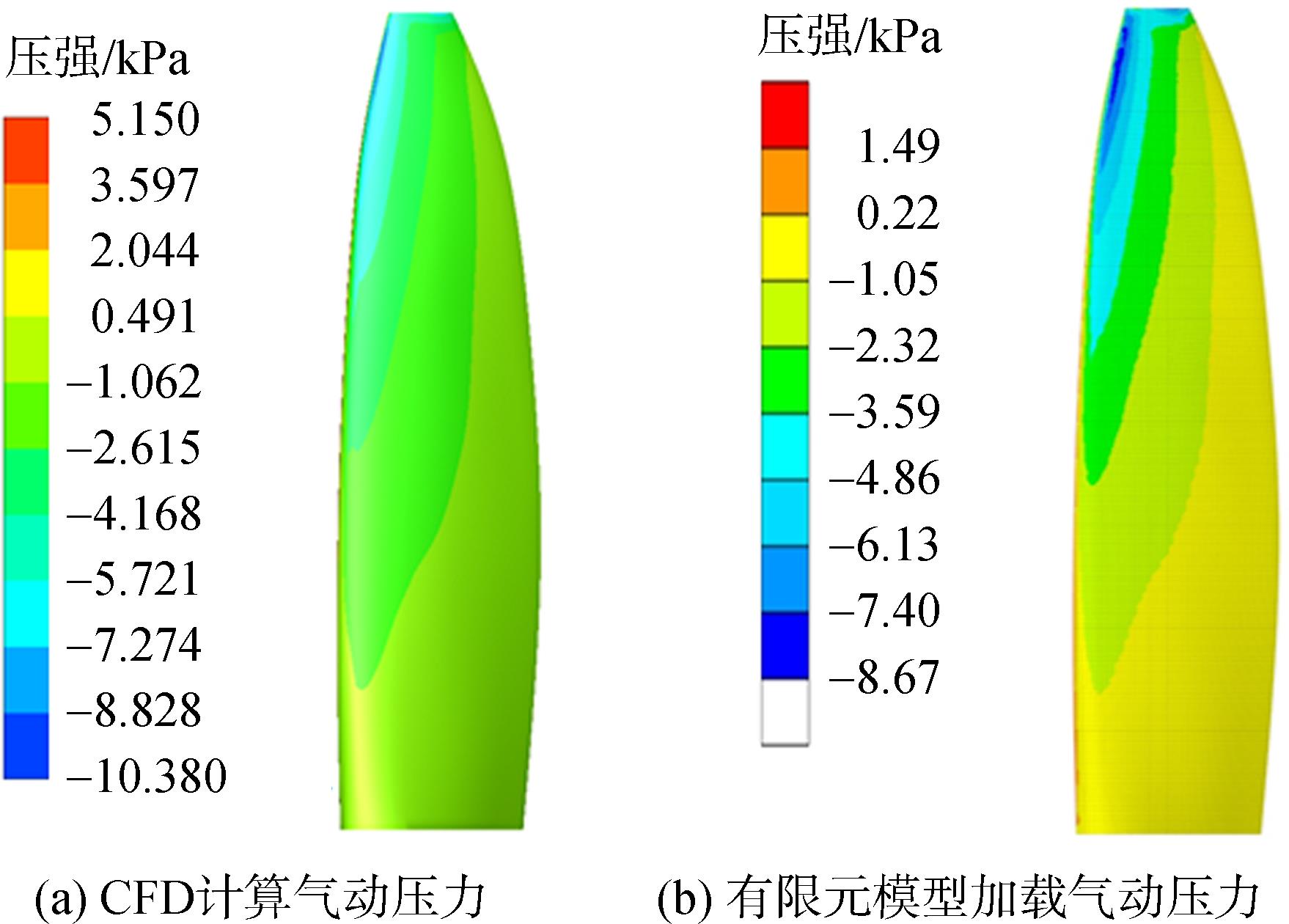
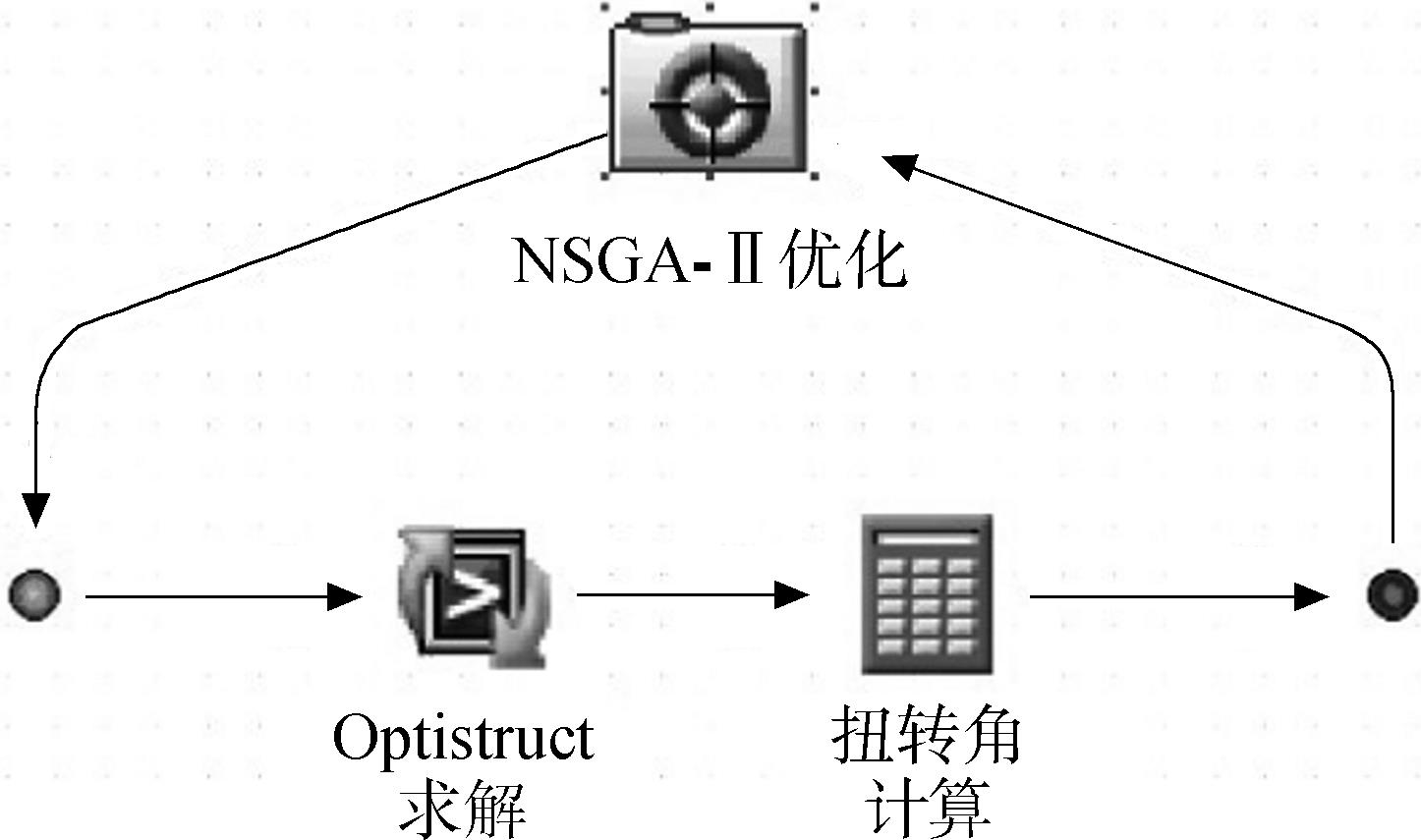
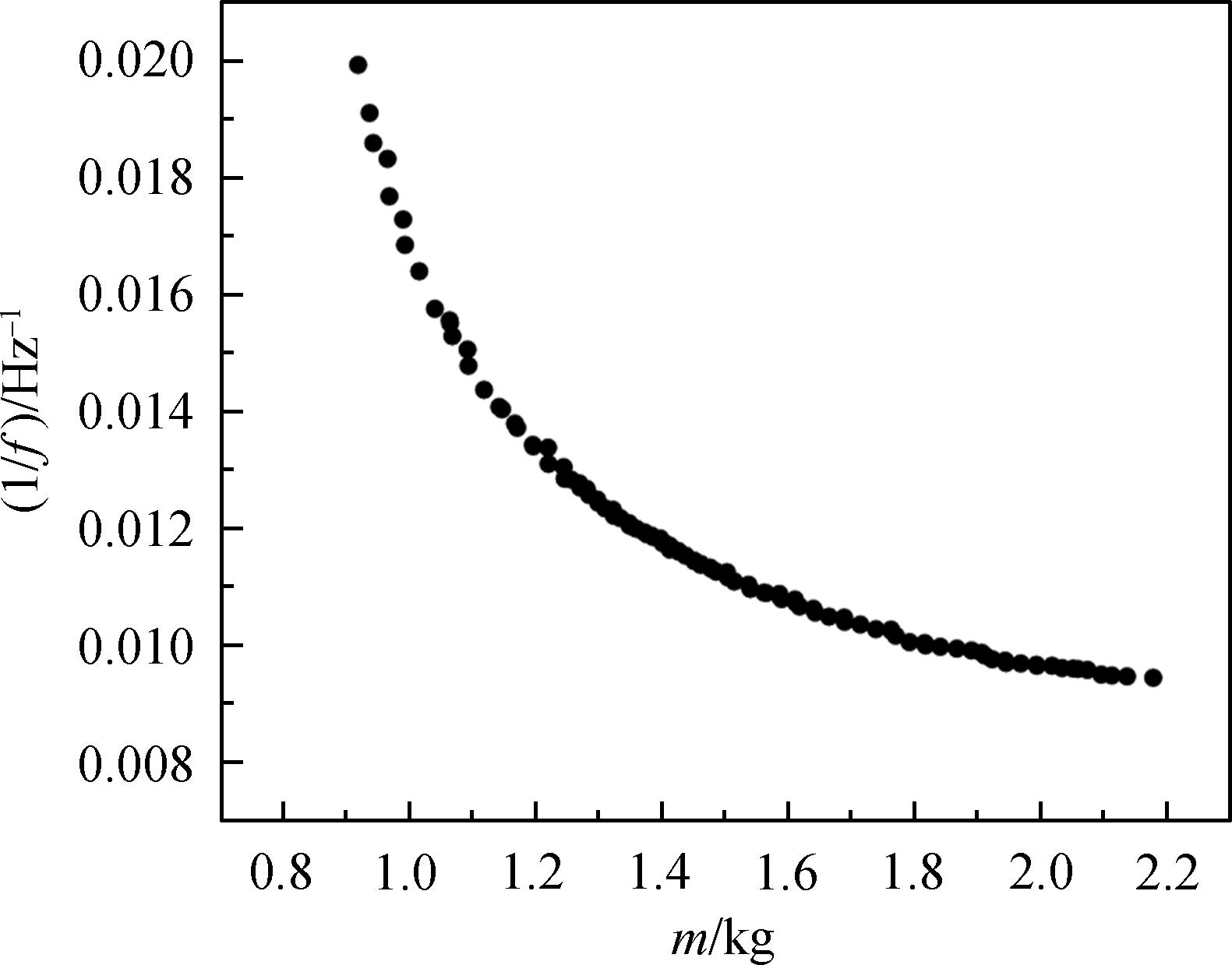
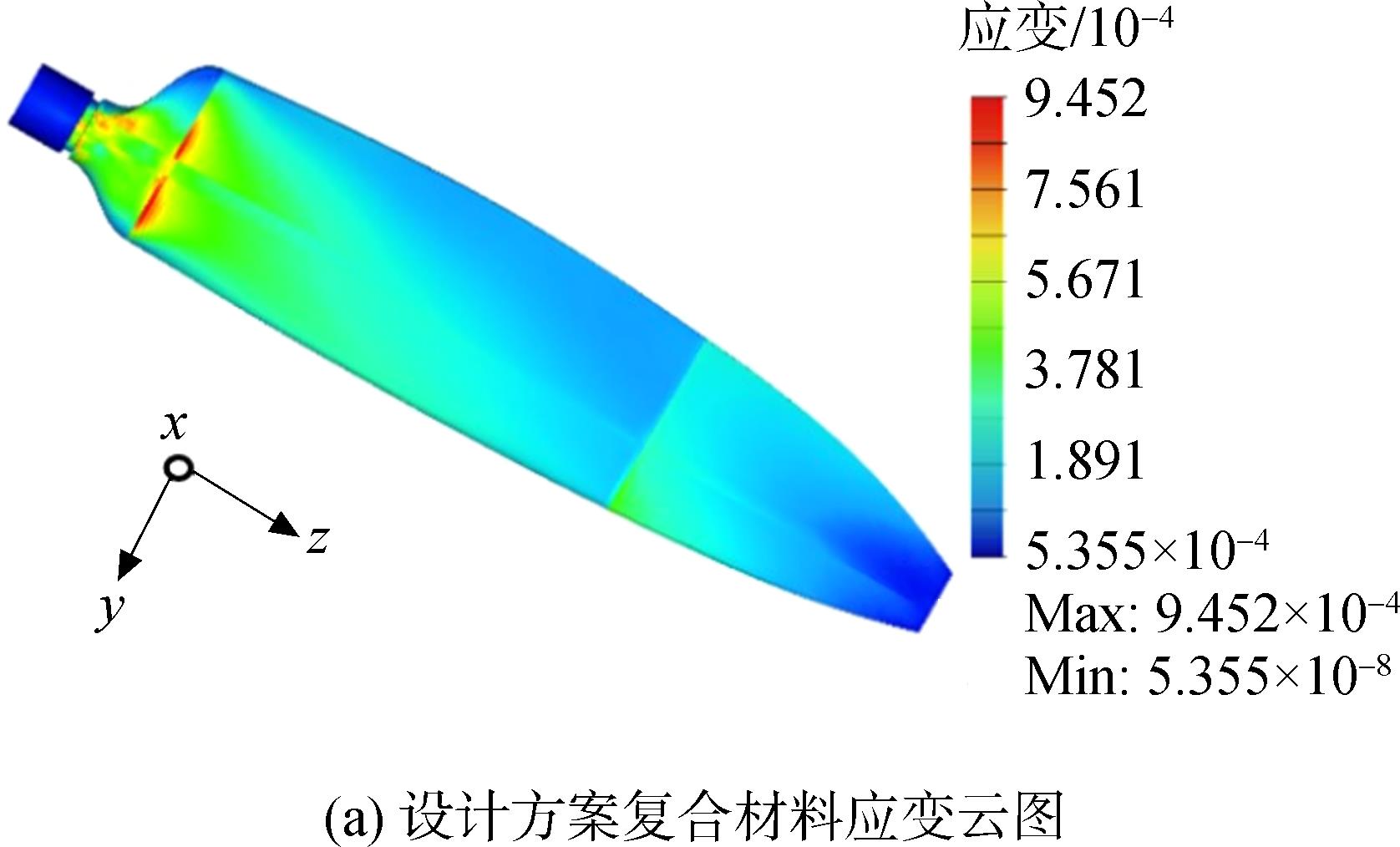
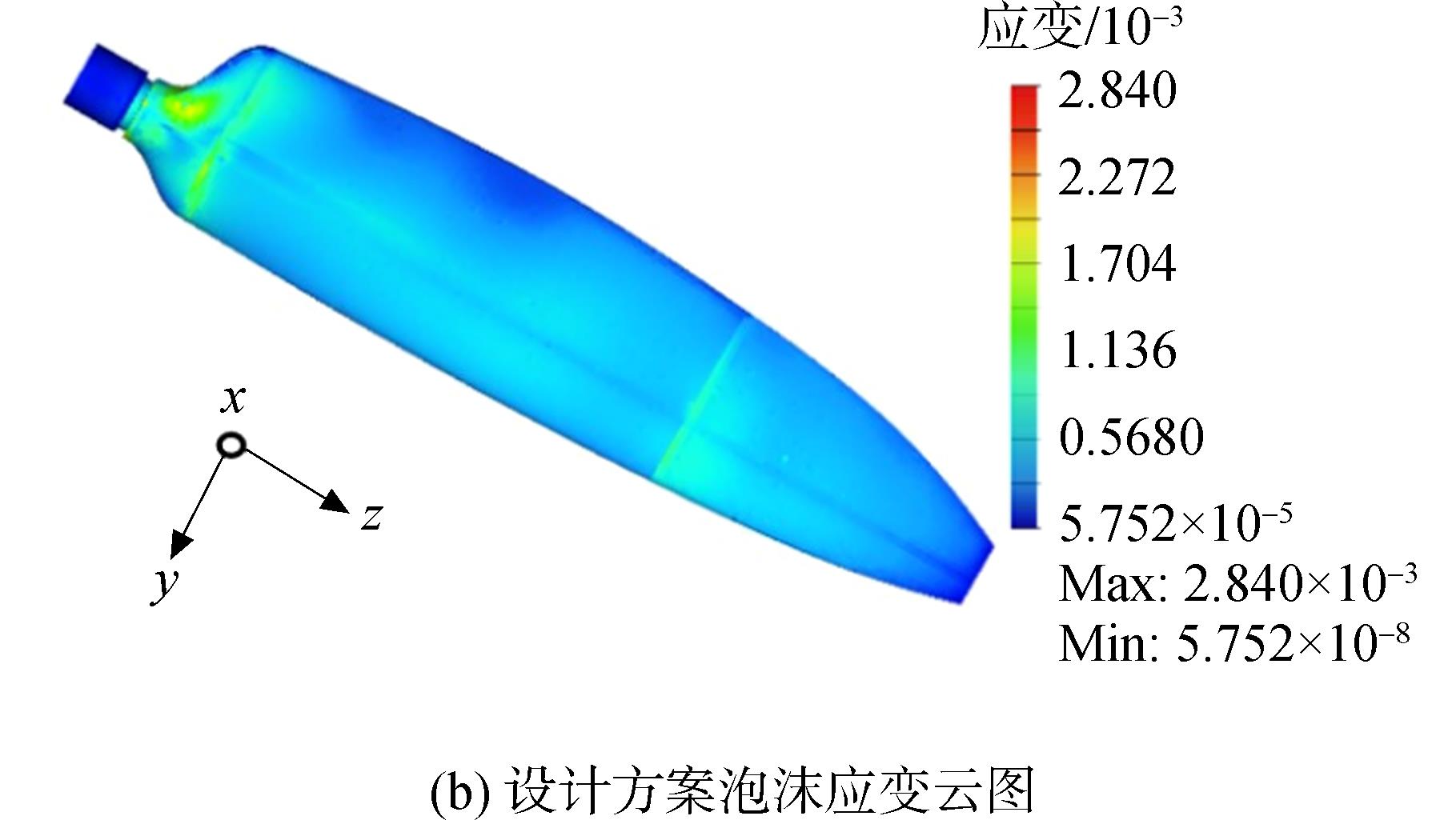
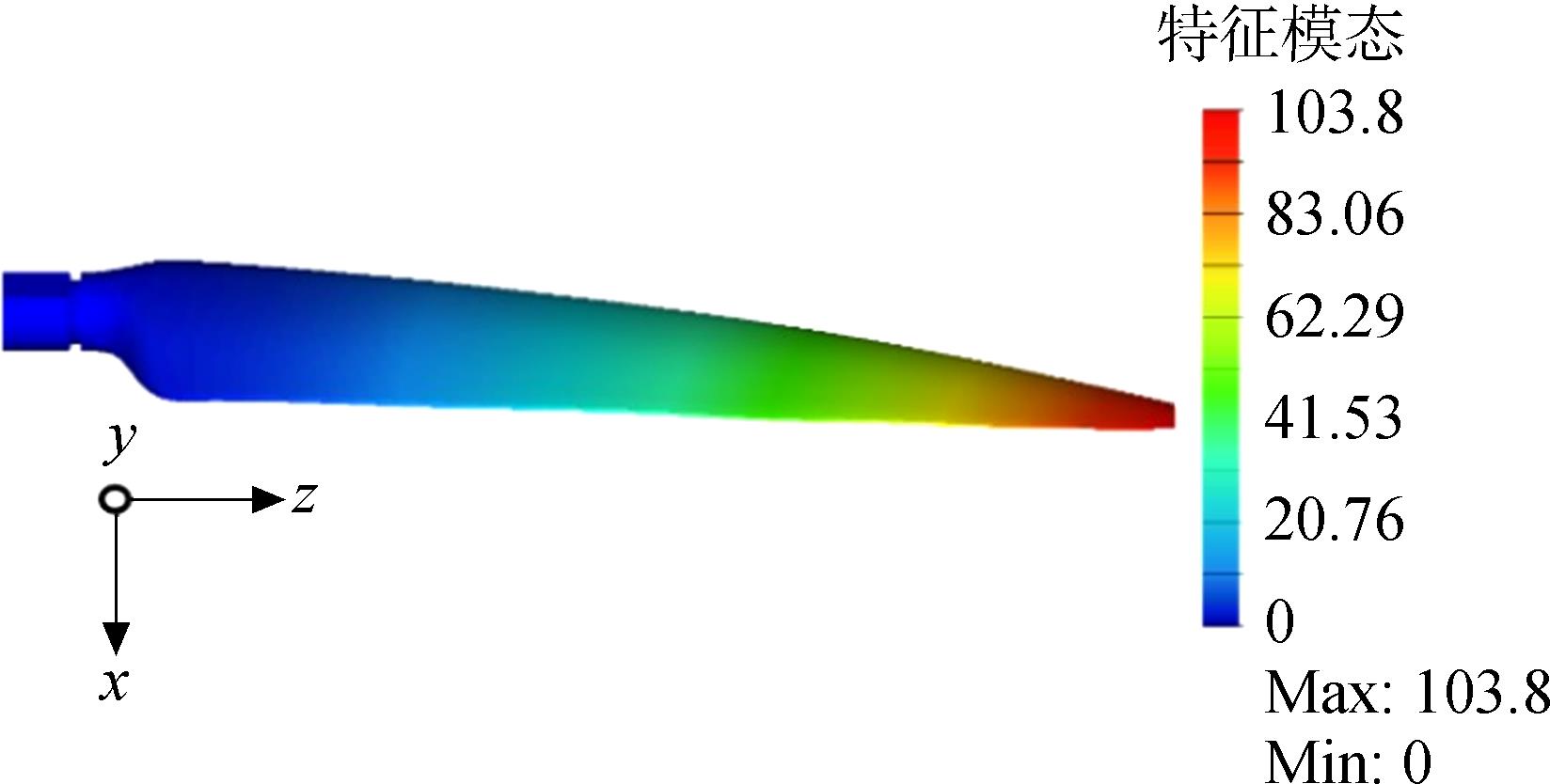
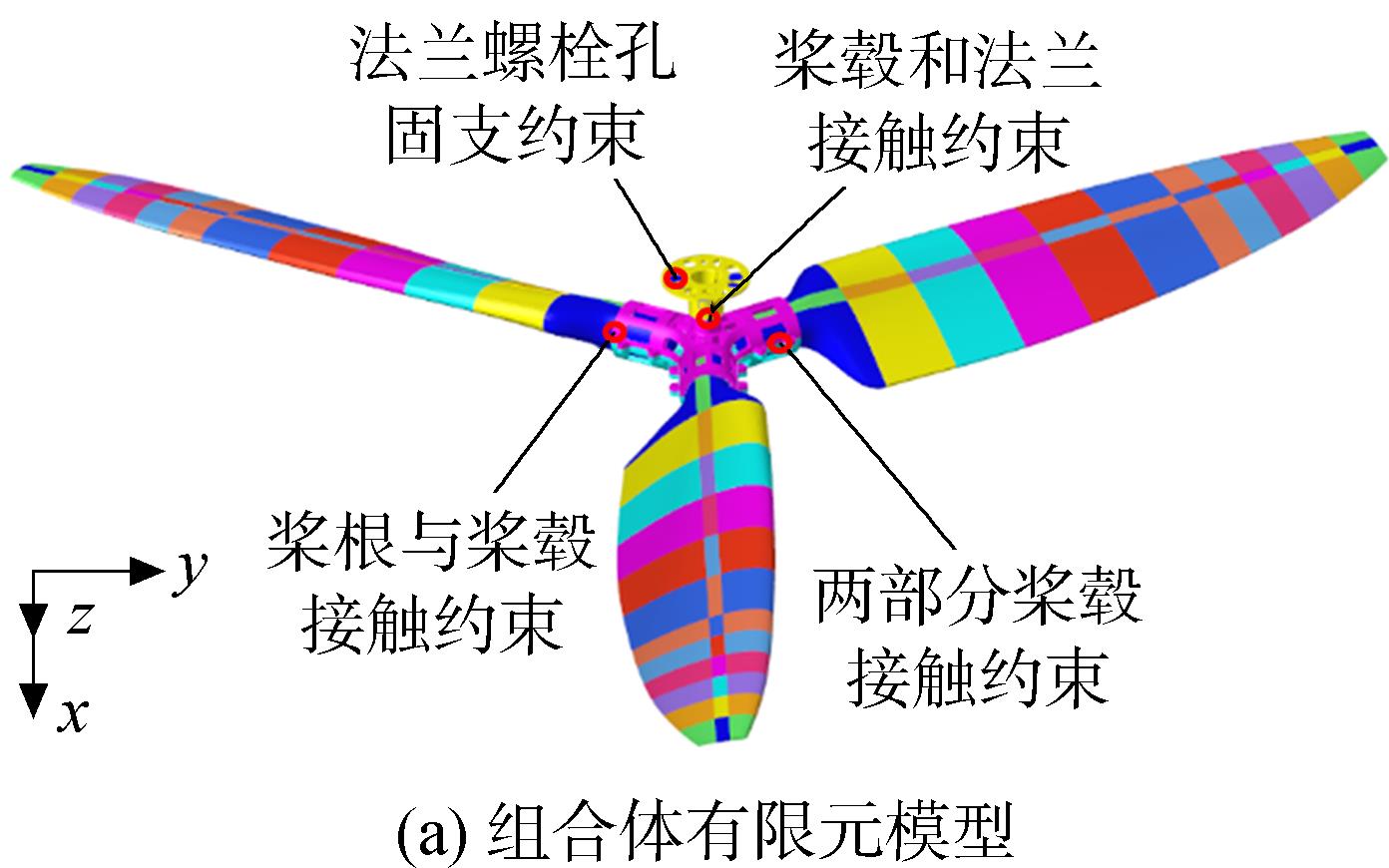
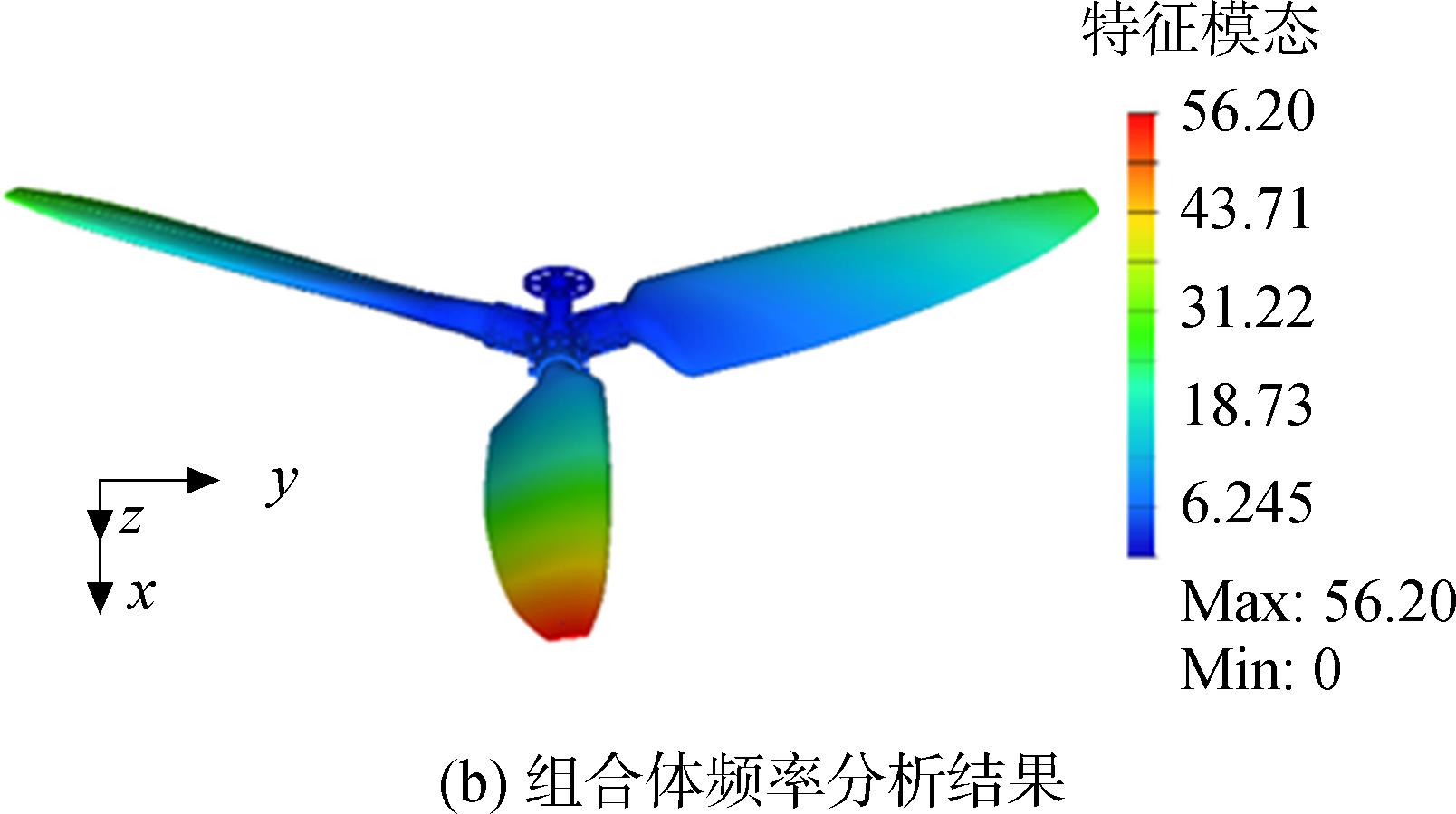
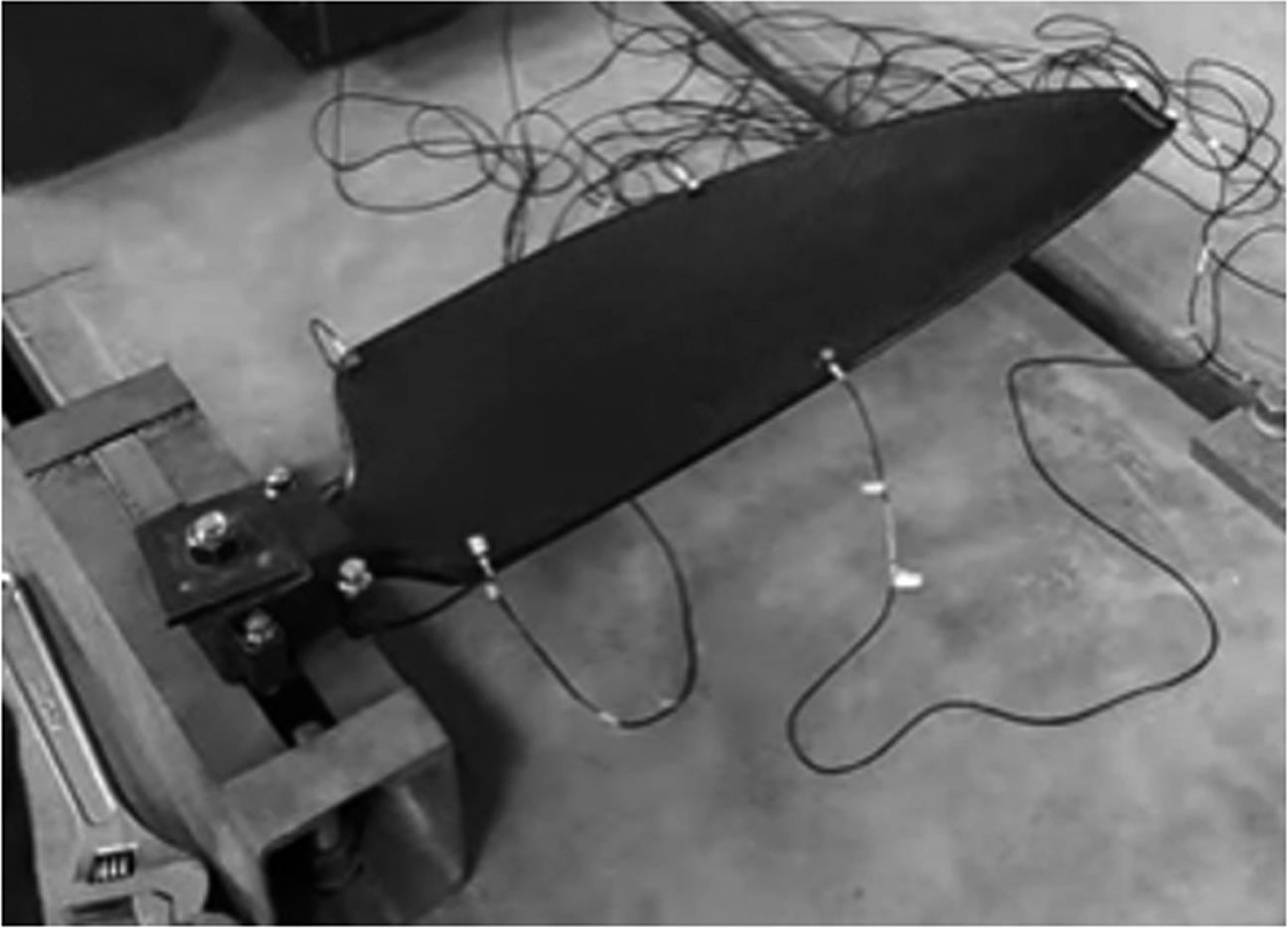
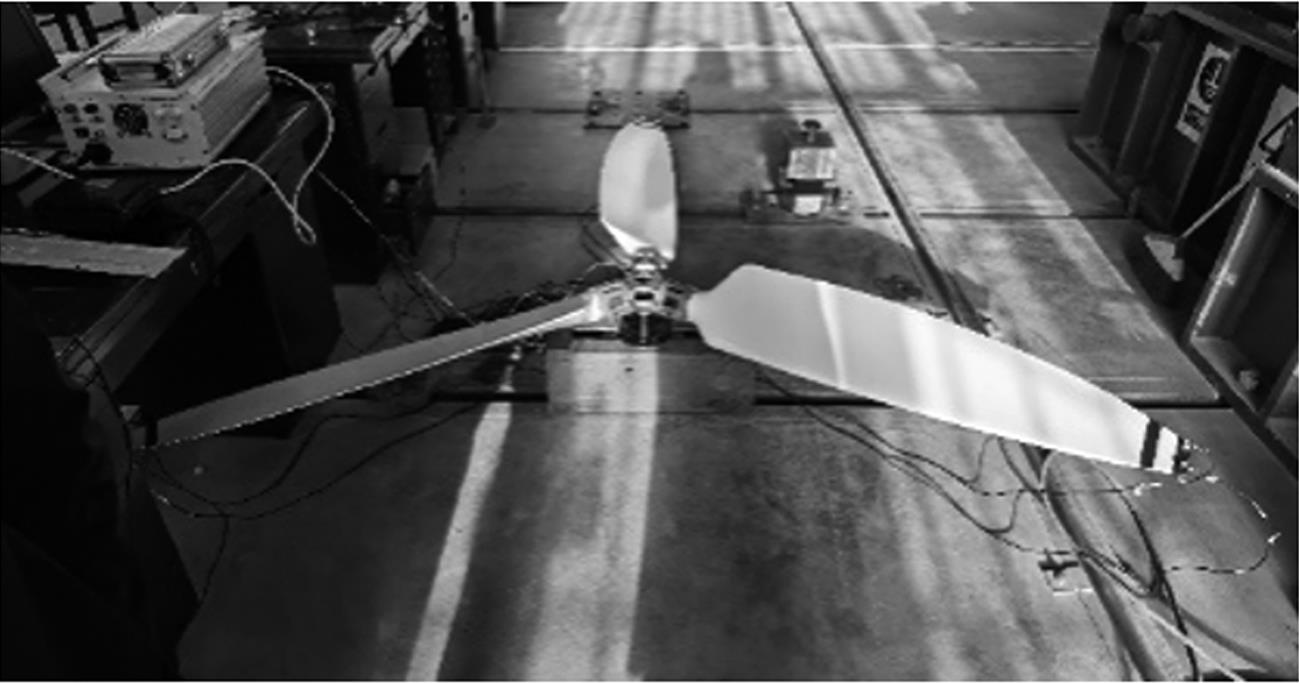
In order to achieve propeller's trade⁃off design between light mass and high natural frequency,a partition optimization method of symmetrical cutting layer structure for its blade was developed.For broadening its speed and height range of high efficiency,variable pitch technology should be adopted,and cylindrical blade root should be designed.The blades were assembled with the hub of different pitch angles,which can realize manual variable pitch and reach the high altitude rotate speed in ground test.A combined split hub layout,foam⁃filled form inside the blades,and carbon fiber hybrid structure in the propeller were adopted,the laying parameters optimization of fixed⁃supported propeller blades was finished based on the NSGA⁃Ⅱ (non⁃dominated sorting algorithm),and Pareto solution set of blade mass and frequency was obtained.The optimal laying scheme was selected outside the ±10% of frequency safety margin,and compared with test values of the actual prototype.The results showed that the relative error of blade mass was 2.09%,the relative error of single blade frequency on fixed support was 9.30%,and the relative error of the combined frequency of three blades and the hub on fixed support was 2.76%.This avoided resonance region of the working rotate speed,proving that the structure optimization method is reasonable and effective.

Structural optimization design of thrust reverser
GAO Wuhao, CHEN Yongqin, SU Sanmai, XIE Rongzhang
2022, 37(8): 1724-1731. doi: 10.13224/j.cnki.jasp.20210282
Abstract:

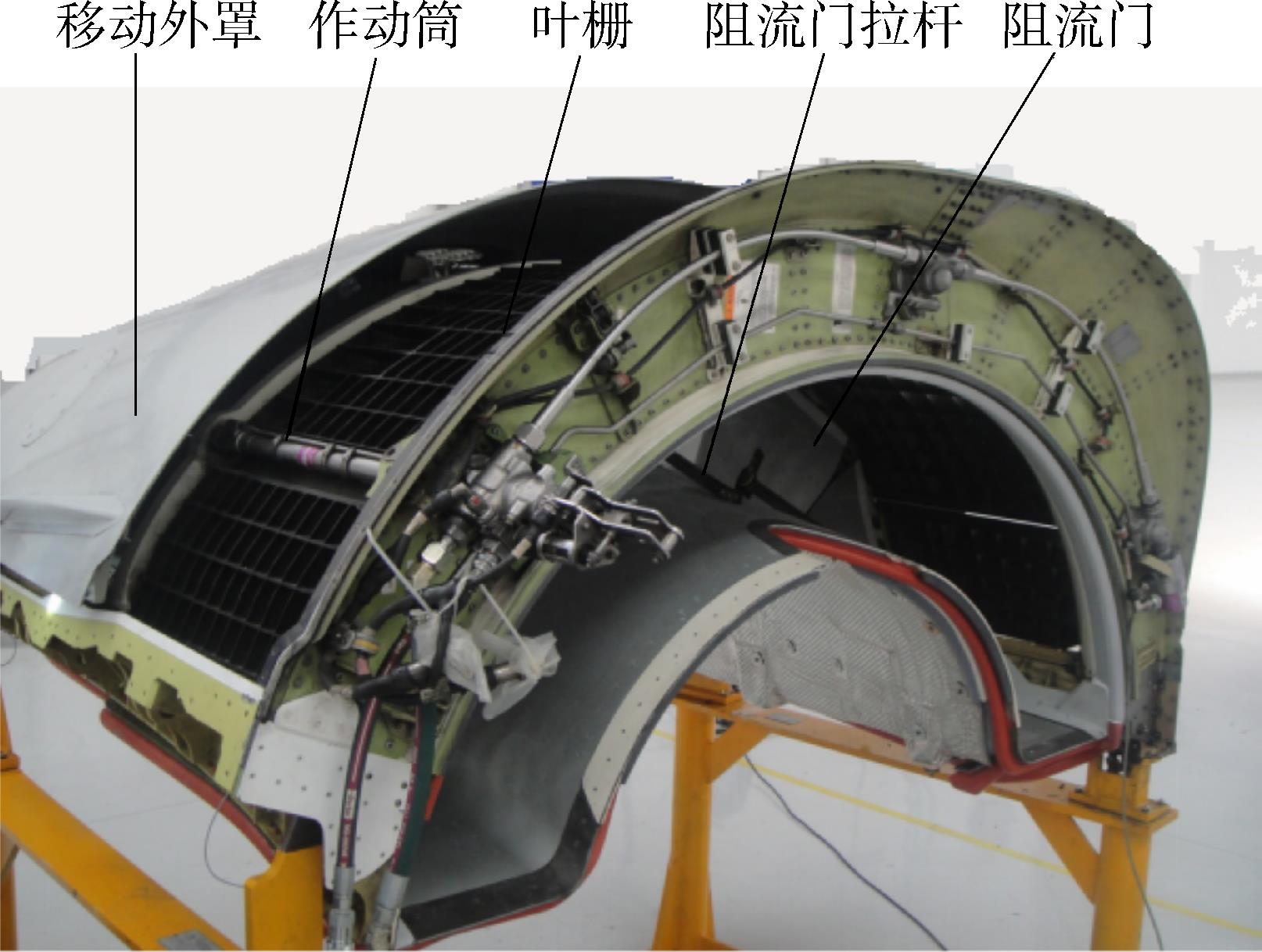
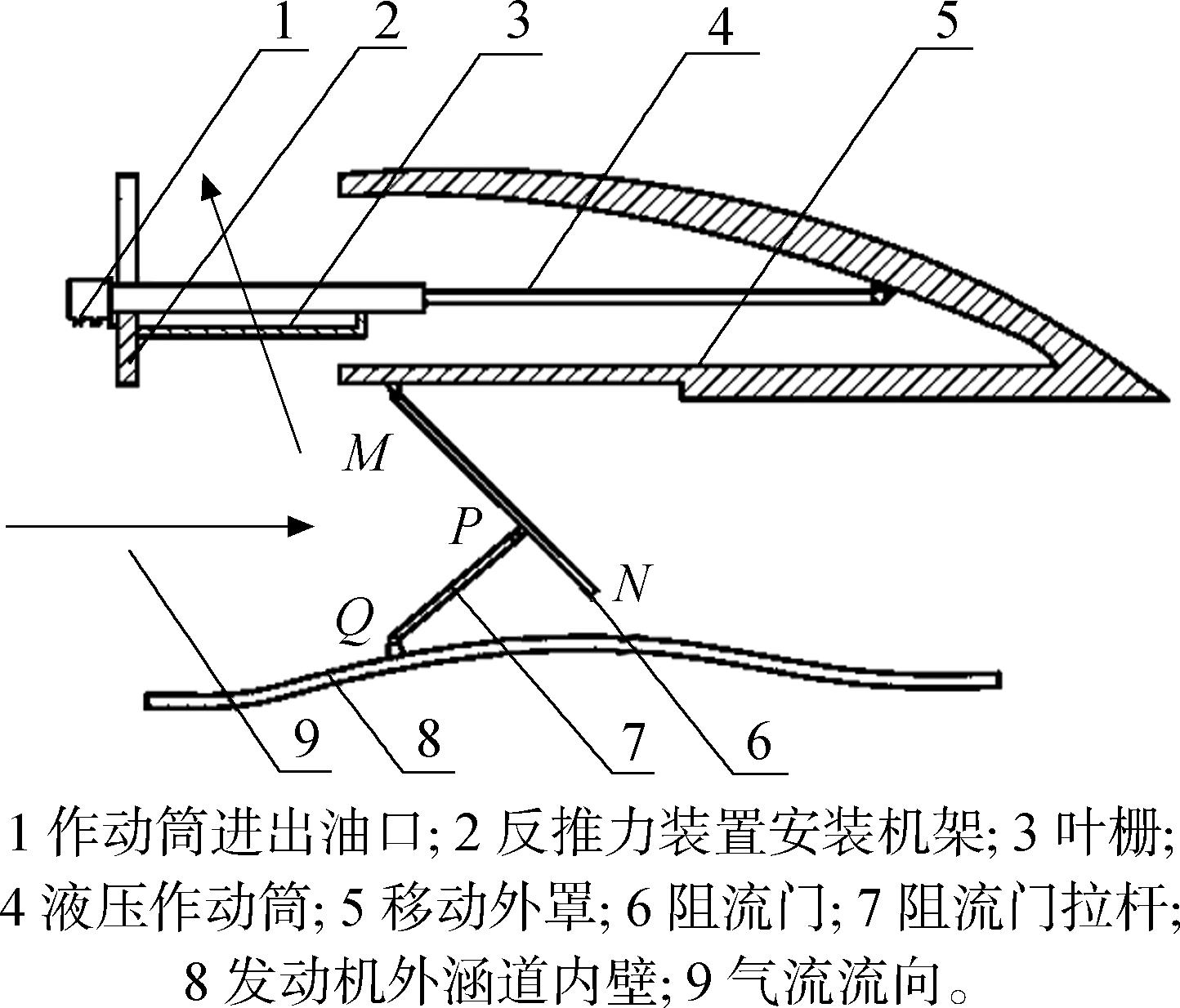
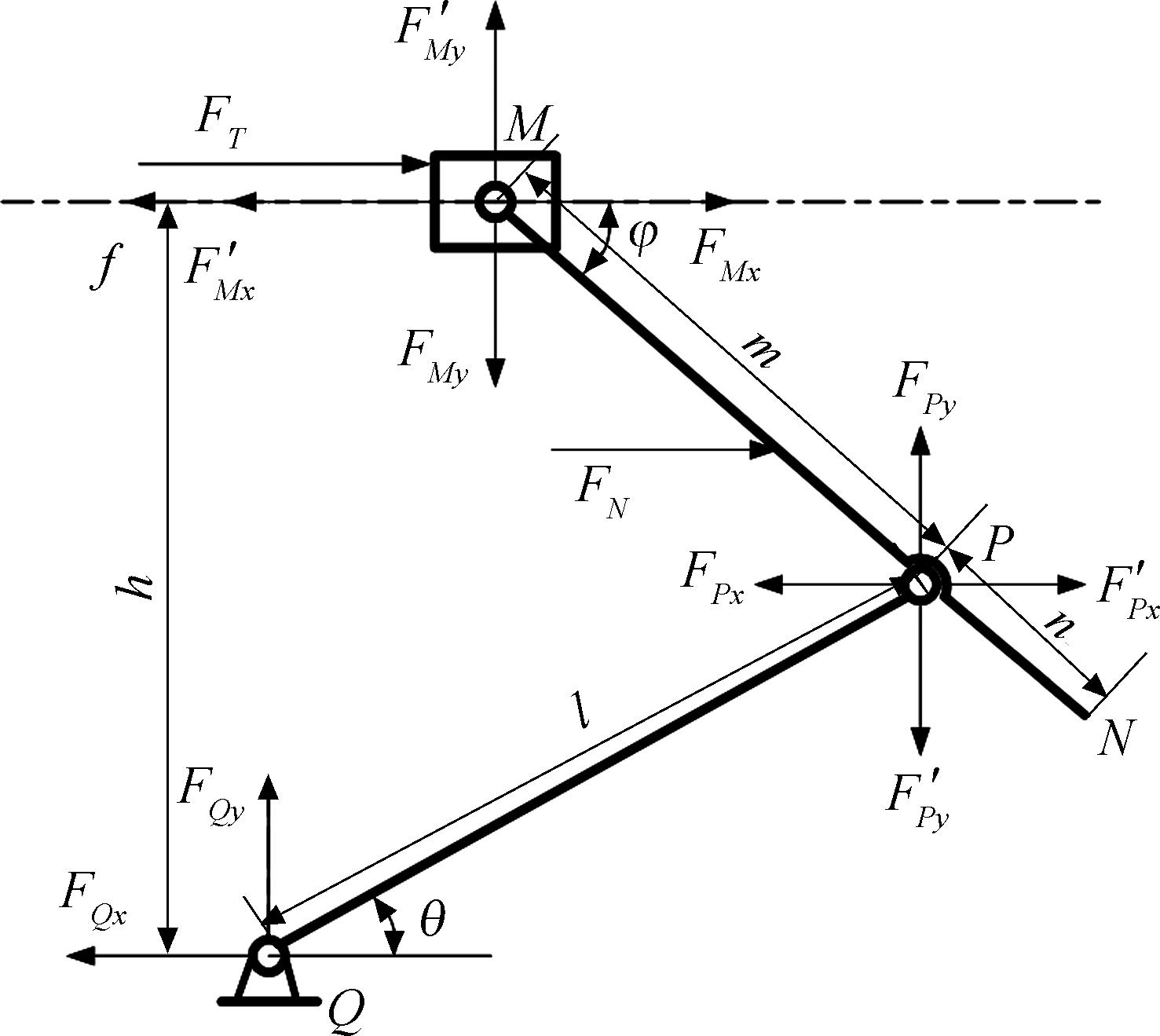
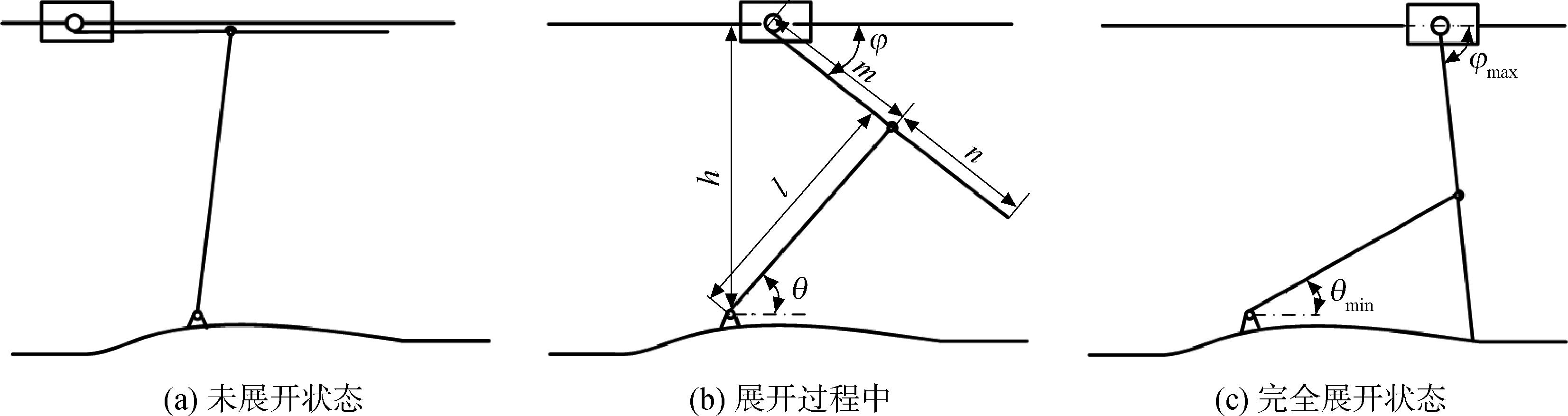
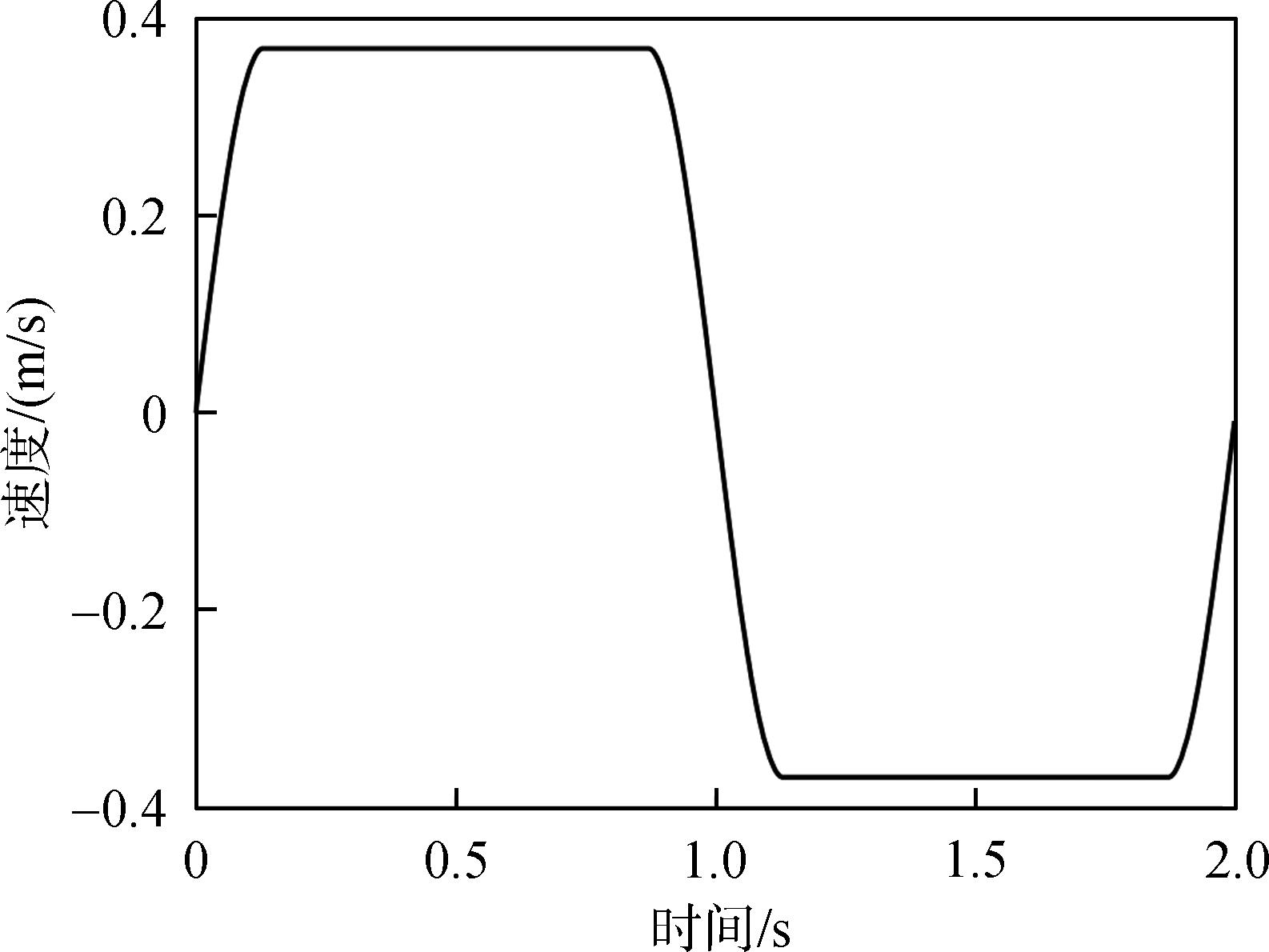
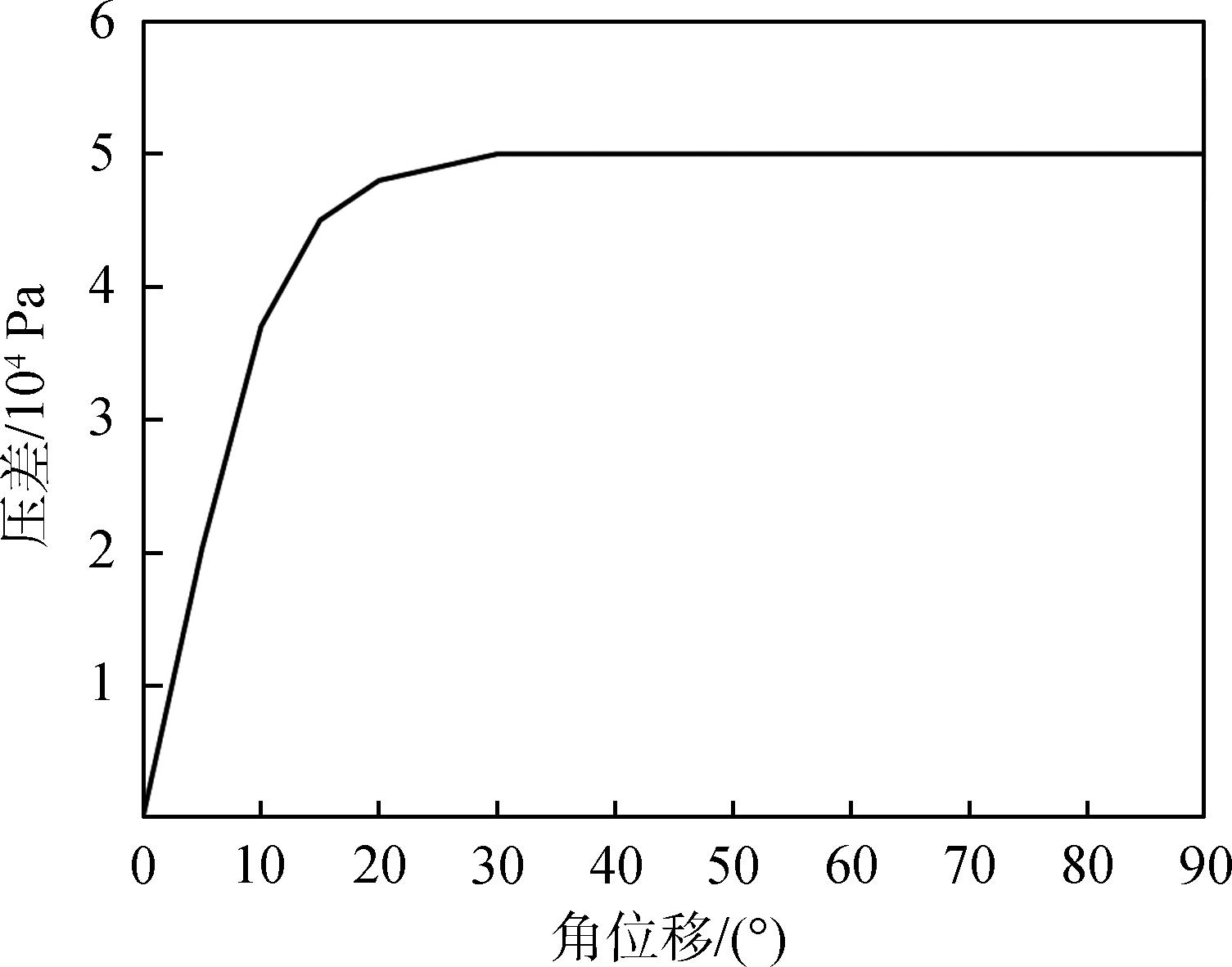
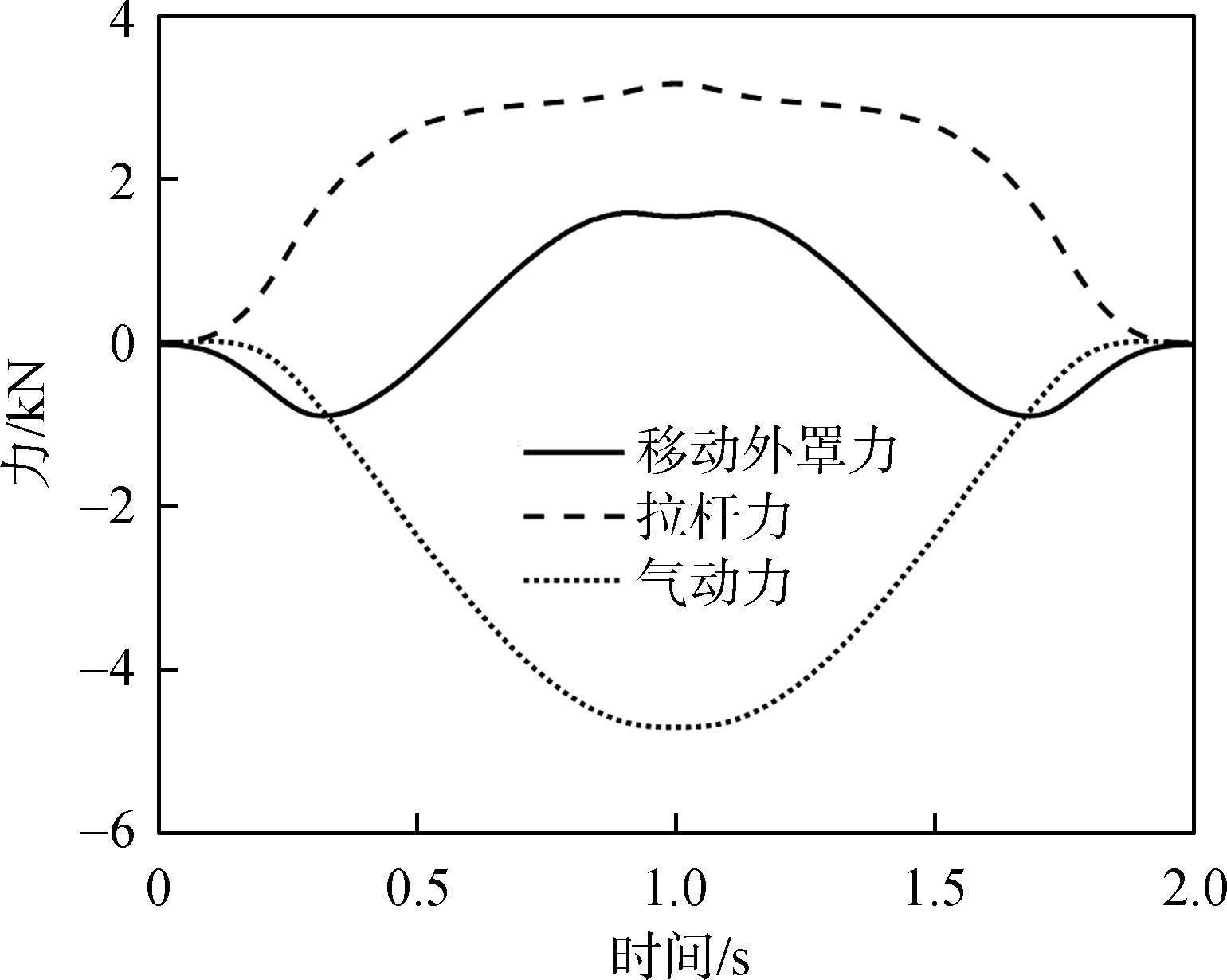
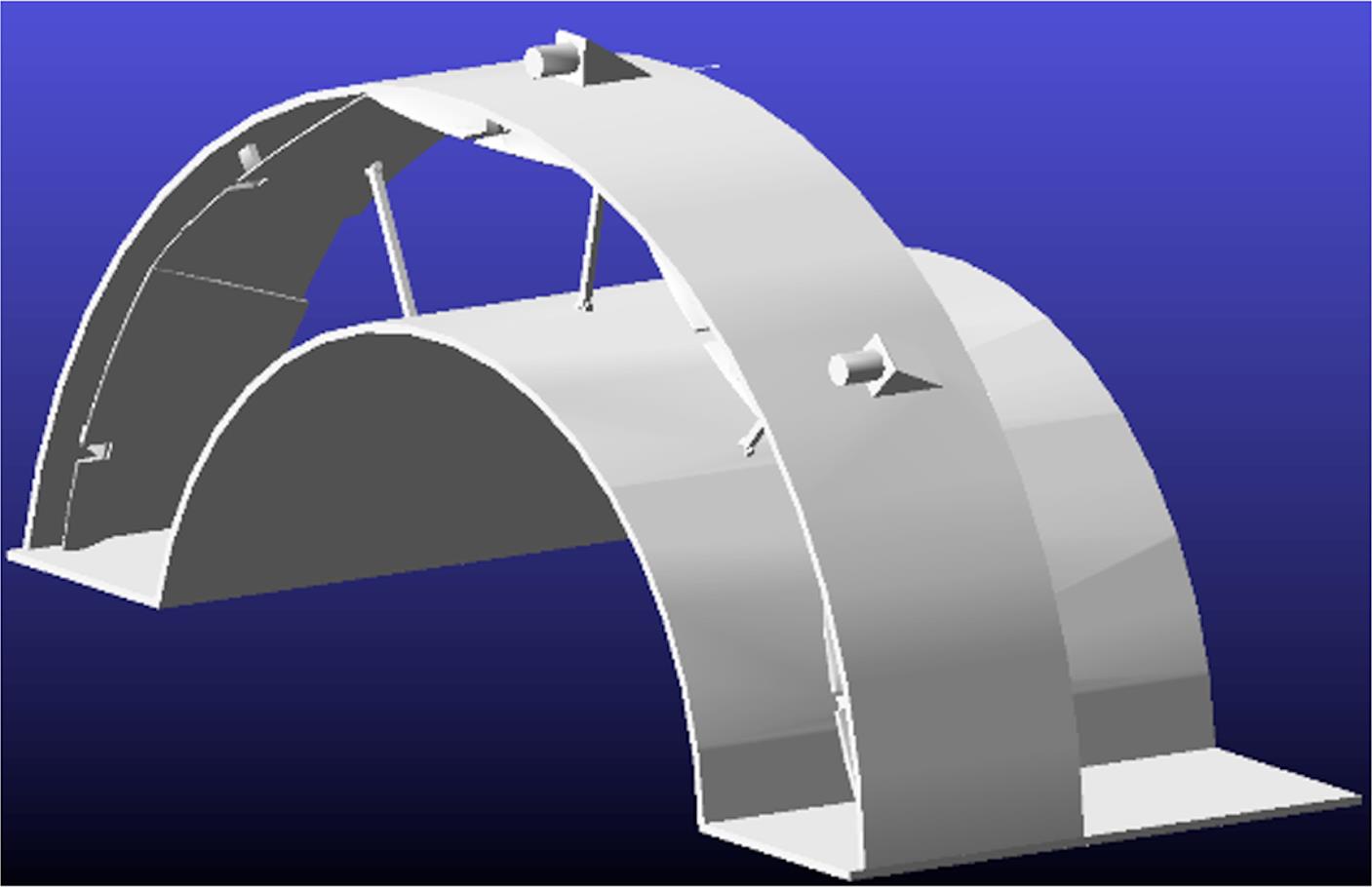
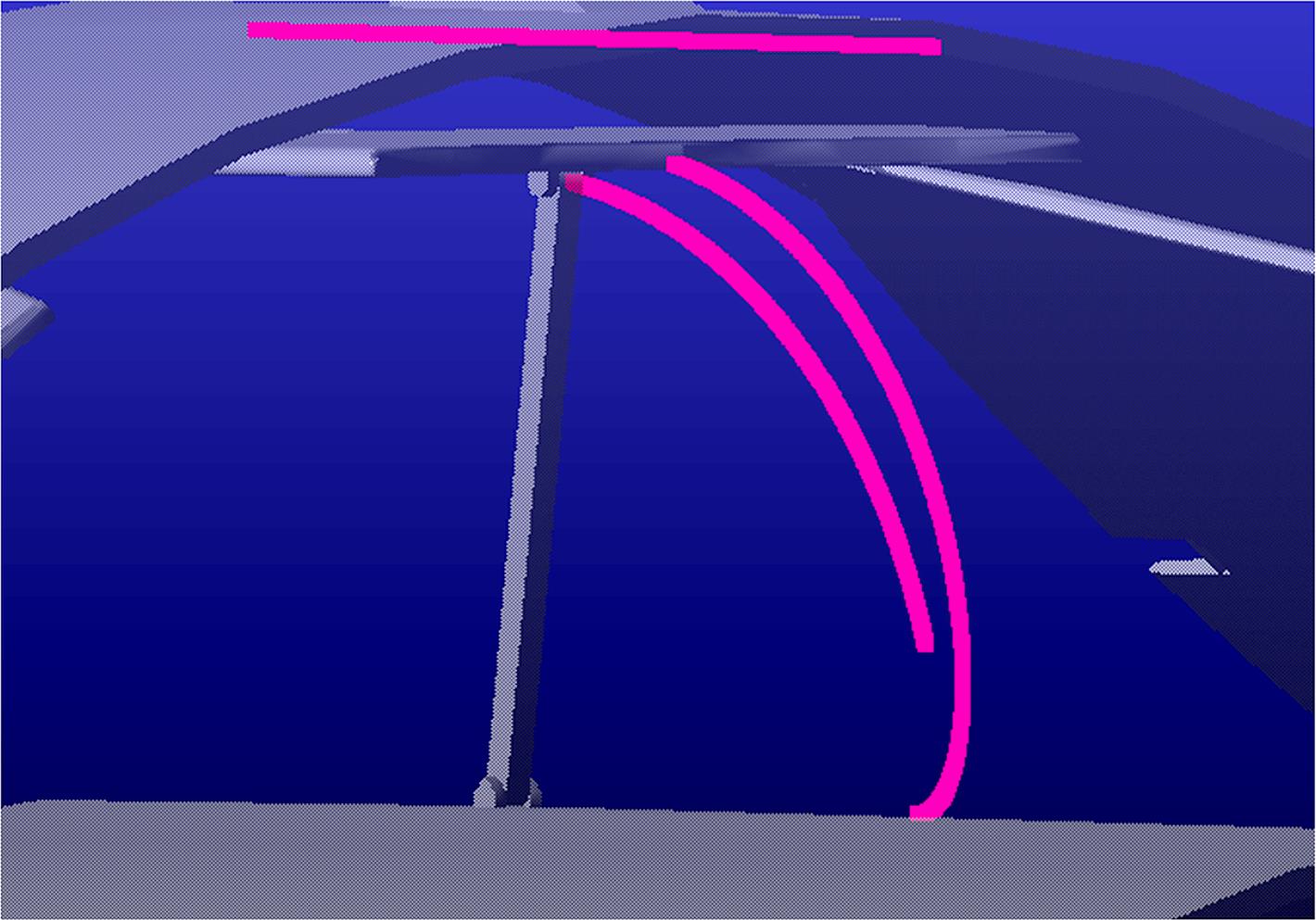
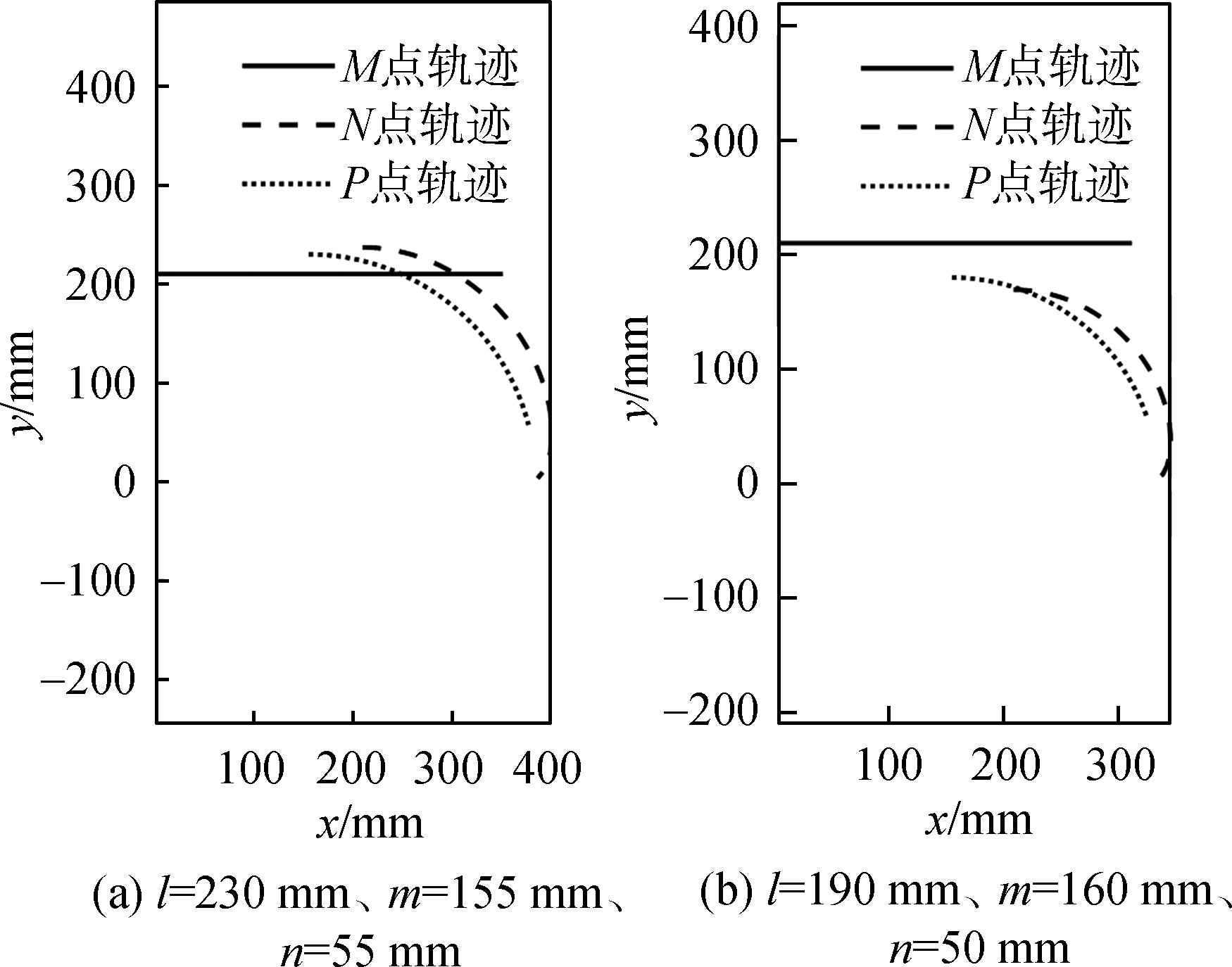
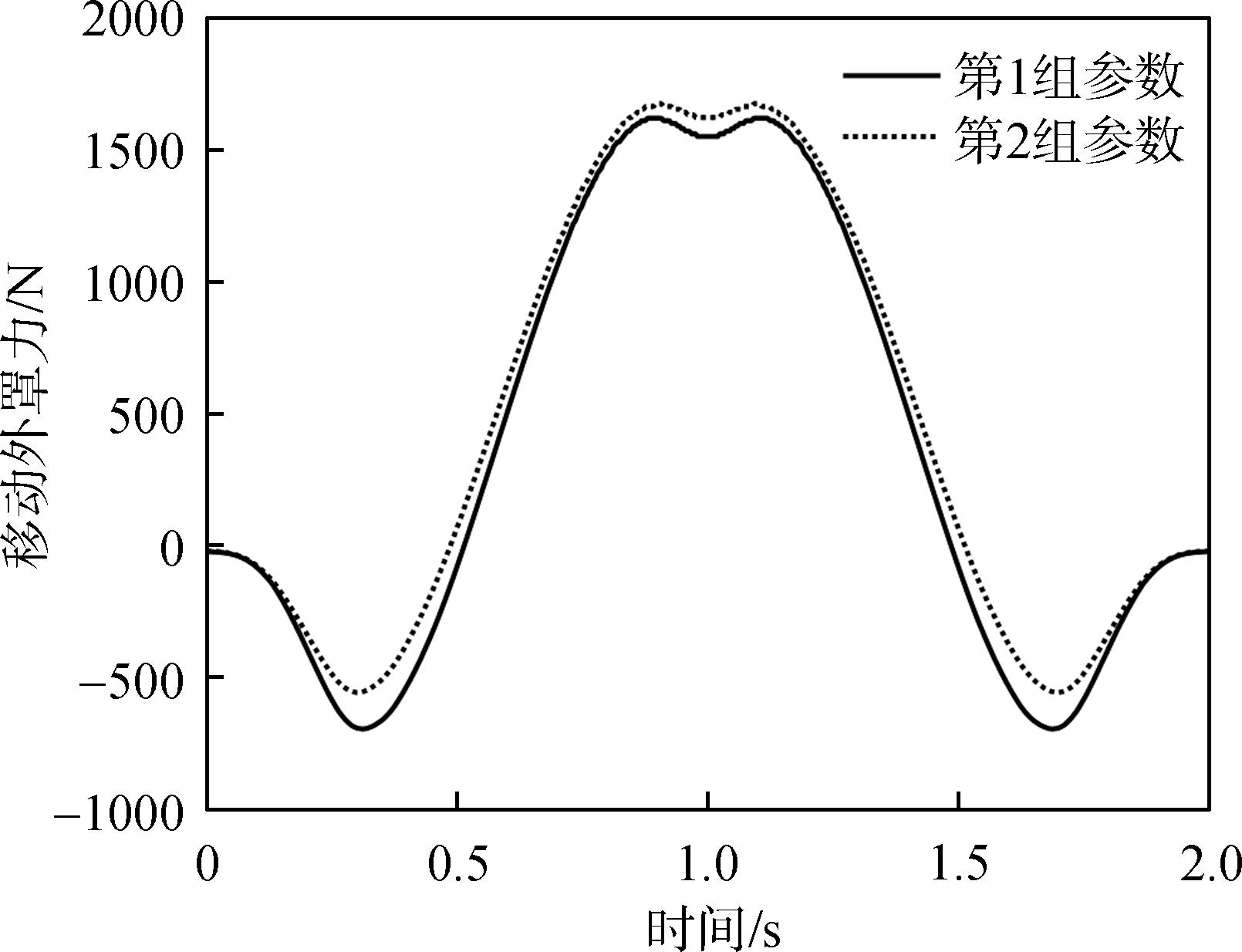
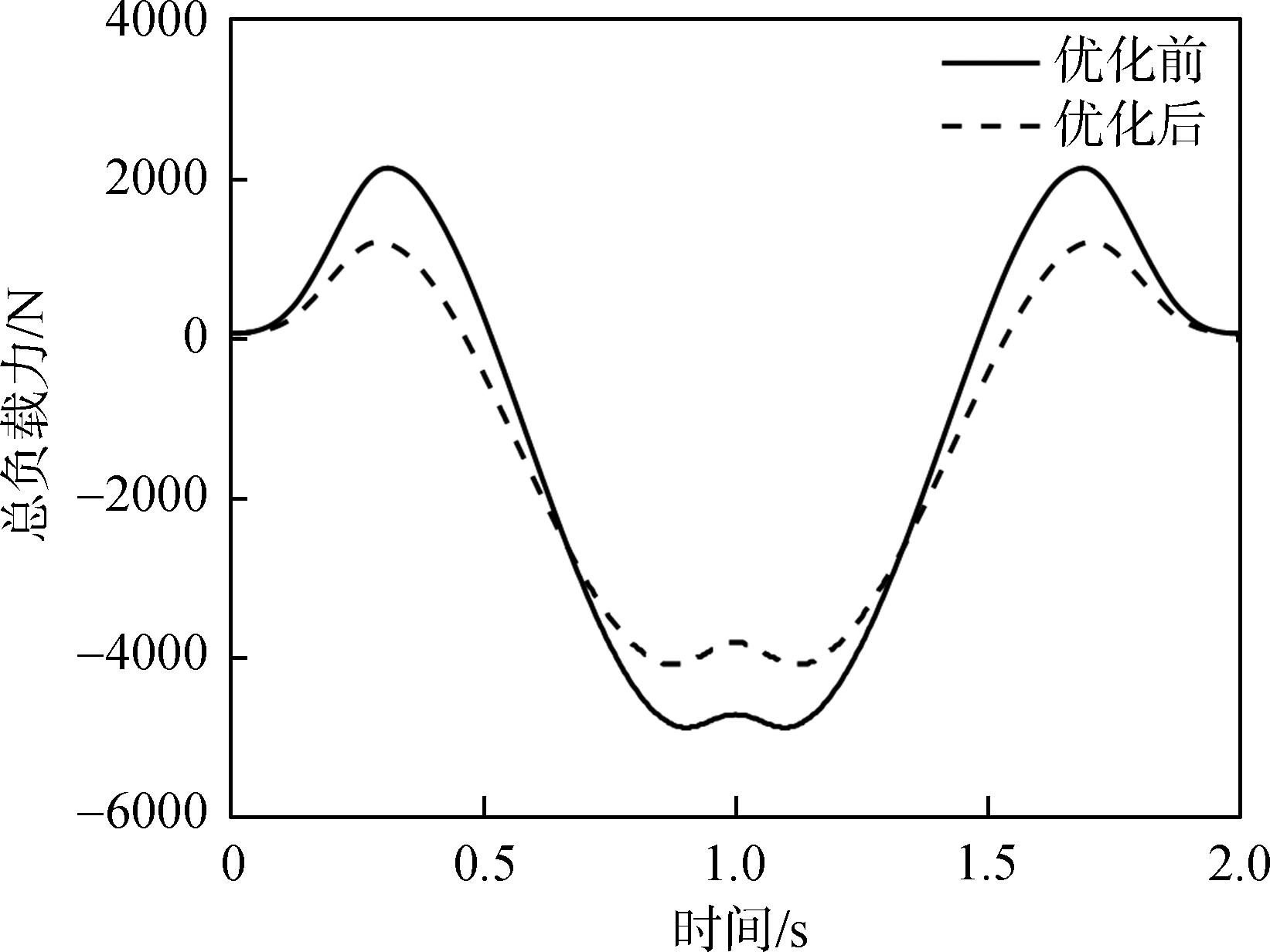
According to the structure and working principle of the cascade thrust reverser,the kinematic and dynamic mathematical model of the thrust reverser was established.On this basis,the maximum load force of the thrust reverser on the actuating system was minimized as the objective function,and the geometric relationship of the moving parts was taken as the constraint condition,the structure optimization model of the thrust reverser was established.Through the kinematics and dynamics simulation of the thrust reverser,and the kinematics characteristics of the thrust reverser under different structural parameters,it was verified that the established model was reasonable and correct.Under the Matlab environment,the structure optimization of the thrust reverser was carried out by the penalty function method.Results showed that the optimized maximum load force of the thrust reverser in the positive direction decreased by 24.5%,and in the negative direction decreased by 16.3%,and the moving parts did not interfere,the whole thrust reverser can work normally.The modeling method and optimization results can provide reference for thrust reverser structural design.
Turbomachinery
Uncertainty analysis of compressor temperature rise efficiency measurement based on thermocouple inversed connection
GAO Jie, XIANG Honghui, WU Senlin, ZHANG Jun, WEN Zhenrong
2022, 37(8): 1732-1739. doi: 10.13224/j.cnki.jasp.20210276
Abstract:

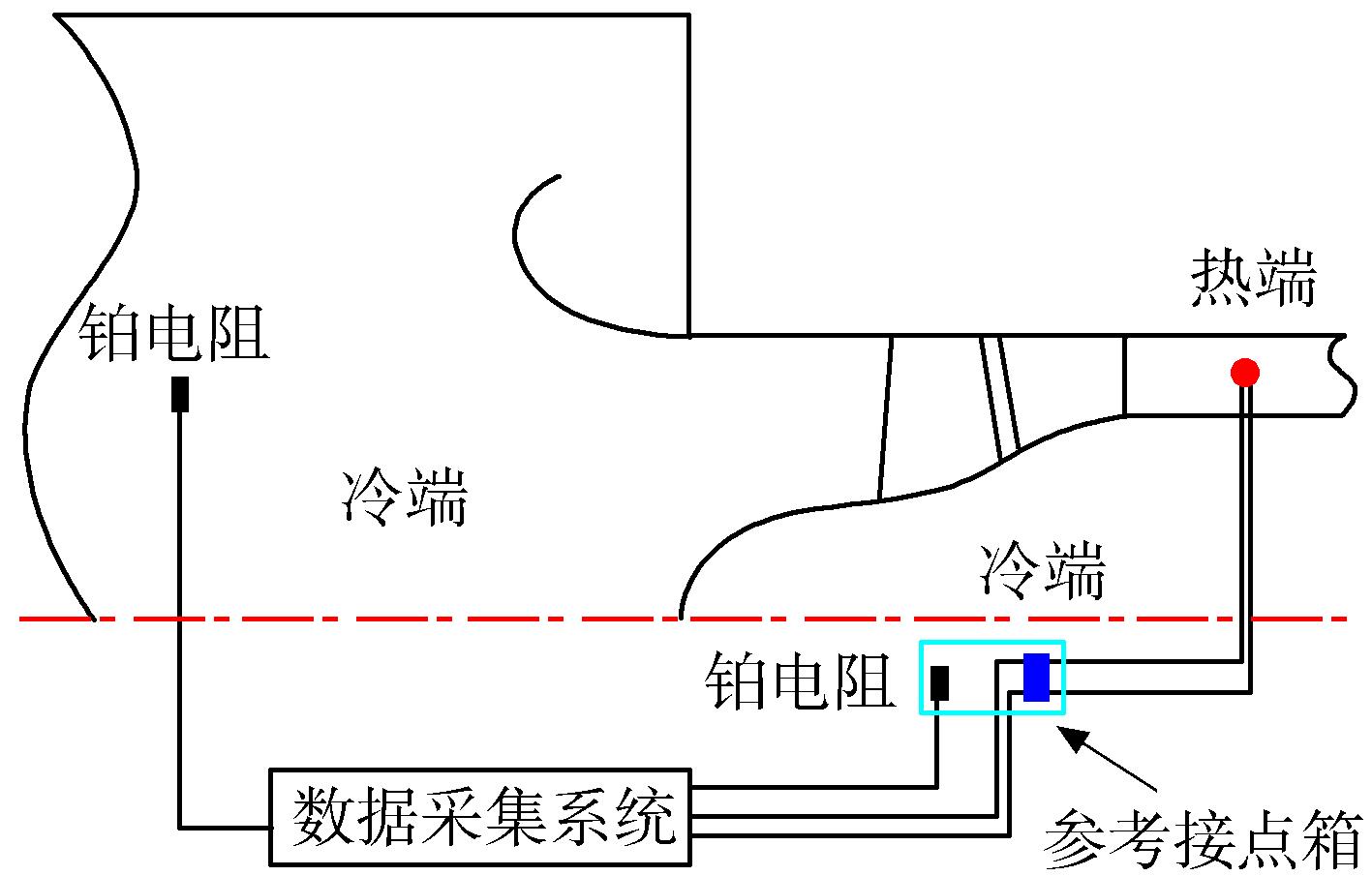
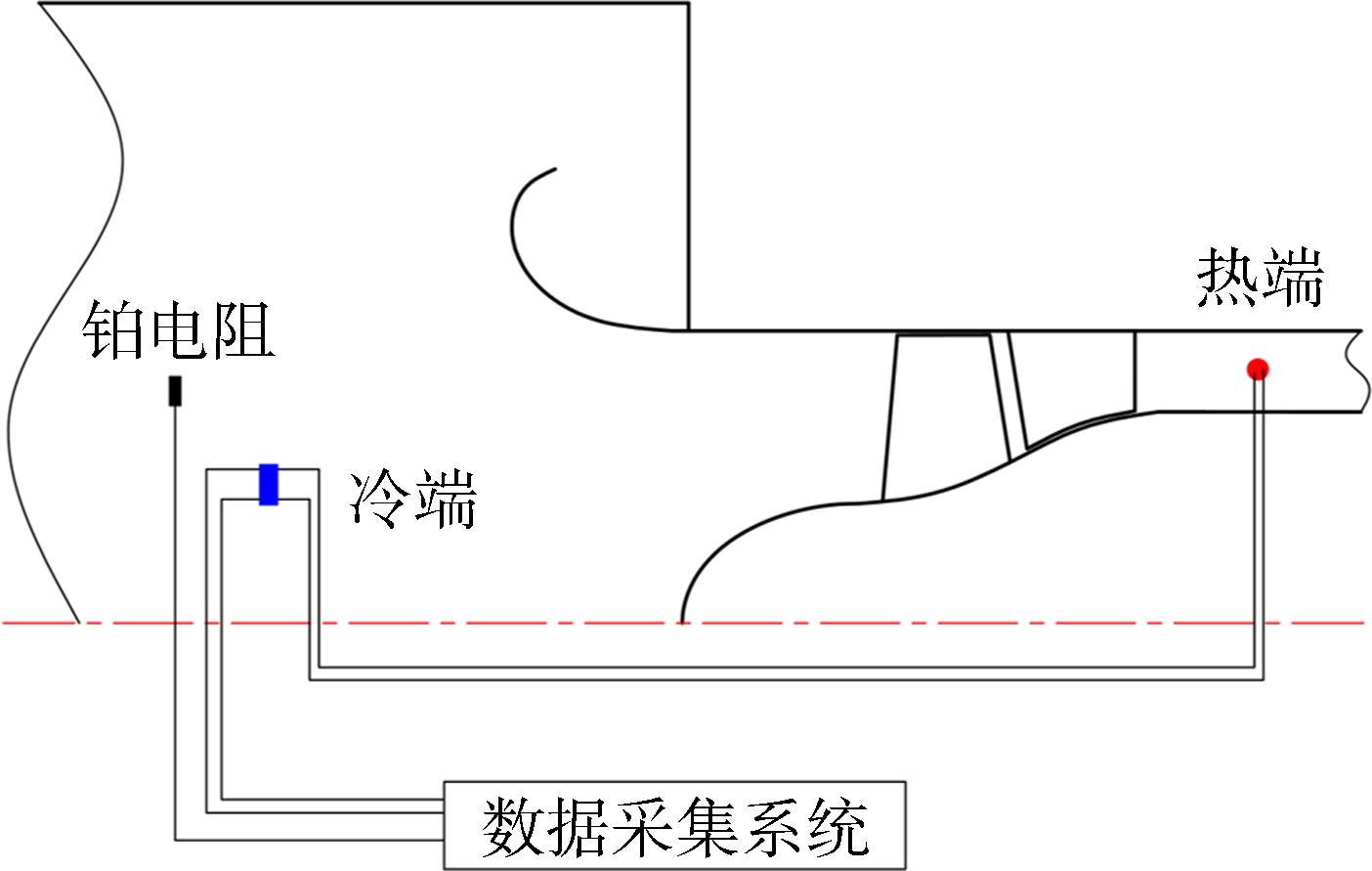
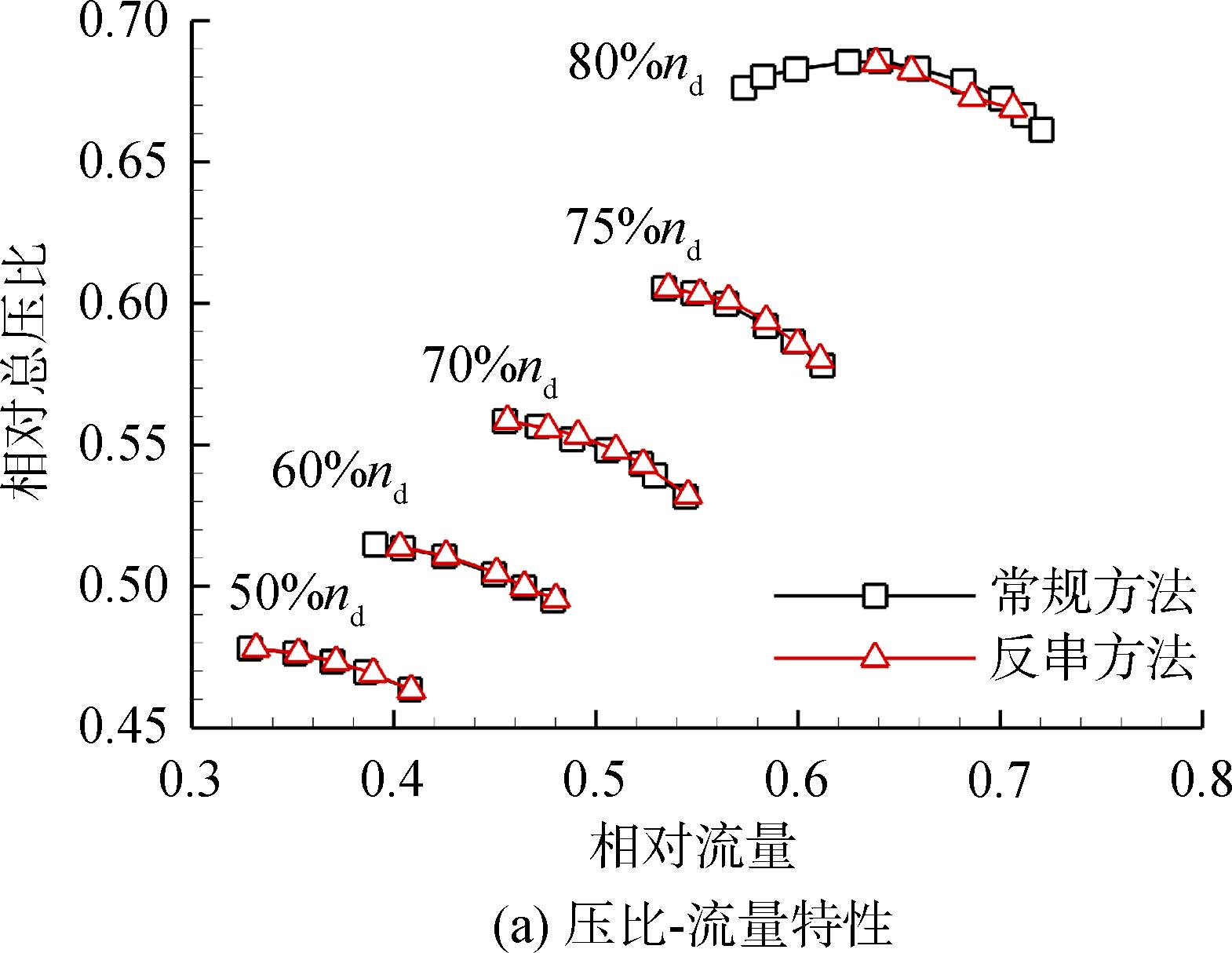
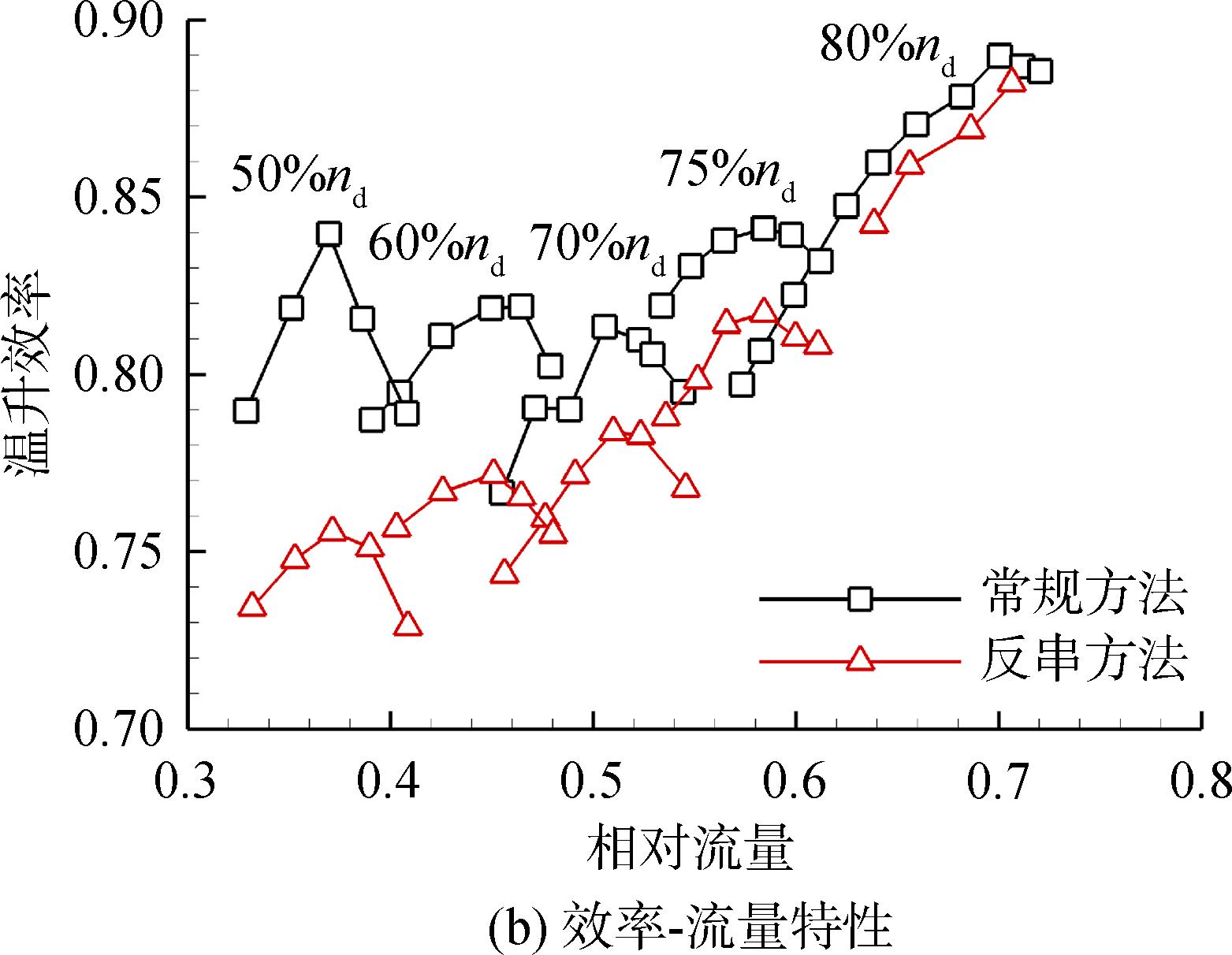
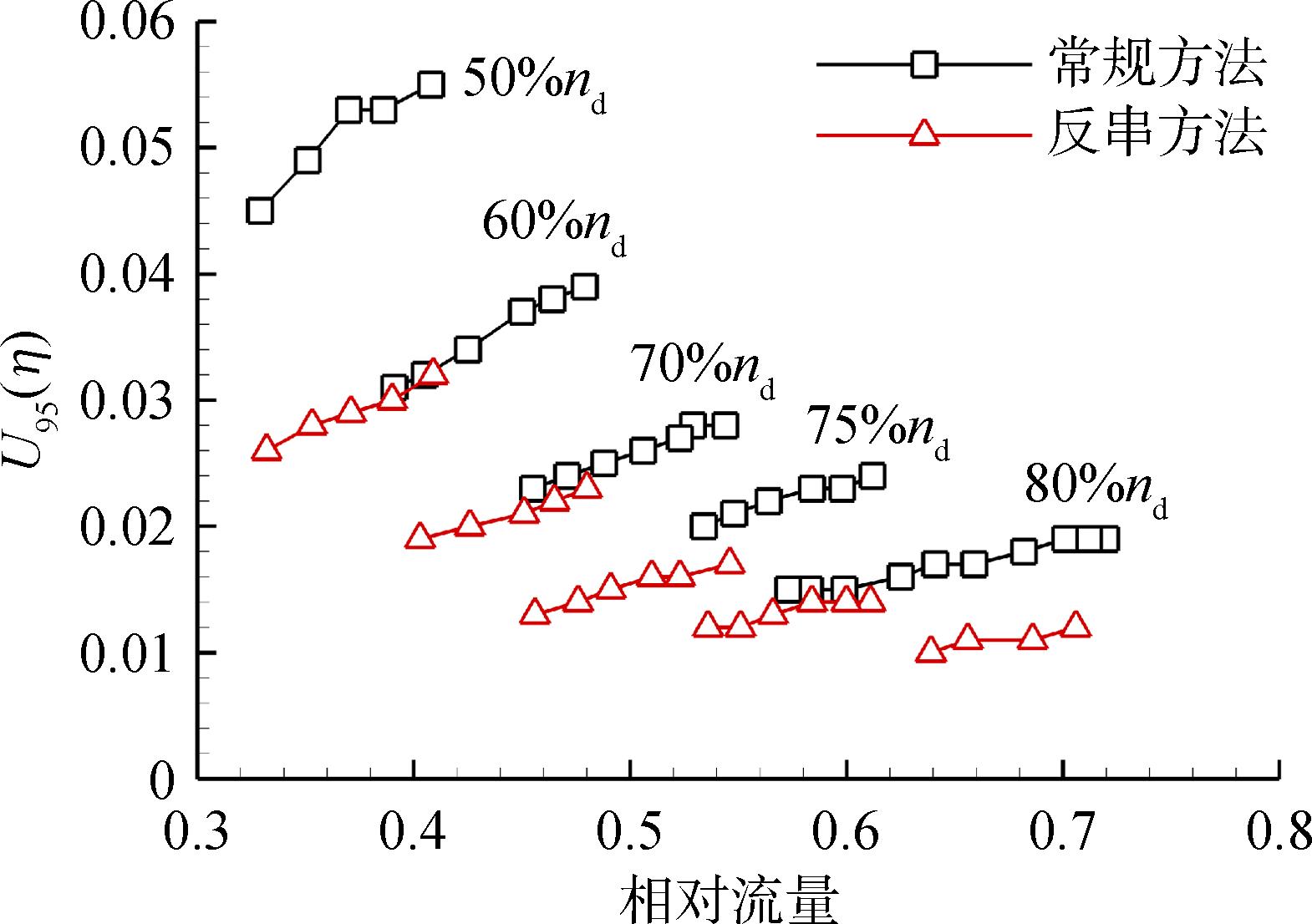
In view of the problem of evaluating the temperature rise efficiency under low pressure ratio in the aerodynamic performance experiments of axial flow compressor,the uncertainty mathematics analysis models of temperature rise efficiency measured by the conventional method and a method with inversed connection of thermocouple were established respectively,and the uncertainties of temperature rise efficiency measured by two methods were analyzed comparatively with real experimental data of a single stage compressor.The results showed that,compared with conventional method,the uncertainty of temperature rise efficiency with inversed connection of thermocouple was greatly reduced by more than 30%,by eliminating the uncertainty introduced by the cold end temperature measurement of thermocouple and reducing the uncertainty introduced by the inlet temperature measurement.
Compressor transient responses and stability at pulsating backpressure conditions
SHU Mengying, YANG Mingyang, WANG Xingchen, DENG Kangyao
2022, 37(8): 1740-1748. doi: 10.13224/j.cnki.jasp.20210058
Abstract:

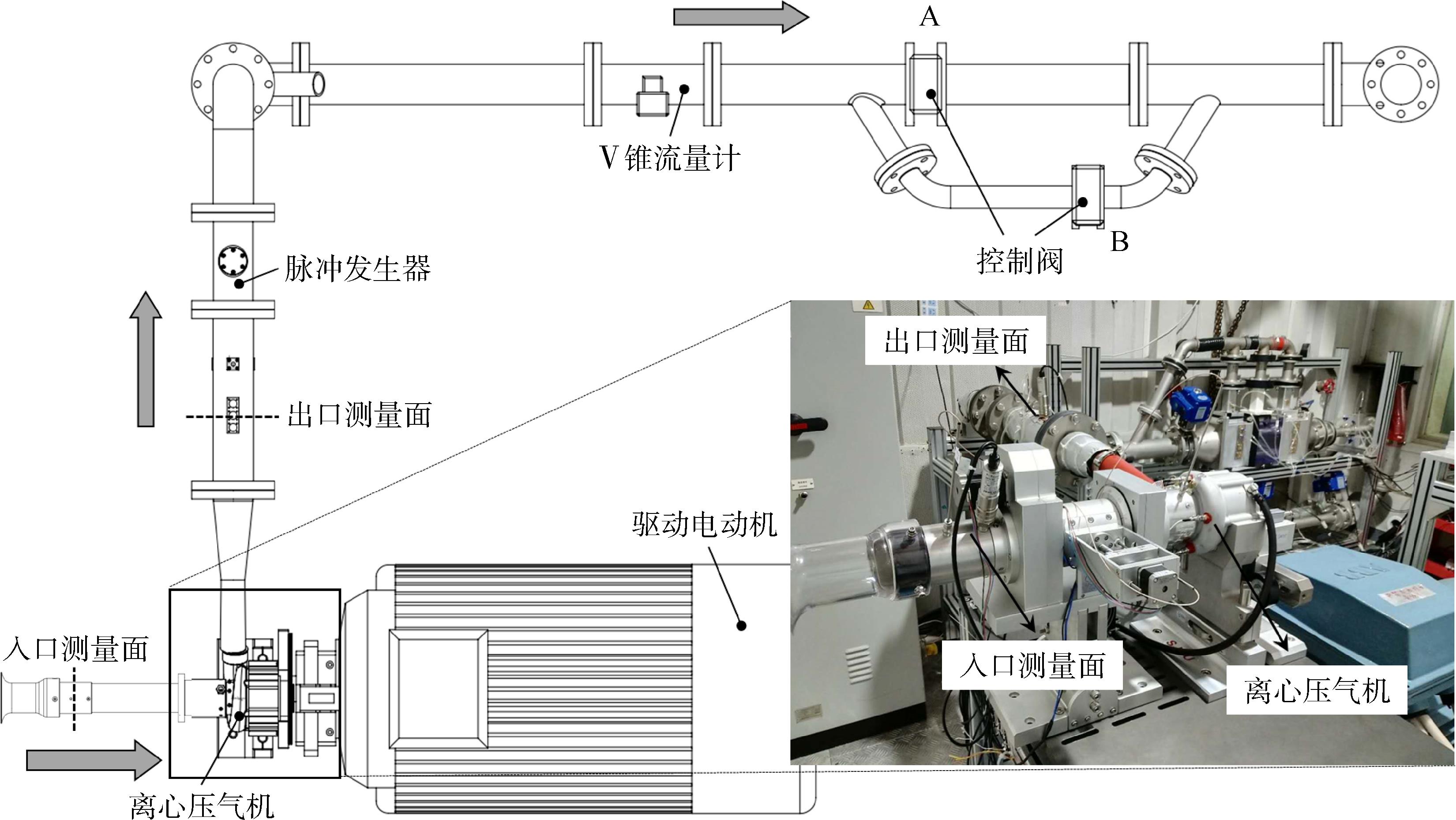
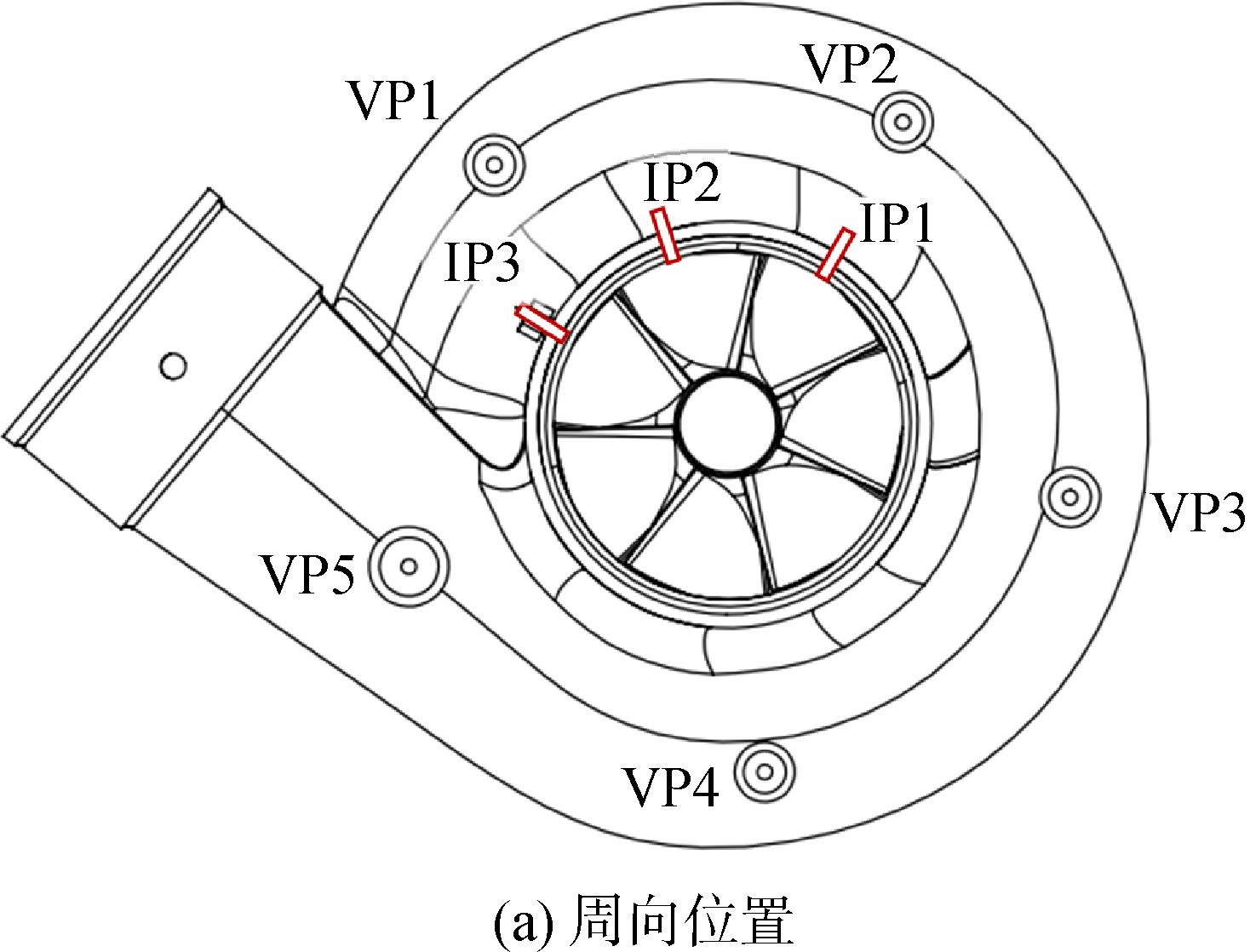
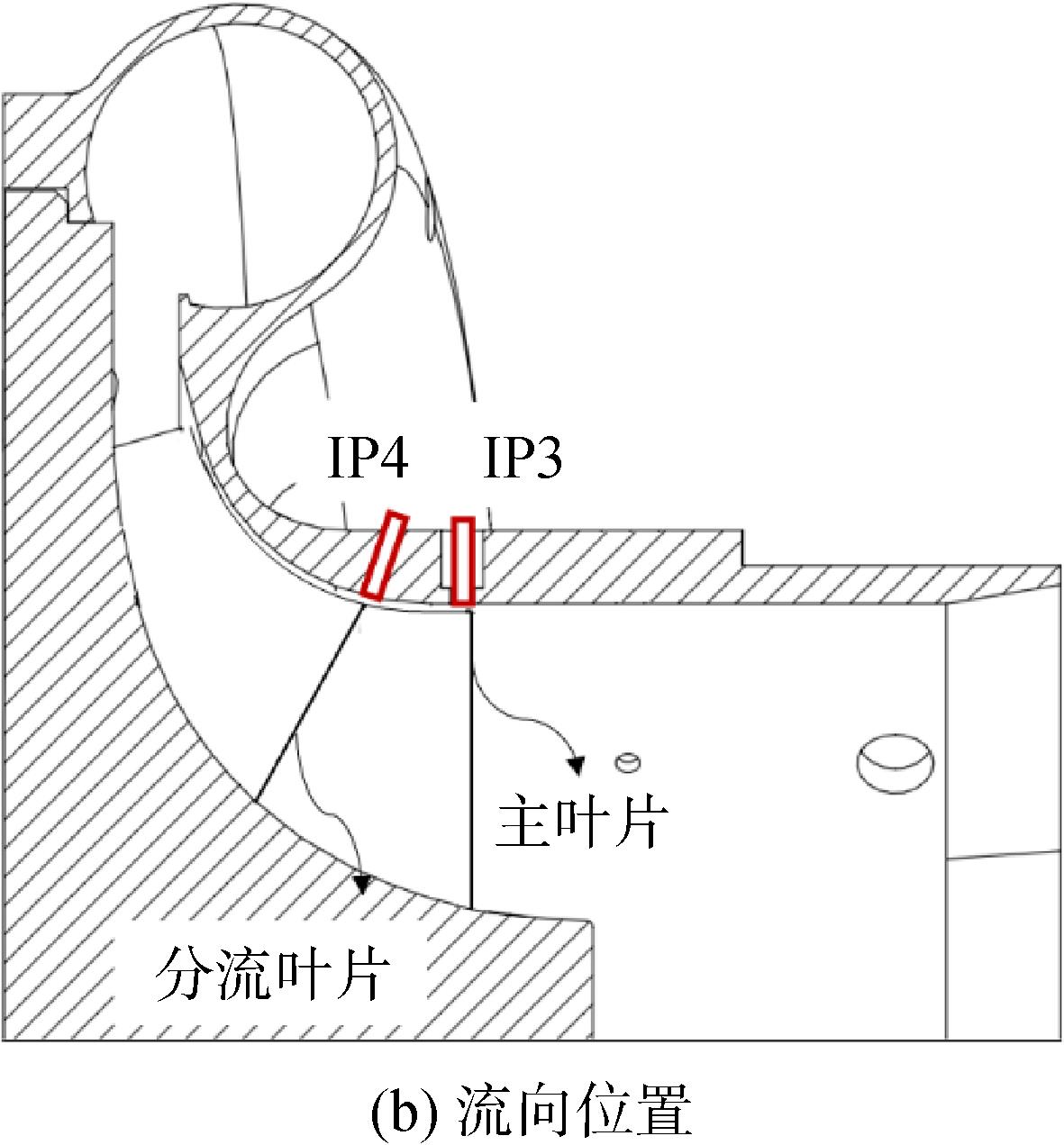
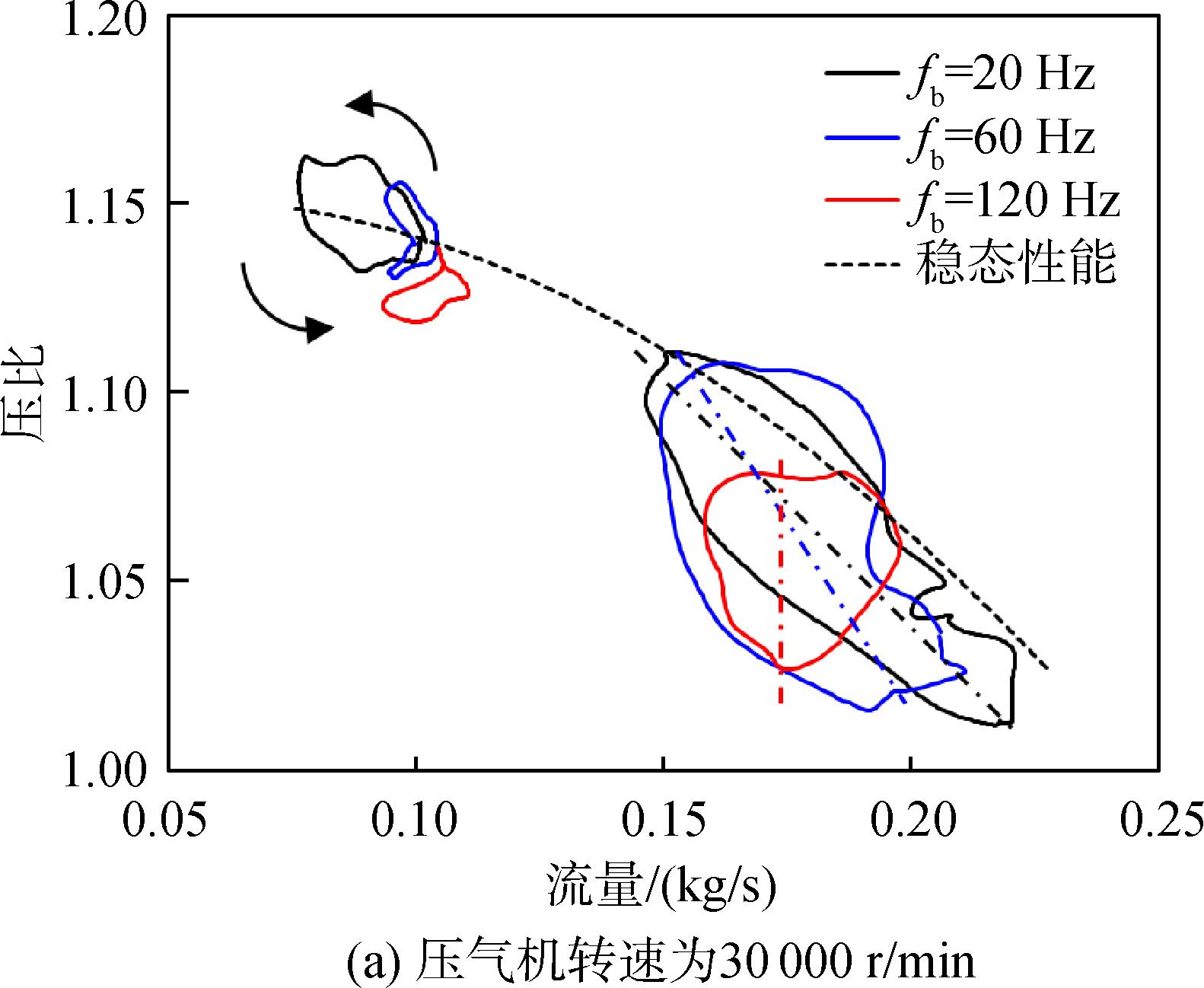
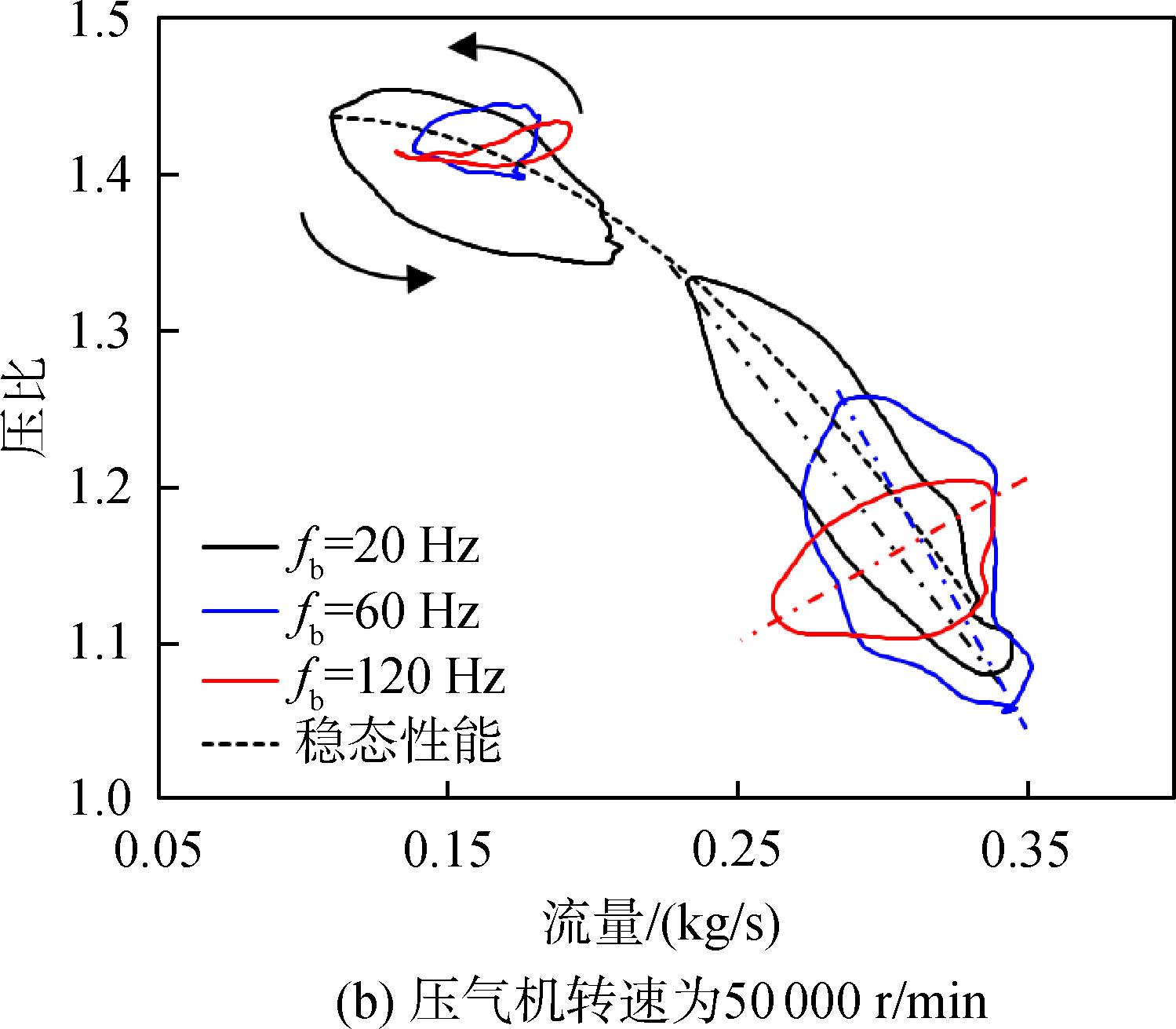
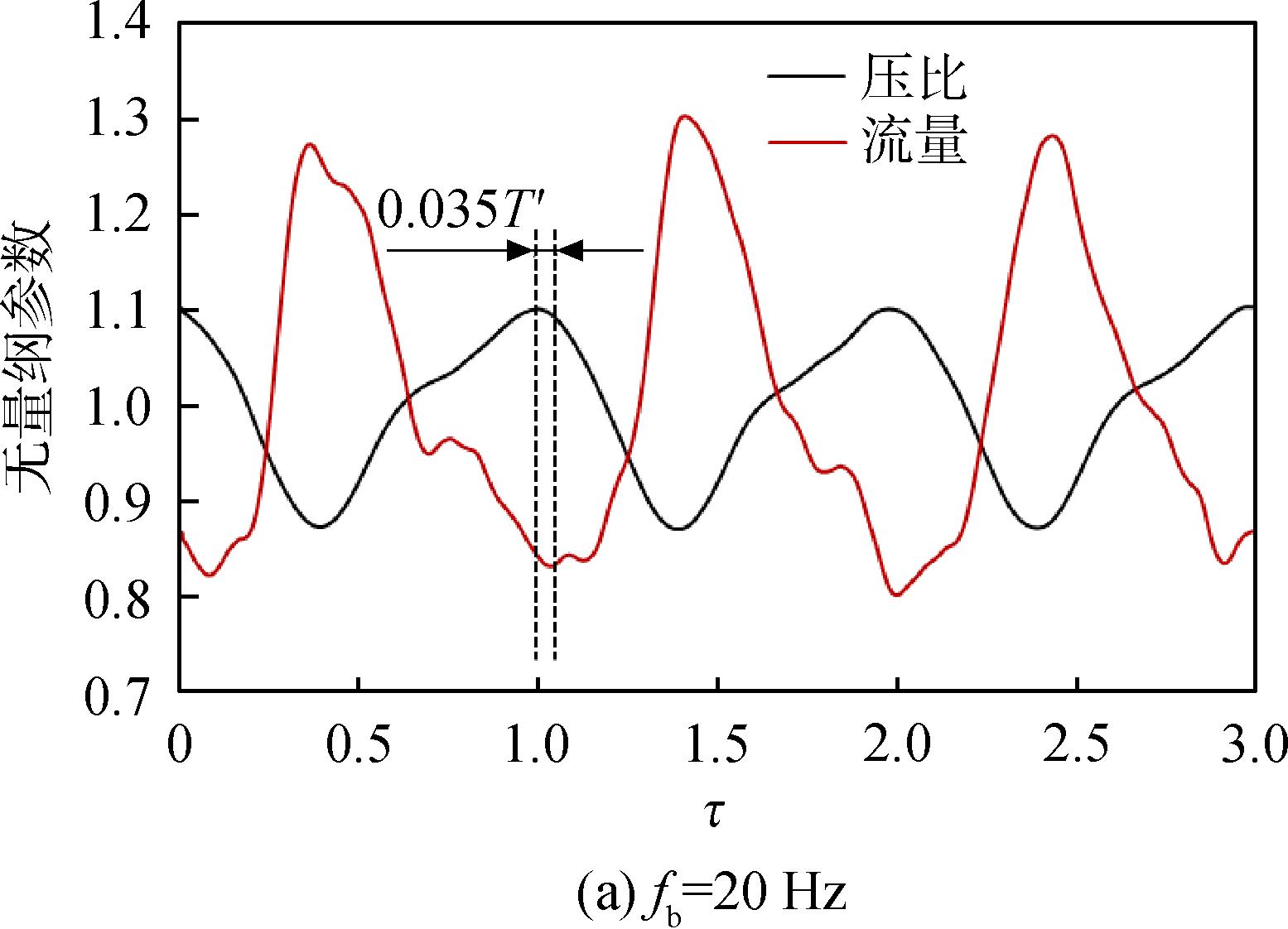
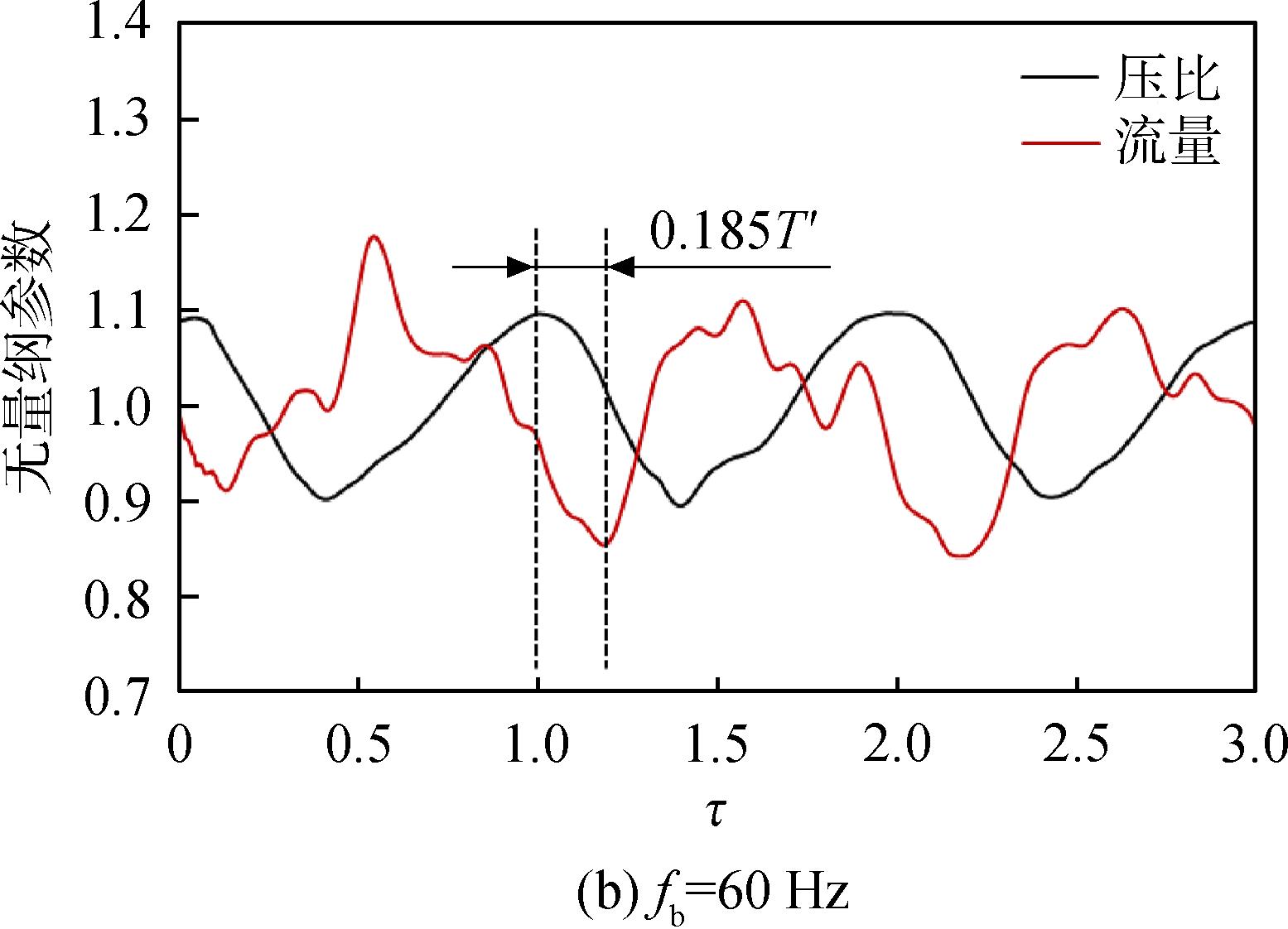
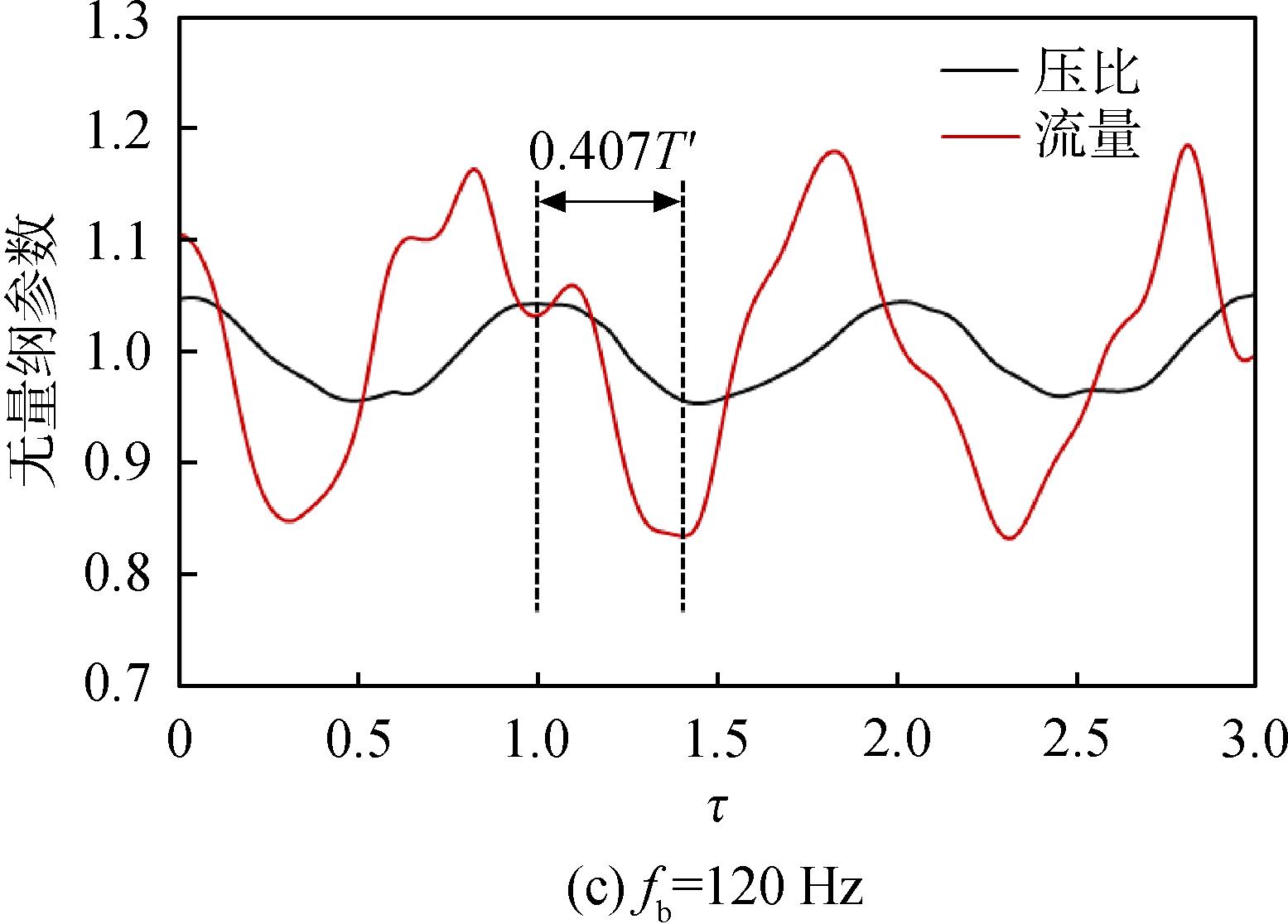
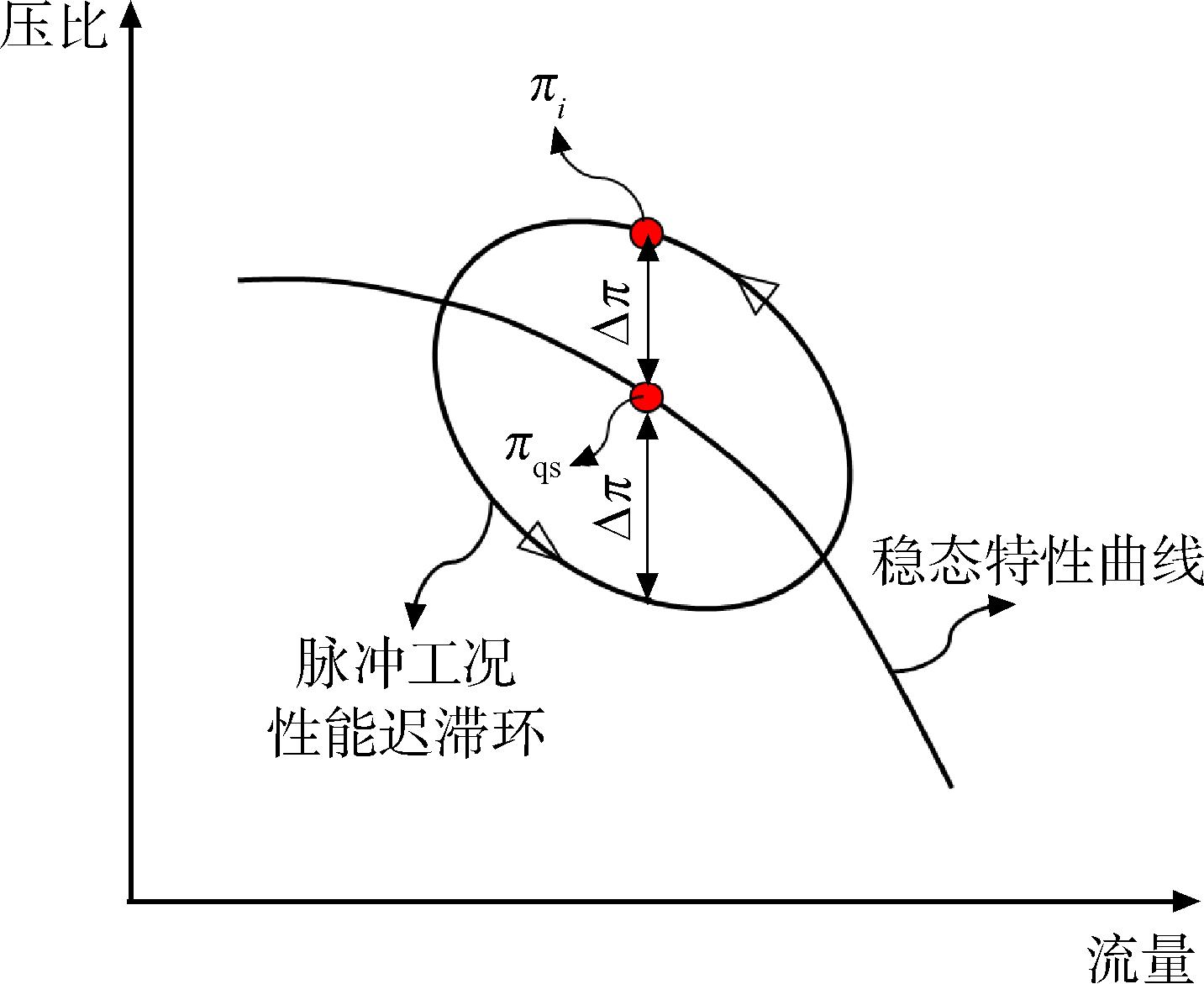
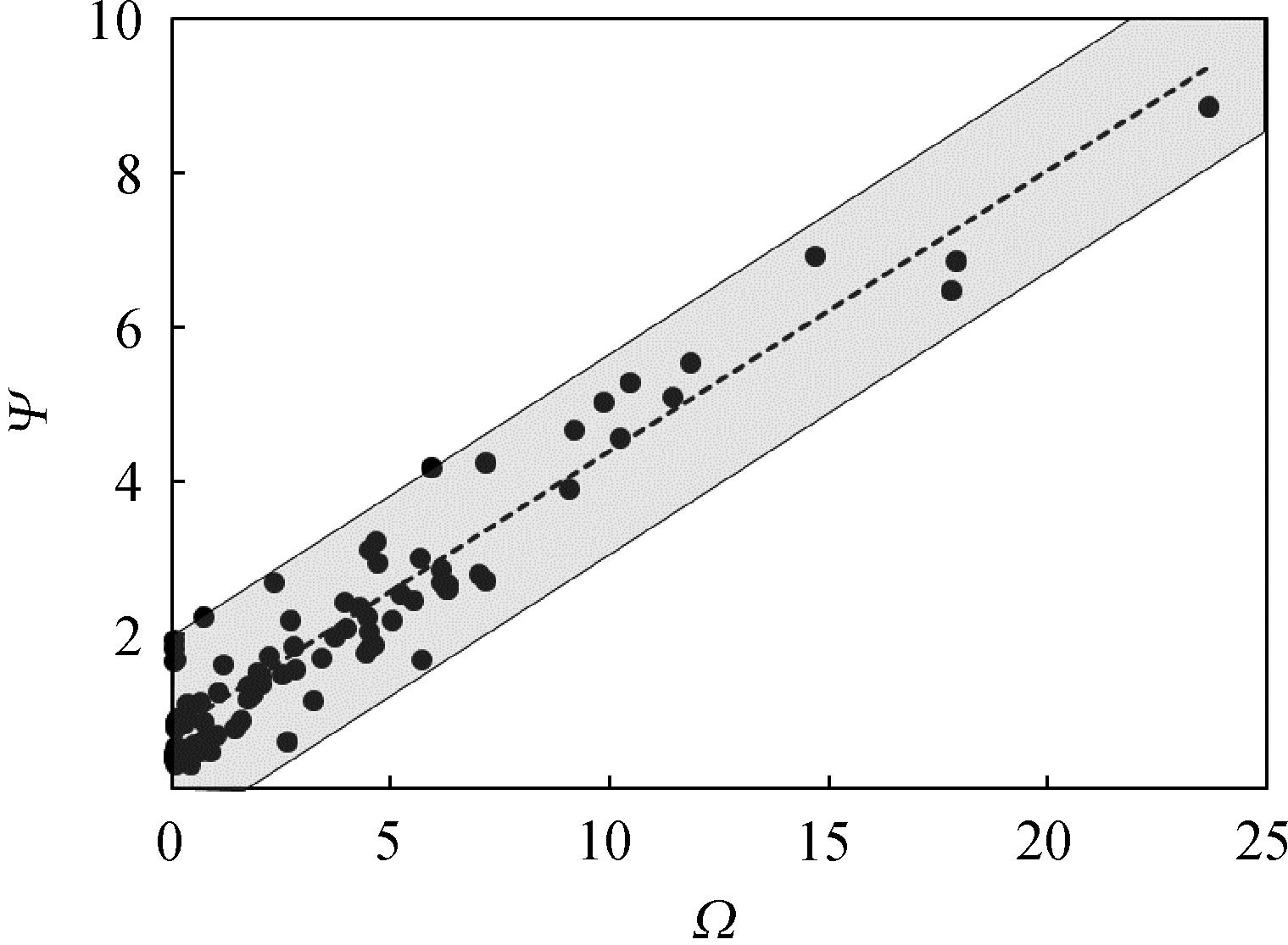
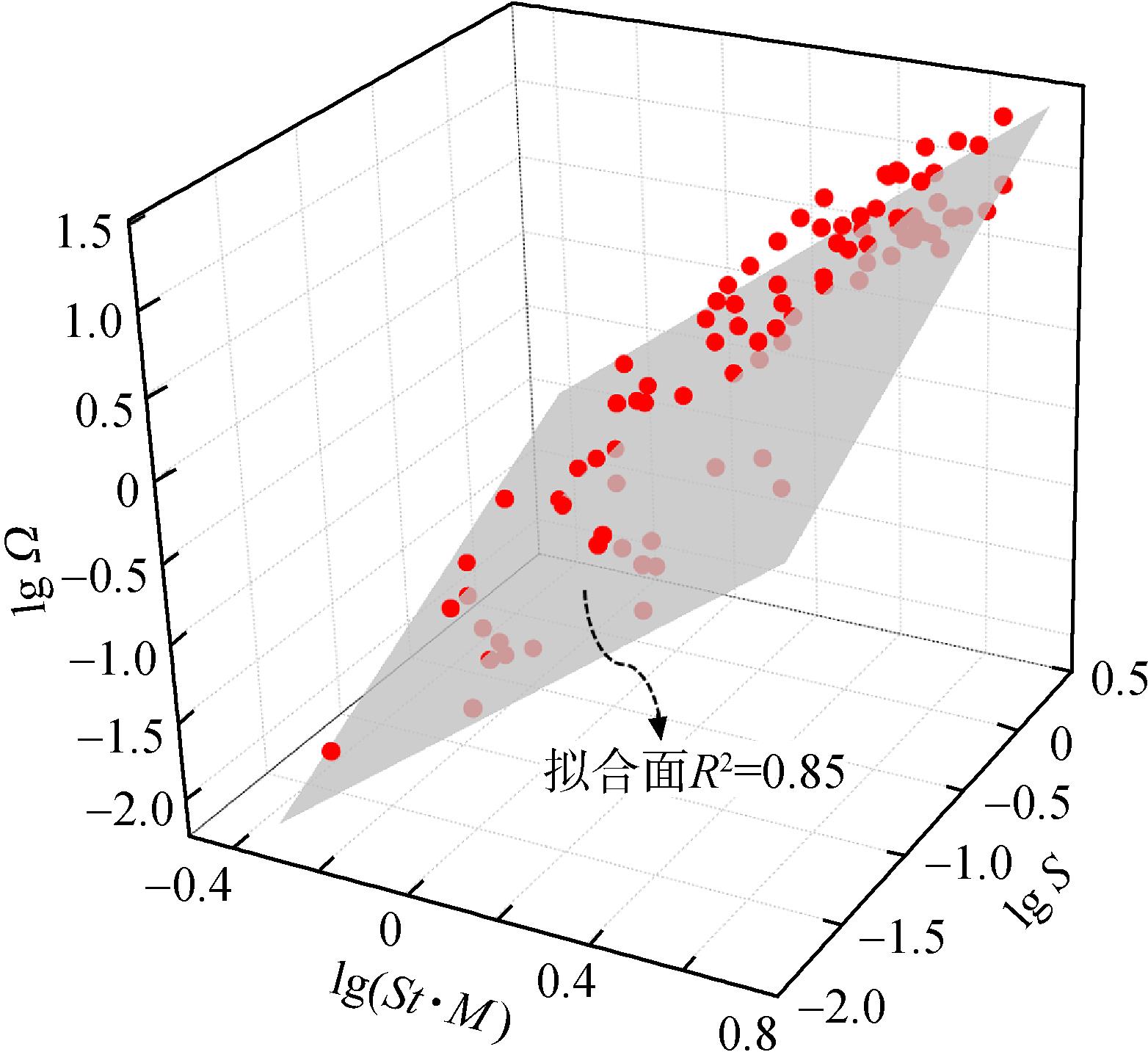
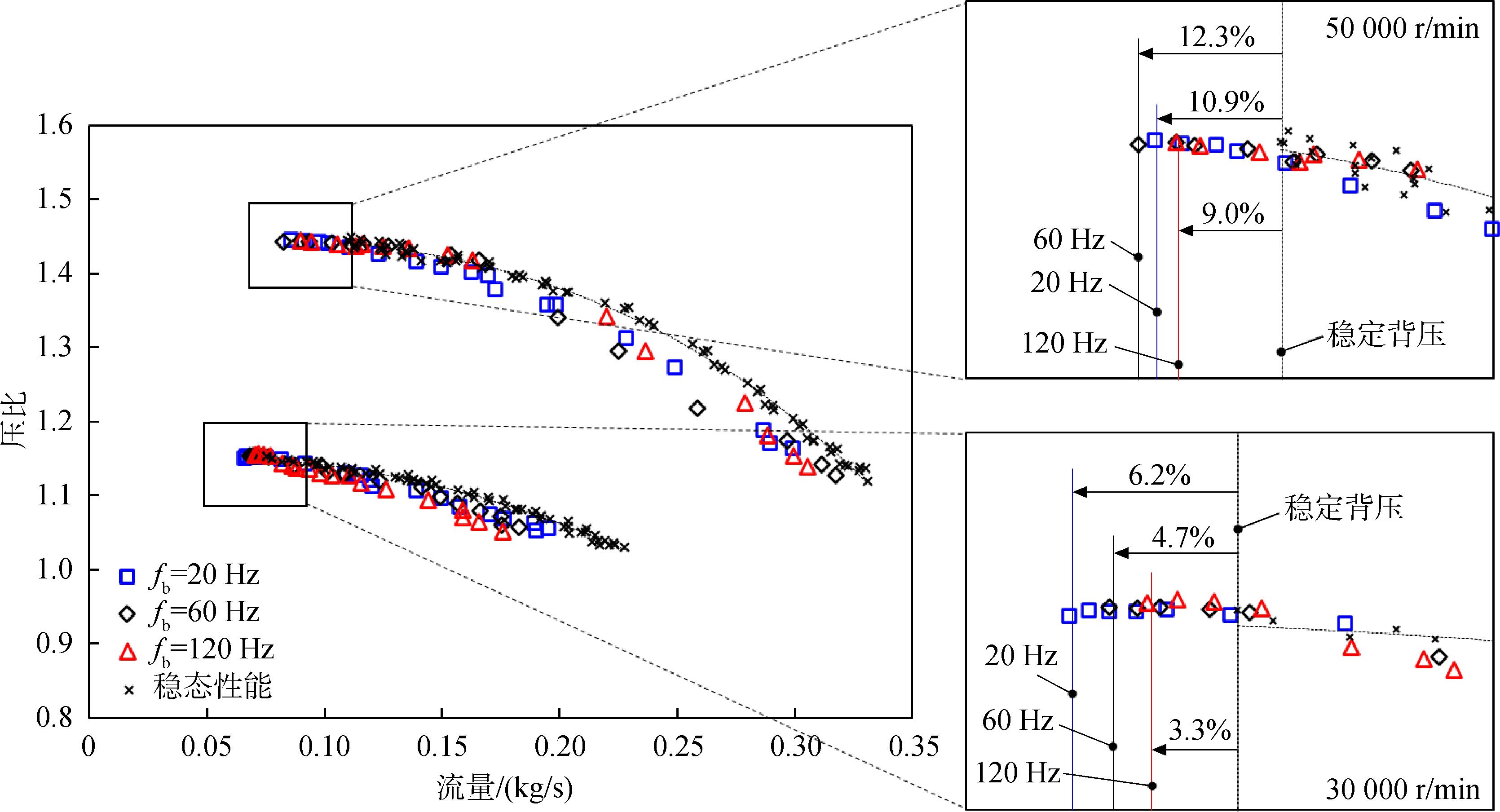
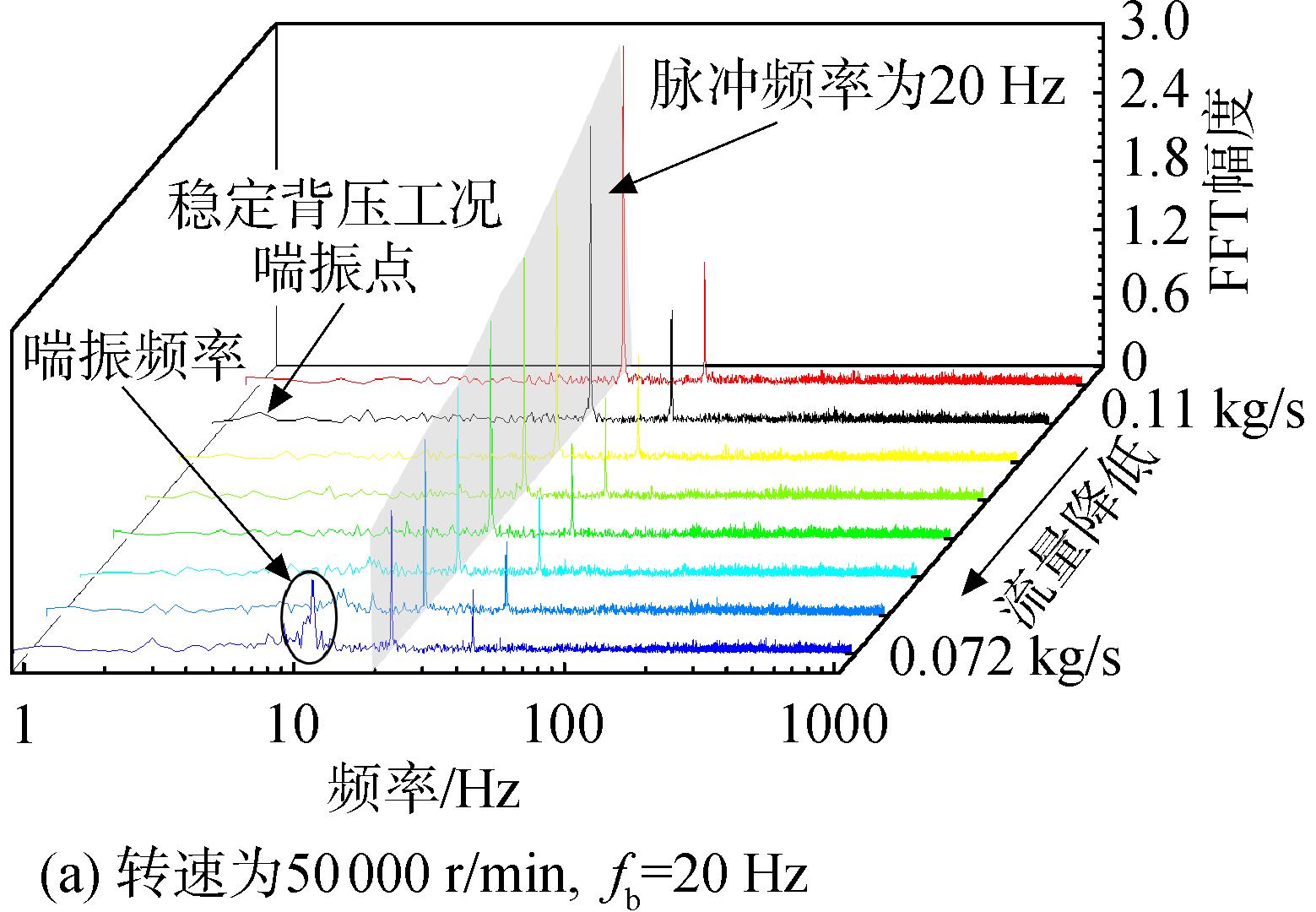
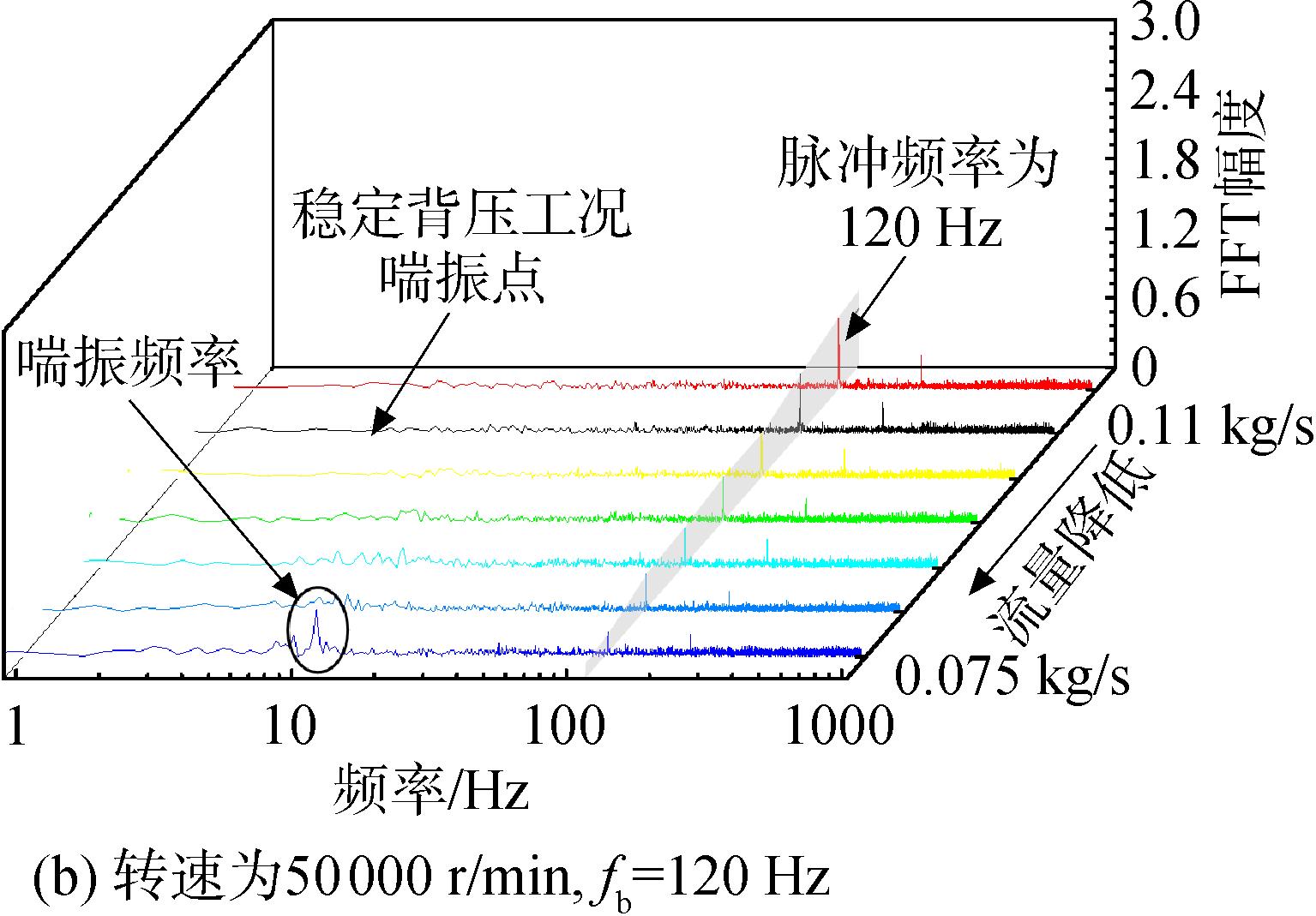
The influence of pulsating backpressure on compressor transient responses and surge characteristics was investigated experimentally.The results showed that the compressor responses were highly unsteady at pulsating conditions.The unsteadiness of compressor performance was stronger at high frequency,high magnitude pulsating conditions,or steep pressure ratio‑flow rate characteristic curves.A correlation among compressor unsteadiness,pulsating strength,and operating condition was proposed based on the results.Surge was postponed at pulsating conditions,with improvement by 12.3% of compressor stable operating range.The strength of fluctuation caused by pulsating decreased with the reduction of flow rate,while the fluctuation due to aerodynamic instability increased.The V‑shaped trend of the strength of flow fluctuation was caused by the interaction between pulsating backpressure and compressor instability.The influence of pulsating backpressure on dynamic response and surge characteristics of compressor was studied.This study can be helpful to improve compressor design methodology at unsteady operating conditions.

Influence of rear rotor diameter on aerodynamic and acoustic characteristics of counter⁃rotating proeller
CUI Panwang, TONG Fan, FENG Heying, CHEN Zhengwu, WANG Daqing
2022, 37(8): 1749-1760. doi: 10.13224/j.cnki.jasp.20220179
Abstract:

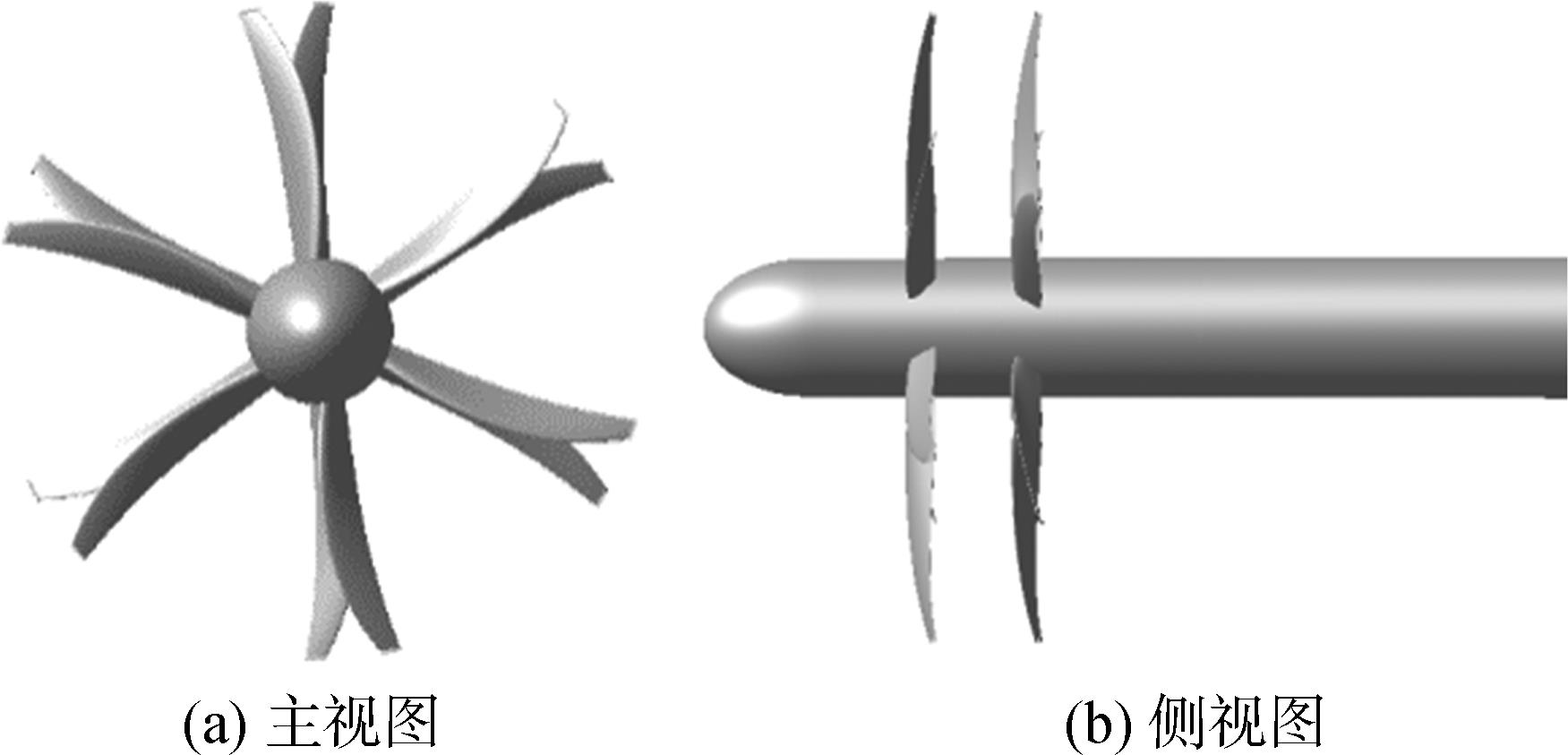
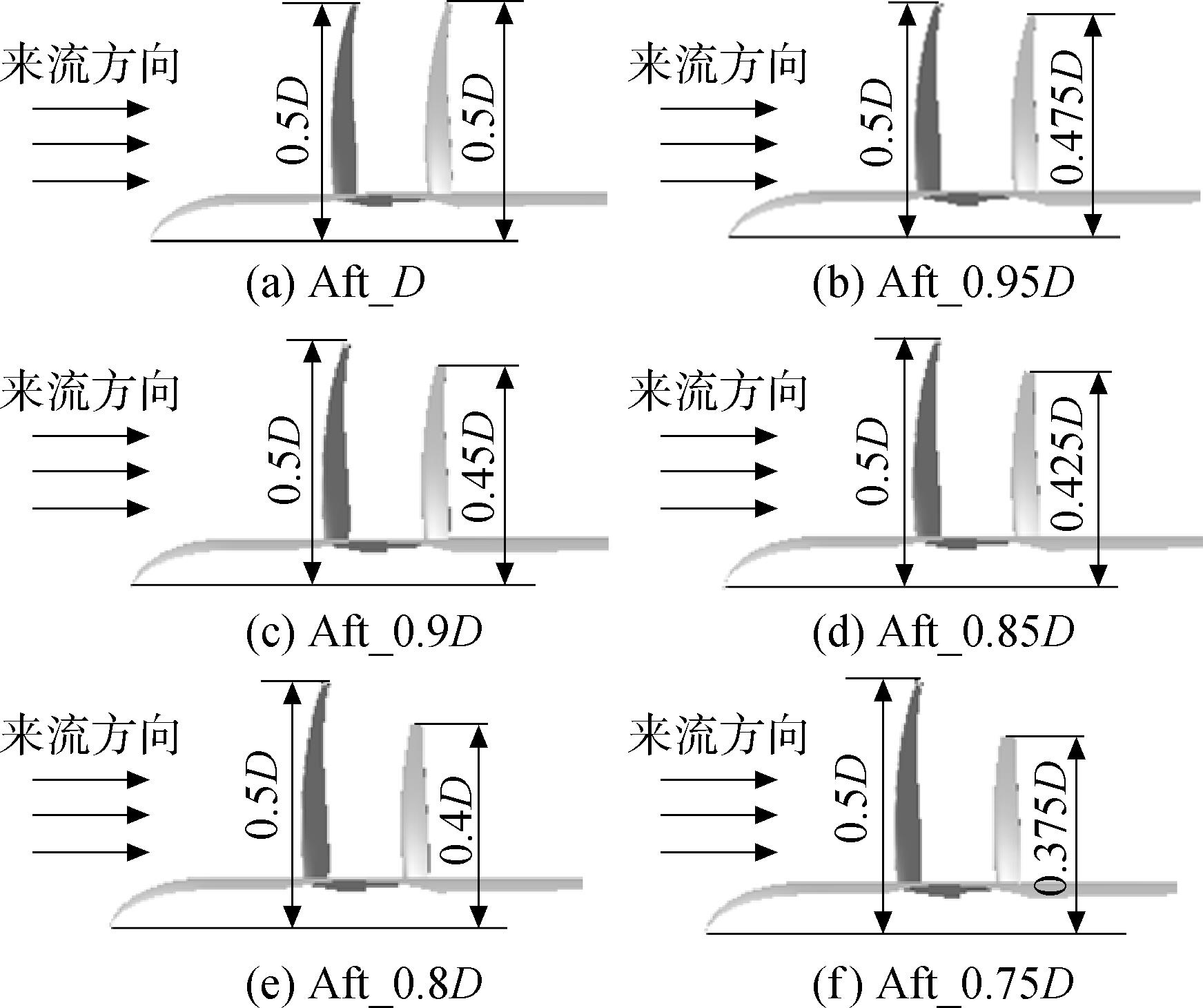
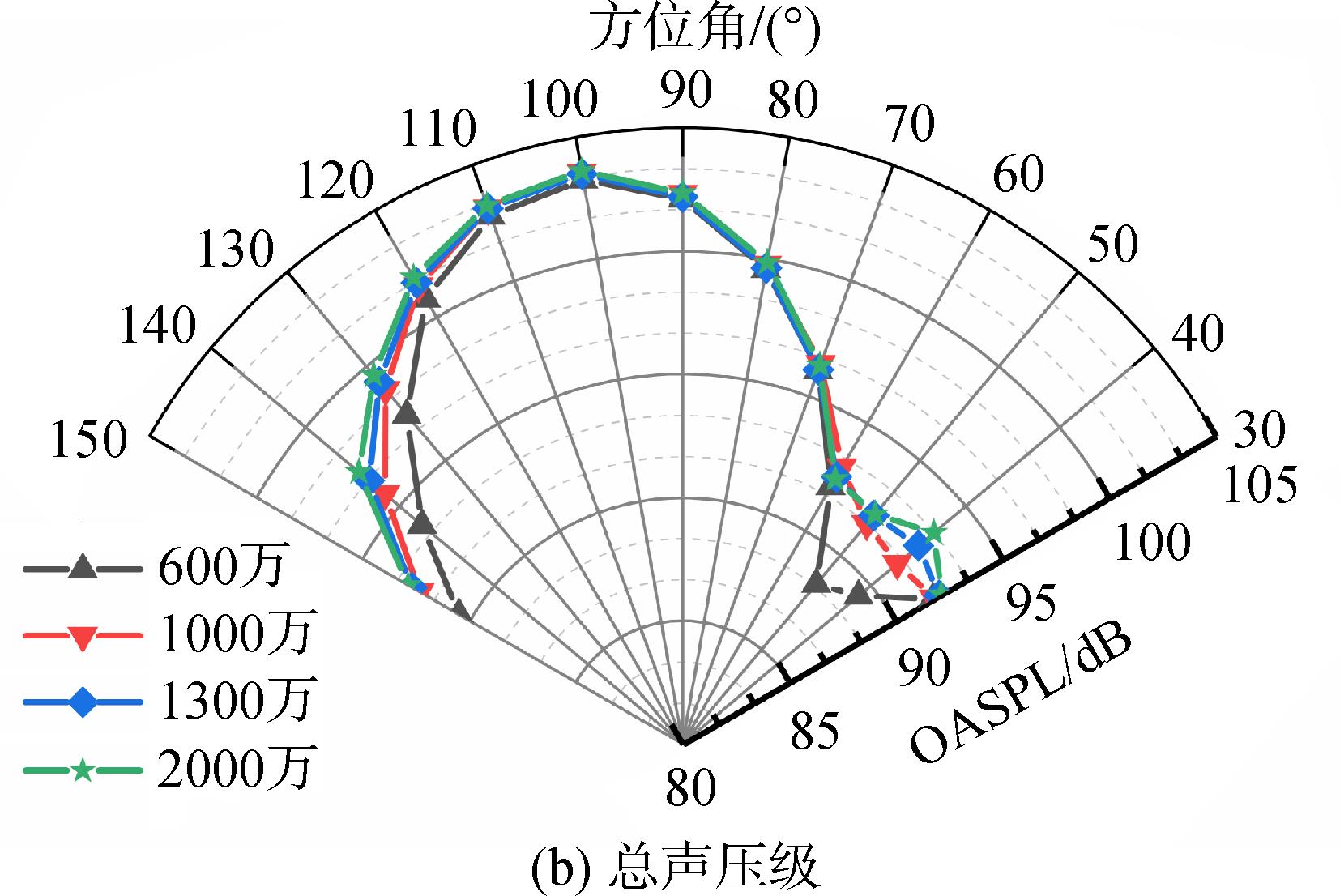
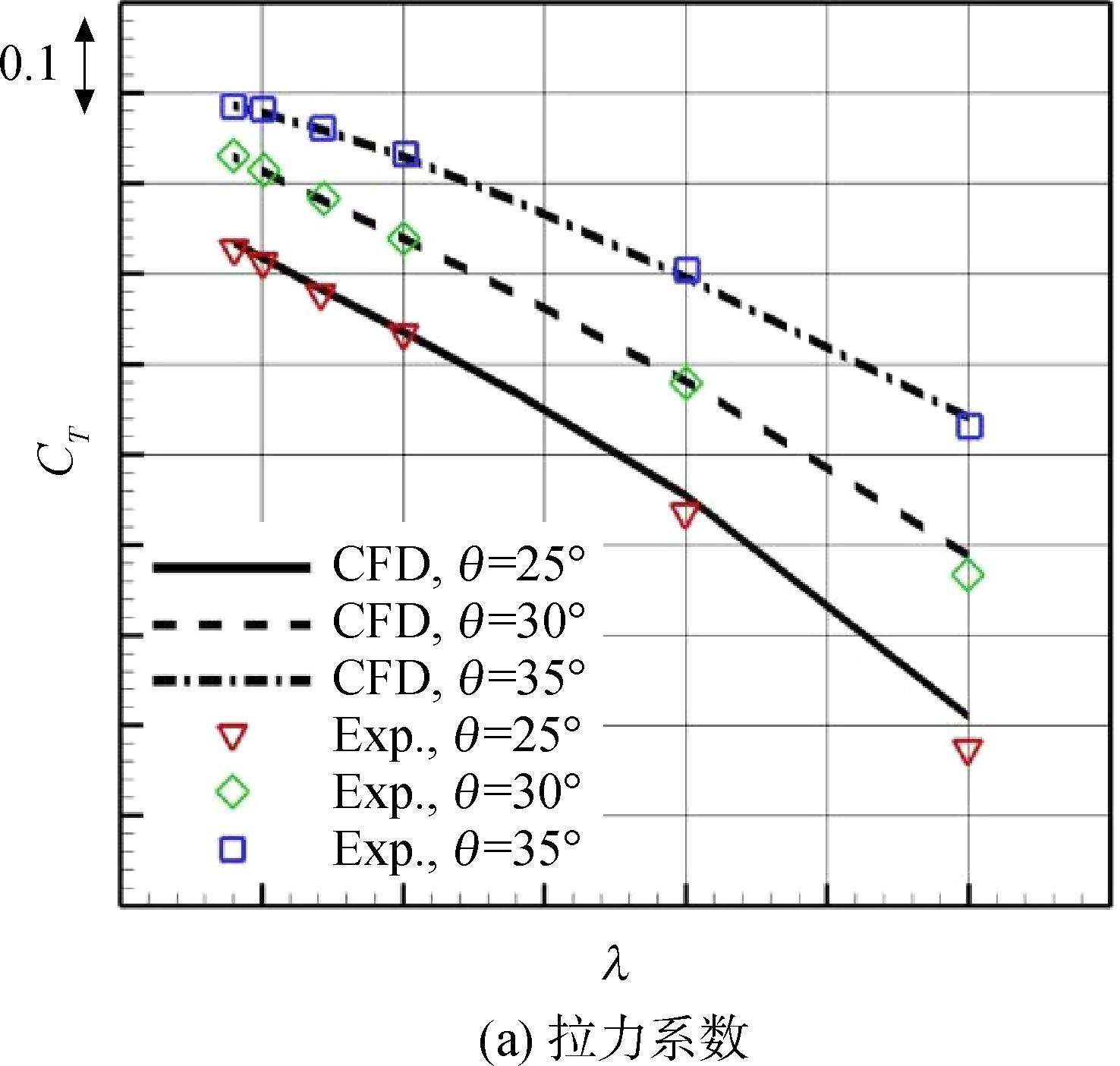
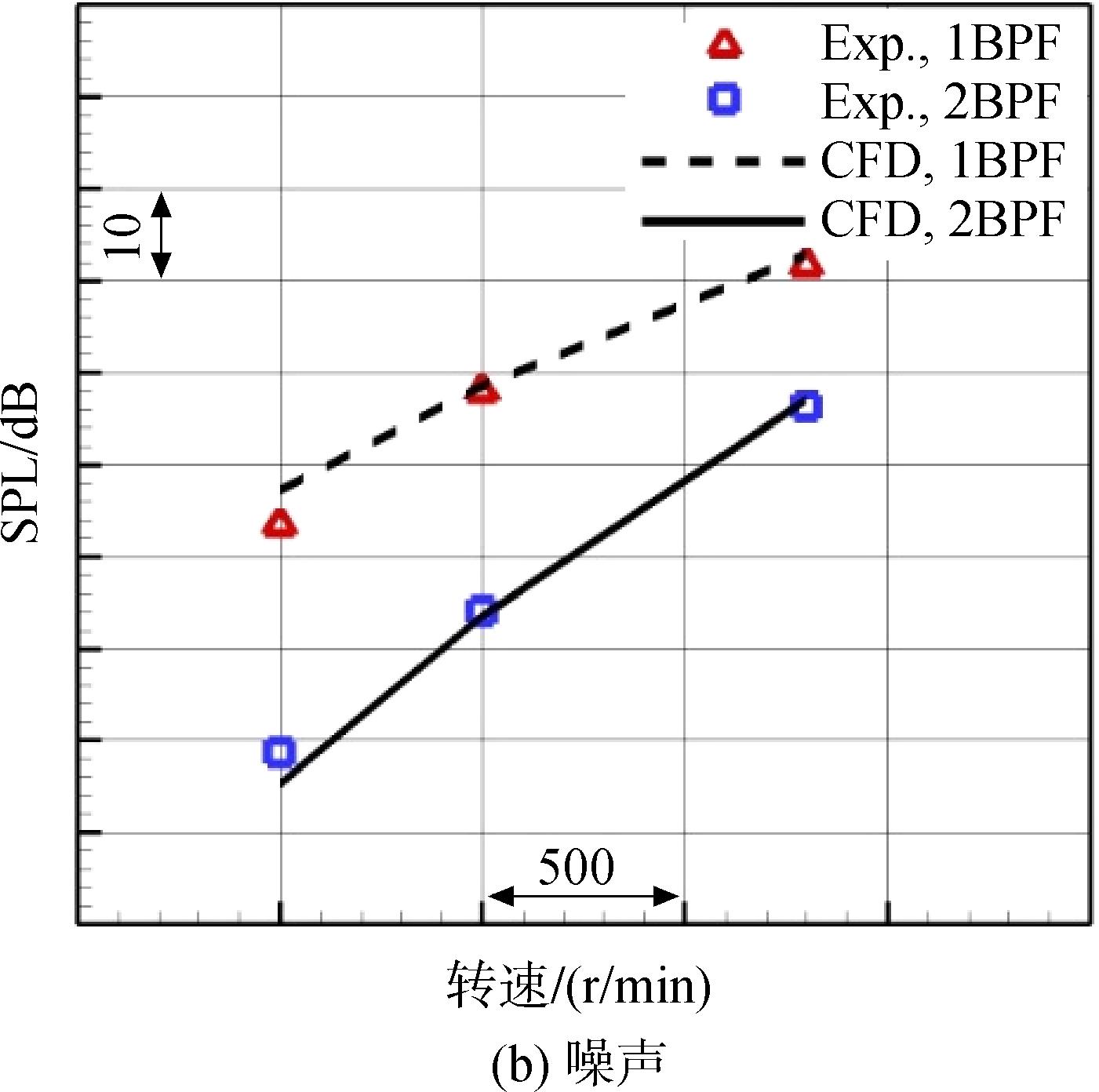
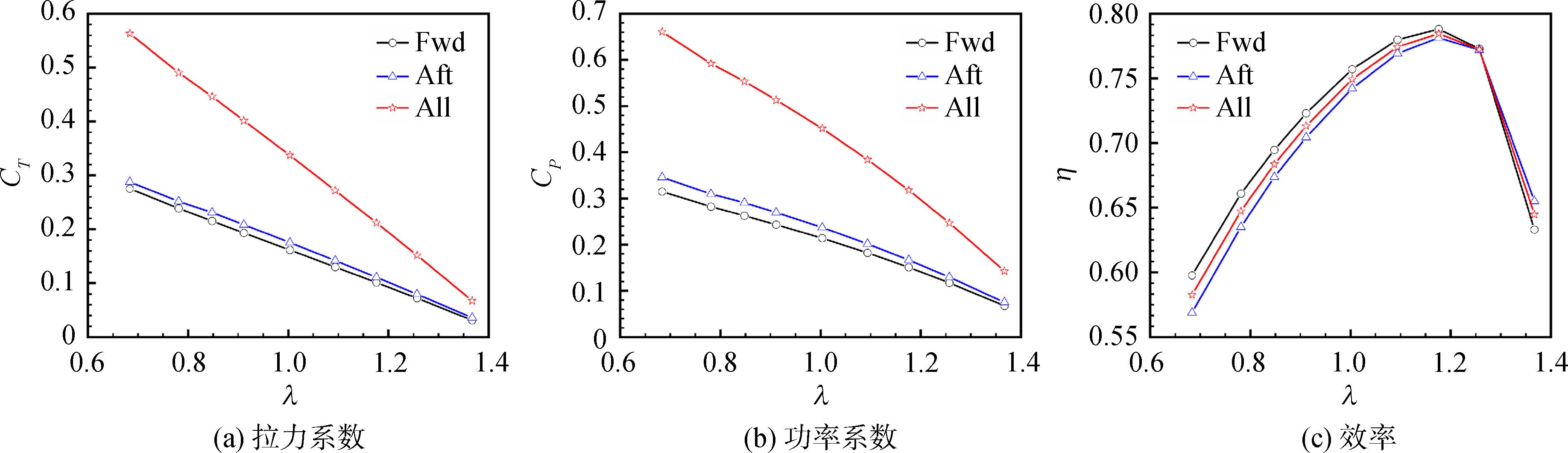
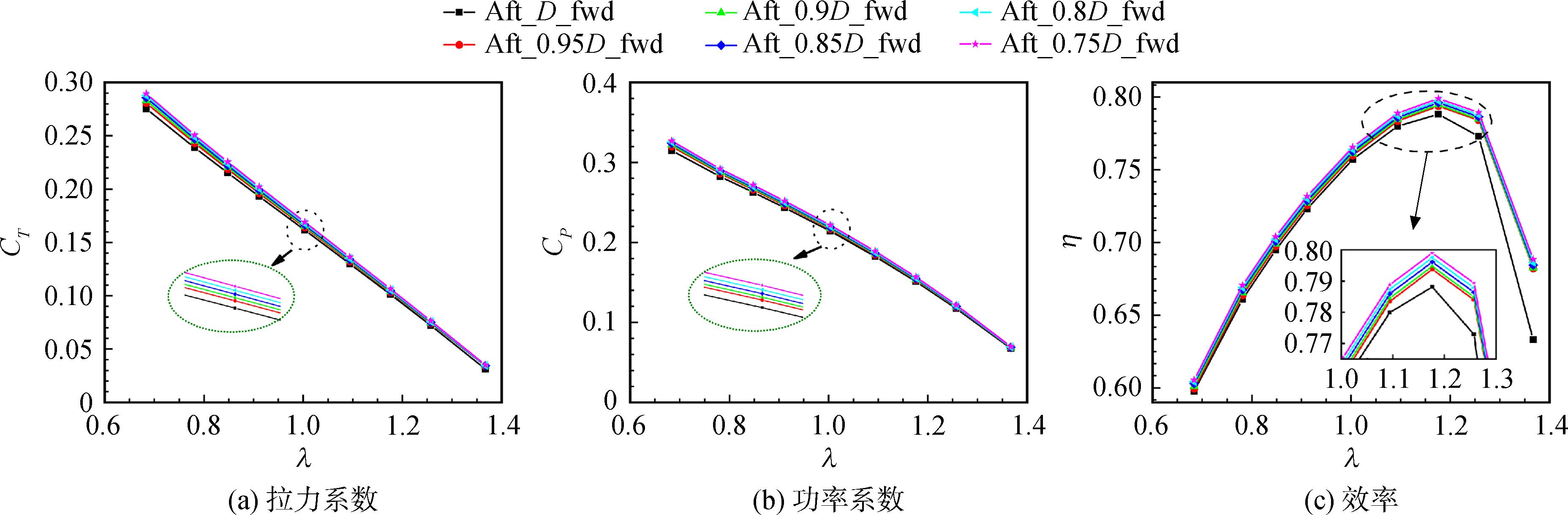
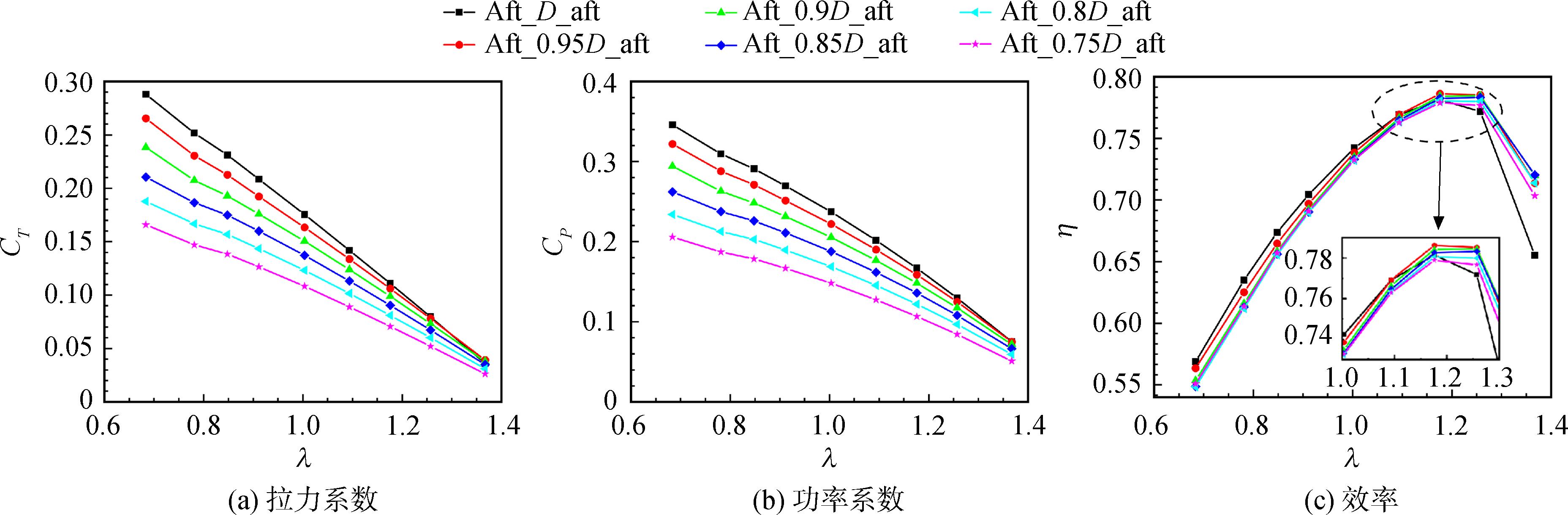
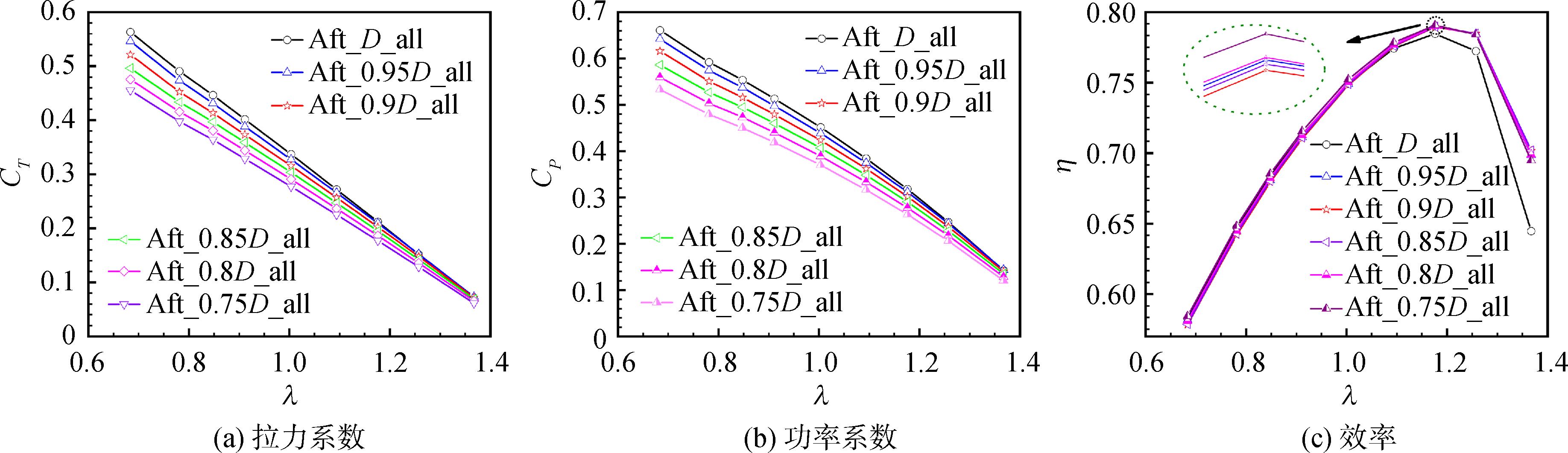
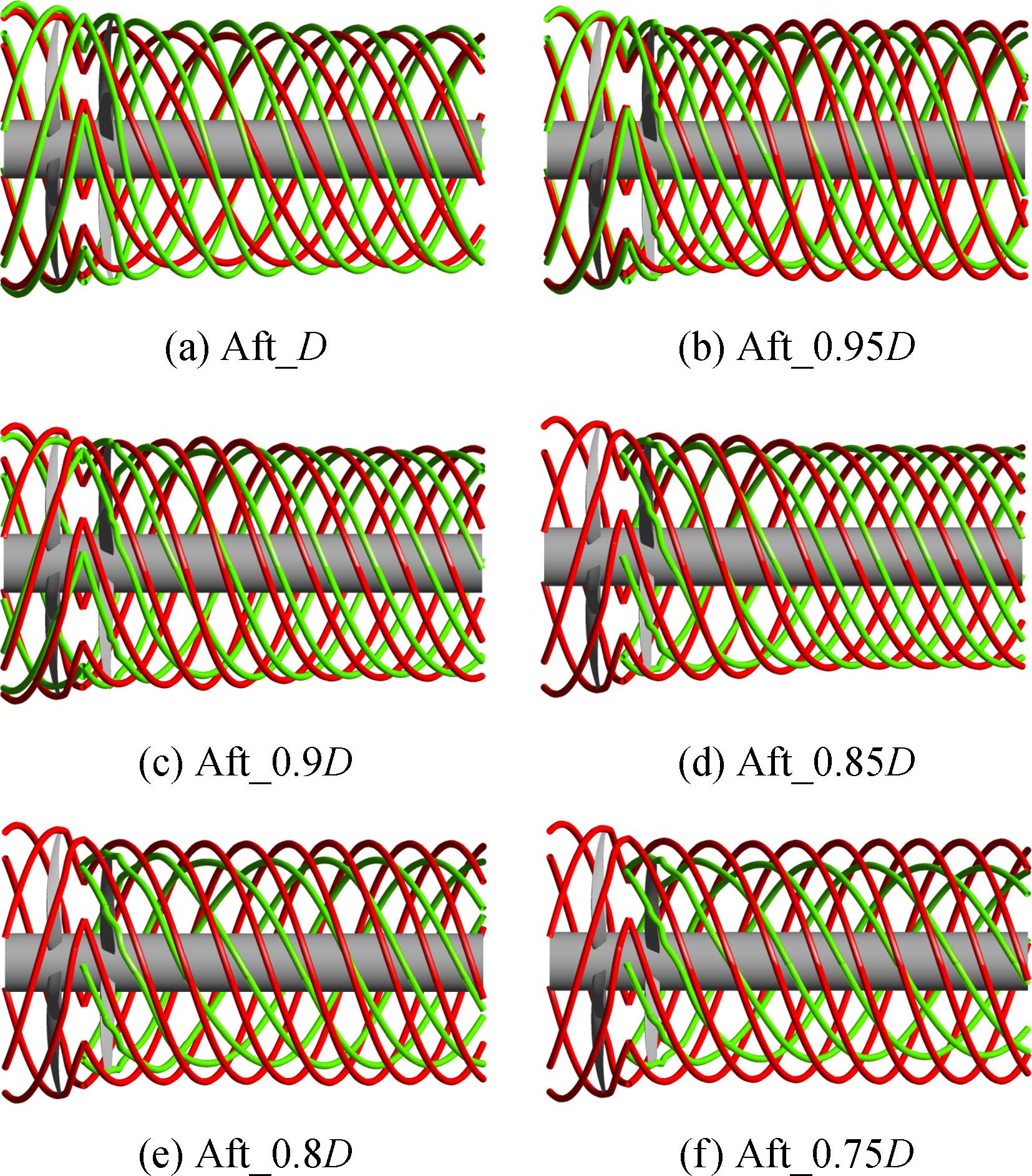
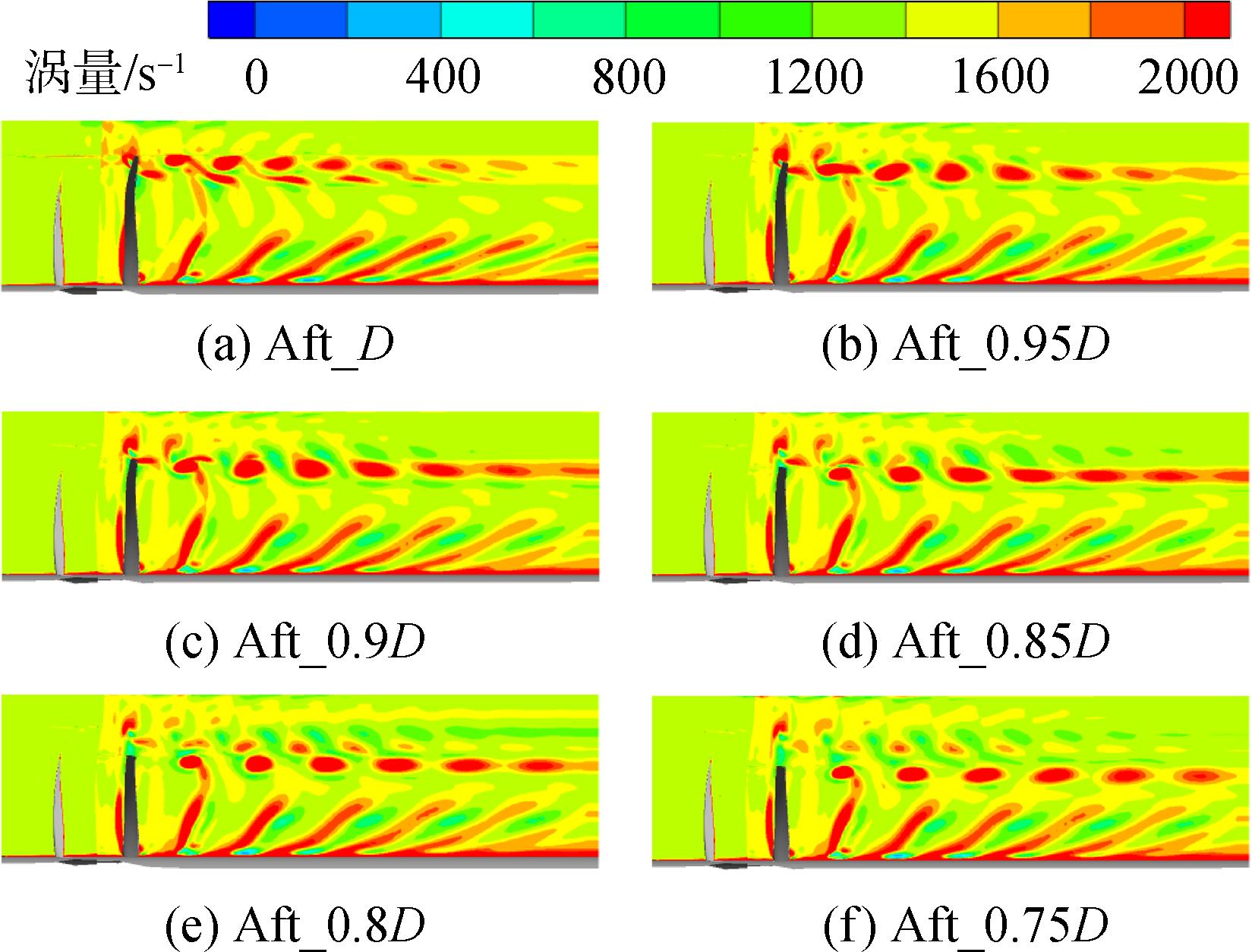
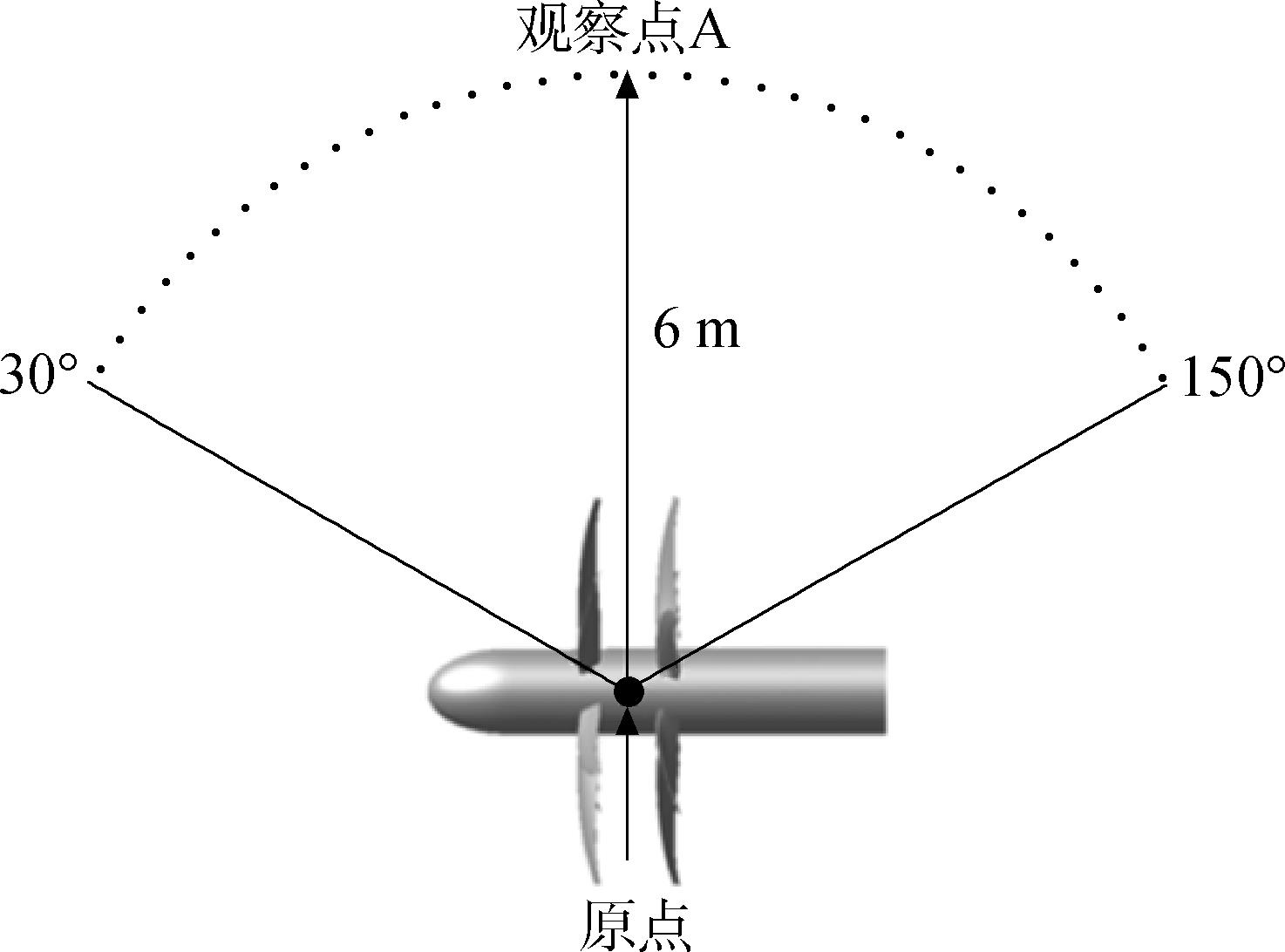
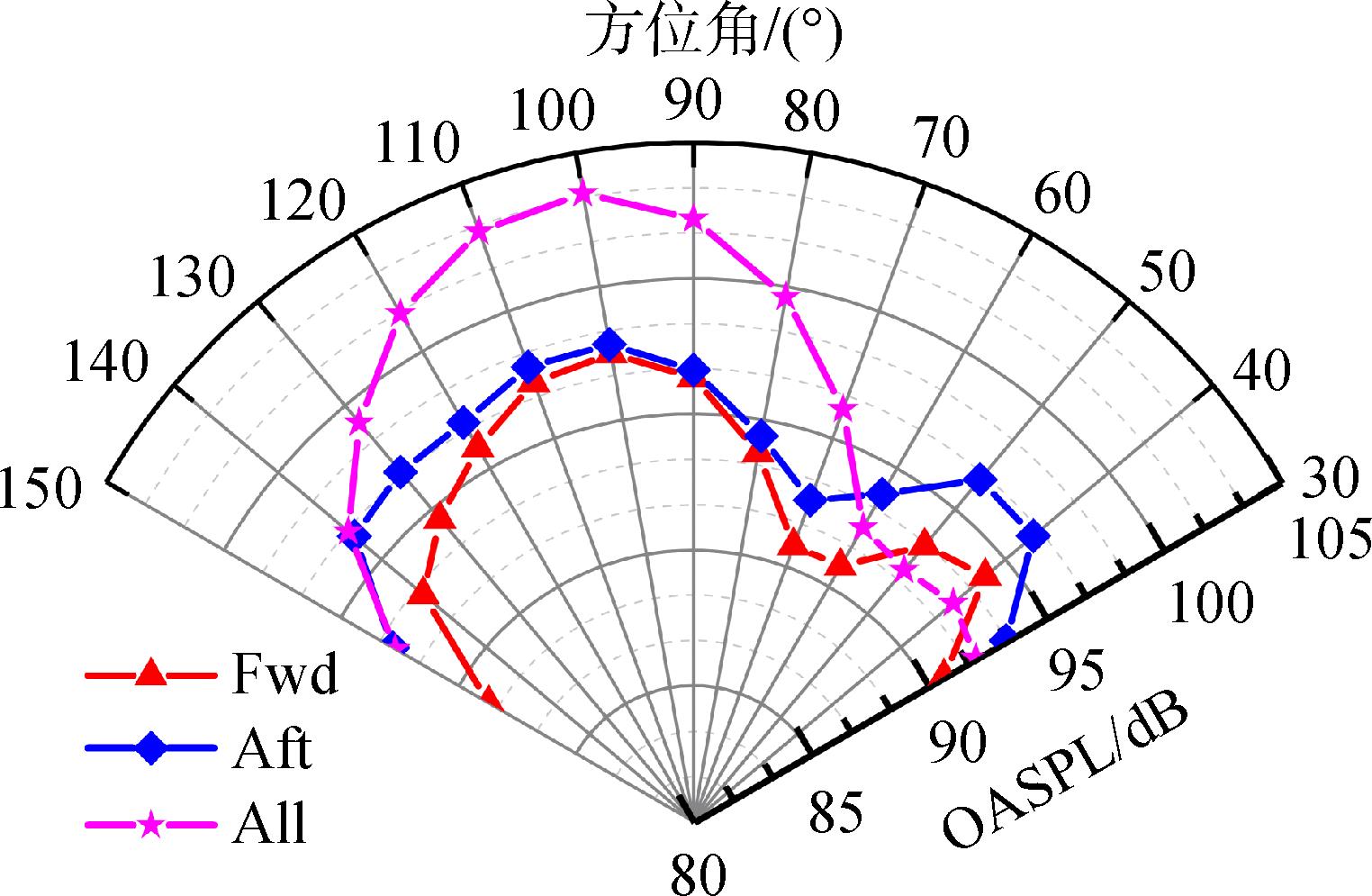
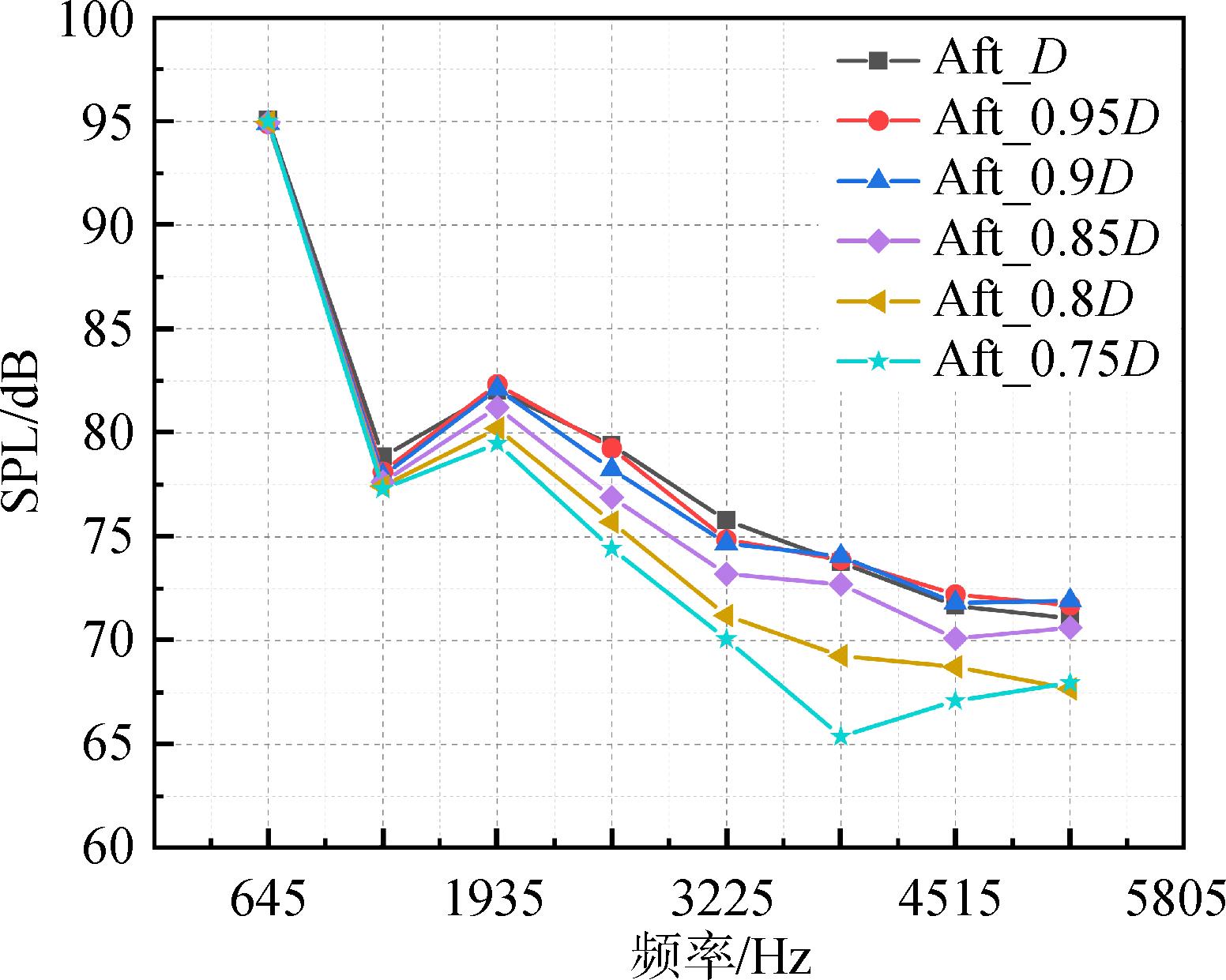
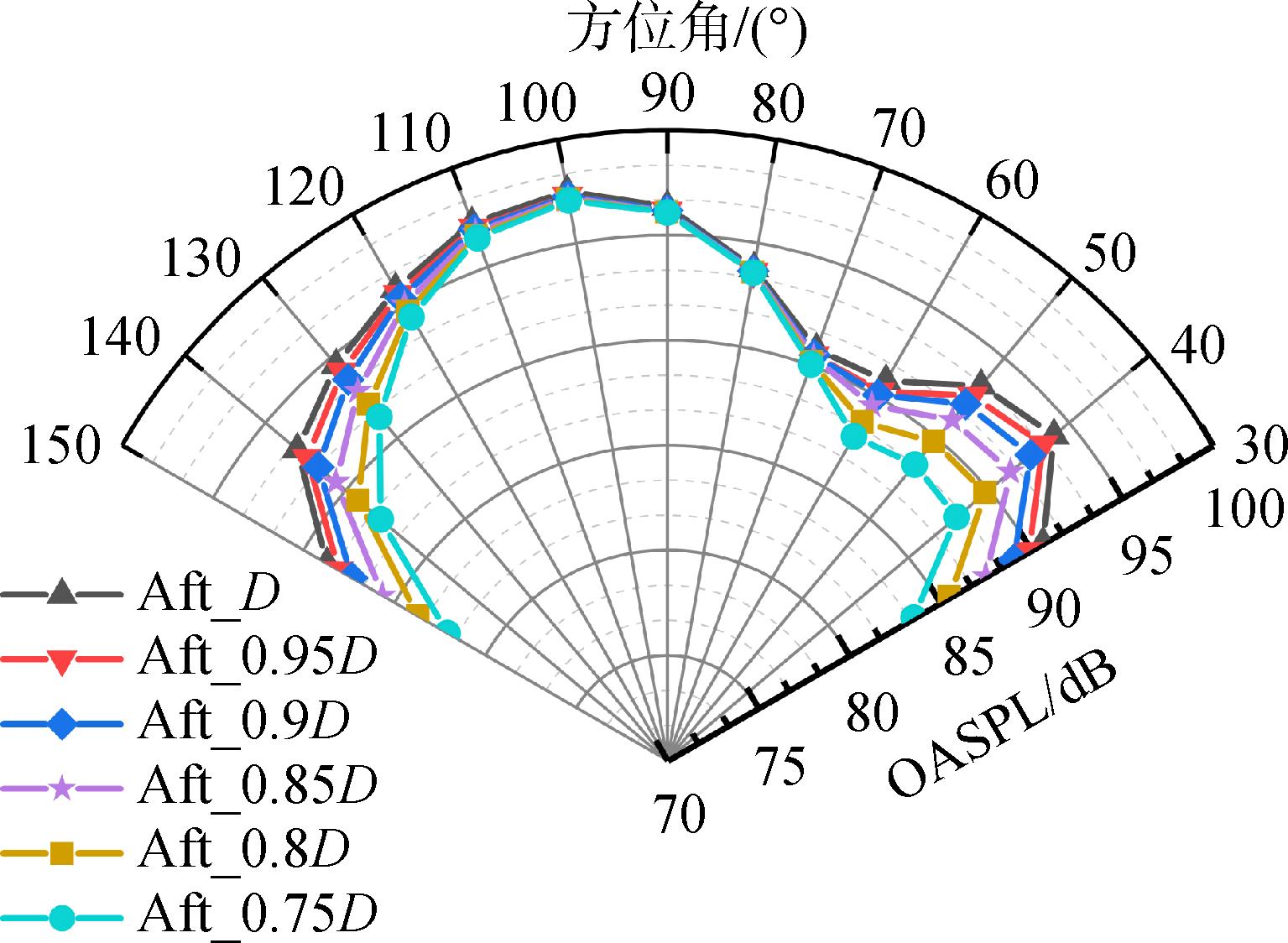
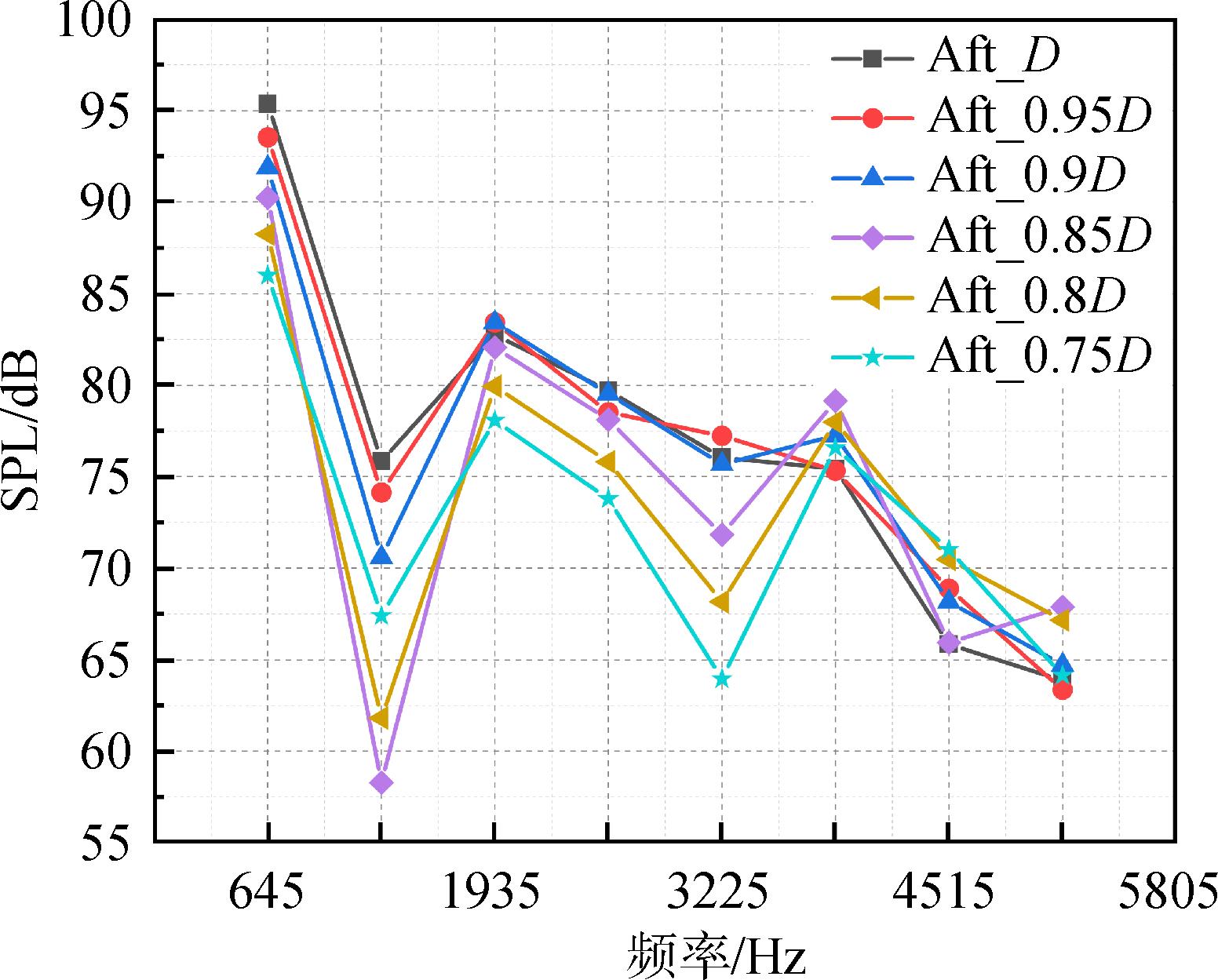
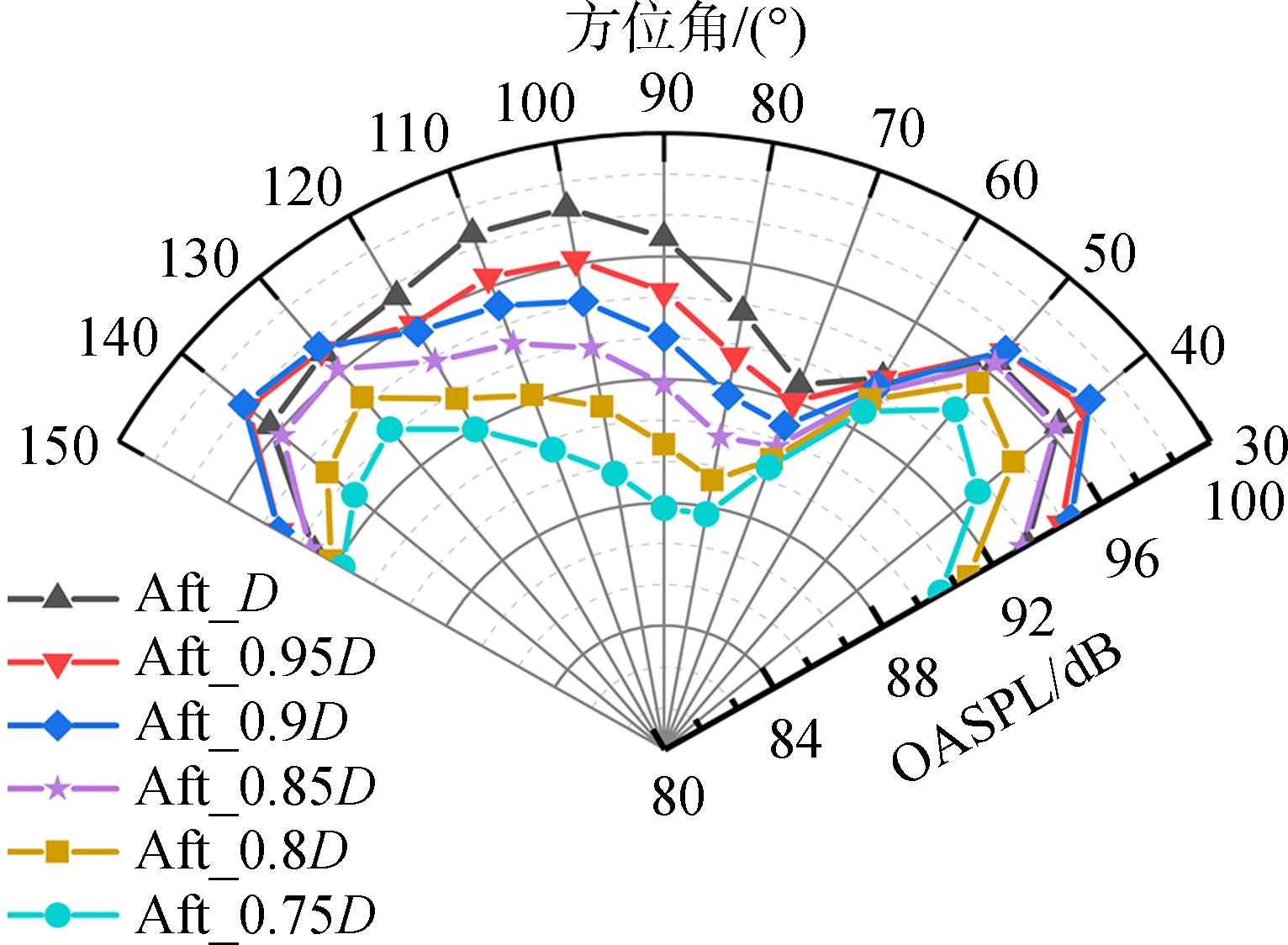
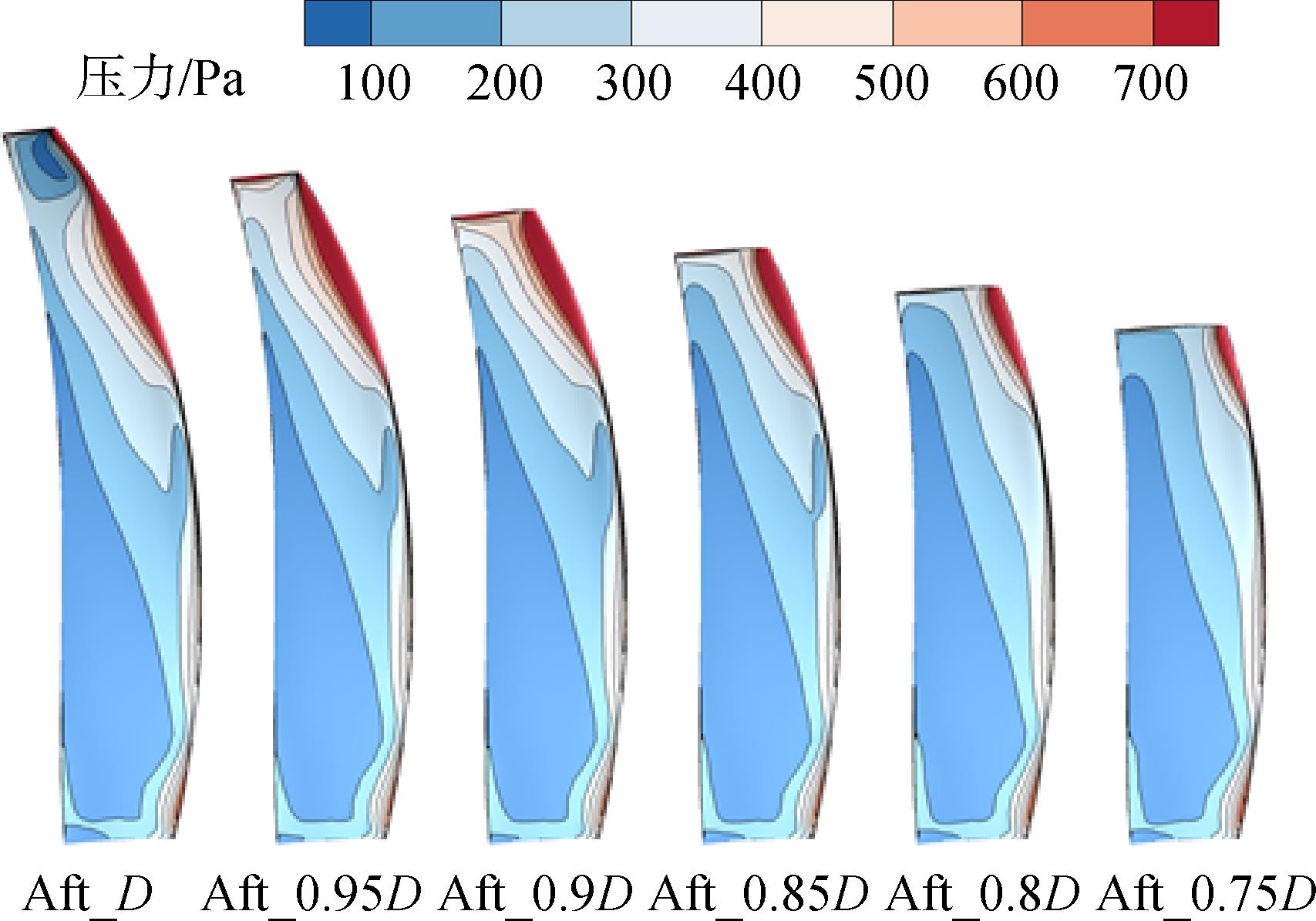
Based on the nonlinear harmonic method and the acoustic analogy model,the influence of different rear rotor diameters on the aerodynamic and acoustic characteristics of the counter⁃rotating propeller was studied.First,the reliability of the numerical calculation method was verified by the wind tunnel test results of a single propeller.Subsequently,six counter⁃rotating propeller models with different rear rotor diameters were studied for a counter⁃rotating propeller.It was found that the clipping of the diameter of the rear rotor of the counter⁃rotating propeller could reduce the pull coefficient and power coefficient of the rear propeller,but the effect on the efficiency was not obvious.As the diameter of the rear rotor decreased,the noise of the front rotor at the blade passing frequency changed little,but the higher order noise changed more.When the diameter of the rear rotor was reduced by 0.25 times of the diameter,the noise of the blade passing frequency of the rear rotor was reduced by about 9 dB.The clipping of the diameter of the rear rotor can not only reduce the noise of the rear rotor,but also reduce the noise of the front rotor to a certain extent.By clipping the blades,the aerodynamic noise of the counter⁃rotating propeller was reduced by 5~6 dB.The reduction of the diameter of the rear rotor weakened the tip vortex interference and wake interference of the counter⁃rotating propeller,and also mitigated the potential flow field interference between the front and rear blades,which in turn reduced the noise radiation of the counter⁃rotating propeller.

Structure,Strength and Vibration
Very⁃high cycle fatigue strength estimation method for aero⁃engine reliability design
CHEN Xin, HE Yuhuai, XU Wei, SUN Chengqi
2022, 37(8): 1761-1770. doi: 10.13224/j.cnki.jasp.20220183
Abstract:

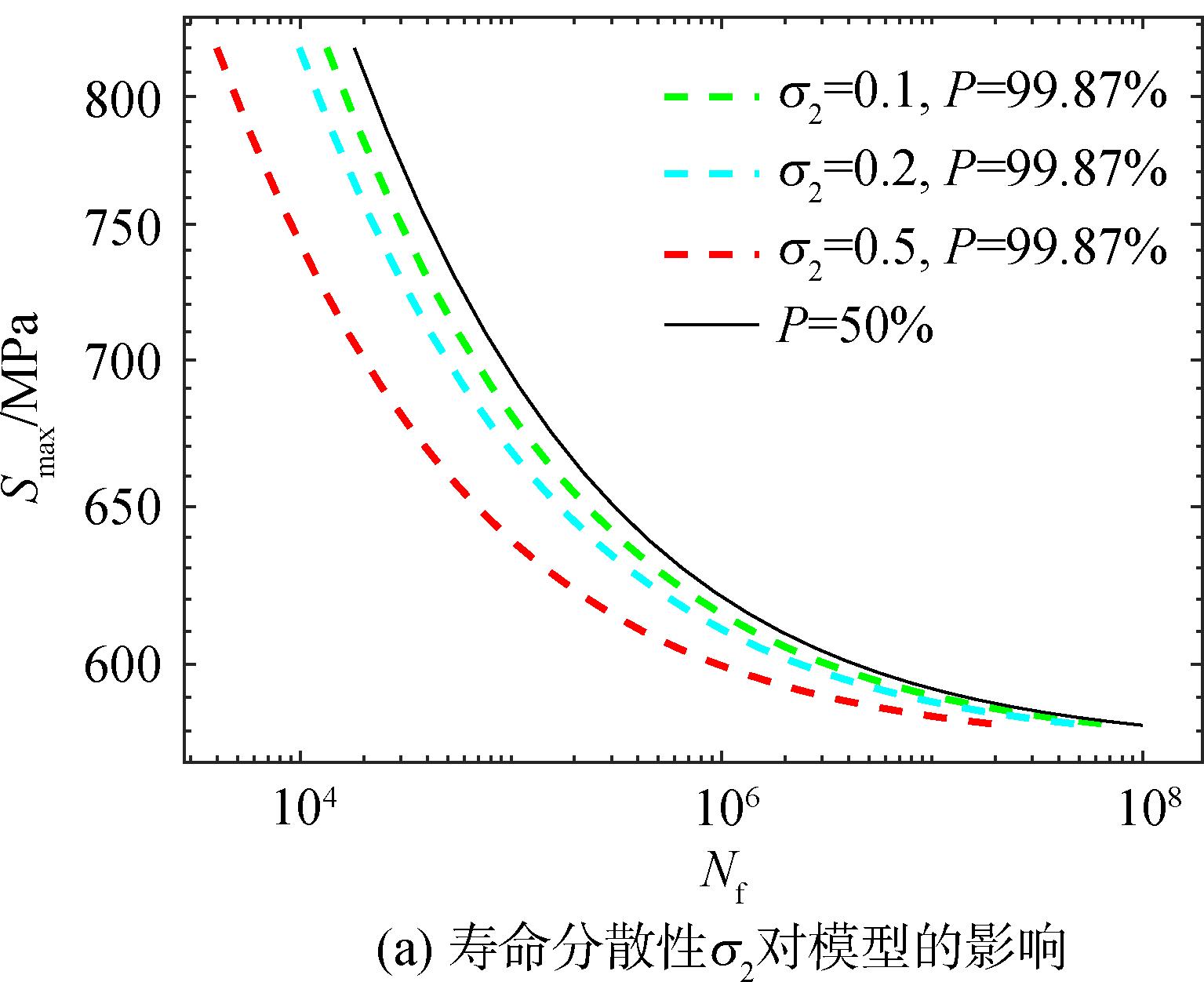
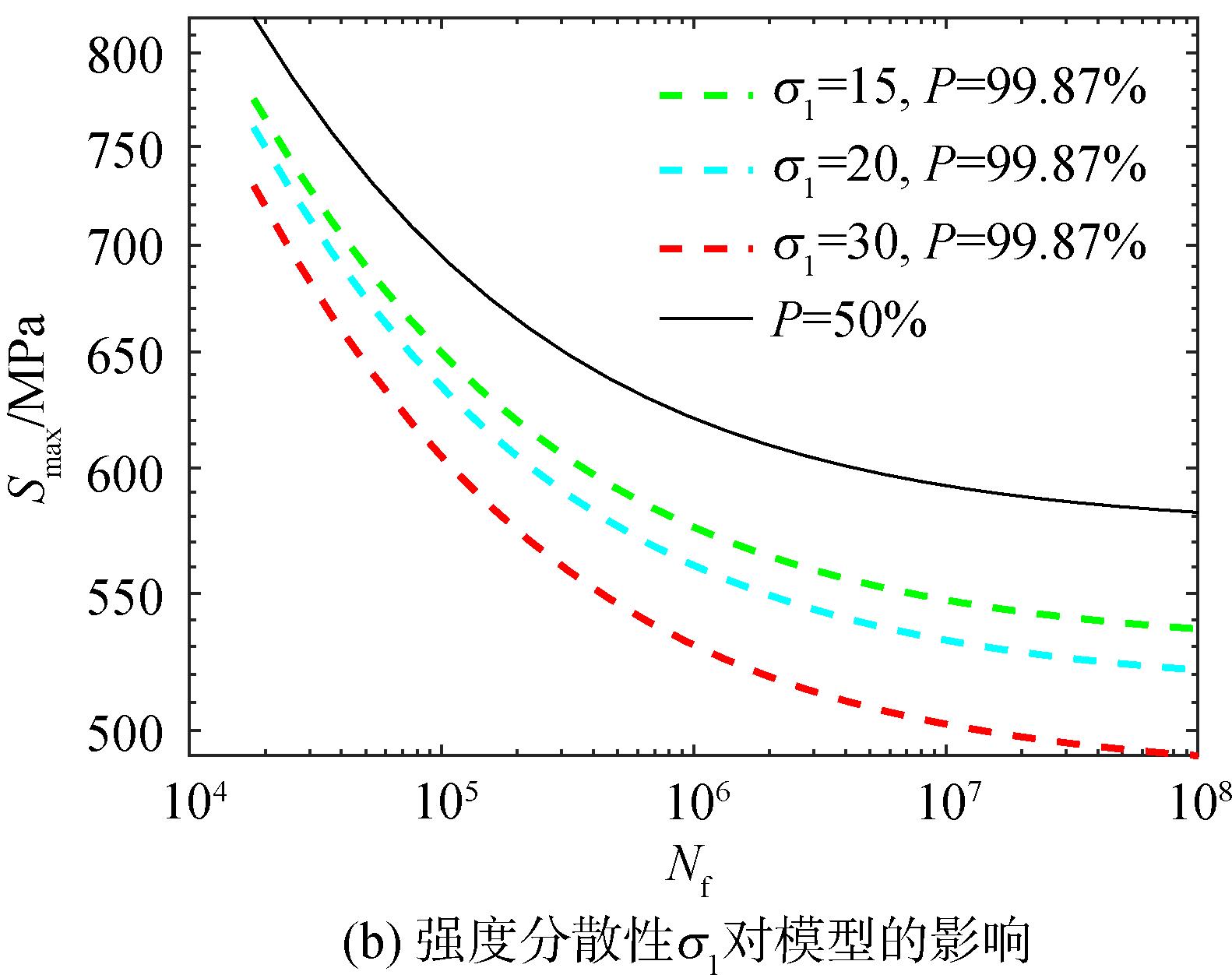
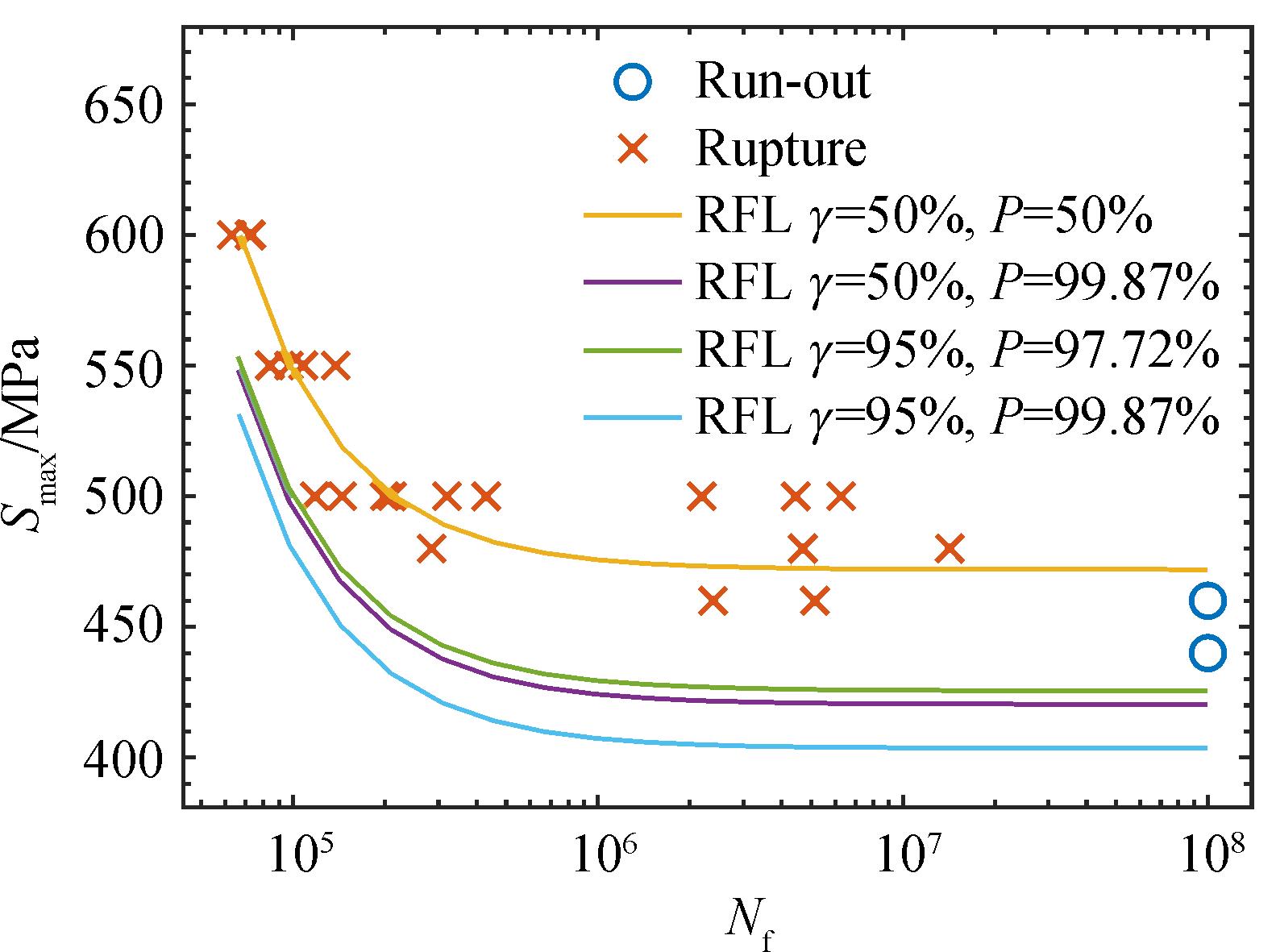
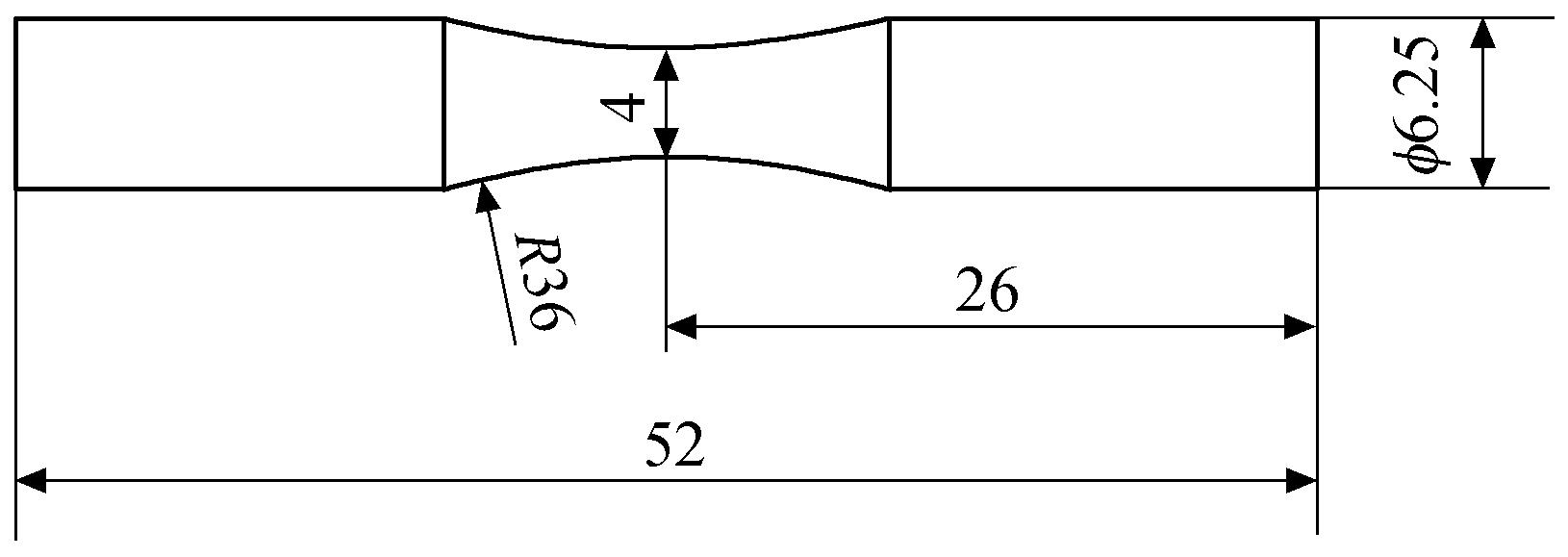
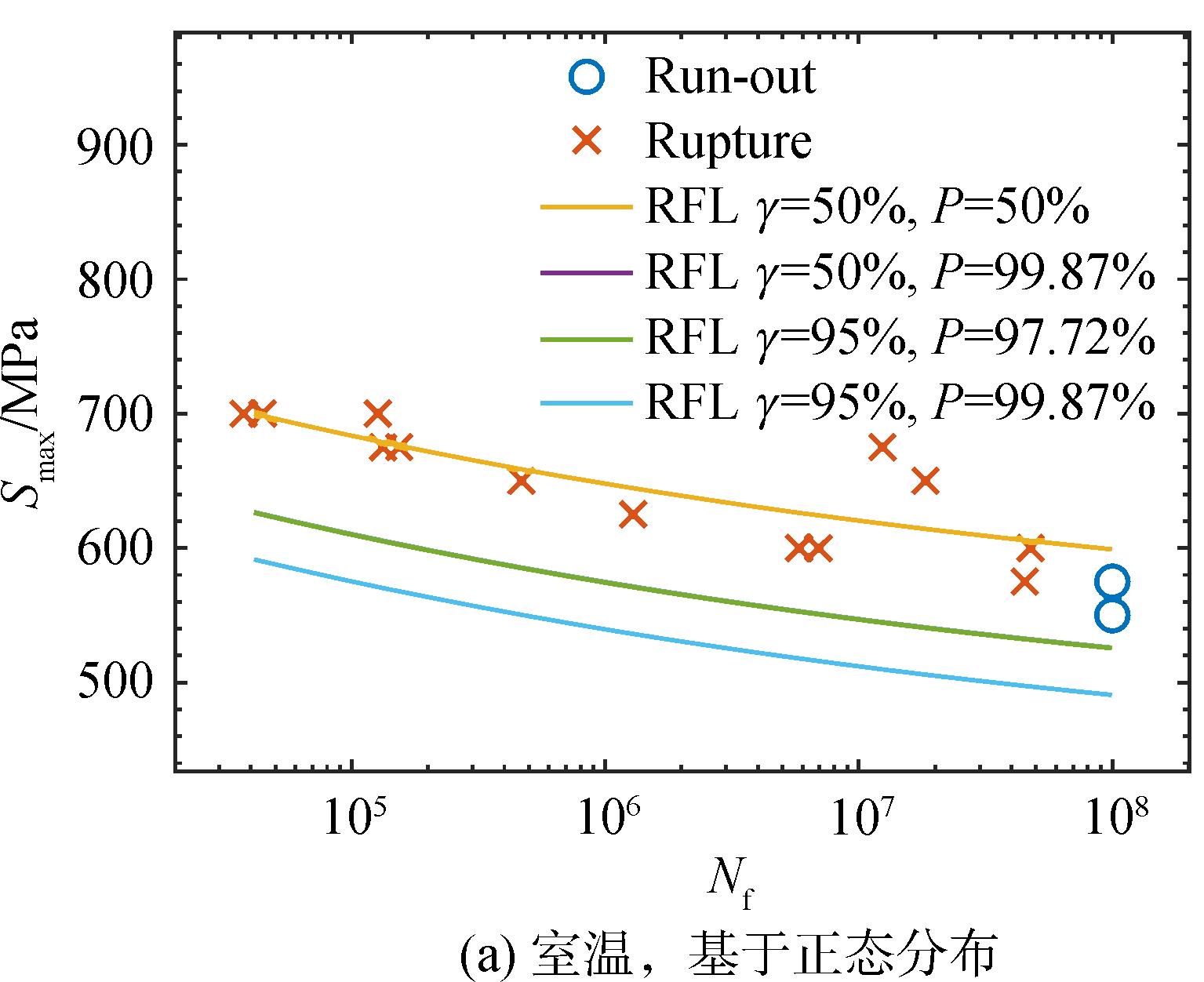
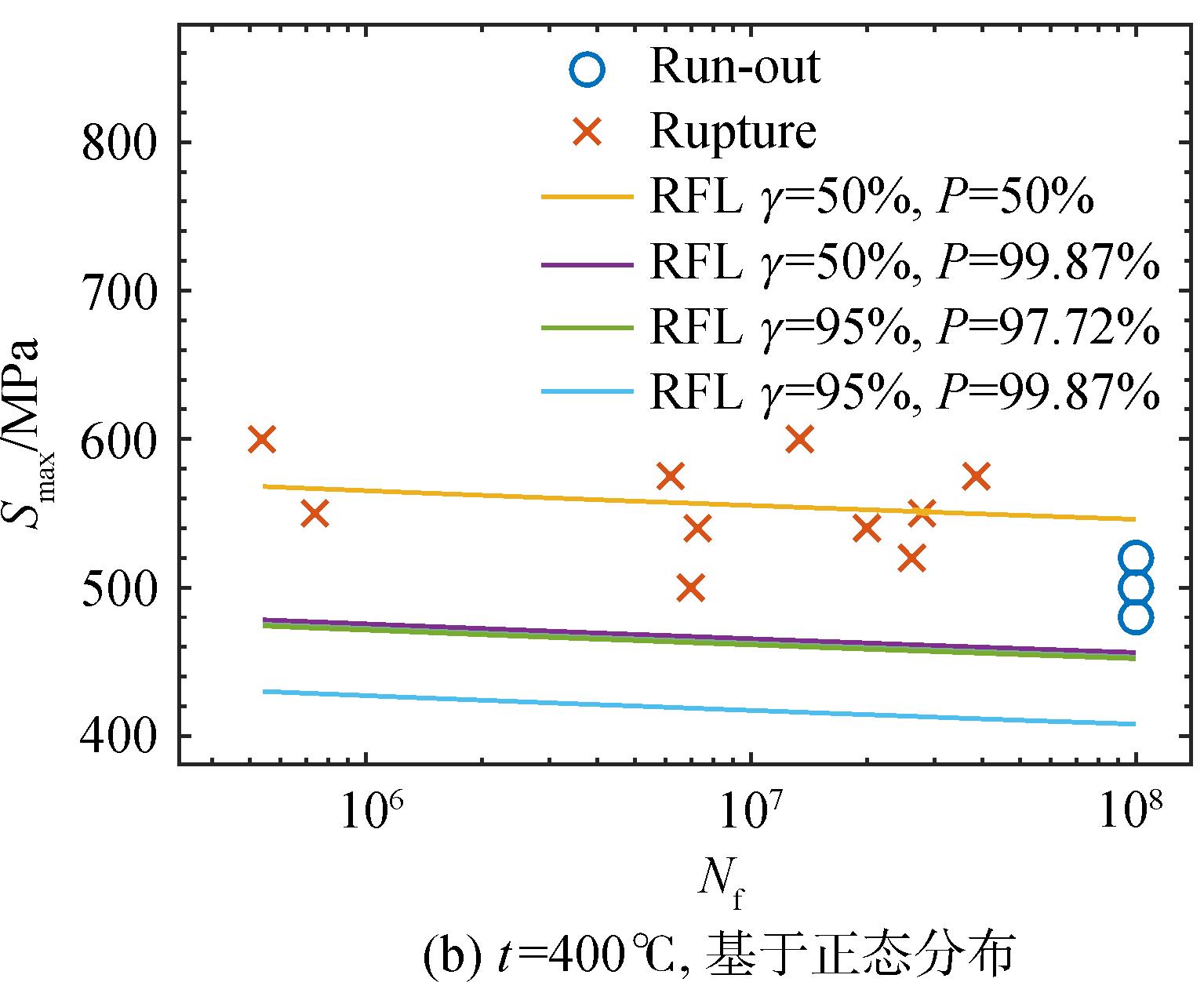
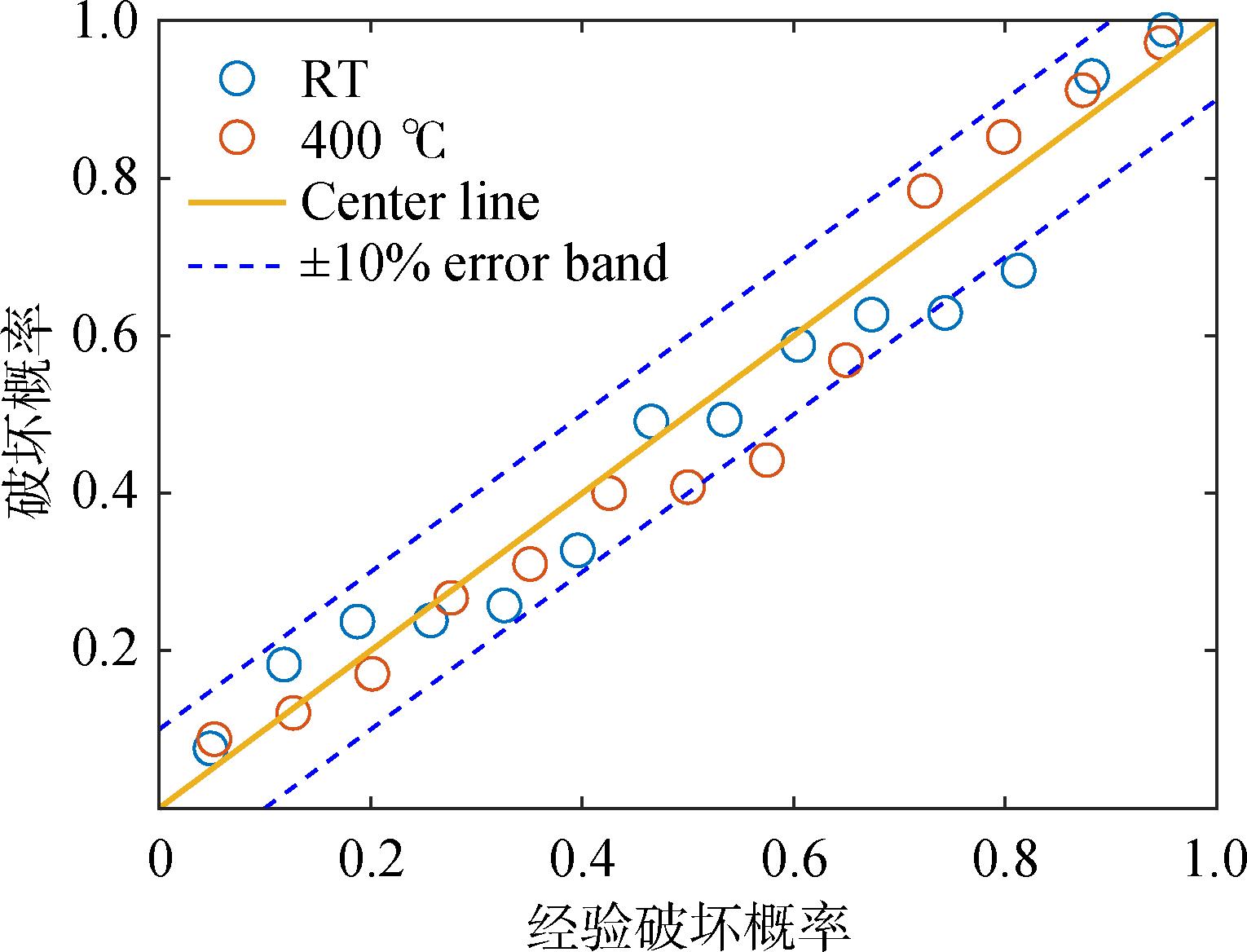
A four⁃parameter random fatigue limit model for reliability design was proposed,which can realize very⁃high cycle fatigue stress⁃life (SN) curve processing for small sample of data.The accuracy of the model was verified by fitting analysis and comparison of very⁃high cycle fatigue data of conventional samples of titanium alloys for aviation.At the same time,TC17 titanium alloy for a specific type of aero⁃engine compressor blade was taken as the research object,and the very⁃high cycle fatigue data of small samples were processed at room temperature (RT) and 400 ℃,respectively.The very⁃high cycle fatigue strength under typical confidence and survival probability was investigated by this mode.The results showed that the four⁃parameter random fatigue limit model proposed can obtain the value of the estimated fatigue strength required for engine design in very‑high cycle regime.With a small amount of long⁃life area data,the proposed model provides a reliable method for very⁃high cycle fatigue strength evaluation of engine materials by an economical cost.

Energy absorption characteristics of energy⁃absorbing elements of civil aircraft flap crosslinking mechanism
GAO Yuxiang, LU Jianguo, FANG Junwei, ZHOU Xiaochen, XI Bowei
2022, 37(8): 1771-1779. doi: 10.13224/j.cnki.jasp.20210320
Abstract:

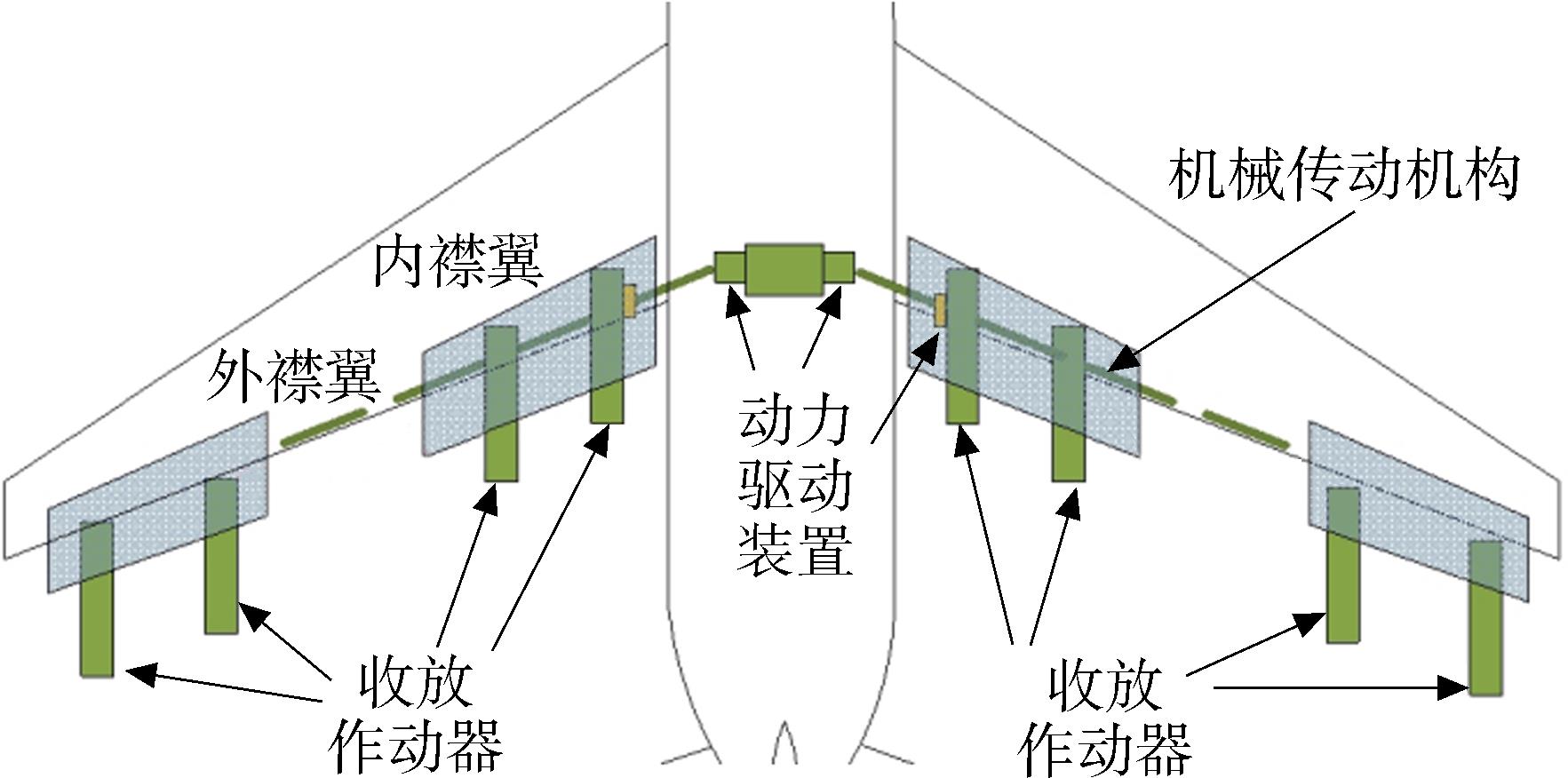
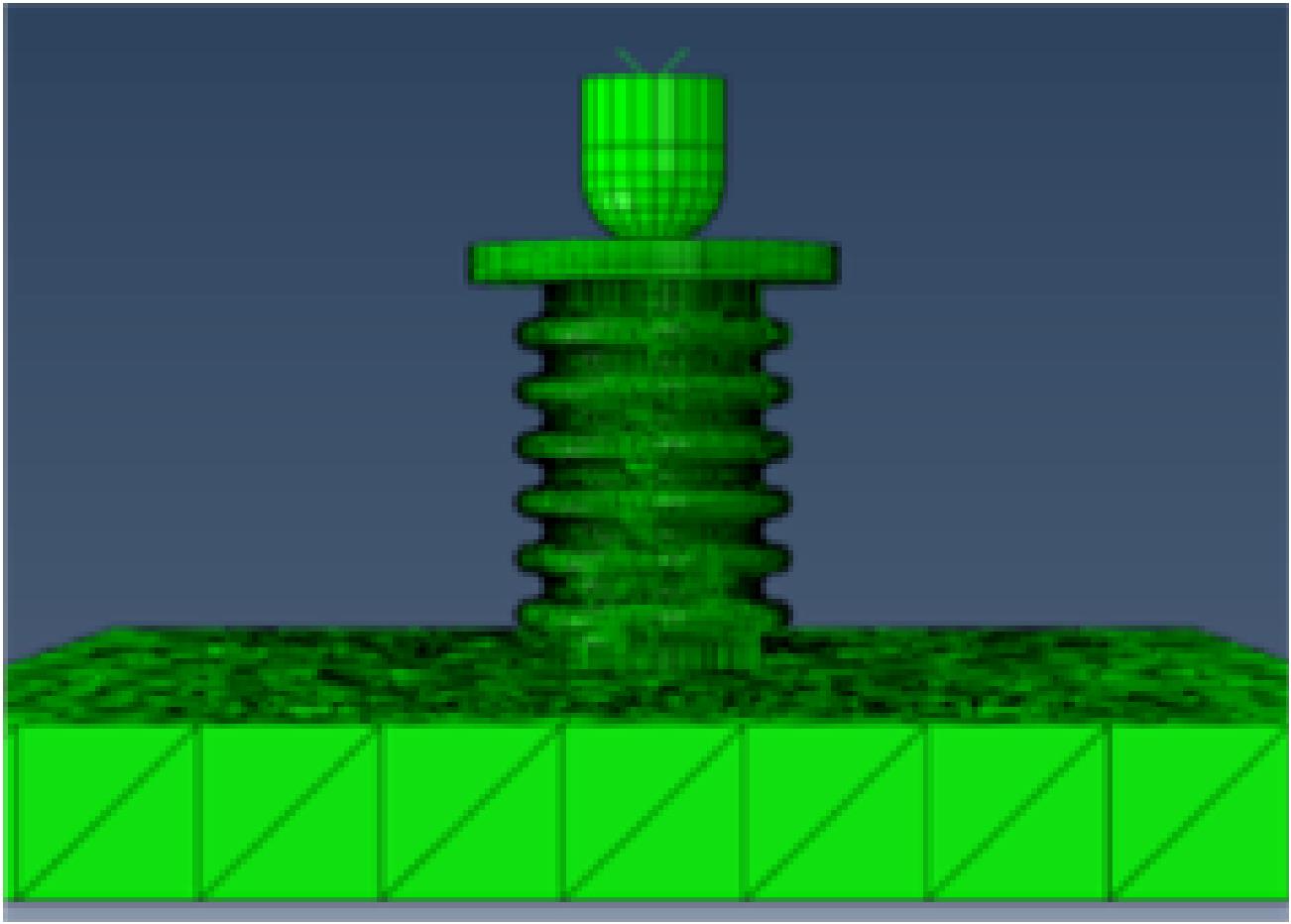
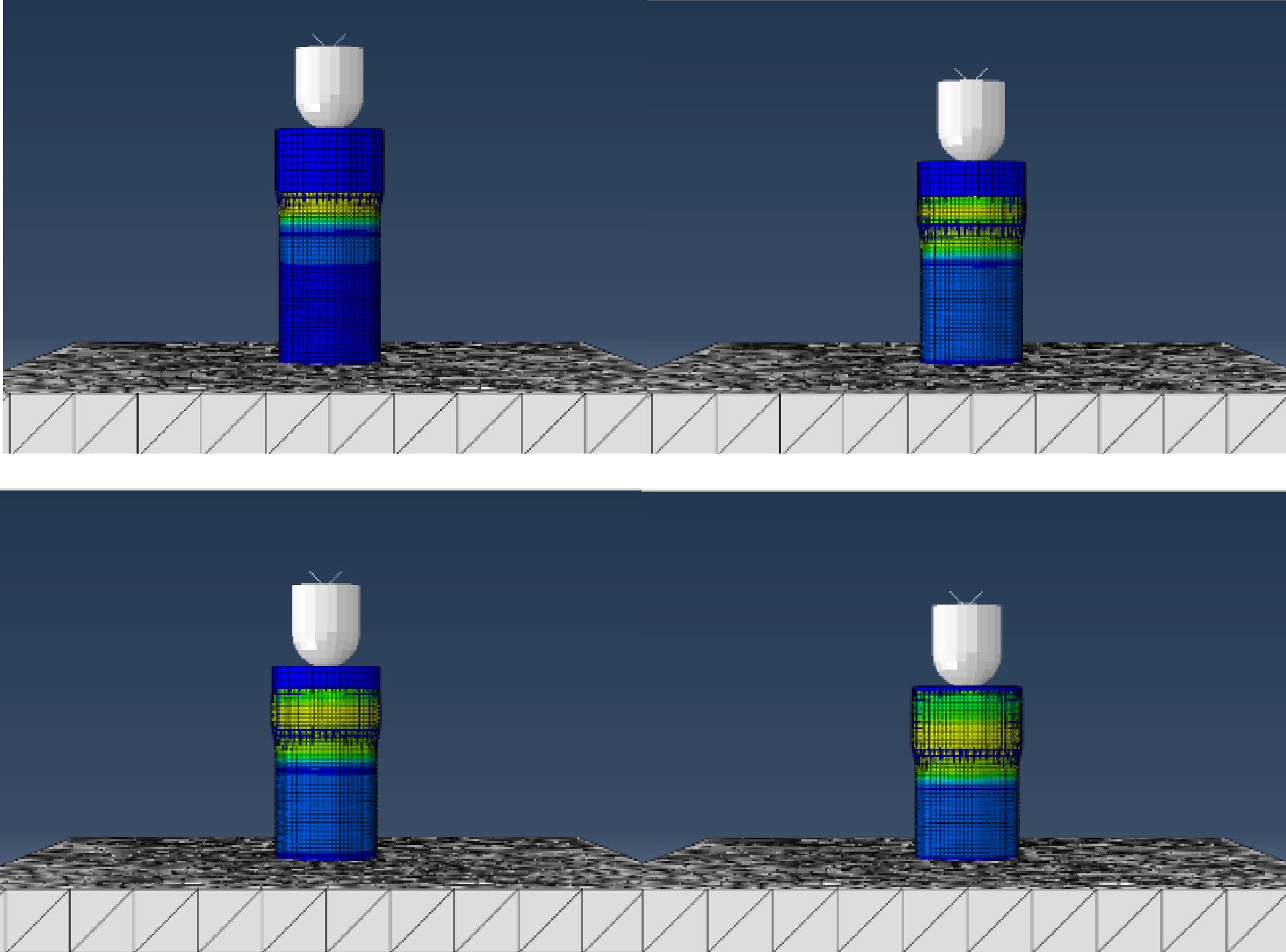
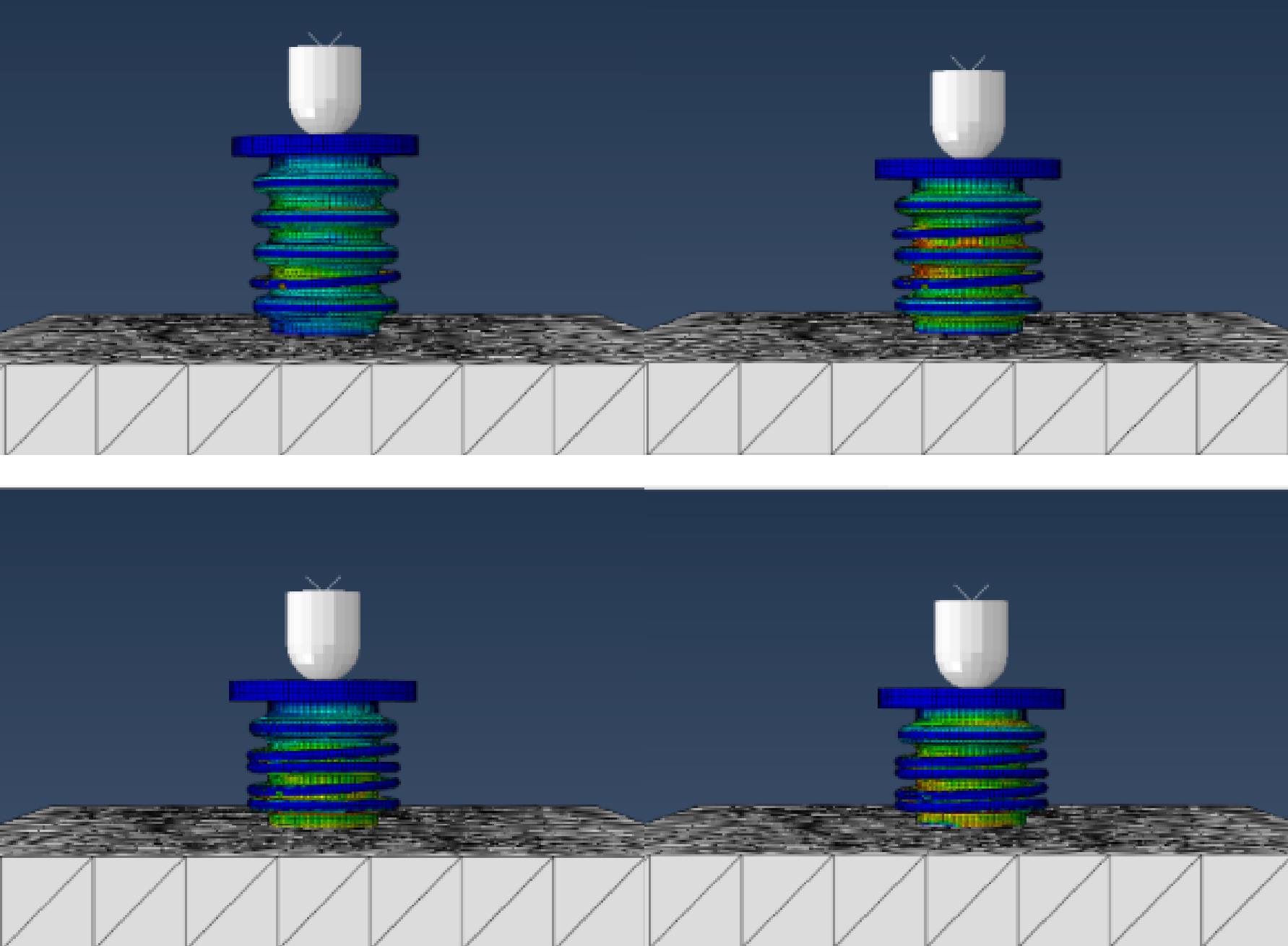
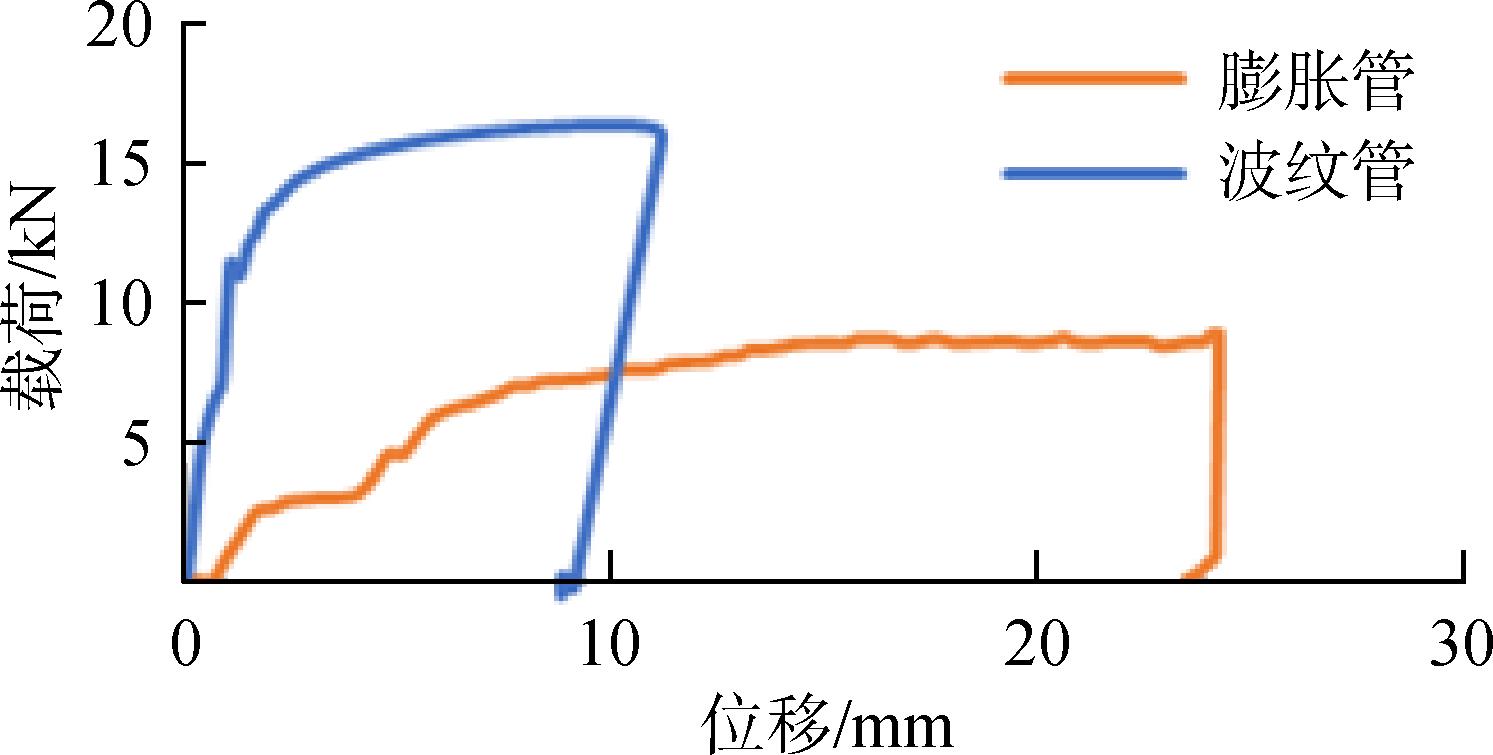
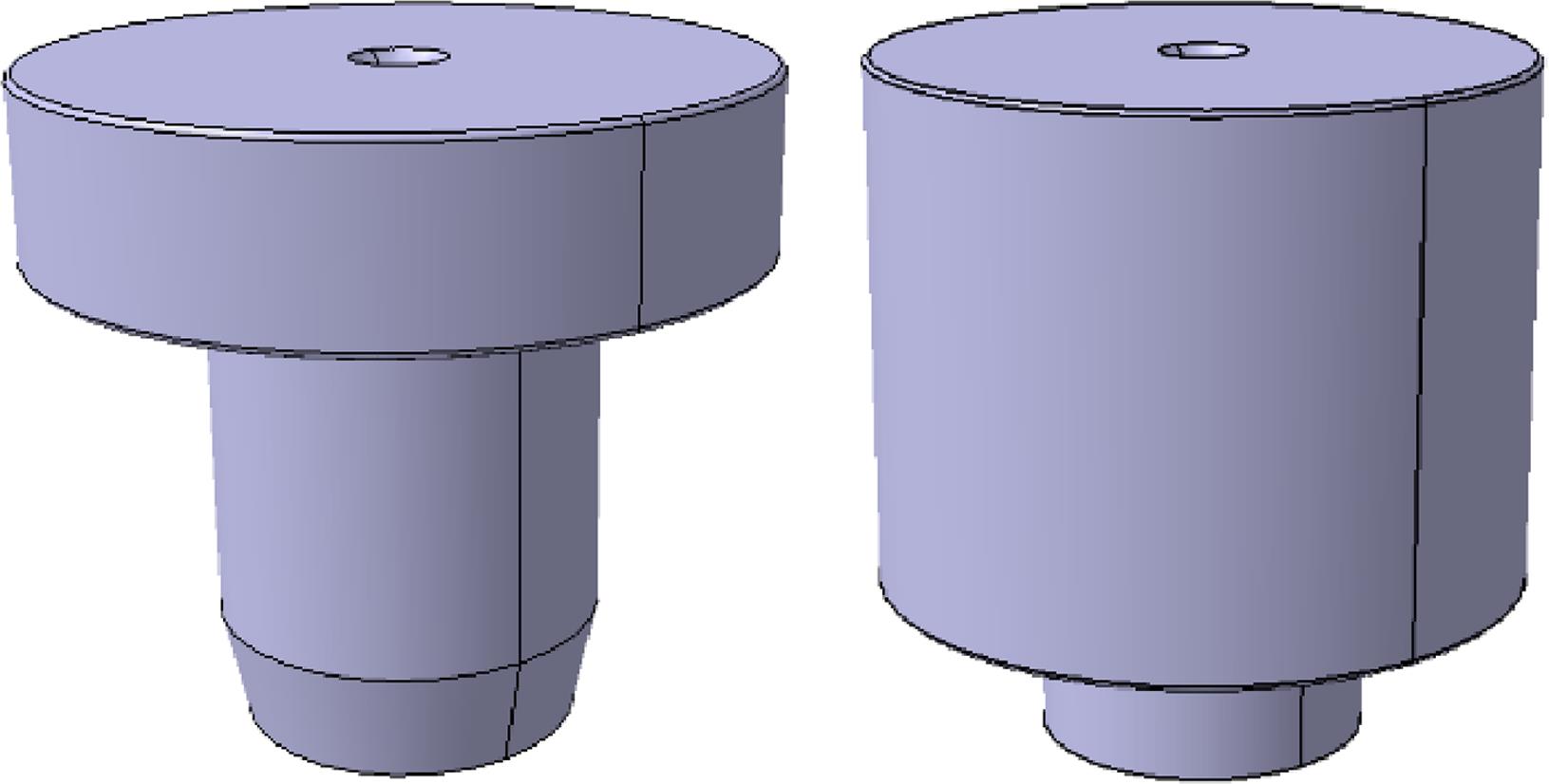
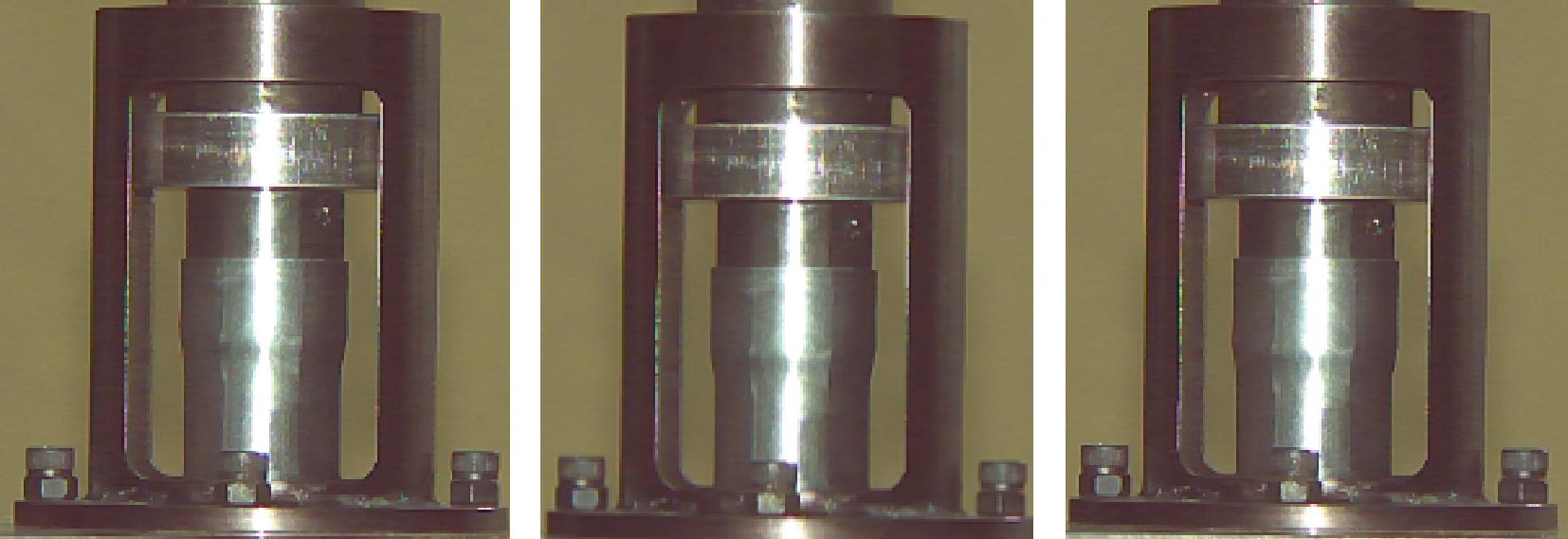
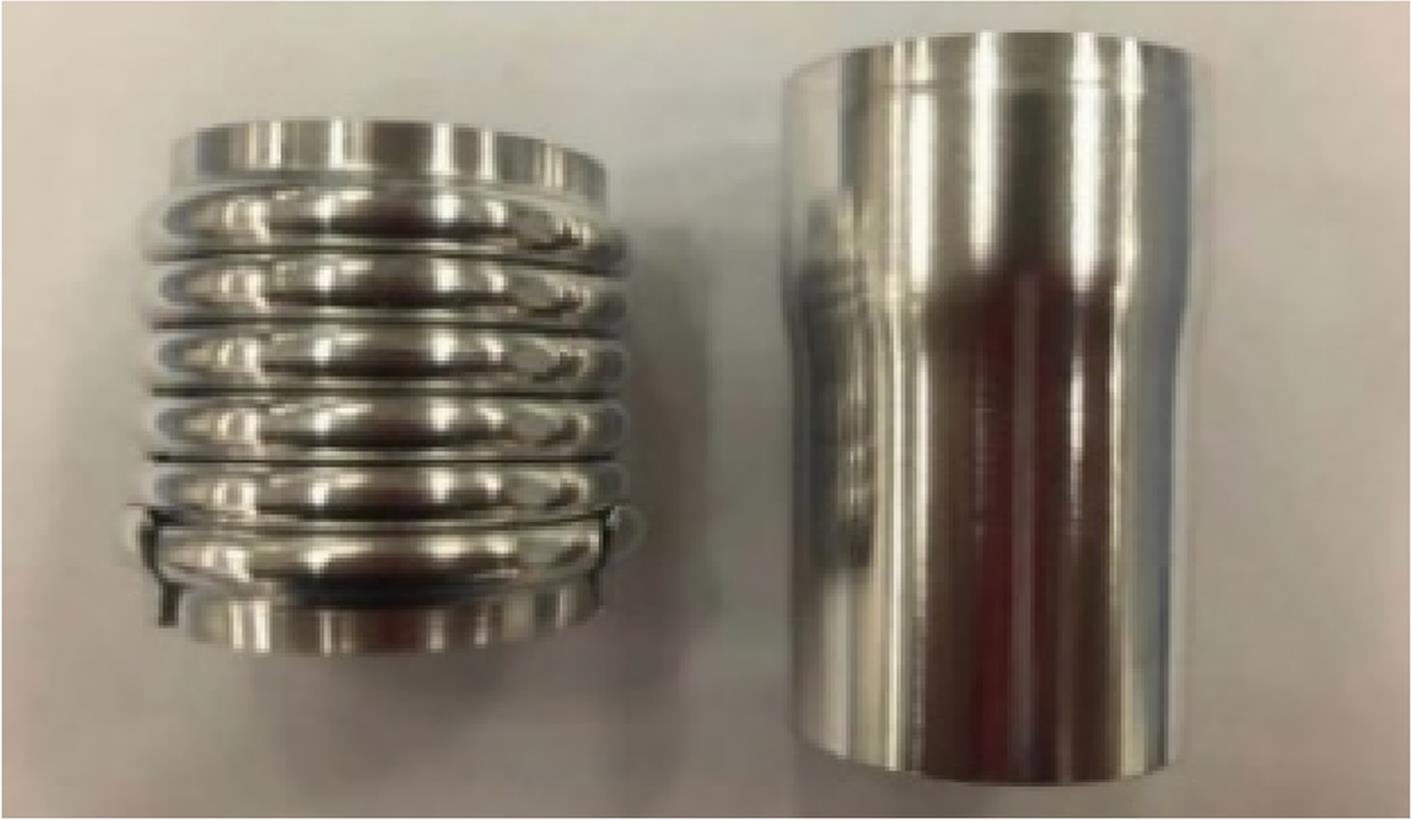
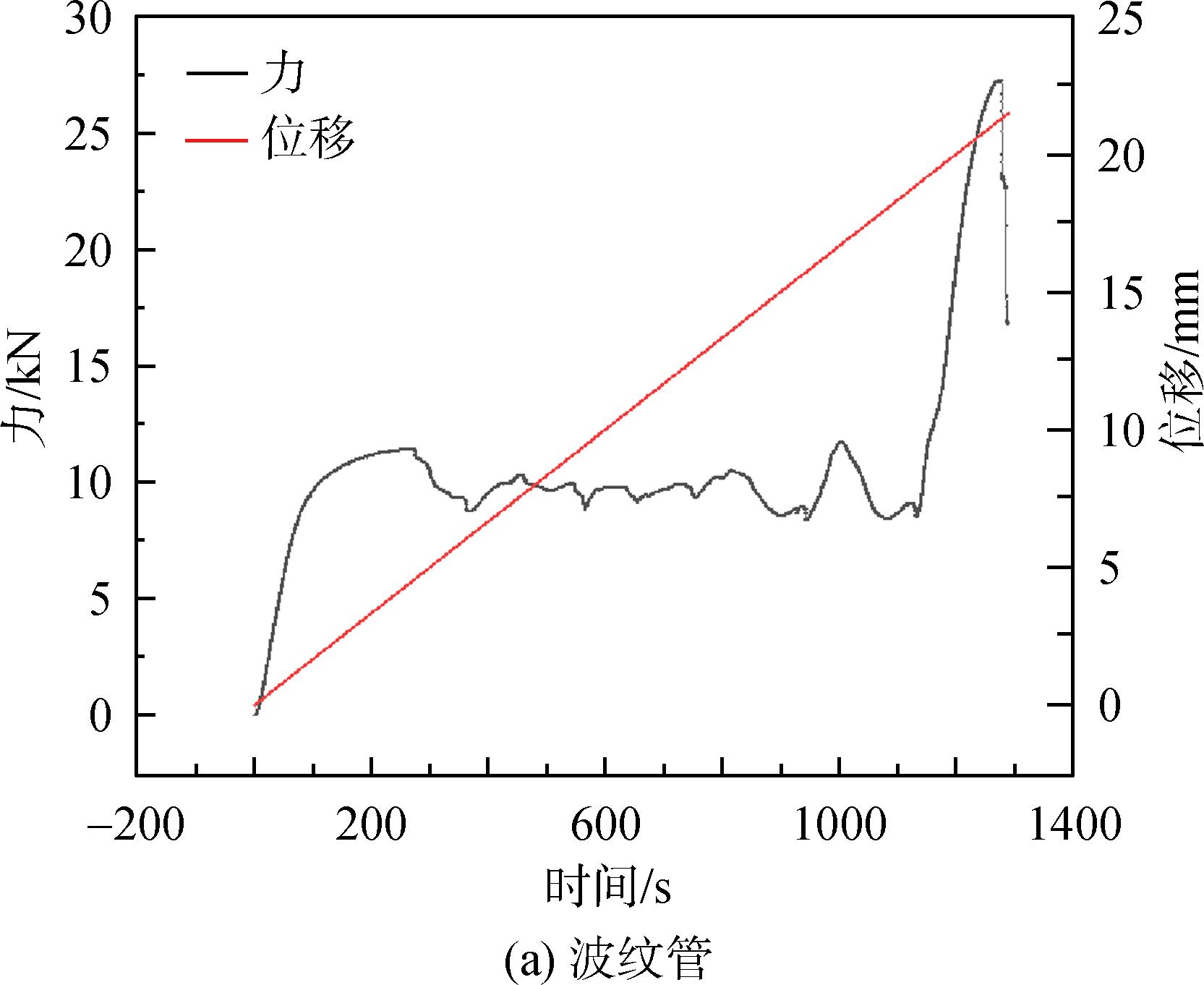
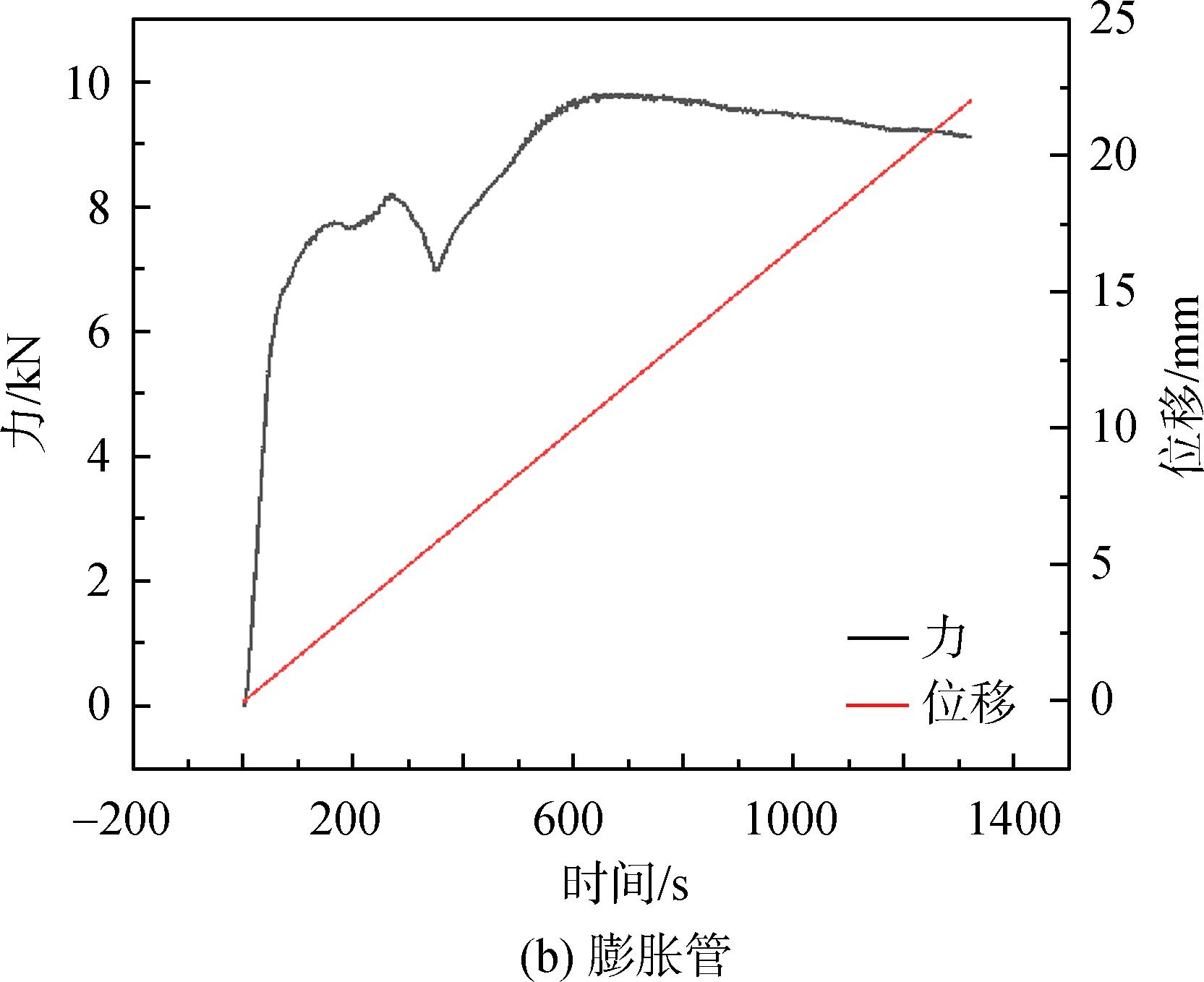
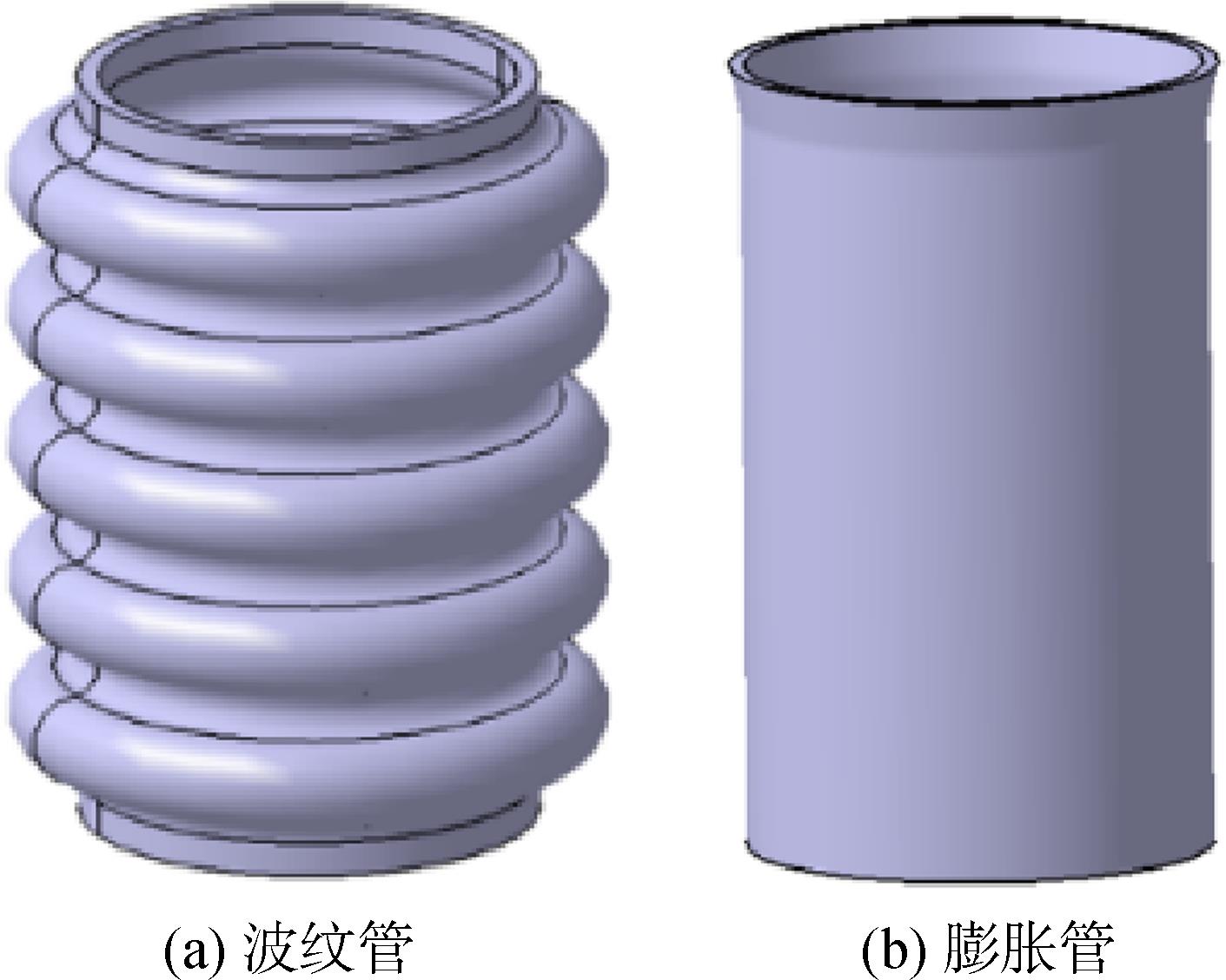
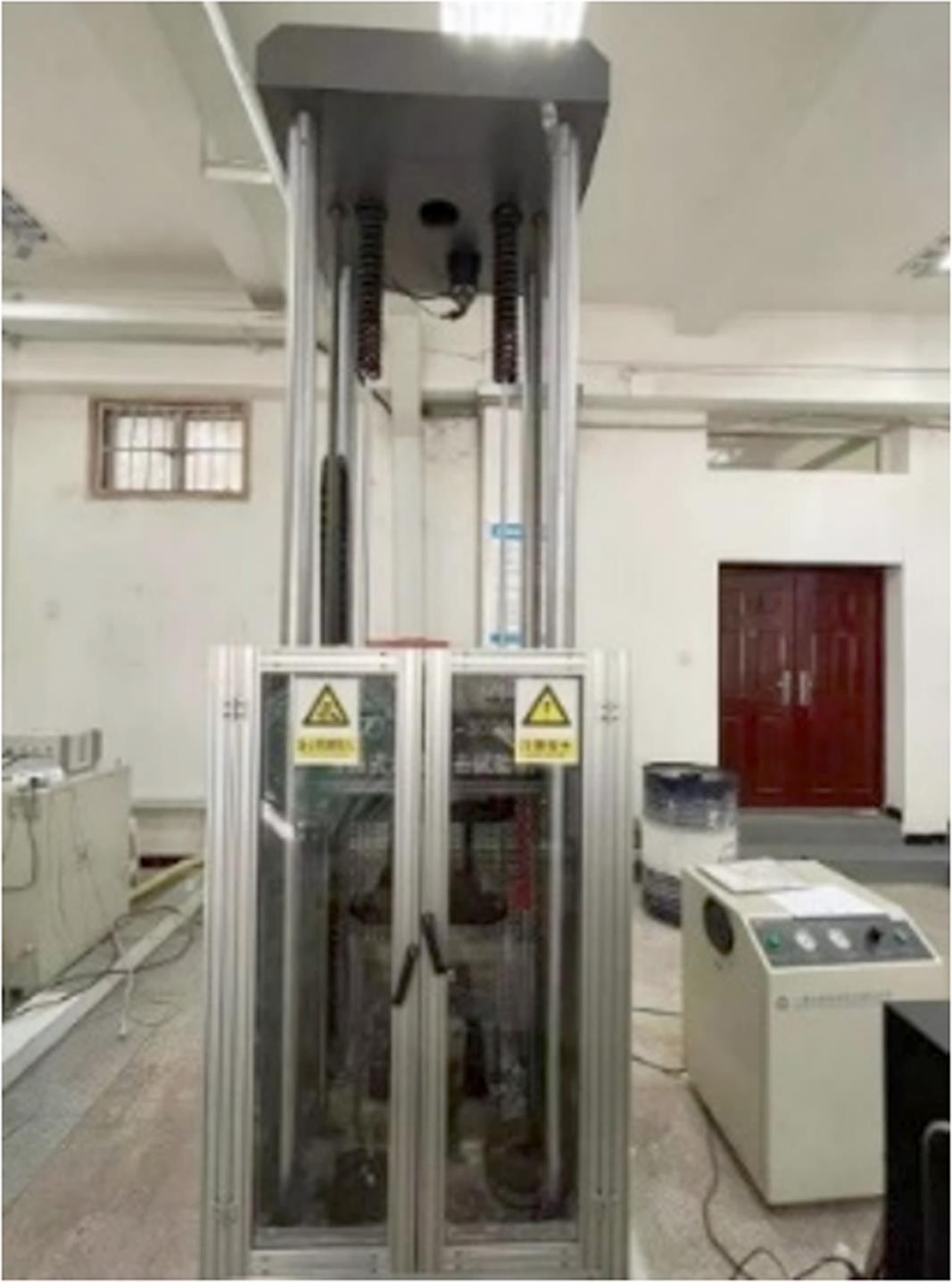
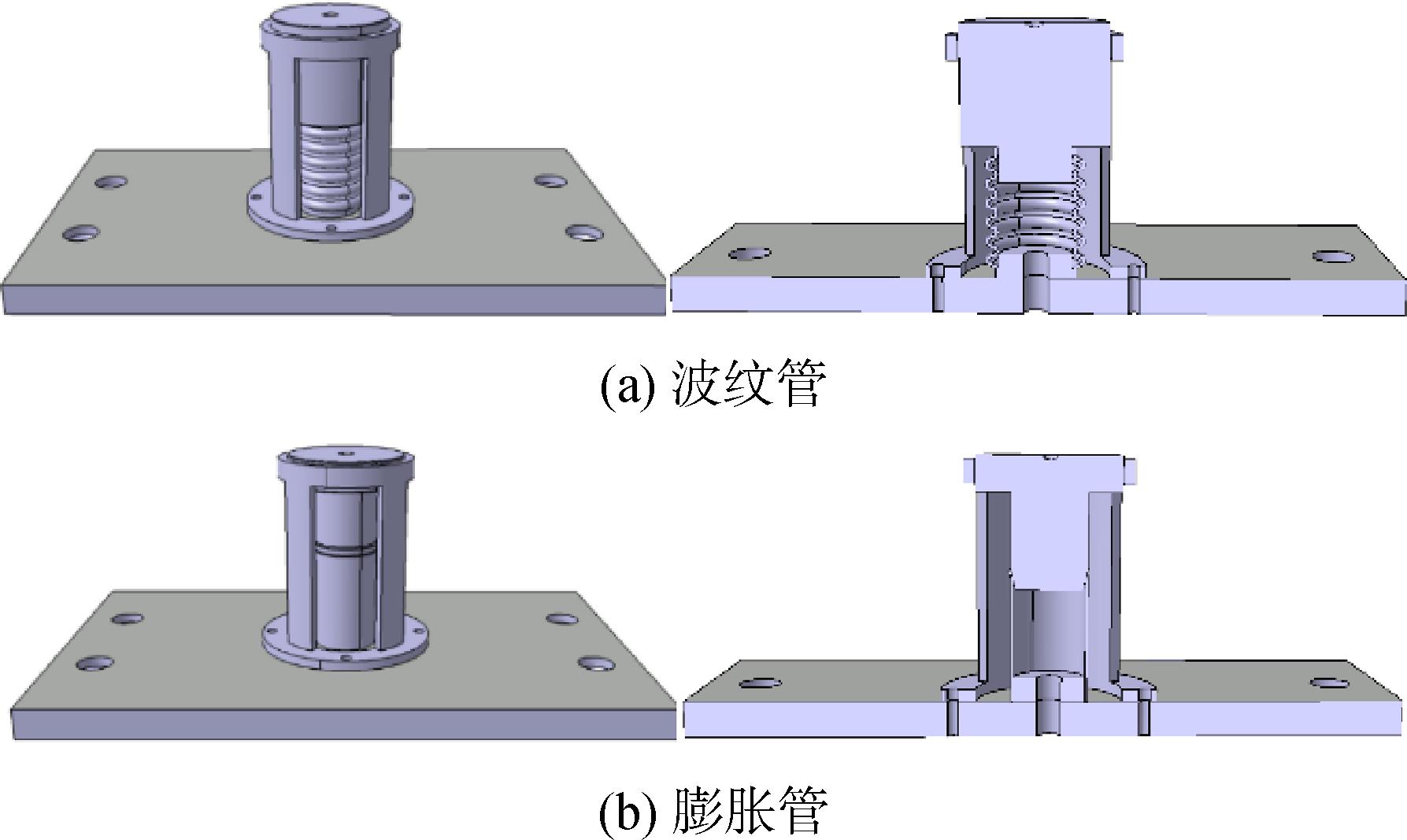
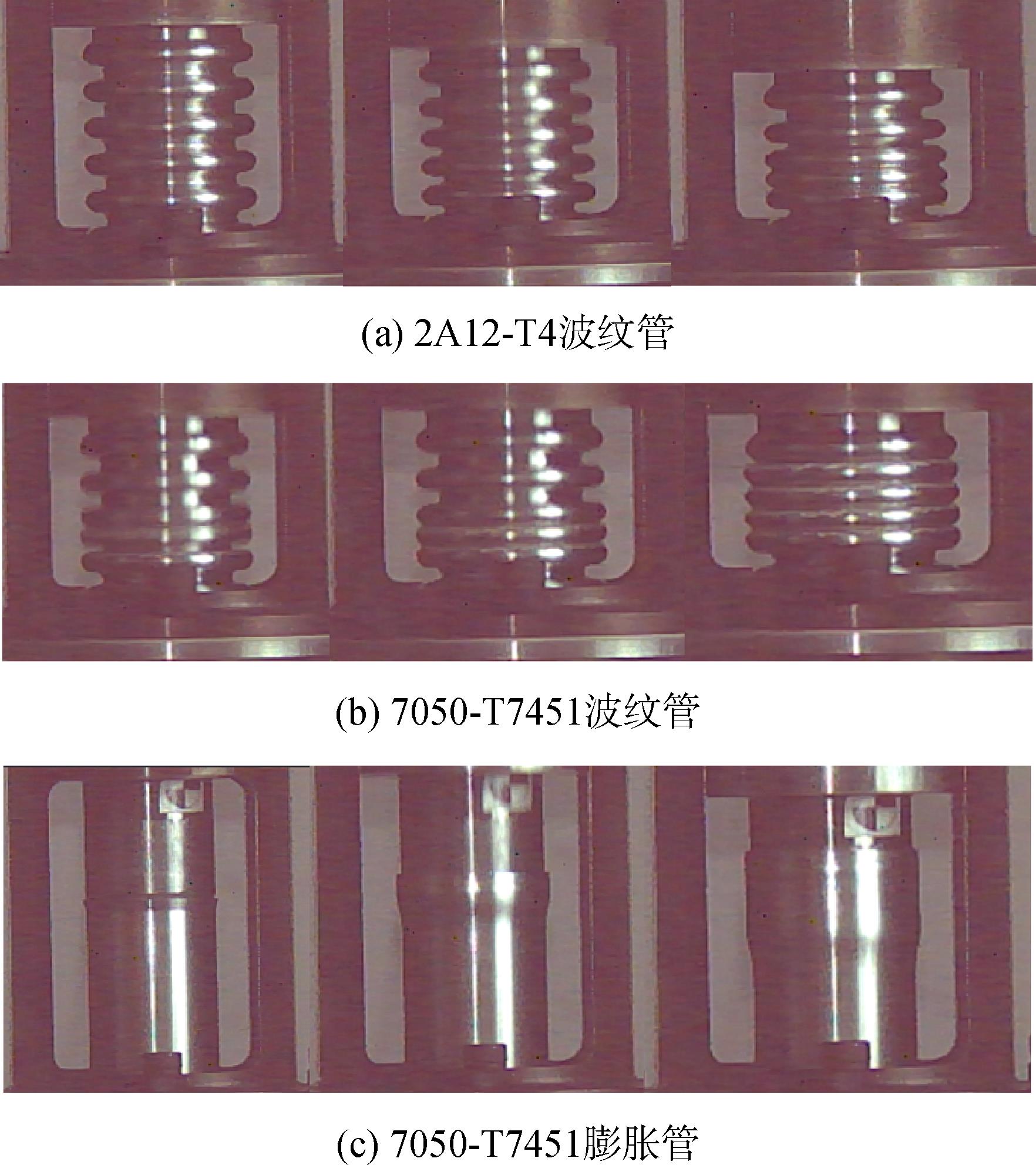
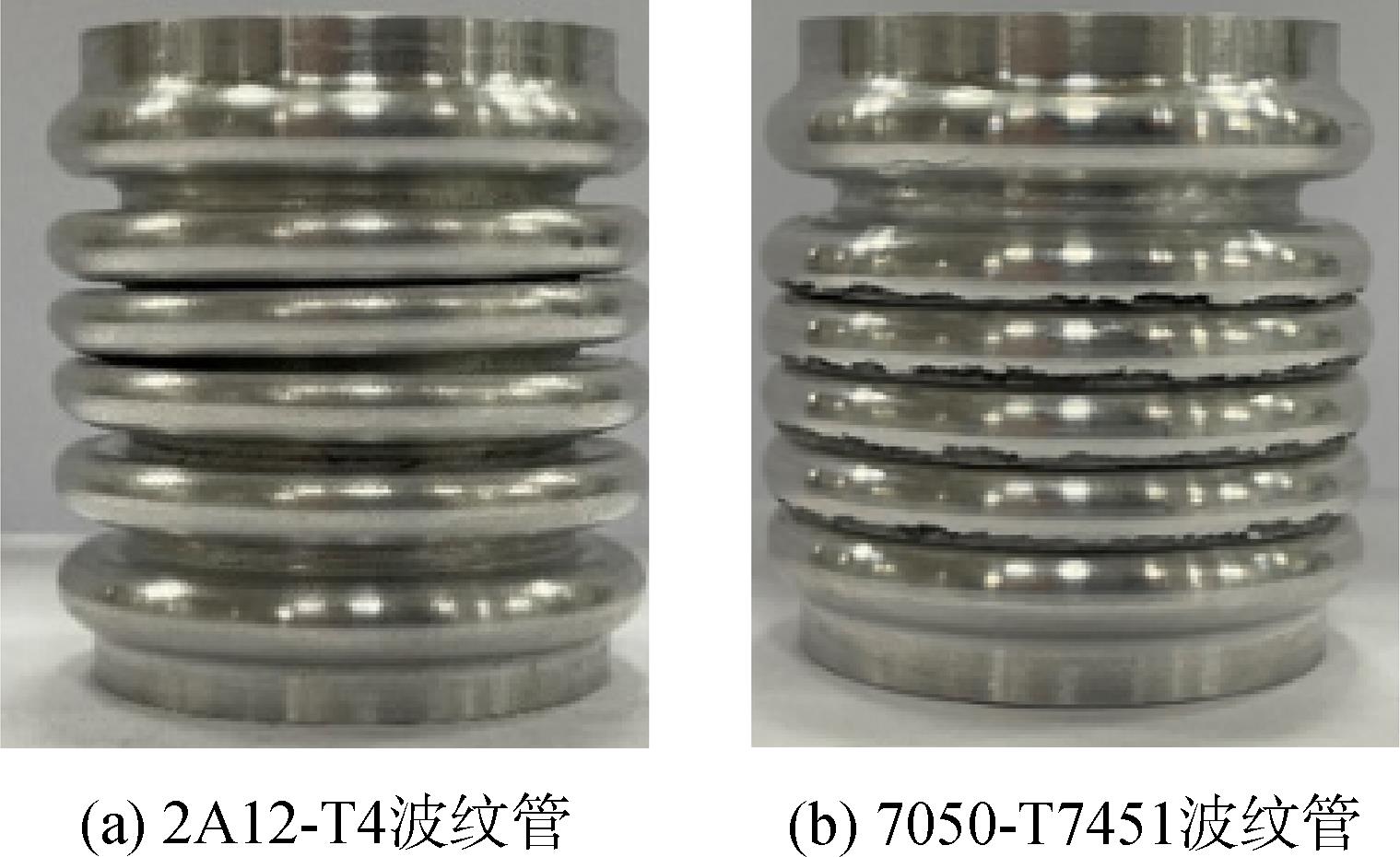
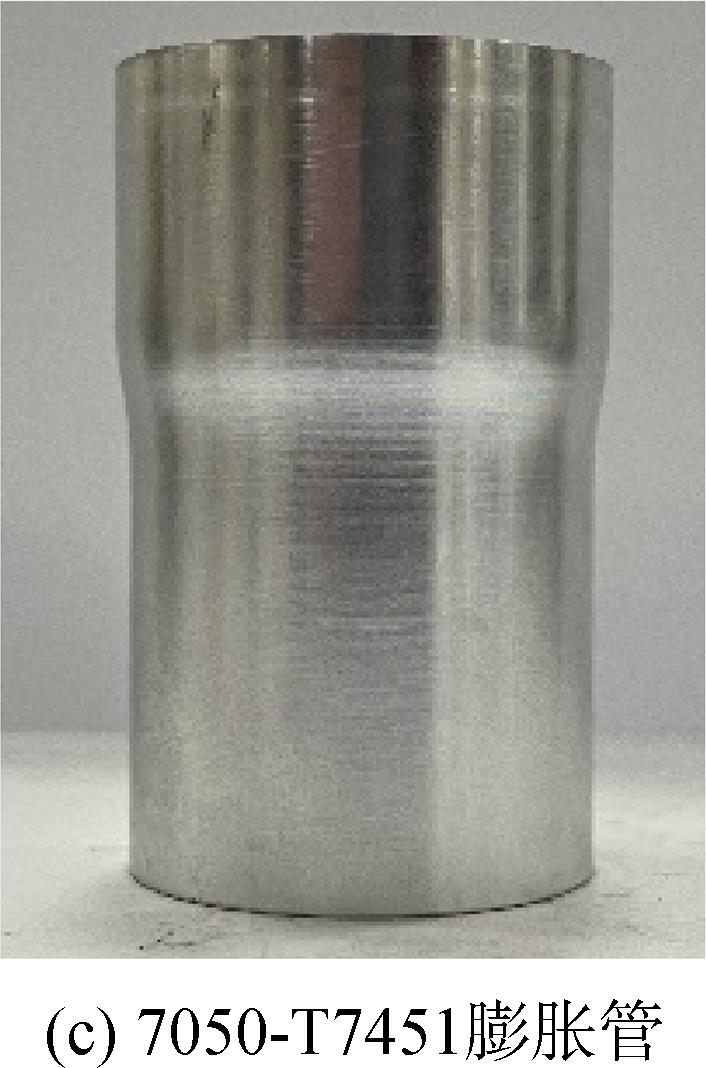
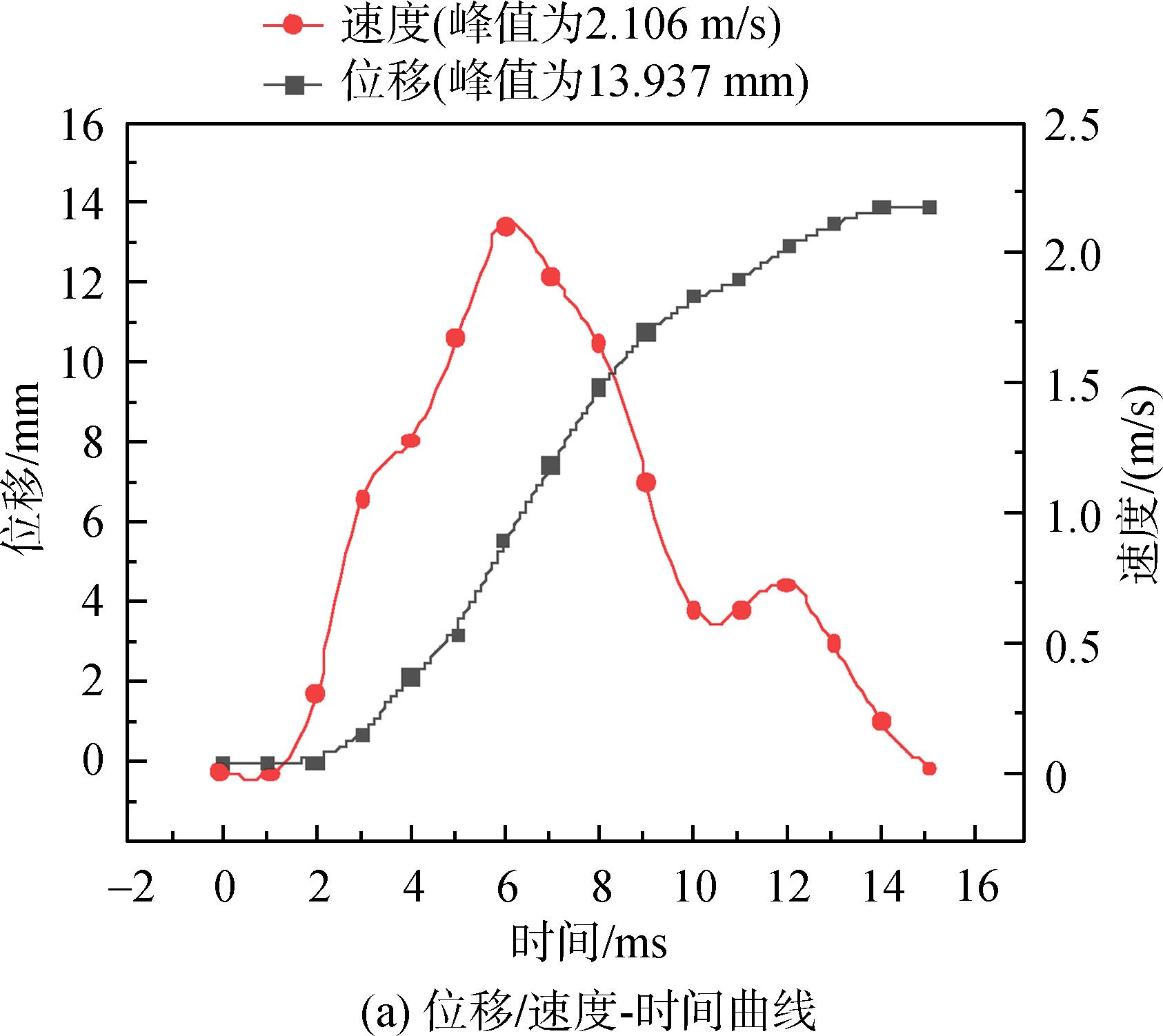
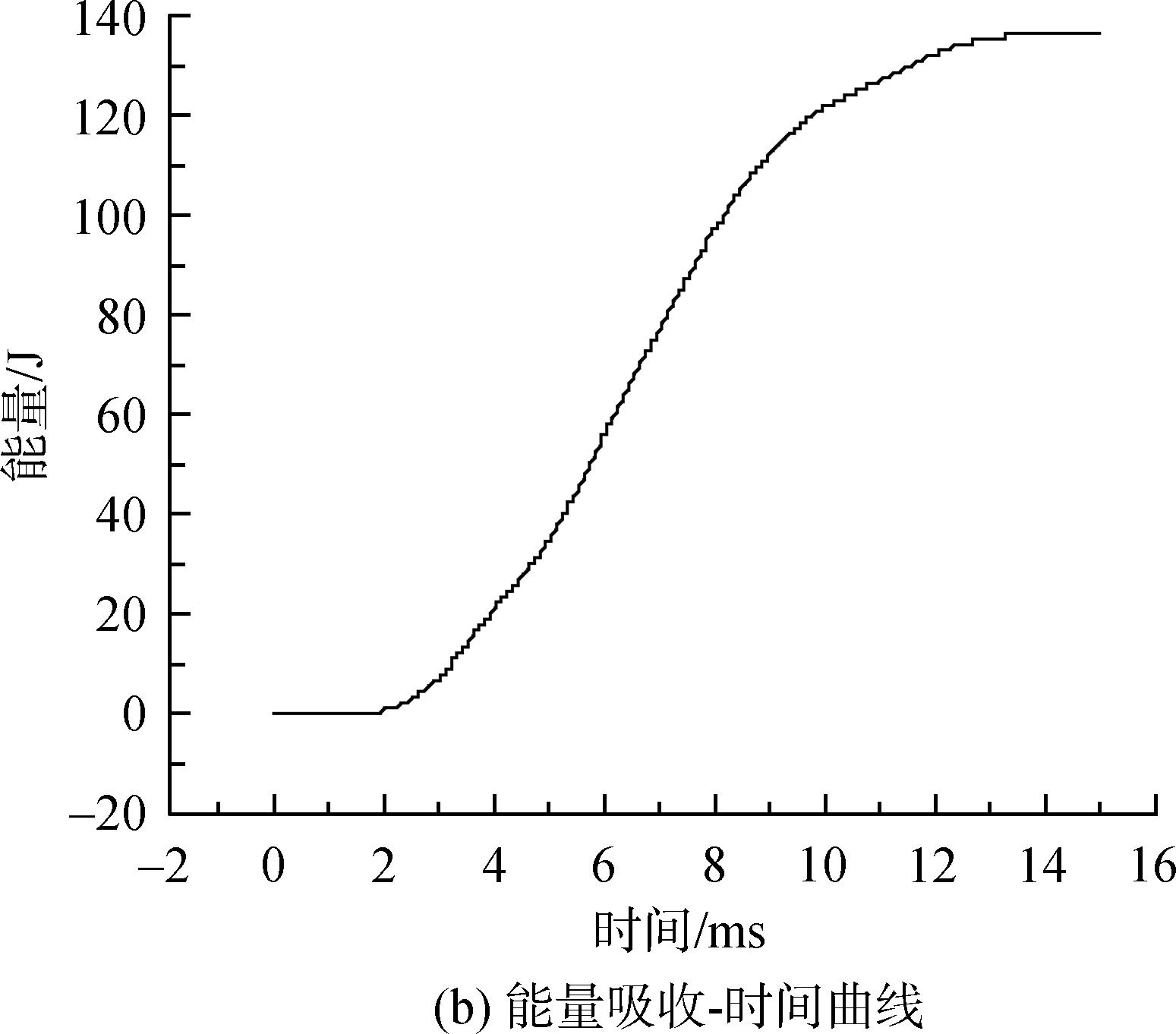
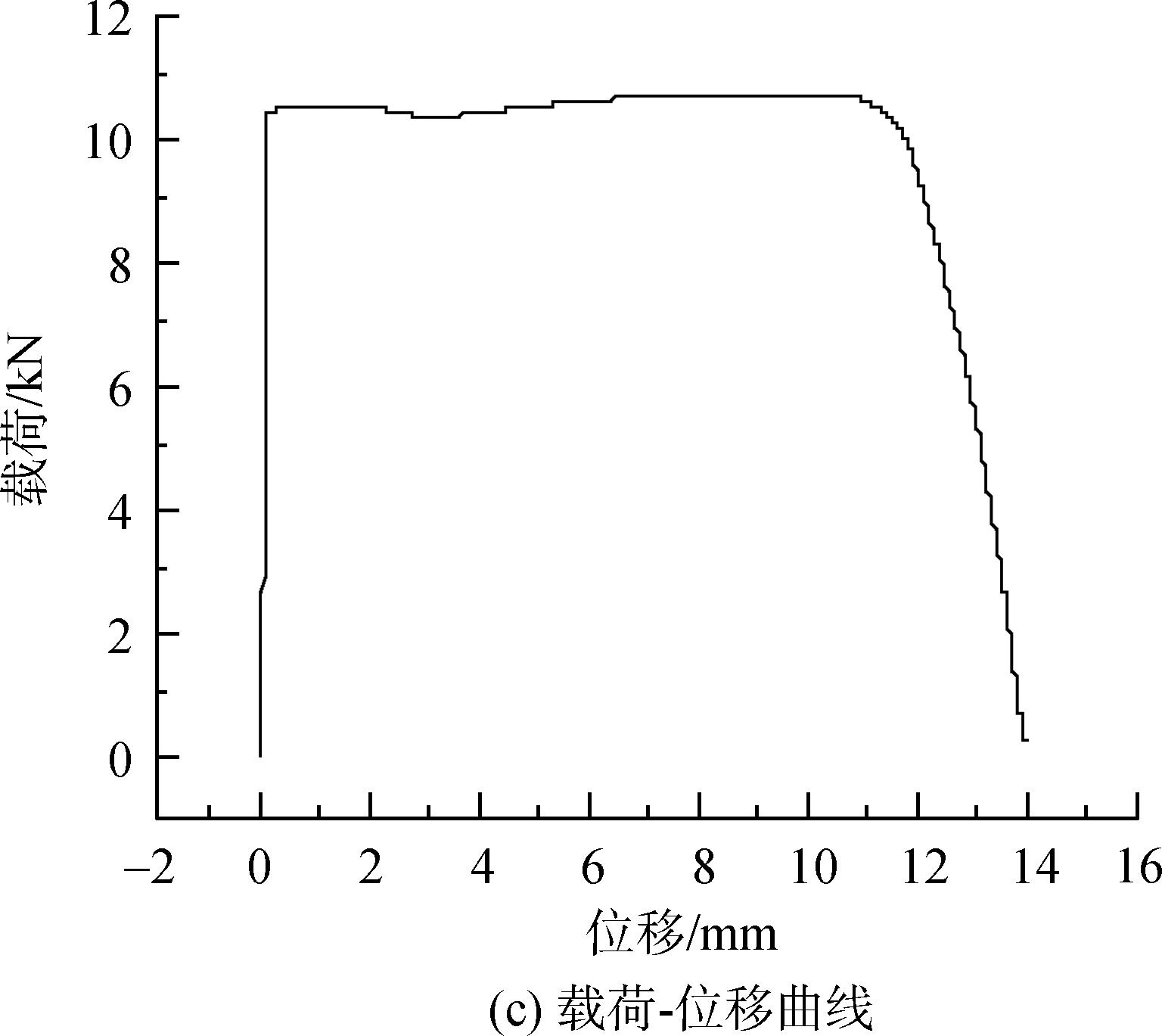
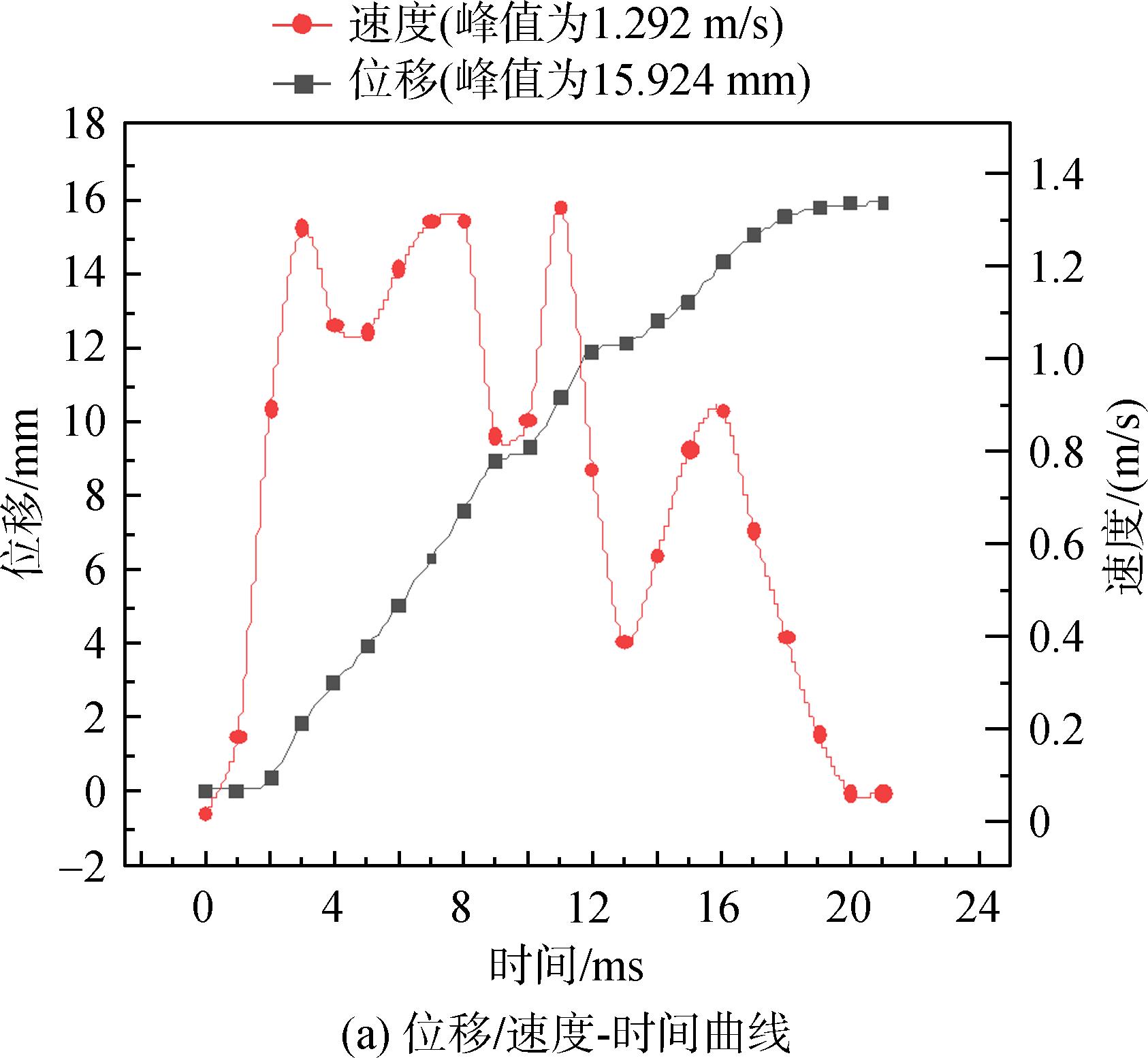
The energy absorption characteristics of expansion tube and bellows were explored by combining finite element analysis and impact test:the test process of energy⁃absorbing element was preliminarily mastered through numerical simulation analysis,and the irrationality of test design was corrected according to the impact test results;then the dynamic impact test of two kinds of energy⁃absorbing elements was carried out to explore their energy absorption characteristics.Finally,the test results of finite element simulation analysis and dropping⁃hammer impact test were compared and analyzed to select the energy⁃absorbing element with ideal effect to be applied to the flap crosslinking mechanism.The results showed that the bellows were the most suitable energy absorbing element for interconnecting strut,irrespective of considering the energy absorbing stroke,energy absorbing stability or the design of energy absorbing structure.The specific energy absorption of bellows was large.The energy absorption process was gentle and stable.There was only plastic deformation after absorbing energy and the structure was not damaged.Besides,the energy absorption stroke of bellows was short and the energy absorption structure was simple,making it convenient for installation and disassembly.

Power Transimission
Wear life analysis of angular contact ball bearing in high temperature environment
NIU Rongjun, HAN Zhengjie, WANG Yufei, LI Hongliang, DENG Sier
2022, 37(8): 1780-1792. doi: 10.13224/j.cnki.jasp.20210466
Abstract:

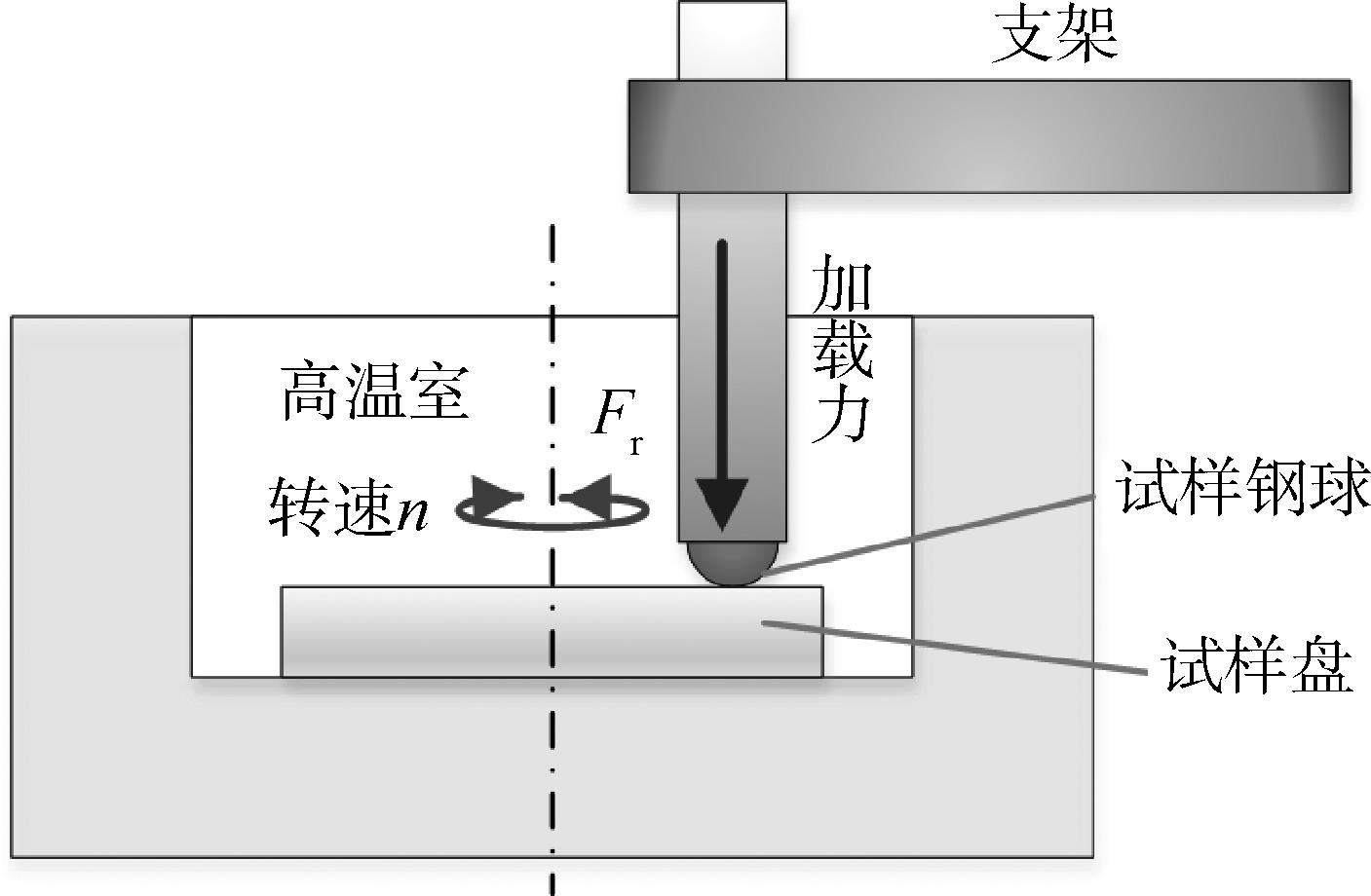
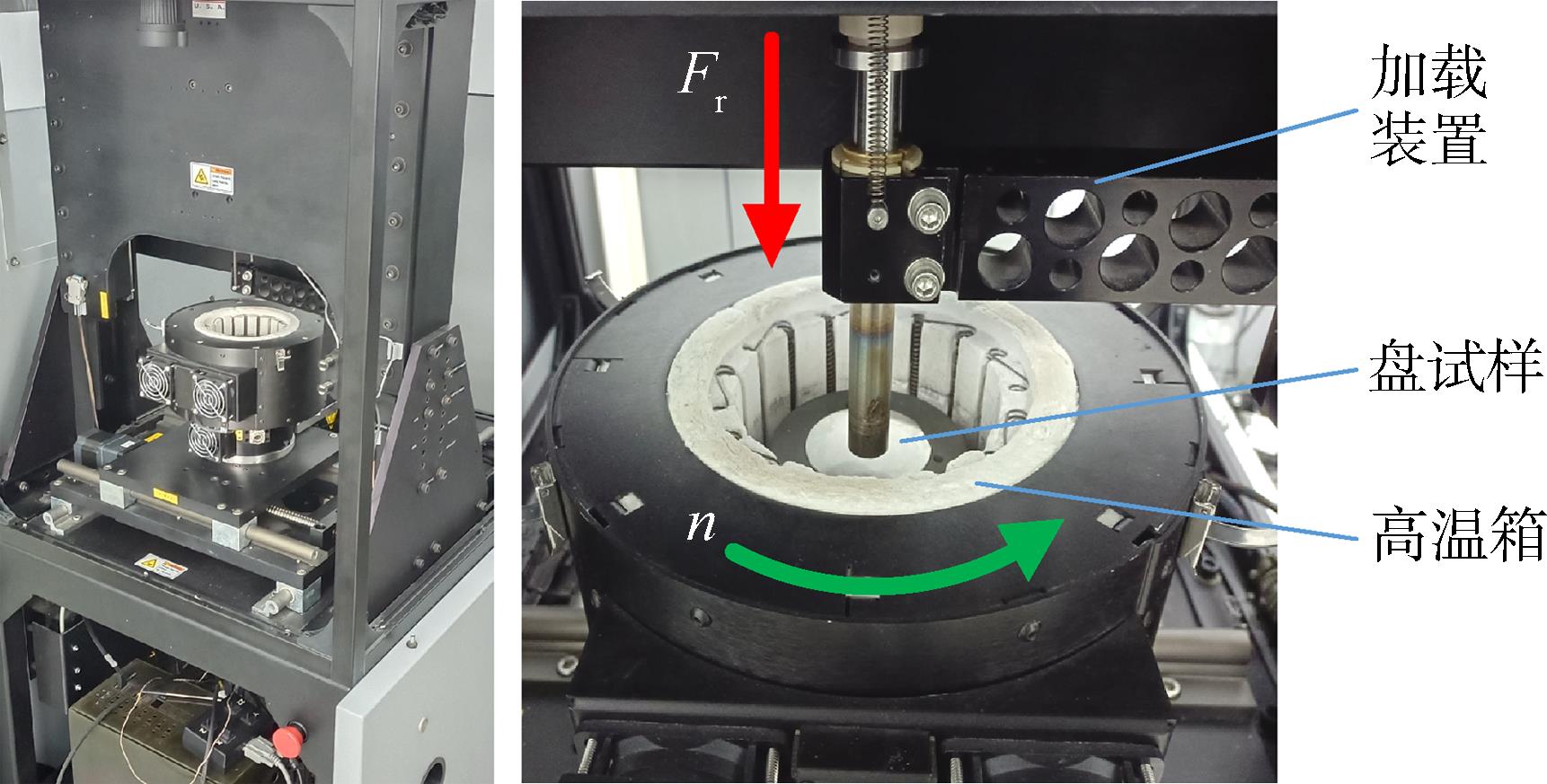
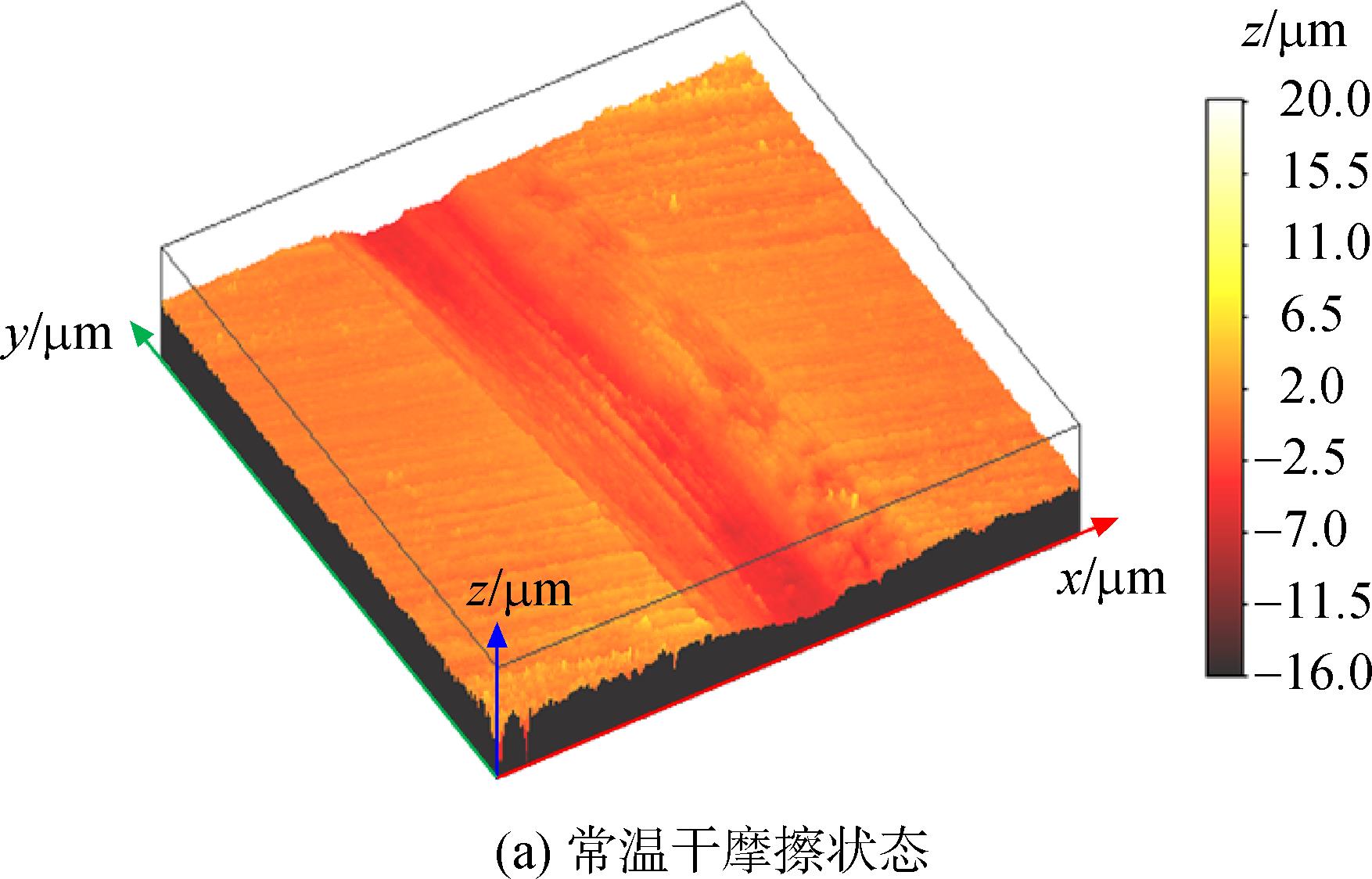
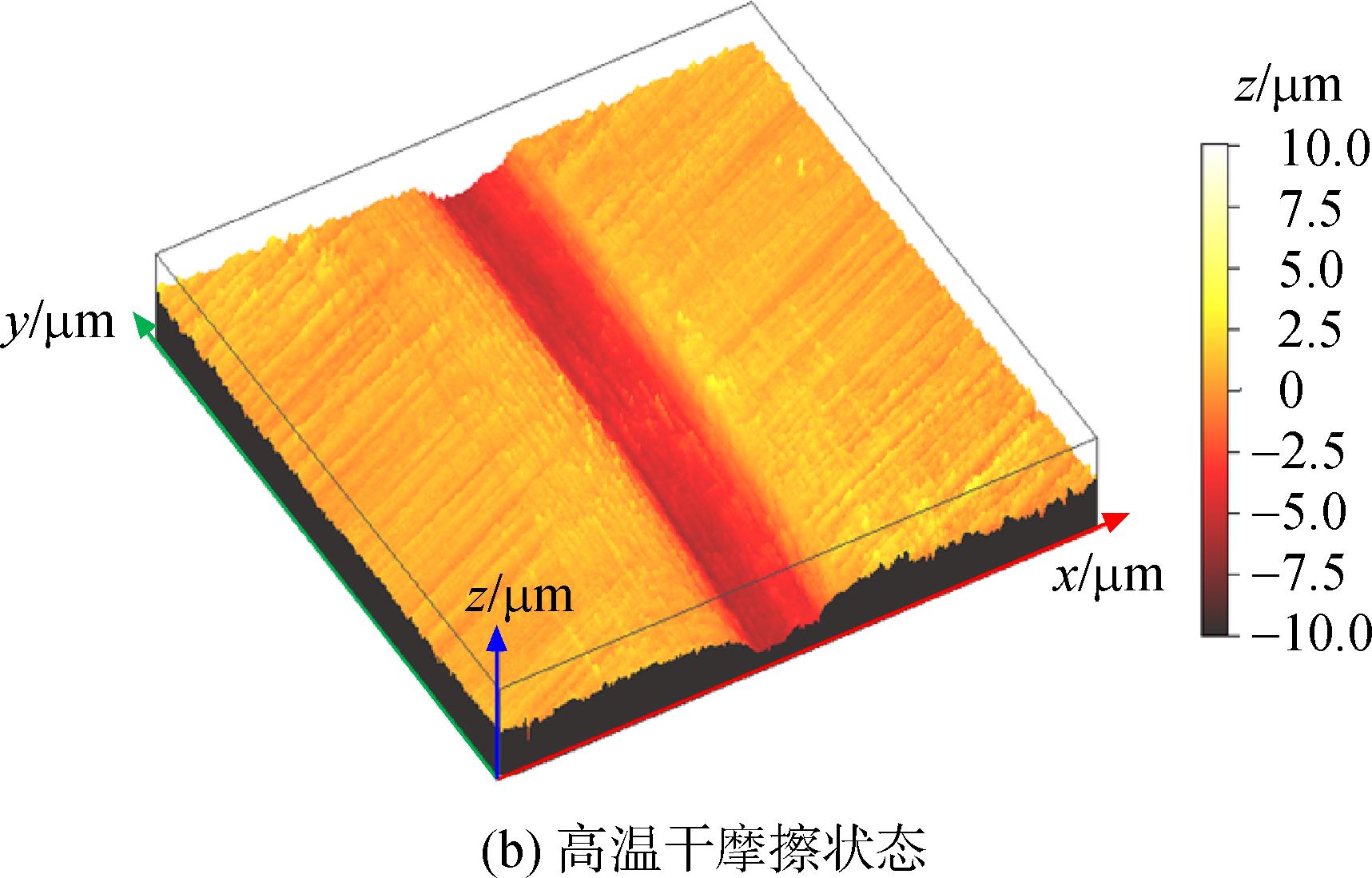
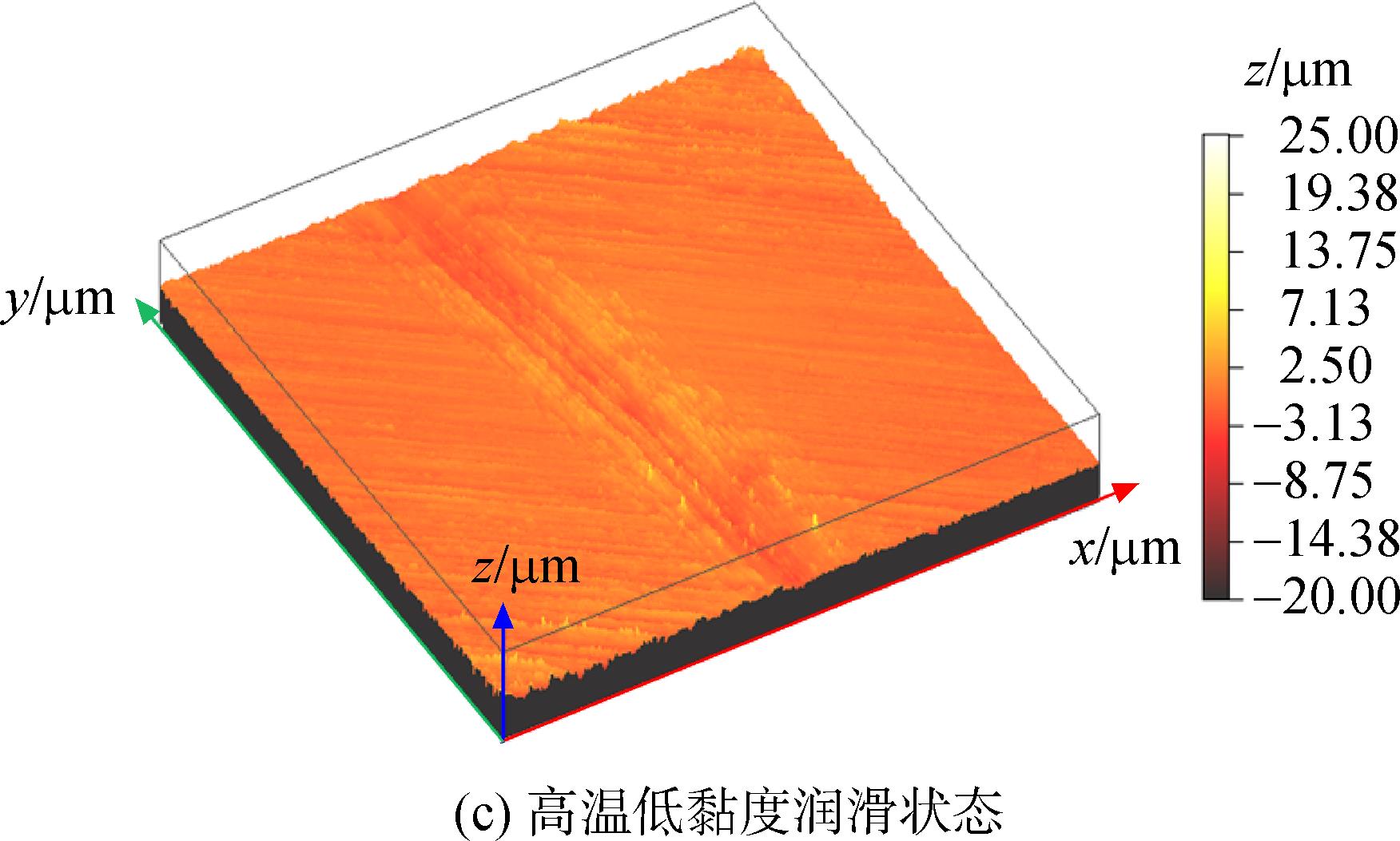
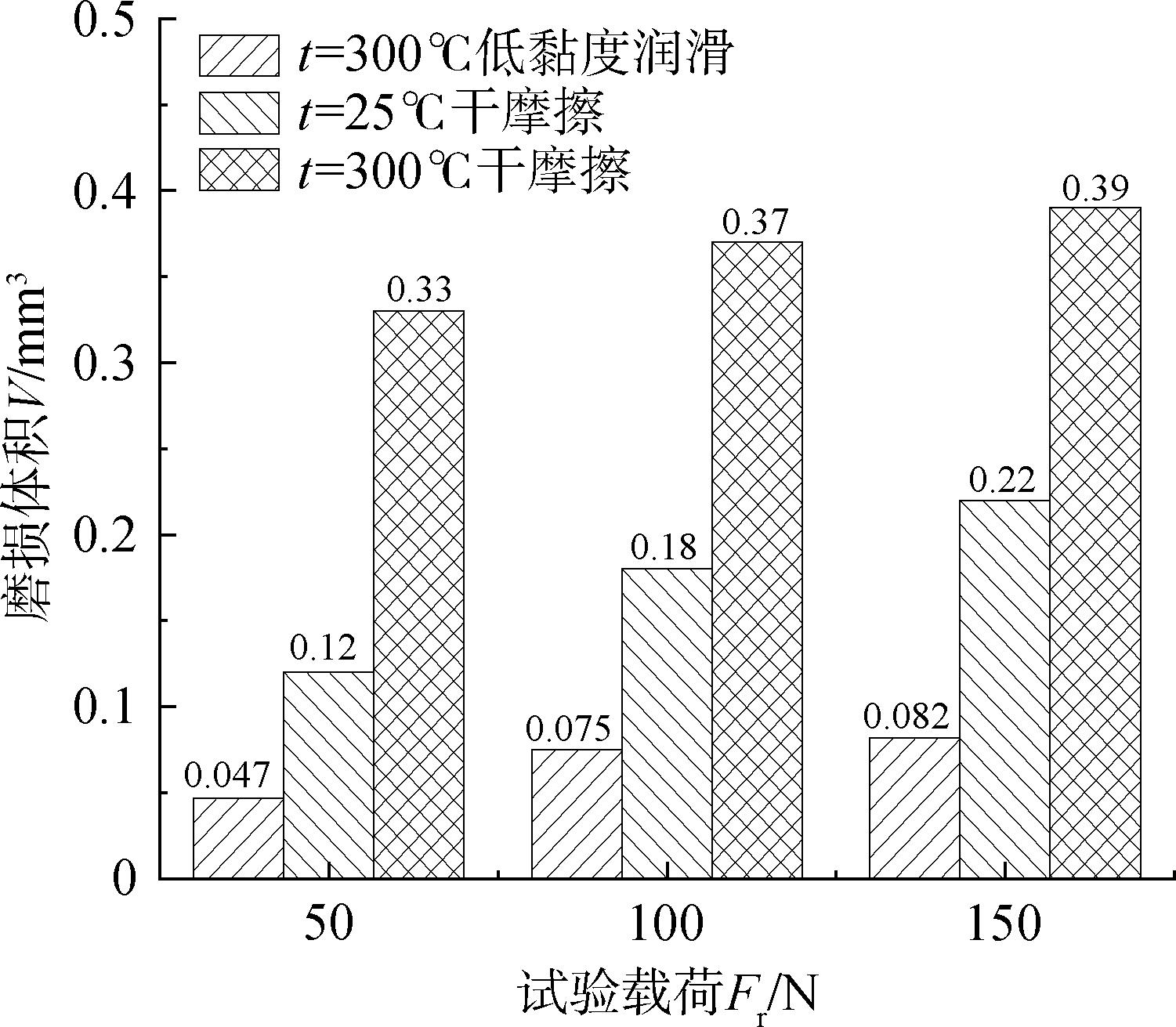
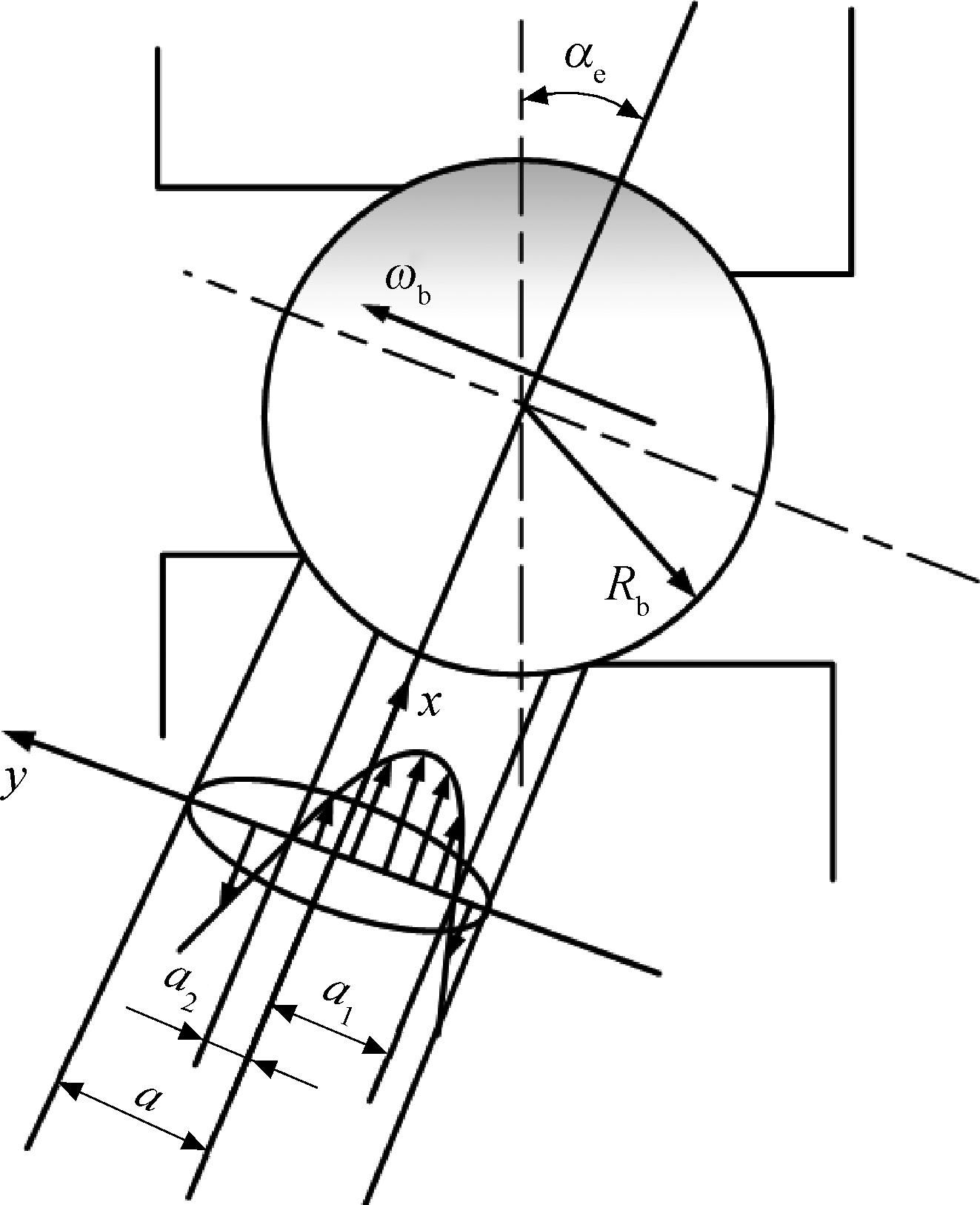
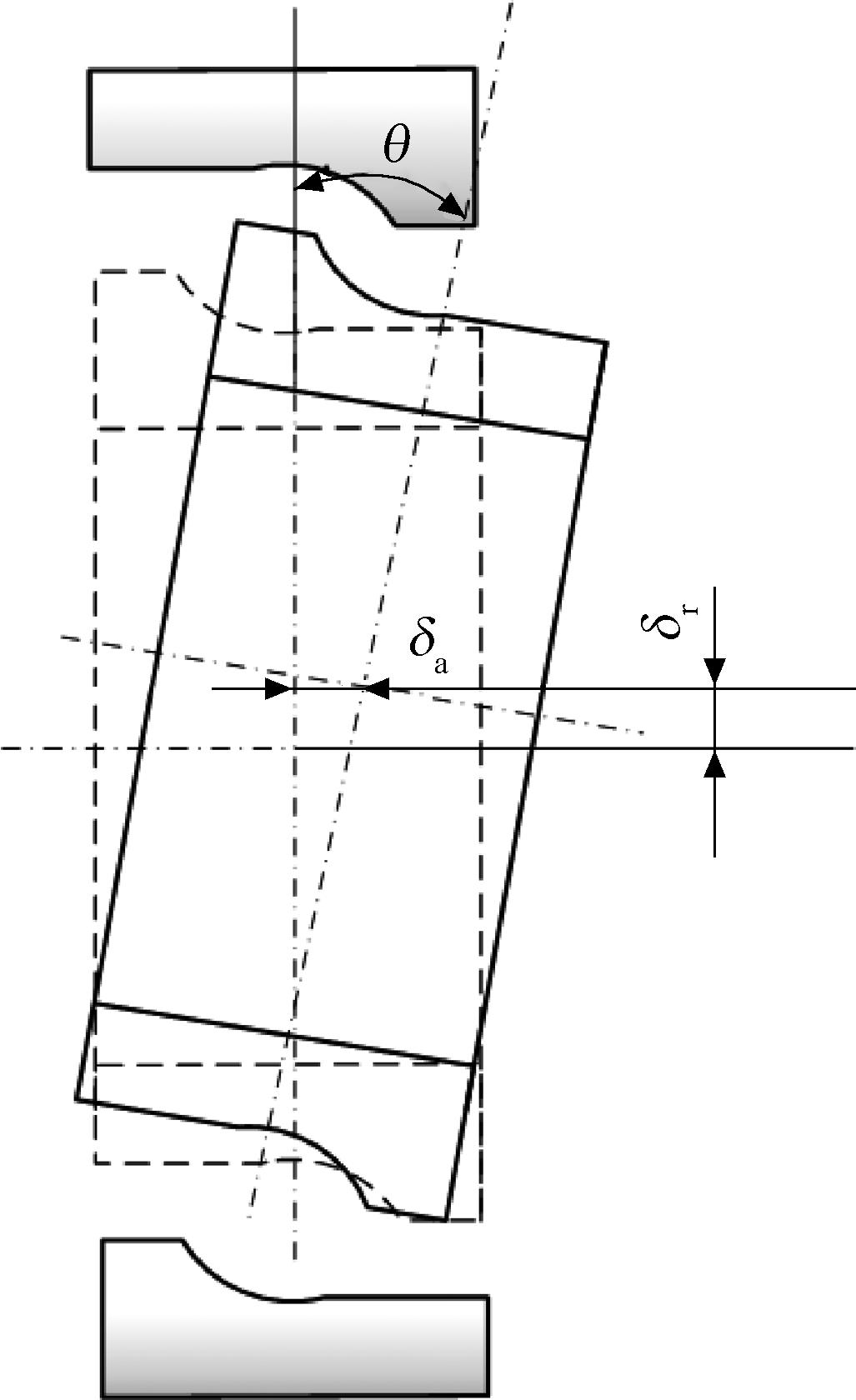
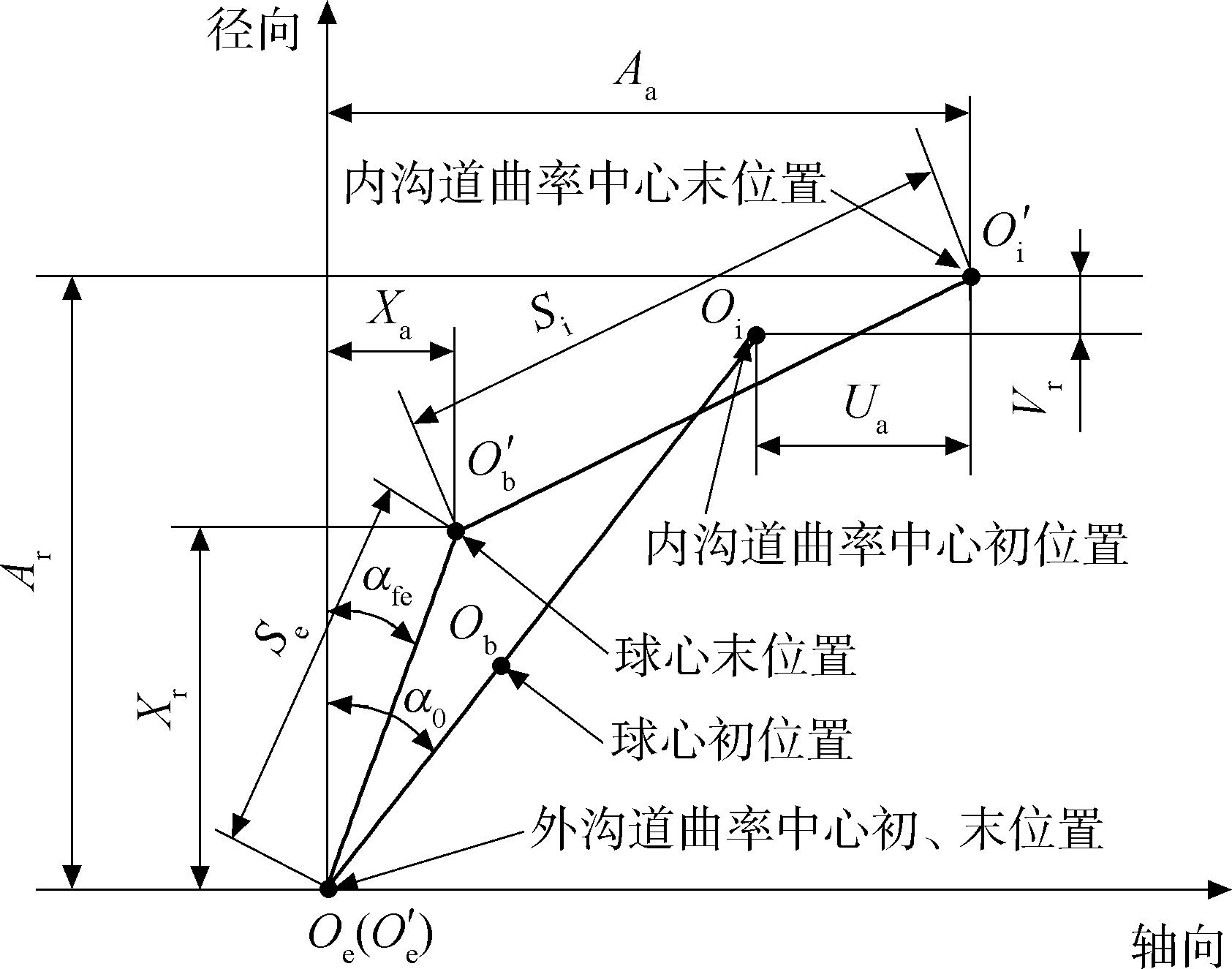
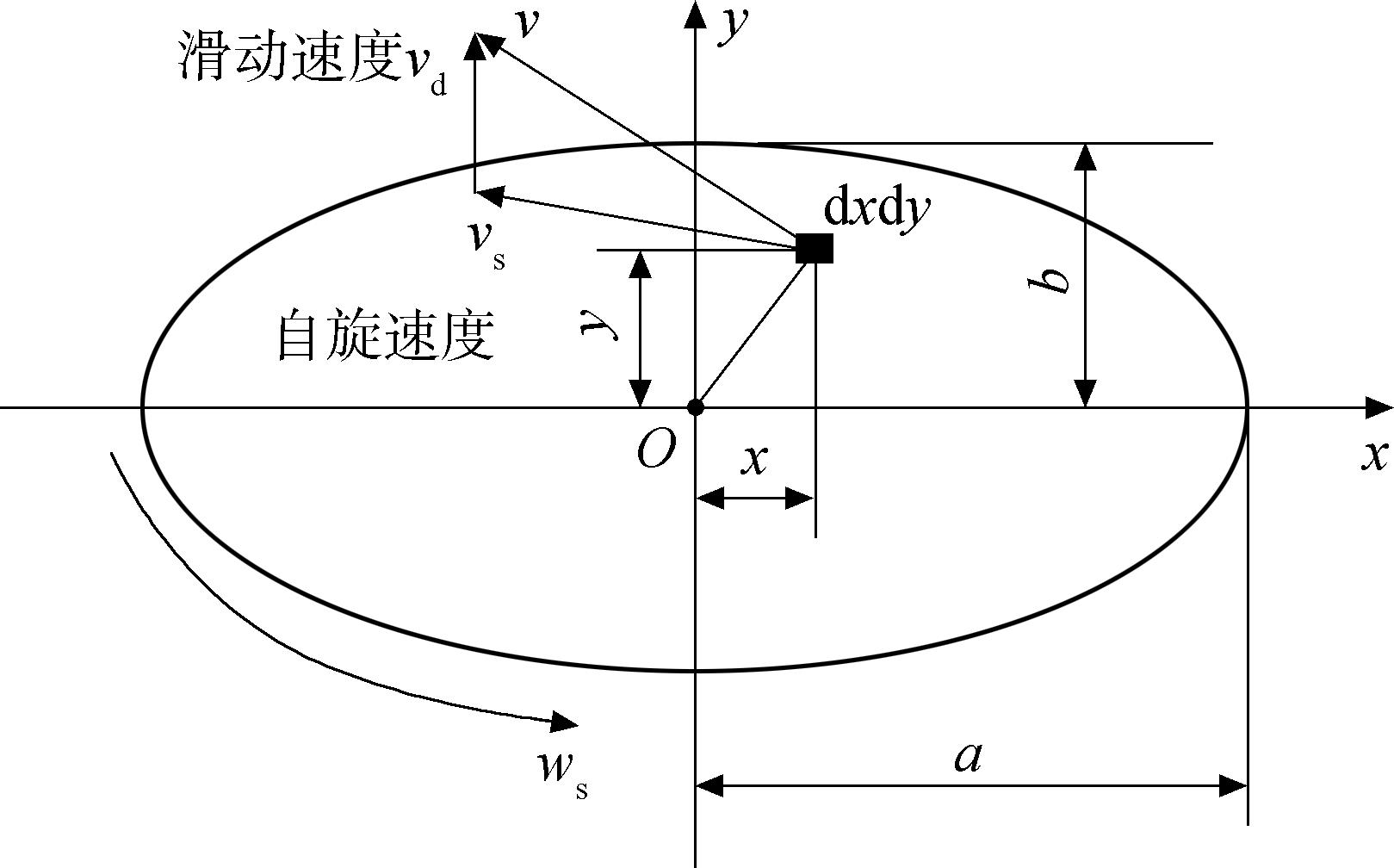
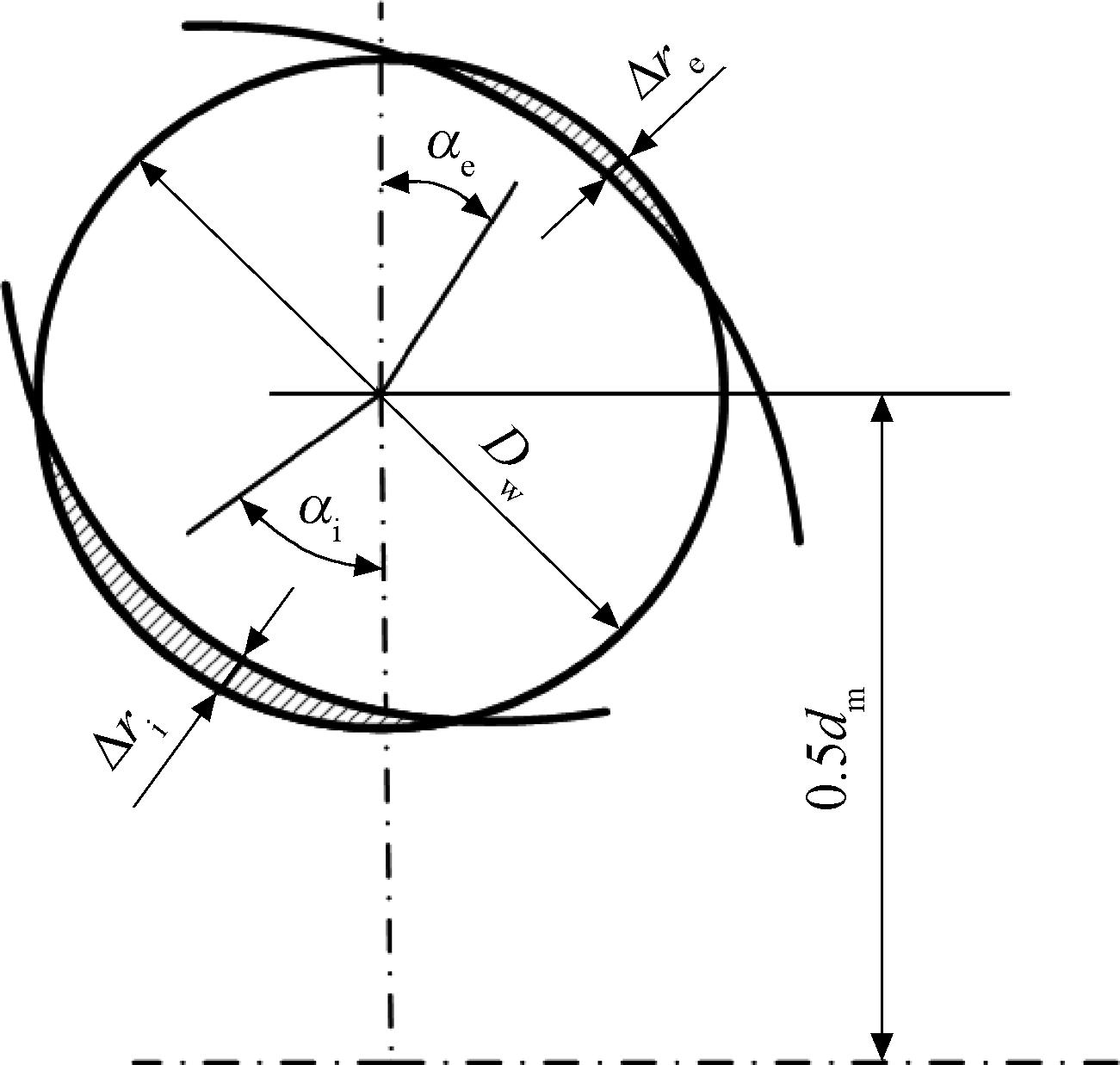
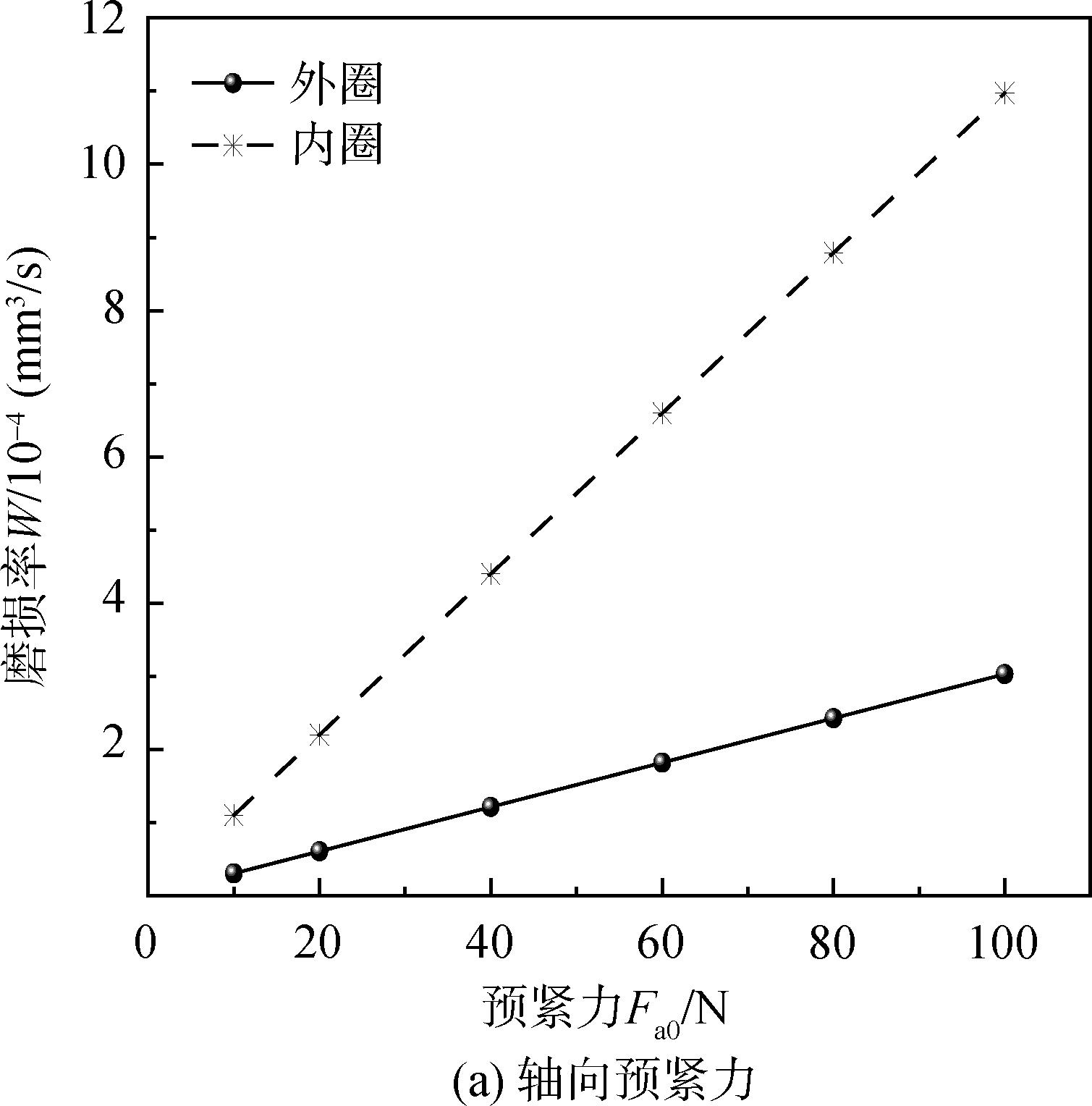
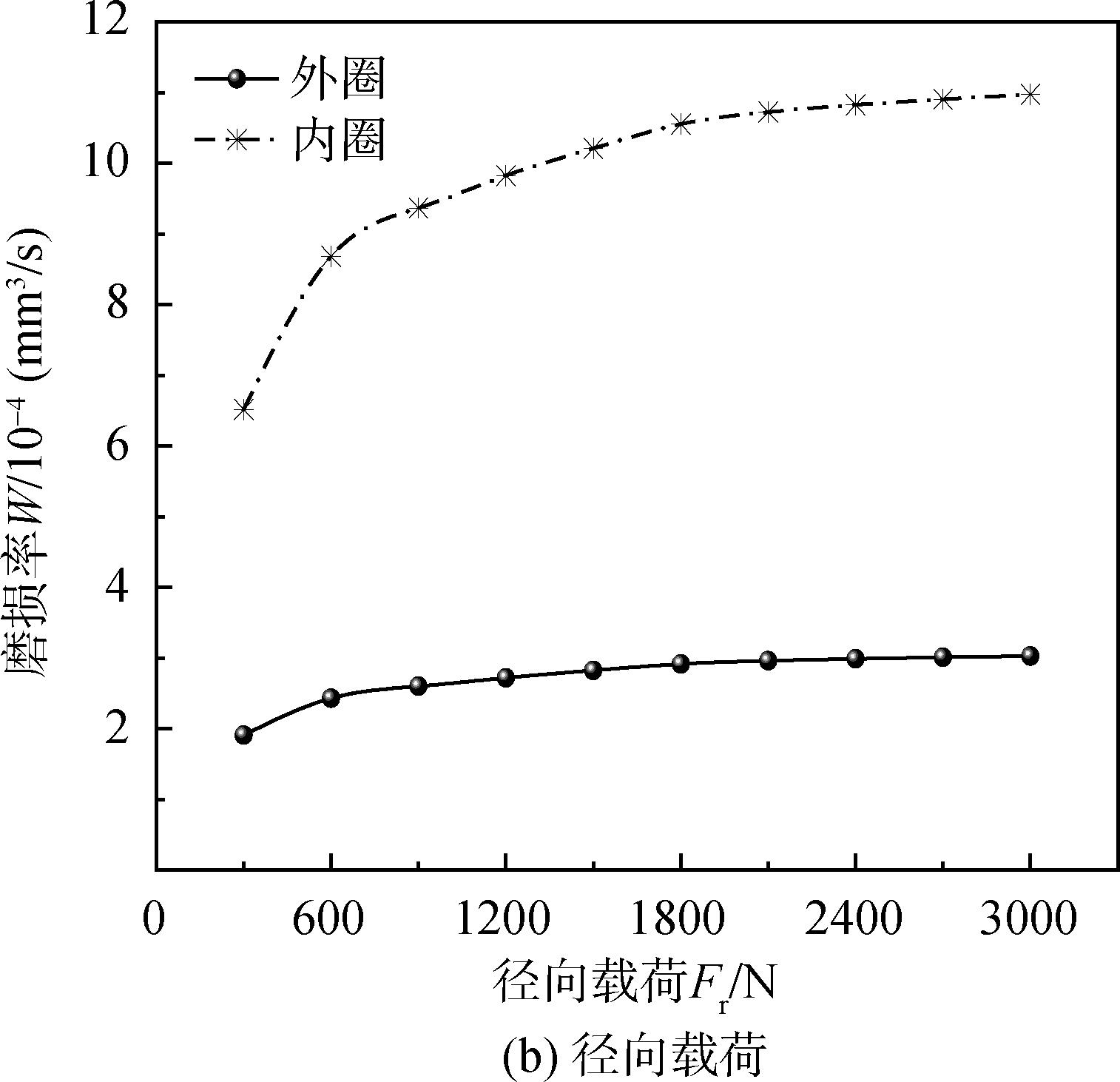
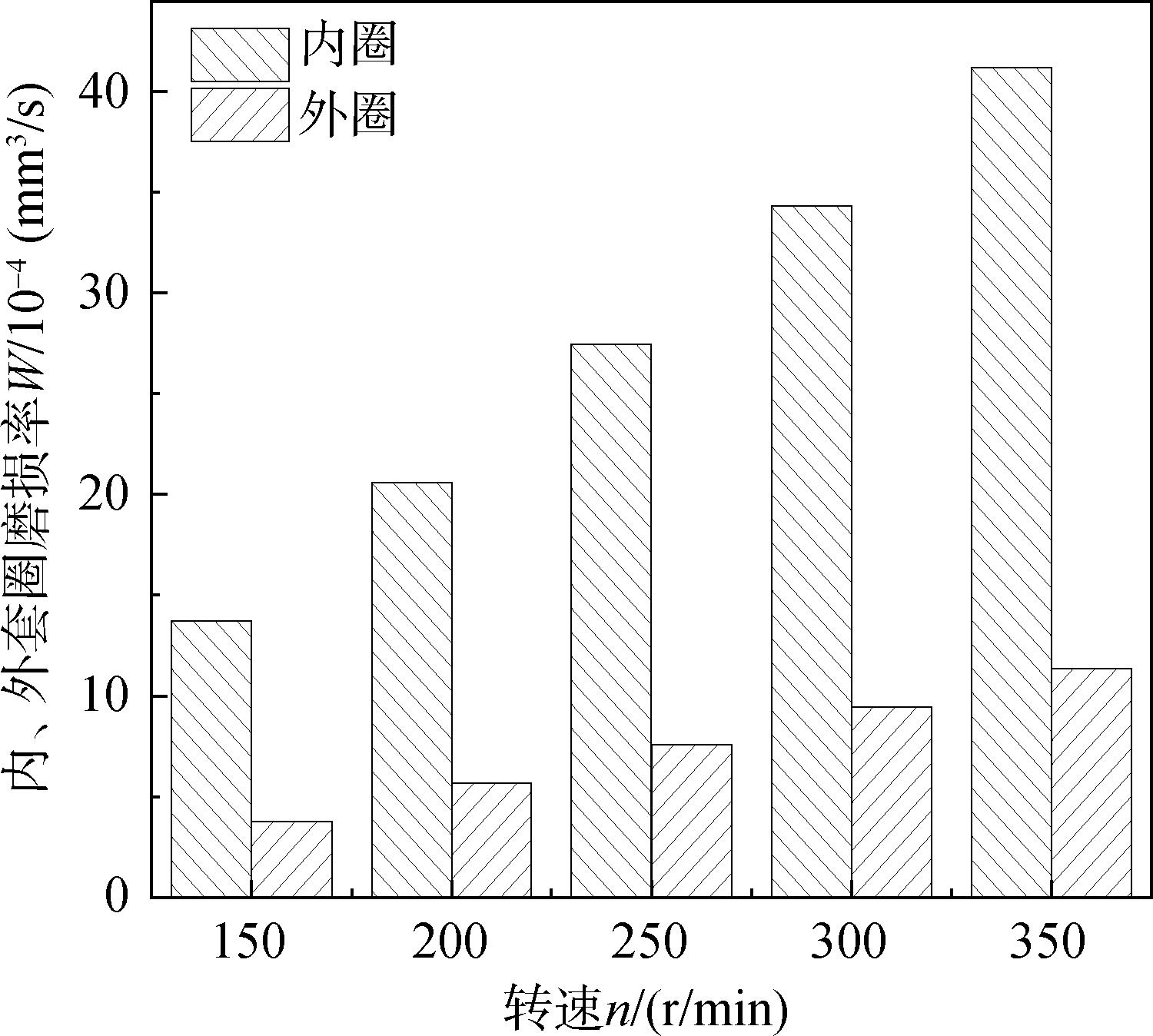
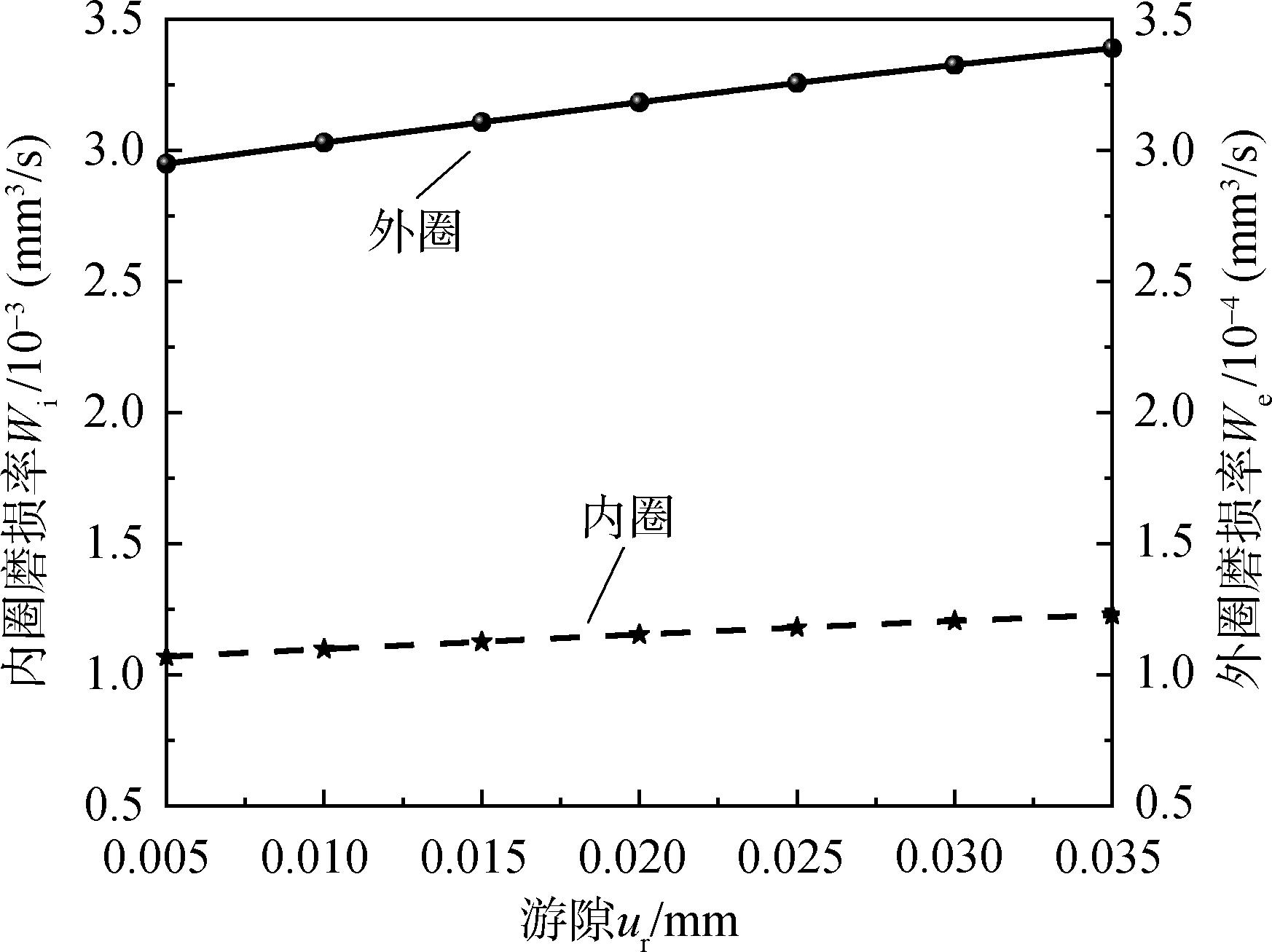
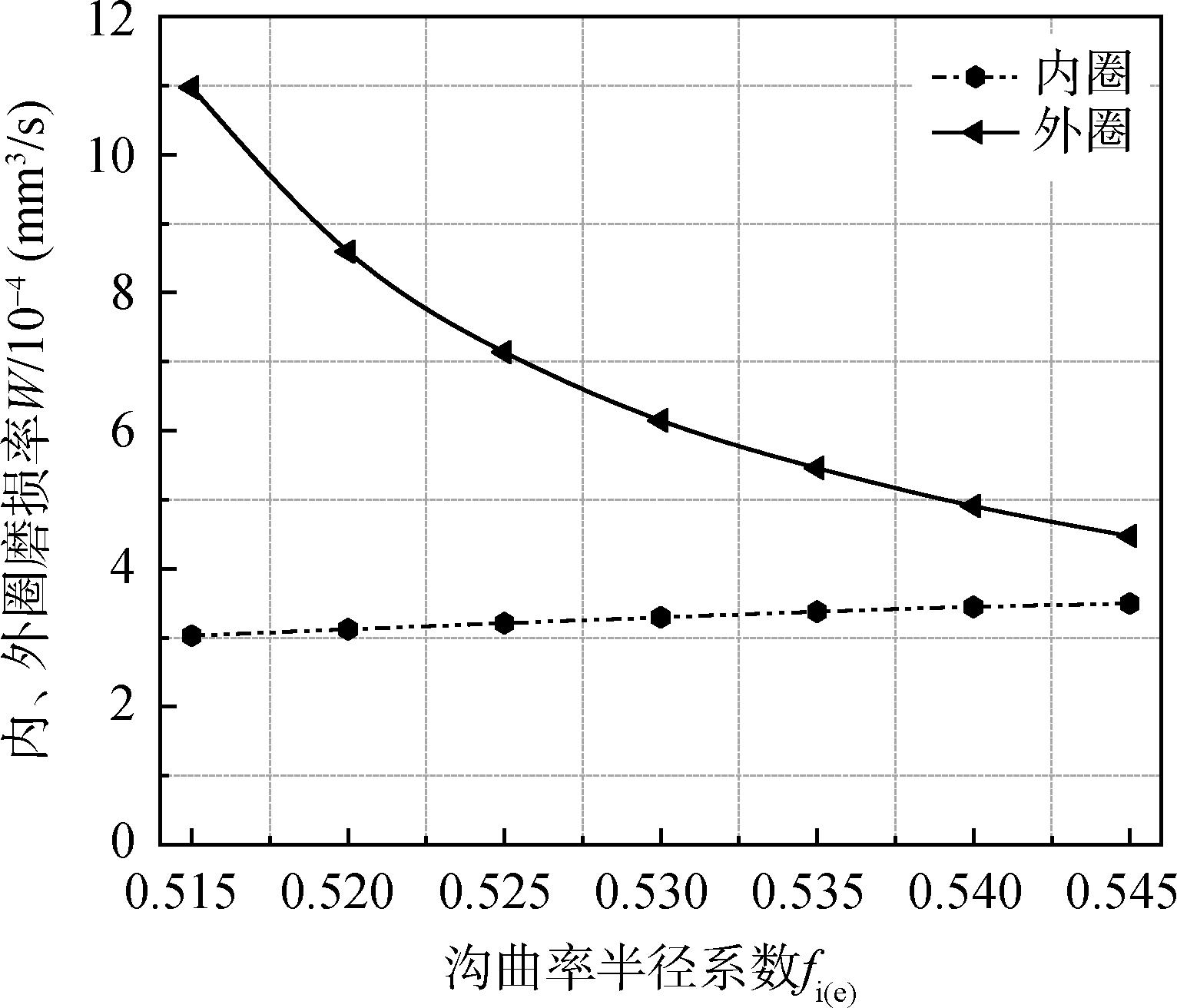
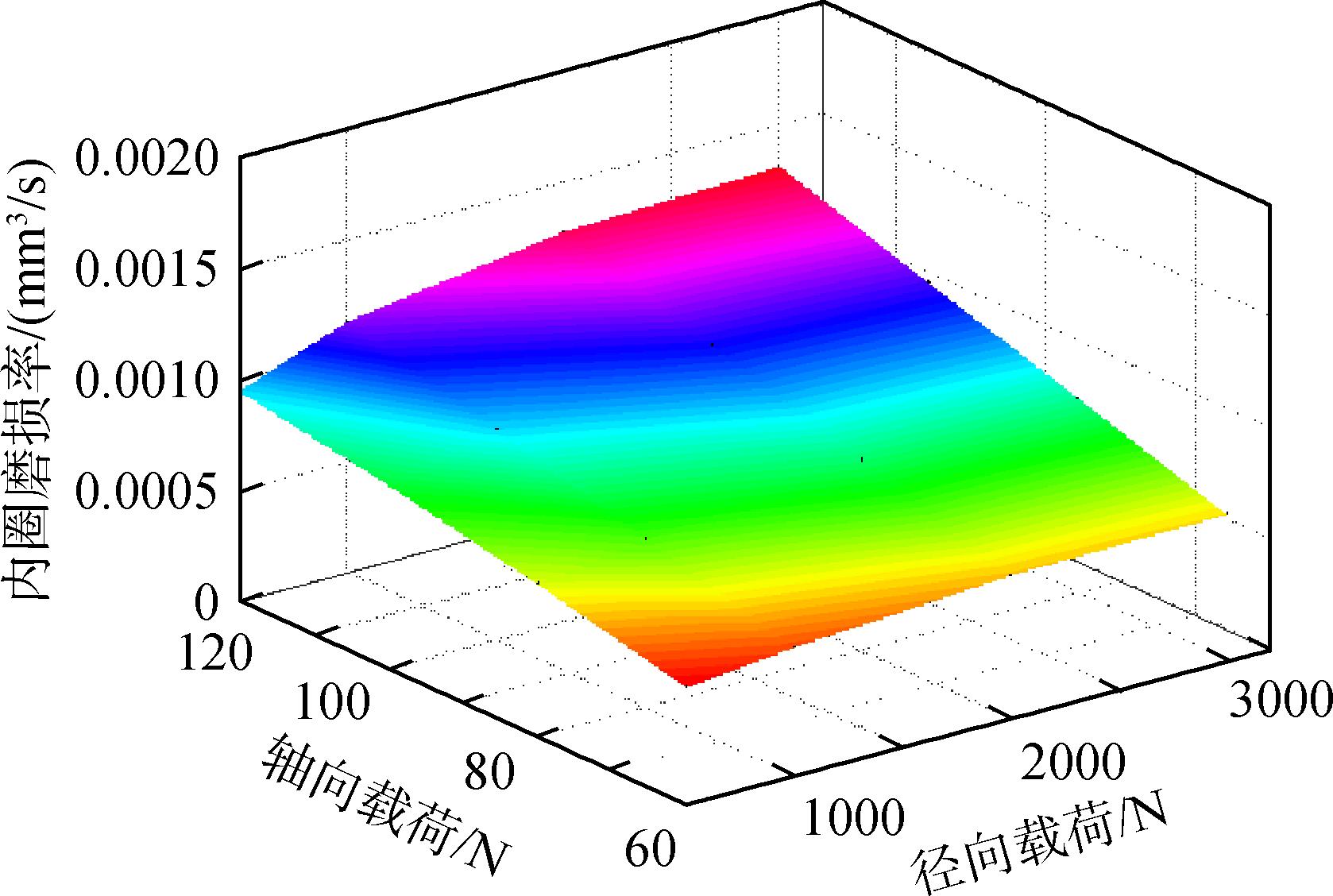
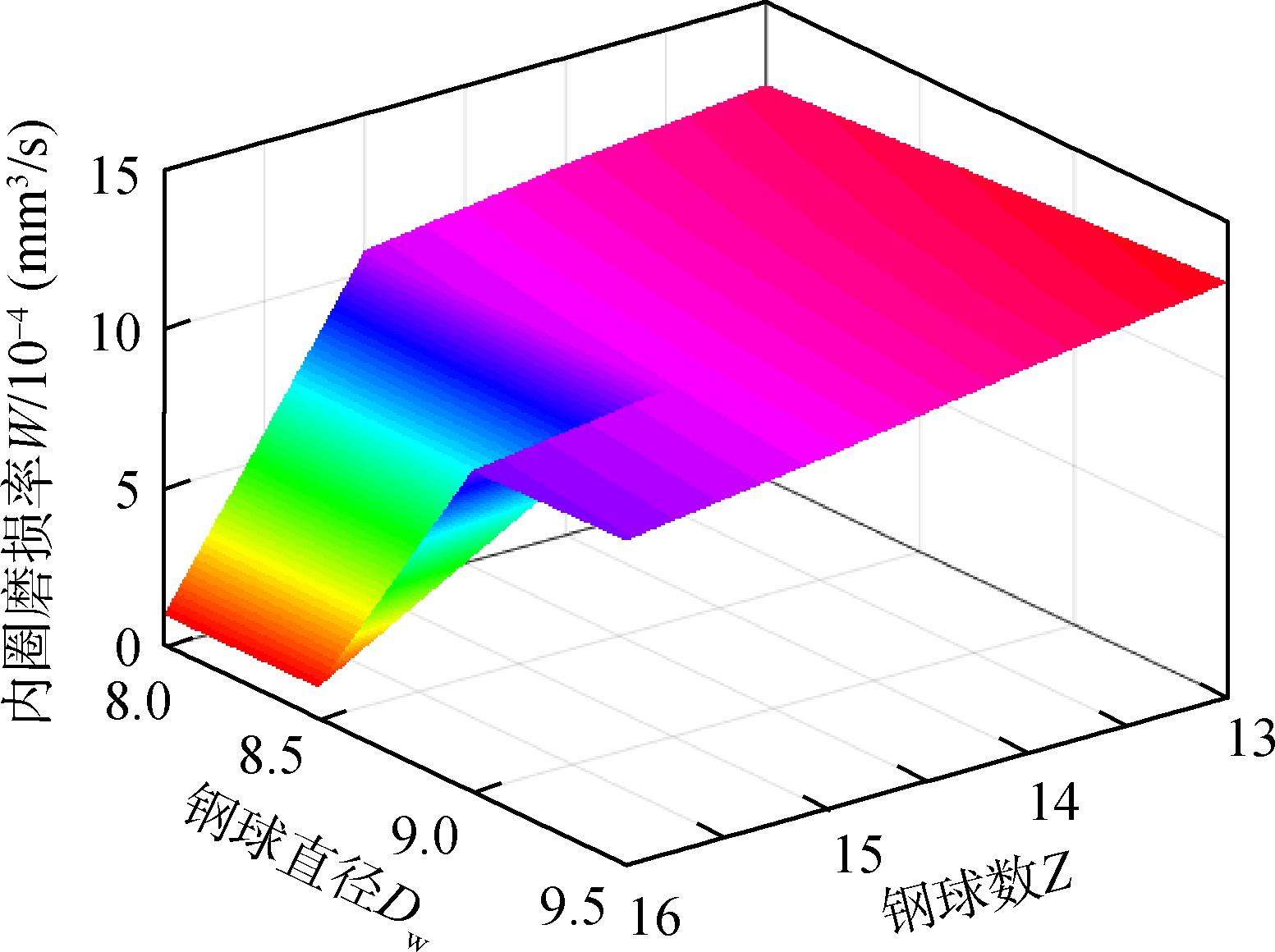
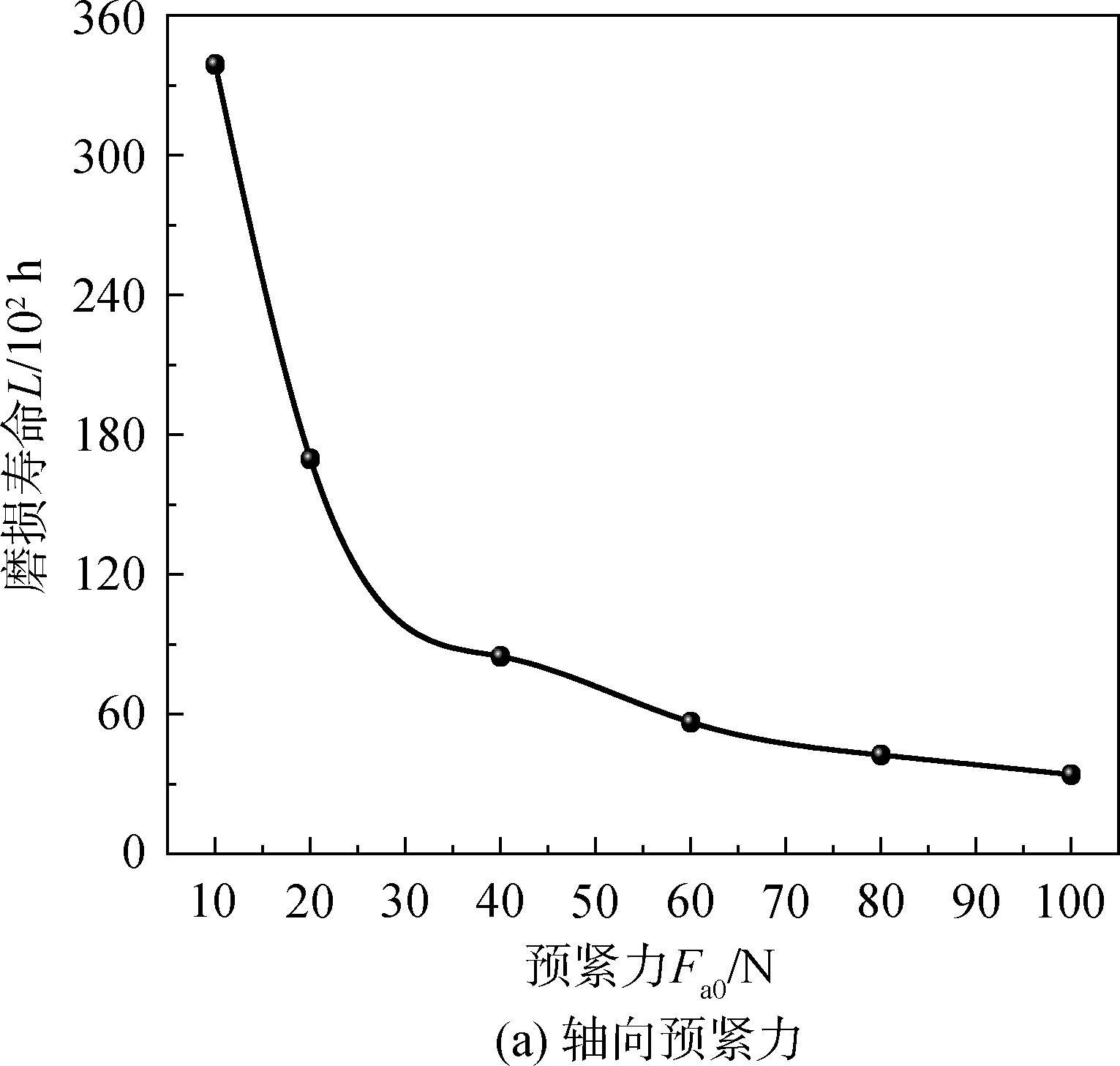
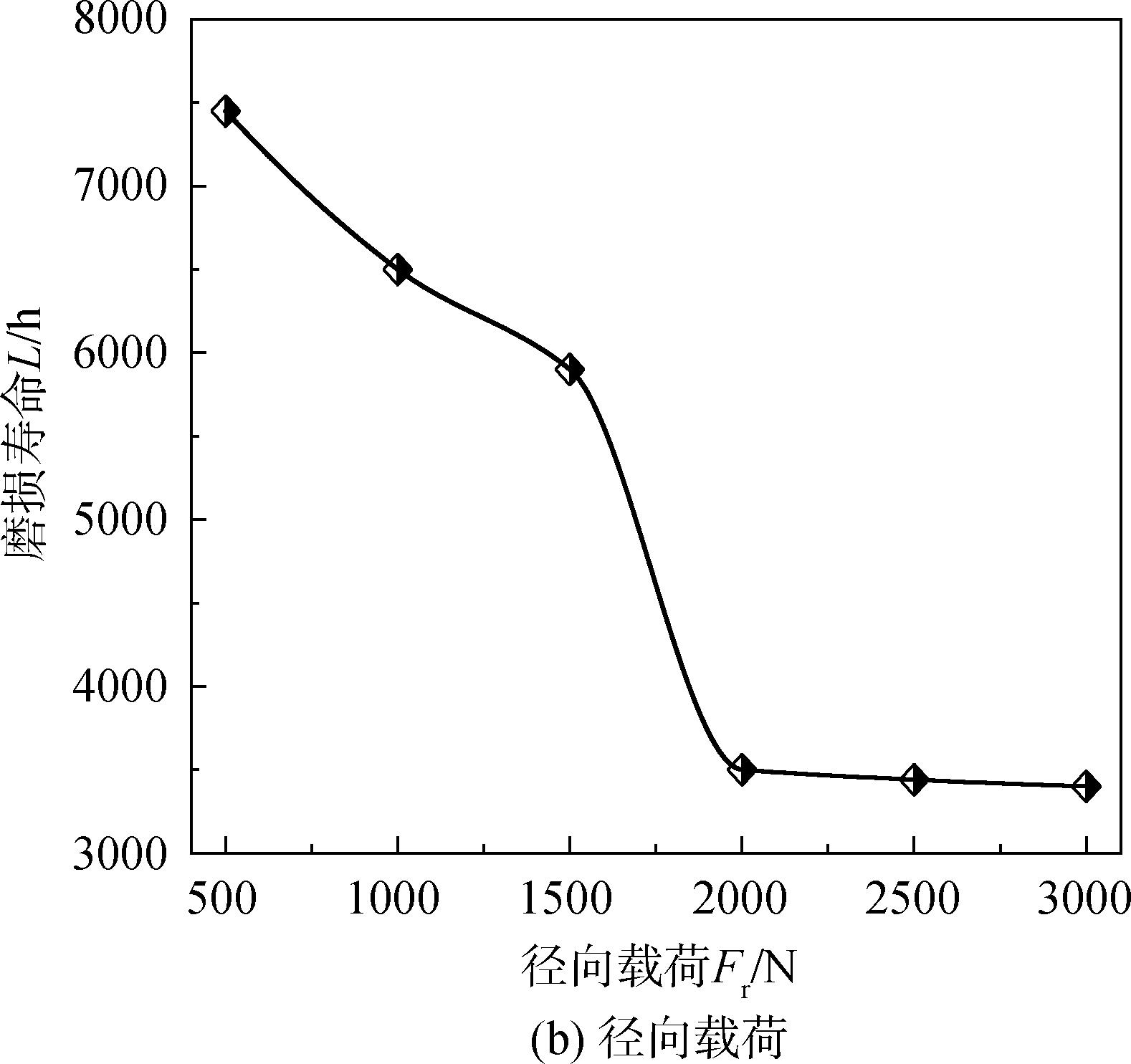
In view of the change of bearing material properties and lubrication state under high temperature environment,the bearing wear was aggravated and the accuracy was lost prematurely.Firstly,the friction and wear tests of bearing materials under high temperature environment were carried out to obtain the wear coefficient of the materials.On this basis,the wear model of high temperature angular contact ball bearing was established by considering the effects of temperature,lubrication and bearing material properties on bearing wear performance.Through numerical solution,the effects of load parameters and structural parameters on the wear performance of the bearing were discussed,and the wear life of the bearing was evaluated.The results showed that: for the bearing material non magnetic alloy GH05,the wear coefficient was 2.5×10⁻⁷ mm2/N at 300 ℃.With the increase of load,speed and temperature,the wear rate of inner and outer rings of bearing increased constantly.The wear rate of the inner ring was greater than that of the outer ring.The wear characteristics of the inner ring determine the wear life of the bearing; load and speed are the main factors of determining the bearing wear life.In addition,the main structural parameters of the bearing had an important impact on the wear life.The bearing wear life can be improved through structural optimization.