2022 Vol. 37, No. 7

Combustion,Heat and Mass Transfer
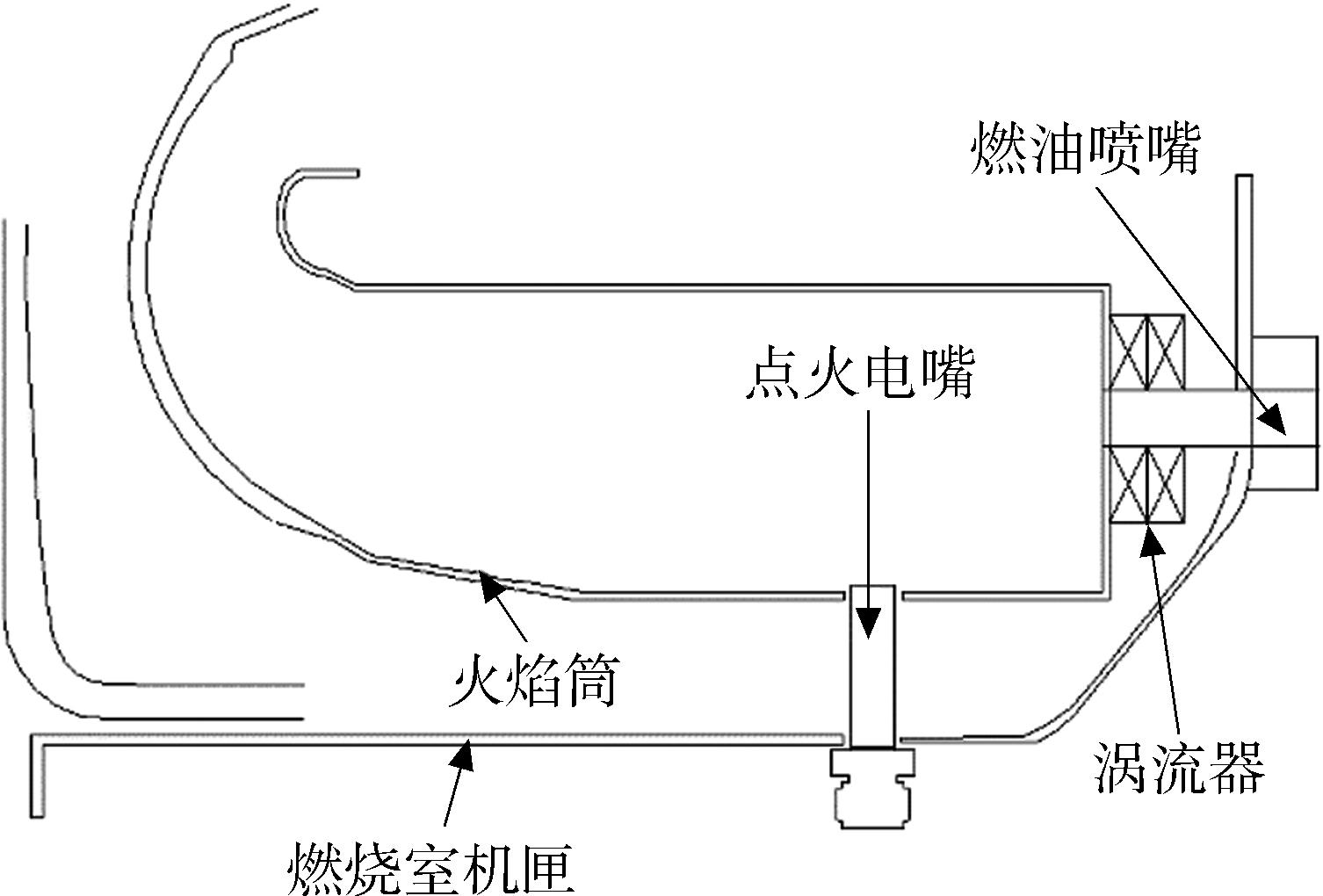
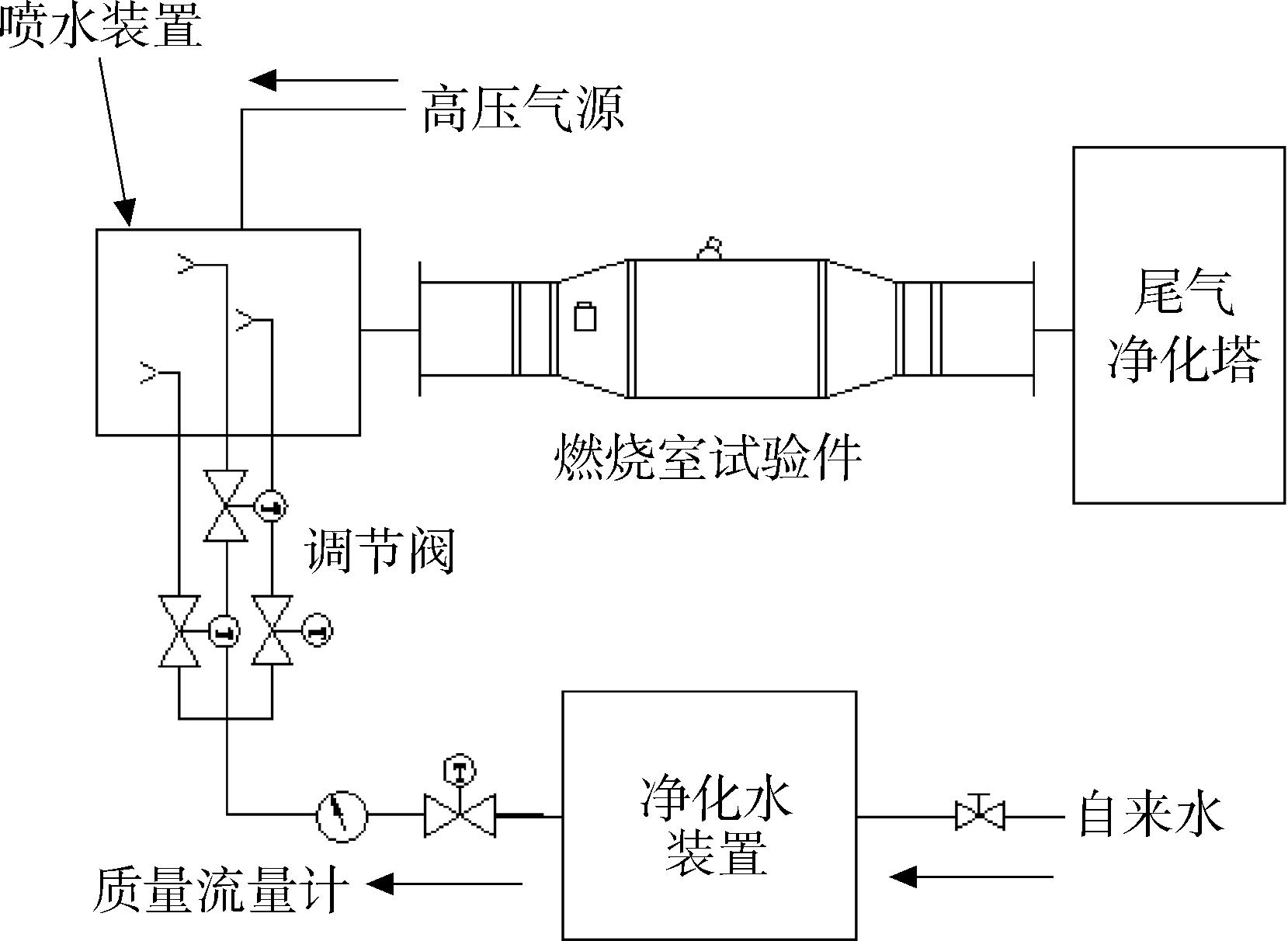
Test on effect of swallowing water on component performance of reverse⁃flow combustor
LANG Xudong, LI Wei, DAI Jinxin, YANG Dawei, WU Jun, CHEN Jian
2022, 37(7): 1345-1351. doi: 10.13224/j.cnki.jasp.20210264
Abstract:

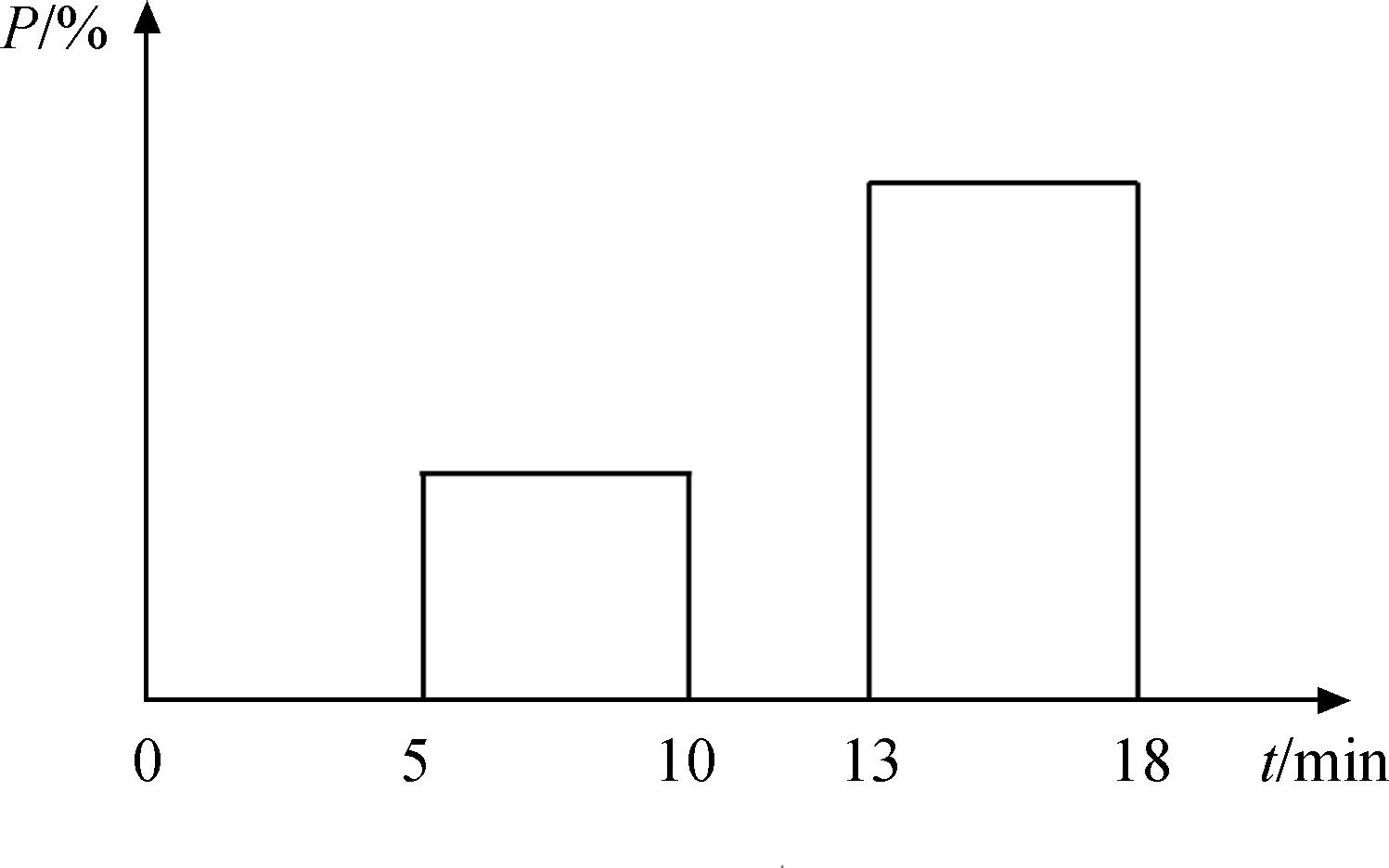
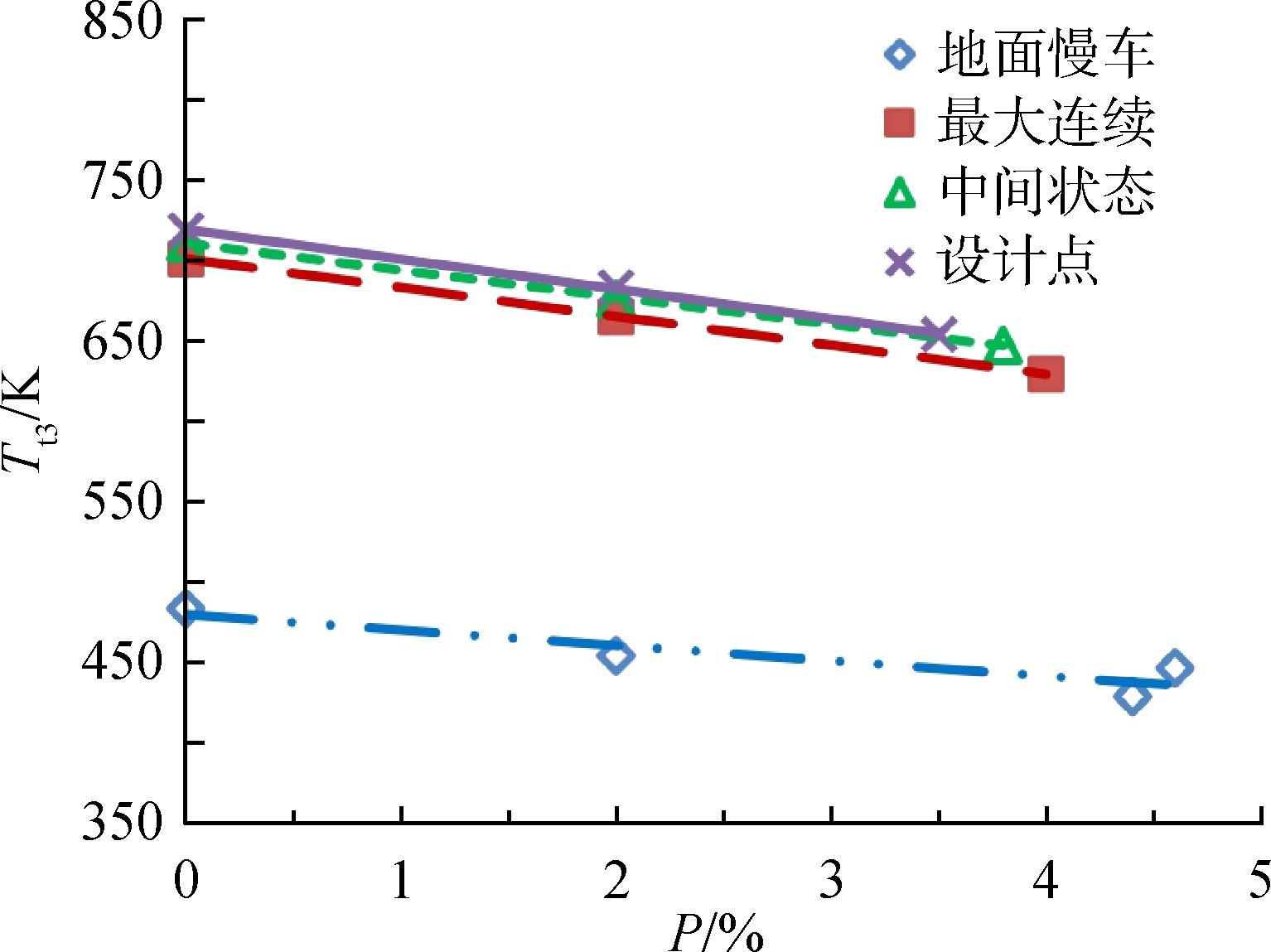
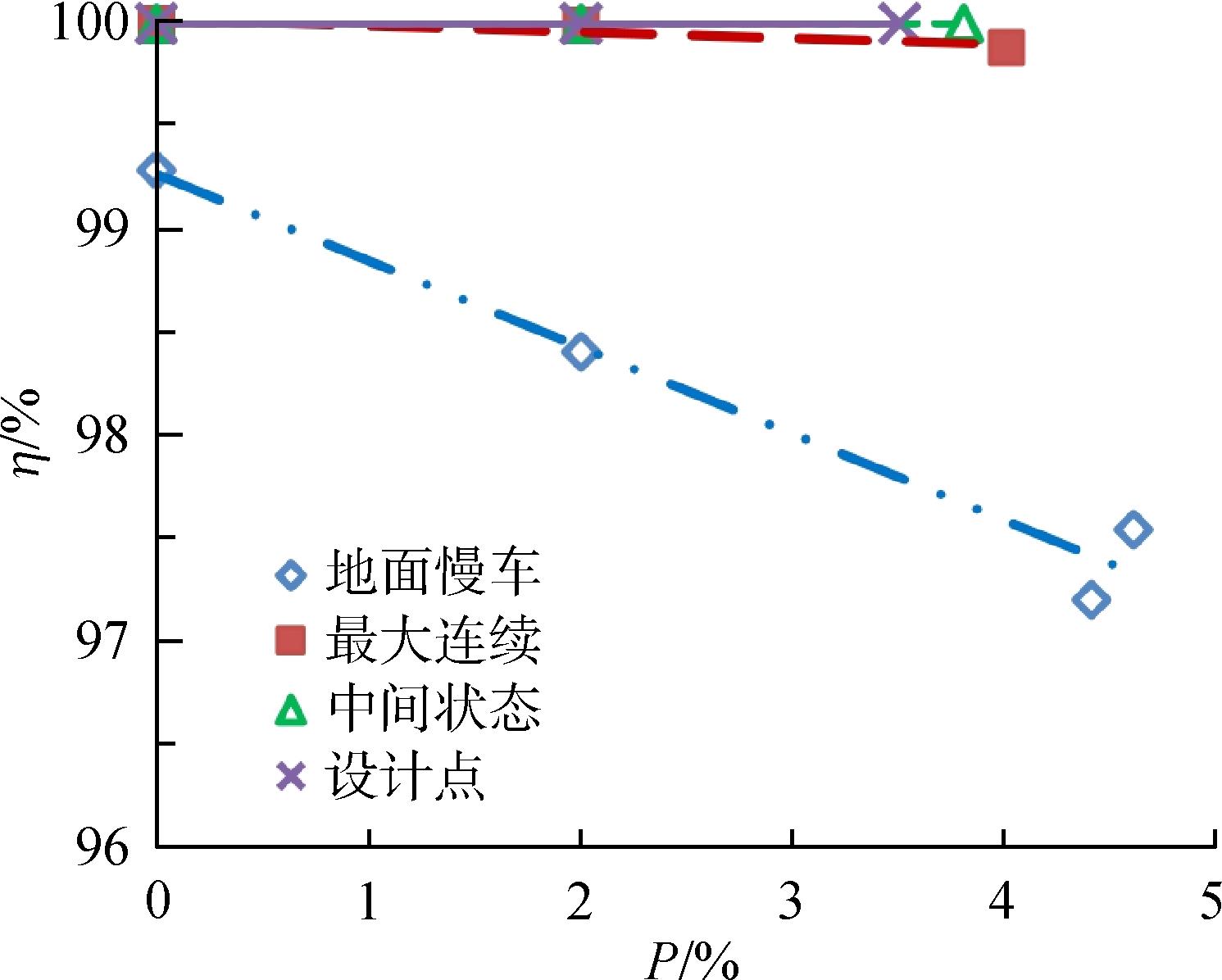
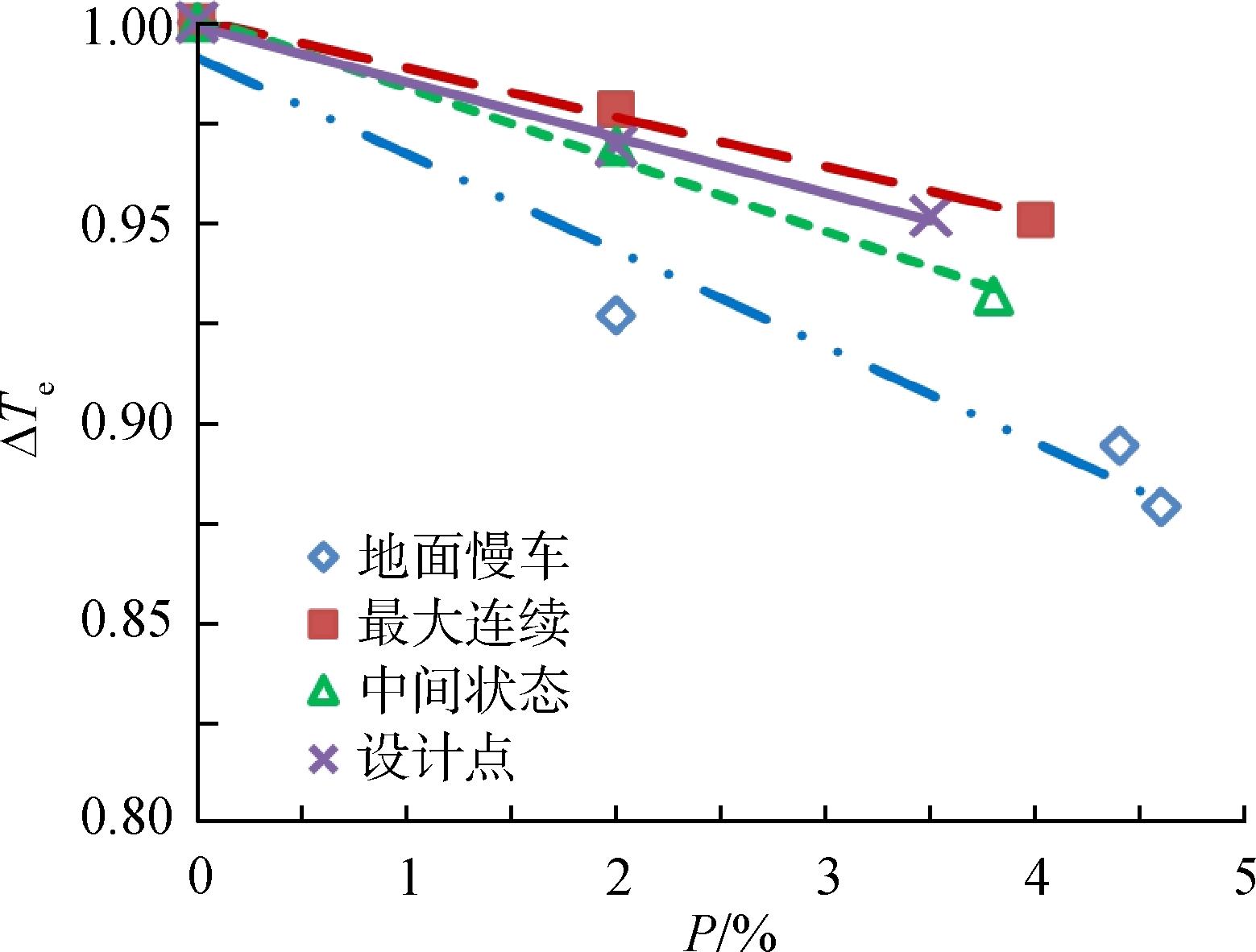
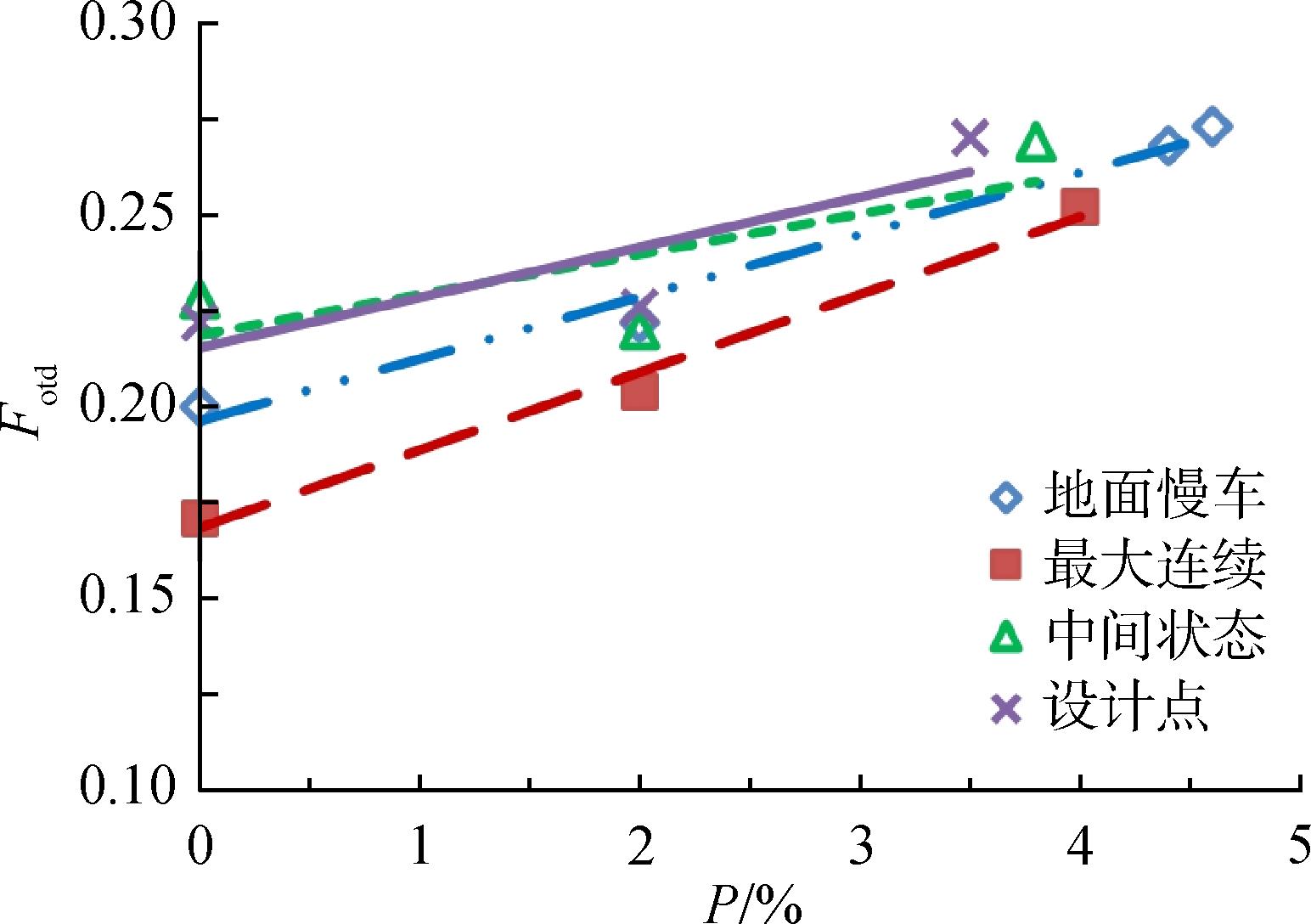
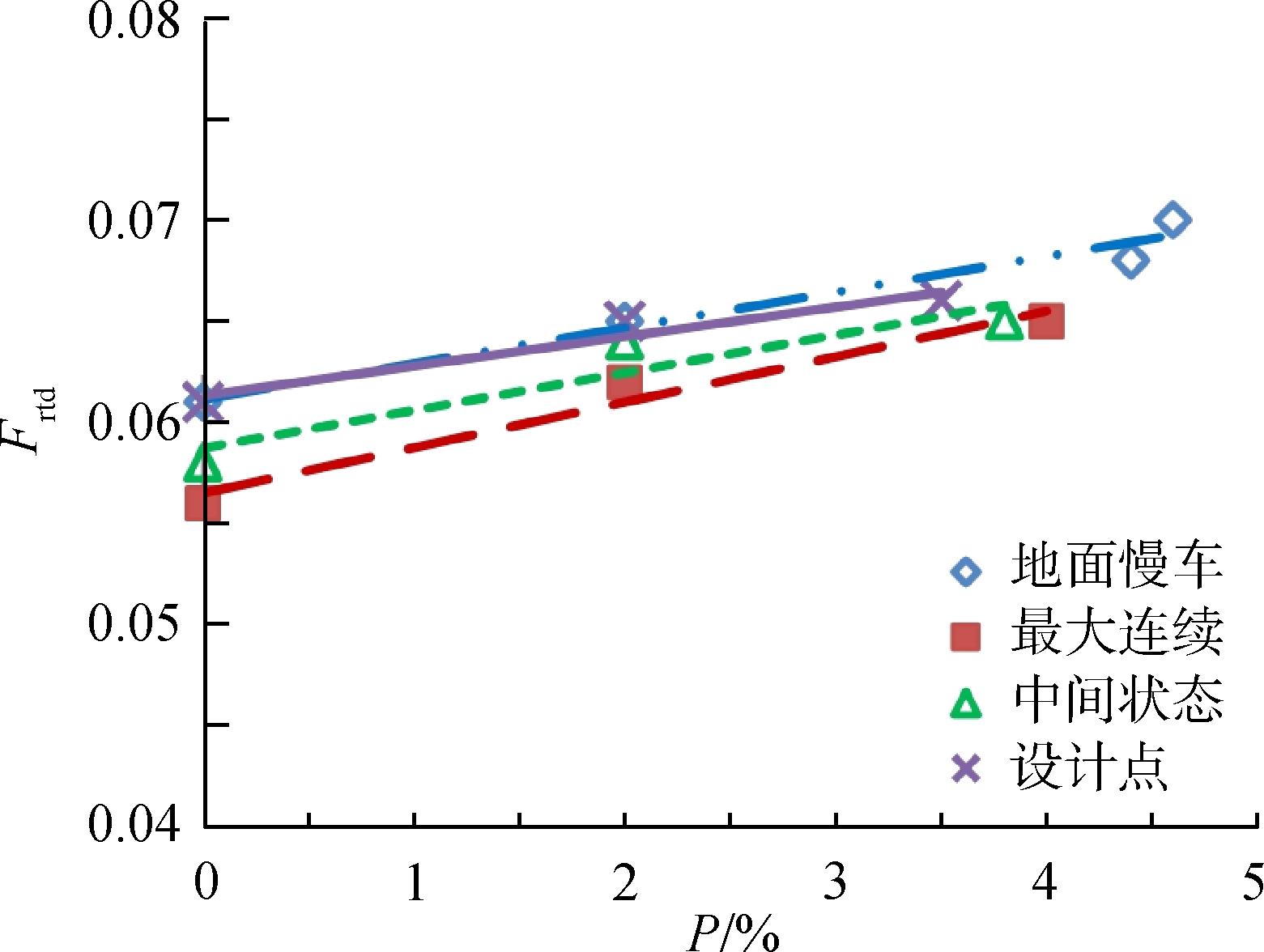
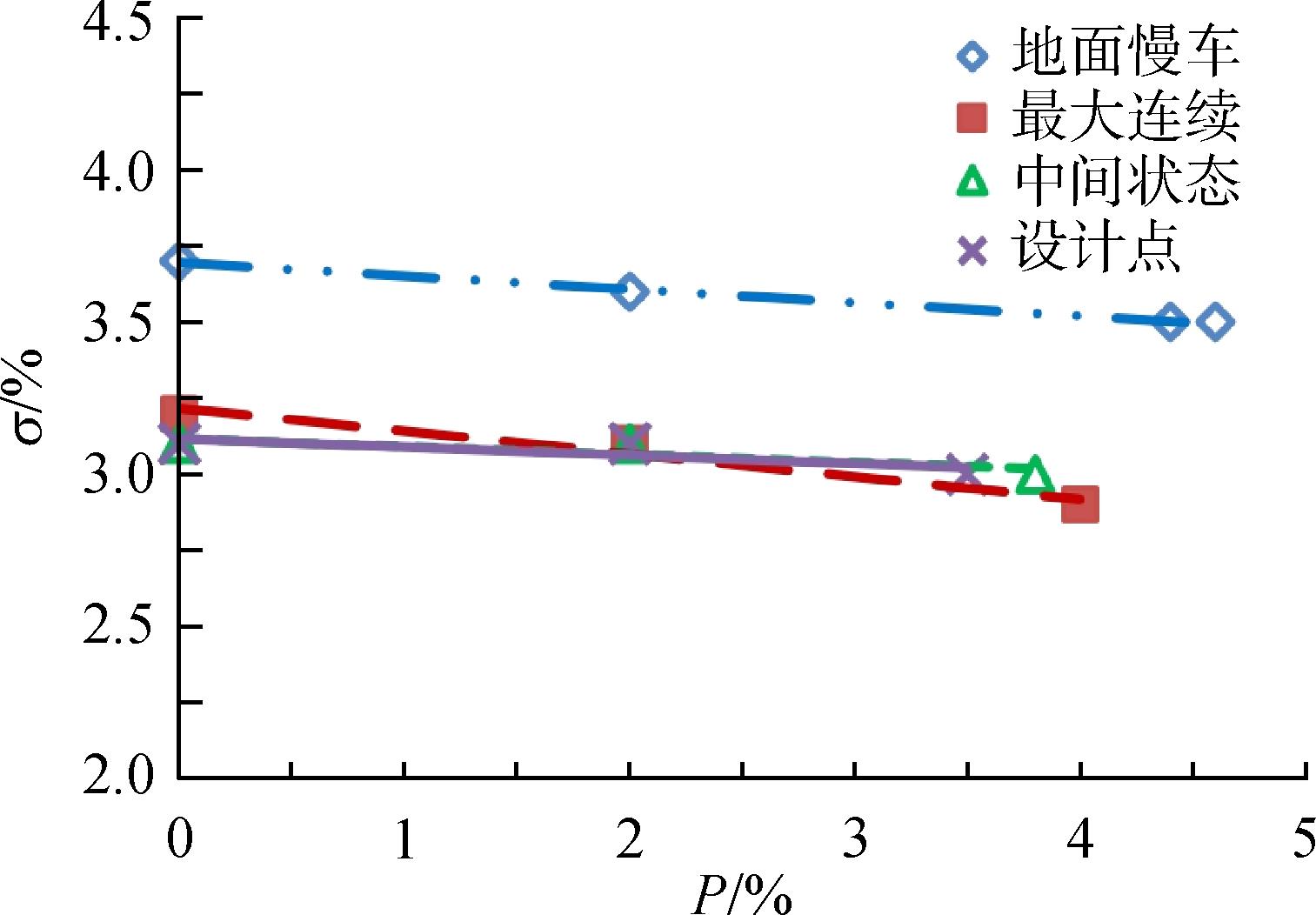
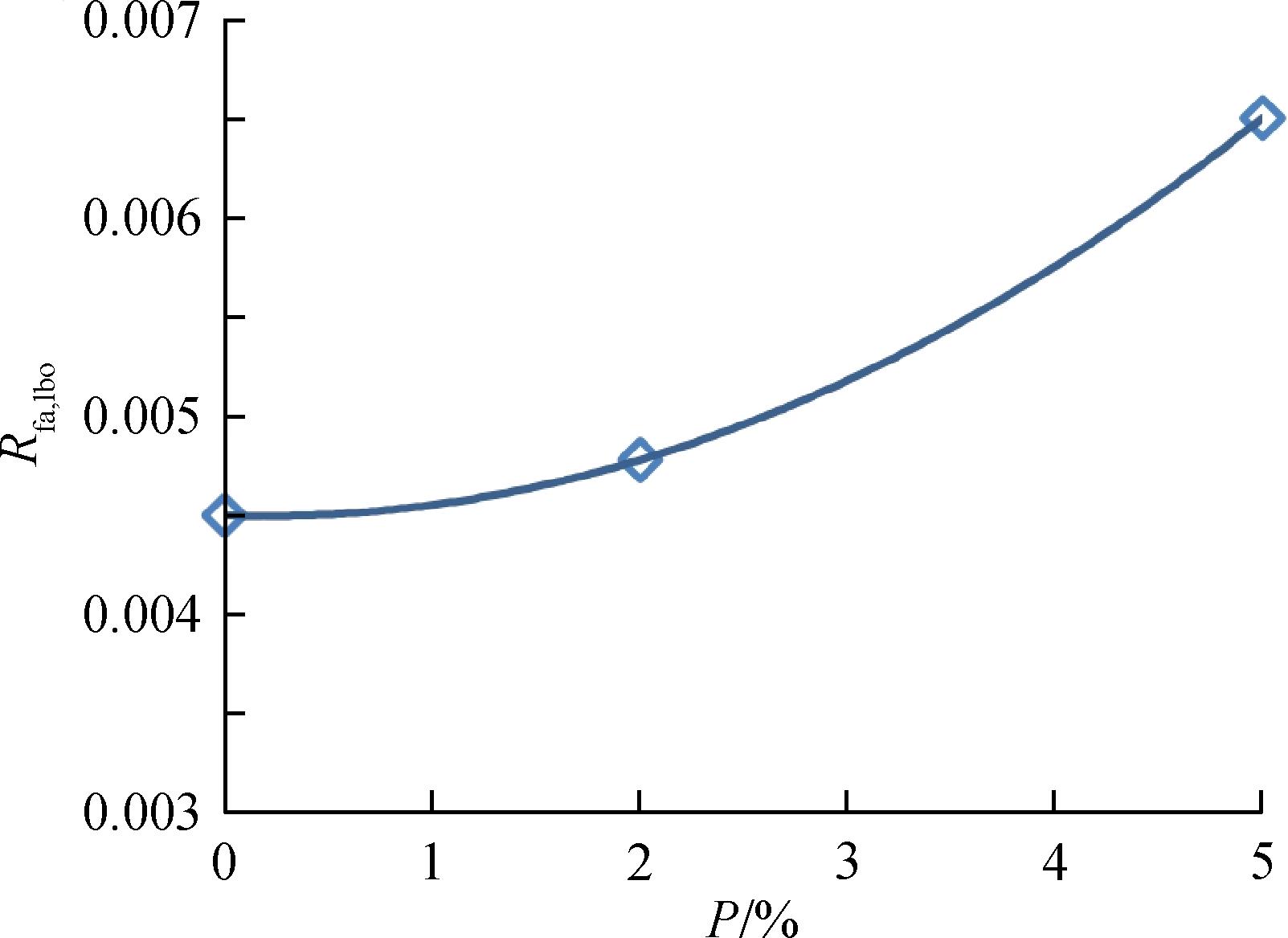
The test of a certain annular reverse⁃flow combustor performance change after swallowing water was carried out,the combustor performance was measured,including the inlet temperature,combustion efficiency,equivalent temperature rise,overall temperature distribution factor (OTDF) and radial temperature distribution factor (RTDF),etc.The results showed that:when the mass of swallowing water ranged from zero to 5%,with the increase of the mass of swallowing water in all flight states,the inlet temperature and total pressure loss decreased,equivalent temperature rise decreased and ground idle combustion efficiency decreased from 99.3% to 97.2%.overall temperature distribution factor and radial temperature distribution factor increased,of which overall temperature distribution factor increased from 0.23 to 0.28 in design state.The lean blowout fuel and air ratio of ground idle state increased from 0.004 5 to 0.006 5 and the lean blowout boundary became narrower.

Effect of oil⁃gas matching on combustor instability
XING Li, ZHENG Mingxin, LI Wu, XU Huasheng, LIANG Yong, LI Yinhuai, ZHOU Xiong
2022, 37(7): 1352-1362. doi: 10.13224/j.cnki.jasp.20210701
Abstract:

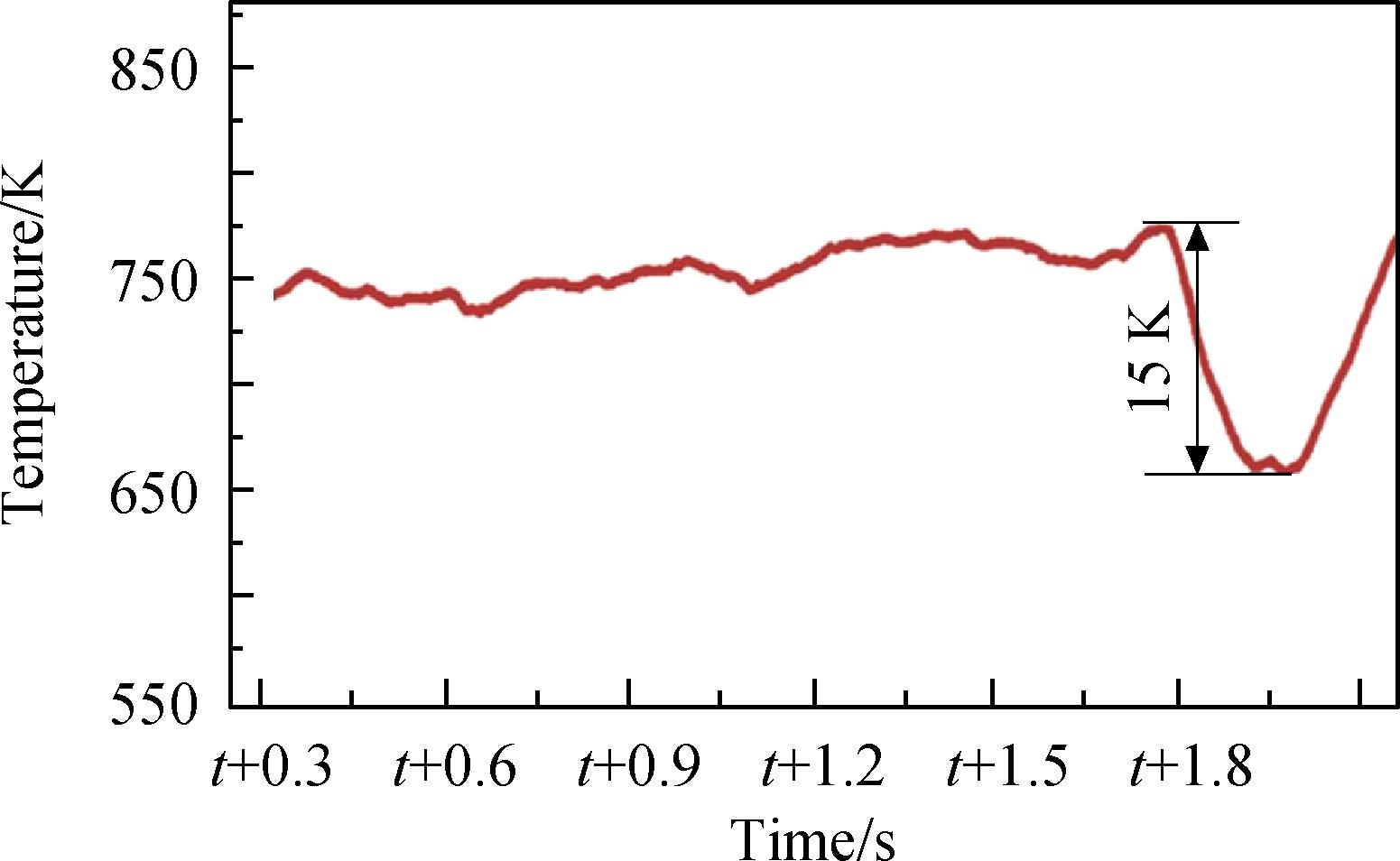
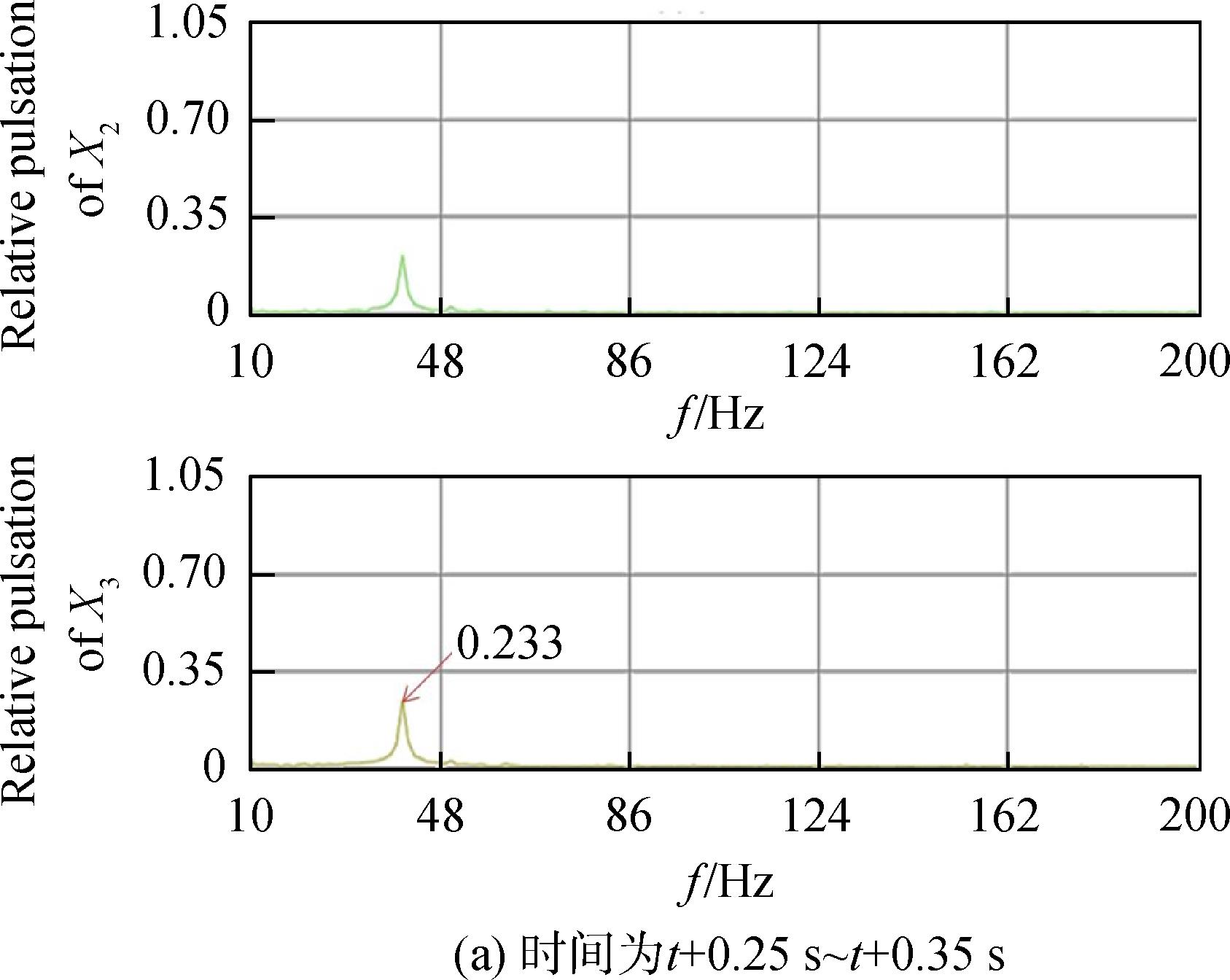
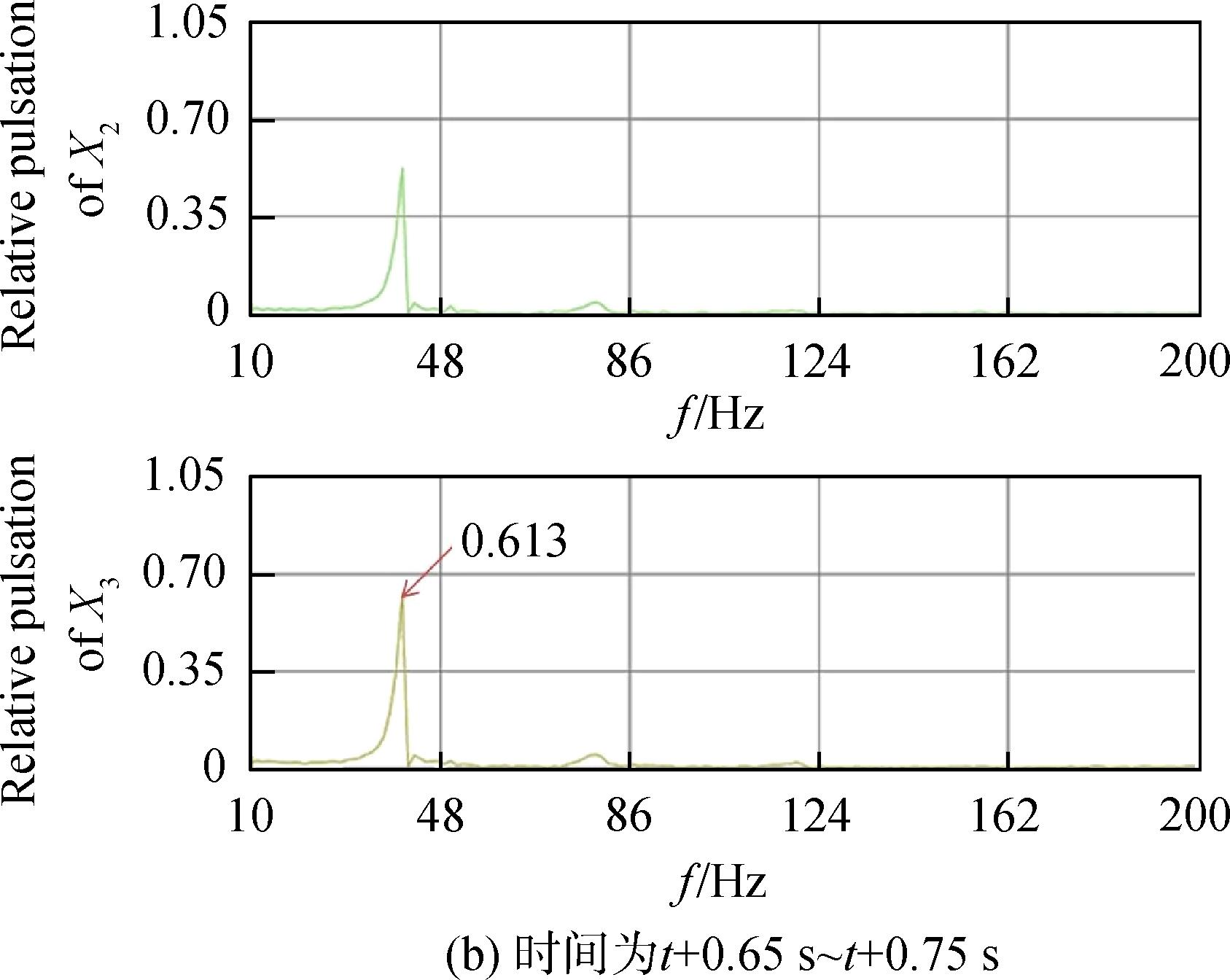
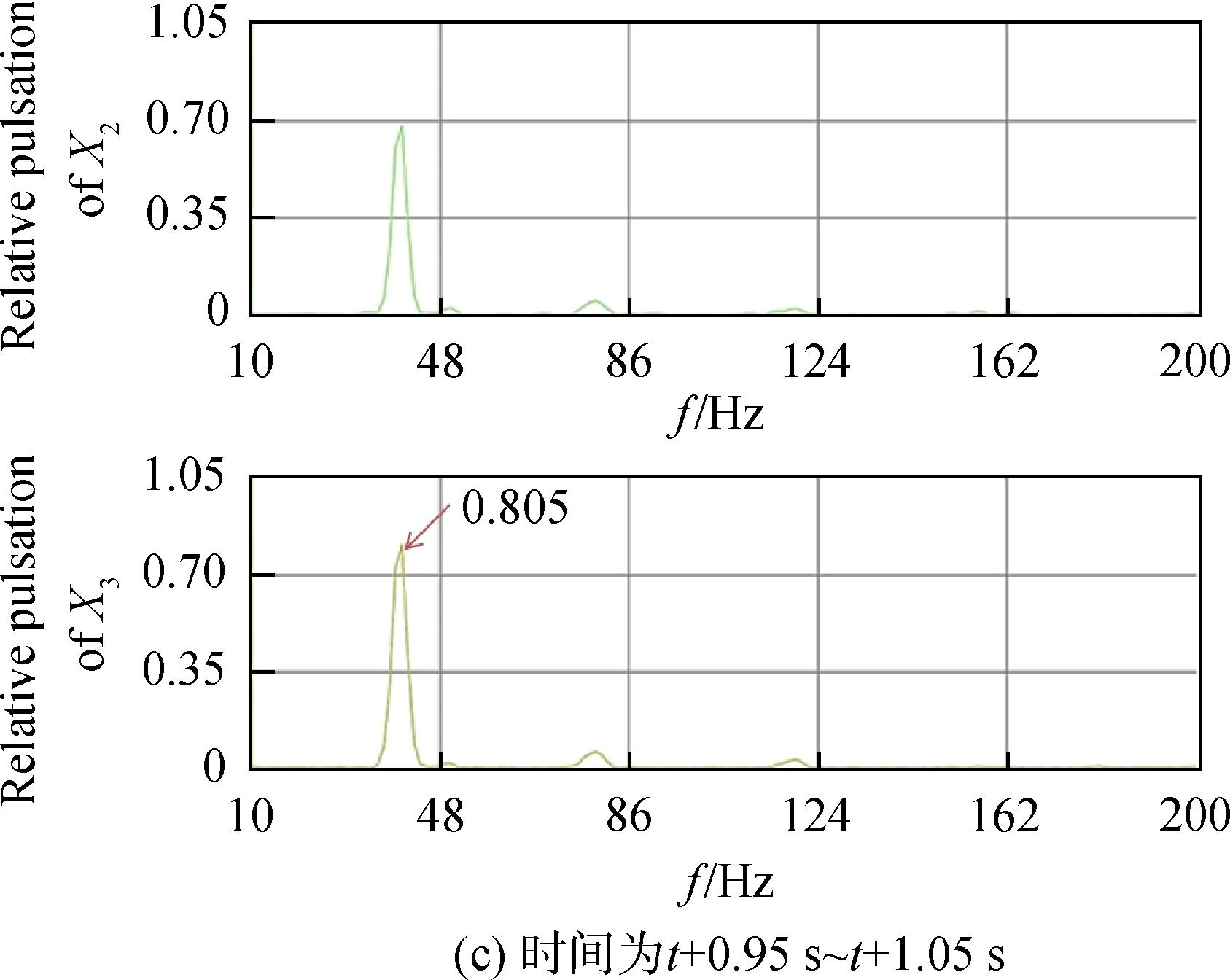
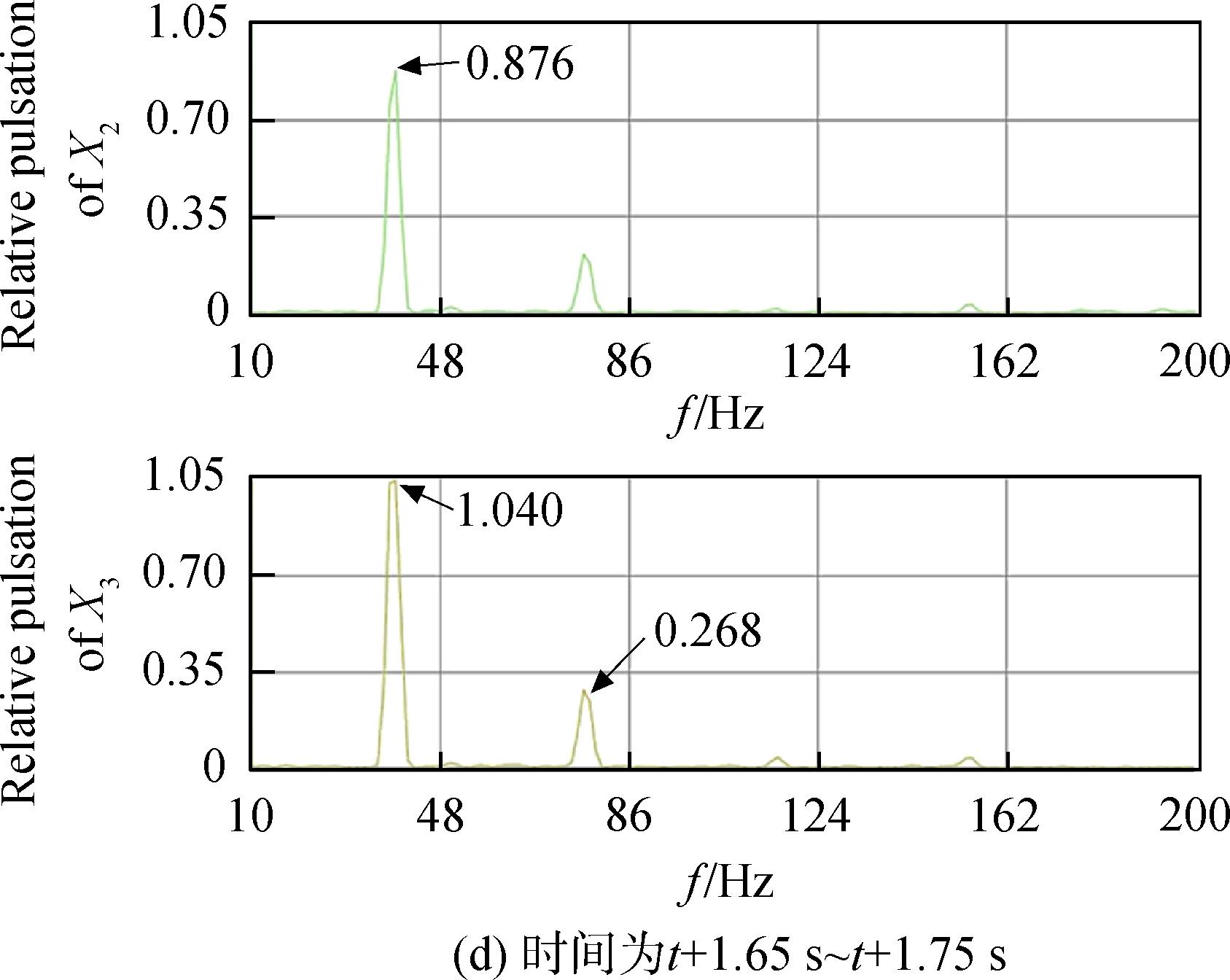
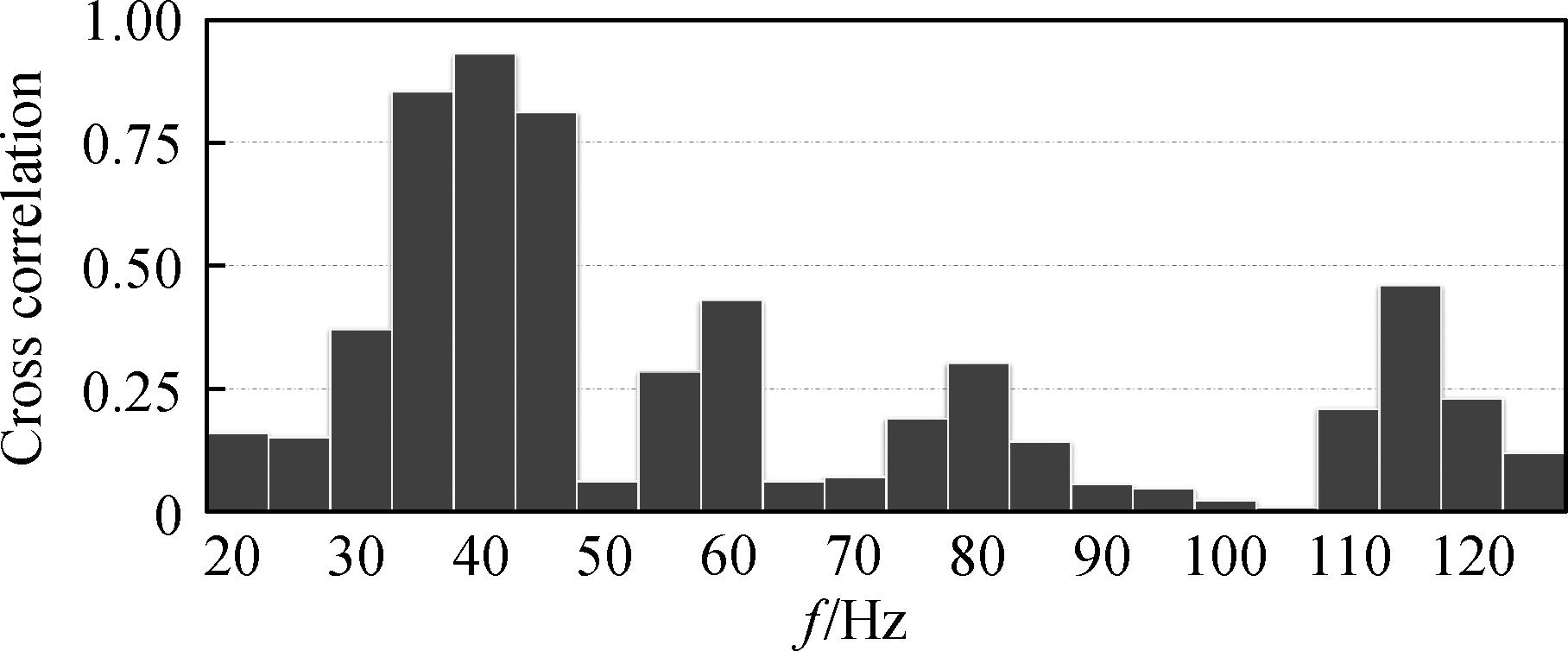
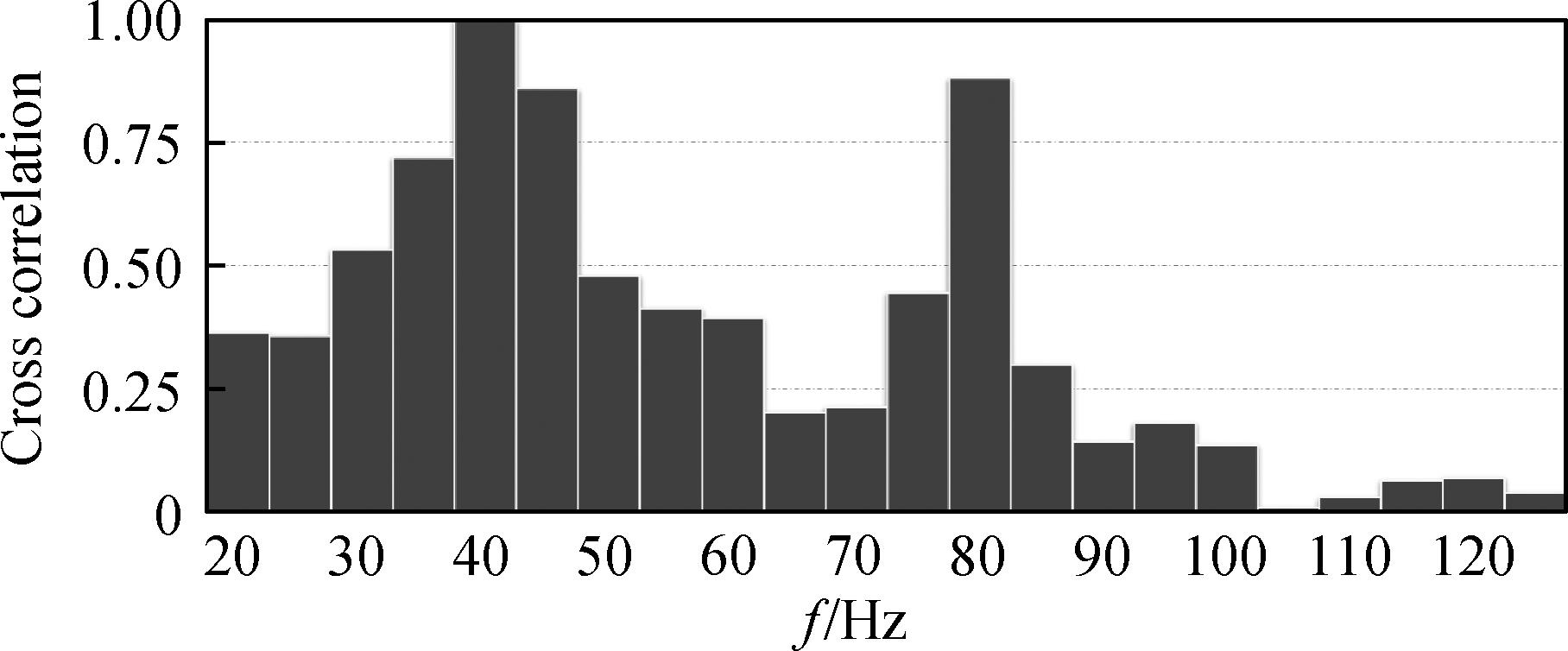
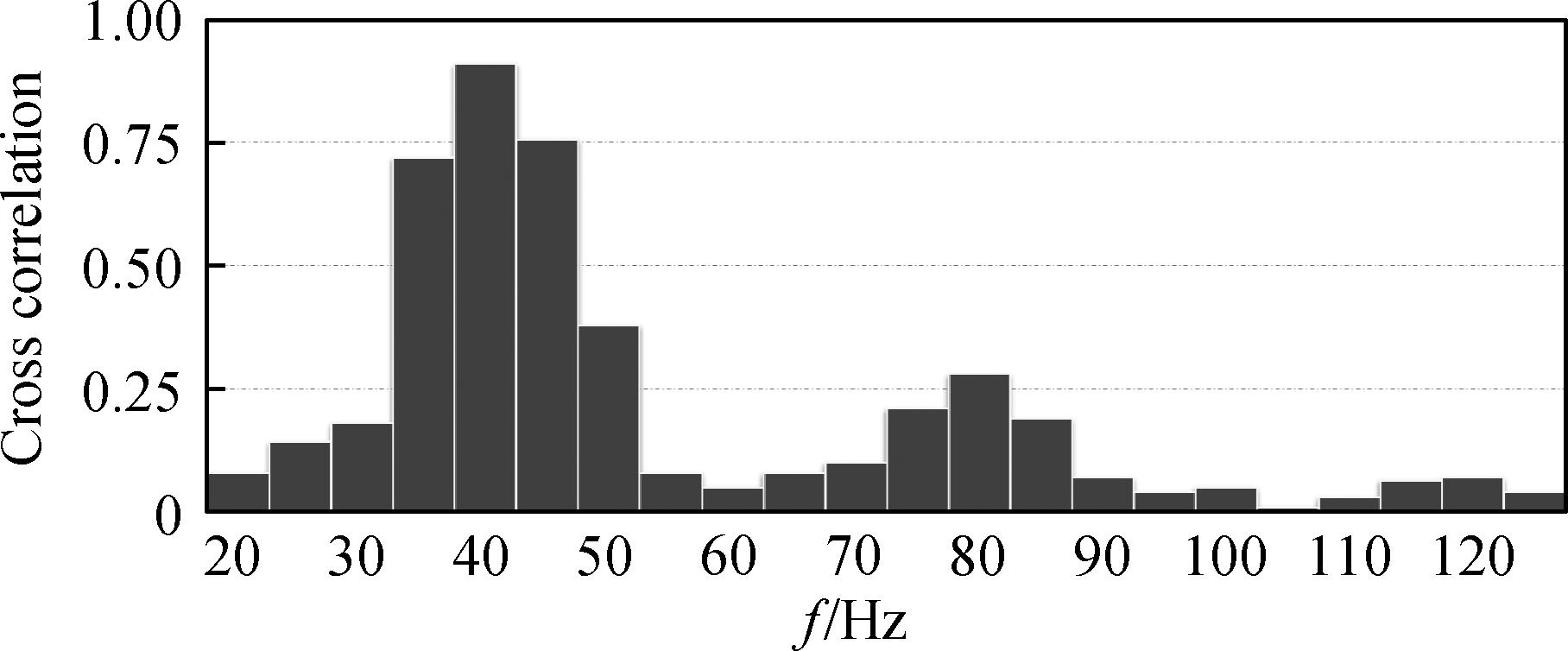
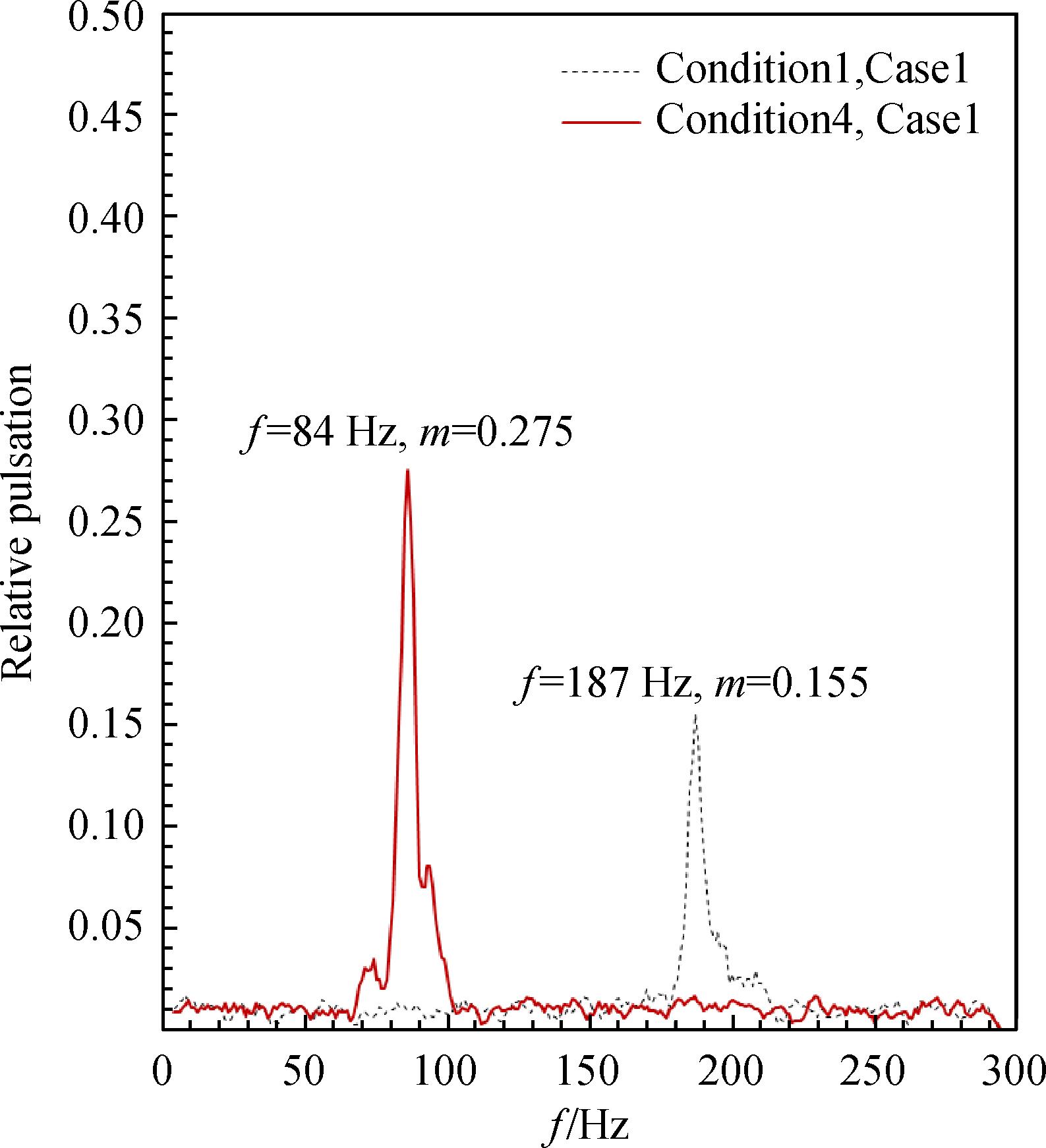
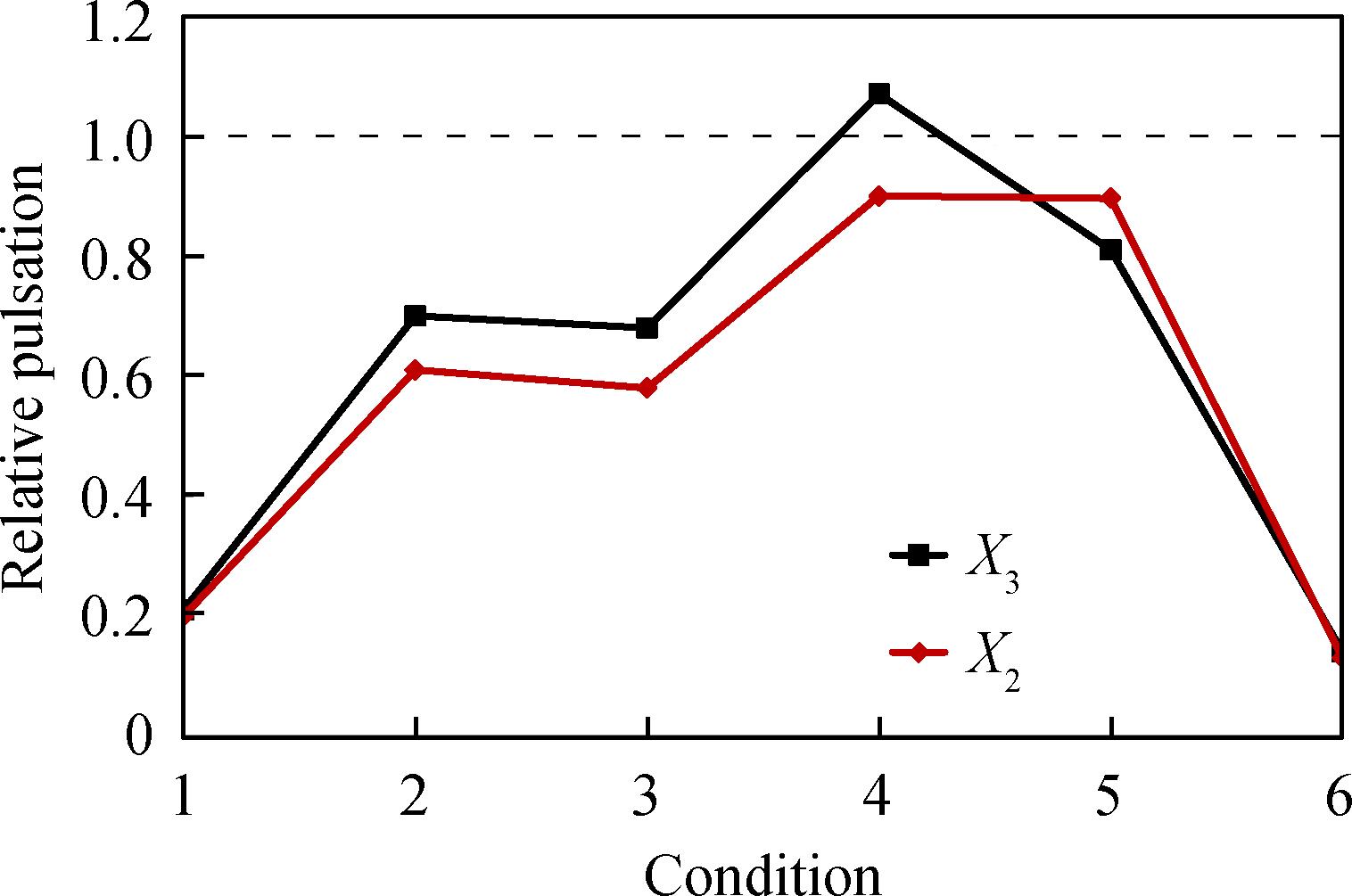
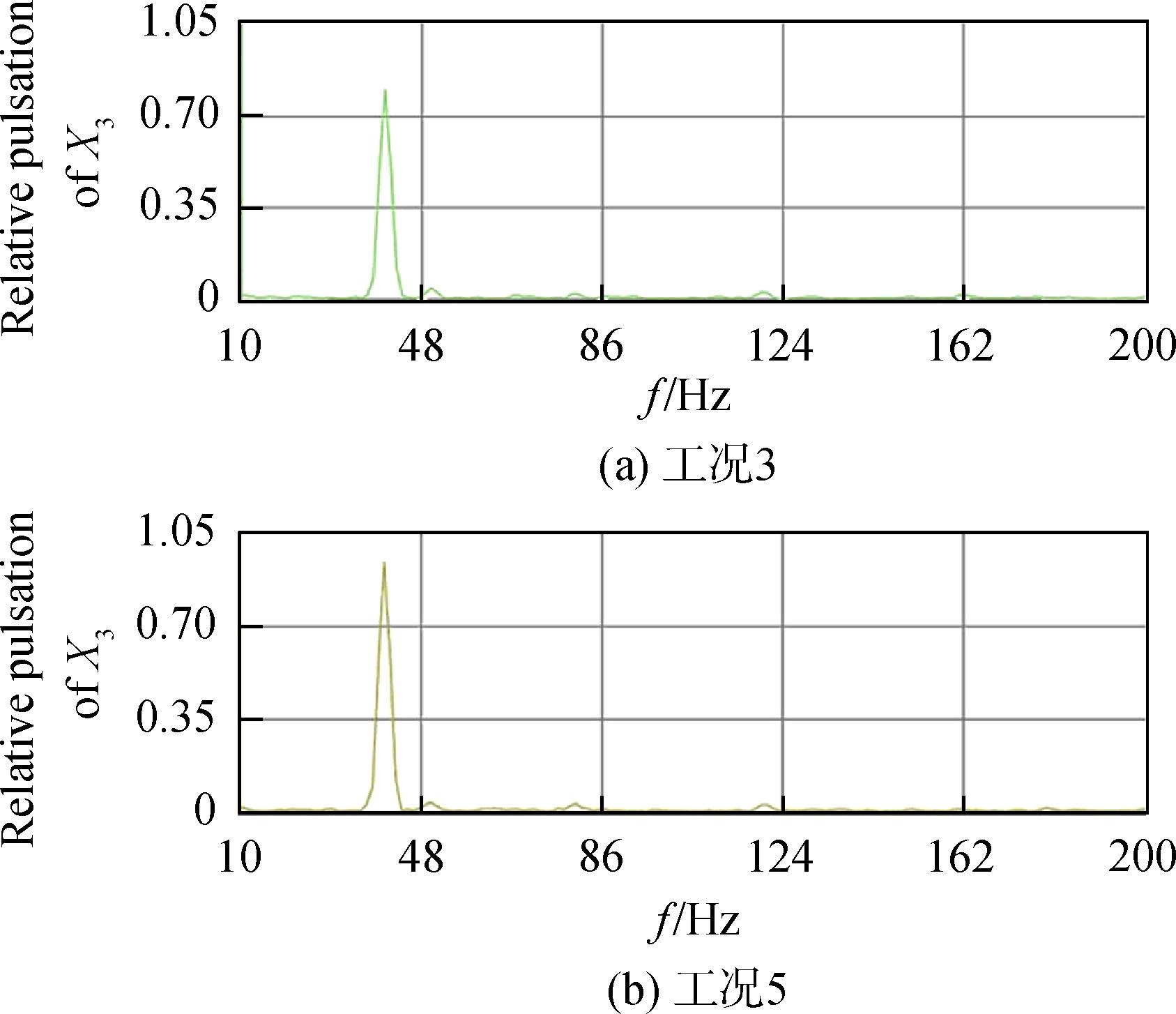
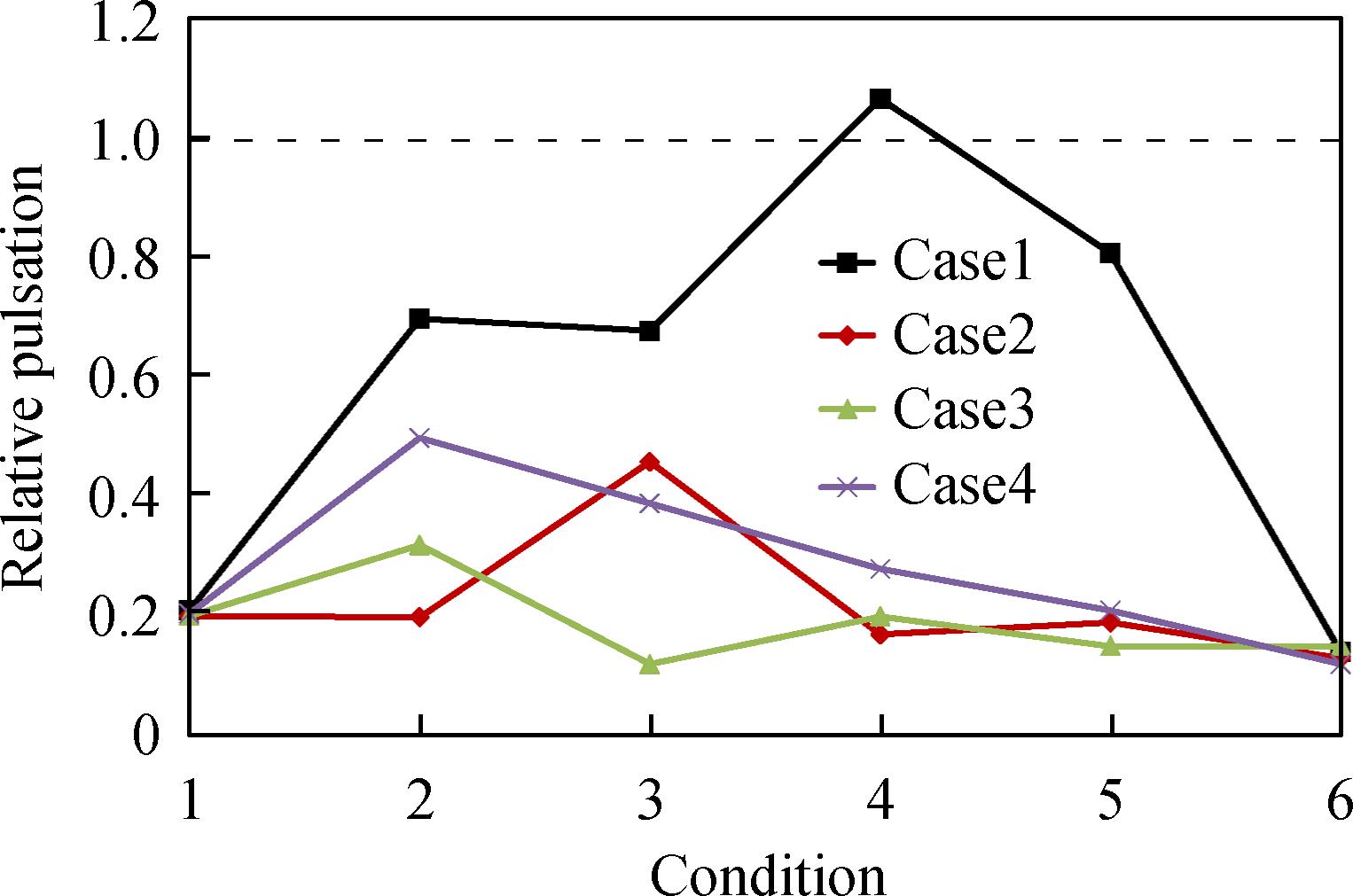
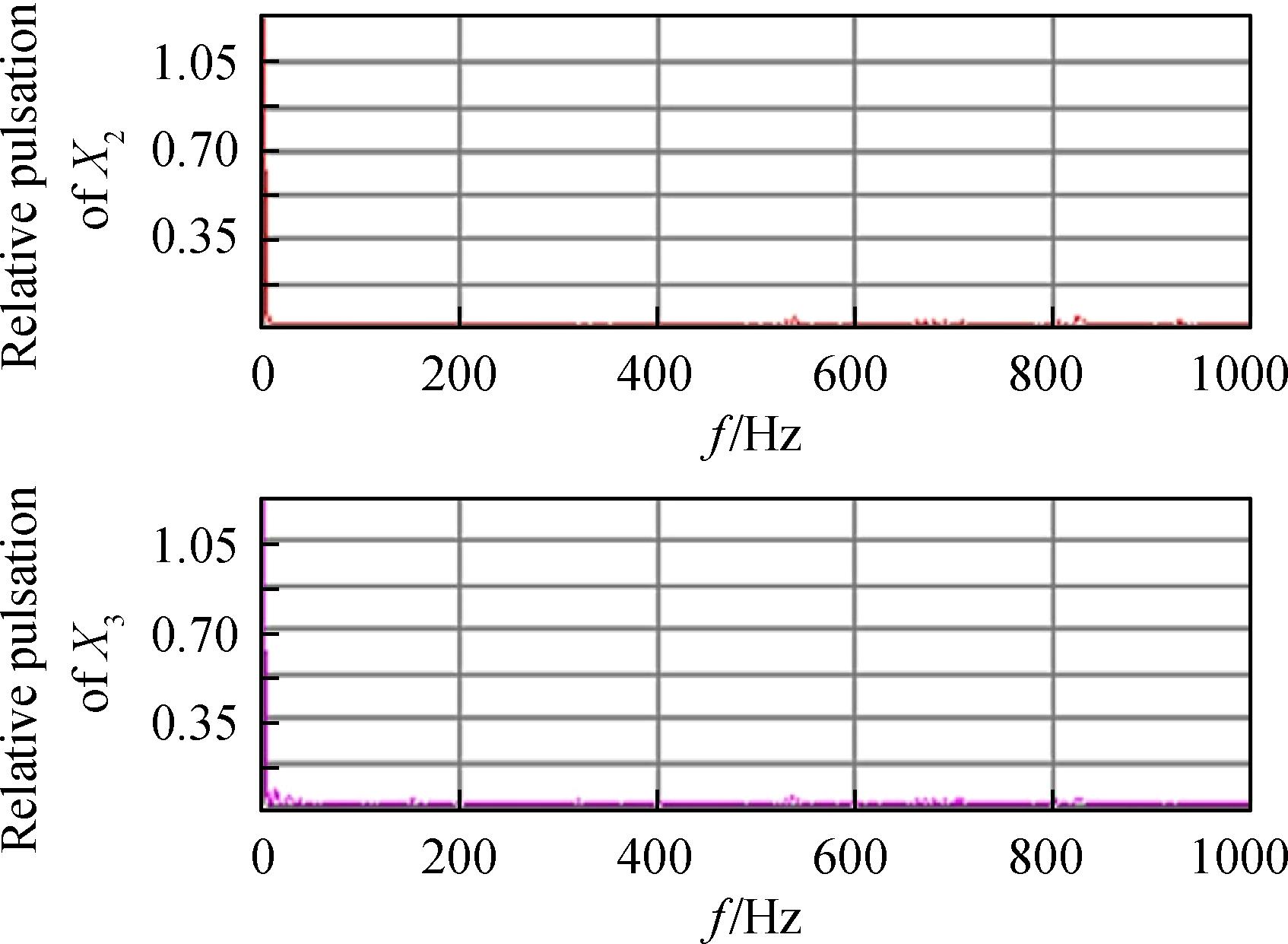
To suppress the high⁃amplitude pulsation of the combustor with high temperature and high pressure,the mechanism of high amplitude pulsation in combustor and the effect of oil⁃gas matching on combustion instability were studied.The results showed that the process of increasing pulsation was captured in experiment,dominant frequency was 40 Hz with a low⁃frequency pulsation and it produced a frequency doubling,and the liner temperature fluctuated by 2% due to pressure pulsation,which led to combustion instability.The simulation results showed that with the improvement of combustor inlet parameters and the atomization deterioration caused by the main oil circuit opening,the frequency of pressure pulsation decreased and the pulsation increased by 44%.The pulsation can be suppressed when the inlet pressure and temperature of the combustor was reduced by 15% and 30% (Condition 1) or increased by 10% and 26% (Condition 6) compared with the reference condition.After increasing the fuel proportion of the main oil at the beginning of the main oil working condition,the overall pulsation was greatly reduced;Case3 is the best scheme for primary and secondary oil distribution to suppress pulsation.Compared with the benchmark scheme,unstable combustion can be eliminated when the fuel proportion of main oil in operating conditions 2⁃conditions 6 was increased by 4%.When the proportion of main oil exceeded a certain value,the pulsation increased.

Superiority analysis of CCA technology under typical flight mission
ZHUANG Laihe, XU Guoqiang, WEN Jie, DONG Bensi, XIAO Yi
2022, 37(7): 1363-1378. doi: 10.13224/j.cnki.jasp.20210265
Abstract:

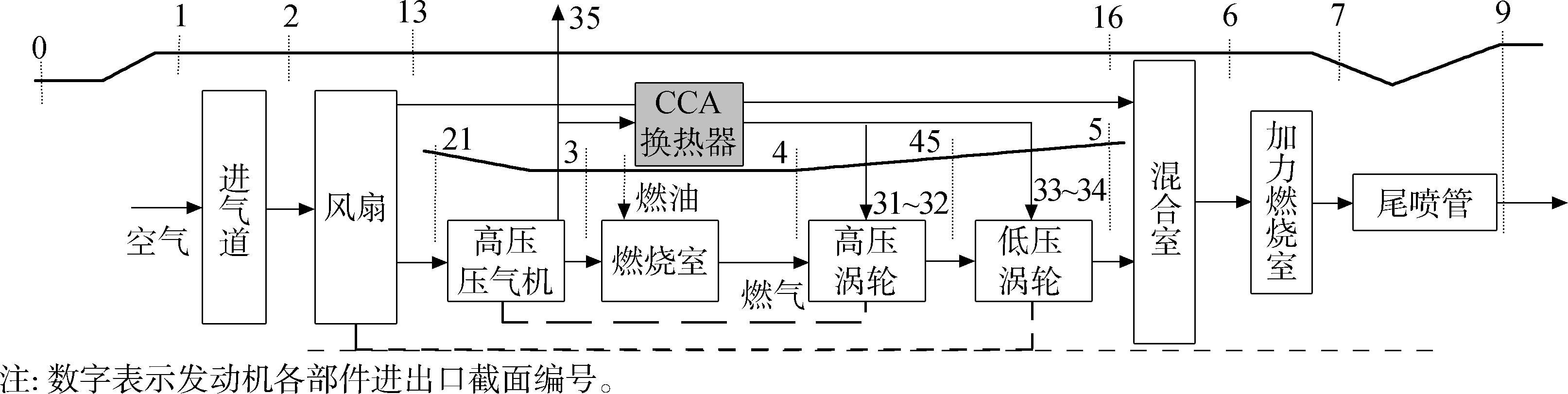
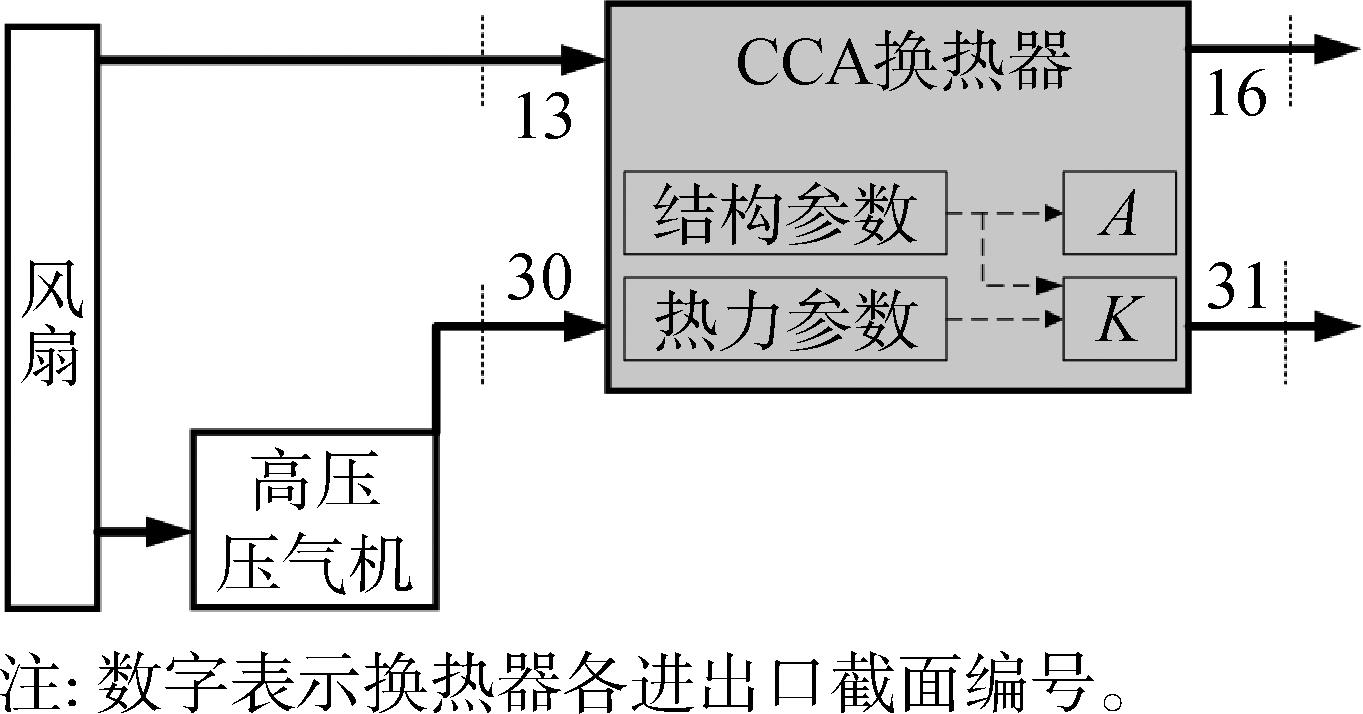
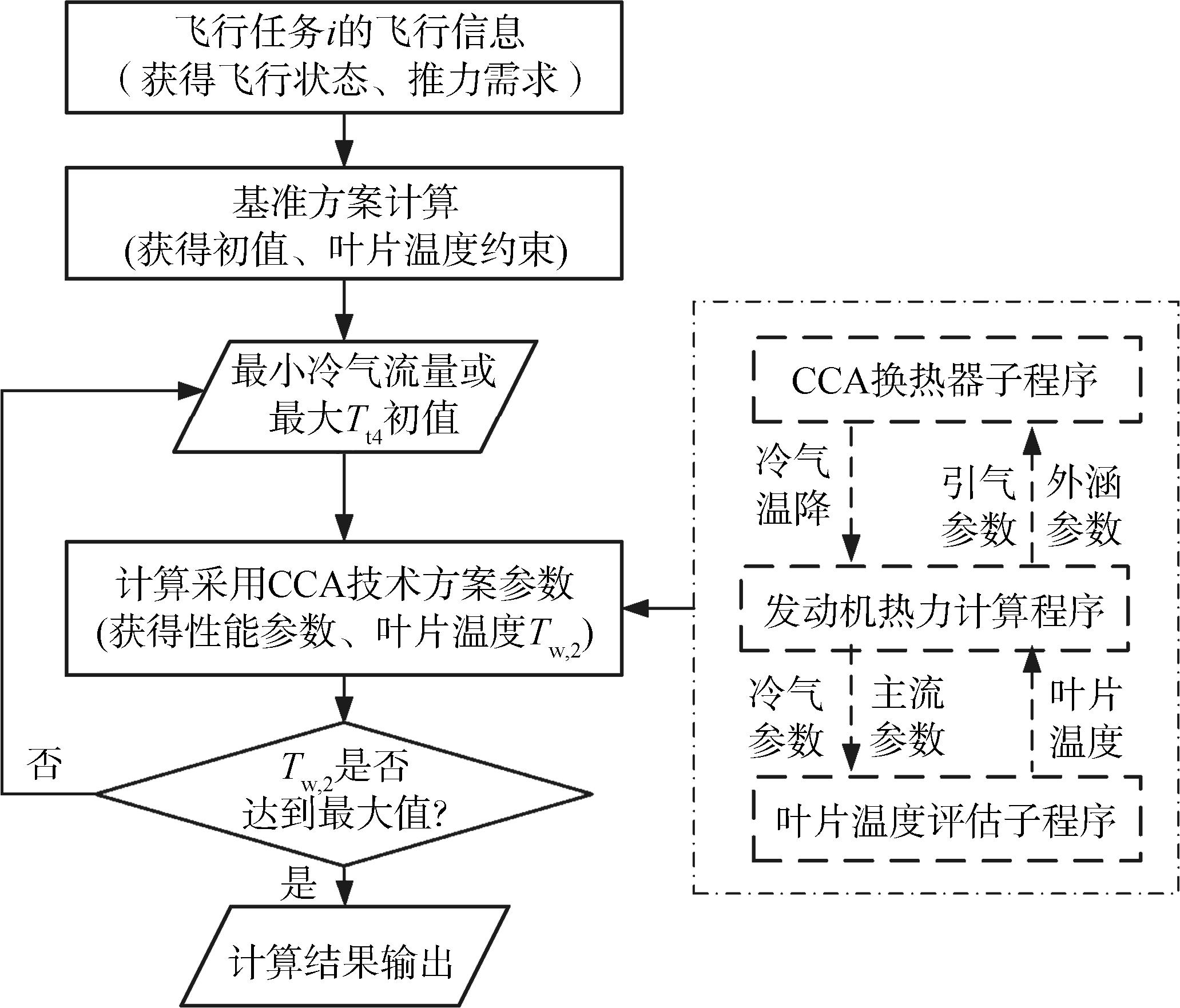
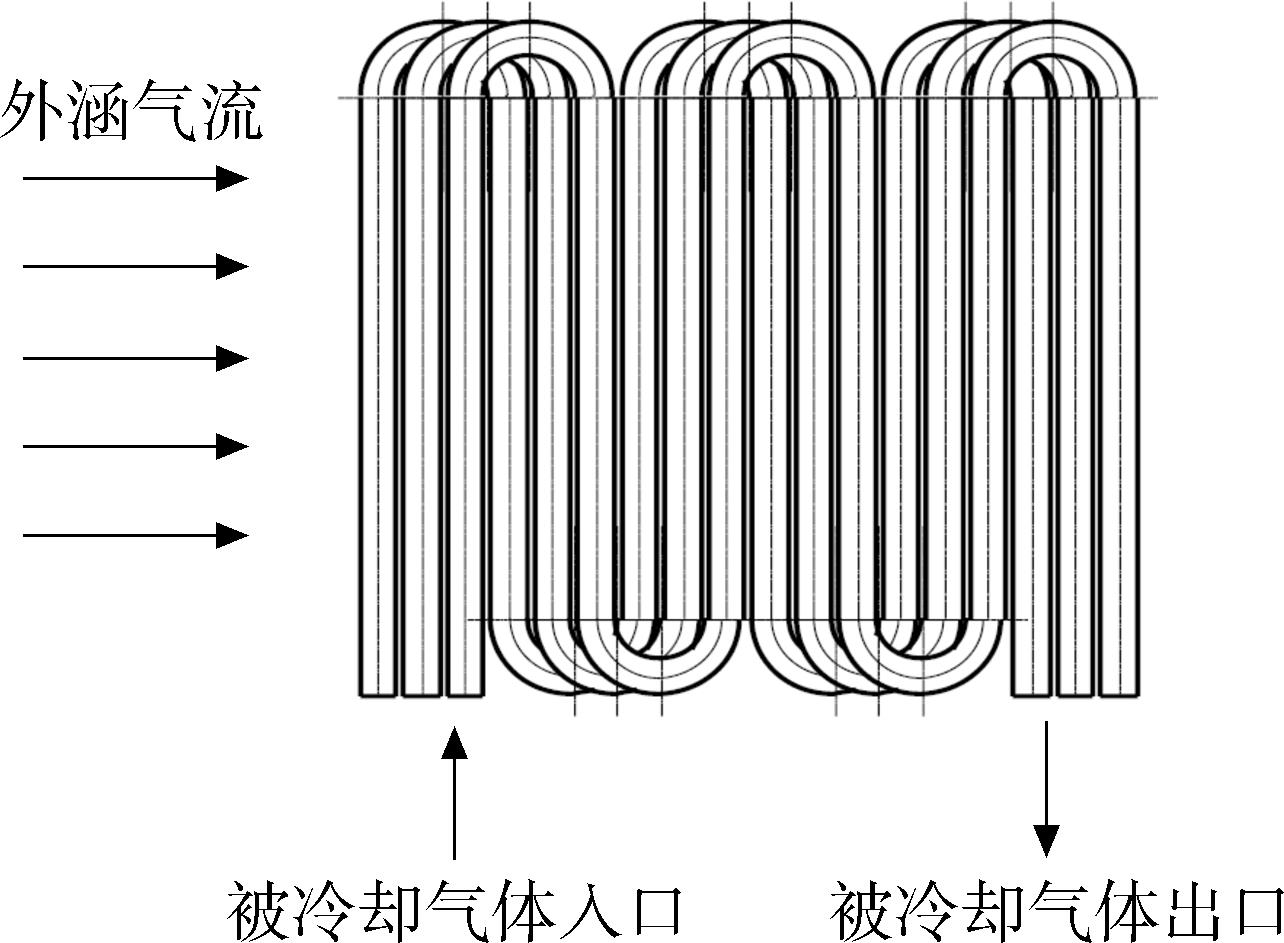
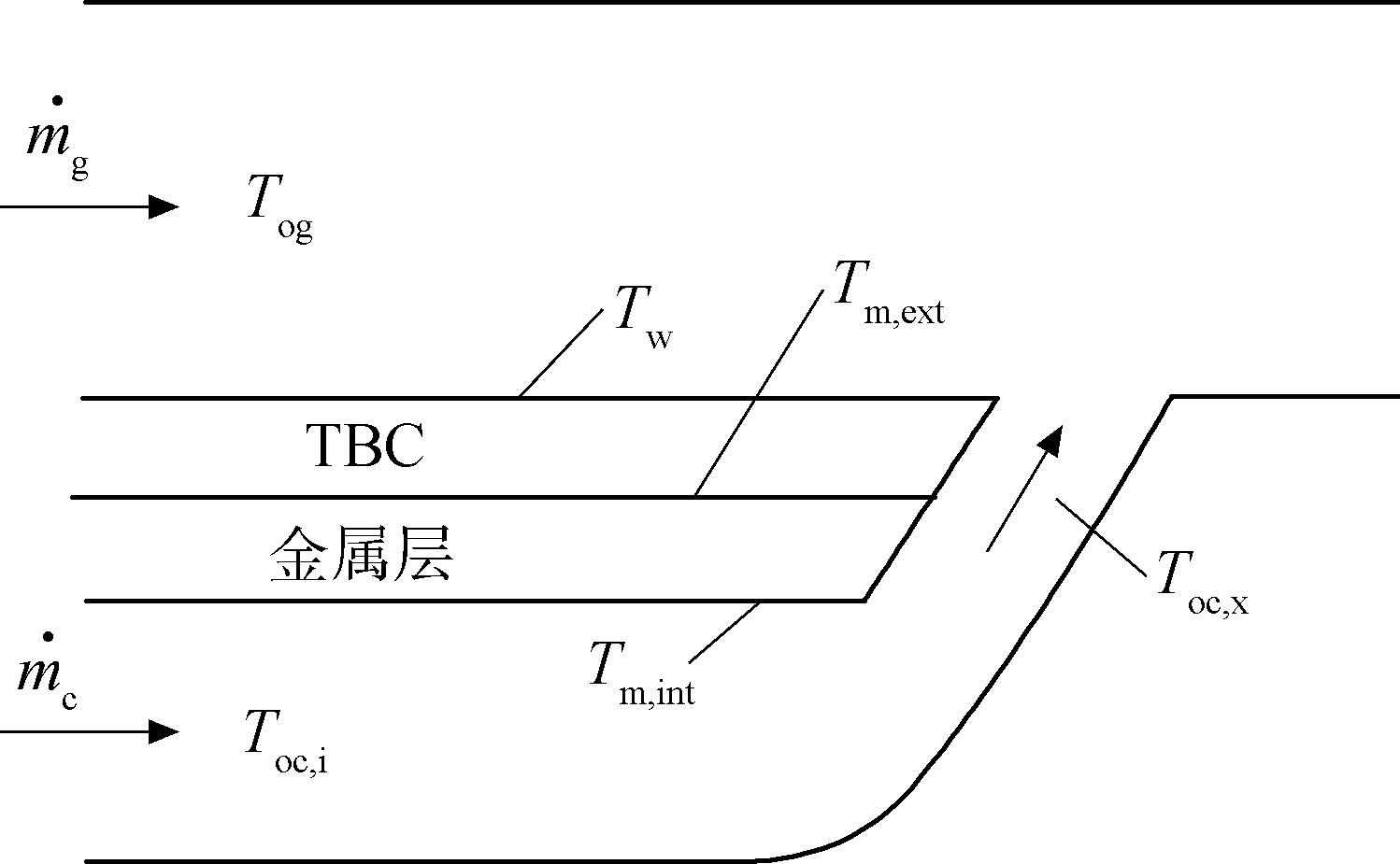
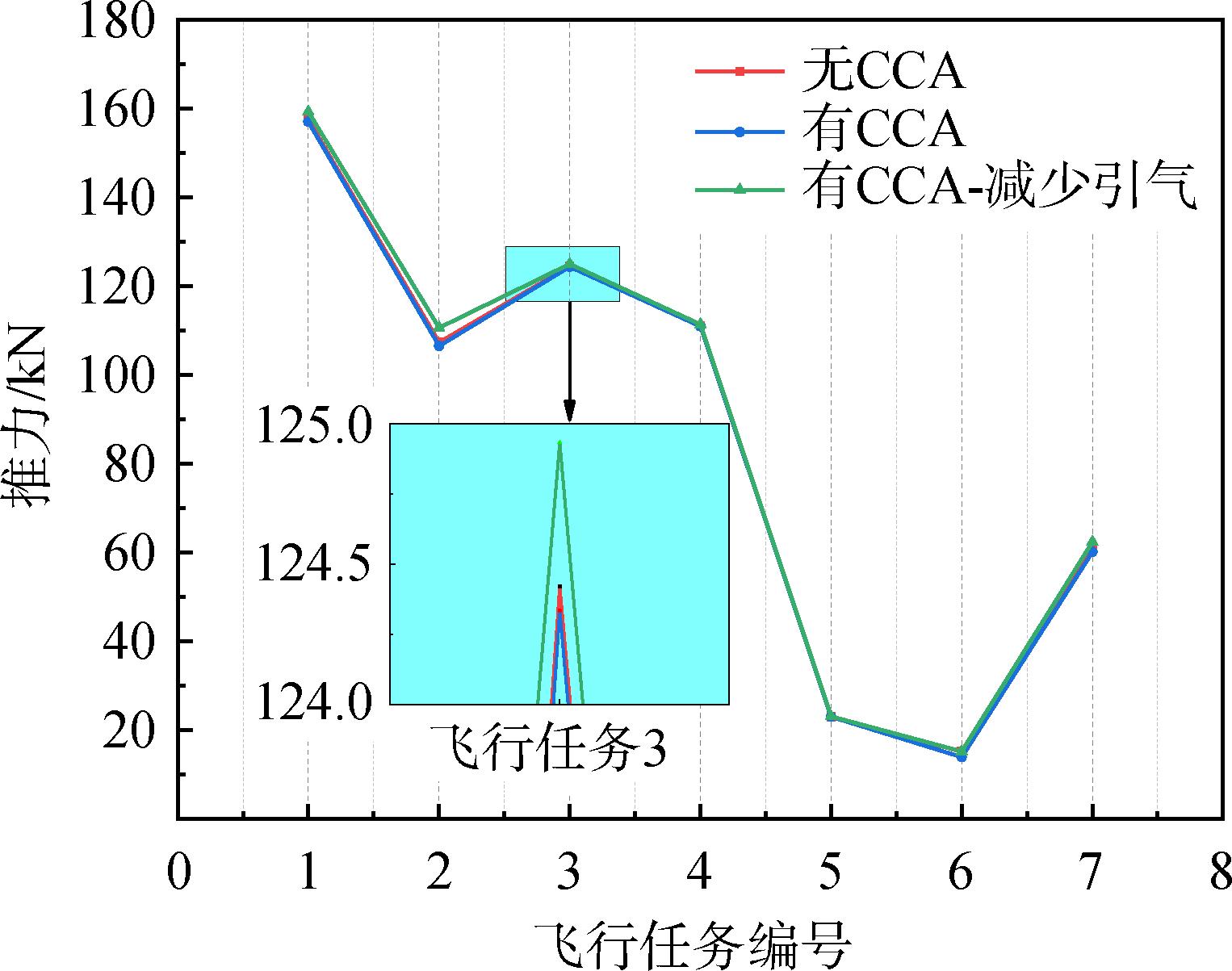
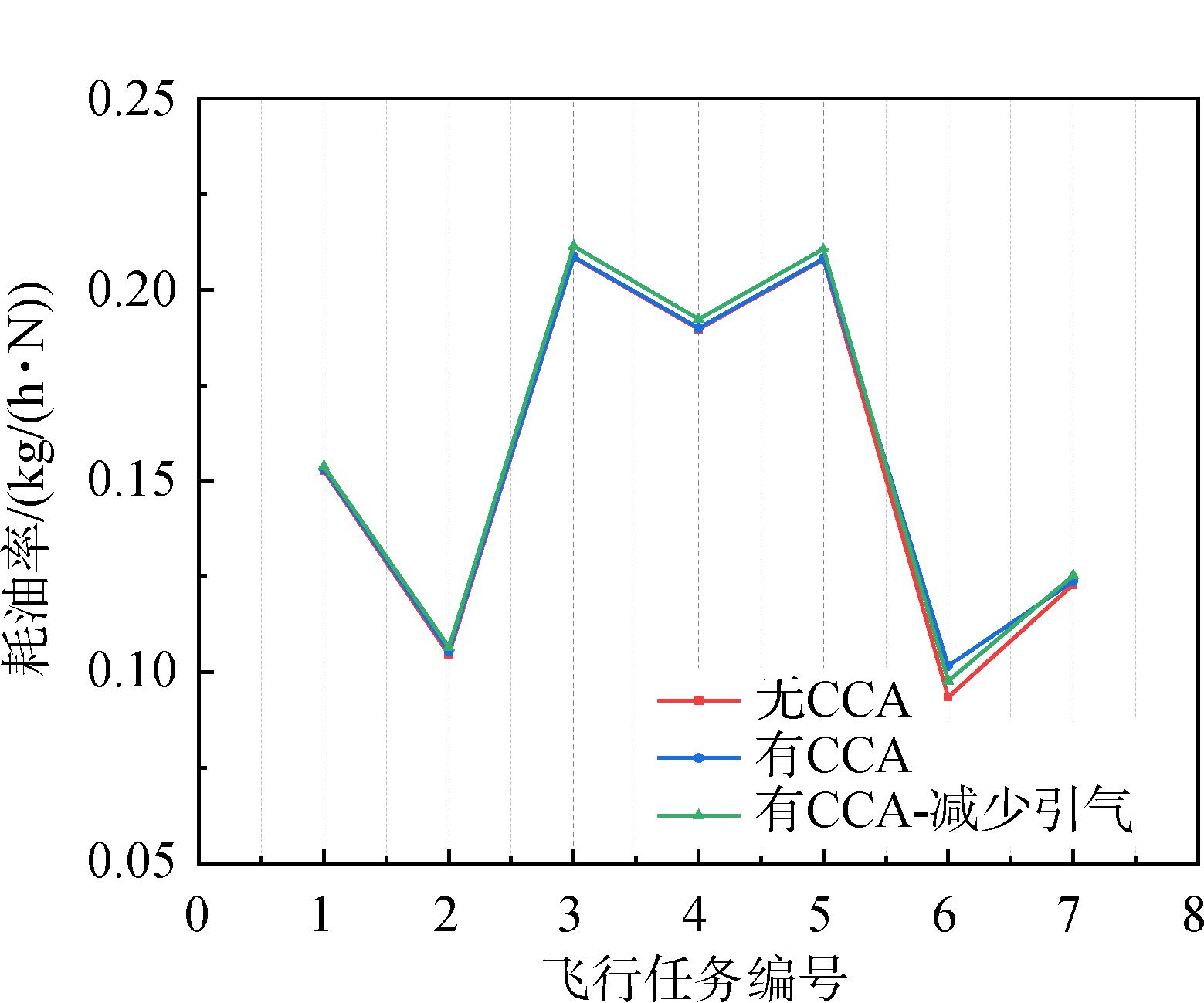
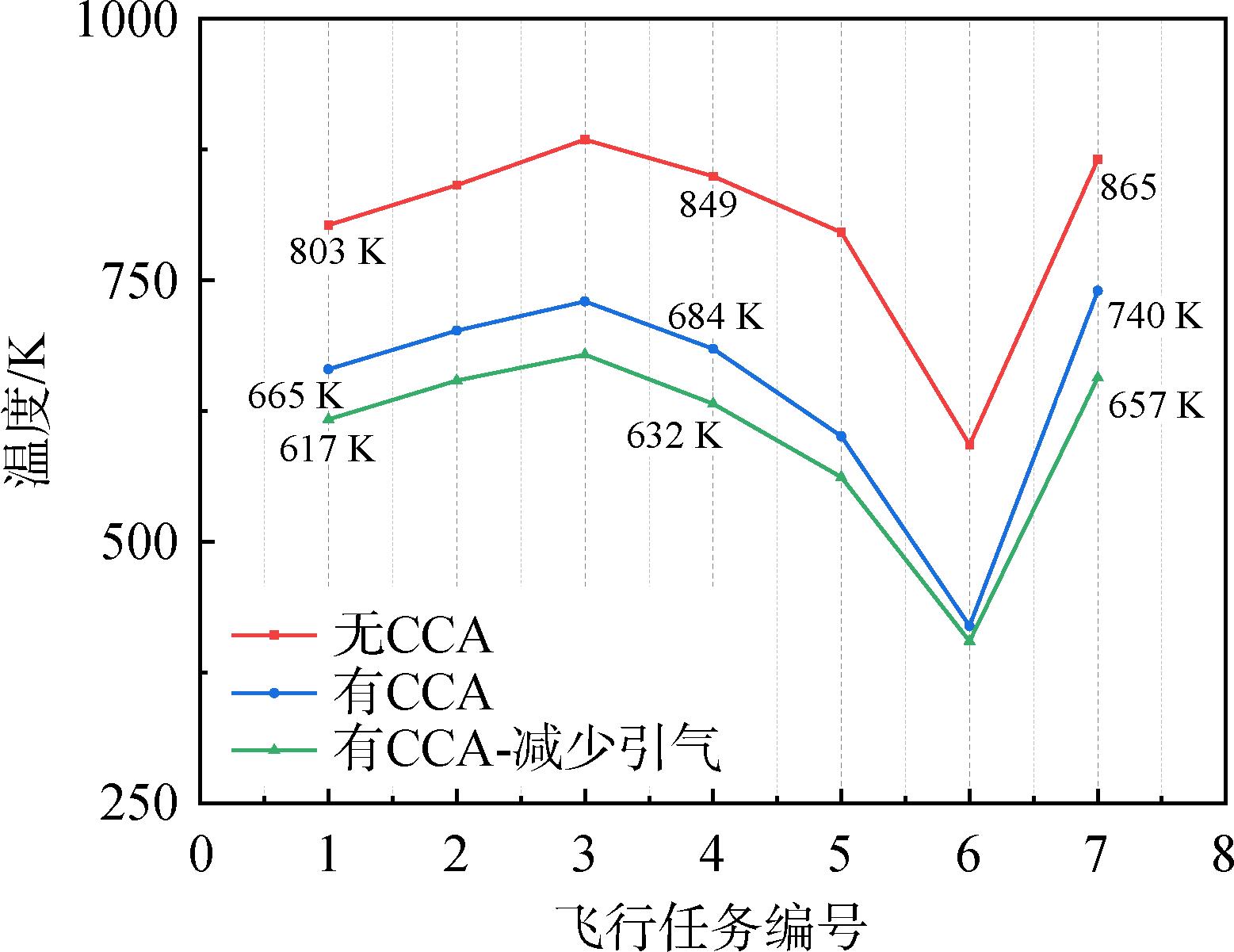
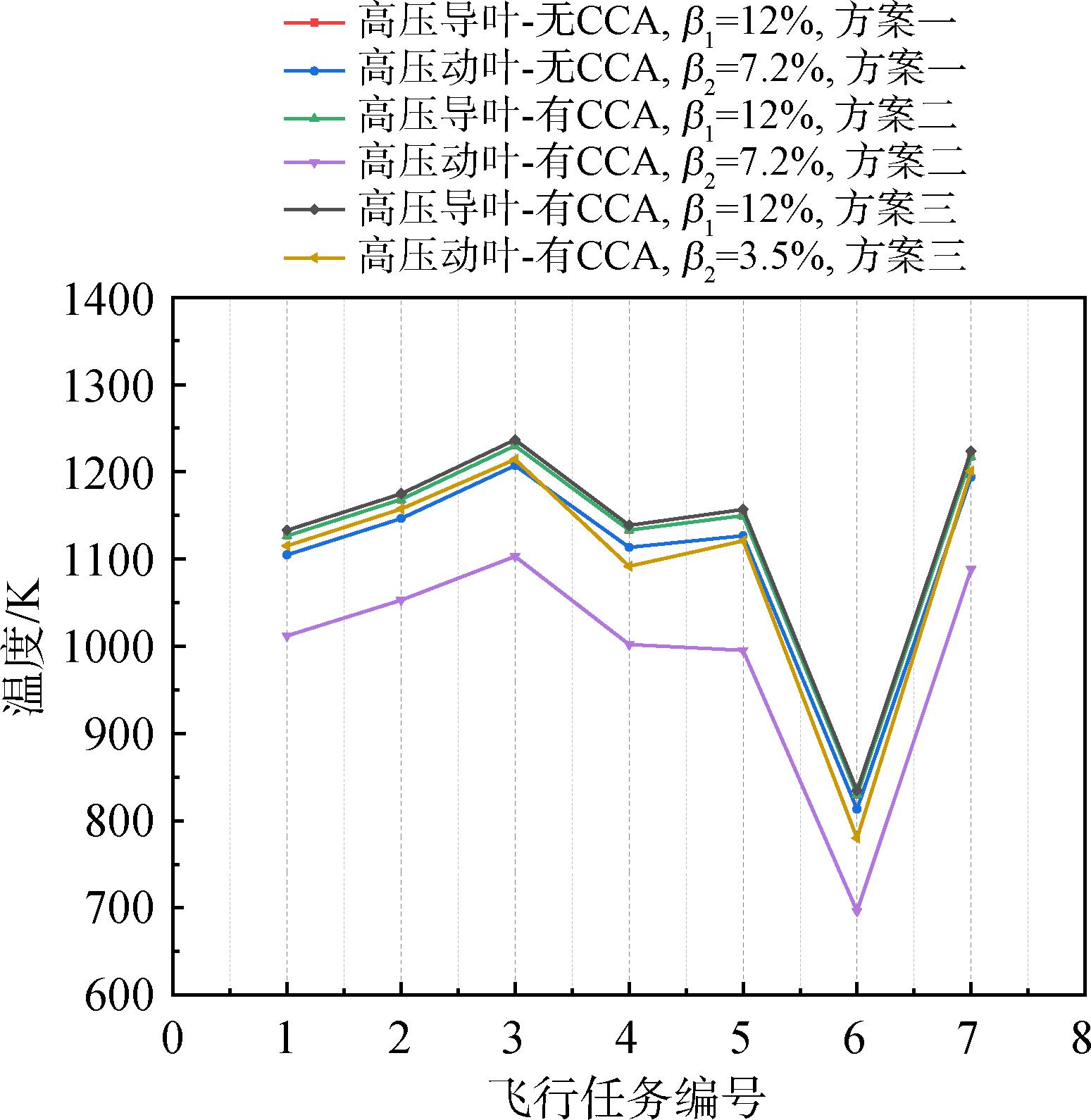
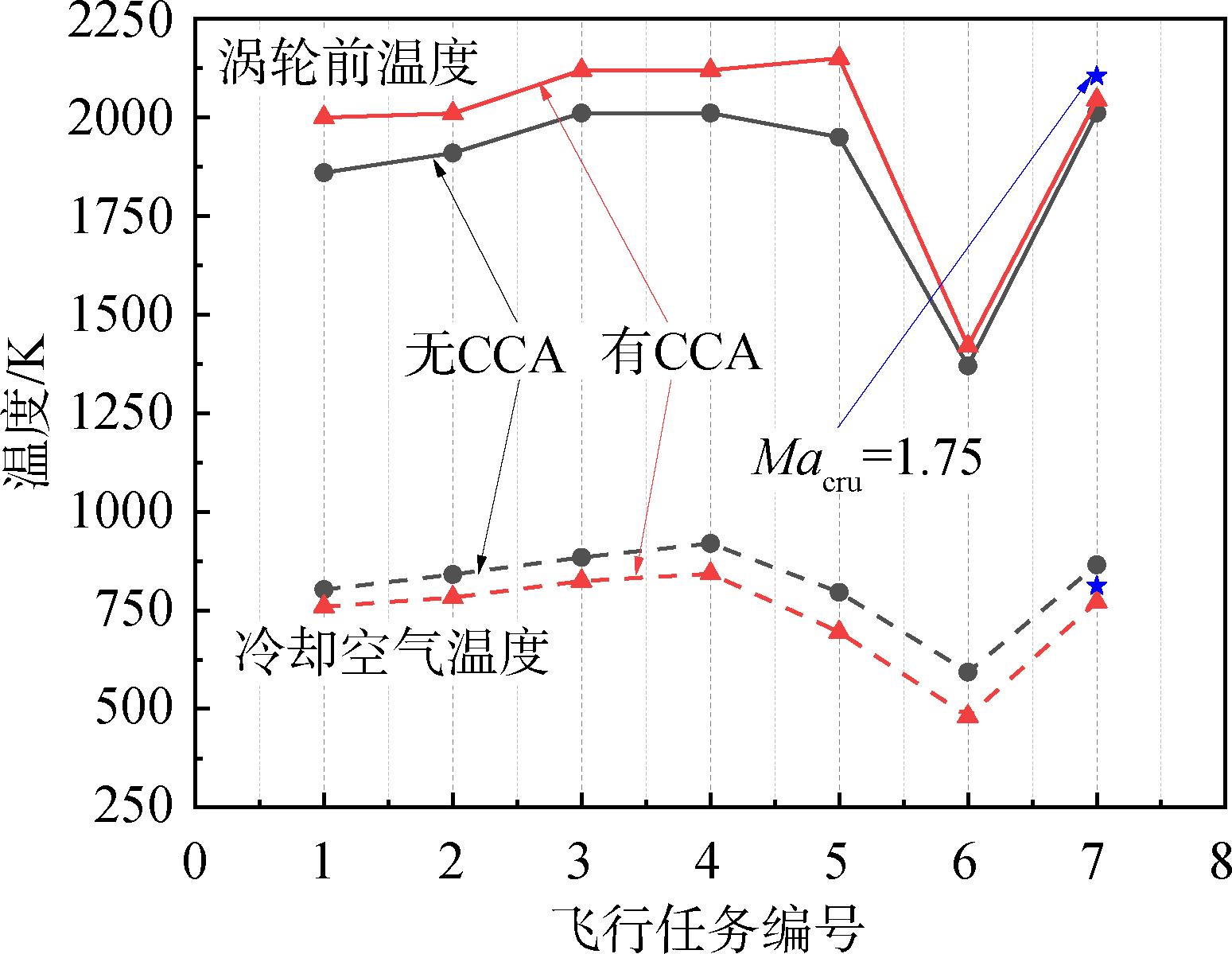
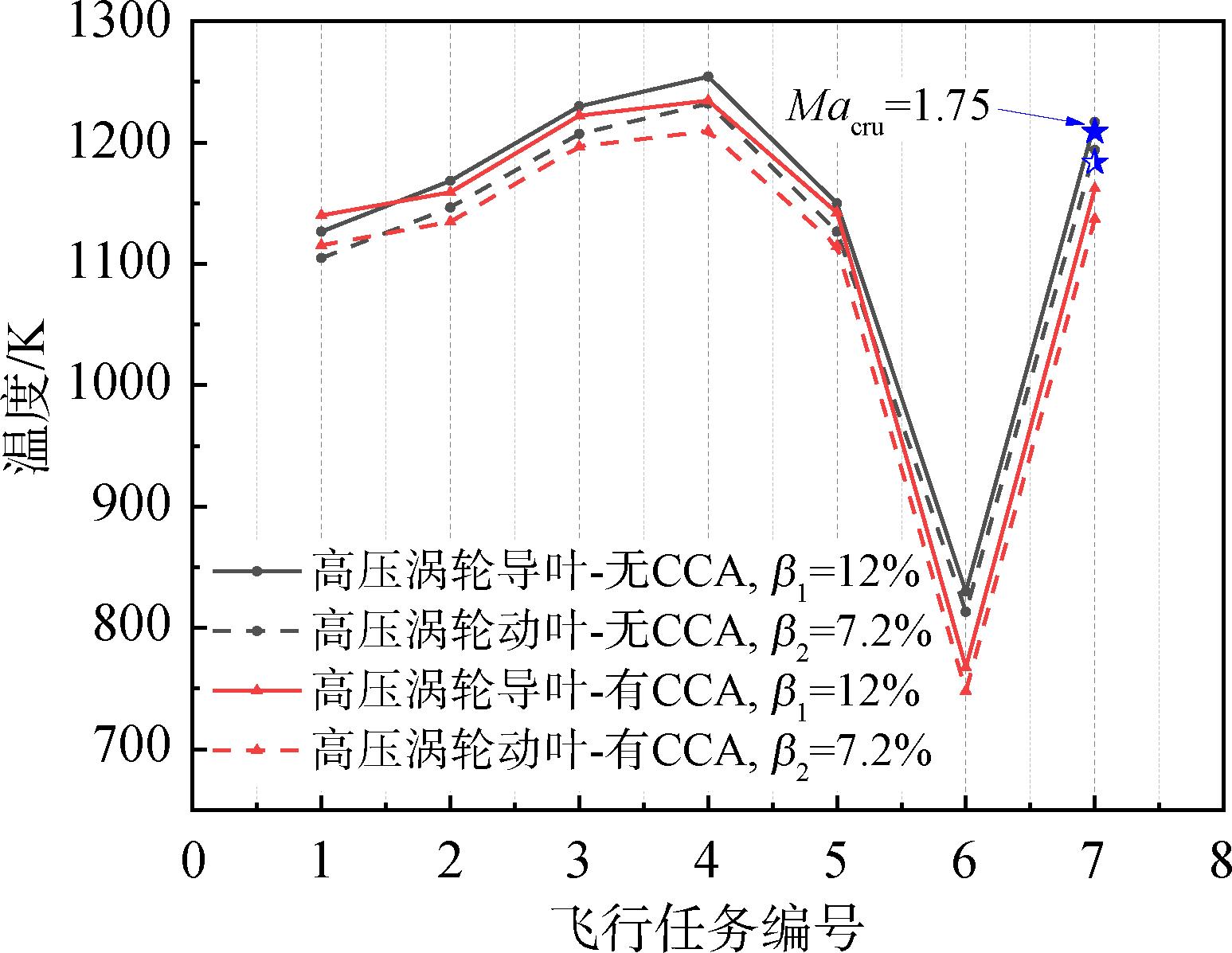
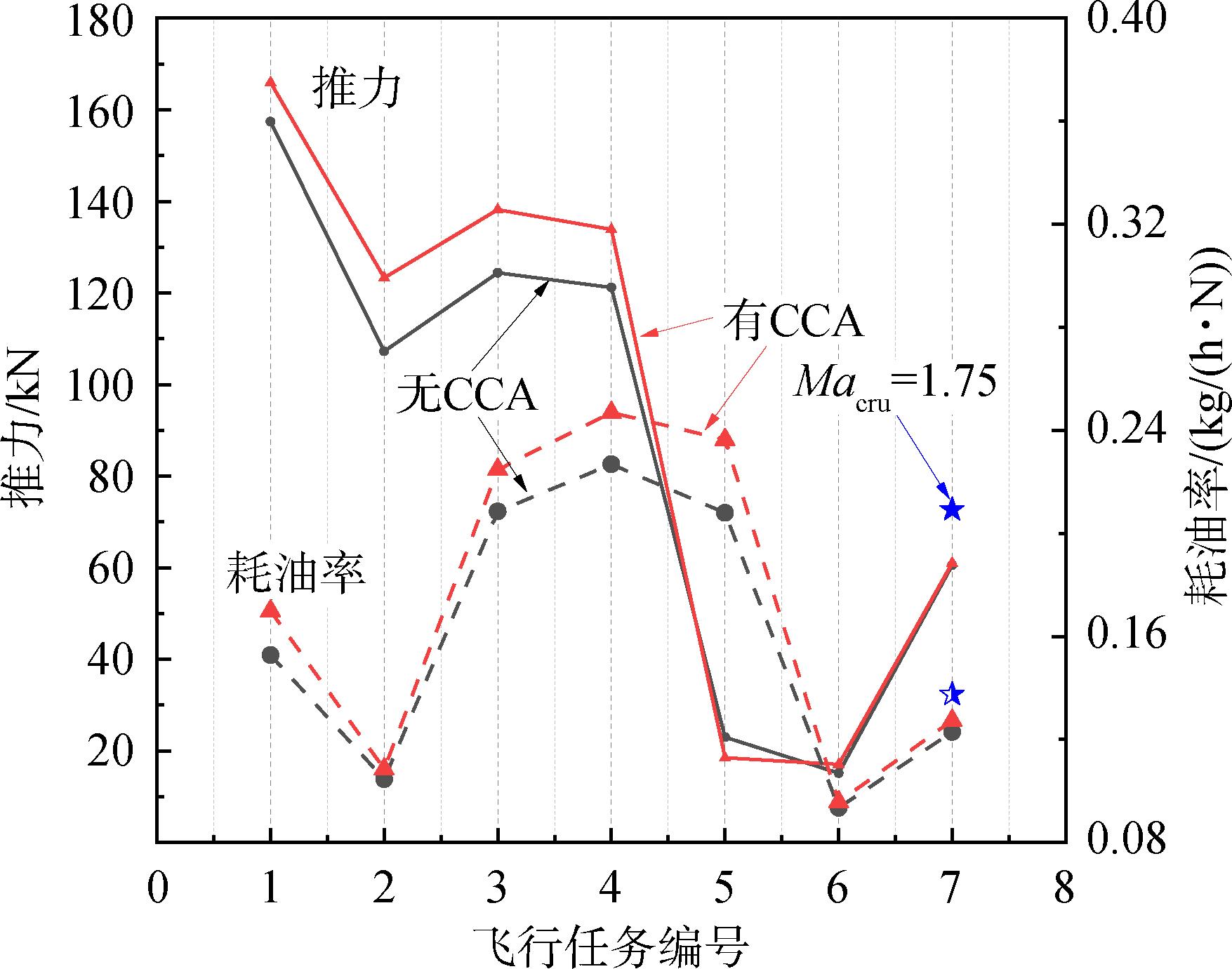
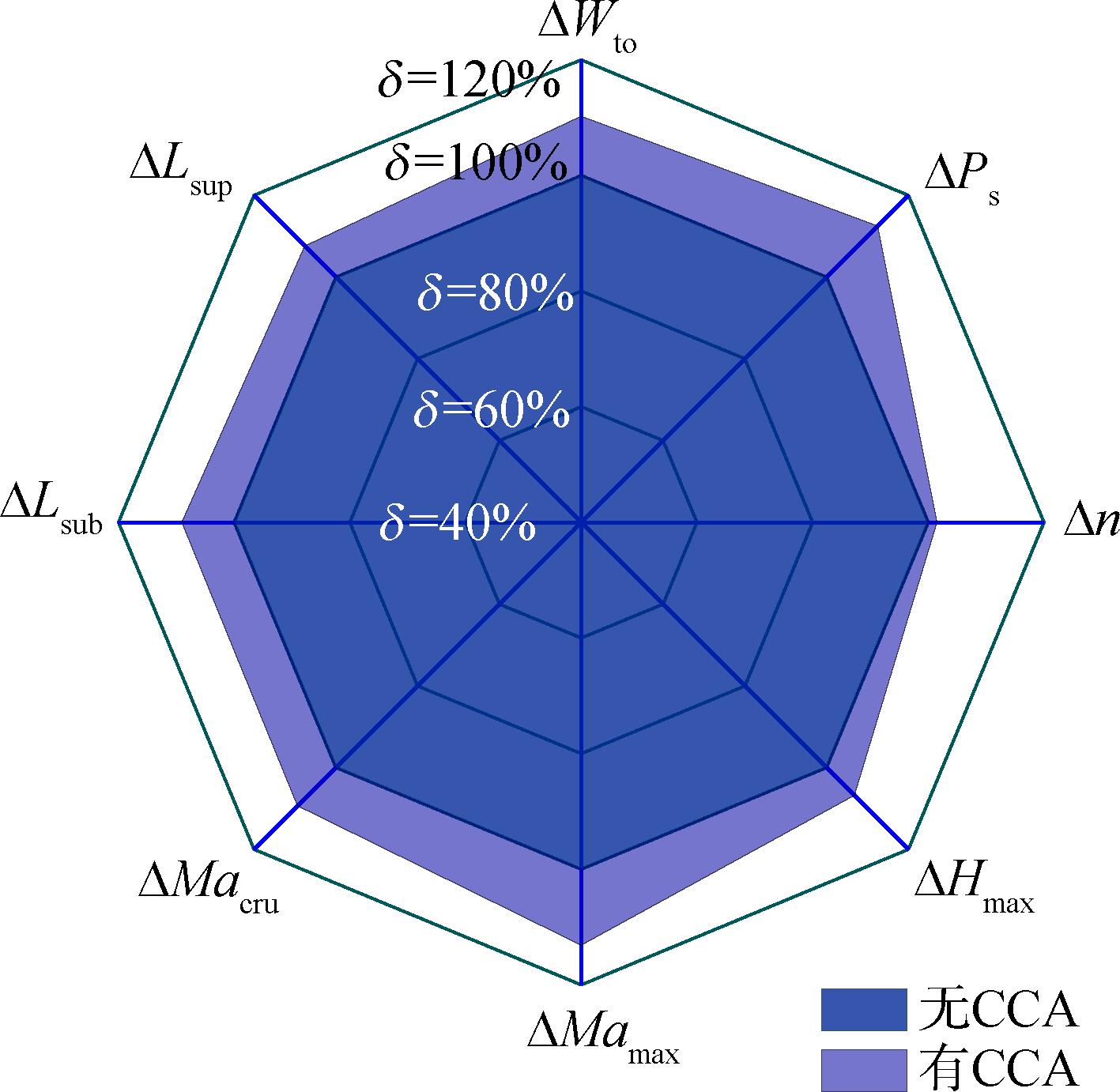
To improve the overall aero⁃engine performance under typical flight mission,superiority analysis of cooled cooling air (CCA) technology was proposed to upgrade the cooling quality of turbine blade cooling air.The effects of introducing CCA technology into the aero⁃engine performance and further the flight performance of the aircraft equipped with the engine with CCA were evaluated based on the reported cycle parameters of F⁃119.The following conclusion can be obtained:in the case of only cooling the cooling air for the turbine rotor blade,when the mass flow rate of the cooling air kept constant,its temperature can be reduced by about 16.98%-41.21%,which lowered the rotor blade temperature by about 8.89%-16.80%.When the turbine blade temperature kept constant,the cooling air for turbine rotor blade can be reduced by about 48.61% and aero⁃engine performance maintained at the same level; in the case of cooling the cooling air for both the turbine stator and rotor blade,when the mass flow rate of the cooling air and turbine blade temperature kept constant,the turbine inlet temperature can be increased by about 6.91%,which can improve the propulsion performance of aero⁃engine,and eventually improve the flight performance of the aircraft,such as takeoff load mass,maximum climb rate,maximum Mach number,service lift limit and range.

Phase transition characteristics of ice crystal particles in motion
HUANG Ping, BU Xueqin, LIN Guiping, YU Jia
2022, 37(7): 1379-1391. doi: 10.13224/j.cnki.jasp.20210484
Abstract:

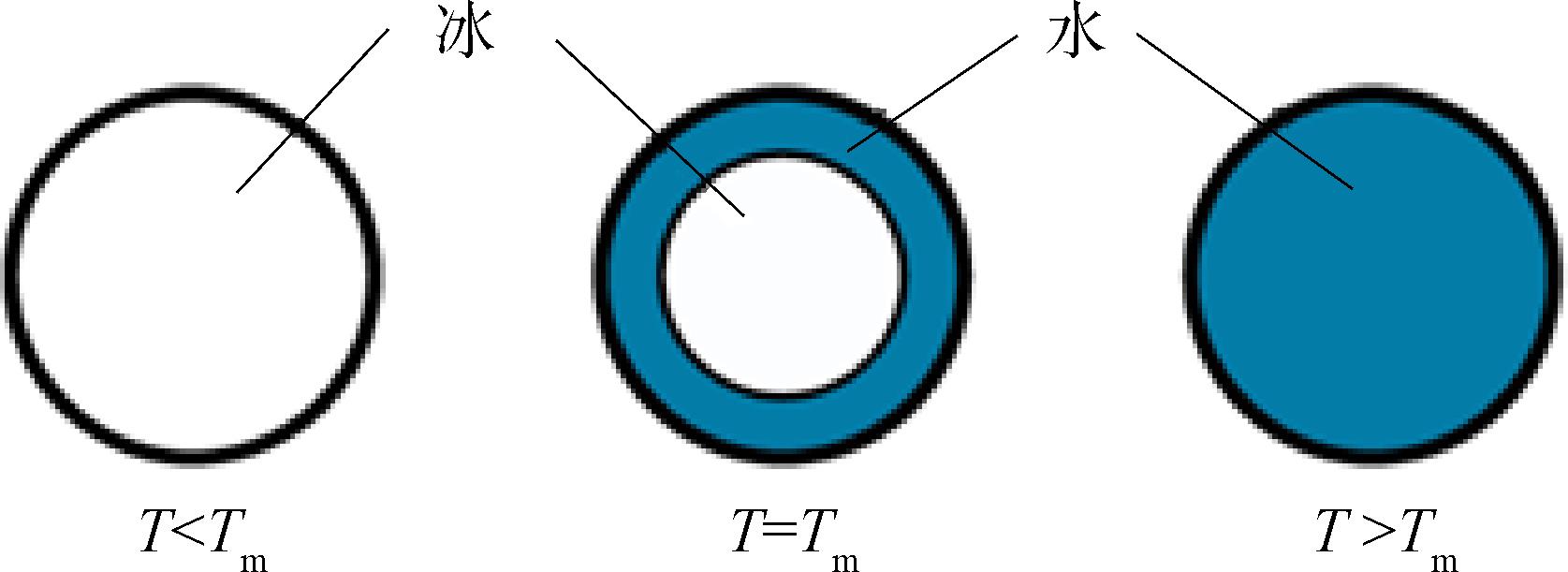
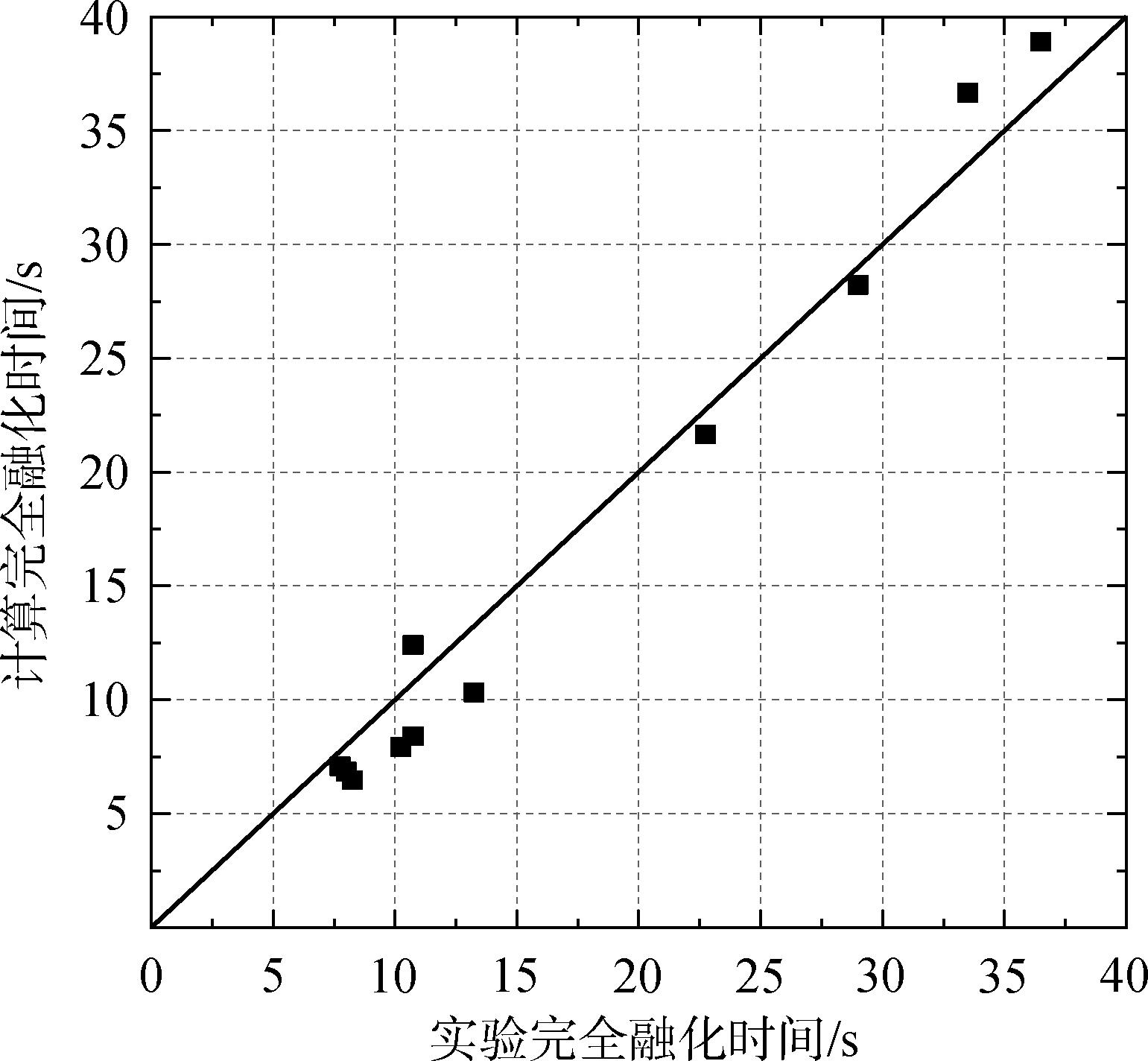
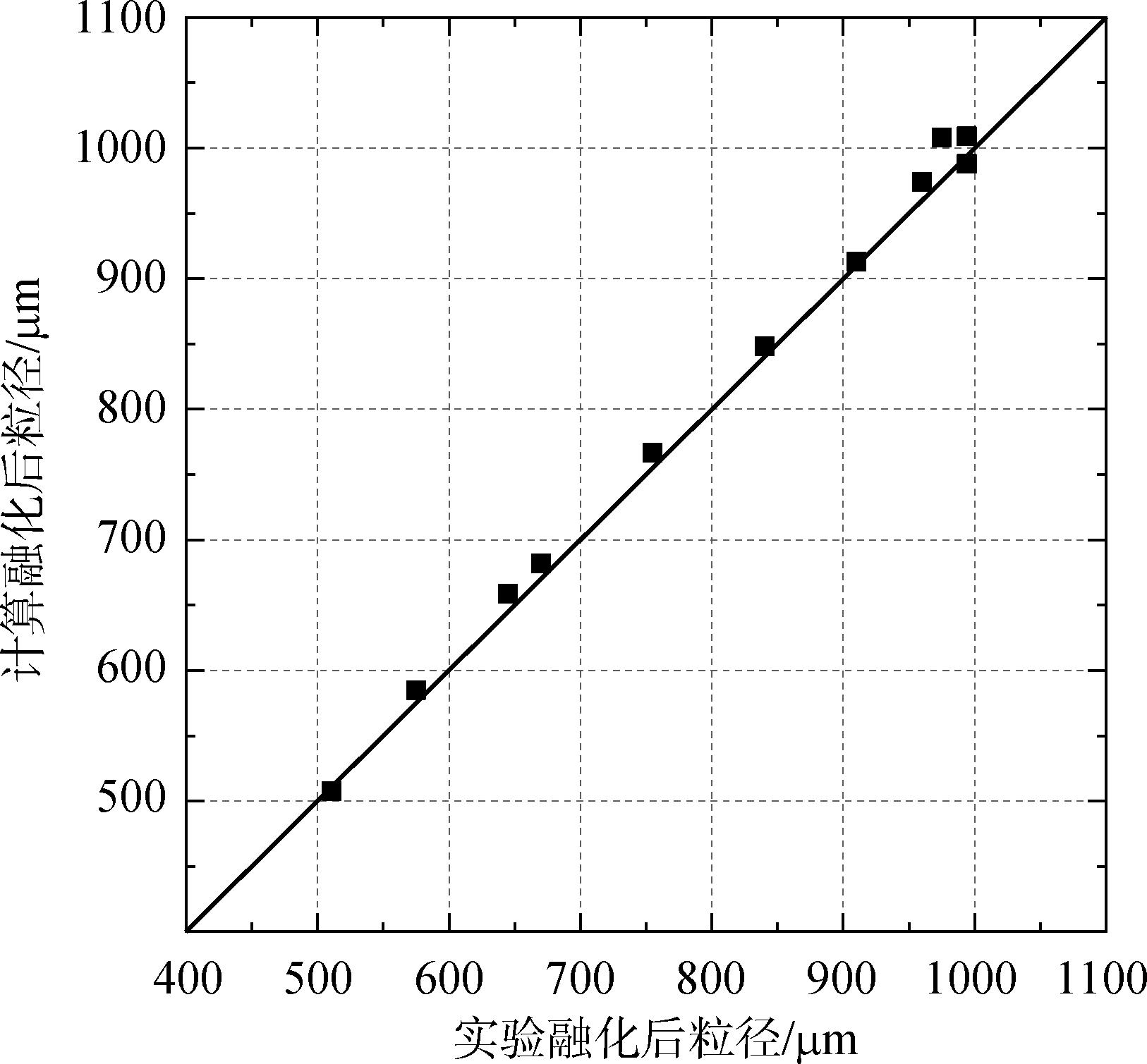
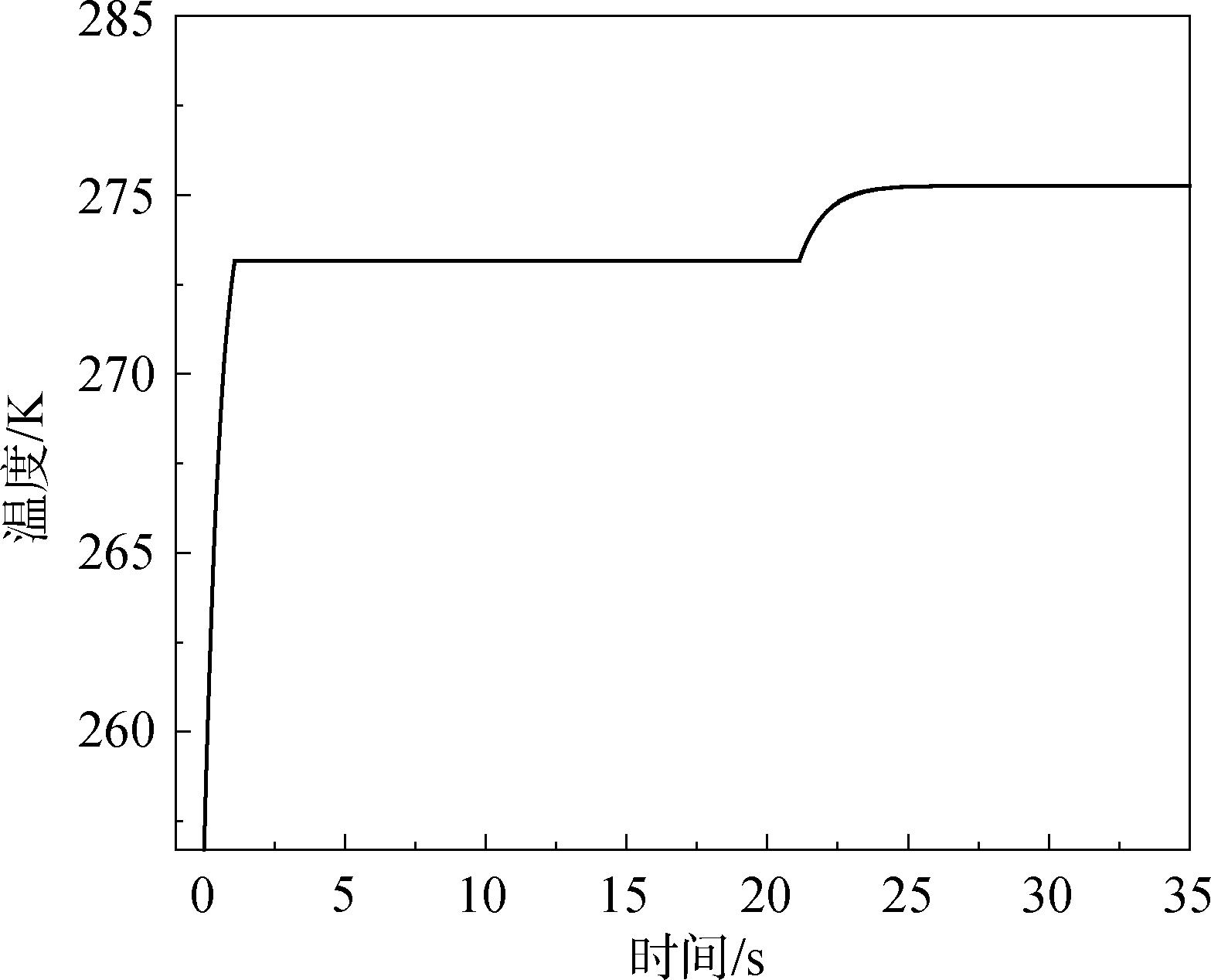
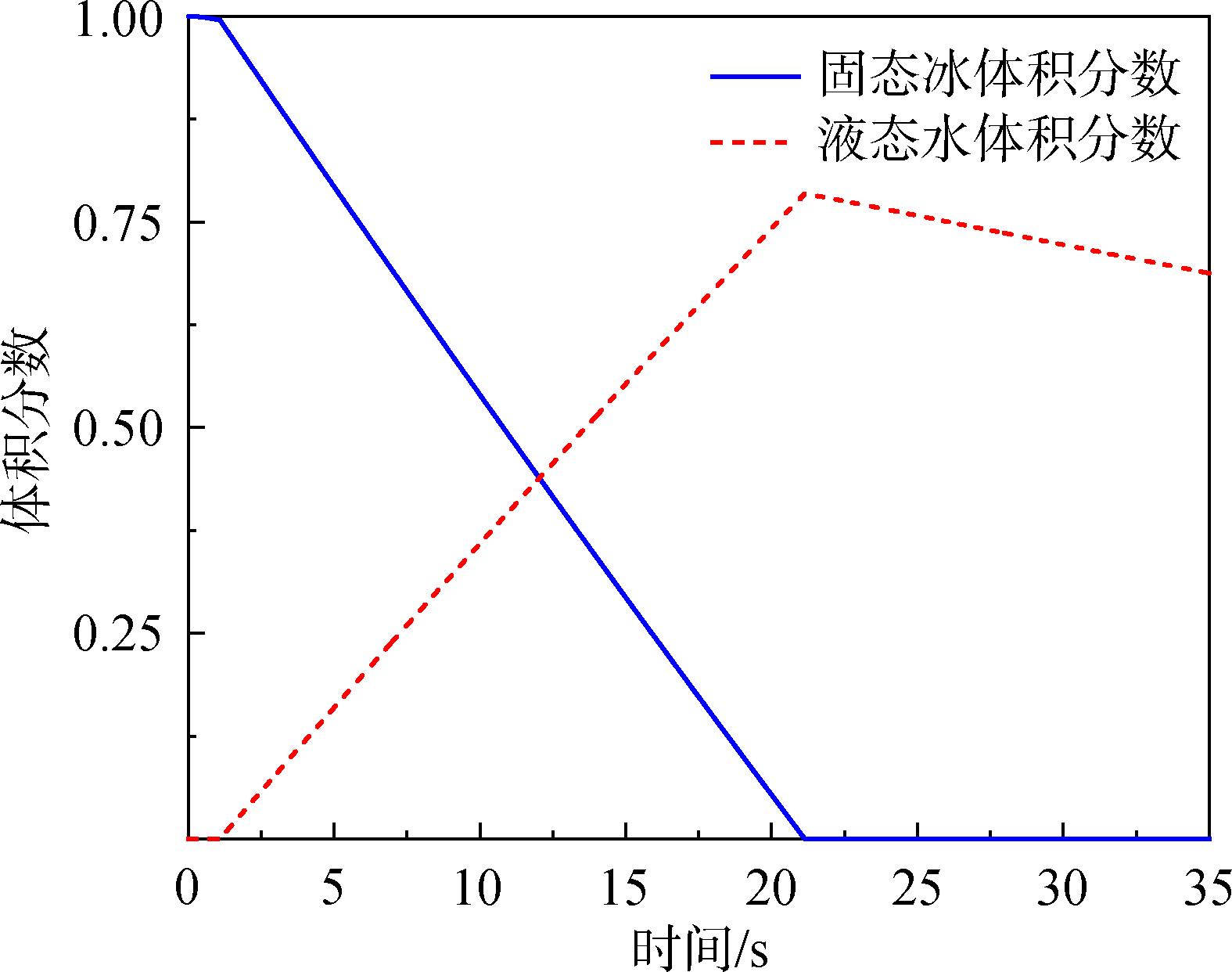
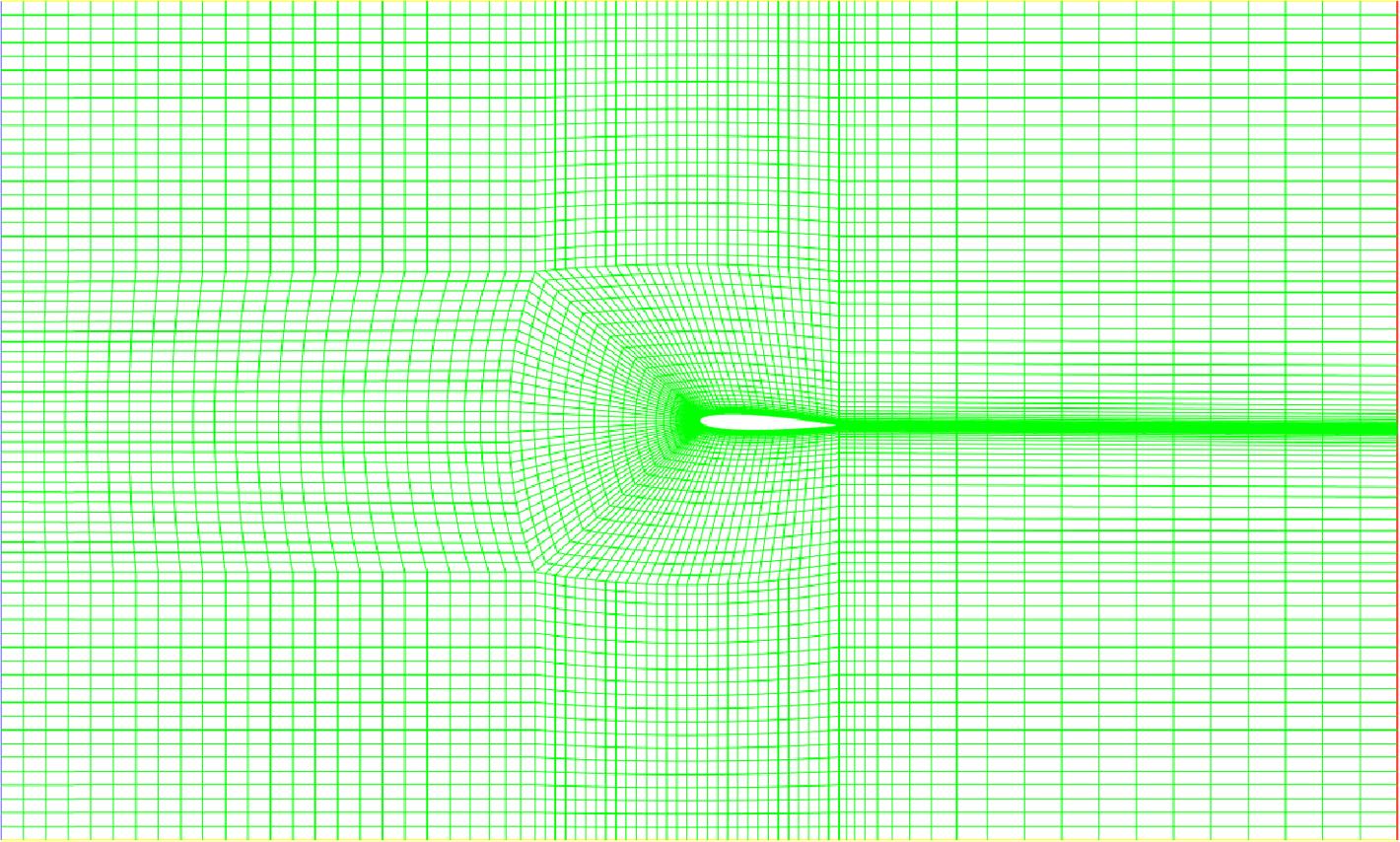
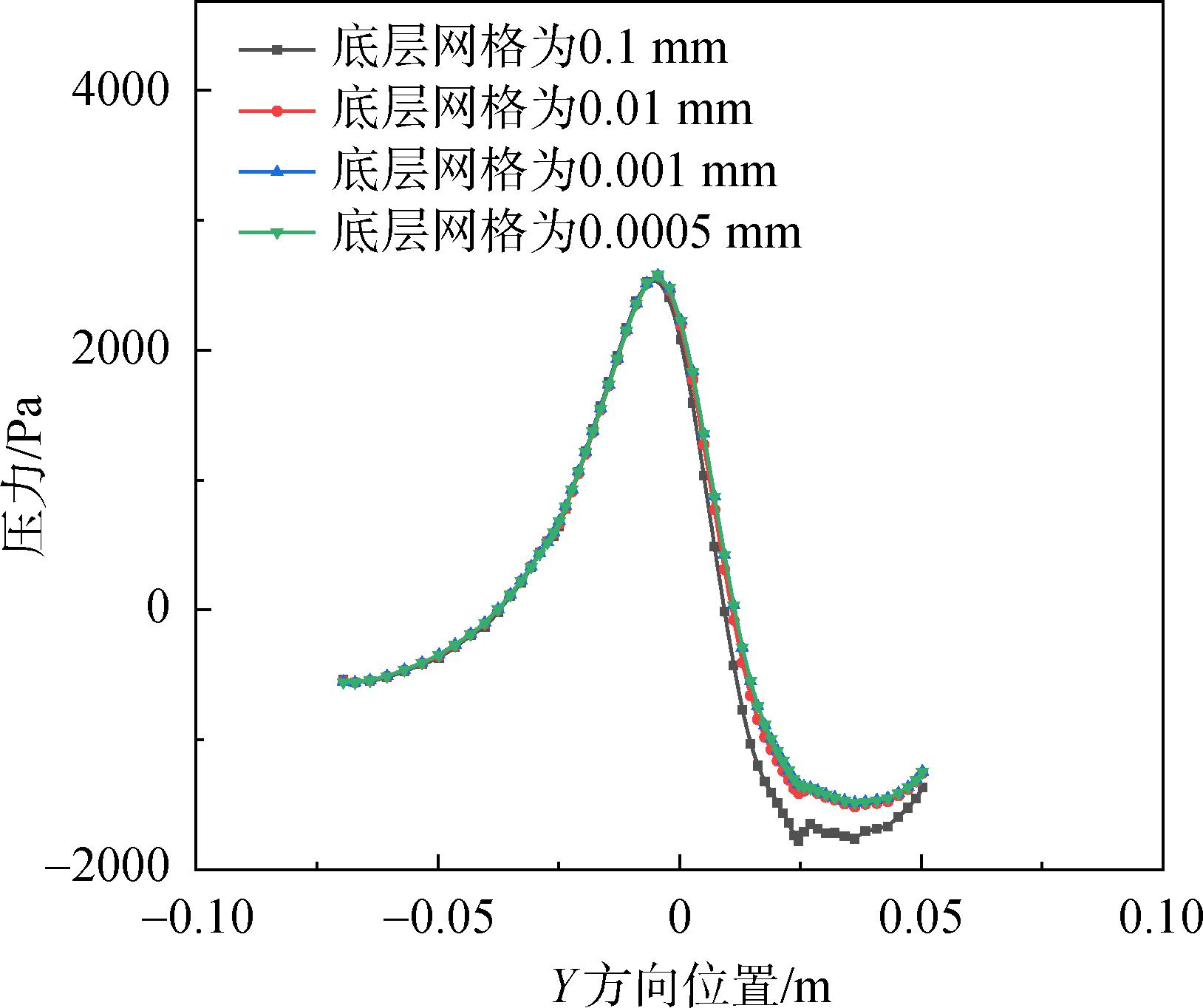
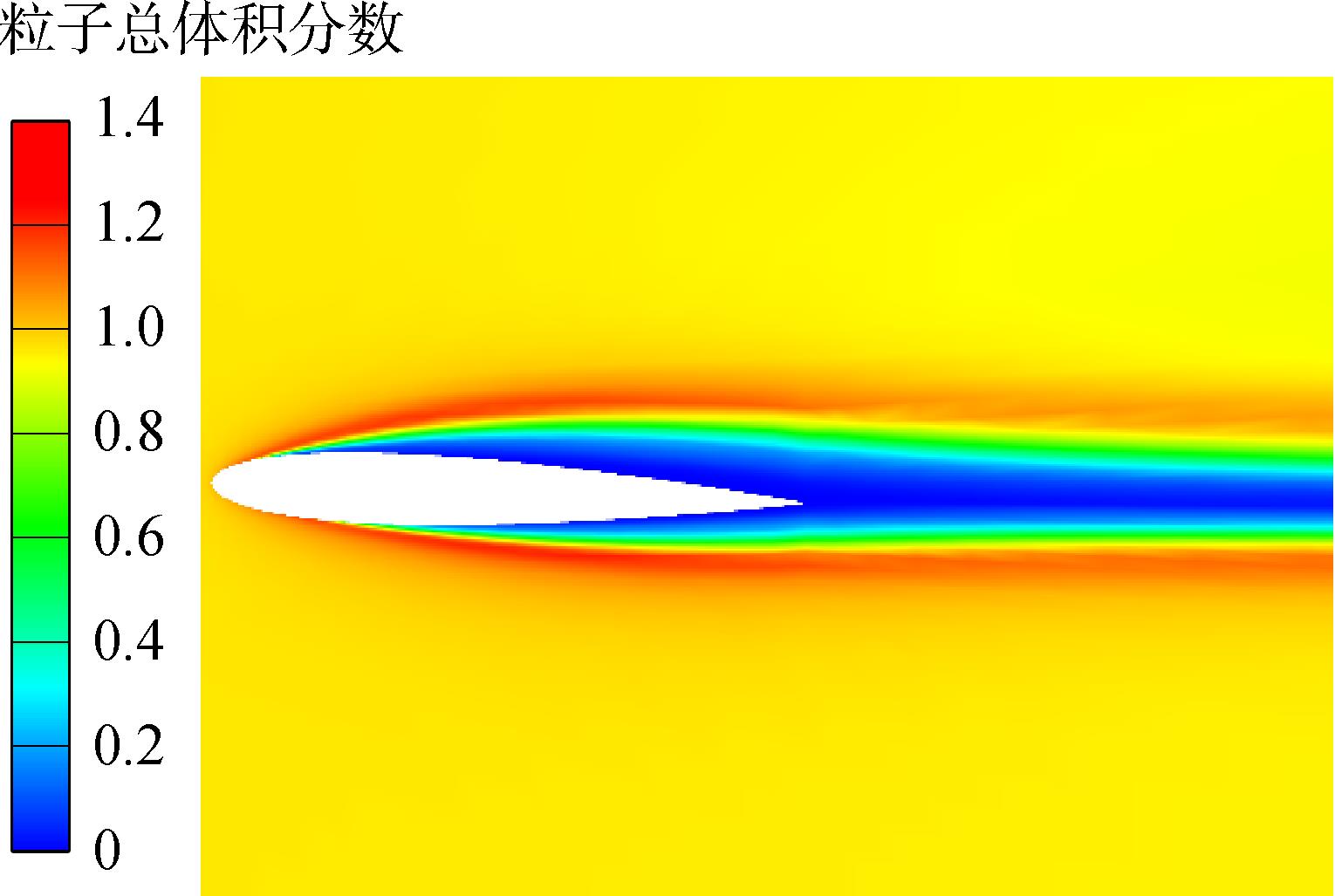
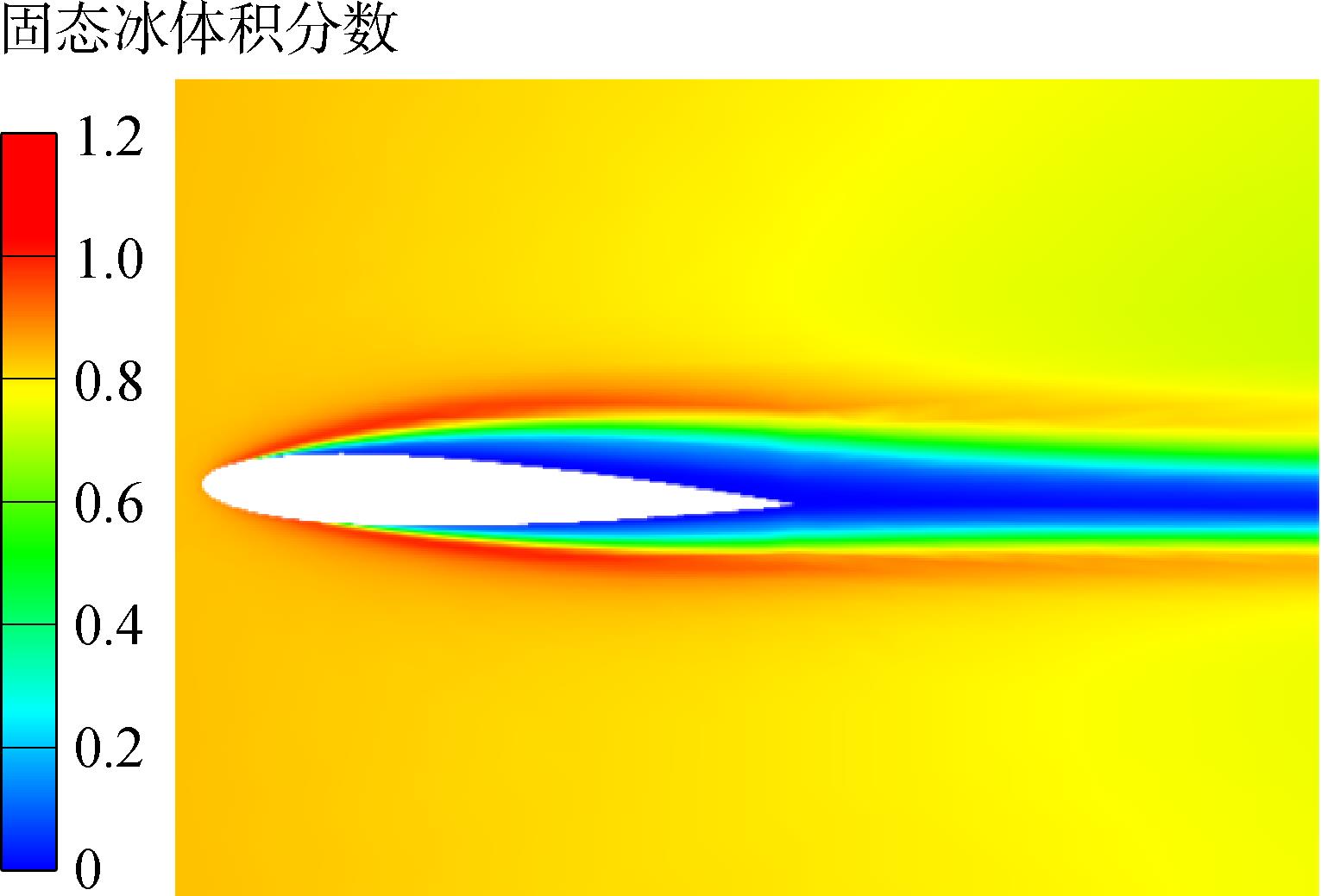
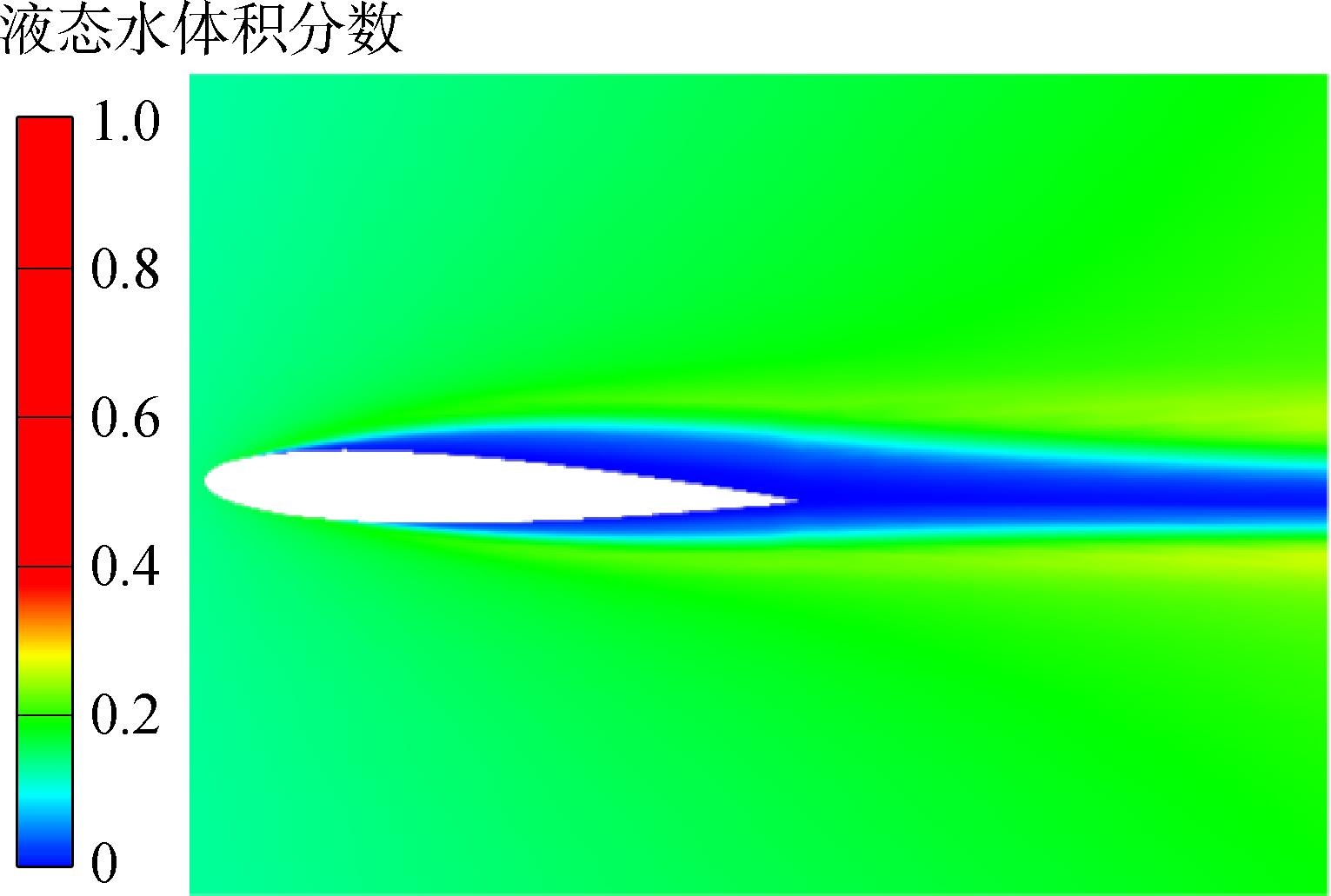
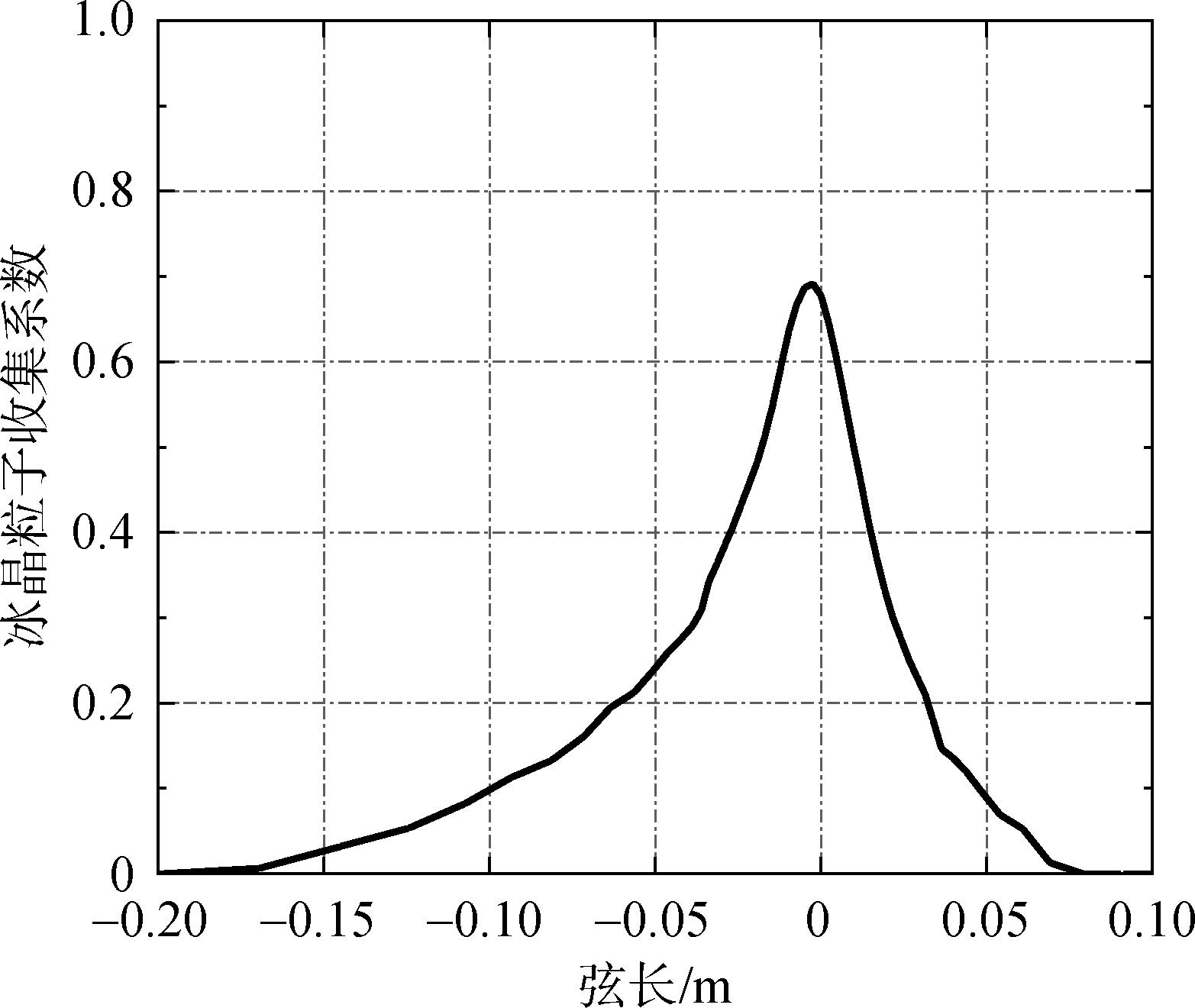
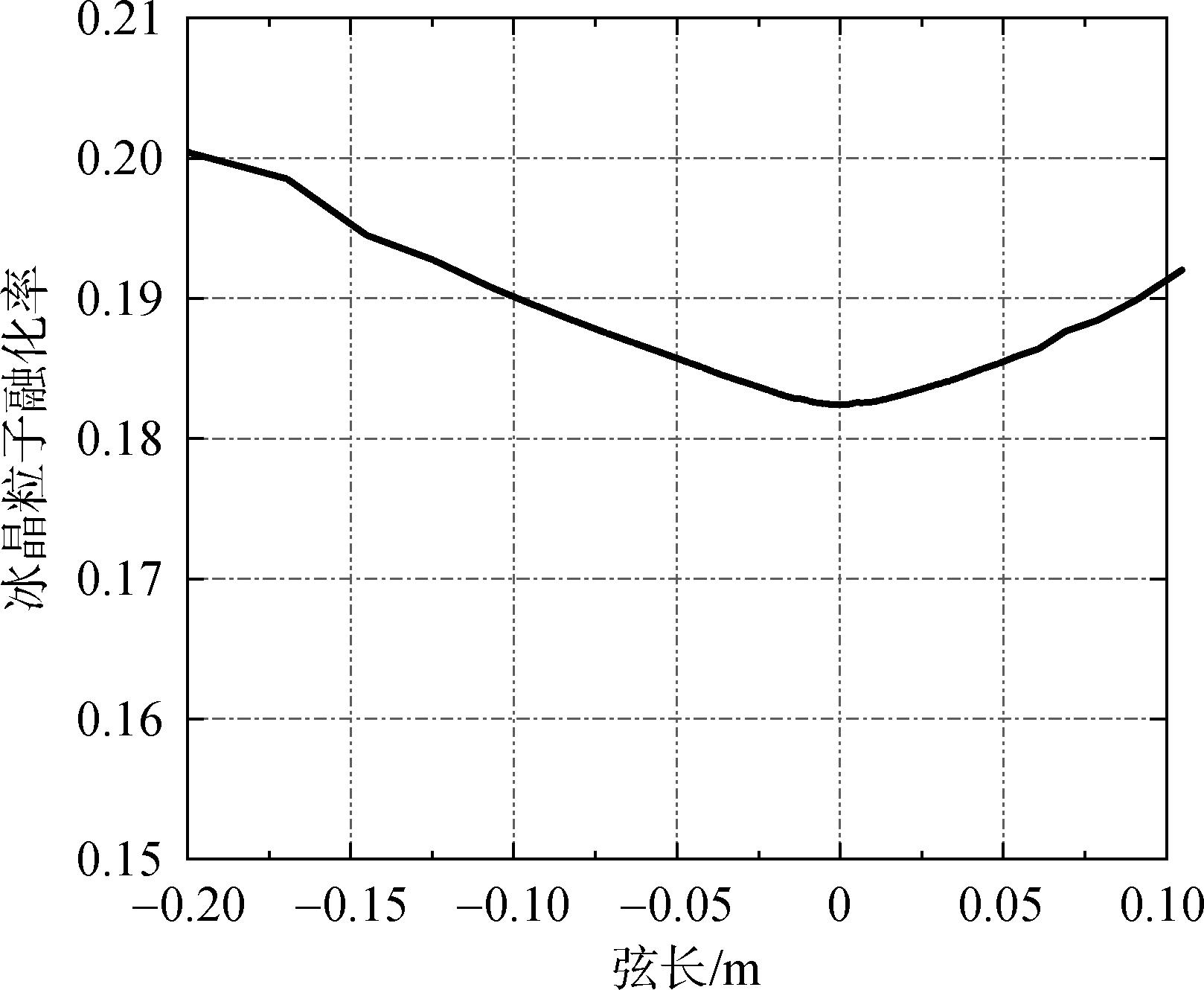
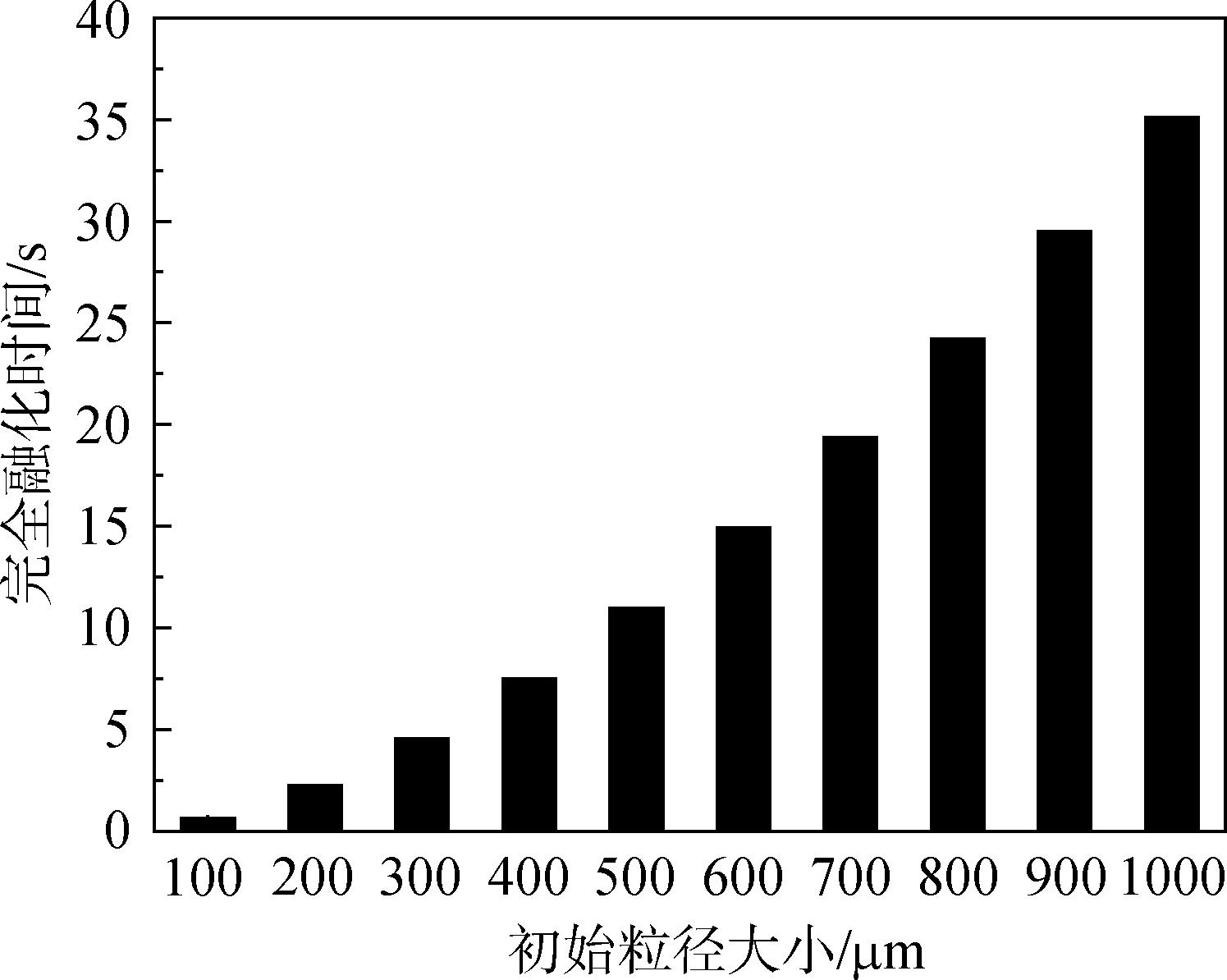
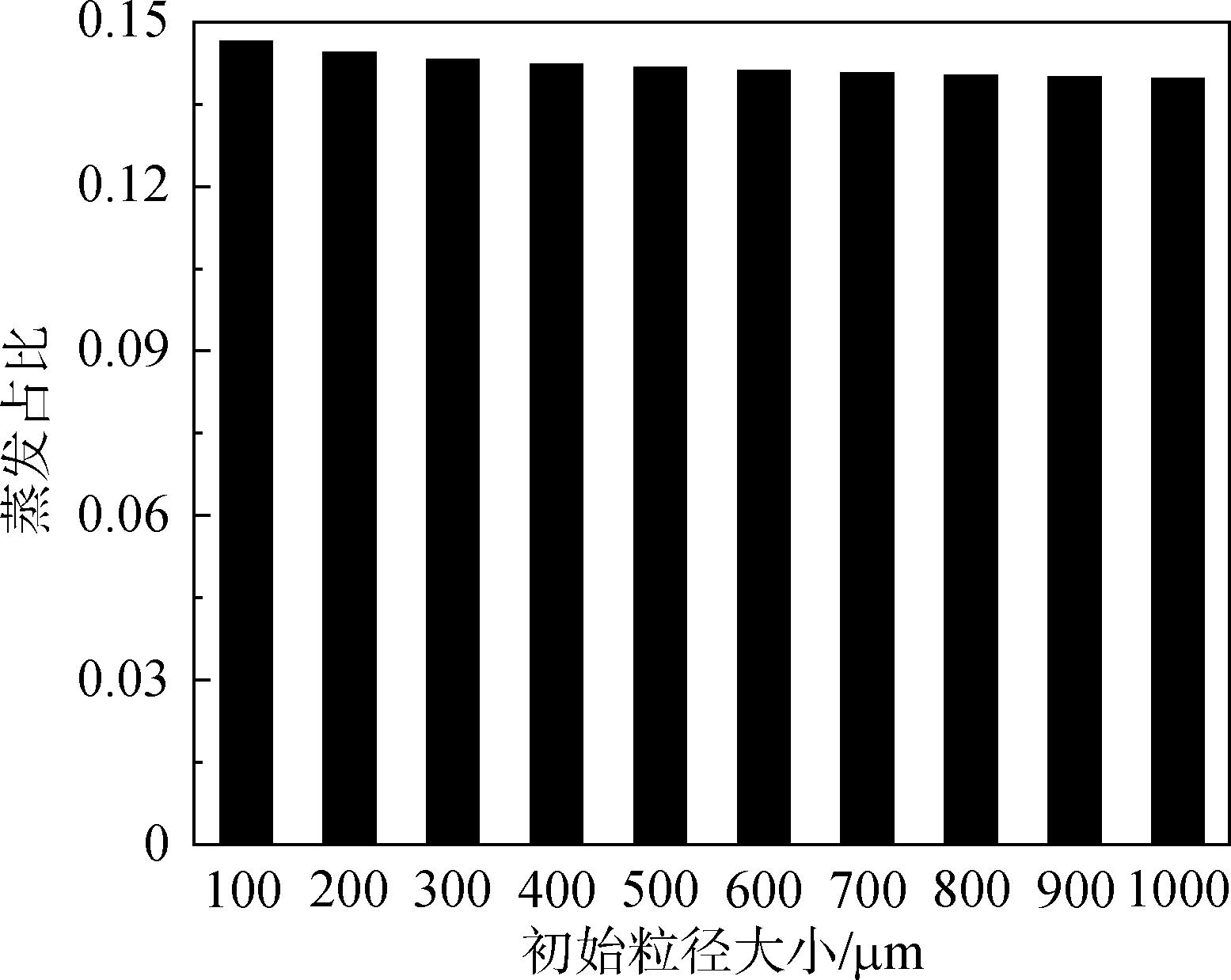
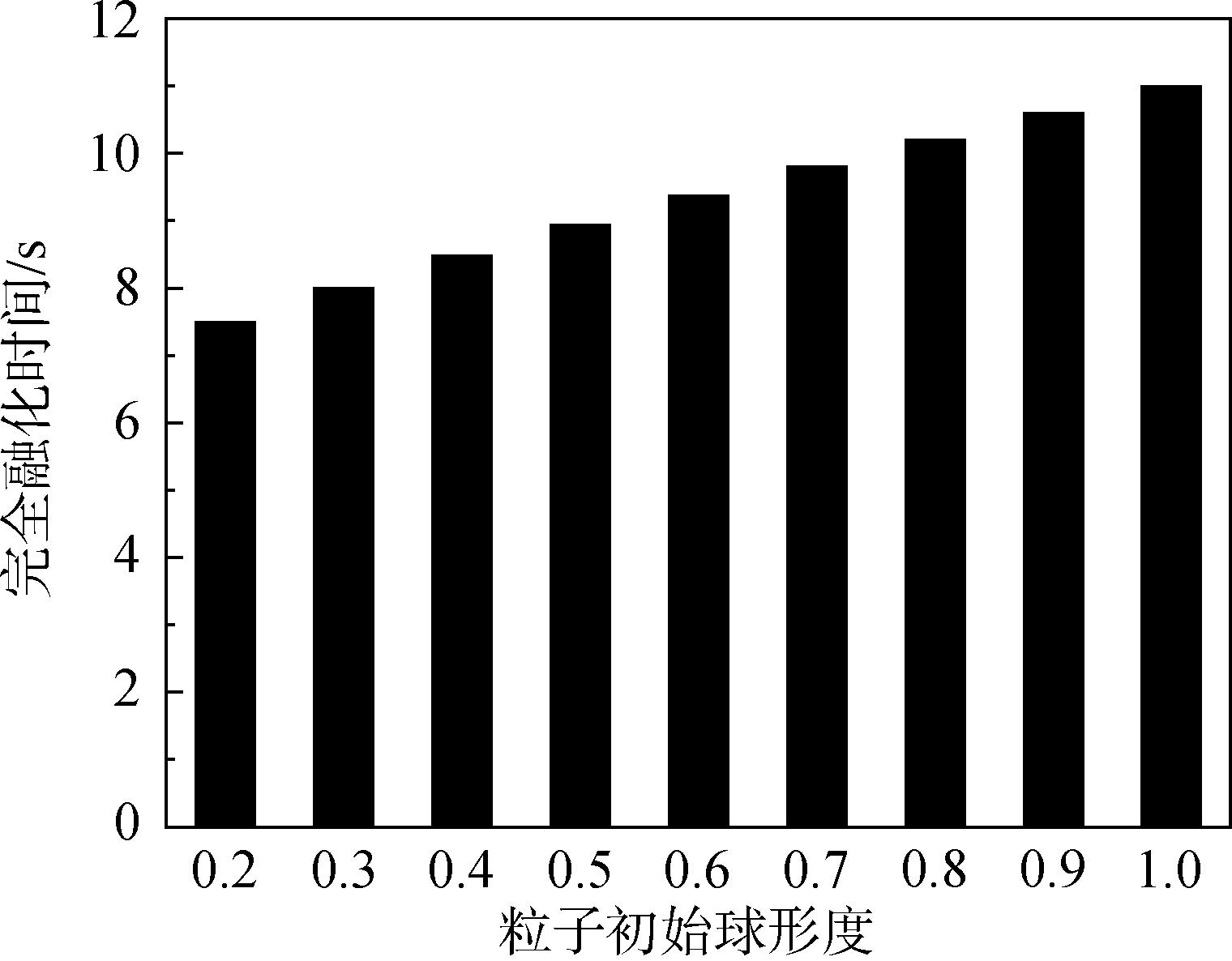
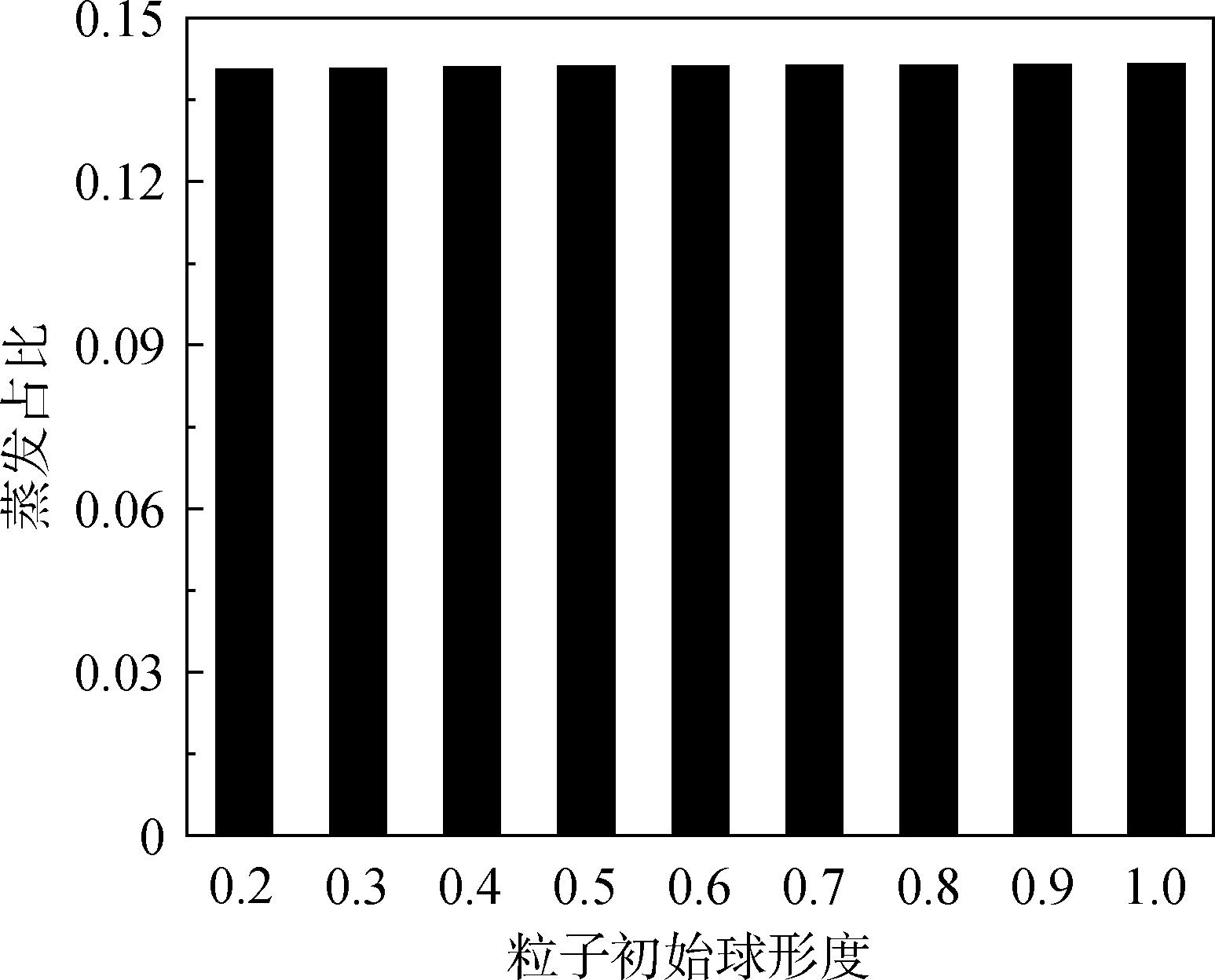
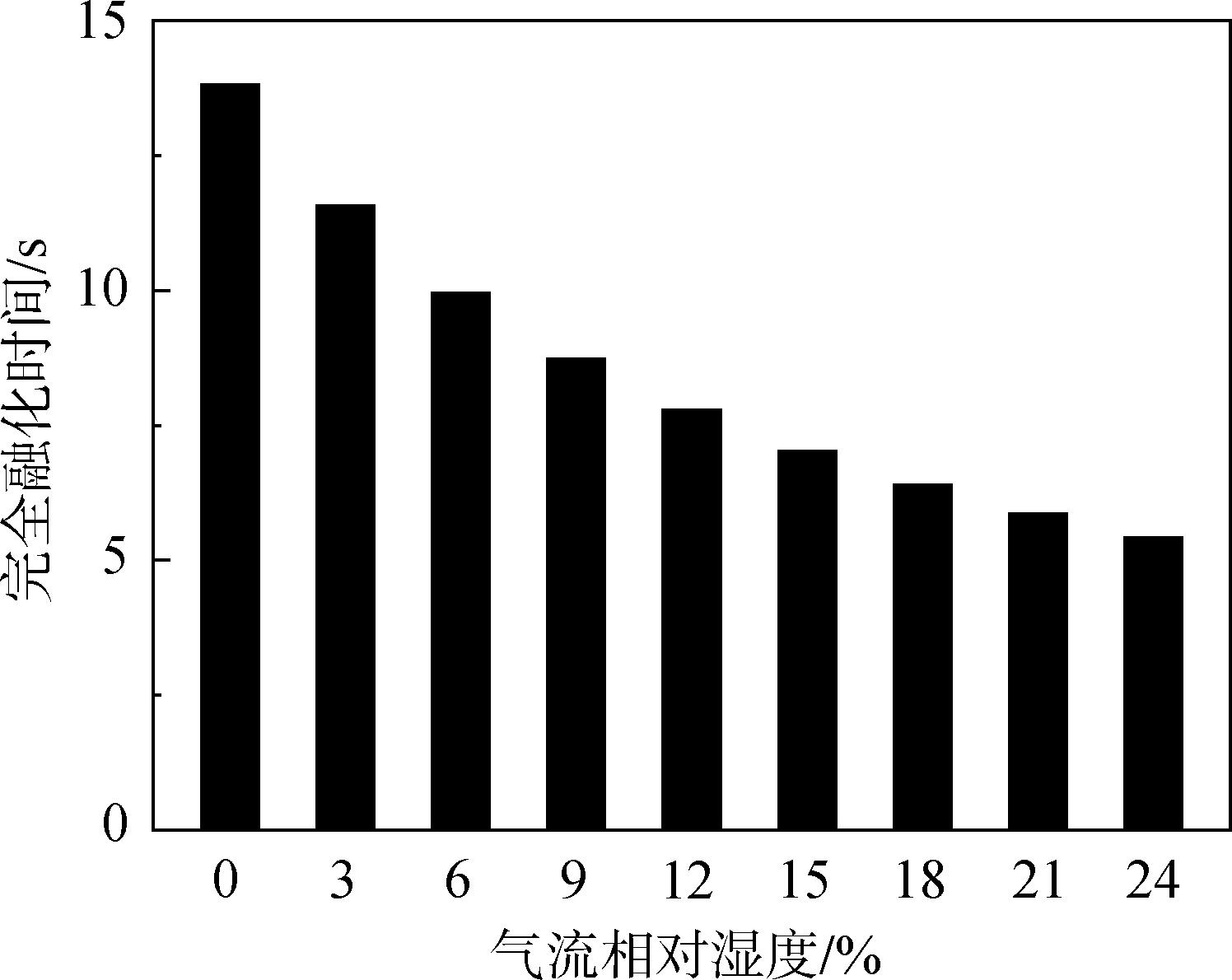
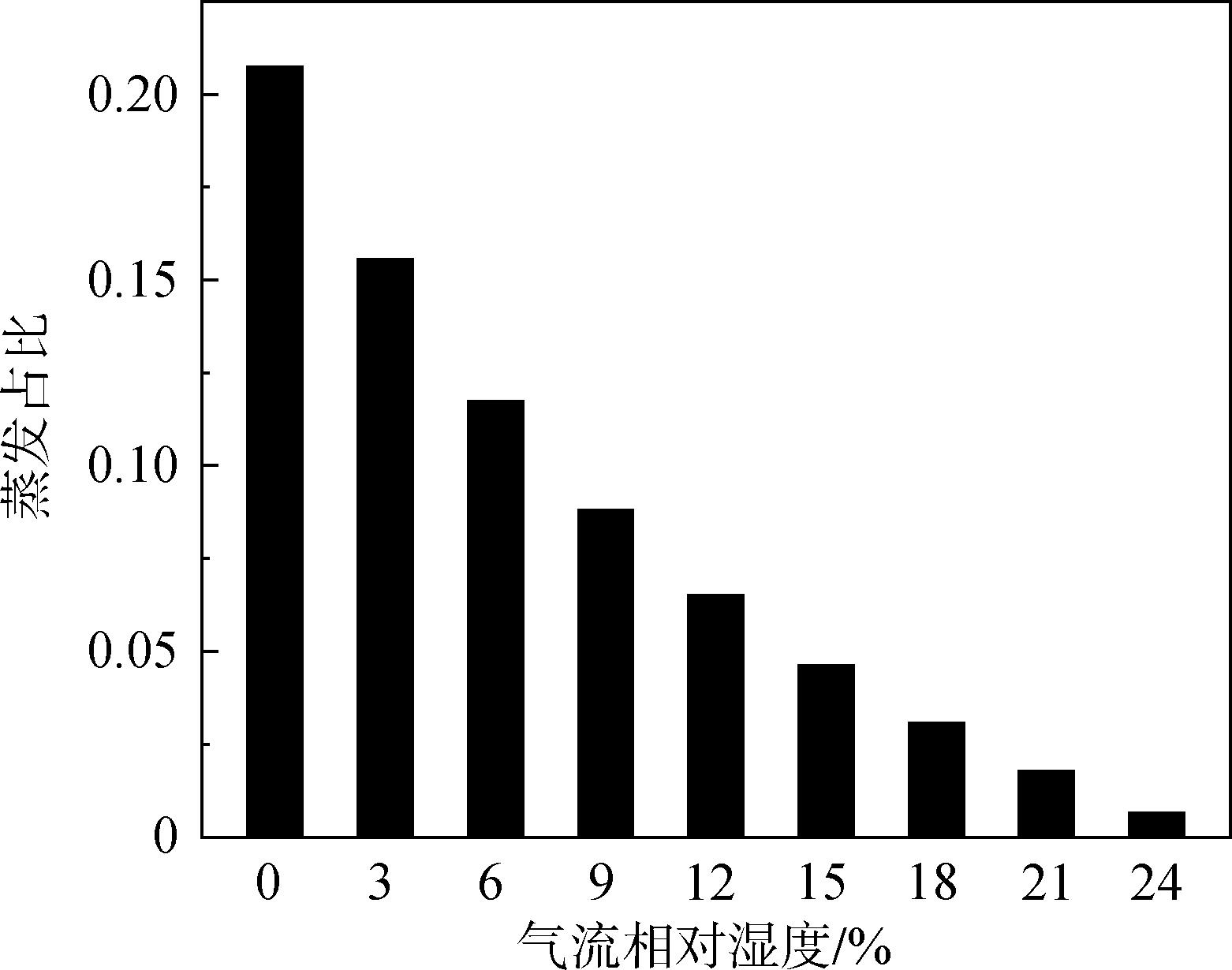
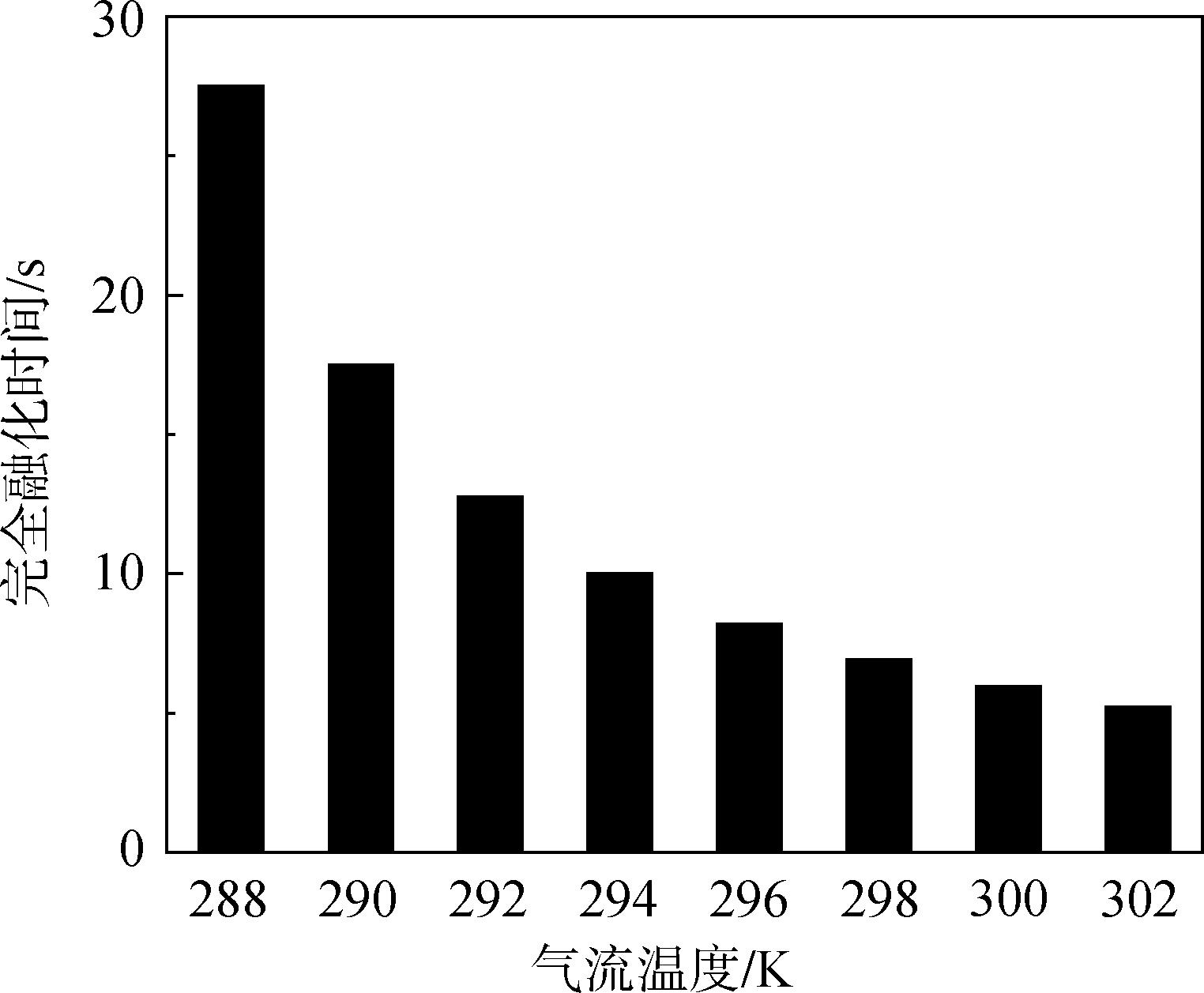
In view of the phase transition phenomenon of solid⁃liquid⁃vapor coupling when ice crystals moved in a warm environment,the phase transition model and calculation method of ice crystals were established based on Eulerian method.The melting phase transition processes of ice crystals under forced convection were calculated,and the comparison with the experimental results verified the accuracy of the movement phase transition model and calculation method.The thermodynamic characteristics of ice crystals moving around the NACA0012 airfoil were calculated,and the motion characteristics of ice crystals in a warm environment and the melting ratio were analyzed when they reached the impact surface.The influences of initial particle size,initial particle sphericity,air relative humidity and temperature on the movement phase transition were studied.The results showed that the ice crystal particle movement phase transition model can effectively evaluate the ice crystal icing risk,and the melting rate of ice crystal particles mainly counted on the particle diameter,sphericity,airflow temperature and humidity.When the air temperature was 288 K,the melting time of ice crystal particles was 27.5 s,while the melting time was only 5.2 s when the air temperature was 302 K under the same conditions.

Enhanced combustion characteristics of combustor head based on gliding arc
CHENG Weida, YU Jinlu, CHEN Zhao, ZHANG Lei, ZHAO Bingbing
2022, 37(7): 1392-1402. doi: 10.13224/j.cnki.jasp.20210706
Abstract:

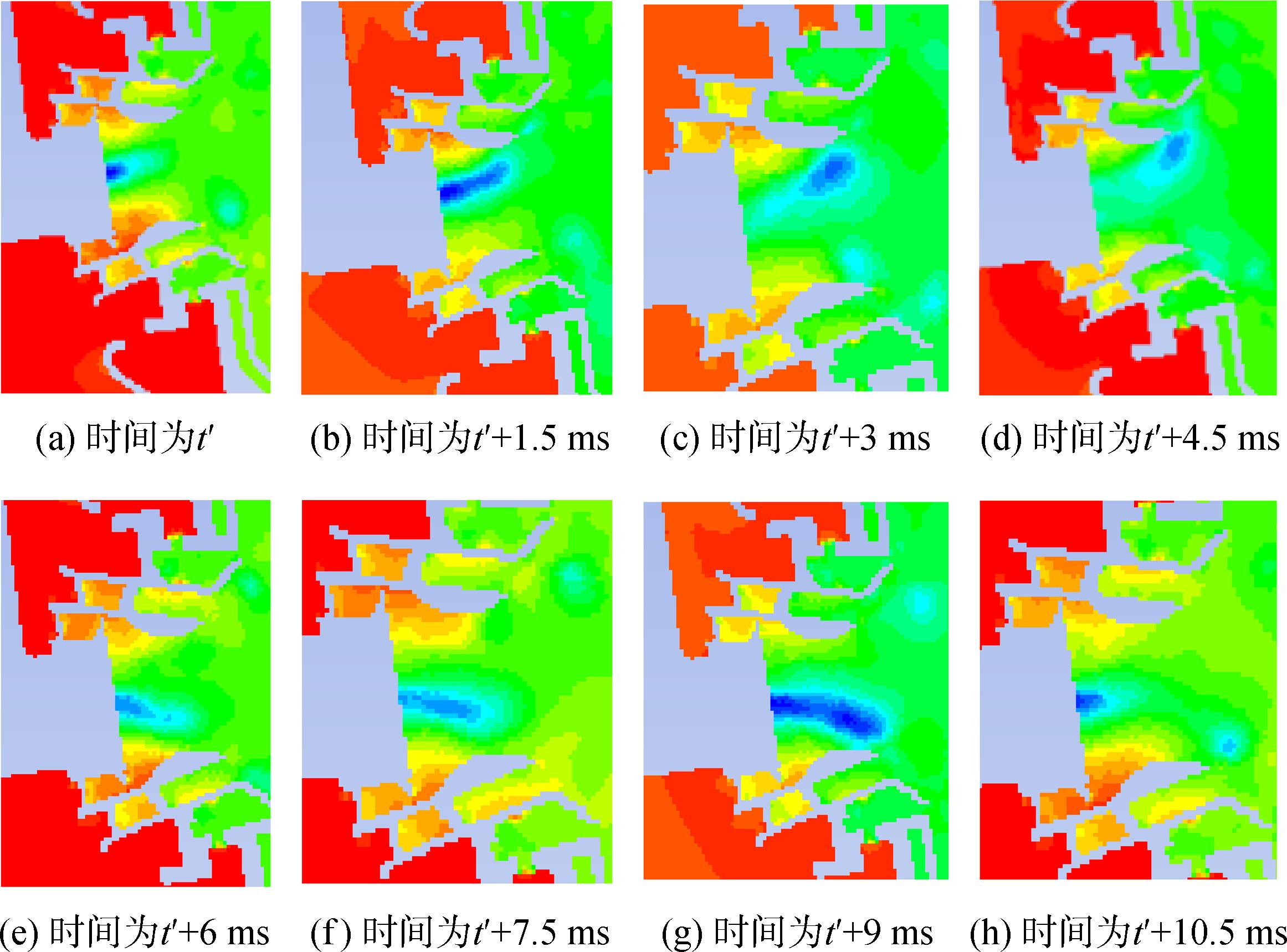
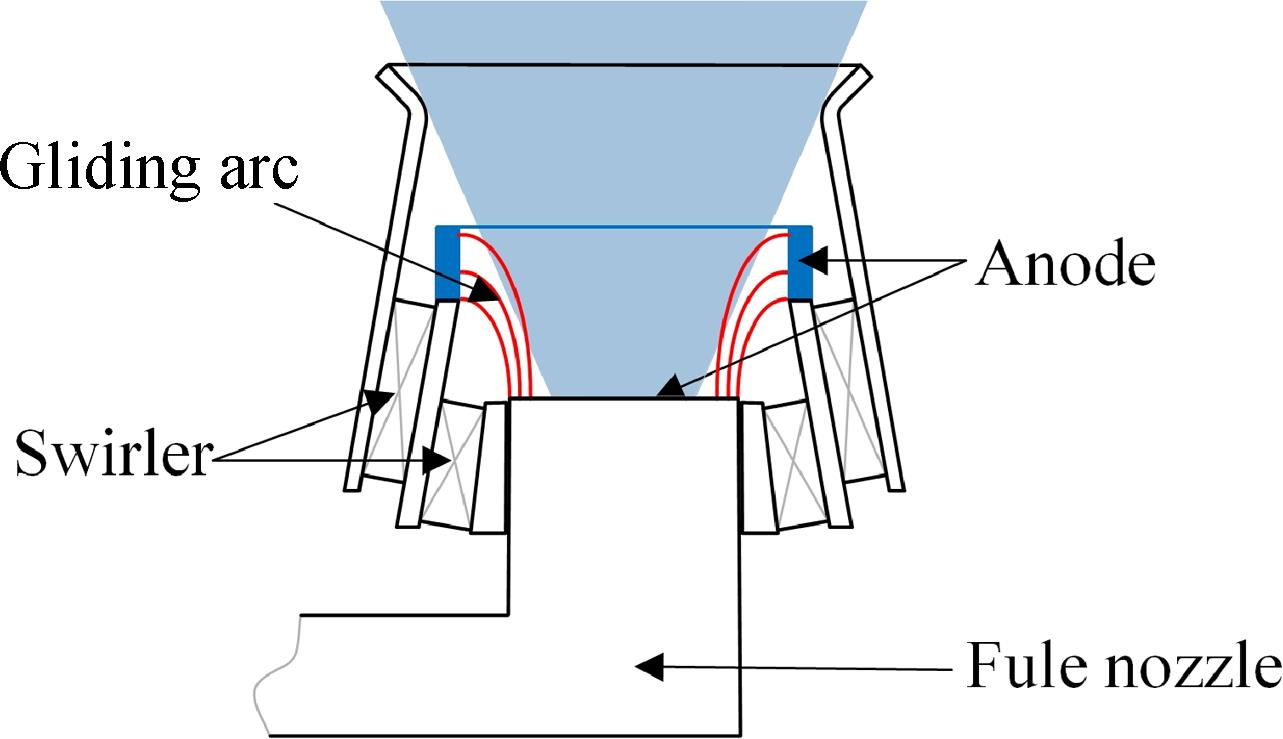
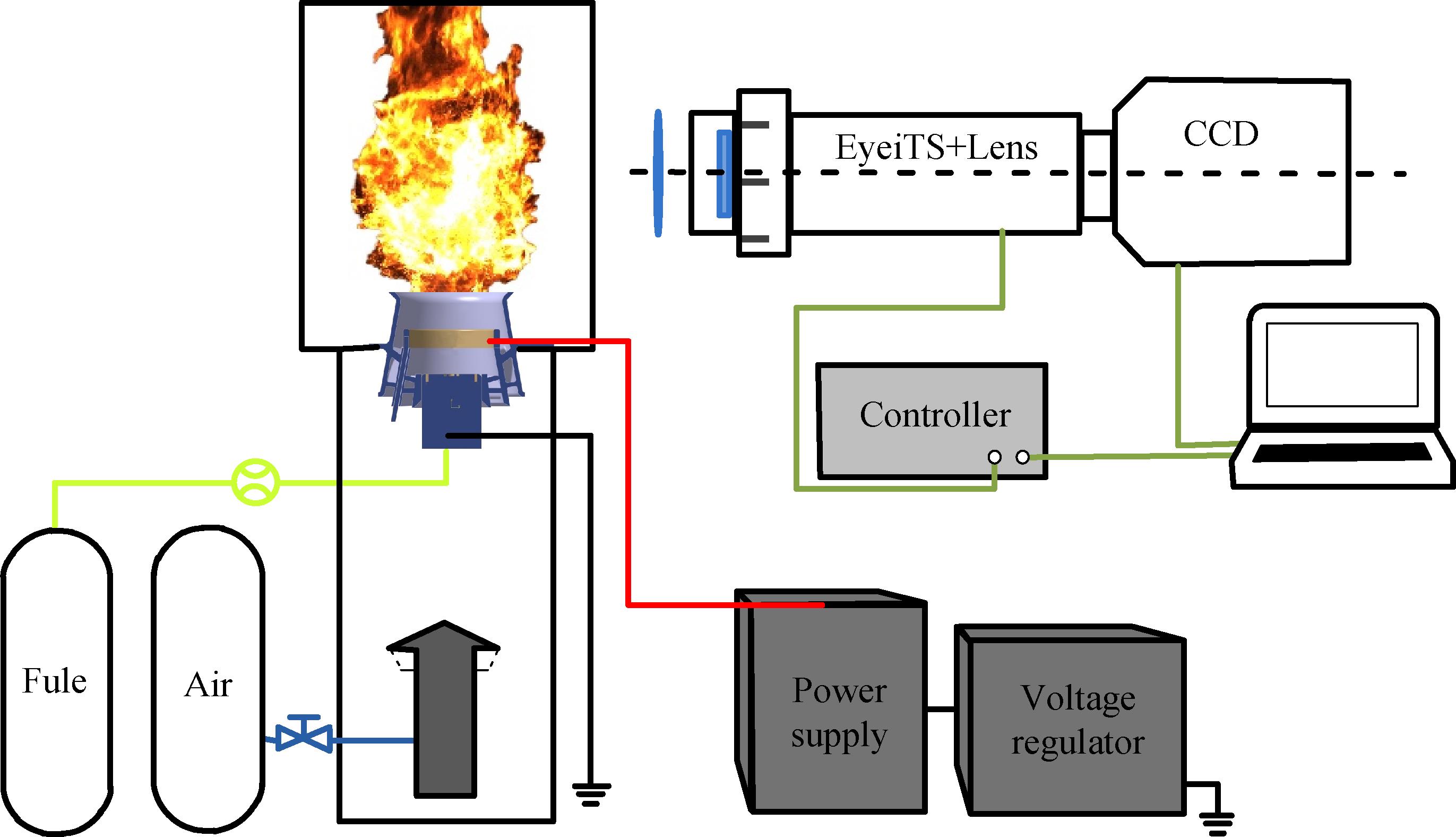
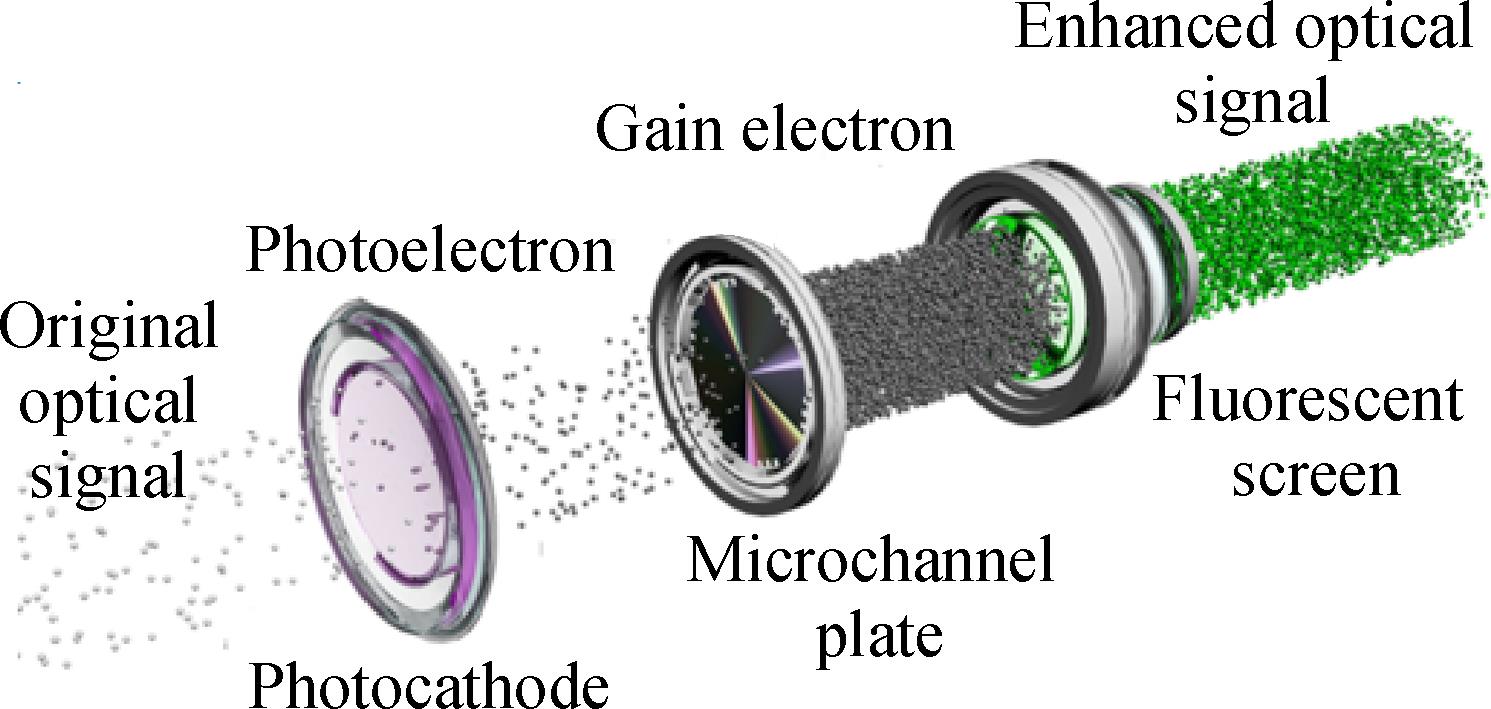
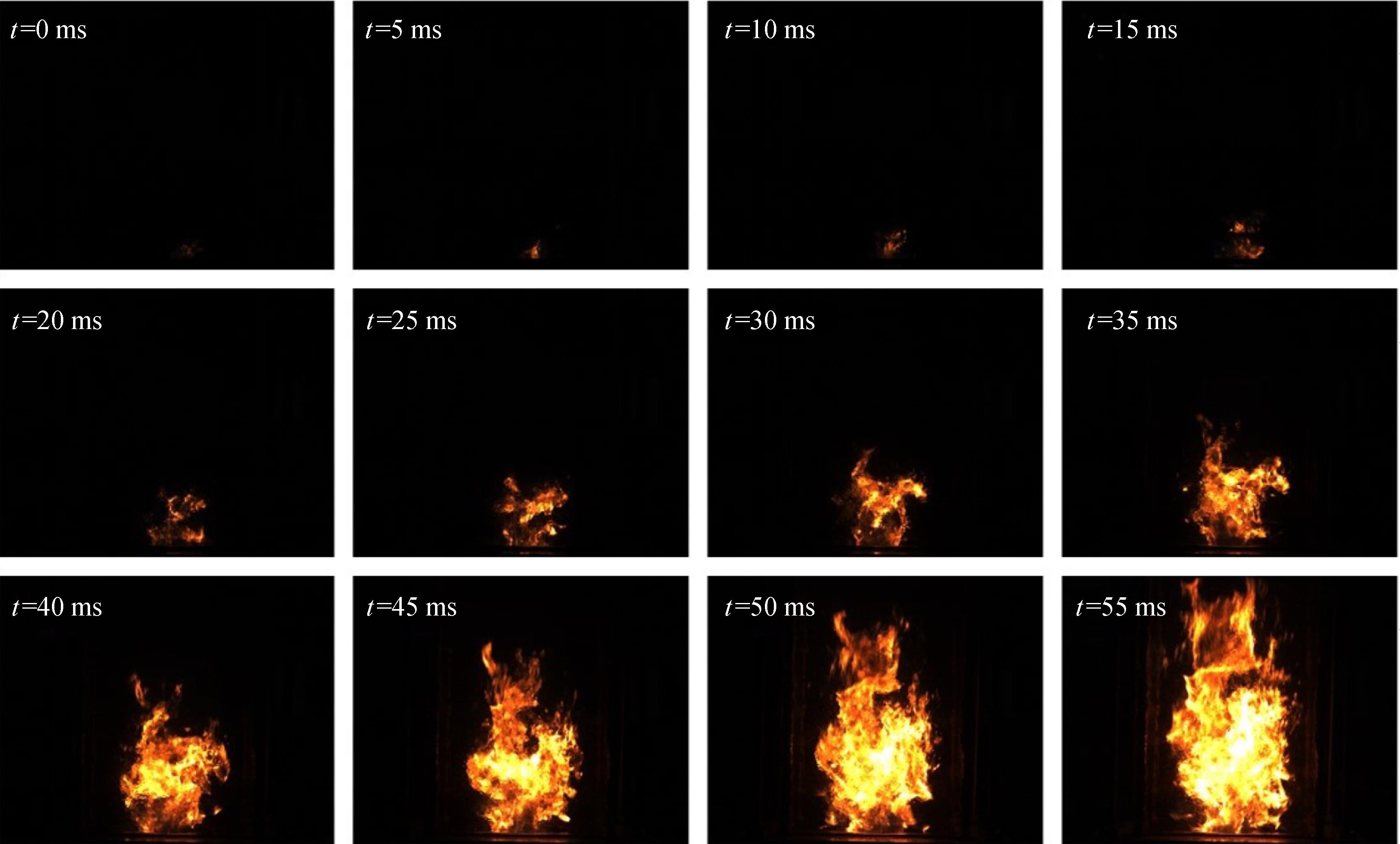
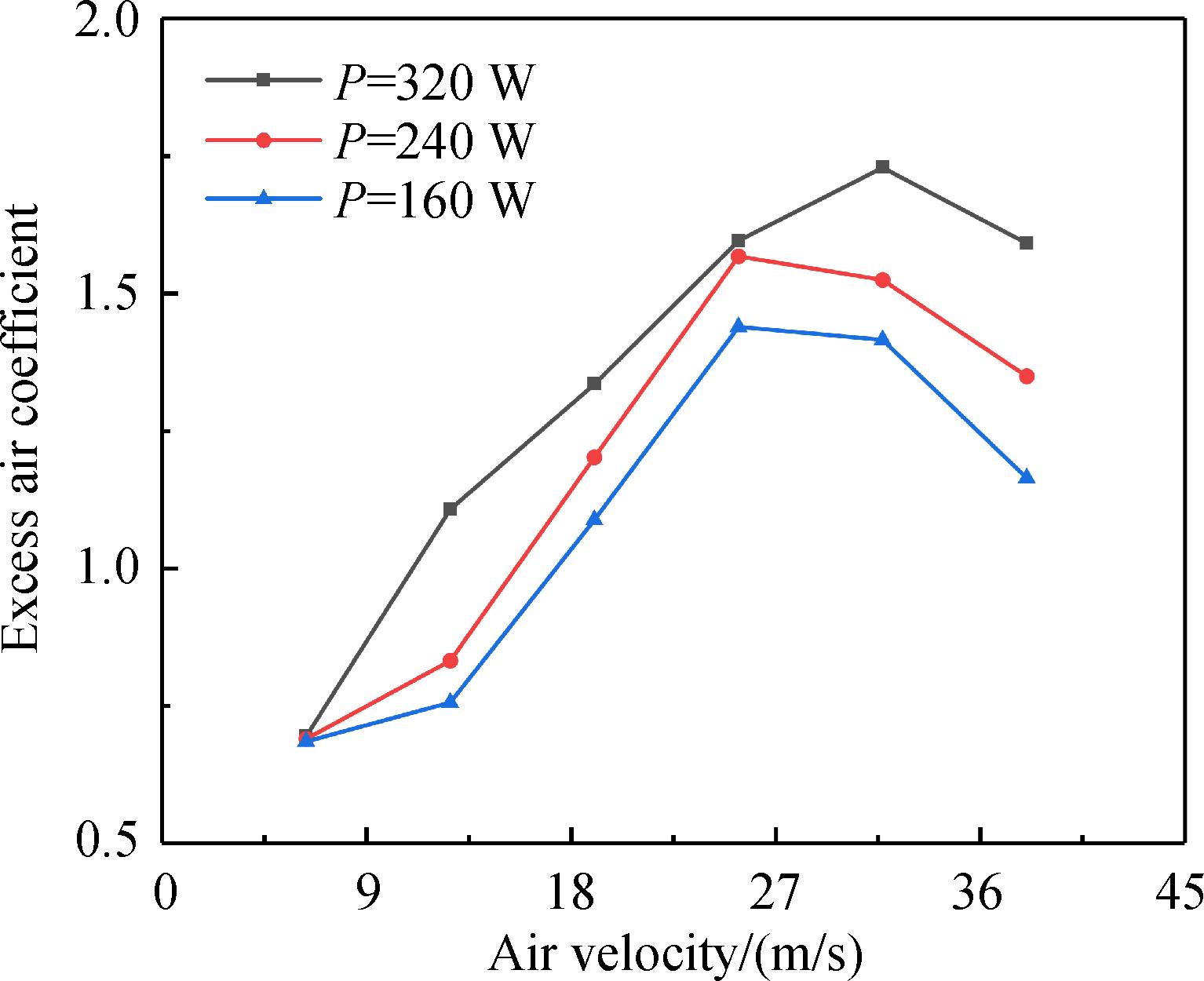
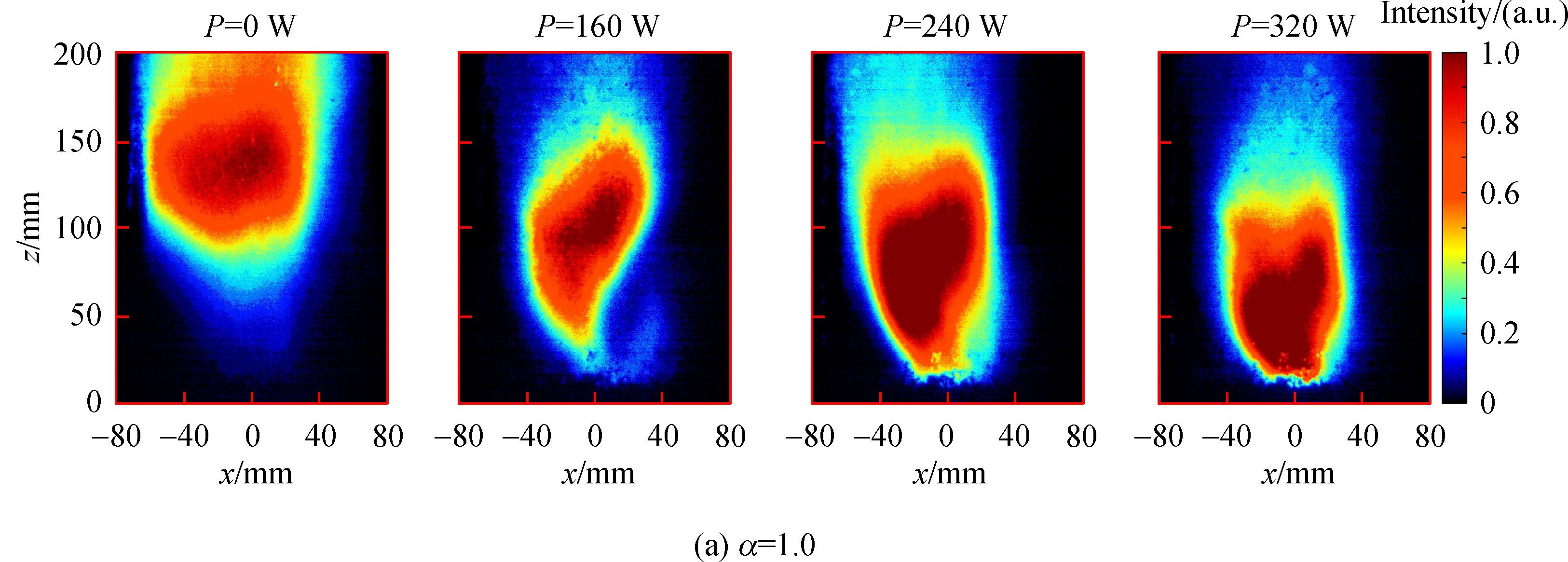
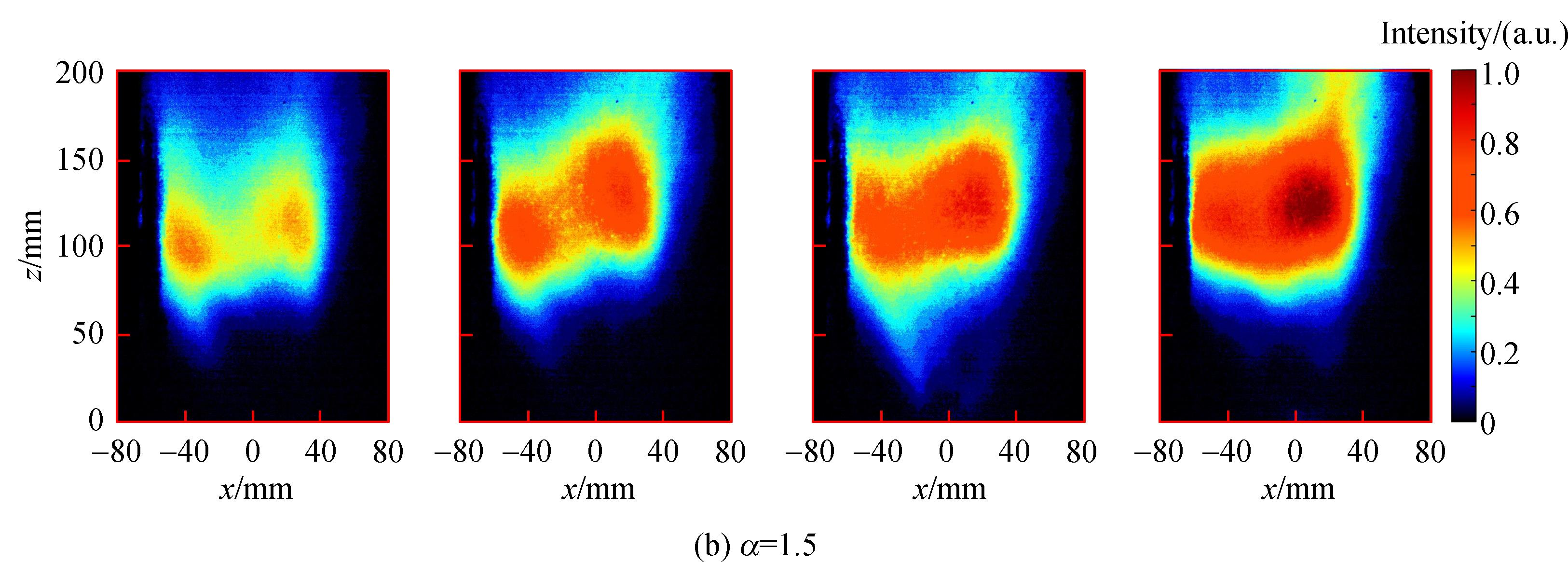
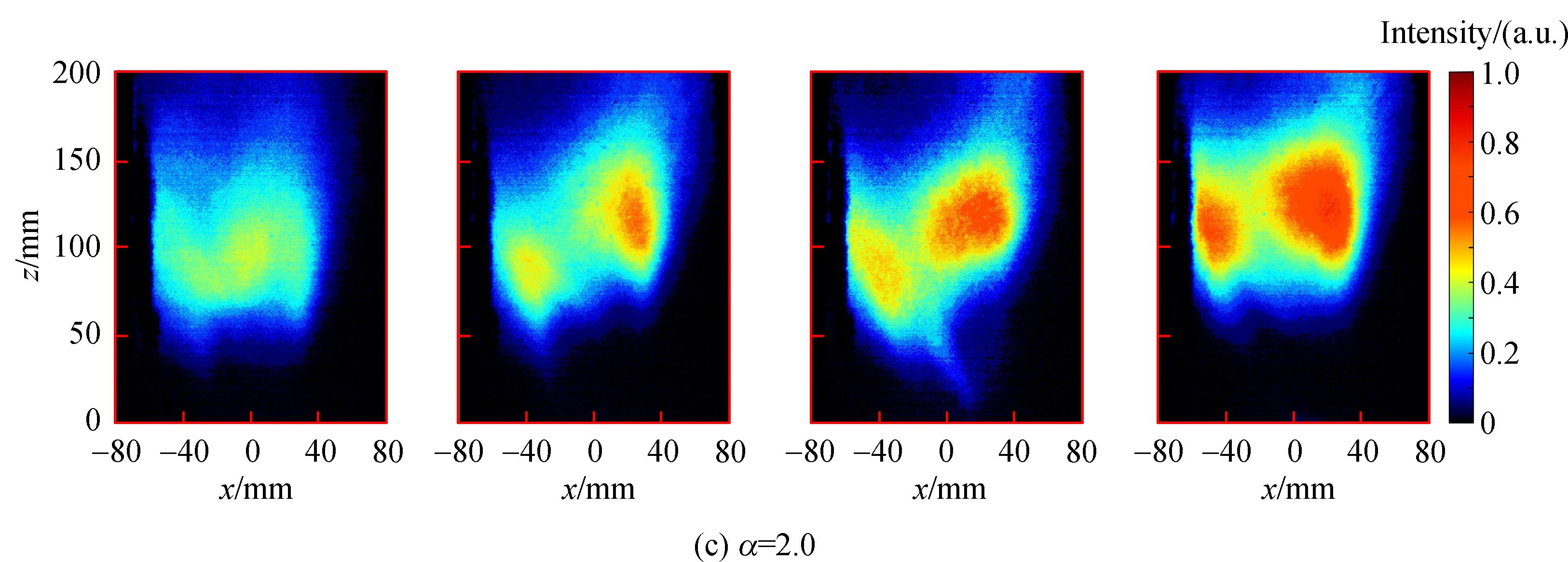
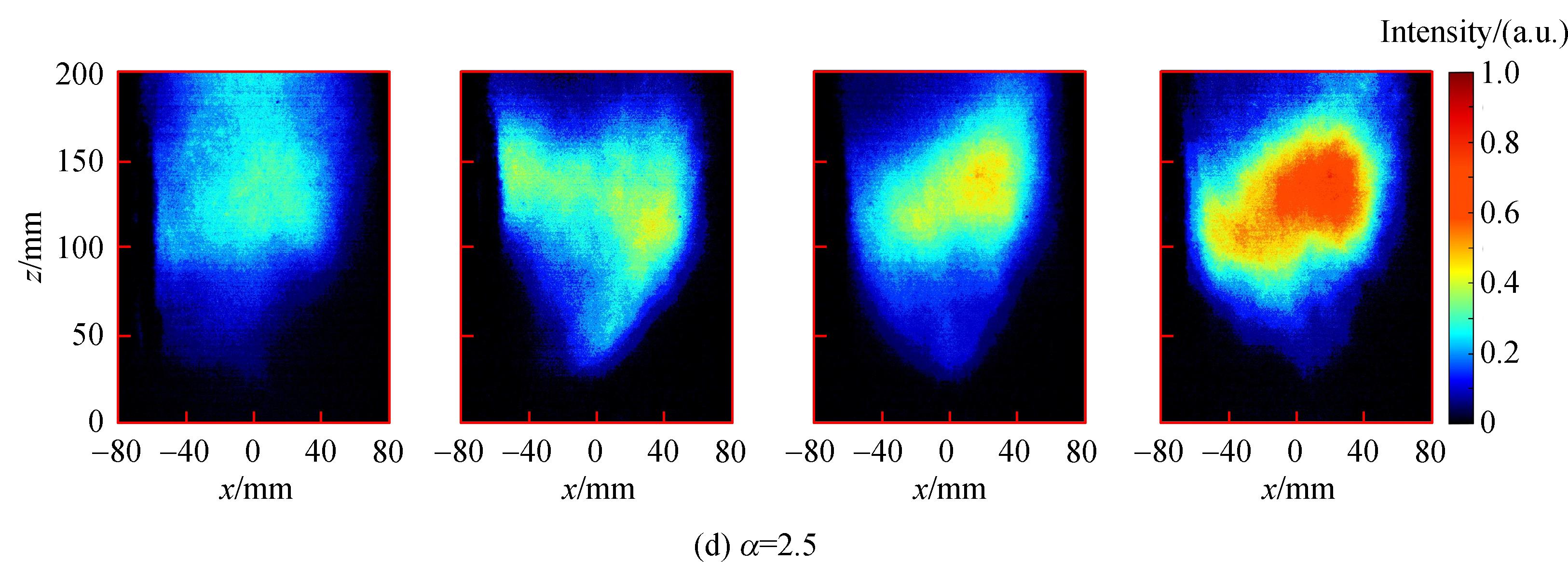
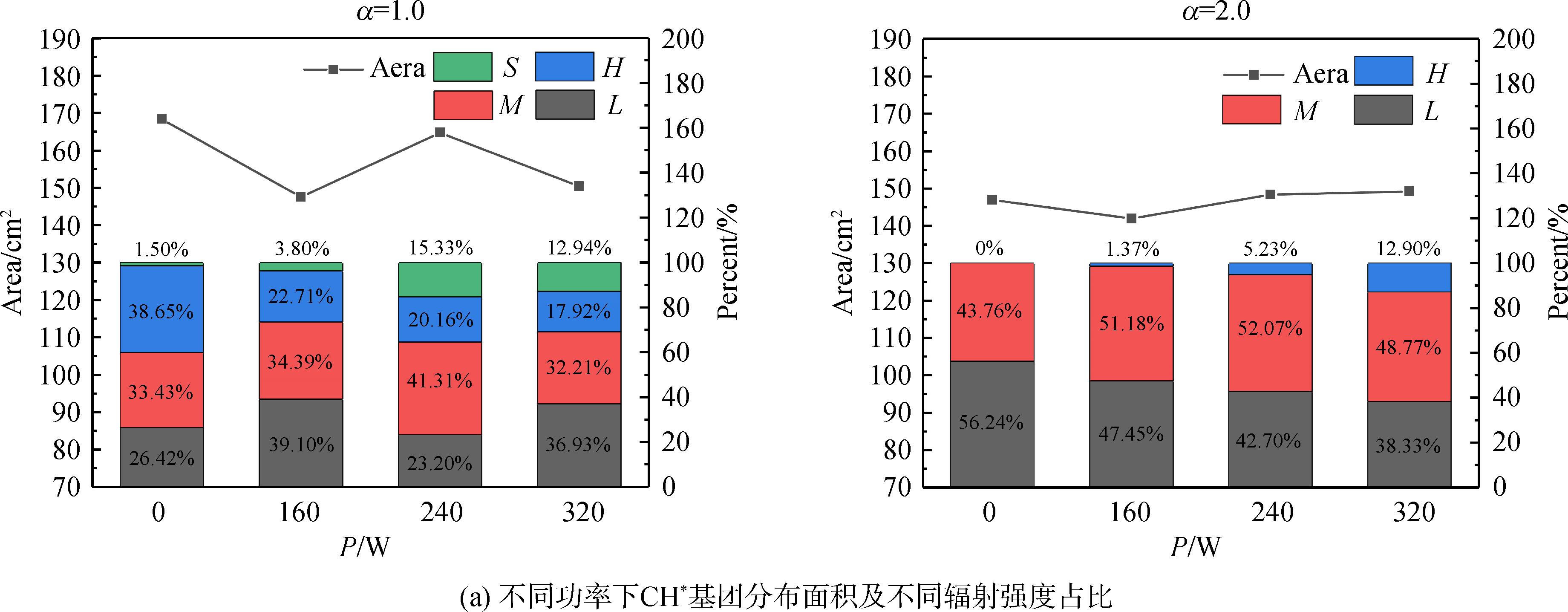
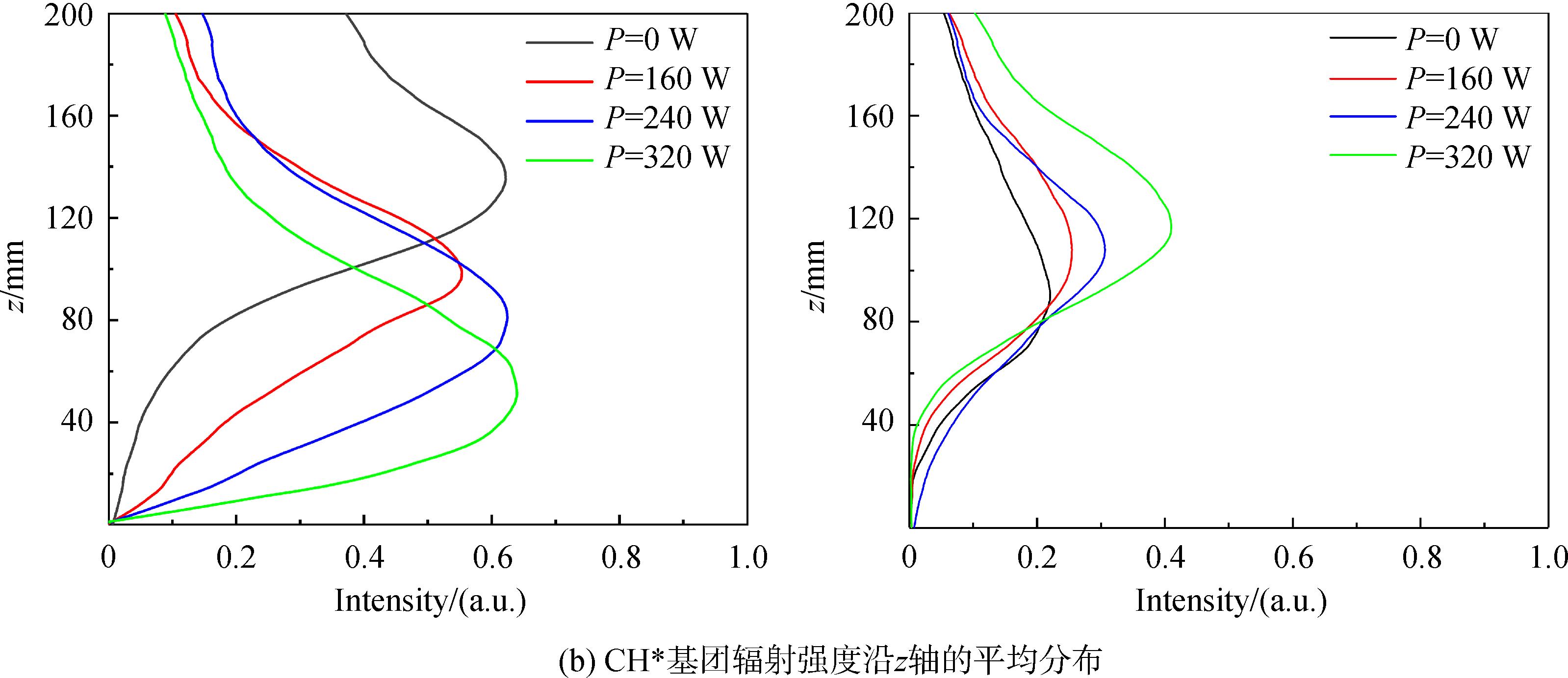
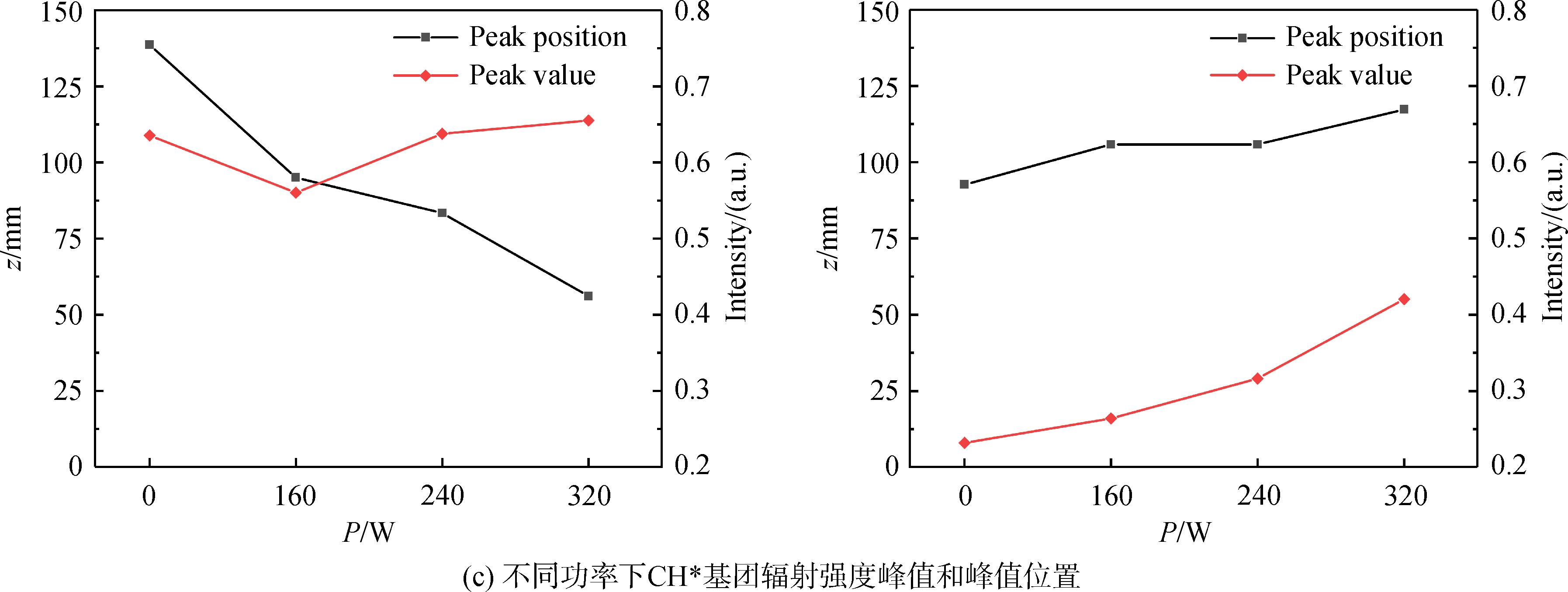
In order to study the combustion enhancement effect of combustor head based on gliding arc,the ignition process of combustor head and the ignition/flameout boundary under different plasma power inputs were explored,and the cloud images of CH* group were obtained by image enhancement system.The experimental results showed that with the increase of input power,the ignition/flameout boundary of combustor was expanded.Compared with 160 W,when the input power was 320 W,the ignition boundary was widened by about 17.6% on average.Compared with 0 W,when the input power was 320 W,the flameout boundary was widened by about 45.3% on average,and the gliding arc discharge had obvious effect on widening flameout boundary.When the gliding arc successfully ignited the fresh gas mixture flowing through it,the increase of input power made the CH* group distribution move upstream.When the input power was 320 W,the combustion flame was stuck around the head of the combustor.When the gliding arc exciter had only combustion⁃supporting function,the increase of input power made the local CH* group radiation intensity increase and the heat release rate increase.

Experimental study on thermal oxidation coking characteristics of aviation kerosene in additively manufactured helical tubes
ZHANG Linqi, JIANG Jie, RUAN Can, LÜ Xingcai
2022, 37(7): 1403-1412. doi: 10.13224/j.cnki.jasp.20210123
Abstract:

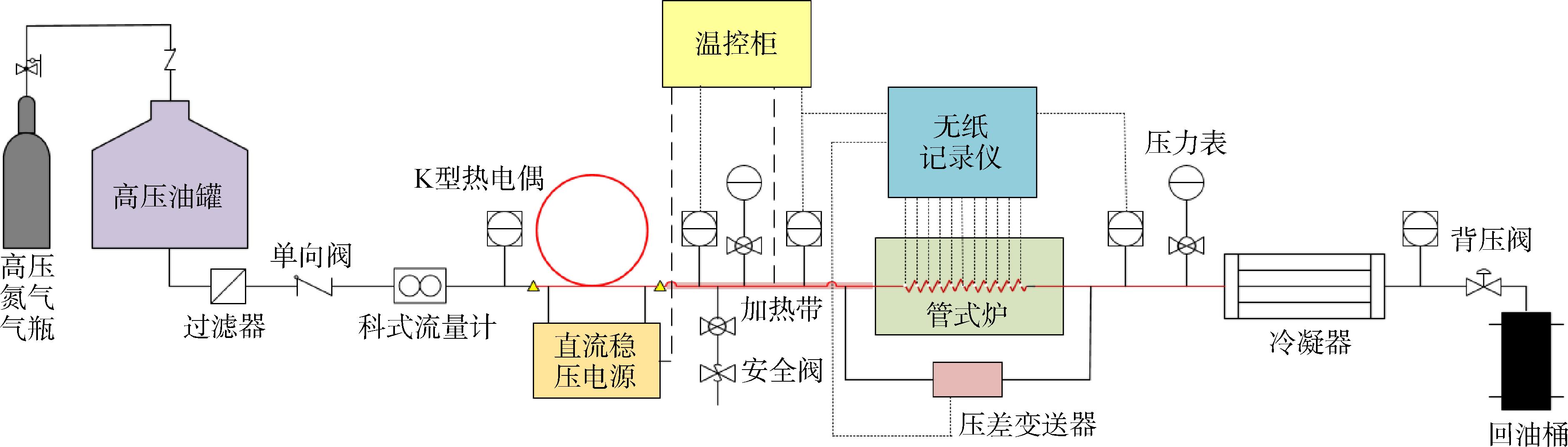
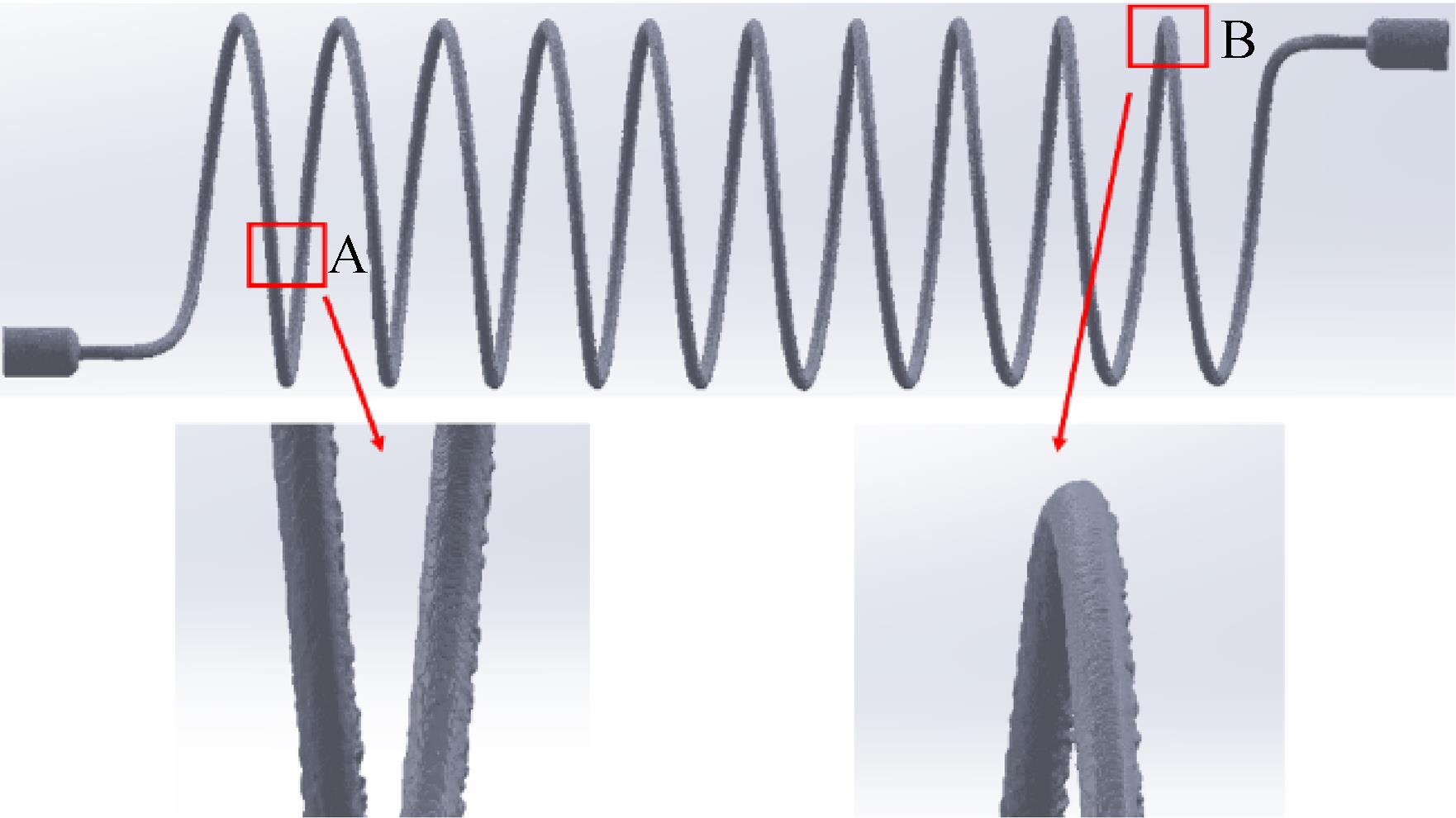
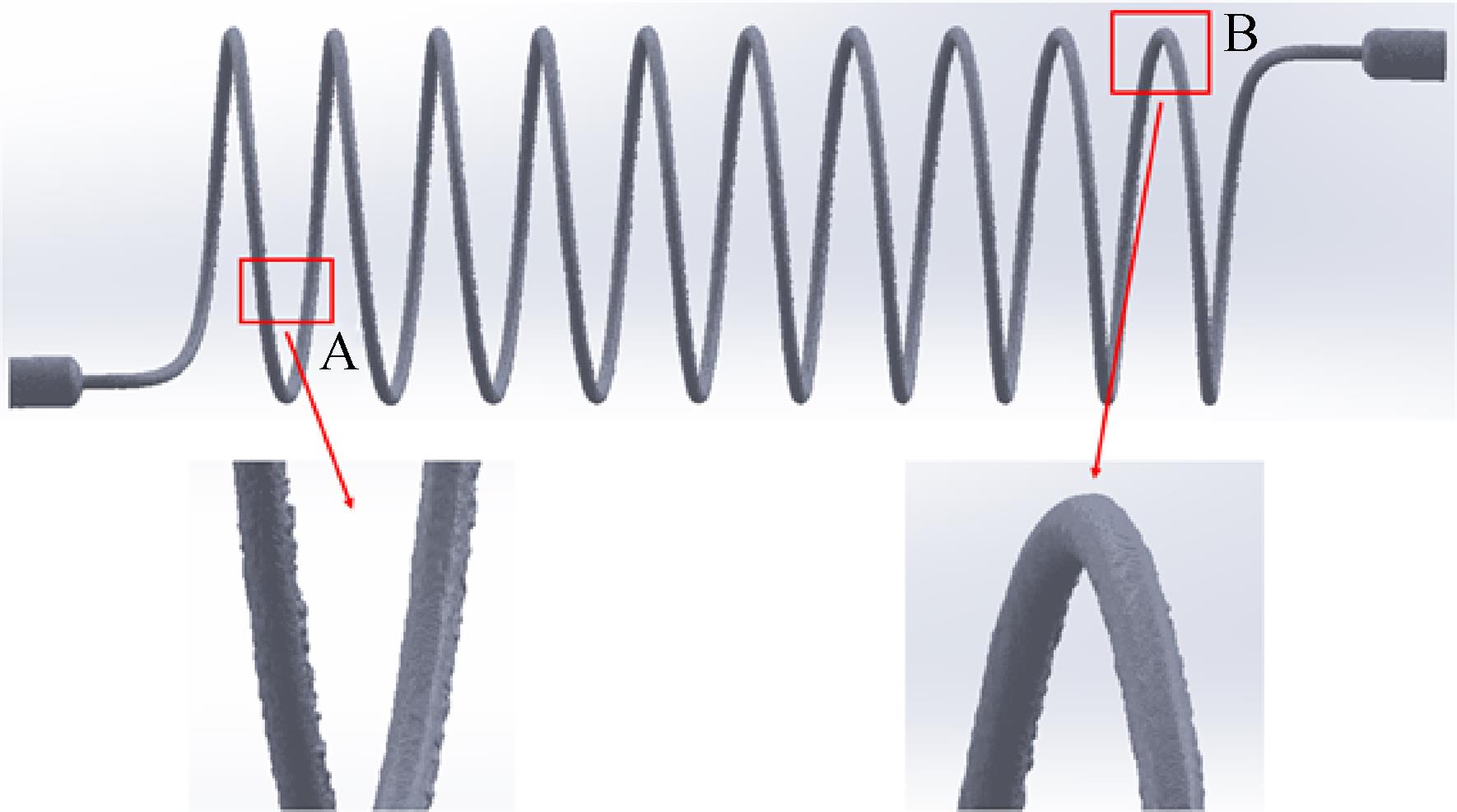
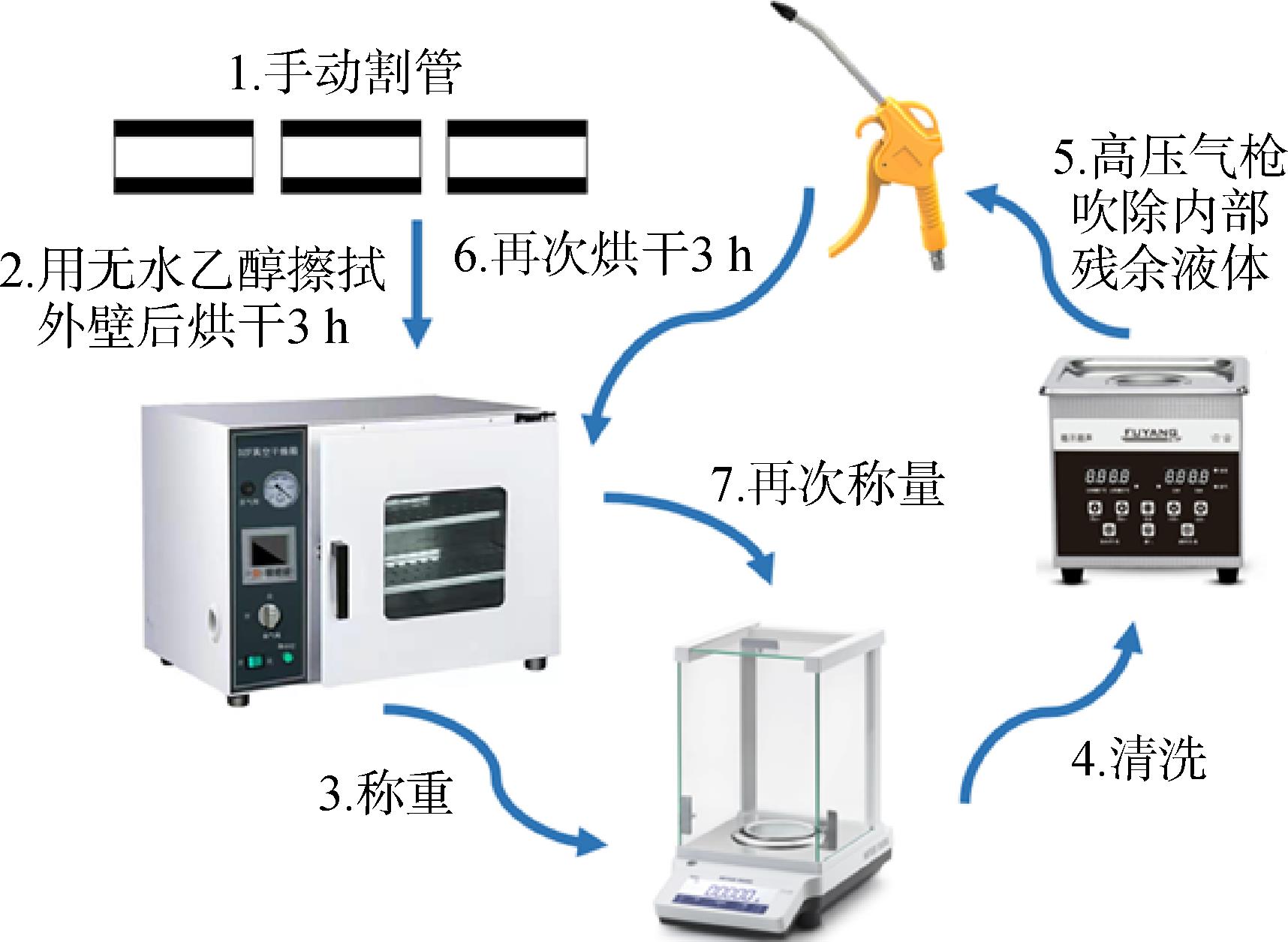
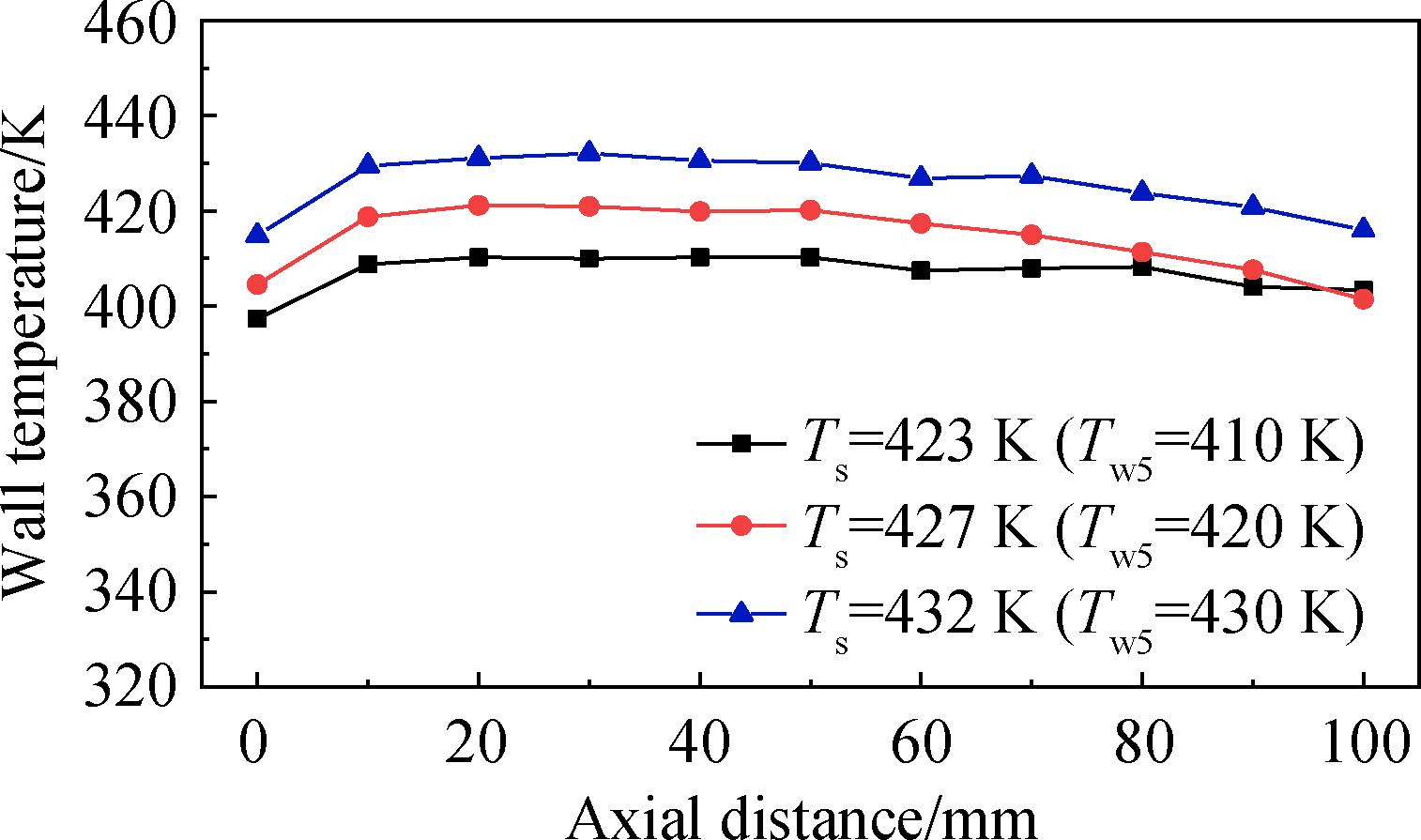
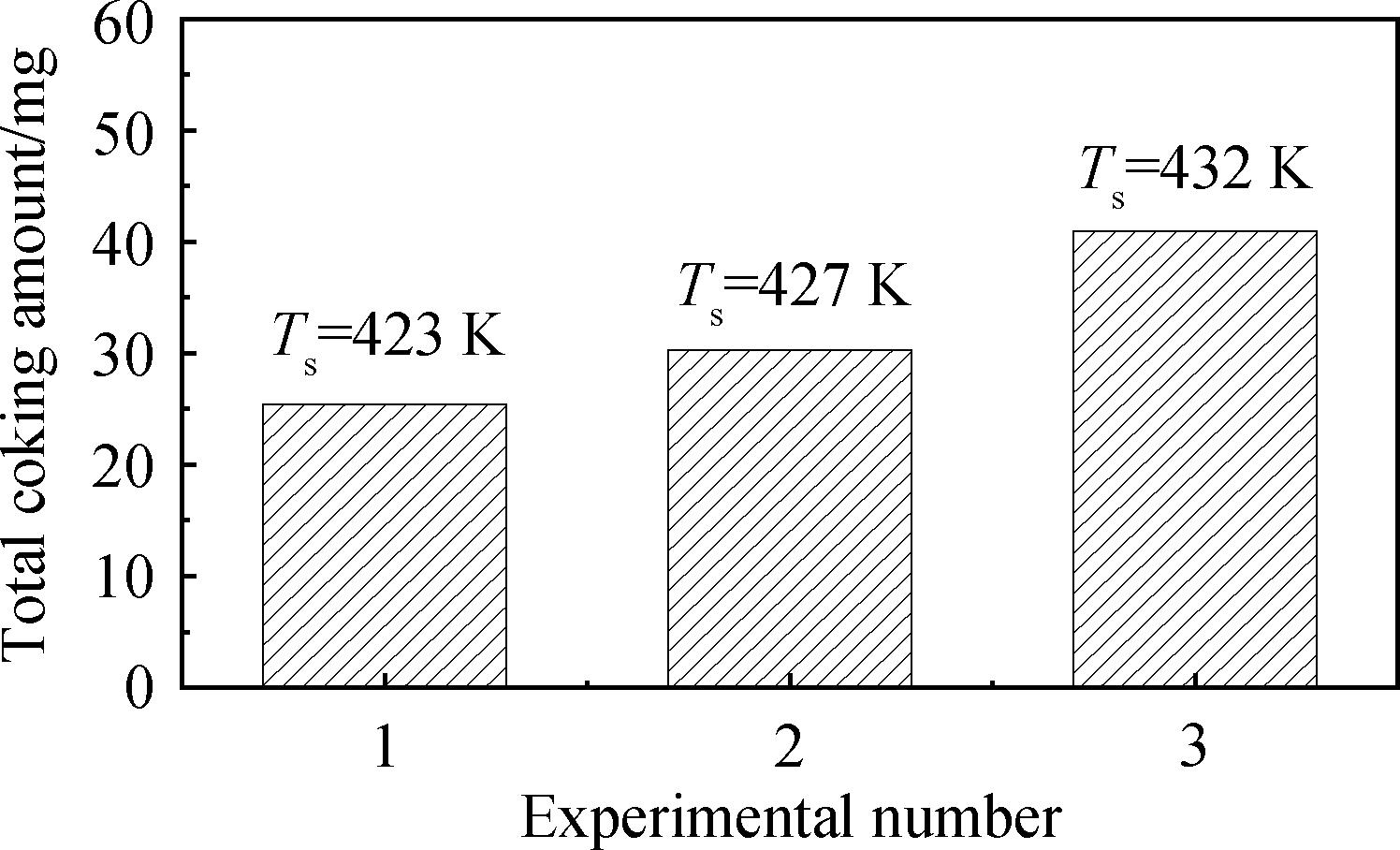
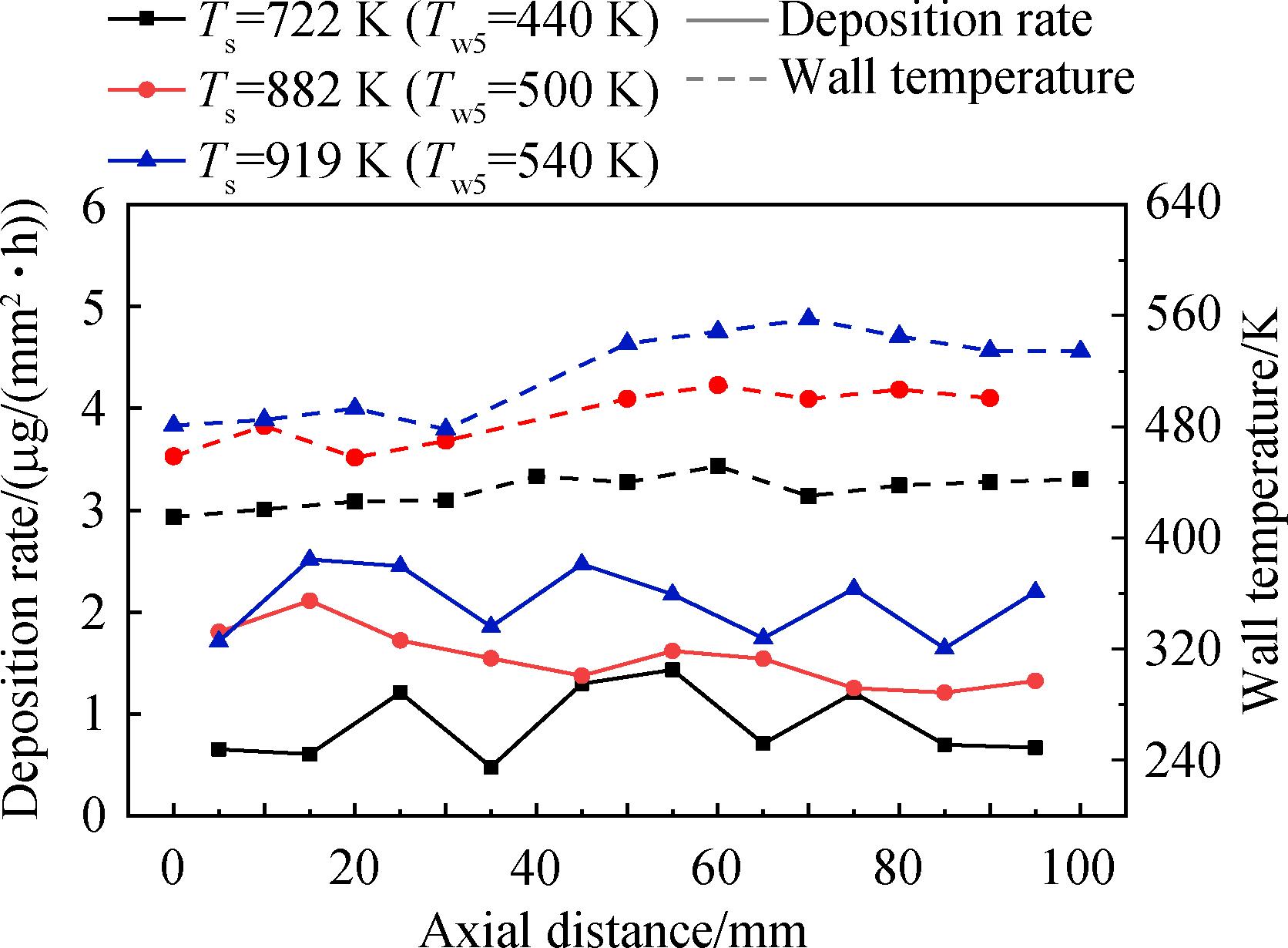
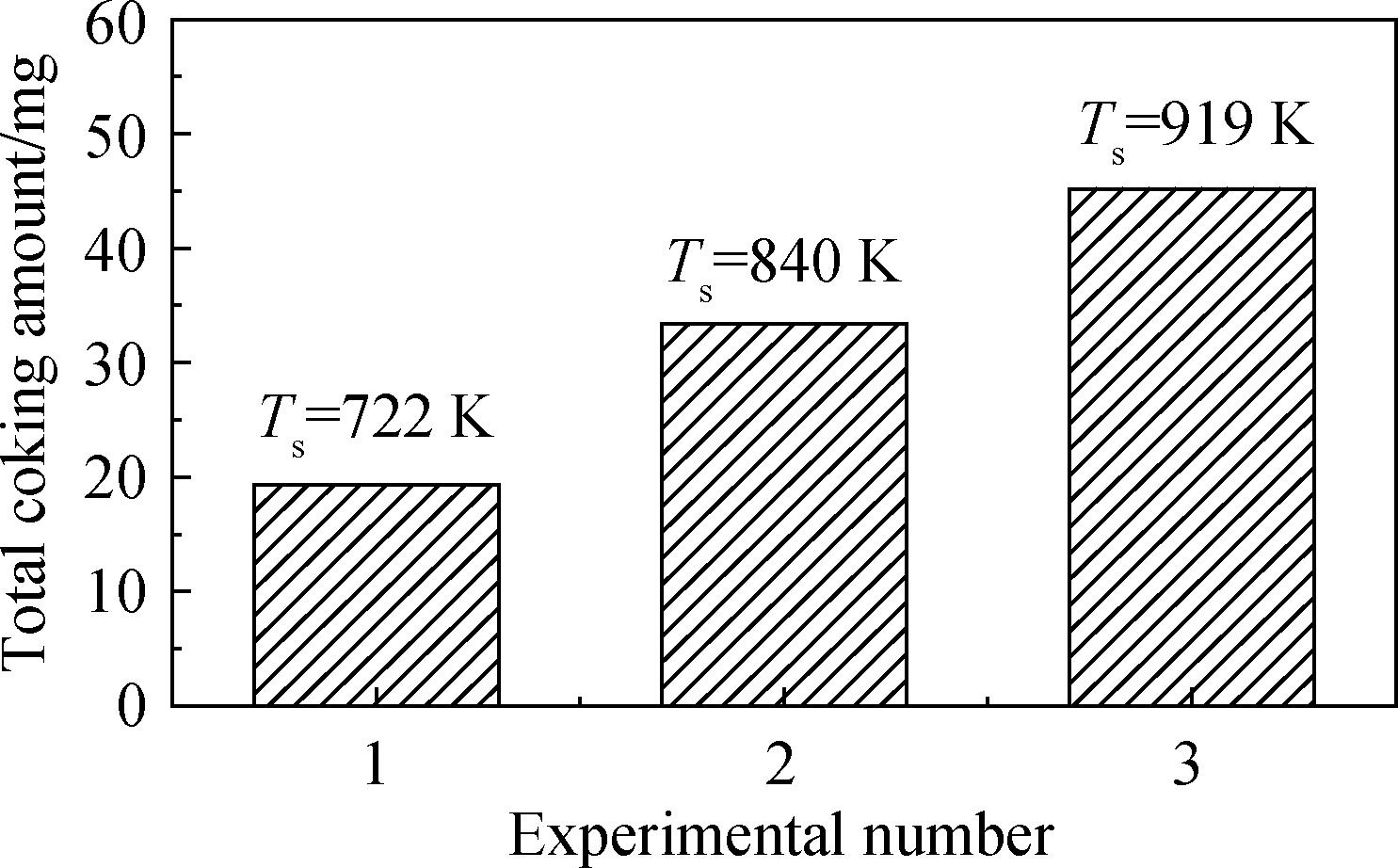
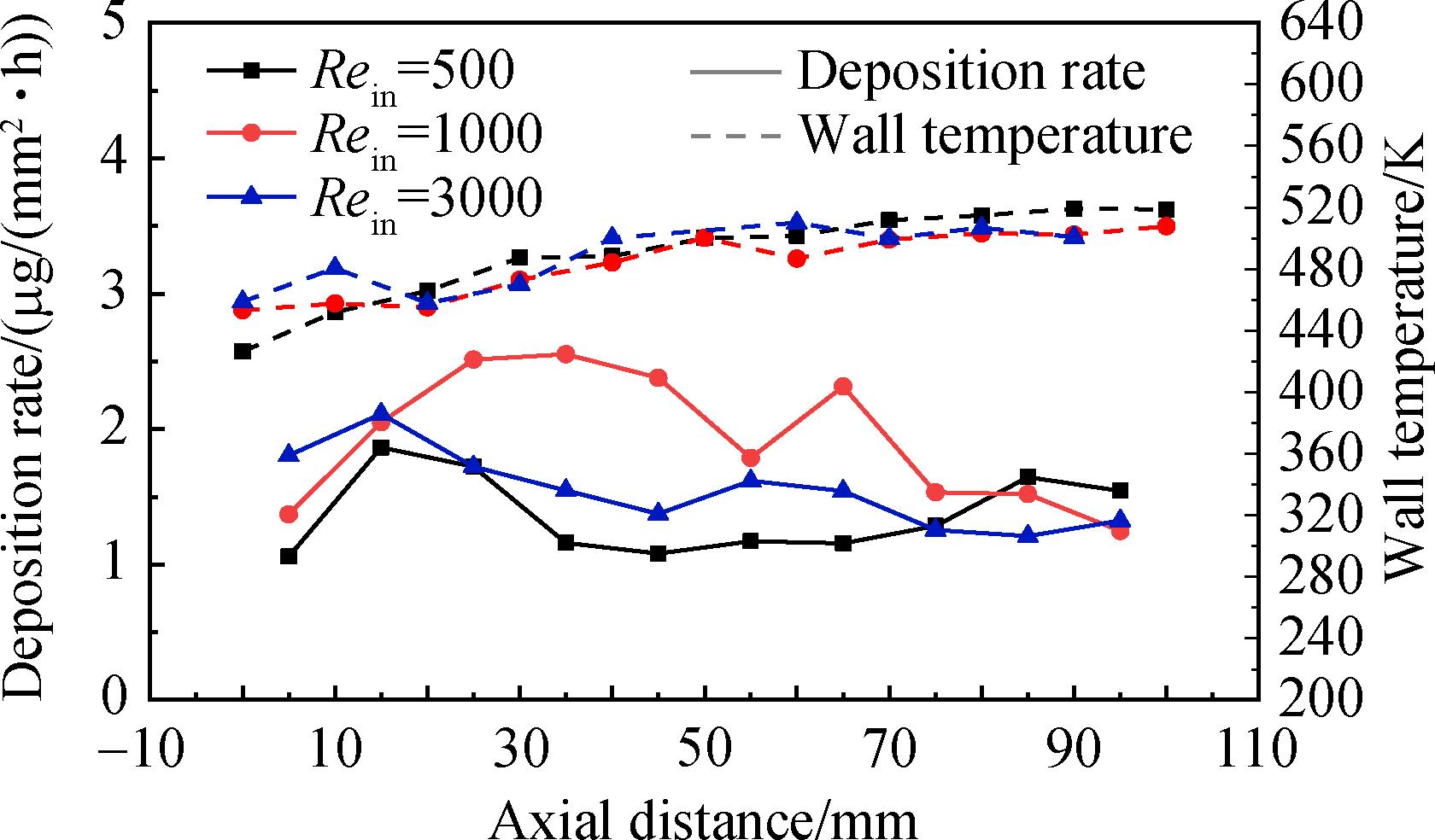
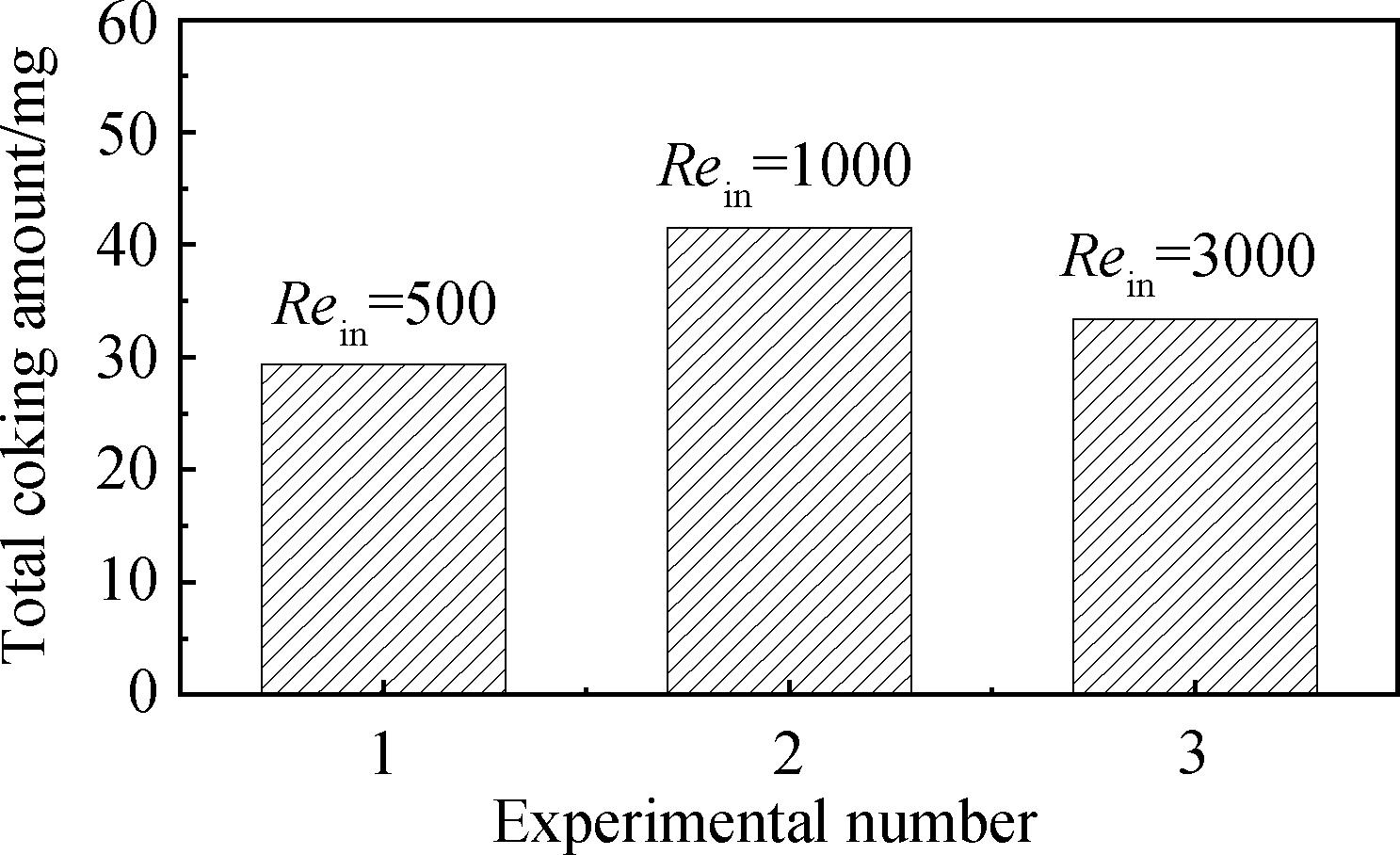
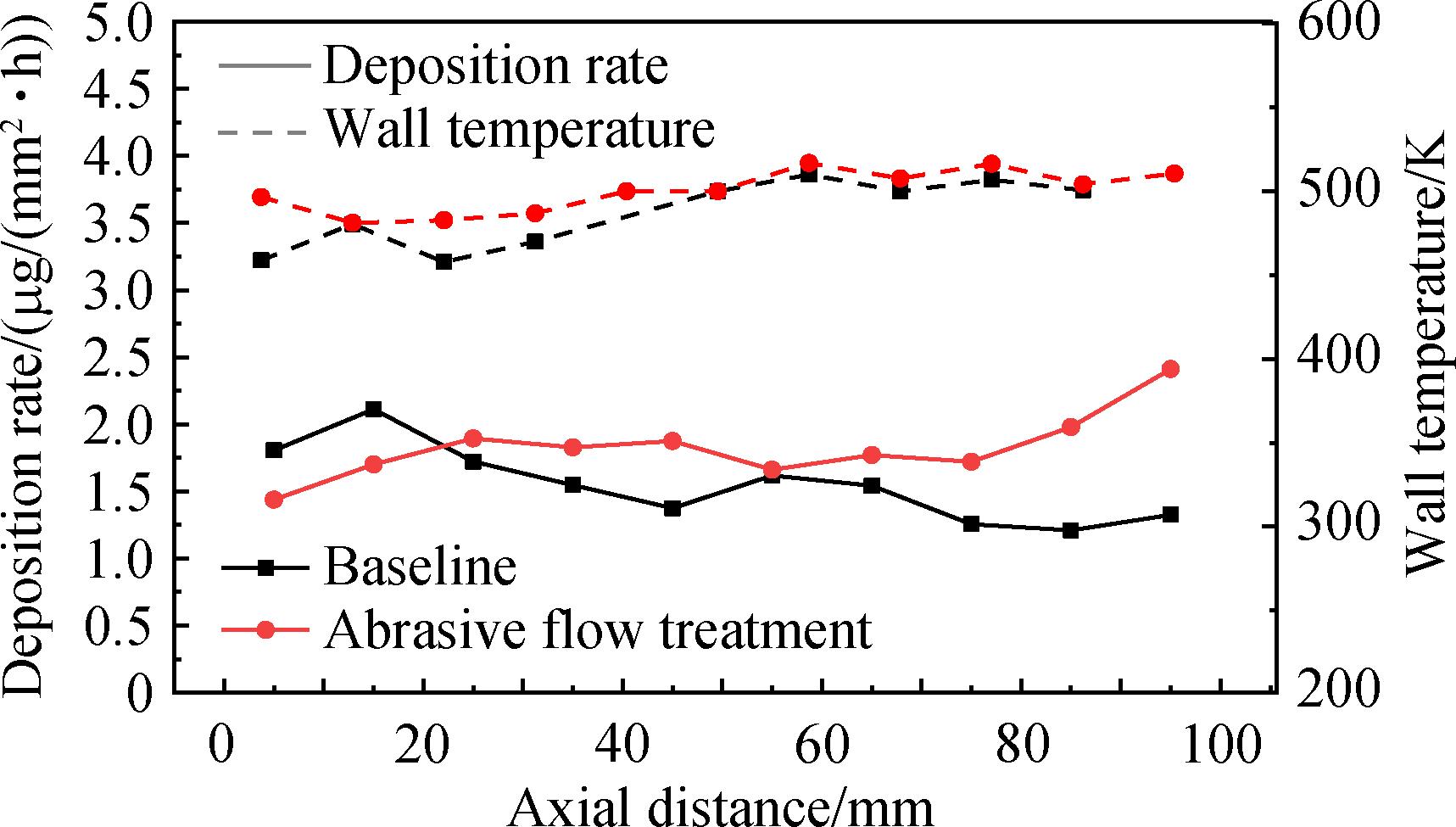
For the purpose of obtaining the influence of ambient temperature,inlet Reynolds number and abrasive flow treatment on the coking characteristics of RP⁃3 aviation kerosene,the RP⁃3 aviation kerosene thermal oxidation coking tests were carried out in additively manufactured (3D printed) helical tubes through the testing way of constant ambient temperature.The test results showed that when inlet Reynolds number and test time remained constant,the deposition rate and the total coking amount of the fuel increased with the increase of ambient temperature,regardless of whether the fuel was in a static or flowing state;when the fuel was in a flowing state,as inlet Reynolds number increased,the deposition rate increased first and then decreased with constant wall temperature and test time.After abrasive flow treatment,the deposition rate of the fuel in the test tube was greater than that of the fuel under baseline working condition,and the total coking amount of the fuel was 1.17 times the total coking amount of the fuel under baseline working condition.The abrasive flow treatment on the inner surface of the test tube was not conducive to the inhibition of coking deposition.

Structure,Strength and Vibration
Measurement method of biaxial axial force of aero⁃engine elastic support and force⁃measuring ring
LI Hongmei, OUYANG Yunfang
2022, 37(7): 1413-1424. doi: 10.13224/j.cnki.jasp.20220086
Abstract:

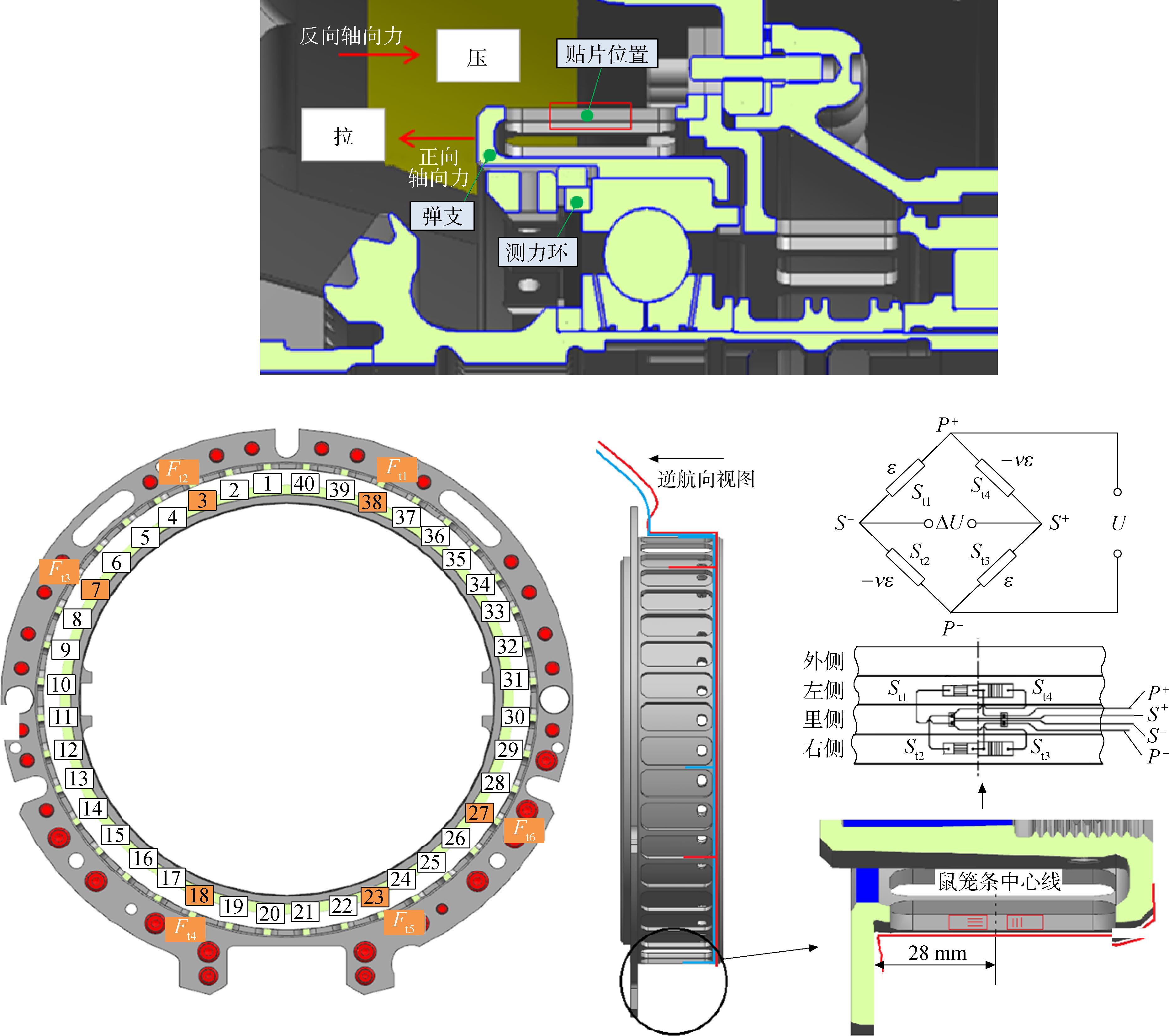
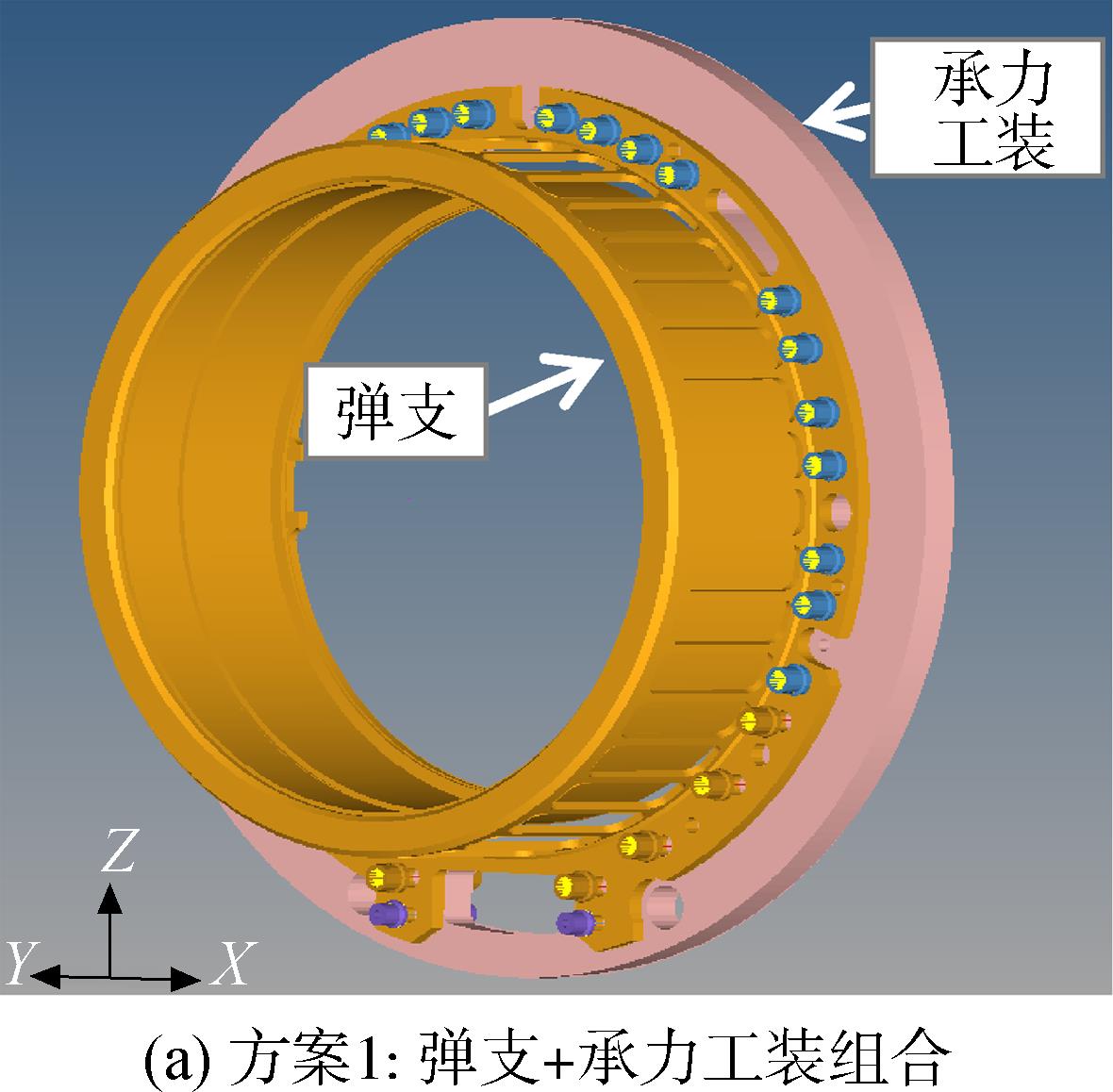
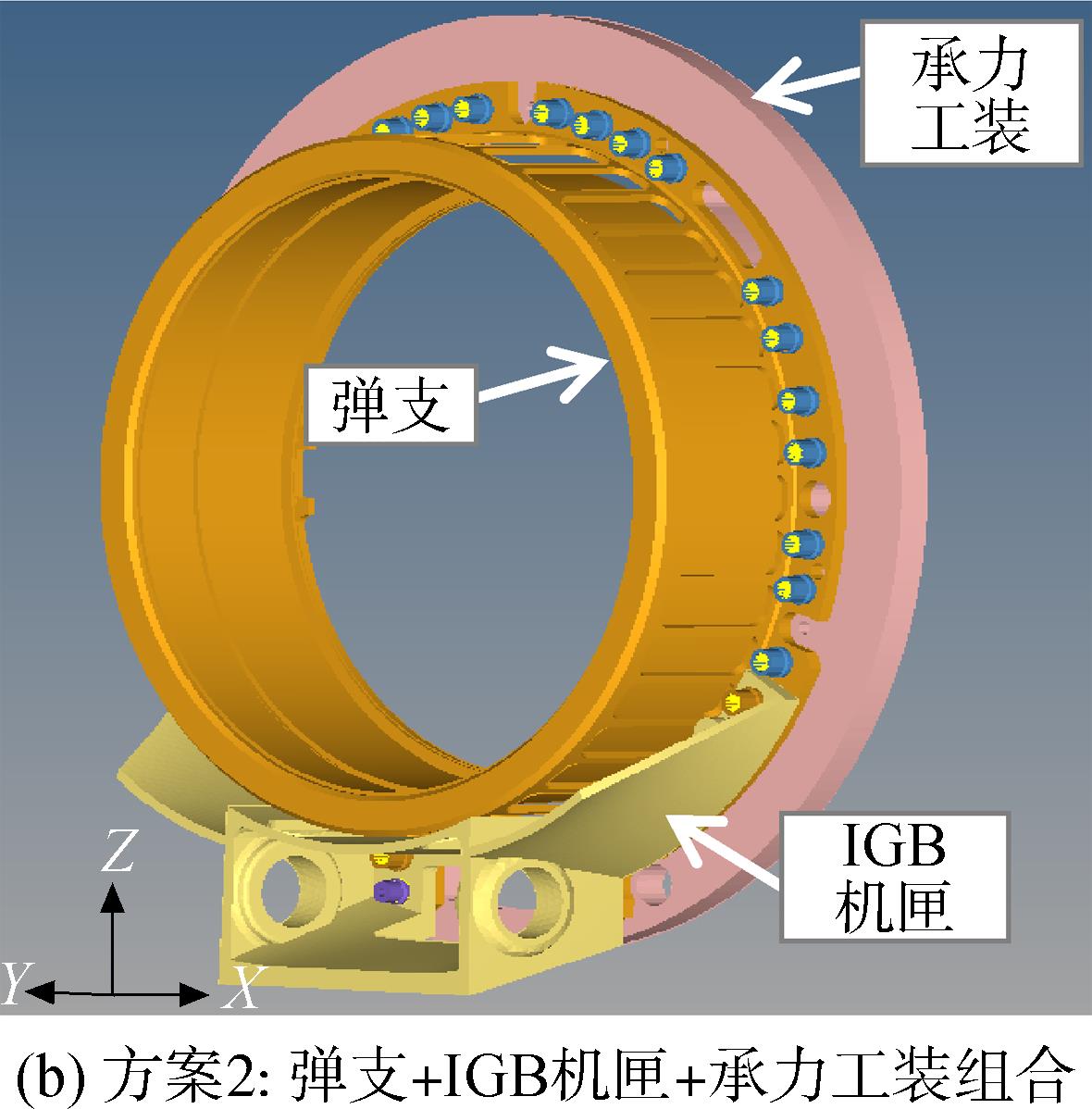
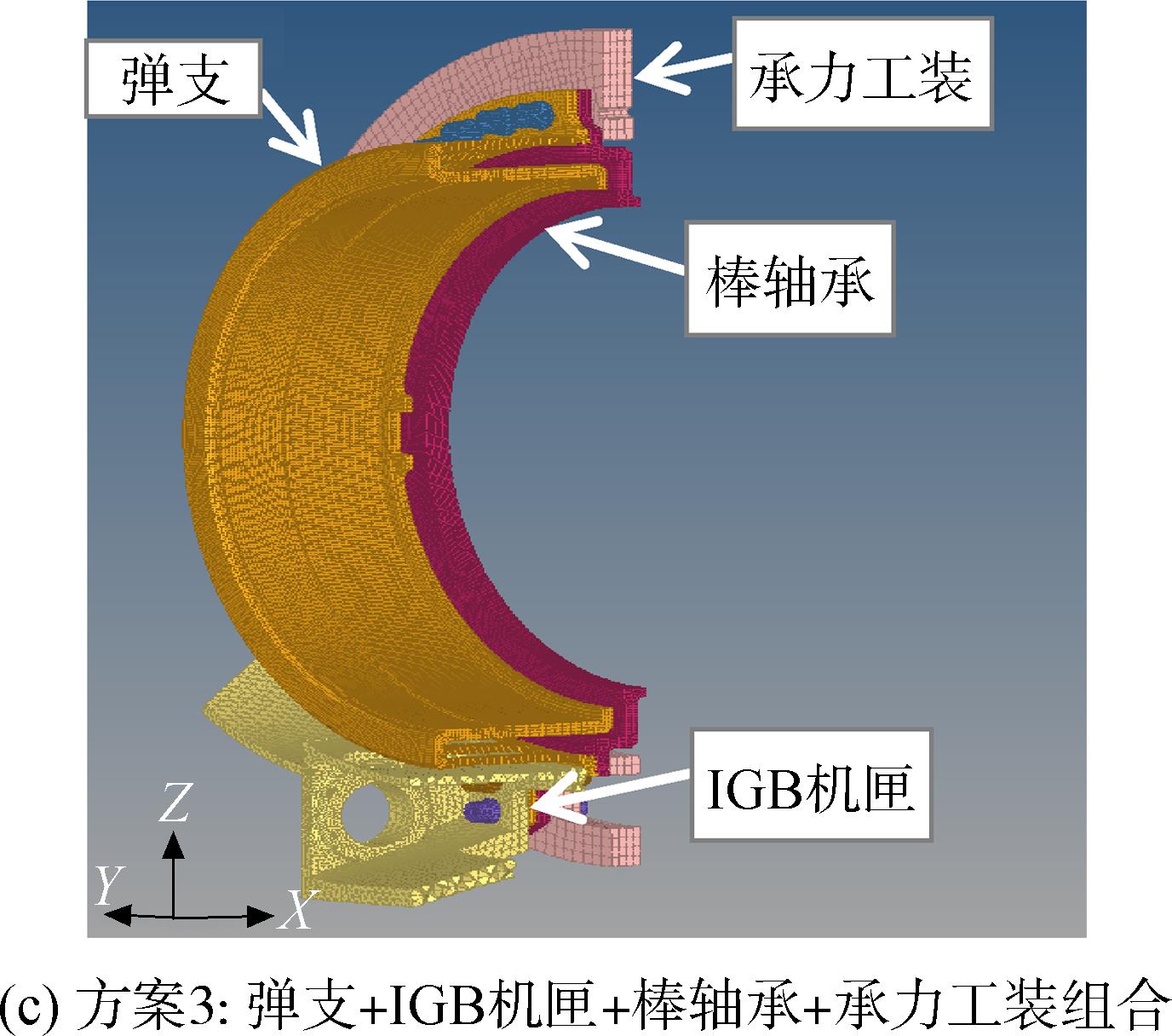
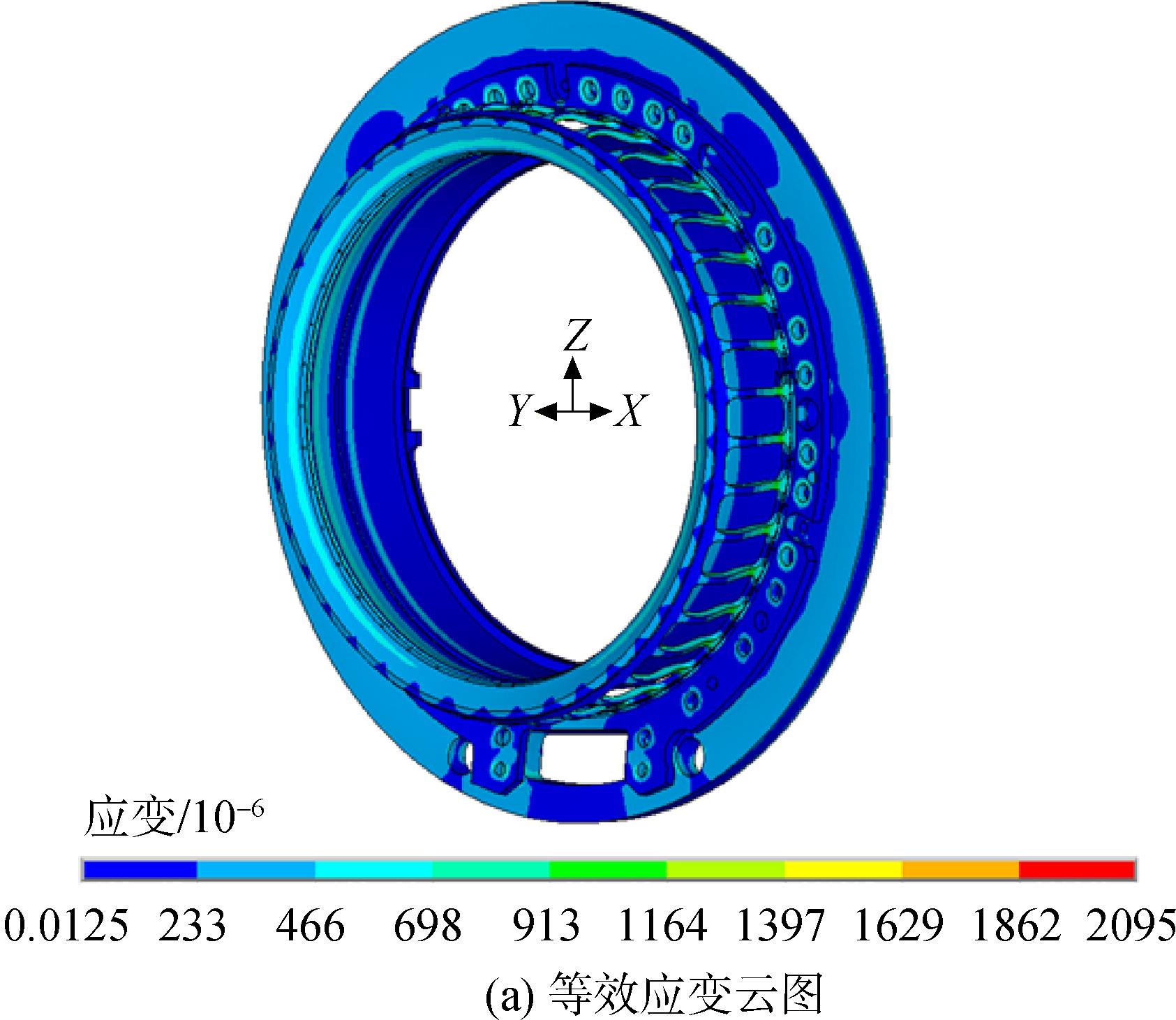
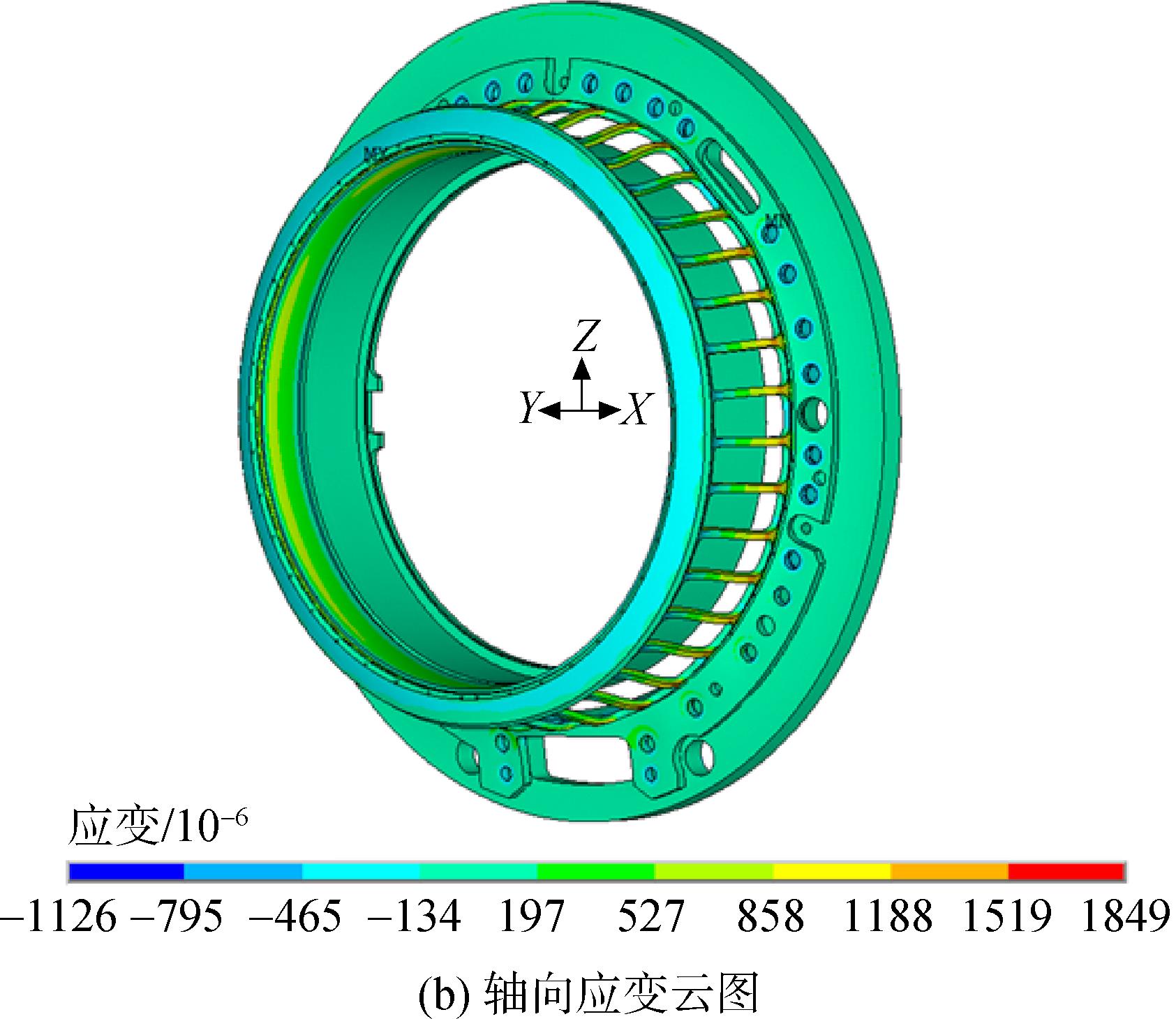
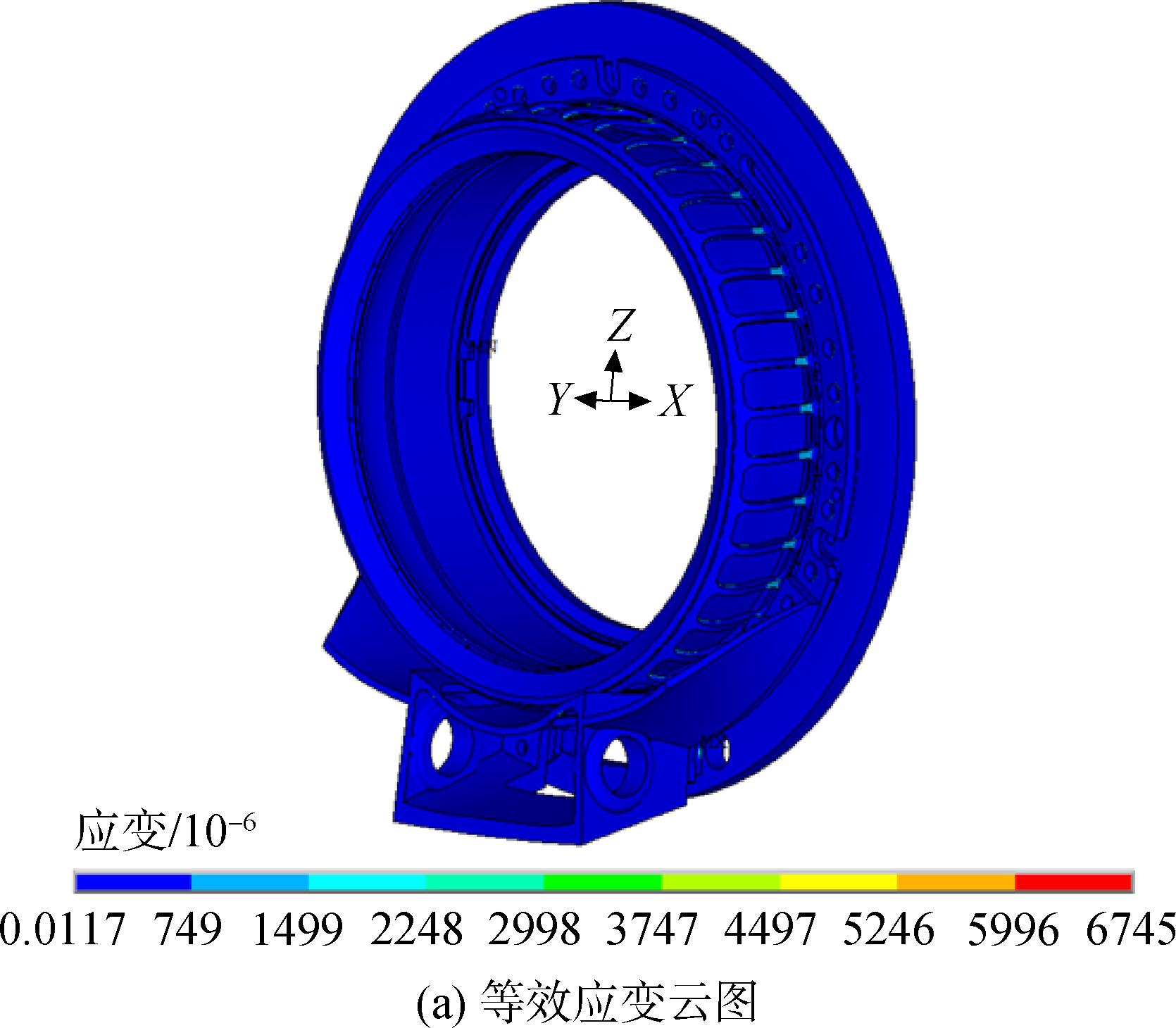
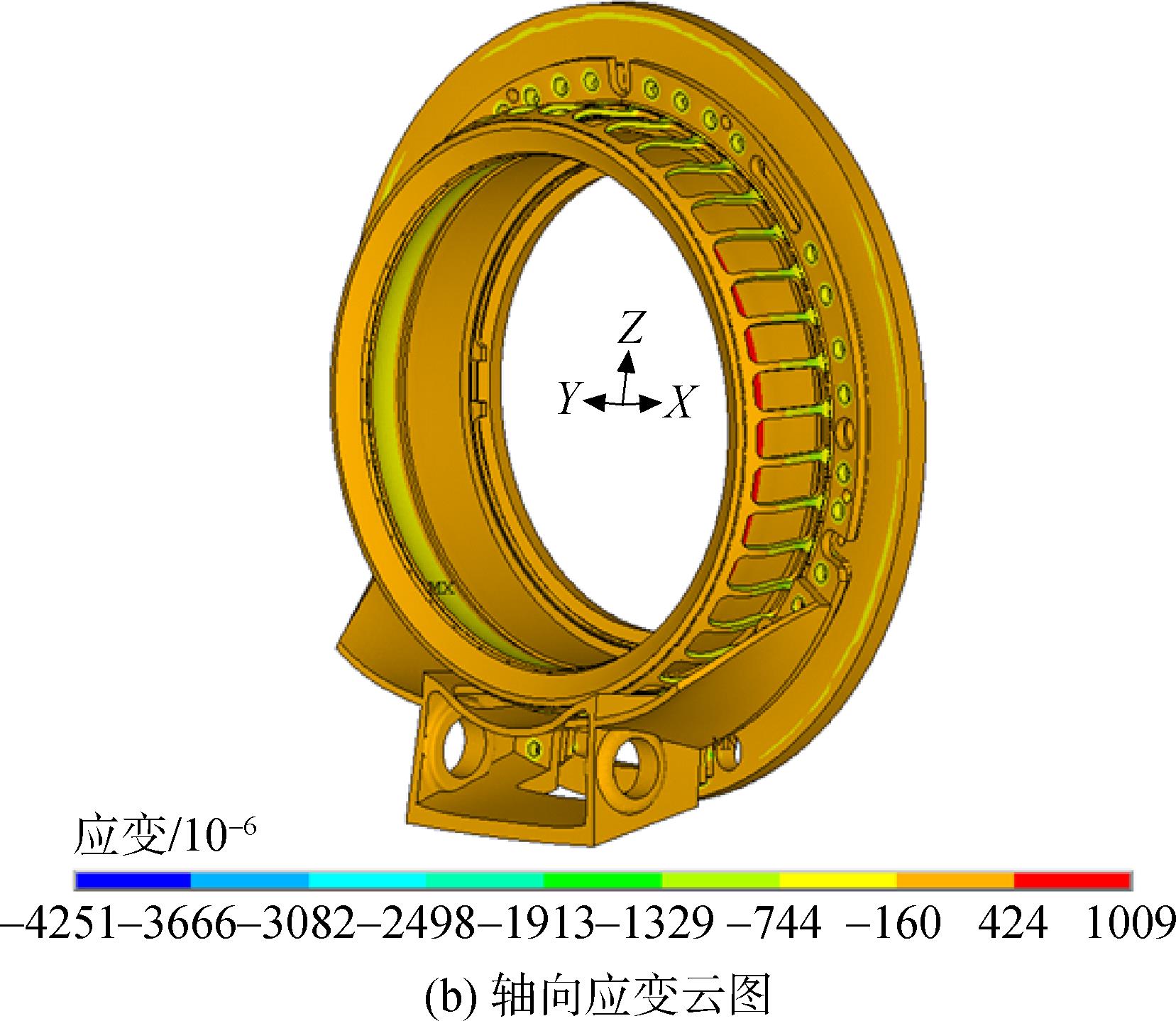
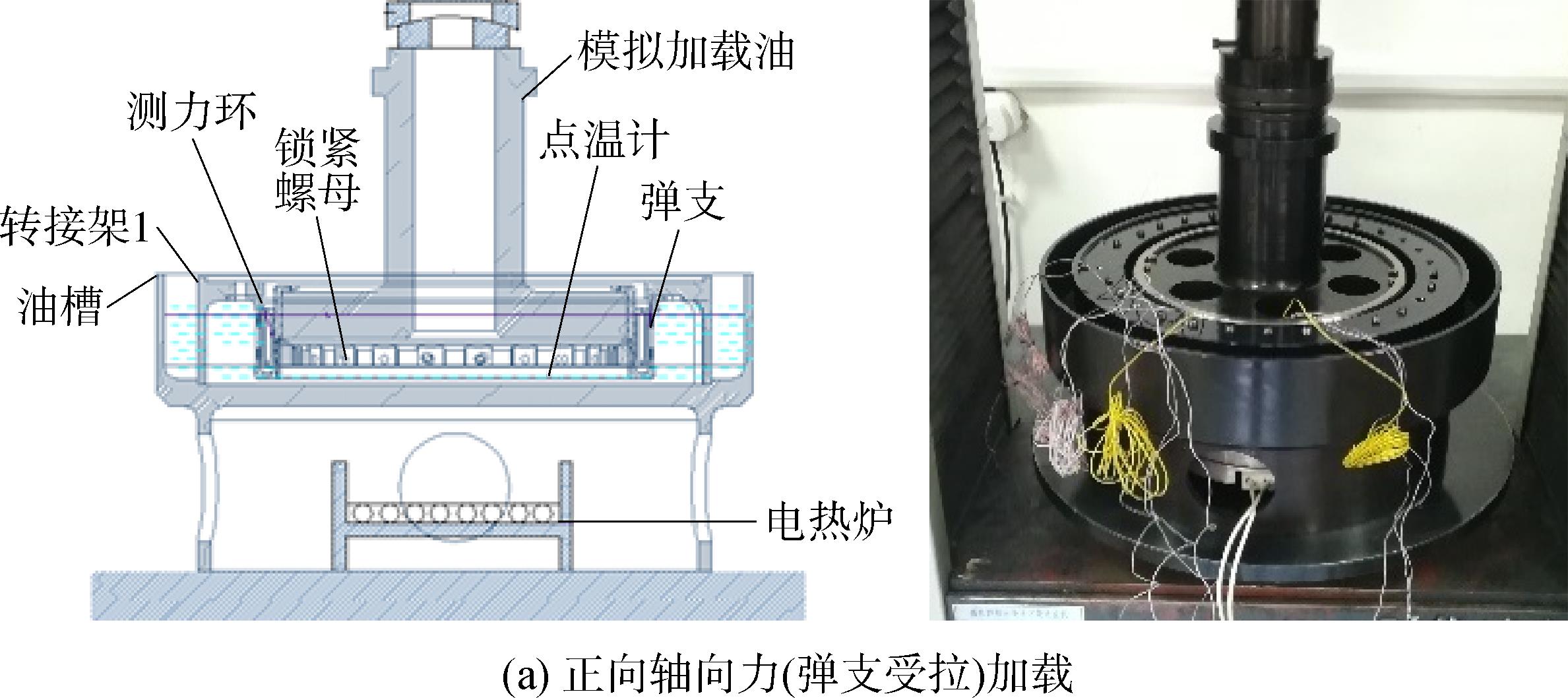
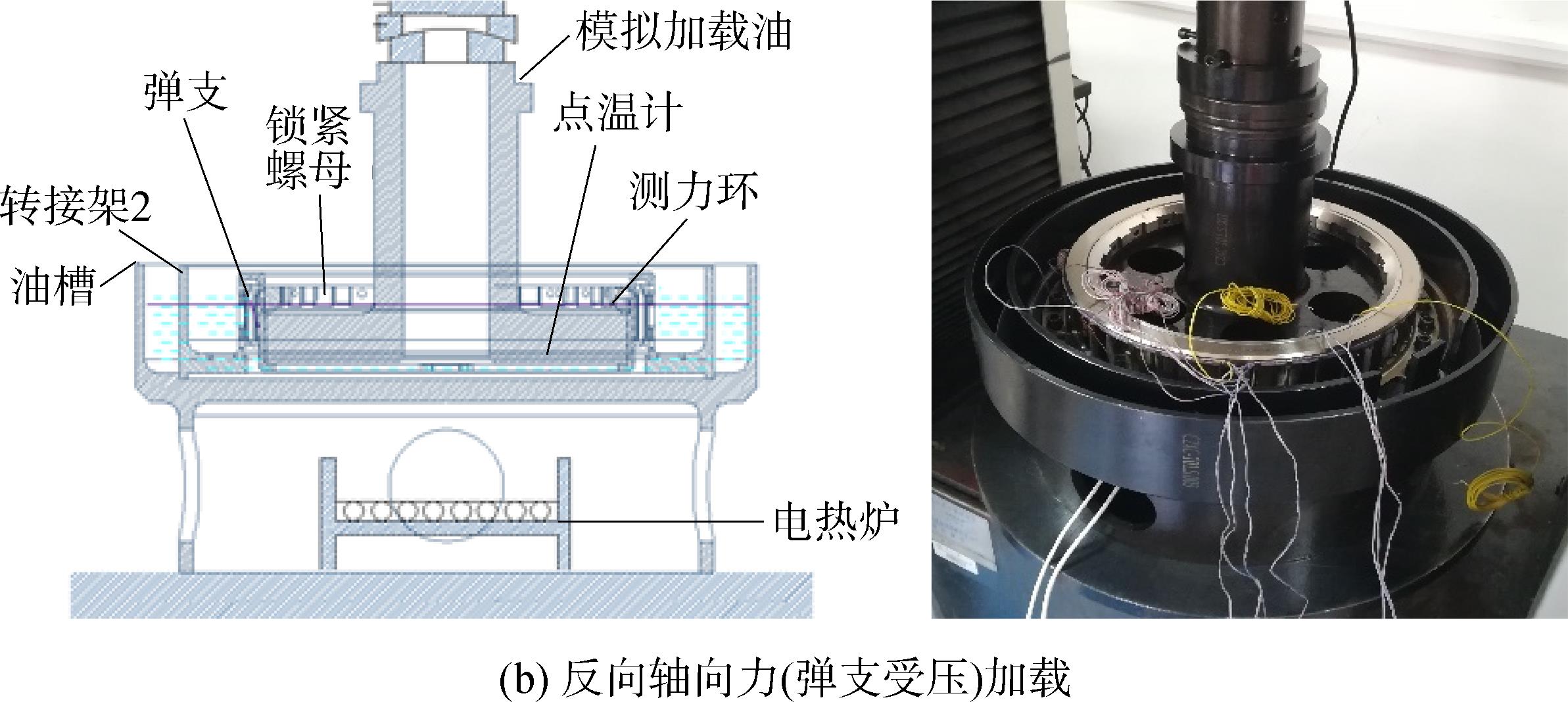
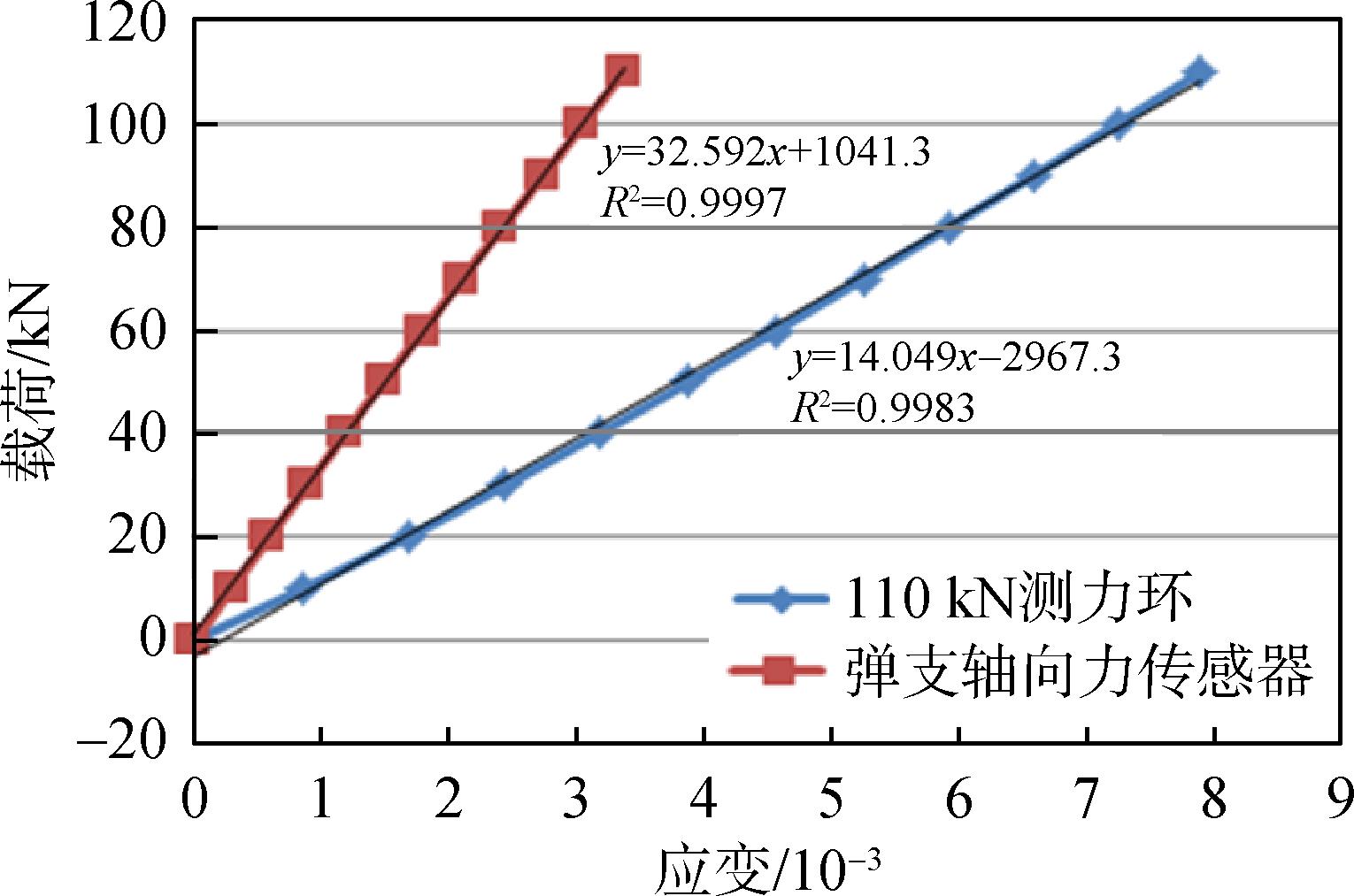
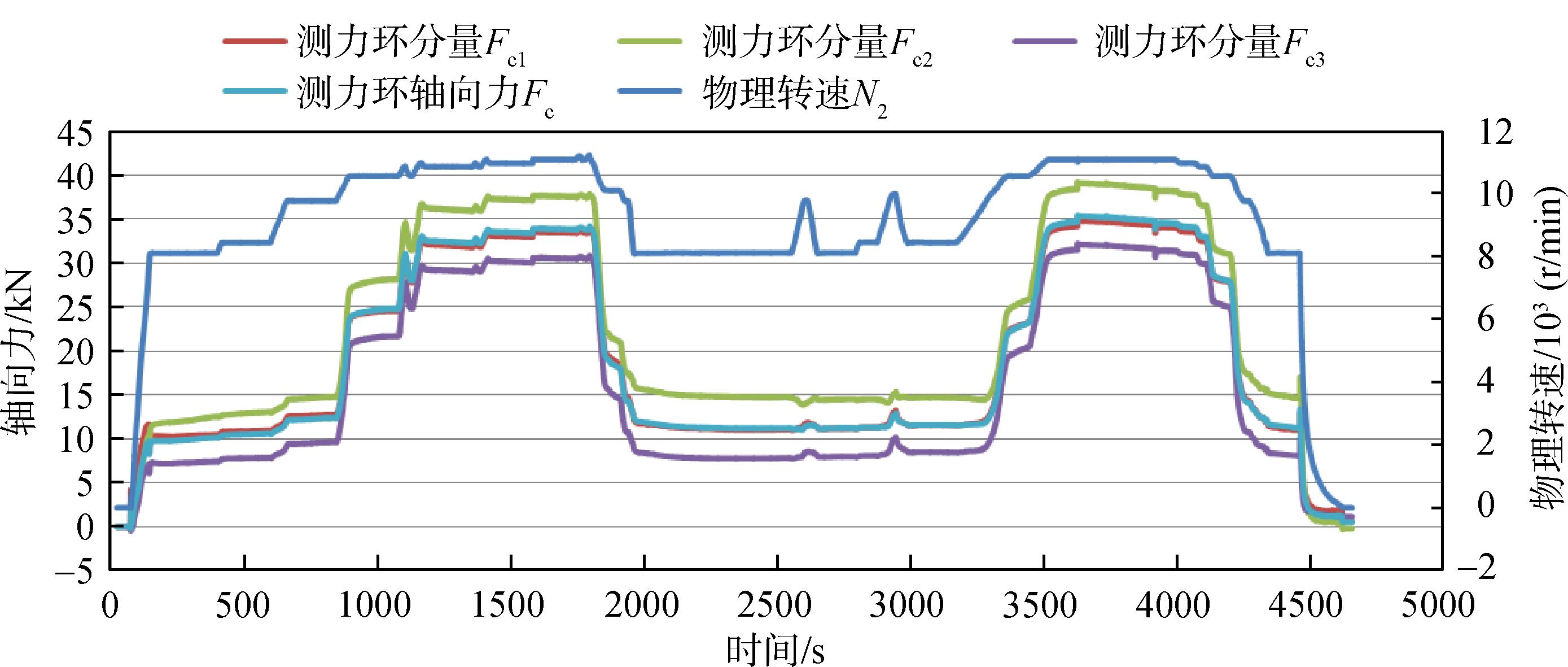
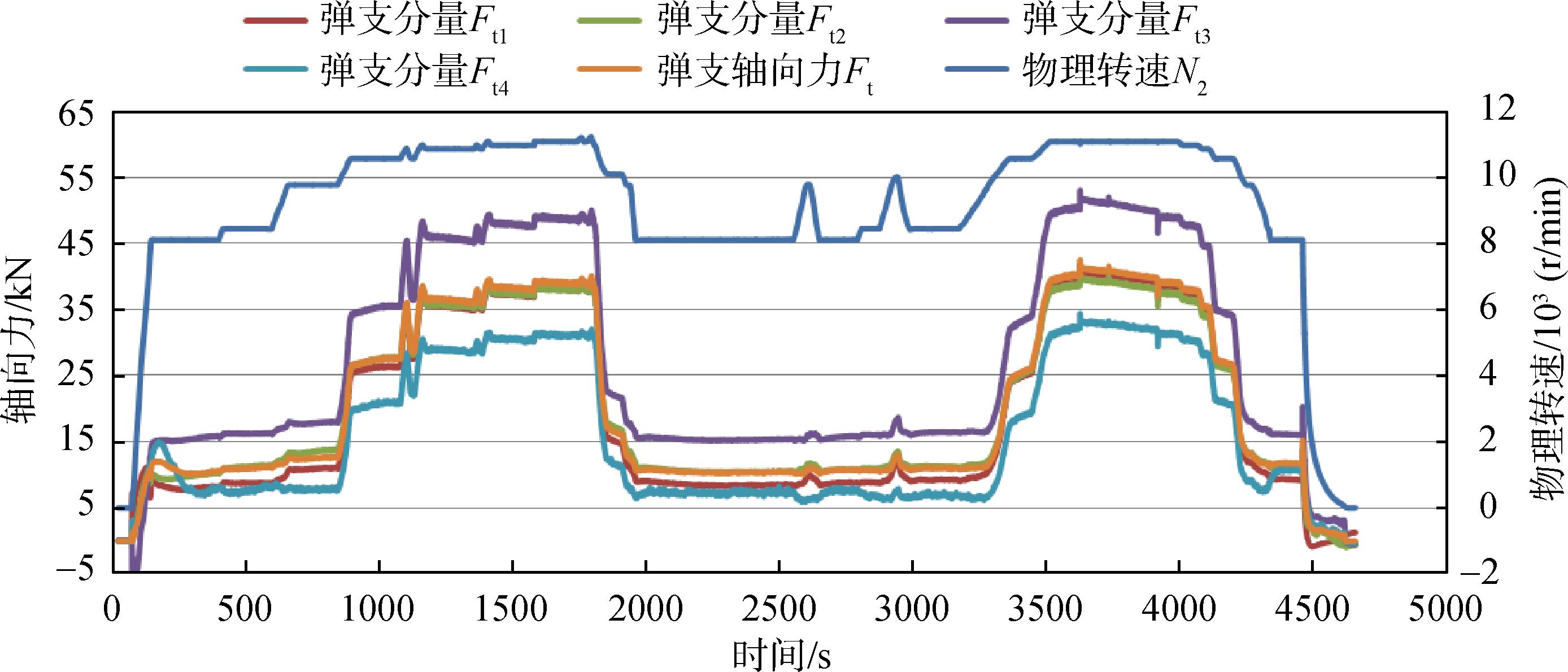
In order to meet the test requirements of axial force for three fulcrum thrust bearings of a certain aero⁃engine,the parallel measurement method of the elastic support axial force sensor and the force⁃measuring ring and a combined calibration method of the bidirectional axial force were proposed.The measuring principle of the axial force sensor of the elastic support was given,the simulation analysis and calibration experiment of the axial force of the elastic support were carried out,the influences of intermediate gear box (IGB) and rod bearing on the calibration results were given and compared with the engine force⁃measuring ring test results.Research showed that the output of the elastic support axial force sensor was greatly affected by the installation position and object,with calibration data deviations of up to 73.4% and 17.8% for unassembled IGB and rod bearings,and the assembly of the calibration components according to the actual assembly relationship of the engine can improve the measurement accuracy.The measured results of the engine showed that the trend of the measurement method of multi⁃channel full bridge mean of elastic support axial force sensor was consistent with the axial force data obtained from the force⁃measuring ring,verifying that the method of measuring the axial force of the bidirectional elastic supports had a high value of engineering application.

DR image enhancement of aero⁃engine guide vane based on improved CLAHE
FENG Xiongbo, CHEN Xi, MIN Huina, WU Wei, WANG Shupeng, WU Guanhua
2022, 37(7): 1425-1436. doi: 10.13224/j.cnki.jasp.20210263
Abstract:

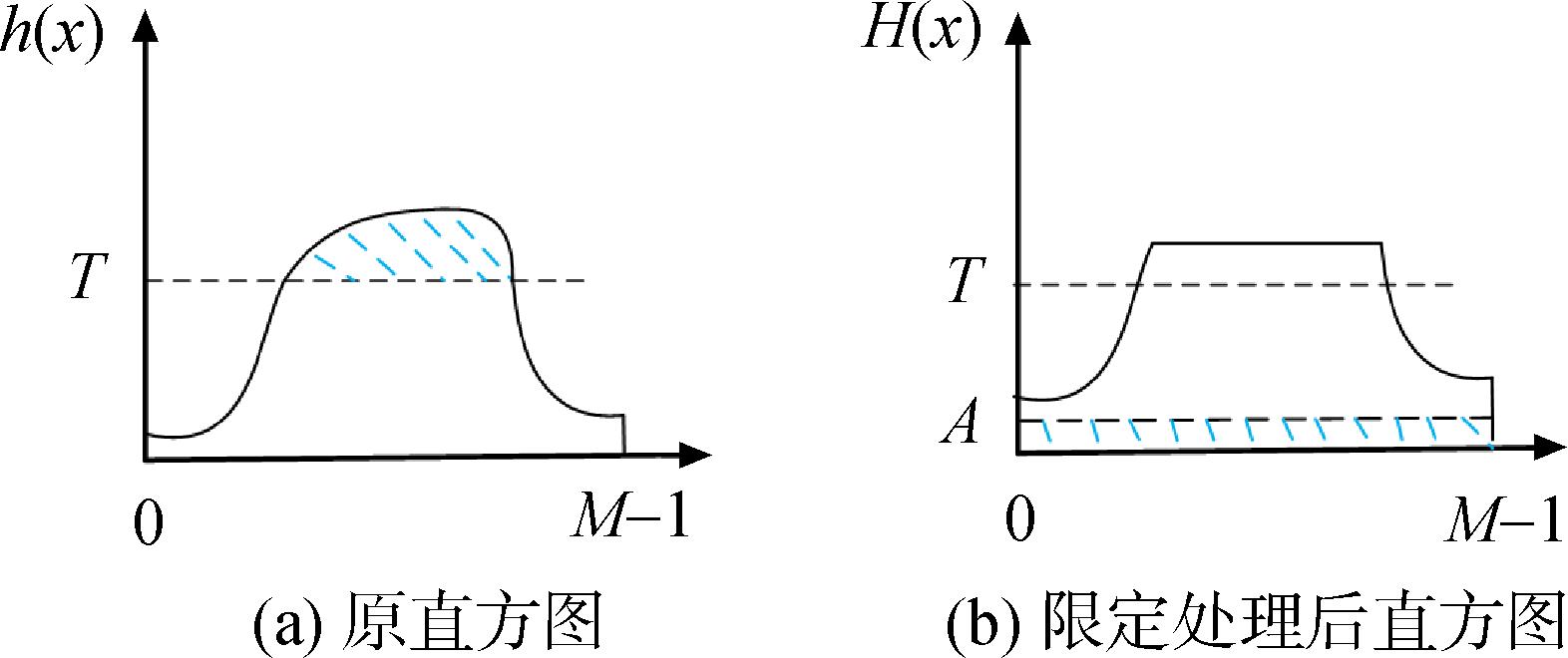
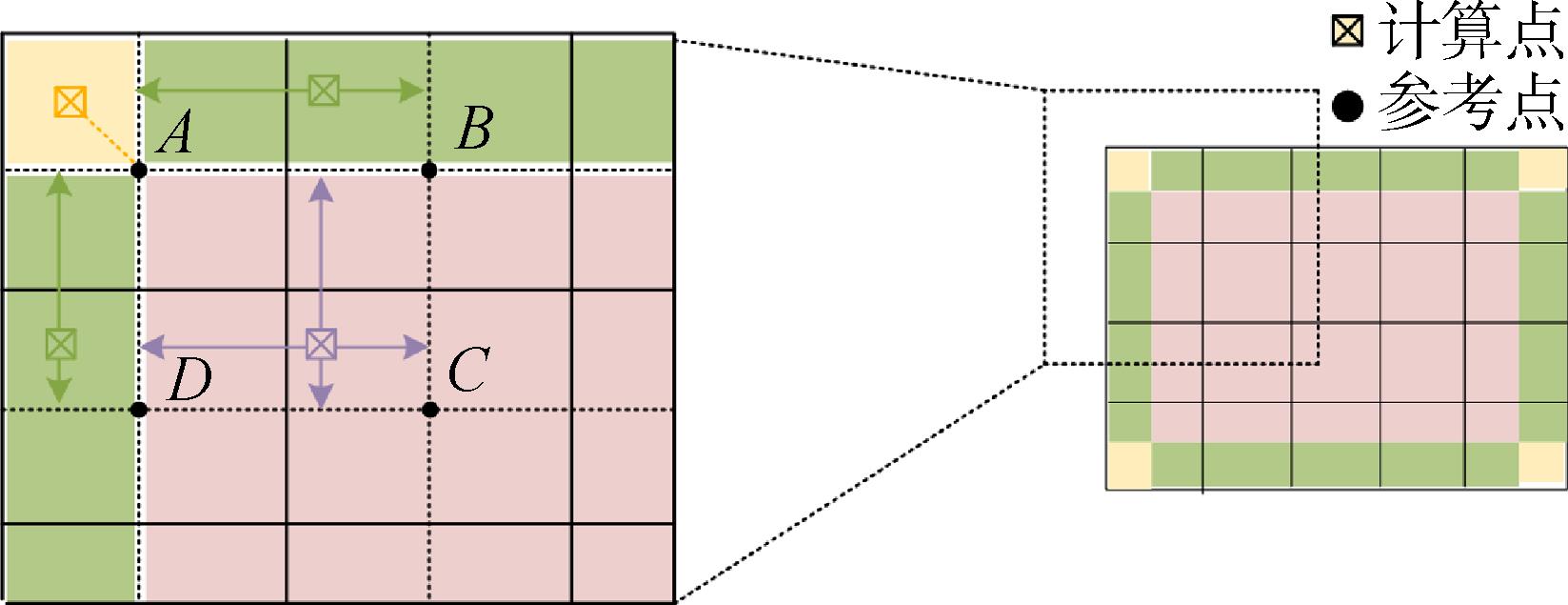
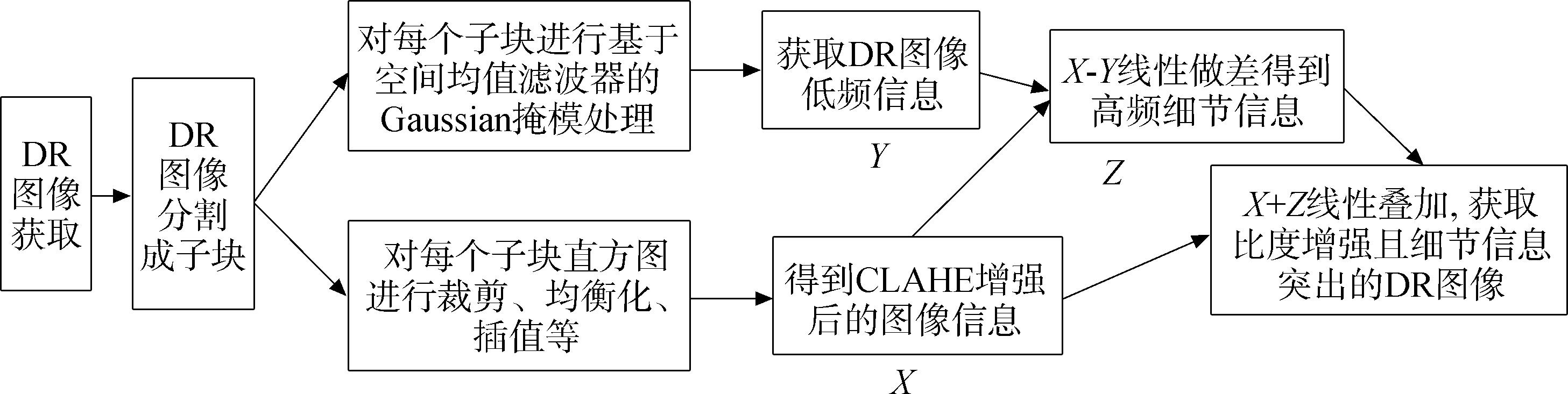
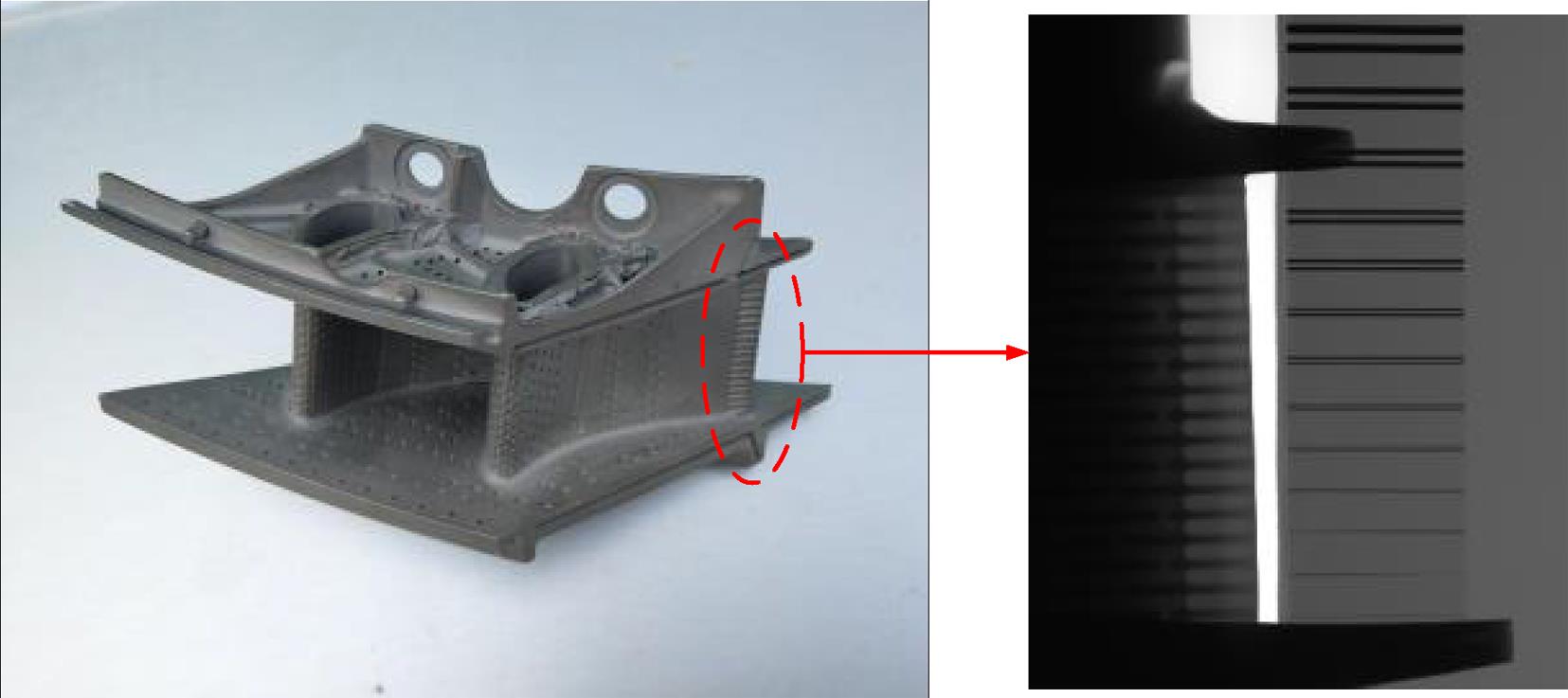
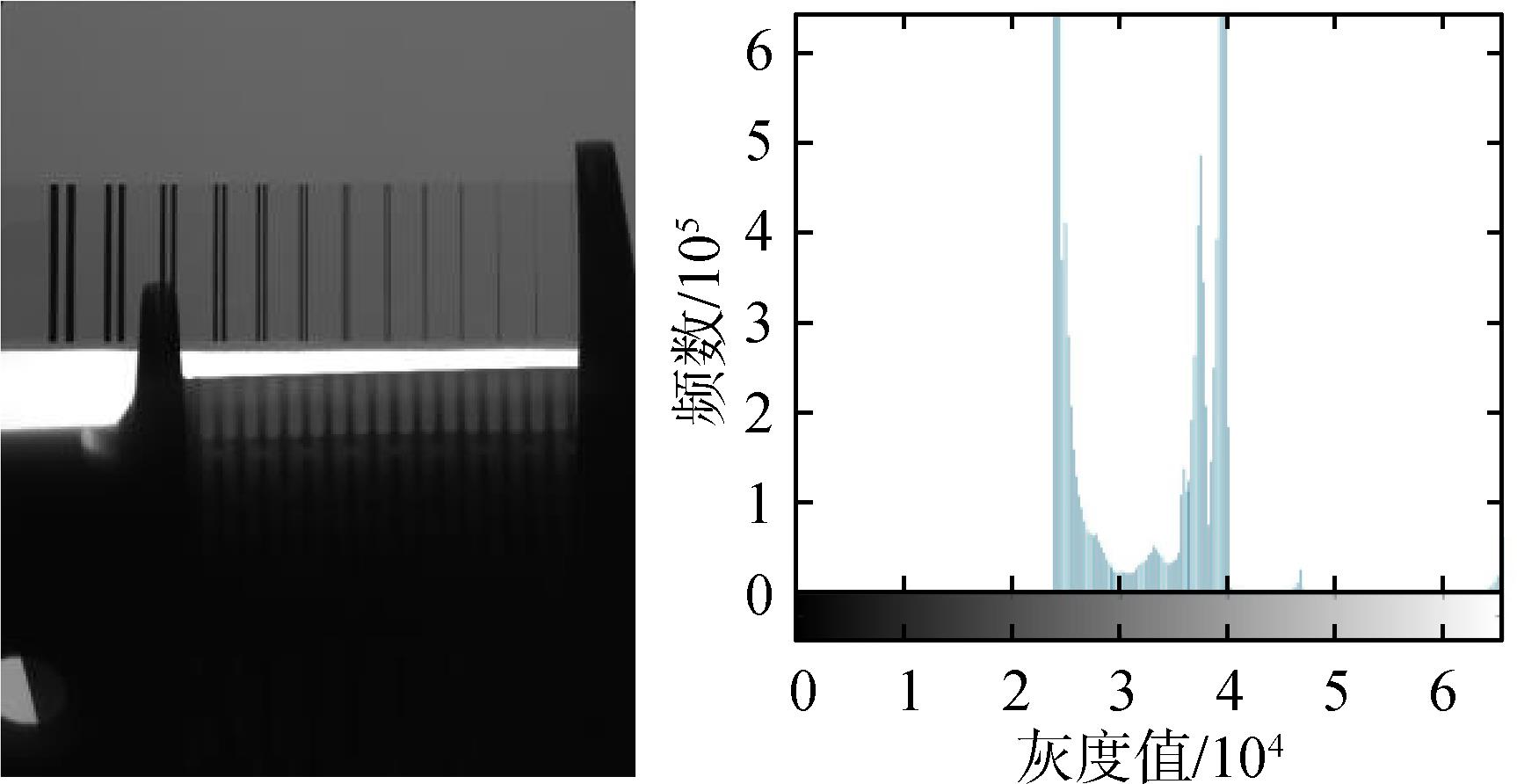
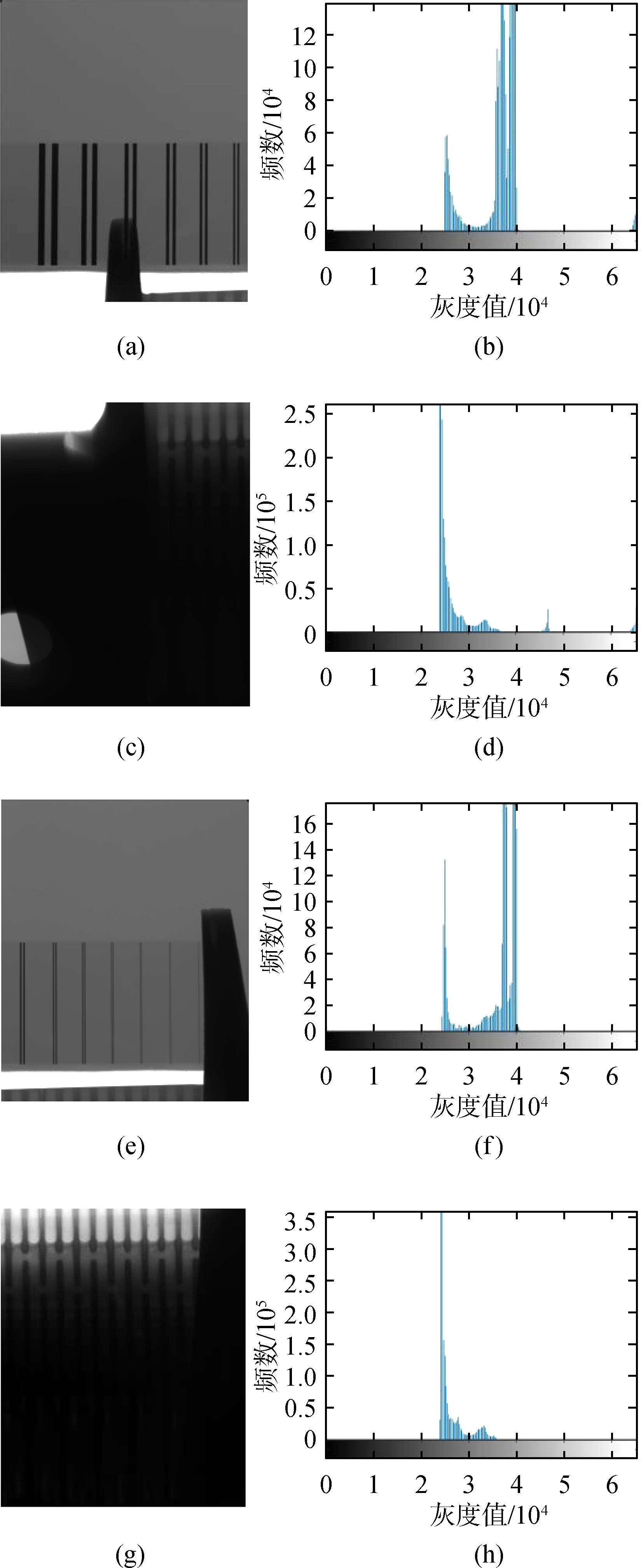
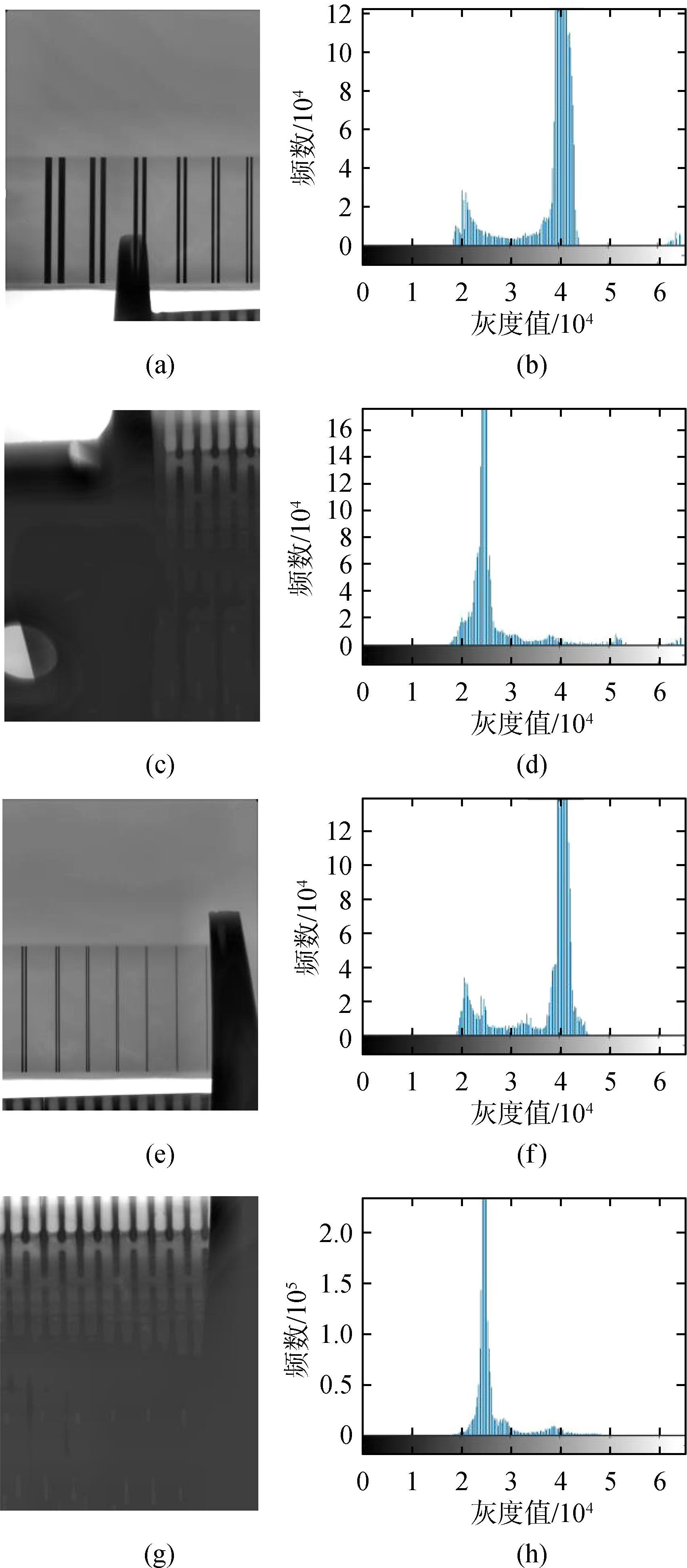
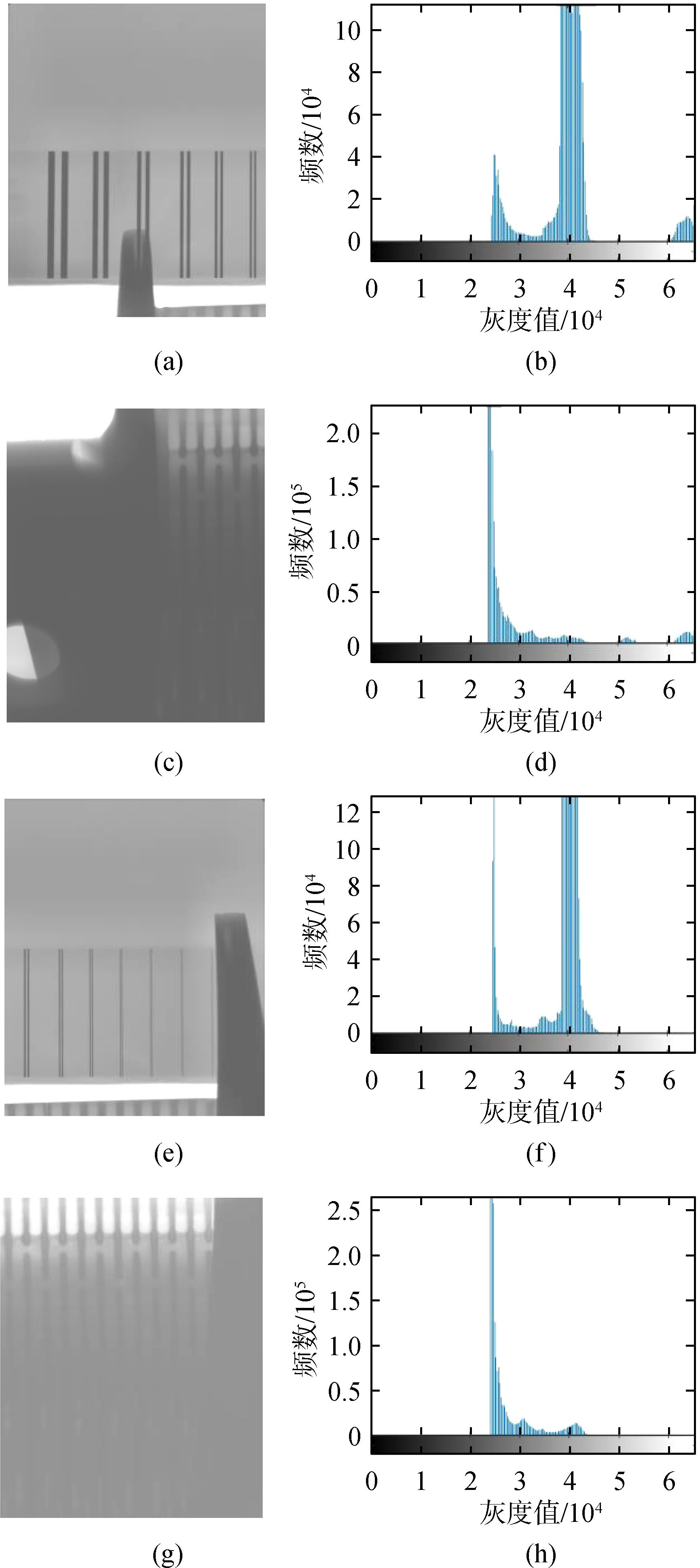
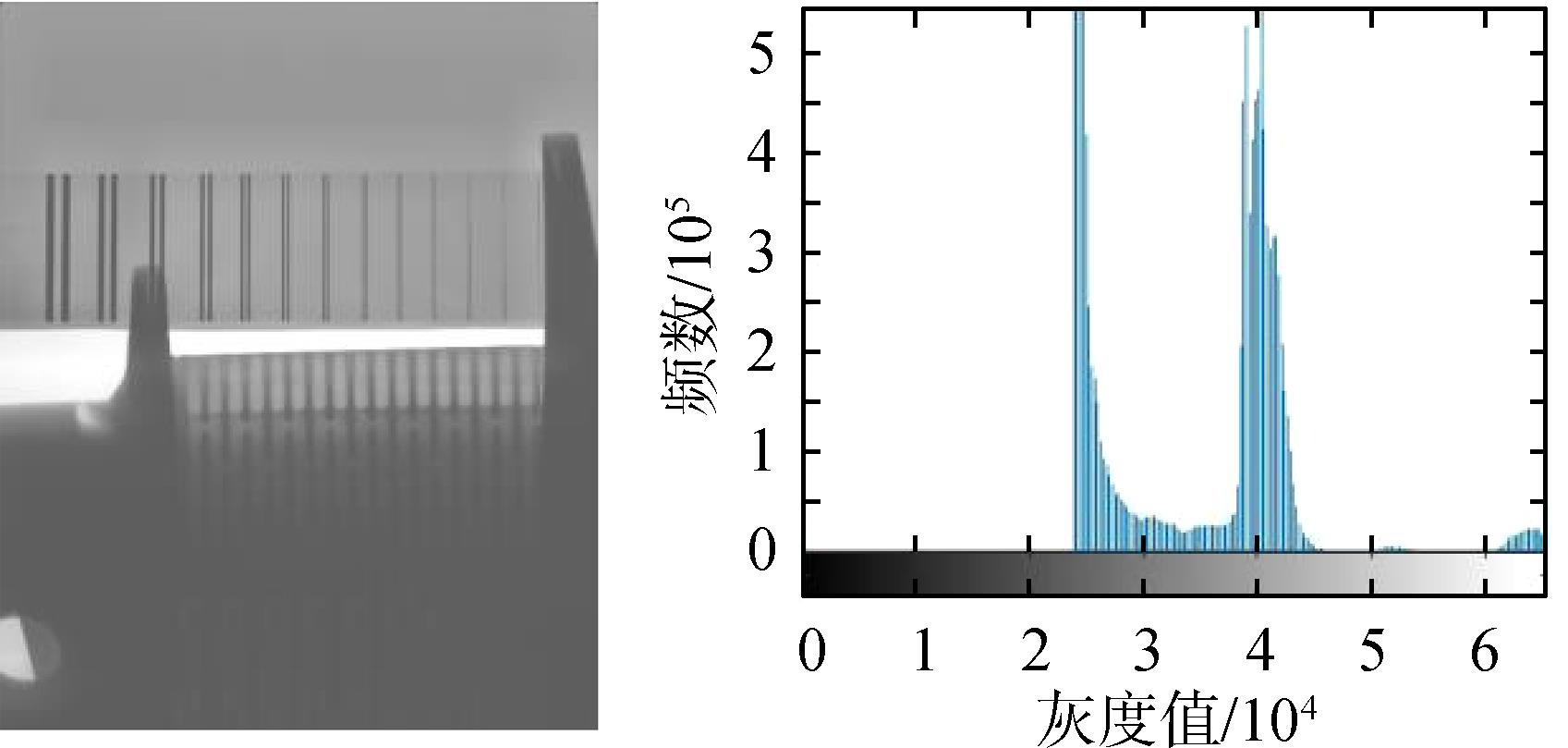
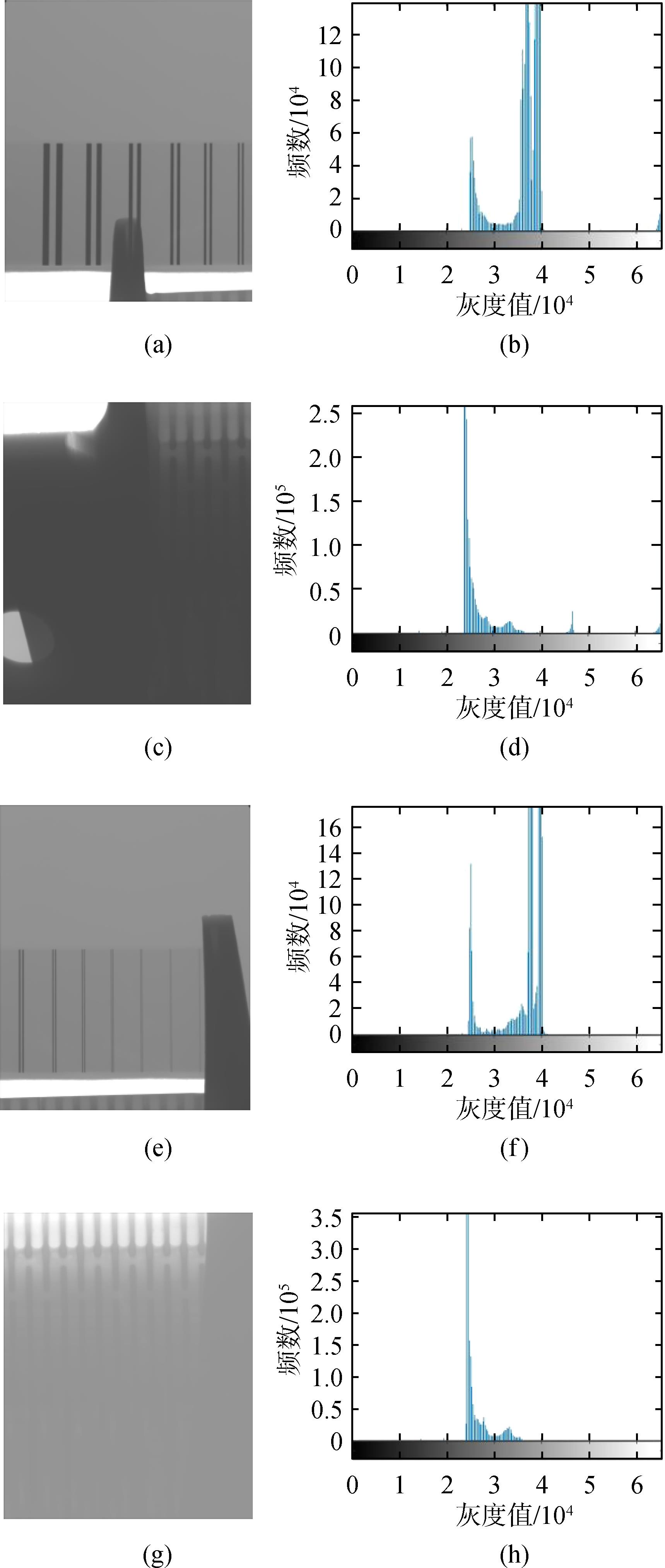
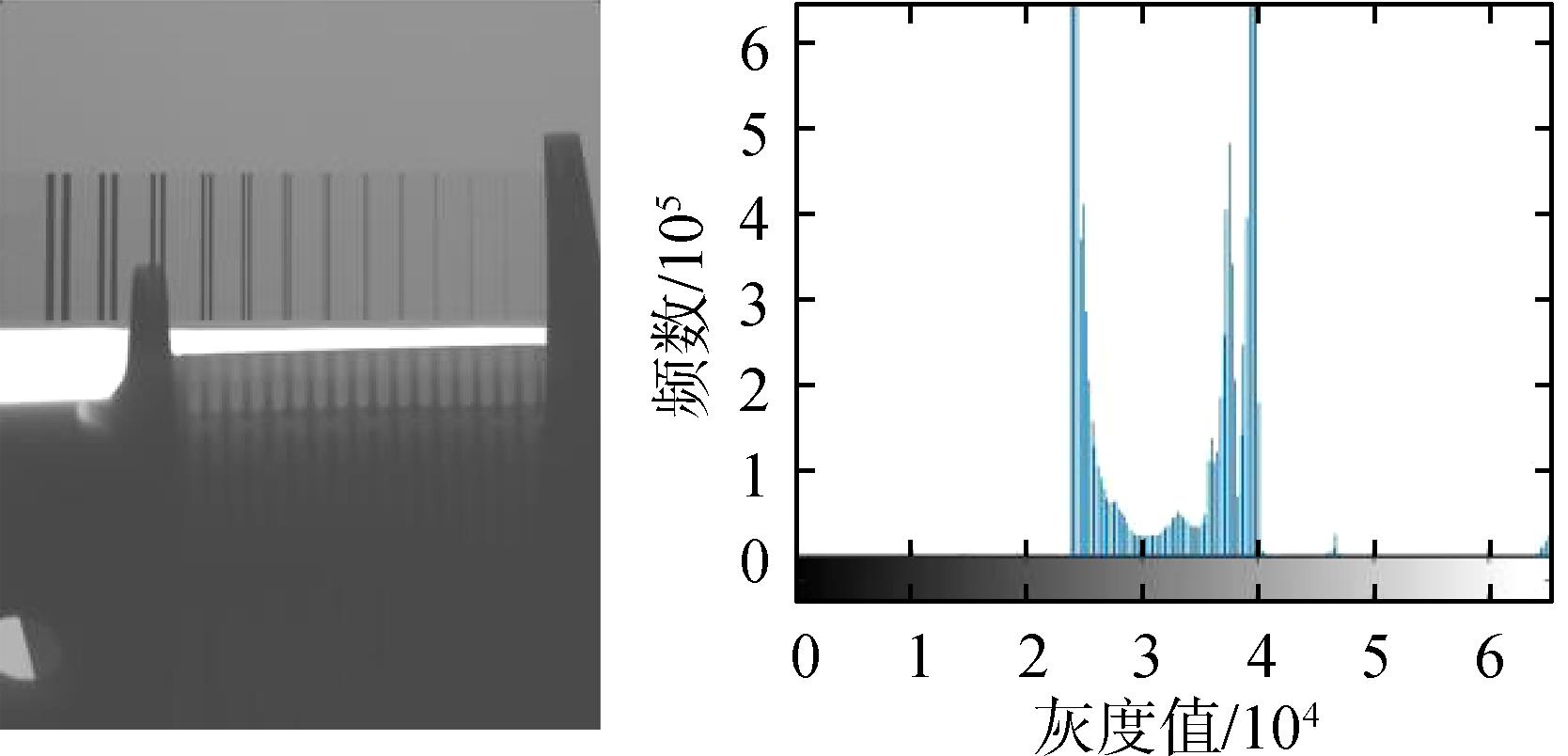
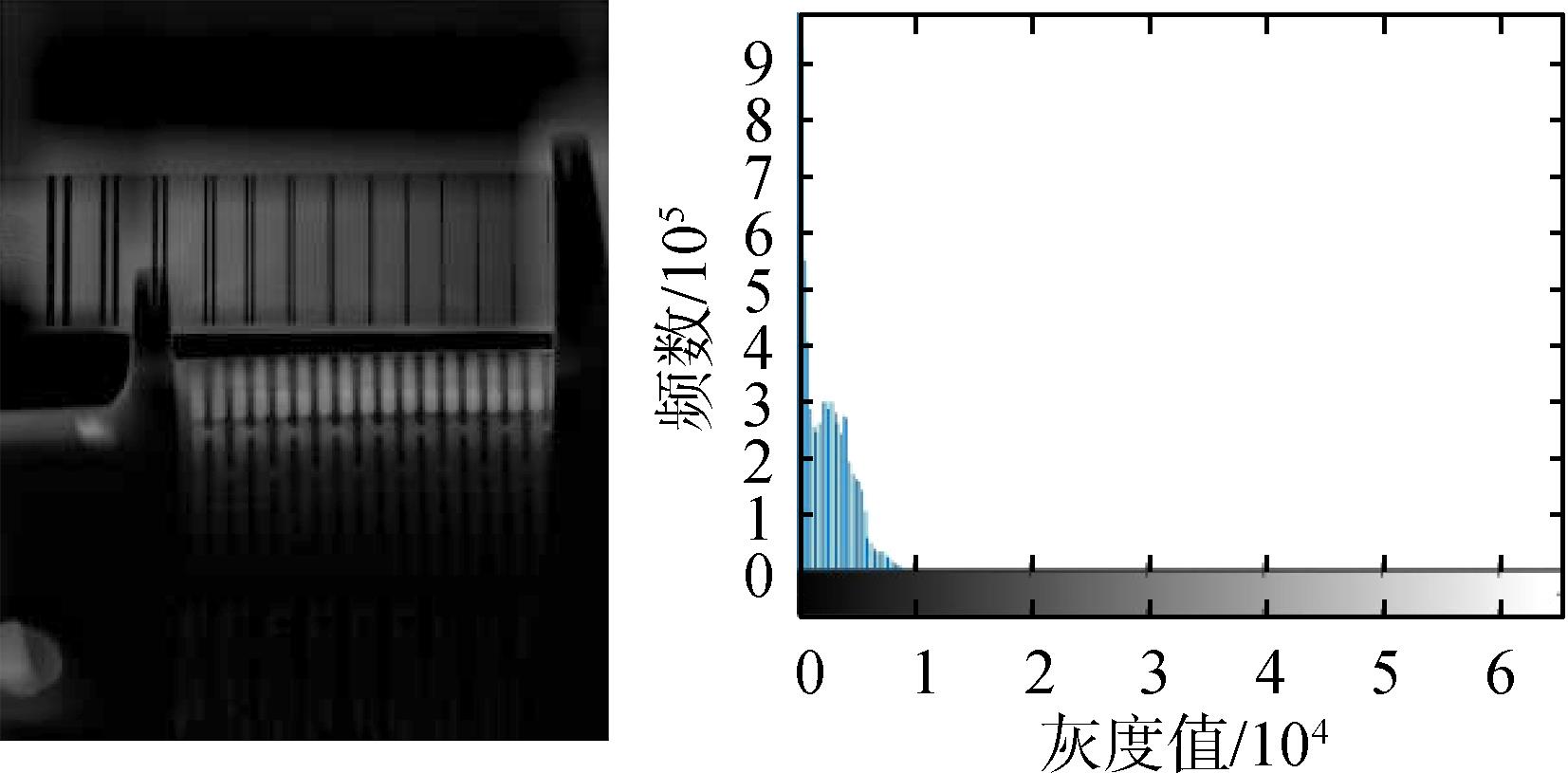
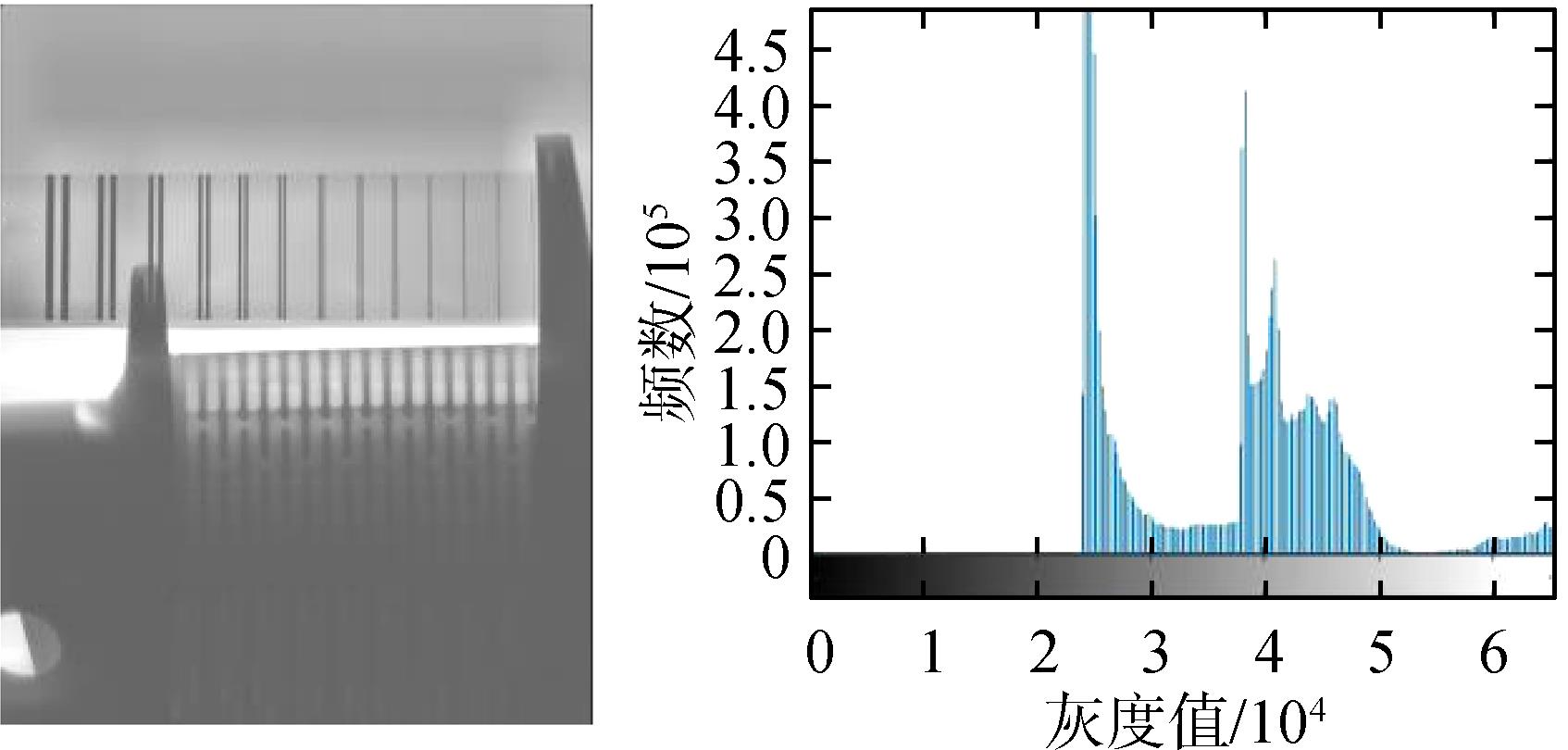
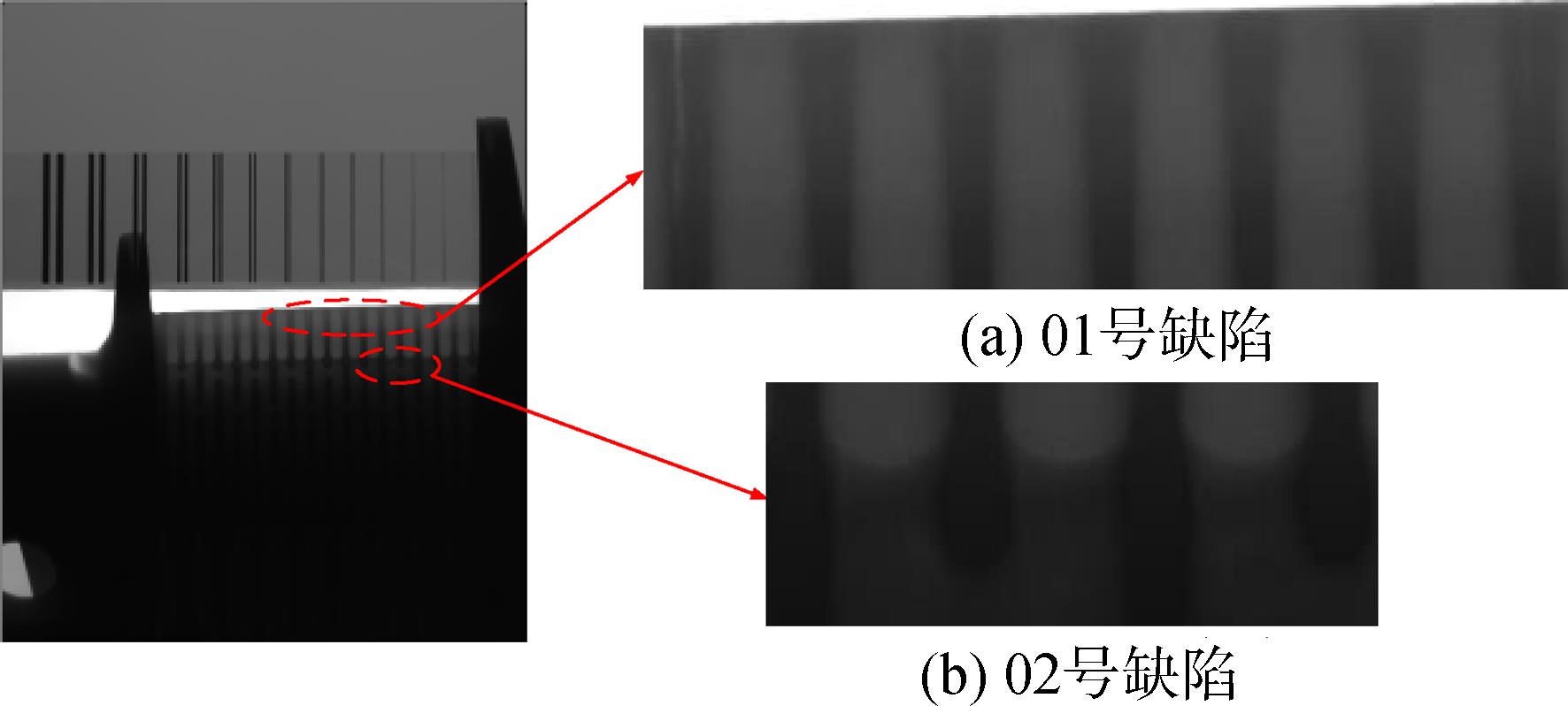
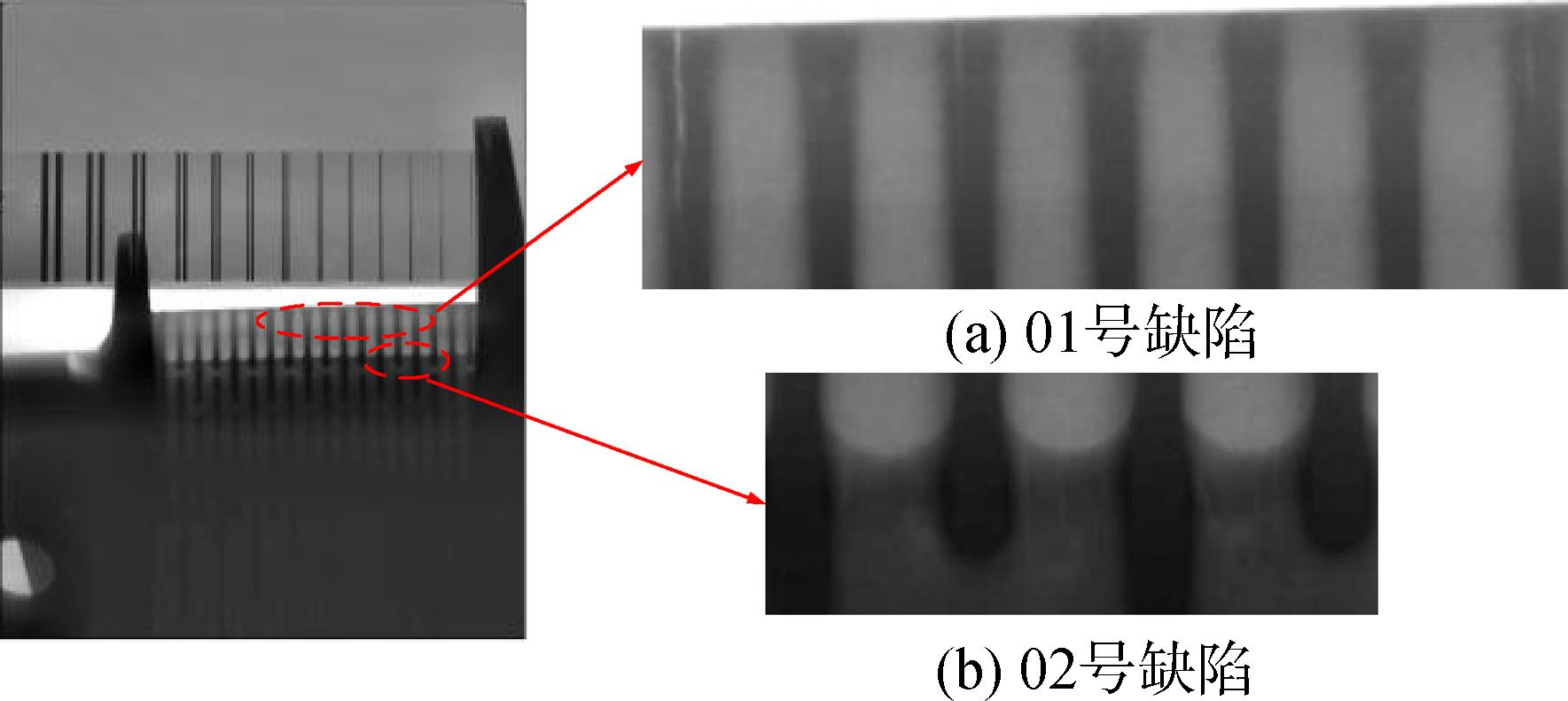
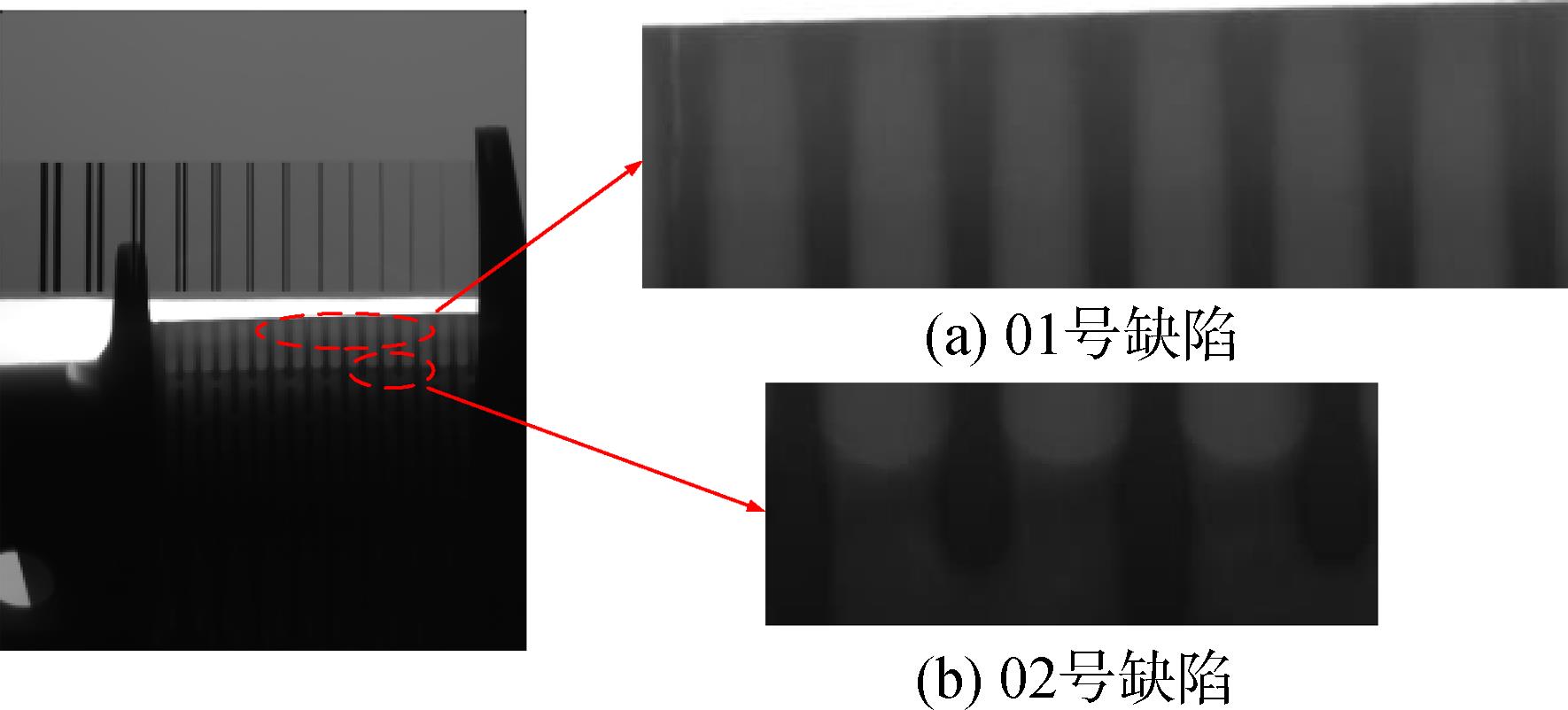
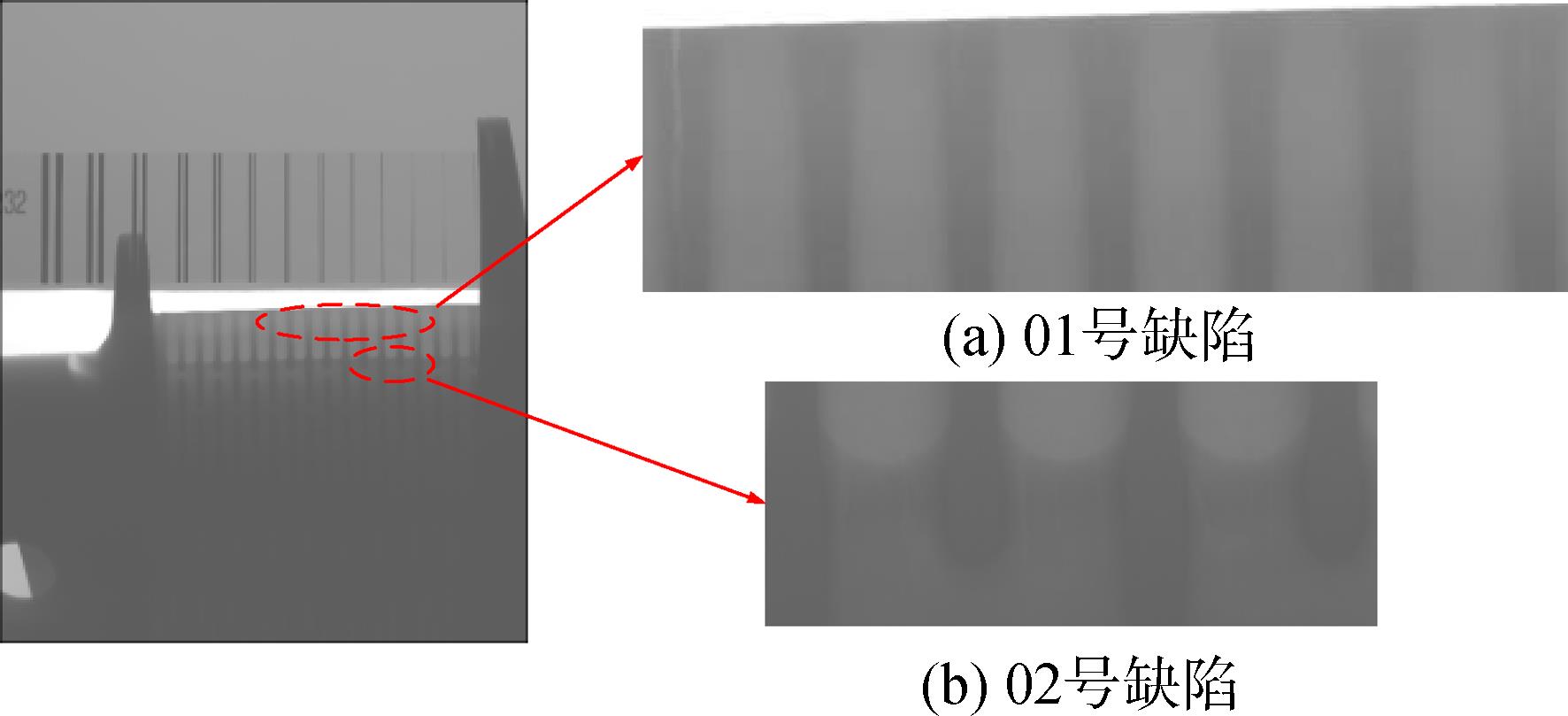
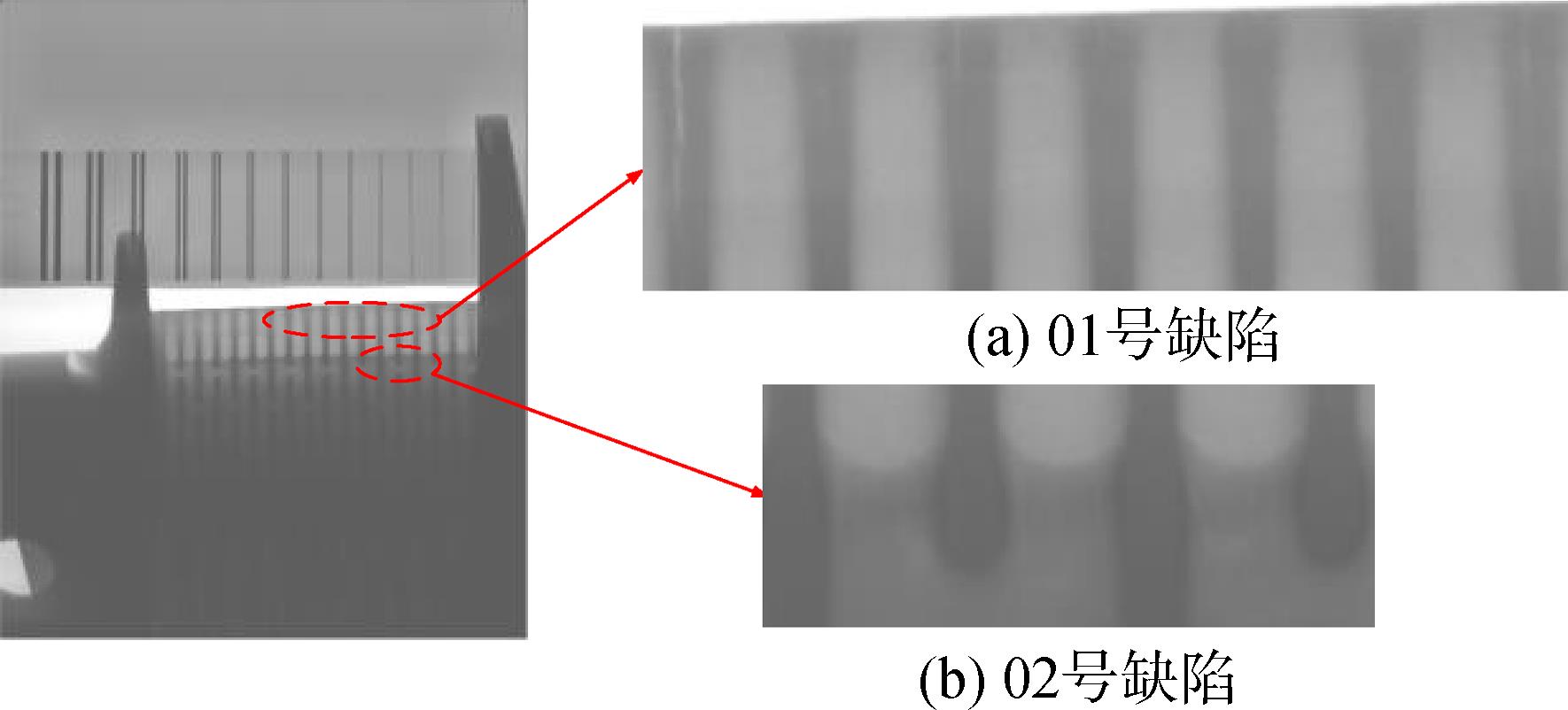
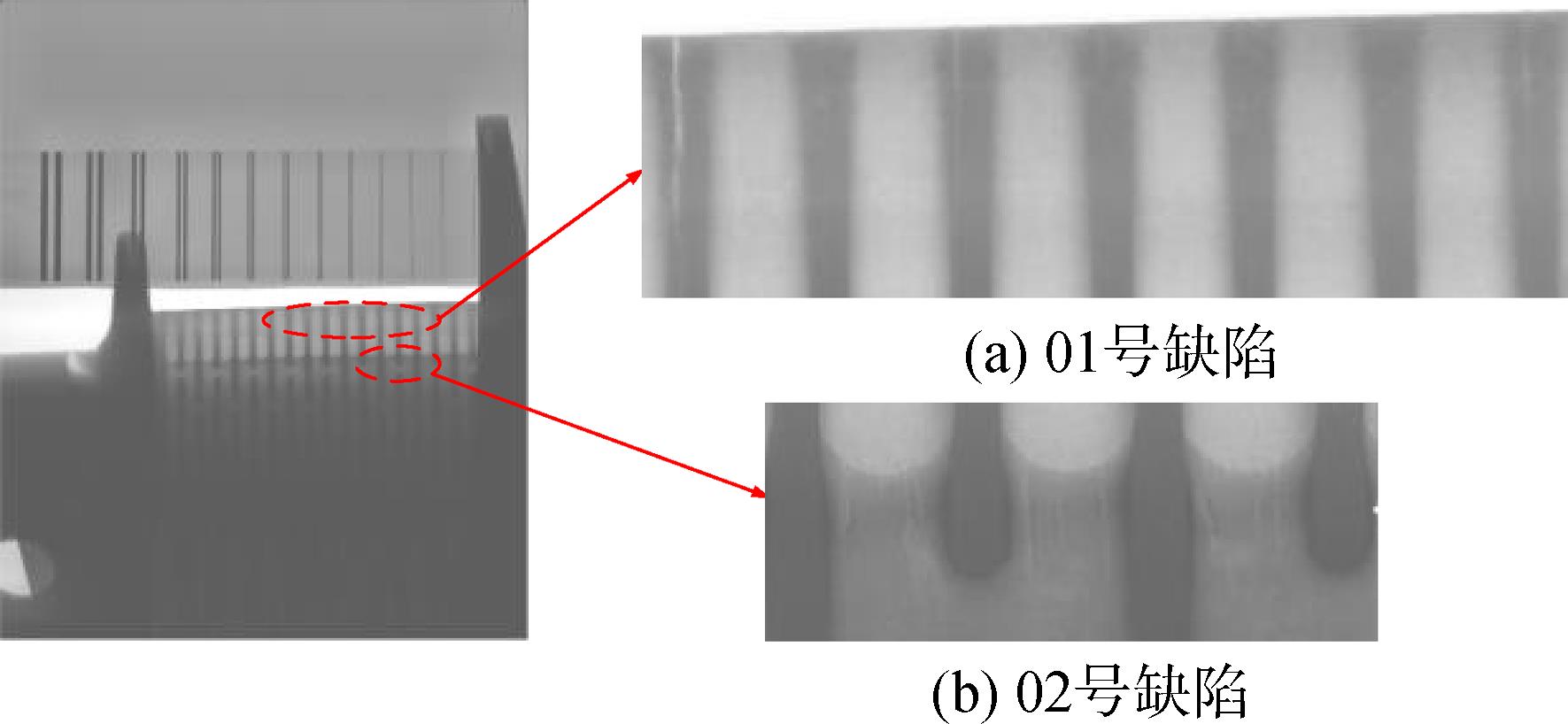
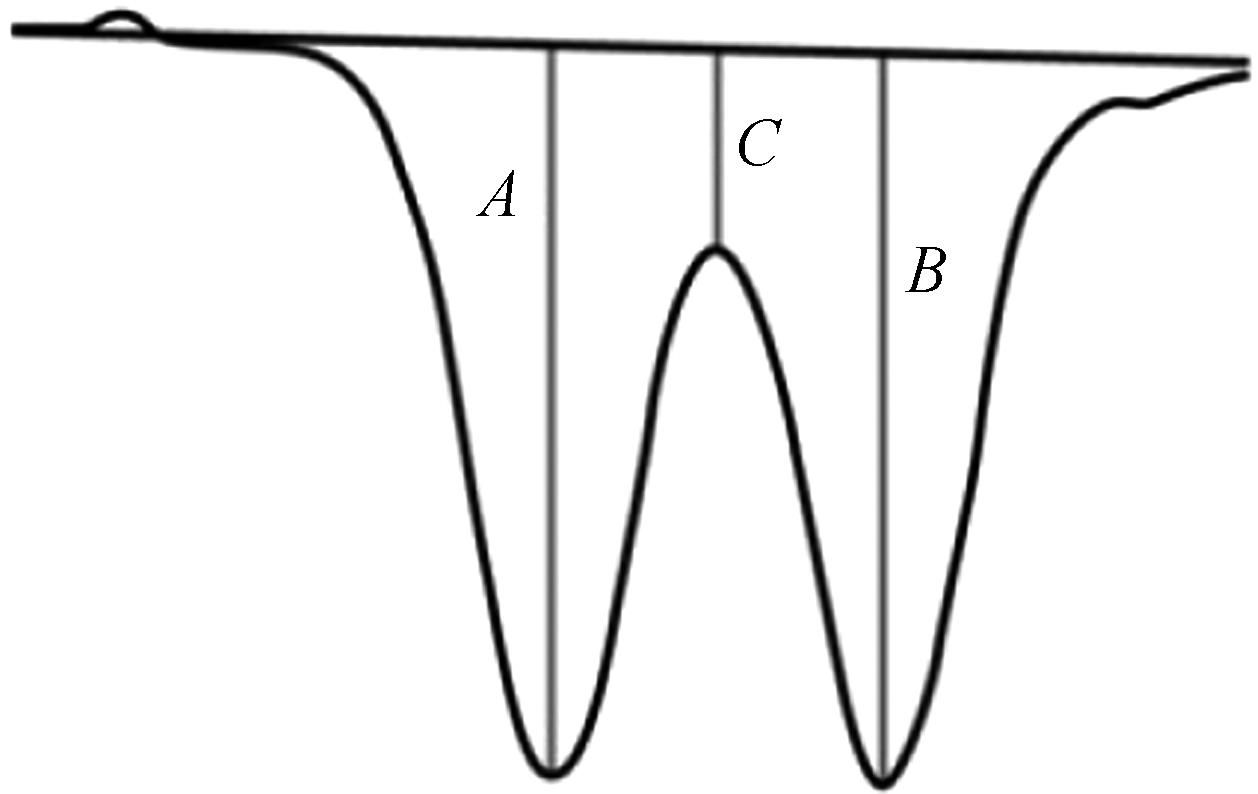
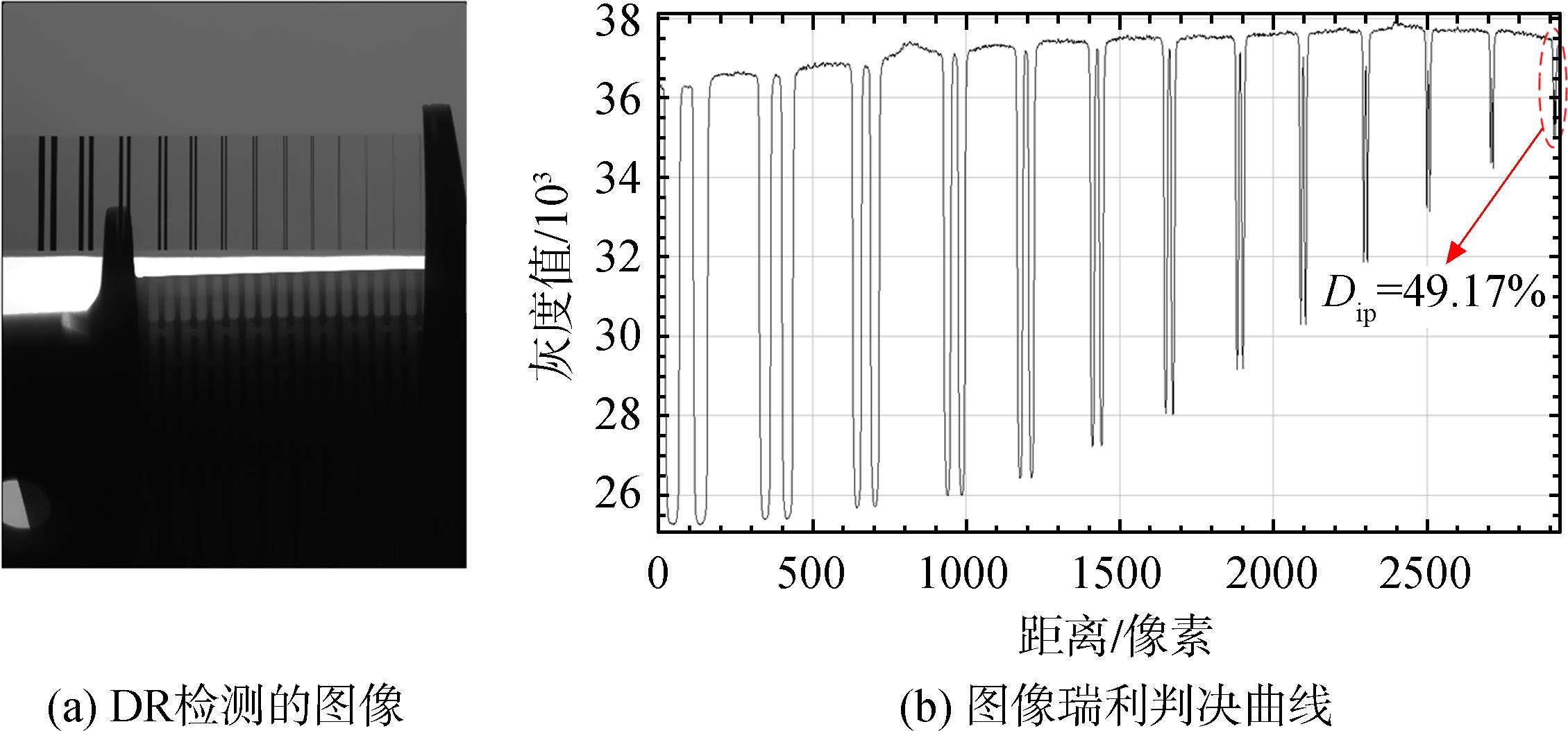
In order to solve the problems of large dynamic range,low contrast,inconspicuous detail information,and difficulty in identifying defect areas in the image information detected by digital radiography (DR) of aero⁃engine guide blades,an improved adaptive histogram equalization algorithm with limited contrast was proposed.Contrast limited adaptive histogram equalization (CLAHE) was used to enhance the contrast of the DR image of the guide vane.Meanwhile,the Gaussian mask processing based on the spatial mean filter was introduced to reduce the image noise and extract the low⁃frequency information of the DR image.The high⁃frequency information of DR image was highlighted by difference of CLAHE enhanced image and the low⁃frequency information of DR image.Furthermore,a linear superimposing of CLAHE enhanced image and highlighted image high frequency information was employed to further improve the contrast of DR image and realize the enhancement of the DR image of the guide vane.In addition,the DR image enhancement effect was evaluated based on the basic spatial resolution of the image (SRB),signal⁃to⁃noise ratio (SNR) and gray average.Experimental results showed that the improved CLAHE algorithm can simultaneously increase the modulation depth value characterizing SRB correspondingly to the D13 double⁃filament wire from 49.17% to 56.08%,and the overall grayscale average value from 32 400.66 to 38 684.43,and the SNR of the No.02 micro crack defect was improved from 14.10 to 15.16.The result showed that the improved CLAHE algorithm not only improved the flat area contrast and highlighted the edge detail information,but also effectively improved visual effect of small defects in comparison with four classic aero⁃engine guide vane DR image enhancement algorithms such as adaptive histogram equalization (AHE).

Vibration test of supercritical carbon dioxide turbine generator
BI Chunxiao, HAN Dongjiang, YANG Jinfu
2022, 37(7): 1437-1446. doi: 10.13224/j.cnki.jasp.20210114
Abstract:

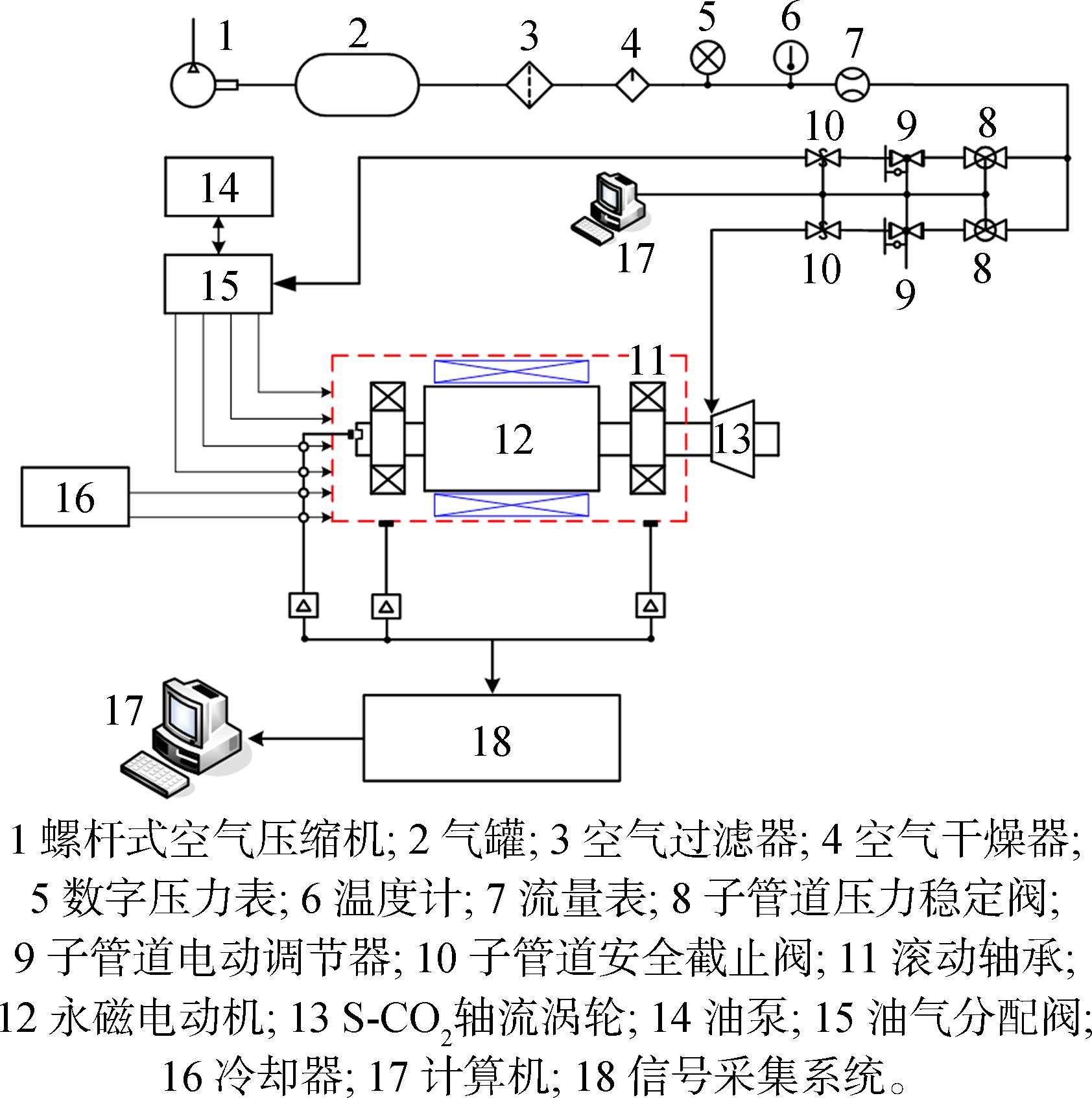
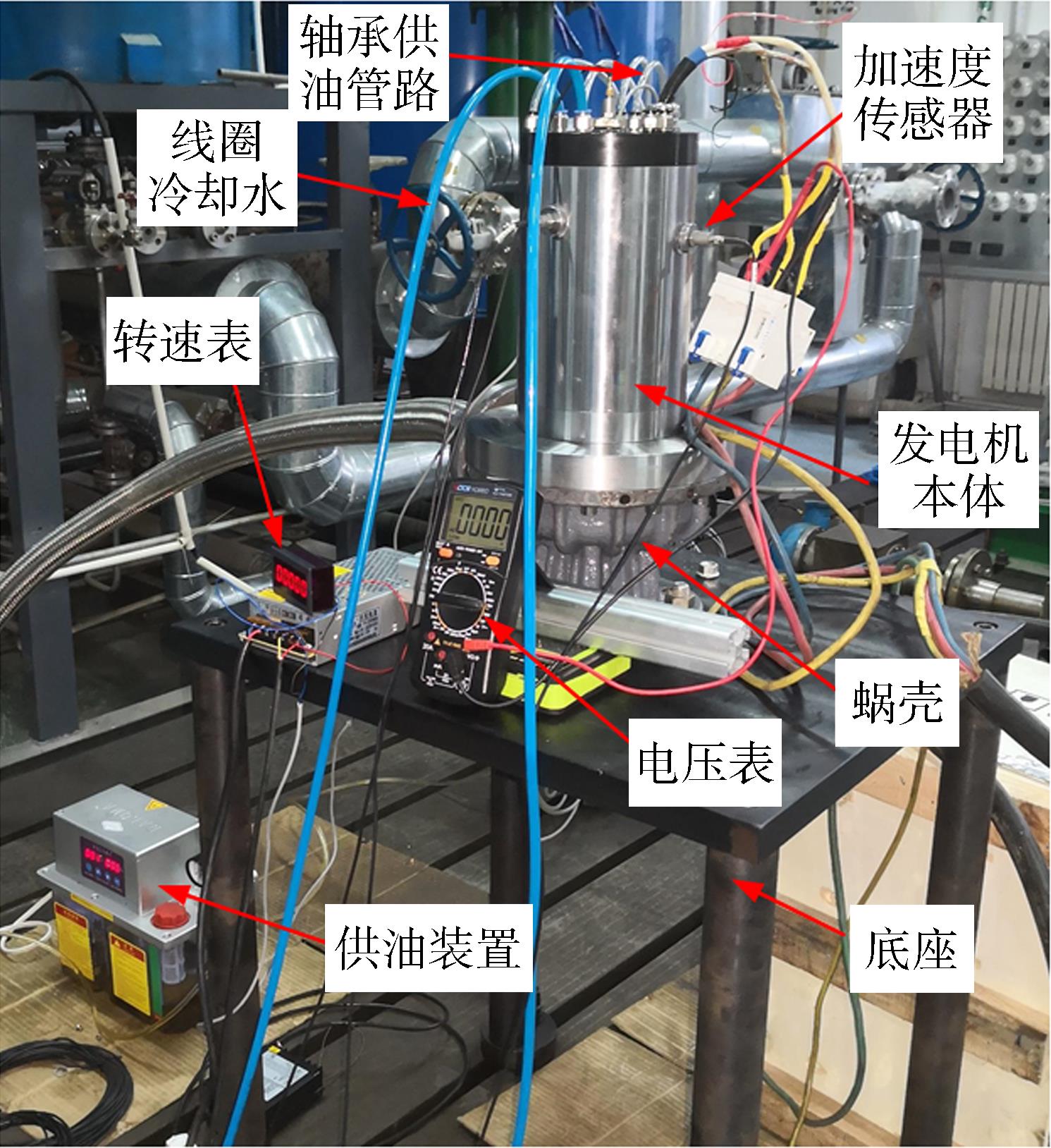
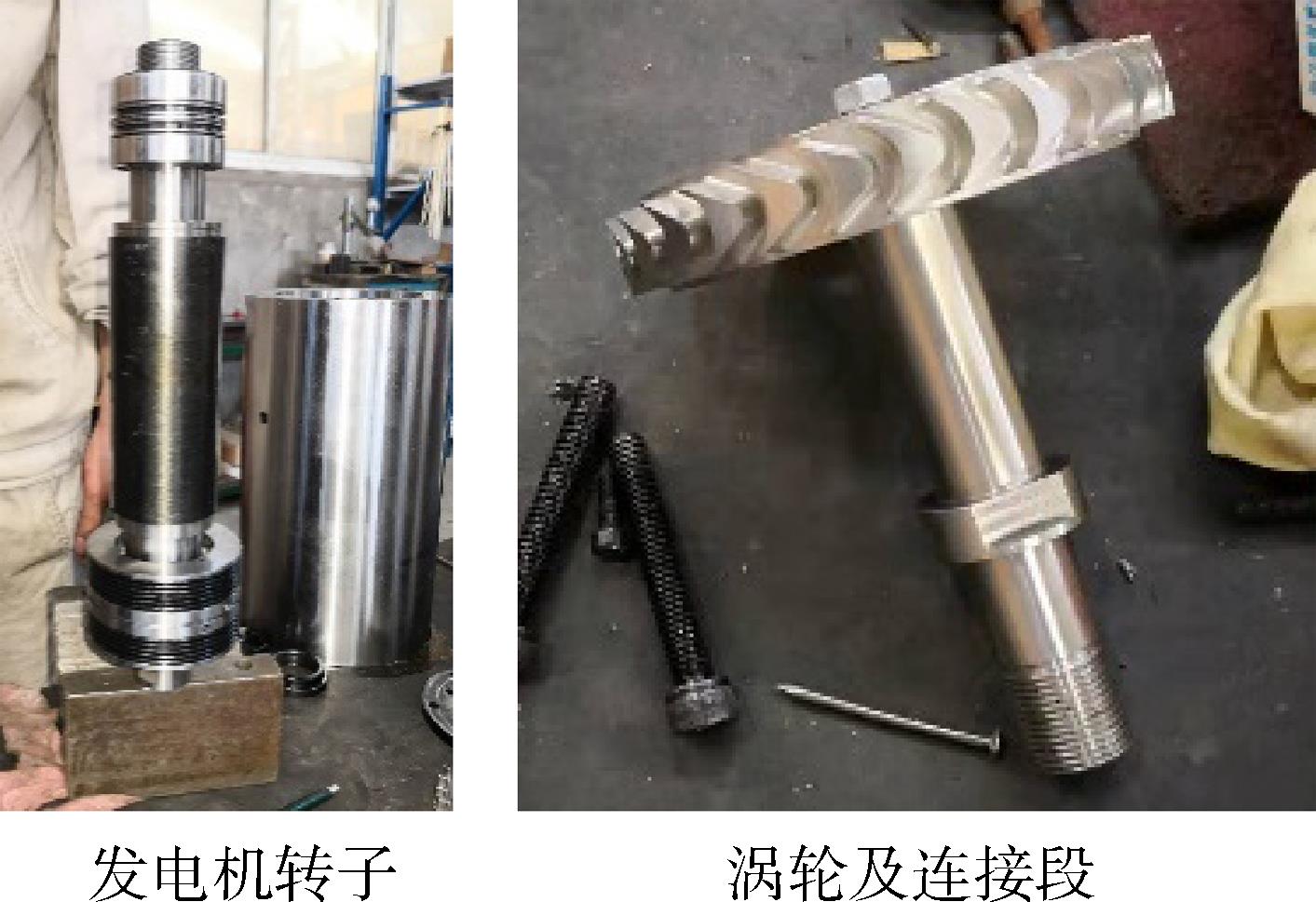
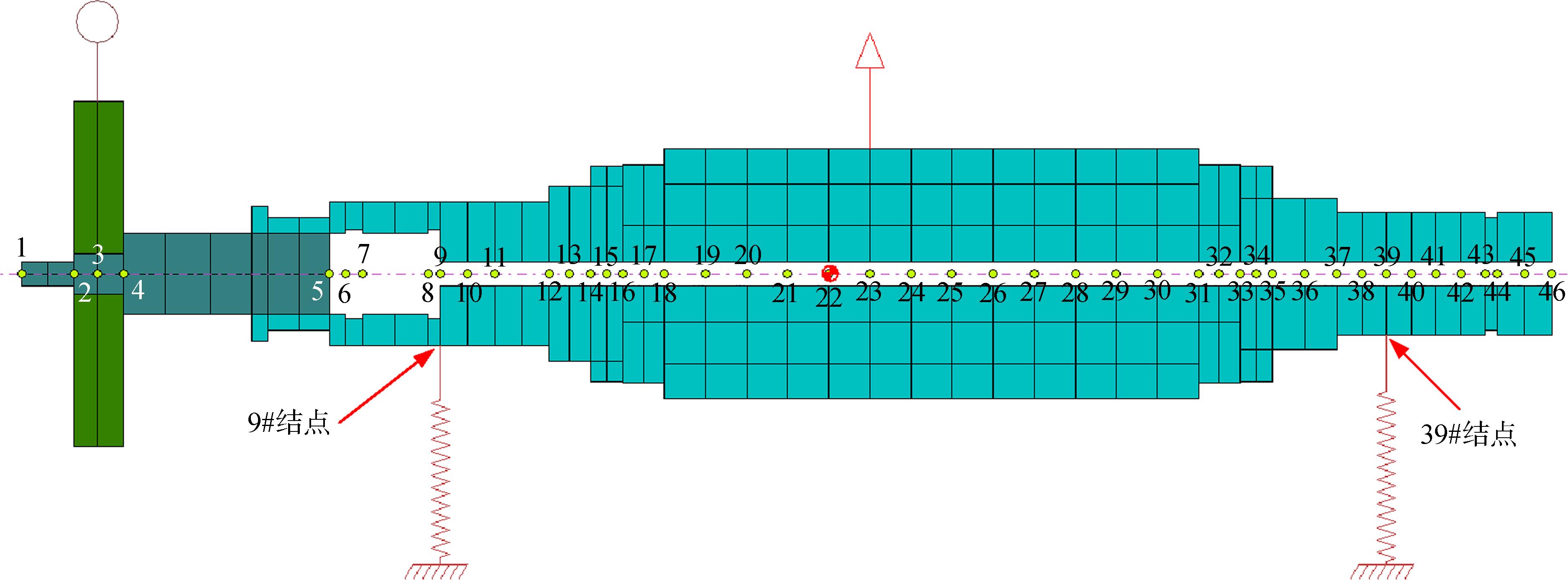
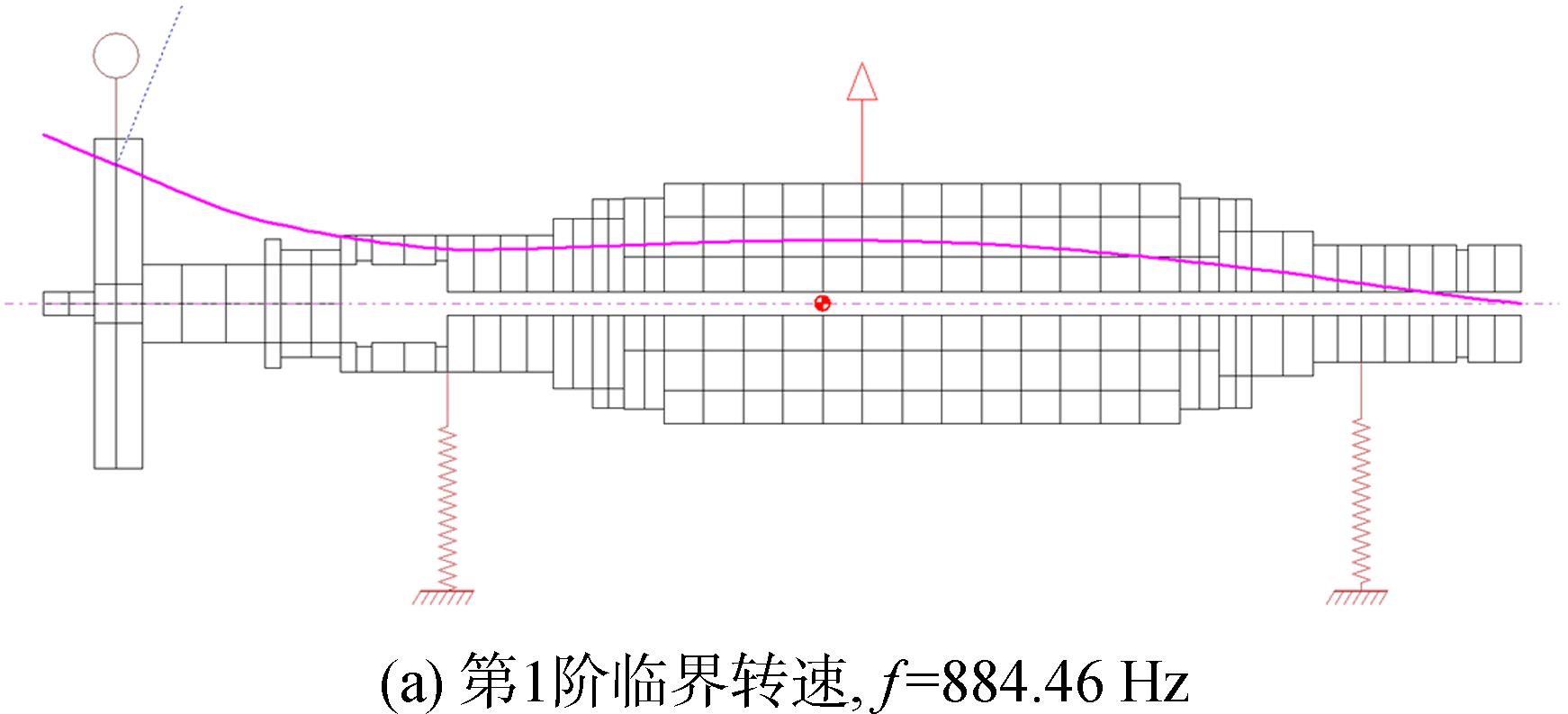
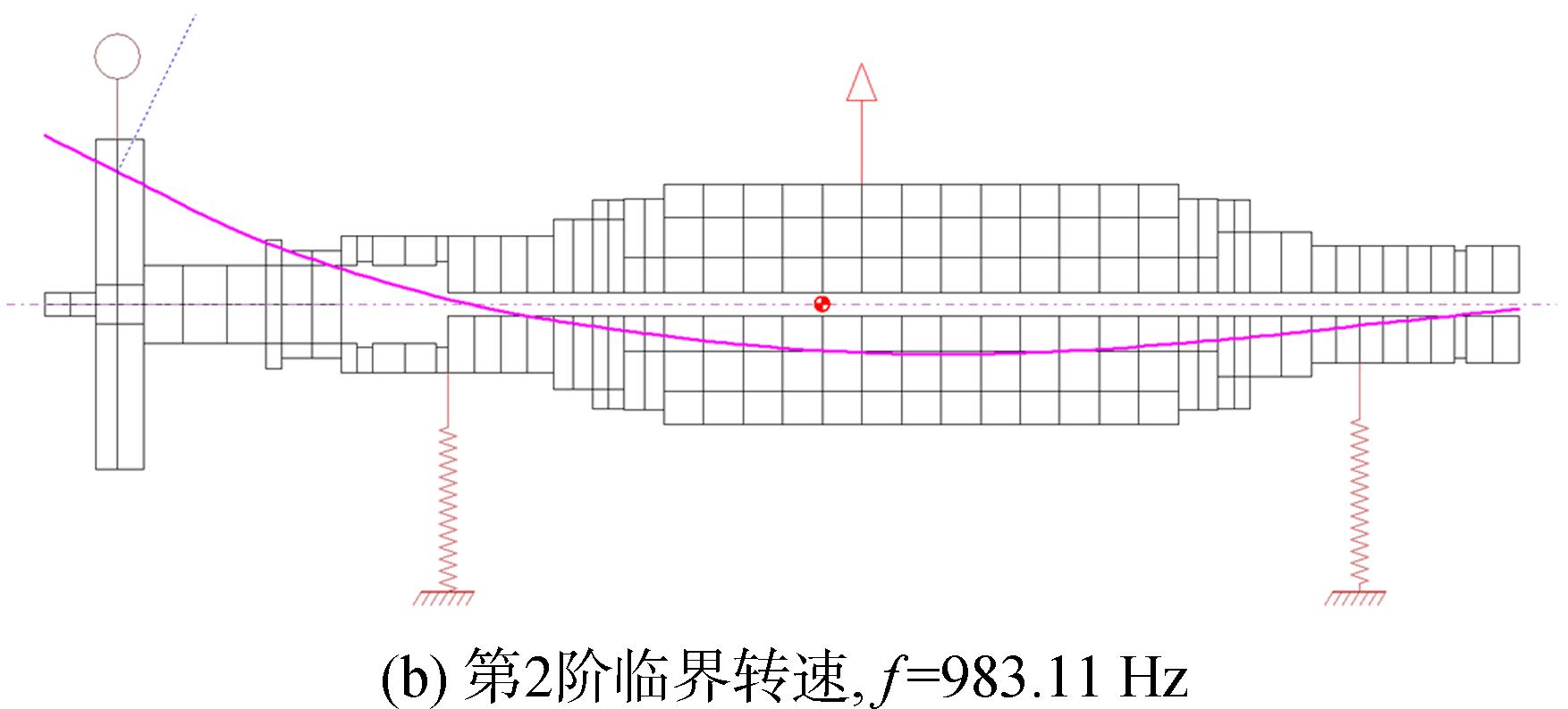
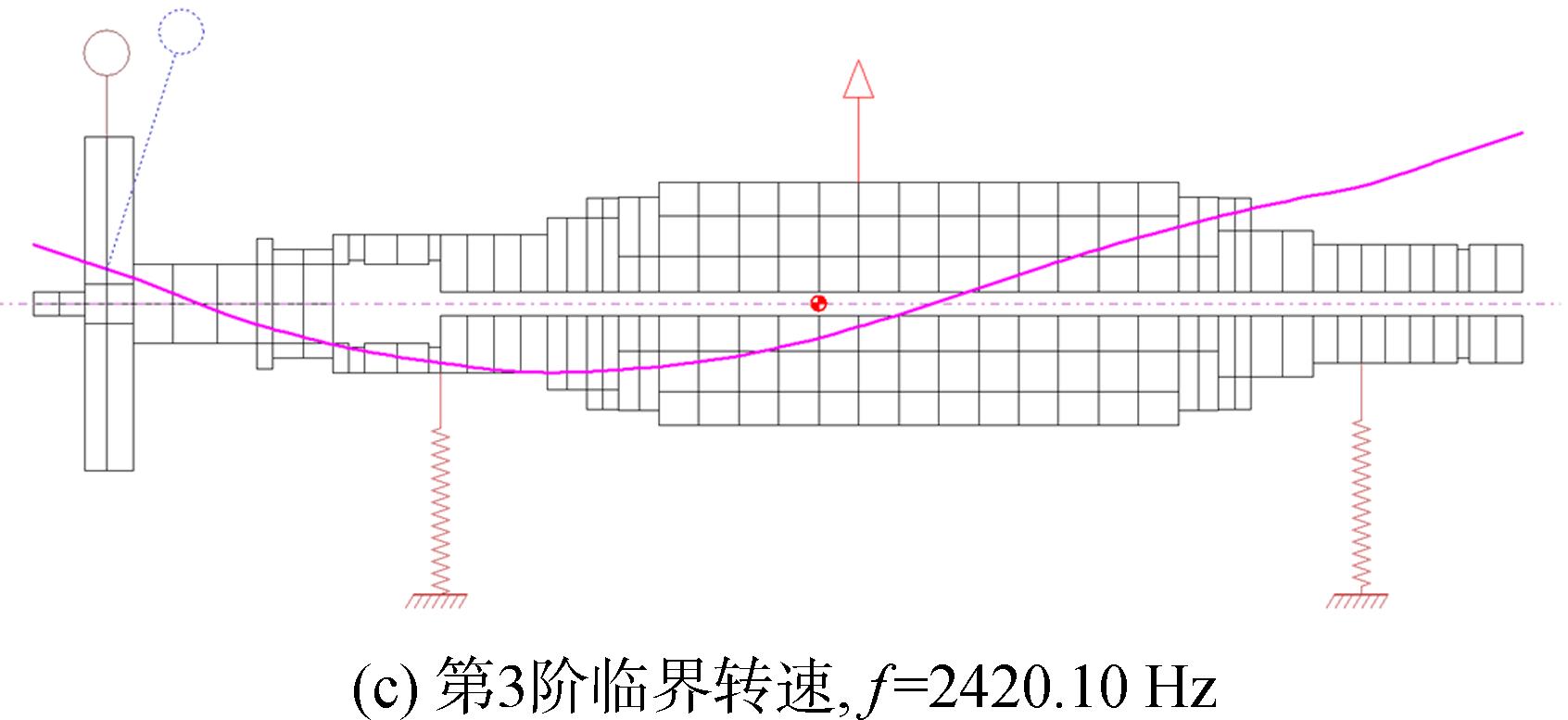
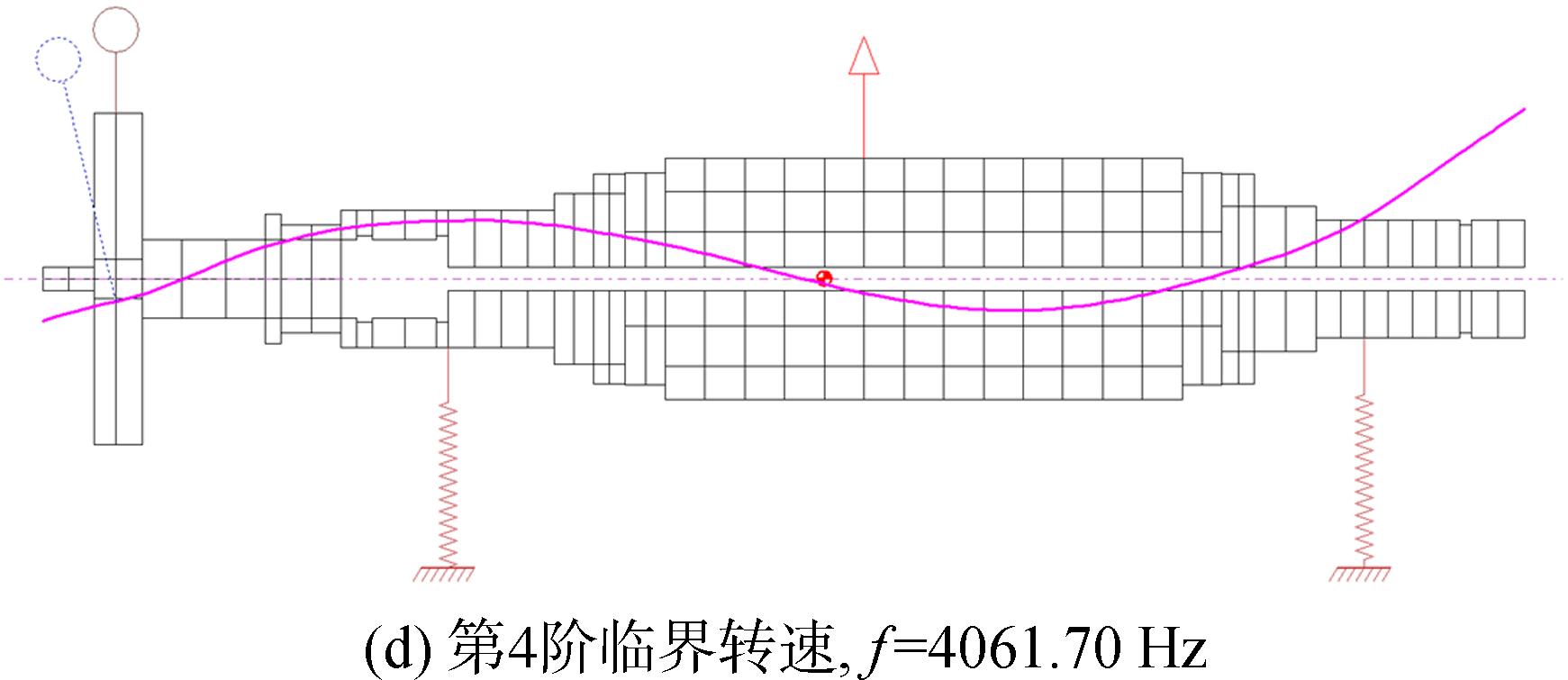
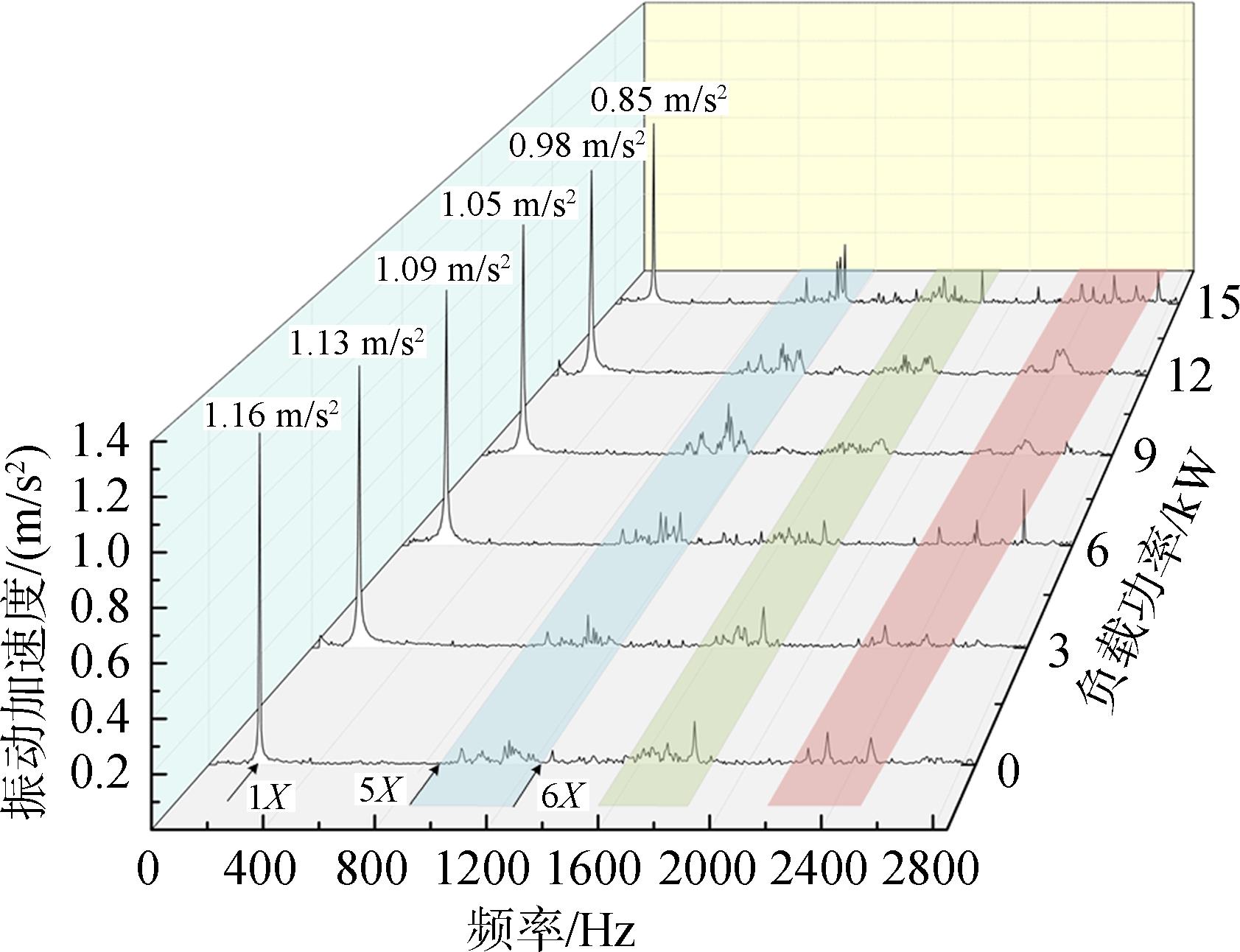
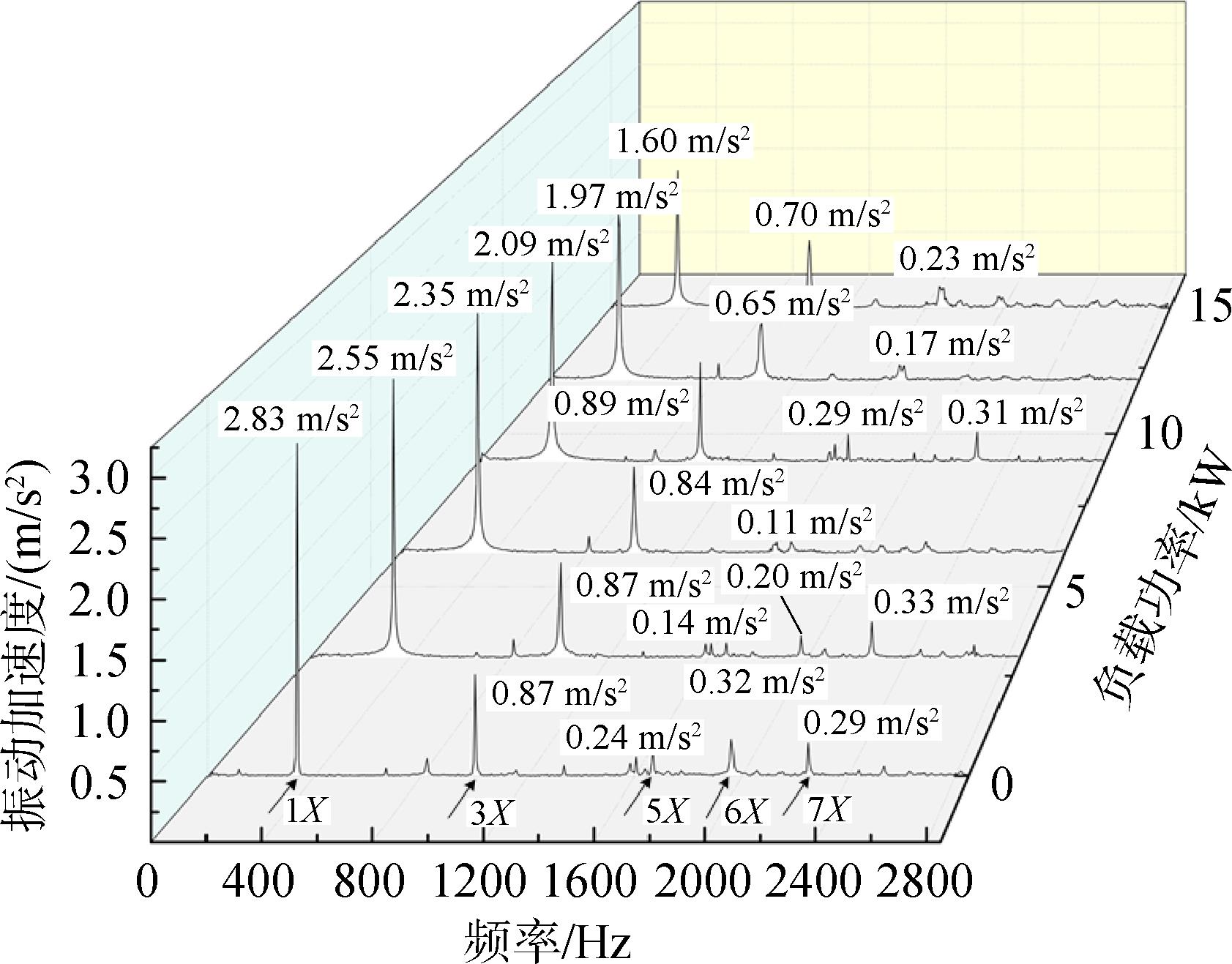
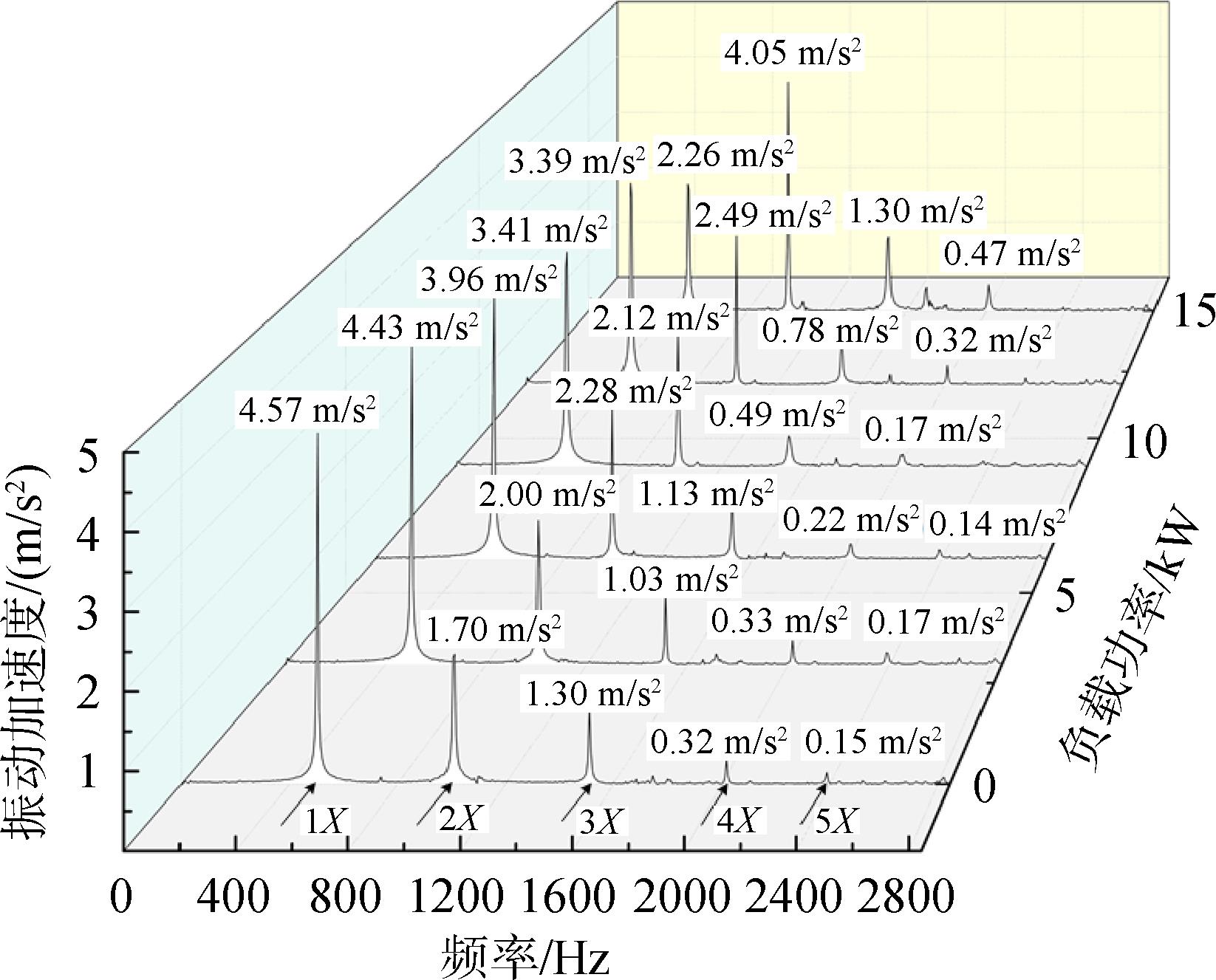
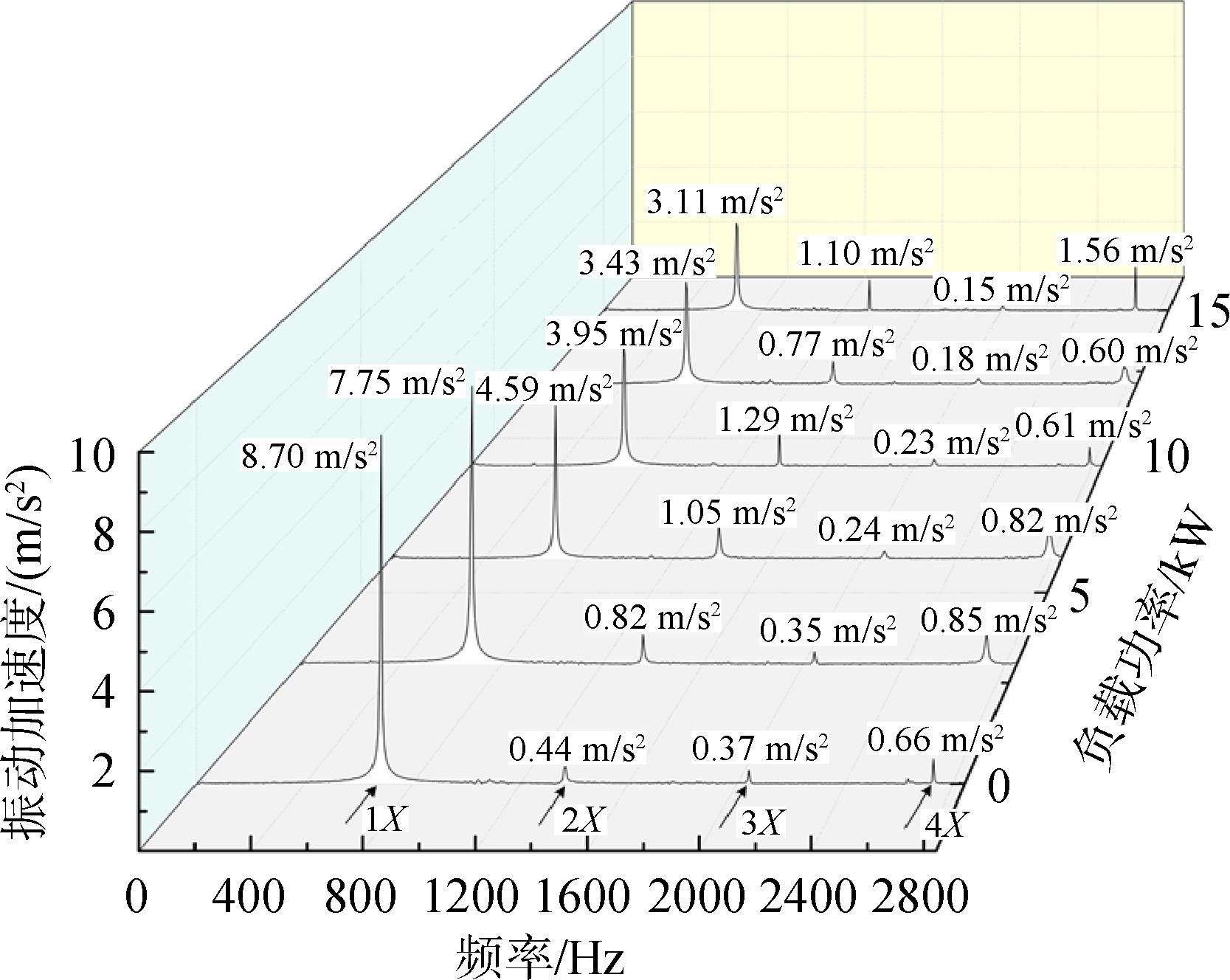
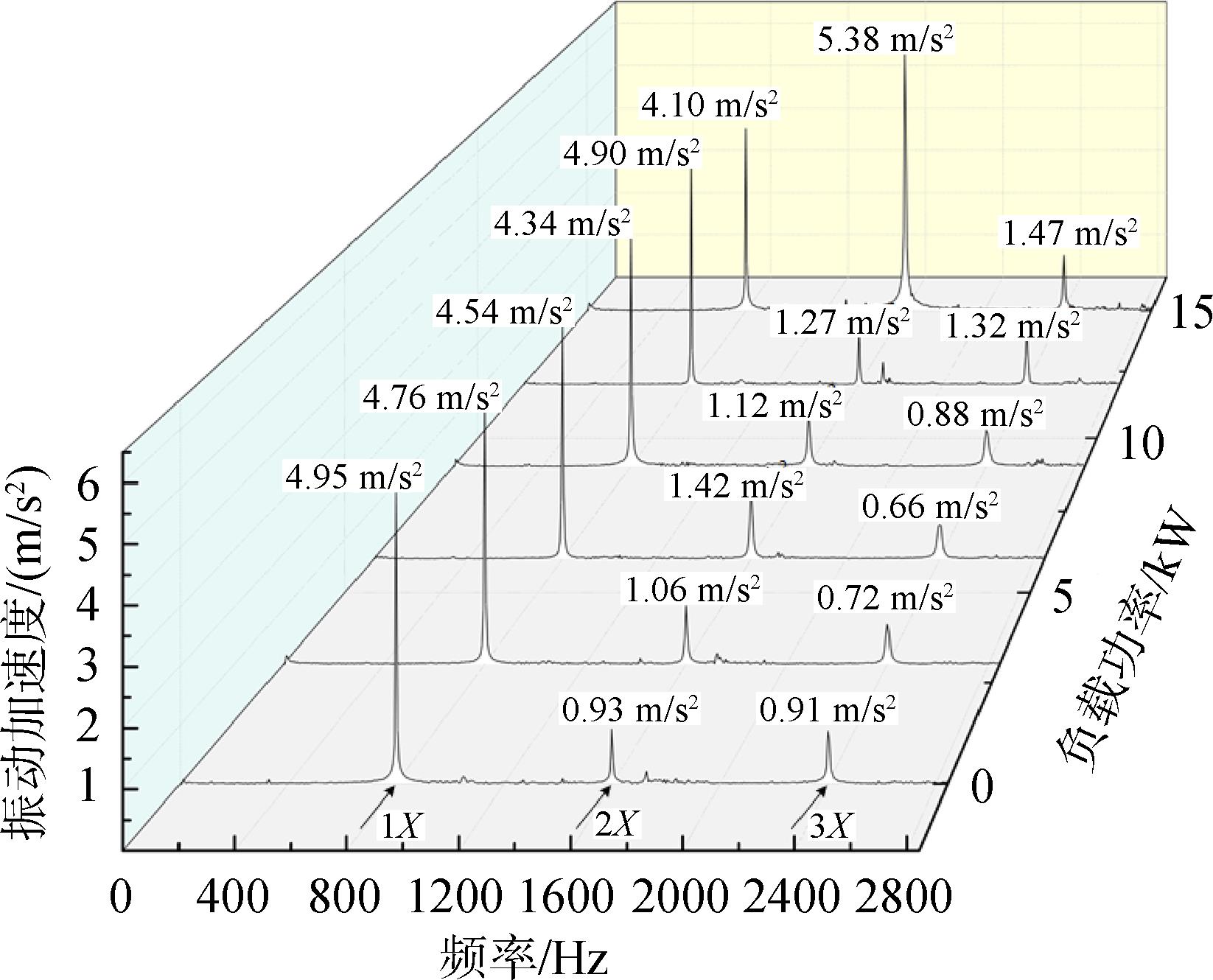
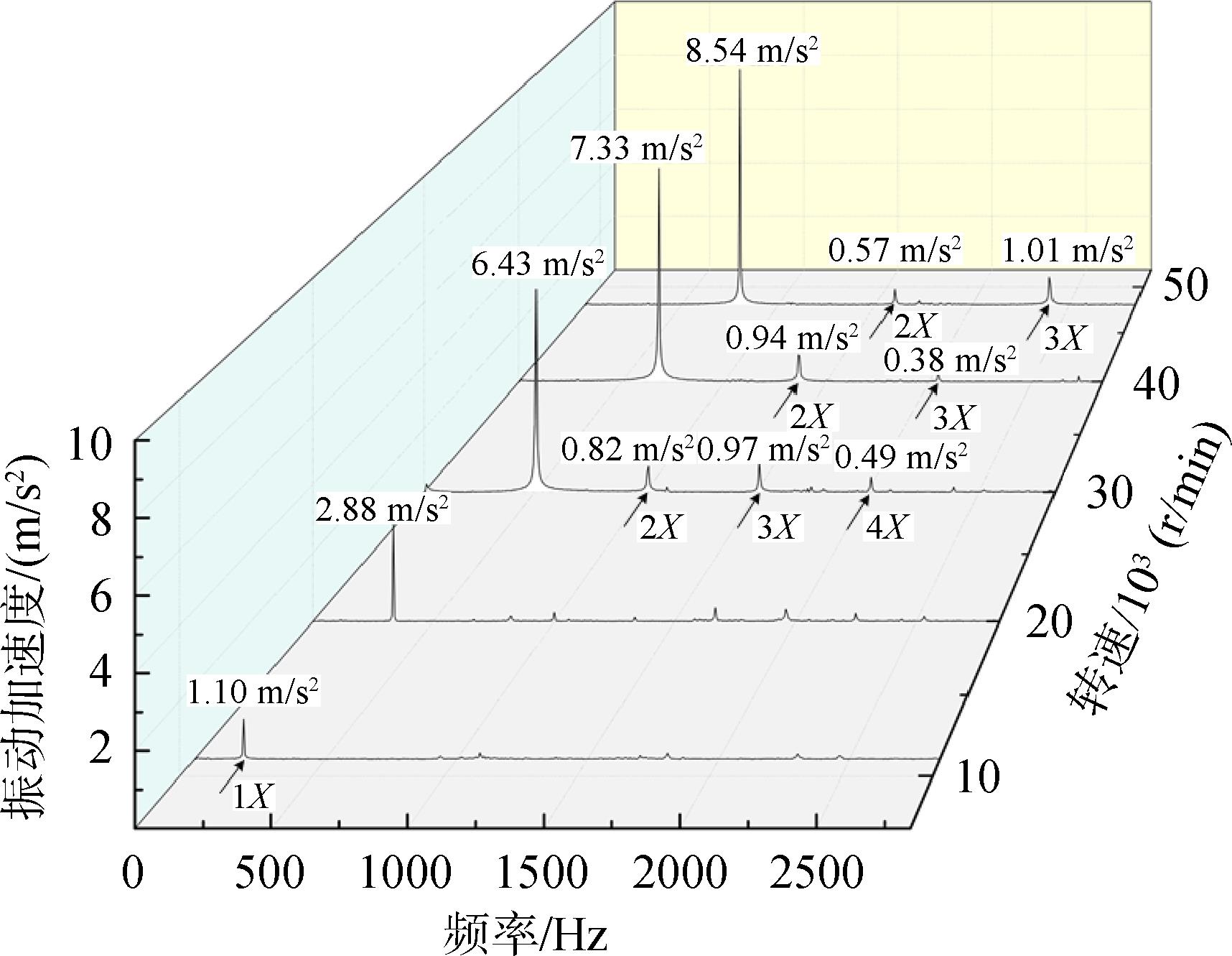
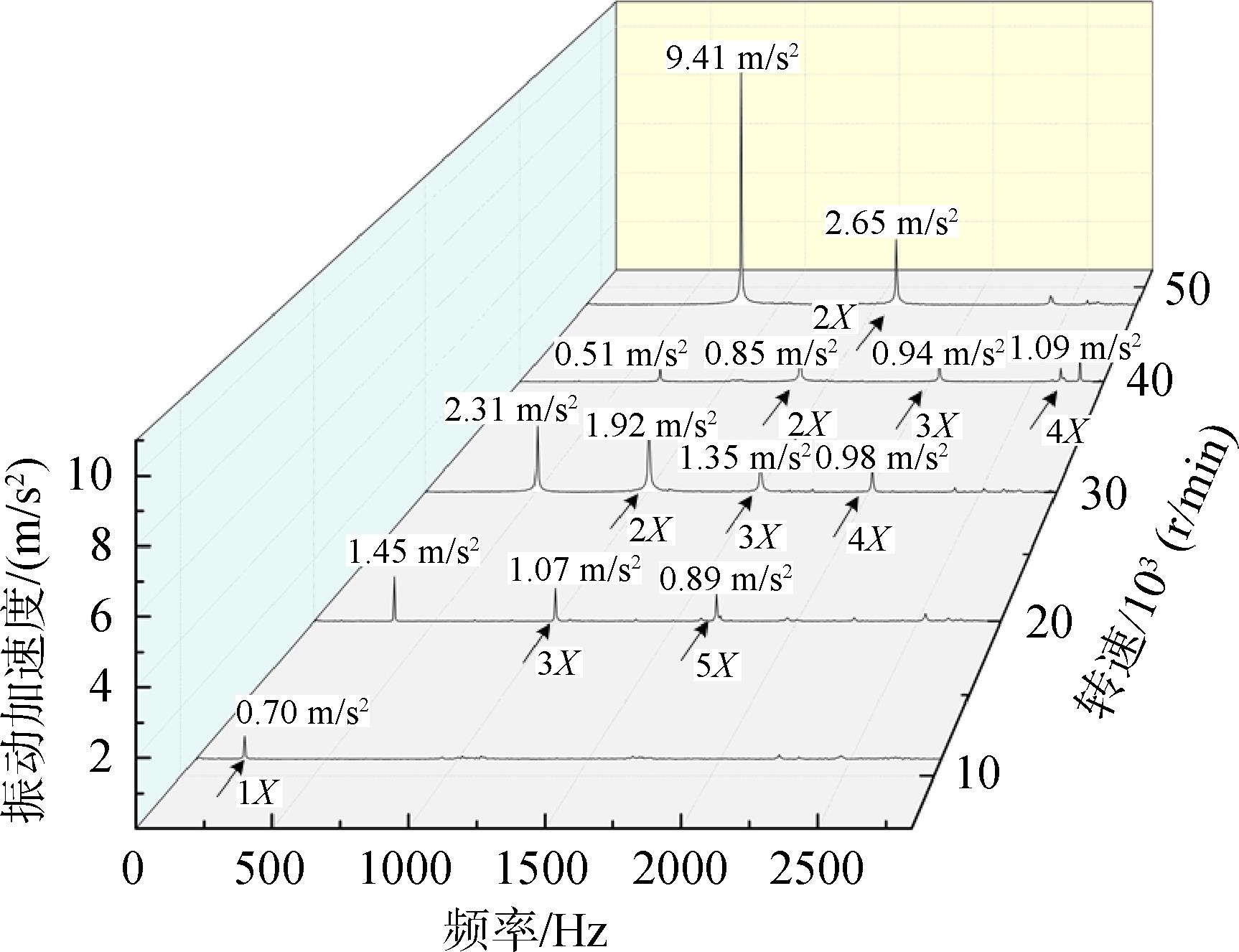
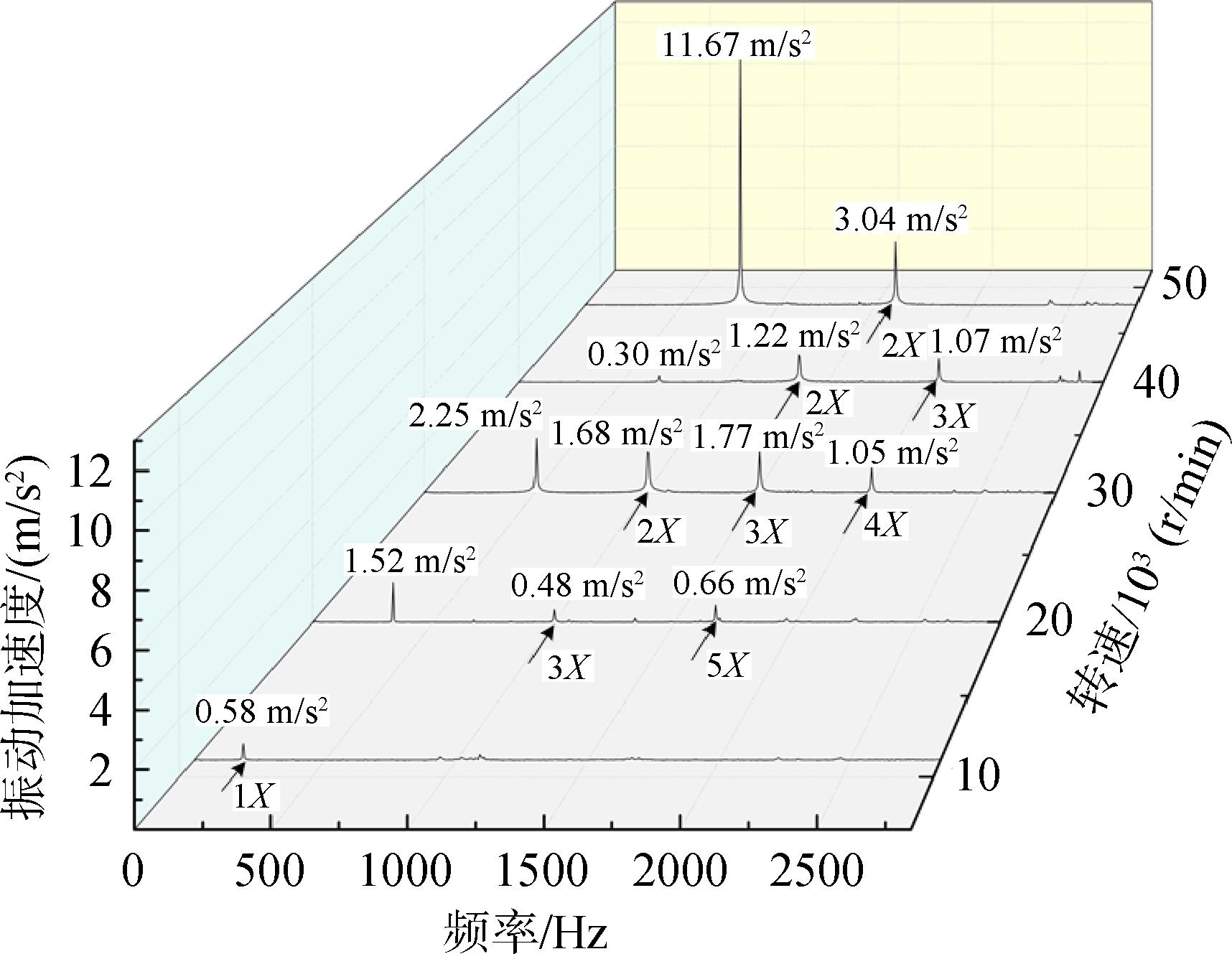
20 kW supercritical carbon dioxide turbine power generation test system was built.Numerical simulation study for the critical speed of the turbine generator shaft system was carried out.The first 4 order critical speeds of hollow and solid shafts were compared and analyzed.The first 4 order modal frequencies of the turbine were calculated.Some experiments were carried out to research the influence of the speed and load on vibration characteristics.Spectrum graphs were used to analyze the acceleration response of the shell at a speed of 0-48 000 r/min and a load of 0-20 kW.Calculation and test results showed that,the critical speed of hollow rotor was higher than that of the solid rotor,and critical speed of a rotor with a turbine was lower than that of a rotor without a turbine.As load increased from 0 kW to 15 kW,rotor power frequency vibration gradually decreased,but double frequency vibration with lower amplitude appeared.As the speed ran from 11 000 r/min to 40 000 r/min,vibration response of the drive end under different powers was lower than that of the free end.Vibration response of the drive end under different powers was higher at 48 000 r/min than that of the free end.

Vibration simulation of planetary gearbox with planet⁃carrier crack
WANG Danfeng, GUO Yu
2022, 37(7): 1447-1455. doi: 10.13224/j.cnki.jasp.20210267
Abstract:

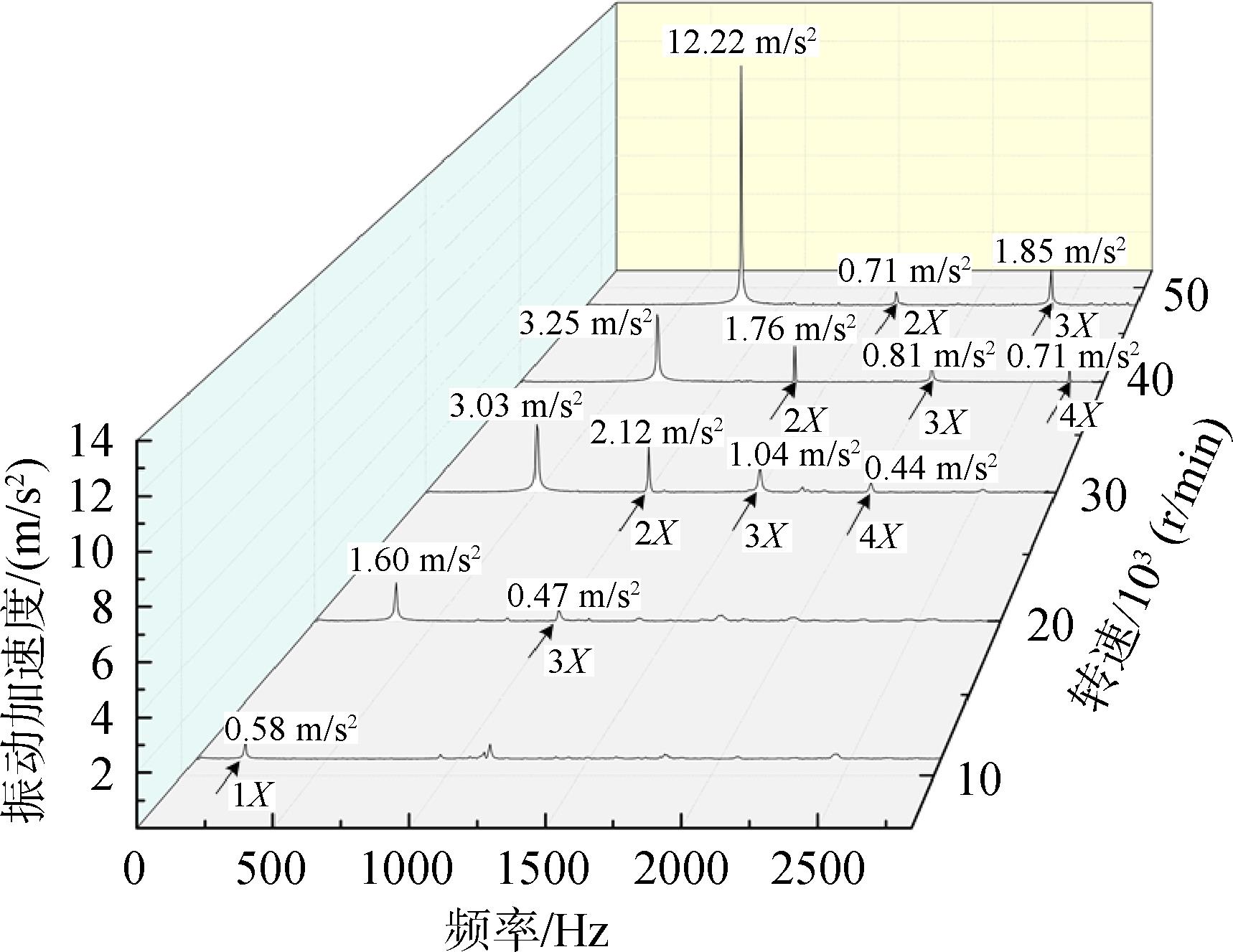
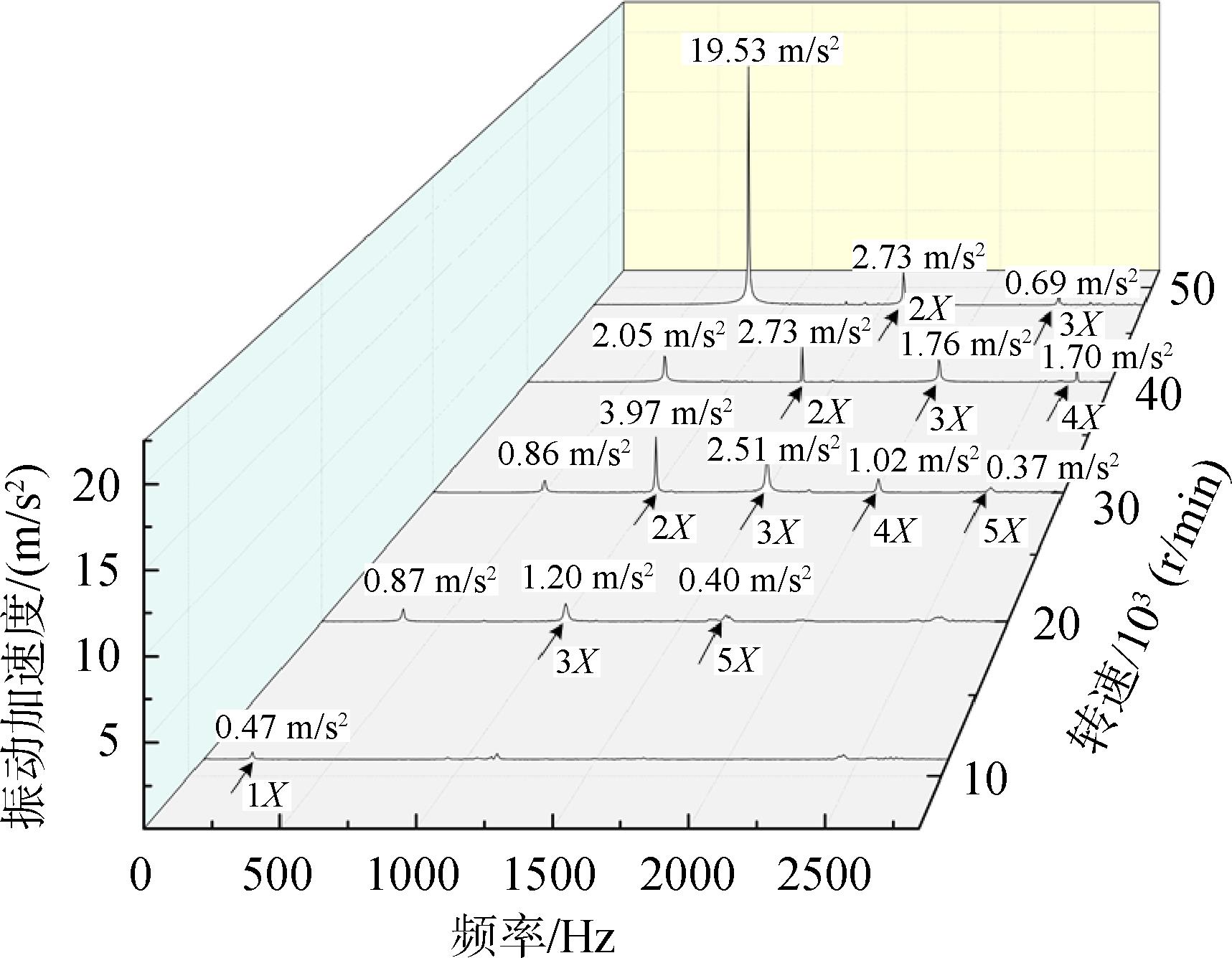
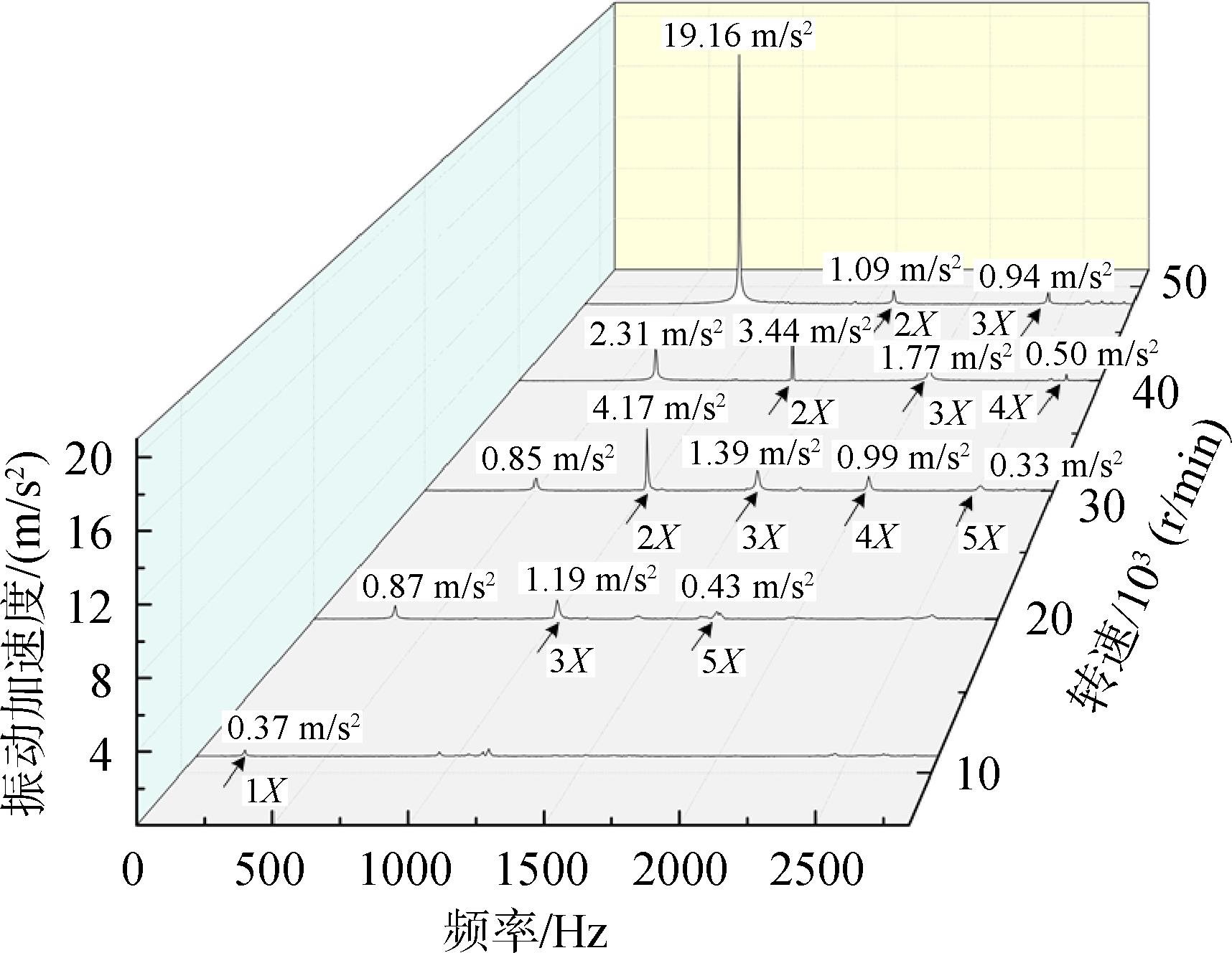
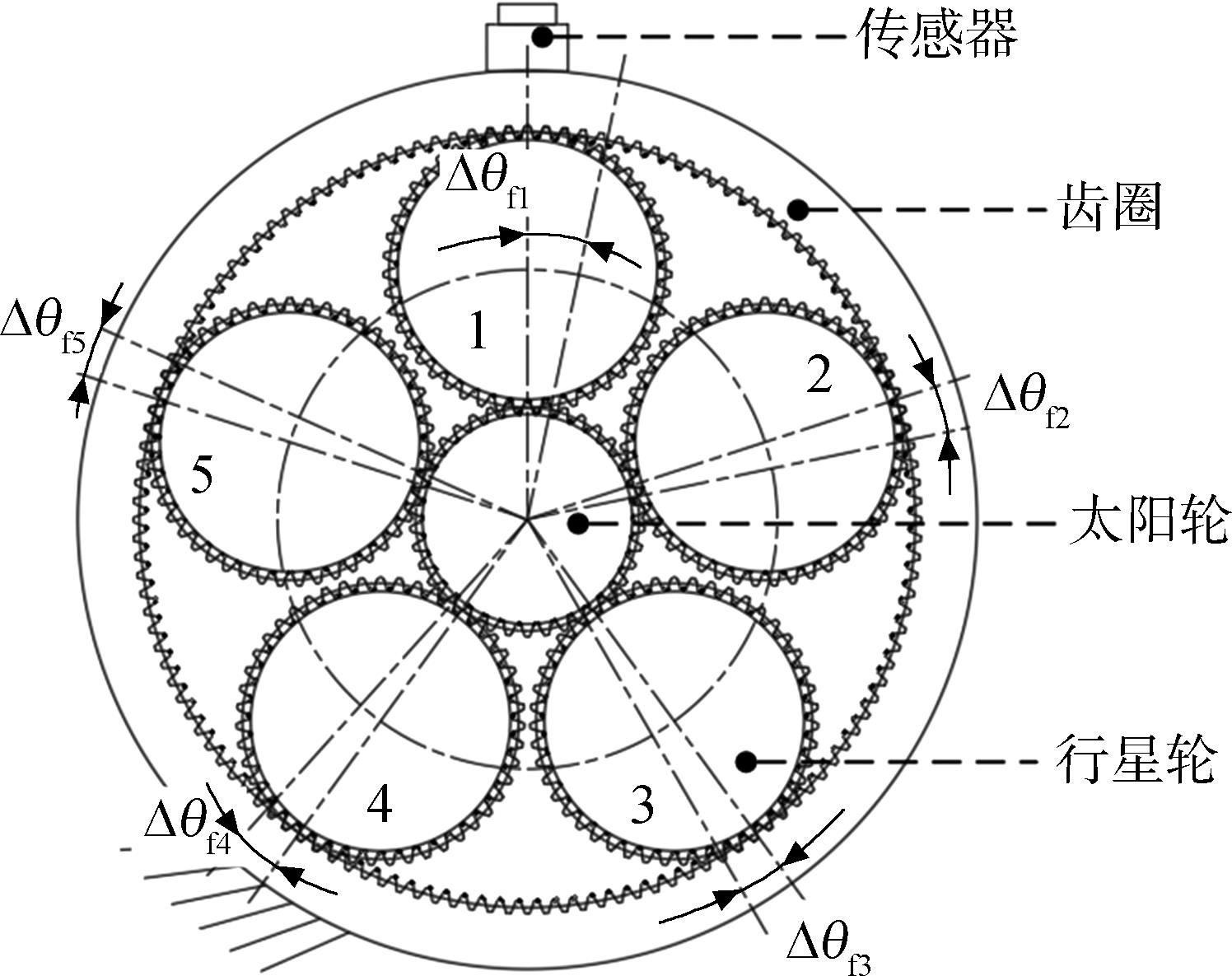
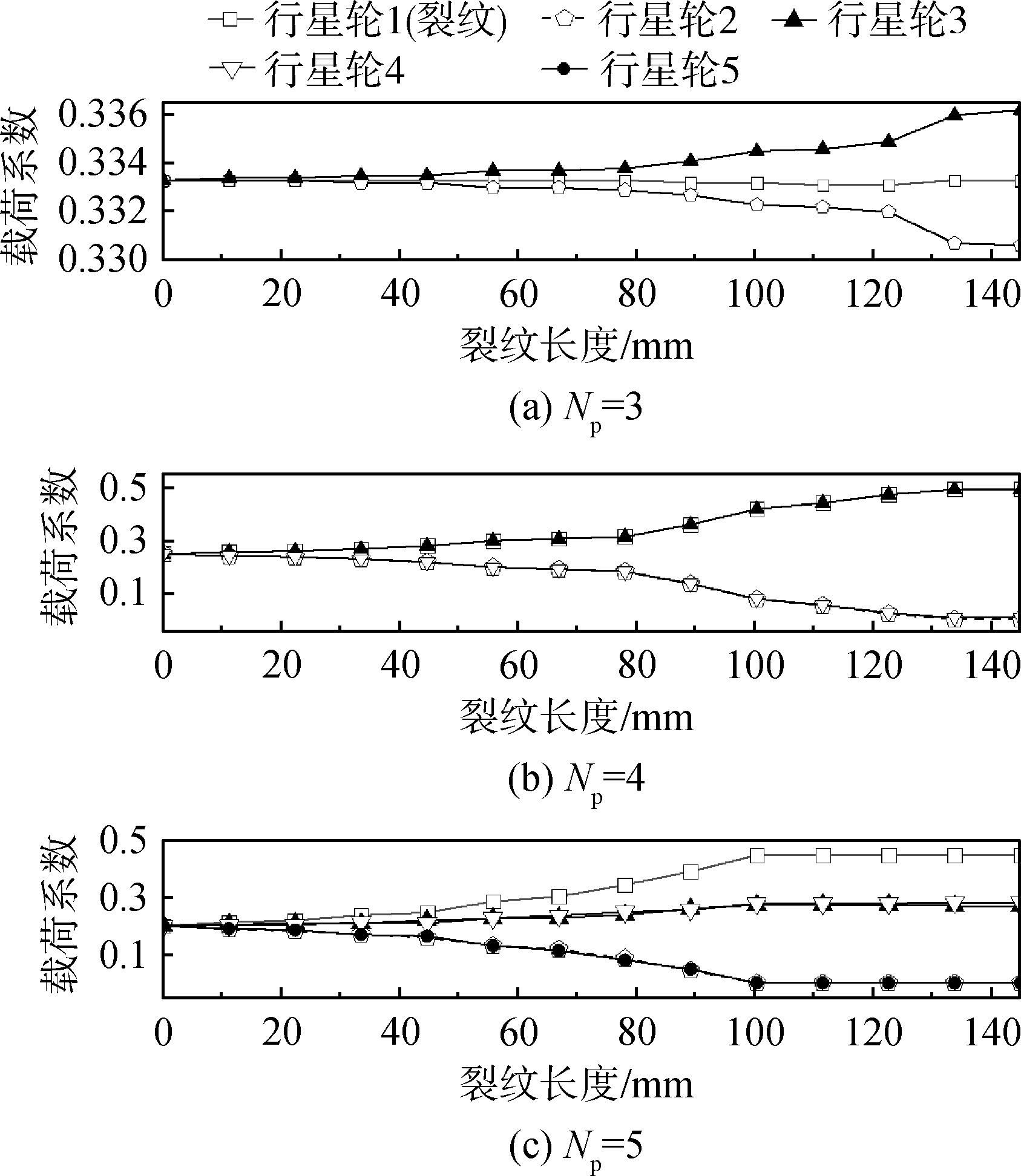
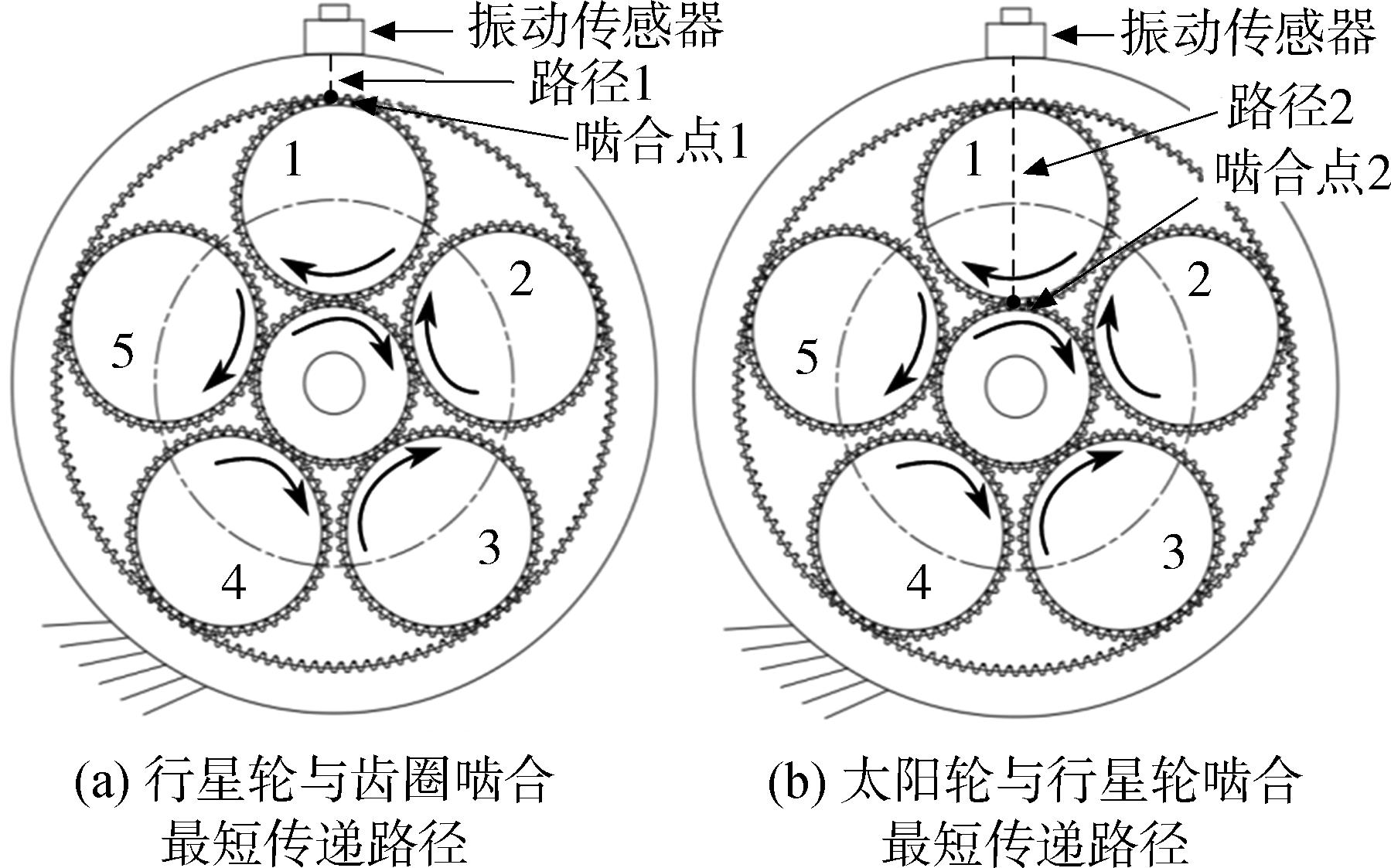
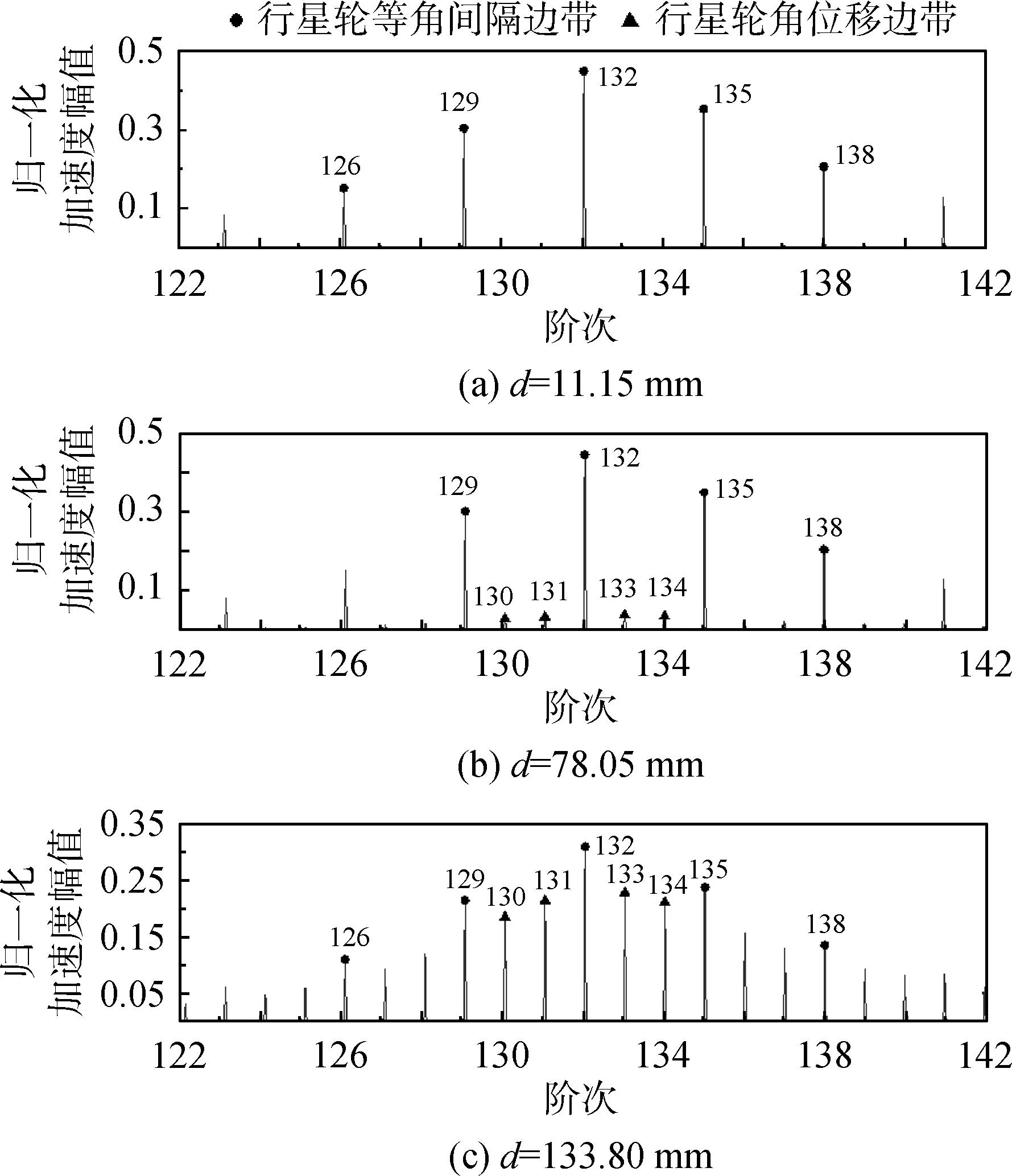
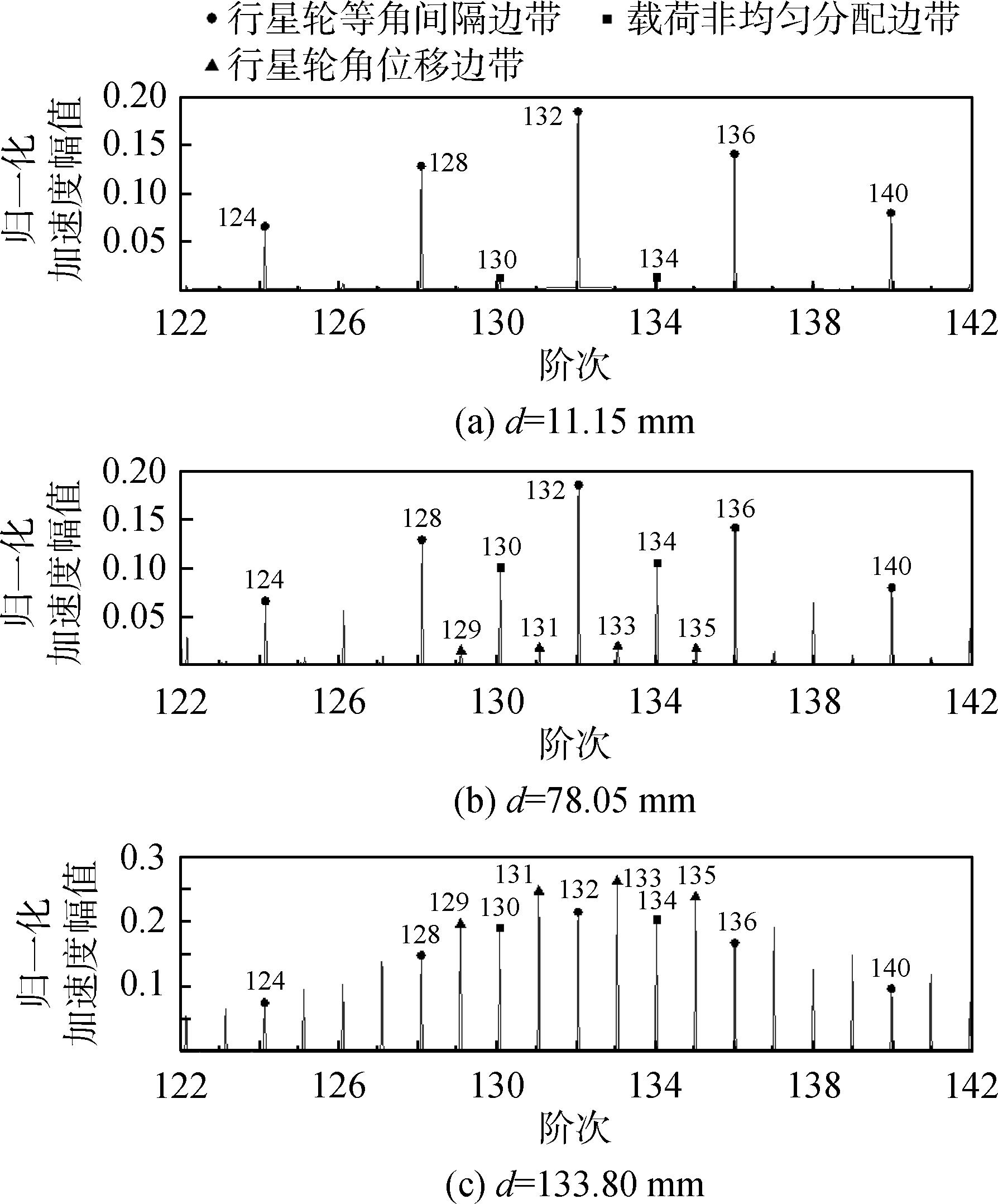
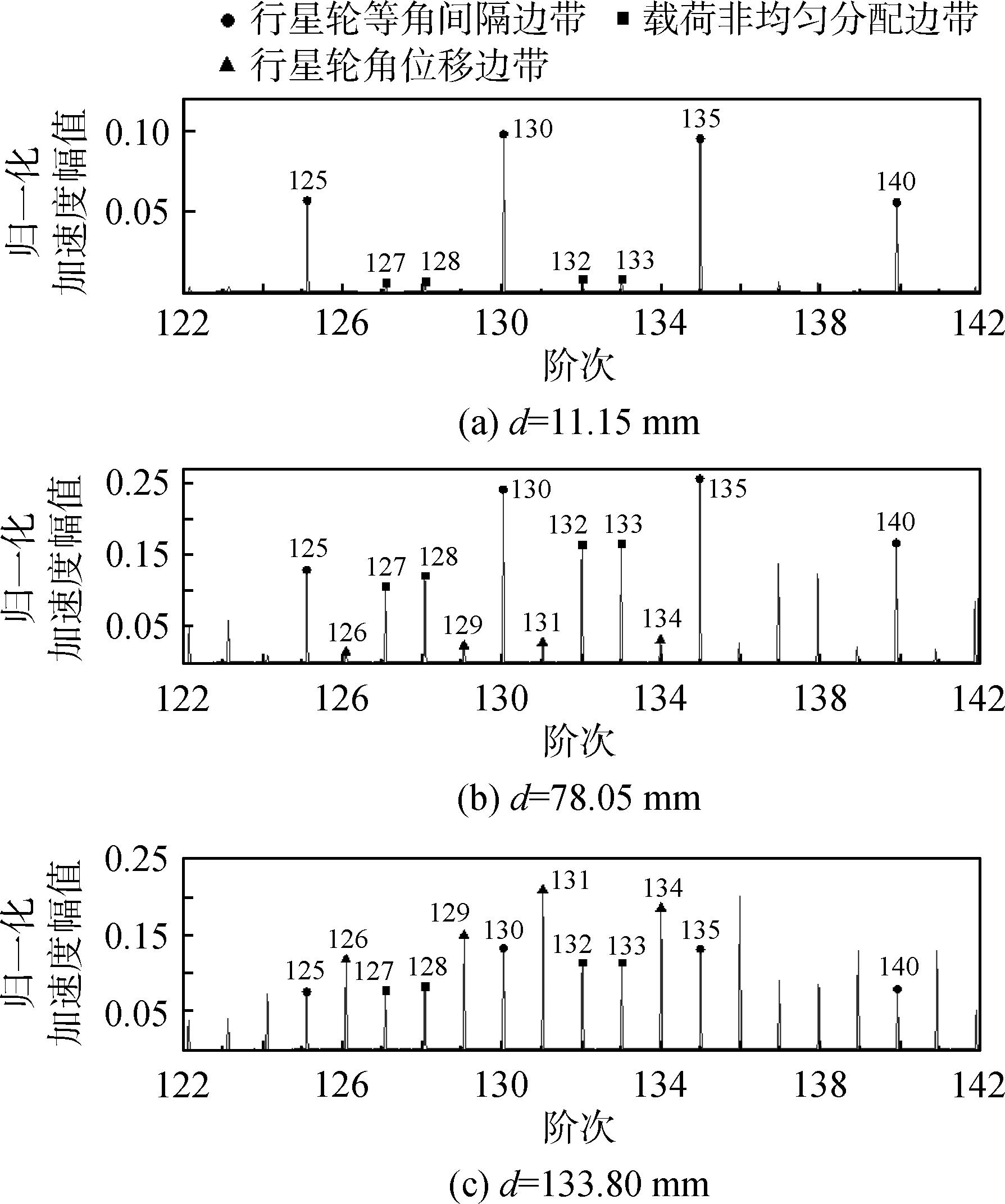
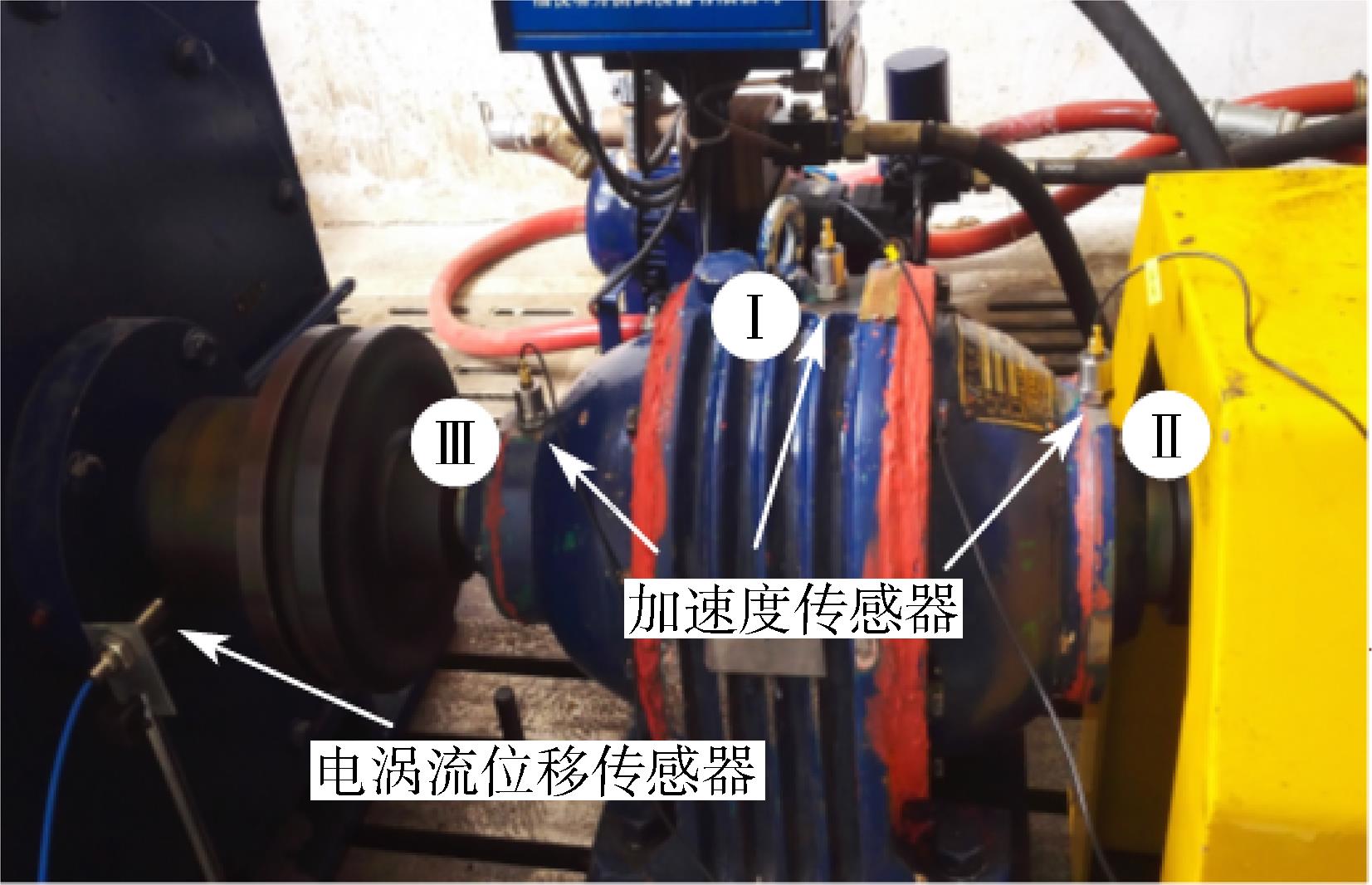
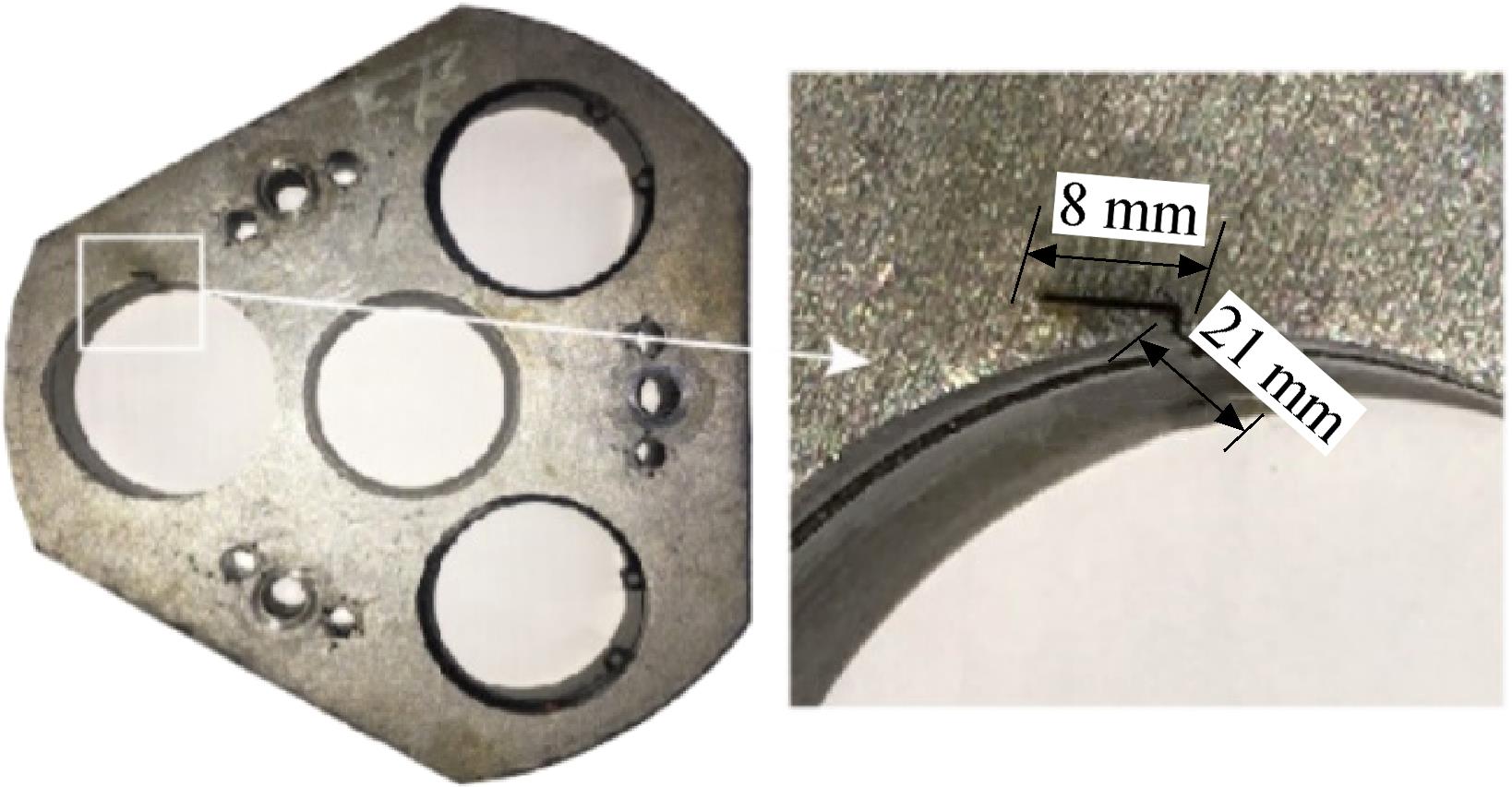
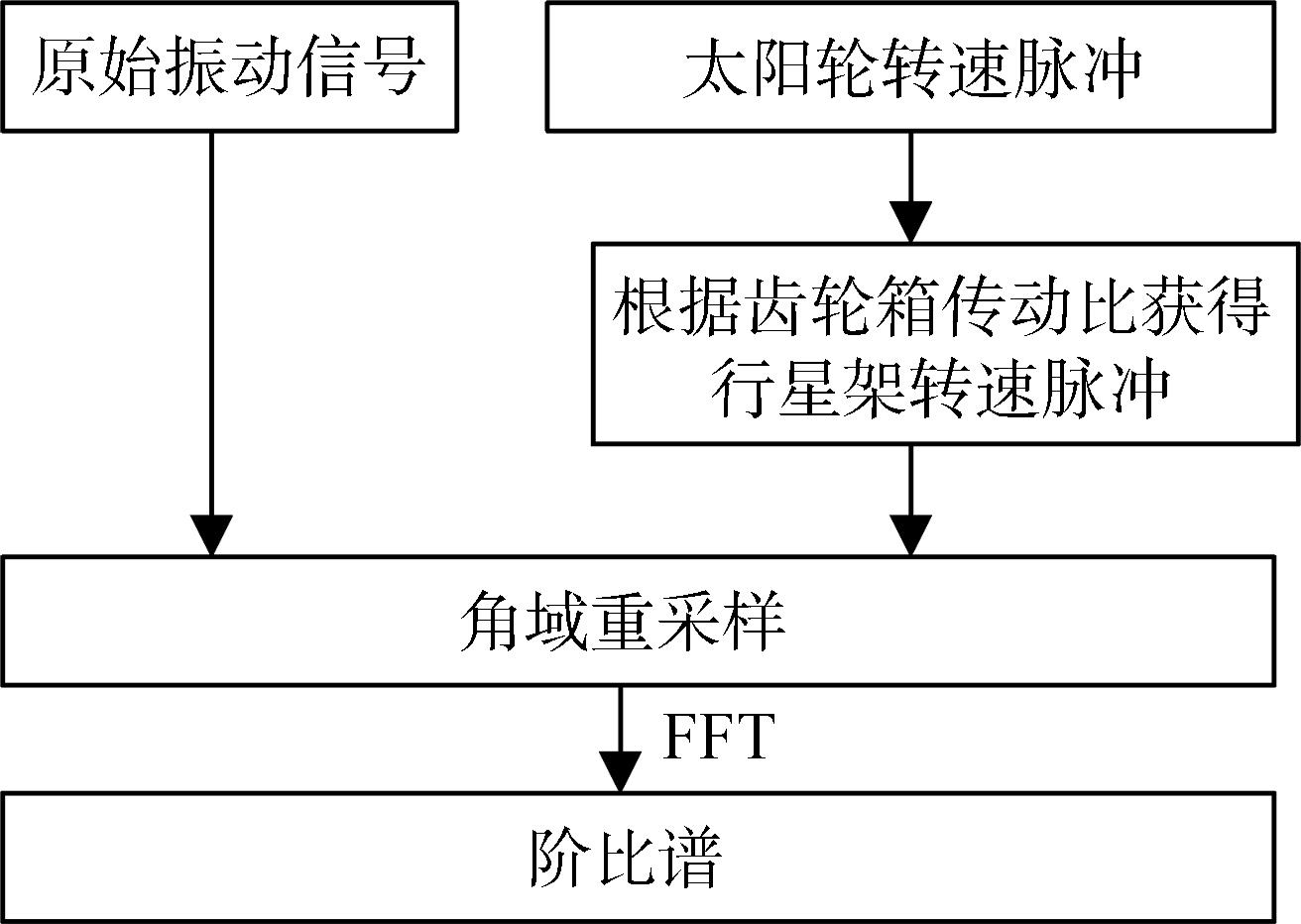
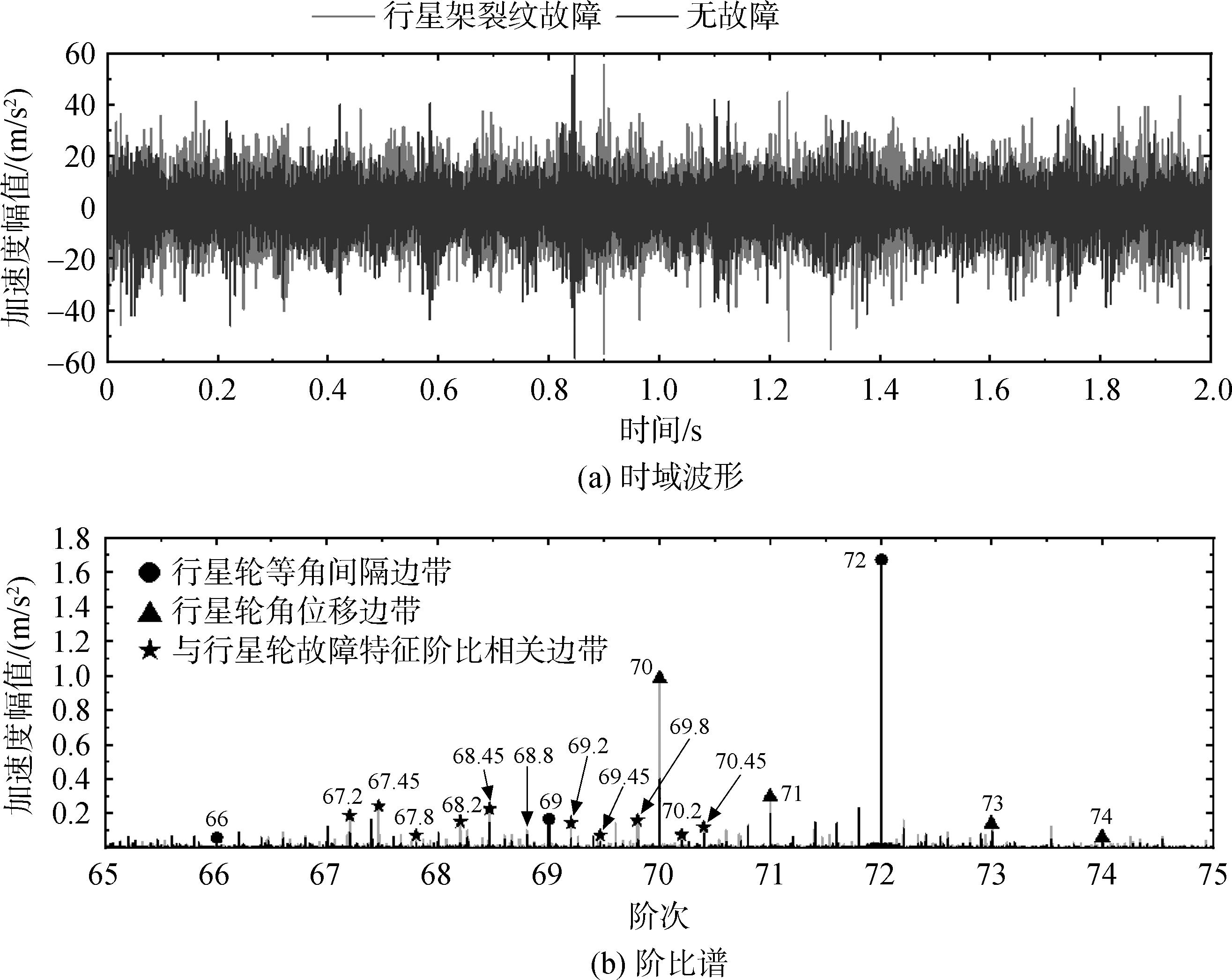
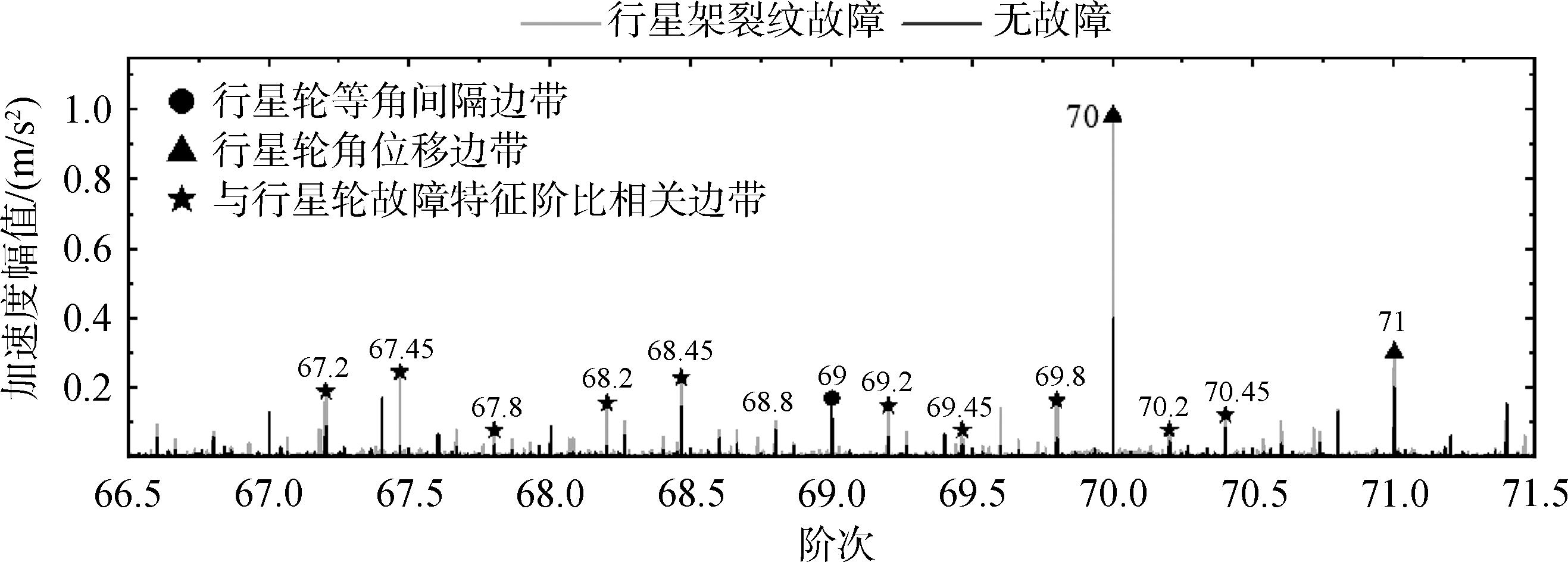
To deeply understand the vibration spectrum structure,a vibration simulation model considering the time⁃varying transfer paths and the uneven load sharing of the planetary gearbox was proposed.According to angular shift function of planet gears caused by the crack,the effect of the angular shift of planet gears on load sharing was analyzed.The spectrum sideband structure under the planet gear angular shift caused by the planet⁃carrier crack and the non⁃uniform load distribution was simulated and analyzed.The simulation results showed that when the number of planet gears was 3,the sideband was only affected by the additional angular displacement of planet gears.When the number increased to 4 and 5,the spectral sideband was jointly affected by the angular displacement and load distribution among planets,and the modulation sideband components with the rotation order of carrier appeared in the order spectrum.By comparing the order spectrum structure of the simulated signal and measured signal of the planetary gearbox with 3 planets,the effectiveness of the proposed model was verified.
Uncertainty quantification of rotor blade dynamic strain reconstruction based on blade tip timing
CHEN Lei, QIAO Baijie, AO Chunyan, FU Shunguo, LIU Meiru, CHEN Xuefeng
2022, 37(7): 1456-1468. doi: 10.13224/j.cnki.jasp.20210275
Abstract:

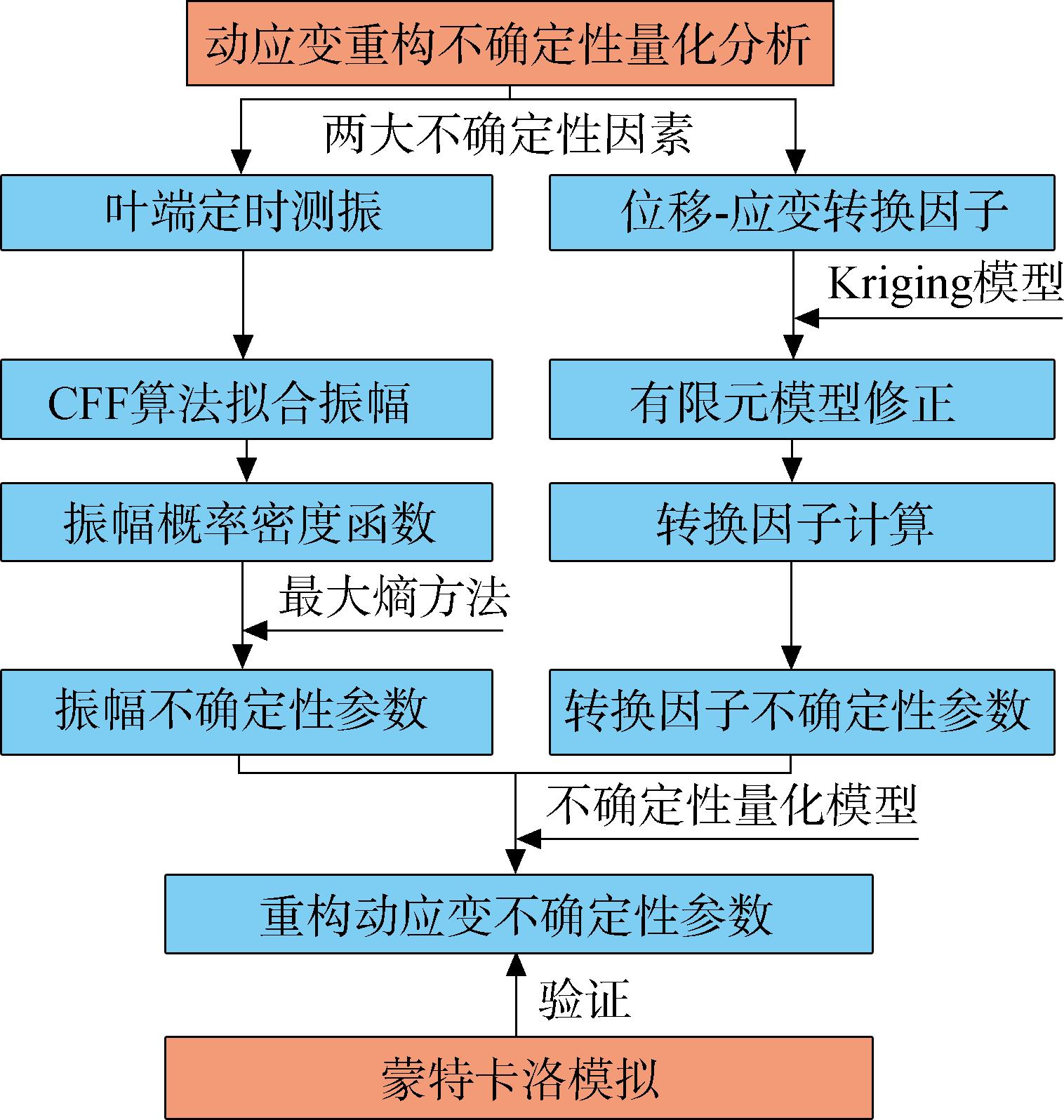
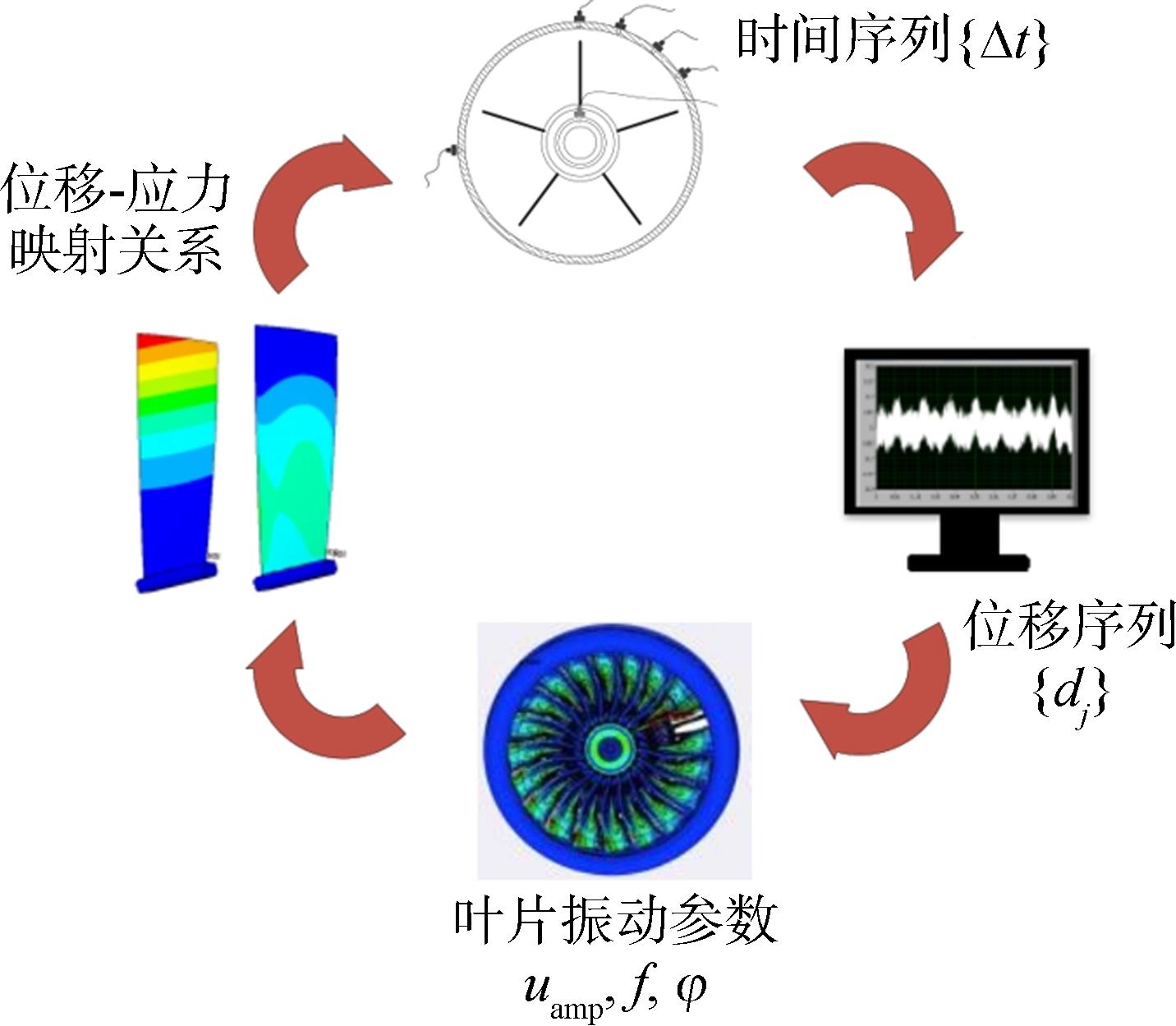
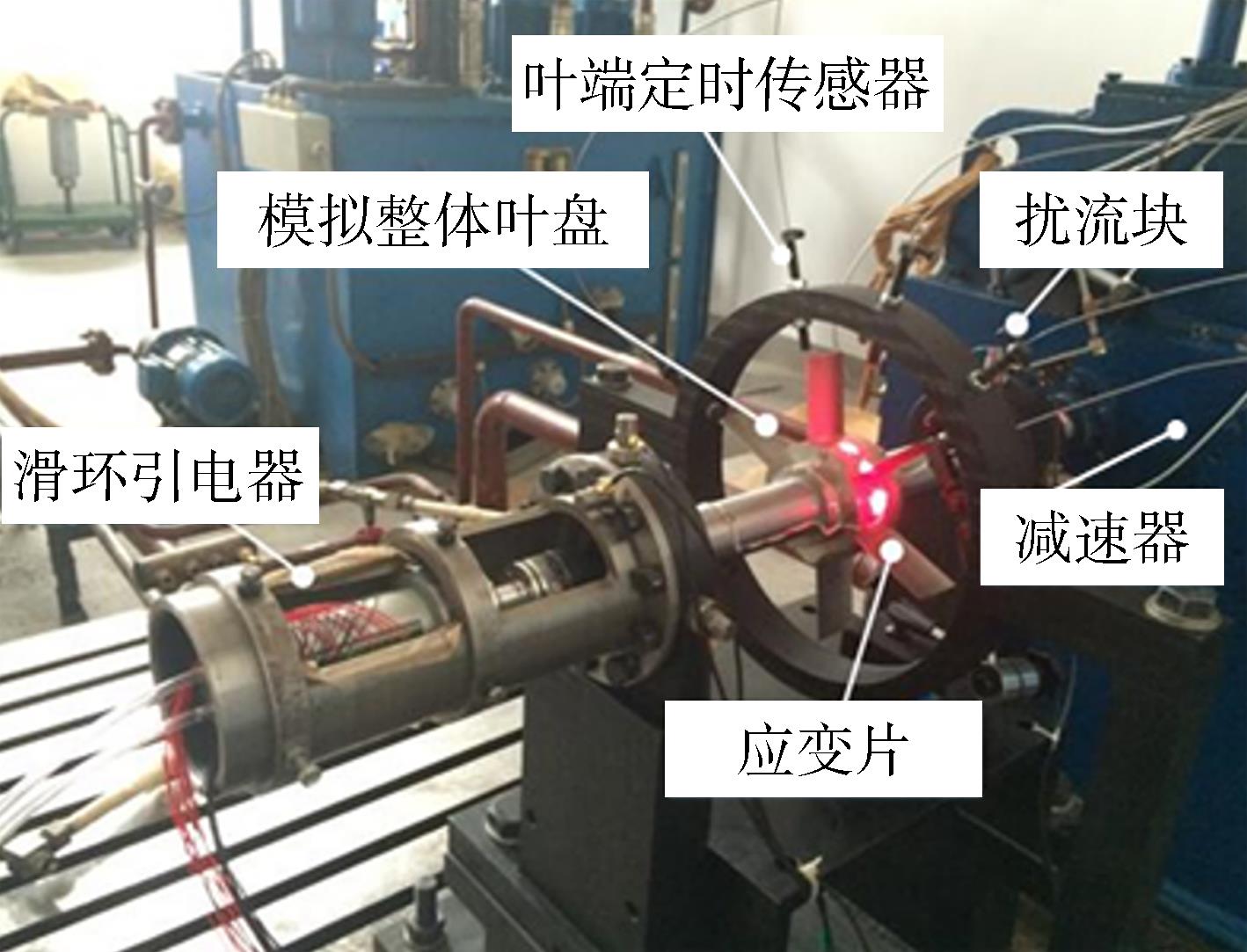
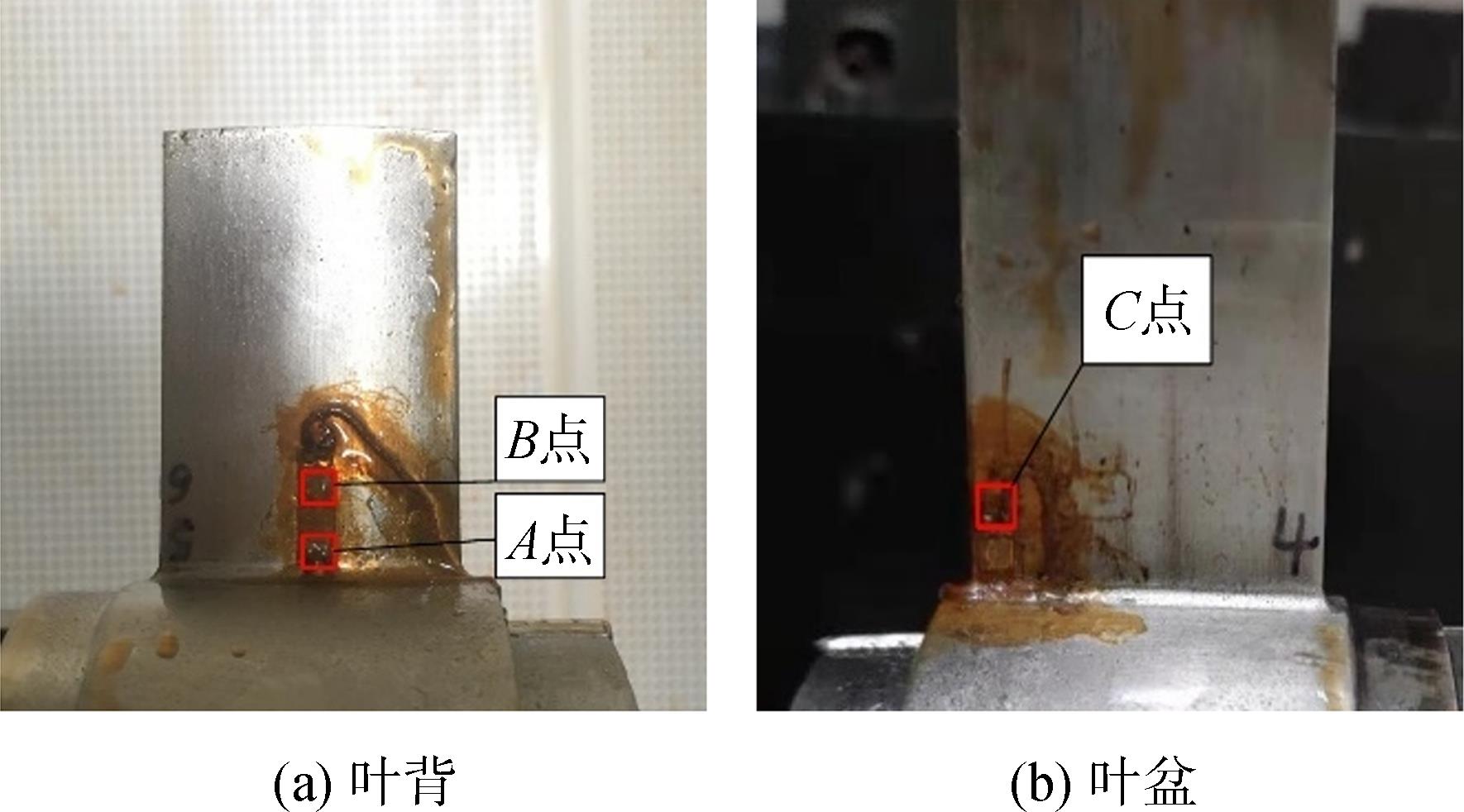
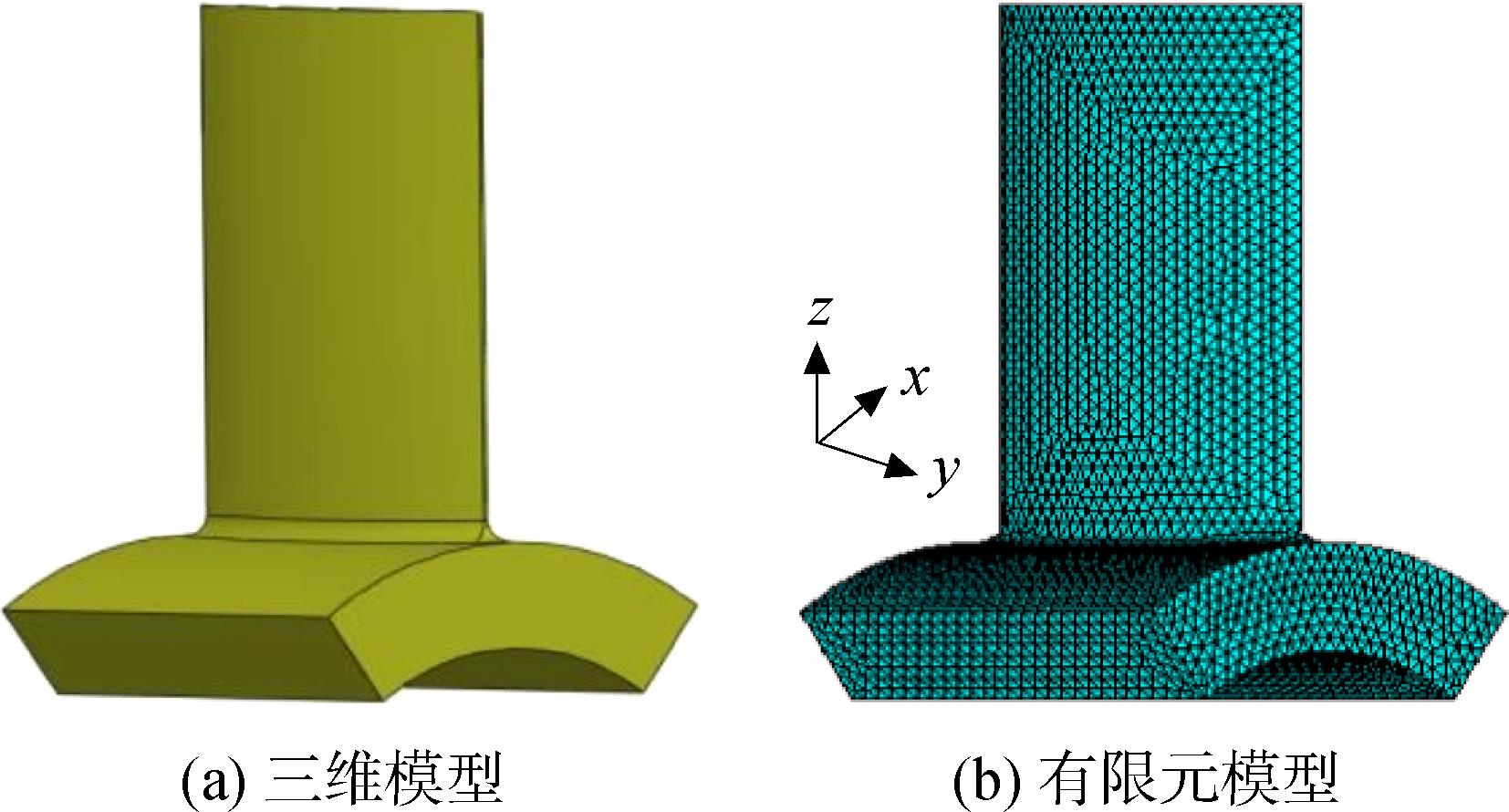
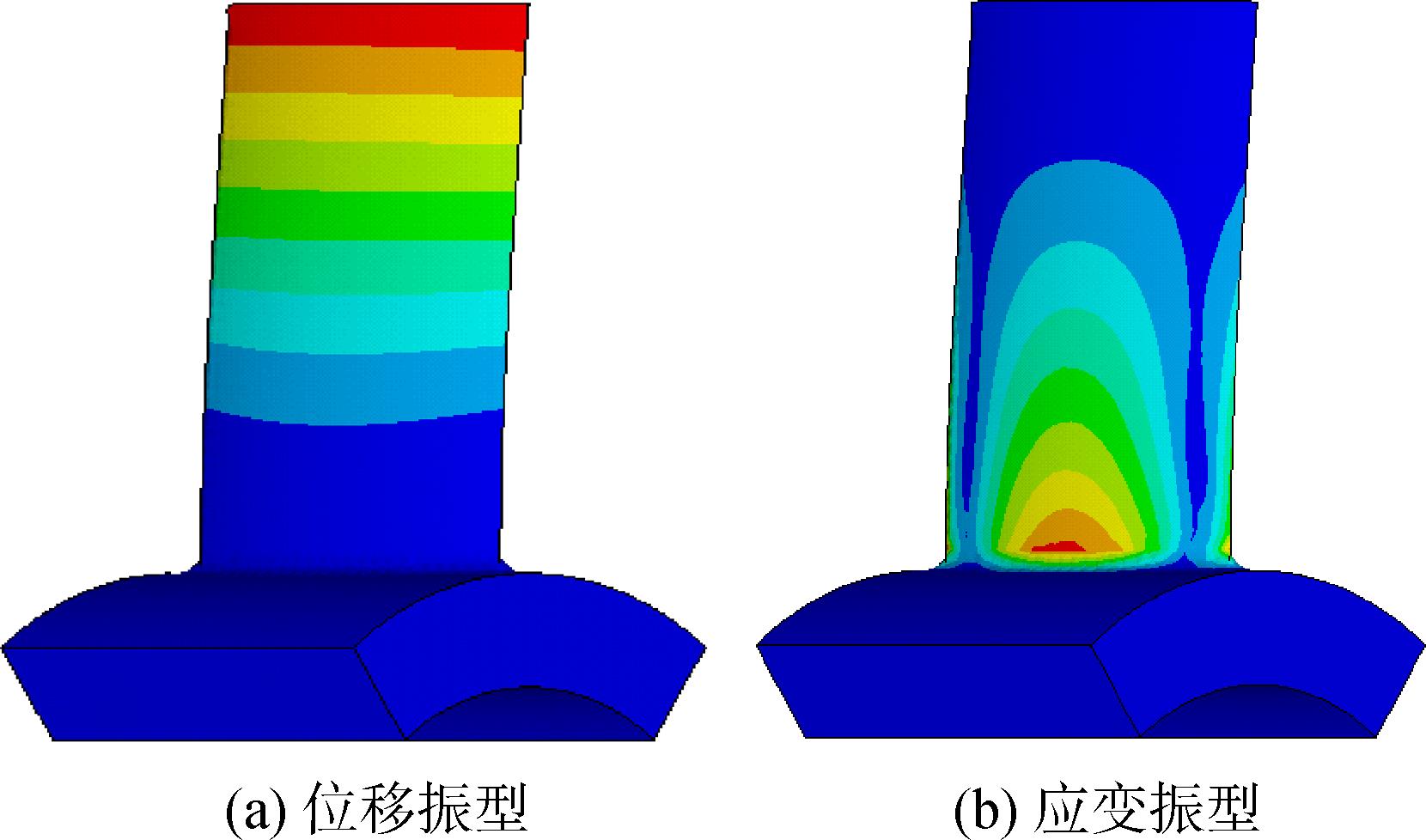
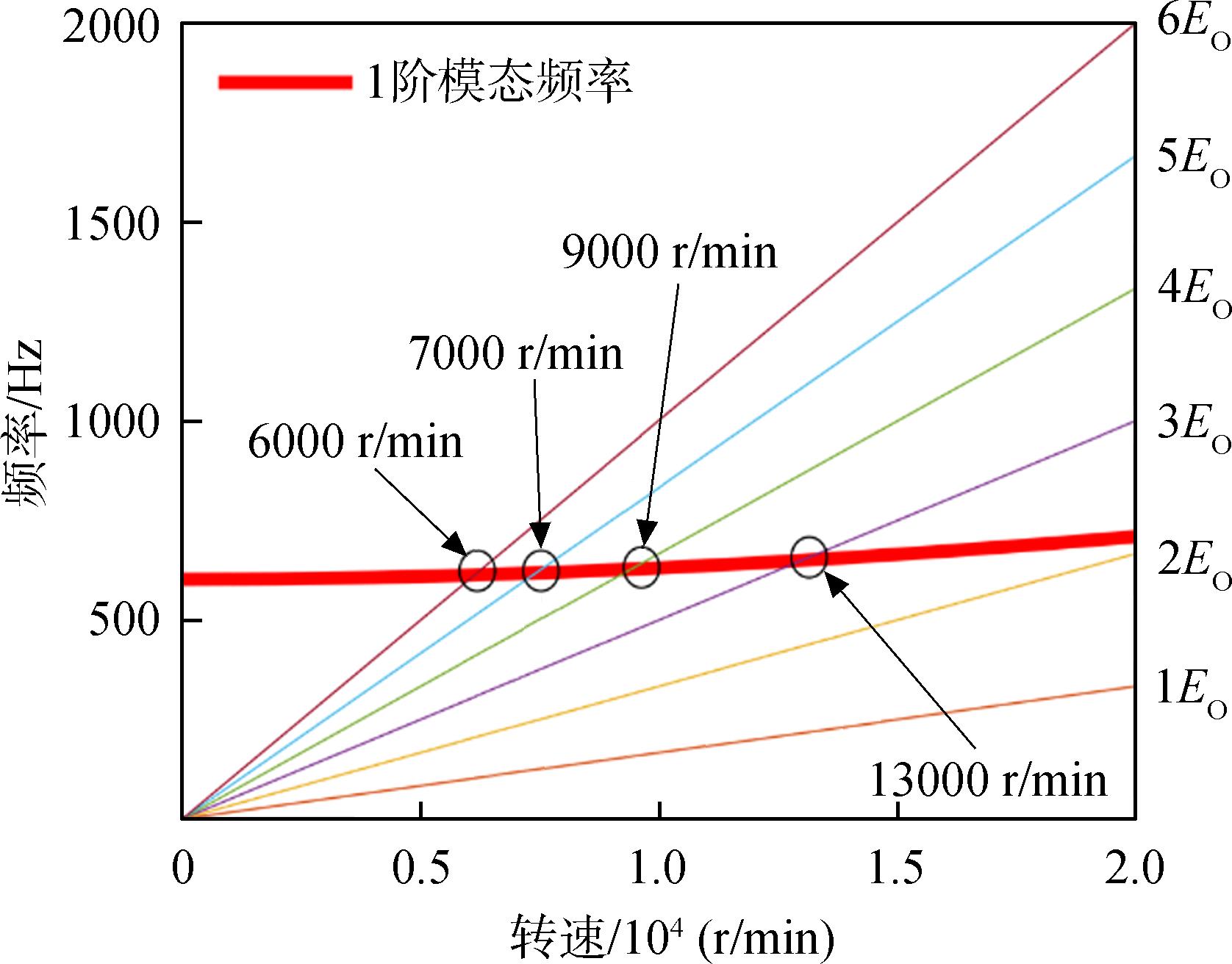
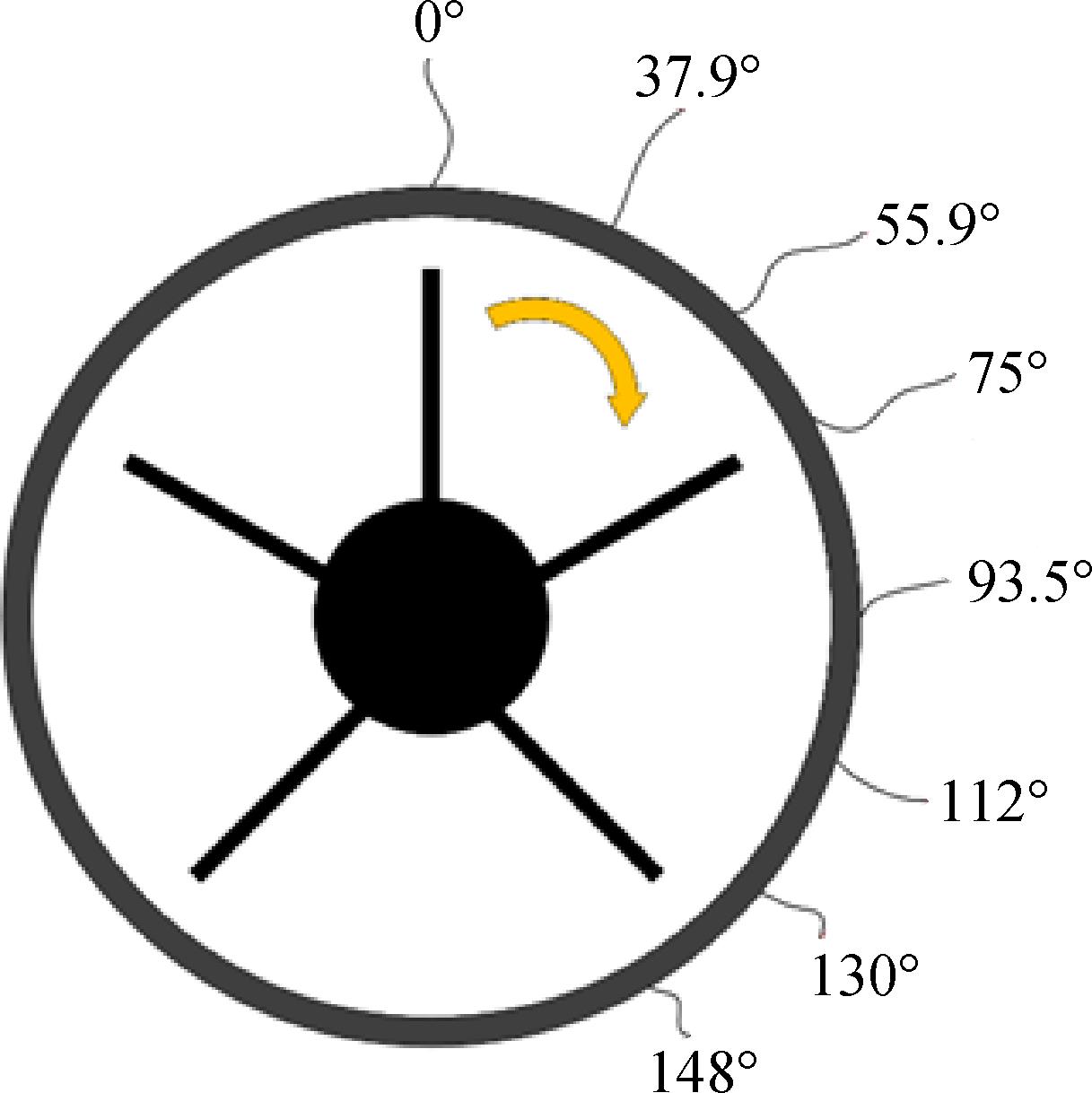
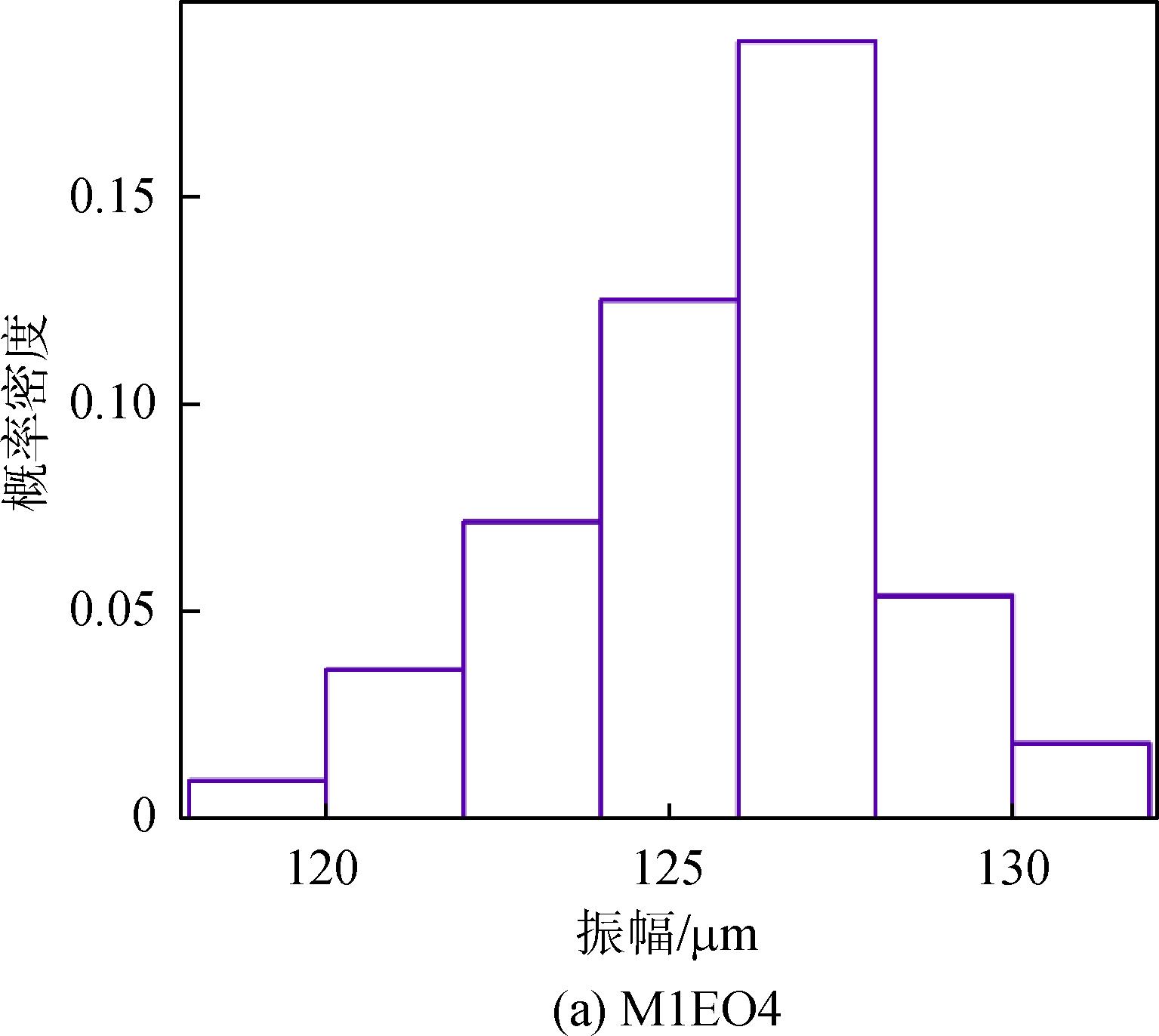
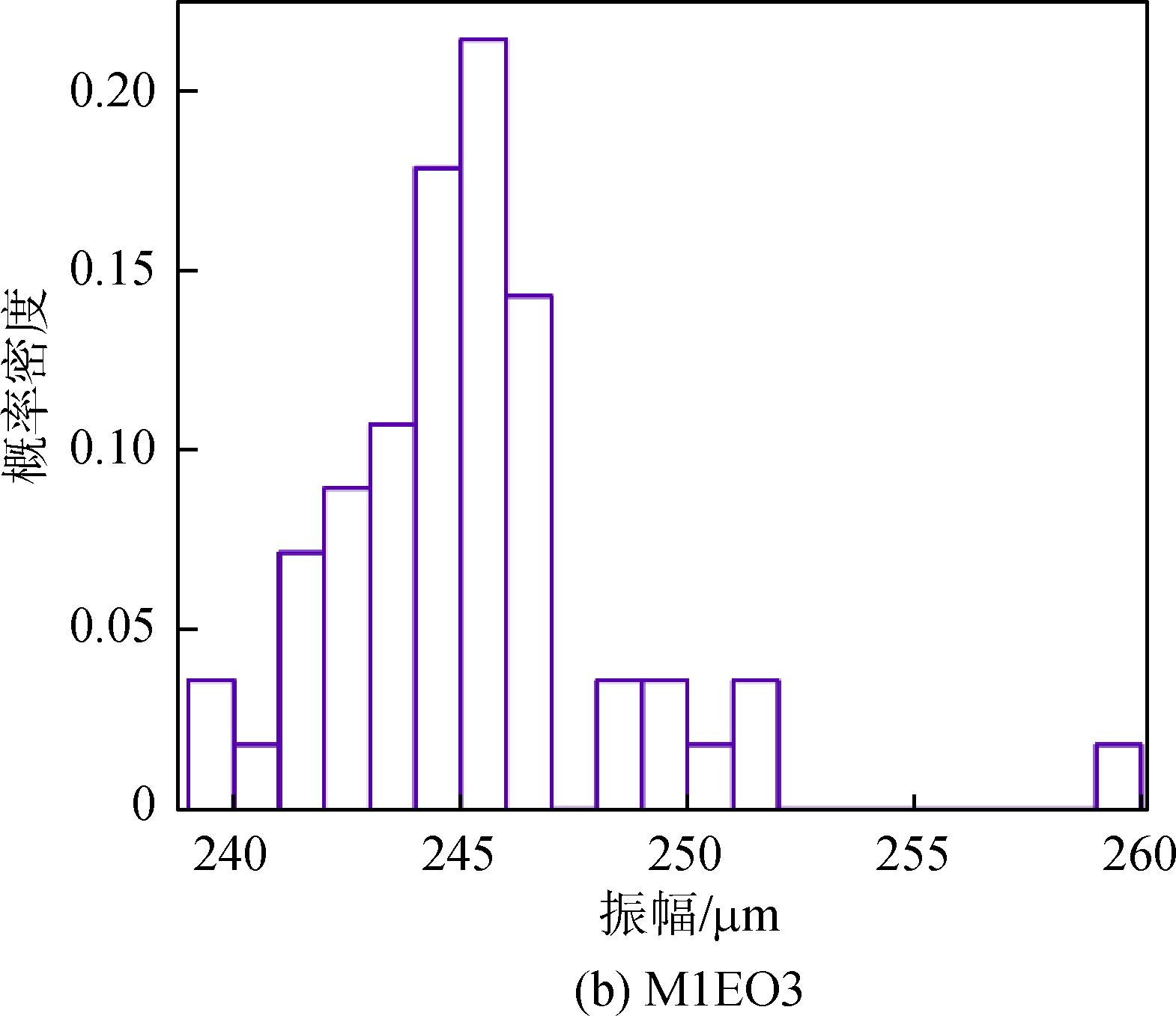
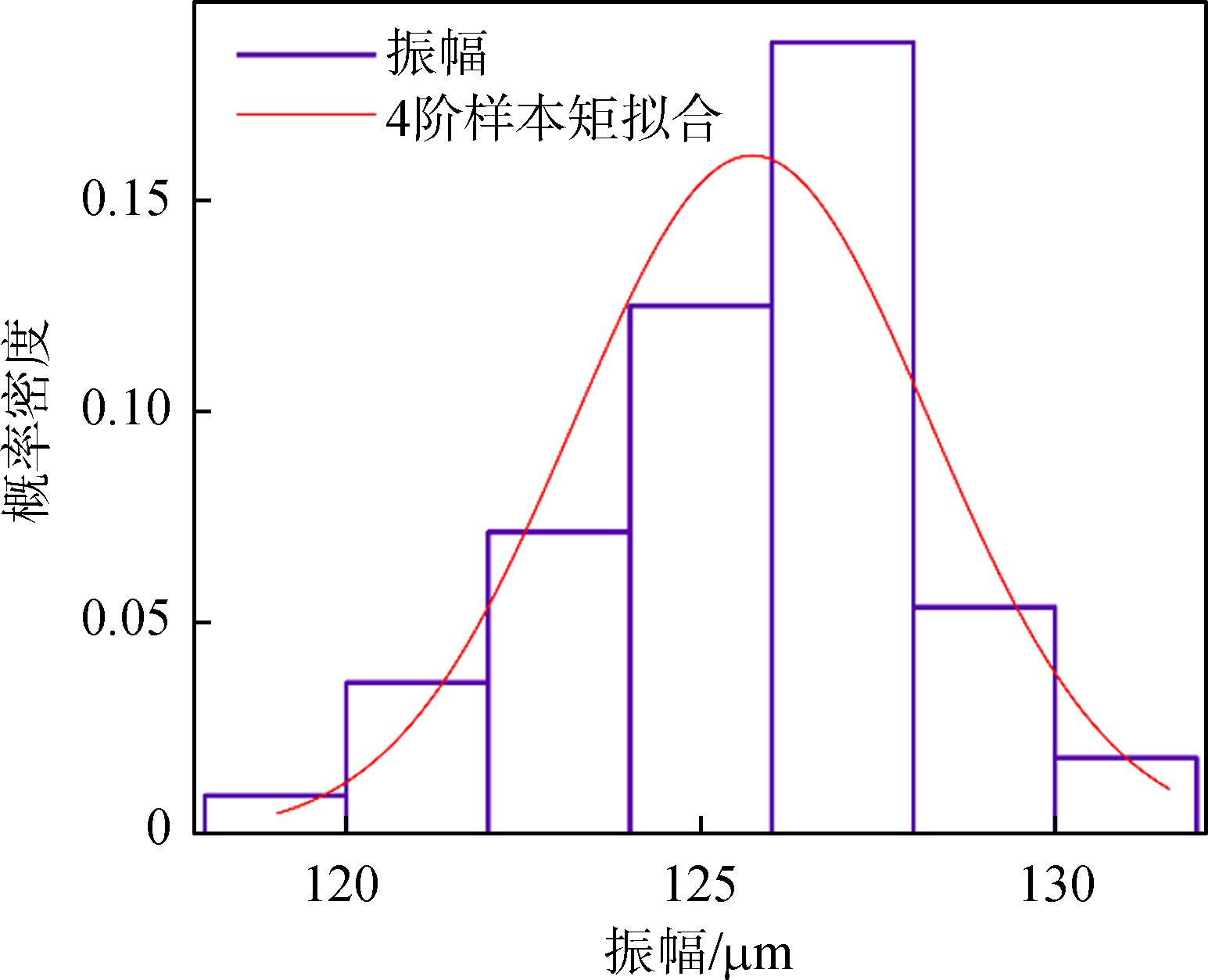
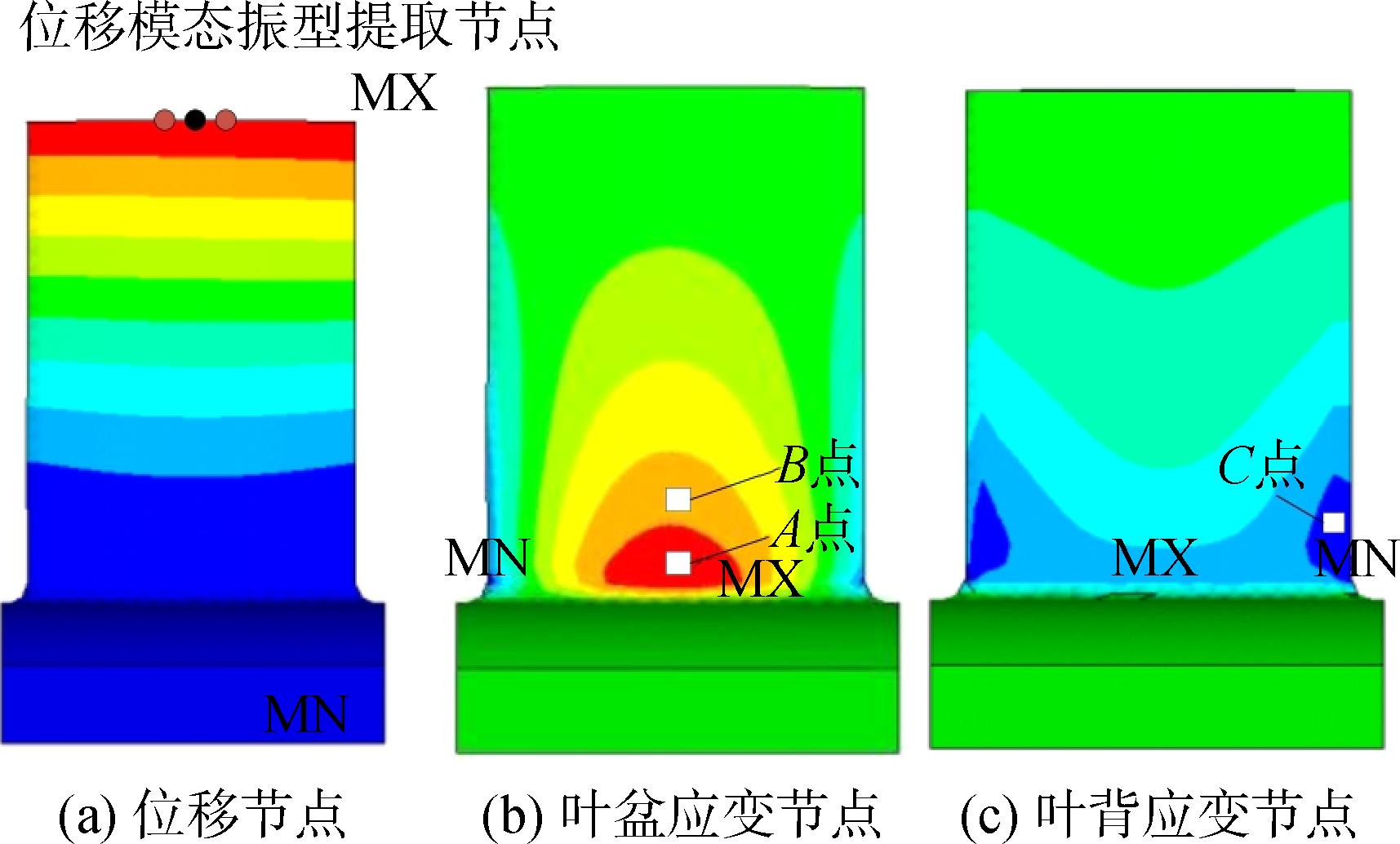
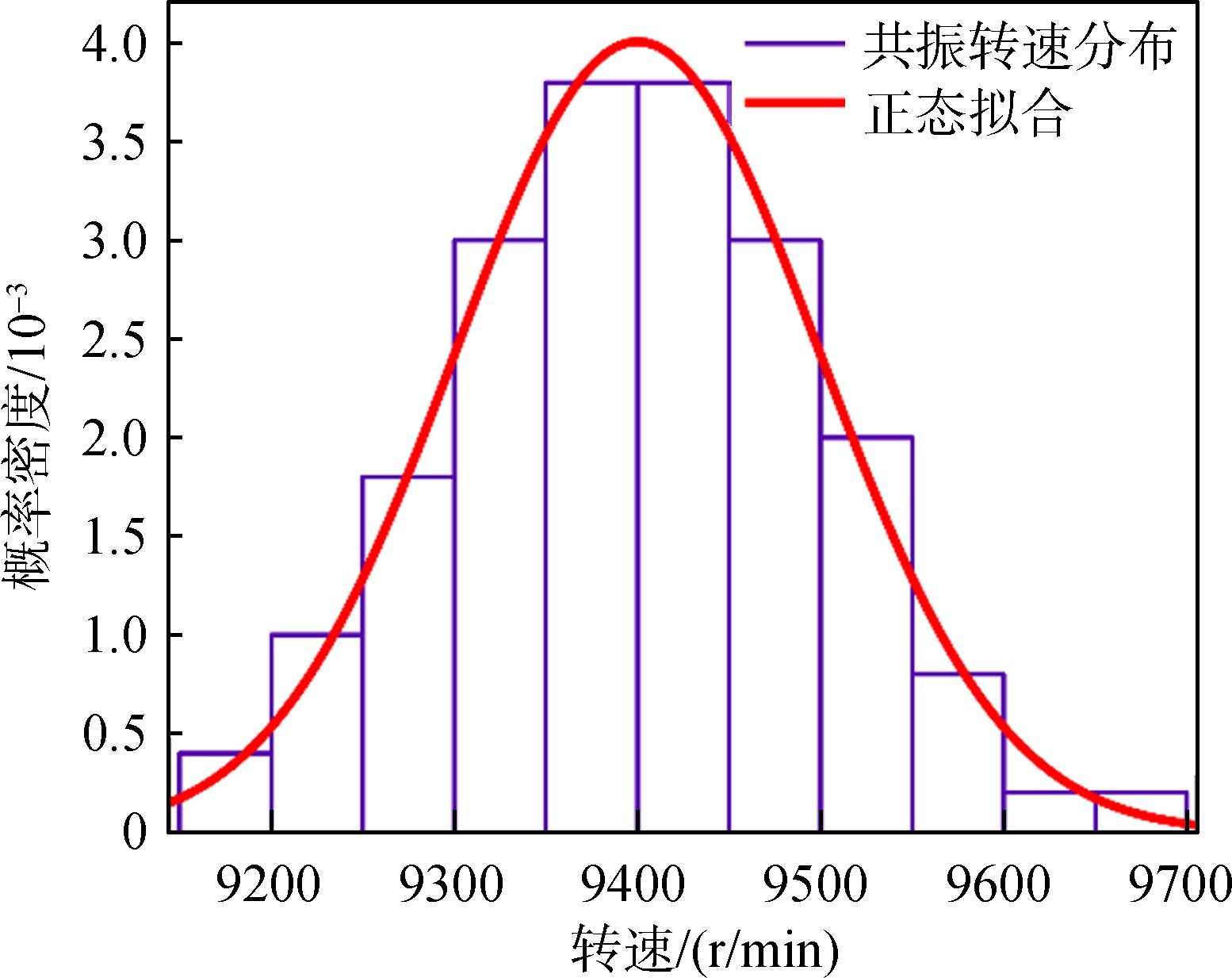
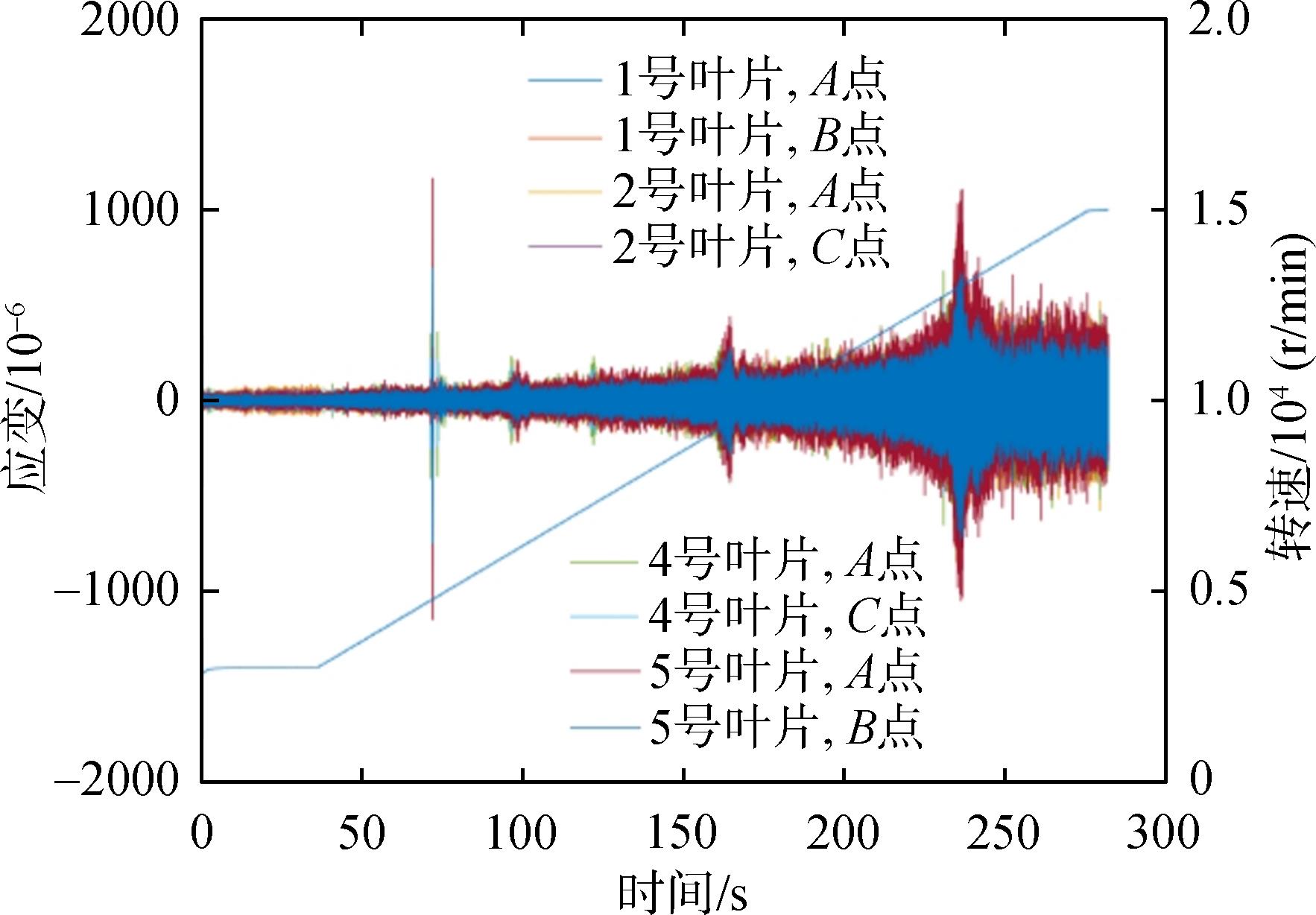
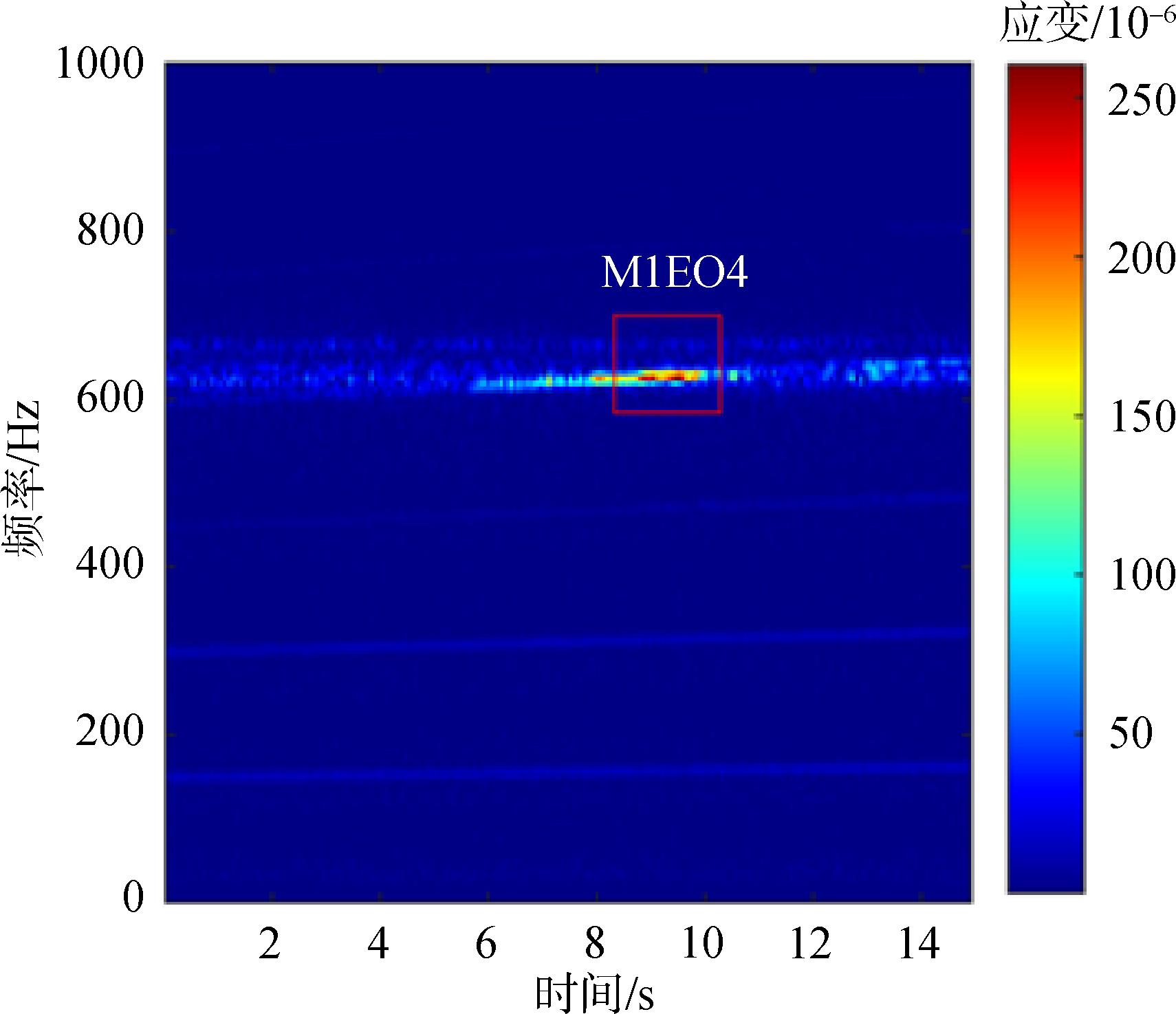
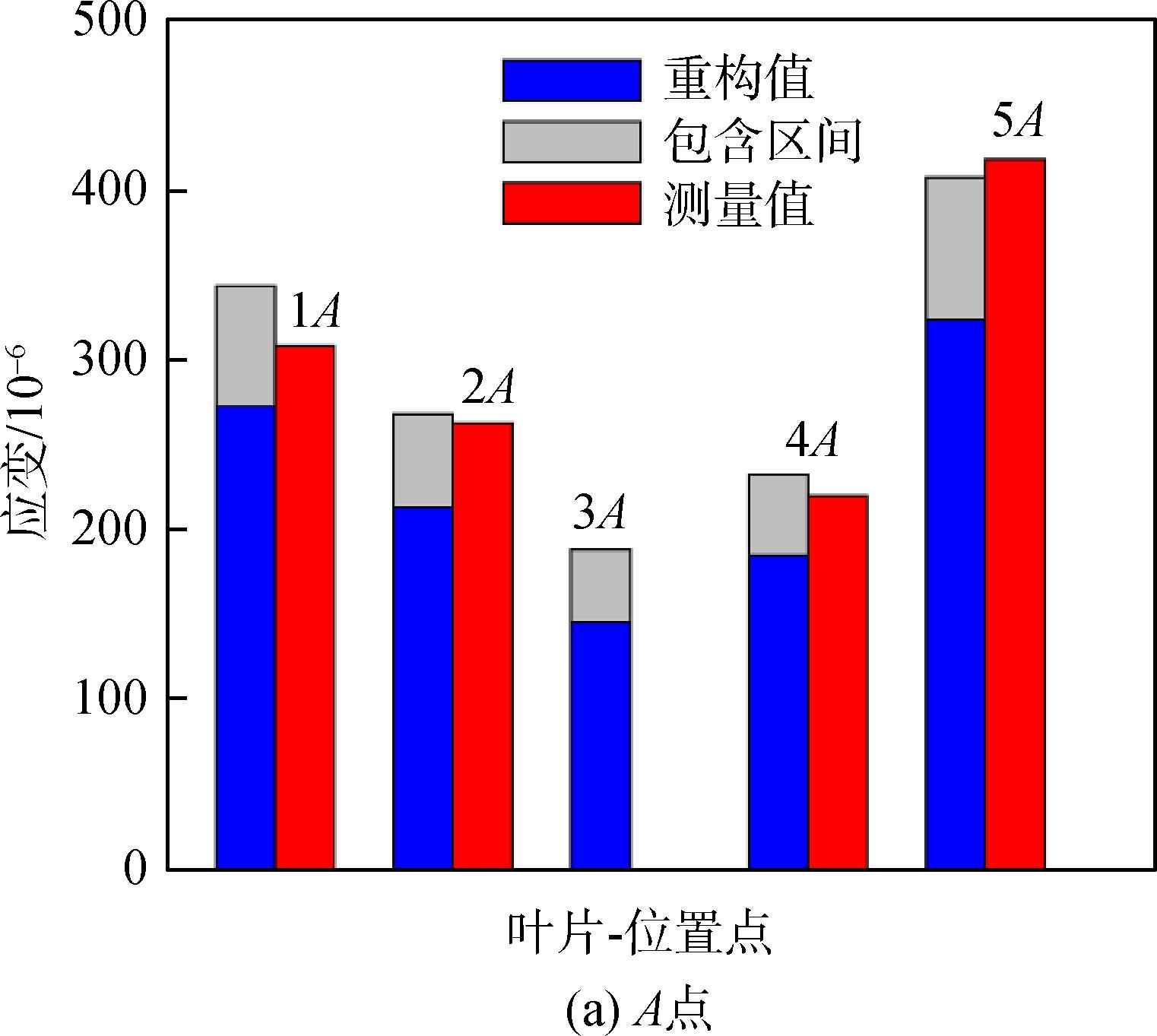
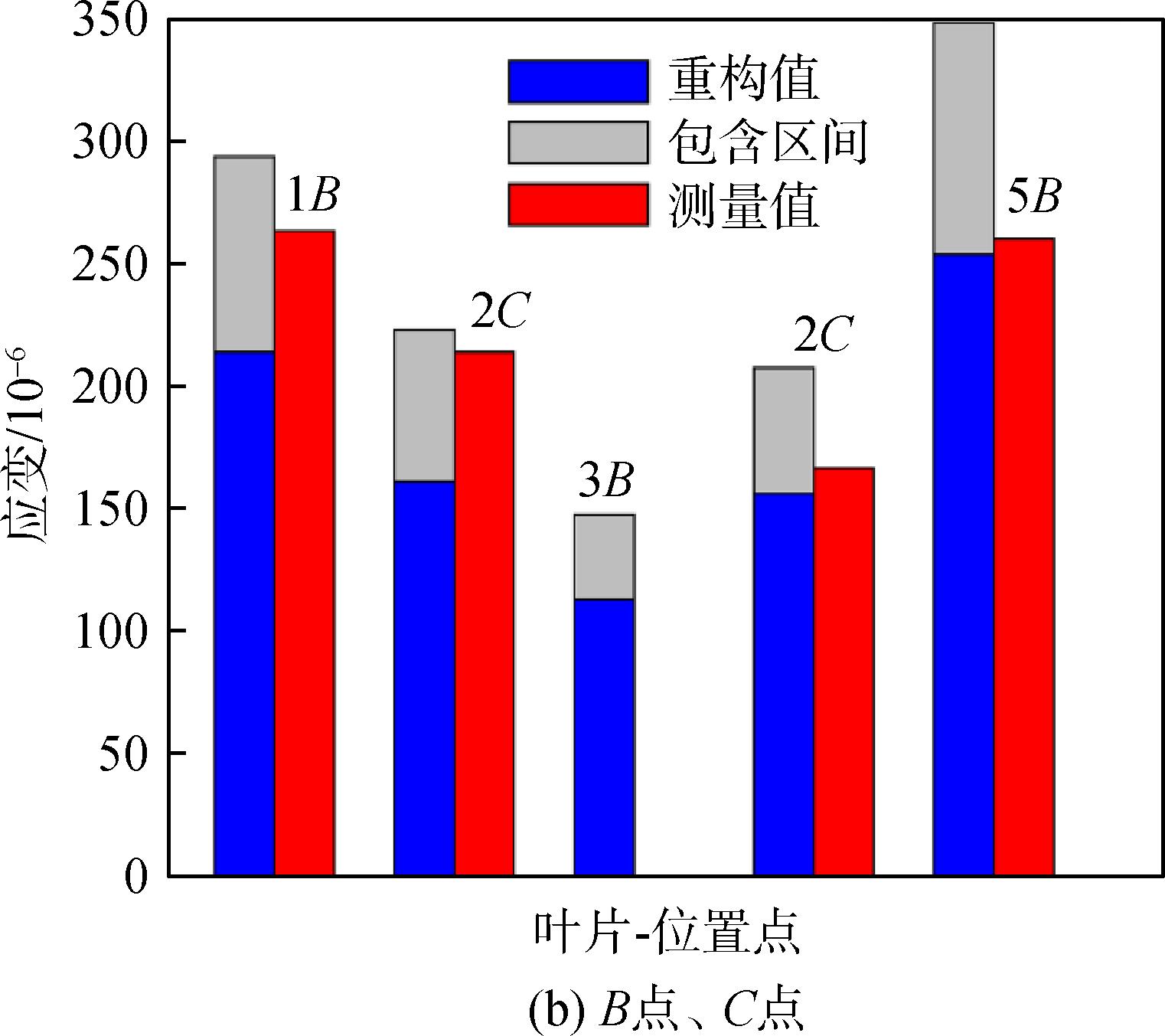
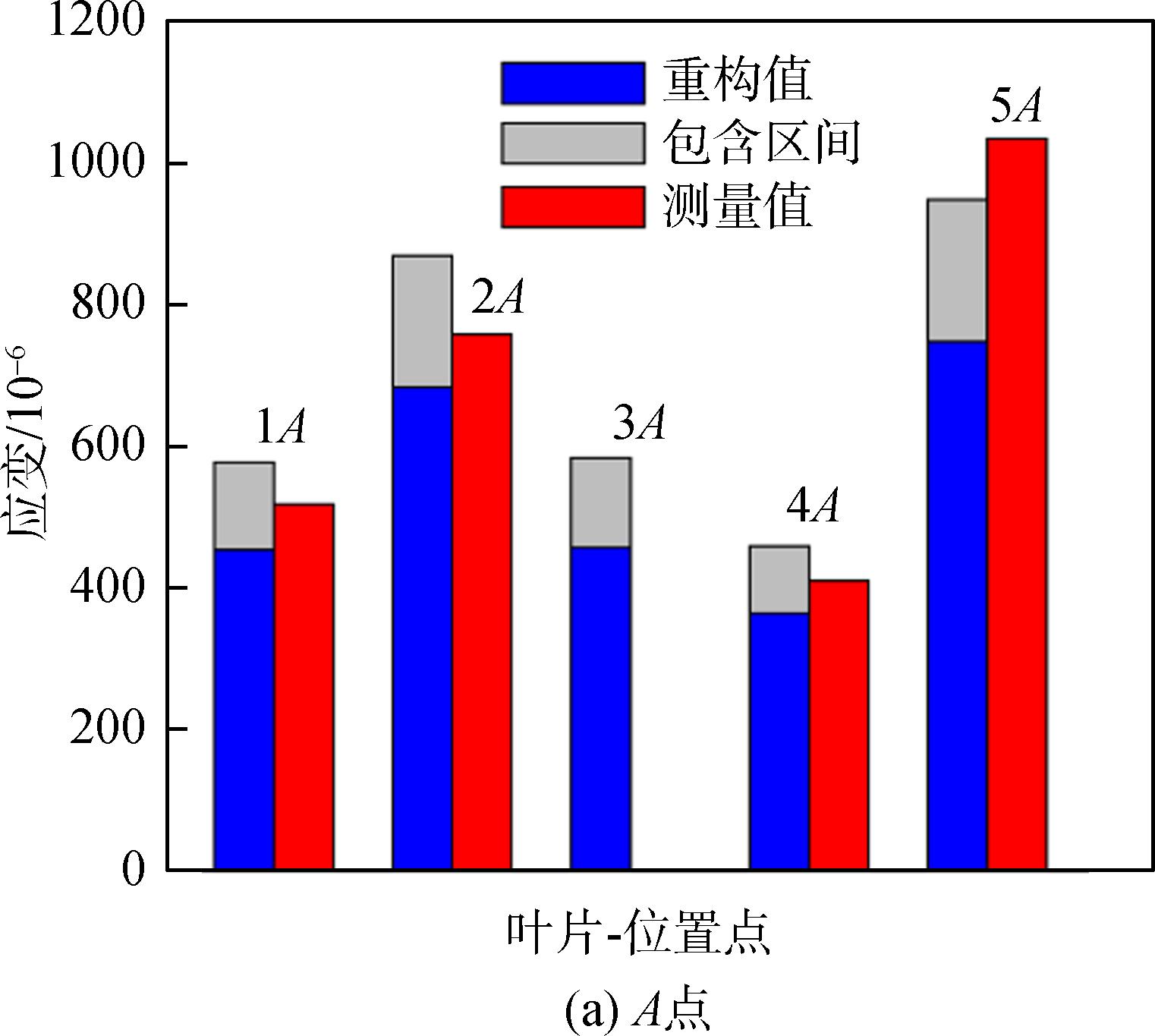
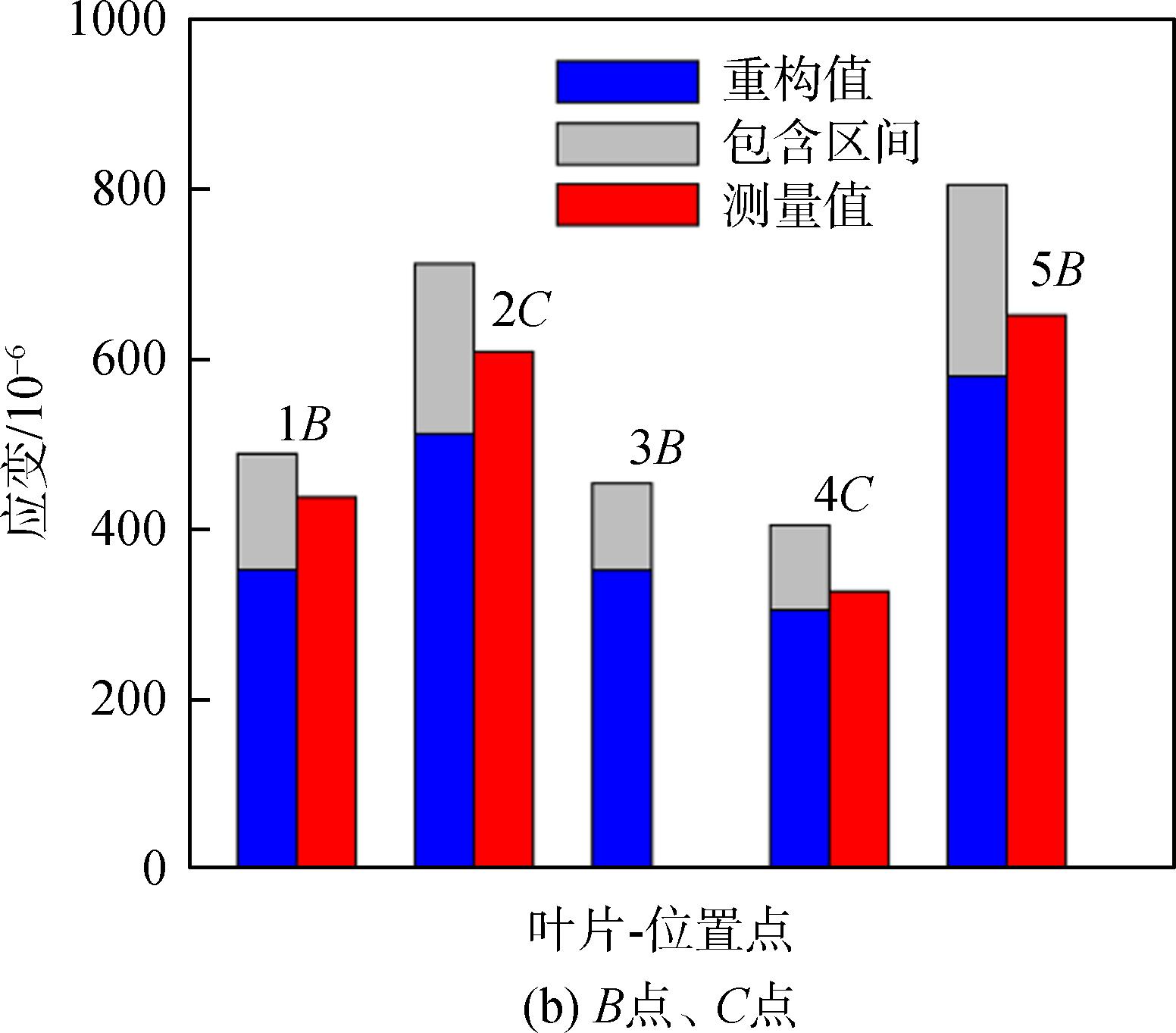
Based on the theory of blade non⁃contact dynamic strain reconstruction,research on the uncertainty quantification method of dynamic strain reconstruction was carried out.According to the variance composition theorem,a model of the blade reconstructed dynamic strain uncertainty for quantitative analysis was established.A simulated rotor blade was used as the research object,and the rotation experiment was carried out.The circumferential Fourier Fitting was used to obtain the amplitude of measuring point under different blade tip timing sensor layouts,and the maximum entropy method was adopted to fit the probability density function of the amplitude distribution,which could be used to determine the uncertainty parameters of the blade⁃tip⁃timing vibration measurement.The finite element model of the blade was modified by combining the Kriging proxy model and the resonant frequency of the test.The displacement⁃strain conversion factors of the key measuring points were obtained,and the uncertainty parameters of the conversion factor considering the uncertainty of the resonance speed and measuring point position were obtained.The mean value,standard uncertainty and inclusion interval of the reconstructed dynamic strain were obtained and compared with the measured data of the strain gauge.Results showed that except for the measuring point A of No.5 blade,the measured dynamic strains were all within the 95% confidence interval of the reconstructed dynamic strain,and the dynamic strain reconstruction error of the strain gauges of all blades didn't exceed 15%.
Natural vibration analysis of 2.5D resin⁃based braided composite plates
LIU Jieming, ZHOU Biao, WEN Weidong, ZHANG Hongjian
2022, 37(7): 1469-1477. doi: 10.13224/j.cnki.jasp.20210118
Abstract:

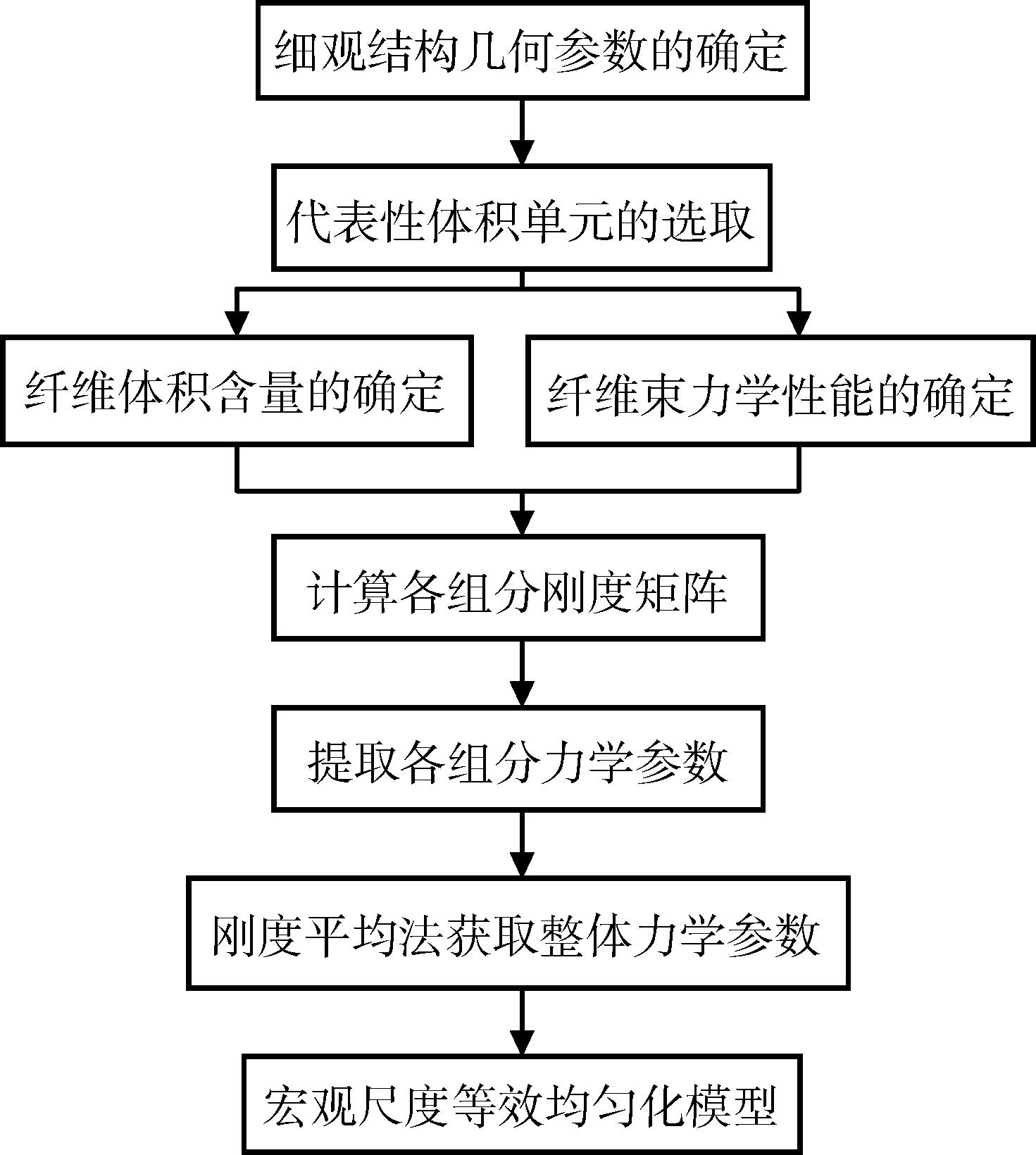
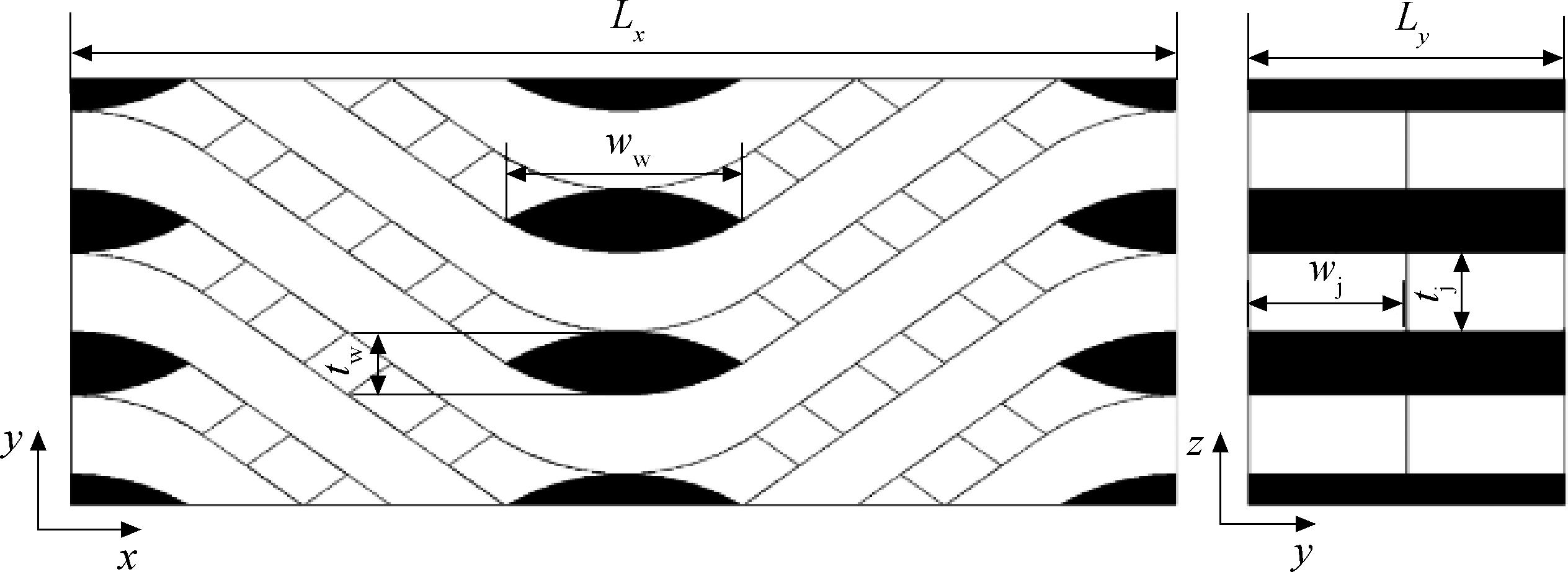
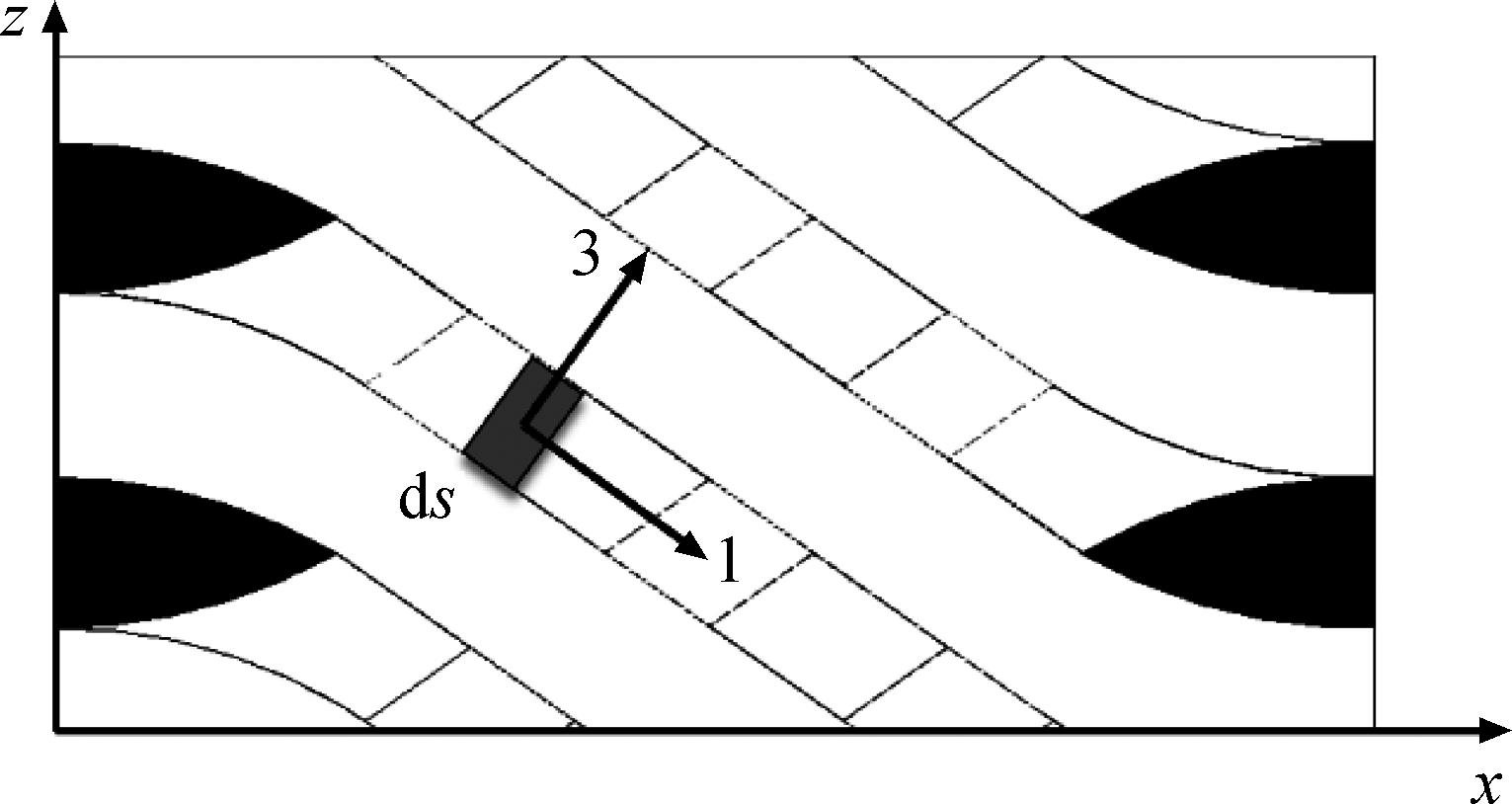
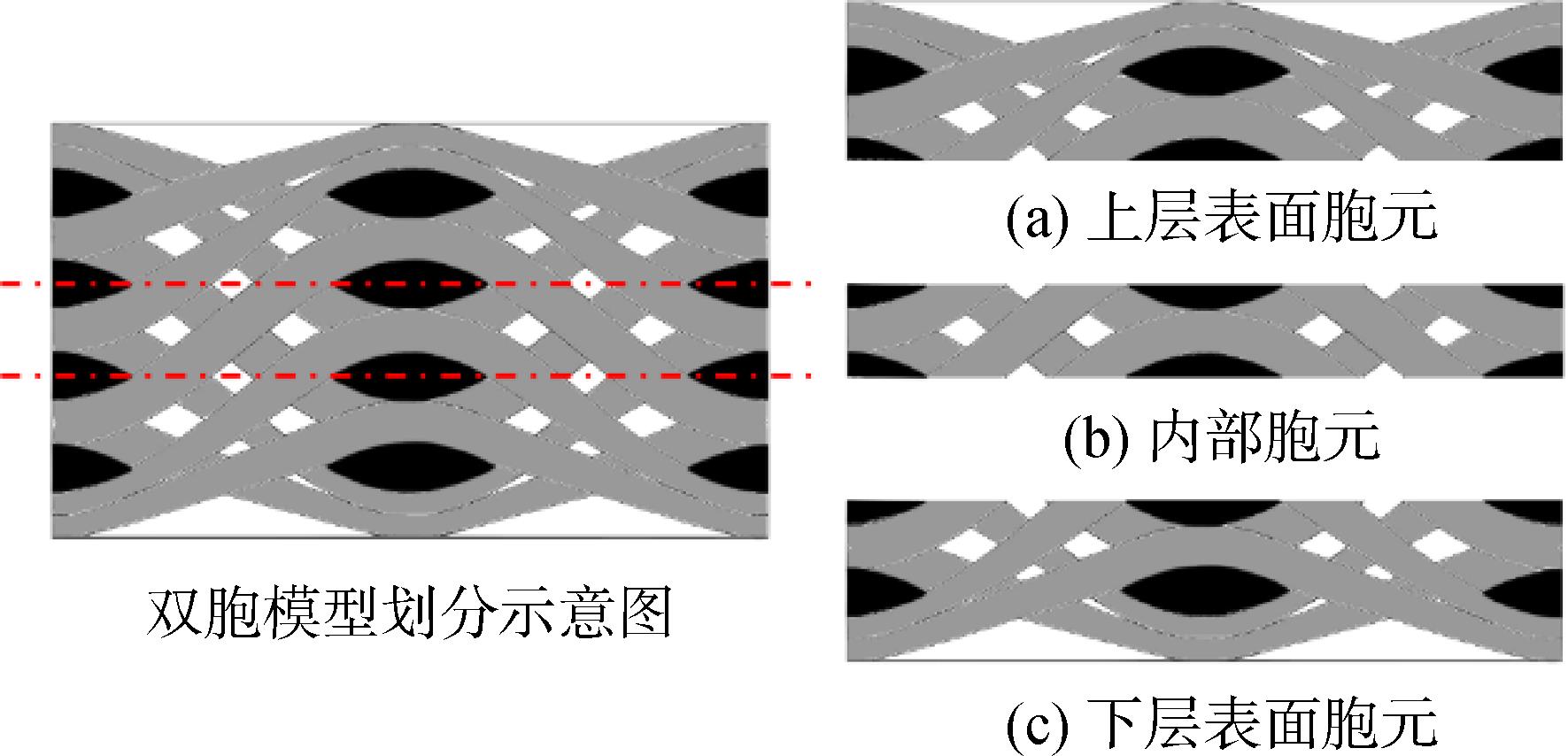
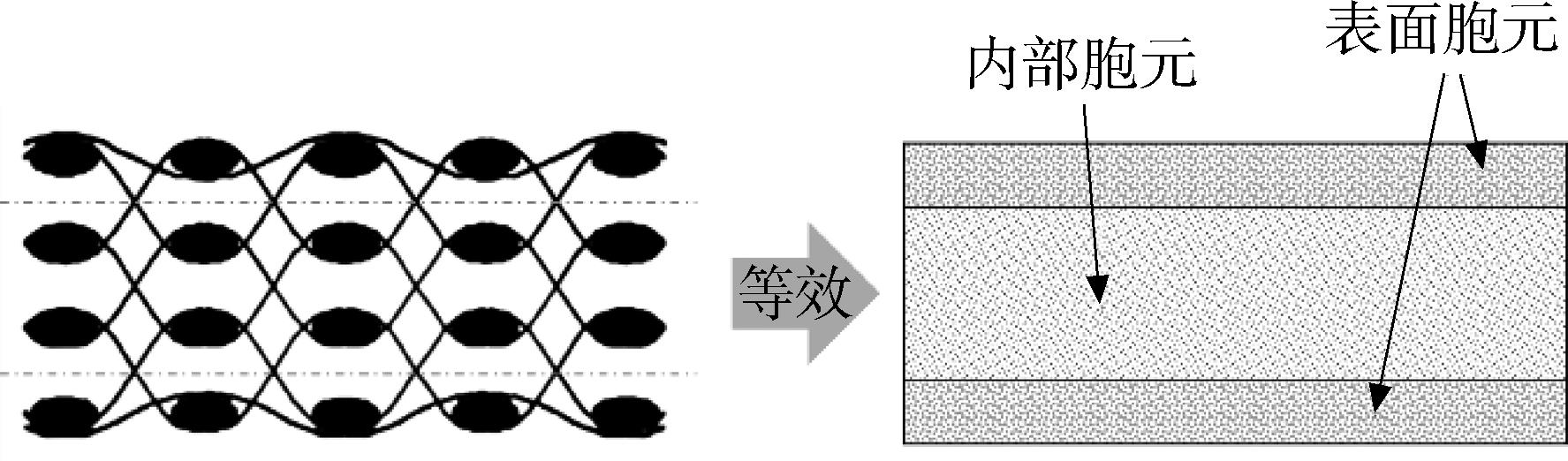
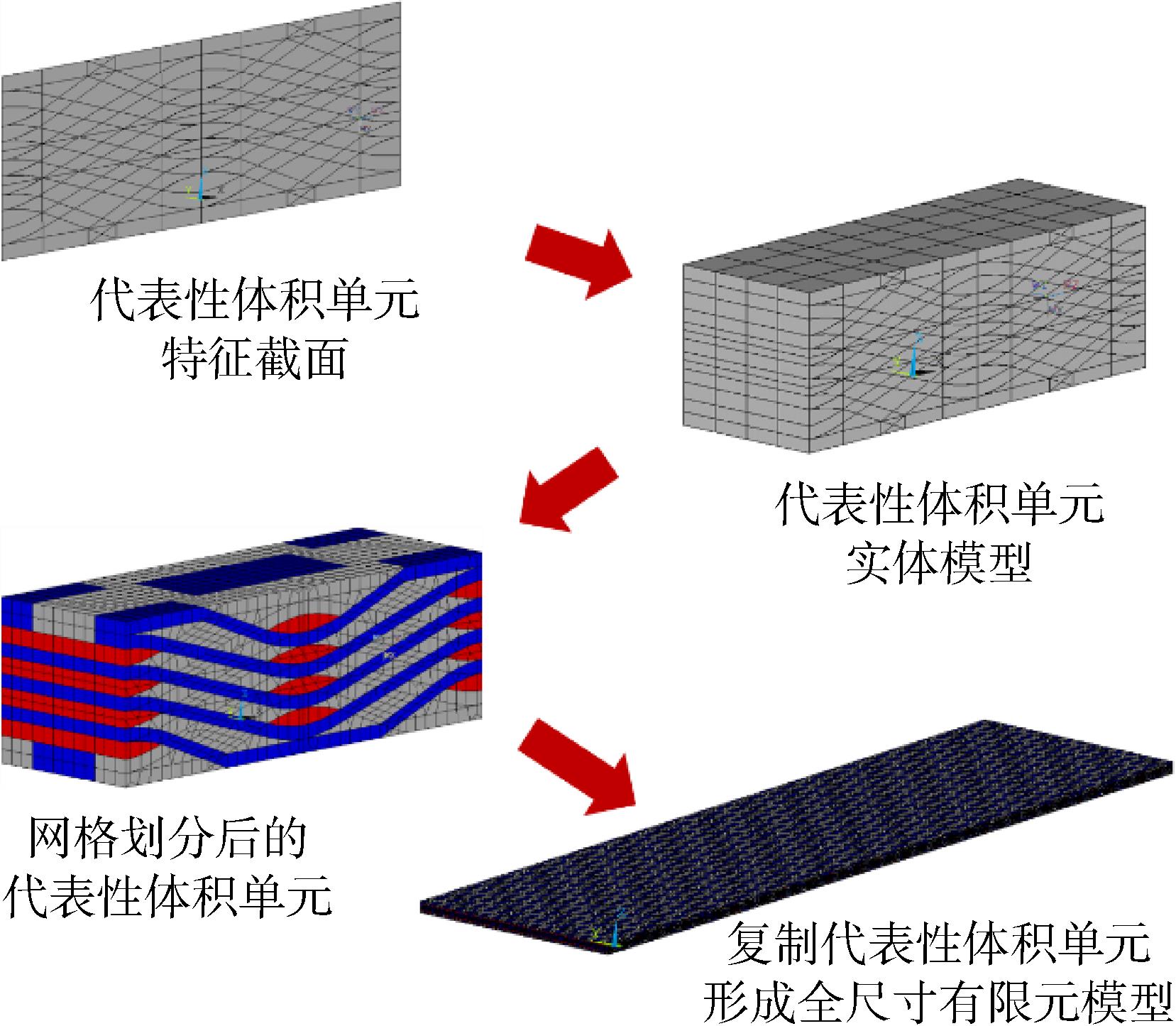
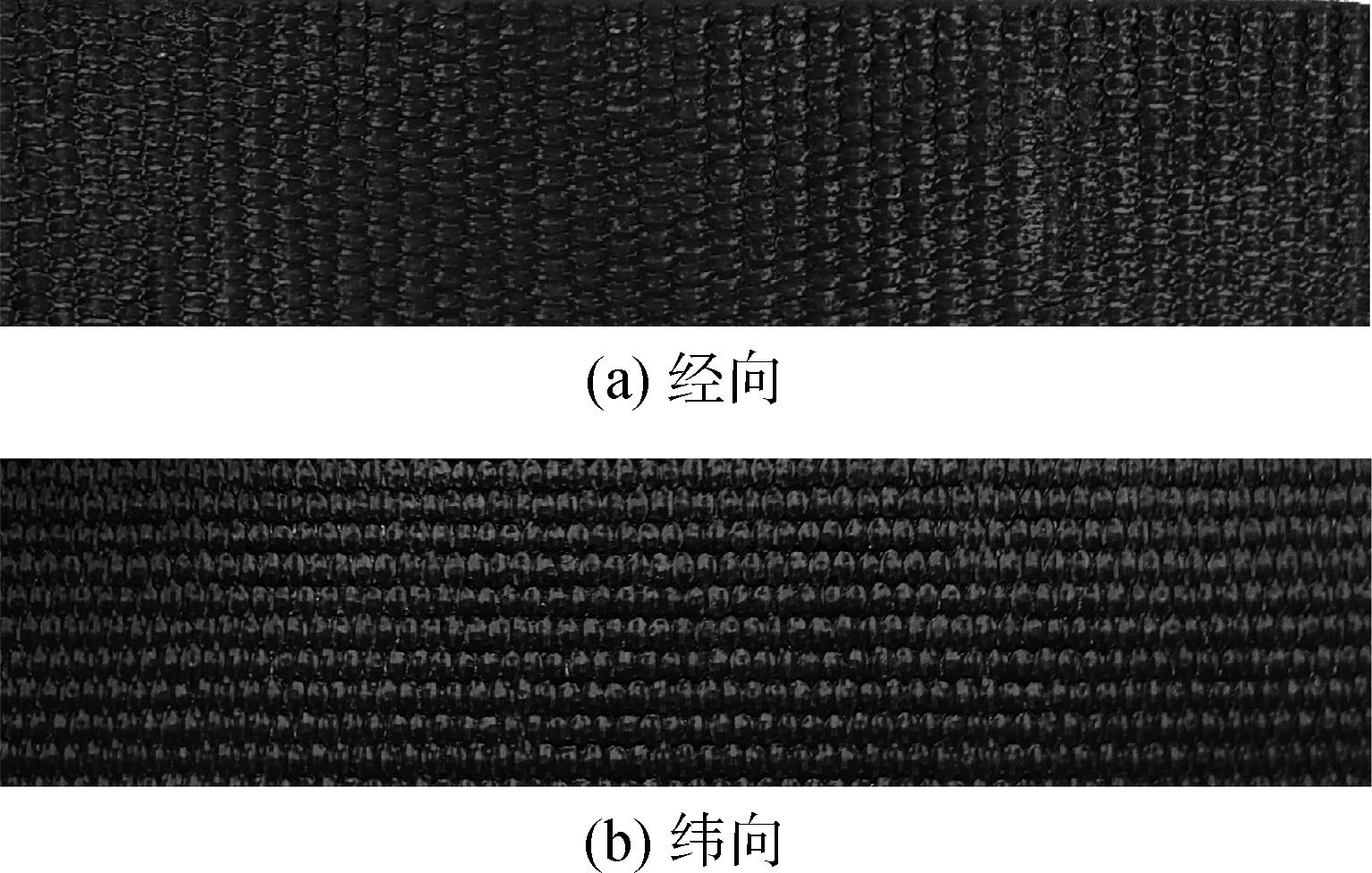
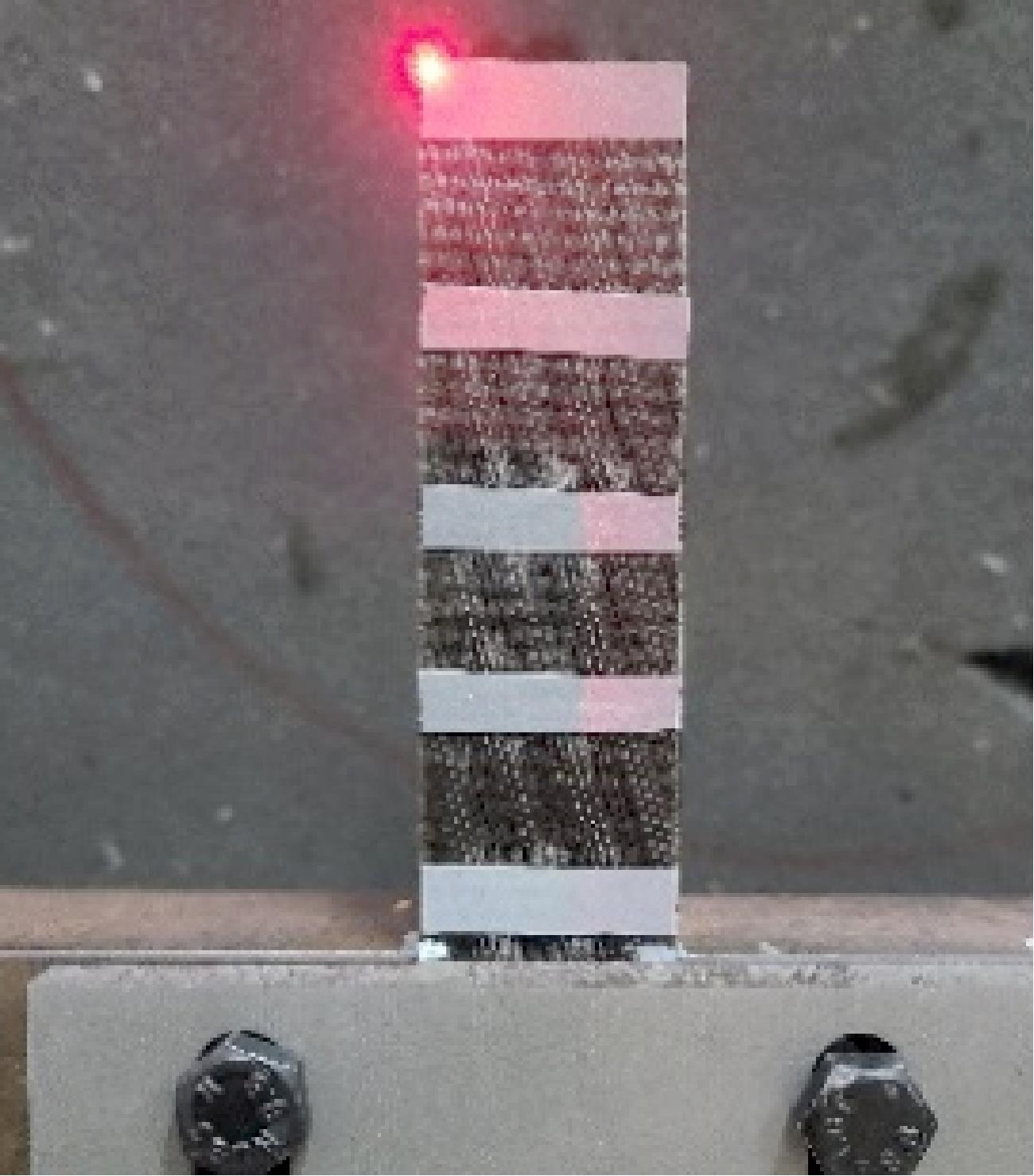
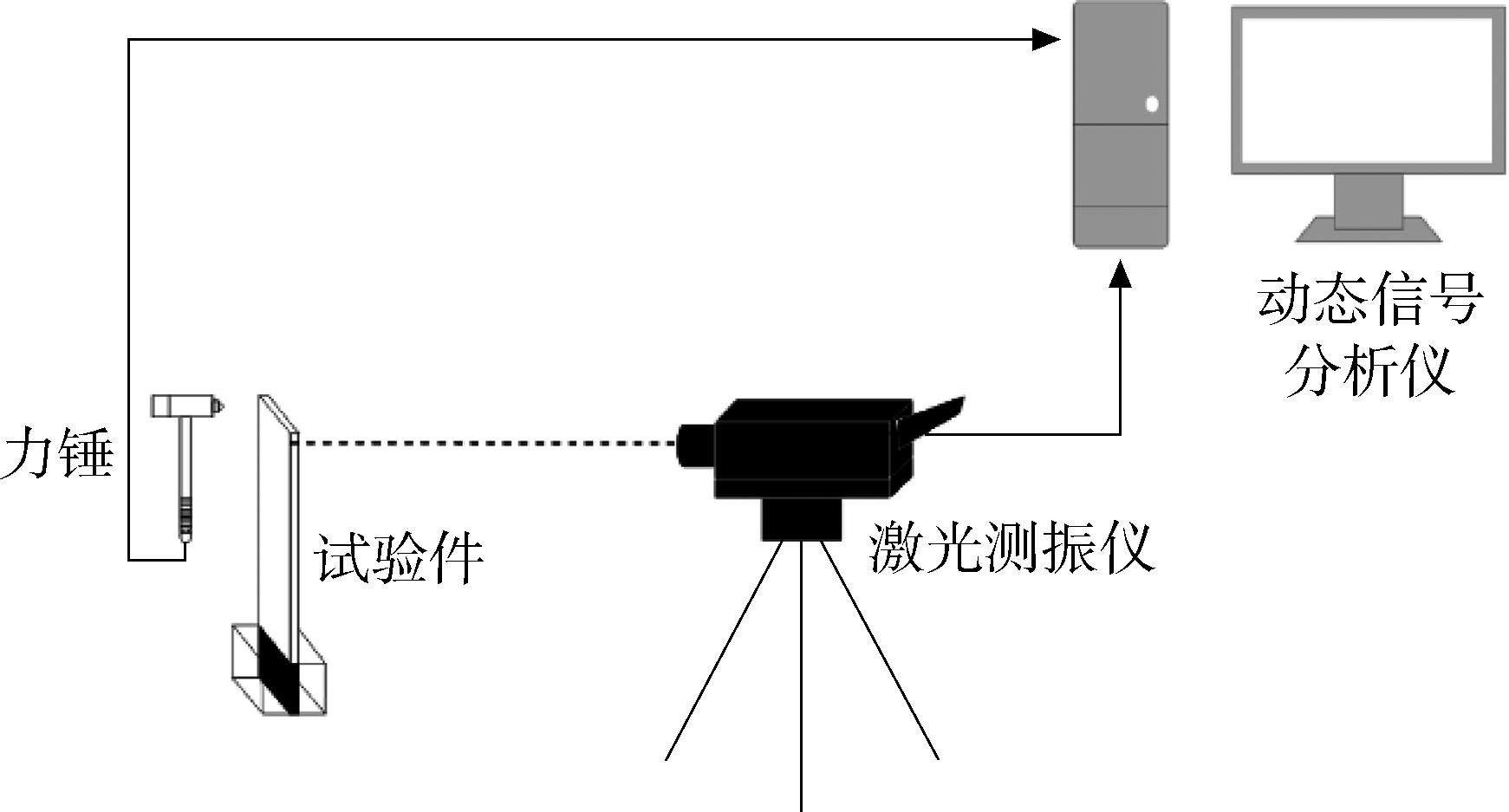
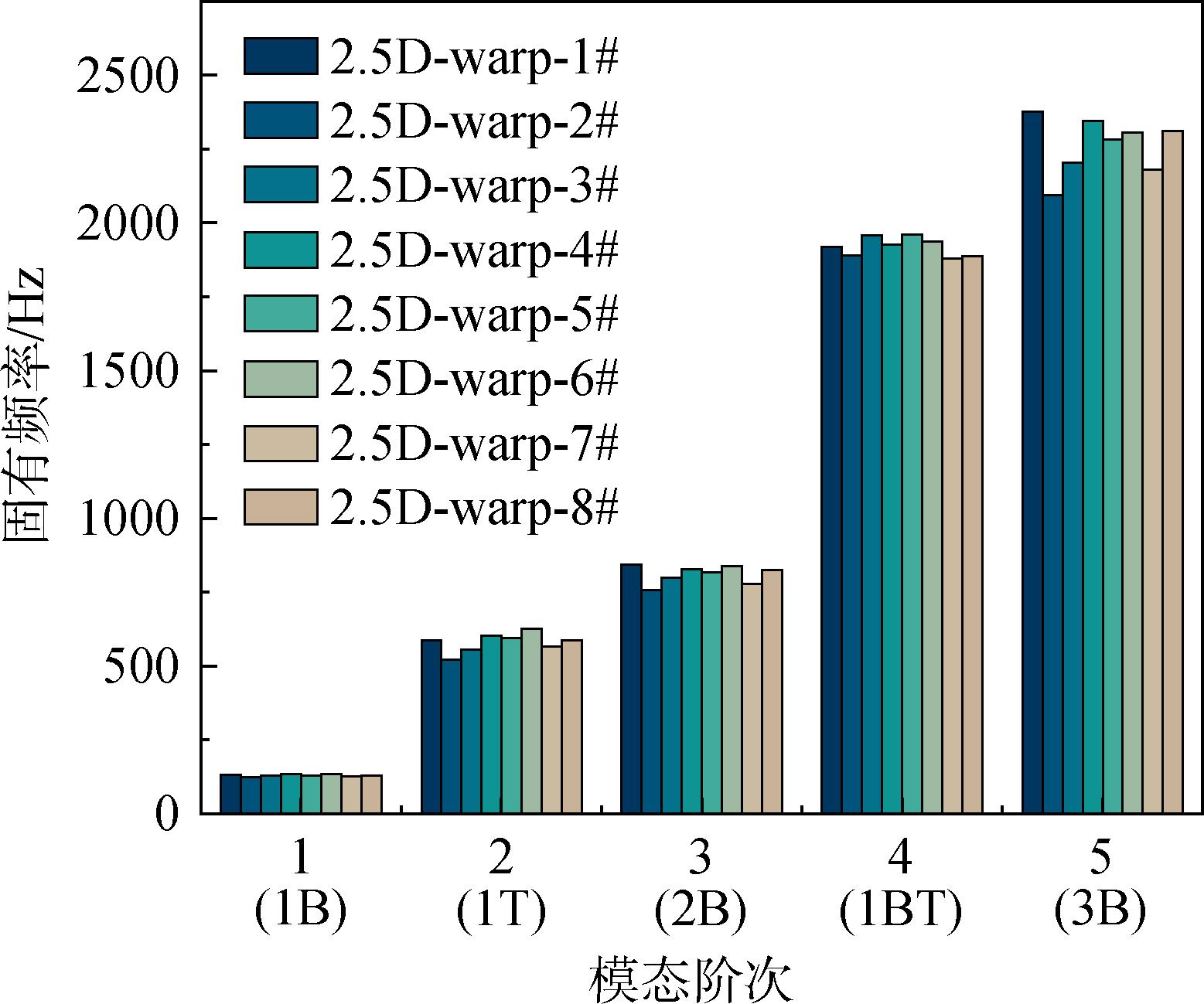
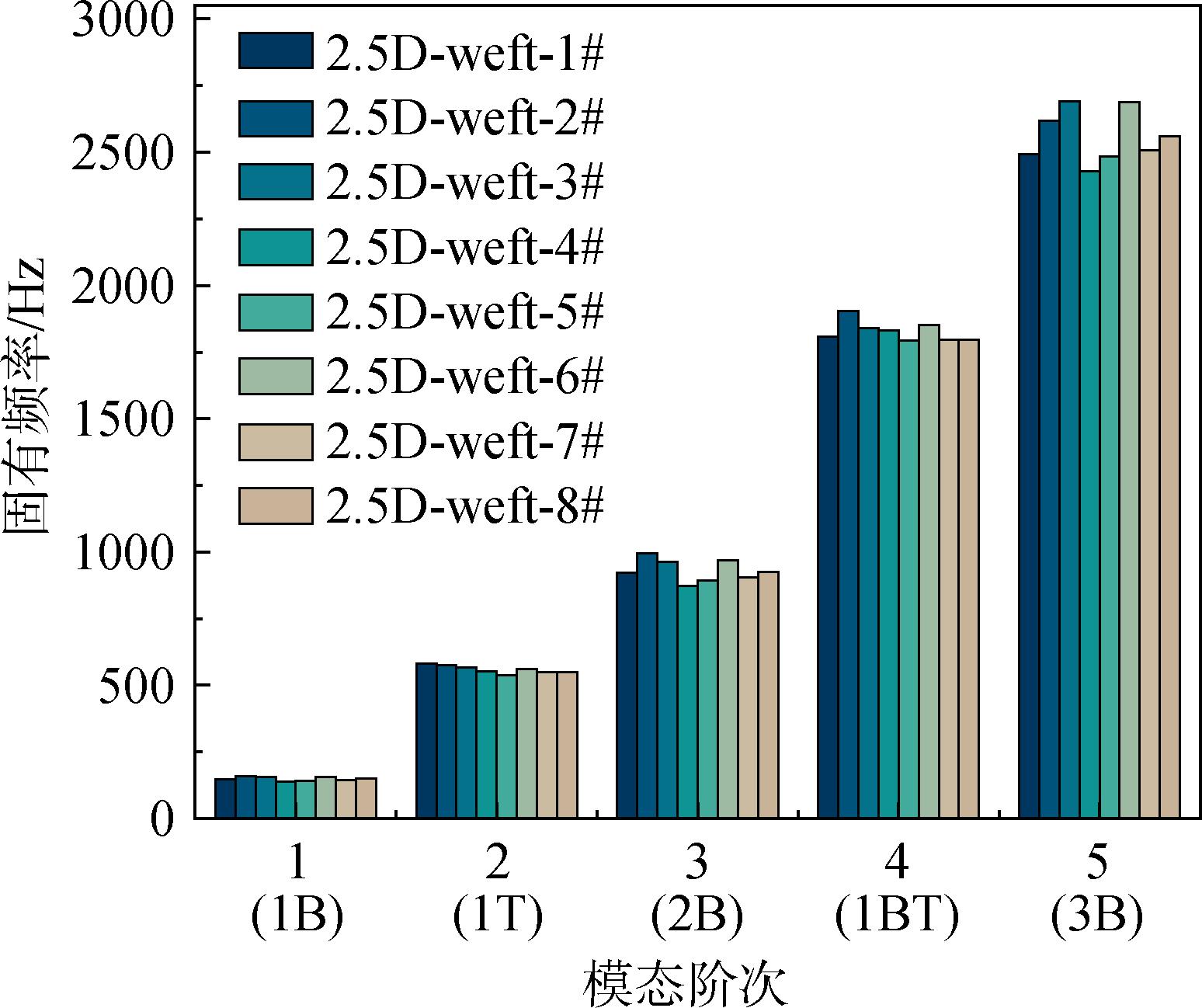
Modal vibration characteristics of 2.5D T800 carbon fiber/BMP350 polyimide resin braided composite plates were numerically and experimentally investigated.Firstly,the multi⁃scale method and meso⁃scale finite element method were employed to numerically predict the modal vibration characteristics of the cantilevered composite plates respectively.Secondly,modal behaviors of the cantilevered composite plates were experimentally derived by modal testing.Compared with the experimental results,the maximum error of natural frequency predicted by simulation was 10%,which verified the validity of the above two natural vibration analysis methods.This work could pave the way to the subsequent research concerning dynamic analysis and design of 2.5D resin⁃based braided composite blades.

Rocket Engine
Analysis and calculation of acoustic frequency of swirl injector in hot⁃fire testing
ZHANG Ya, PAN Gang, DING Zhaobo, LIU Qian
2022, 37(7): 1478-1486. doi: 10.13224/j.cnki.jasp.20210416
Abstract:

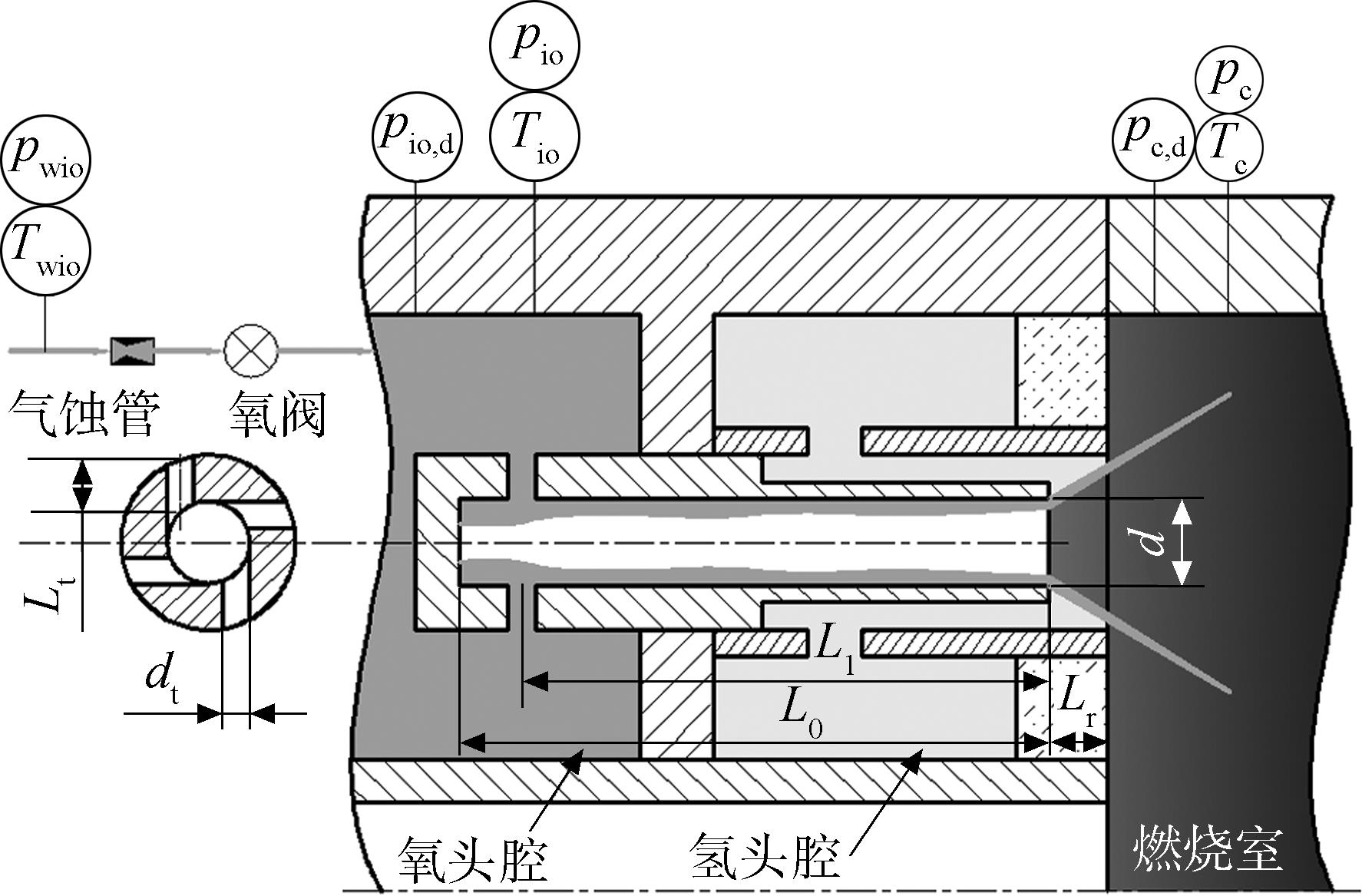
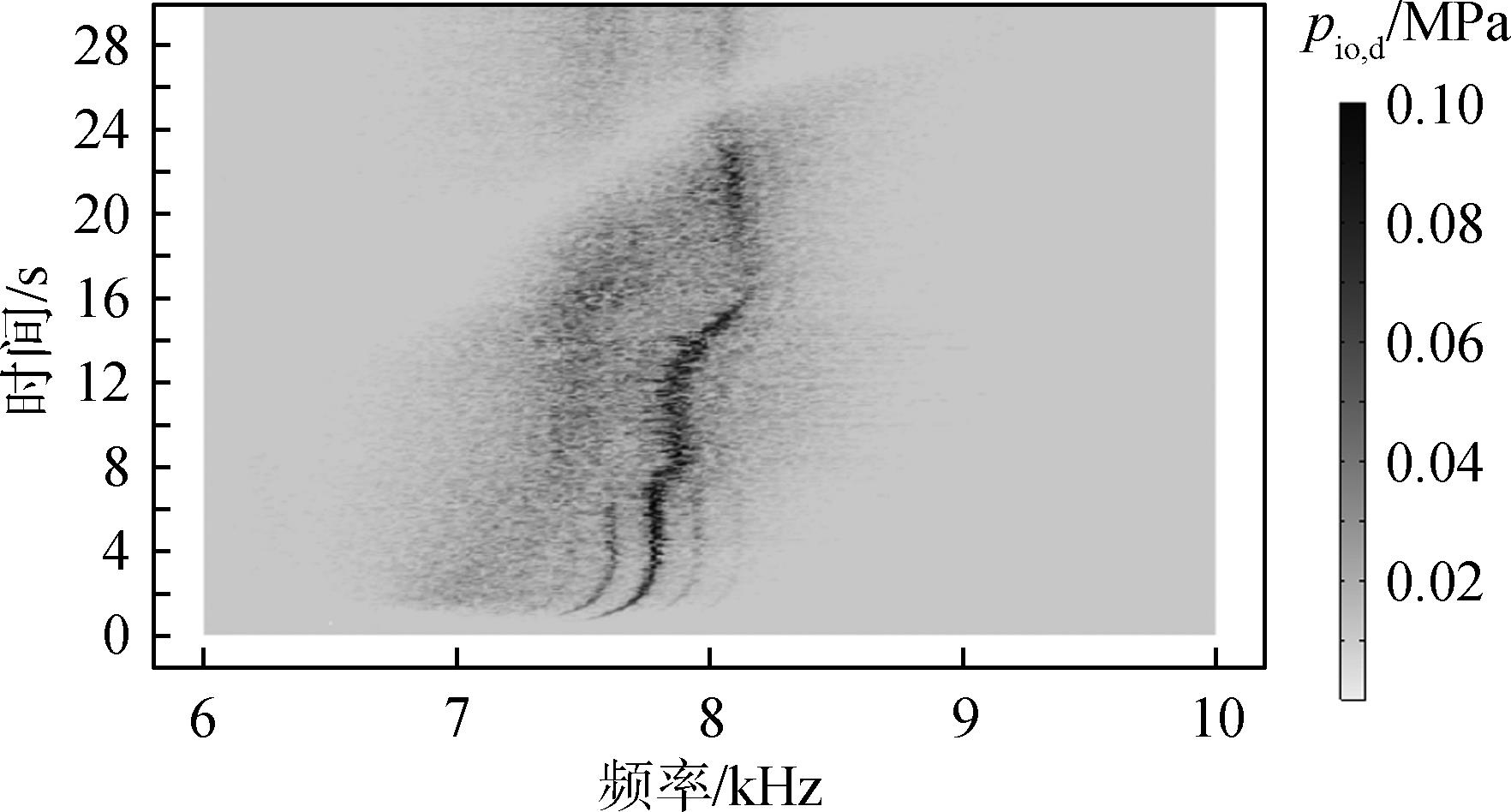
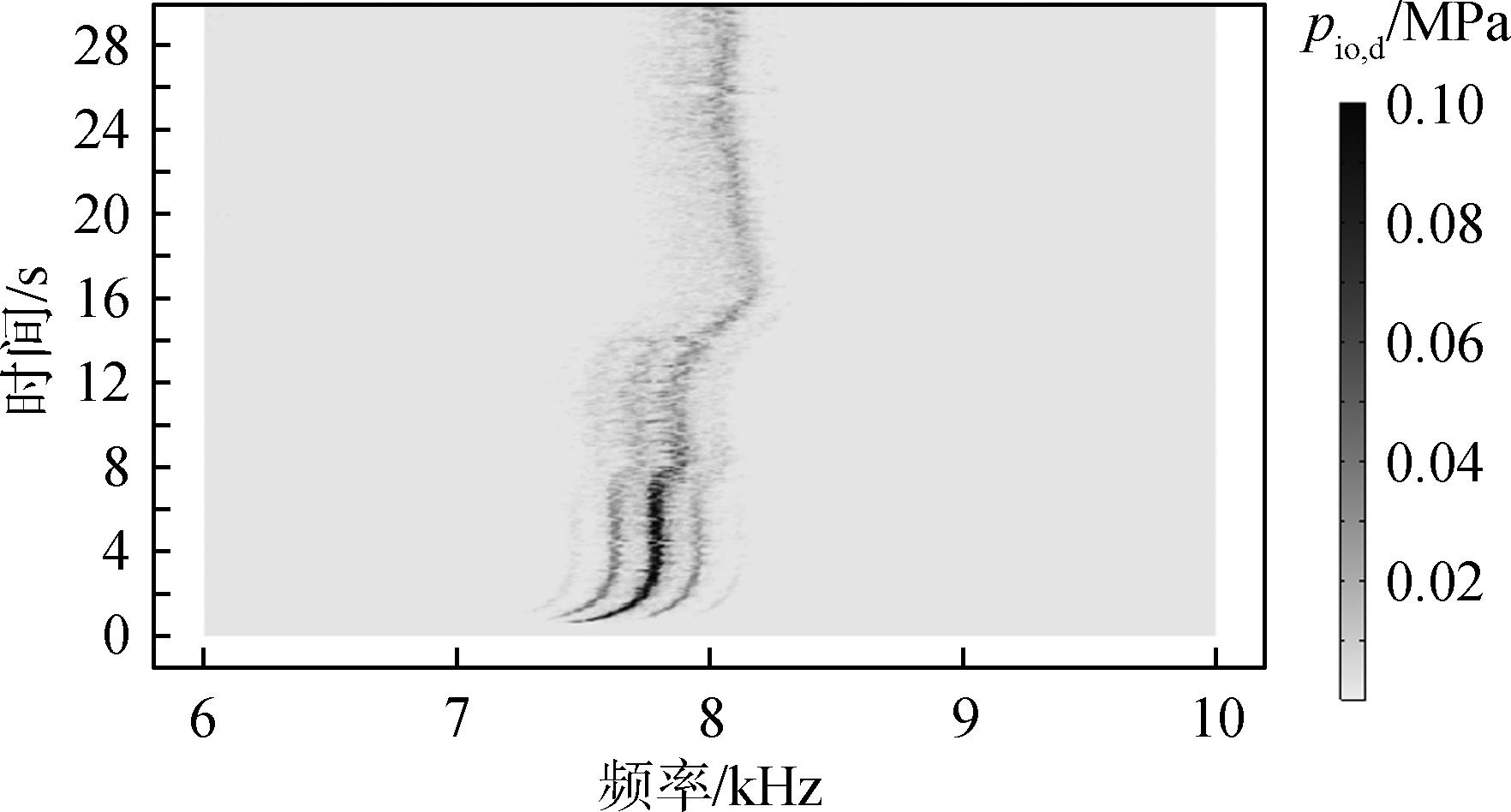
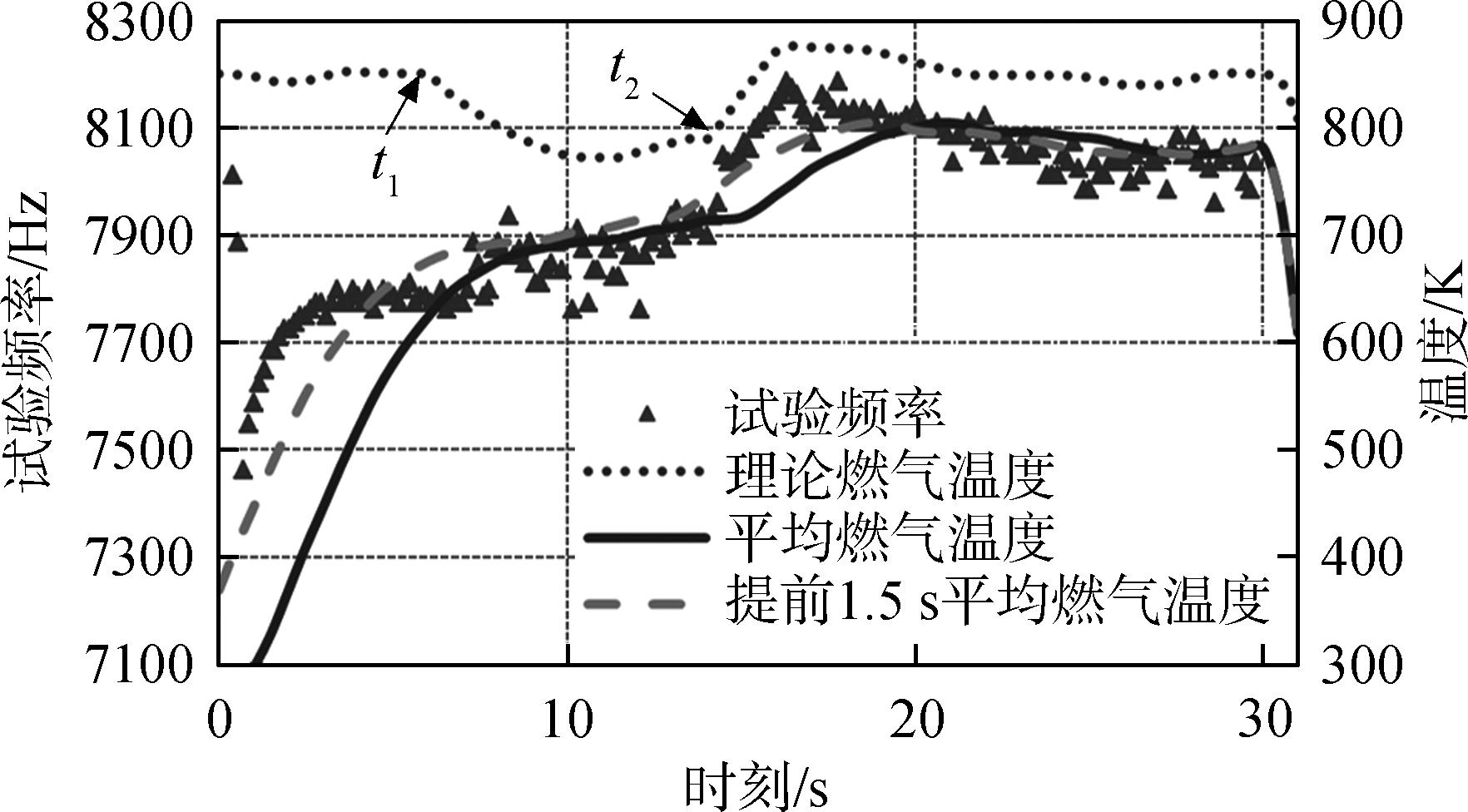
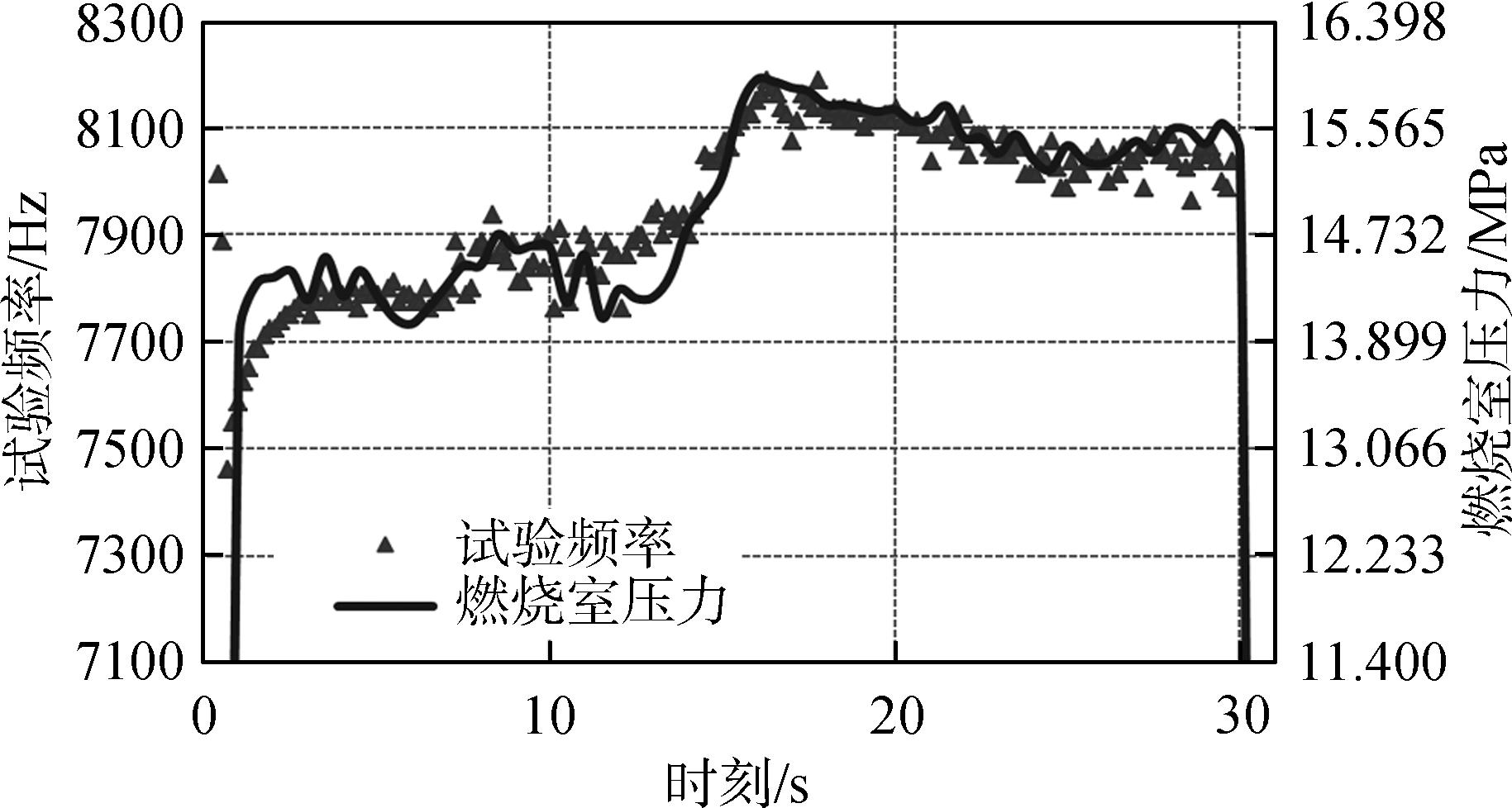
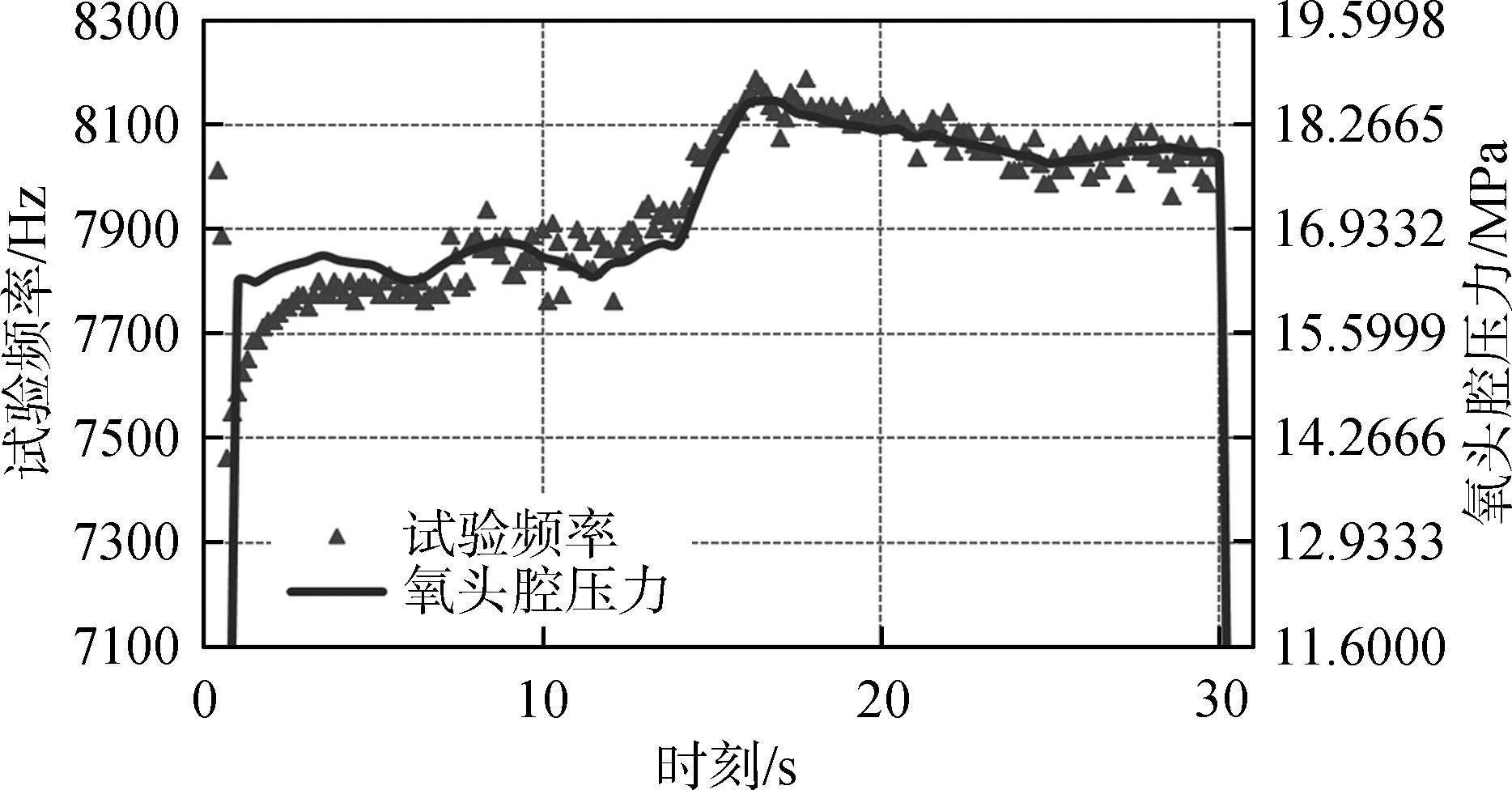
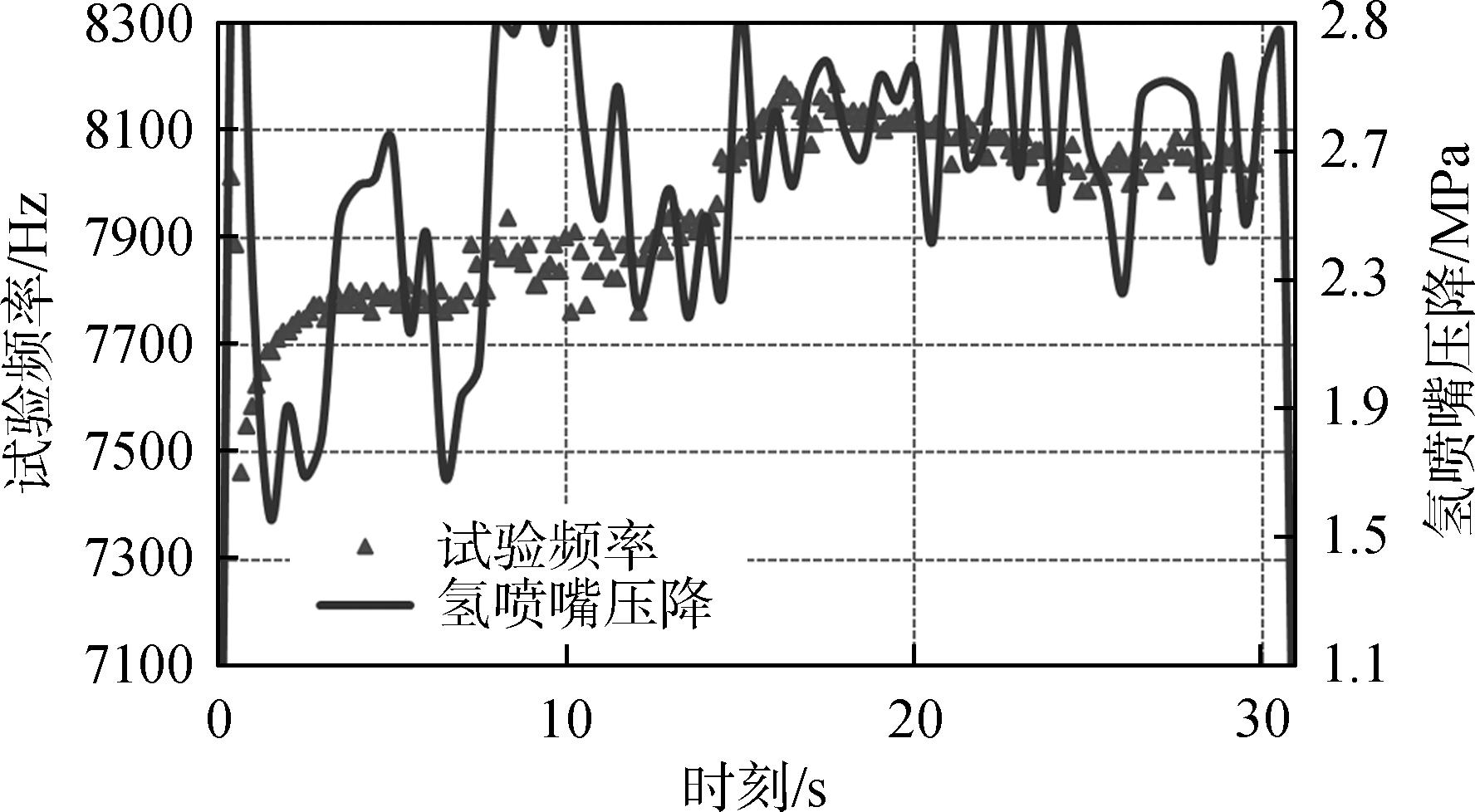
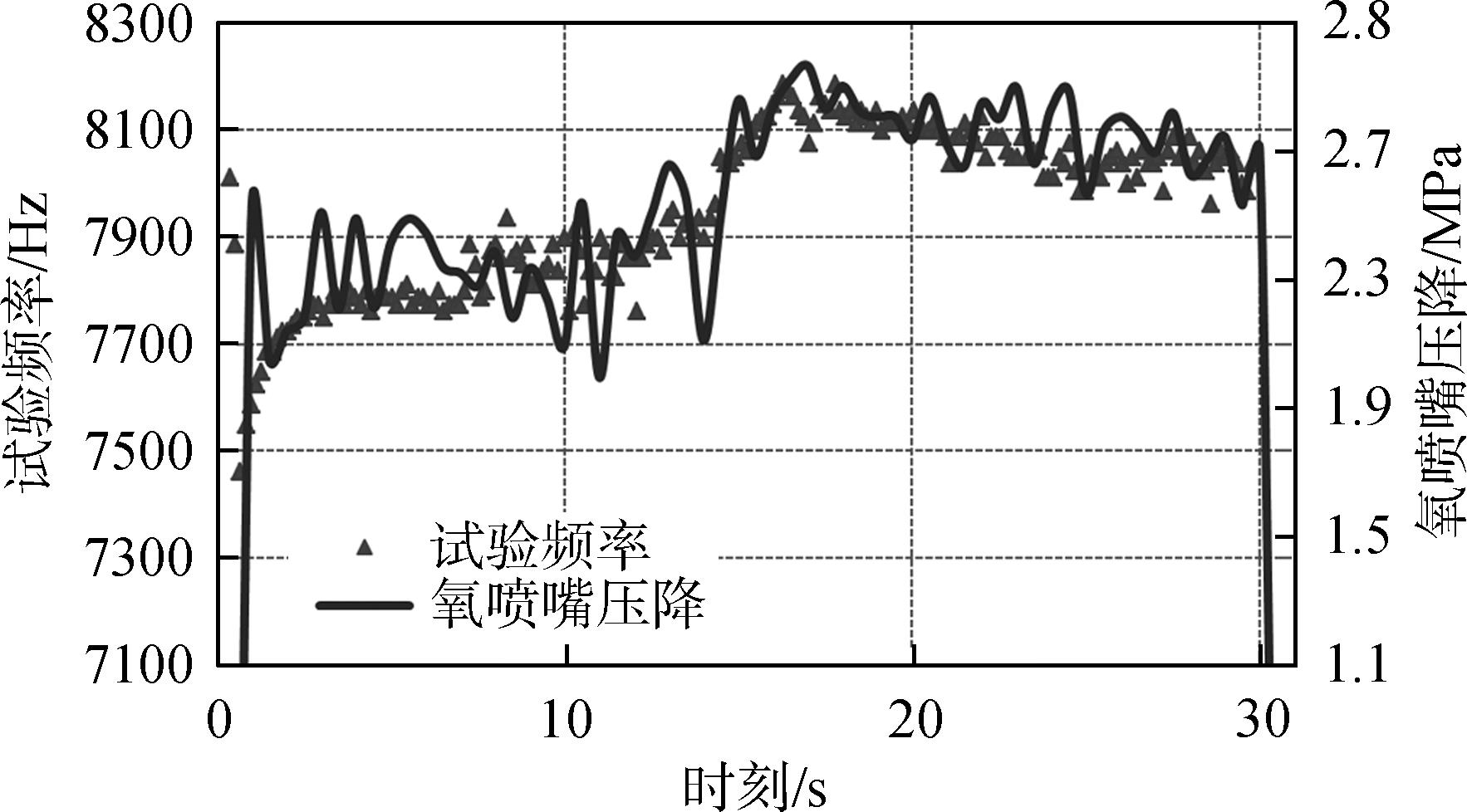
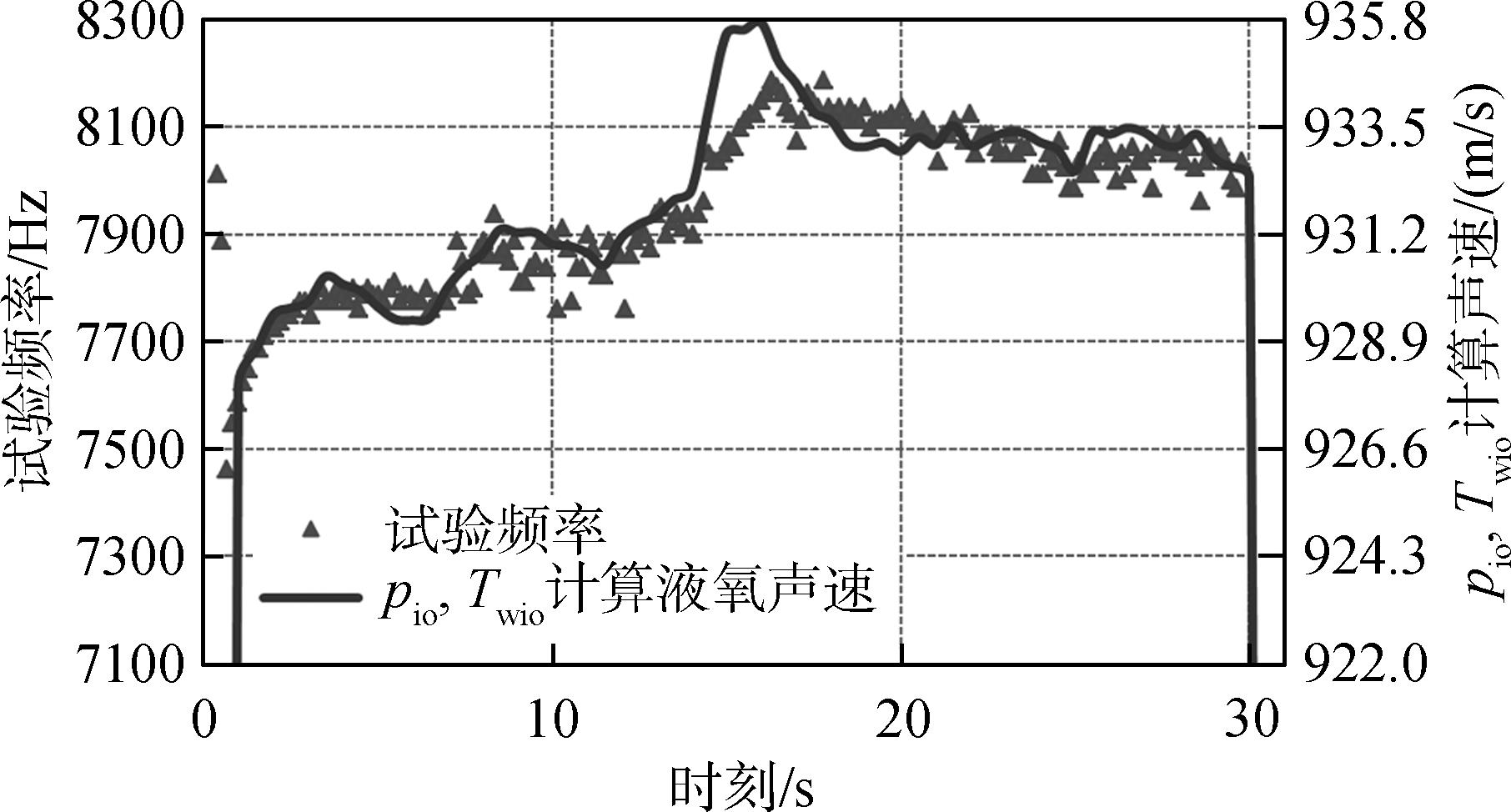
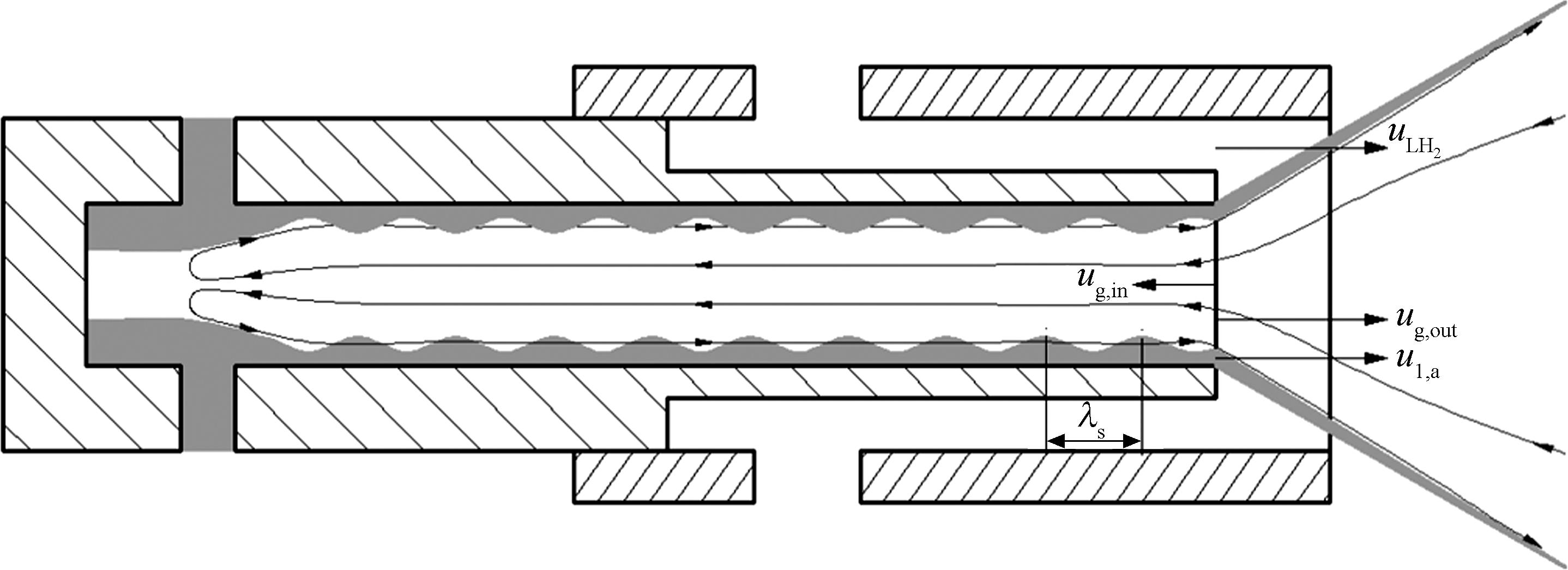
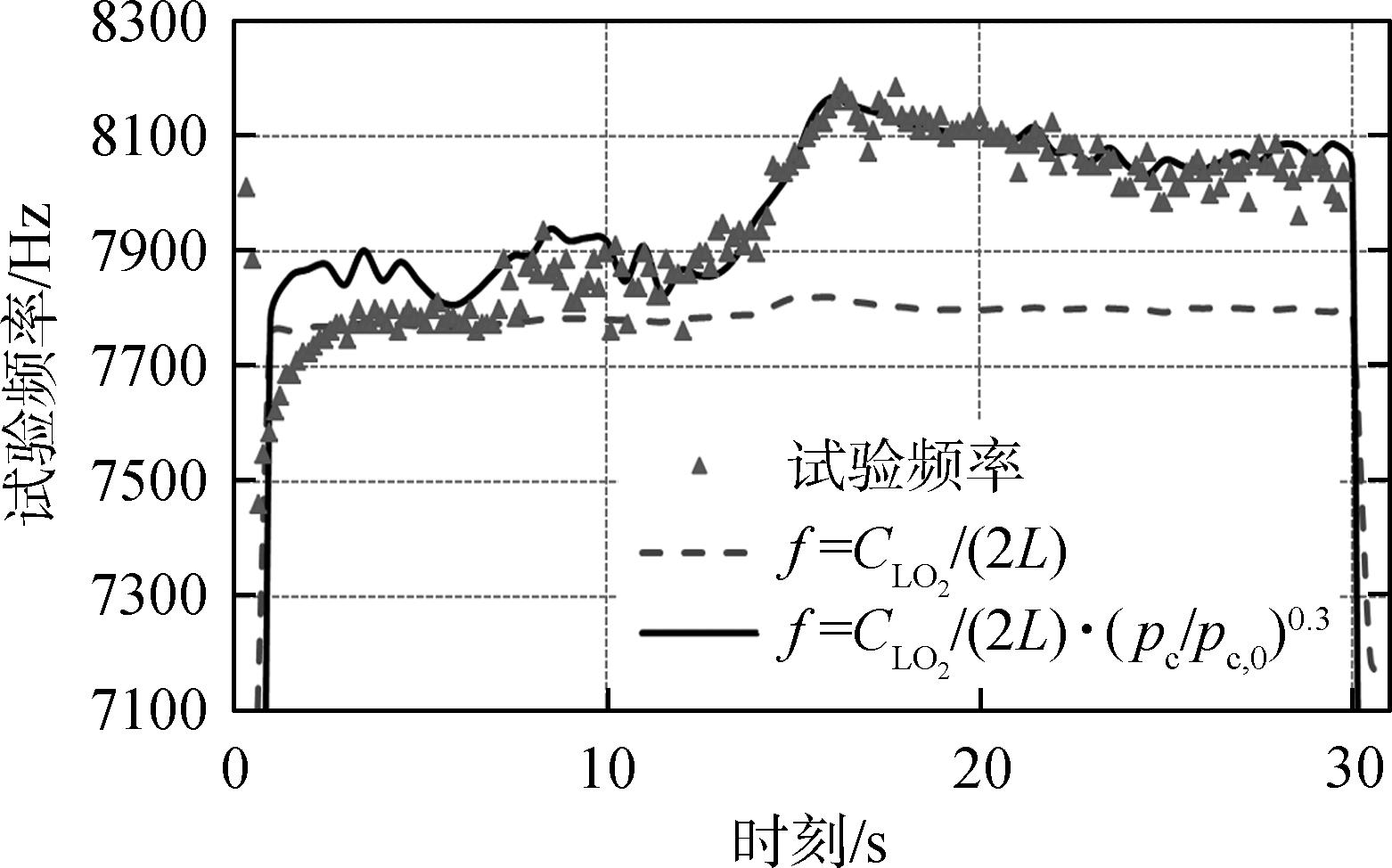
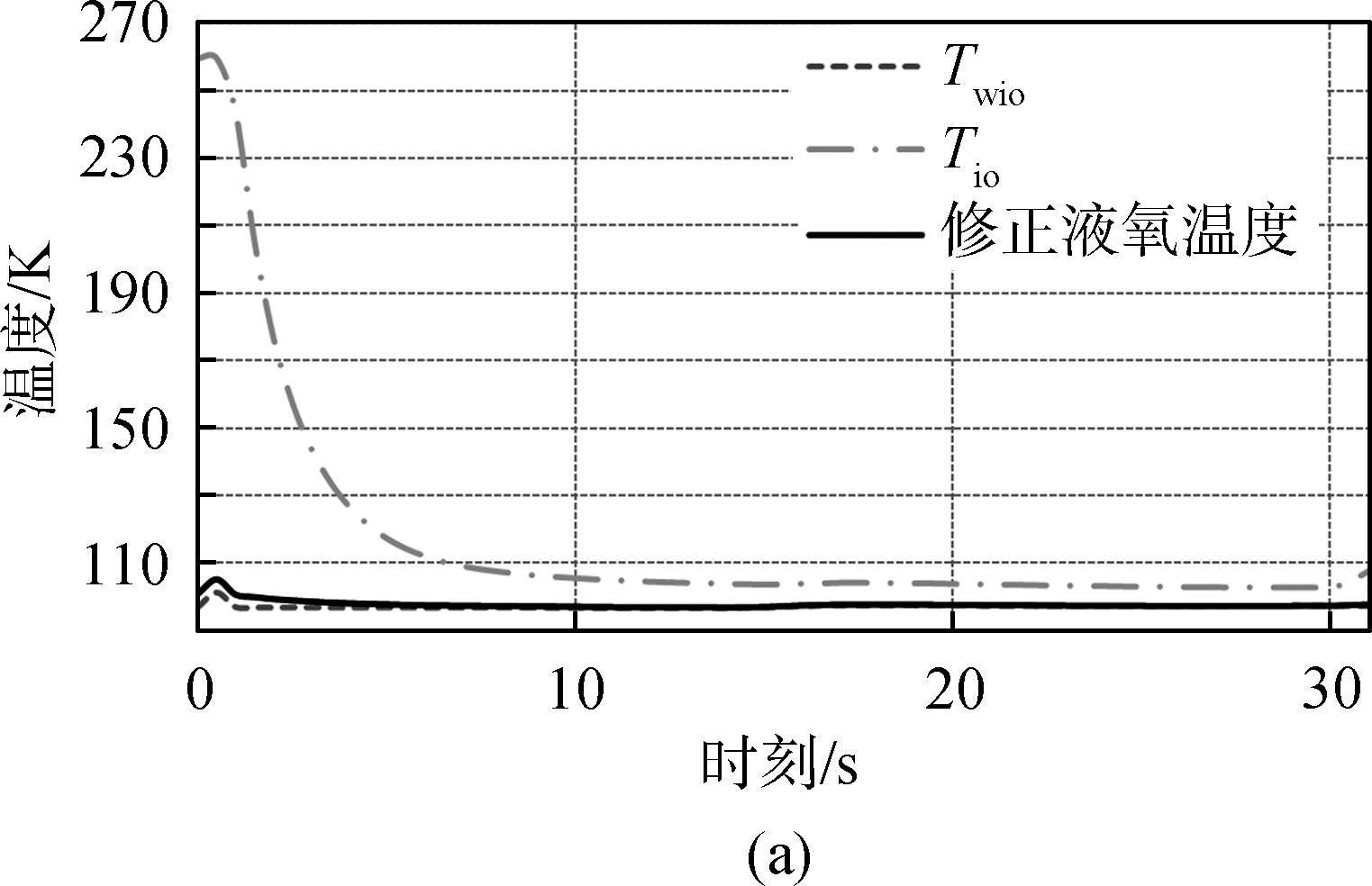
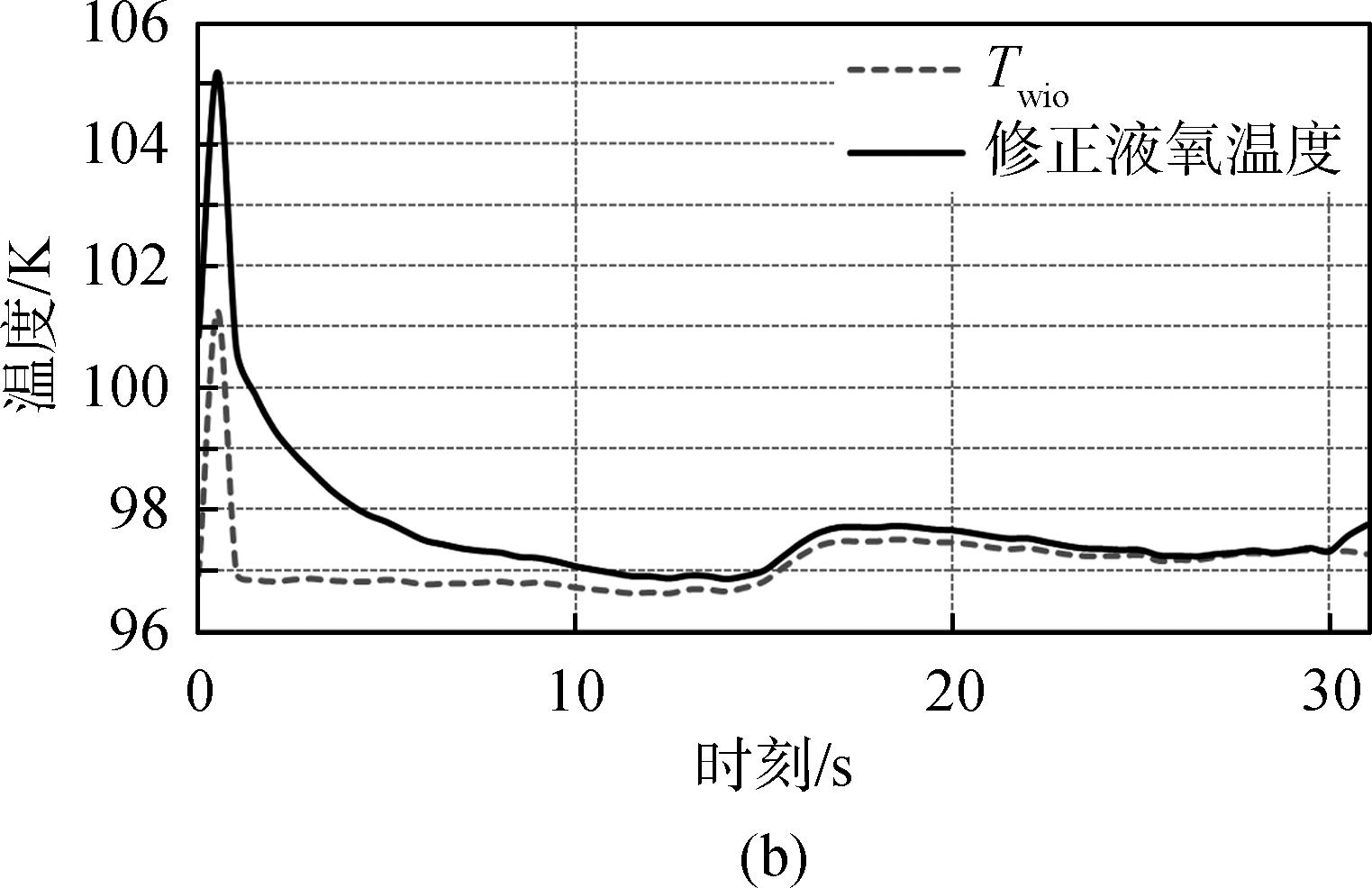
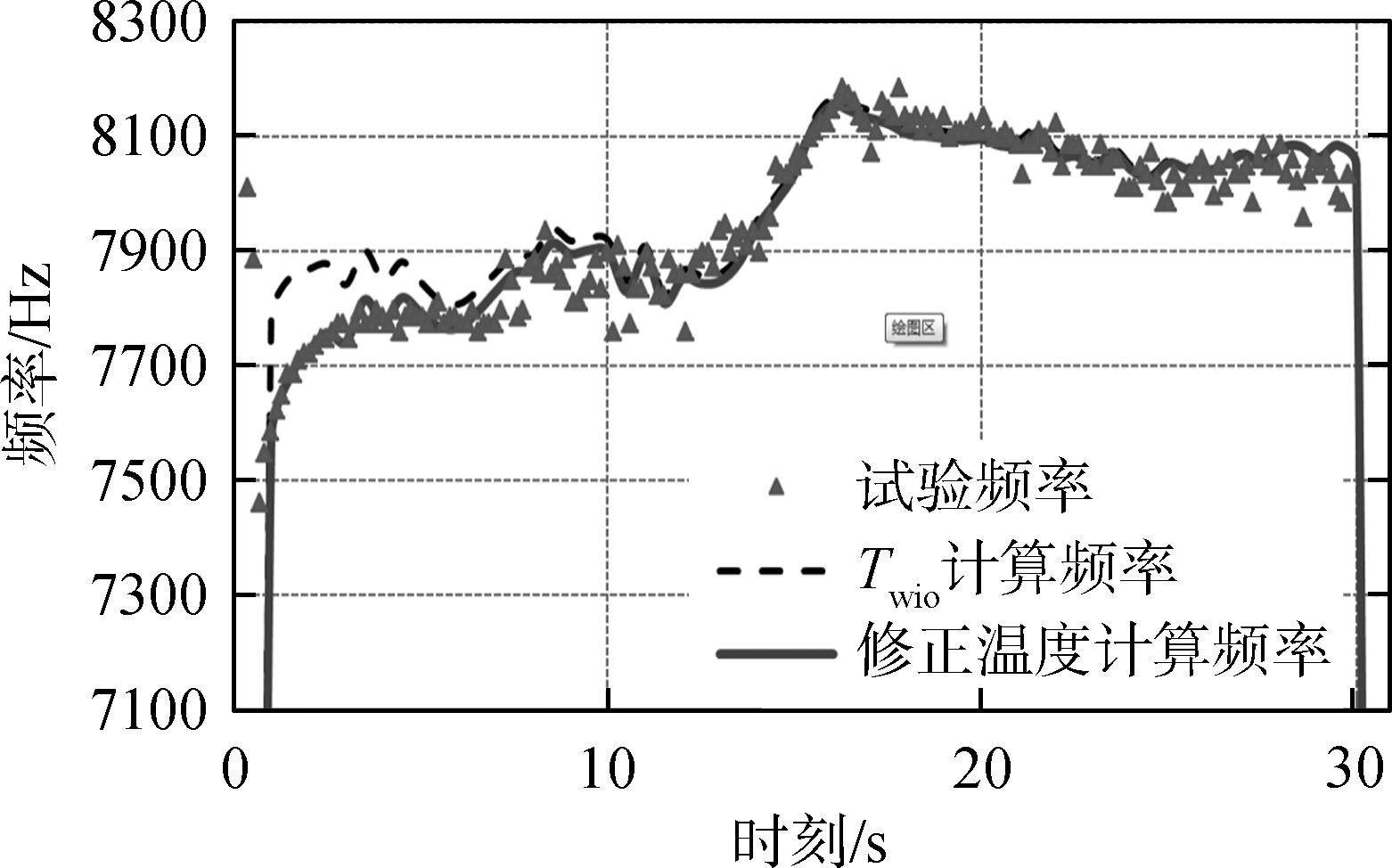
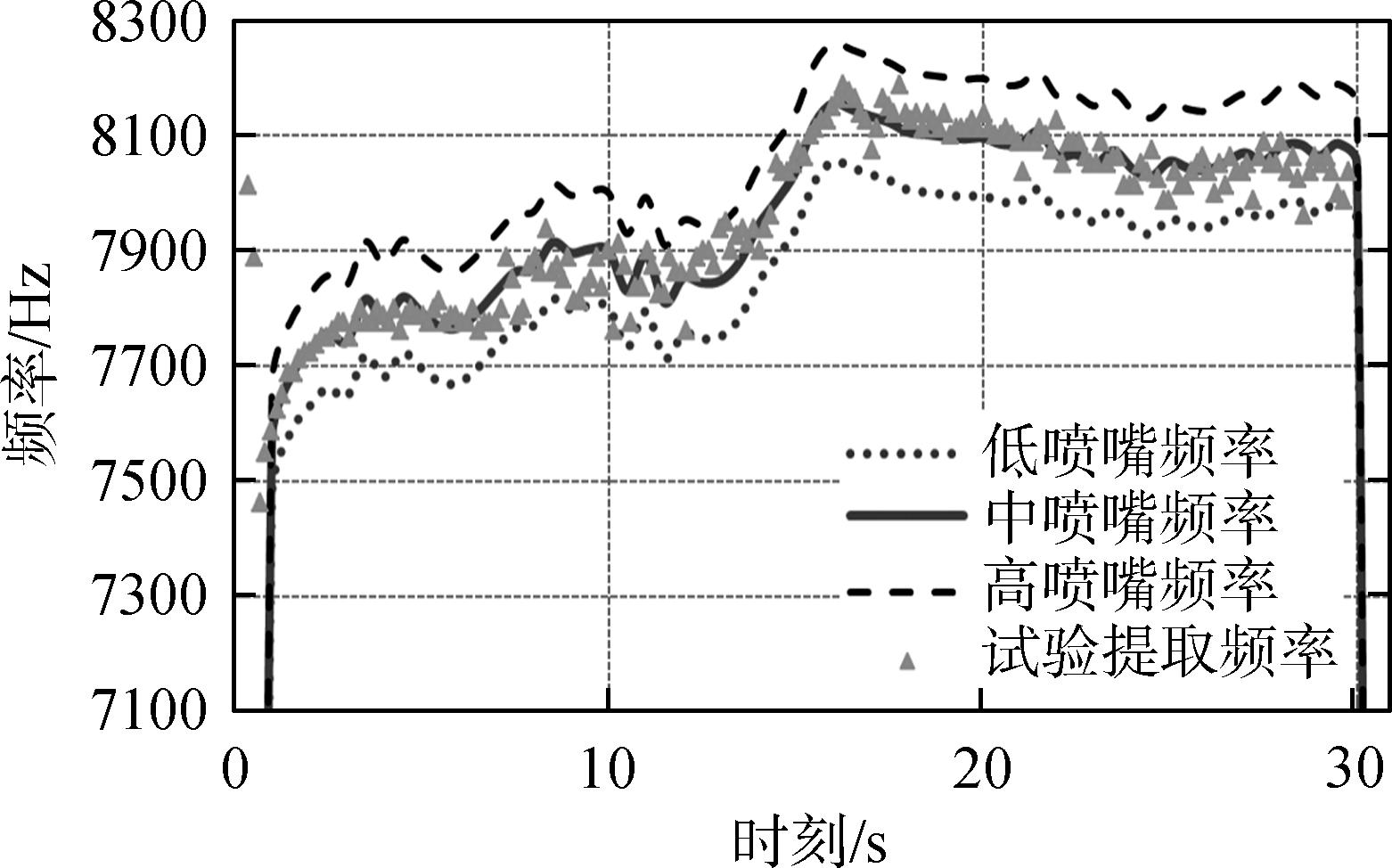
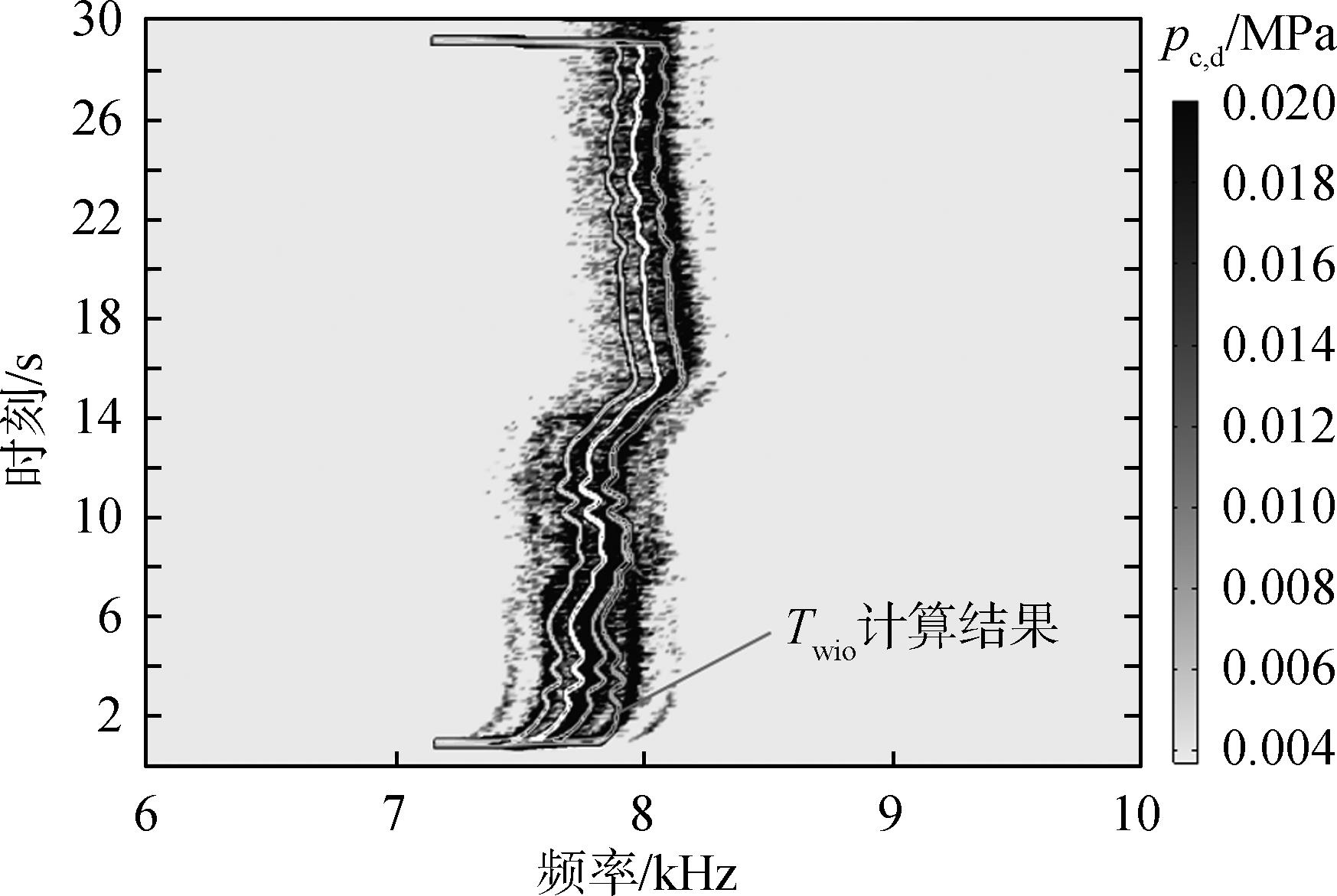
The high frequency pressure oscillation data of a hydrogen⁃oxygen preburner with swirl injectors in hot⁃fire testing were analyzed.The change trend of the frequency and associated testing parameters were compared.It was found that,the testing frequency of hot⁃fire testing may be influenced inherently by the sound speed of liquid film within the injector and the pressure of the combustion chamber.A semi⁃empirical formula based on acoustic theory was developed for swirl injector.The acoustic frequency calculated by using the data of pre⁃injection pressure and modified liquid oxygen temperature for sound speed agreed well with the measured data.It was believed that the semi⁃empirical formula similar to the acoustic frequency calculation of pipeline can be applied to swirl injector.The acoustic frequency determined the initial value of the dominant surface wave length of the liquid film in the swirl injector.The gas resistance of the dominant surface wave flow increased with the increasing pressure and liquid film velocity,which reduced the wavelength and increased the frequency of the first breaking of the liquid film,may be the influence mechanism of the positive correlation between the hot⁃fire testing frequency and the combustion chamber pressure.

Design of thrust estimator in the solid rocket ramjet based on PSO⁃BP neural network
WANG Zhao, TIAN Xiaotao, HUANG Meng, ZHANG Bo
2022, 37(7): 1487-1494. doi: 10.13224/j.cnki.jasp.20210325
Abstract:

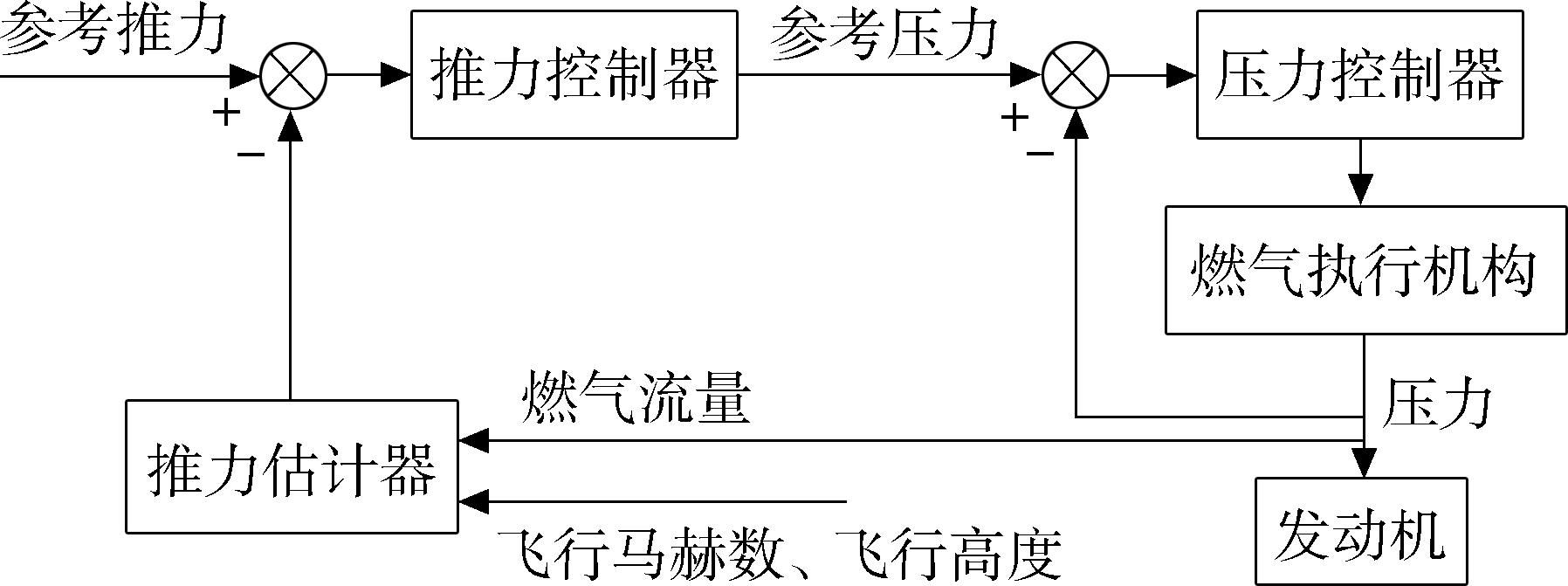
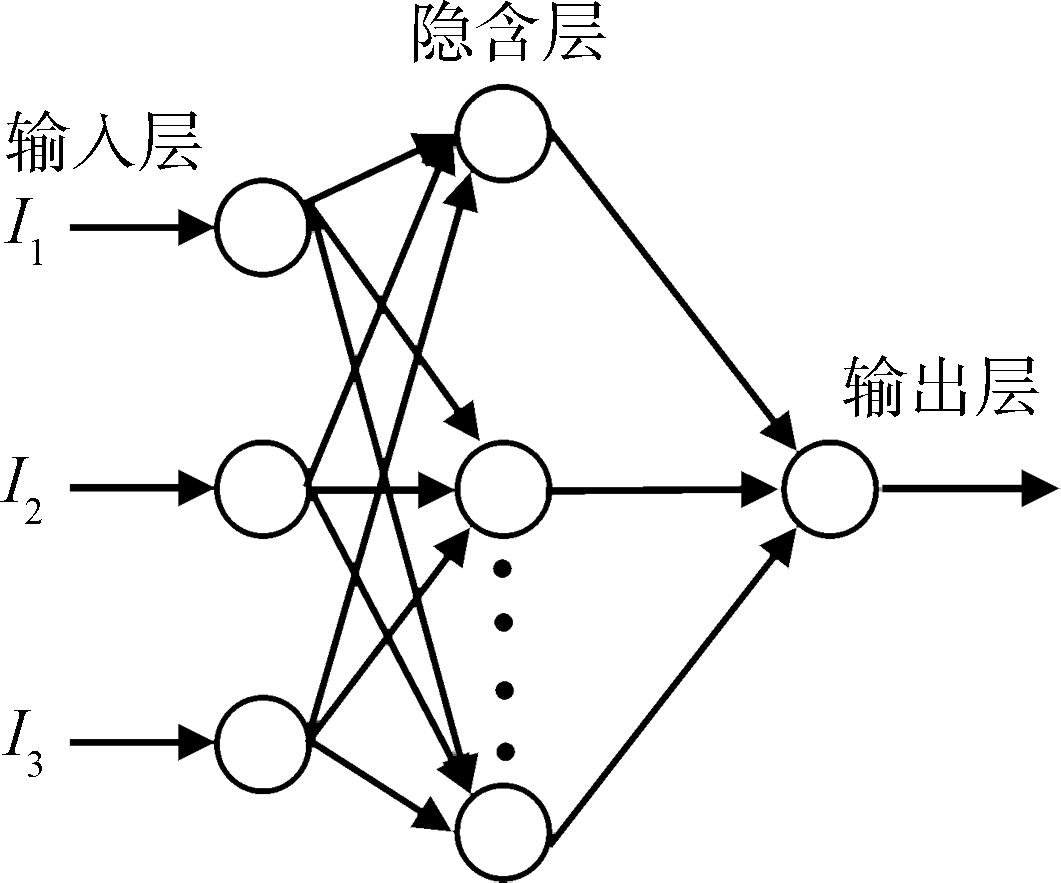
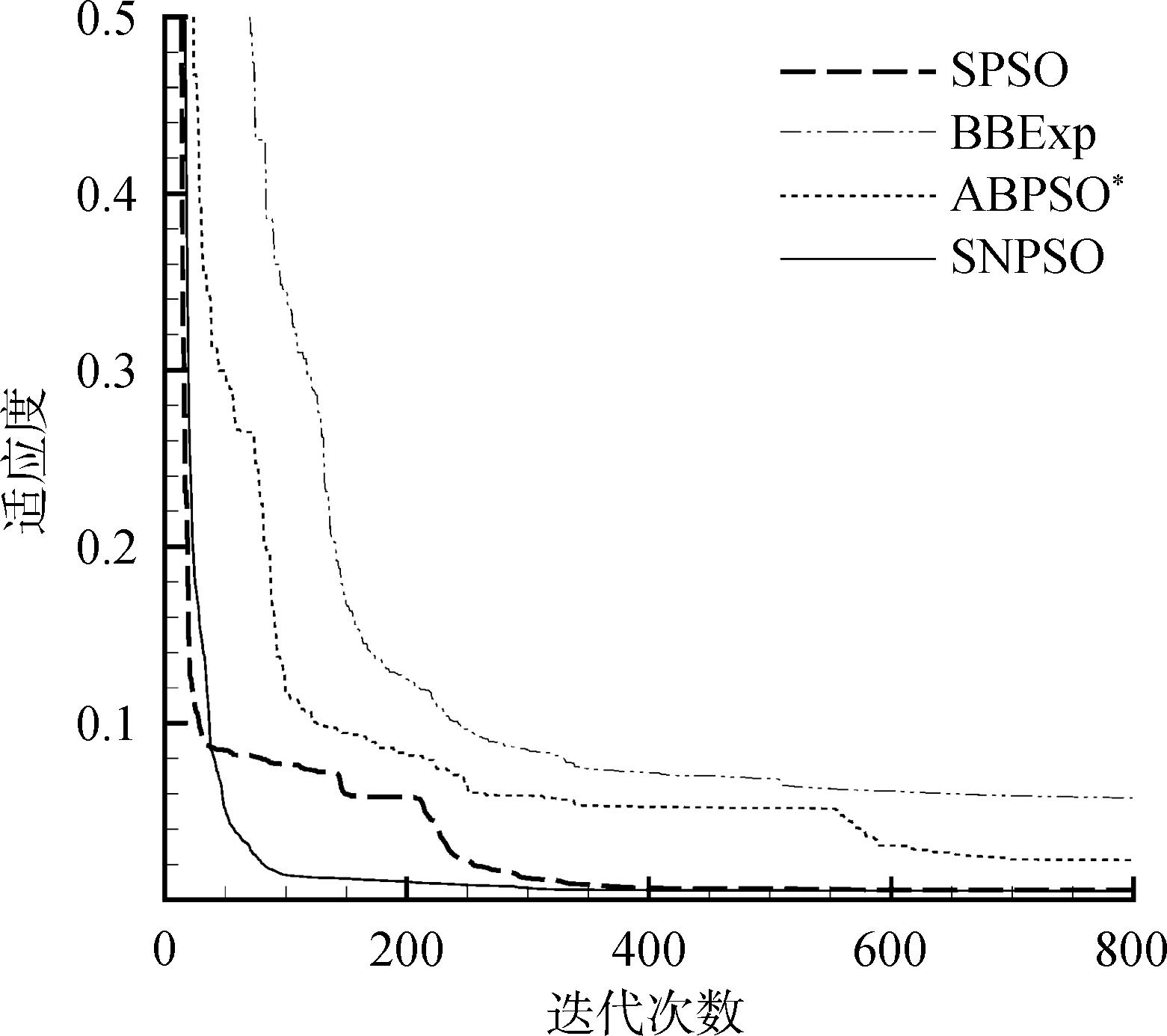
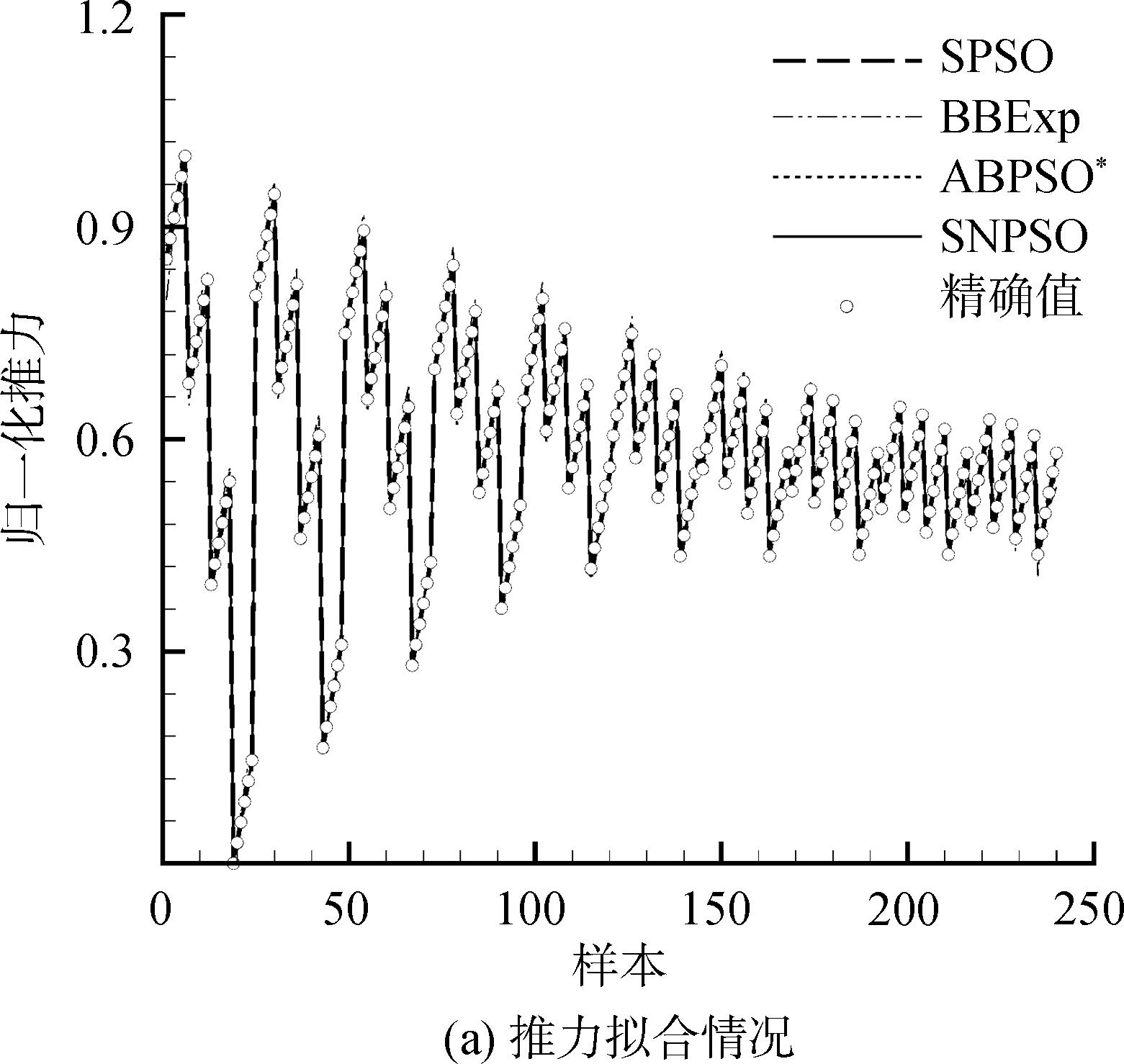
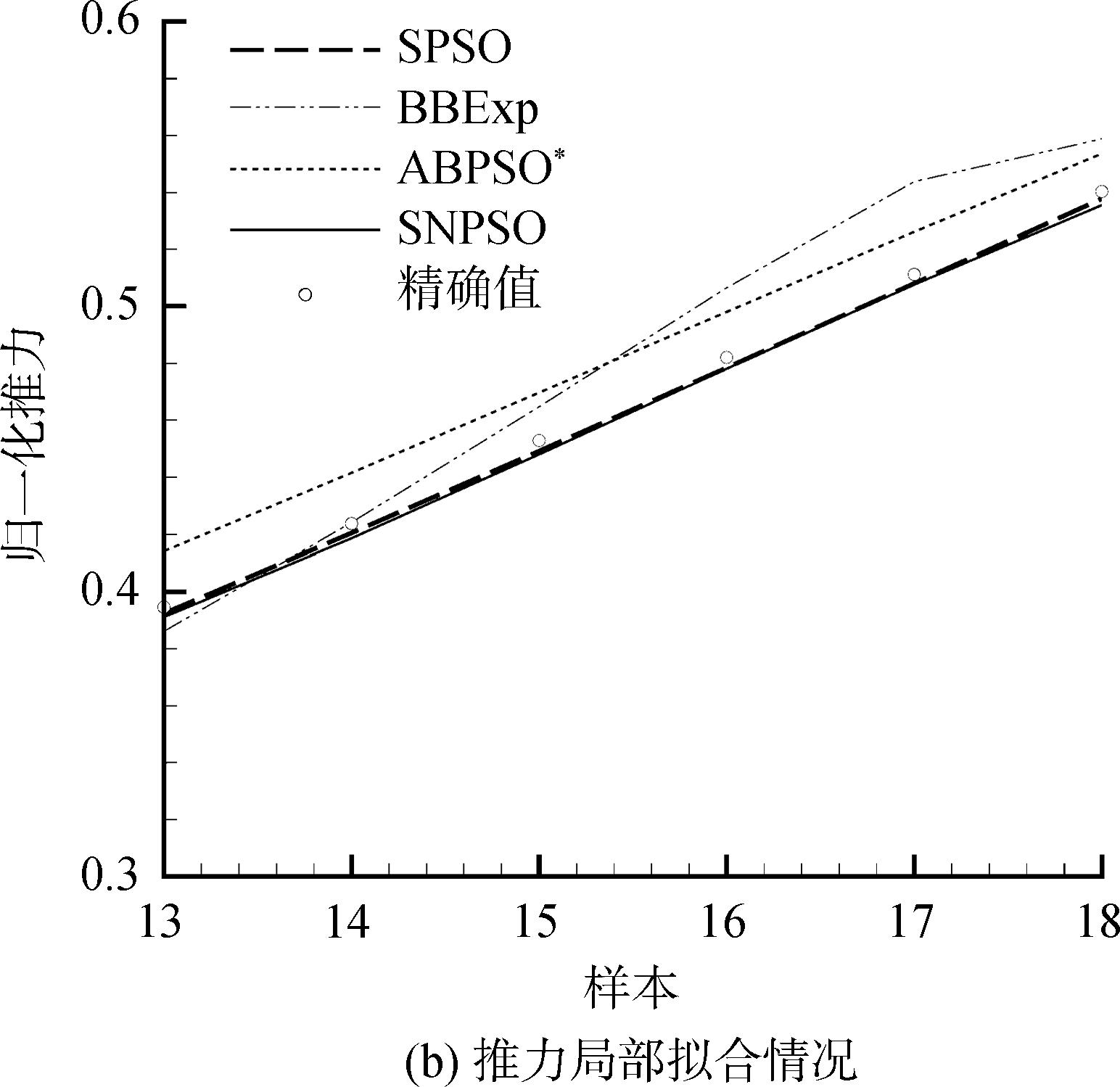
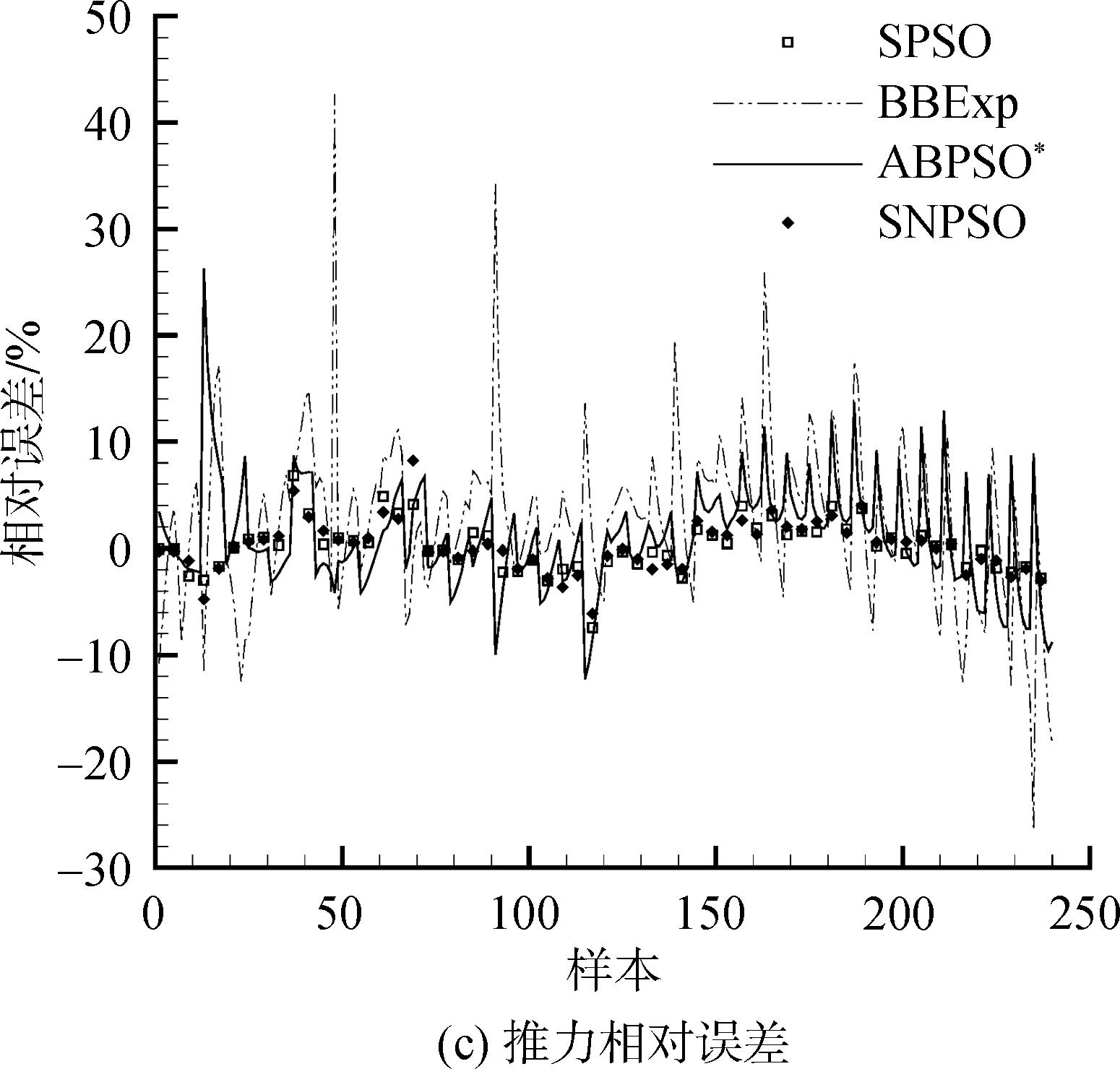
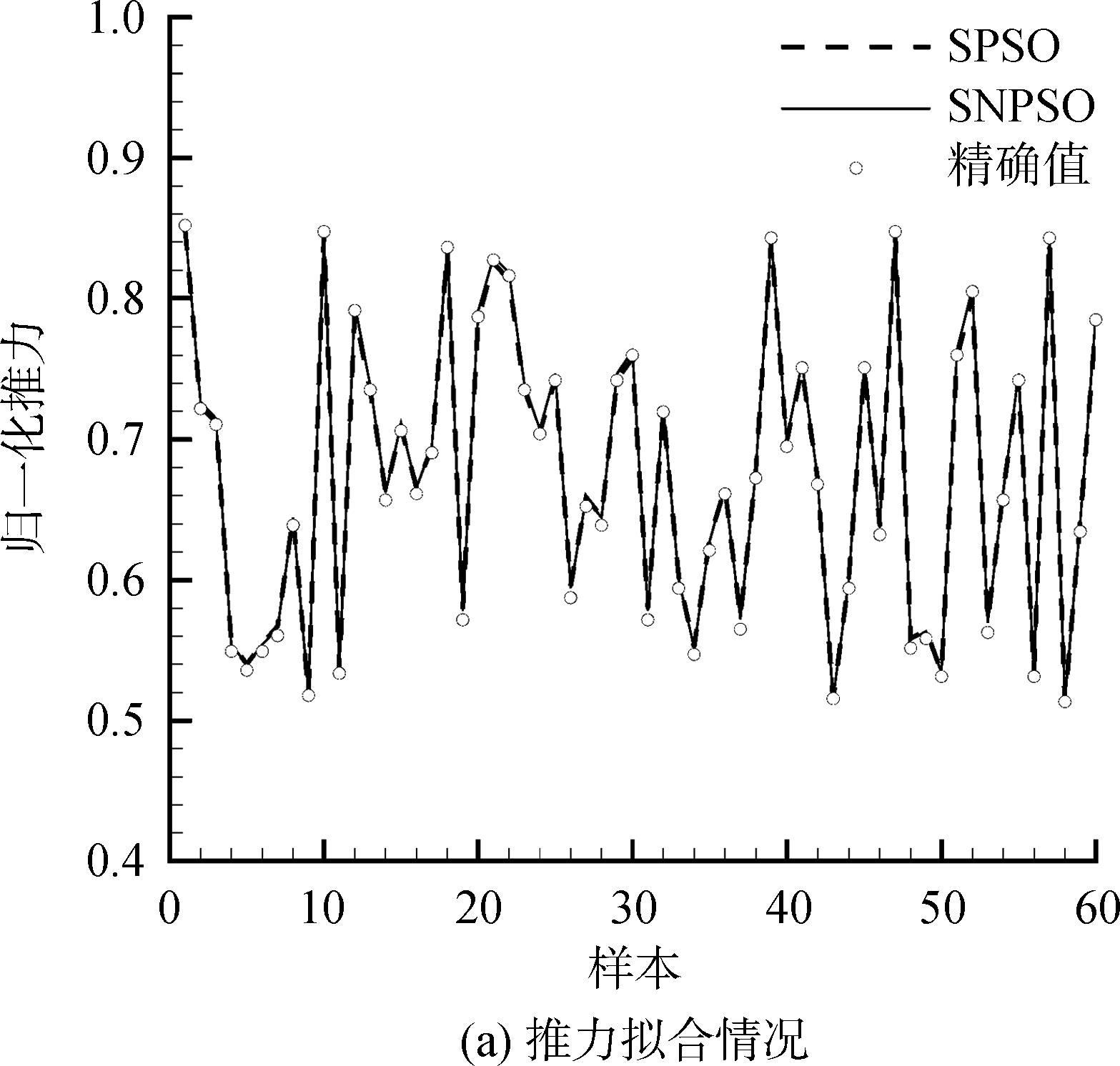
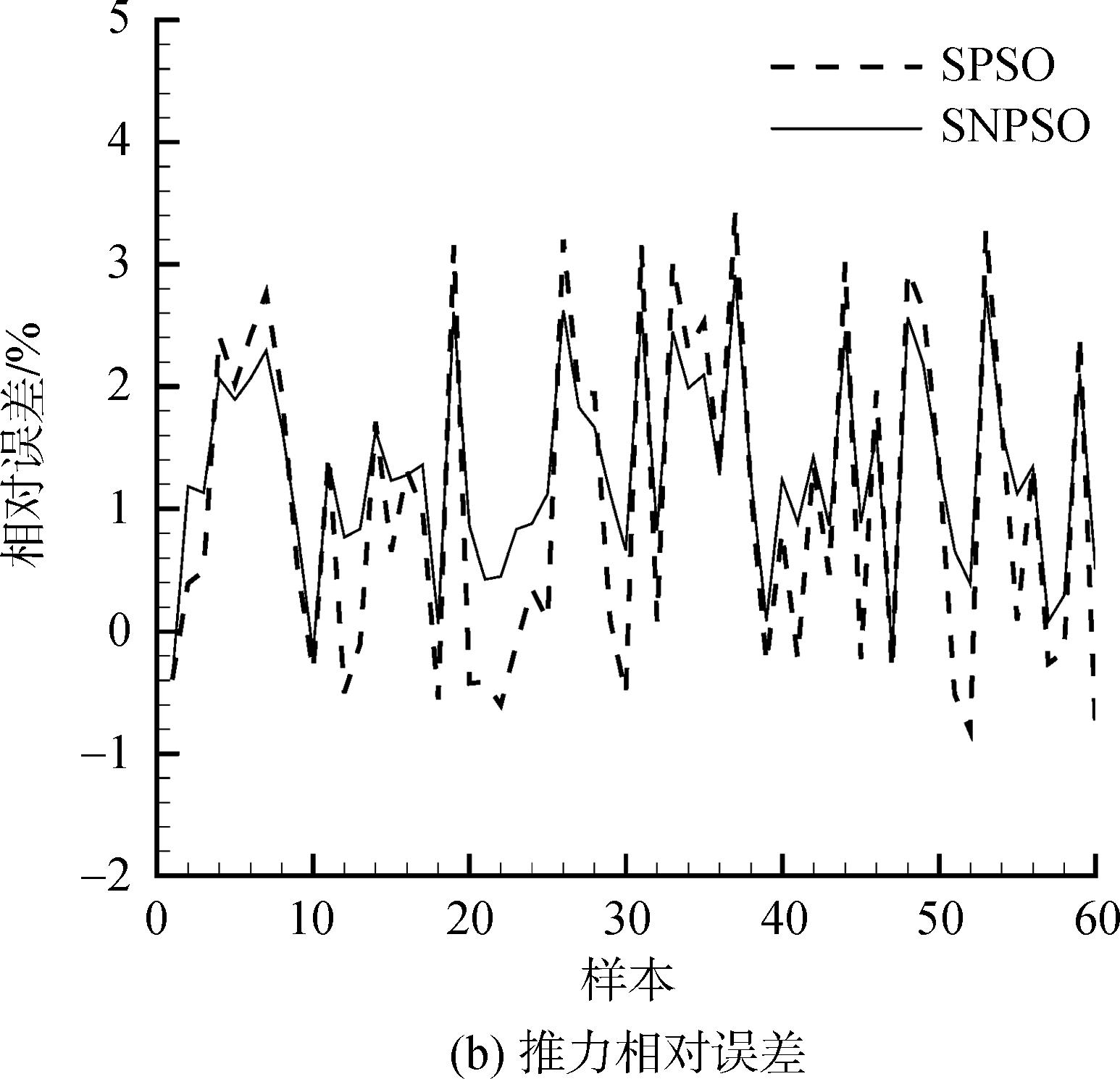
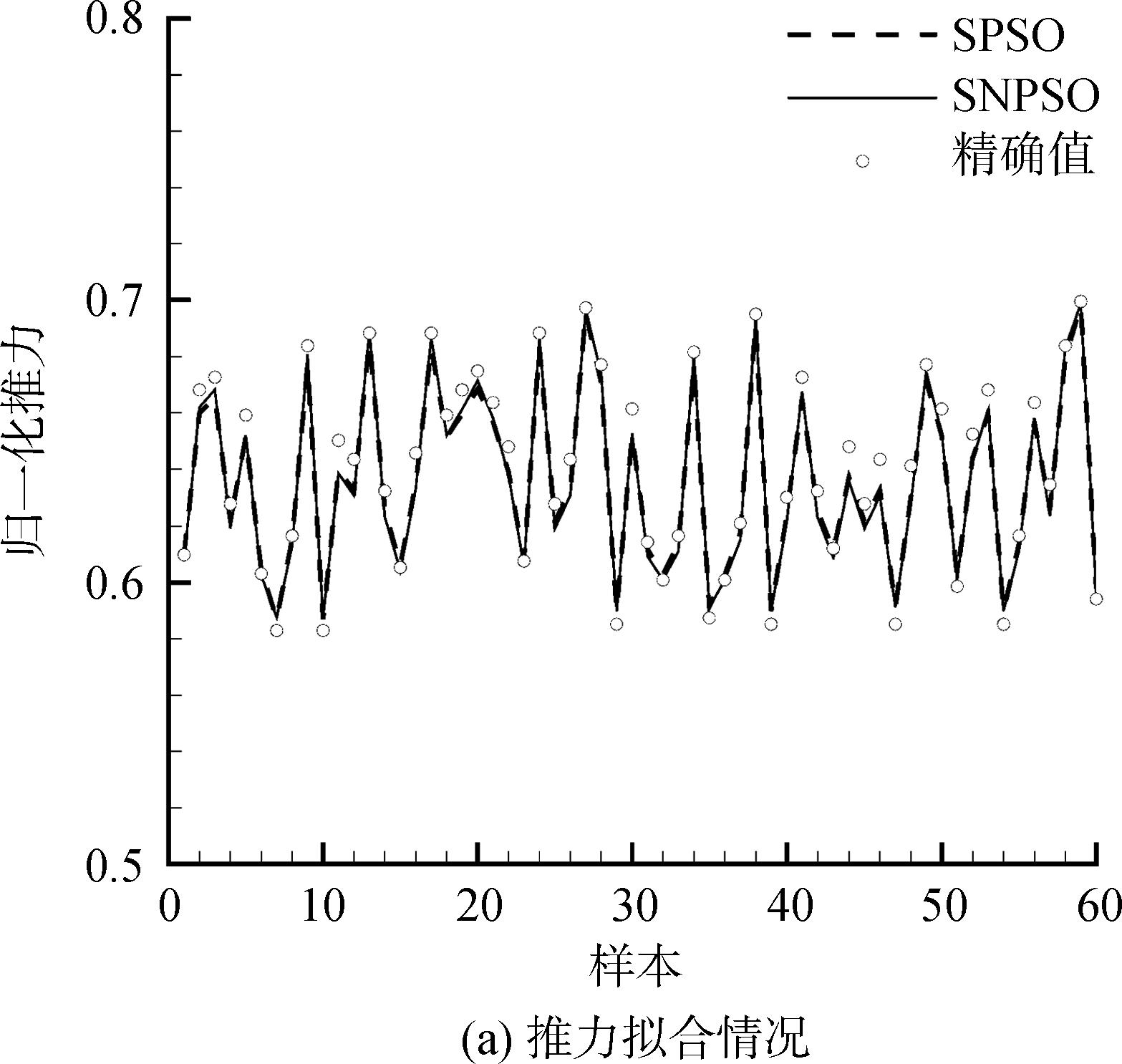
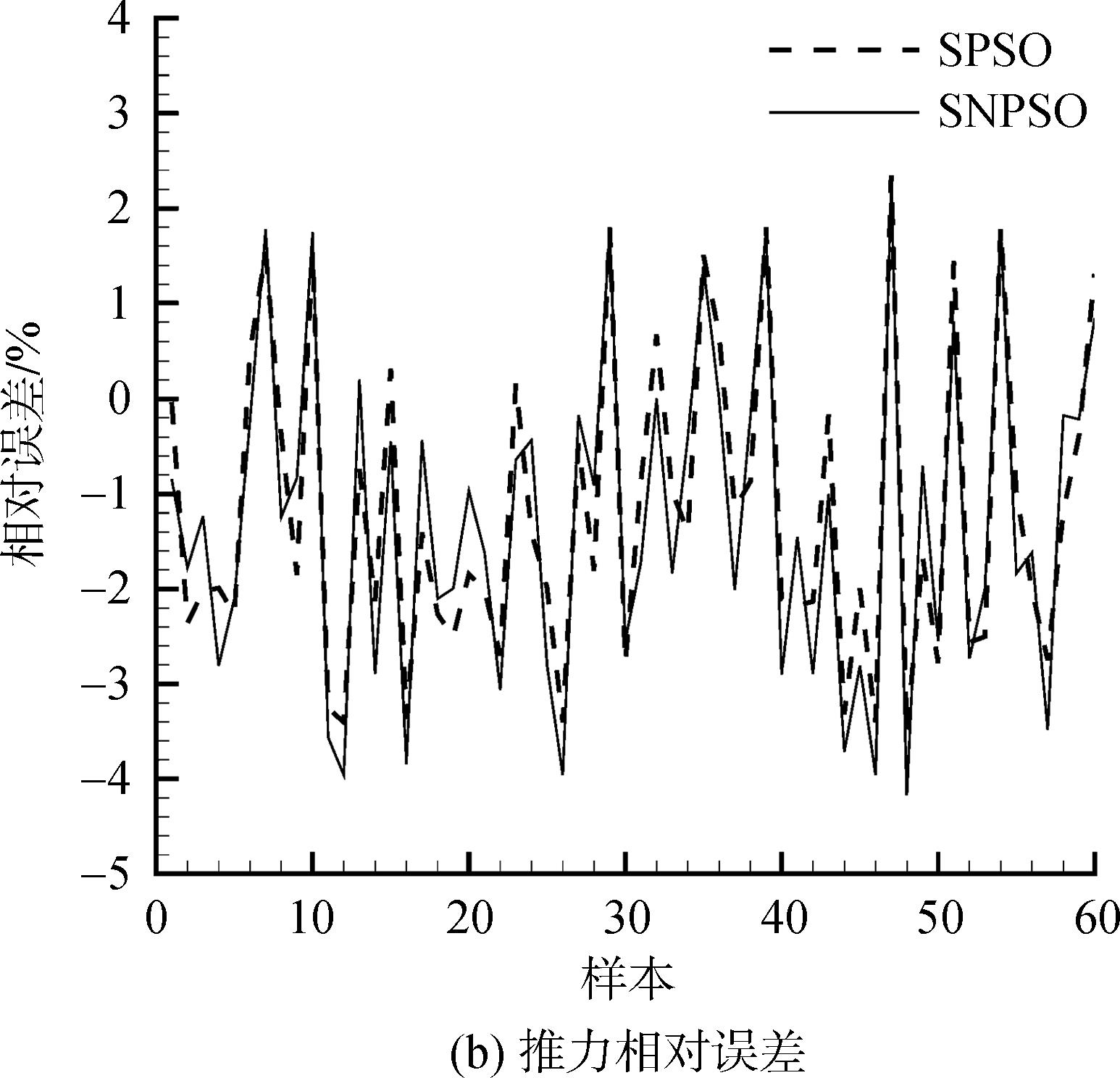
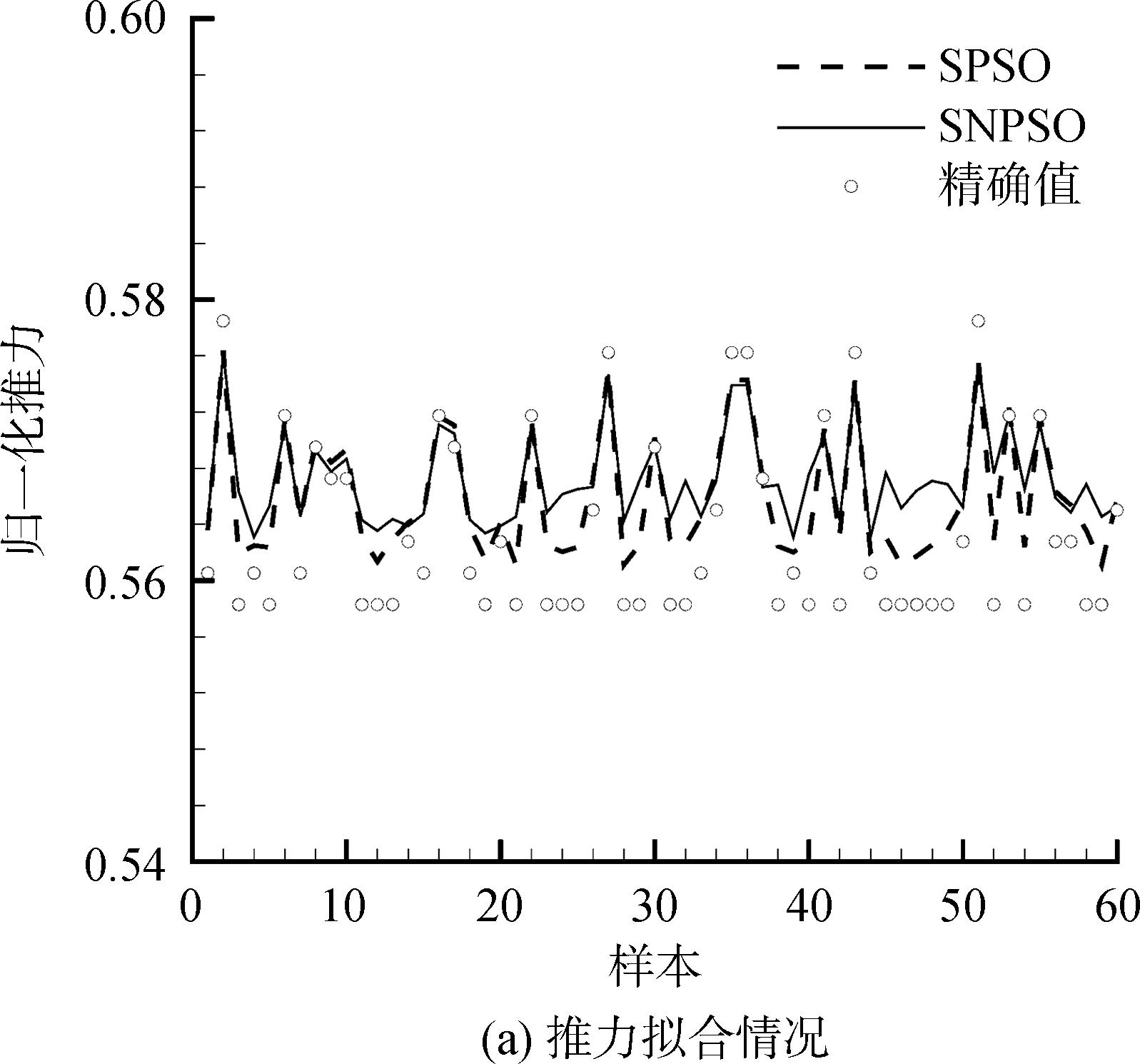
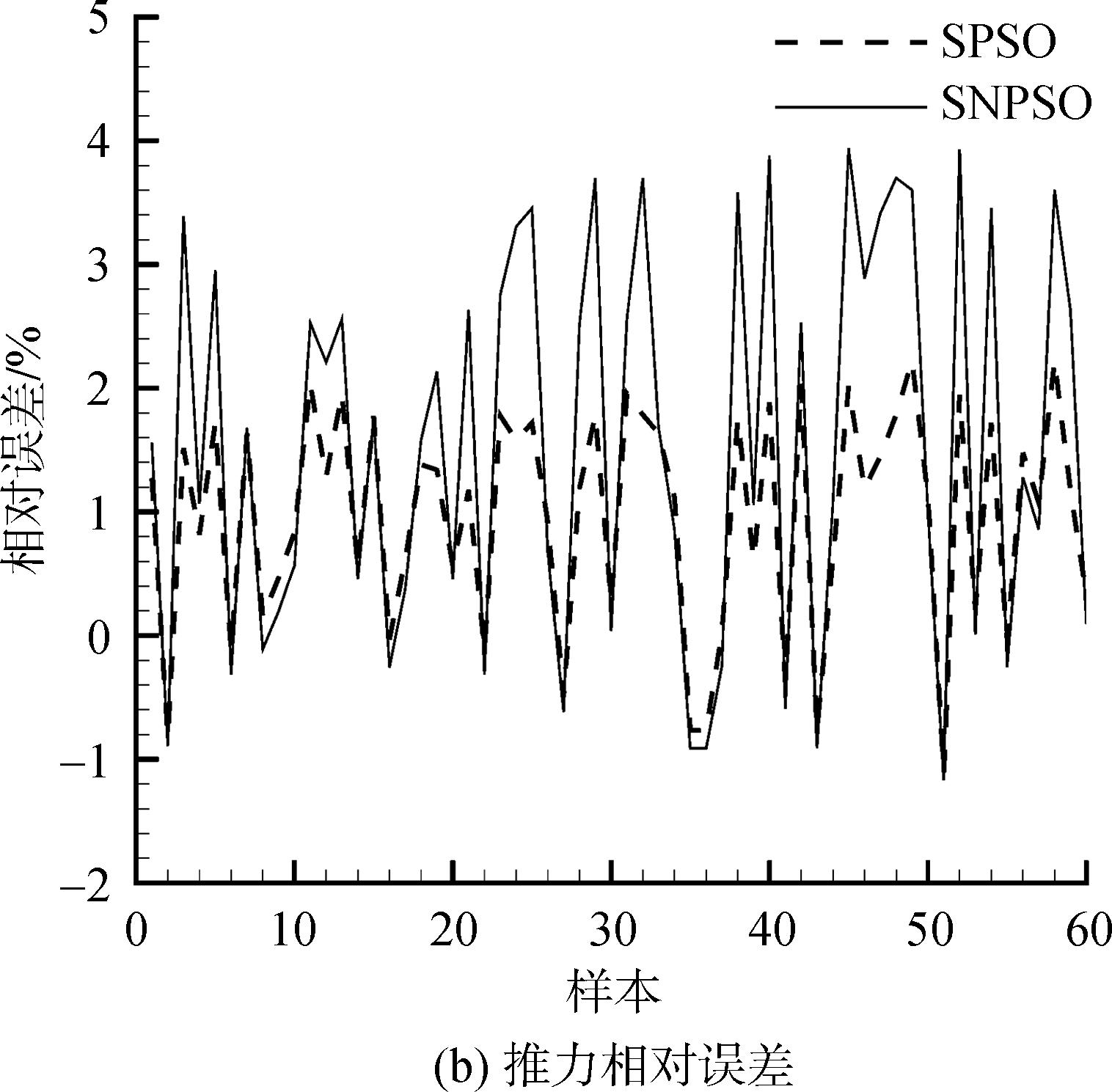
A solid rocket ramjet thrust estimation method based on BP(back propagation)neural network optimized by PSO (particle swarm optimization) was proposed for direct control of the thrust of solid rocket ramjet.In detail,SPSO (standard PSO) and three different BBPSO (bare bones PSO) methods were adopted to optimize the network weights.Then,the optimal weights as the initial value were tuned finely by BP neural network training.Therefore,the nonlinear relationship between thrust and gas flow,flight Mach number as well as flight height was obtained such that the design of thrust estimator was completed.240 sets of training data were used to train the network,and 180 sets of testing data were used to verify the network.The simulation results showed that among four different PSO methods such as SPSO,BBExp (exploiting BBPSO),ABPSO* (modified adaptive BBPSO) and SNPSO (simplified pruning strategy based BBPSO),the design of thrust estimator based on BP neural network optimized by SNPSO is the most convenient and effective method not only due to its simple form but also due to its capacity of controlling the relative thrust error within 5% for test set data.

Preliminary analysis on the demand of nuclear fusion space thruster
SONG Jun
2022, 37(7): 1495-1502. doi: 10.13224/j.cnki.jasp.20210122
Abstract:

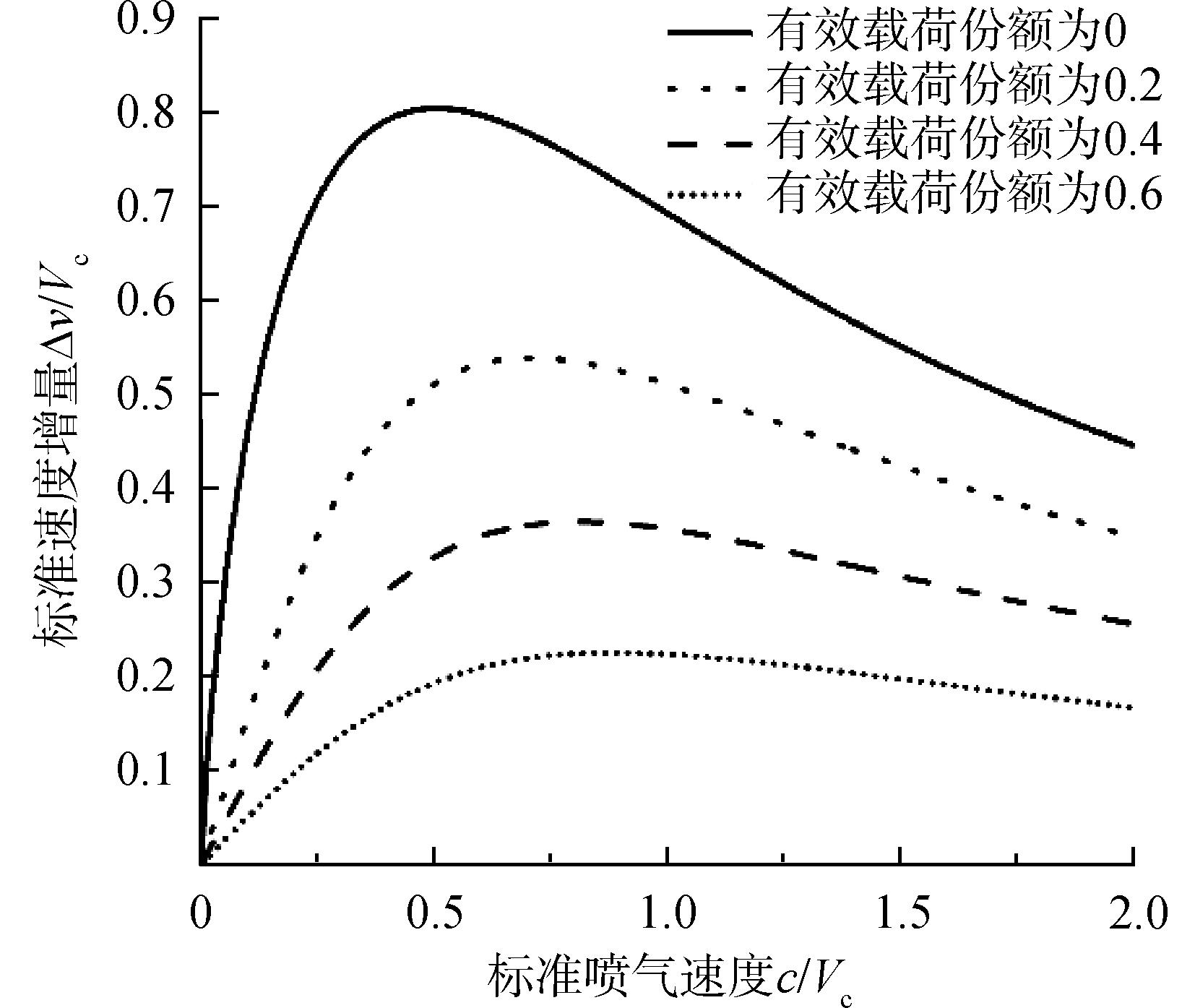
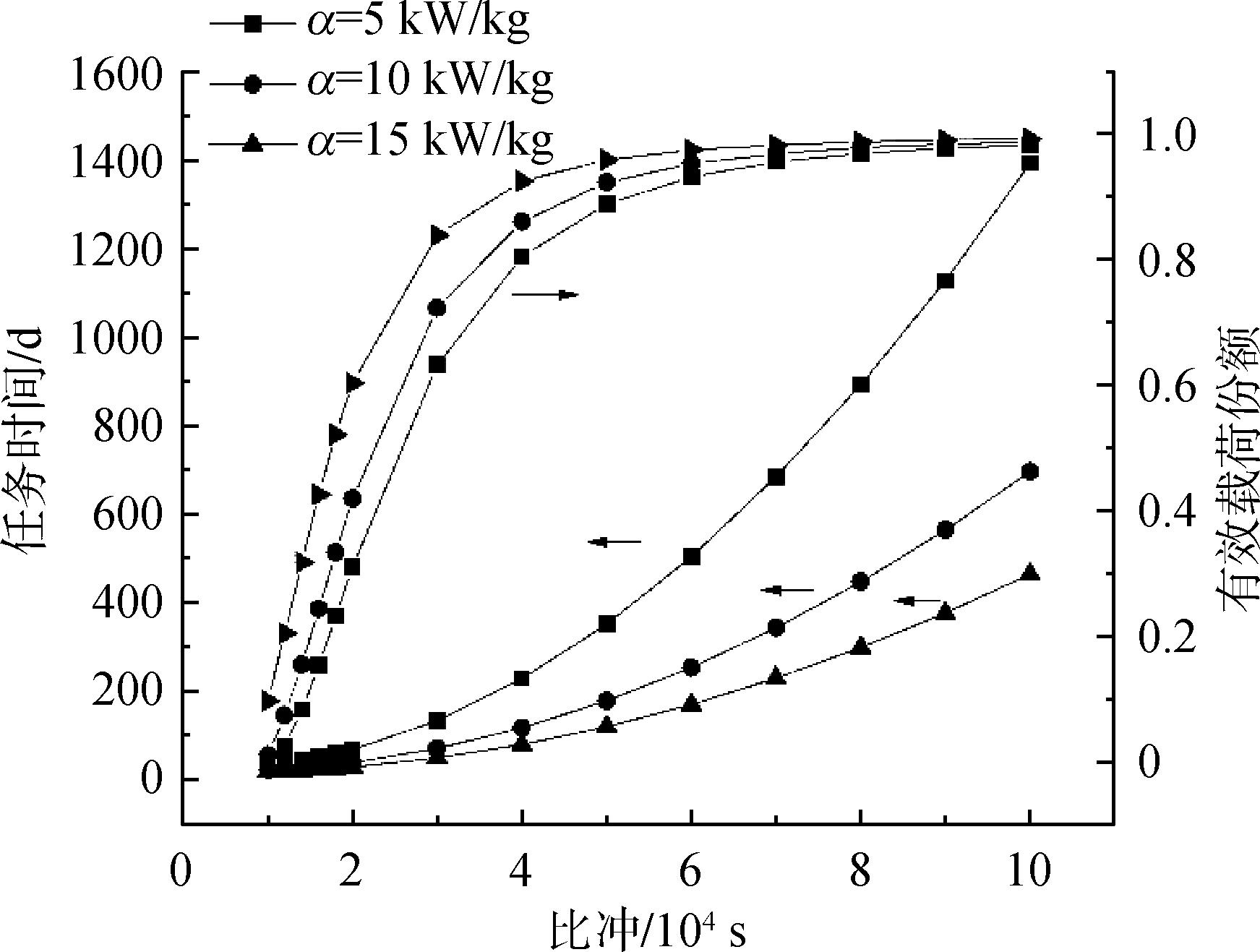
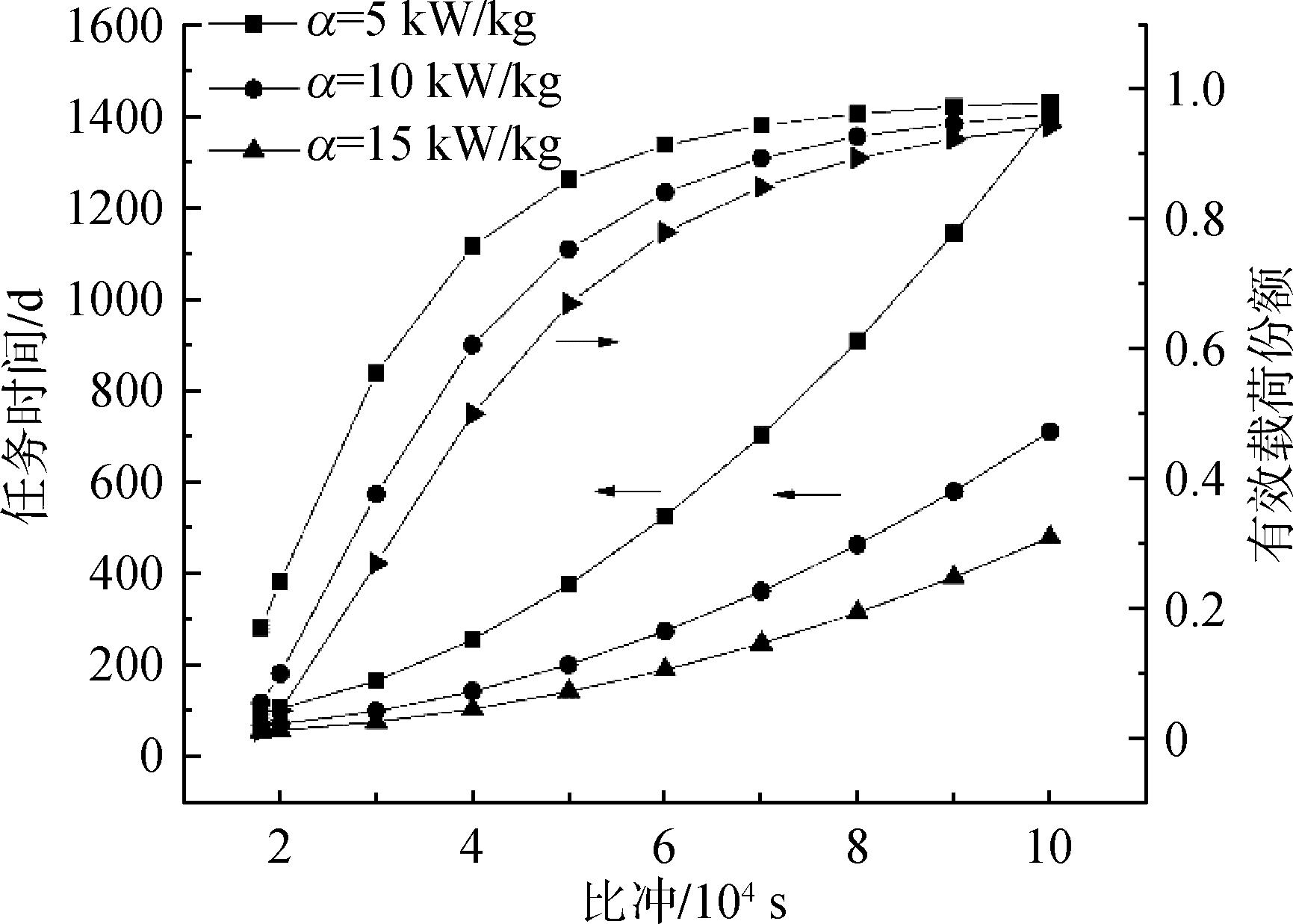
An analytic approximate calculation model was referenced to conduct a sensitivity analysis of key parameters such as propulsion system mass,specific impulse,mission time,and payload ratio,assuming that the case study was based on the two⁃bum rendezvous and four⁃bum round trip of Earth to Mars missions.The dependence of mission time and payload ratio on fusion power,propulsion system structure mass,and specific impulse was obtained through a detailed analysis.Besides,theoretical calculation showed that the mission can arrive at the destination planet within 1 to 2 months and carry more than 10% payload ratio by combining the related progress of ground commercial fusion reactor and reasonable extrapolation of existing technology; based on that,the preliminary parameters of the future nuclear fusion space propulsion and design scheme was proposed,which can generally provide a certain reference for the development of future nuclear fusion space propulsion technology.

Simulation study on the influence of spin on ignition process of two⁃phase in solid rocket motor
QIN Shengfu, LI Junwei, ZHANG Zhihui, HE Ye, WANG Ningfei
2022, 37(7): 1503-1515. doi: 10.13224/j.cnki.jasp.20210327
Abstract:

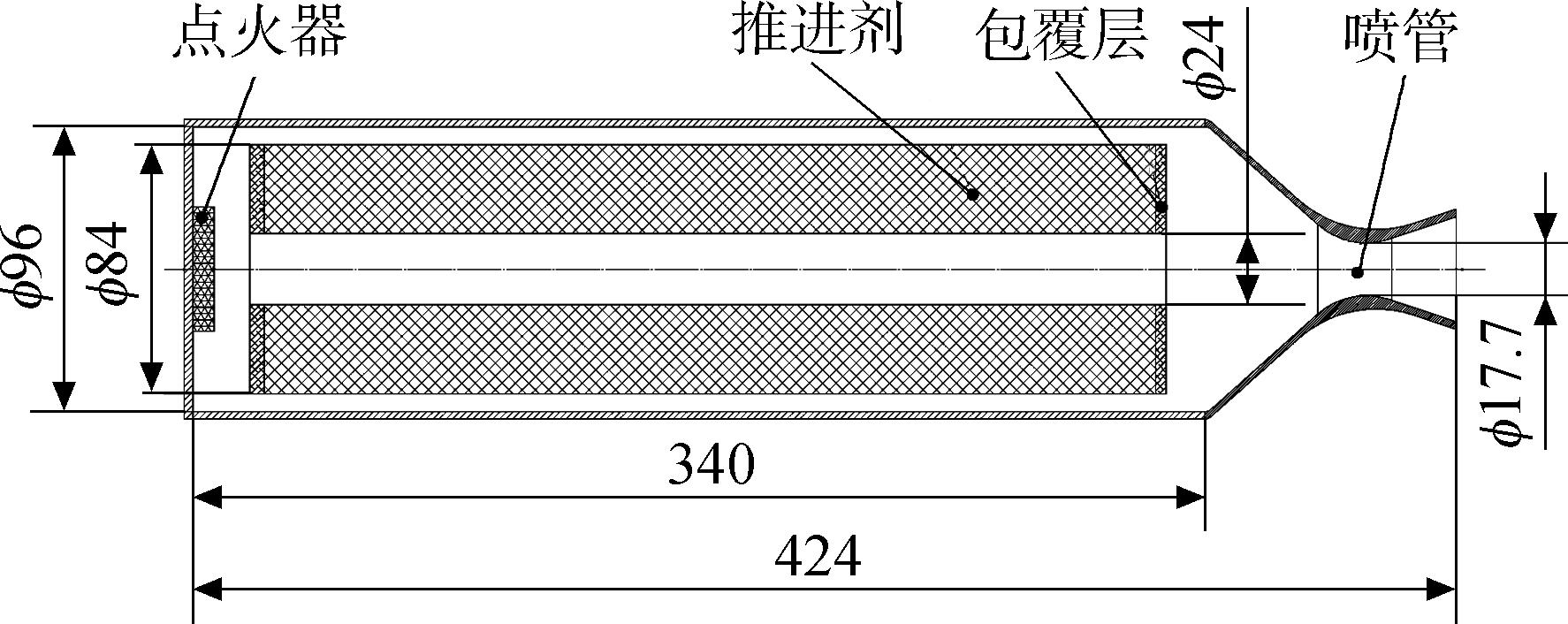
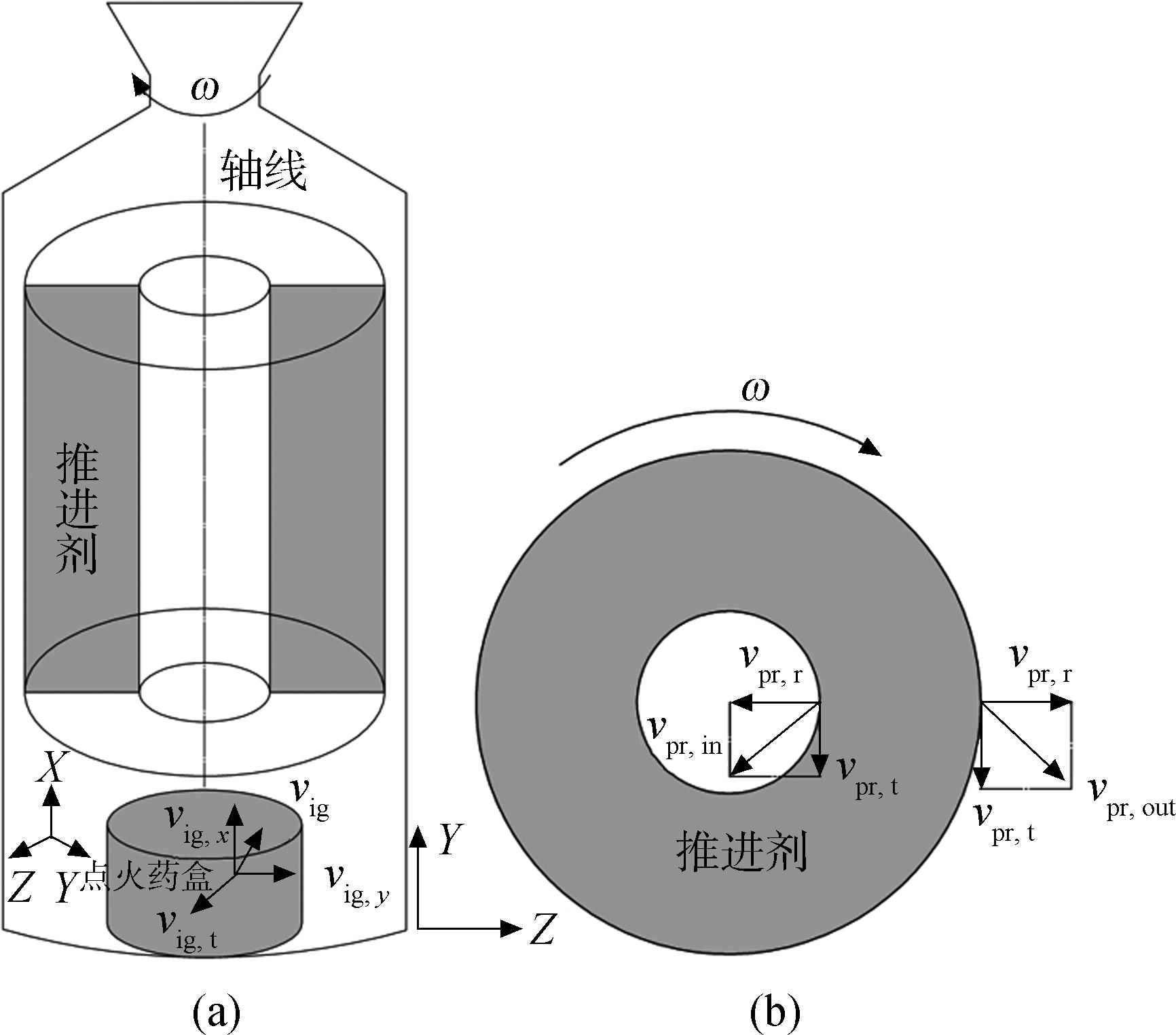
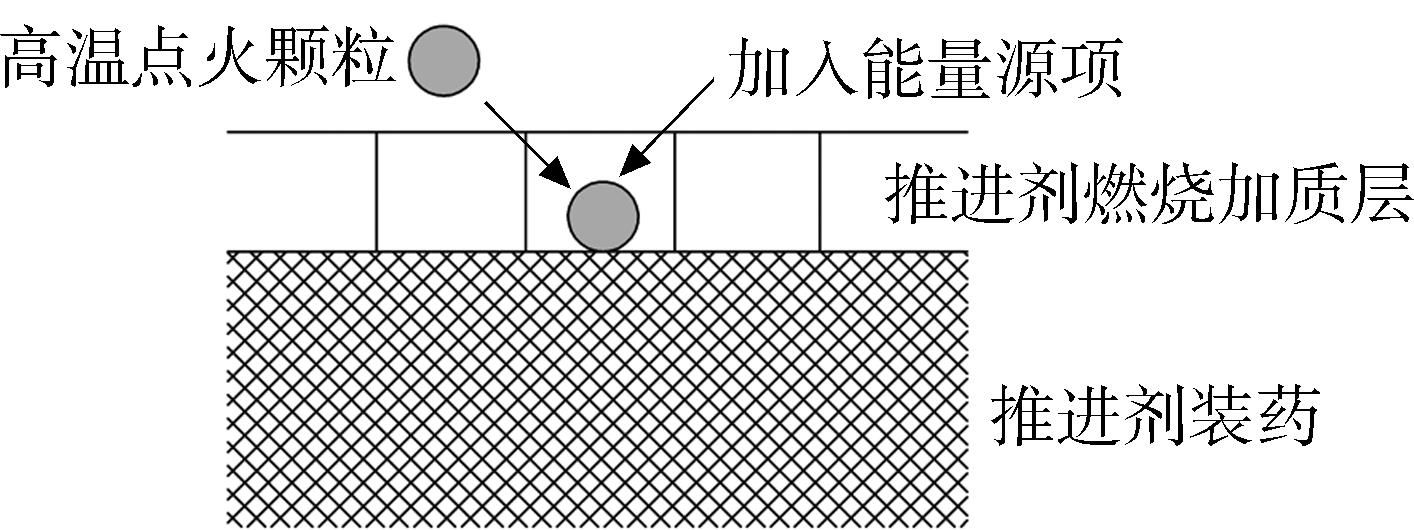
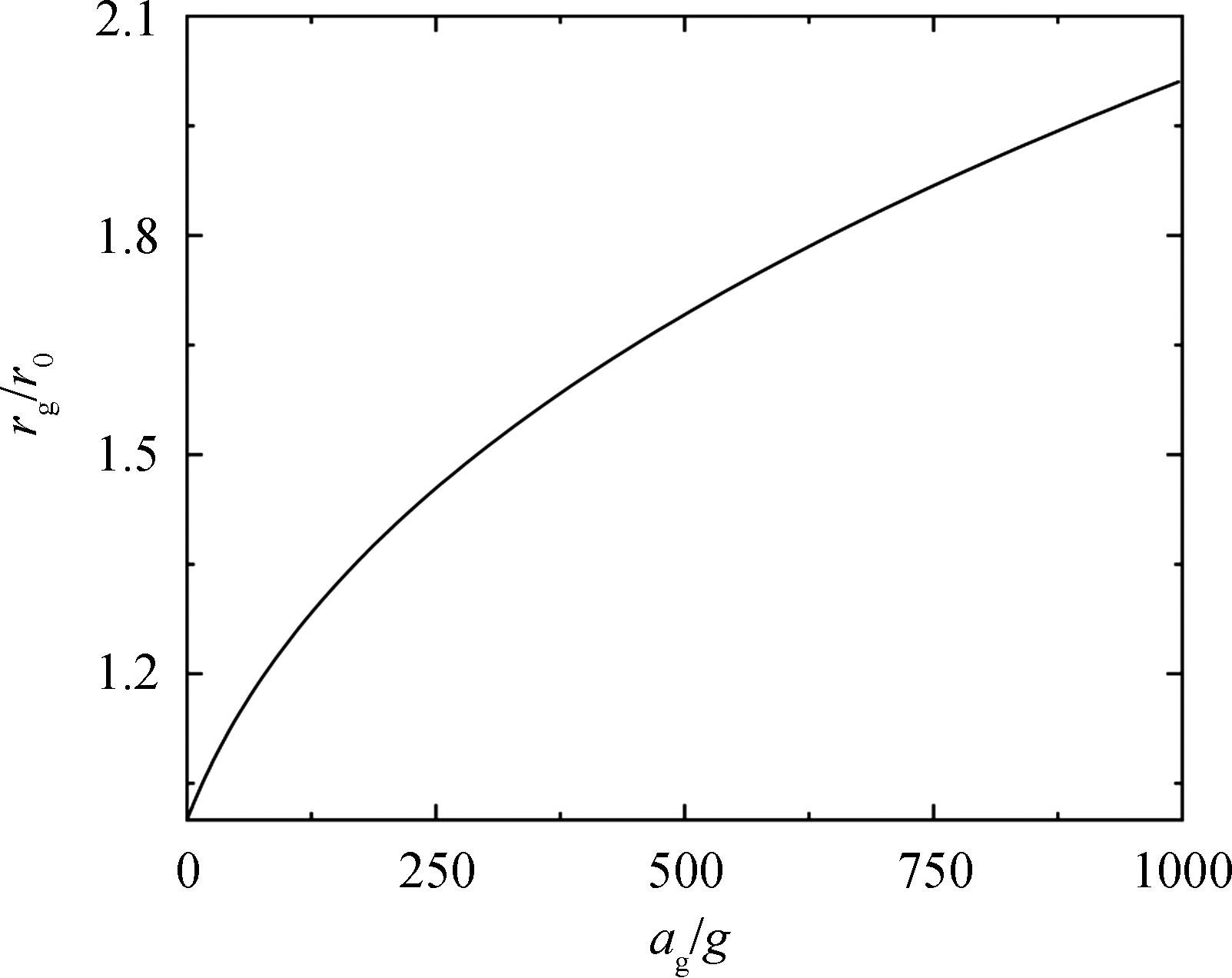
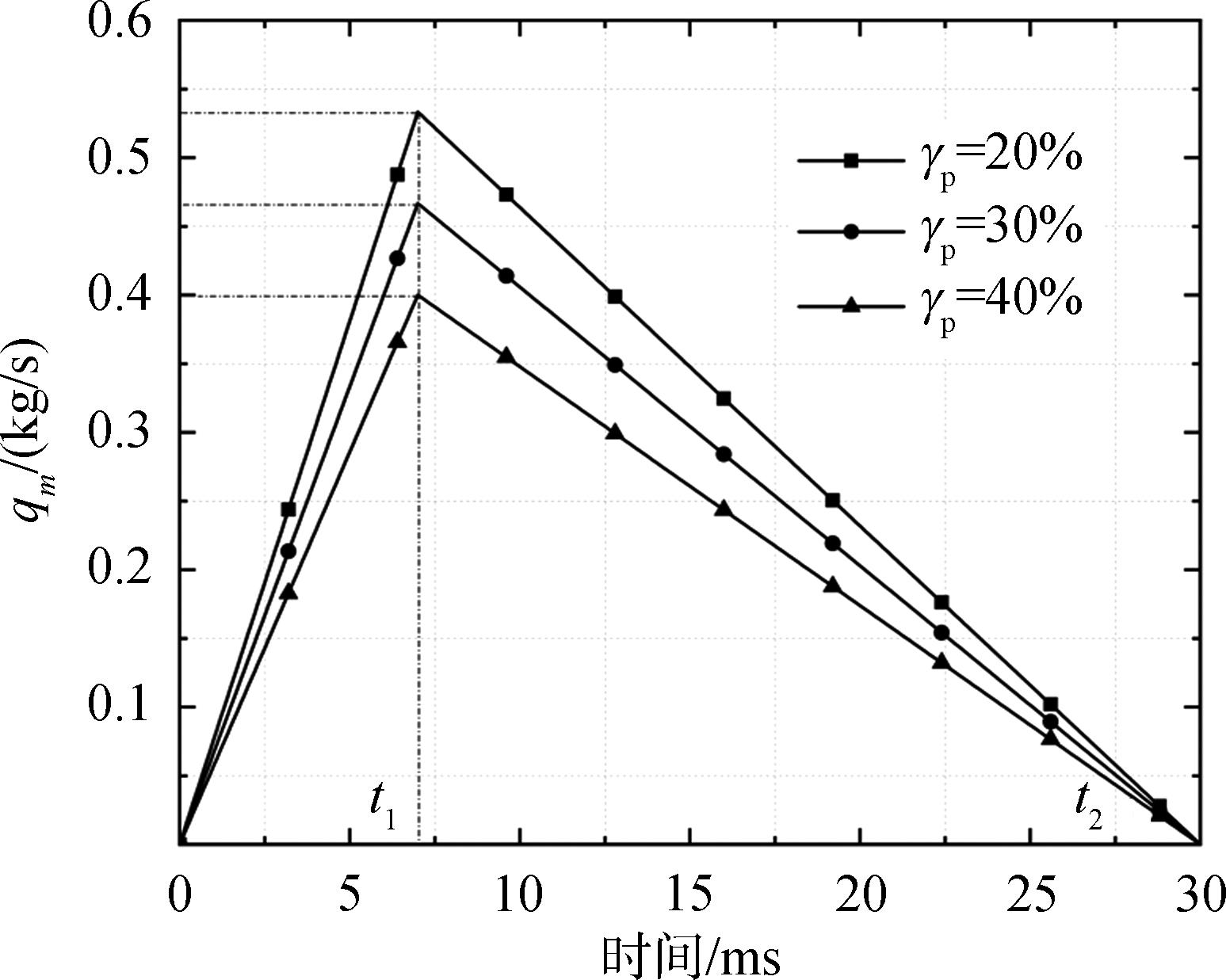
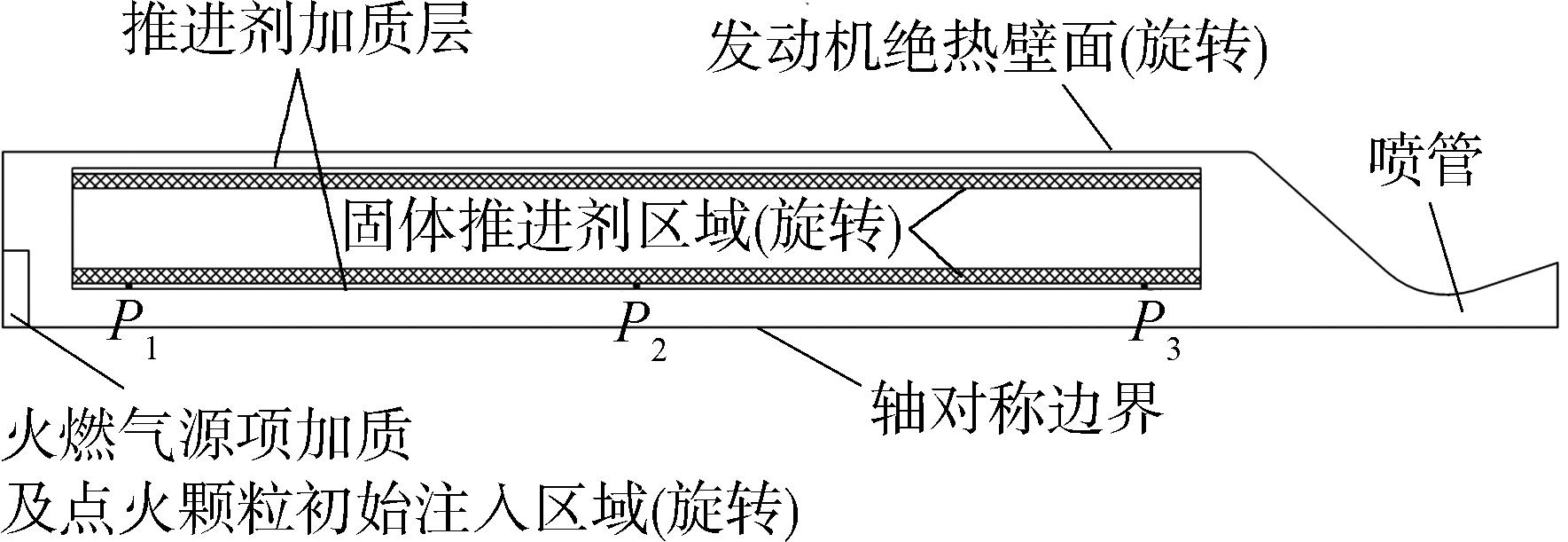
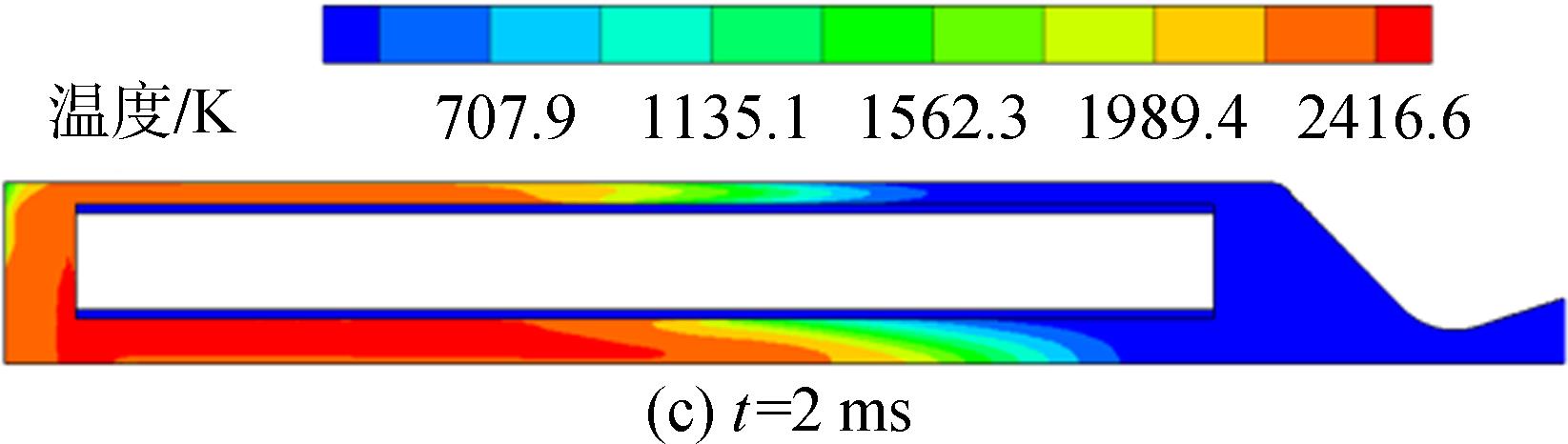
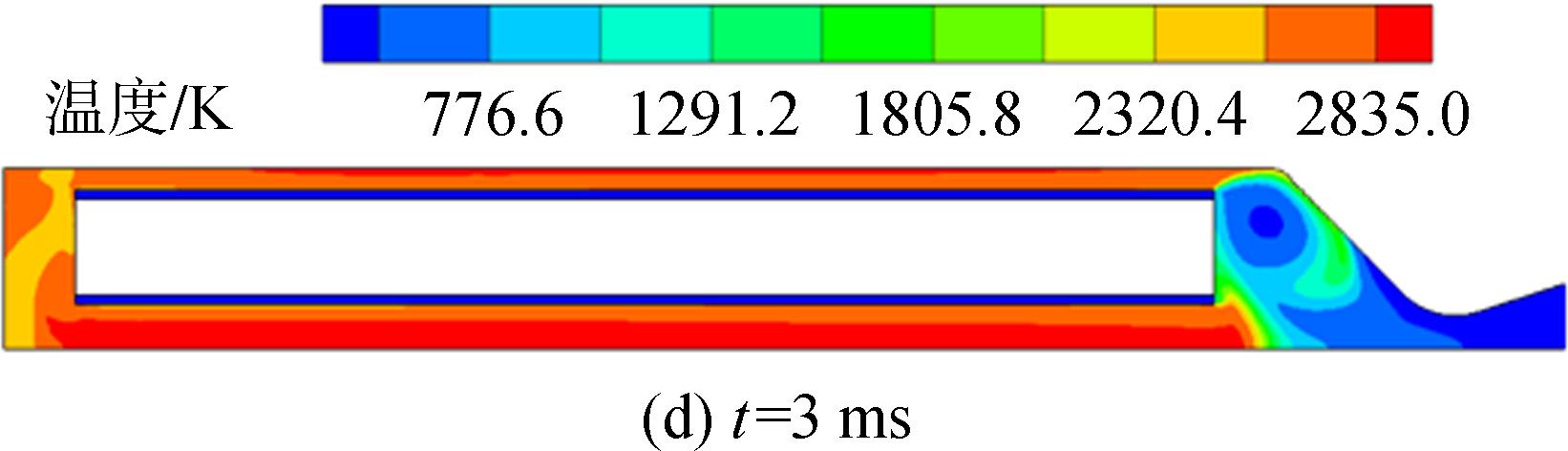
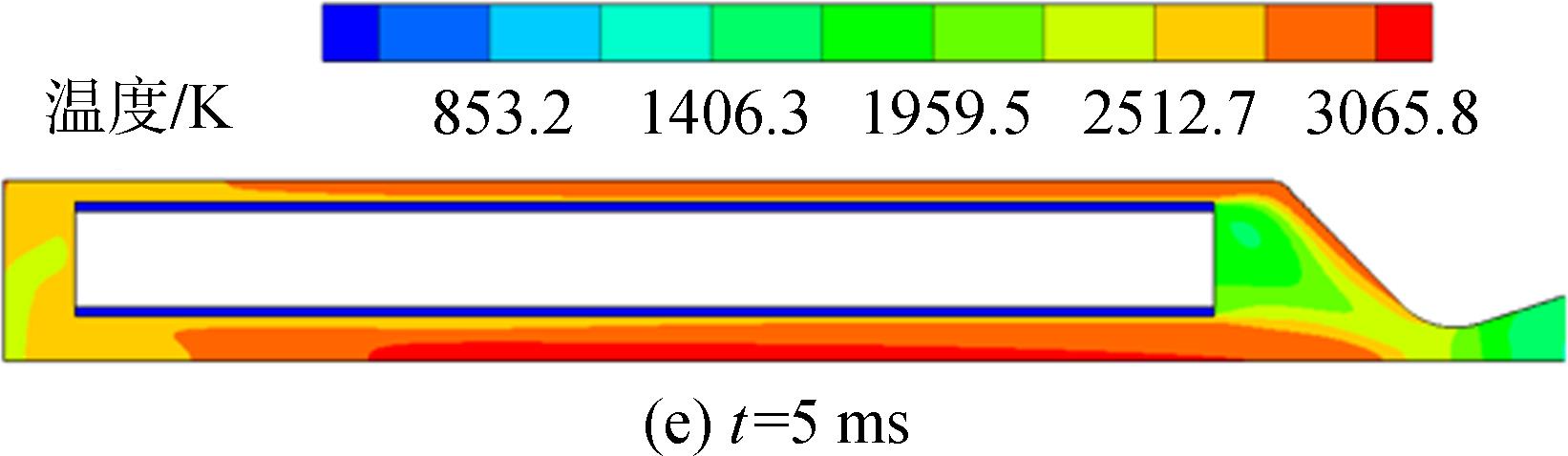
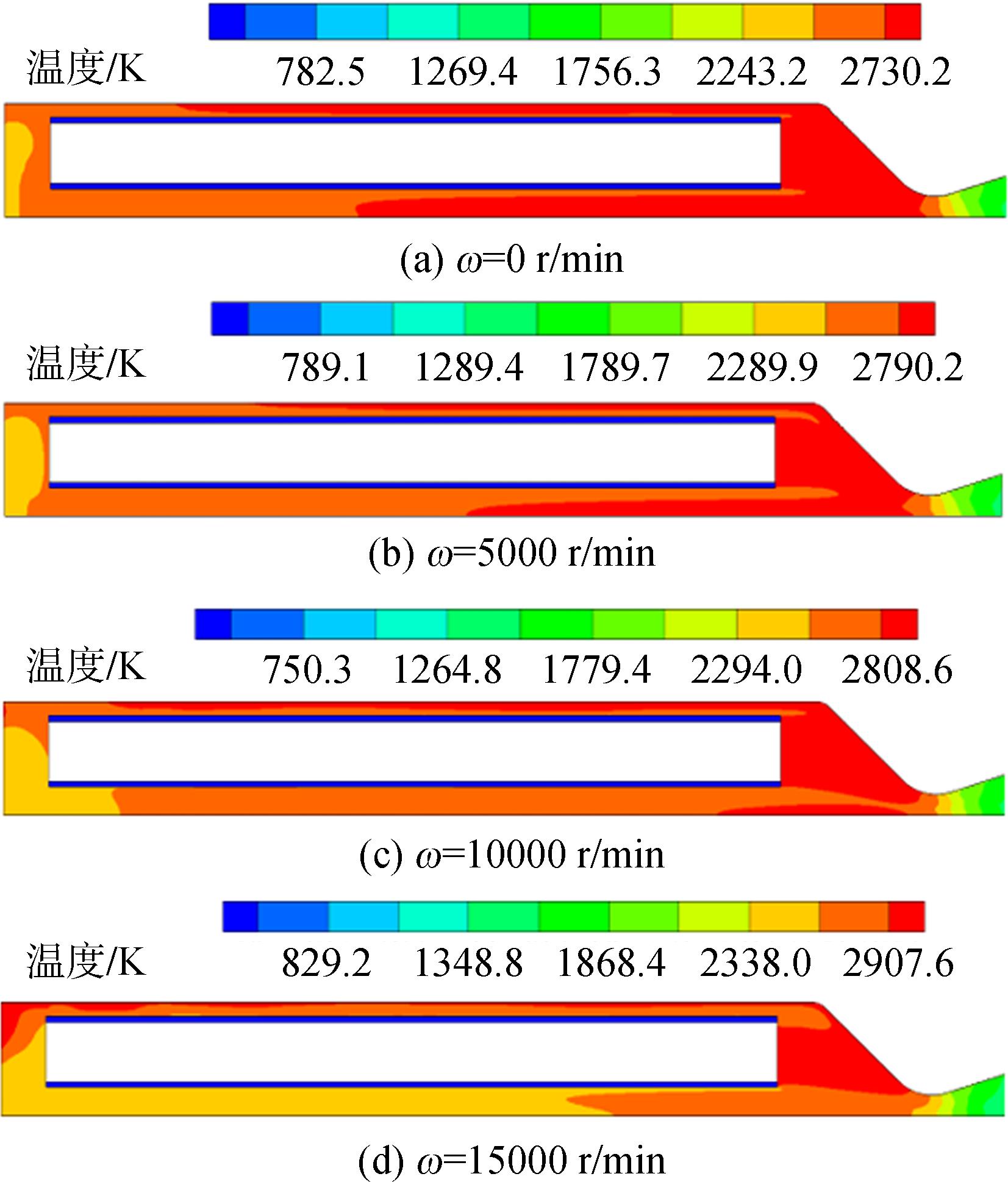
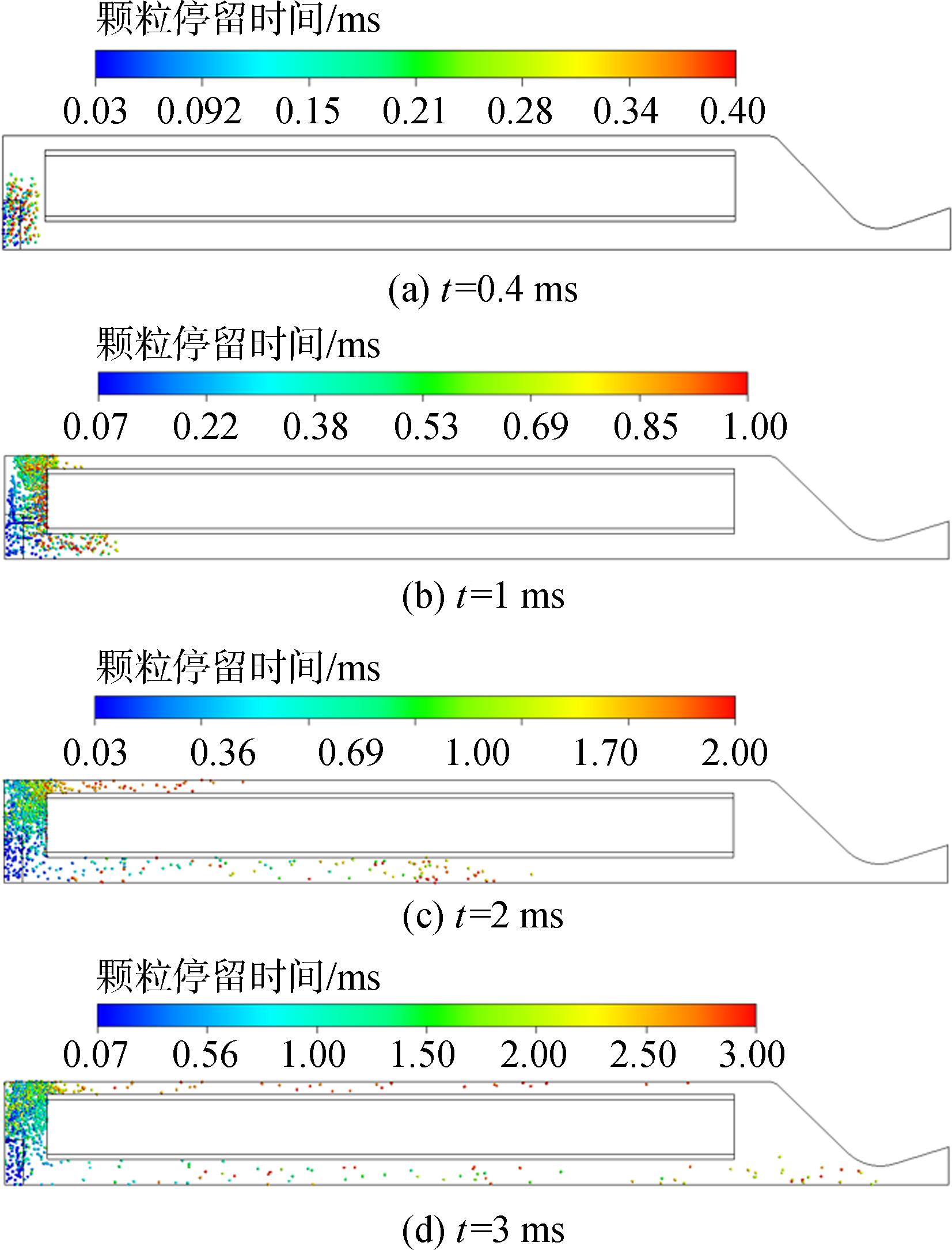
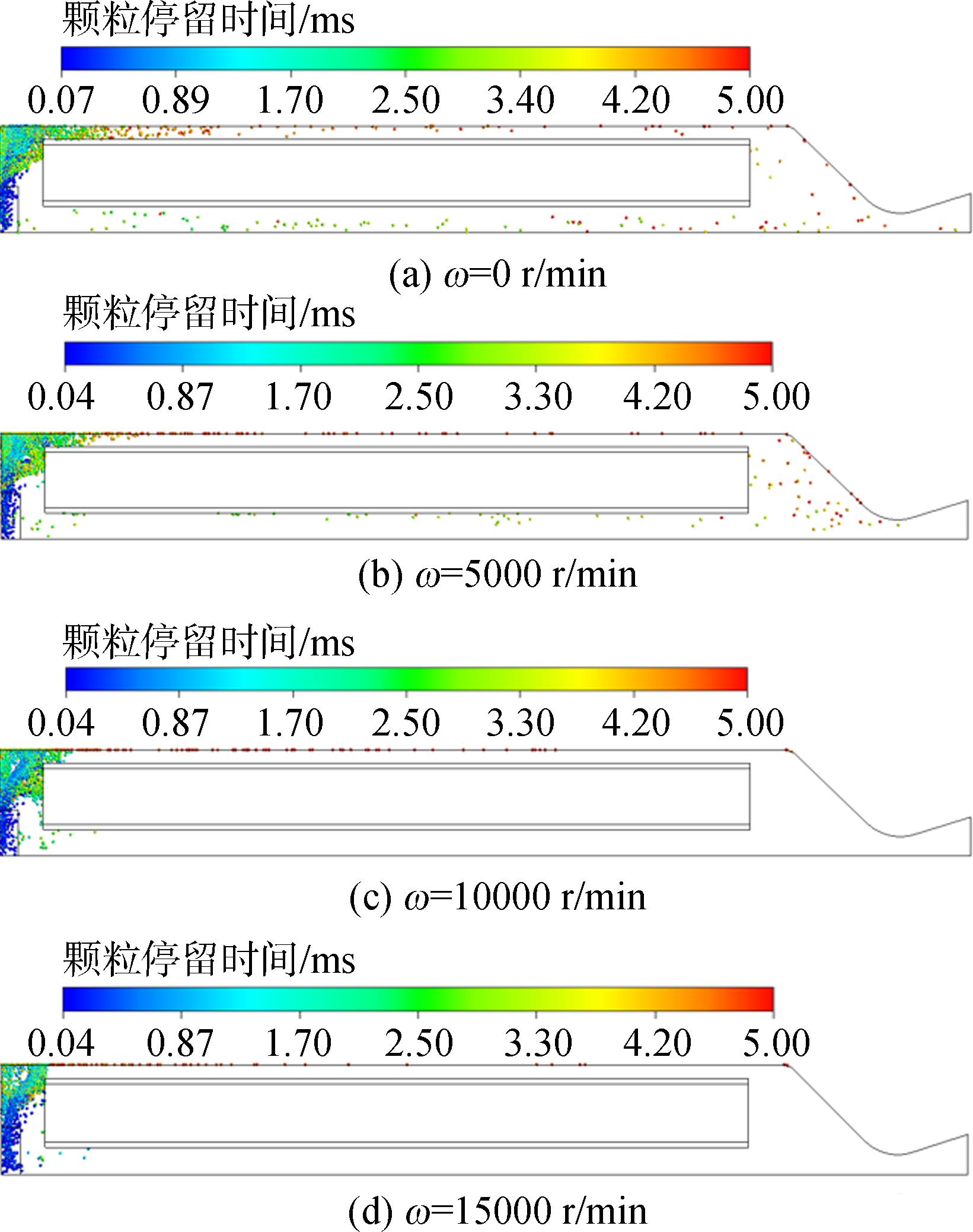
In order to study the influence law of high⁃speed spin on condensed phase ignition transient process of solid rocket motor with internal and external burning tubular propellants,the ignition model of solid rocket motor was established by the user defined function (UDF) of computational fluid dynamics (CFD) software,and the ignition process of condensed phase was simulated under the condition of spin.The correctness of the numerical model was verified by comparing the numerical results with the interior ballistics ground spin test results.The results showed that:(1) a large number of particles gathered at the front end of the combustion chamber due to the centrifugal motion of igniter gas particles,and some particles adhered to the solid rocket motor wall for a long time.(2) The particle ratio increased from 20% to 40%,and the ignition pressure peak decreased by 3.93%.The increase of solid rocket motor spin speed could lead to the increase of internal ballistic equilibrium pressure,but the ignition pressure peak gradually decreased,and the appearance time of pressure peak was delayed.When the spin speed reaching 15 000 r/min,the ignition pressure peak disappeared.(3) With the increase of spin speed,the heat transfer between ignition particles and propellant increased,the flame⁃spread period decreased,but the chamber⁃filling period and ignition delay increased.Compared with static condition the ignition delay increased by 23.76% at 15 000 r/min when the particle ratio was 20%.

Aerothermodynamics and Aeroengine Design
Preliminary aerodynamic exploration for bioinspired separated flow airfoil at low Reynolds number
ZHANG Qing, XUE Rongrong, MA Haotong
2022, 37(7): 1516-1527. doi: 10.13224/j.cnki.jasp.20210154
Abstract:

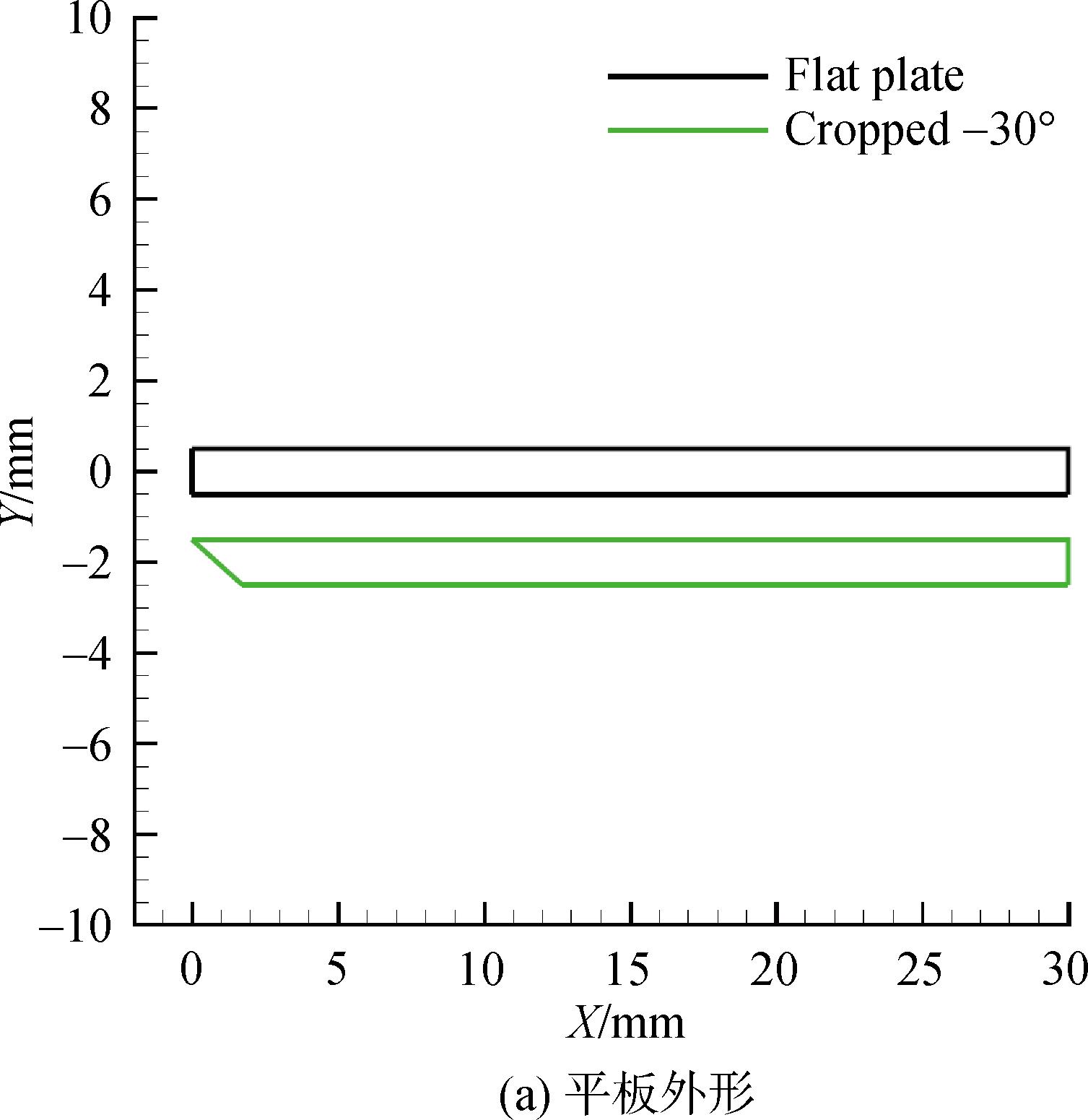
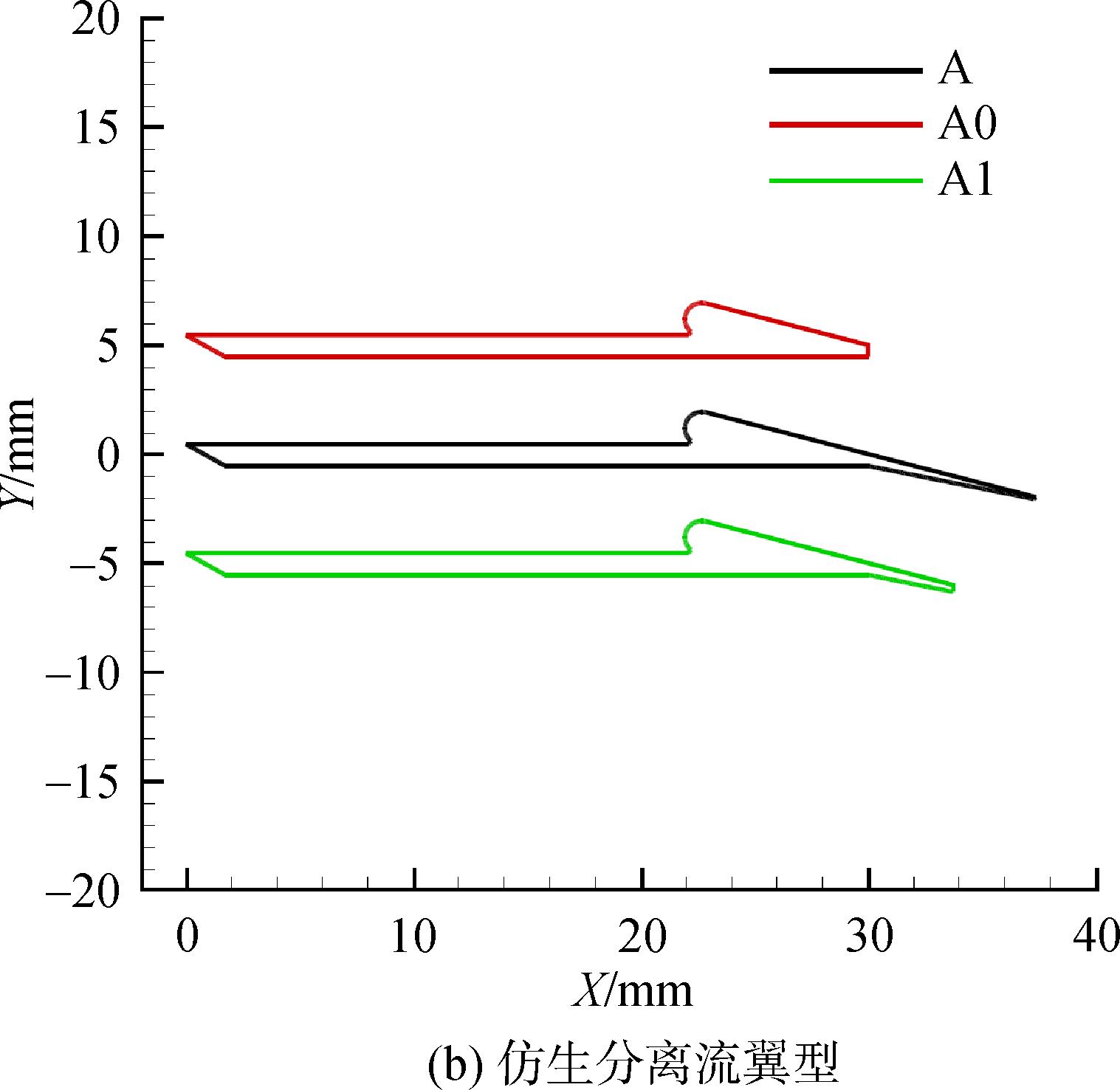
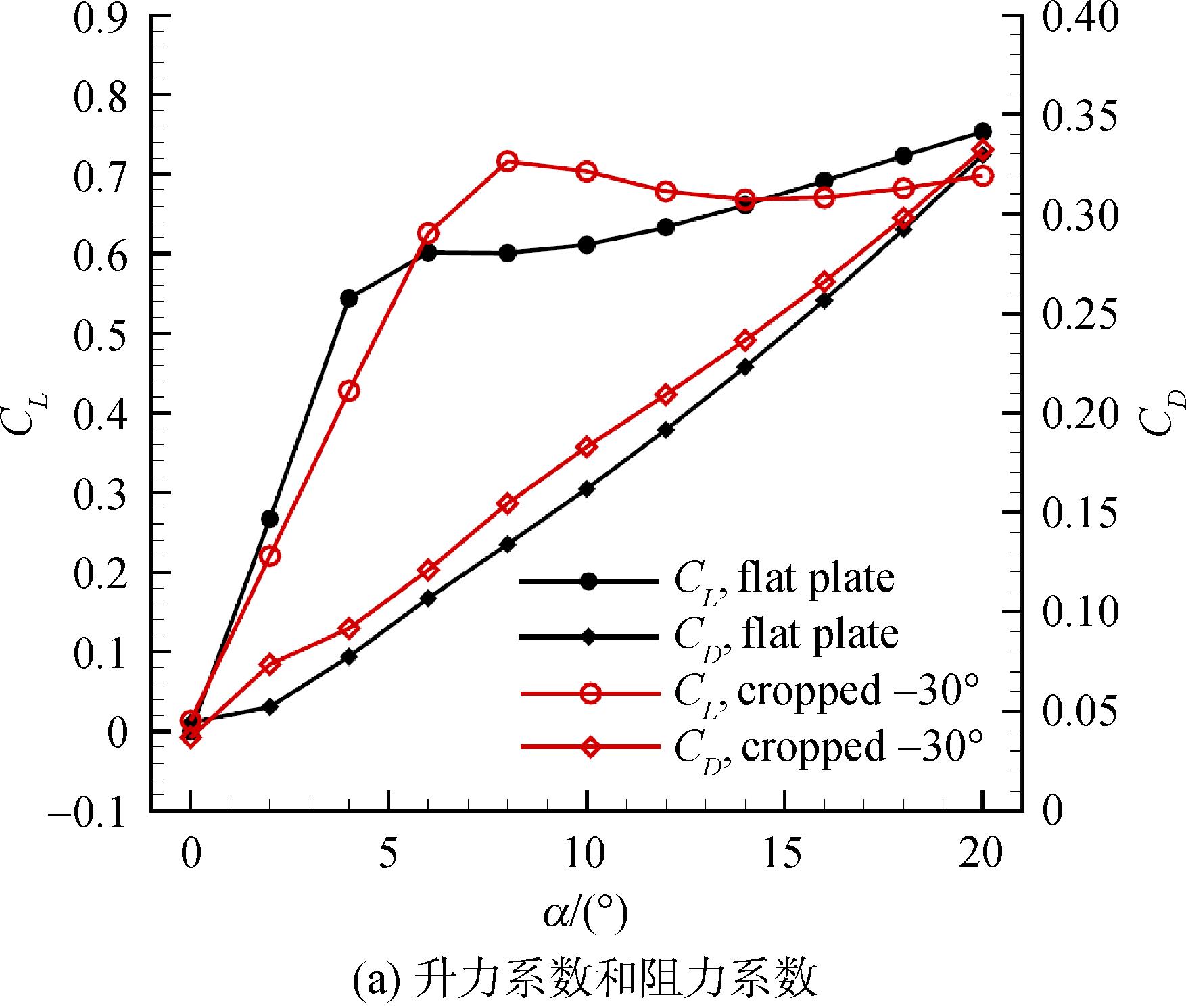
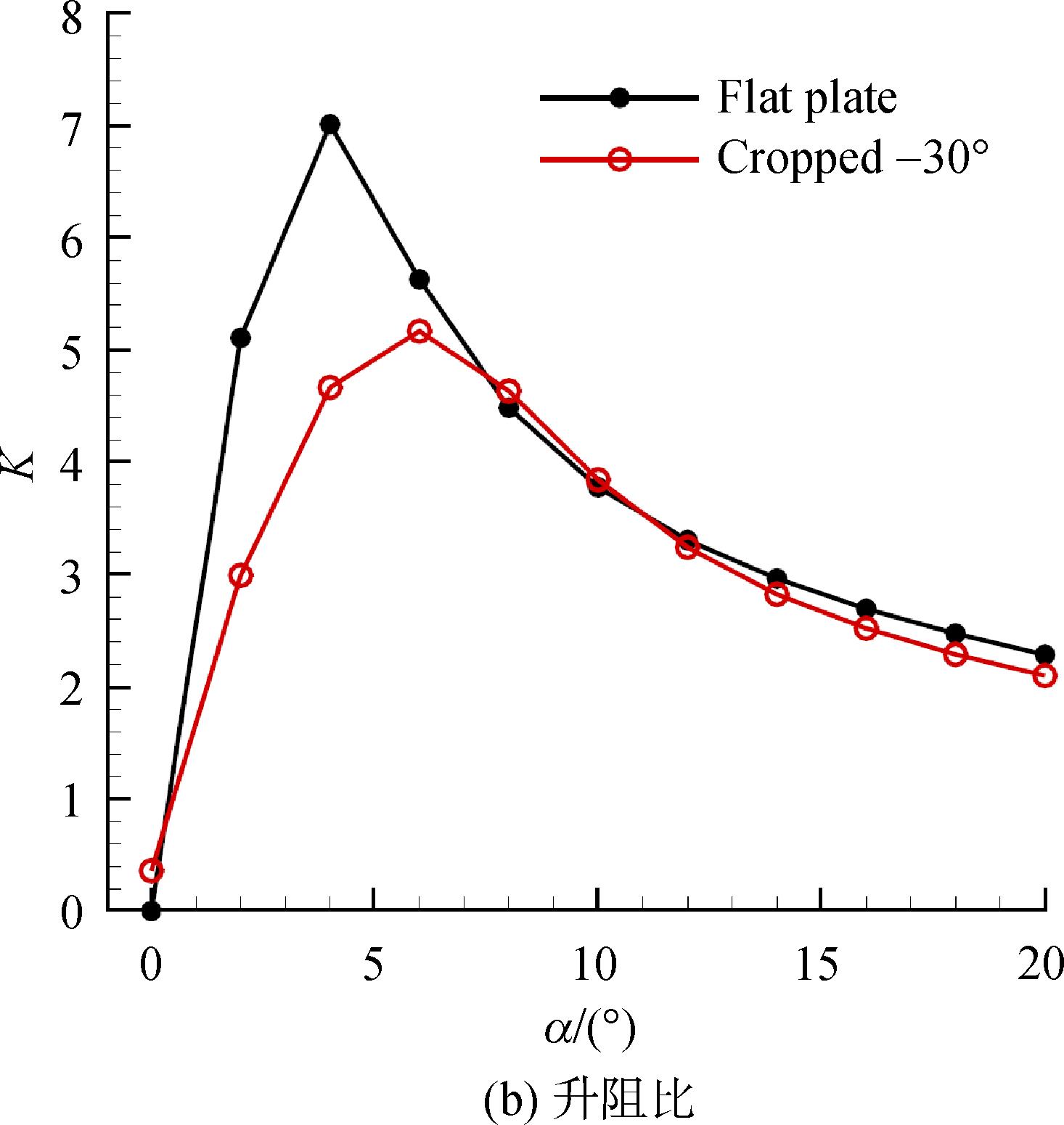
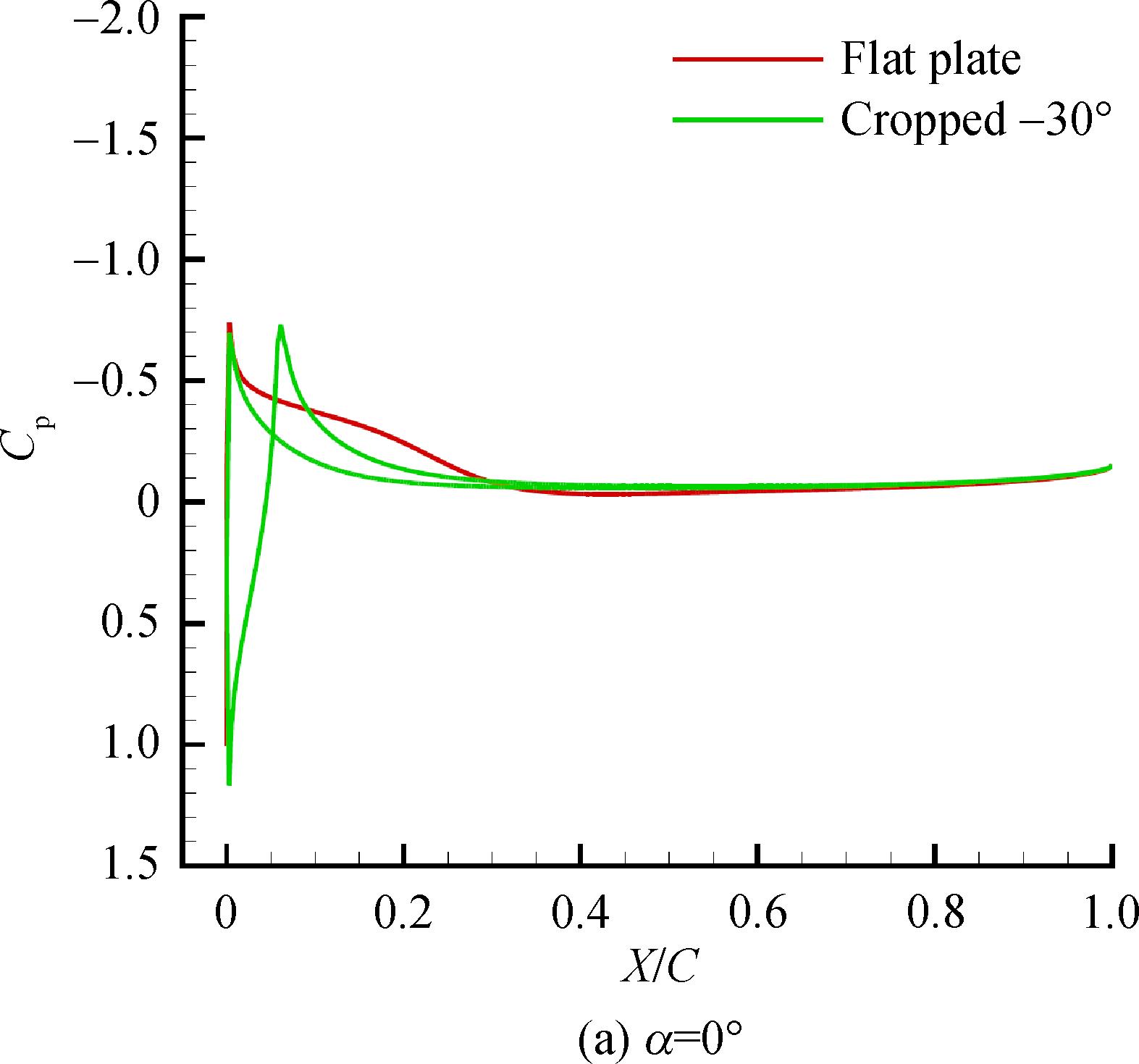
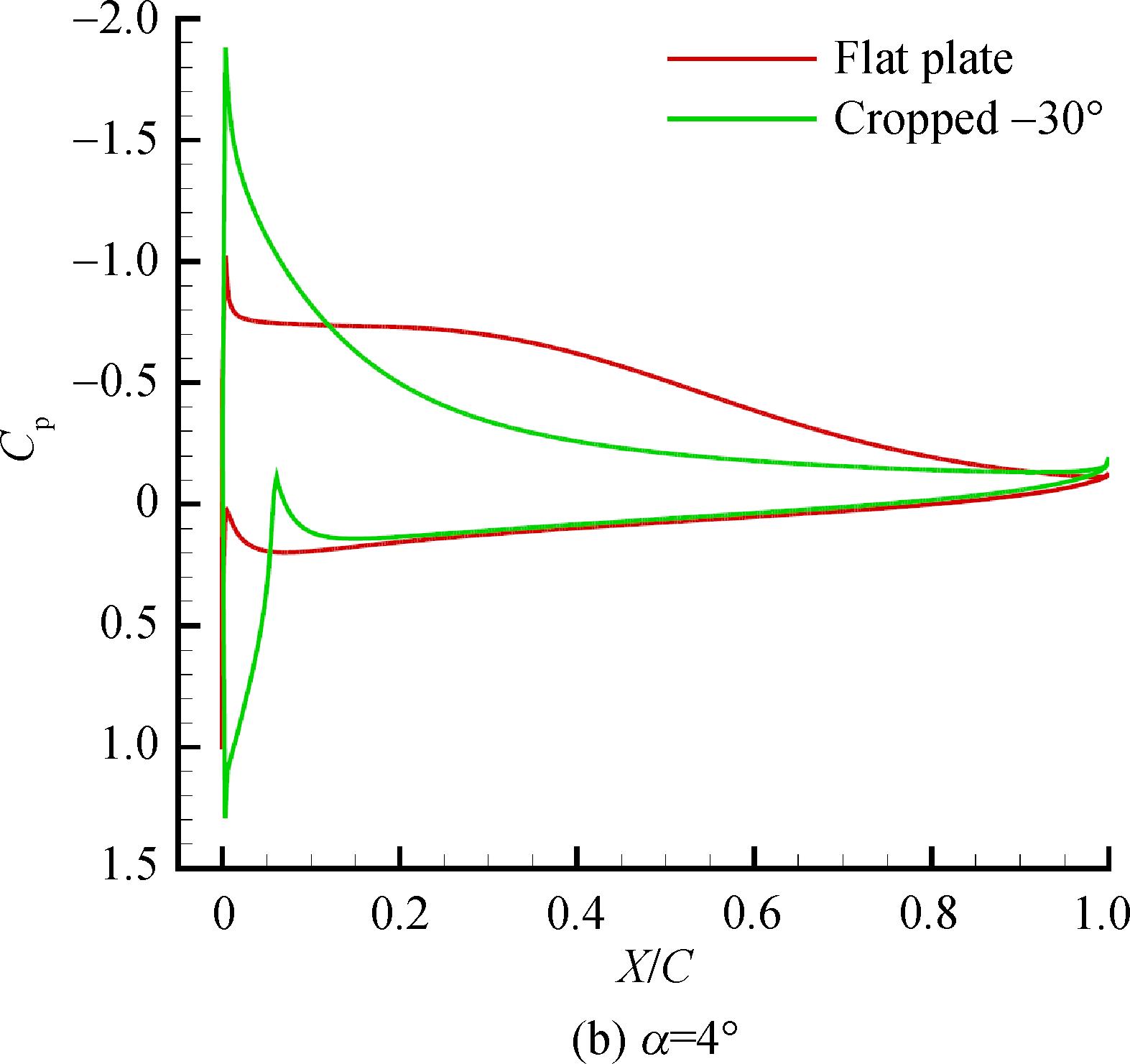
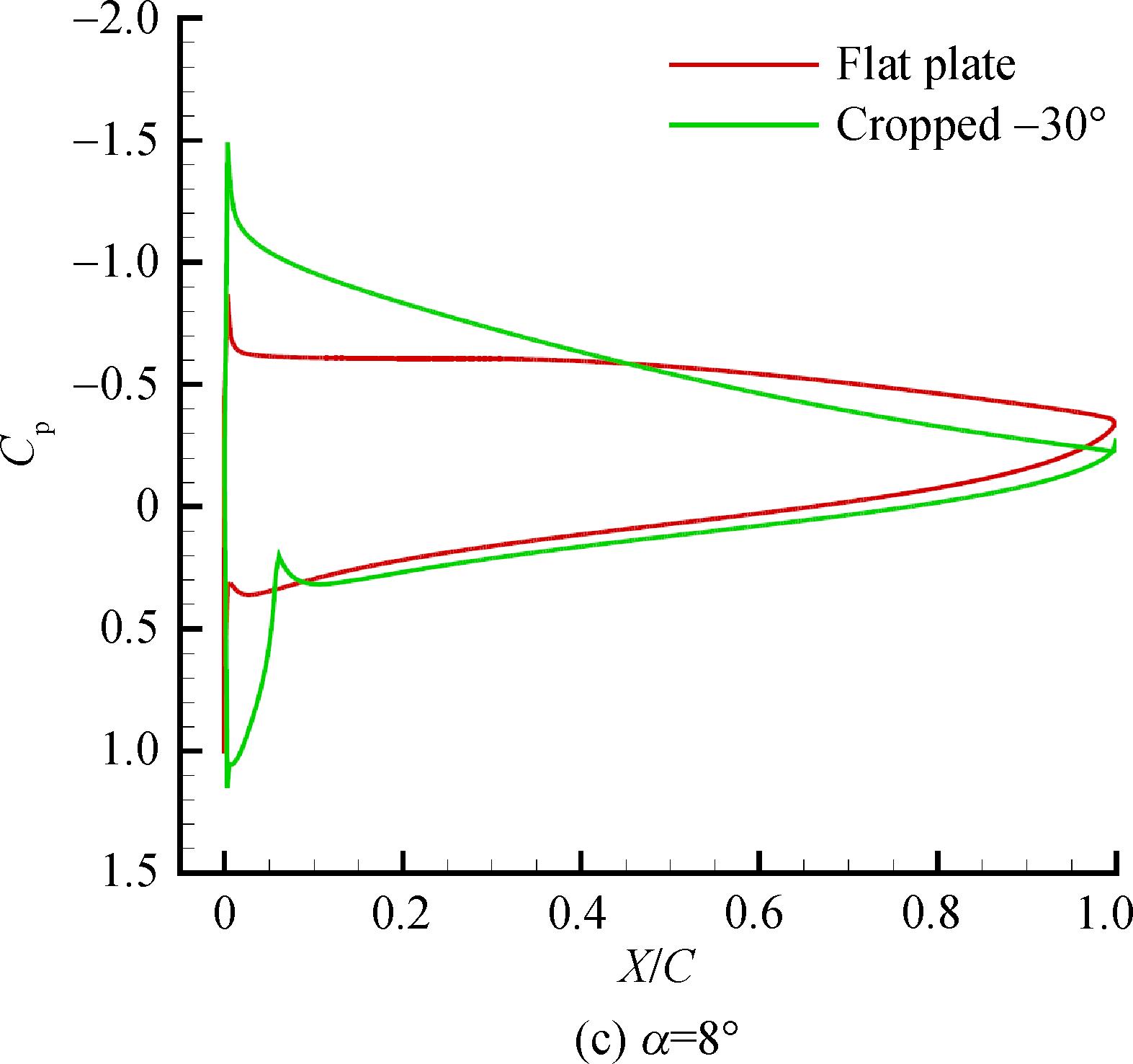
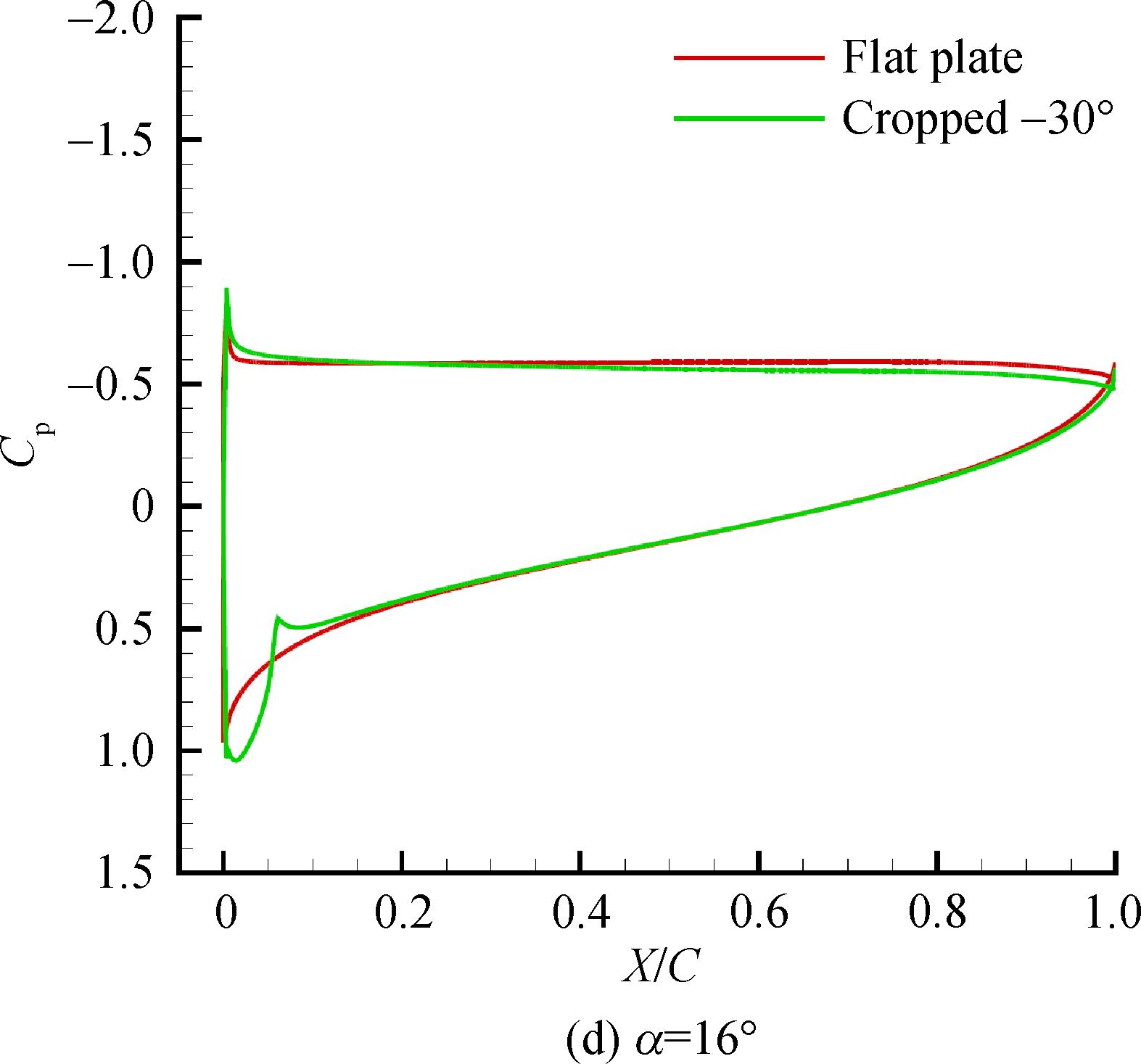
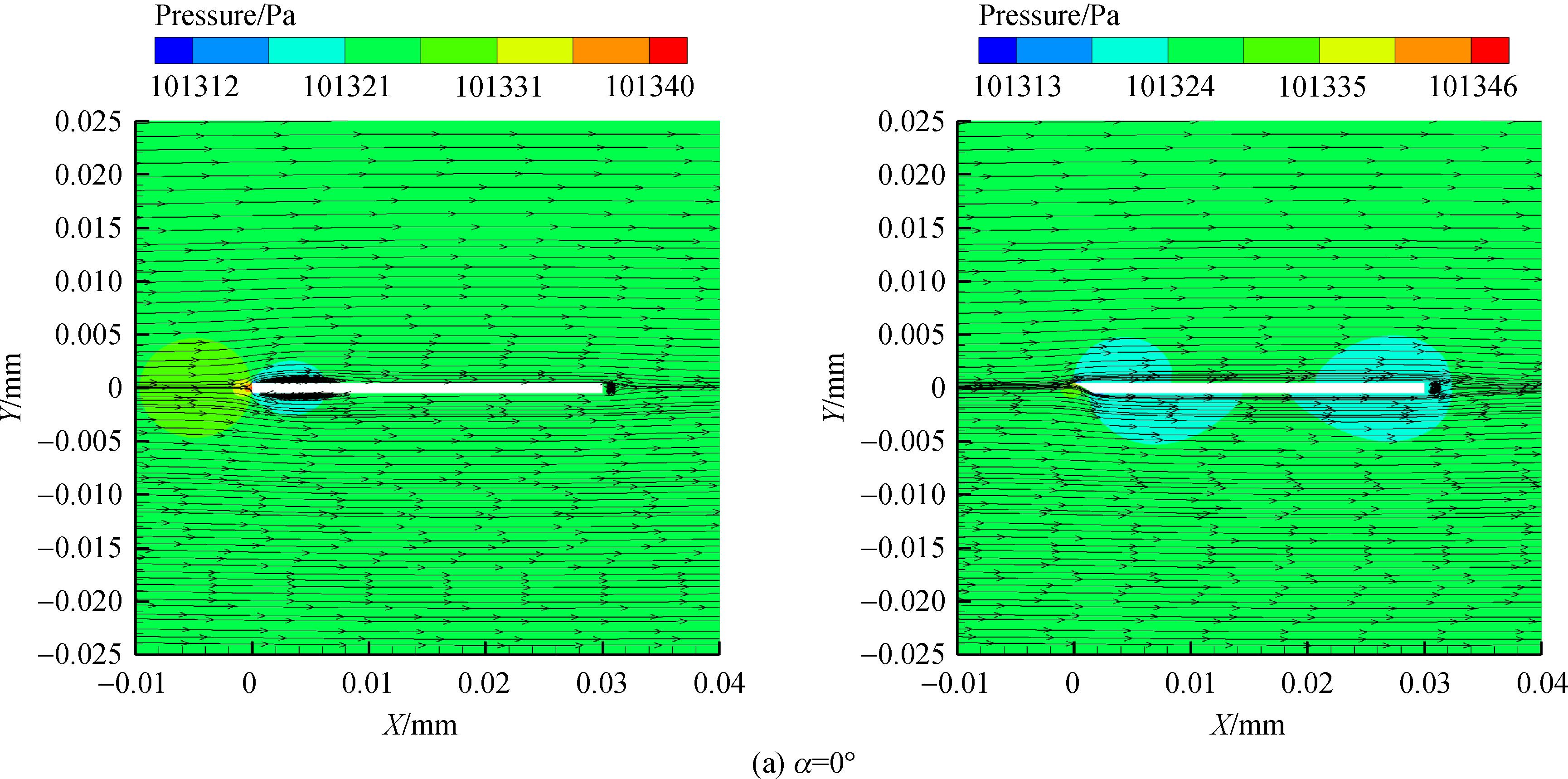
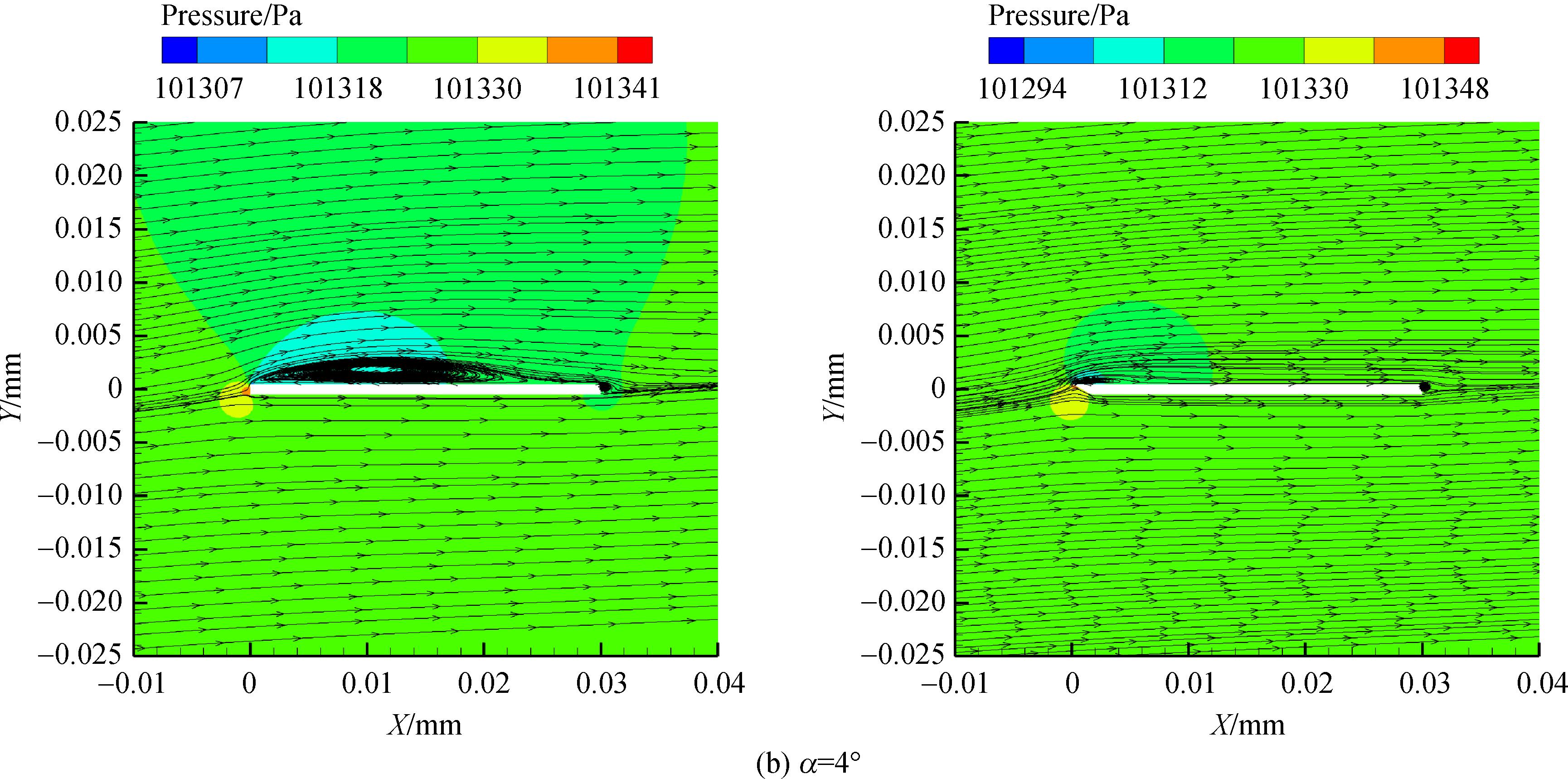
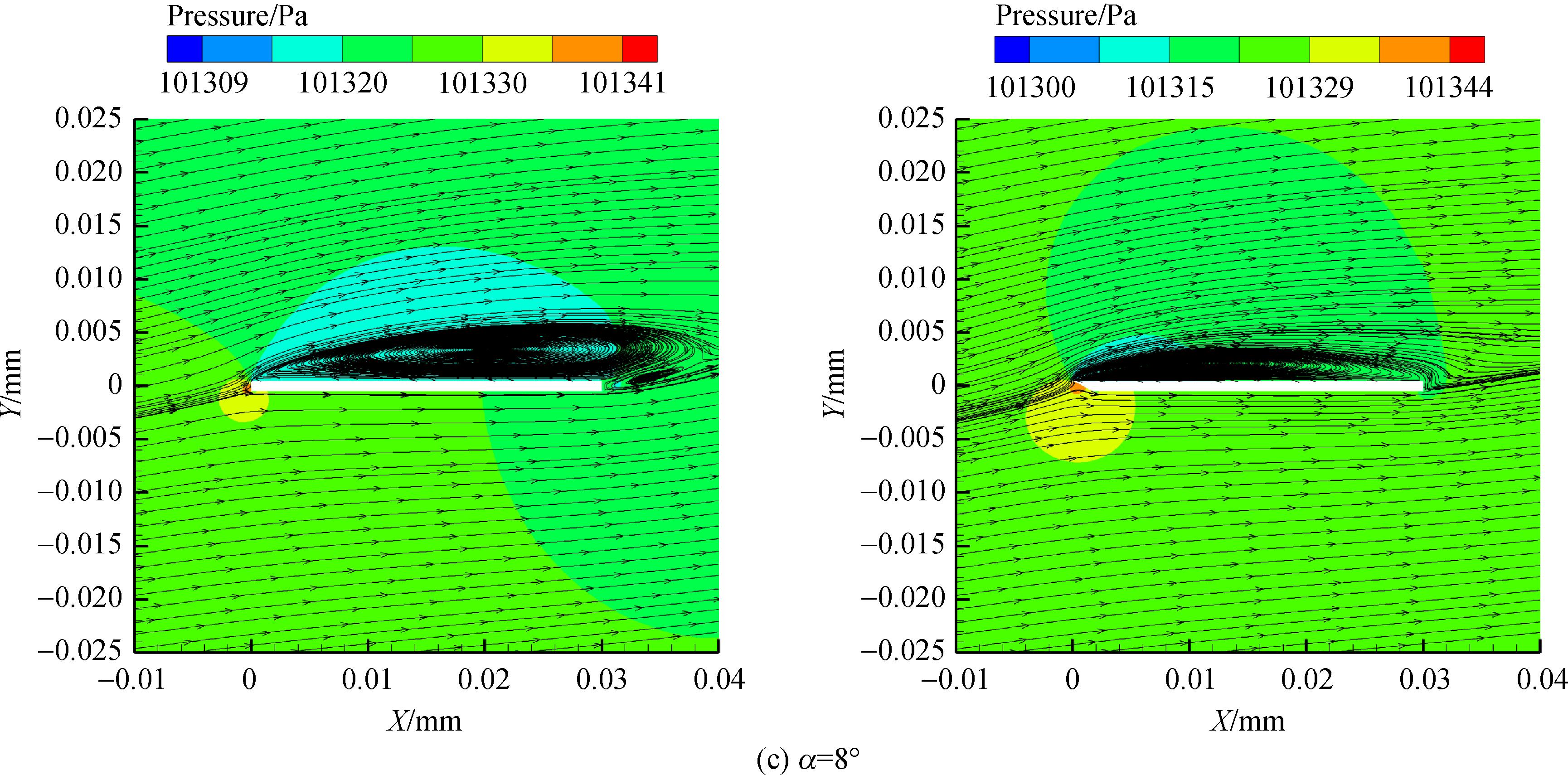
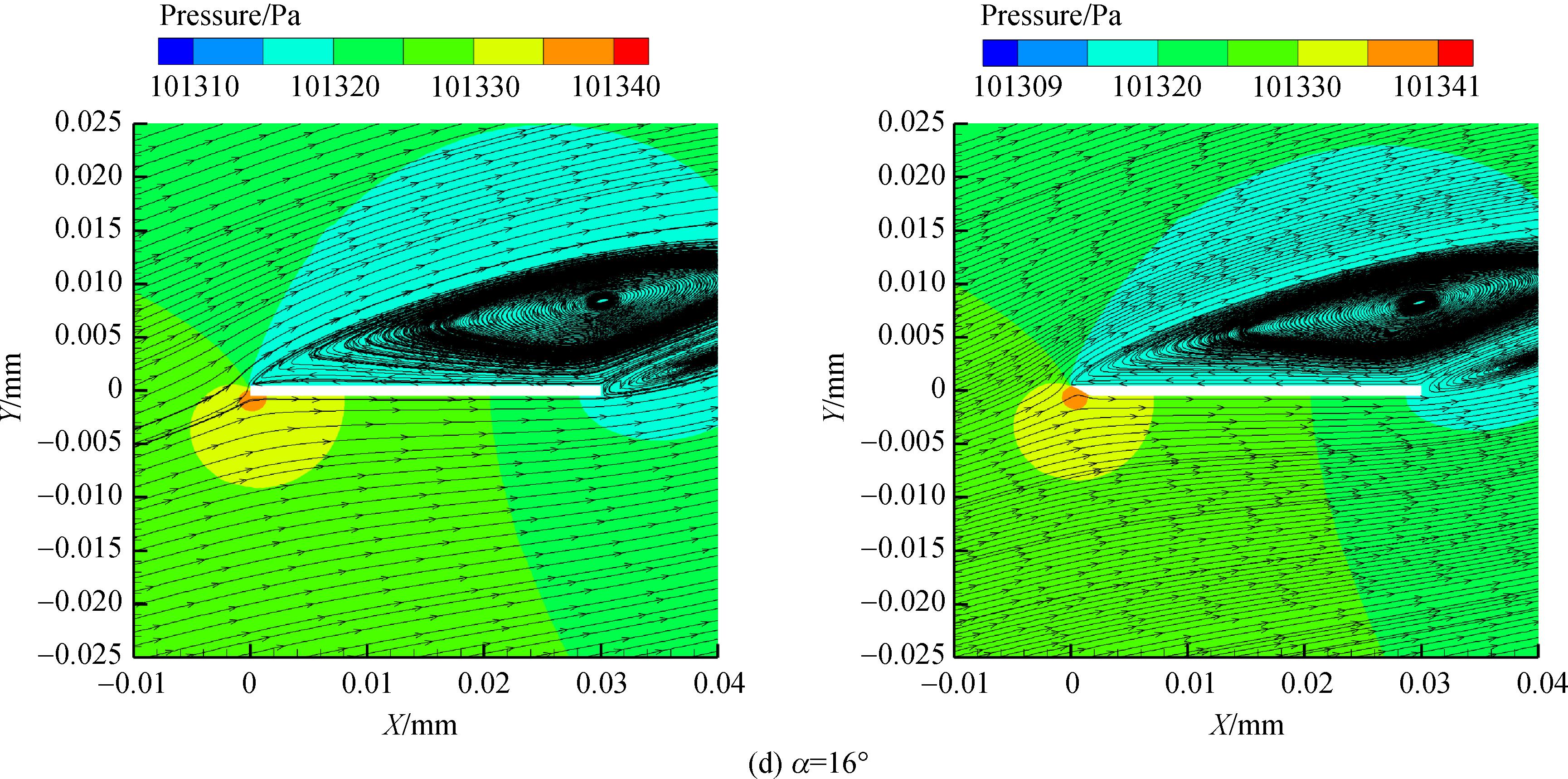
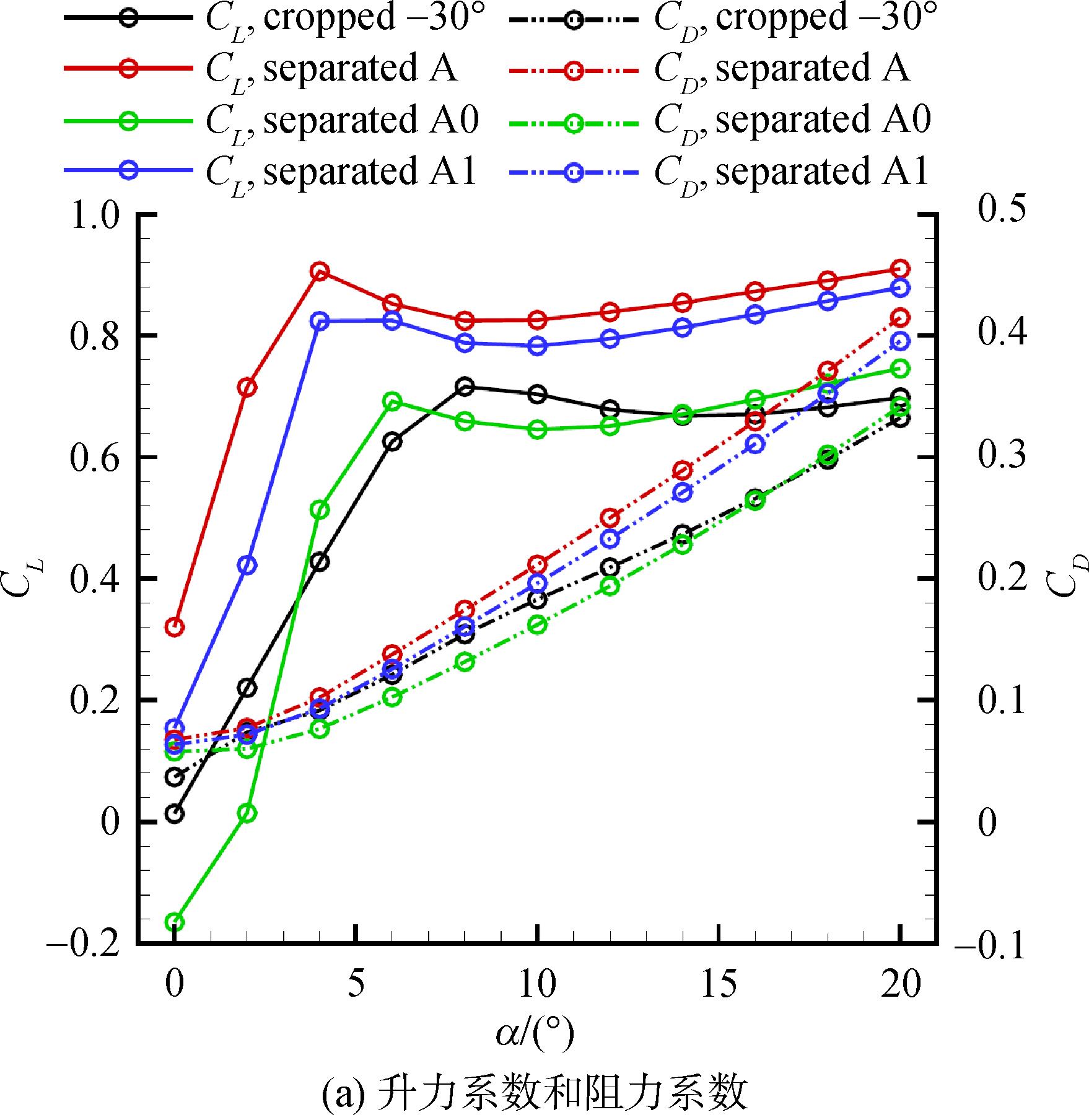
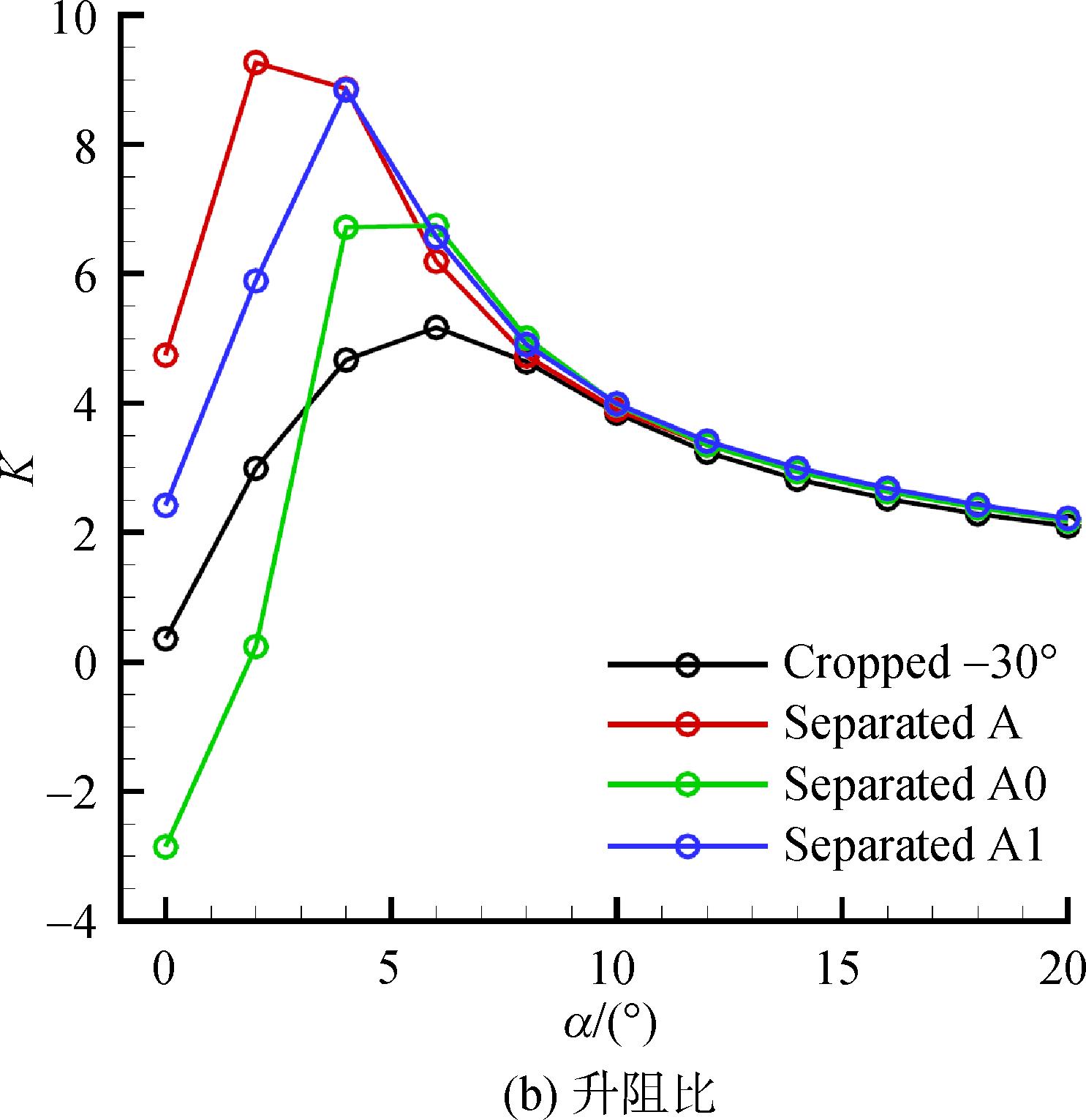
In order to explore the type of airfoil suitable for low Reynolds number micro aerial vehicles,based on the observation of the wing shape of natural birds and insects during gliding flight in nature,a bioinspired separated flow airfoil composed of a sharpened leading edge flat plate and a circular arc airfoil was designed.Computational results demonstrated that the flow was forced to be separated at the sharp leading edge to generate low pressure flow and then be reattached at the upper surface of the rear arc airfoil to form stable low pressure vortical flow,thus high aerodynamic efficiency and strong turbulence resistance could be achieved.The separation could be fixed at the sharp leading edge point for upper⁃cropped flat plate.Compared with the single cropped flat plate,the lift coefficient of the bioinspired separated flow  airfoil was improved significantly,by 112% at angle of attack 4°.In addition,the bioinspired separated flow airfoil can maintain high lift within a wide range of angle of attack between 4° and 20°,but the aerodynamic efficiency was higher at angles of attack lower than 4° because the drag increased rapidly with the increase of the angle of attack.

Effects of porous media on rod⁃airfoil interaction noise
YANG Chenghao, FENG Heying, PENG Yehui, BAO Nüzi
2022, 37(7): 1528-1538. doi: 10.13224/j.cnki.jasp.20210270
Abstract:

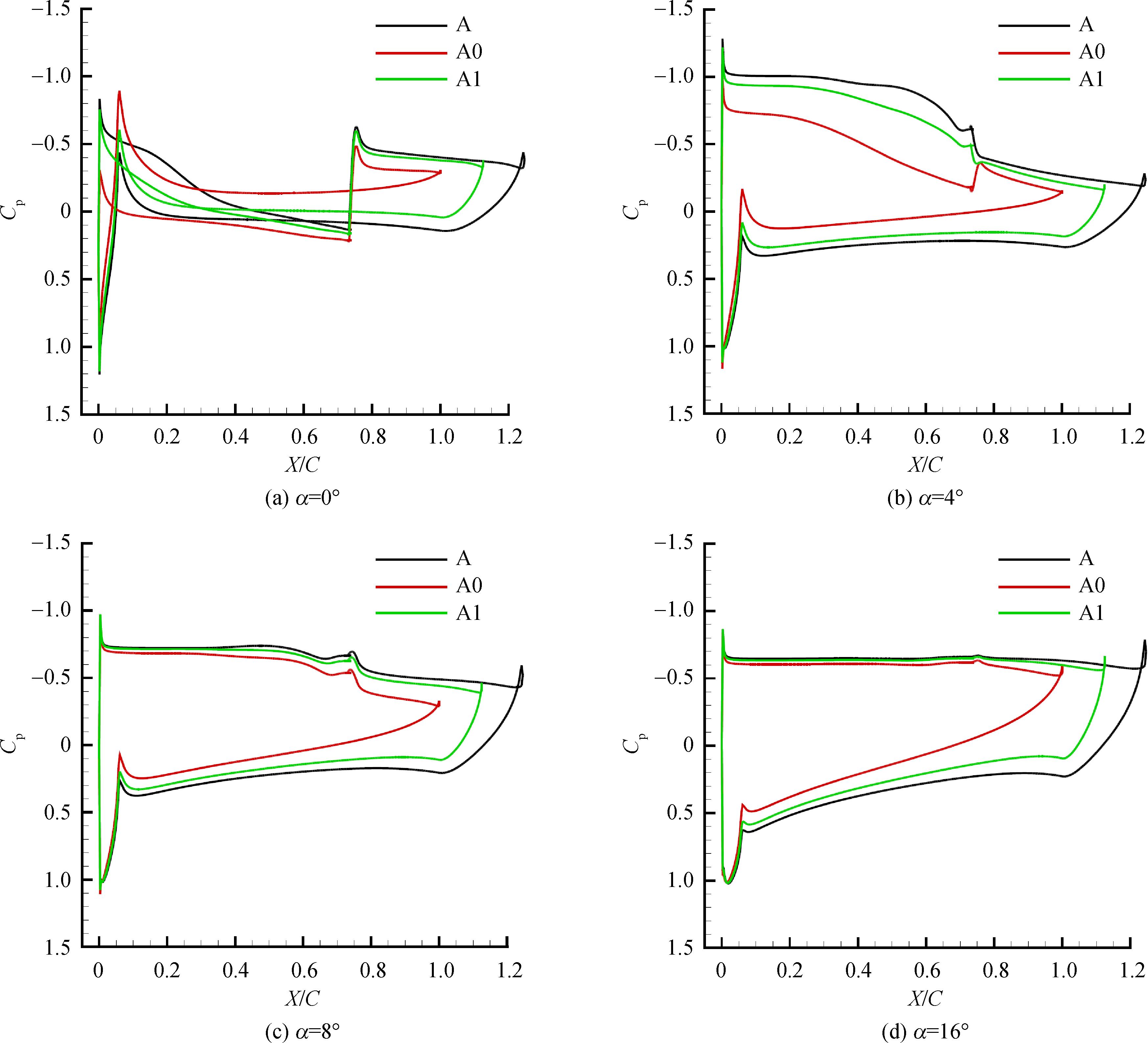
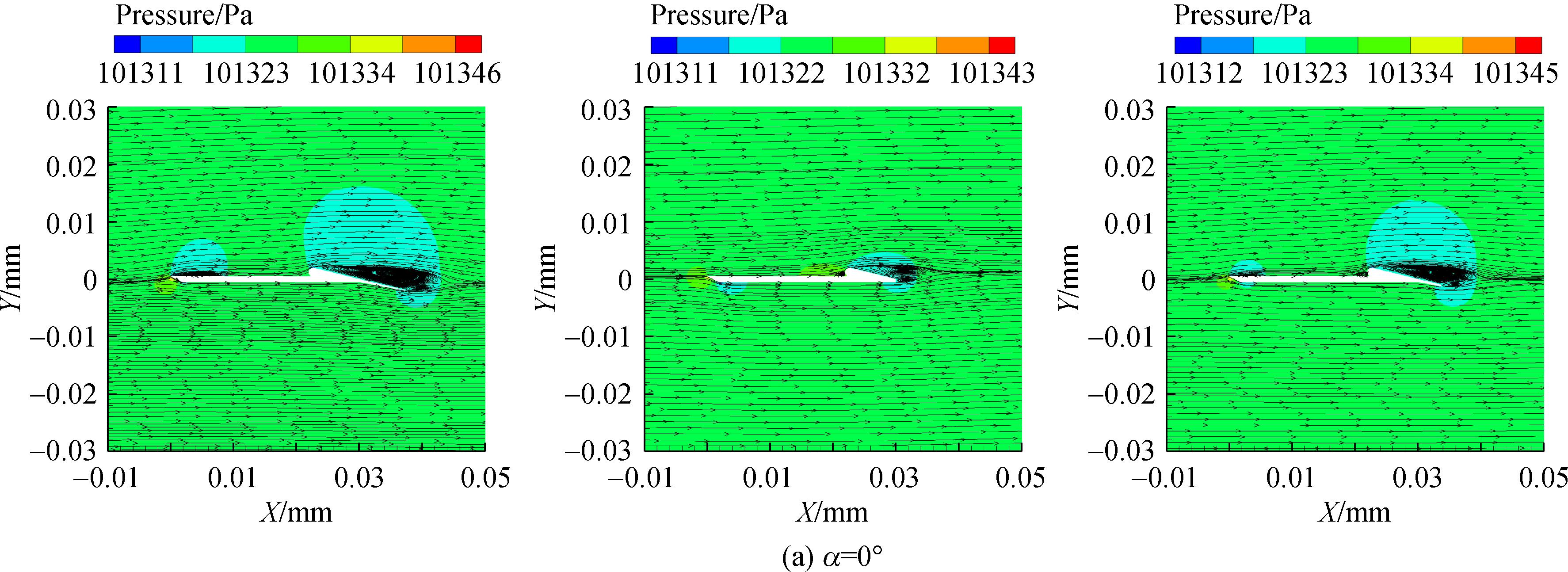
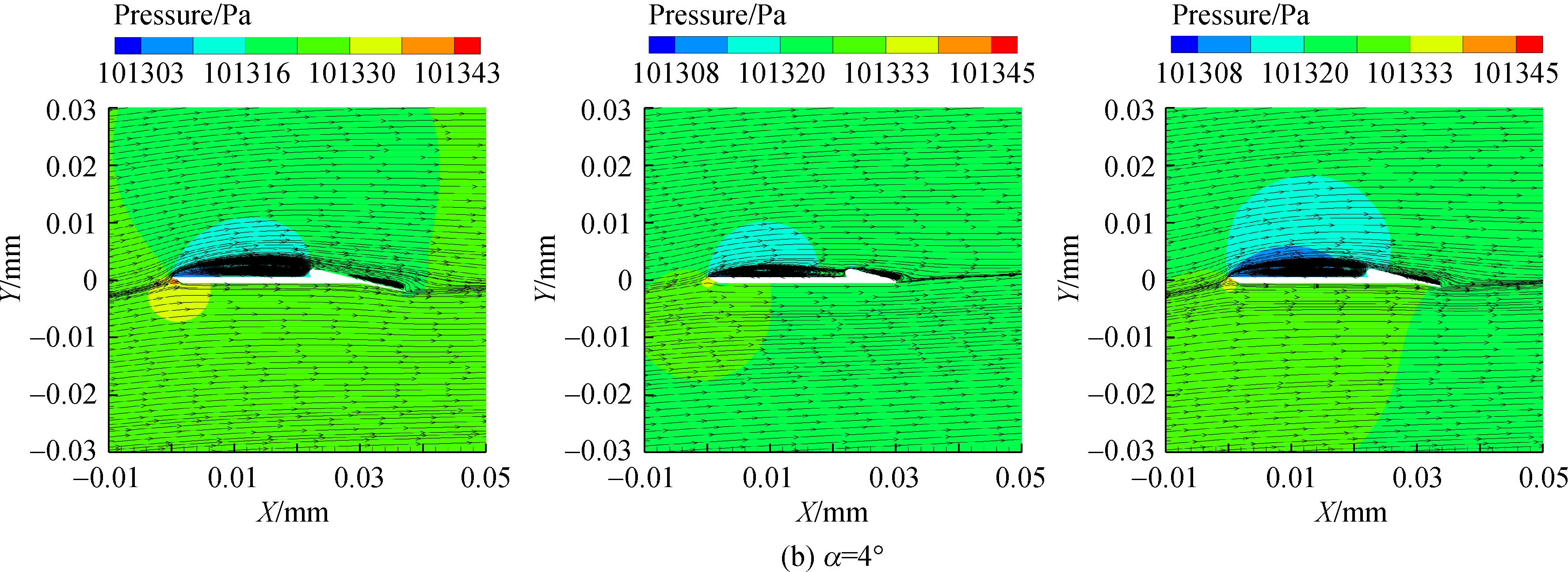
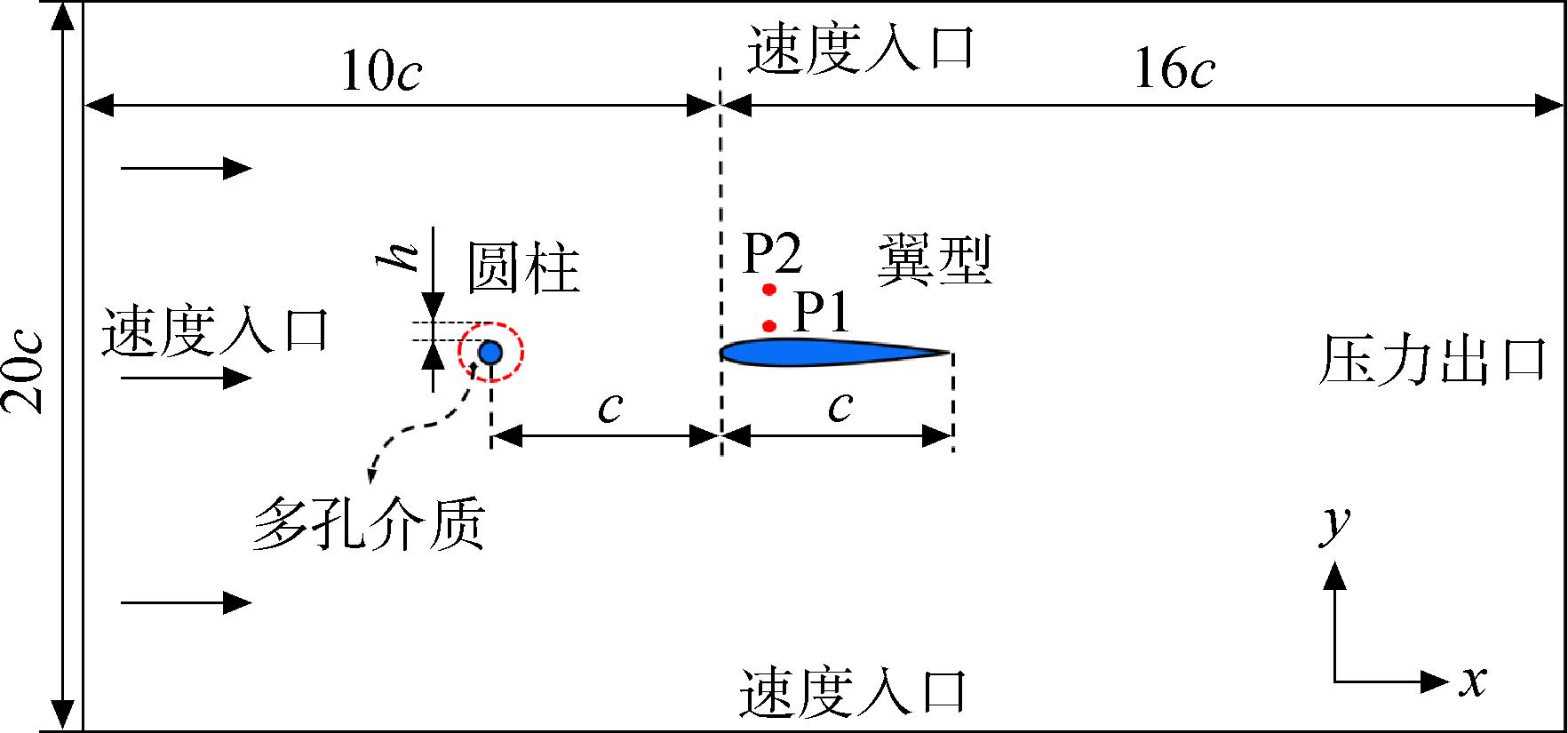
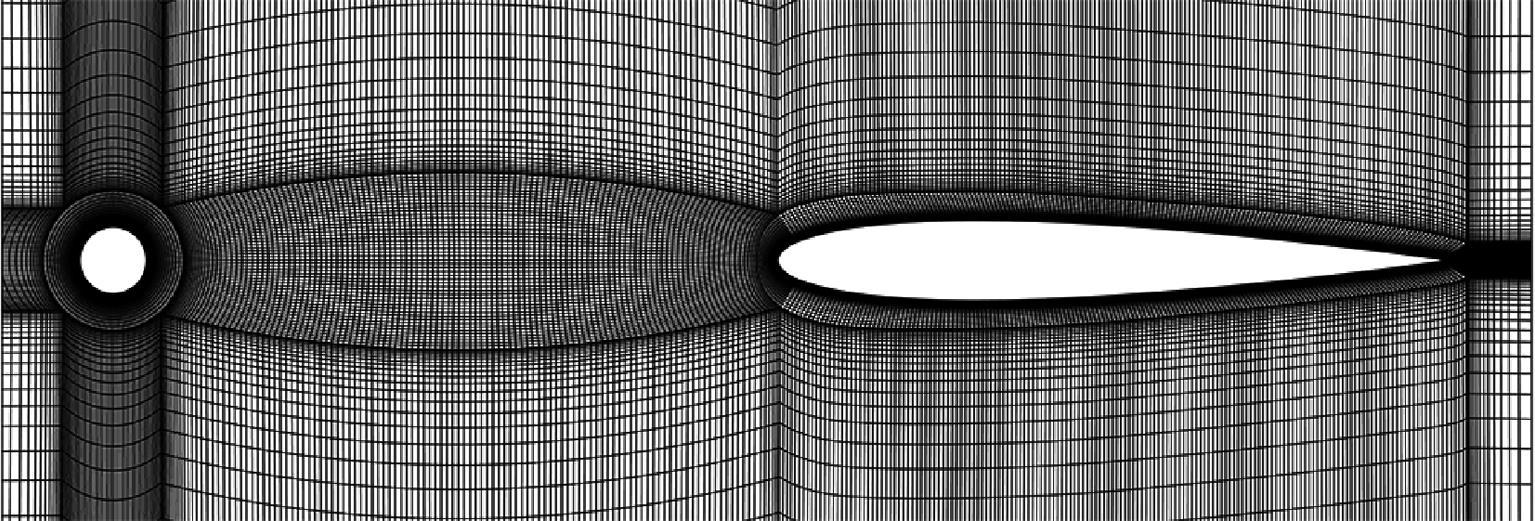
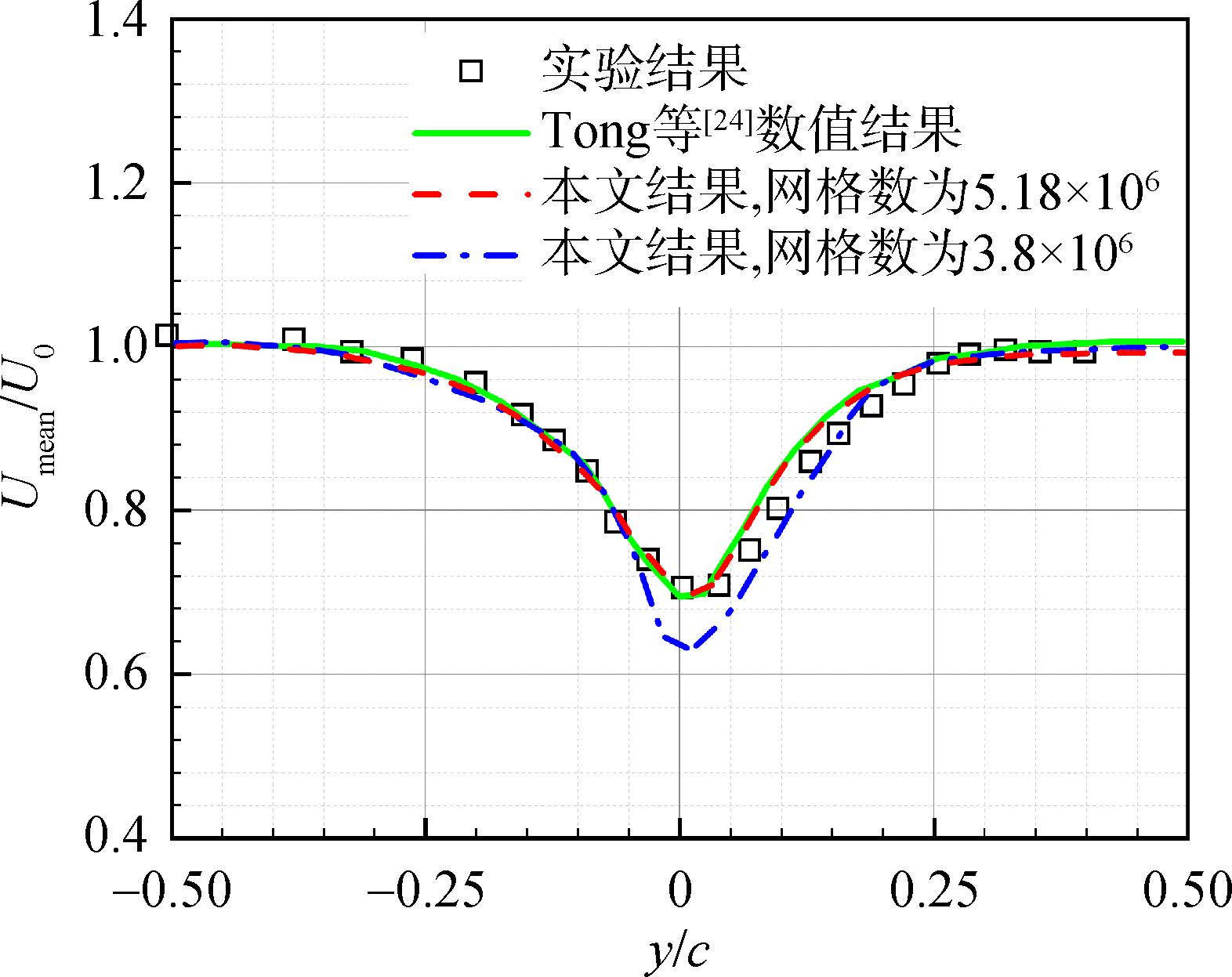
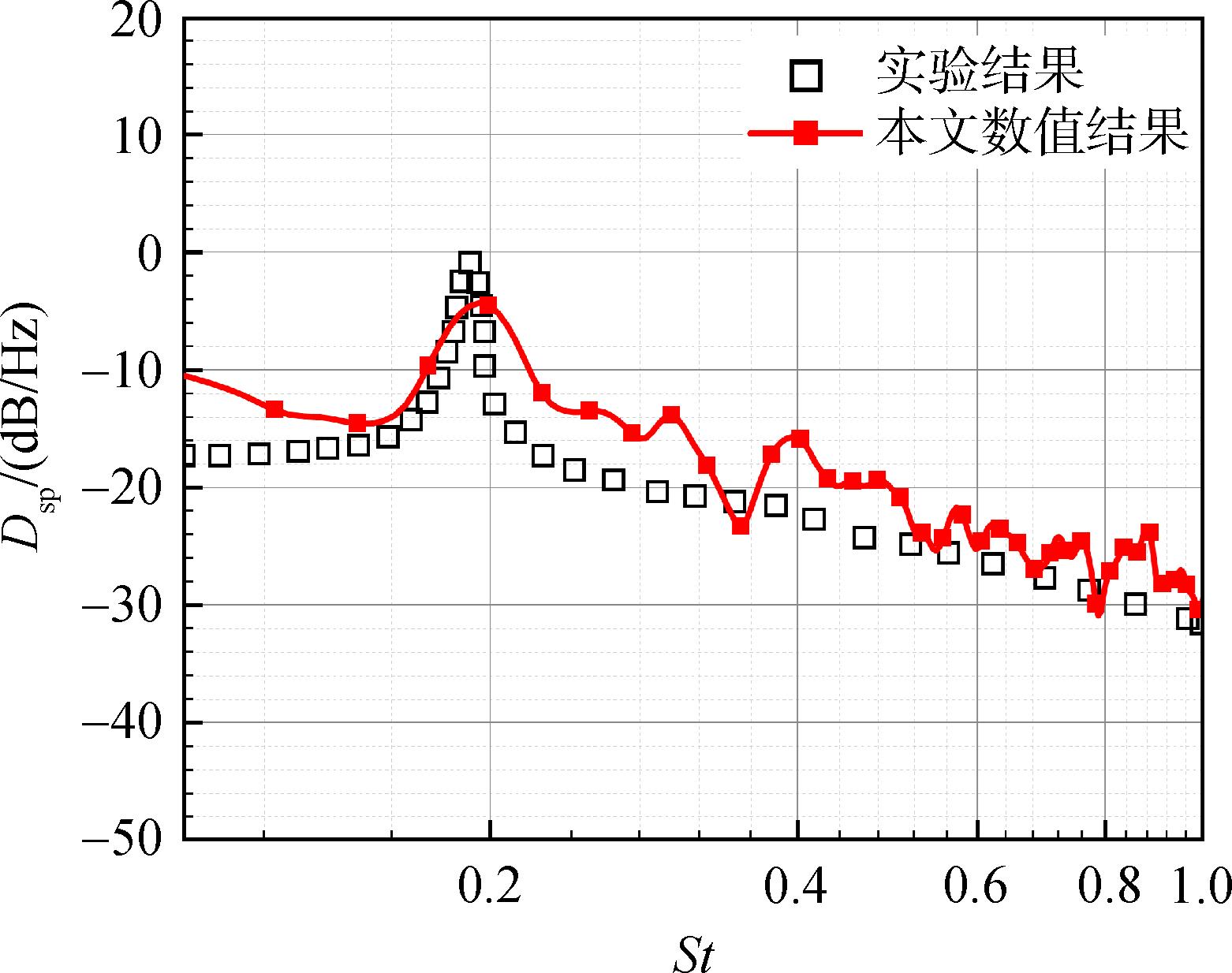
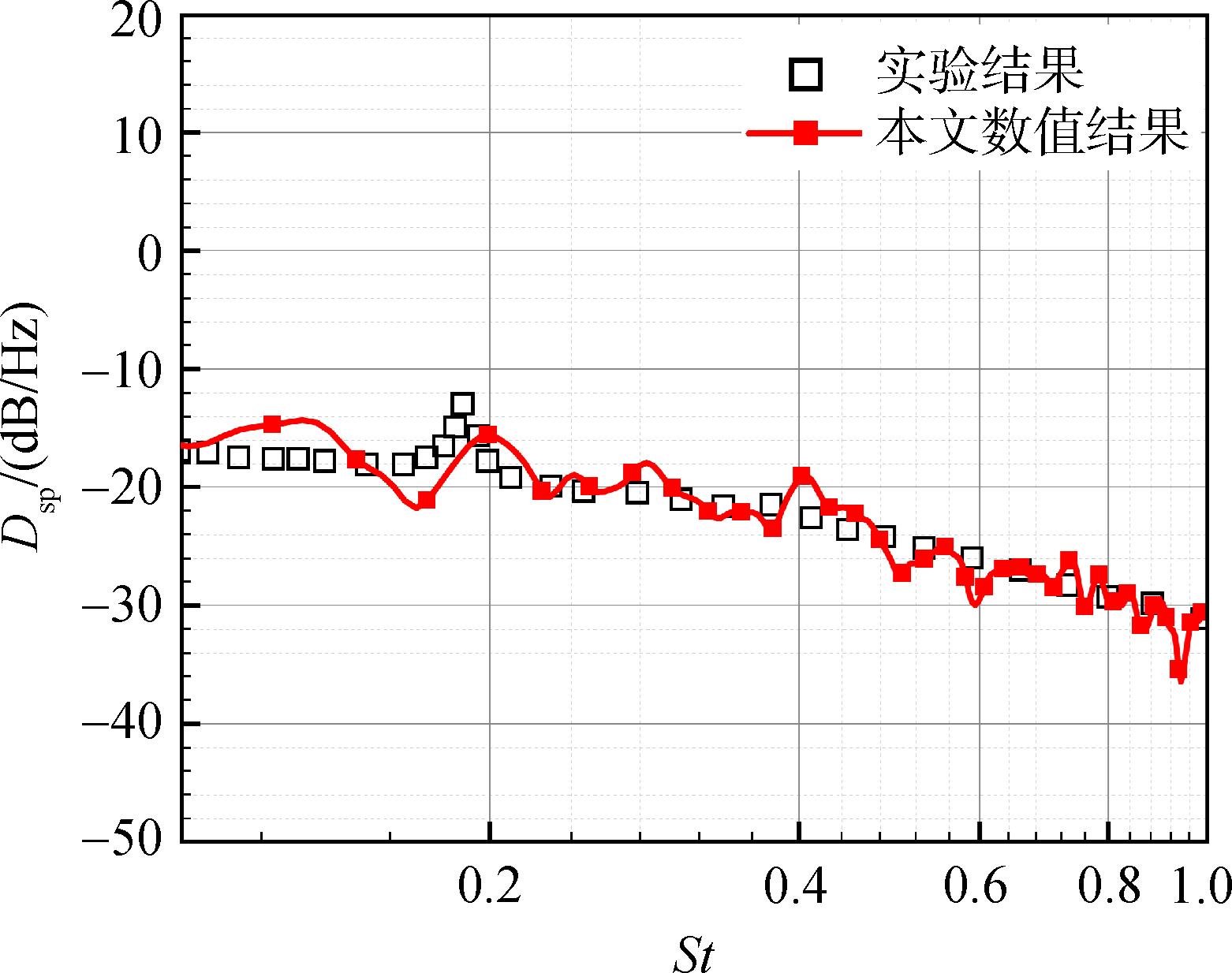
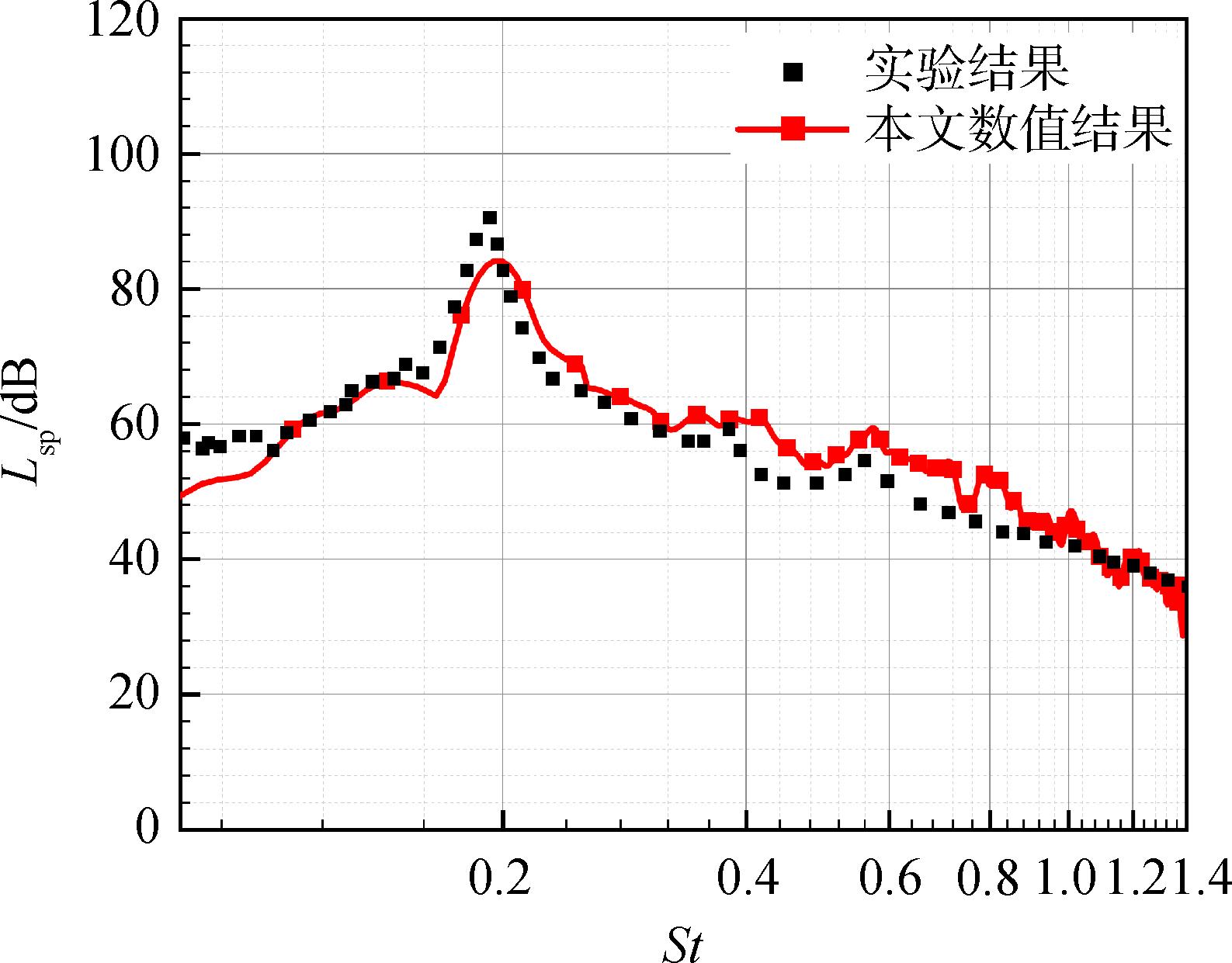
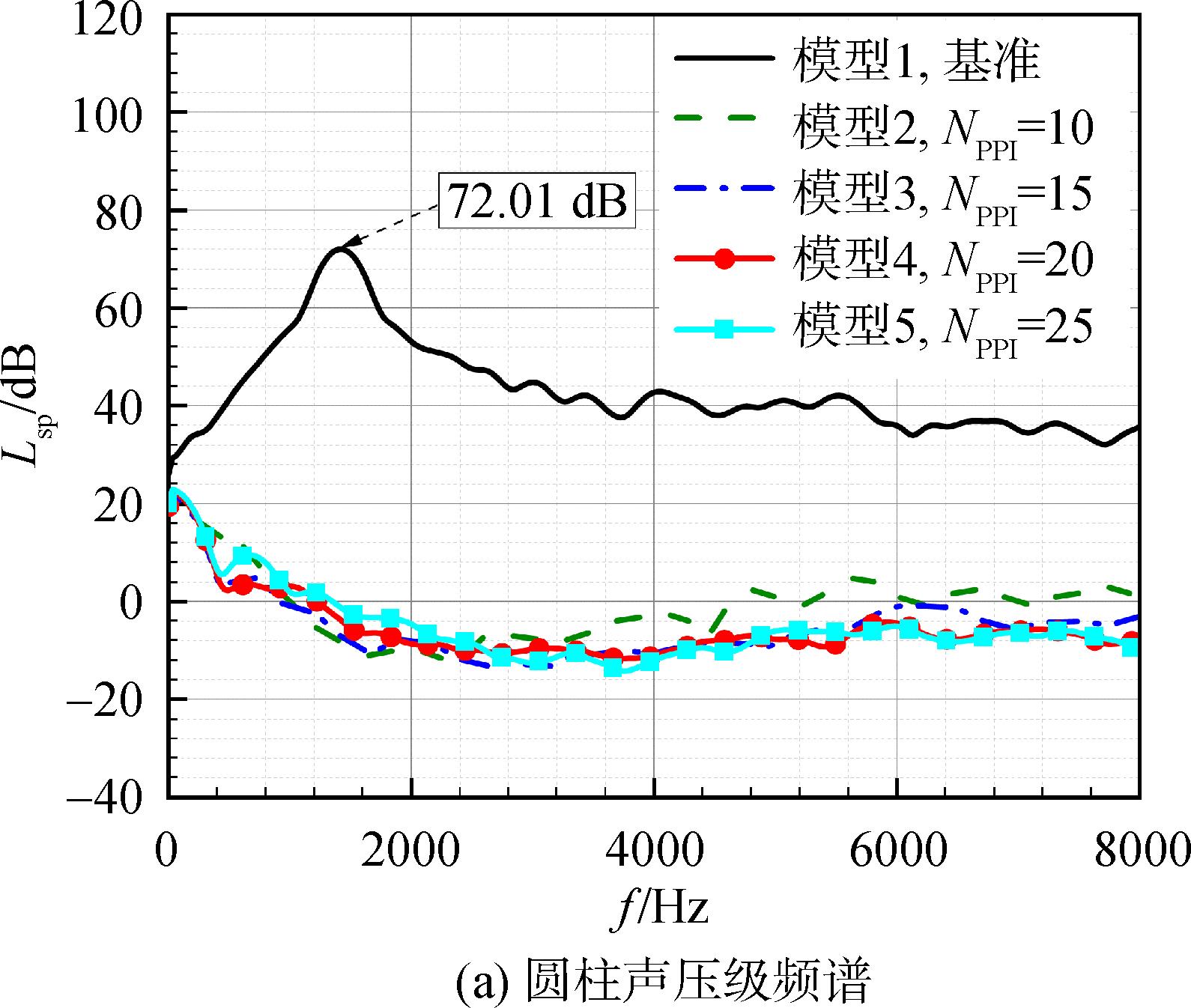
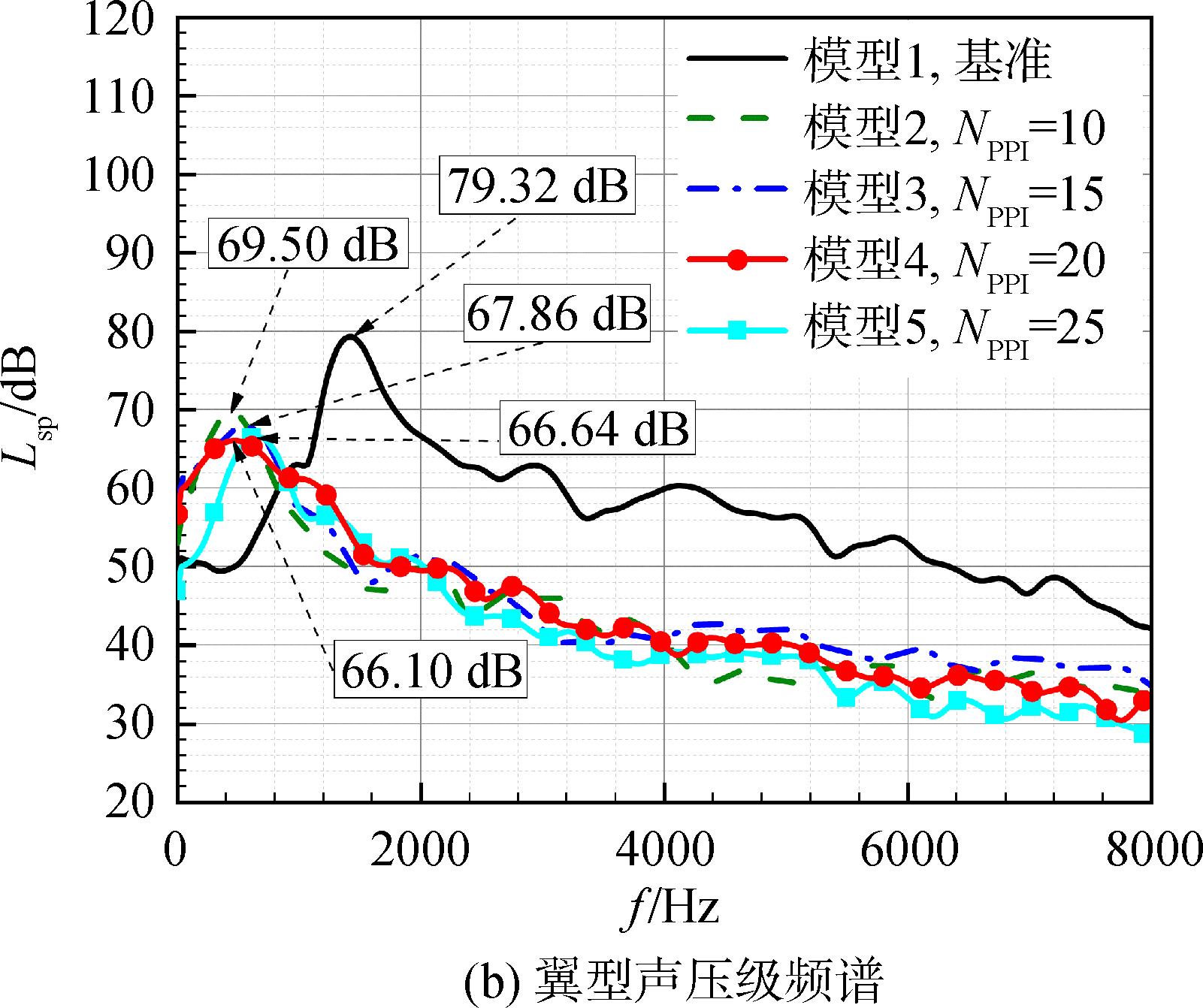
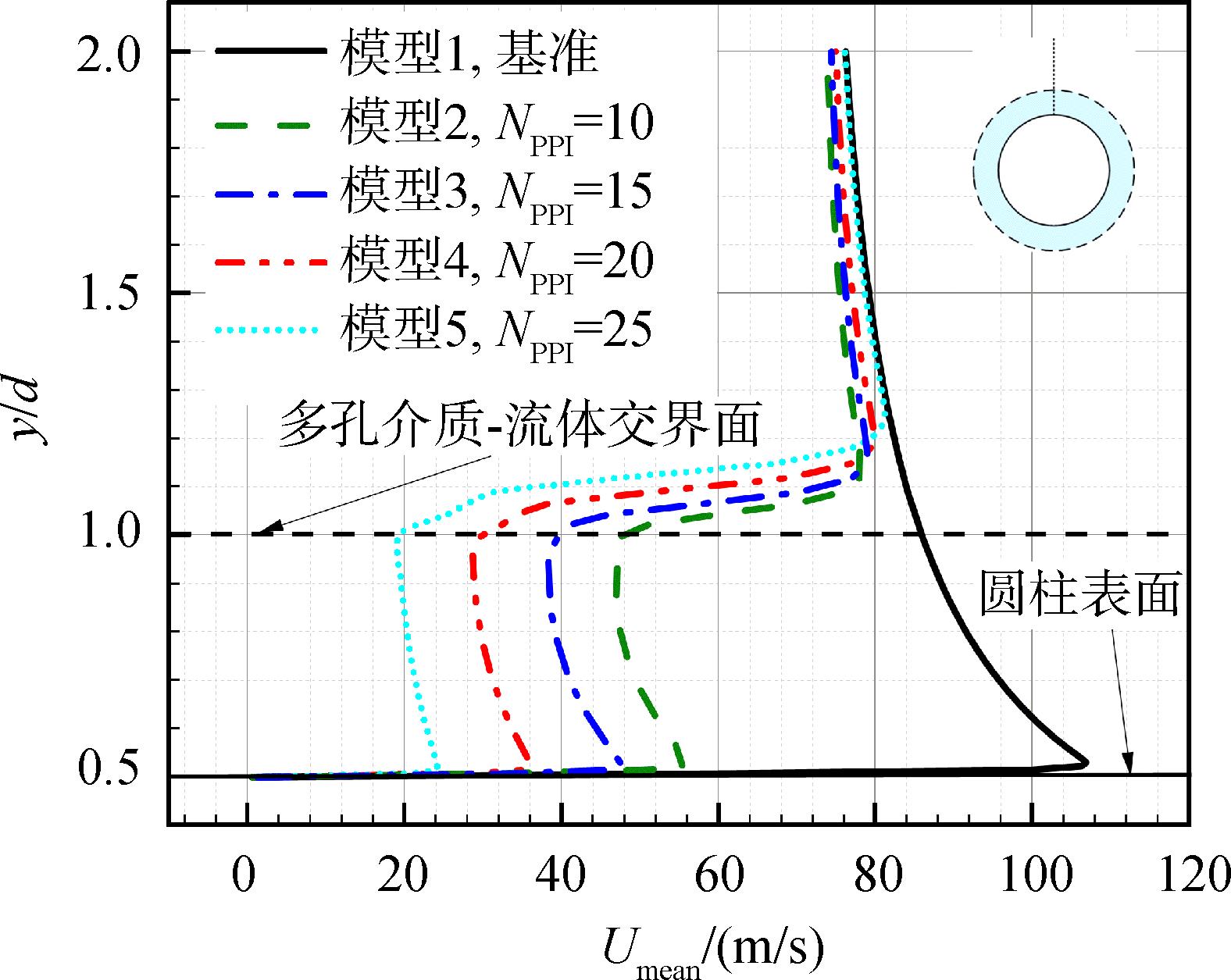
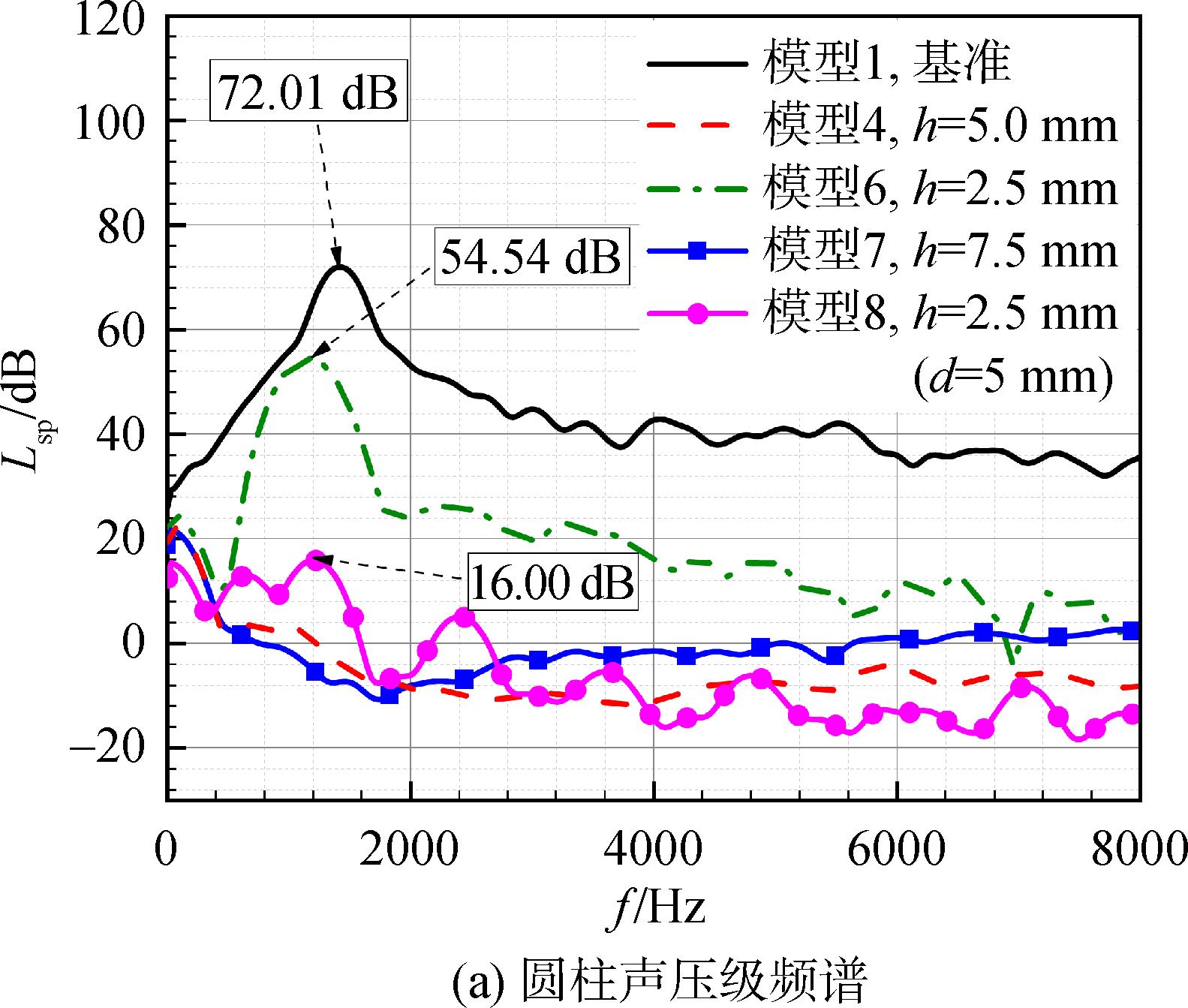
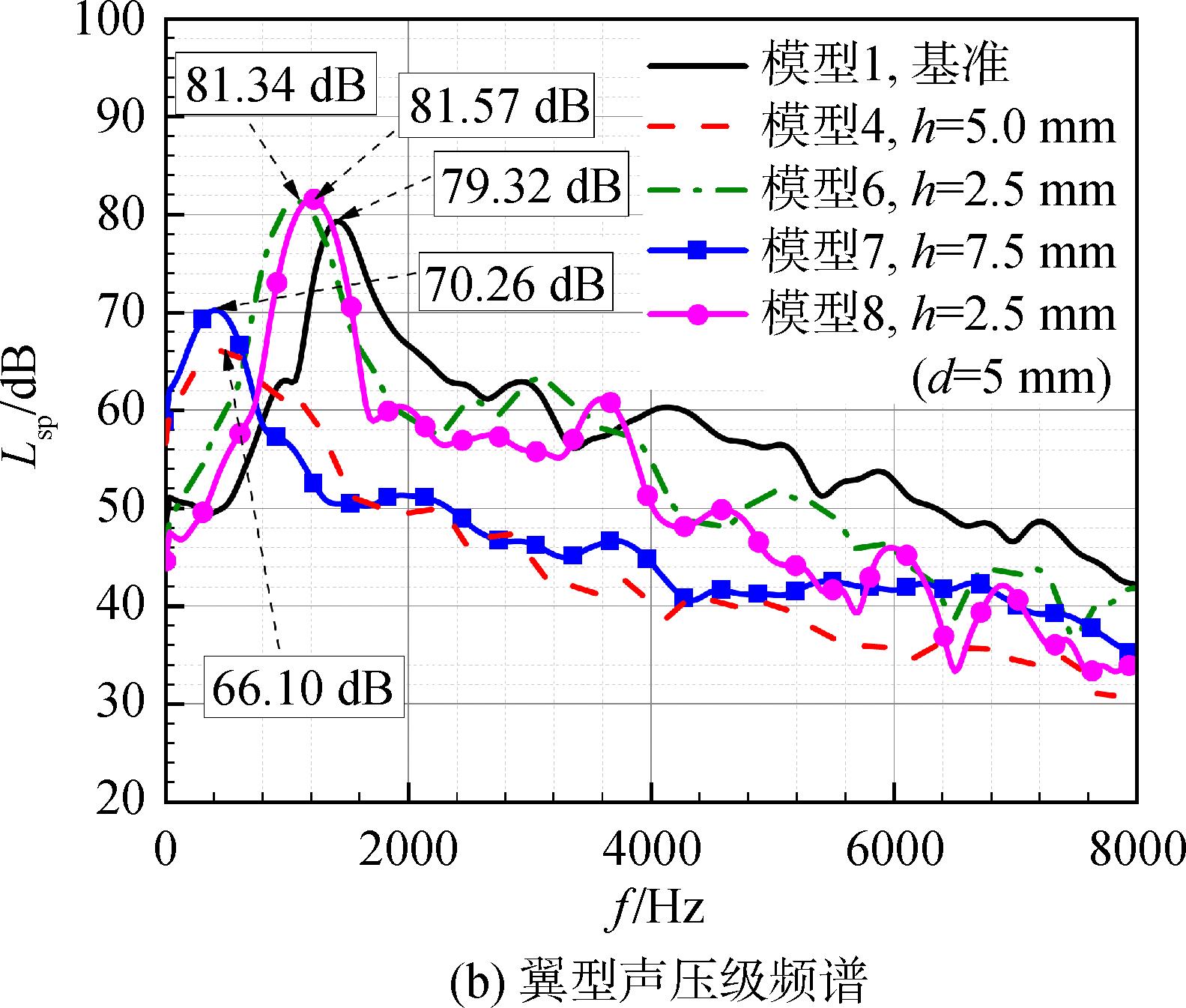
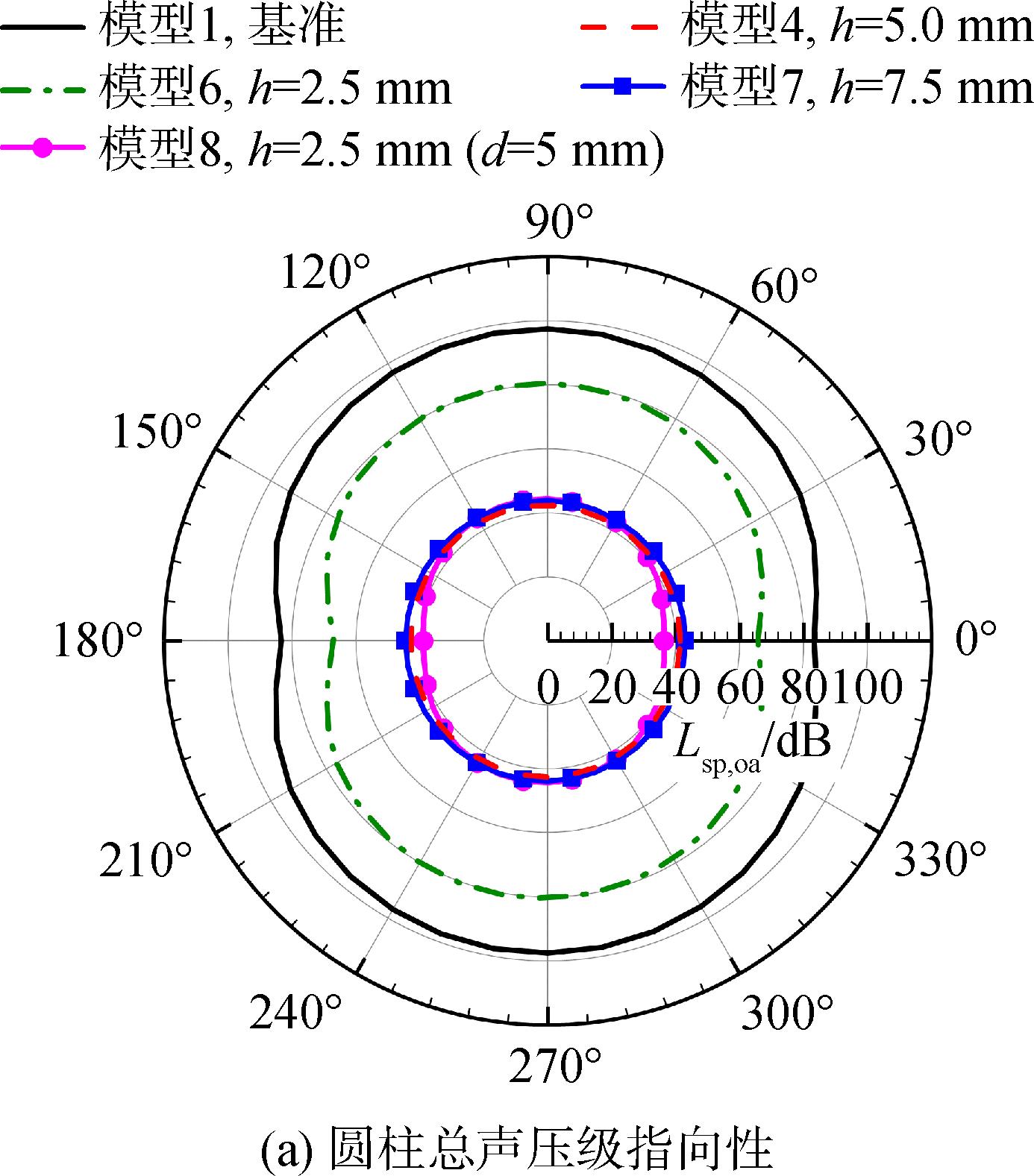
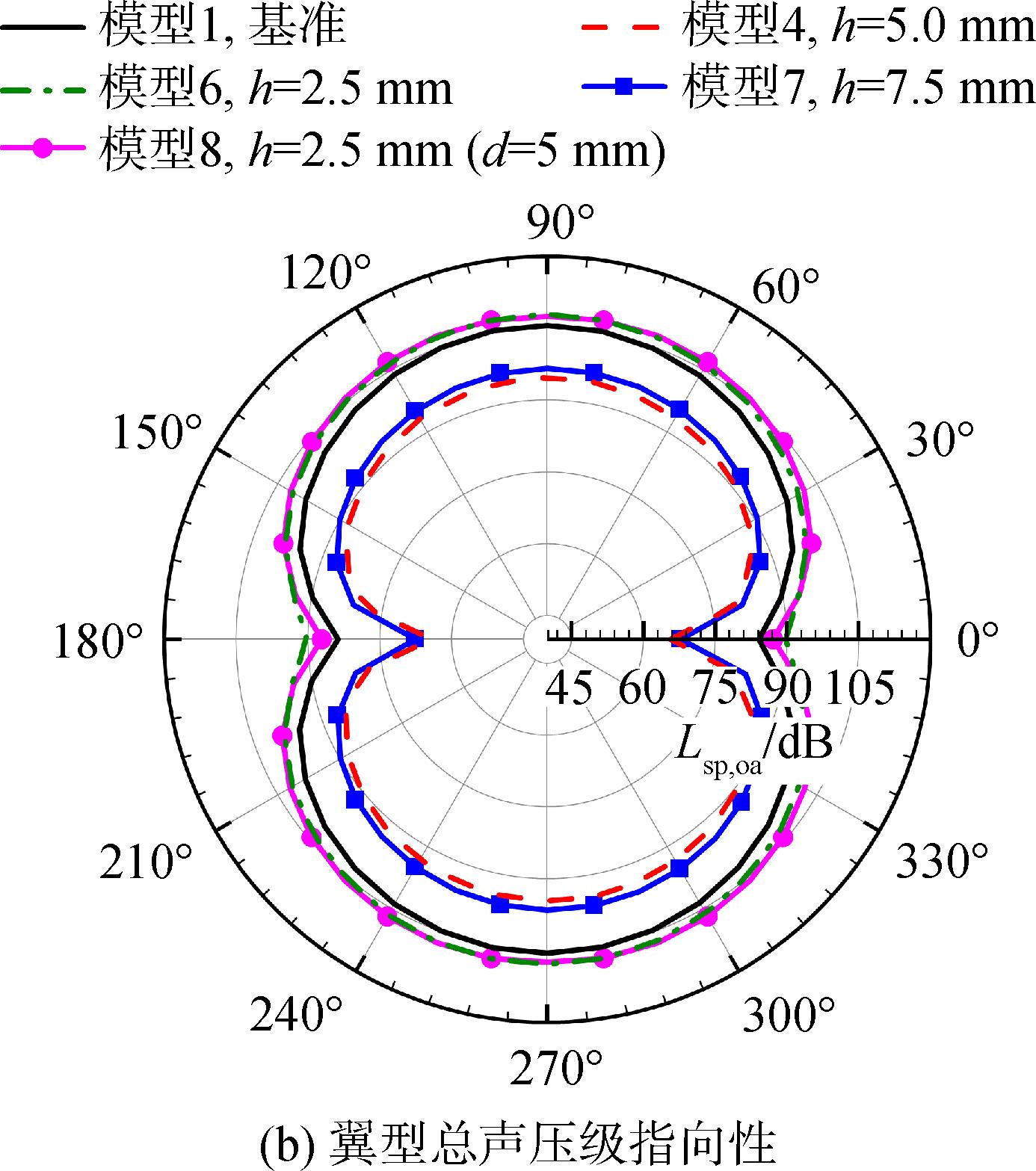
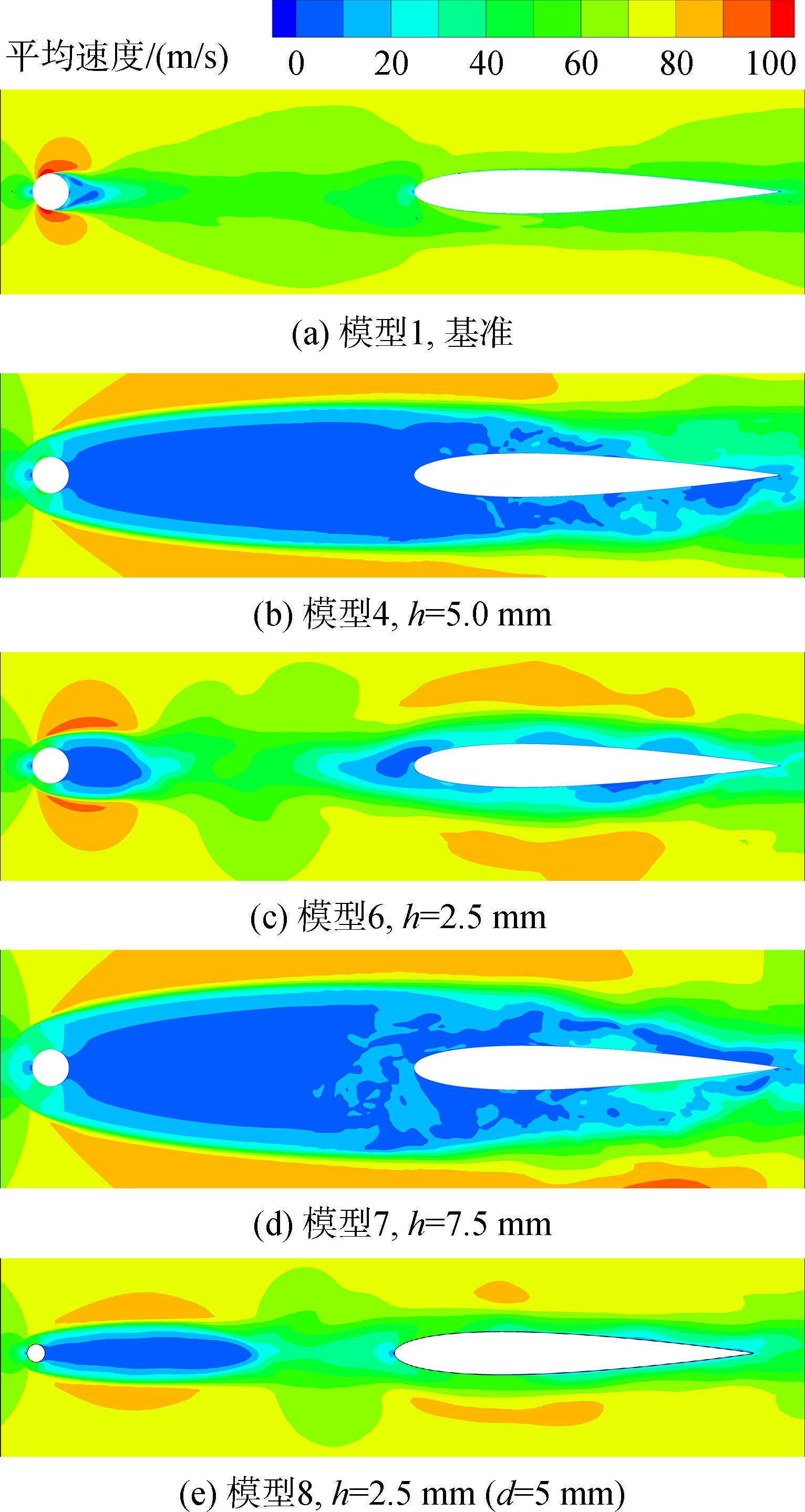
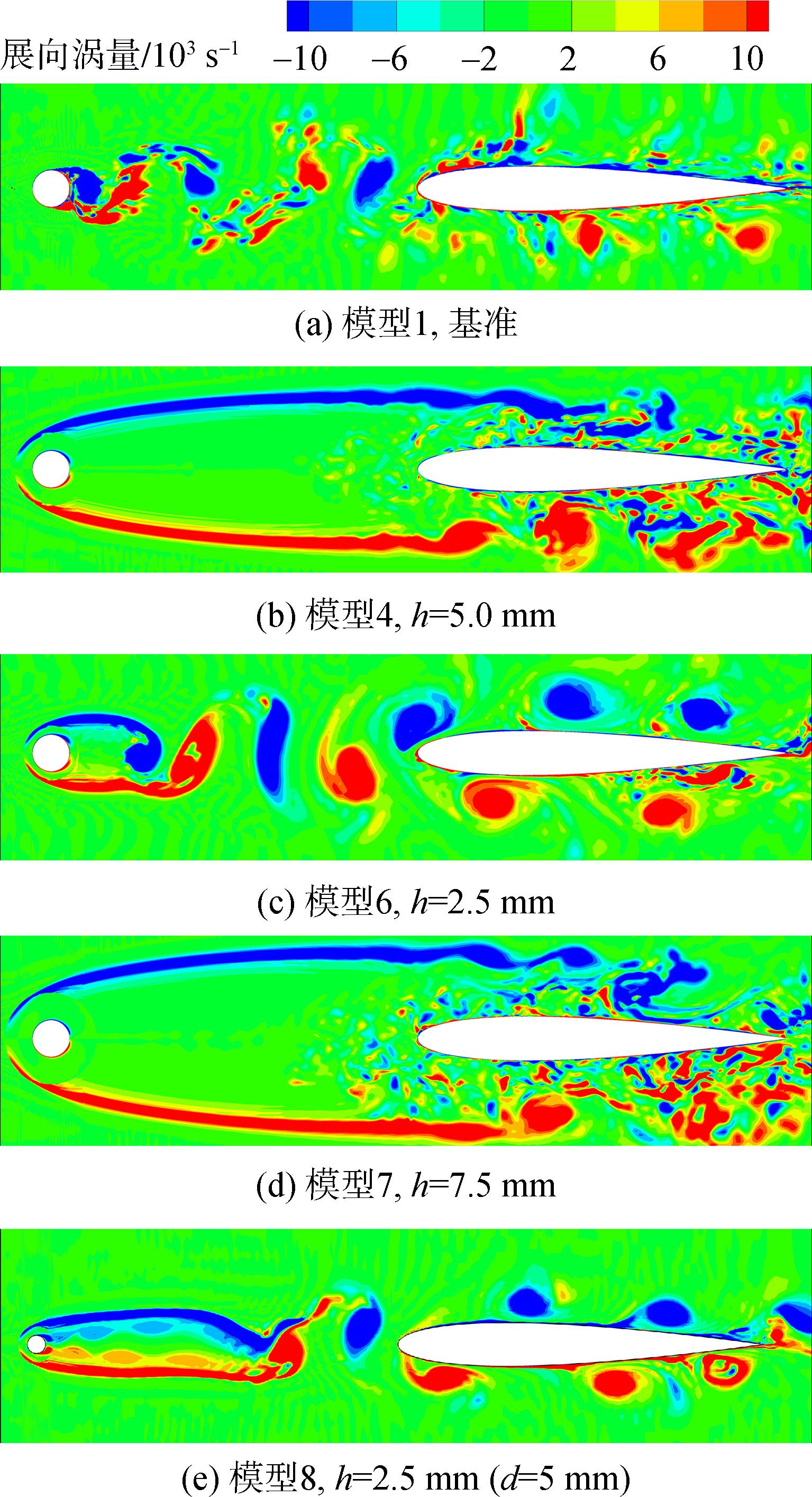
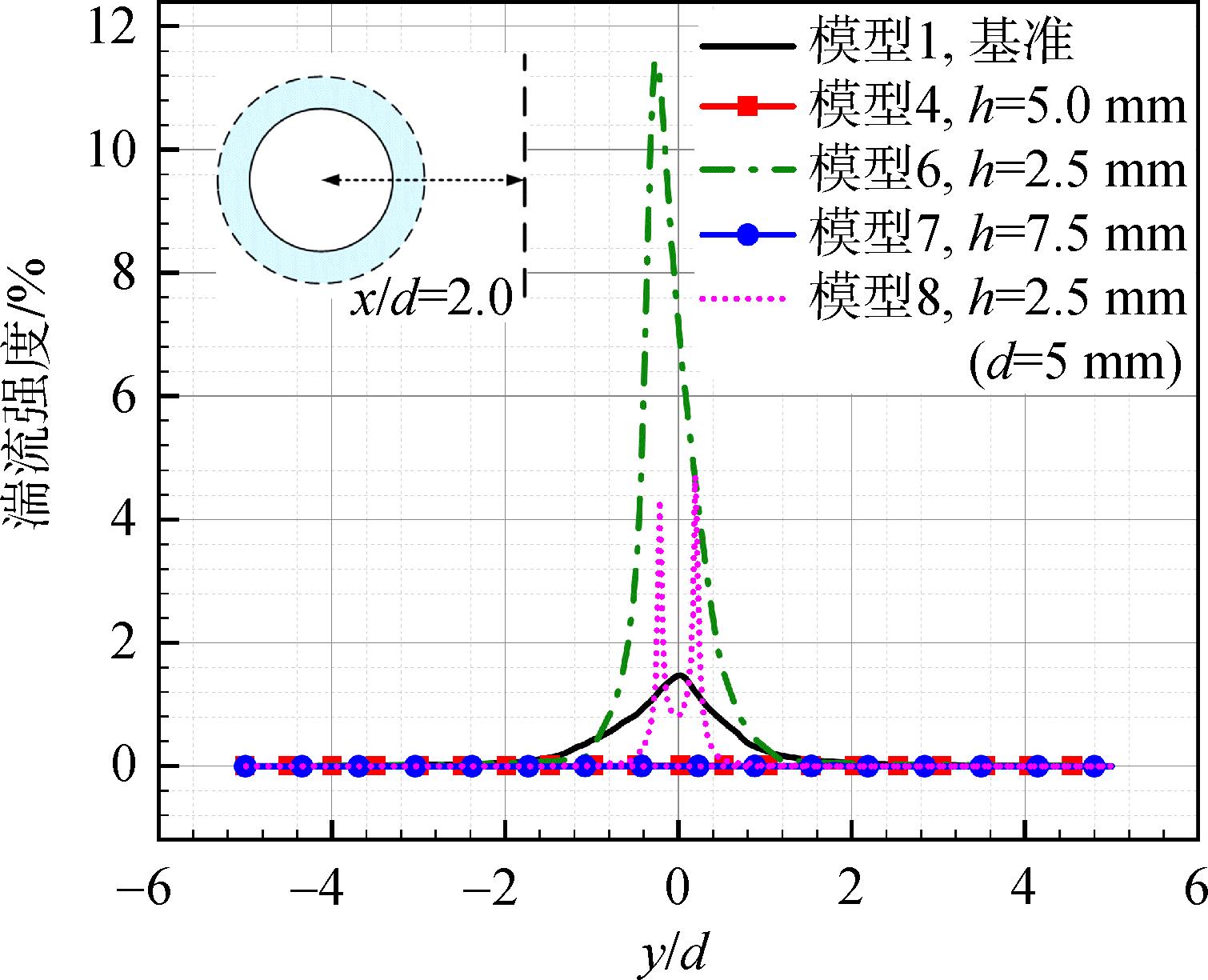
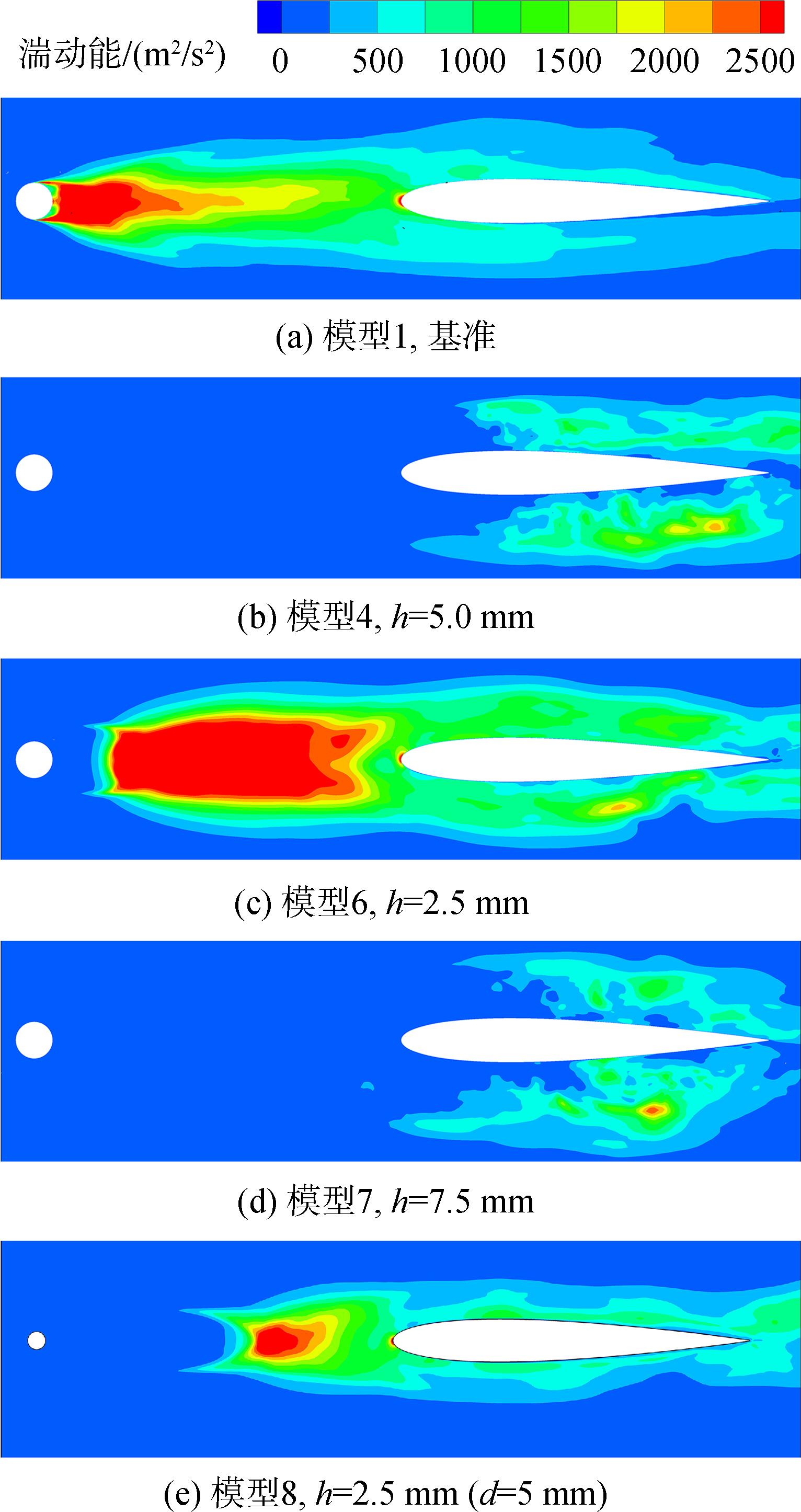
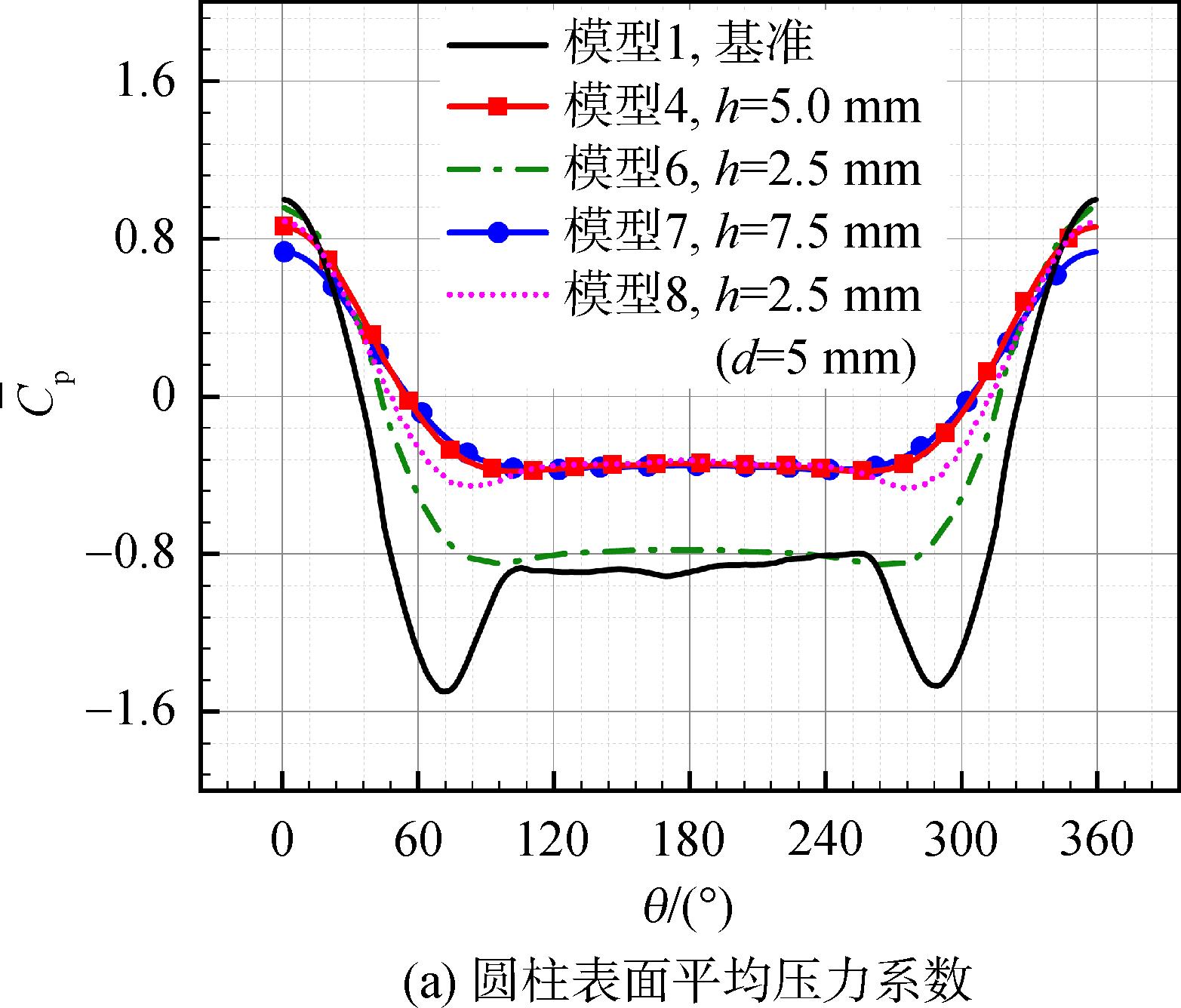
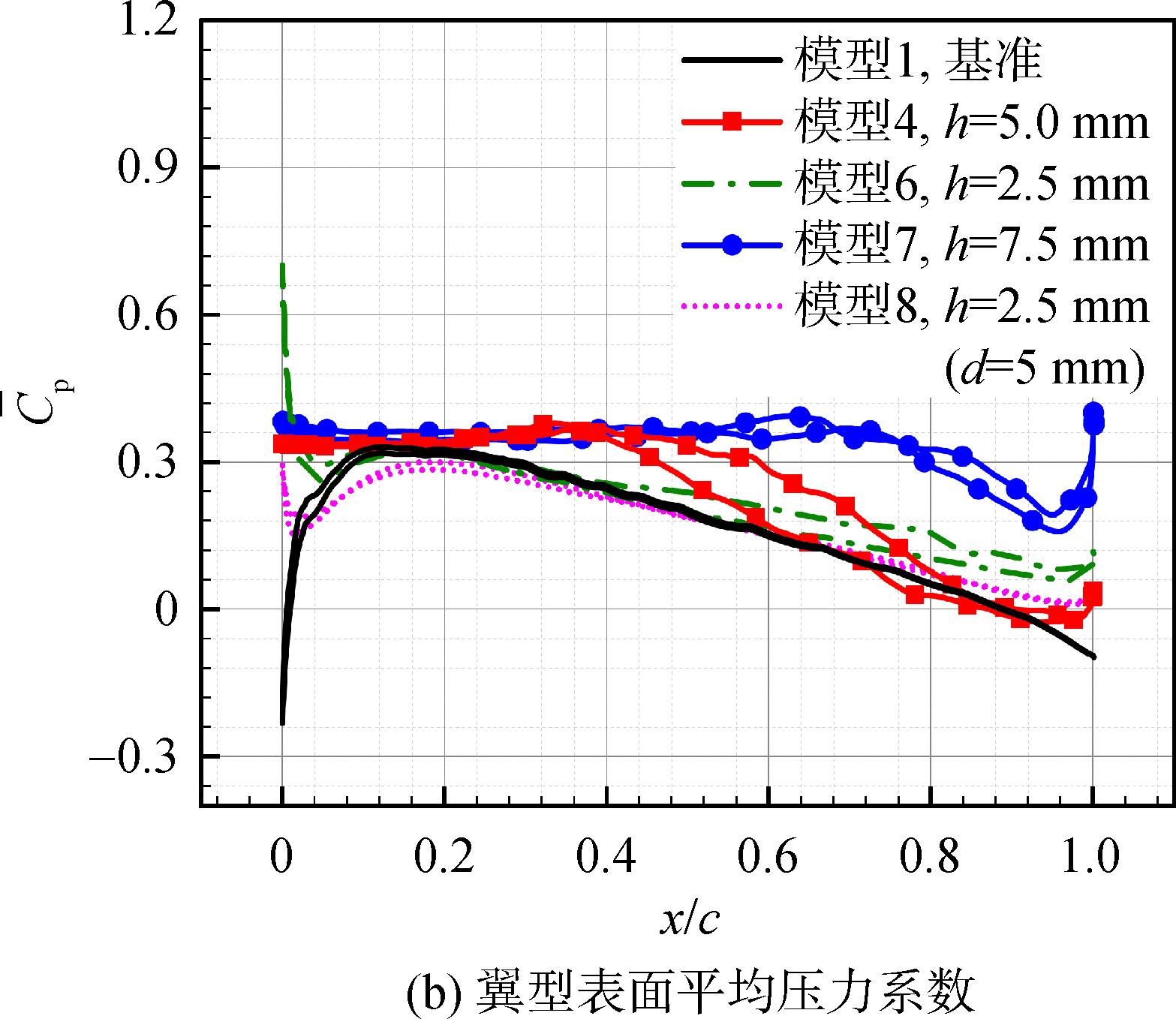
Using LES (large eddy simulation) and FW⁃H (Ffowcs Williams⁃Hawkings) equation,the influences of porous media with different PPI (pore number per inch) and thicknesses on the cylindrical wake and rod⁃airfoil interaction noise were studied,and the noise reduction law and mechanism of porous media were explored.The results showed that the porous media can stabilize the shear layer on the surface of the cylinder,inhibit the vortex shedding,and weaken the impact of wake on the downstream airfoil.The maximum tonal noise of the rod can be reduced by 79 dB,the peak value of the tonal noise of the airfoil can be reduced by 13.22 dB,and the broadband noise can be reduced by 20 dB.The change of porous material PPI had little effect on the noise reduction effect,while the thickness served as a key parameter affecting the flow field mode,noise reduction effect and aerodynamic performance.When the thickness of the porous material was appropriate,the flow field of the rod⁃airfoil was of “shear layer mode”,which can effectively reduce the turbulent interaction noise.When the thickness of the porous material was small,a flow field form “shear layer⁃wake mode” was found,which caused the increase of airfoil noise.The appropriate thickness of porous media can not only reduce noise significantly,but also improve the aerodynamic performance of rod⁃airfoil.

Global velocity measurement of fluorescent oil film based on deep learning optical flow method
WANG Chao, DONG Xiucheng, GU Shifu, ZHANG Zhengyu, QIAN Hongjiang
2022, 37(7): 1539-1549. doi: 10.13224/j.cnki.jasp.20220049
Abstract:

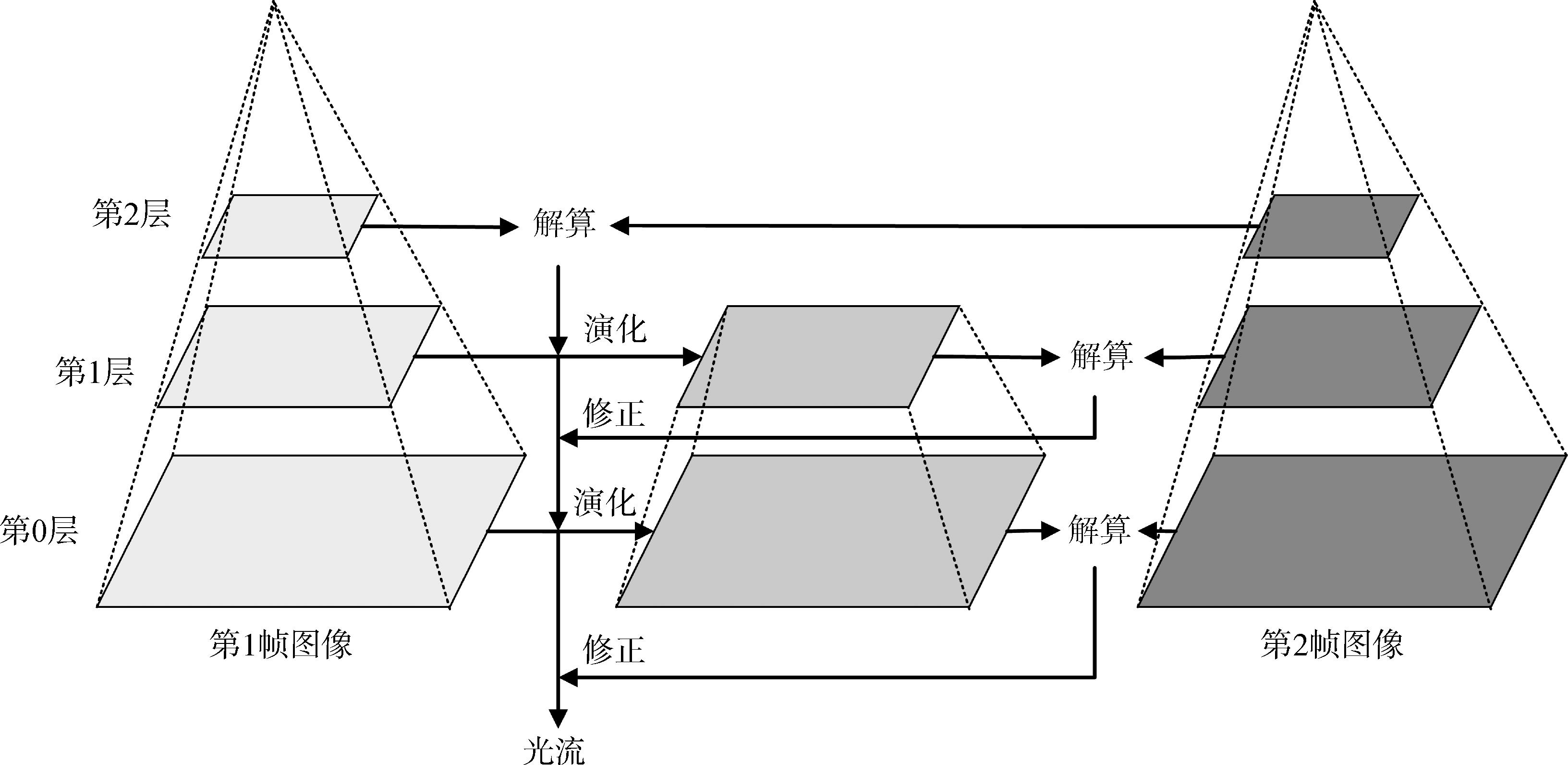
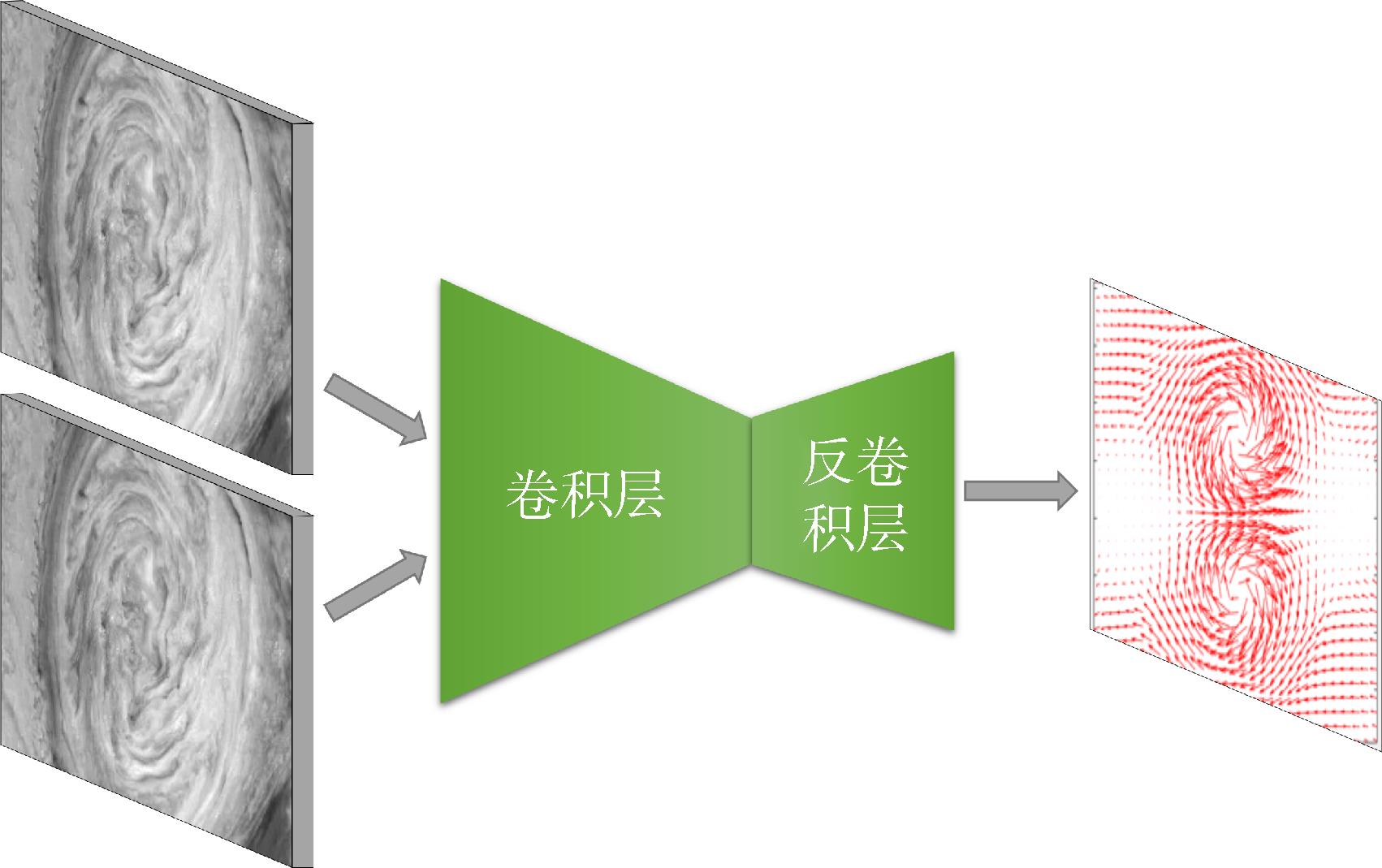
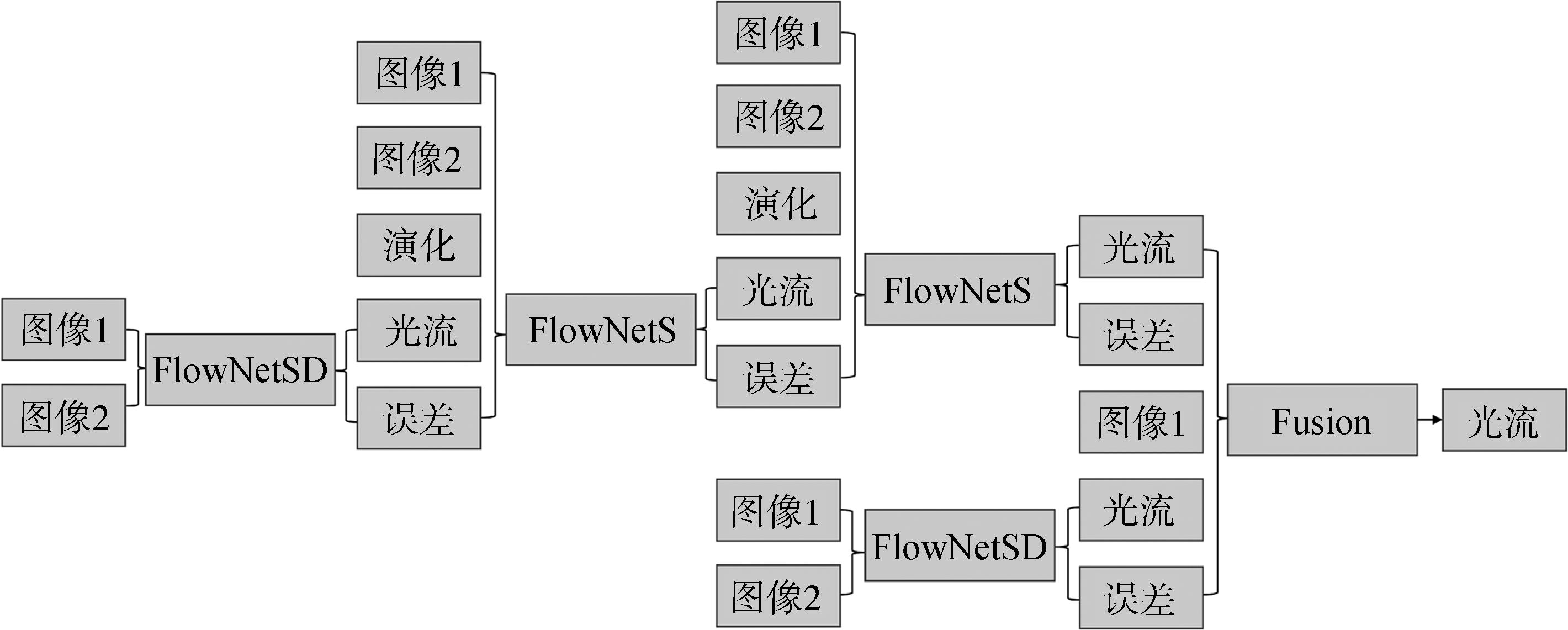
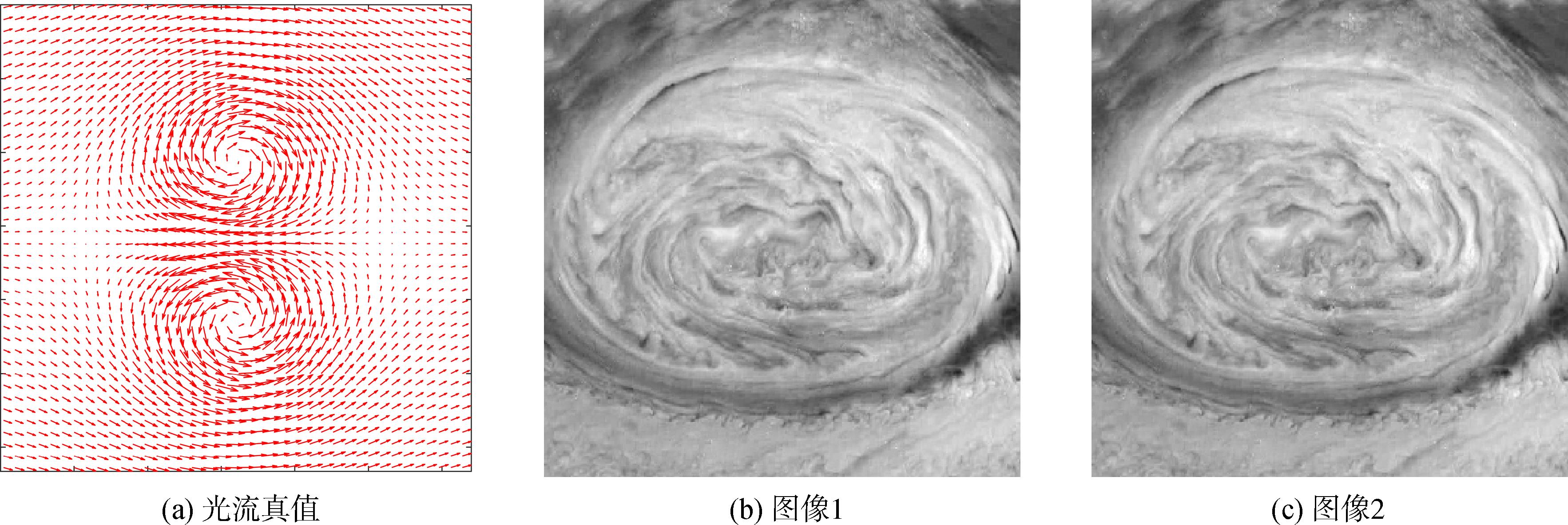
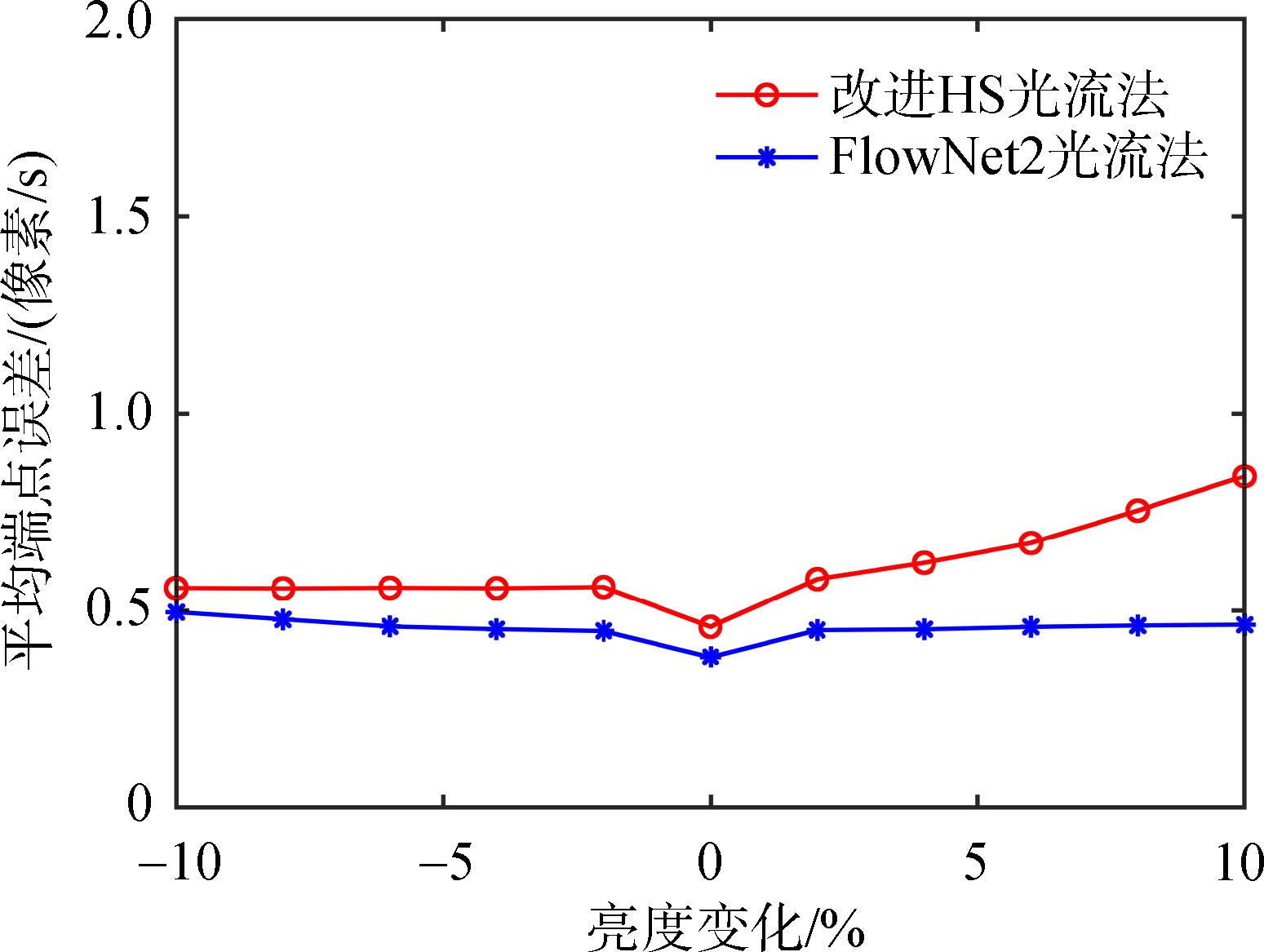
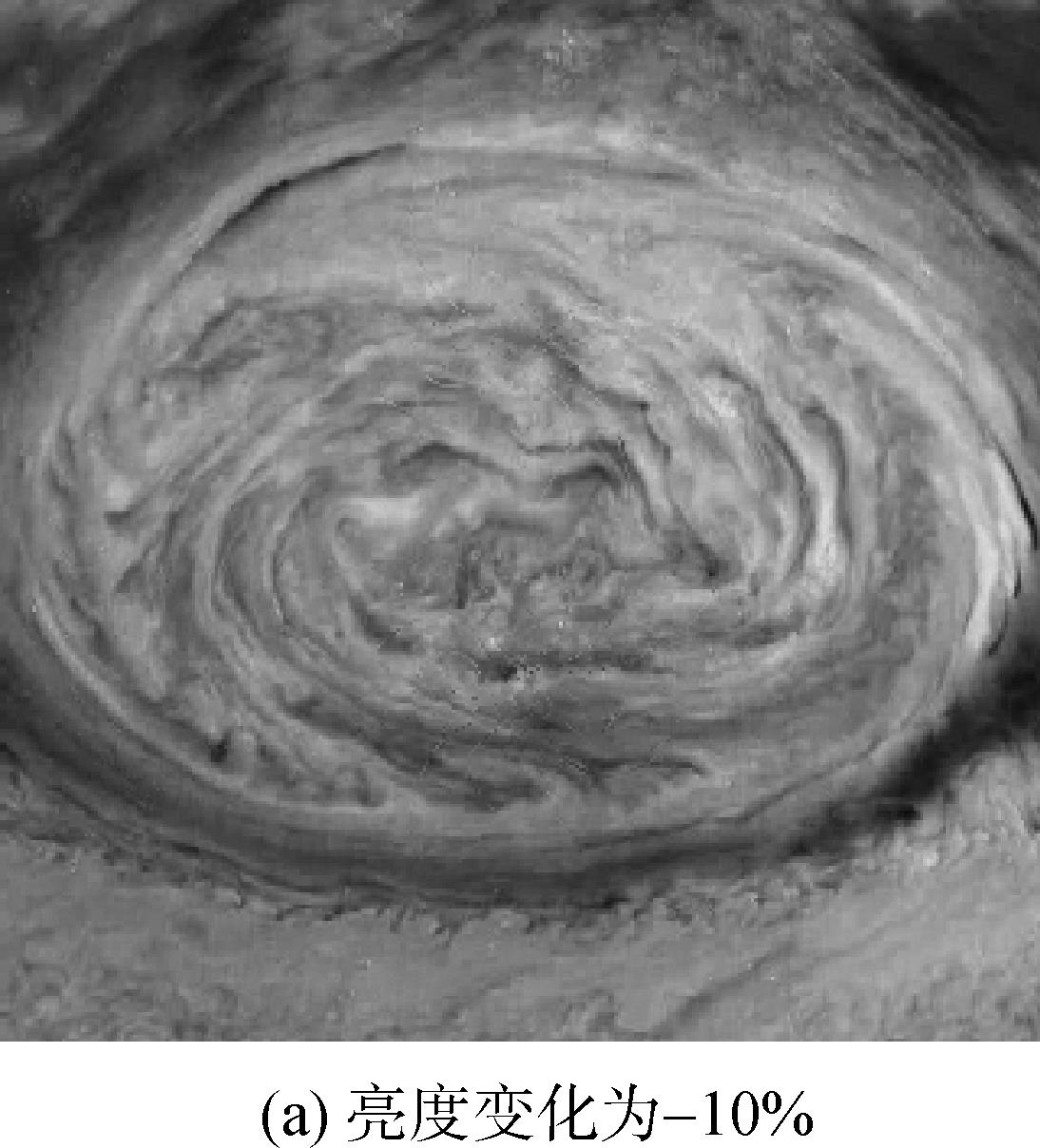
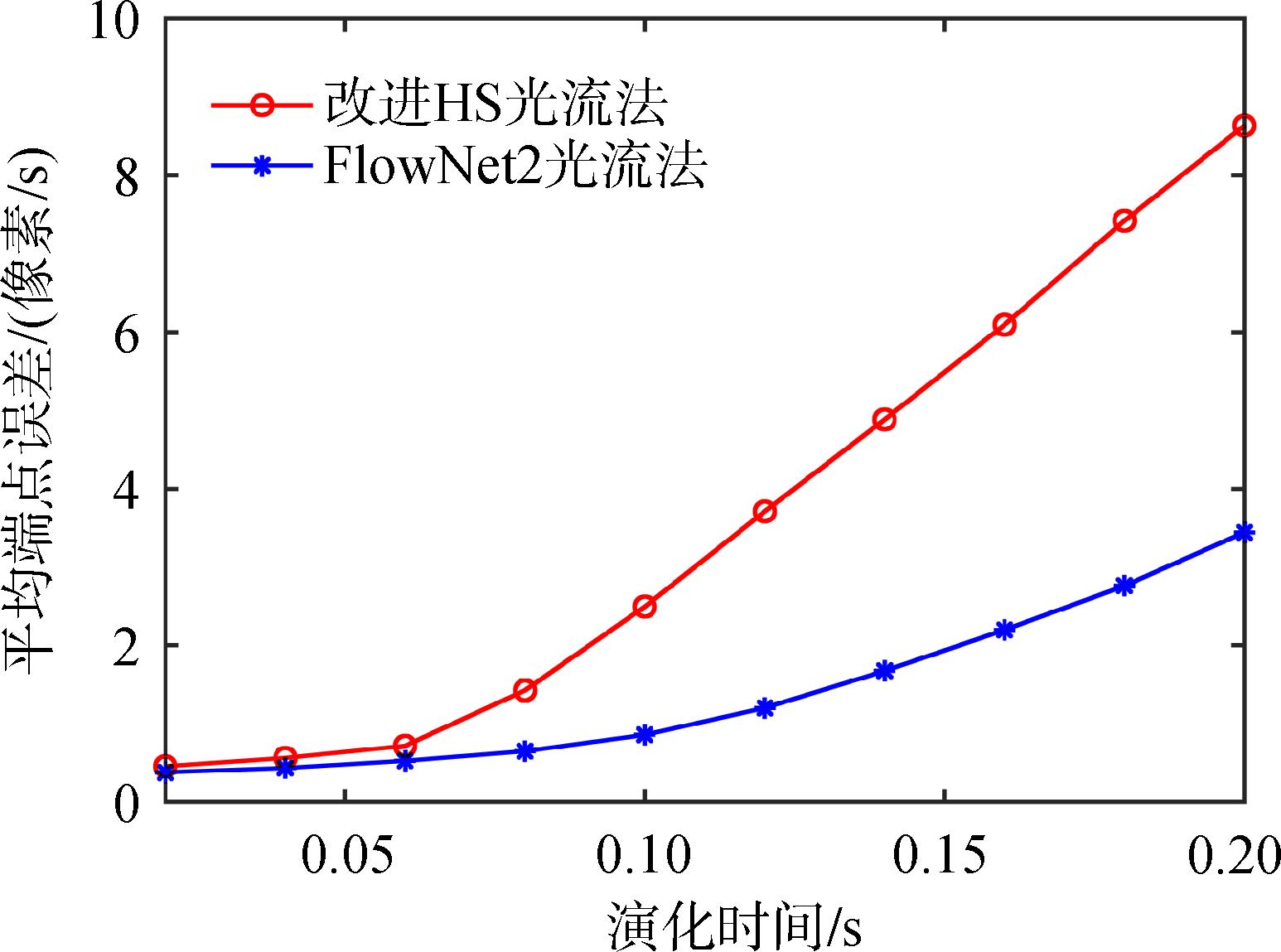
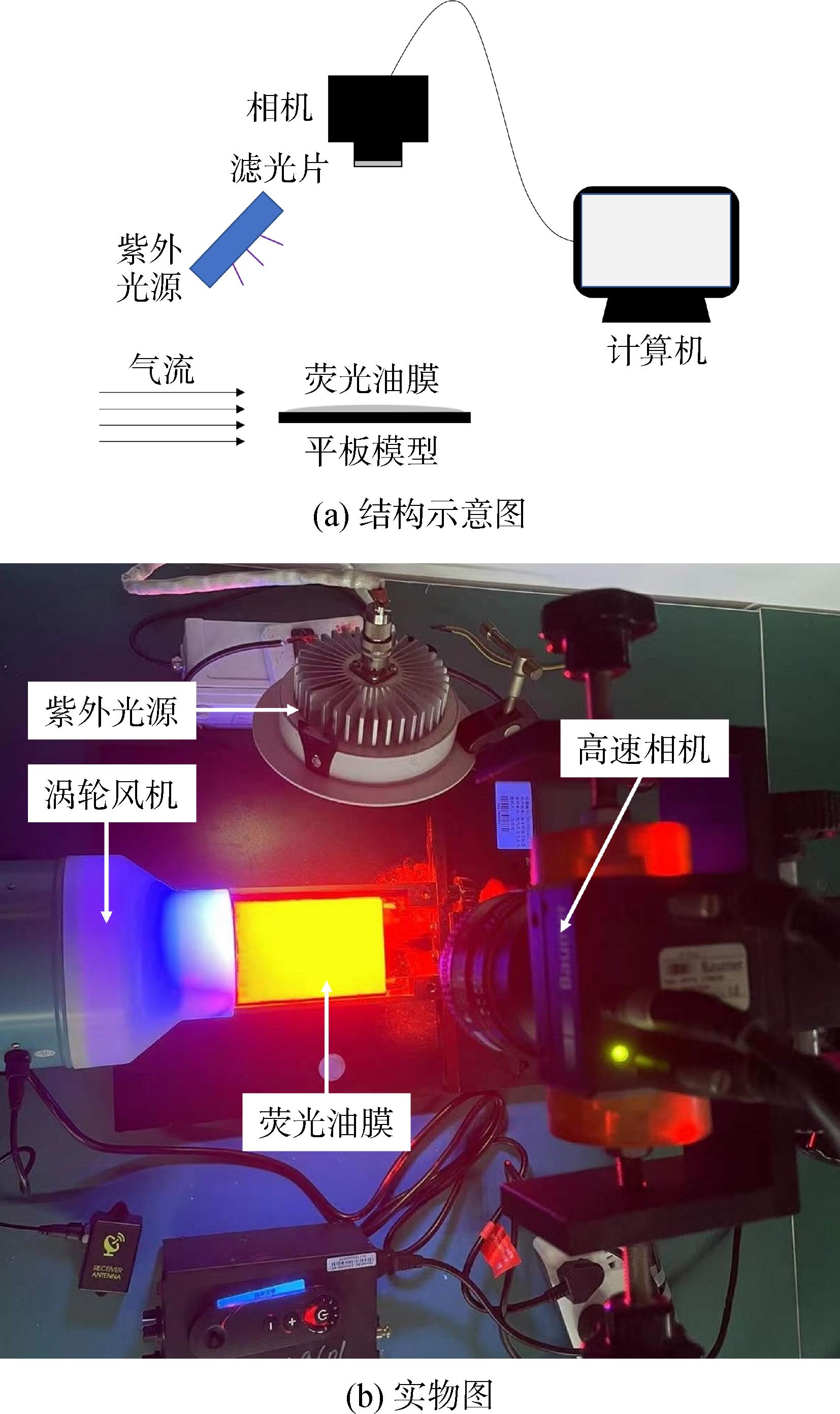
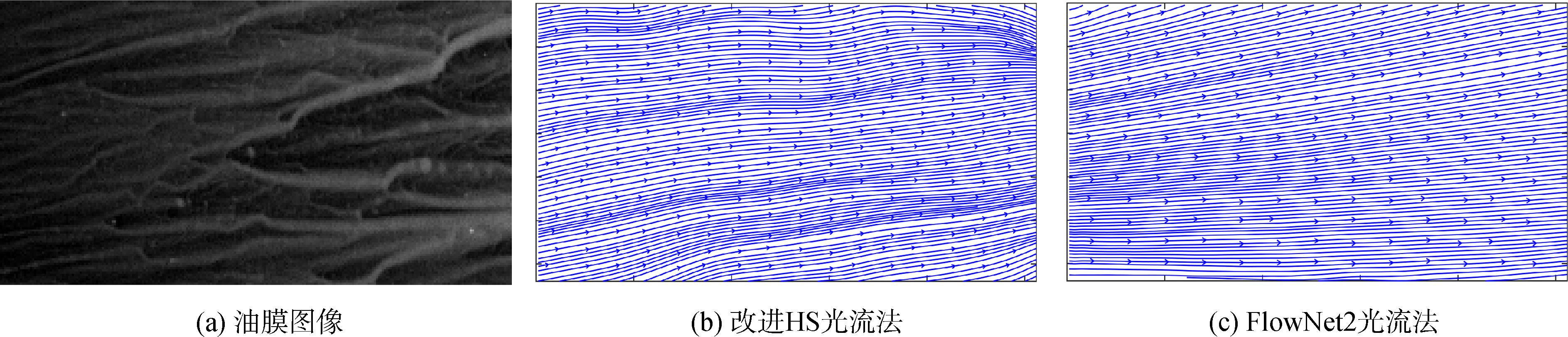
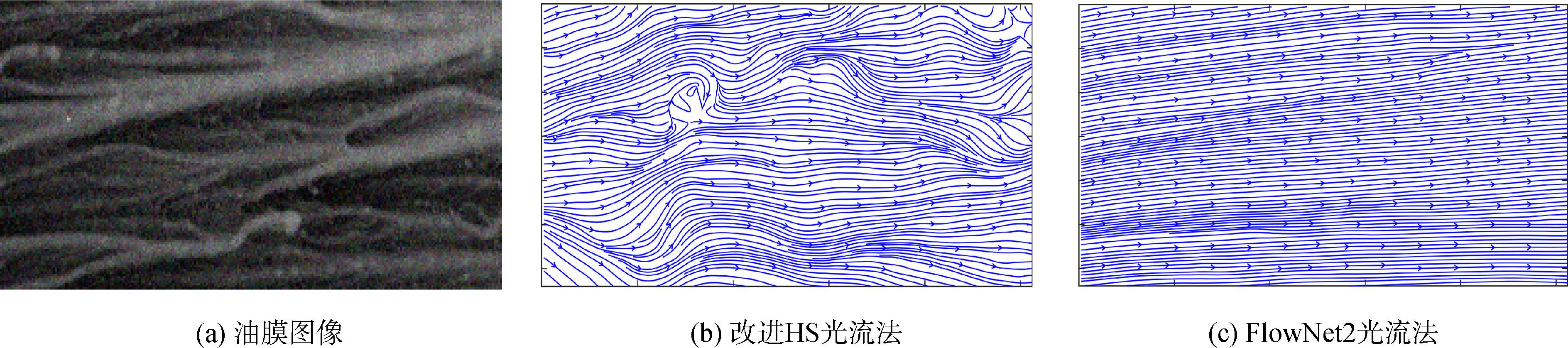
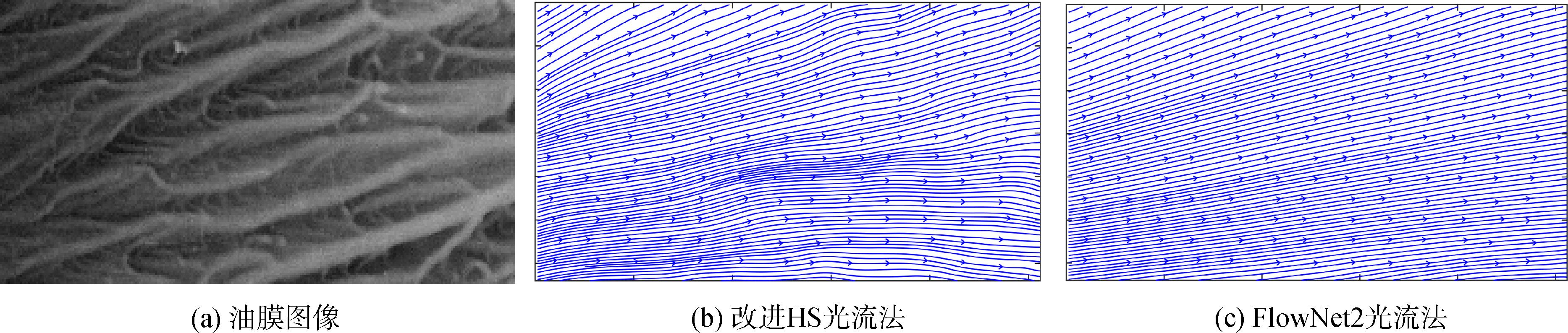
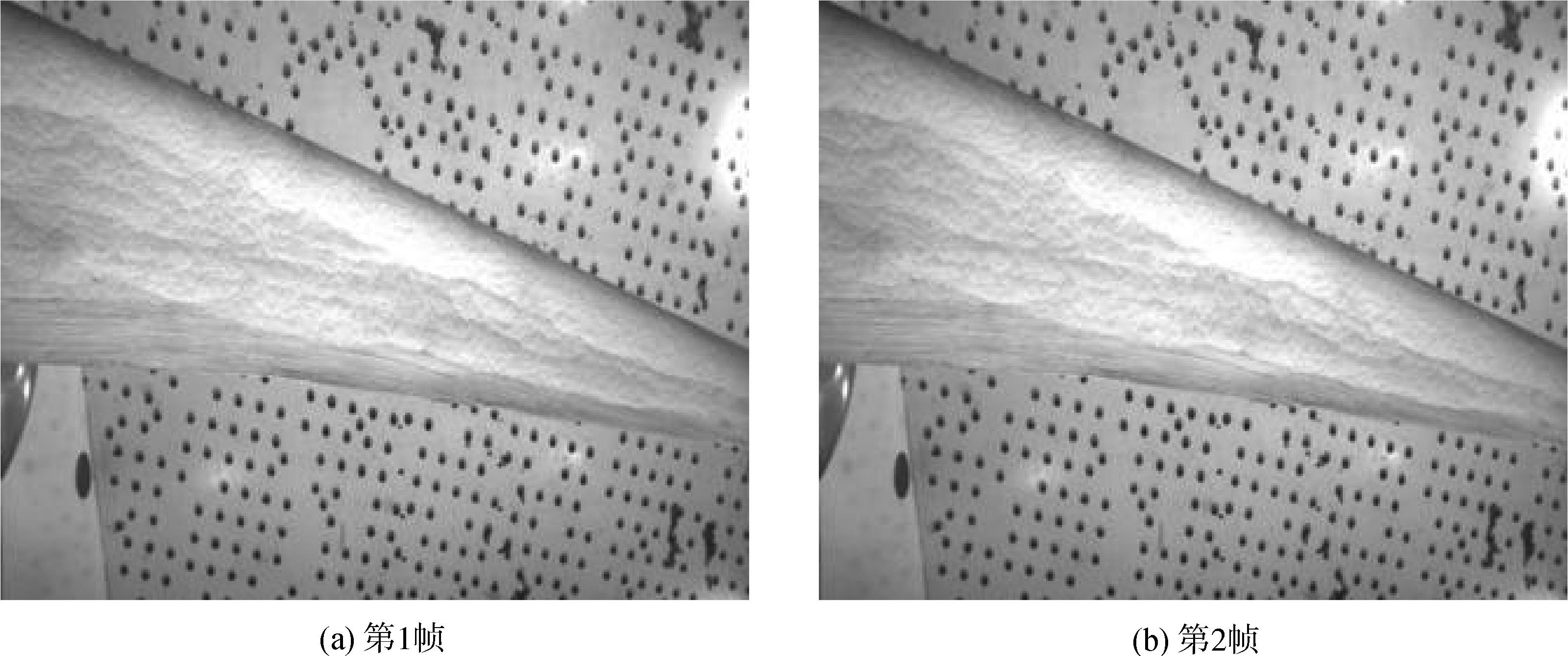
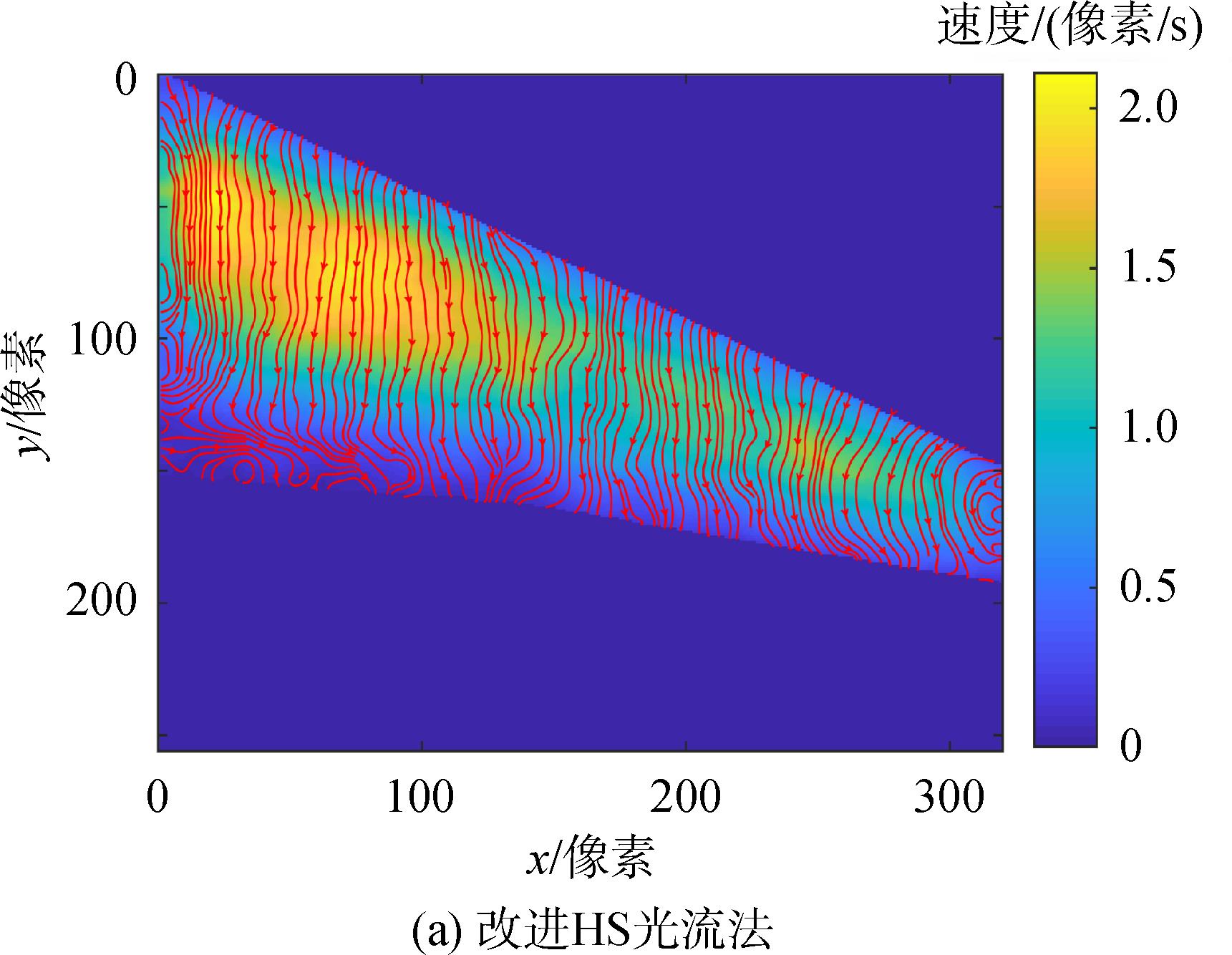
In order to solve the problems of the traditional optical flow method based on priori,such as harsh preconditions,an optical flow method based on deep learning was proposed to measure the global velocity of fluorescent oil film.The numerical simulation experiments were used to compare the improved HS optical flow method based on prior with FlowNet2 optical flow method based on deep learning.The results showed that the average endpoint errors of improved HS optical flow method and FlowNet2 optical flow method were 0.458 7 pixel/s and 0.381 7 pixel/s without external interference,respectively;the average endpoint error of FlowNet2 optical flow method was significantly lower than that of HS optical flow method under the conditions of brightness change,noise disturbance or different evolution times,and the maximum difference of average endpoint errors could reach 5.19 pixel/s.The experimental results in the wind tunnel further prove that the FlowNet2 optical flow method can obtain the correct,clear and quantitative global velocity fields of fluorescent oil film.With stronger robustness than the improved HS optical flow method,this method has certain reference value for wind tunnel engineering application.

Turbomachinery
Flow model for side chambers of centrifugal pumps considering impeller flow slip
GU Yandong, CHENG Jinwu, LIANG Ao, CHENG Li, WANG Peng
2022, 37(7): 1550-1559. doi: 10.13224/j.cnki.jasp.20210274
Abstract:

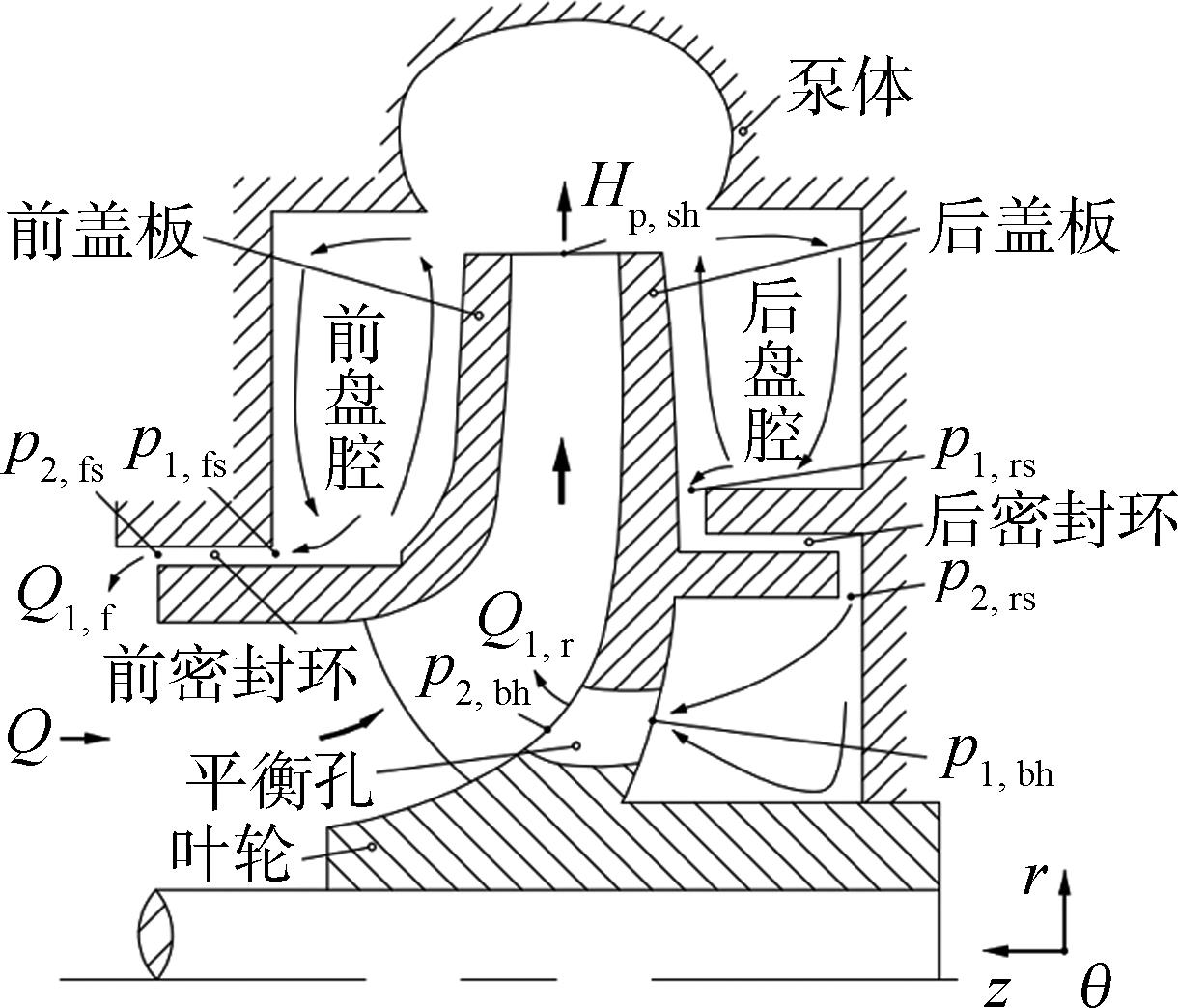
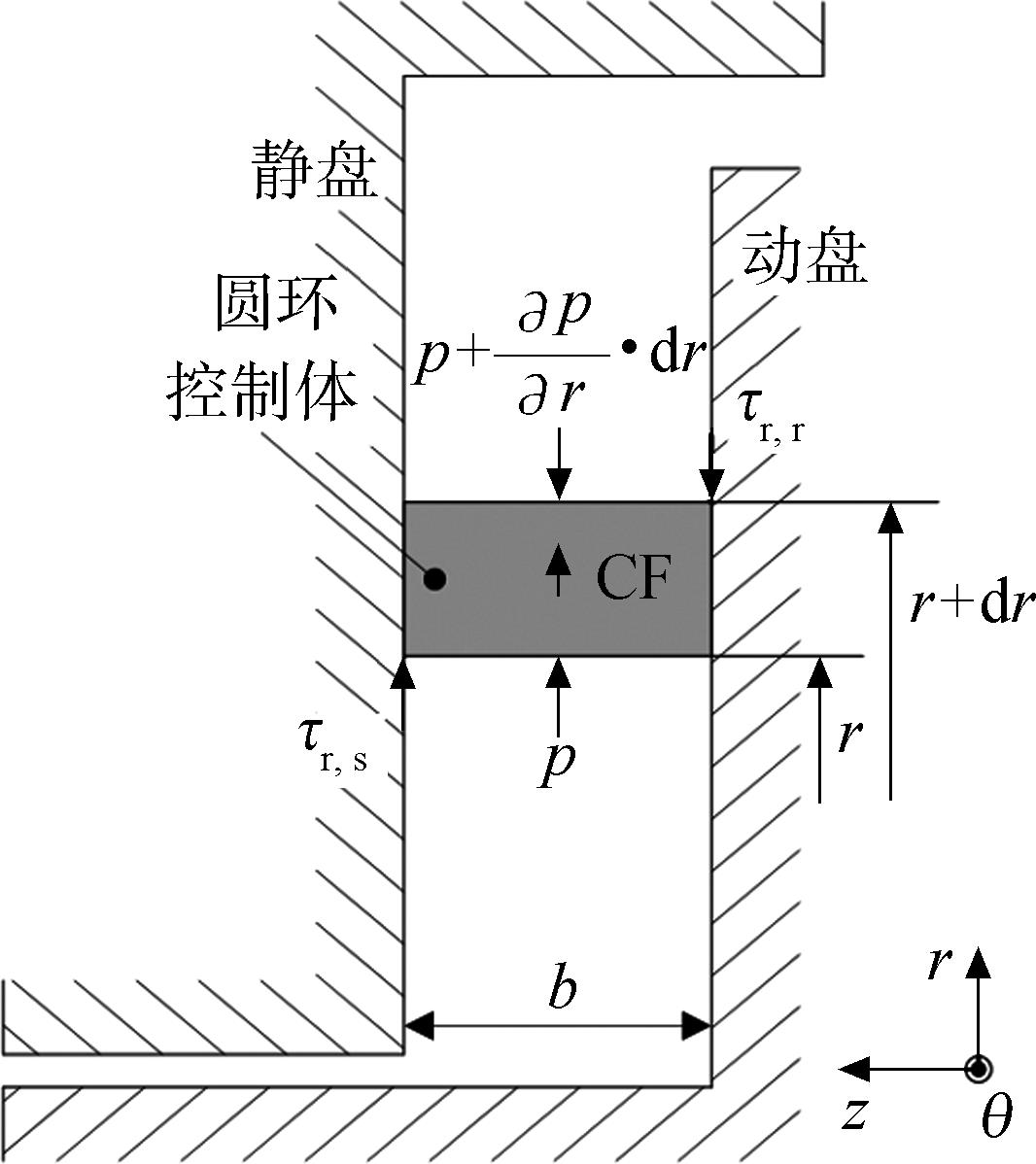
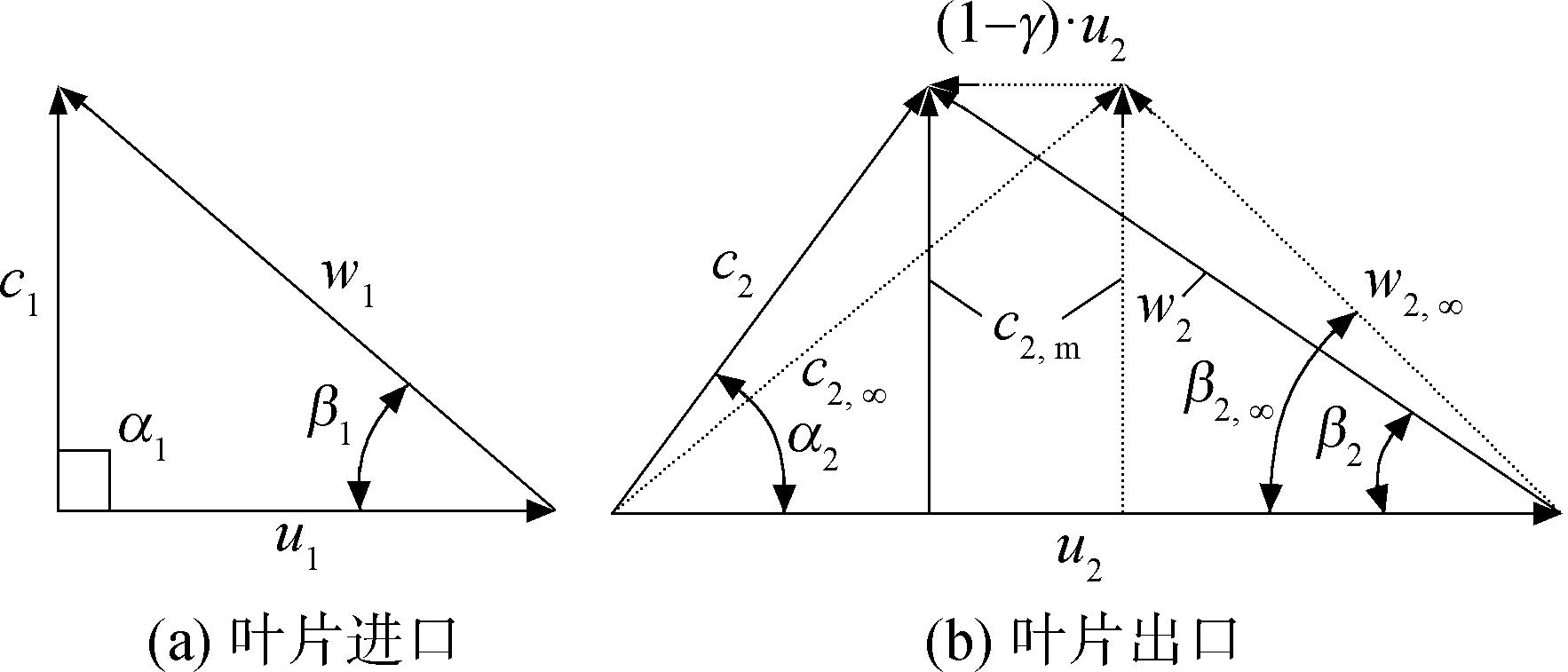
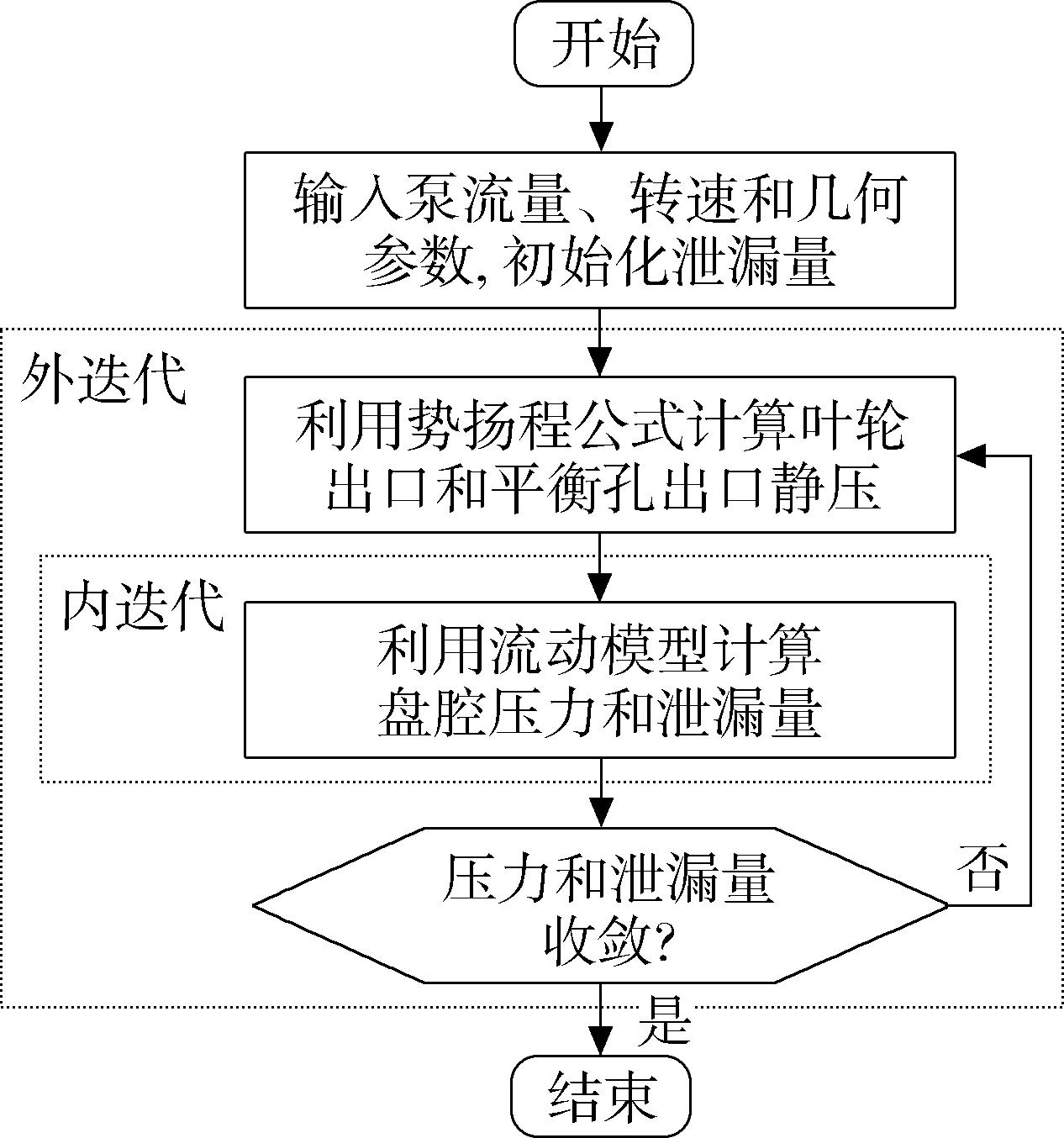
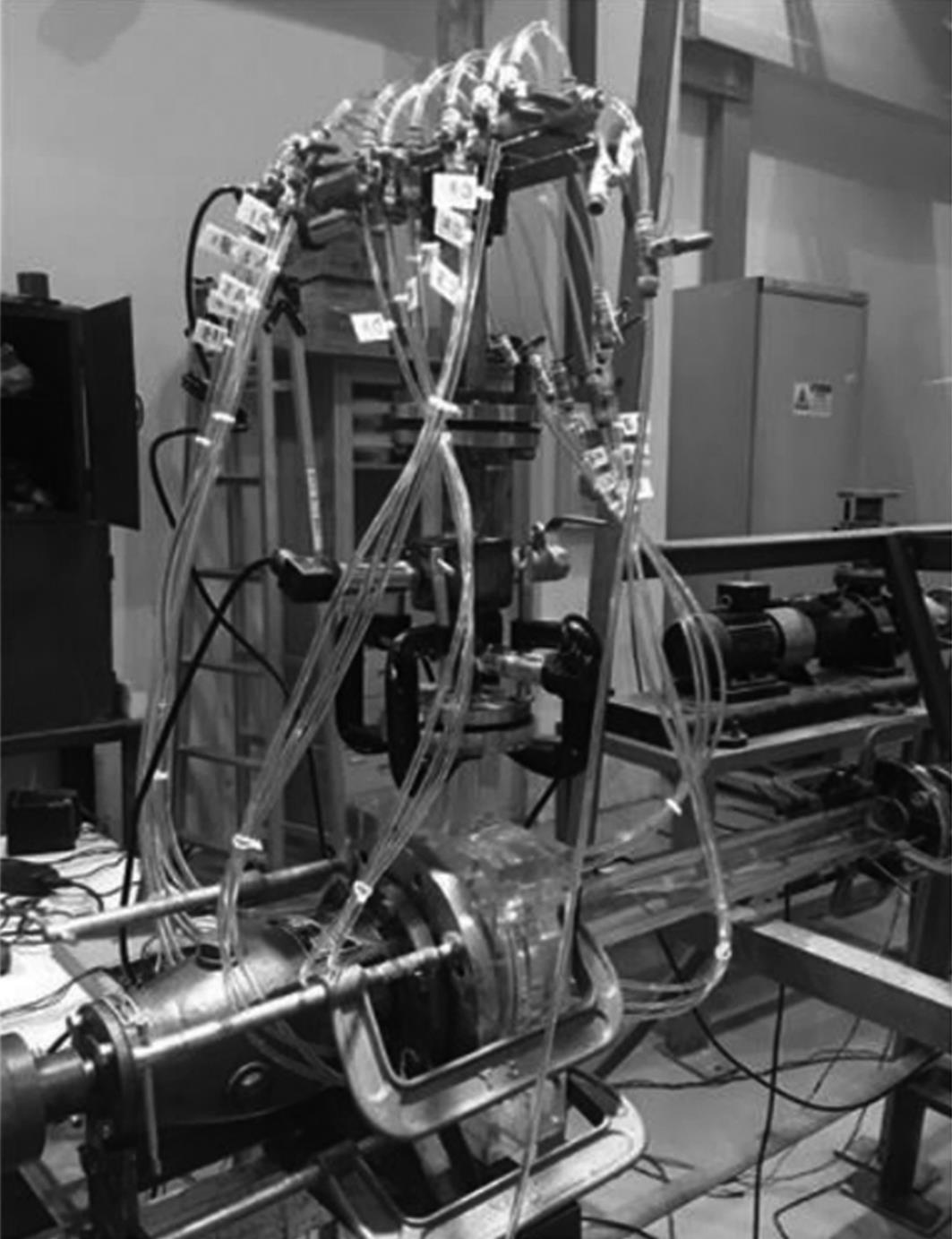
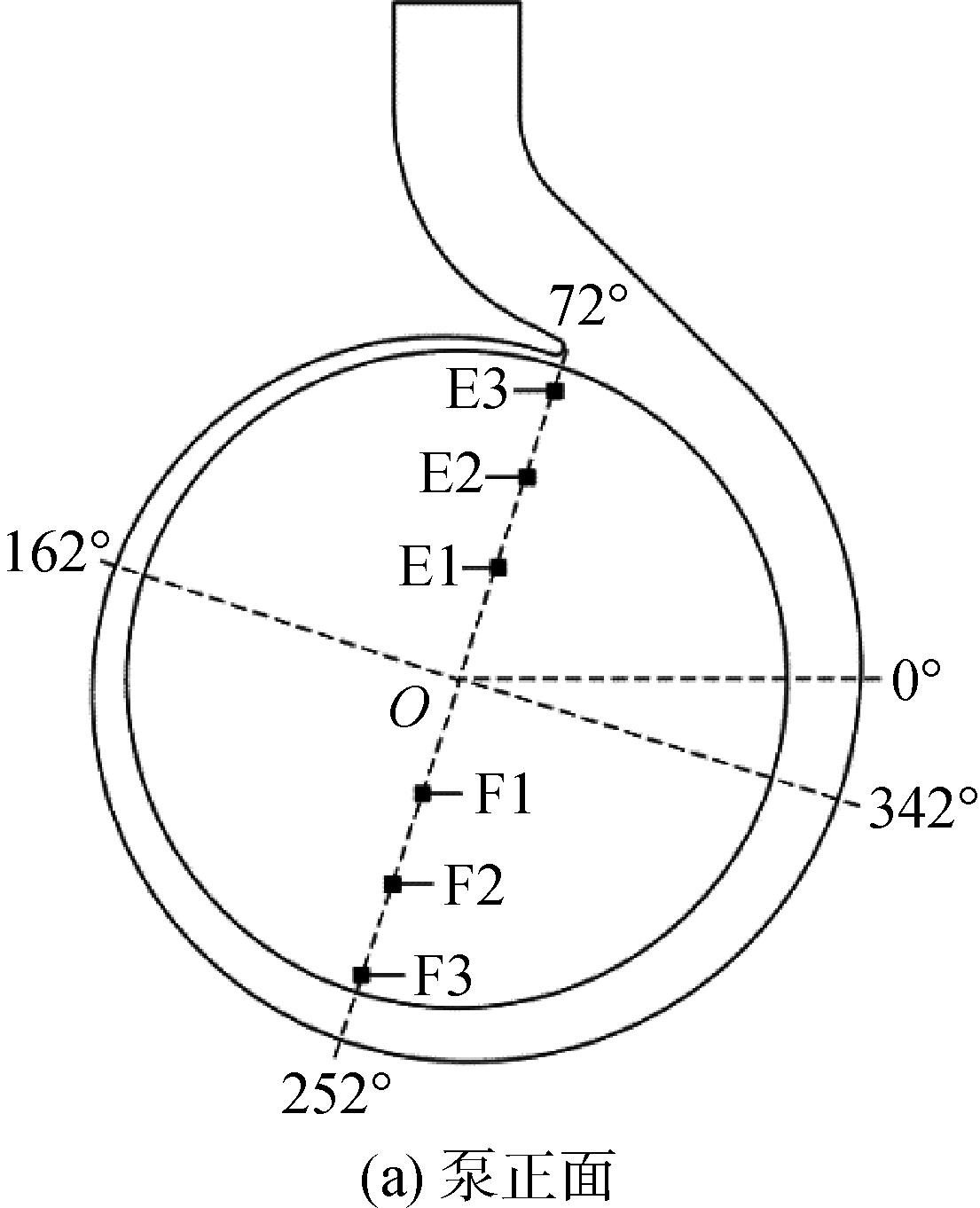
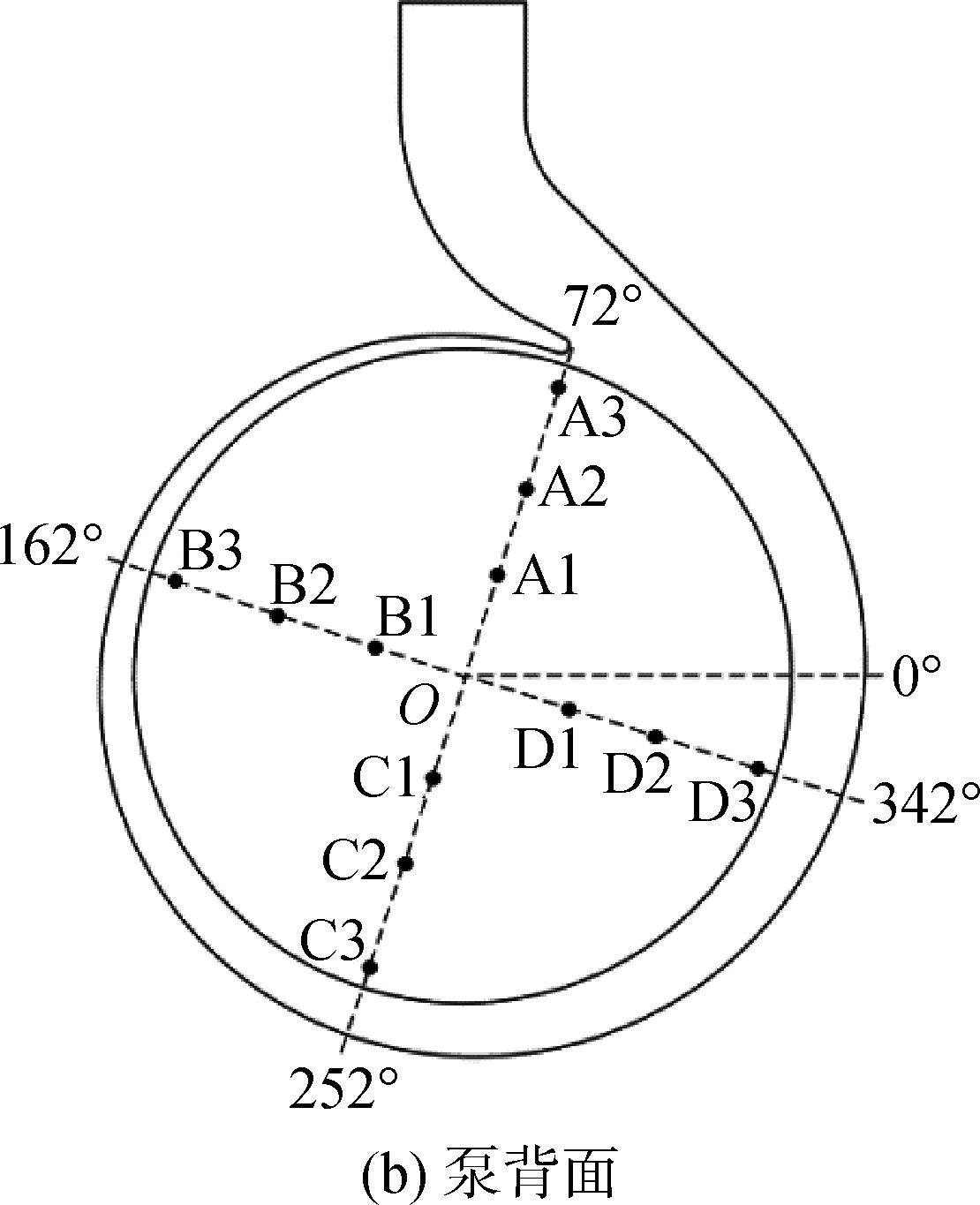
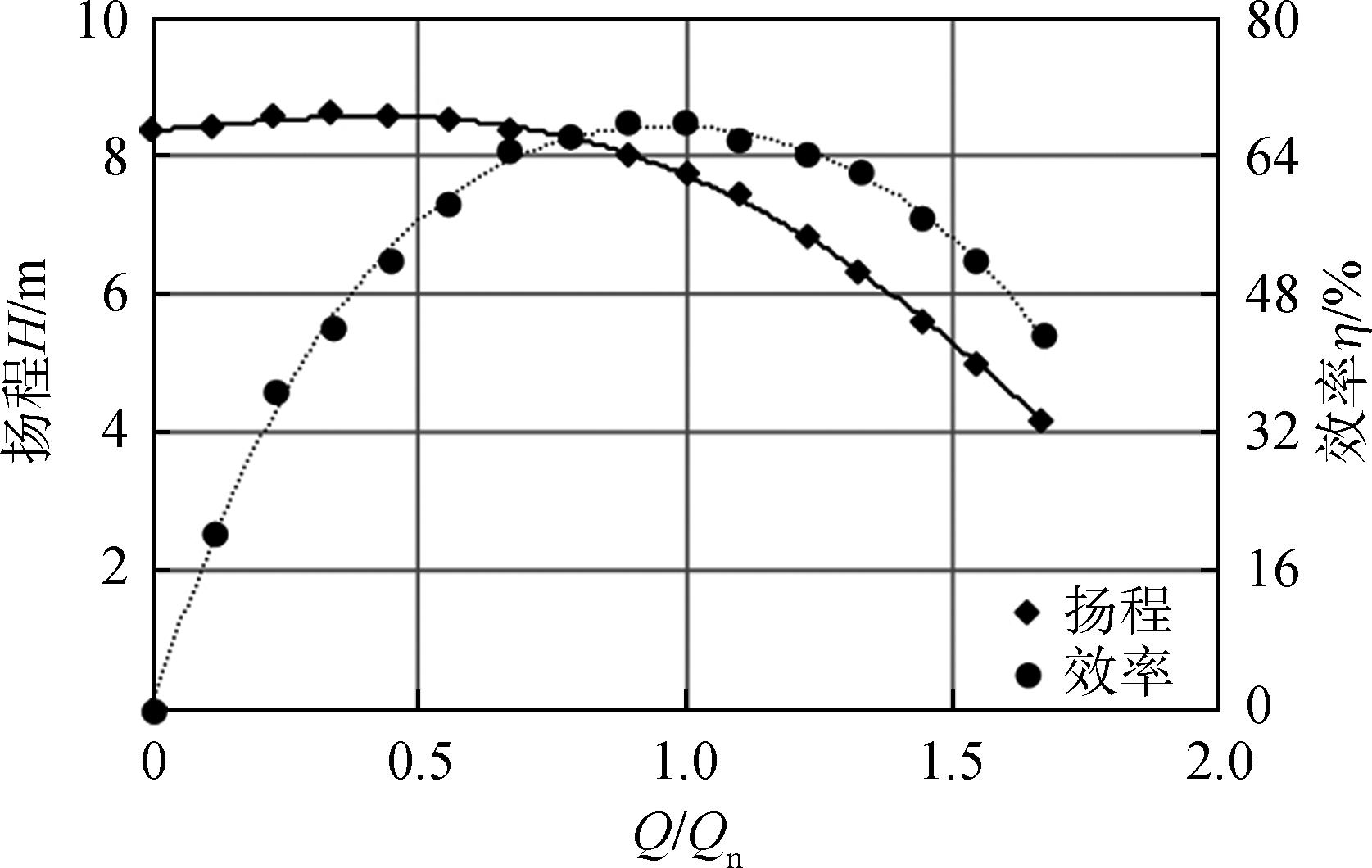
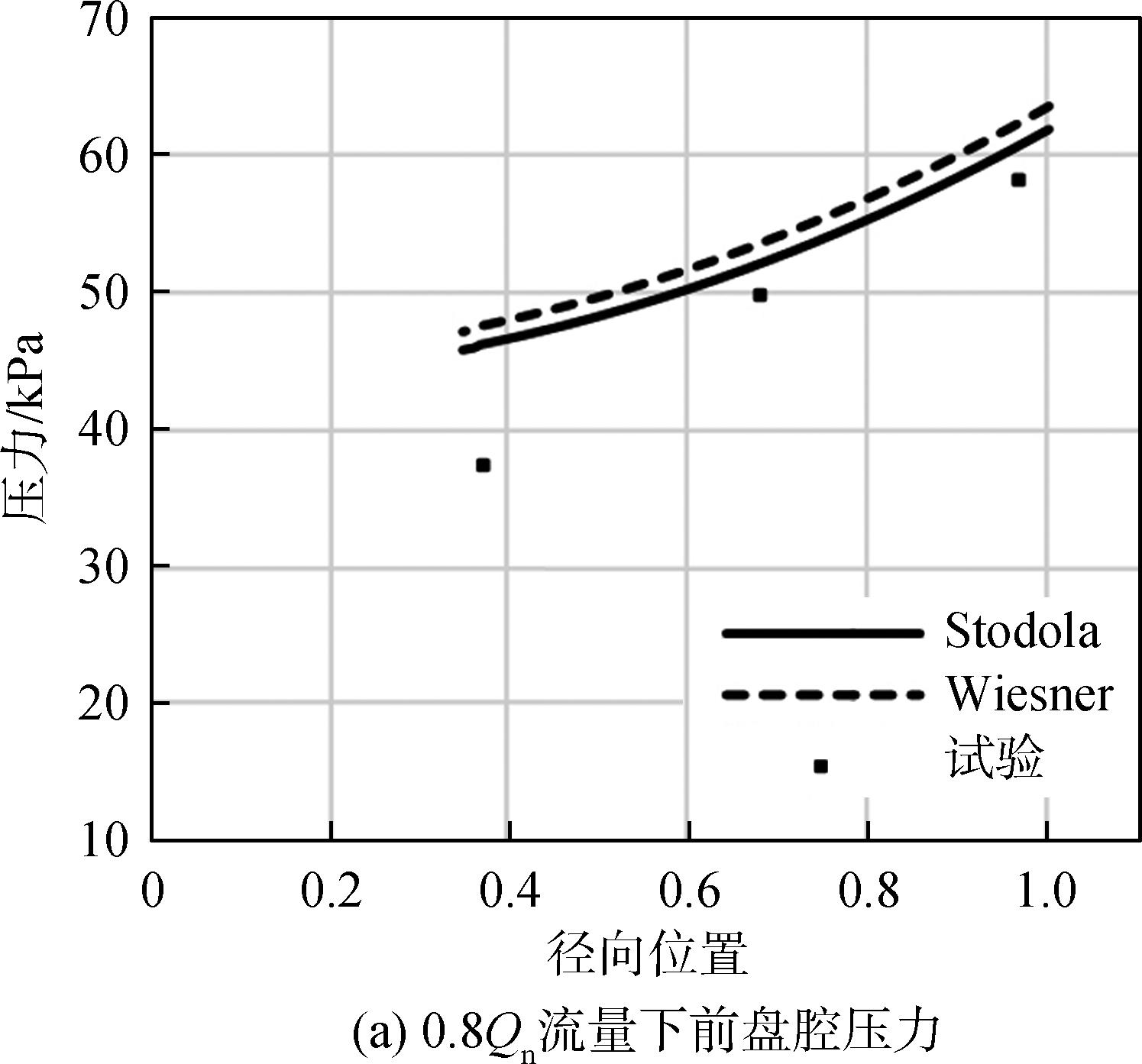
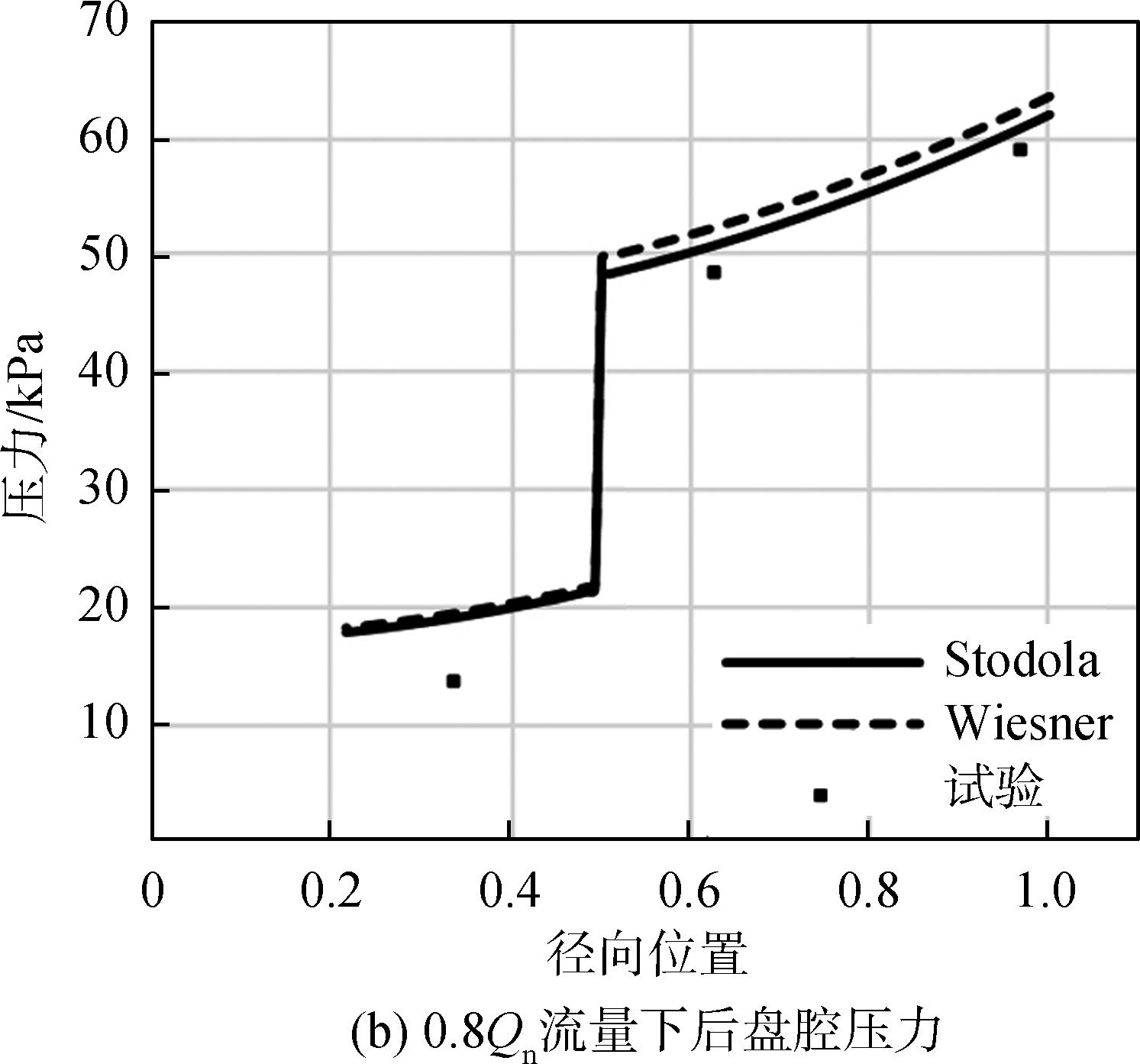
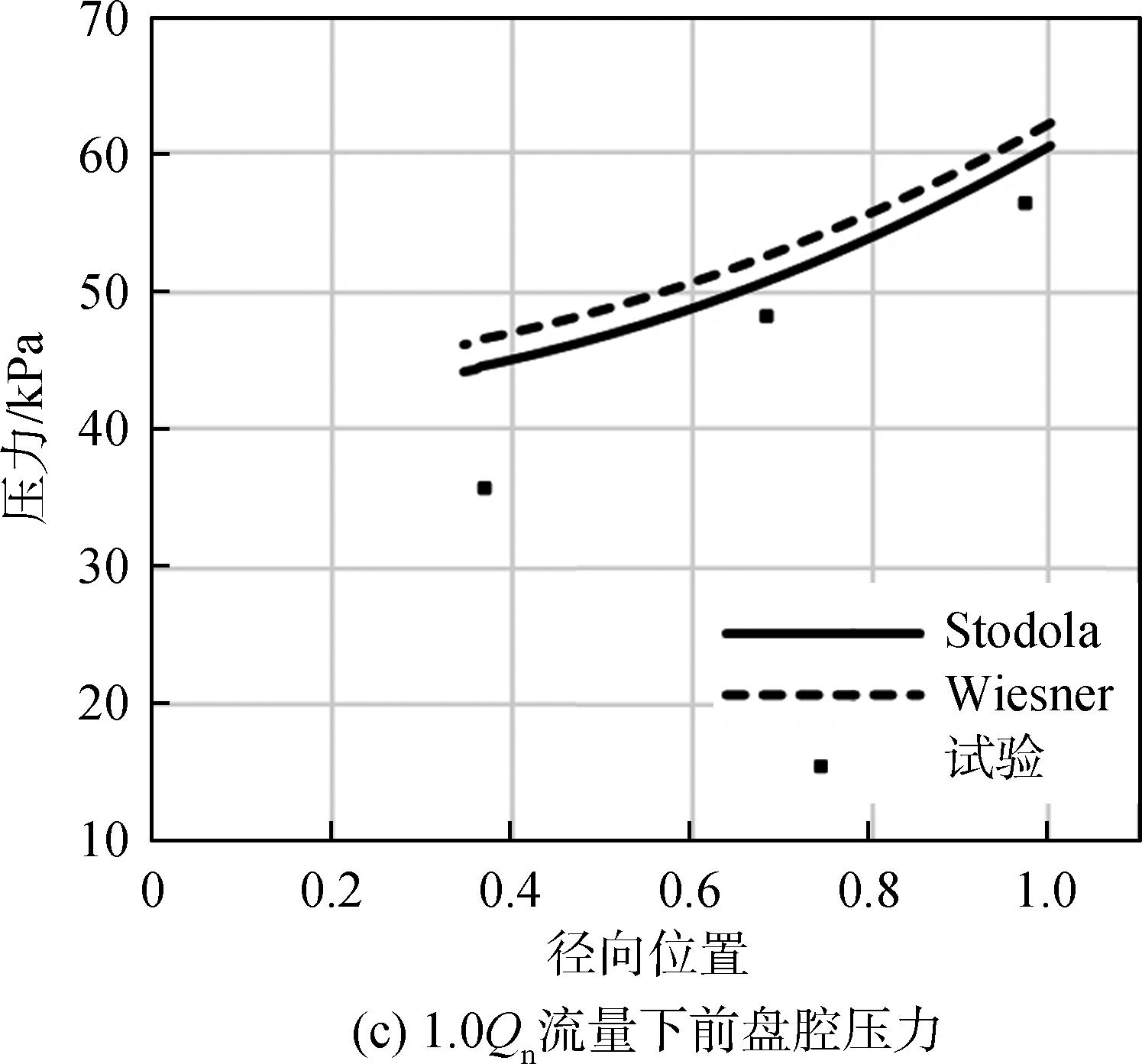
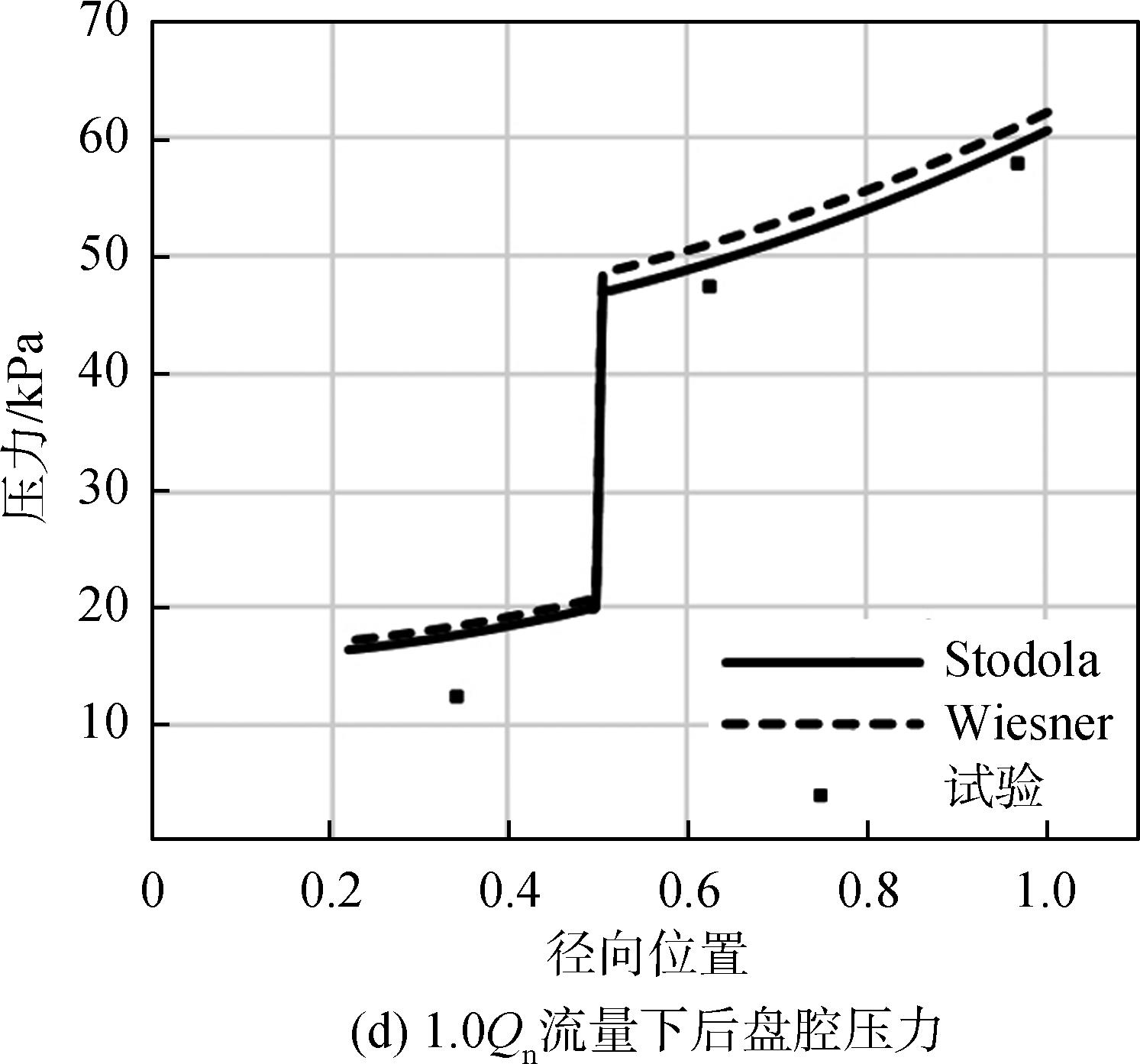
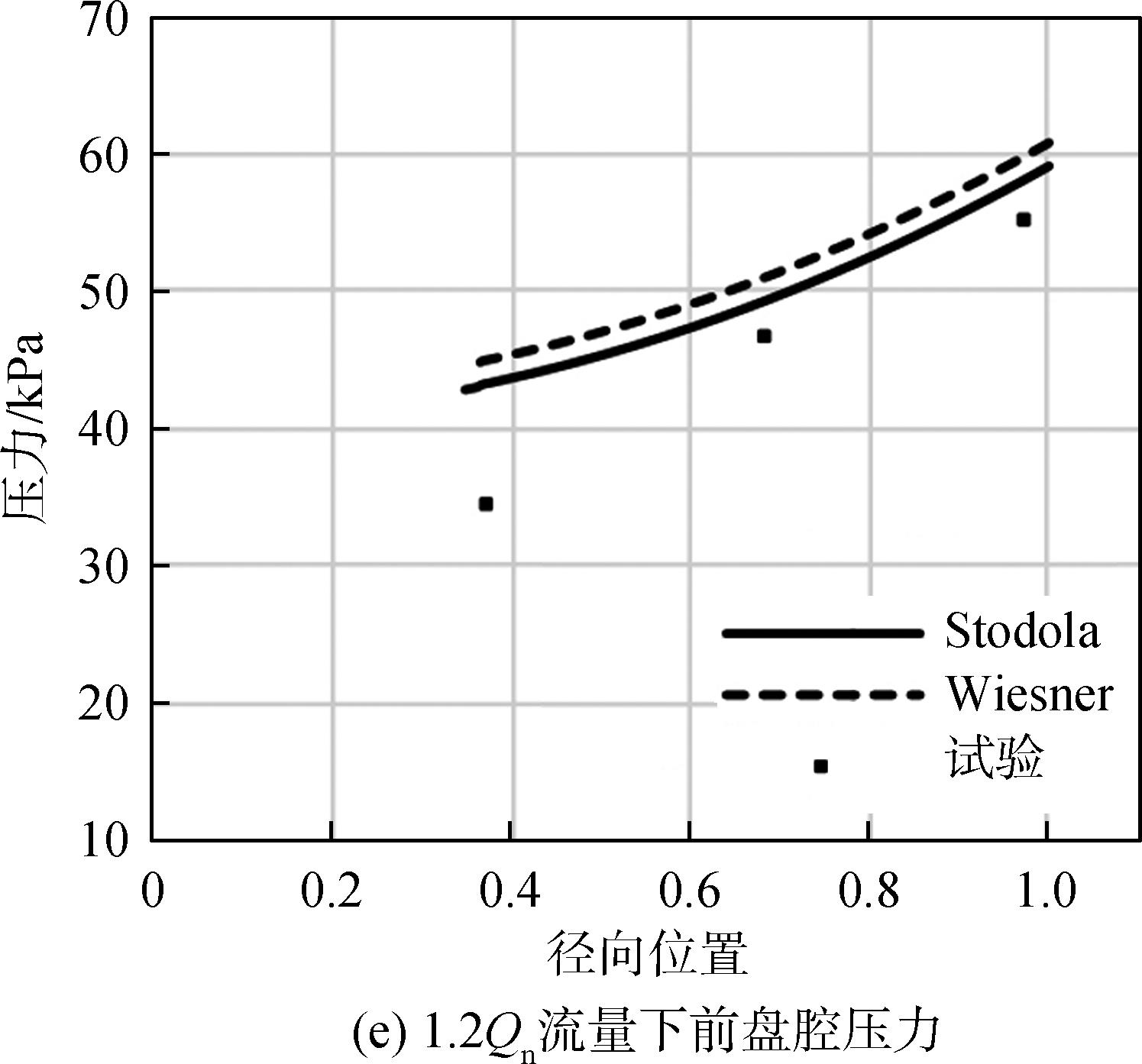
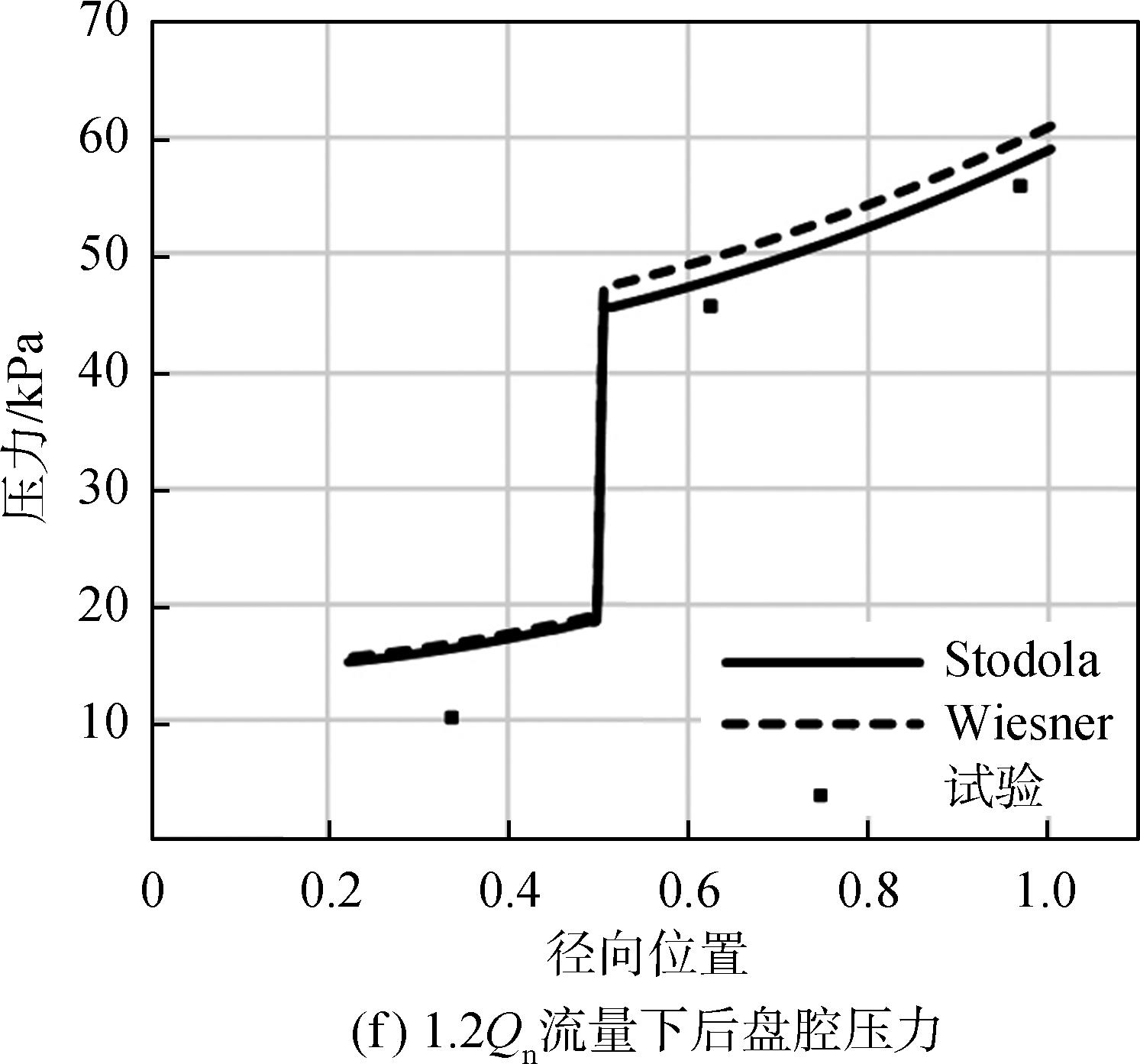
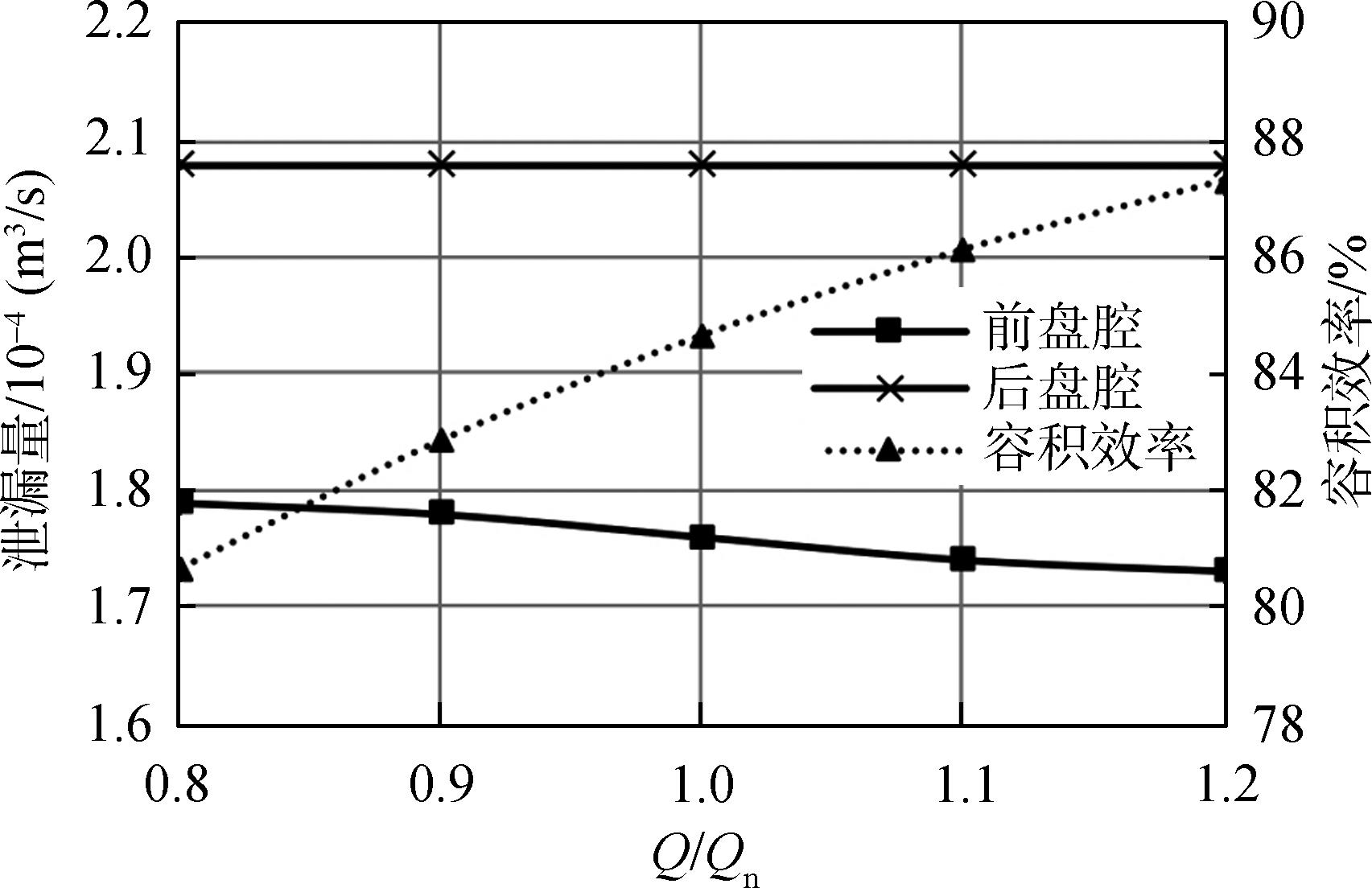
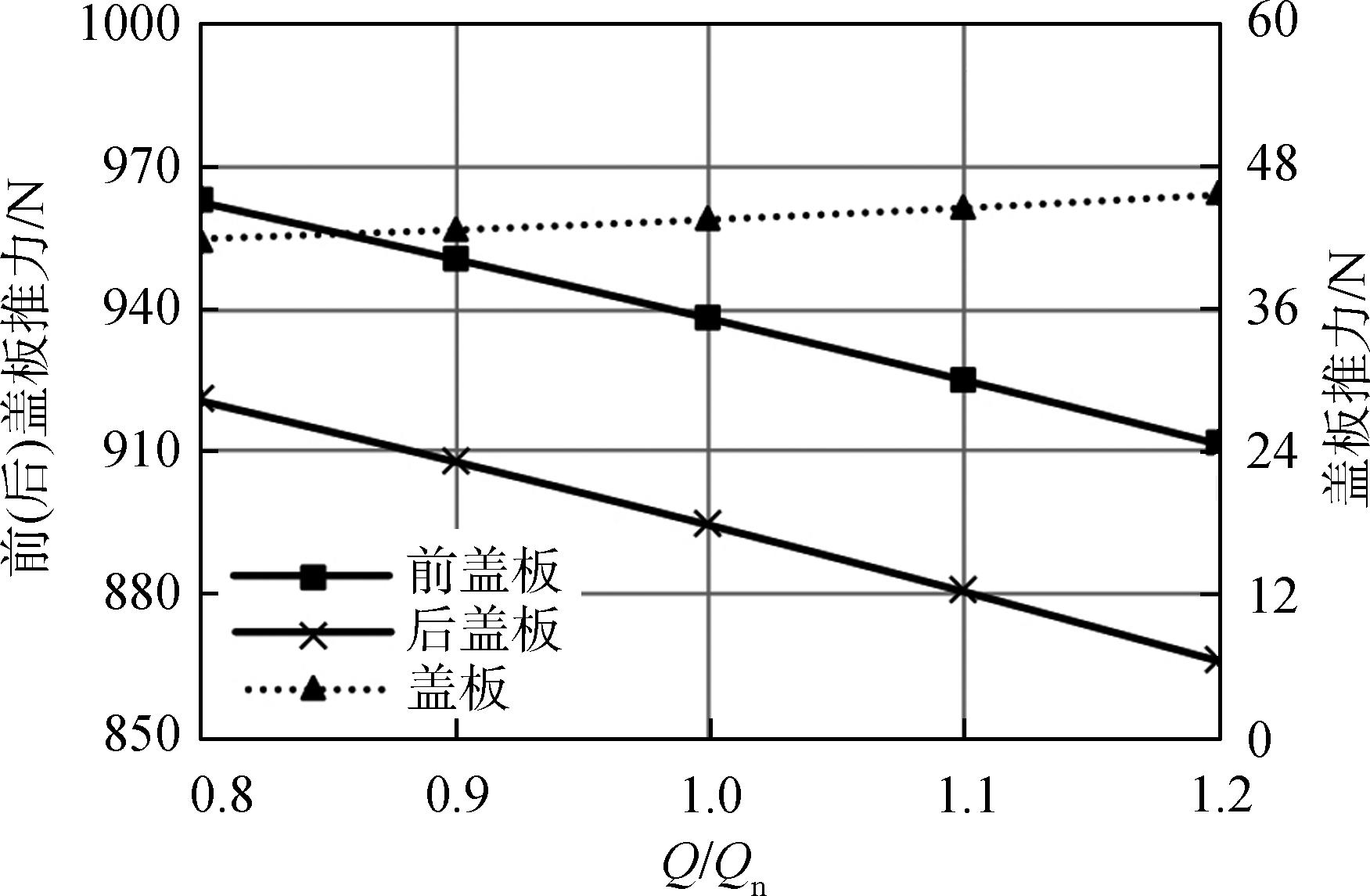
To study the internal and external characteristics of the side chambers of centrifugal pumps,the three⁃dimensional flow in the side chambers of centrifugal pumps was simplified into one⁃dimensional flow in the rotor⁃stator cavities,and then the differential equation for the flow in the rotor⁃stator cavities was established based on the momentum conservation equation and the radial continuity equation;by integrating this equation,applying it to the side chambers of centrifugal pumps,and introducing the resistance coefficients of the sealing parts,the impeller flow slip was considered,the pump potential head formula was modified,and a self⁃closure flow model from the impeller to side chambers to seals to balance holes in the centrifugal pumps was established.A solution method combining internal and external iterations was proposed,which realized the instant calculation of the flow in the side chambers of centrifugal pumps.Compared with the pressure measuring results of the centrifugal pump side chambers,the flow model using the Stodola impeller flow slip coefficient was more accurate by 3.5% than the flow model using the Wiesner impeller flow slip coefficient.The results of the flow model of disk cavities showed that:as the pump working condition was adjusted from partial flow rate to overflow condition,the volumetric efficiency gradually increased,and the thrust of the impeller shrouds gradually increased slightly.The method and conclusions provide references for calculations of the internal and external characteristics of the side chambers of centrifugal pumps.

Experimental and numerical simulation on aerodynamic performance of large radius change to length ratio intermediate casing
LIU Jianming, HAO Shengchun, WU Hui, ZHAO Zhan, ZHANG Lei, LI Hao
2022, 37(7): 1560-1568. doi: 10.13224/j.cnki.jasp.20210271
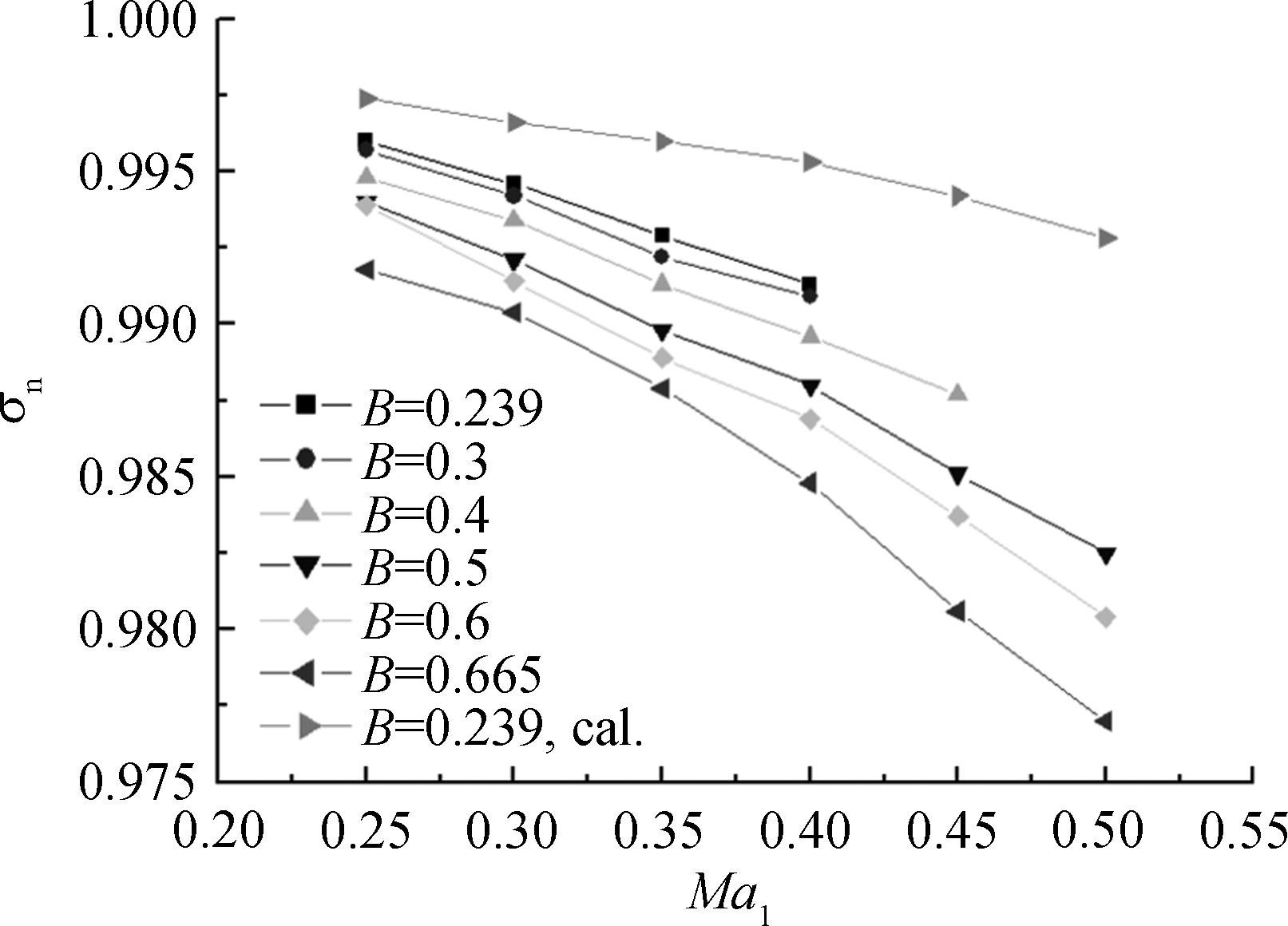
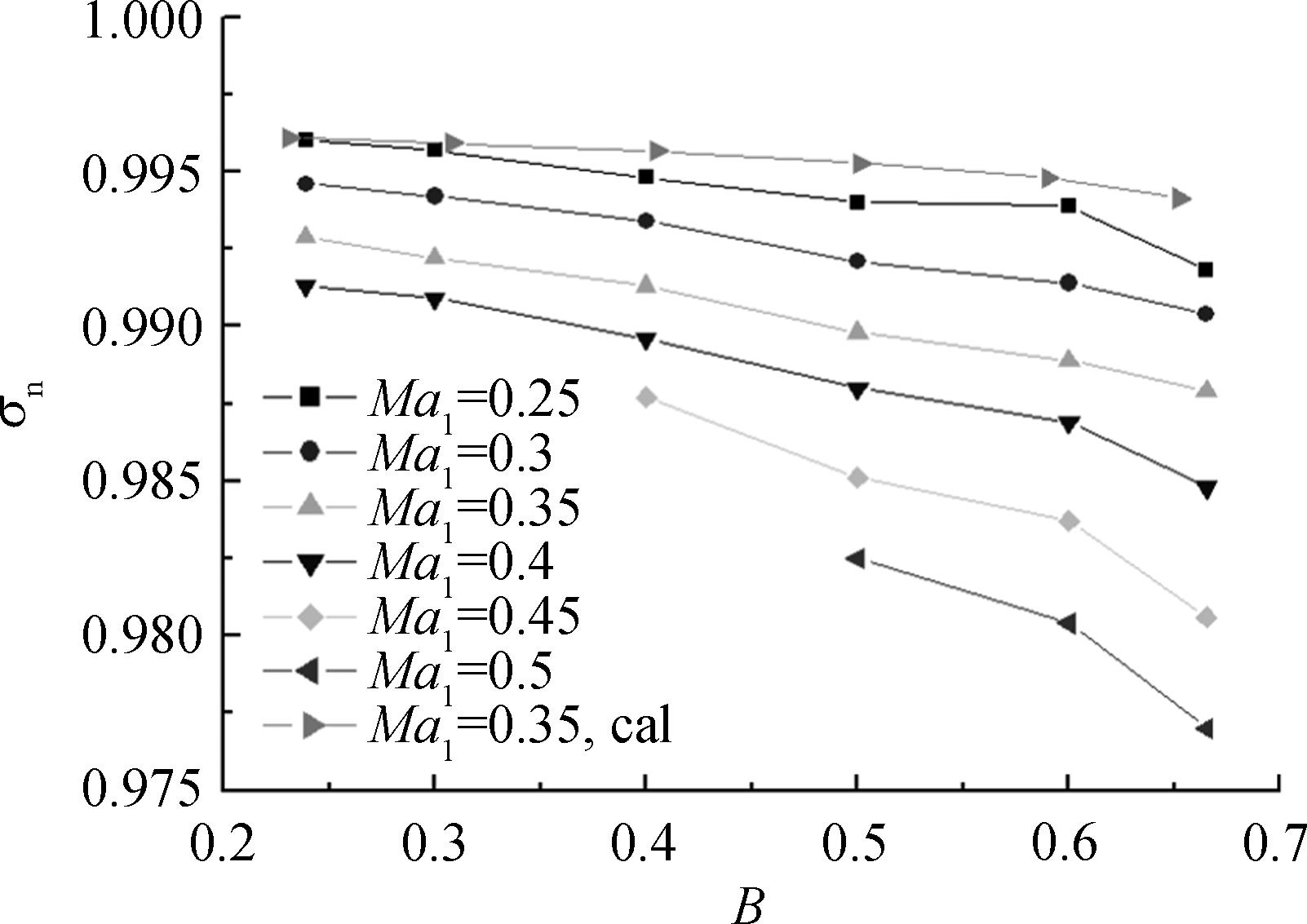
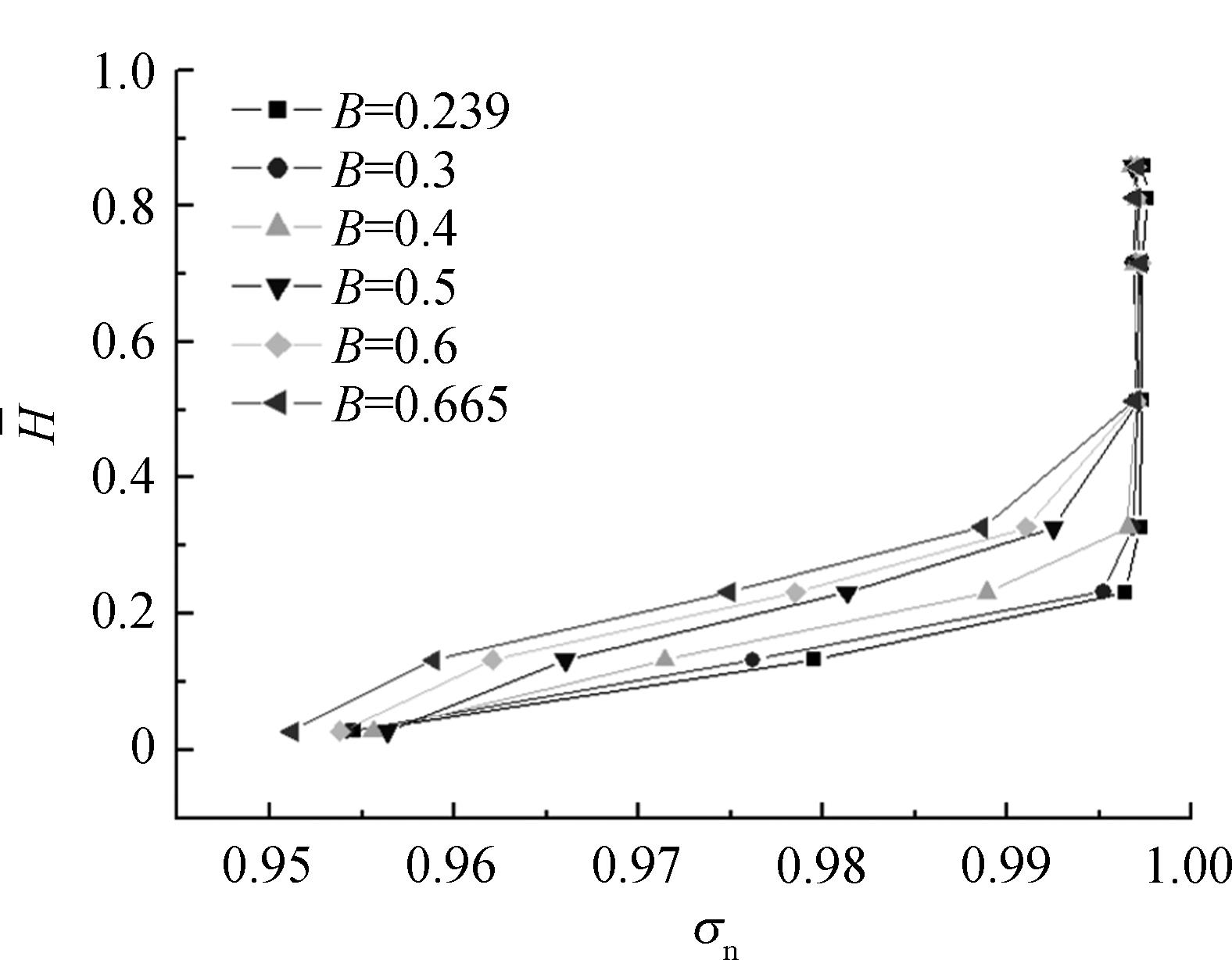
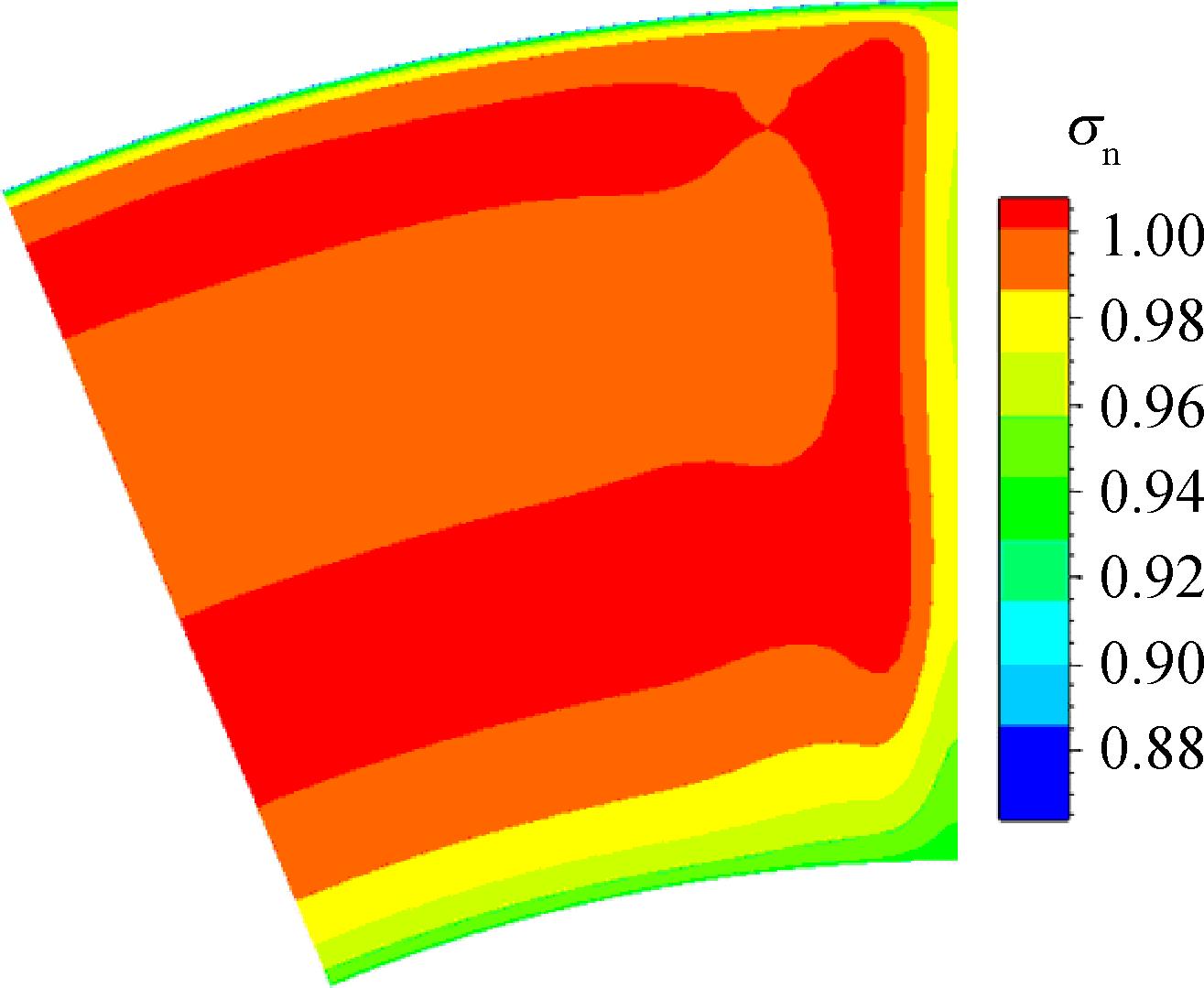
Abstract:

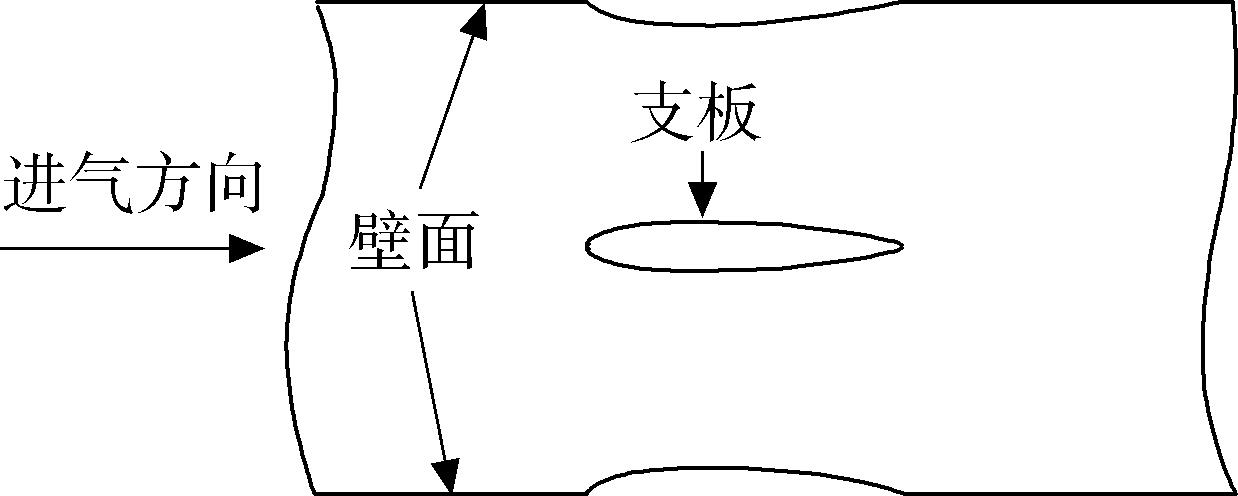
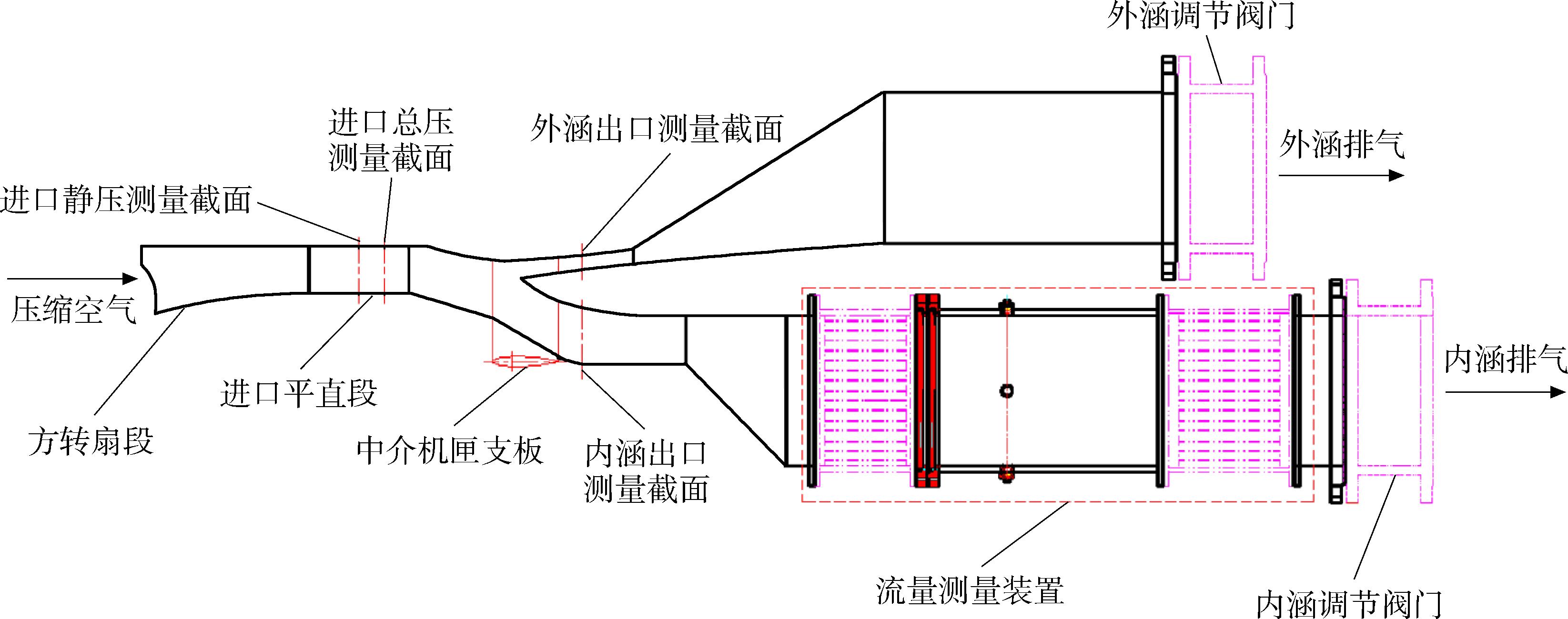
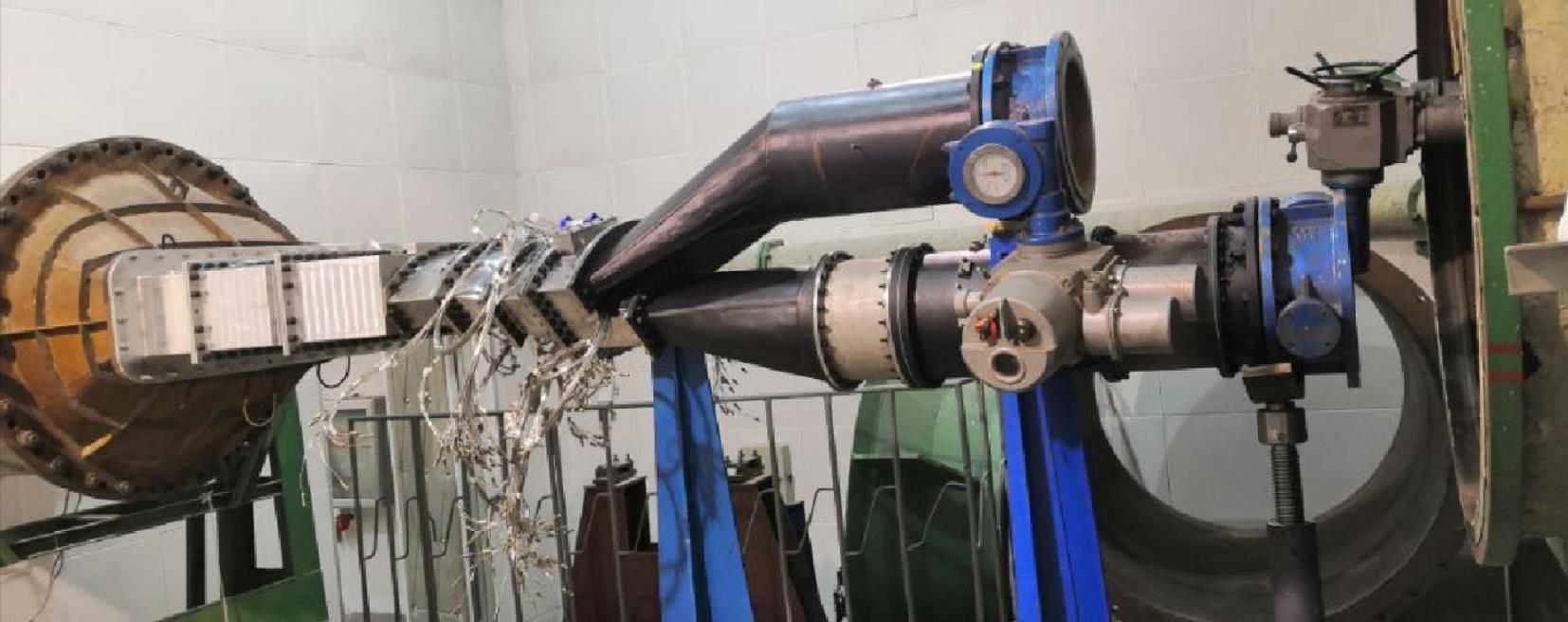
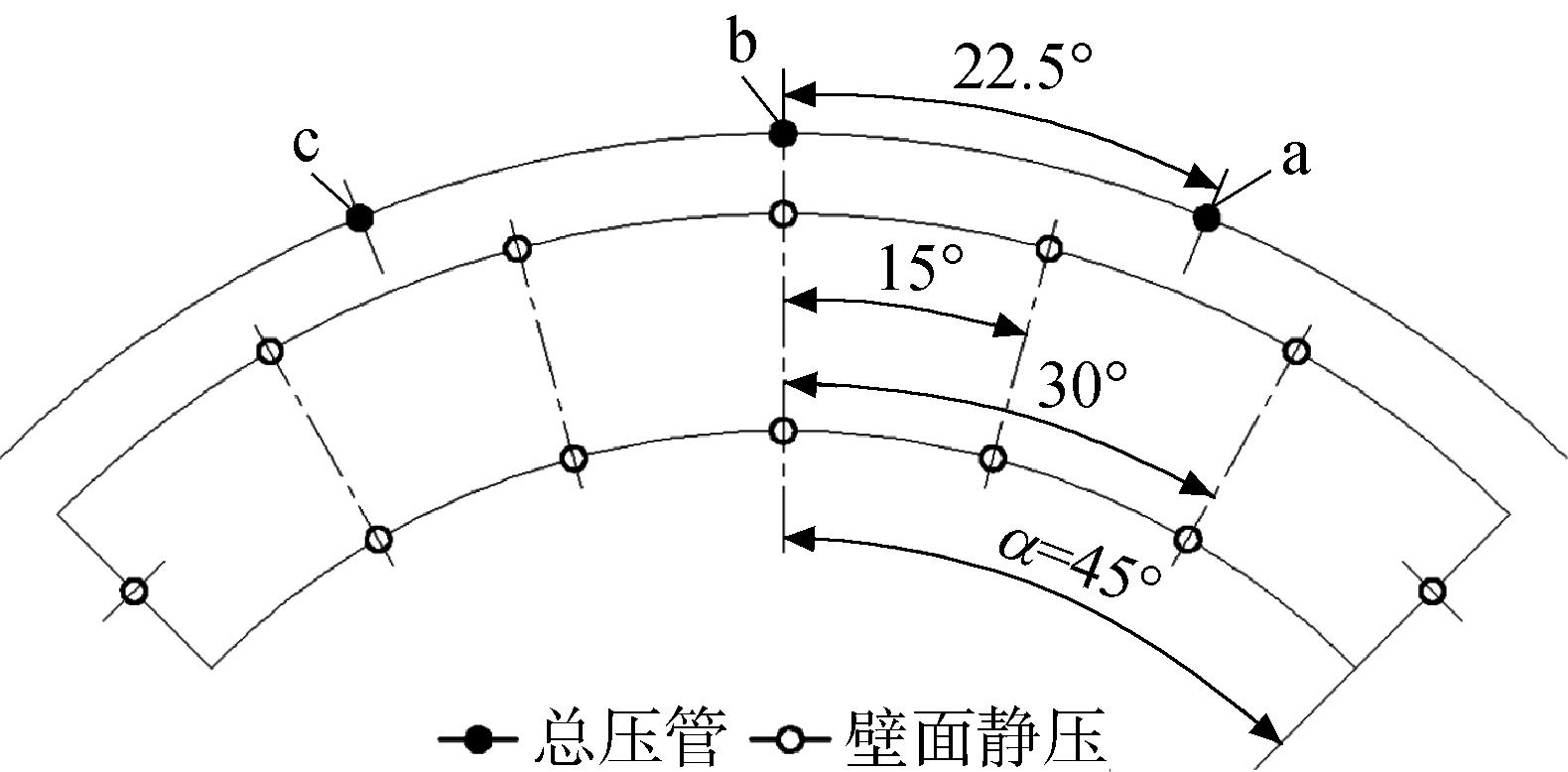
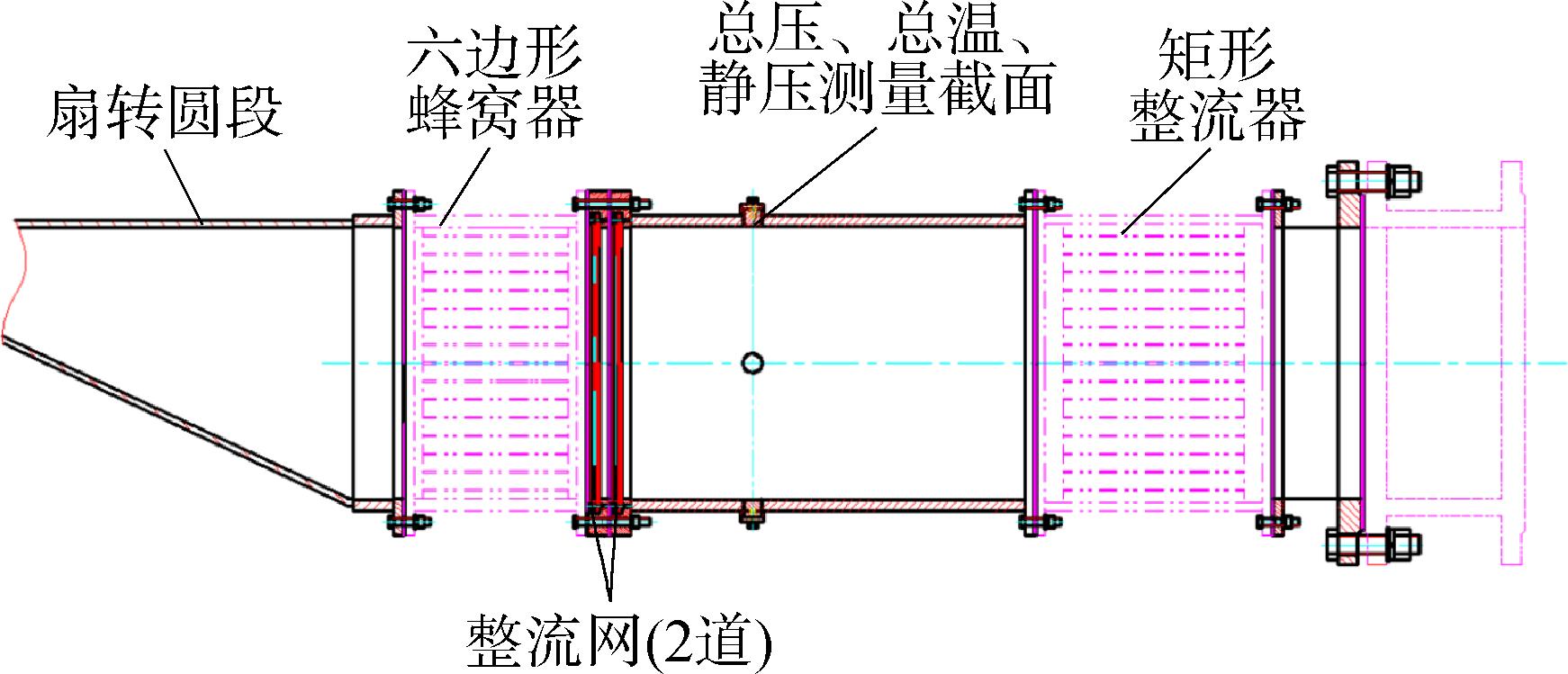
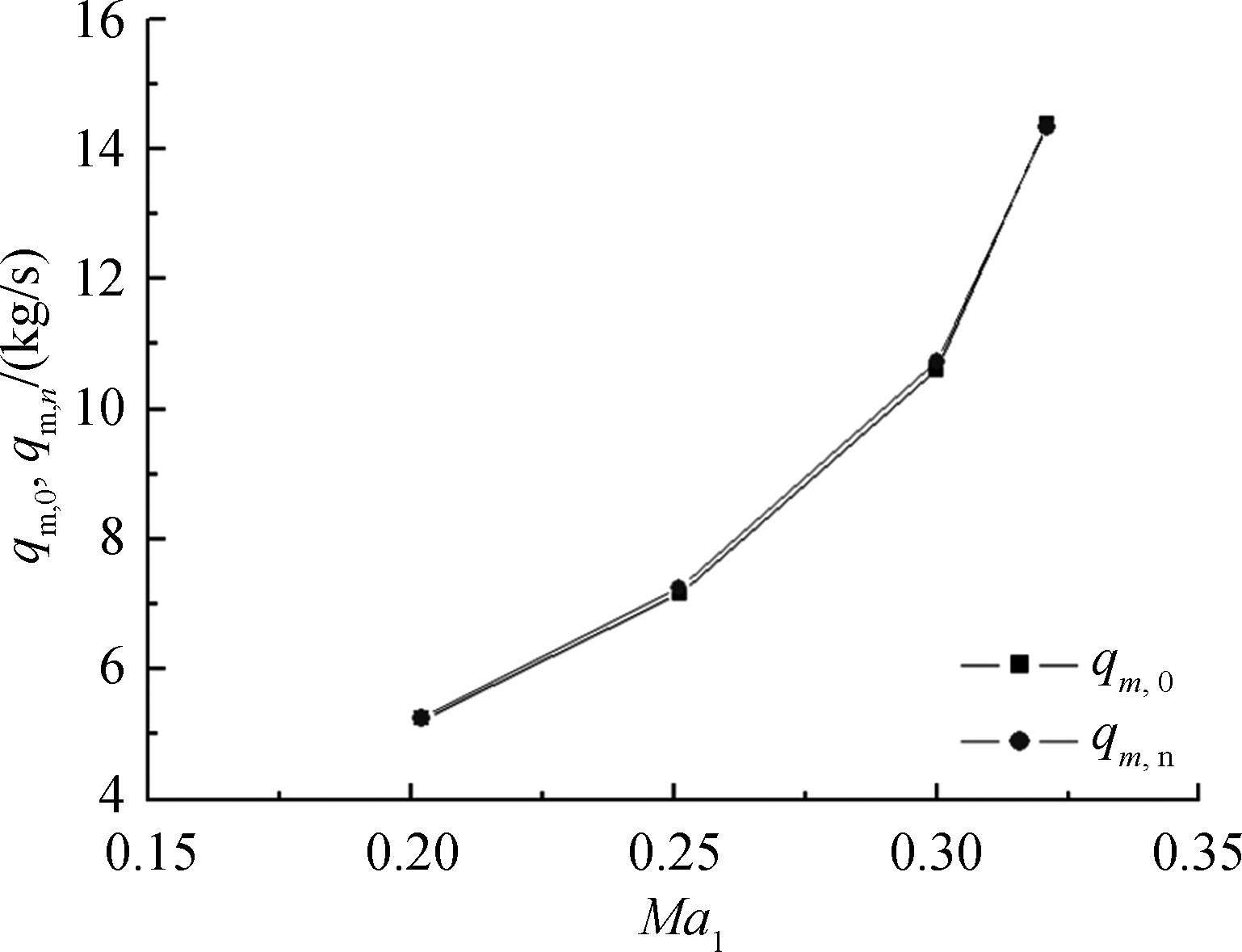
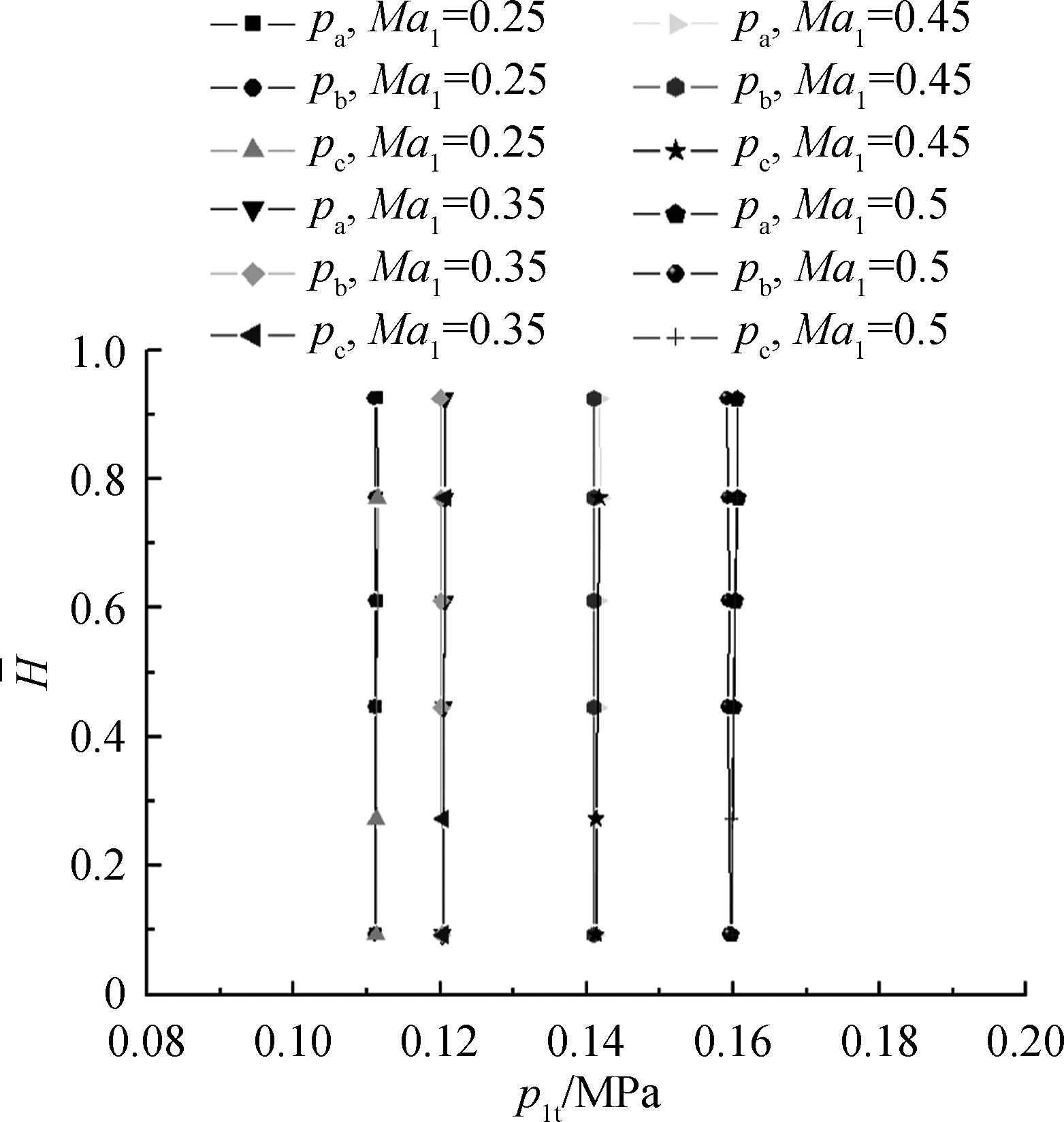
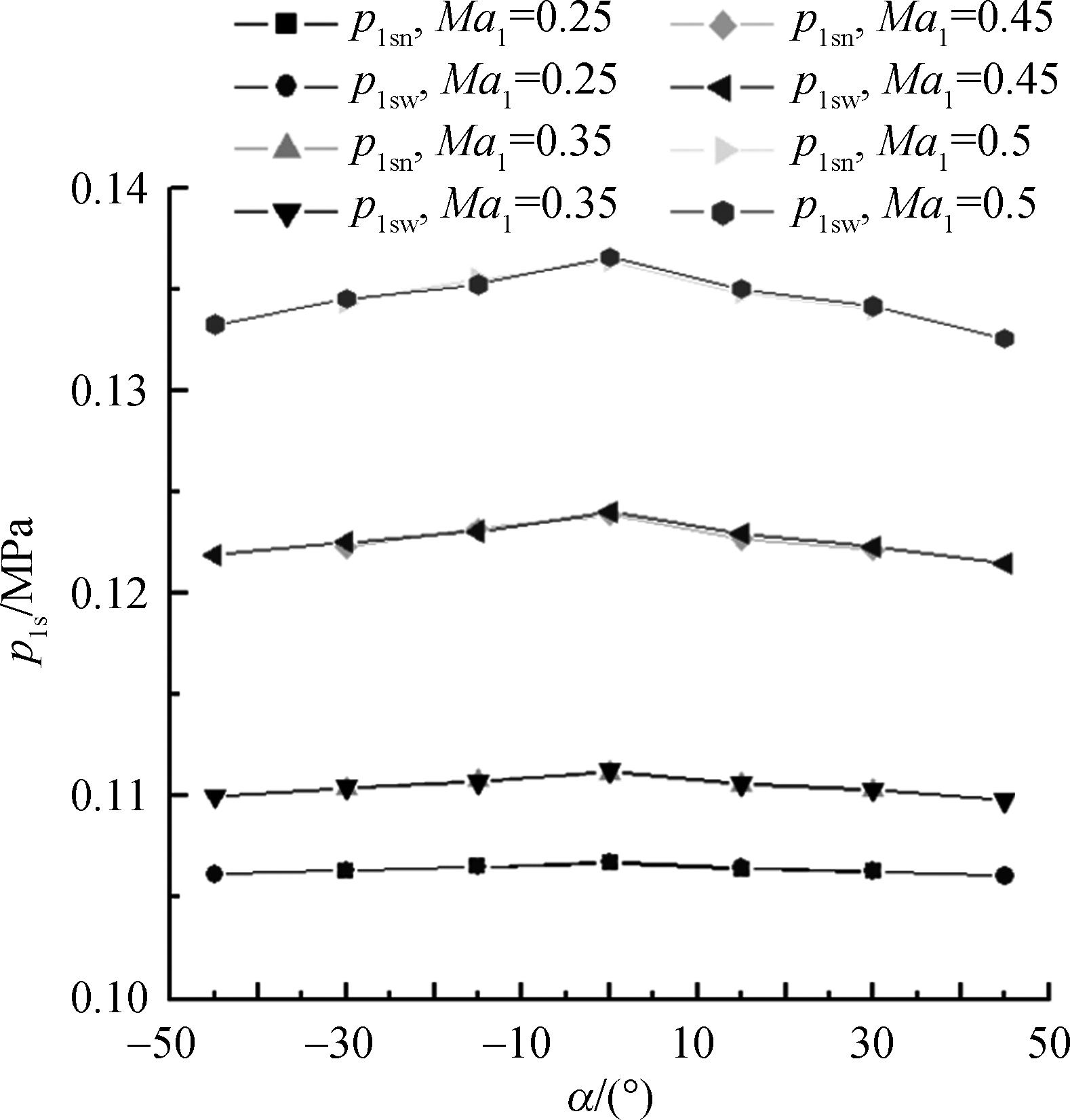
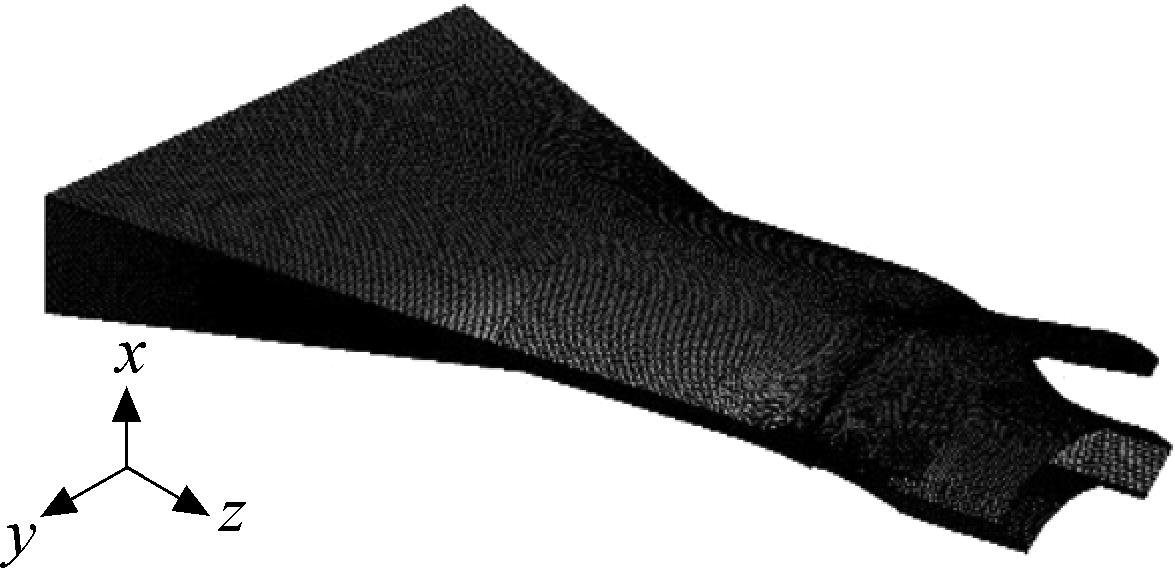
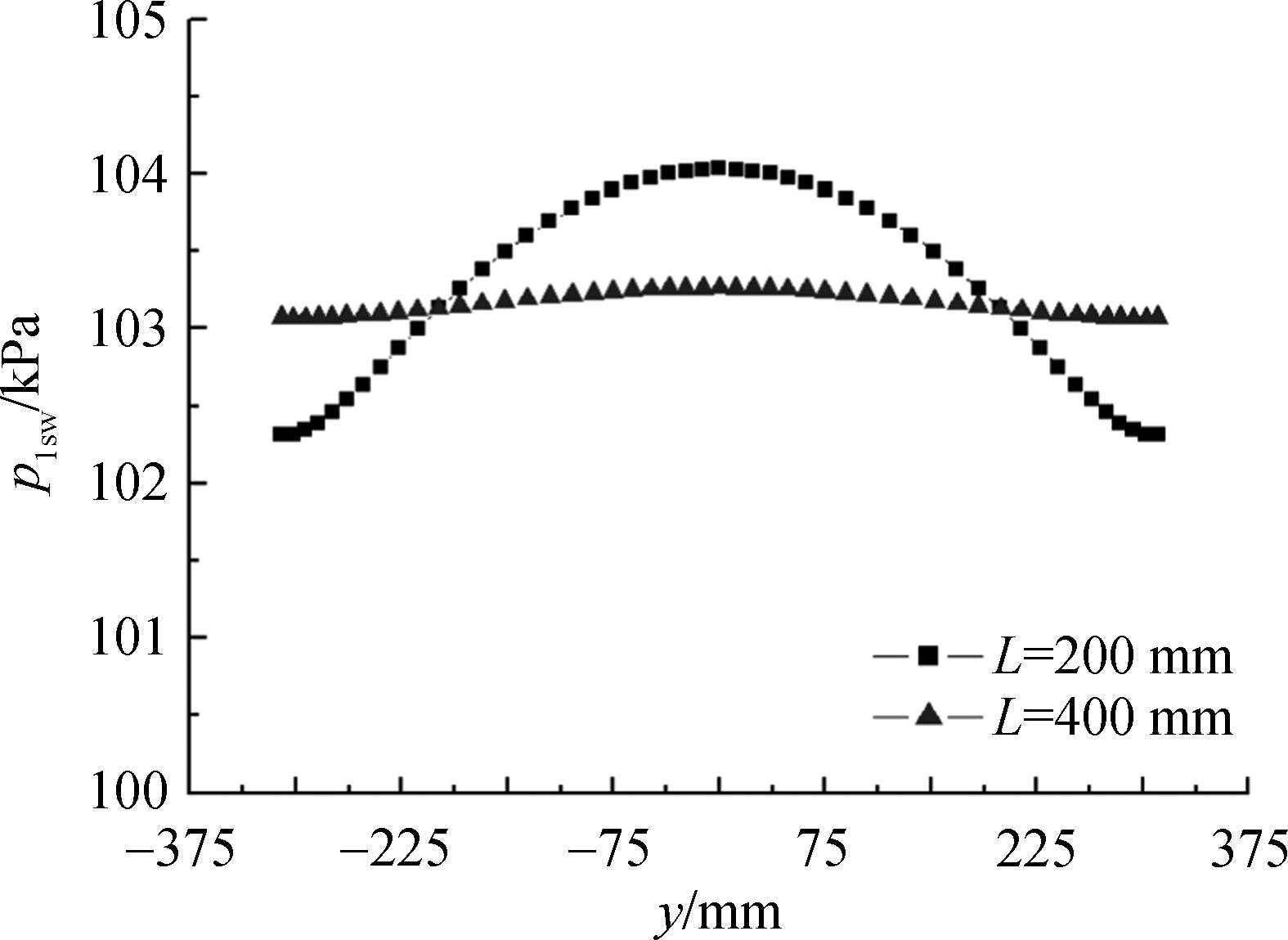
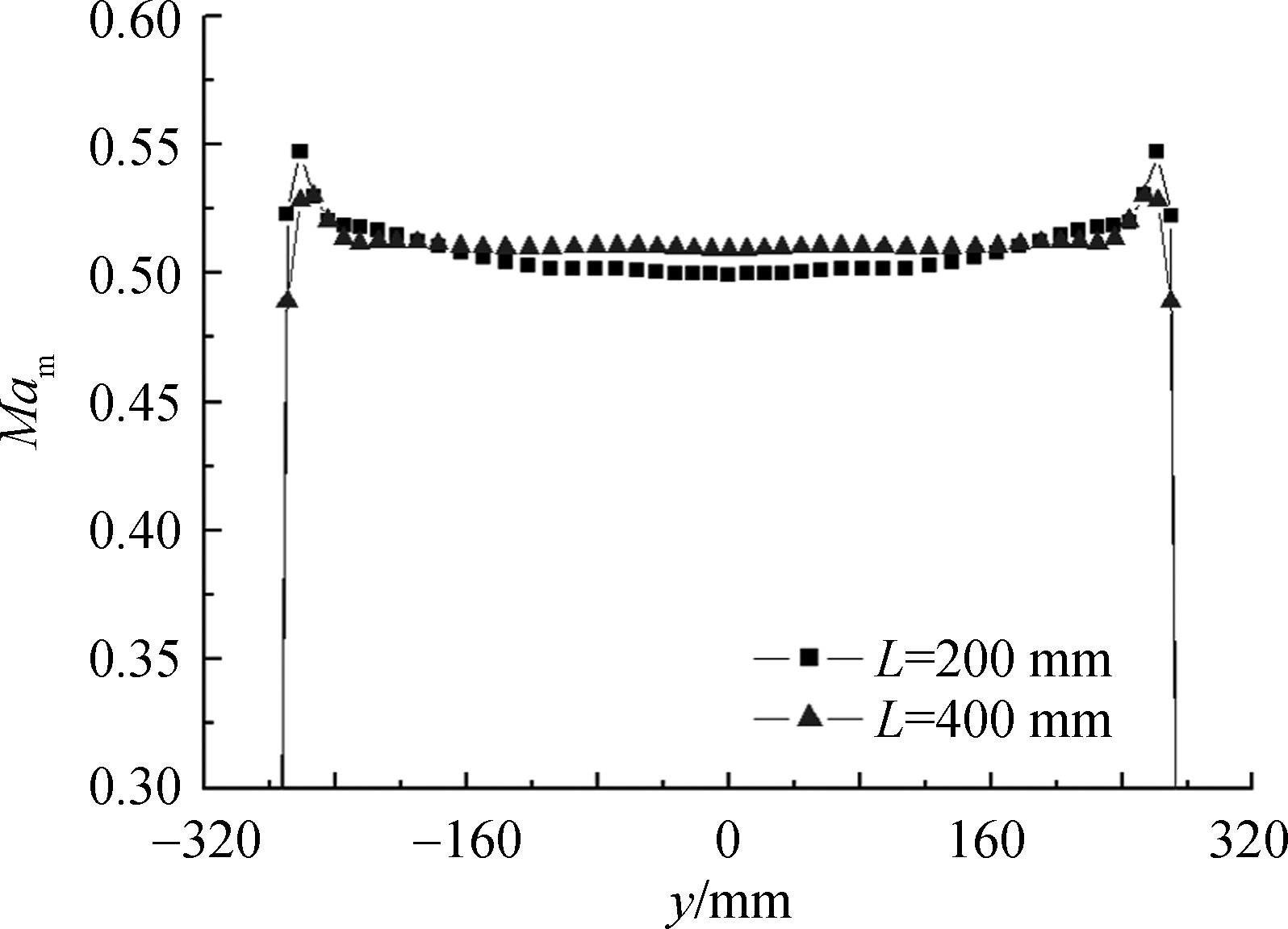
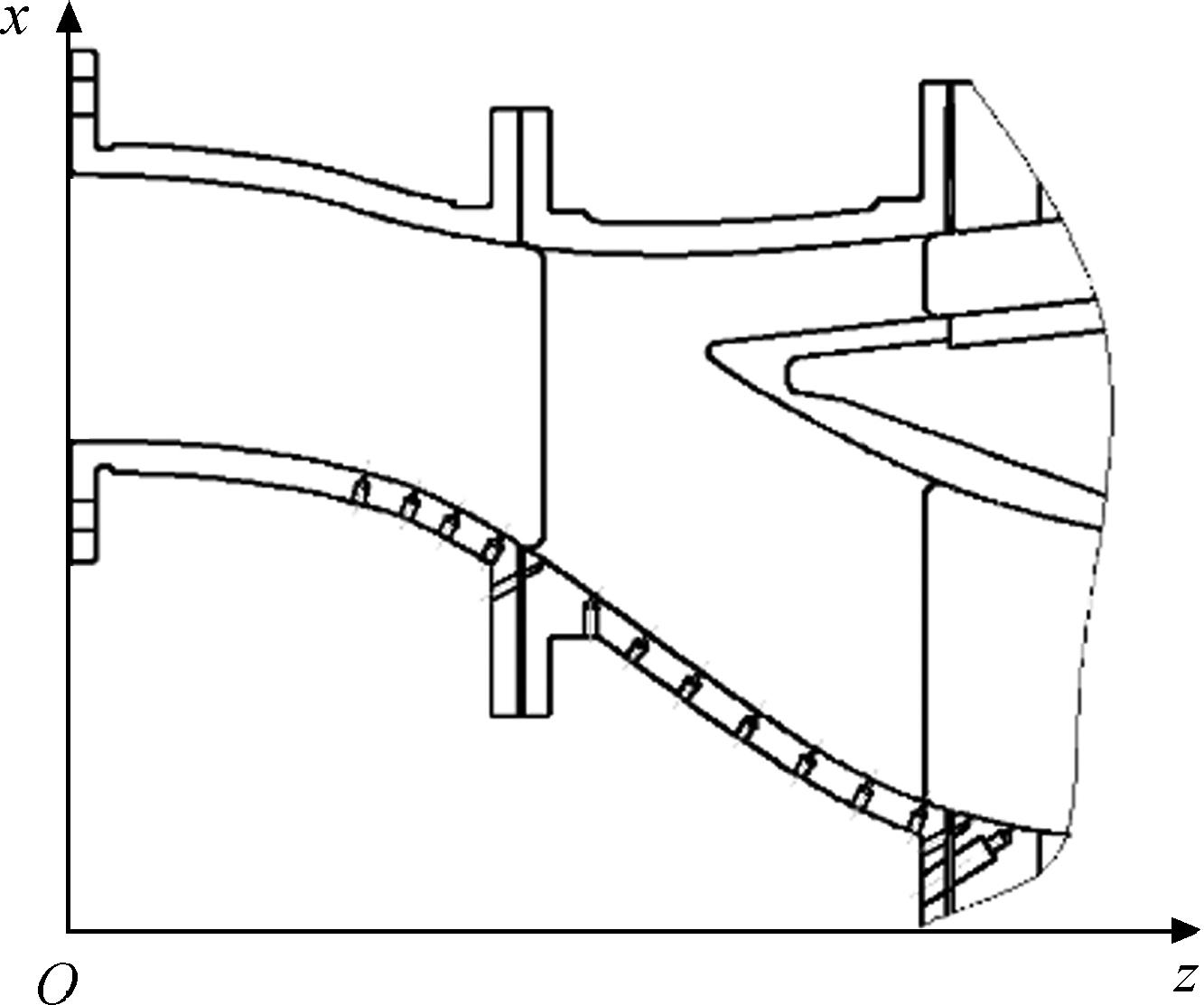
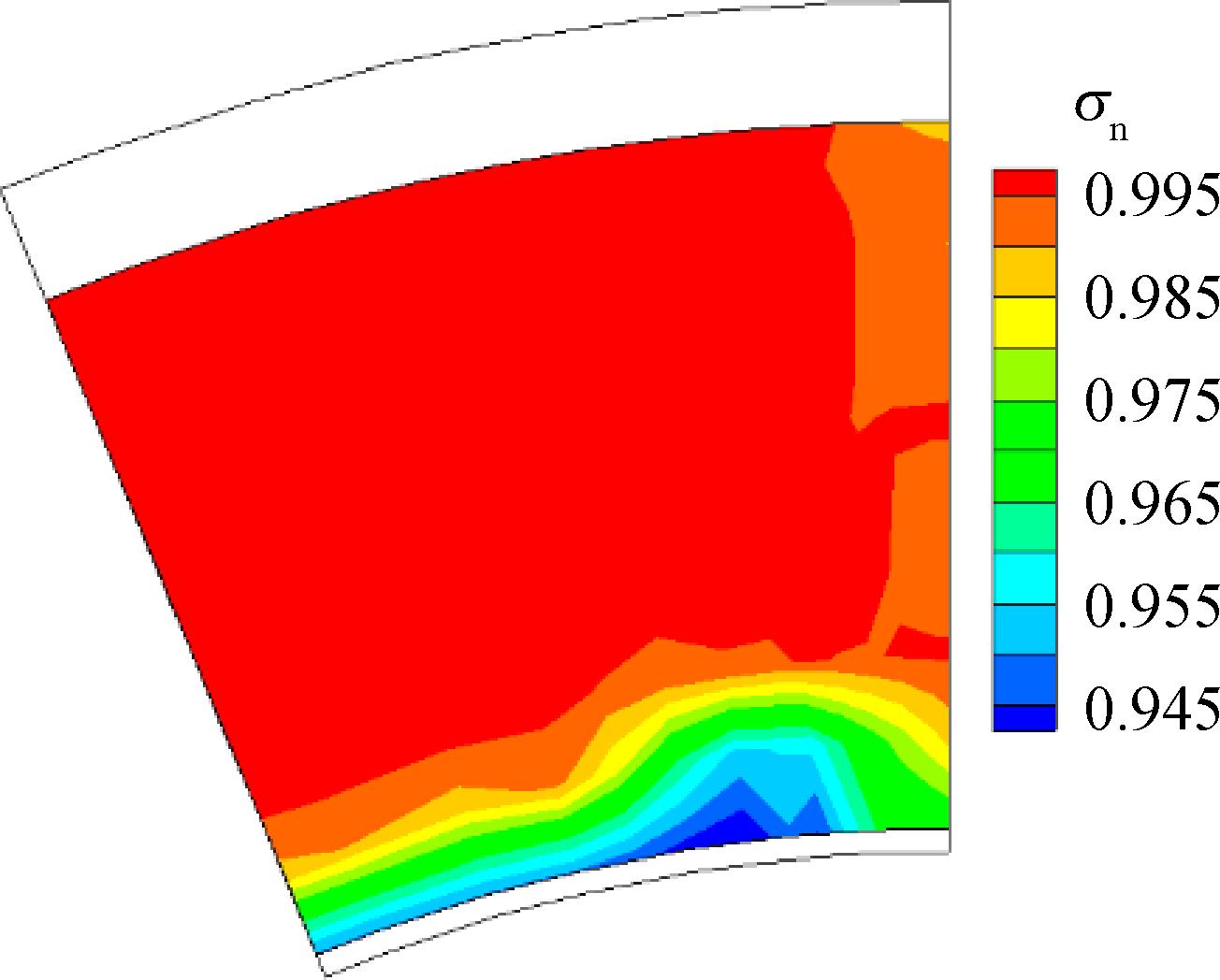
In order to investigate the aerodynamic performance of the intermediate casing and verify the design method,the aerodynamic performance of the intermediate casing was experimented.At the same time,corresponding numerical simulations were carried out by using NUMECA Fine software.To accurately measure the flow through the core of the intermediate casing,a flow measurement device was designed and the accuracy was checked.Results showed the relative deviation of the measurement accuracy was less than 1.5%.Considering the wall static pressure on both sides of the inlet straight section was smaller than in the center area at high inlet Mach number,and some bypass ratios failed to be adjusted to the target inlet Mach numbers,corresponding numerical simulations were carried out and the solutions were proposed.A single hole total pressure probe was used to measure the sector of the core and bypass outlet.The total performance curves and total pressure recovery coefficient radial change curves of the core,the total pressure recovery coefficient cloud images of the core and bypass were gained and compared with the calculated results.Results showed the core total performance curves,the core and bypass total pressure recovery coefficient cloud images of the calculated results were in good agreement with the experimental results.In the design state,the total pressure recovery coefficients of the core and bypass outlet measurement section were 0.9921 and 0.986,respectively,both were higher than the design indices,indicating the intermediate casing had good aerodynamic performance.