2022 Vol. 37, No. 9

Aerothermodynamics and Aeroengine Design
A multi cycle propulsion system for amphibious unmanned aerial vehicle with repeatable water exit
TIAN Jun, XIE Yufan, LONG Fei, LIU Qin
2022, 37(9): 1793-1806. doi: 10.13224/j.cnki.jasp.20210415
Abstract:

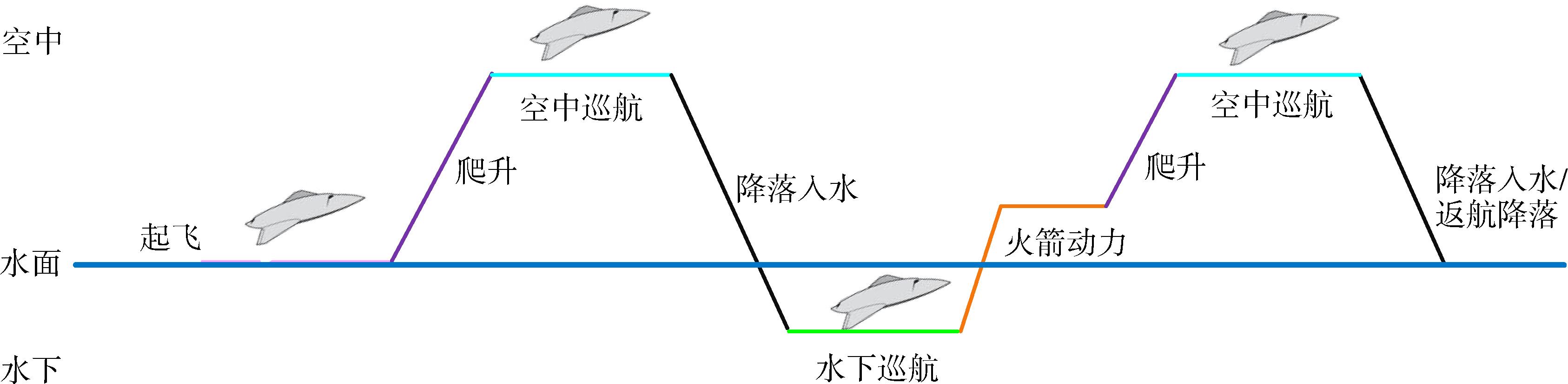
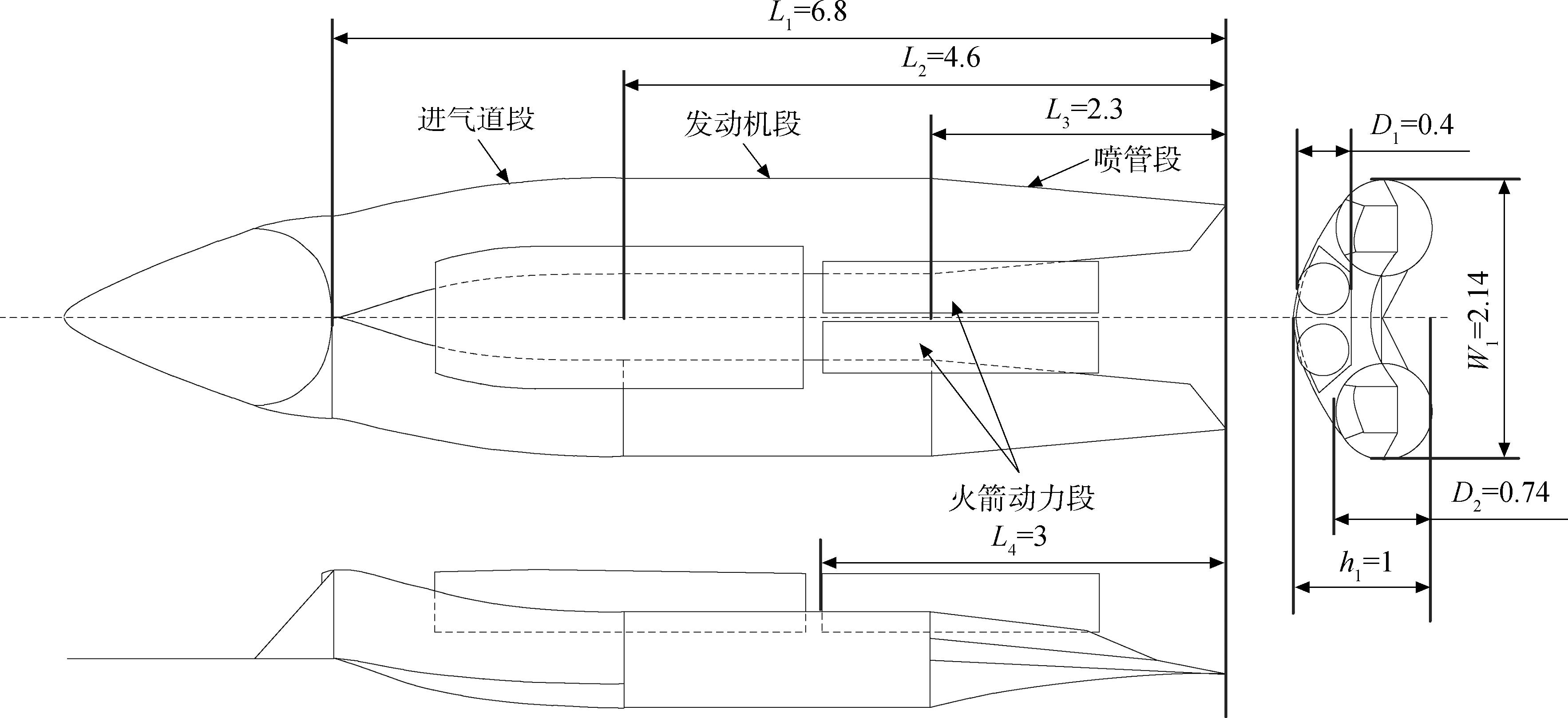
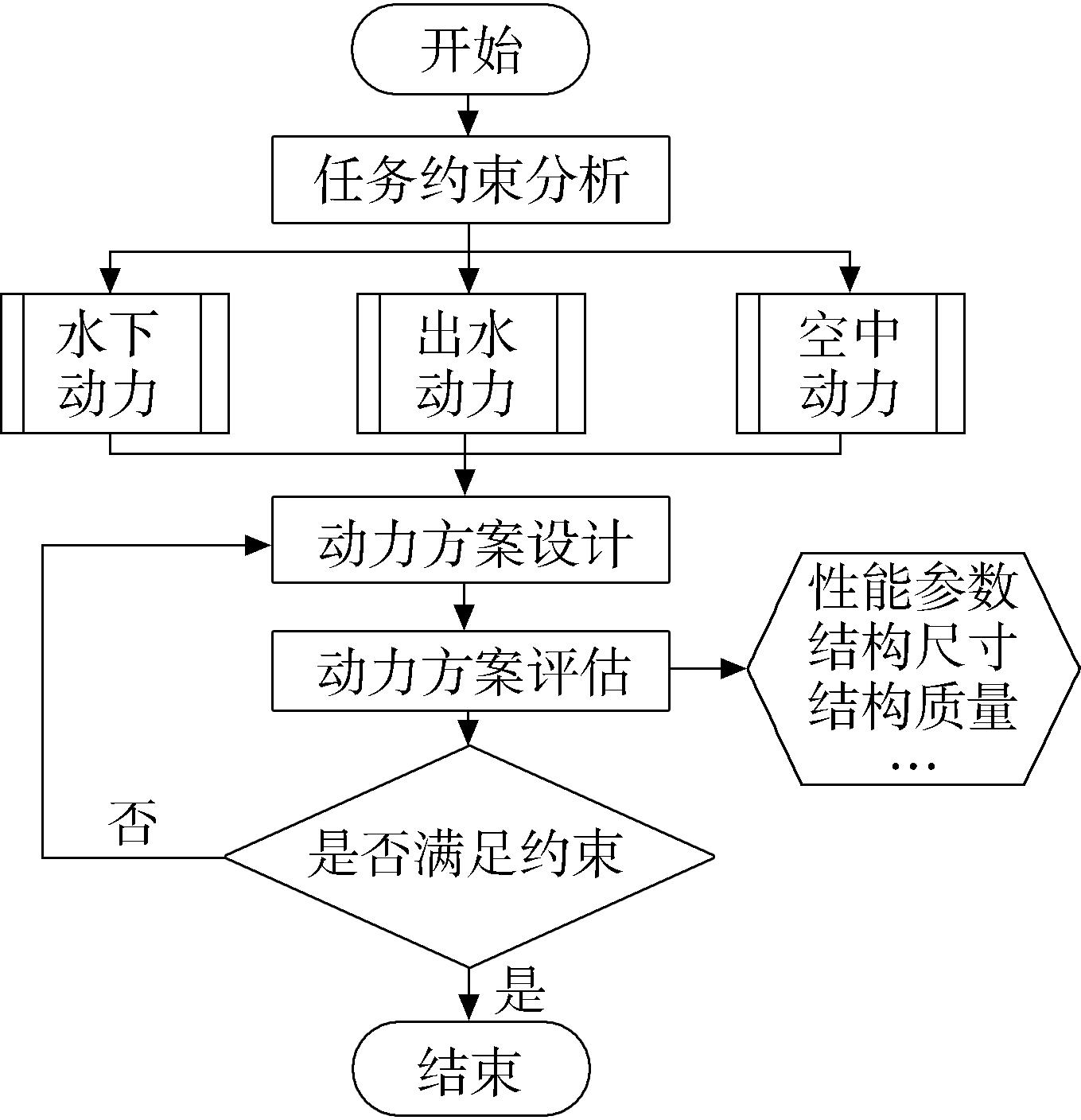
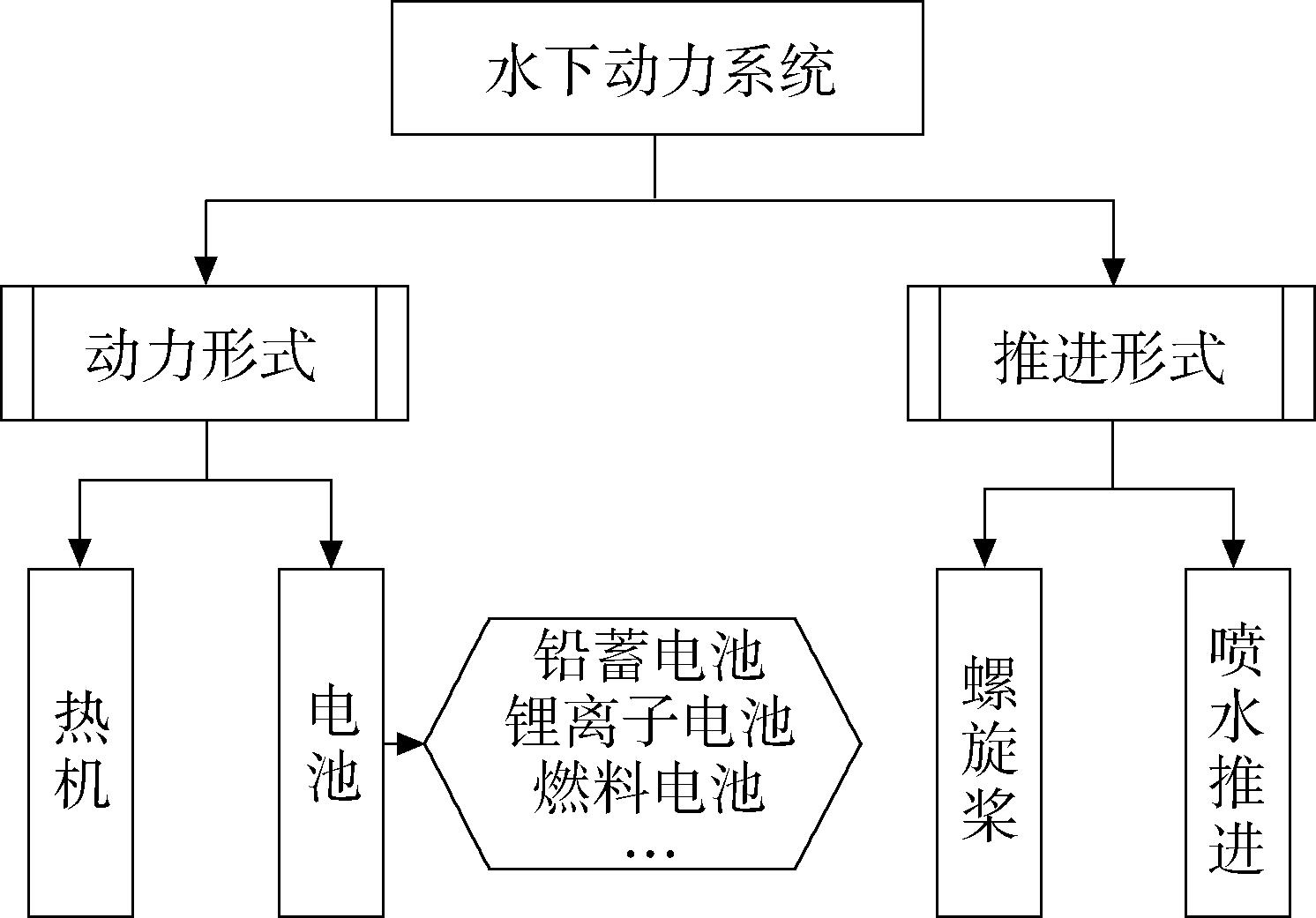
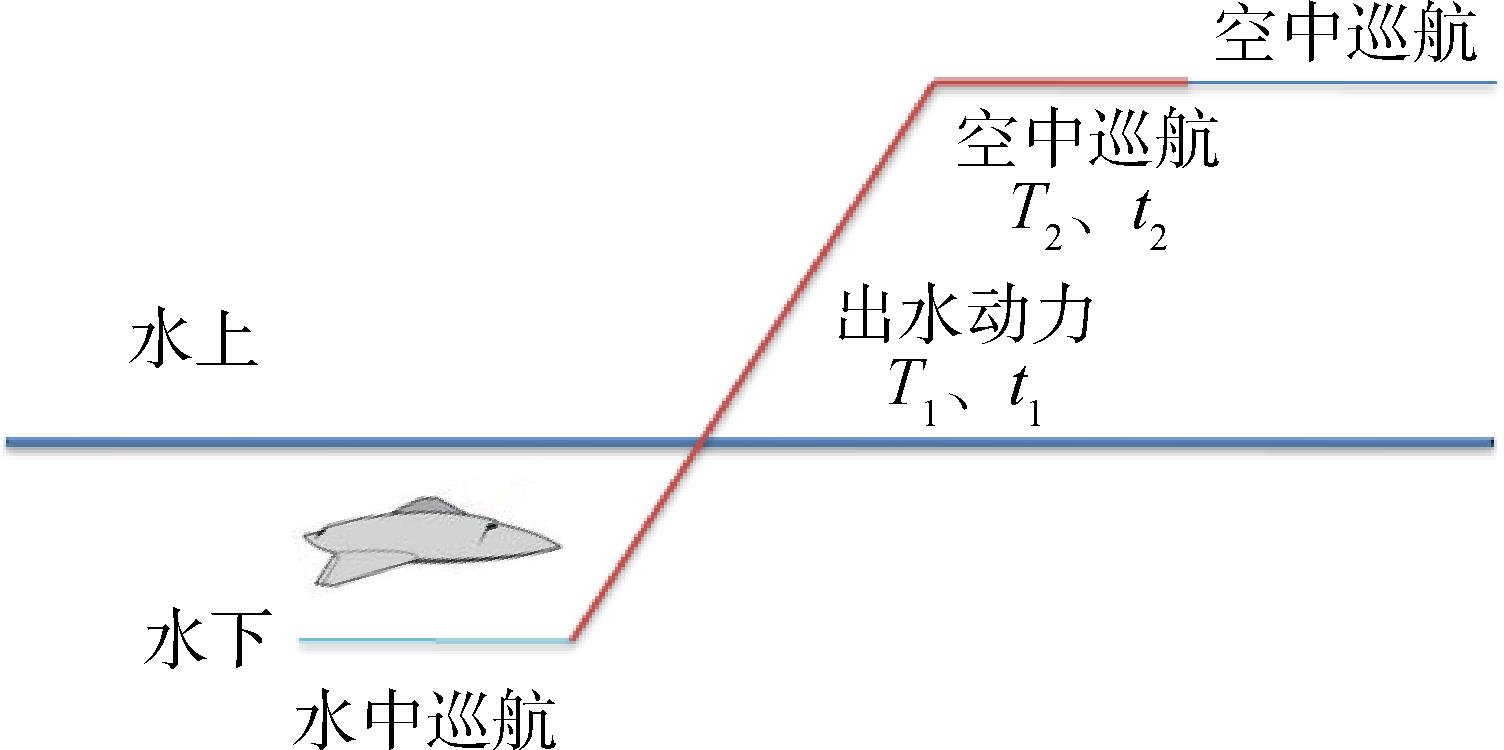
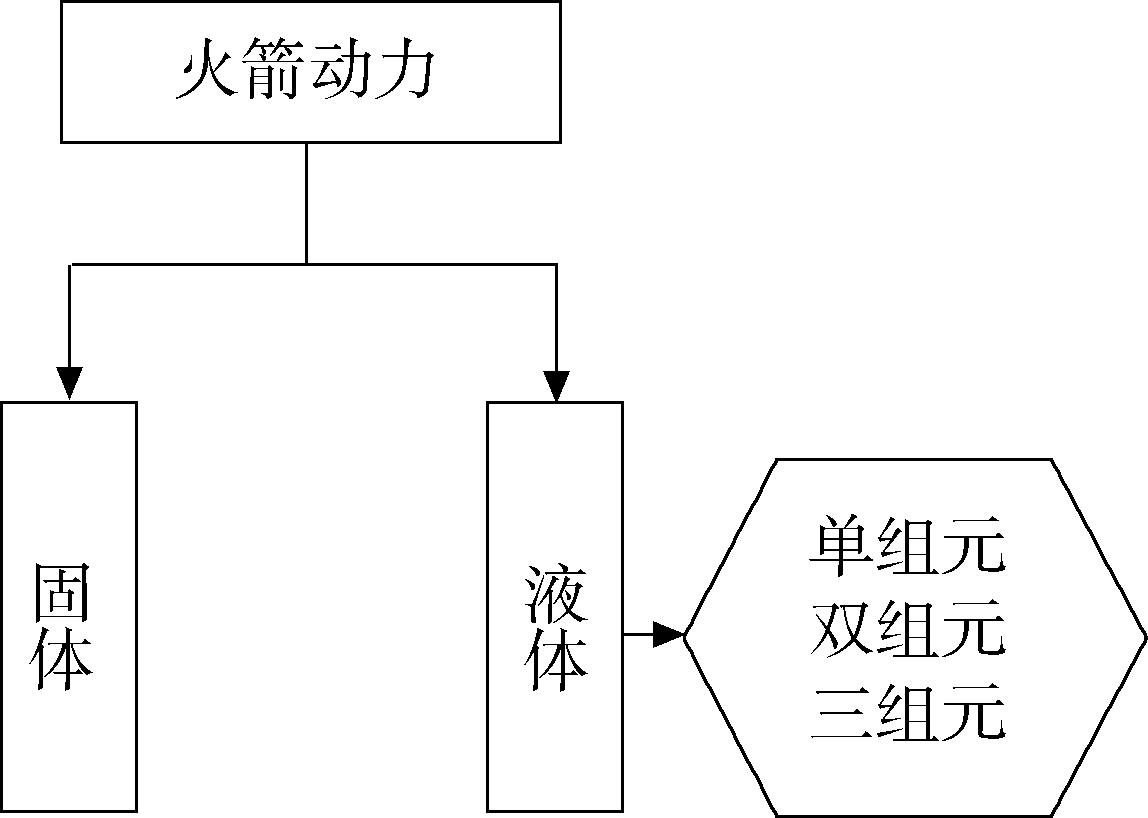
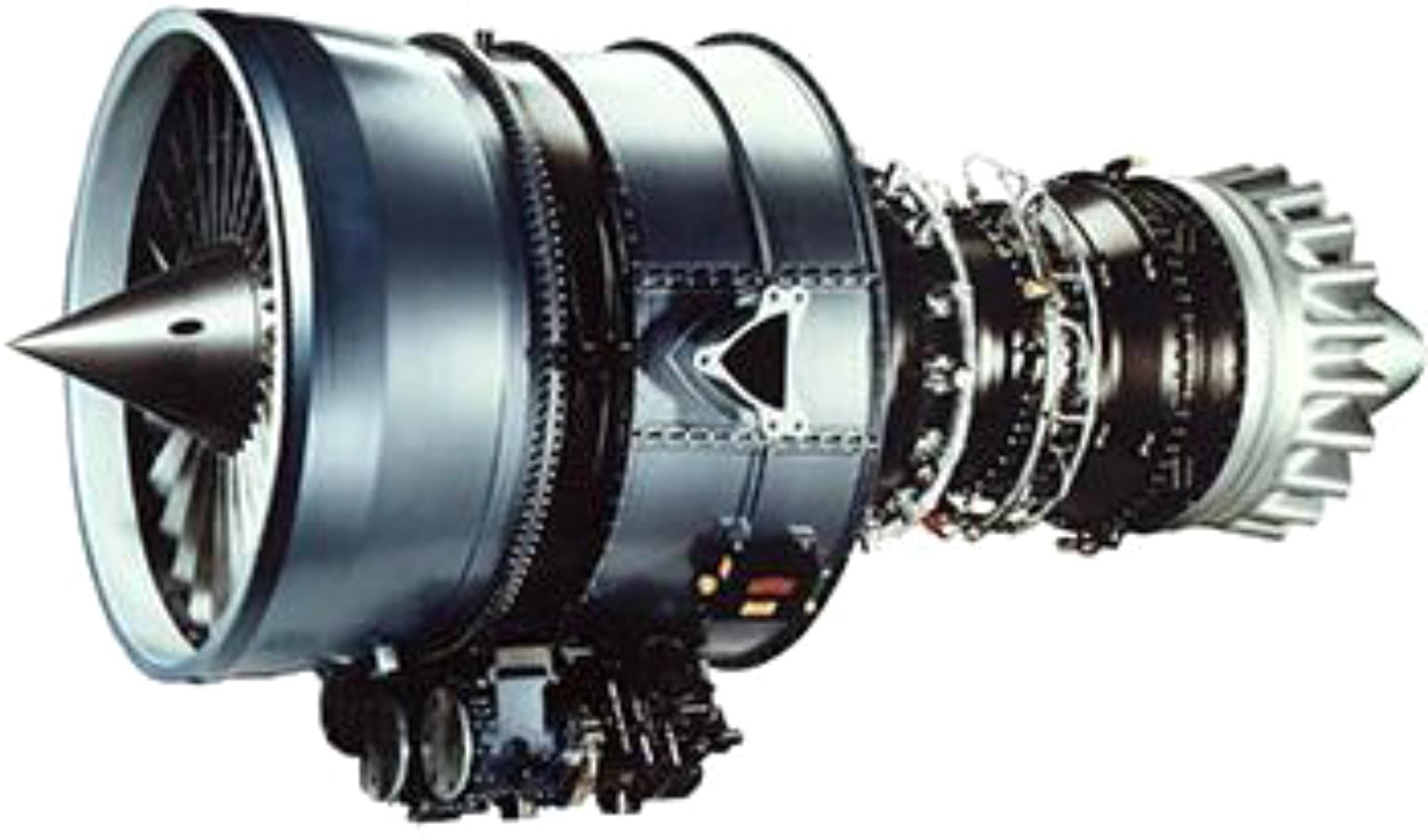
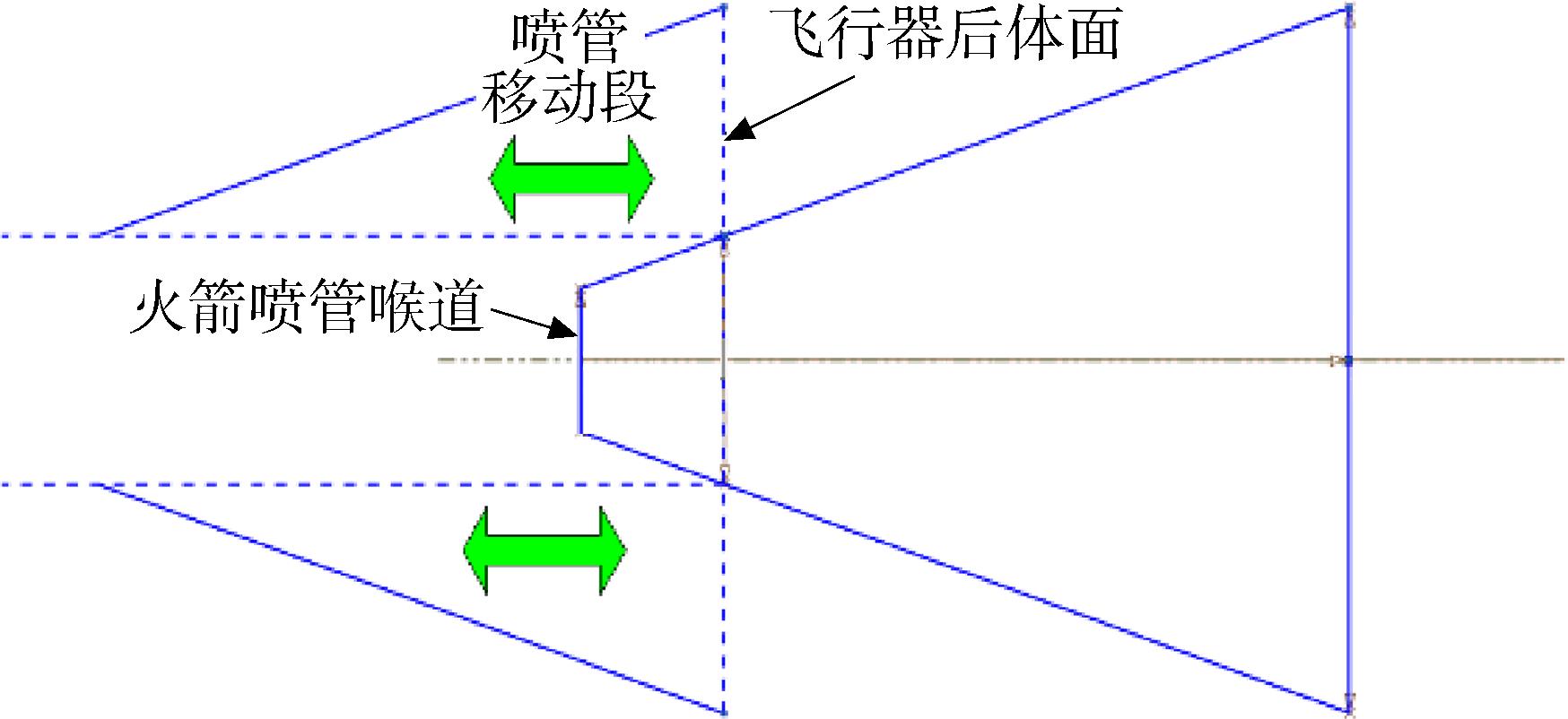
In view of the overall scheme and mission requirements of an amphibious unmanned aerial vehicle (UAV) with repeatable water exit,a multi‑cycle propulsion system using pump for water jet propulsion underwater,liquid rocket engine propulsion for water exit,and turbofan engine propulsion for air cruise was proposed.According to the development status and trends of propulsion system technology,the characteristics of different engine cycles,the thrust requirements of each stage and the requirements of multi‑cycle tasks,the study of multi cycle program design methods was carried out,and the typical propulsion system program size,mass,mission profile fuel consumption quality,etc,were calculated.The feasibility of the multi cycle propulsion system scheme and its design method were verified.The results showed that the multi cycle propulsion system scheme designed can meet the repeatable water demand of the unmanned aerial vehicle,in which the energy demand could account for about 26% of the total mass of the whole aerial vehicle.

Experiment of rod⁃airfoil interaction noise reduction using porous leading edges
WANG Yong, HAO Nansong, LAI Qingren, LI Wenjian
2022, 37(9): 1807-1814. doi: 10.13224/j.cnki.jasp.20210313
Abstract:

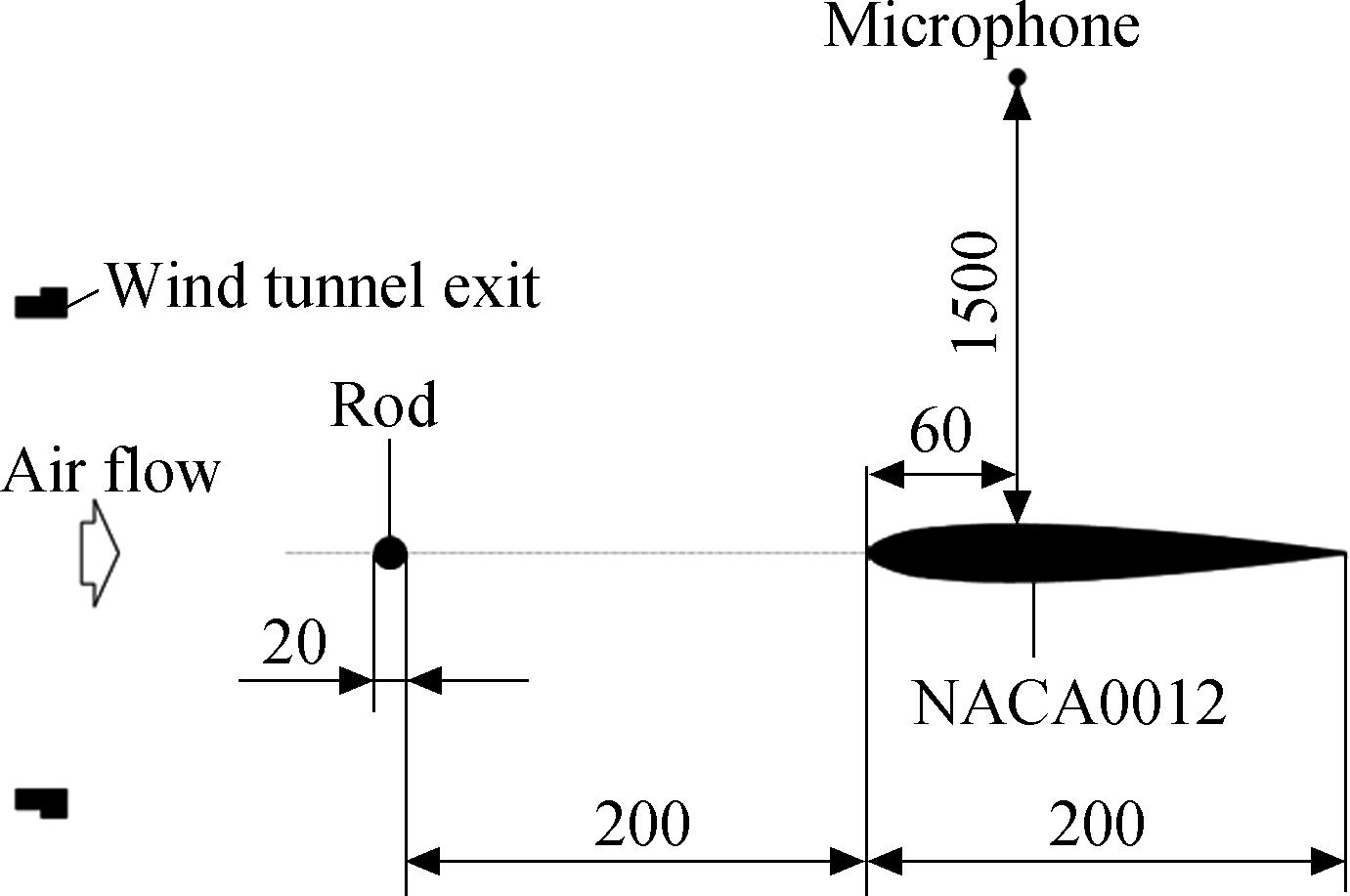
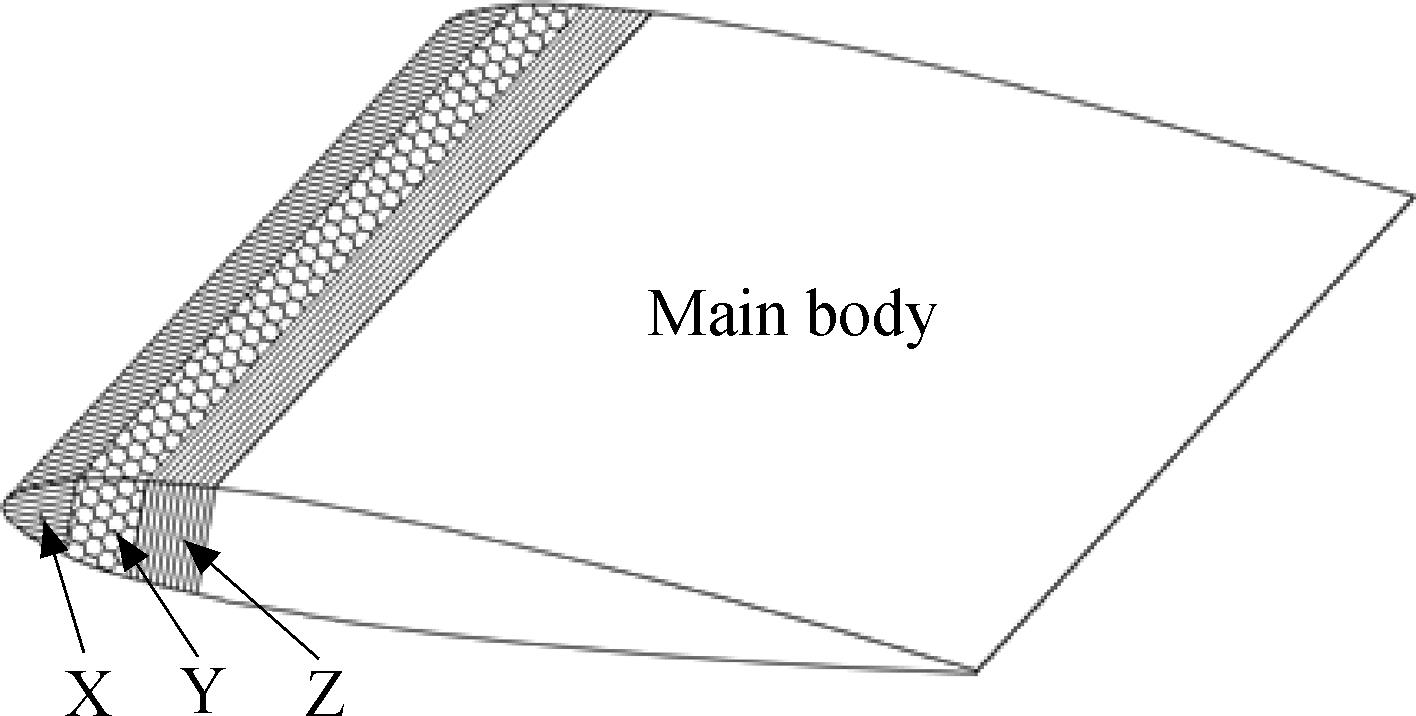
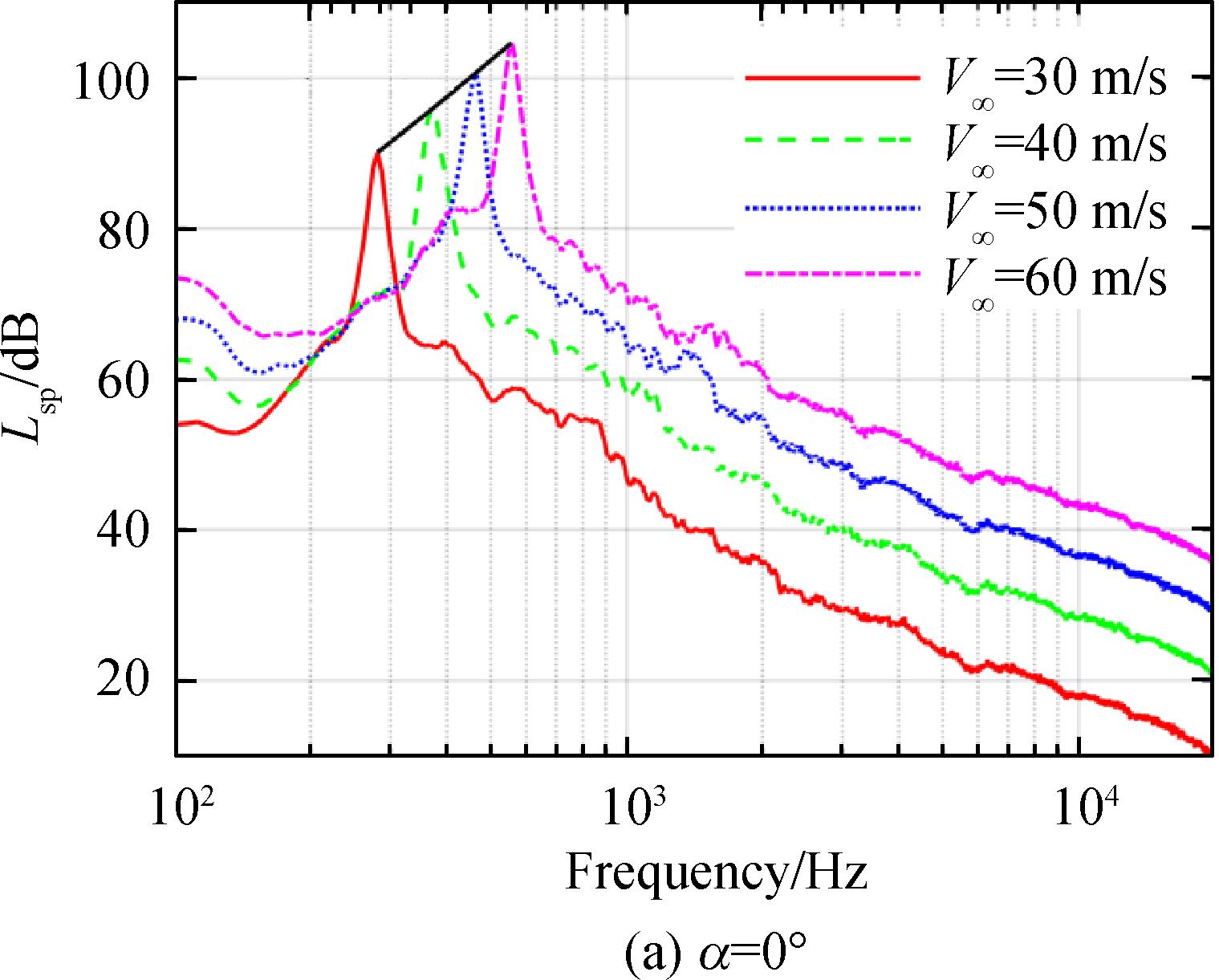
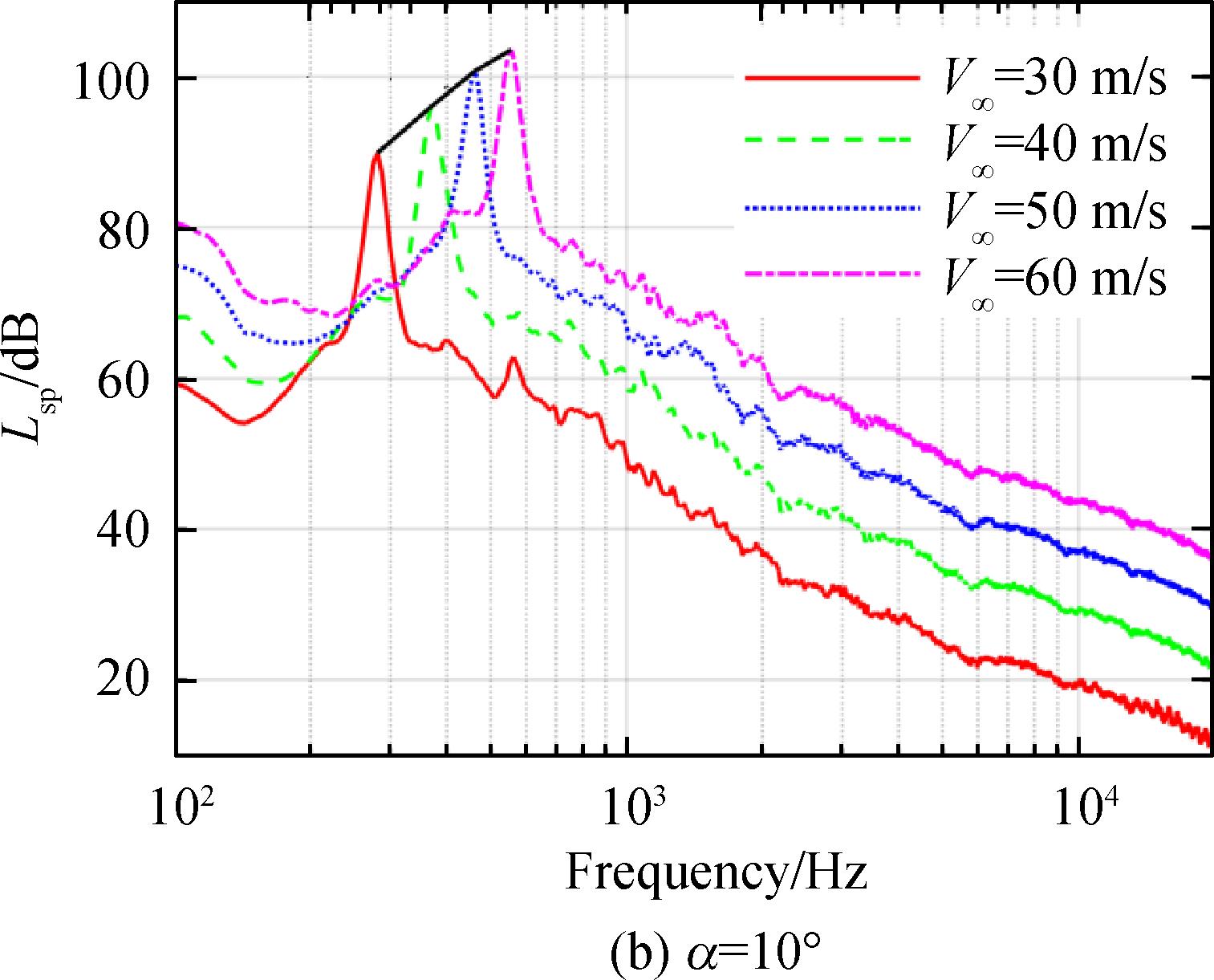
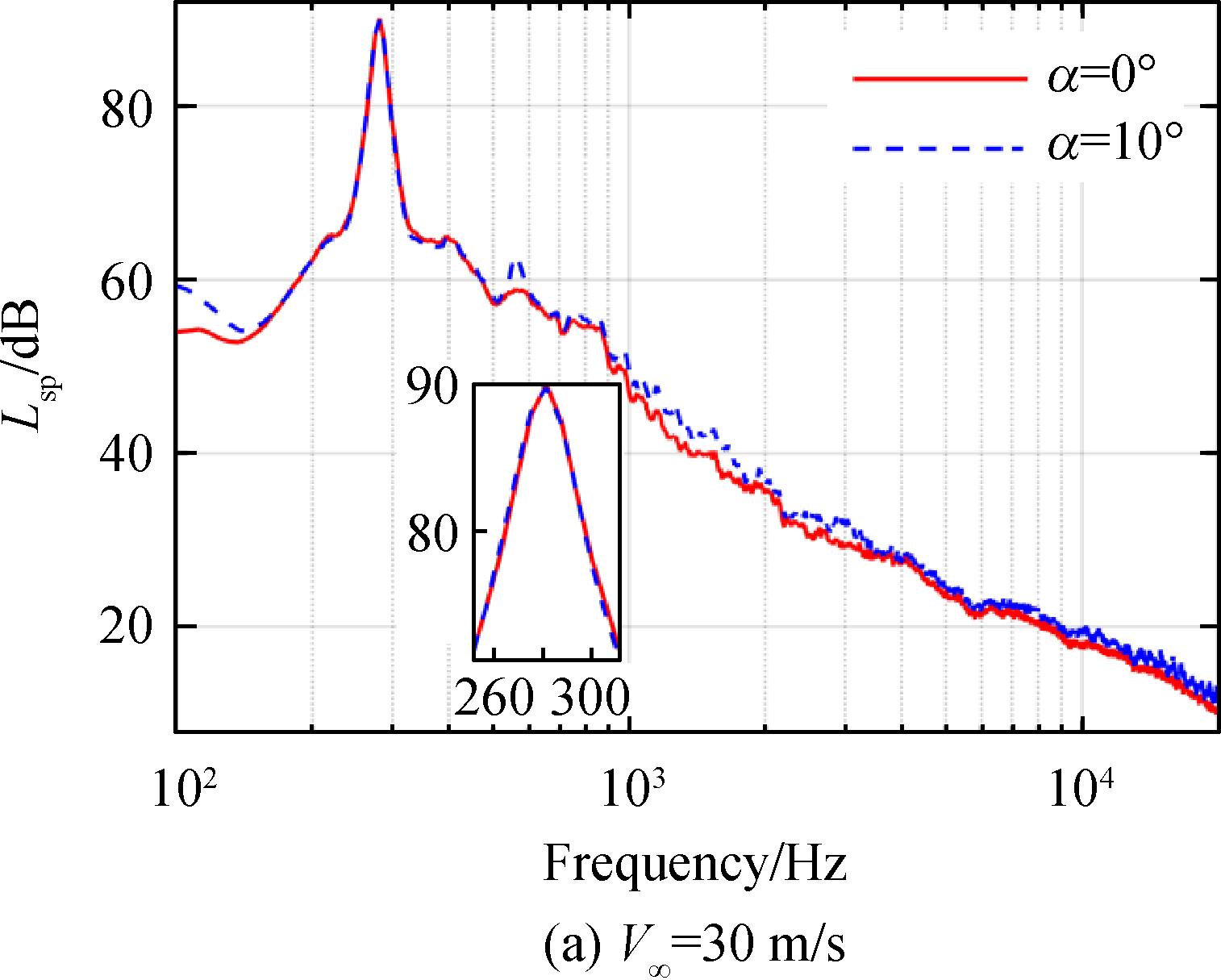
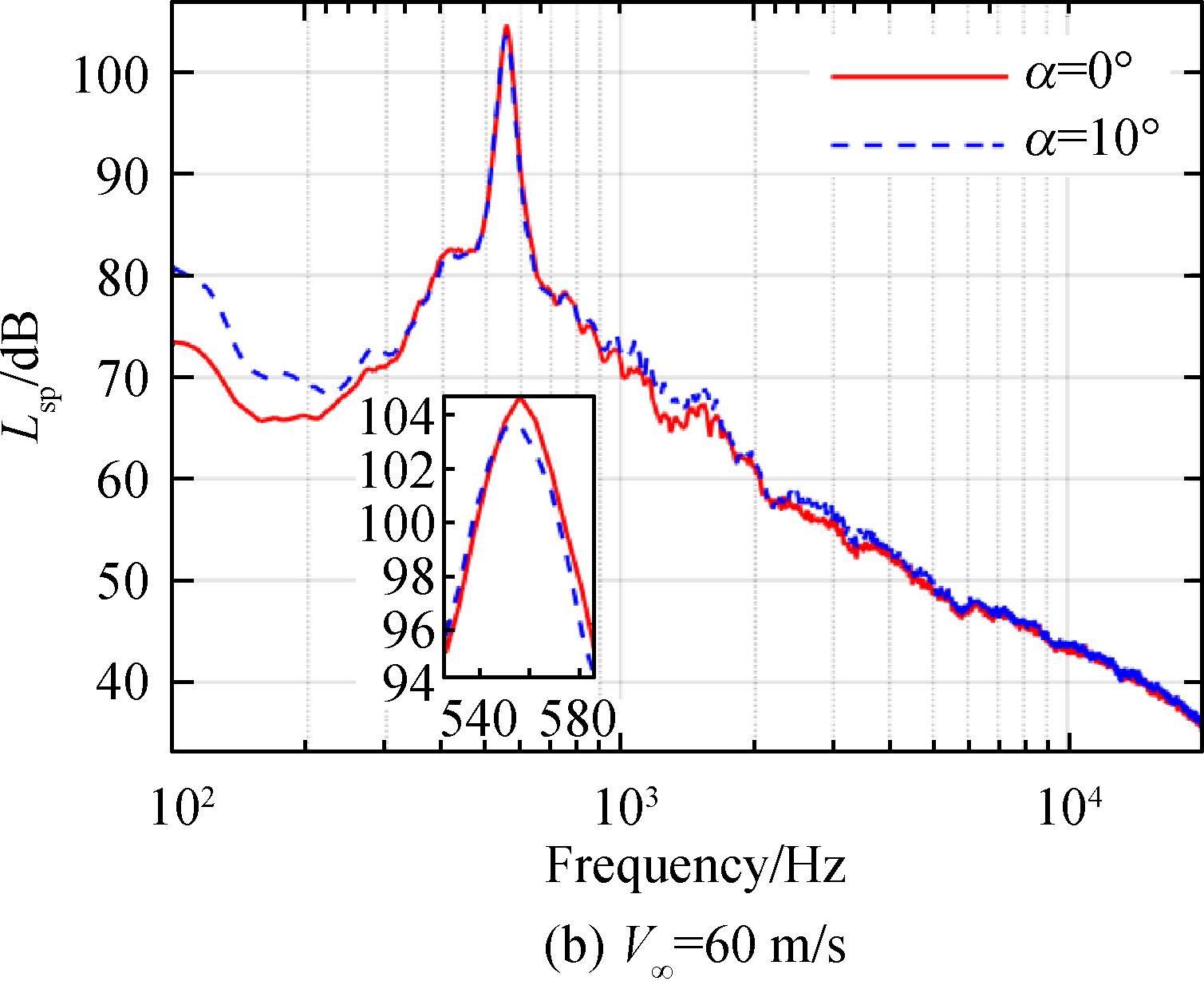
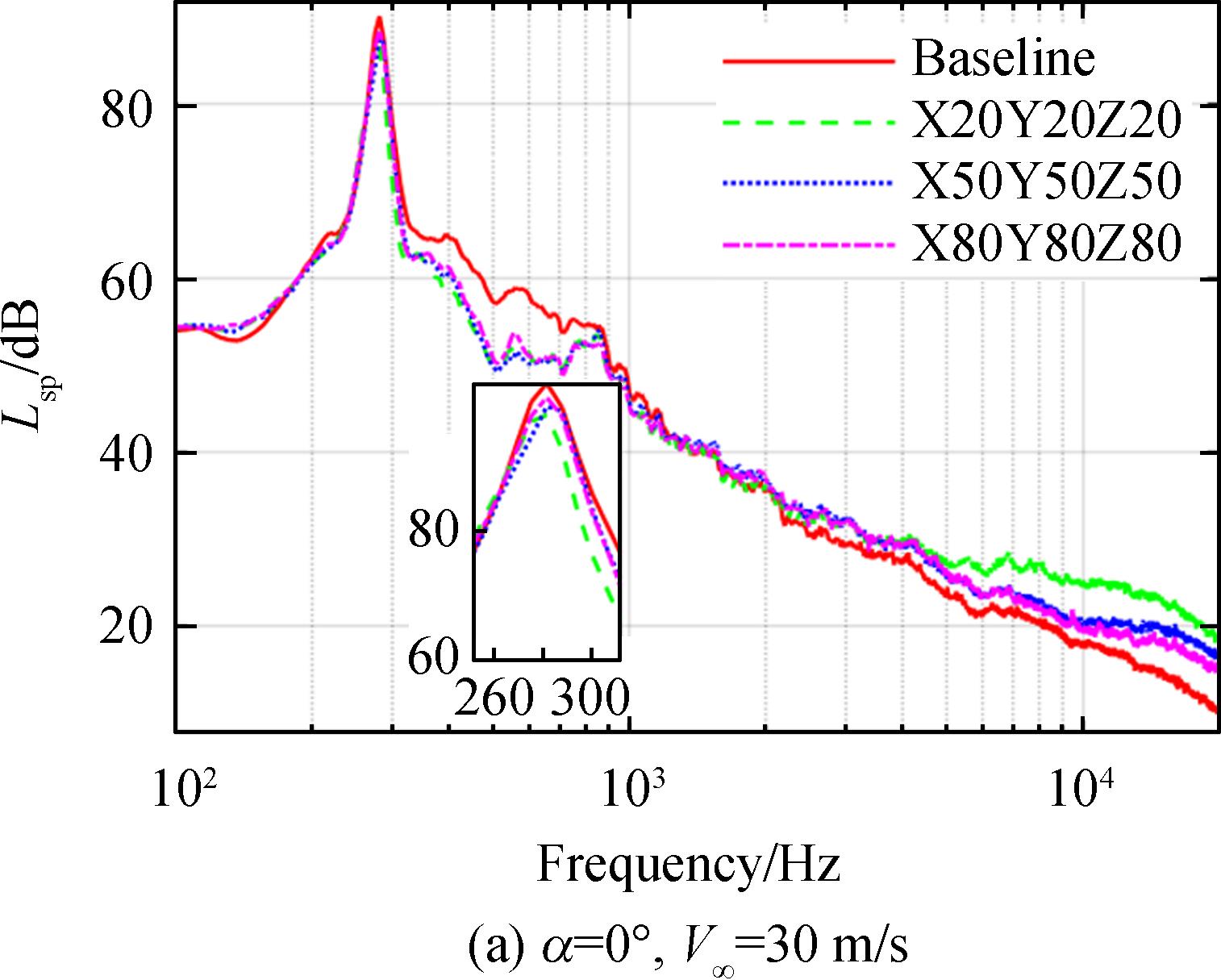
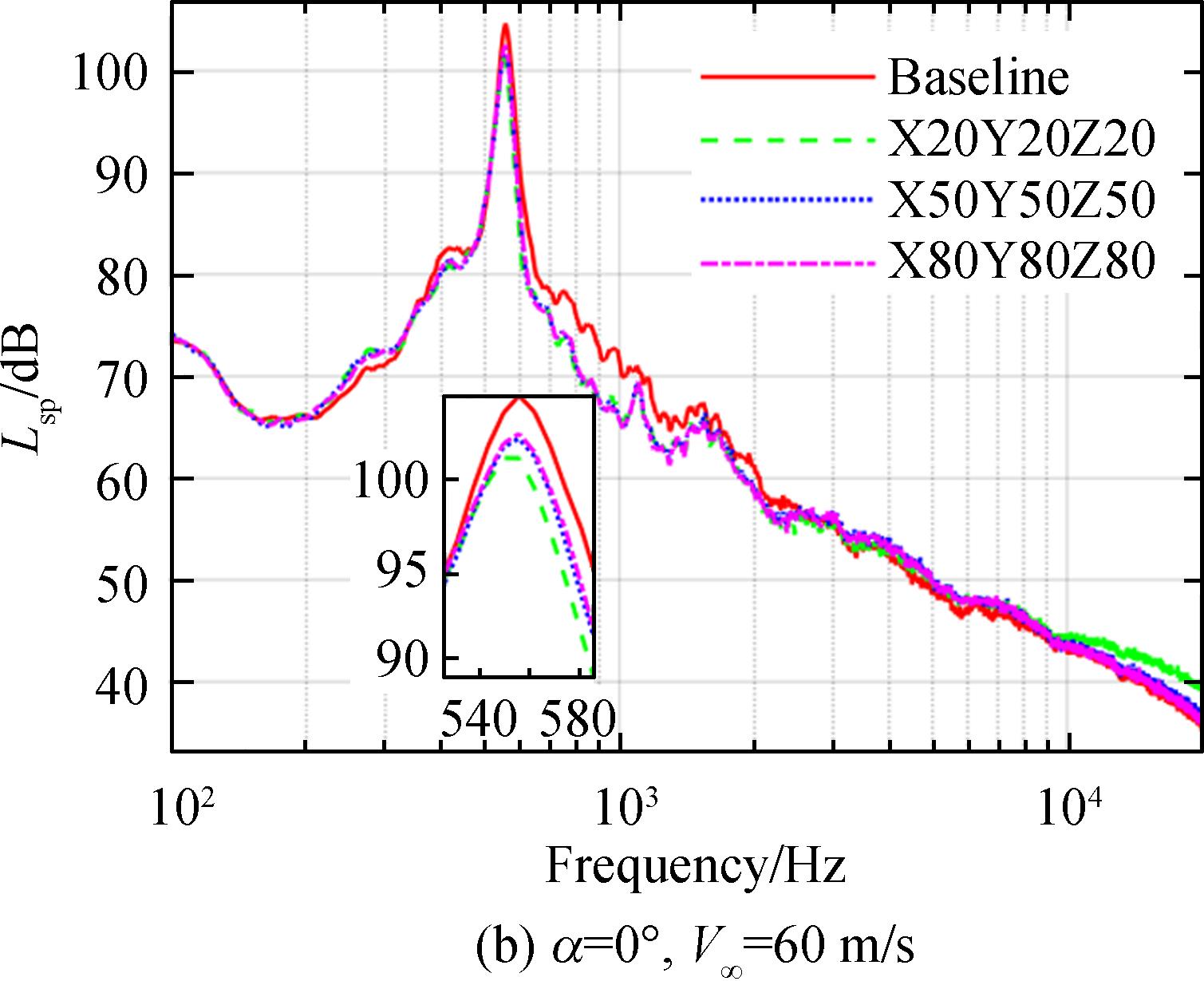
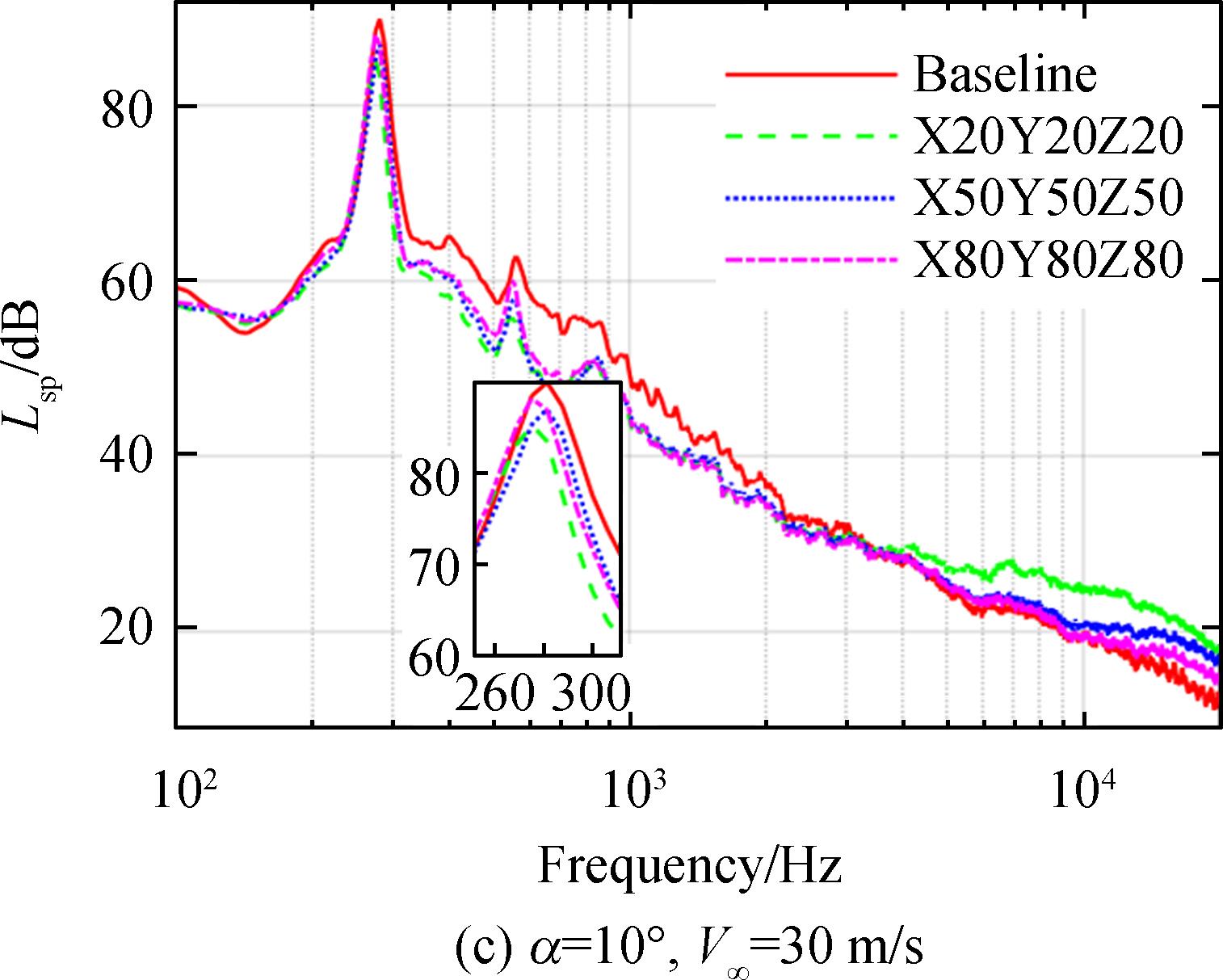
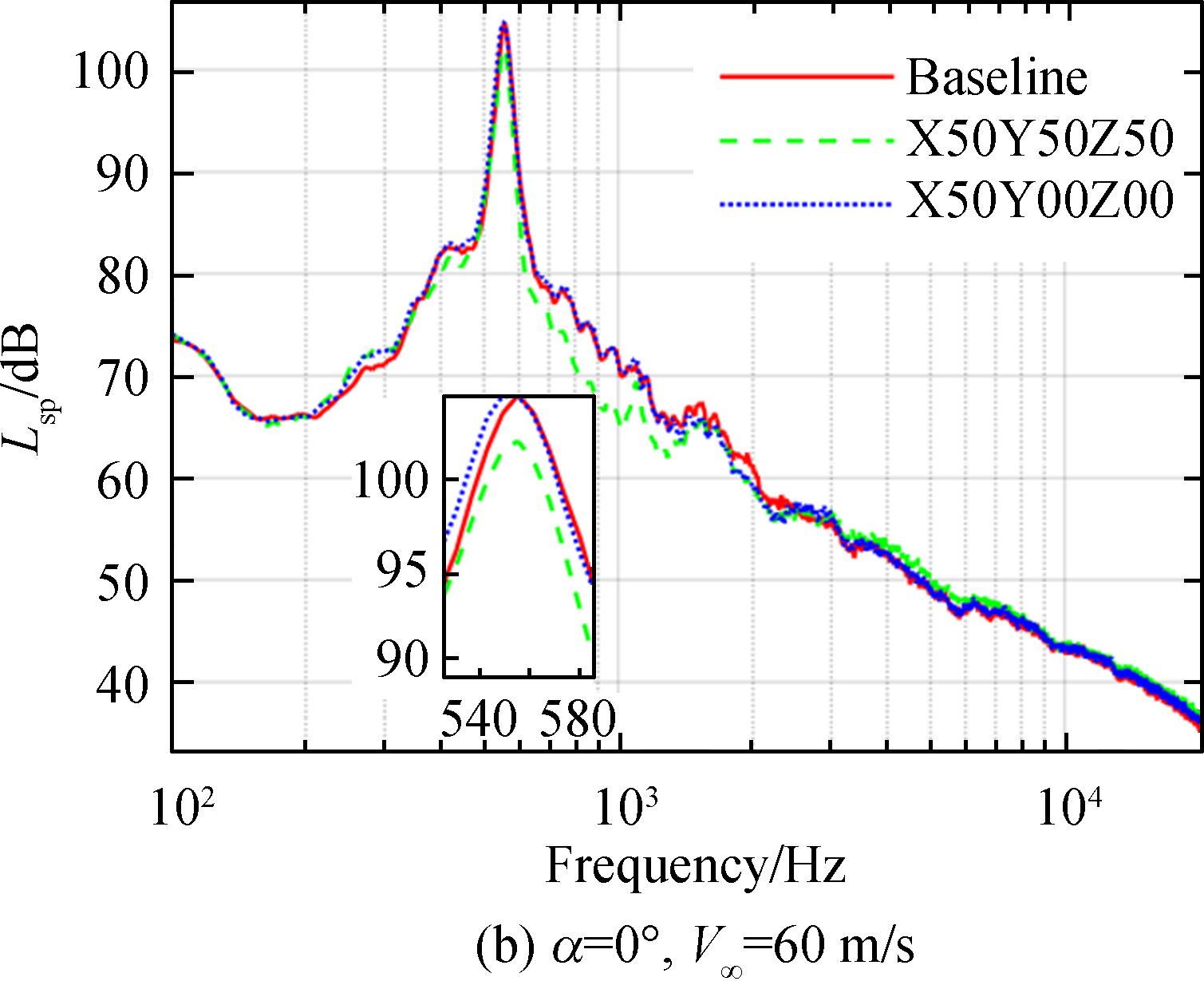
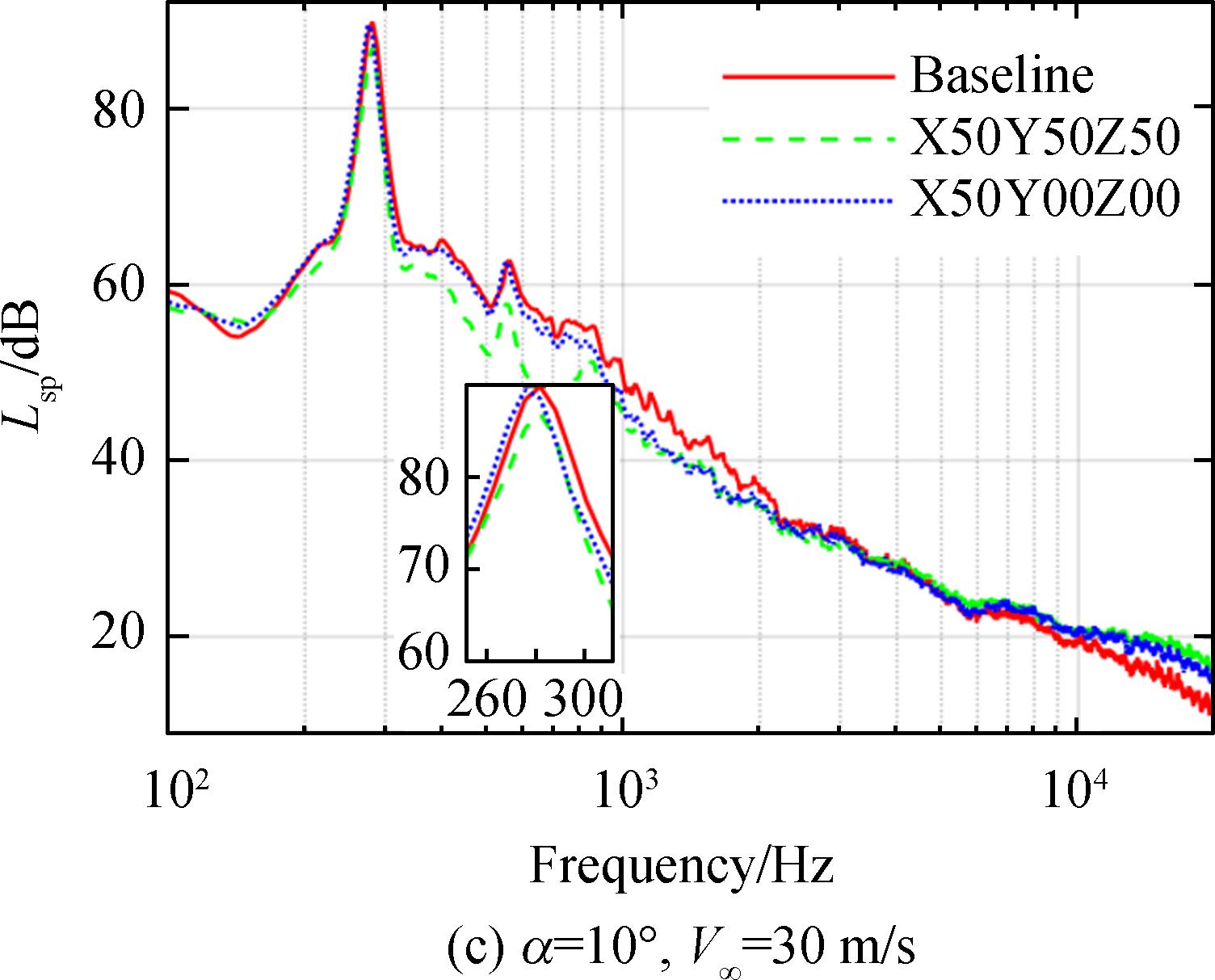
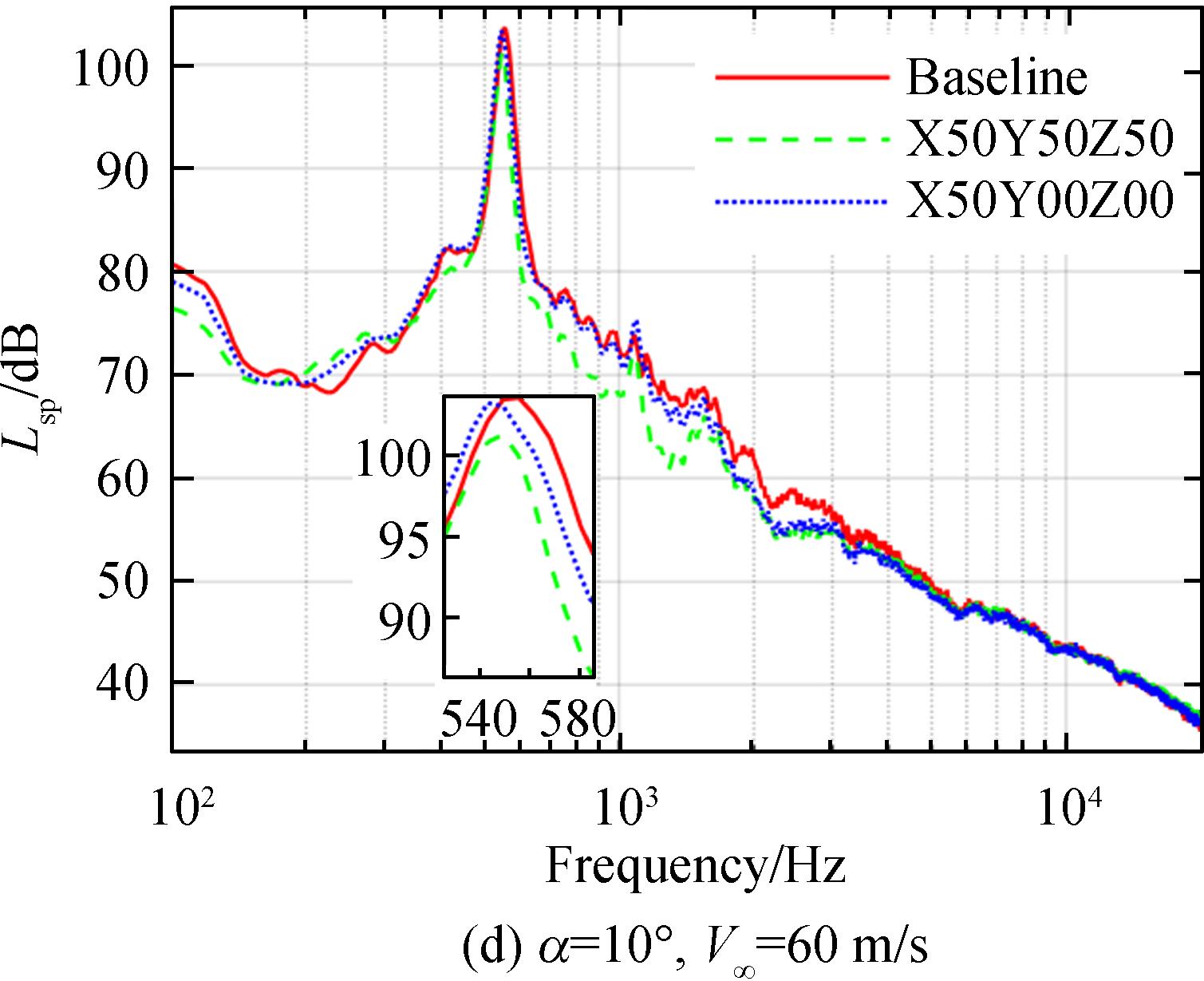
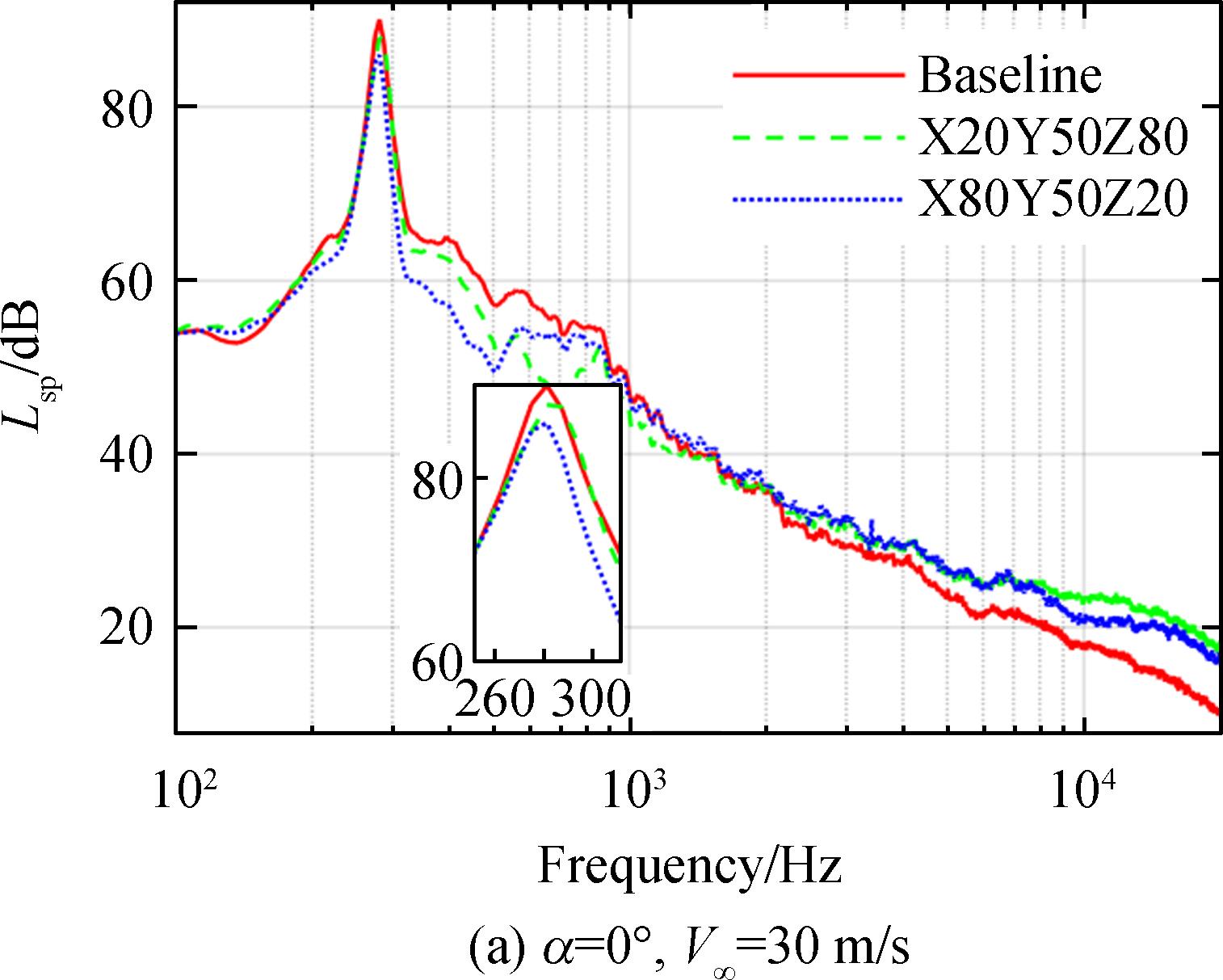
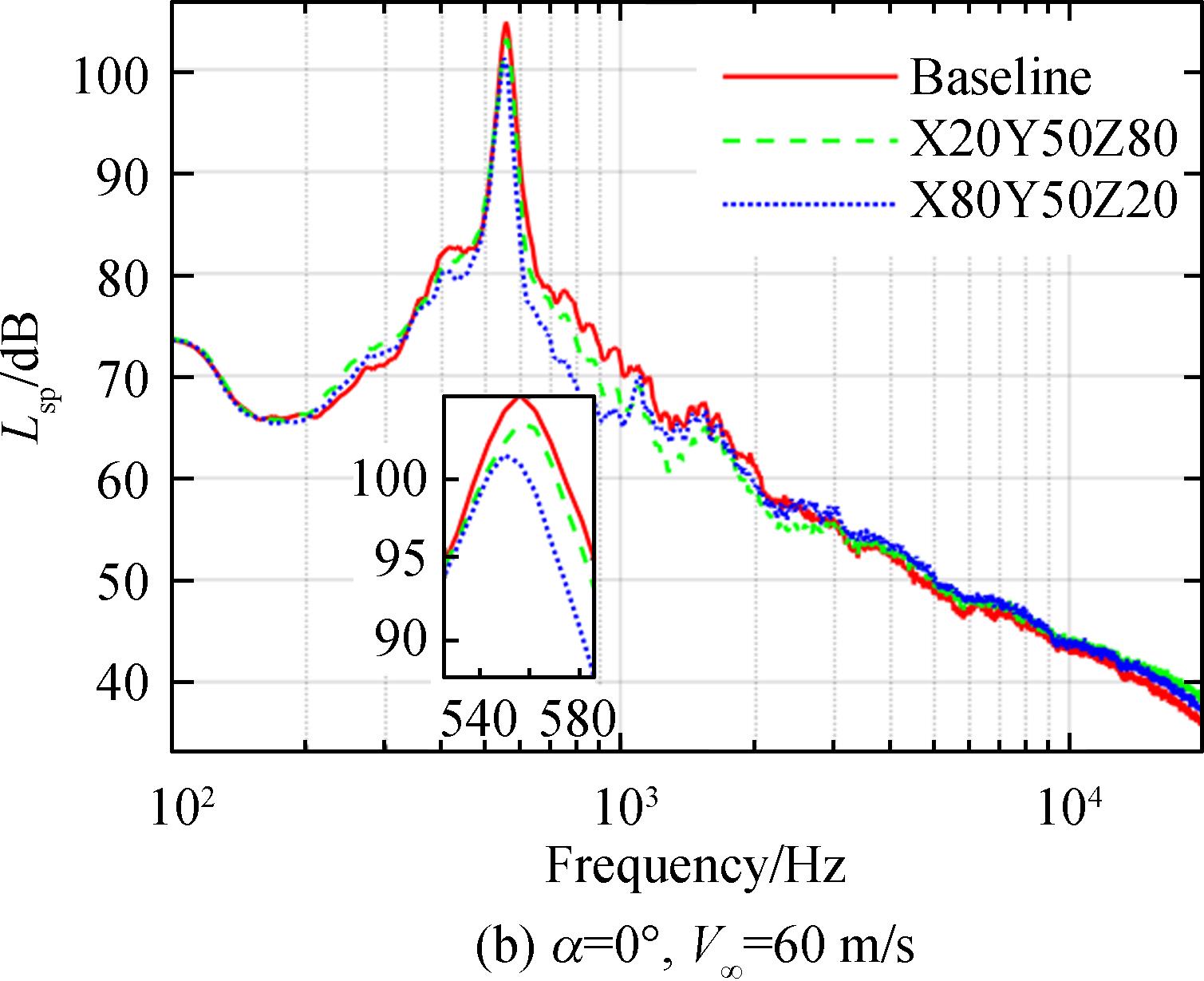
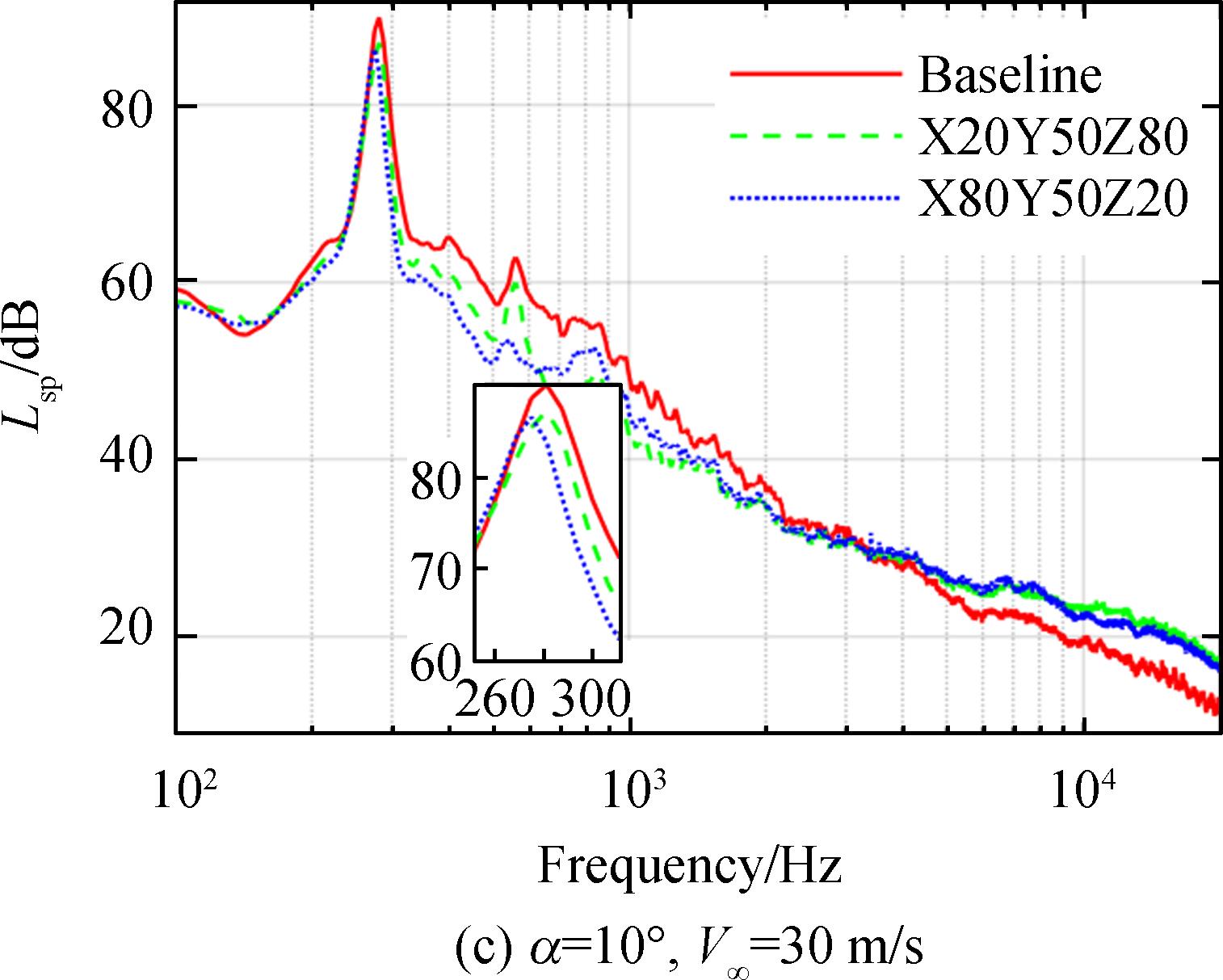
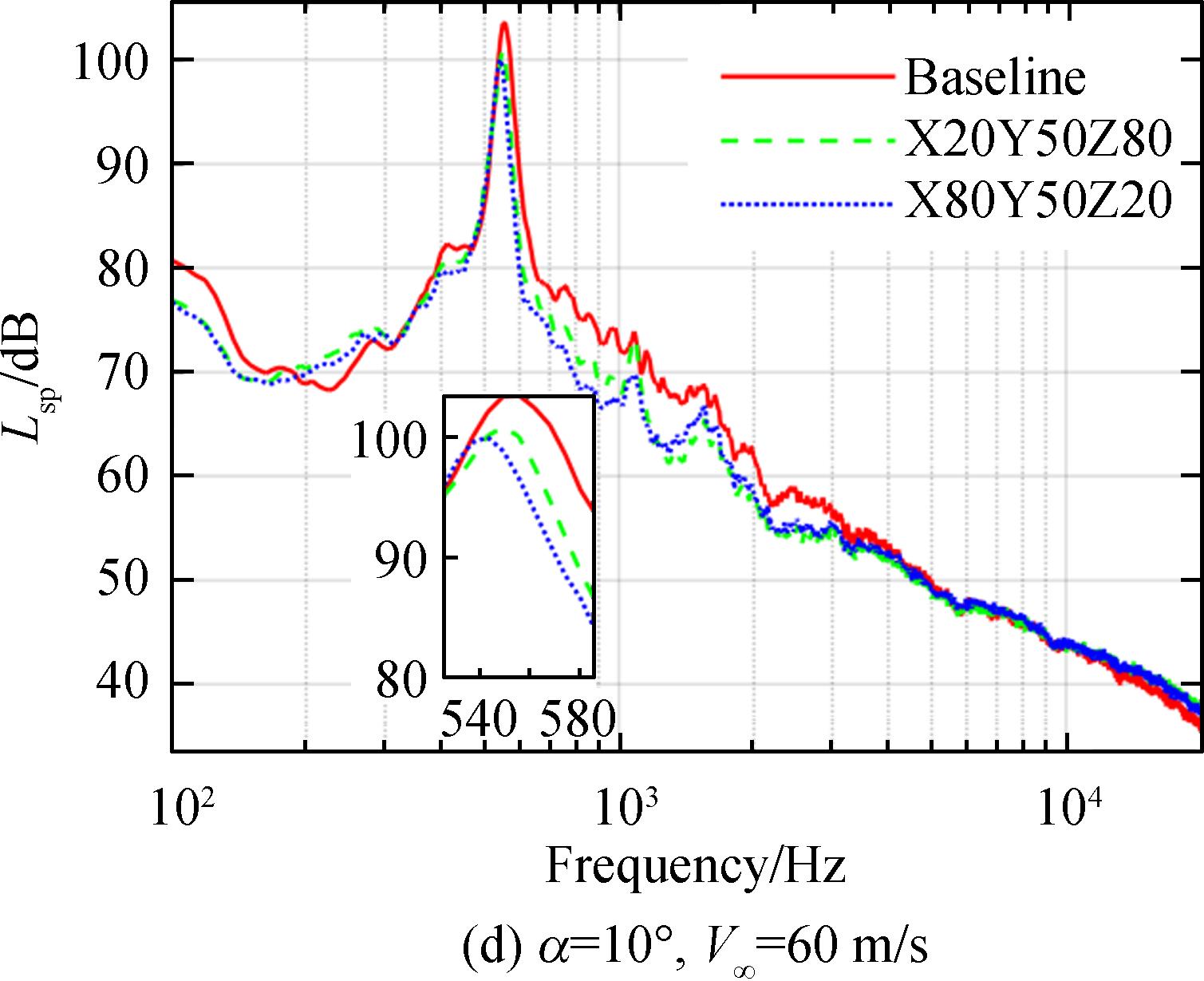
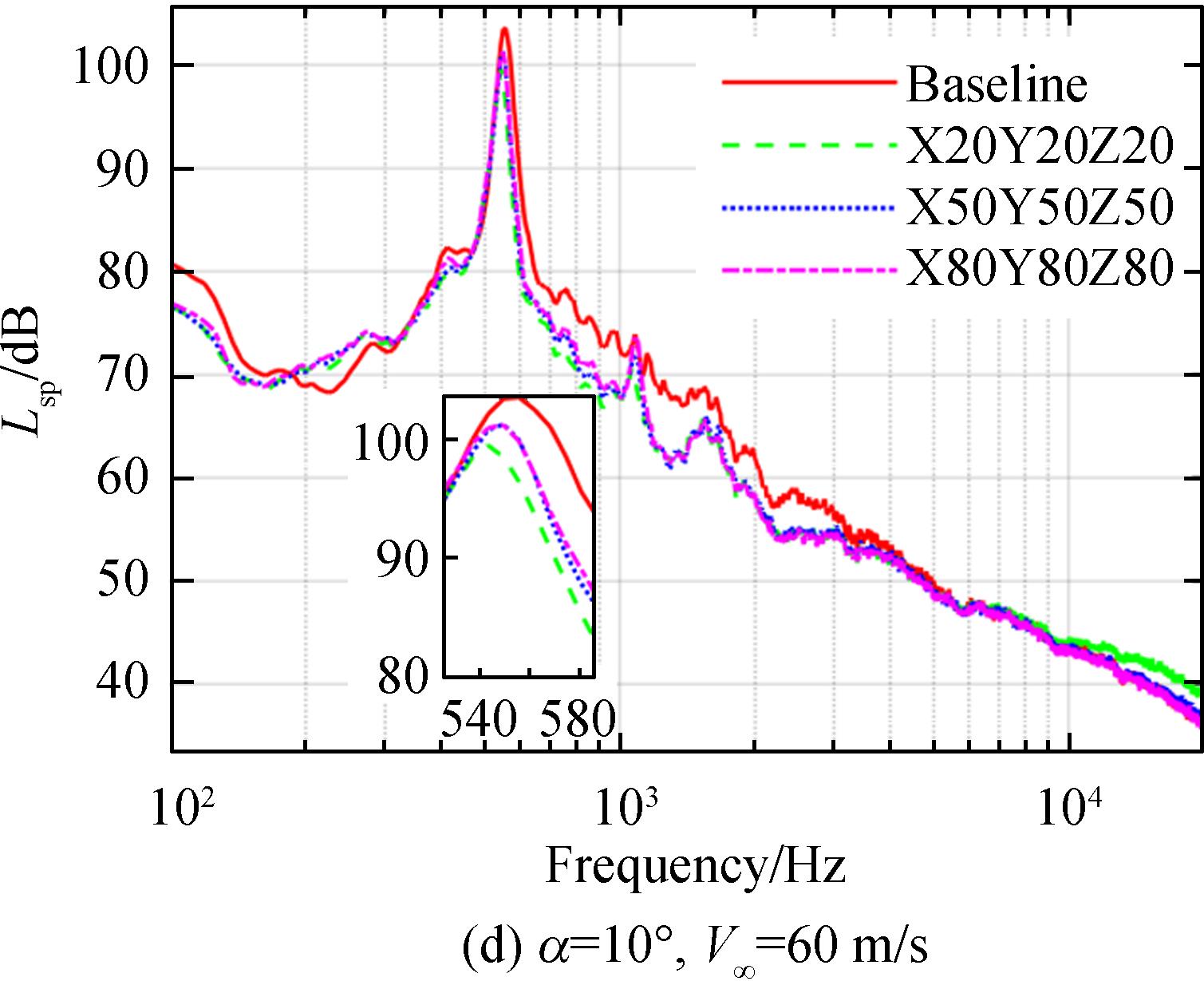
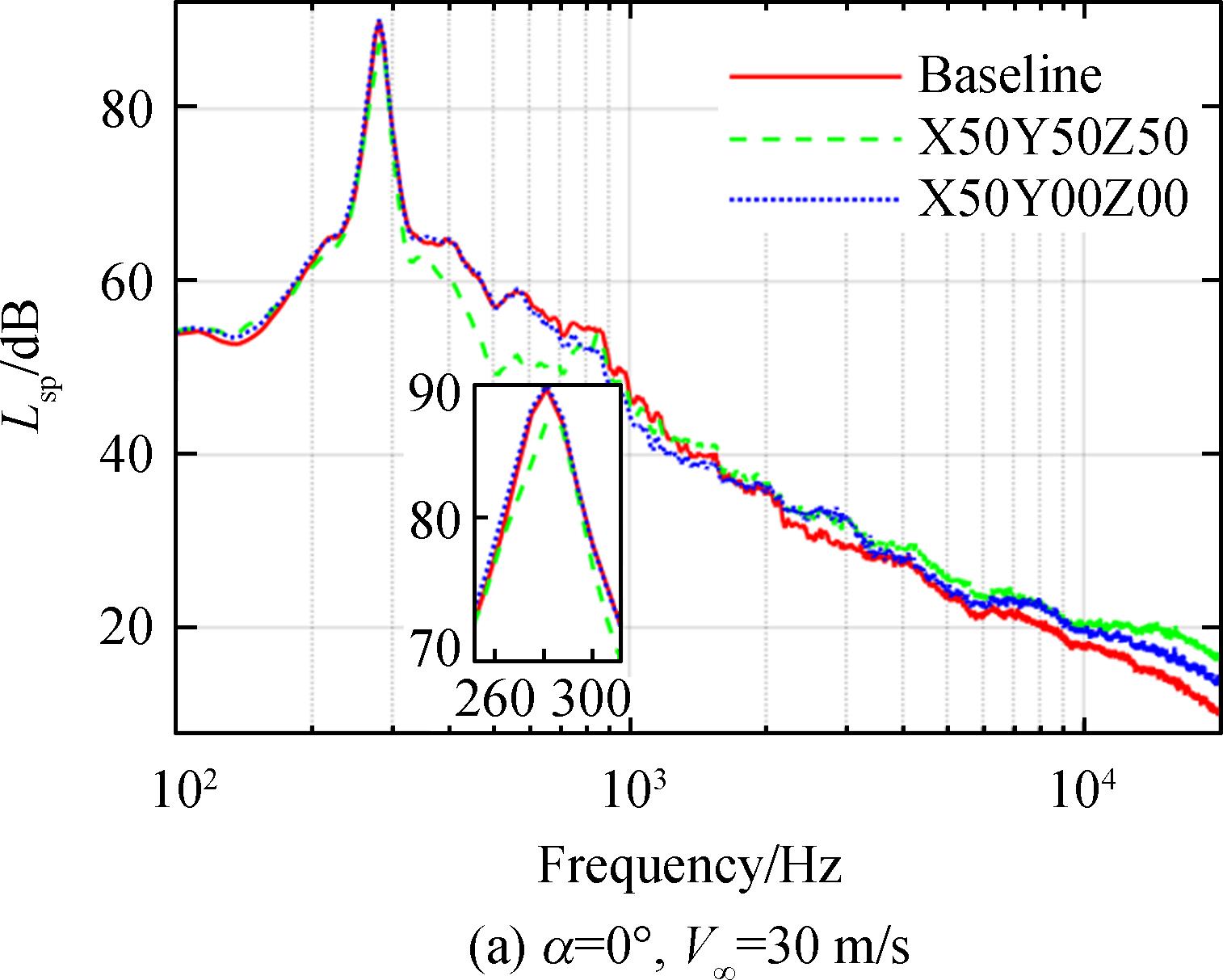
A method for rod⁃airfoil interaction noise reduction with a bio⁃inspired porous leading edge structure was proposed,and then verified experimentally in the 0.55 m×0.4 m acoustic wind tunnel.For typical configurations,the effects of porous metal foams in reducing the peak noise and the mid⁃to⁃high frequency noise of the rod⁃airfoil interaction were determined.The detailed acoustic measurements on three porous metal foams with different ppi (pores per inch) values showed that the proposed porous leading edges can reduce the peak value of the rod⁃airfoil interaction noise by up to 4.10 dB and 4.67 dB at the airfoil angle of attack of 0° and 10°,respectively.It can also significantly reduce the mid⁃to⁃high frequency noise on the right side of the peak frequency.The larger the proportion,the smaller the ppi value of the porous materials and the better the overall noise reduction effect.

Keeping and varying hot wire overheat ratio measurement for turbulence level in transonic and supersonic flow field
ZHU Bo, XIONG Bo, WU Wei, WANG Ning
2022, 37(9): 1815-1823. doi: 10.13224/j.cnki.jasp.20210575
Abstract:

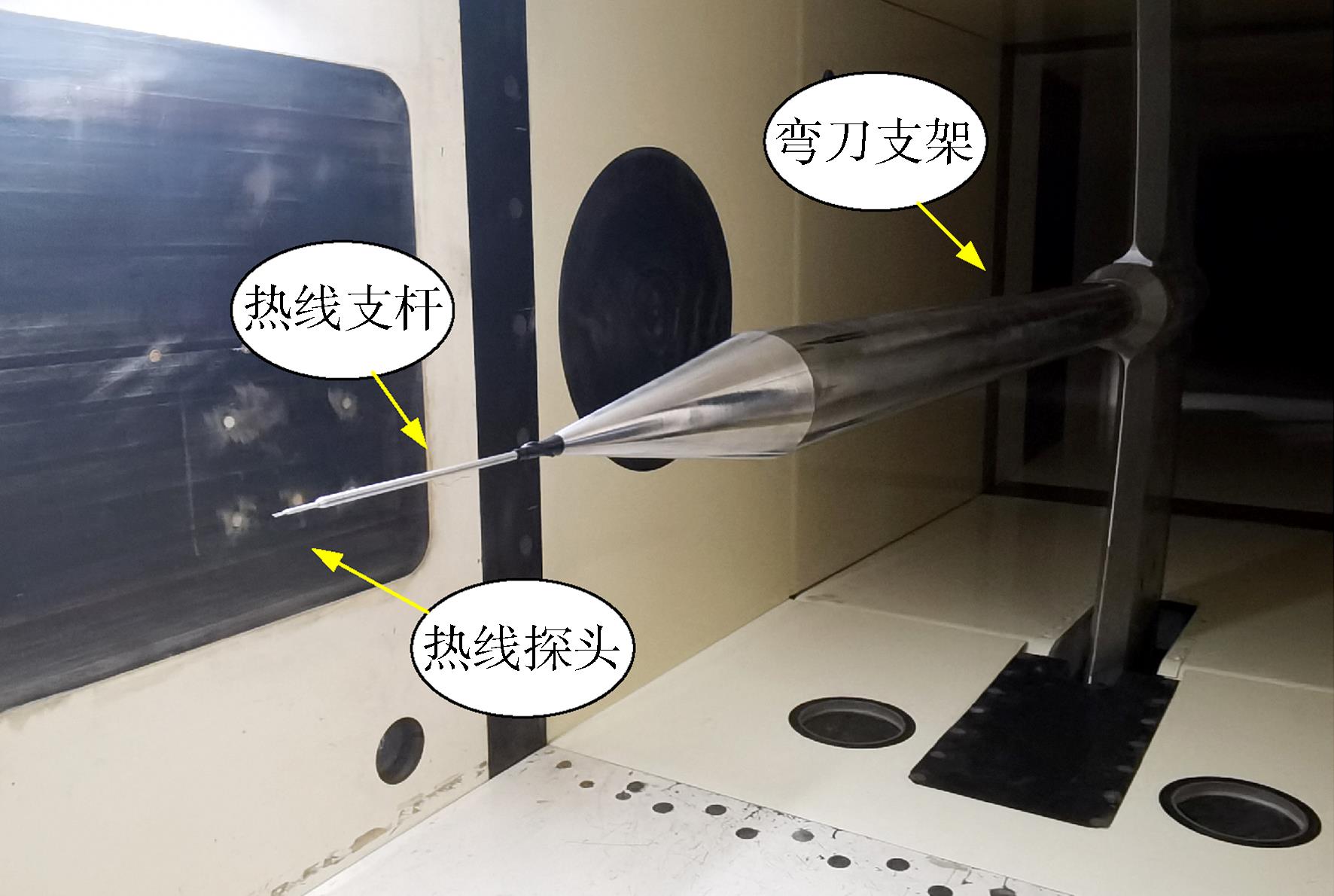
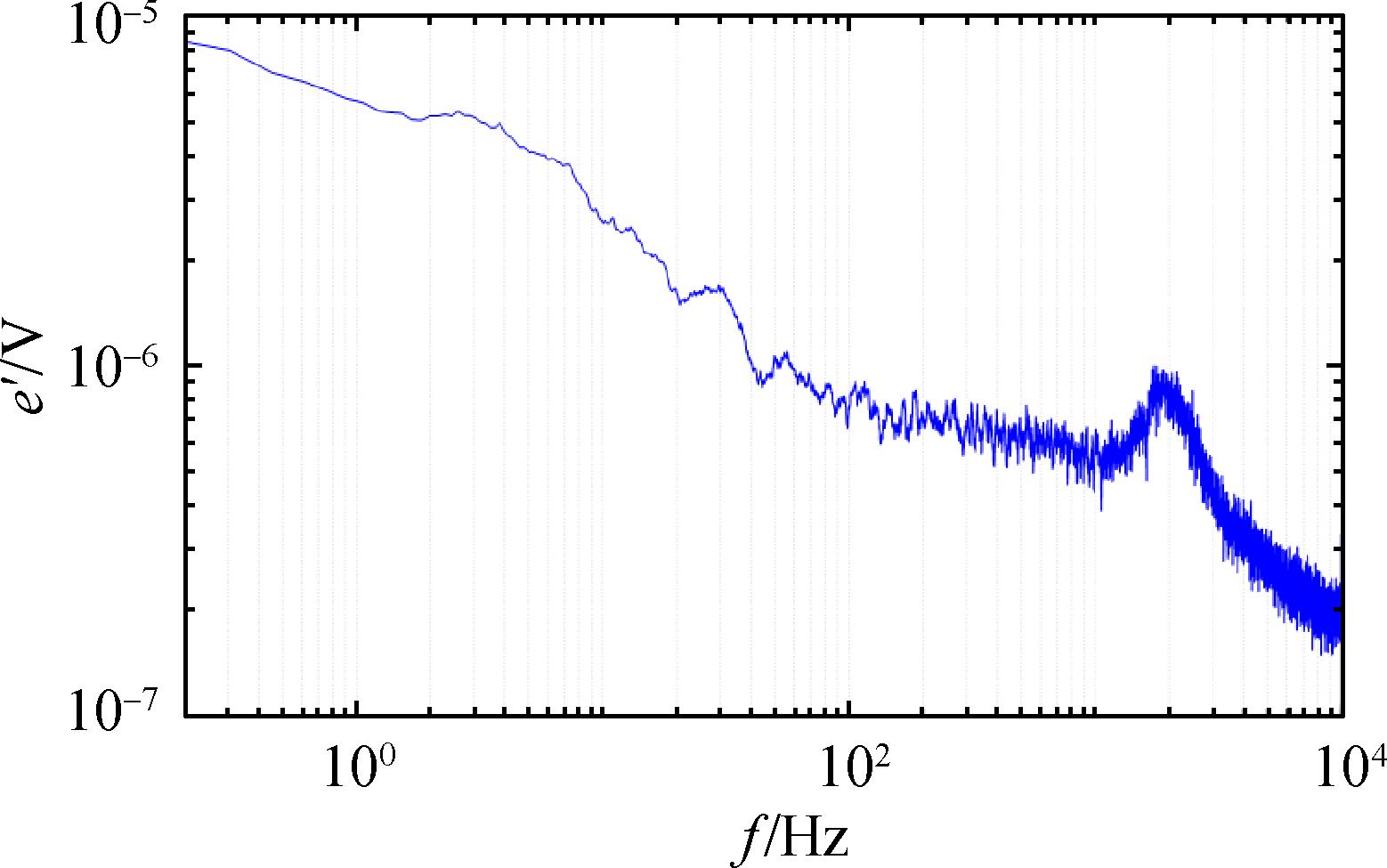
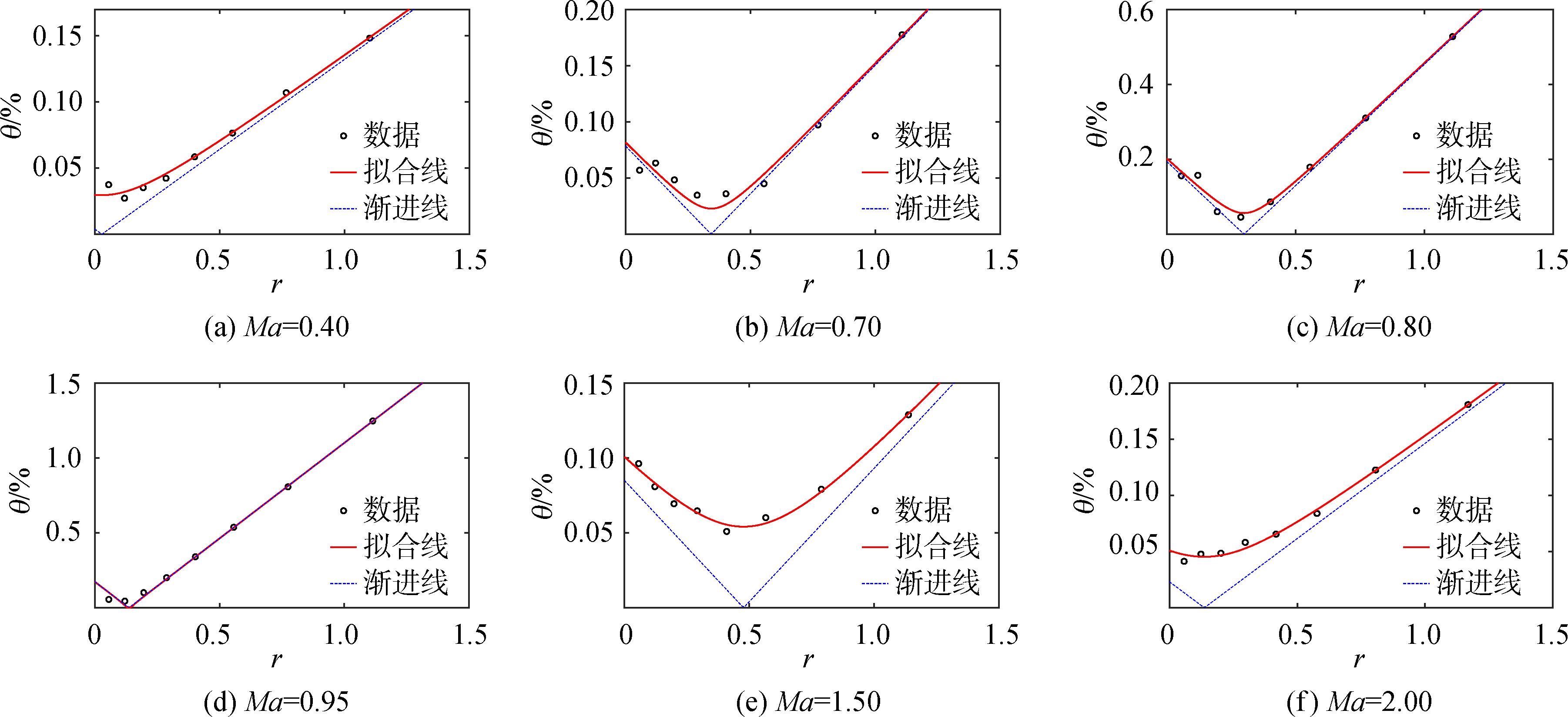
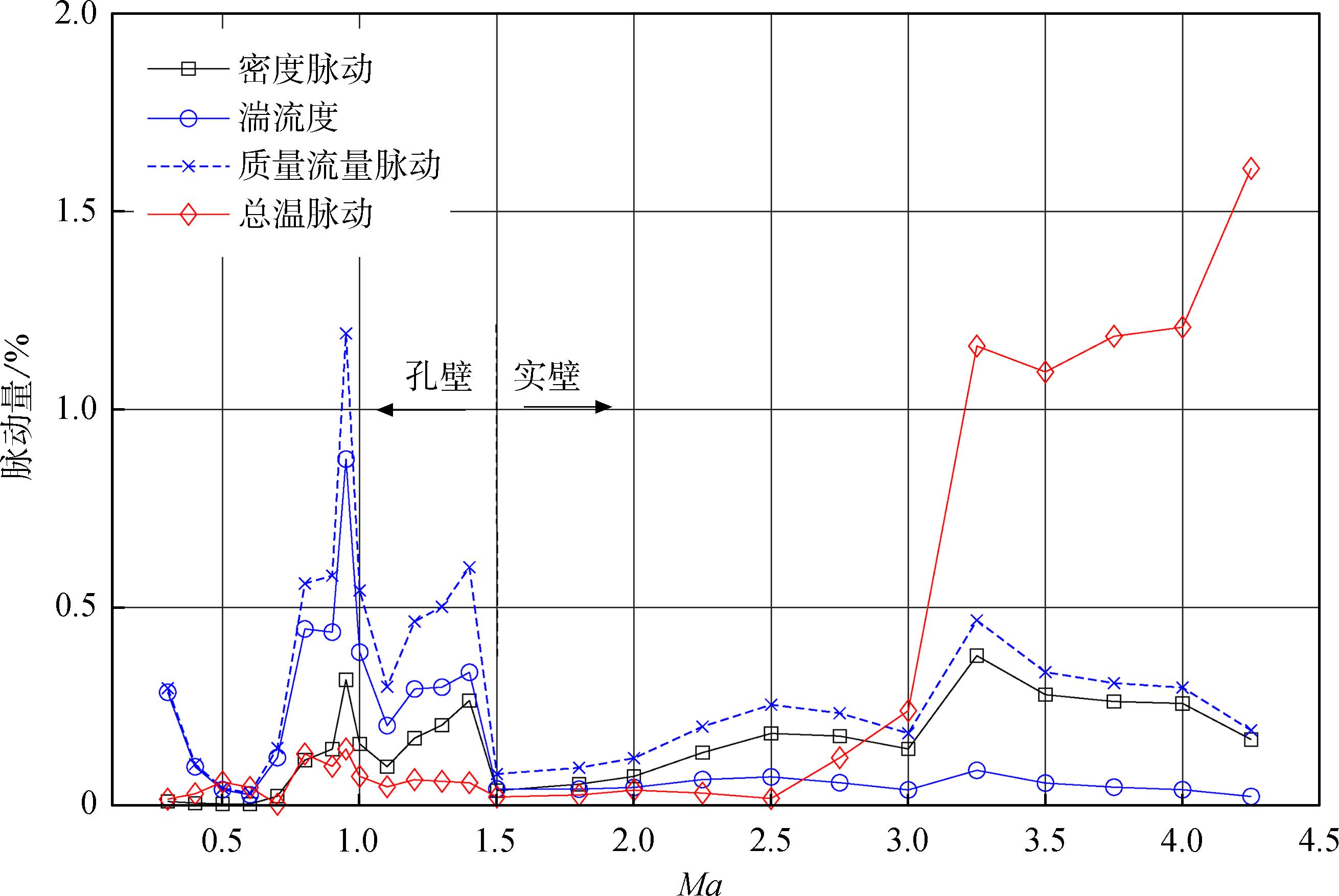
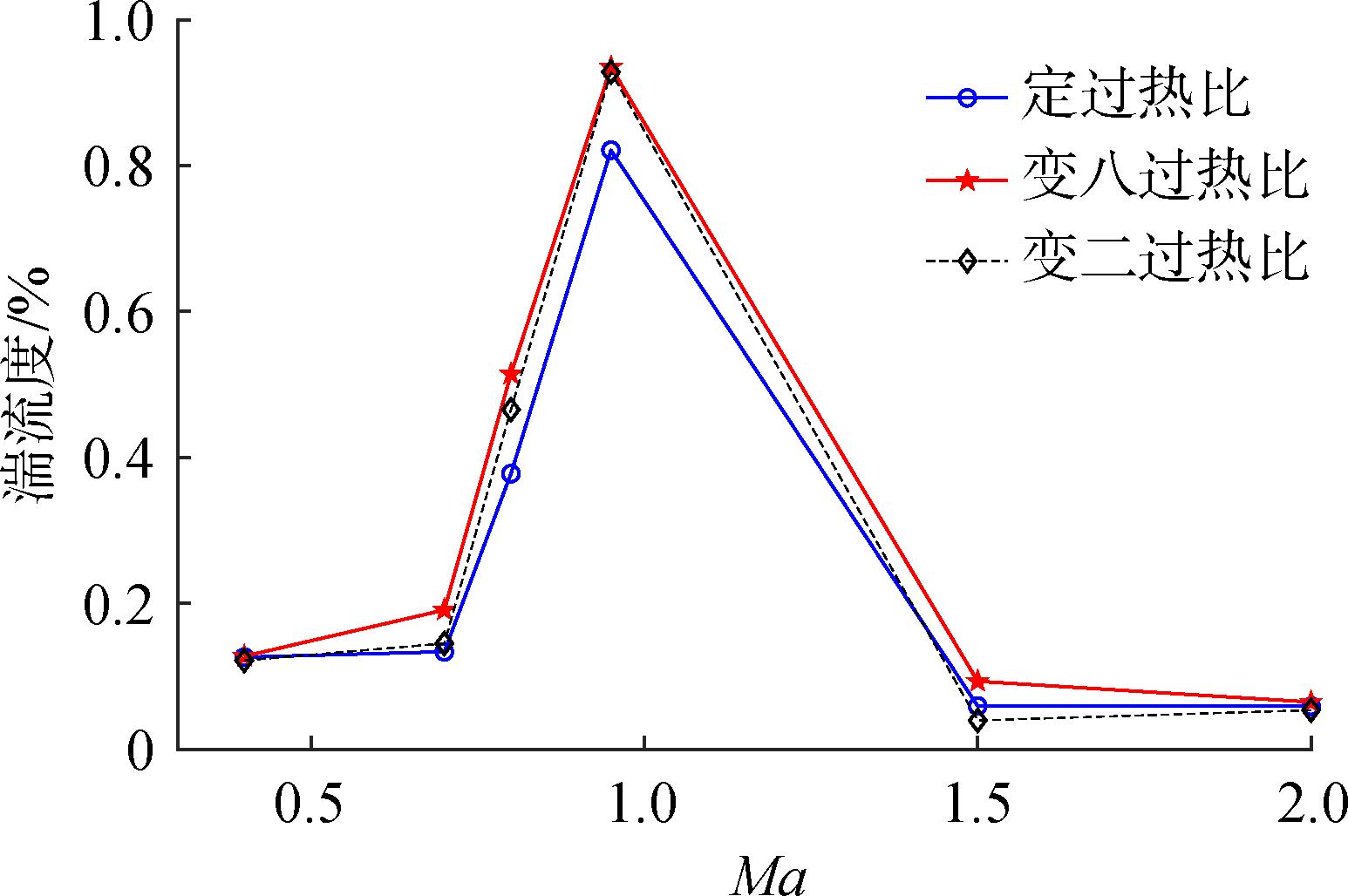
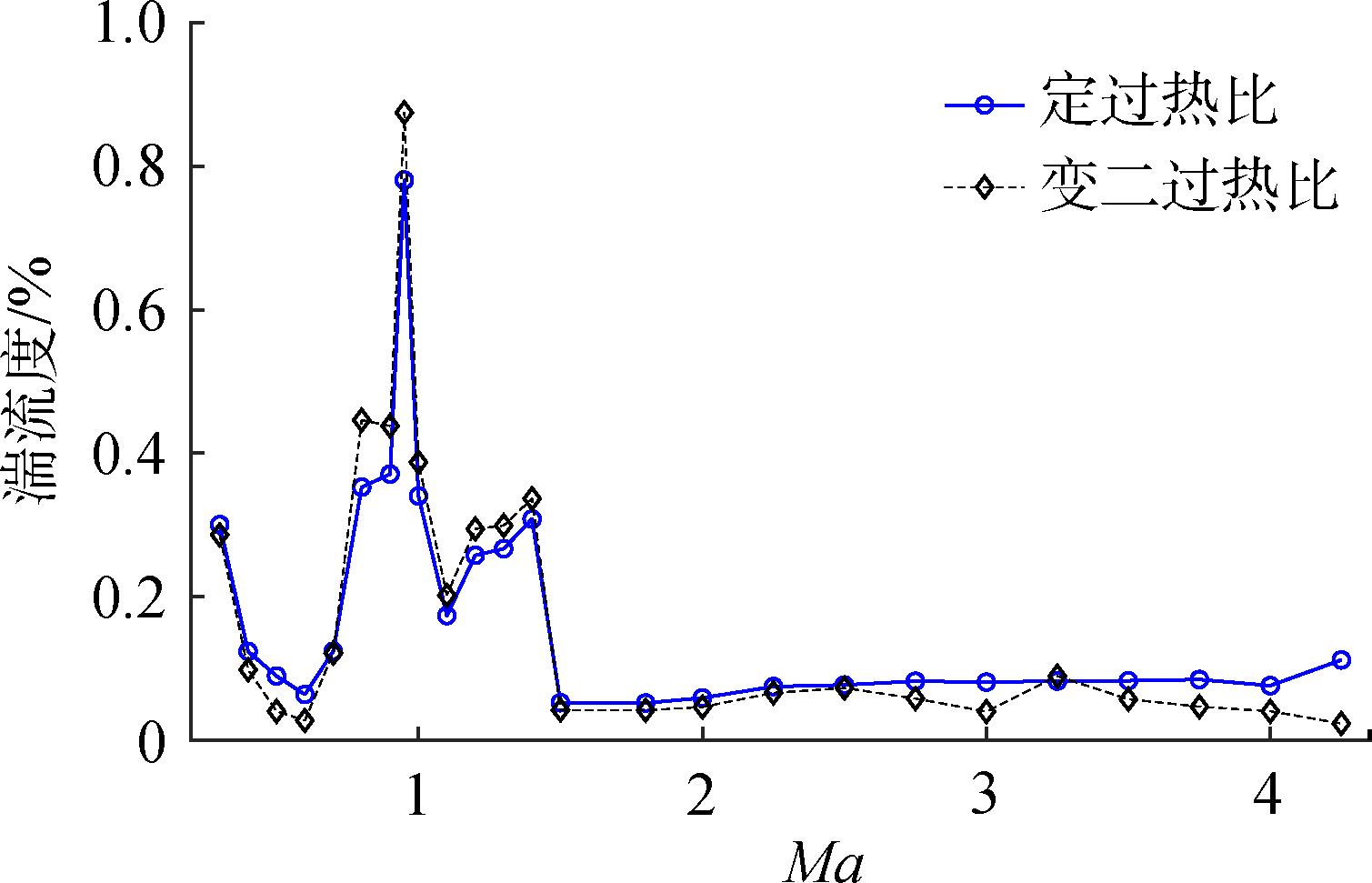
A research comparison for keeping and varying hot wire overheat ratio measurement for turbulence level in transonic and supersonic flow field was carried out to satisfy the need of high precision testing of high speed aircraft and engine in transonic and supersonic wind tunnels.Three methods including keeping hot wire overheat ratio,varying two hot wire overheat ratios,and varying eight hot wire overheat ratios,were used for measuring turbulence level at Mach number of 0.30-4.25 in a 1.2 m blow down transonic and supersonic wind tunnel.The measurement result showed that,the method of varying eight hot wire overheat ratio was most precise,and Monte Carlo simulation uncertainty was around 0.001%-0.033% for measuring turbulence level.Methods of keeping and varying two hot wire overheat ratio realized more fast measurement,bias of mean turbulence level comparing with varying eight hot‑wire overheat ratios was around 9%-18% at Mach number of 0.40-2.00.The research result was practical for flow turbulence evaluation,aircraft test evaluation and numerical calculation in transonic and supersonic flow fields.

Structural mechanical properties and aerodynamic characteristics of hind wings of cyrtotrachelus buqueti
XU Shun, WANG Pengyu, CUI Shuran, CHEN Xiaoming, WANG Junchong, FU Chenqi
2022, 37(9): 1824-1834. doi: 10.13224/j.cnki.jasp.20220091
Abstract:

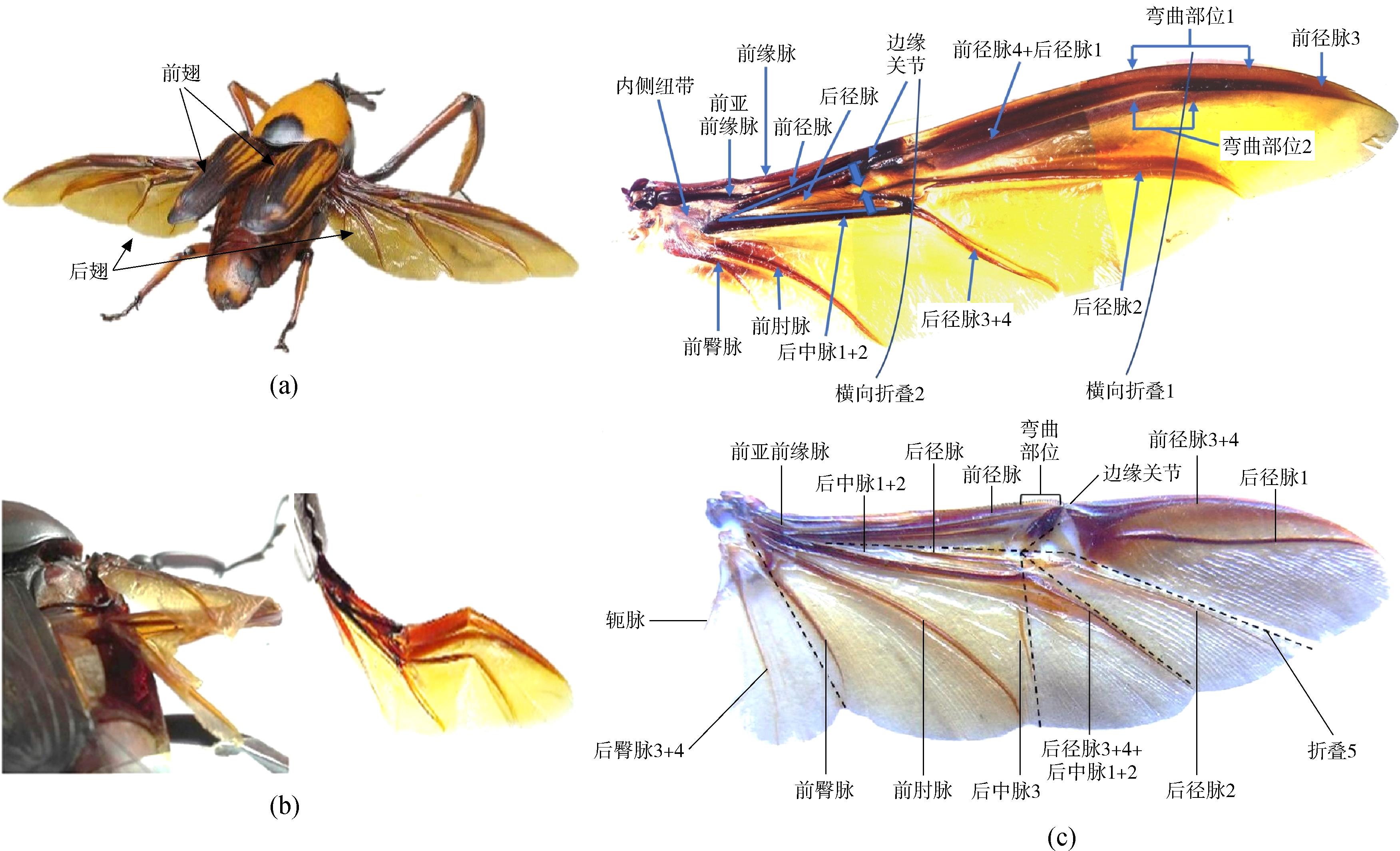
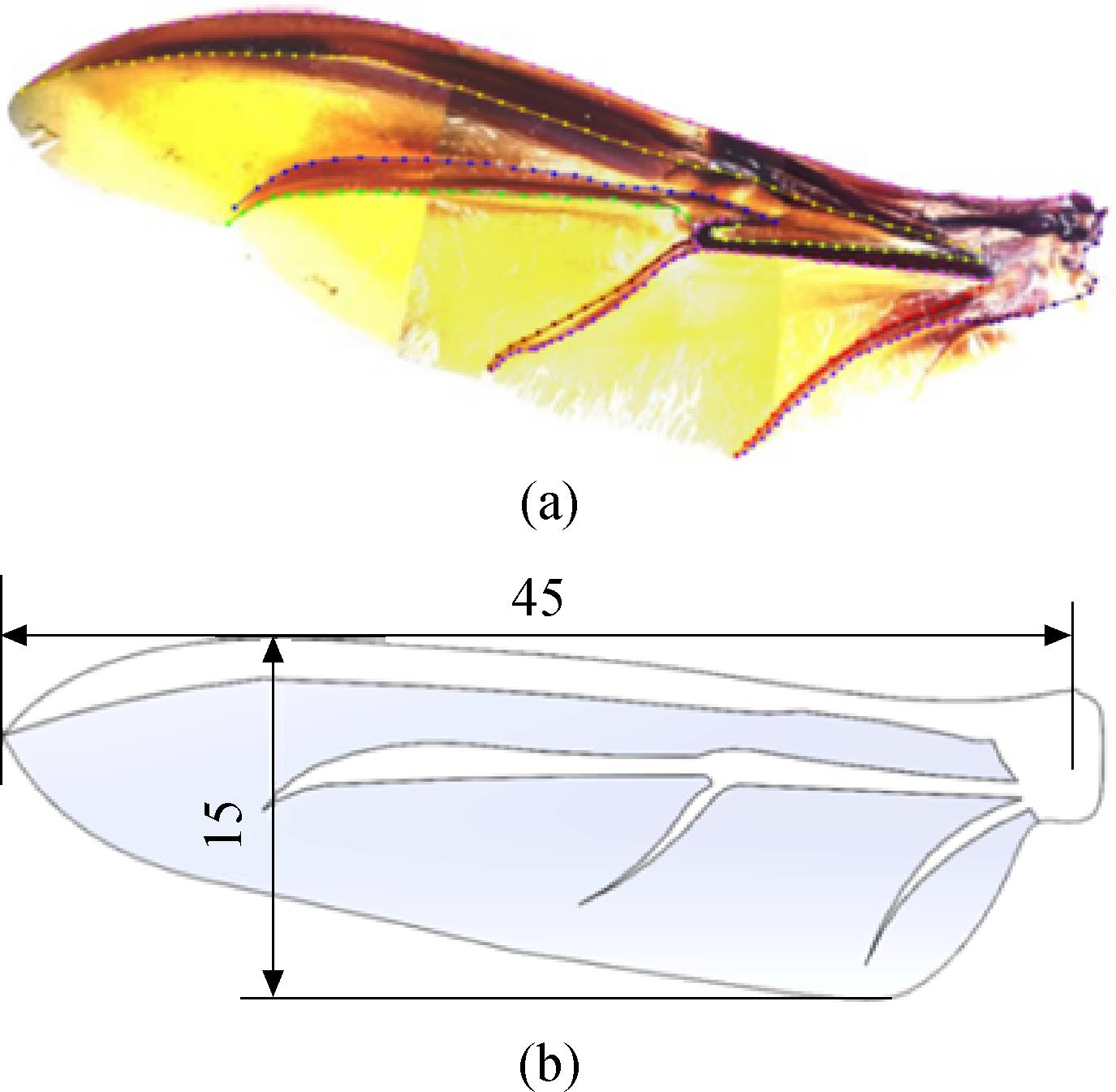
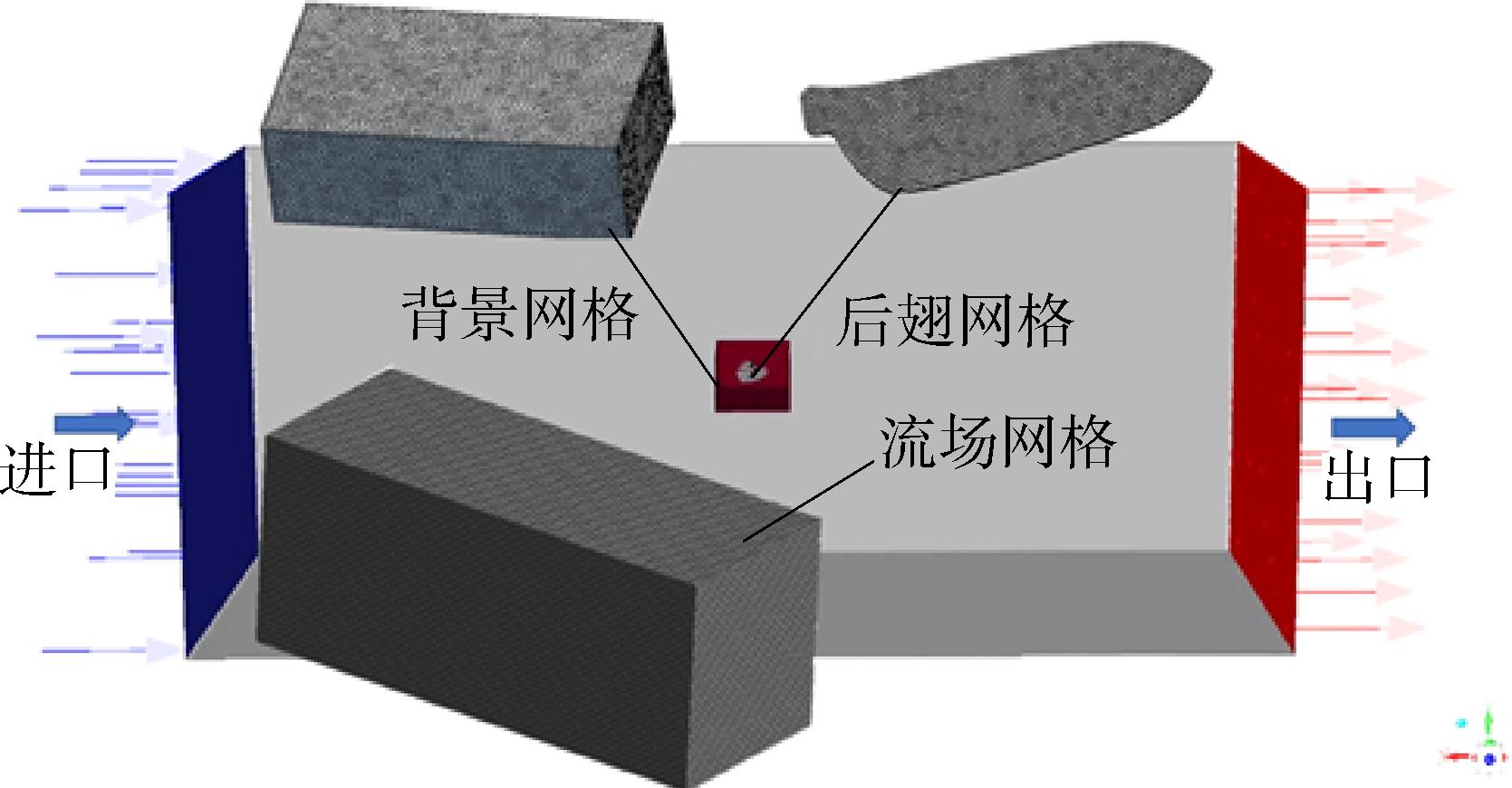
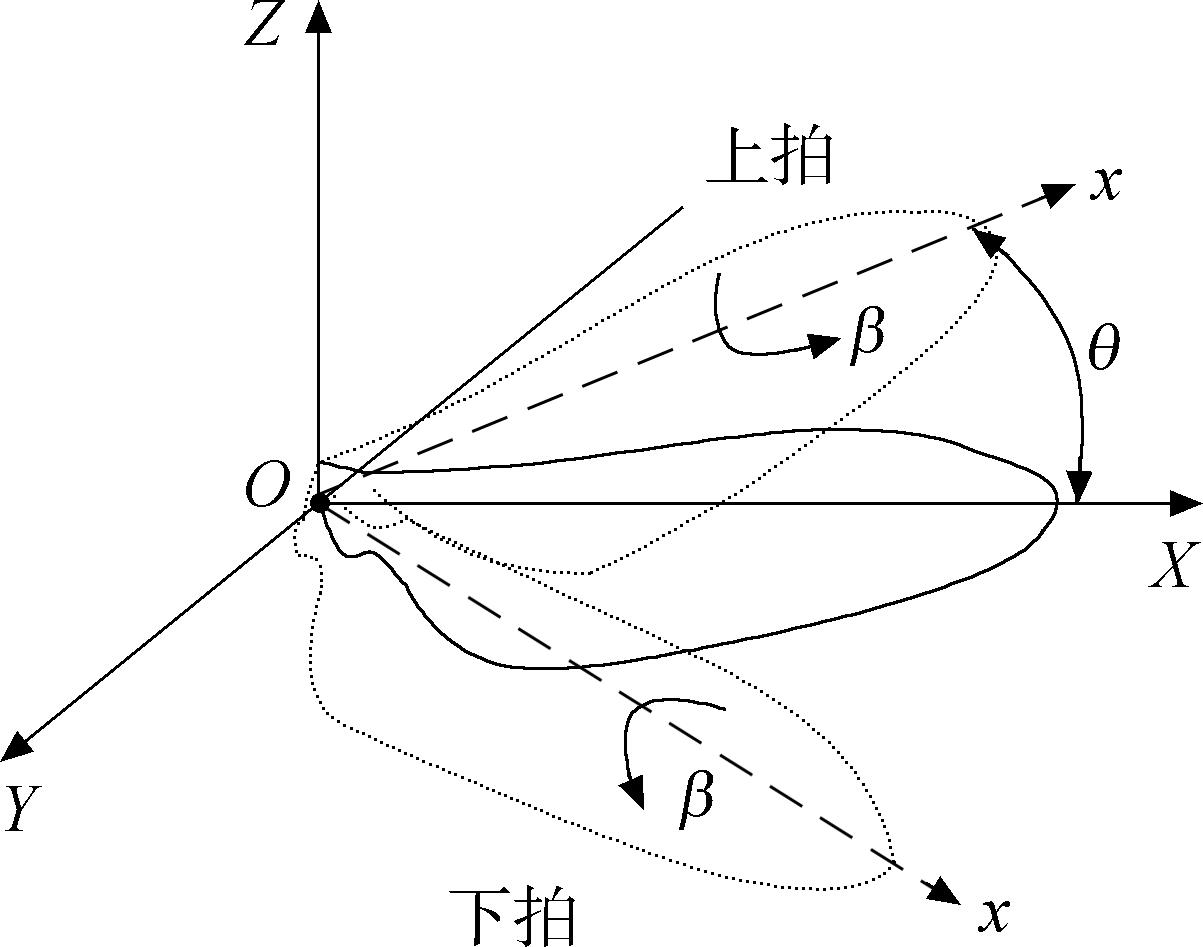
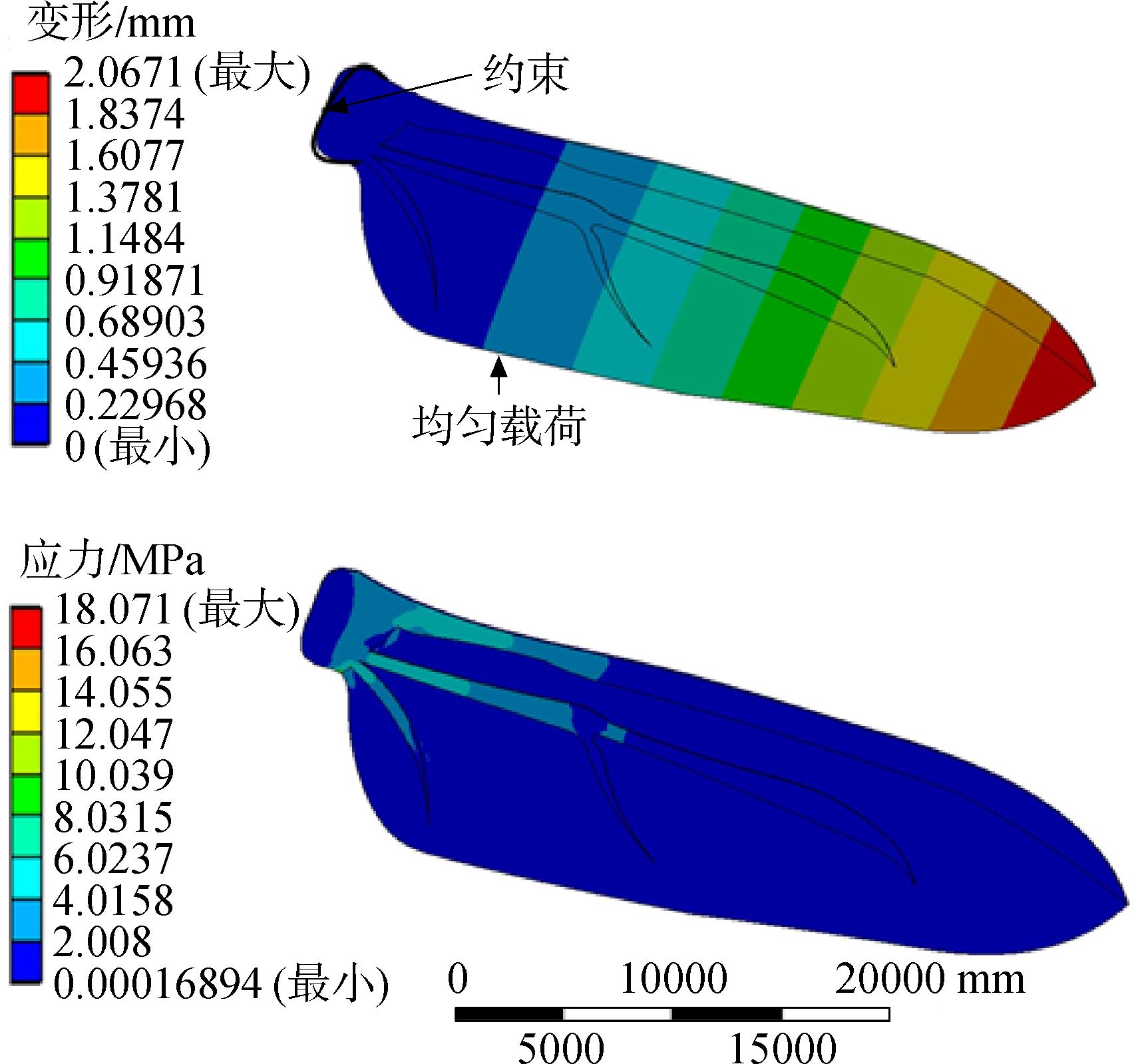
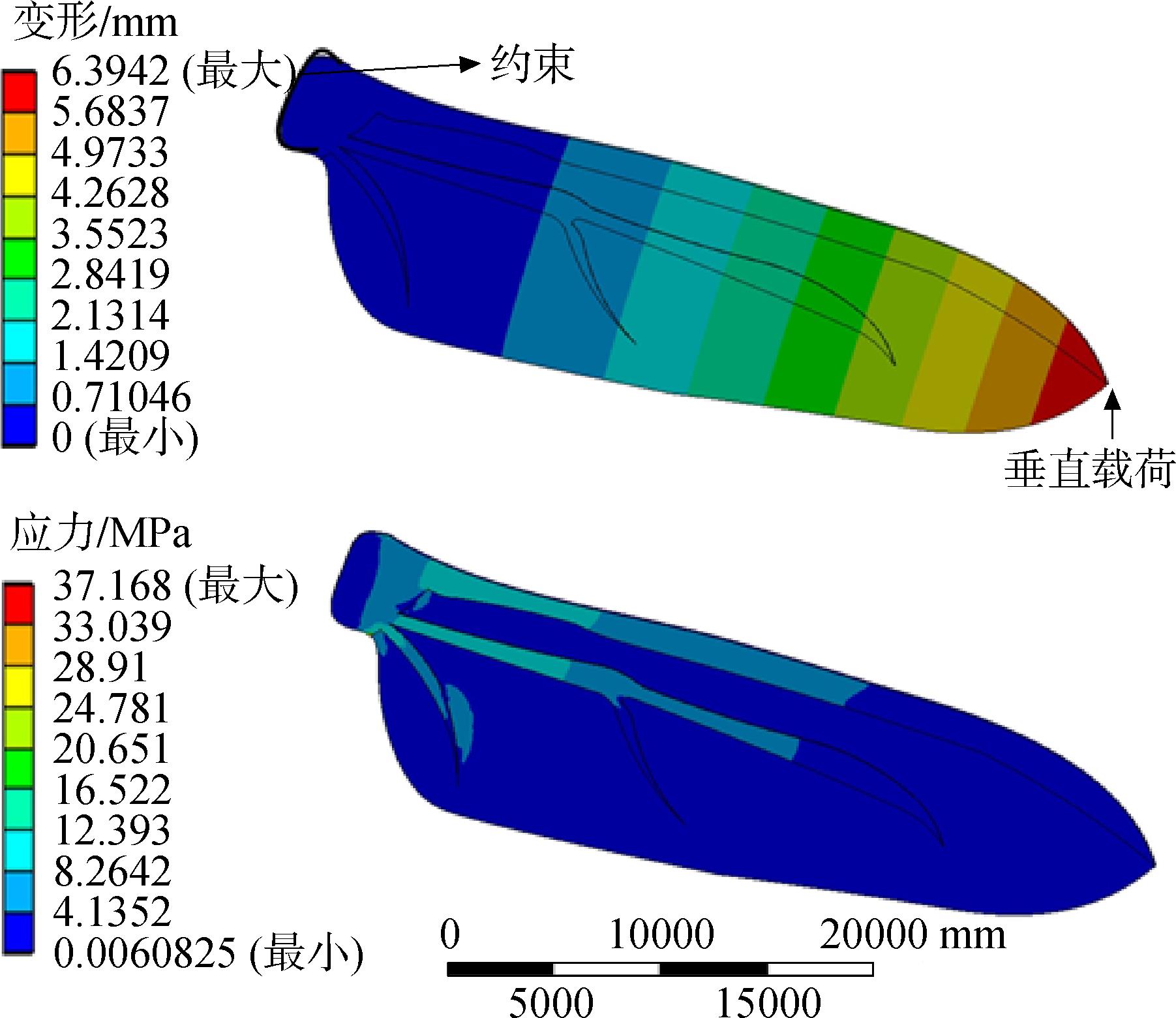
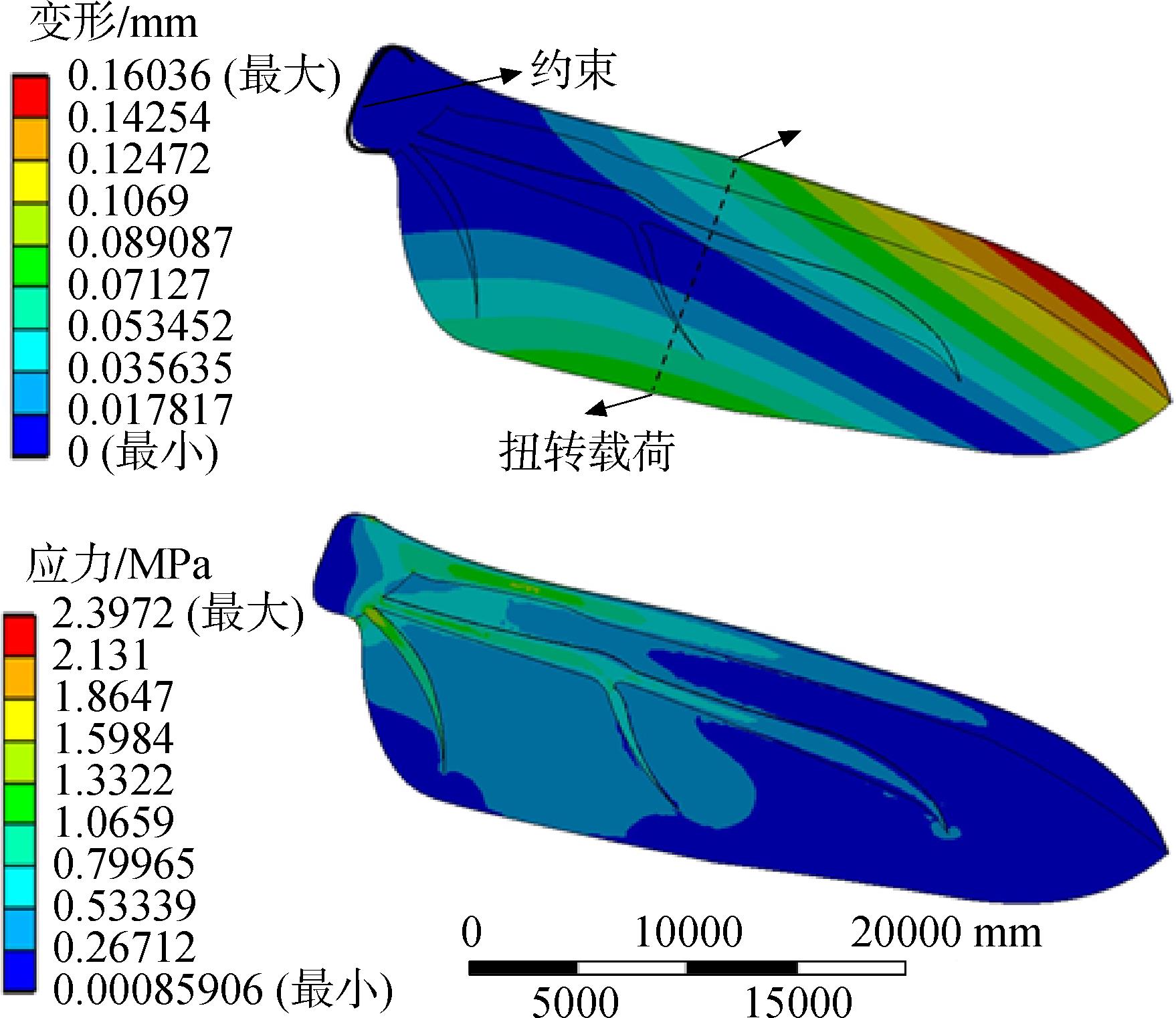
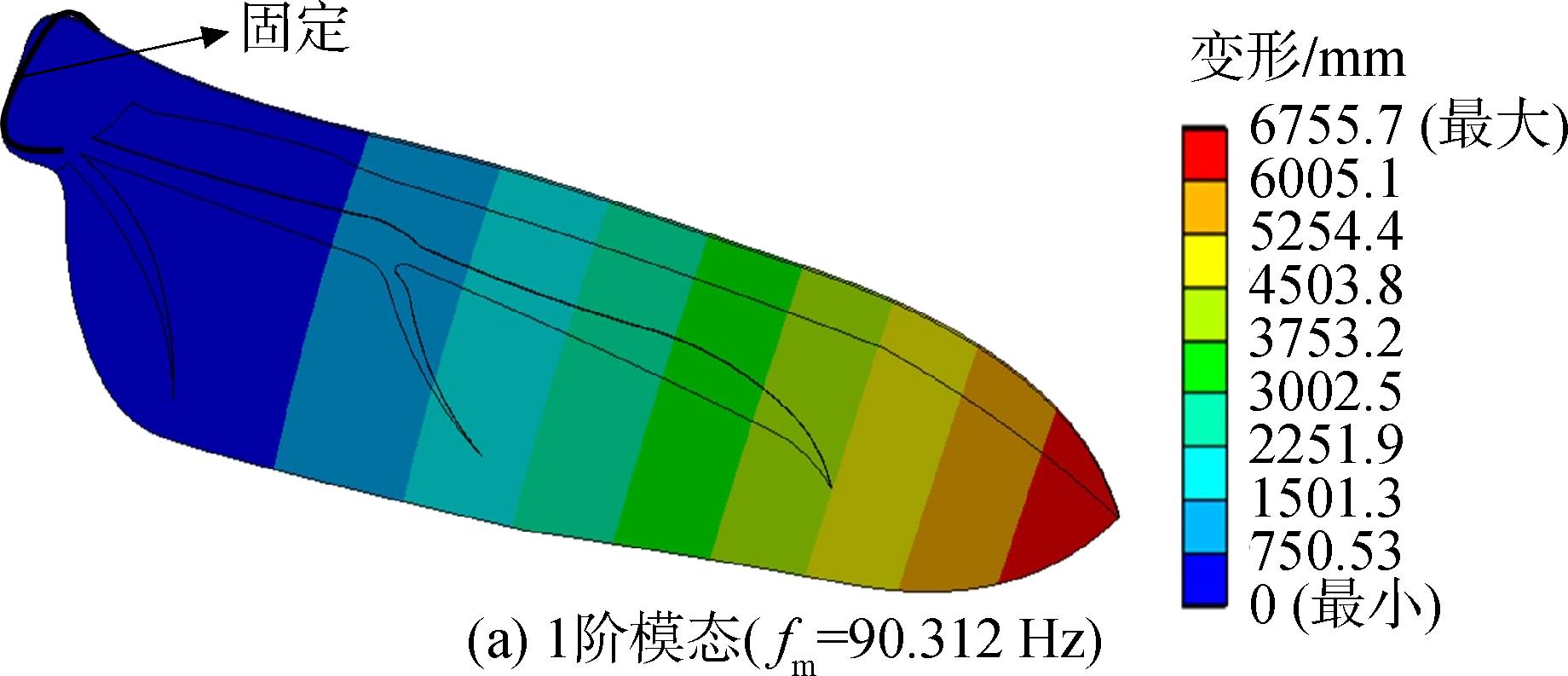
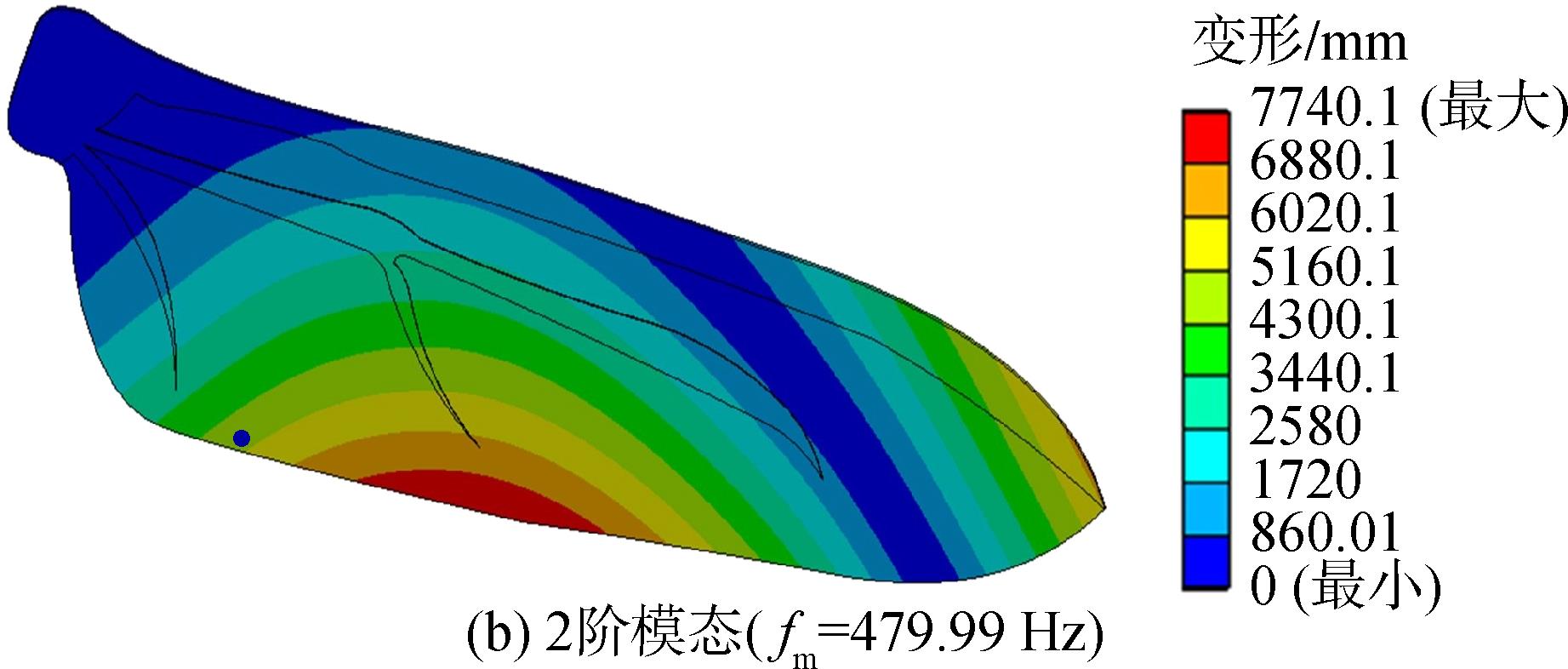
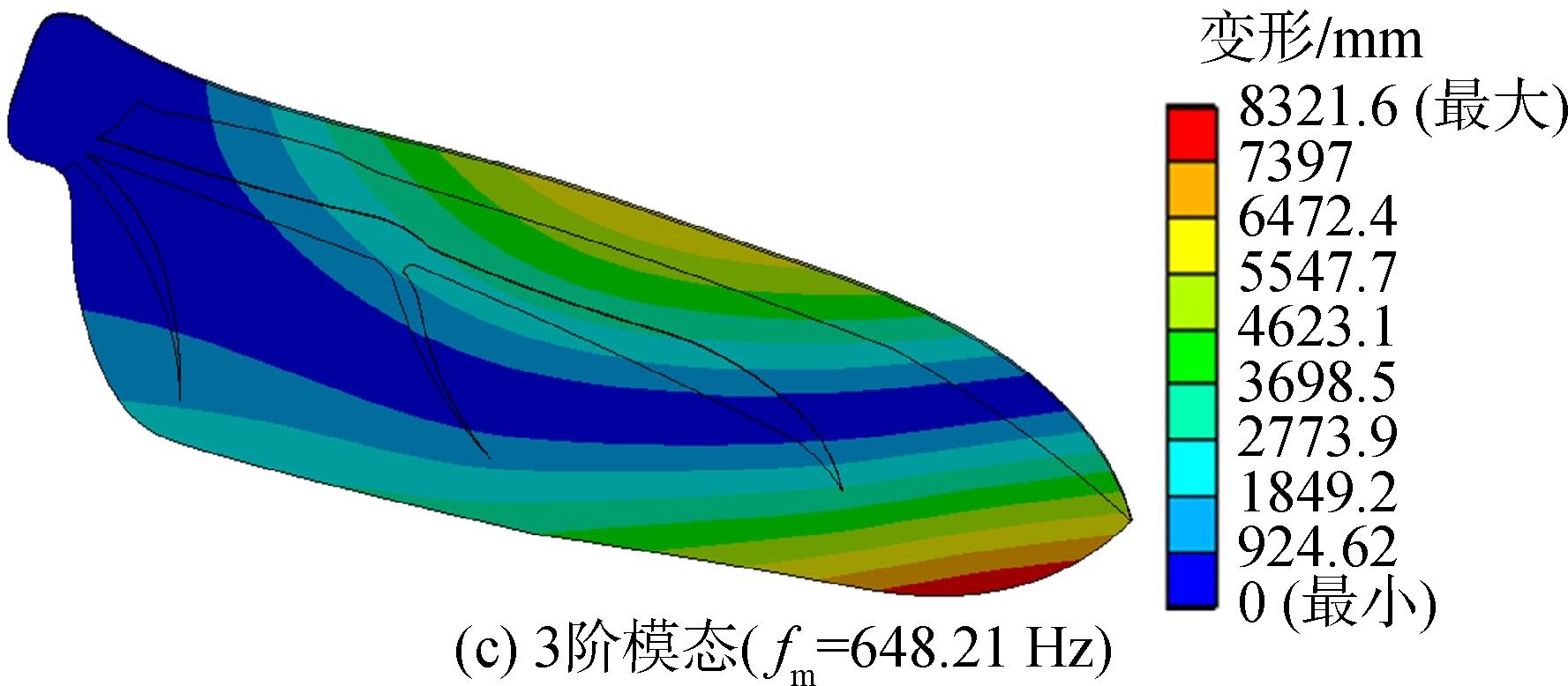
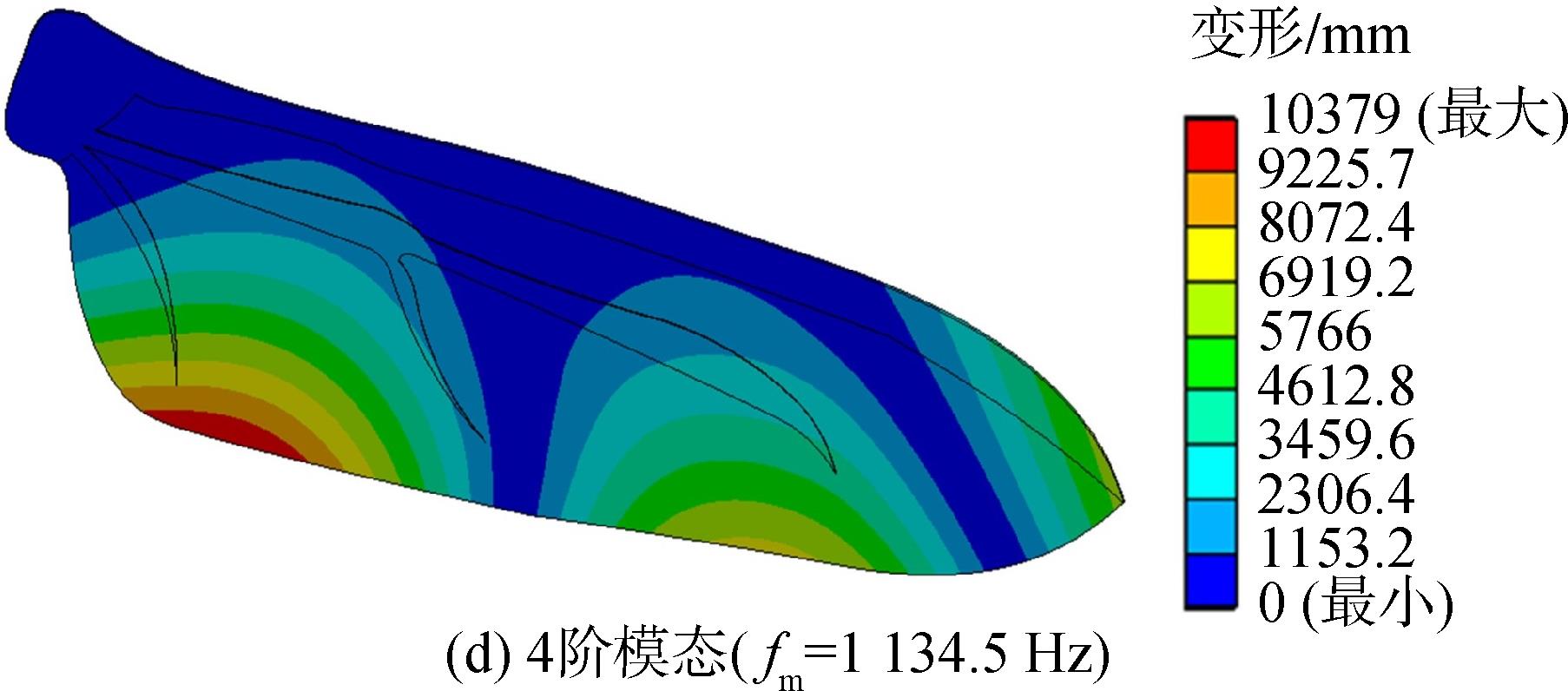
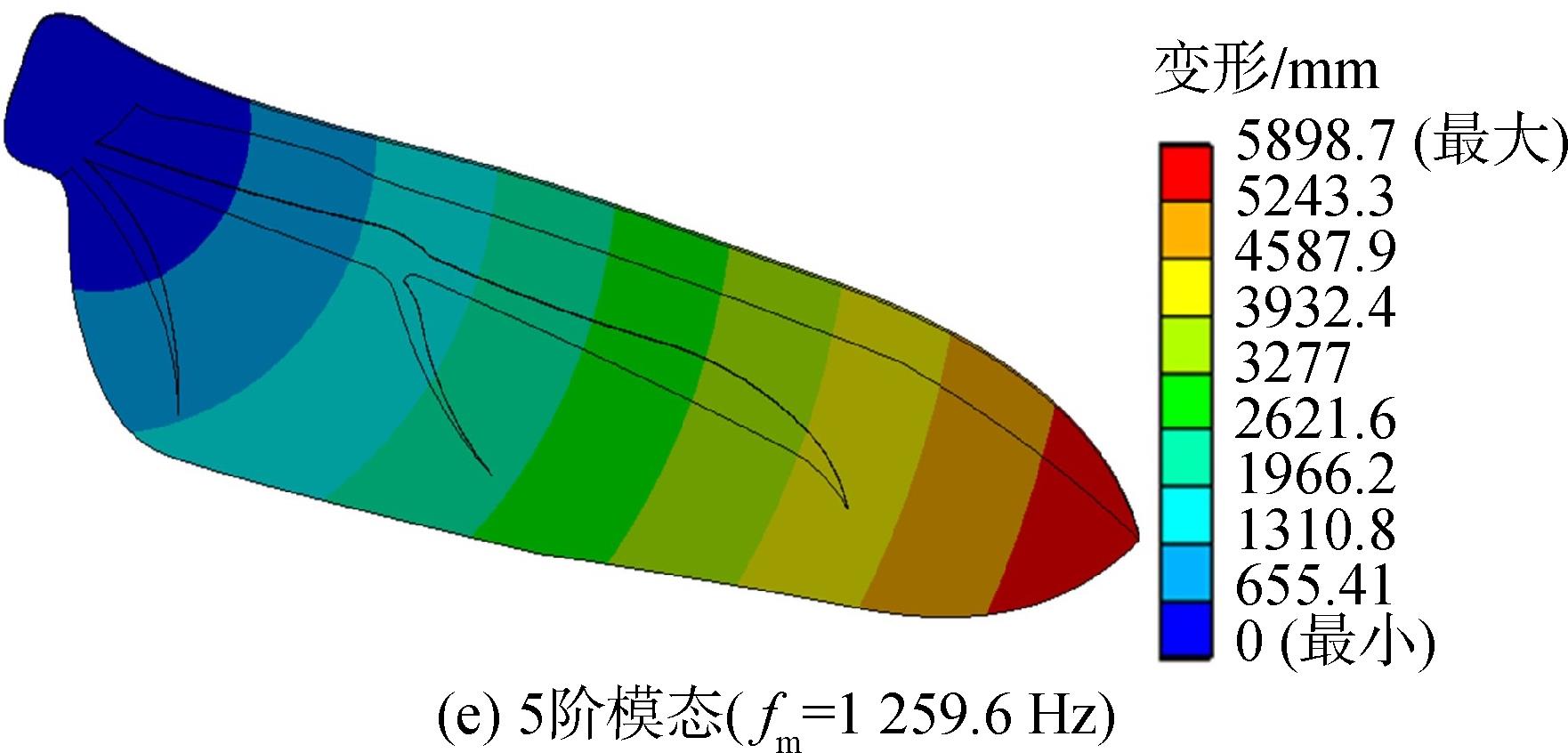
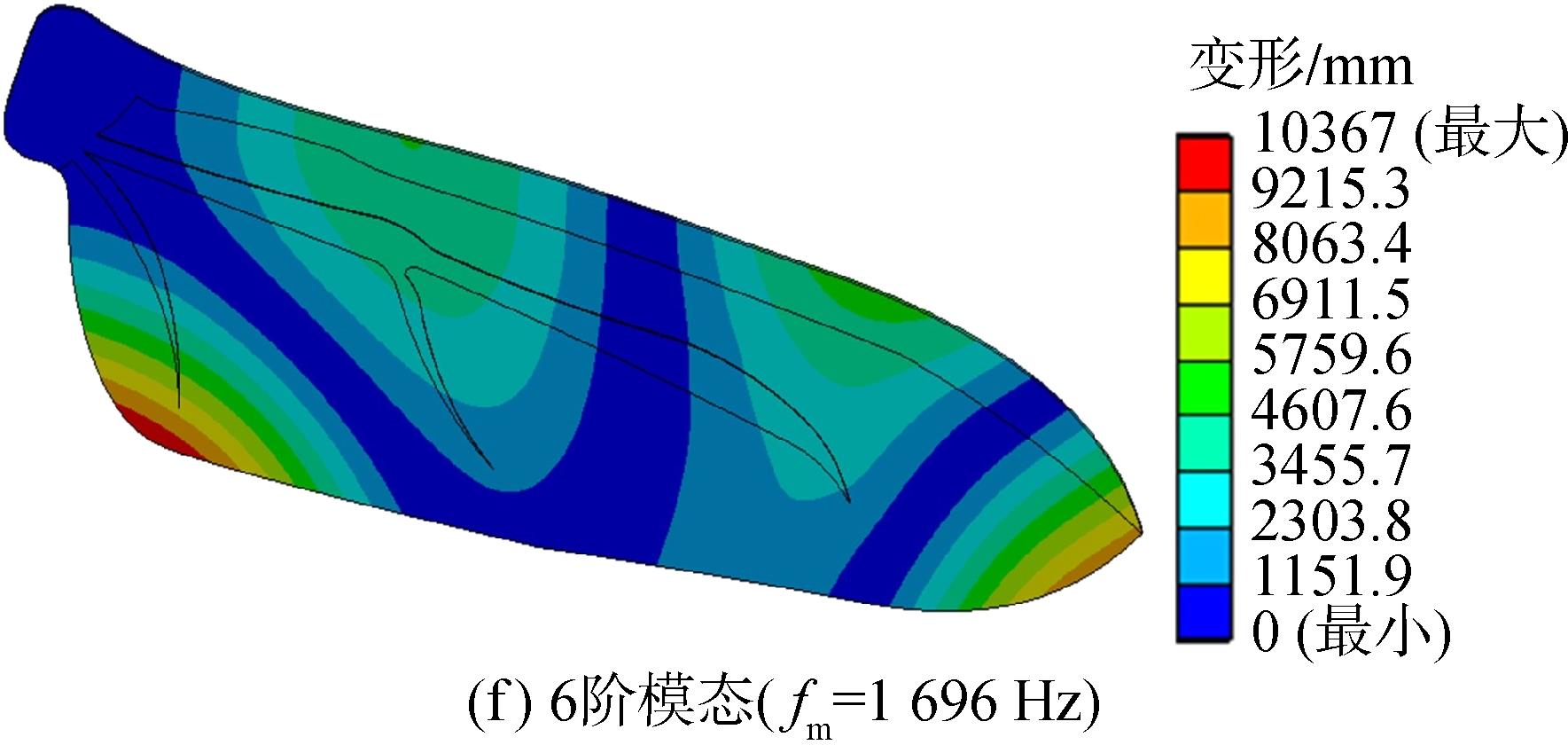
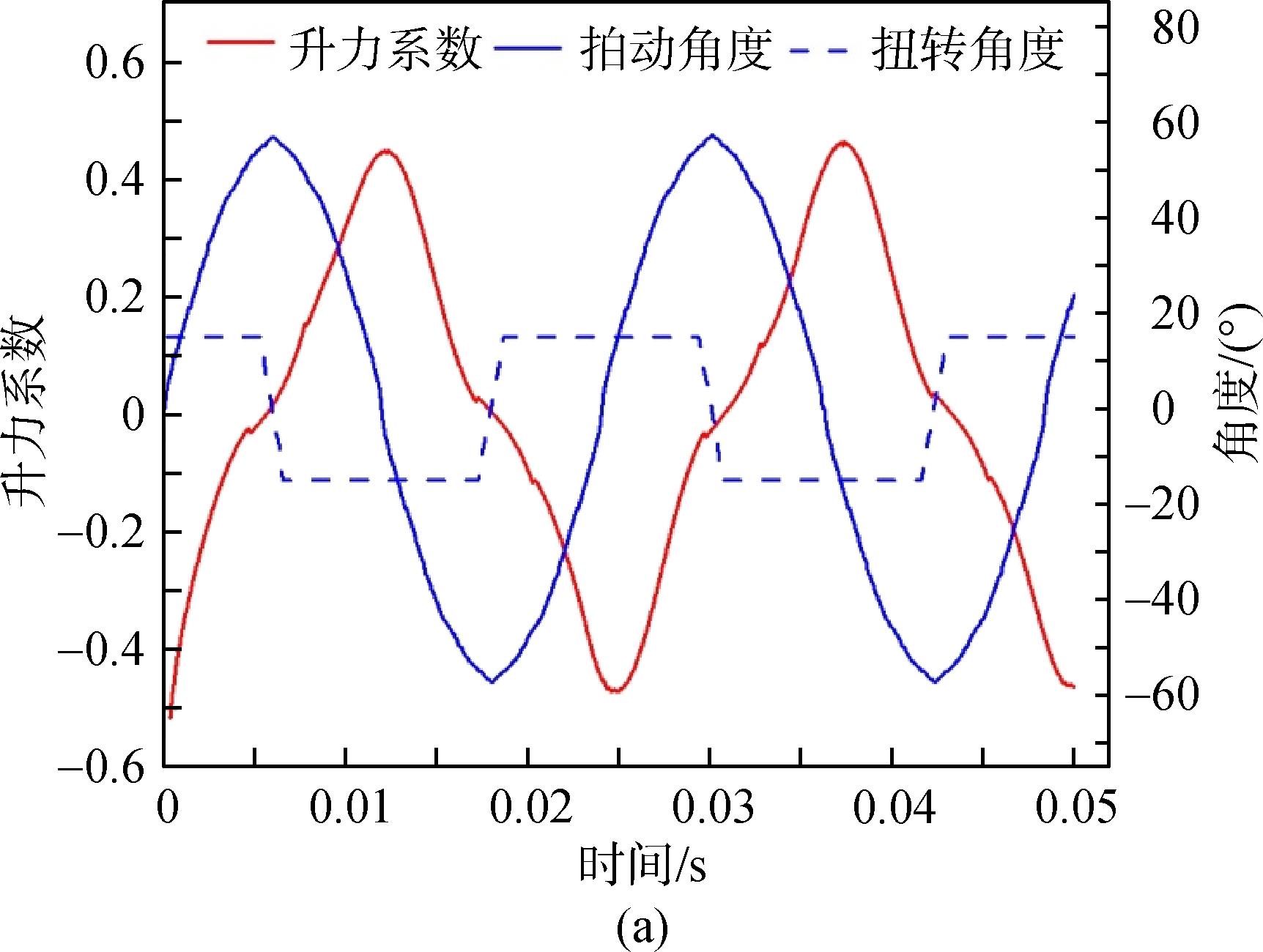
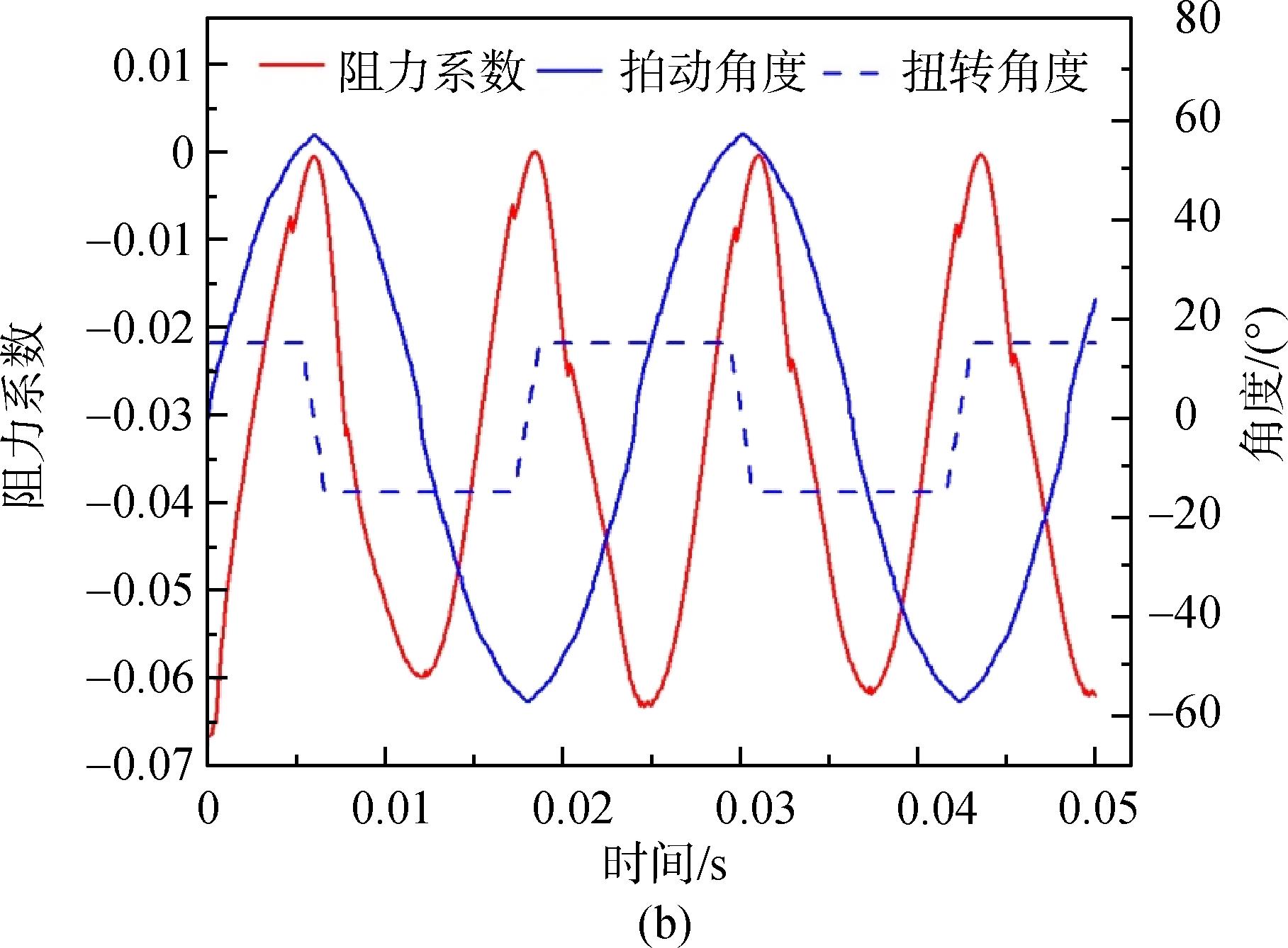
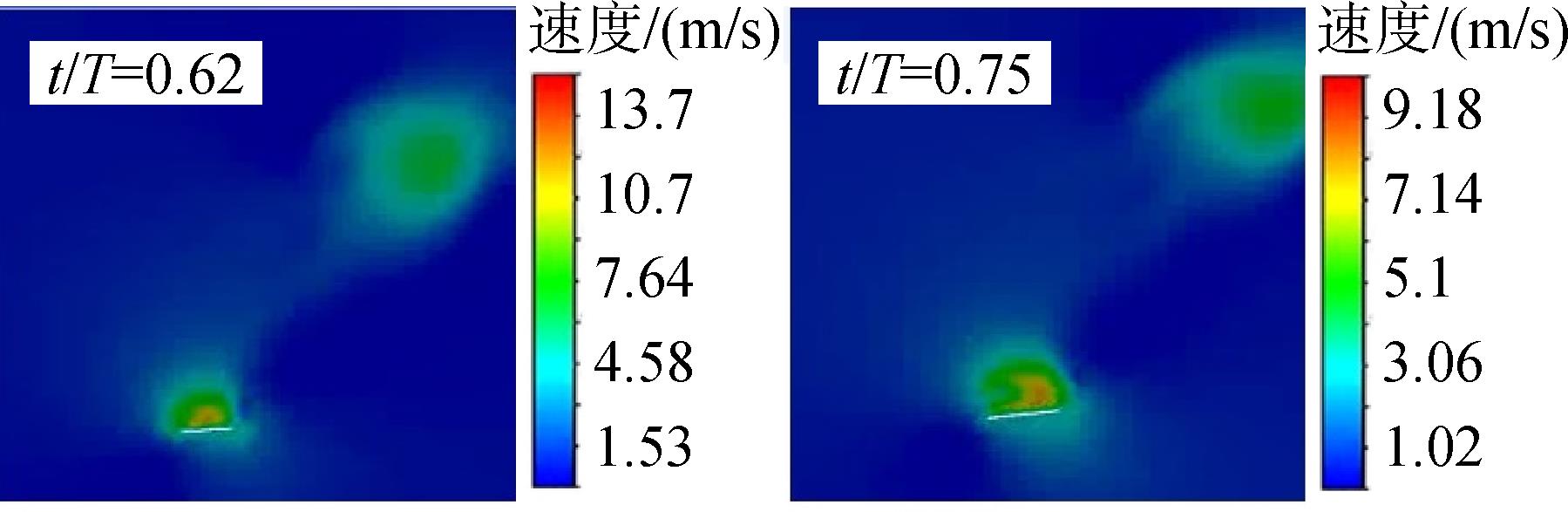
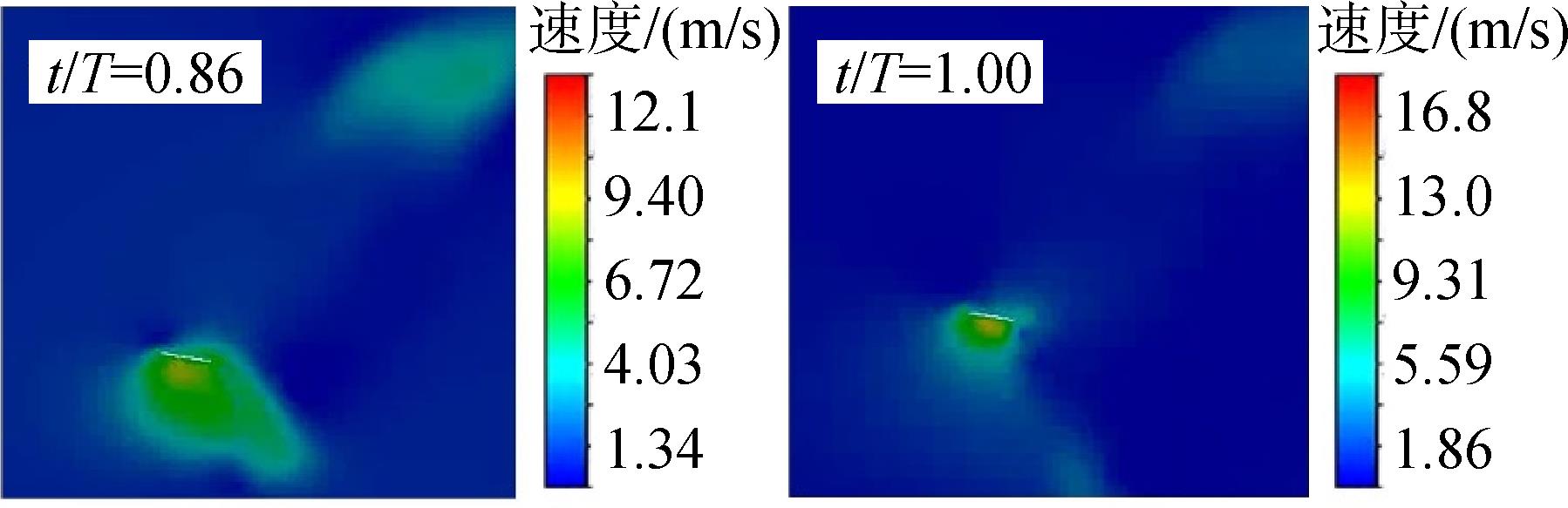
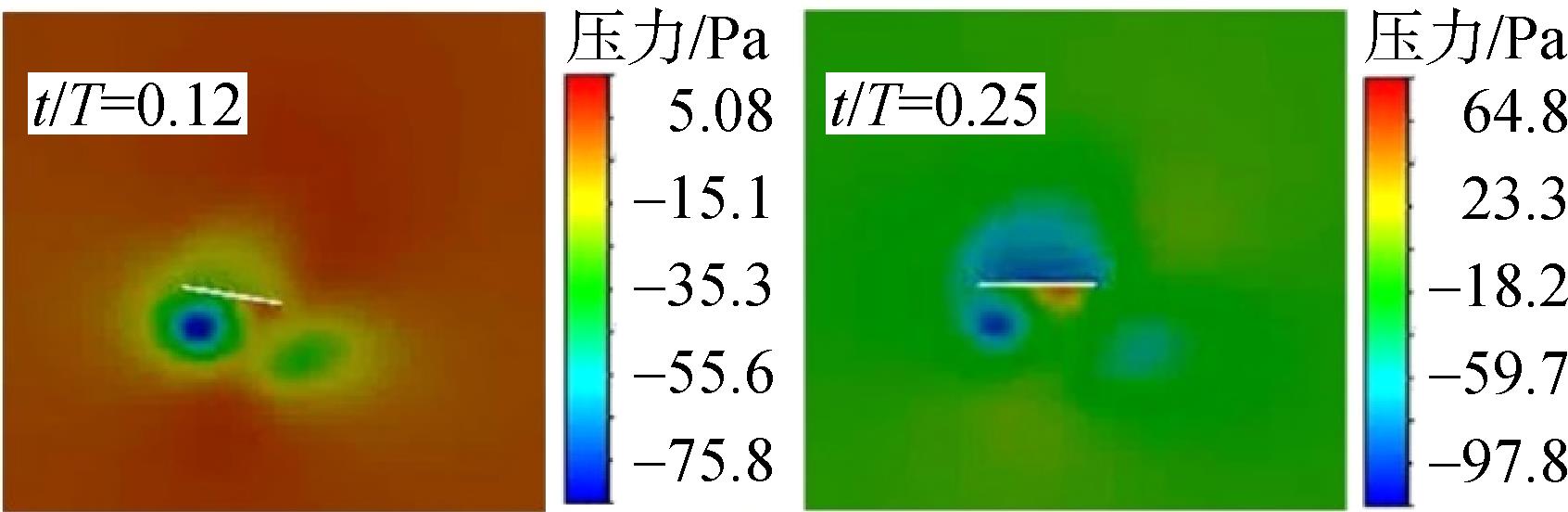
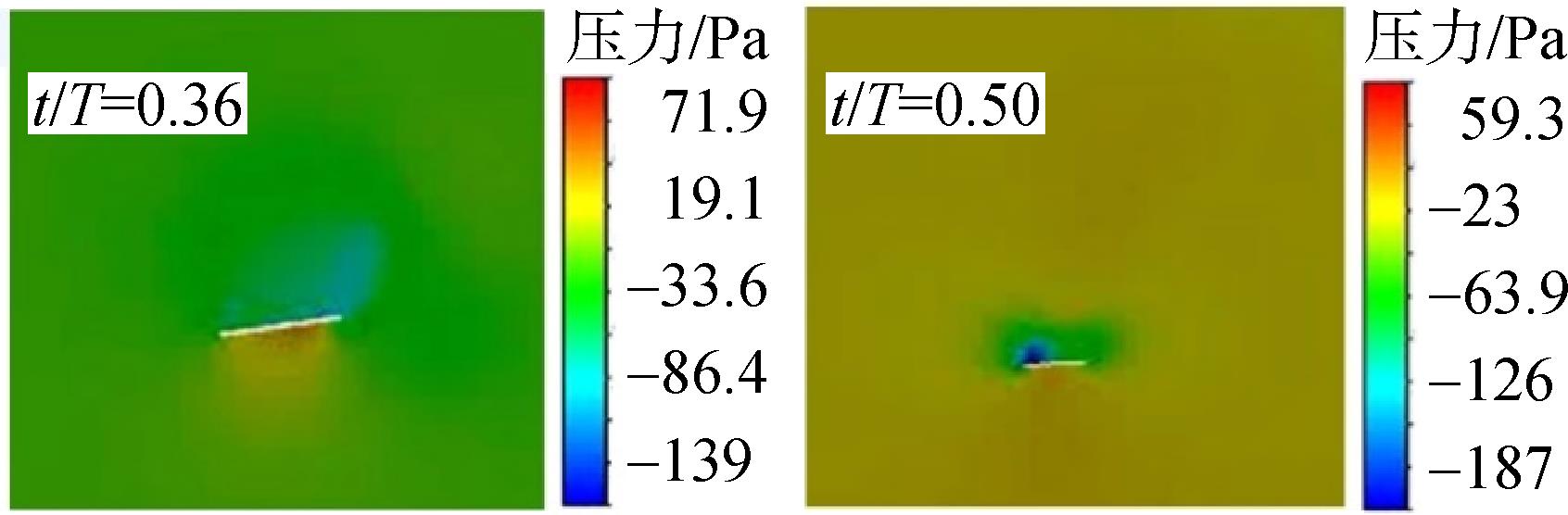
In order to study the structural characteristics of hind wing and the aerodynamic characteristics during the flight of bamboo weevil,the mathematical model was established based on the characteristic curves of the wing veins of weevil hind wings.By using finite element method,the static structural mechanical properties of hind wing under three different loads (uniform load,vertical load,and torsional load) were researched,and the modal parameters were calculated.The up‑down flapping of the hind wing was simulated in Fluent based on the overlapping mesh method.Aerodynamic characteristics of the hind wing under different flapping amplitude,torsion angle and flapping frequency were analyzed.The results showed that the rib distribution of the hind wing of the bamboo weevil has good structural stiffness and carrying capacity.The displacement and stress changes were small under different loads,and the structural stability was strong.The vibration frequency of the hind wing was 90.312 Hz,which was more in line with the development requirements of the micro flapping wing compared with similar insects.In addition,the simulation results indicated that the hind wing of bamboo weevil can improve the lift and thrust by changing the flutter amplitude,torsion angle and flutter frequency to achieve aerobatic flight.

Efficient design method for blades of counter⁃rotating ducted fan
GUO Jiahao, ZHOU Zhou, LI Xu
2022, 37(9): 1835-1845. doi: 10.13224/j.cnki.jasp.20210347
Abstract:

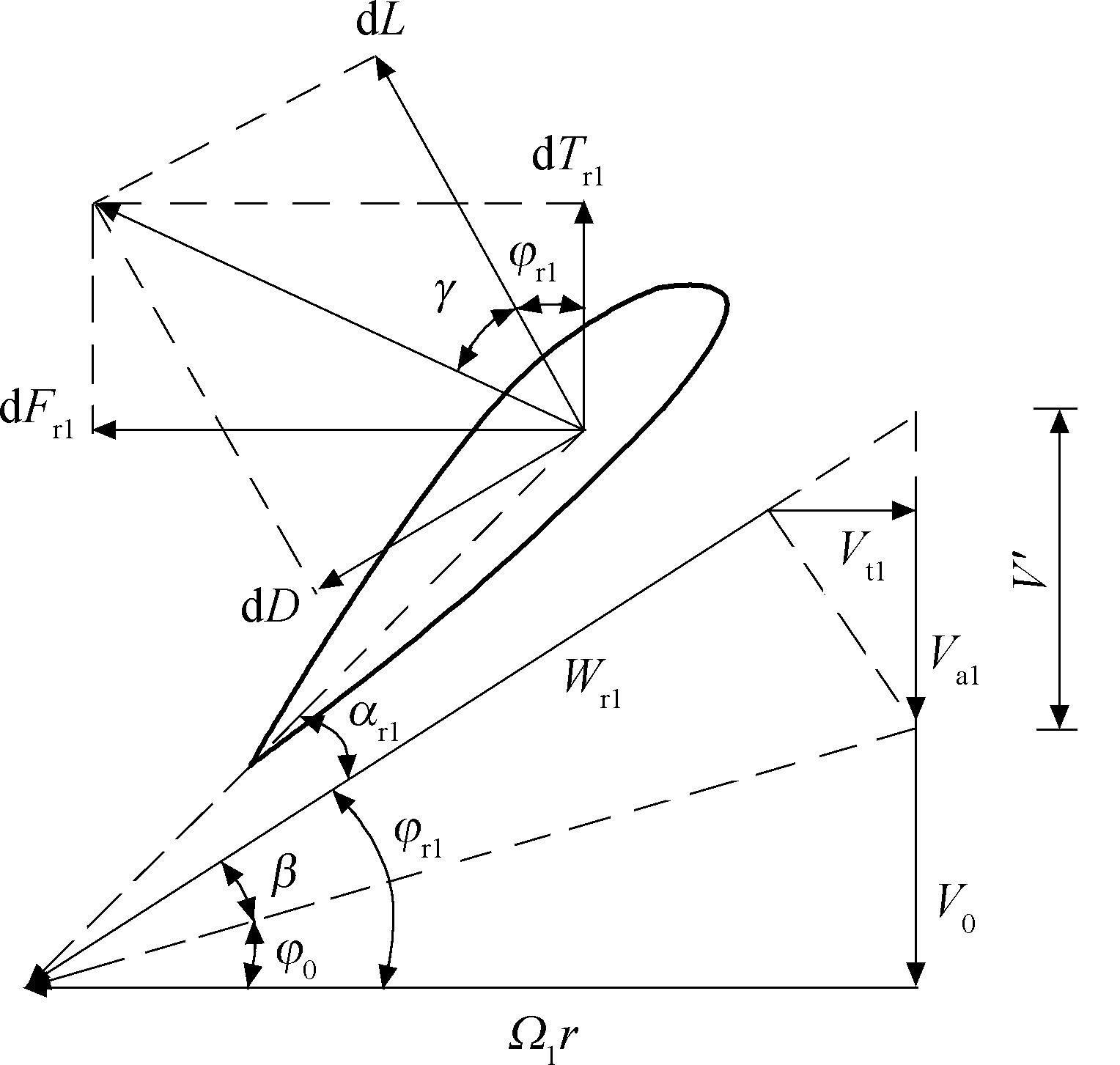
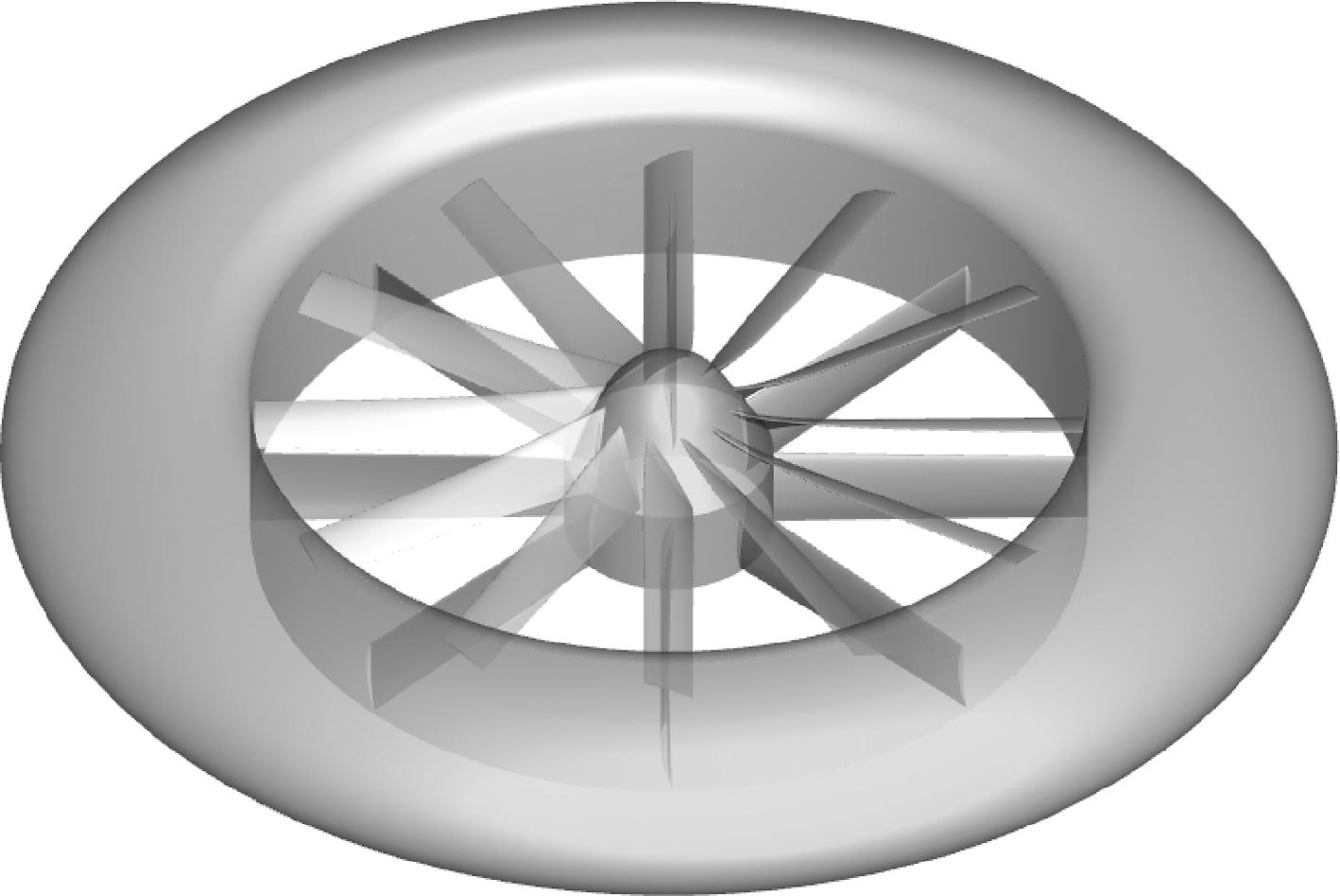
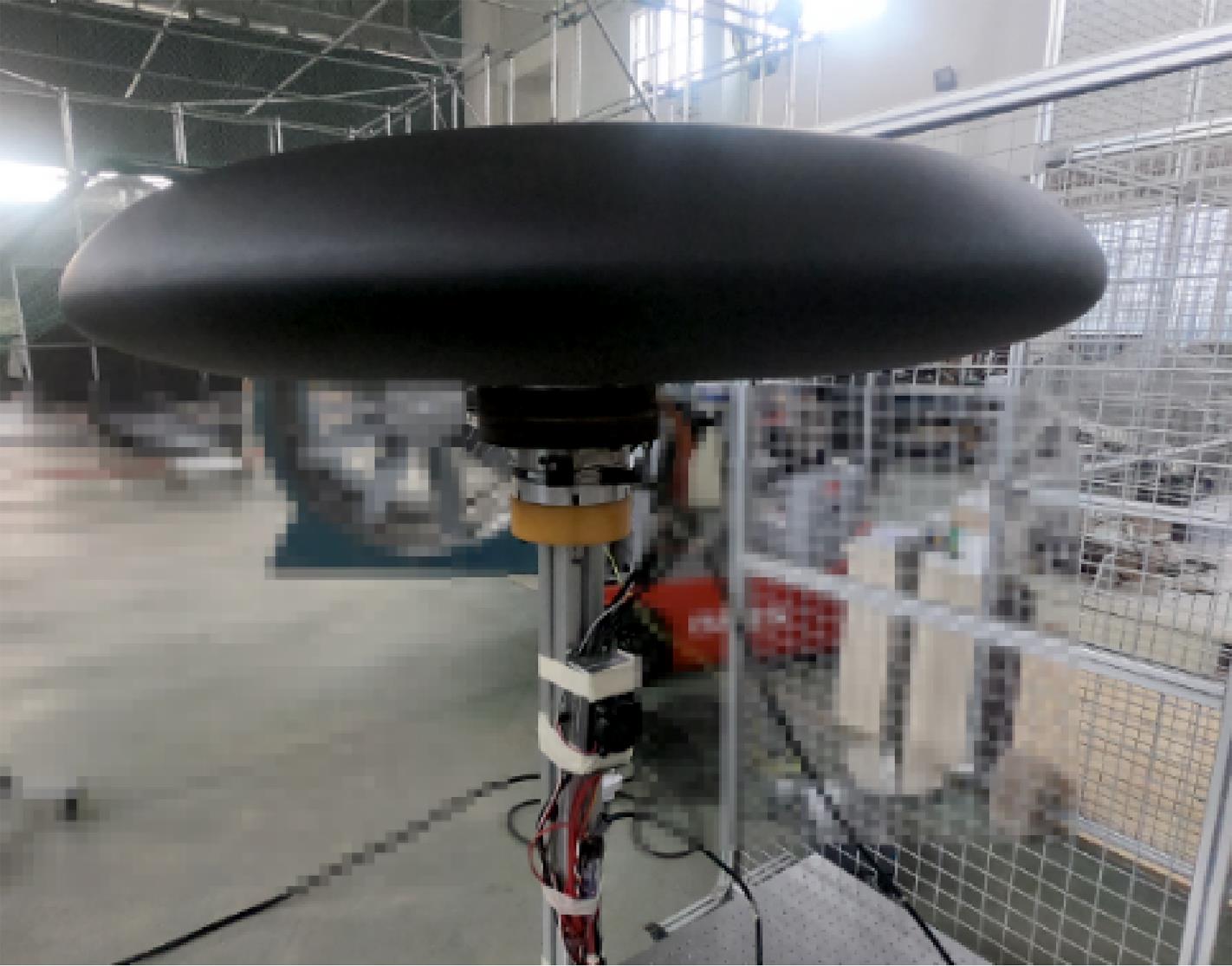
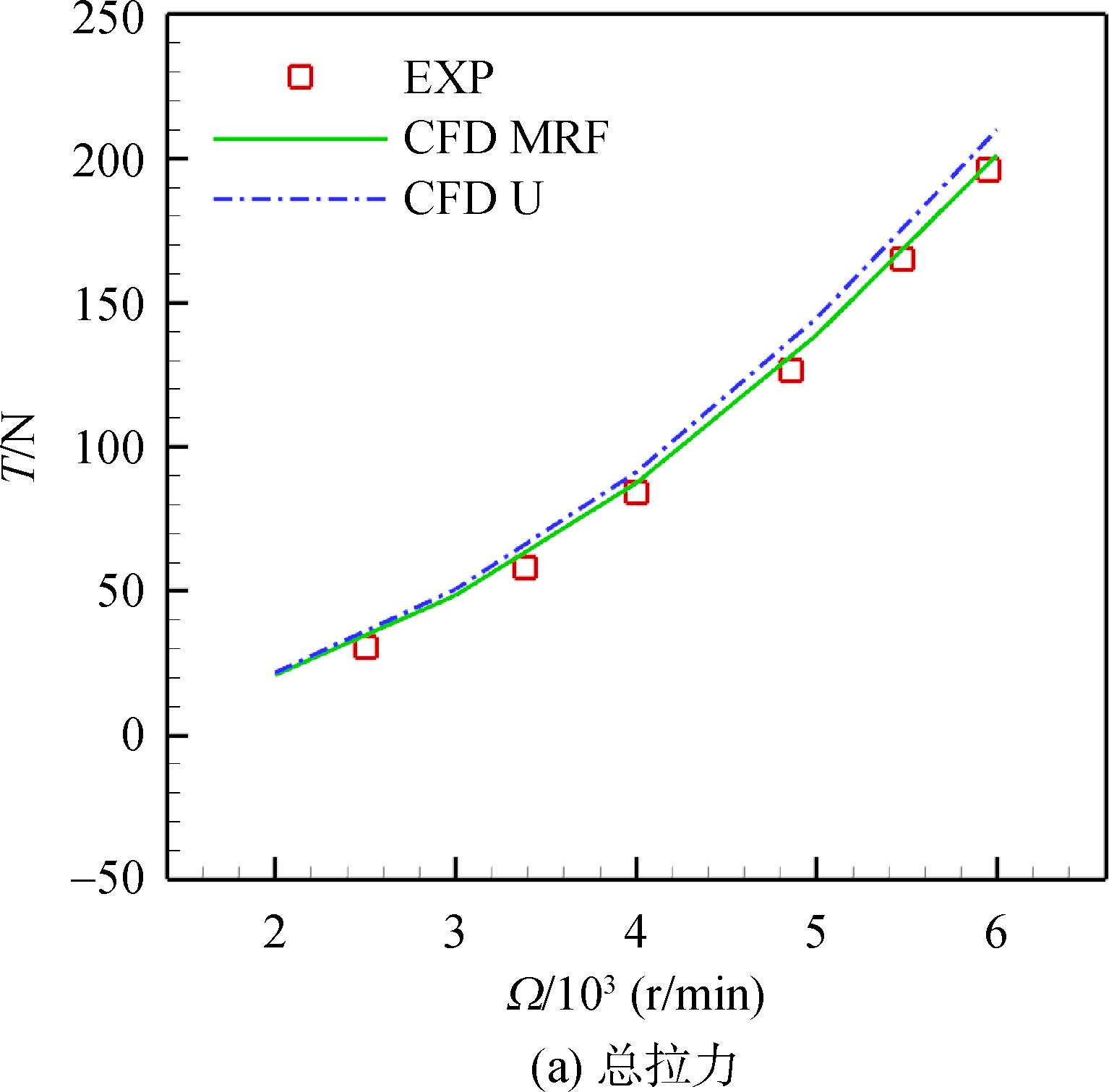
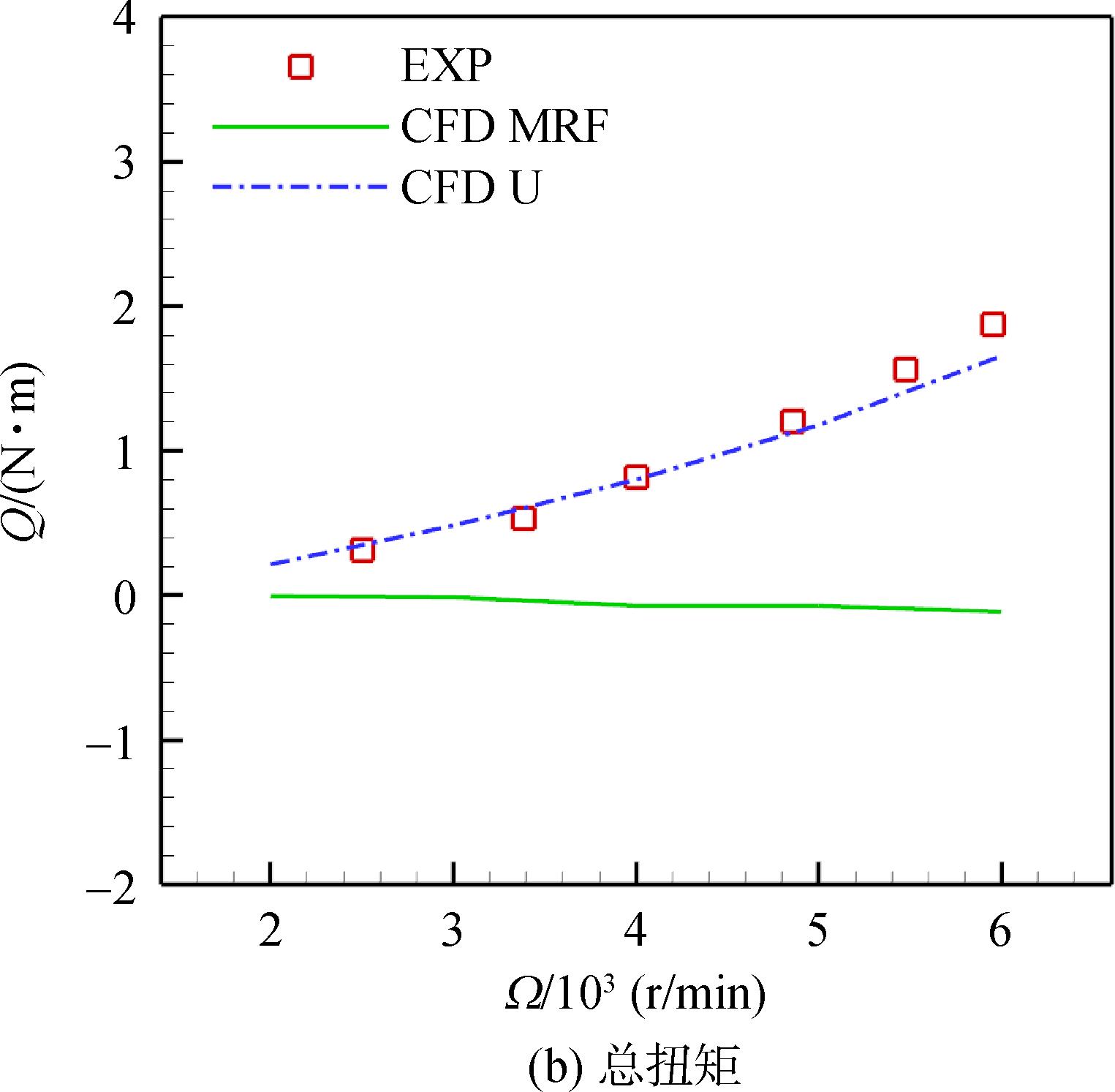
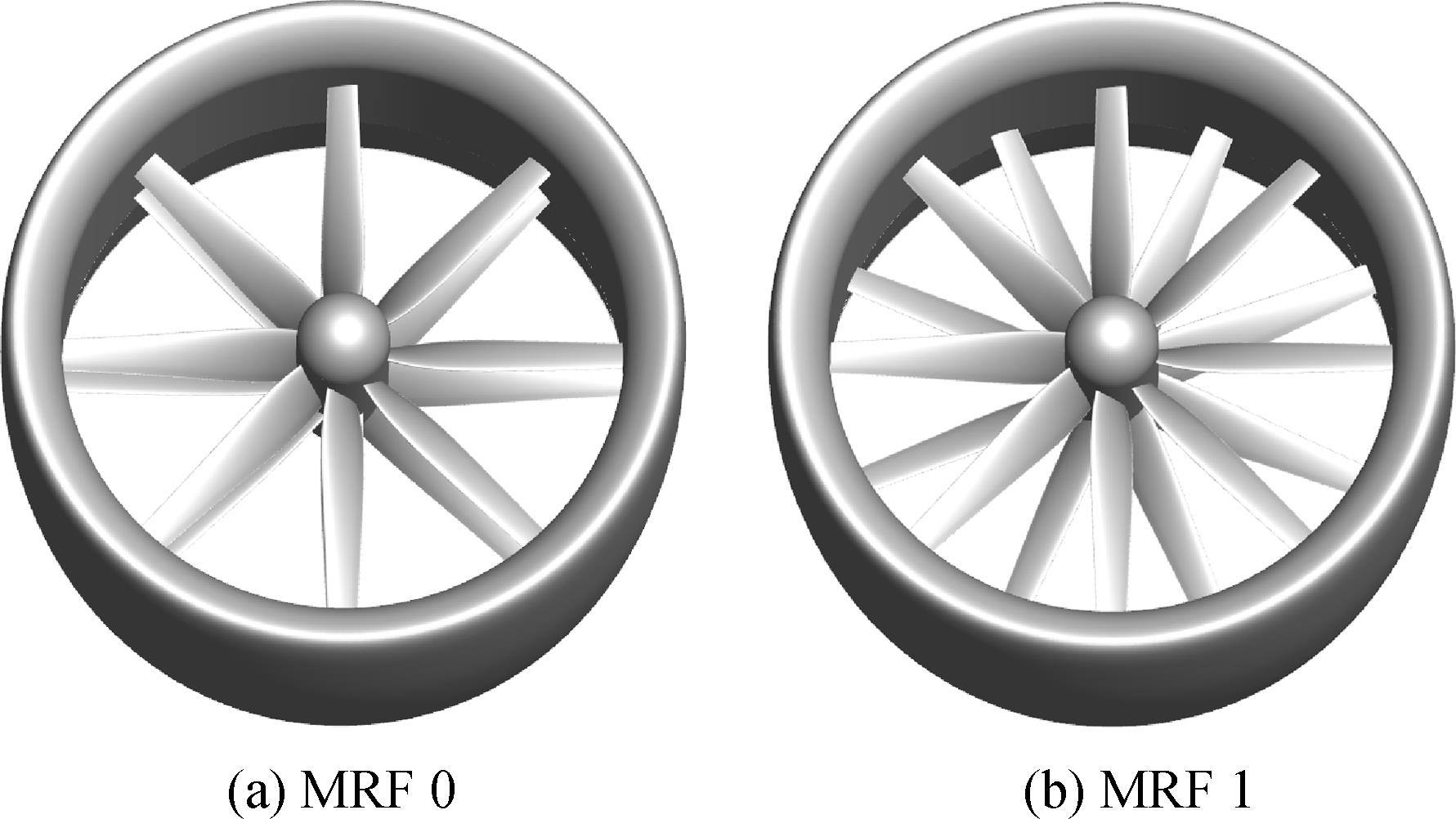
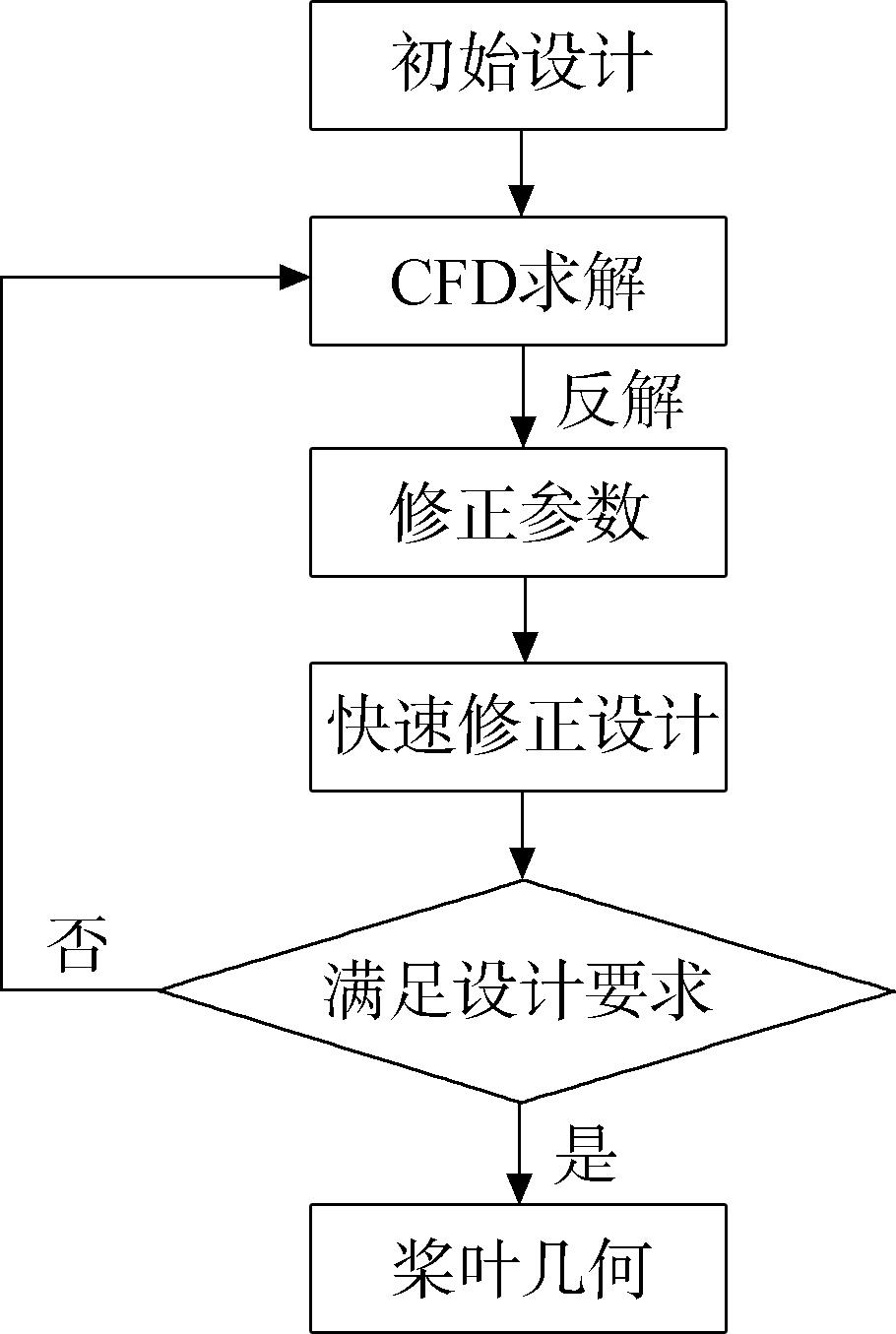
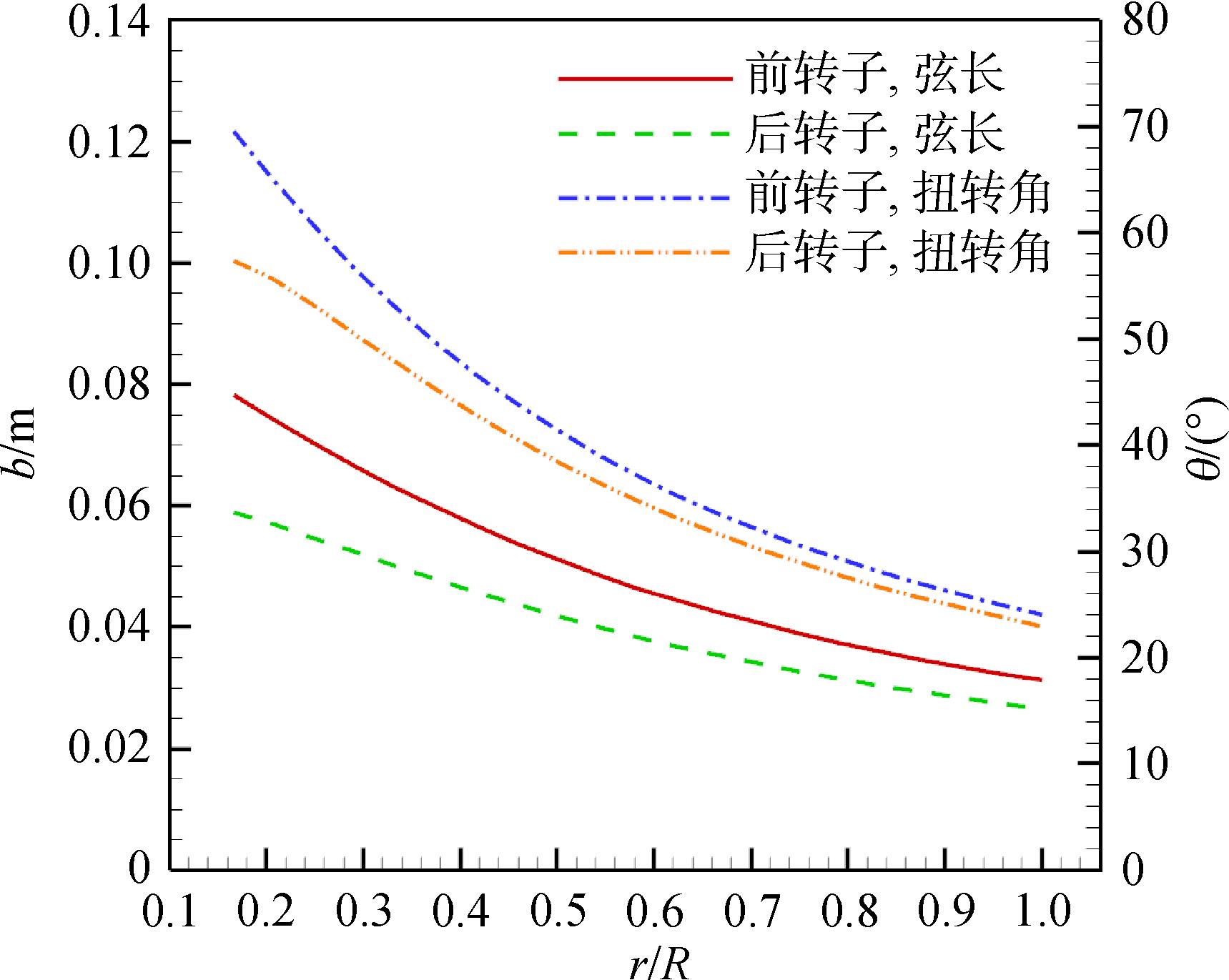
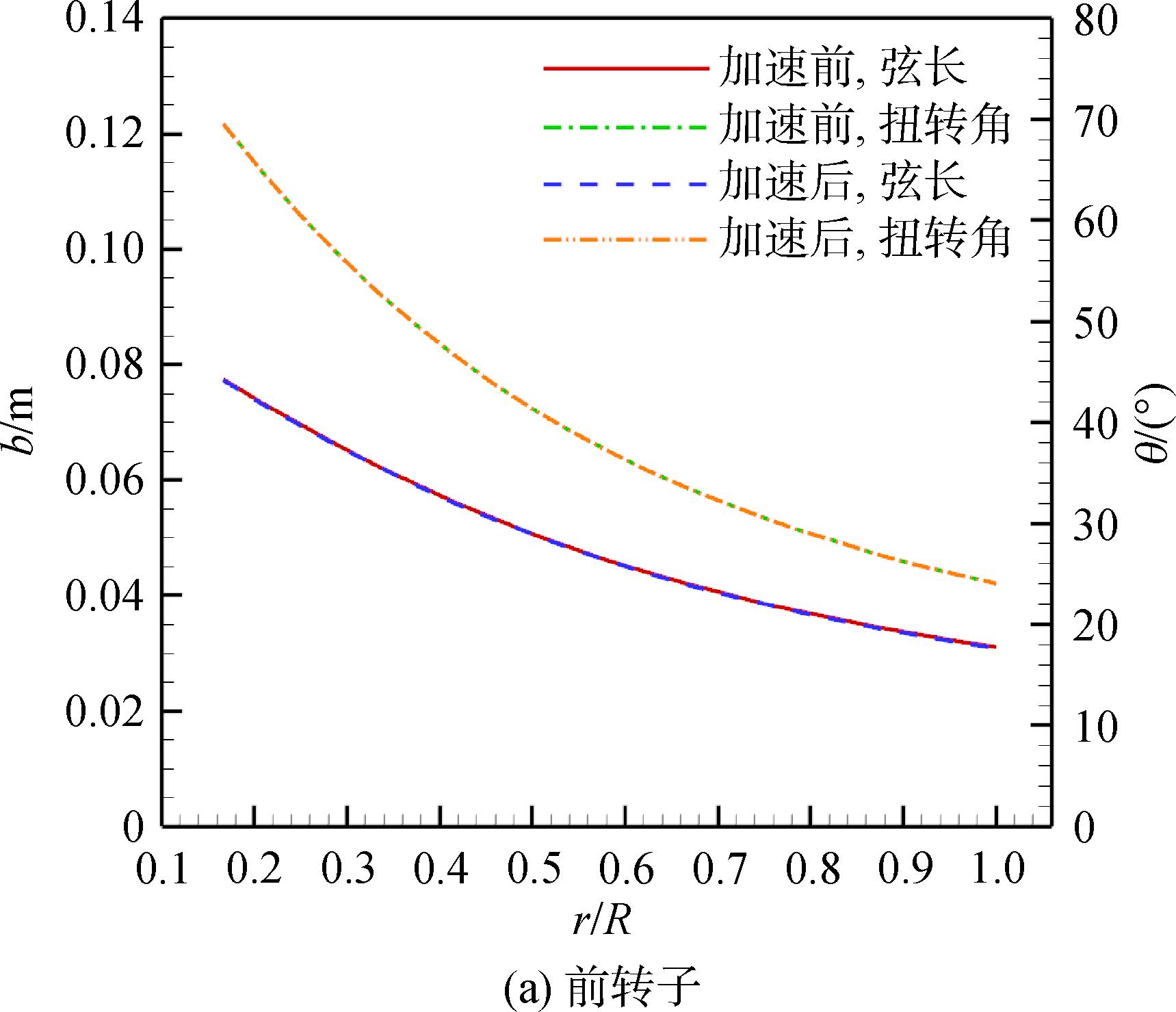
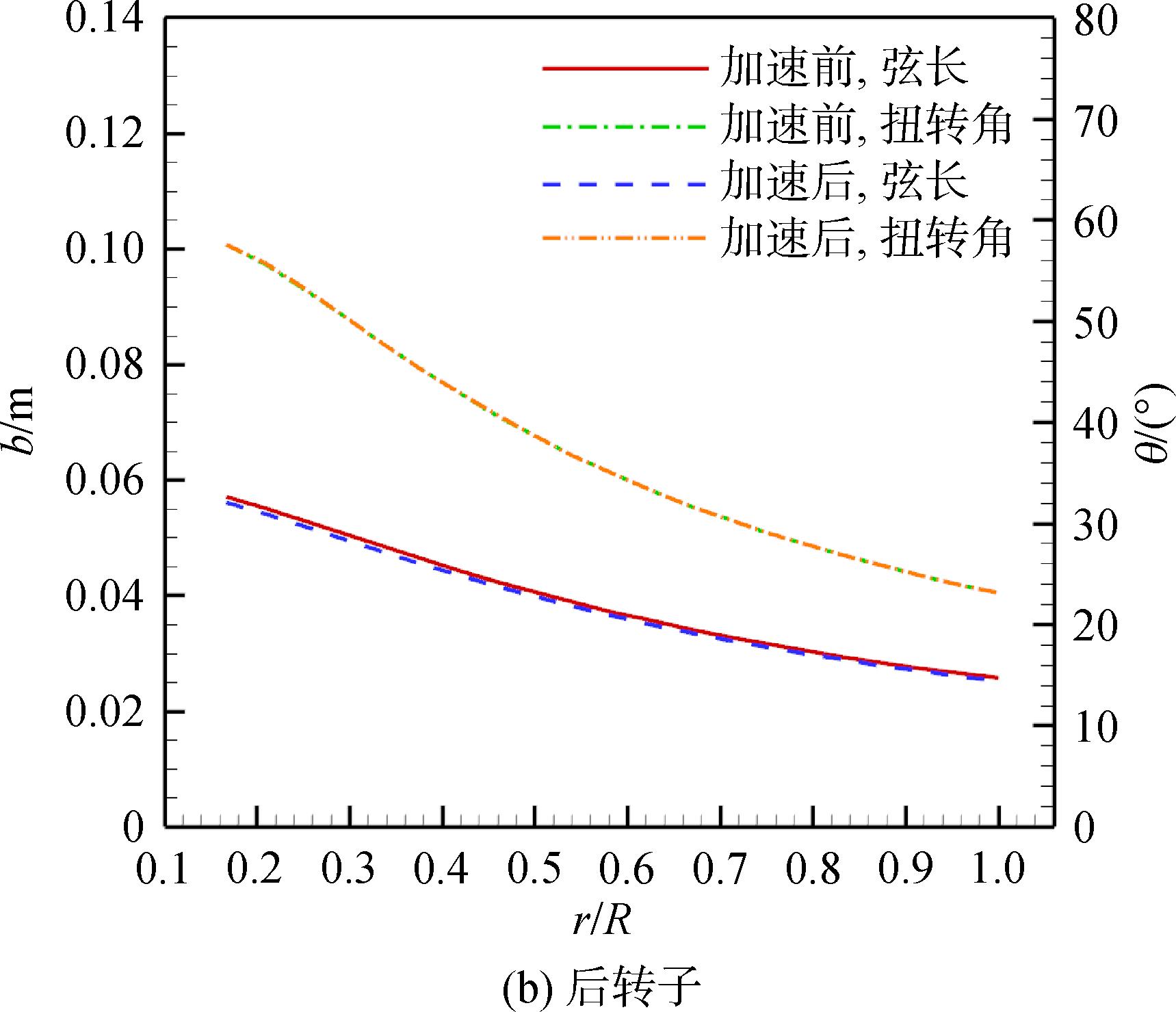
The design method for the blades of a counter⁃rotating ducted fan based on blade element momentum theory has a fast design speed,but the design accuracy is not high.In order to improve the design accuracy and maintain the design speed,the fast design method based on blade element momentum theory was modified by CFD to propose an efficient design method for the blades of the counter⁃rotating ducted fan coupled with CFD modification.Through continuous iteration of the CFD calculation and modified design,the design results were converged to the CFD results,and the blades meeting the design requirements were obtained.The results showed that the MRF method was not accurate enough to solve the performance of the counter⁃rotating ducted fan,and the unsteady CFD method should be used.After modifying the blade thrust ratio,the inflow angle and blade aerodynamic forces through the CFD results,the design accuracy of the total thrust was improved by 10.4%,and the design accuracy of the torque was improved by 18.2%.The efficient design method used can better meet the design requirements with a small amount of CFD modifications.In addition,the design efficiency was further improved by 25% through the accelerated processing.

High⁃efficiency DSMC implement method based on combination of dual spatial grids
DU Songwei, WANG Xuede
2022, 37(9): 1846-1854. doi: 10.13224/j.cnki.jasp.20210323
Abstract:

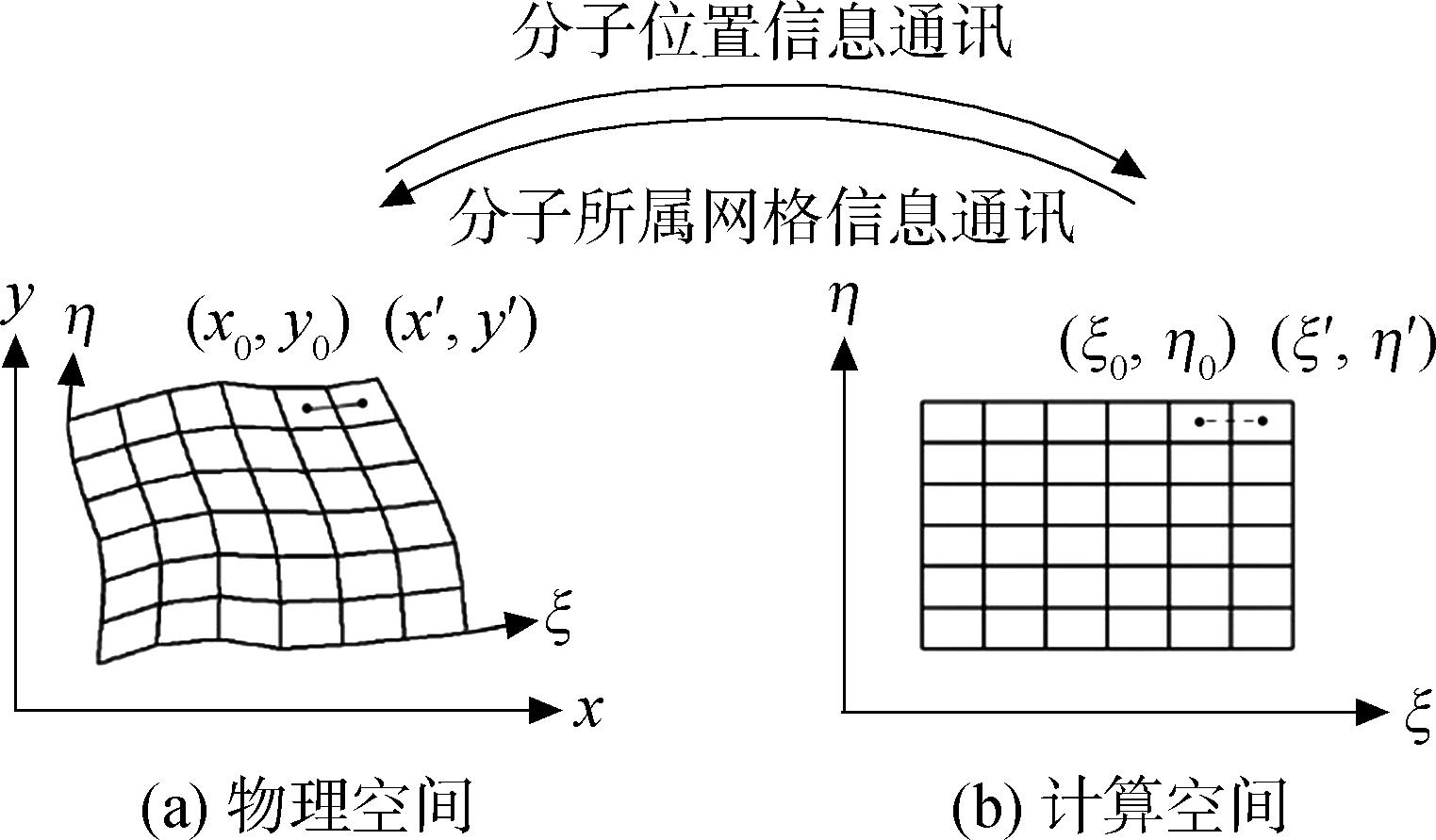
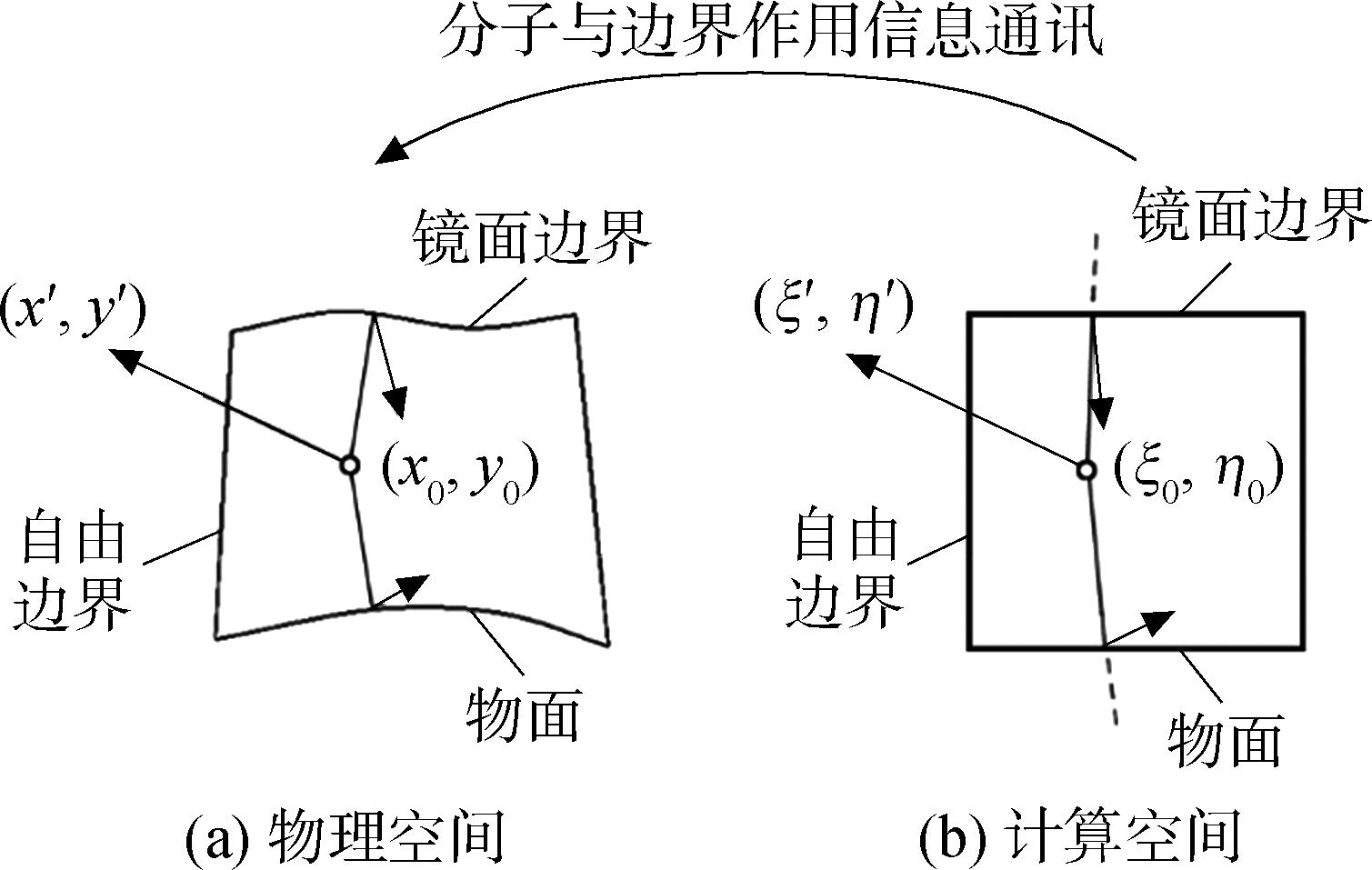
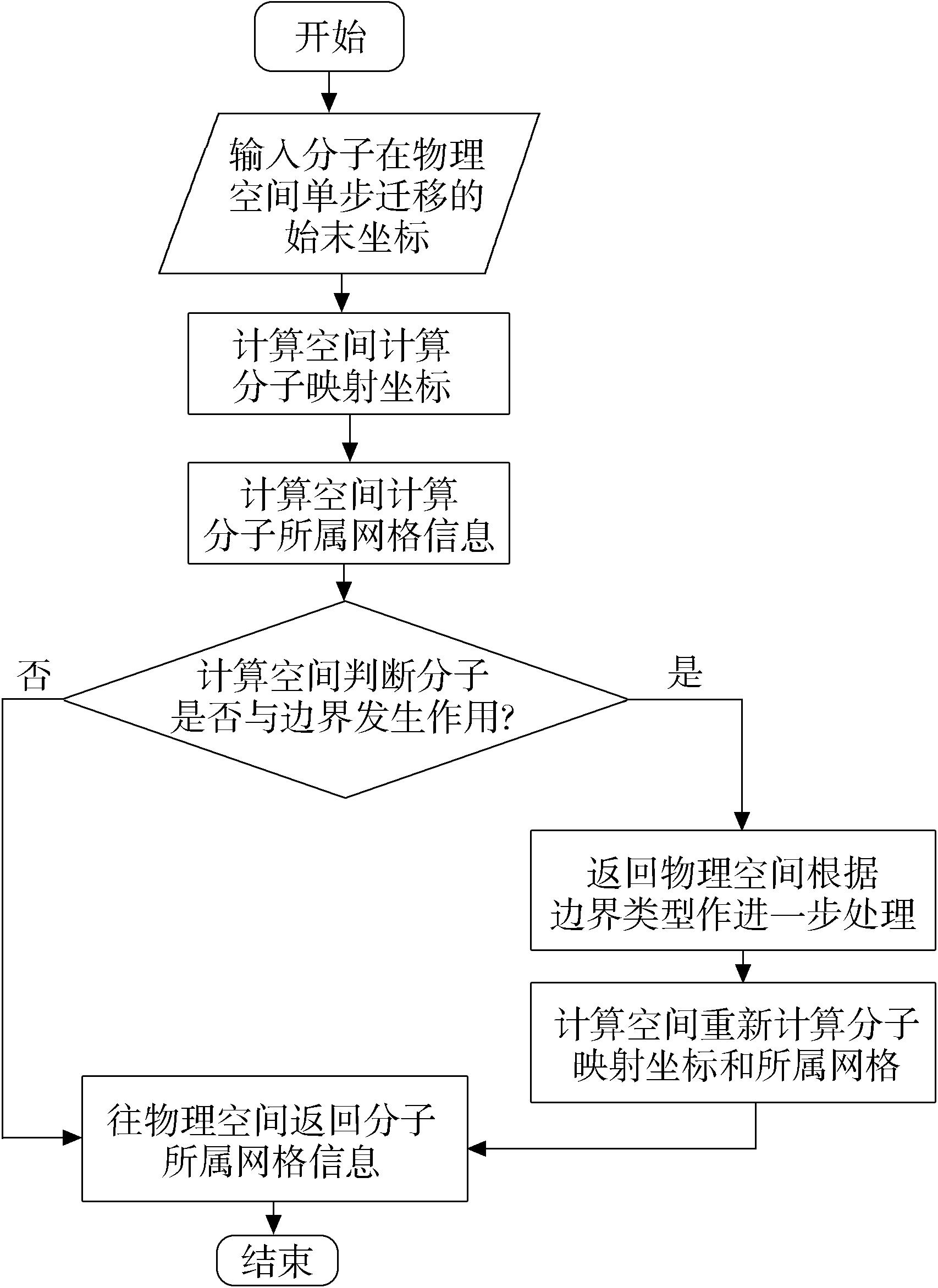
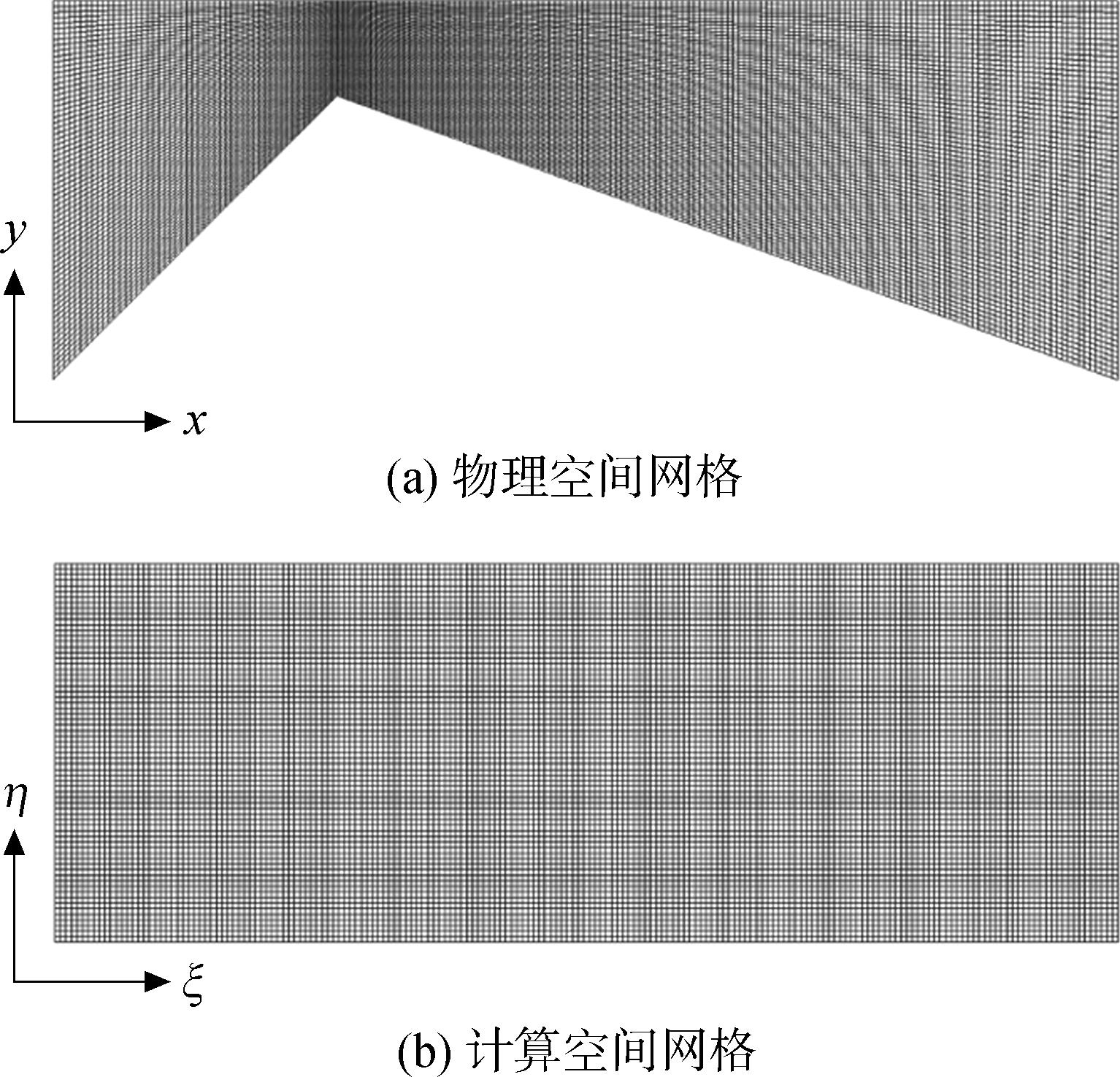
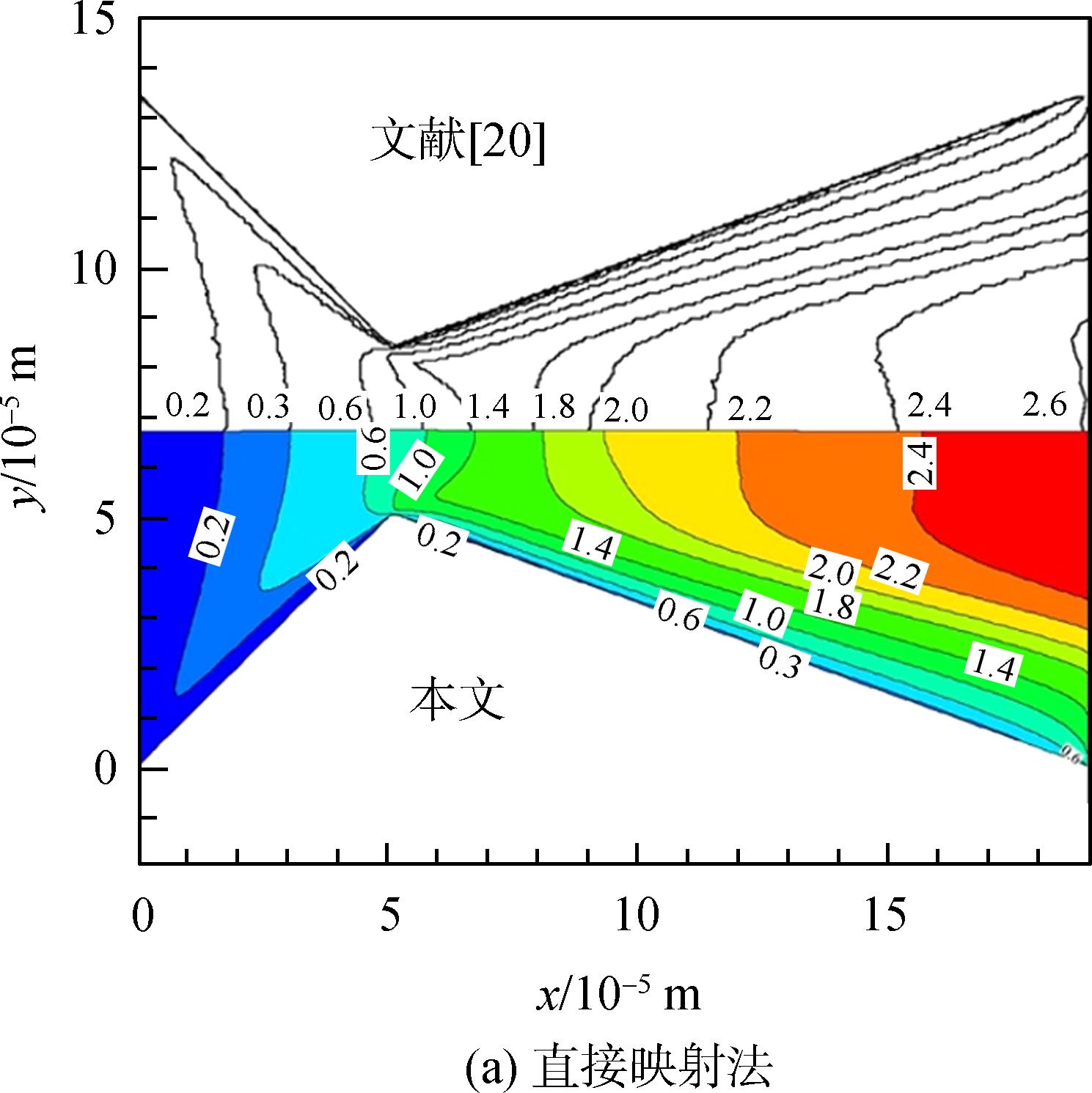
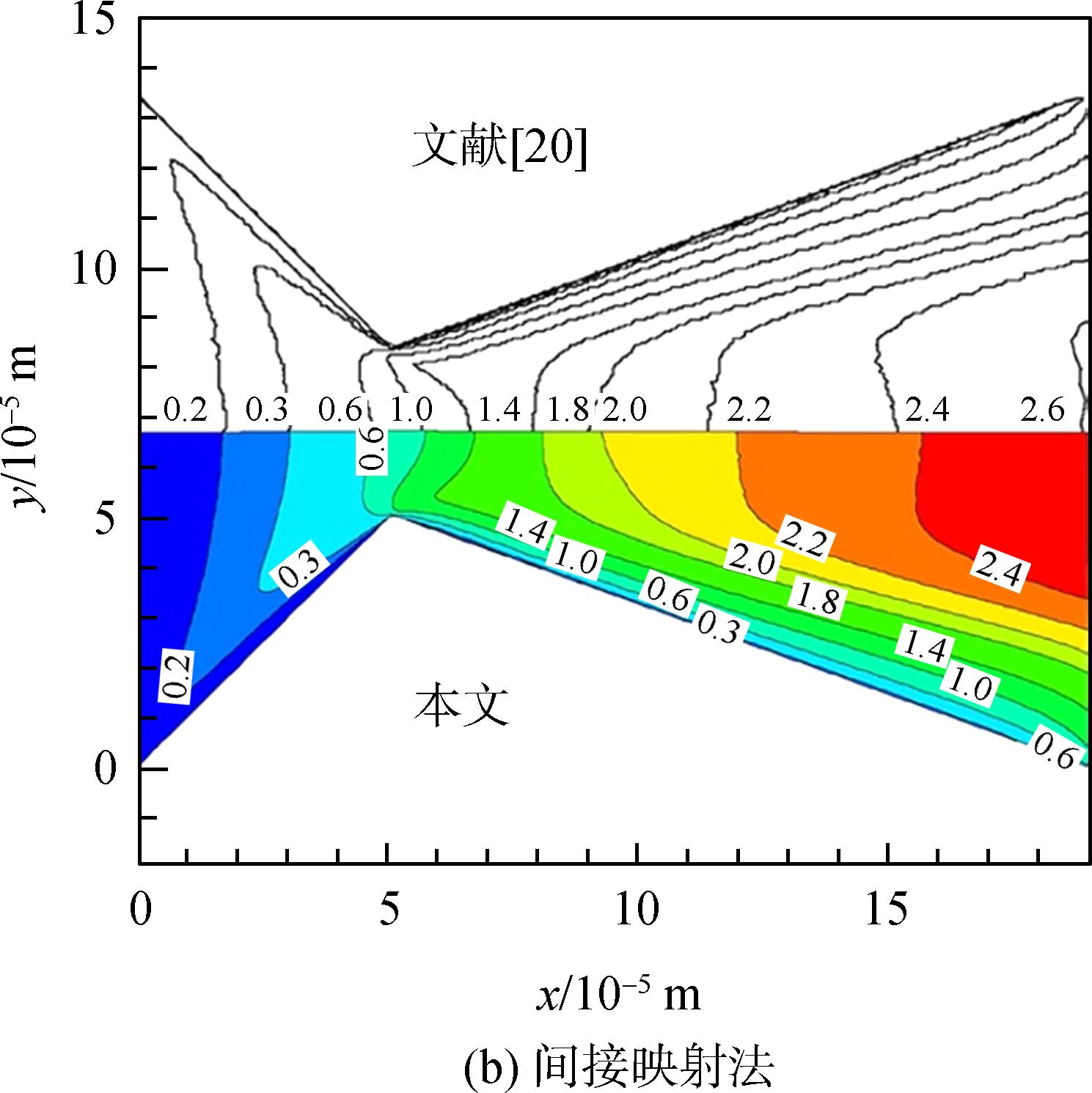
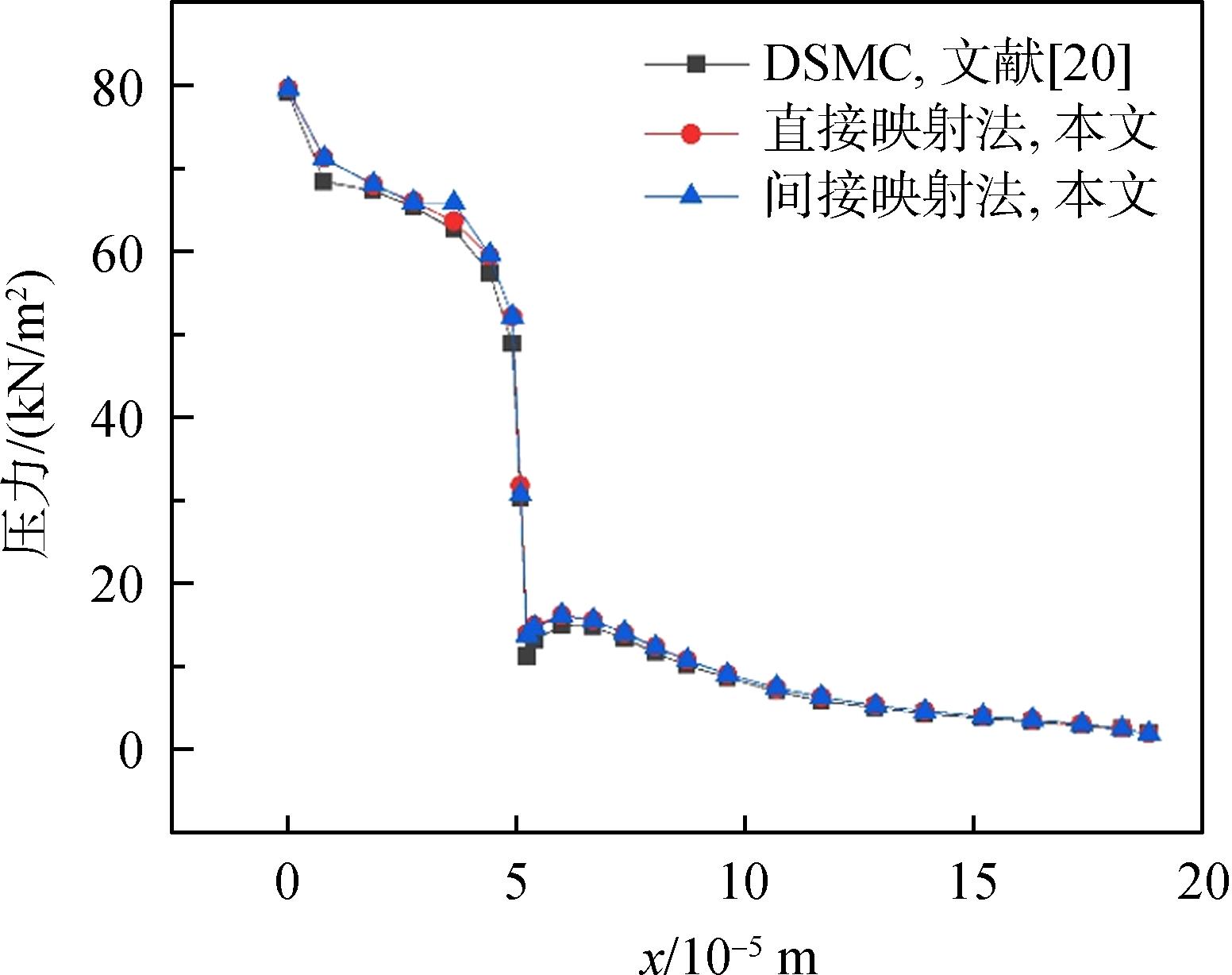
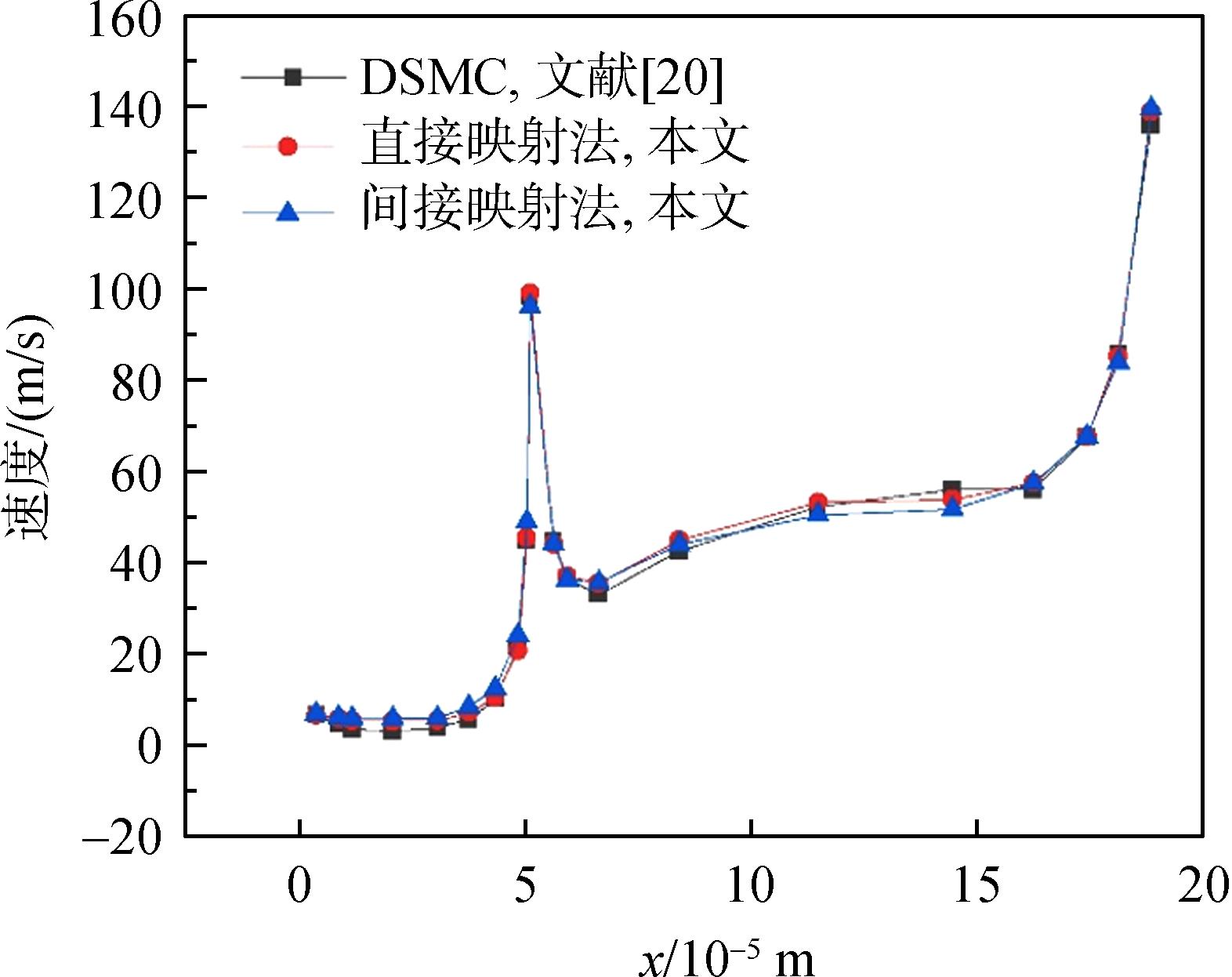
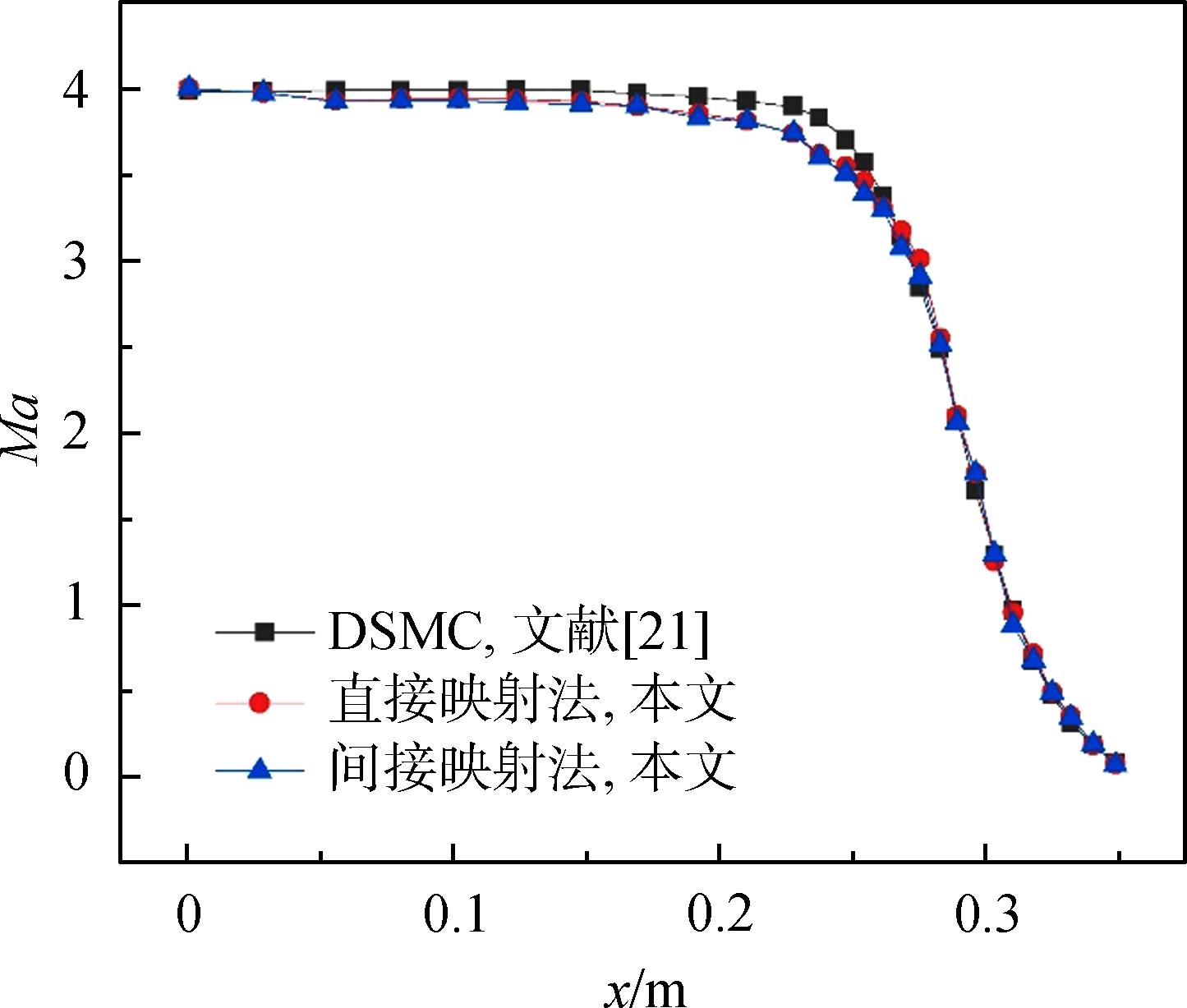
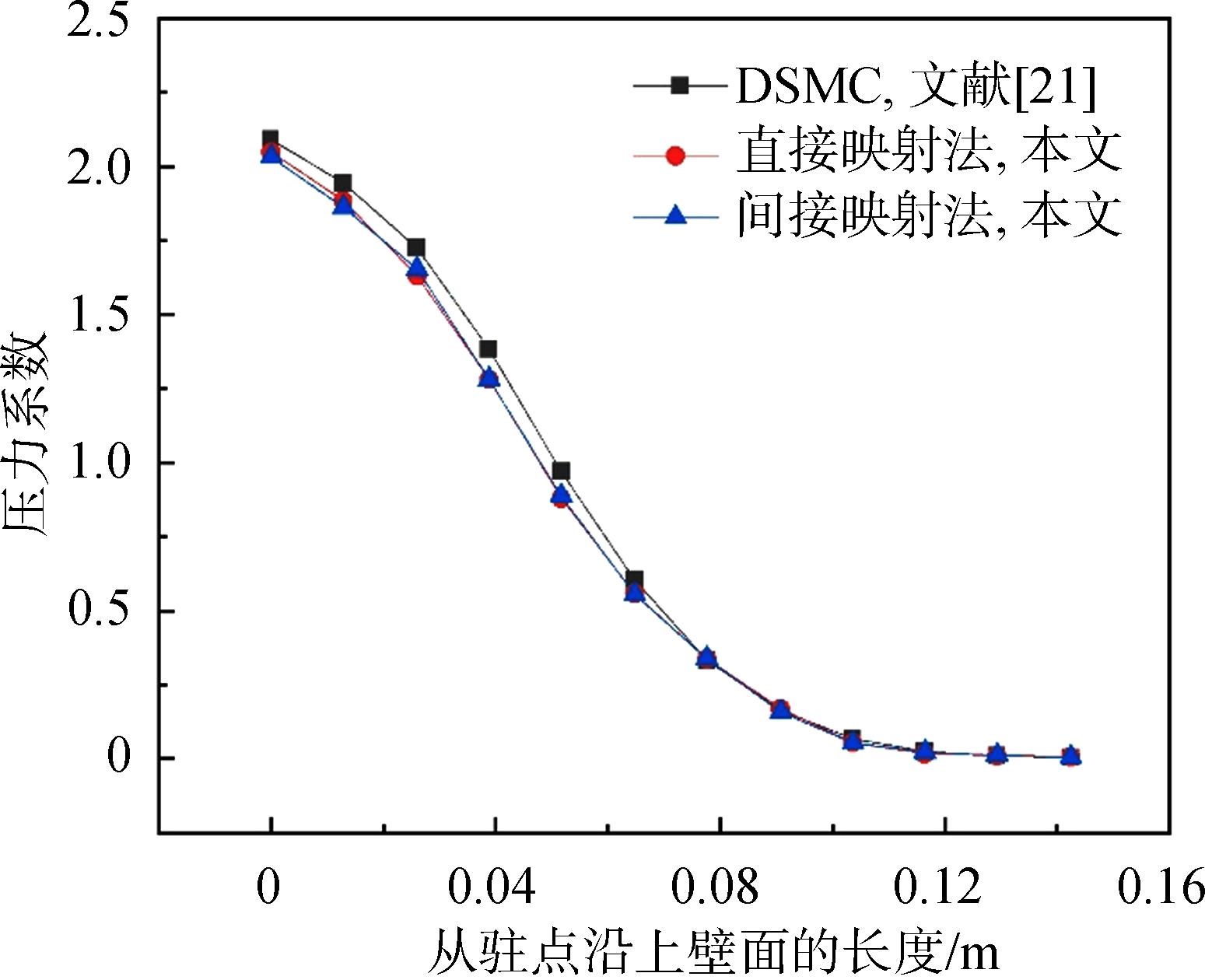
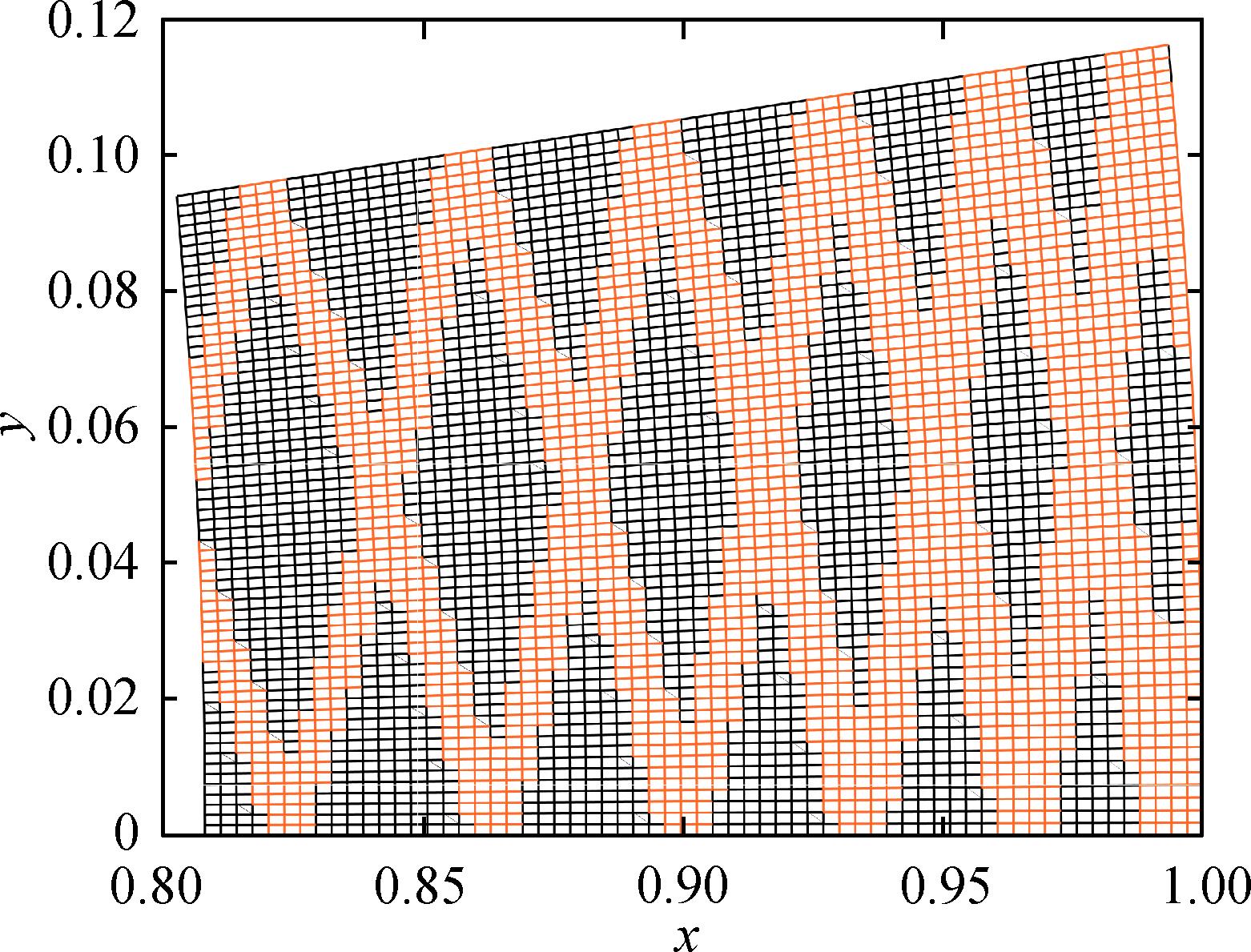
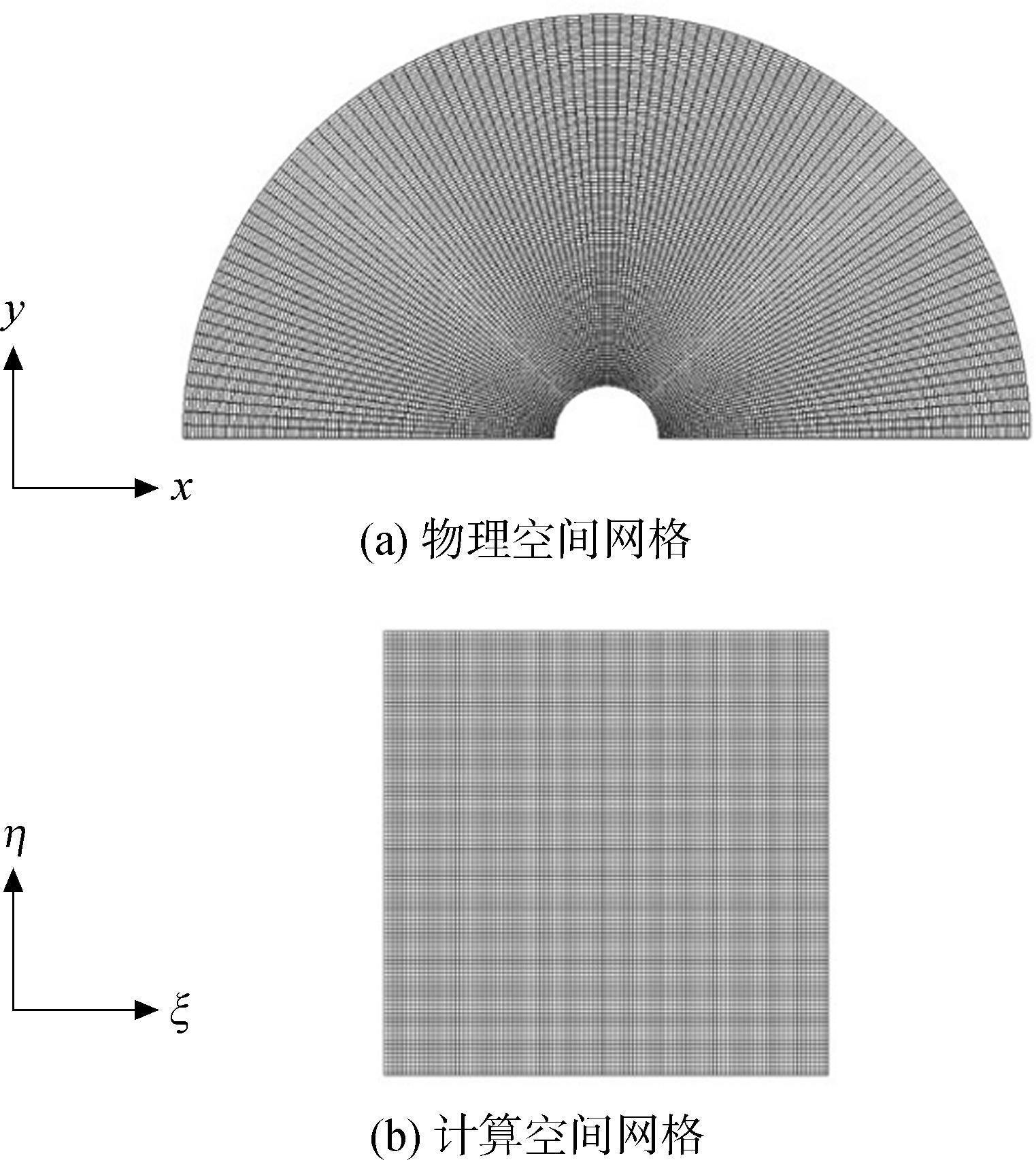
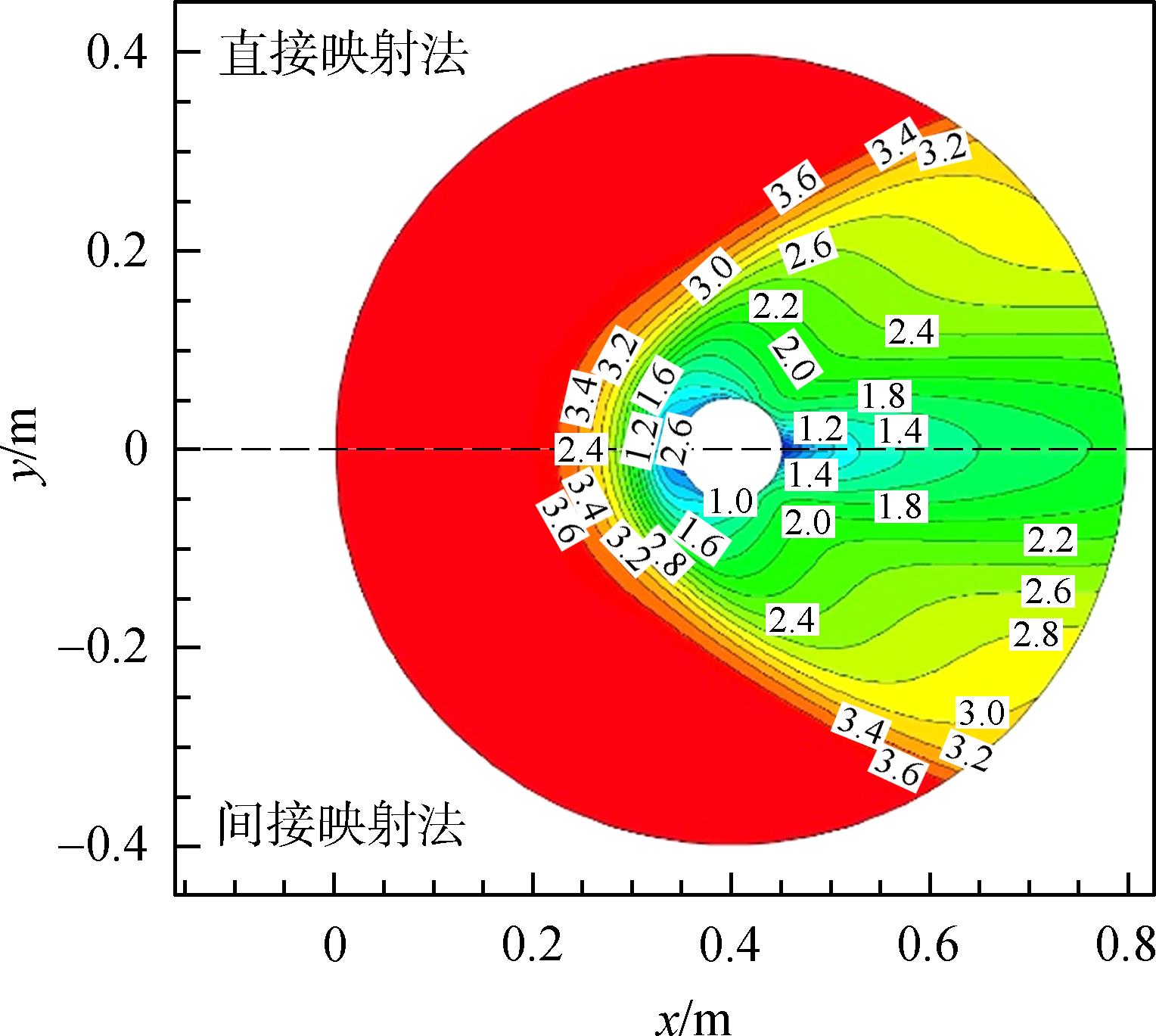
Based on the combination strategy of dual spatial grids,a high⁃efficiency body⁃fitting DSMC (direct simulation Monte Carlo) method was developed.By mapping the coordinate of the simulated molecule in structural grid in the physical space to the Cartesian grid in the calculation space,and by completing the location of the grid unit to which the molecule belongs and the judgment of whether the molecule and the boundary are interacting in the calculation space,the body⁃fitness and computational efficiency of the DSMC method were both improved,in combination with the advantages of the body⁃fitness of the structured grid and the high⁃efficiency calculation of the Cartesian grid.Based on the combination strategy of dual spatial grids,DSMC programs were established through direct and indirect mapping methods to simulate the gas flow through the microscale contraction expansion nozzle and the supersonic flow past circular cylinder.Numerical results showed that the two methods were effective in simulating the viscous effect and the velocity slip phenomenon due to the shrinkage of the micro nozzle and the shock wave phenomenon caused by the supersonic flow past circular cylinder,demonstrating the effectiveness of the methods.Compared with the traditional structural grid method,the calculation efficiency of the two methods was respectively increased by 3.85 times and 2.85 times on average,showing the high efficiency of the methods.

Combustion,Heat and Mass Transfer
Recent advances in uncertainty quantification research of aircraft icing
HAO Yunquan, ZHAO Dazhi, LI Weibin, ZHAO Wei, CHEN Jiangtao
2022, 37(9): 1855-1871. doi: 10.13224/j.cnki.jasp.20210611
Abstract:

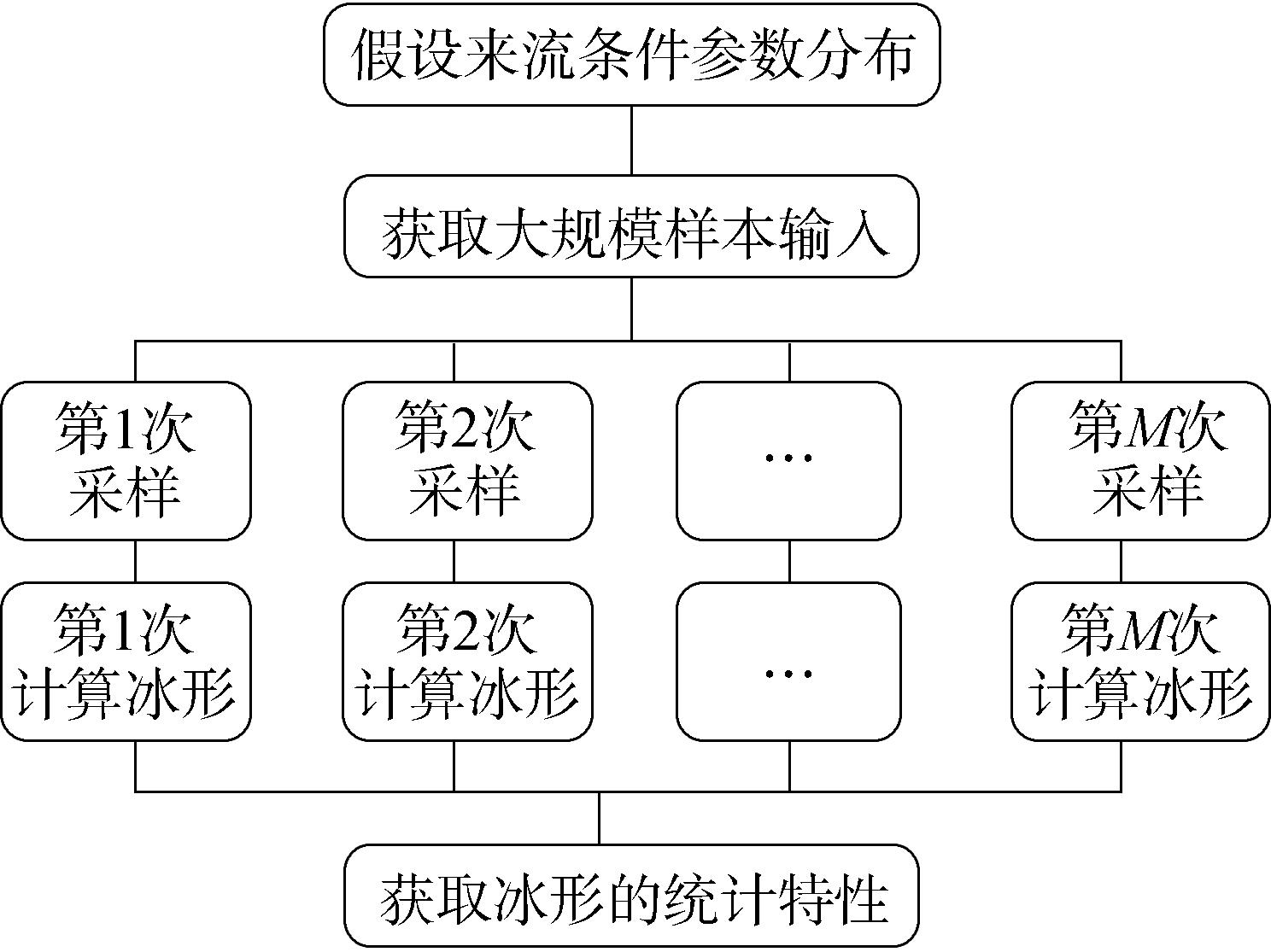
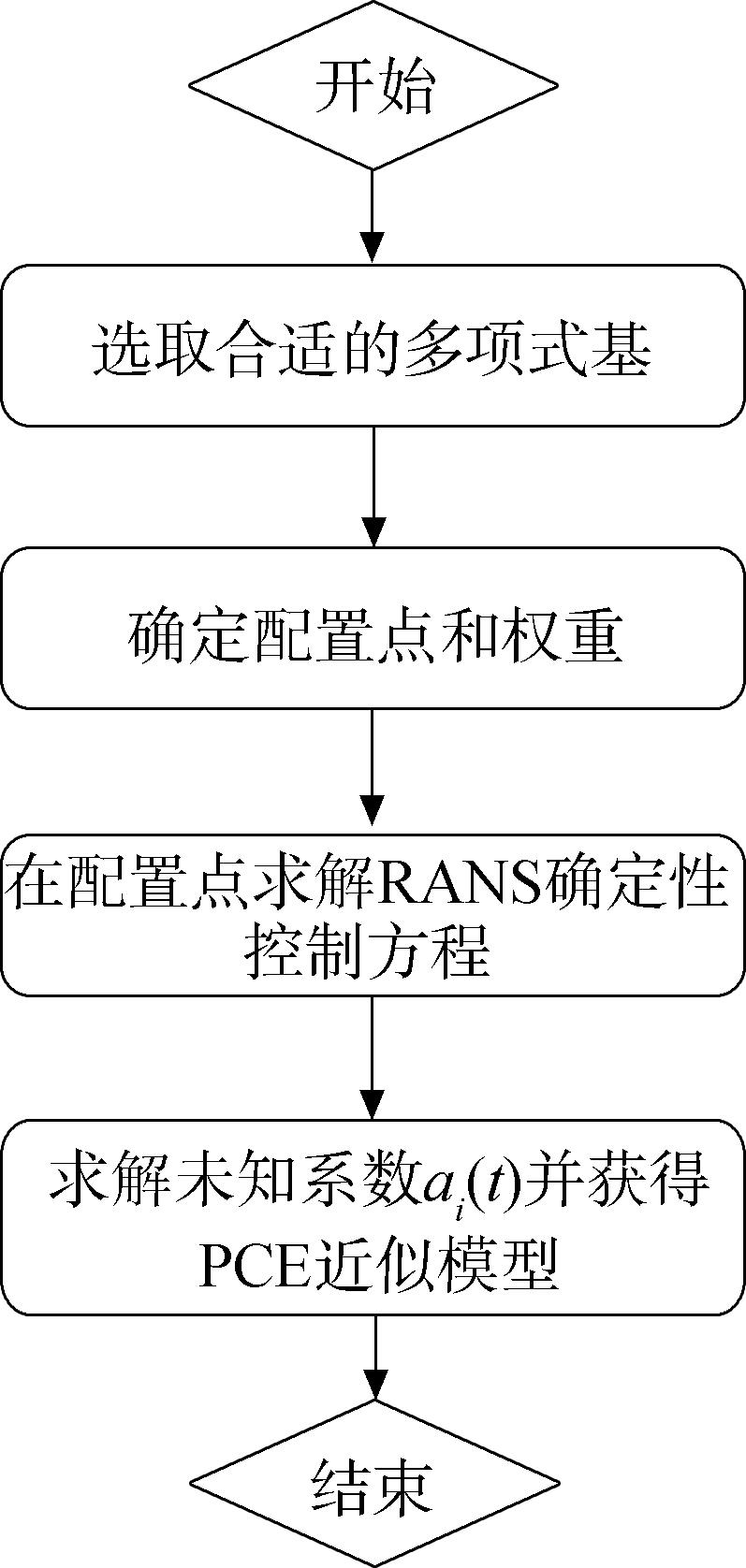
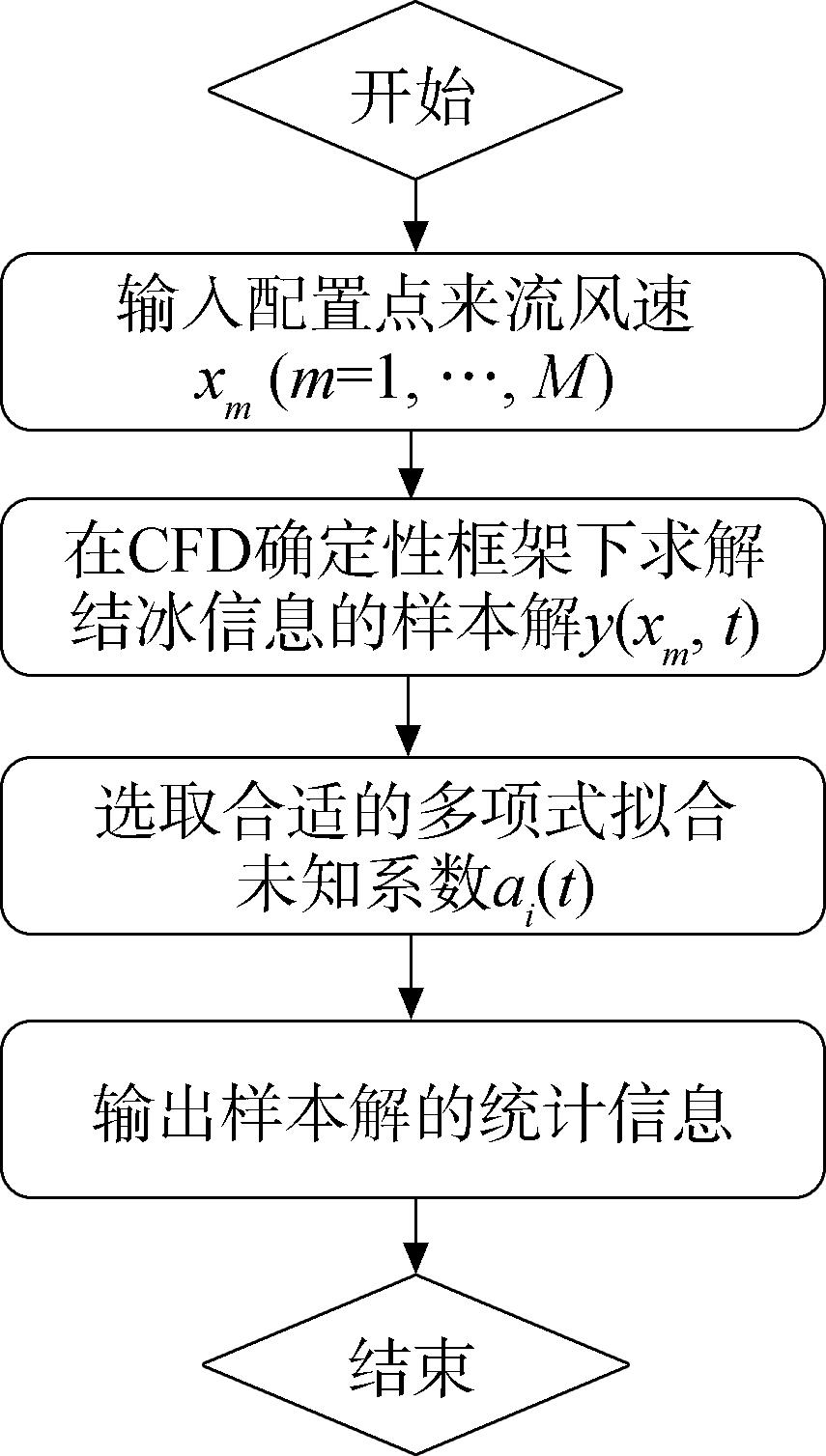
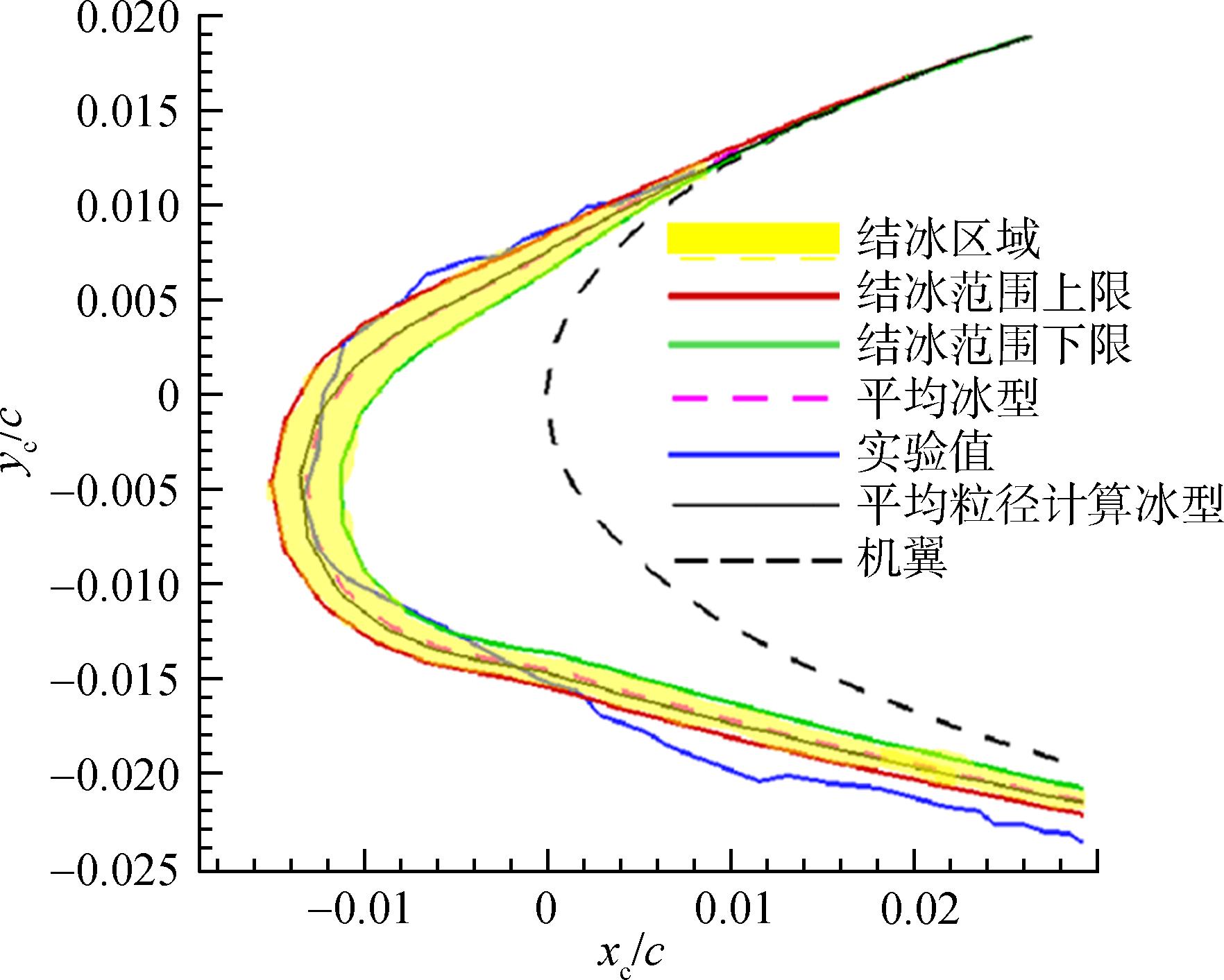
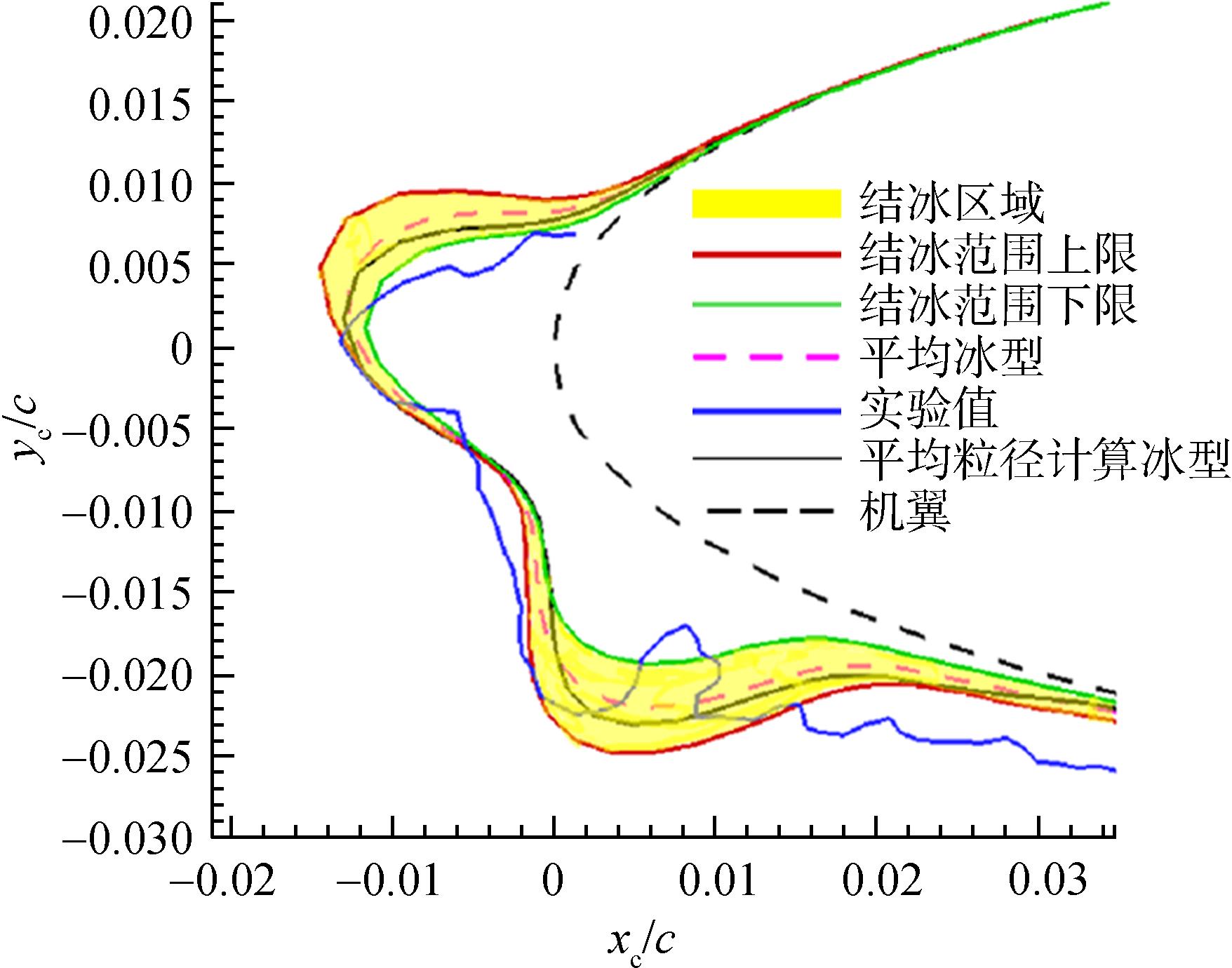
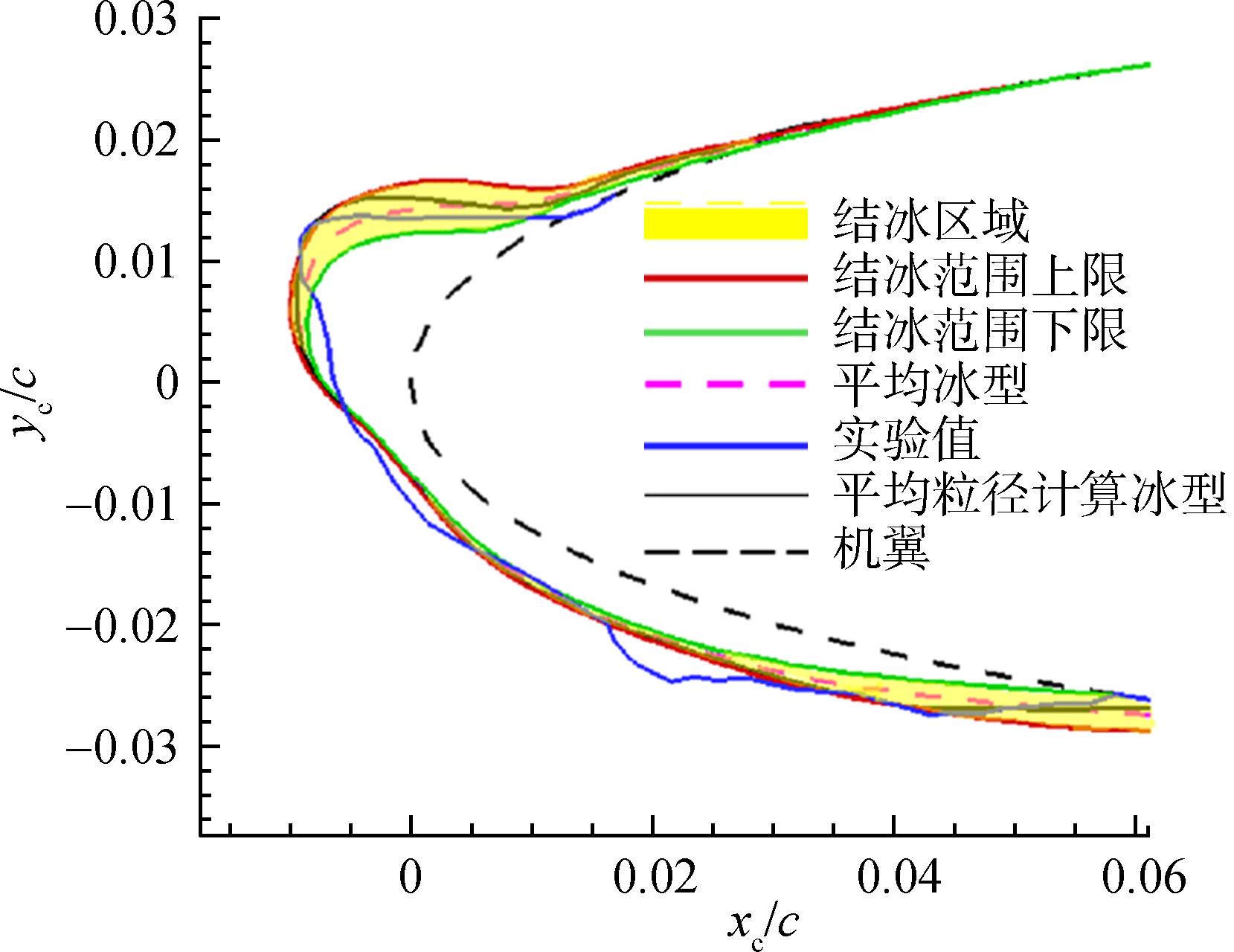
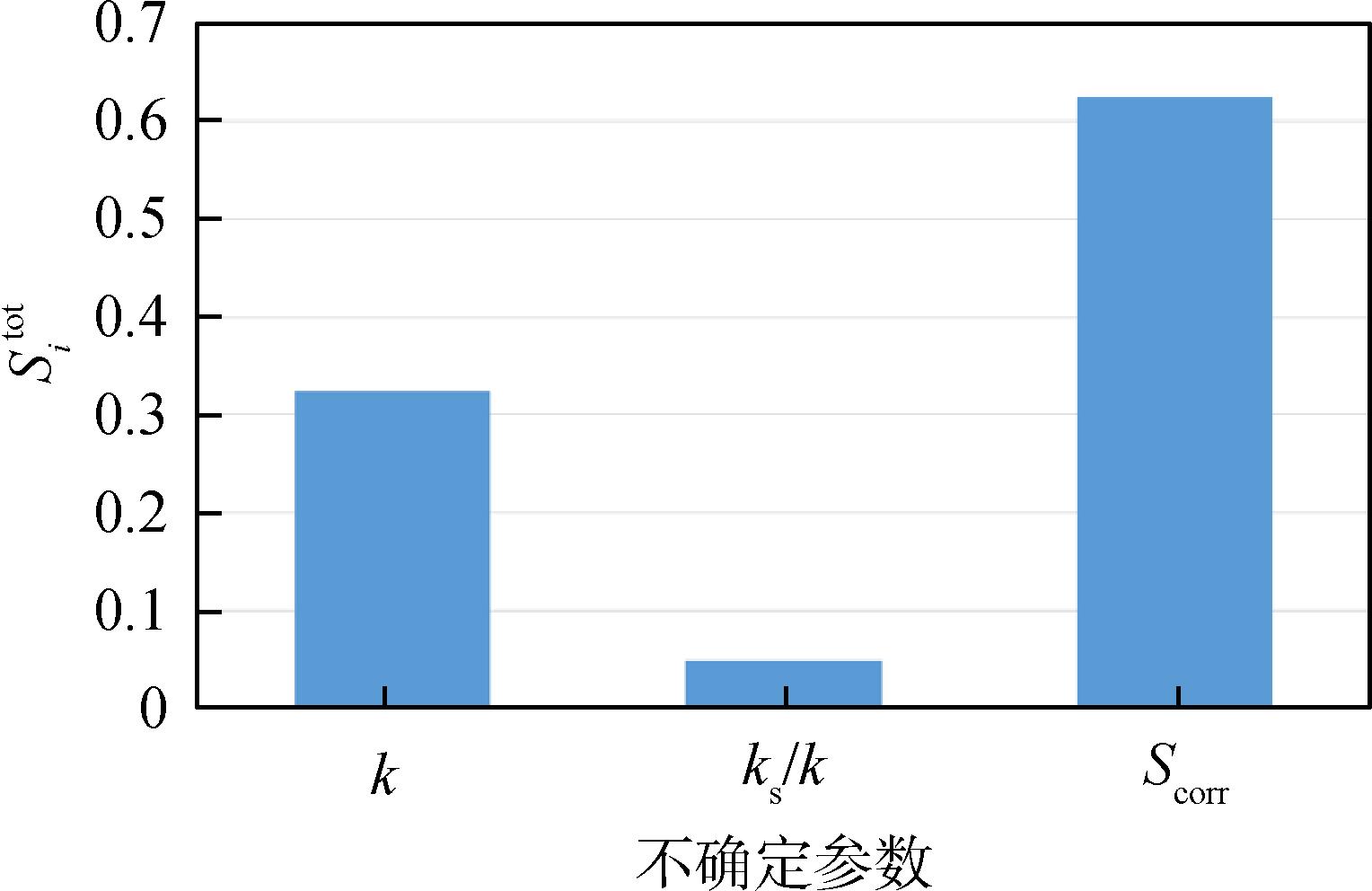
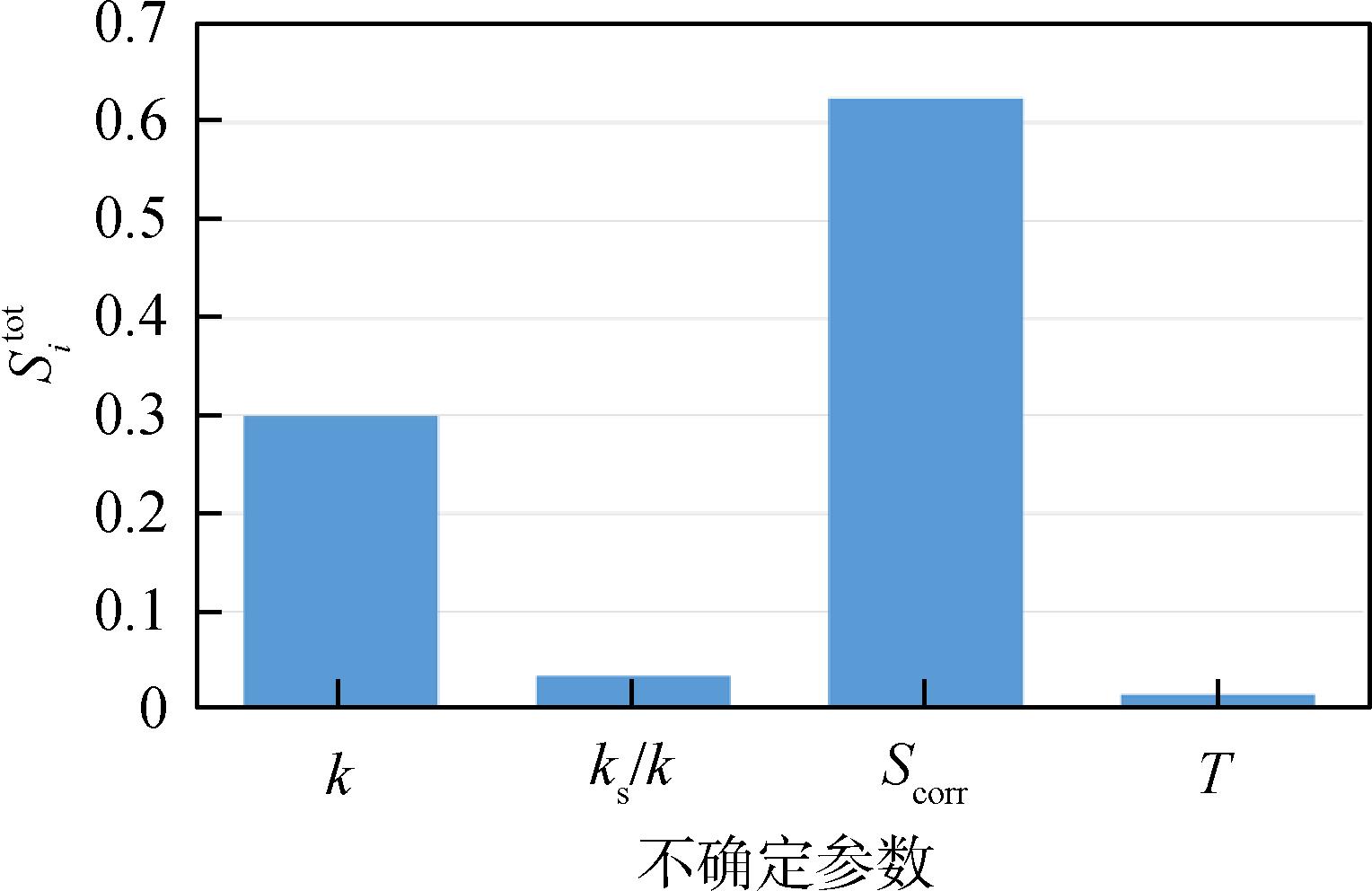
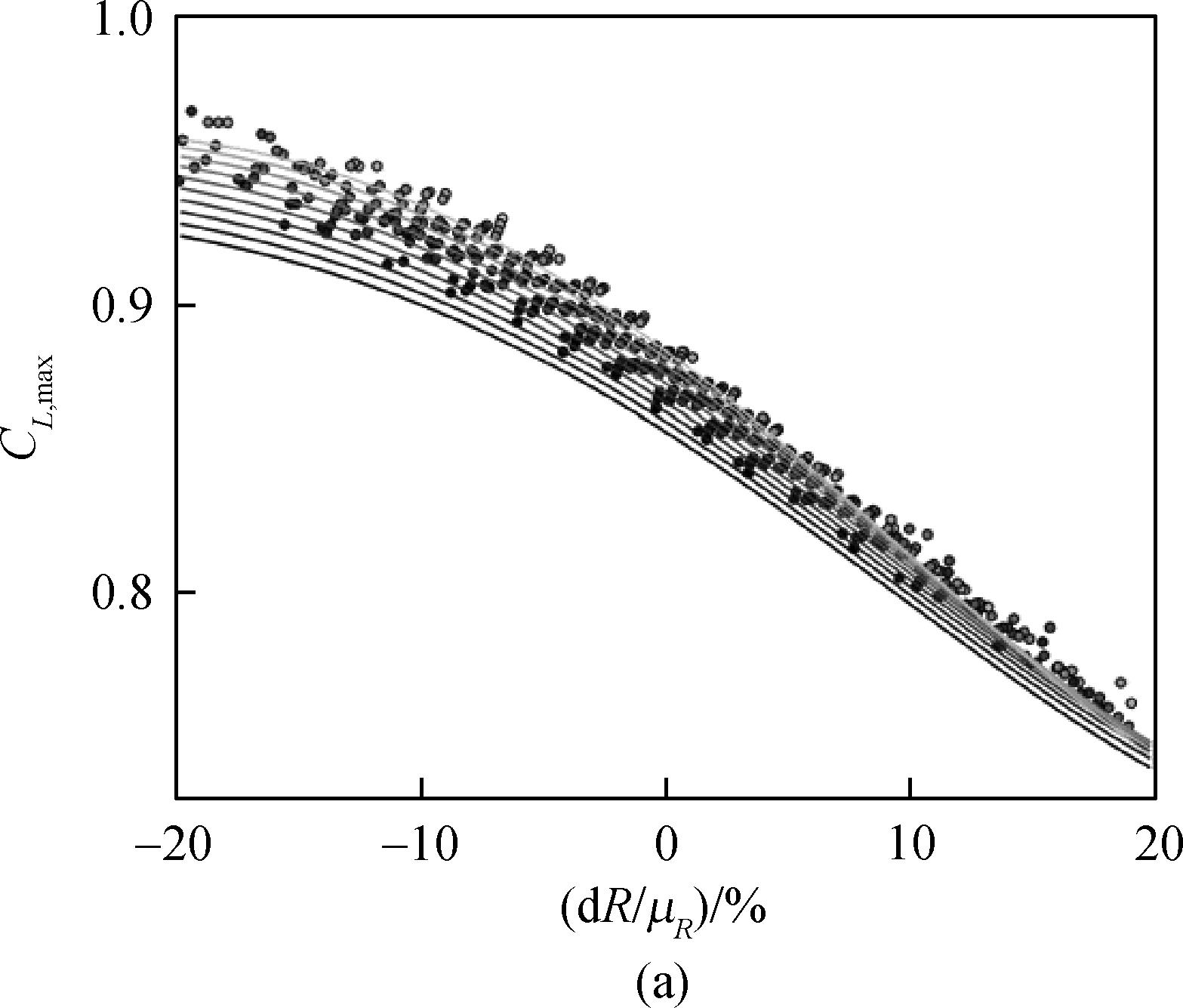
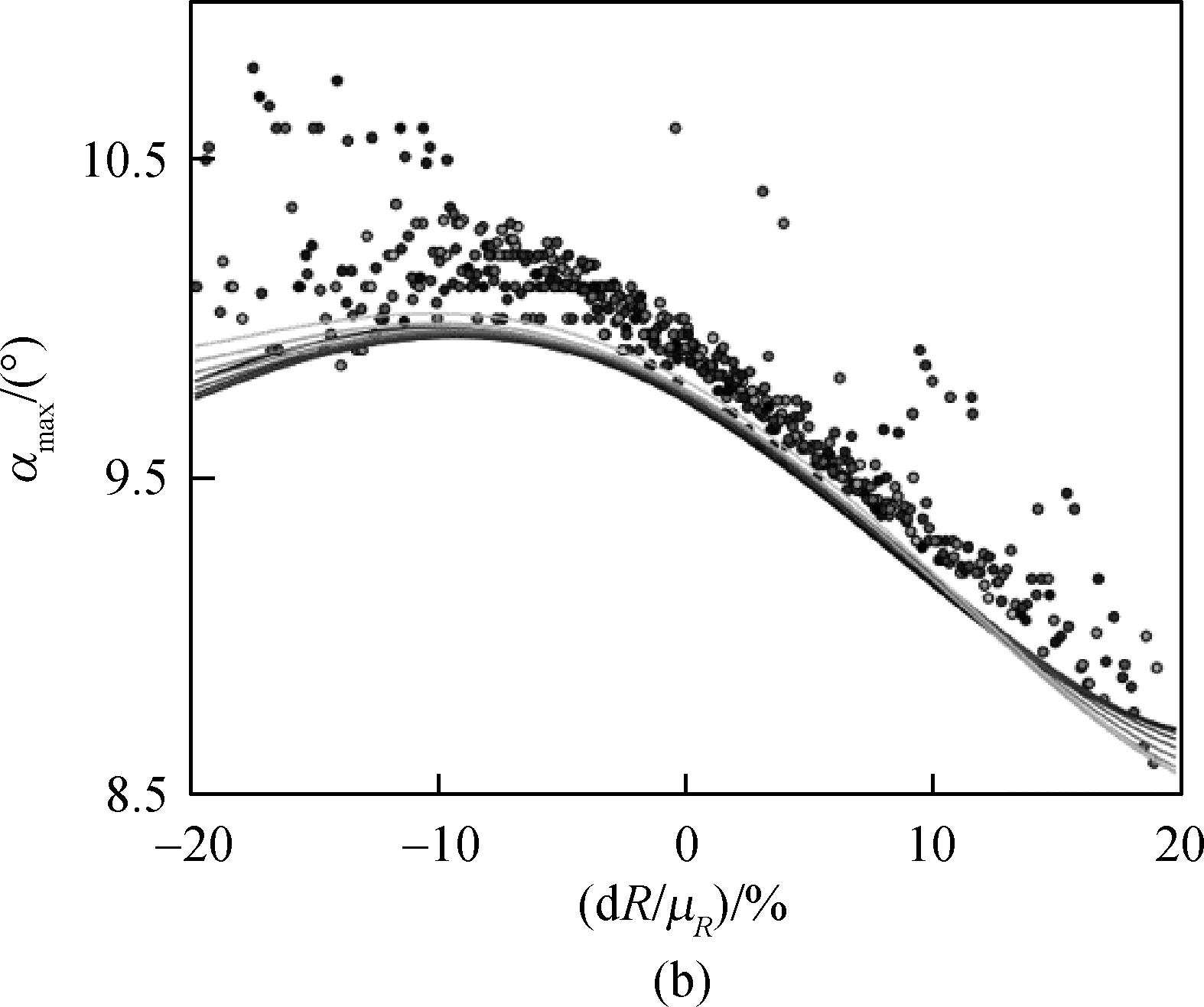
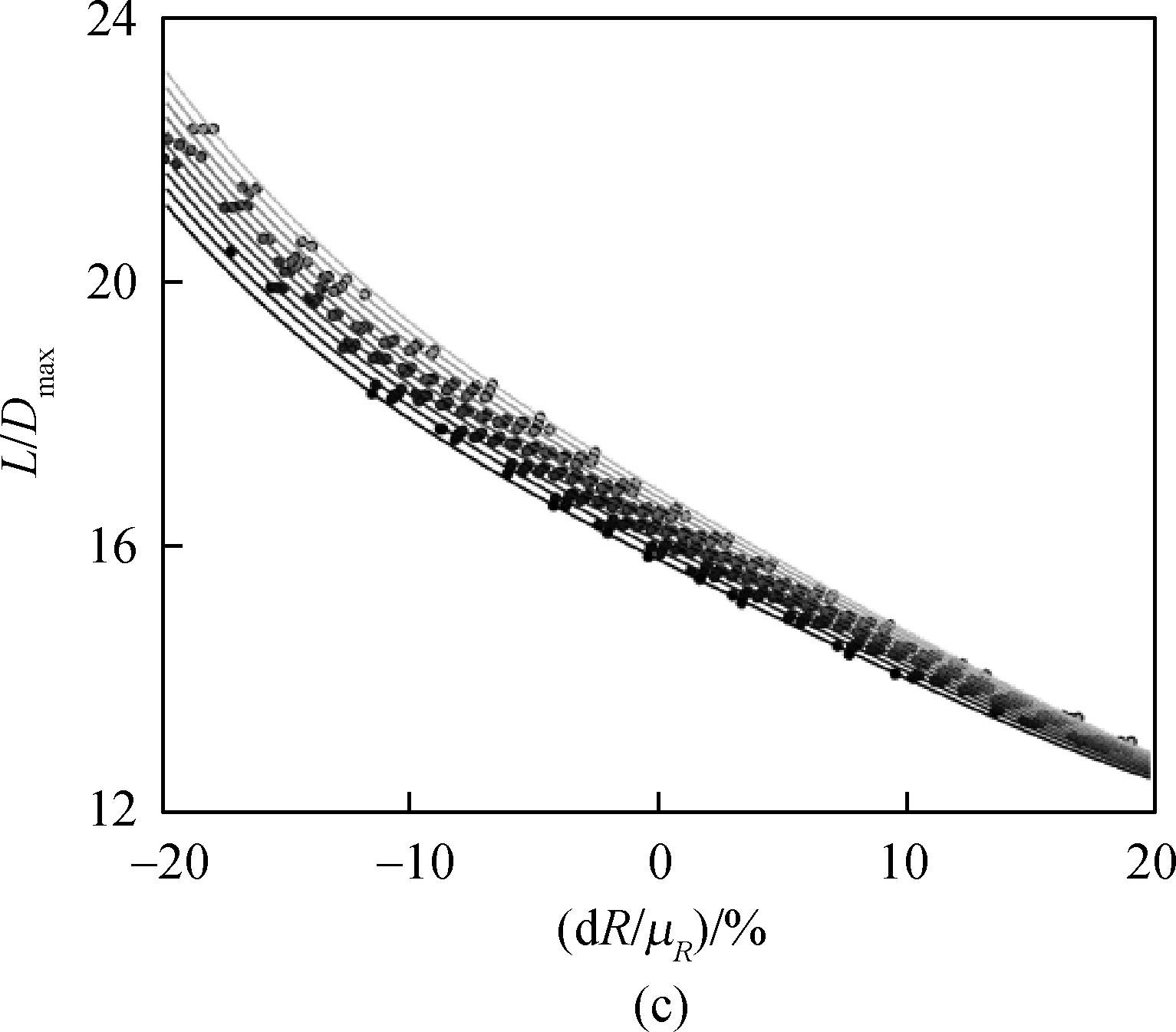
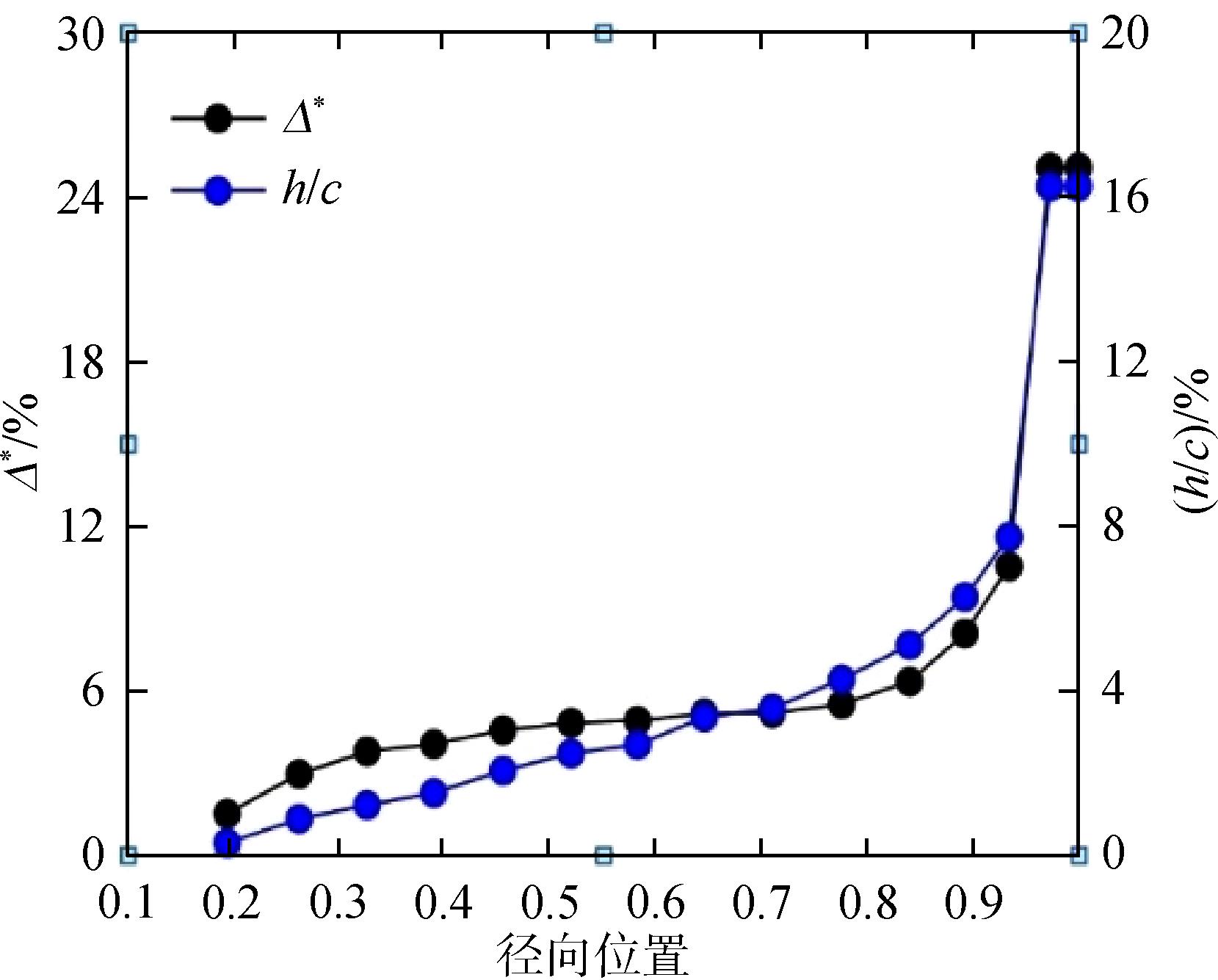
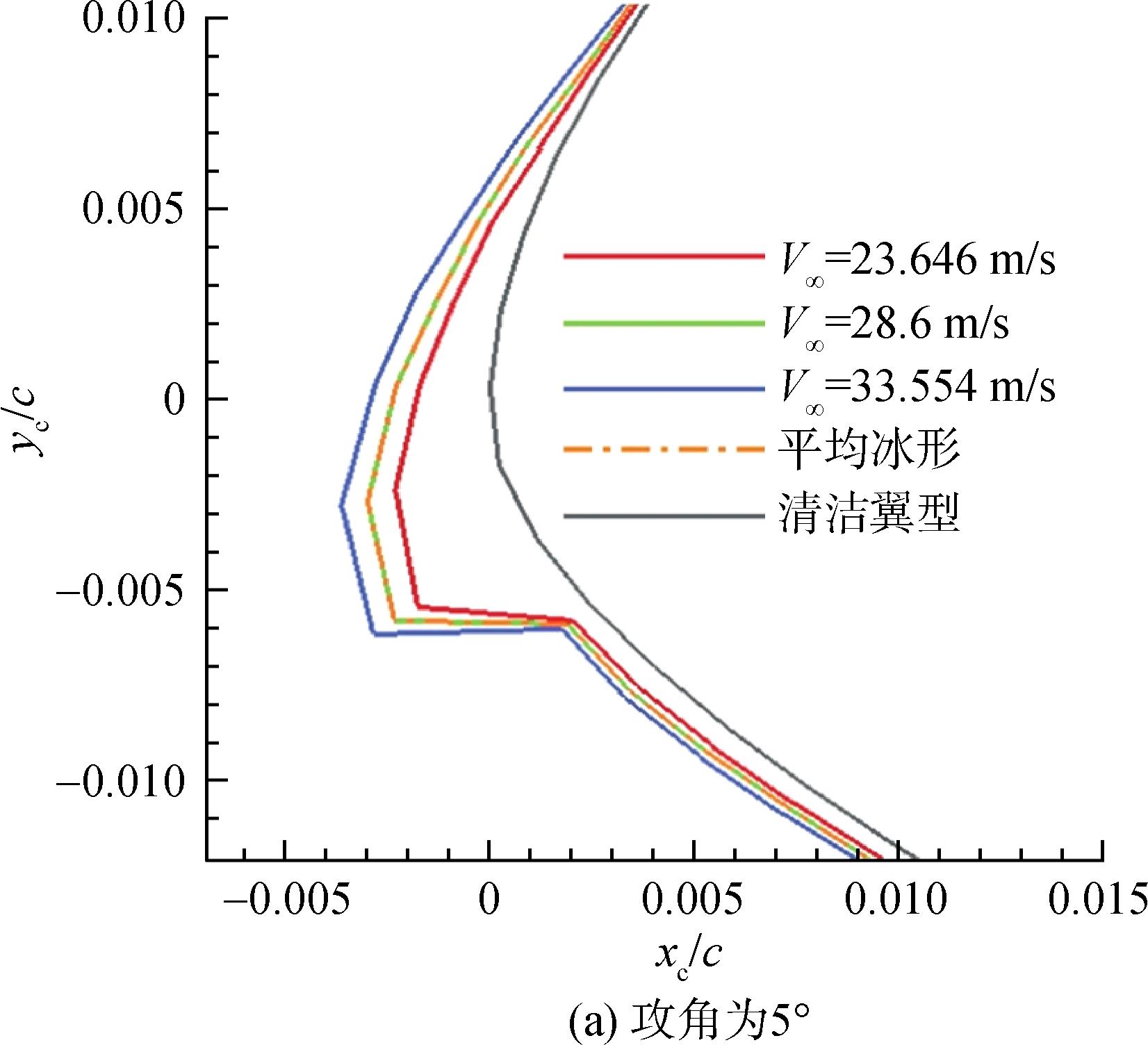
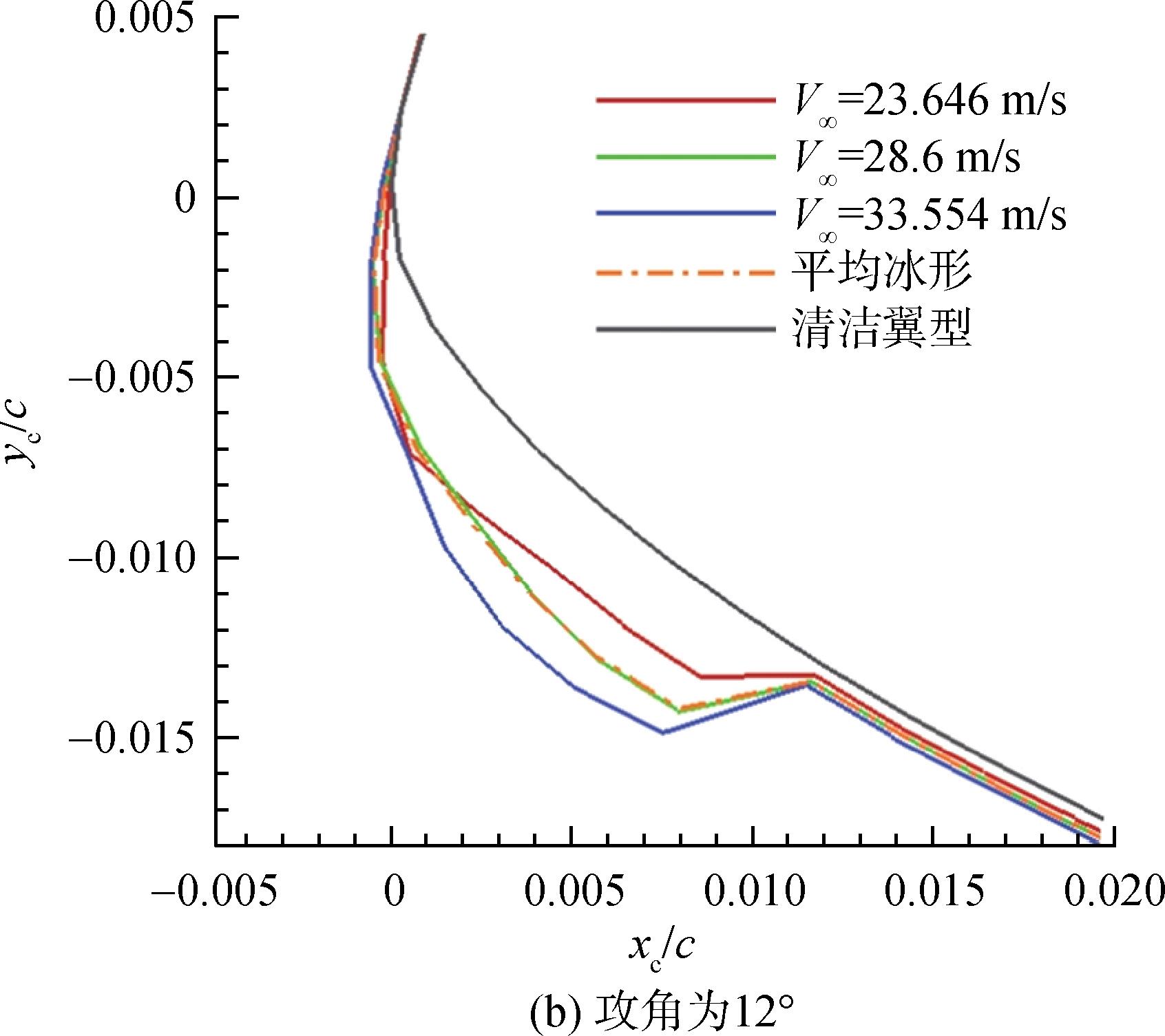
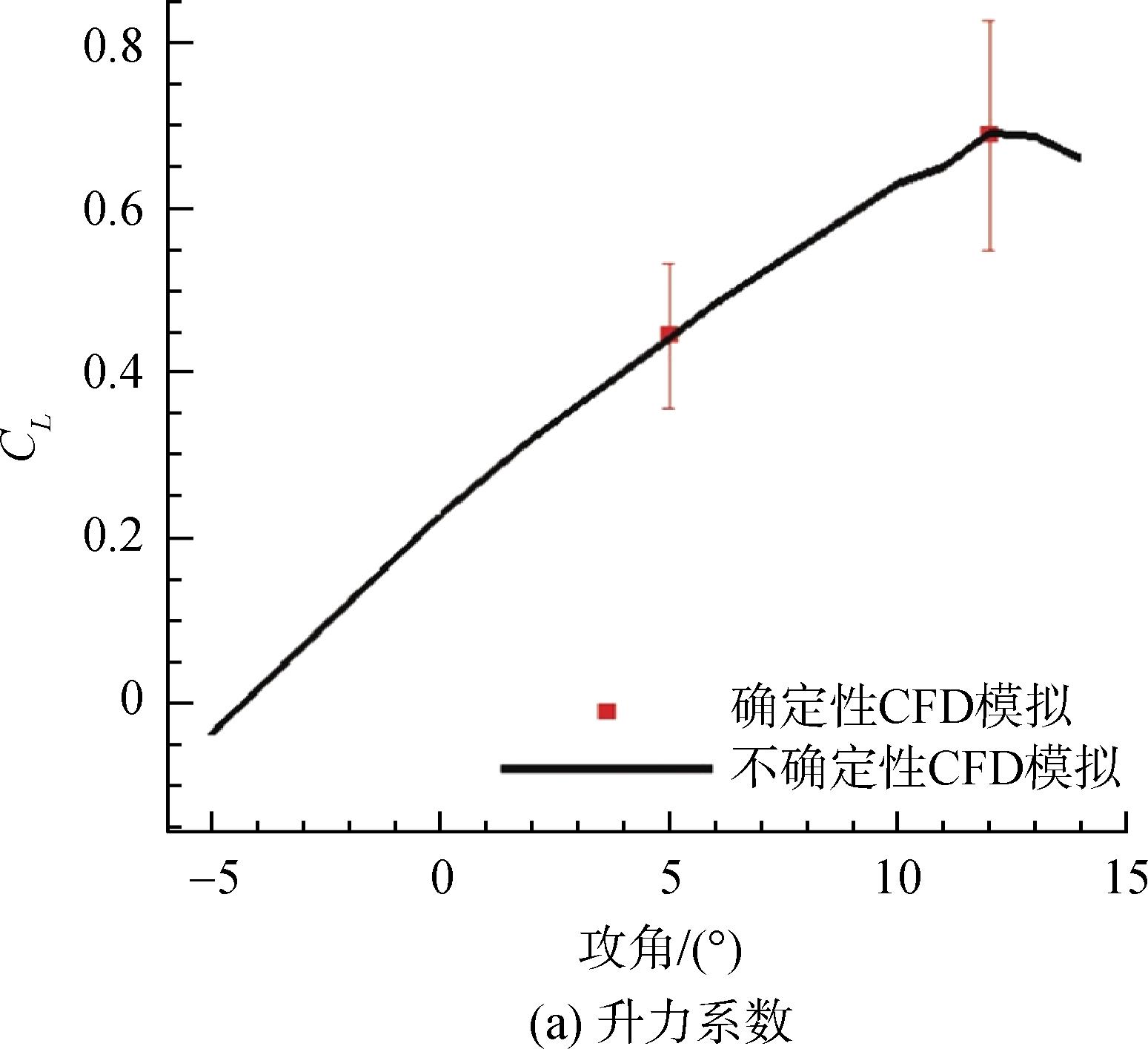
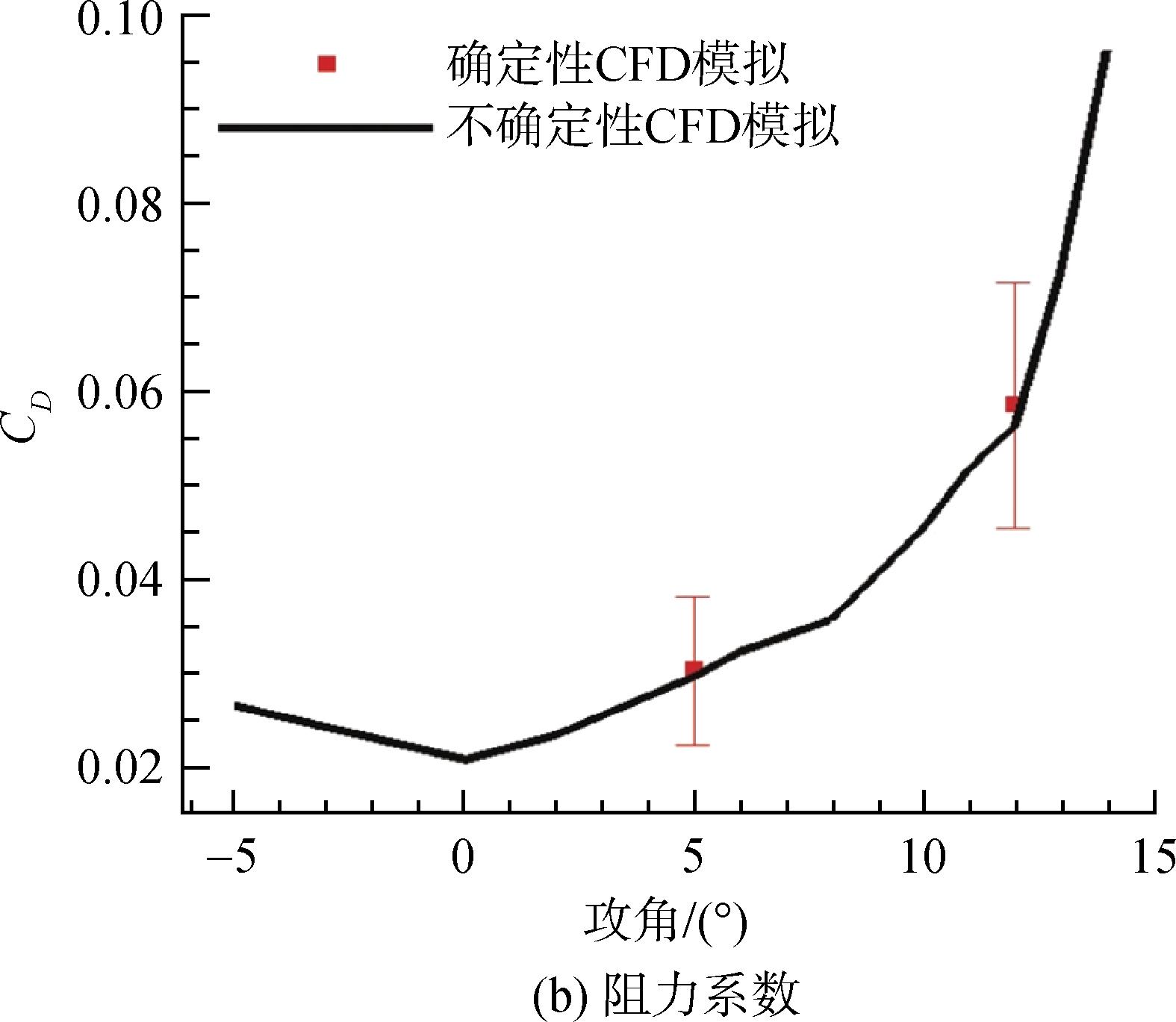
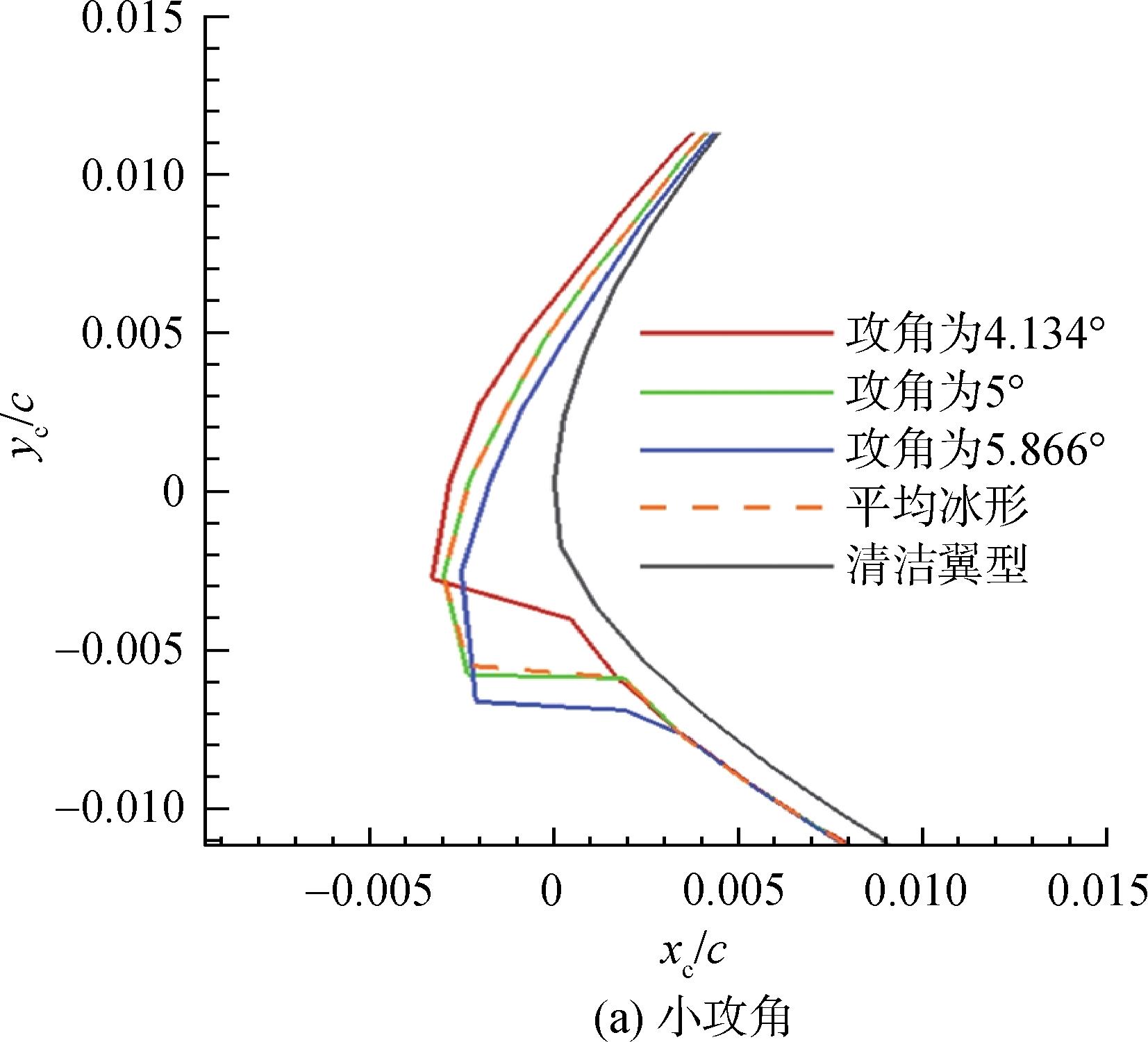
In order to deeply understand the uncertainty affecting aircraft icing and its research methods,the sources of aircraft icing uncertainty were introduced from the aspects of natural icing,ice wind tunnel test,and numerical simulation.Taking Monte Carlo method,polynomial chaos method and random configuration method as examples,the advantages and disadvantages of various uncertainty quantification methods in calculation ability and solution accuracy were systematically analyzed.Furthermore,considering the quantification of aircraft icing uncertainty at the beginning,focus was put on the influence of icing condition uncertainty on ice shape and aerodynamic characteristics in numerical simulation.Finally,single‑step and multi‑step methods were combined to determine the best ice time step to improve the accuracy and efficiency of ice calculation,to quantify the ice uncertainty of other key components to provide support for the more refined design of ice prevention/de‑icing system,and to build a high‑precision proxy model to replace the original complex numerical simulation system for meeting the computational challenges caused by the combined action of multiple uncertainties,etc.Overall prospect of uncertainty quantification method and its development direction in aircraft icing application was presented.

Experiment on nonlinear response of swirling bluff⁃body flame with external acoustic forcing
WU Yunhui, FU Chen, GAO Yi, WANG Xiaoyang, XIA Xi
2022, 37(9): 1872-1885. doi: 10.13224/j.cnki.jasp.20210403
Abstract:

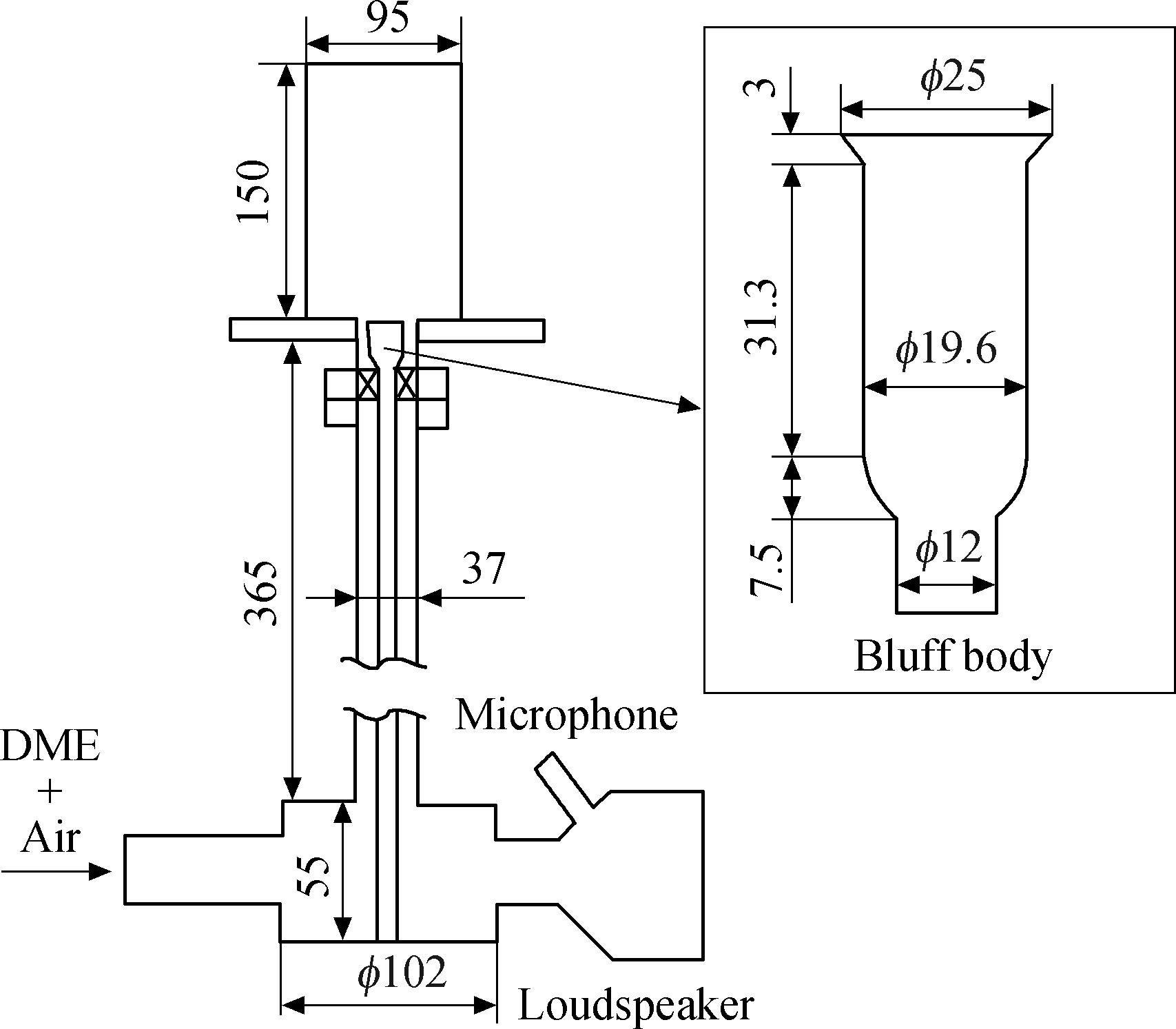
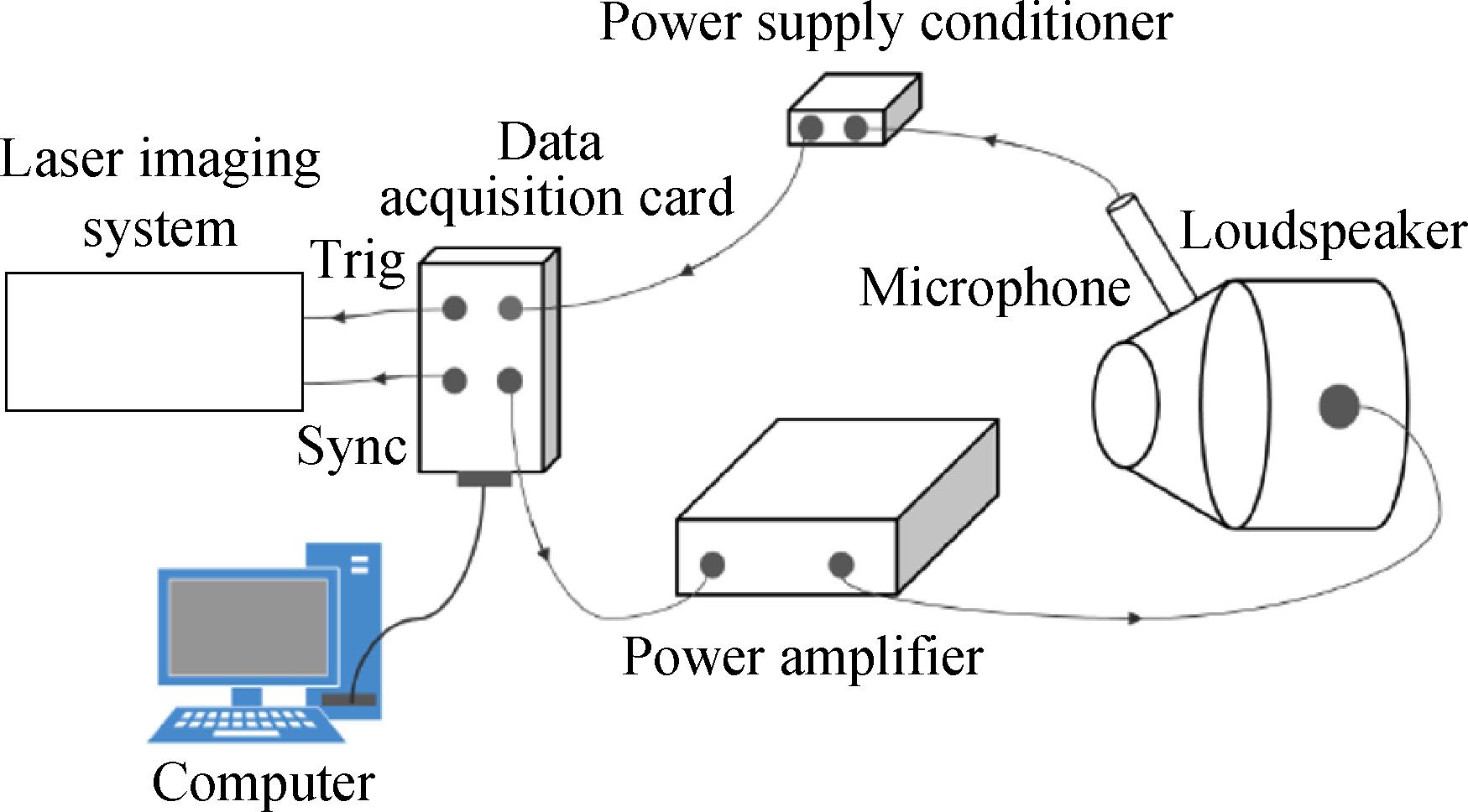
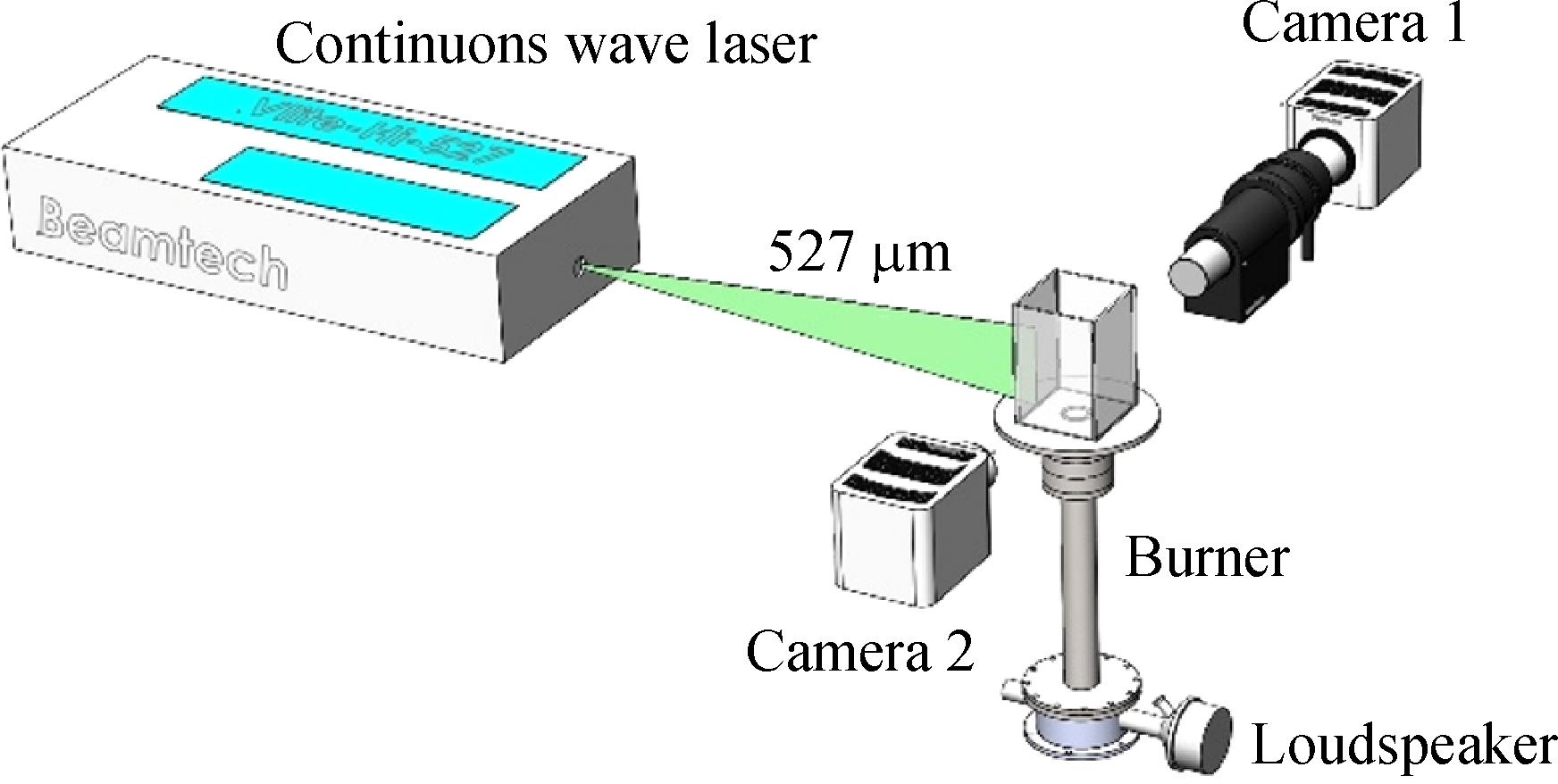
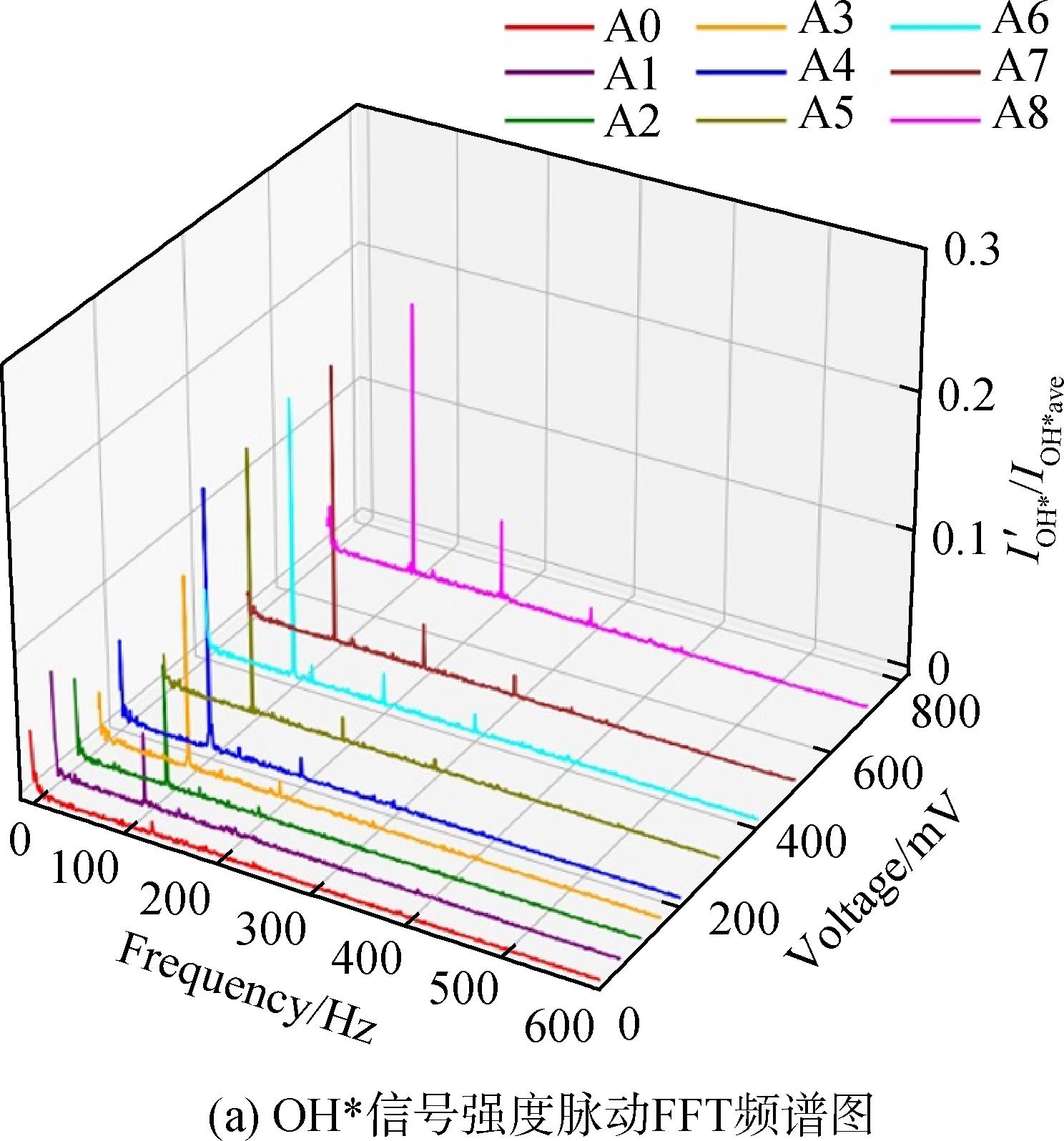
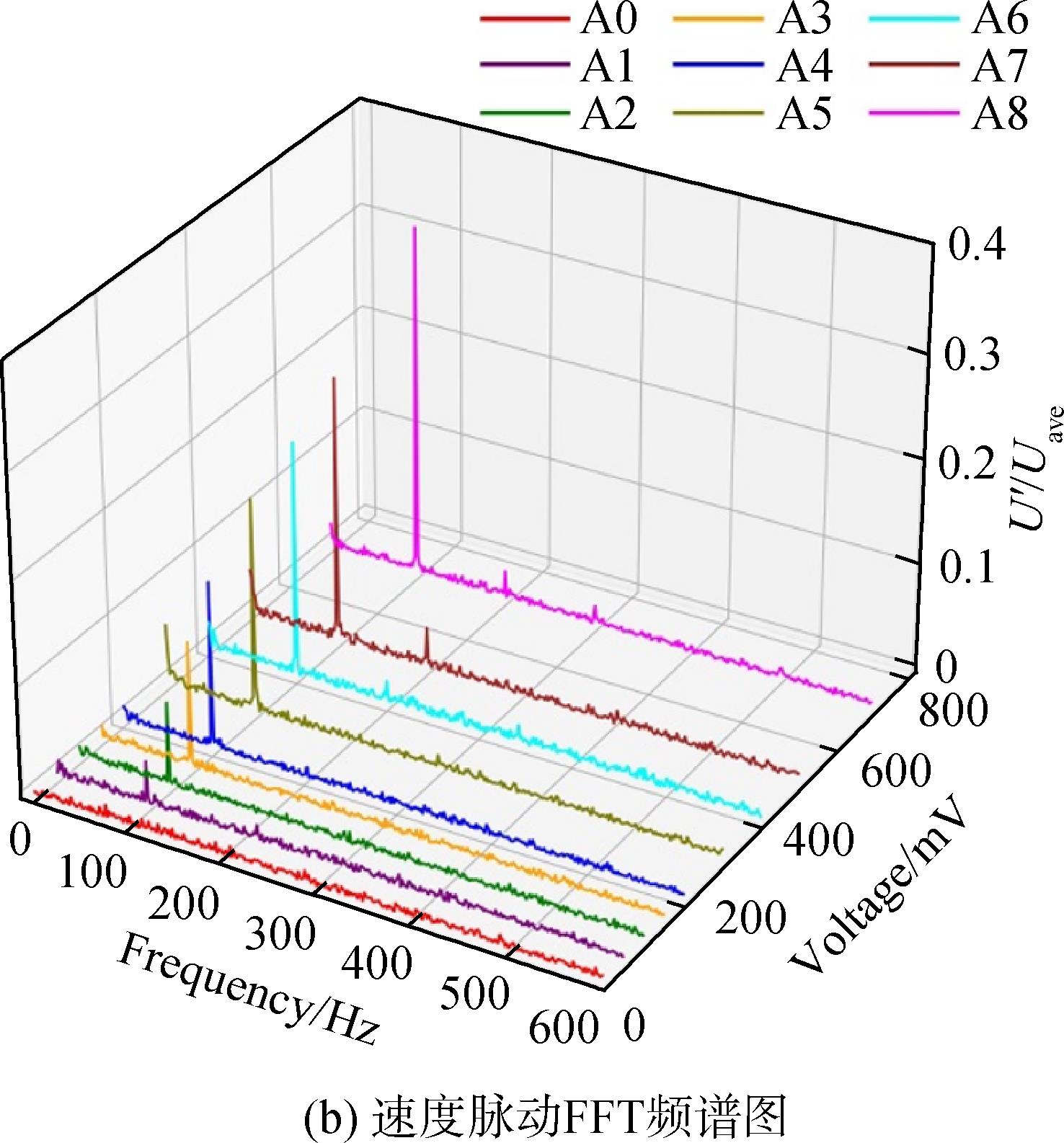
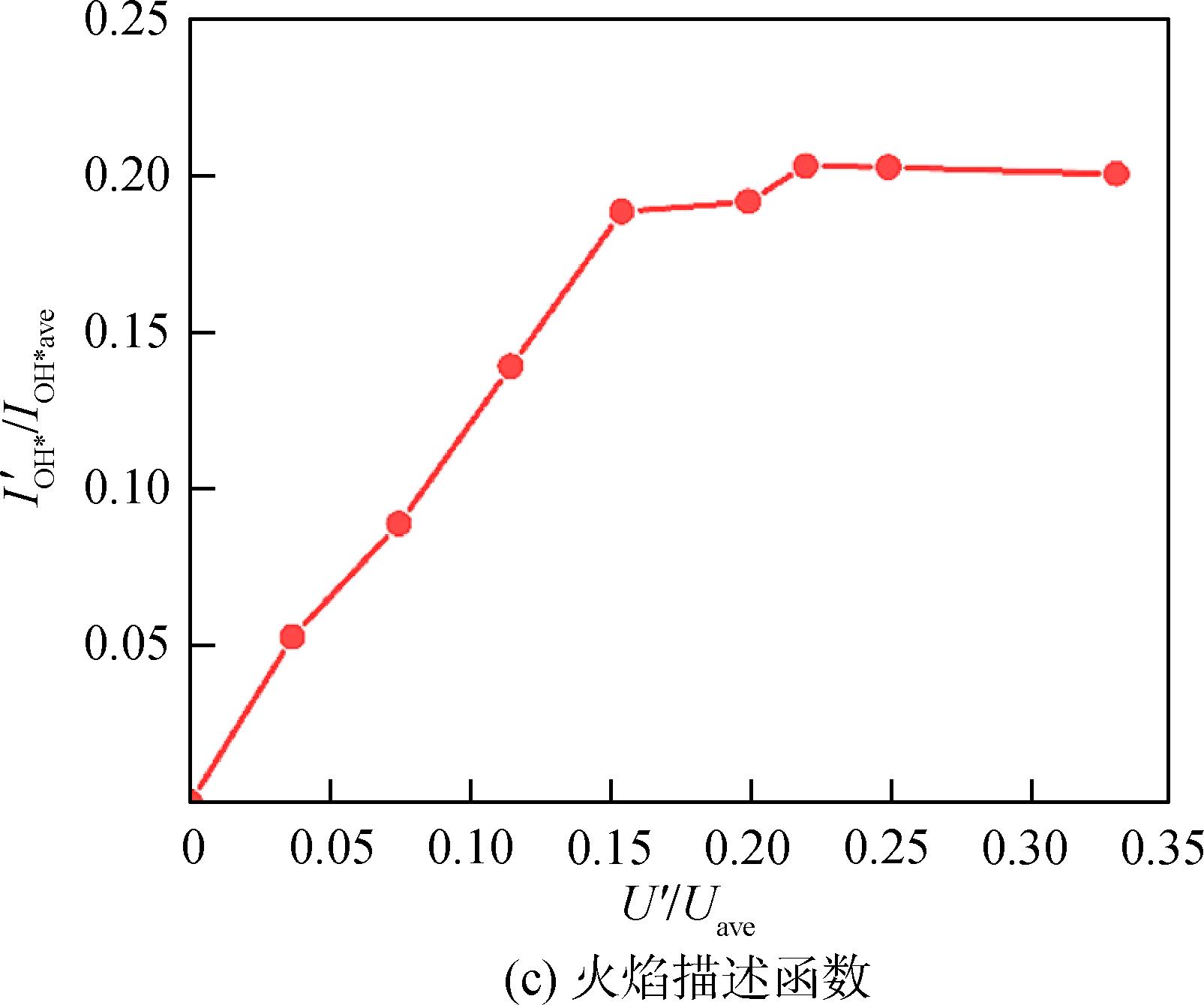
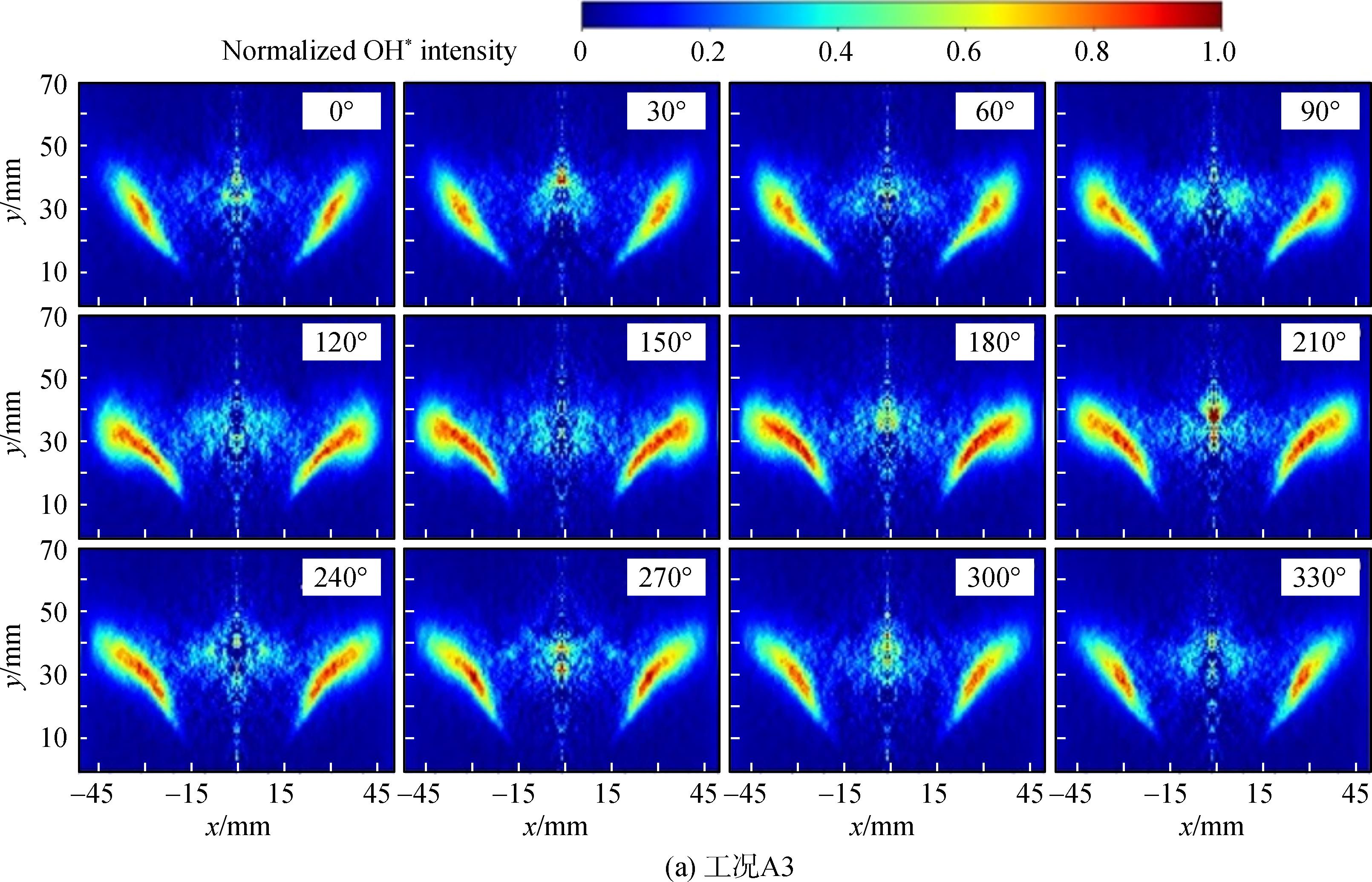
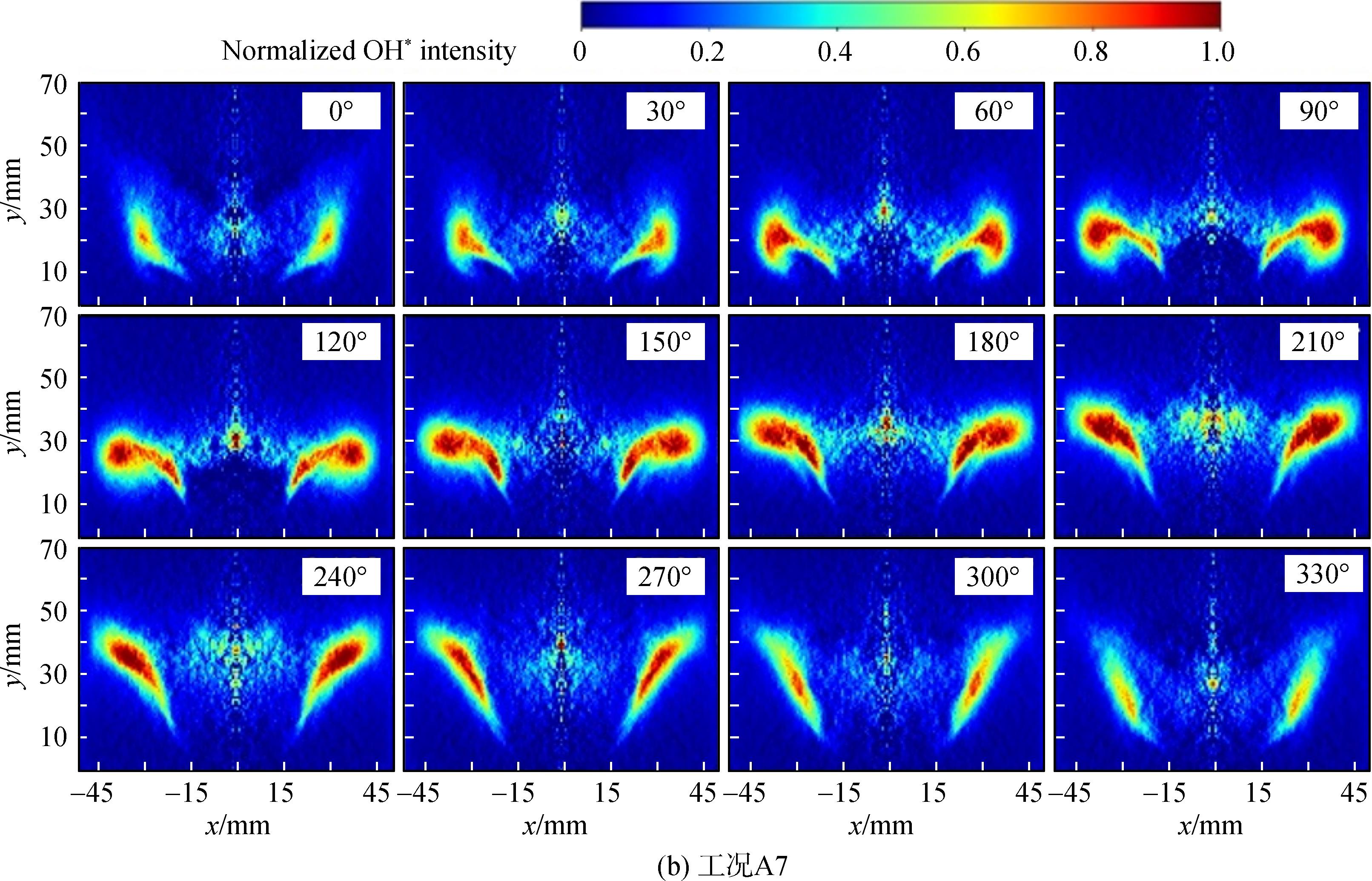
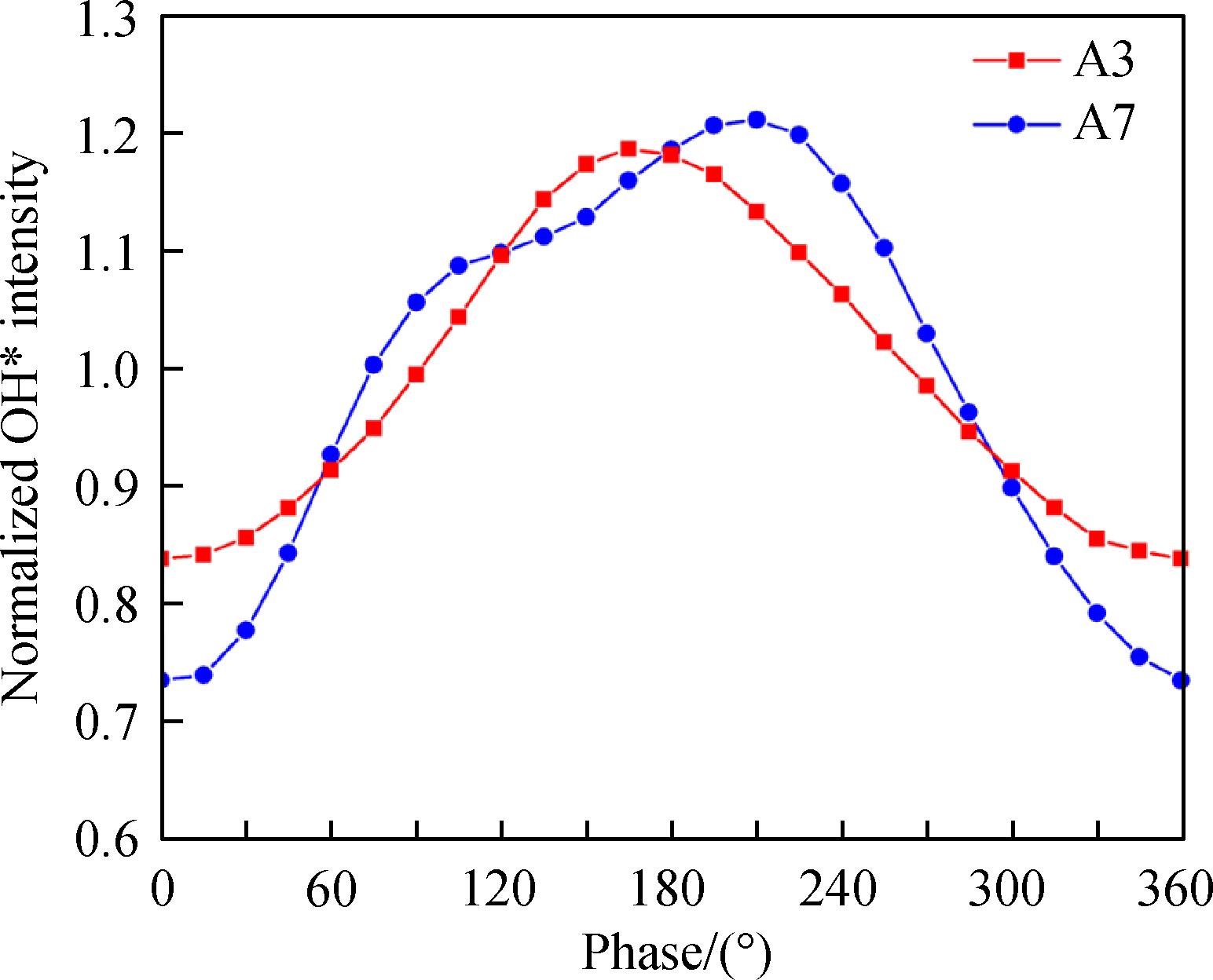
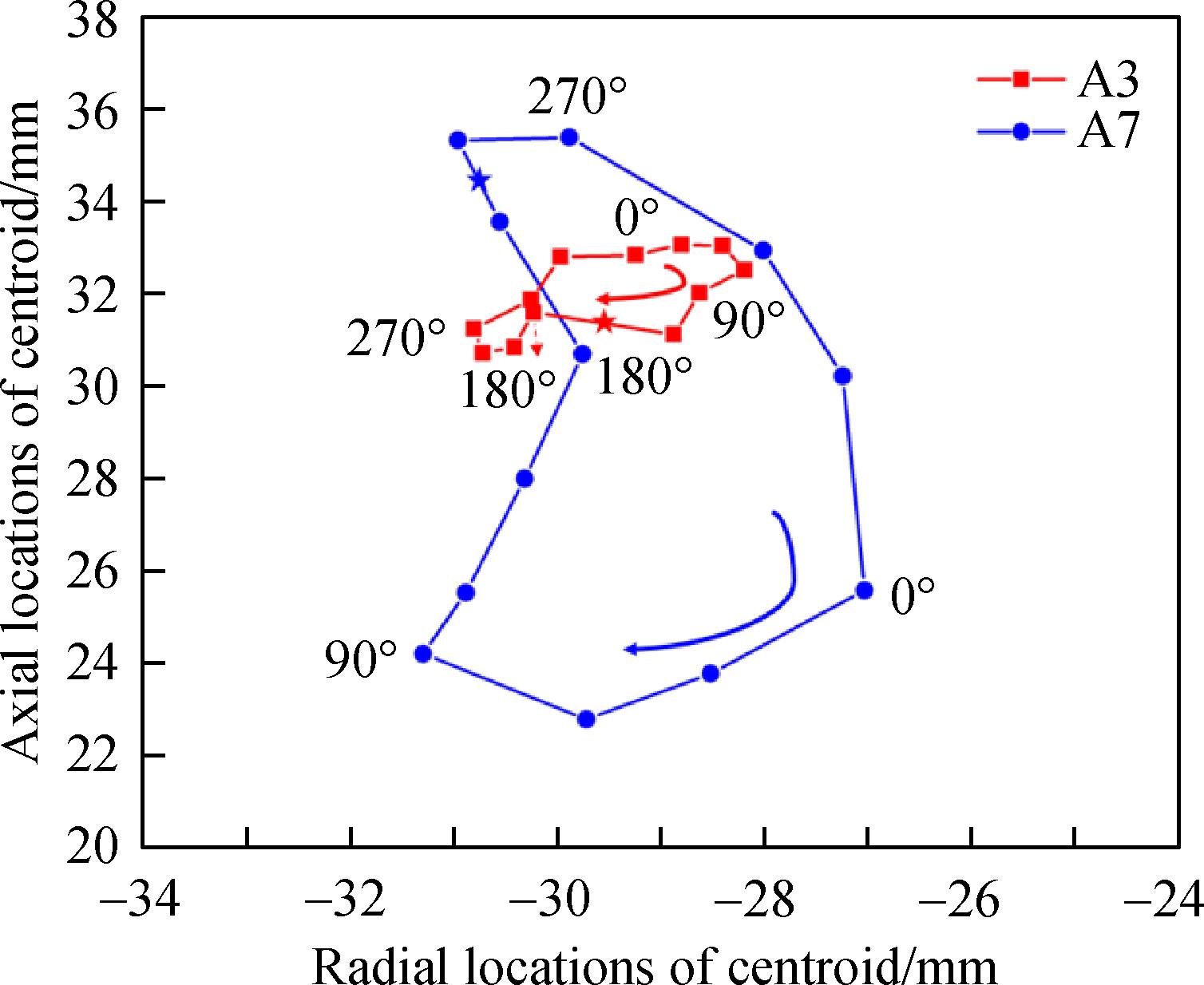
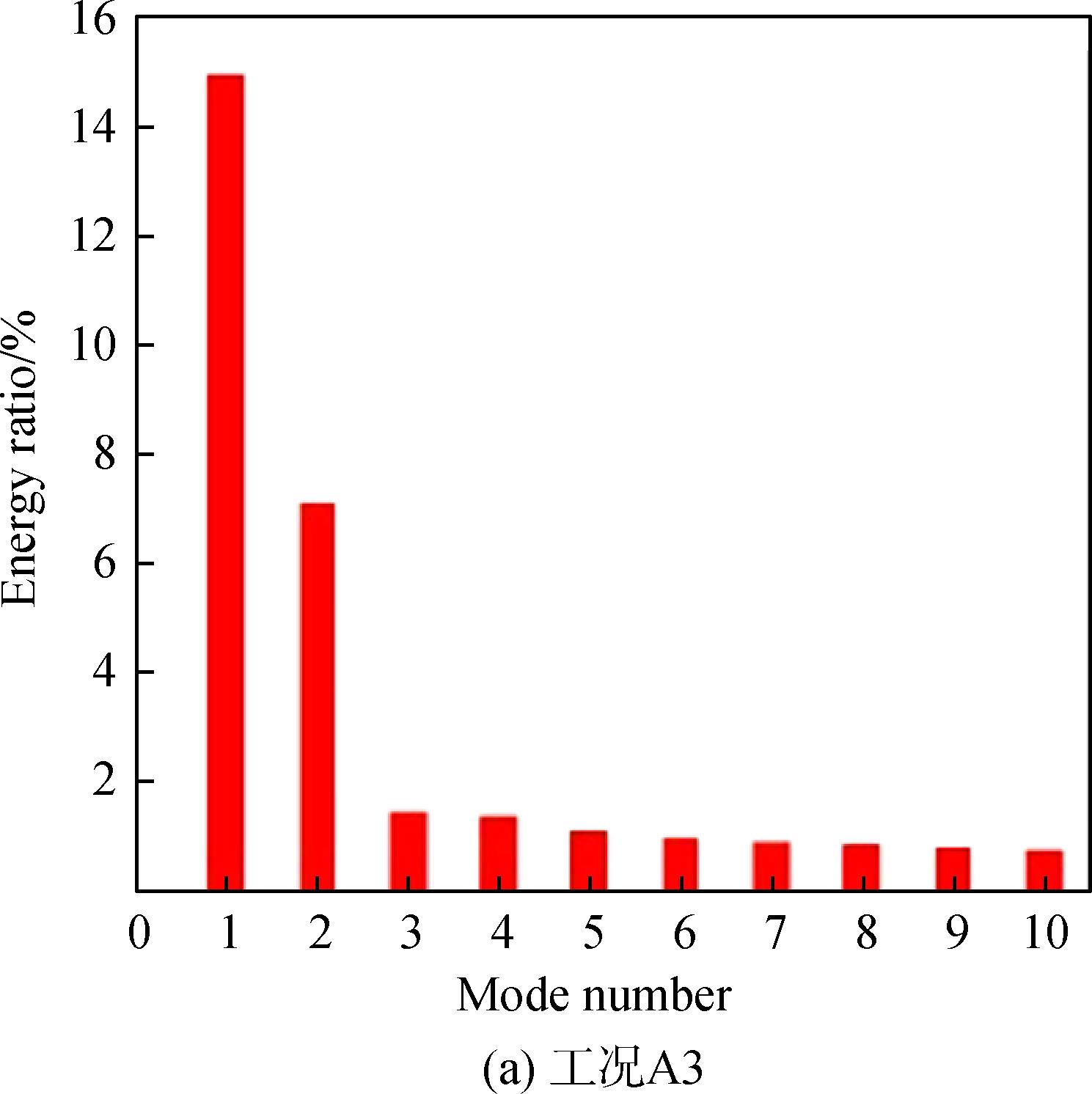
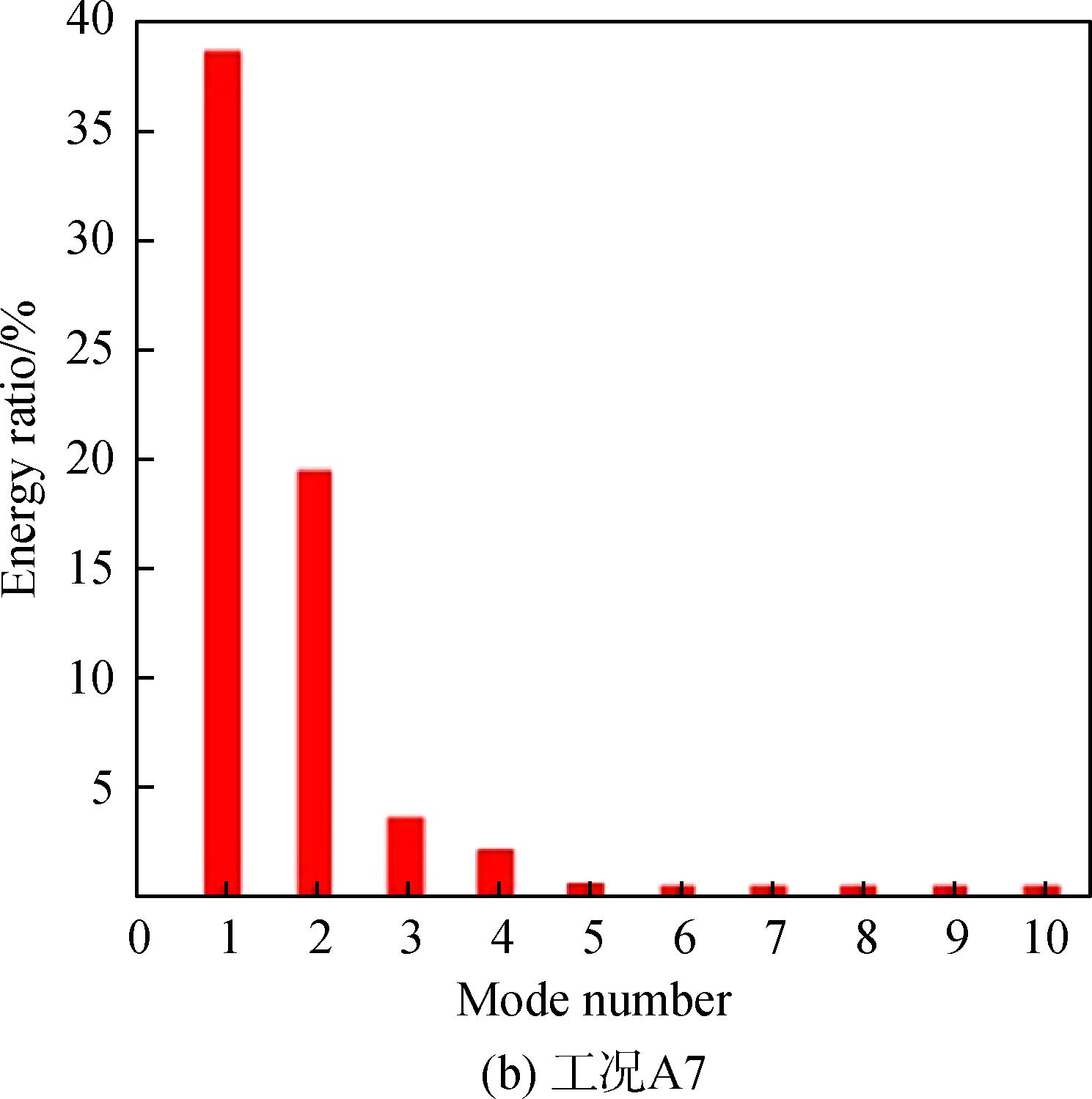
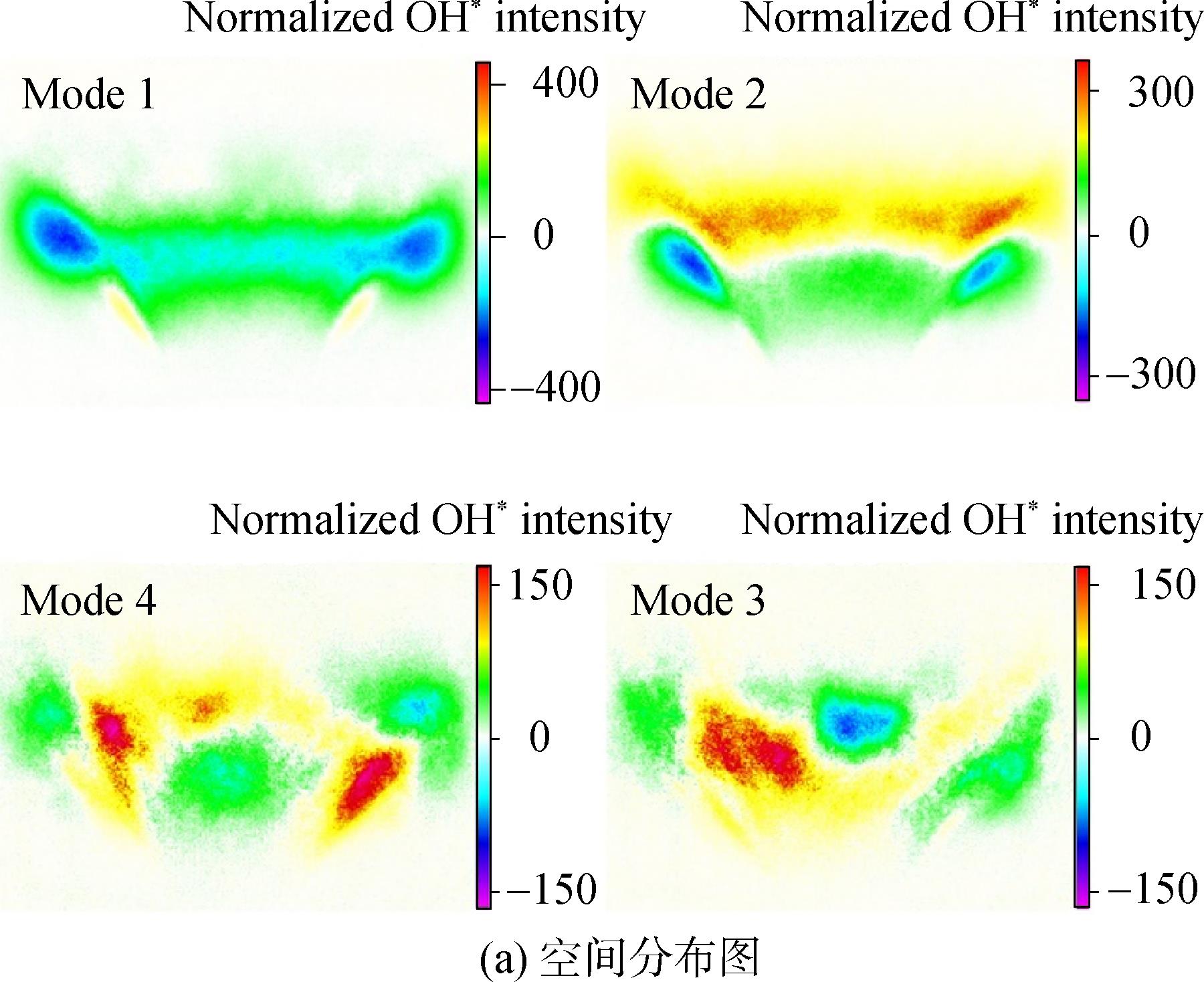
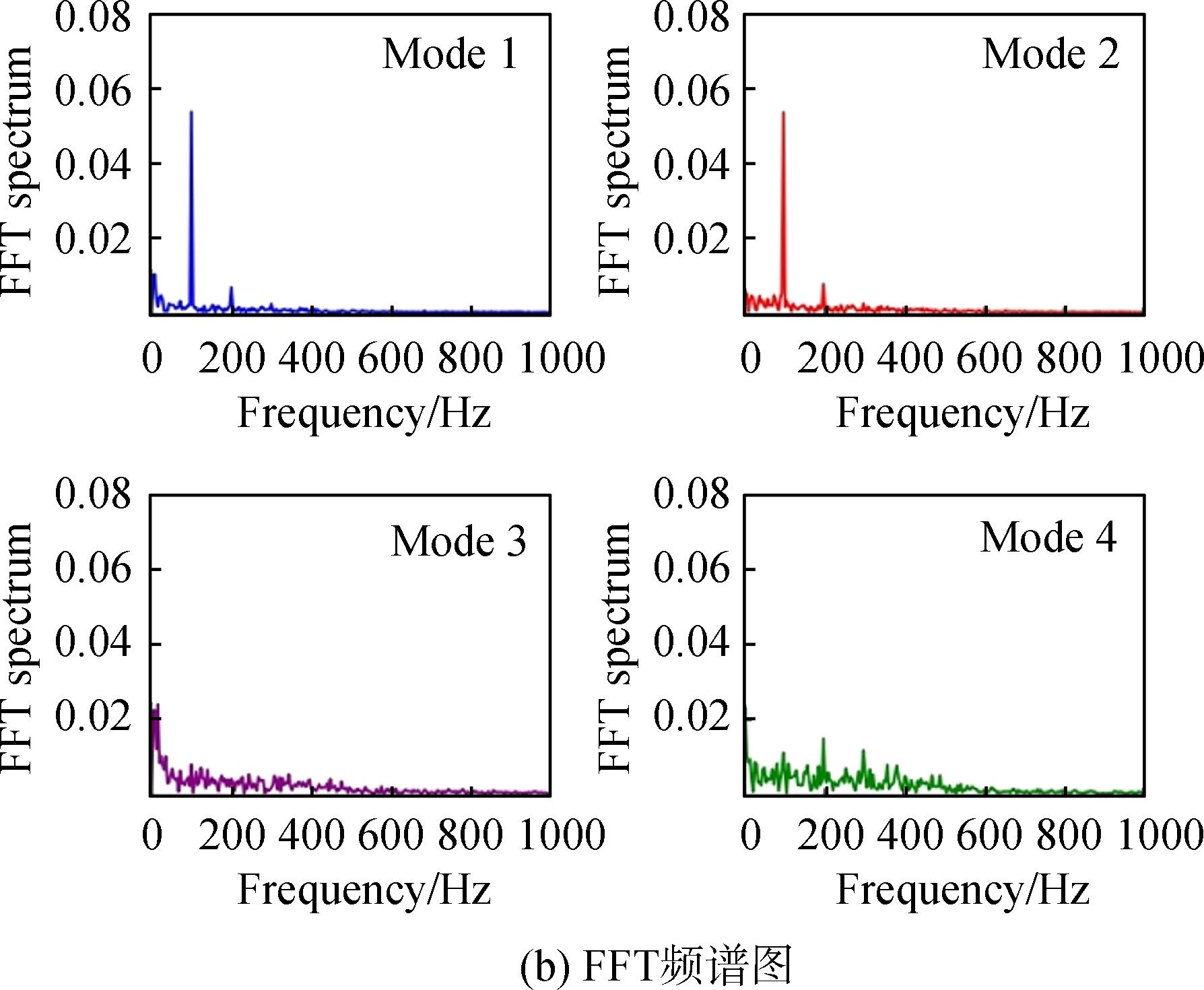
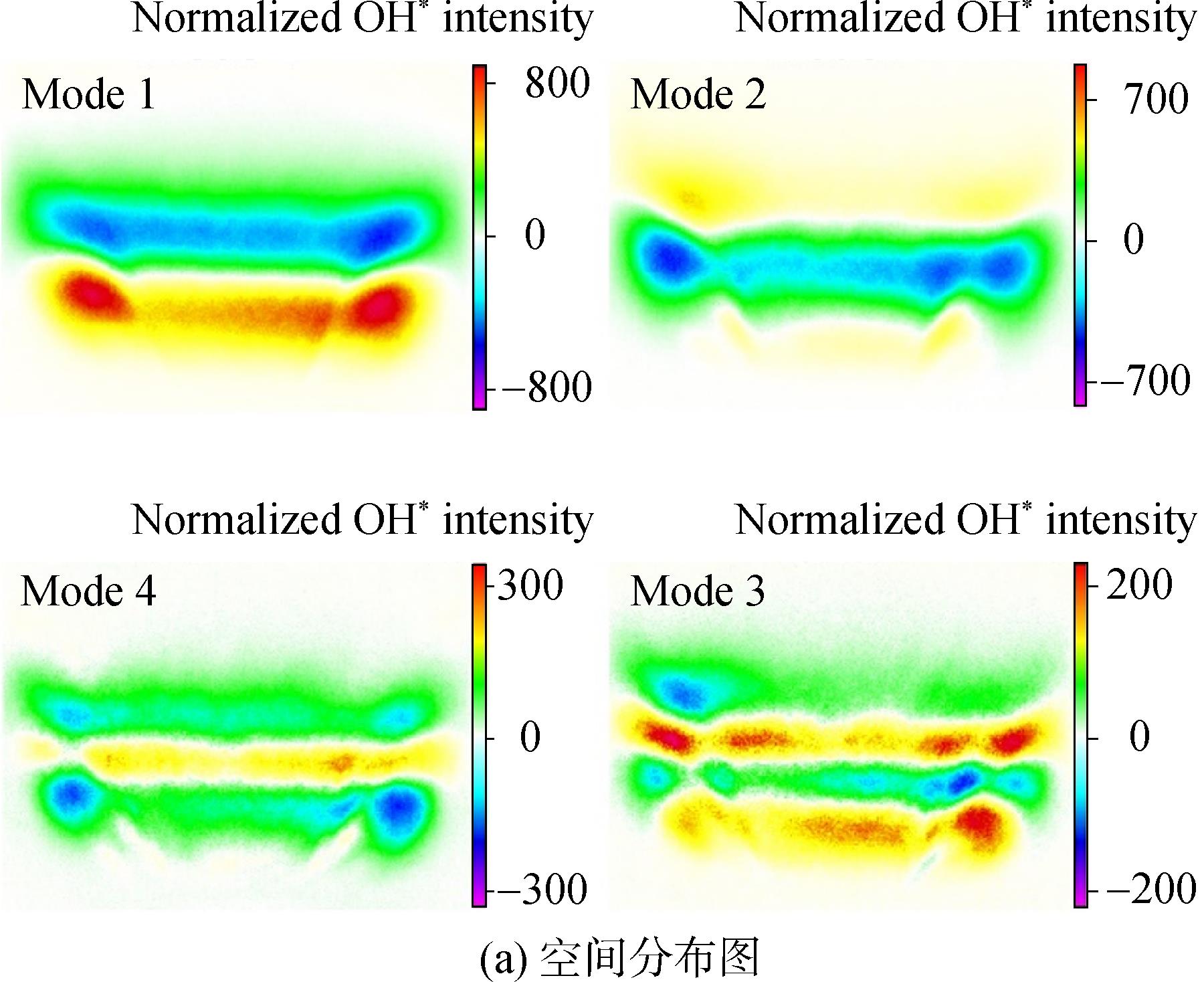
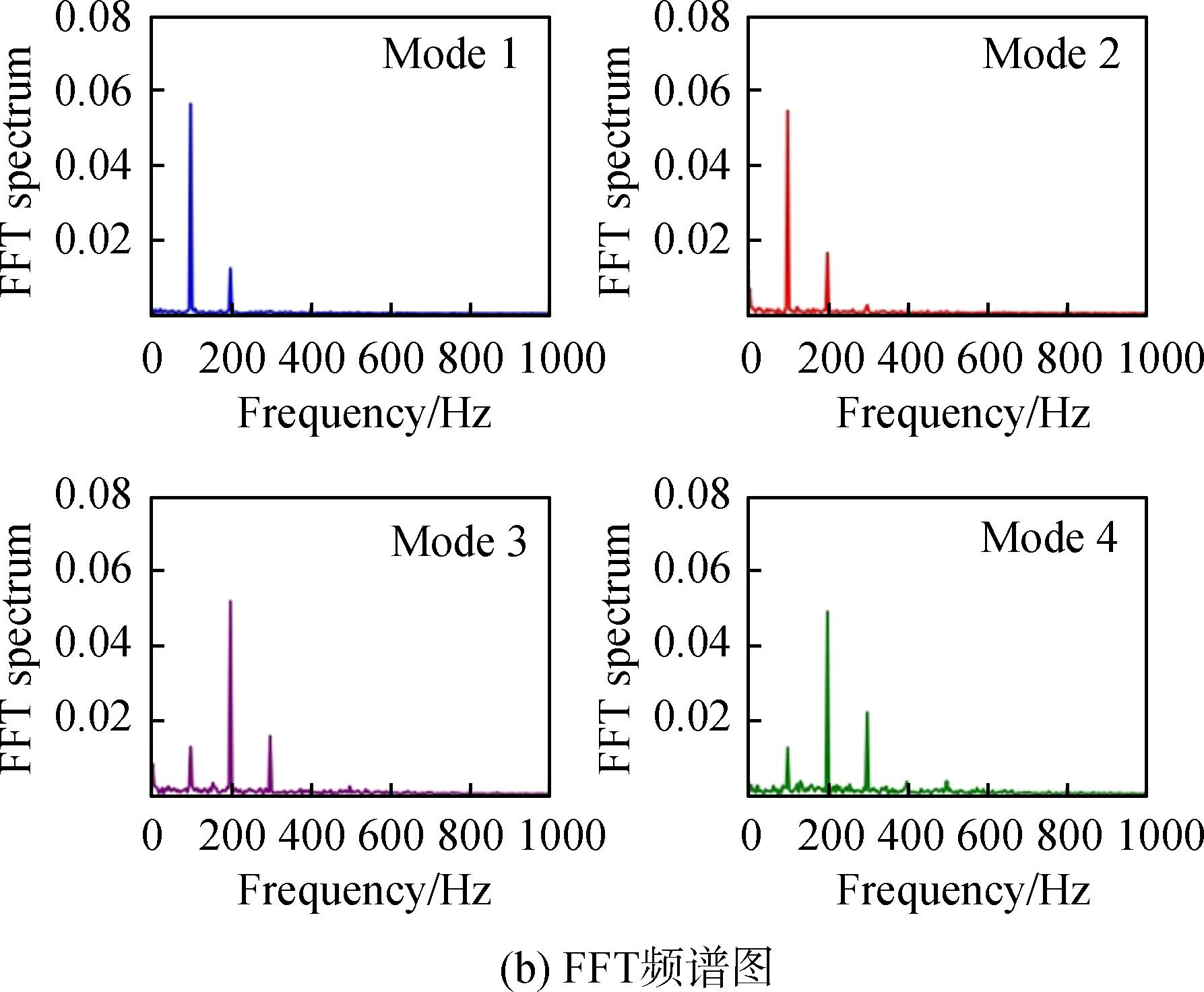
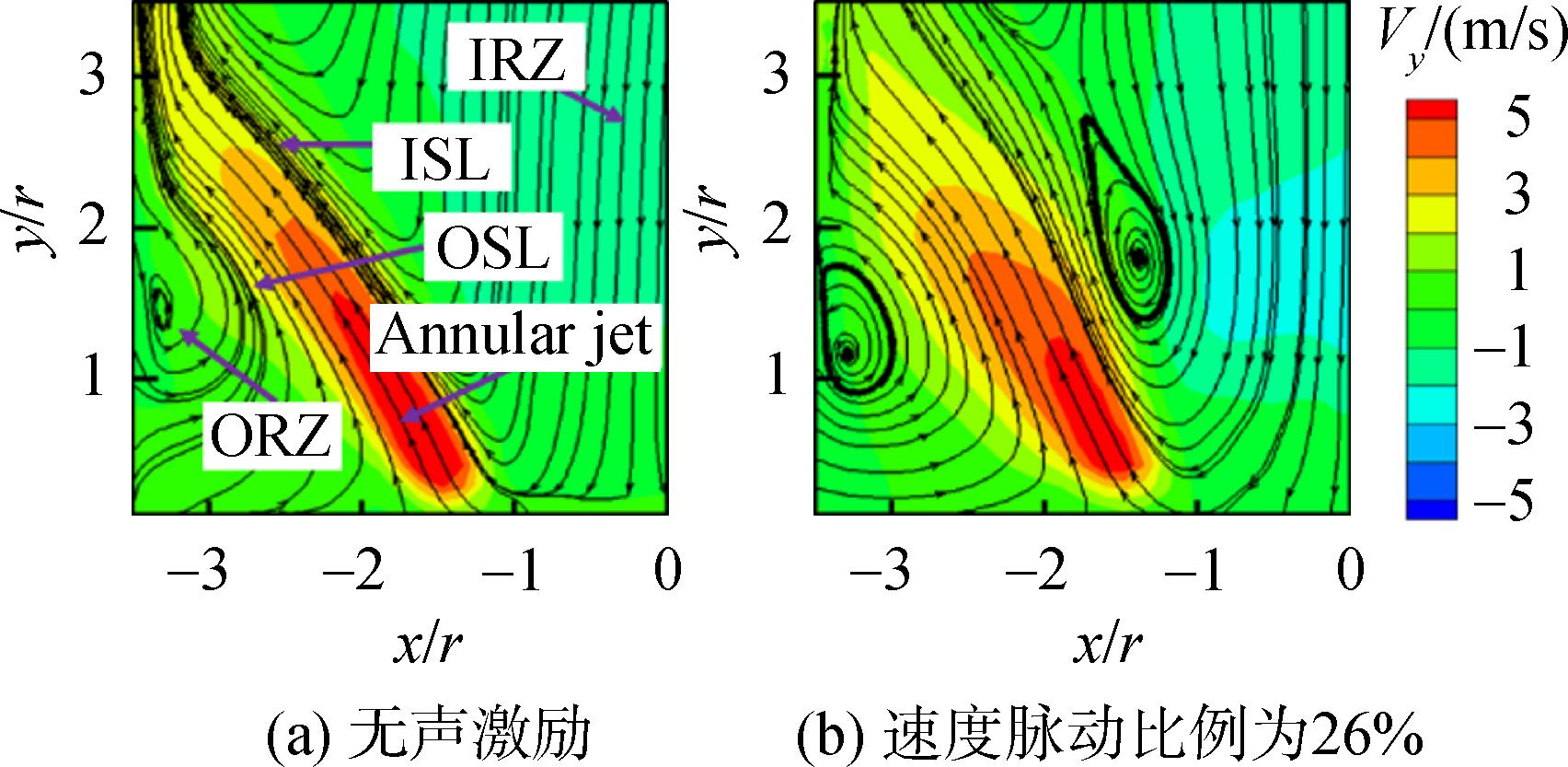
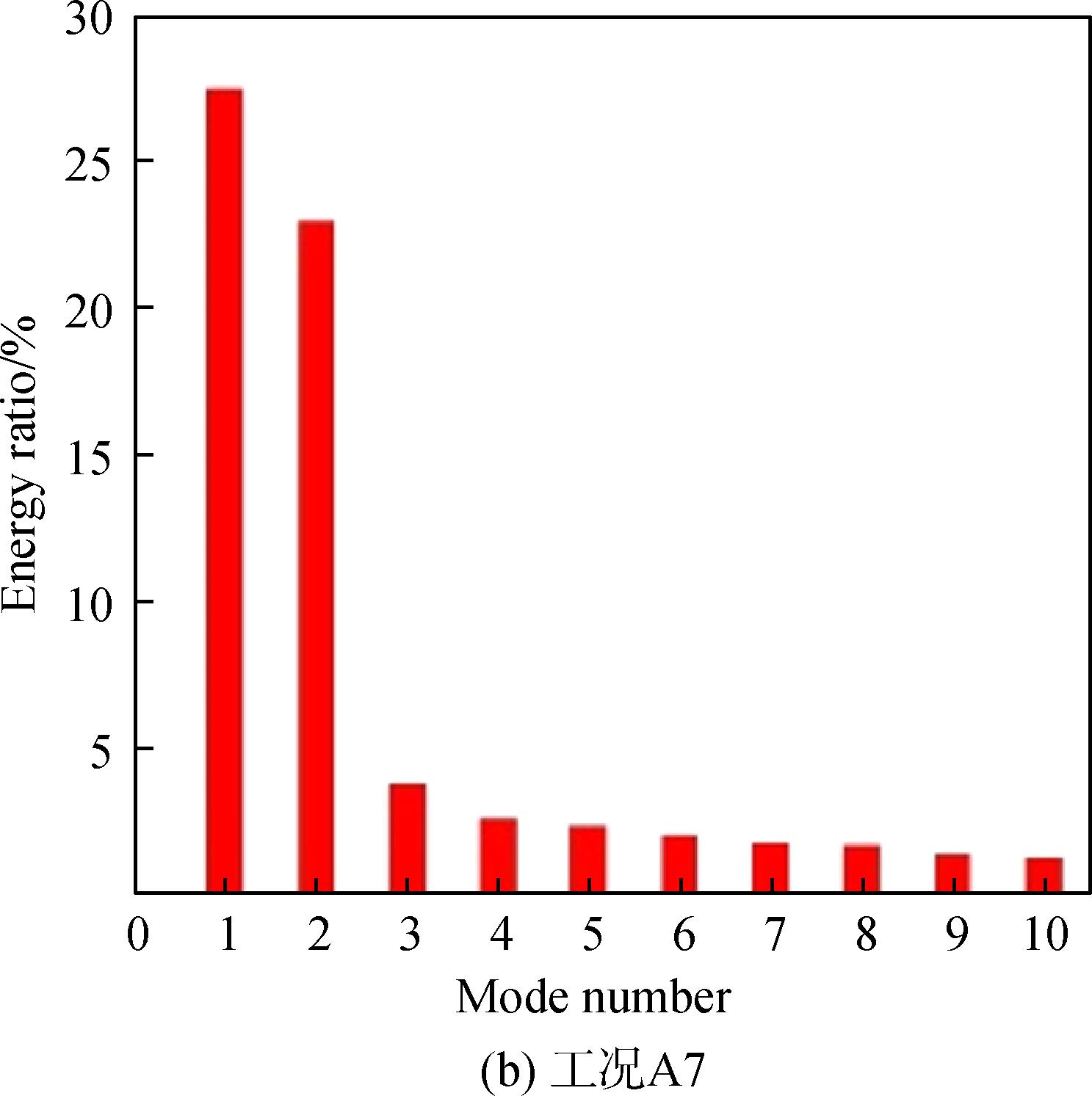
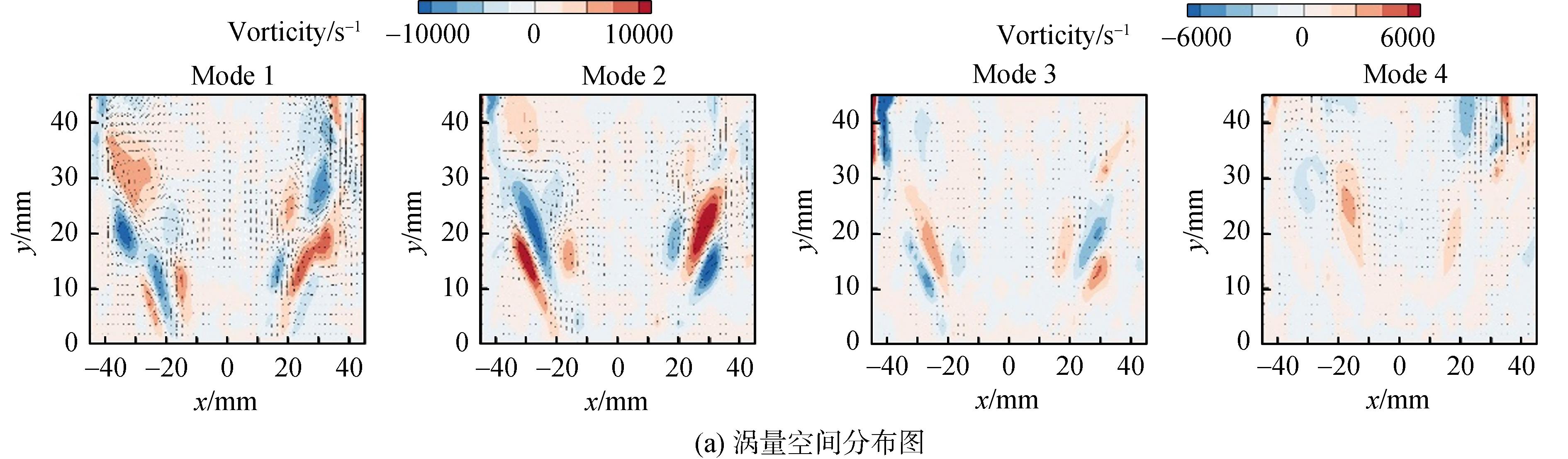
The experimental measurement of lean premixed swirling bluff‑body dimethyl ether flames excited by an external acoustic forcing at 100 Hz was carried out at atmospheric pressure.With the help of the phase‑locked high‑speed OH* chemiluminescence imaging and particle image velocimetry,the visualization of the flame dynamic characteristic of both the flame shape and the flame flow field with different pulsation amplitudes of the velocity was achieved.Based on these images,the dynamic process of the flame was analyzed by the flame describing function.It was found that the heat release rate first linearly increased as the forcing amplitudes increased,and the nonlinear flame response was recognized when the critical value of the velocity fluctuation ratio was reached.The velocity fluctuation ratio of 16% was the critical value in this experiment.Meanwhile,the difference between linear and nonlinear flame responses was analyzed by means of inverse Abel transformation and proper orthogonal decomposition.The experimental results showed that the vortex roll‑up of the flame shape and the vortex shedding of the flame flow field was enhanced in the nonlinear flame response.From the above analysis,it can be inferred that the enhancement of vortex shedding in the outer recirculation zone of the flame flow field induced the nonlinear flame response.
Experiment and simulation on oxidation characteristics of natural gas
TIAN Yushi, ZENG Wen, CHEN Xiaoxiao, HU Erjiang, LIU Jing, MA Hongyu
2022, 37(9): 1886-1895. doi: 10.13224/j.cnki.jasp.20210409
Abstract:

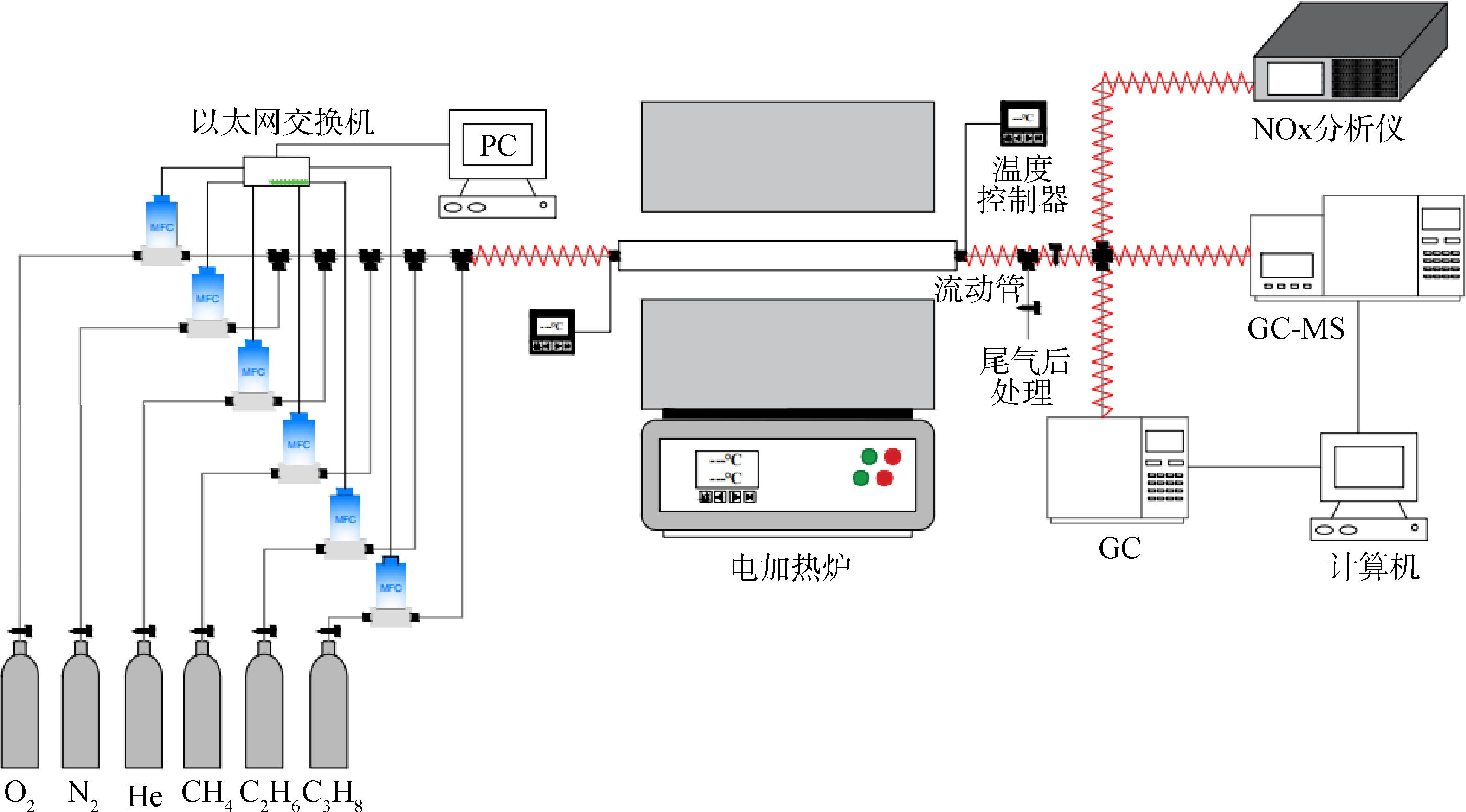
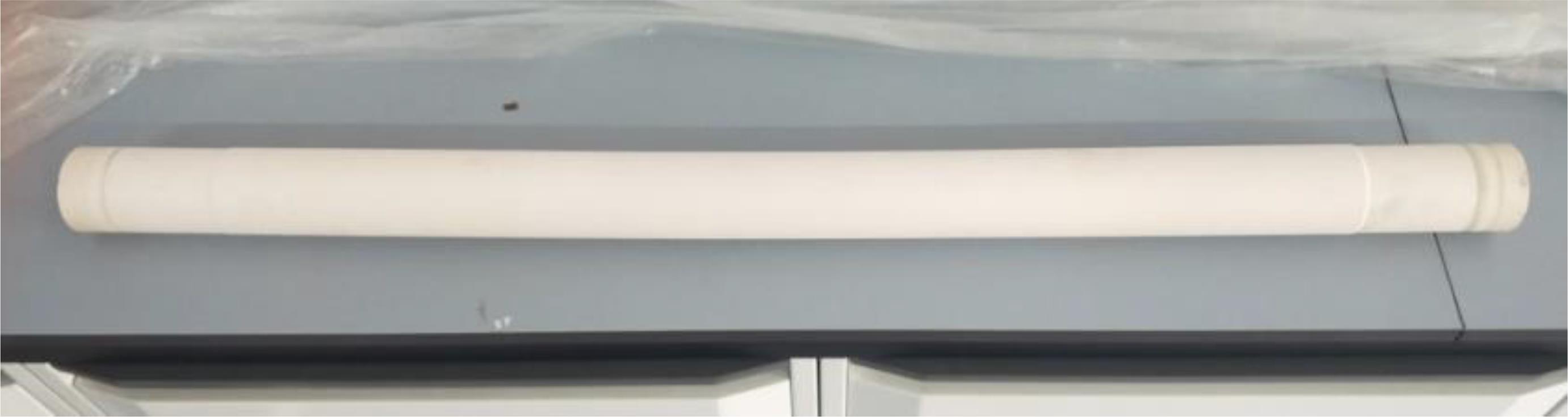
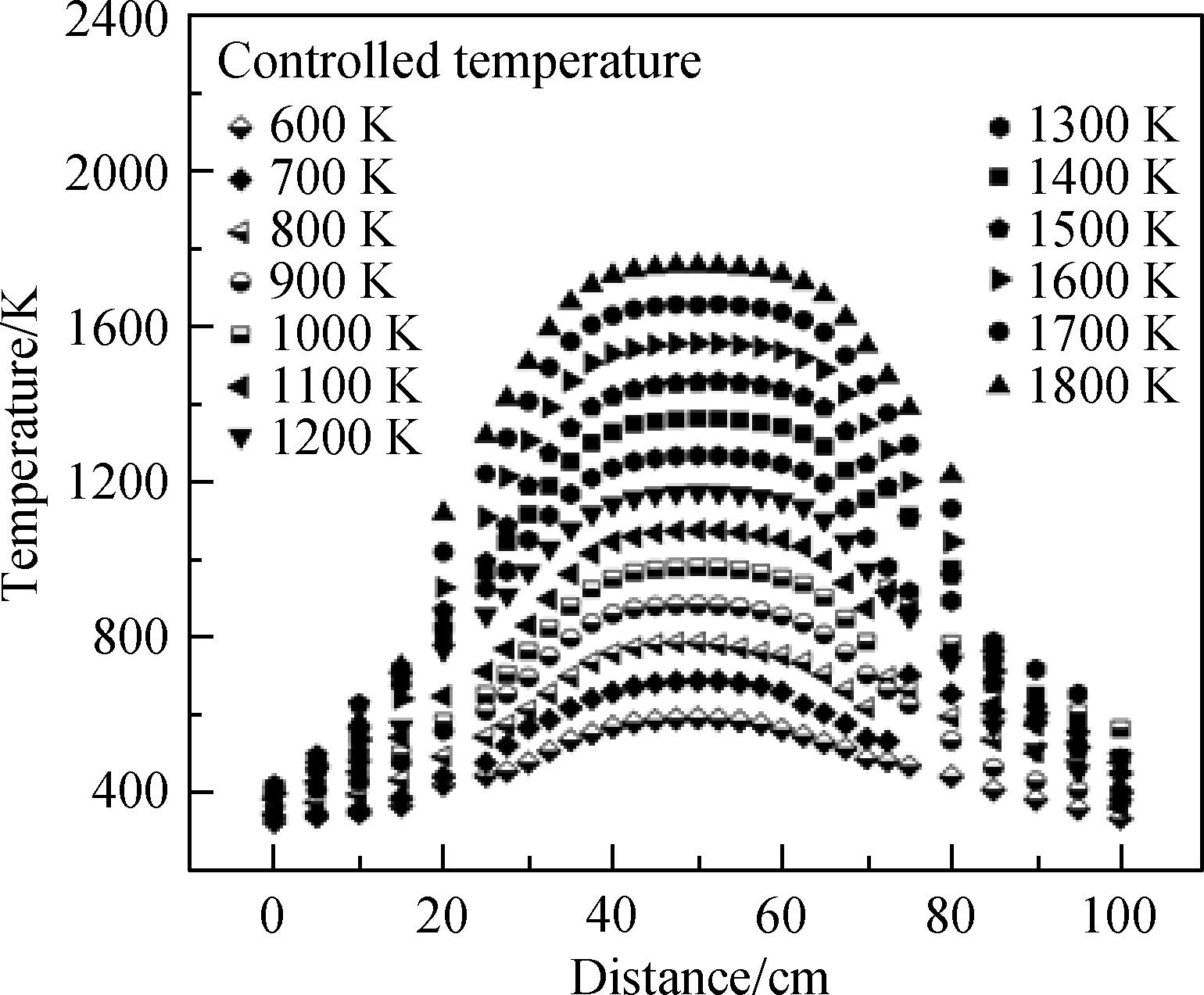
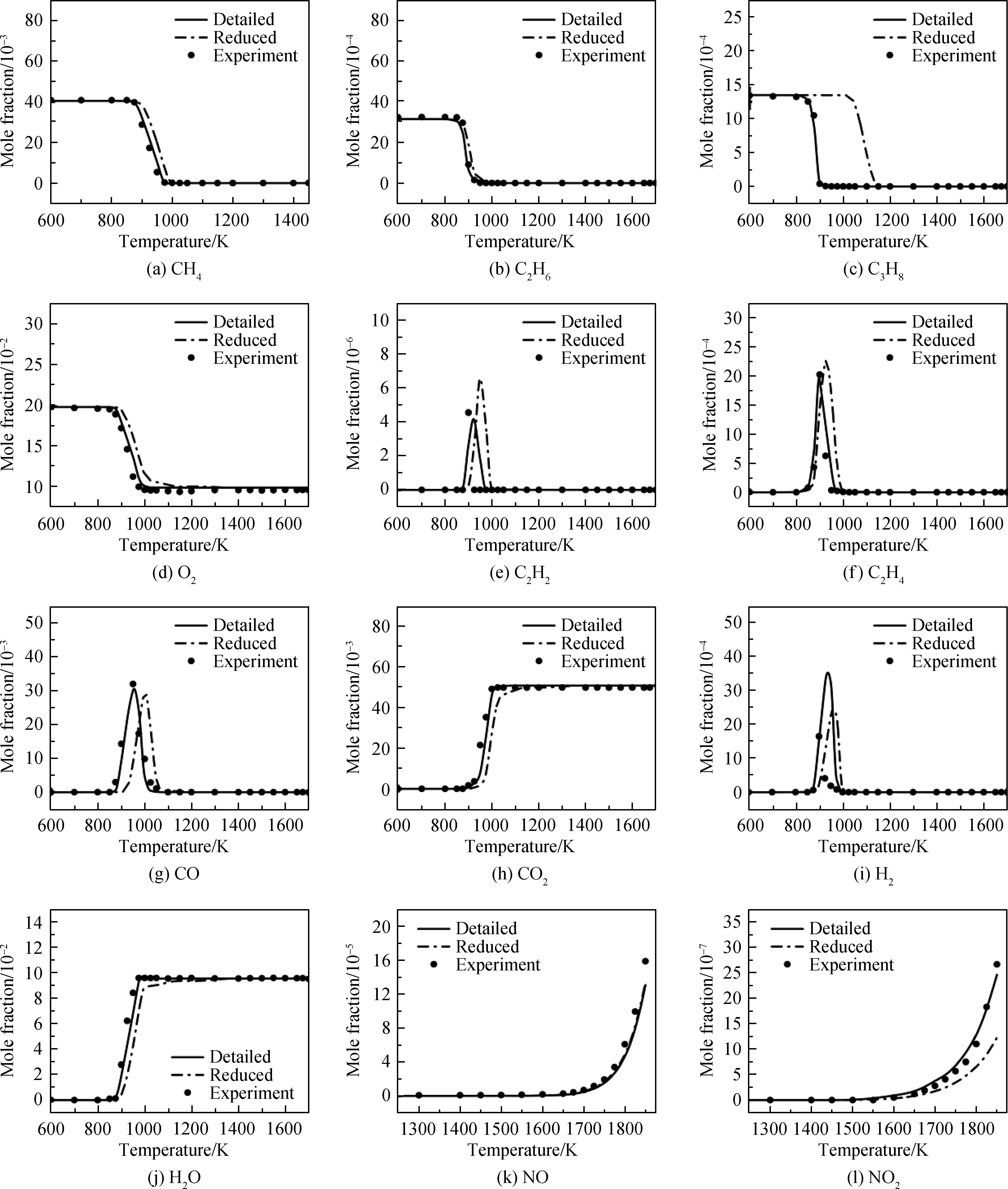
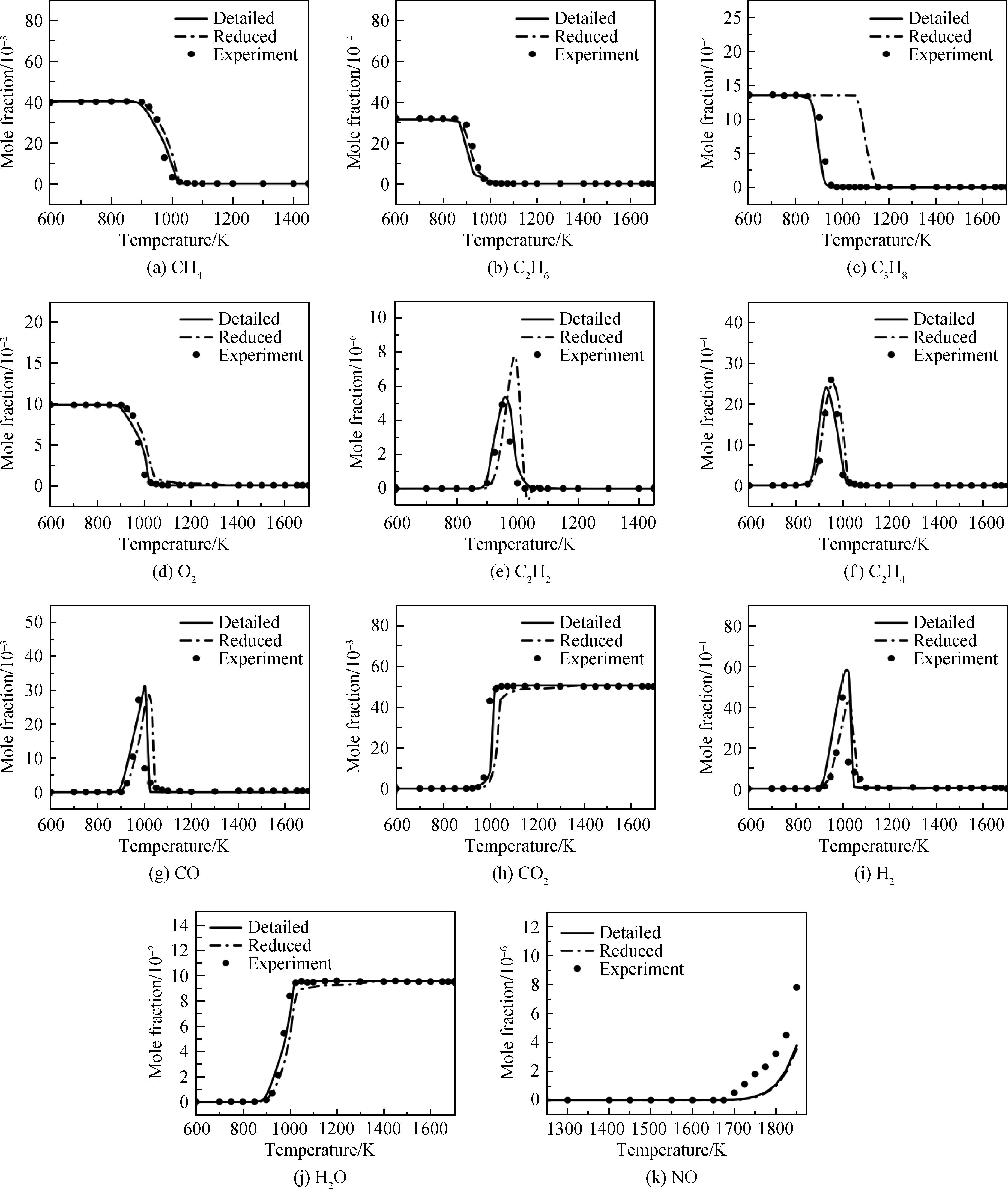
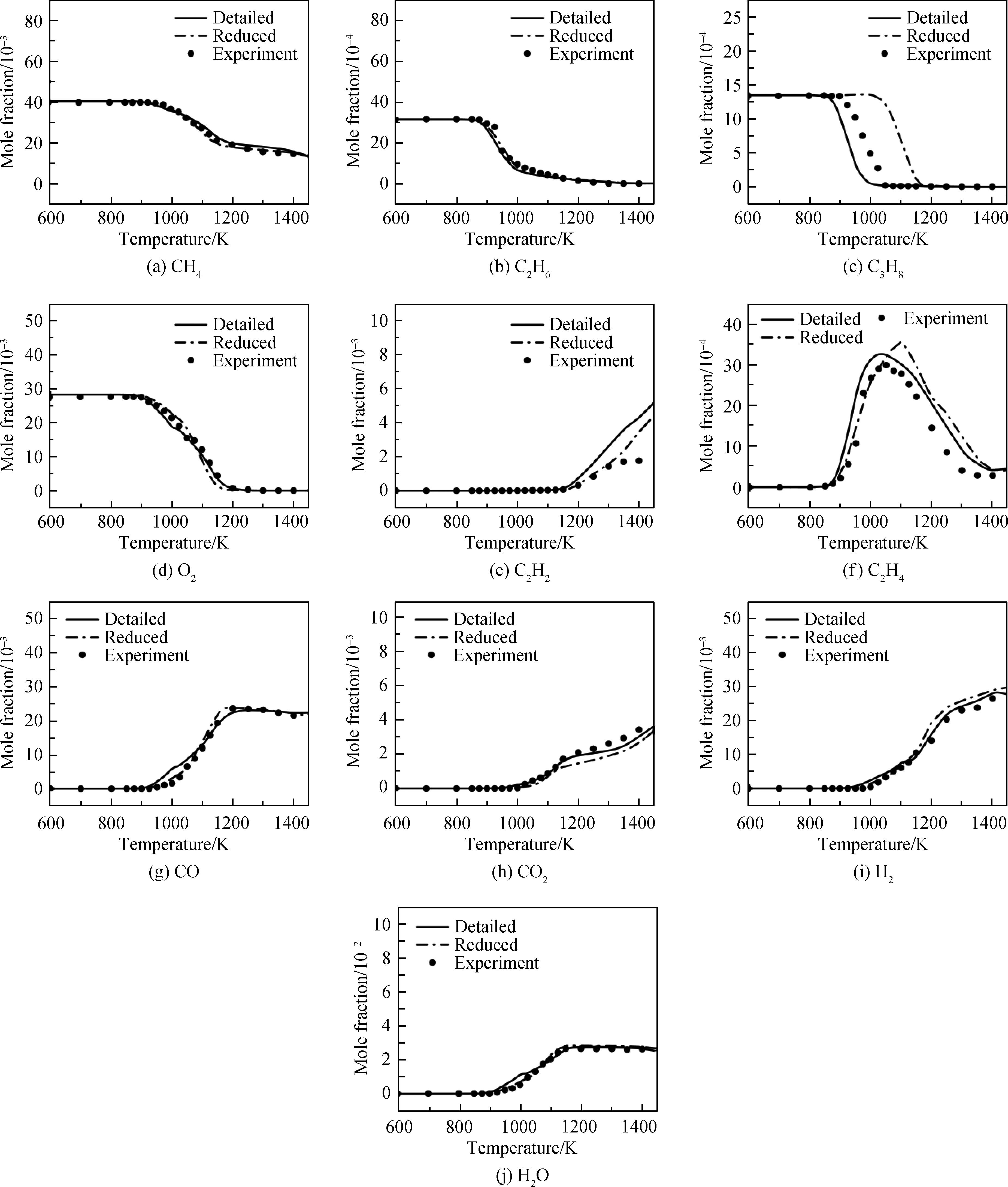
The oxidation of natural gas (90% methane/7% ethane/3% propane,volume fraction) was experimentally tested in the flow reactor under the conditions of the pressure of 0.1 MPa,the temperature range of 550-1 850 K,the equivalence ratios of 0.5,1.0 and 3.5.Meanwhile,through the global sensitivity analysis,the reduced reaction kinetic mechanism of the natural gas (including 38 species and 149 reactions) was established,and the oxidation characteristics of the natural gas were simulated.The results showed that,with the increase of equivalent ratio,the starting and ending temperatures of fuel oxidation reaction gradually rose,the reaction temperature of CO generation and complete consumption raised,and the production of NO reduced.The reduced reaction mechanism of the natural gas had a good prediction of the variational trends of the mole fractions of the main species with temperature during the oxidation of the natural gas.However,there existed still some deviations in the prediction of the starting reaction temperature or the peak mole fractions of some species,such as C3H8,C2H2,NO and NO2.

Analysis of integrated thermal management performance of aero⁃engine accessories
SU Cunyao, LIAN Wenlei, HAO Xin, REN Xueping
2022, 37(9): 1896-1904. doi: 10.13224/j.cnki.jasp.20210344
Abstract:

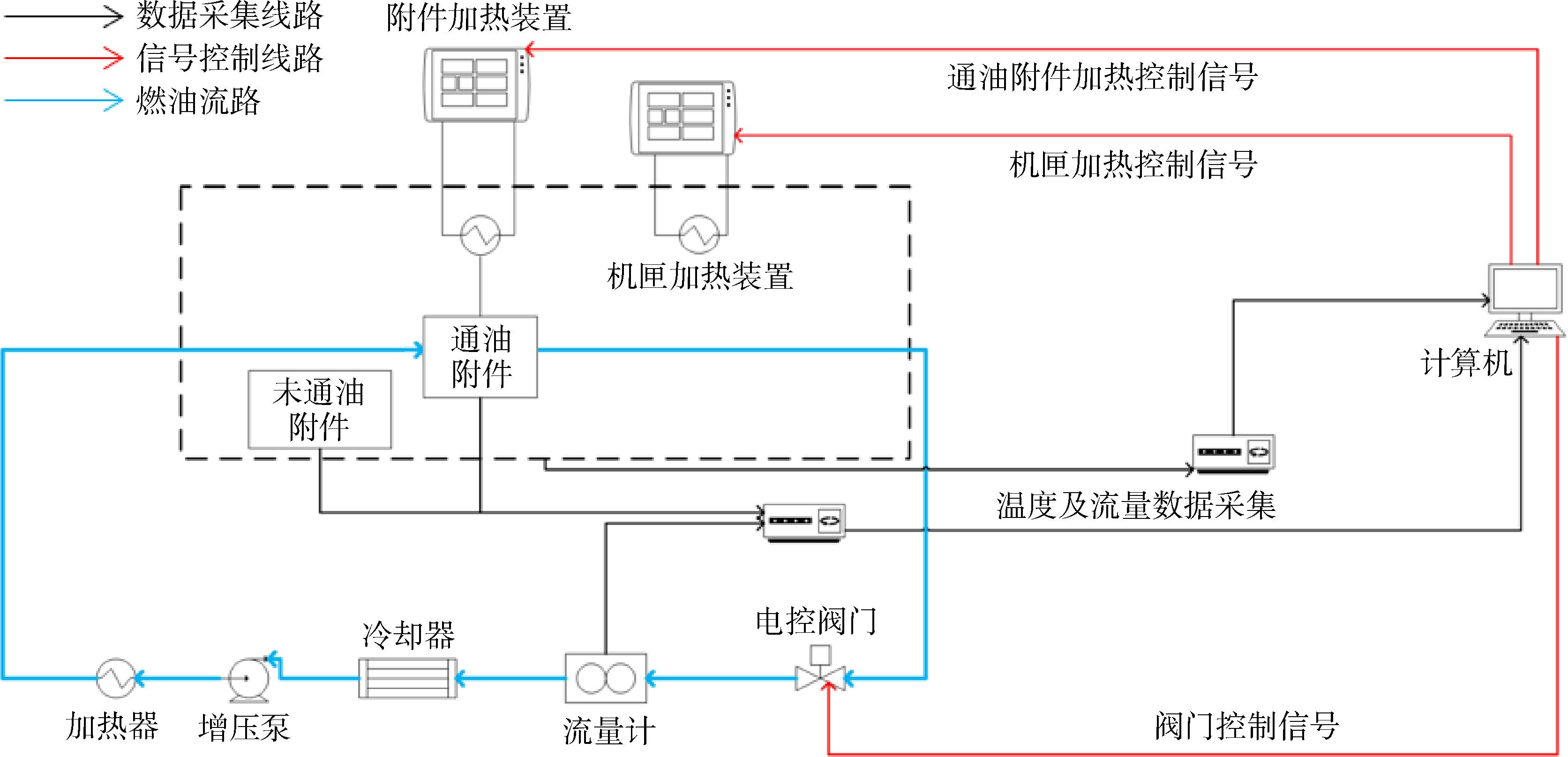
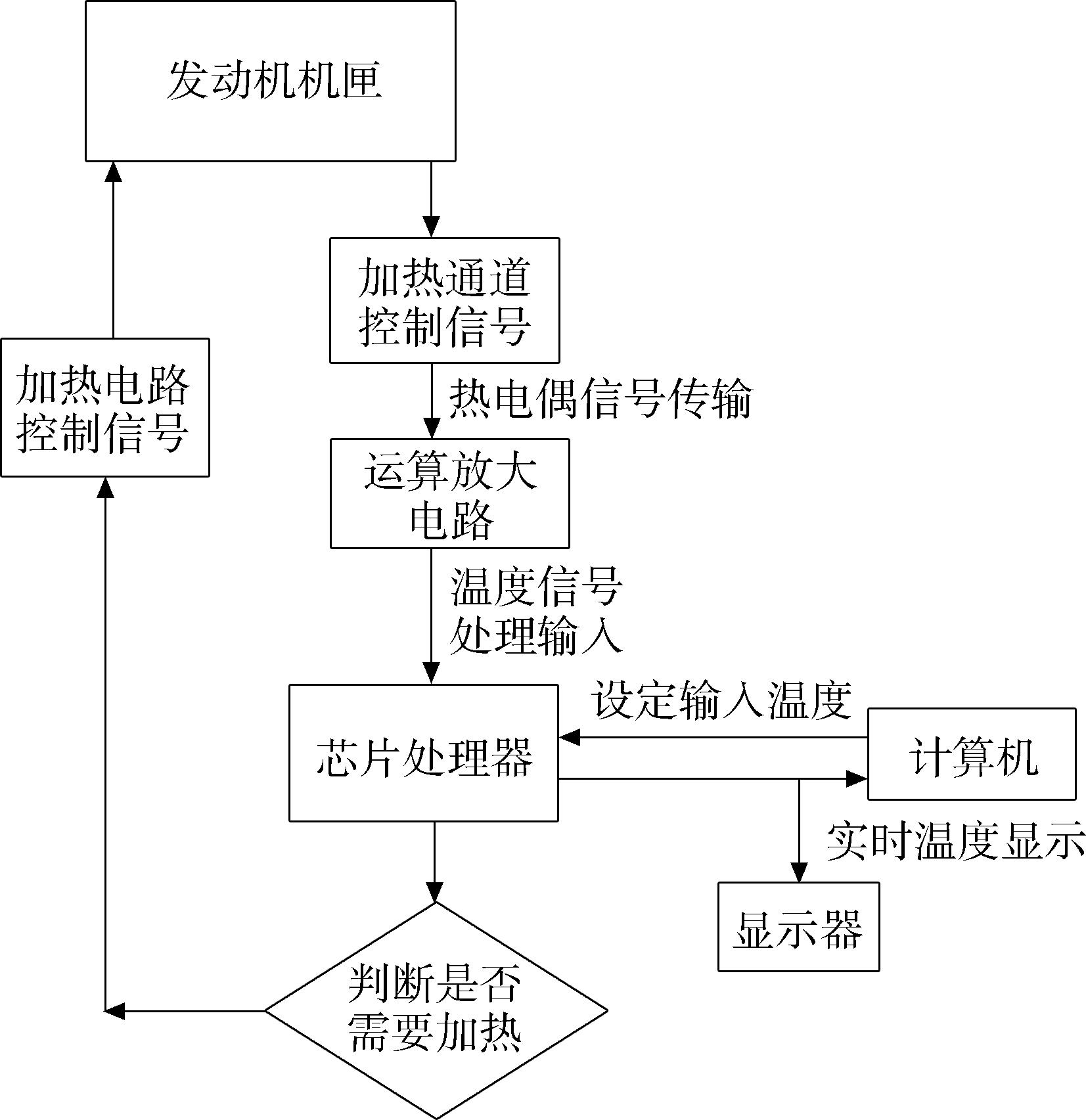
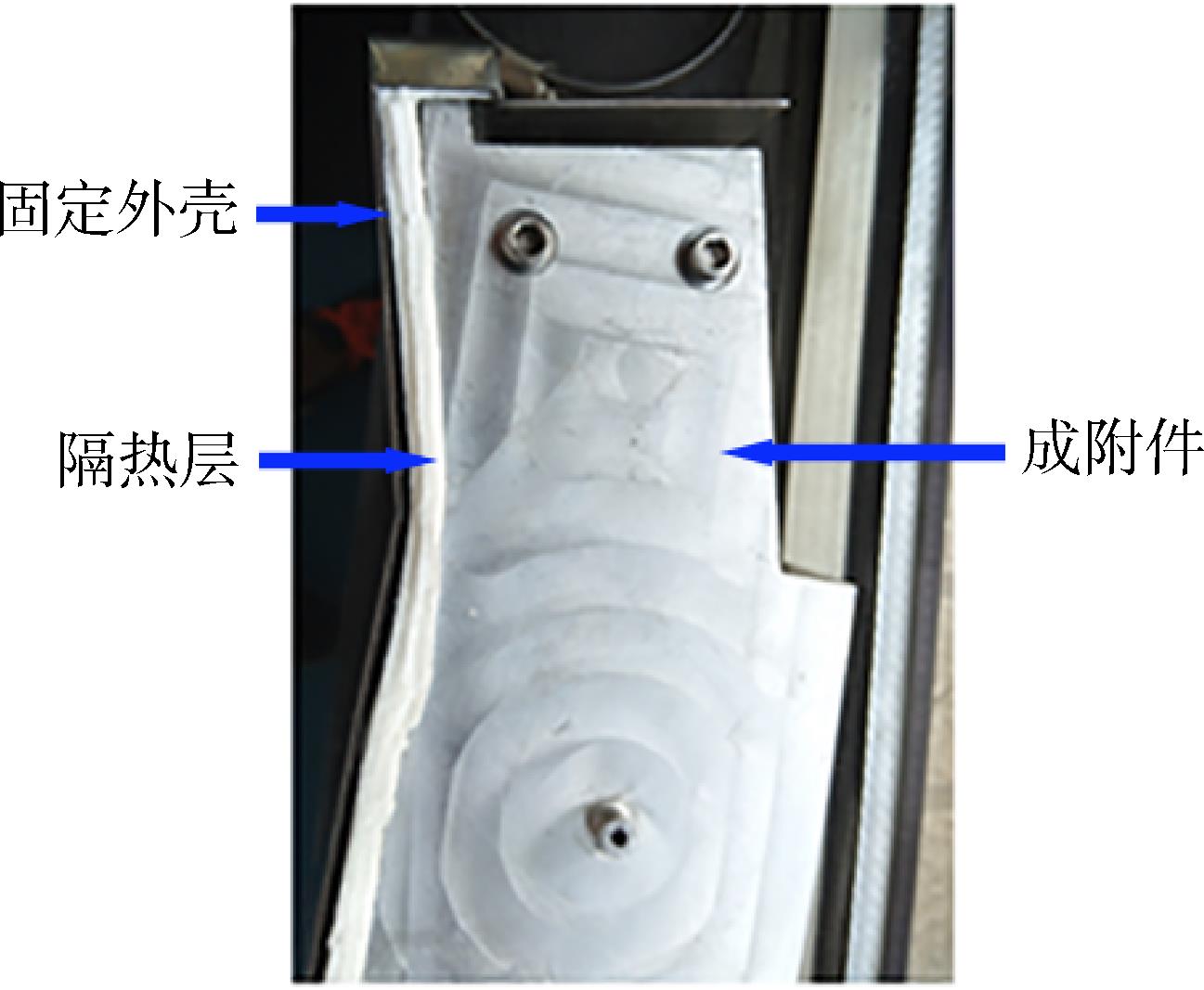
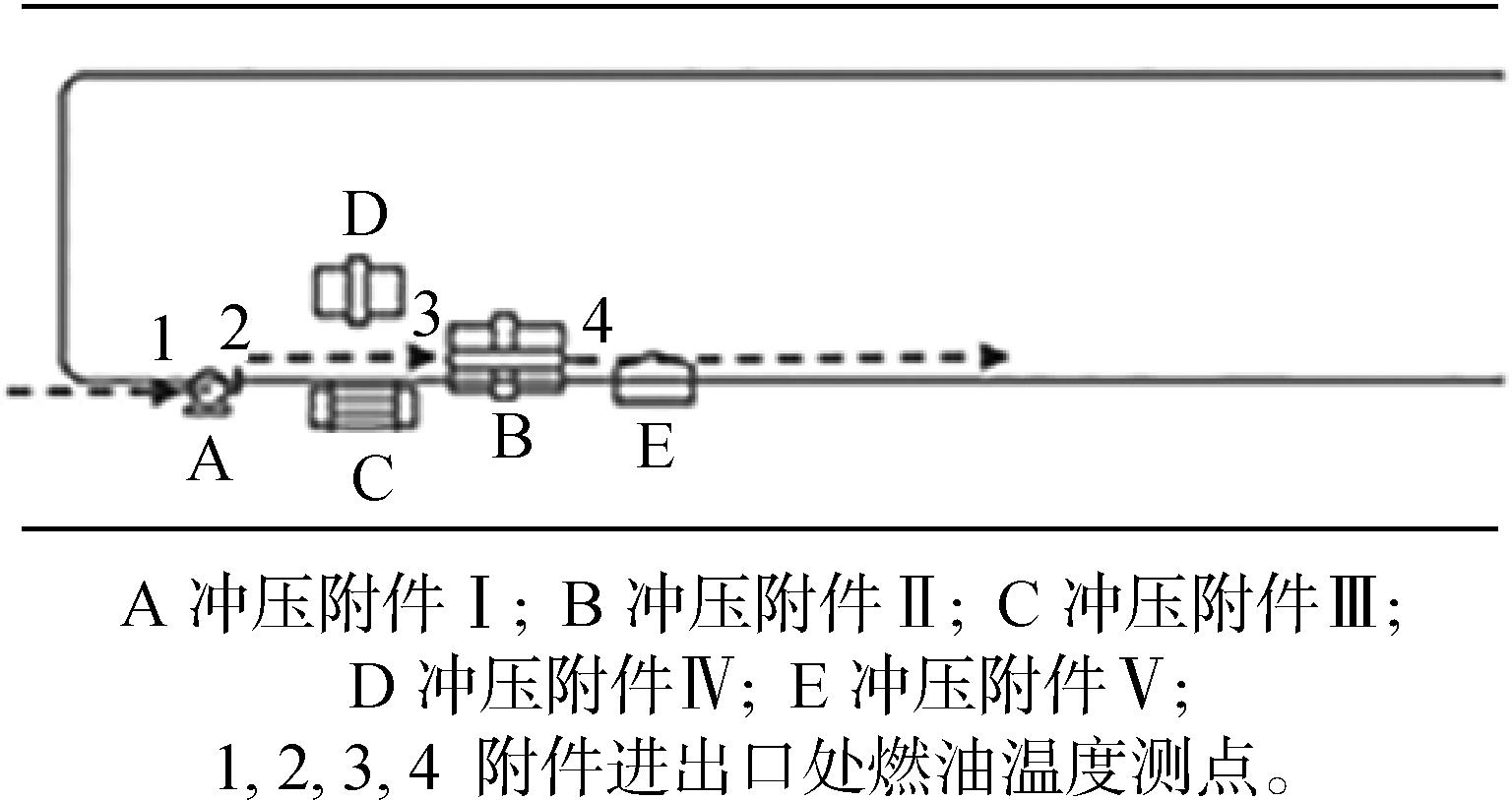
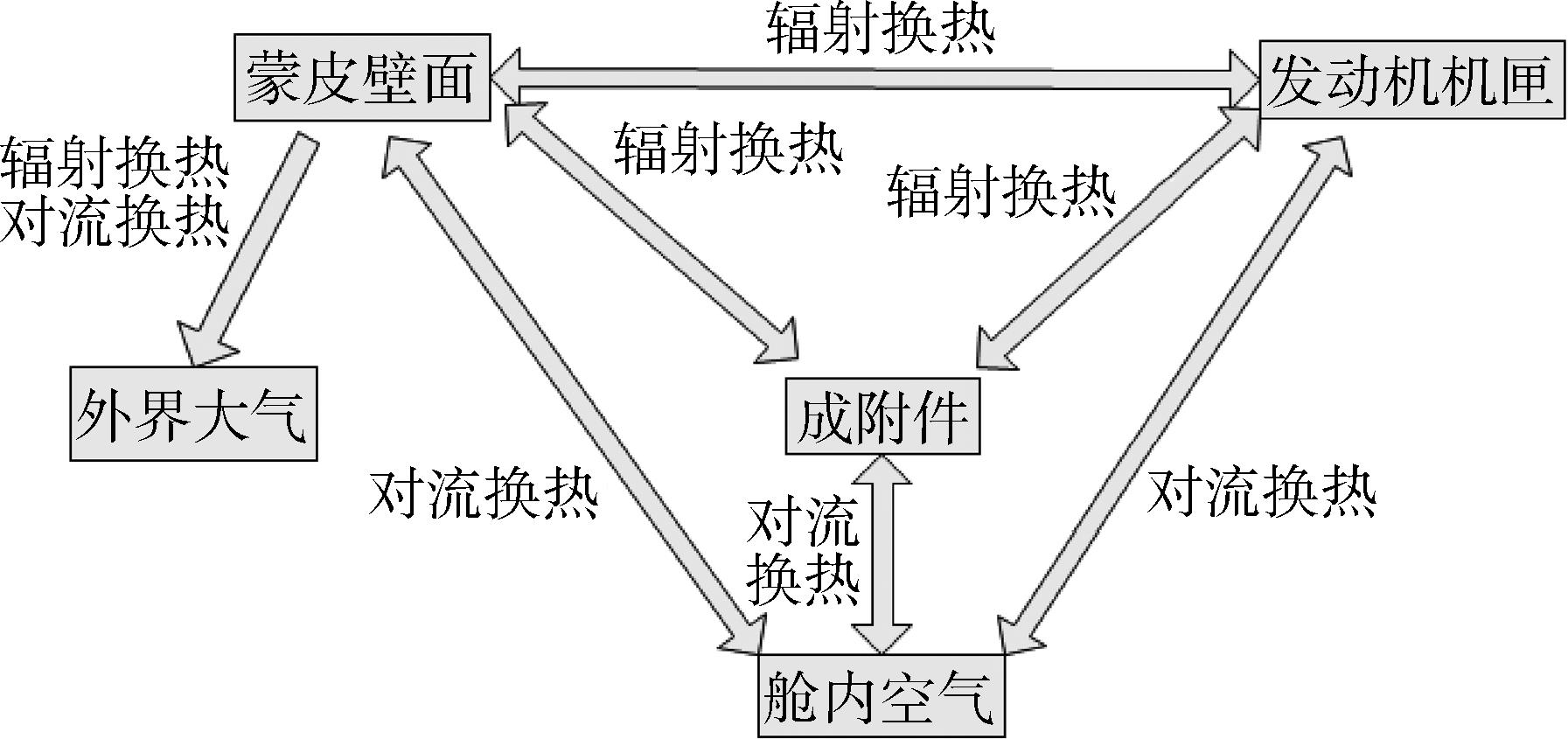
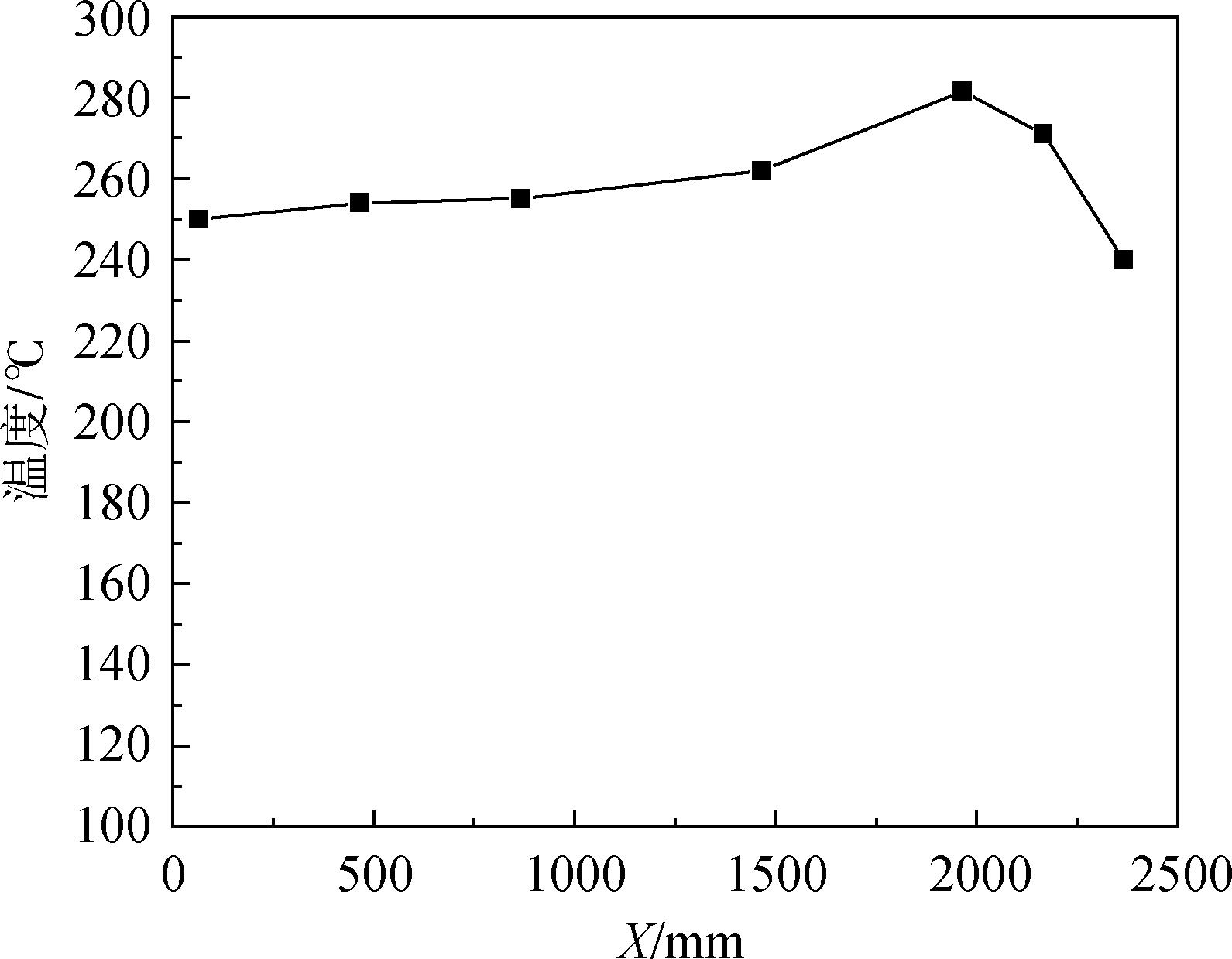
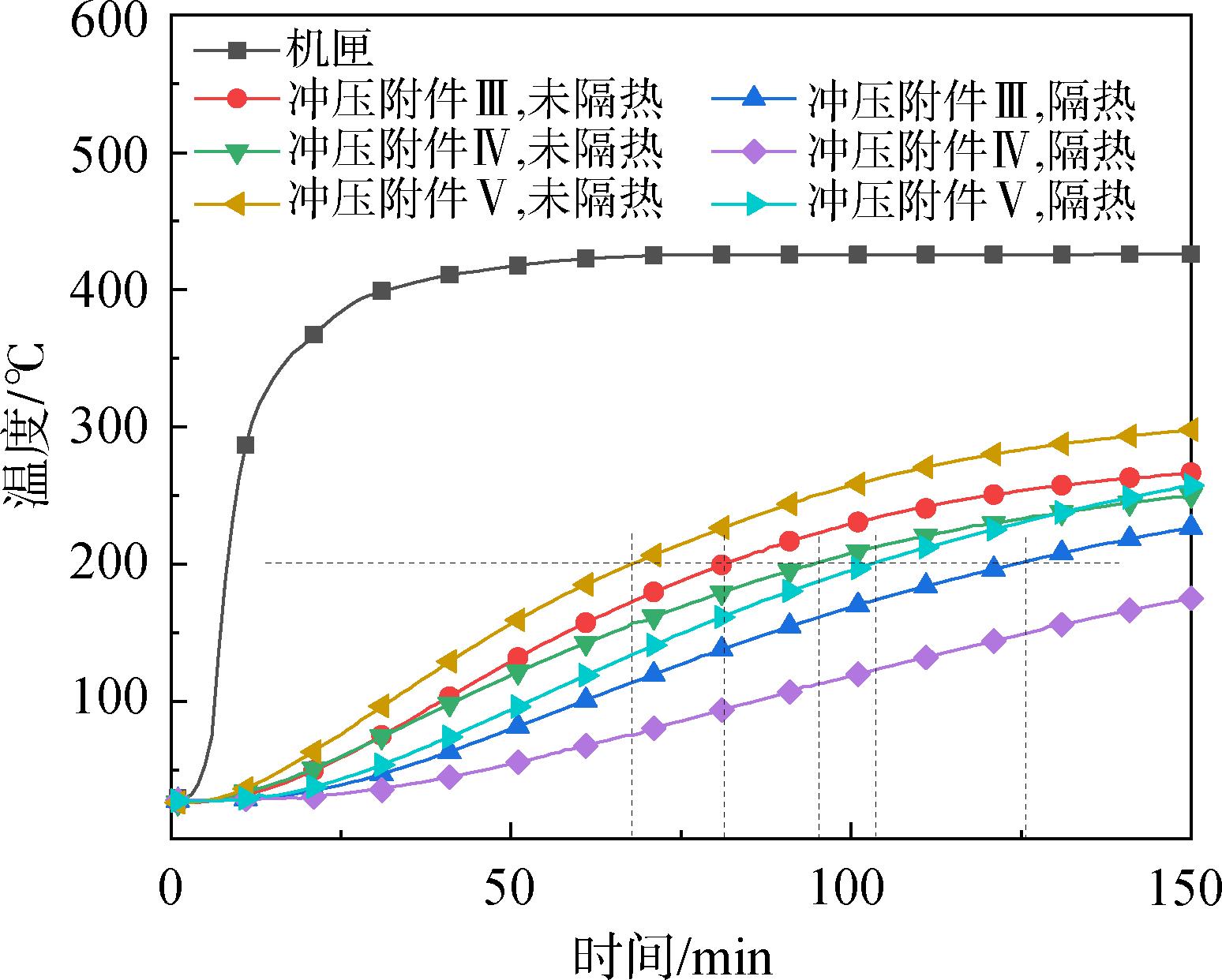
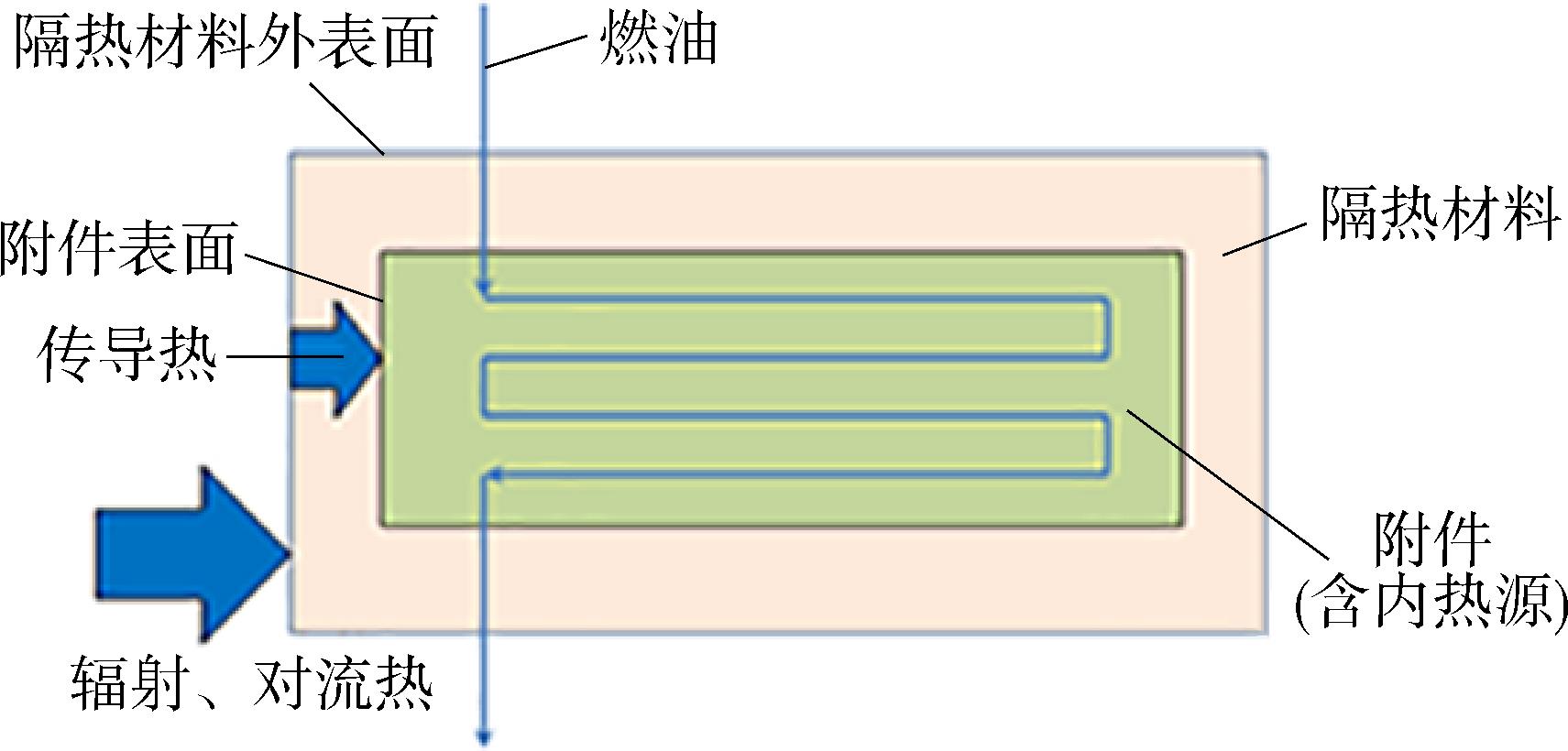
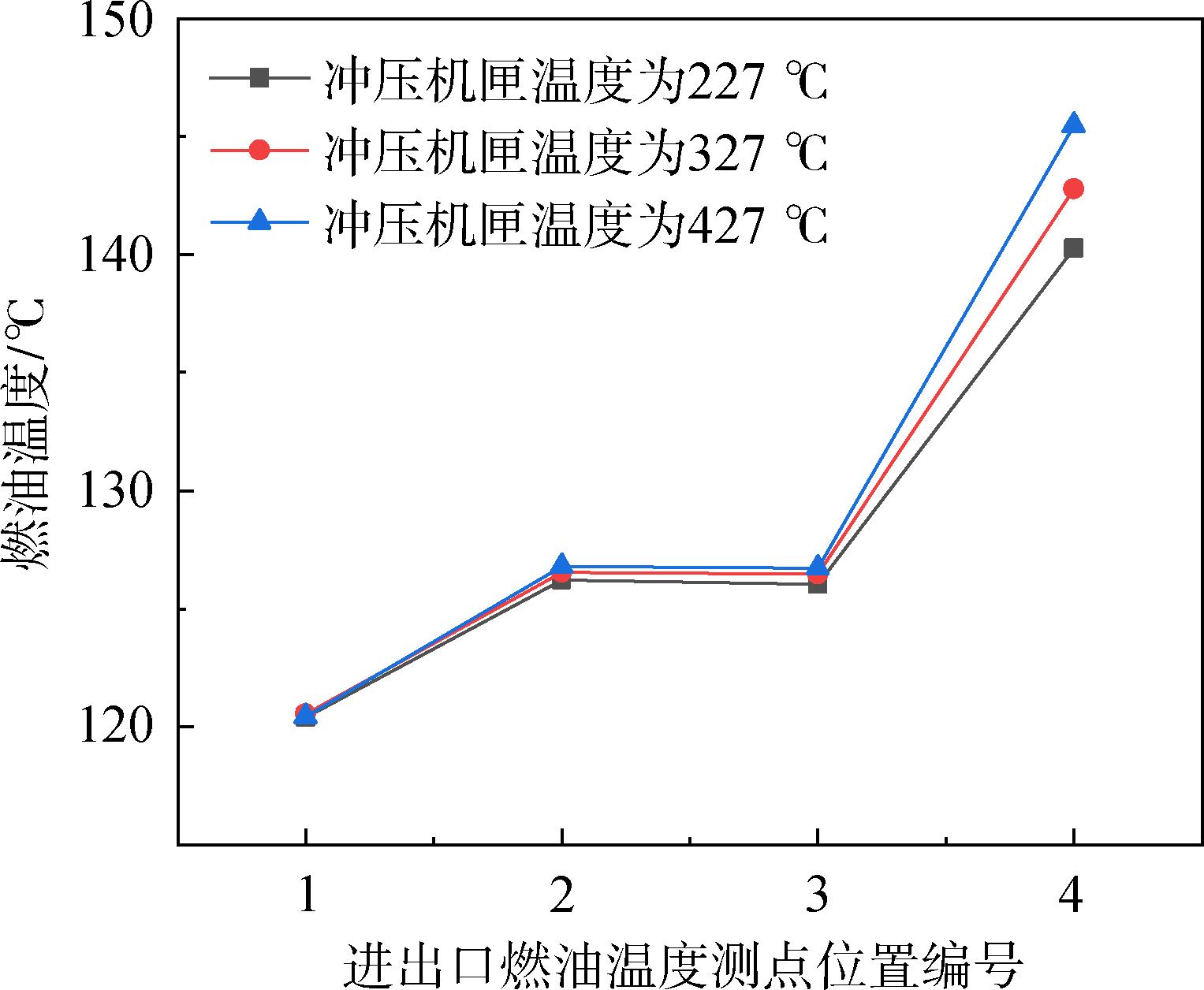
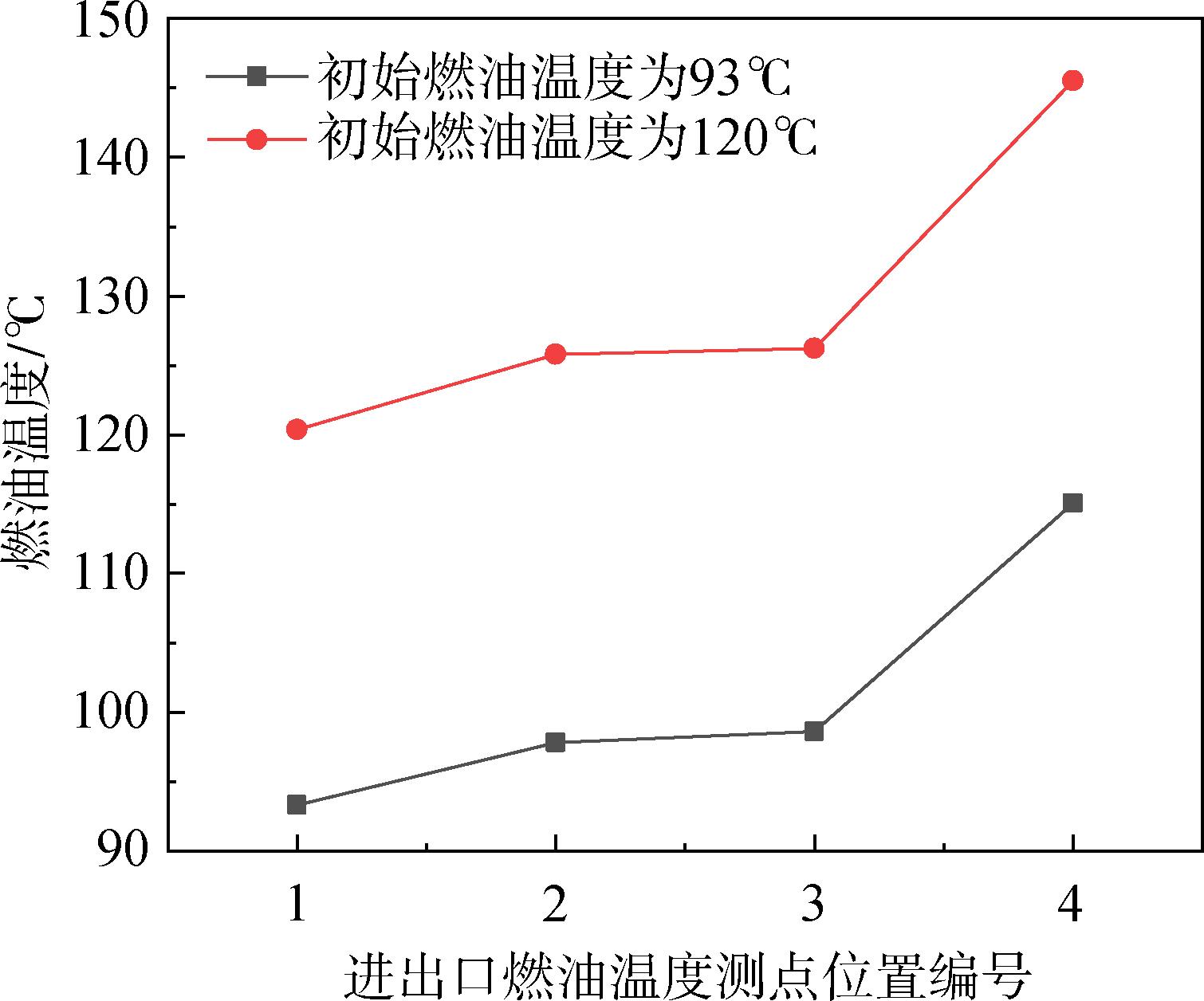
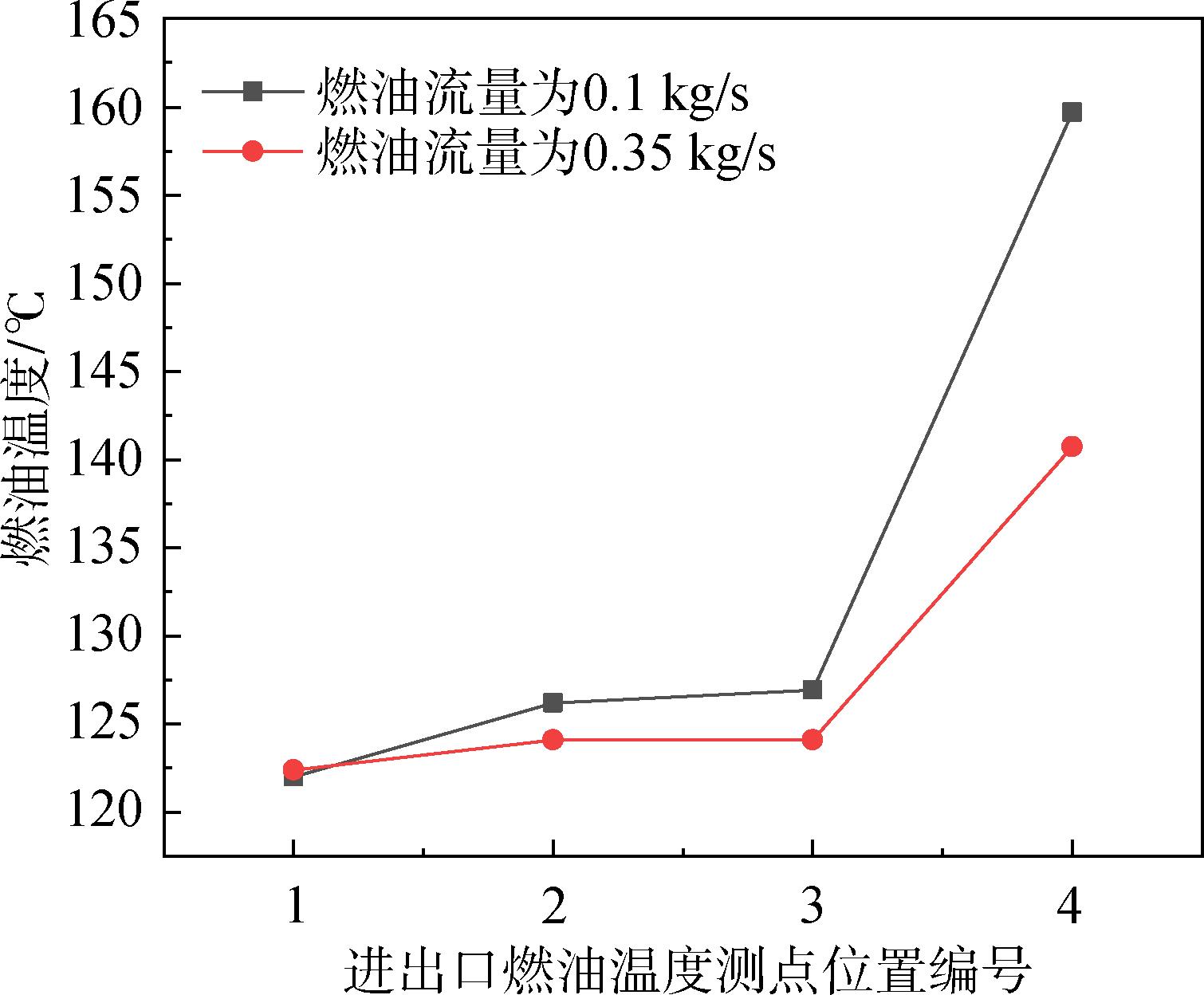
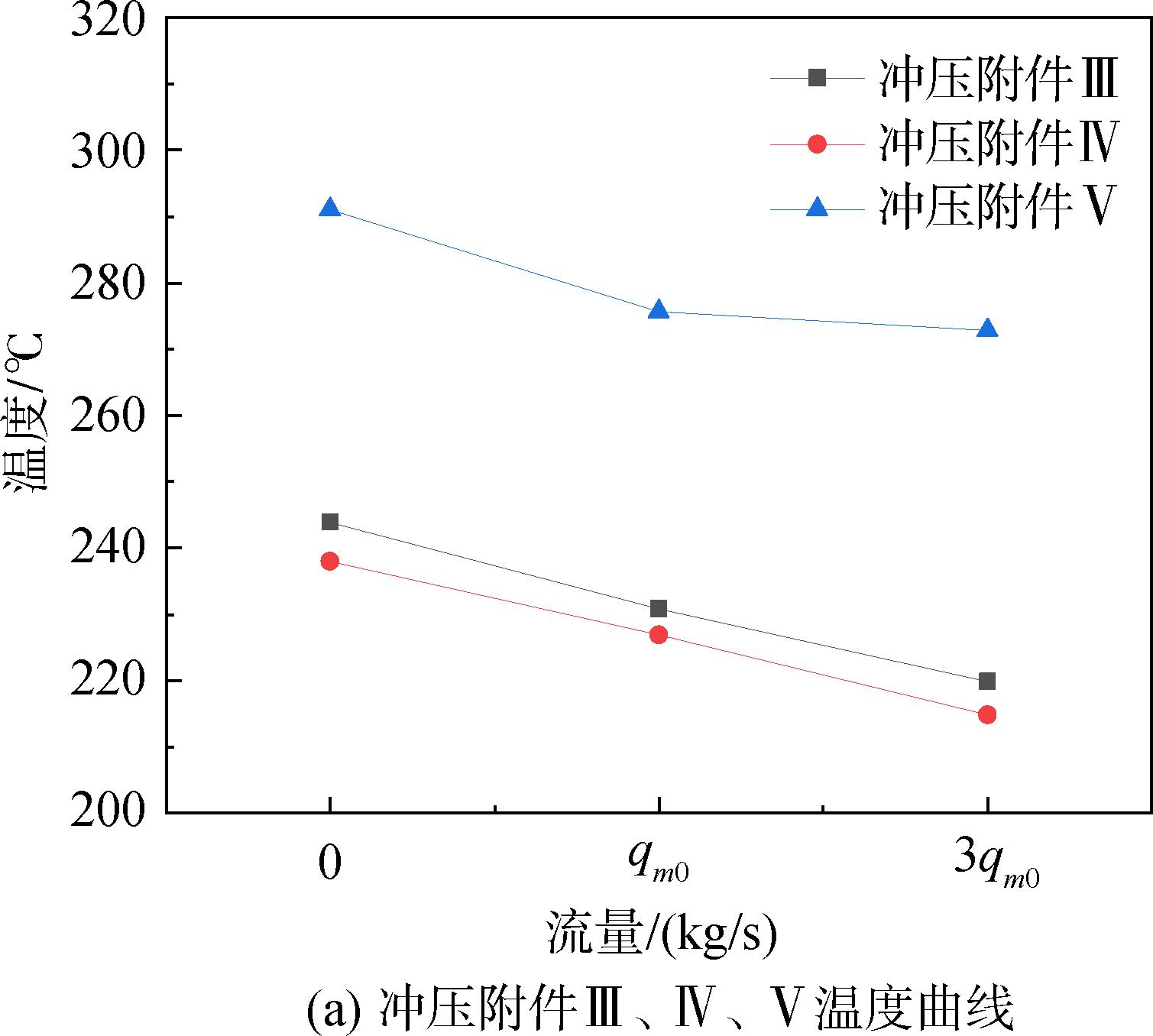
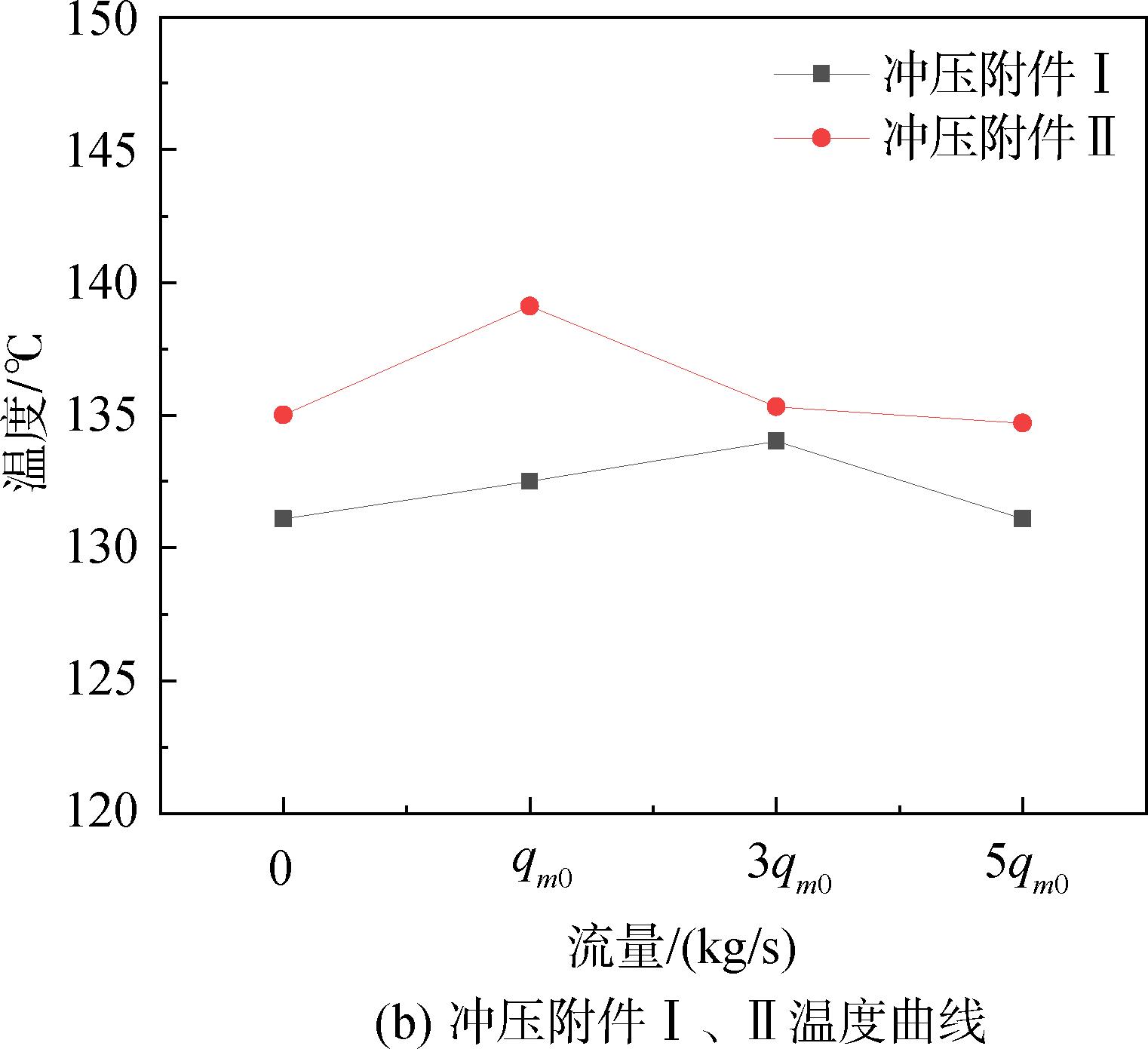
In view of the thermal problems faced by the accessories in the aircraft engine cabin,a comprehensive thermal management scheme with heat insulation,oil cooling and ventilation cooling as thermal protection measures was put forward.Through tests,the effects of heat insulation,oil ventilation cooling and ventilation cooling on the temperature of the accessories were studied.The effects of casing temperature,initial fuel temperature and fuel flow rate on the surface temperature of the accessories and the temperature rise of inlet and outlet fuel were obtained.The results showed that the heat insulation can significantly reduce the growth rate of the surface temperature of the accessories,and the surface temperature of the accessories can be effectively controlled to keep below 200 ℃ within the working time of 100 min.The main factors affecting the surface temperature of the accessories consisted of initial fuel temperature,heating power and fuel flow.The initial fuel temperature determined the inlet temperature of the accessories,while the heating power and fuel flow determined the temperature difference between the inlet and outlet of the accessories.The three factors together determined the surface temperature of the accessories.Ventilation cooling had a certain cooling effect on the accessories not participating in oil cooling,but no obvious cooling effect on the accessories participating in oil cooling.

Structure,Strength and Vibration
Effect of fiber layup methods on tensile properties of CFRP⁃aluminum alloy single⁃lap adhesive joint
ZOU Tianchun, LI Longhui, FU Ji, LI Ye, JU Yuezhang
2022, 37(9): 1905-1914. doi: 10.13224/j.cnki.jasp.20210189
Abstract:

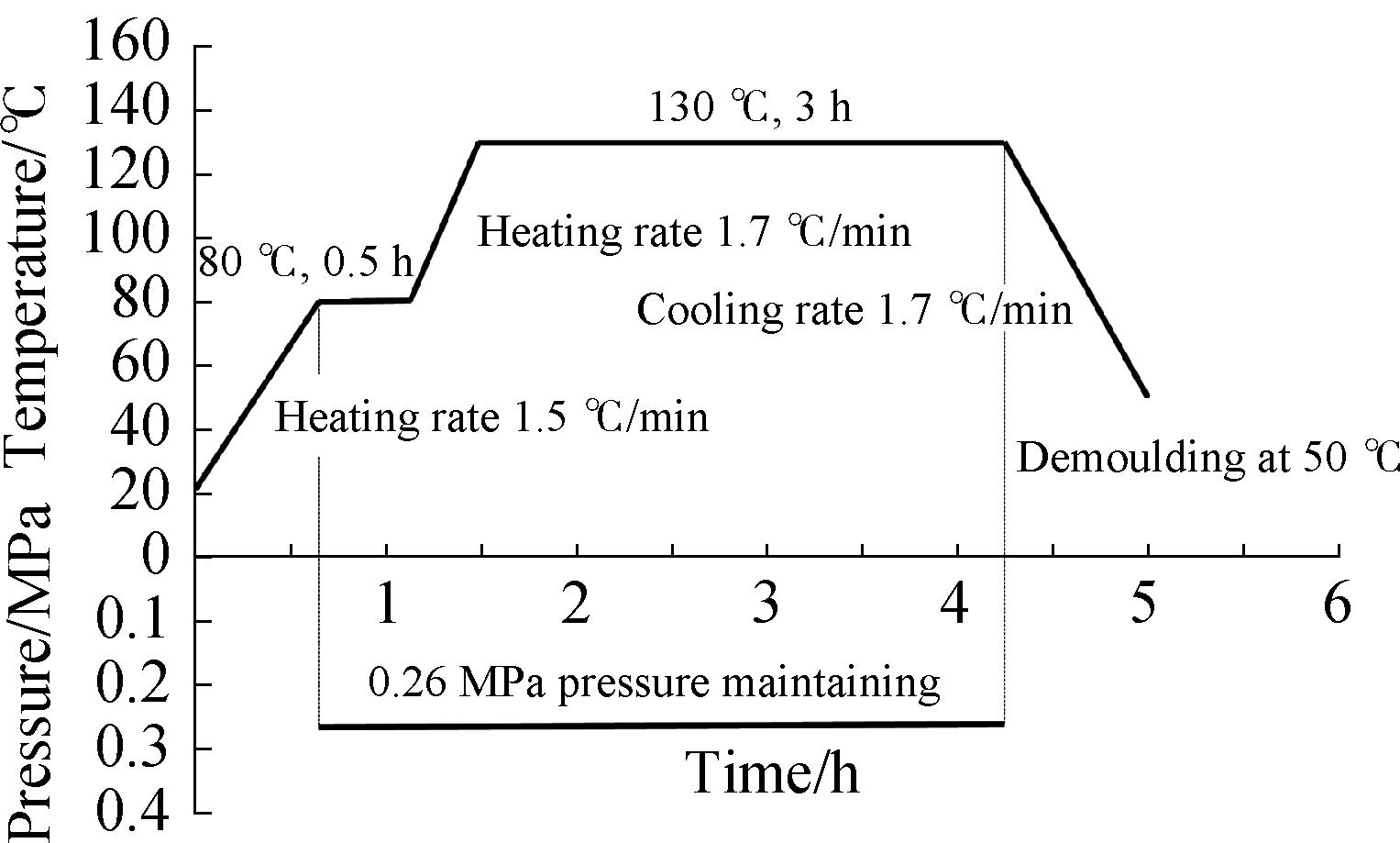
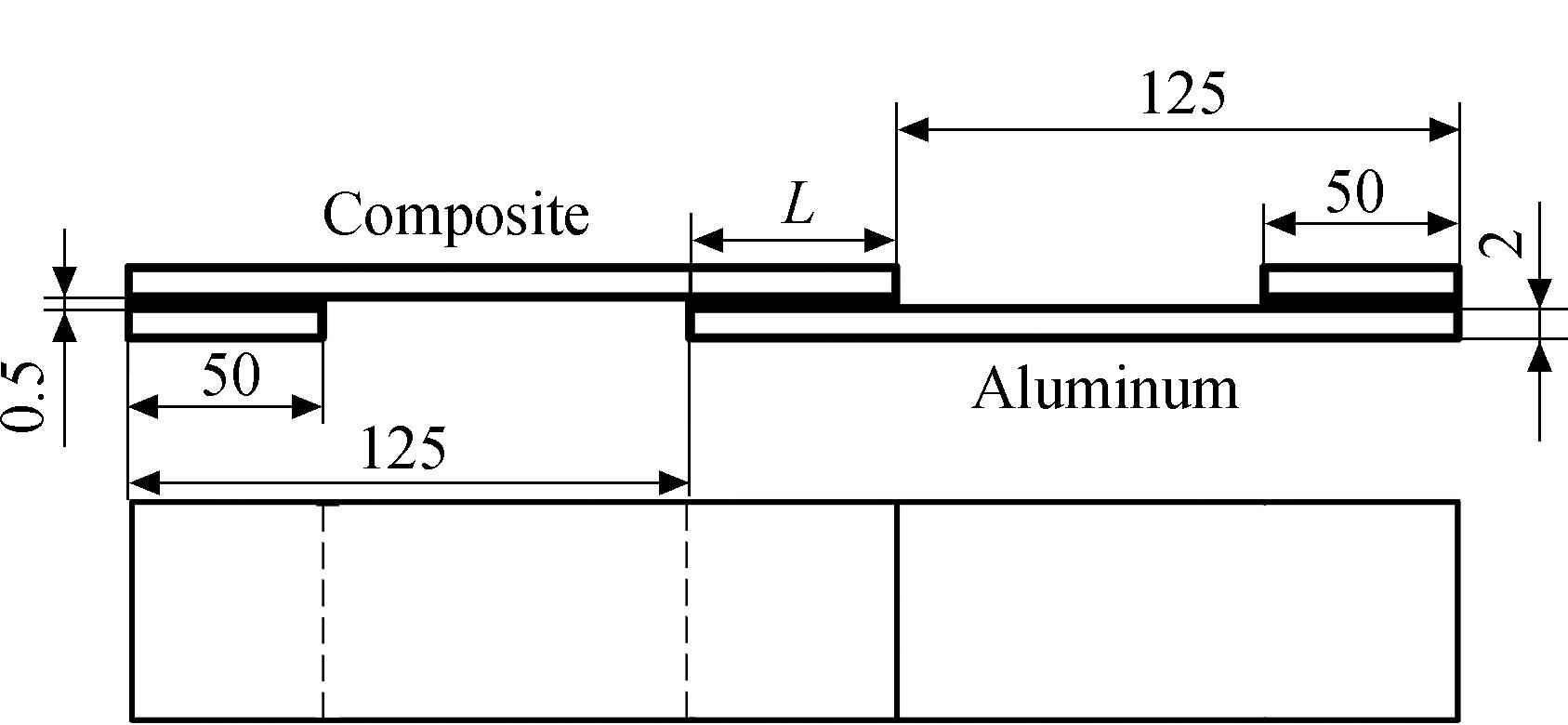
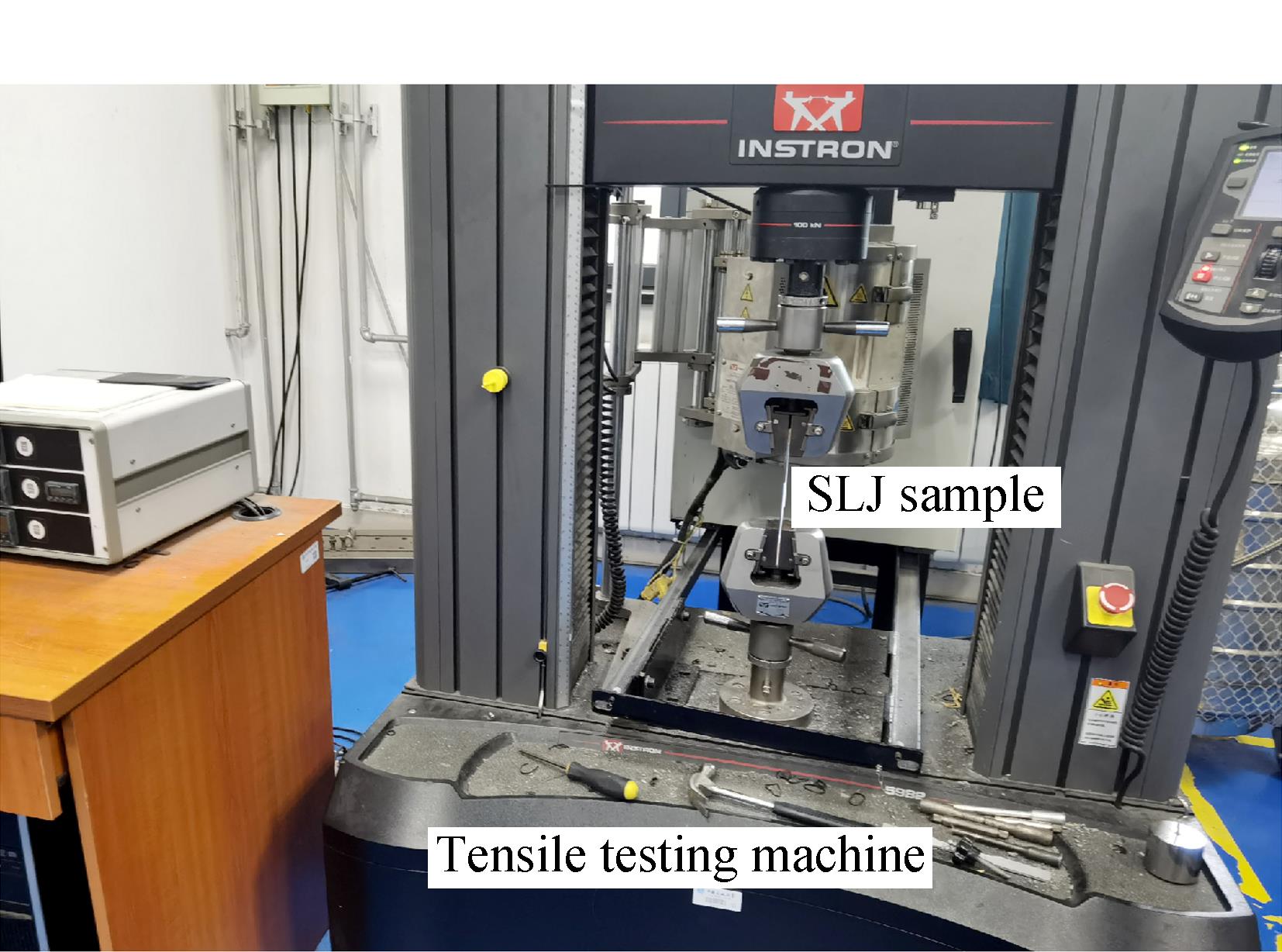
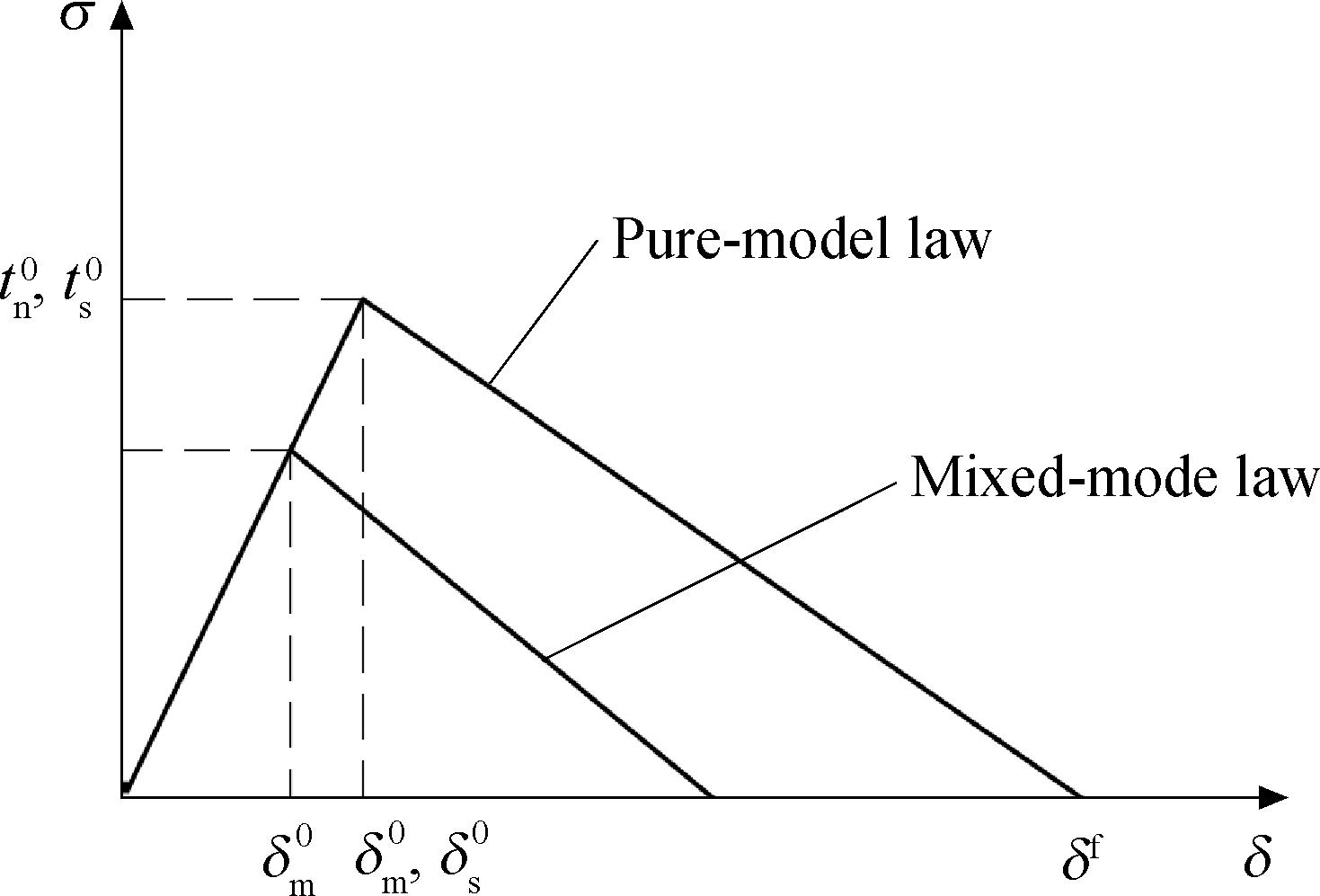
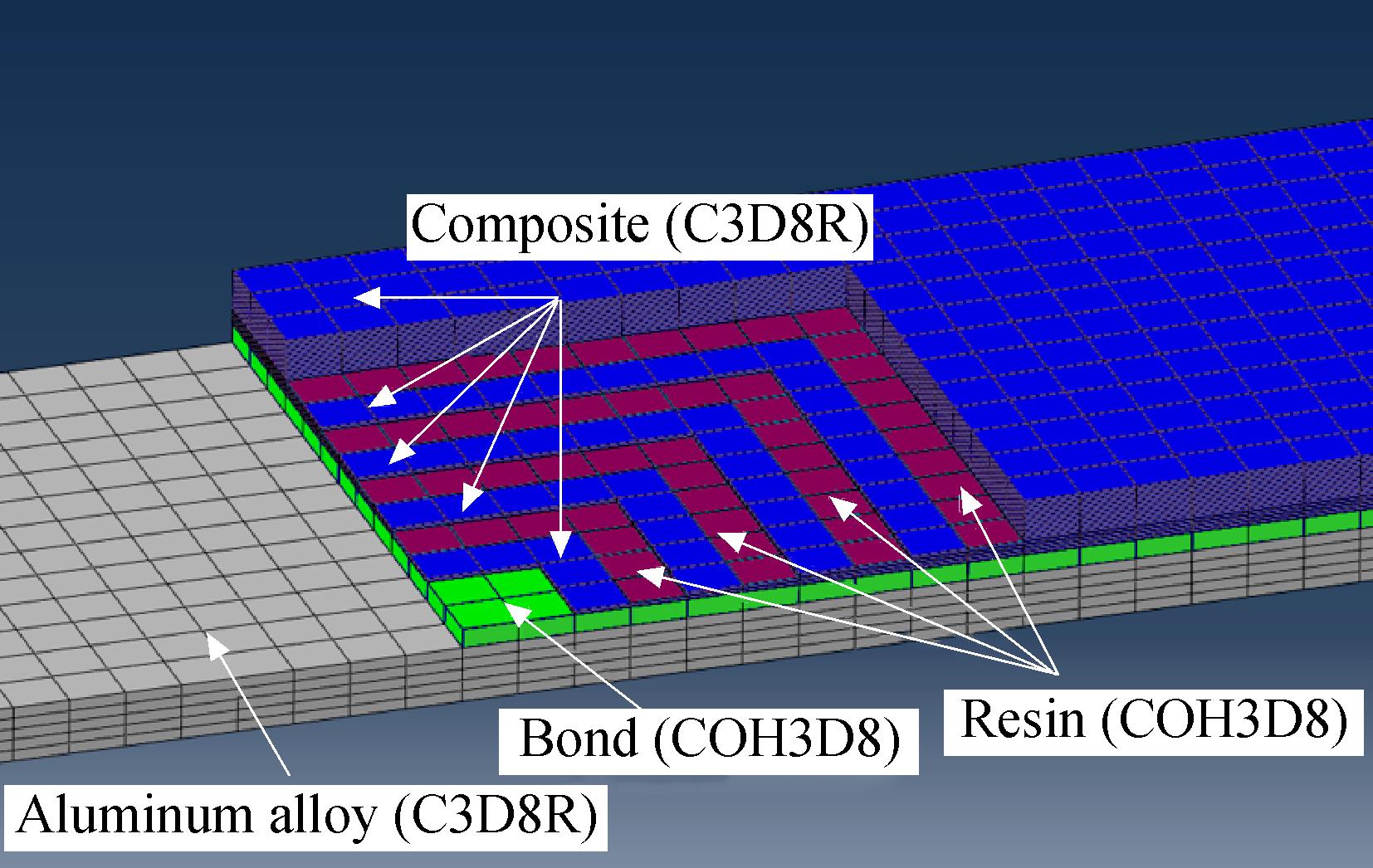
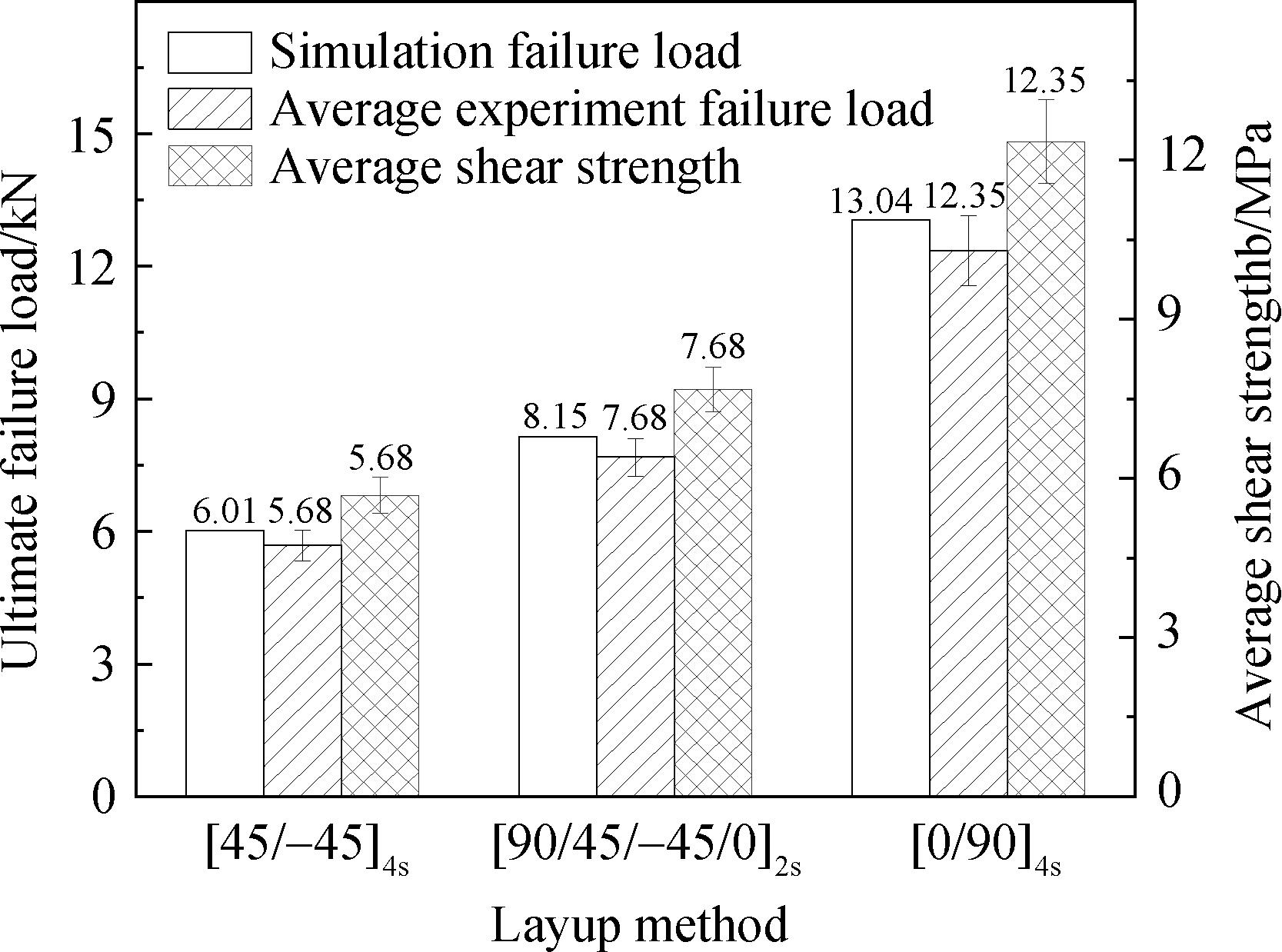
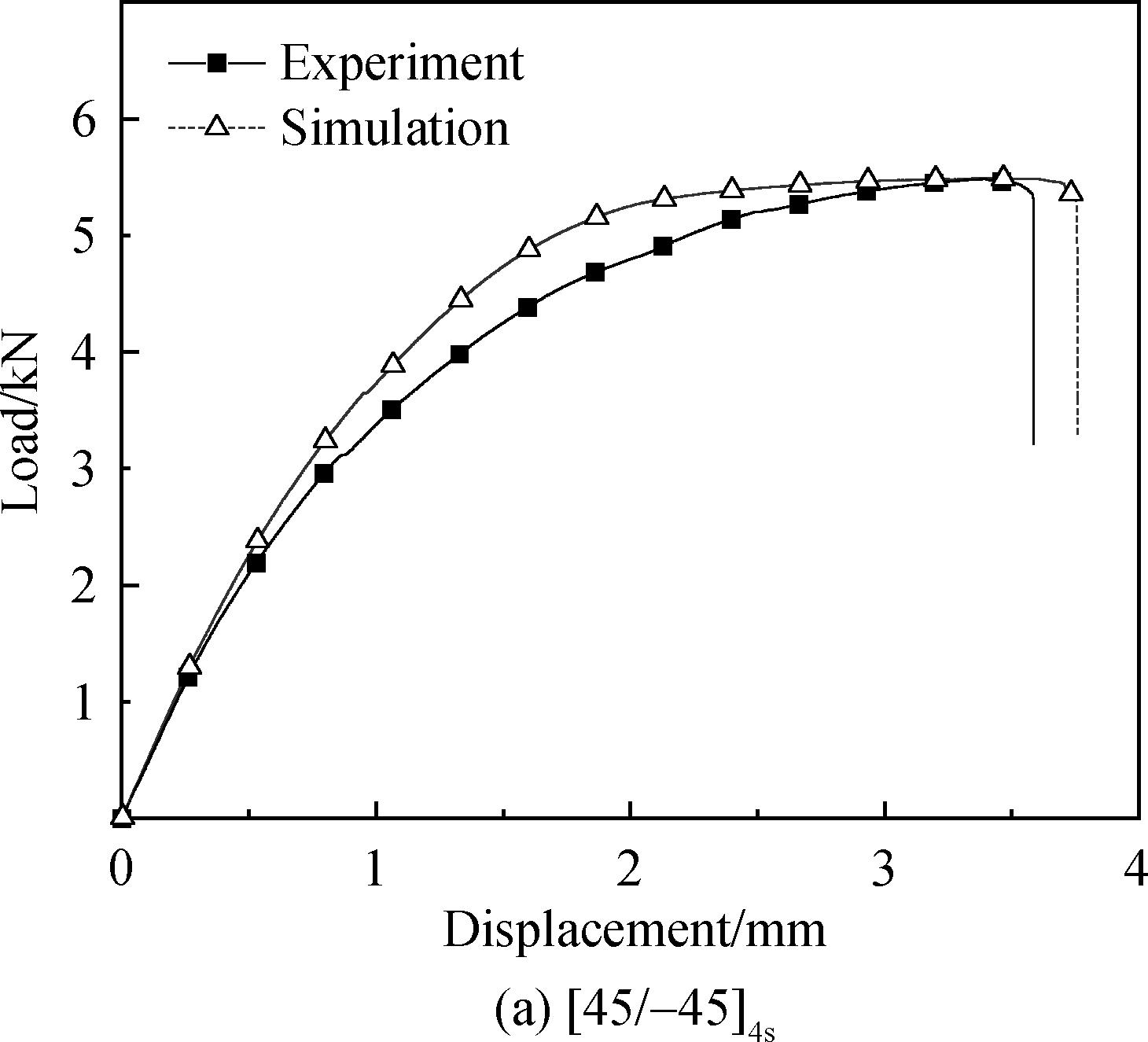
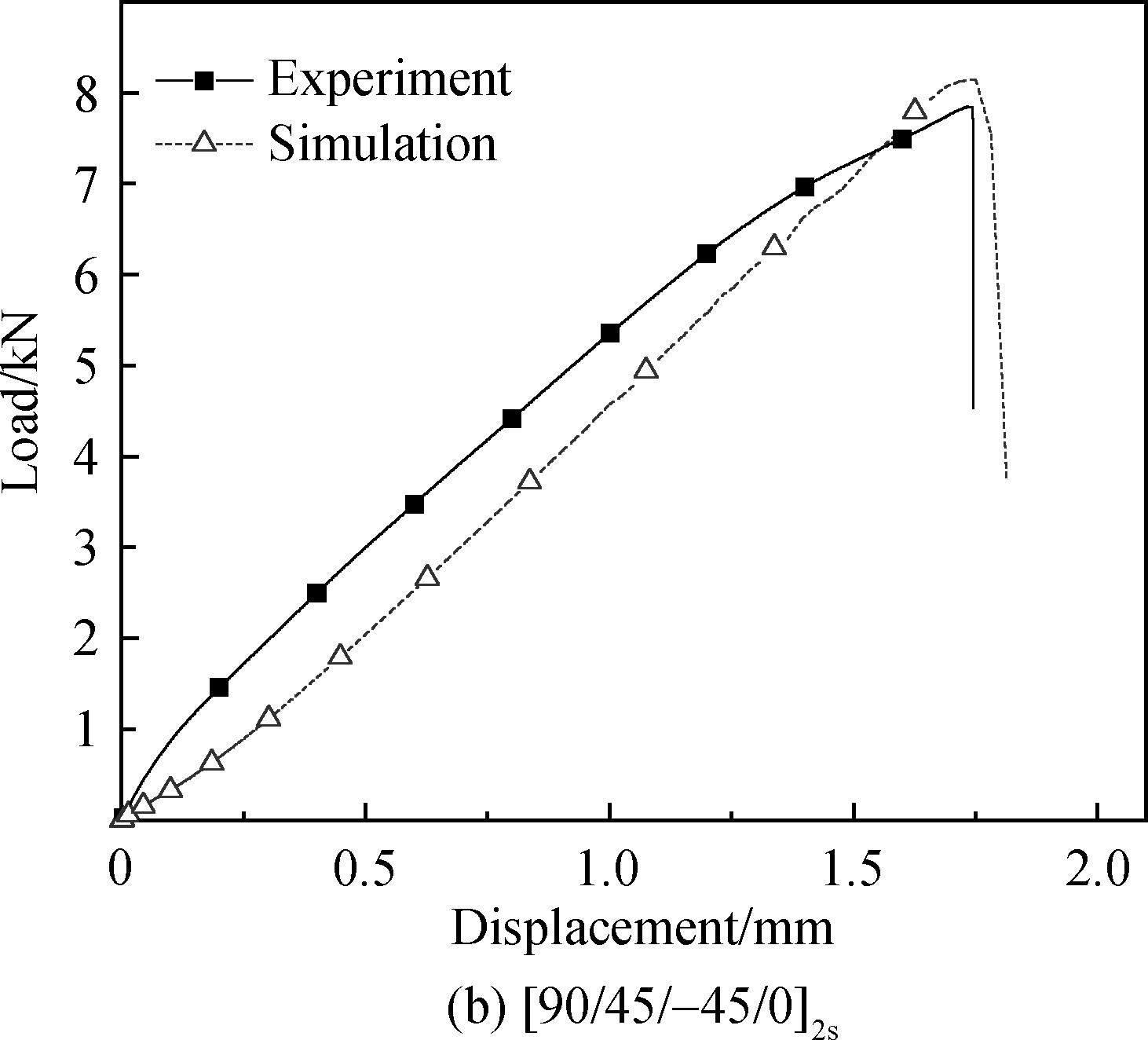
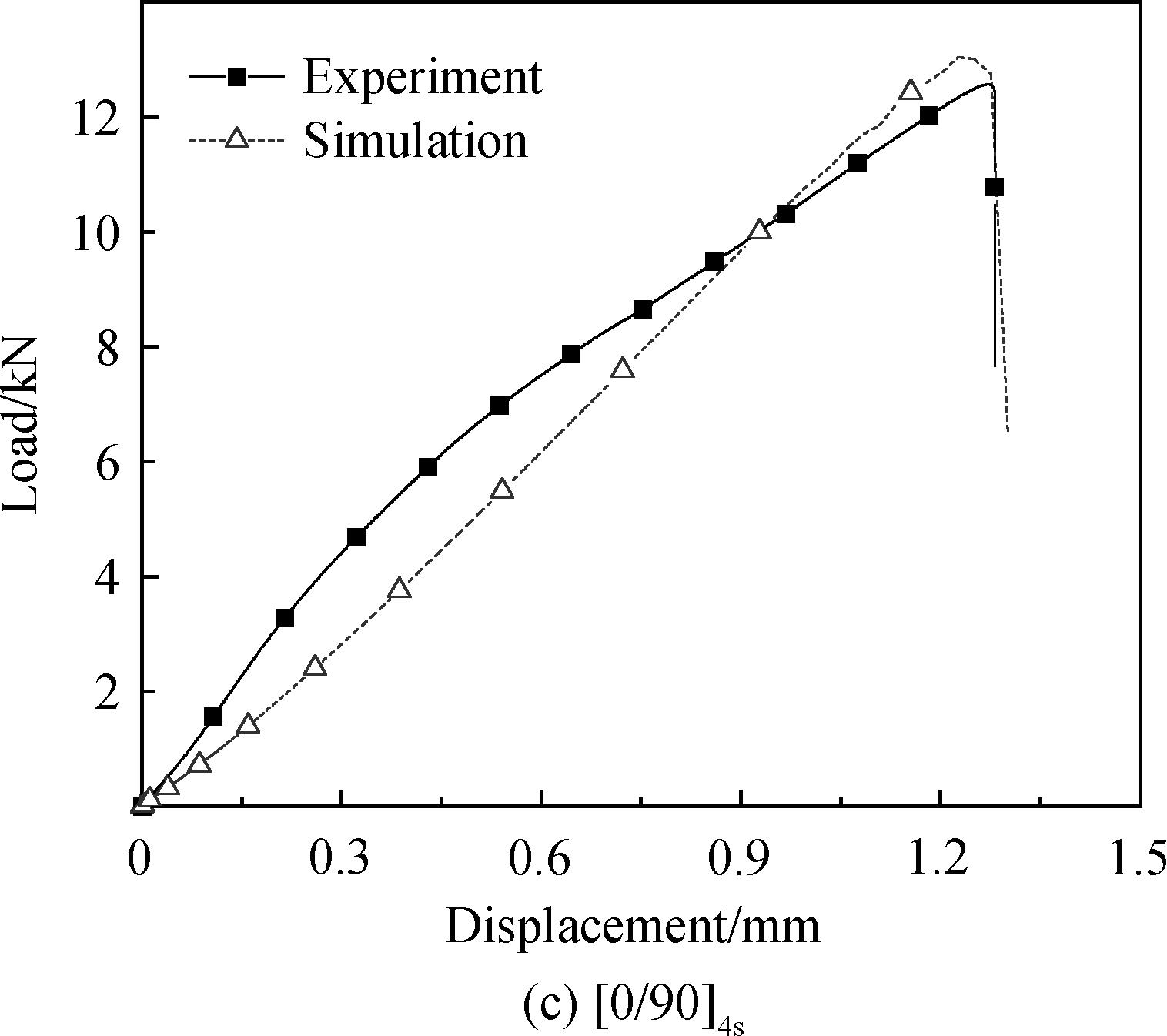
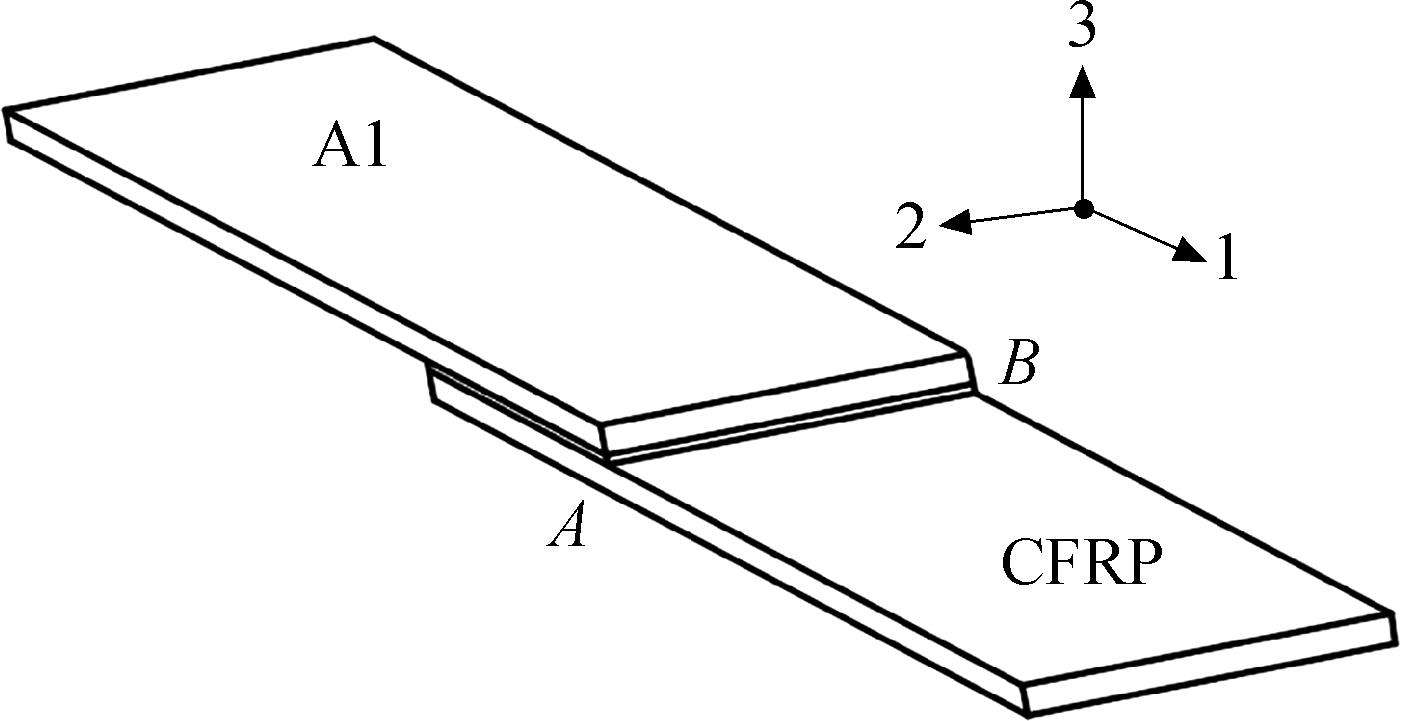
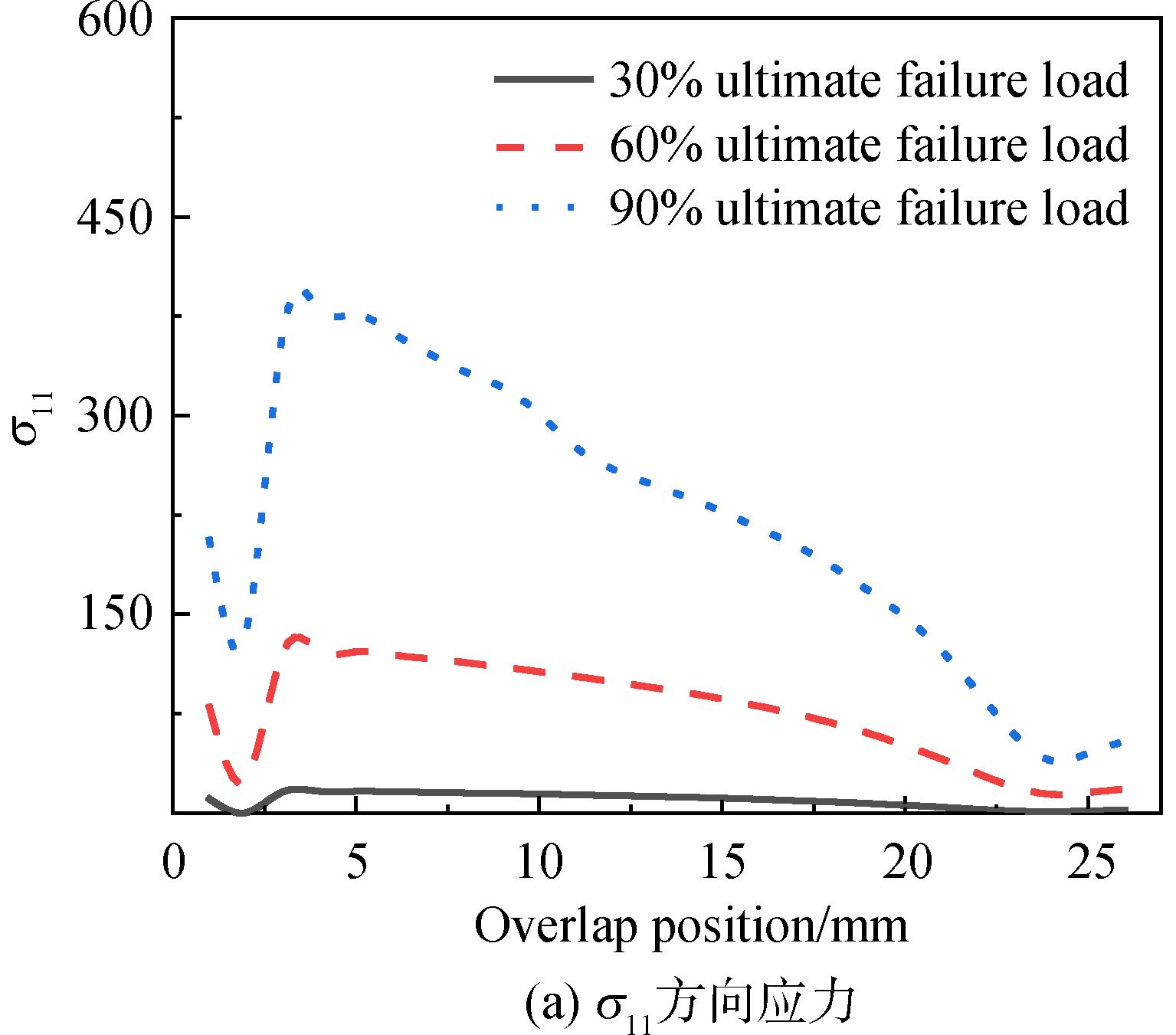
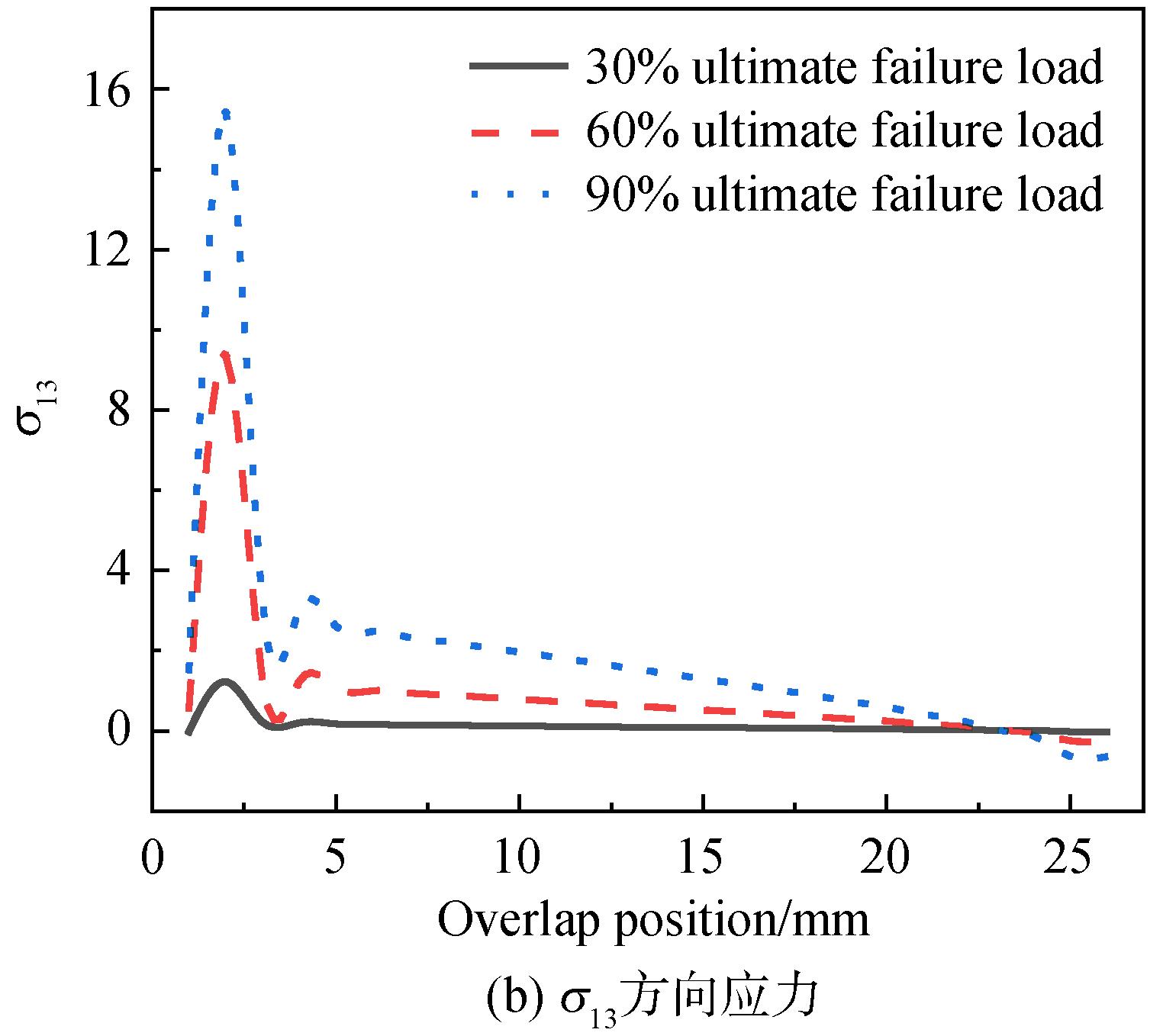
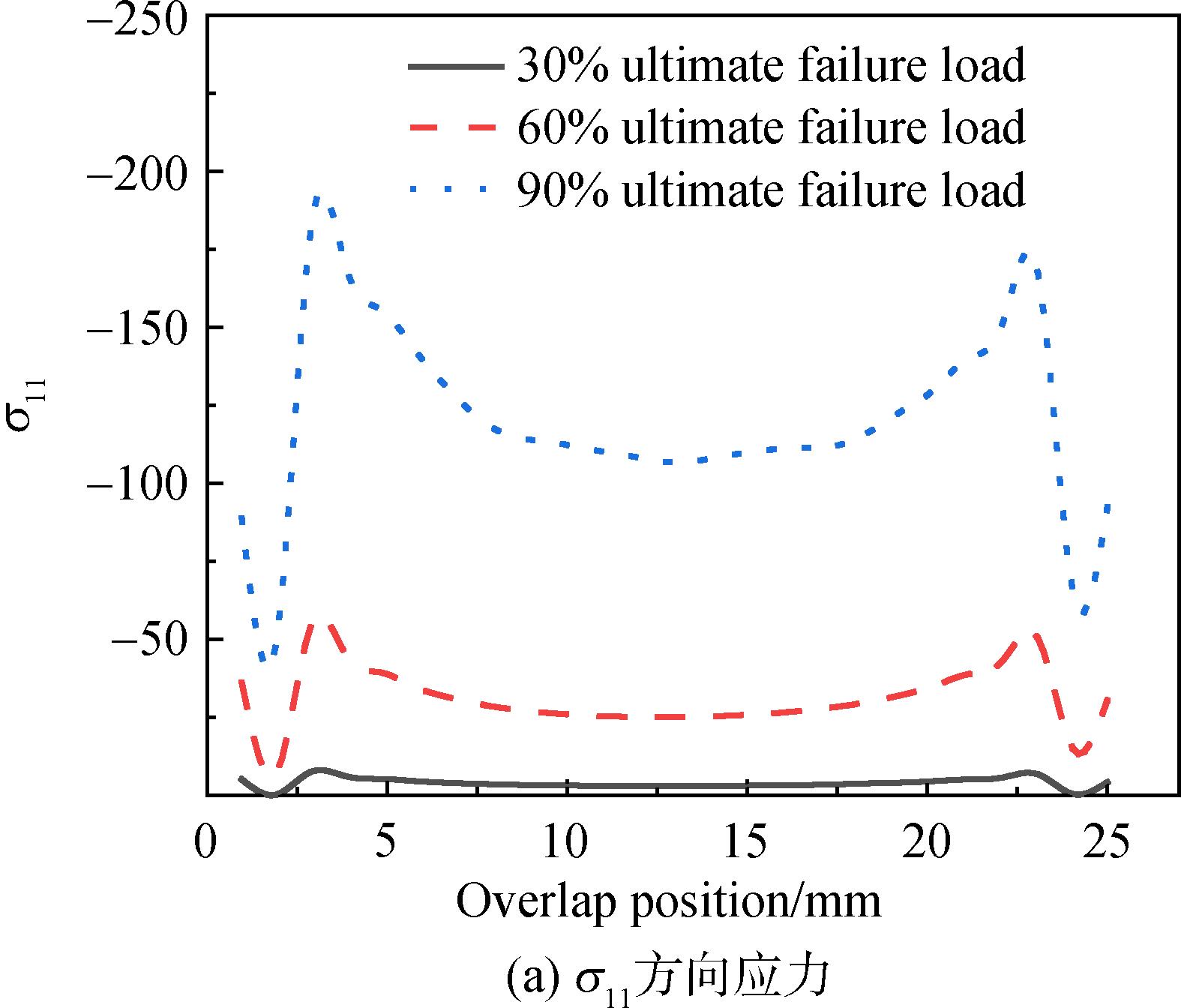
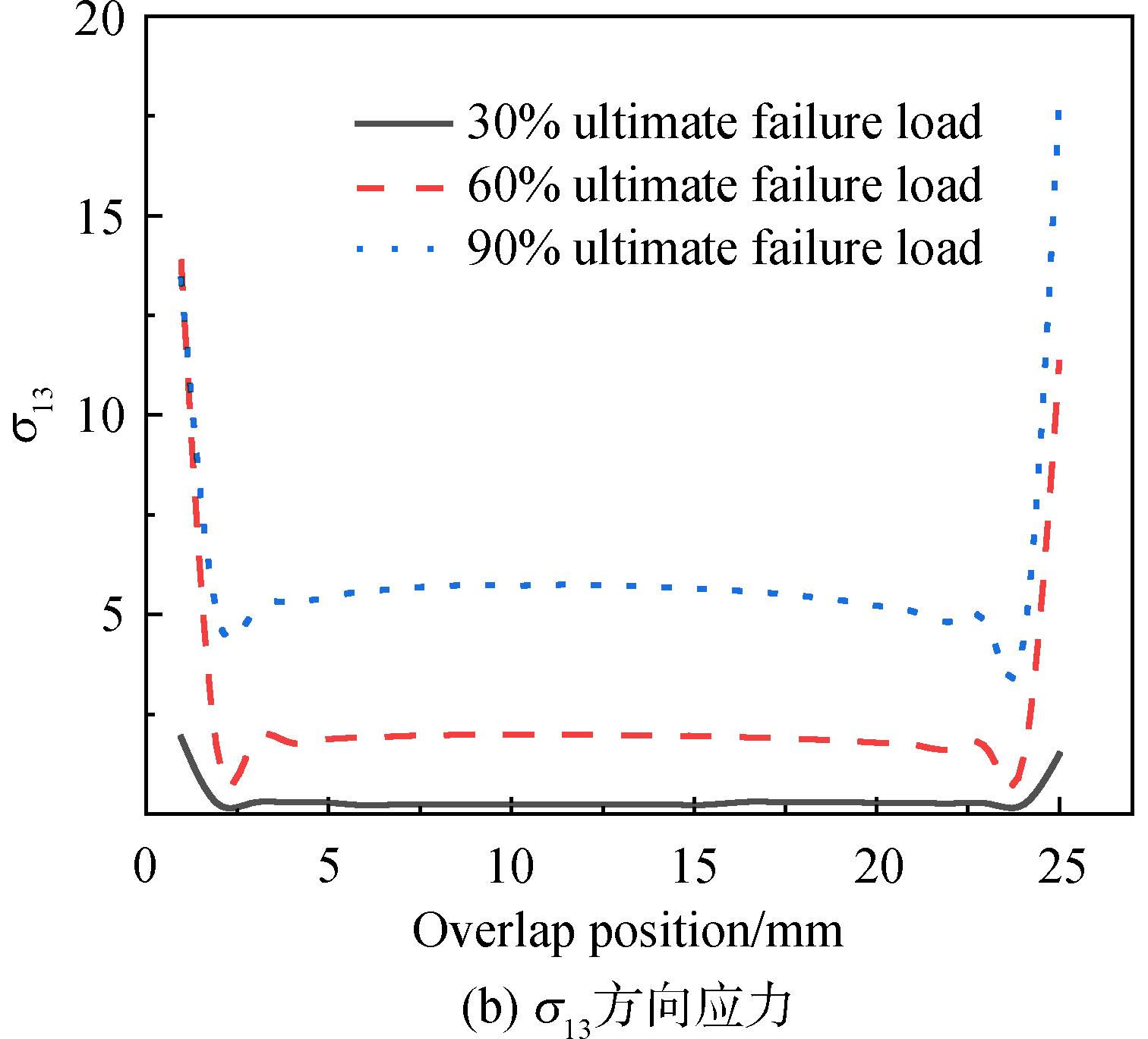
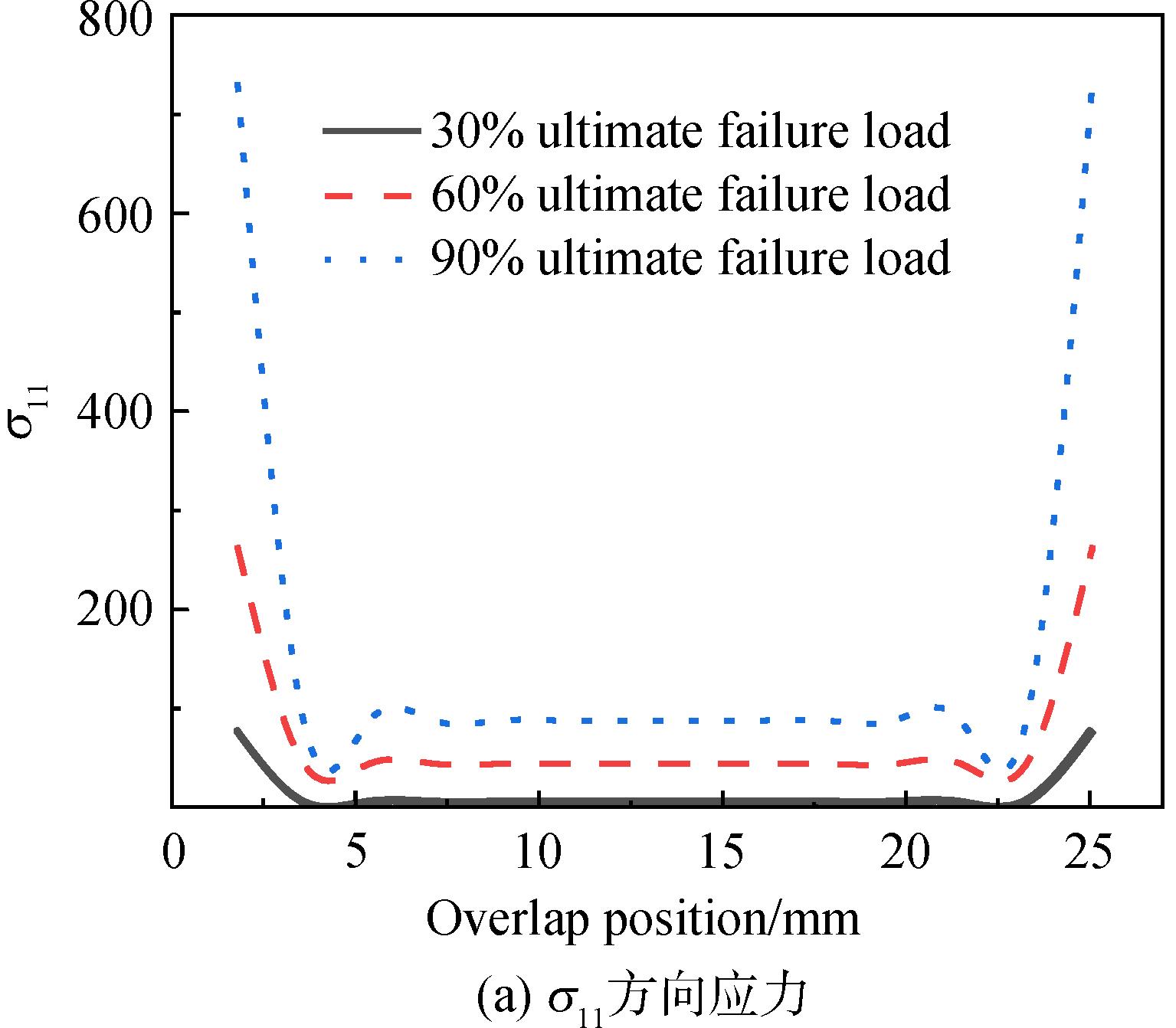
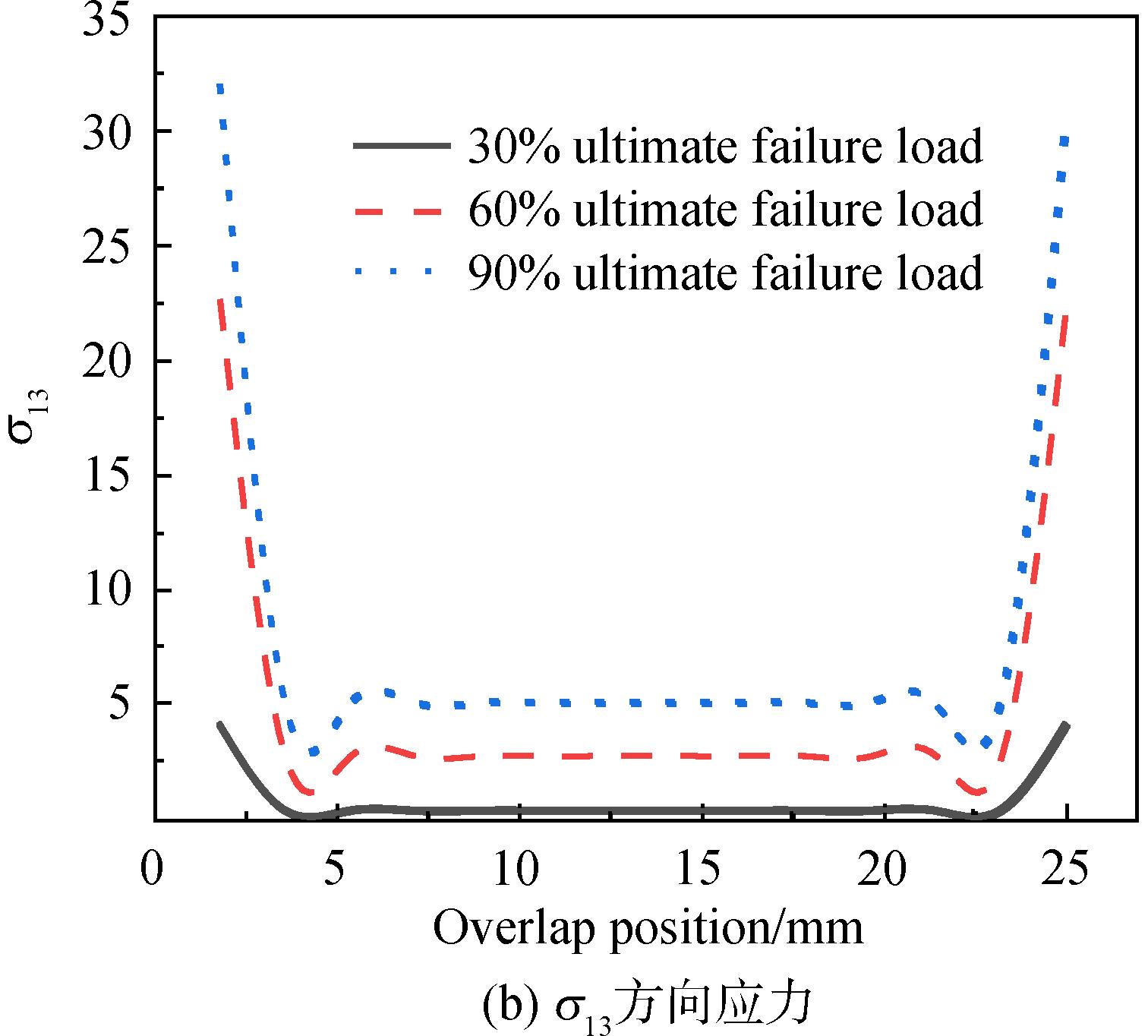
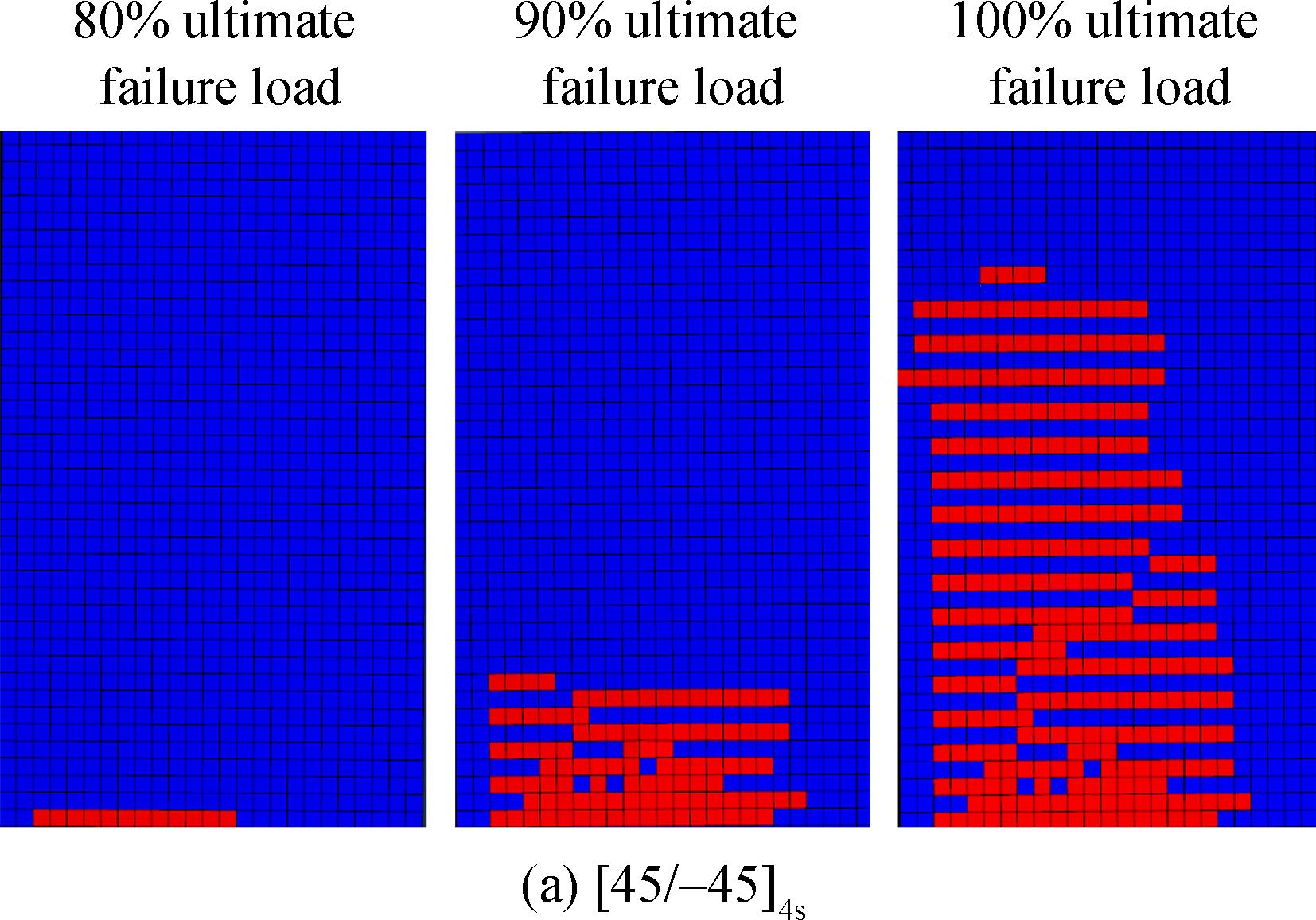
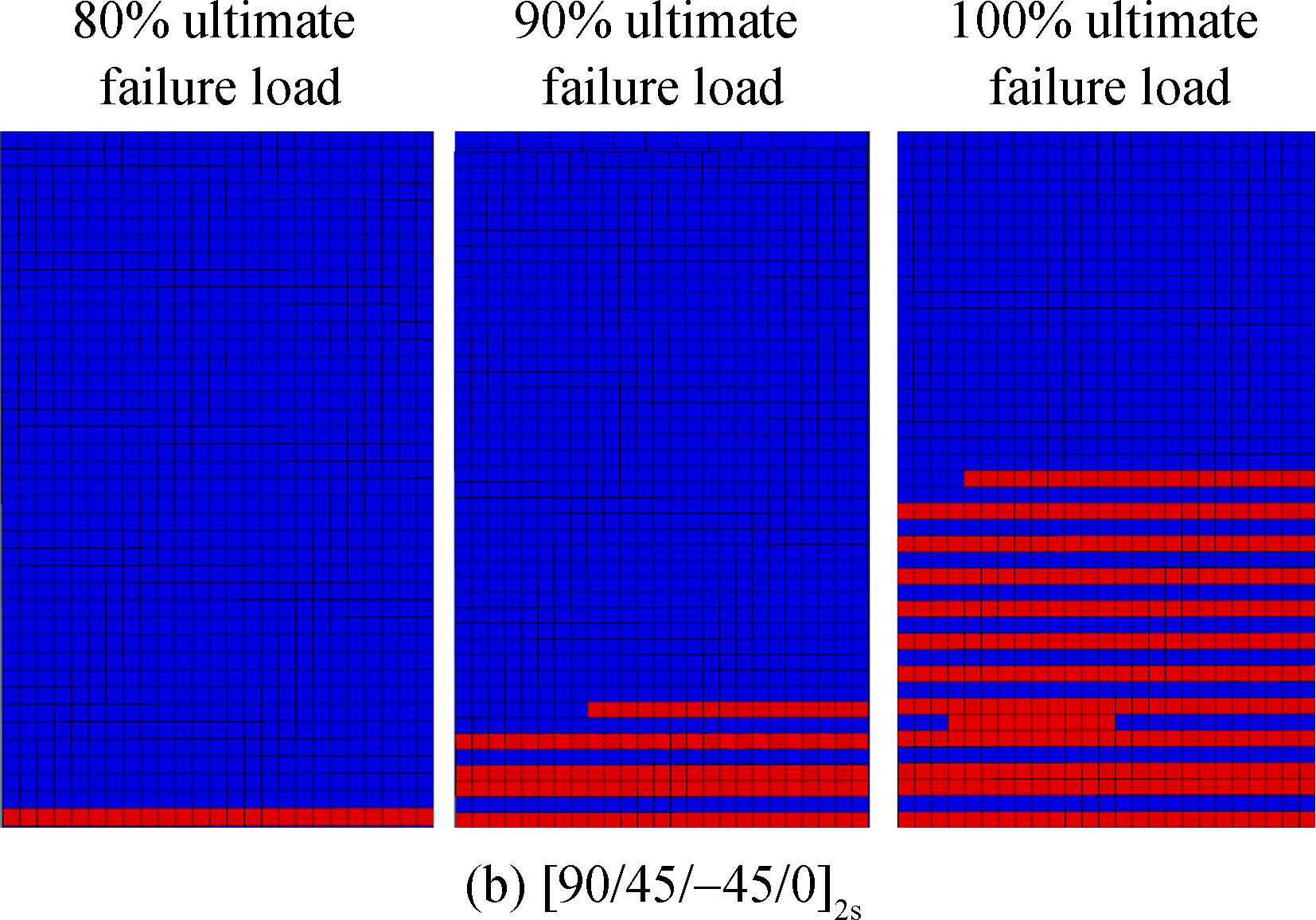
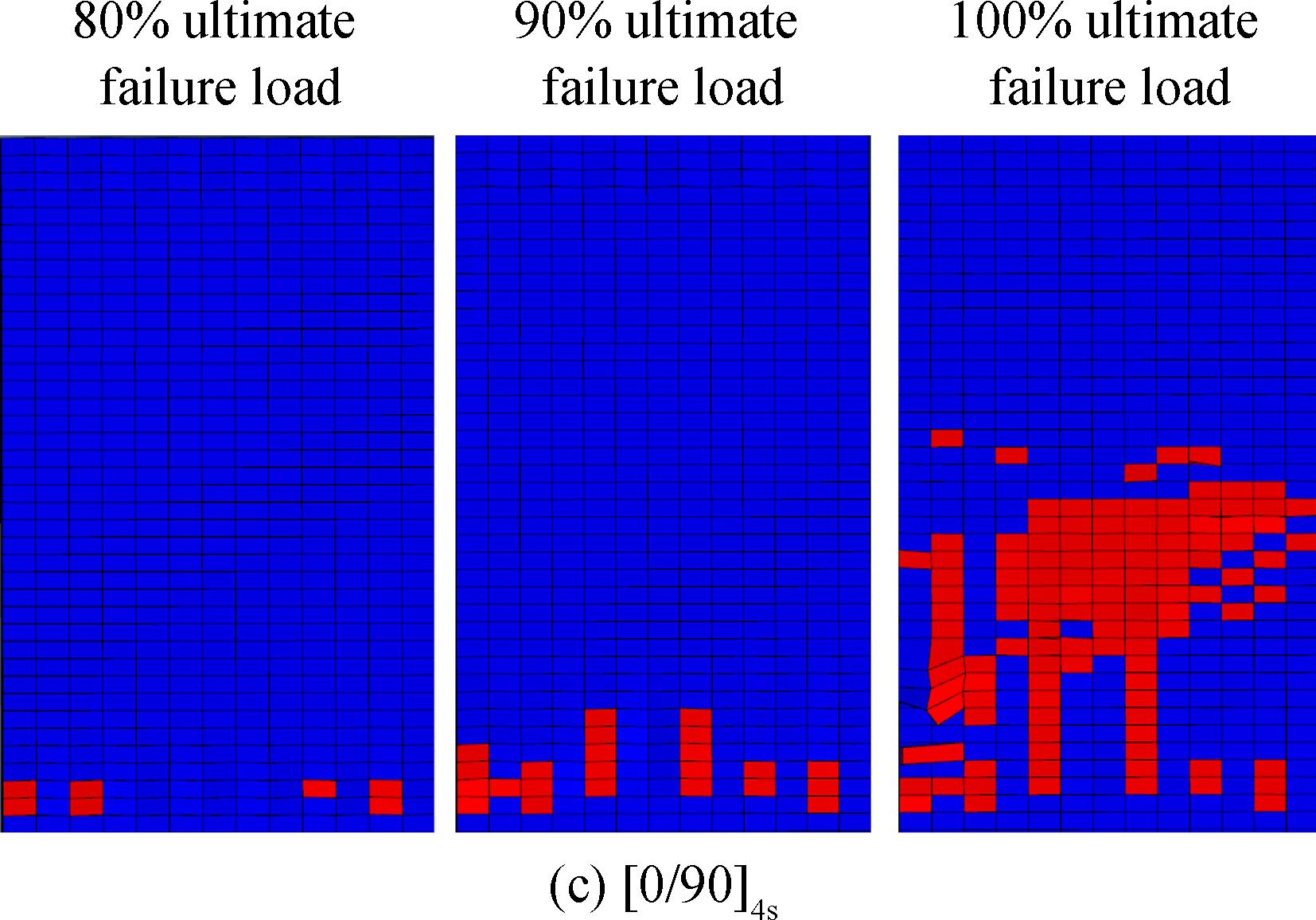
In order to analyze the typical stress distribution rules and stiffness degradation characteristics of dissimilar material adhesive joints,the effects of different layup methods on the internal stress distribution state of dissimilar material single‑lap adhesive joints were studied,and then tests and simulations were carried out.First,the CFRP (carbon fiber reinforce plastic)‑Al single‑lap adhesive joint test pieces with different layup methods were prepared,the tensile testing machine was used to perform tensile tests,and the basic test data were obtained.Second,the continuous damage model,3D Hashin failure criterion and Cohesive Zone Model were used to study the typical failure characteristics of different parts of the dissimilar material transfer joint.The results showed that as the proportion of 0° layup in the composite plate increased,the ultimate load of the adhesive joint showed an increasing trend,on the contrary,the tensile displacement of the joint gradually decreased.The joint layup method and the load direction affected the mechanical properties of the adhesive joint.When the fibers in all directions inside the composite plate were relatively uniform,the stress concentration of the joint can be effectively reduced.When the load direction was consistent with the direction of the laminated fibers,the joint strength can be effectively improved.The proportion of 0° layer in the composite plate had a greater effect on the ultimate failure load and SDEG (scalar stiffness degradation) of joint.The smaller proportion of 0° indicated the weaker bearing capacity of the joint and the more complex SDEG of joint.

Investigation of temperature uniformity of profiled CBN grinding wheel under high frequency induction brazing based on response surface methodology
LI Qilin, WANG Xichao, DING Kai, LEI Weining, CHEN Jiajia
2022, 37(9): 1915-1922. doi: 10.13224/j.cnki.jasp.20220041
Abstract:

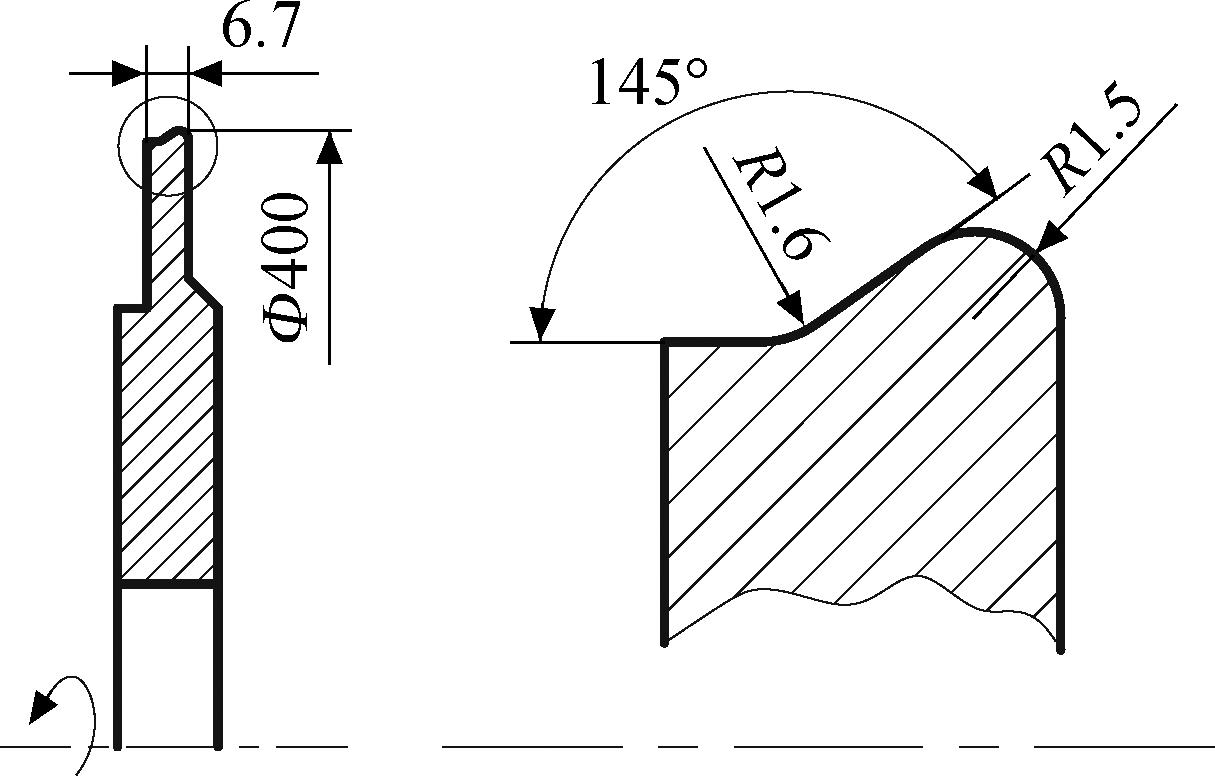
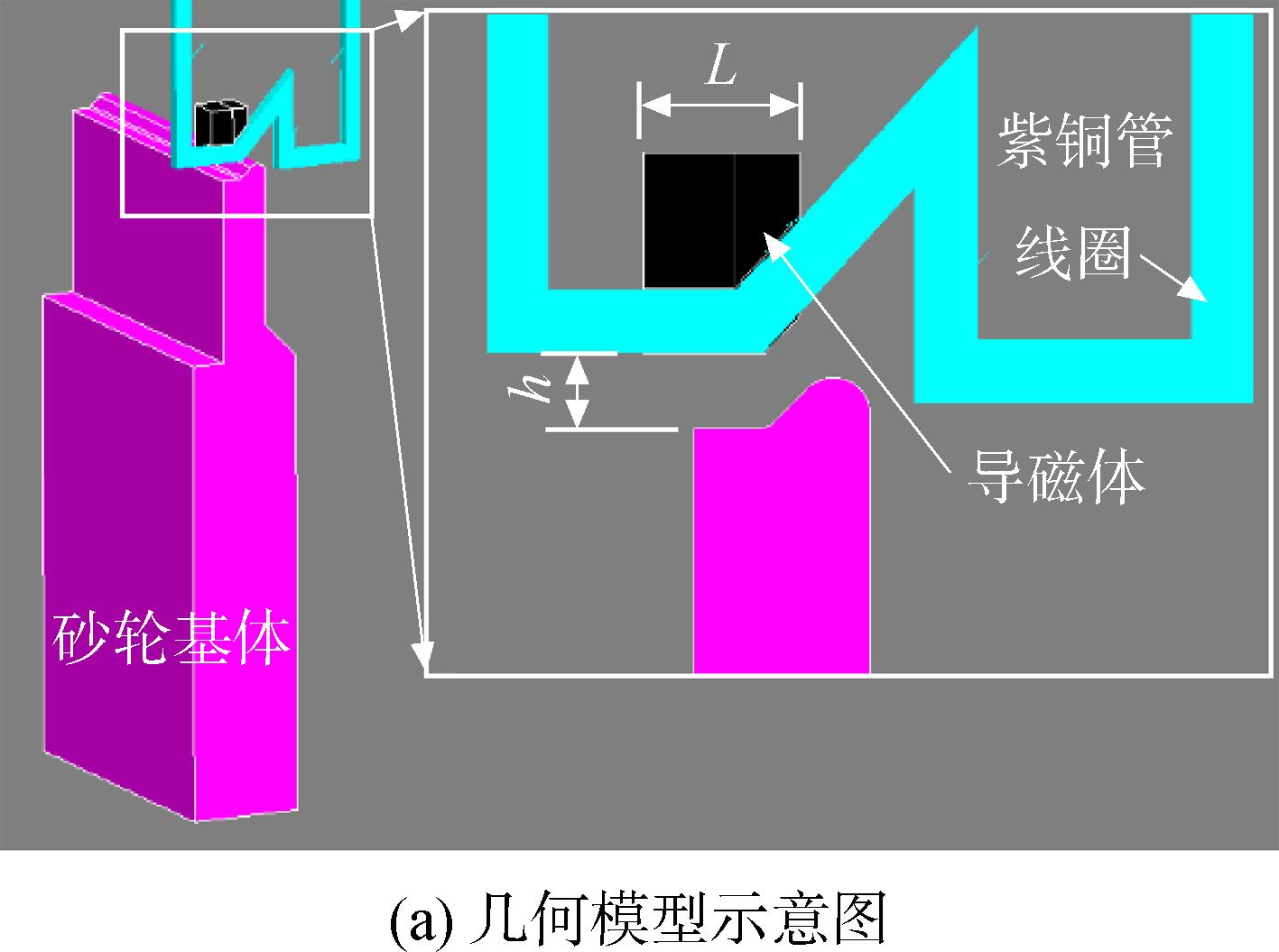
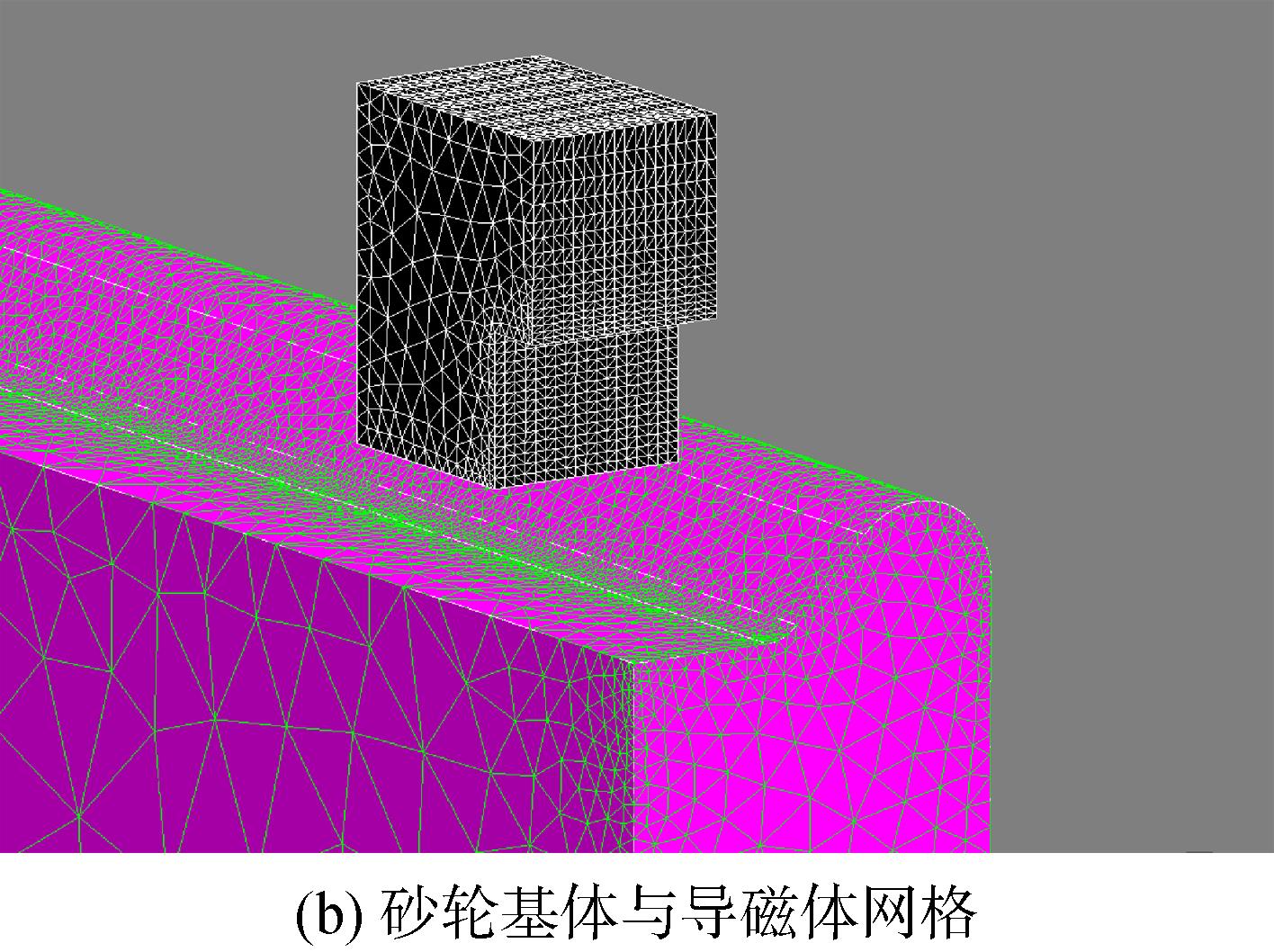
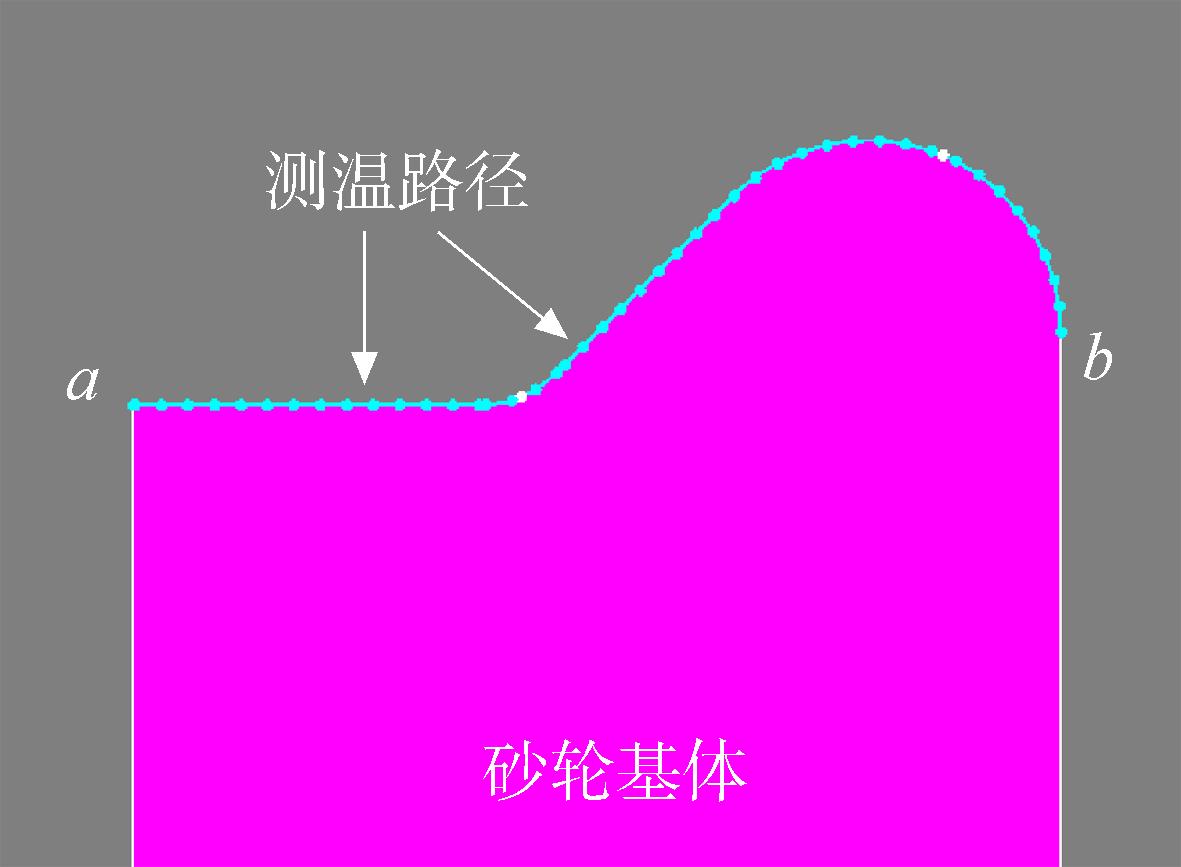
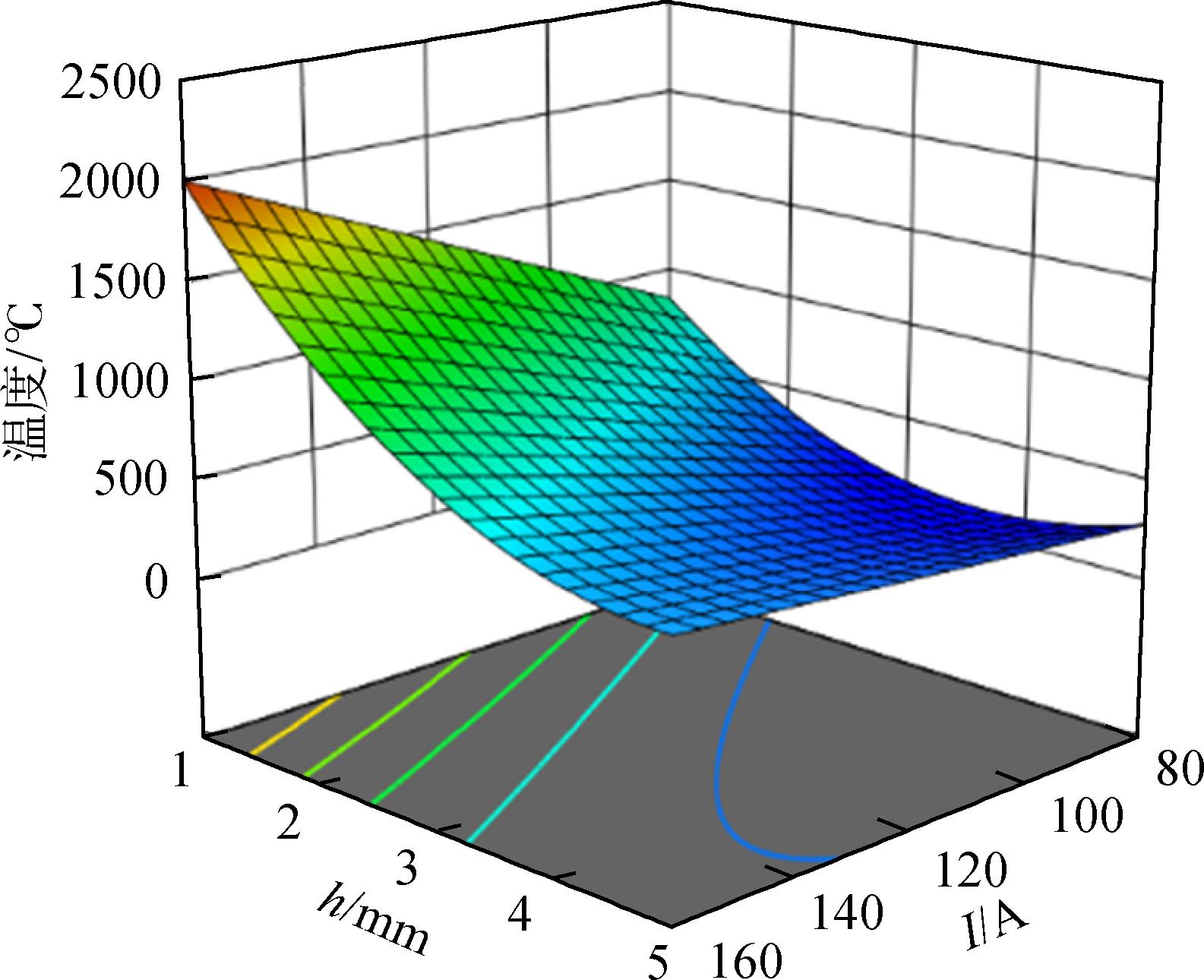
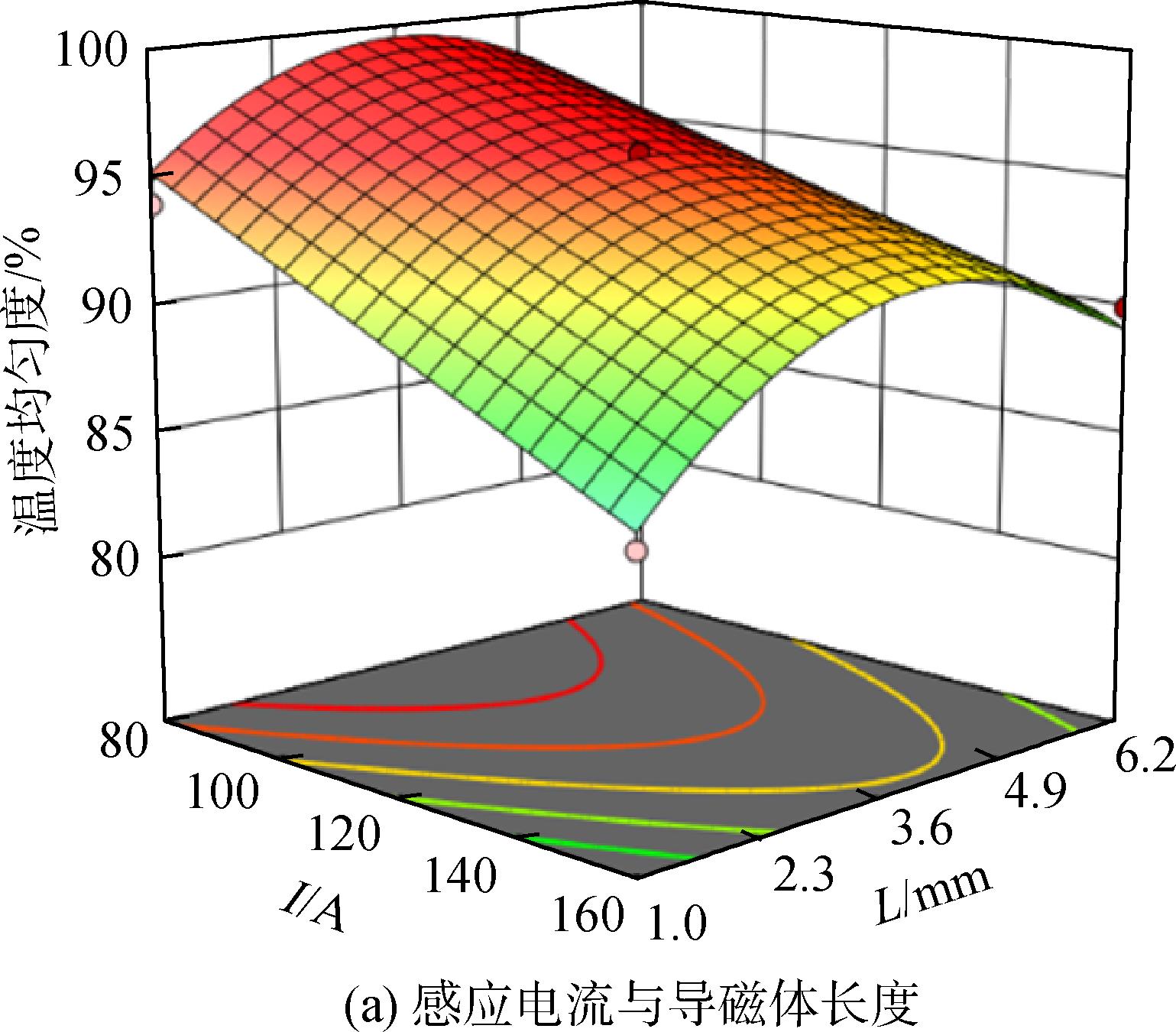
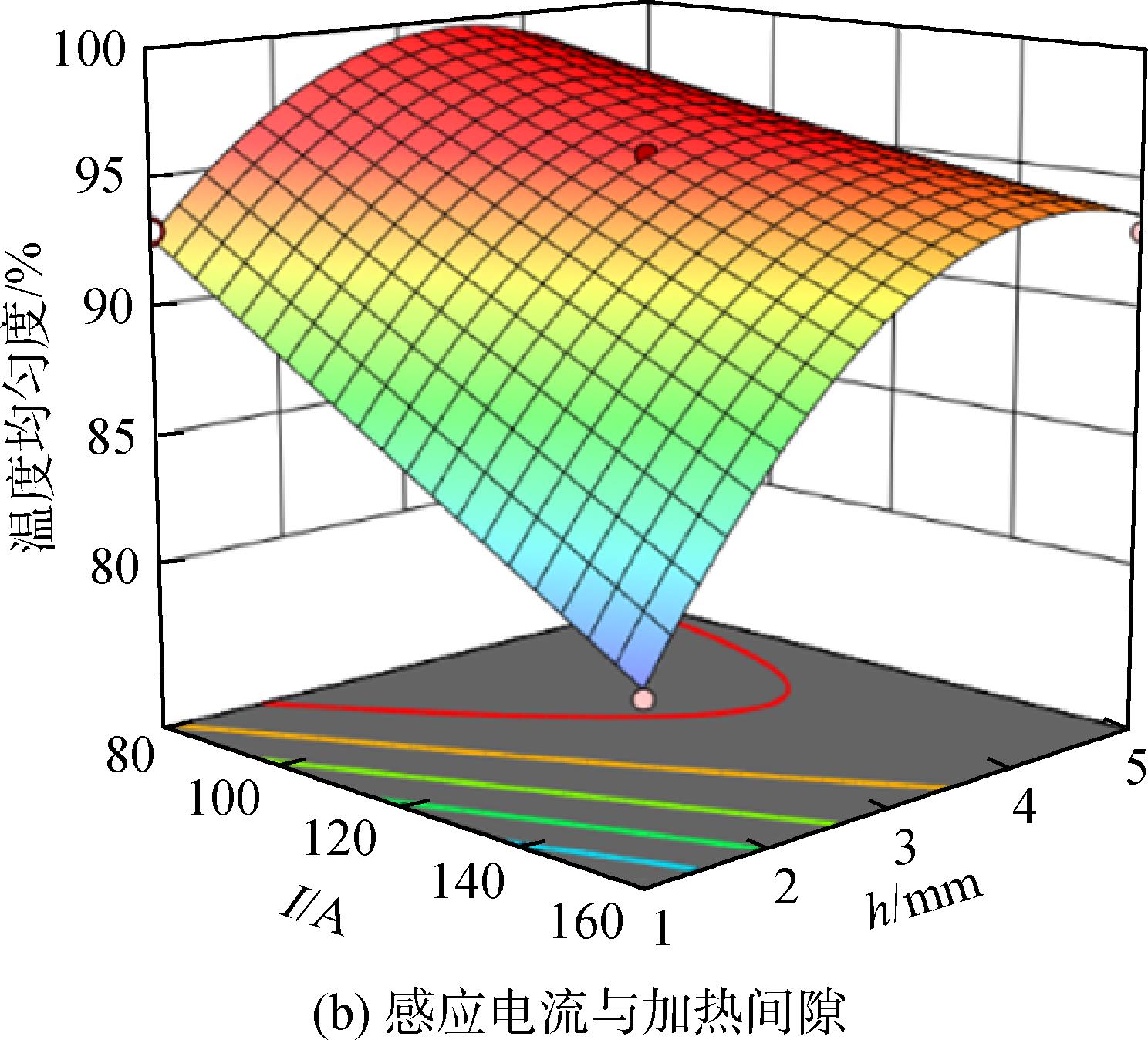
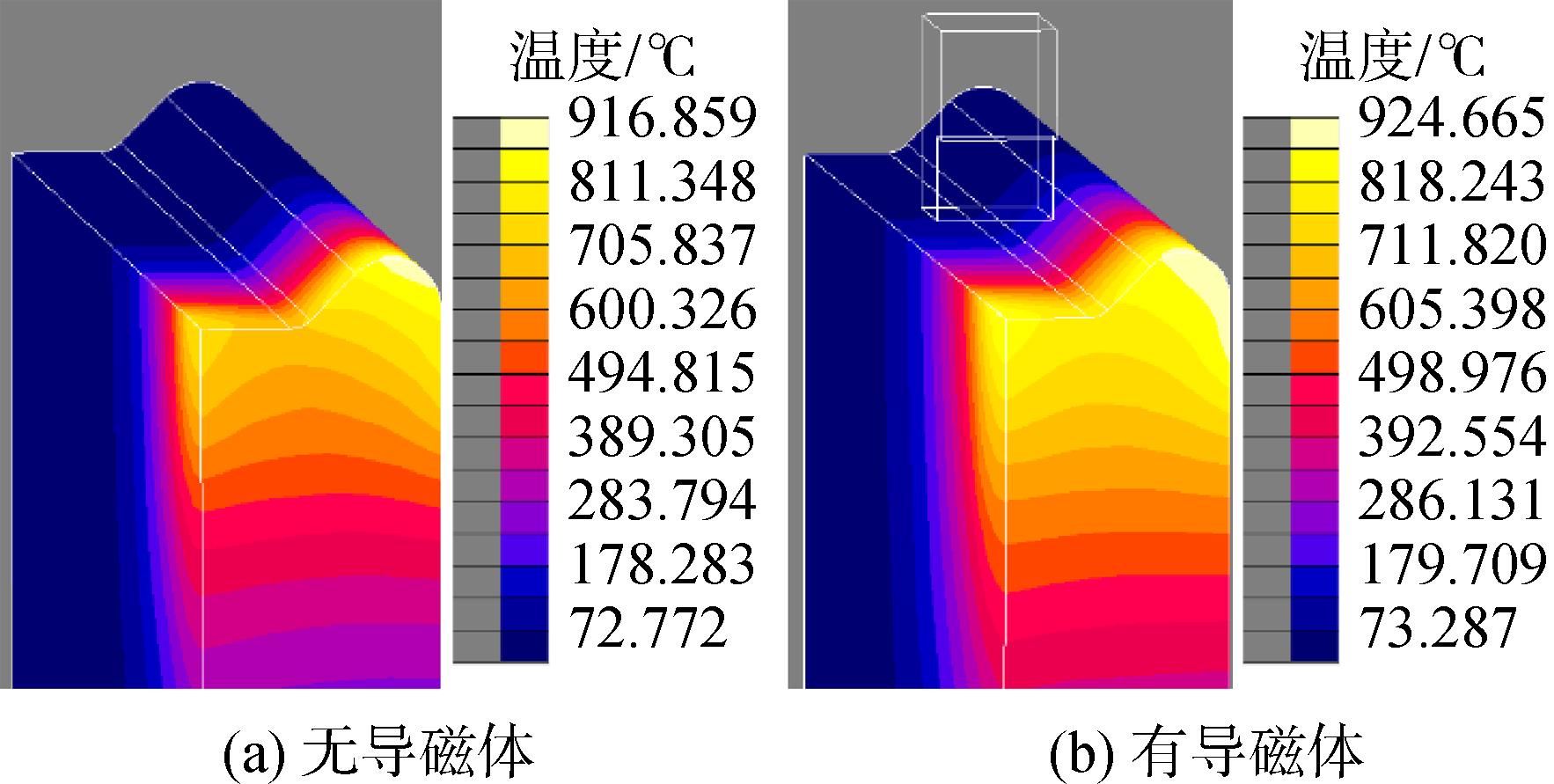
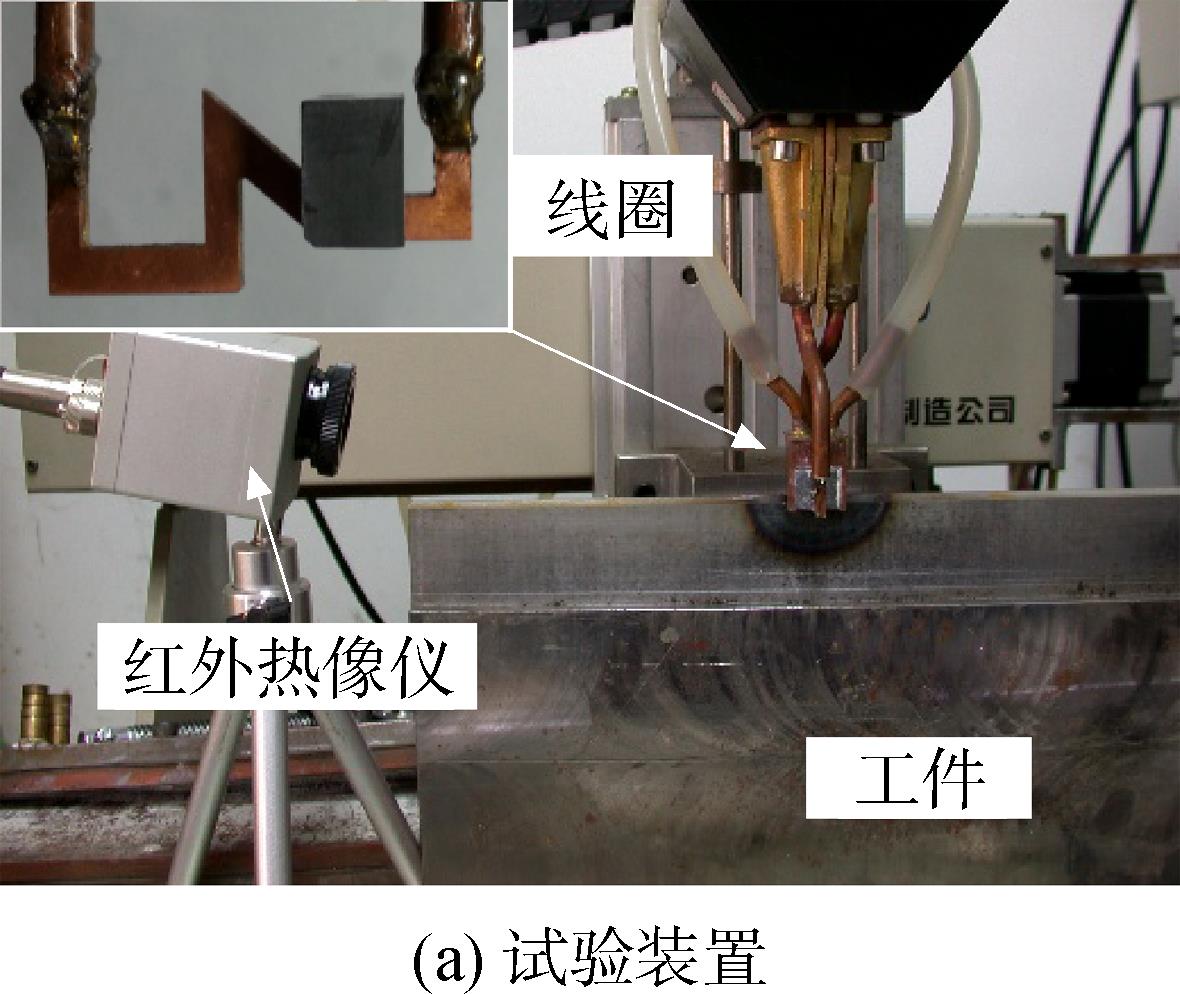
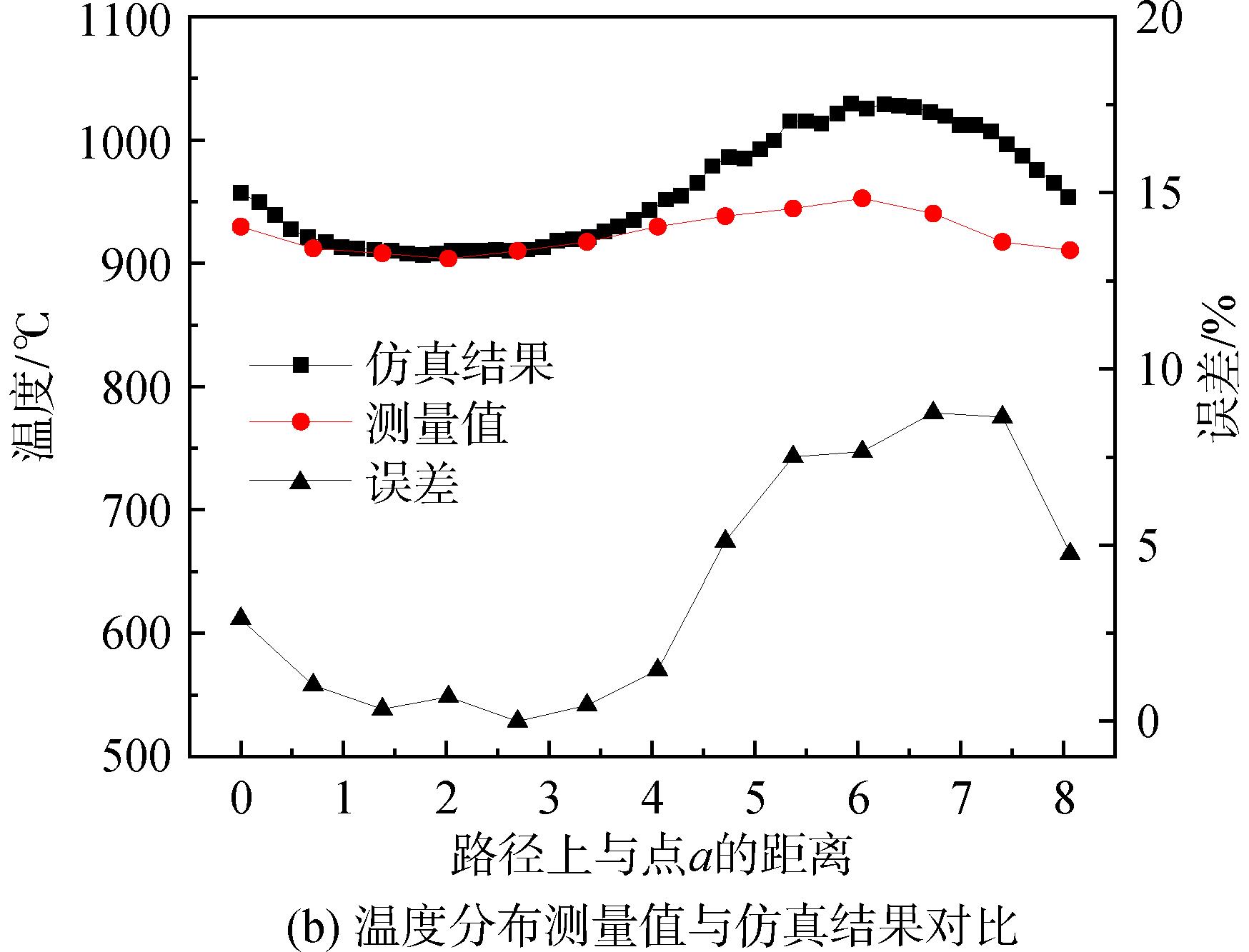
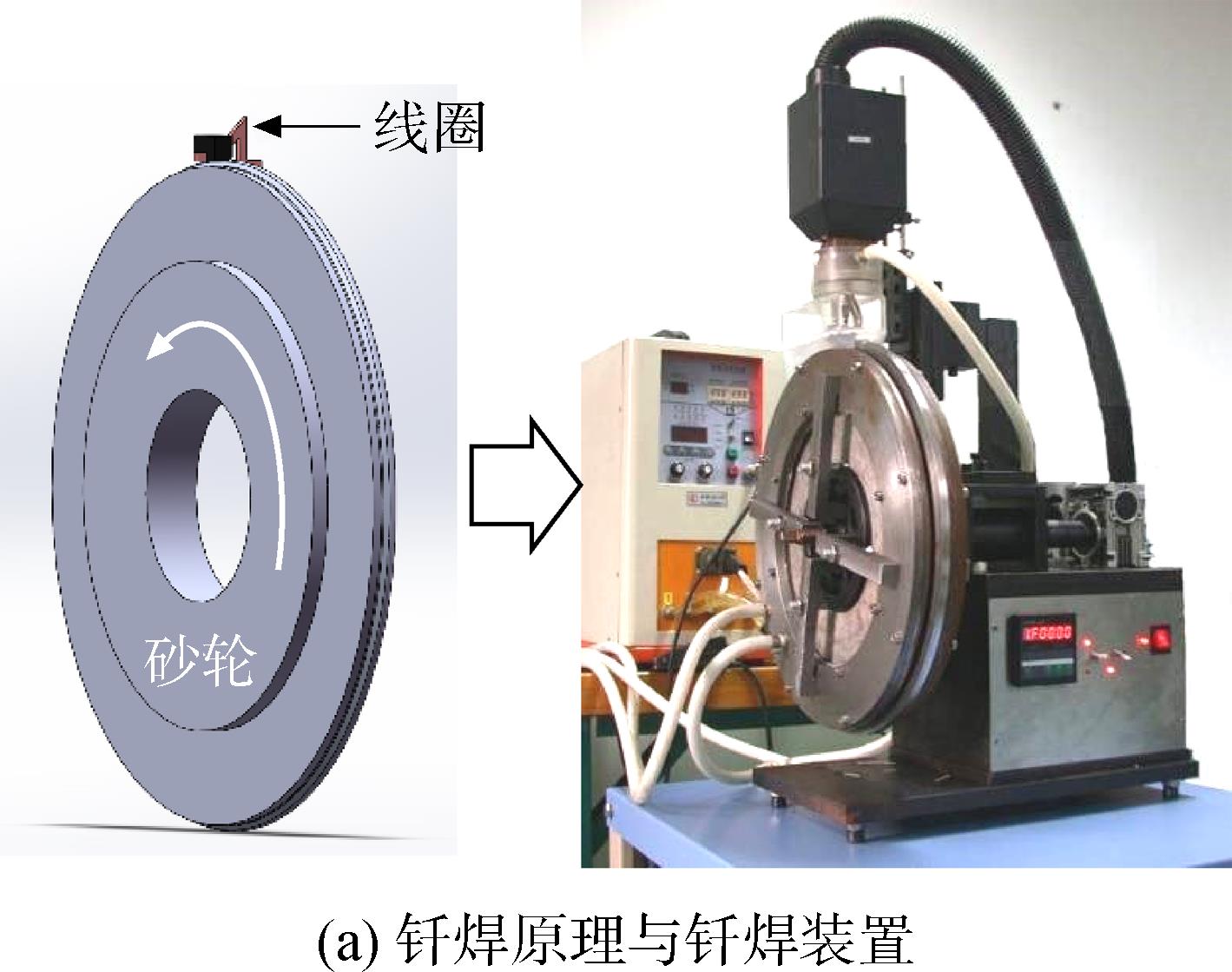
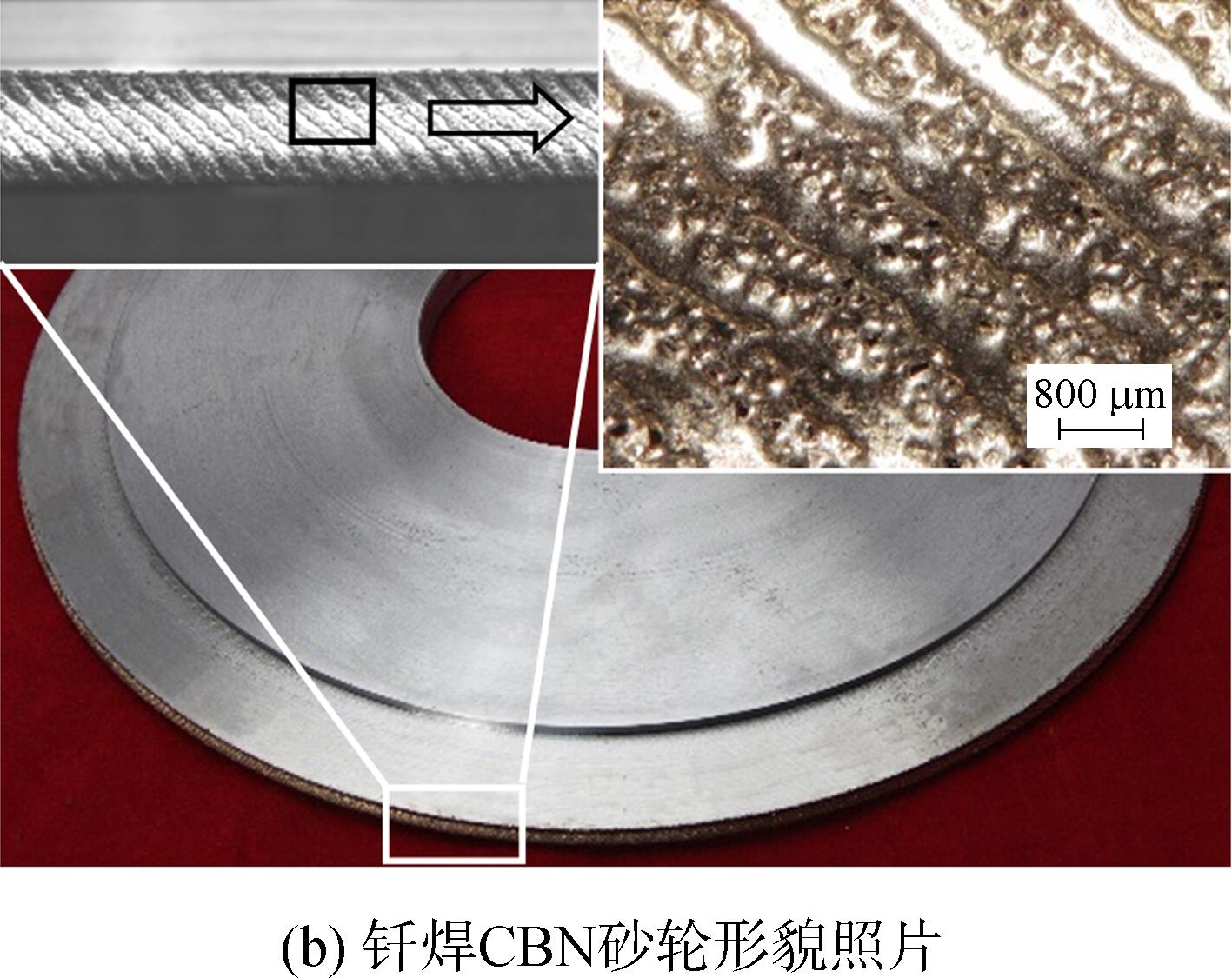
During high frequency induction brazing of super abrasive grinding wheels,it was difficult to get a uniform temperature distribution on the grinding wheel surface,especially the profiled grinding wheel.For this problem,a characterization method of temperature uniformity was proposed.Response surface methodology model of temperature uniformity and average temperature was established based on the finite element method results.Based on this model,analysis of variance was conducted to investigate the influence factors on the temperature uniformity of profiled grinding wheel.It was found that the degrees of the influence on the temperature uniformity and average temperature from maximum to minimum were heating gap,induction current and length of magnetizer respectively.With the target of average temperature and temperature uniformity,the optimal parameters were obtained based on response surface methodology method.The experimental results verified that the error of the response surface methodology models was below 6.94%.Finally,high frequency induction brazing of profiled cubic boron nitride(CBN)grinding wheel was carried out with the optimal parameters.A consistent brazing surface with good spread ability was observed,indicating that good temperature uniformity on the profiled surface was obtained during induction brazing.

Dynamical response feature analysis based on 3⁃dimensional blade tip clearance and diagnosis method for blade crack
HUANG Xin, ZHANG Xiaodong, ZHANG Yingjie, XIONG Yiwei, LIU Hongcheng, FAN Bochao
2022, 37(9): 1923-1935. doi: 10.13224/j.cnki.jasp.20220030
Abstract:

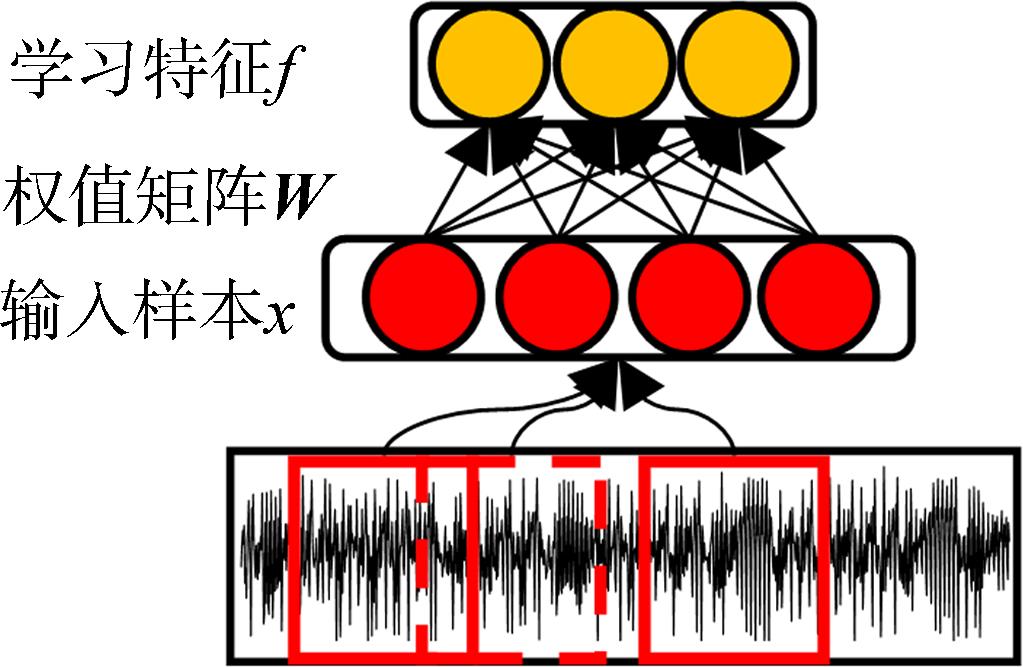
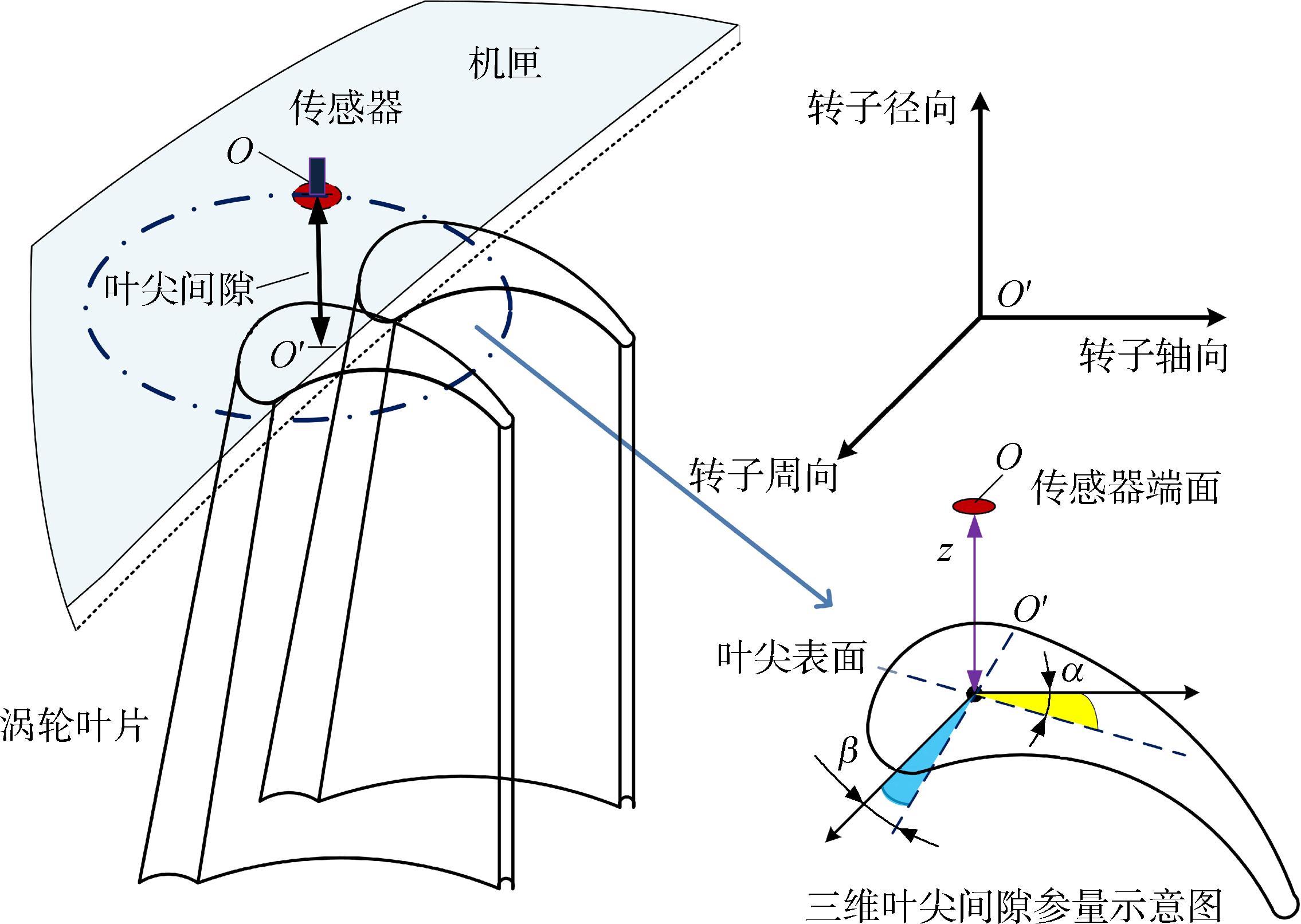
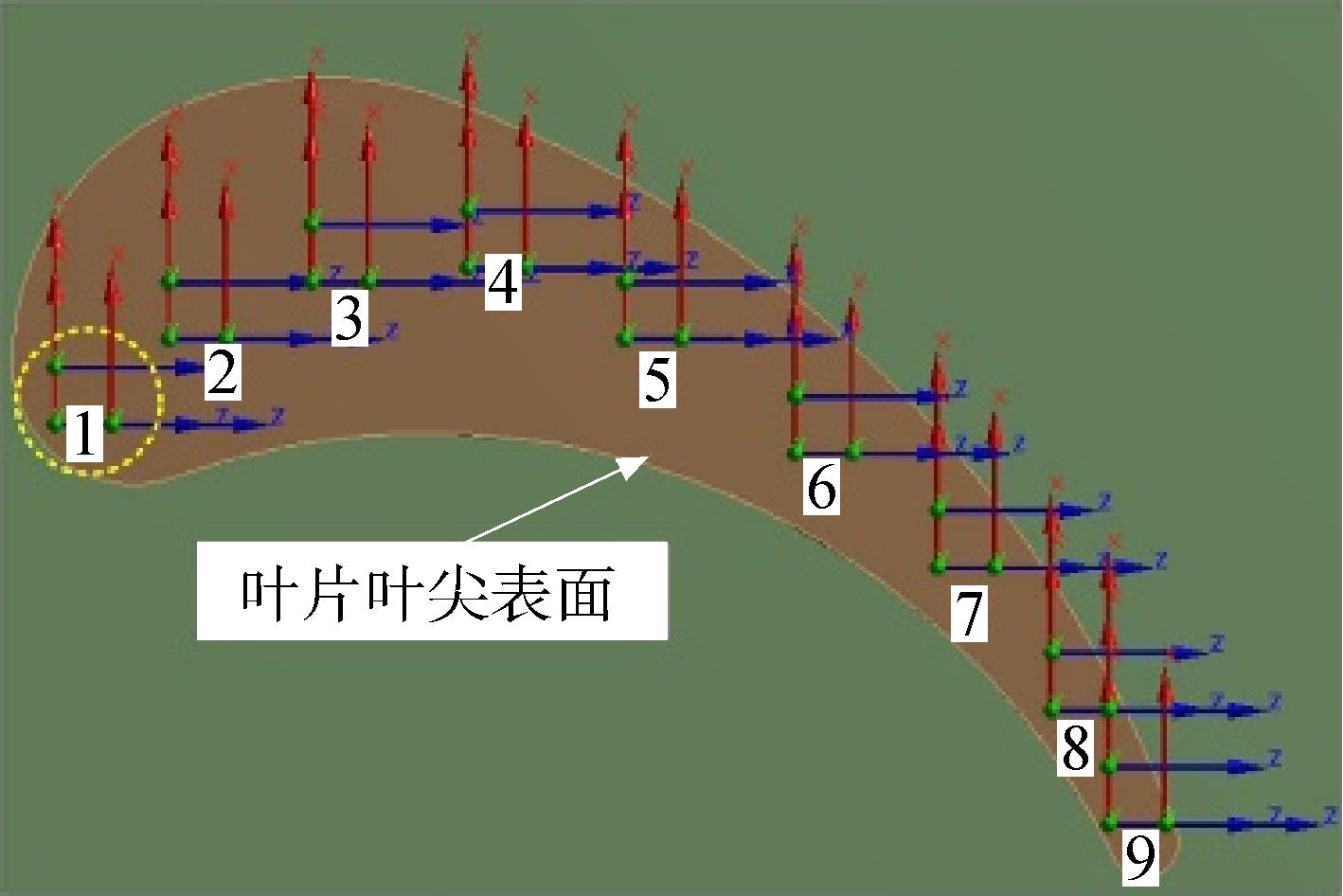
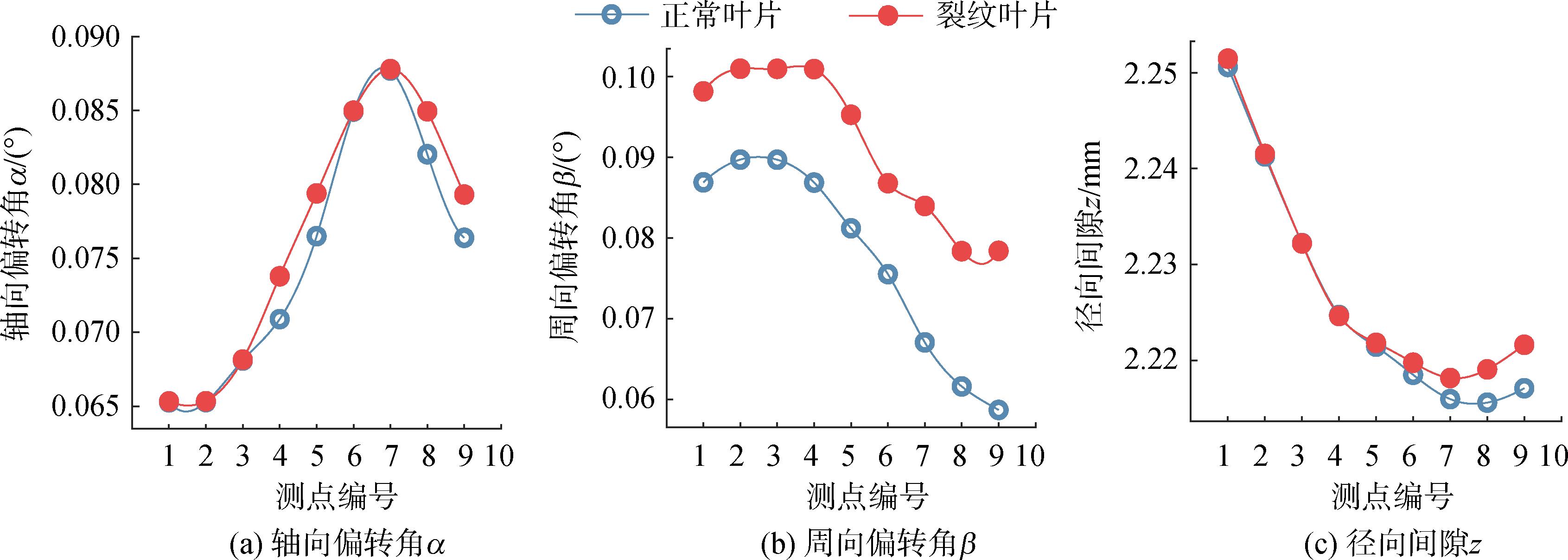
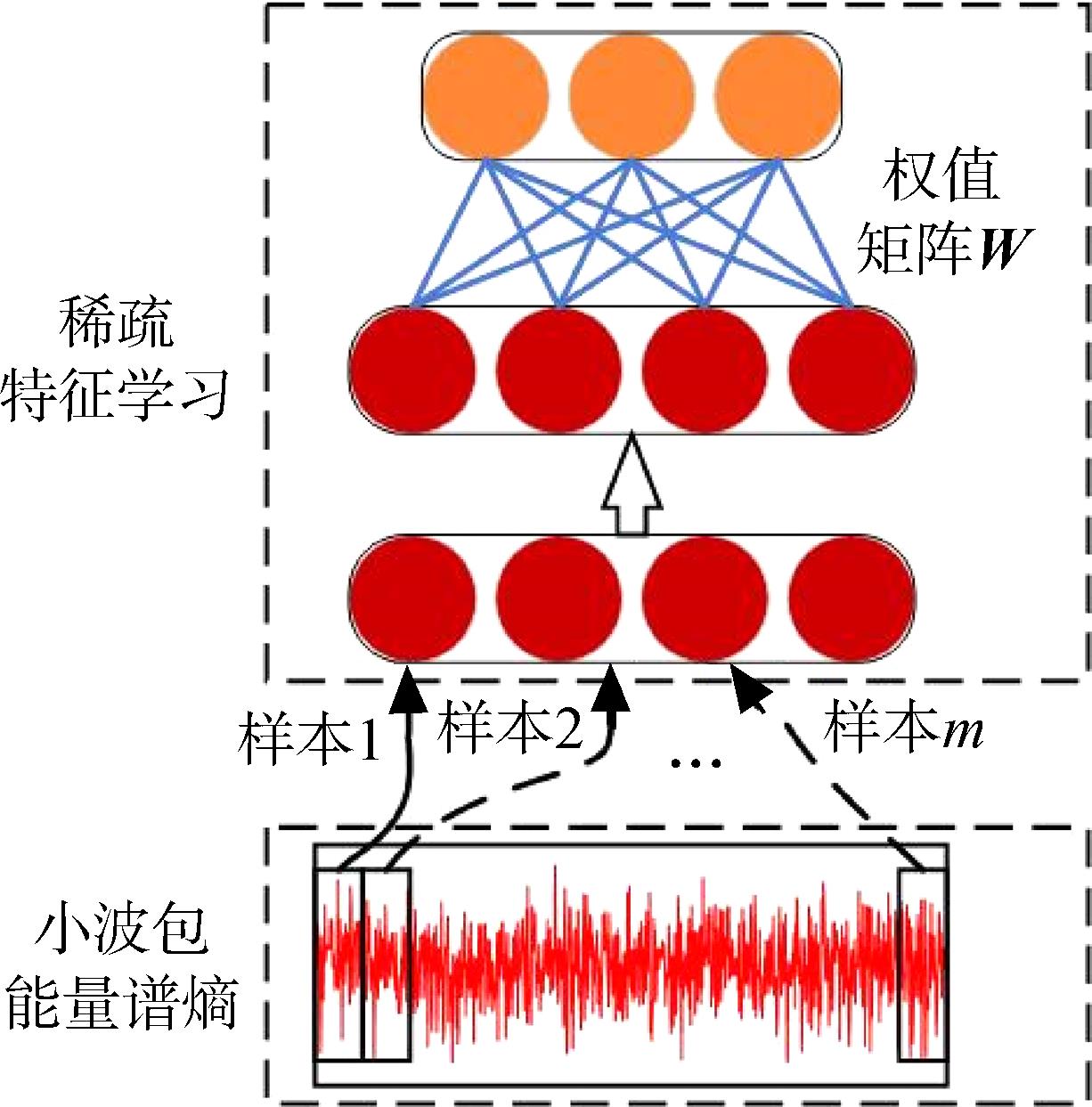
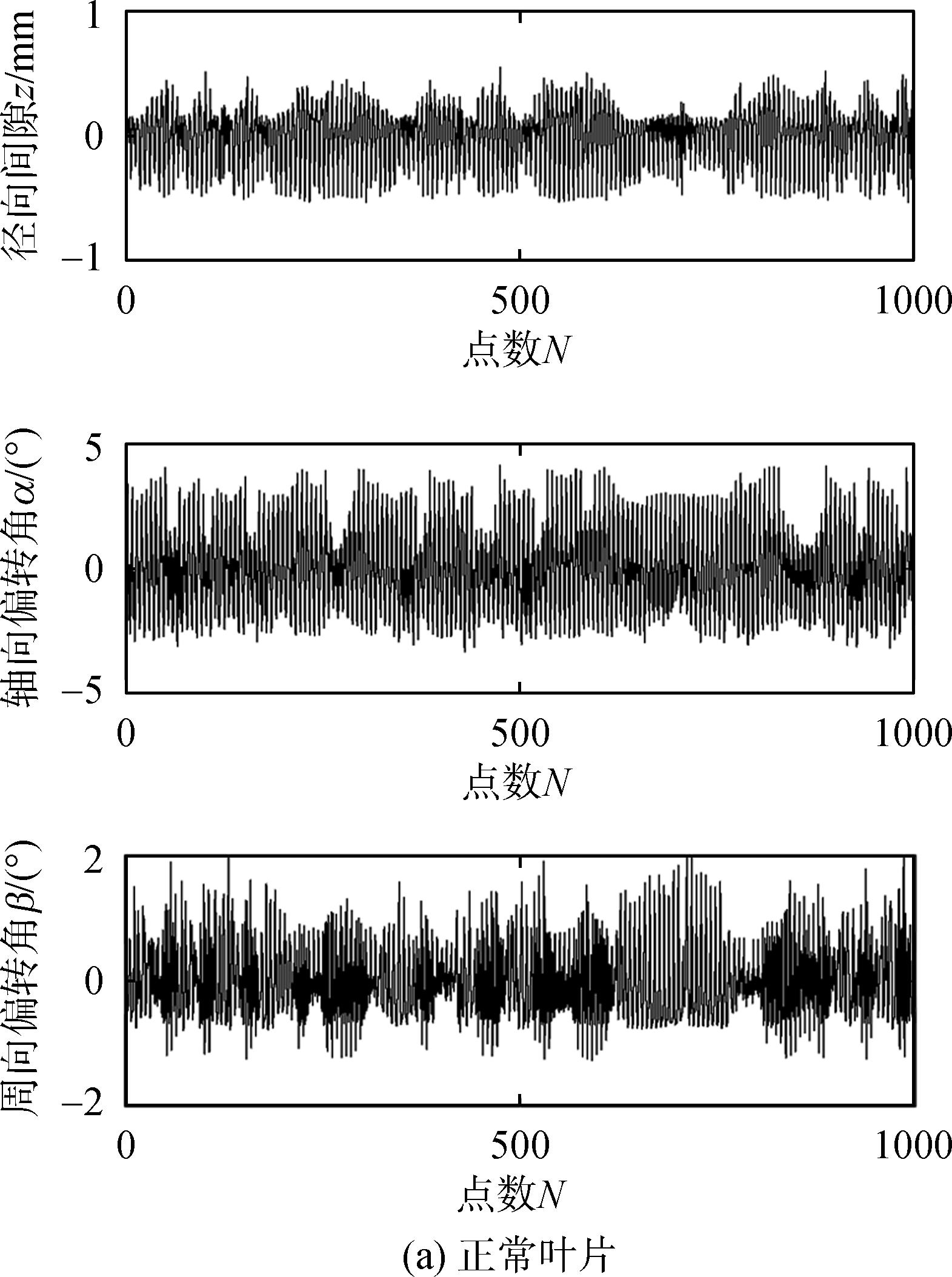
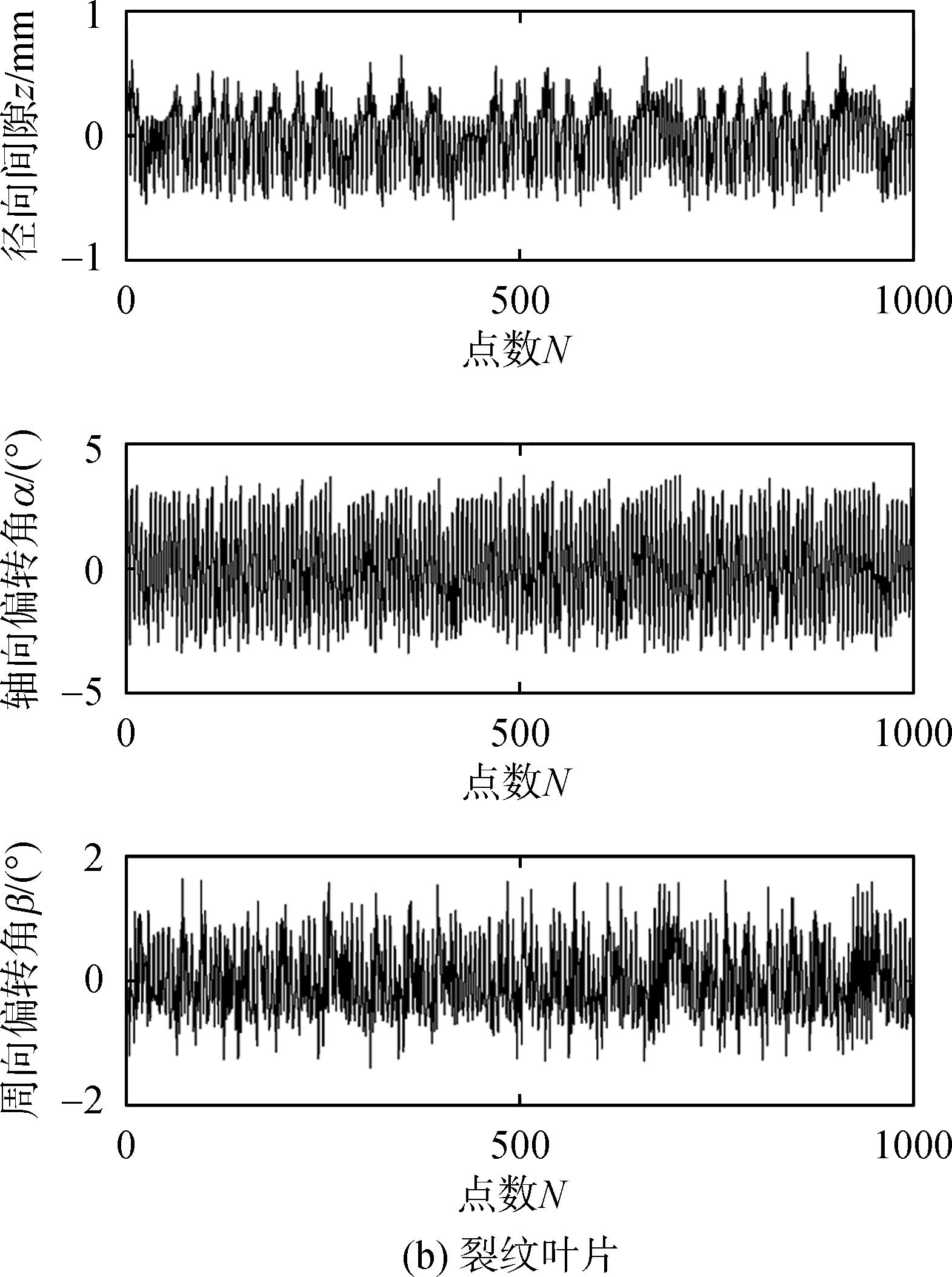
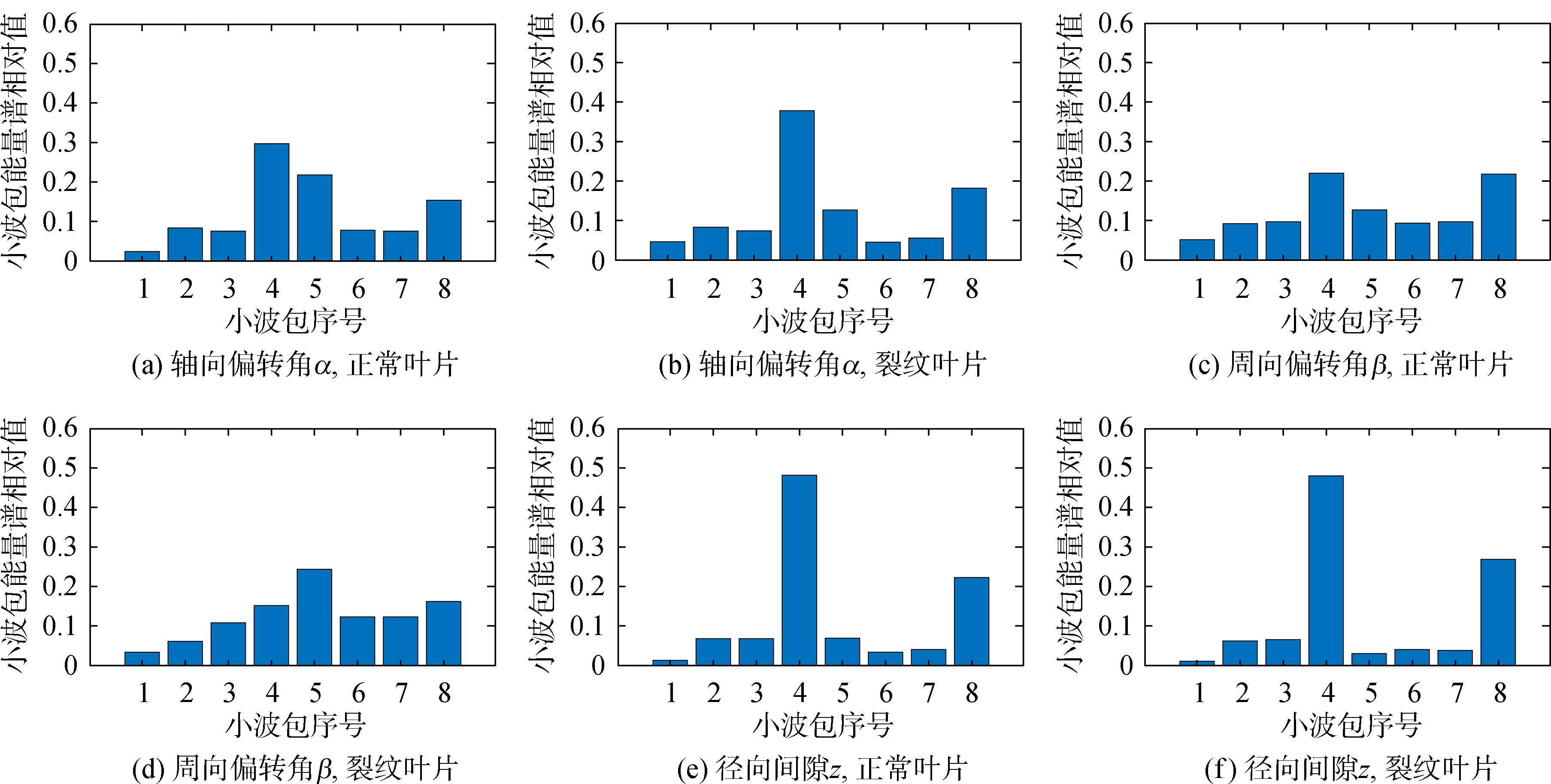
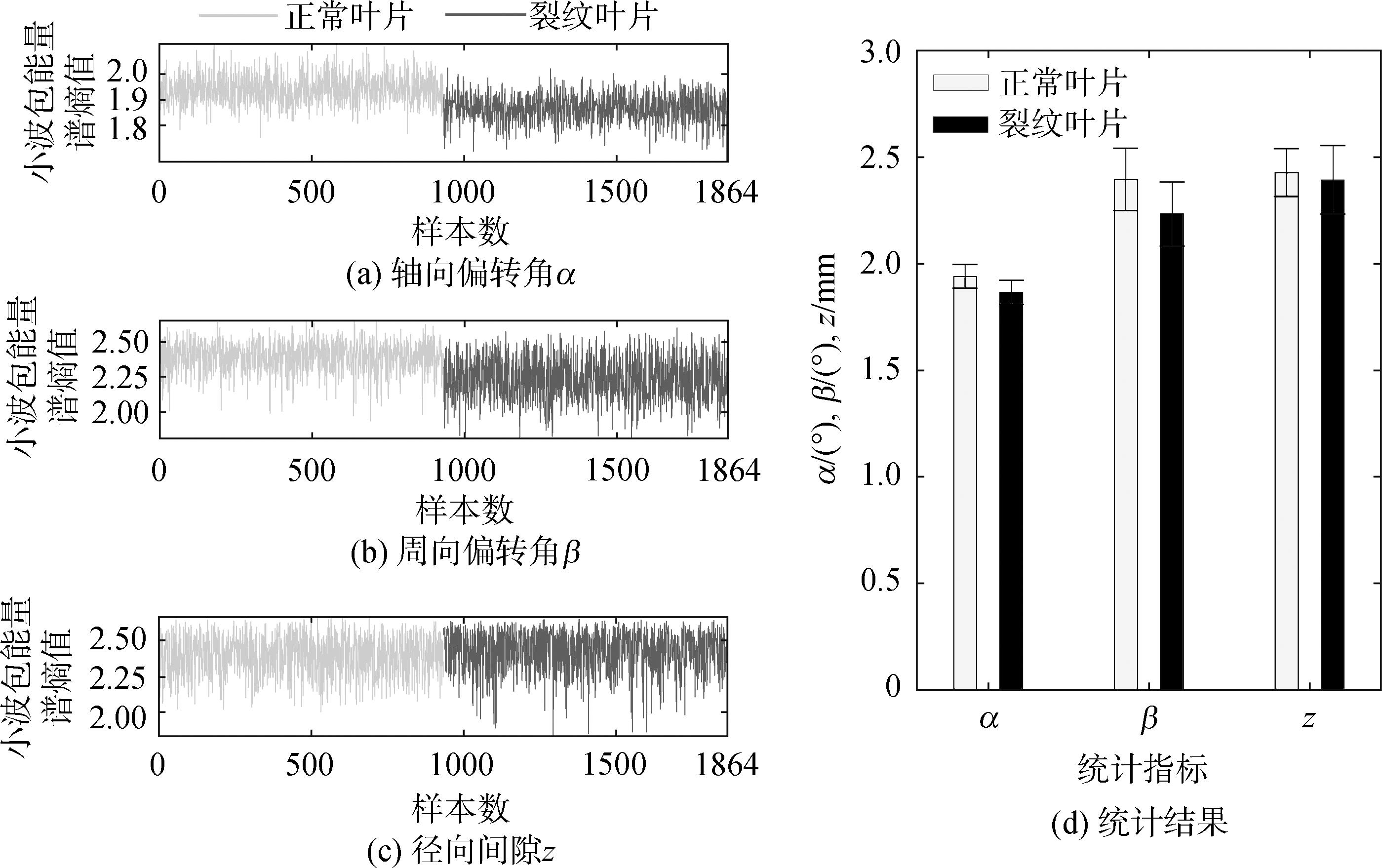
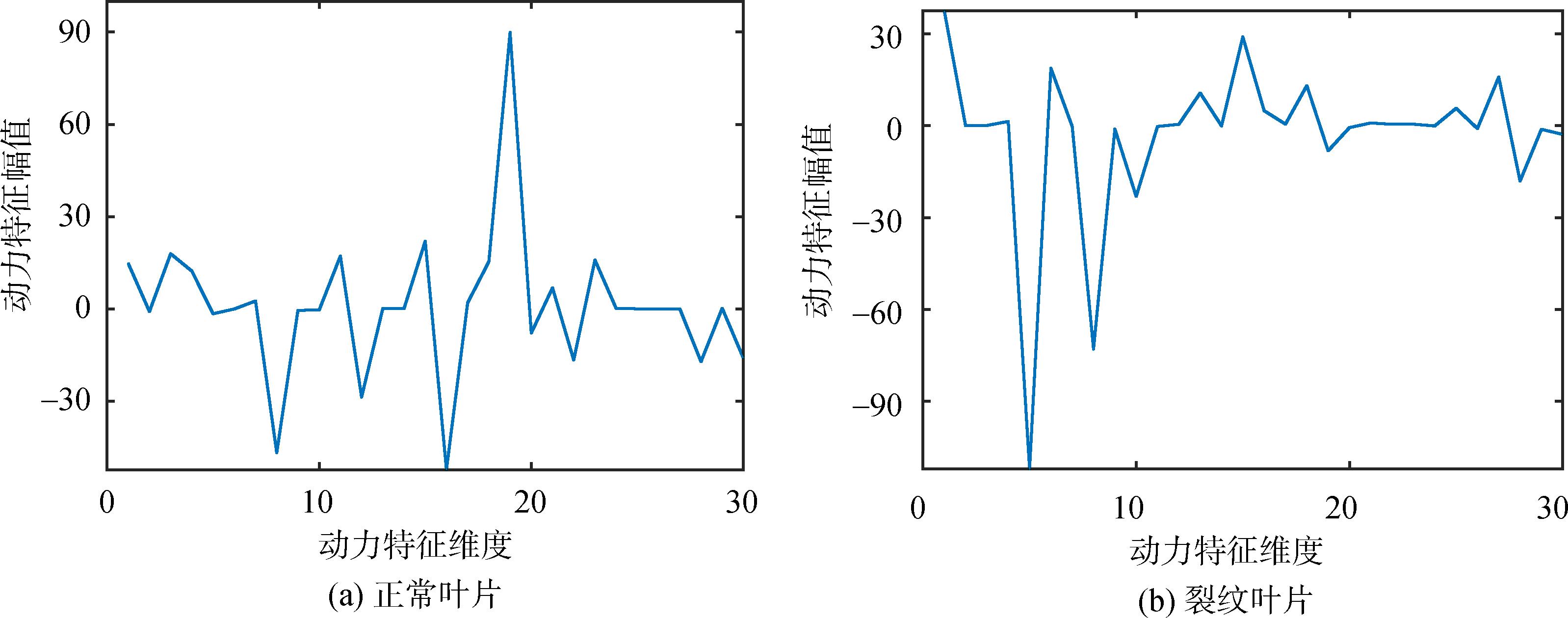
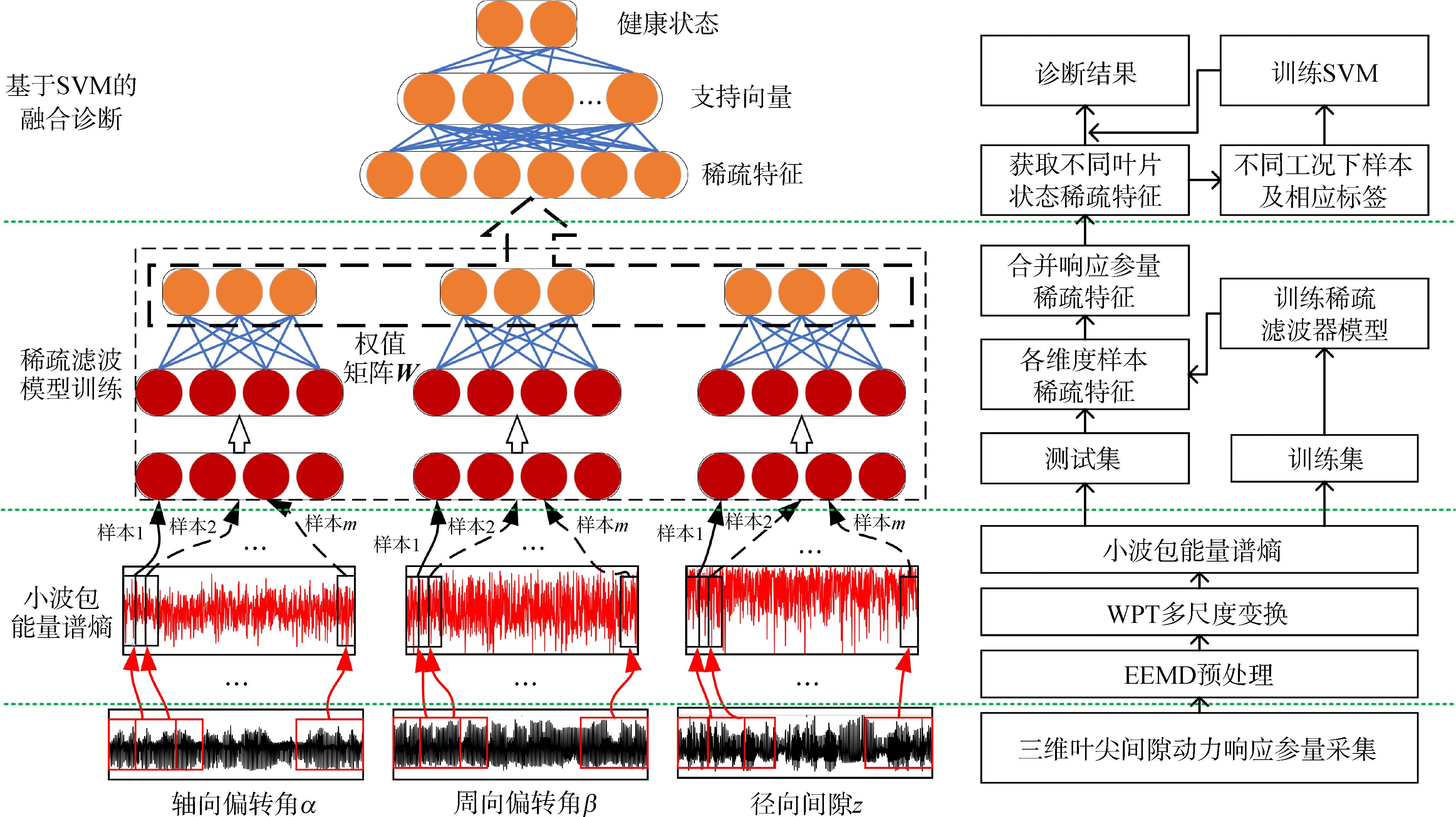
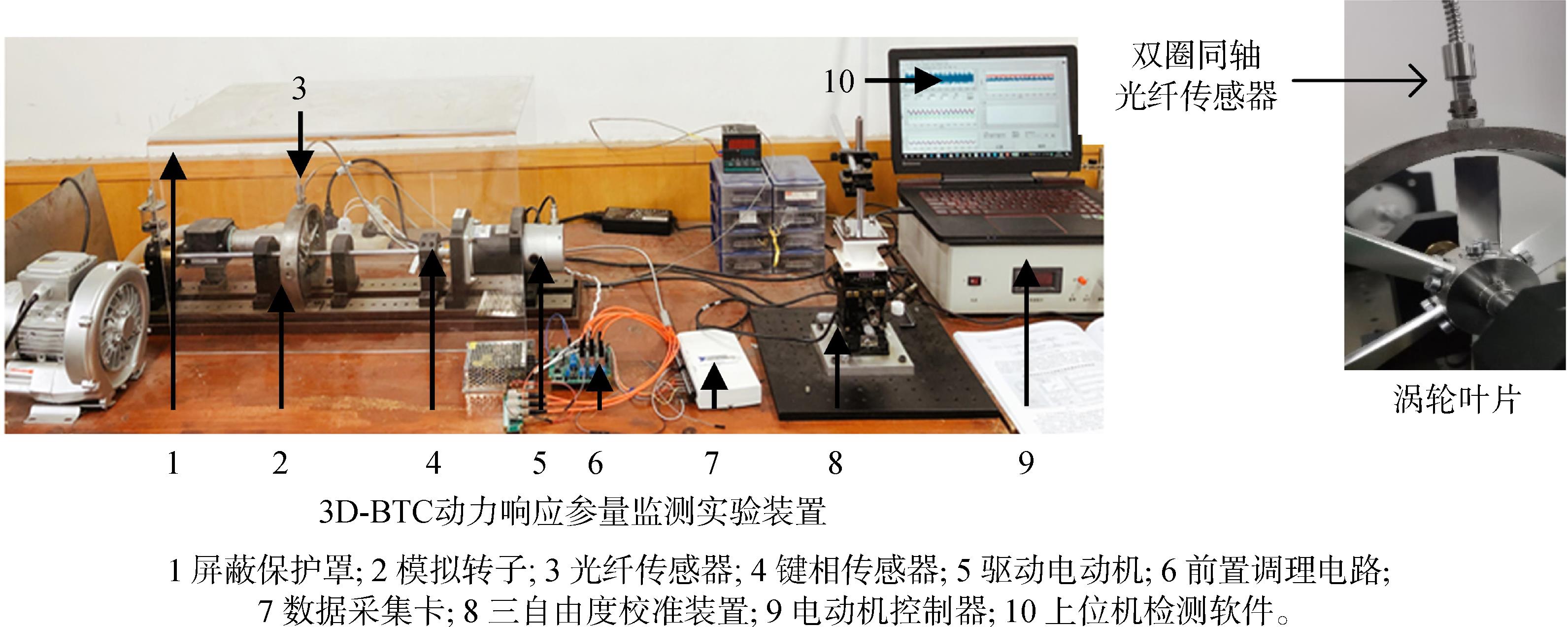
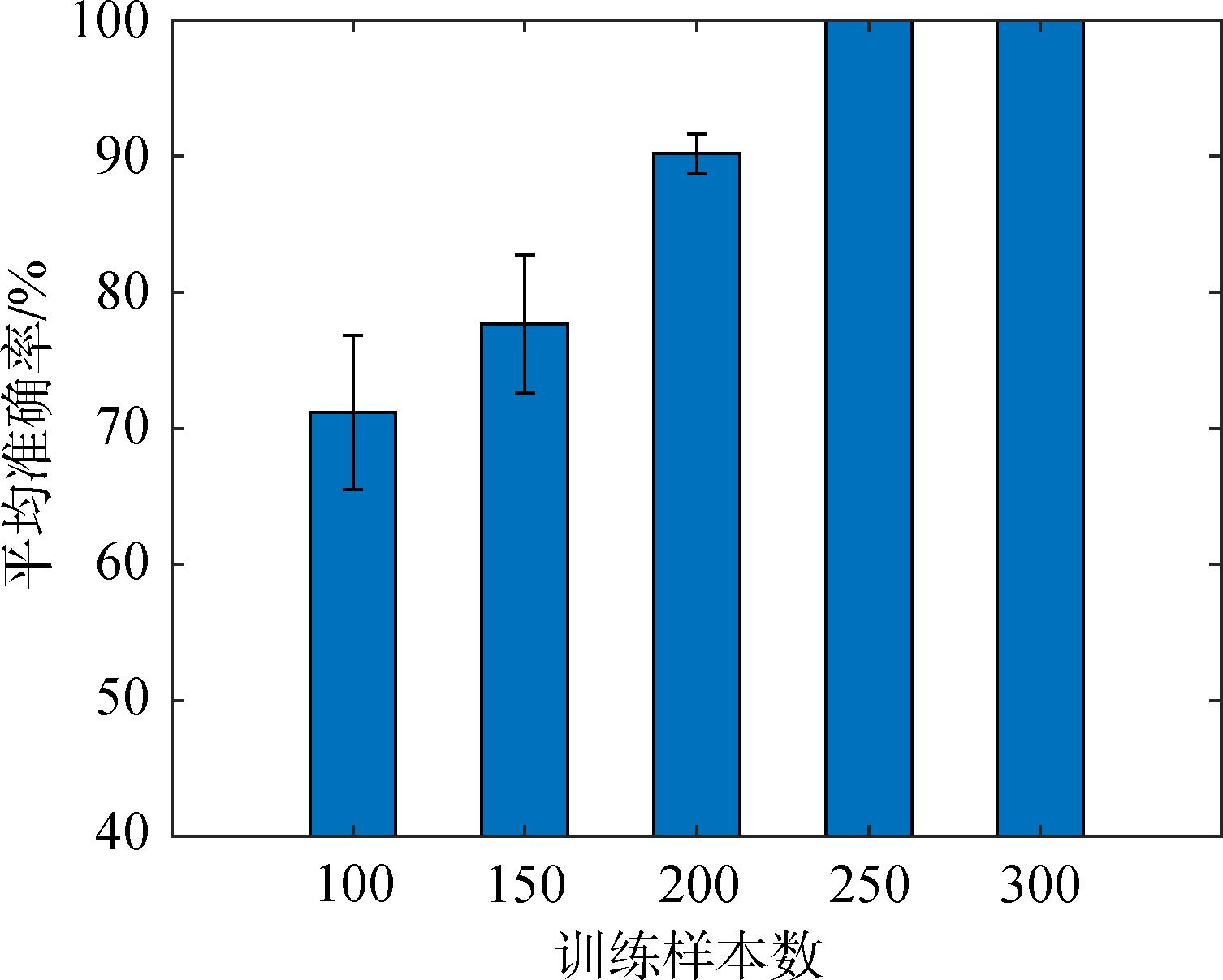
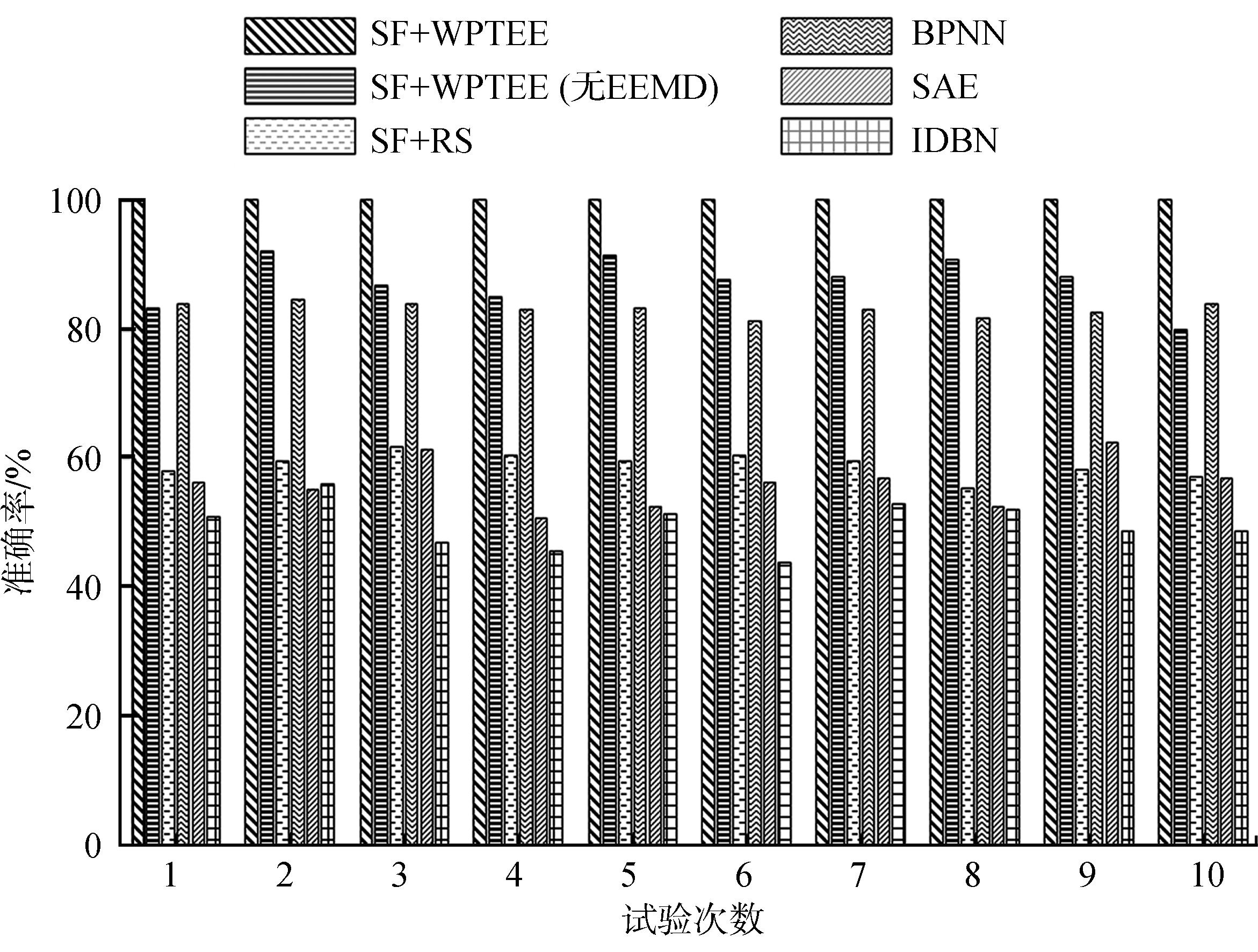
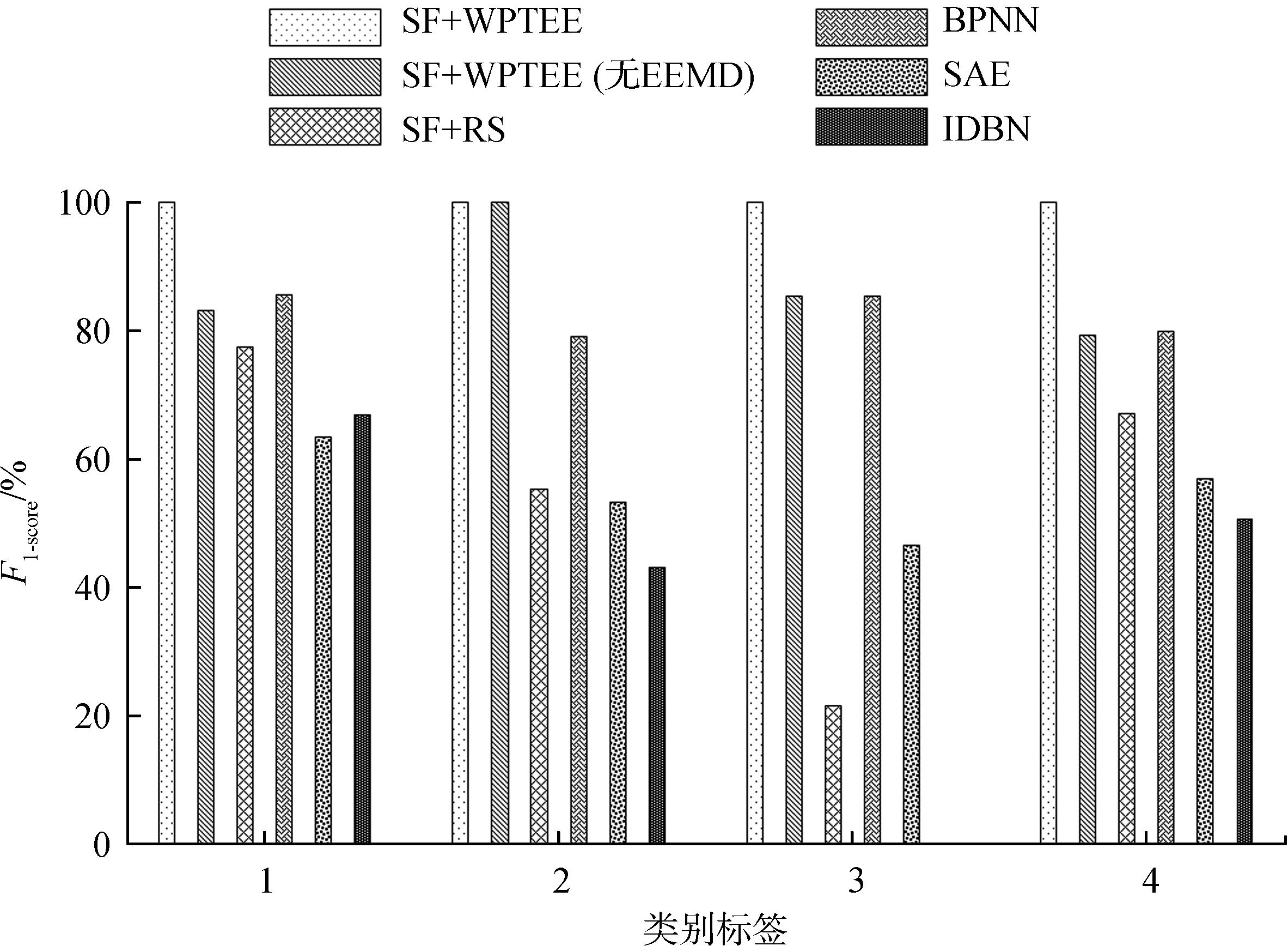
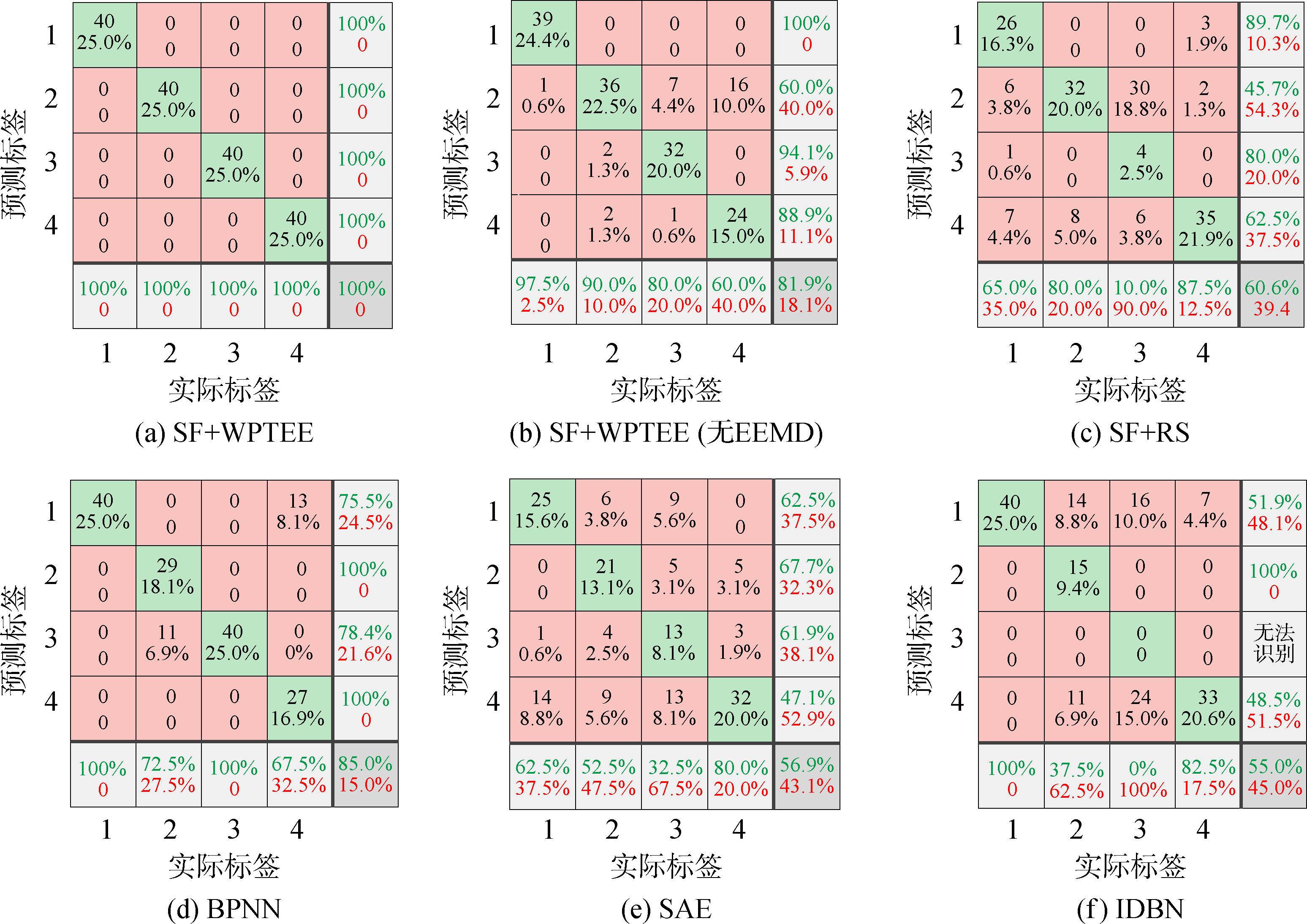
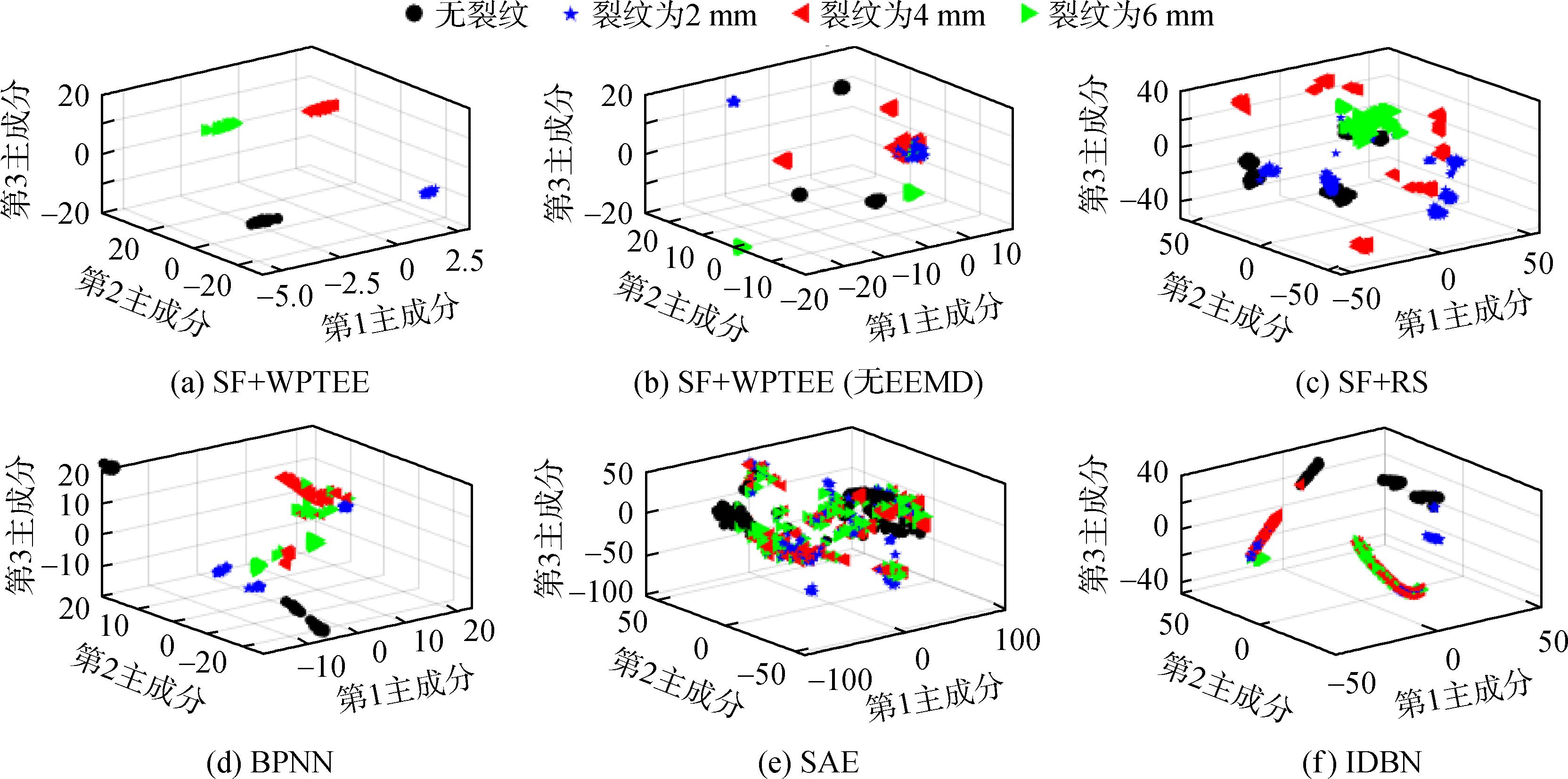
By combining the 3⁃dimensional dynamic response analysis with parameter identification,the information entropy of the 3D⁃BTC (3⁃dimensional blade tip clearance) dynamic response parameters for different crack blades was analyzed,and sparse filtering was used to learn multi⁃scale dynamic response features from information entropy distribution of different response parameters in an unsupervised manner,realizing quantitative description of operational response features for different crack blades based on multi⁃scale dynamic response information entropy.On this basis,the support vector machine (SVM) was further used to construct the complex mapping relationship between the multi⁃scale response feature space and the condition space by its strong non⁃linear mapping ability.In different sets of experiments,the quantitative effectiveness of the proposed method for different crack blades was verified,and the diagnosis accuracy reached 100% far beyond other comparative methods,and the stability of diagnosis results was fairly good.

Identification of flexible nozzle torque properties based on wavelet neural network optimized by genetic algorithm
YANG Hongcheng, LIU Shan, JIN Guangzai, JIAO Weiwei, JIANG Yufeng
2022, 37(9): 1936-1945. doi: 10.13224/j.cnki.jasp.20210350
Abstract:

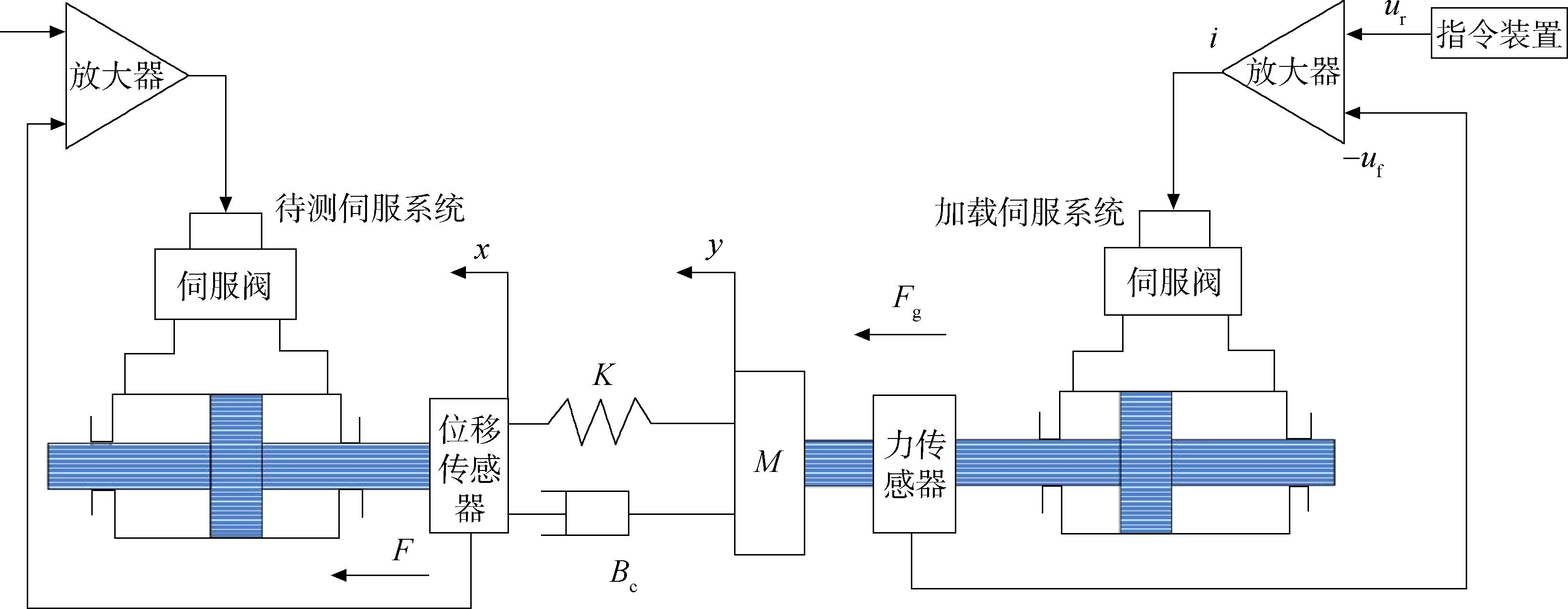
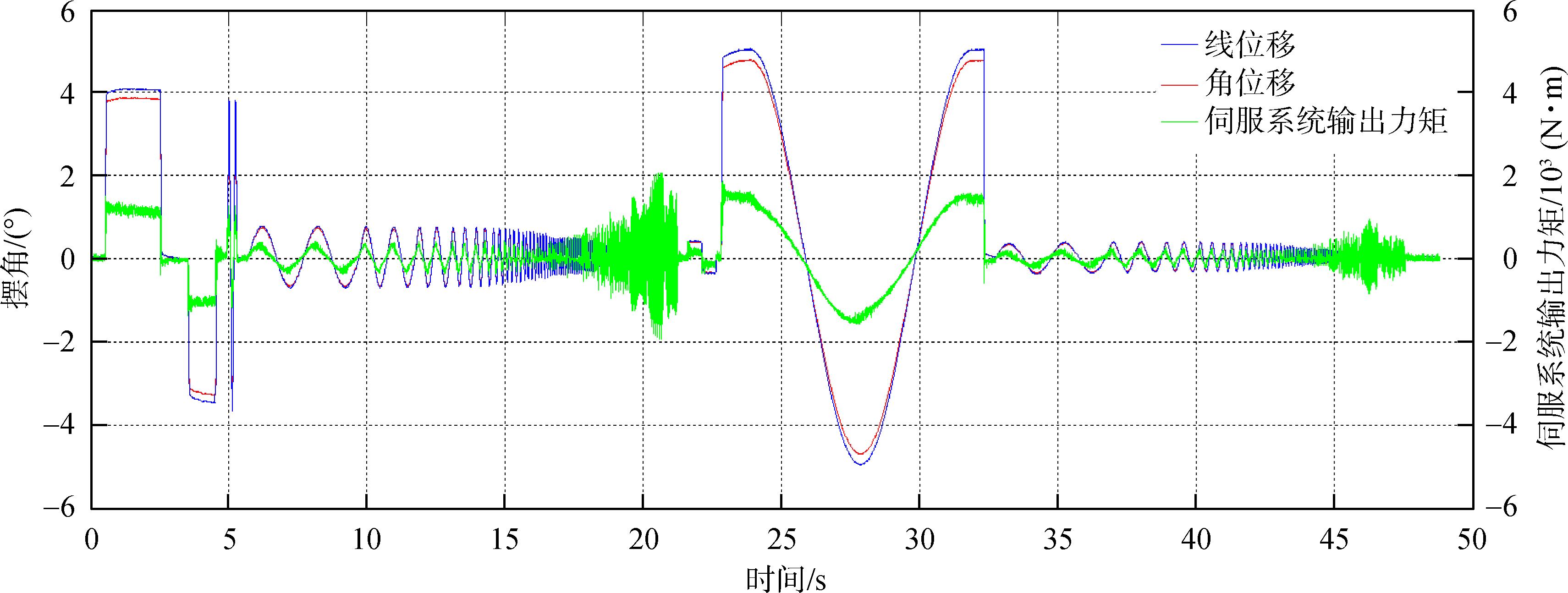
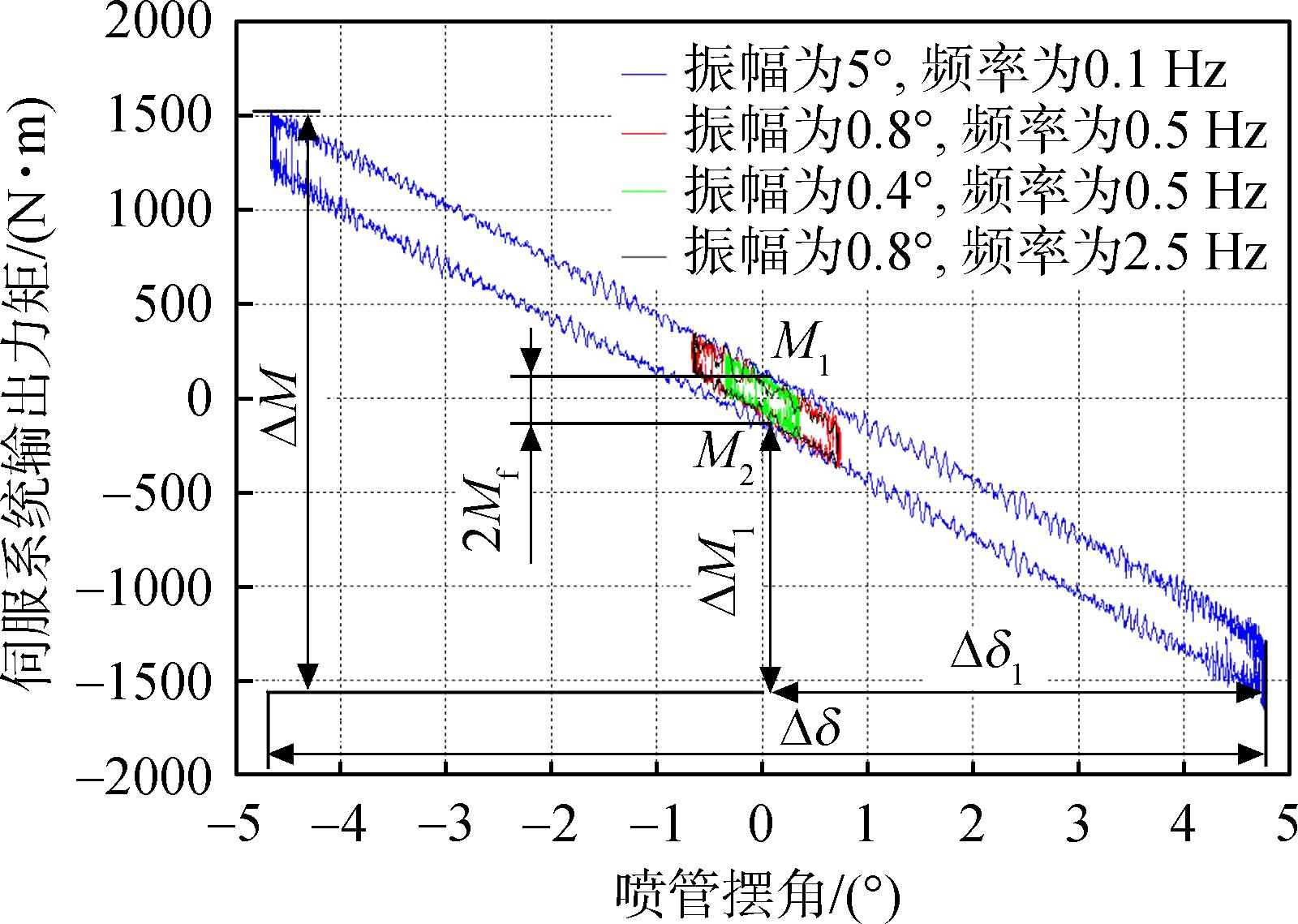
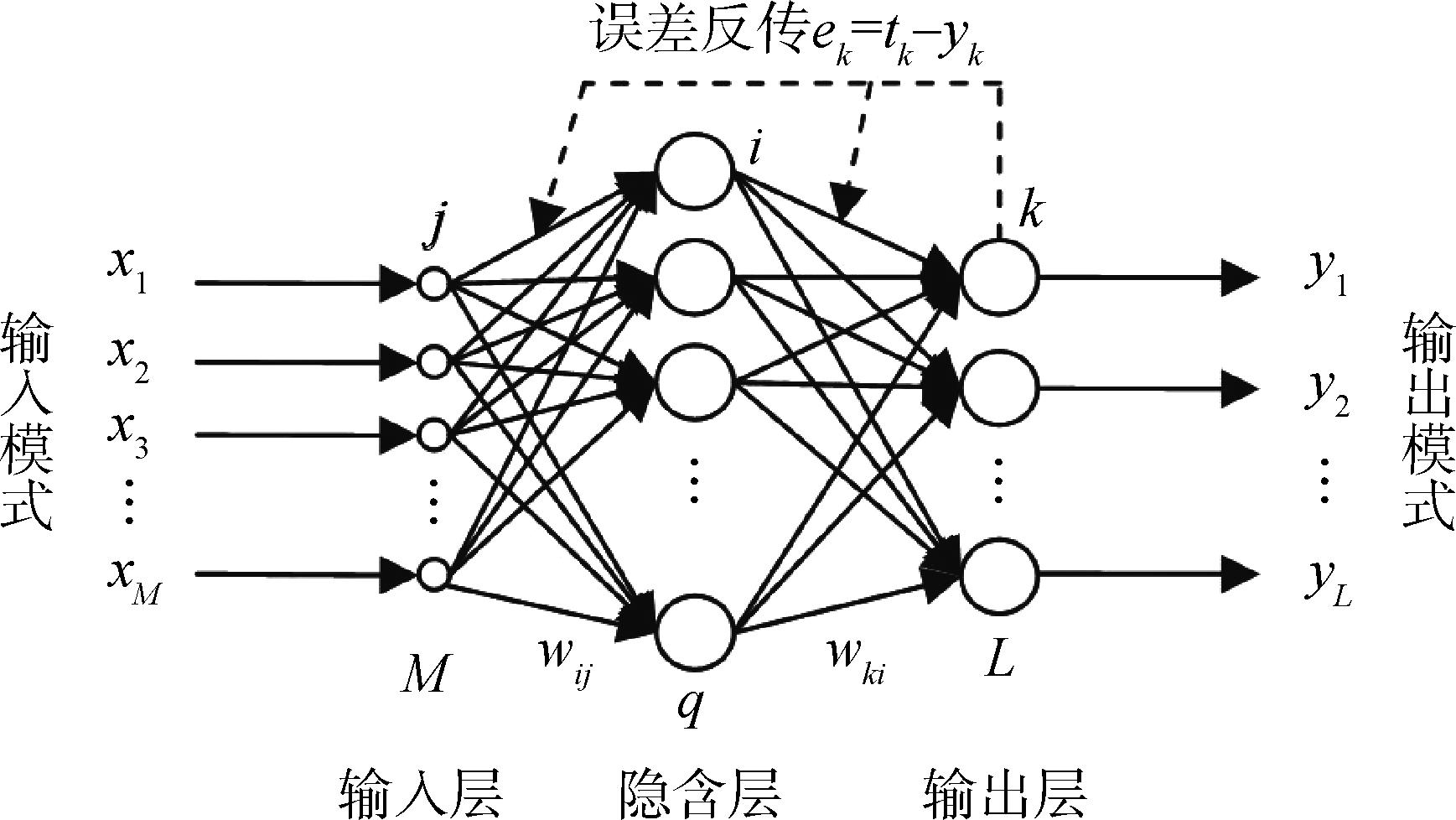
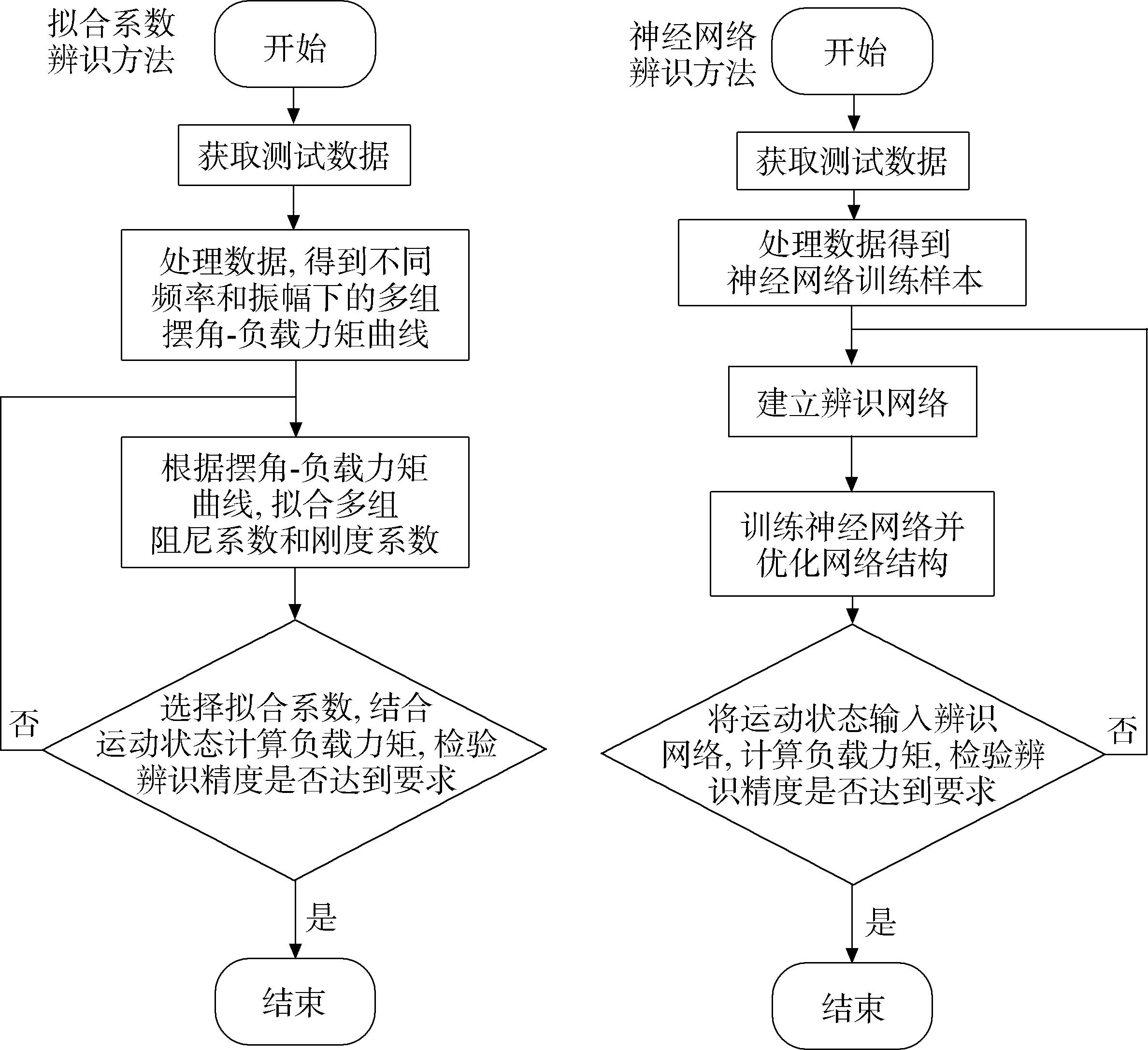
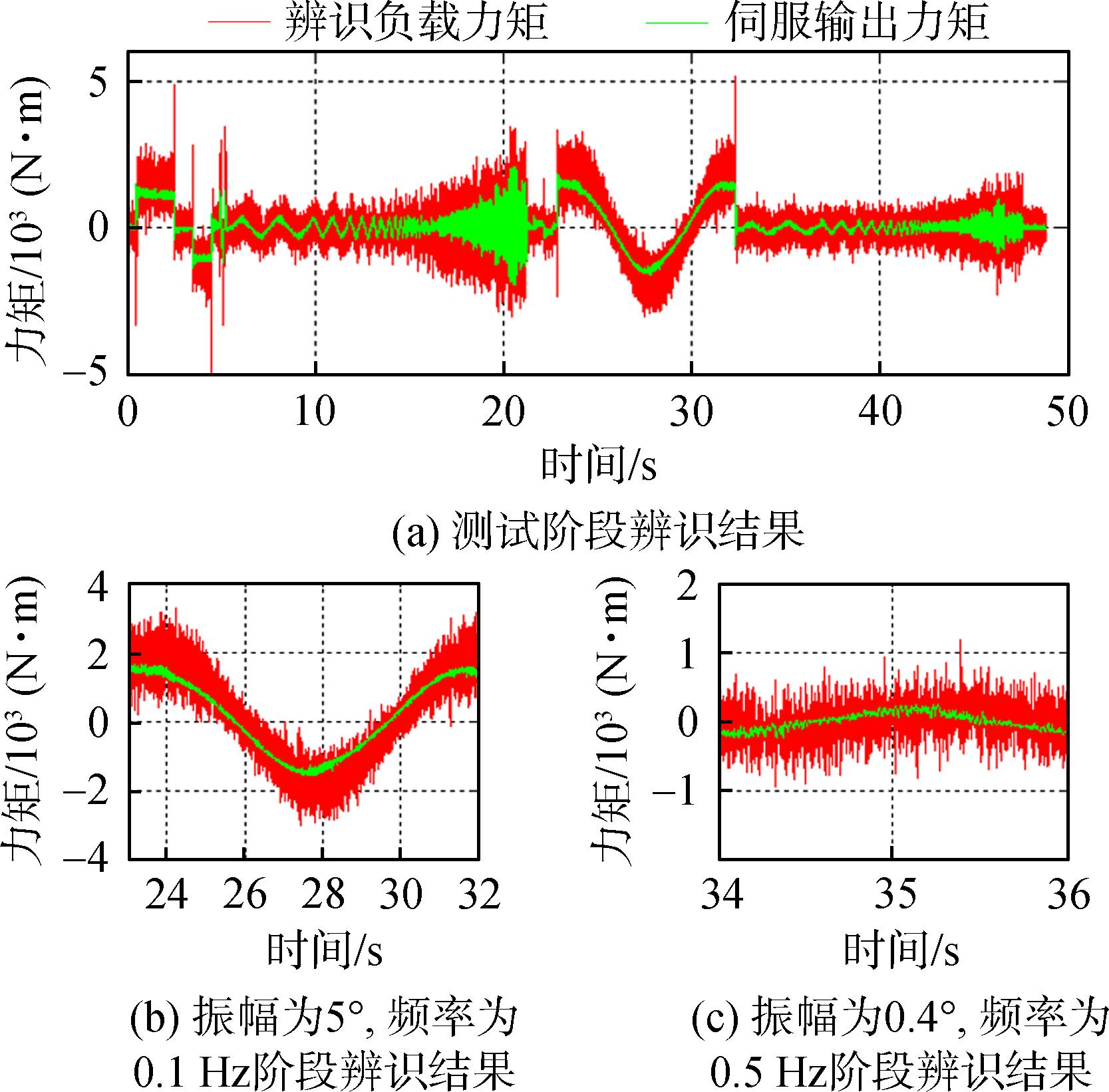
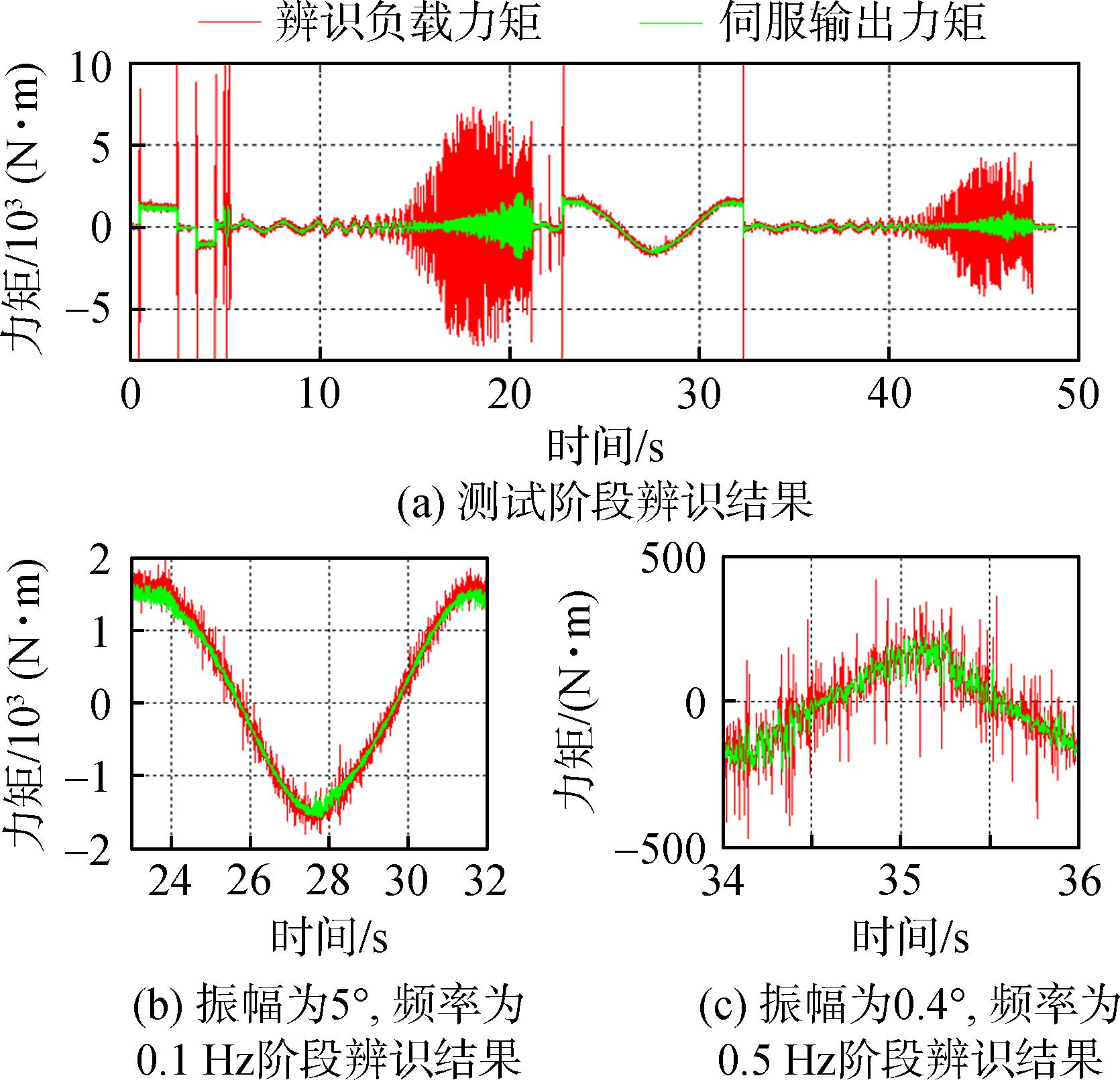
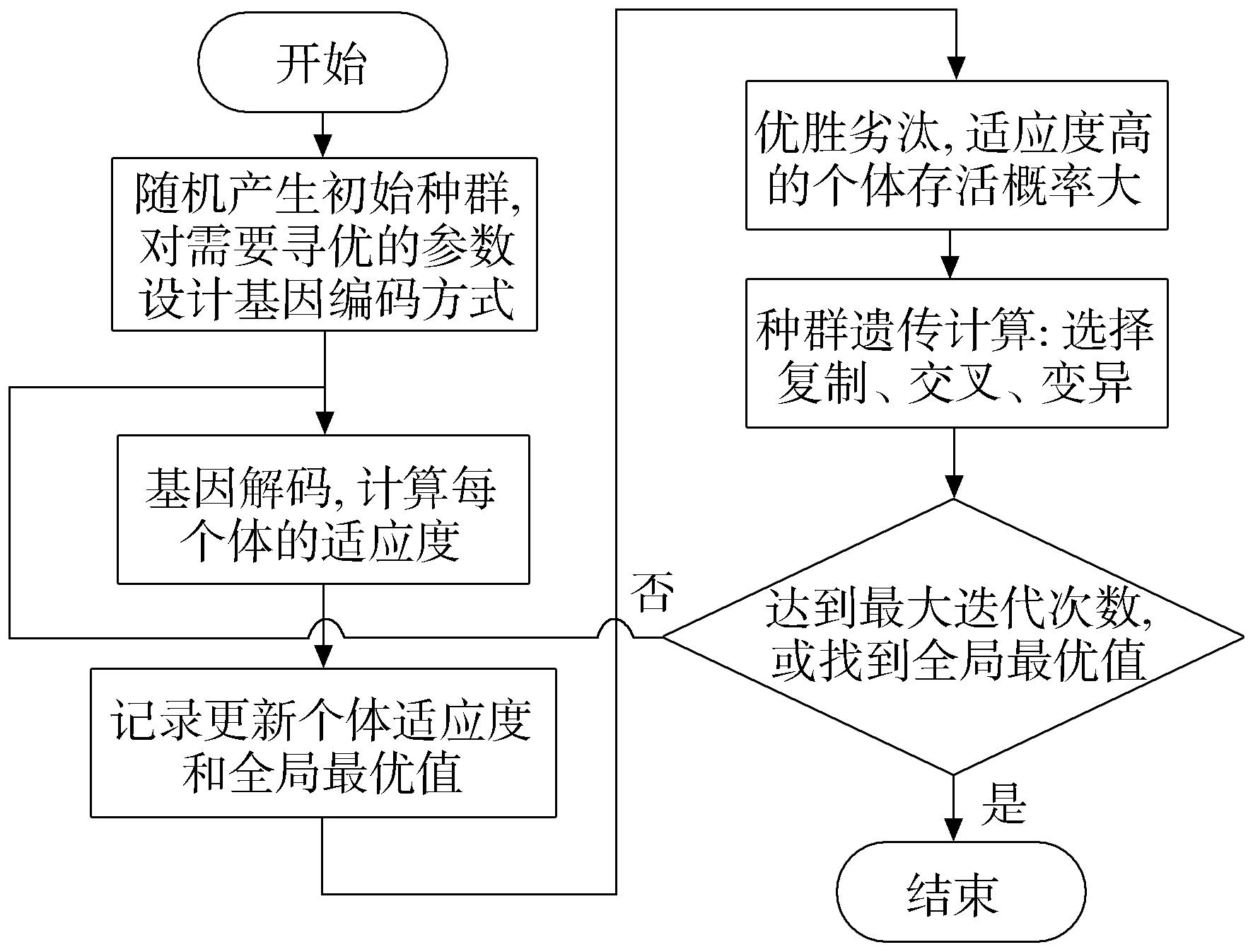
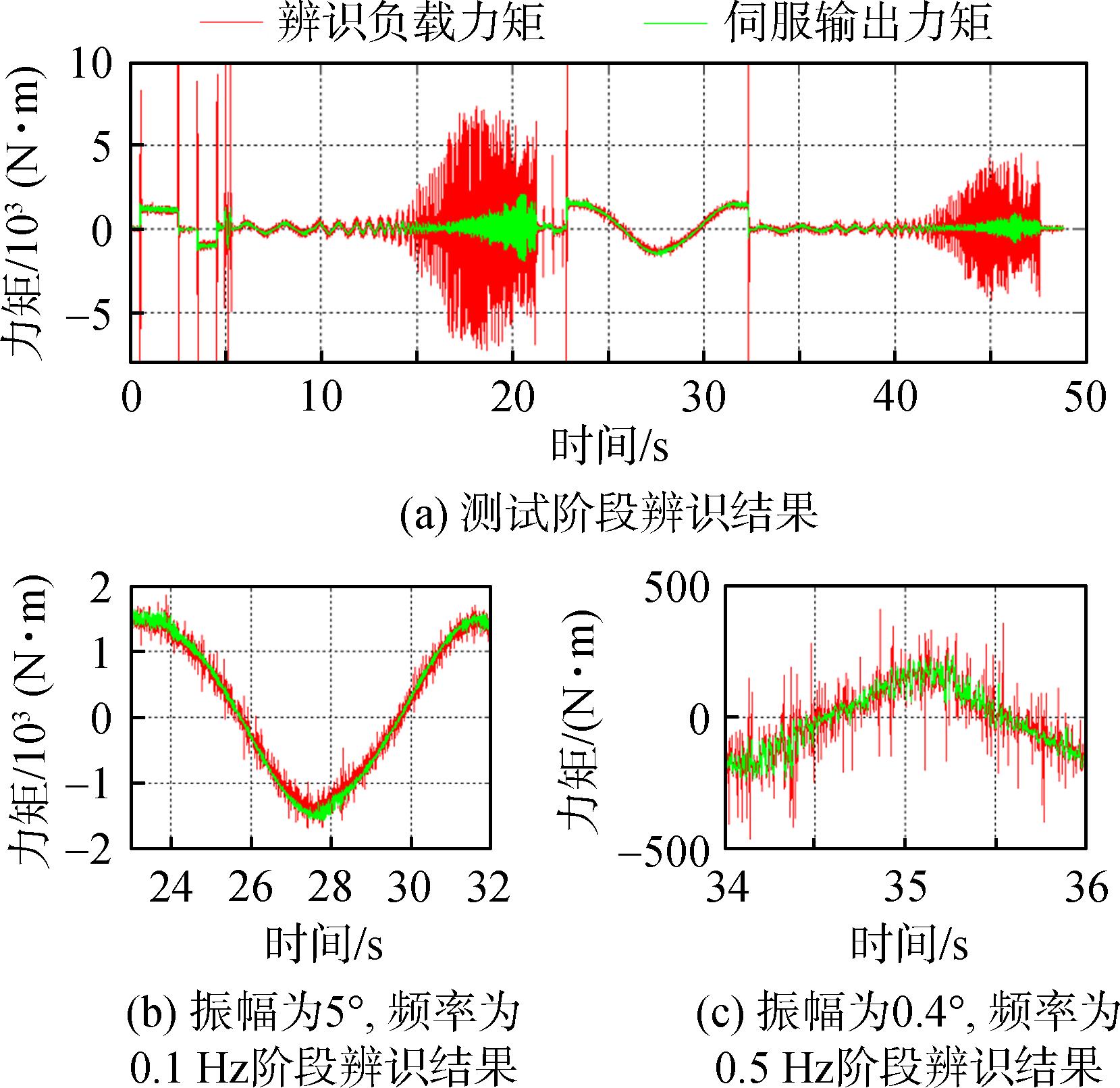
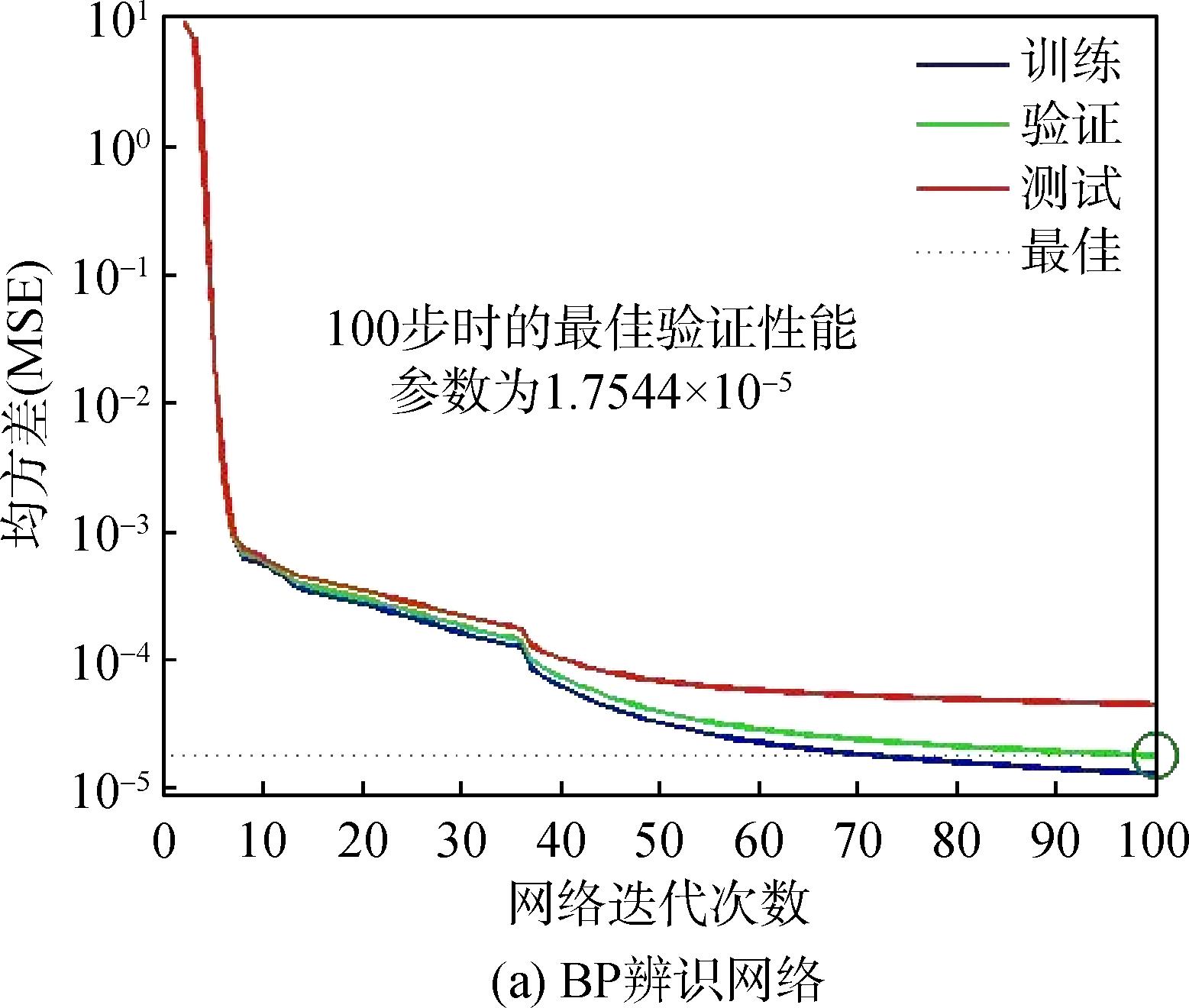
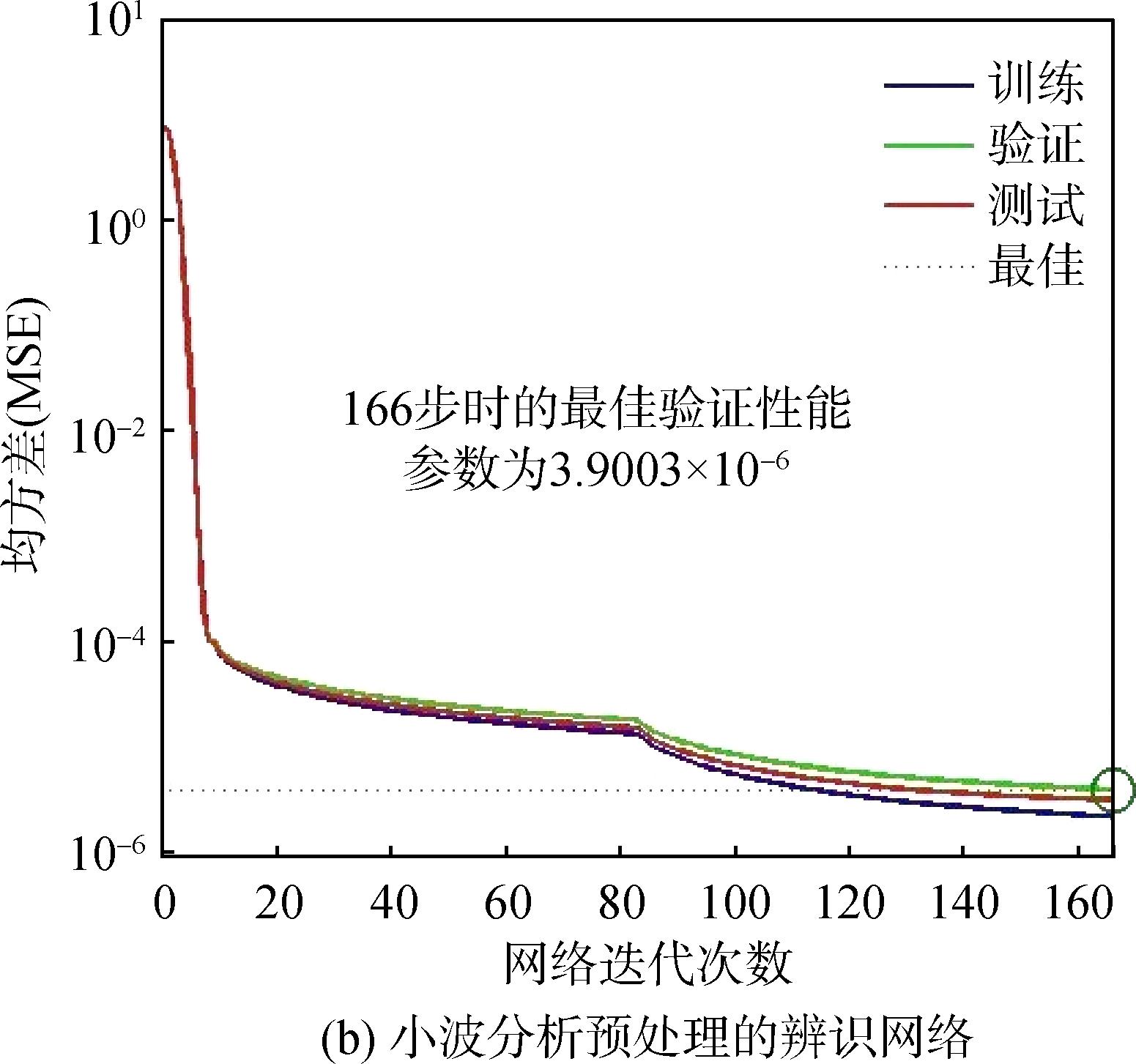
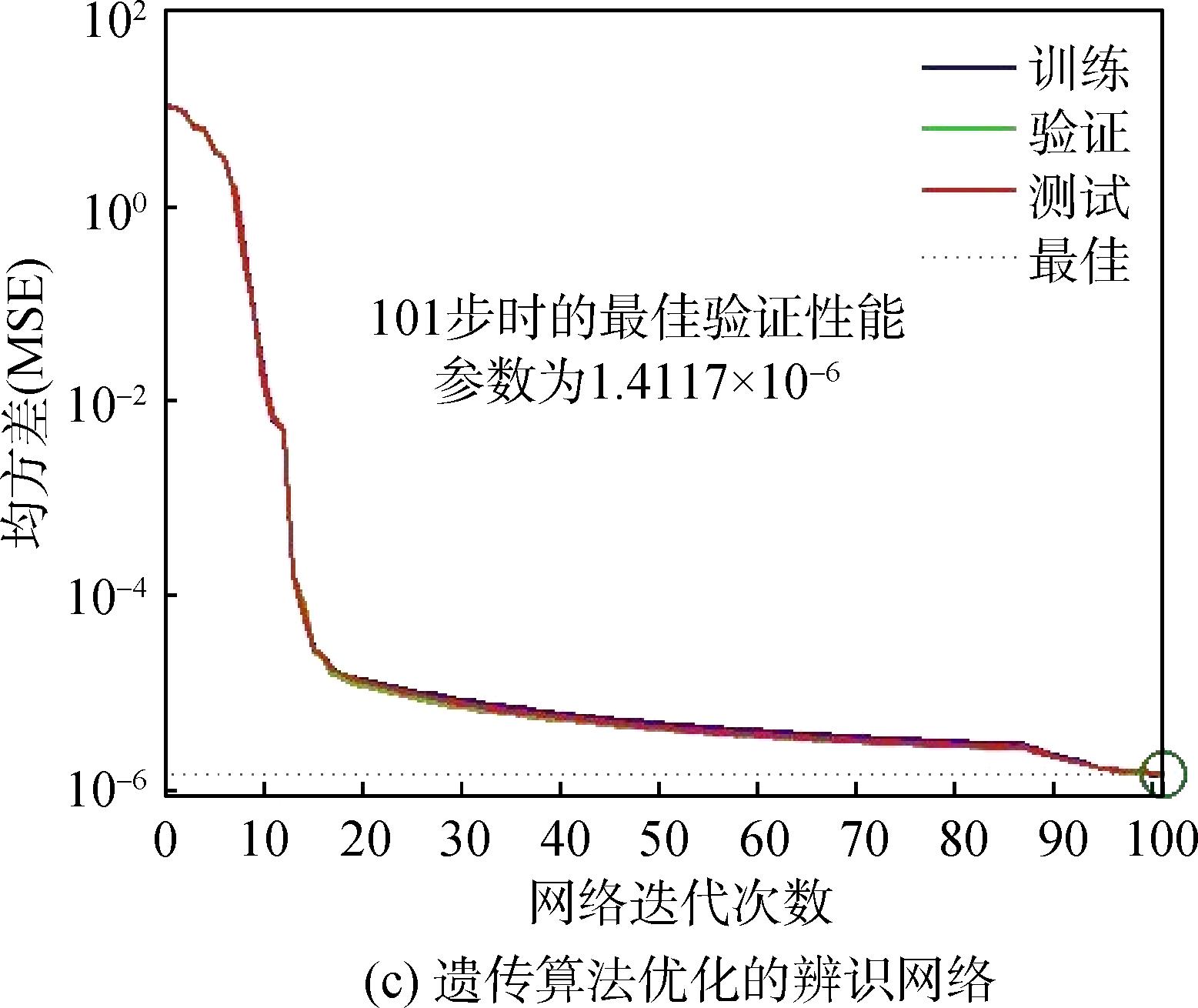
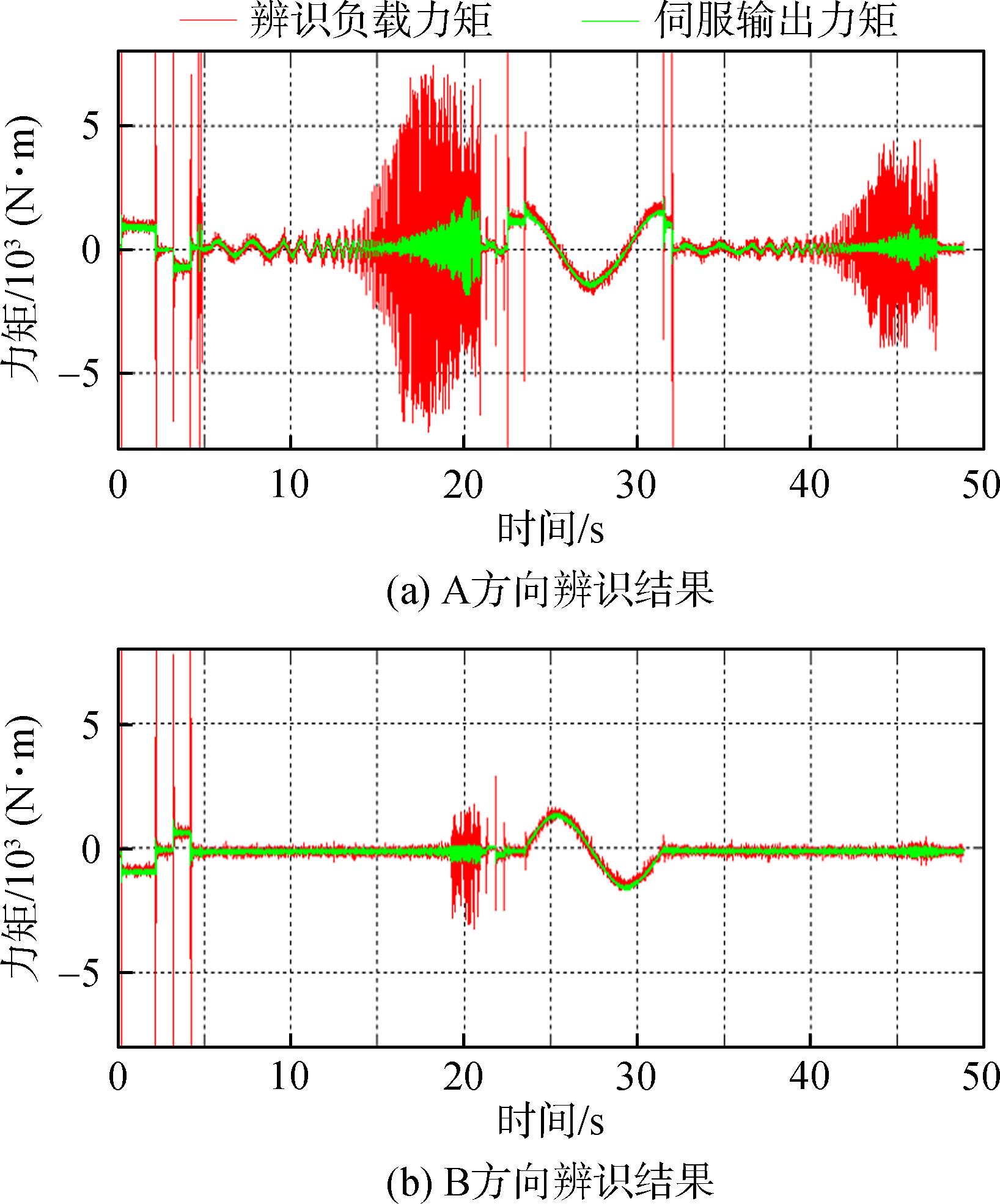
In order to identify the load torque accurately and improve the authenticity of active load simulation,a neural network identification method based on genetic algorithm optimization was used.The wavelet analysis method was used to preprocess the test signal,and the information obtained after de⁃noising and decomposition was used as the expanded sample of neural network training,which improved the identification accuracy.The genetic algorithm was used to select the optimal input information,network structure and hidden layer scale,which can speed up the network convergence speed and simplify the calculation process,so as to realize rapid and accurate identification of the characteristics of flexible nozzle.The simulate results showed that this identification method can accurately reflect the torque characteristics of the flexible nozzle excited by typical test signal,with the average identification error of 2%,proving that it is of great significance to realize precise active load control and accurately verify the servo control performance.
Turbomachinery
Twin⁃duct matching mechanism in fan booster under different bypass working conditions
ZHENG Tan, YANG Xiaohe, YE Jun, FENG Jinzhang
2022, 37(9): 1946-1956. doi: 10.13224/j.cnki.jasp.20210112
Abstract:

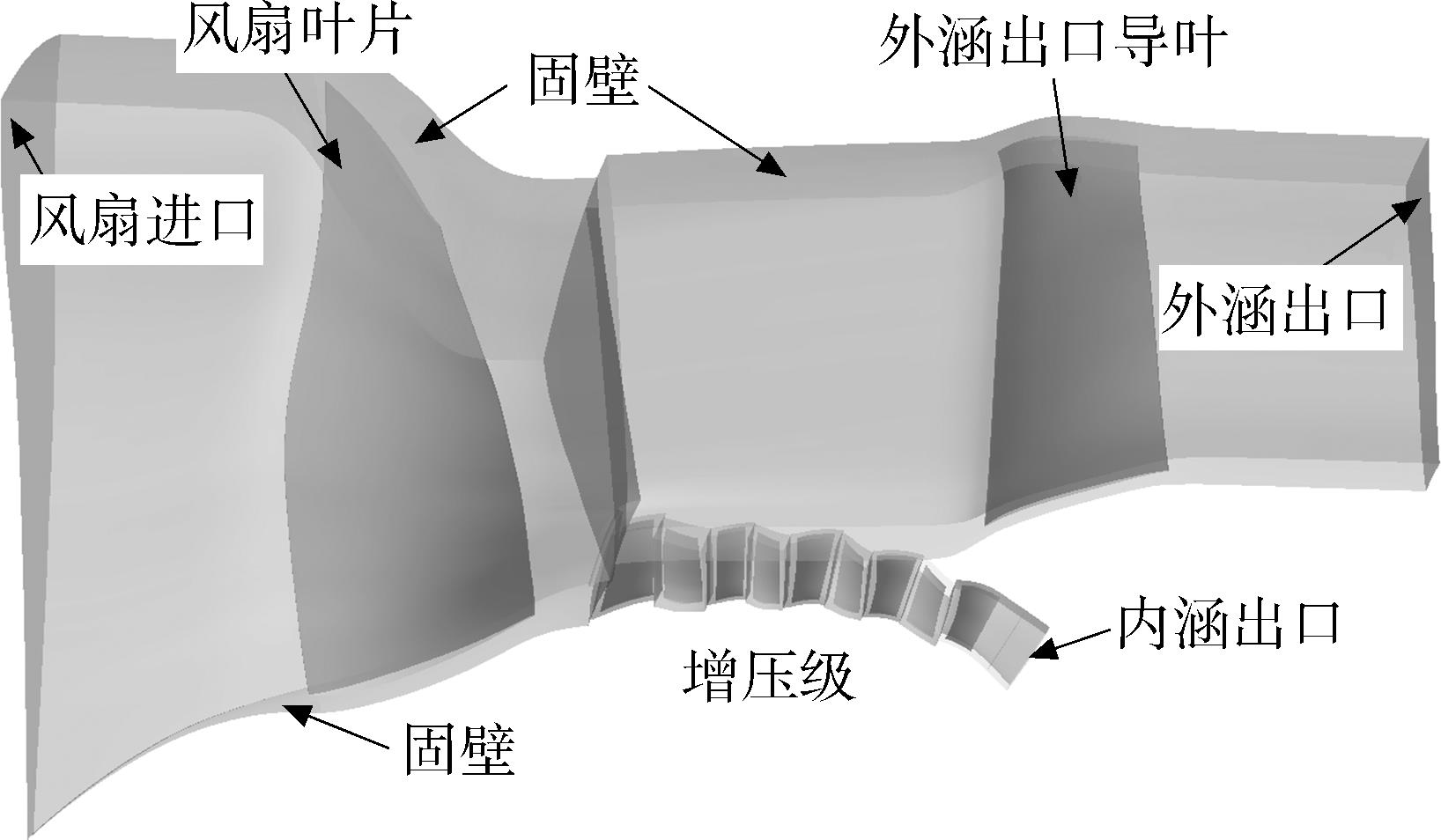
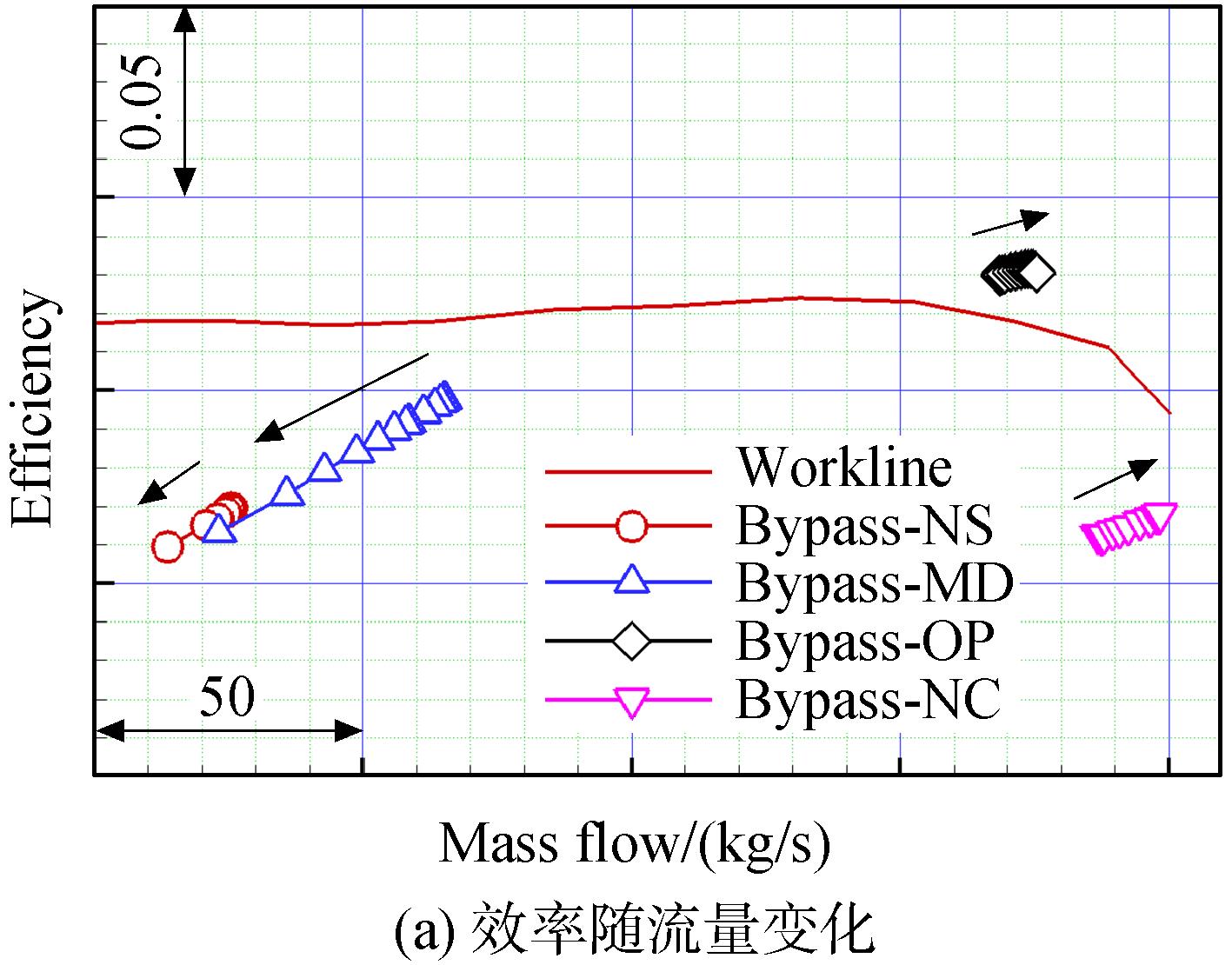
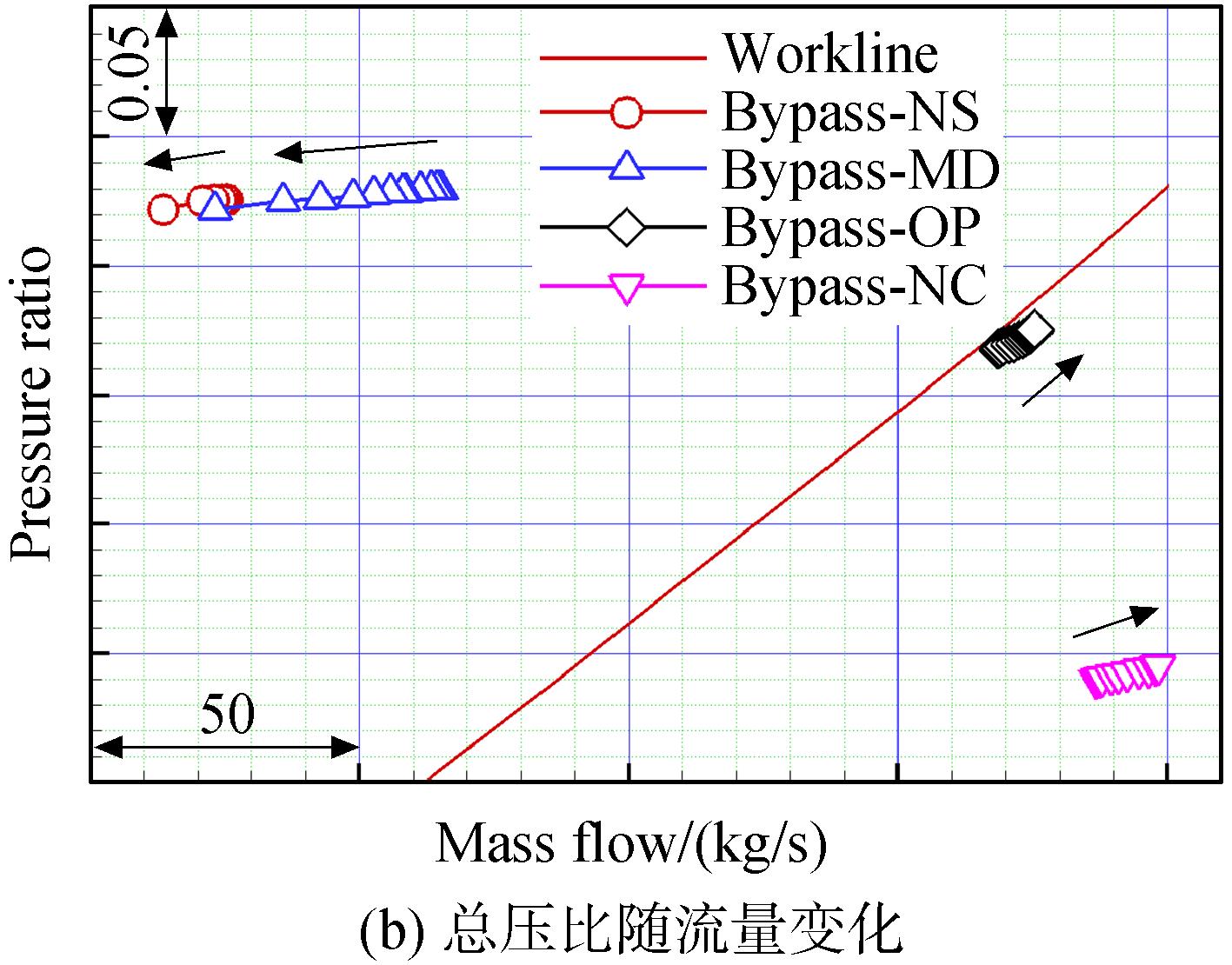
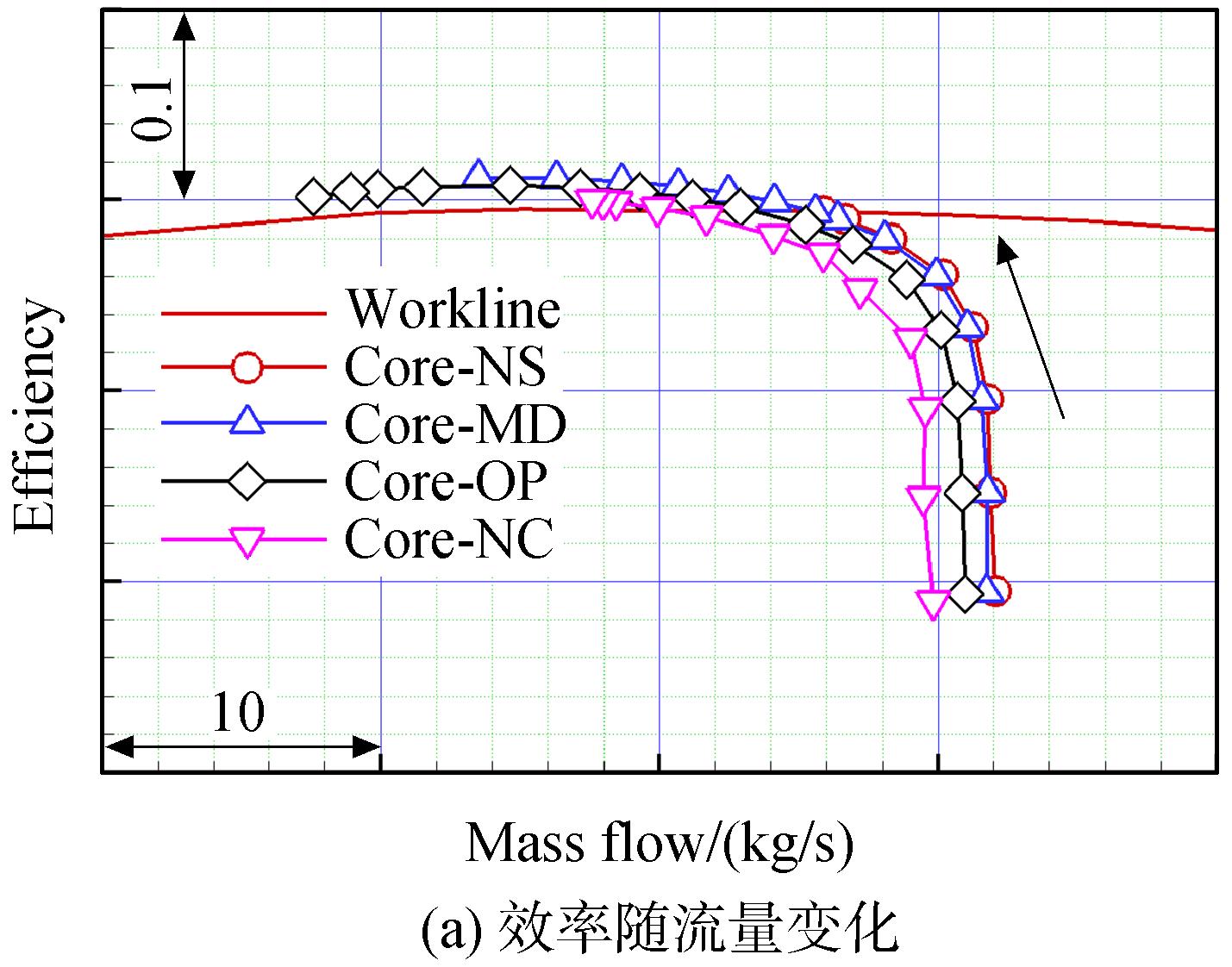
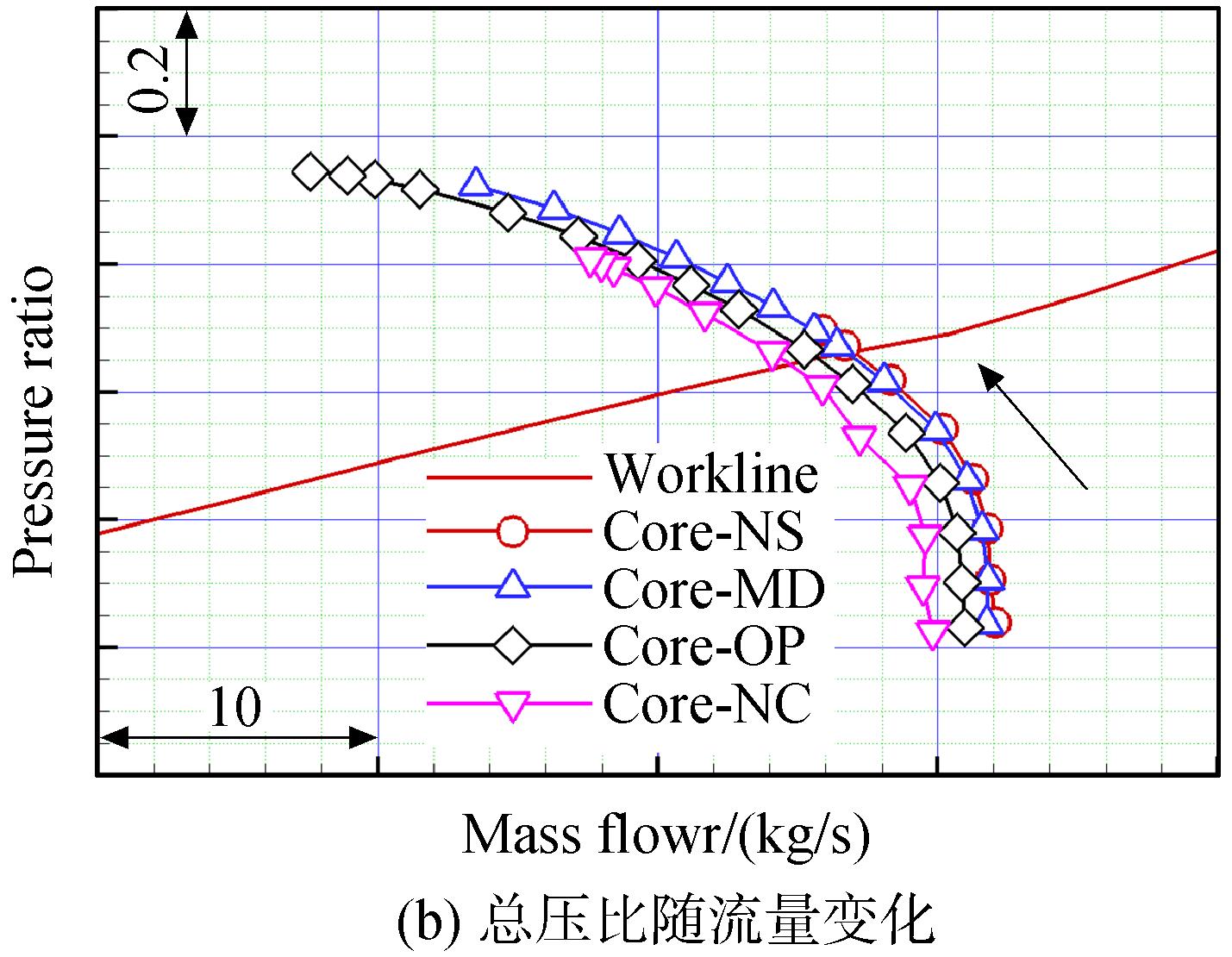
Numerical research on a high‑bypass‑ratio fan booster of a civil‑aircraft engine was conducted under different bypass working conditions,with the aim of understanding the twin‑duct matching rule and corresponding matching mechanism.By analysis of the numerical results,it was understood that as the bypass working condition changed from the near choke point to the near surge point,the mass flow,pressure ratio and efficiency increased and the core surge margin first climbed up and then declined.In the process of acquiring core characteristics,the change law of bypass aerodynamic performance was mastered.Furthermore,during the forced surge process of the core,the twin‑duct matching mechanism was subject to the combined actions of the fan characteristic of pressure ratio and mass flow and the redistribution of mass flow between the core and bypass.

Design technology of a variable curvature blade type swirl distortion generator
ZHANG Xinyu, TU Baofeng, FANG Rui, YANG Guang
2022, 37(9): 1957-1969. doi: 10.13224/j.cnki.jasp.20210343
Abstract:

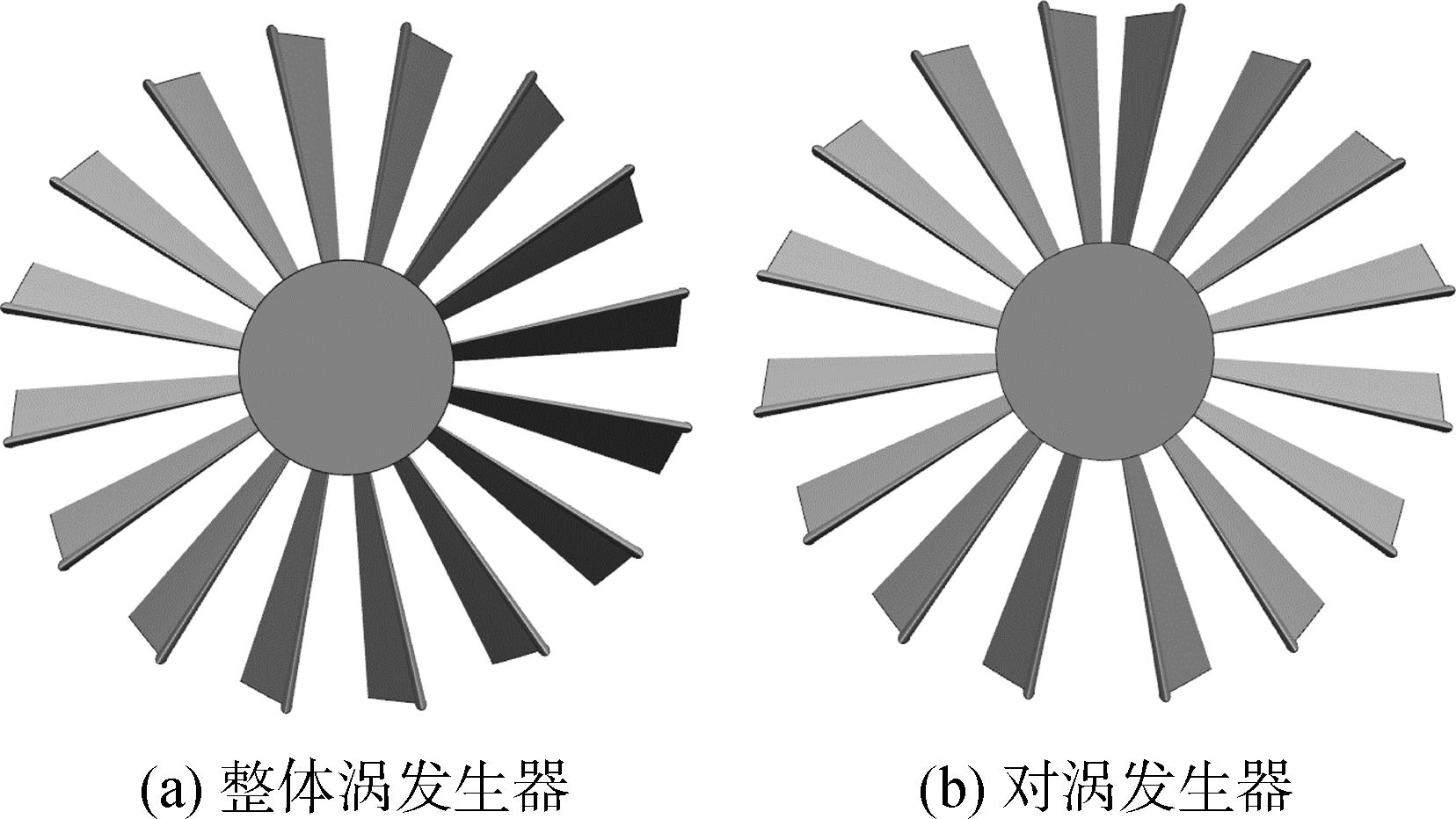
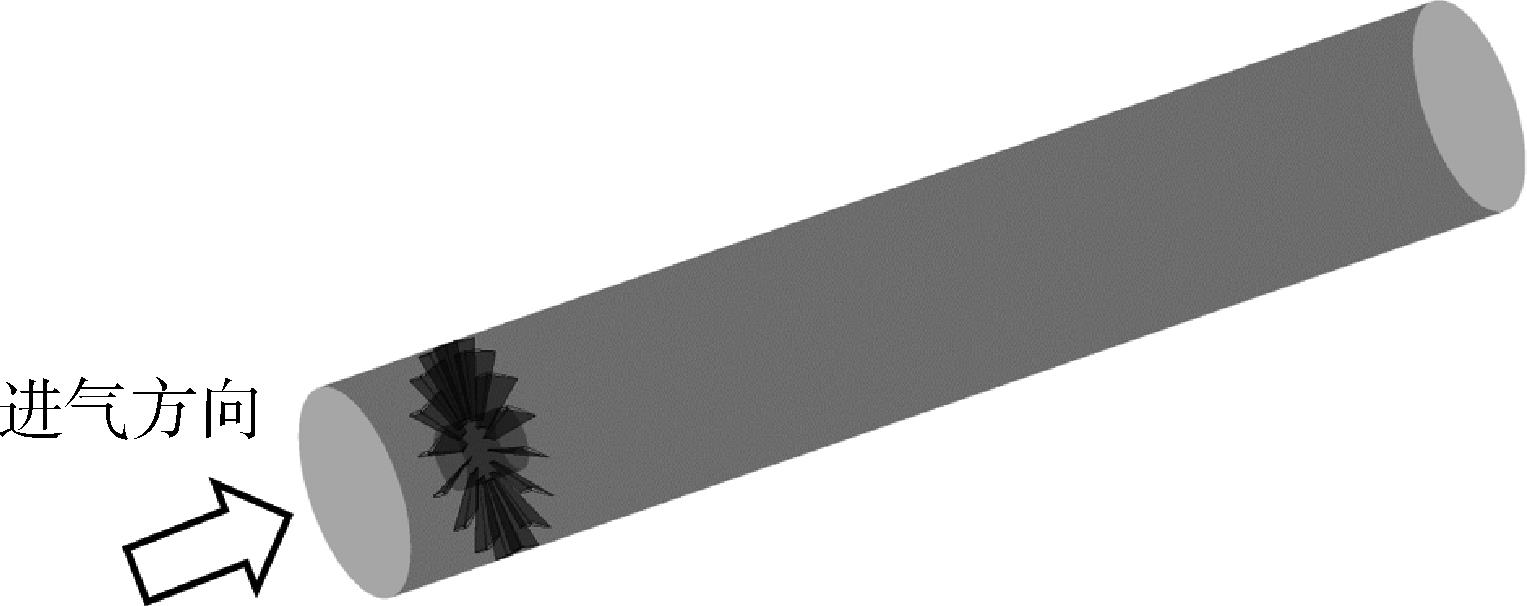
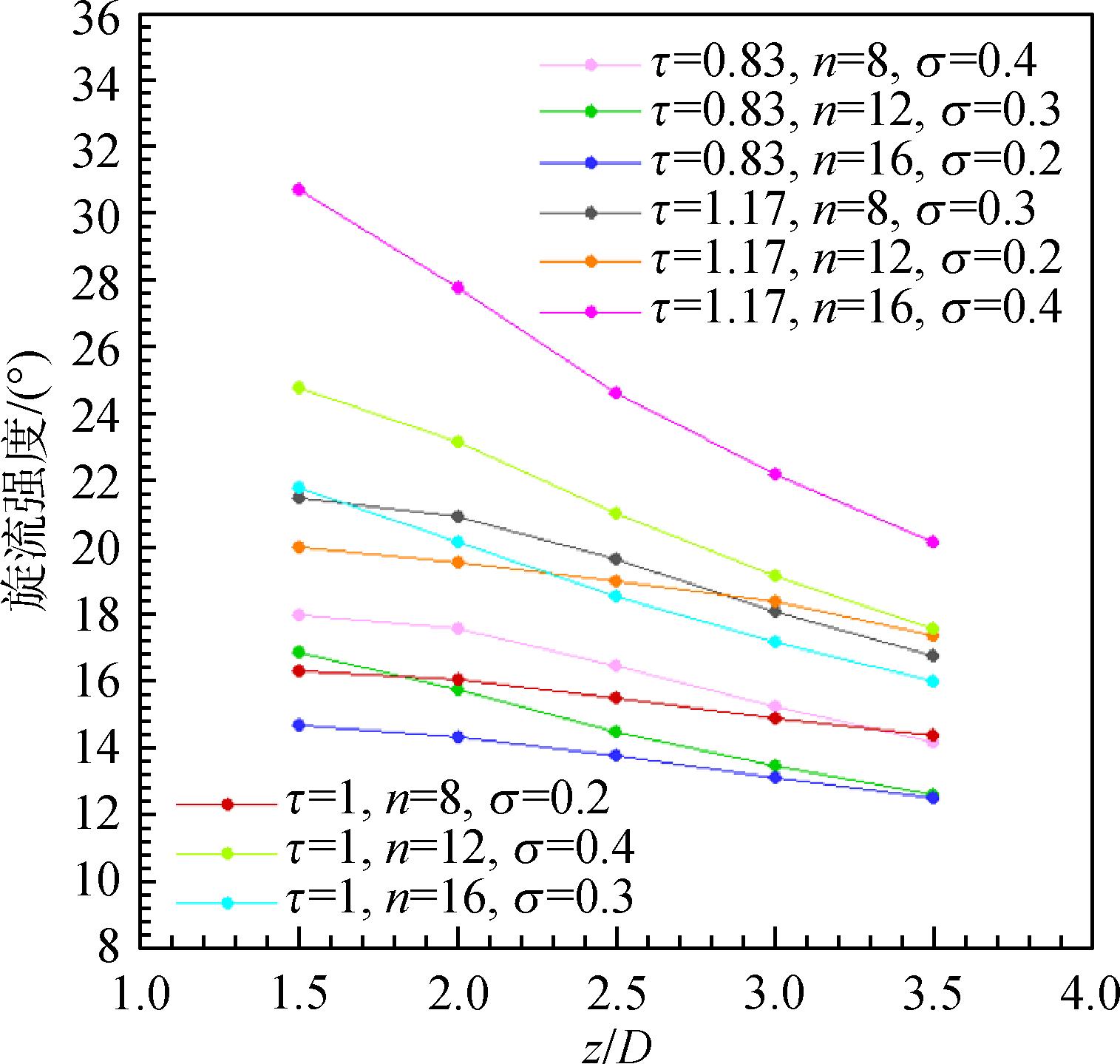
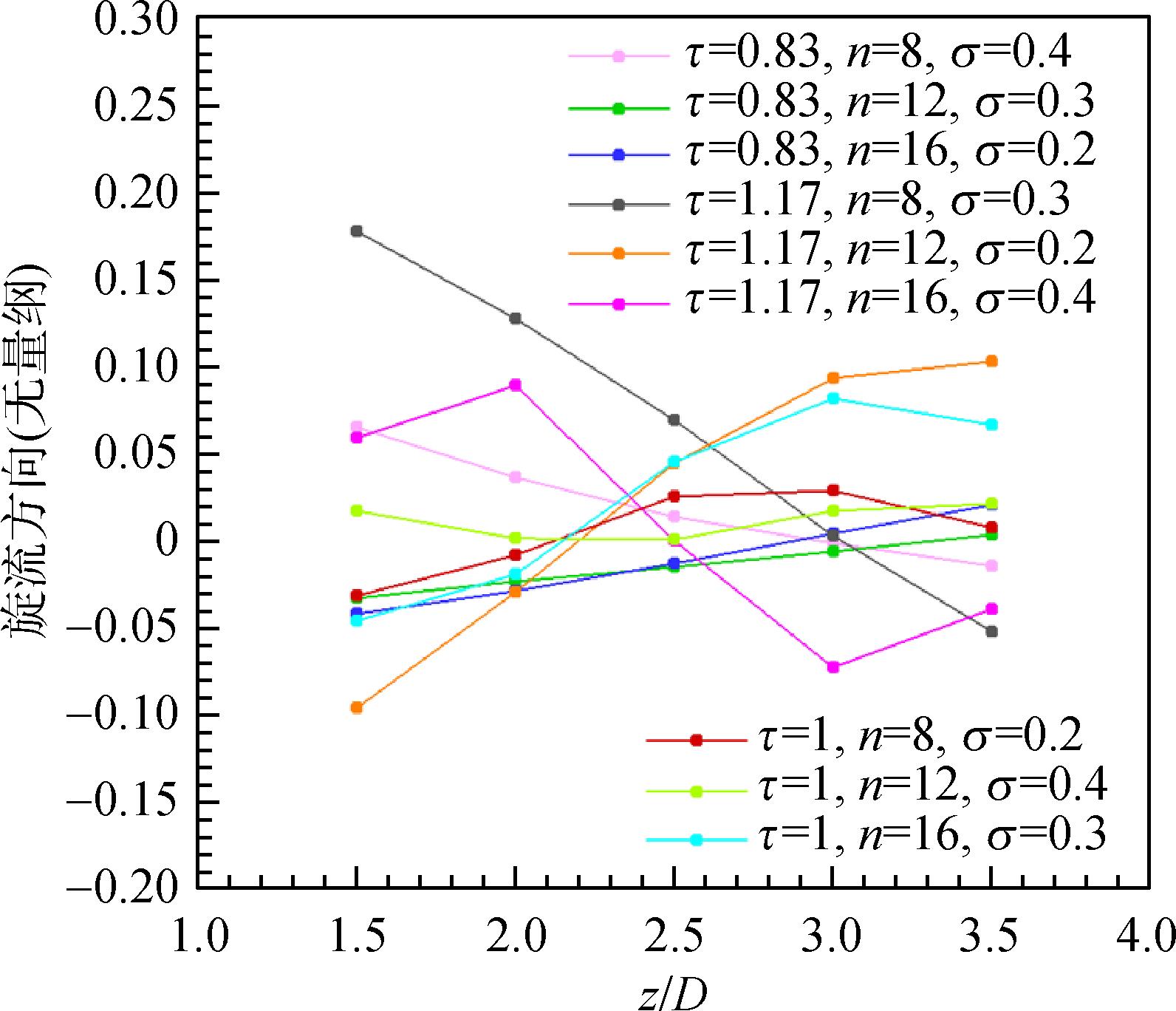
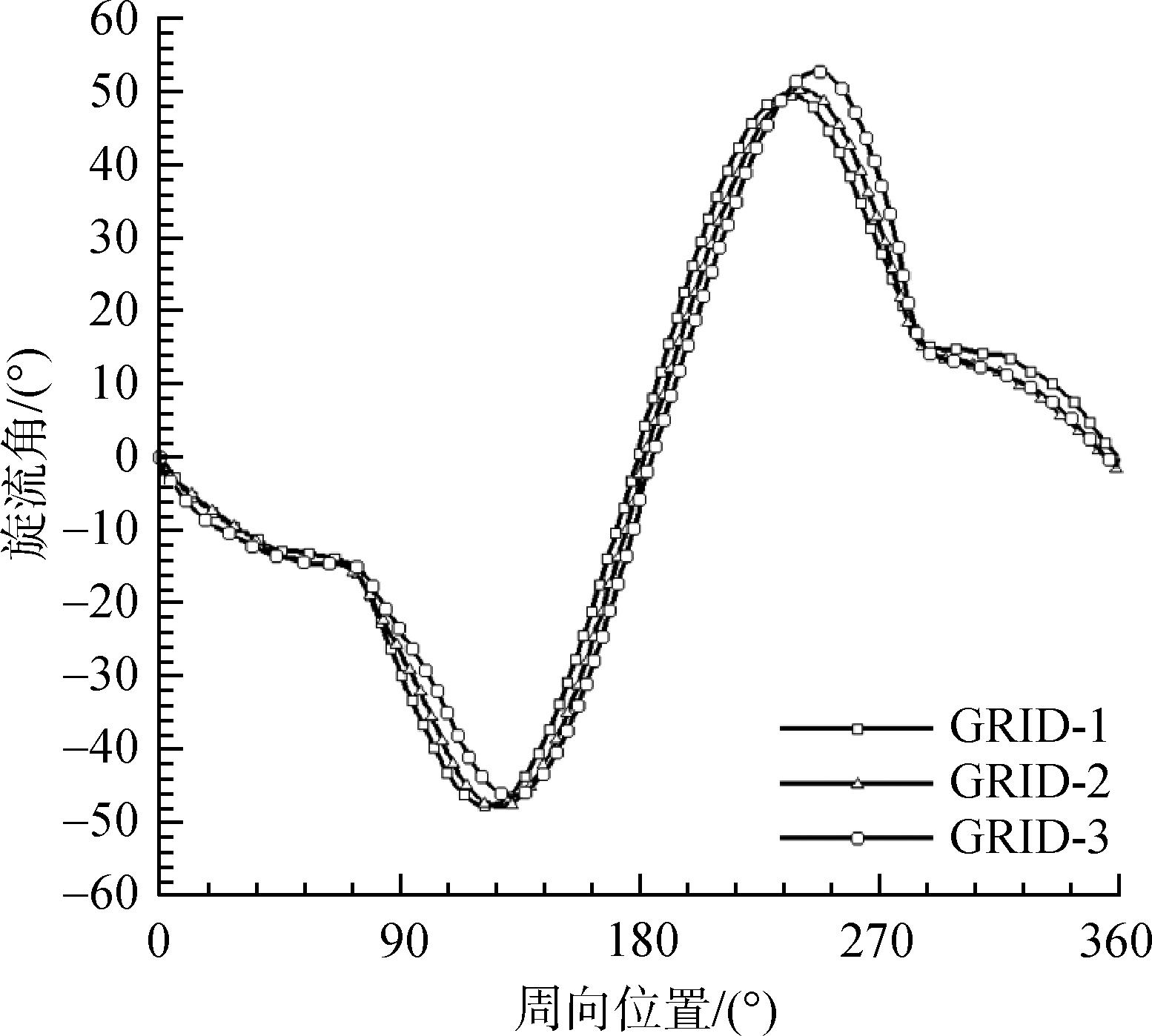
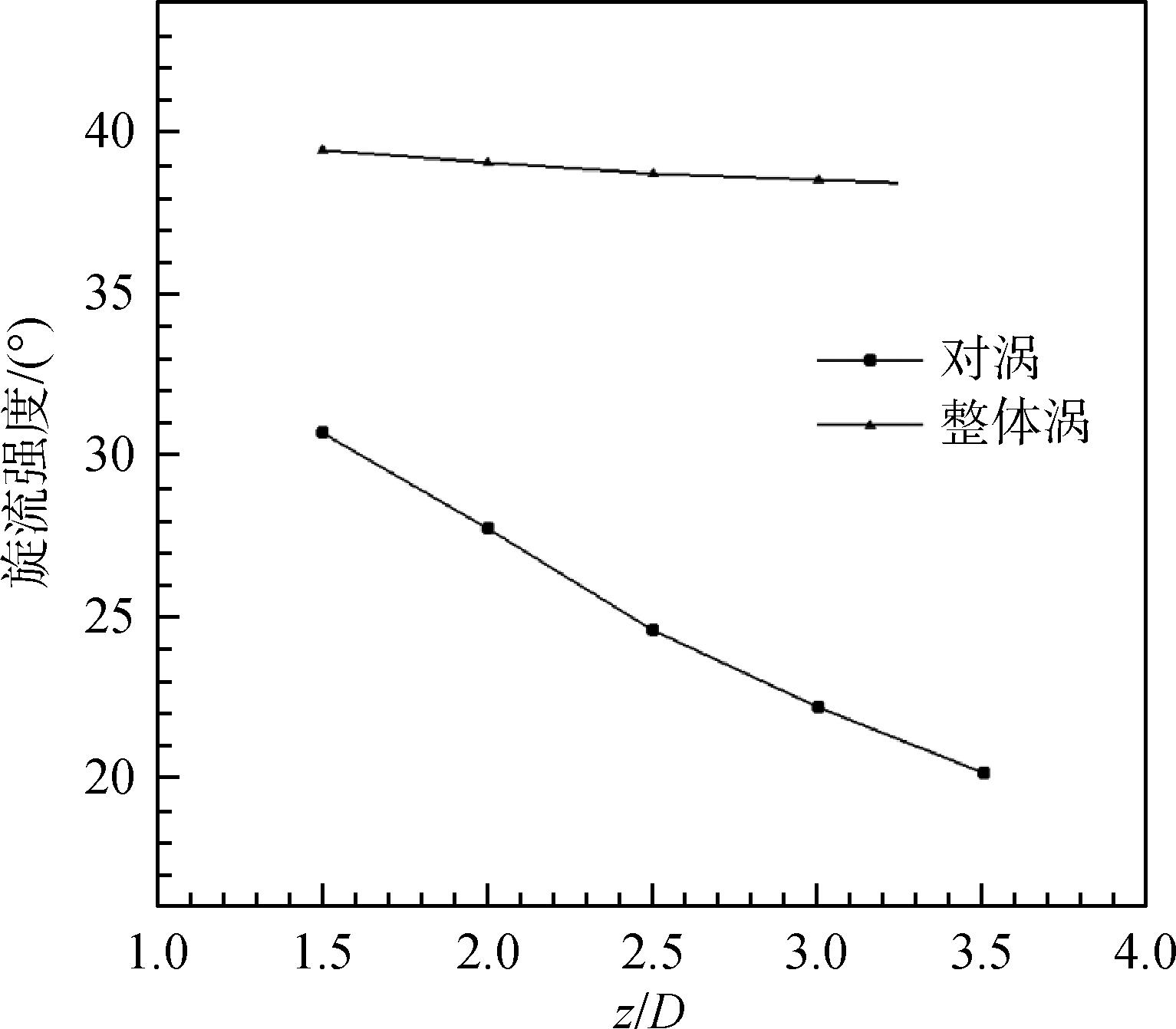
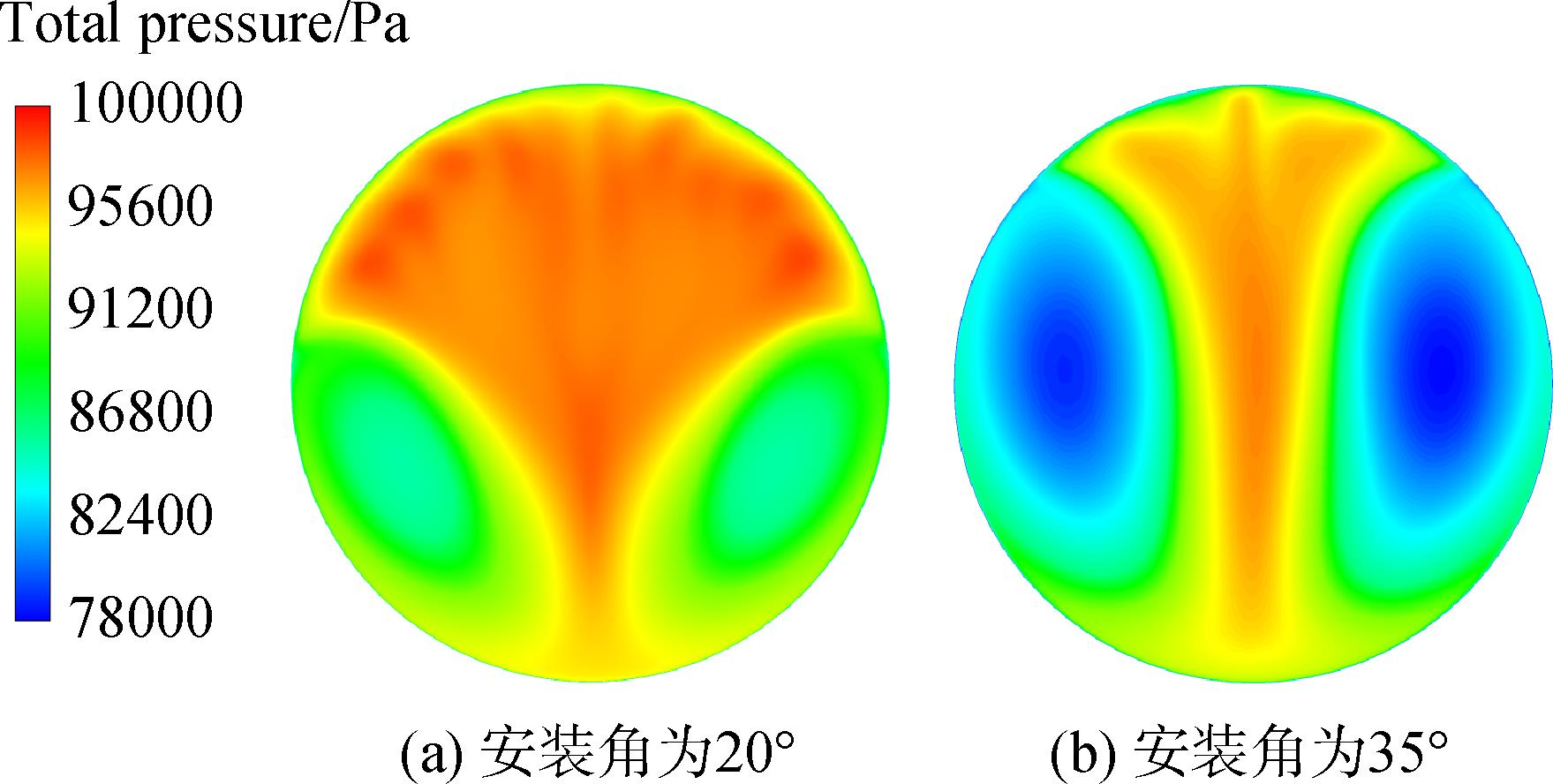
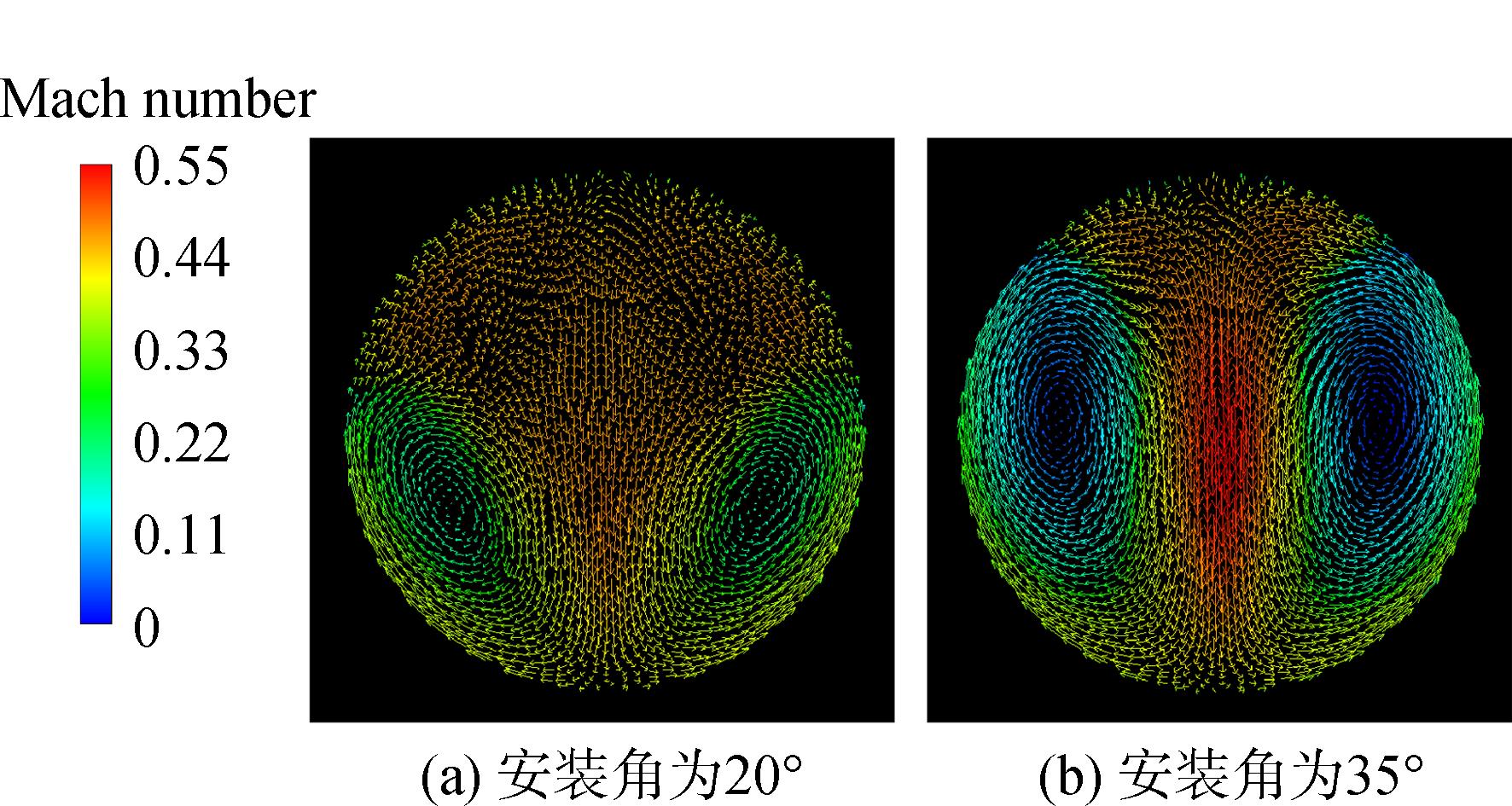
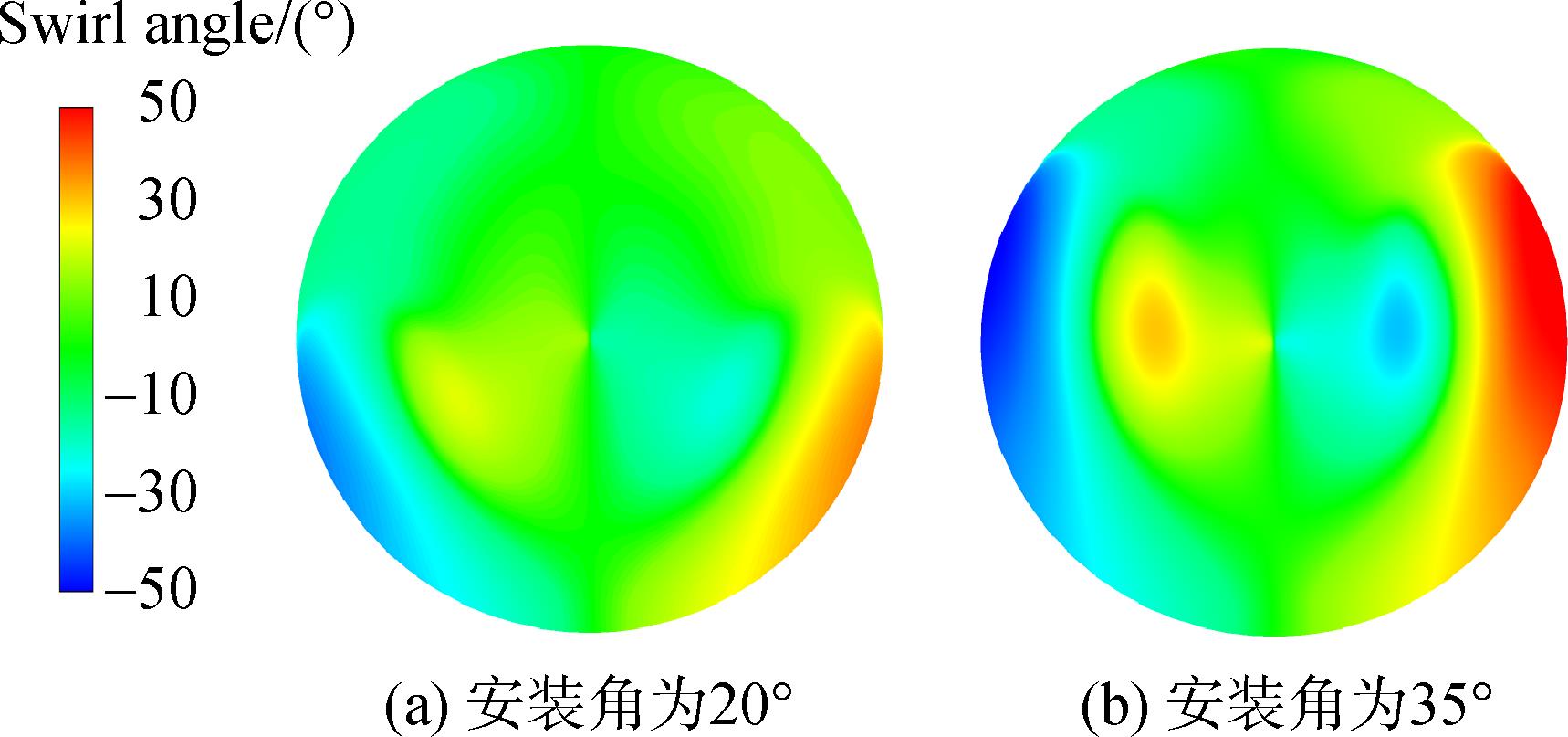
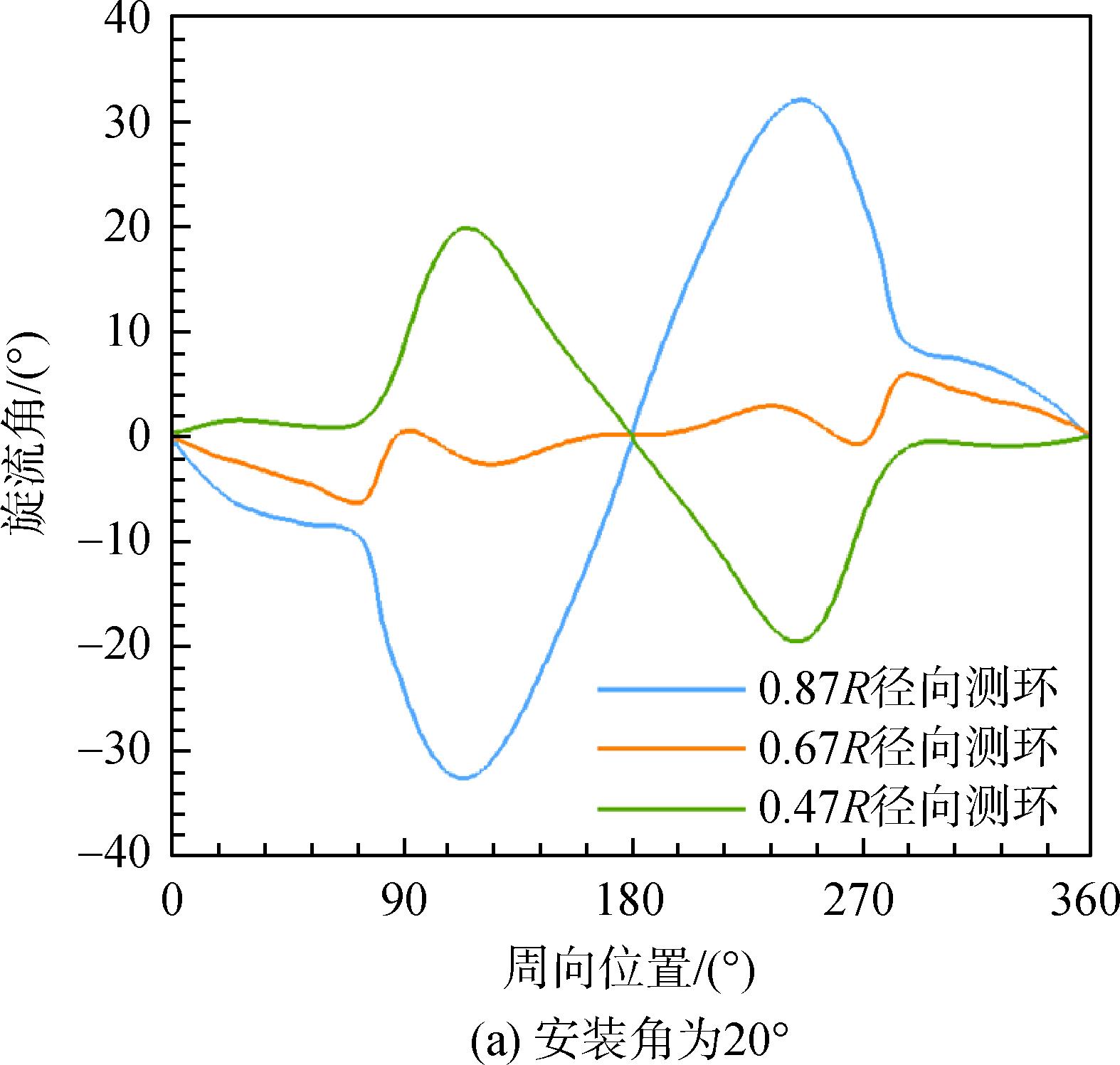
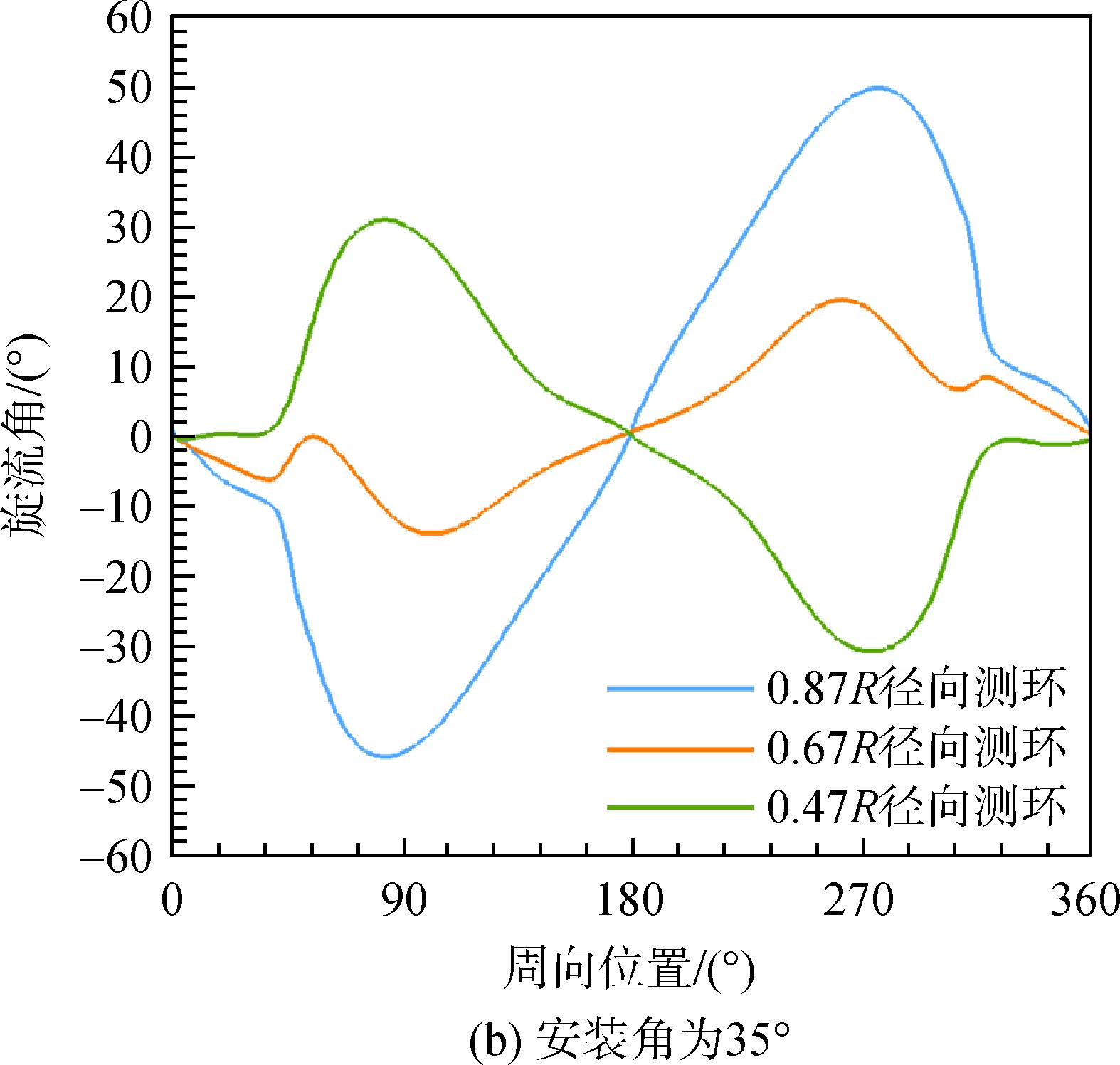
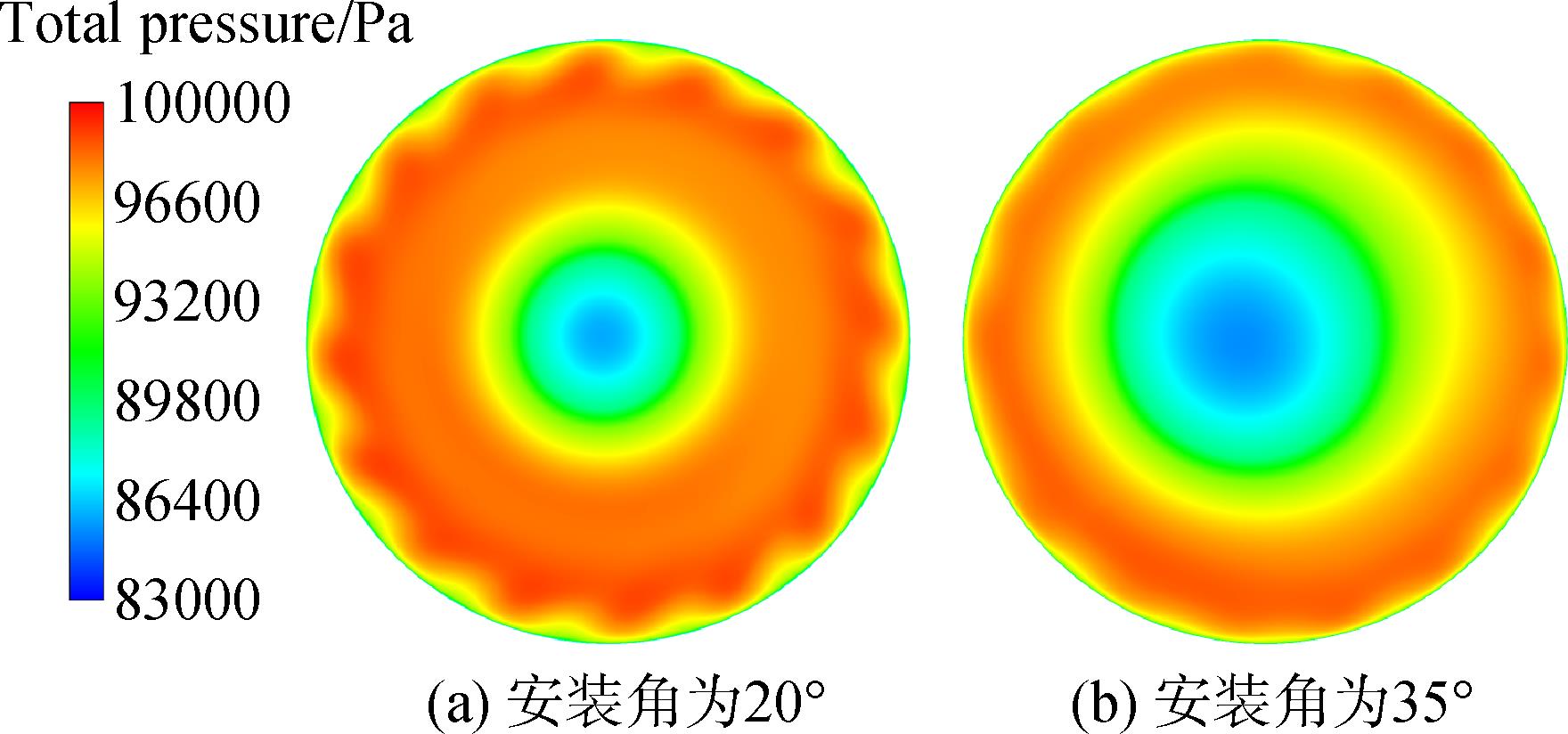
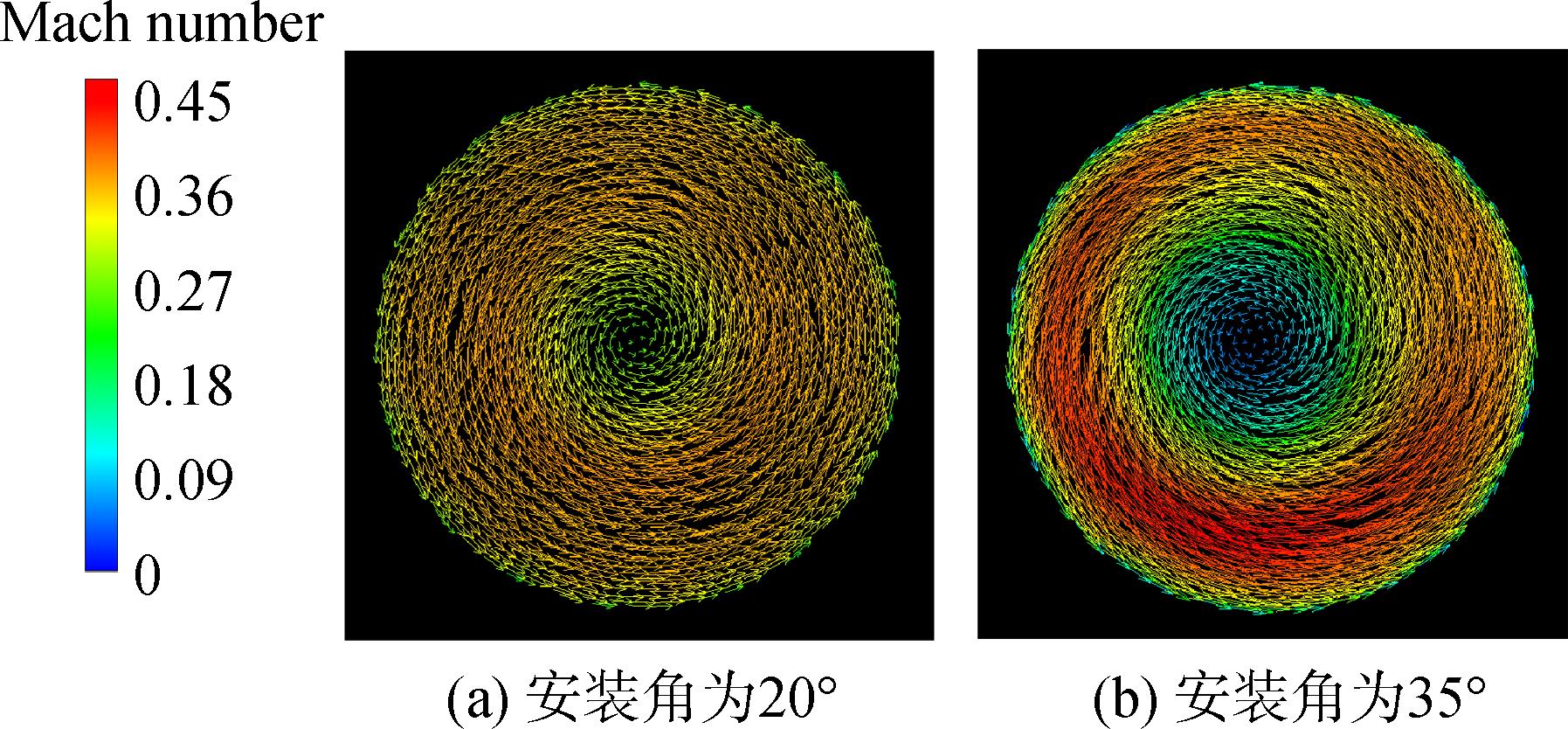
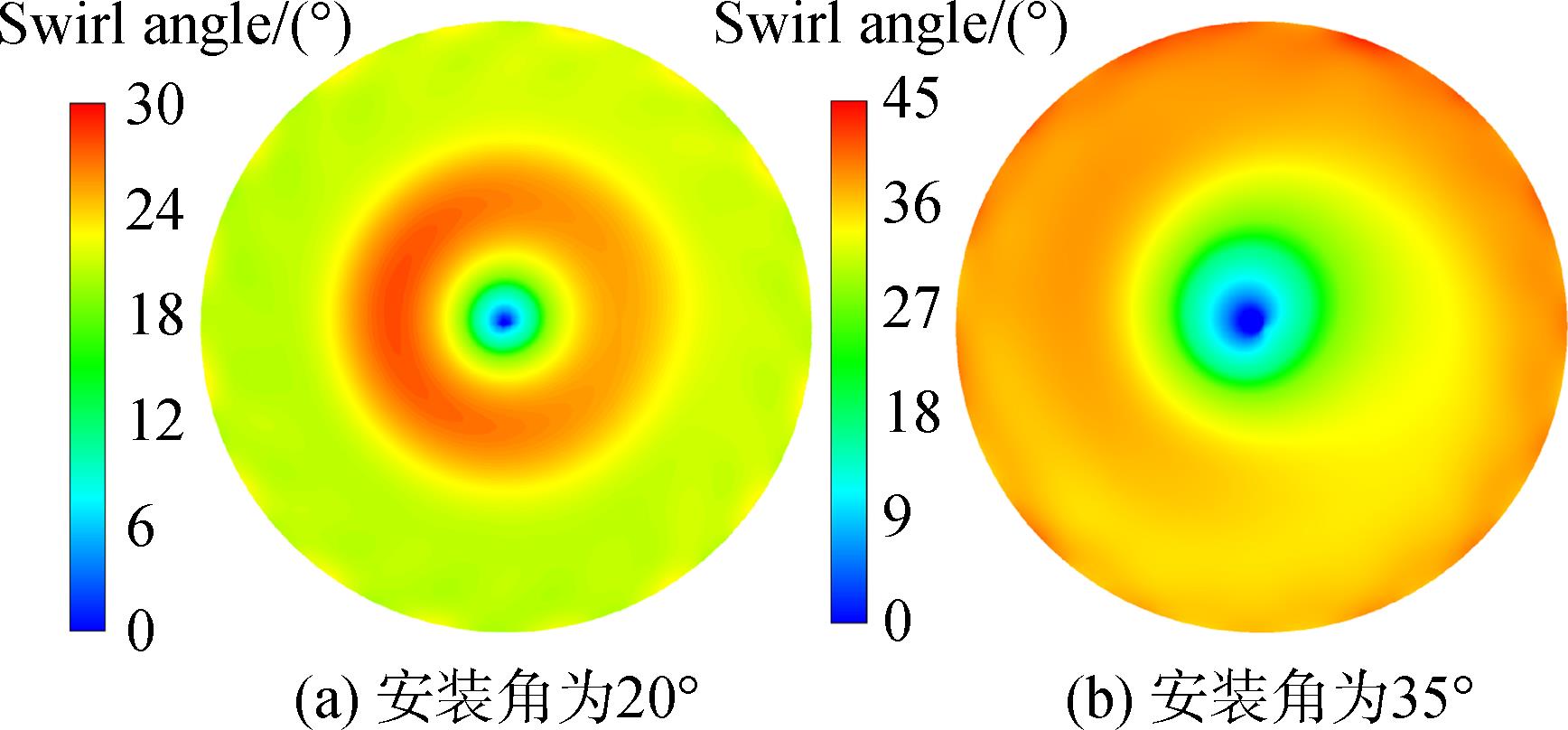
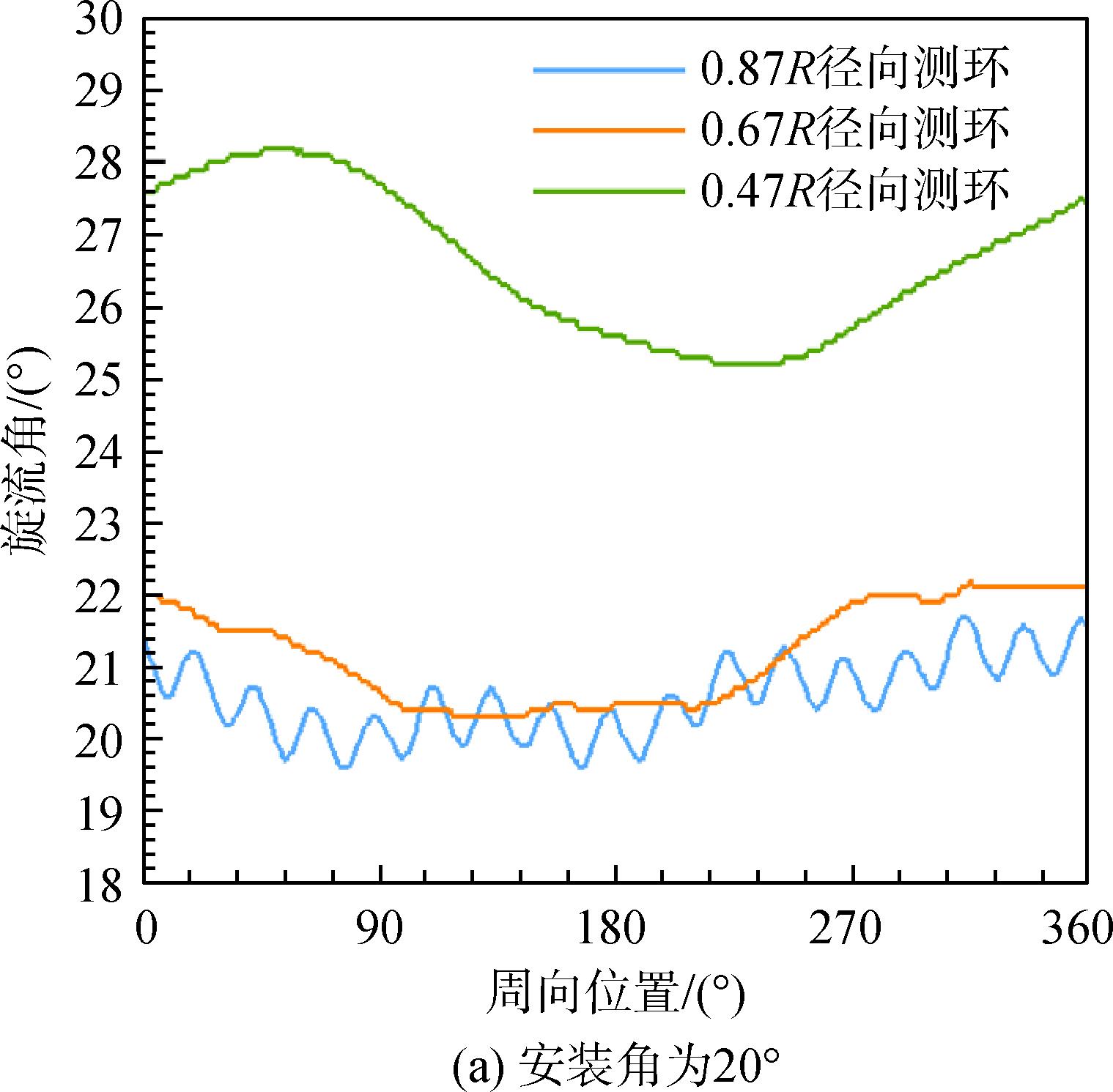
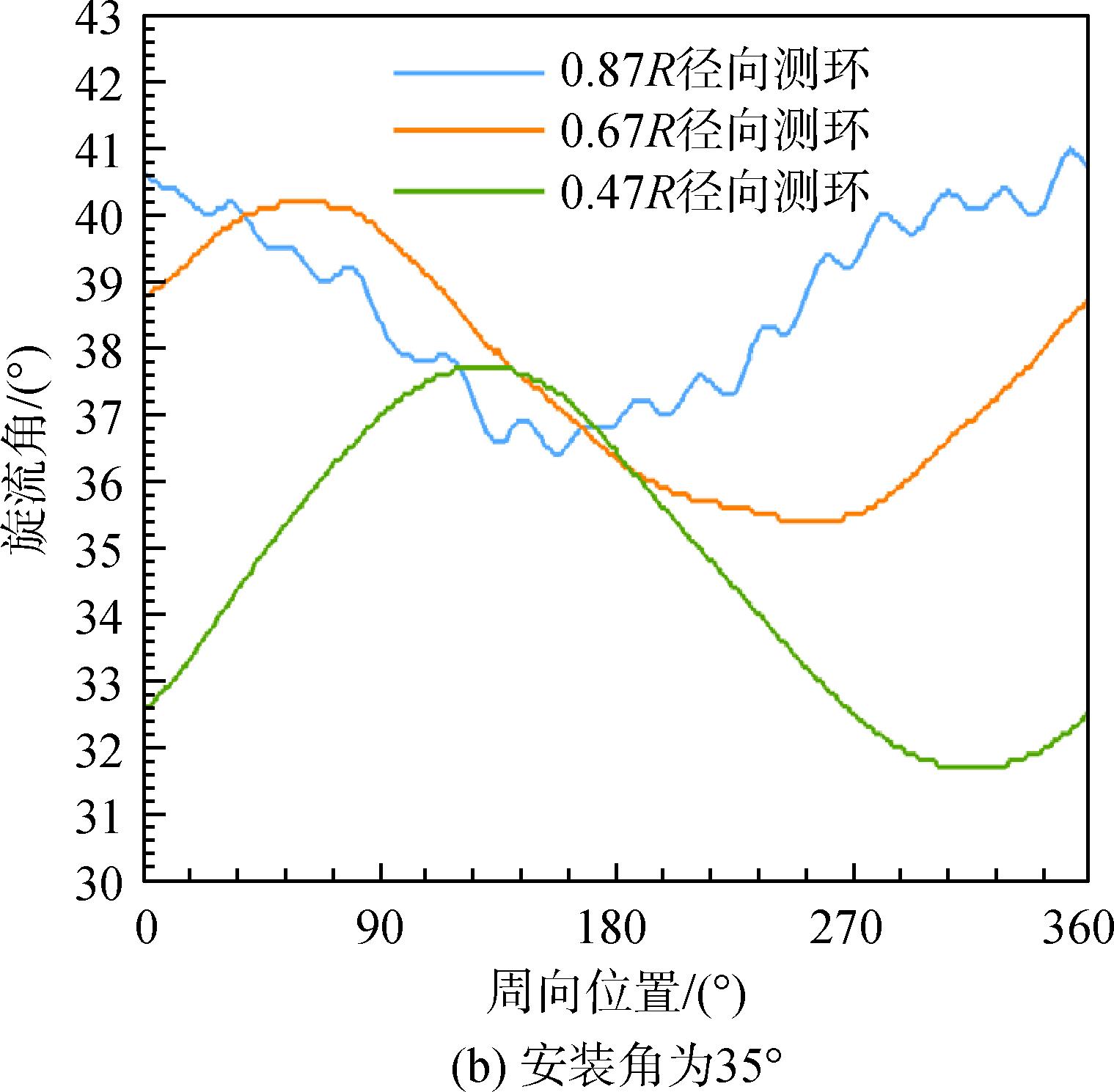
In order to study the effect of inlet swirl distortion on the performance and stability of a compressor,a variable curvature blade type swirl distortion generator capable of producing typical twin swirls and bulk swirls was designed.In combination with the design method of orthogonal simulation test,the geometric parameters of the swirl distortion generator,including blade solidity,number of blades and hub ratio,were optimized with twin swirl intensity as the optimization objective and twin swirl intensity,bulk swirl intensity and bulk swirl total pressure recovery coefficient as the comprehensive optimization objectives,and the CFD numerical simulation was used to study the characteristics of the swirl produced by the generator.Under the single object optimization,the maximum twin swirl intensity was 24.60°,and the maximum bulk swirl intensity was 38.73°.After multi⁃index optimization design,the total pressure recovery coefficient of the twin swirl and the bulk swirl was improved by 4.26%and 3.57%,respectively.The design of the variable curvature blade type distortion generator has the advantages of simple structure,convenient operation,short testing time,presenting a favorable engineering application prospect.

Influence of rotor diameter‑distance ratio on performance of fuel cell gas circulating pump
YANG Yuemin, ZHANG Zhiyu, LI Long, LIU Jianfeng, LI Yibin
2022, 37(9): 1970-1978. doi: 10.13224/j.cnki.jasp.20210348
Abstract:

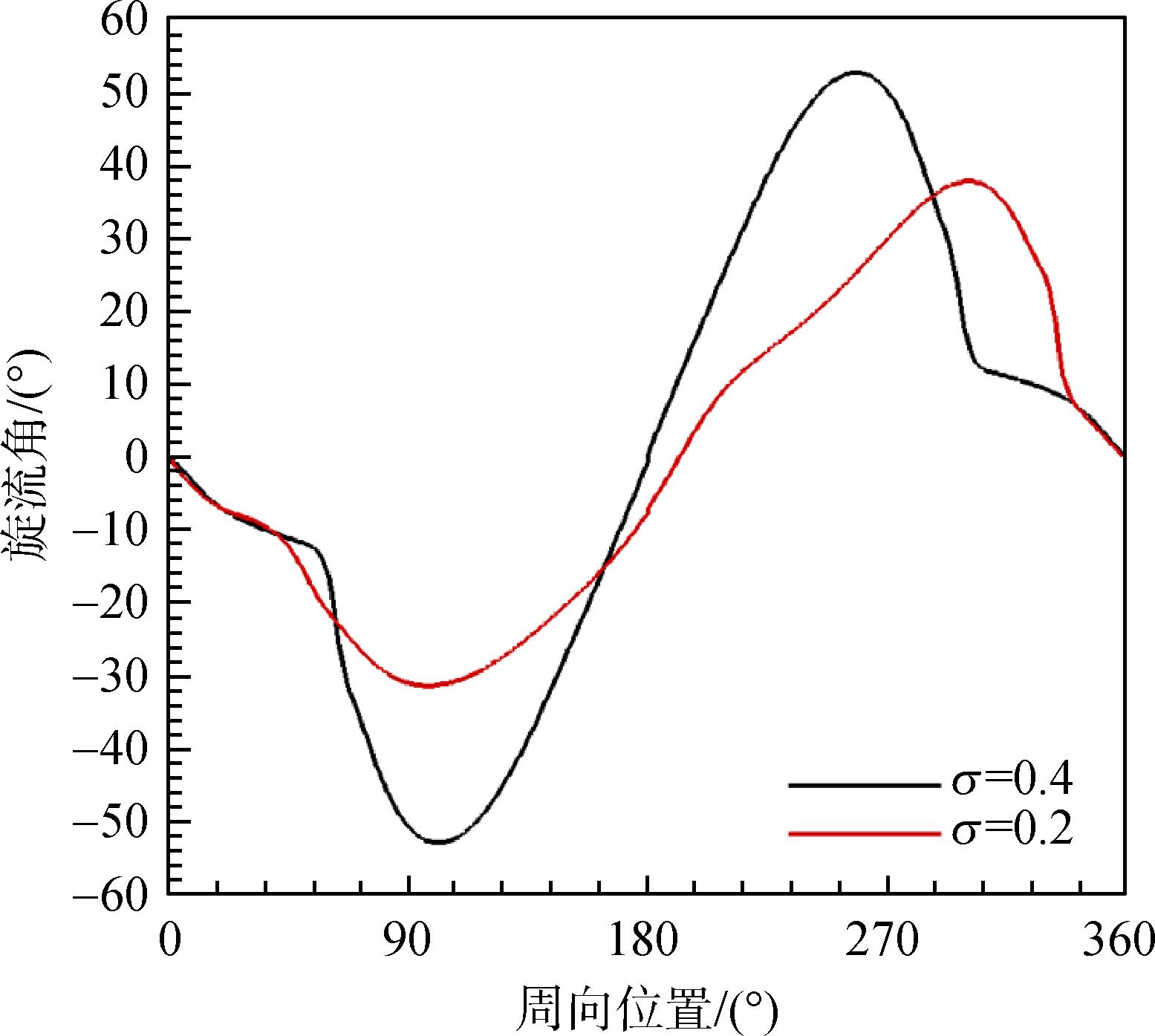
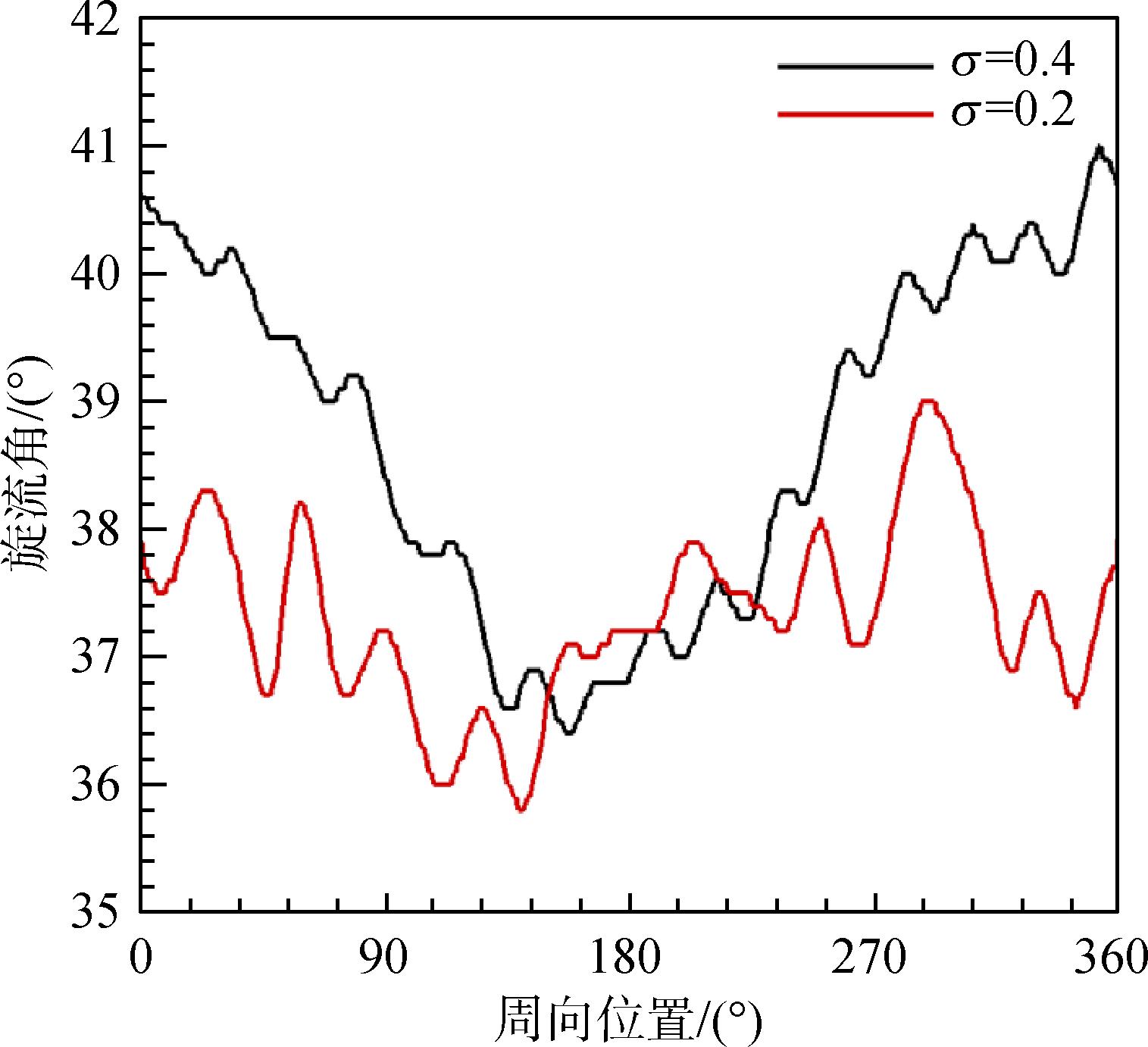
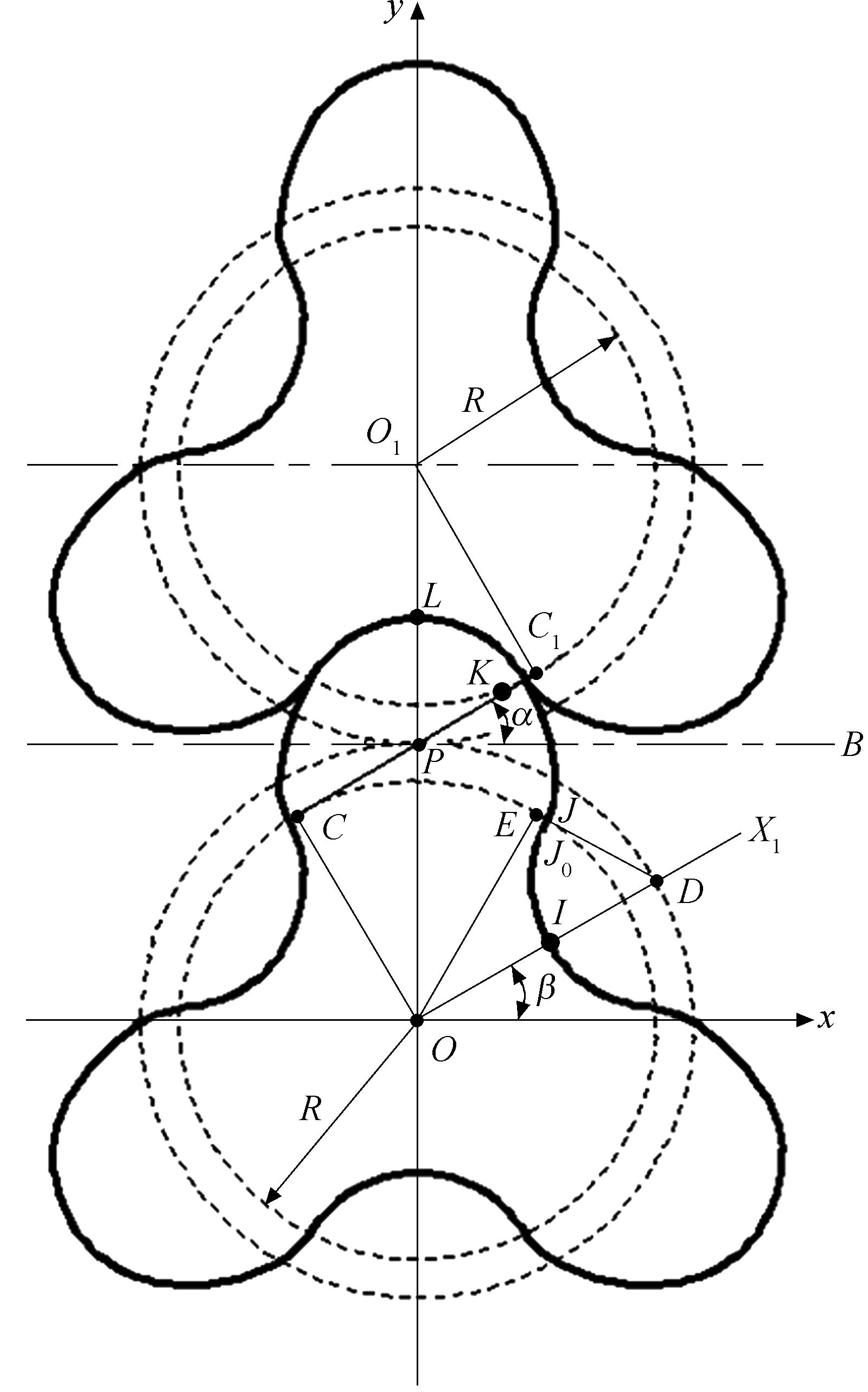
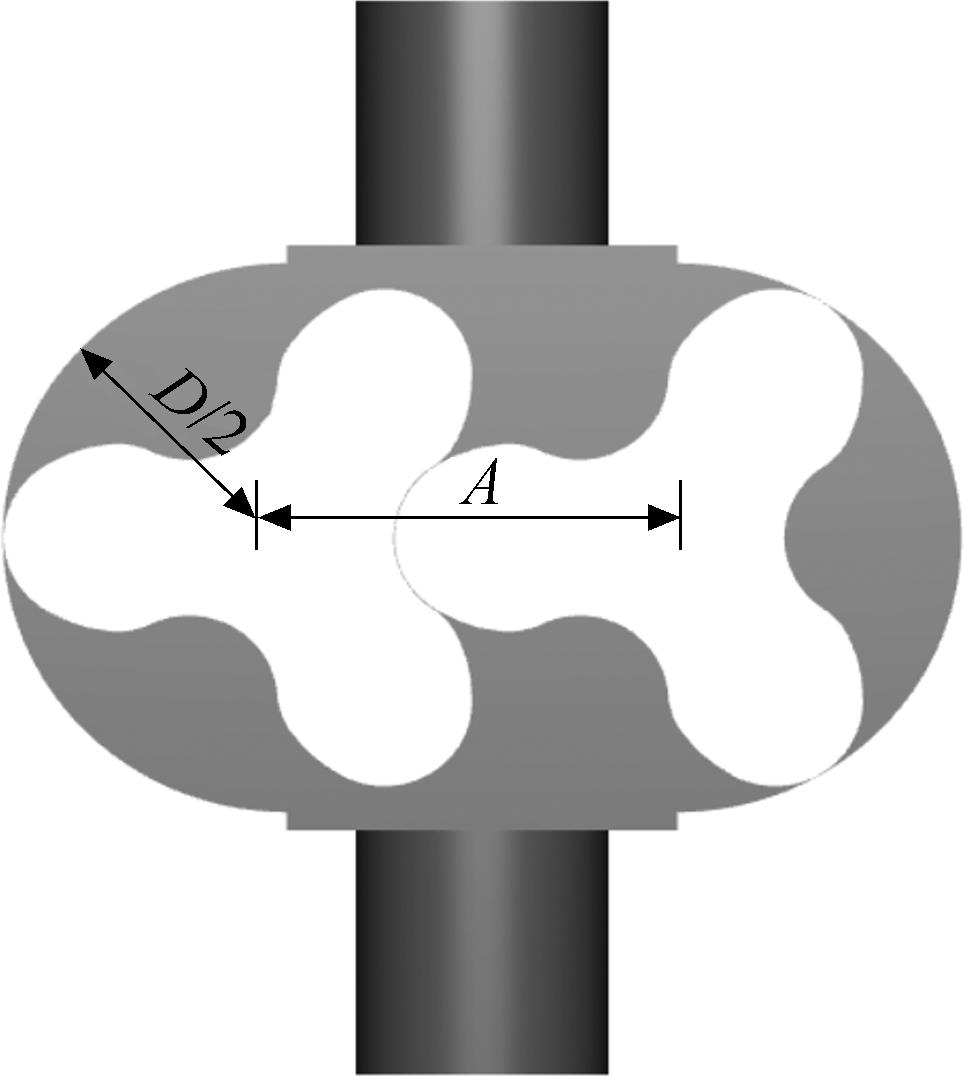
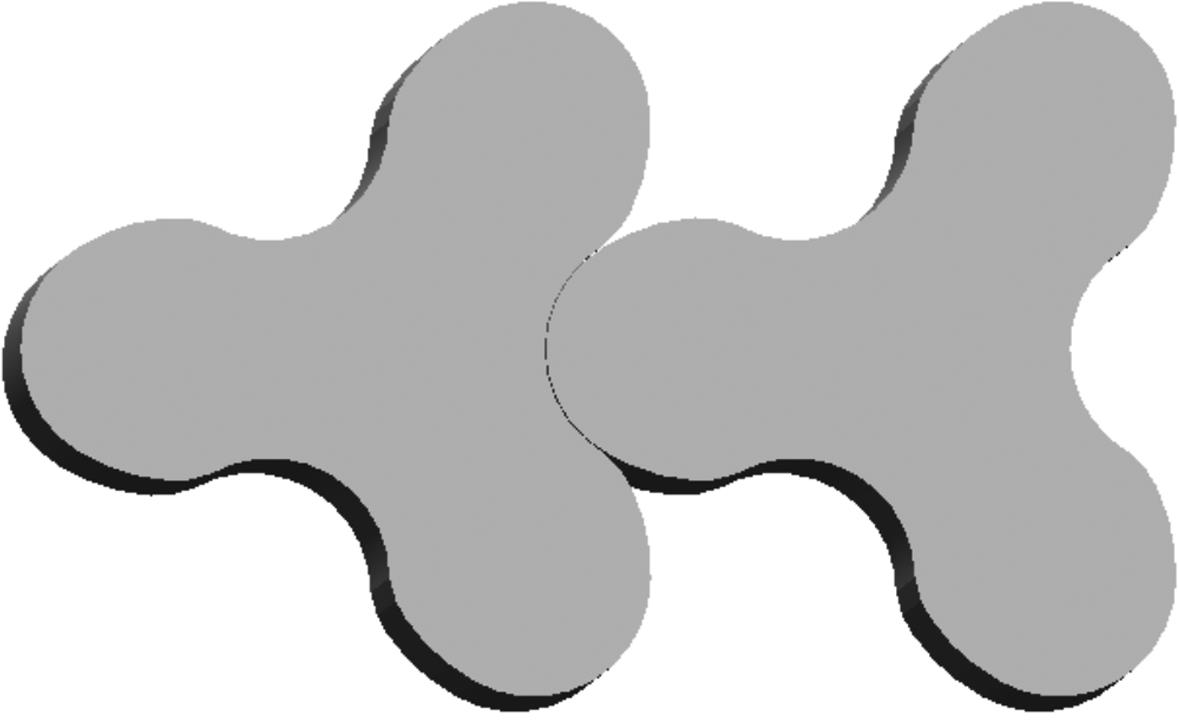
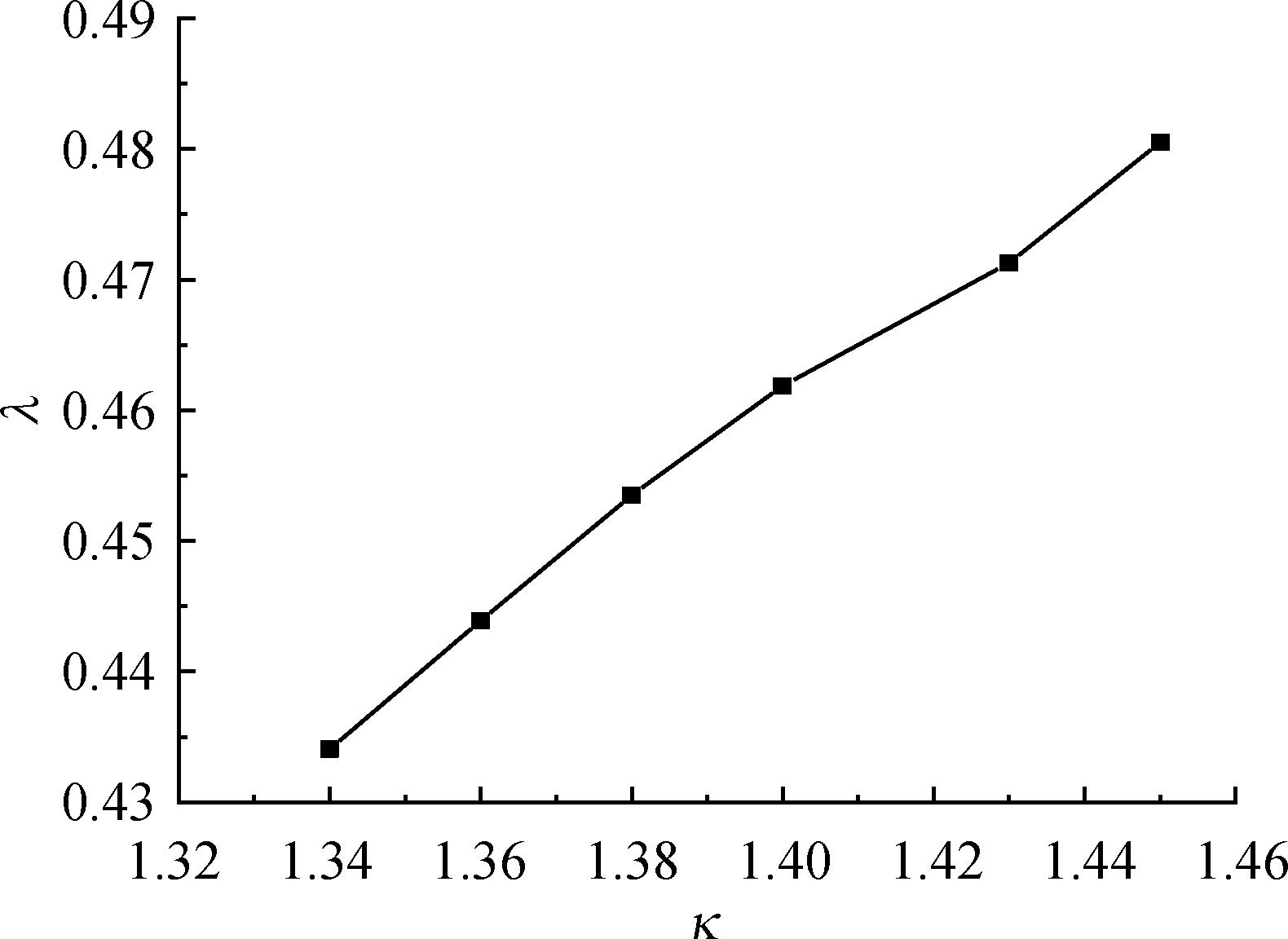
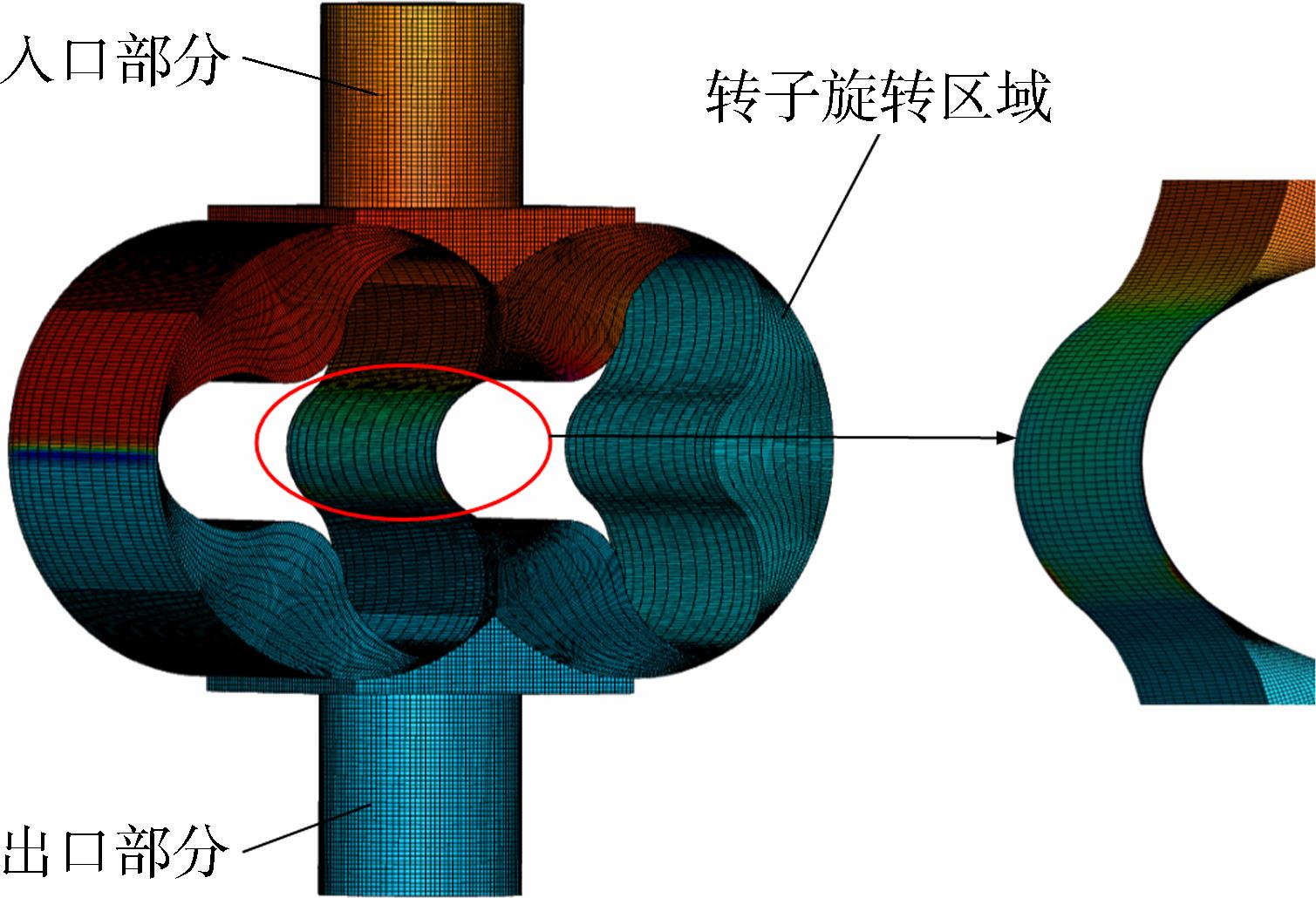
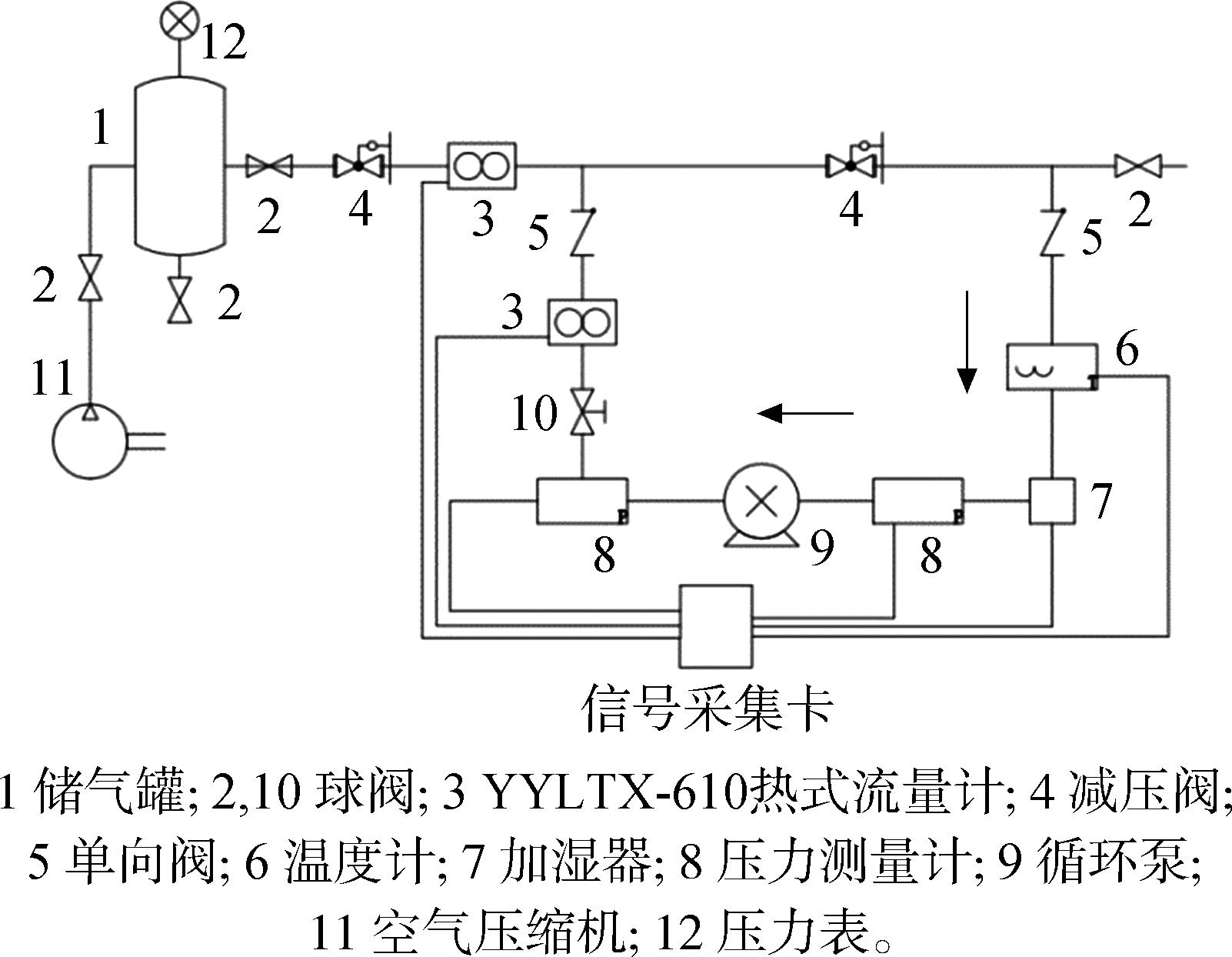
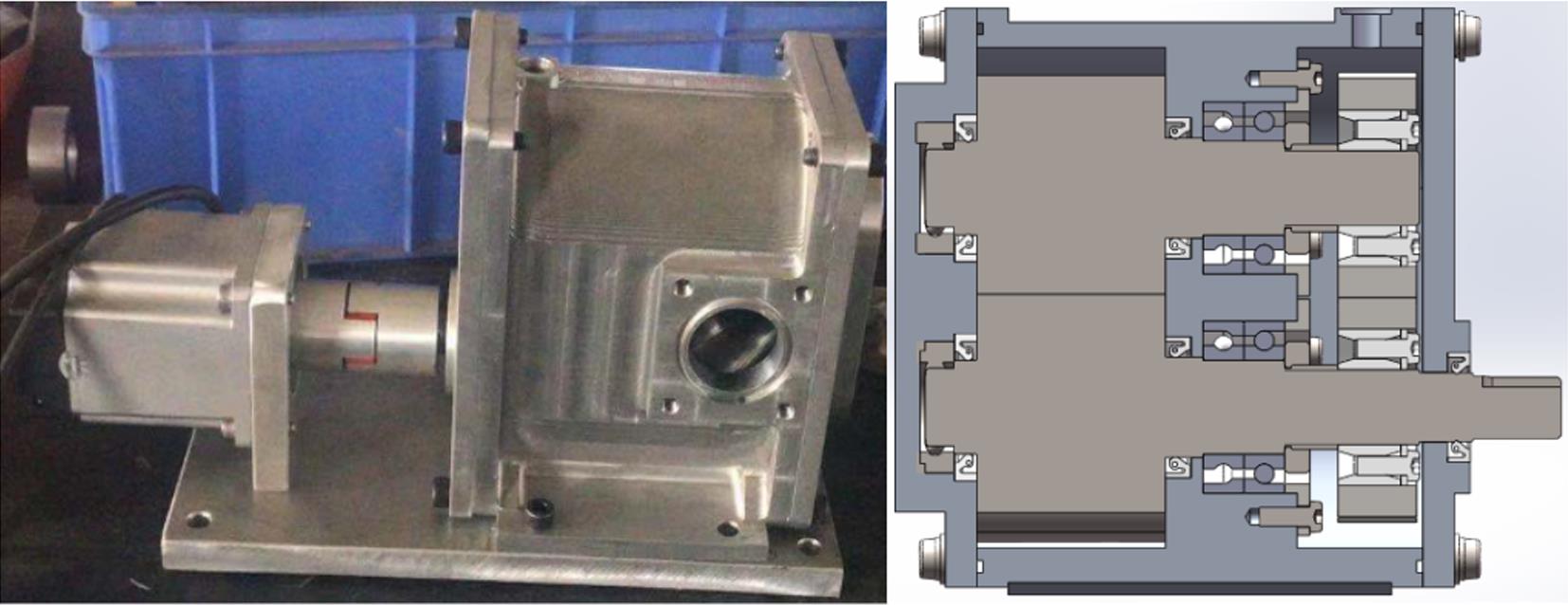
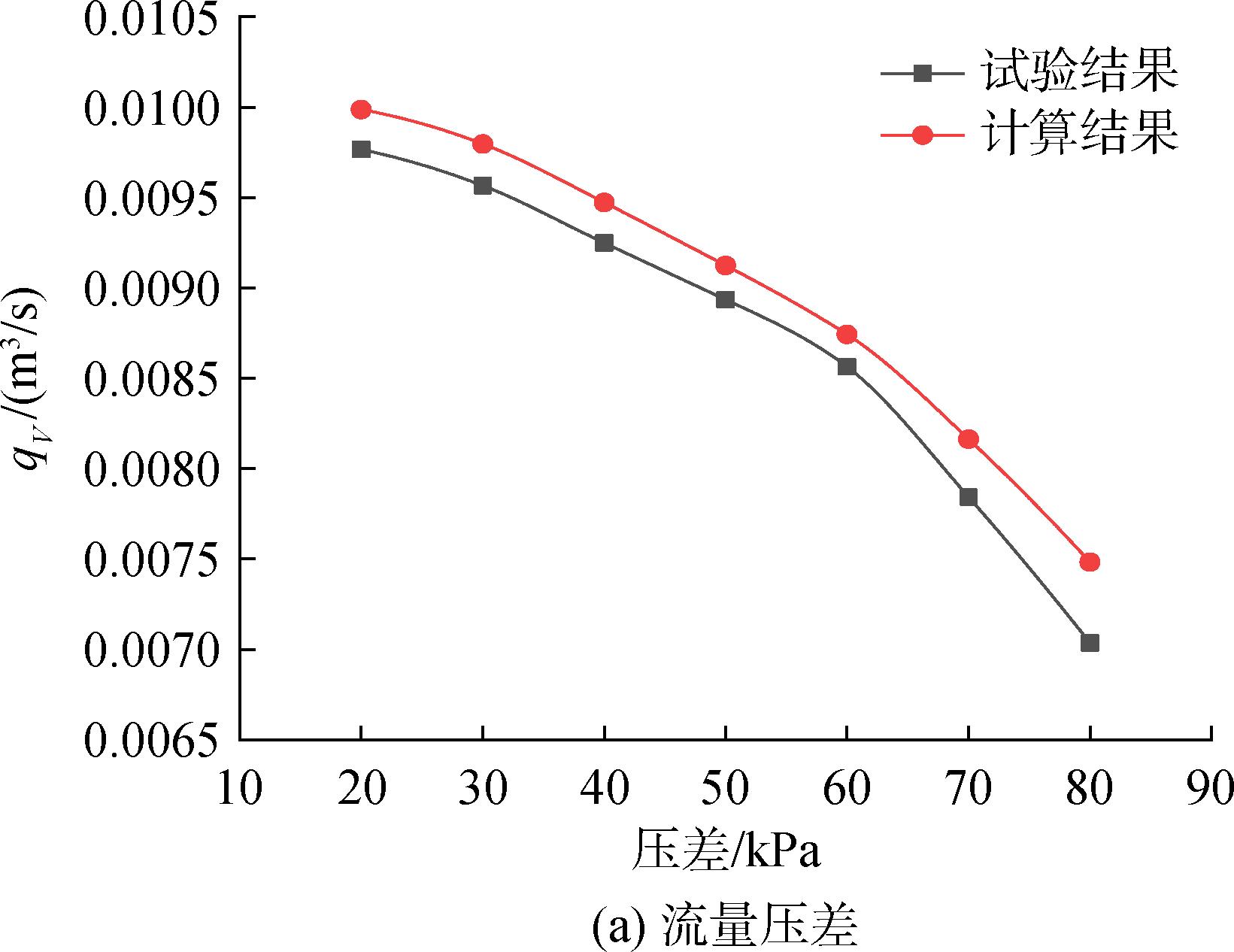
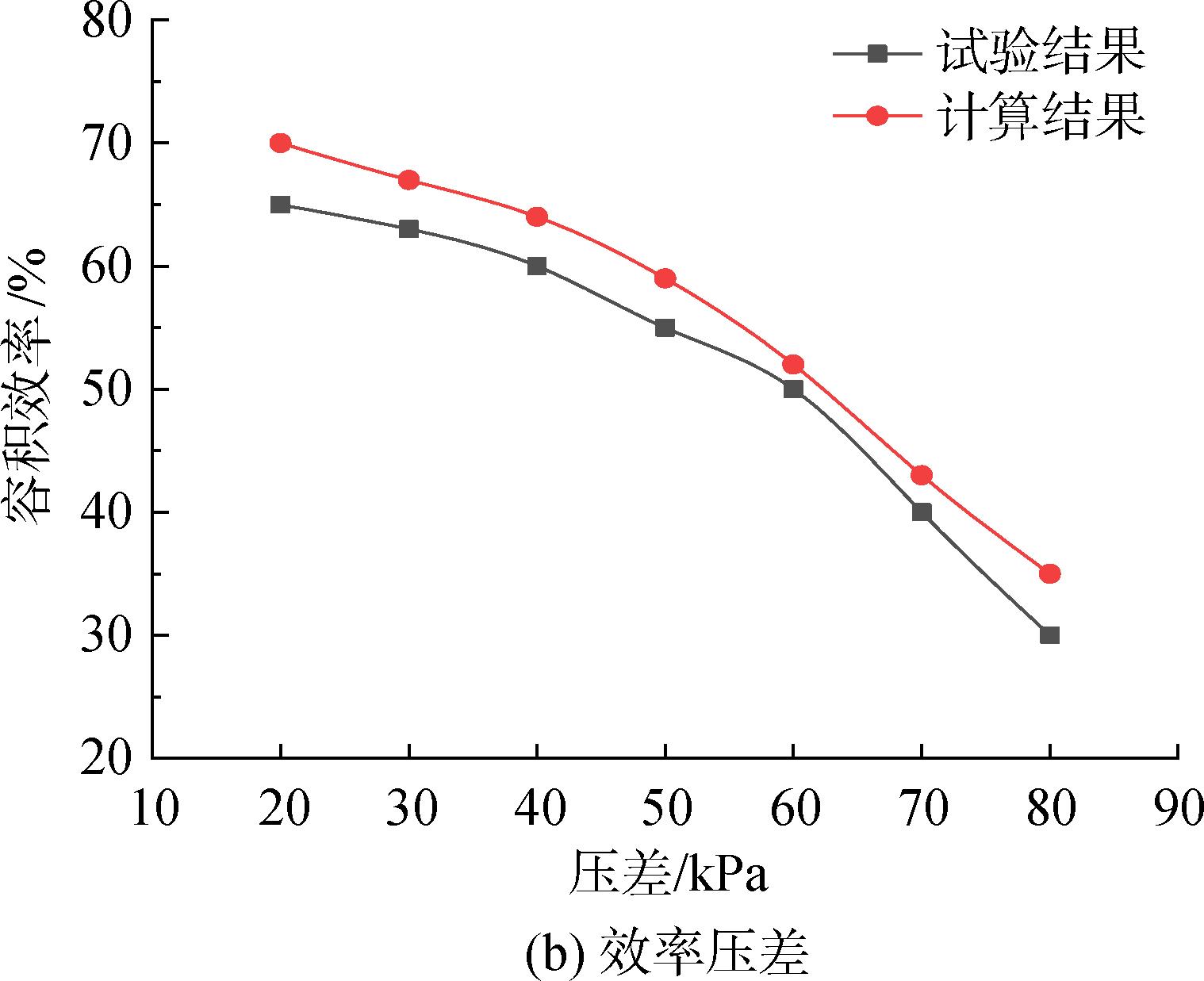
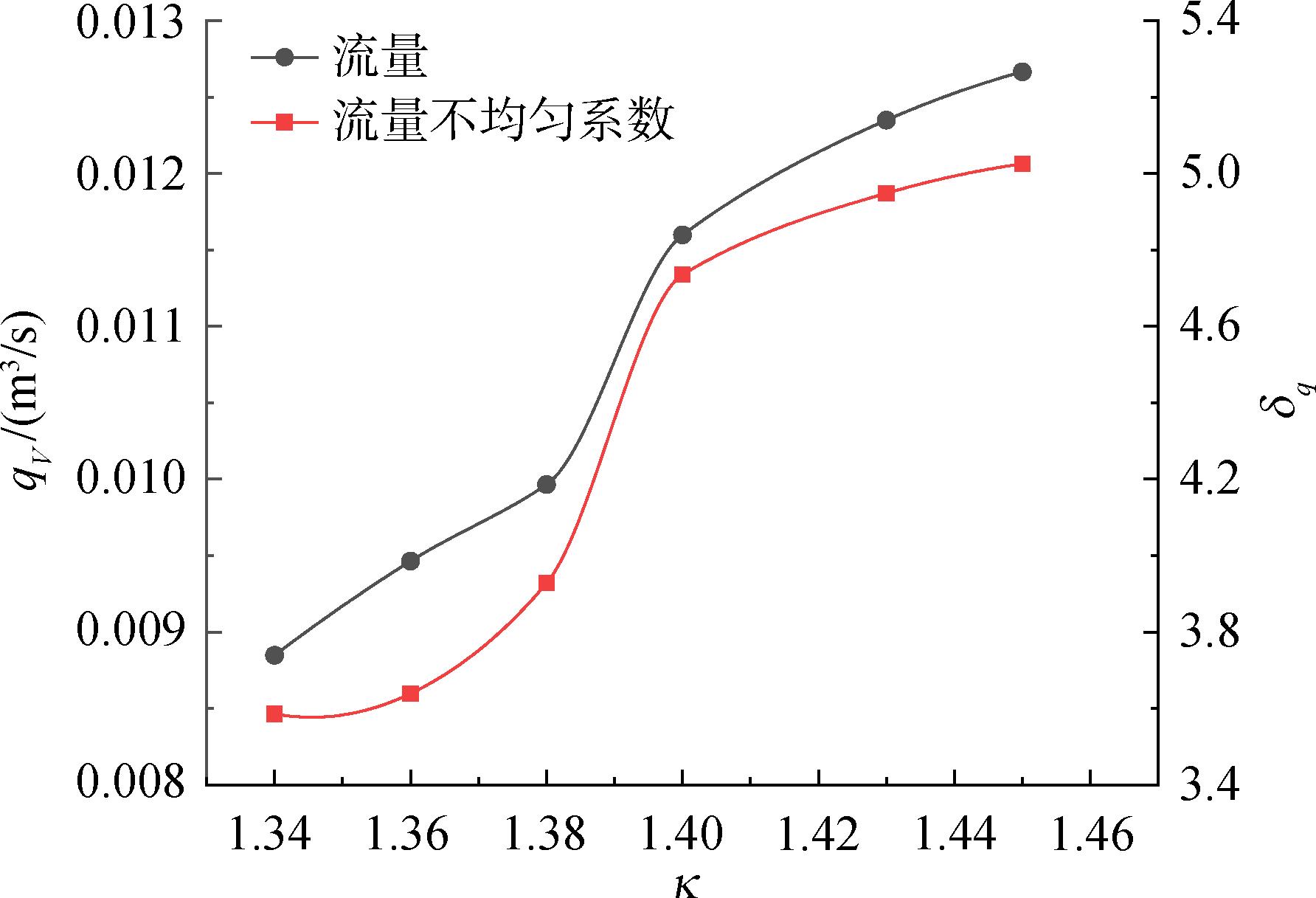
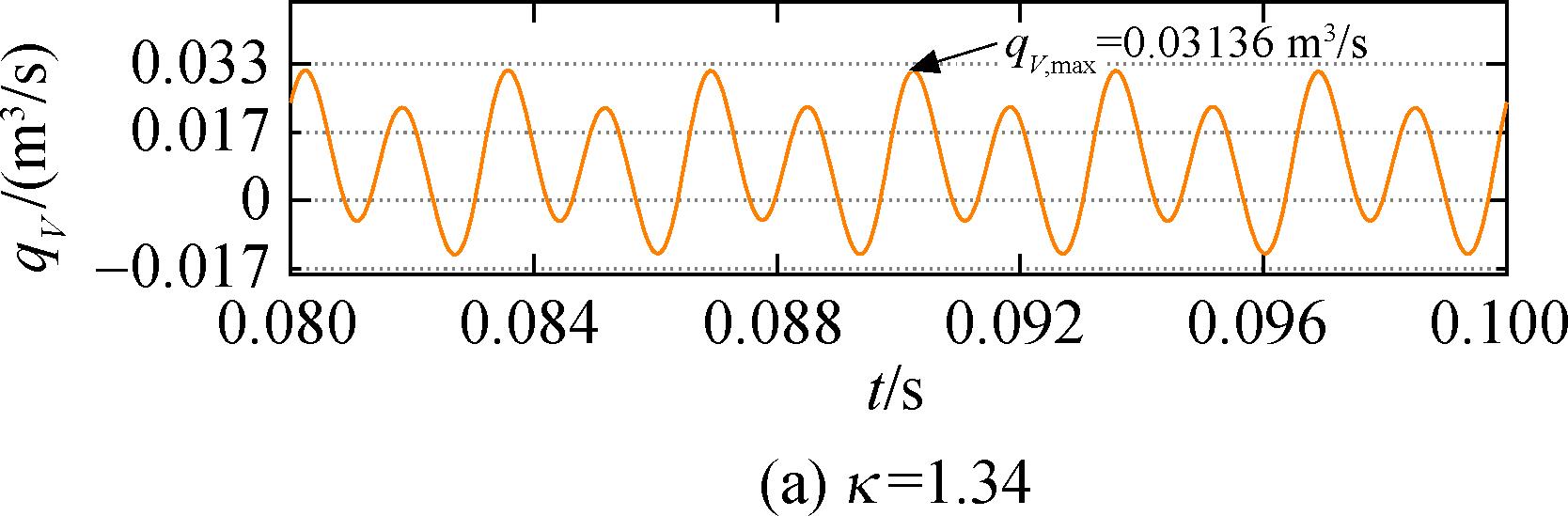
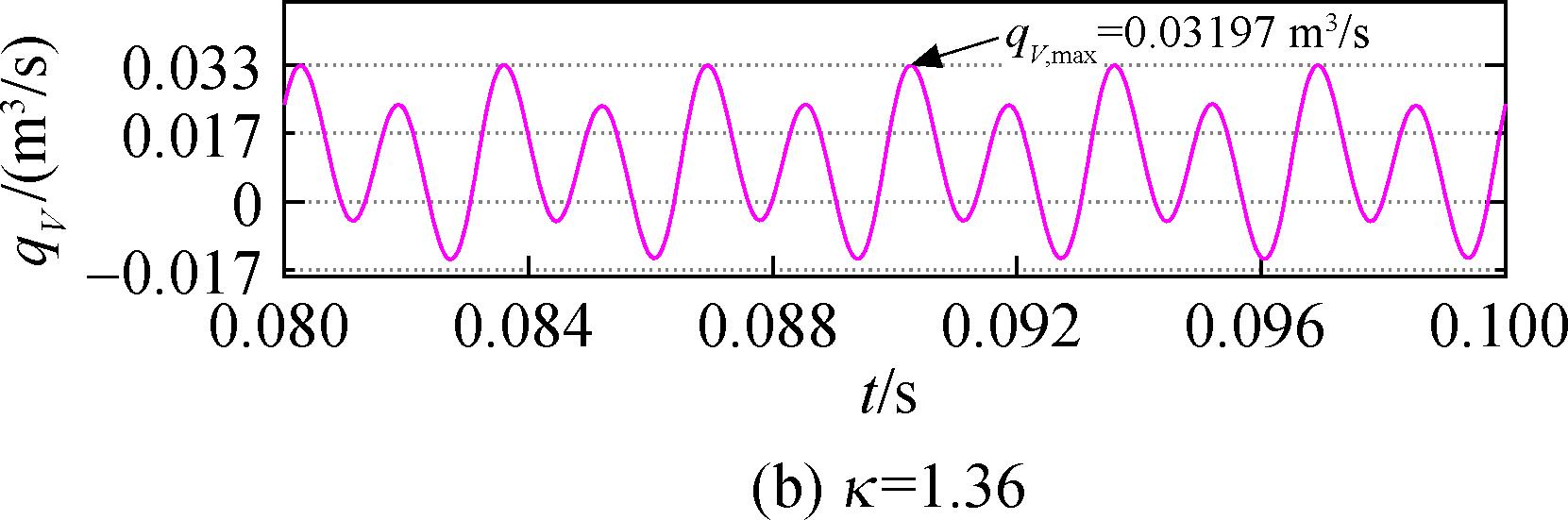
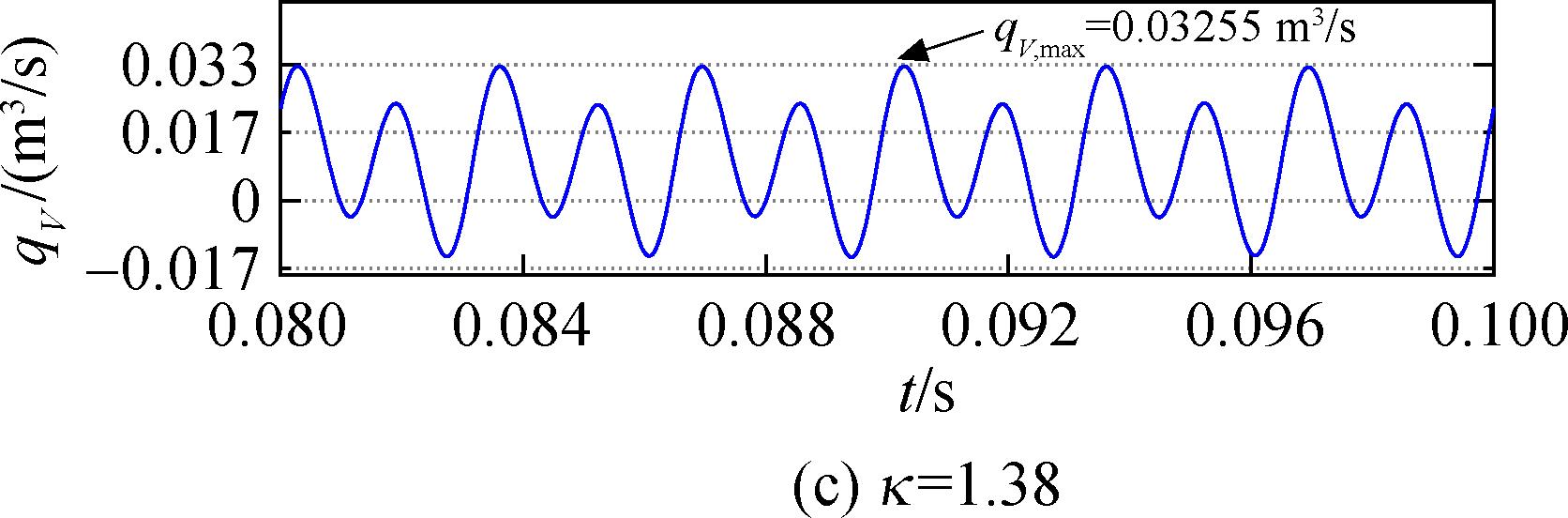
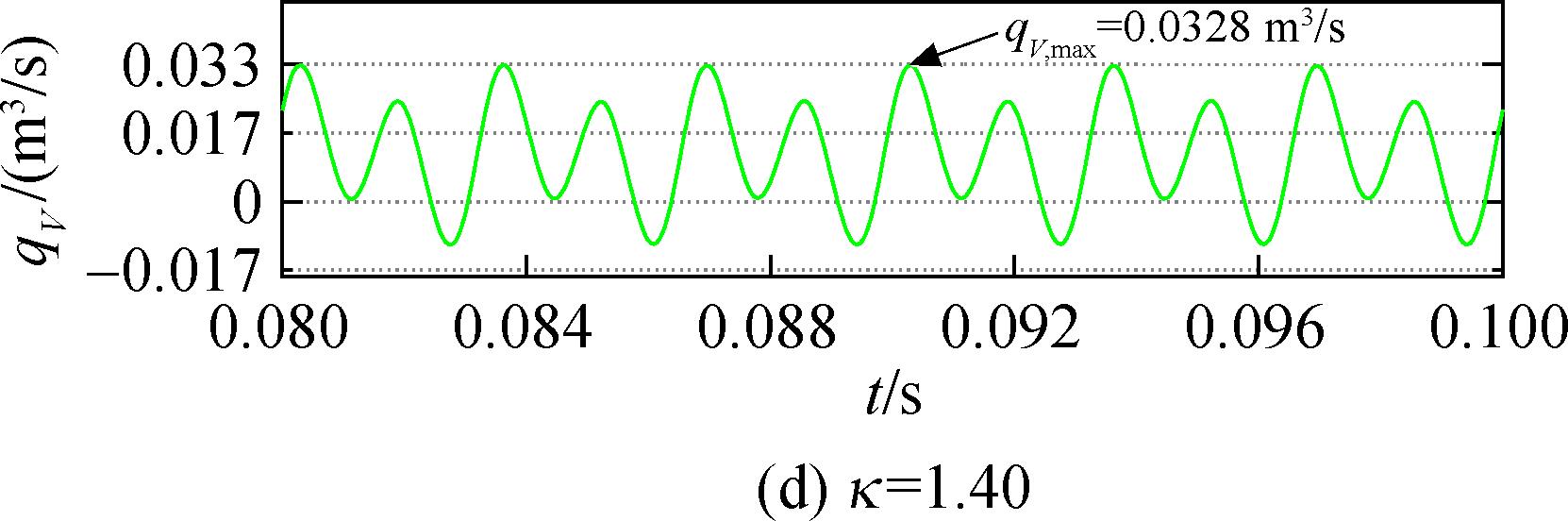
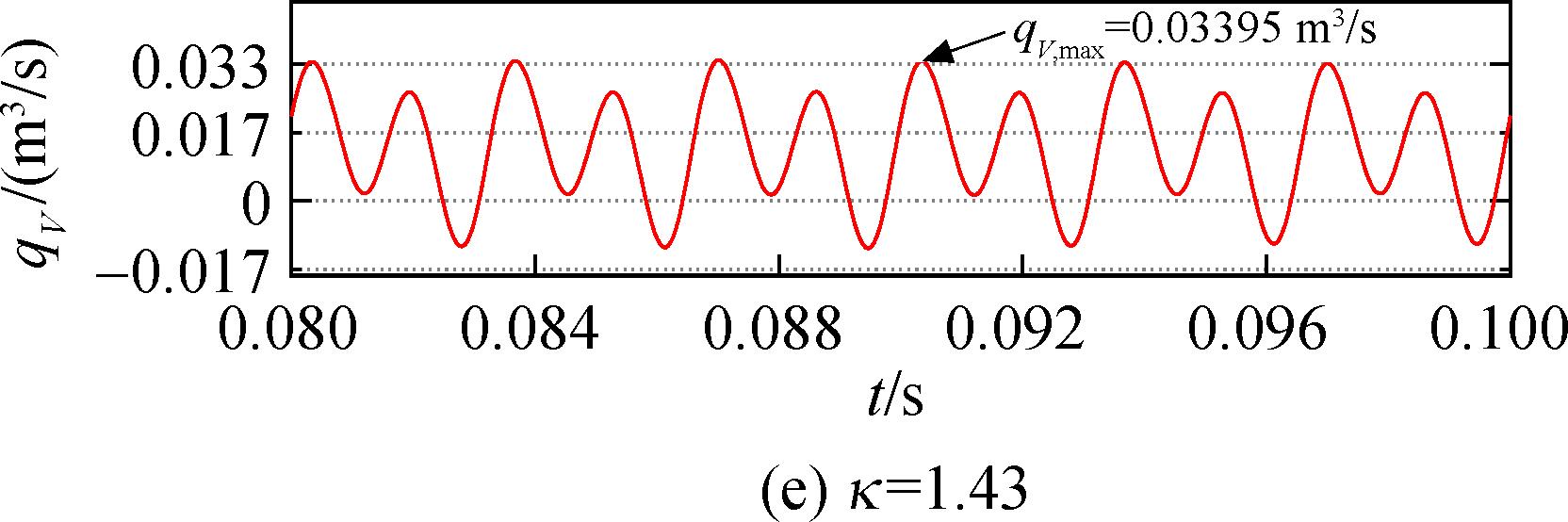
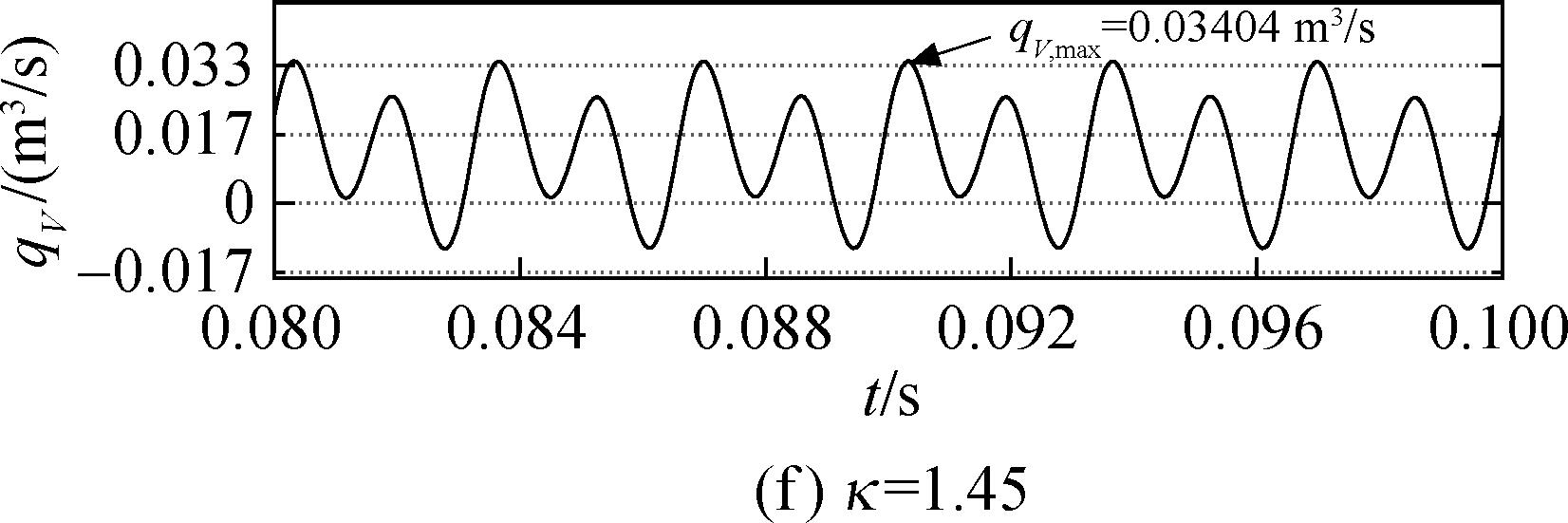
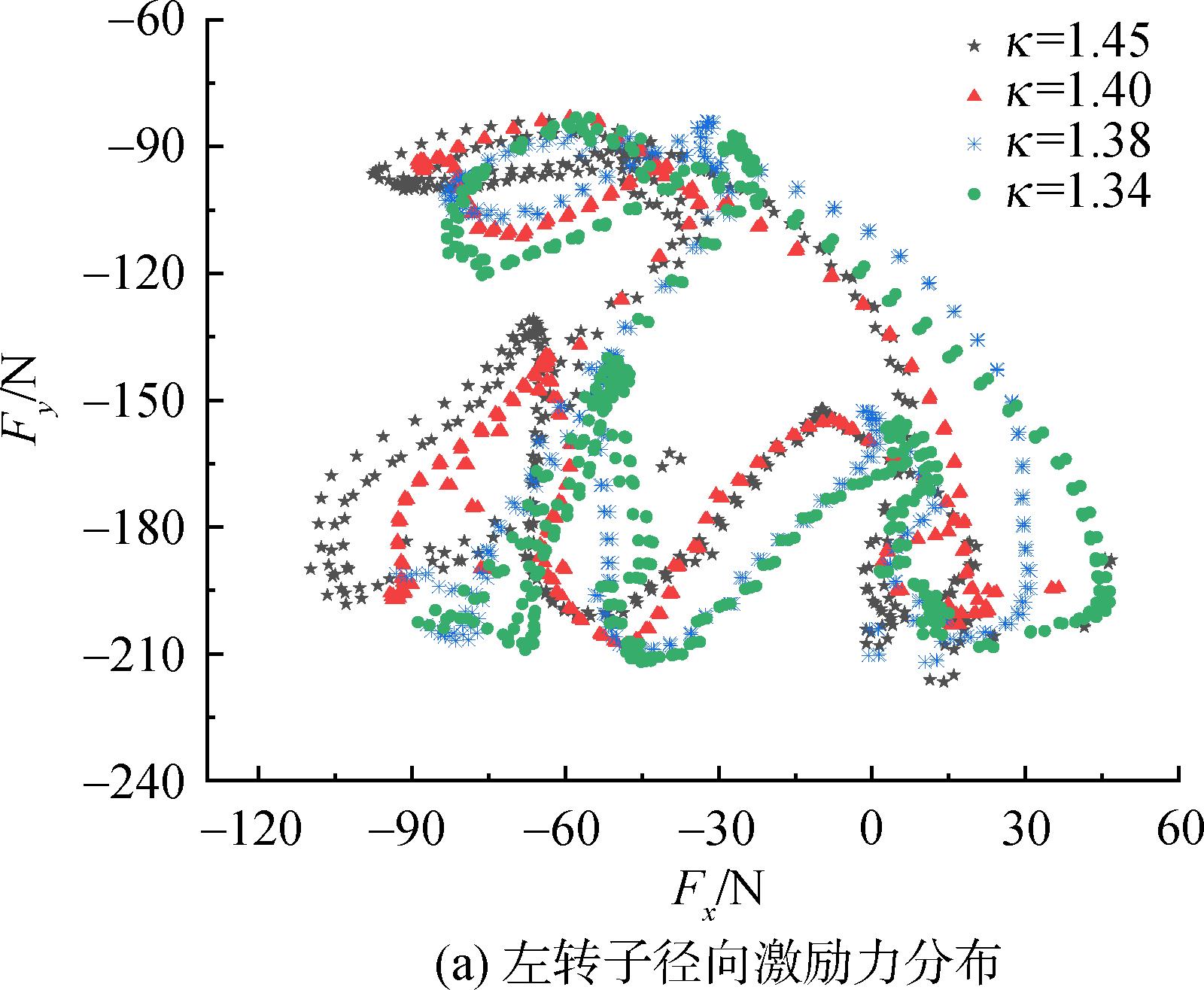
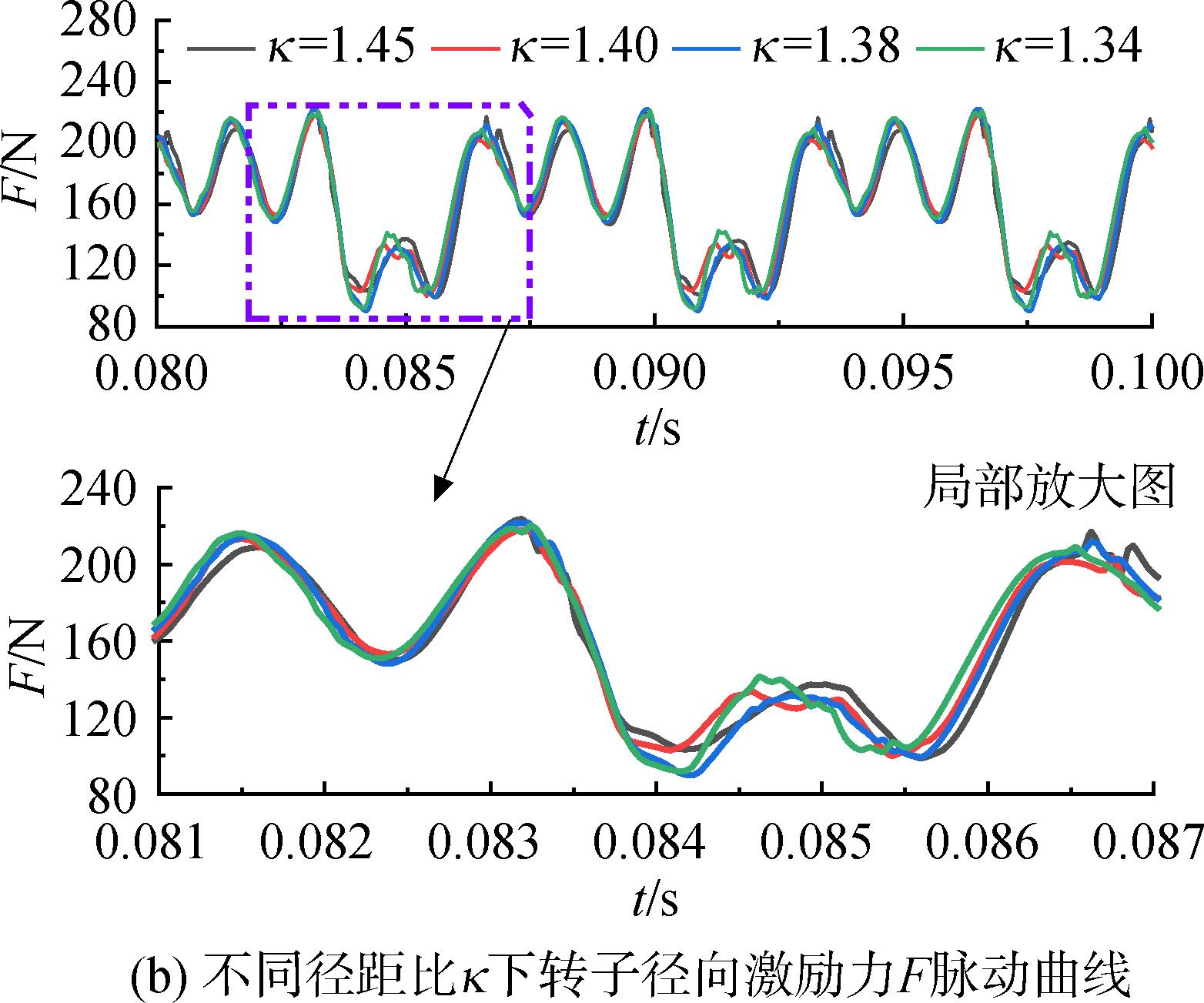
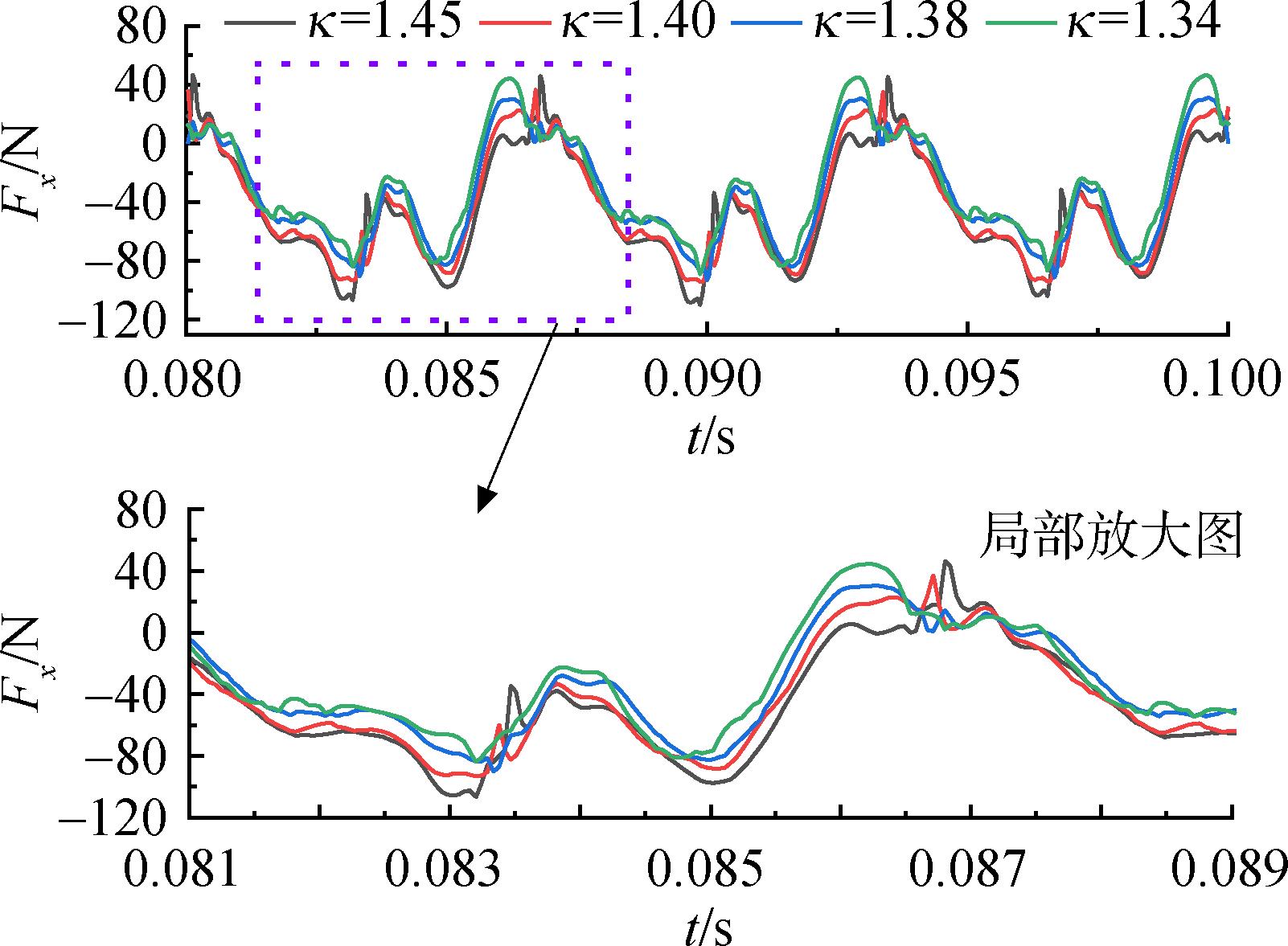
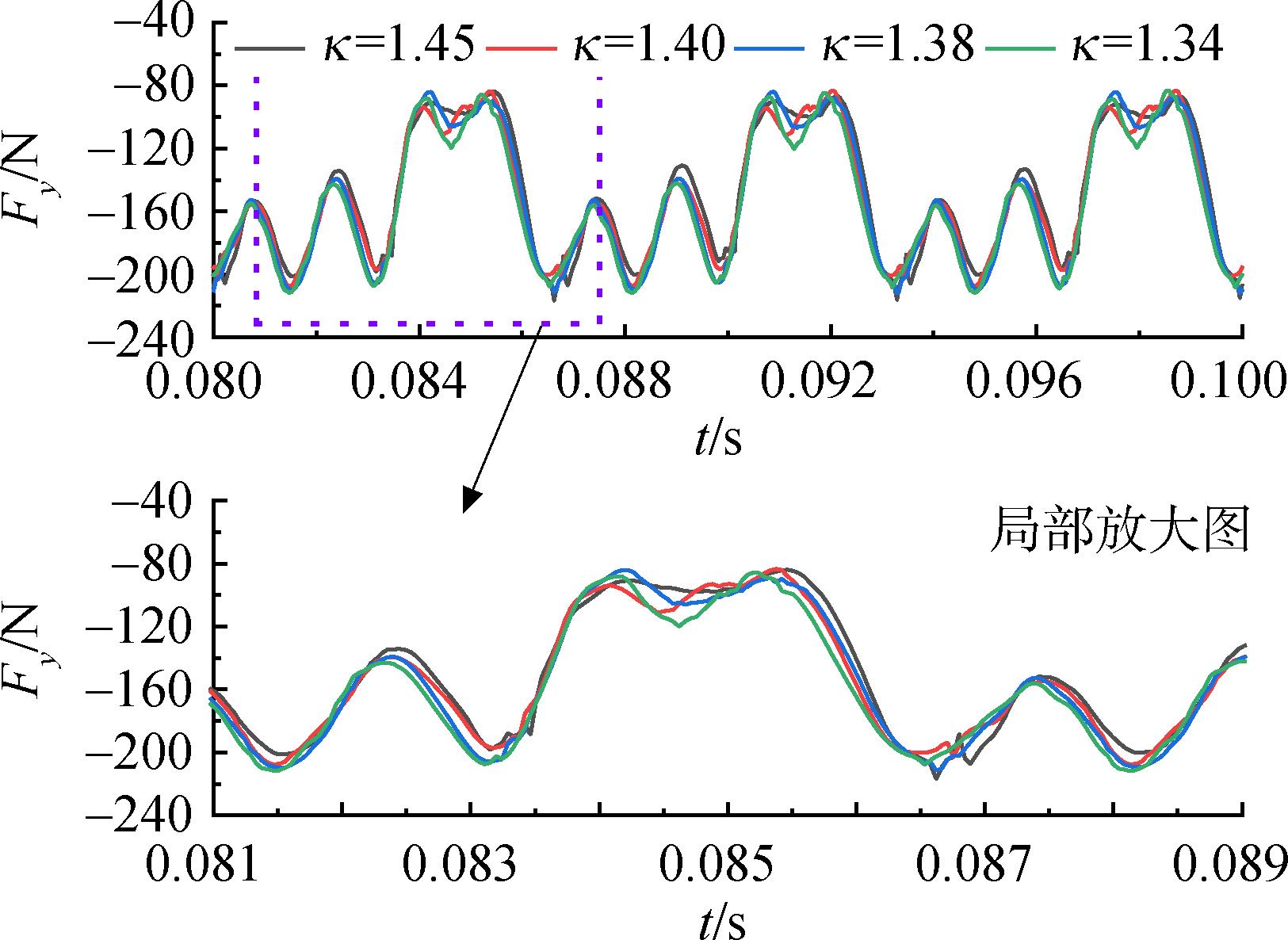
In order to reveal the influence of the diameter⁃distance ratio on the aerodynamic performance of the cam⁃type gas circulating pump,a three⁃lobe arc⁃involute⁃arc rotor profile equation was derived through coordinate transformation,and 6 gas circulations with different diameter ratios were established to compare and analyze the pump model.The re⁃normalization group k⁃ε (RNG k⁃ε) turbulence model was used to calculate the three⁃dimensional unsteady numerical simulation inside the rotor cavity,and in combination with the dynamic grid technology,the influence of the rotor diameter ratio on the volume flow characteristics of the gas circulating pump and the velocity distribution of the rotor cavity was analyzed,and the results were compared with the experimental results.The results showed that the rotor diameter‑distance ratio had a significant influence on the performance of the gas circulating pump.As the rotor diameter⁃distance ratio increased from 1.34 to 1.45,the average volume flow and instantaneous volume flow pulsation at the outlet of the pump showed an upward trend,and the changes were more obvious between 1.38-1.40.The average volume flow increased by 0.001 833 m3/s (15.8%);when the rotor diameter⁃distance ratio was 1.38-1.40,the rotor received better force,the suppression of the radial excitation force component Fx of the rotor was more obvious,and the influence on the rotor radial excitation force component Fy was not significant;the vorticity distribution in the rotor cavity changed significantly with the variation of the diameter⁃distance ratio.When the rotor diameter⁃distance ratio was 1.40,the vorticity distribution in the rotor cavity was smaller,which effectively suppressed gas backflow.

Power Transimission
Thermohydrodynamic lubrication analysis of micro gas bearing with journal misalignment
WU Yao, XI Wenjun, ZHANG Caili, CAO Jujiang, YANG Lihua
2022, 37(9): 1979-1991. doi: 10.13224/j.cnki.jasp.20210209
Abstract:

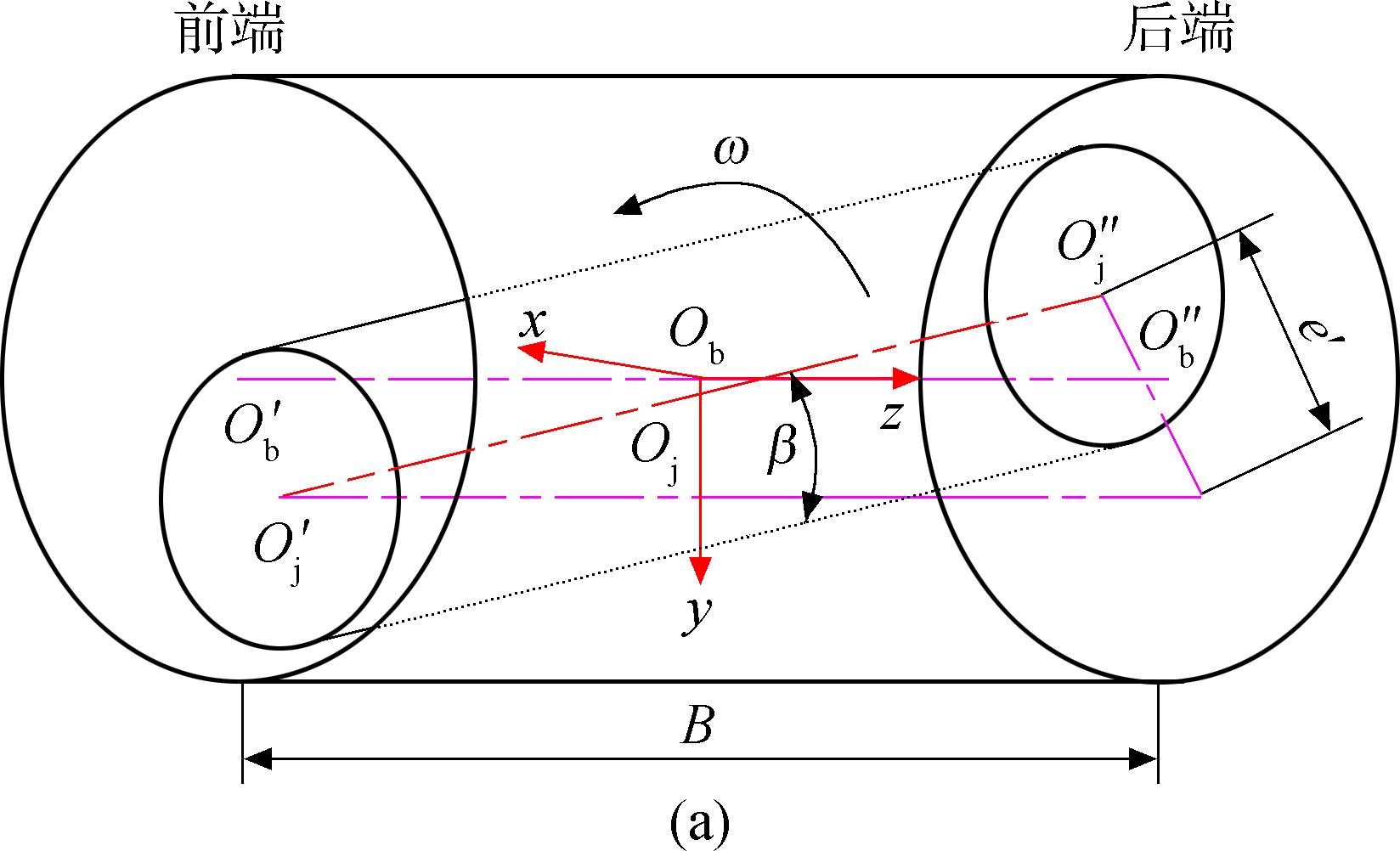
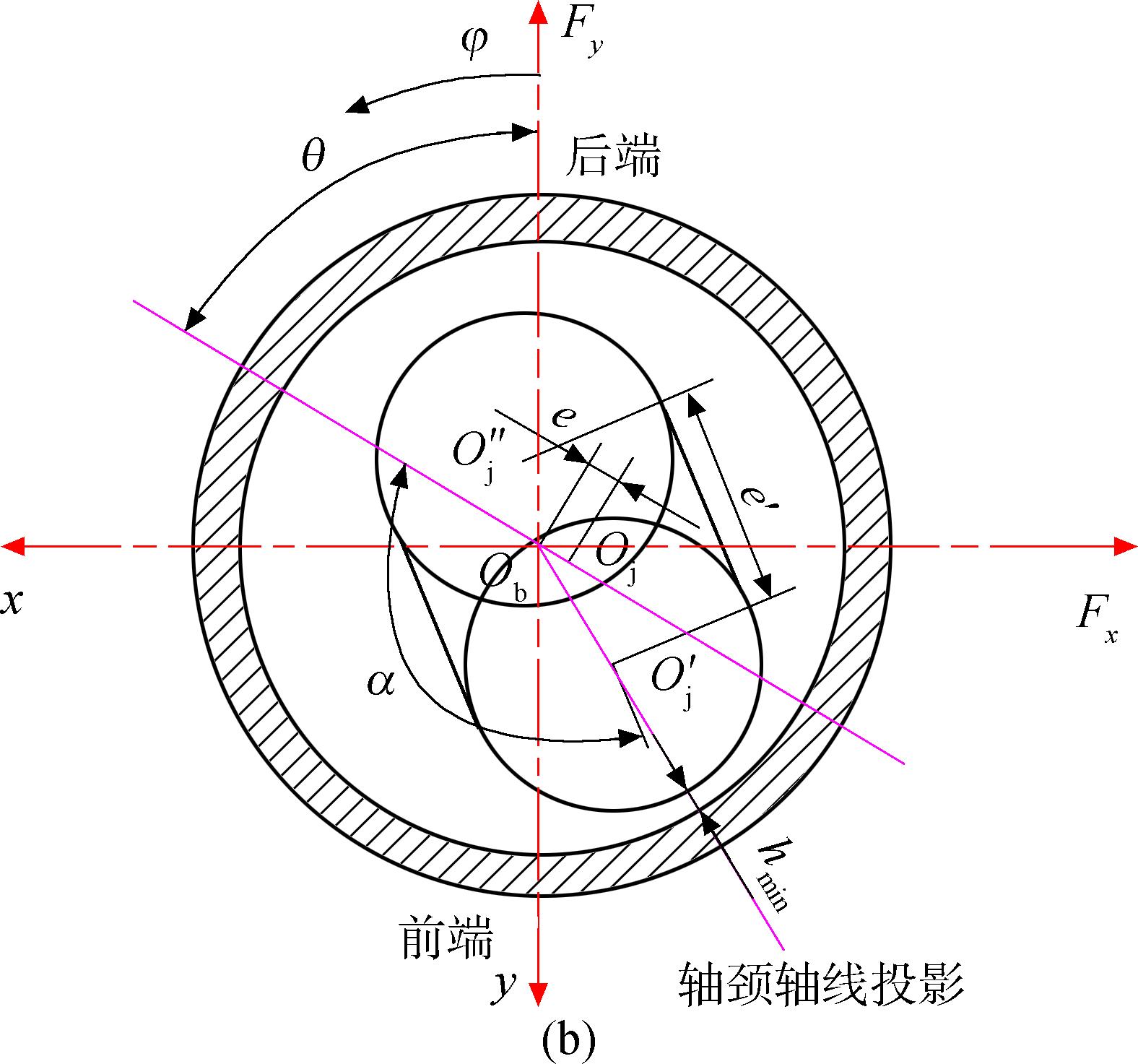
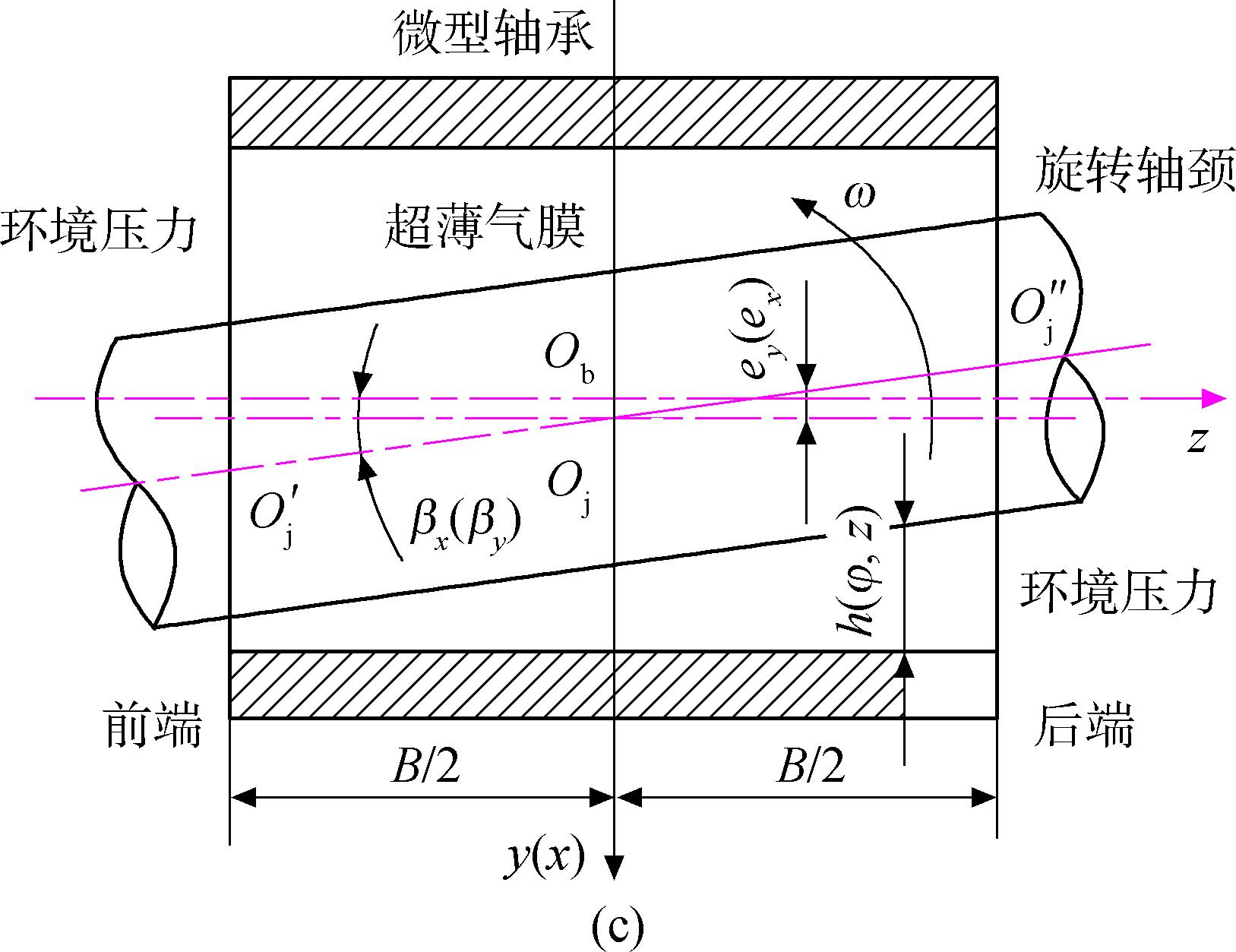
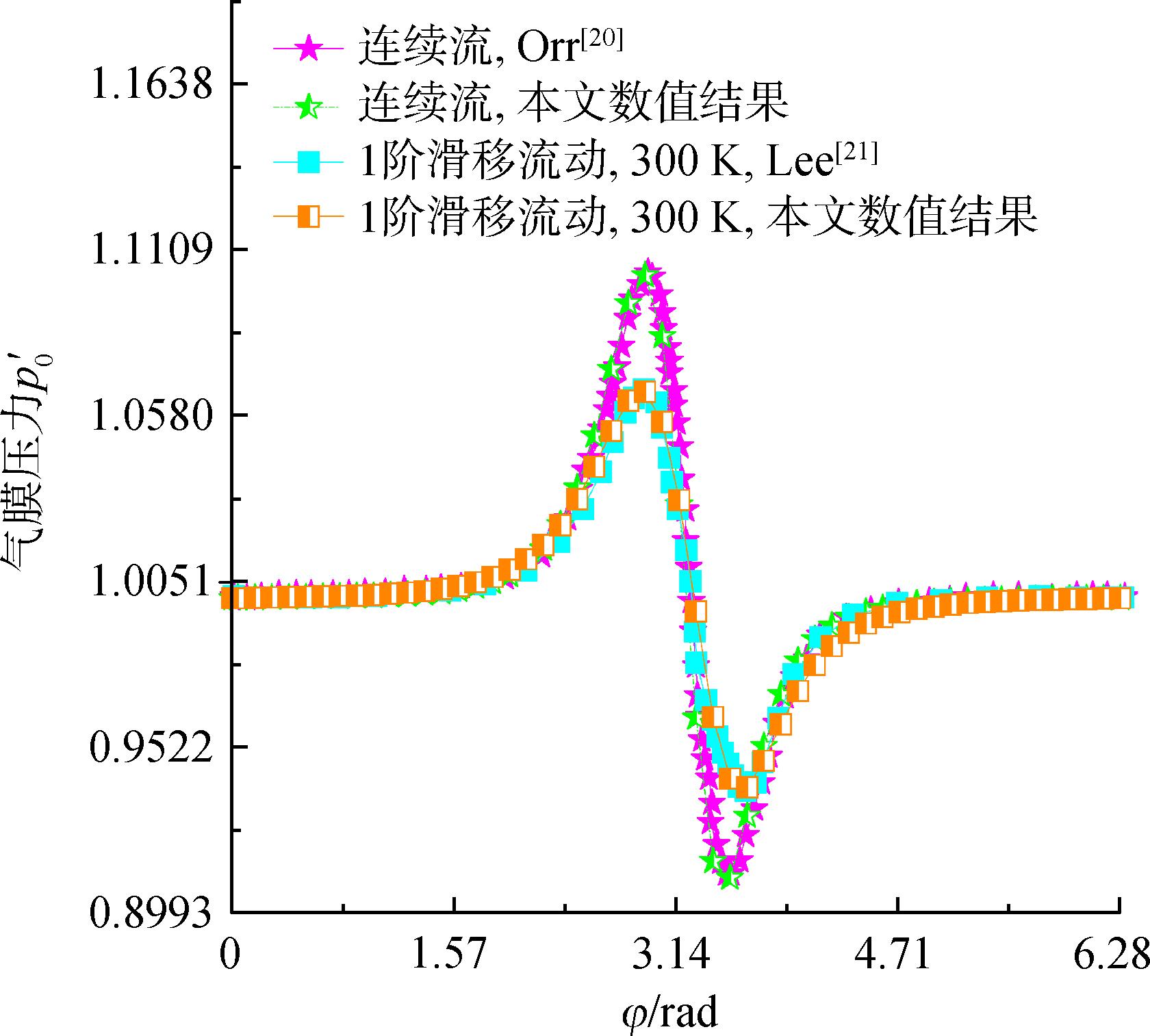
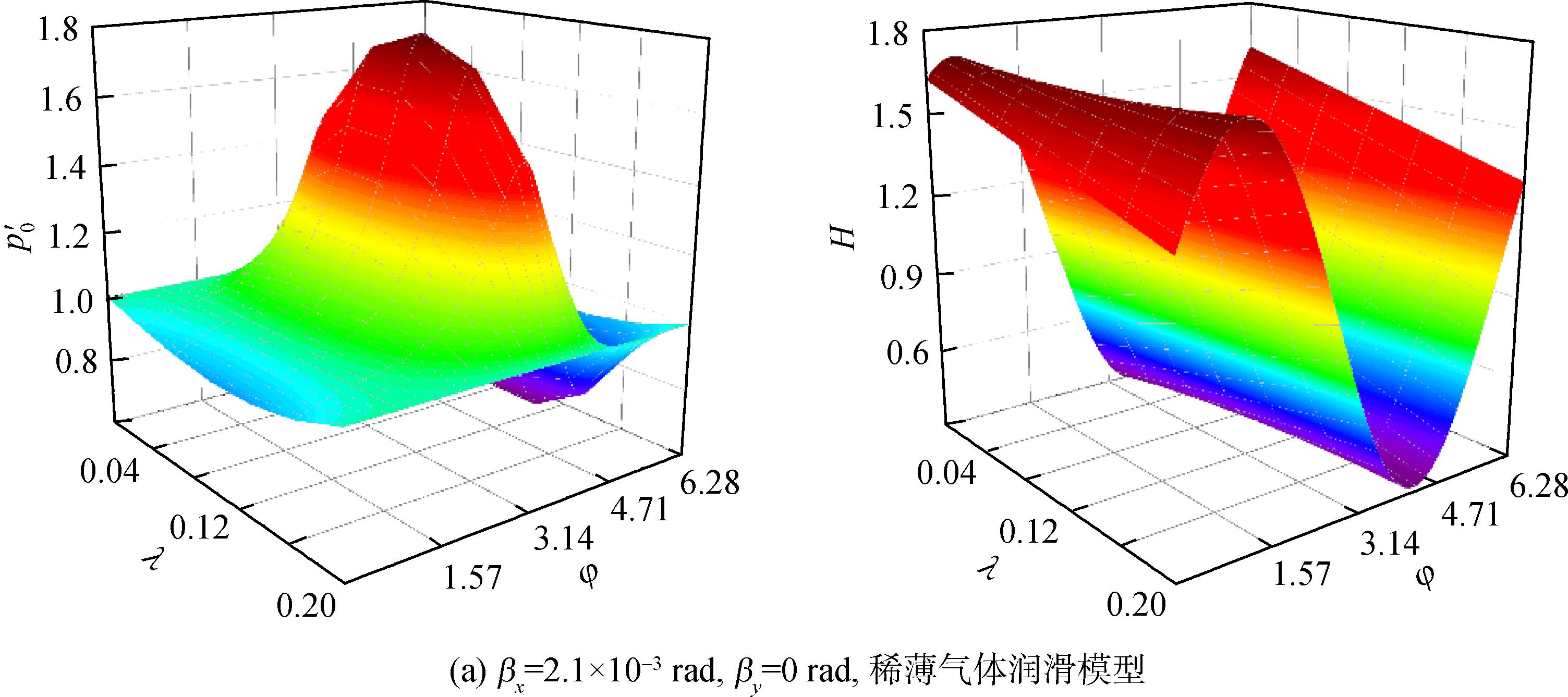
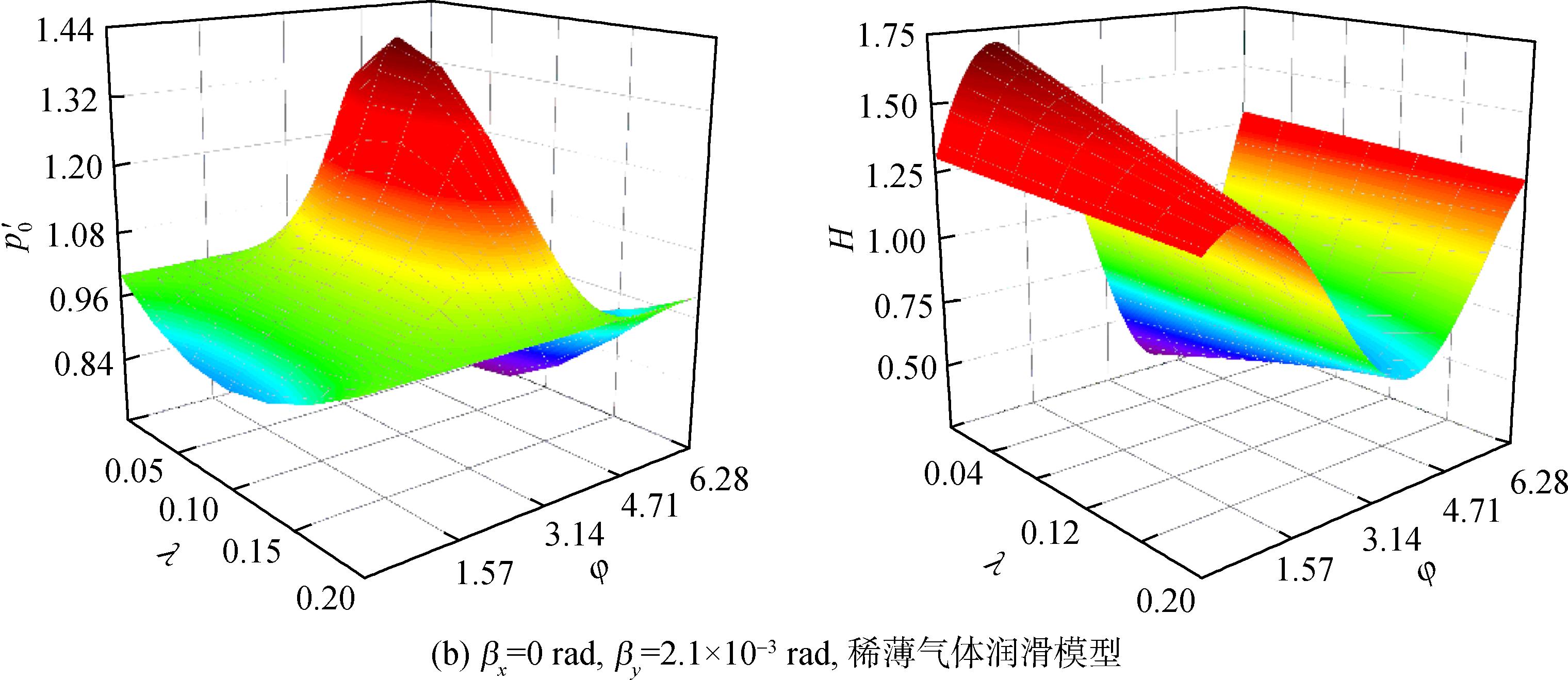
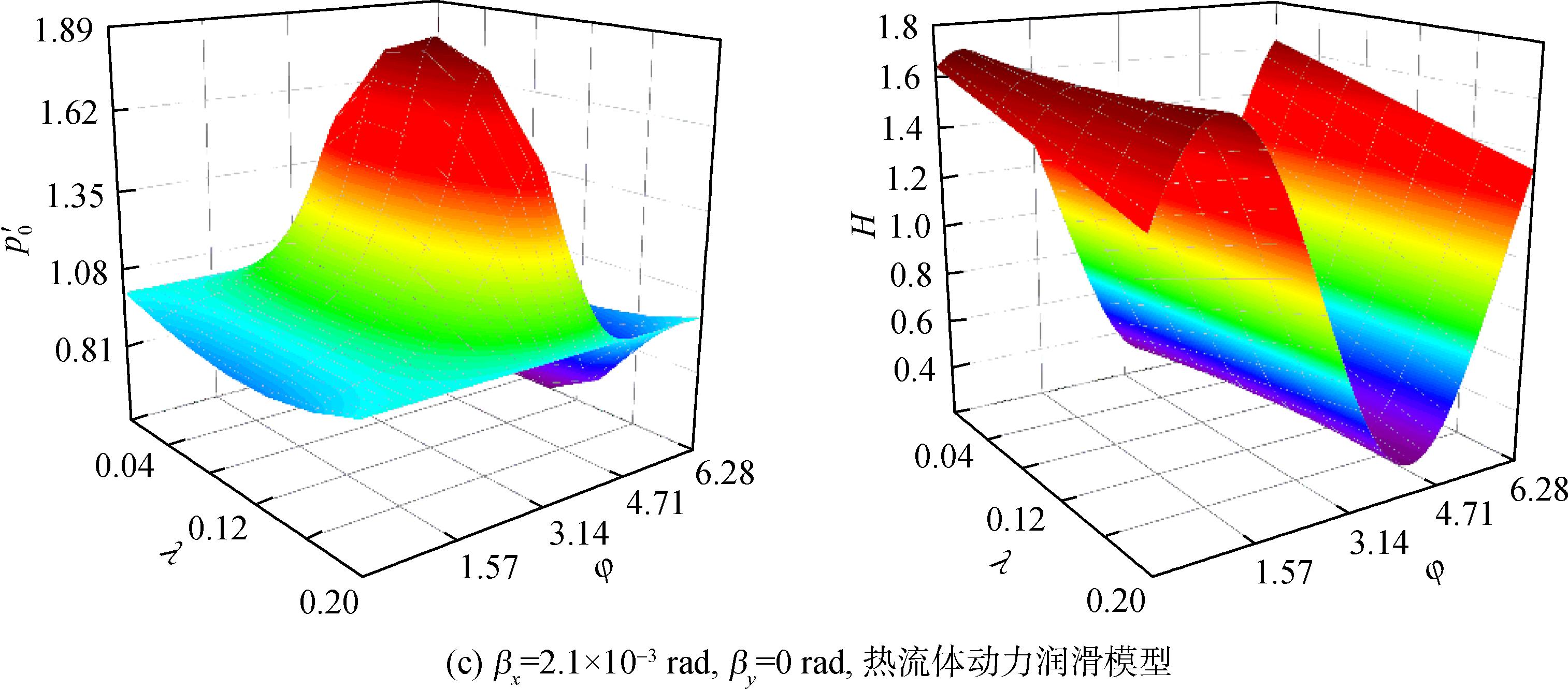
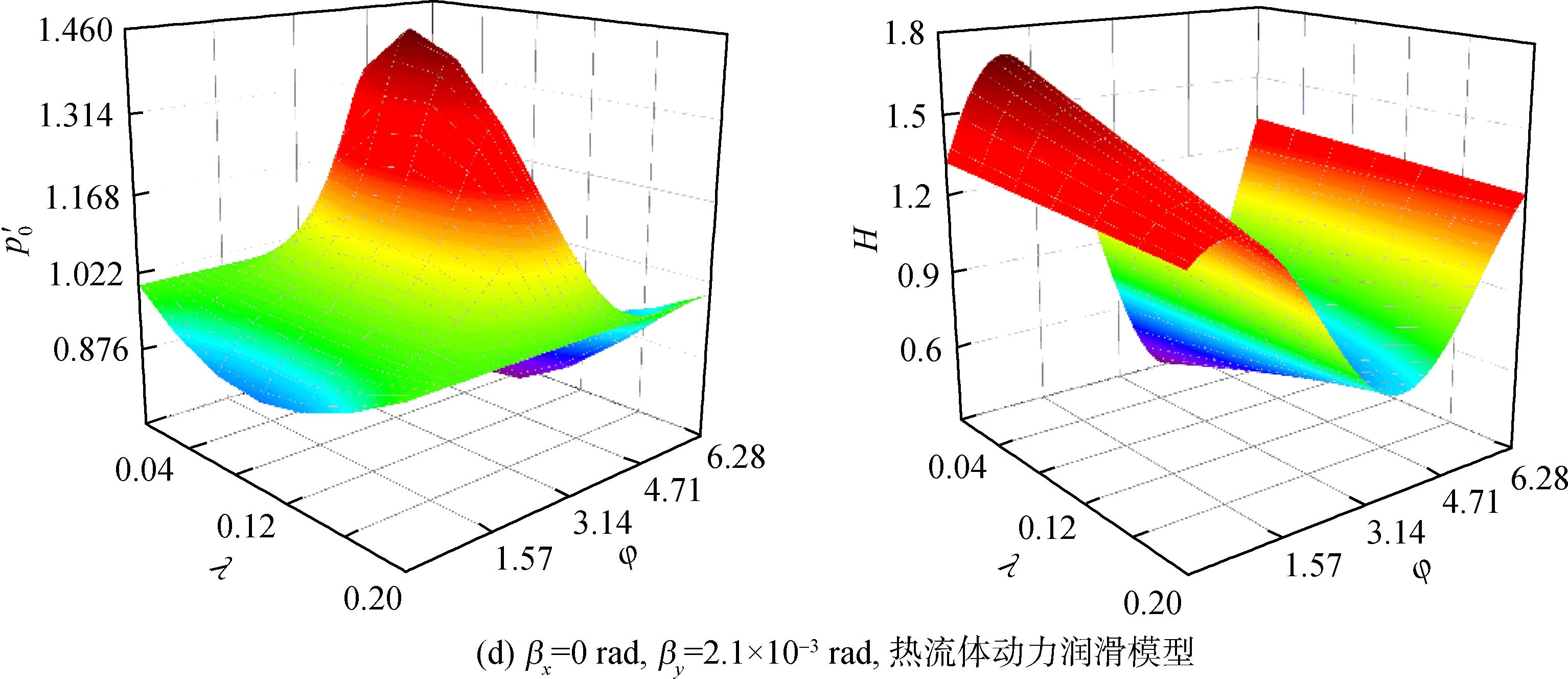
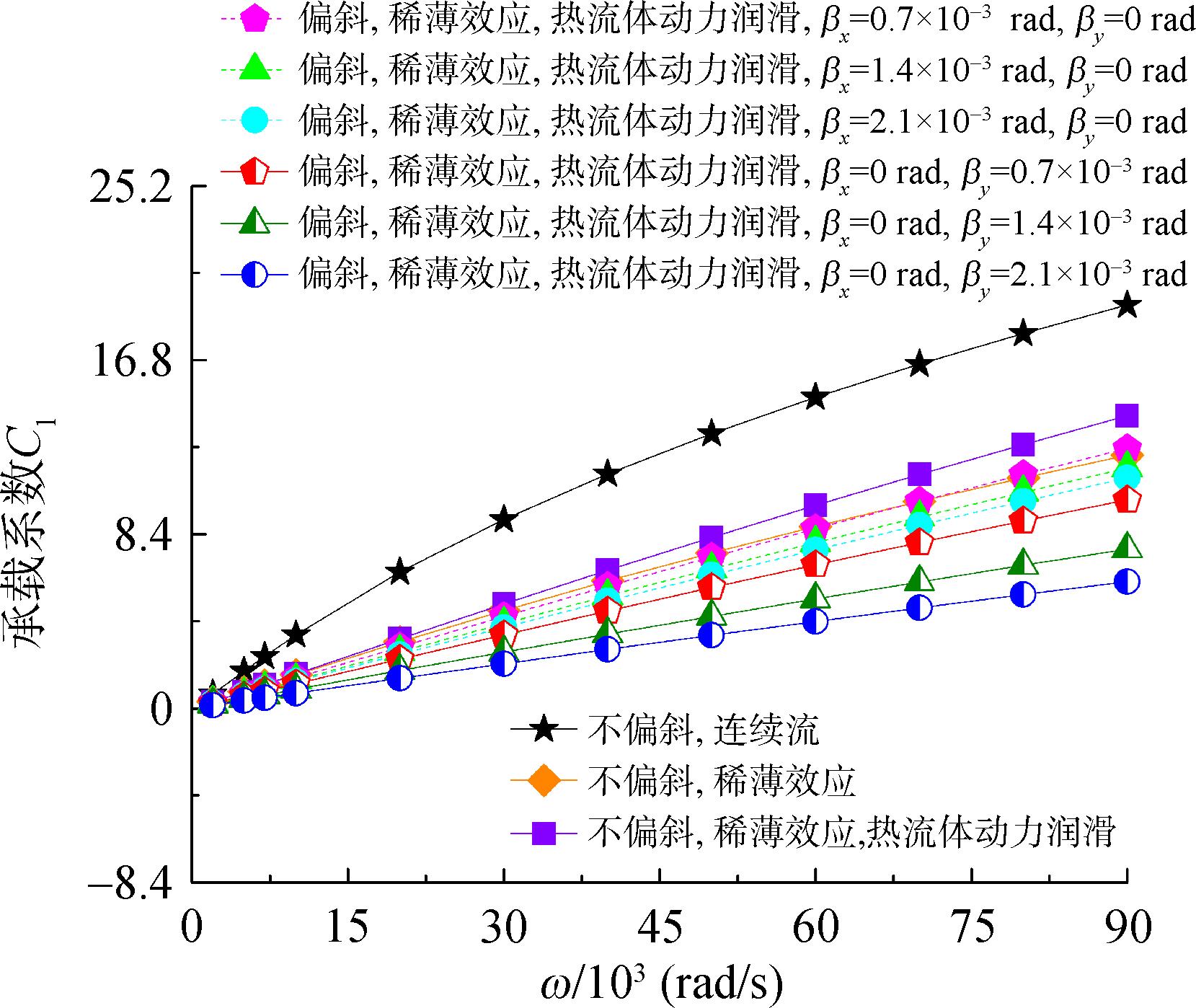
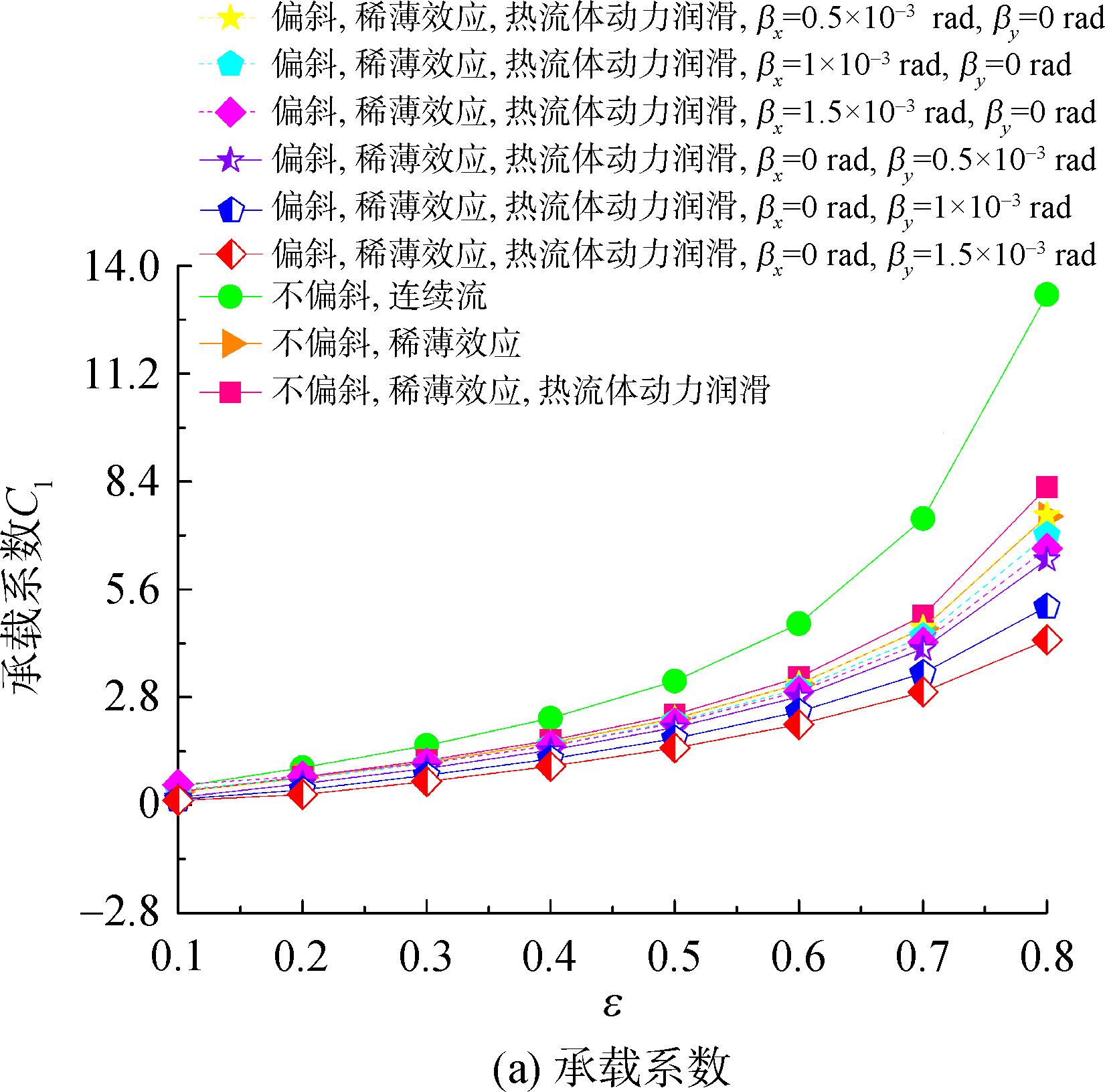
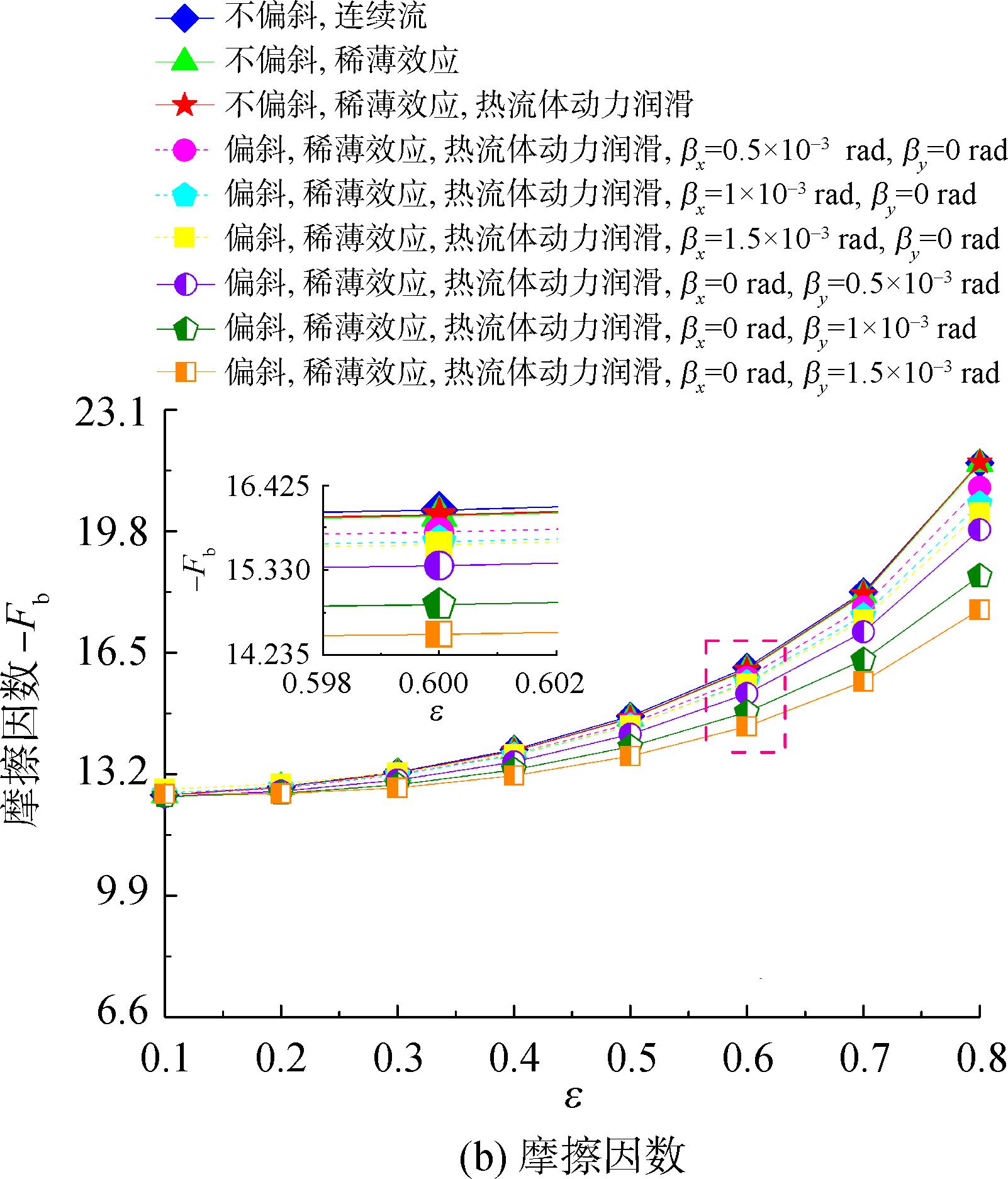
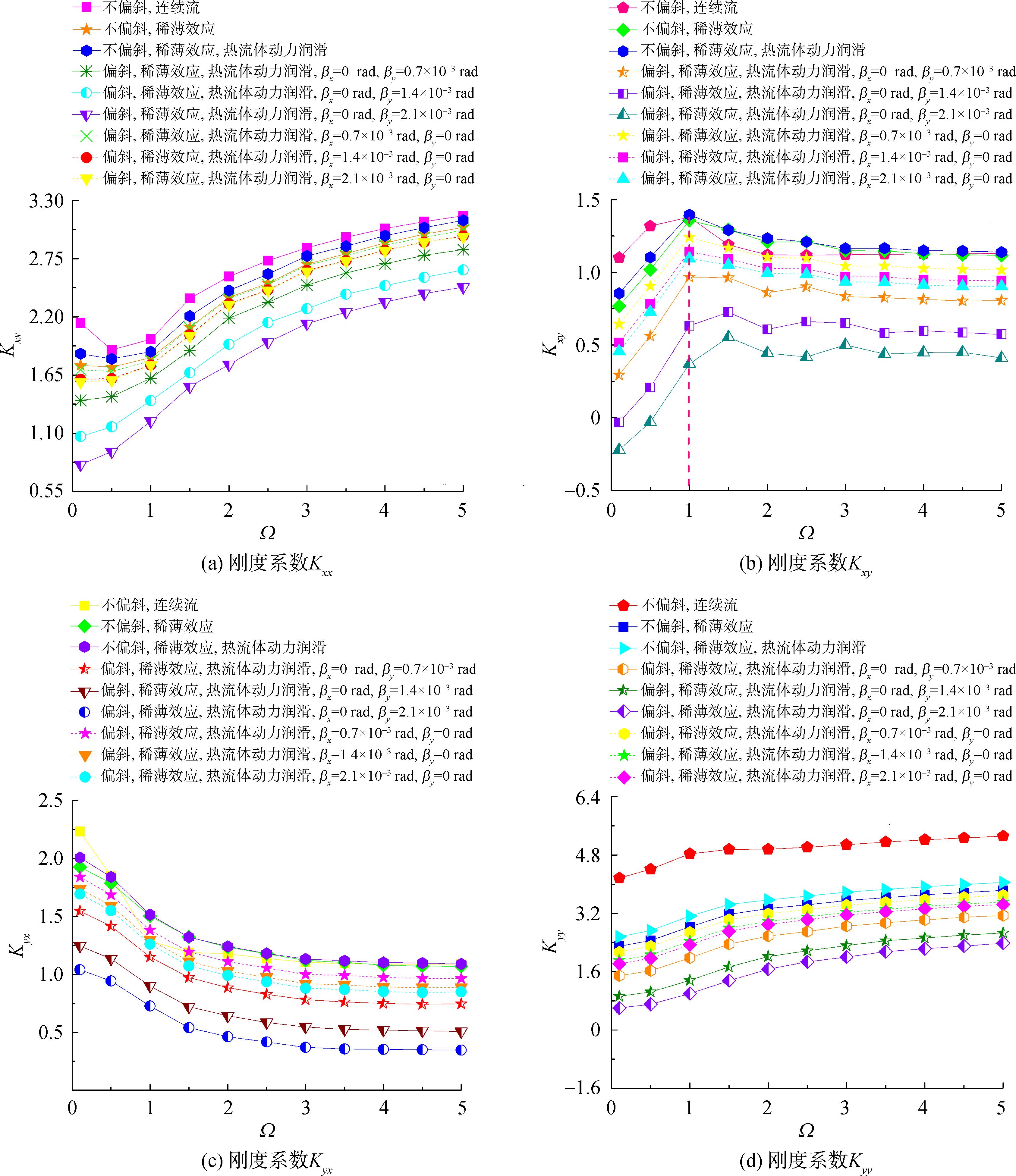
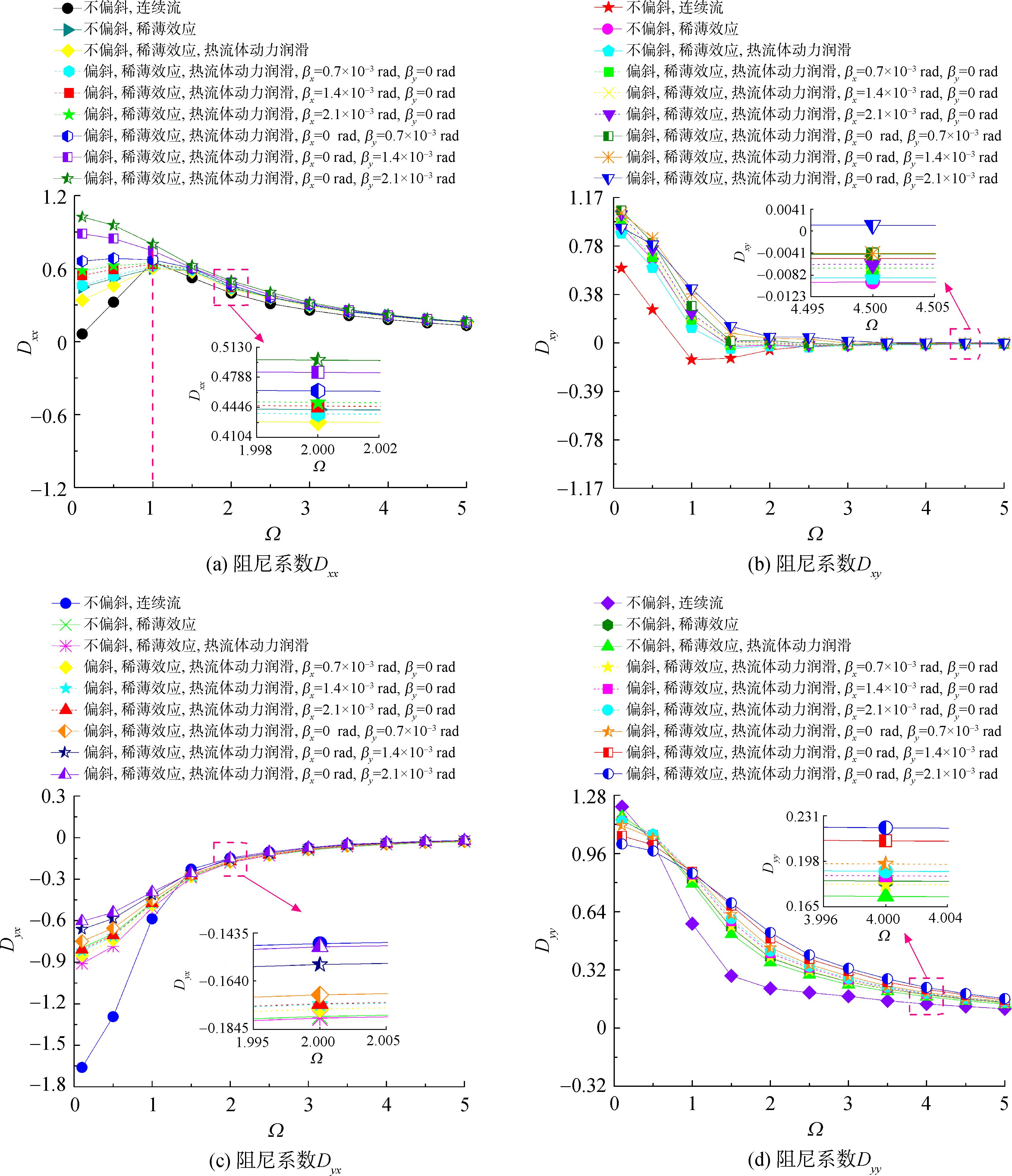
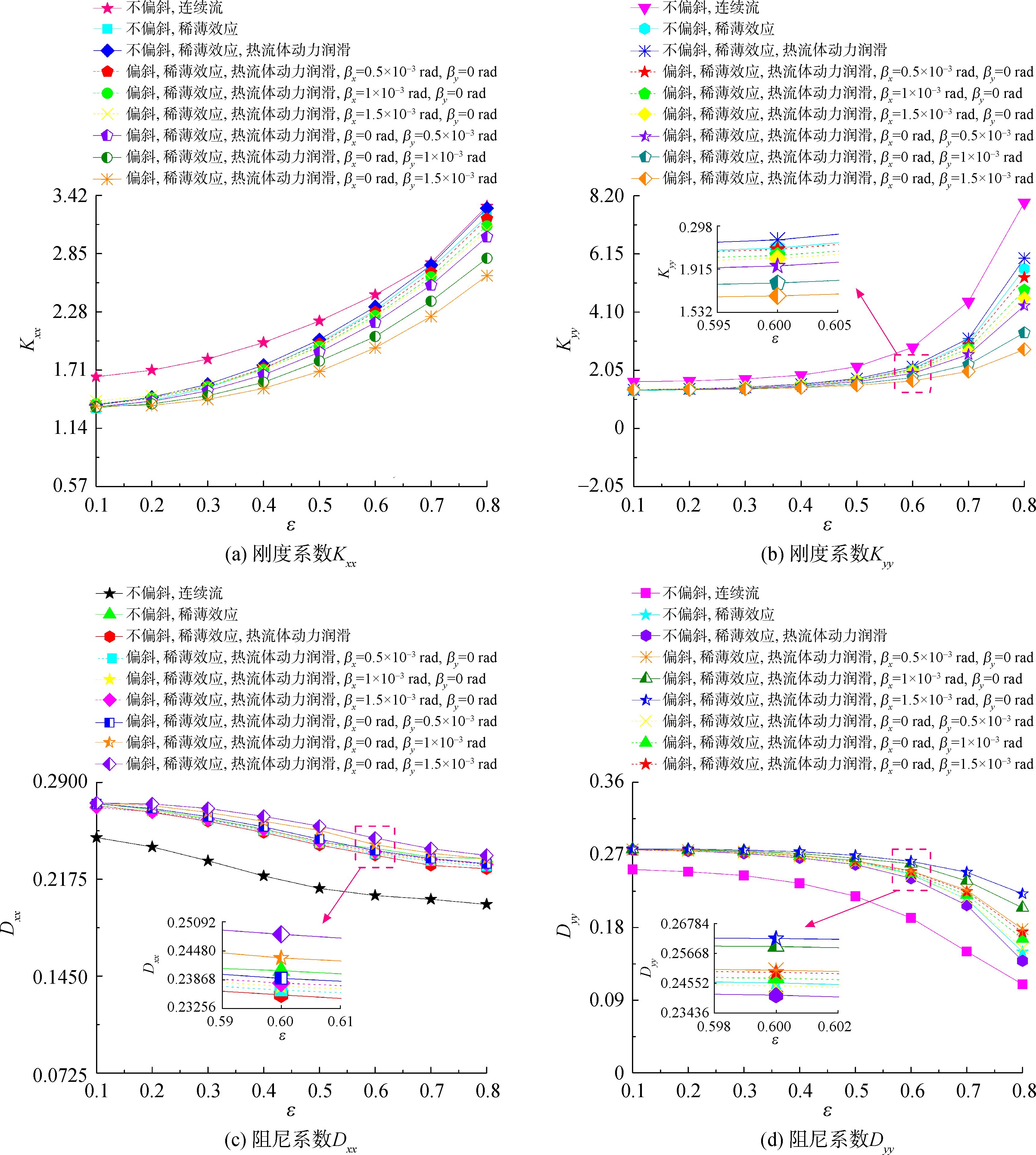
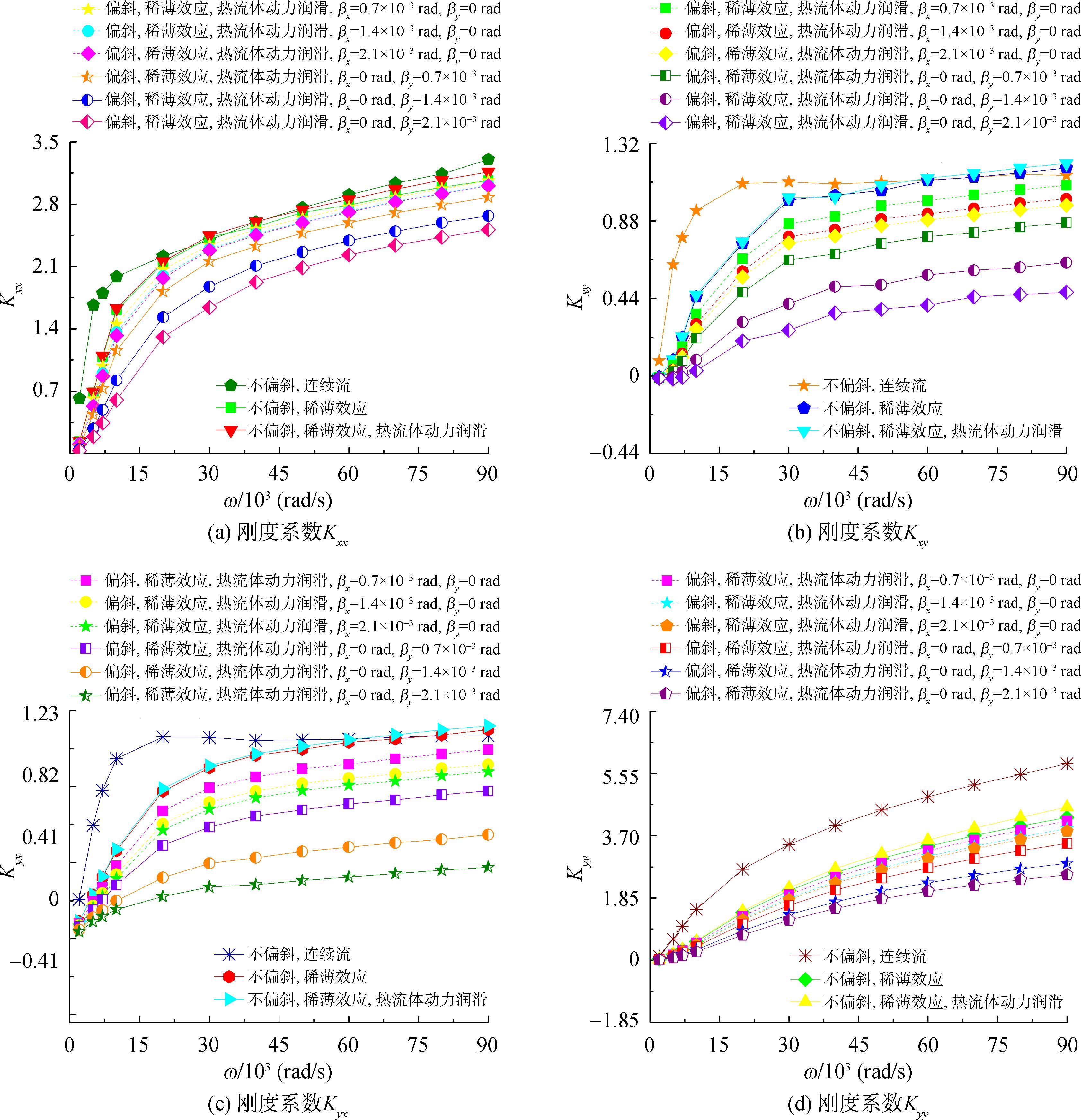
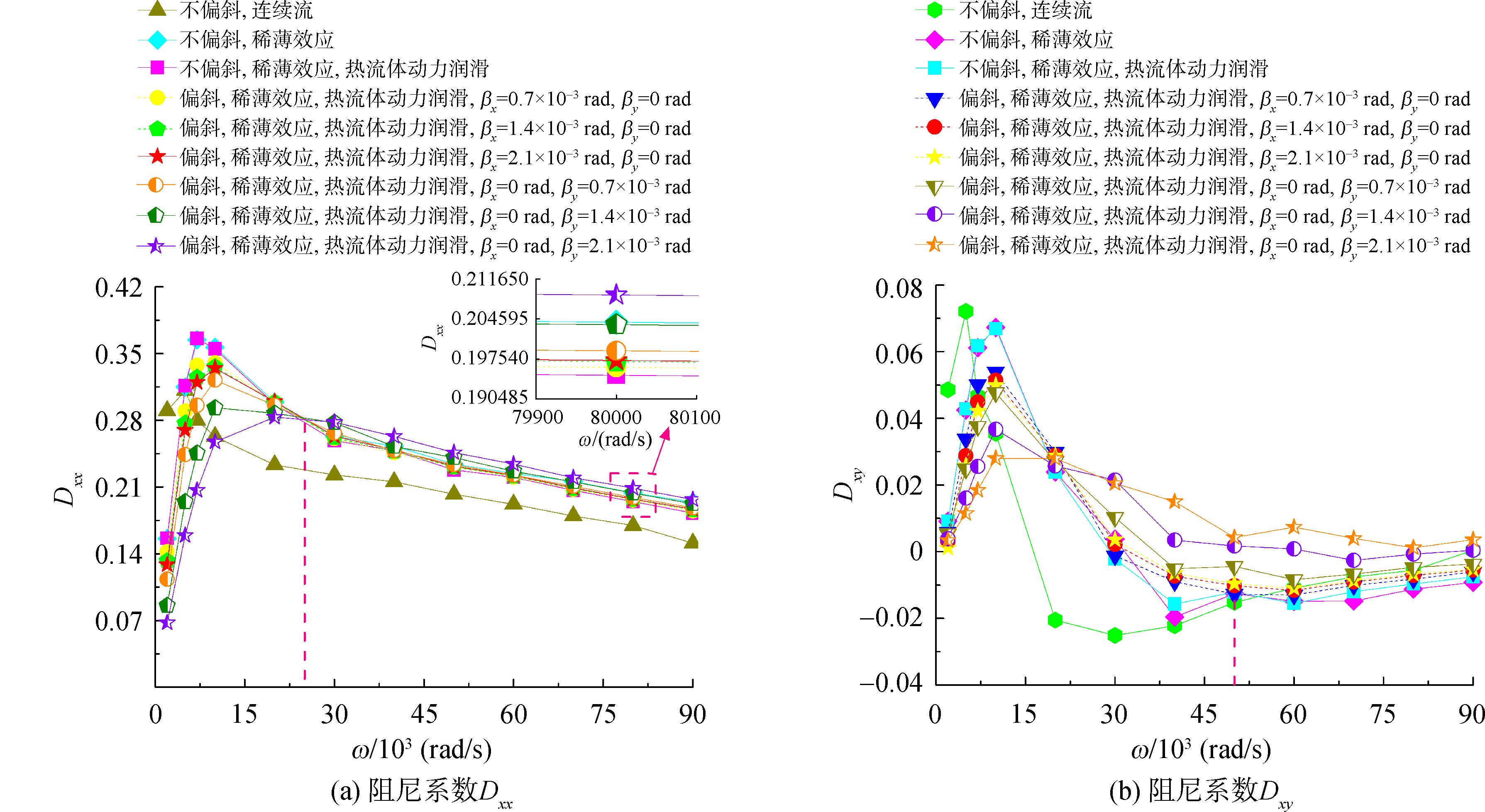
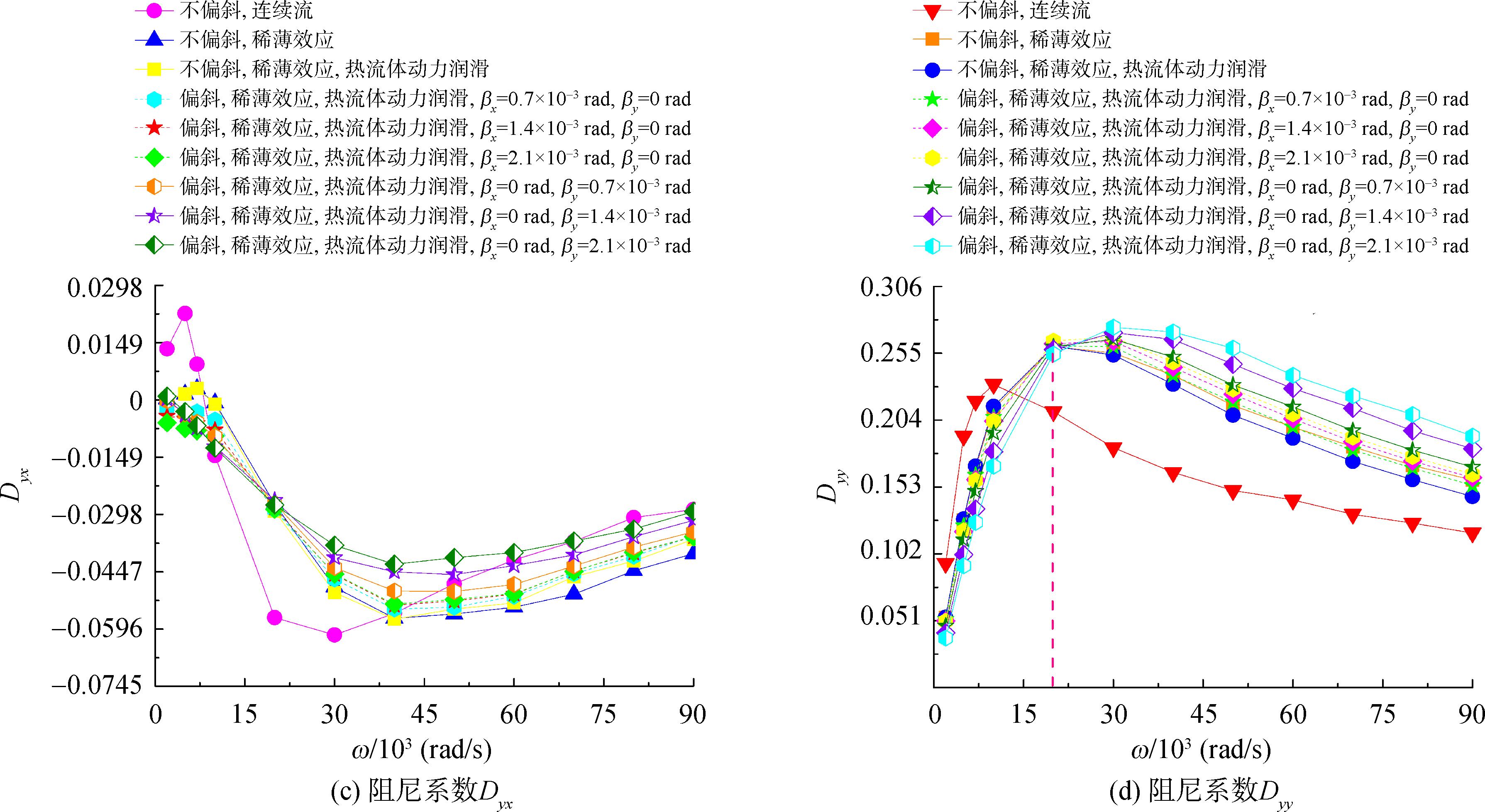
Due to the ultra‑thin gas film of microbearing and various loads caused by the high‑speed rotation of micro rotor,the effects of gas rarefaction,viscosity‑temperature relation and journal misalignment on the lubrication characteristics of micro gas bearing cannot be neglected.The modified energy equation and its finite difference expression considering rarefaction effect were derived based on the energy conversation,and the modified Reynolds equation,modified energy equation,gas viscosity‑temperature relationship and film thickness equation were solved simultaneously by partial derivative method and finite difference method.The influences of structural parameters,misalignment angle and thermal effect on static and dynamic performance of microbearings were investigated in detail.Results showed that the load capacity,friction coefficient and dynamic stiffness coefficient of gas microbearing were improved by the gas film temperature,while the direct damping coefficient was reduced.The journal misalignment had an adverse influence on the static and dynamic performance of microbearing.Therefore,the results can provide an important theoretical basis for improving the stability of gas microbearing‑rotor system in microfluidic devices.

Analysis of squeeze process and engagement characteristics of wet friction clutch
HUANG Wei, BAO Heyun, ZHU Chu, ZHU Rupeng
2022, 37(9): 1992-2000. doi: 10.13224/j.cnki.jasp.20210353
Abstract:

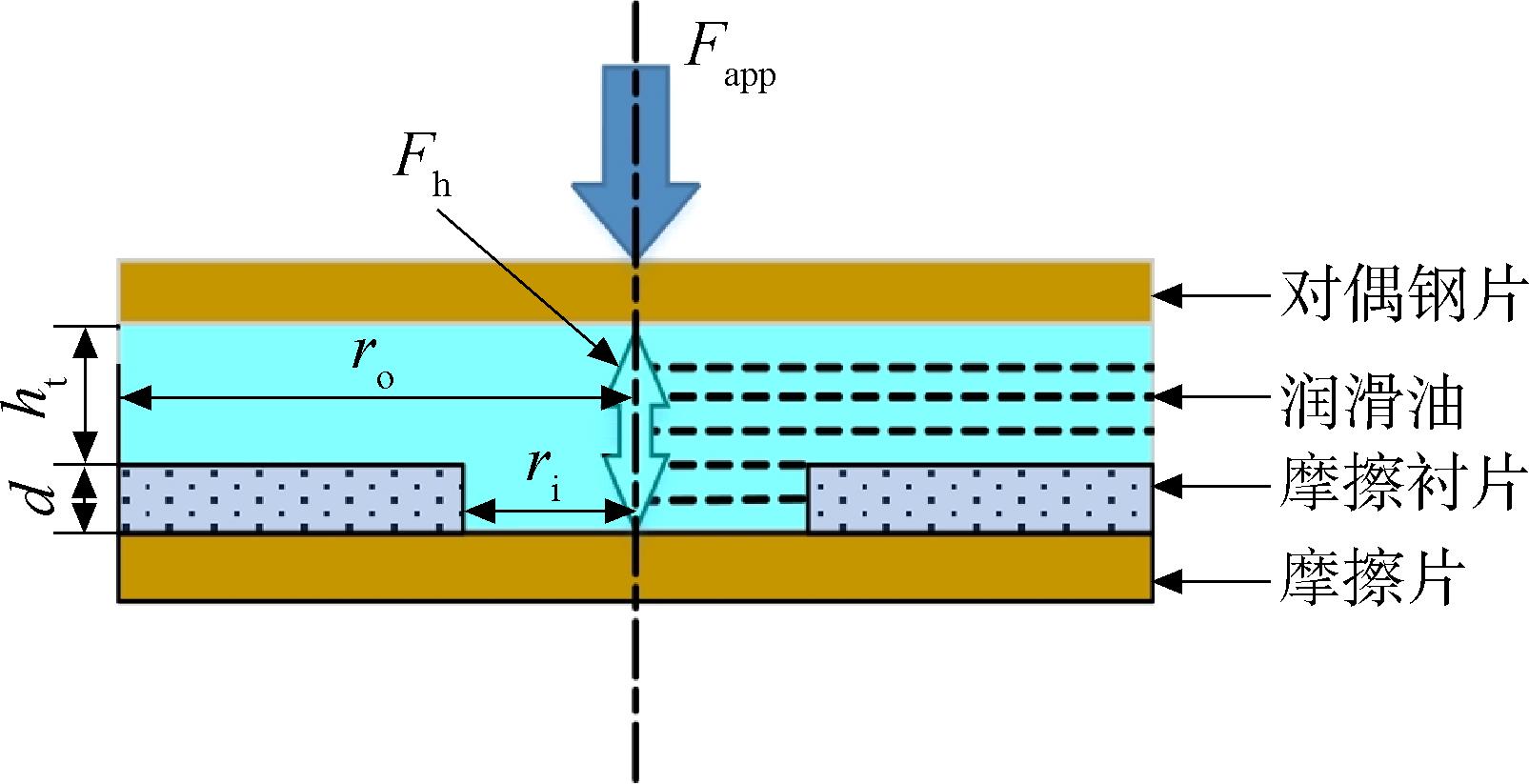
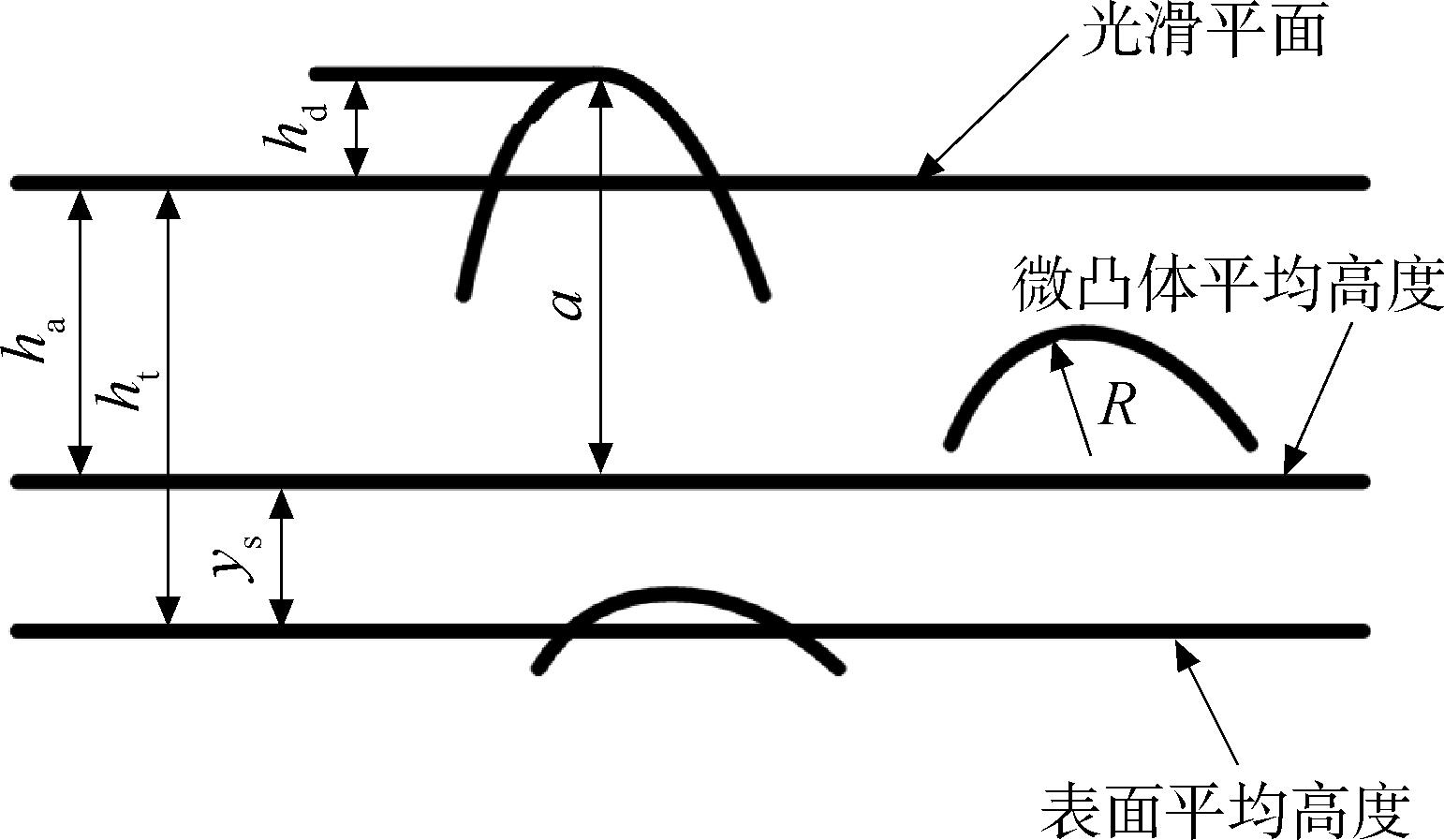
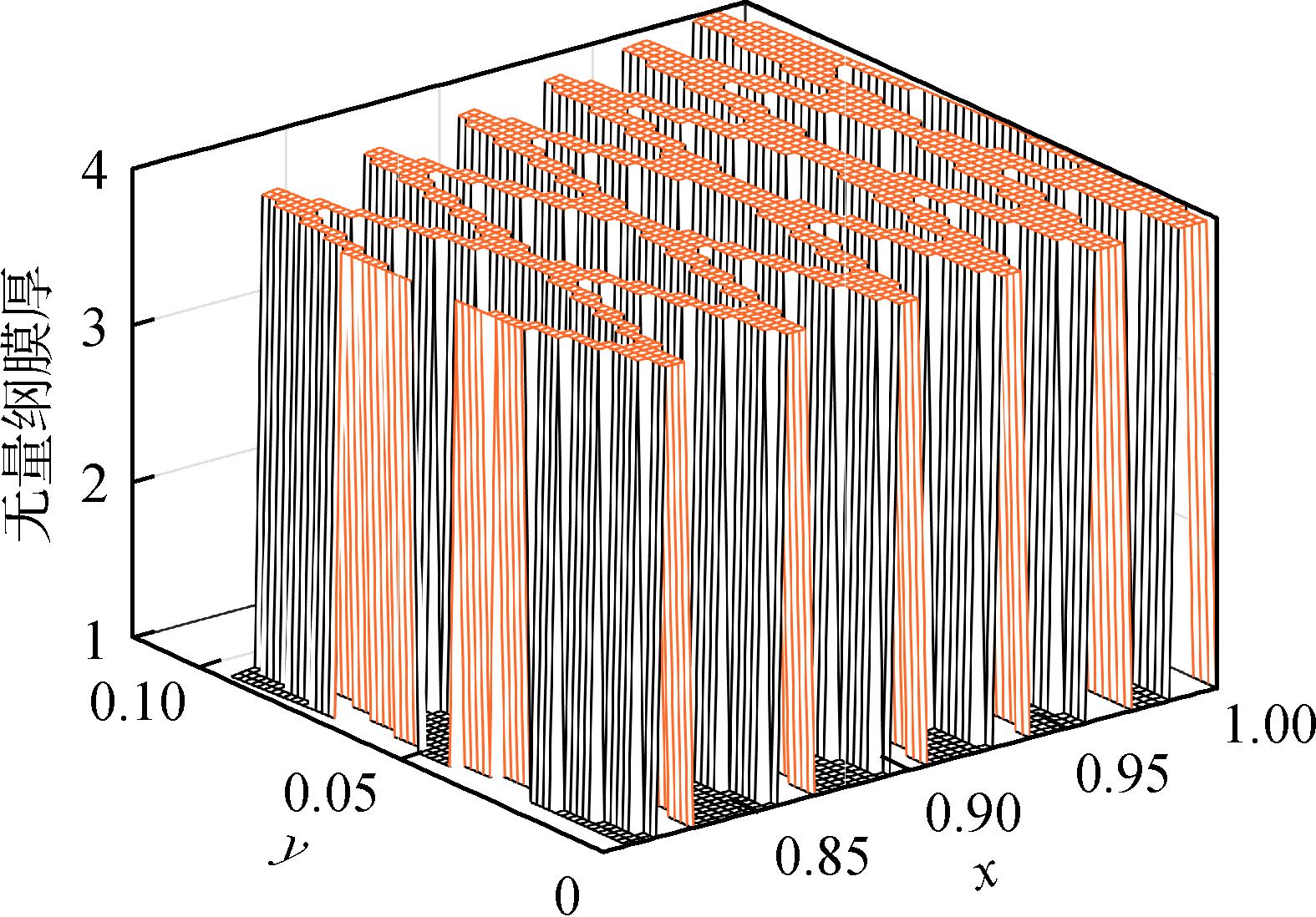
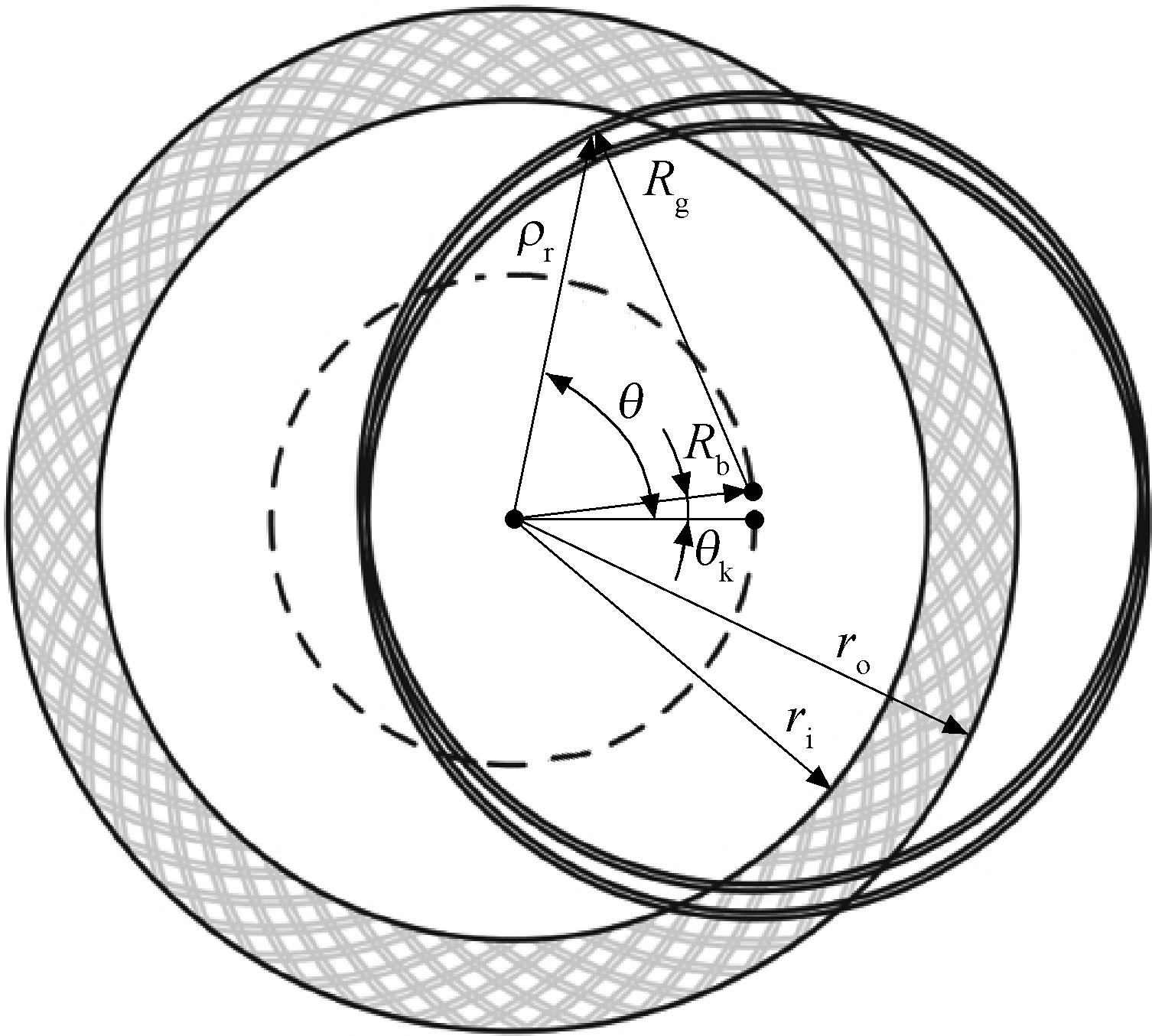
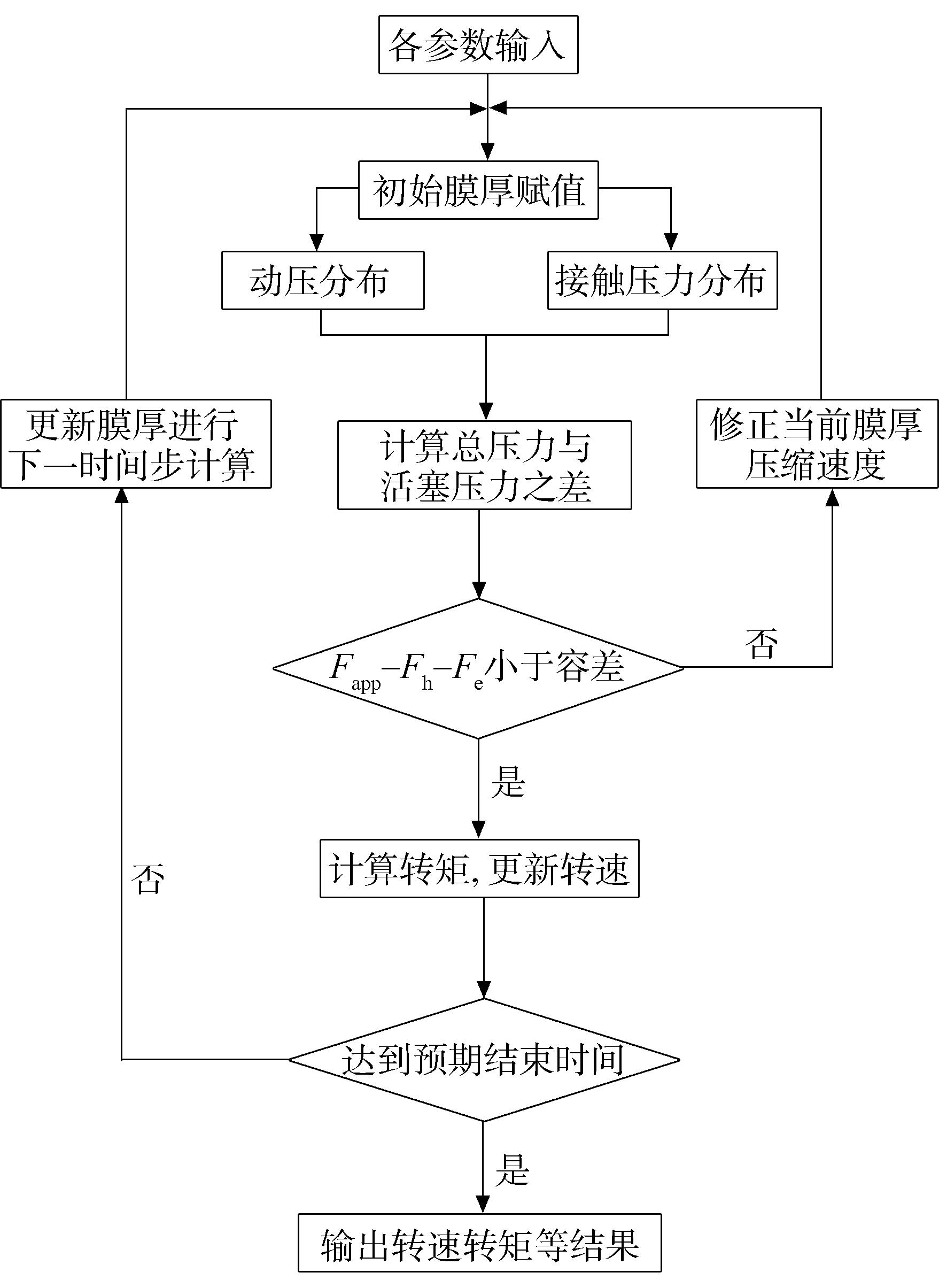
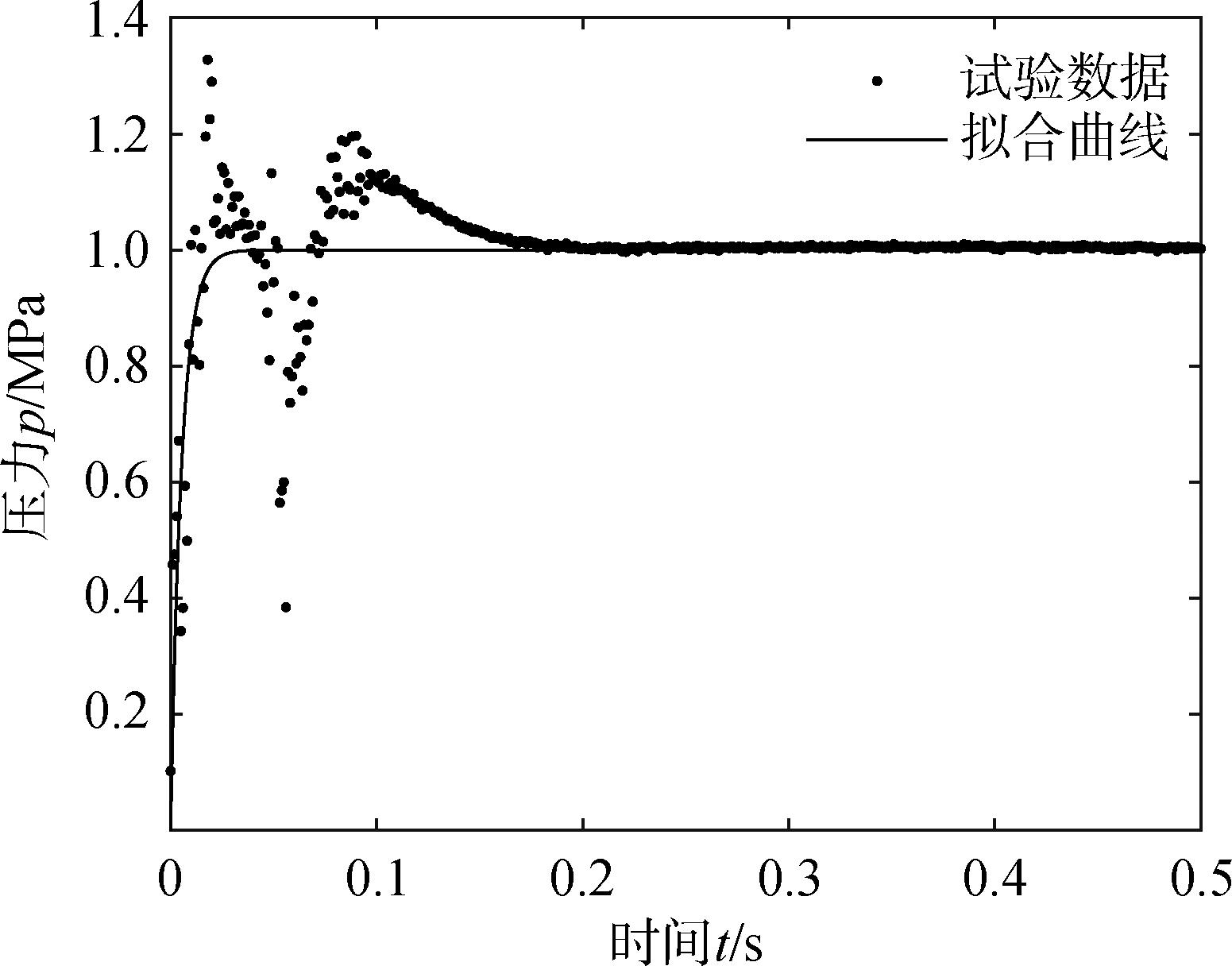
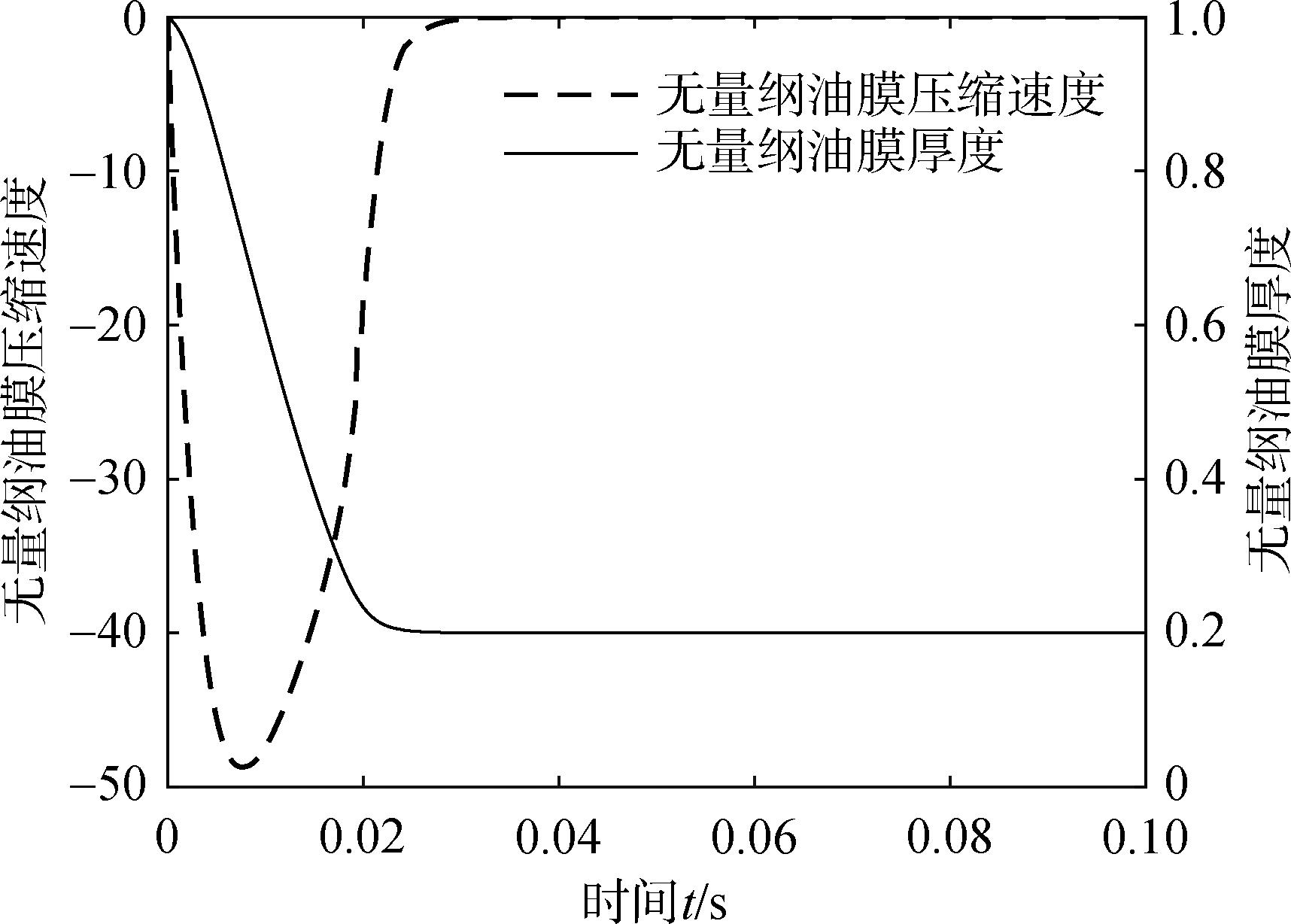
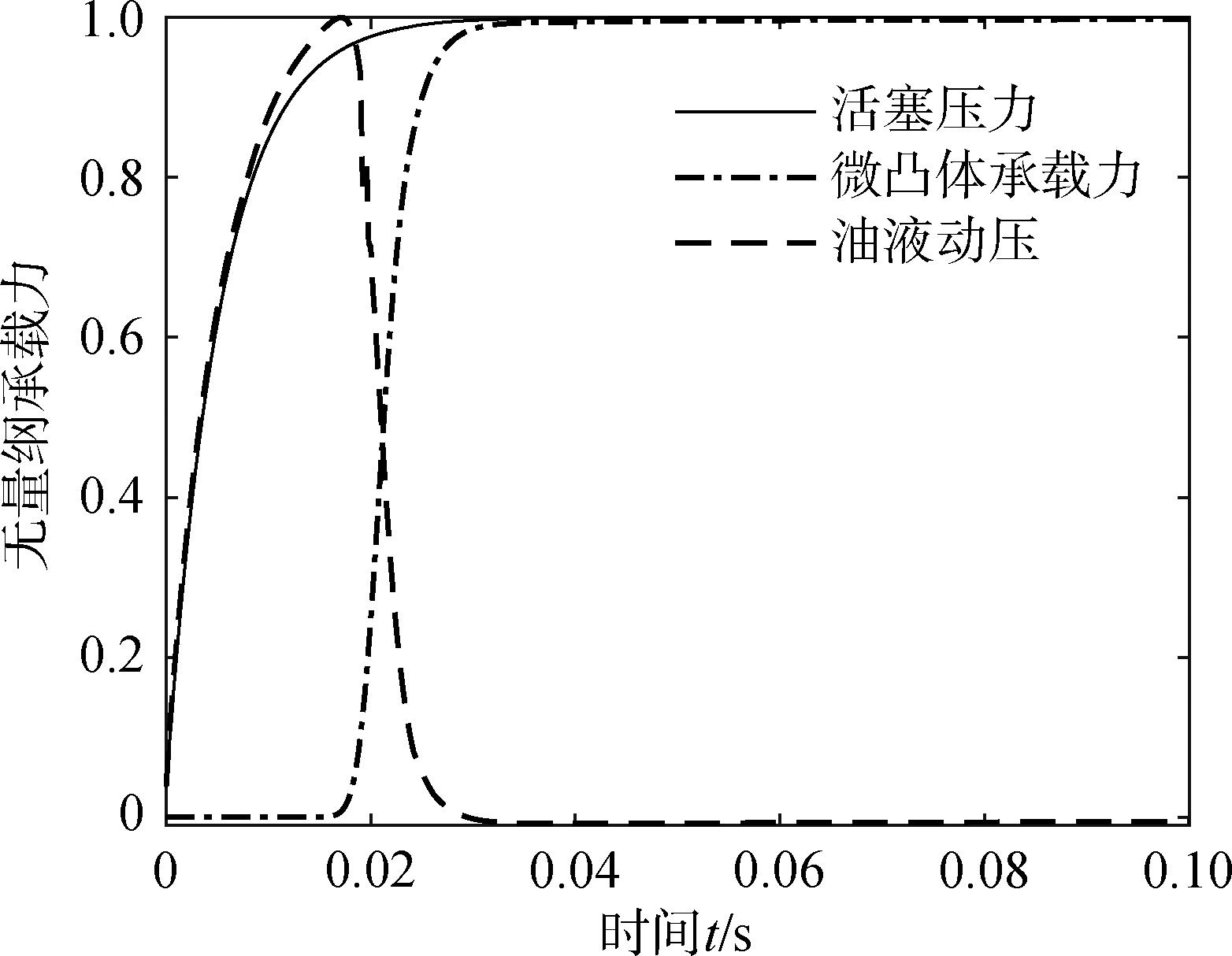
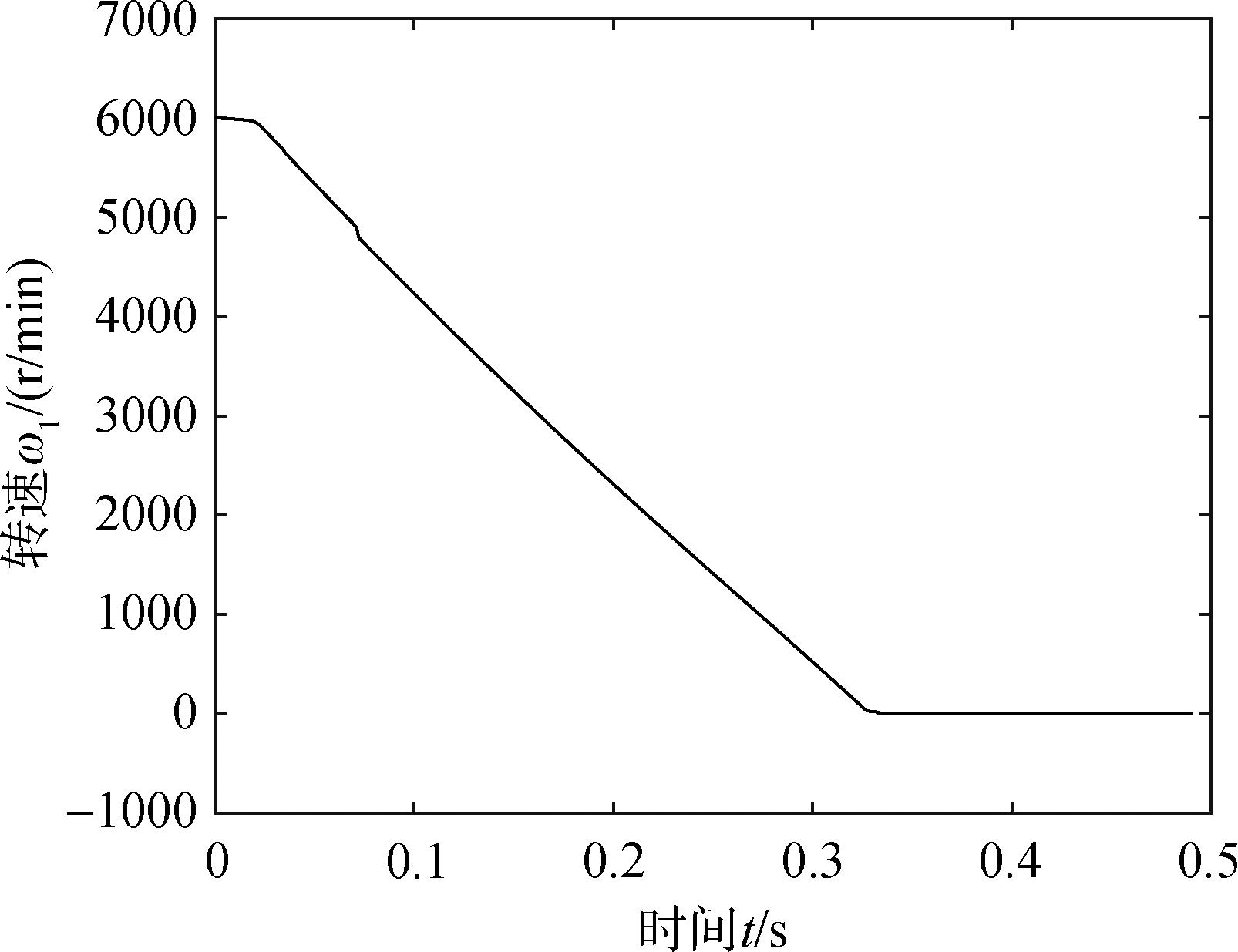
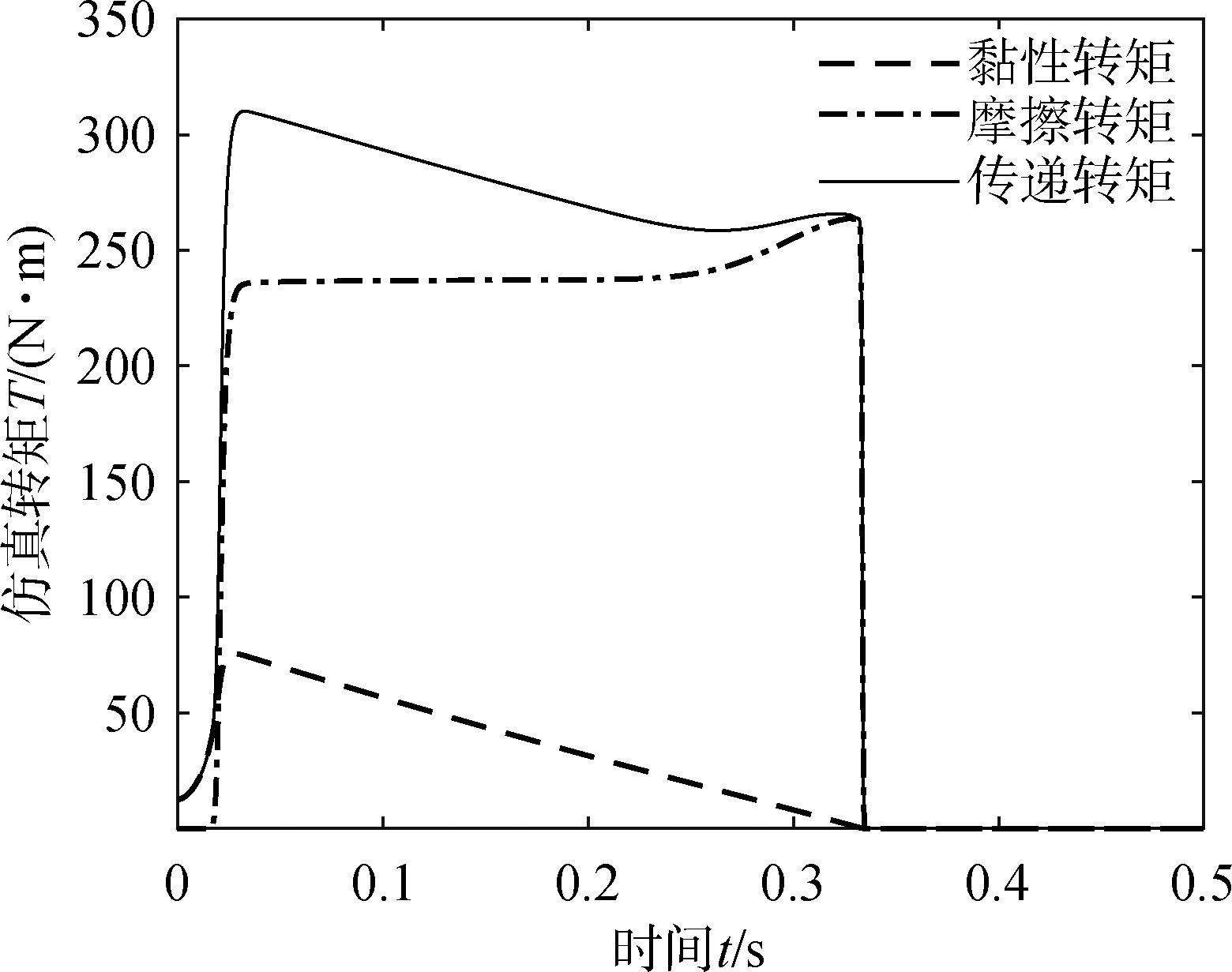
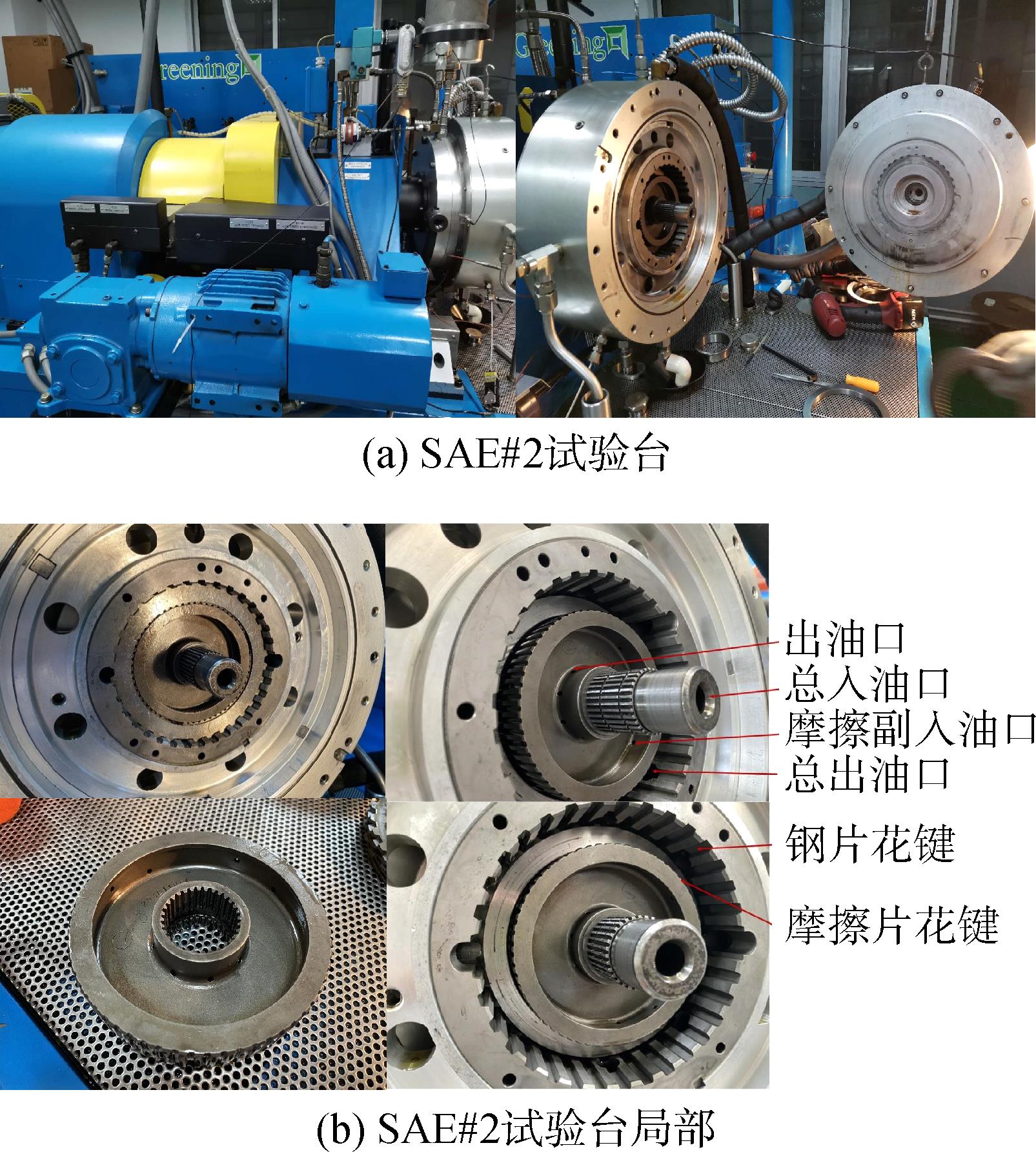
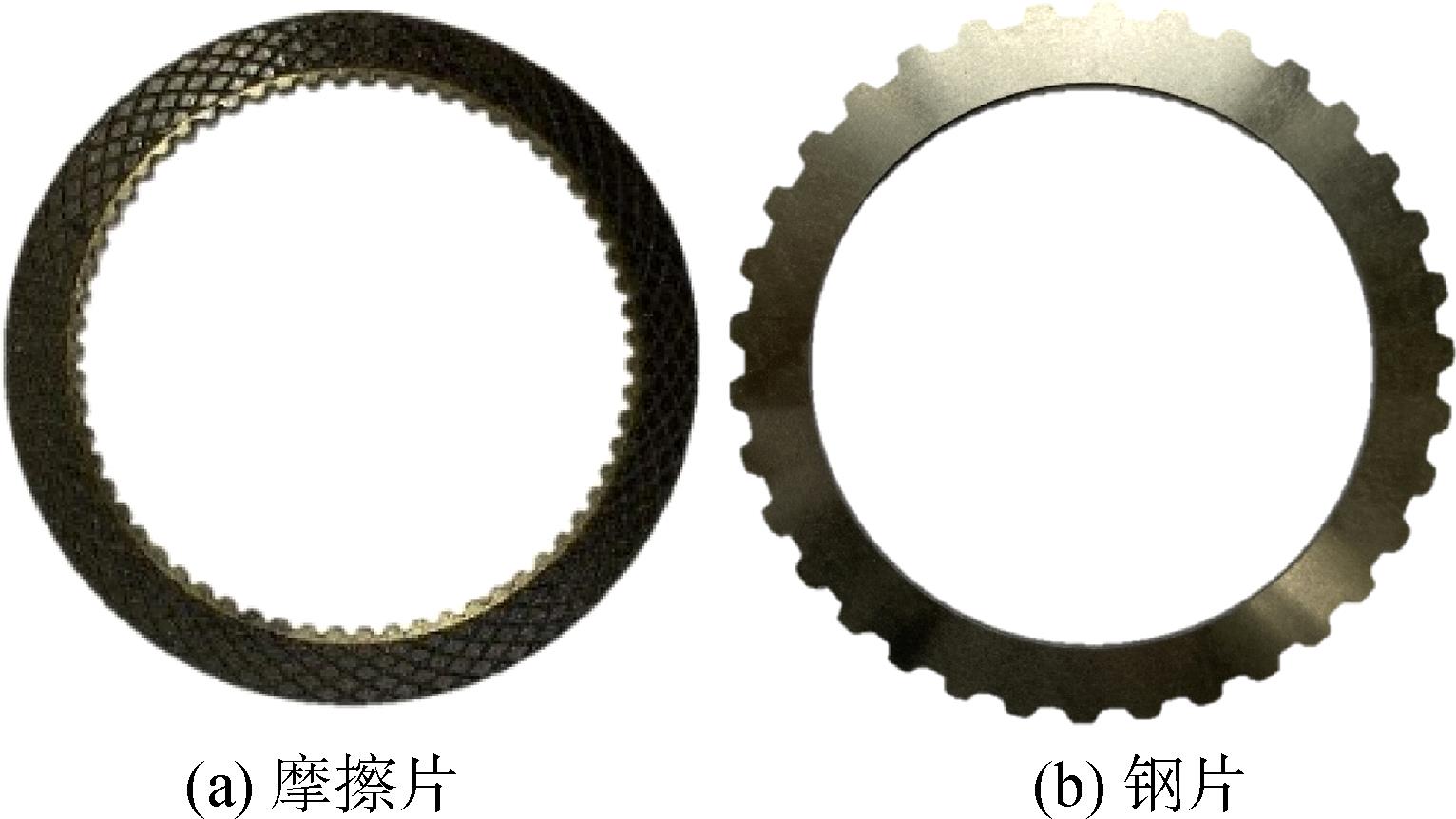
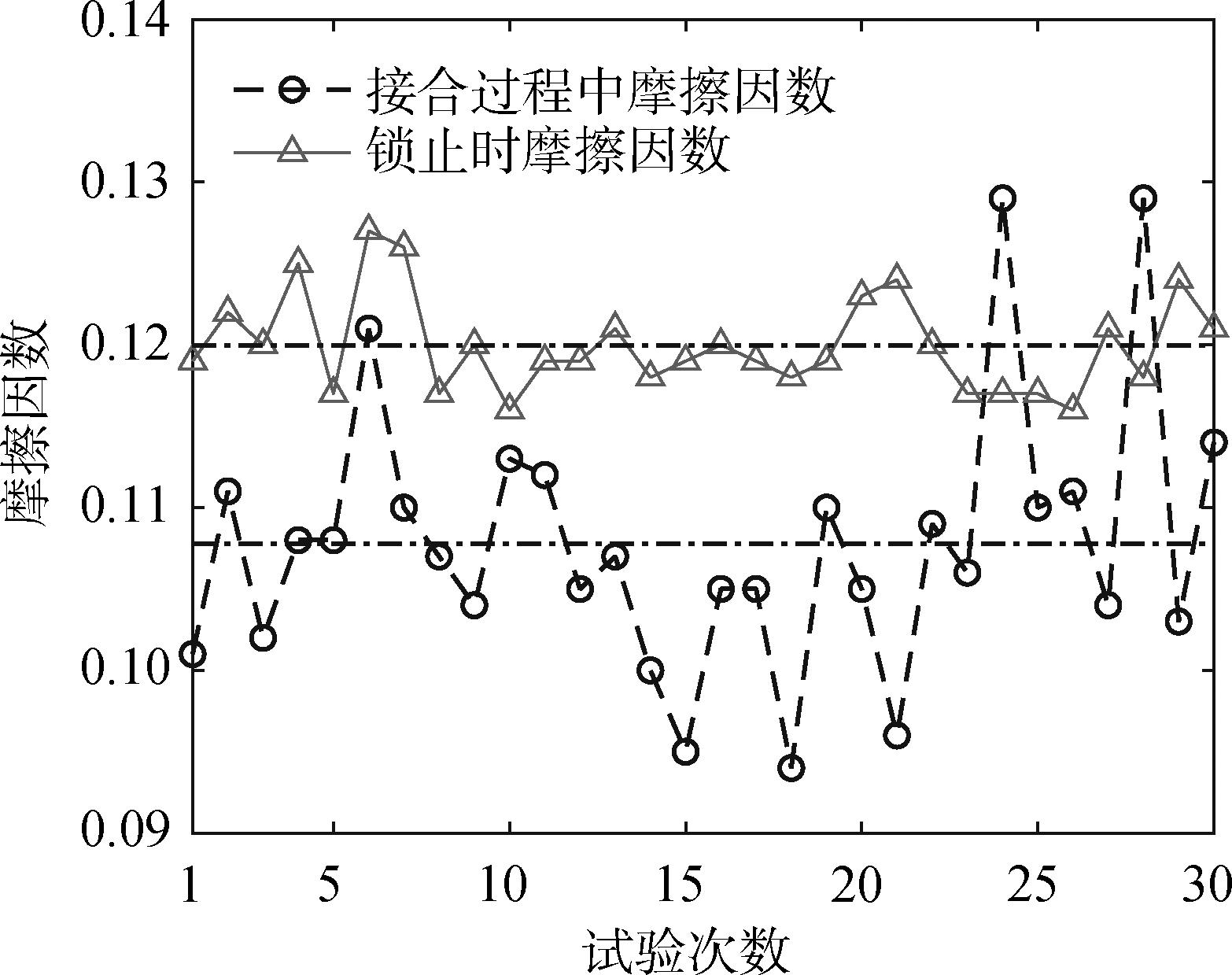
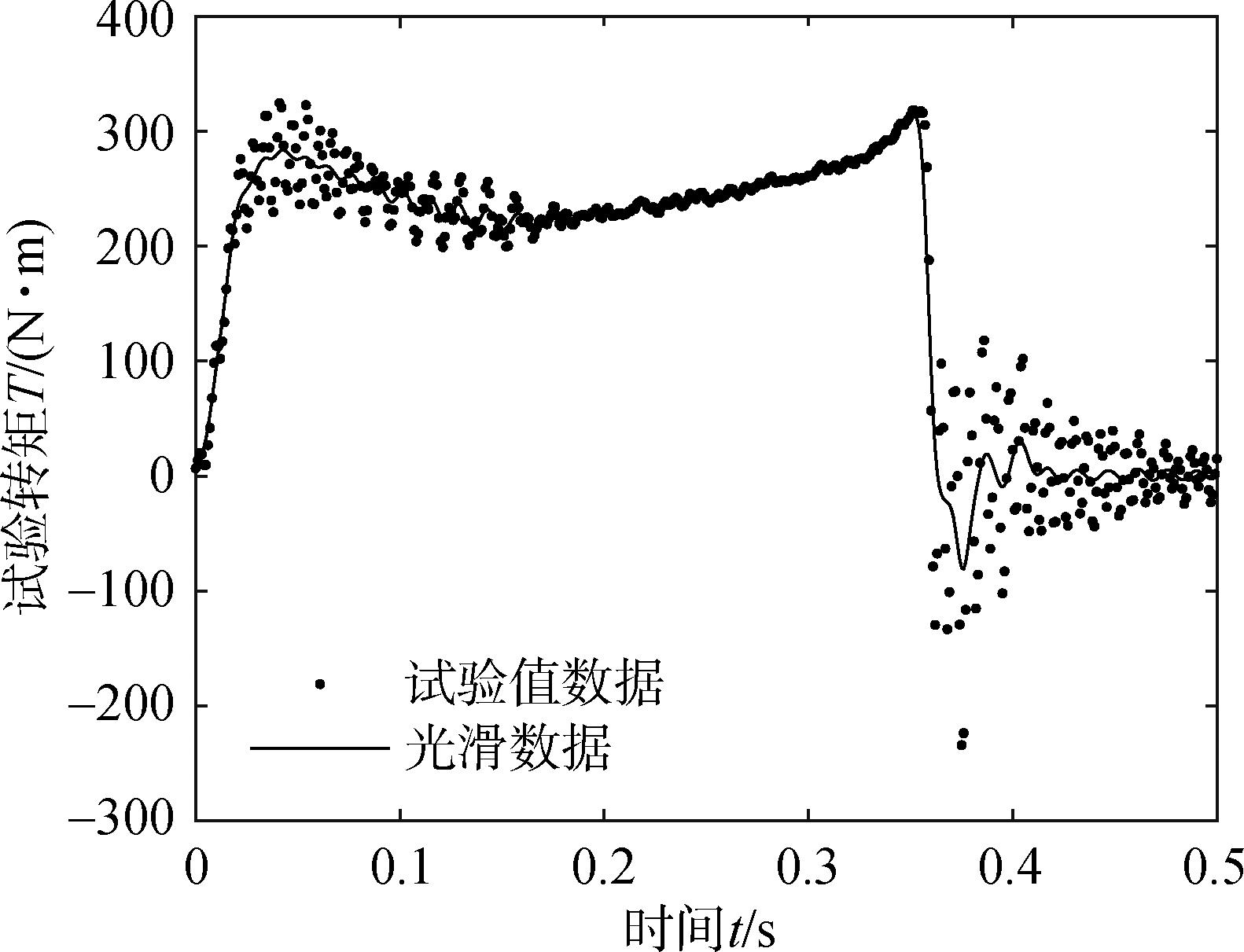
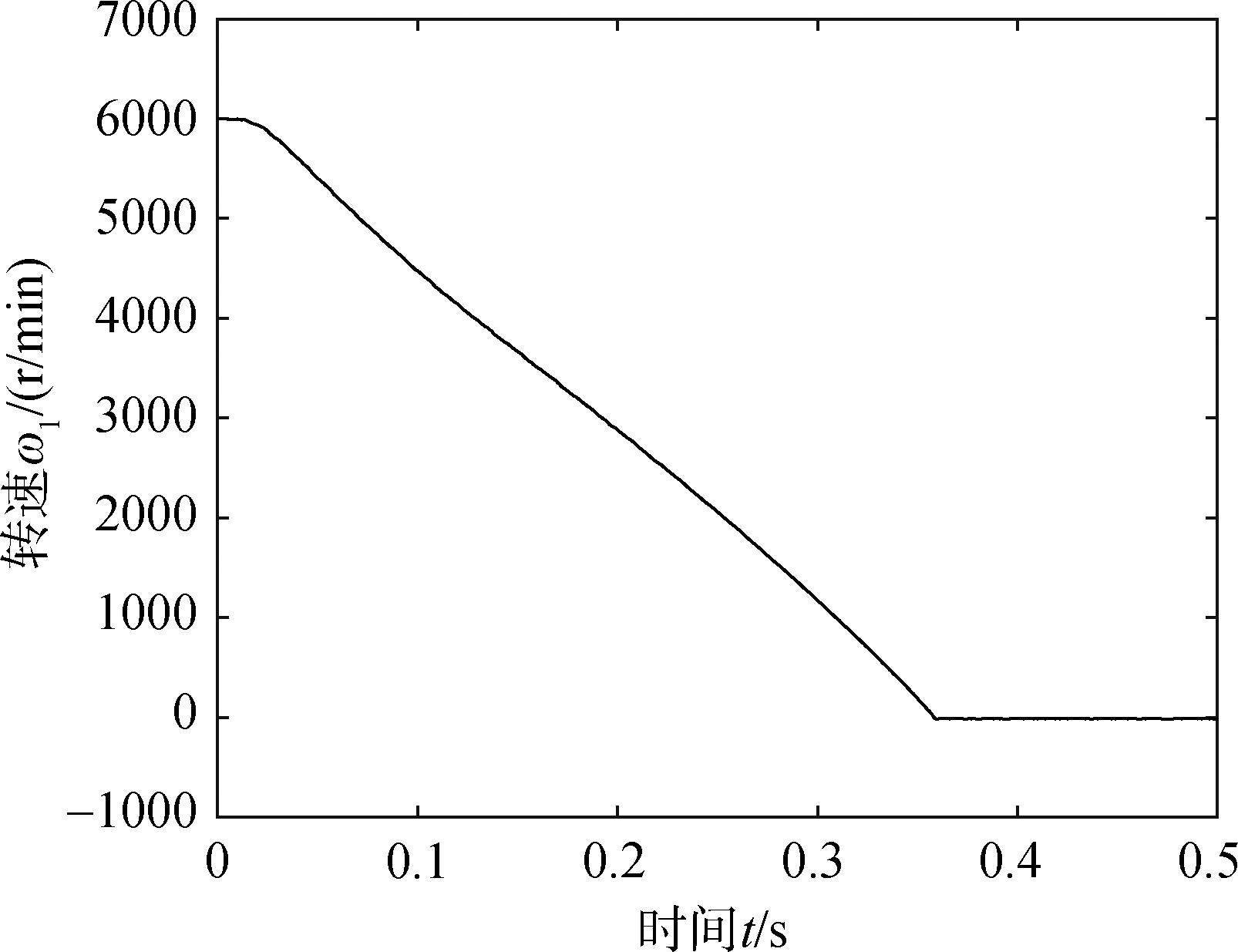
In view of the extrusion mechanism and micro⁃convex contact problem during the engagement process of the wet friction clutch,the oil groove structure on the surface of the friction plate,the material permeability and other factors were comprehensively considered;according to the modified Reynolds equation and the K⁃E (Kogut⁃Etsion) contact model,the wet friction clutch was squeezed in the process,the dynamic pressure bearing capacity,the bearing capacity of the micro convex body and the torque and speed change of the model were analyzed,and the modified Reynolds equation was solved by the finite difference method.For the extrusion characteristics such as the oil film compression speed,the oil film thickness change rate and the load bearing,and the engagement characteristics such as speed and torque,simulation analysis was carried out.And SAE#2 testing machine was used to carry out relevant tests to obtain data such as speed,torque,pressure,friction factor,etc.,and compare them with the simulation analysis.Studies showed that the wet friction clutch engagement process can be divided into three stages,which were usually completed within 1 s,starting at about 0.02 s and transitioning from the extrusion stage to the full micro⁃convex contact stage at about 0.03 s after the compaction stage.The test results were consistent with the theoretical analysis results.

Rocket Engine
Analysis of JT refrigeration influence on temperature control of mainstream liquid in cryogenic storage tank
ZHOU Zhenjun, LIU Xin, LIU Chen, MENG Nan, CHEN Shikui
2022, 37(9): 2001-2008. doi: 10.13224/j.cnki.jasp.20210212
Abstract:

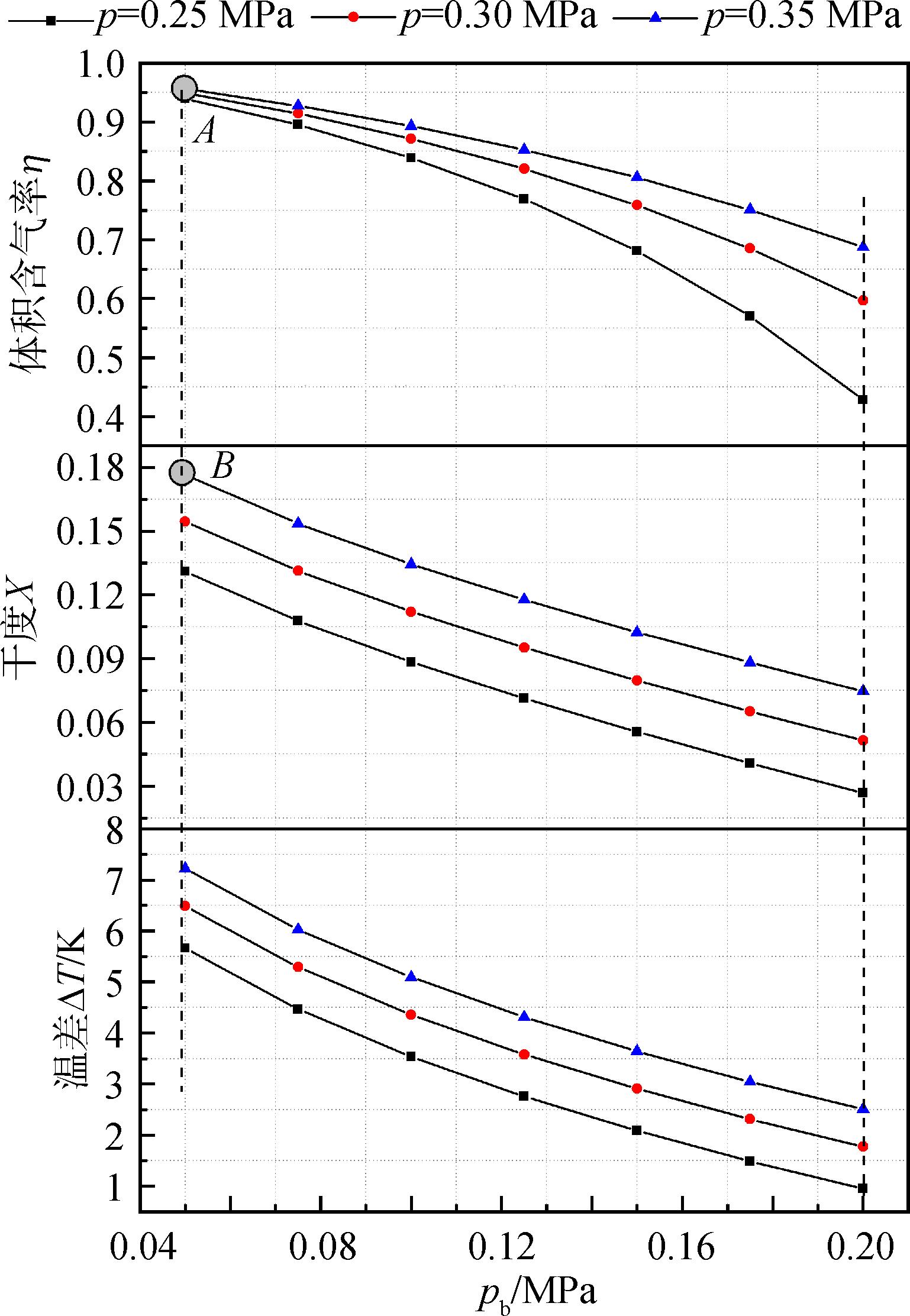
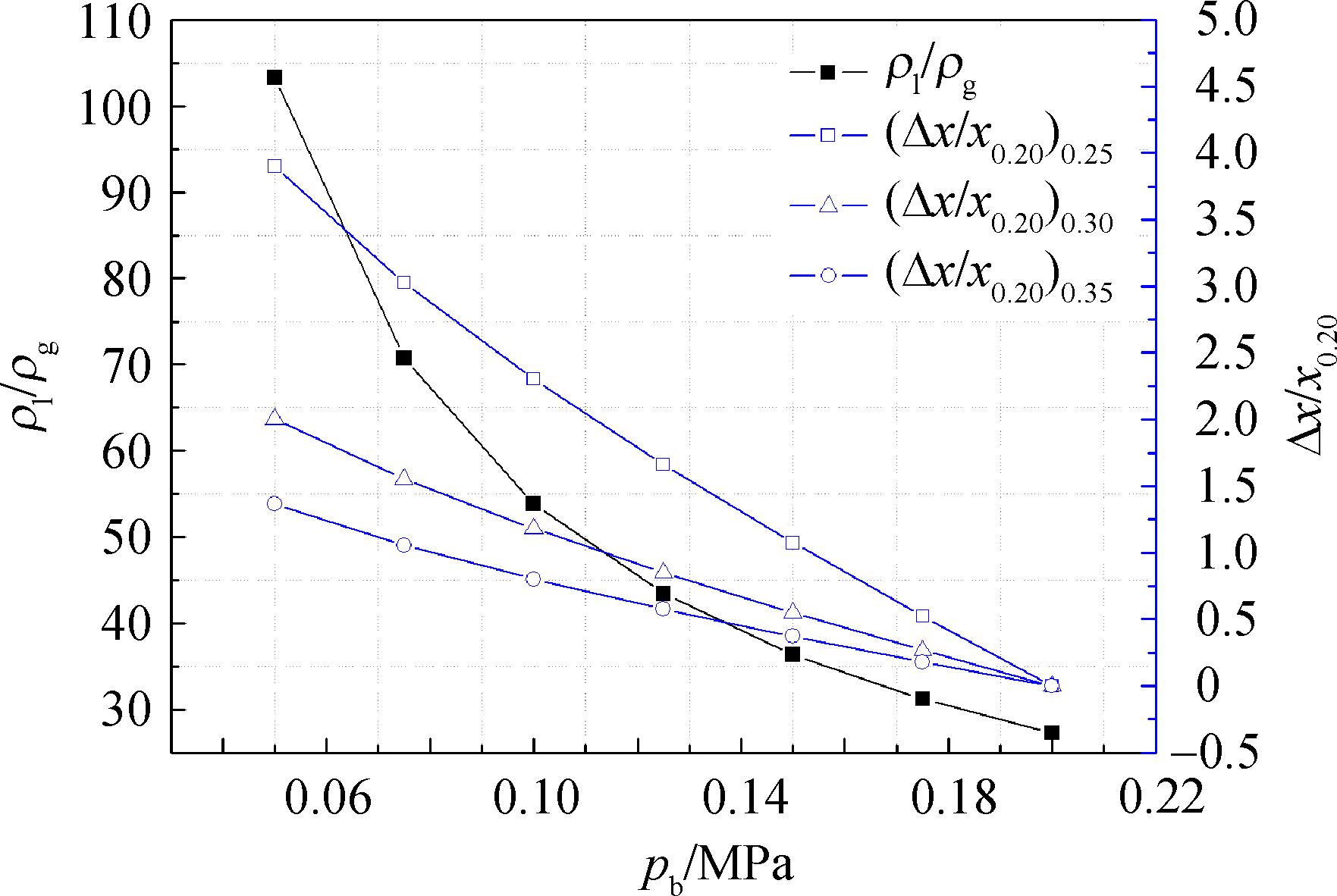
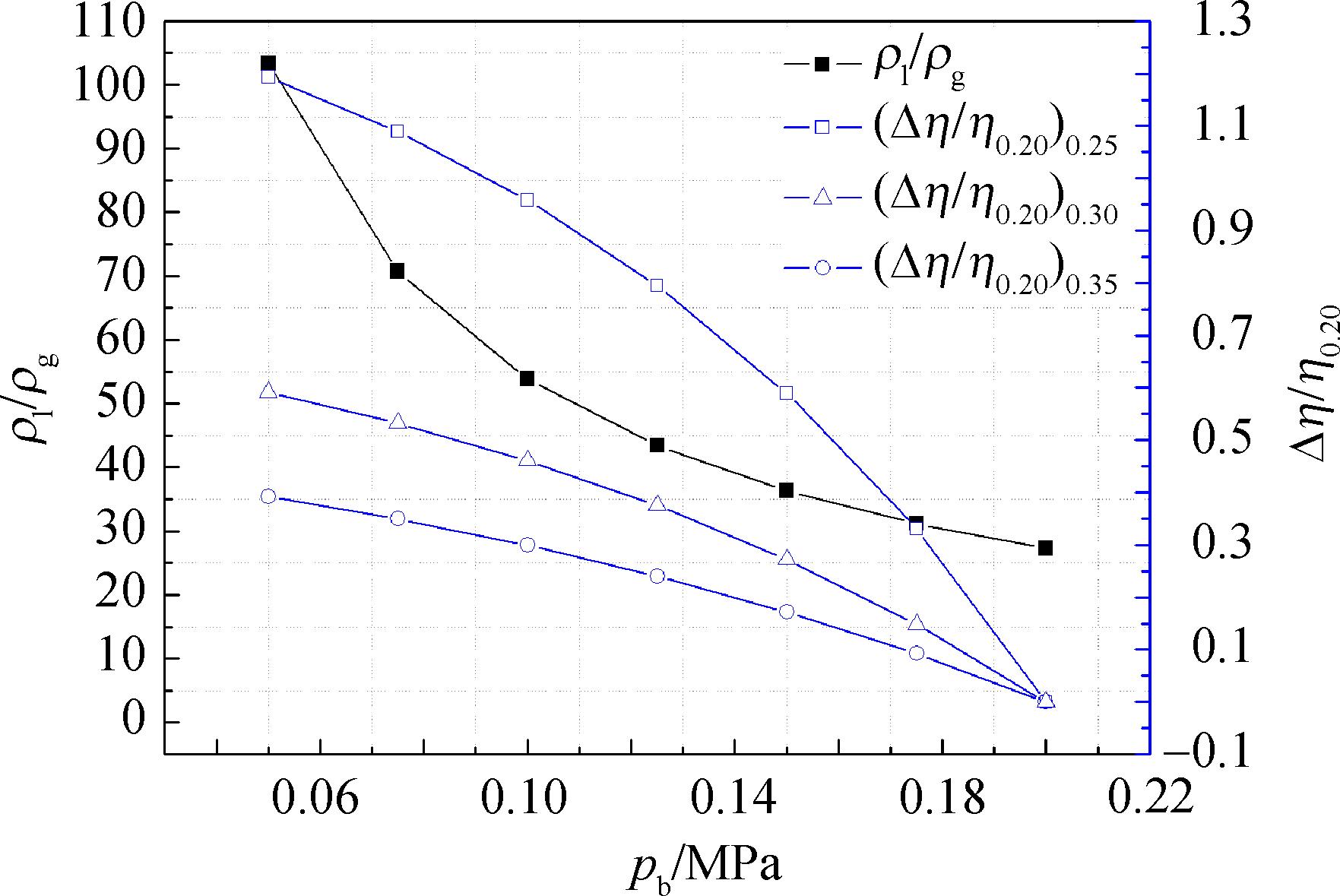
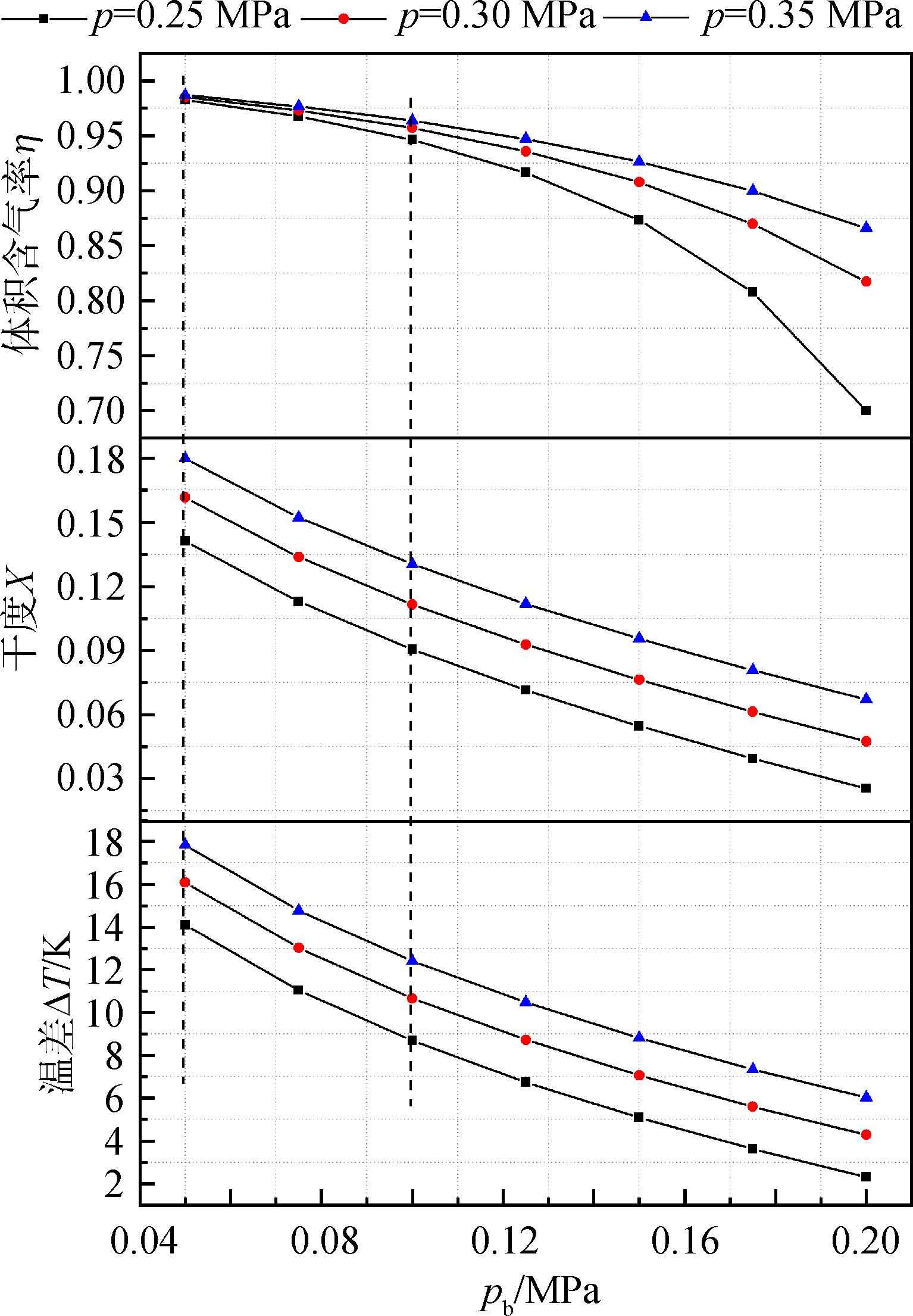
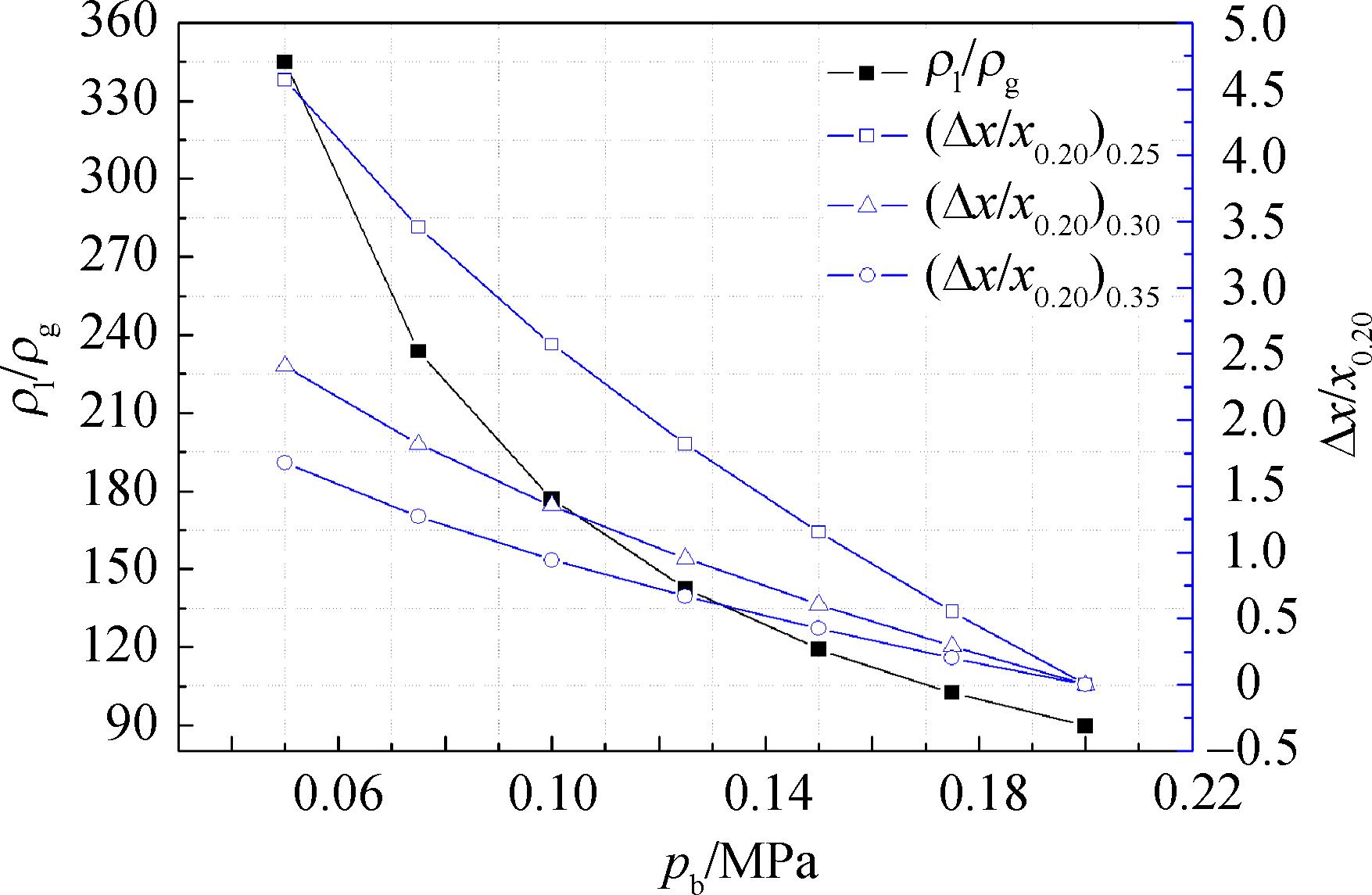
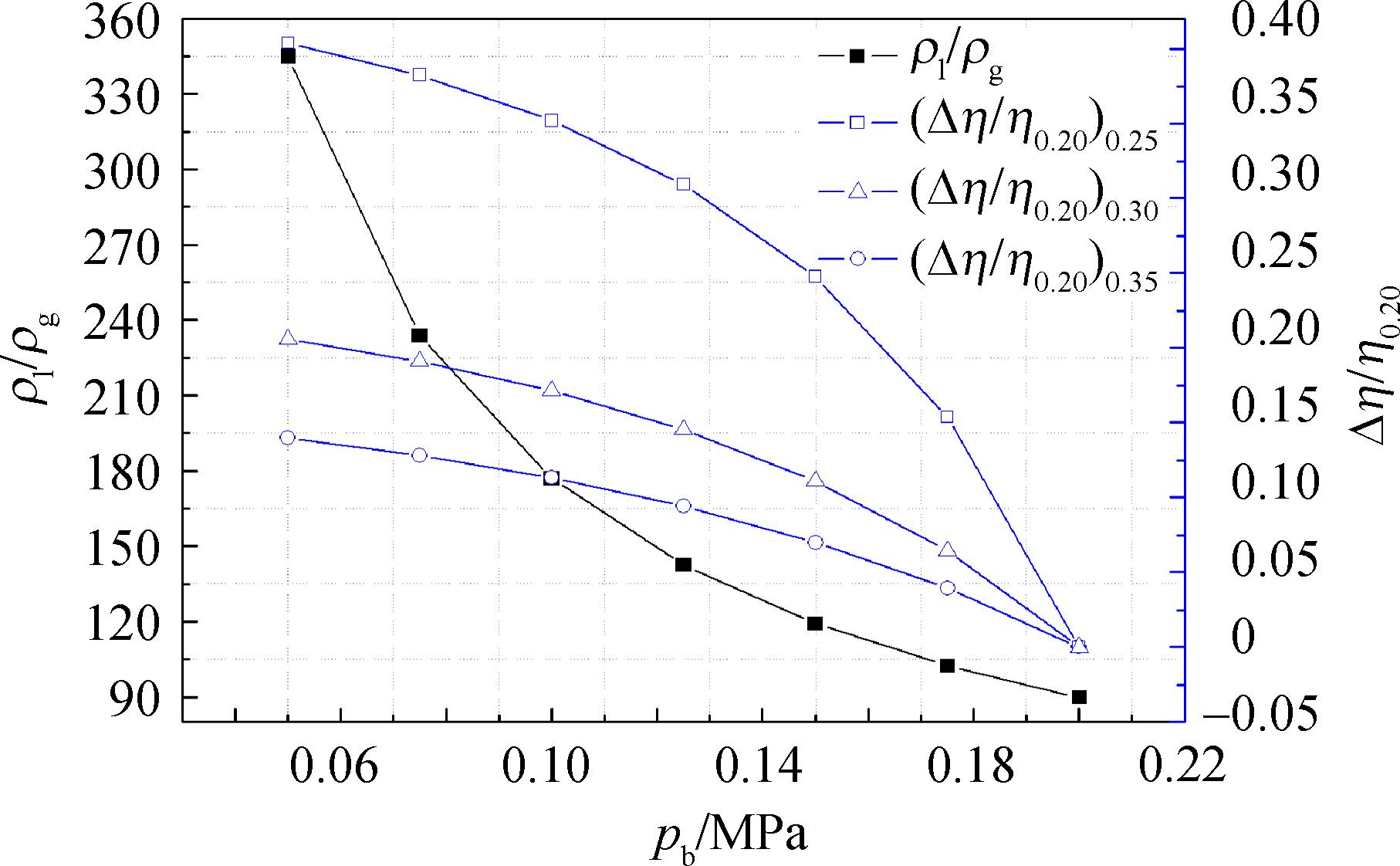
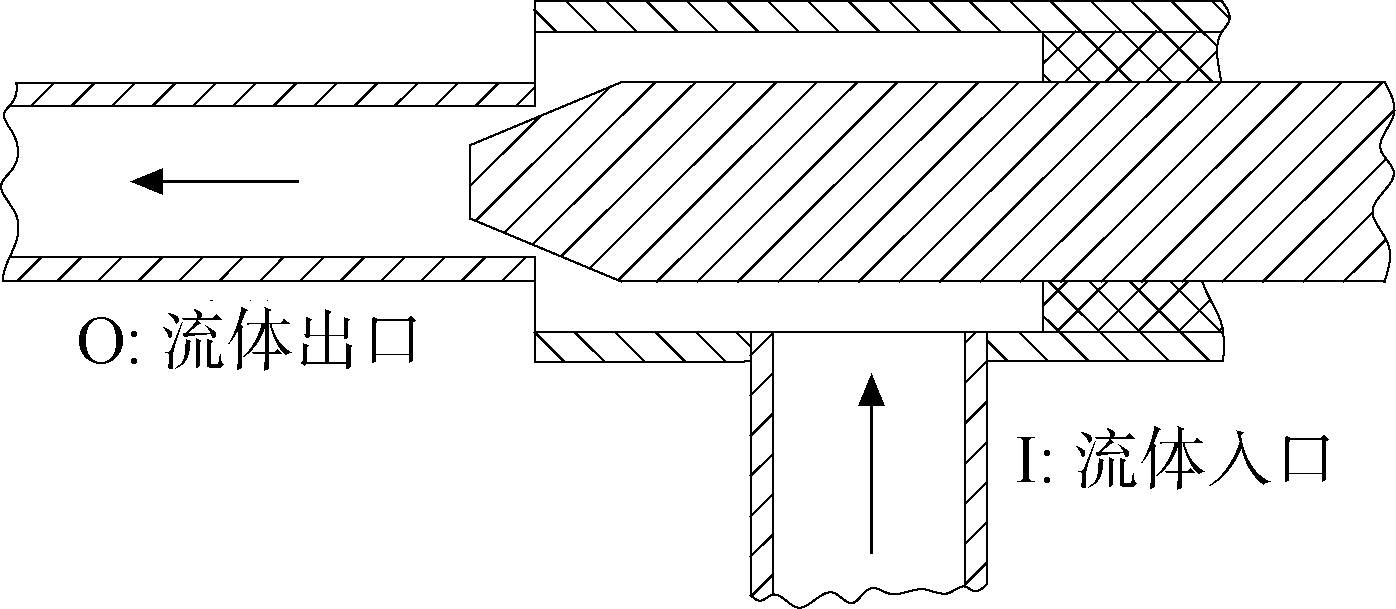
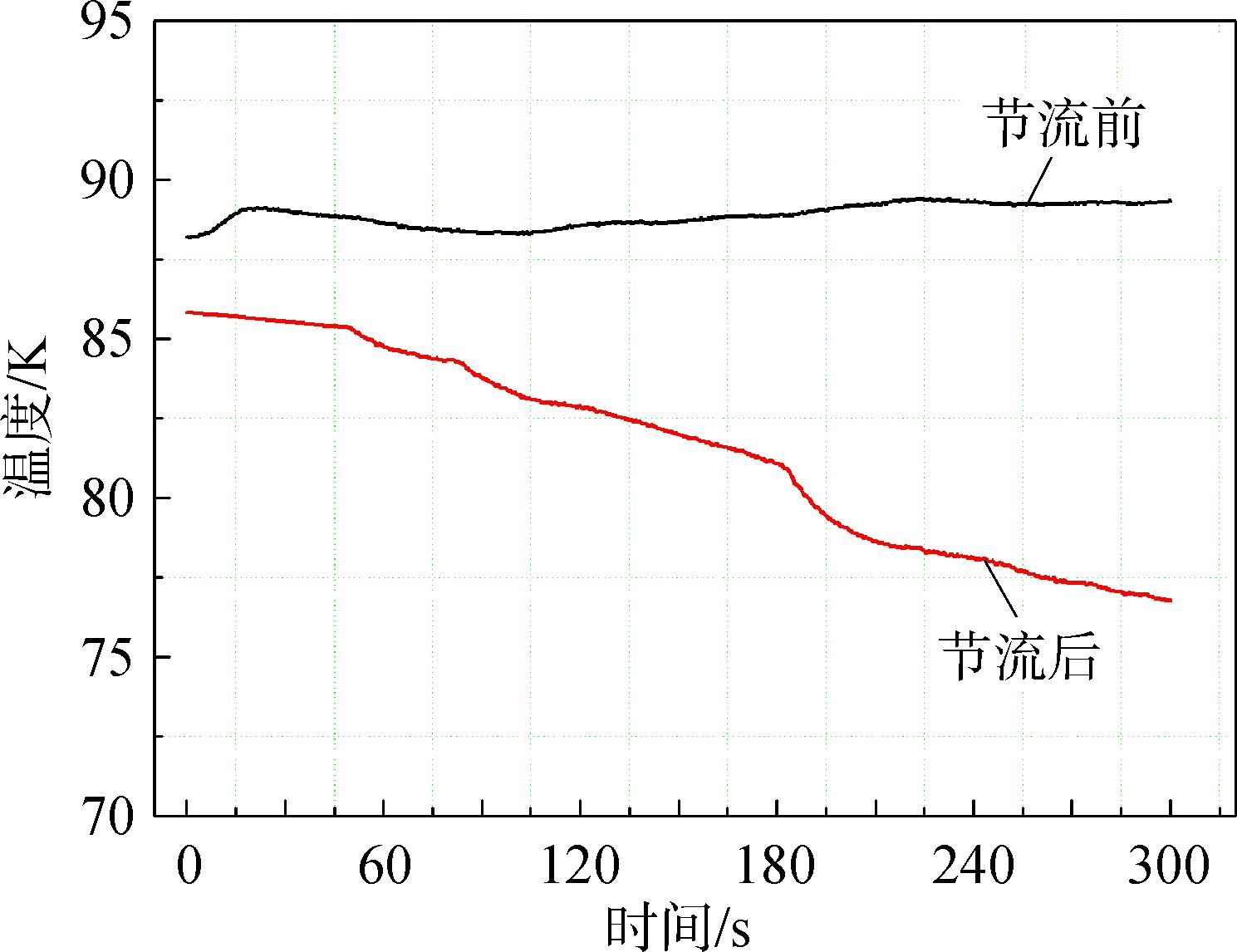
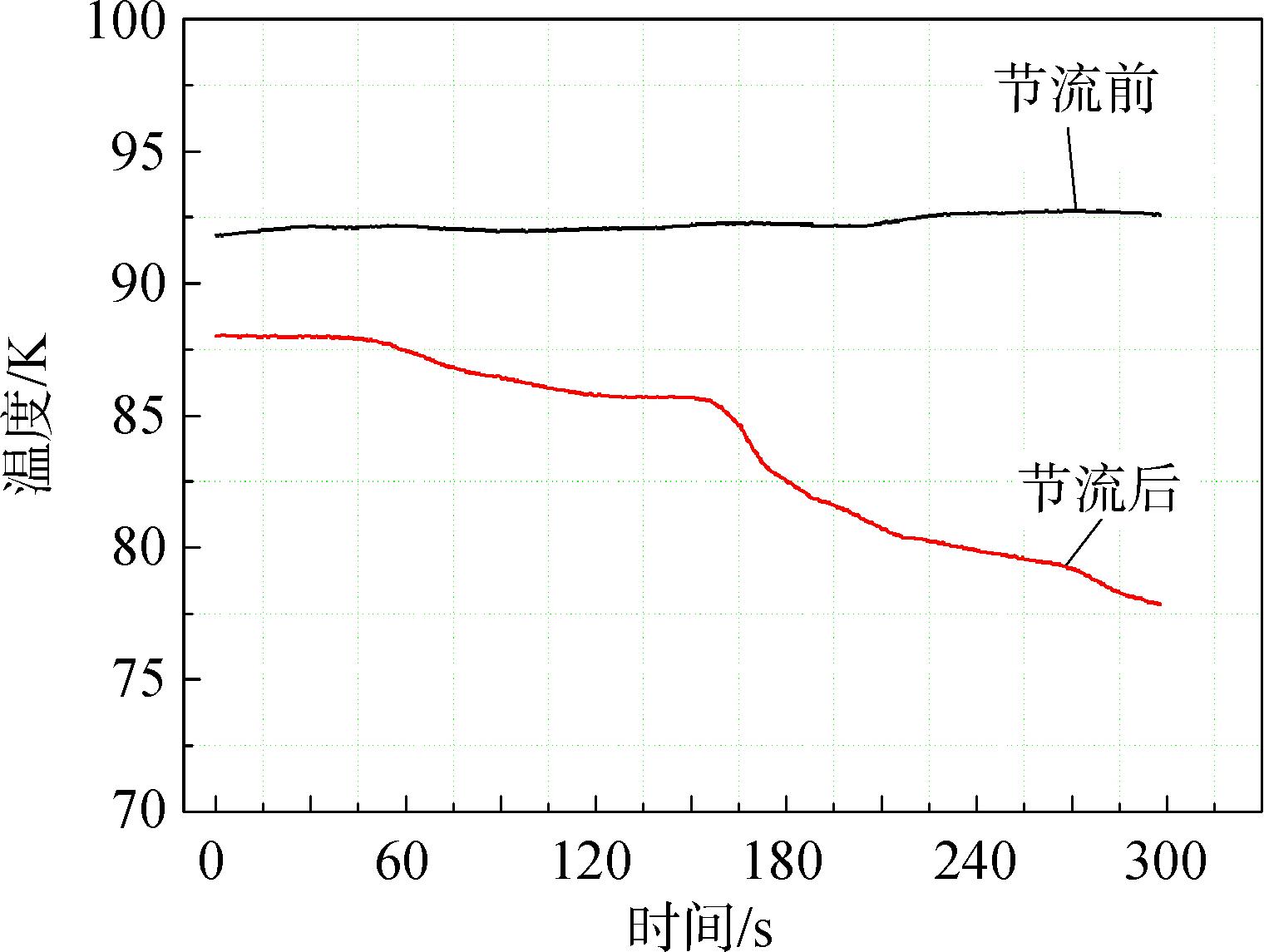
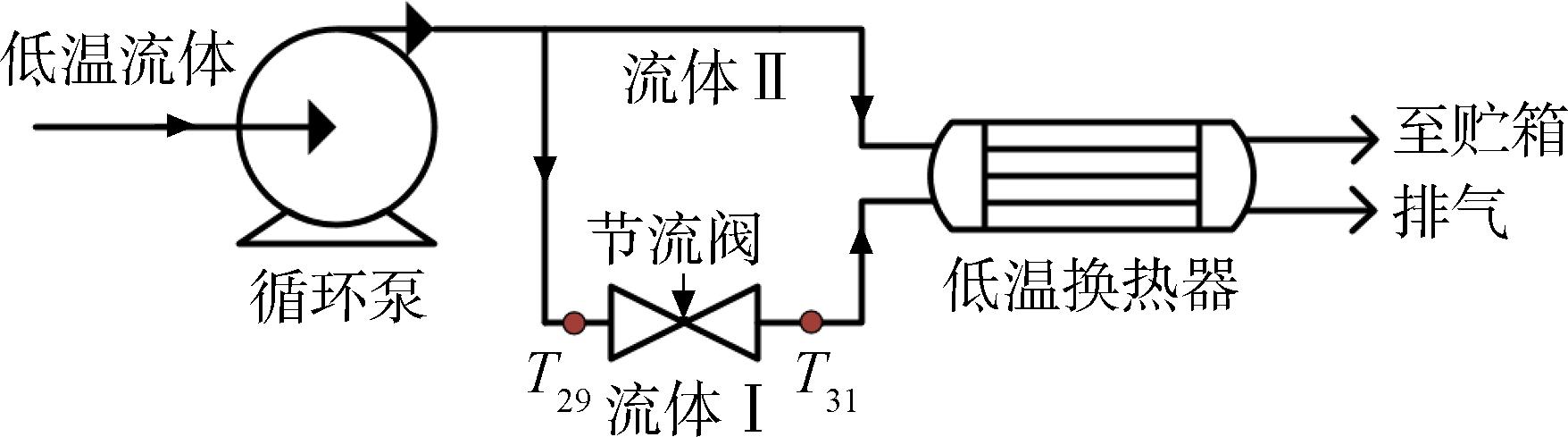
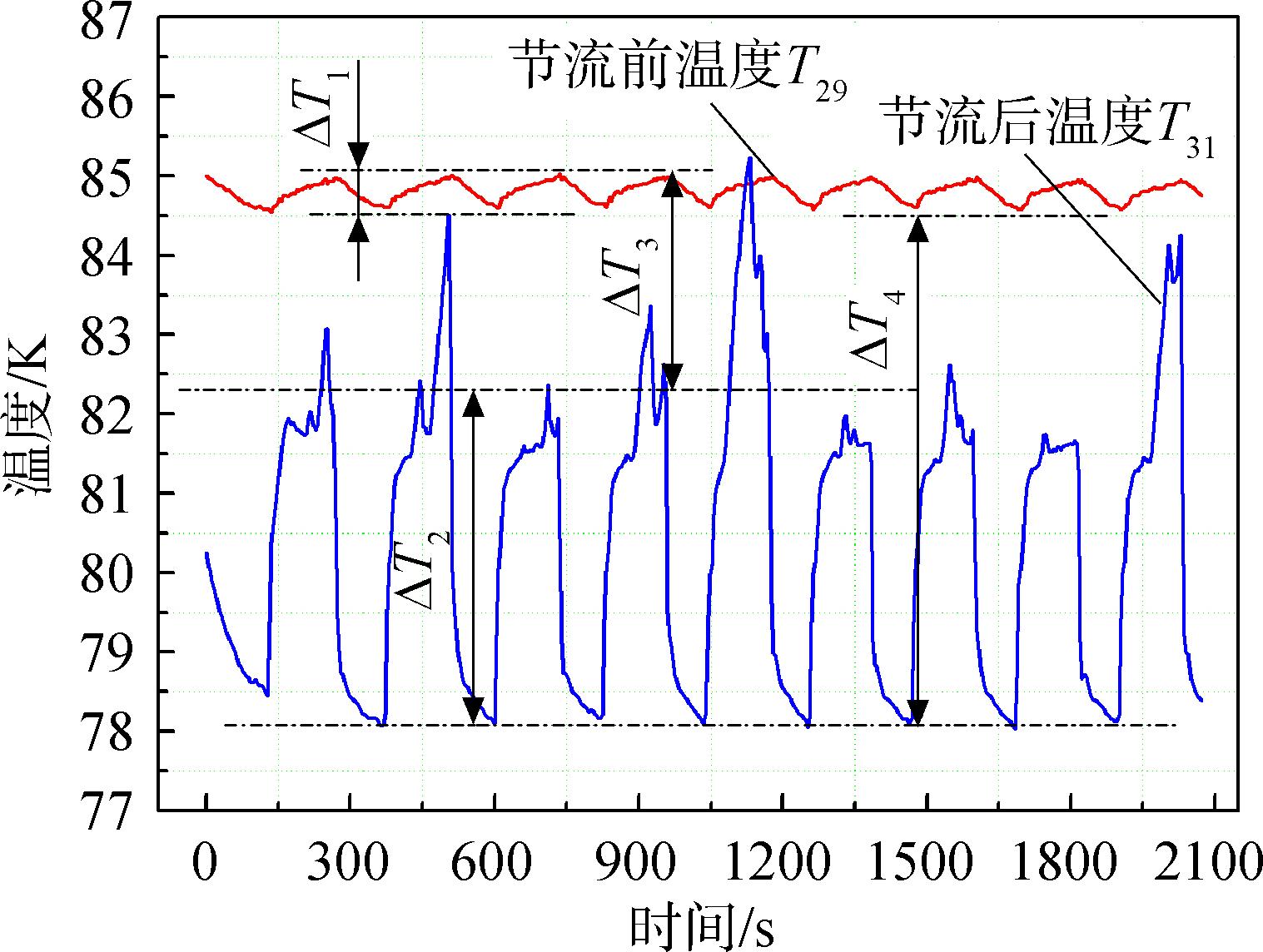
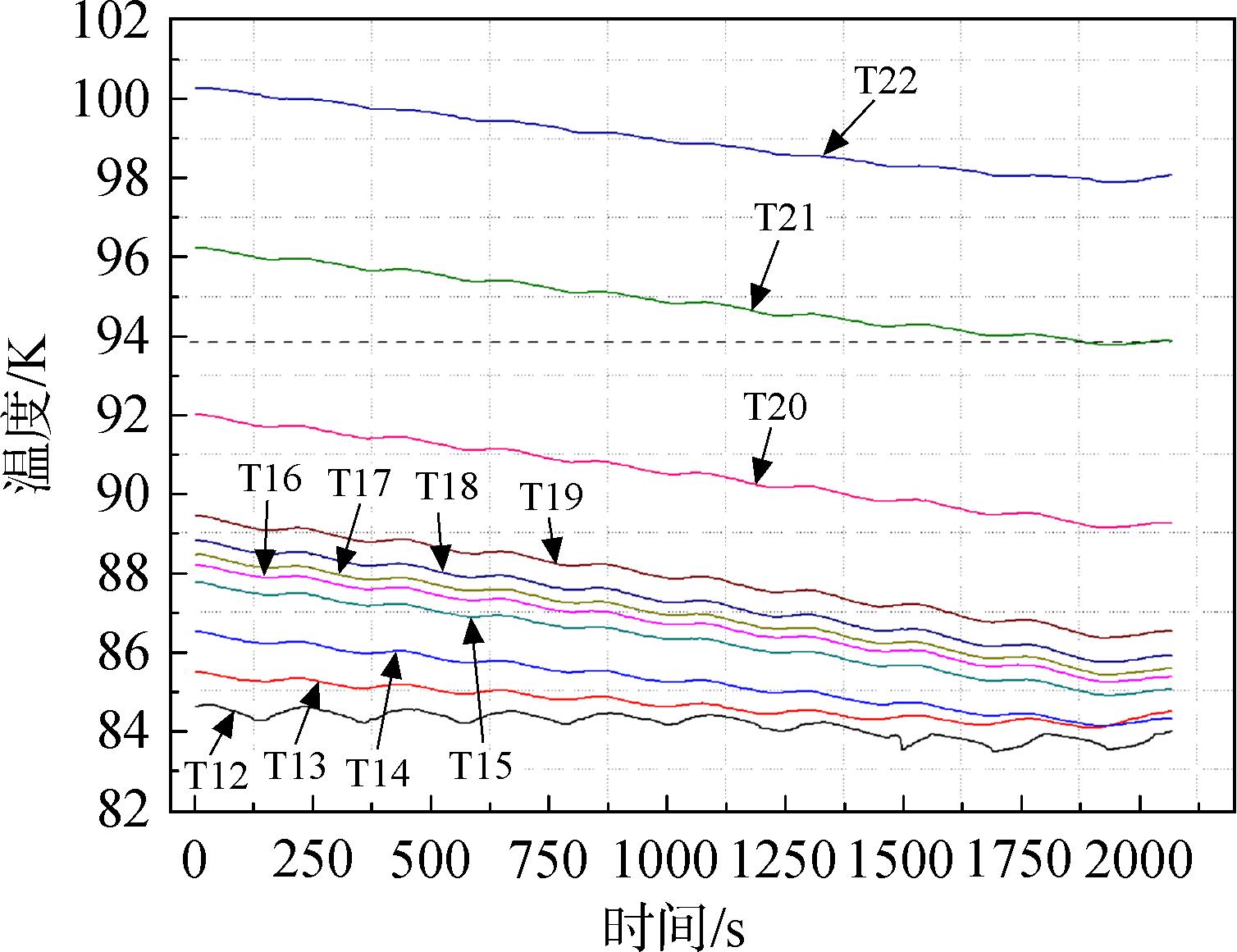
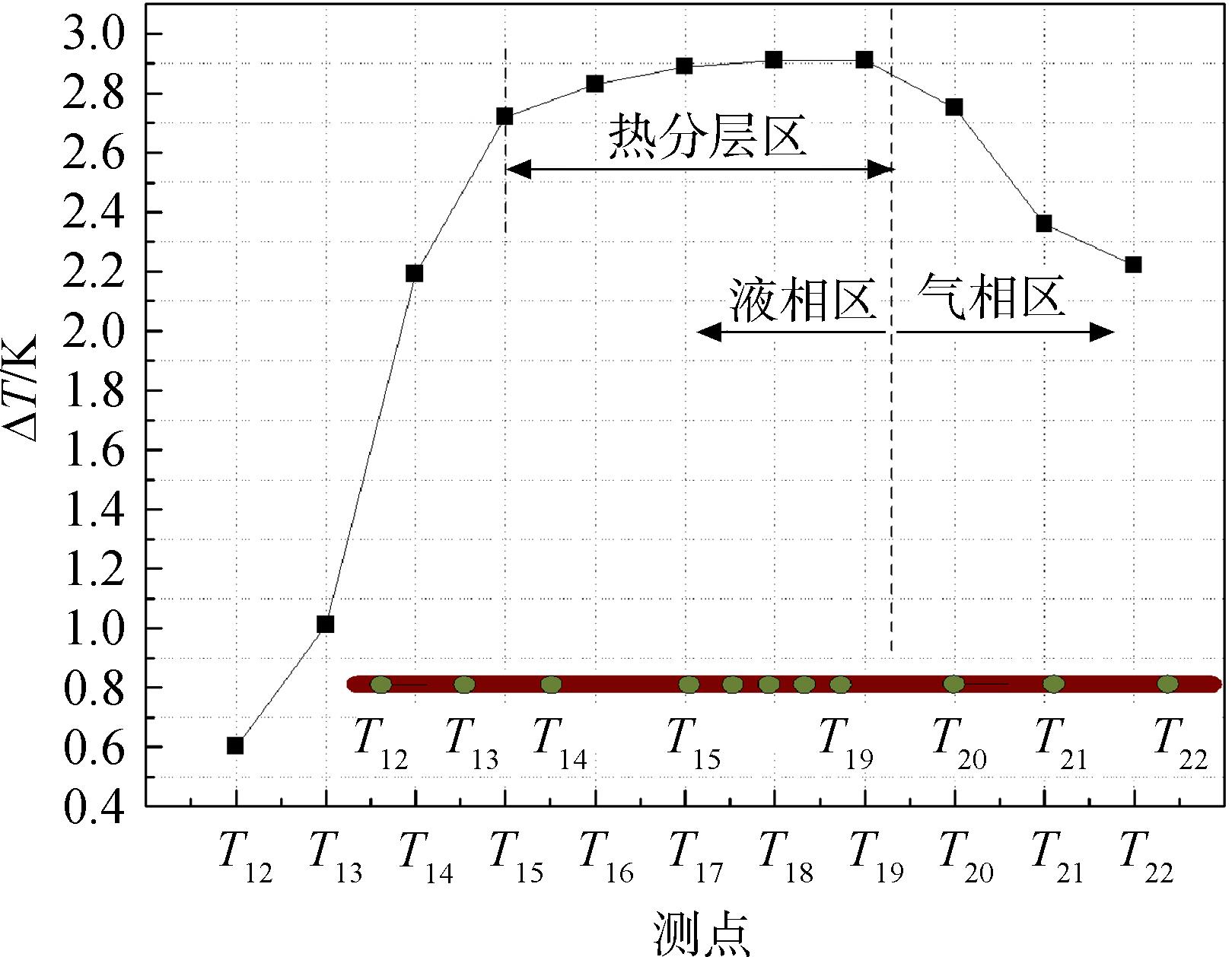
In order to study the Joule Thomson (JT) characteristics of cryogenic liquid and the influence of the introduction of cooling capacity on the temperature control of the mainstream in tank,the mechanism of the throttling dryness and volume void fraction on the heat transfer of the fluid was analyzed,which showed that the gas with small mass occupied most of the space volume;The test platform of throttling performance was established,and the experiment of refrigeration was carried out with liquid nitrogen as the working medium when the pressure before throttle ranged from 0.3-0.37 MPa,the temperature drop reached 11.3-14.2 K.In the thermodynamic vent system (TVS),the average temperature drop of the fluid involved in throttling was 6.5 K,and the tank pressure was controlled within 150-160 kPa.The introduction of cooling capacity made the temperature of mainstream decrease in a wavy trend,and the cooling effect at the thermal stratification of the gas‑liquid interface was more obvious.

Autocontrol
Analysis of steady⁃state temperature measurement deviation of thermocouple sensors on aeroengine
SUN Haobo, MAO Xiaoqi, ZHU Chuanlong
2022, 37(9): 2009-2016. doi: 10.13224/j.cnki.jasp.20210417
Abstract:

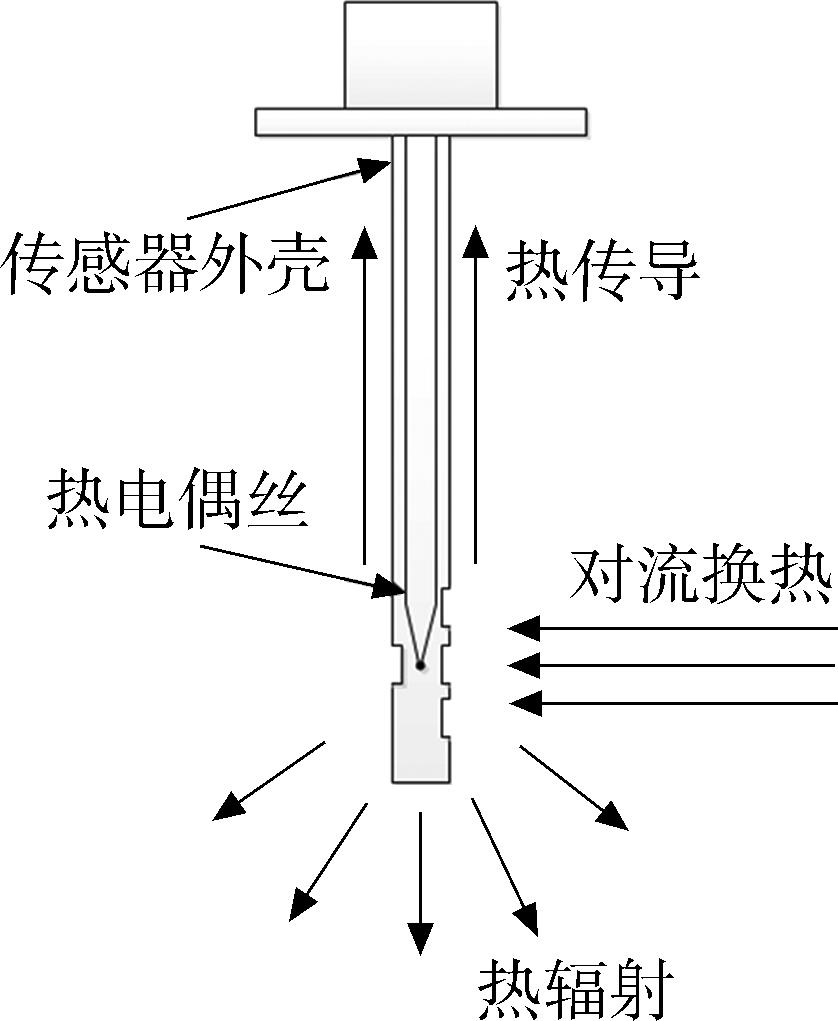
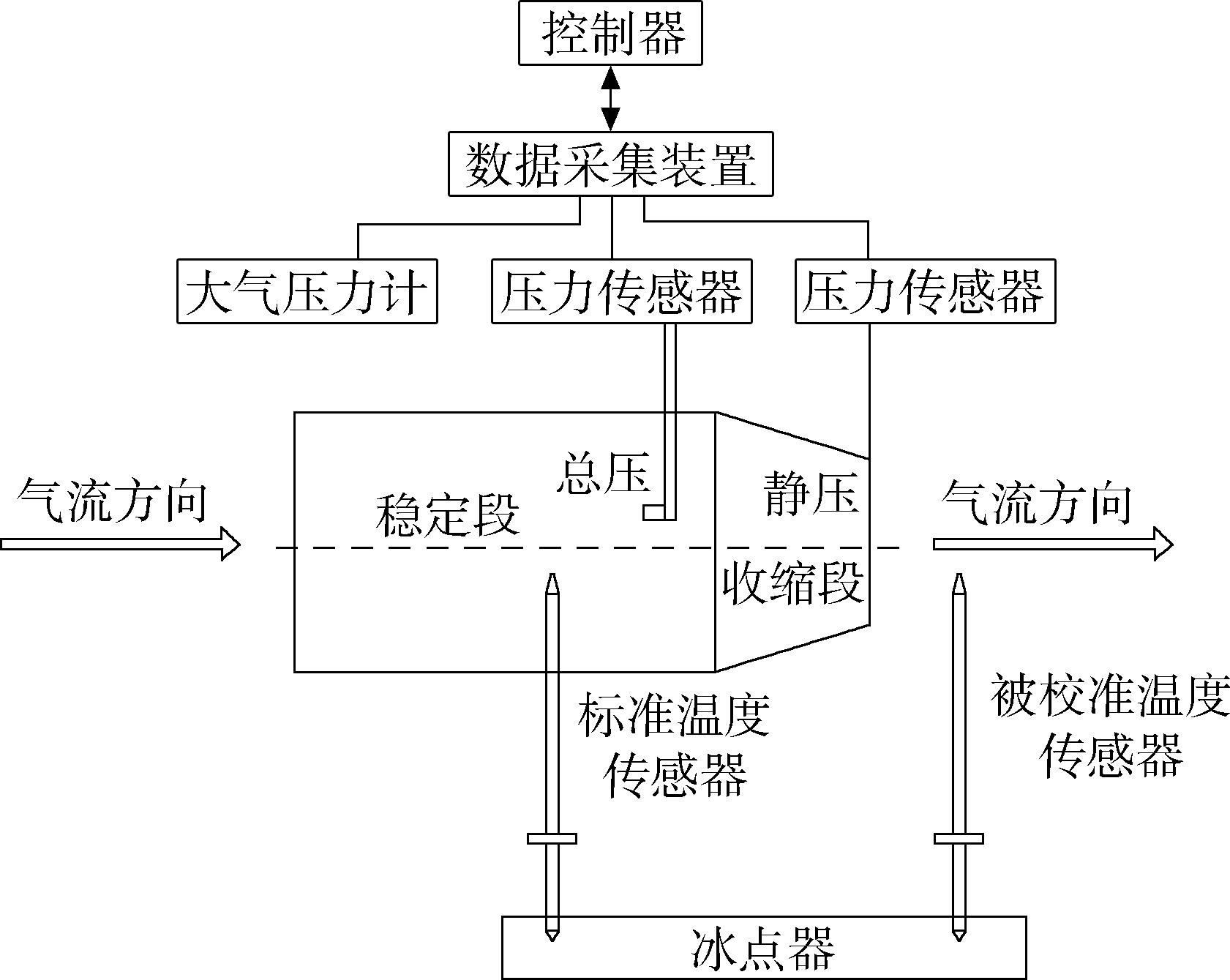
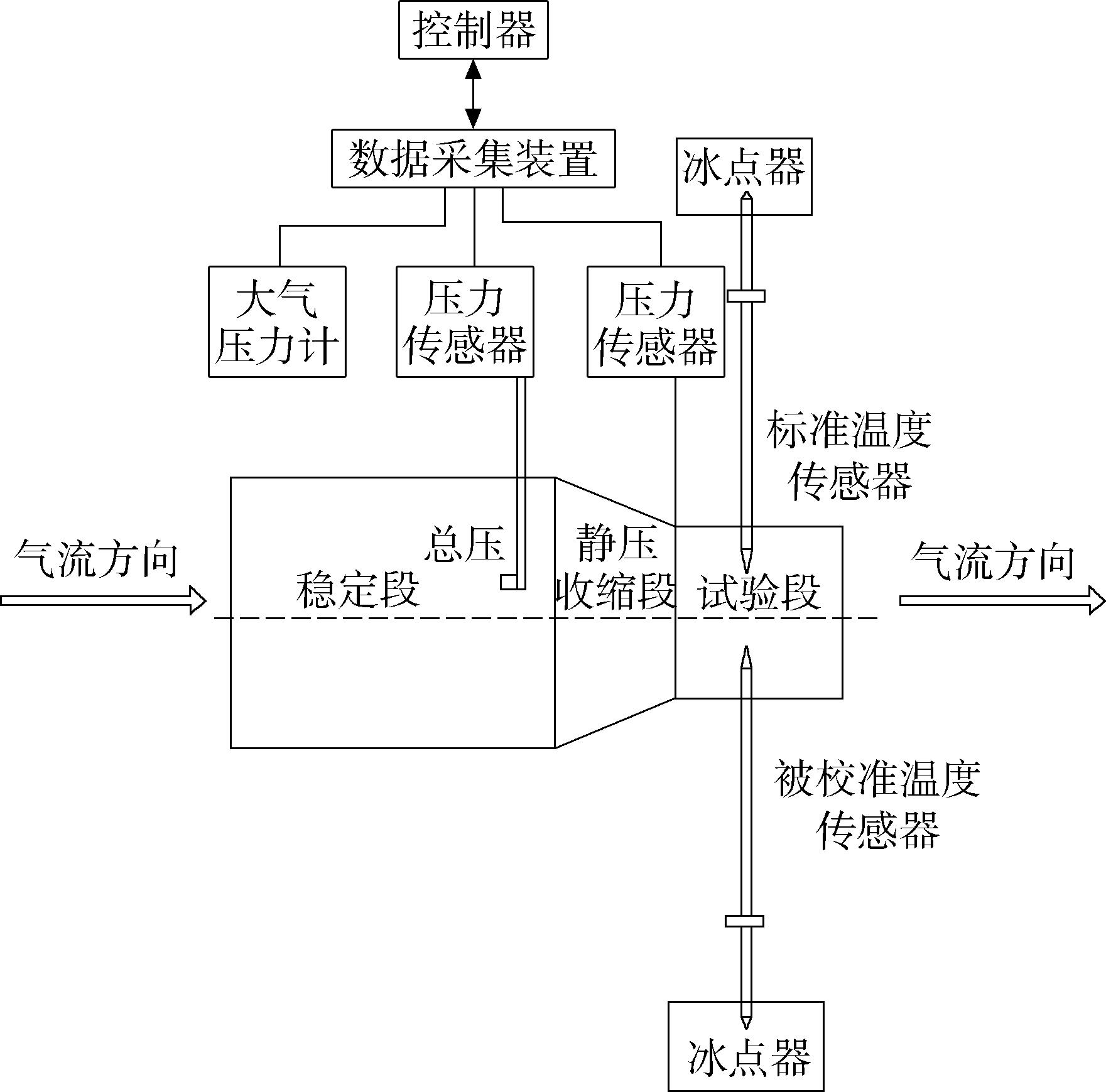
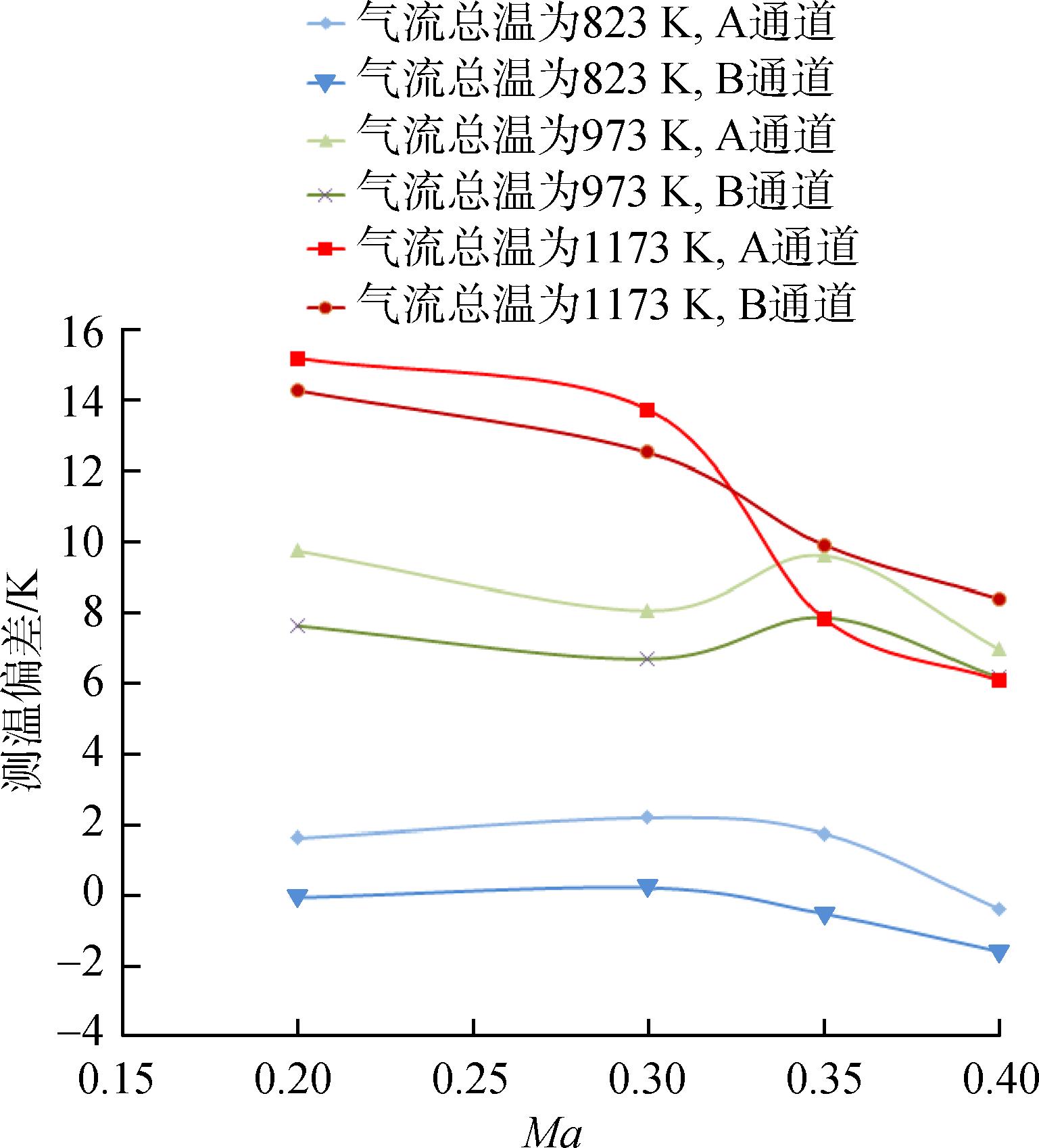
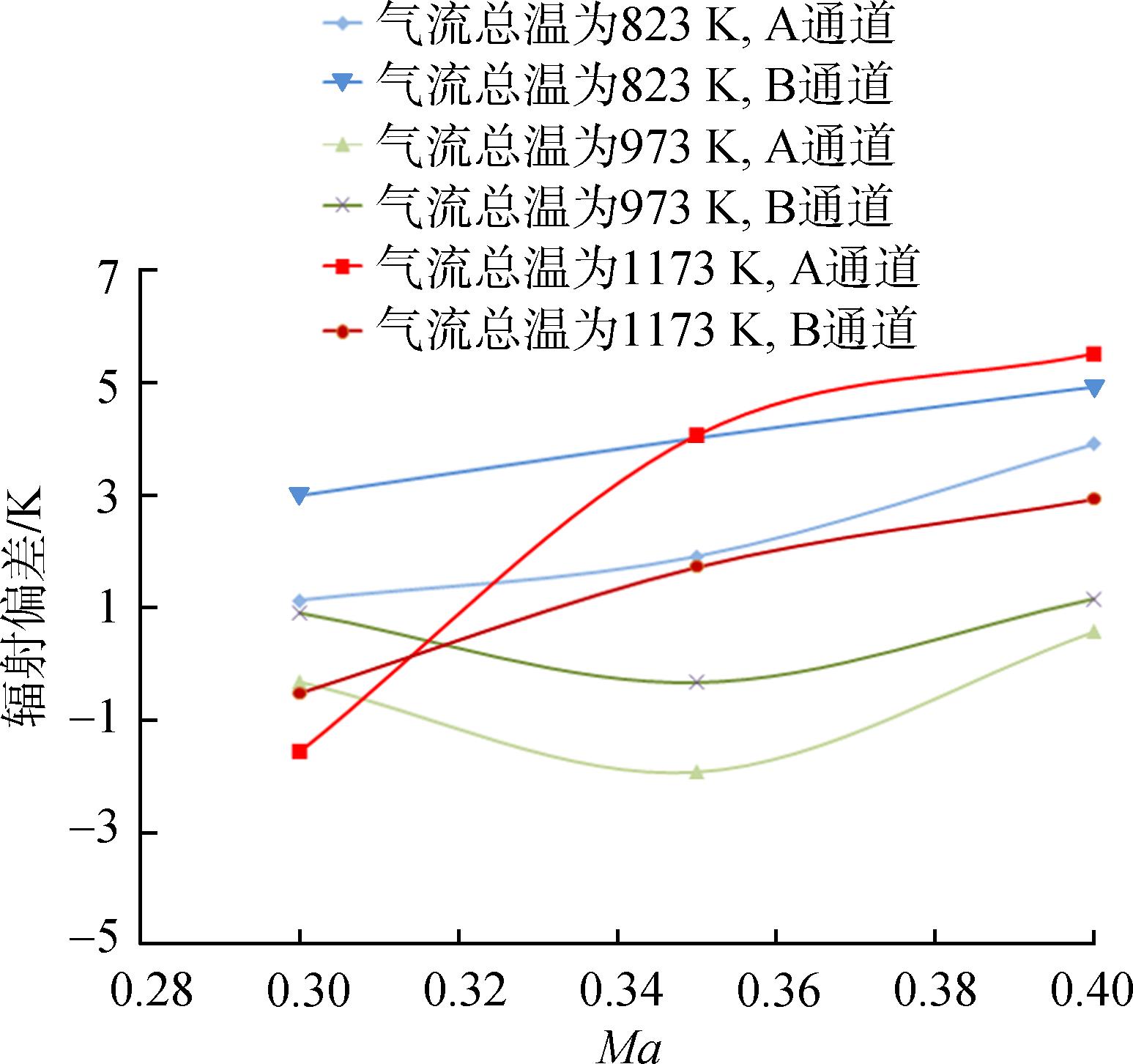
In order to meet the application requirements of the aeroengines under harsh working environment of high temperature,high pressure and high incoming Mach number,the hot wind tunnel calibration and temperature measurement accuracy analysis were carried out for the low⁃pressure turbine rear thermocouple sensor selected for an aeroengine,and the influencing factors of temperature measurement deviation of the thermocouple sensors were identified.A temperature measurement deviation correction method based on the derivation formula of convective heat transfer coefficient was used to validate the calibration results.The results showed that the modified method was reasonable and feasible,and the calculation results were in good agreement with the measurement results,the deviation was less than 0.6% in all test sites.Considering the problem that the hot wind tunnel cannot fully simulate the real operating conditions of aeroengines,the modified method was used to correct the calibration results,the deviation between the correction results and the real air temperature was less than 0.7%,so the low⁃pressure turbine rear thermocouple sensors can meet the application requirements of this type of aeroengine.