2023 Vol. 38, No. 8

Structure,Strength and Vibration
Experiment on bolt tightening torque coefficient fluctuation of aeroengine
LI Xiaoqiang, HAN Yujie, CHEN Feiyu, WANG Hui, ZHAO Bing
2023, 38(8): 1793-1804. doi: 10.13224/j.cnki.jasp.20210629
Abstract:

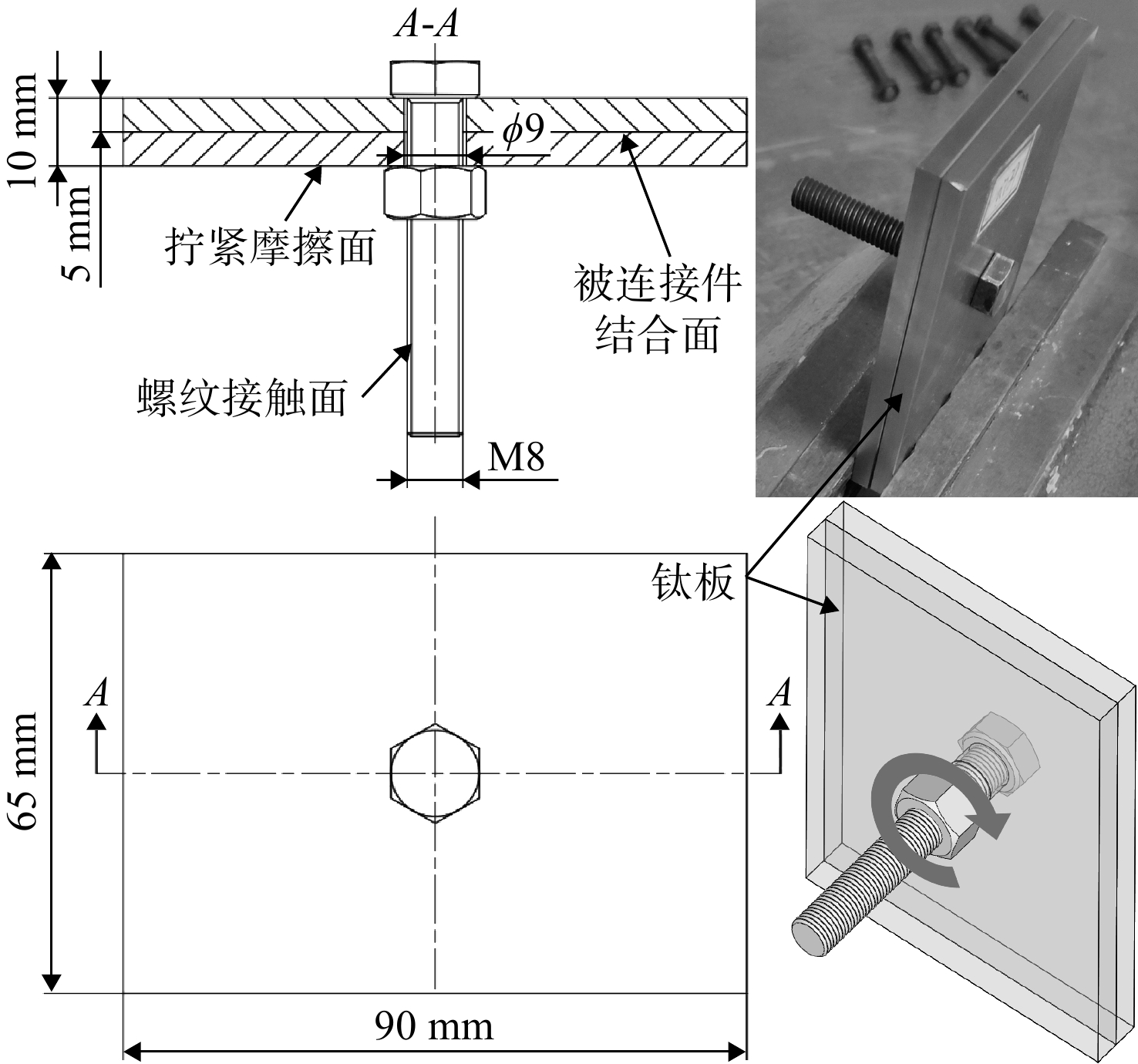
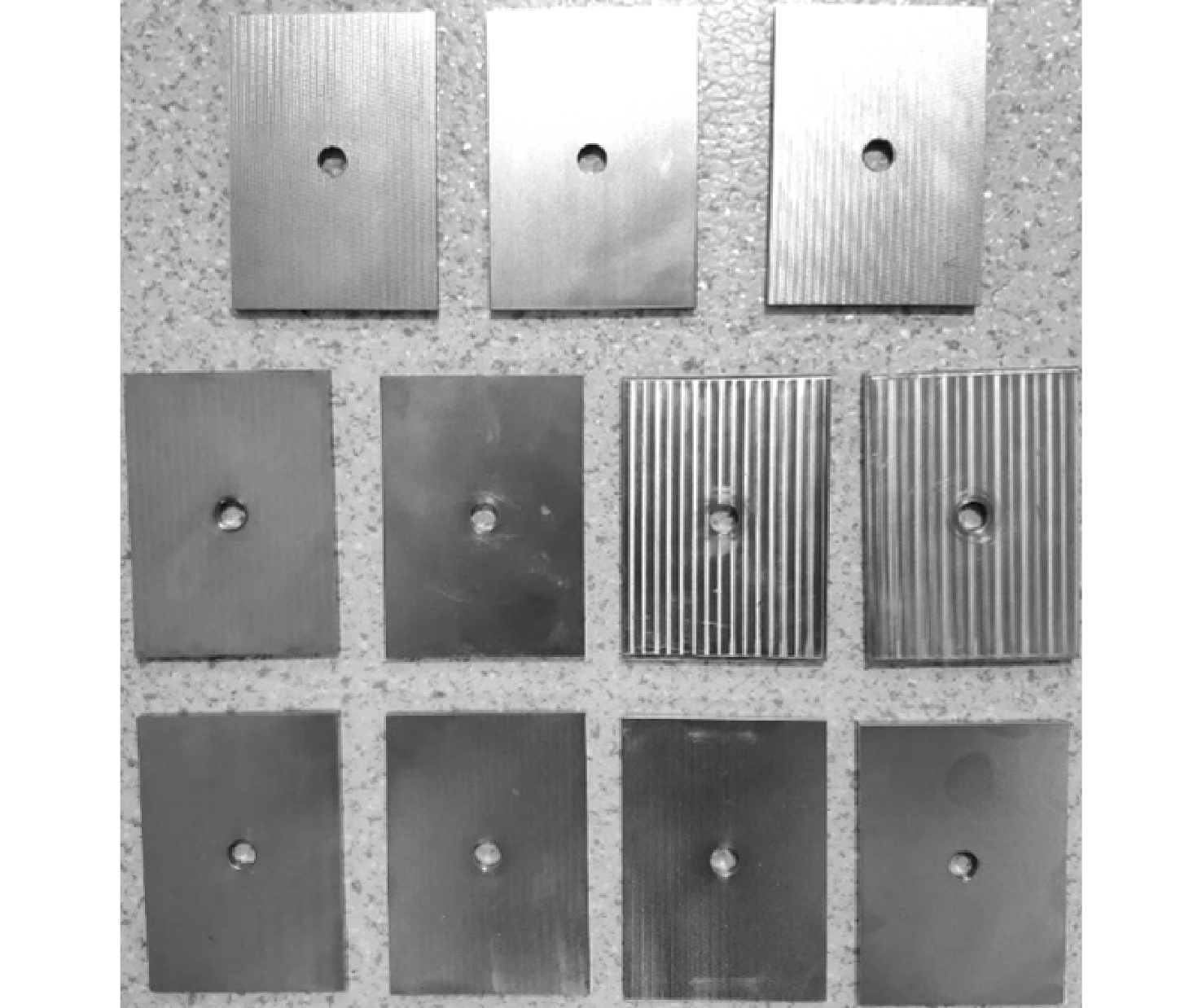
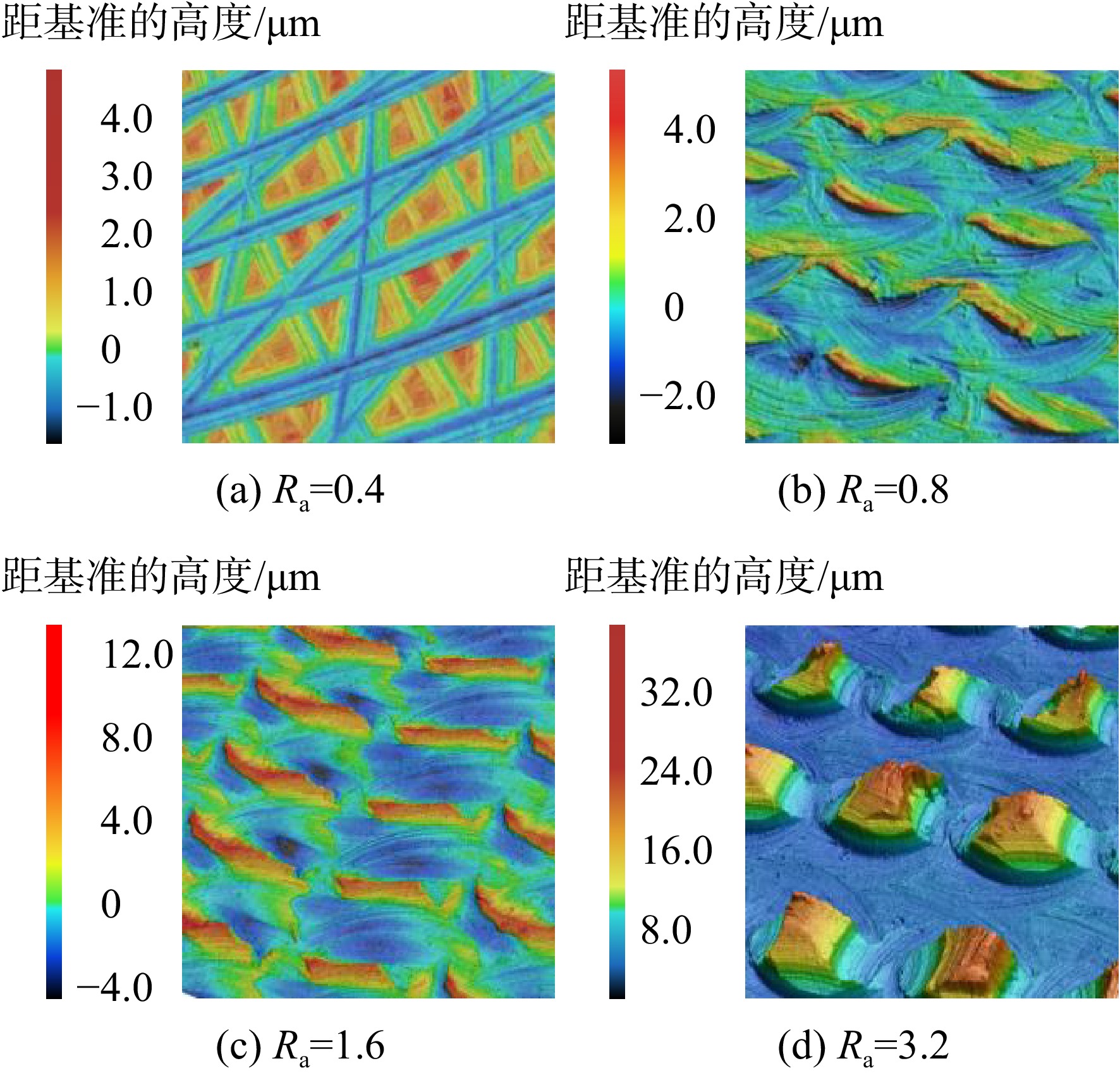
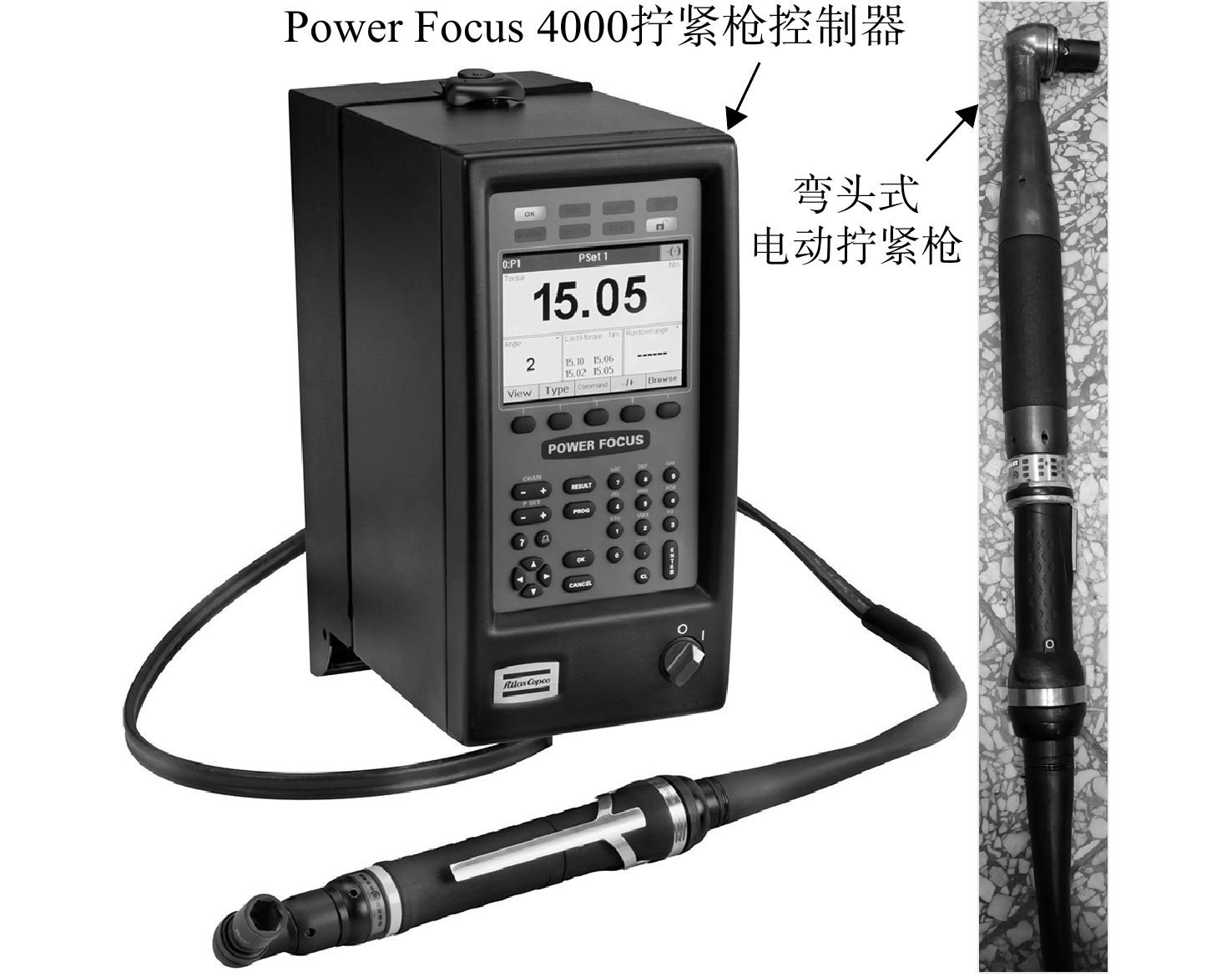
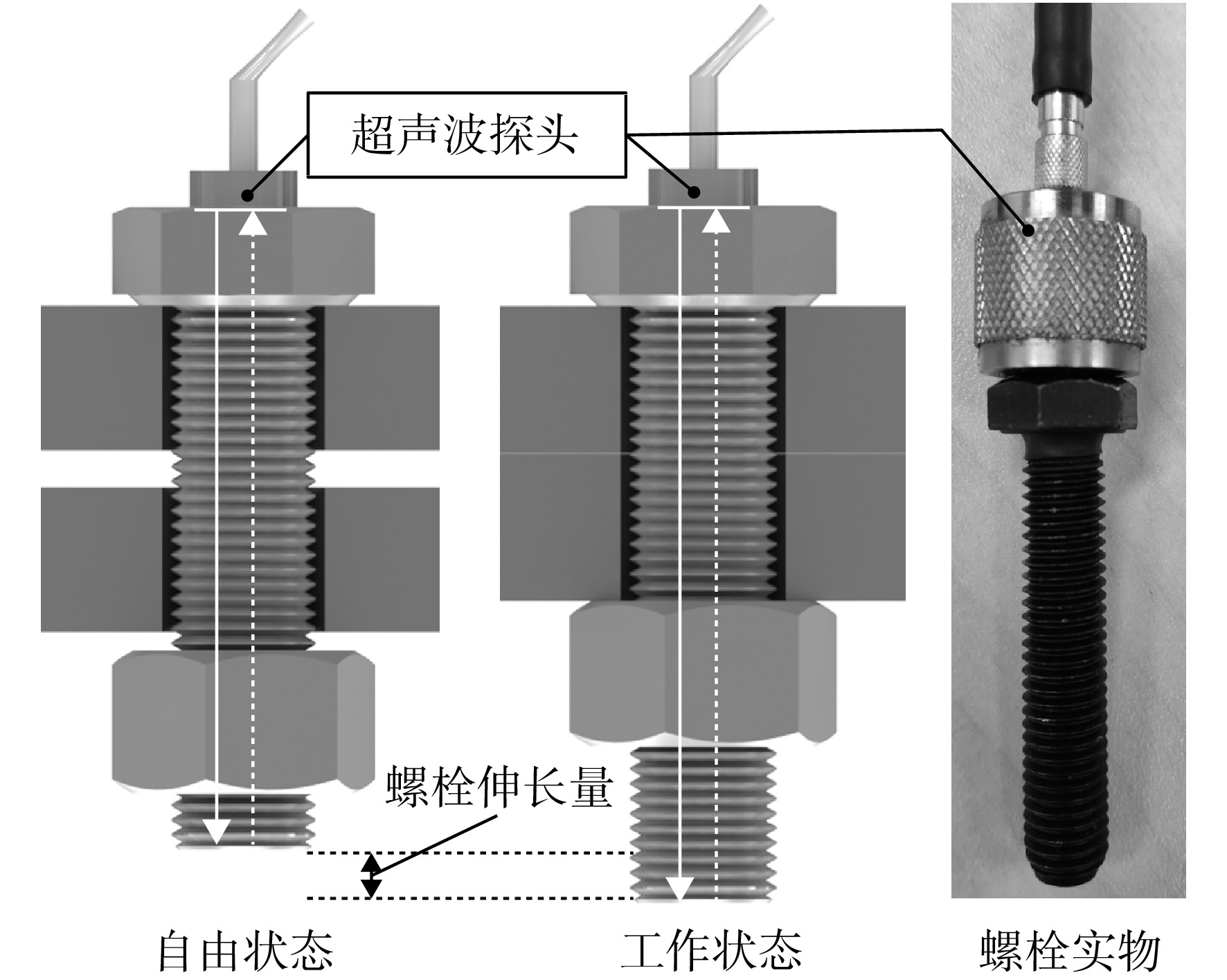
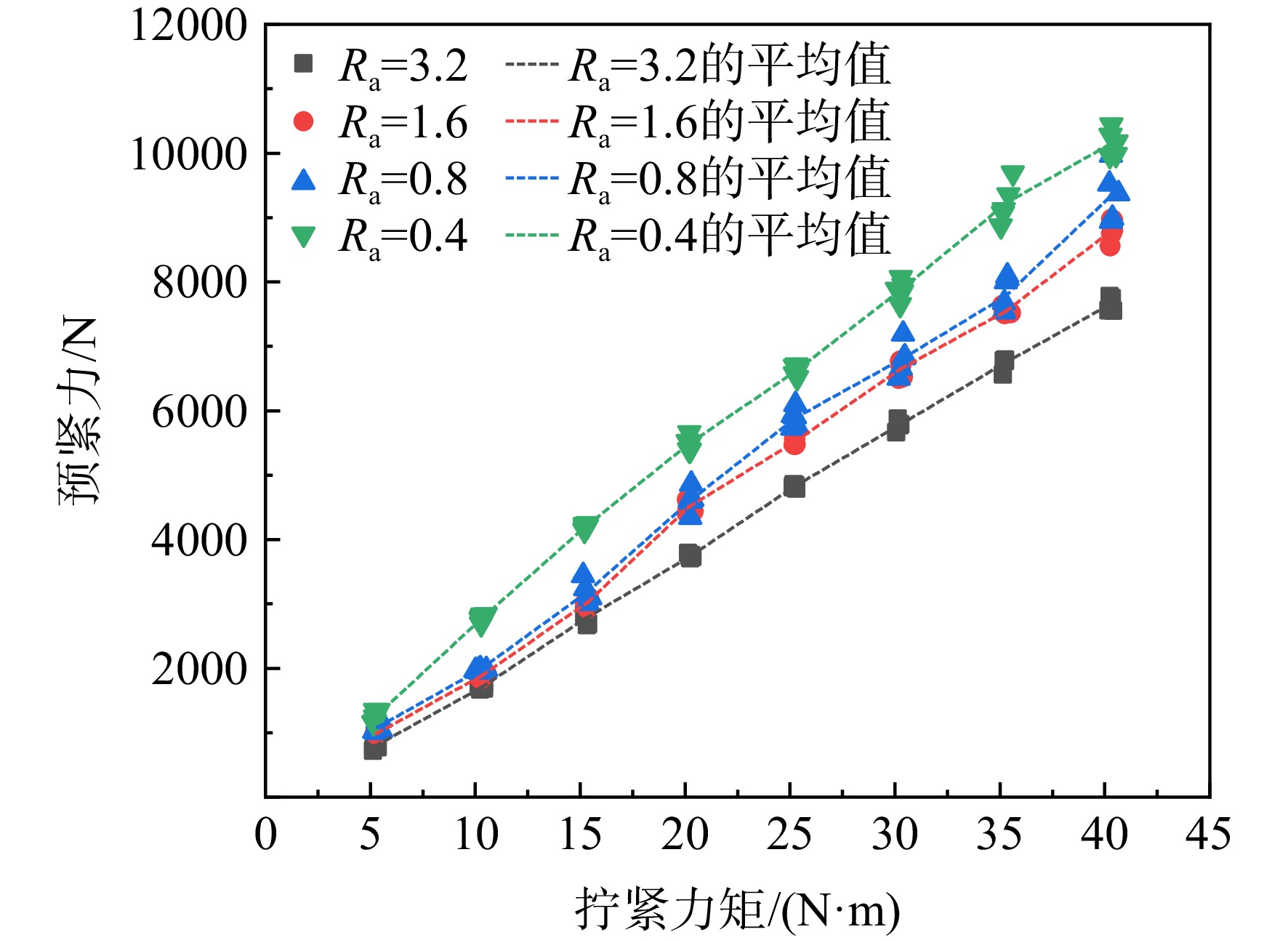
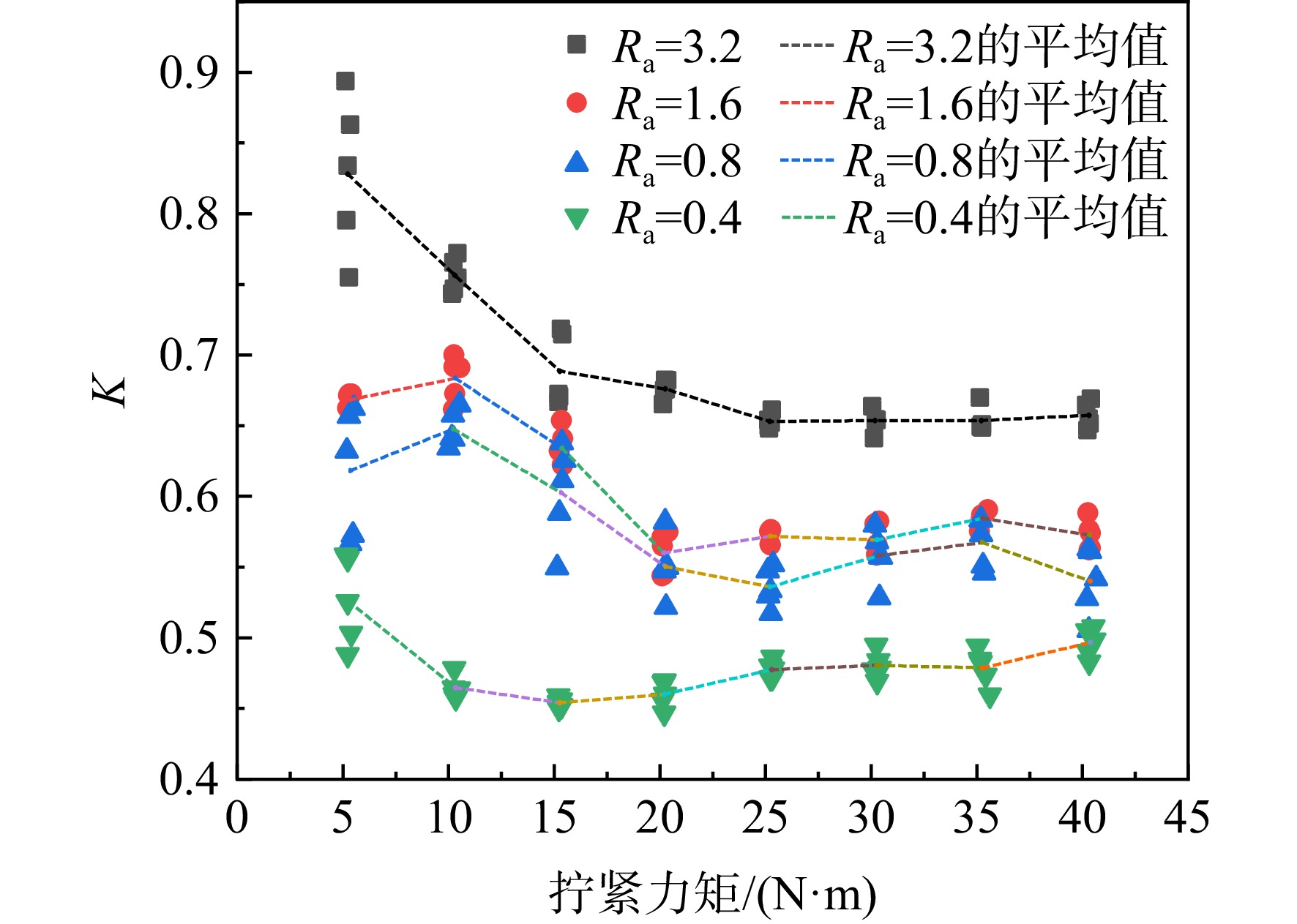
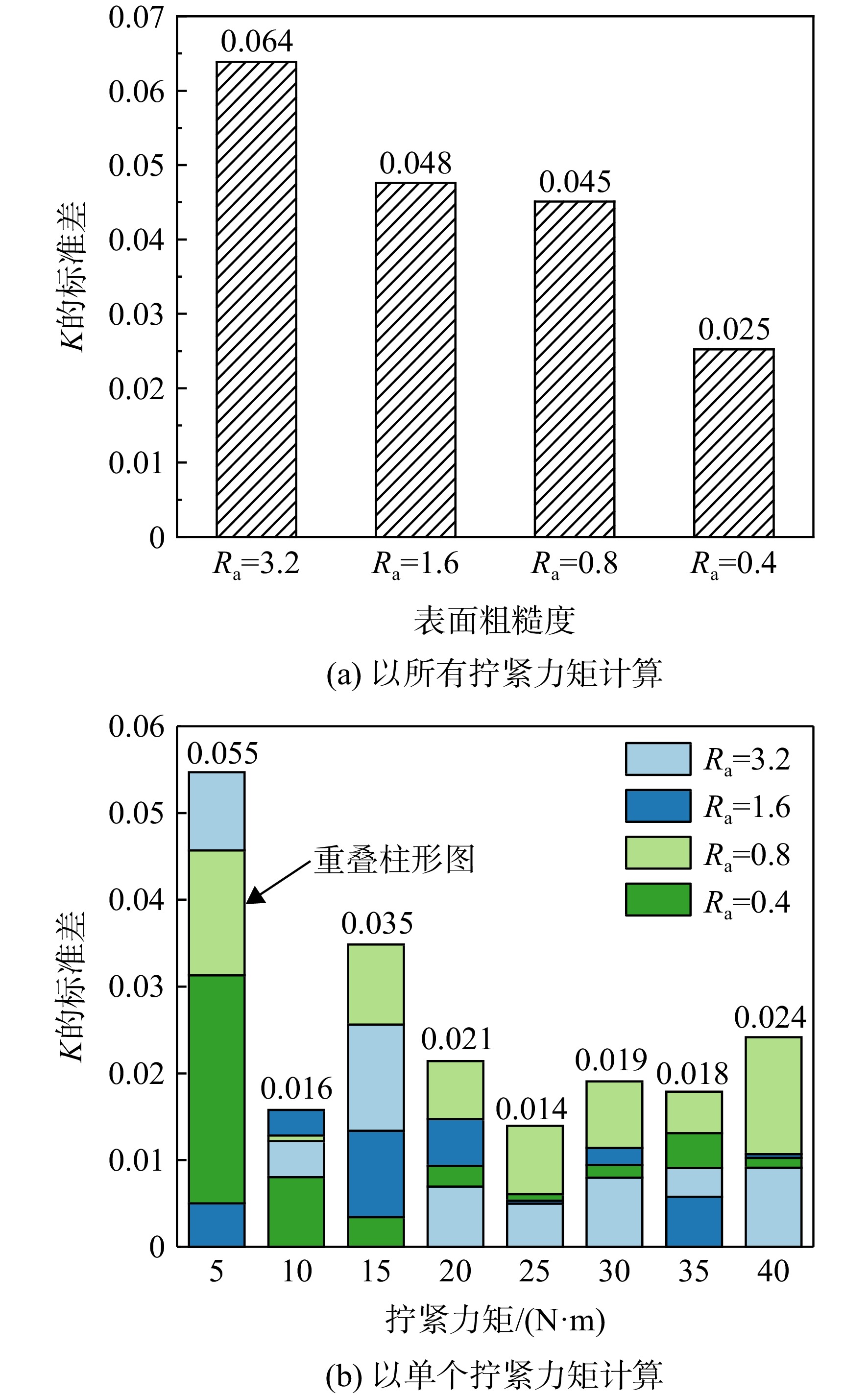
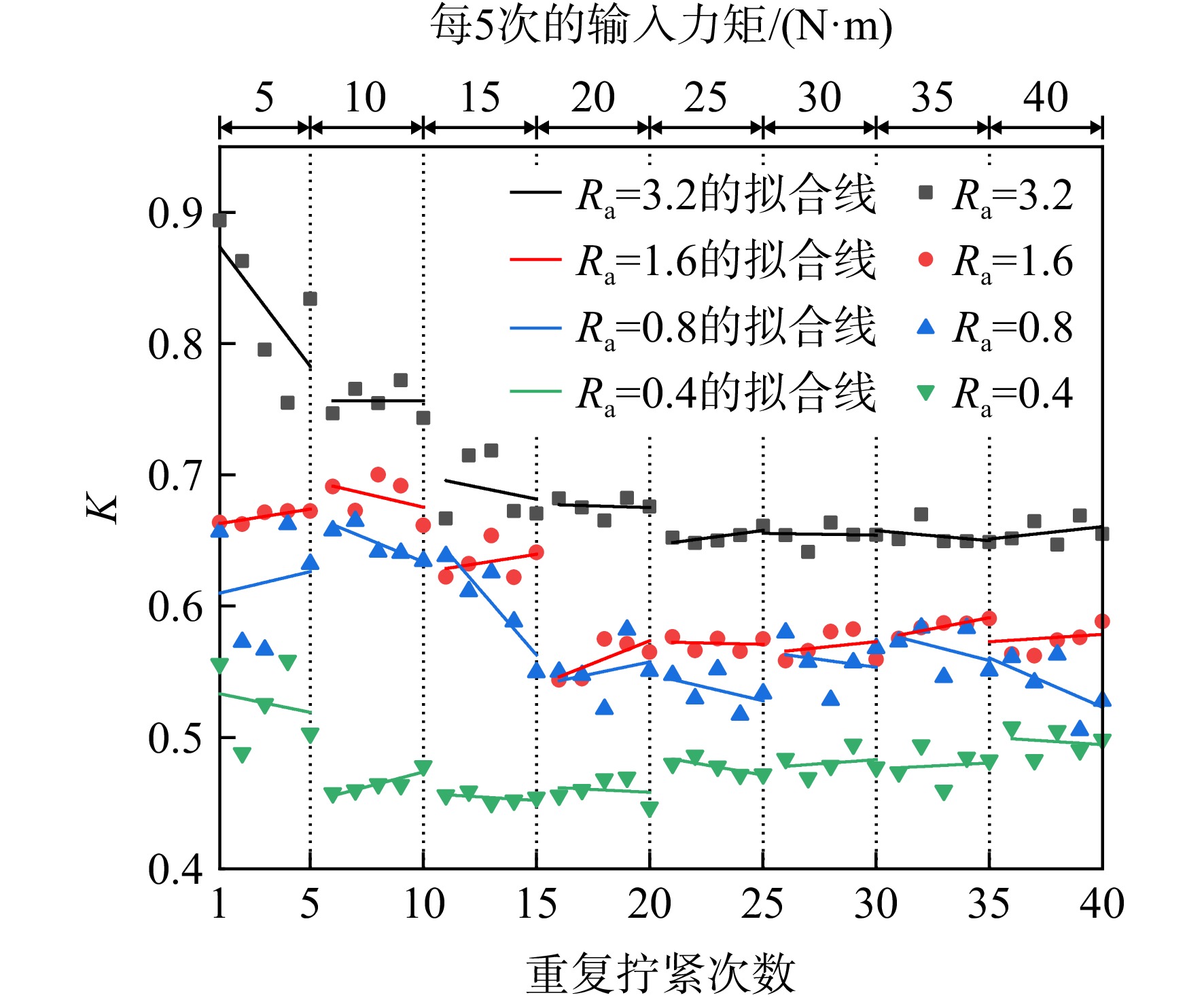
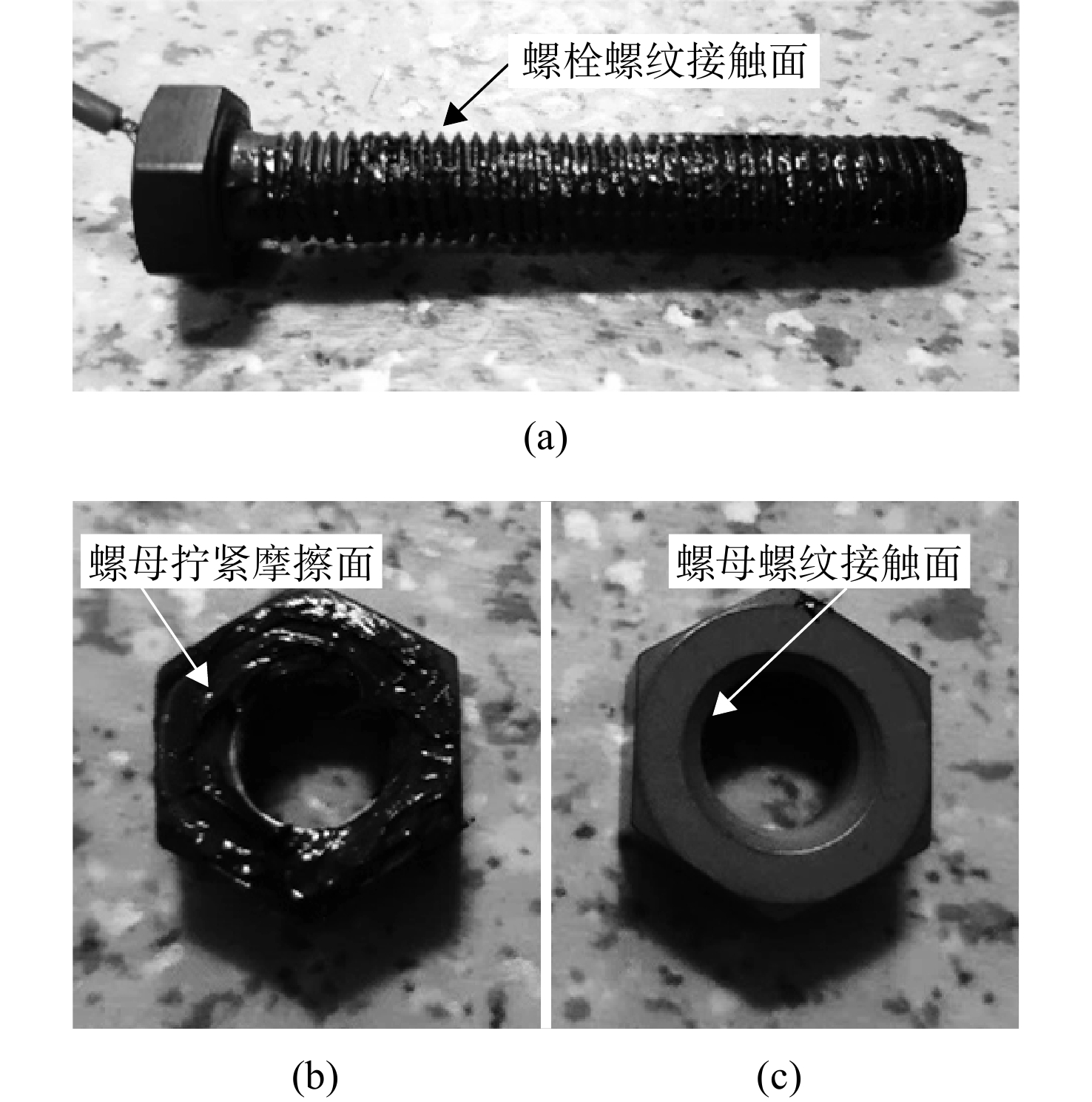
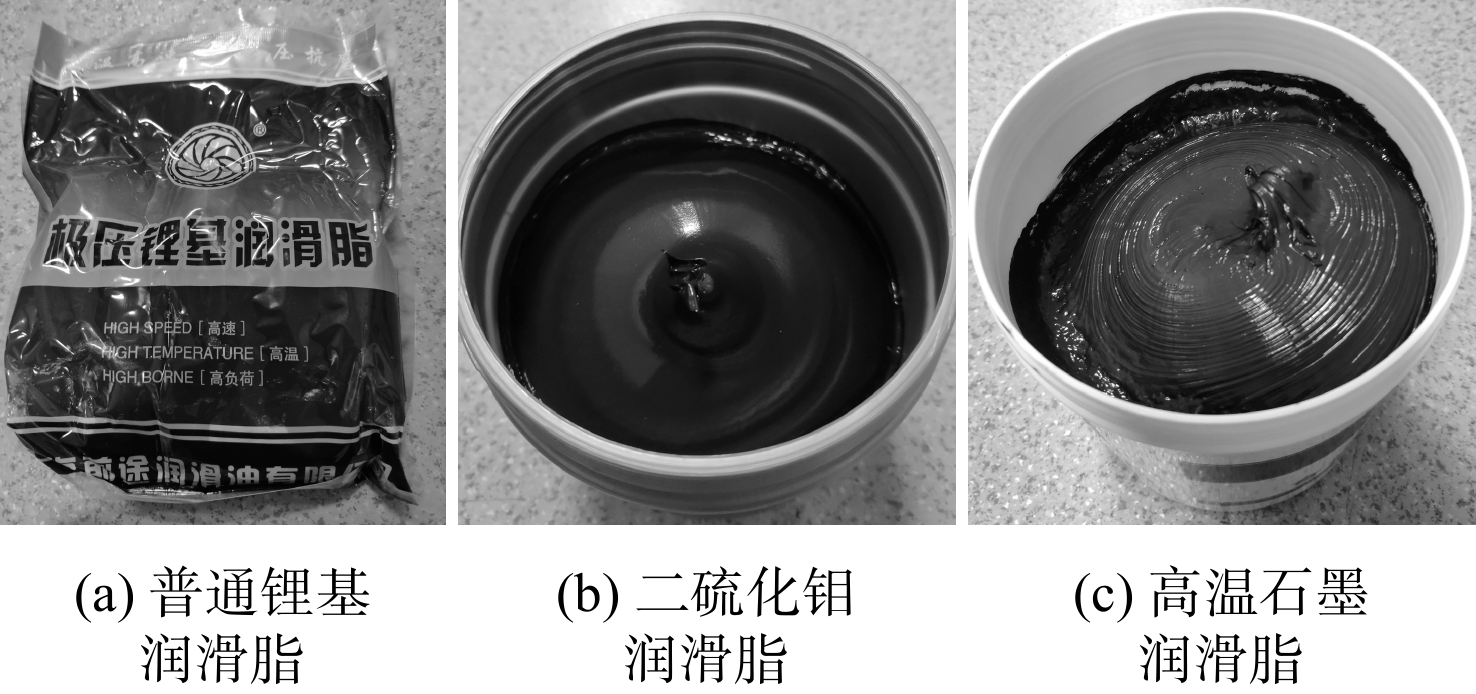
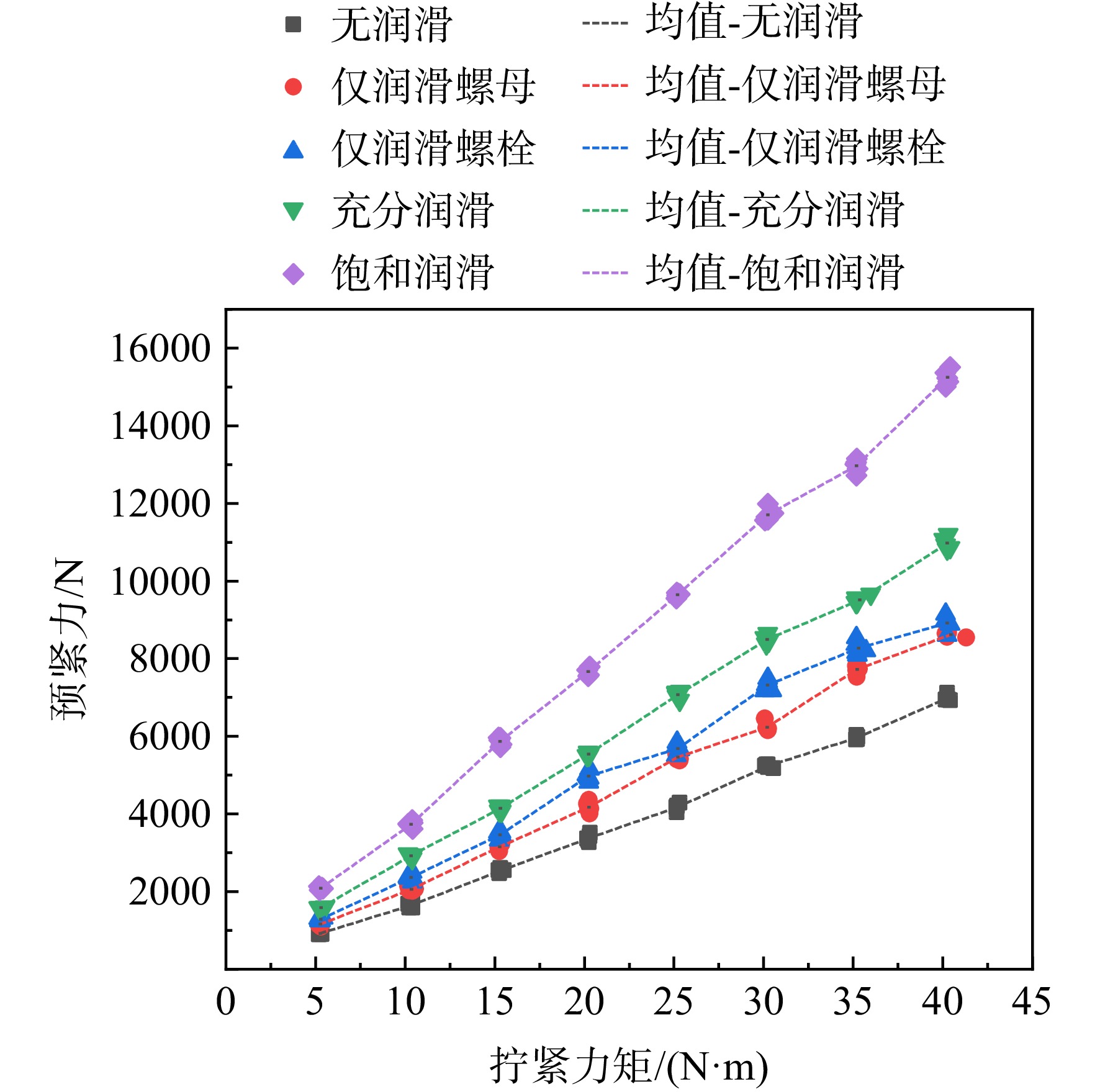
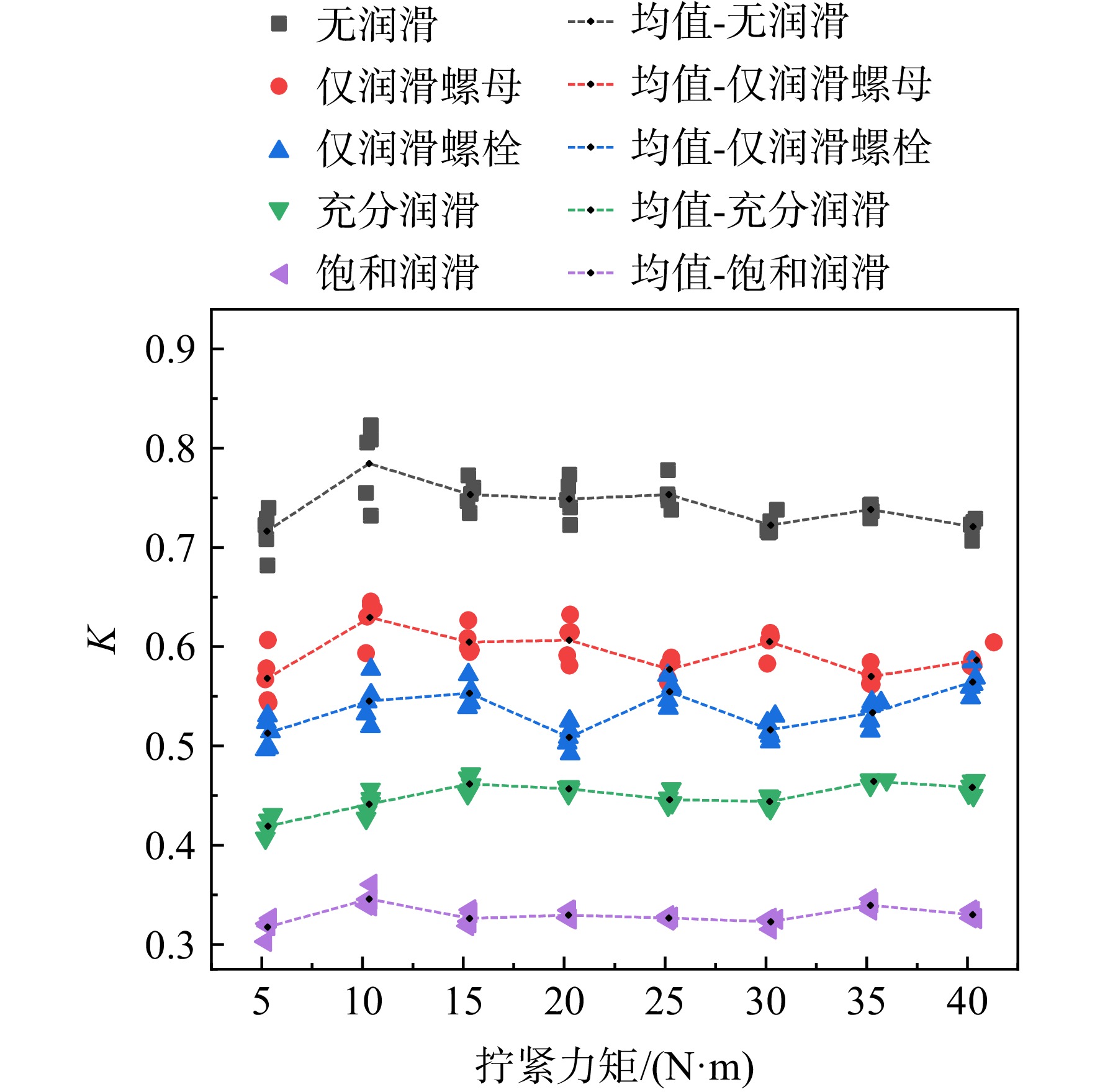
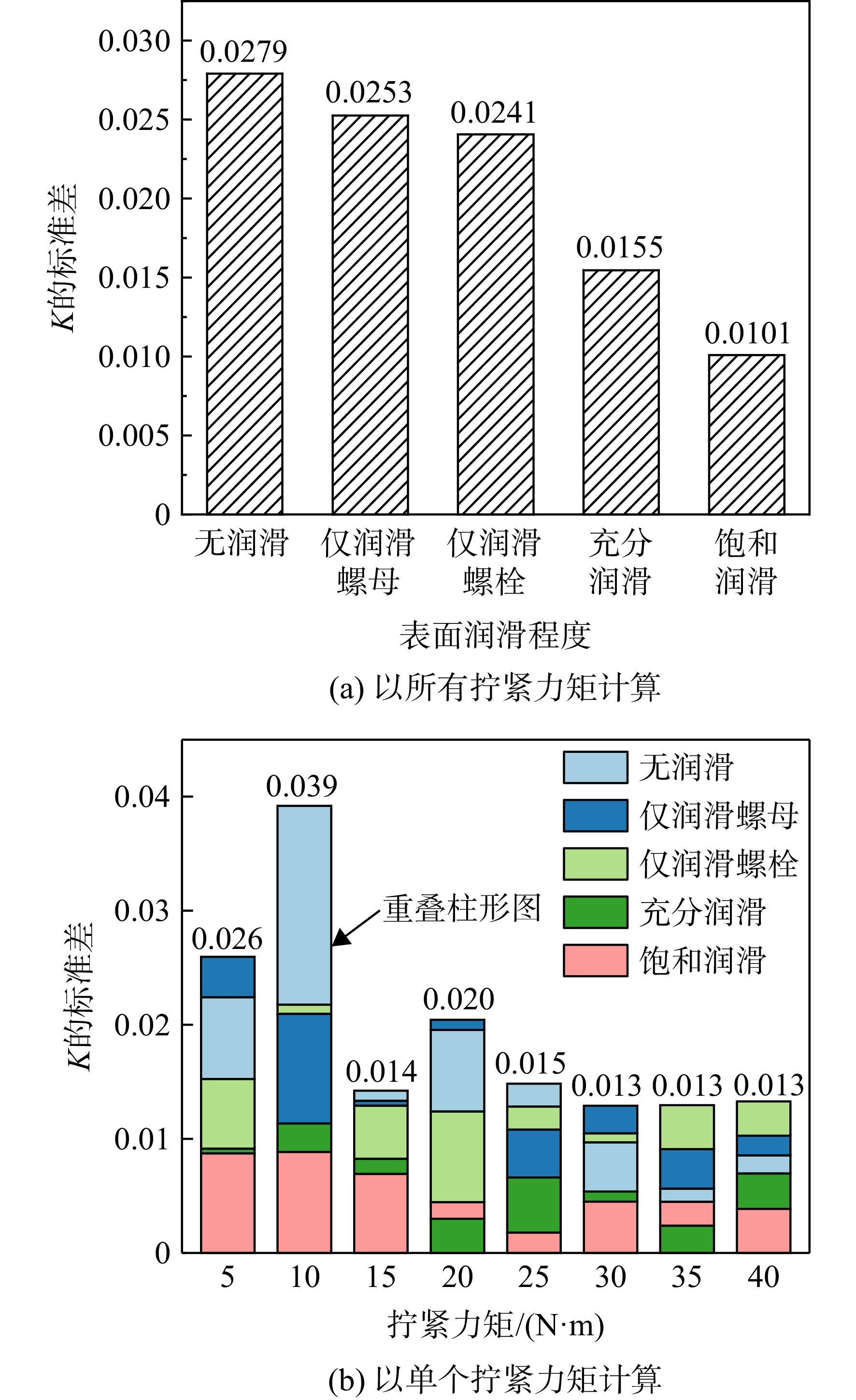
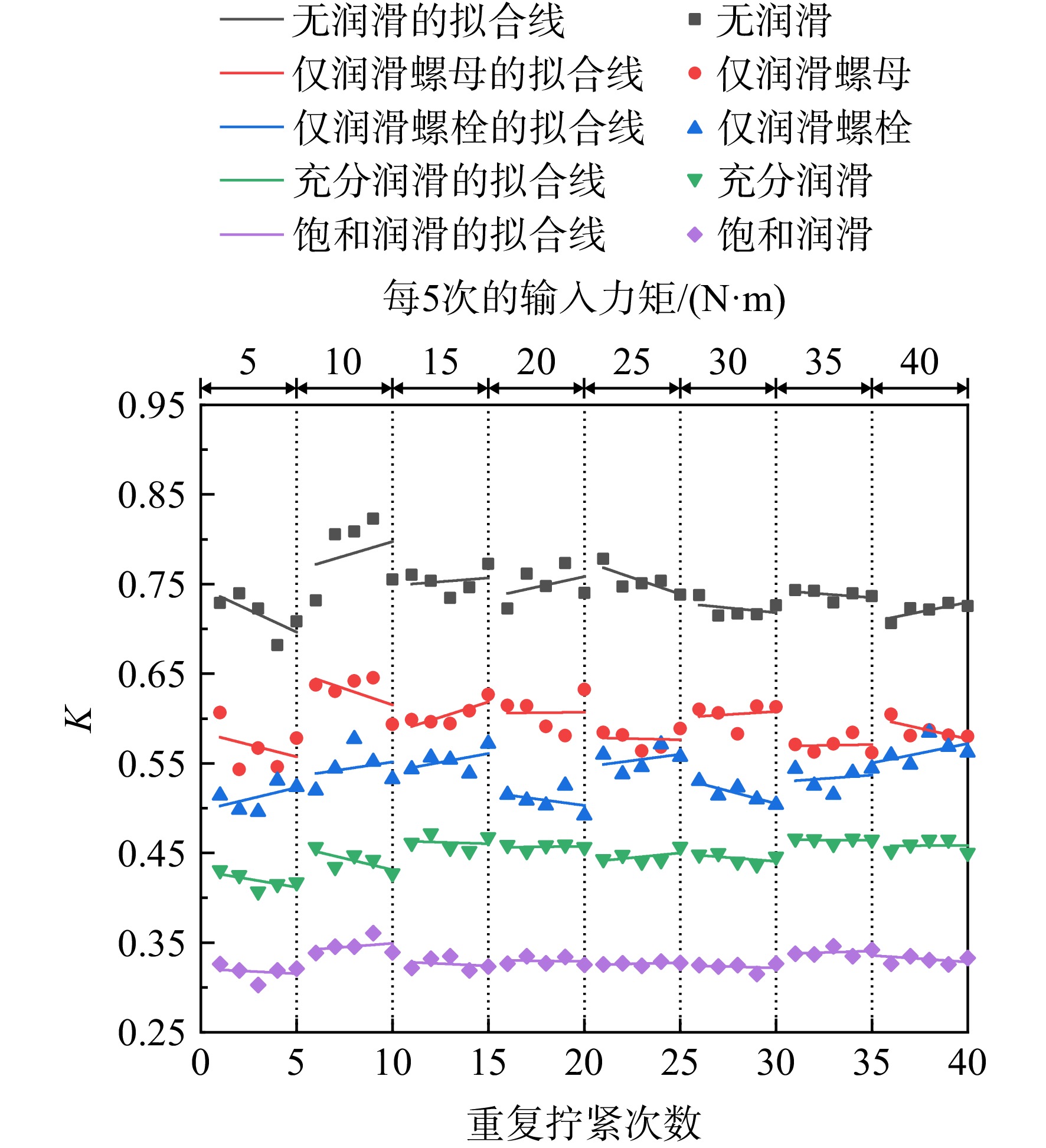
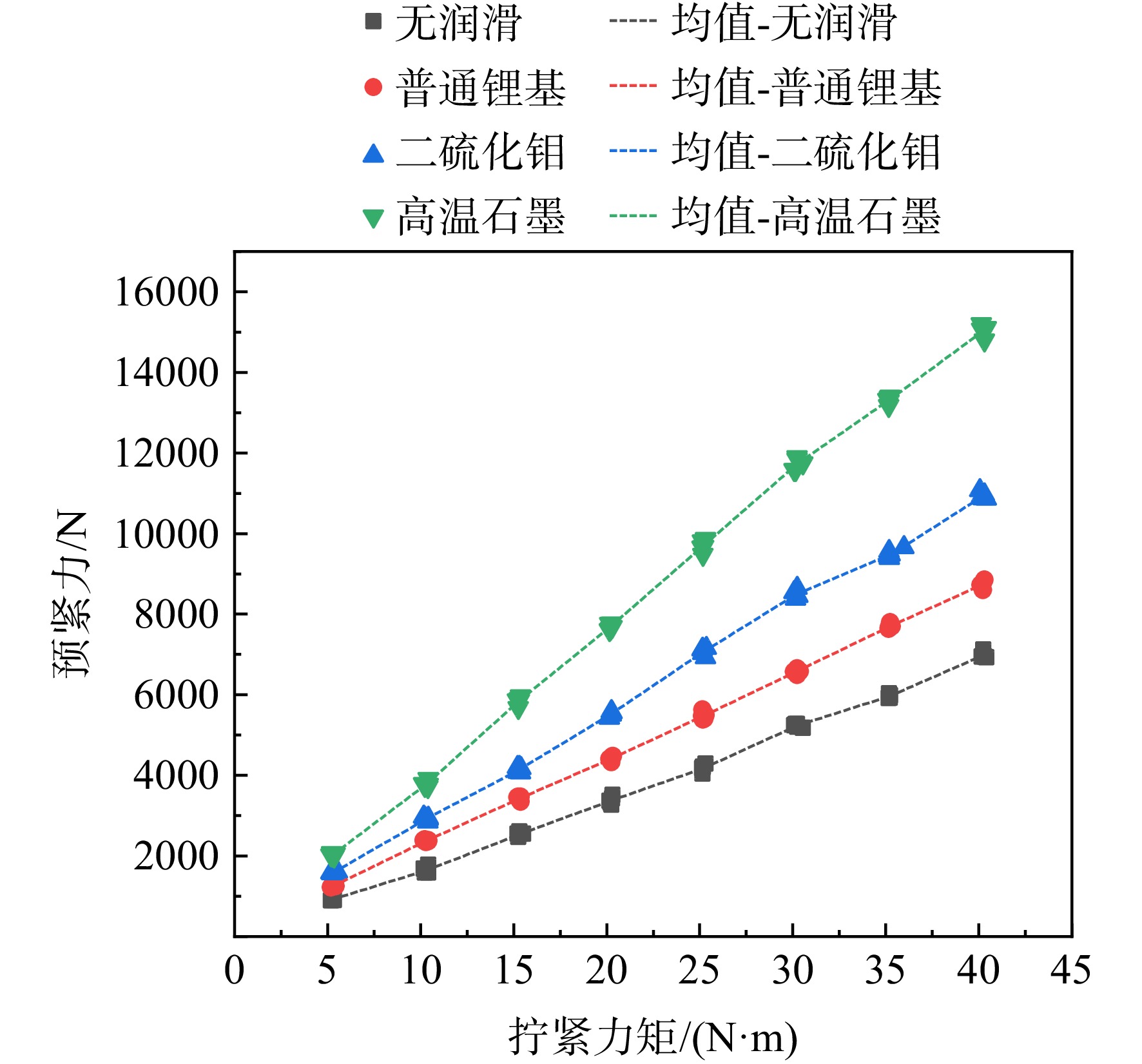
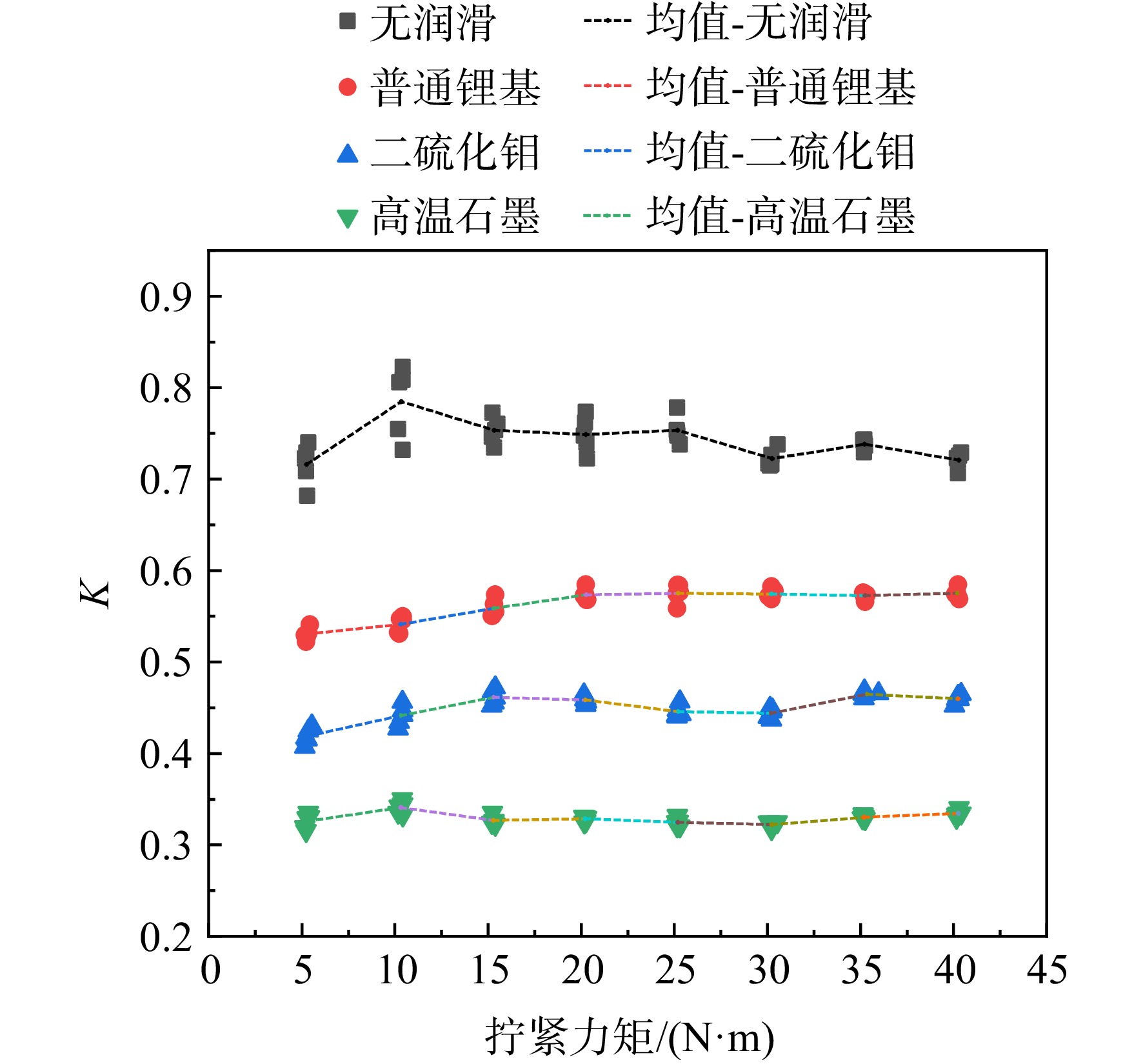
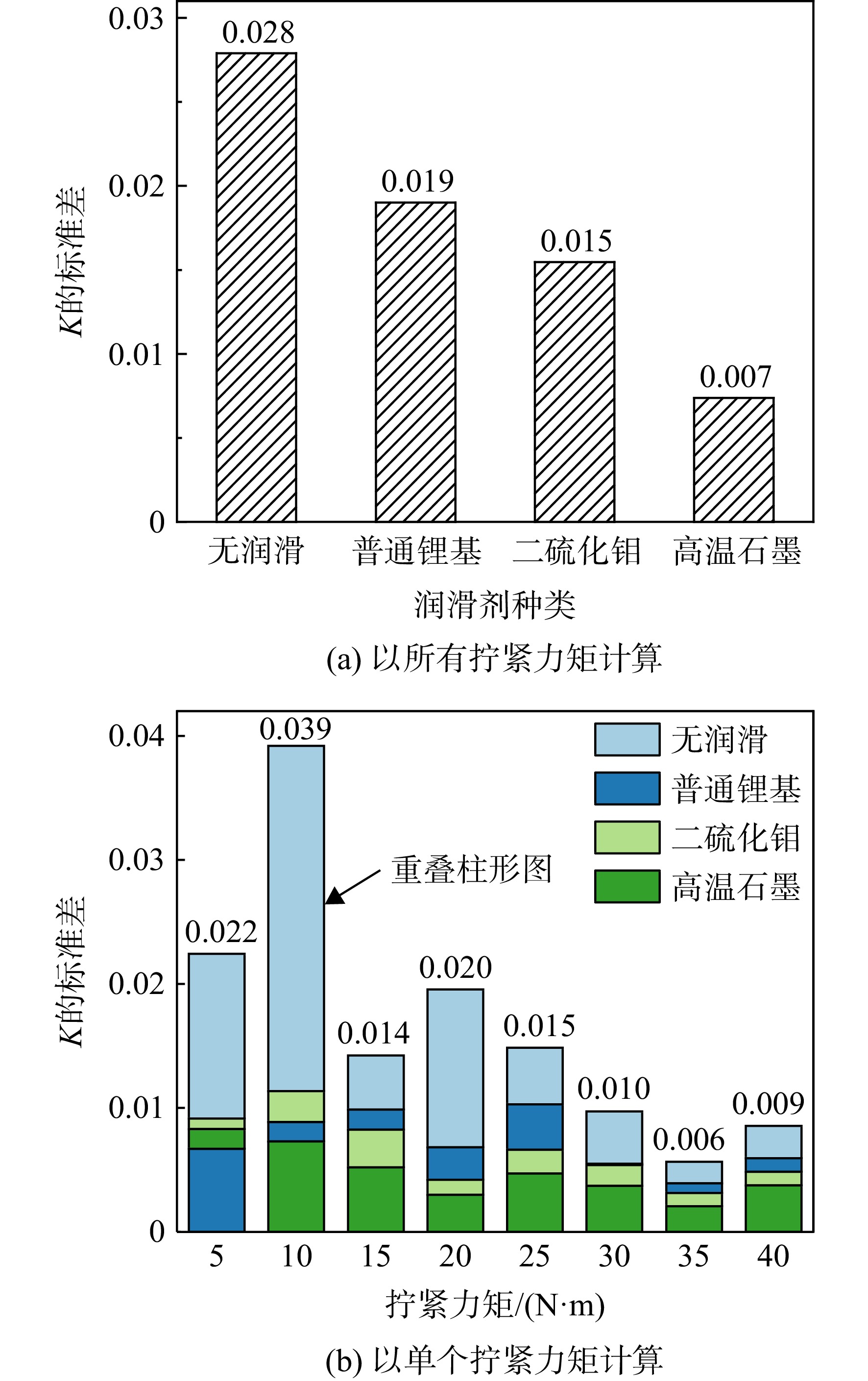
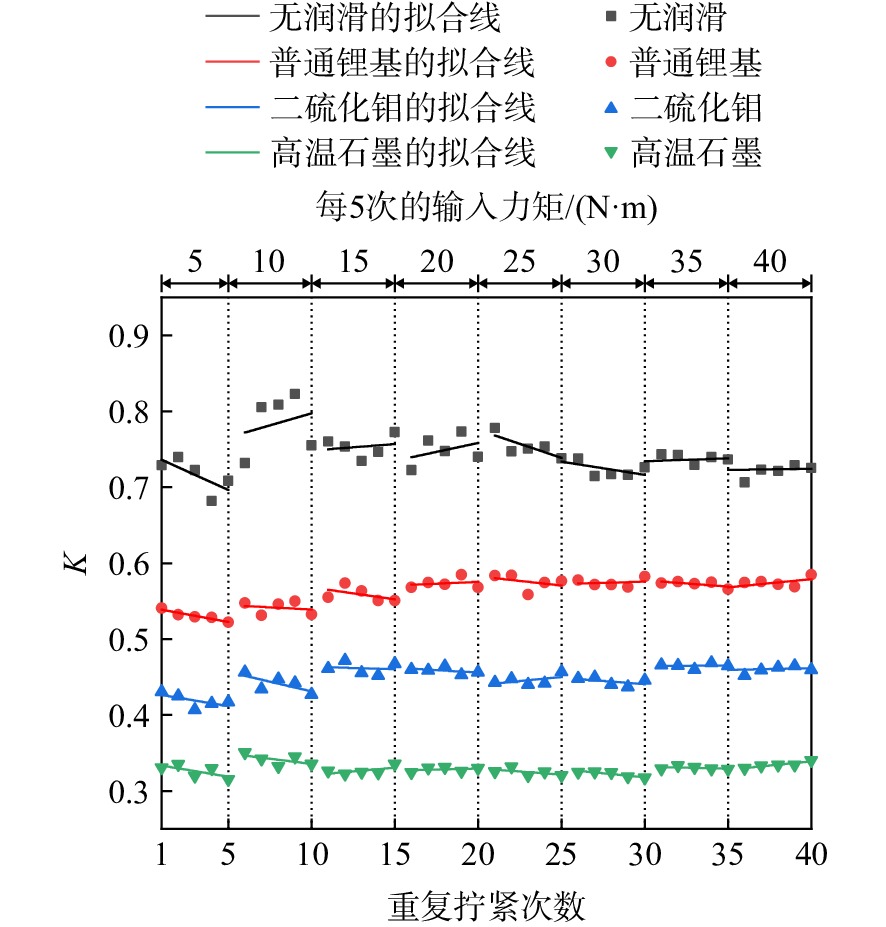
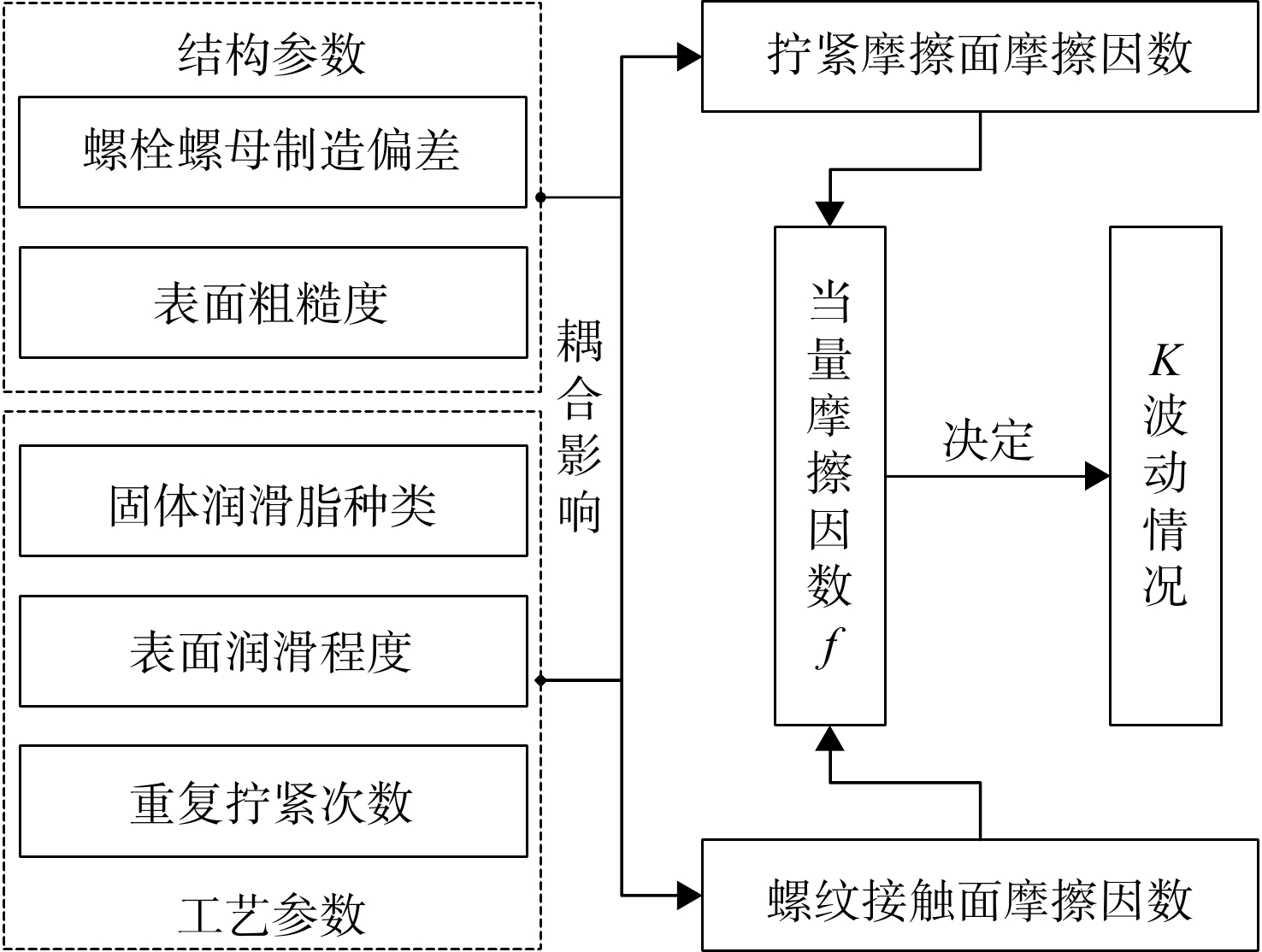
Based on the surface roughness structure parameters and surface lubrication process parameters, the differential conditions of surface assembly characteristics were set in combination with the process characteristics of aeroengine bolts for several times. The experimental study was carried out based on the TC4 single bolt tightening test system. Results showed that when torque control method was used, the equivalent friction coefficient of tightening assembly decreased and was prone to stabilize with the decrease of surface roughness and the increase of surface lubrication levels, thus improving the stability of tightening torque coefficient. Sufficient lubrication of tightening friction surface with lower surface roughness, sufficient lubrication of thread pair and use of high temperature graphite grease can effectively reduce the fluctuation of tightening torque coefficient and improve the consistency of preload force of aeroengine bolt set connection.

Fretting wear characteristics of fixed joint surface under thermal and mechanical coupling
LI Ling, LI Ganghua, LIN Hong, WANG Jingjing, ZHANG Jinhua, CAI Anjiang
2023, 38(8): 1805-1813. doi: 10.13224/j.cnki.jasp.20210737
Abstract:

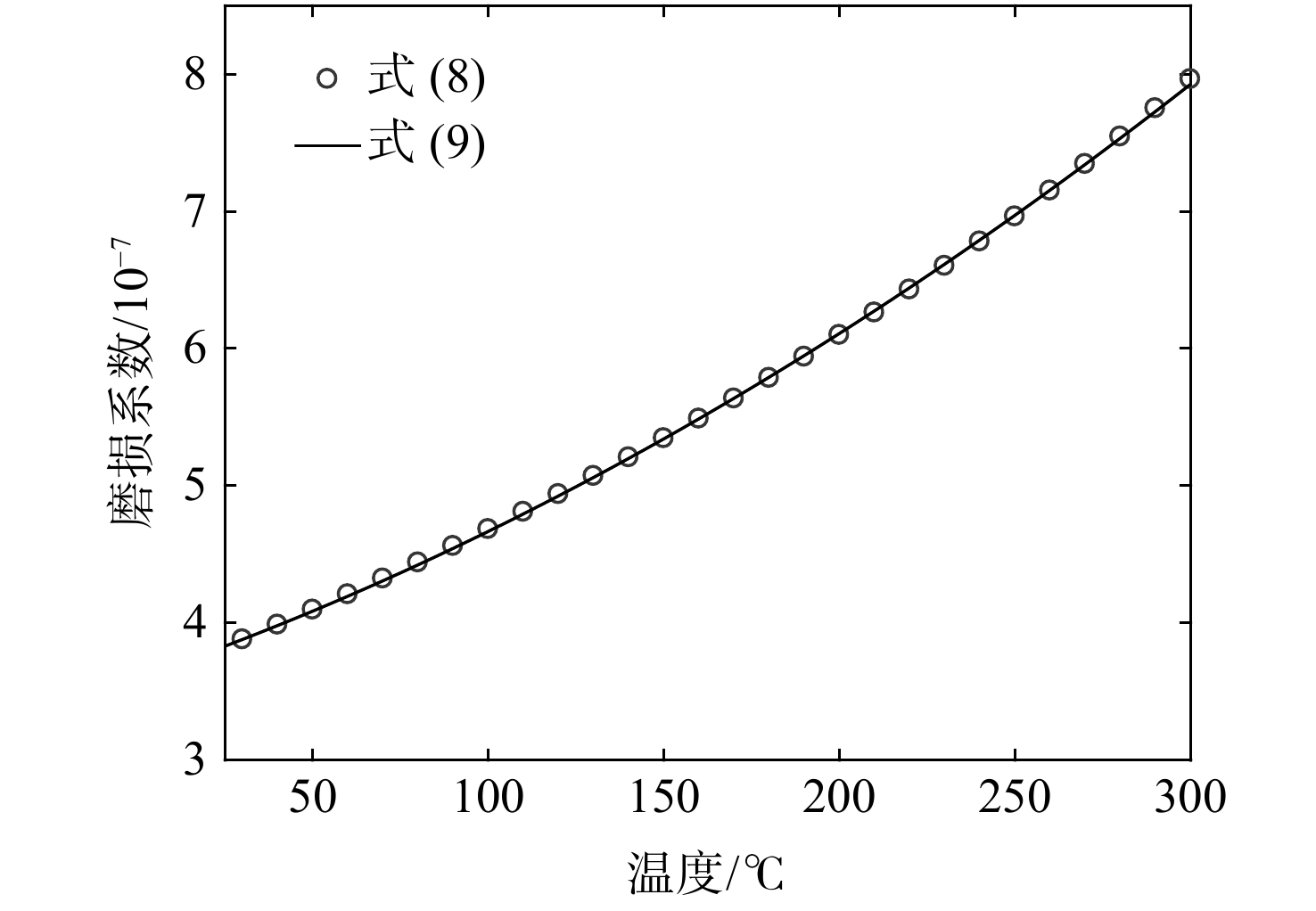
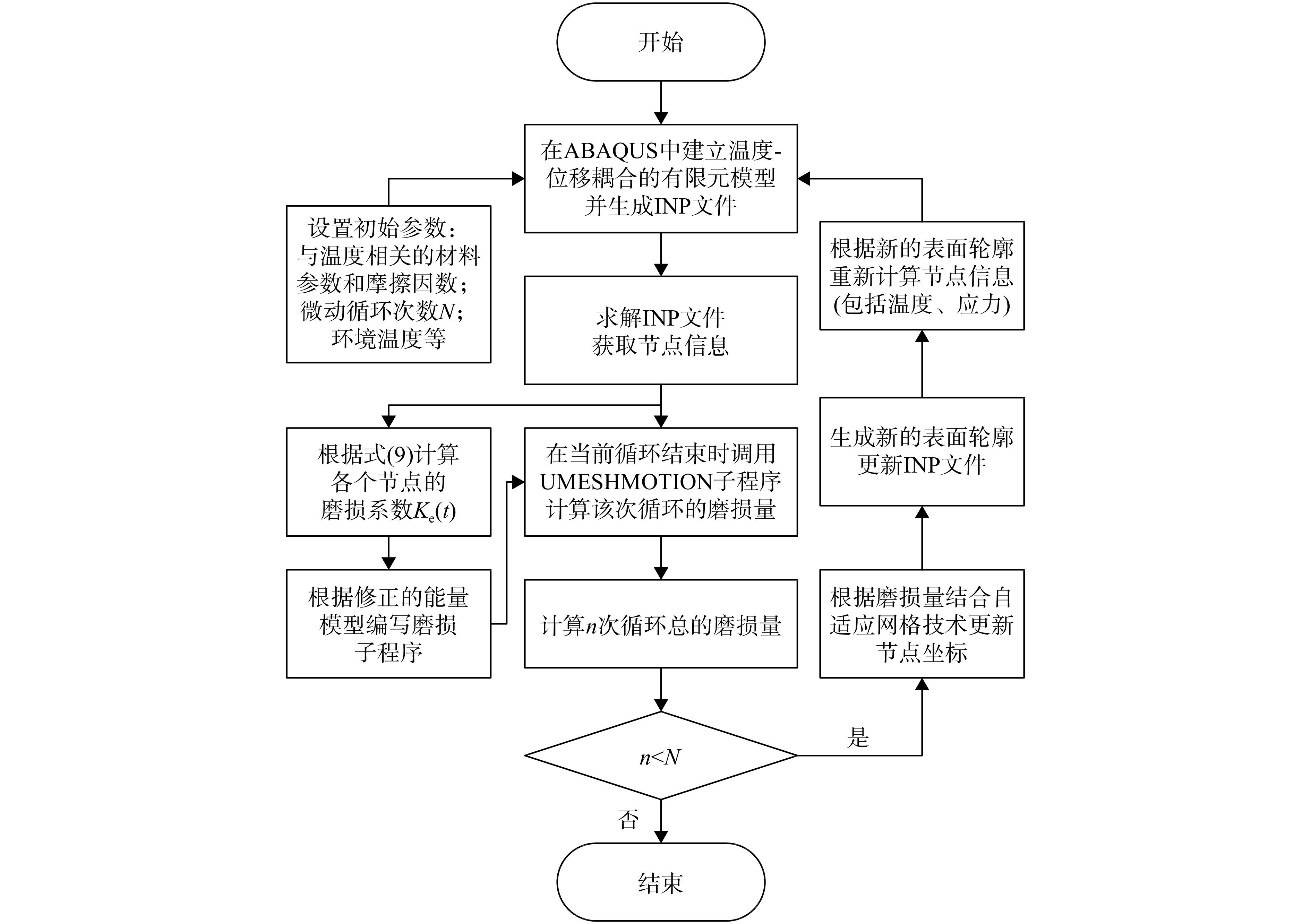
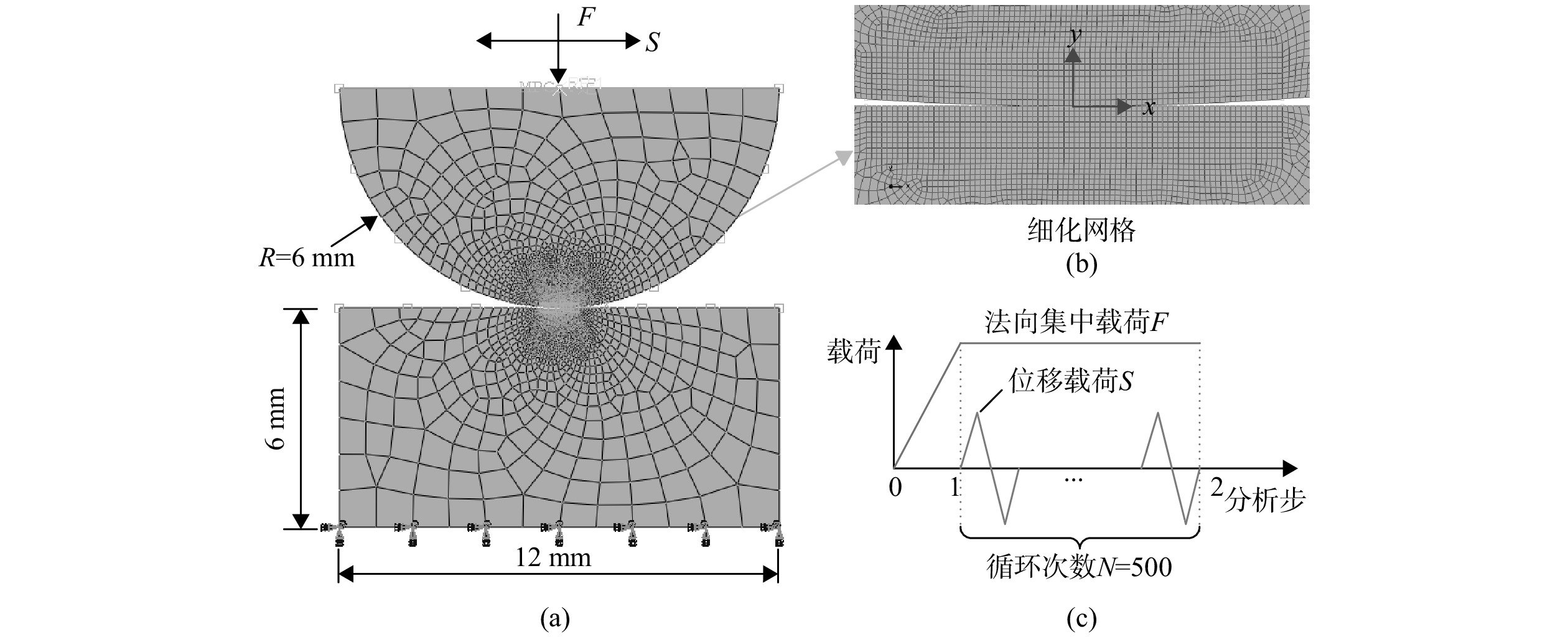
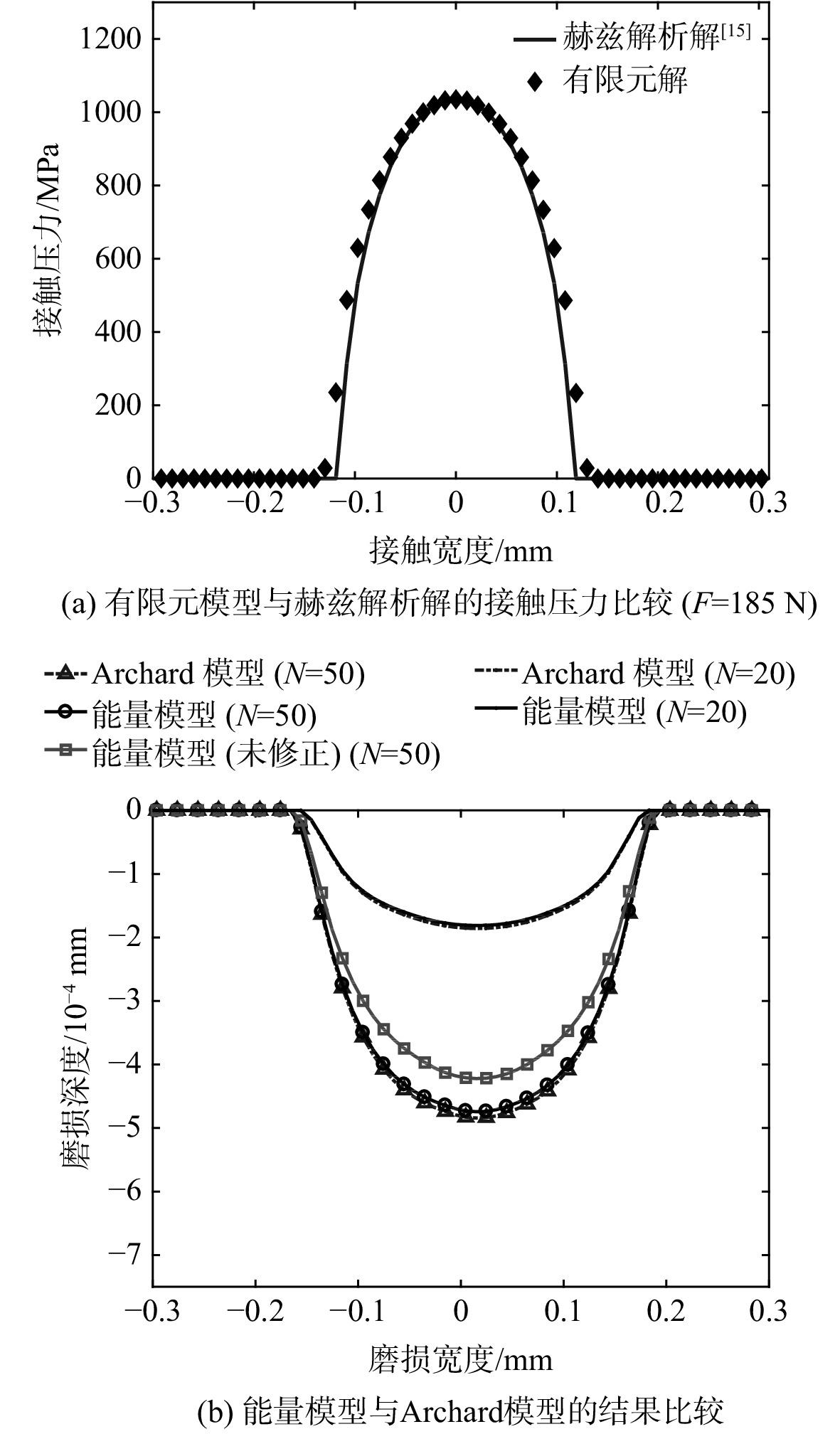
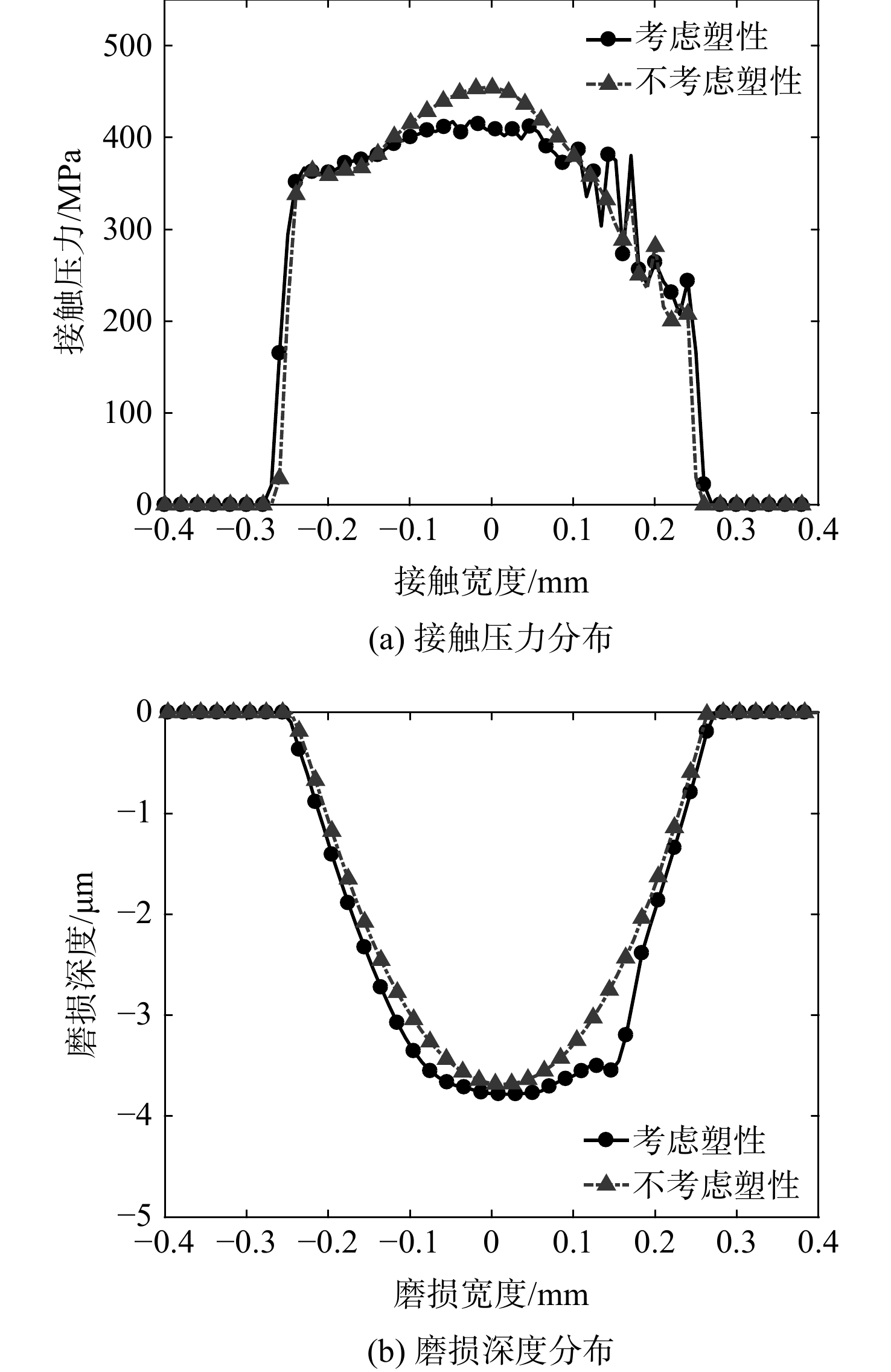
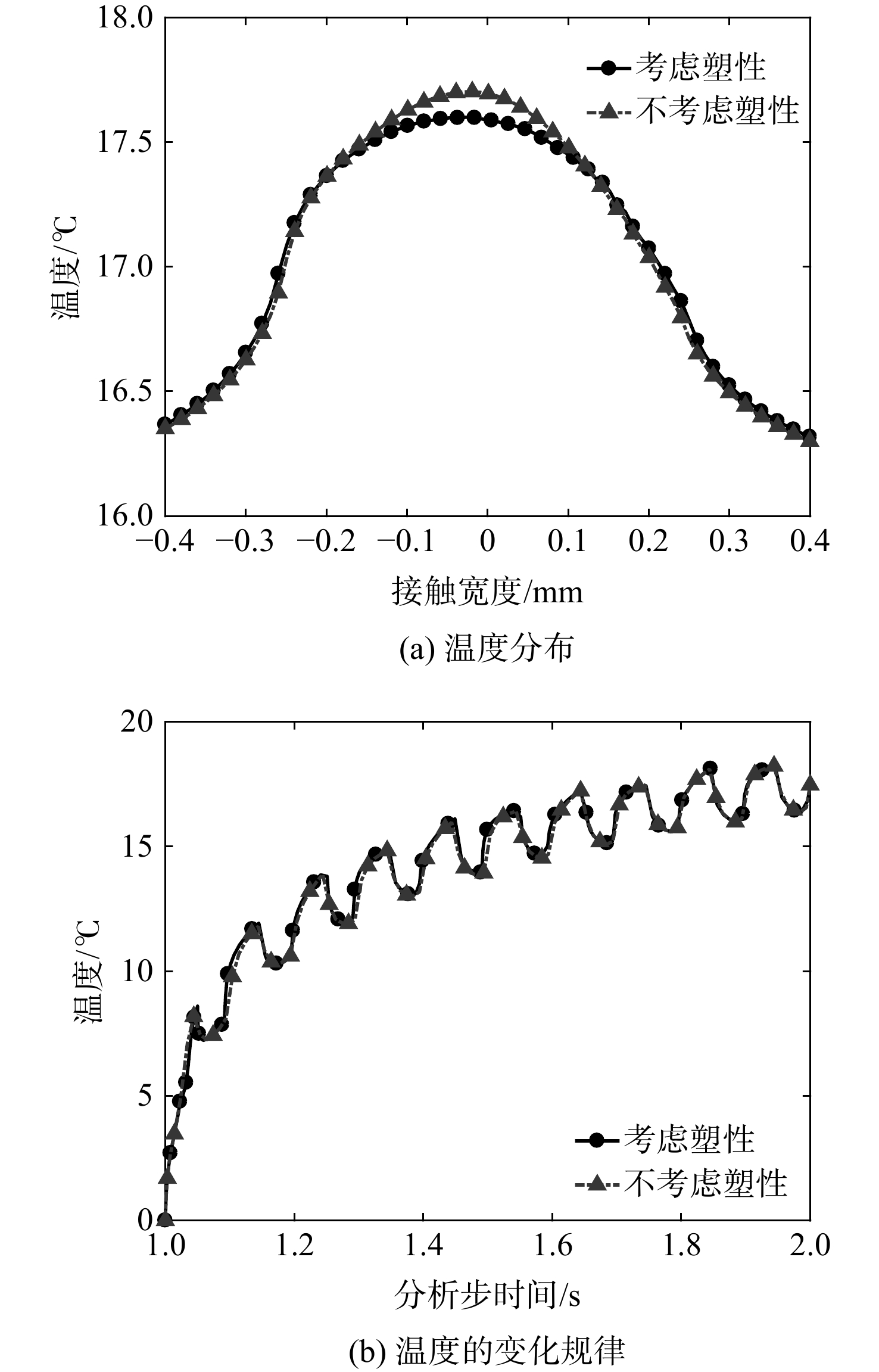
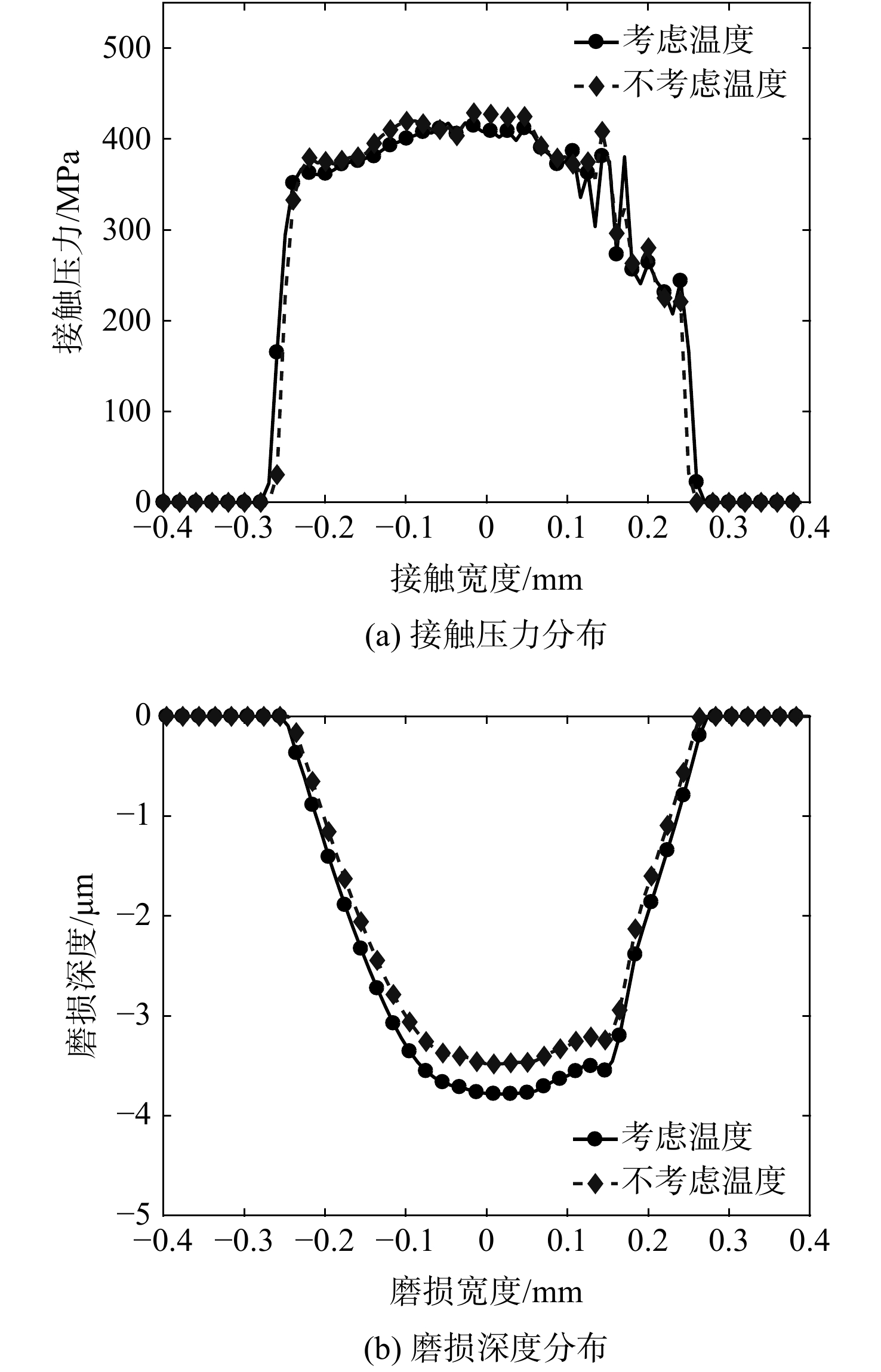
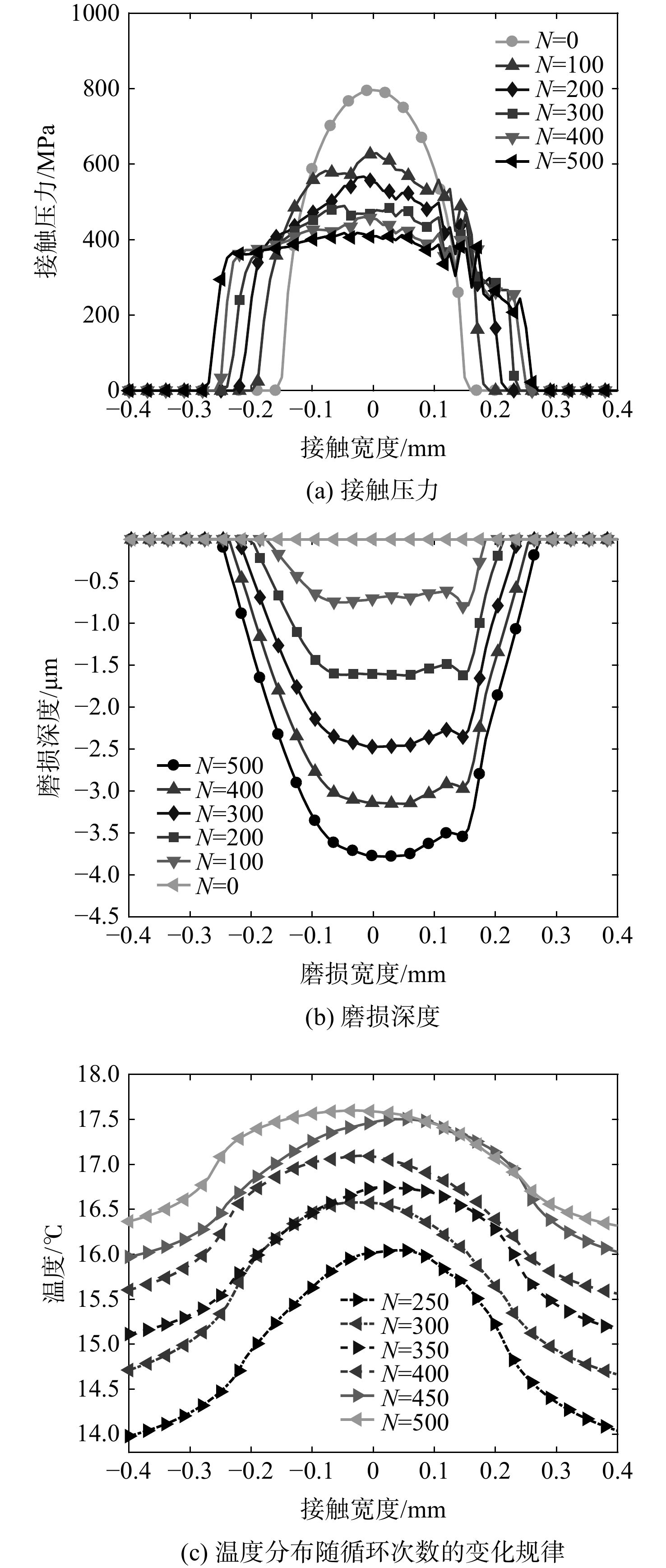
In order to consider the effect of temperature rise on the accuracy of fretting wear prediction in actual working conditions, the energy dissipation wear model was modified by introducing a temperature-dependent wear coefficient. And the UMESHMOTION subroutine was compiled, while the temperature-displacement coupled finite element model of fretting wear was established based on the cylinder/plane fretting test. The model considered the interaction between temperature, stress and wear, as well as the effect of temperature on the coefficient of friction. The plausibility of the model was verified by comparison with the Archard model. The effects of material plasticity, temperature and number of fretting cycles on the wear and temperature rise of the contact surface were explored. Simulation experiments showed that the wear depth of the modified energy model was slightly smaller than that of the Archard model, and the gap between the two models increased with the temperature rise. The wear depth without considering plasticity and temperature was relatively small. The wear profile taking into account the plasticity of the material was no longer of a smooth Hertz shape. As the number of cycles increased, the temperature of the contact surface increased and the horizontal position of the temperature rise peak moved with the cylindrical specimen. Meanwhile, the growth rate of the wear depth decreased due to the increase in temperature. The depth difference between the abrupt change point of the wear profile and the wear center was getting smaller and smaller.

Residual stress control in electron beam welding of titanium alloy medium and thick plates for aviation
LIU Jingang, ZHENG Jianyun, CHEN Jianwen, FU Bing, QI Tingyu
2023, 38(8): 1814-1825. doi: 10.13224/j.cnki.jasp.20220852
Abstract:

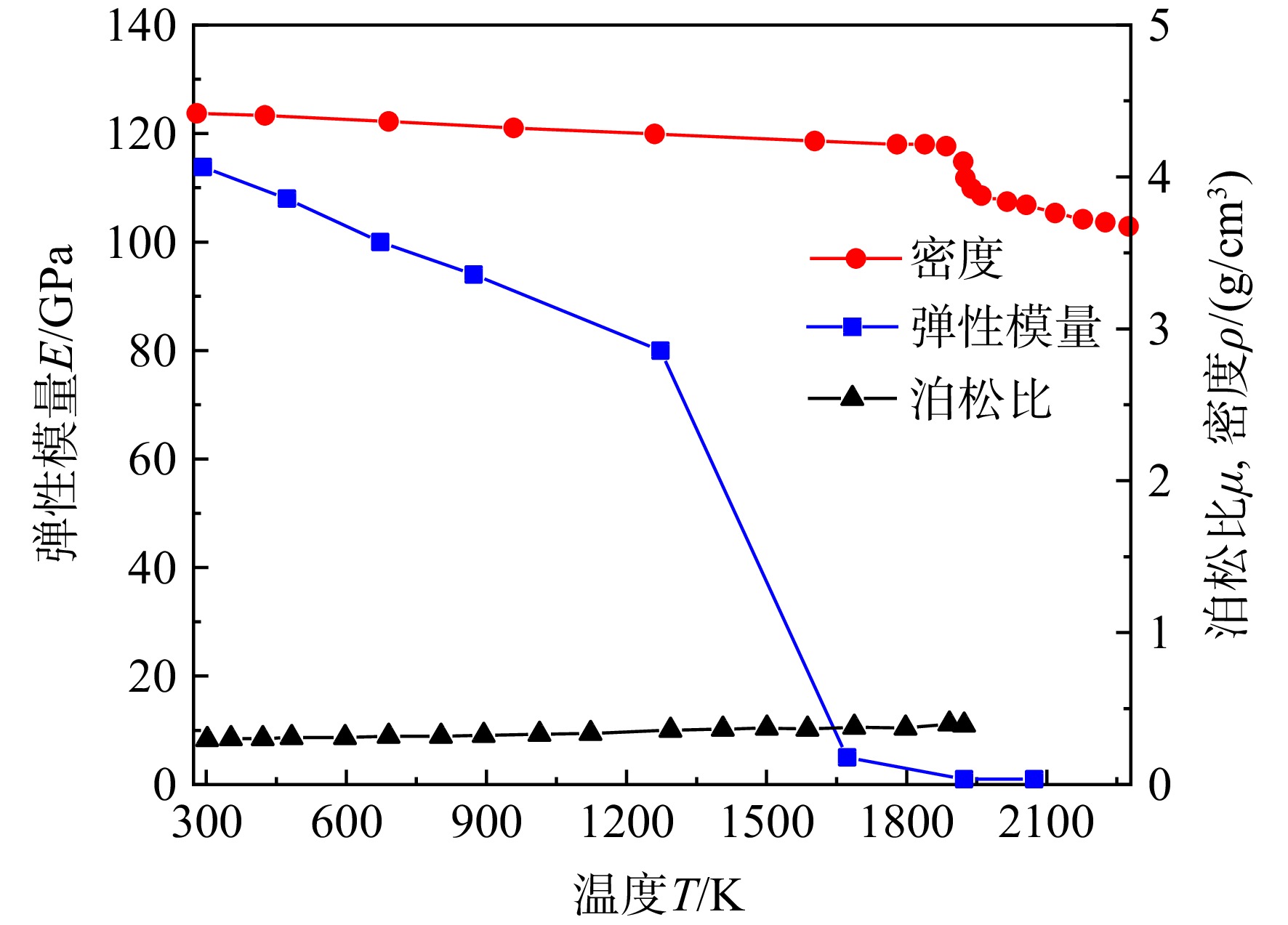
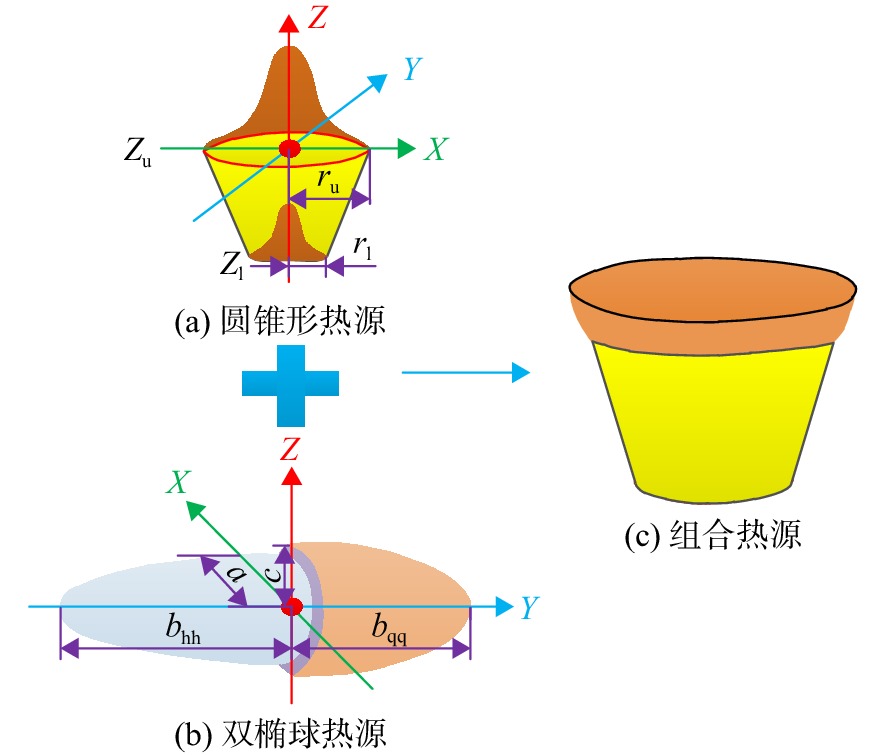
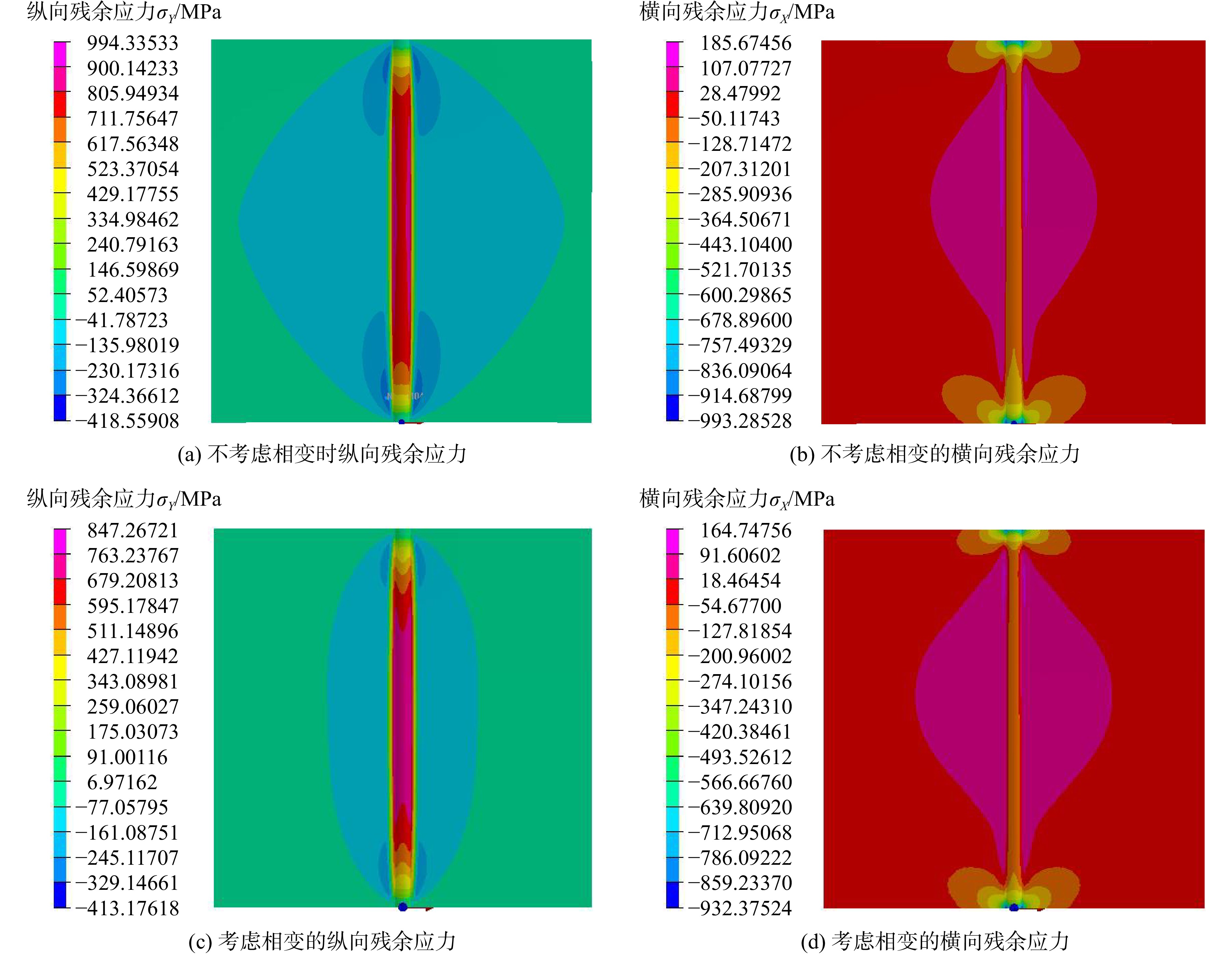
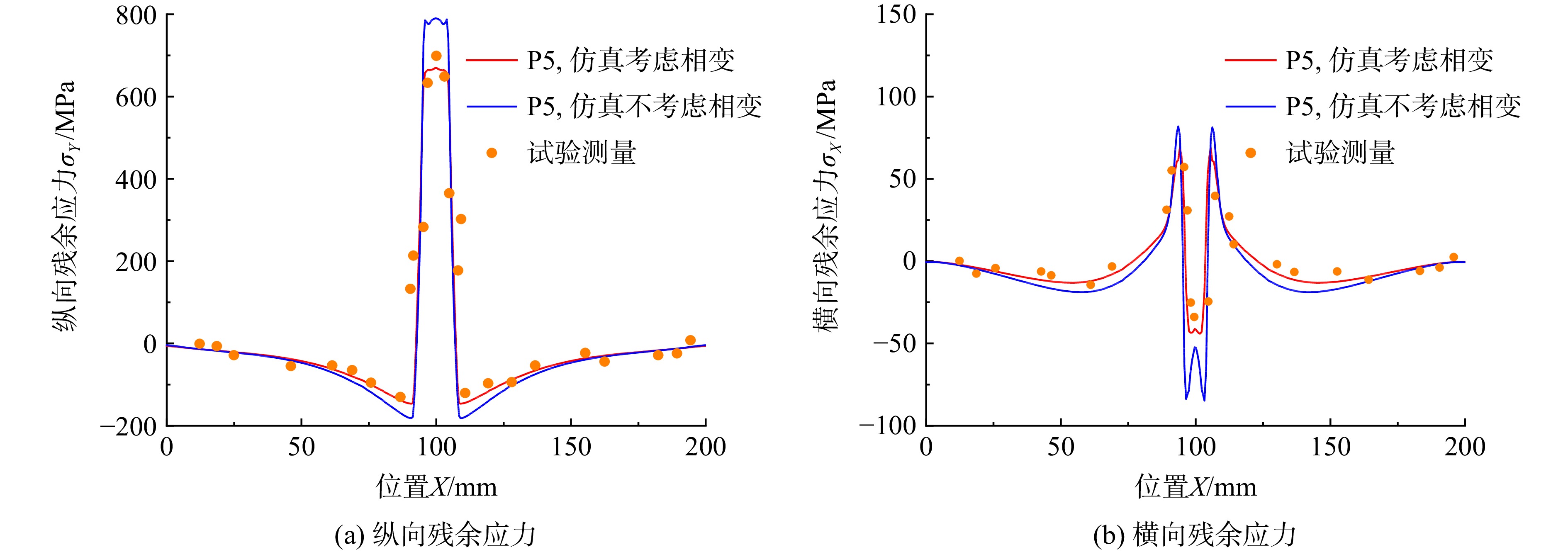
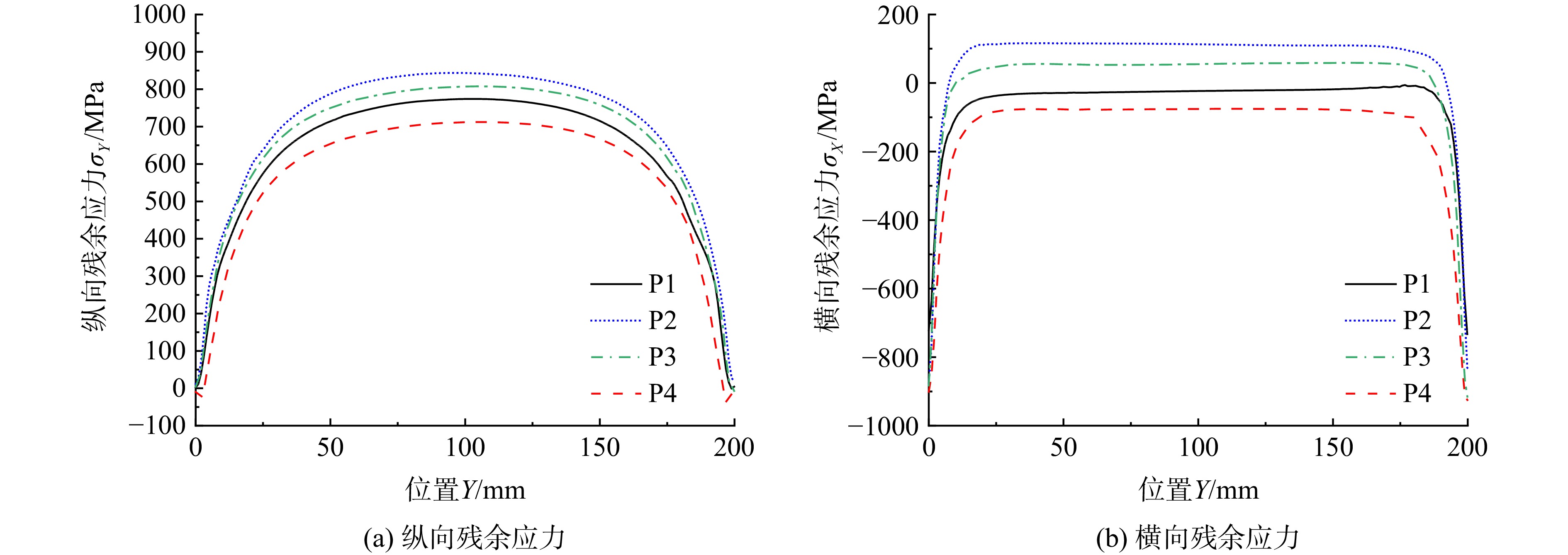
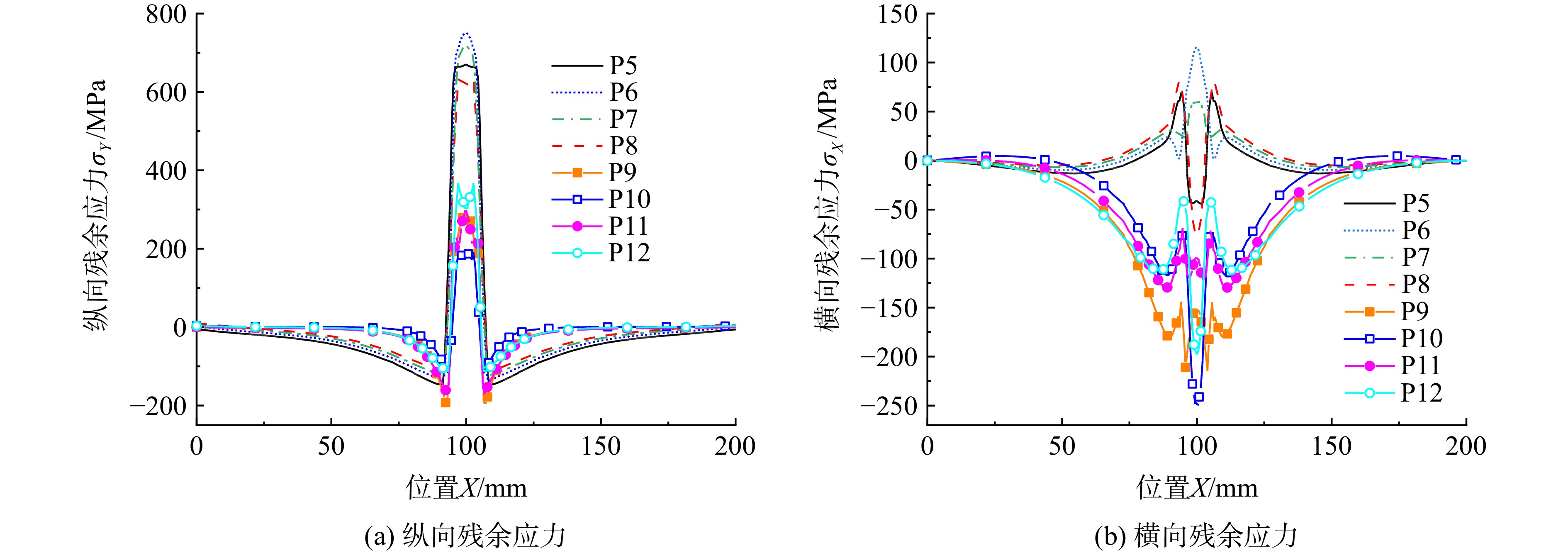
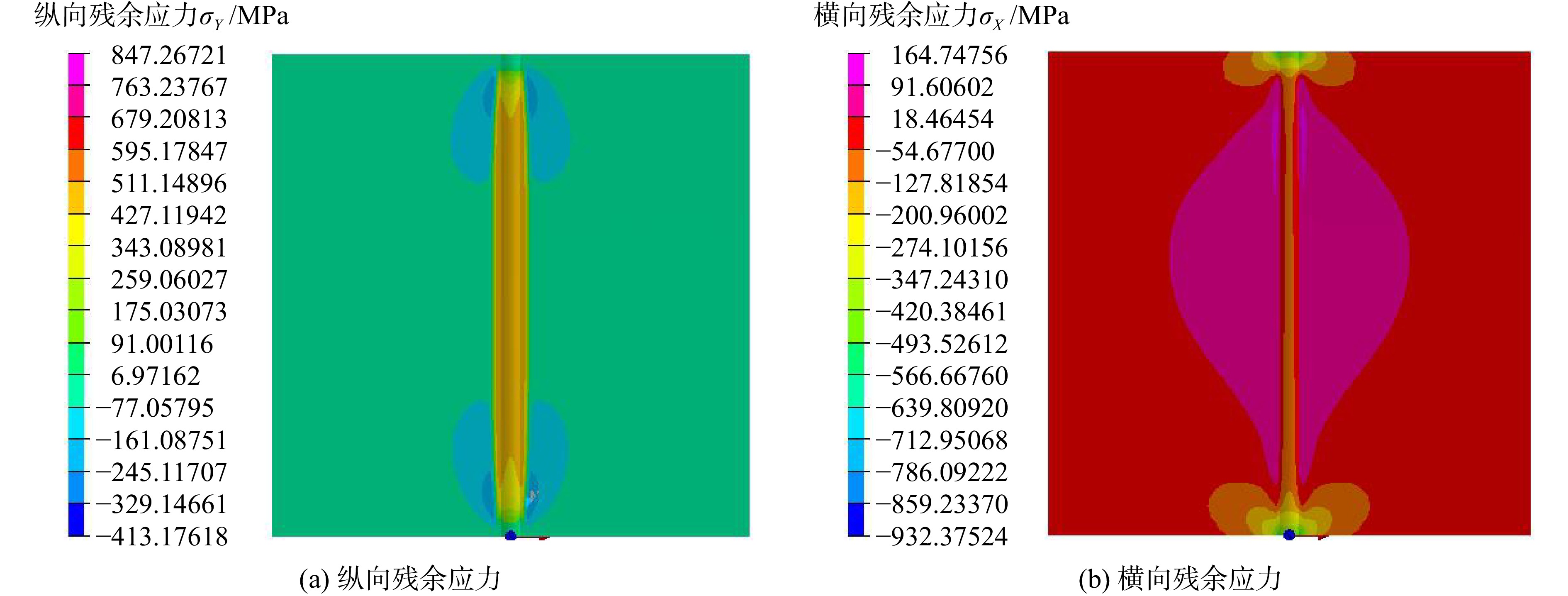
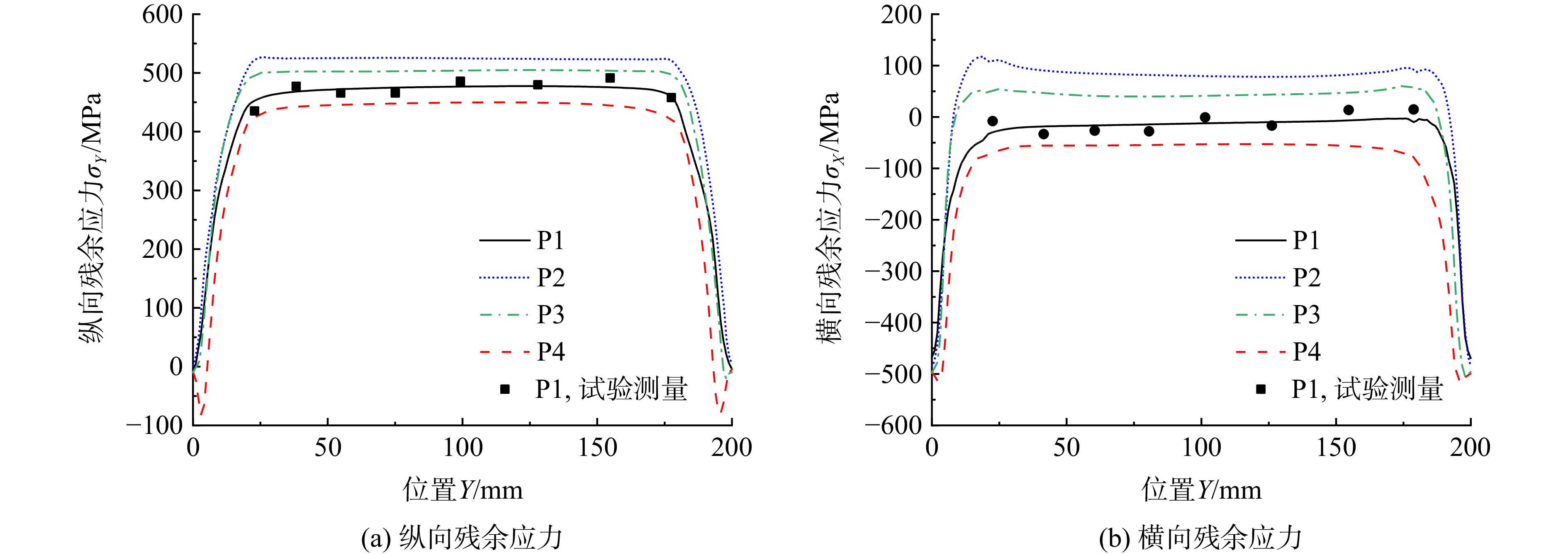
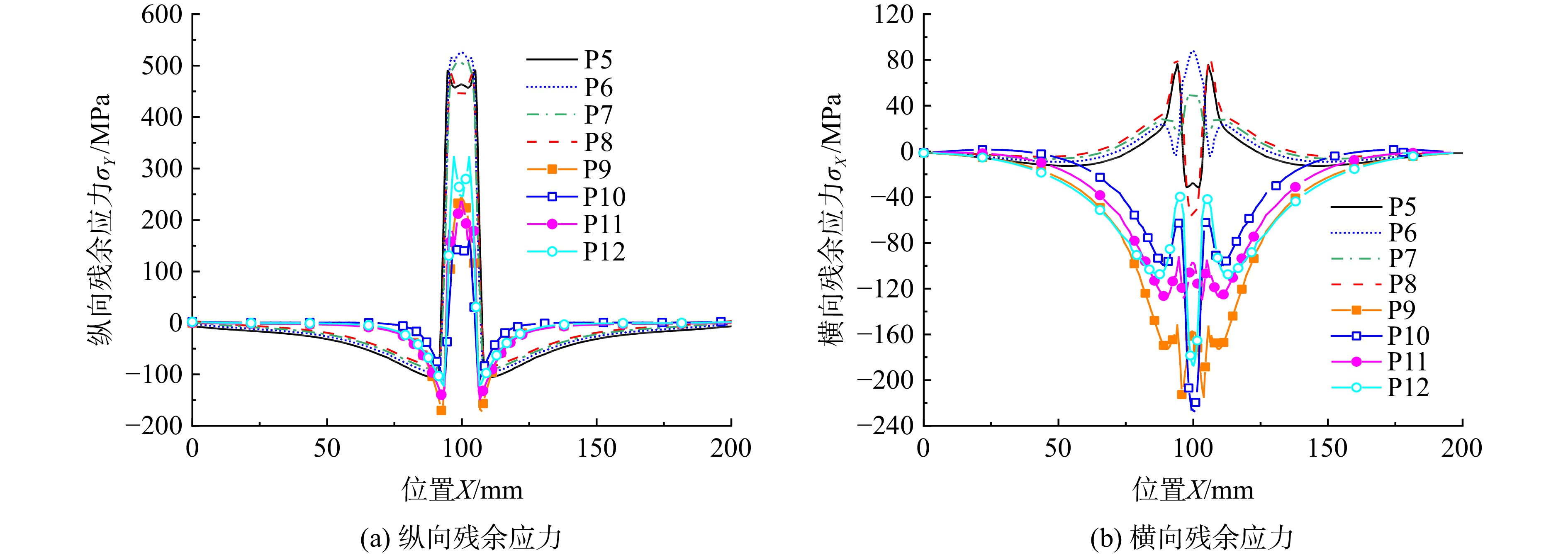
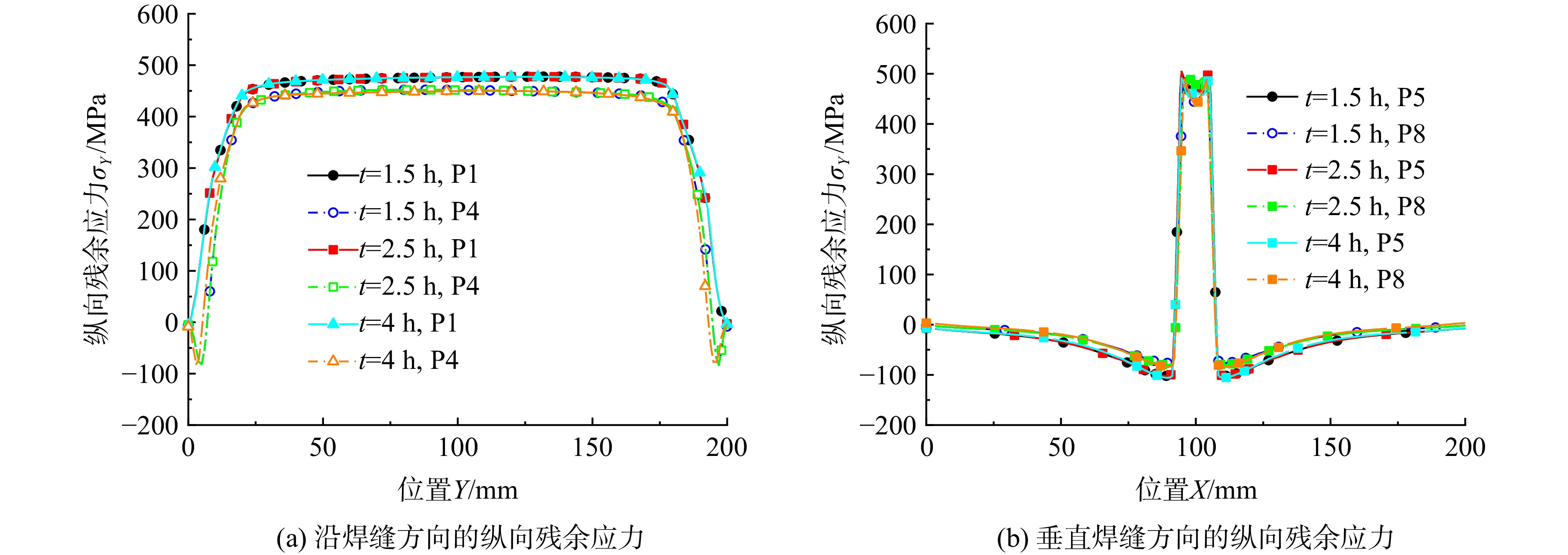
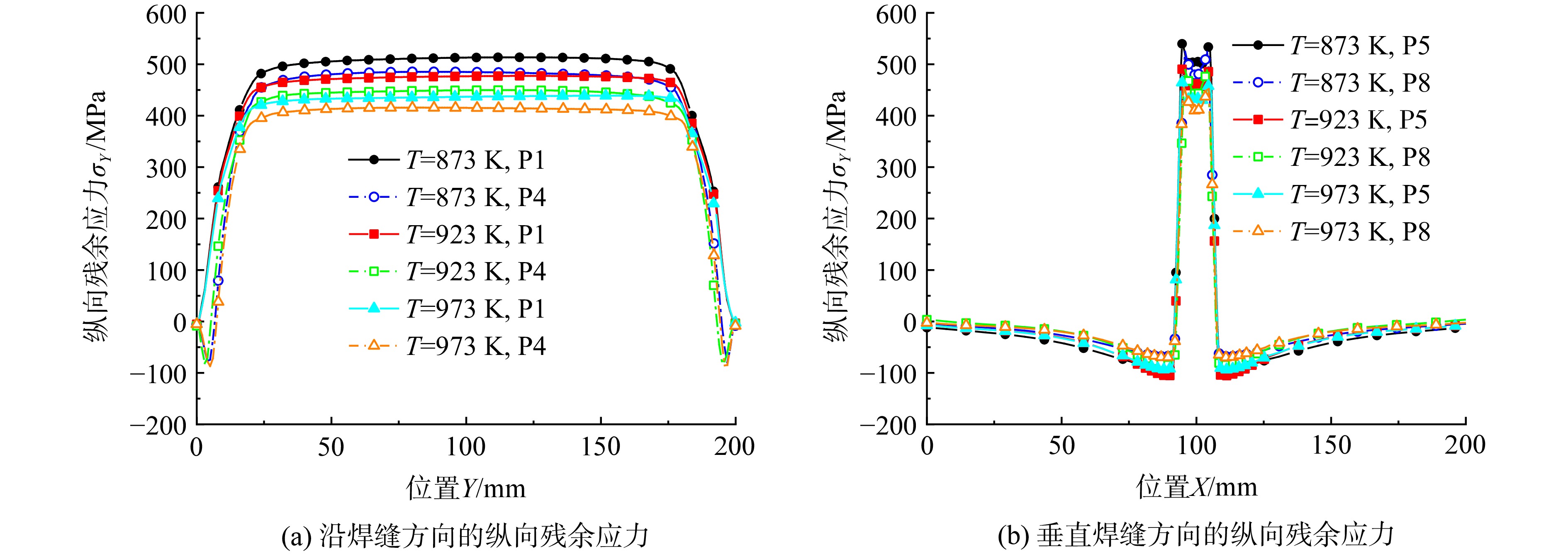
Based on thermo-elastic-plastic theory, a welding finite element simulation model of TC4 titanium alloy medium and thick plates for aviation was established to study the magnitude and distribution of residual stress after electron beam welding and heat treatment. A combined heat source model of double ellipsoidal with conical heat source was used to simulate the heat input of the electron beam, and the effect of solid-state metallurgical phase transformation was considered in the finite element model. The results showed that the residual stress measured by simulation and experiment was more consistent when considering solid metallurgical phase transformation, so the effectiveness of the established simulation model was verified. At the same time, it was found that there was a large longitudinal residual tensile stress at the weld position, and its peak value can reach 842.6 MPa. As the distance from the center of the weld increased, the longitudinal residual stress decreased continuously, and residual stress presented a transformation from tensile type to compressive type on both sides of the weld and became approximately 0 MPa at the edge of the base metal. Through analysis, it was found that the heat treatment method can effectively reduce the residual stress in the weldment and also made the residual stress distribution in the weldment more uniform. Among the heat treatment parameters, the heating temperature had an obvious effect on reducing the residual stress, and the peak value of the longitudinal residual tensile stress can be reduced by 43.3% when the heating temperature was 973 K.

Interference and suppression of tip-timing signal of engine turbine rotor blade
LIU Meiru, GAO Weiqiang, DAI Jiangbo, LIU Jiapeng, WEI Jinglan, QIAO Baijie
2023, 38(8): 1826-1836. doi: 10.13224/j.cnki.jasp.20220942
Abstract:

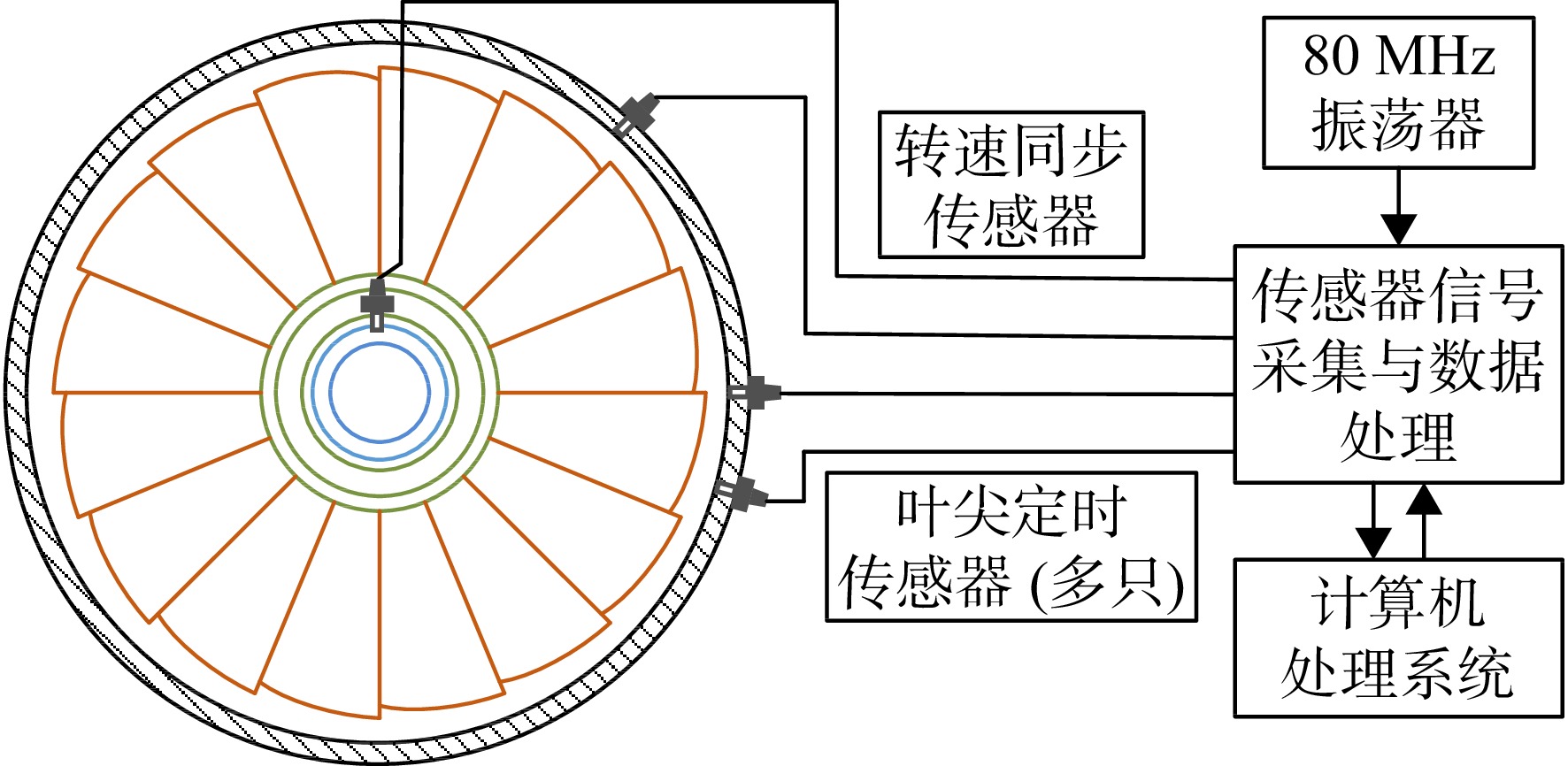
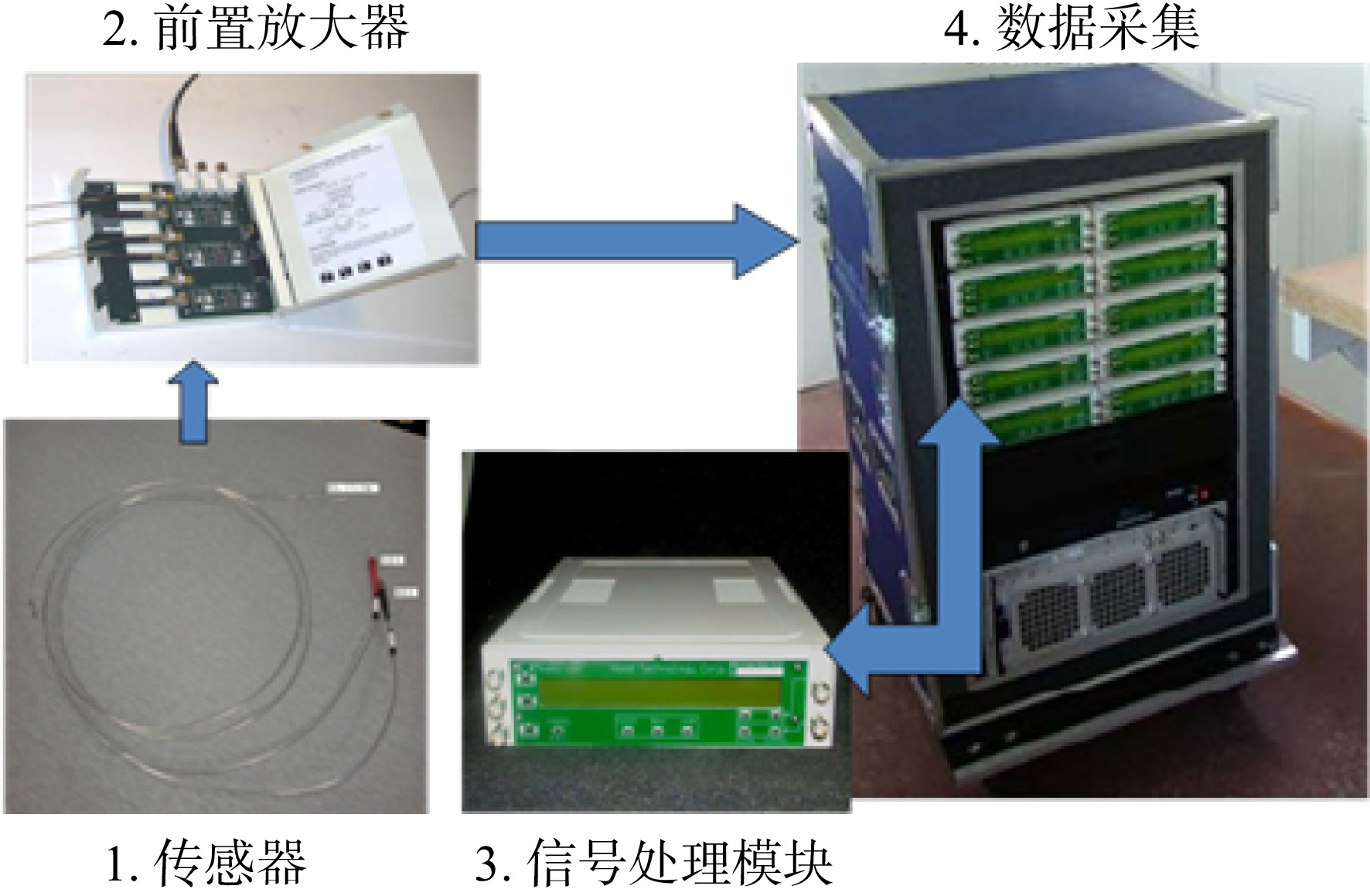
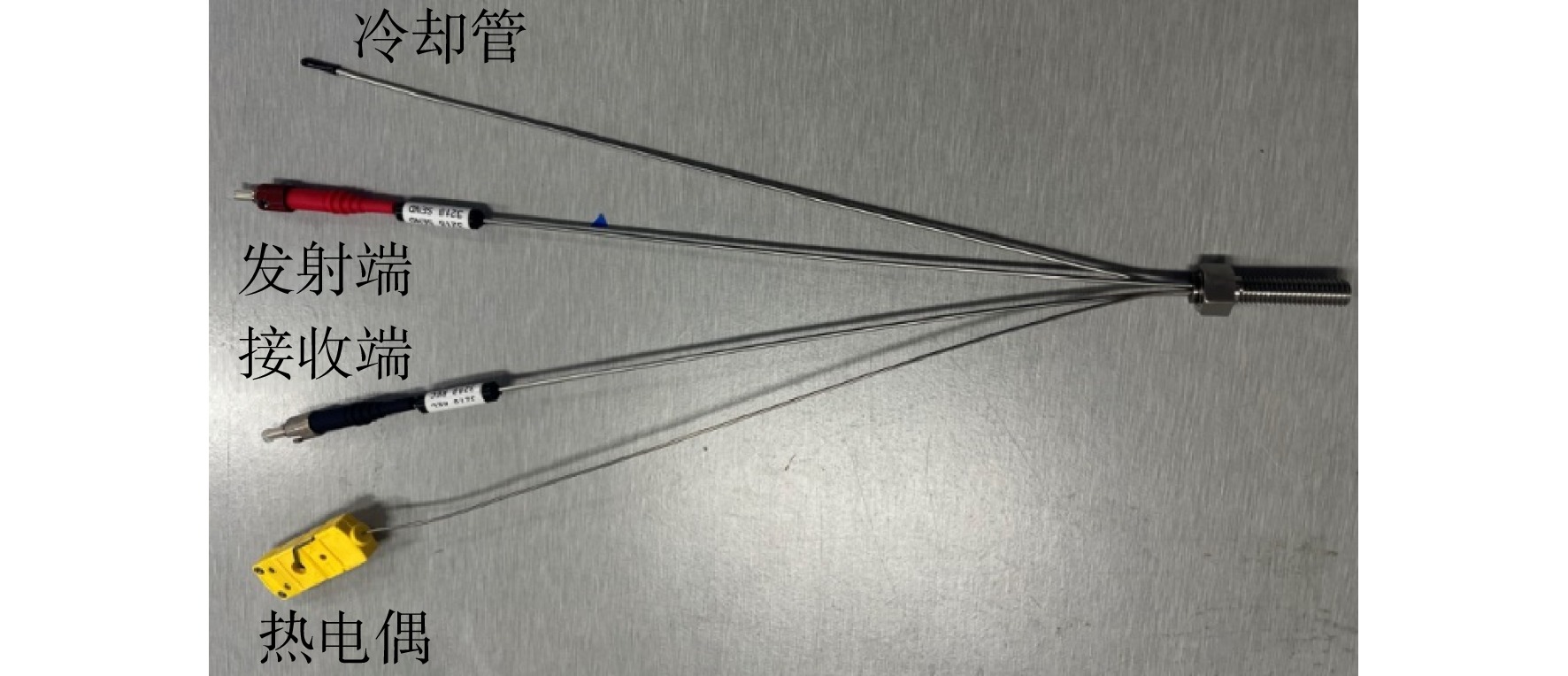
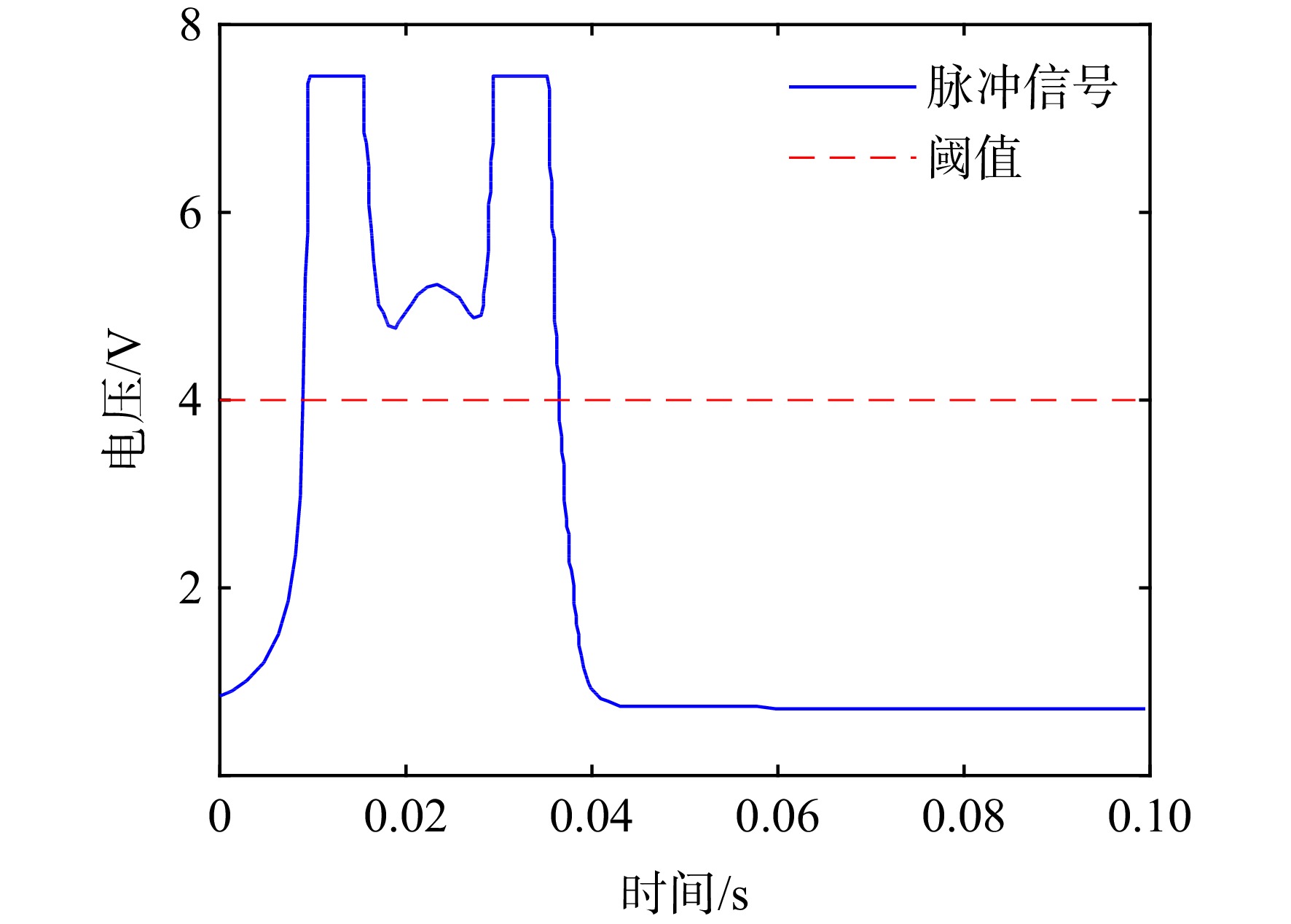
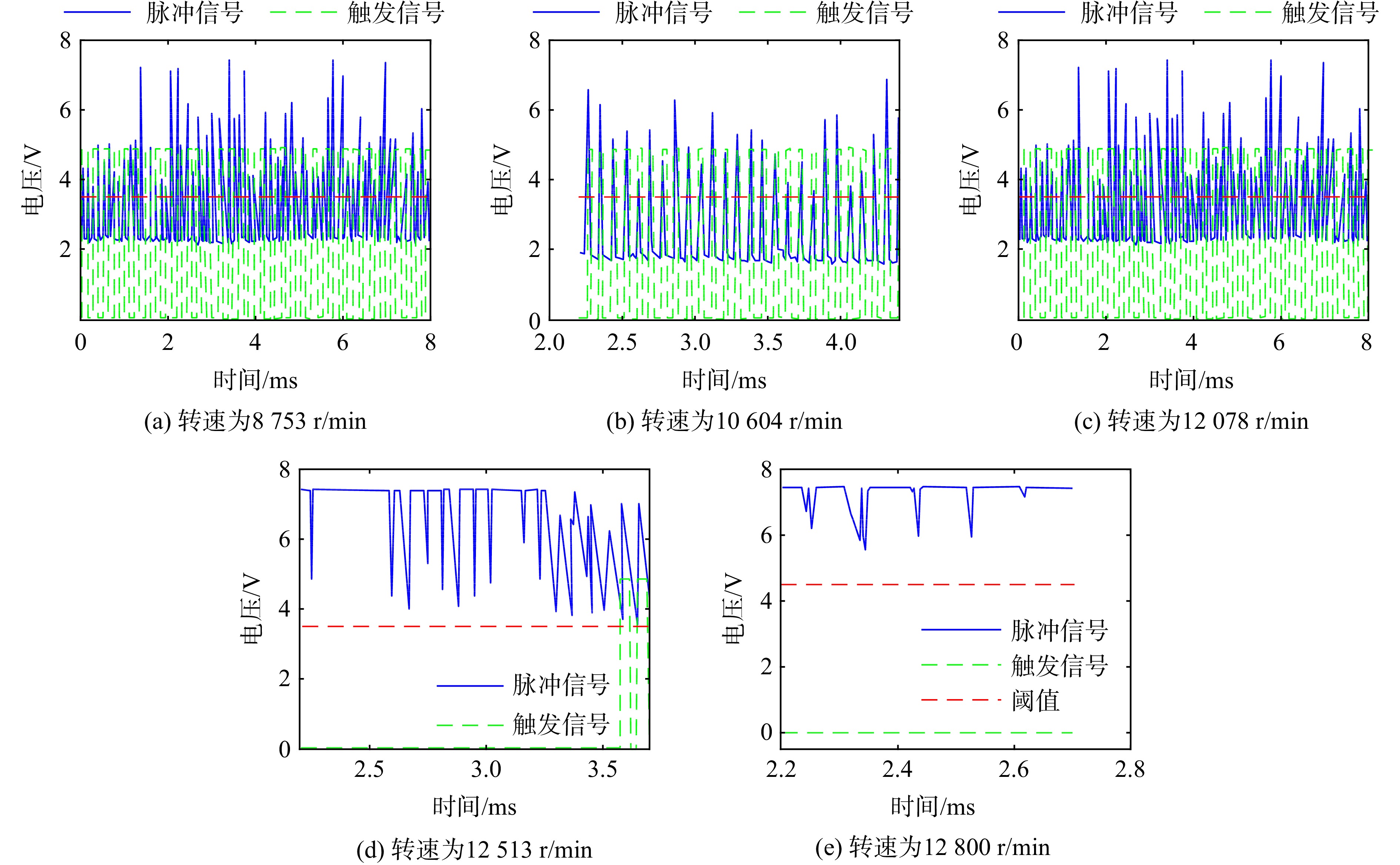
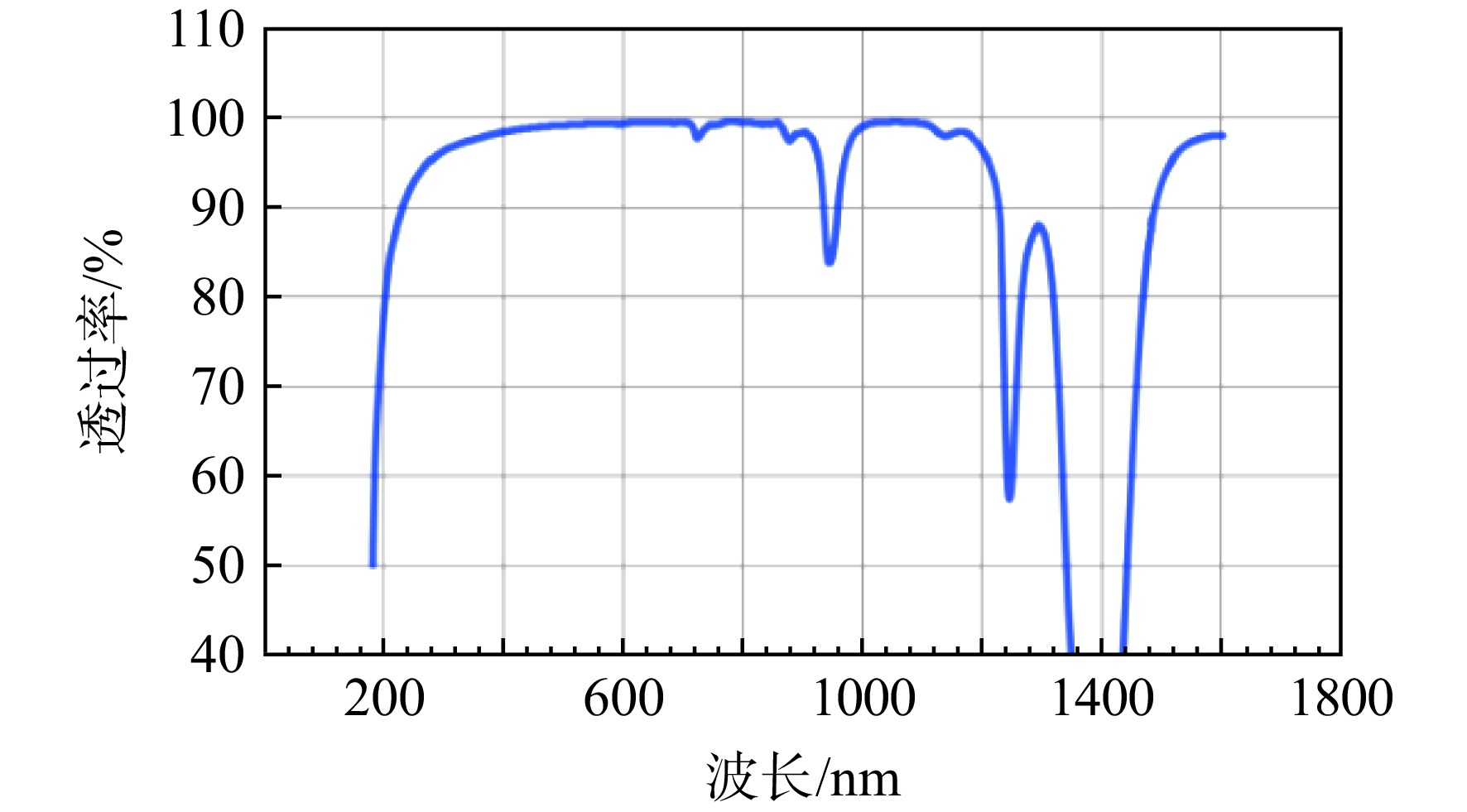
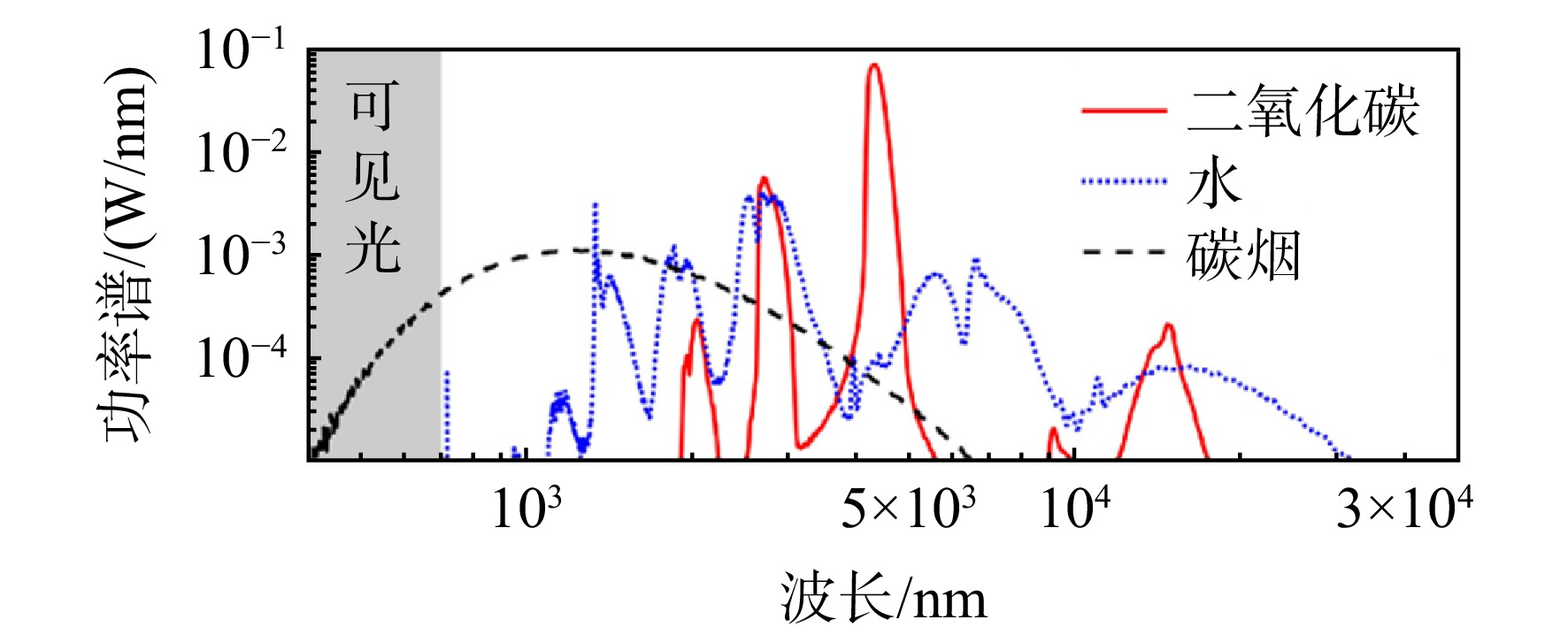
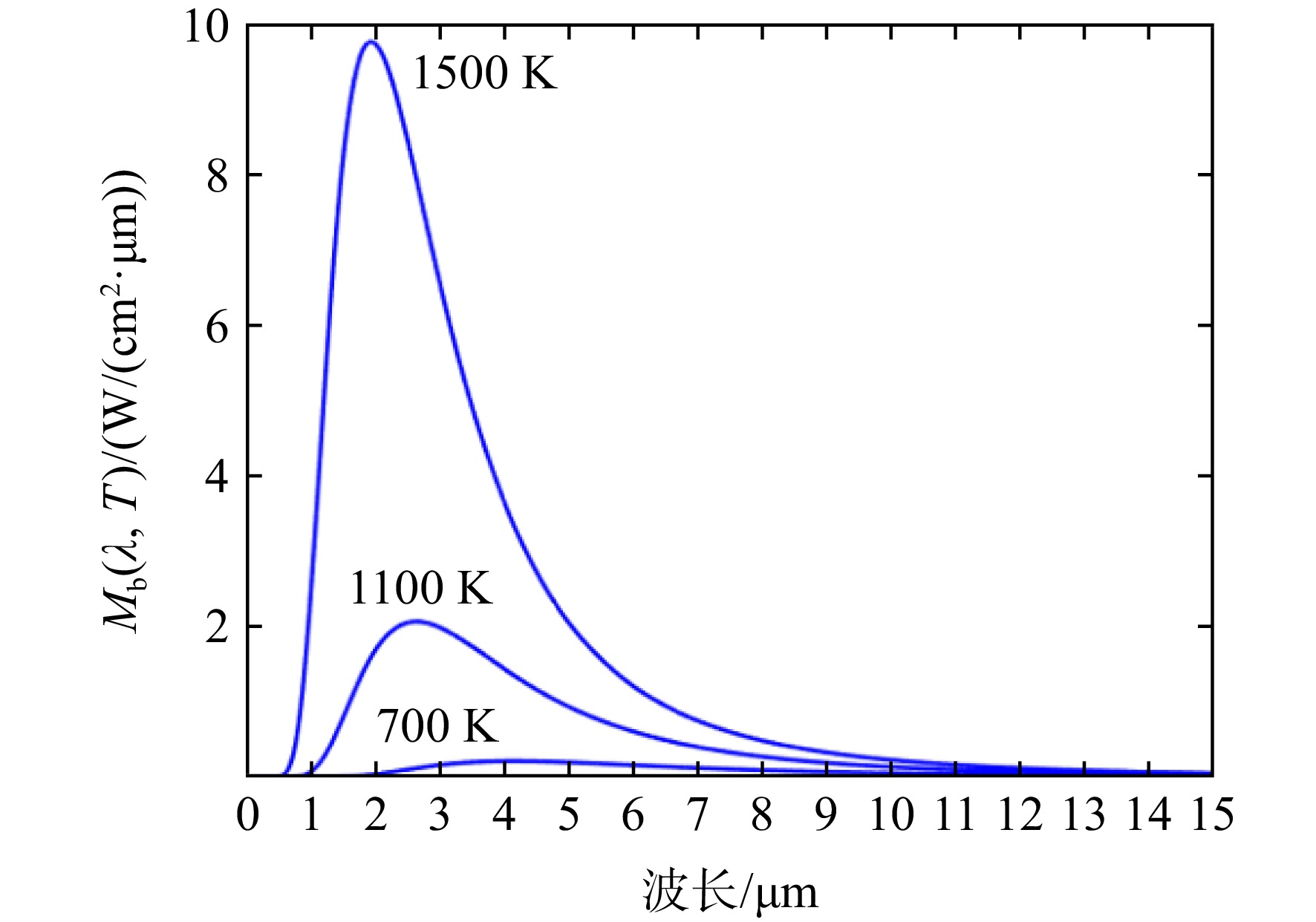
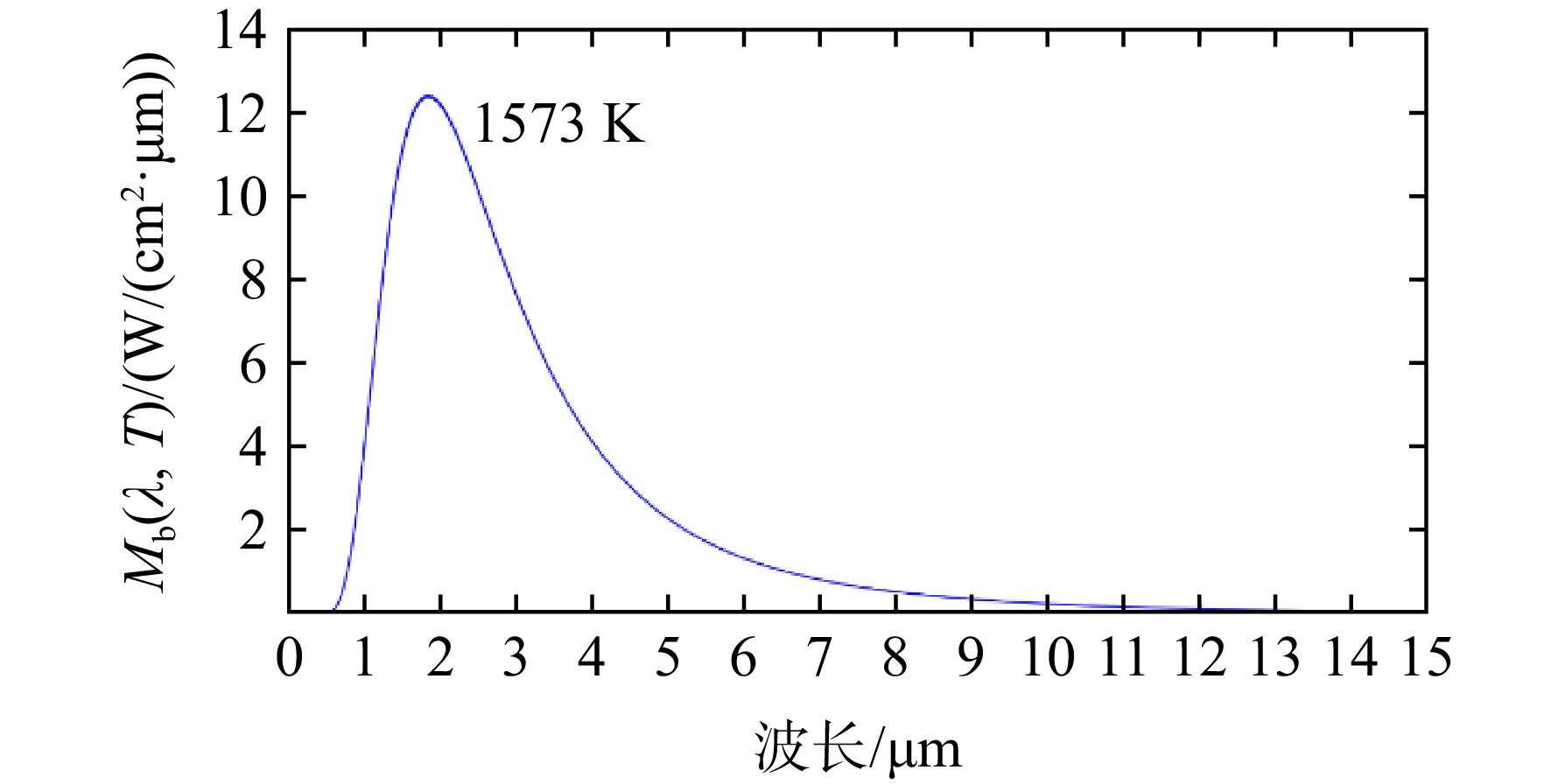
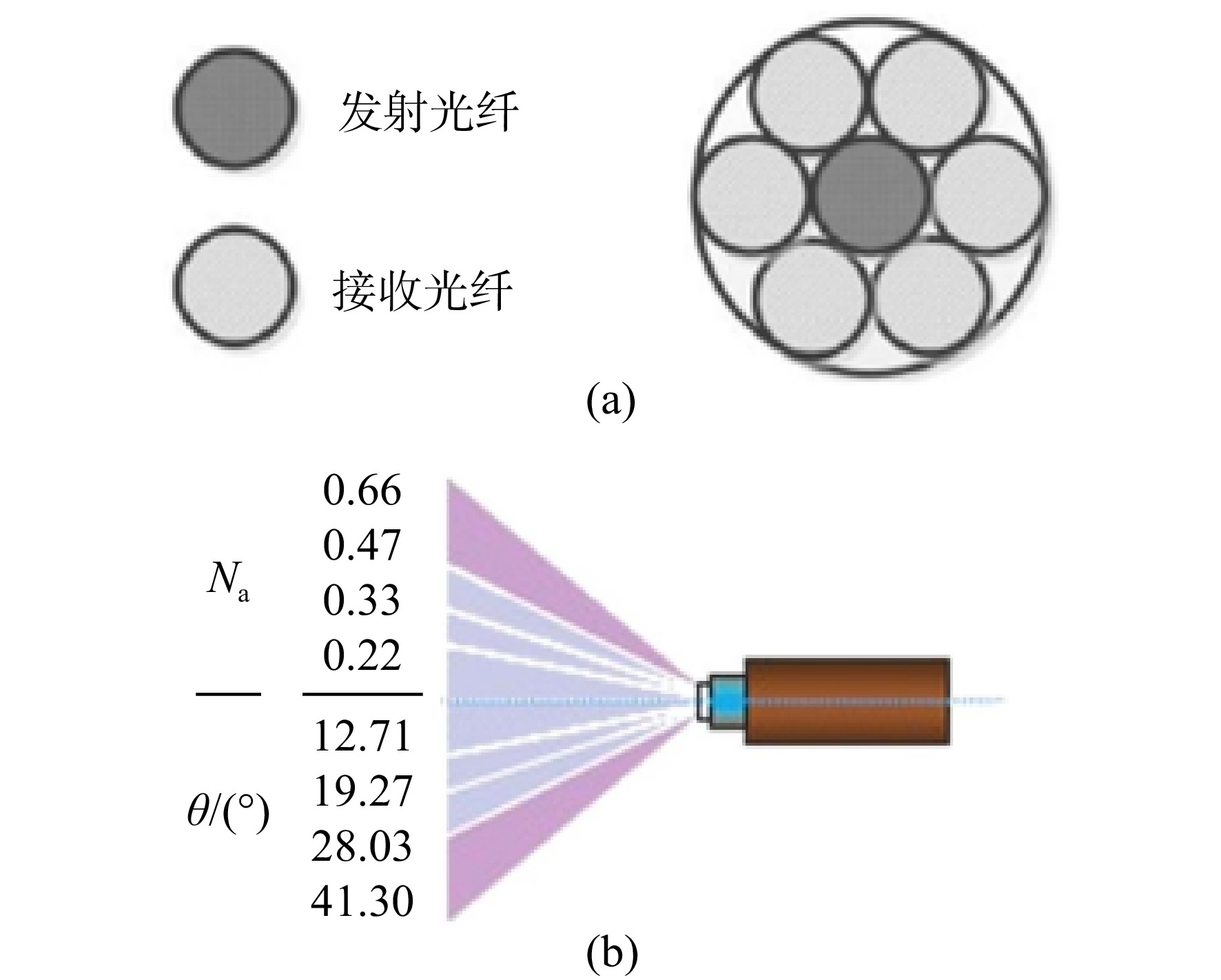
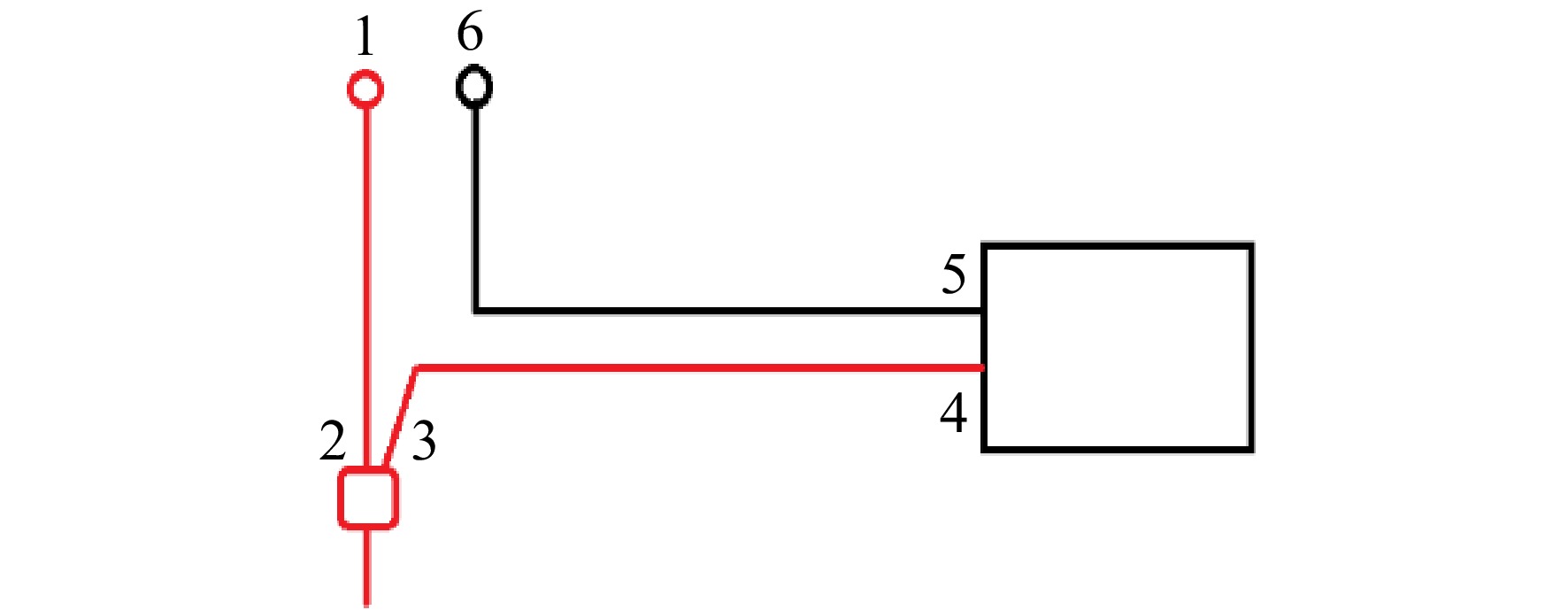
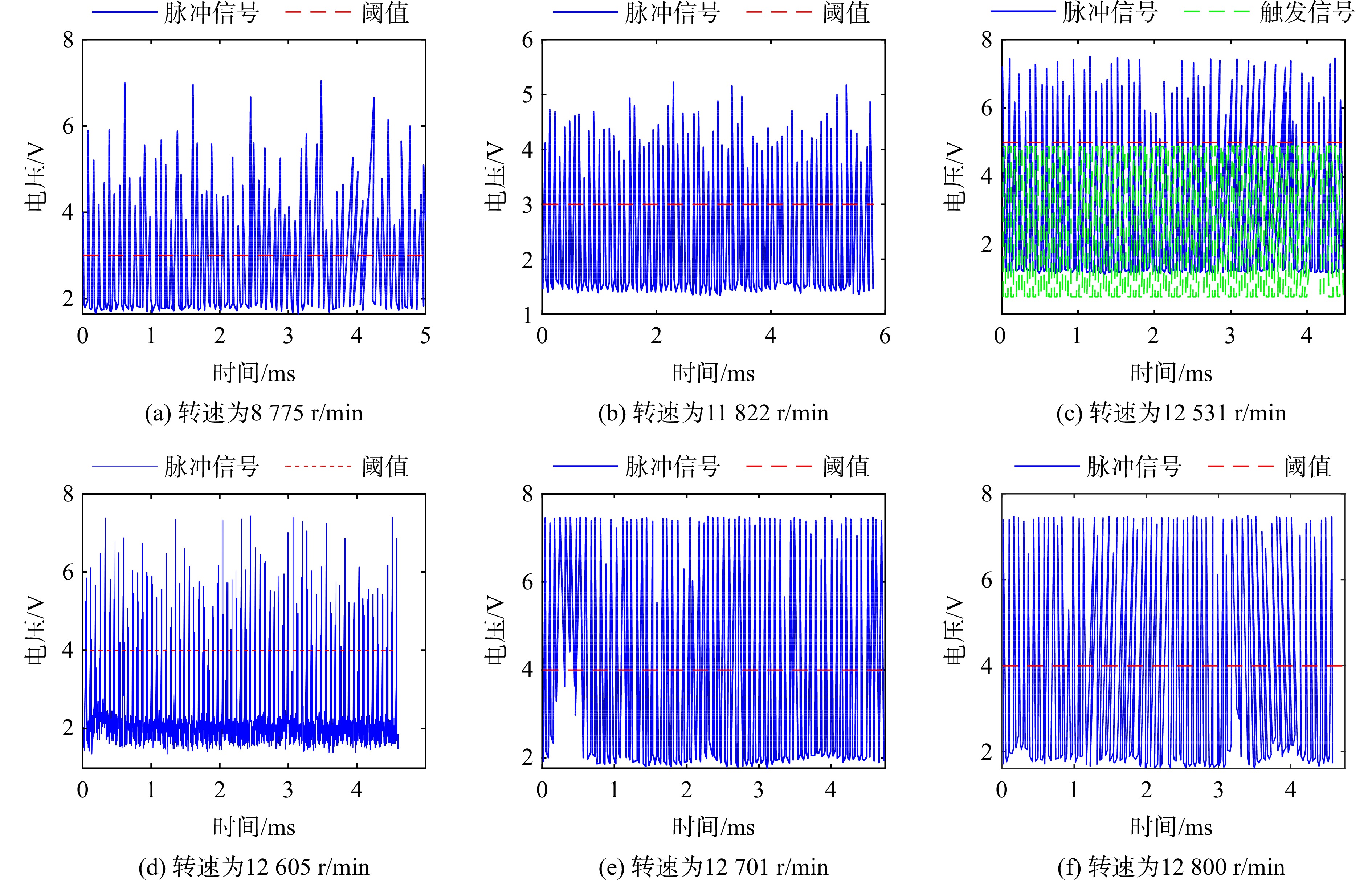
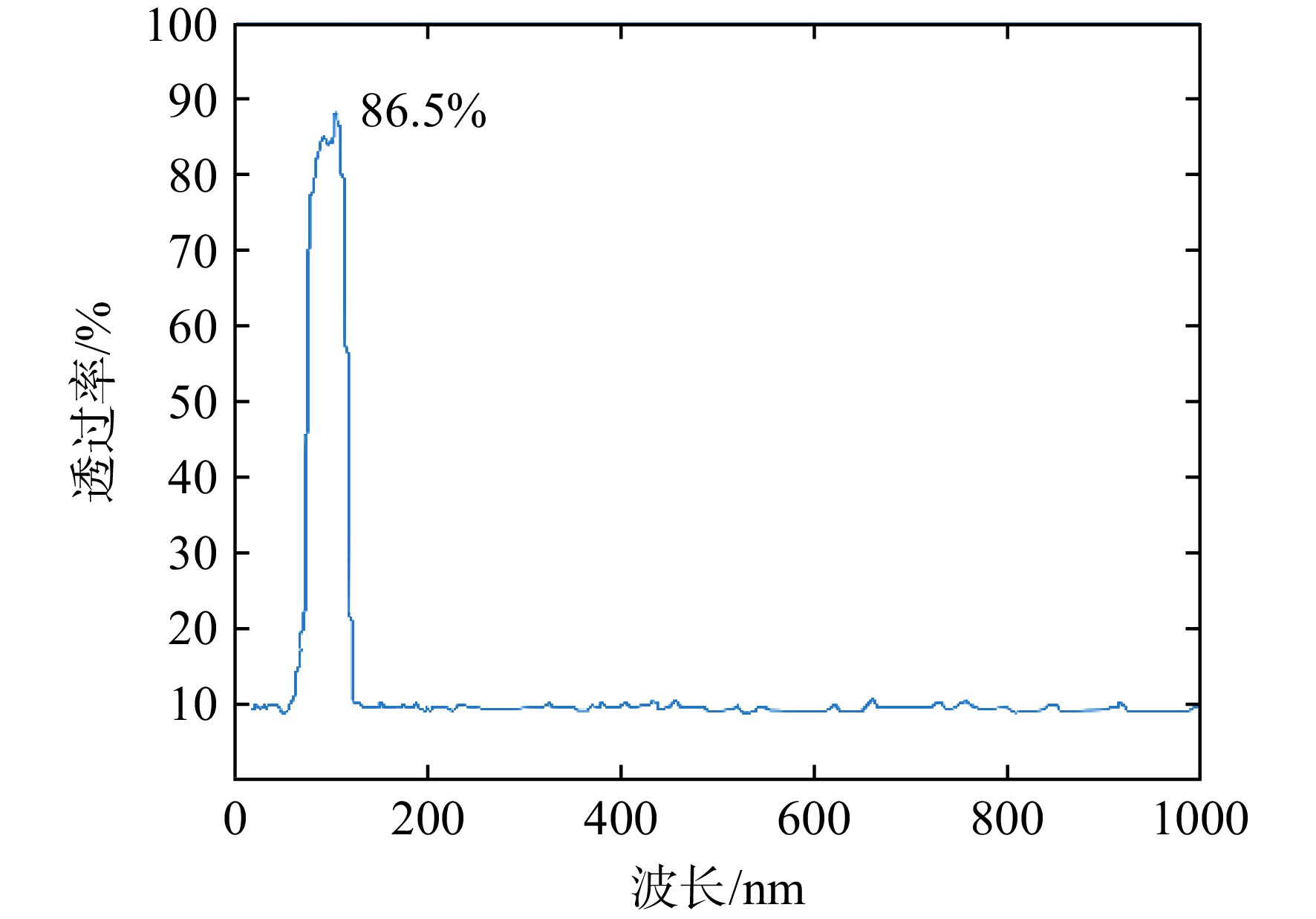
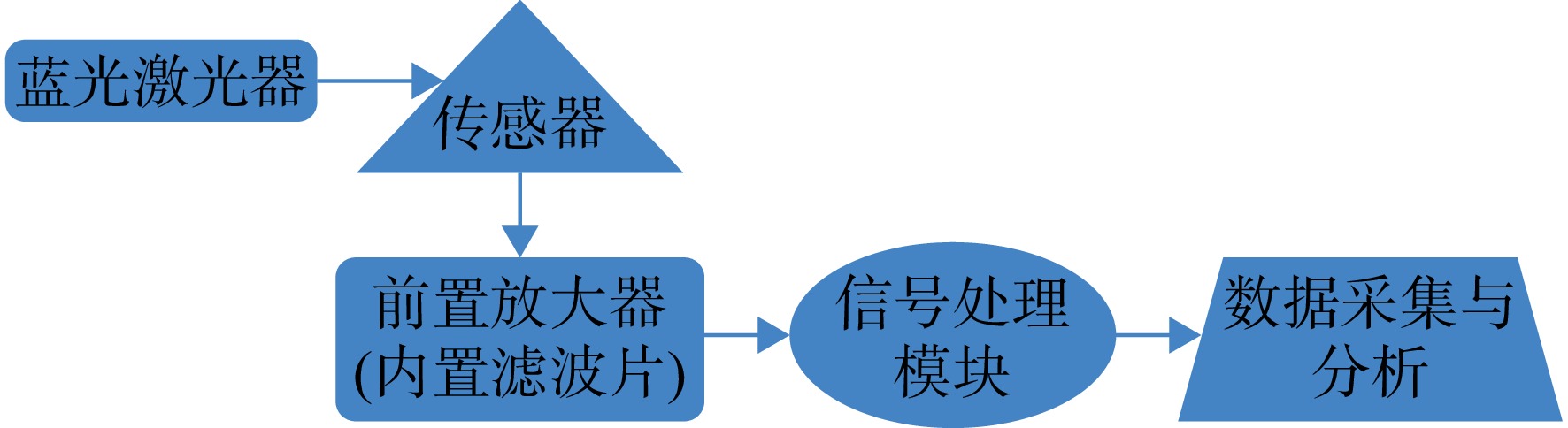
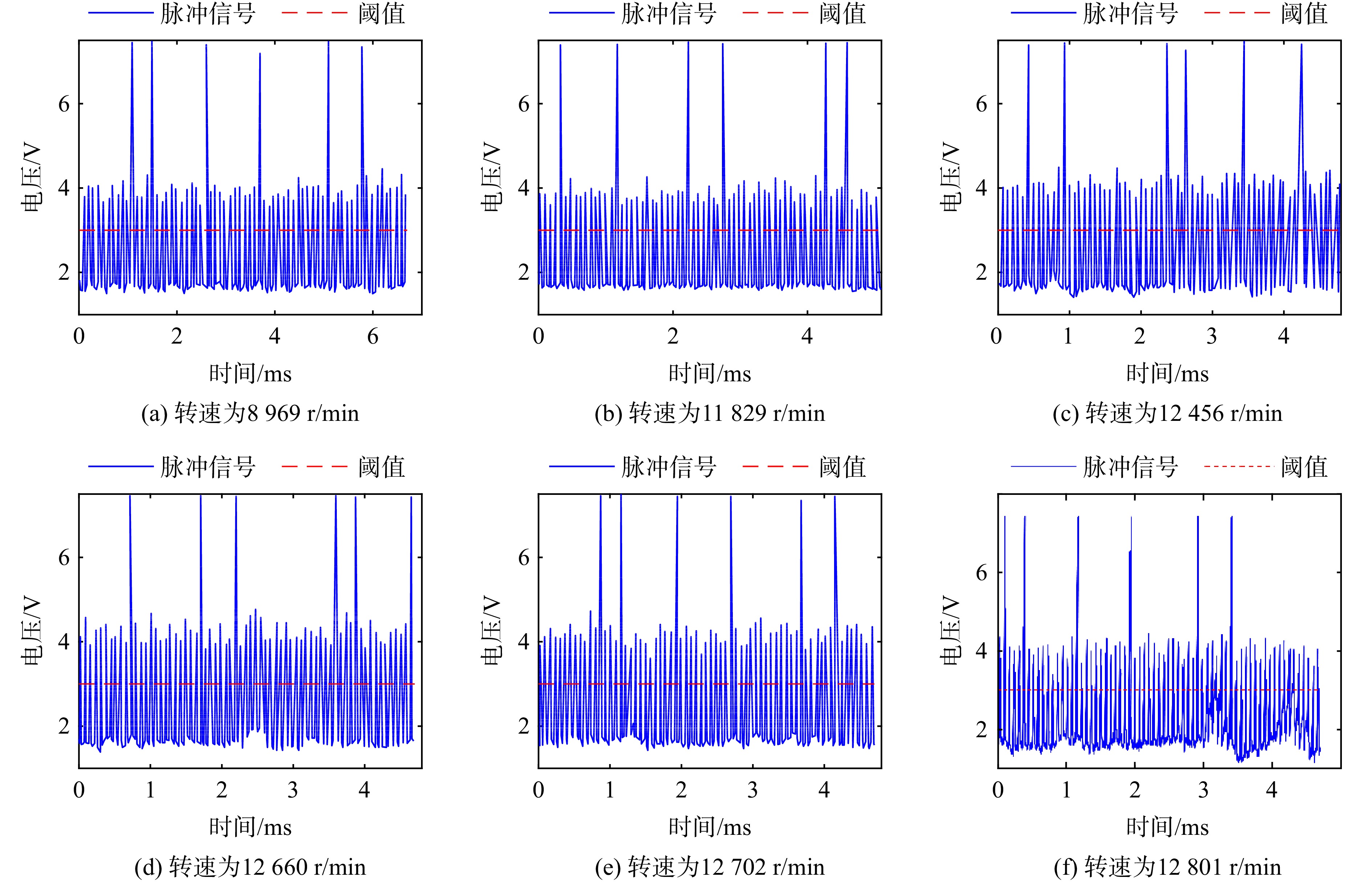
The non-contact measurement principle of rotor blade tip timing and the working characteristics of optical fiber timing sensor were introduced. The optical fiber sensor with cooling was applied to the vibration test of engine turbine rotor blade to obtain the blade tip timing pulse signal under high temperature and high rotational speed. The results showed that when the rotational speed was greater than 12513 r/min (working temperature at the blade testing position was 1326 K), the pulse signal had serious interference, and the system cannot trigger the threshold and record the time of arrival. The causes of interference signal were analyzed, and the solutions of filtering and blue light emission to reduce signal interference were provided. The non-contact vibration test of engine turbine rotor blade was carried out to verify the proposed method. The results showed that the red light radiation can be suppressed only by filtering, and the signal interference above 12513 r/min was improved, but the interference still existed when the rotational speed exceeded 12605 r/min (working temperature at blade testing position was 1375 K); the combination of blue light emission and filtering can effectively solve the interference problem under high temperature and high rotational speed. Below 12702 r/min (working temperature of blade testing position was 1388 K), the pulse waveform of blade tip timing signal was good, and the system allowed for effective triggering and timing.

Optimization of DR detection process parameters for aero-engine turbine blades
YU Mengqian, WU Wei, WU Guanhua, XIA Zhifeng, FU Weicheng
2023, 38(8): 1837-1845. doi: 10.13224/j.cnki.jasp.20210731
Abstract:

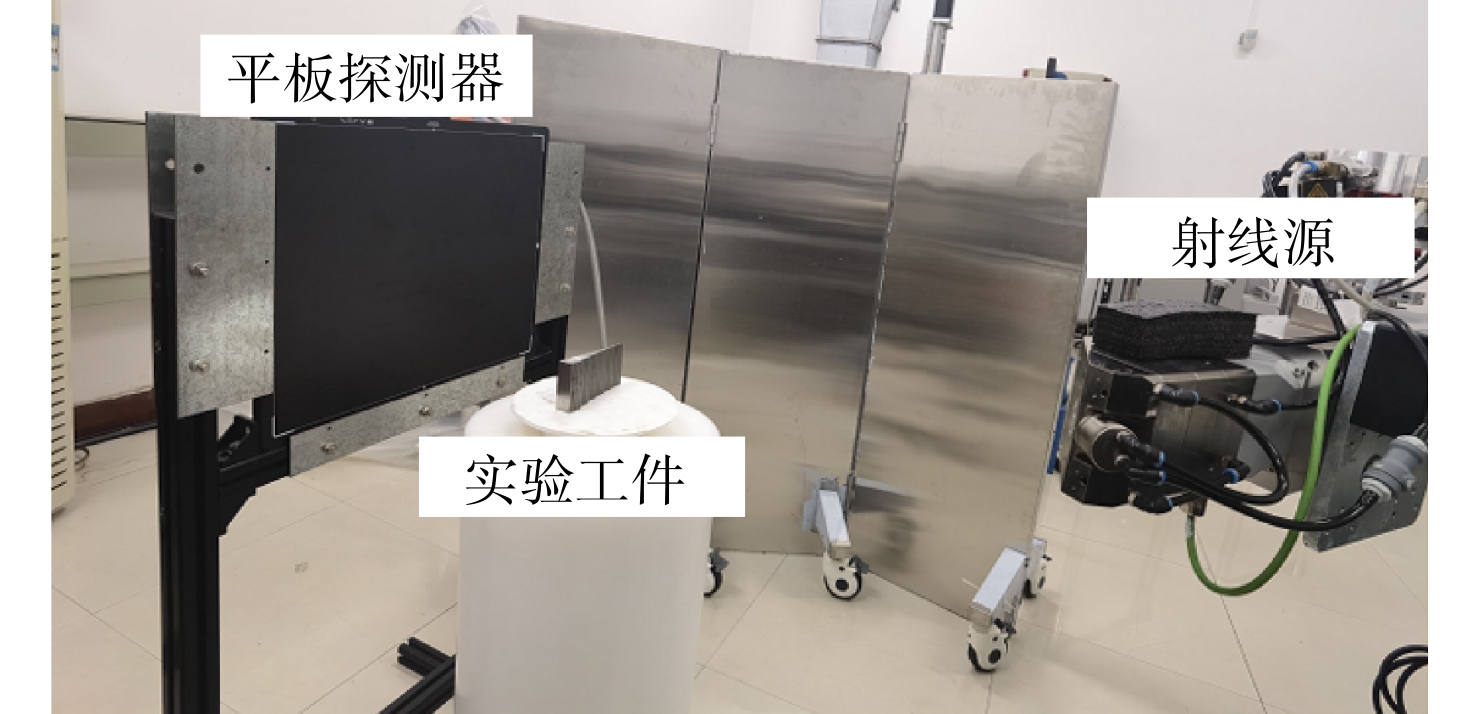
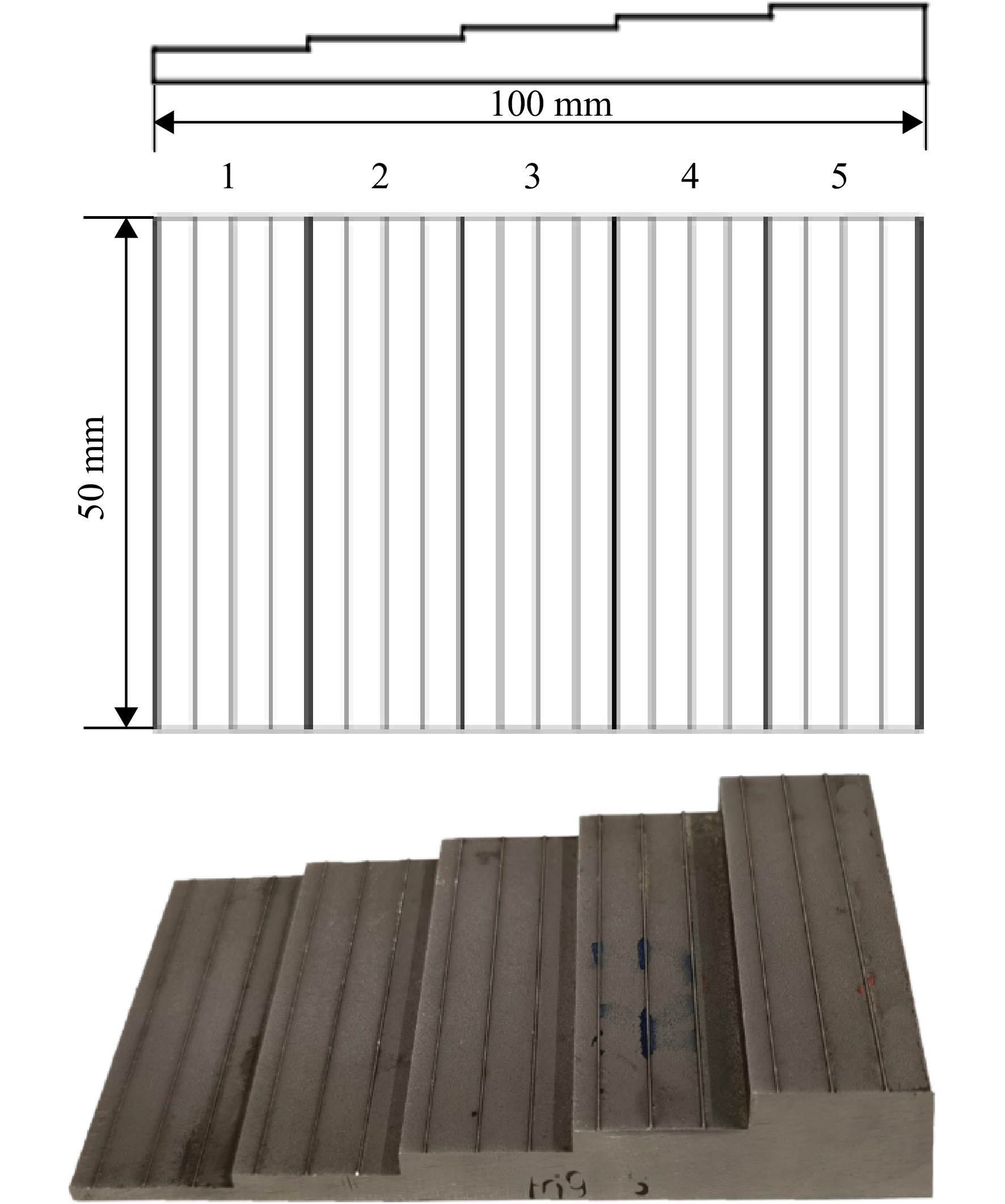
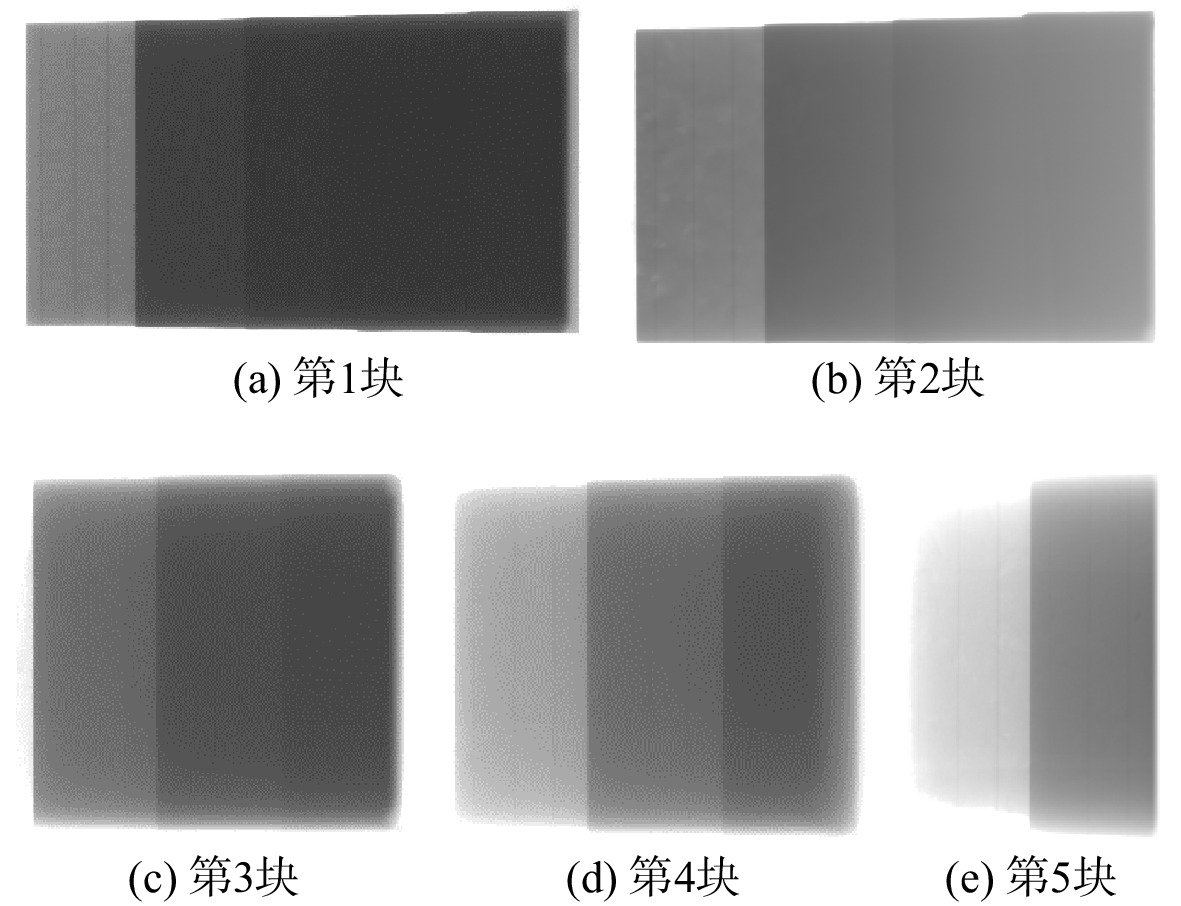
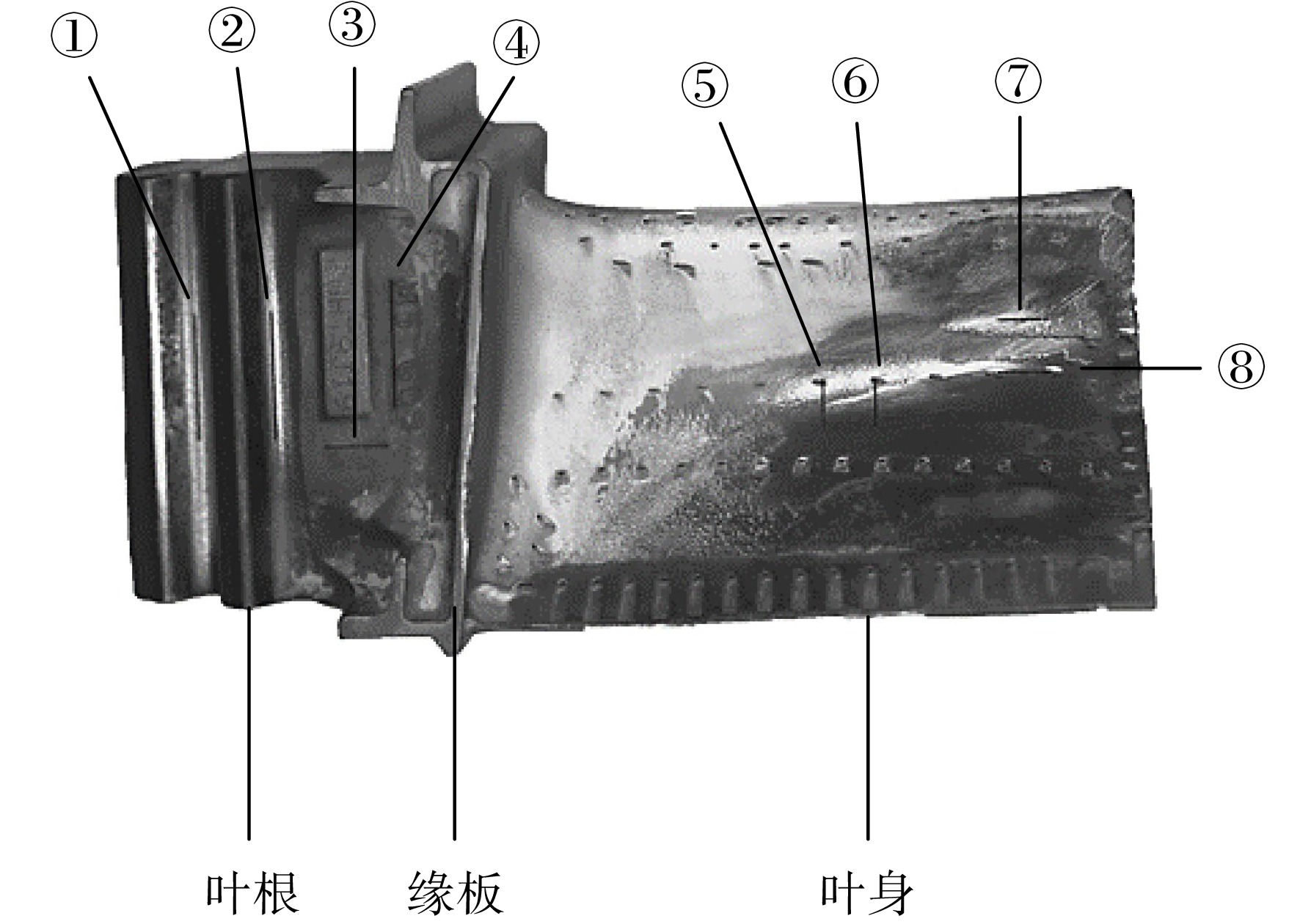
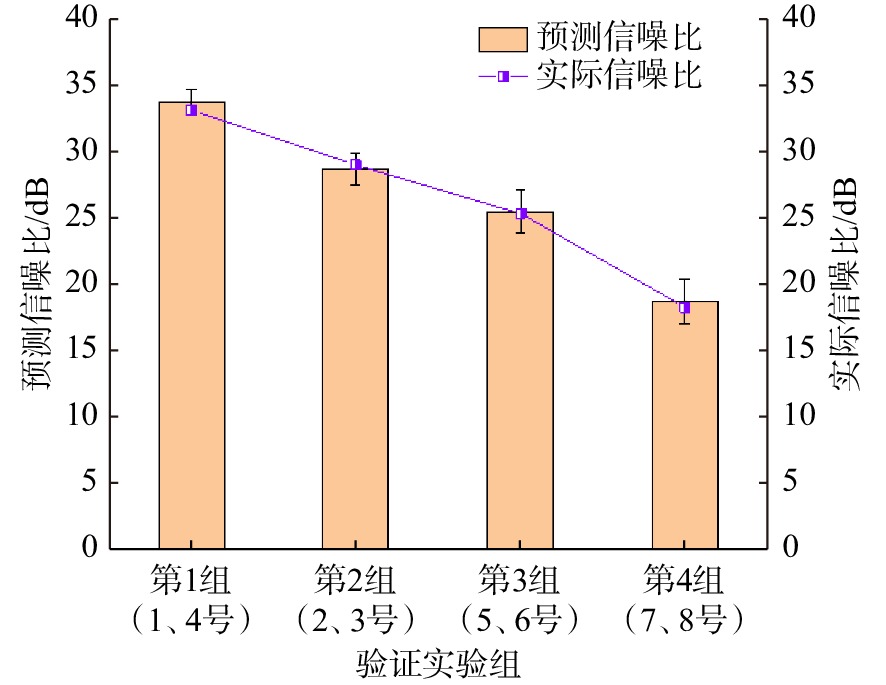
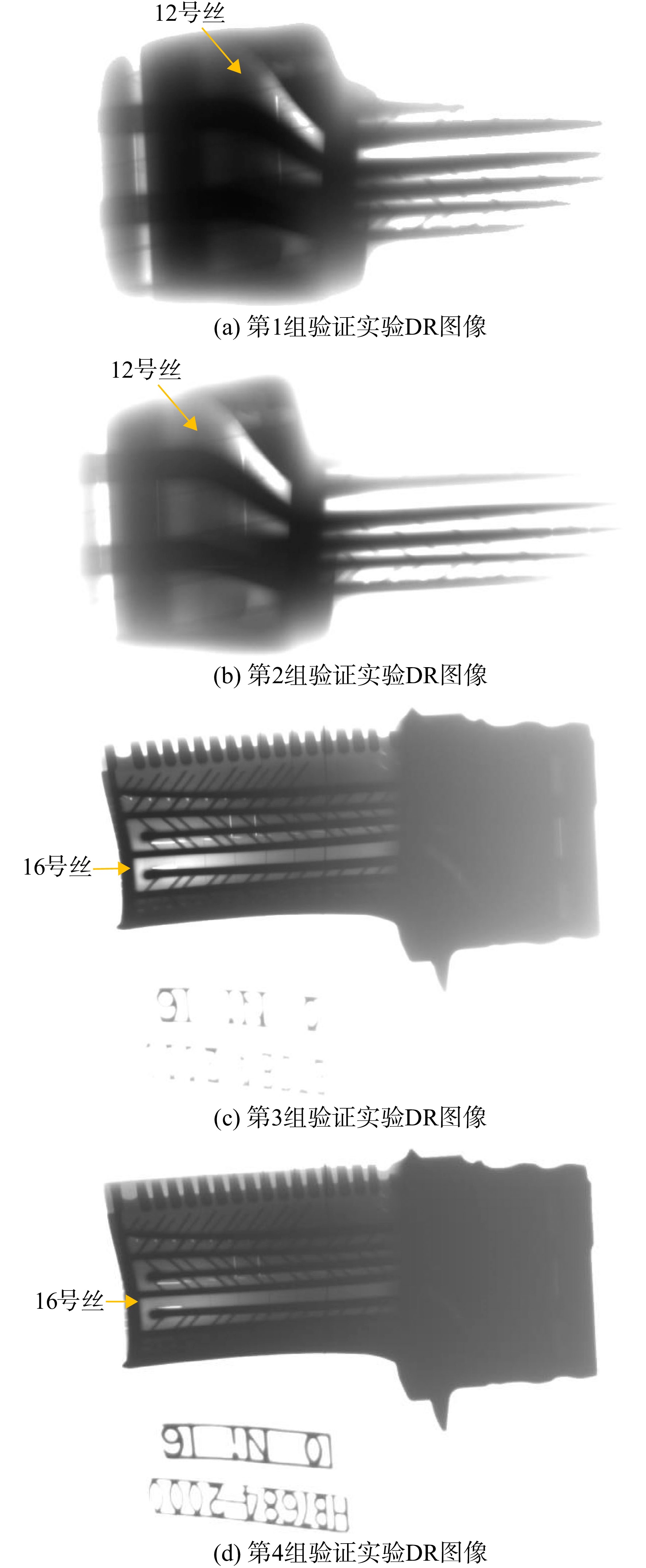
In view of the needs of digital radiography (DR) in the industrial field to quickly select the detection process parameters to obtain high signal-to-noise ratio images, the influences of different combinations of multi-factor process parameters on the imaging results in DR detection were studied. Taking the aero-engine turbine blade as the object, the quadratic regression orthogonal rotation test method was used to establish the quadratic regression equation model between the detection image signal-to-noise ratio and the tube voltage, tube current, integration time, and different equivalent thicknesses, and the single test was carried out. The significance of the factors and the interaction among the factors on the detection image signal-to-noise ratio were also discussed. Using the manual slotted aero-engine turbine blade combined with the regression equation model, the detection image signal-to-noise ratio was used as the optimization index, the optimal combination of process parameters was obtained under the condition of known translucency thickness, and the actual value and calculated value of the signal-to-noise ratio of the detected image were compared. The results showed that the actual signal-to-noise ratio was close to the calculated value under four sets of verification tests, and the error range was 1.4%—5.5%, indicating the high reliability of the model.

Optimization and innovative design of surface groove of TPS sling-oil retainer
LI Xukang, ZHANG Guoyuan, WU Fuzhang, LIANG Maotan
2023, 38(8): 1846-1856. doi: 10.13224/j.cnki.jasp.20210654
Abstract:

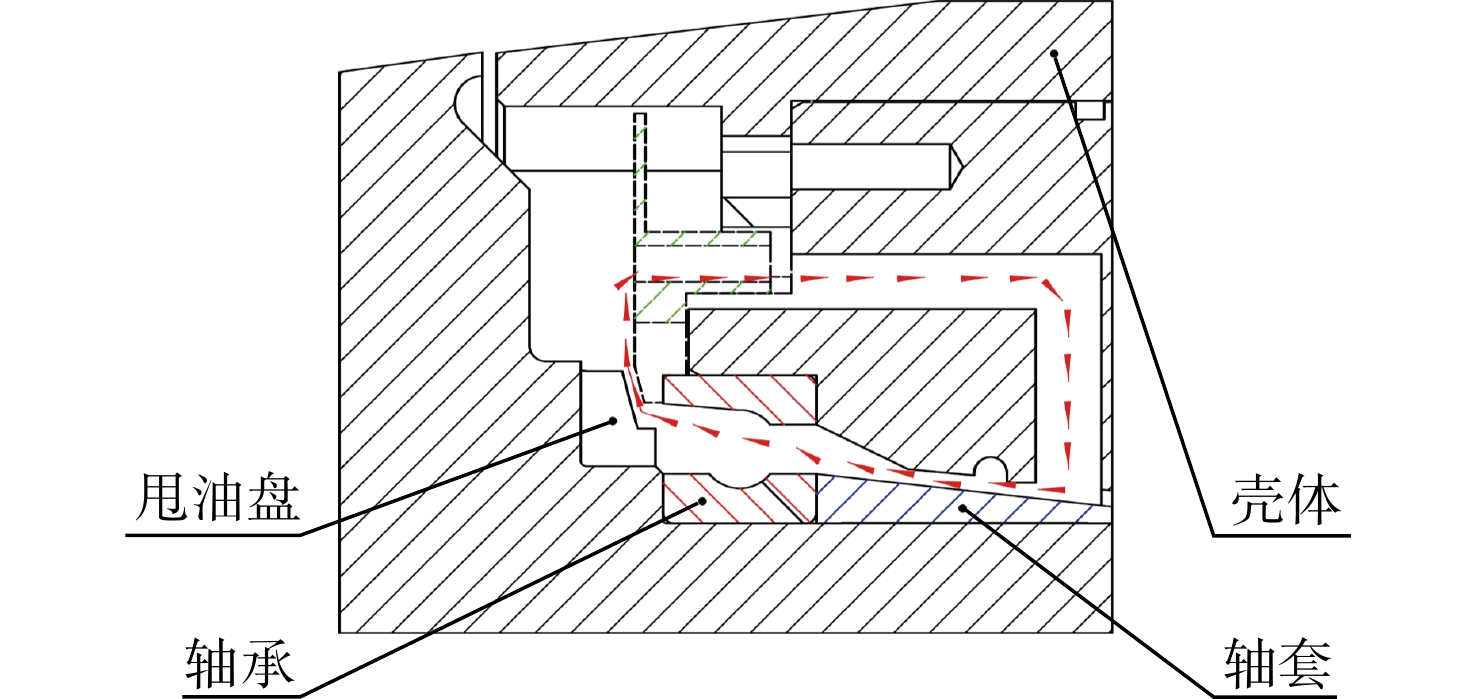
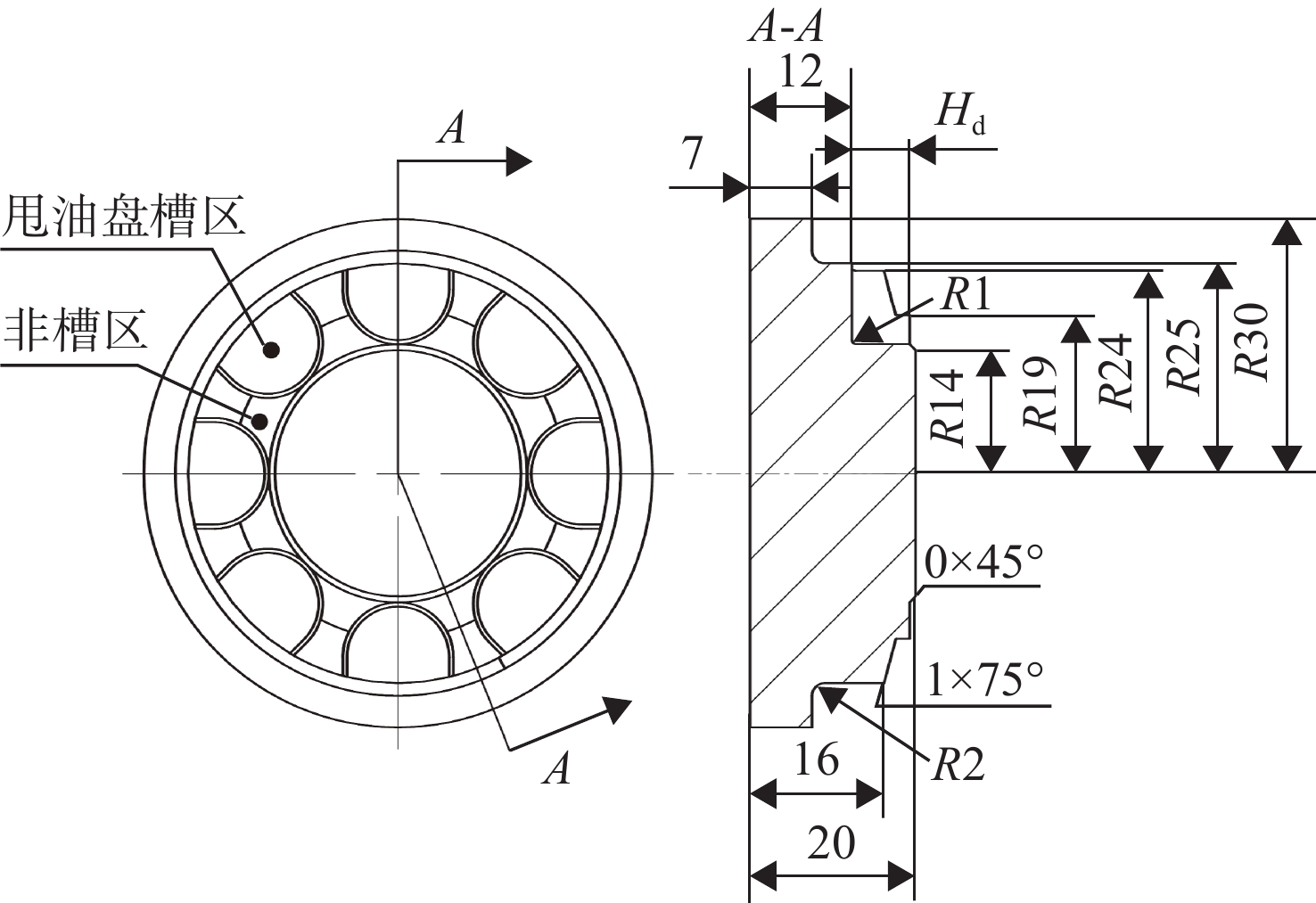
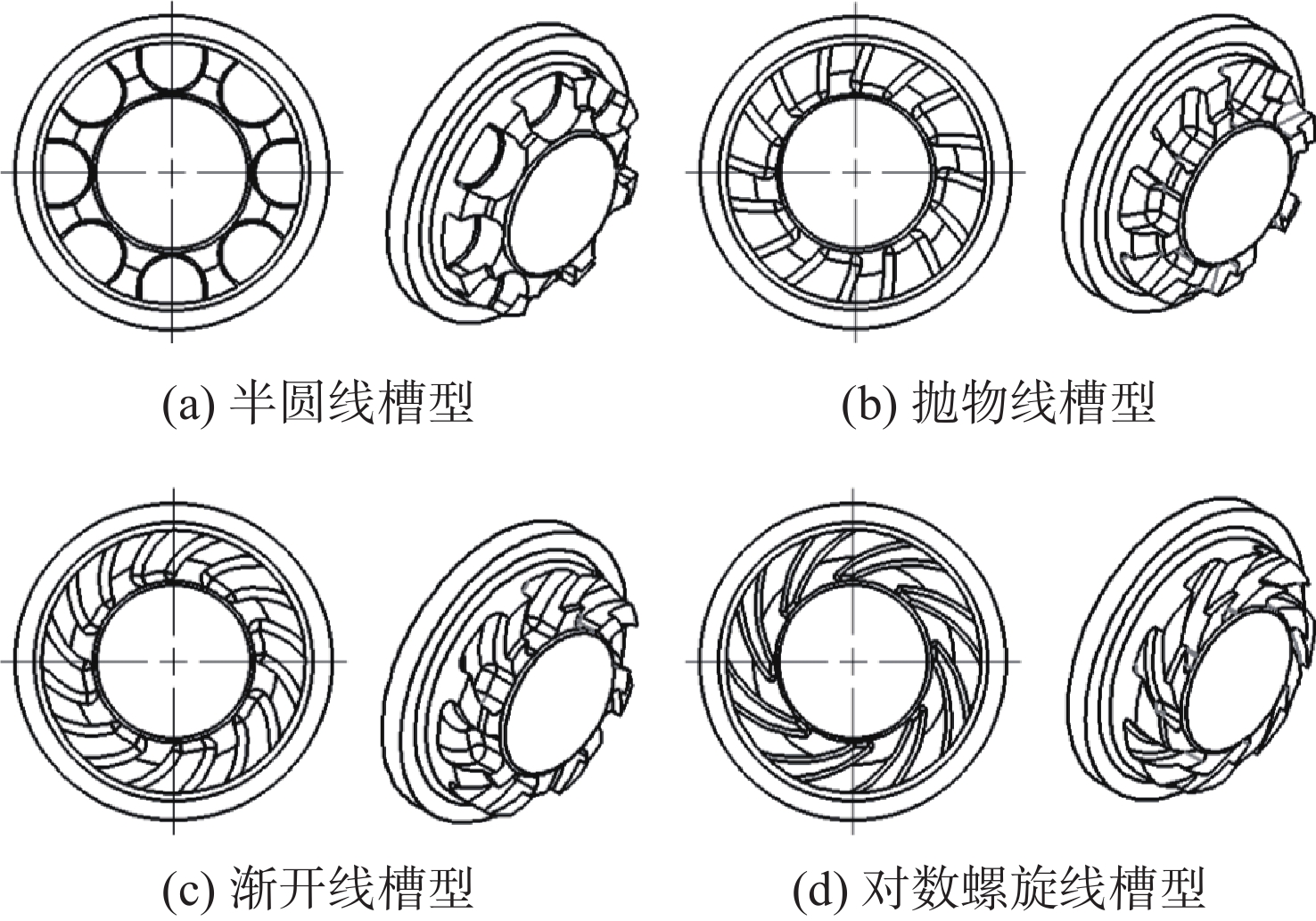
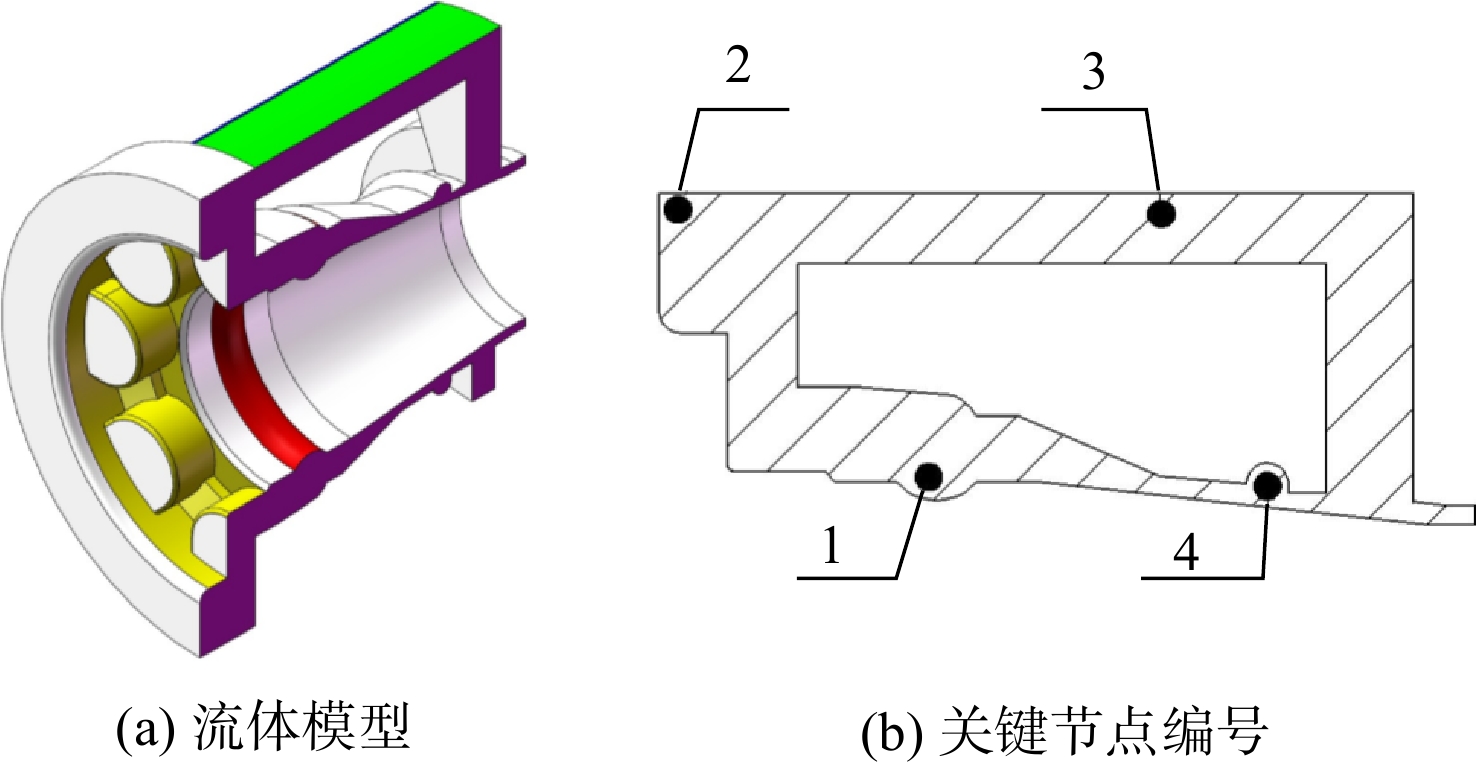
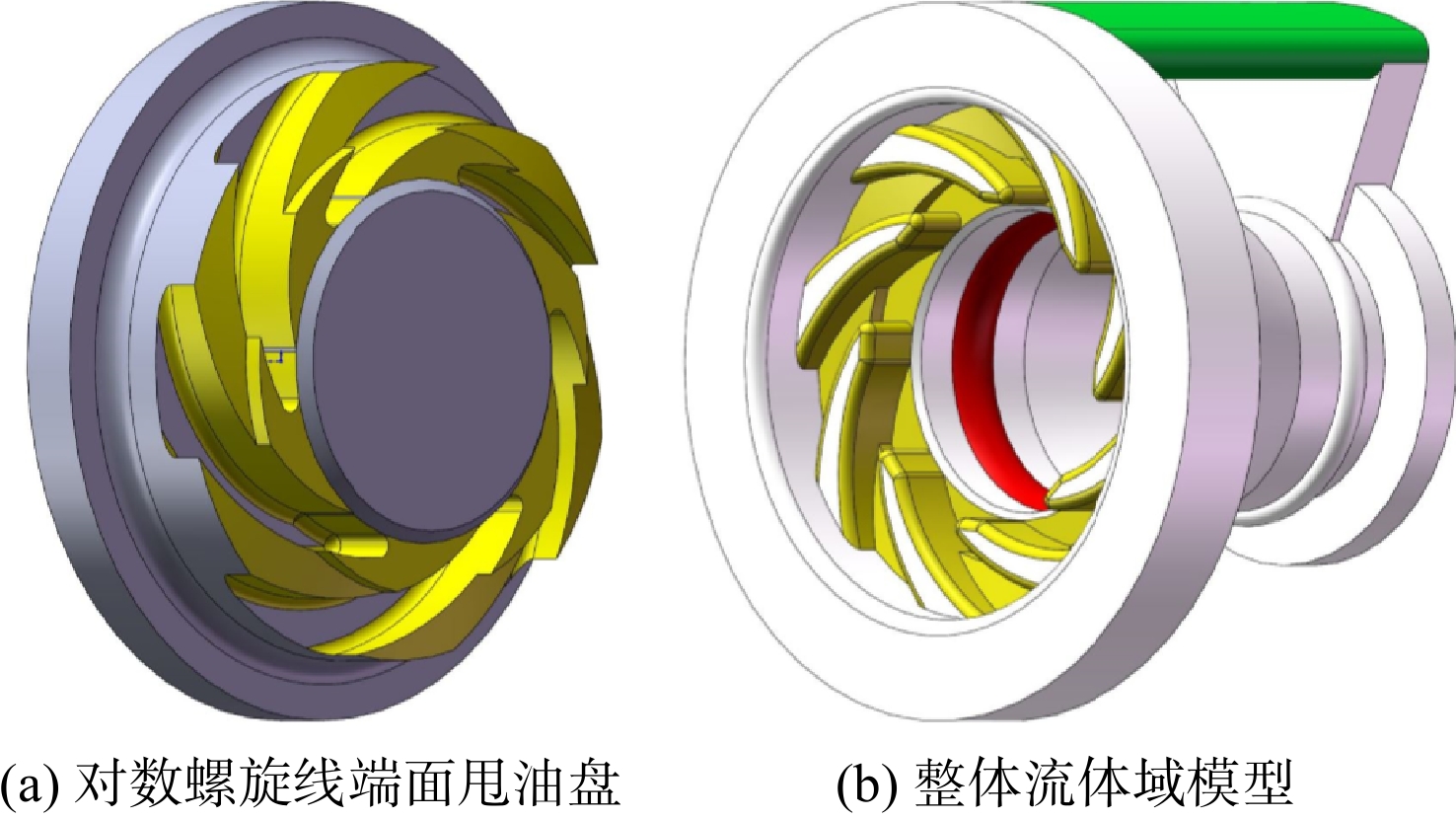
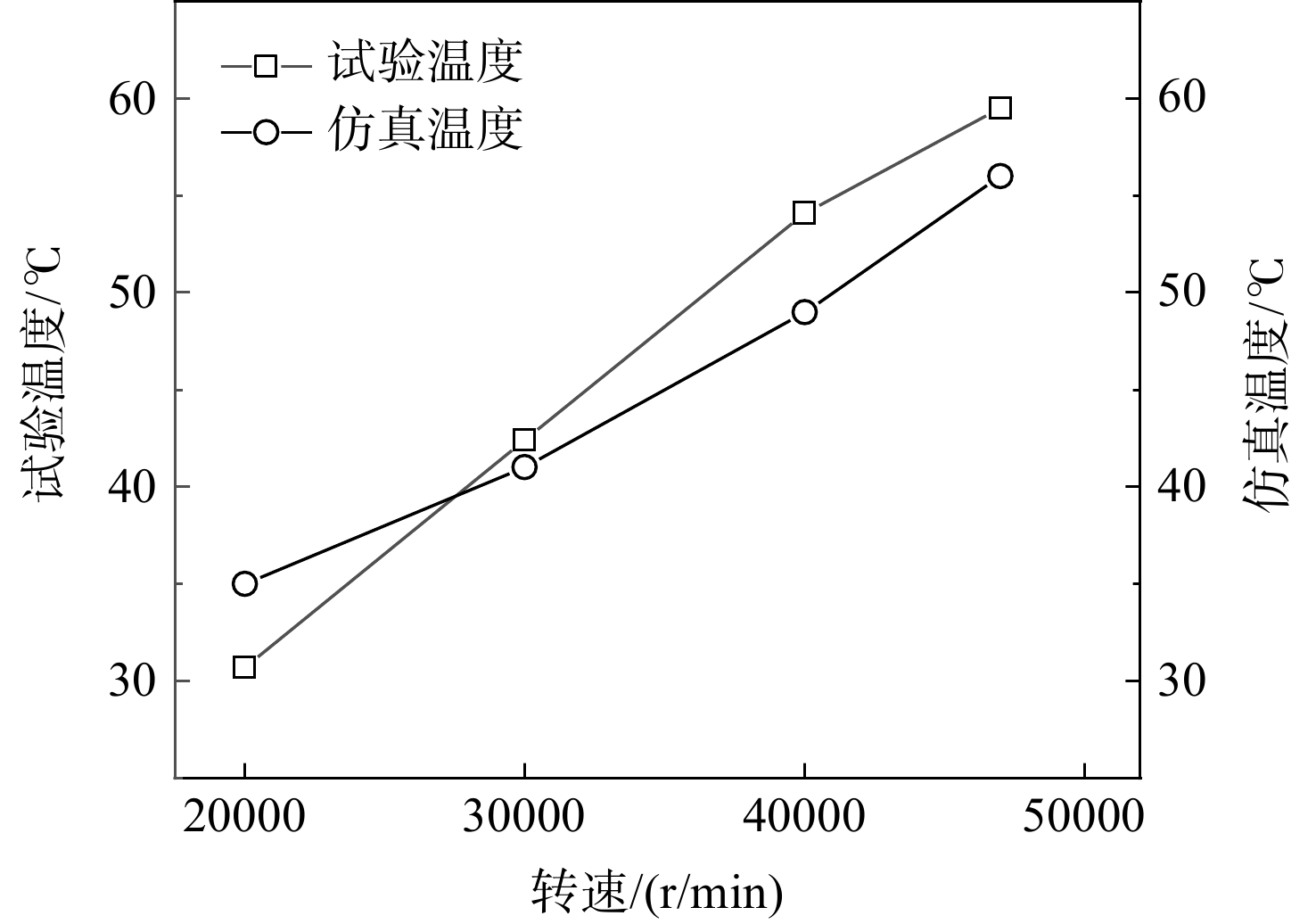
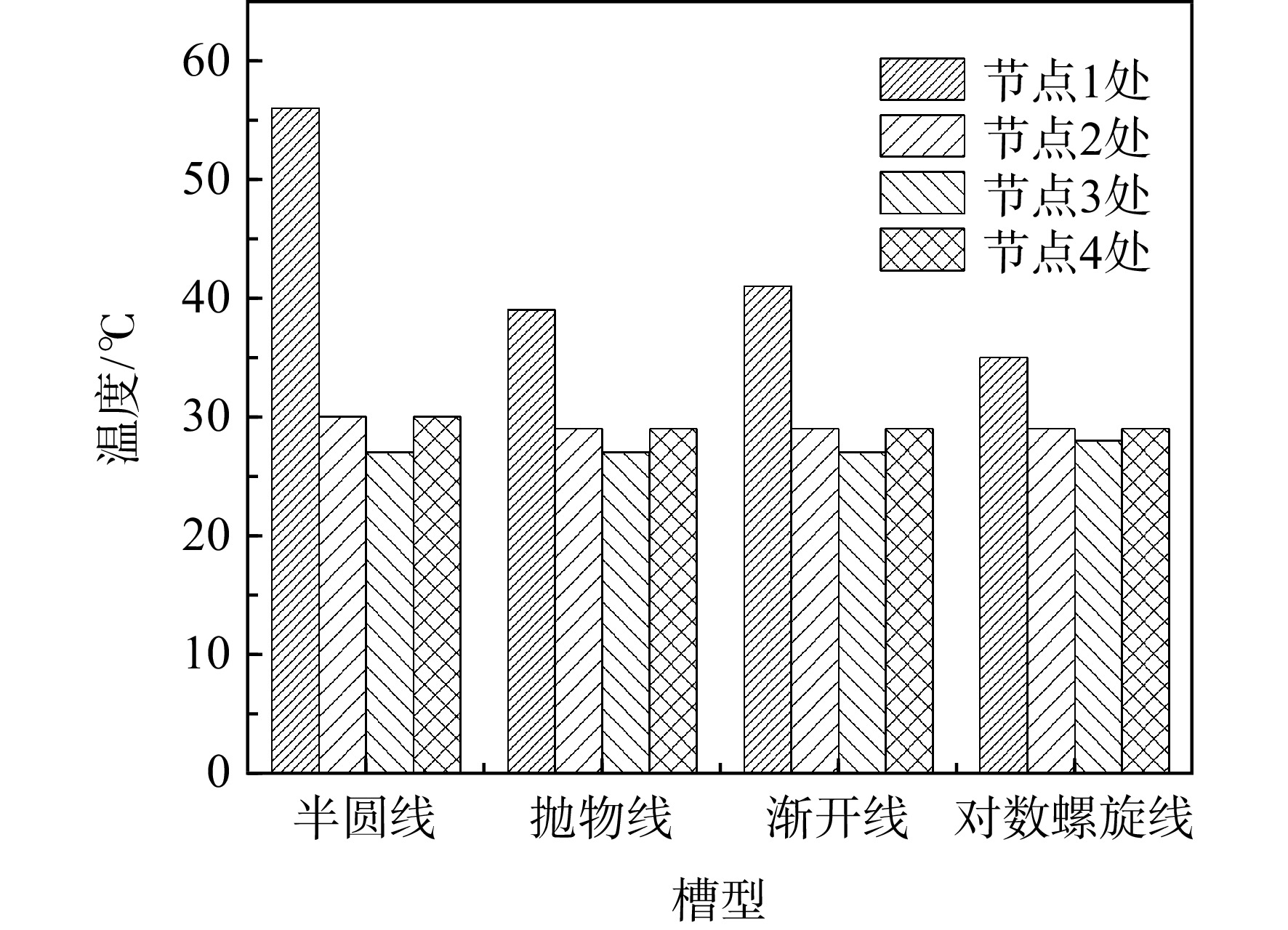
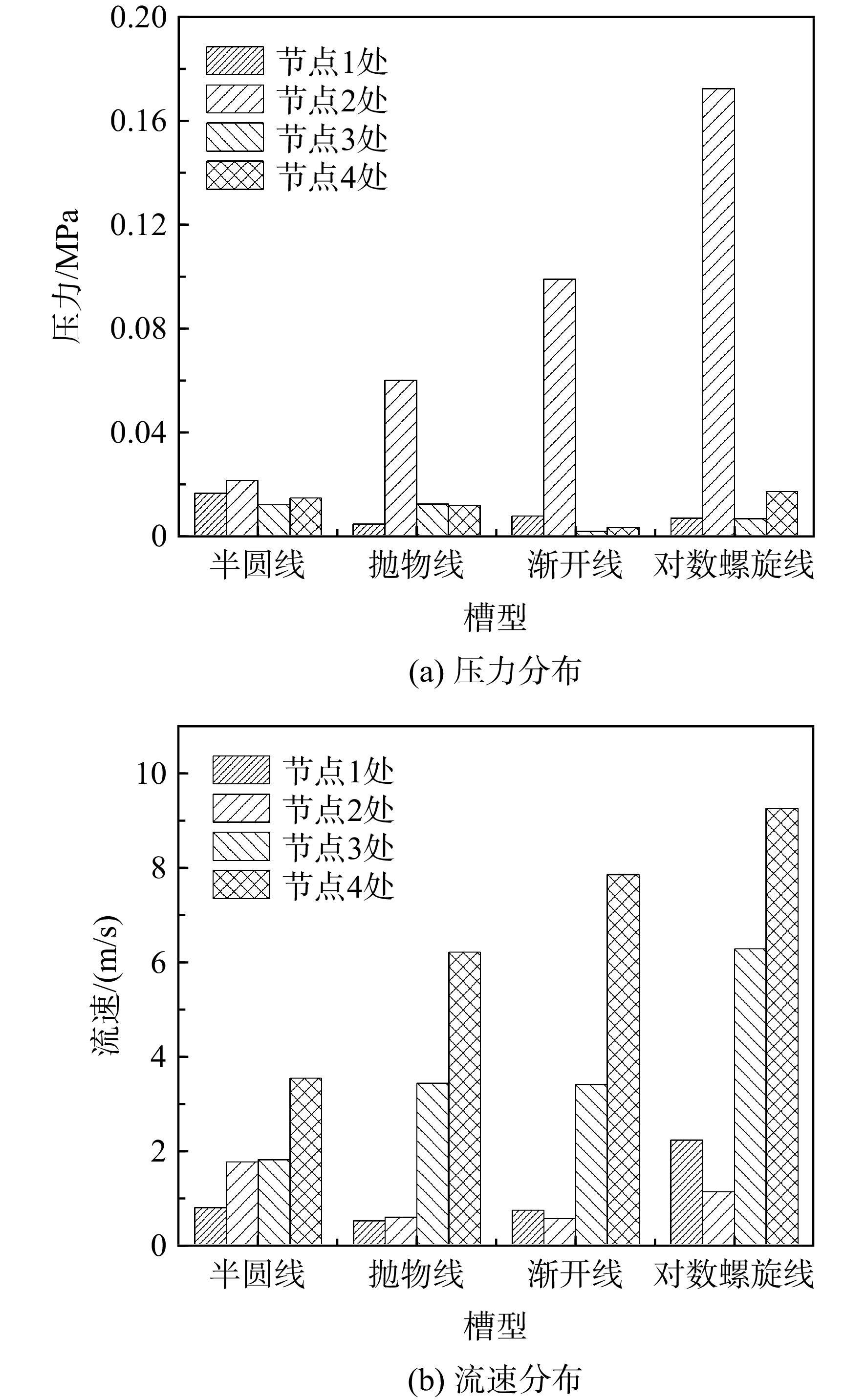
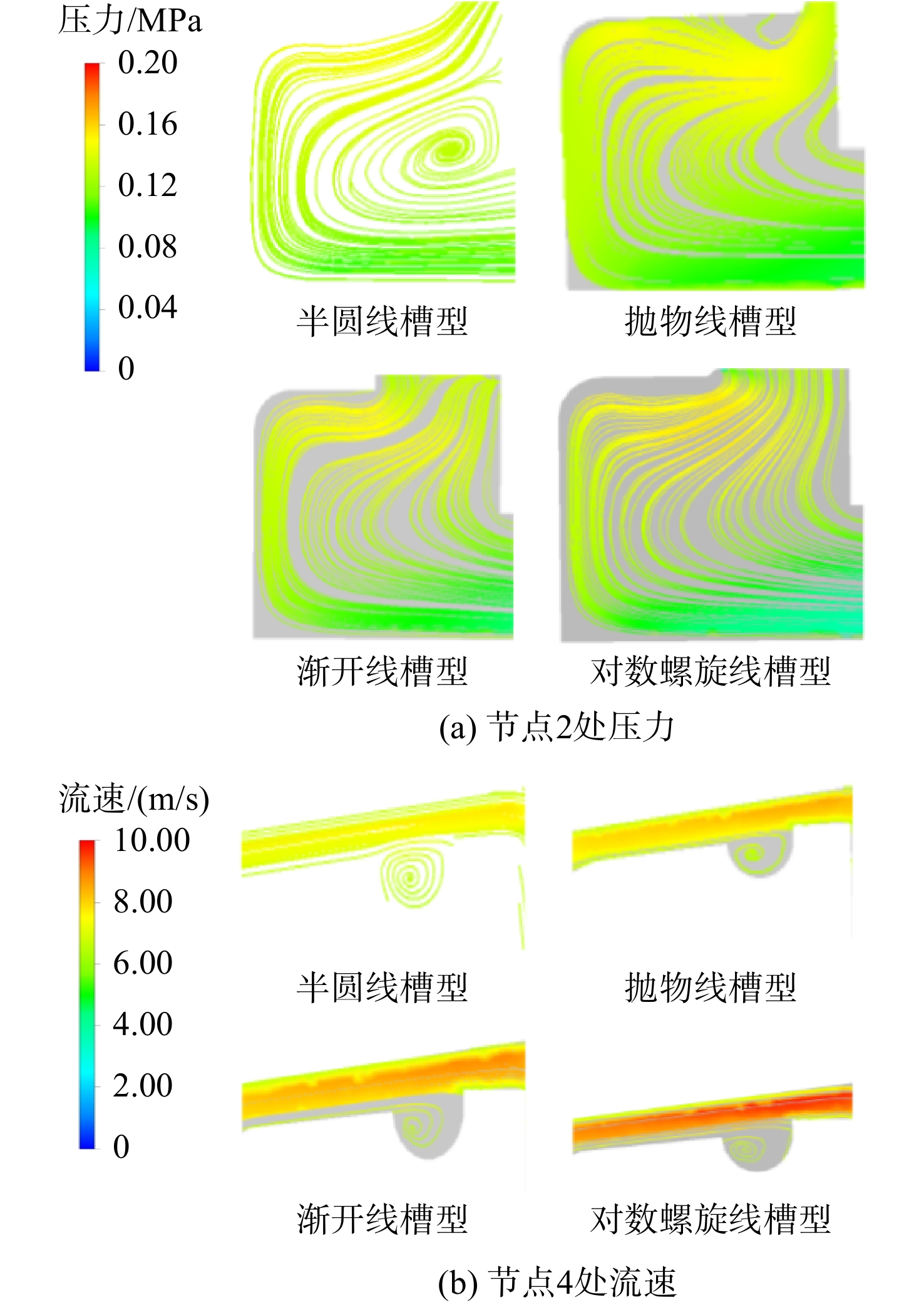
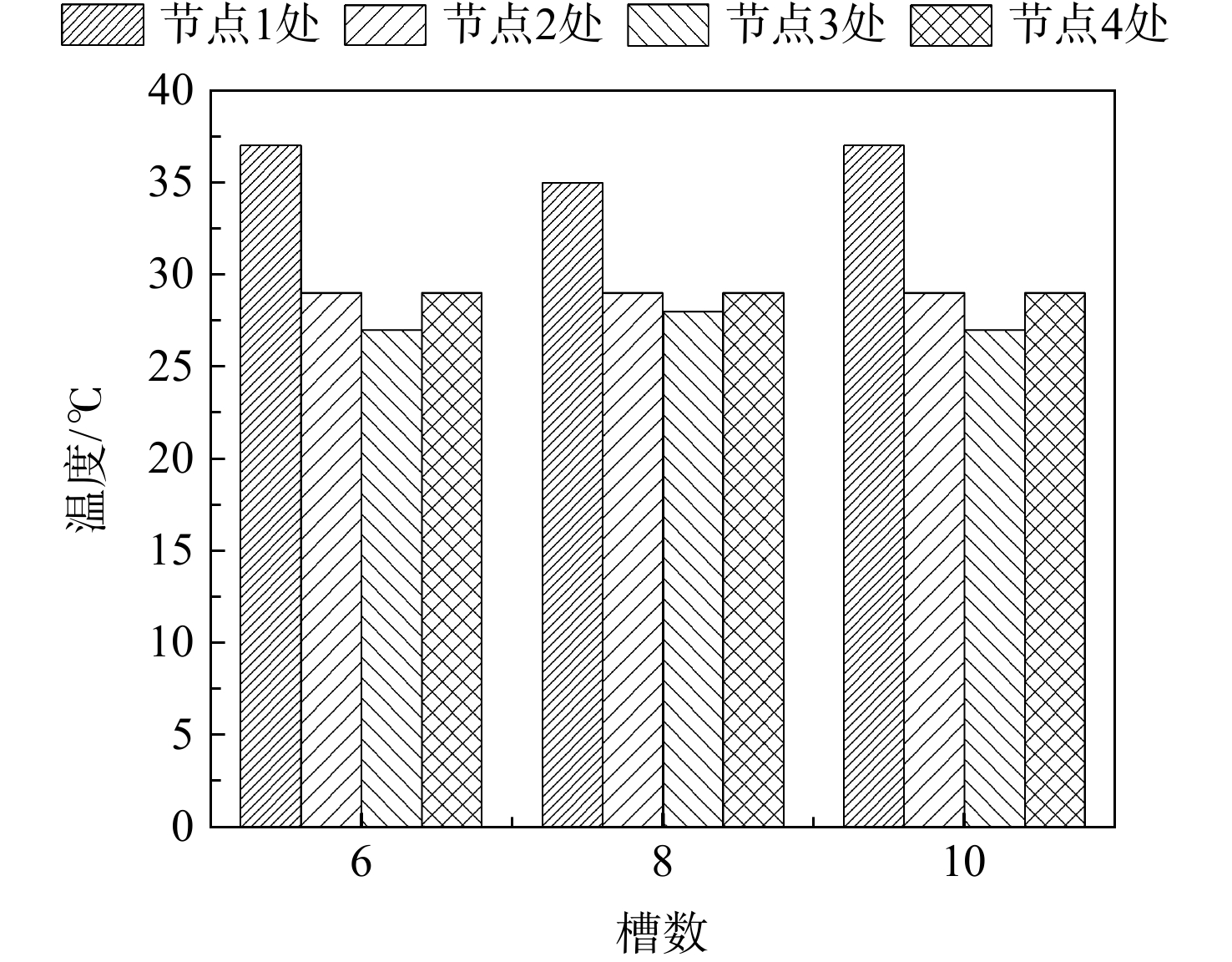
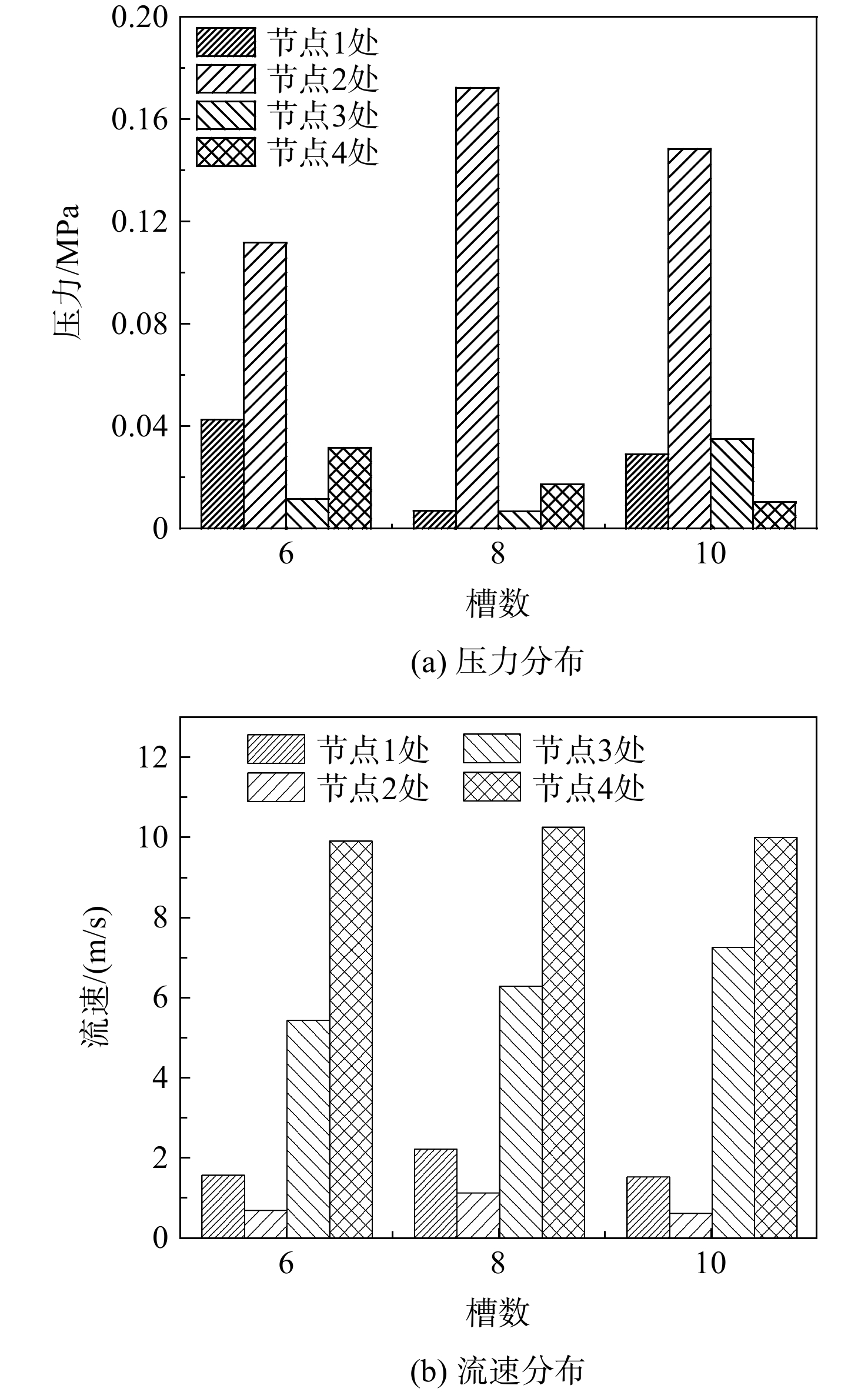
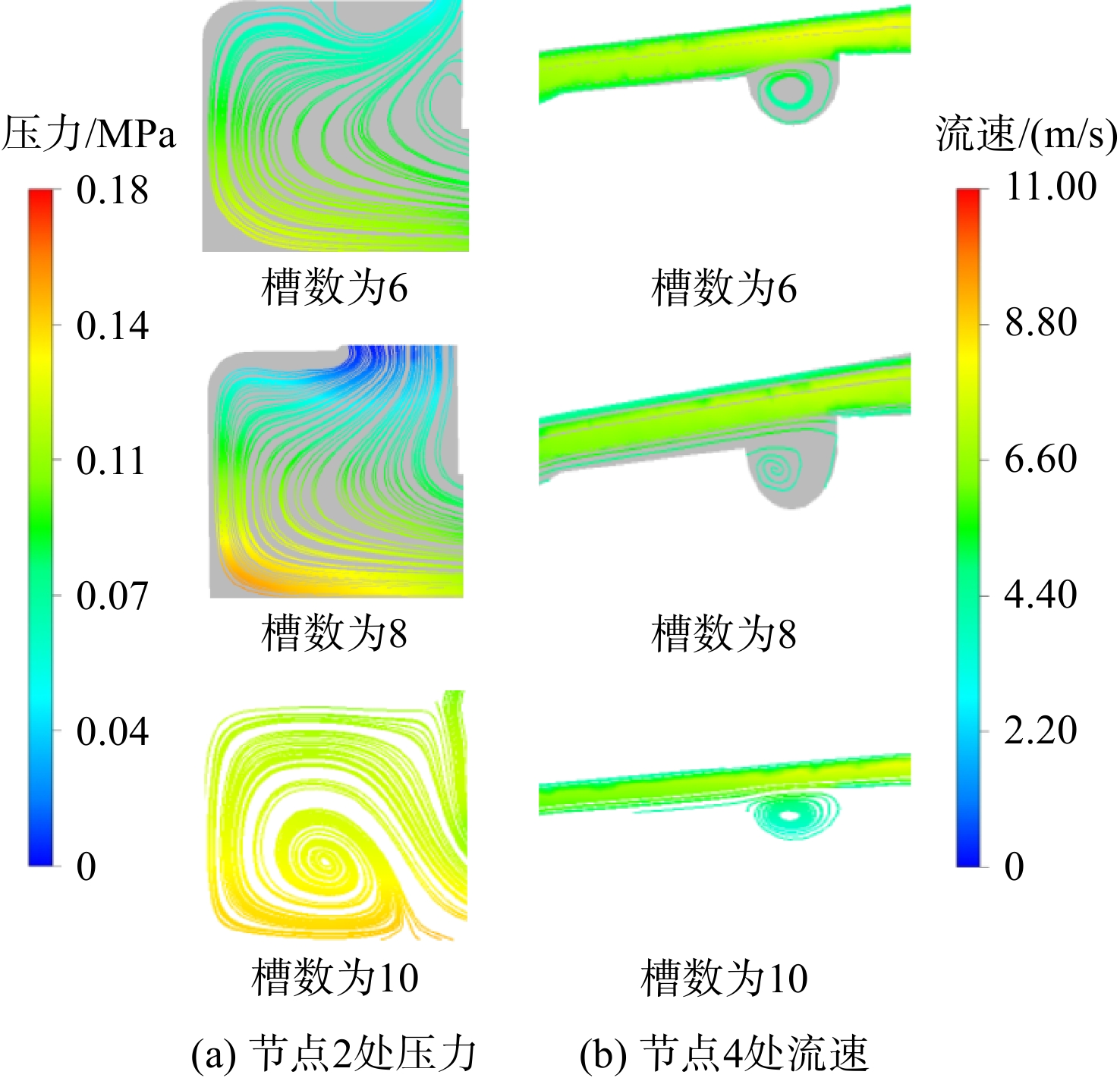
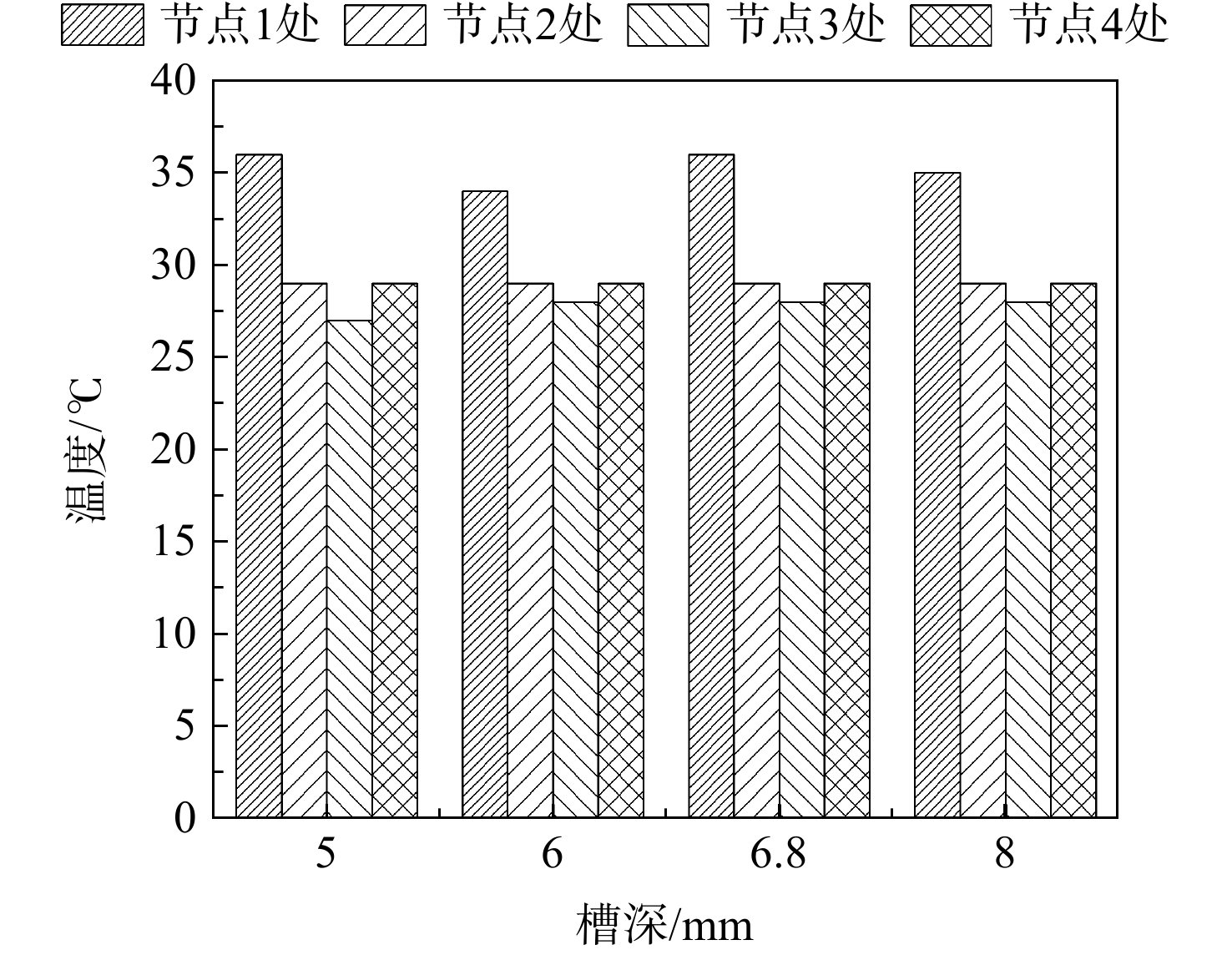
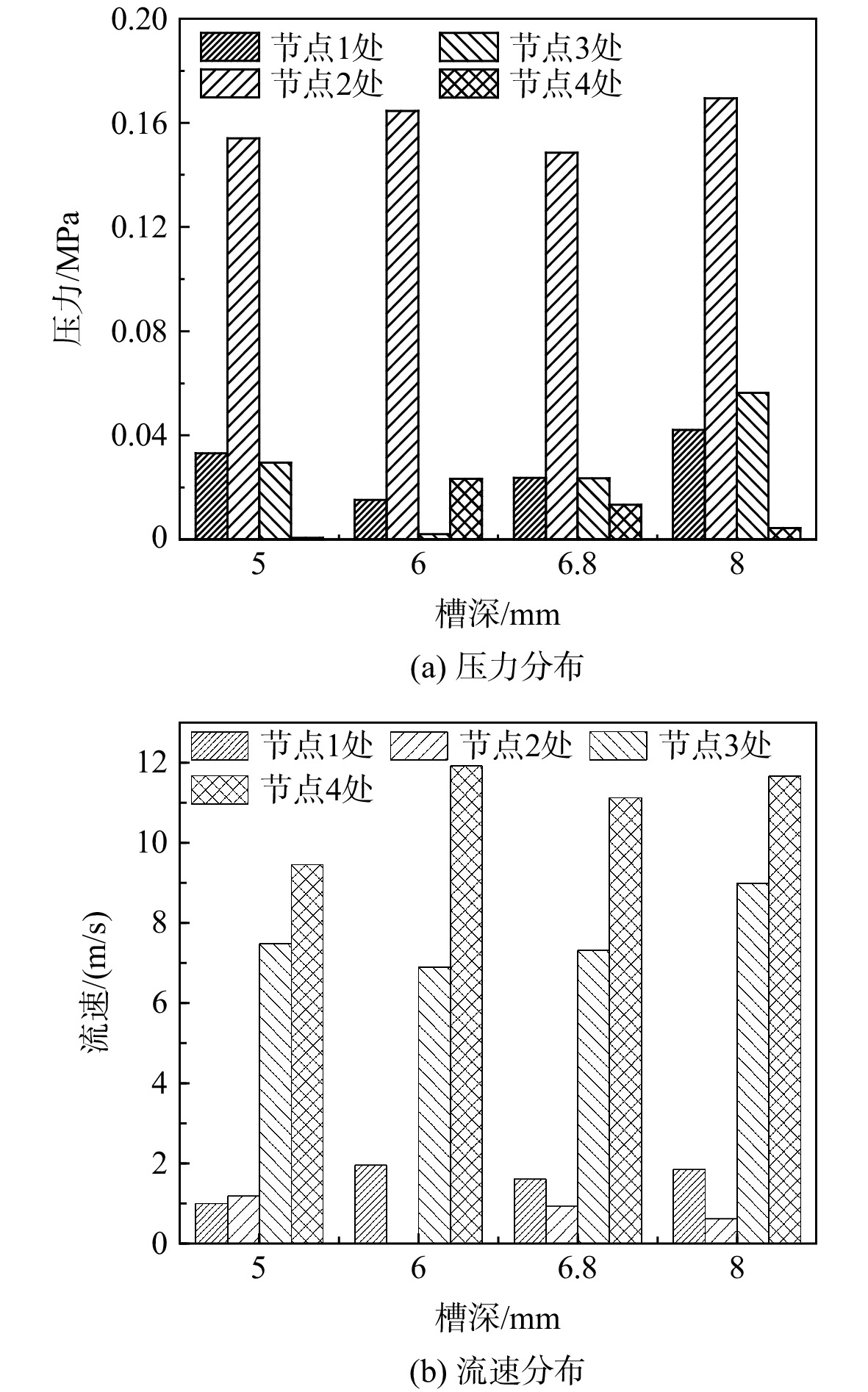
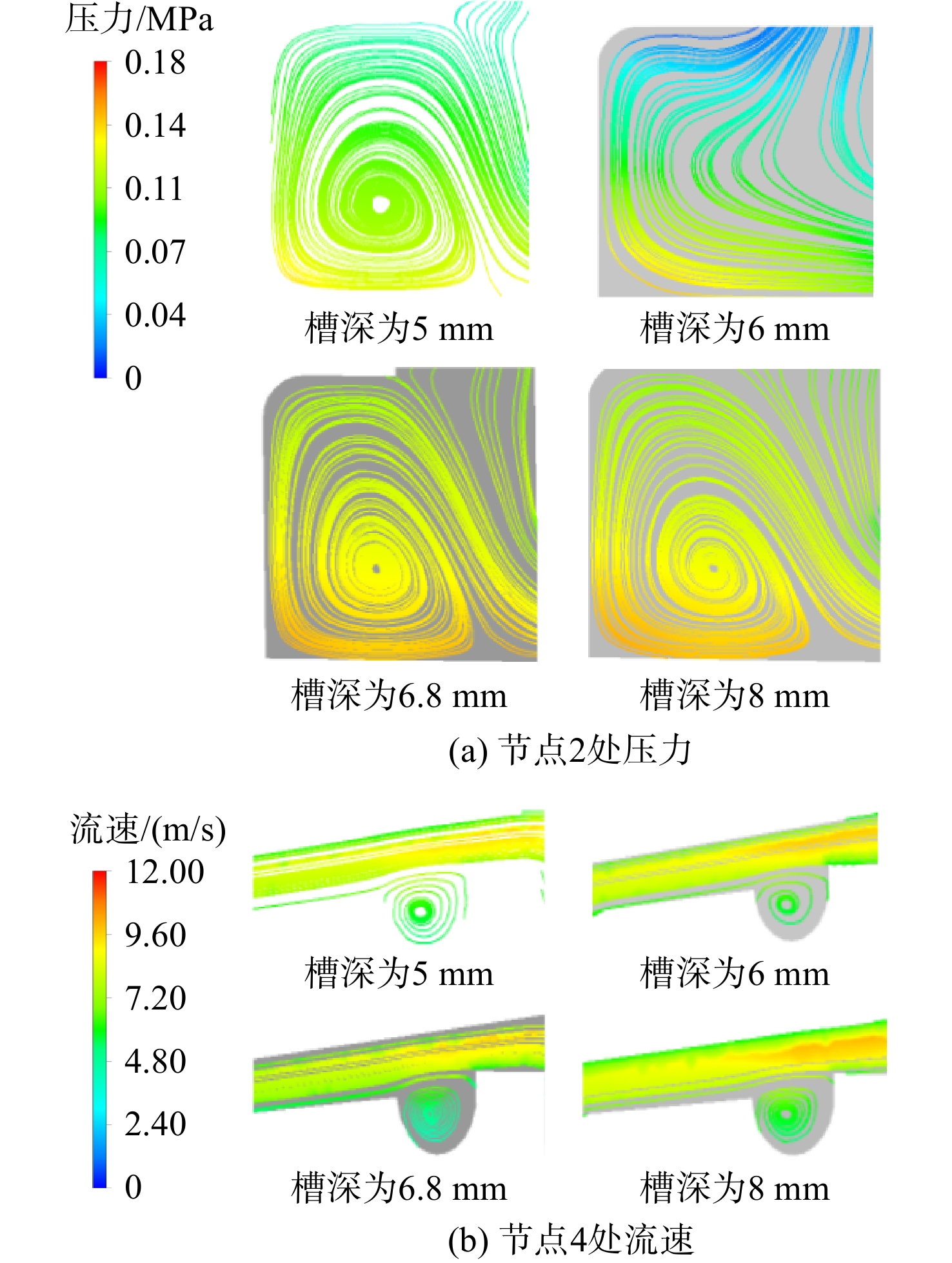
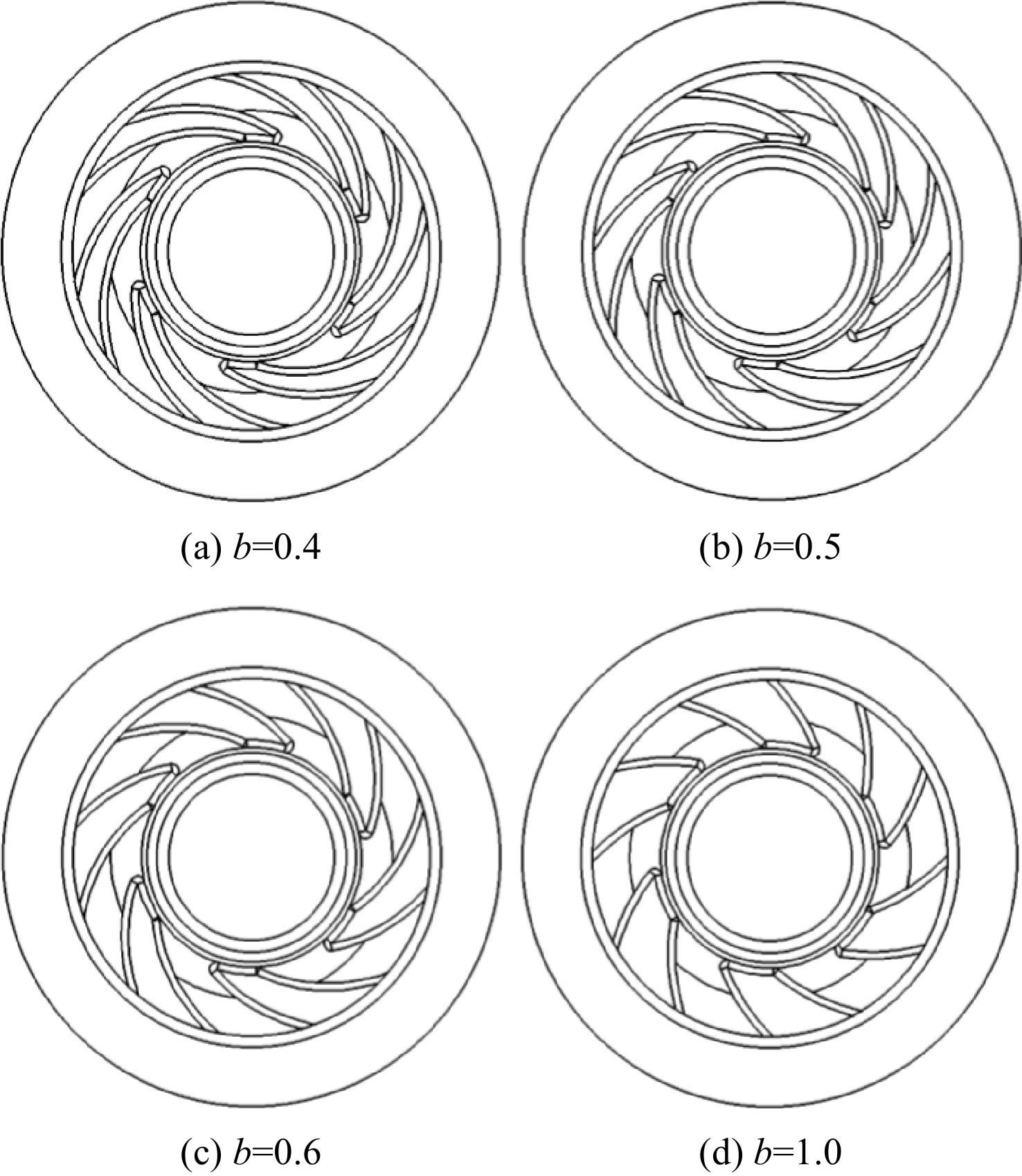
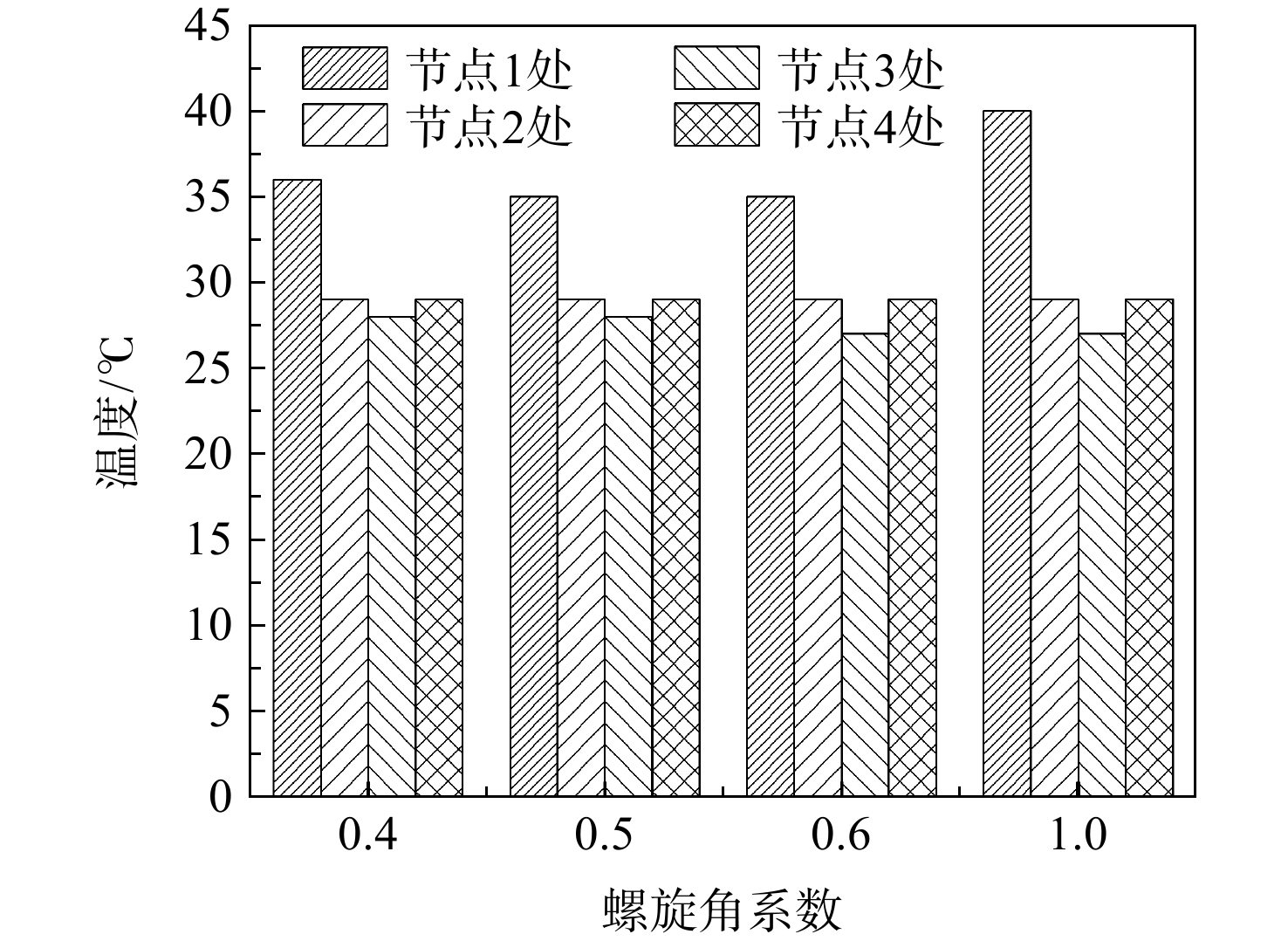
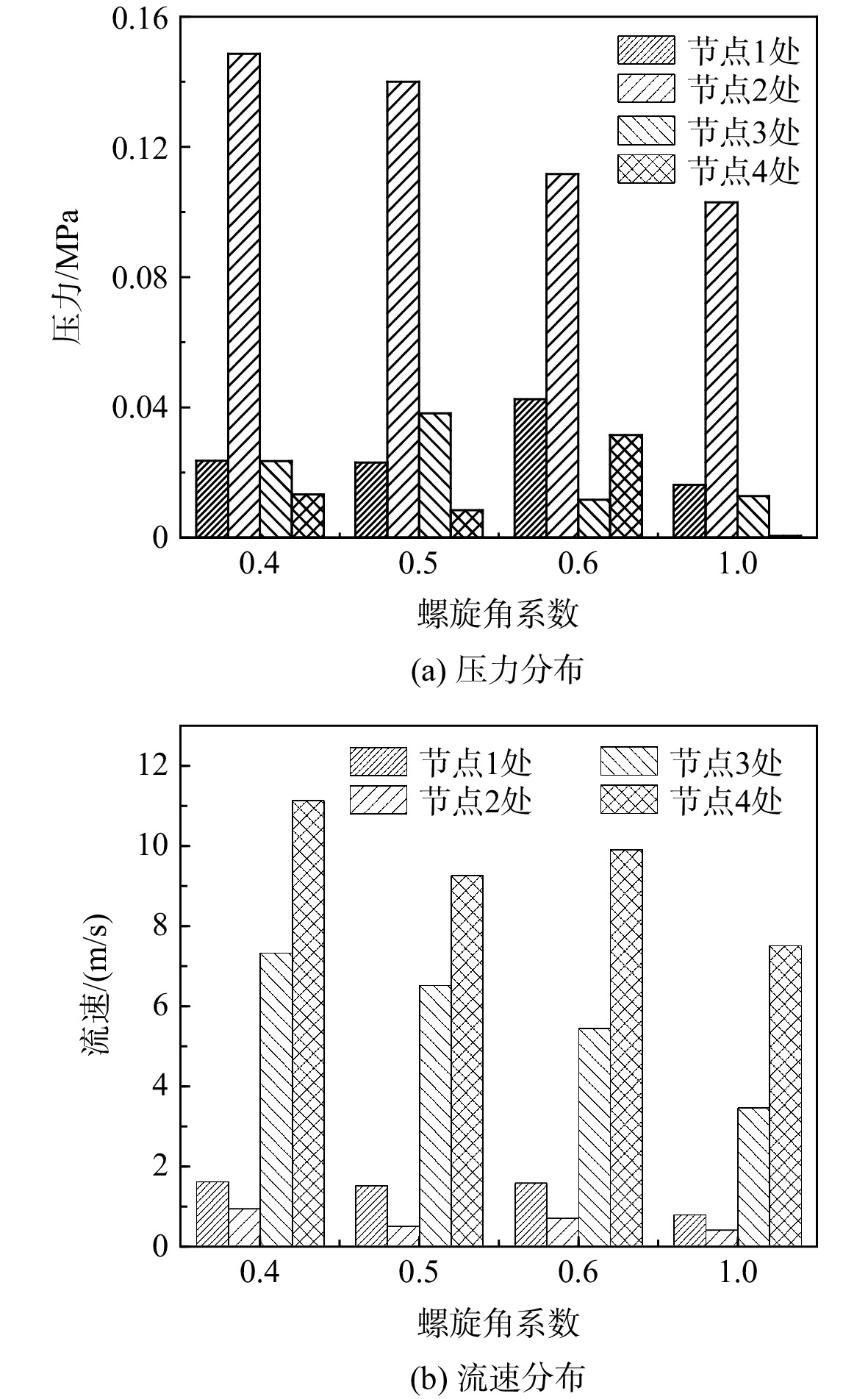
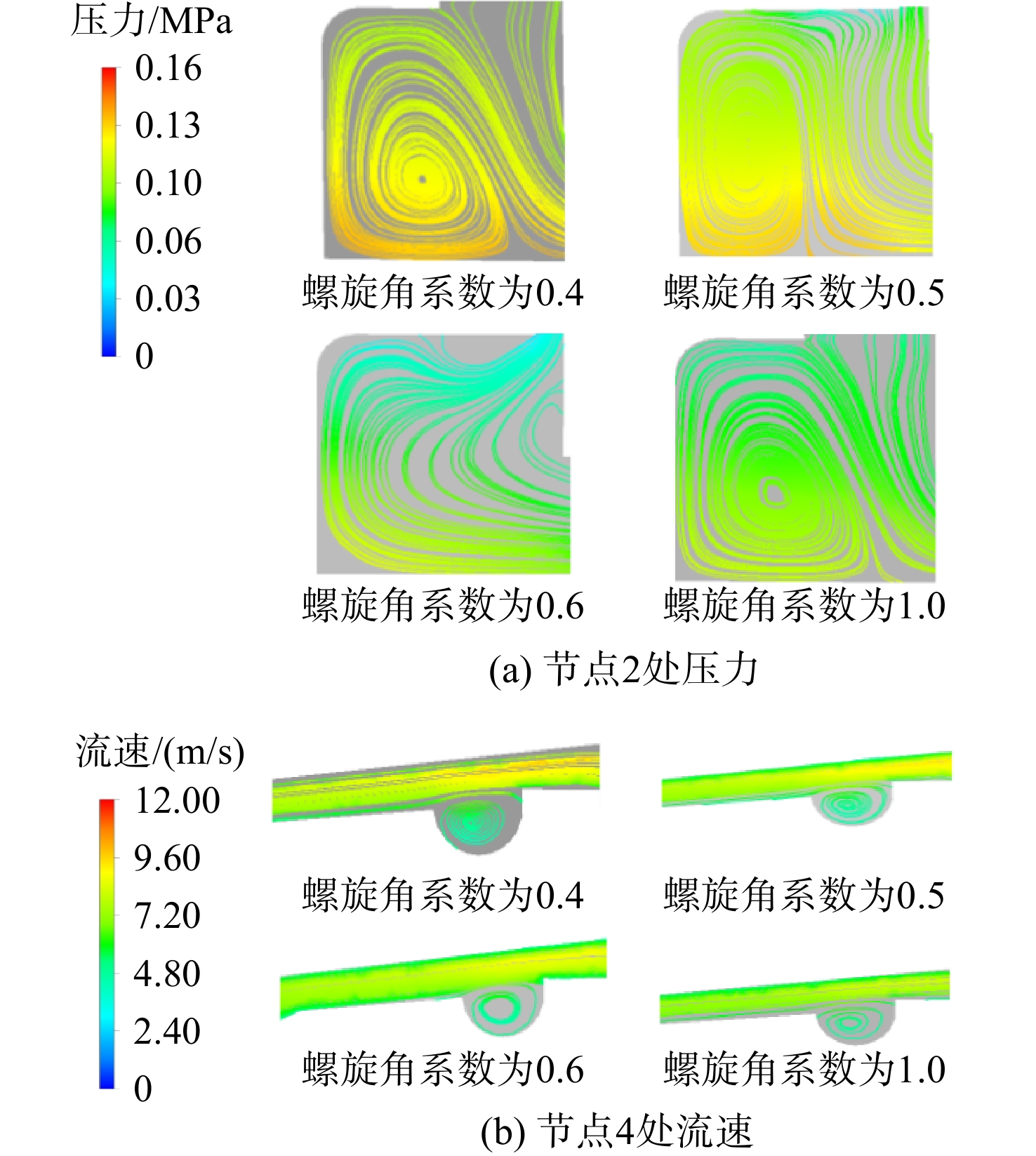
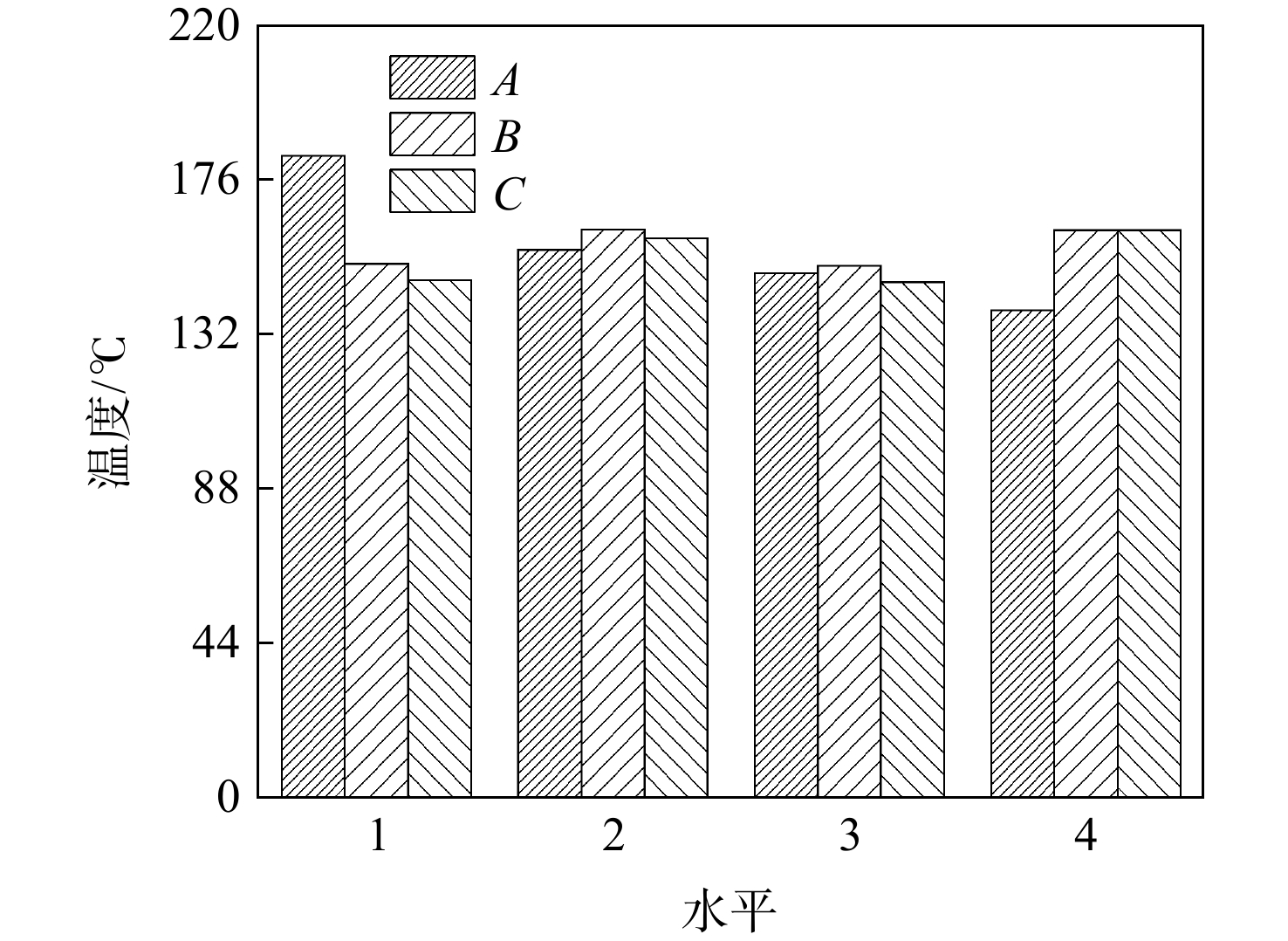
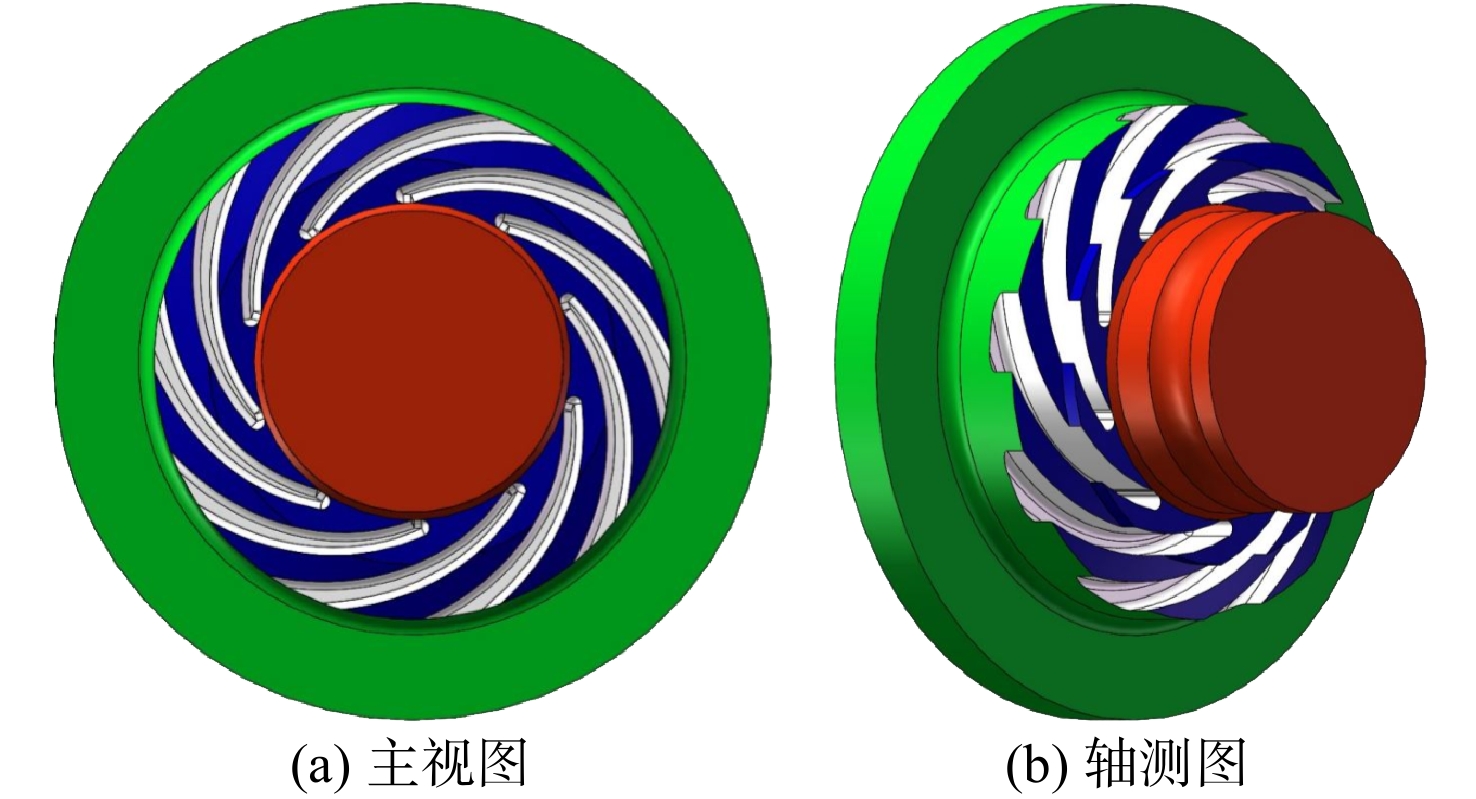
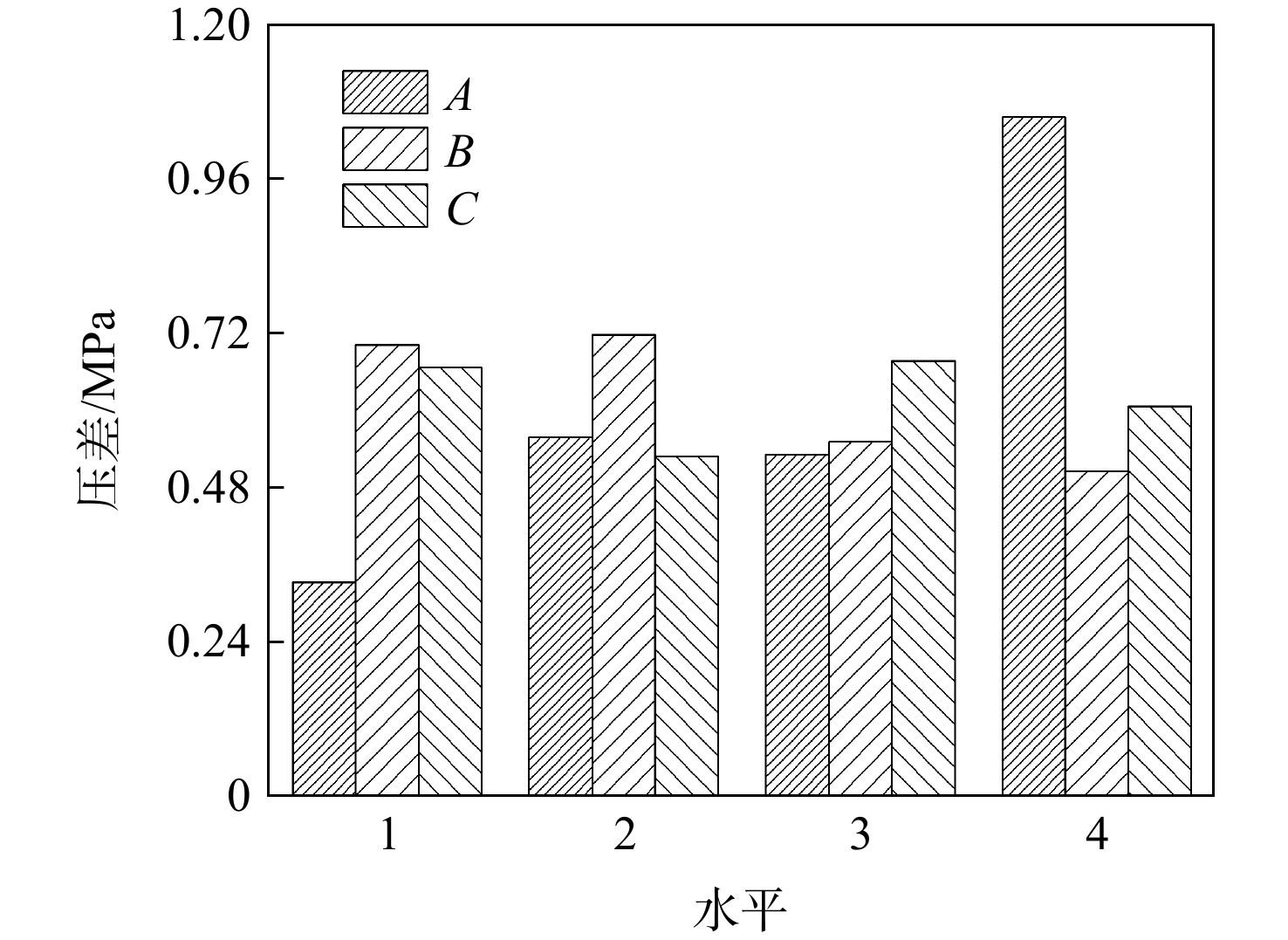
Owing to failure of existing semi-circular grooved sling-oil retainer in the turbine power simulator to achieve the maximum efficiency of heat dissipation and lubrication of the internal circulating flow field, the parameters’ optimization research of the sling-oil retainer for reducing the maximum flow field temperature and the eddy flow effect was carried out. The new groove (including parabola, involute, logarithmic spiral, etc.) structures for the sling-oil retainer were proposed, and the influence of single factor (such as groove depth, groove number and helix angle coefficient) on the flow field characteristics was discussed. The multi-factor and multi-objective parameters were optimized by the orthogonal experiment method. The results showed that the logarithmic spiral groove was an optimal structure that can effectively improve the lubrication and heat dissipation performance, and a set of optimal logarithmic spiral groove parameters by orthogonal experiment method were represented by groove depth of 6 mm, groove number of 10, and helix angle coefficient of 0.4. Based on the results, a new type of sling-oil retainer for more harsh working conditions was designed, and its flow field characteristics under typical working conditions were obtained by the theoretical simulation.

Real-time detection method of aero-engine internal damage based on deep learning
HE Chao, CHEN Guo, WANG Yuwei
2023, 38(8): 1857-1864. doi: 10.13224/j.cnki.jasp.20210381
Abstract:

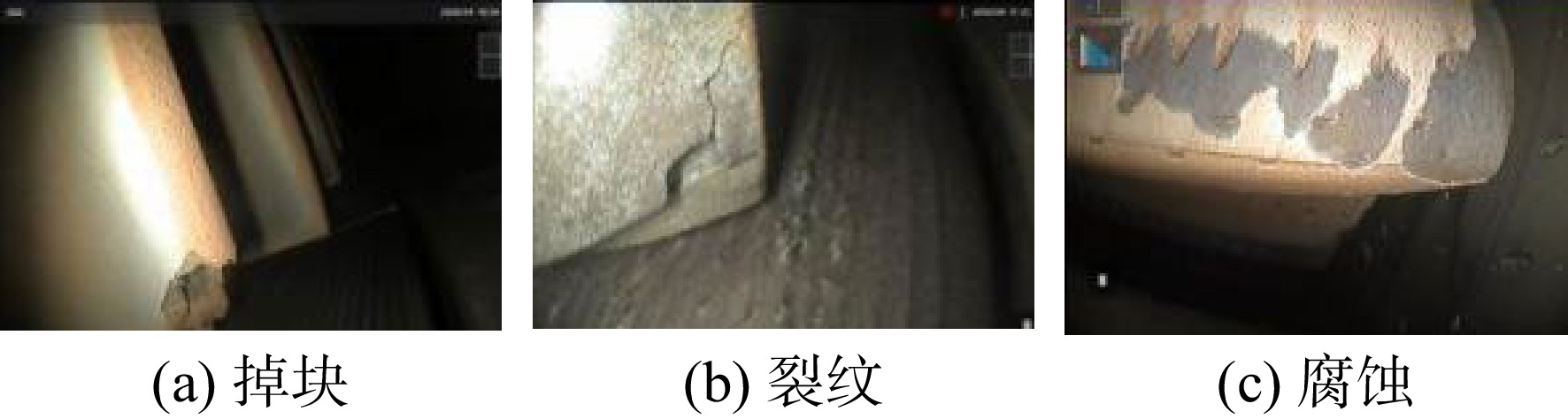
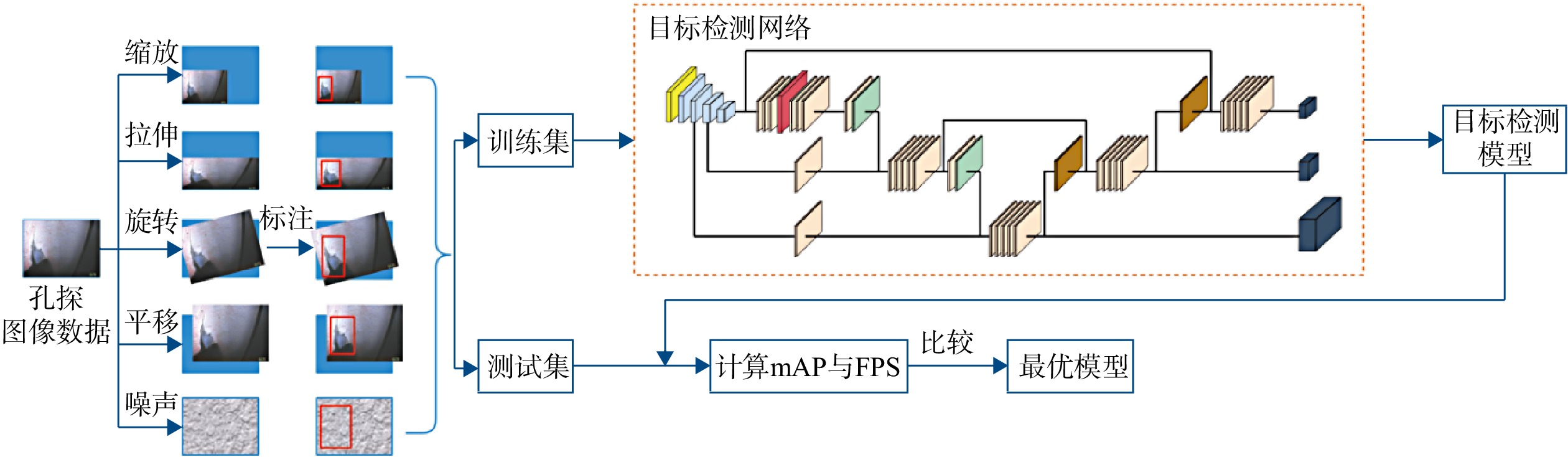
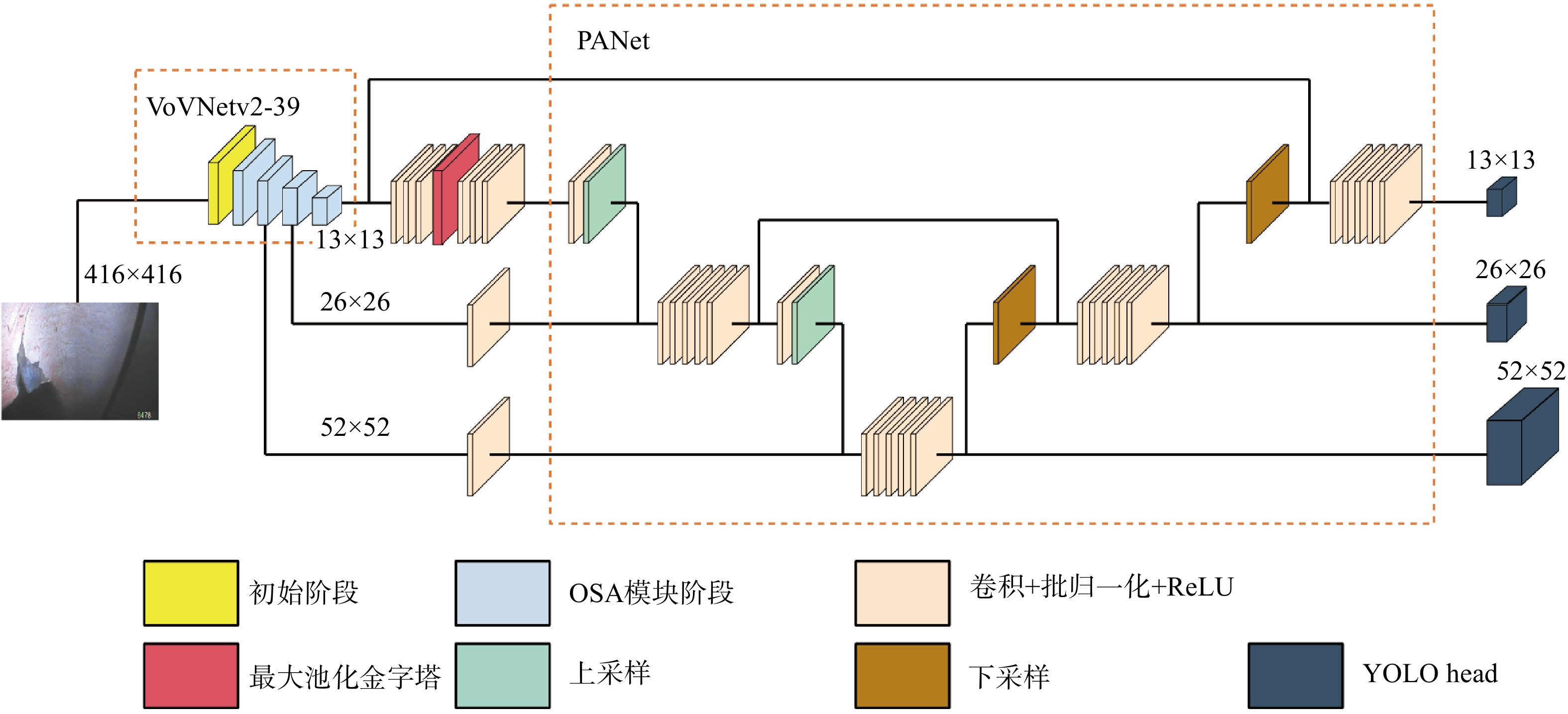
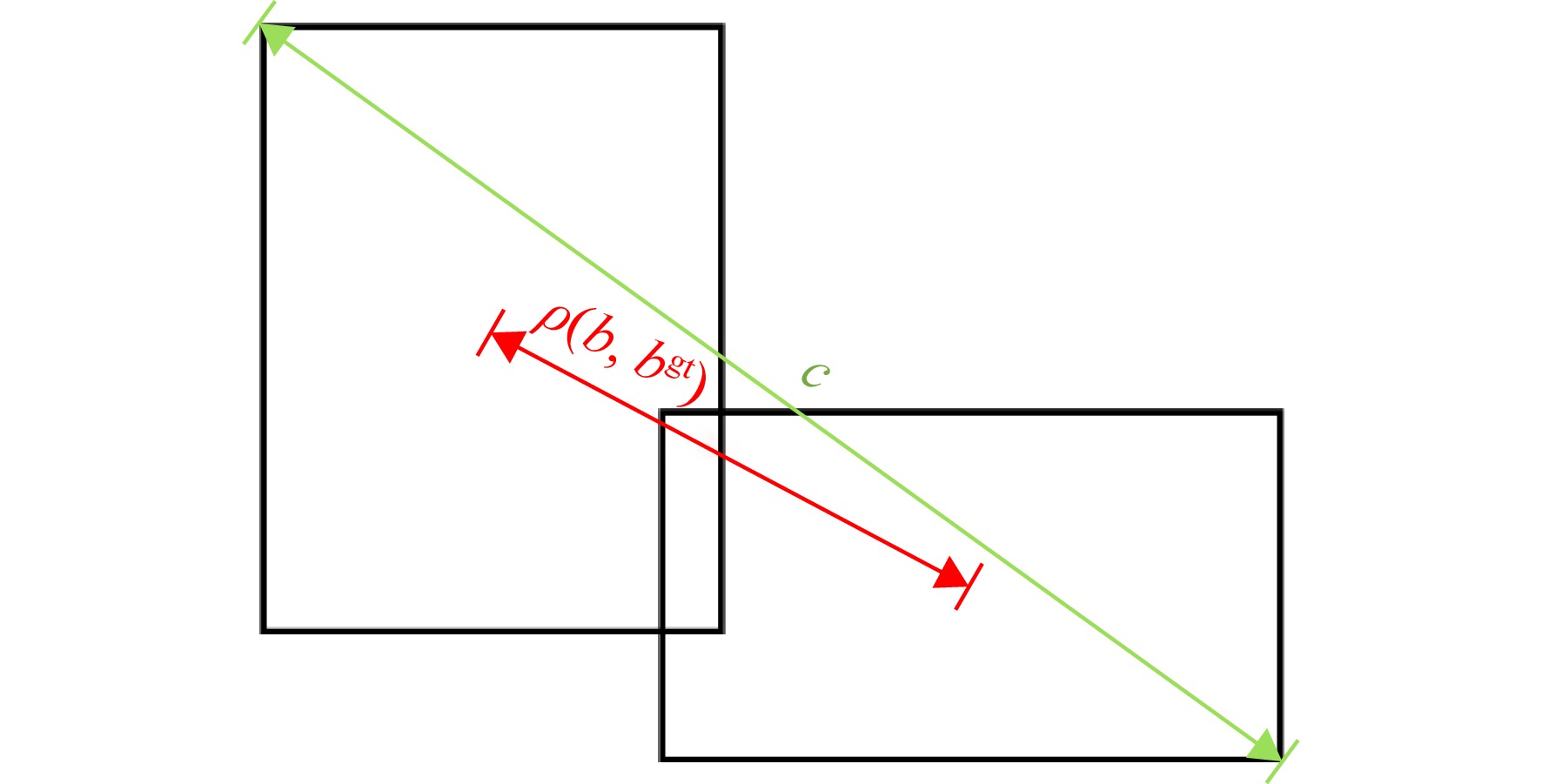
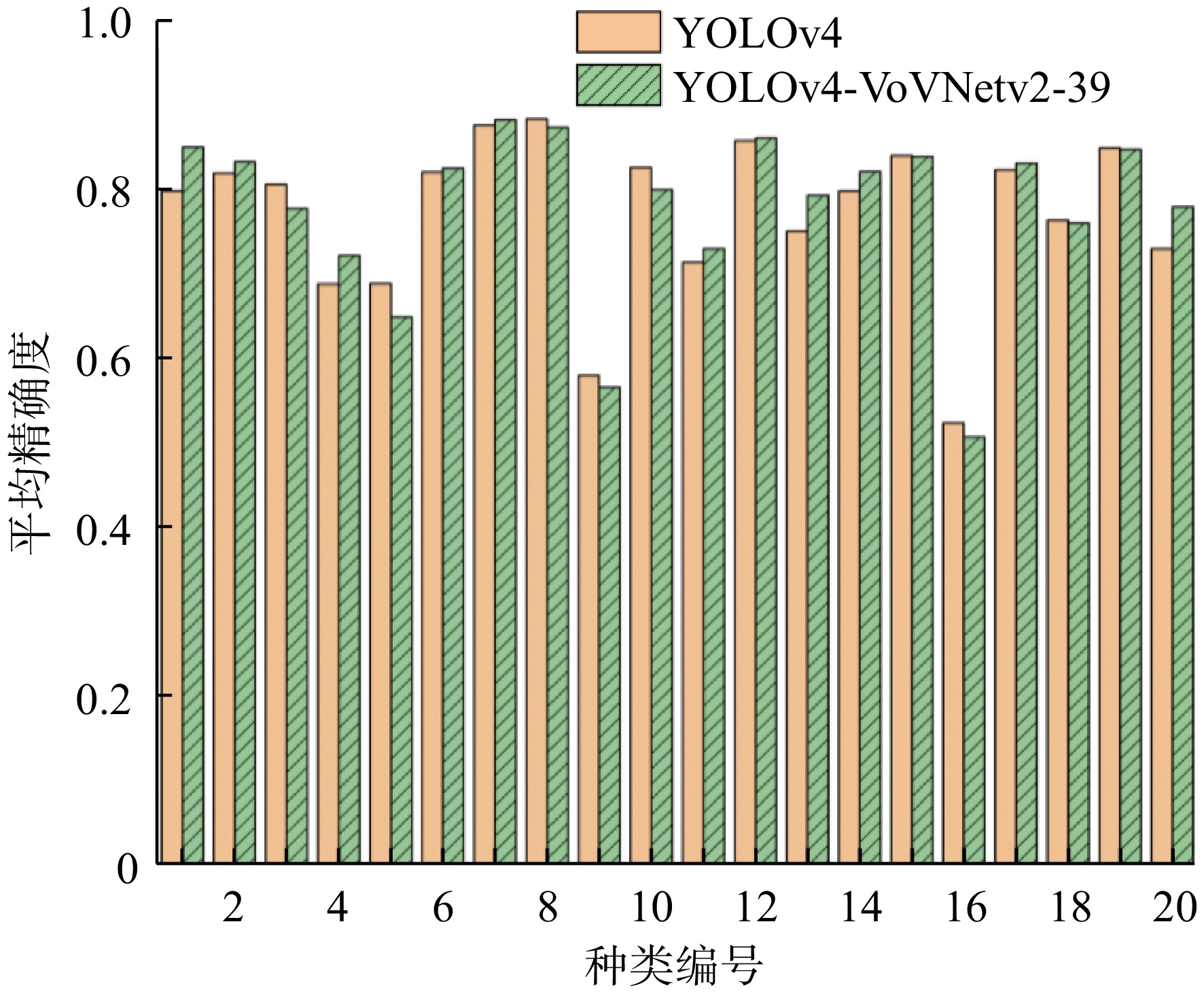
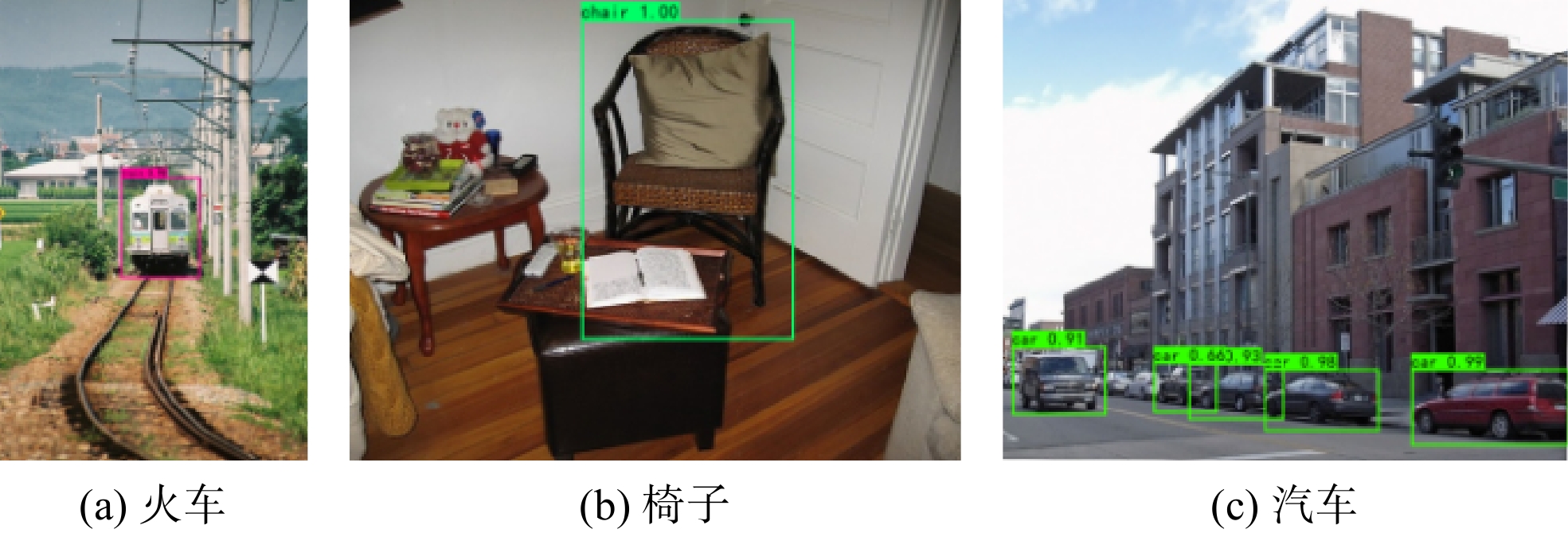
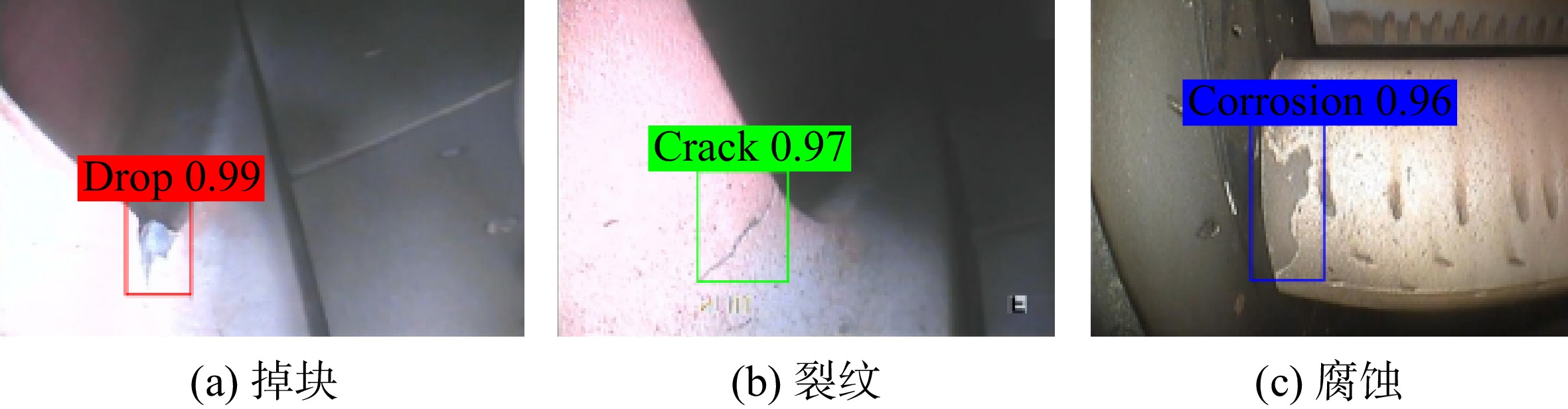
In view of the problem in real-time detection of aero-engine internal damage, an object detection network model based on the YOLOv4 framework was proposed. With advantages of high detection accuracy and fast reasoning speed, this network model realized real-time detection of engine internal damage. In specific implementation process, the method first classified different damage types and annotated the damage location, and then imported the image and its corresponding annotations into the improved network for training to obtain the corresponding detection model. Finally, based on the trained model, real-time detection of damage on pictures and video streams was performed. The Pascal VOC (visual object classes) standard data set and the real aero-engine borescope image data set were used to verify the method. The results showed that the proposed object detection network can improve the frame rate of detection per second more than 23.7% on the premise of ensuring accuracy compared with the original object detection network. The method could provide an effective way to solve the problems of inaccurate detection results and low detection efficiency caused by human factors in borescope damage detection, showing strong engineering practical value.

Aerothermodynamics and Aeroengine Design
Integrated optimization of unchoked solid ramjet based on QPSO
WANG Zhao, TIAN Xiaotao, TANG Xiang, HUANG Meng, ZHANG Bo, CHEN Junyi
2023, 38(8): 1865-1874. doi: 10.13224/j.cnki.jasp.20220520
Abstract:

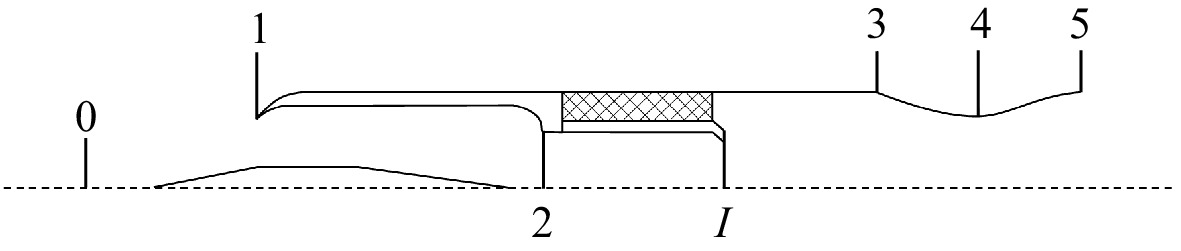
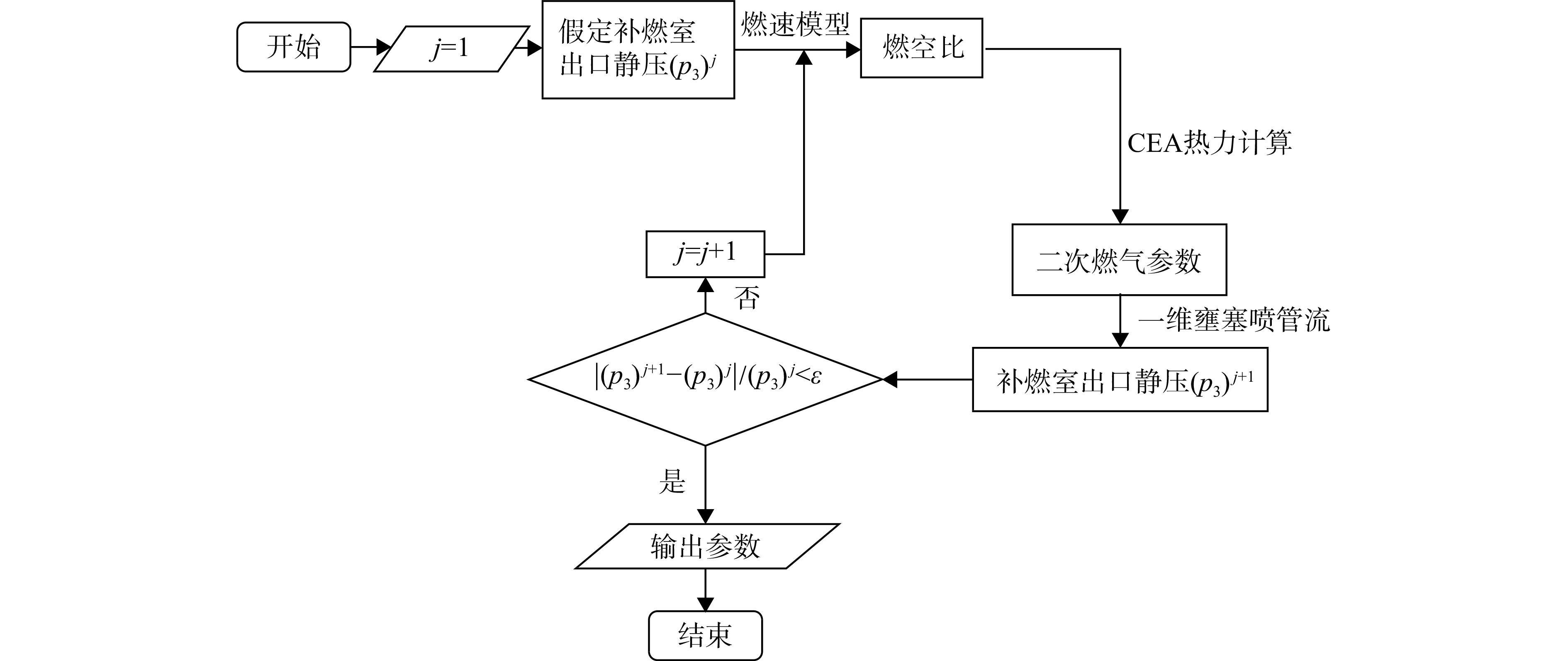
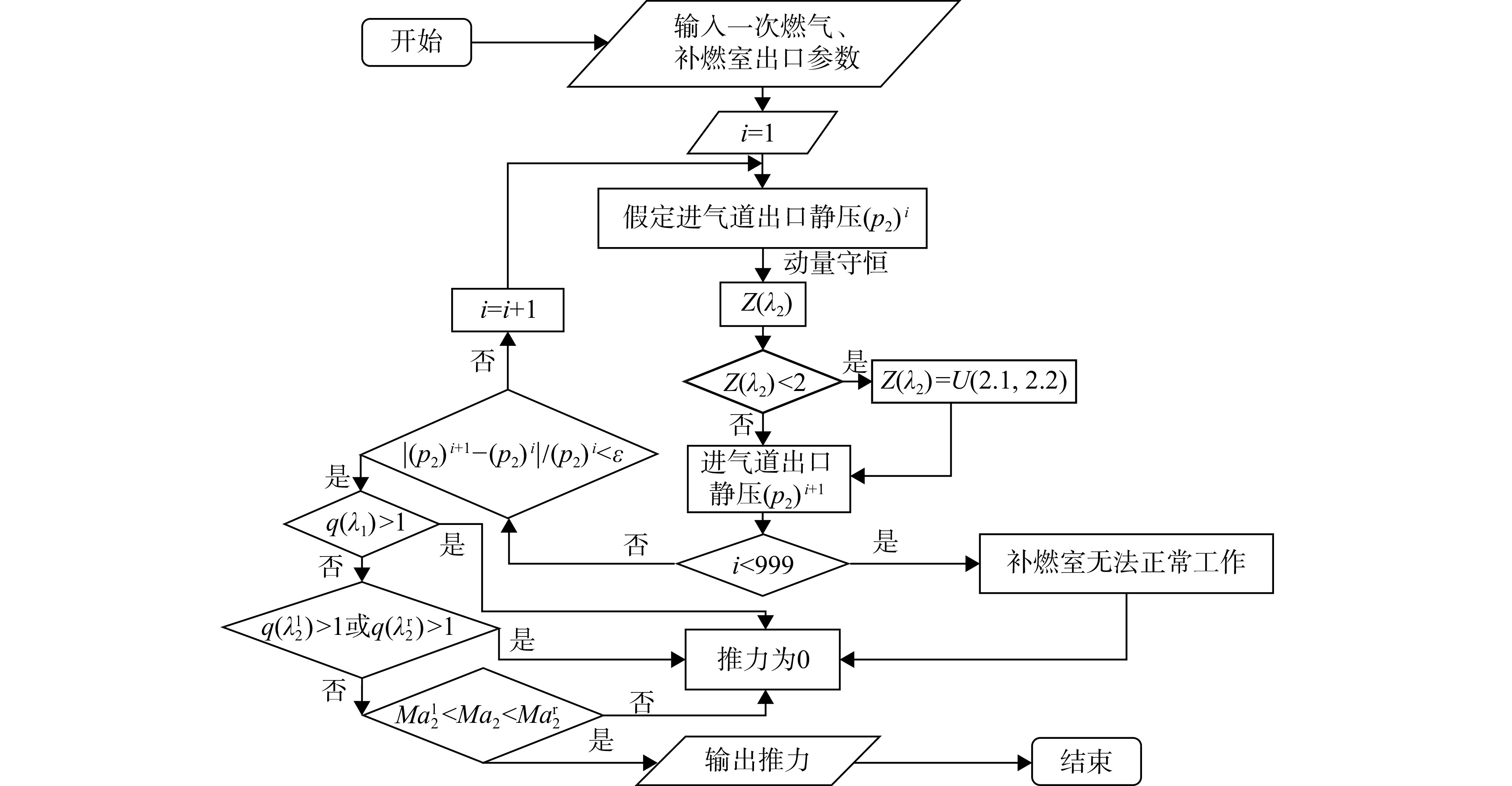
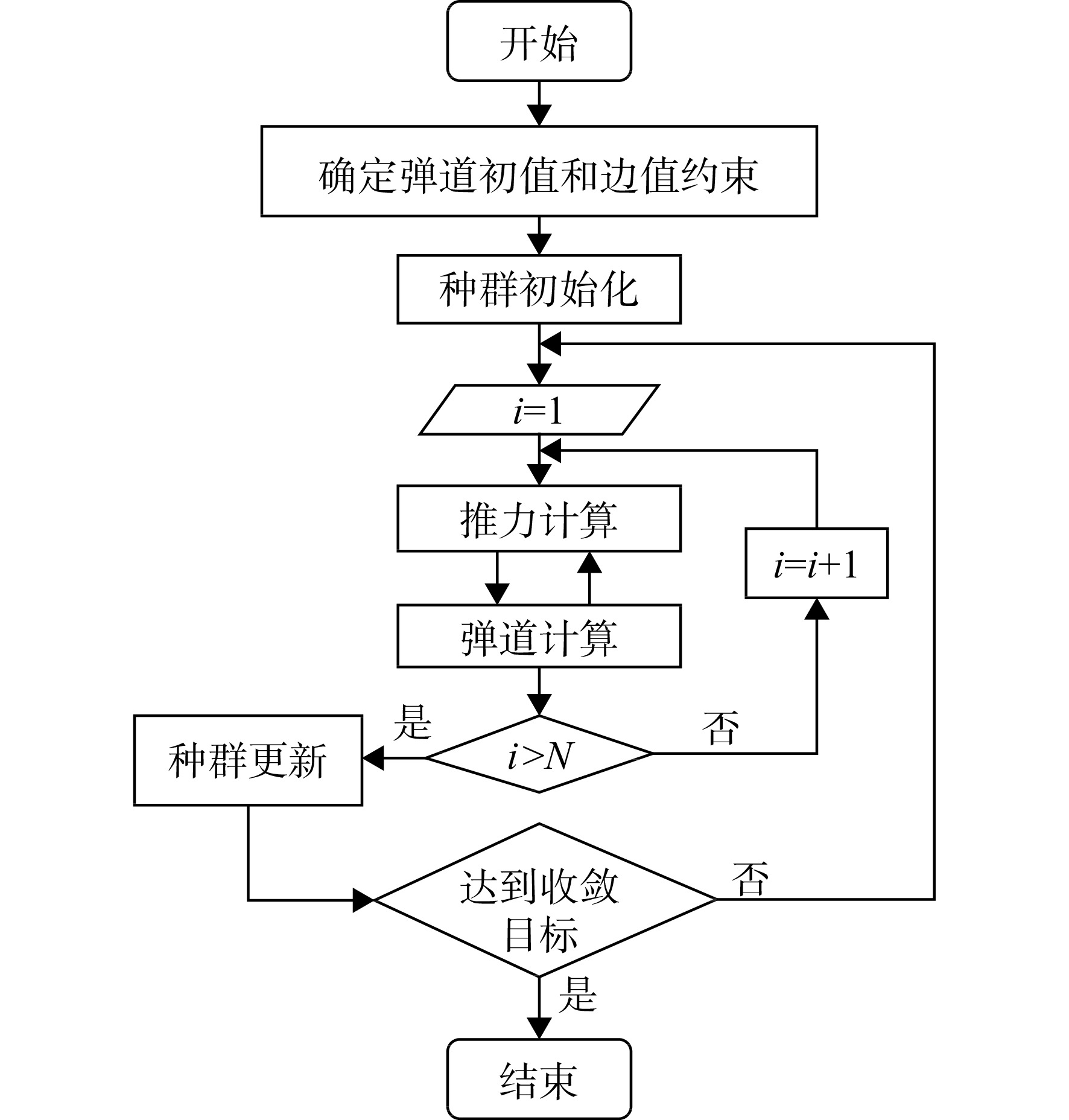
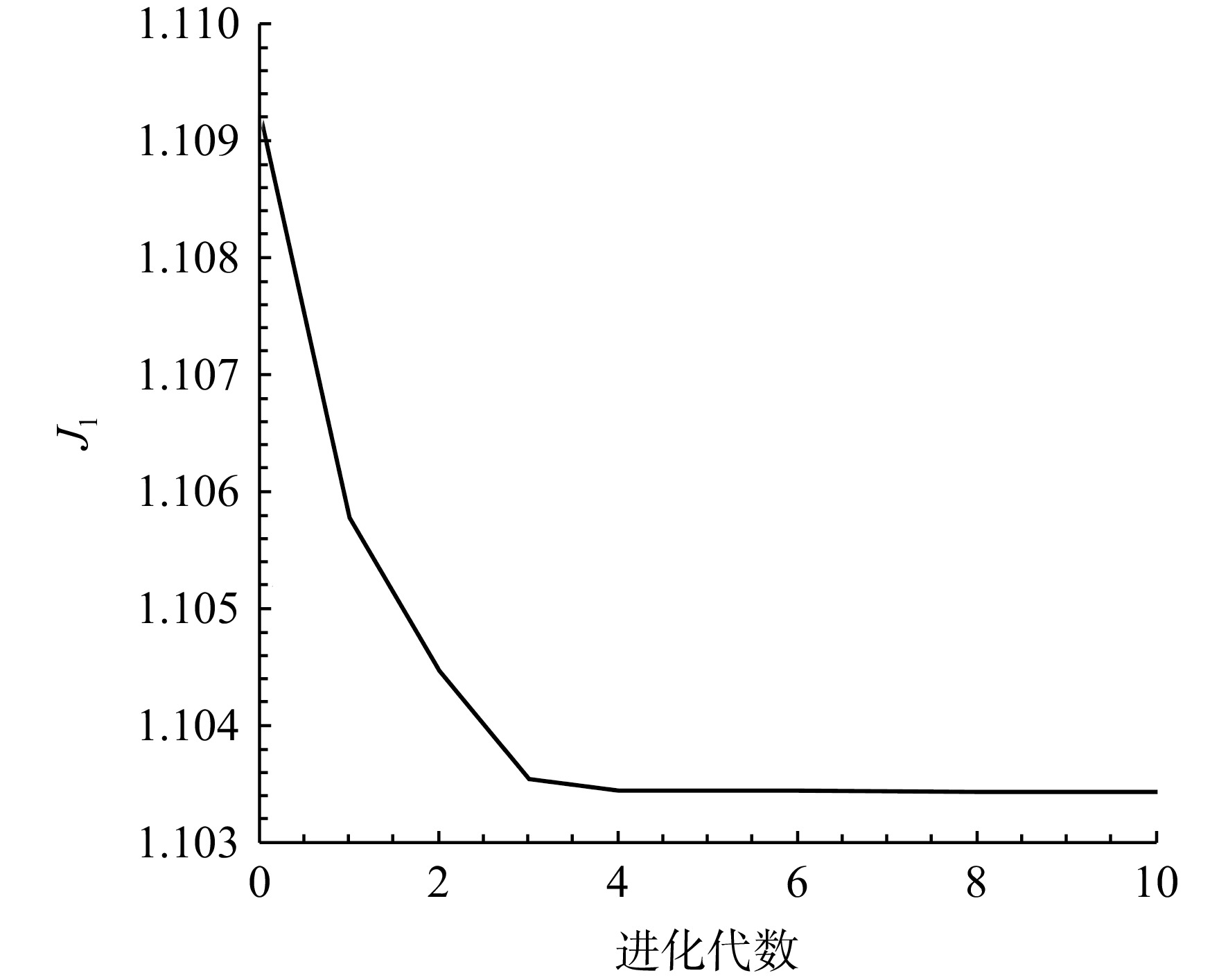
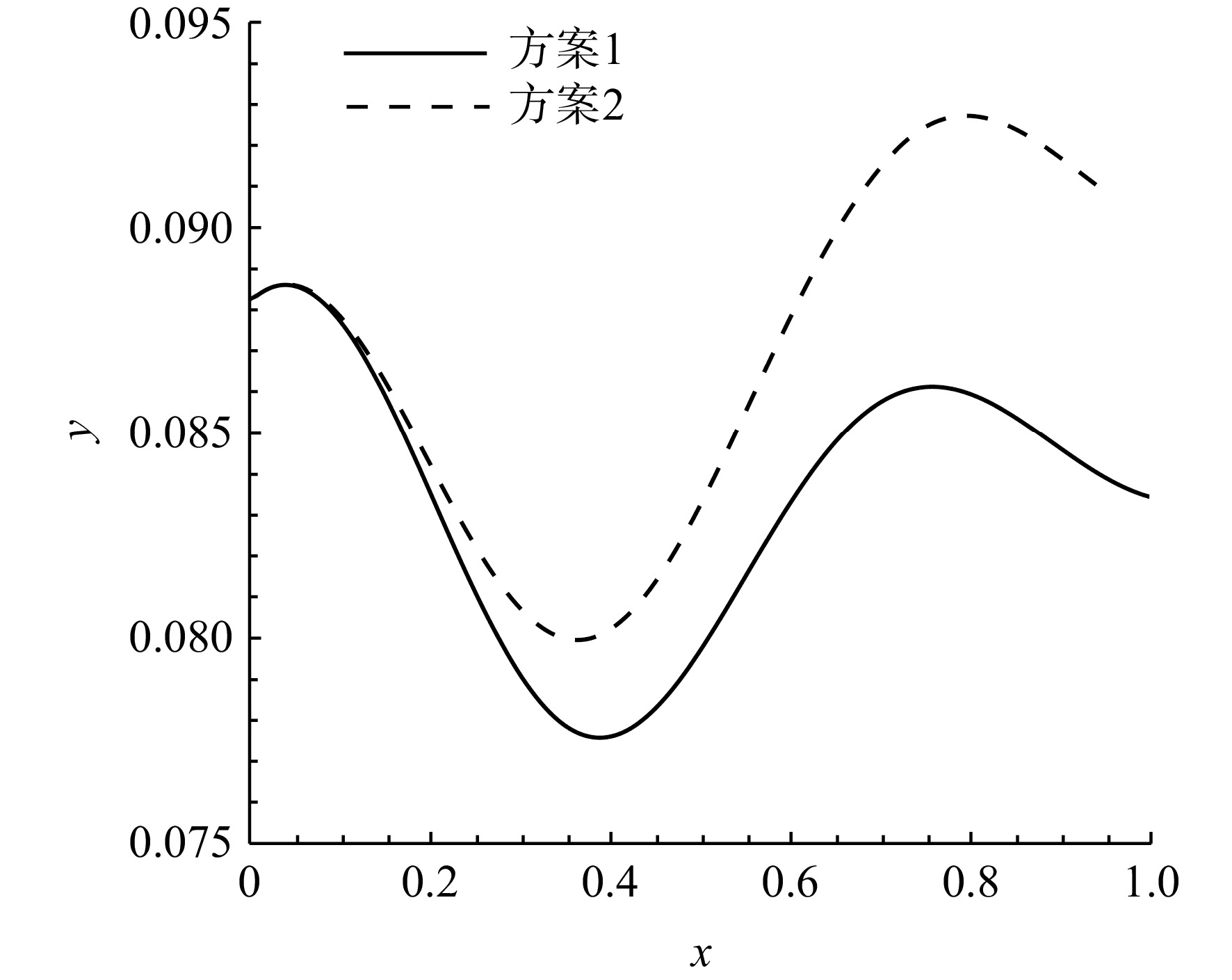
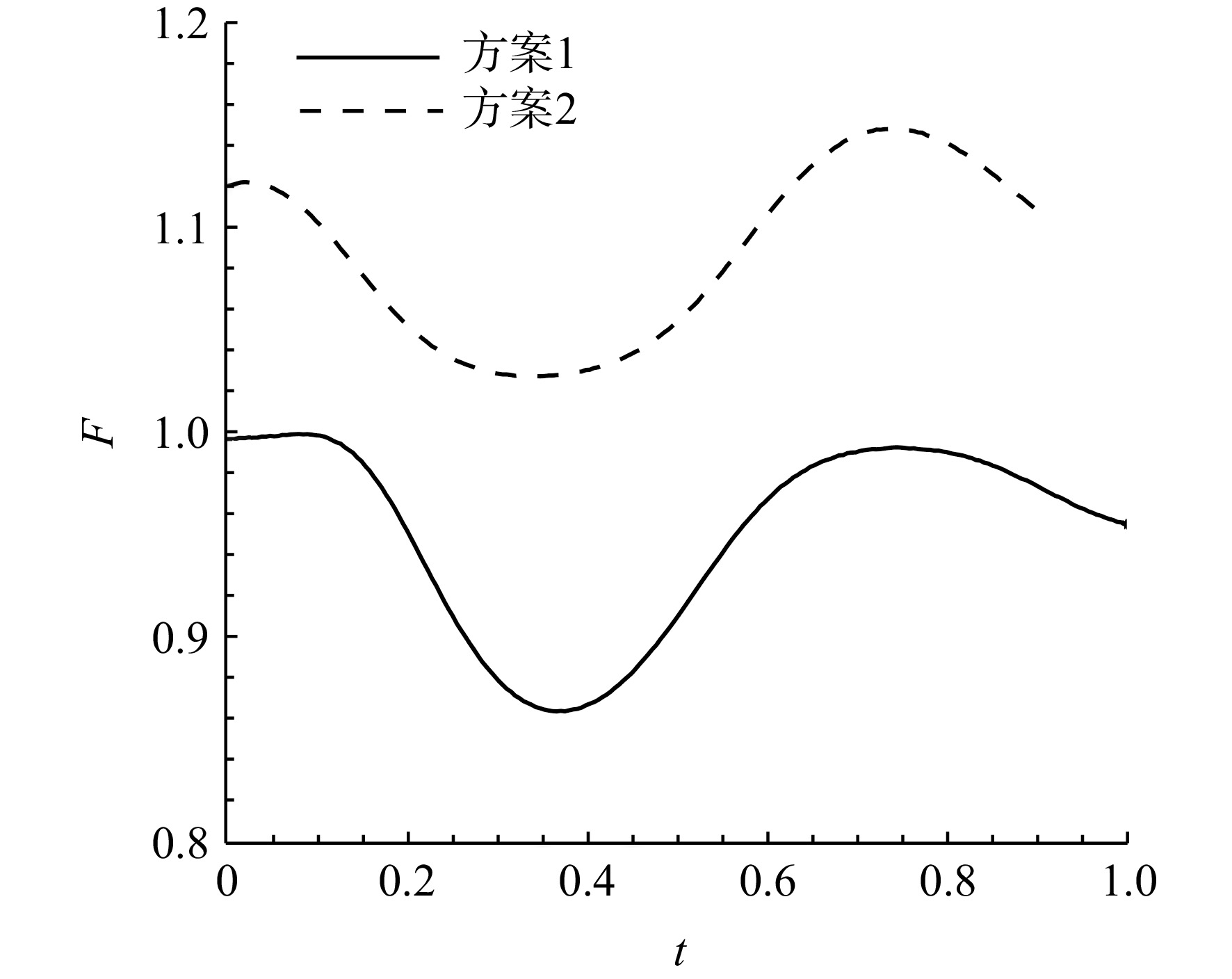
In order to fully optimize the performance of unchoked solid ramjet, the mathematical model of integrated optimization design of interior and exterior ballistics was established. Firstly, a new frame for performance prediction of unchoked solid ramjet was constructed. On this basis, quantum particle swarm optimization (QPSO) with the total range of cruise and unpowered descent stages taken as optimization targets was adopted to optimize the nozzle throat diameter, inlet area and inlet throat area, as well as the flight angle of attack of the ramjet under premise of satisfying the thrust constraint. The simulation results showed that the ballistic range optimized by QPSO method was 18.65% higher than that of the scheme merely optimizing the flight angle of attack, so the superiority of the integrated optimization was proved, providing a theoretical basis for the design of unchoked solid ramjet.

Design of short landing control strategy for thrust-vectored V/STOL aircraft
GONG Zheng, LI Peijin, WANG Zian, ZHOU Tao, CHEN Yongliang, QU Xiaolei
2023, 38(8): 1875-1888. doi: 10.13224/j.cnki.jasp.20210718
Abstract:

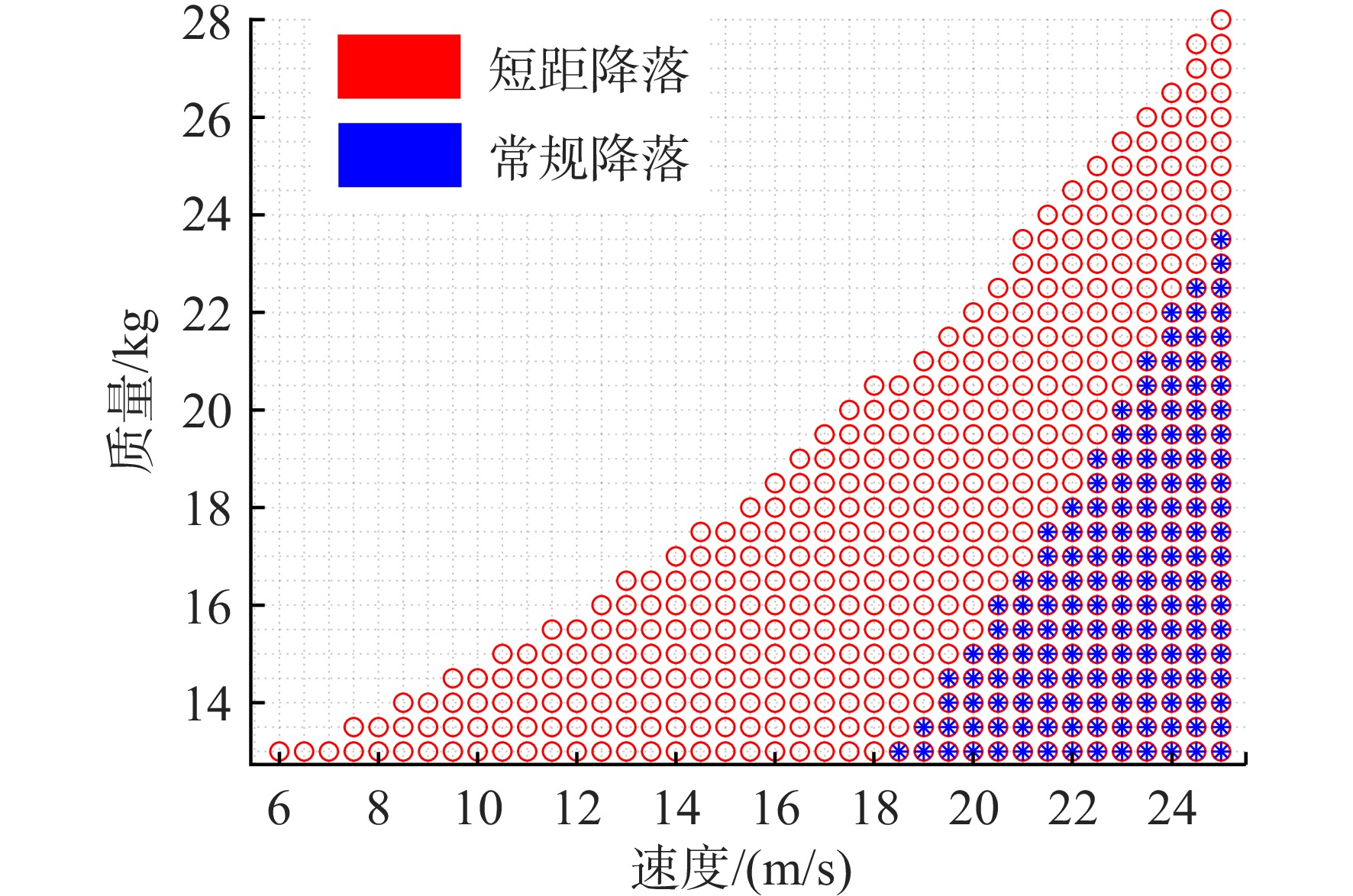
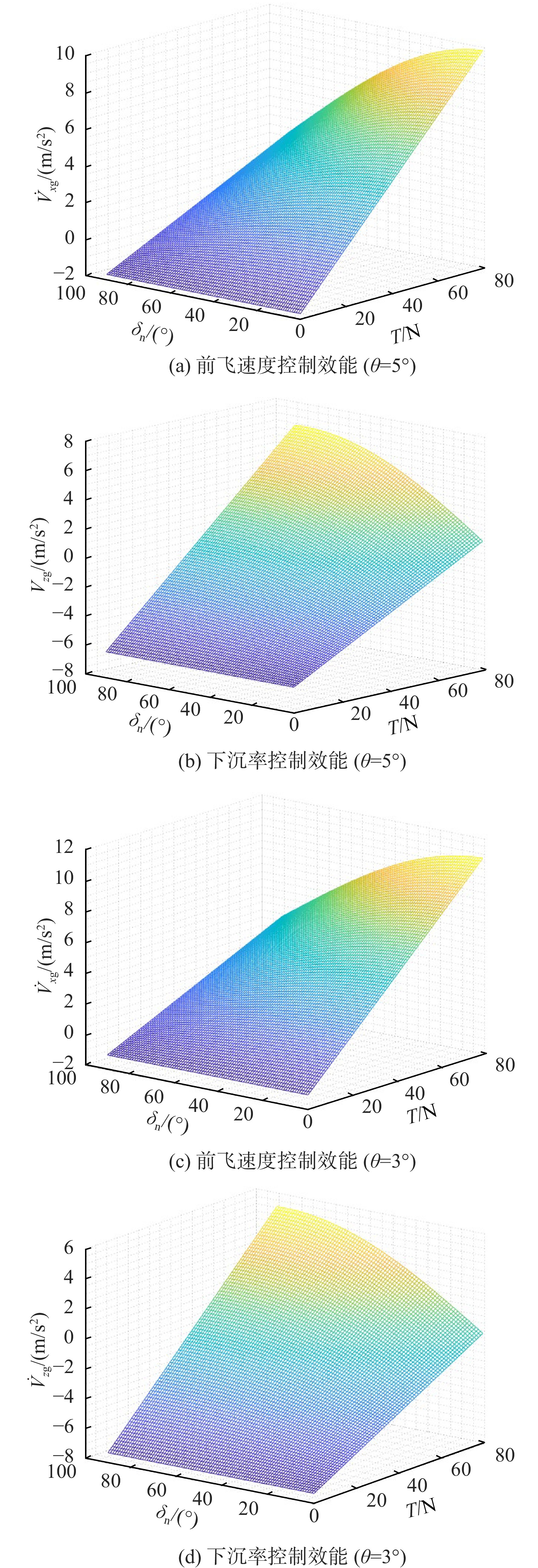
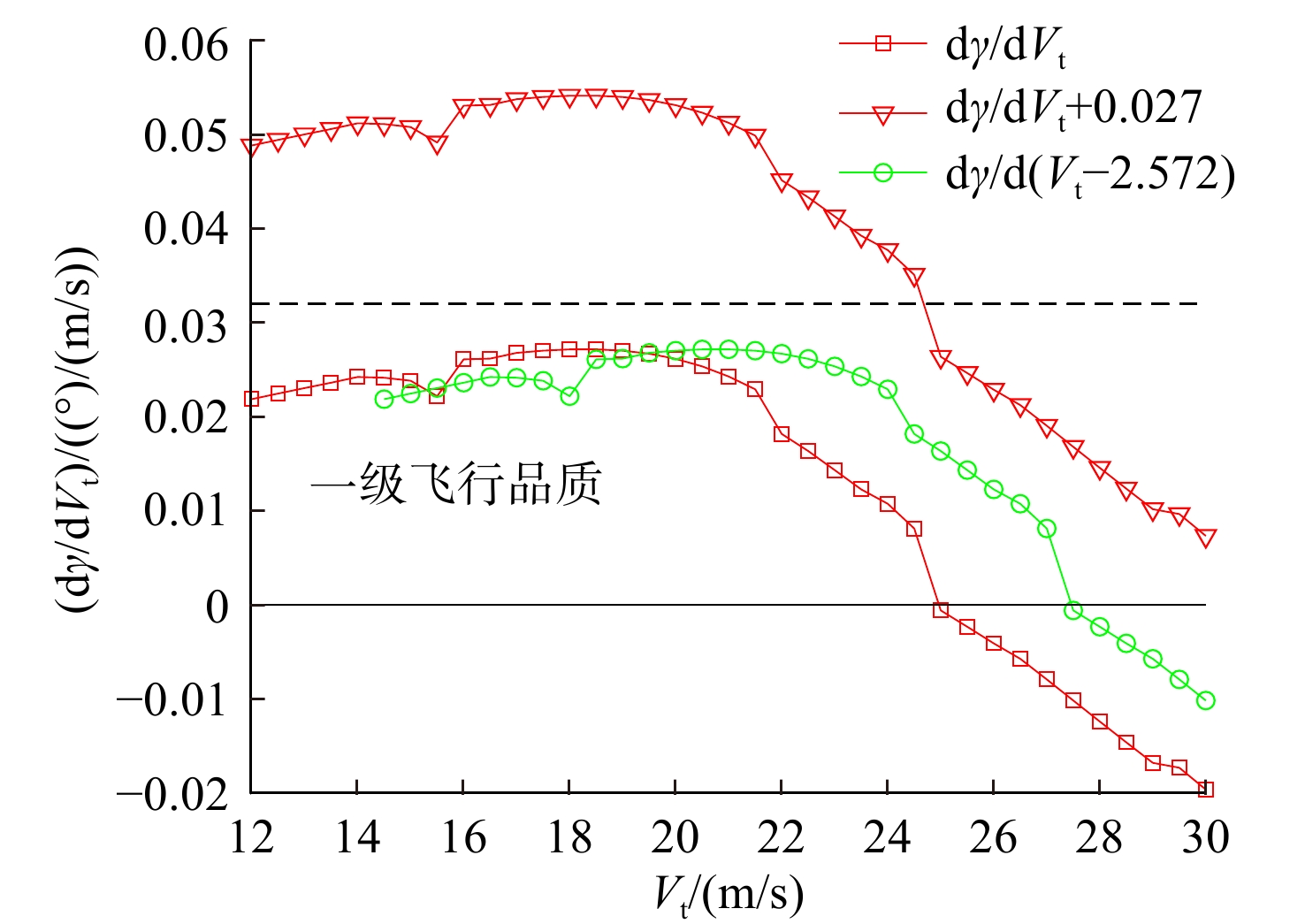
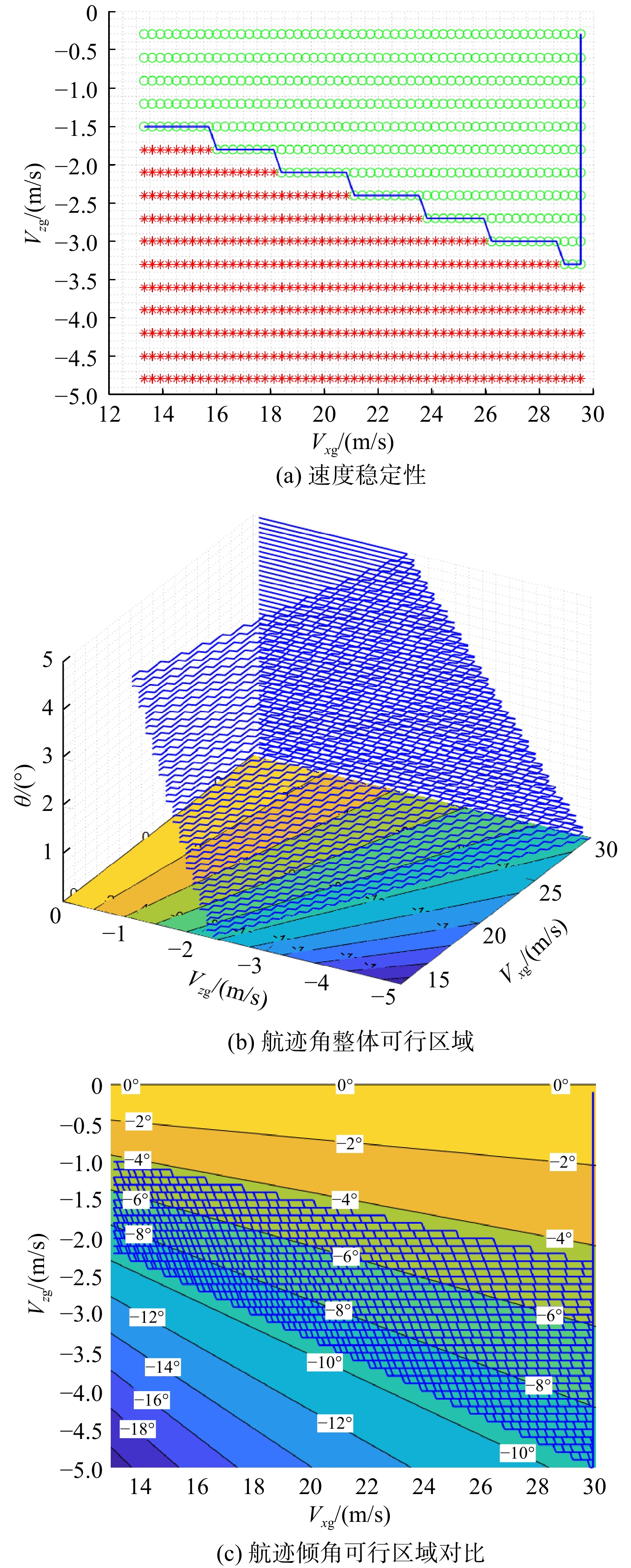
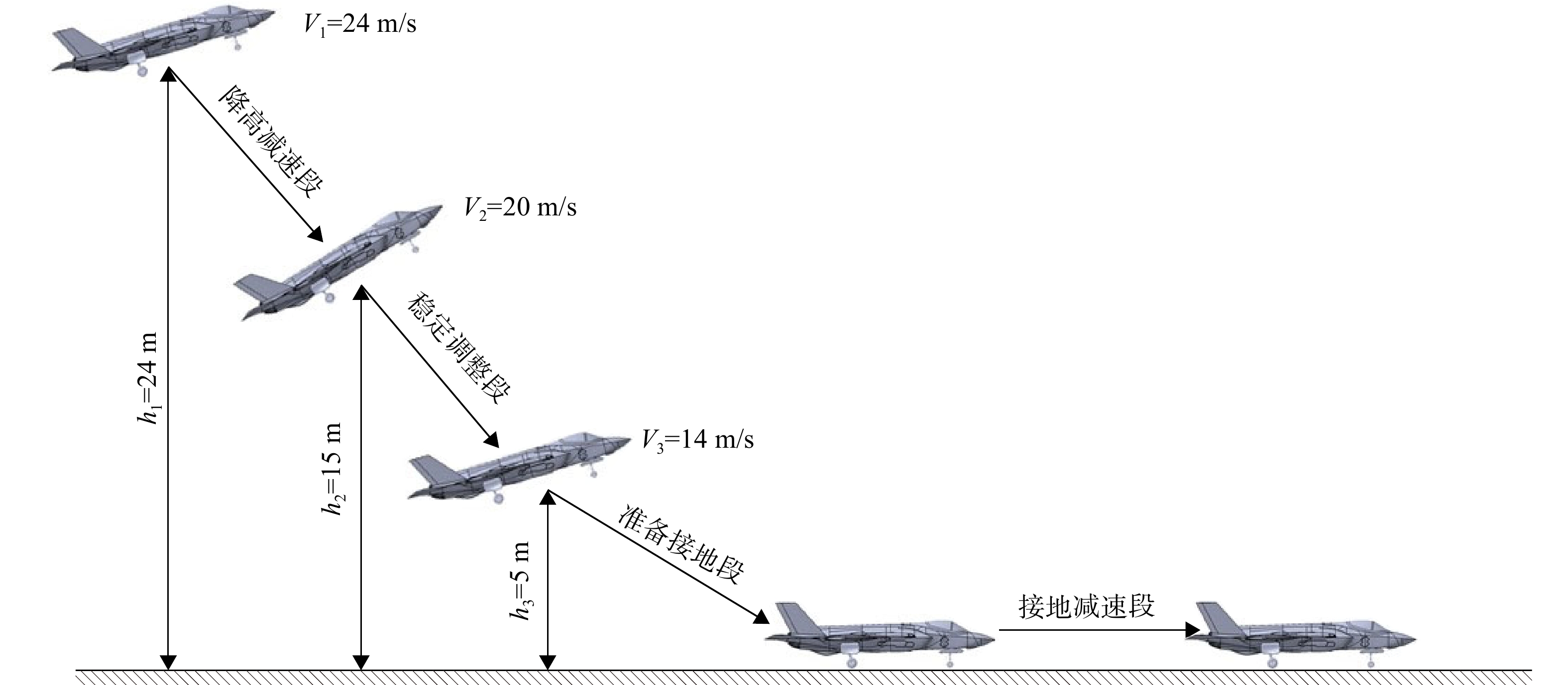
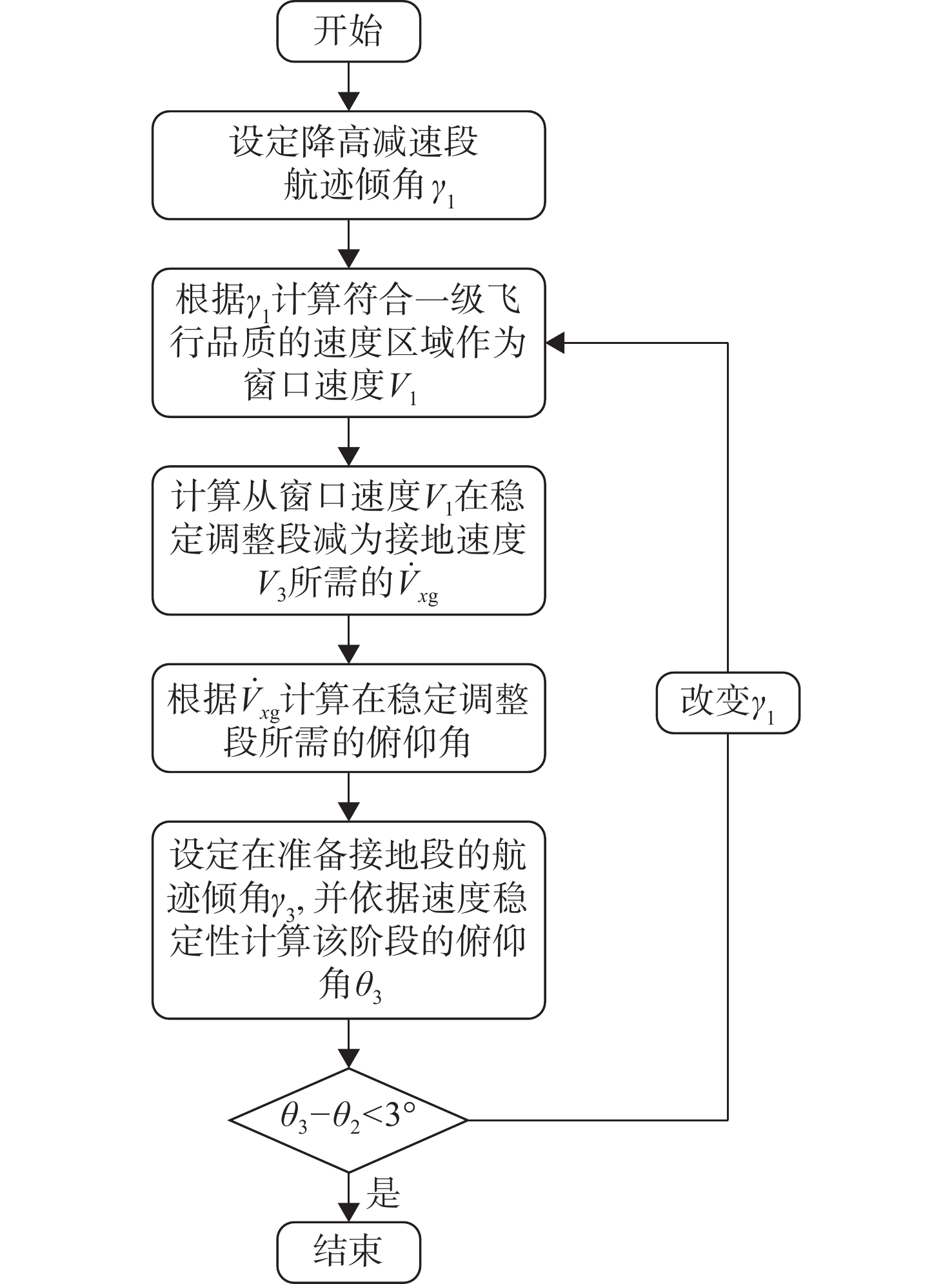
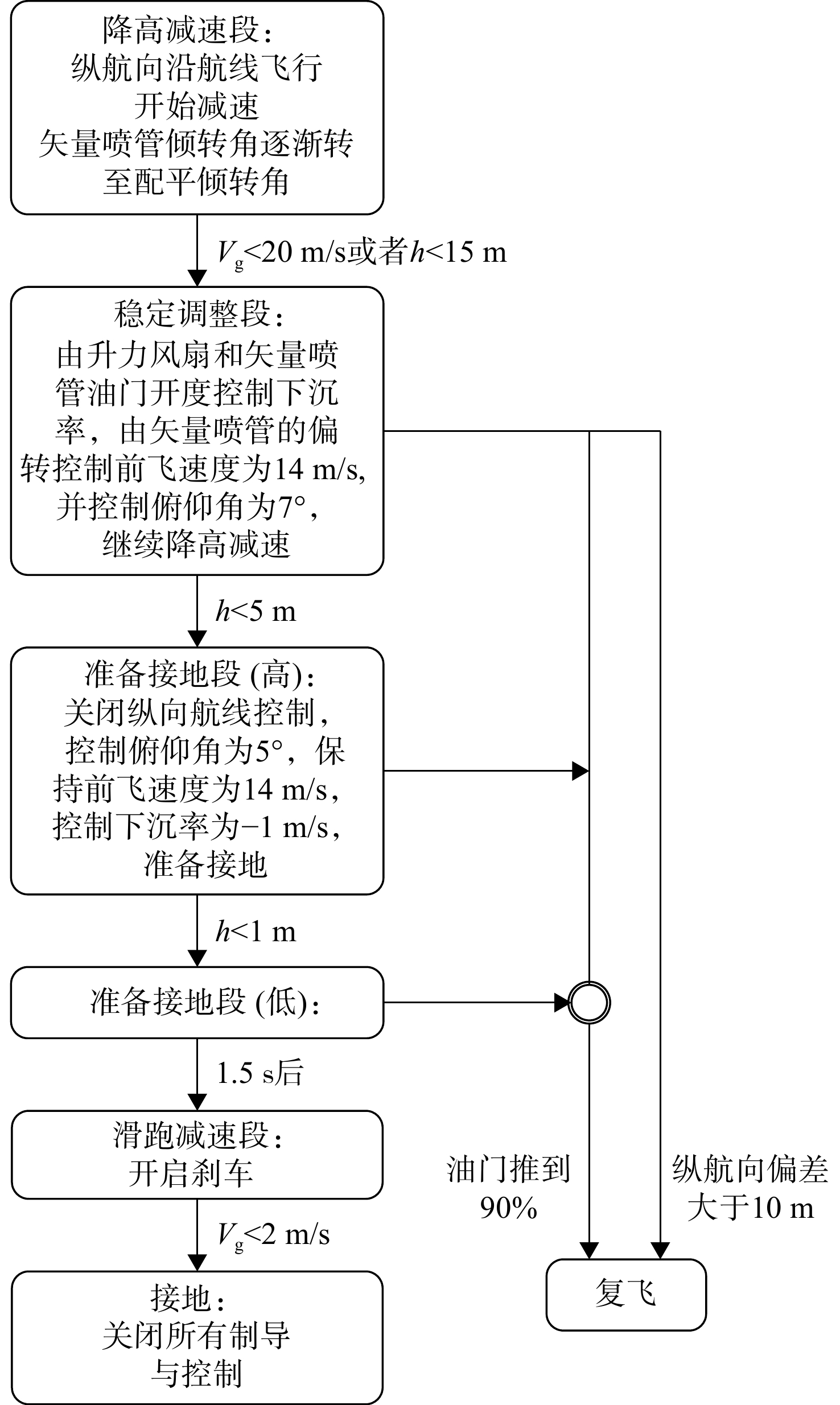
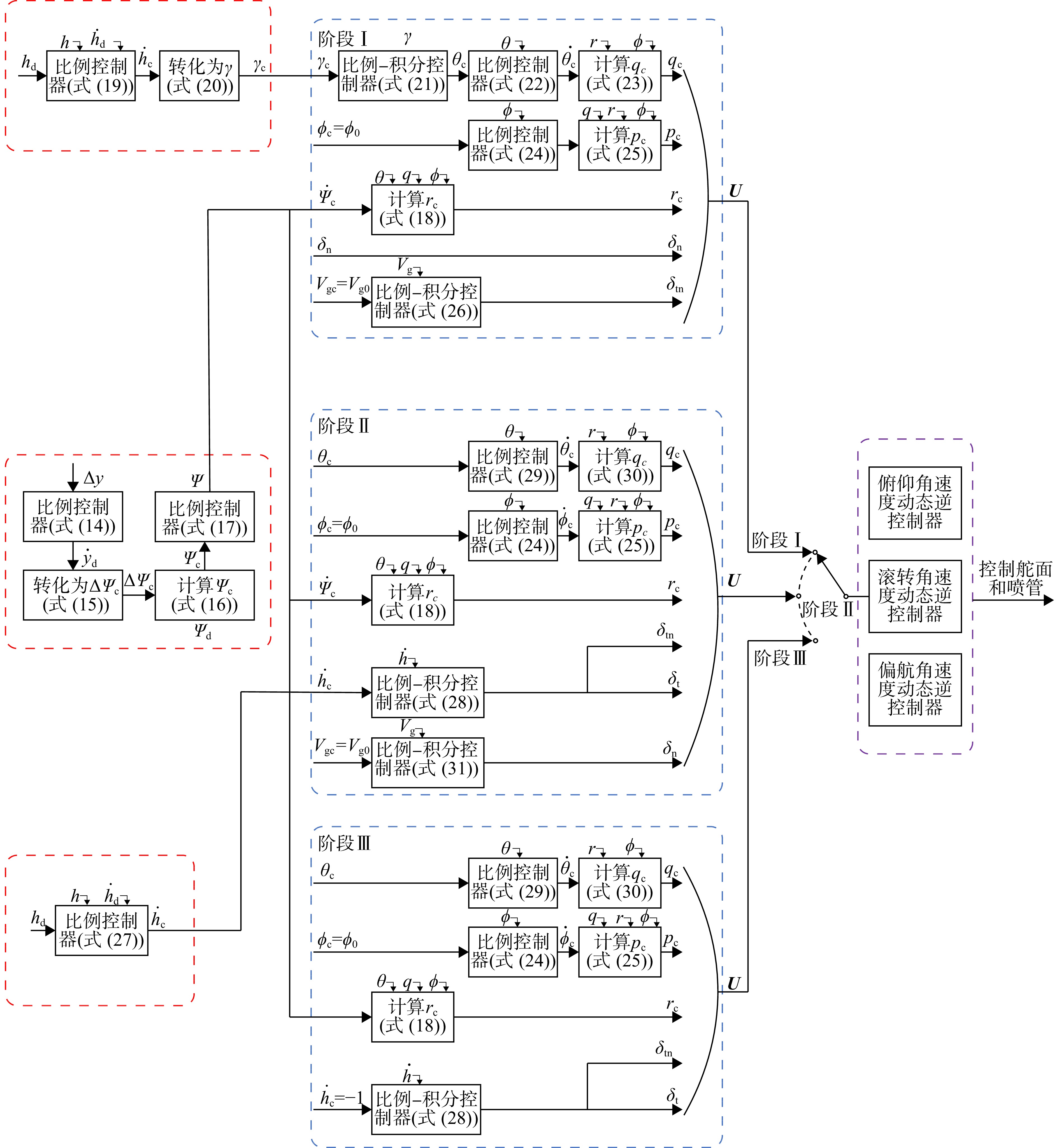
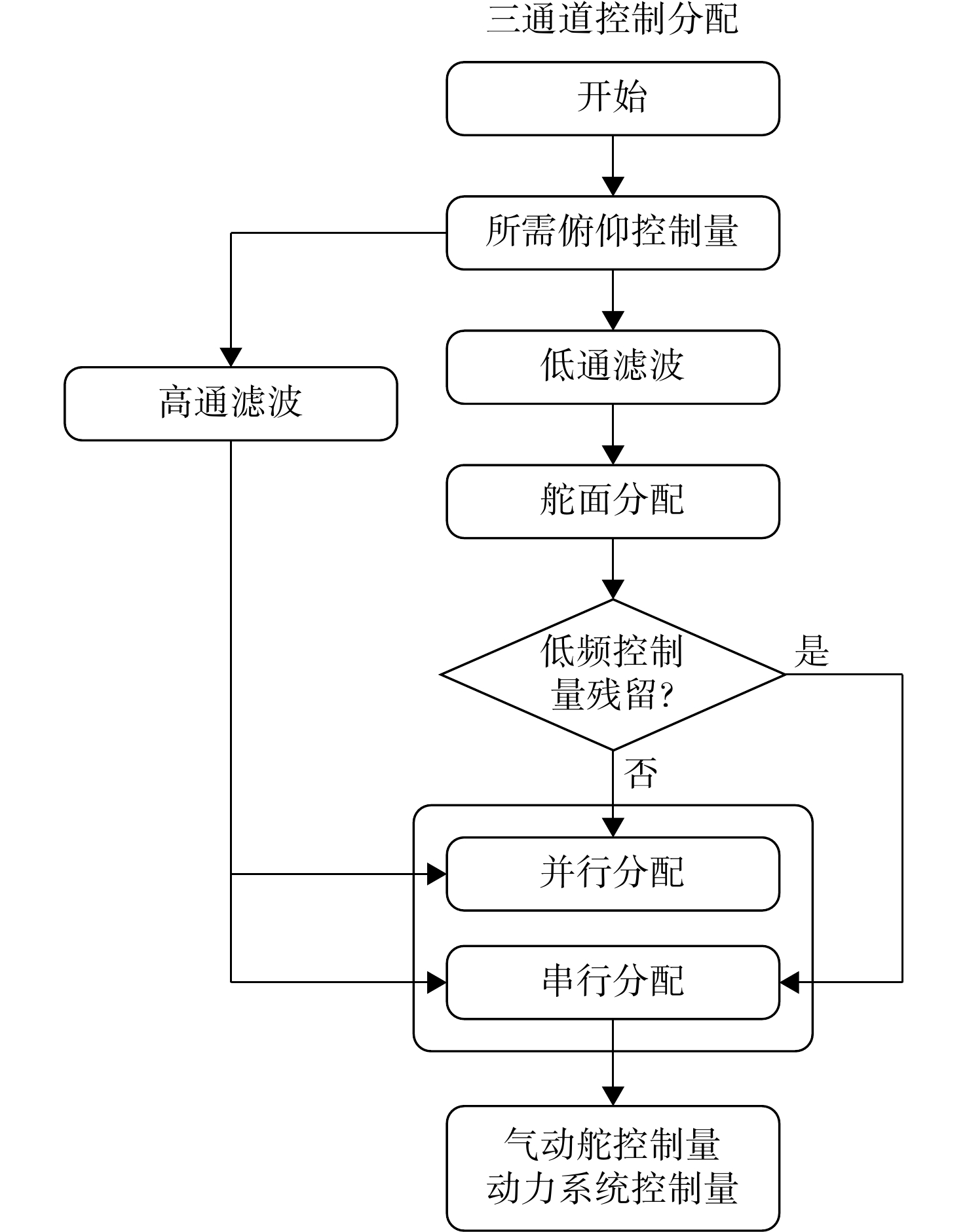
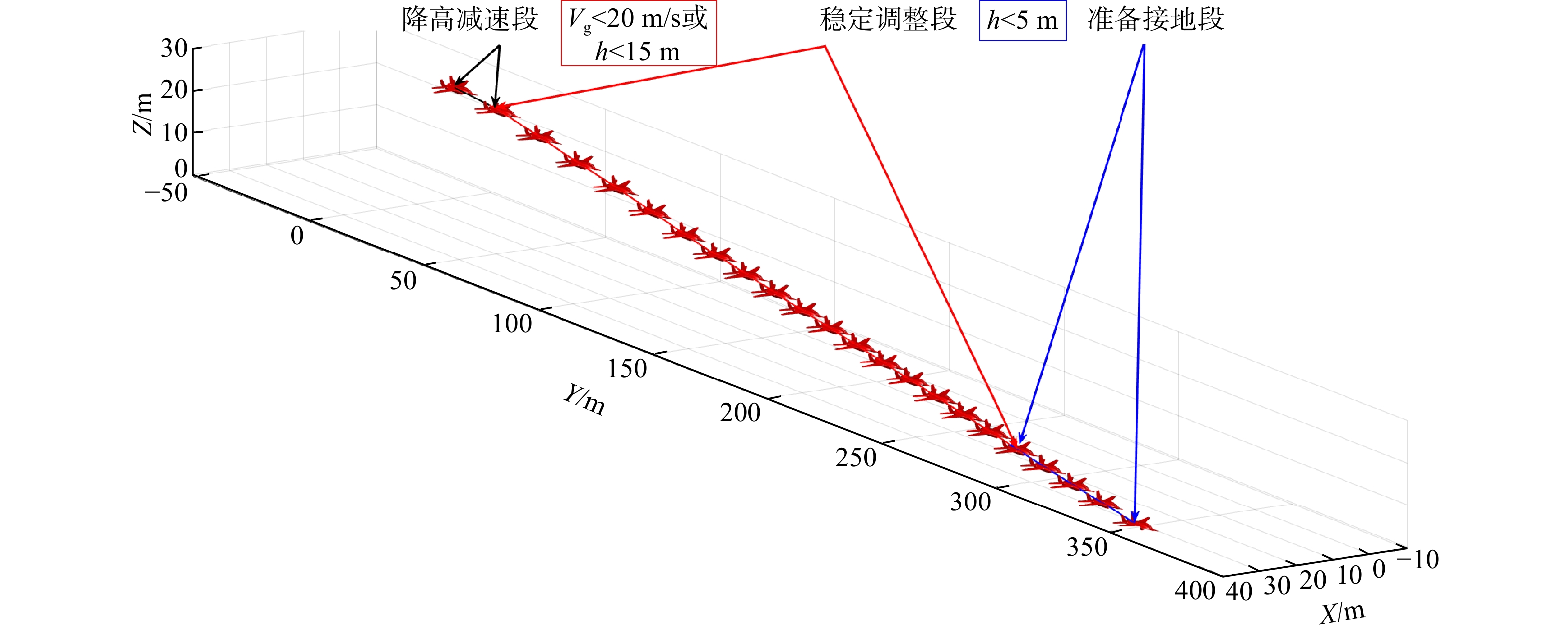
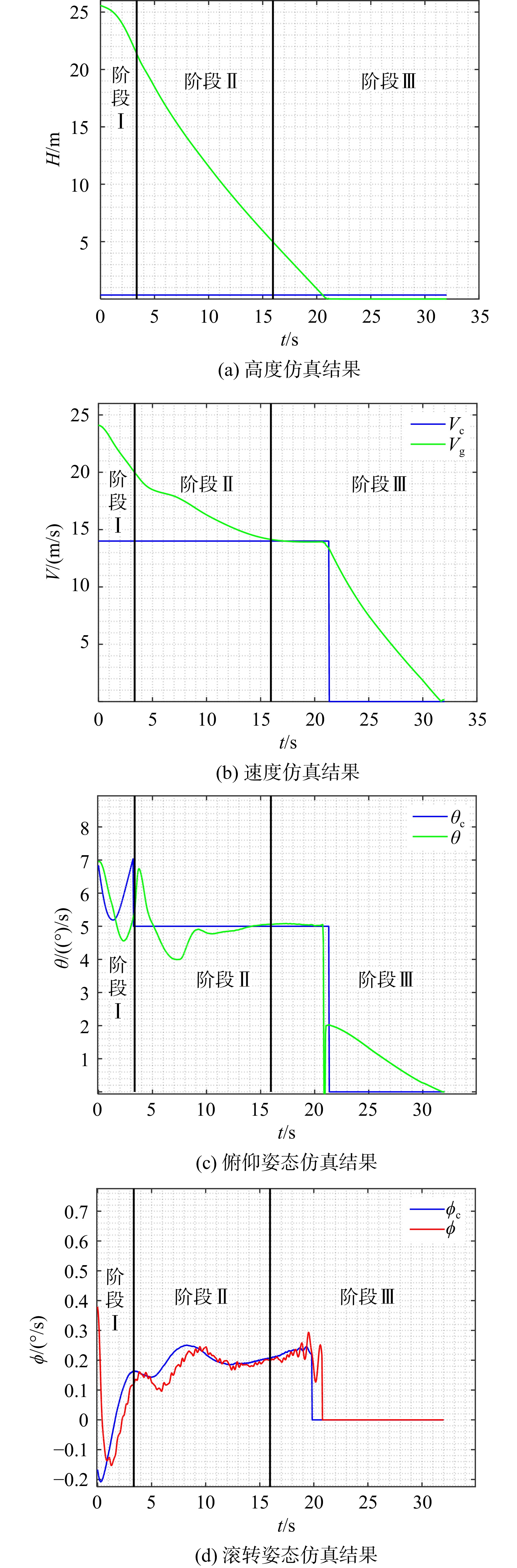
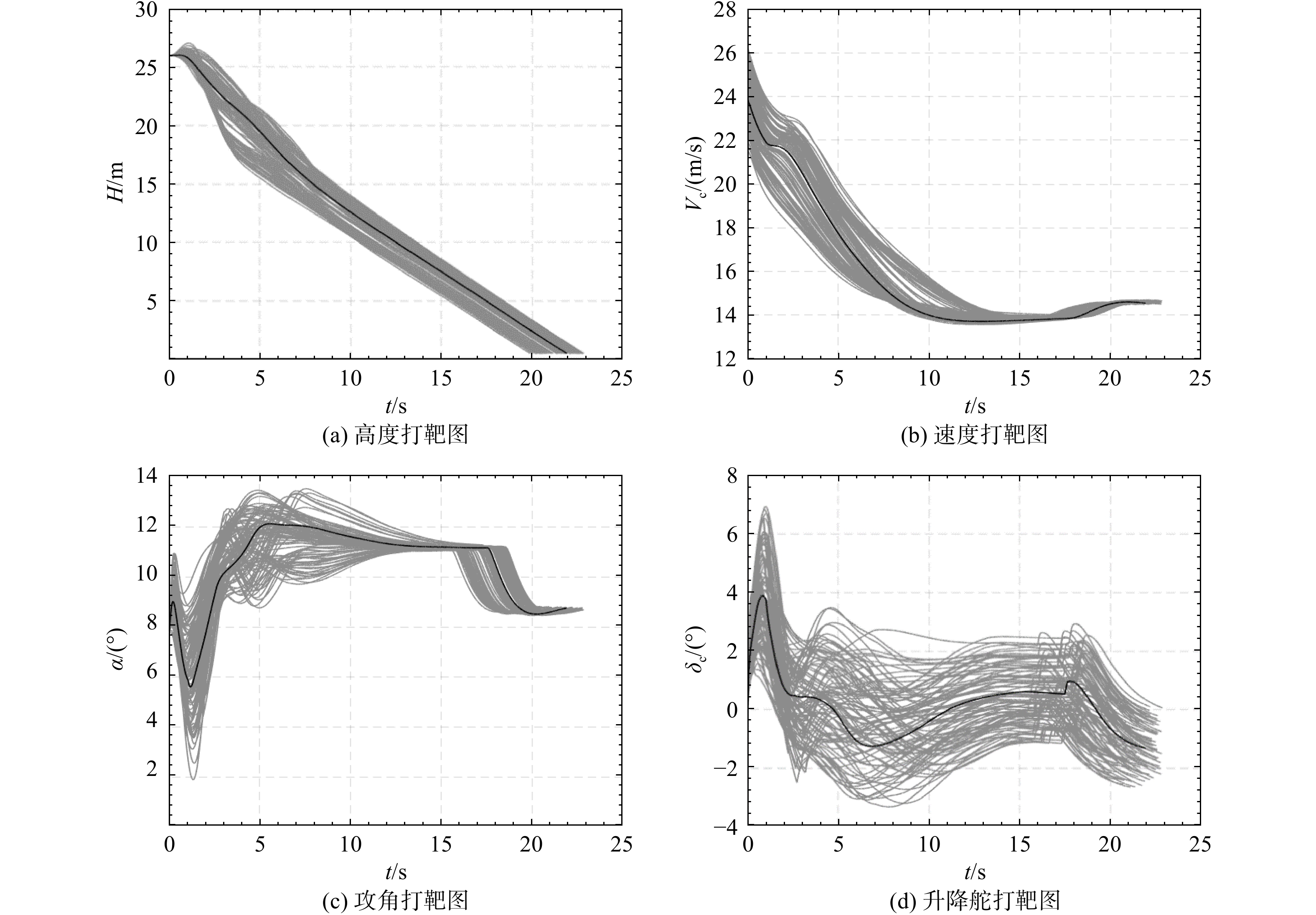
A method to design the landing strategy for vertical/short takeoff and landing vehicles (V/STOL) was established for the shipborne rolling vertical landing (SRVL) process. A longitudinal dynamic model of the protype V/STOL aircraft was established, and then the boundaries of the strategy parameters were determined using attainable balance set methods, on the basis of the deceleration performance, trajectory stability and airspeed stability. The criterion of the strategy parameters specification was also given. Then the control scheme of the strategy was piecewise constructed, where the dynamic inverse methods were applied to the inner loop. A frequency-domain-based control allocation criterion was introduced into this architecture to design the control allocator. Finally, this strategy was verified by Monte Carlo simulations for its robustness performance. The results showed that: the formulation method for strategy parameter boundaries of each landing stages satisfied their requirements respectively, and these parameter boundaries had explicit reference significance to the landing strategy formulation. The landing strategy using L1 adaptive theory for inner loop stability augmentation enables the aircrafts to have excellent trajectory robustness performance.

Effect of tiltrotor nacelle tilting strategy on the pilot workload
YU Xin, CHEN Renliang
2023, 38(8): 1889-1900. doi: 10.13224/j.cnki.jasp.20220214
Abstract:

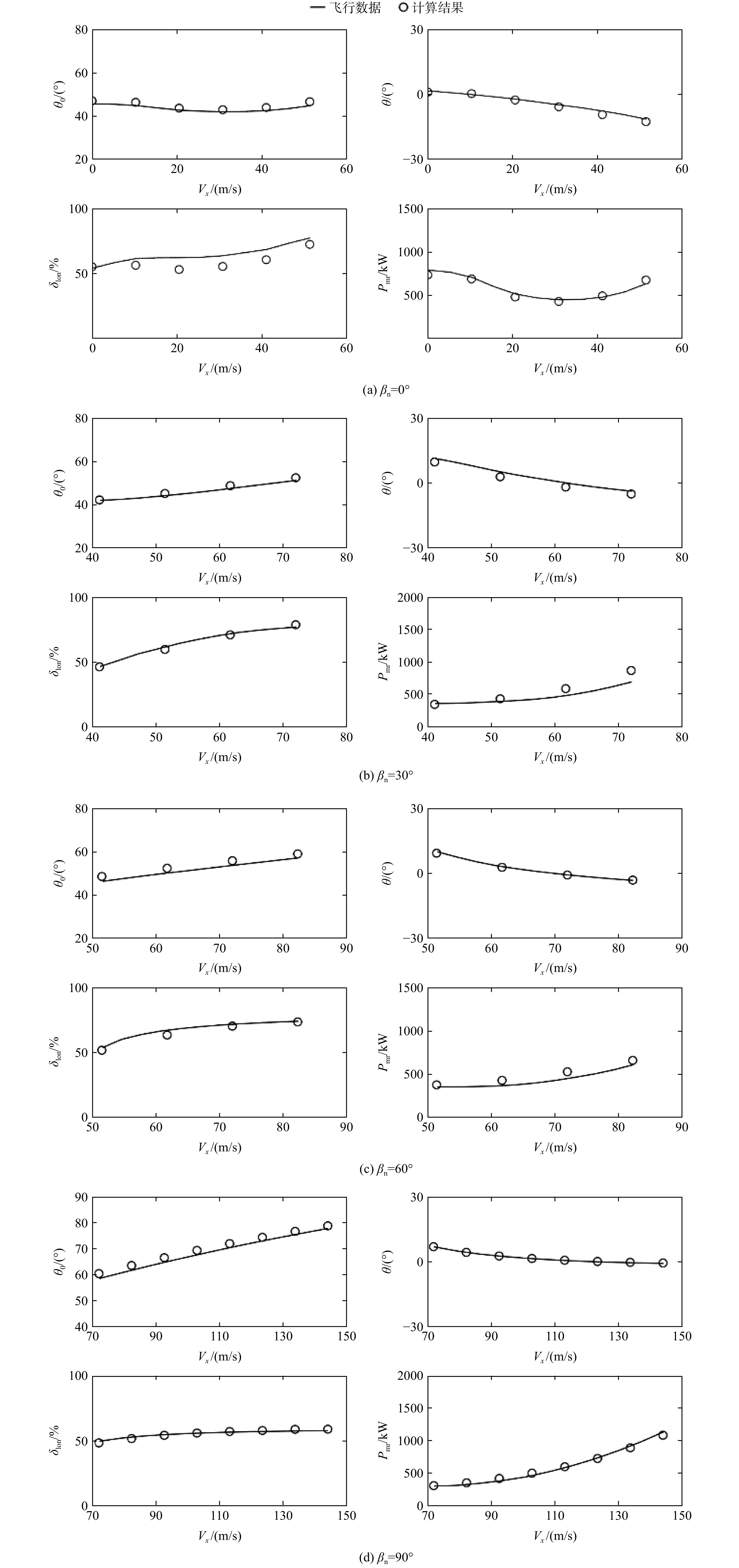
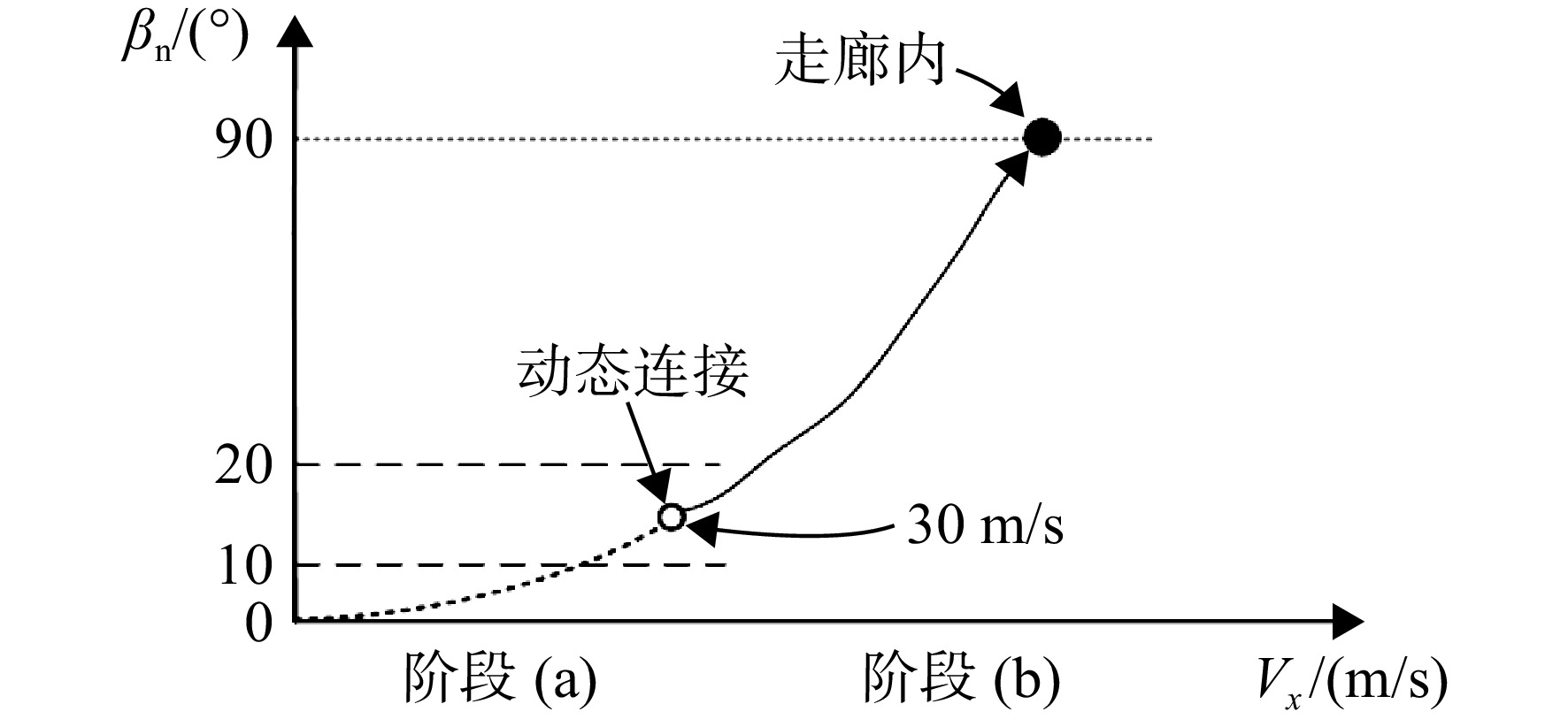
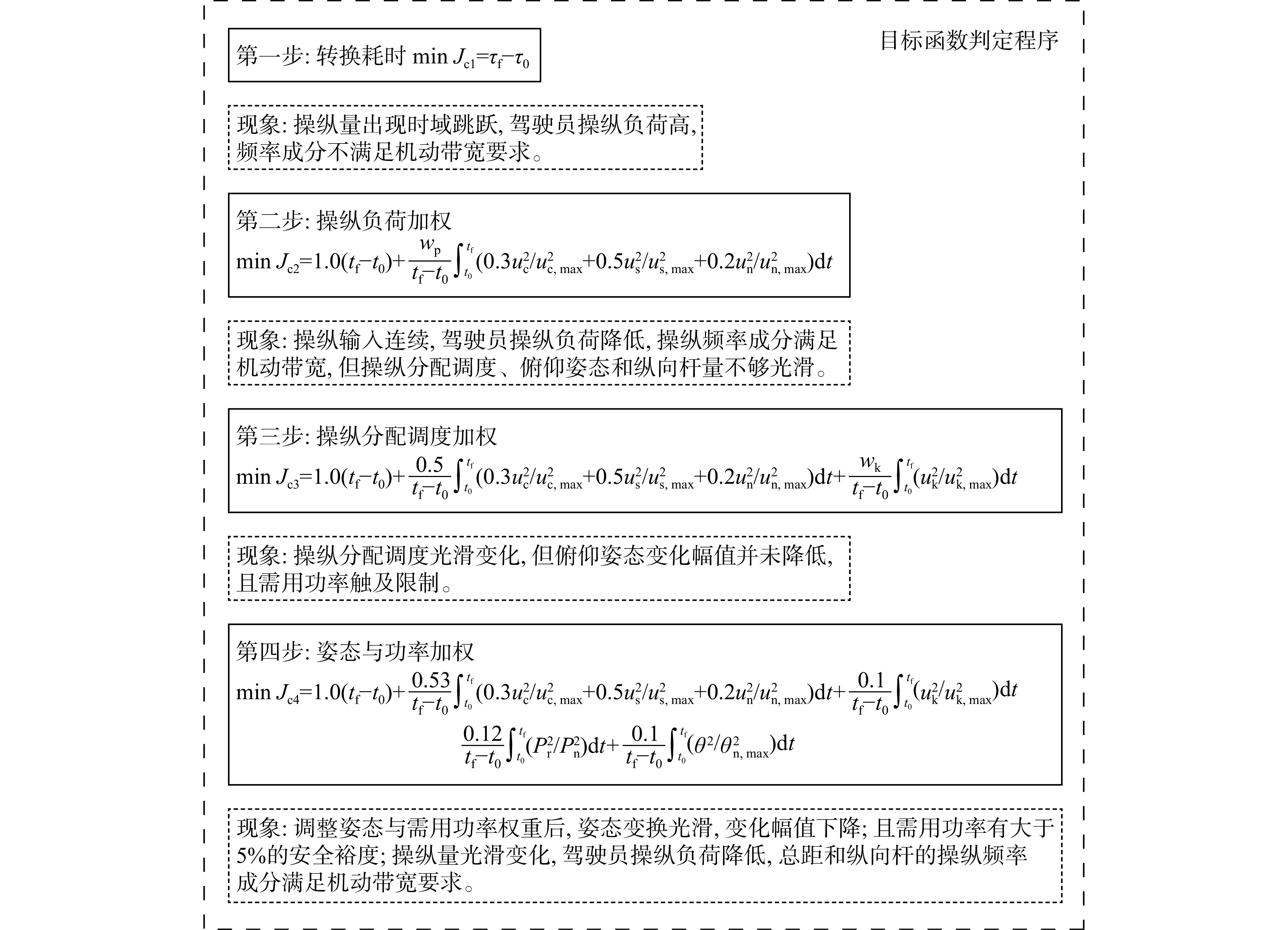
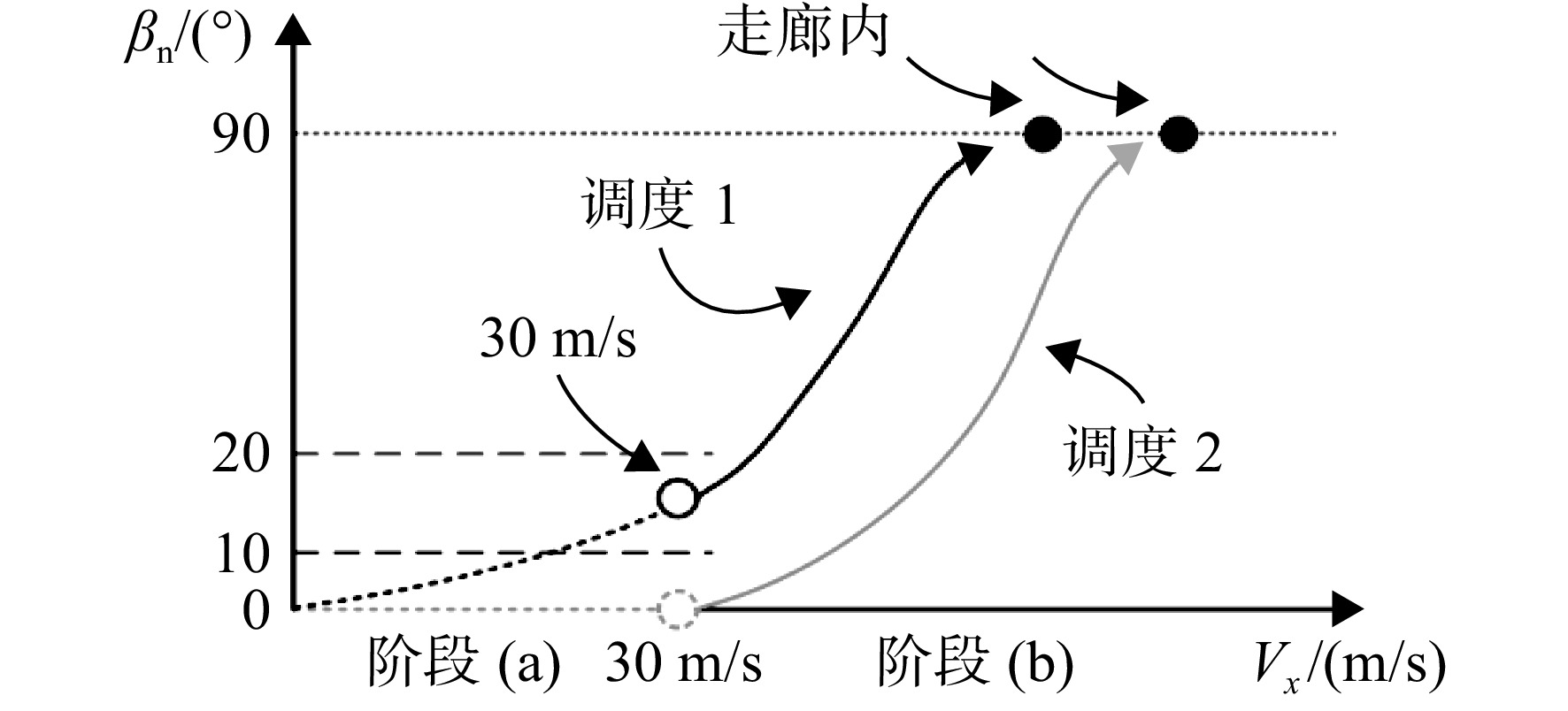
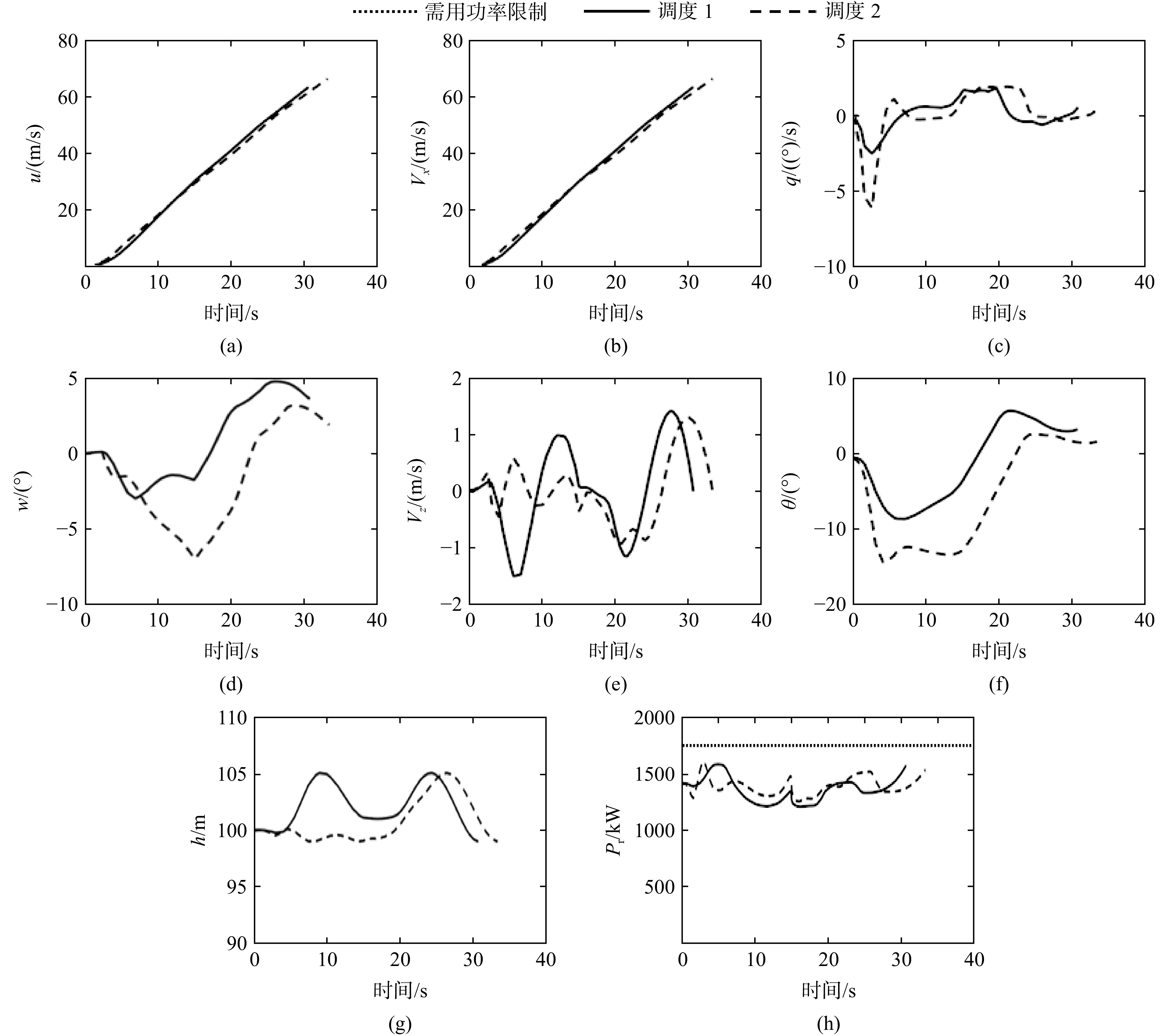
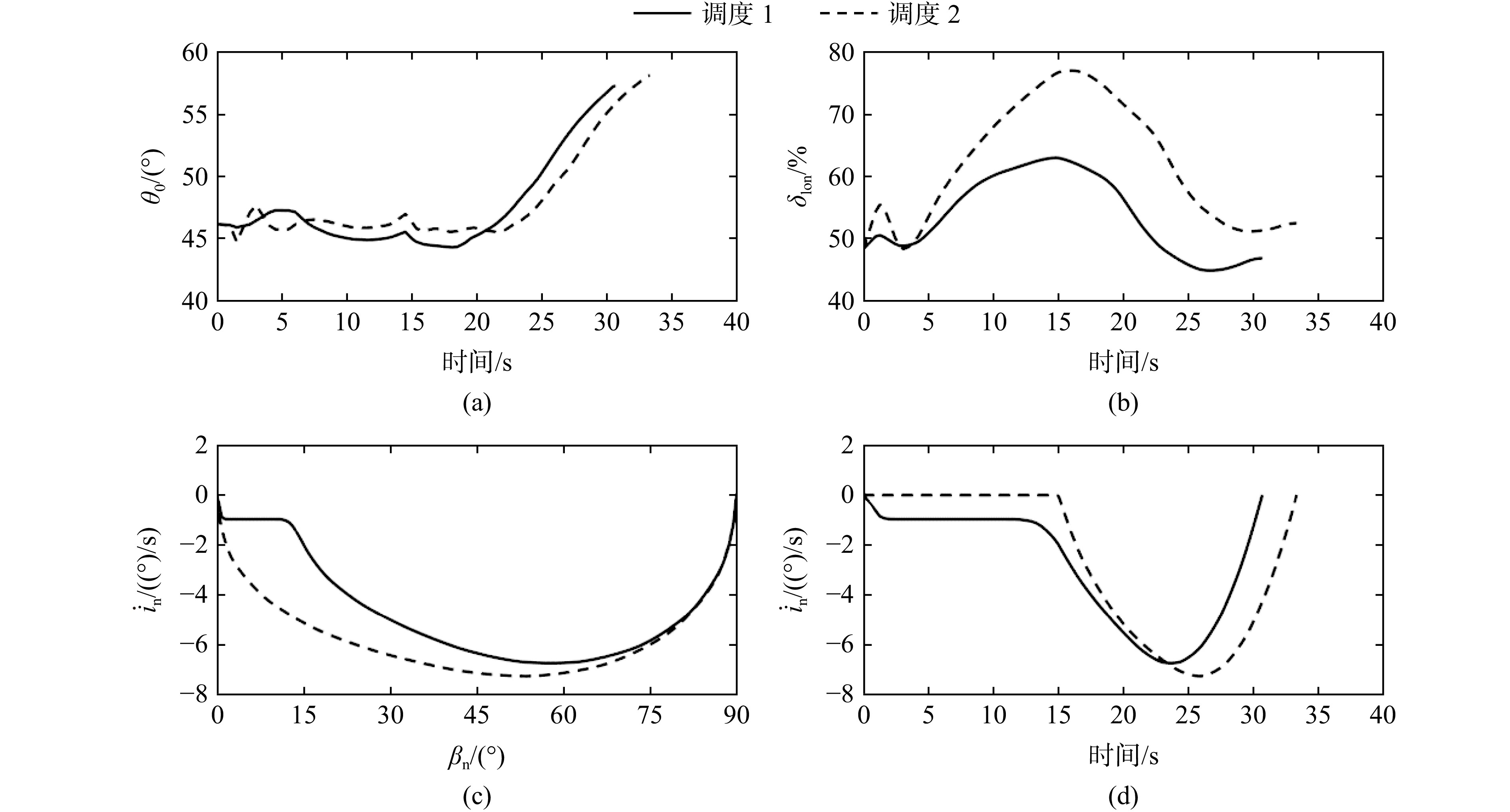
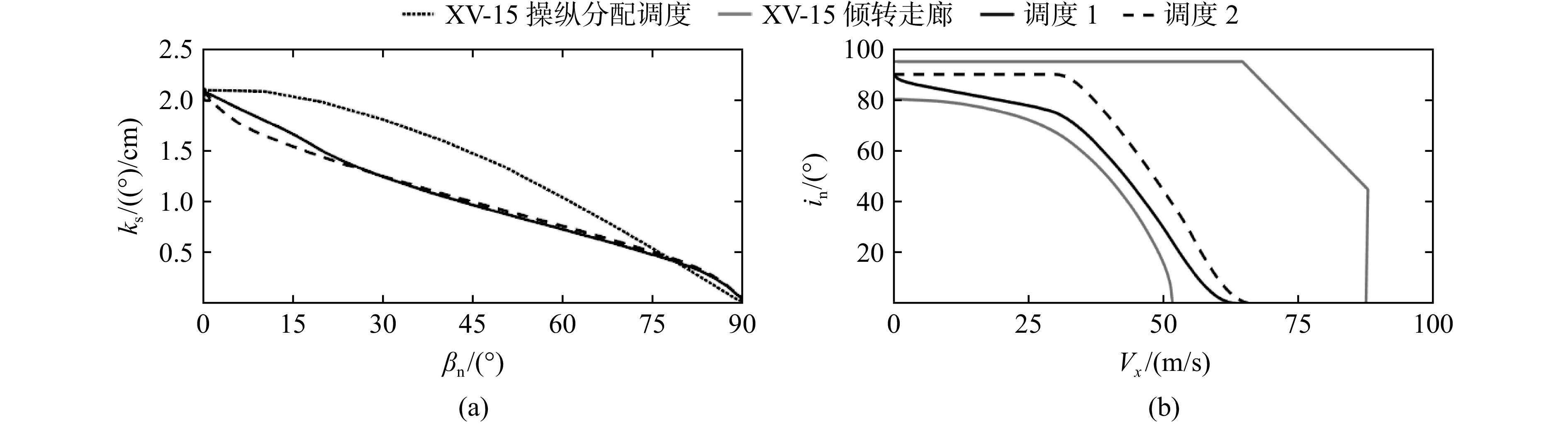
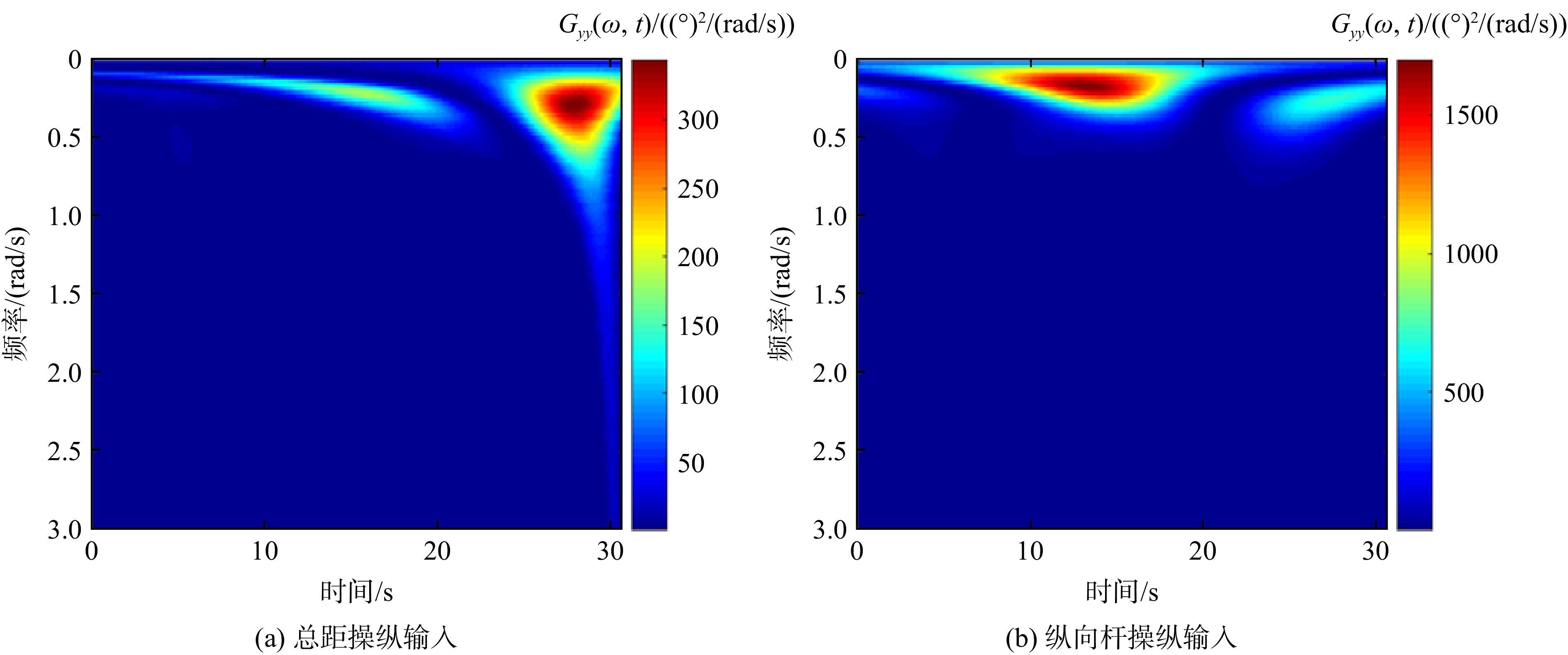
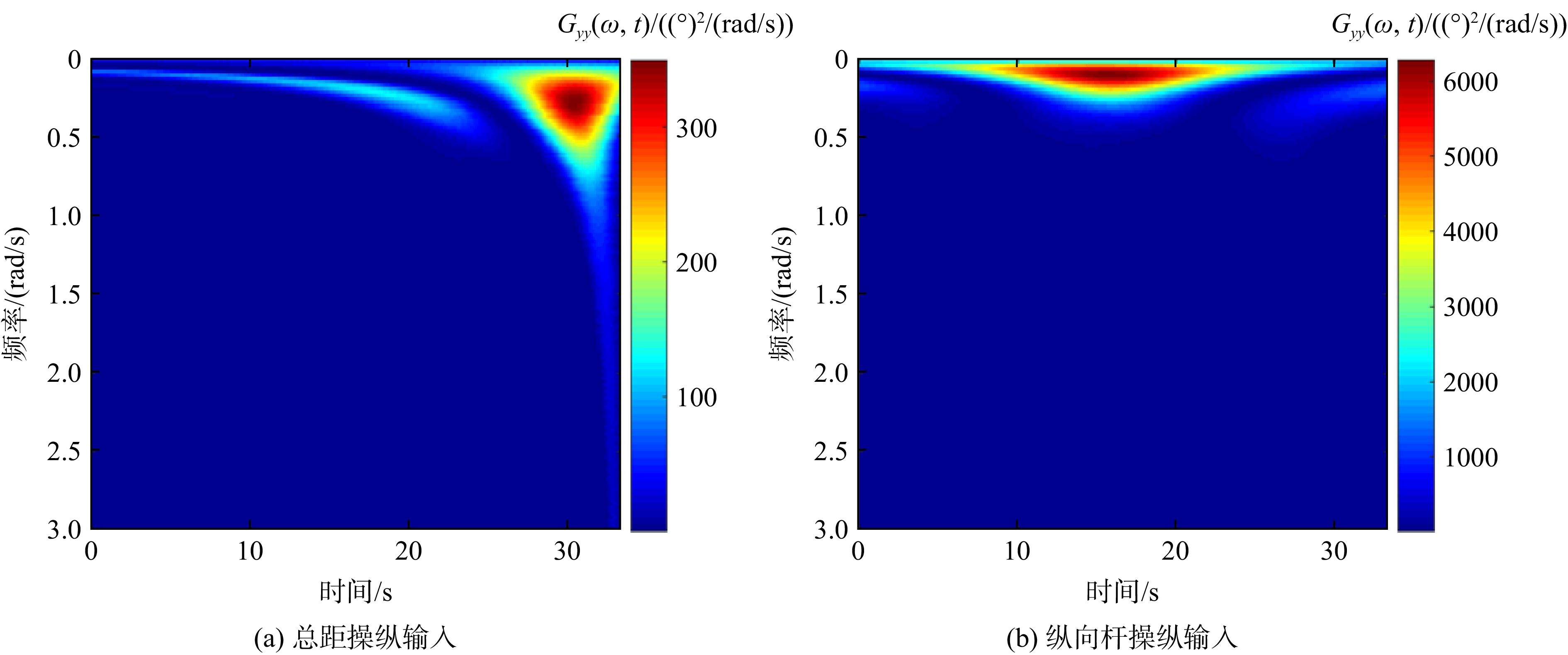
The pilot workload and vehicle’s motion in the conversion maneuver of the tiltrotor XV-15 from helicopter mode to aircraft mode were analyzed. To obtain the pilot workload and the vehicle’s motion during conversion maneuver, an investigation method of conversion maneuver was proposed, which considered the realistic conversion maneuver factors comprehensively. The conversion maneuver was formulated as a proper nonlinear optimal control problem. The cost function consisted of several factors including transitional time, pilot workload, the power required, control allocation, and flight attitude. The constraints included not only the trajectory constraints and control limits of the developed augmented dynamics, but also safety conditions of the conversion corridor and flight height. The workload in the solution of conversion maneuver was evaluated by wavelet analysis, and the effect of different naclle tilting strategies on the workload and aircraft motion was discussed. Based on the results, for the conversion maneuver, it was recommended that, to alleviate the pilot workload and the variation of attitude, the nacelle should tilt much slower in the beginning before reaching a certain forward speed at which the nacelle can tilt at a normal rate. As a result, the presented optimization method could identify the pros and cons between different nacelle tilting strategies successfully.

Propeller design rule extraction based on rough set theory
HU Bao, GAO Yongwei, WEI Binbin
2023, 38(8): 1901-1908. doi: 10.13224/j.cnki.jasp.20210645
Abstract:

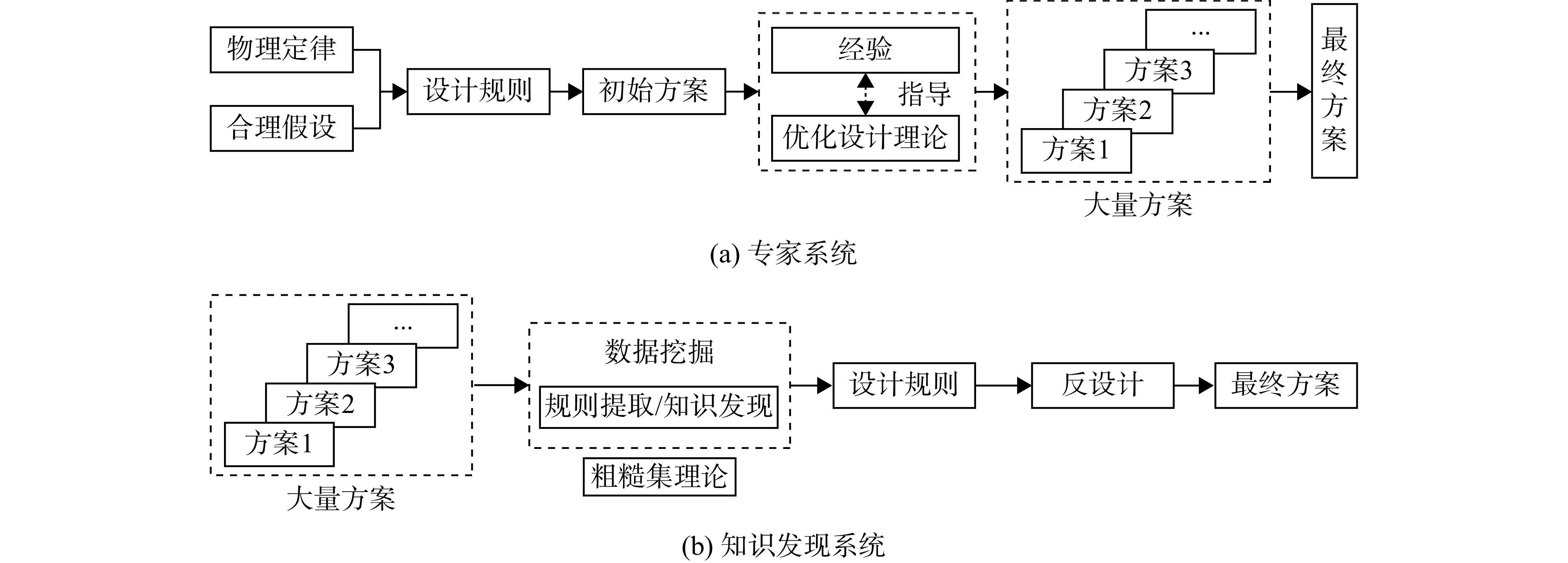
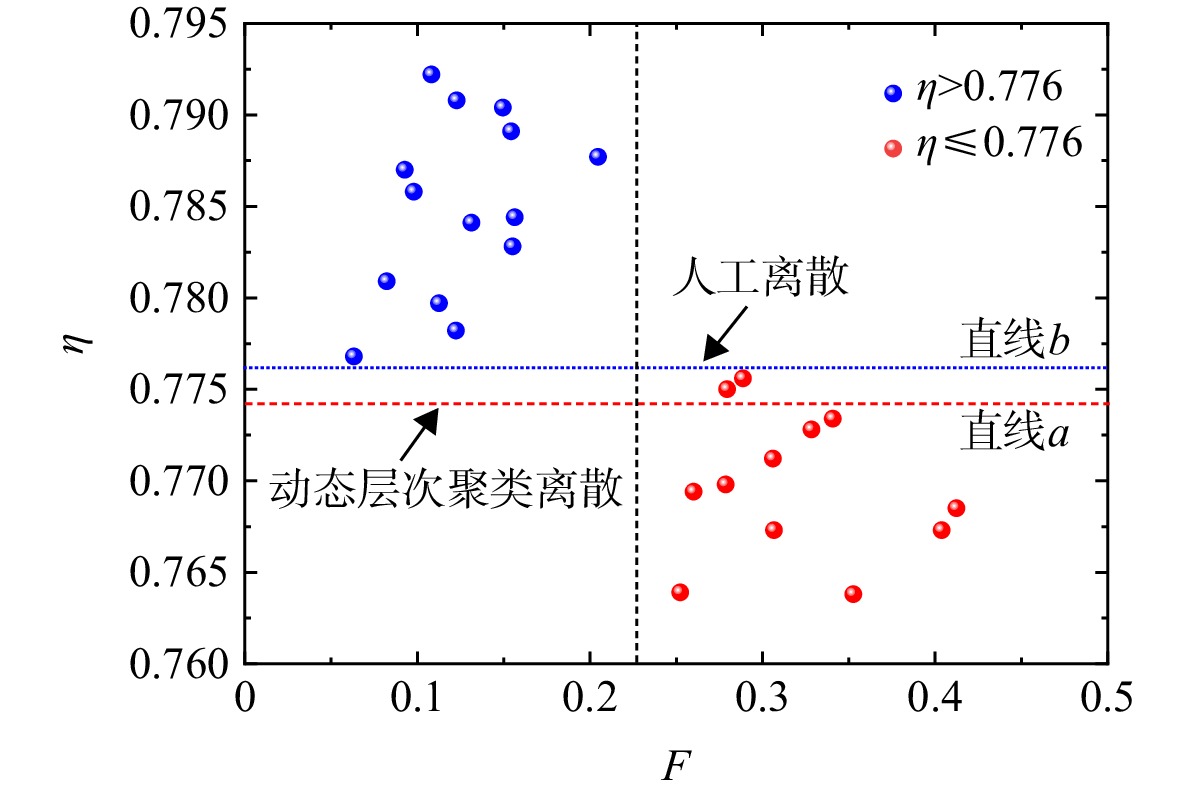
Different from the traditional method of obtaining design rules by experts through theoretical derivation or experience, a data-driven propeller design rule extraction method was proposed. The rough set theory was used to analyze a large number of scheme data generated in the process of propeller optimization design. An appropriate attribute representation method and an attribute discrete method were developed. Result showed that, in the study of two types of propeller models with different parameters, the design rule that the smaller the difference of the induced velocity of each section of the propeller, the higher the propeller efficiency was extracted. This rule was equivalent to the Betz condition, which verified the effectiveness of the method. The data-driven propeller design rule extraction method can provide technical support for the subsequent discovery of three dimensional design rules and optimal design research. This idea can also be used as a reference for other design fields.

Rapid design of dedicated turbofan engine for parallel hybrid propulsion system
LIU Guangbi, WANG Buyu, WANG Xiangyang, SHUAI Shijin
2023, 38(8): 1909-1925. doi: 10.13224/j.cnki.jasp.20230155
Abstract:

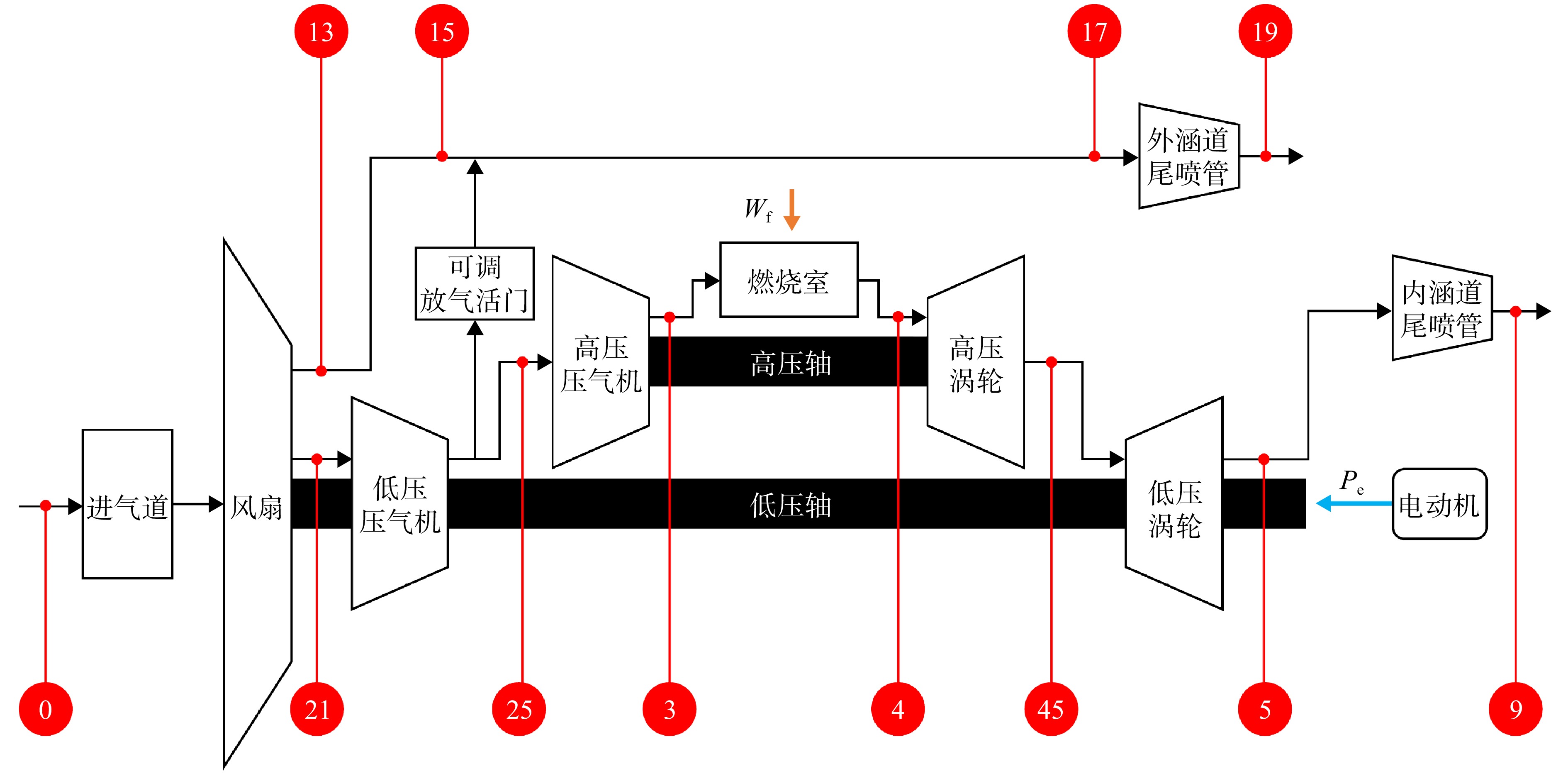
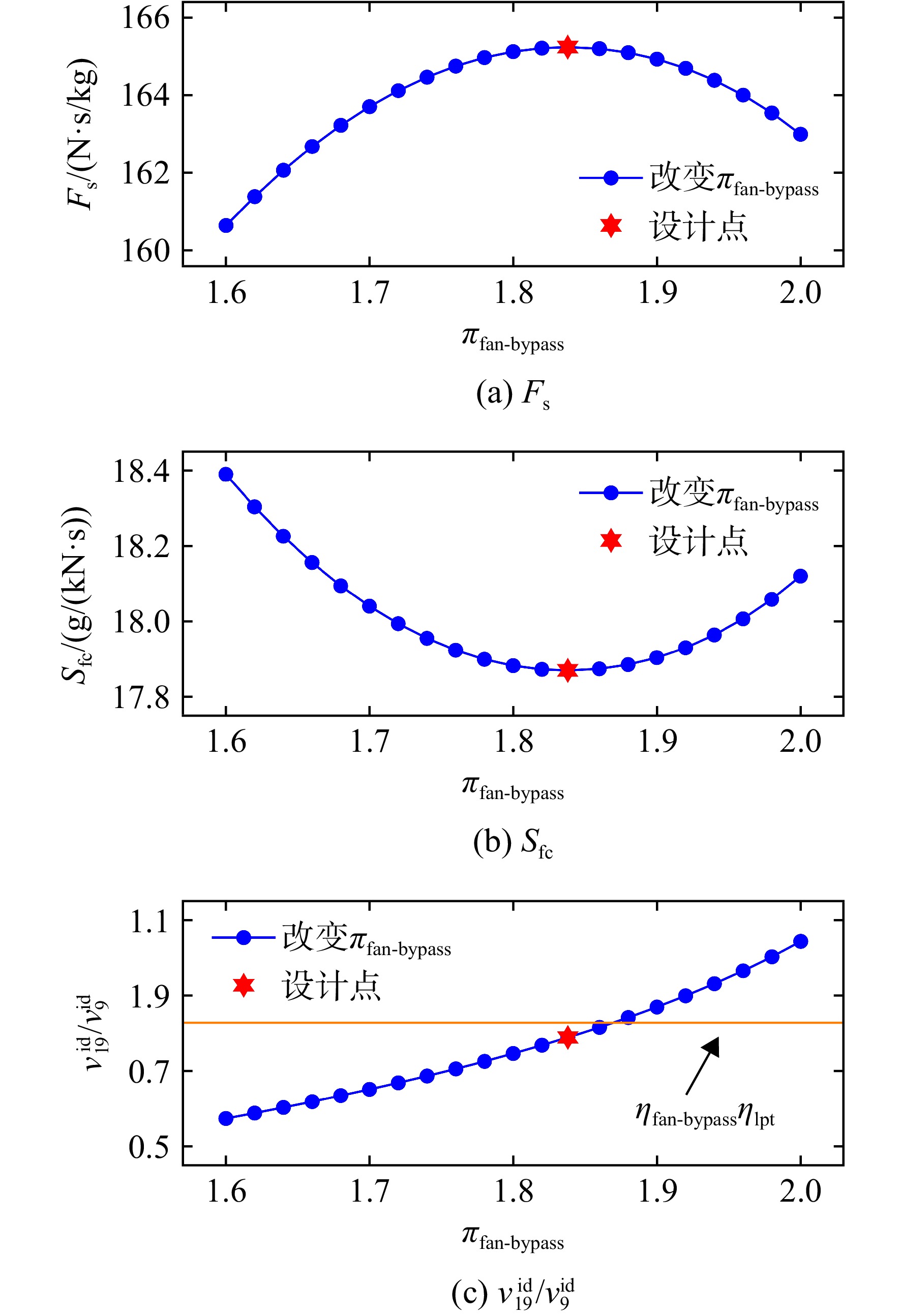
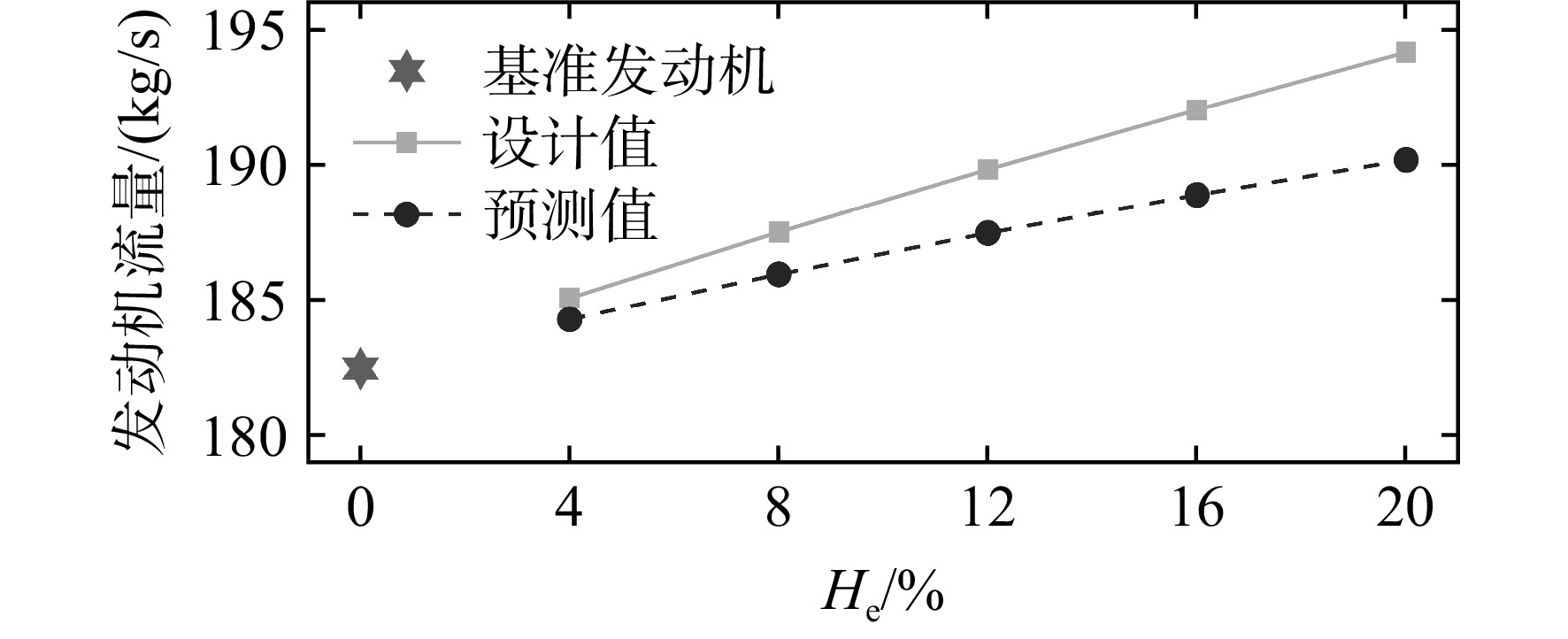
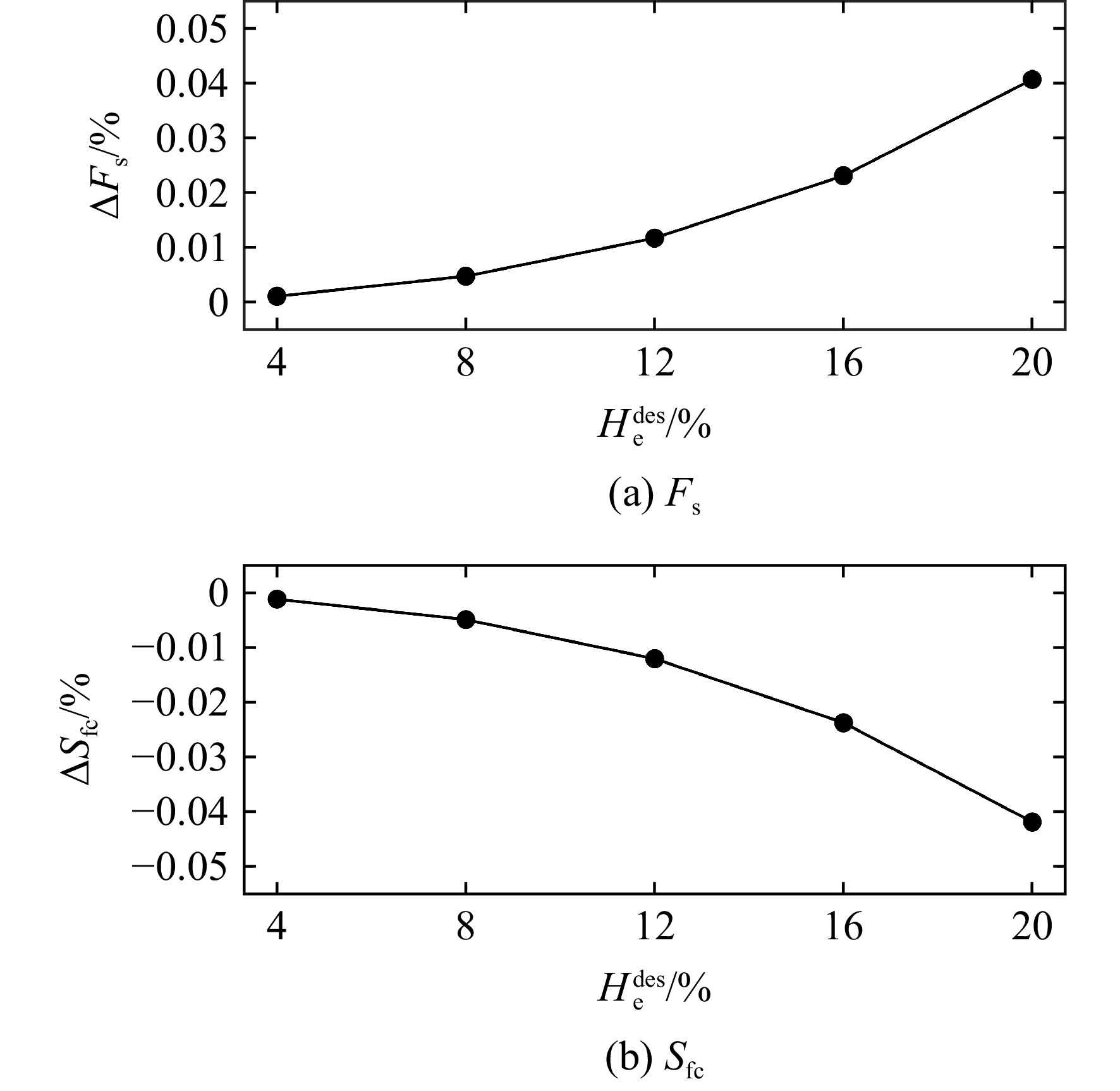
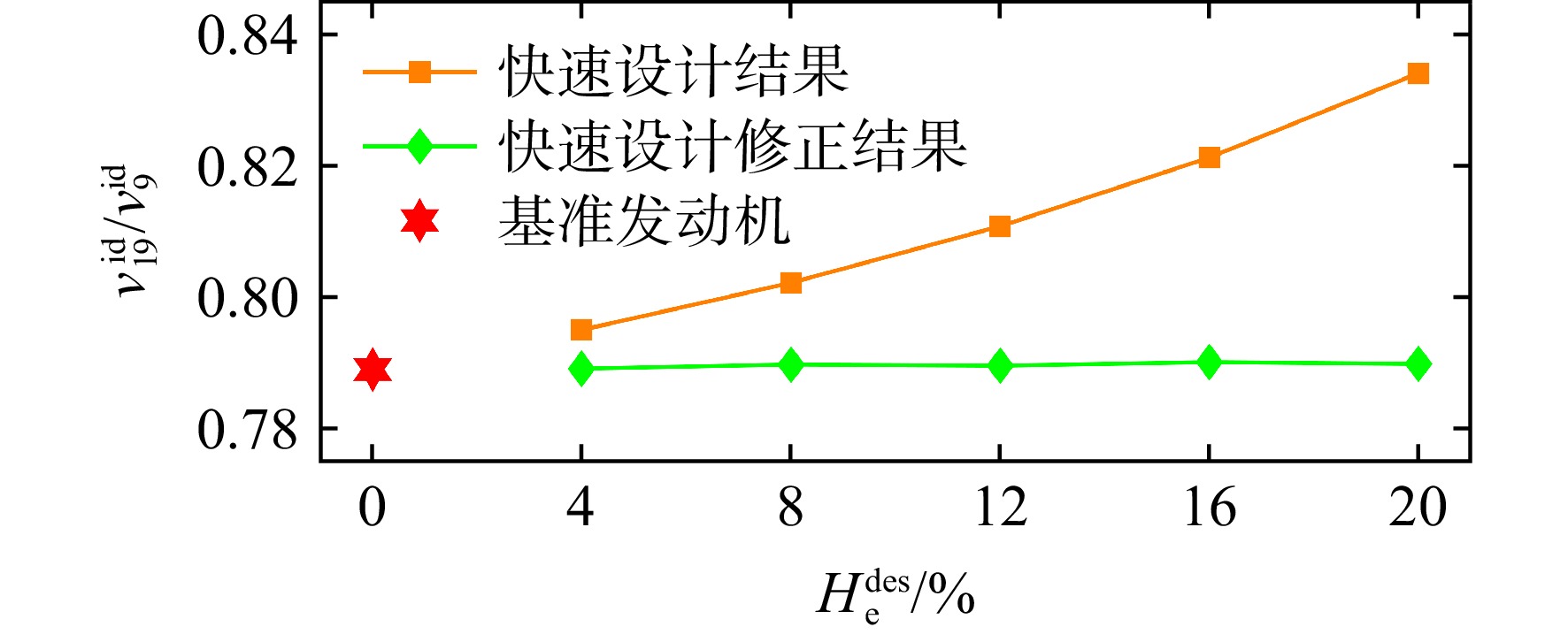
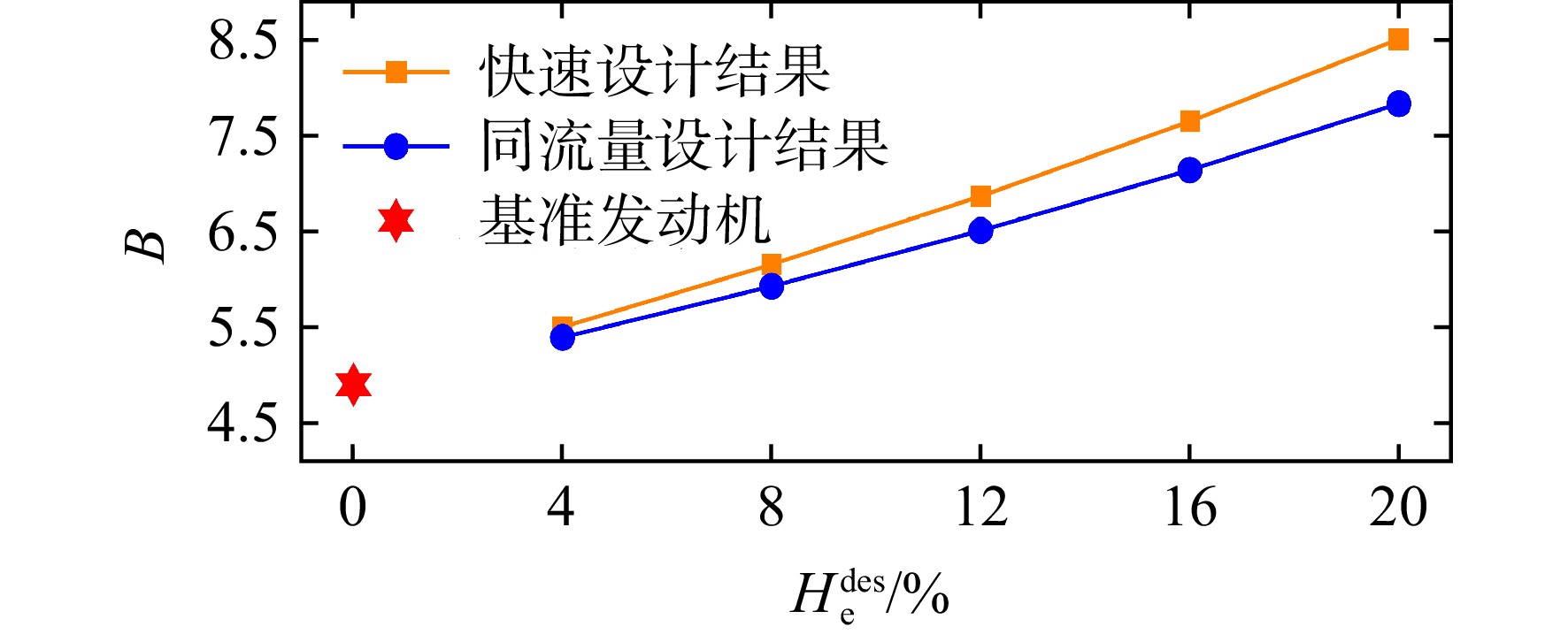
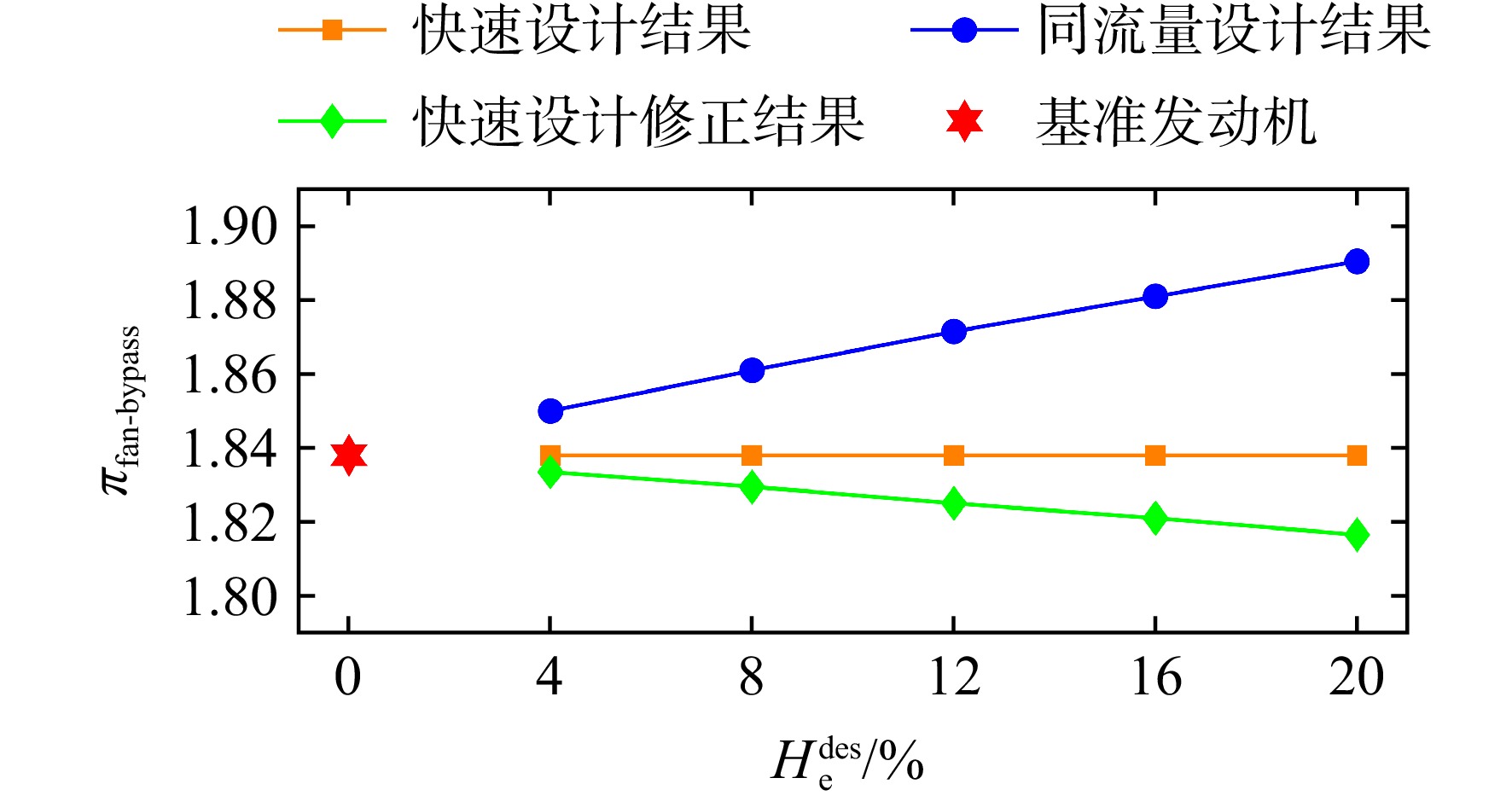
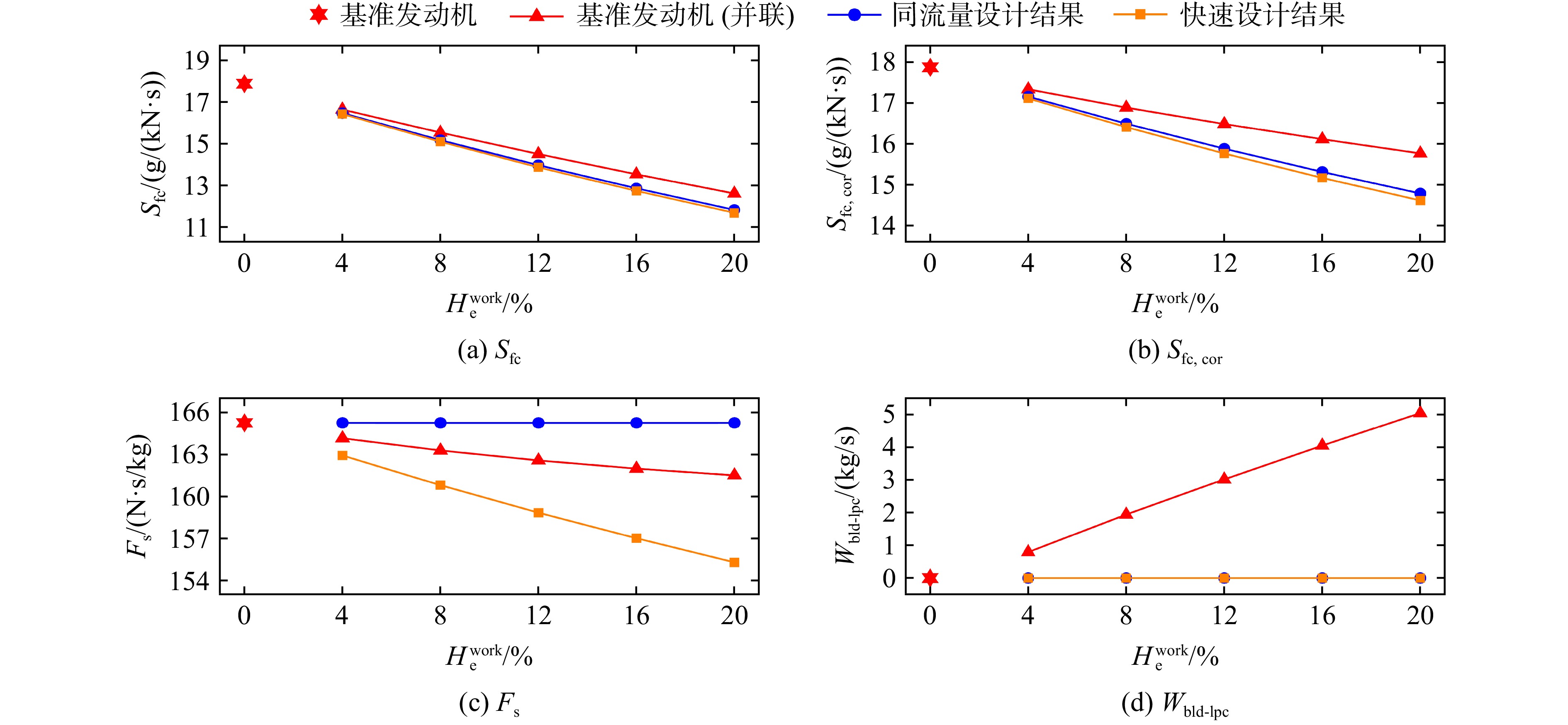
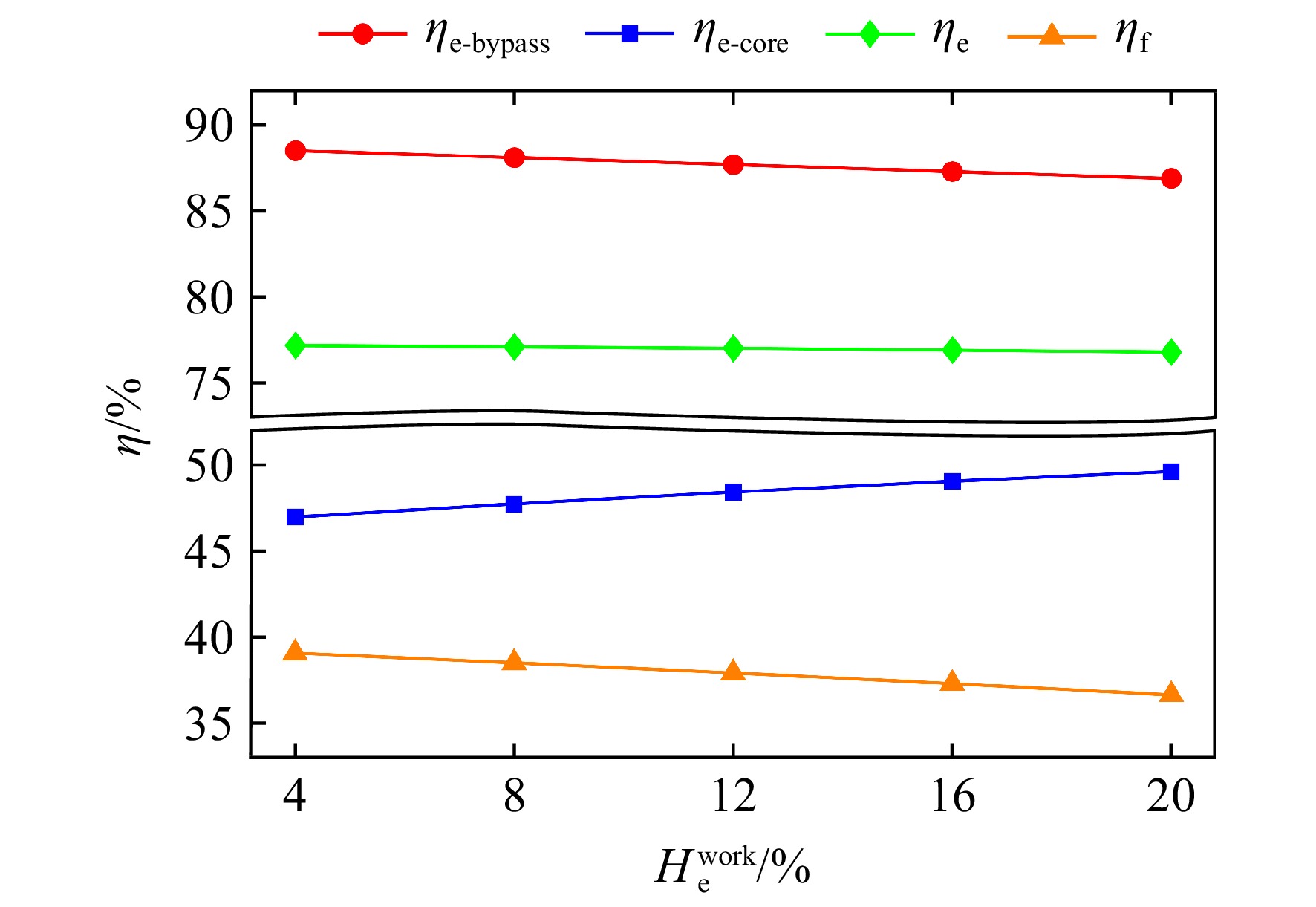
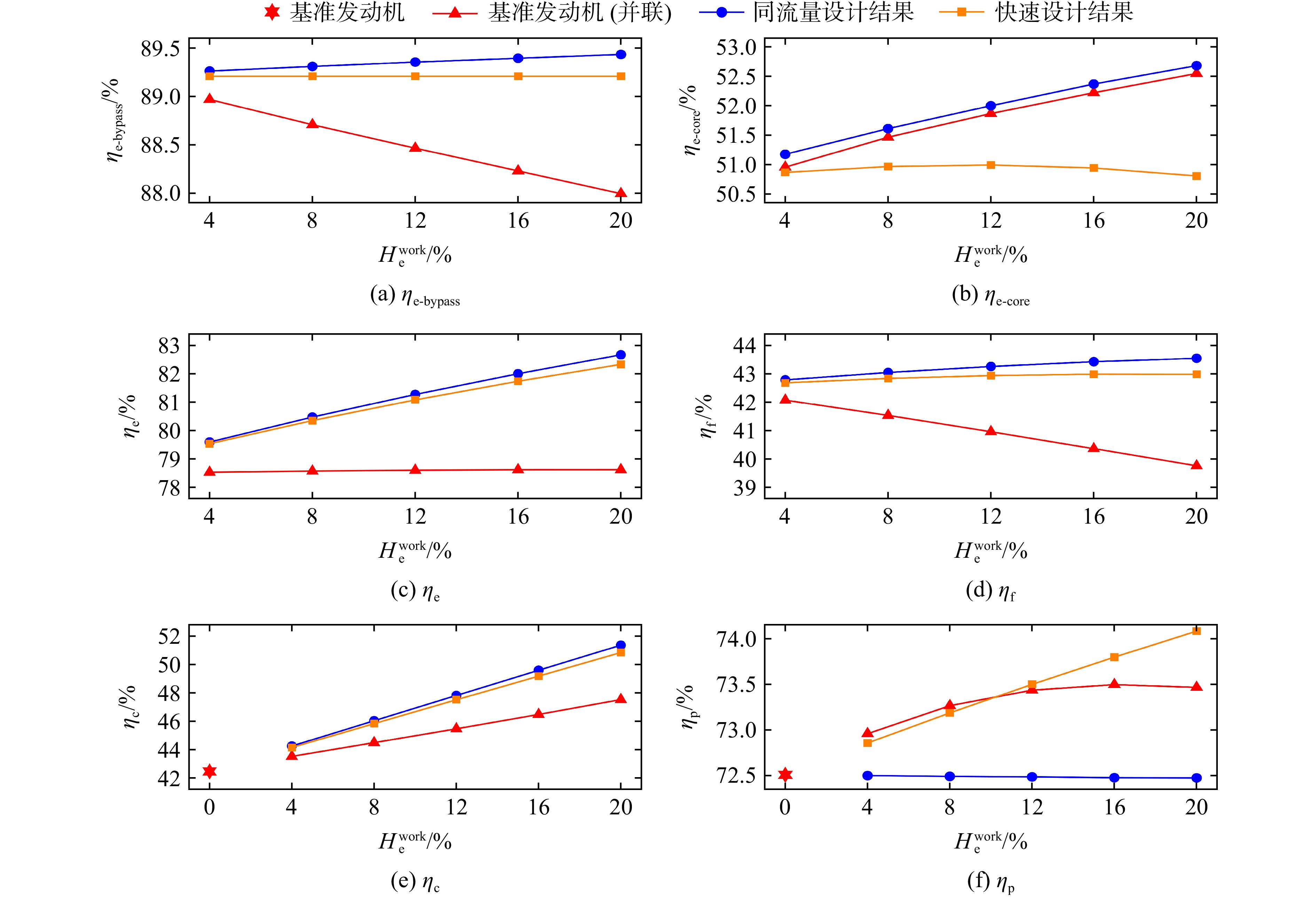
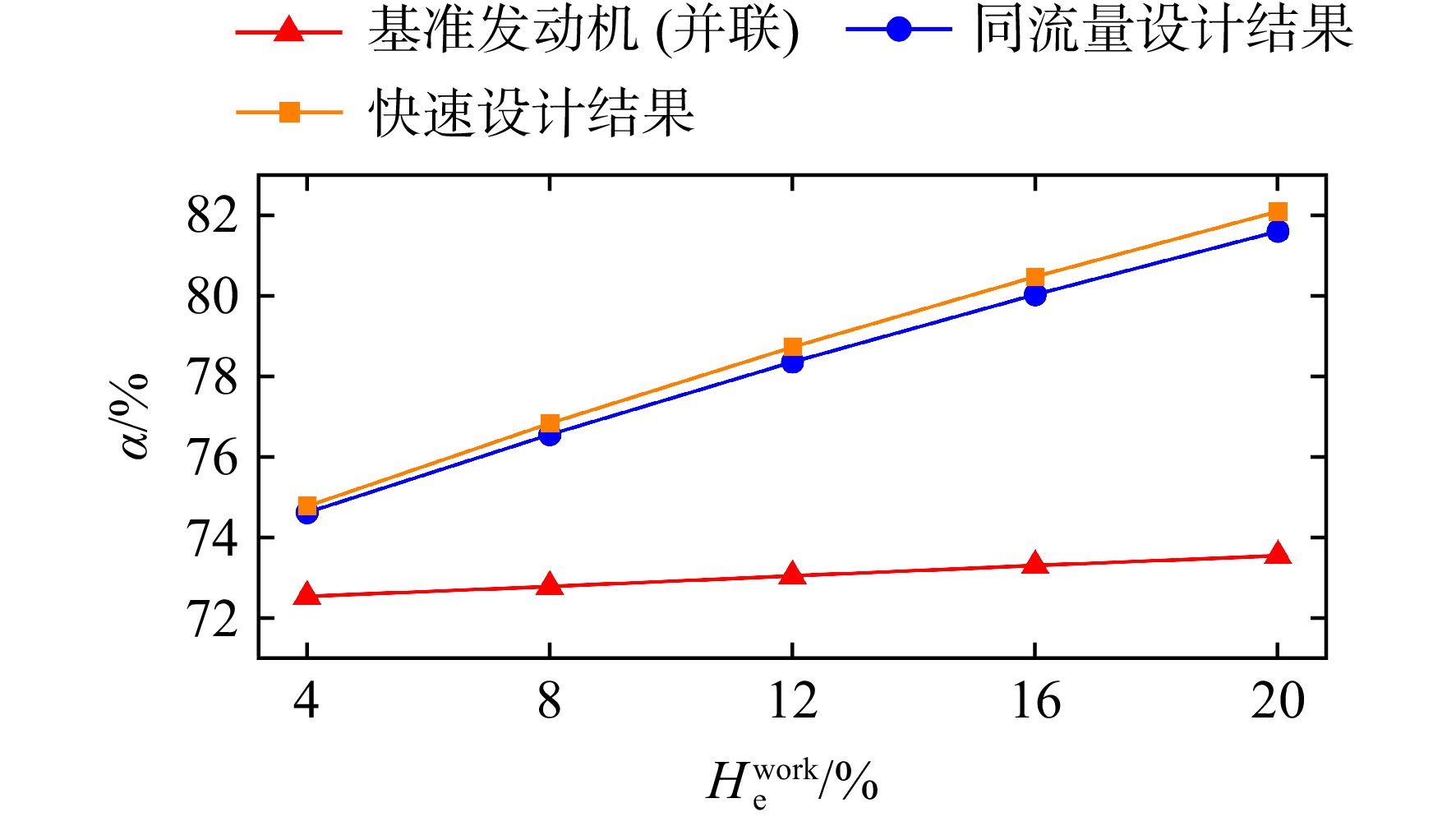
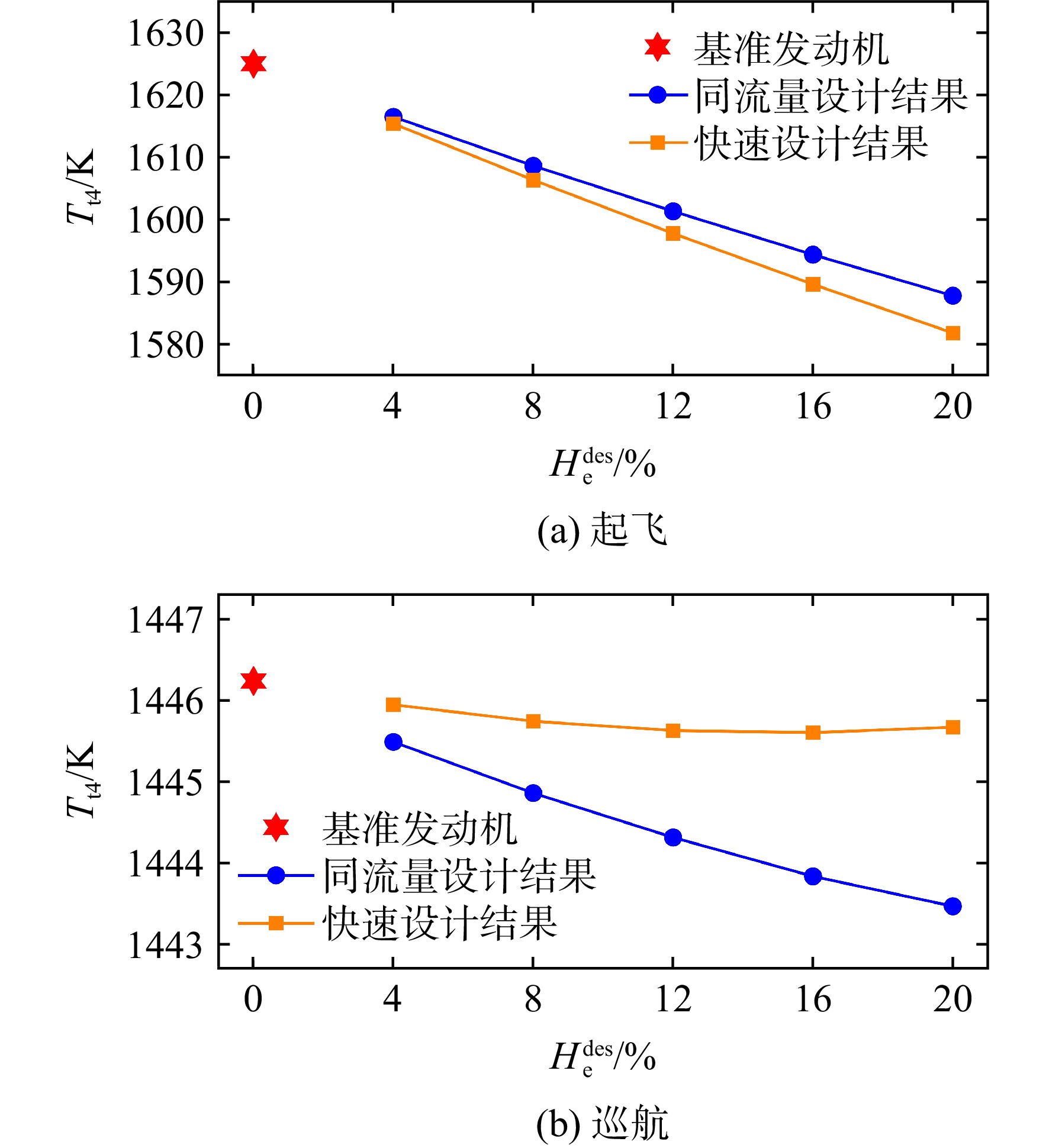
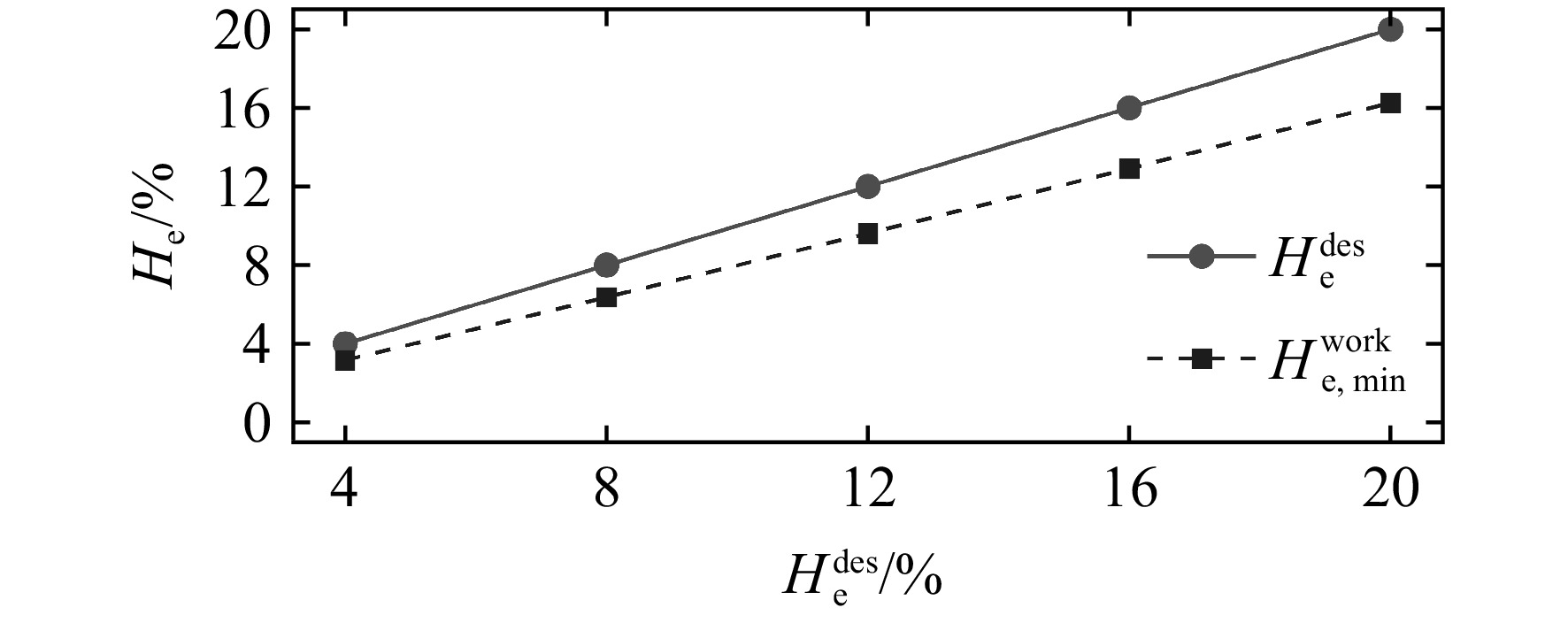
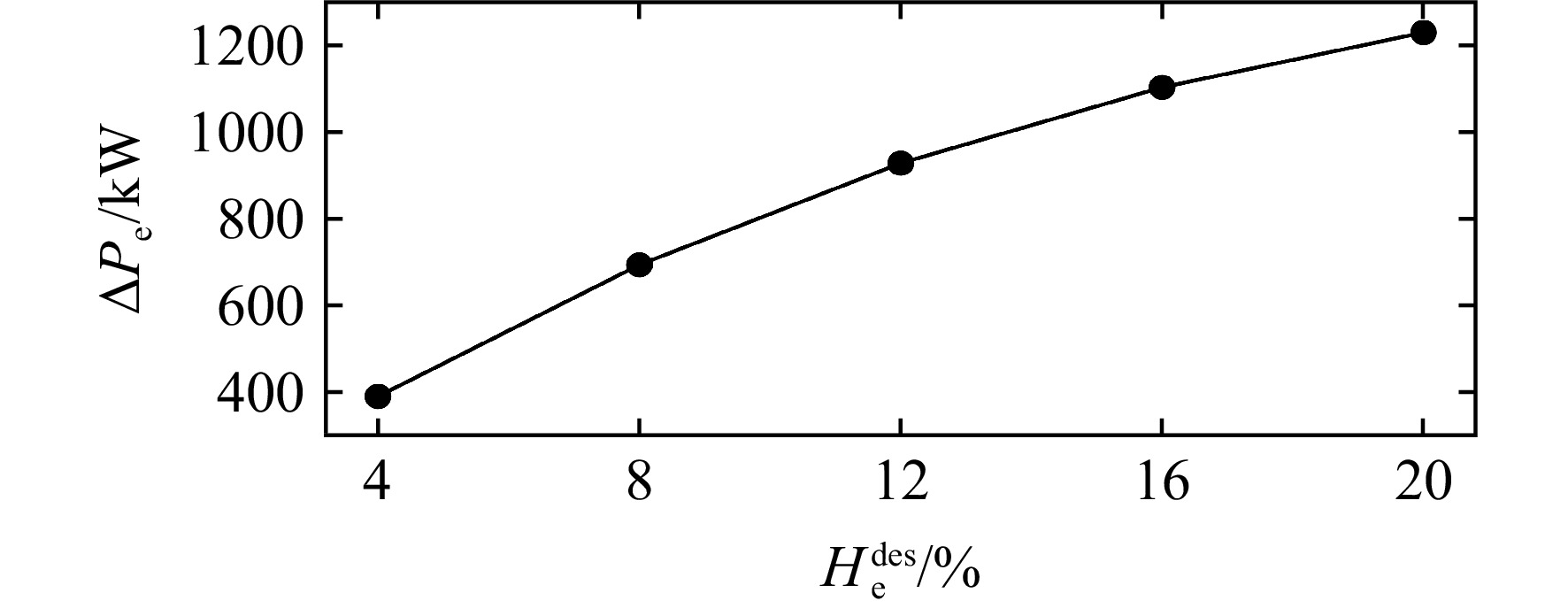
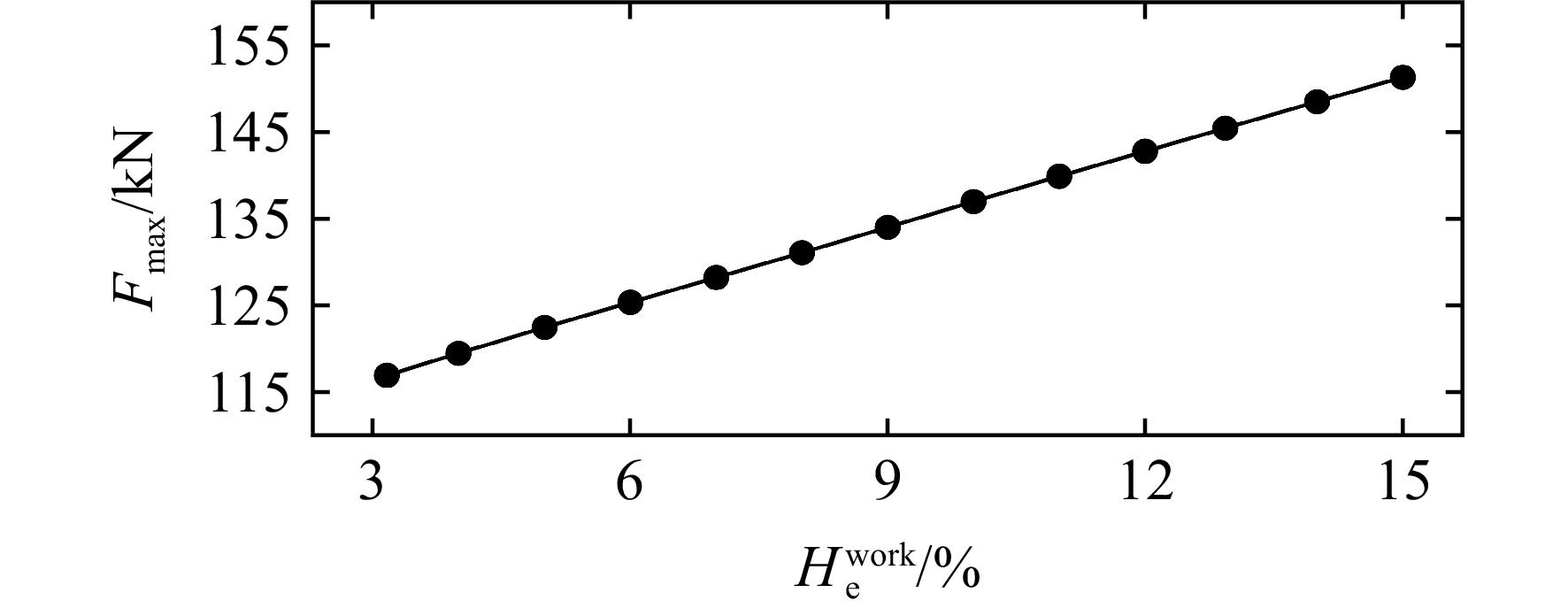
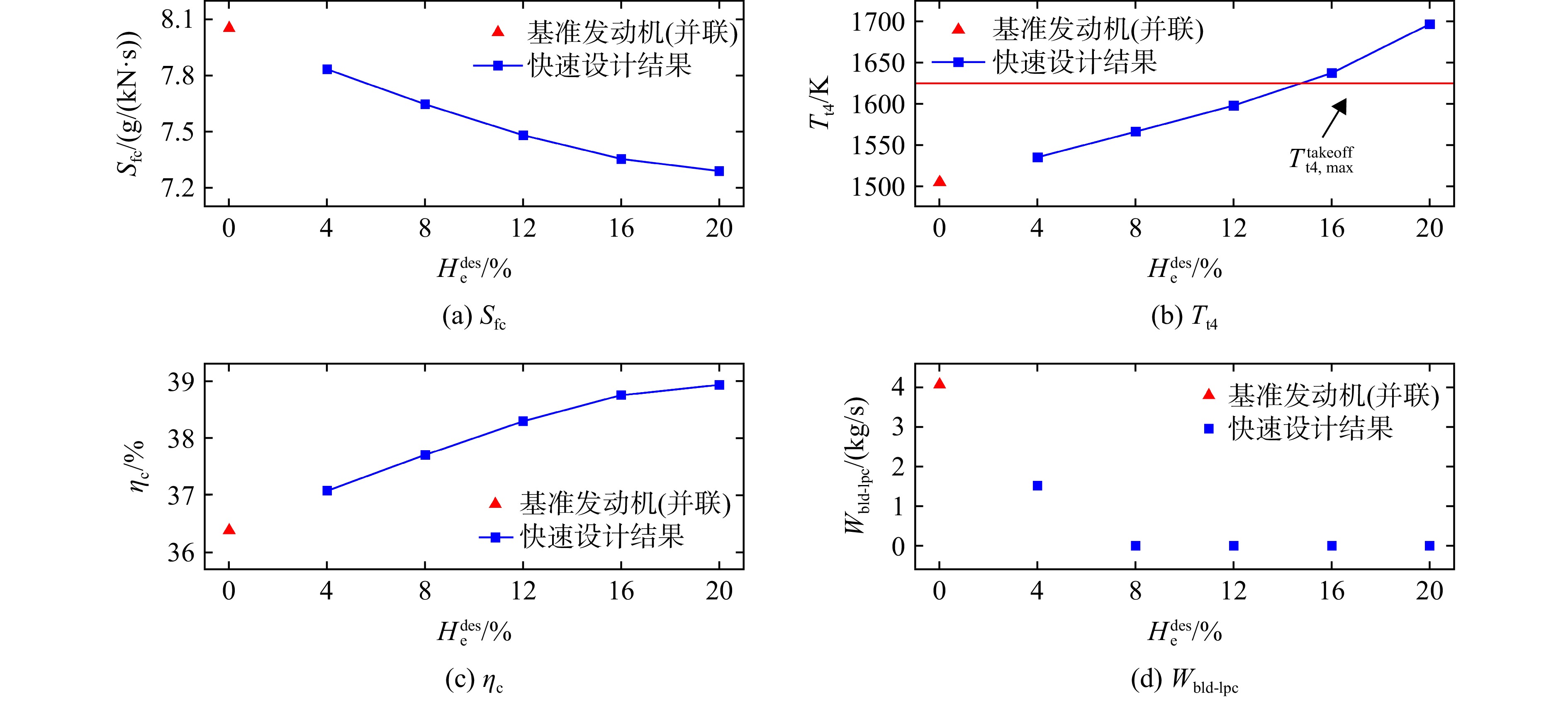
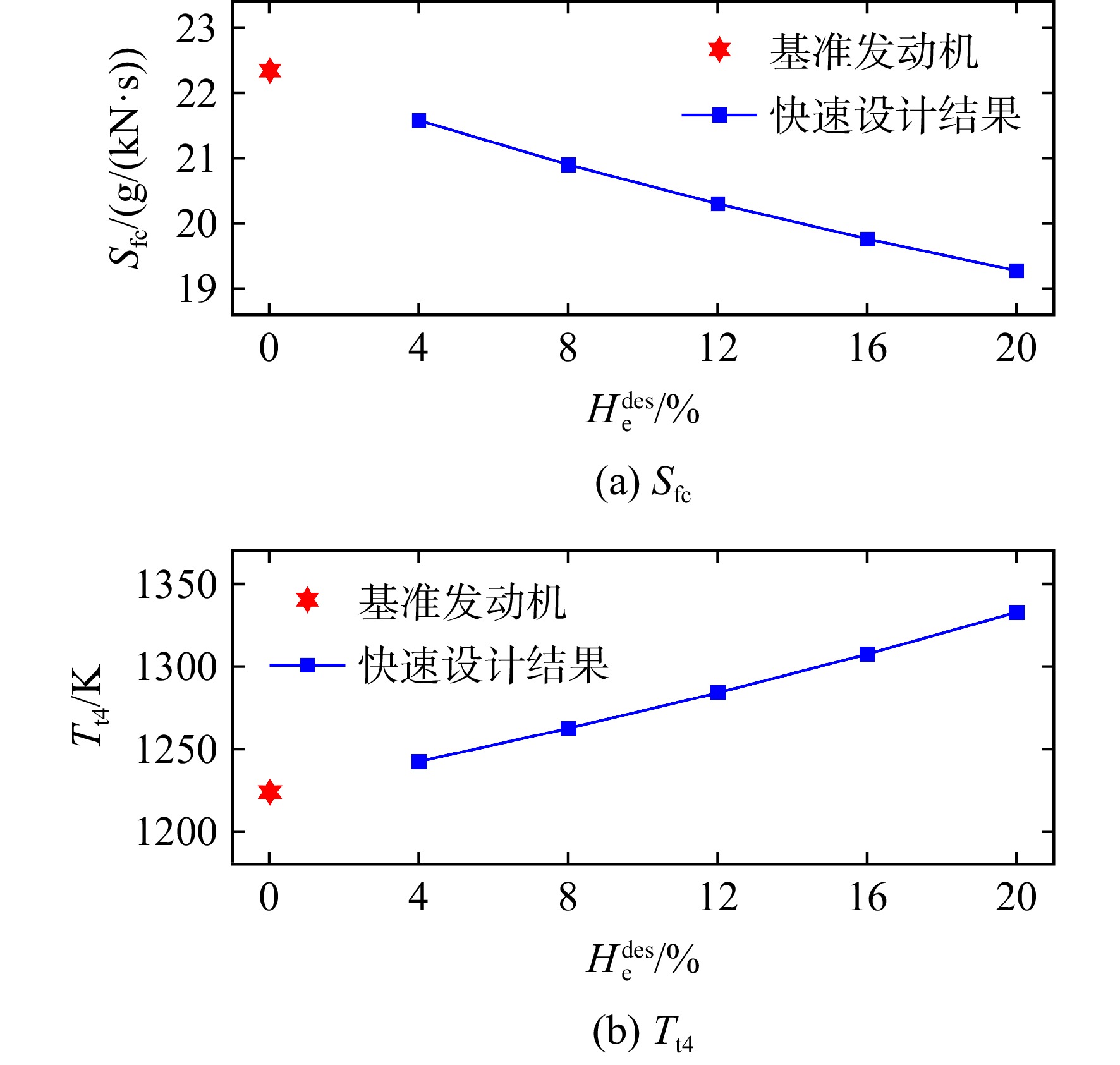
In order to avoid the surge of low pressure compressor and decrease of efficiency when using directly conventional turbofan engine in the parallel hybrid propulsion system, a rapid design method of dedicated turbofan engine for parallel hybrid propulsion system was proposed based on the designed bypass ratio from prediction of flow rate. A parallel hybrid turbofan engine model was developed using PROOSIS to study the performance and energy utilization of the designed dedicated engines. It was found that under the constraint on turbine inlet temperature the same as the baseline engine, the dedicated engine can provide the needed thrust. Compared with the baseline engine in the parallel hybrid propulsion system, the anti-surge performance of low pressure compressor, fuel and energy consumption of the dedicated engine were better. As degree of hybridization increased, the benefits from using dedicated engine increased. Because of the difference in the energy utilization process, the energy utilization efficiency of electric power supplied to bypass was much higher than that of electric power supplied to core and fuel, serving as a fundamental reason of saving energy when using parallel hybrid turbofan engine.

Influence of DSI two-stage swept back lip on aircraft external flow
SU Jiayin, LI Bo, TONG Jiahui, XU Meng, QIU Yuchen
2023, 38(8): 1926-1936. doi: 10.13224/j.cnki.jasp.20210653
Abstract:

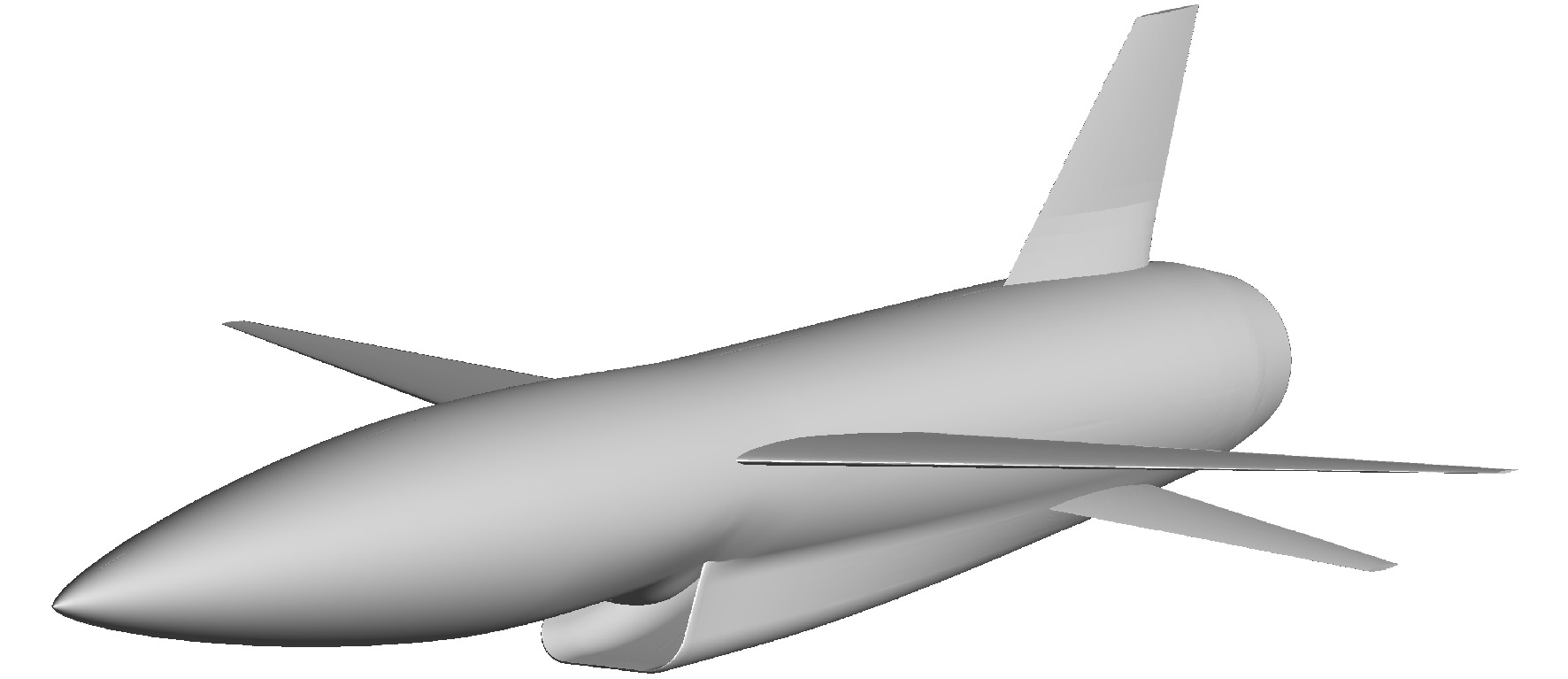
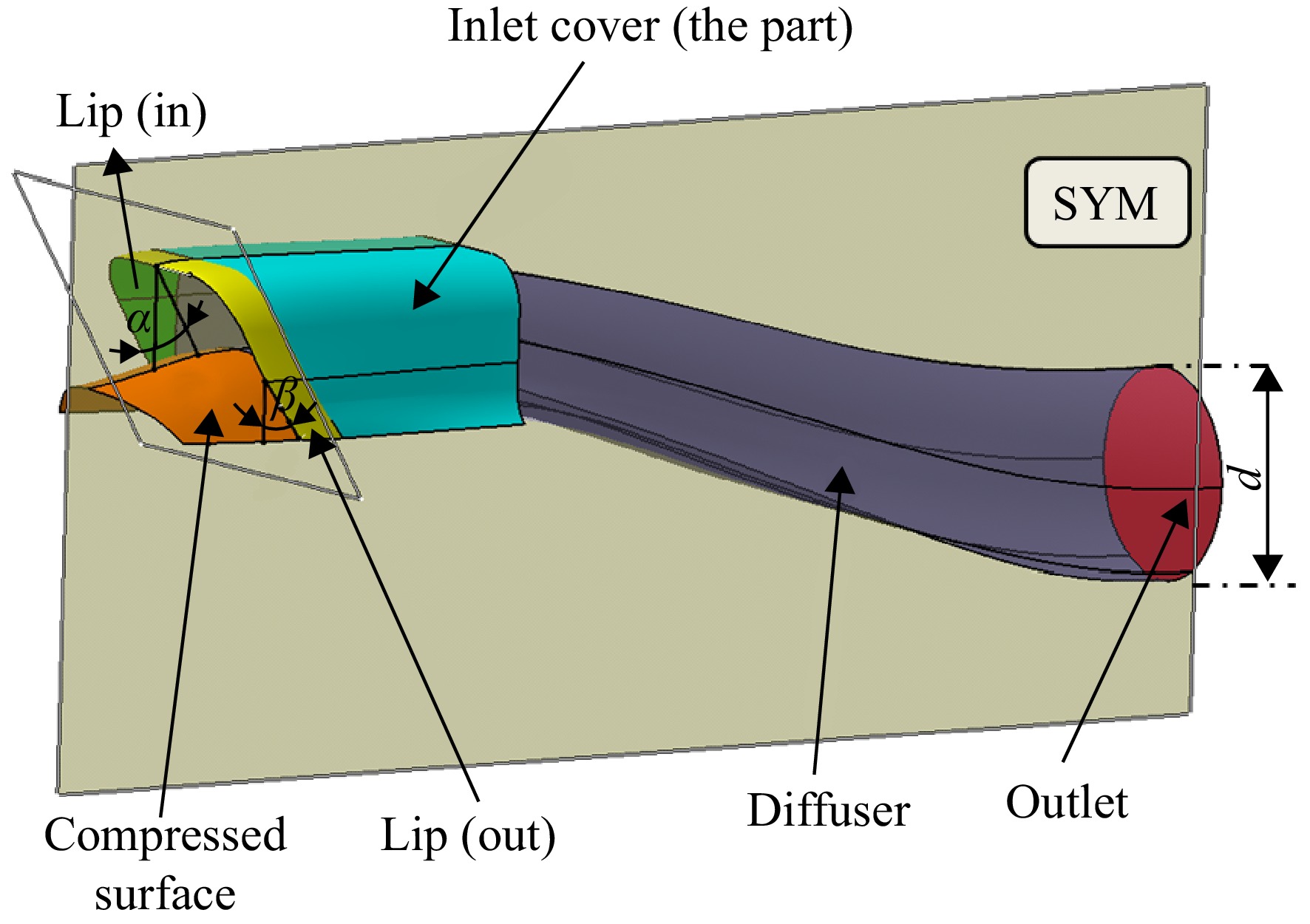
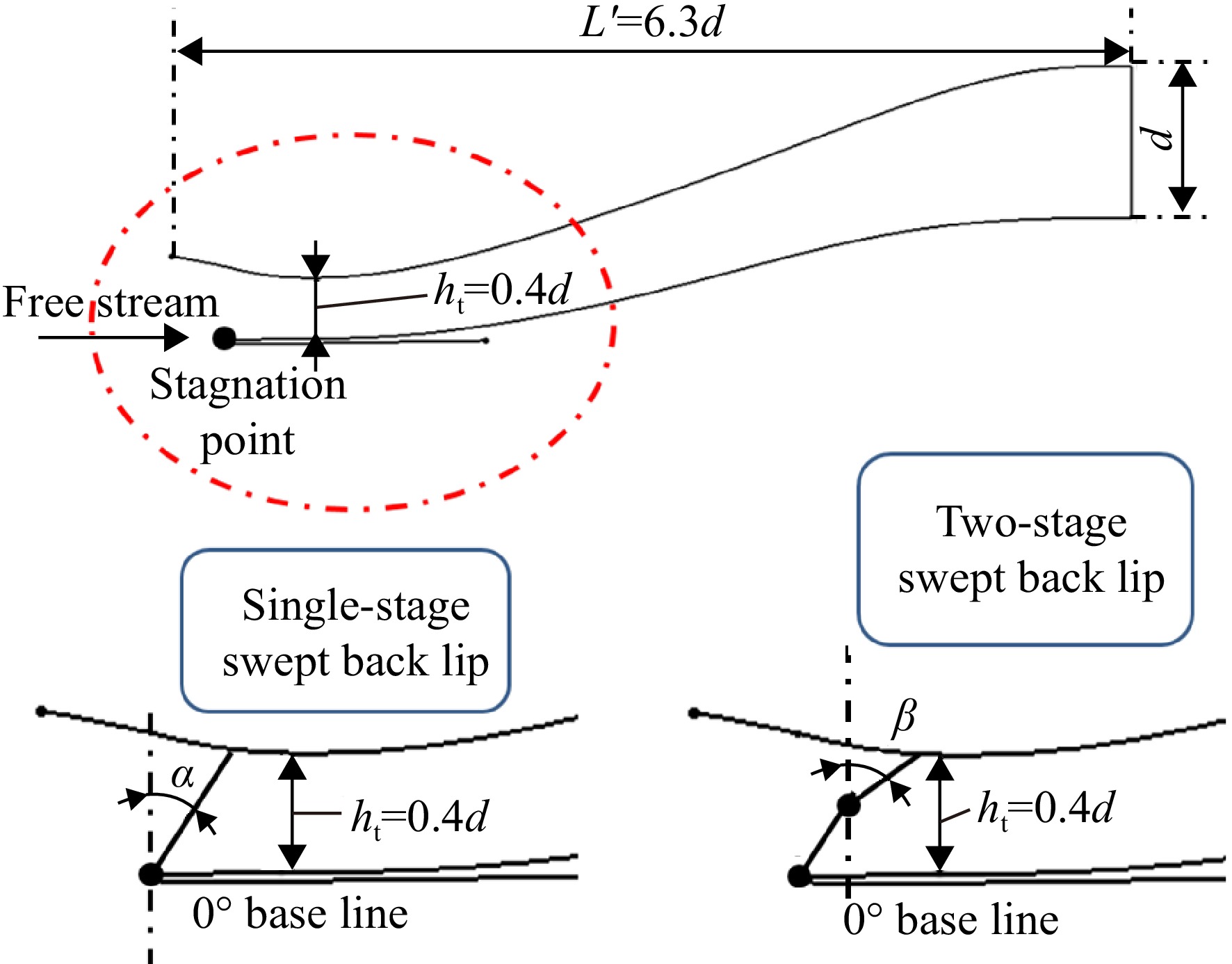
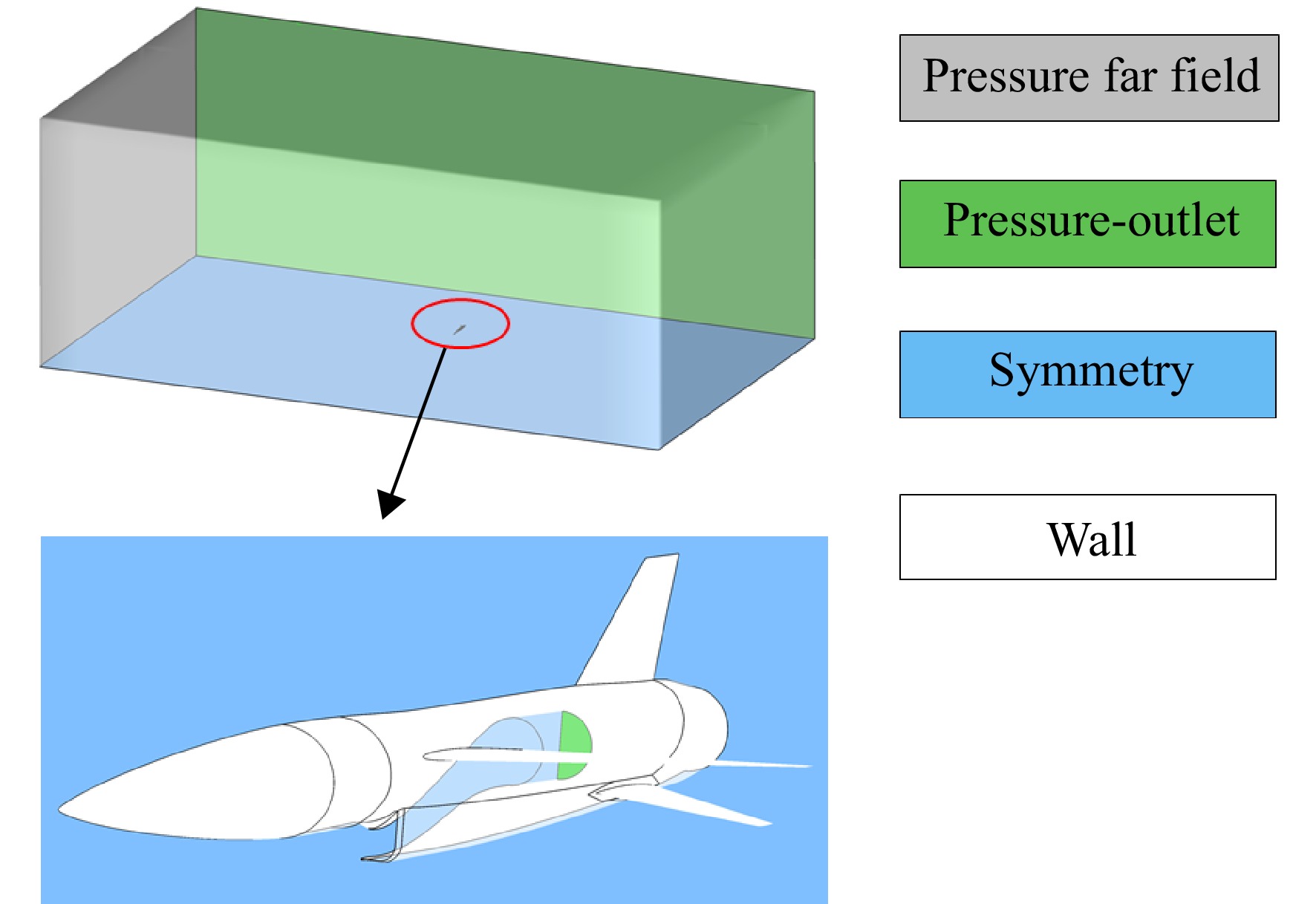
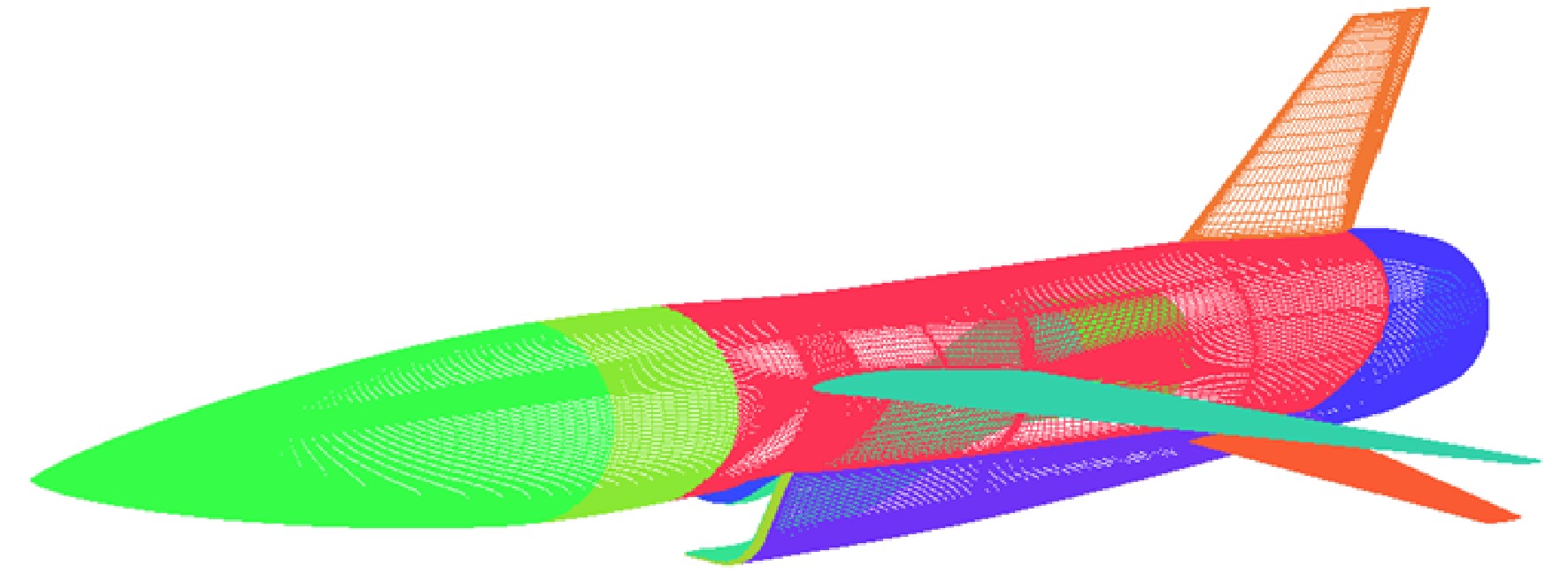
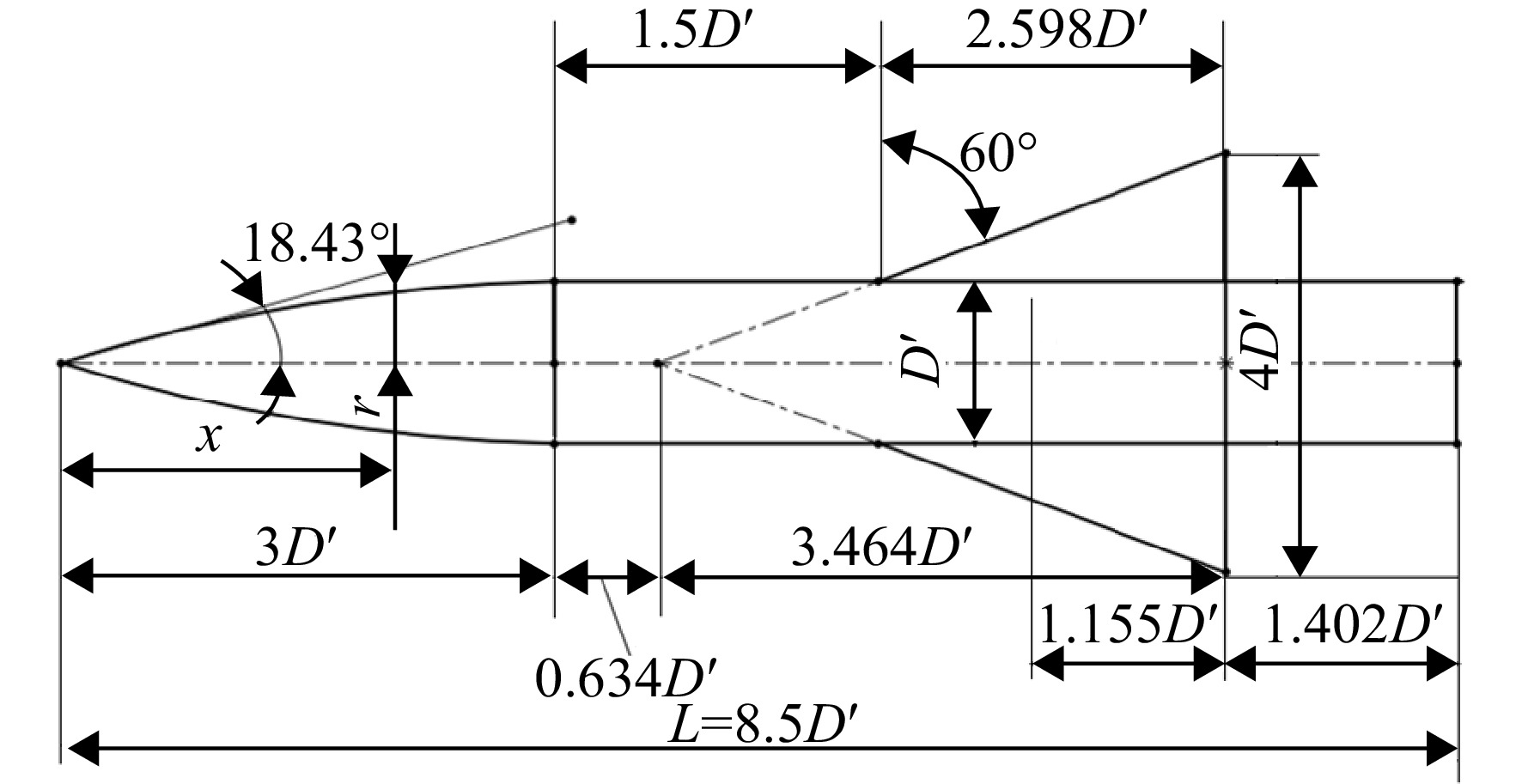
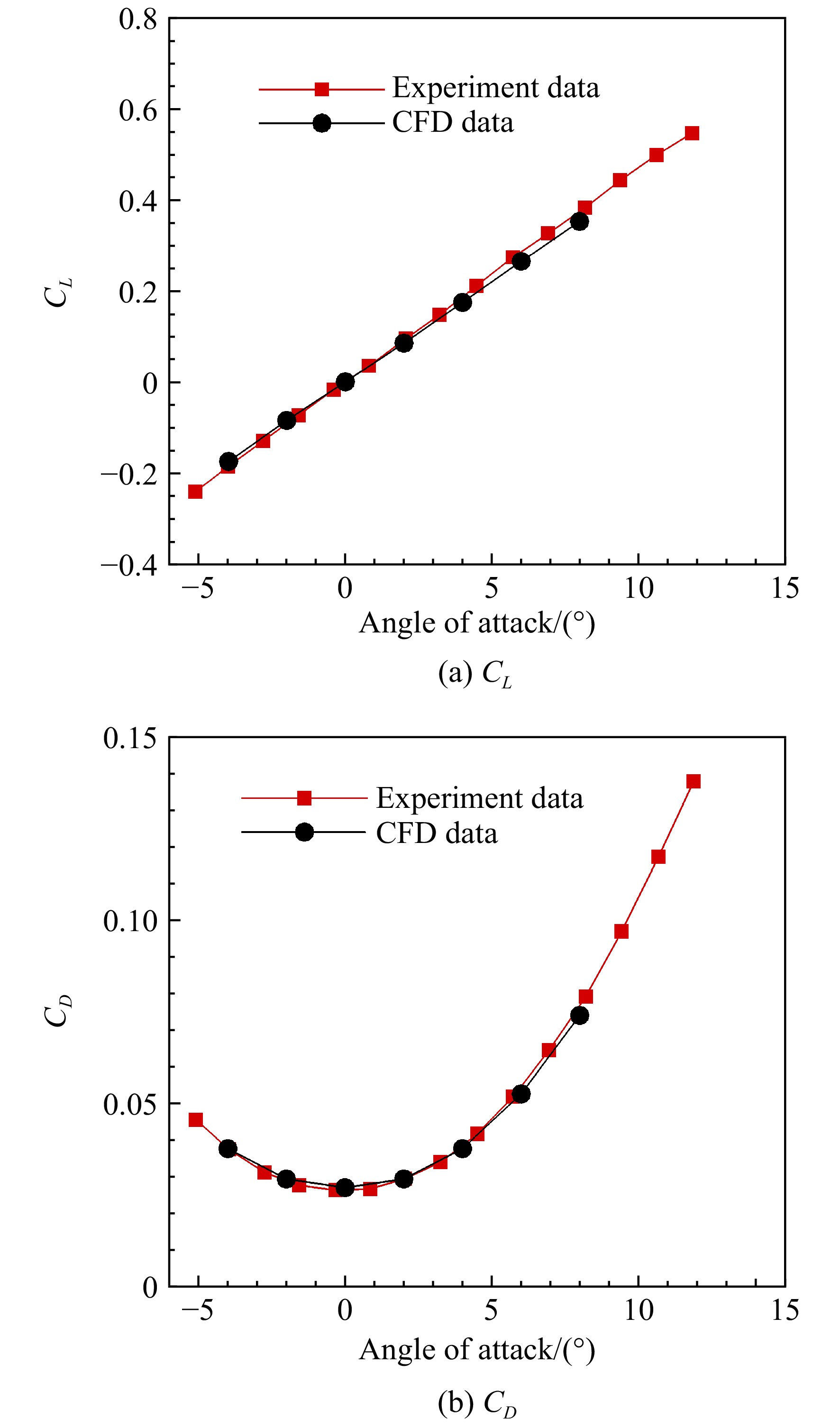
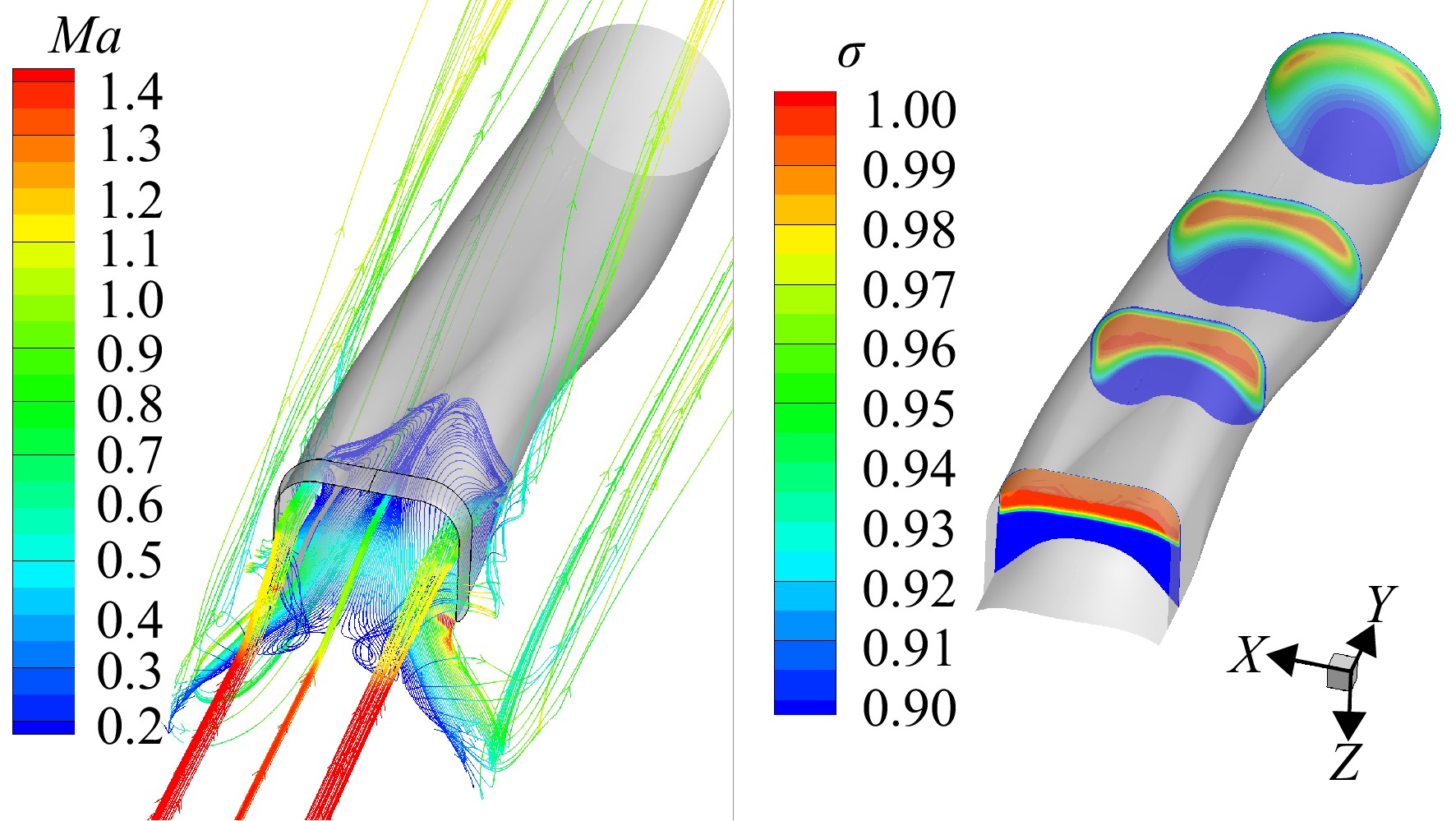
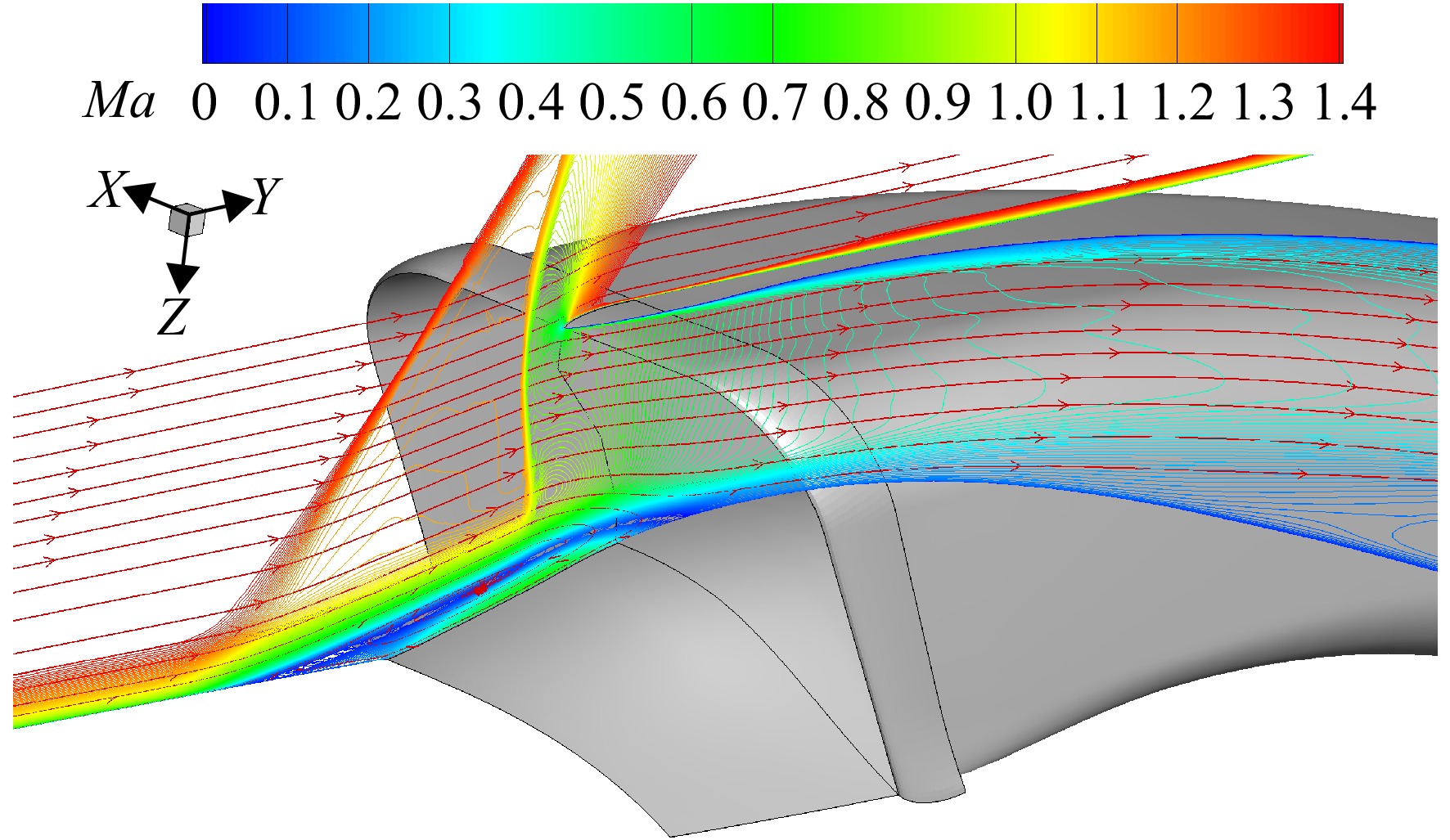
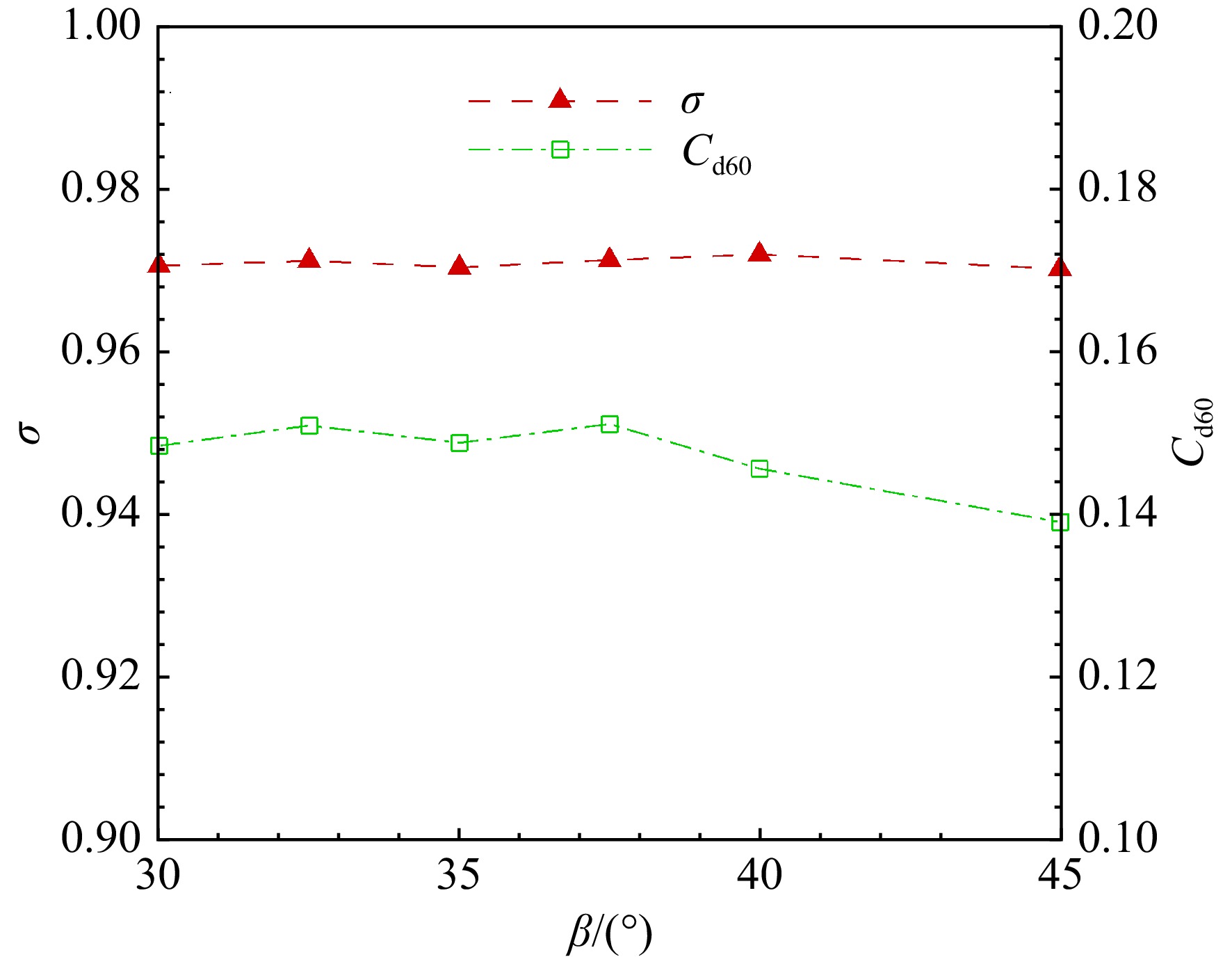
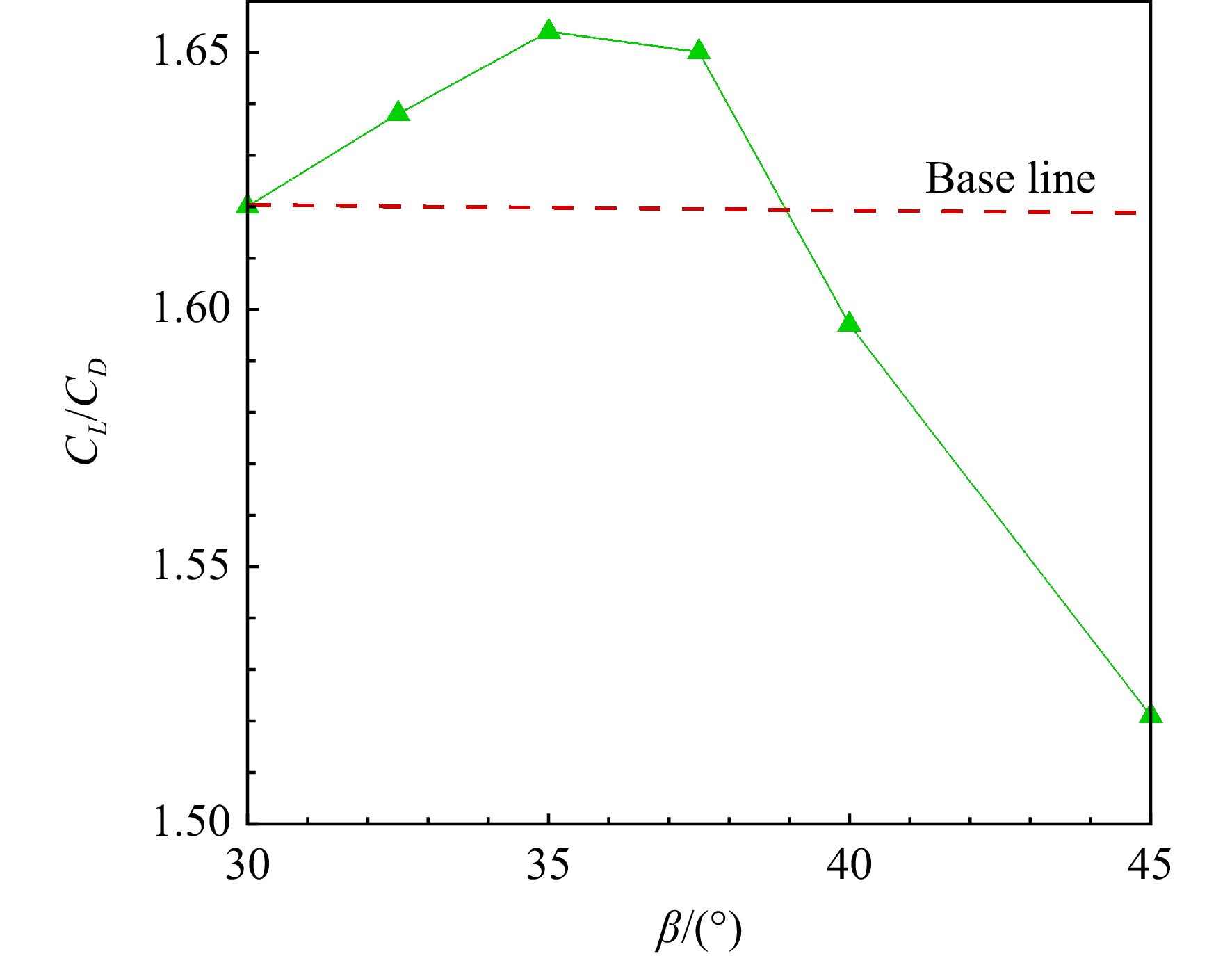
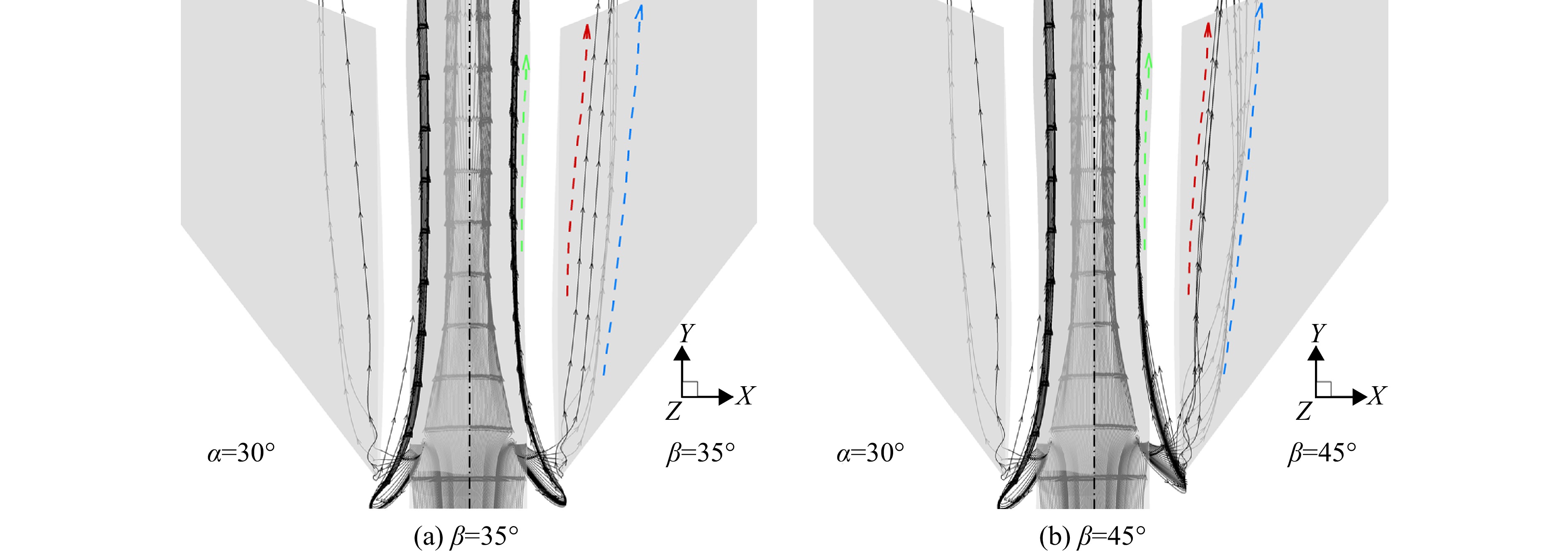
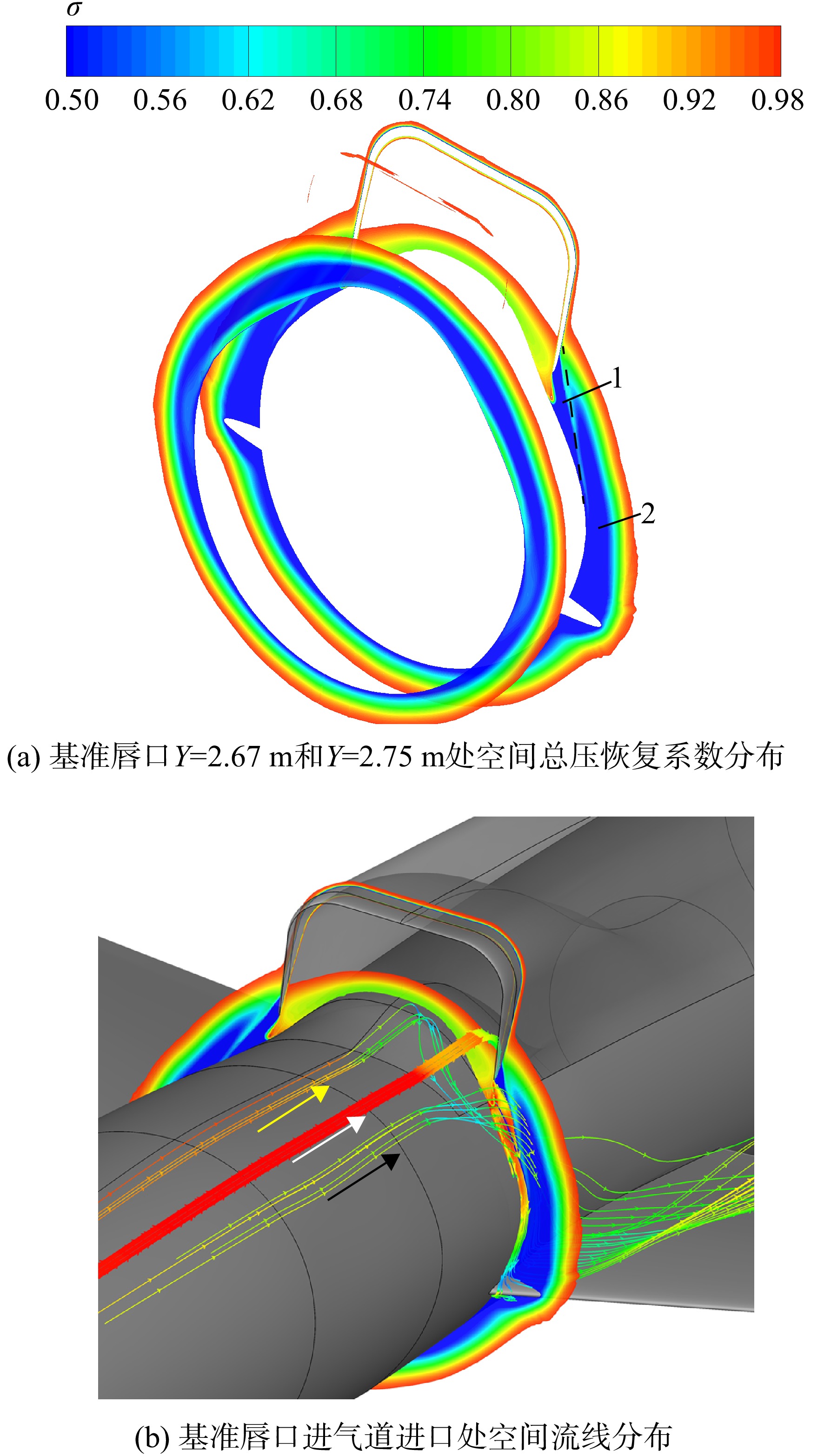
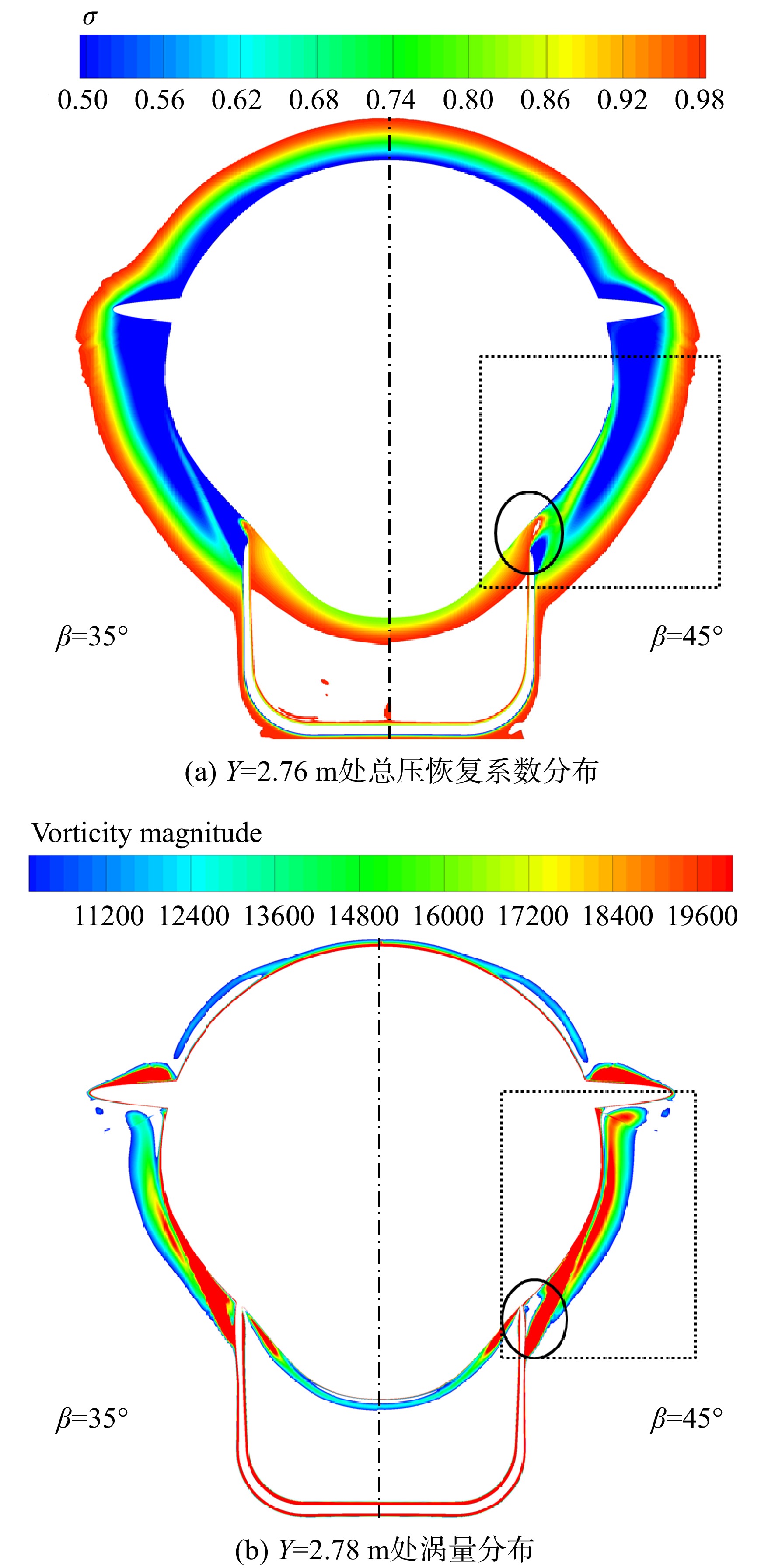
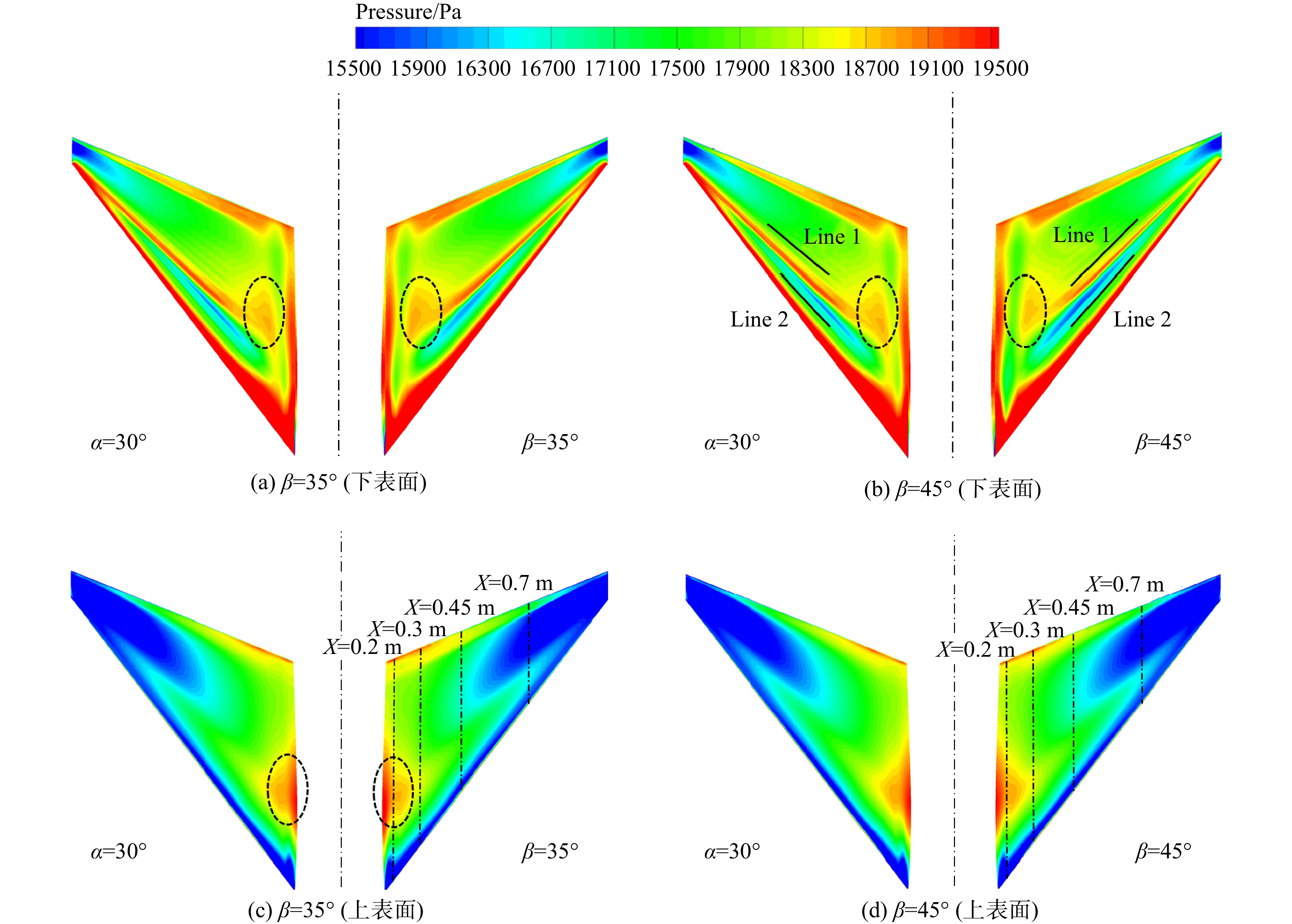
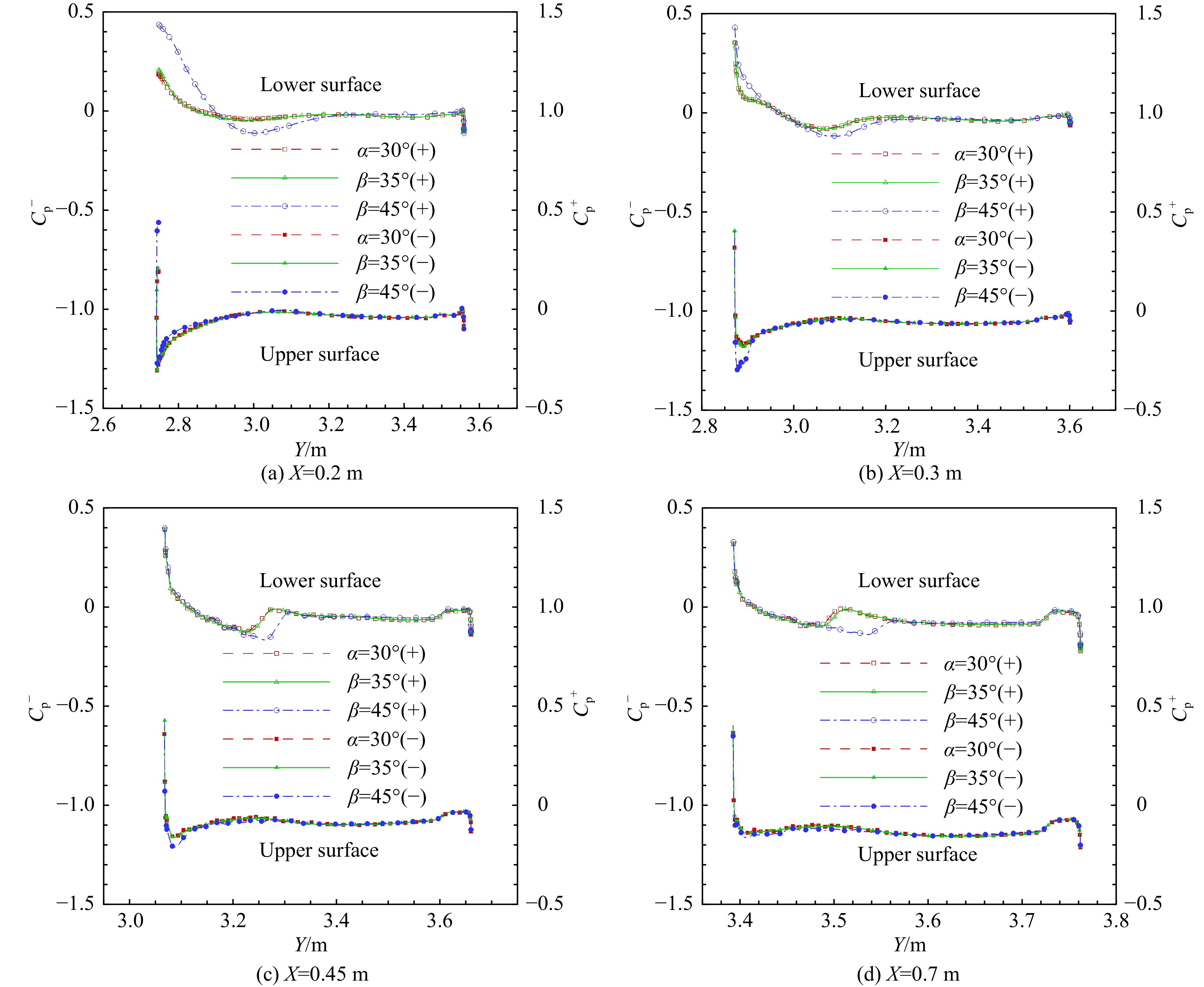
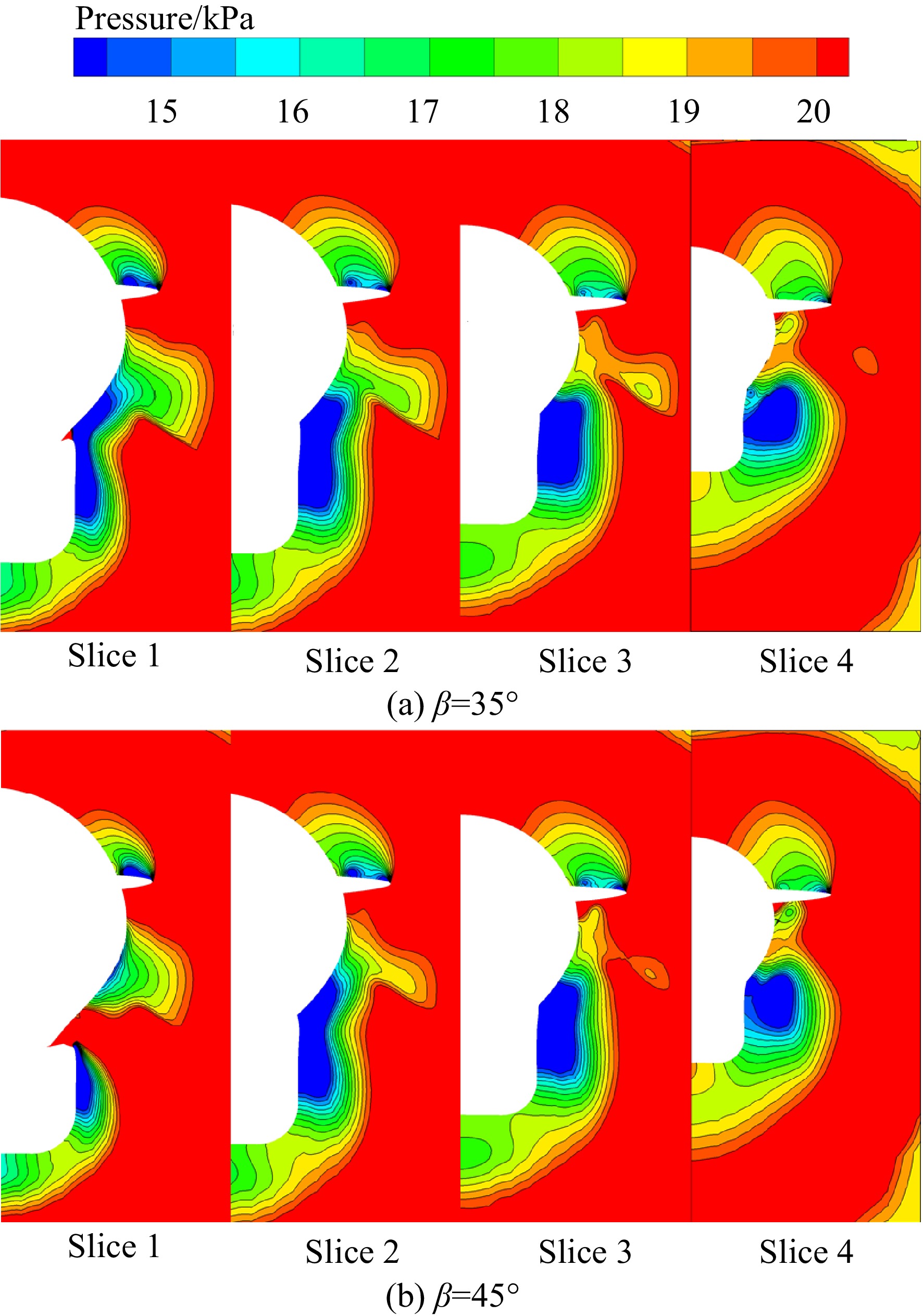
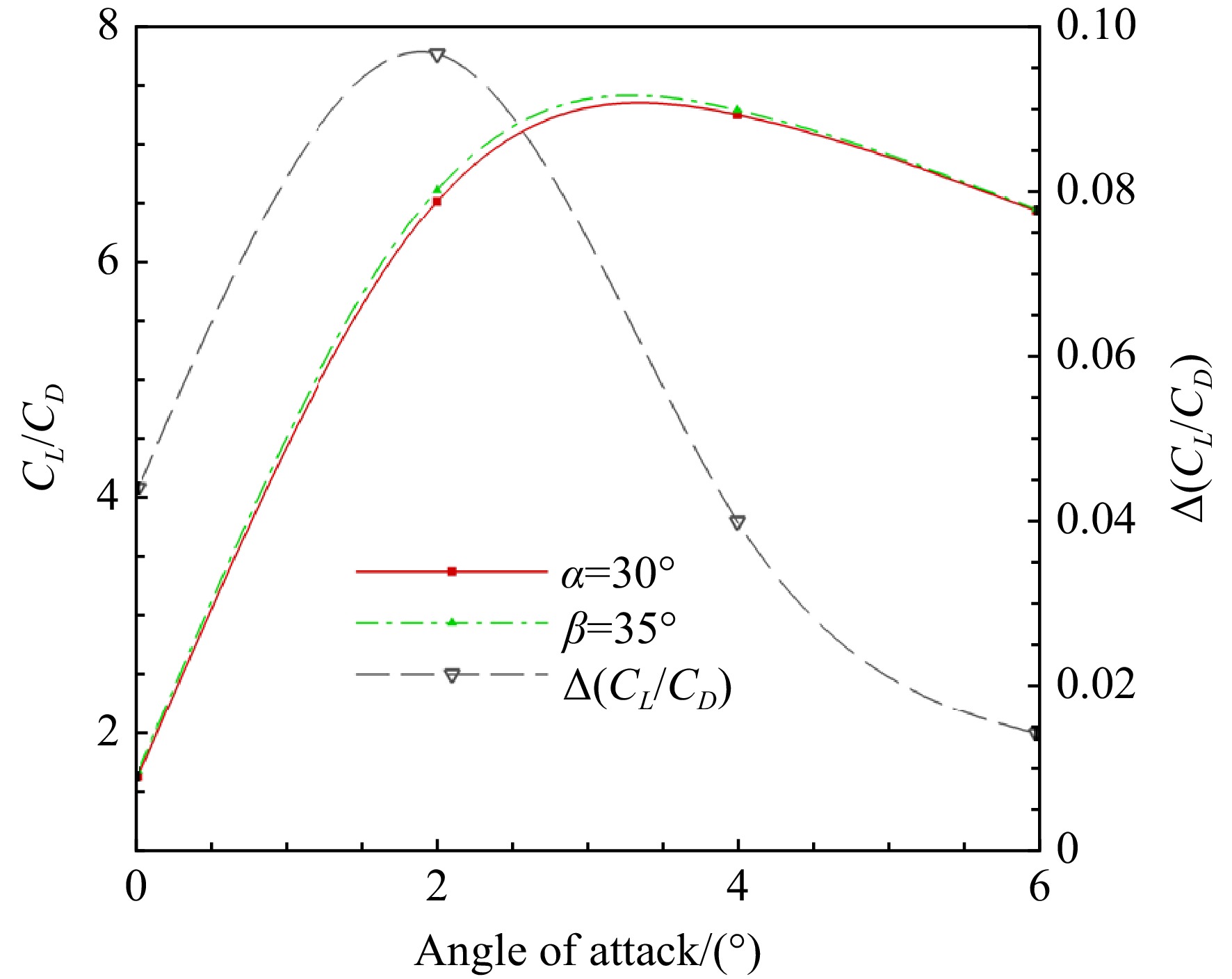
In order to study the influence of diverterless supersonic inlet (DSI) lip on the overall aerodynamic performance of the aircraft, the internal and external flow fields were simulated by numerical simulation method. Based on the benchmark model of single-stage swept back lip with the optimal inlet performance, a two-stage swept back lip model was designed. It was found that compared with benchmark model, the two-stage swept back lip model can not only improve the total pressure recovery coefficient and reduce the flow distortion index of the inlet, but also change the lift of the wing by changing the pressure distribution on the wing surface, and then affect the aerodynamic characteristics of the aircraft as a whole. Within the range of two-stage sweep back angle in this study, an optimal angle 35° can help further improve the lift-drag ratio of the aircraft aerodynamic layout by 0.034, and the gain up to 2.1%.

Combustion,Heat and Mass Transfer
Numerical simulation method of radial rotating heat pipe
LI Guo, XU Yuan, ZHANG Yuchen, ZHANG Guohua, DING Shuiting
2023, 38(8): 1937-1945. doi: 10.13224/j.cnki.jasp.20210639
Abstract:

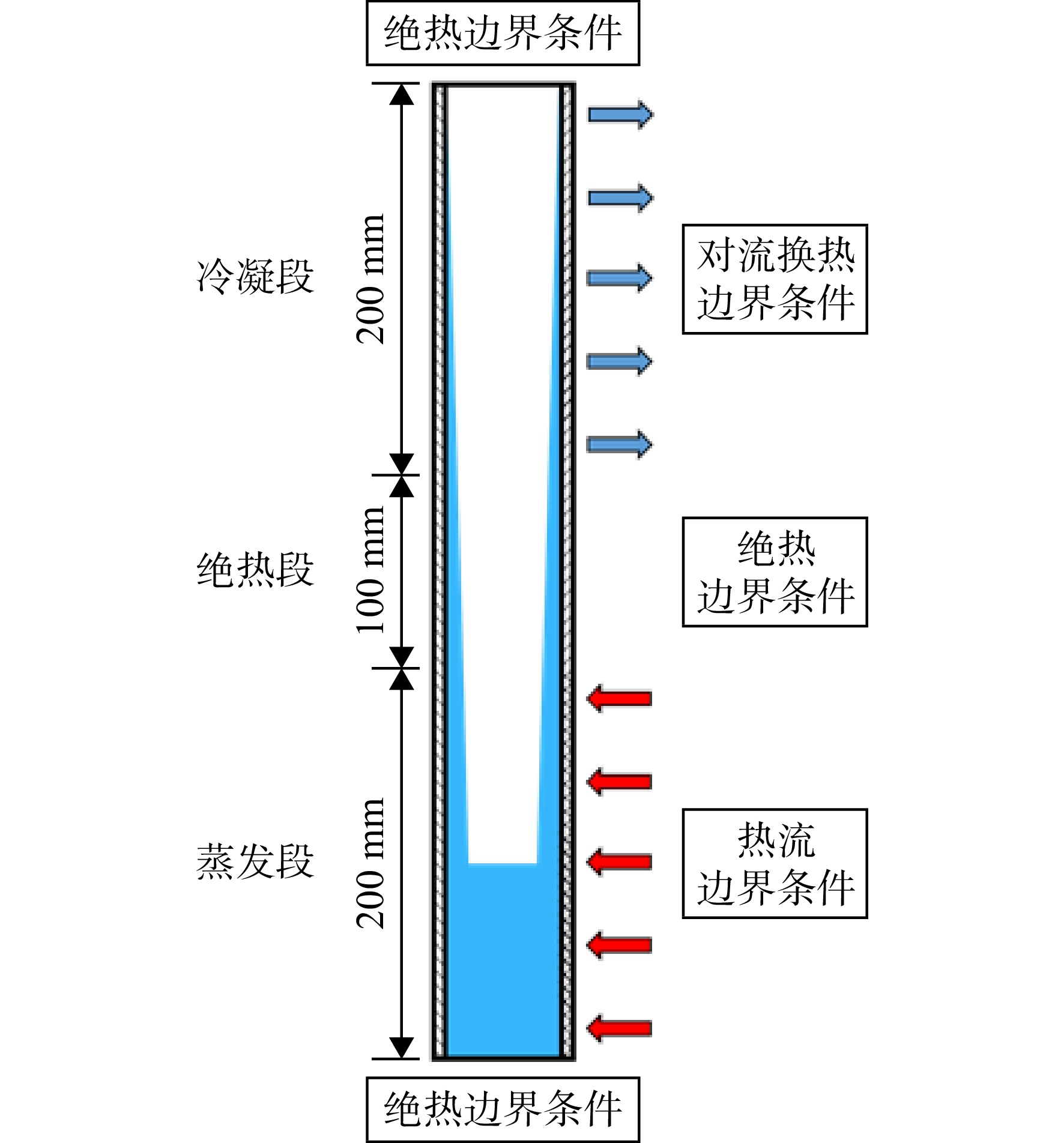
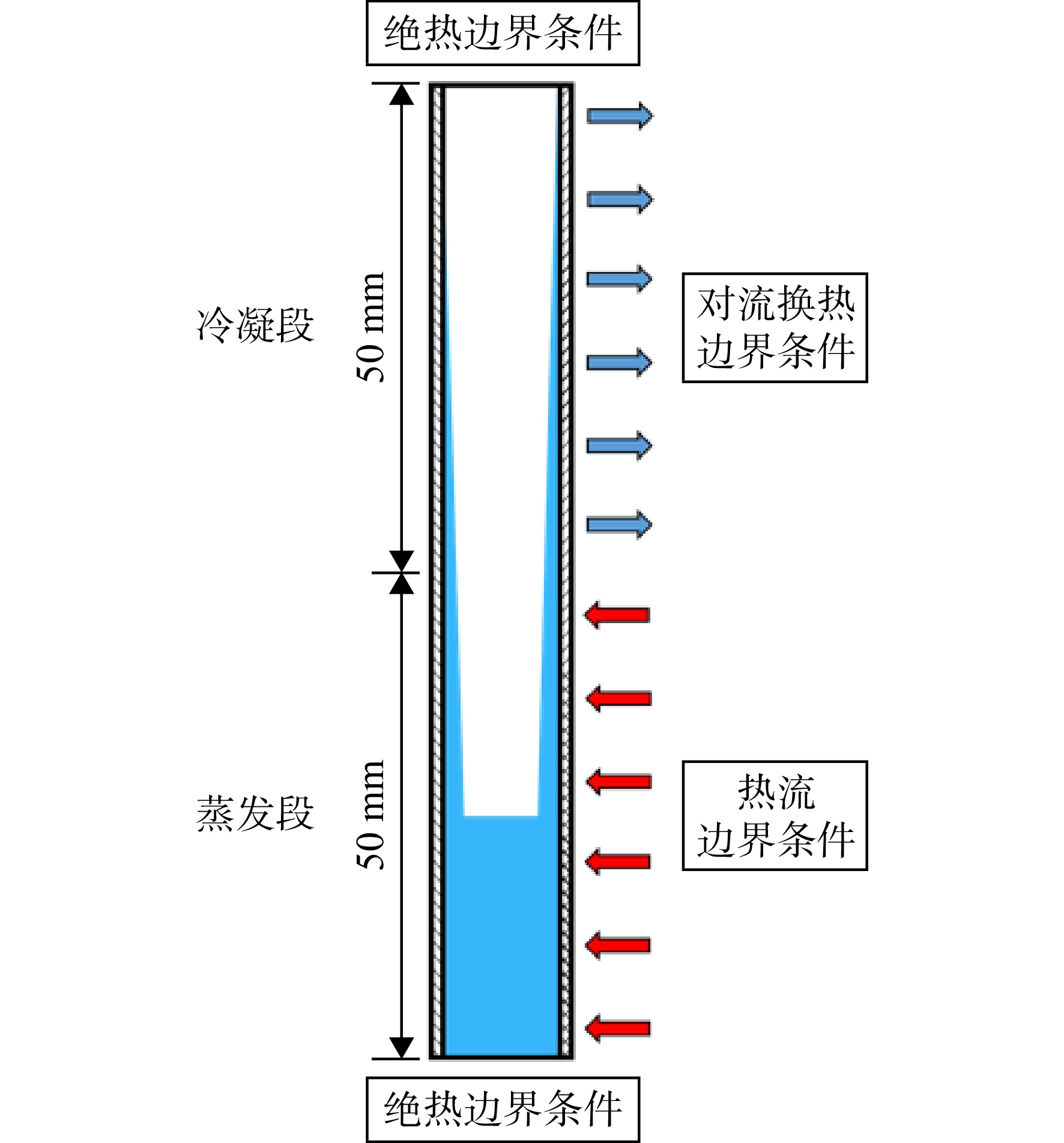
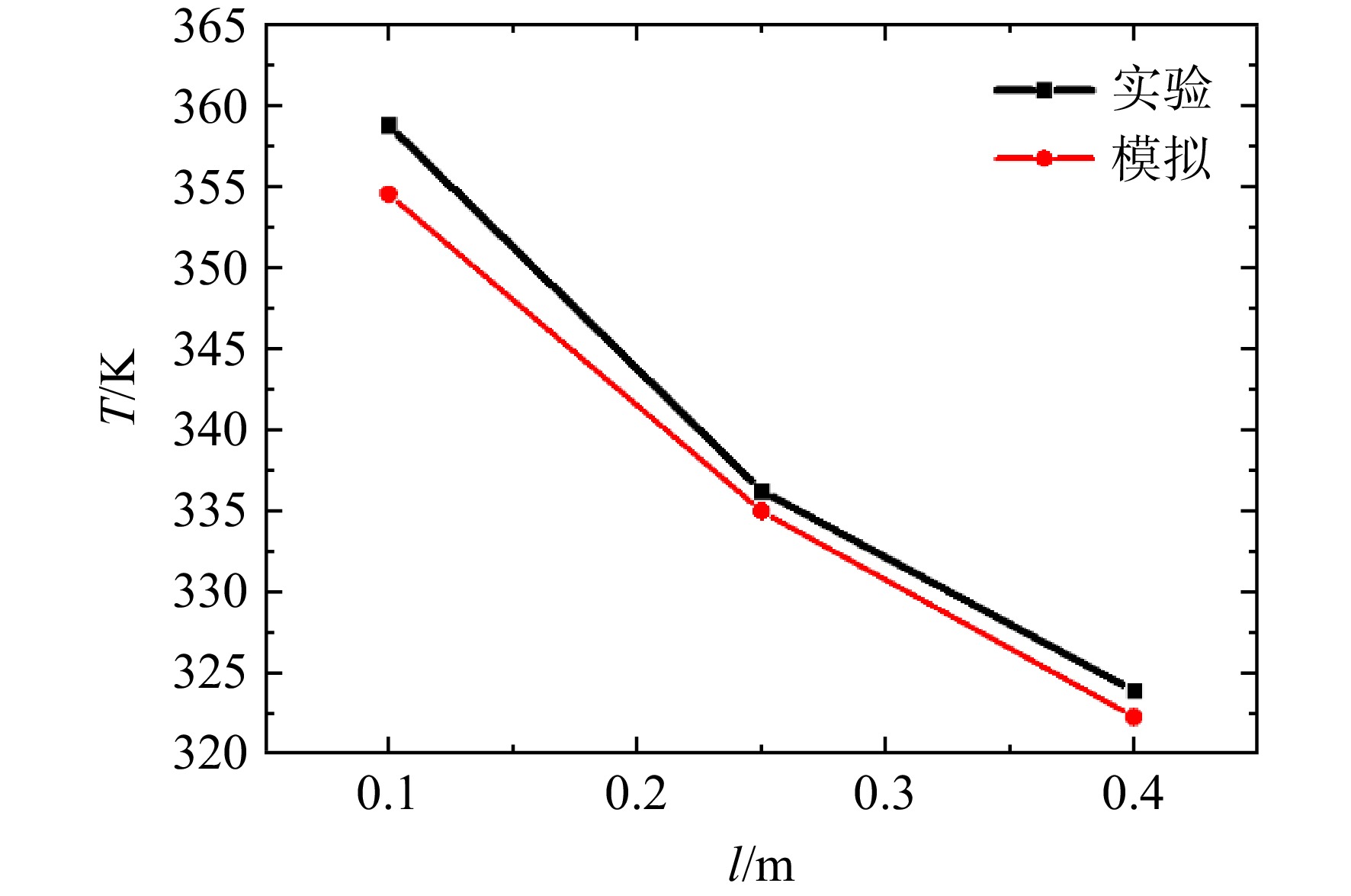
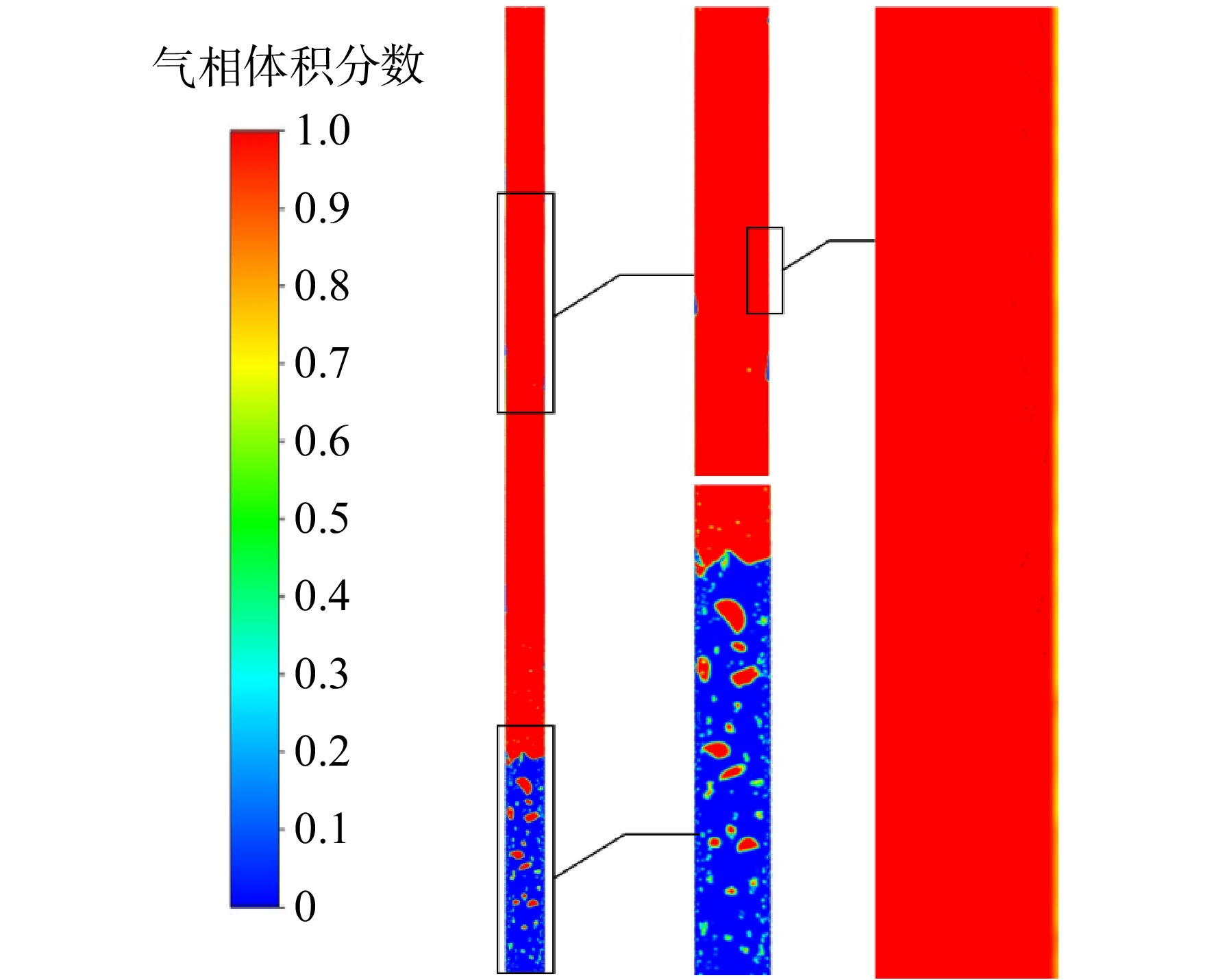
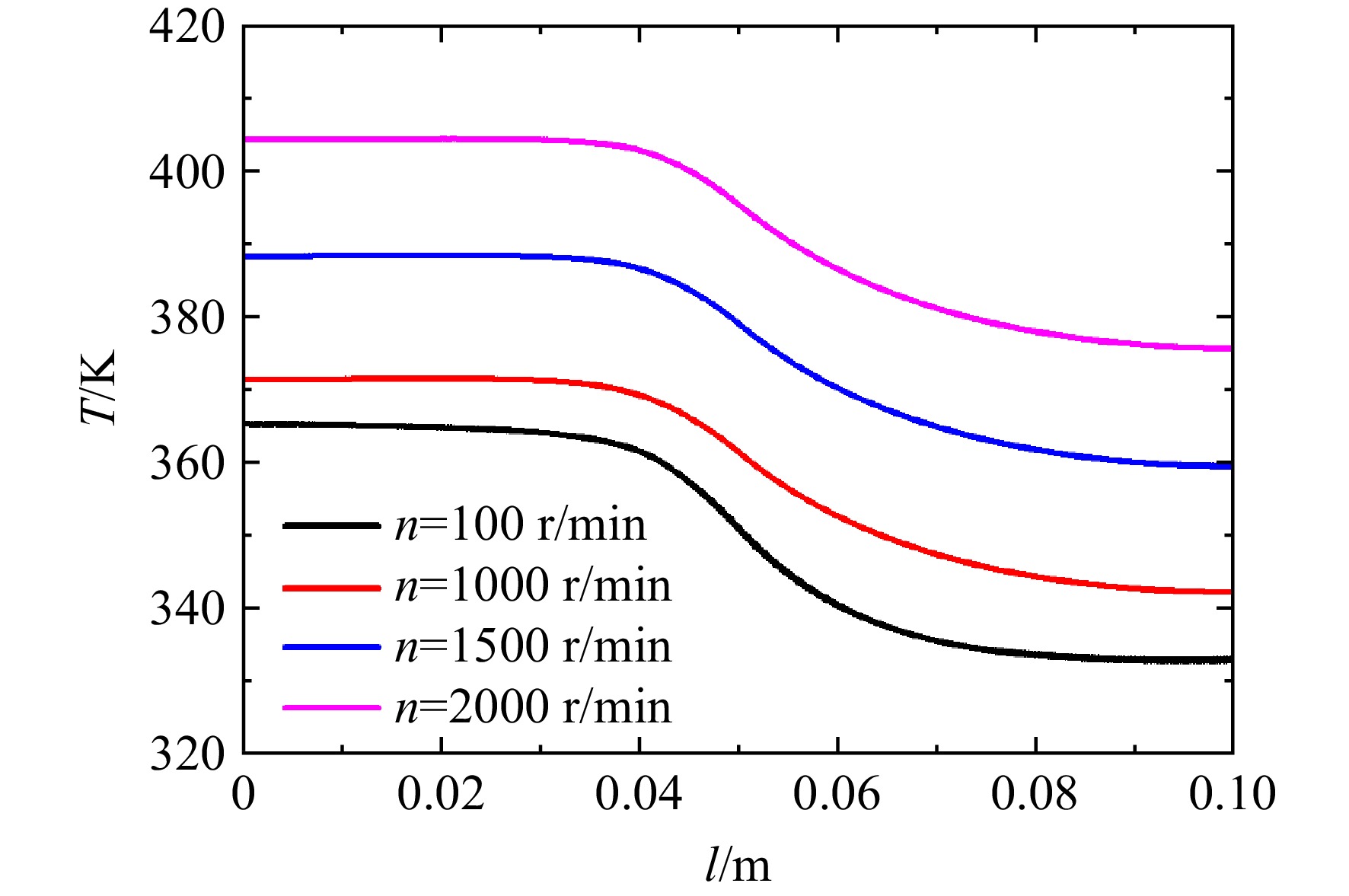
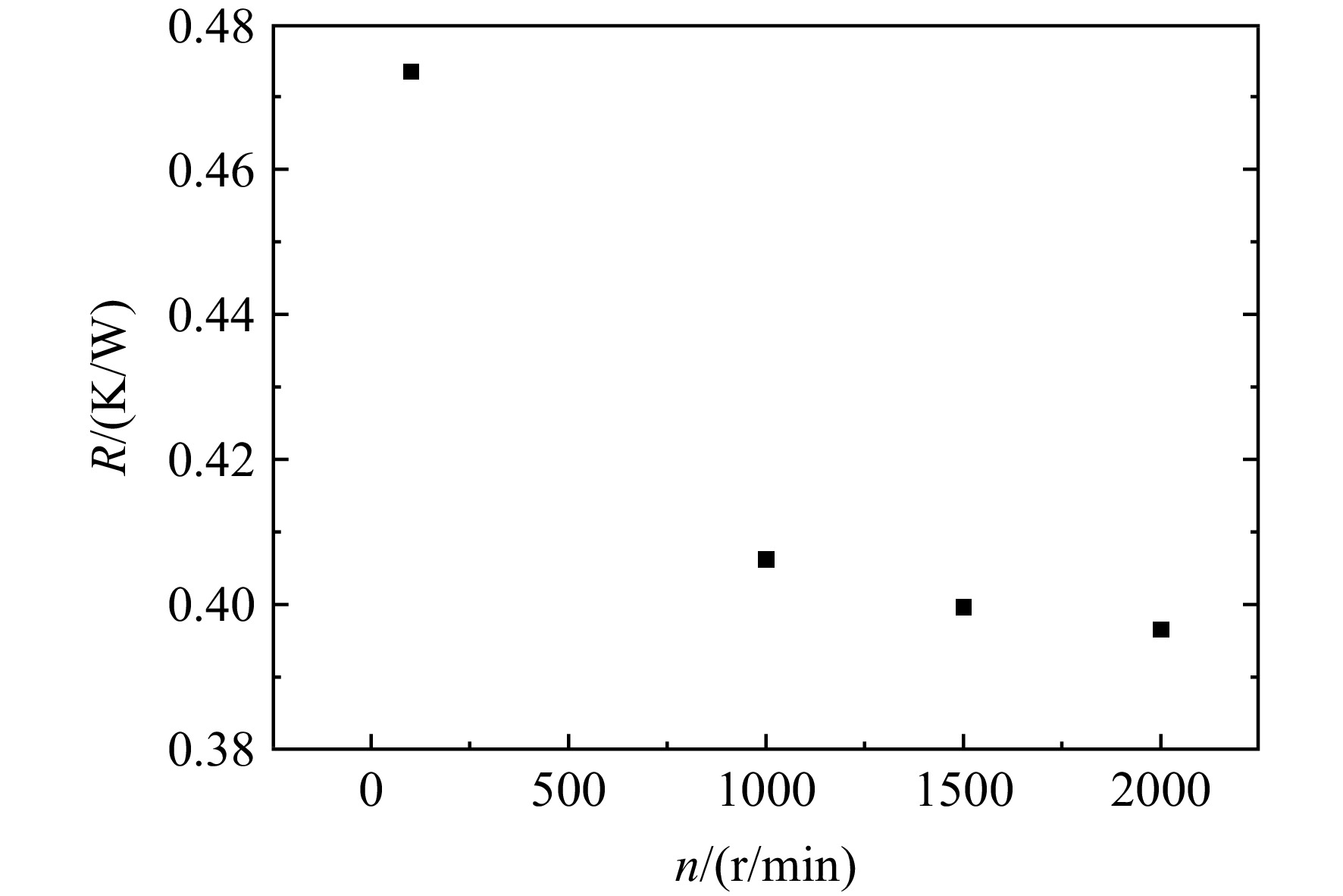
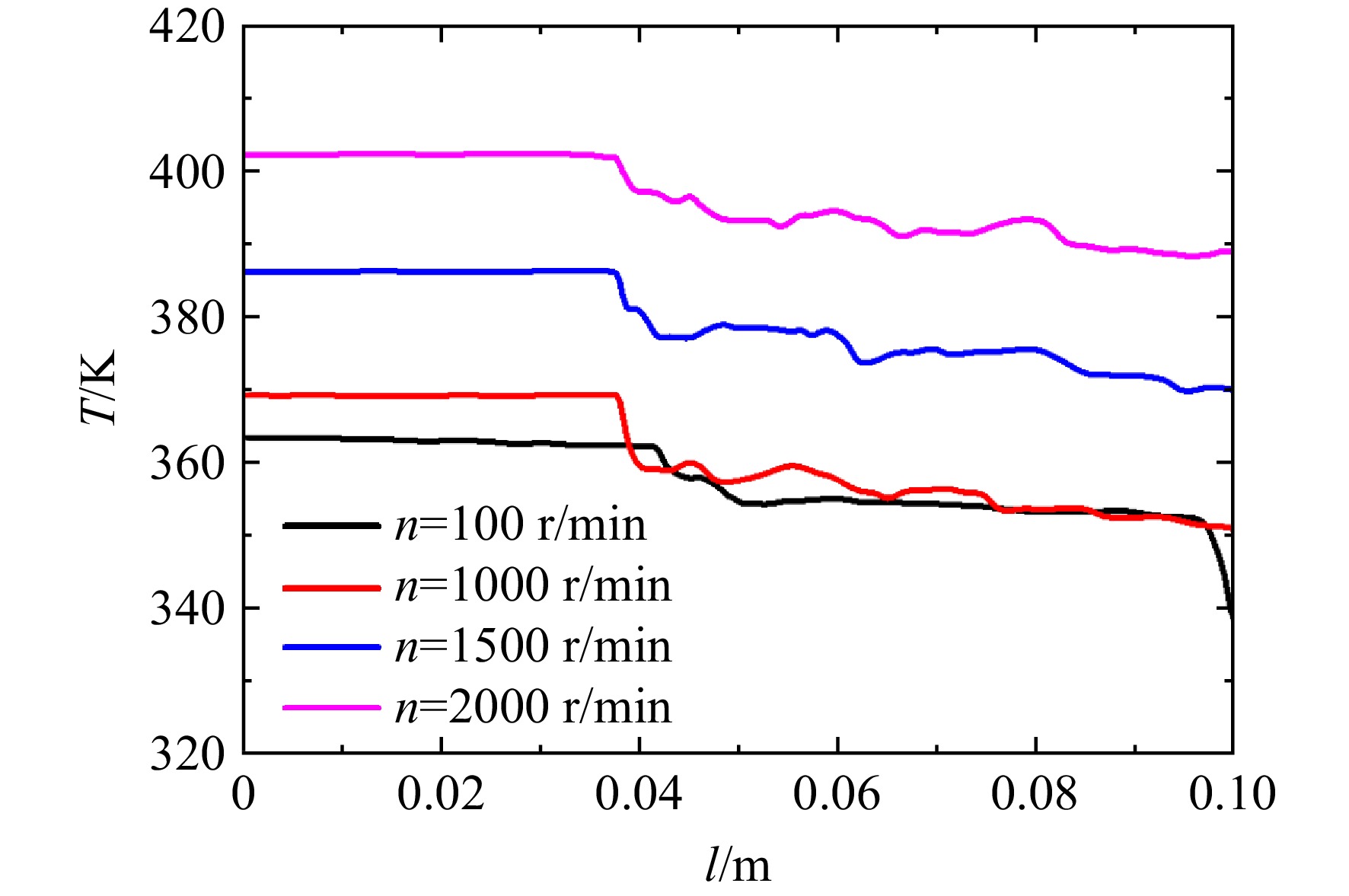
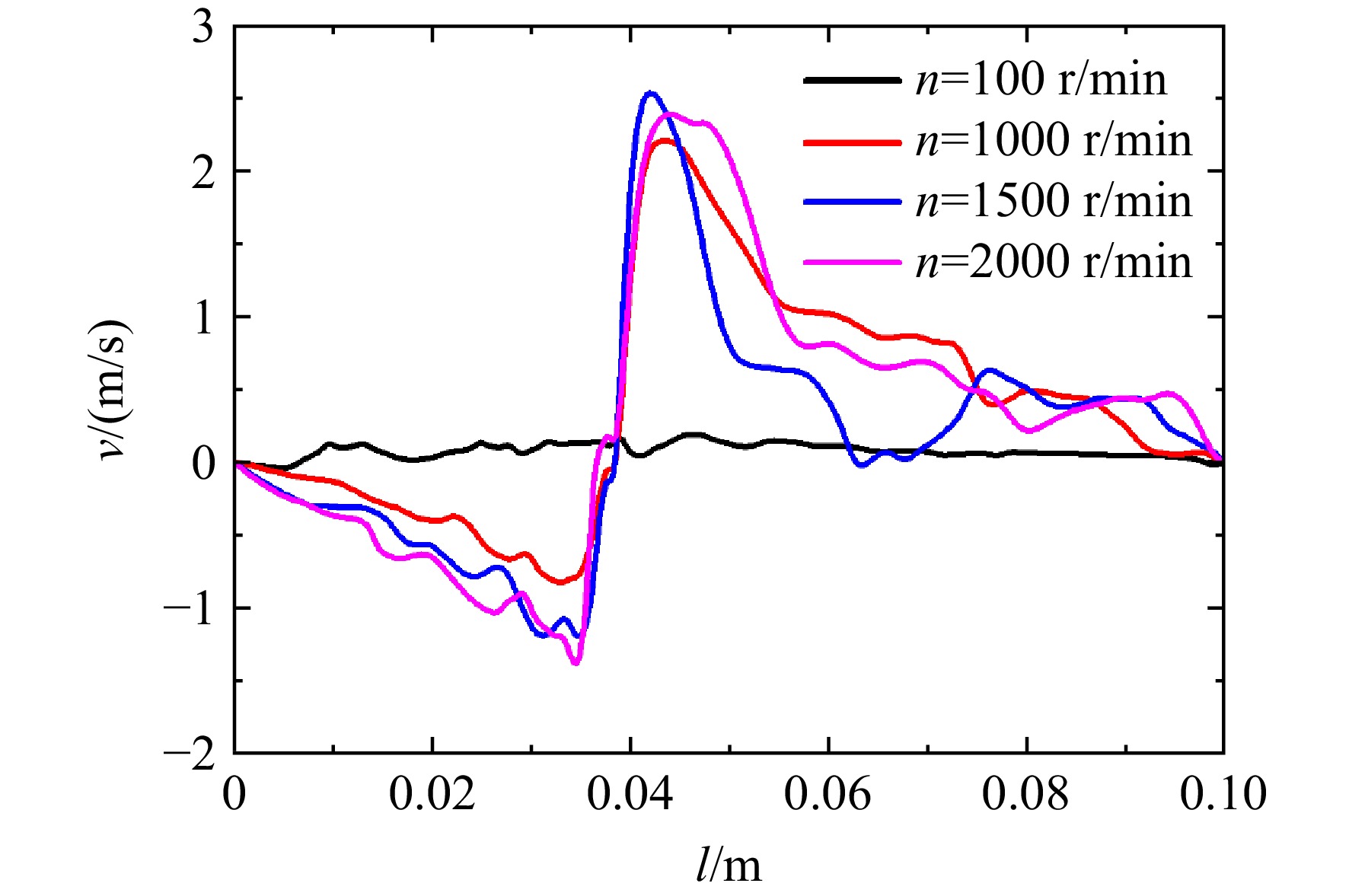
In order to promote the heat pipe turbine disk into the practical stage, the flow, phase change and heat transfer mechanism inside the heat pipe were numerically simulated. The volume of fluid (VOF) two-phase flow model was adopted, and the phase change model proposed by Sun et al was applied to gravity heat pipe and radially rotating heat pipe for the first time through user-defined function (UDF) programming. The phase change interface grid capture method and mass conservation control method were realized by programming. The numerical simulation results of the gravity heat pipe were in good agreement with experiment, and the error of temperature field was less than 2%. After this the method was extended to the radially rotating heat pipe. It can be observed that the increase of centrifugal force increased the overall temperature of the heat pipe more than 10% and accelerated the flow velocity of the internal working fluid more than 2 m/s. The above results show that this method is suitable for the numerical simulation of heat pipe, and the rotating centrifugal force will have a greater impact on the temperature field and flow field of the heat pipe. This work has laid a foundation for the numerical simulation of the heat pipe turbine disk.

Effect of cooling stream injection on cooling characteristics of guide blade endwall
DONG Qi, QIU Changbo, YU Qiang, CAO Jun, ZHANG Zhiguo, YANG Weihua
2023, 38(8): 1946-1955. doi: 10.13224/j.cnki.jasp.20220807
Abstract:

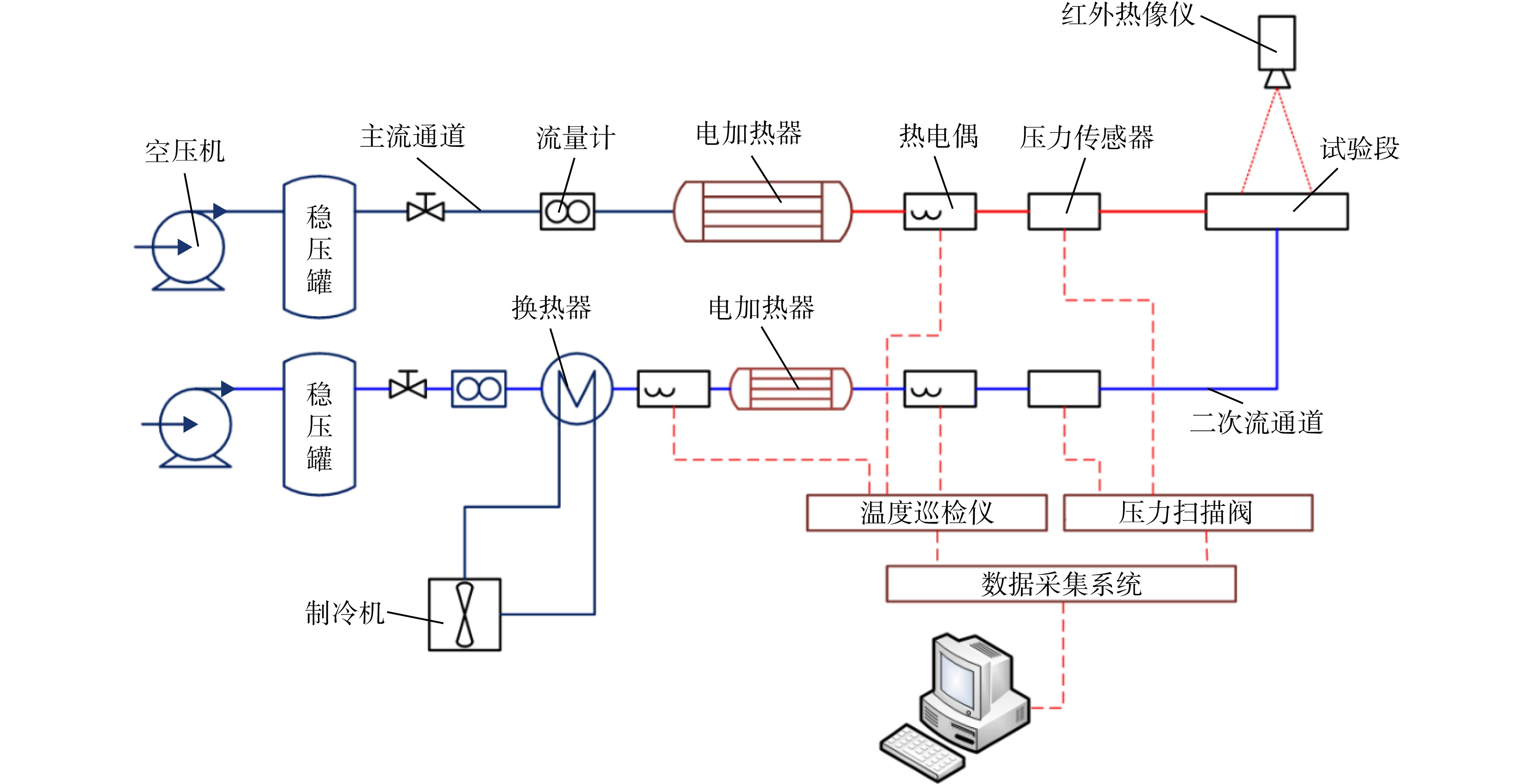
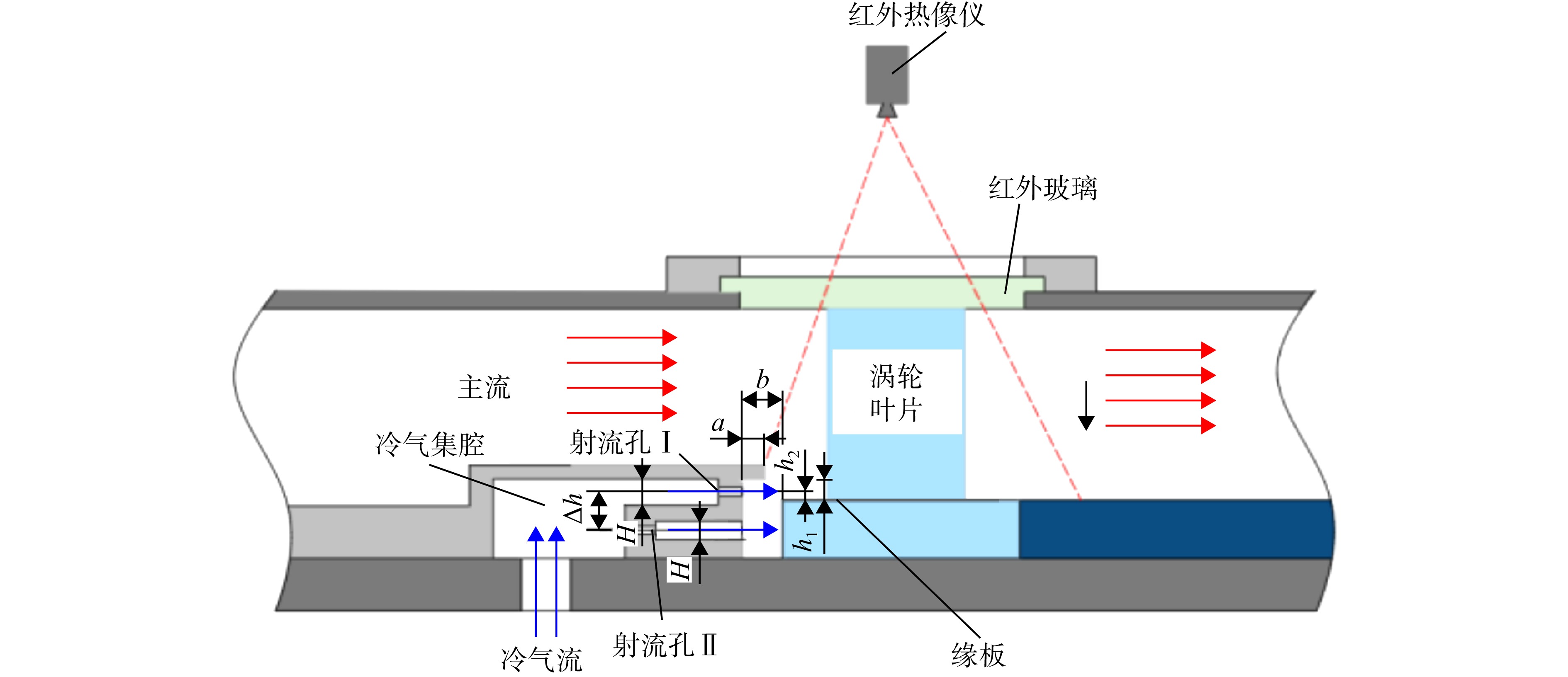
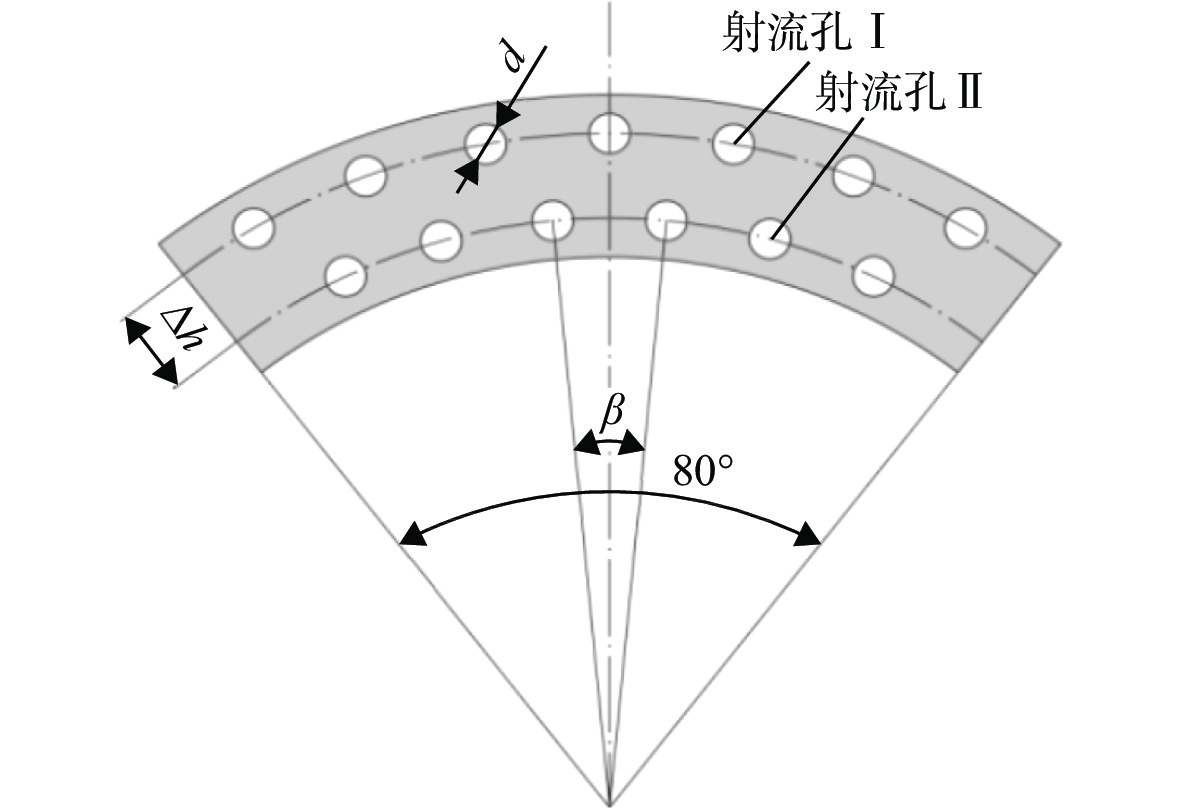
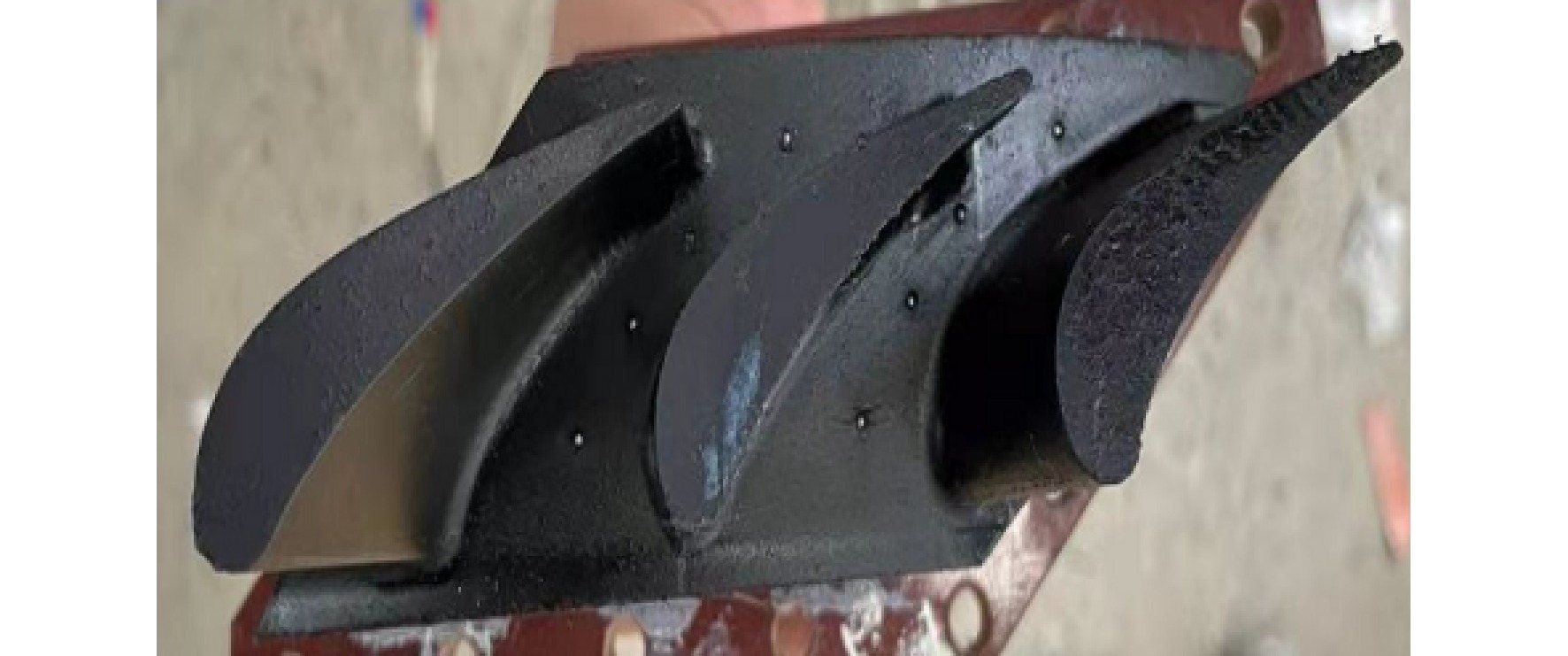
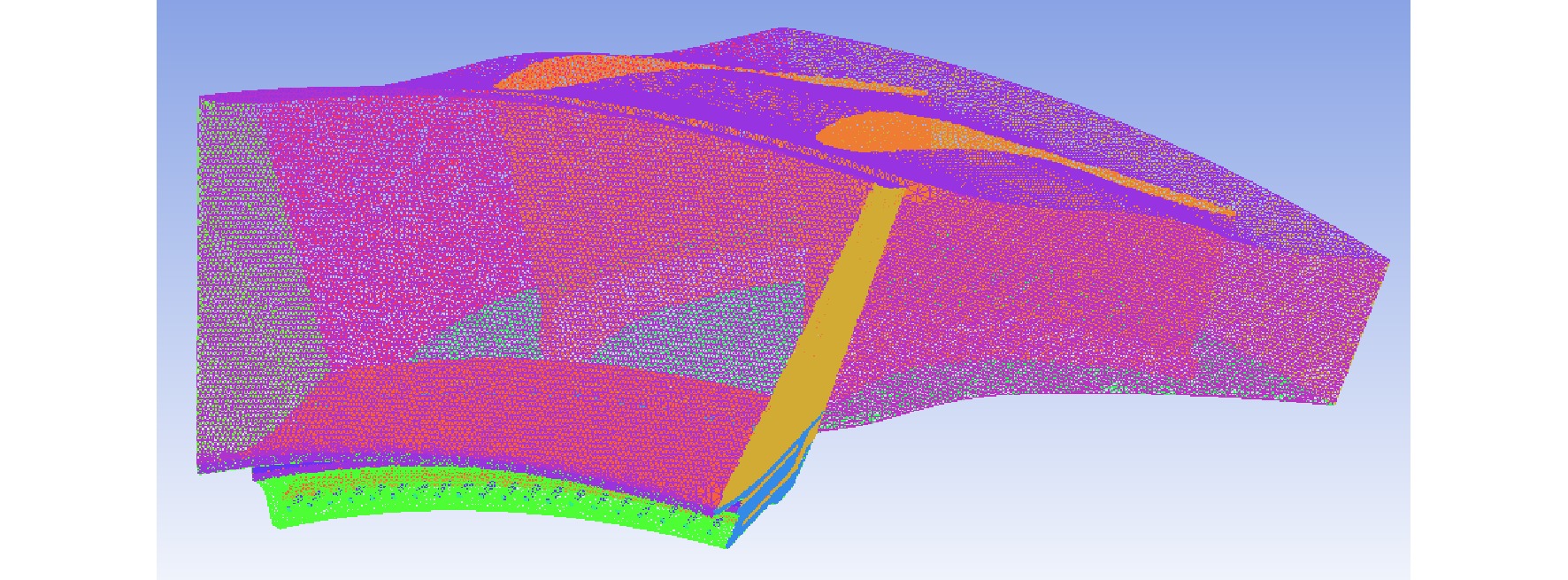
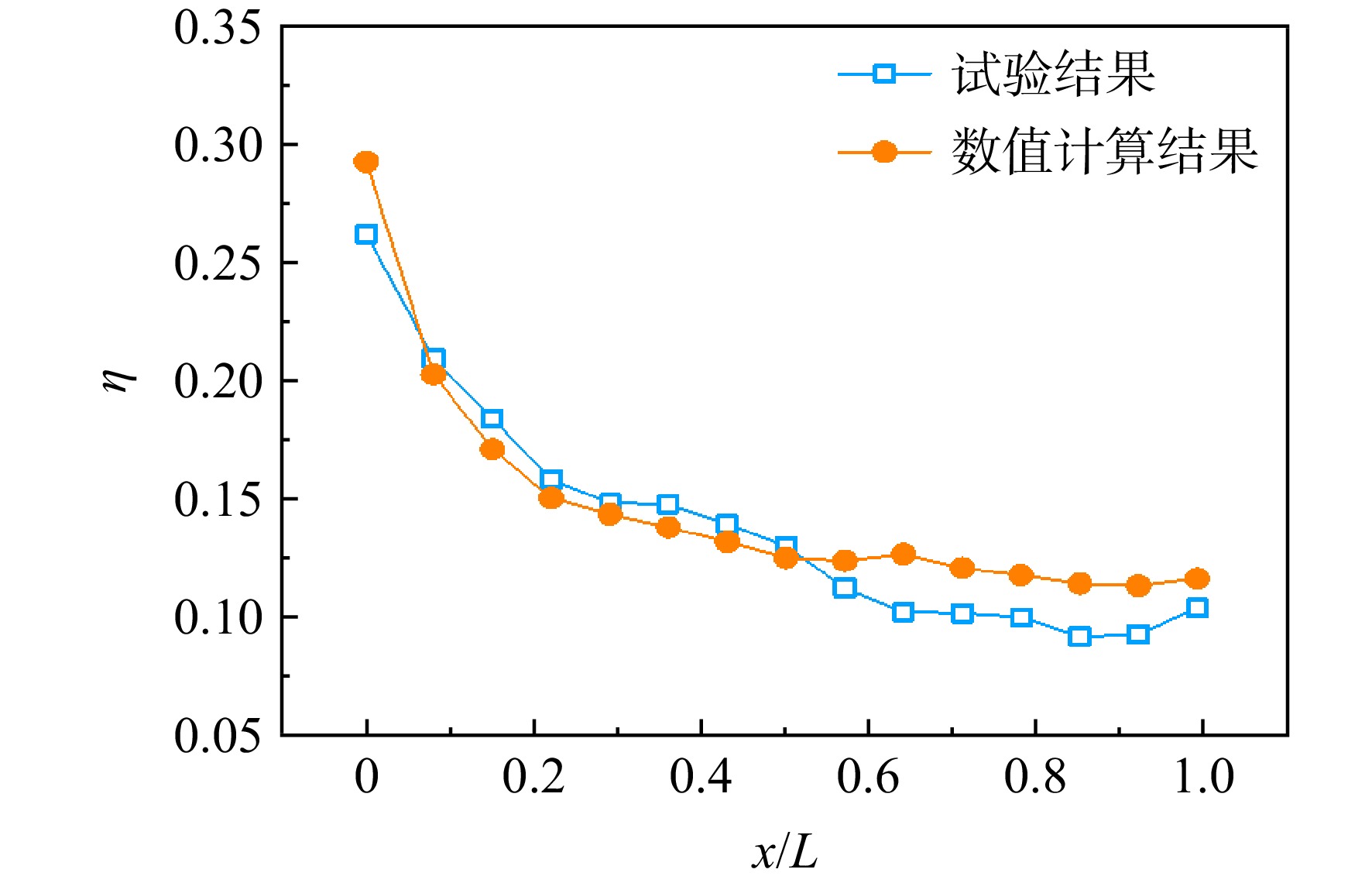
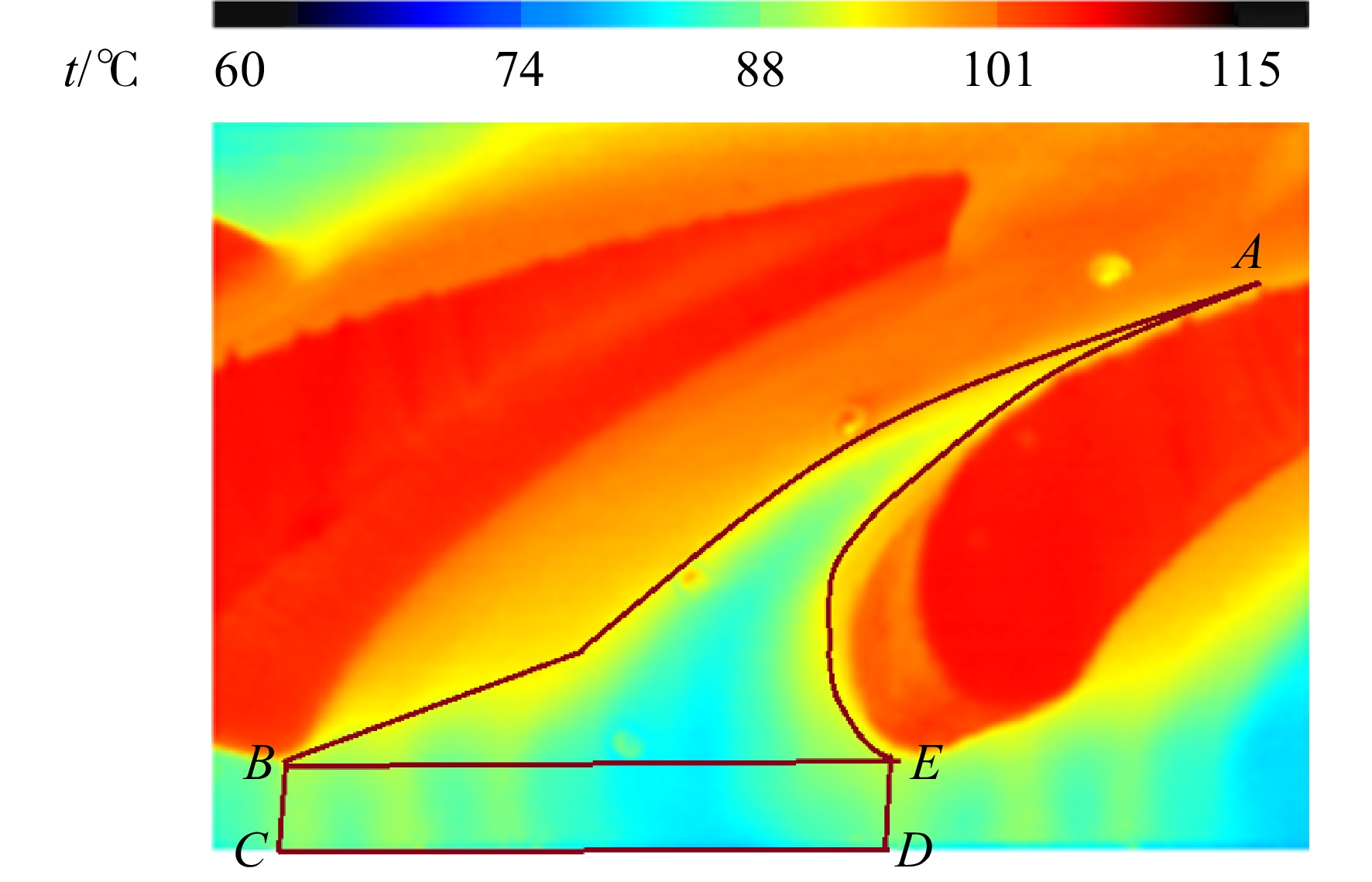
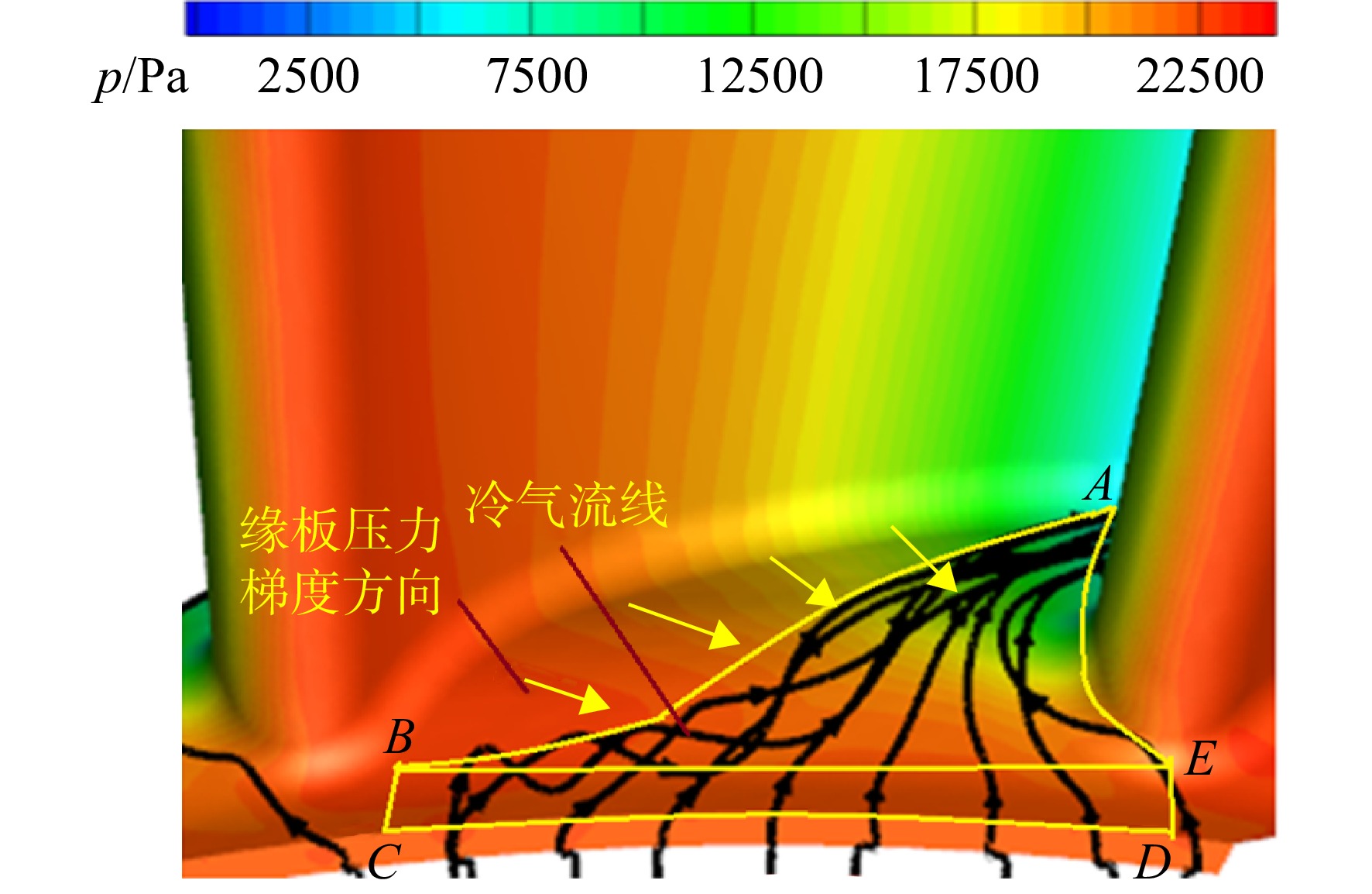
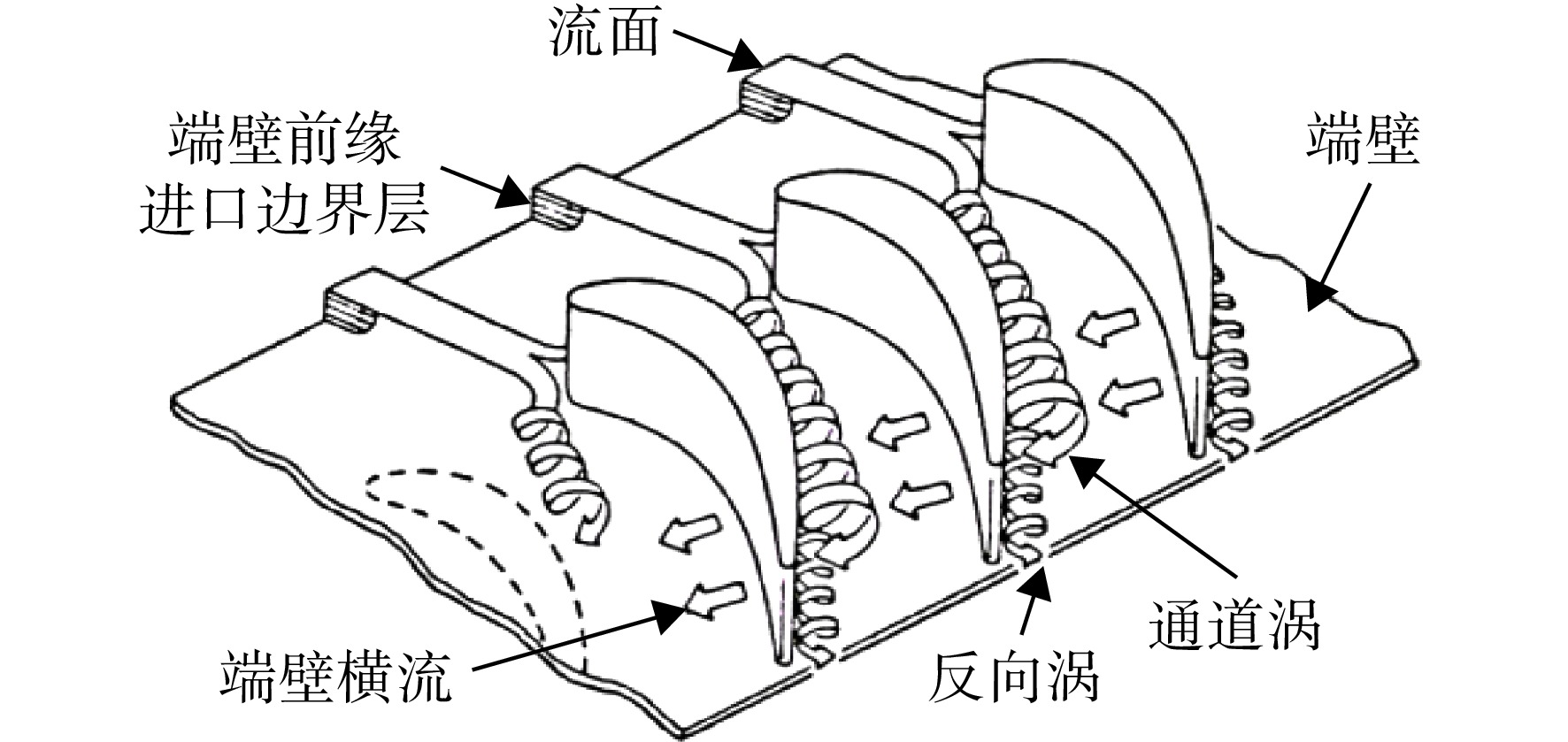
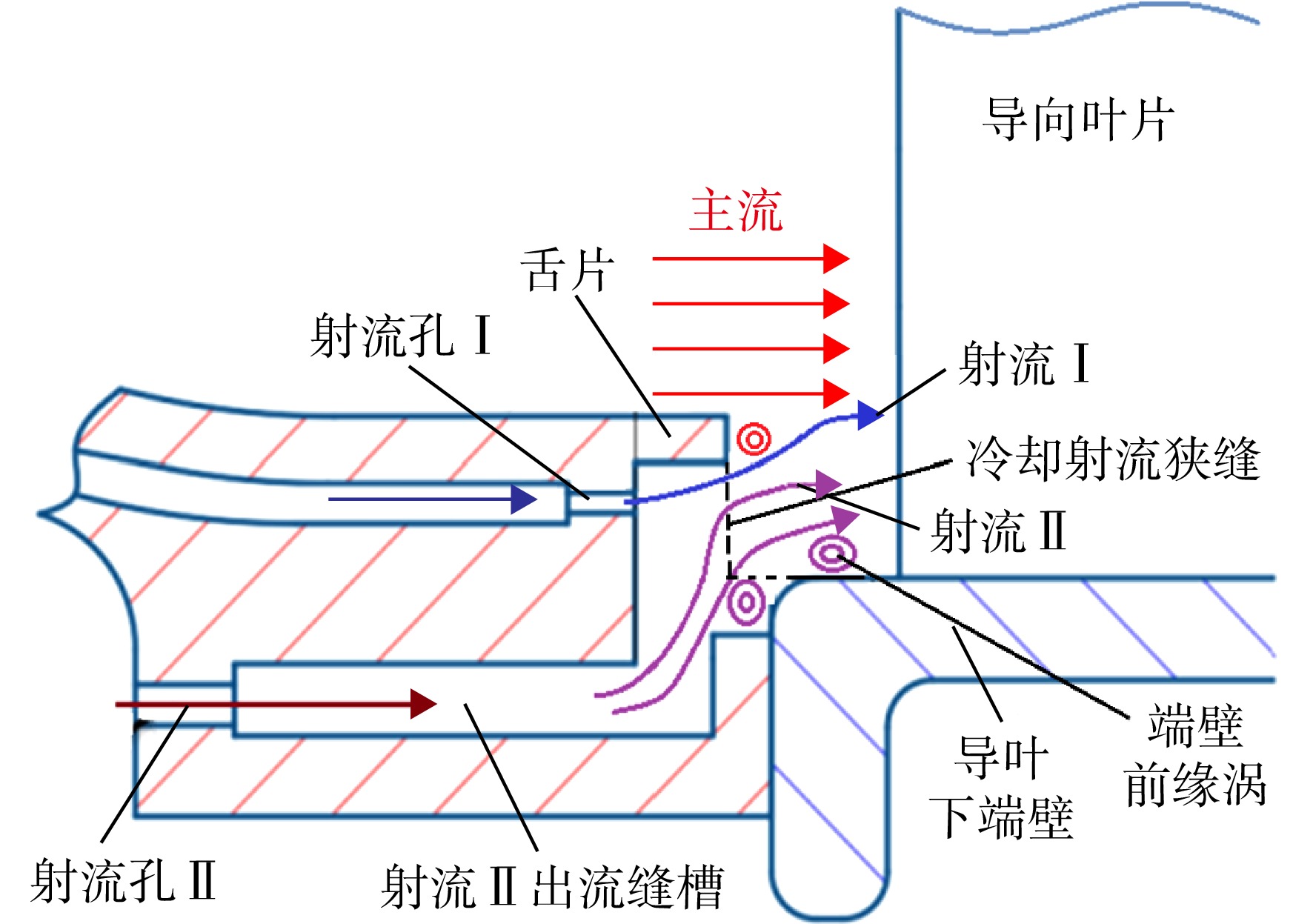
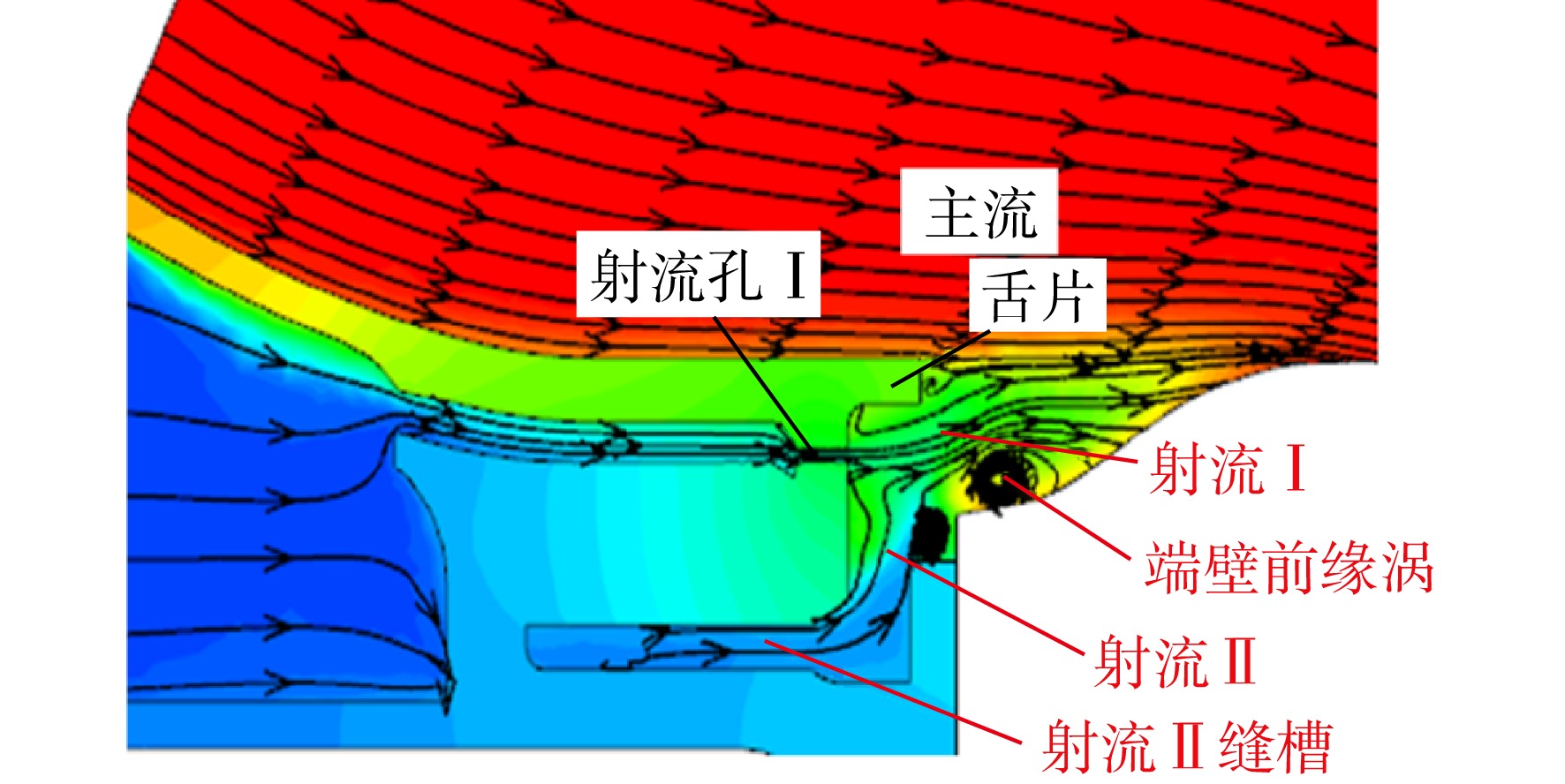
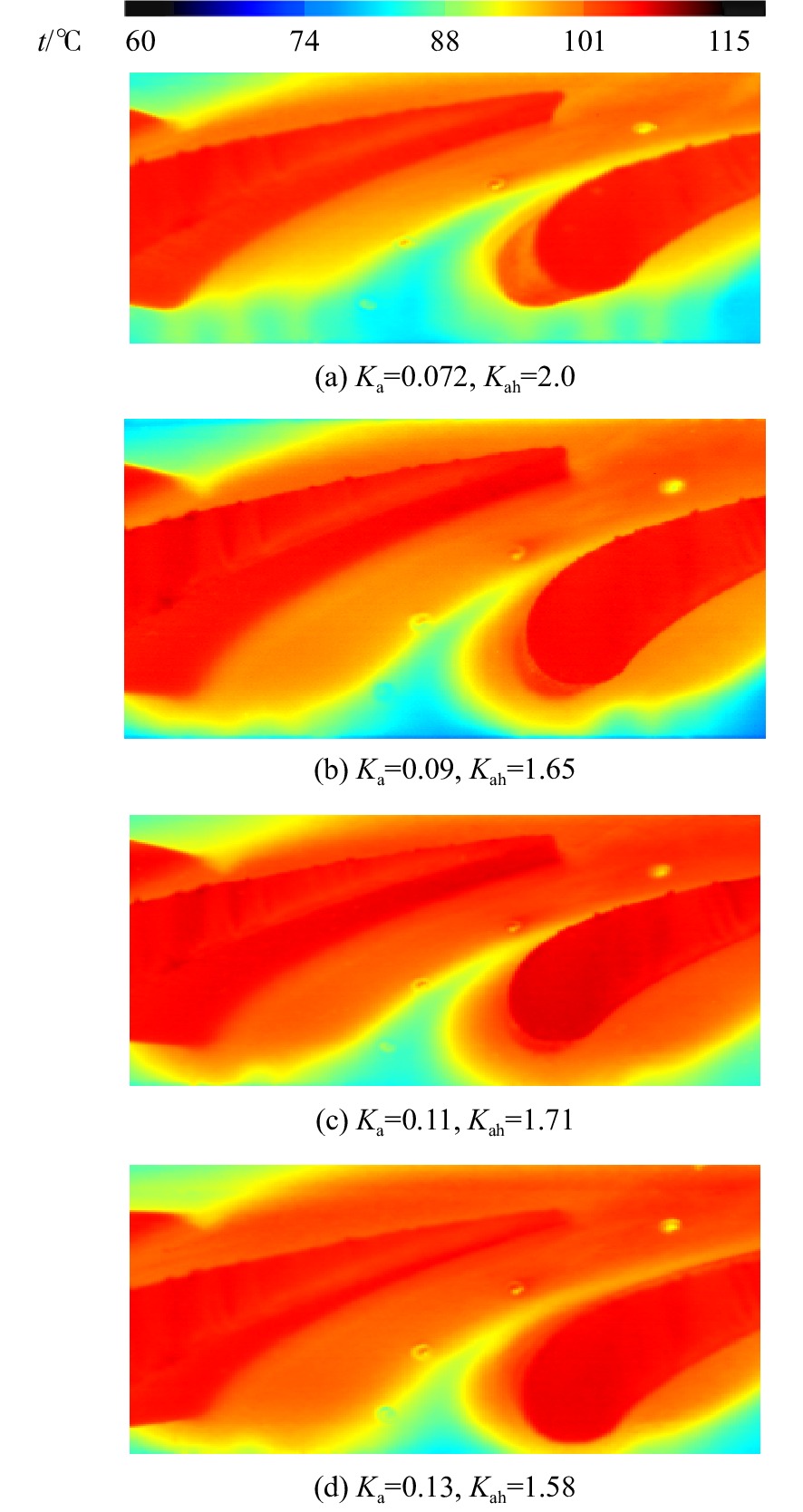
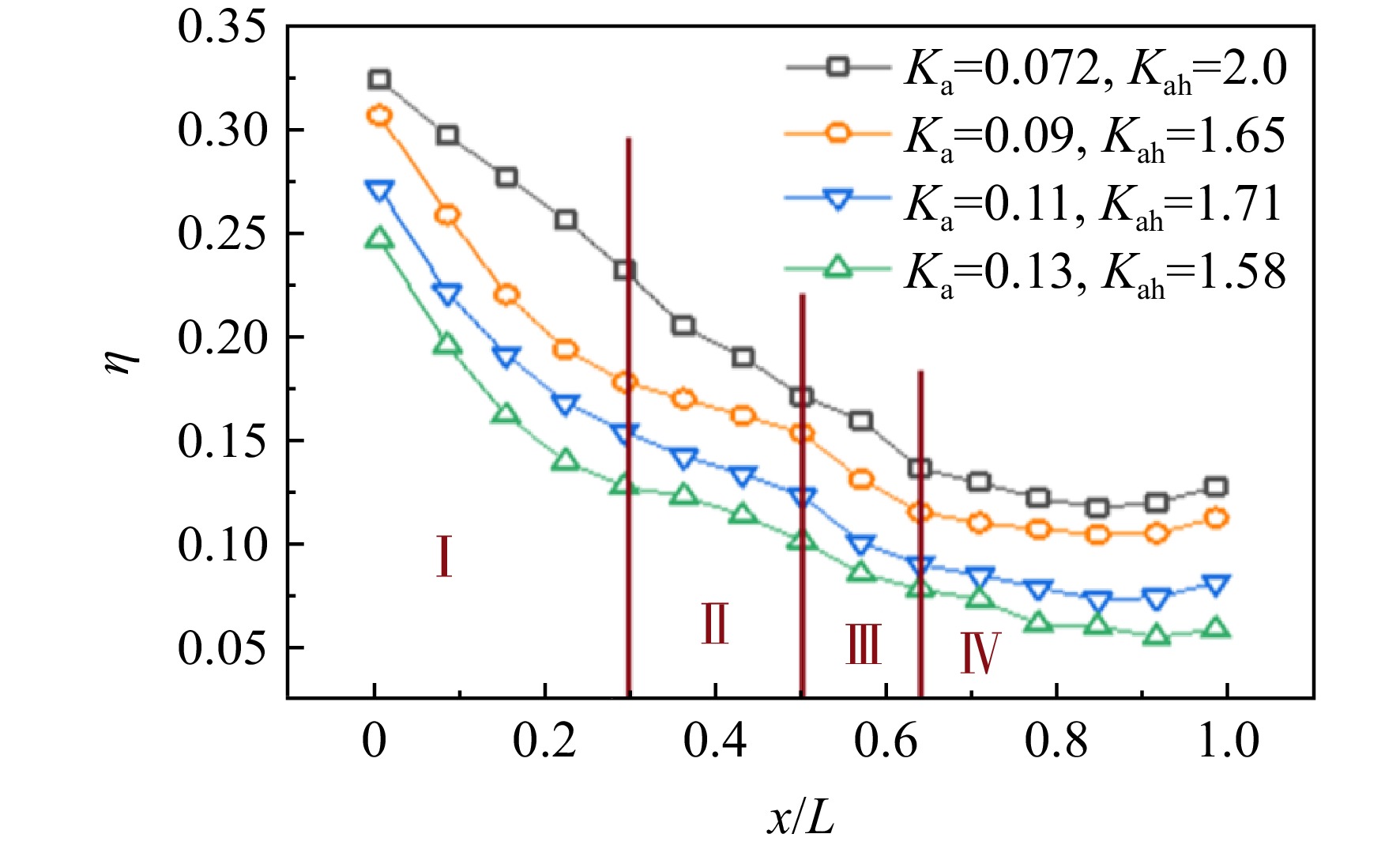
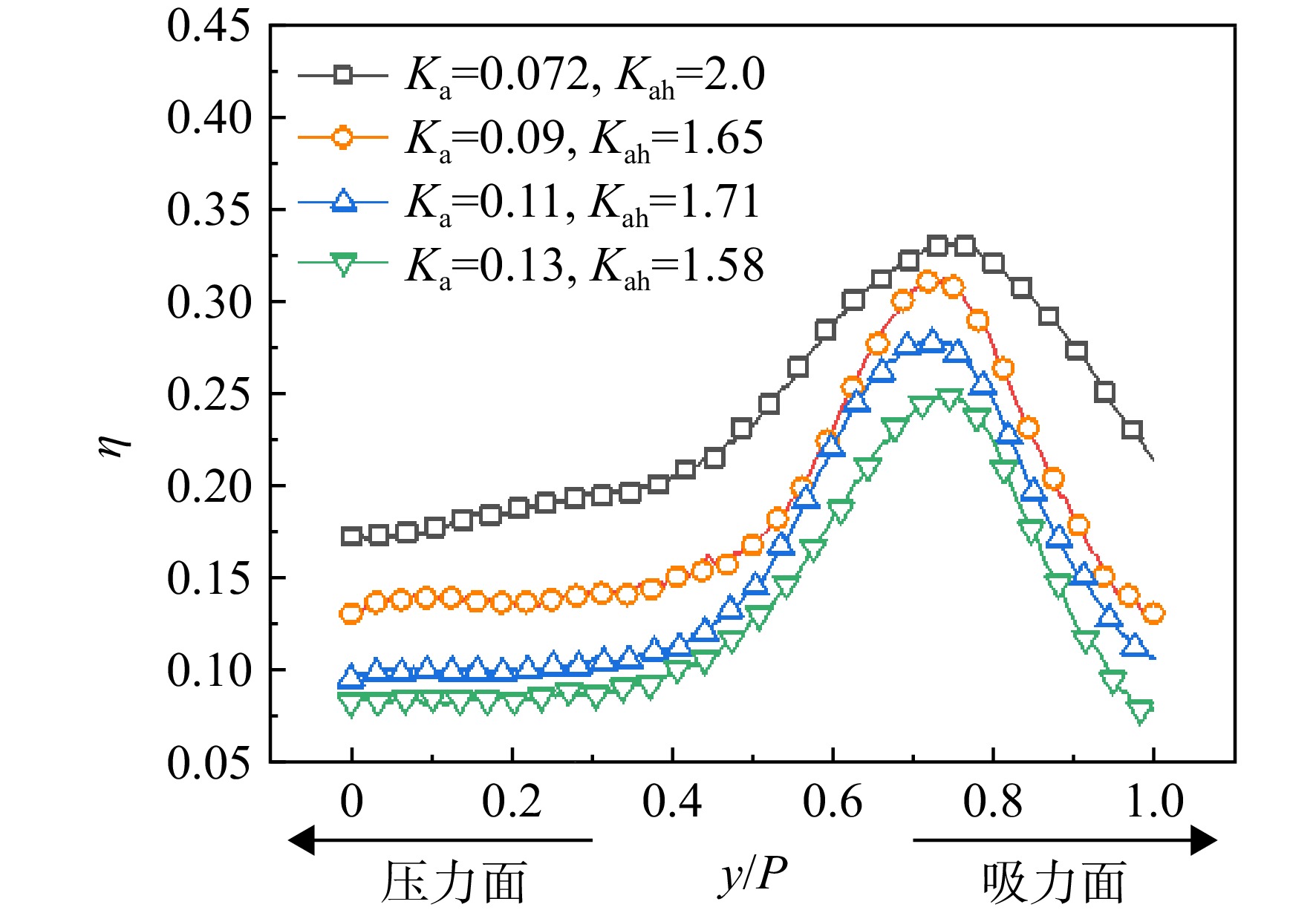
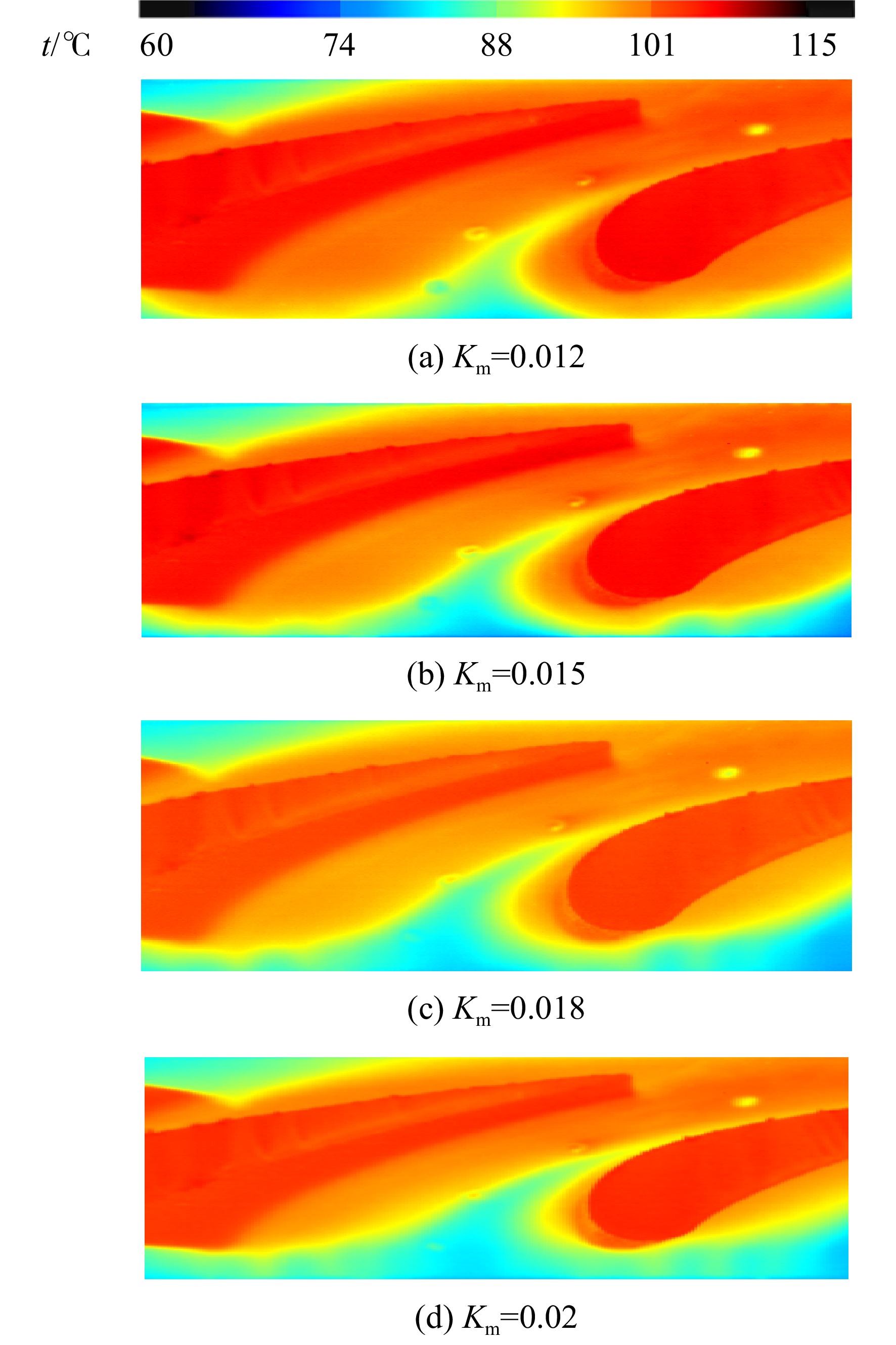
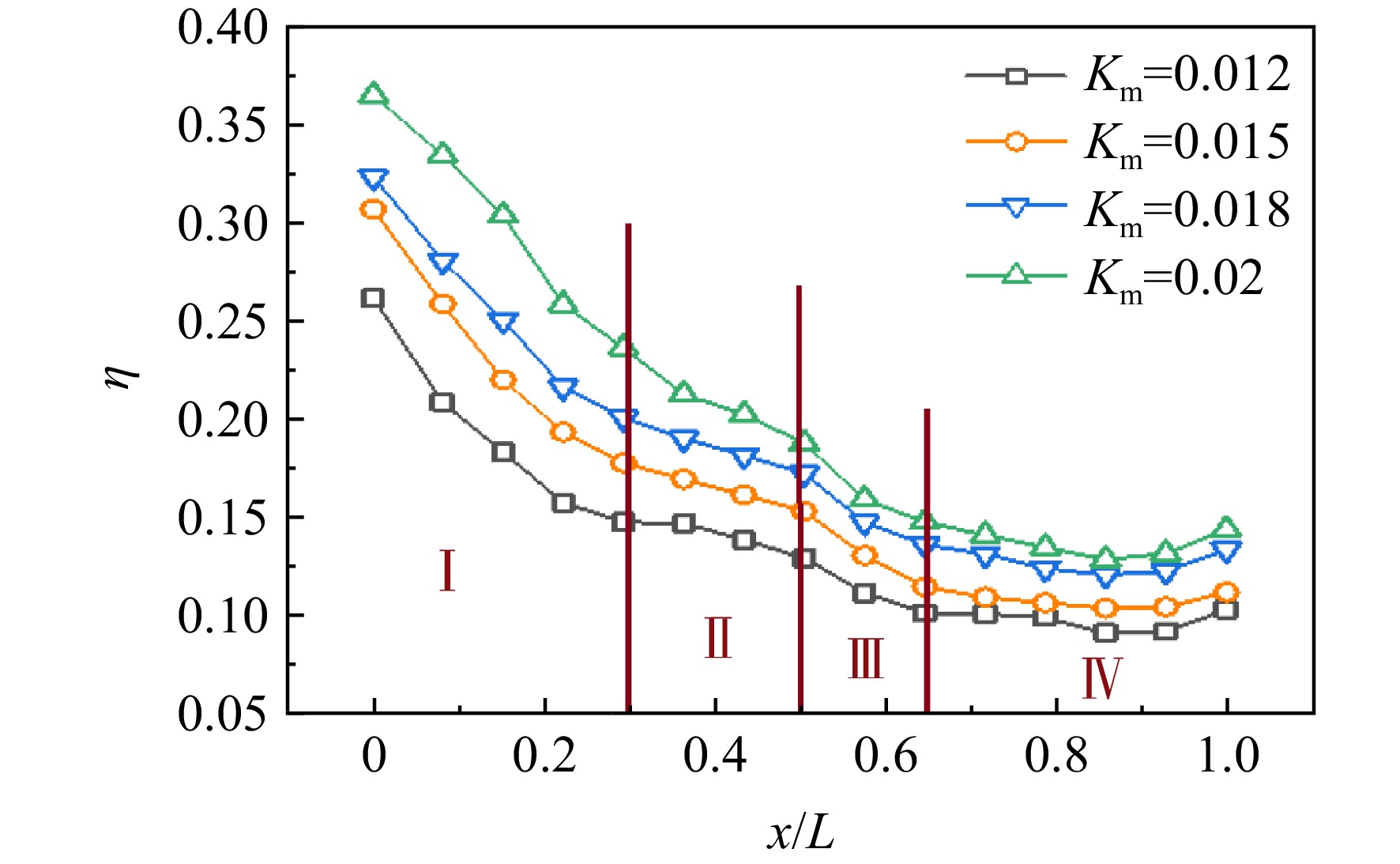
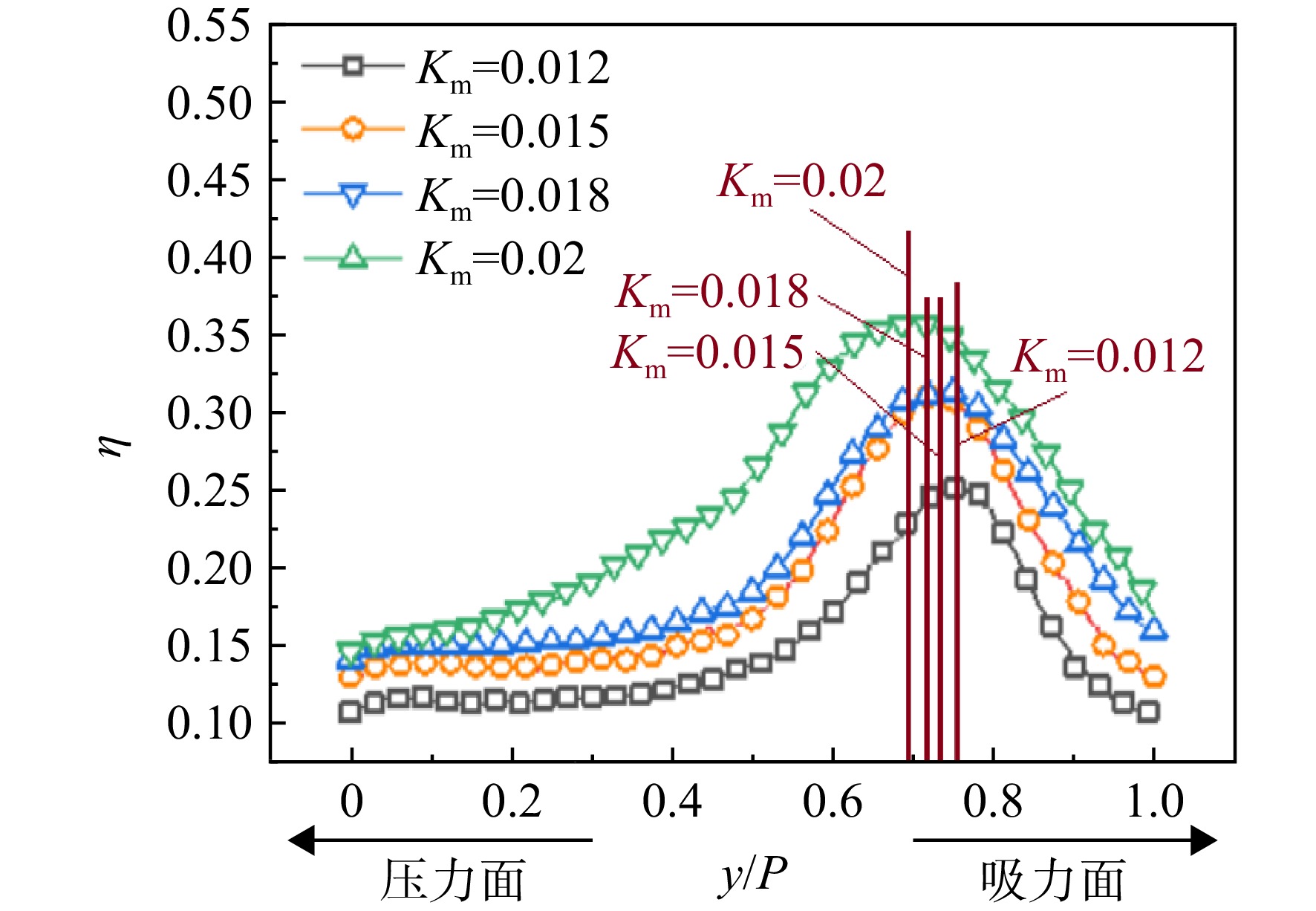
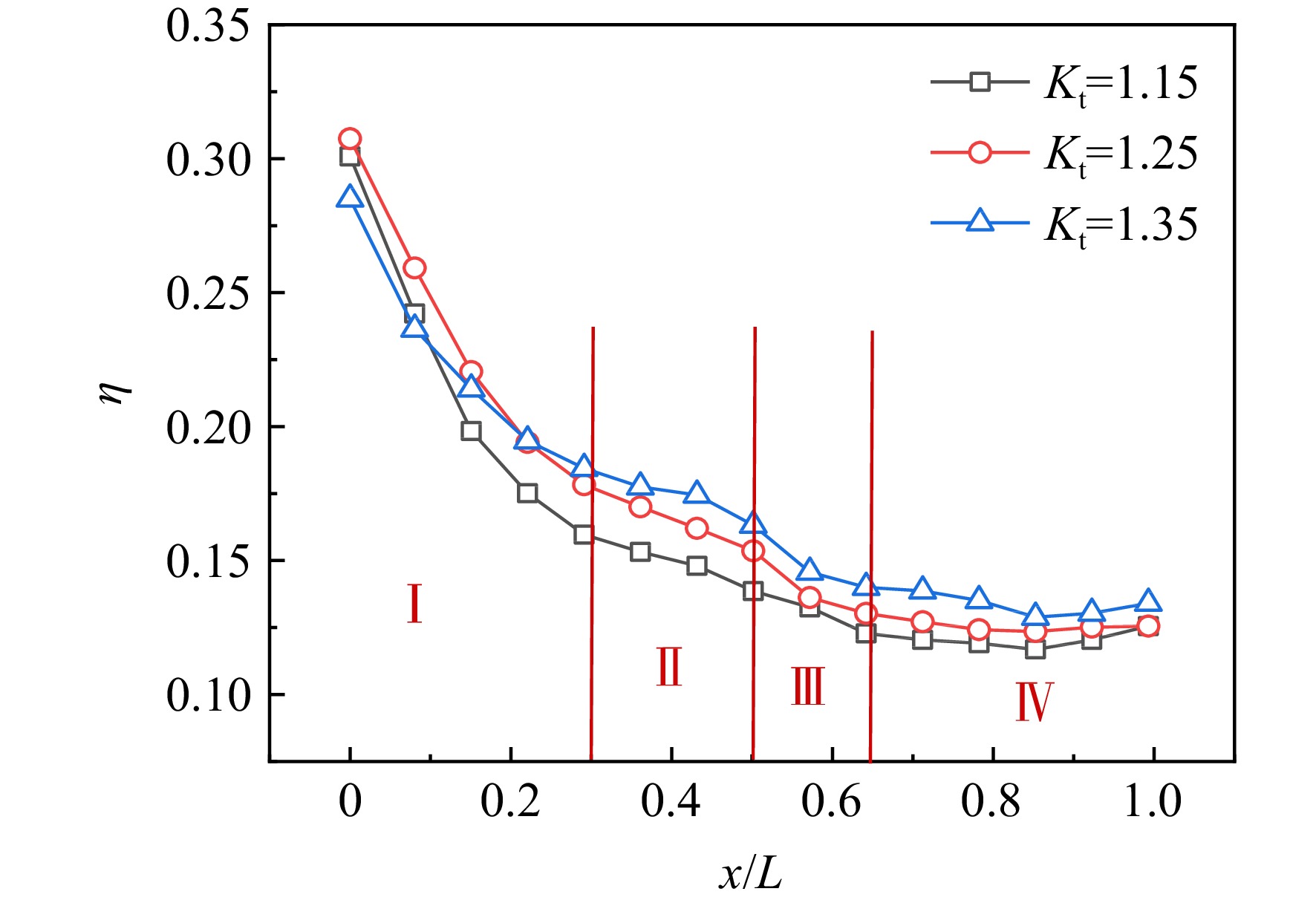
In order to study the effect law of the cooling jet structure at the leading edge of turbine guide blade endwall on the film cooling characteristics at endwall, four jet structures were designed. The effect of cooling jet geometric and aerodynamic parameters on the adiabatic wall temperature at the endwall was studied by a method of combining test and numerical simulation to obtain the following conclusions: the low-temperature region of the endwall presents a “curved triangle” feature, namely, along the air flow direction in the cascade channel, the low-temperature region decreases sharply and deflects substantially toward the blade suction surface, and finally disappears at the trailing edge of the blade suction surface, while an optimal cooling jet structure exists at the leading edge of the endwall, that is, when the cooling air outflow area ratio is 0.072 and the jet orifice area ratio is 2.0, the maximum adiabatic cooling efficiency at the endwall can reach 0.325; the jet ratio has a great influence on the adiabatic cooling efficiency of the endwall. With the increase of the jet ratio, the adiabatic cooling efficiency at the endwall gradually increases, while the position where the maximum adiabatic cooling efficiency at the endwall occurs shifts toward the pressure surface.Within the area near the leading edge of the endwall, the temperature ratio has little effect on the adiabatic cooling efficiency, and the change range is less than 0.01, but within the area away from the leading edge, the adiabatic cooling efficiency increases with the increase of the temperature ratio, and the maximum increase is about 0.03.

Investigation of kerosene droplet evaporation model based on machine learning
WANG Fang, HAN Qiwei, CAI Jiangtao, LI Dianwang, GAN Tian, JIN Jie
2023, 38(8): 1956-1964. doi: 10.13224/j.cnki.jasp.20220590
Abstract:

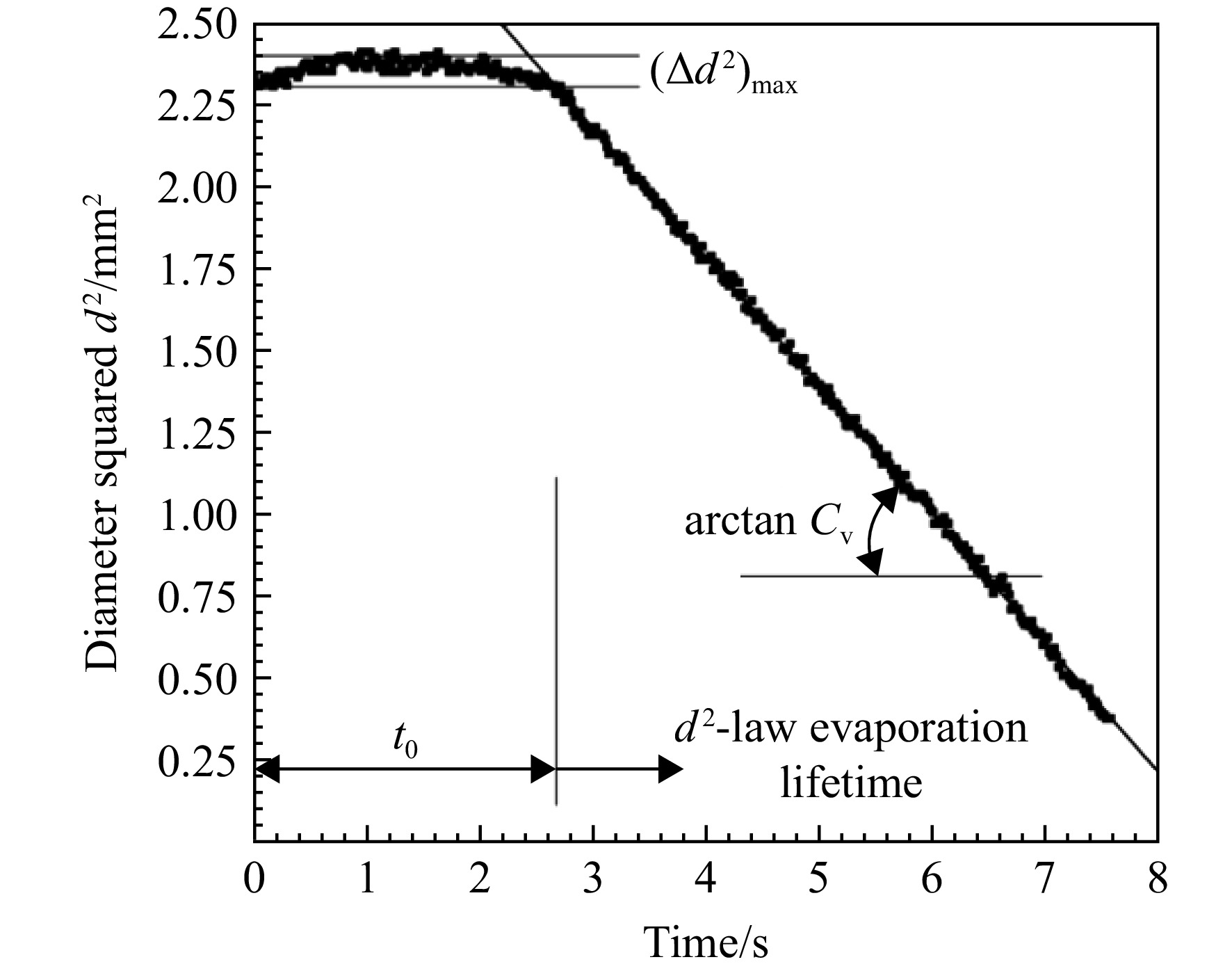
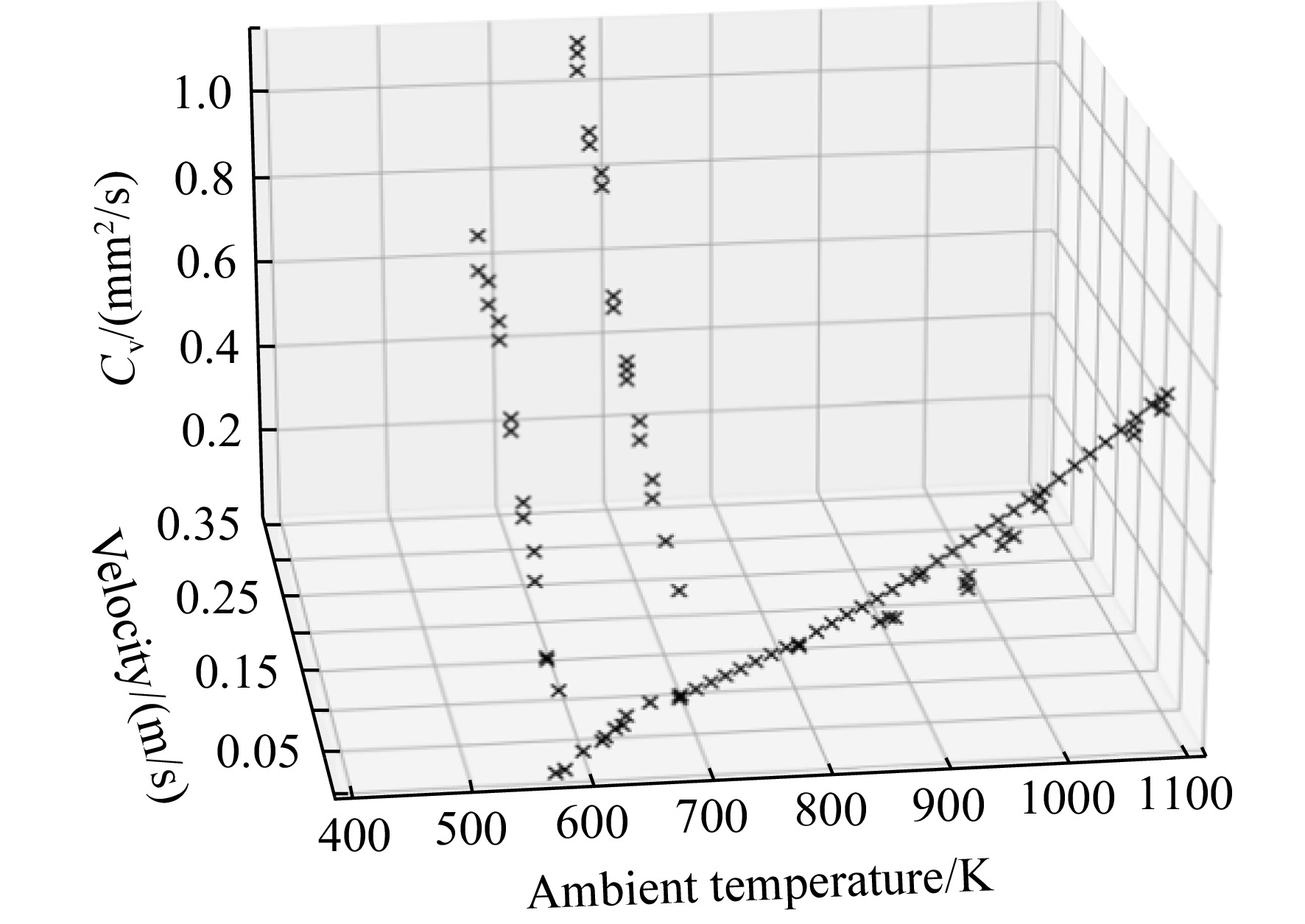
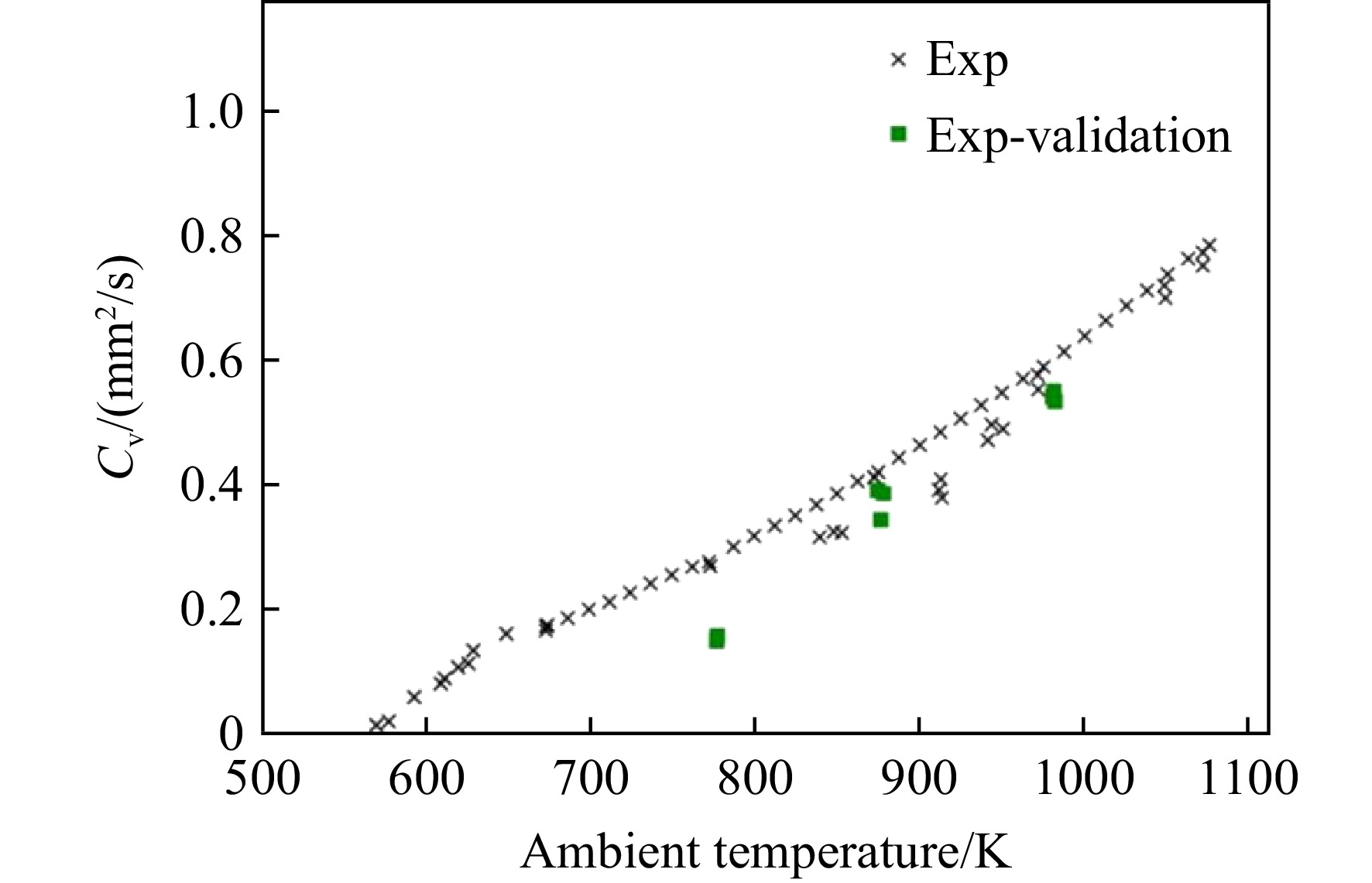
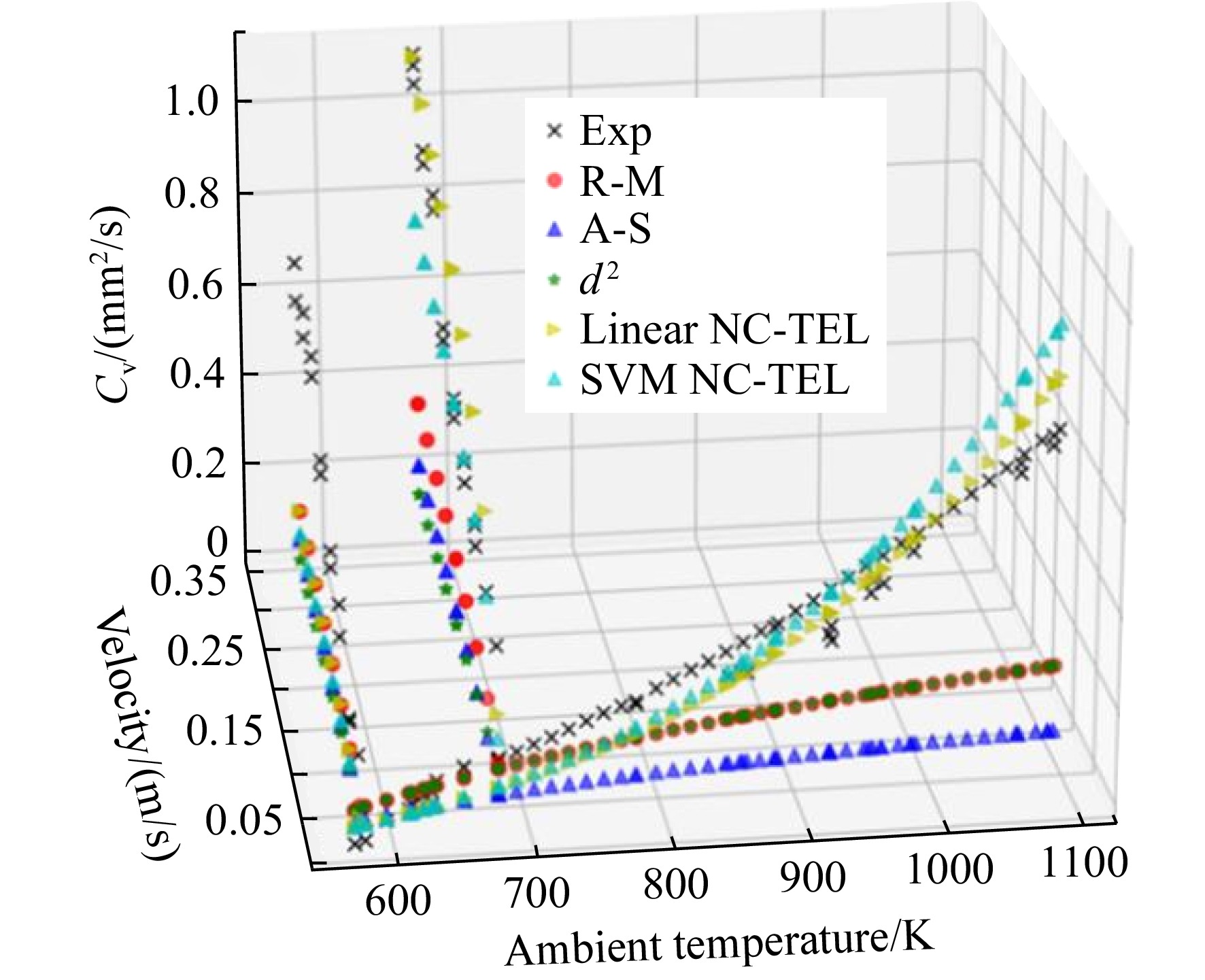
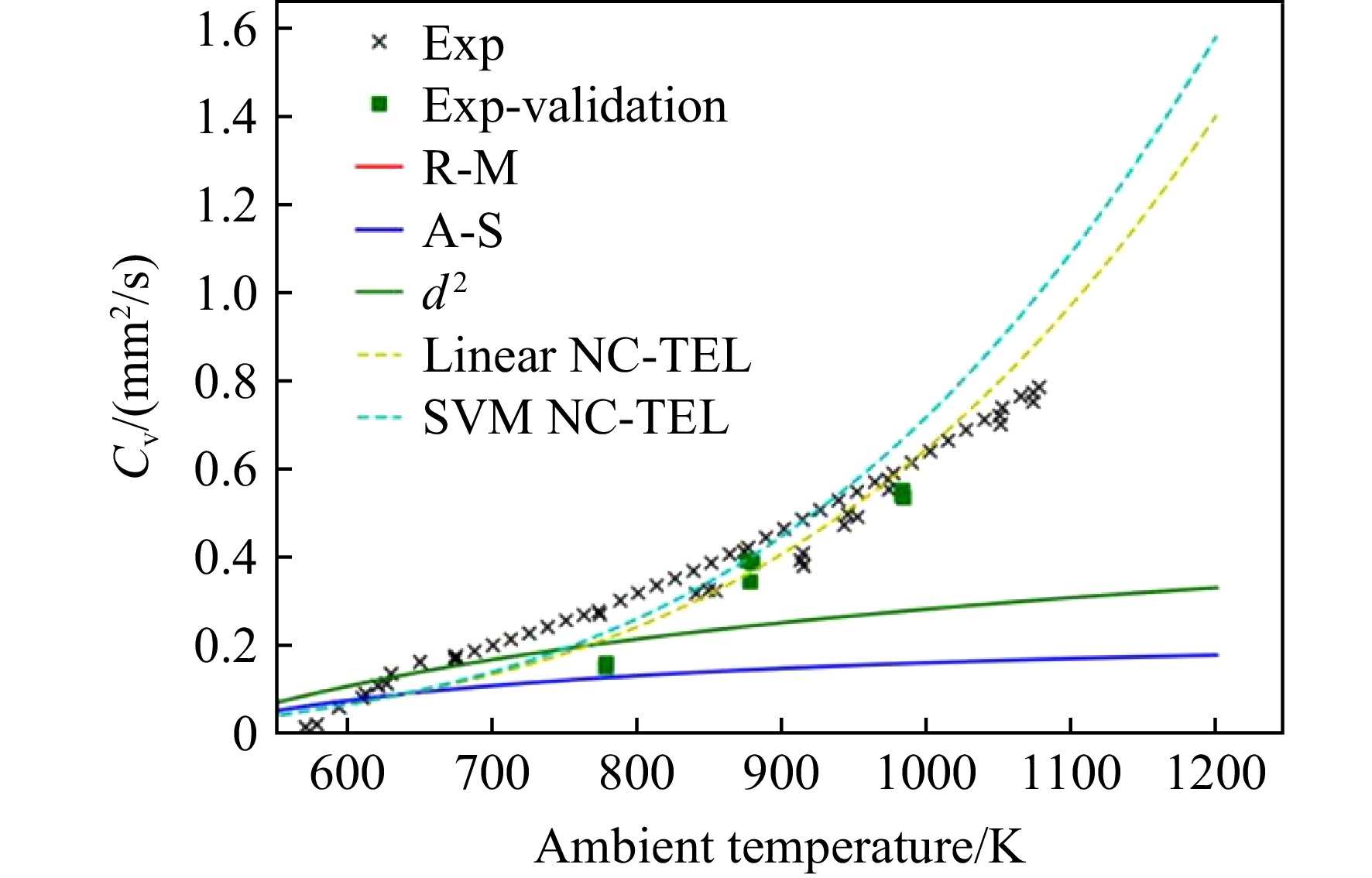
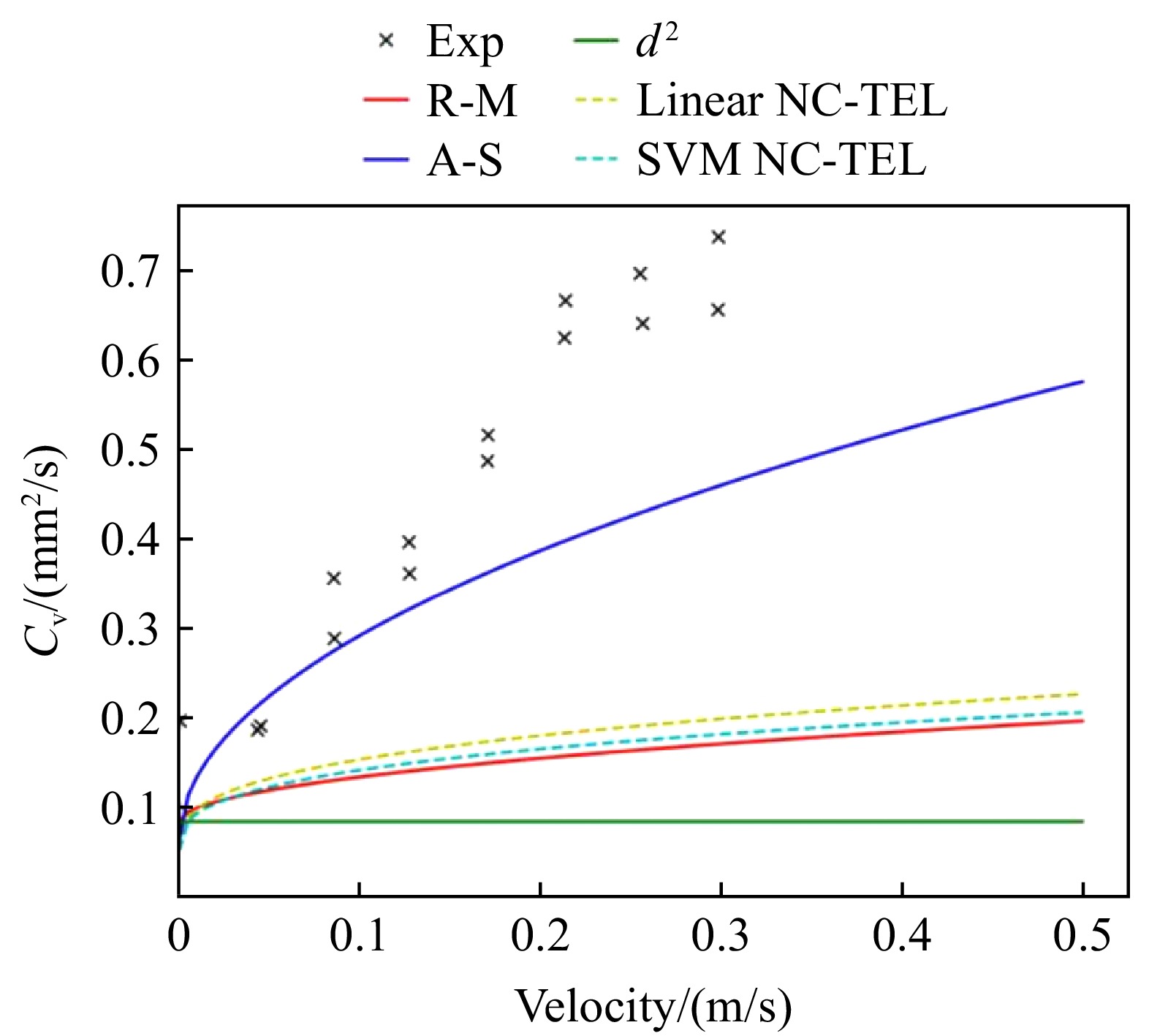
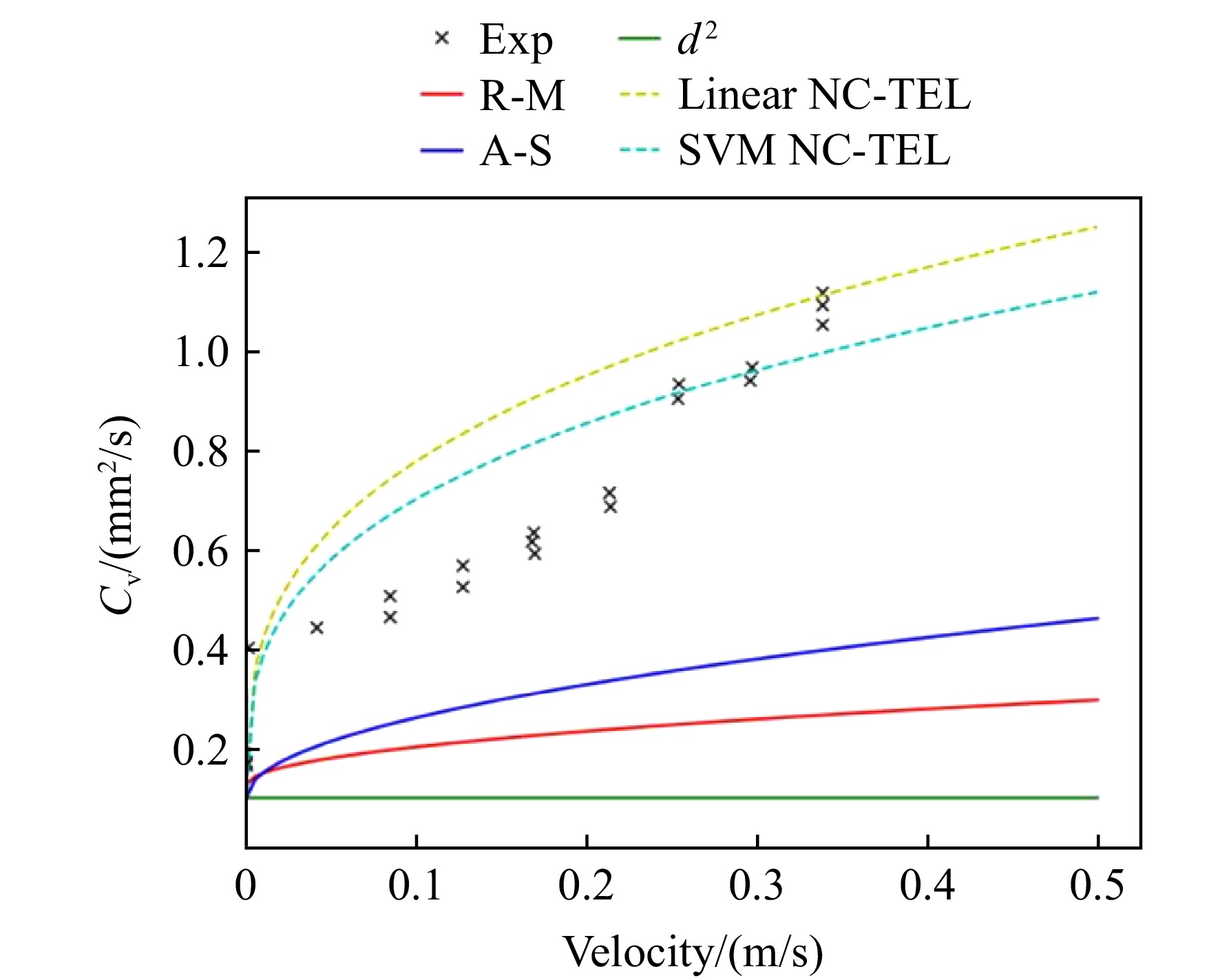
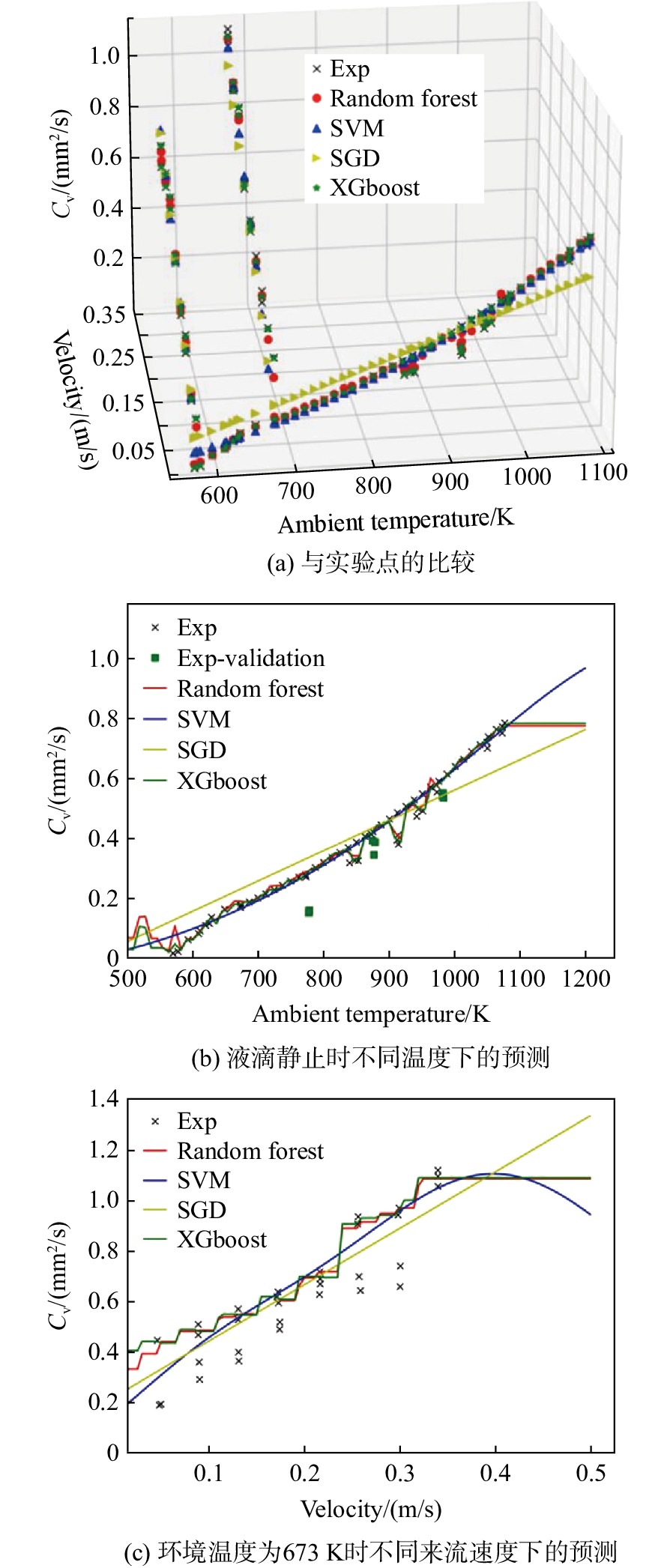
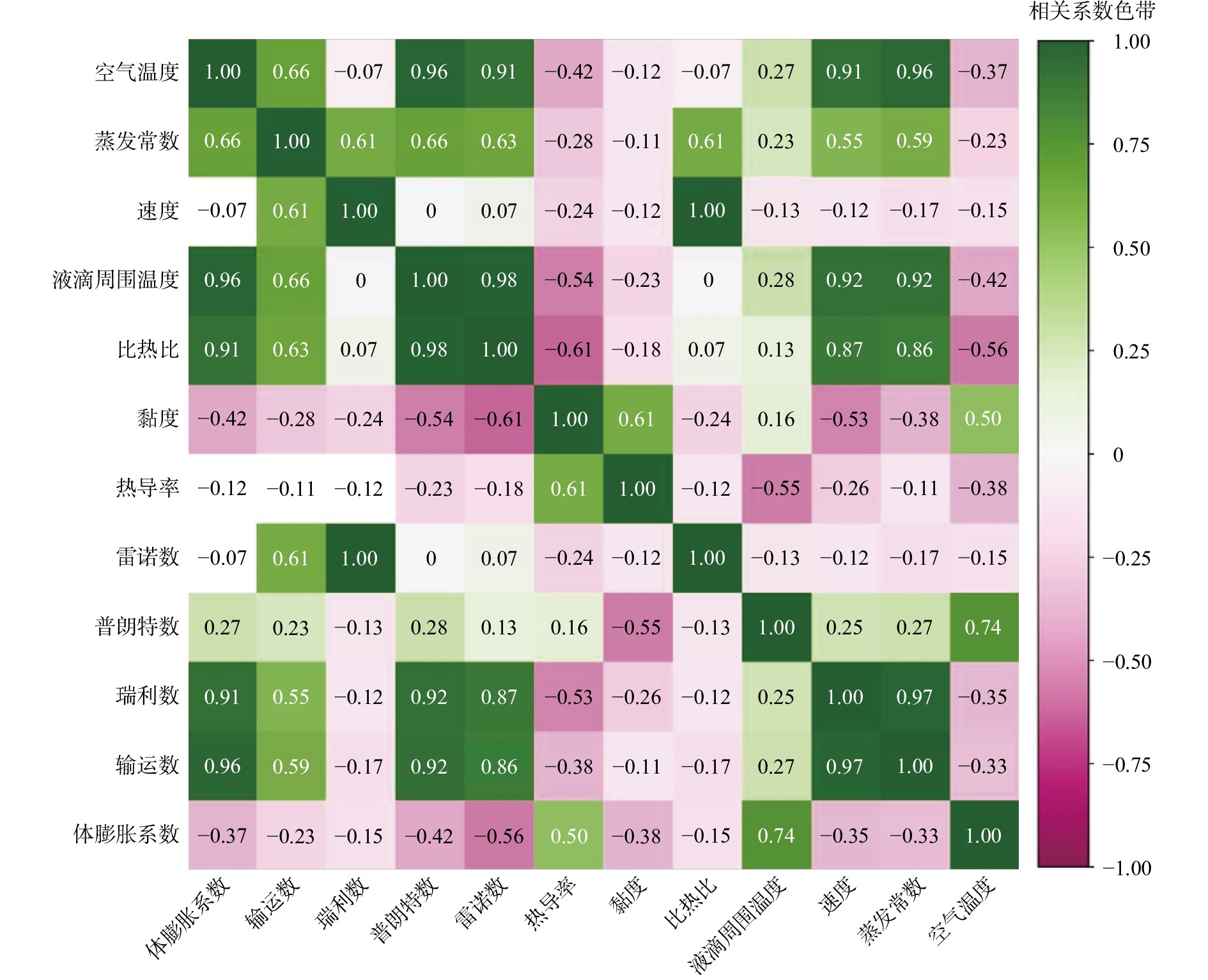
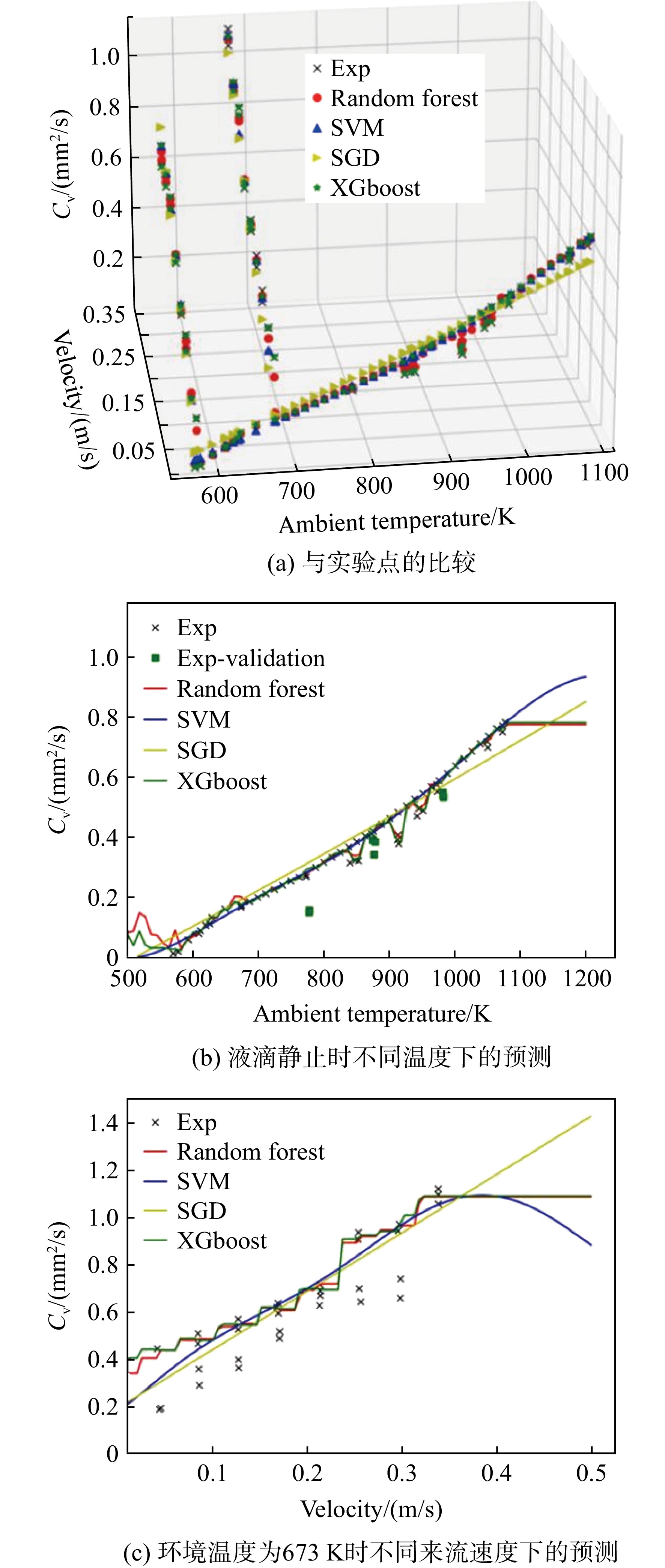
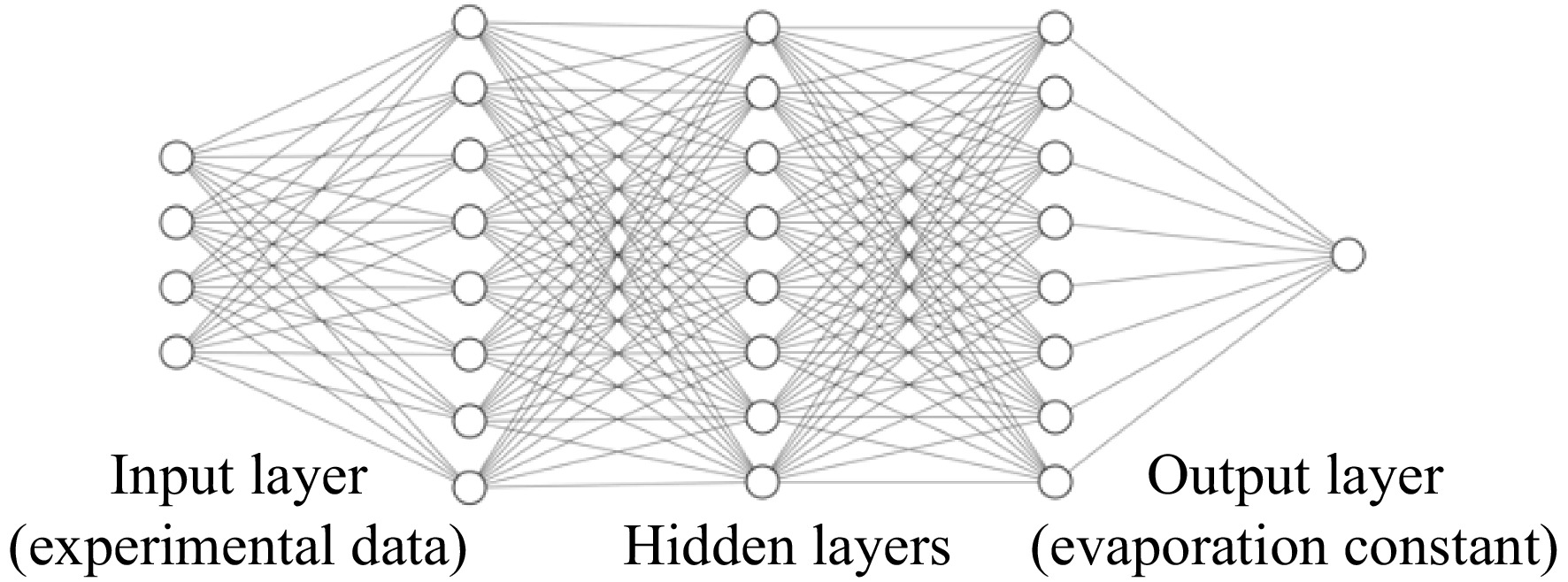
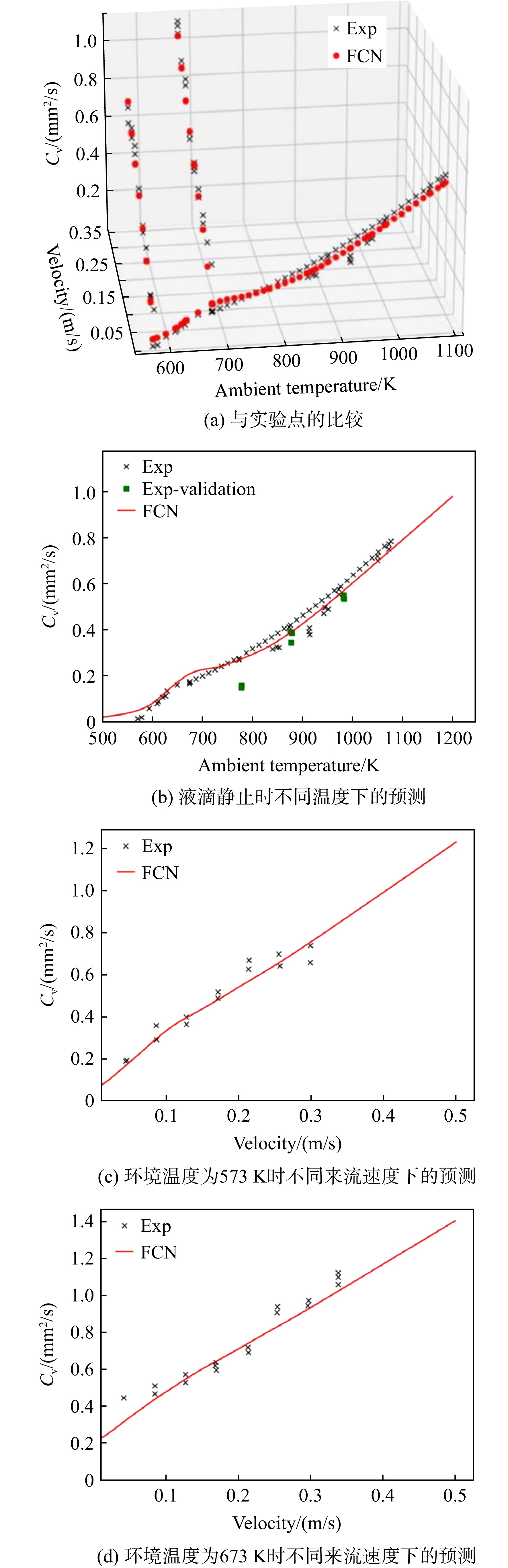
Based on the droplet evaporation theory of Thick Exchange layer and experimental data of kerosene, a kerosene droplet evaporation model was constructed by using linear regression, random-forest, support vector machine, extreme gradient boosting, and fully-connected neural network methods in machine learning theory to test the applicability and accuracy of the newly constructed model. Comparing the experimental data with the prediction results of traditional models and machine learning evaporation models, it was found that the evaporation models generated by the random-forest method and extreme gradient boosting method cannot be reasonably extrapolated. The extrapolation effect of support vector machine method was not good. The overall effect of the linear regression thick exchange layer model and the fully-connected neural network model was superior to others, with a mean square error of 2.71×10⁻² and 1.81×10⁻³ compared with the training data, respectively. Based on the prediction consequences of the deep learning model, it is feasible to construct a “digital evaporation model” stemmed from experimental data that can be reasonably extrapolated, and may have better realistic adaptability. Machine learning droplet evaporation model enriched extant droplet evaporation models, laying the foundation for machine learning droplet evaporation model research.

Numerical simulation on generation law of non-uniform inflow under high temperature and strong cosine rotation condition
LIU Yunpeng, ZHANG Juxing, LI Wei, YAN Yingwen
2023, 38(8): 1965-1974. doi: 10.13224/j.cnki.jasp.20220138
Abstract:

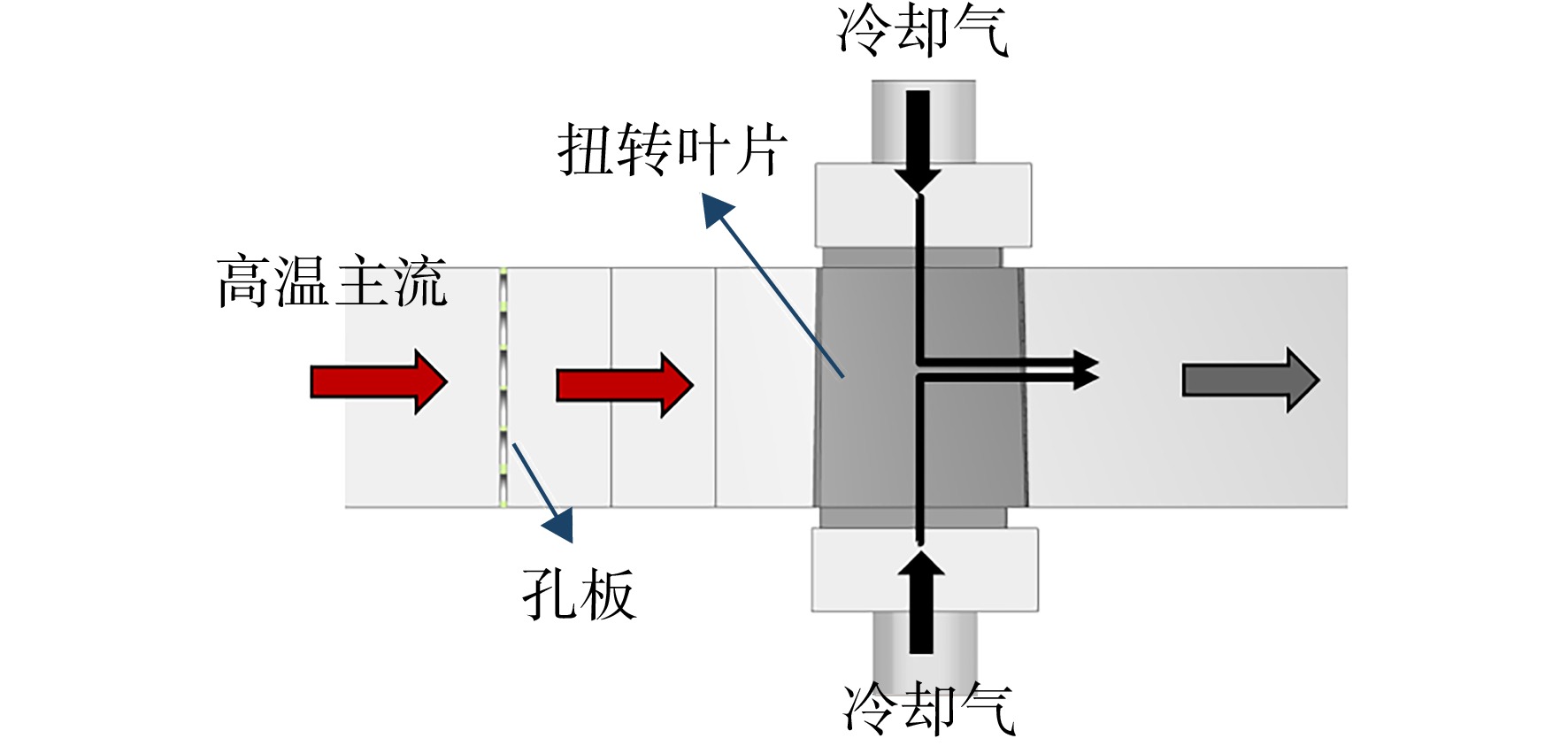
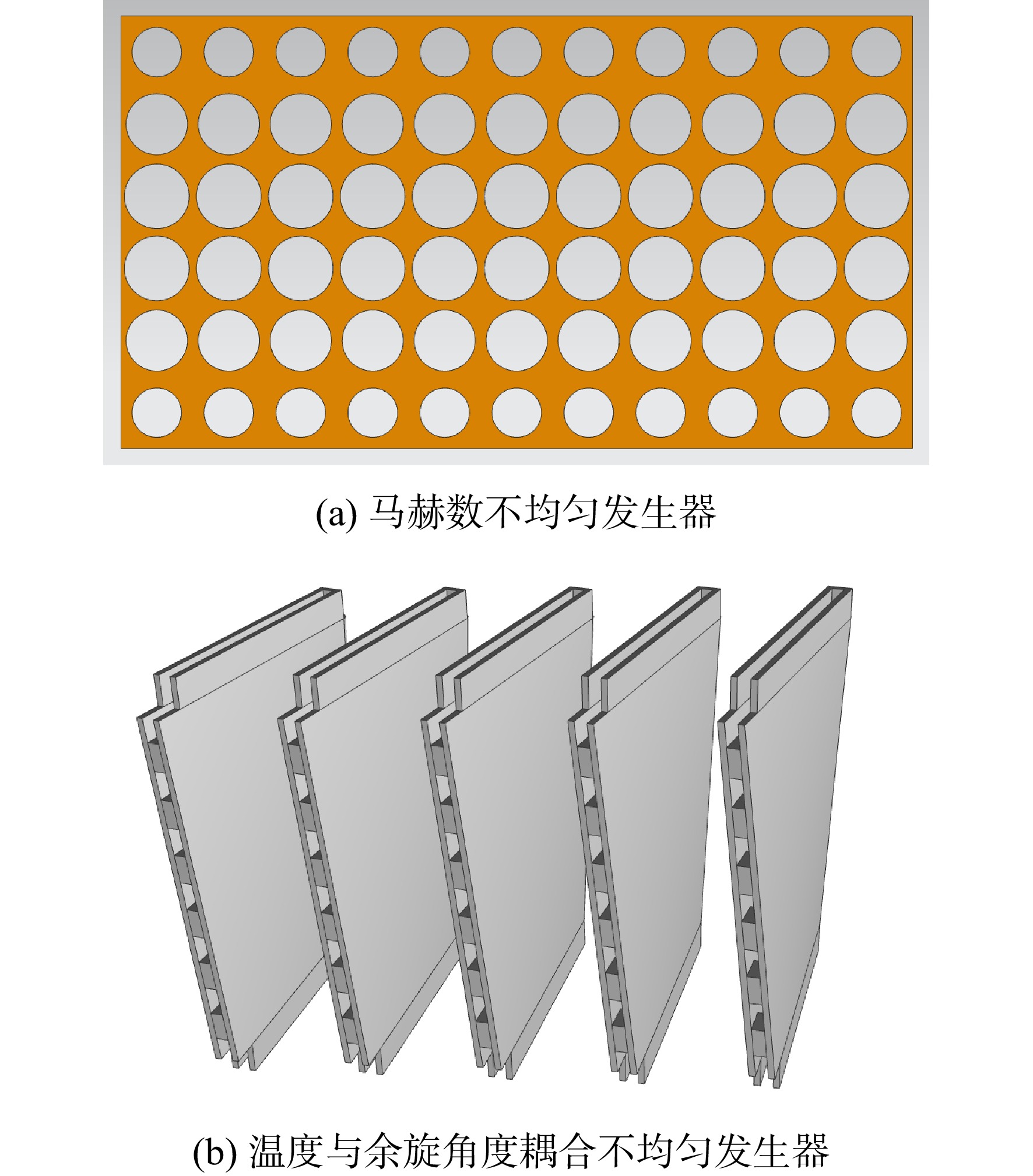
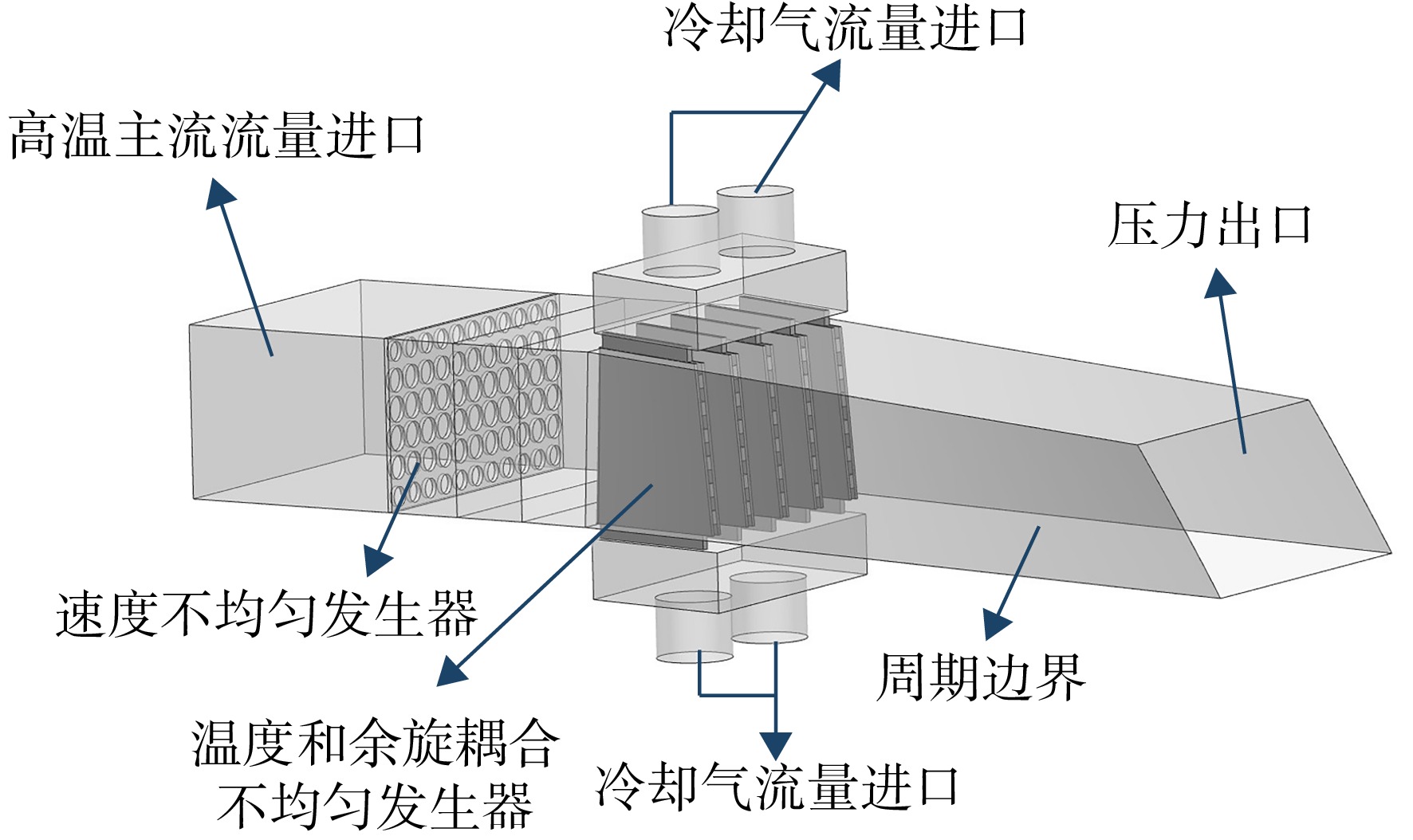
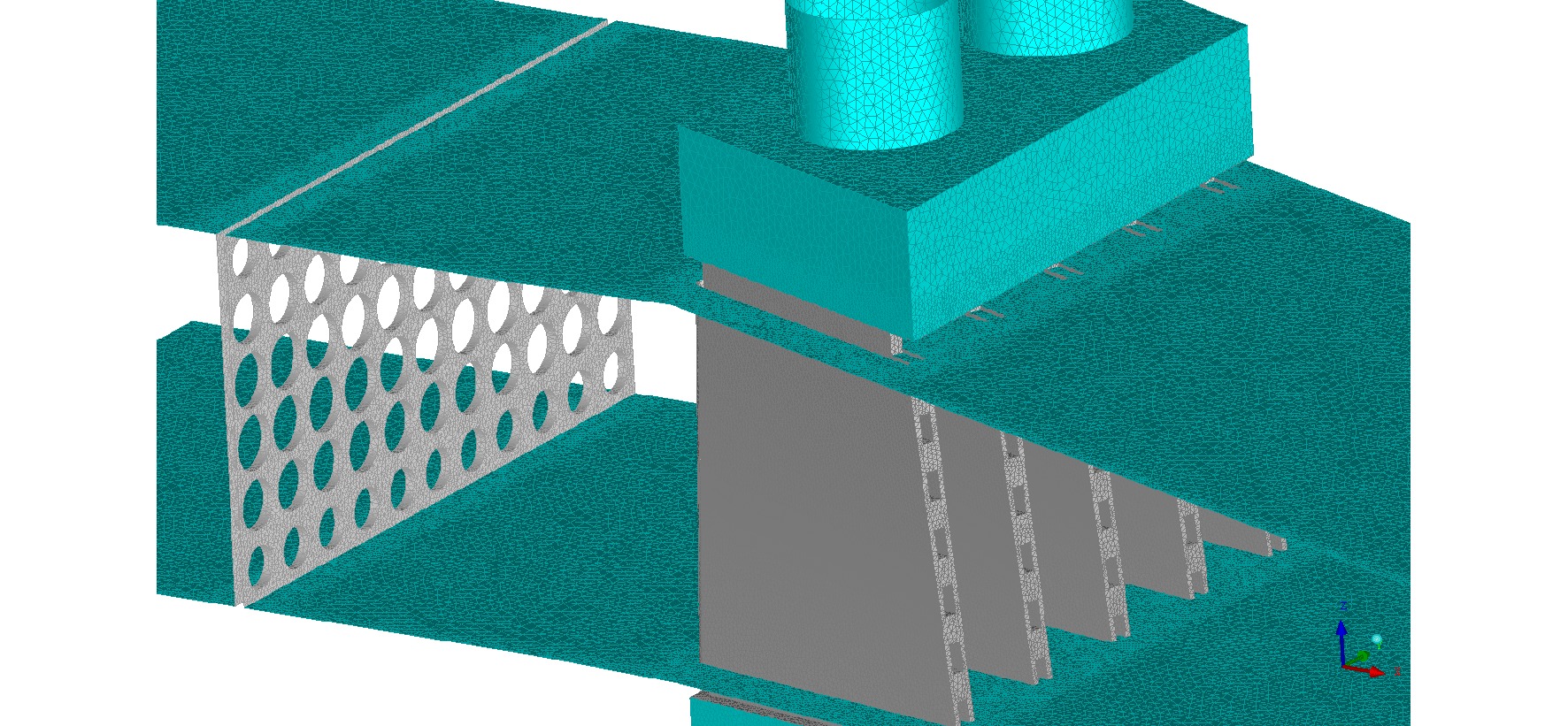
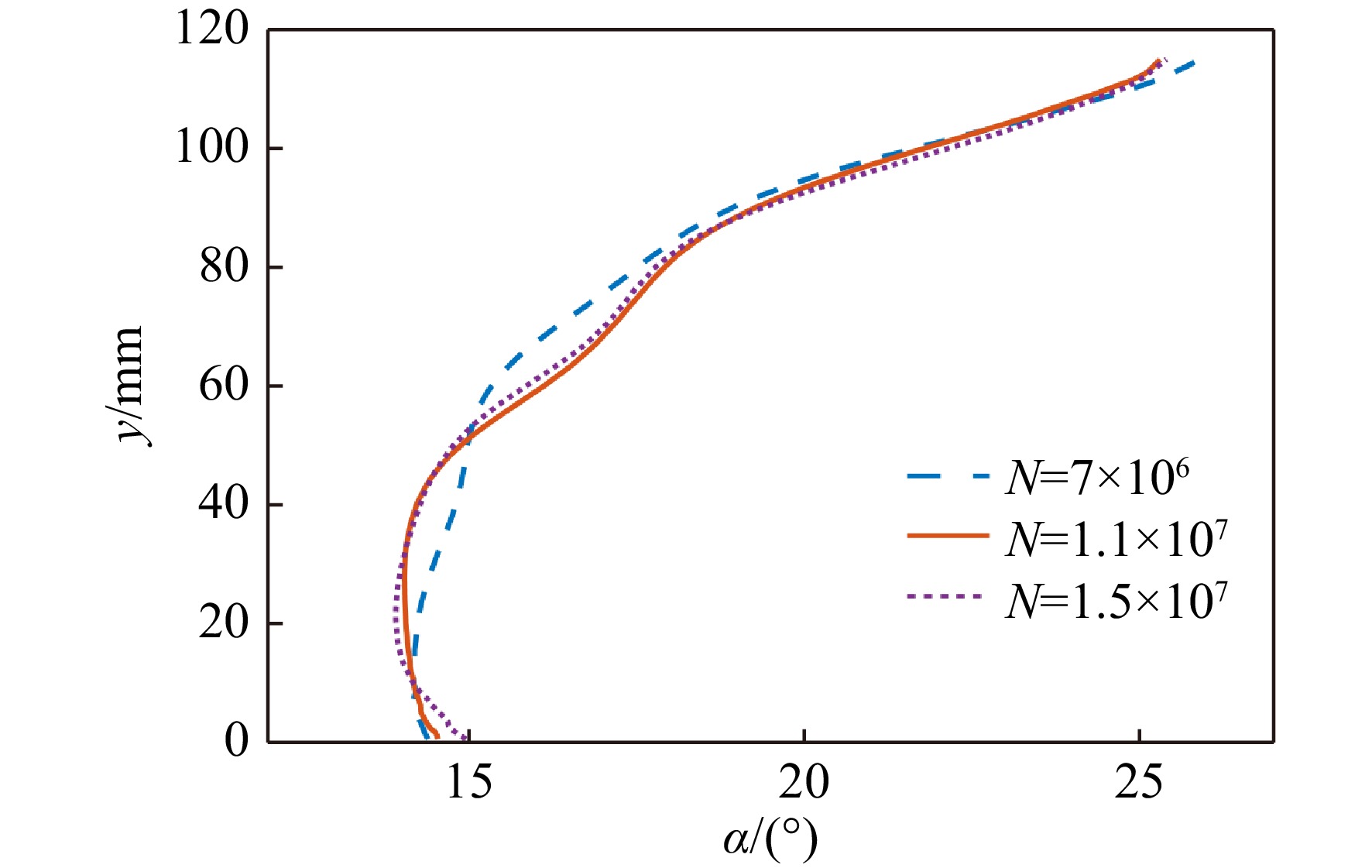
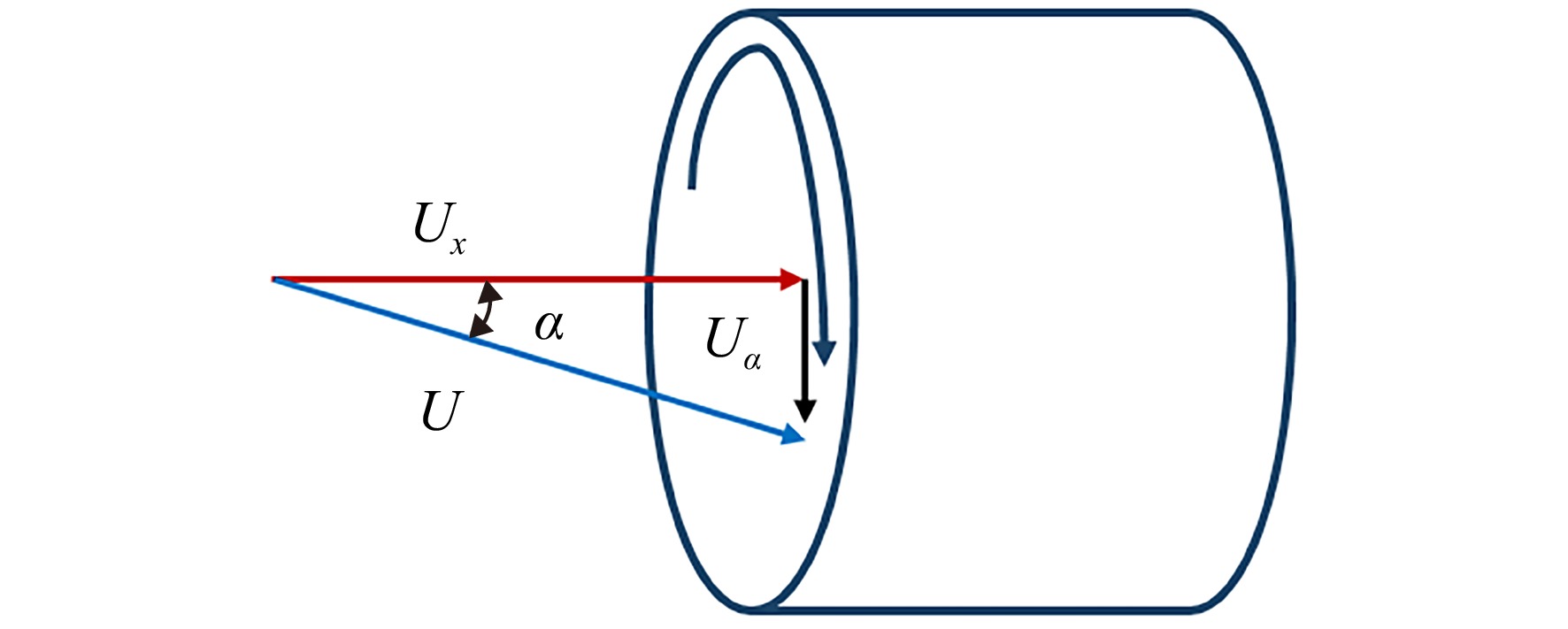
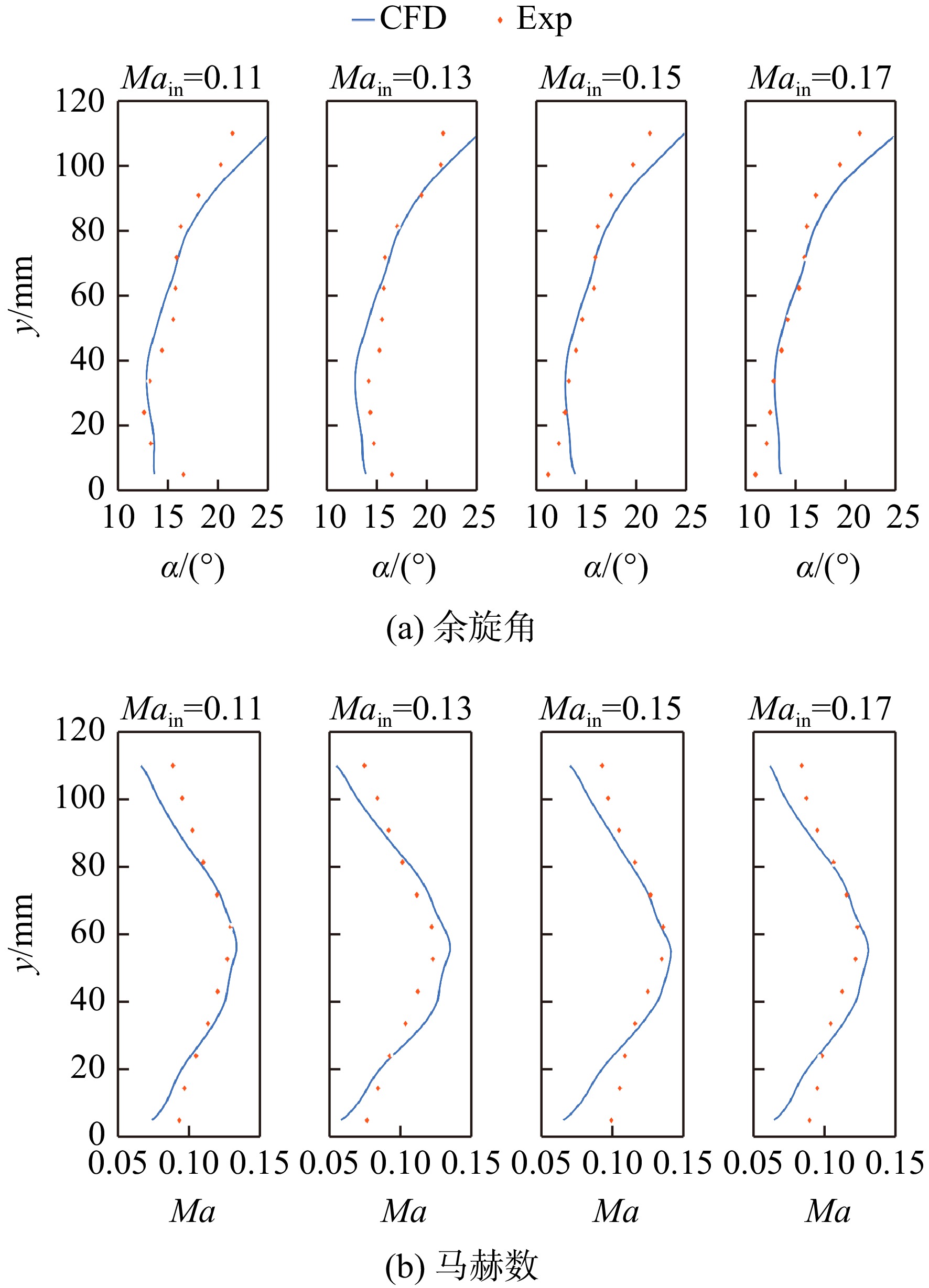
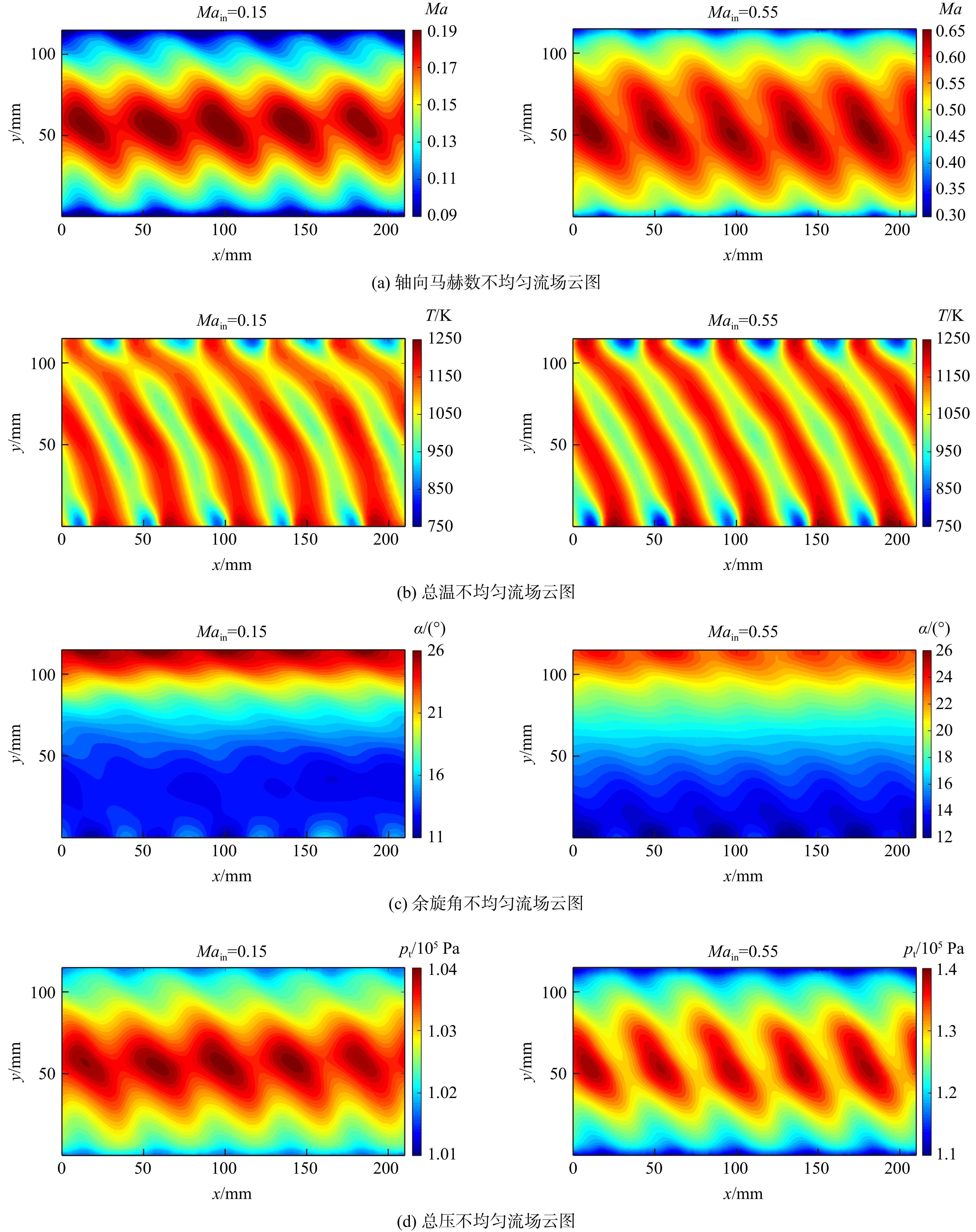
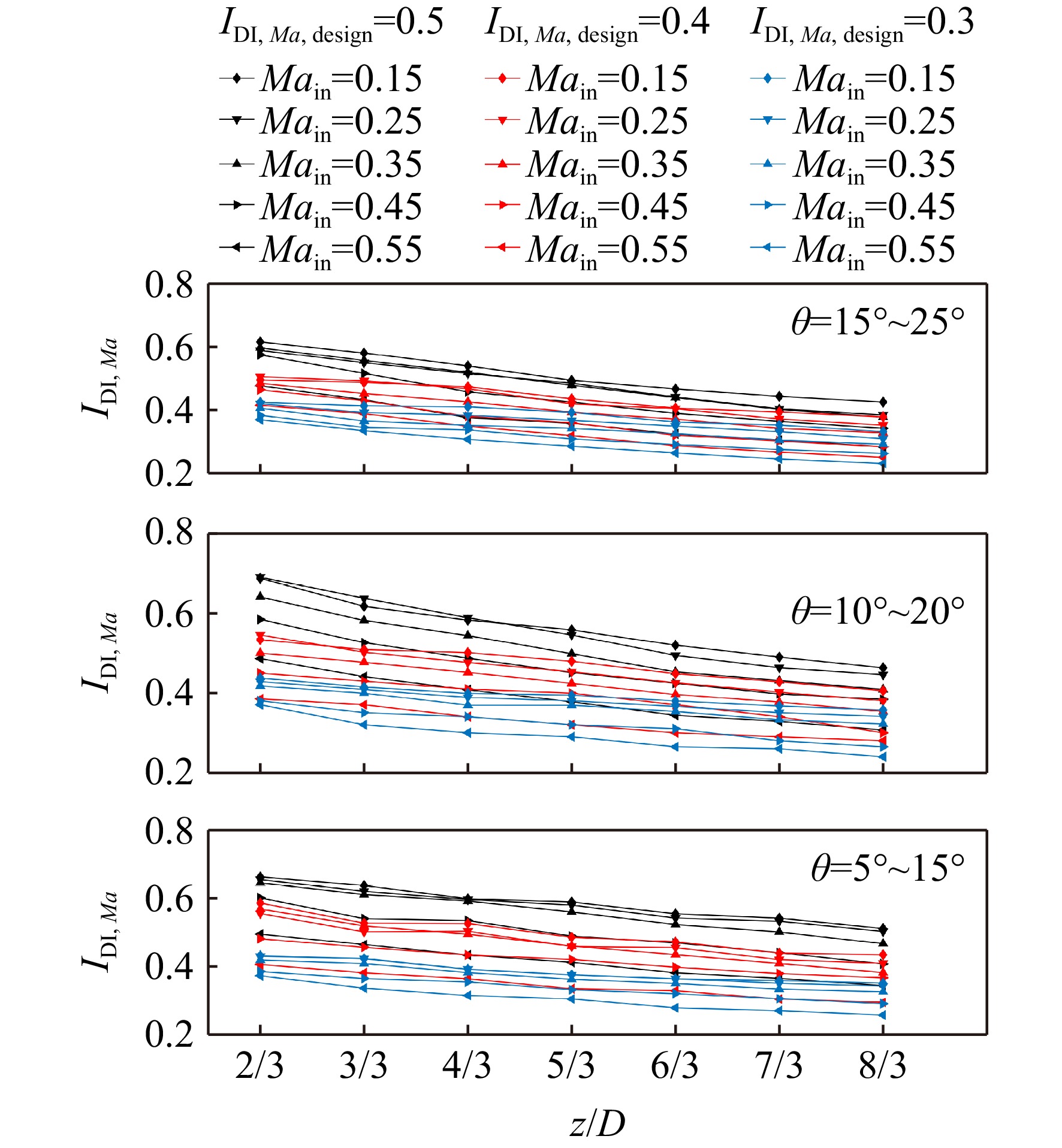
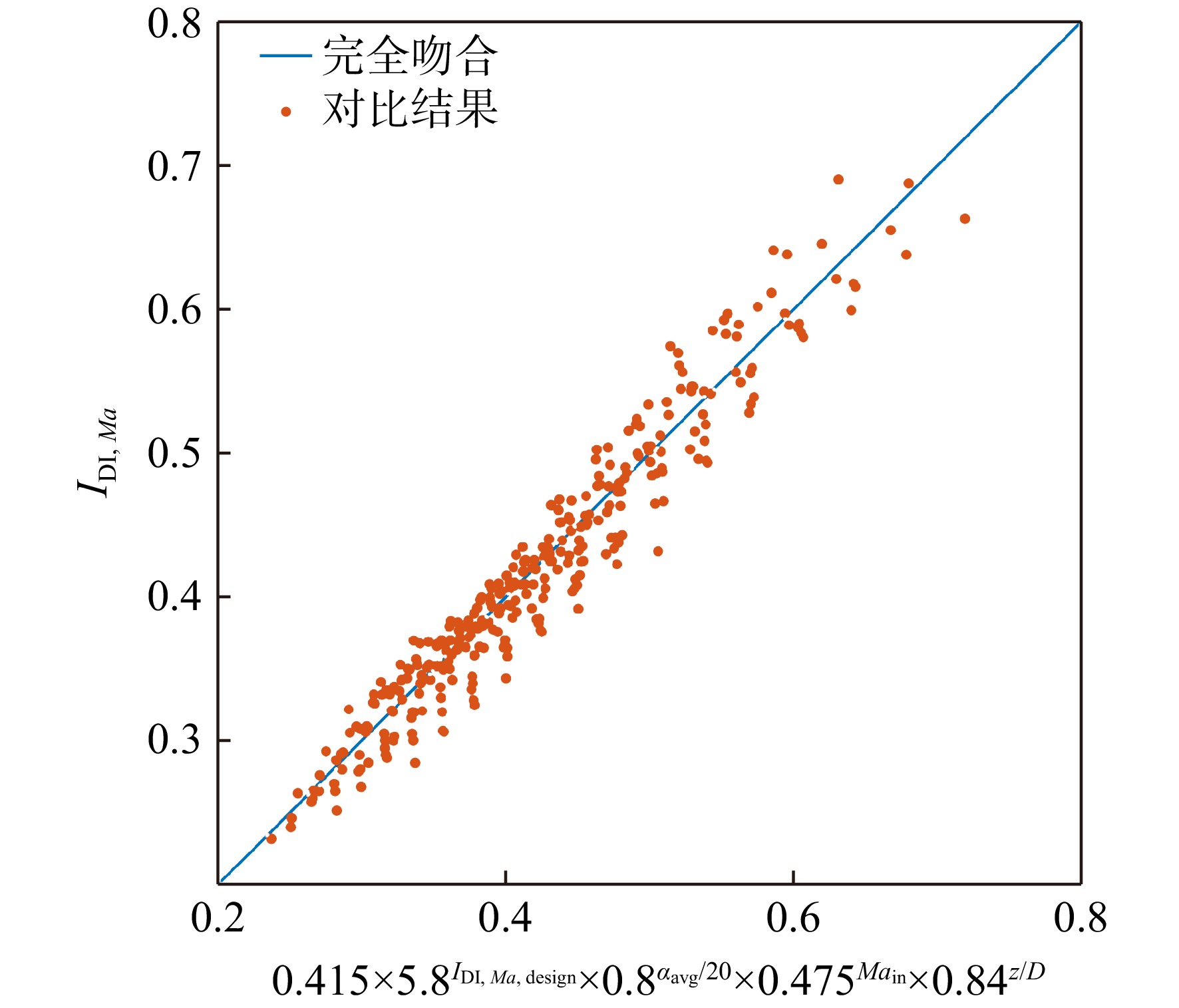
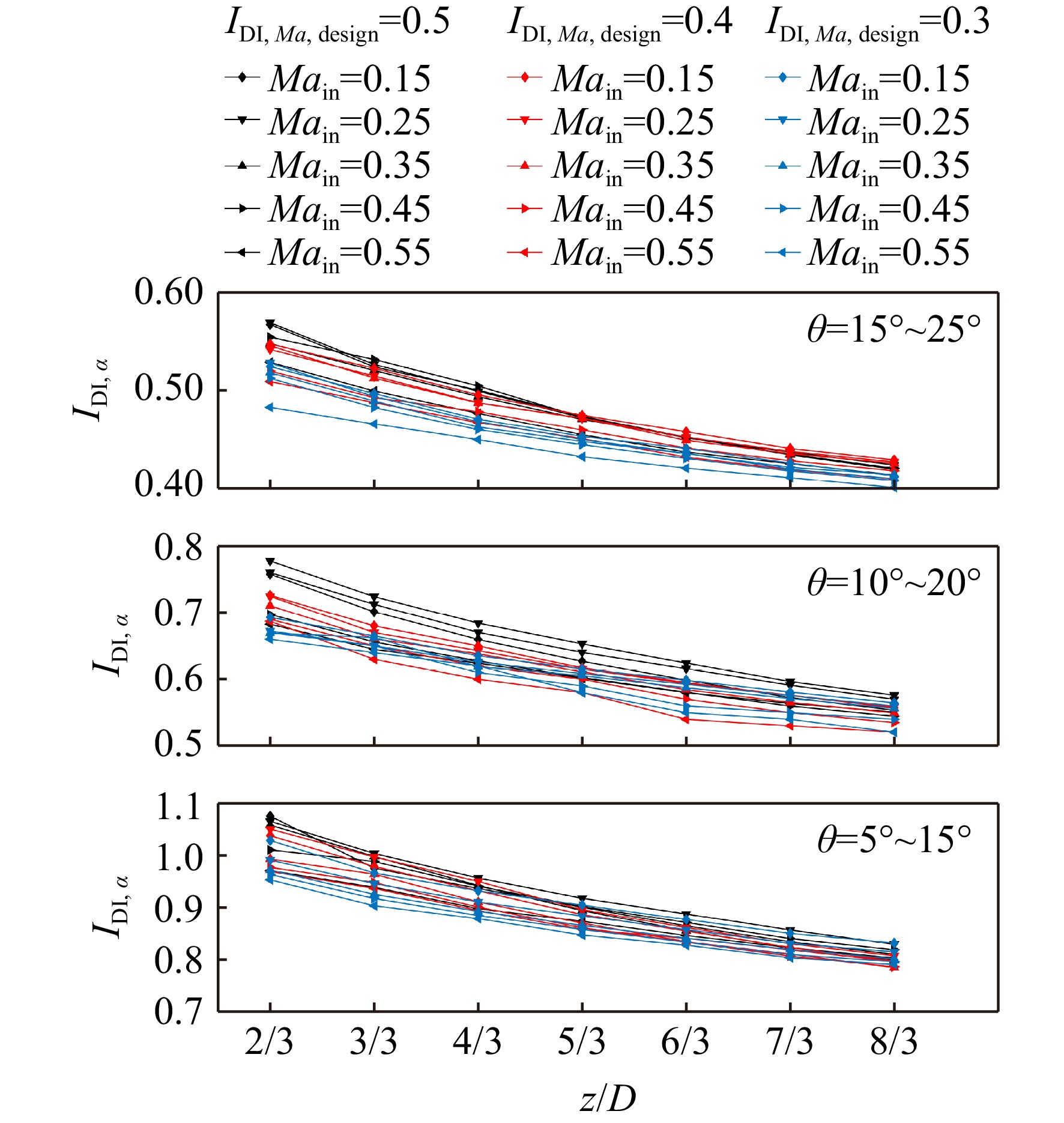
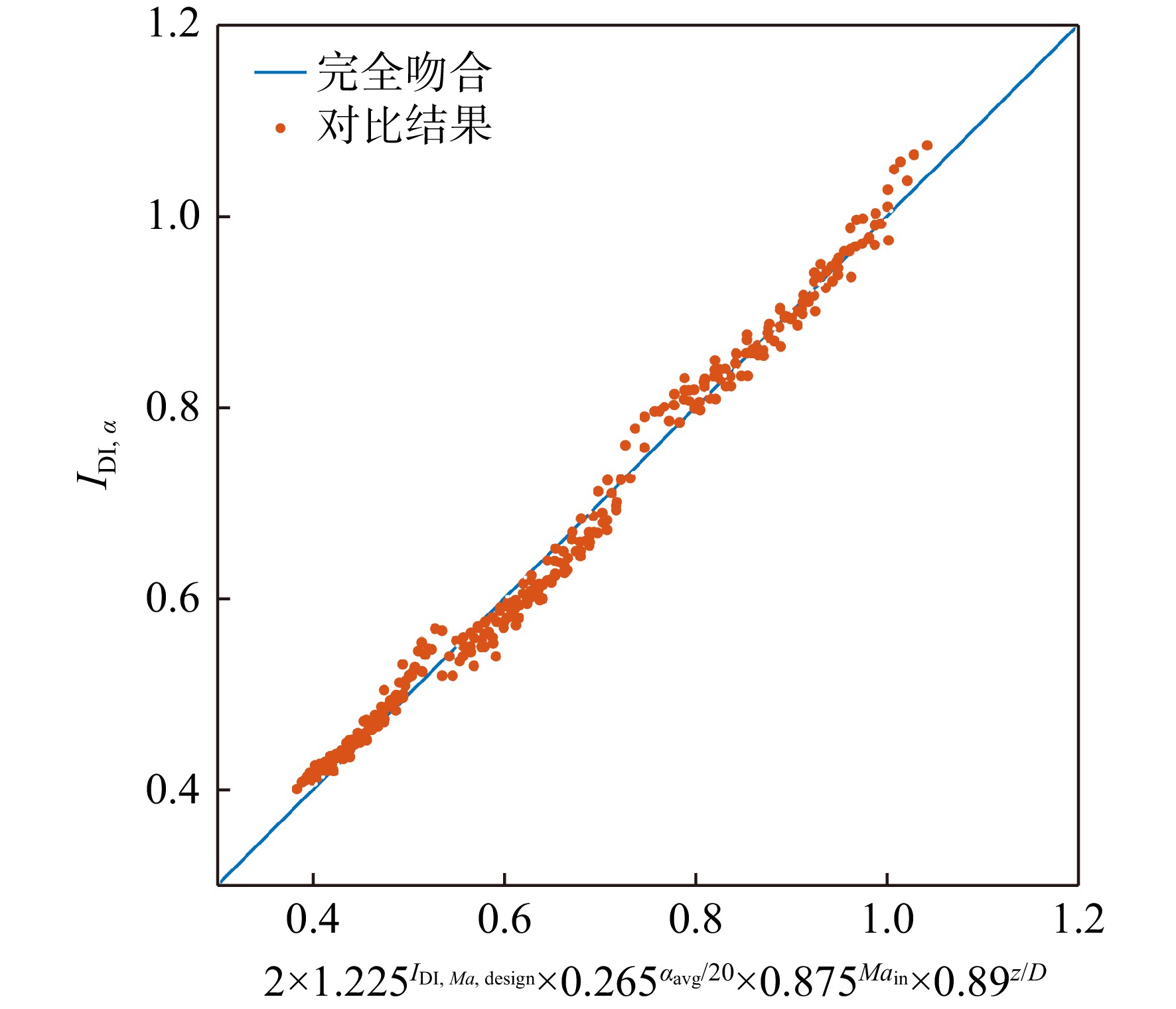
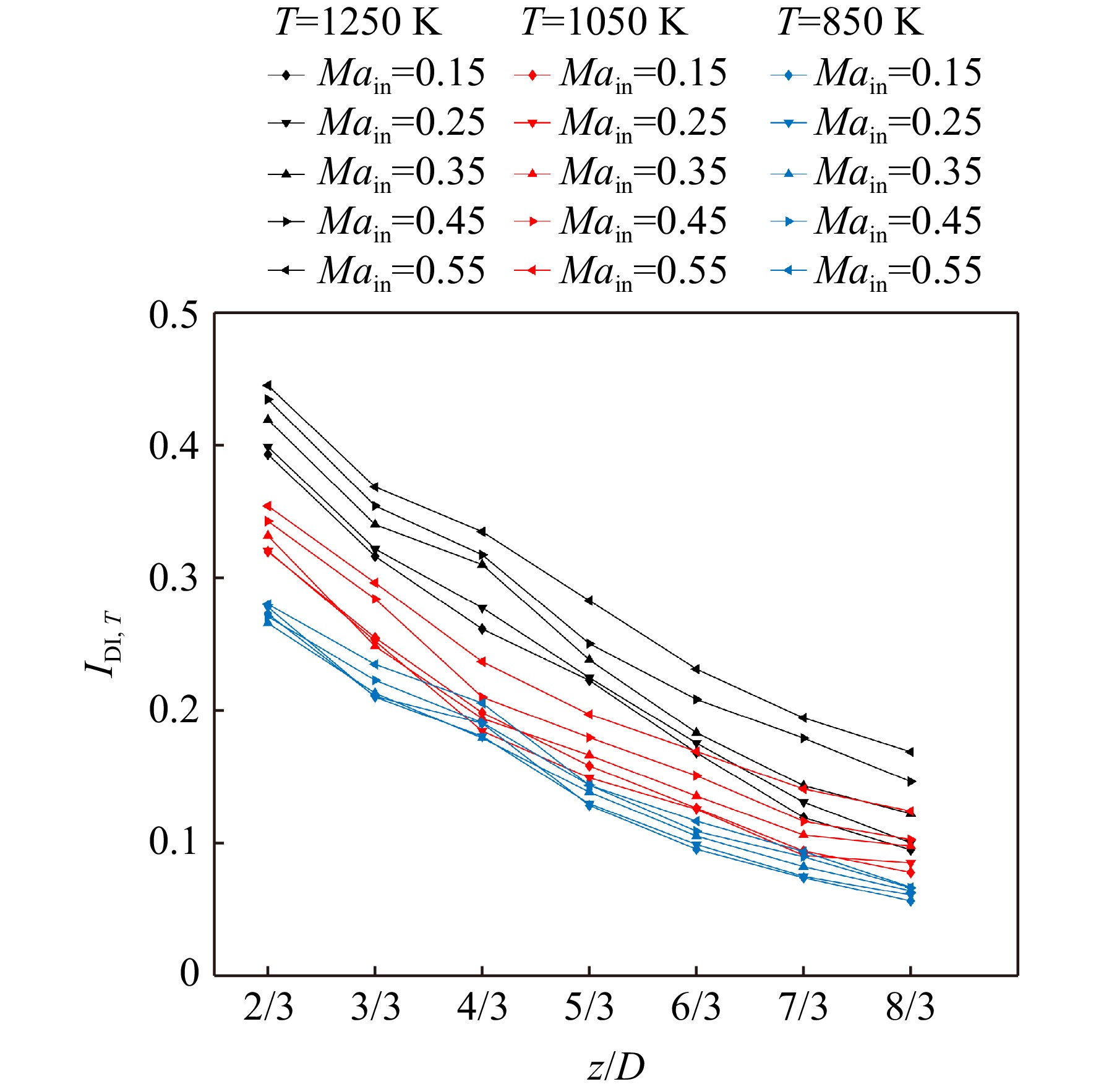
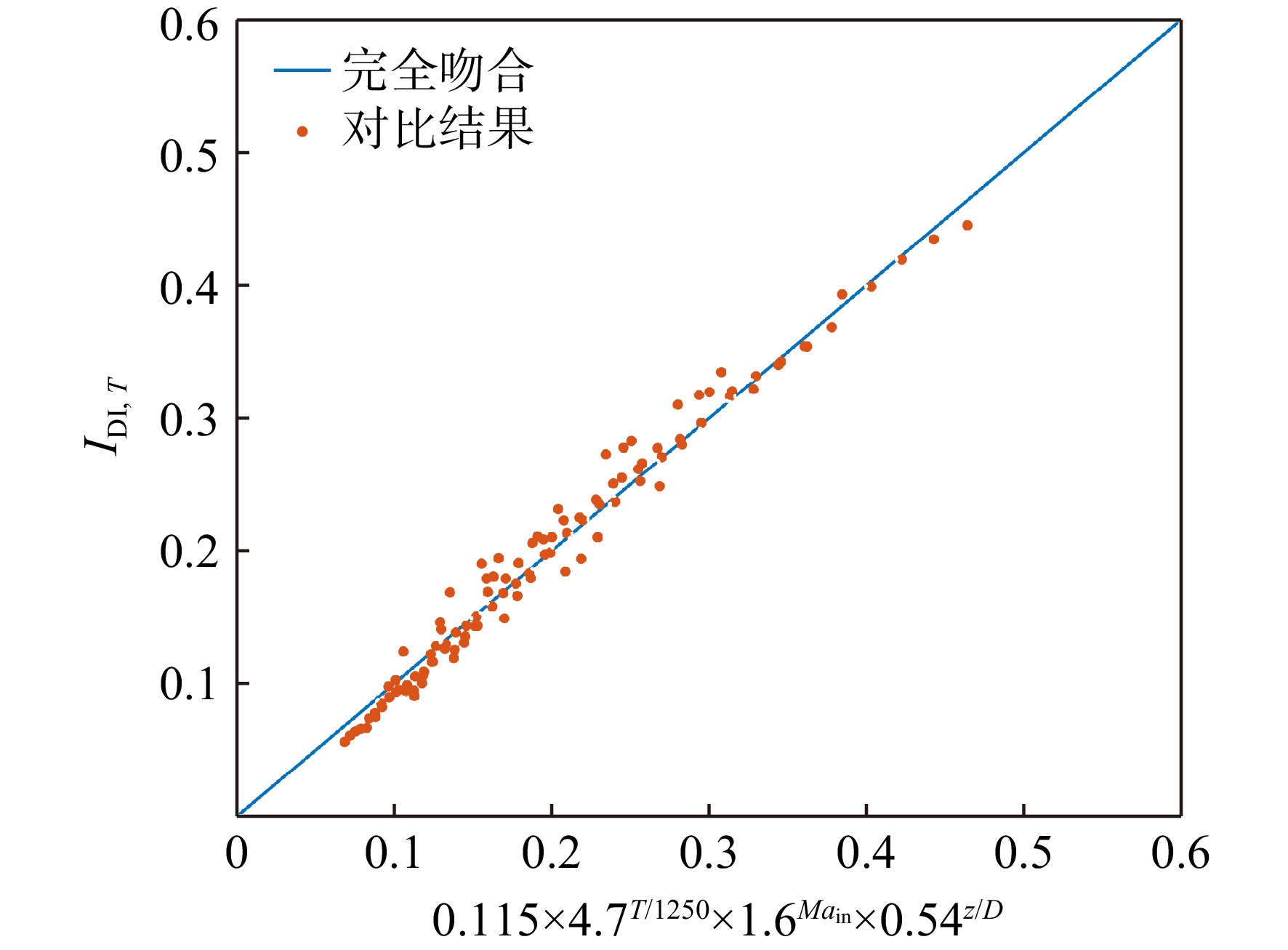
For the non-uniform inlet conditions of high temperature and strong cosine rotation of the new generation integrated afterburner, the generation law of inlet flow was investigated. The non-uniform flow field characteristics of self-designed non-uniform generator under different inlet Mach numbers, cosine rotation angles and total temperature conditions were studied. The accuracy of the numerical simulation was verified by the experimental measurement results from the five-hole probe, and the numerical simulation method was used to quantify the nonuniformity index of the flow field. Results showed that the Mach number non-uniformity index decreased with the increase of blade torsion angle; the cosine rotation angle non-uniformity index decreased with the increase of axial distance and inlet Mach number; the temperature non-uniformity index increased with the increase of Mach number and mainstream inlet temperature. In addition, the fitting formula developed could well predict the variation of key parameters. At the same time, the simulation results can provide technical support for the design and optimization of non-uniformity flow generator.

Cooling design for head of swirl-cup combustor and its effect on wall temperature
ZHAO Tingjie, YU Xiaobing, LU Mingtao, WANG Bosen, LIN Yuzhen
2023, 38(8): 1975-1983. doi: 10.13224/j.cnki.jasp.20230116
Abstract:

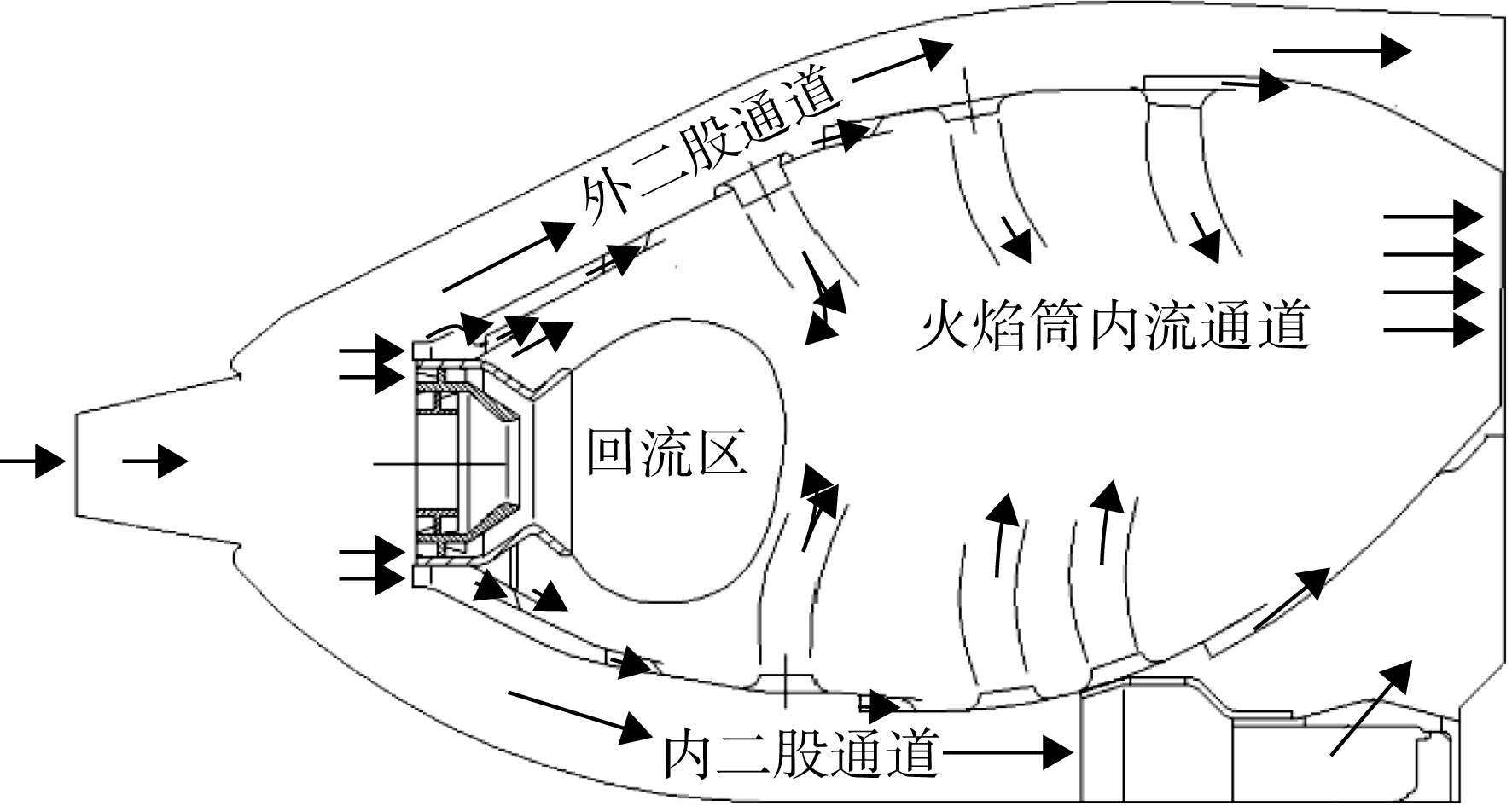
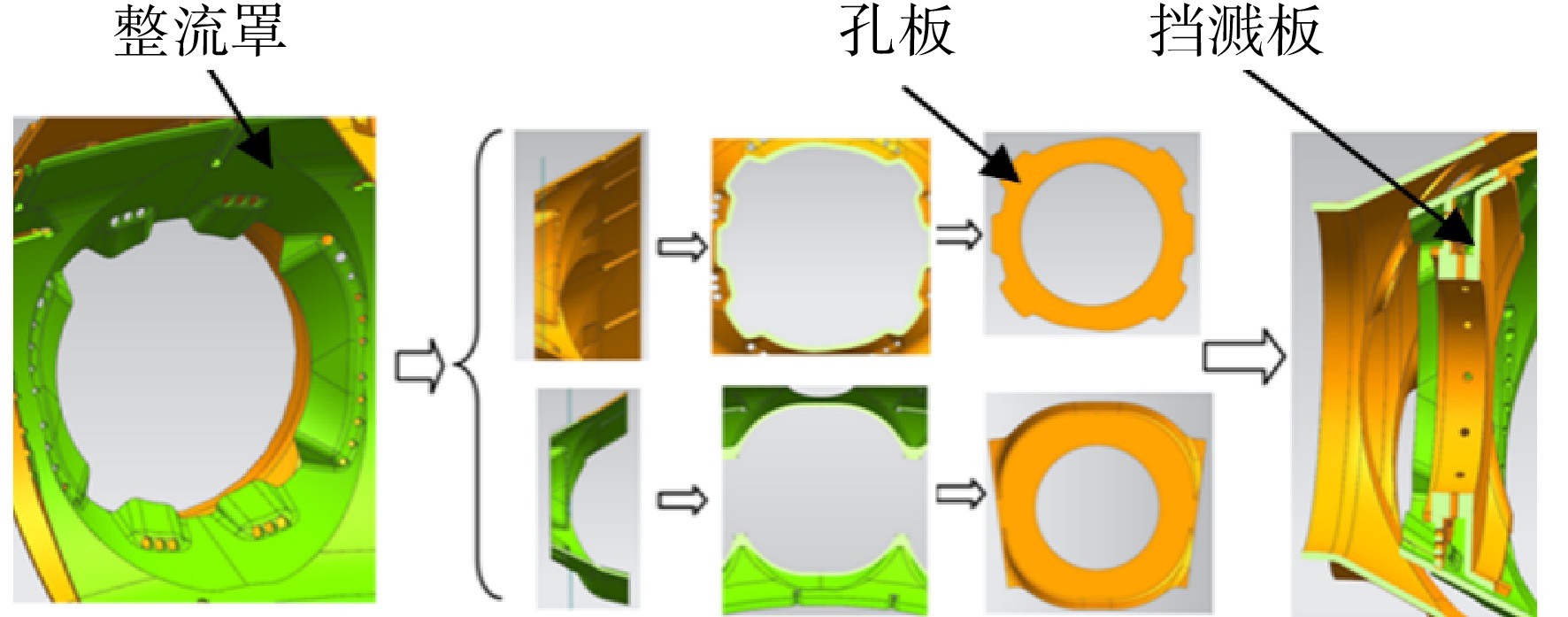
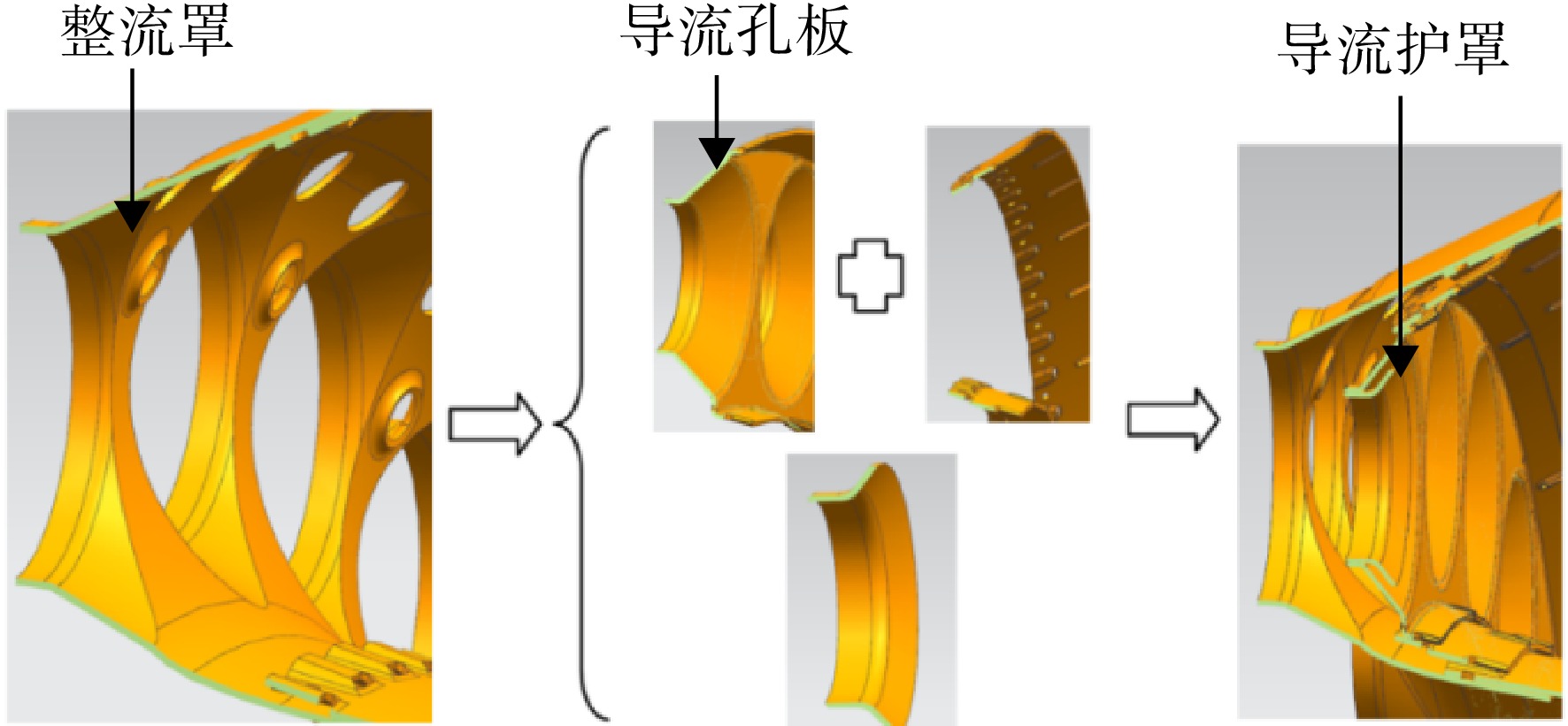
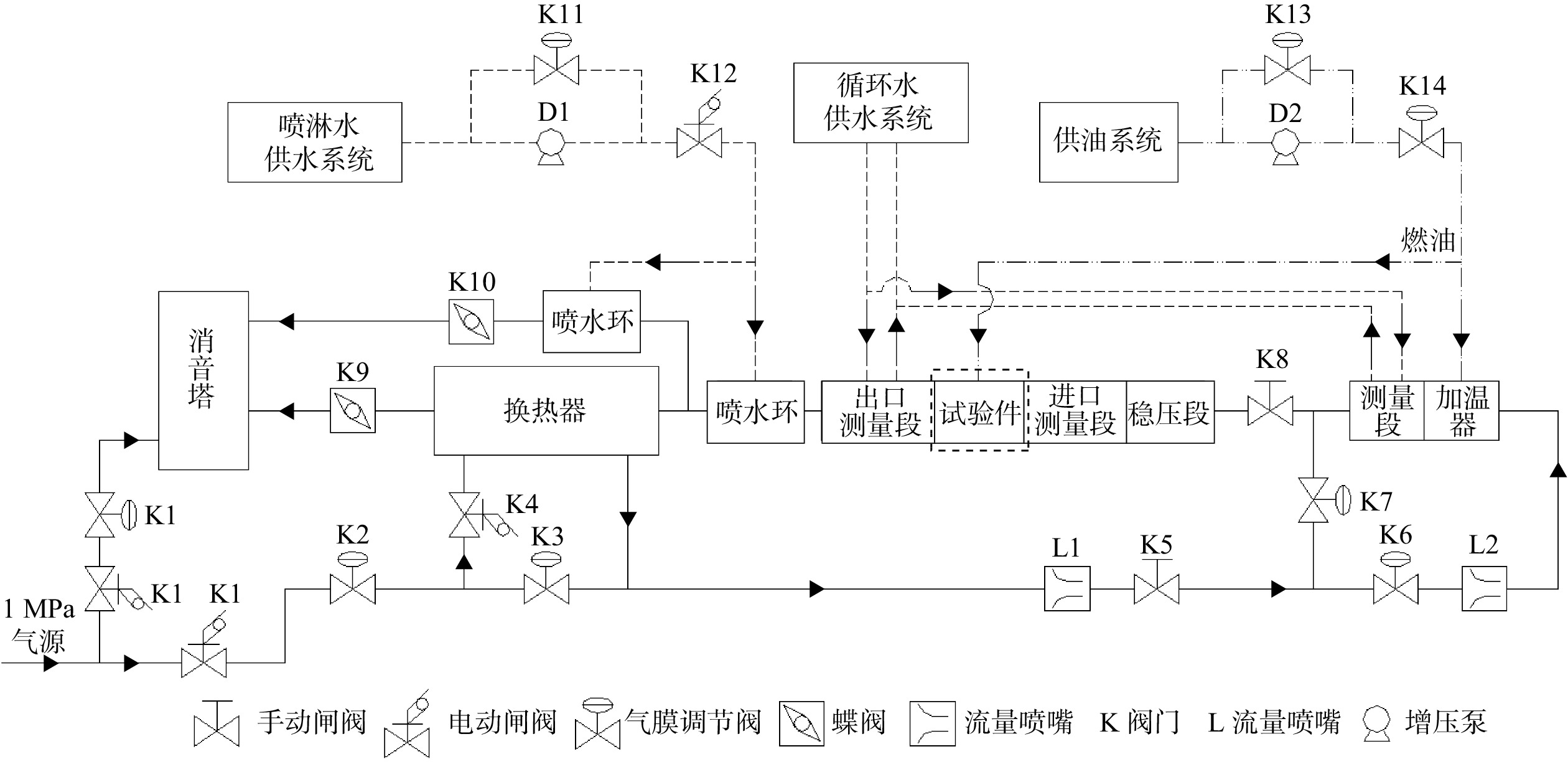
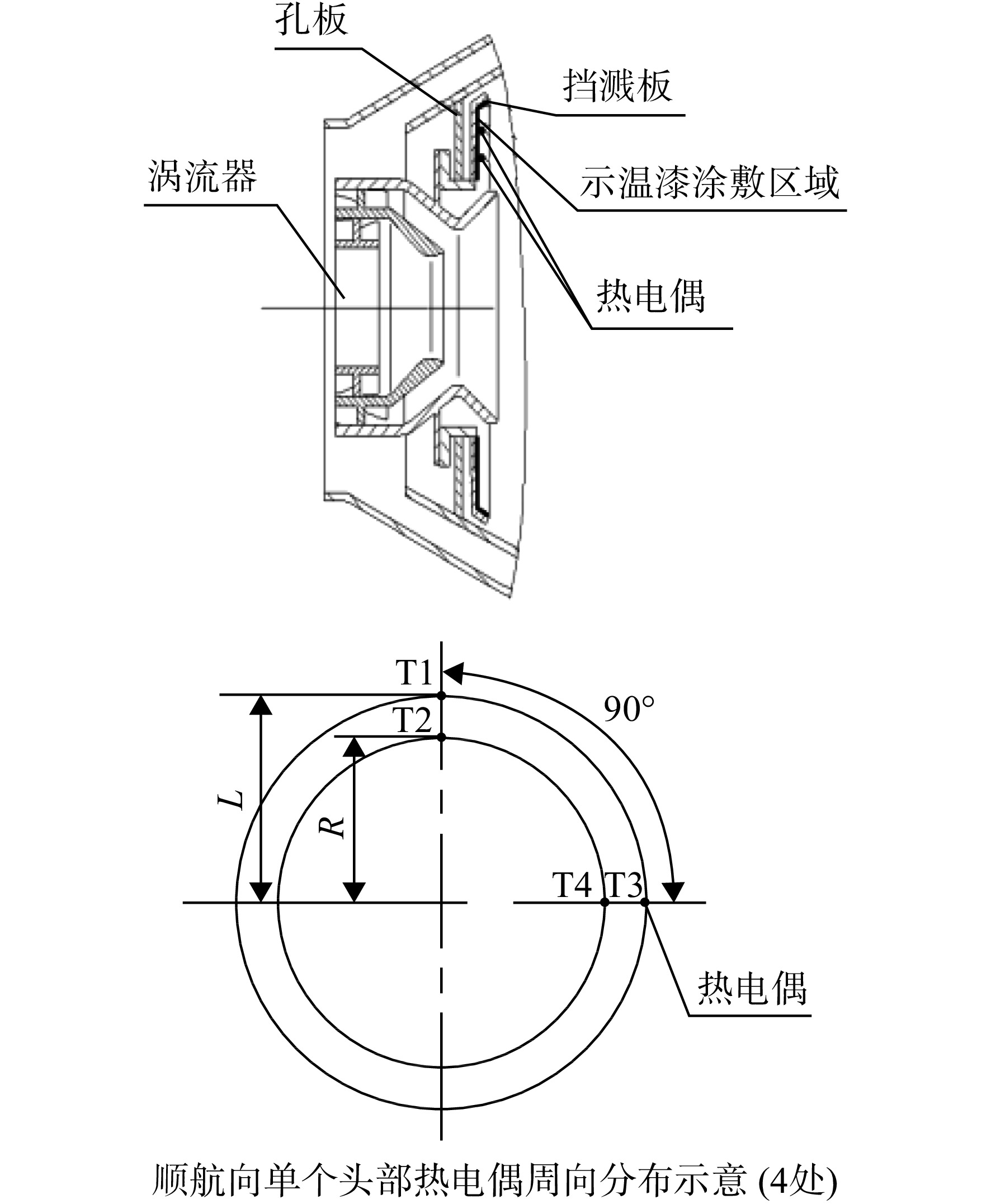
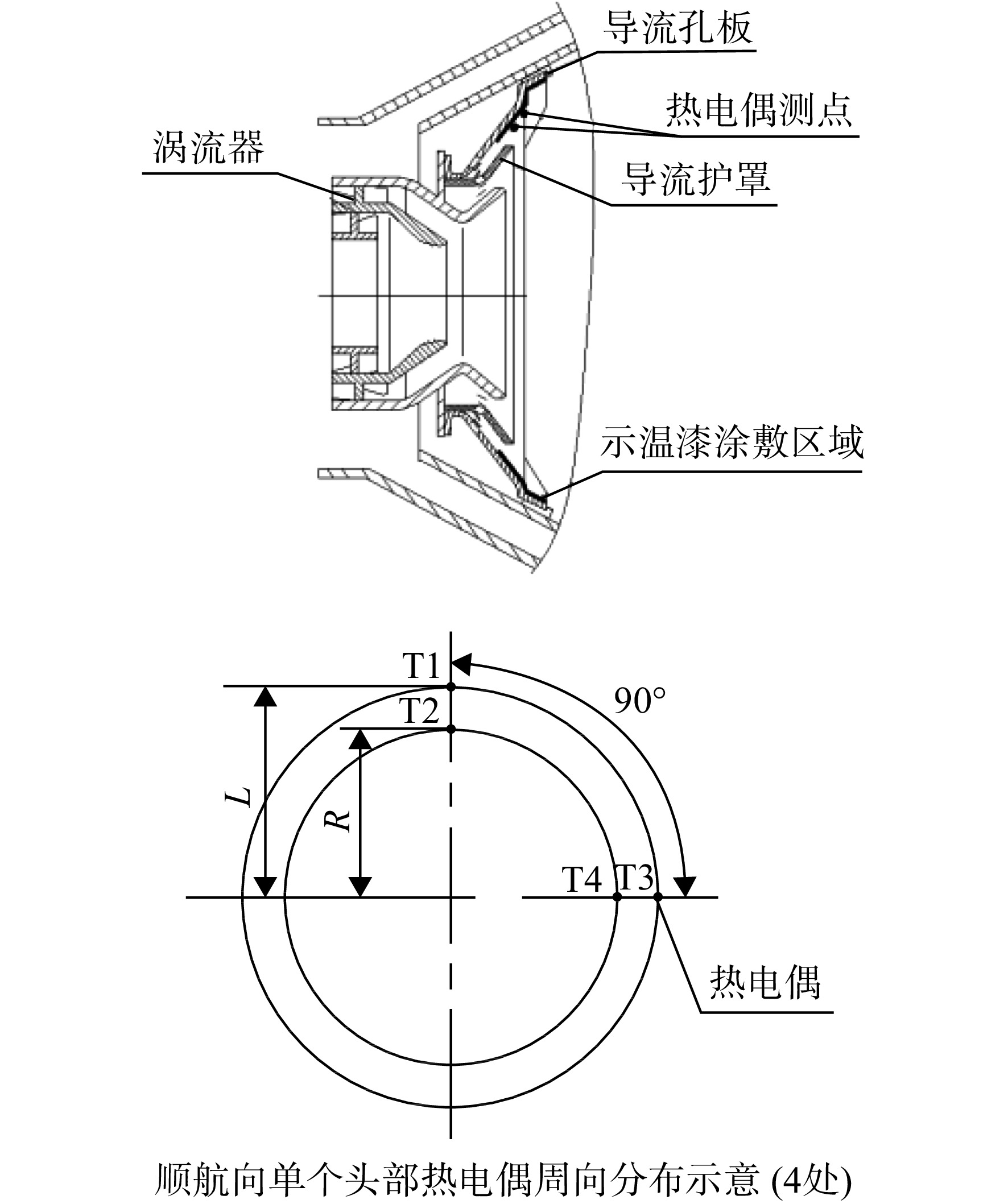
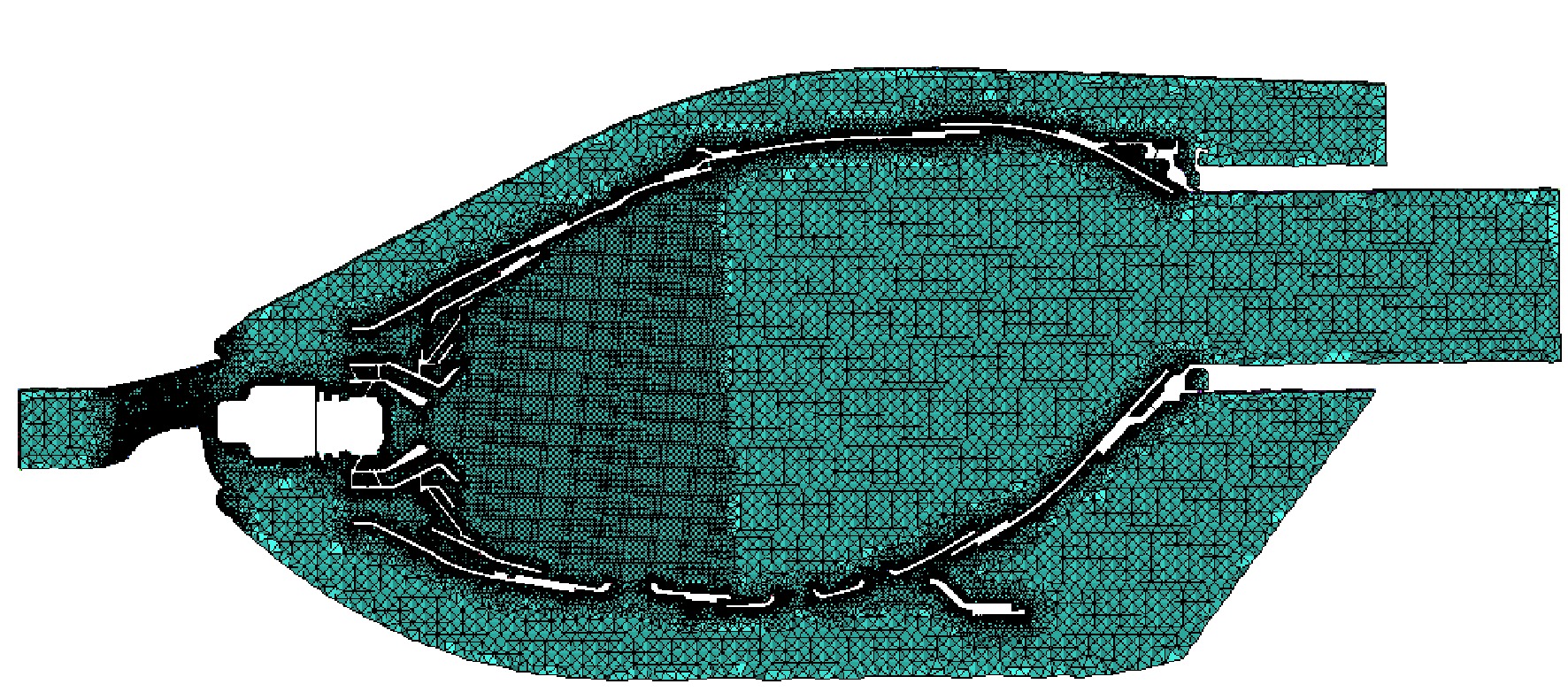
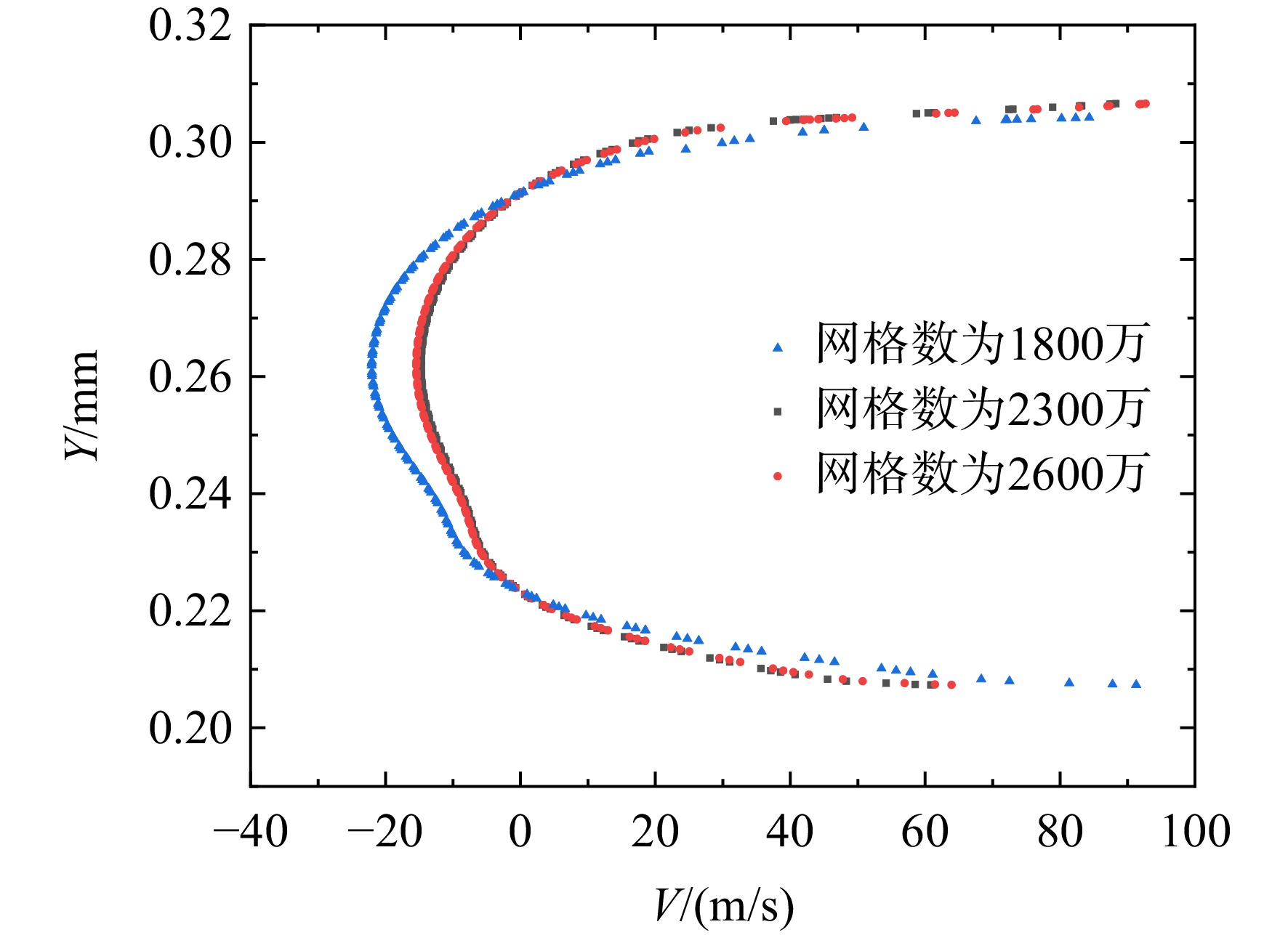
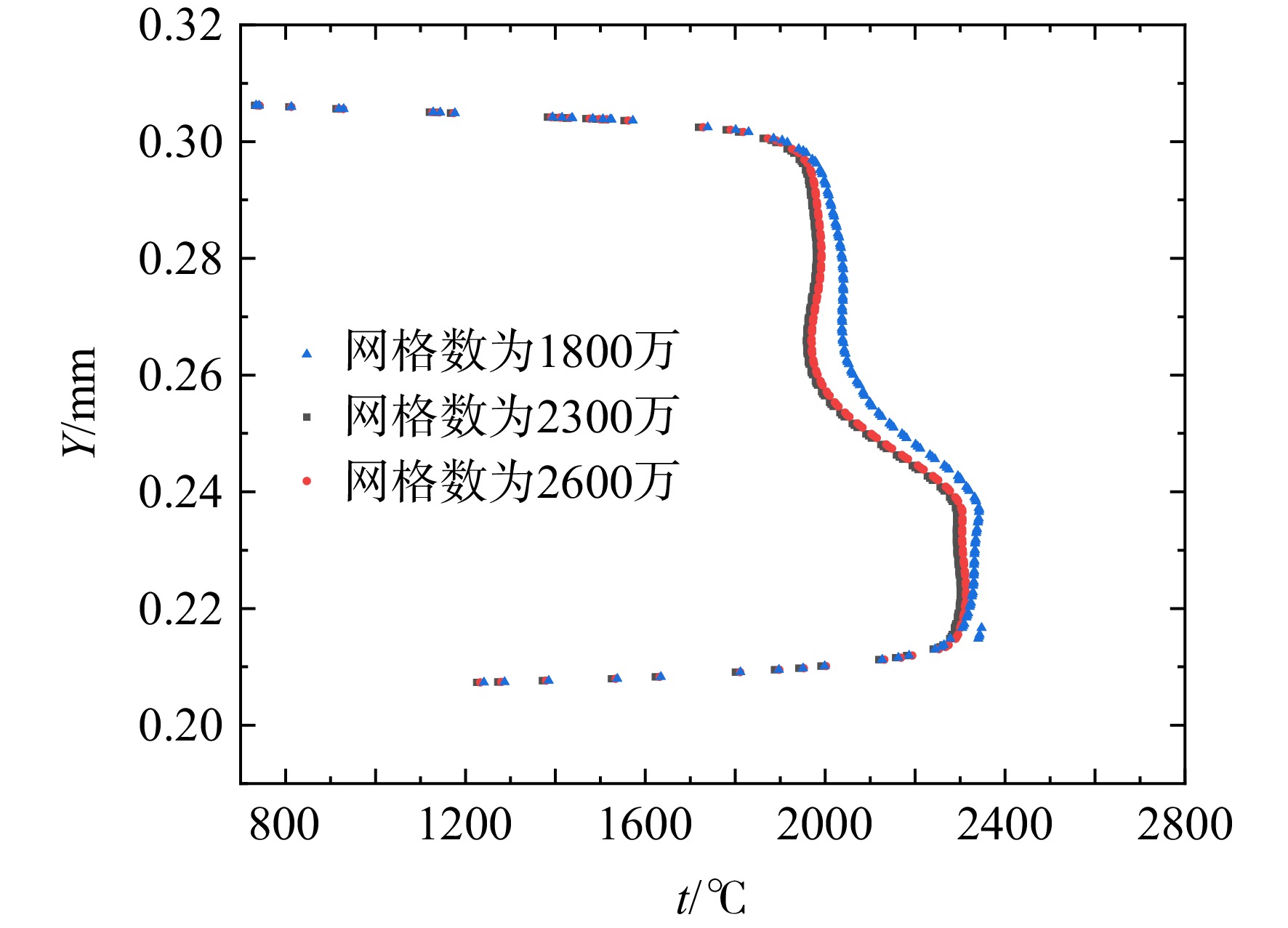
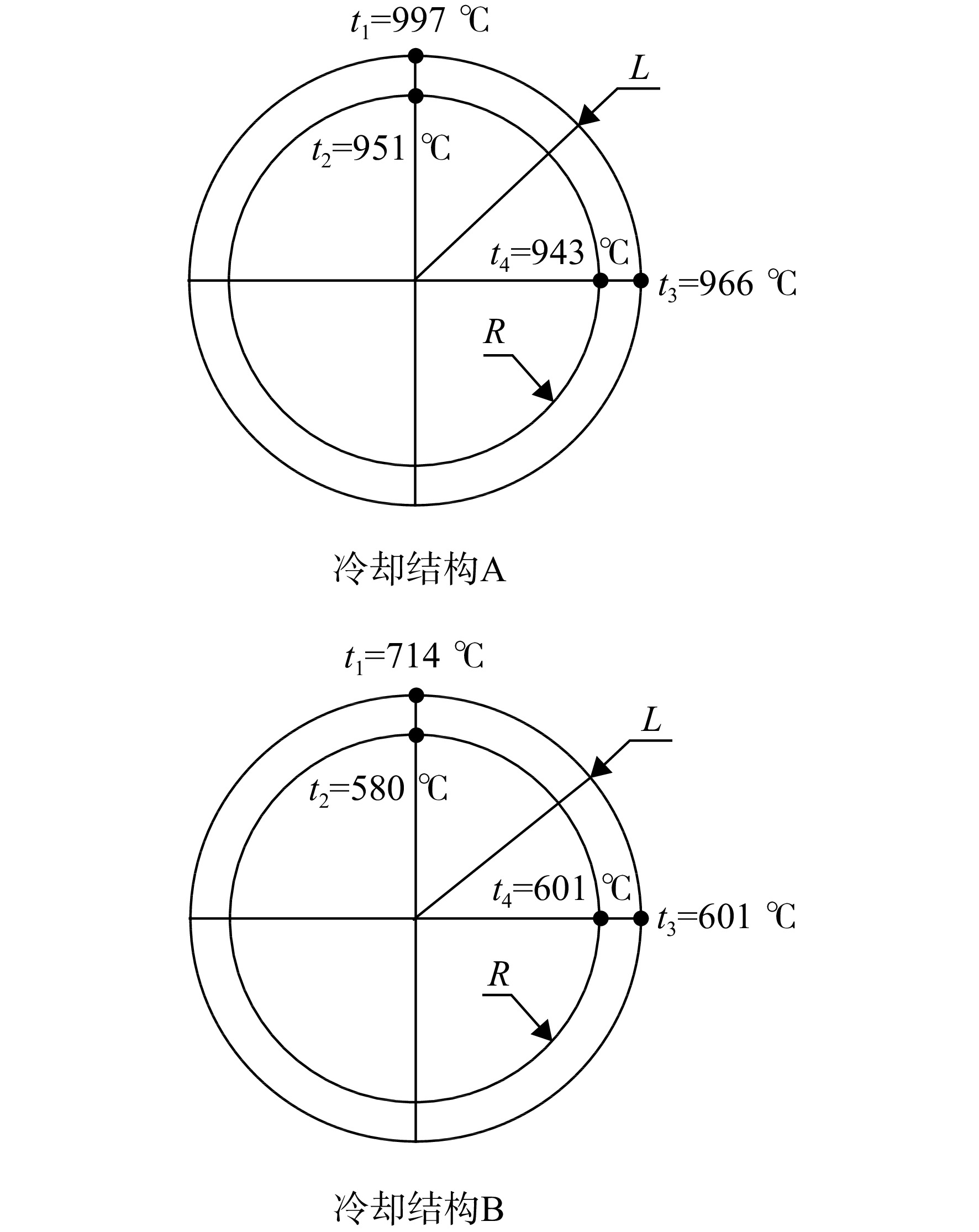
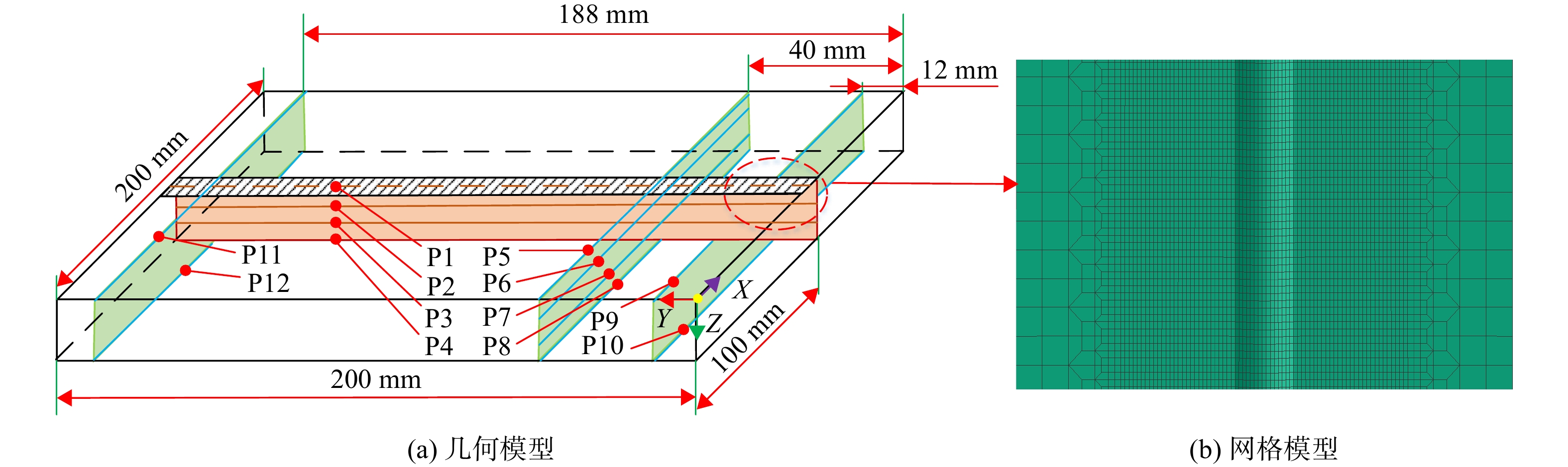
On the basis of ensuring similar flow field structure and equivalent flow distributions of the combustor, two cooling structures were designed for the head of a swirl cup combustor: a straight orifice coupled with a splash plate and an inclined flow guide orifice coupled with a guide shield. The cooling performances of the two structures were evaluated and analysed through high-temperature and high-pressure tests of fan-shaped and three-dimensional numerical simulations. Results showed that the wall temperature of the cooling structure of the straight orifice coupled with the splash plate was much higher than that of the inclined fluid guide orifice coupled with the guide shield, primarily owing to the fact that the latter one had a converging biconical cooling configuration with a certain angle which can blow off the angular vortex near the wall of the head by guiding the airflow, prevent the gas from heating up a high temperature area near the wall surface, thus reducing the wall temperature. The wall temperature of the cooling structure of the inclined guide orifice coupled with the guide shield was greatly reduced, and the temperature distribution was more uniform, which improved the cooling performance of the head and enhanced the reliability of the head structure of the combustion chamber.
Experiment on propagation characteristics of rotating detonation waves in different oxidizer inlet slots
ZHAO Minghao, WANG Ke, ZHU Yiyuan, ZHANG Yukun, HUANG Xinyu, FAN Wei
2023, 38(8): 1984-1994. doi: 10.13224/j.cnki.jasp.20210637
Abstract:

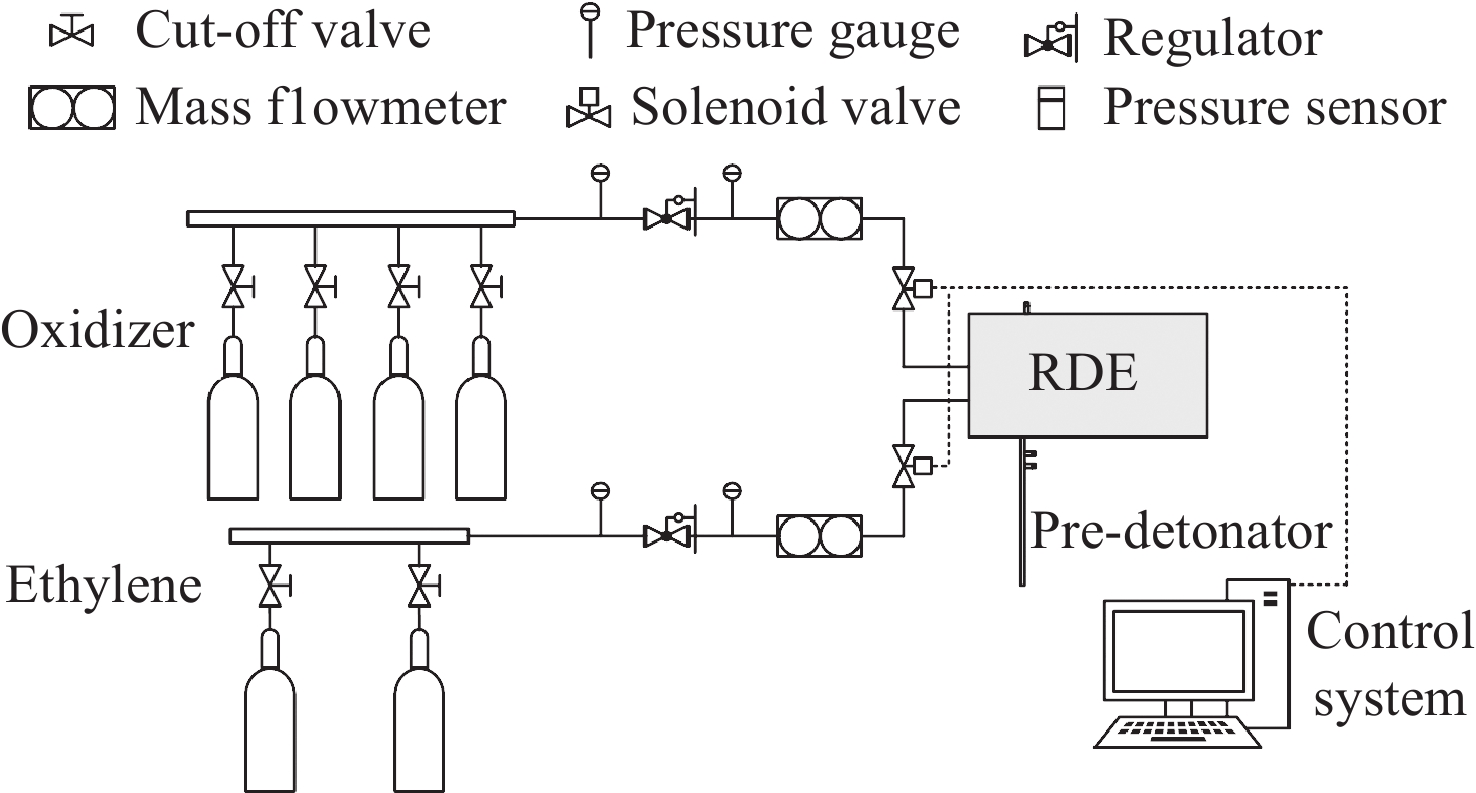
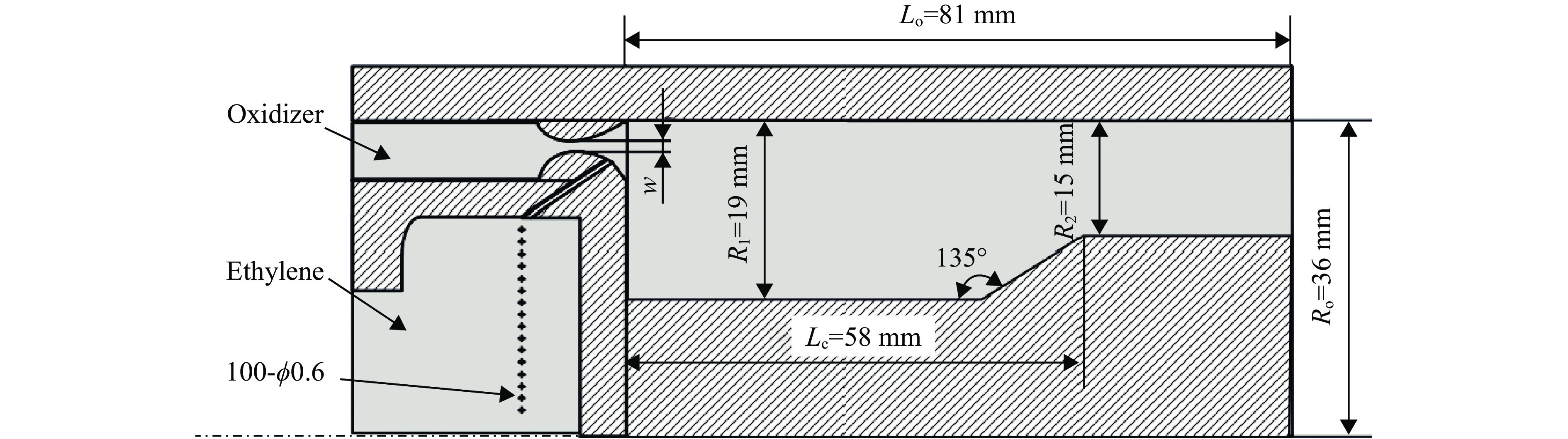
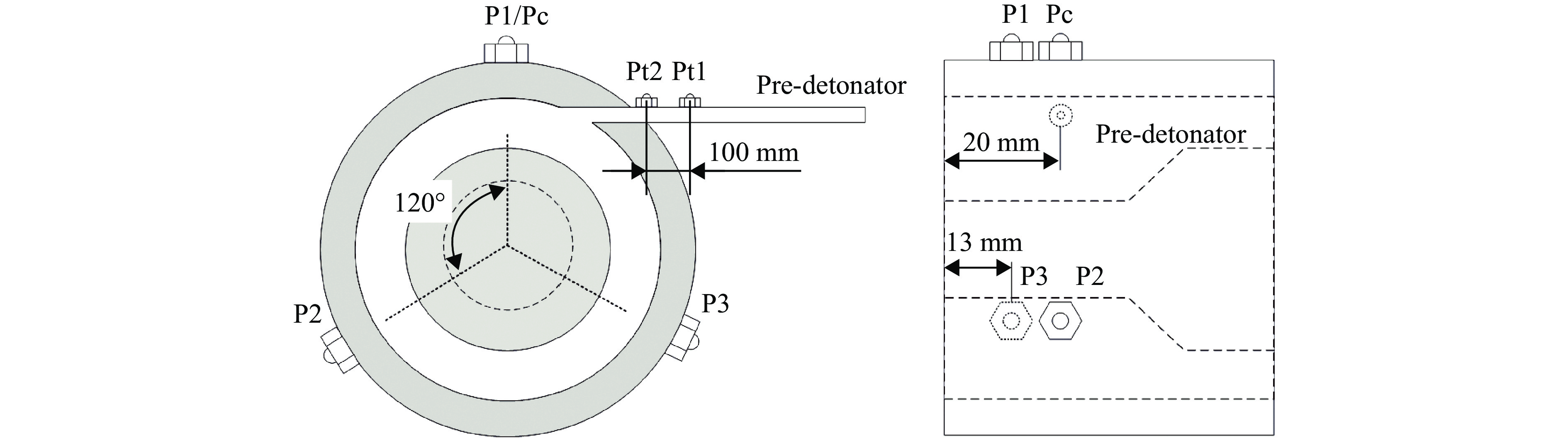
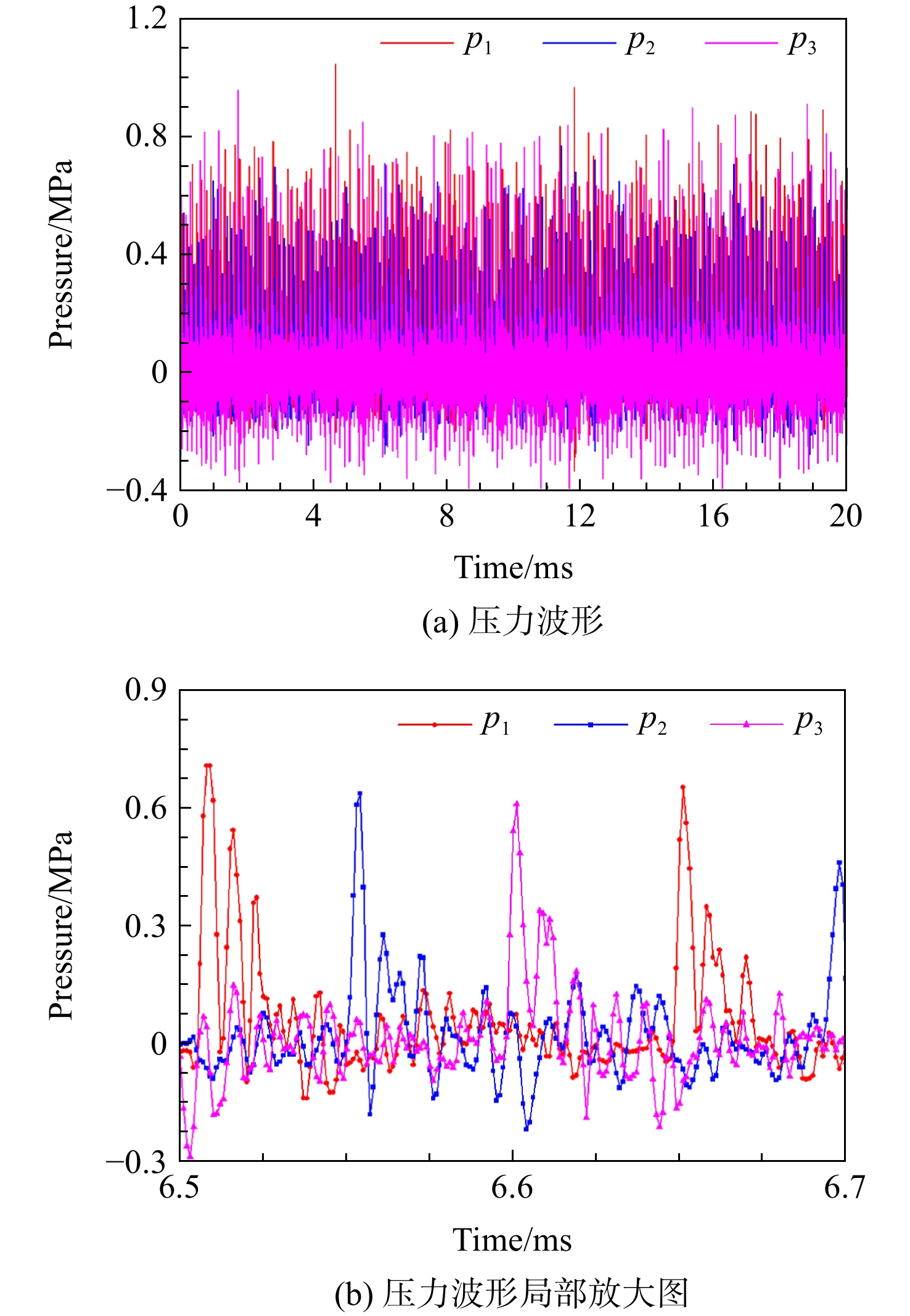
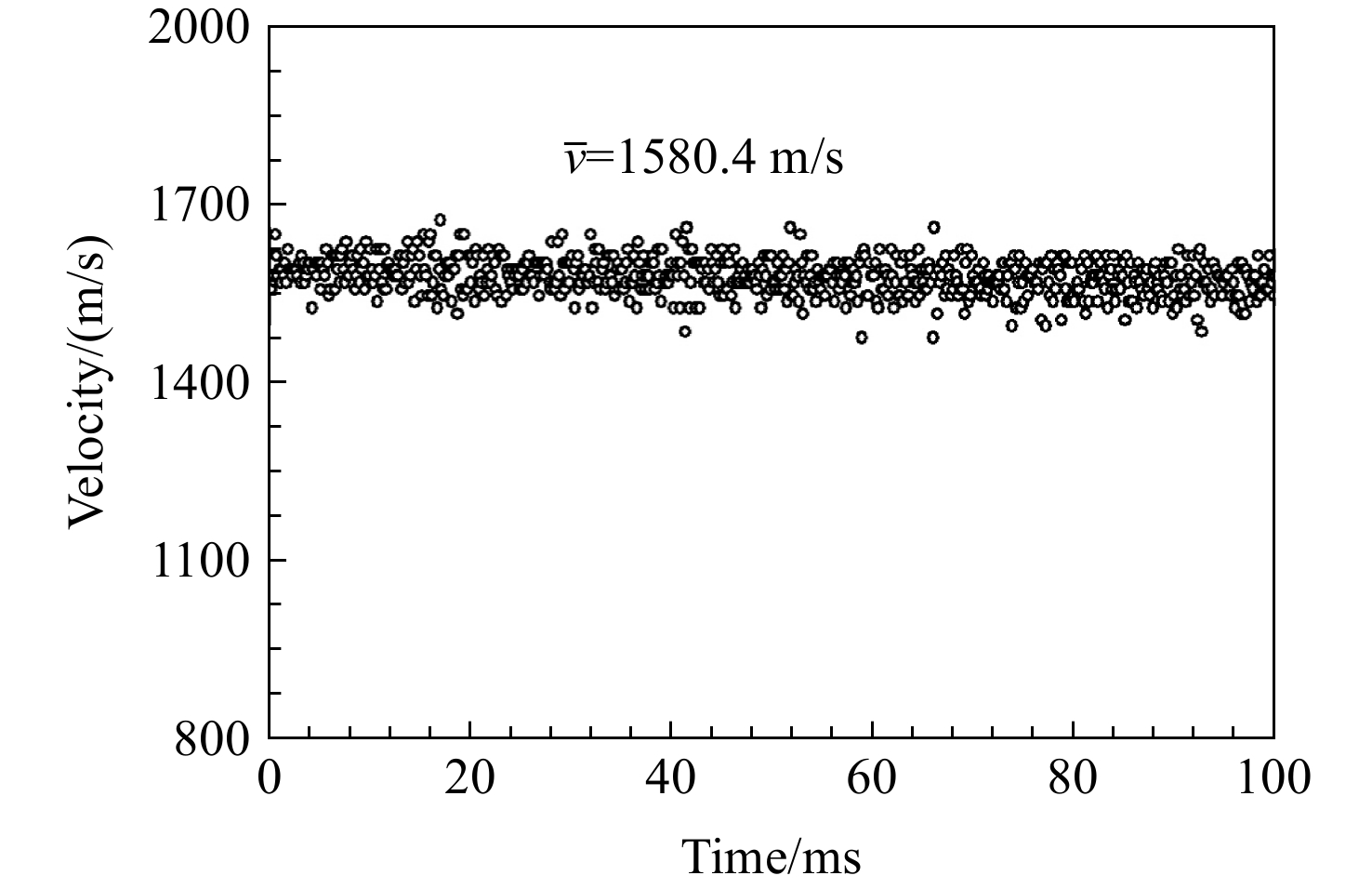
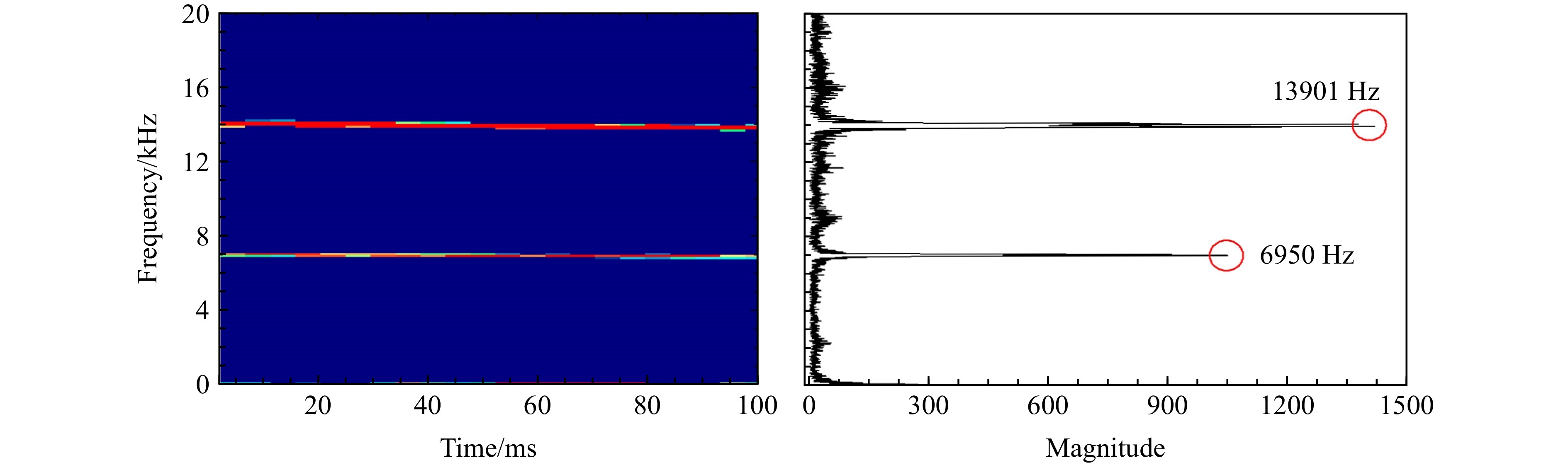
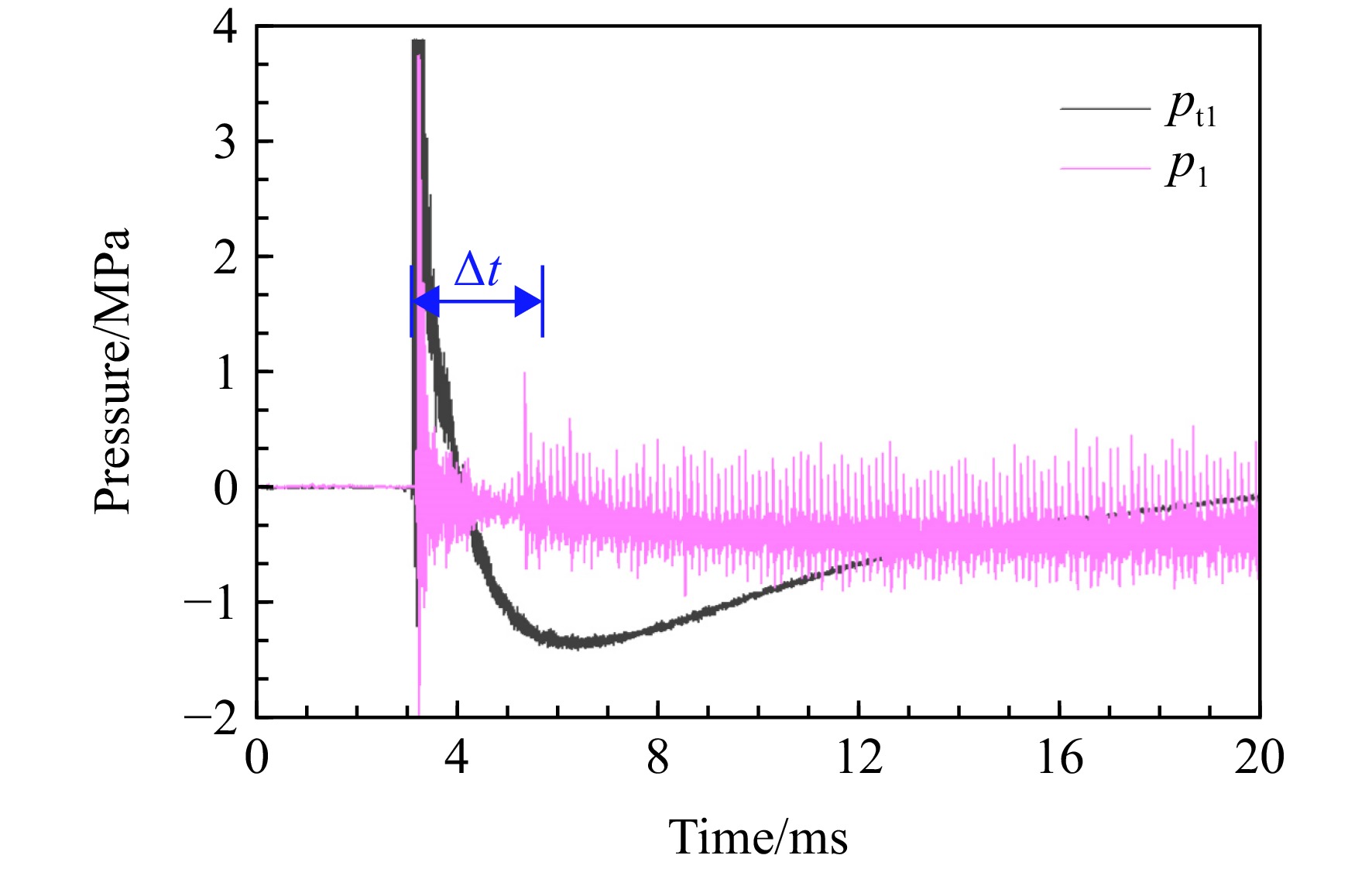
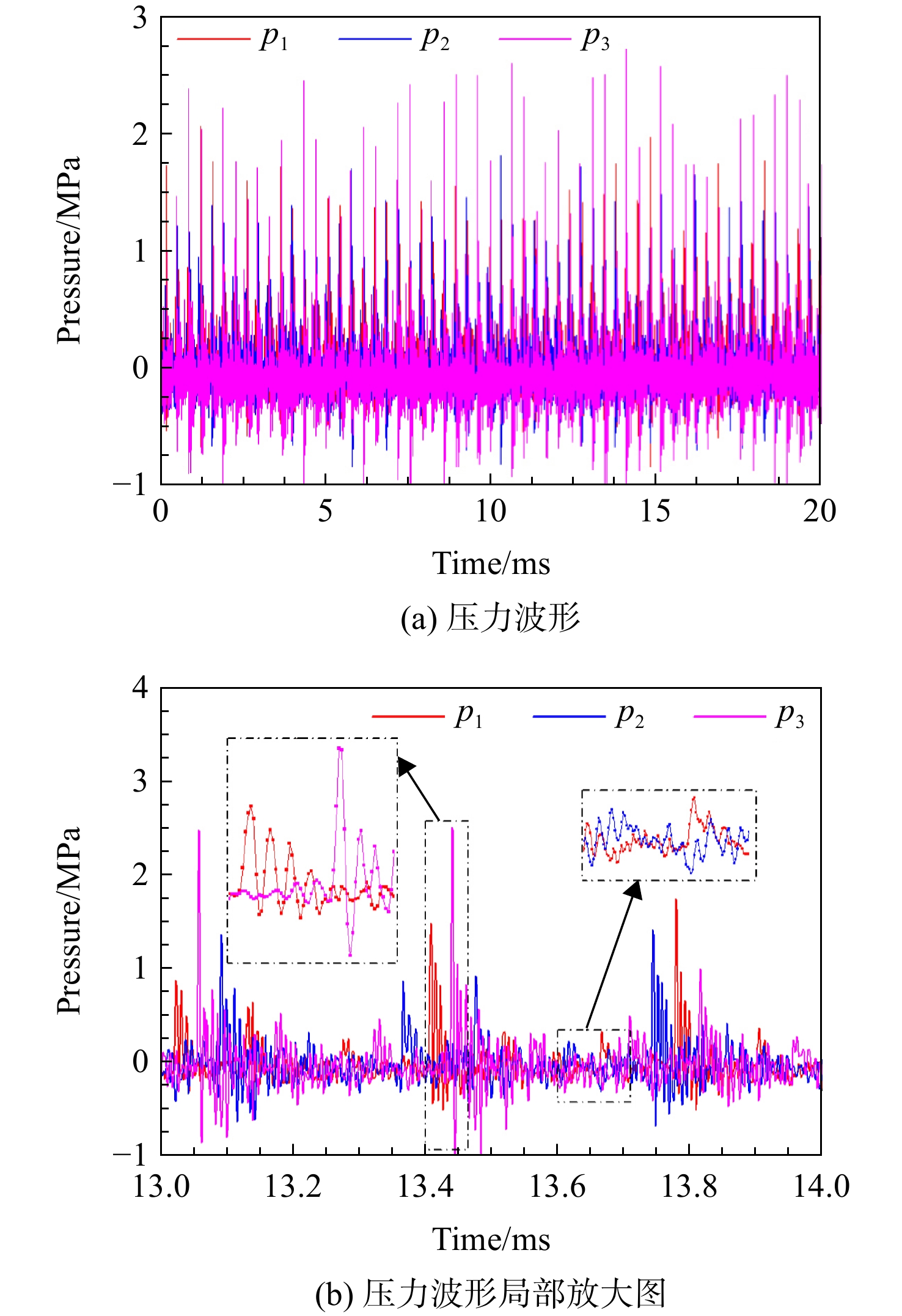
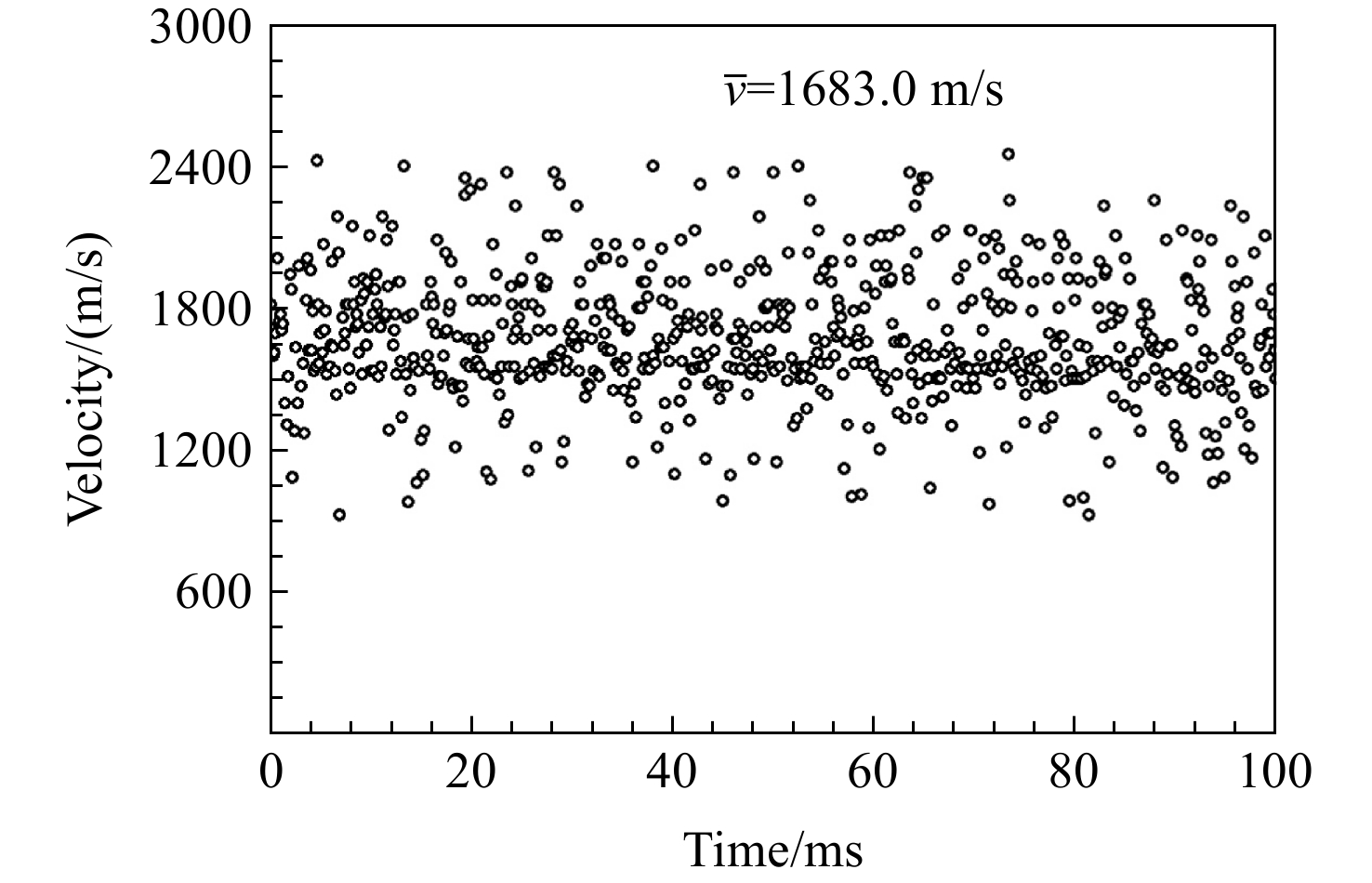
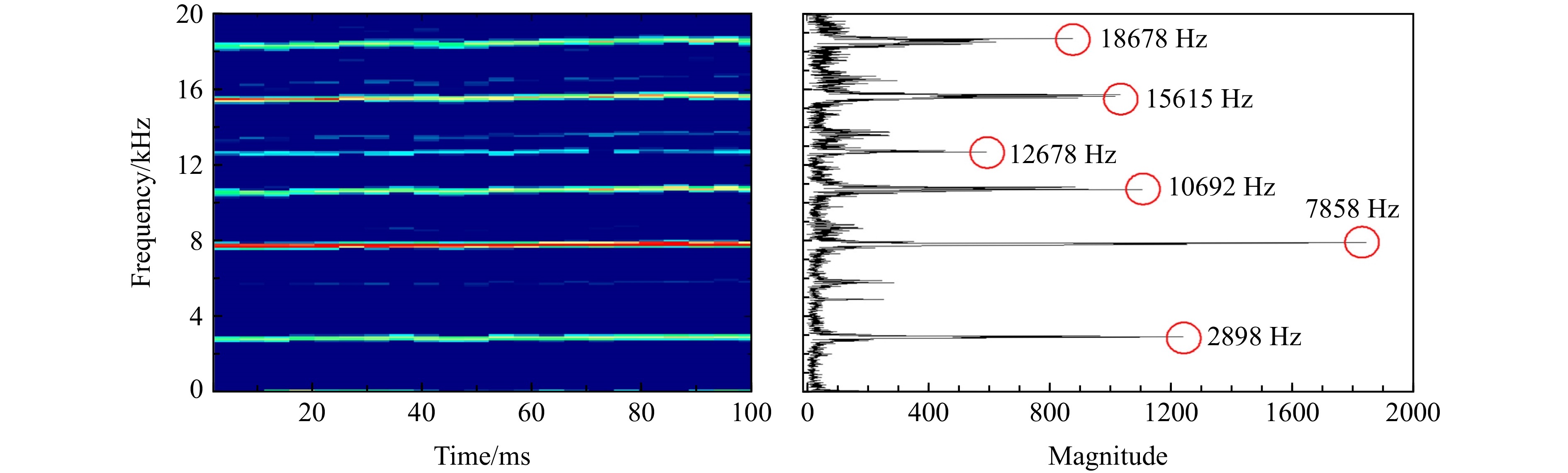
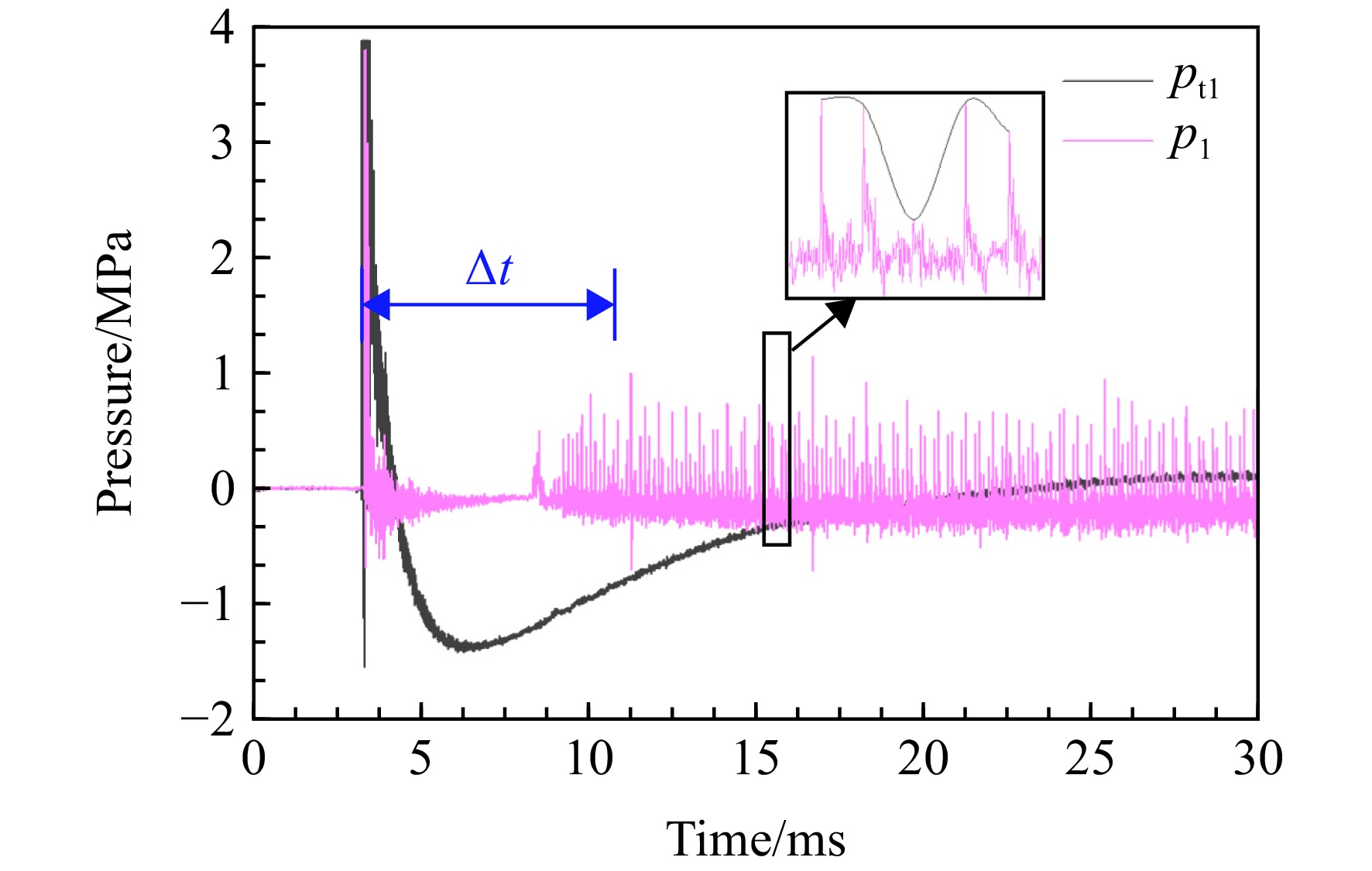
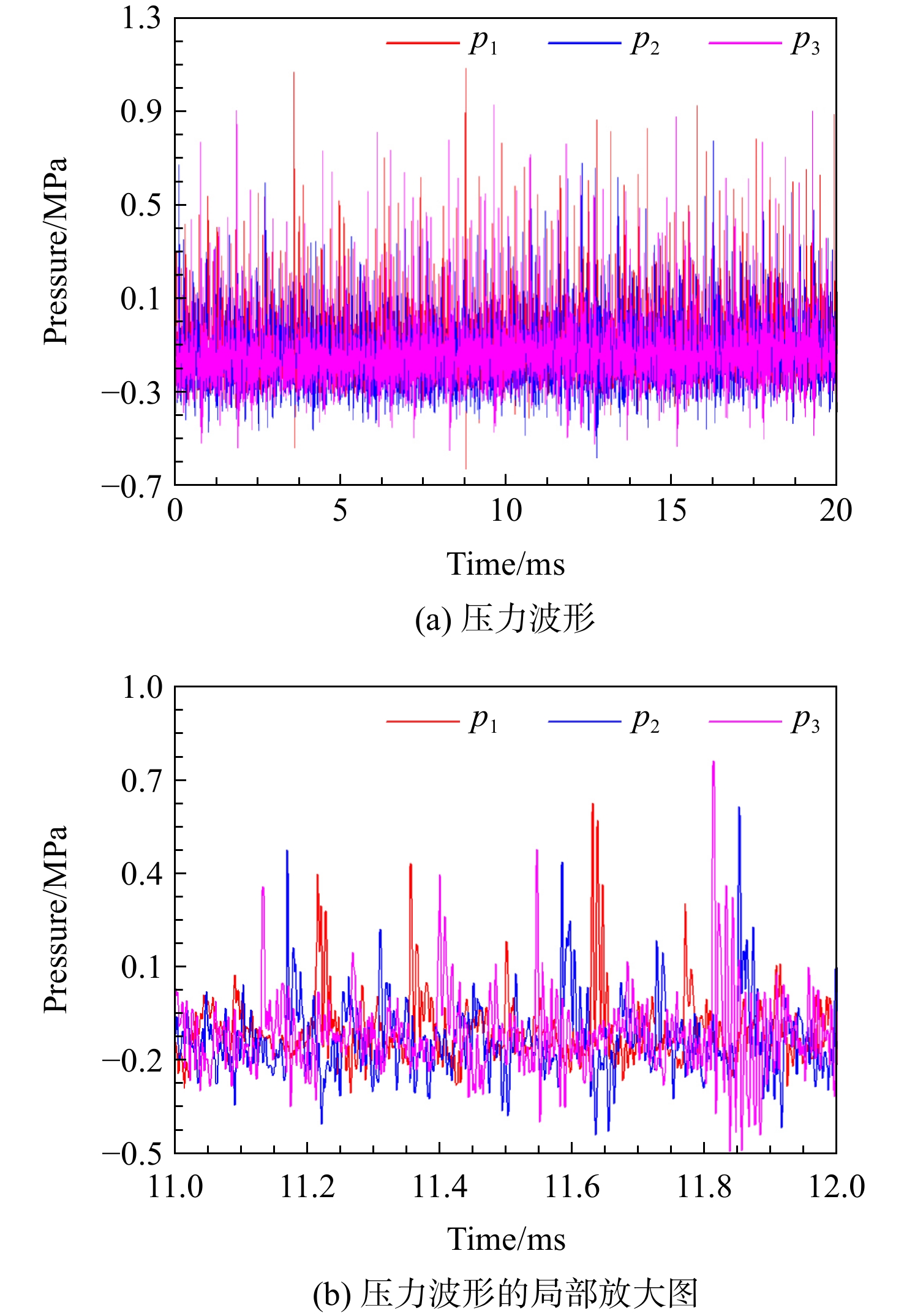
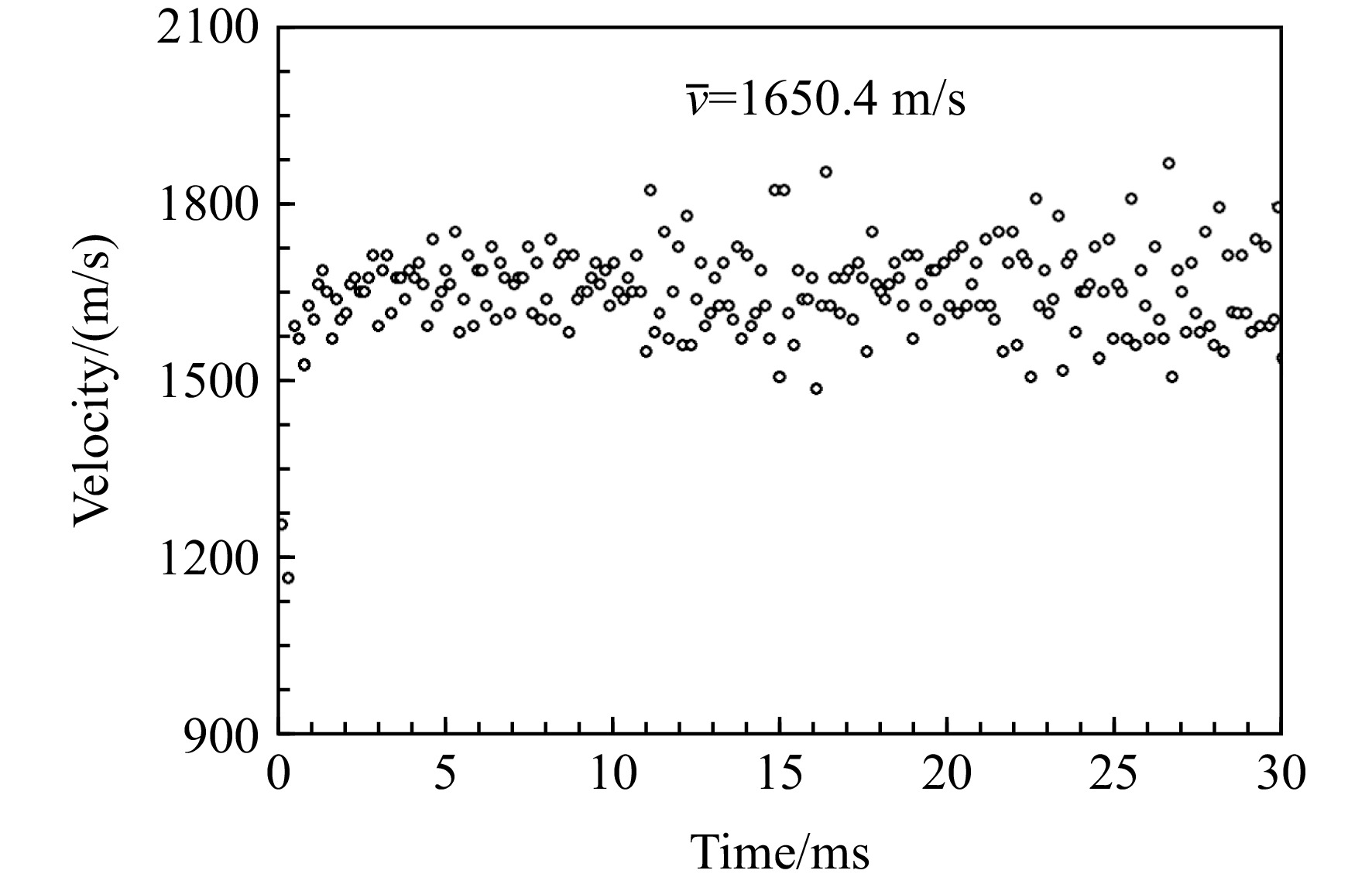
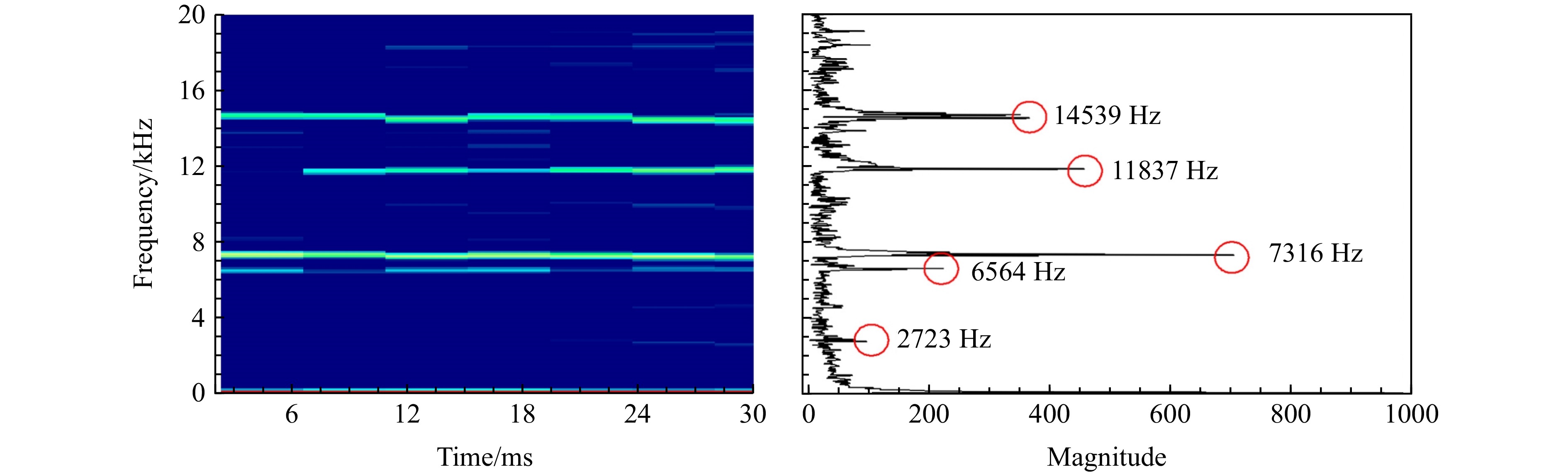
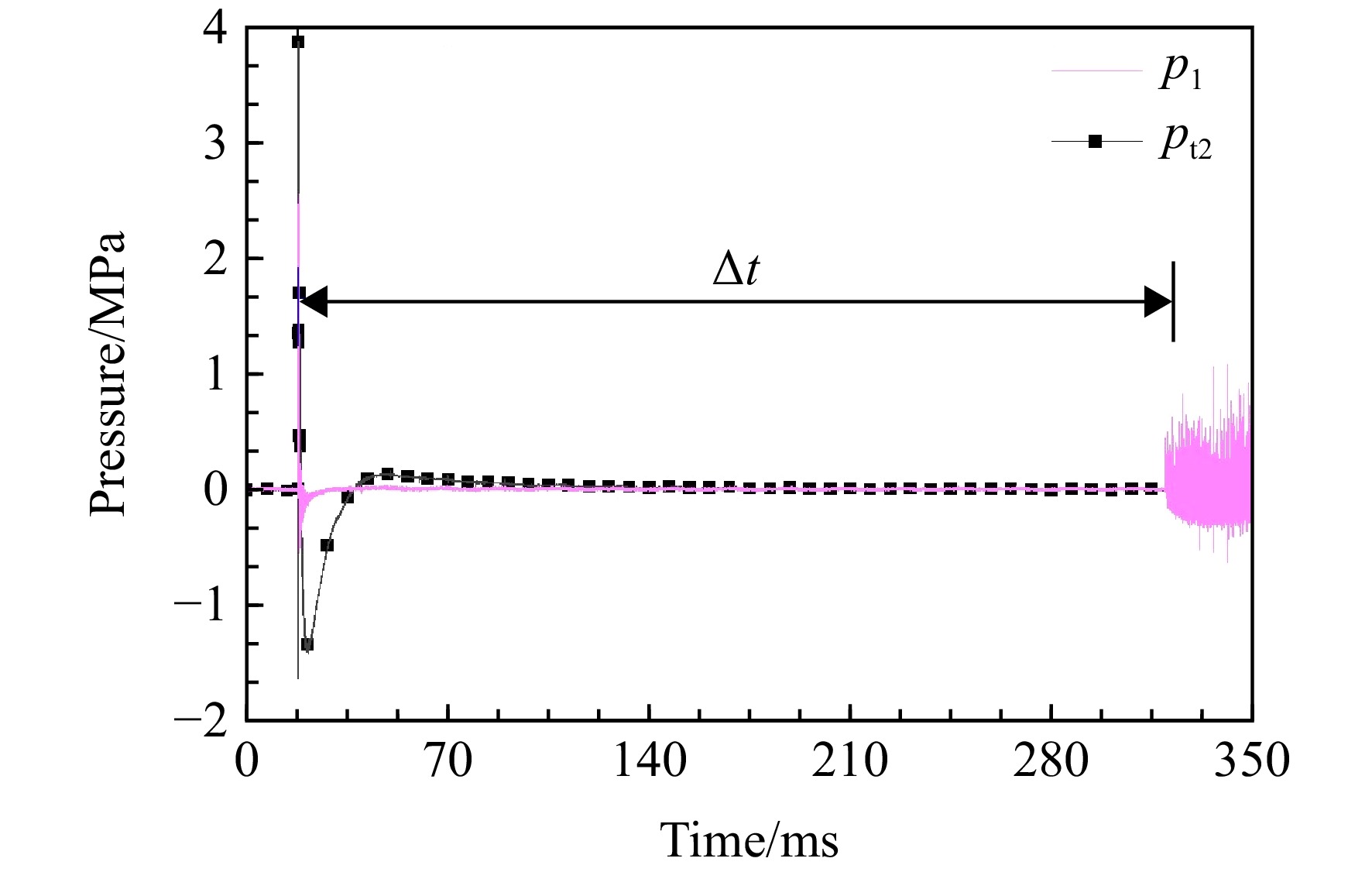
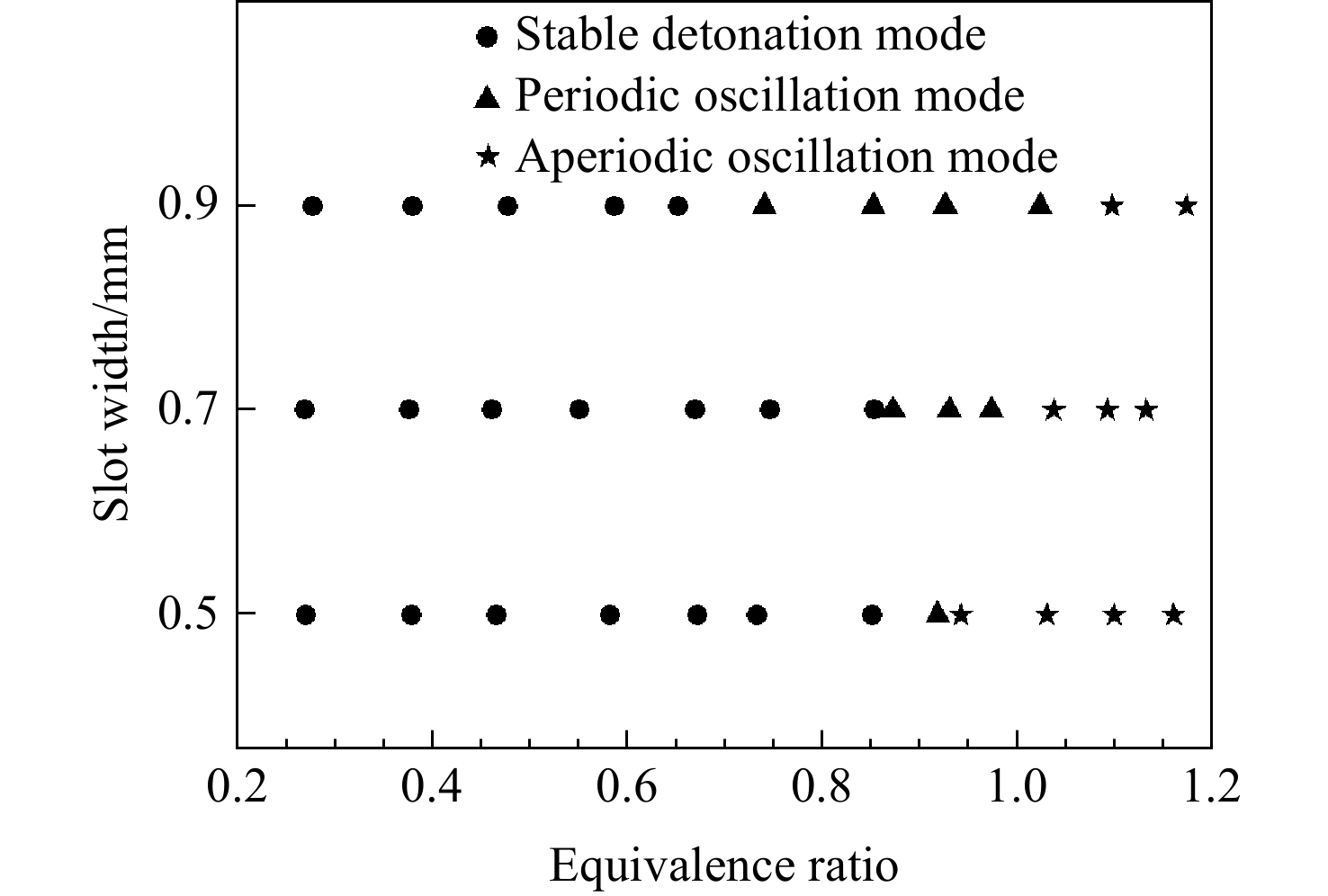
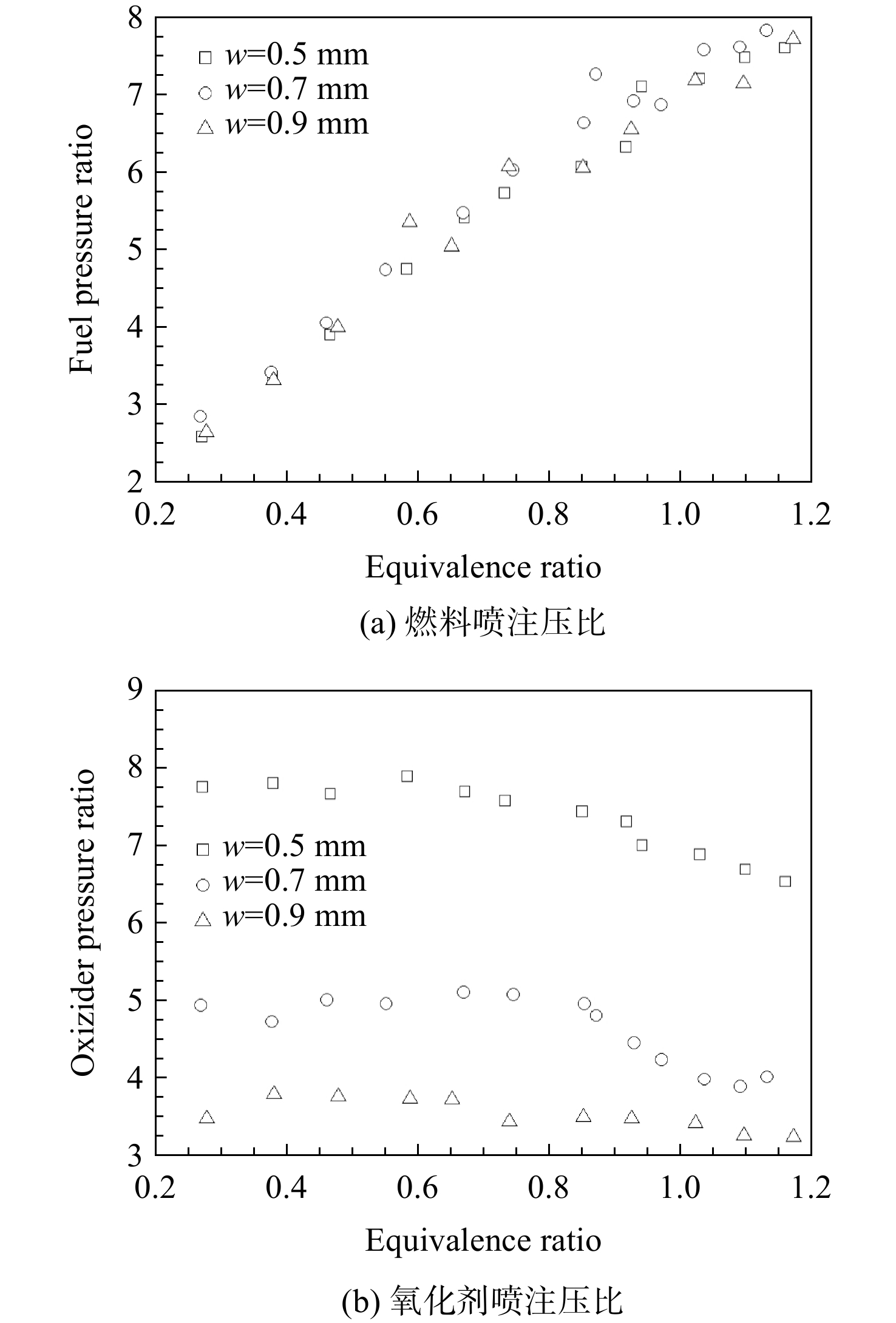
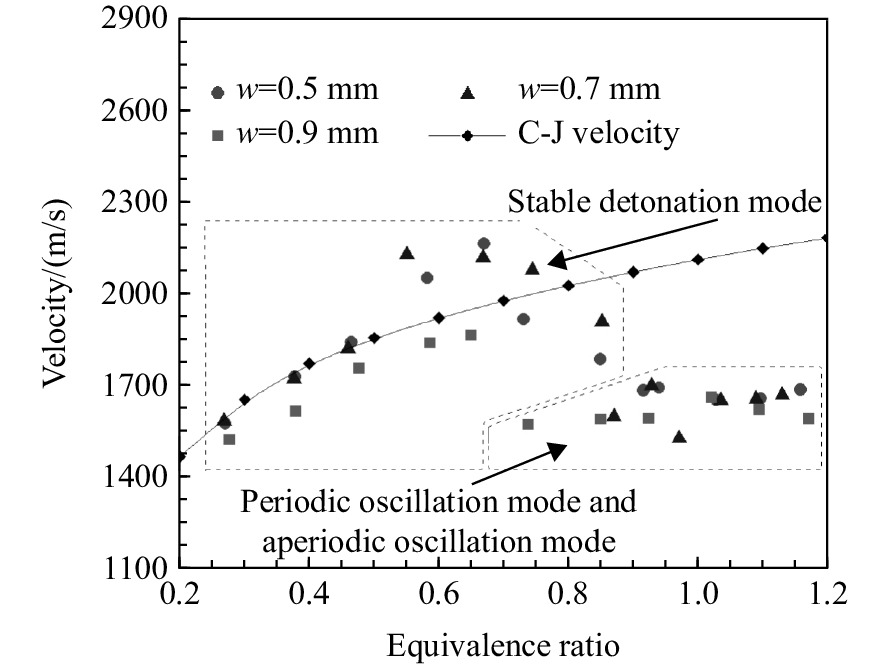
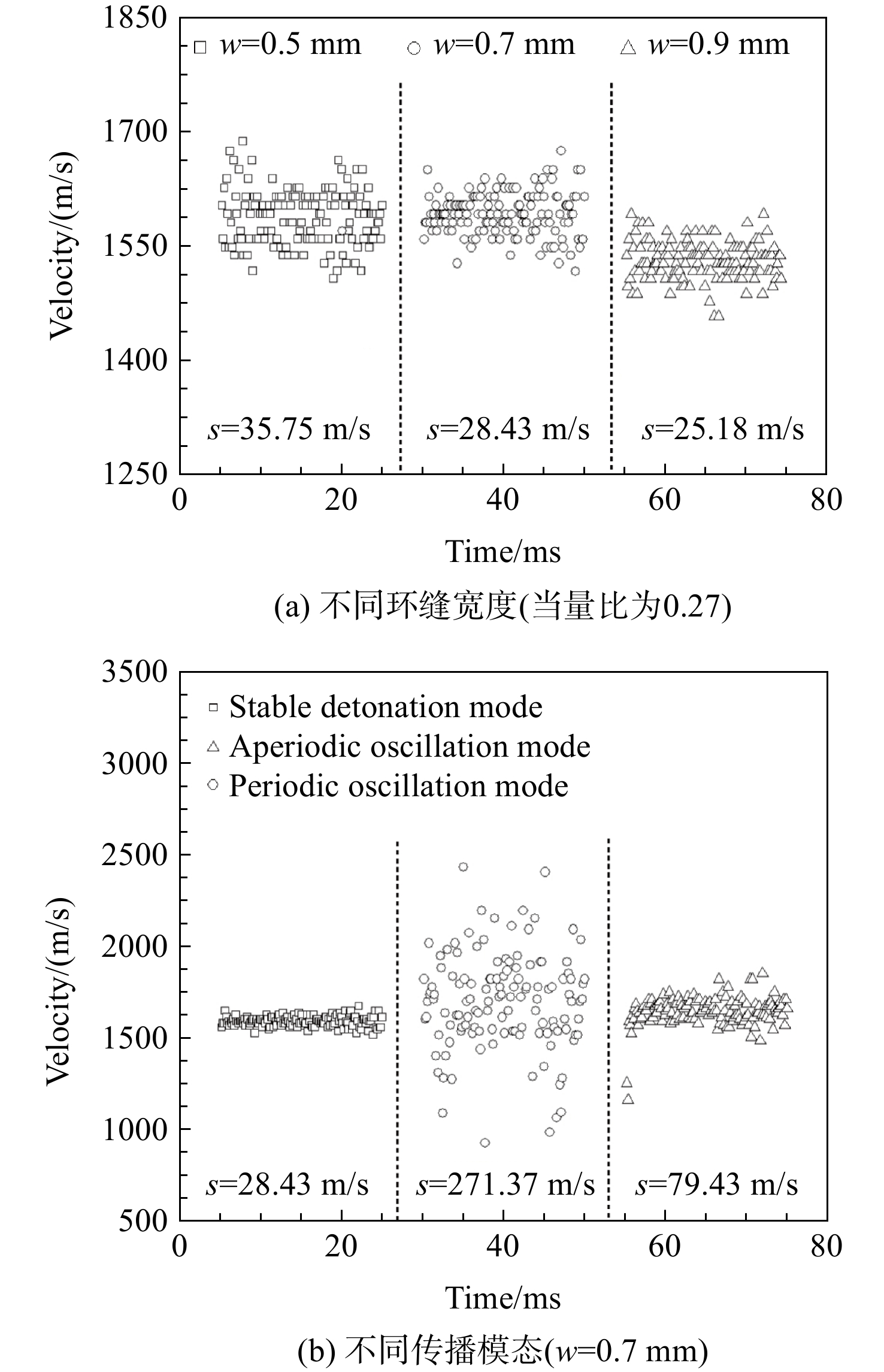
To investigate the propagation characteristics of rotating detonation waves in different oxidizer inlet slots, experimental study was performed in a cavity-based annular combustor. The slot-orifice impinging injection scheme was utilized. Ethylene and oxygen-enriched air with an oxygen volume fraction of 50% were used as fuel and oxidizer, respectively. The propagation modes and characteristics of the rotating detonation wave were discussed. Experimental results indicated that the rotating detonation waves can propagate steadily, and three propagation modes, i.e., stable detonation mode, periodic oscillation mode, and aperiodic oscillation mode, were observed in different oxidizer inlet slots. The equivalence ratio range of the periodic oscillation mode was expanded as the width of the oxidizer inlet slot increased, and each oscillation cycle included three processes, i.e., decoupling of detonation waves, acceleration of deflagration waves, and regeneration of detonation waves. The average velocity of the combustion waves in the two oscillation modes was significantly lower than that in the stable detonation mode, and there existed significant velocity variations.

Influence of aviation fuel flash point on fuel tank flammability exposure time
LIU Guannan, FENG Shiyu, WANG Liqun, PAN Jiangli, FAN Juli
2023, 38(8): 1995-2000. doi: 10.13224/j.cnki.jasp.20210554
Abstract:

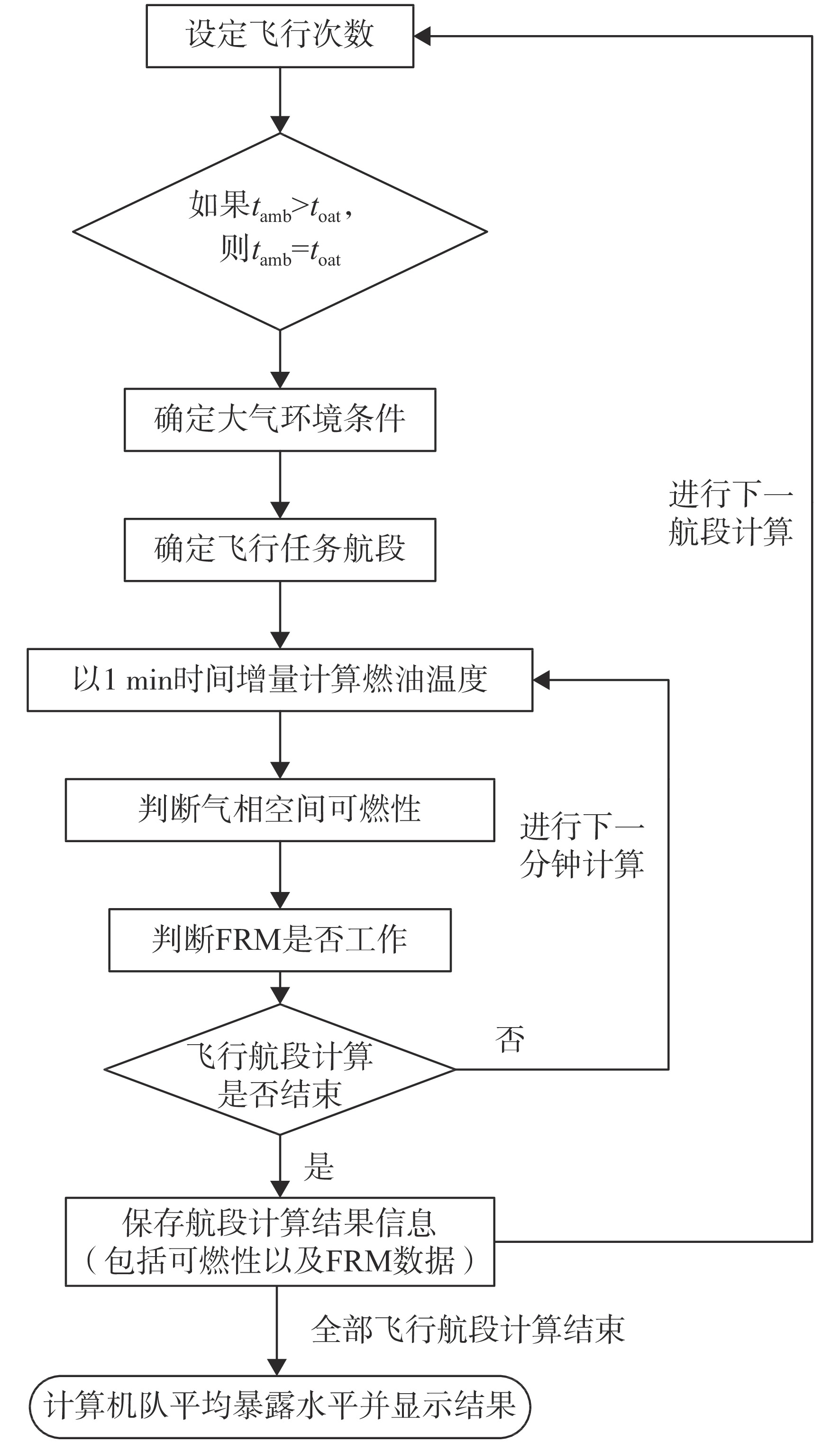
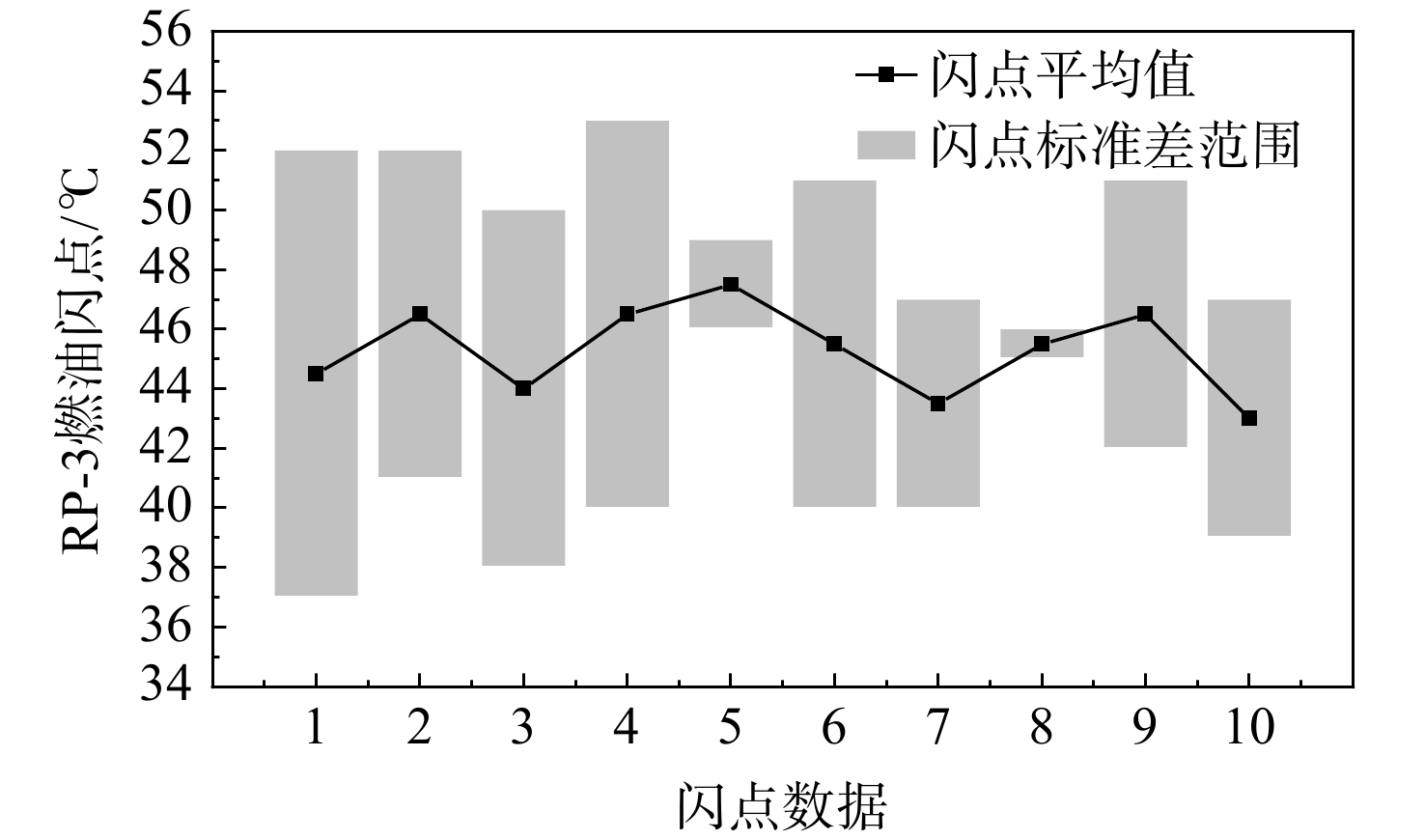
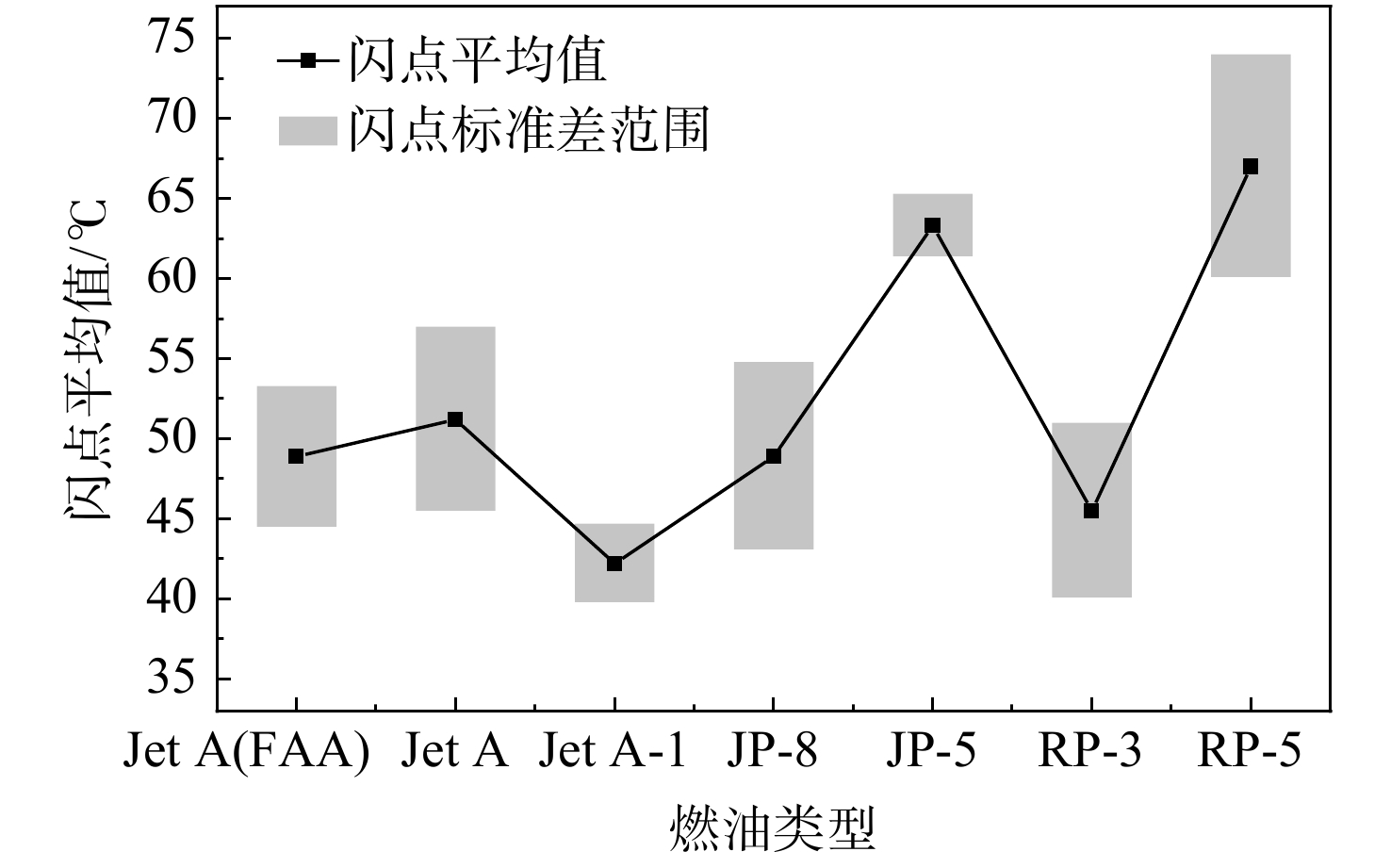
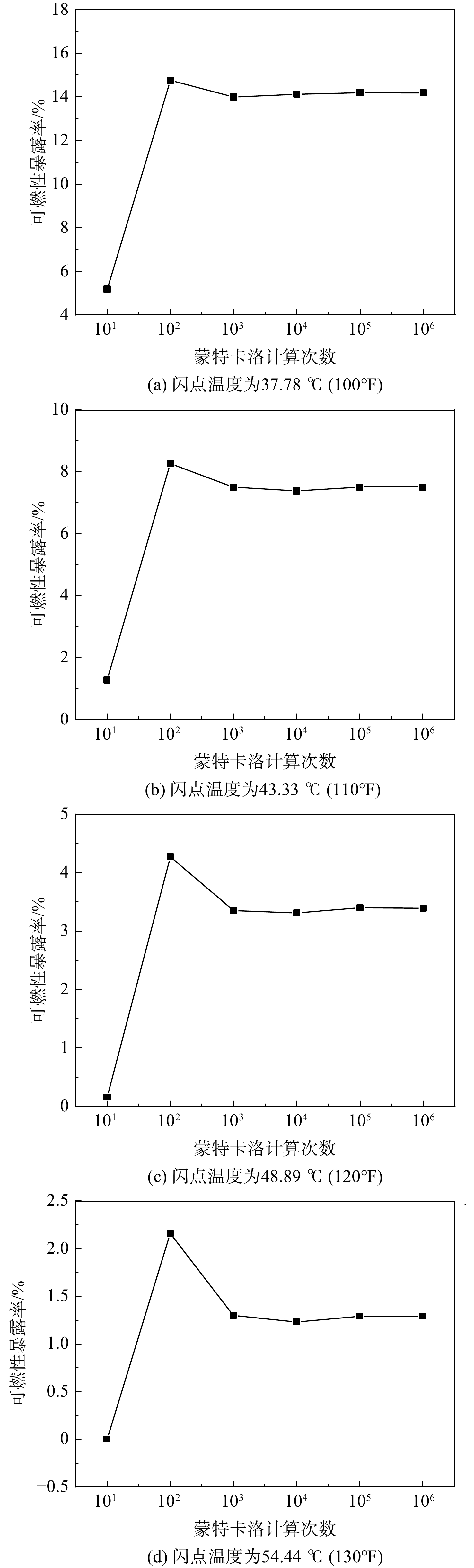
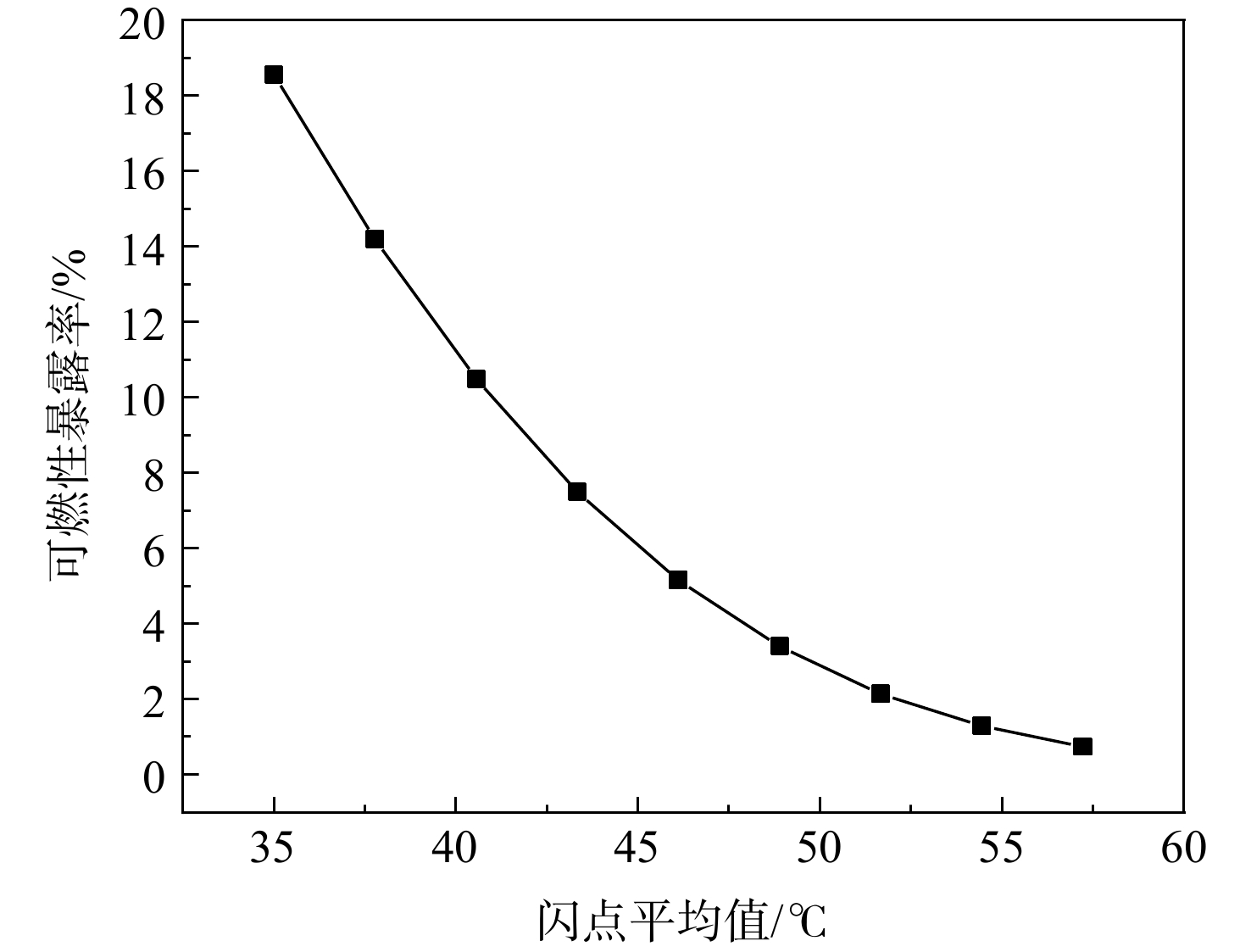
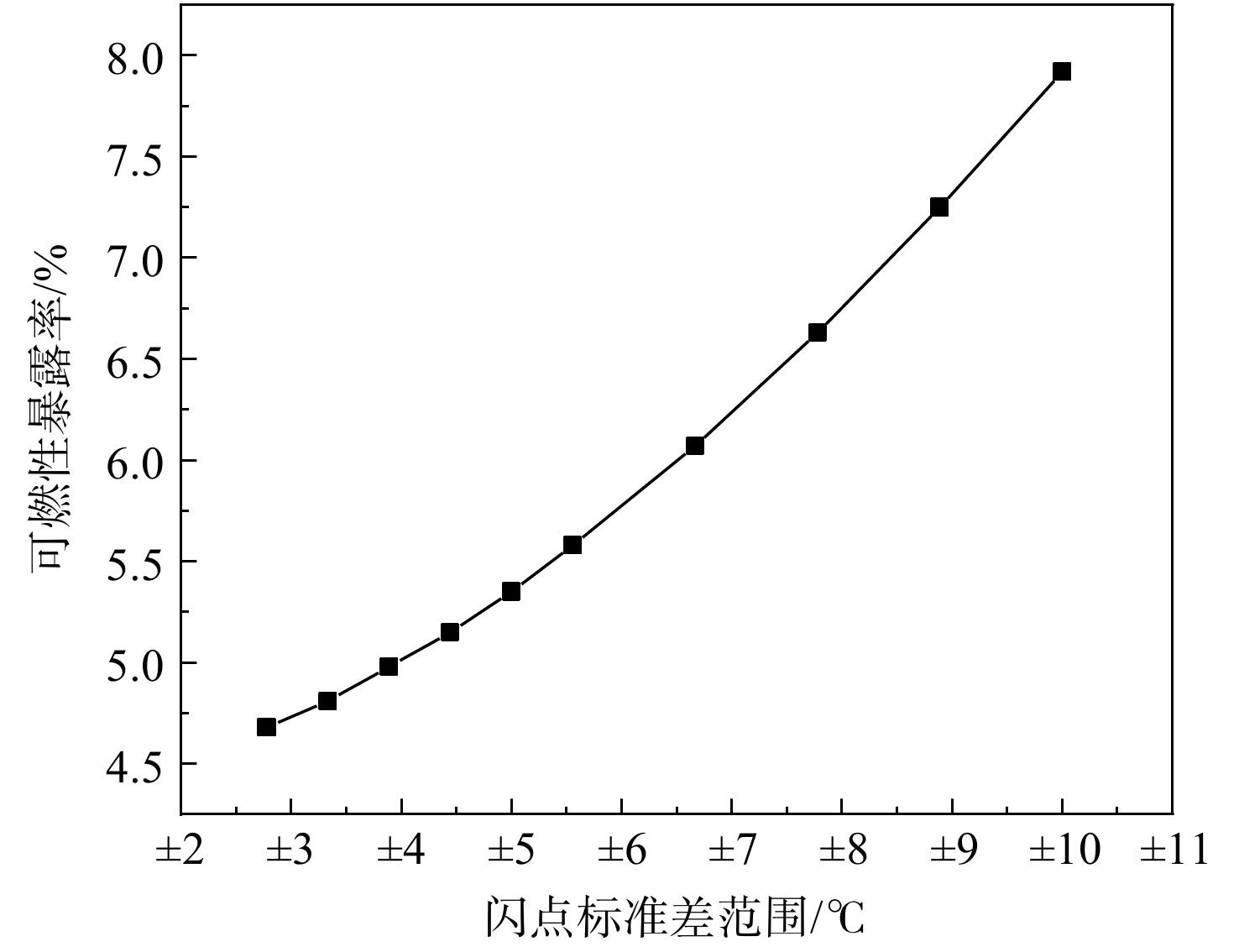
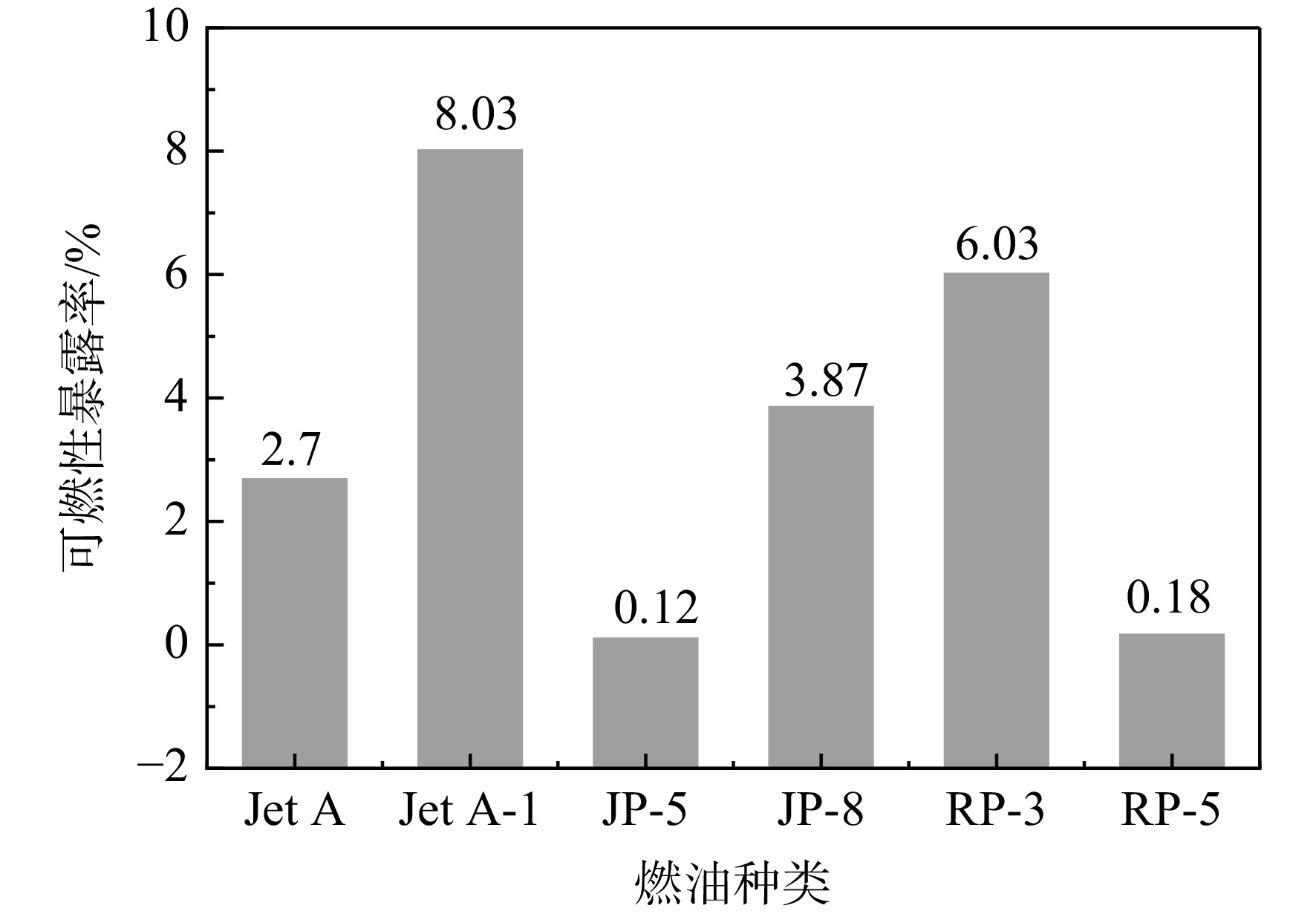
Based on the airworthiness conformity assessment needs of domestic civil aircraft, the development and changes of airworthiness regulations of FAR25.981 revised by FAA were studied, and the fuel flash point temperature ranges at home and abroad were investigated. Through monte Carlo flammability exposure analysis program, the impact of the average flash point and range changes on fuel tank flammability exposure rate was obtained. Results showed that the larger average flash point temperature value indicated the wider standard deviation range, and the larger flammability exposure rate of fuel tank. Under the same conditions, the flammability exposure rate of aircraft using RP-3 fuel was higher than that of Jet A fuel. Therefore, the impact of fuel differences on flammability should be fully considered in the airworthiness certification process of aircraft in China, and the airworthiness application standards and specifications suitable for China’s national conditions should be improved.

Autocontrol
Control law design of lift fan starting based on time prediction
JIANG Tianmu, ZHANG Xiaobo, WANG Zhanxue, LIU Yongquan
2023, 38(8): 2001-2014. doi: 10.13224/j.cnki.jasp.20230020
Abstract:

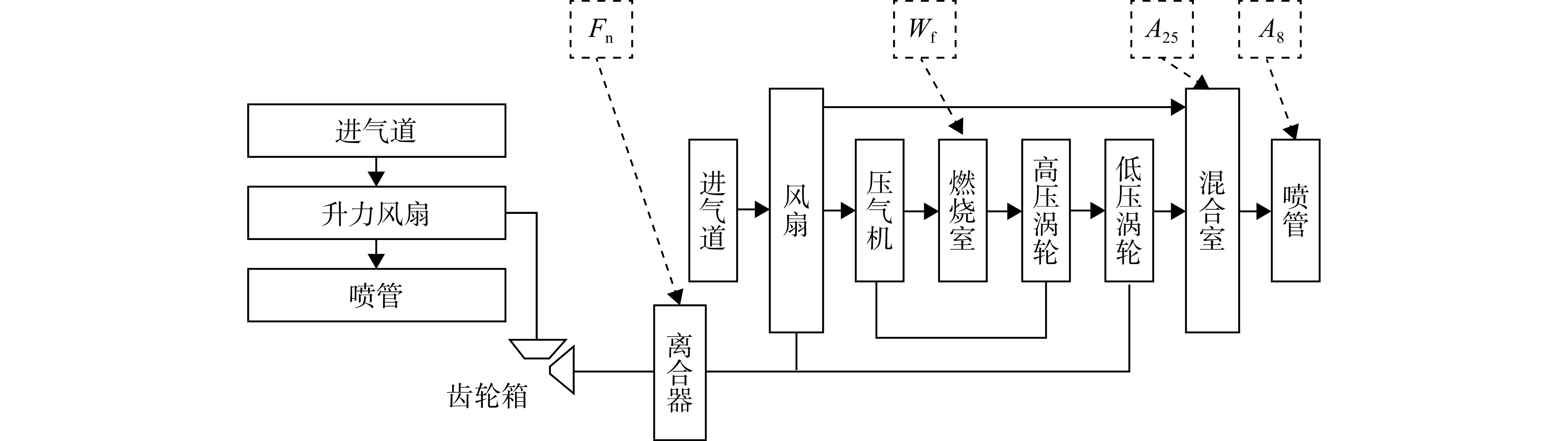
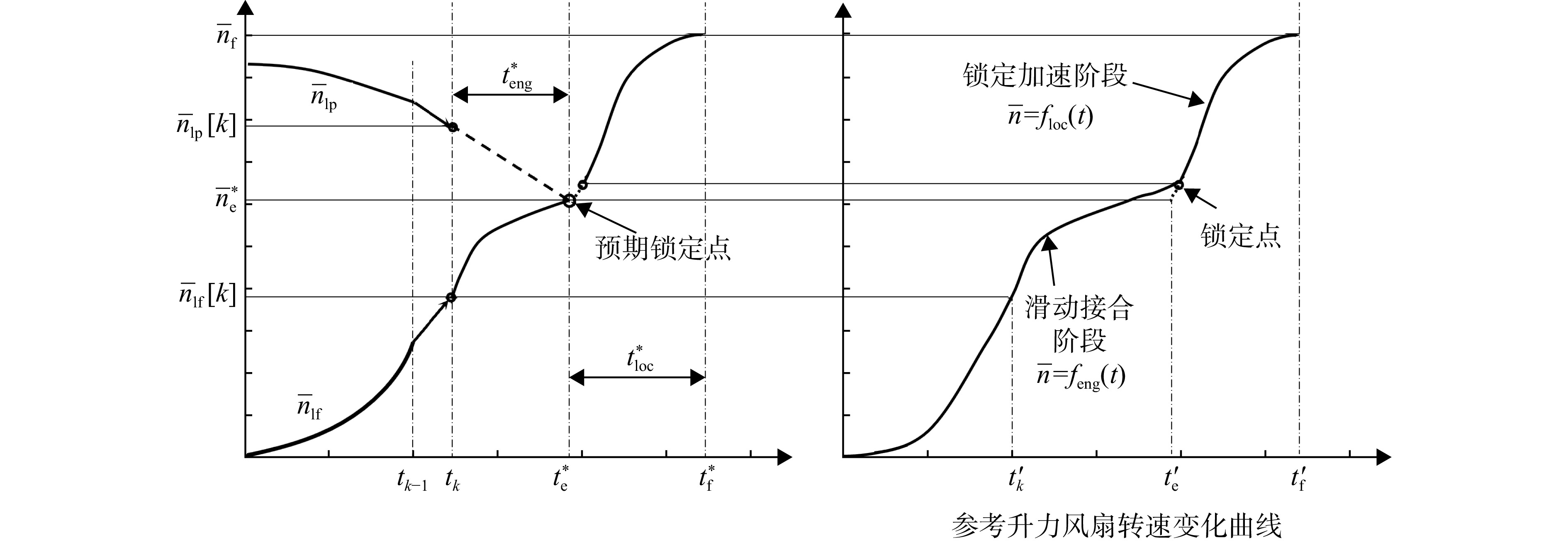
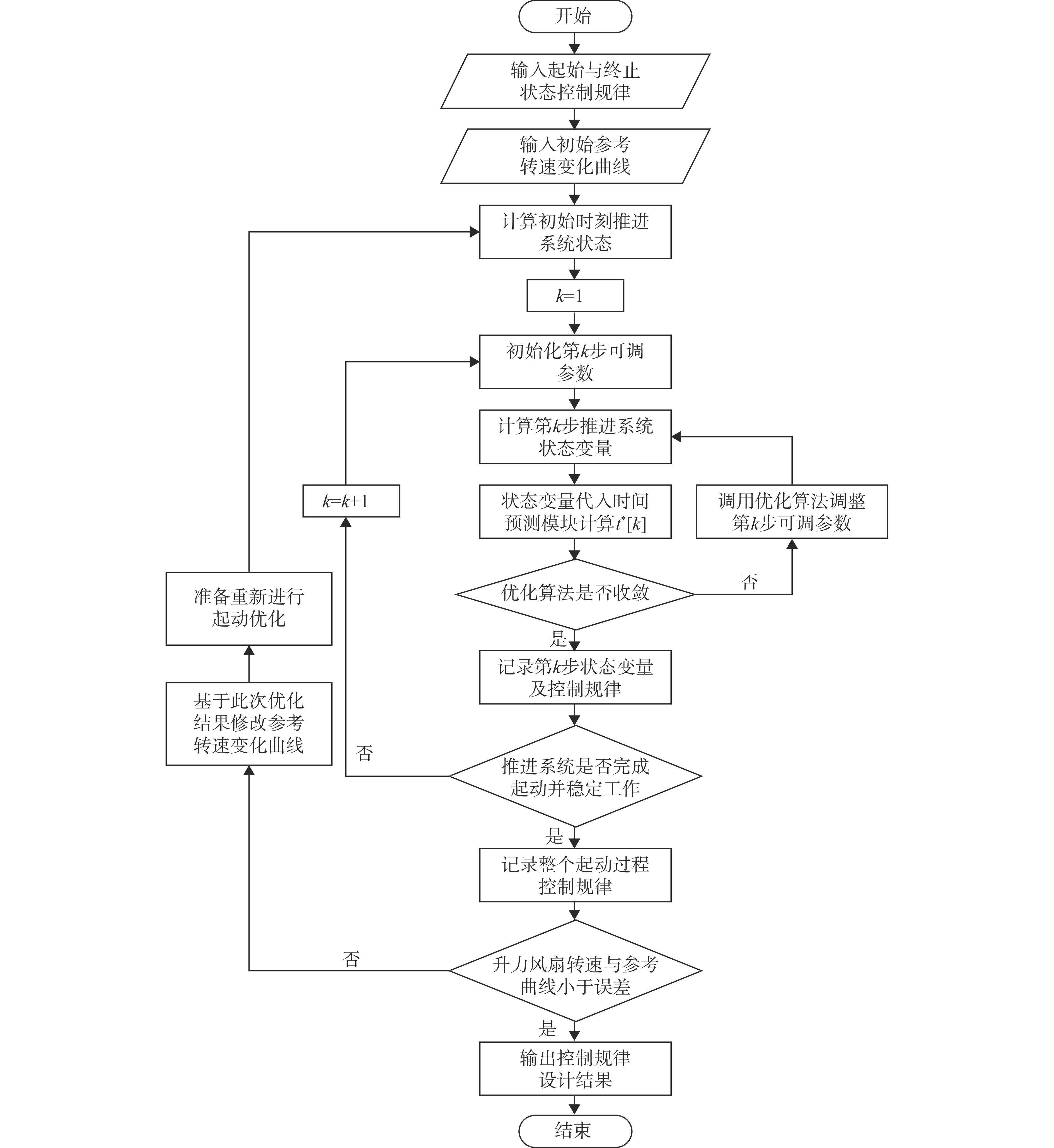
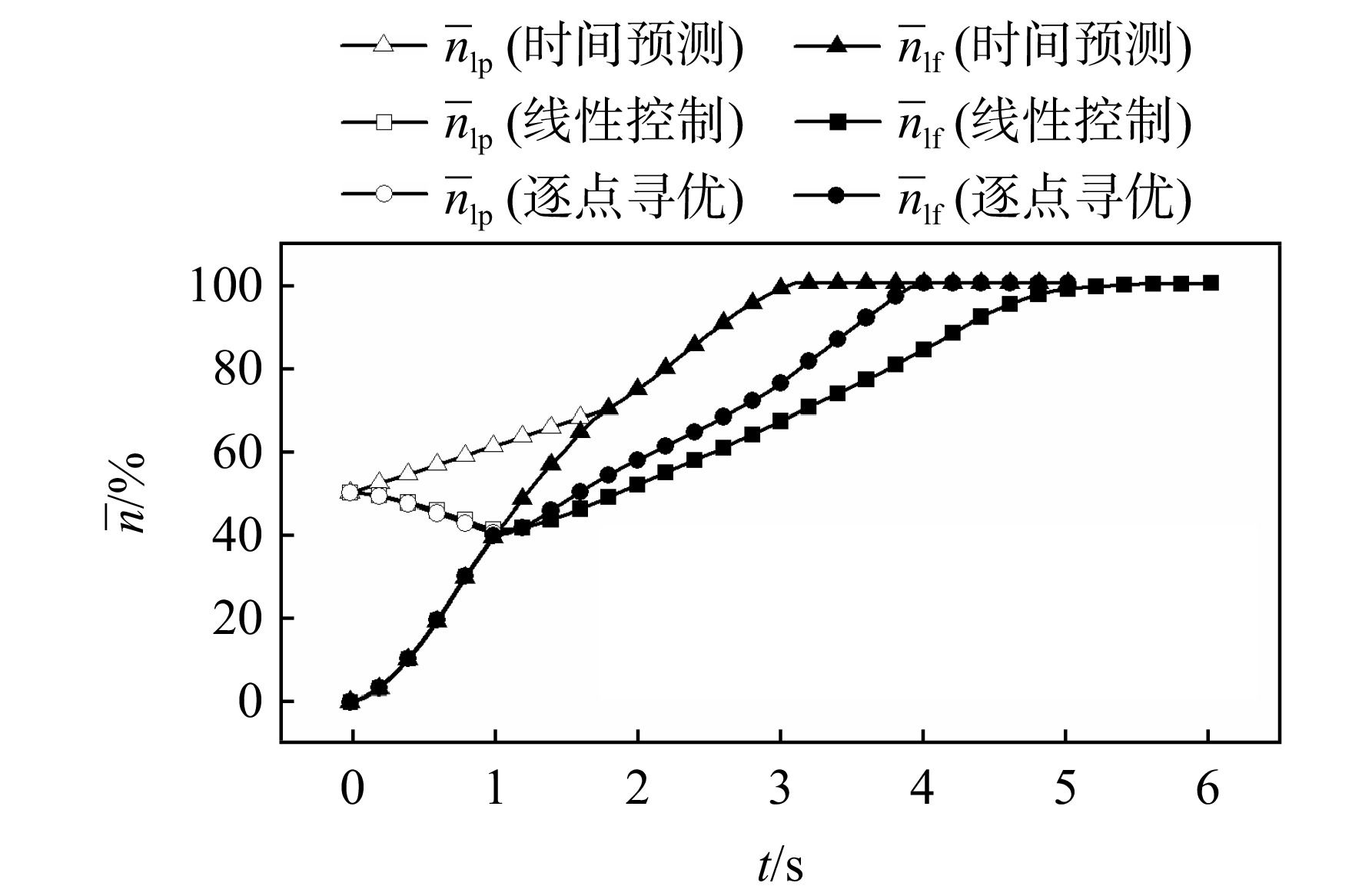
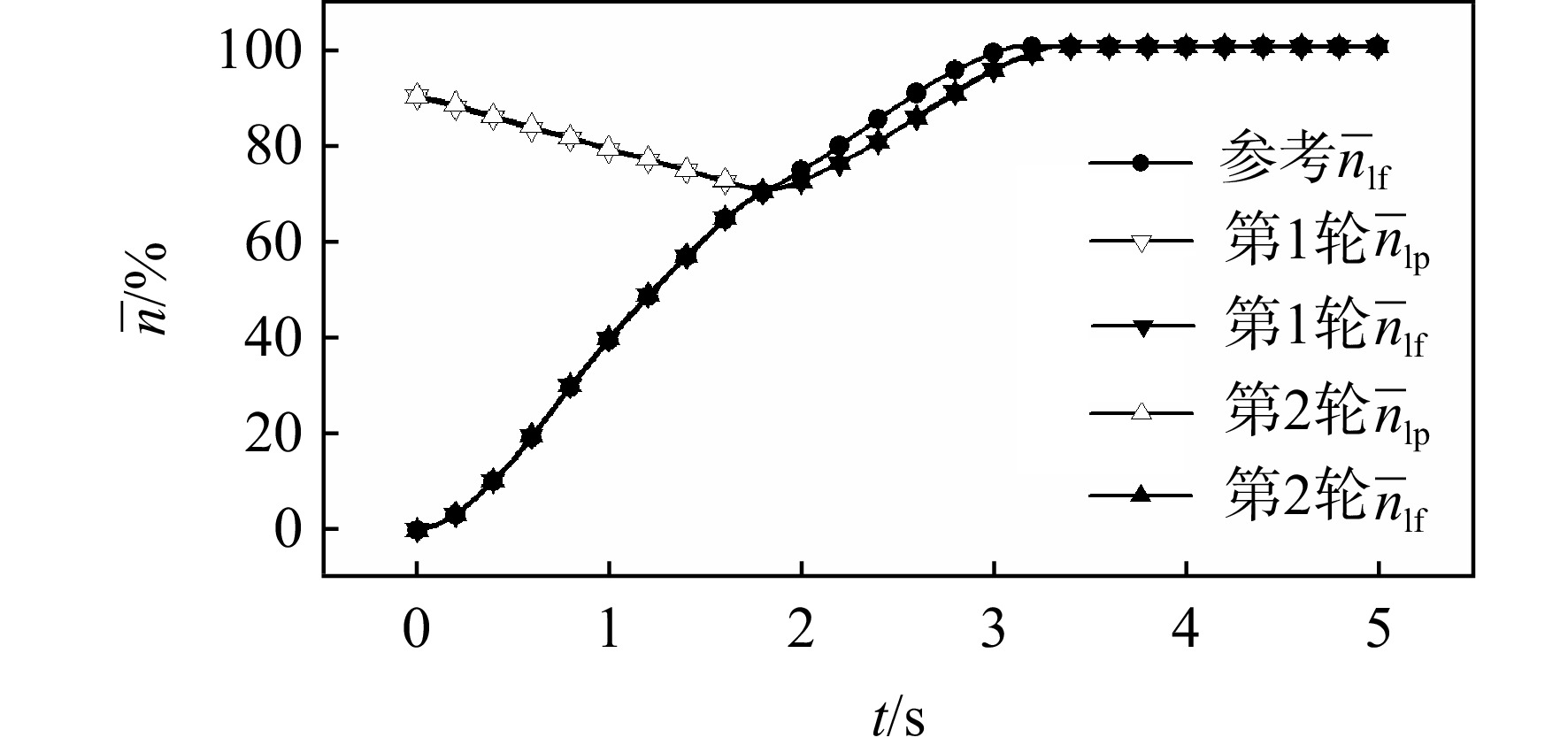
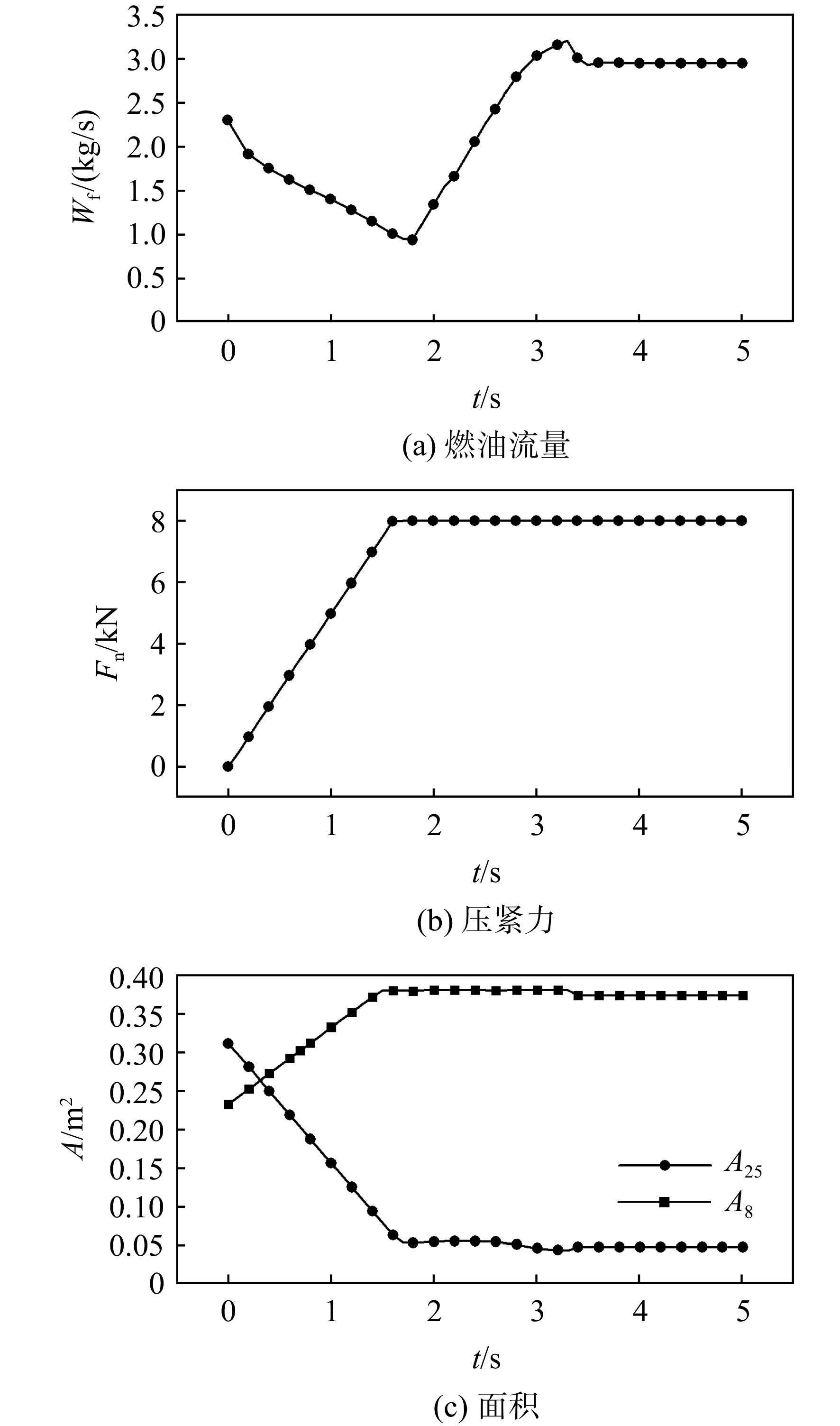
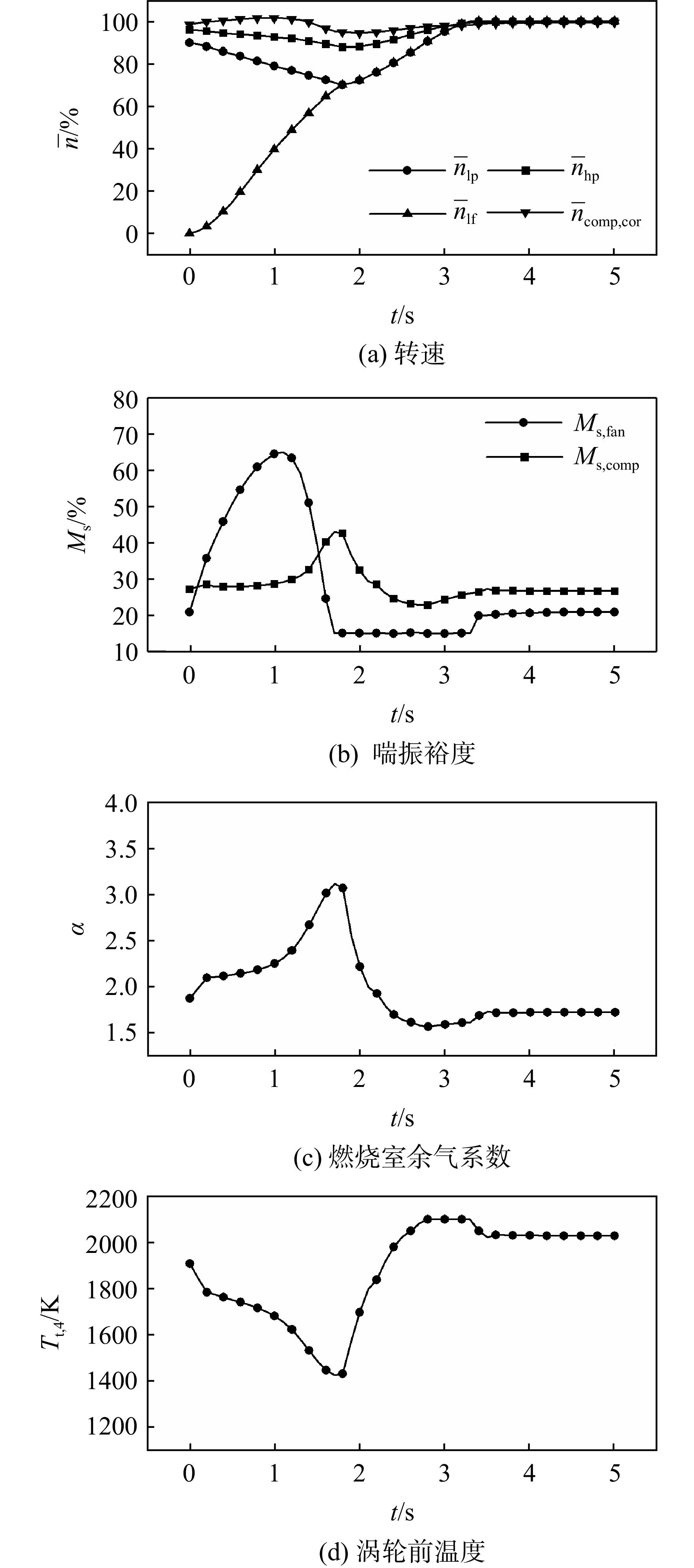
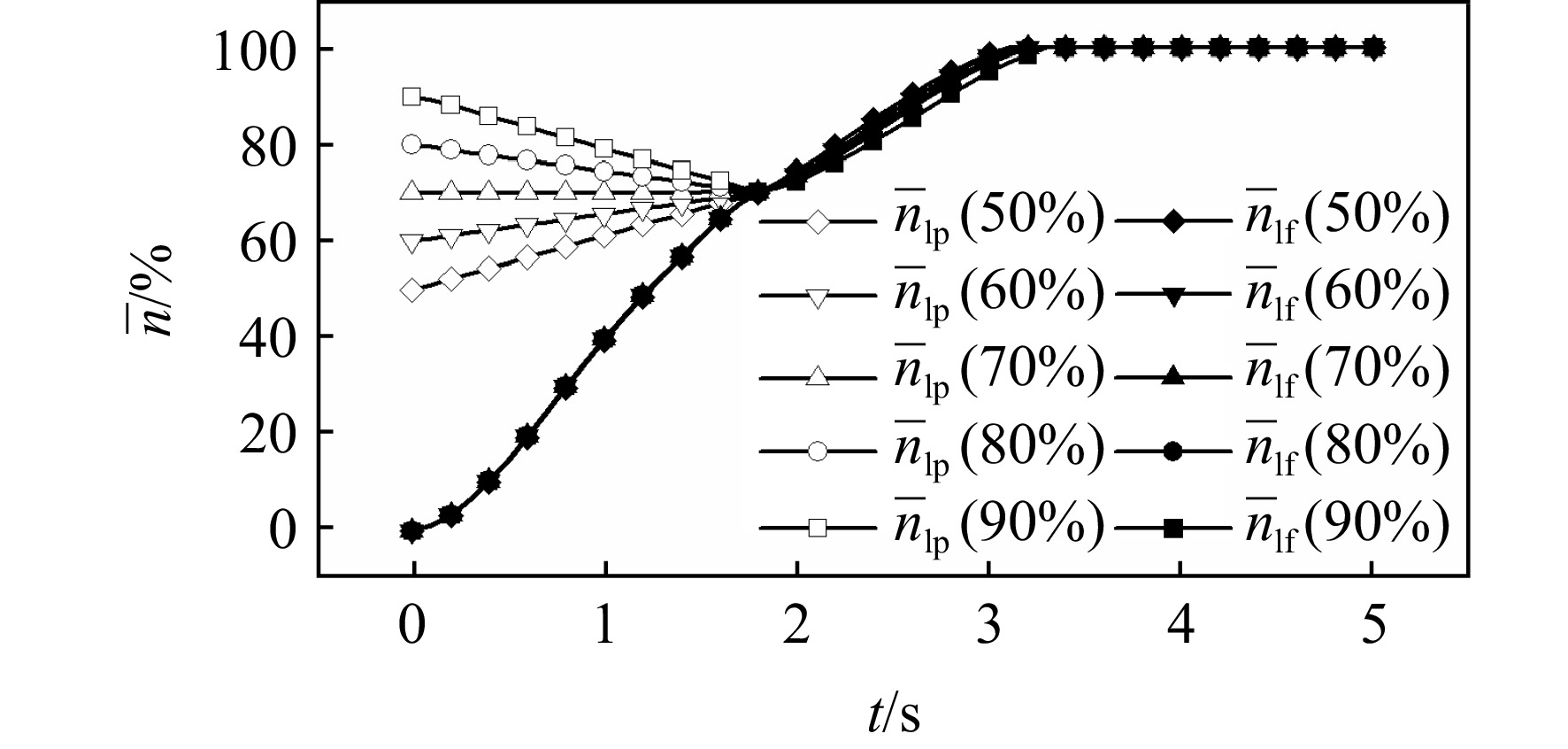
To reduce the shaft driven lift fan starting time, a general control law design method was proposed for the shaft driven lift fan propulsion system. A prediction model of the remaining starting time based on trend extrapolation and with a reference to the lift fan speed curve was established. Based on the time prediction model and control law pointwise optimization design method, the starting process control law was optimized point by point, and the starting process control law can be obtained by performing multiple rounds of optimization and using the optimization results of each round to update the reference speed curve. This method was used to design the control law of the starting process with the low-pressure rotor speed at the initial state of 50%. The starting time was only 3.1 s, which was 22.5% shorter than that of the pointwise optimization method, and the starting process strictly met the safe working limit. Furthermore, multiple groups of starting process control laws with the initial speed of 90% and between 50% and 90% were designed, illustrating that this method is not only suitable for starting at low speeds, but also effective at high speeds.

State feedback periodic event-triggered control for aero-engine distributed systems
SONG Pengtao, YANG Qingyu, WEN Guangrui, ZHANG Zhifen
2023, 38(8): 2015-2023. doi: 10.13224/j.cnki.jasp.20210640
Abstract:

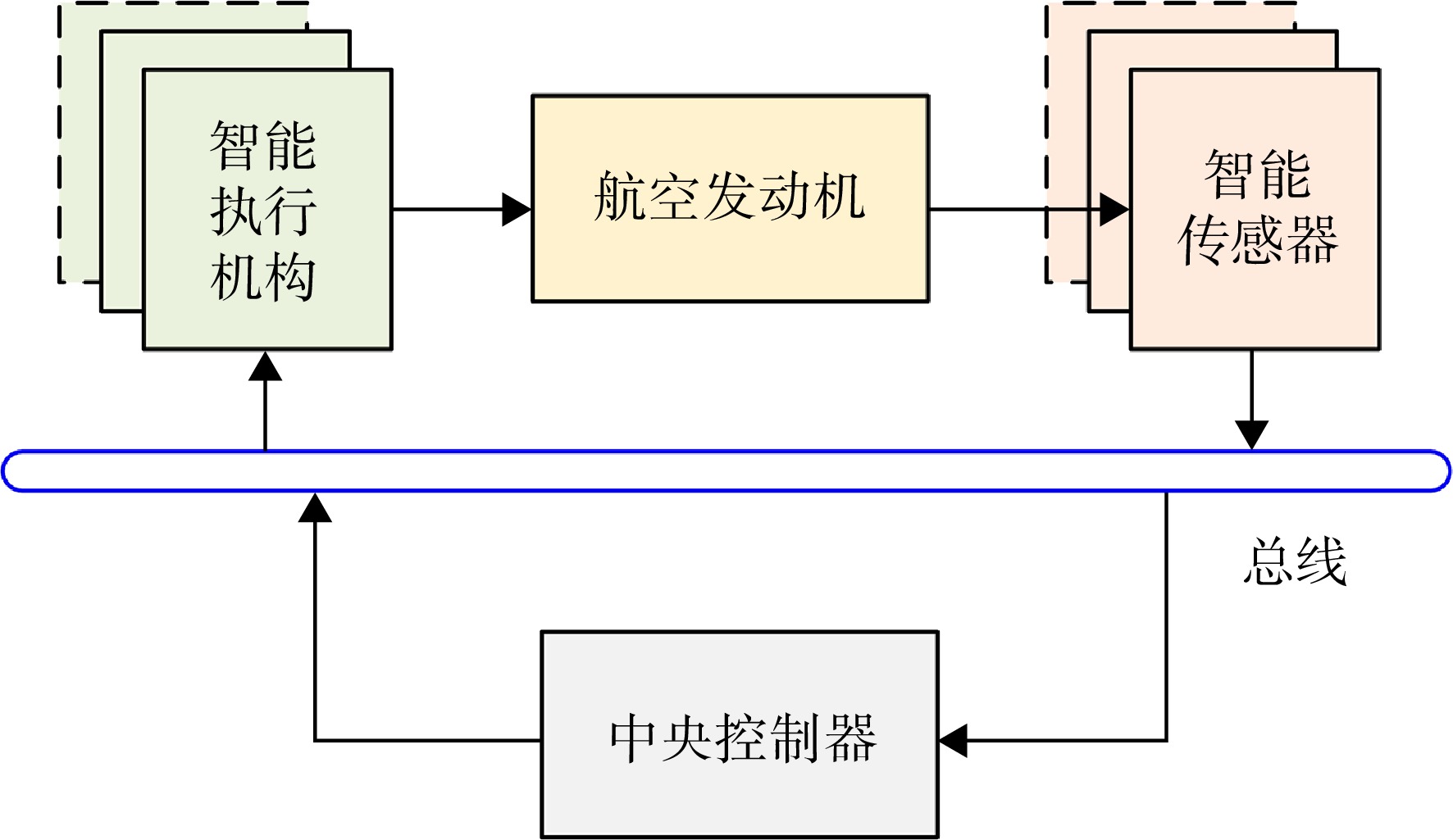
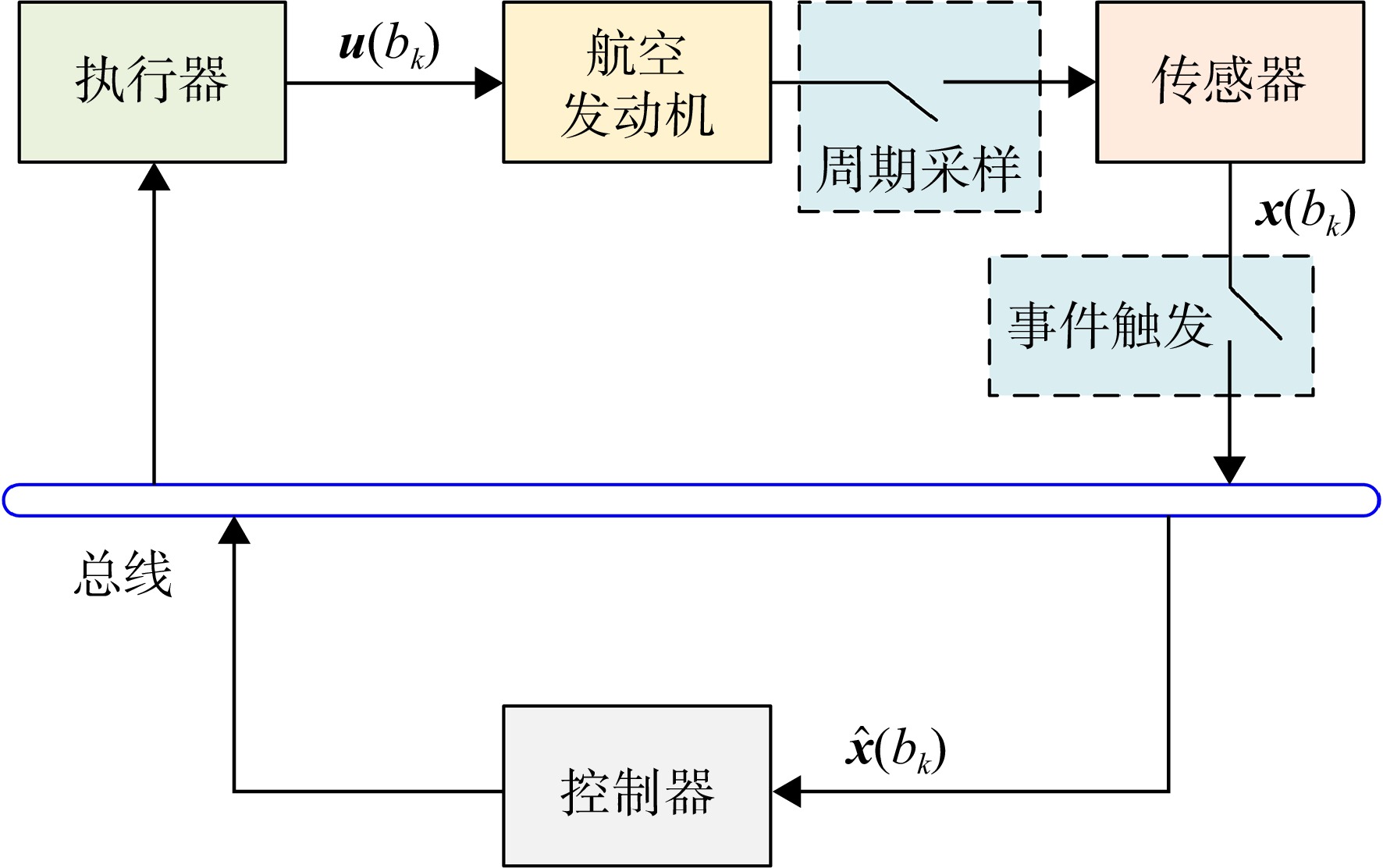
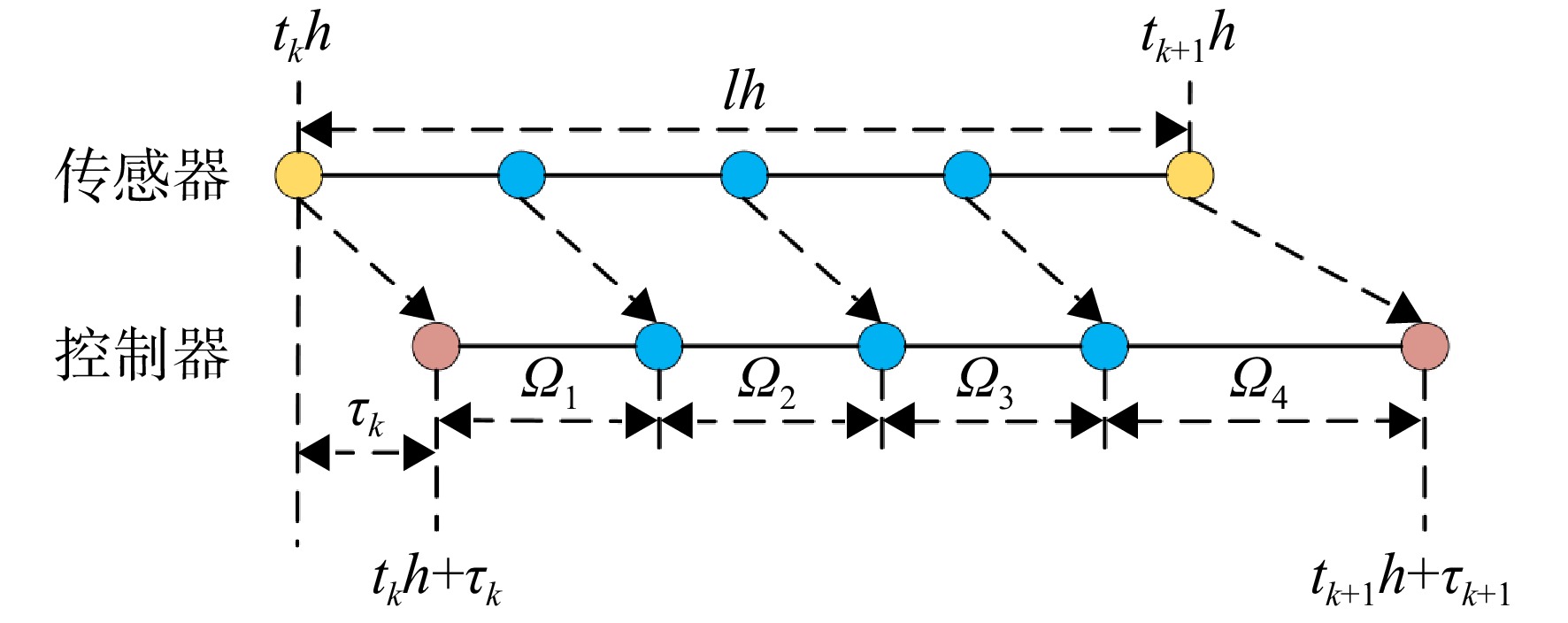
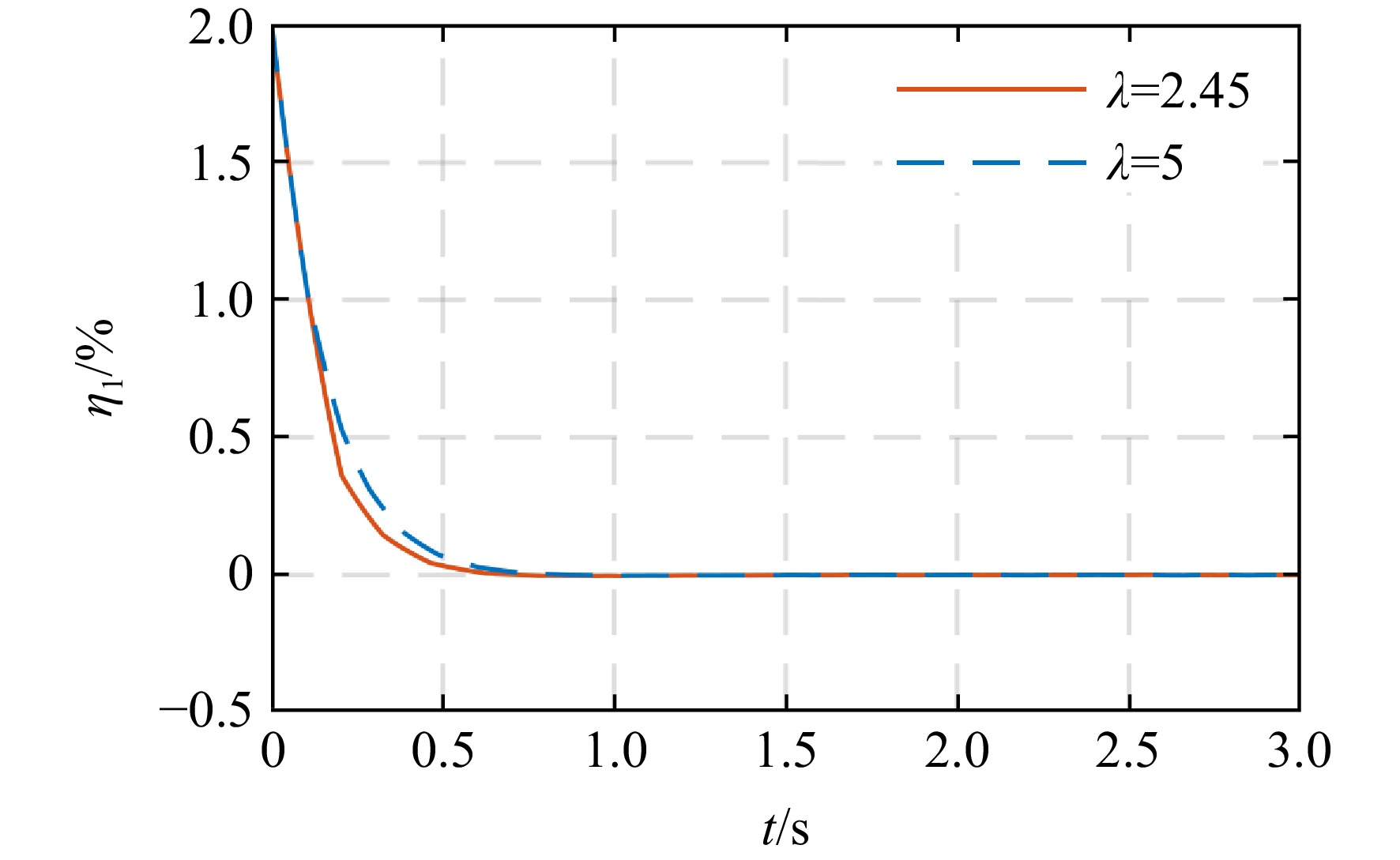
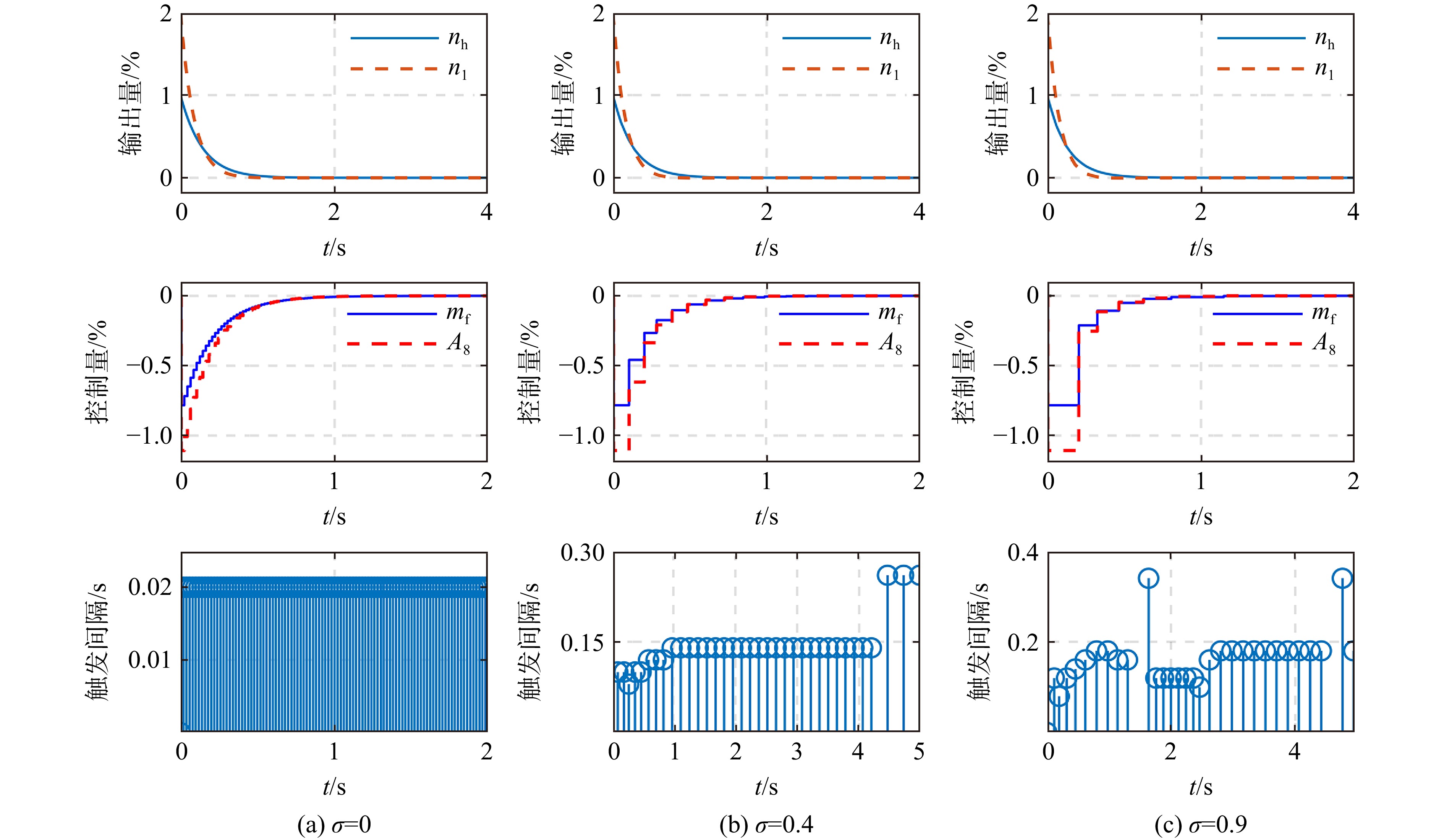
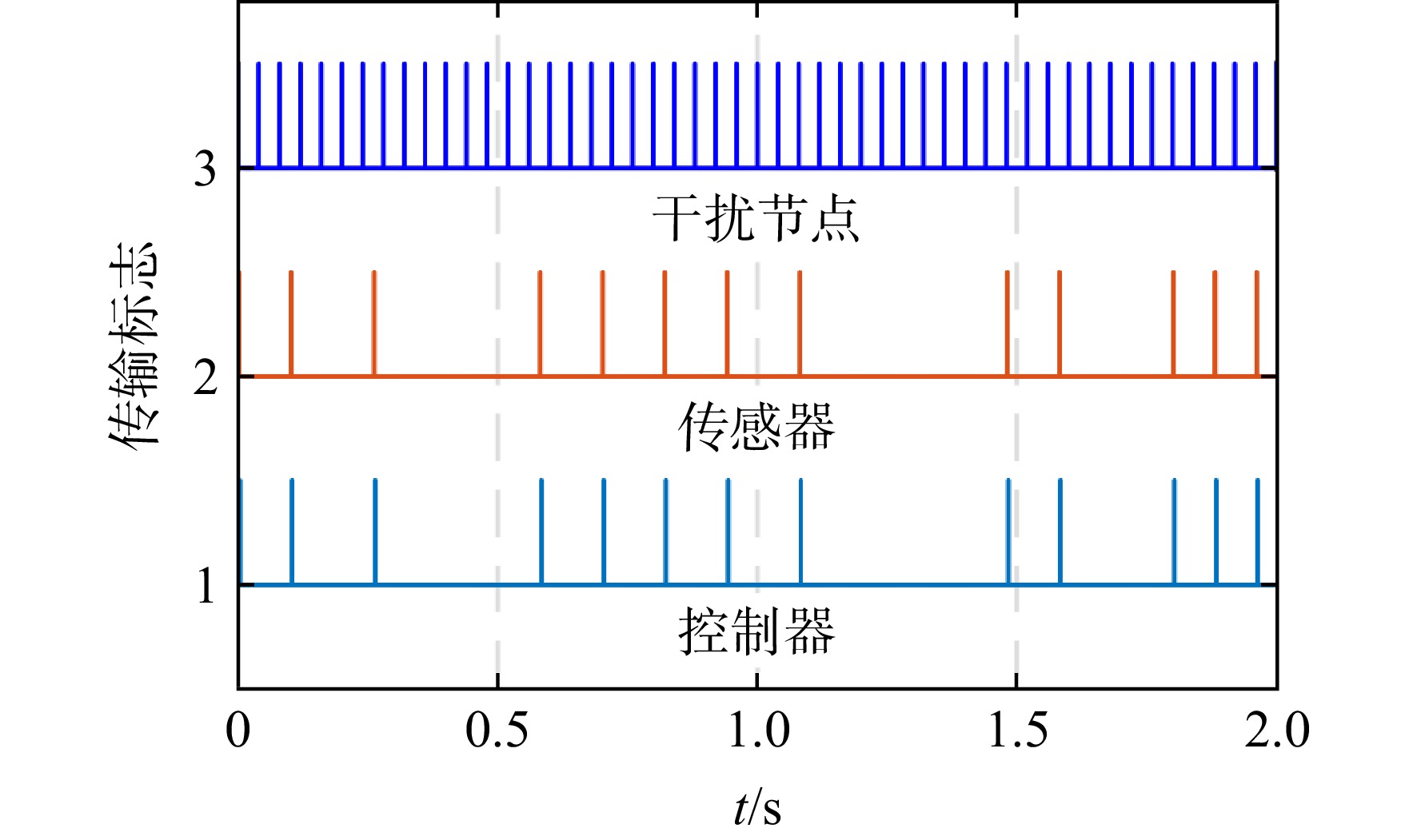
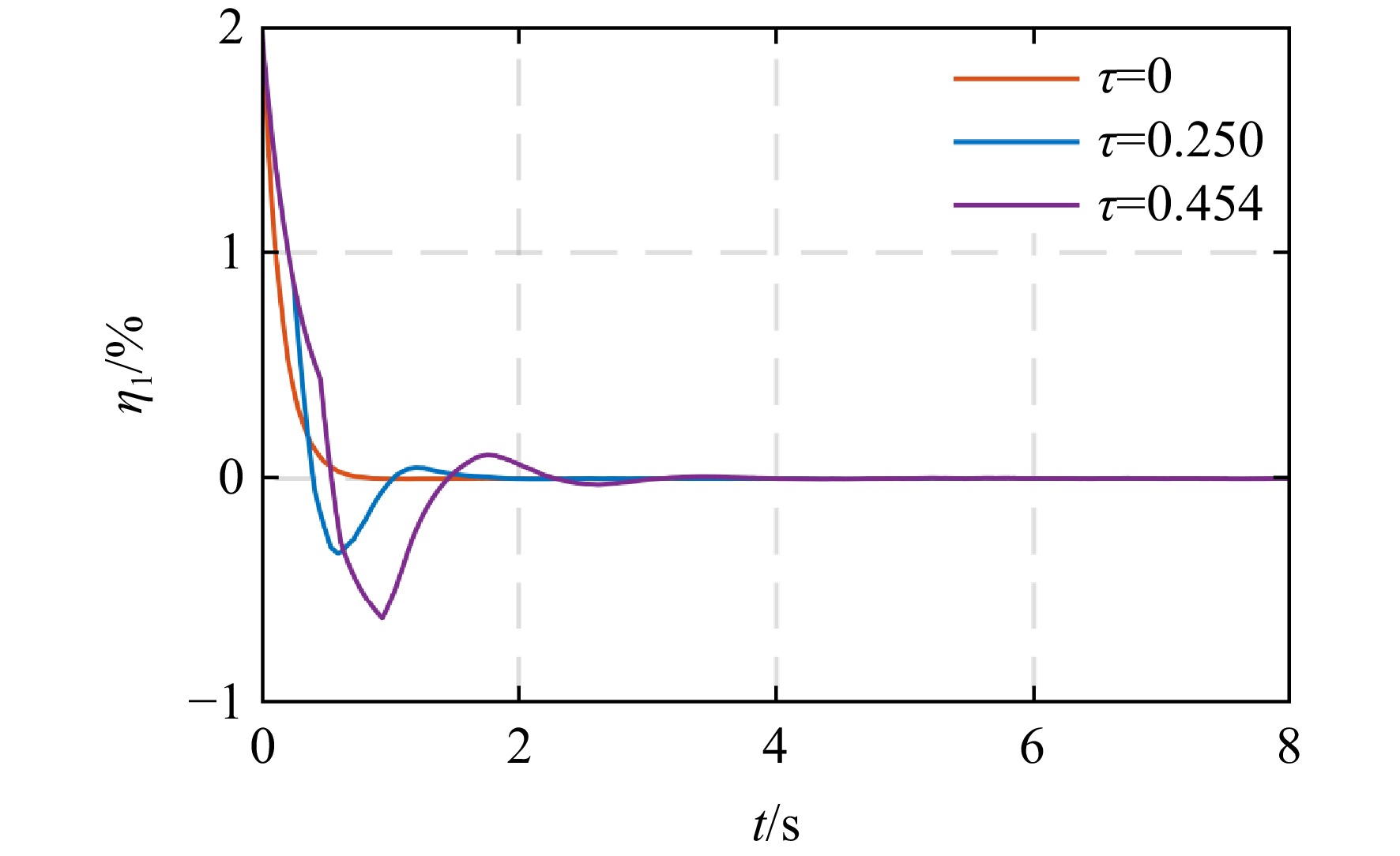
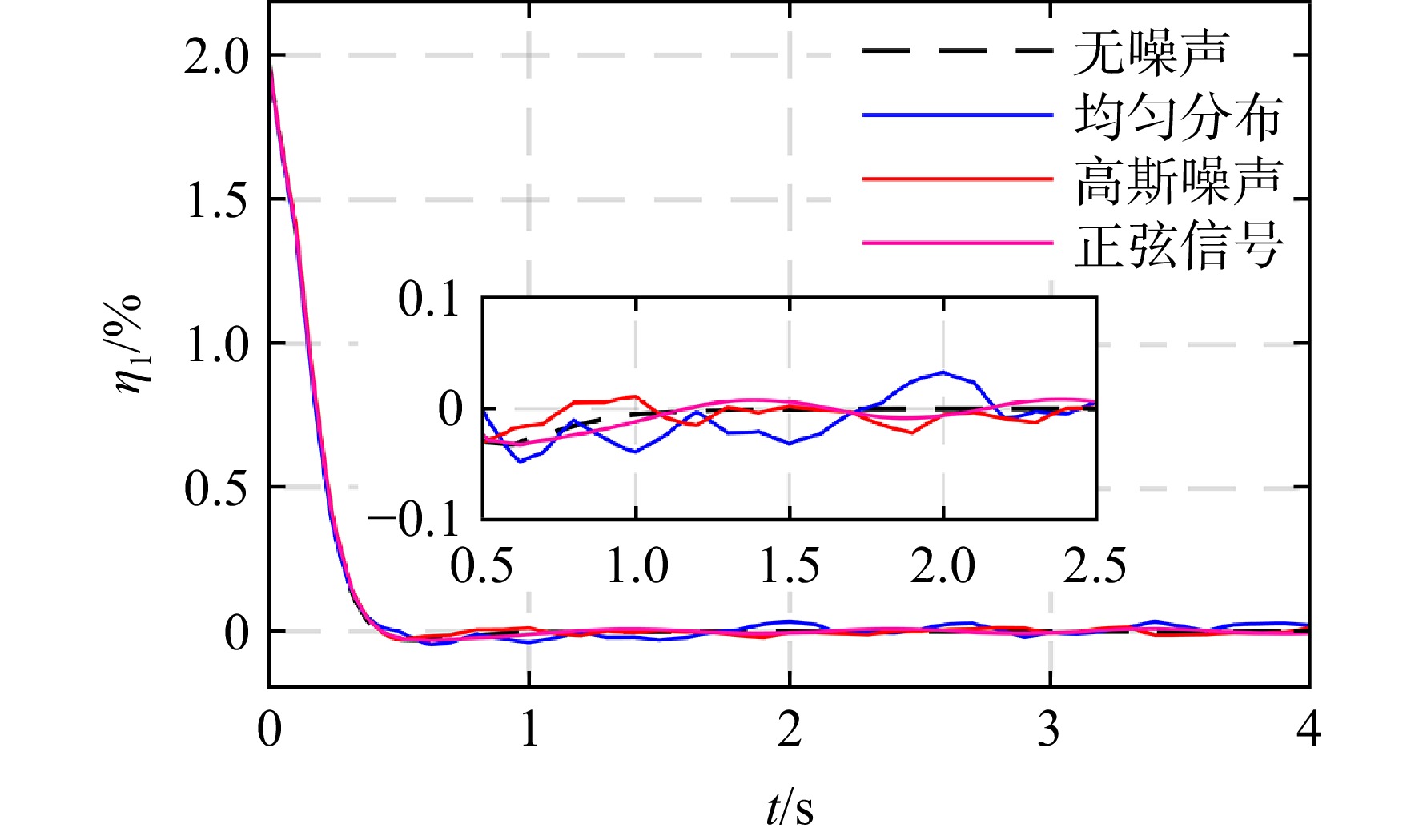
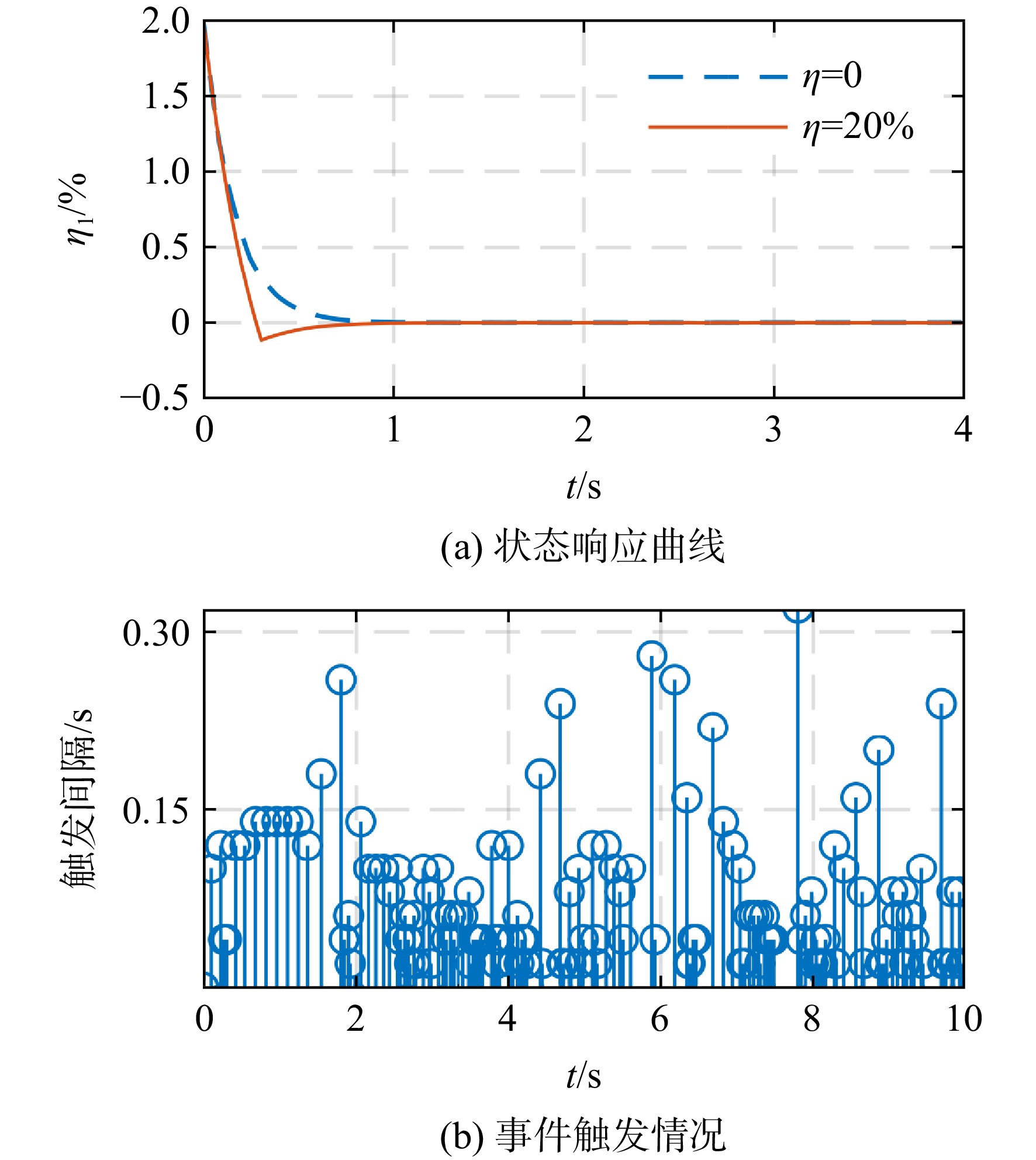
A co-design strategy of periodic event-triggered mechanism and guaranteed cost controller based on linear matrix inequality theory was proposed to balance the contradiction between quality of service and quality of performance in aero-engine distributed control systems. Based on input-to-state stability (ISS) theory, a sufficient condition for the asymptotic stability of closed-loop systems under periodic event-triggered control was presented. The solution method of the controller and the upper bound of cost function were given. Considering the effect of communication delay, the stability criterion of closed-loop systems with delay was established by using piecewise Lyapunov functional method, and the delay margin of closed-loop system under periodic event-triggered control was solved and verified. Simulation results showed that the closed-loop system could achieve better control performance under the combined action of the solved event-triggered mechanism and controller. Moreover, when the trigger parameter setting value was 0.4, it could have a delay stability margin of 0.454 s, and the communication resource saving rate could reach 83%, thus effectively improving the quality of network service.
Rocket Engine
Numerical simulation and experimental study on lateral gasbag separation of submunition missile
LI Baoxing, MENG Haolong, XING Pengtao, MEI Kai, XU Yunzhi, SHU Huiming, ZHAO Fengqi
2023, 38(8): 2024-2033. doi: 10.13224/j.cnki.jasp.20230053
Abstract:

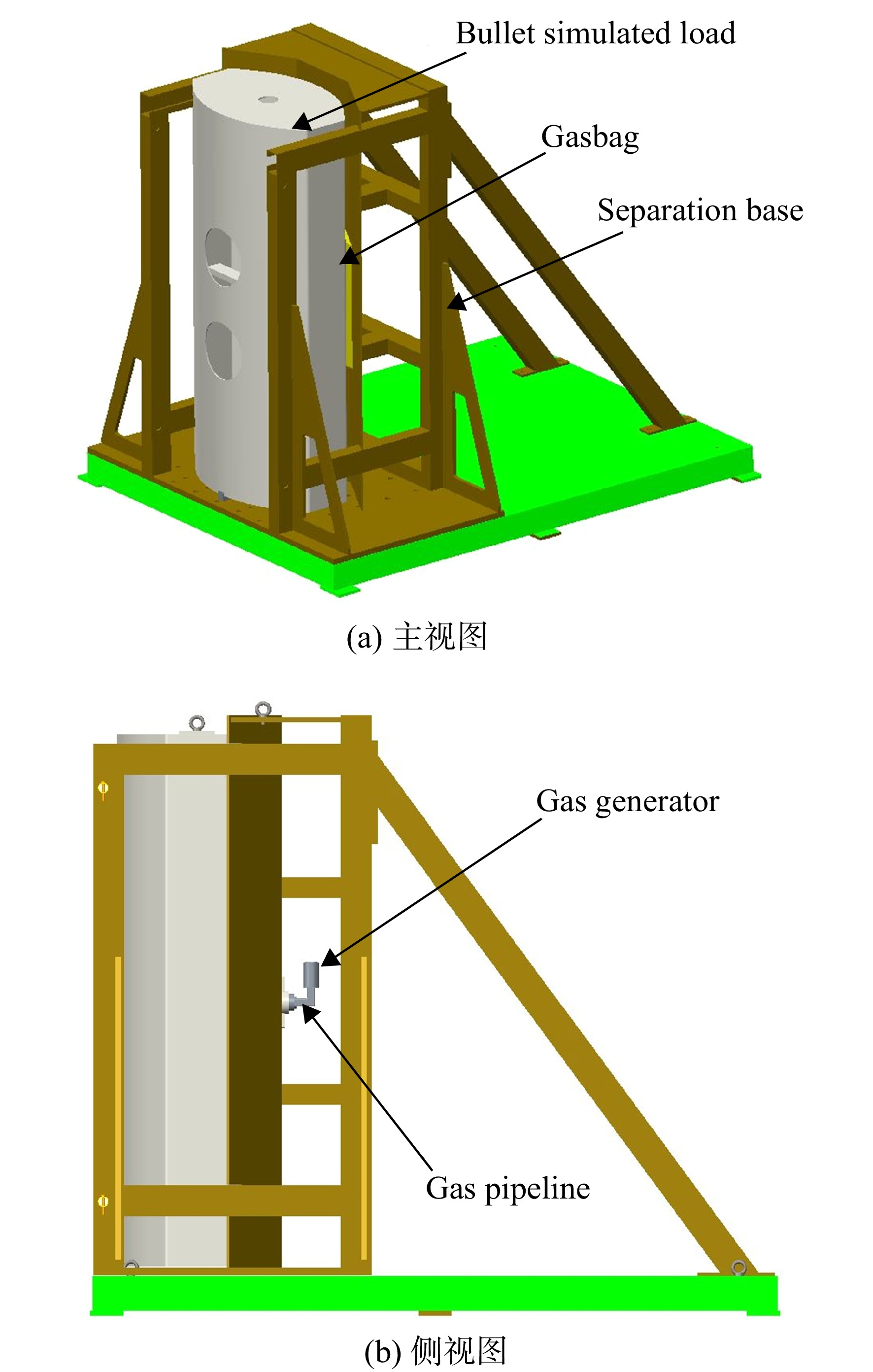
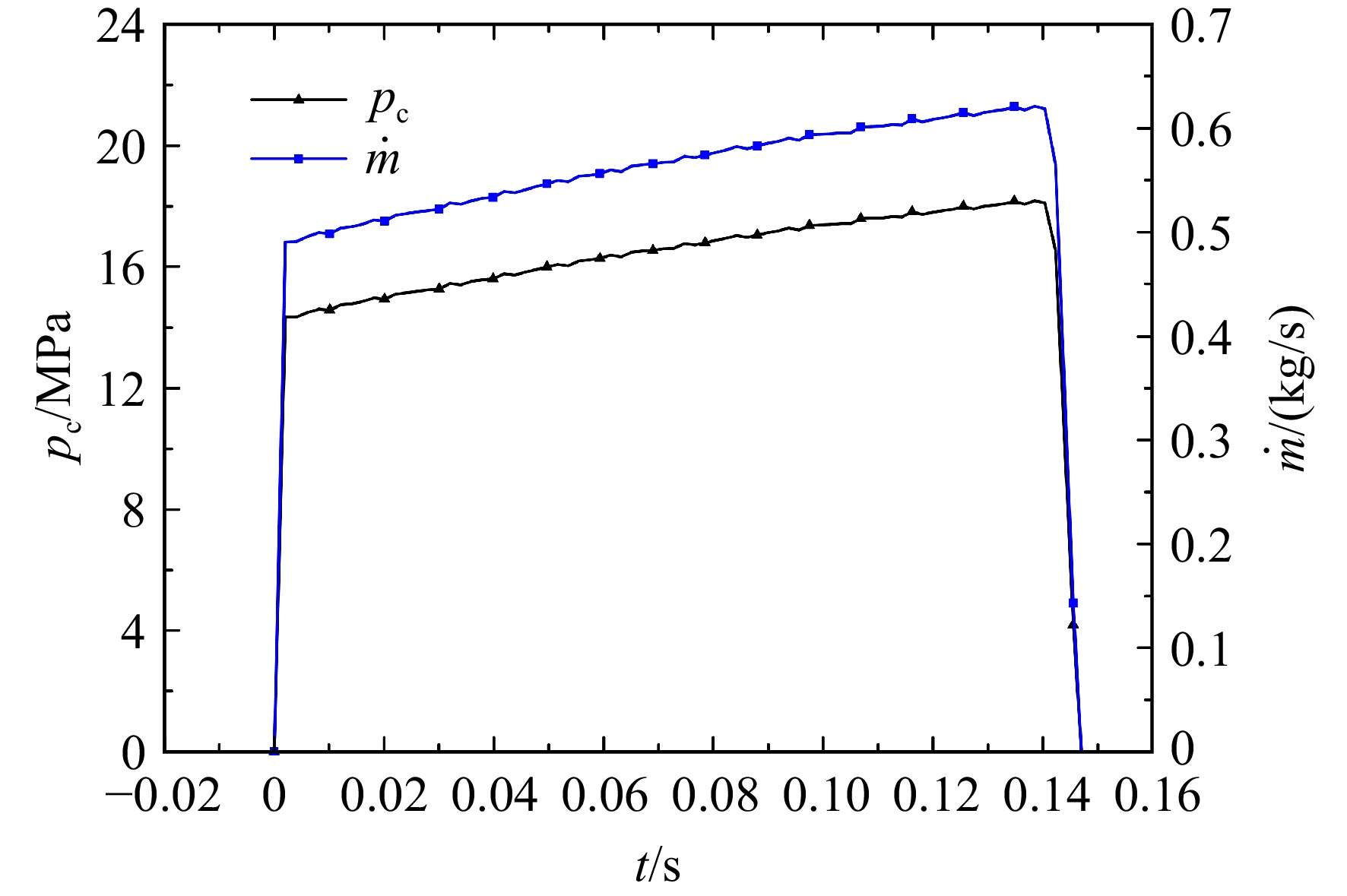
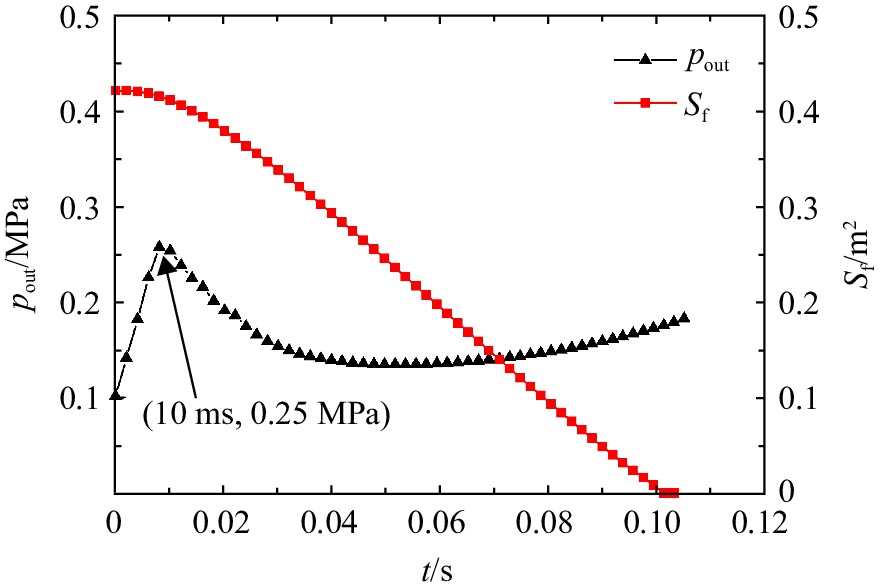
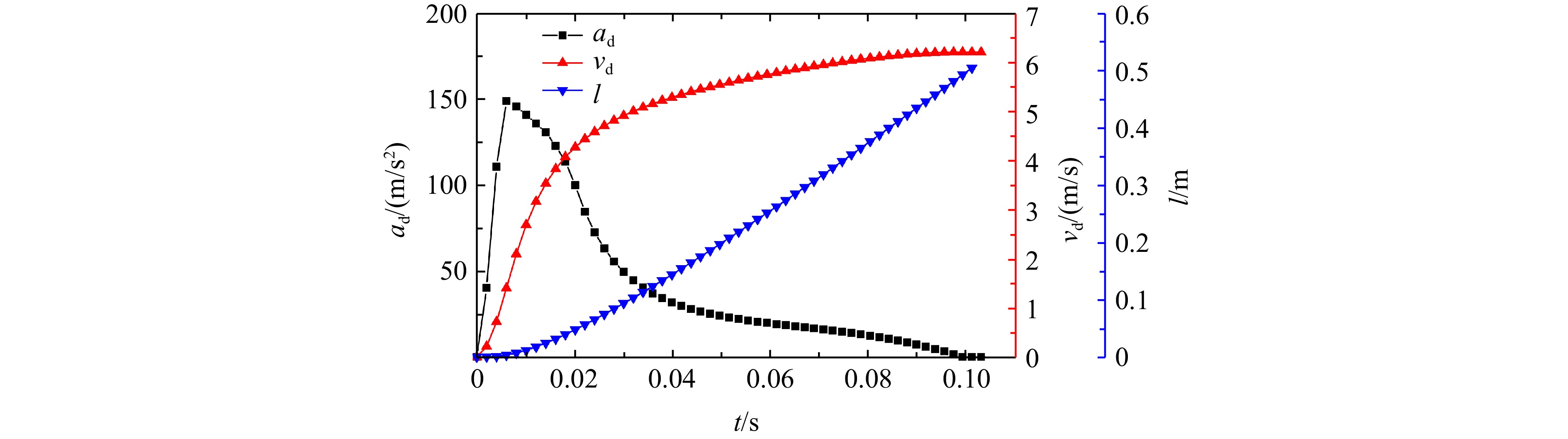
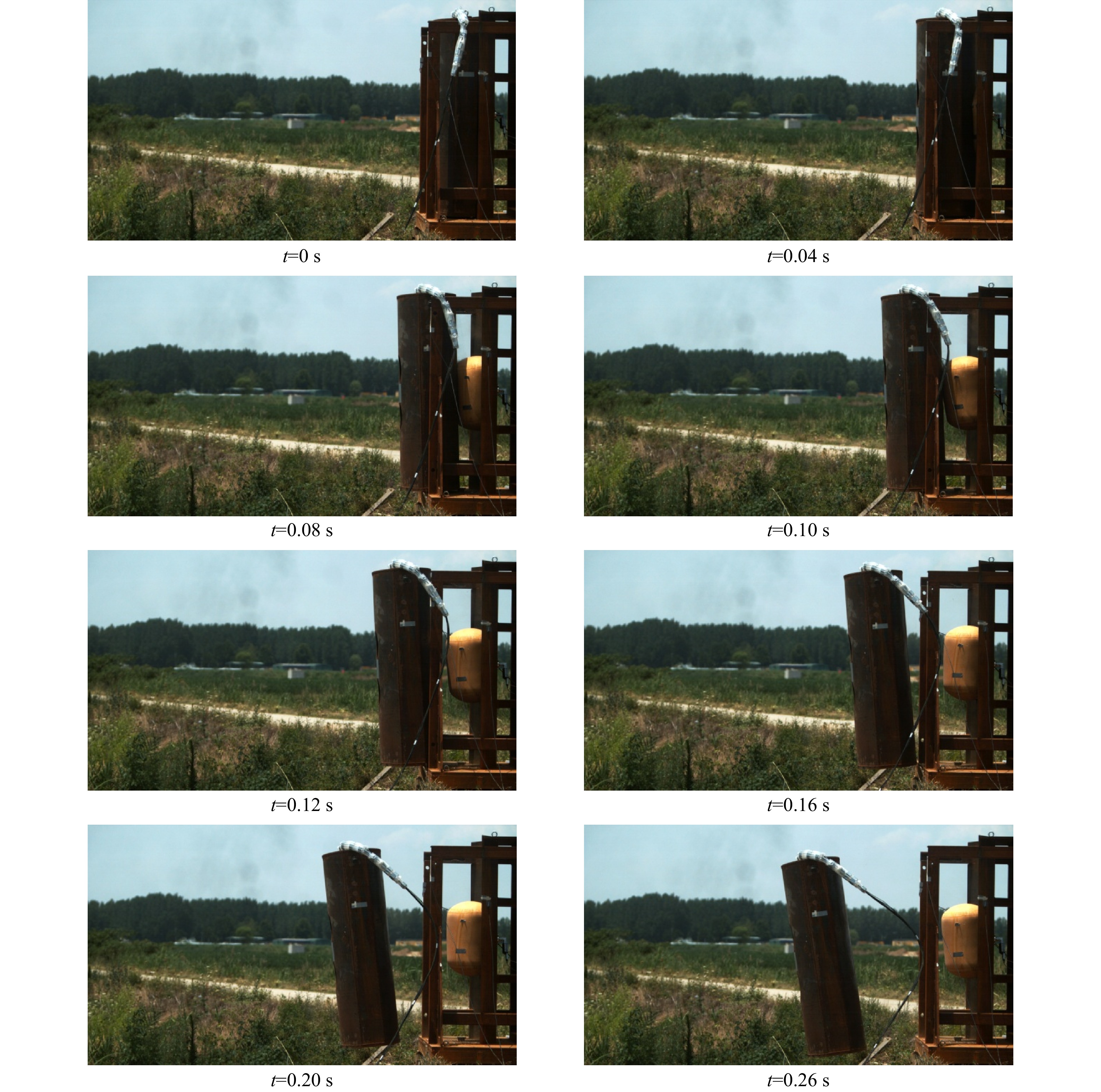
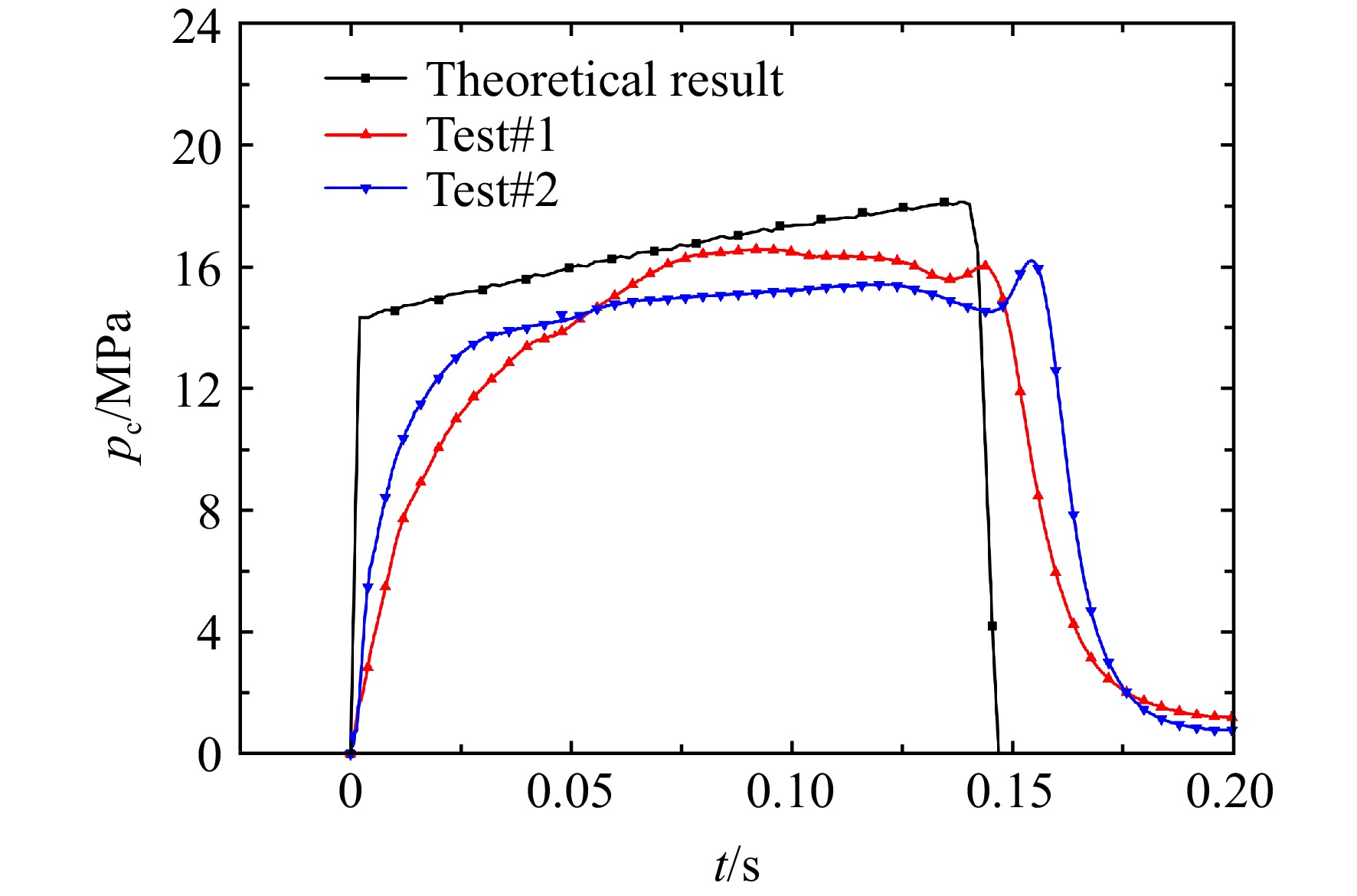
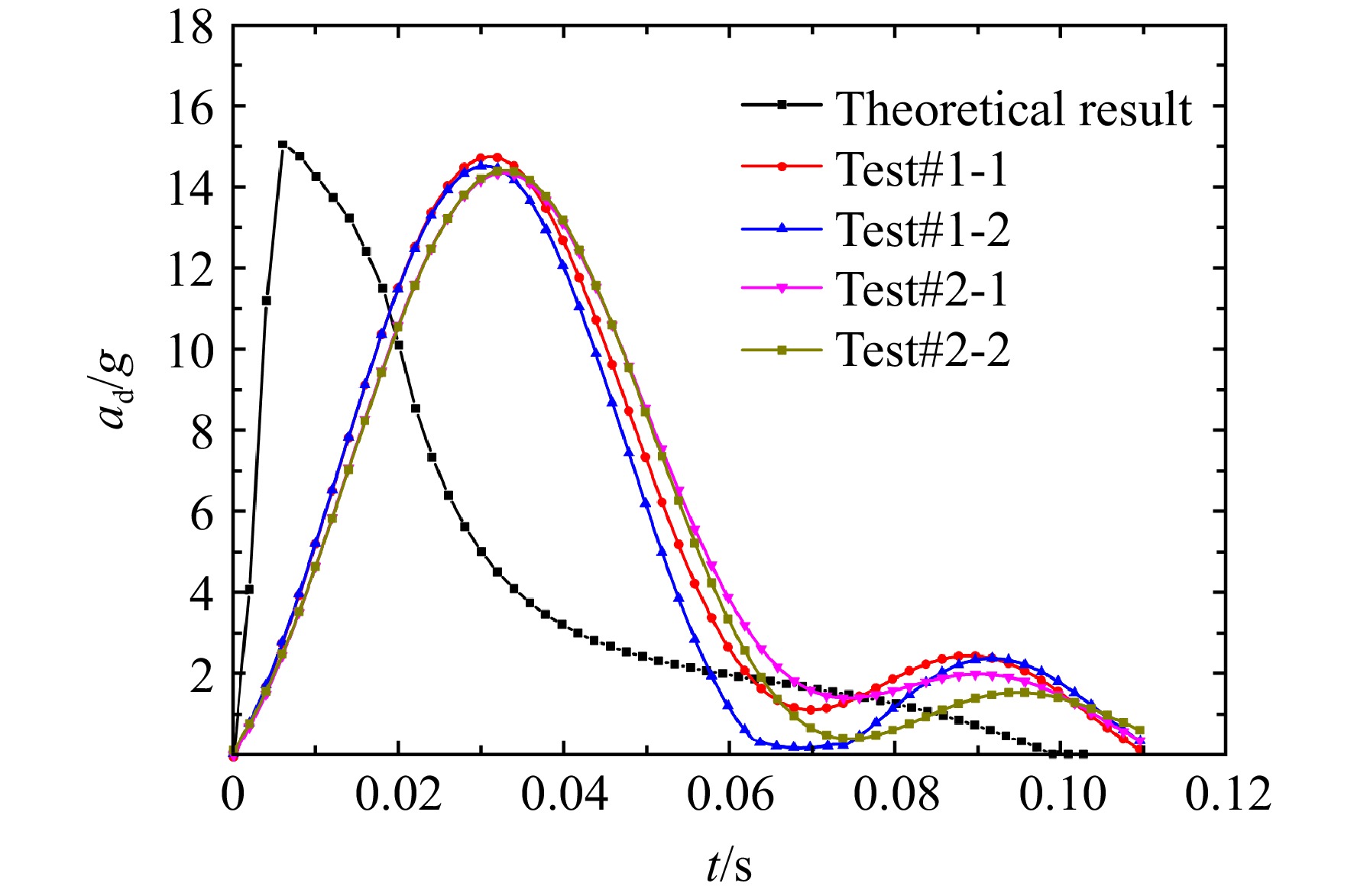
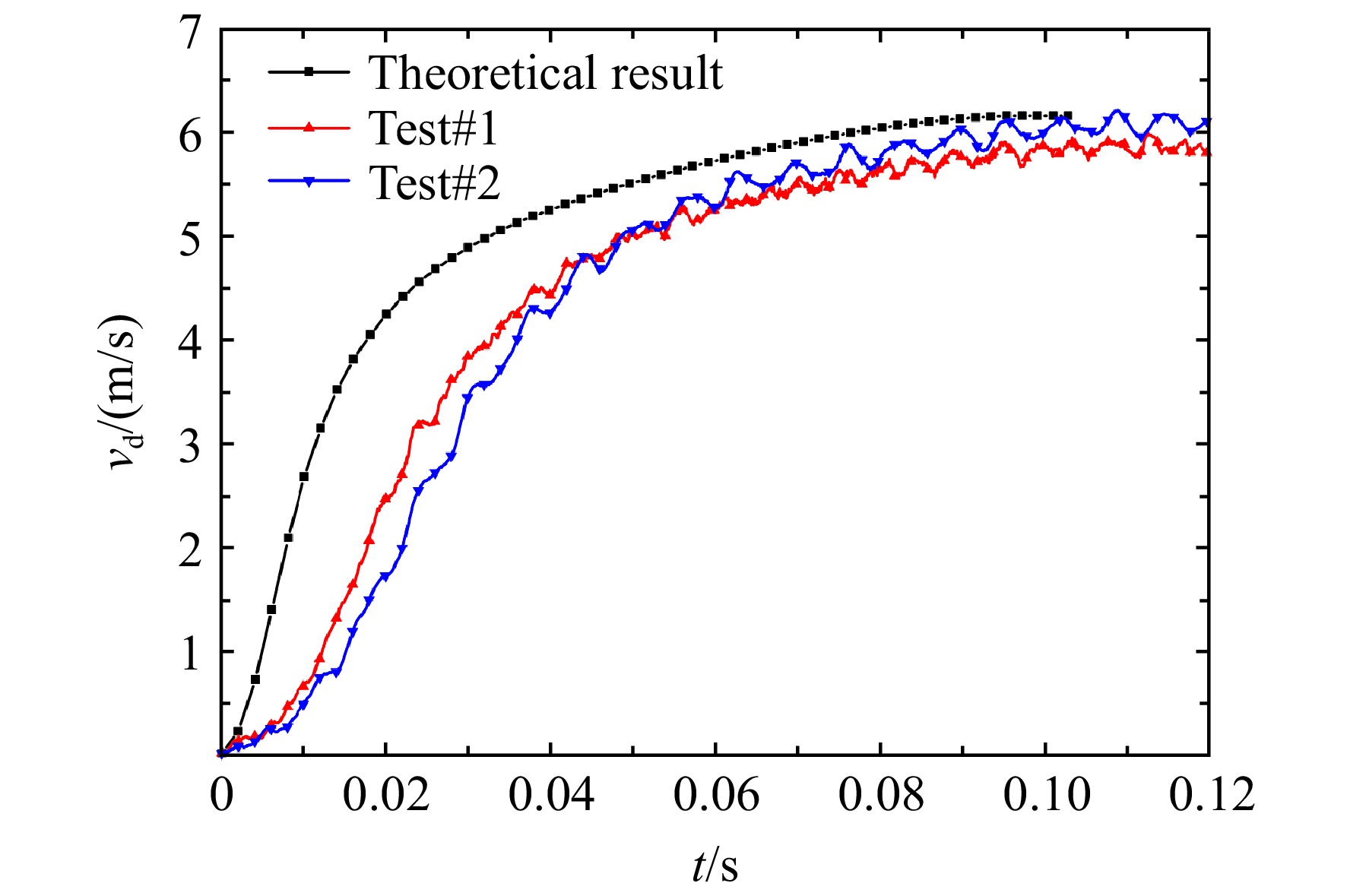
In order to study the lateral gasbag separation characteristics of the submunition missile, the low burning temperature and high burning rate solid propellant was used as energy source, a mathematical model of gasbag separation was established and solved by fourth-order Runge-Kutta method. The variation laws of separation parameters such as gas generator interior ballistics, gasbag expansion and bullet simulated load separation motion were obtained. A simulation experimental system for lateral gasbag separation of submunition missile was set up for separation test verification simultaneously. The calculation results indicate that during the separation process, the pressure in the gasbag presents a variation trend that it increases first, and then decreases slowly, and then increases slowly. The acceleration of the bullet simulated load increases first and then decreases, with the maximum acceleration peak value of 15.1g. Its separation speed tends to be flat after gradual increase with the final separation speed at 6.17 m/s. Besides, the feasibility of the lateral gasbag separation of the submunition missile is verified by the experiment, and the variation characteristics of the separation parameters such as acceleration and velocity of the bullet simulated load are obtained. The calculation results are basically consistent with the experimental results, and the parameter errors are within 5.5%, showing that this separation model can better describe the lateral gasbag separation process of the submunition missile, and can provide some basic support for the short-range low-overload separation technology of the submunition missile.

Safety,Airworthiness
Principle and application of engine structure certification
ZHANG Gong, HE Xin, FENG Jianwen, ZHEN Bo
2023, 38(8): 2034-2041. doi: 10.13224/j.cnki.jasp.20210638
Abstract:

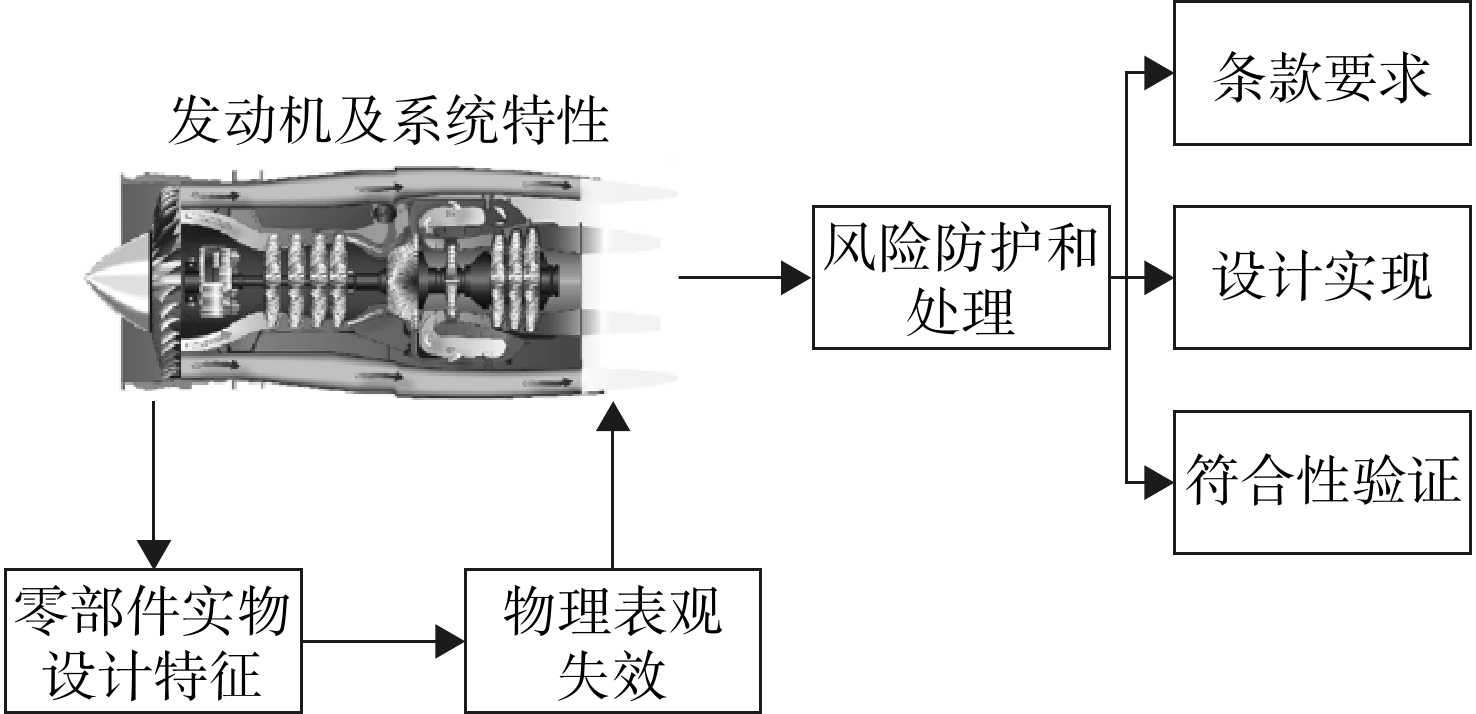
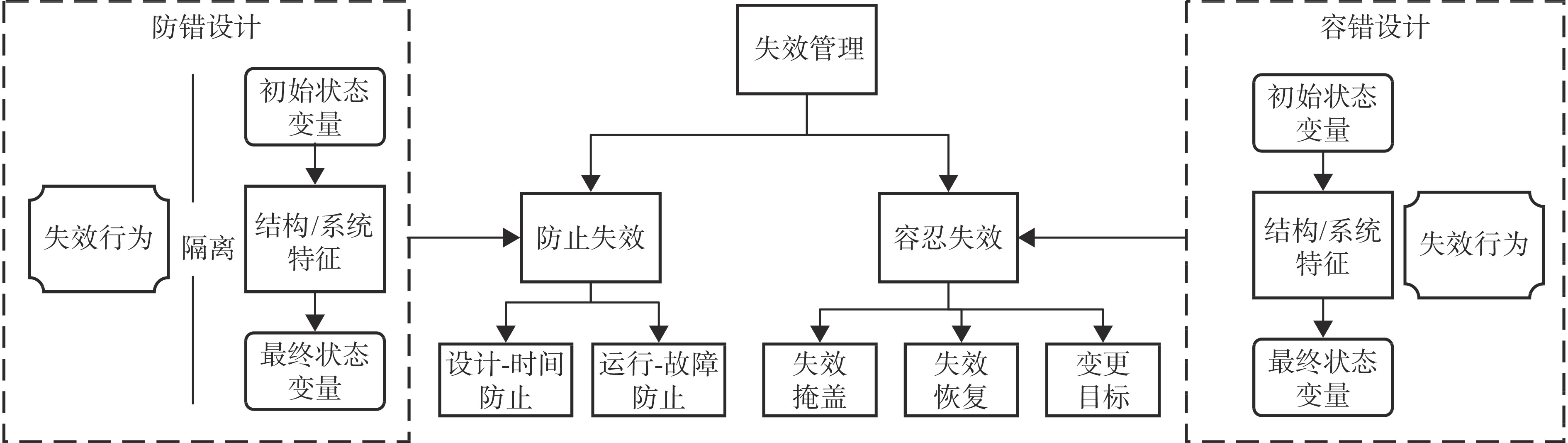
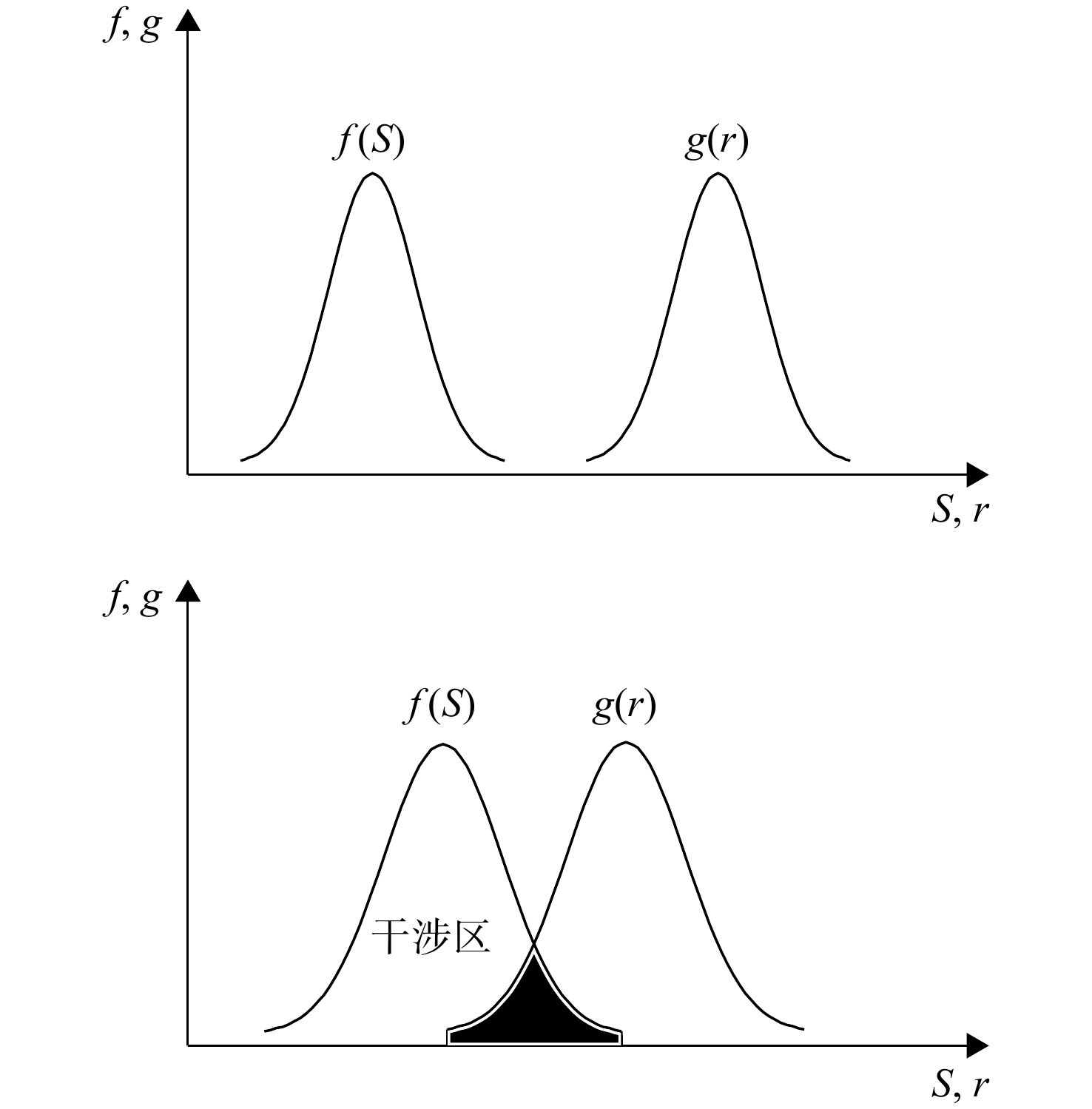
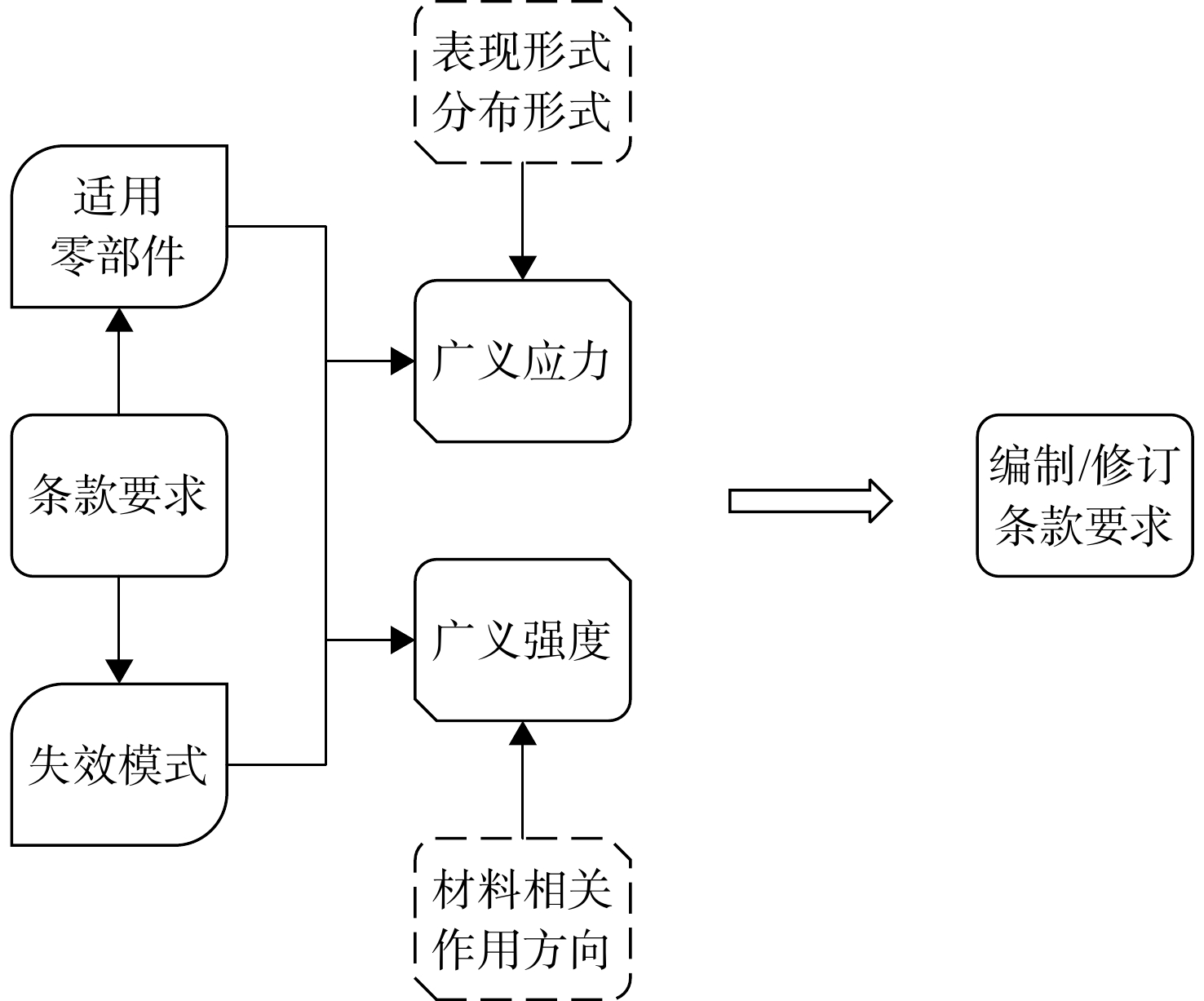
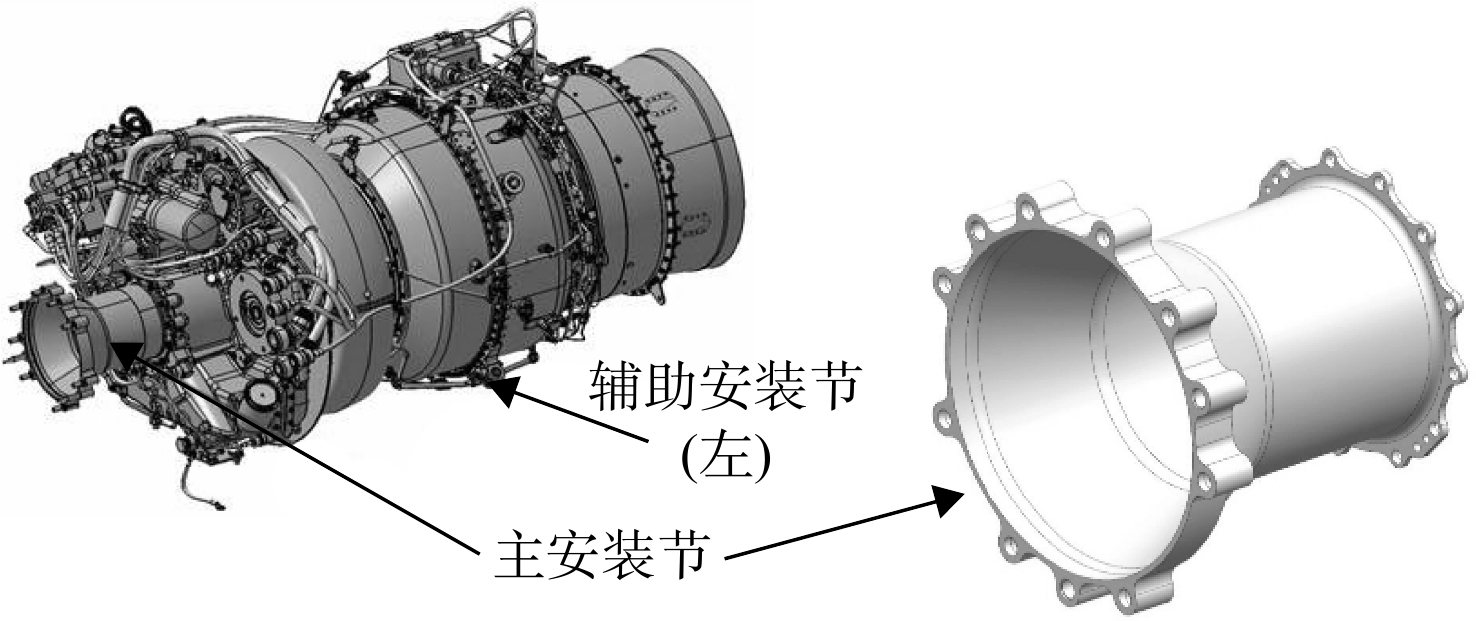
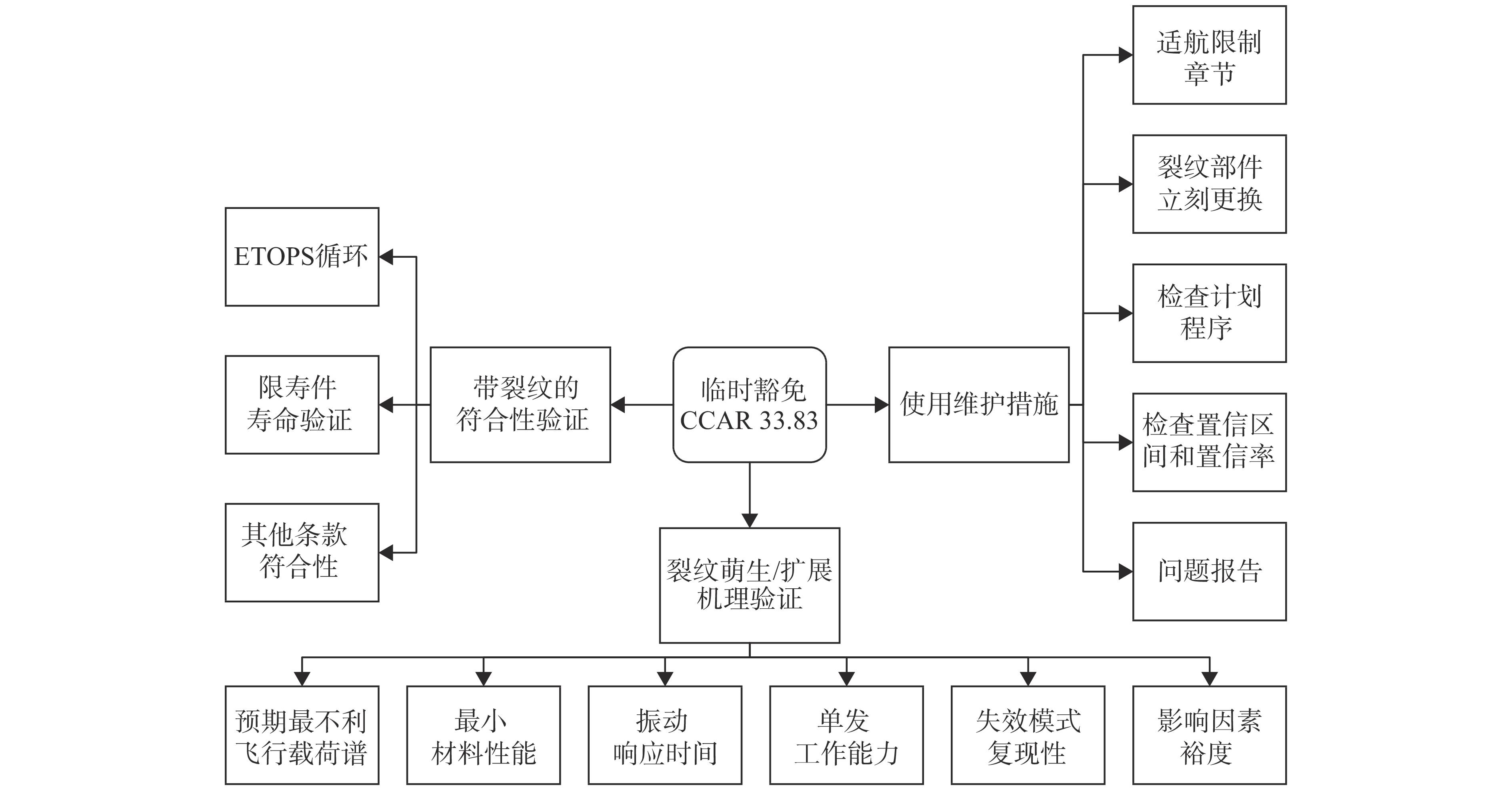
The basic principle and workflow of civil engine structure certification was established to form a closed-loop system from airworthiness requirement formulation and compliance verification to maintain engine safety in service, by using failure design management, stress-strength interference model, and study of characteristics and operation conditions on typical structure component. Engine part failure modes were analyzed following the established workflow, with the key points of the 12 engine structure regulatory sections identified. Consequence and controllability of each potential failure mode determined the applicable regulatory requirements for each engine part as well as their intrinsic associations. A special condition case and an exemption case were employed as two examples to further discuss the safety intention of the regulatory requirements and application of the principle in deviation treatment.

Turbomachinery
Effects of rotor eccentricity on the surge boundary of a centrifugal compressor
CHEN Yingxiu, ZHENG Xinqian, HOU Anping
2023, 38(8): 2042-2048. doi: 10.13224/j.cnki.jasp.20210301
Abstract:

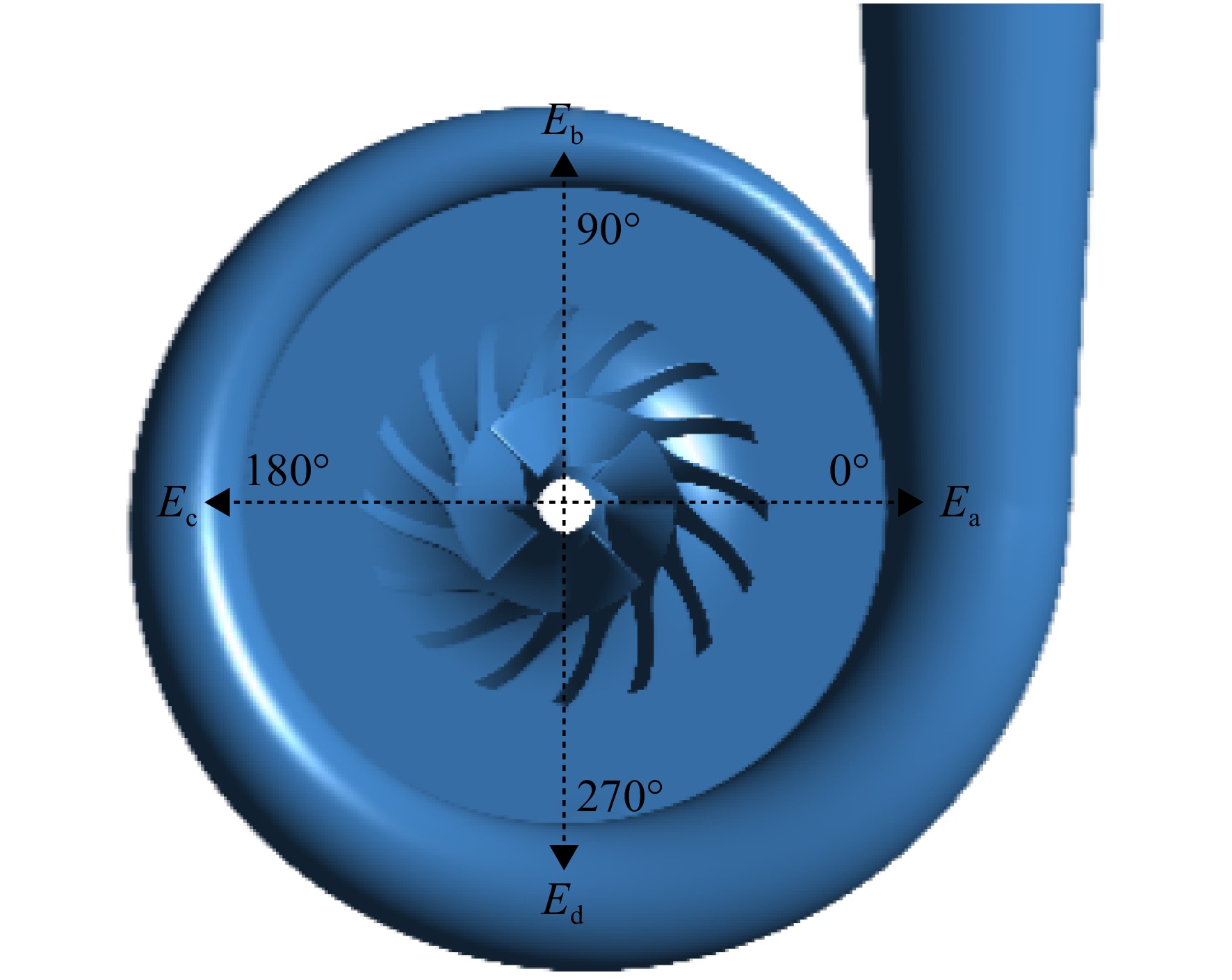
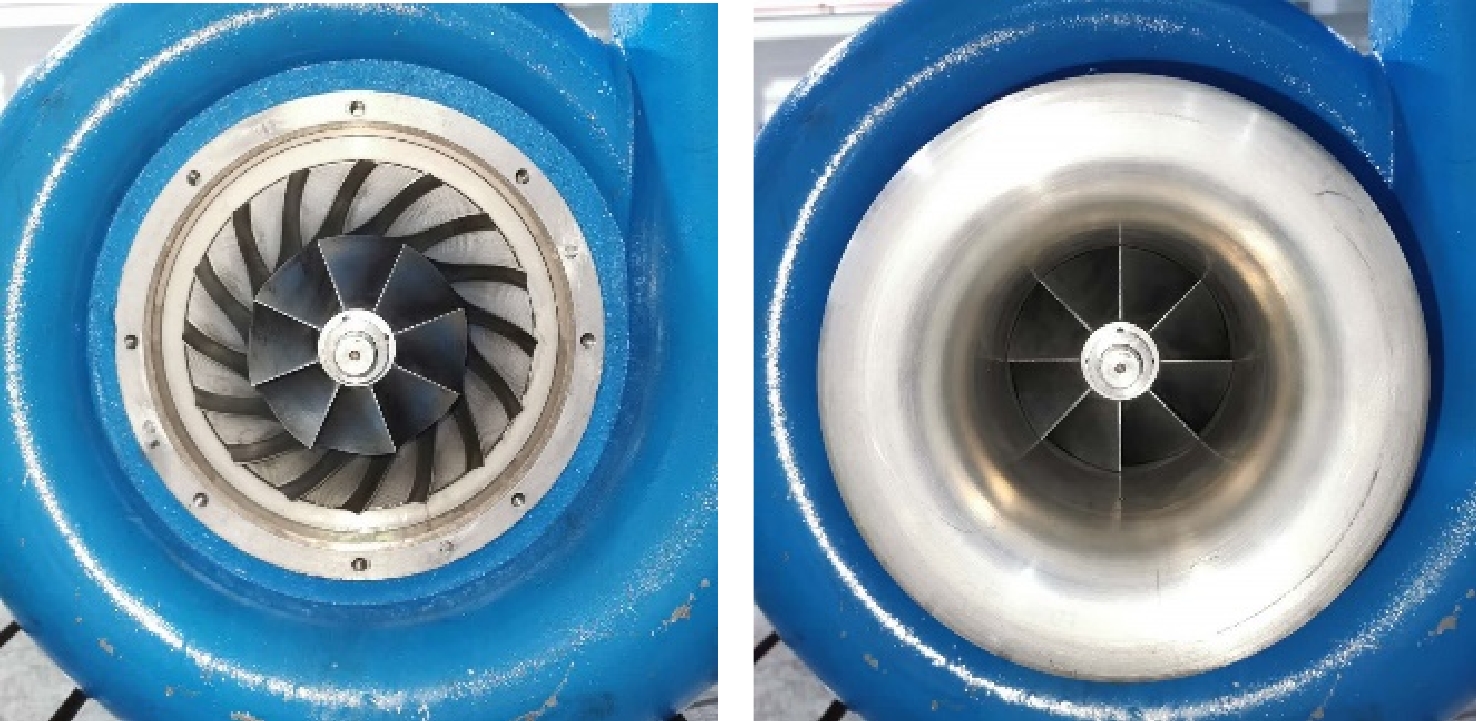
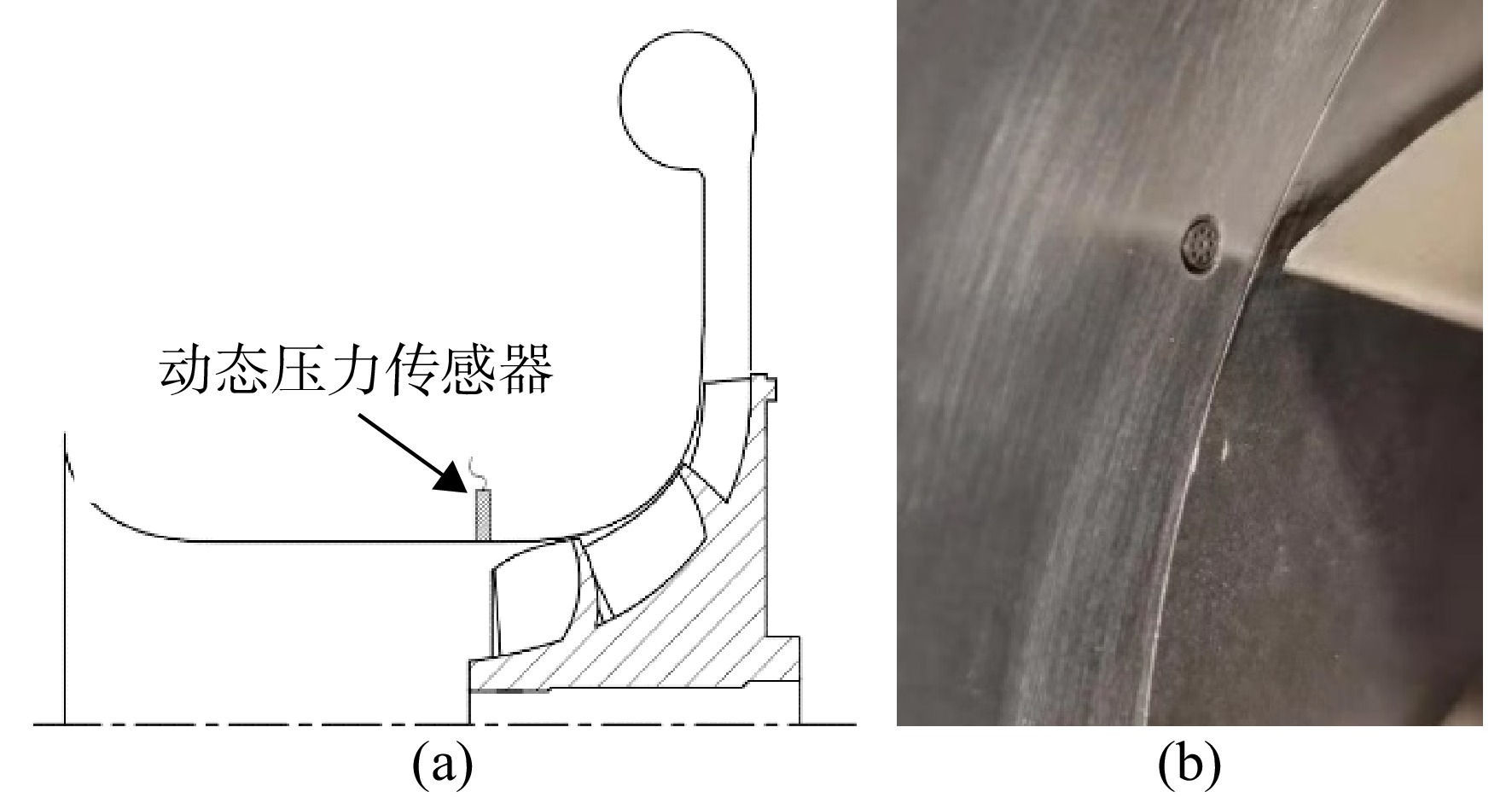
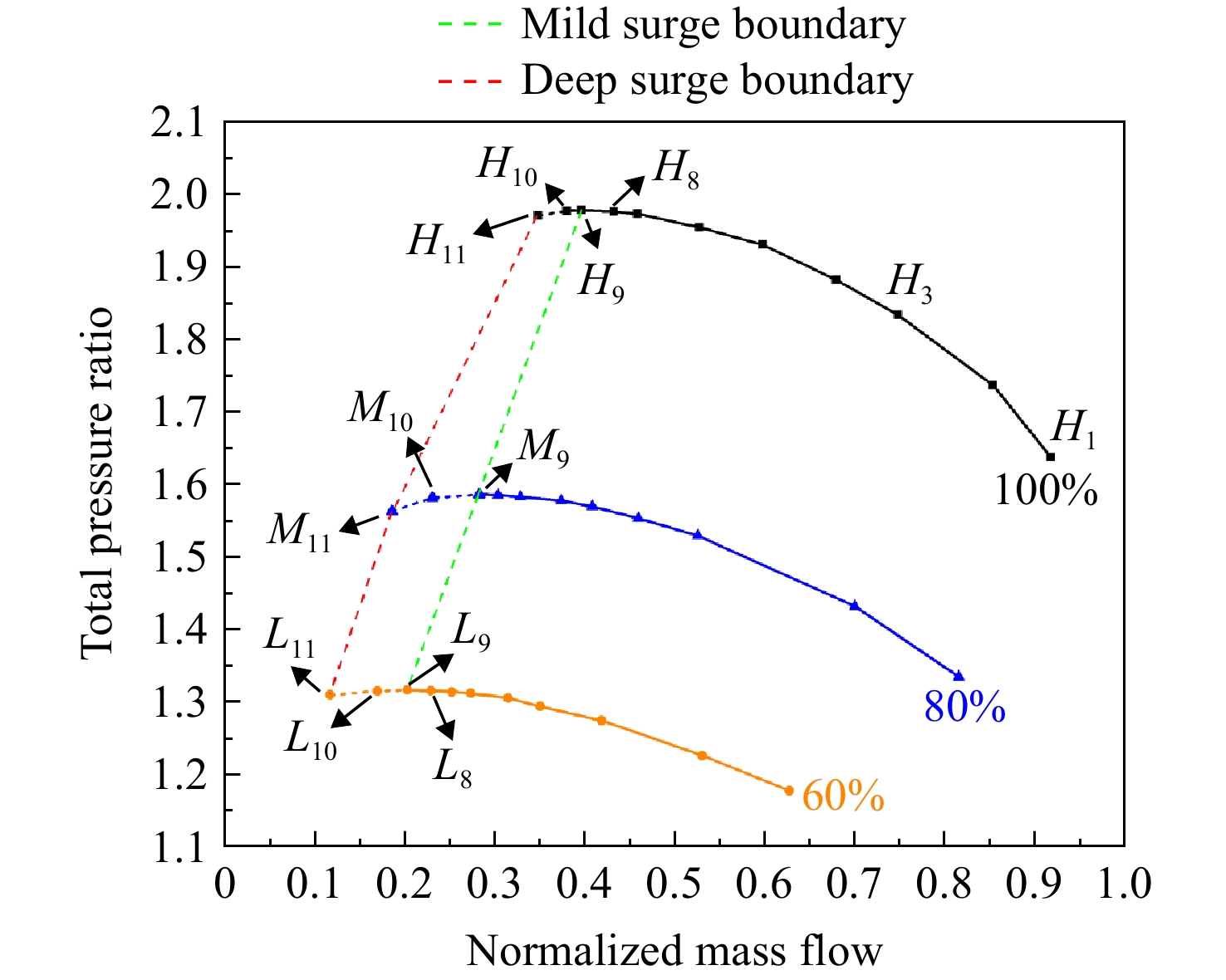
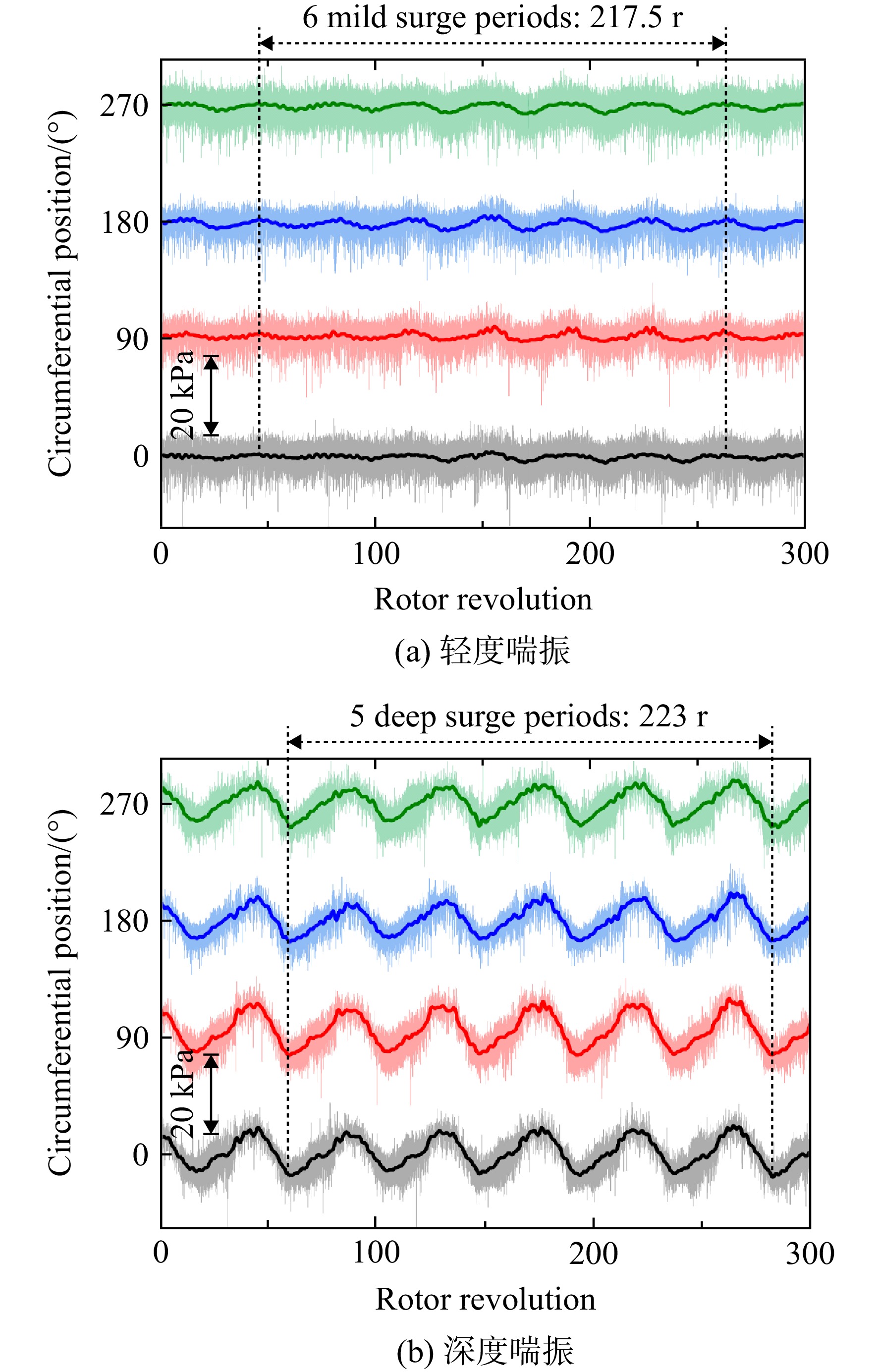
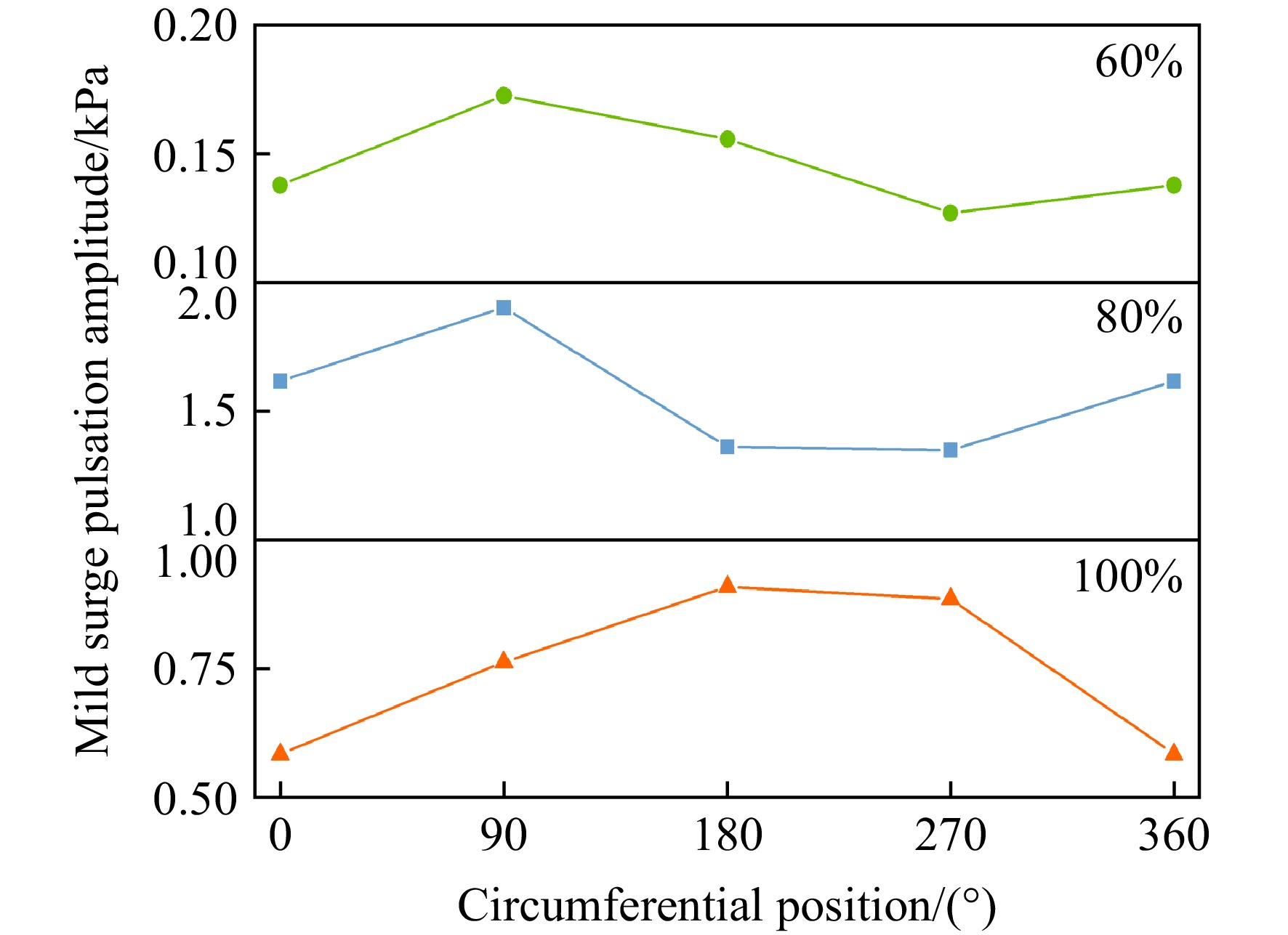
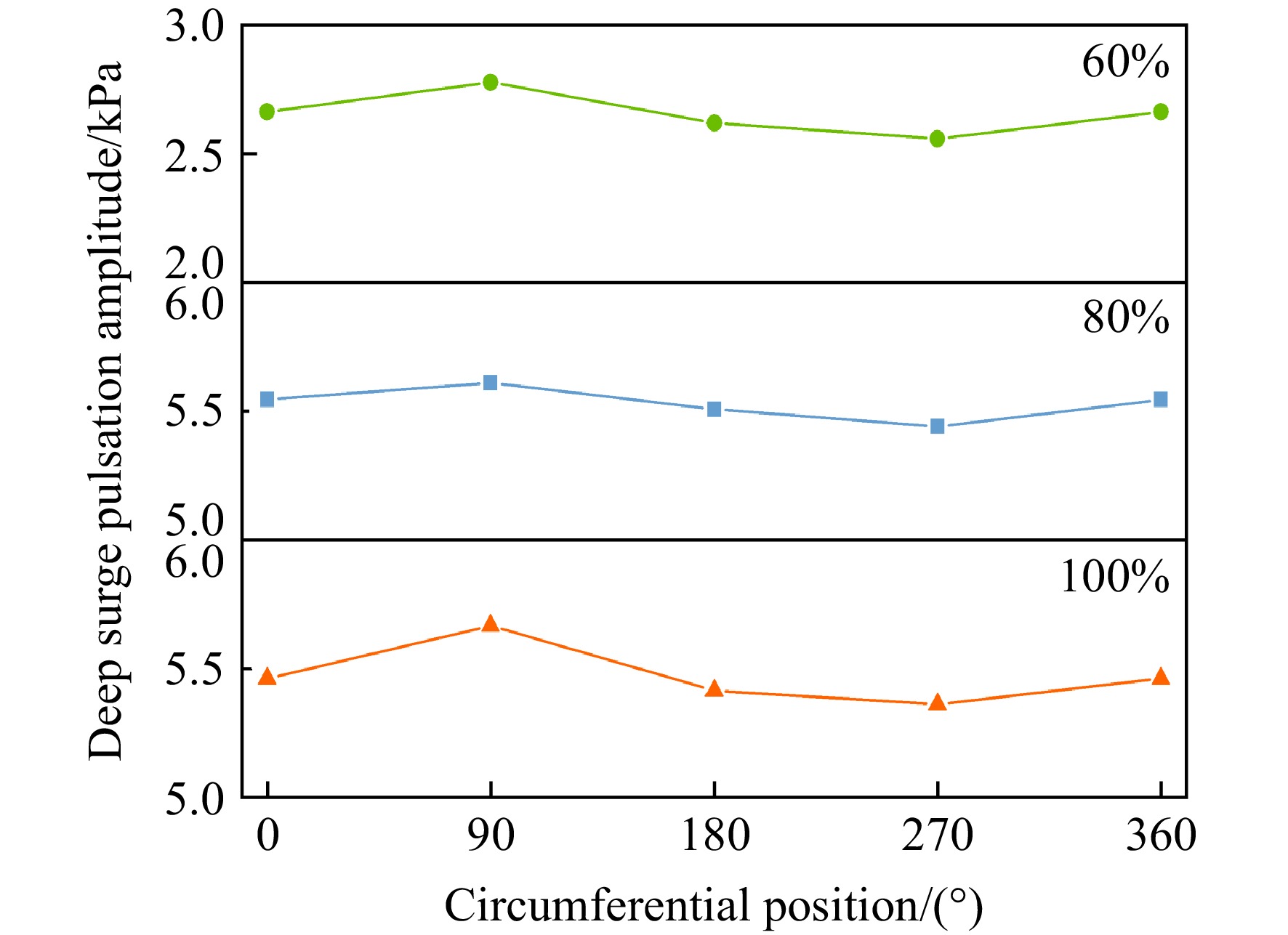
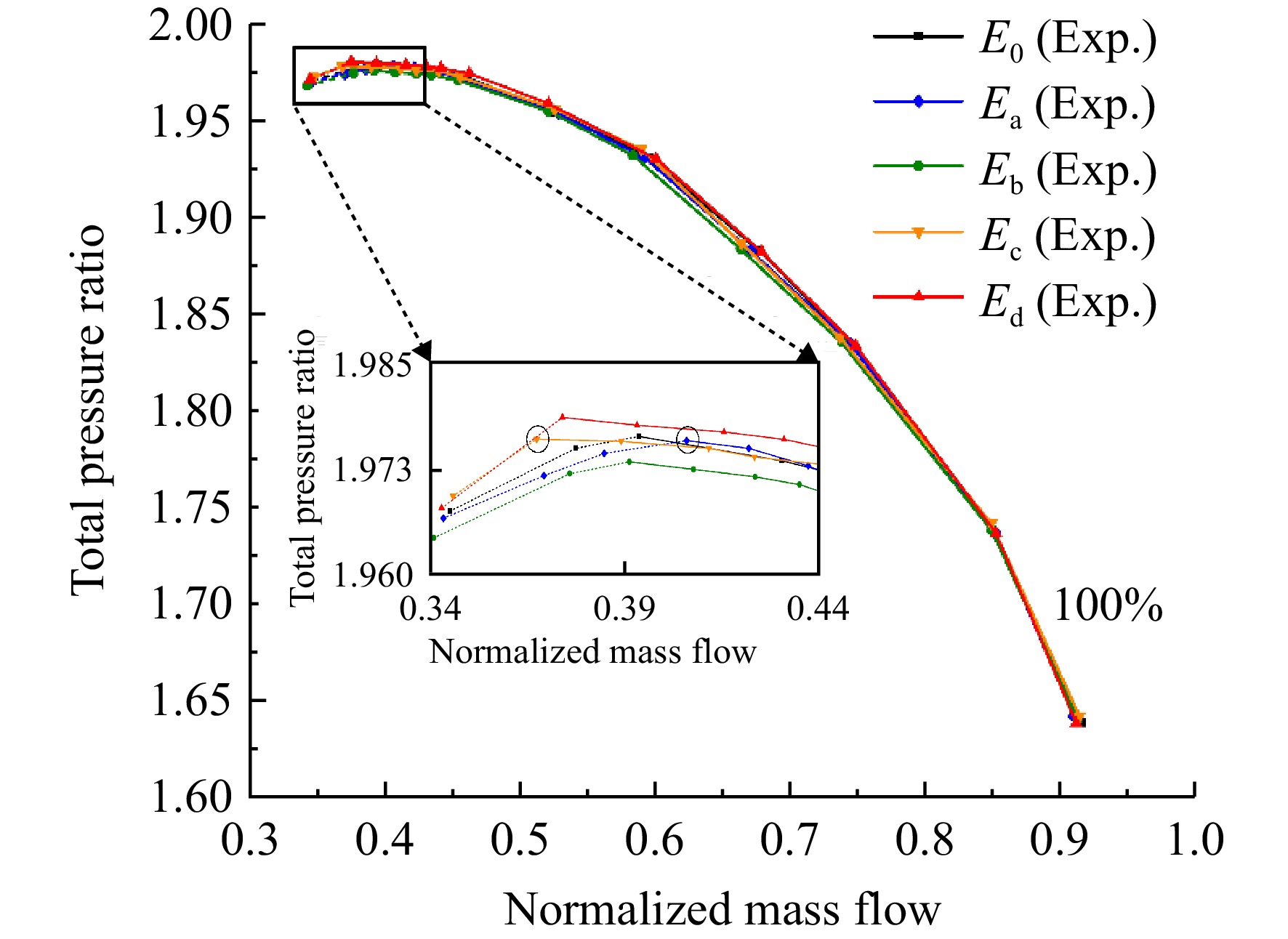
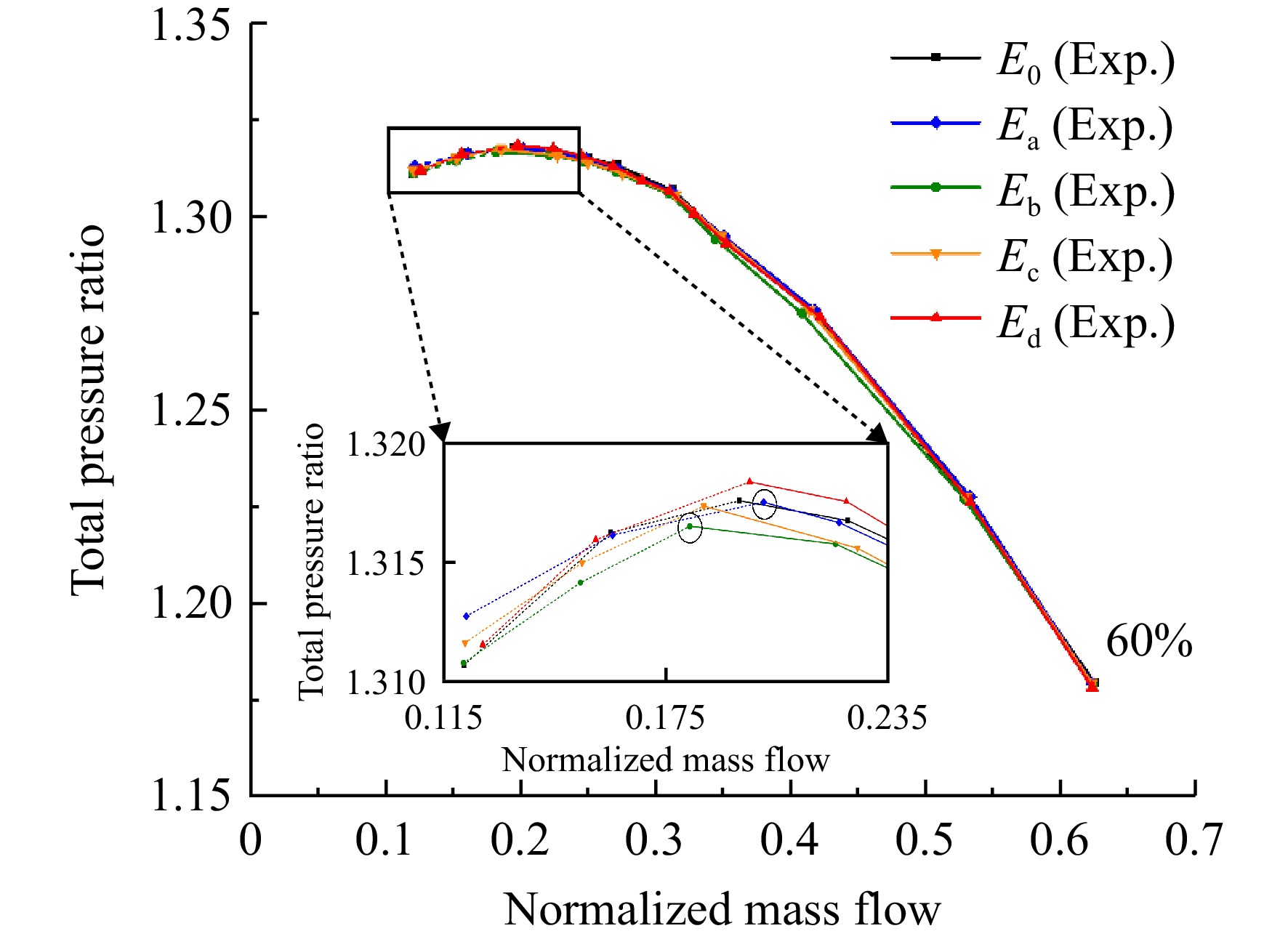
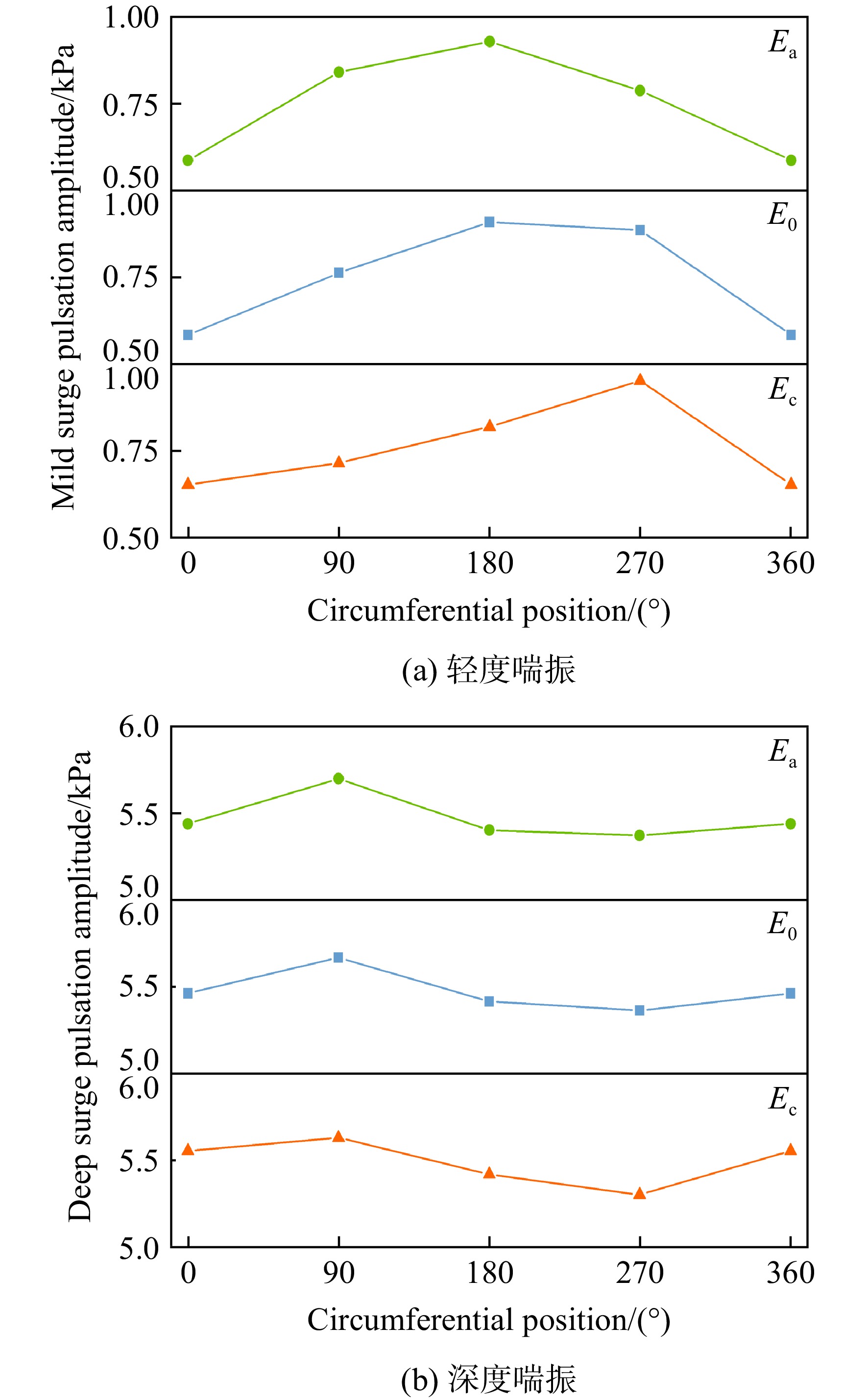
The effects of rotor eccentricity on the centrifugal compressor surge were experimentally studied. Pulsation characteristics of the mild and deep surge were analyzed. And features of the surge boundaries were studied for different rotational speeds and rotor eccentricity cases. The results showed that due to the asymmetric volute, the pulsation amplitude of the mild surge had distinct circumferential difference, and both the magnitude and the phase of the difference varied with the rotational speed. However, the volute asymmetry had little effect on the circumferential difference of the pulsation amplitude of the deep surge. Compared with the non-eccentric case, the rotor eccentricity can increase the stable operating range of the mild surge by 4.24%. And the relative difference of the stable operating range for different eccentricity cases was up to 6.12%. When the minimum clearance caused by the rotor eccentricity was located at the circumferential position with large pulsation amplitude of mild surge, the mild surge can be suppressed and delayed, then the stable operating range was increased. Because there was almost no circumferential difference for the deep surge pulsation, the asymmetric coupling between the volute and the rotor eccentricity had little effect on the deep surge boundary. Compared with the non-eccentric case, the variation of the deep surge boundary was less than 1% under different rotor eccentricities.