2026 Vol. 41, No. 4

Structure,Strength and Vibration
Study on oil flow and leakage characteristics of bearing chamber graphite sealing structure considering cavitation effect
REN Guozhe, TANG Hongyuan, YAN Yang, XU Wenfeng, SUN Dan
2026, 41(4): 20240319. doi: 10.13224/j.cnki.jasp.20240319
Abstract:

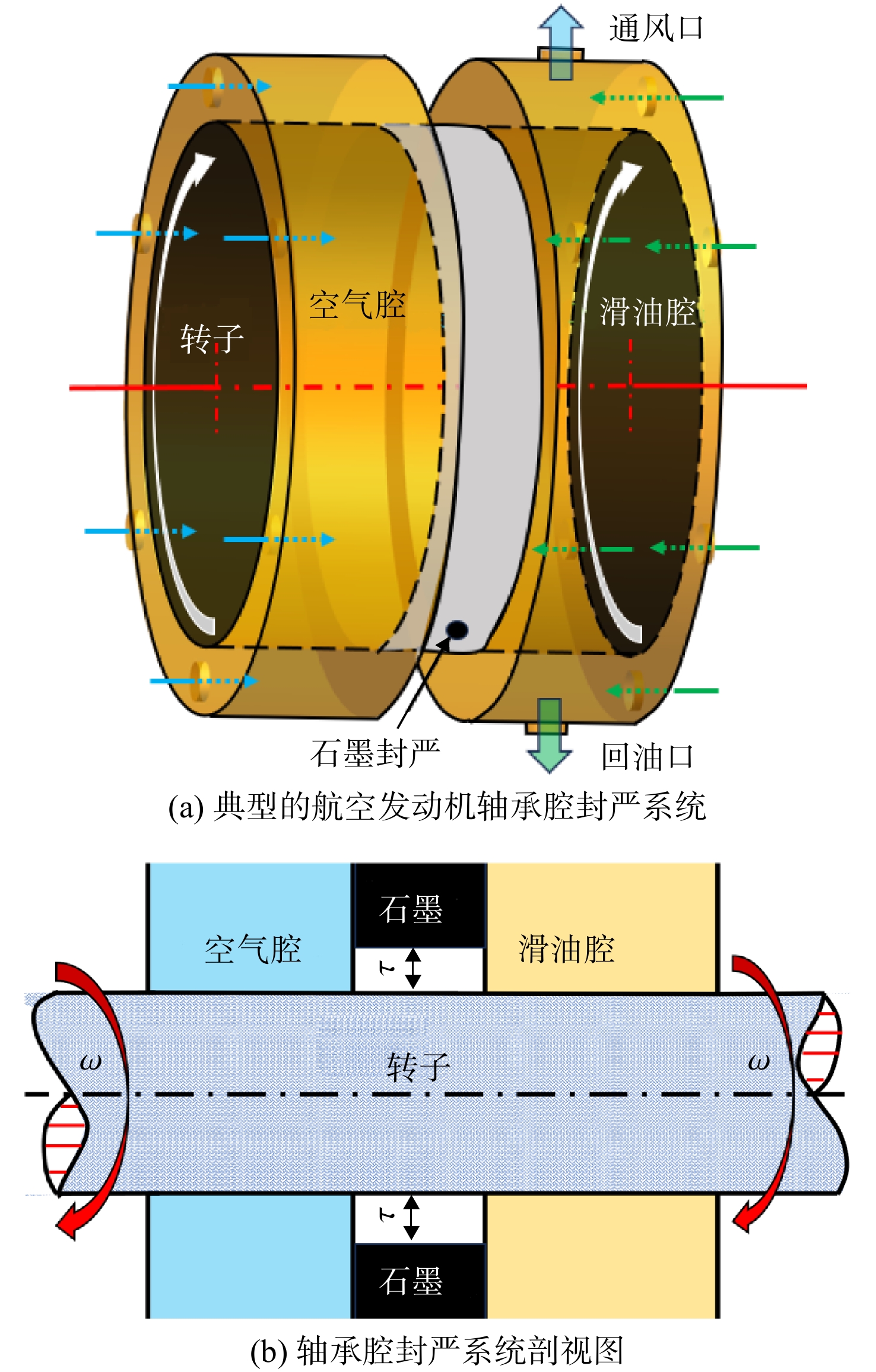
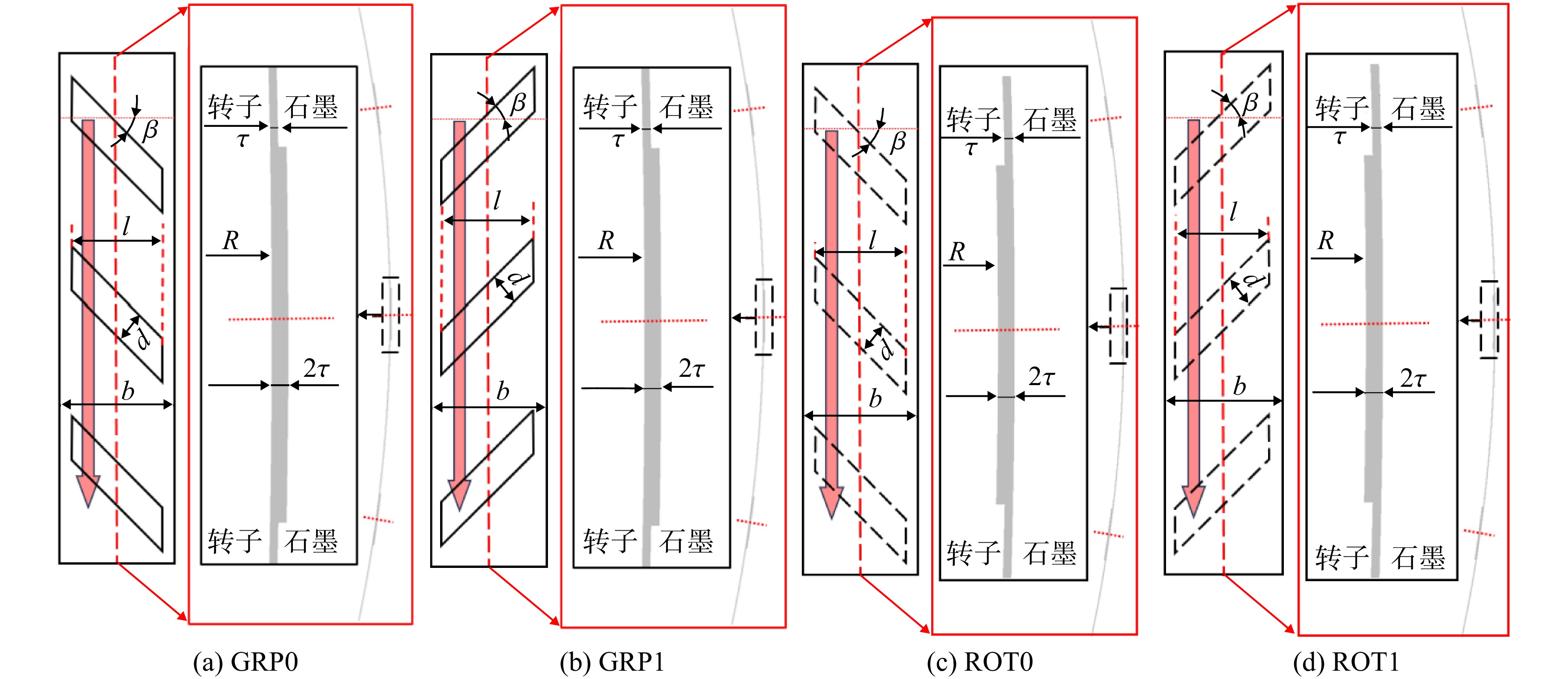
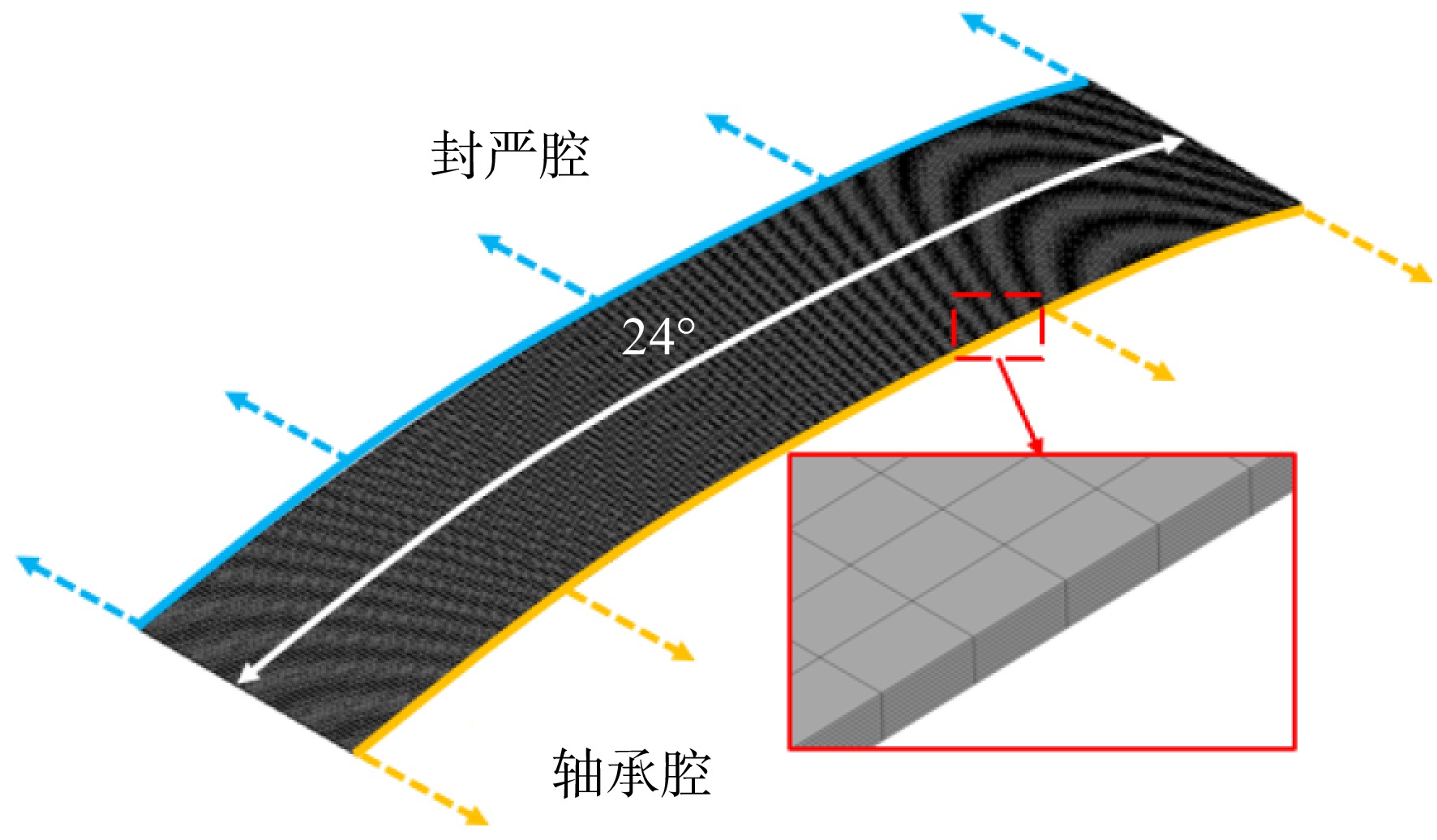
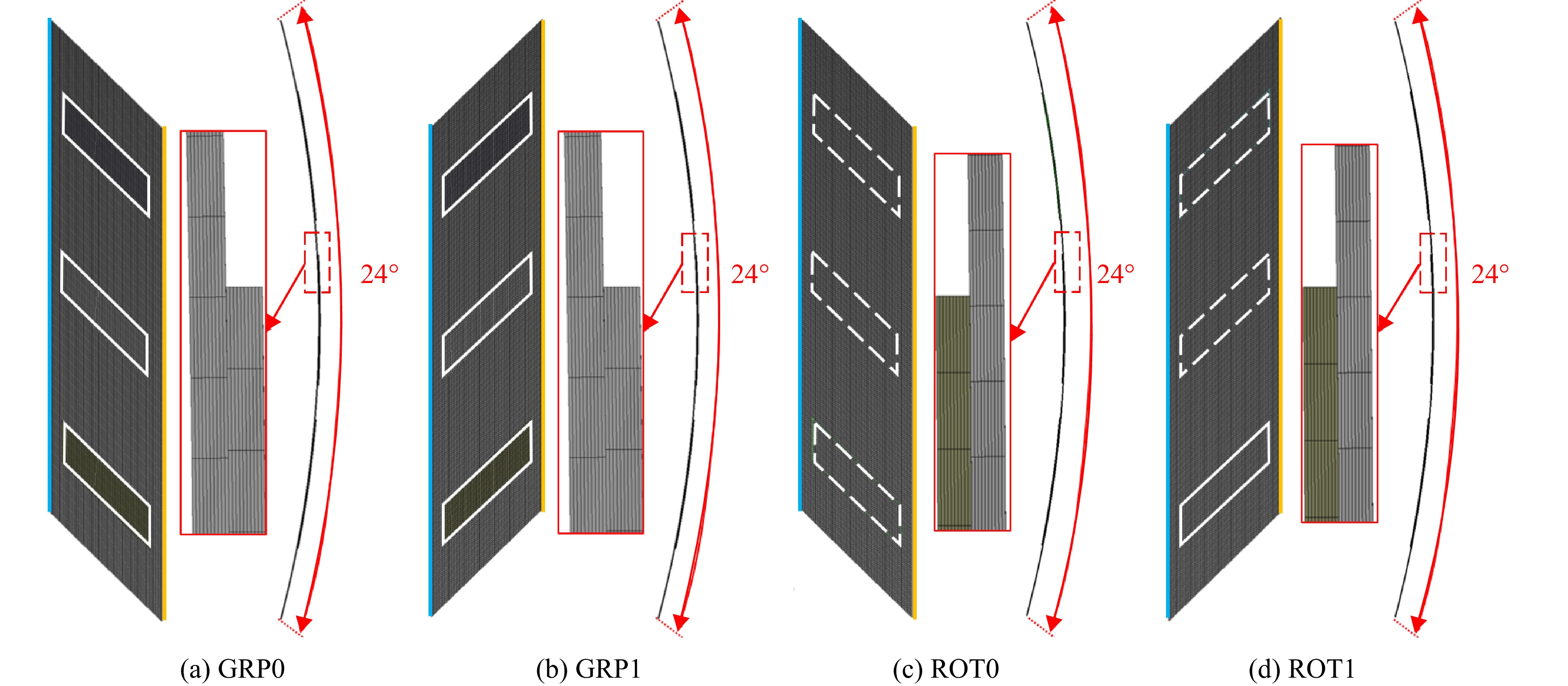
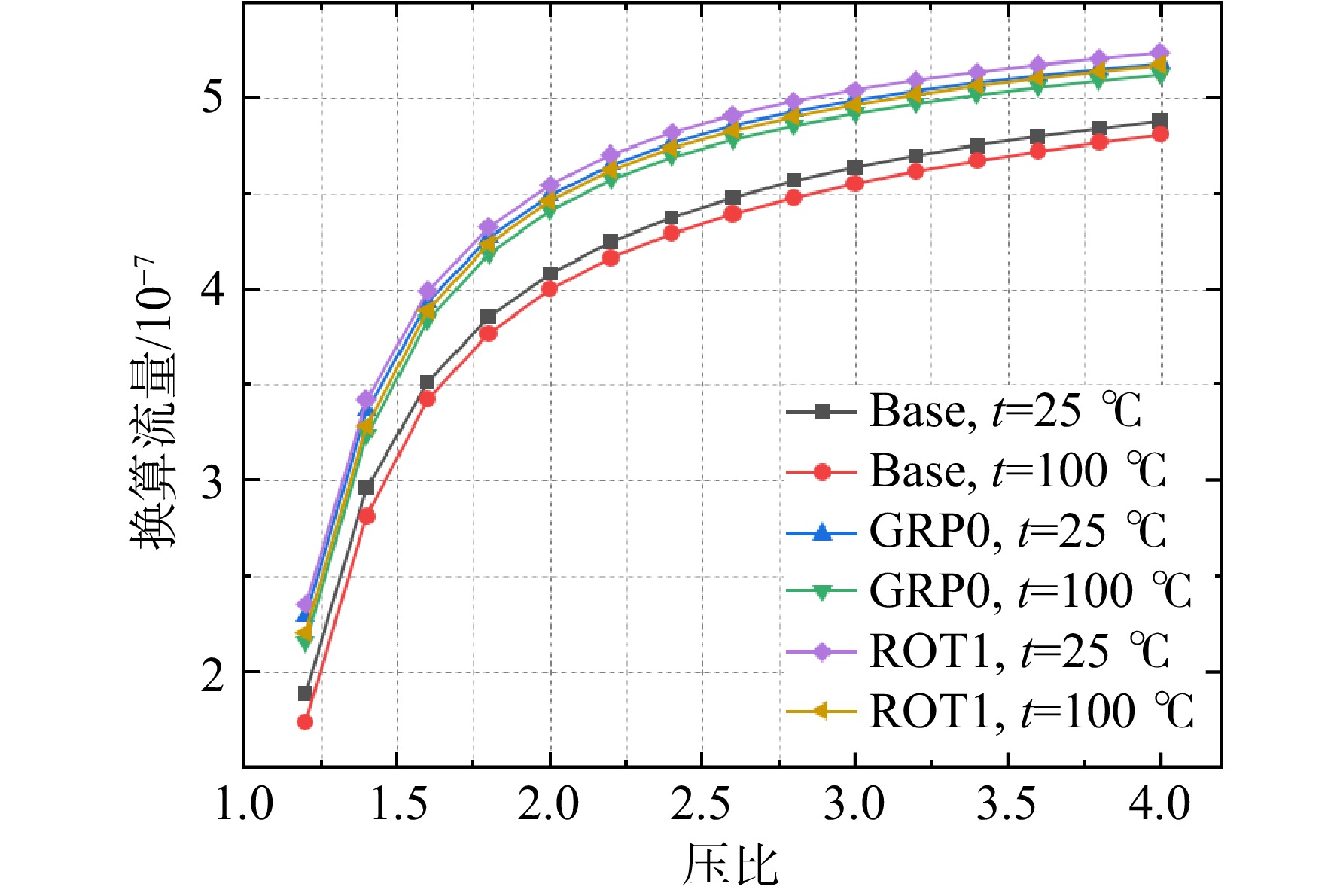
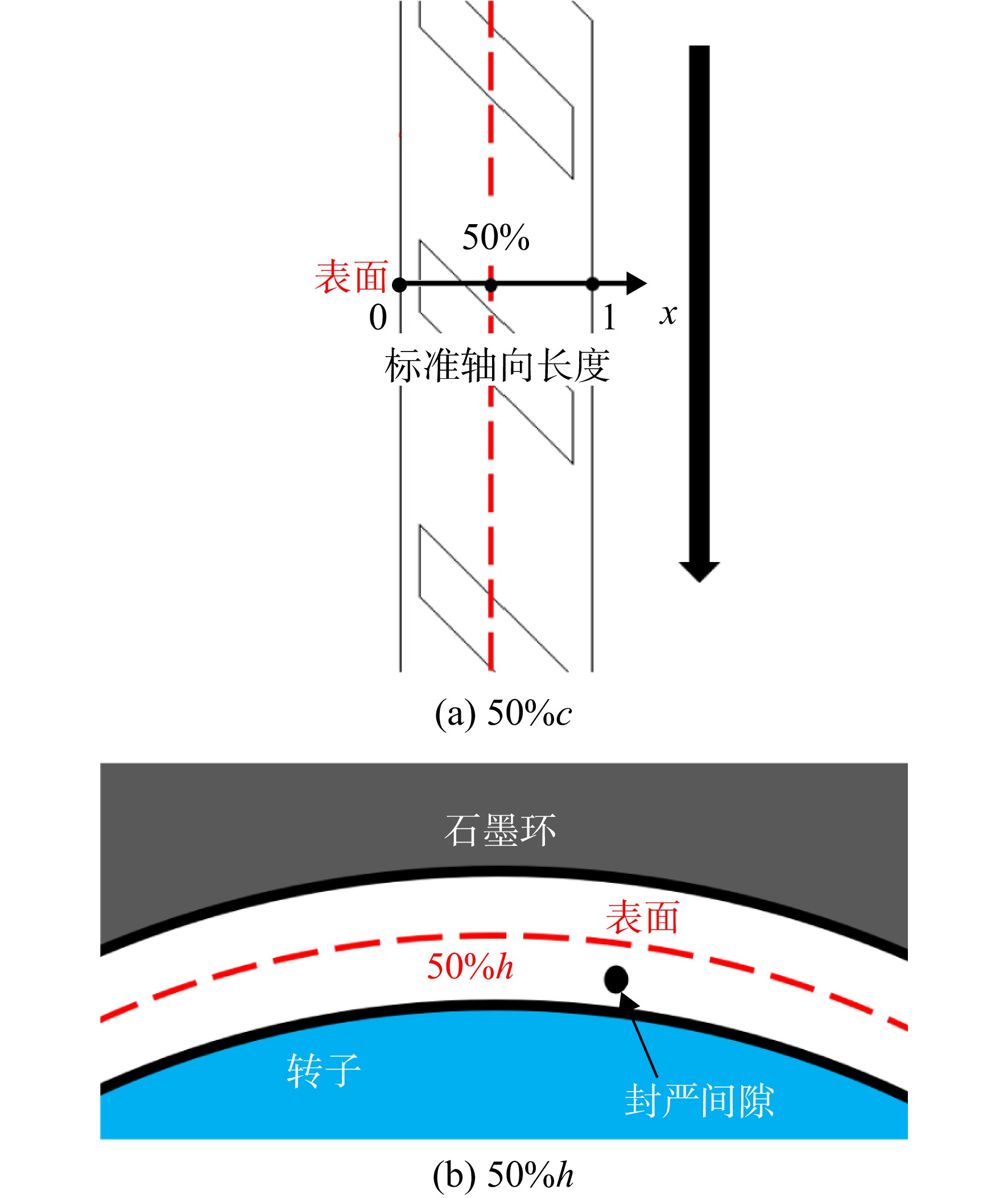
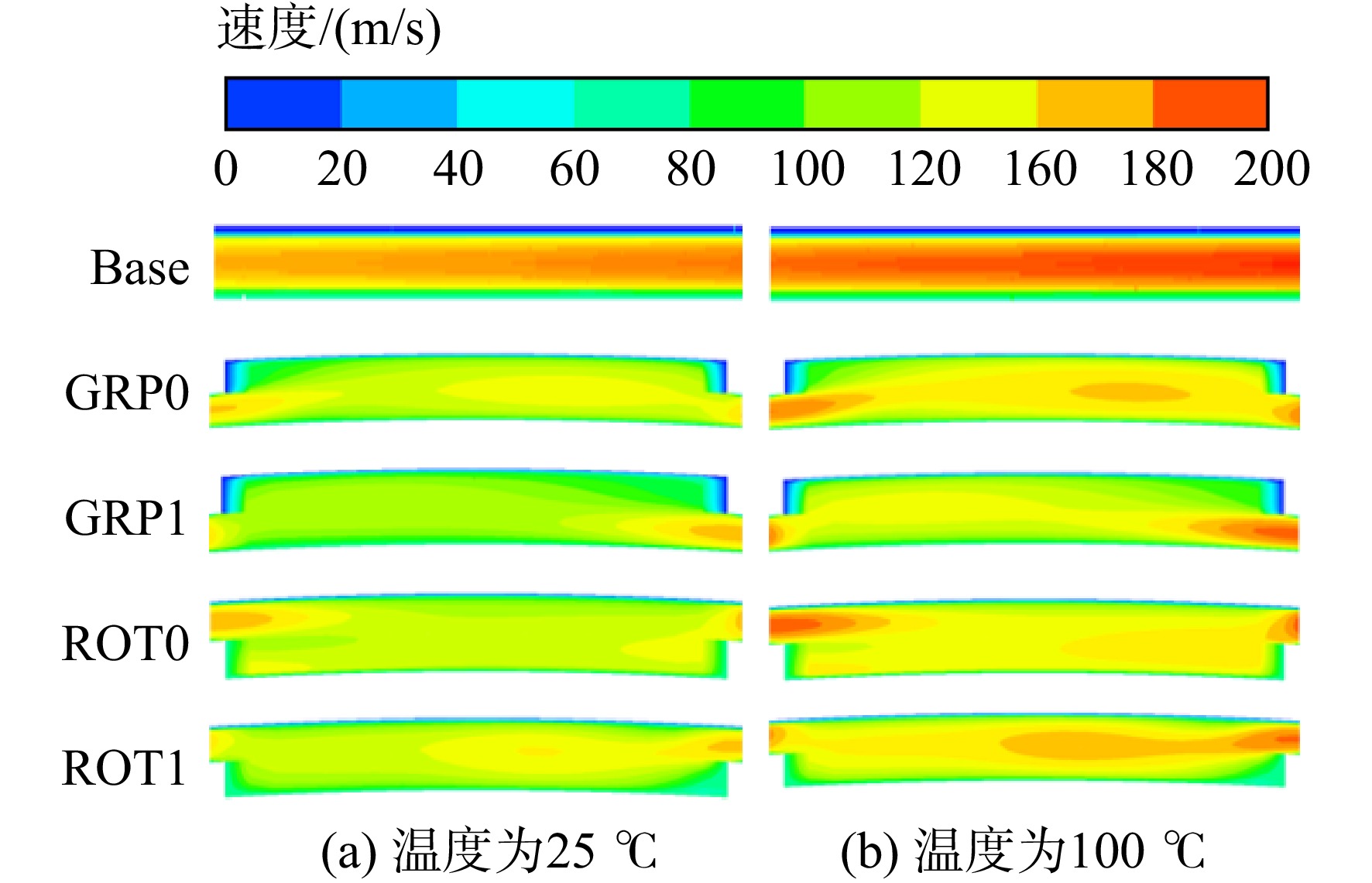
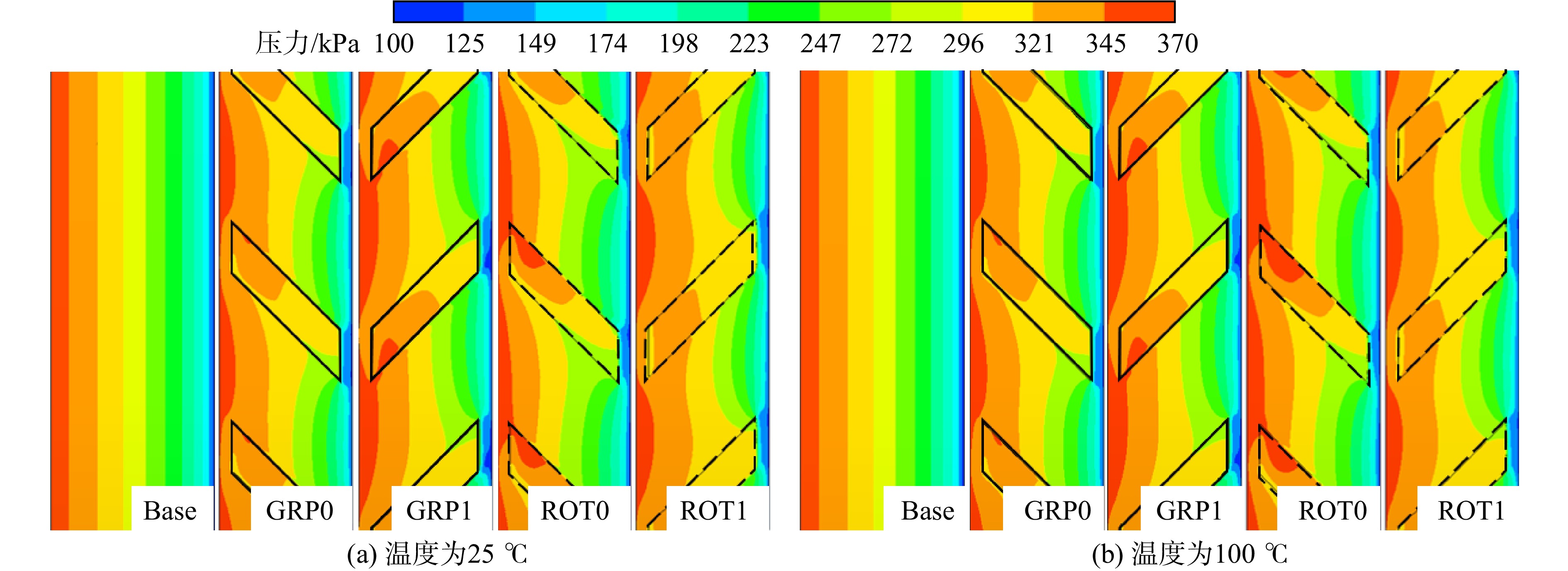
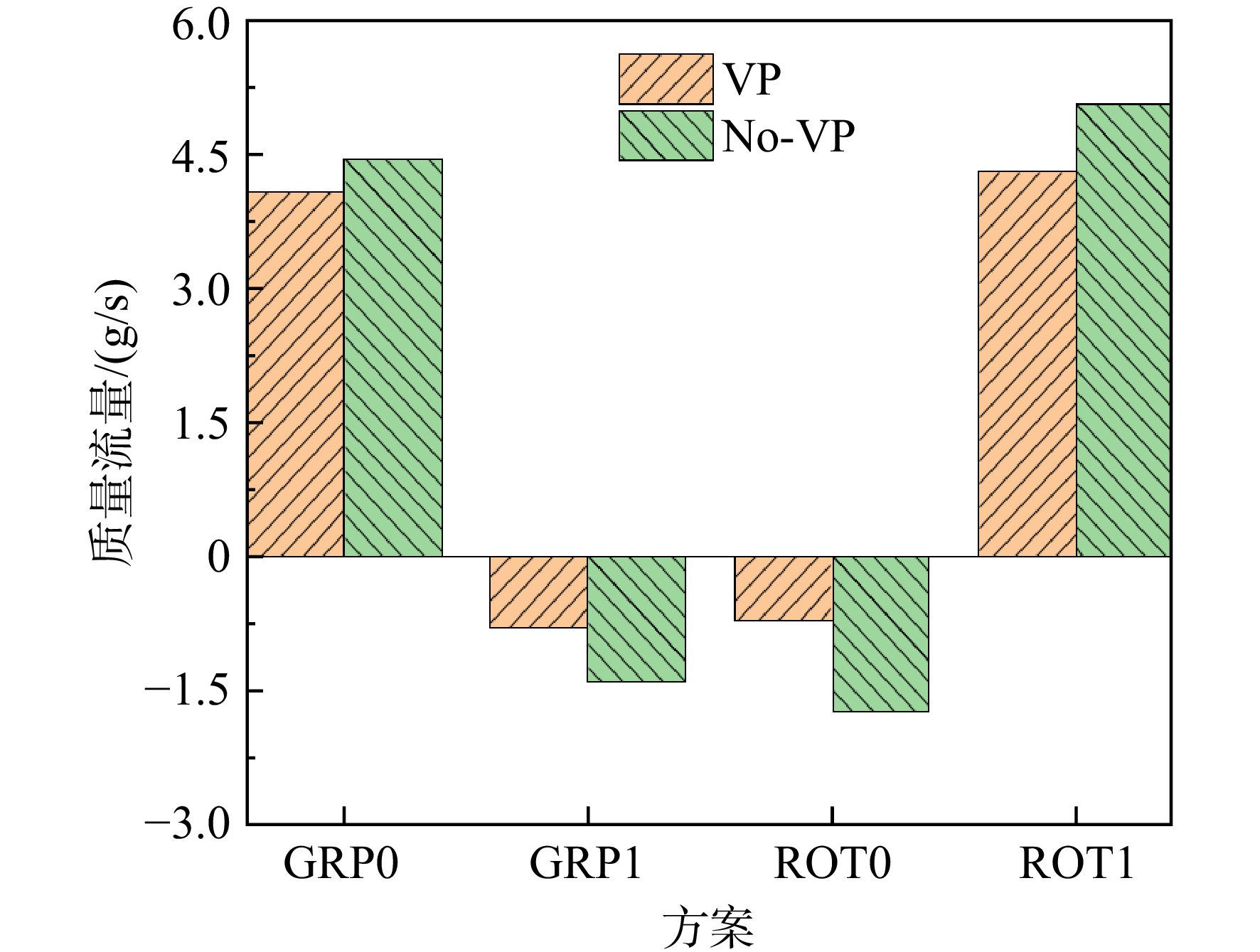
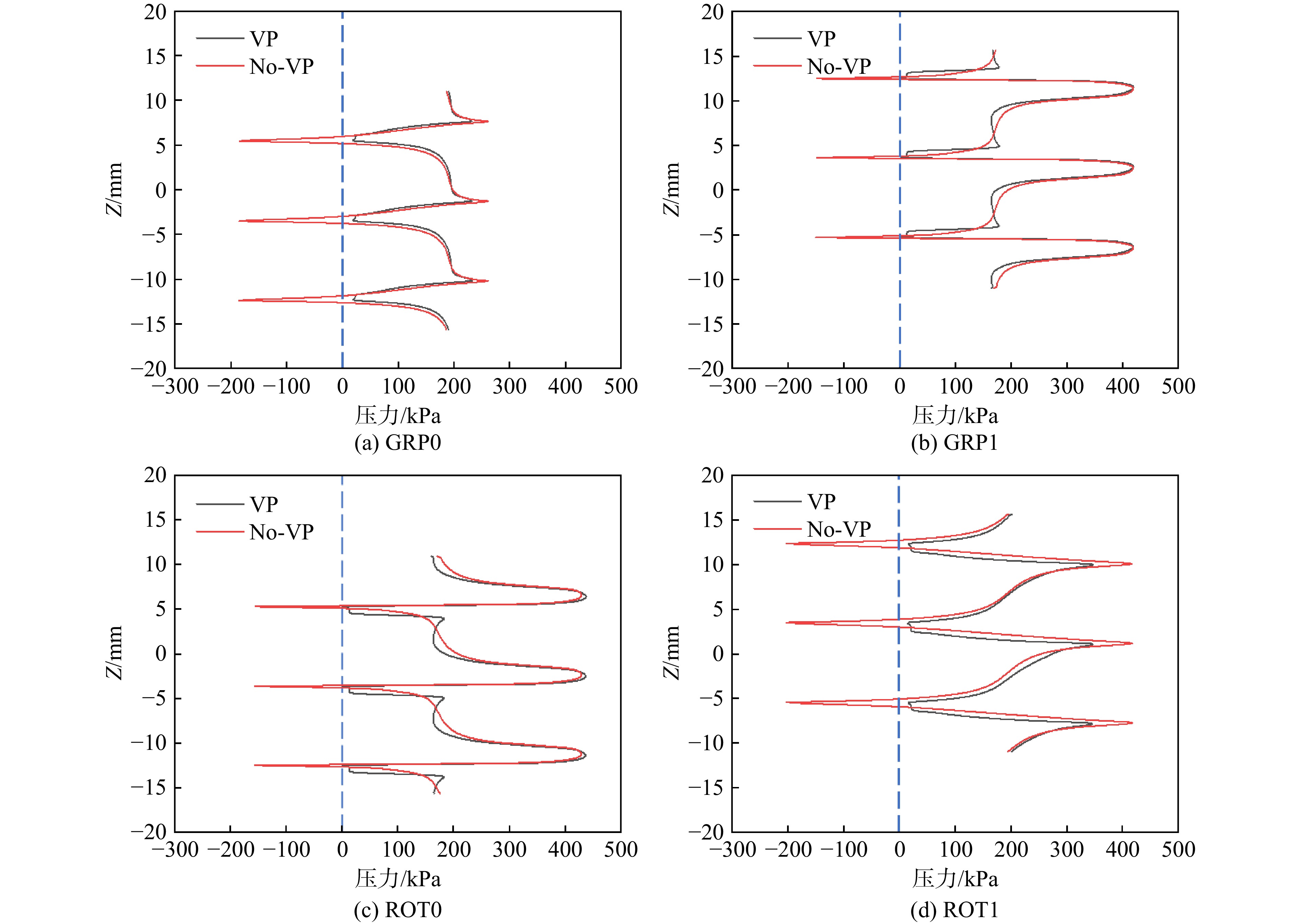
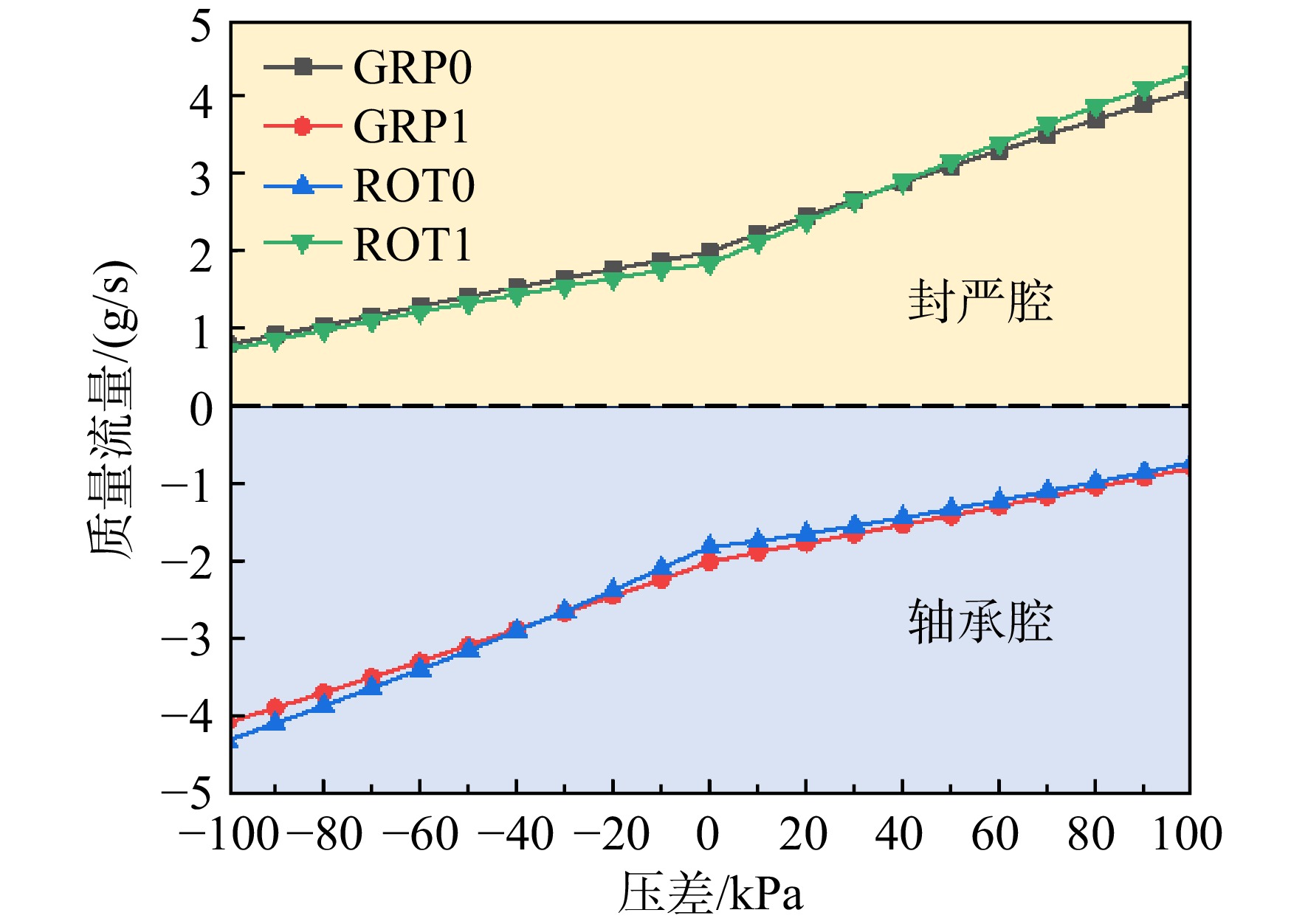
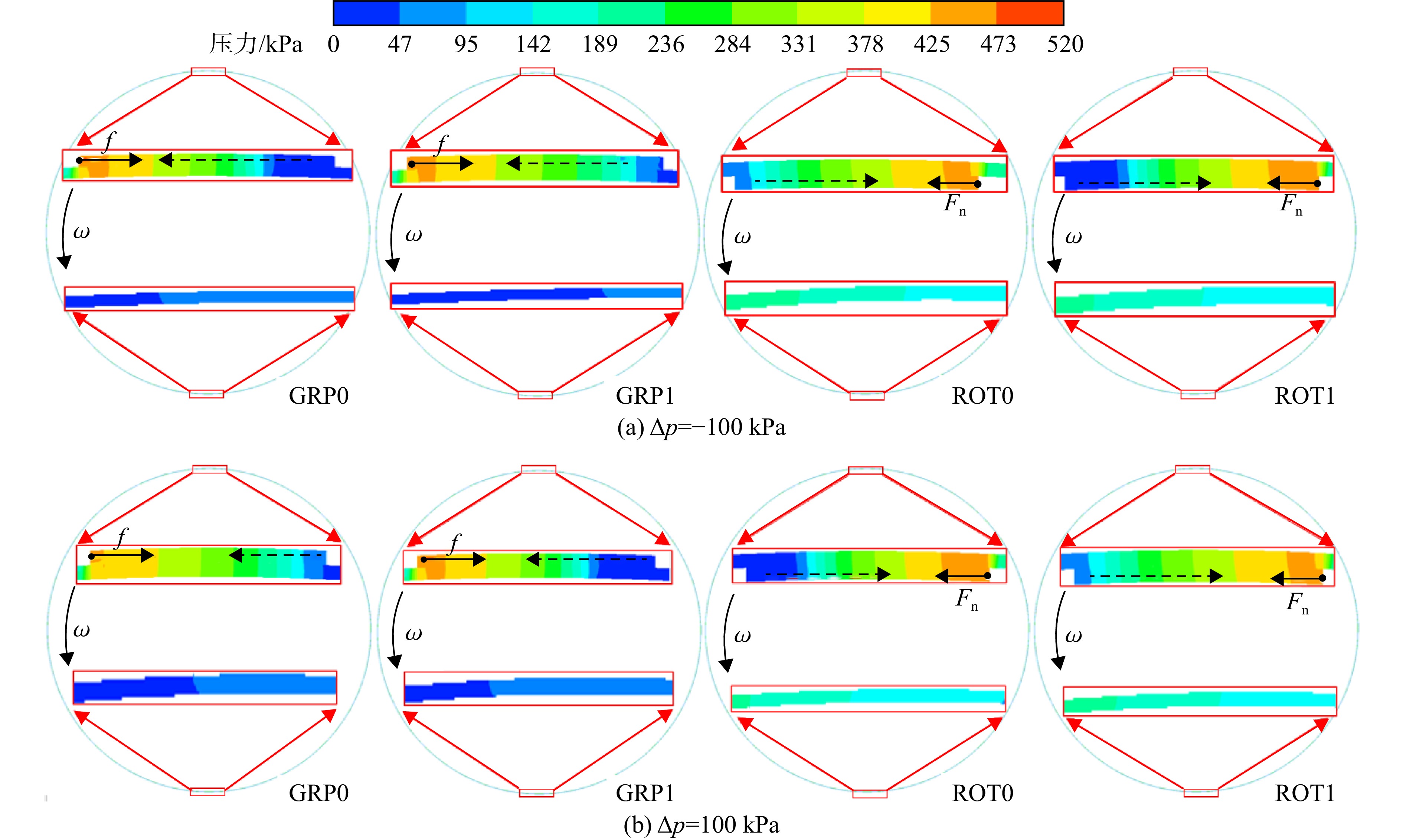
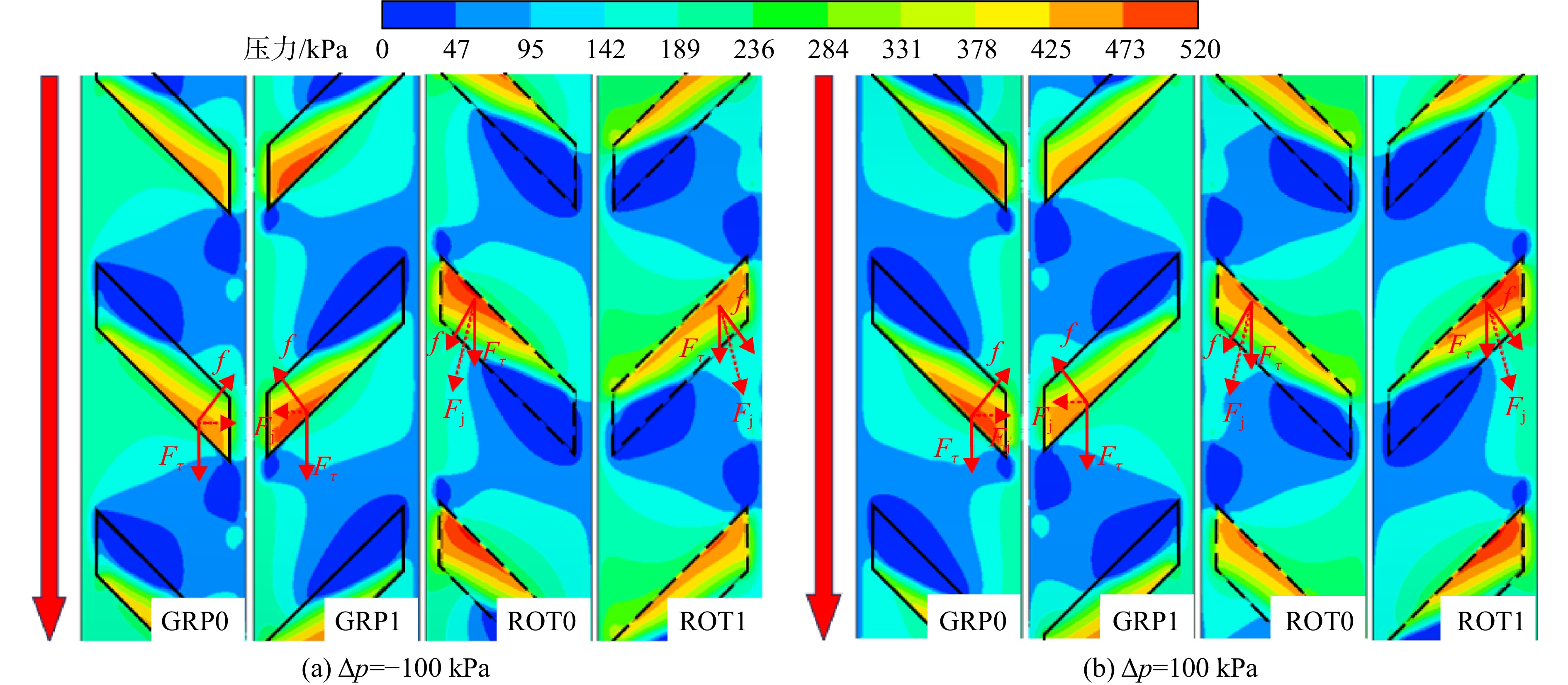
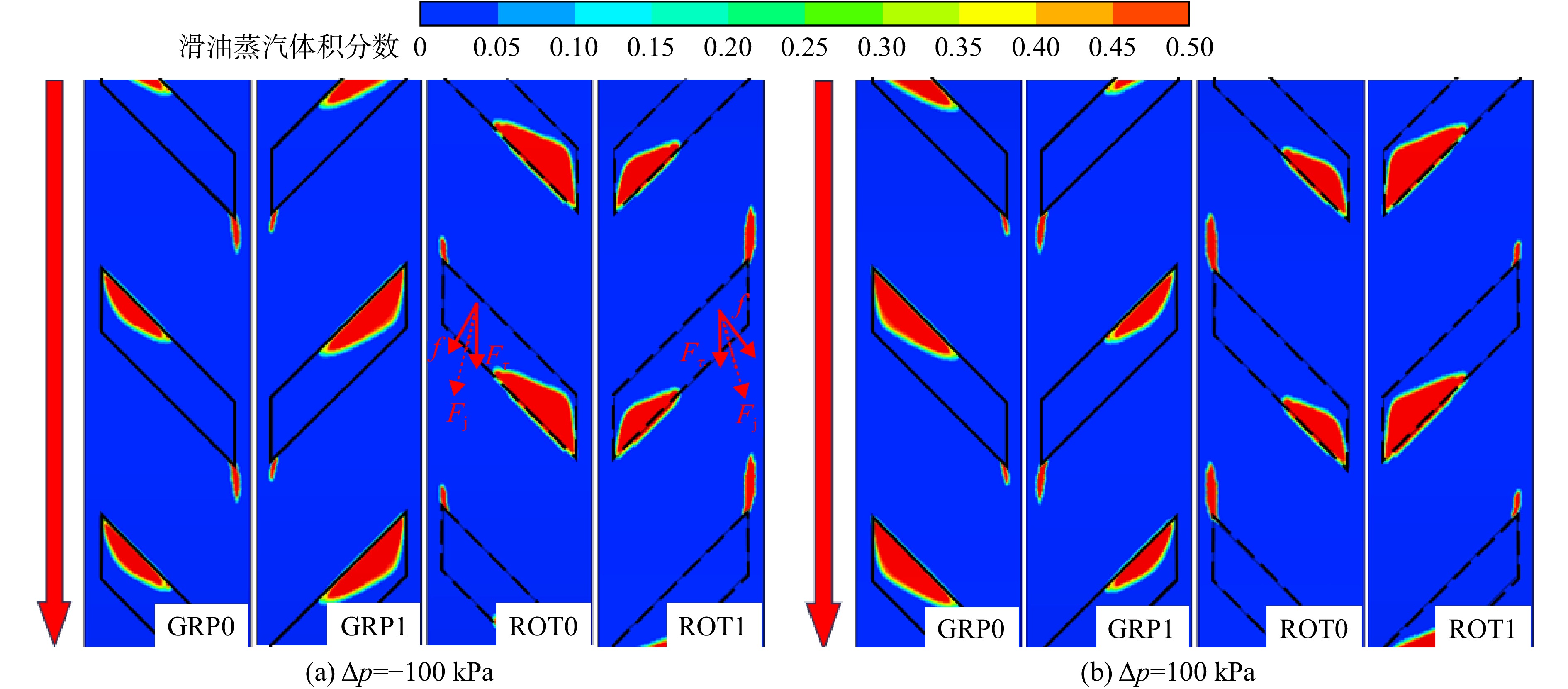
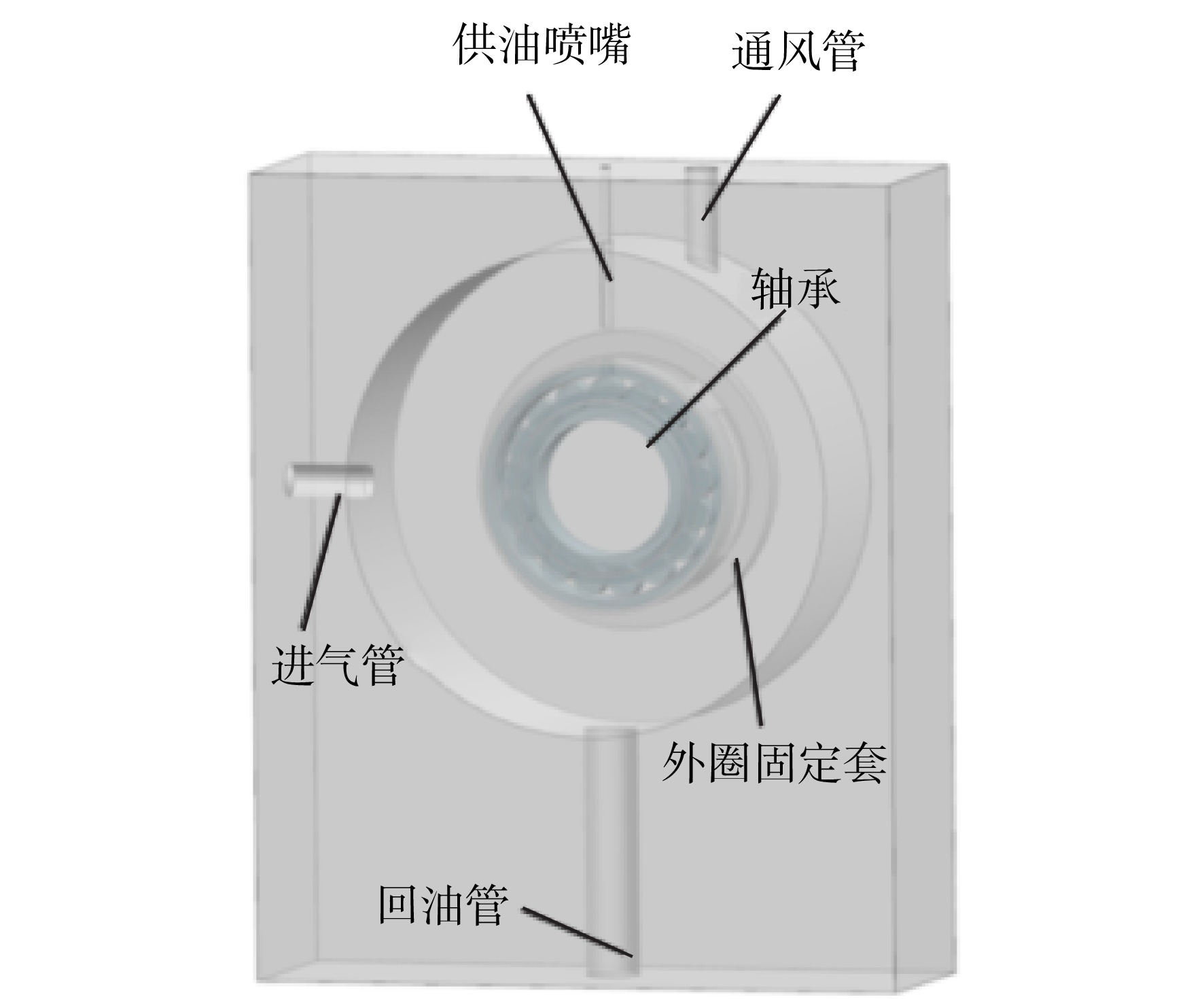
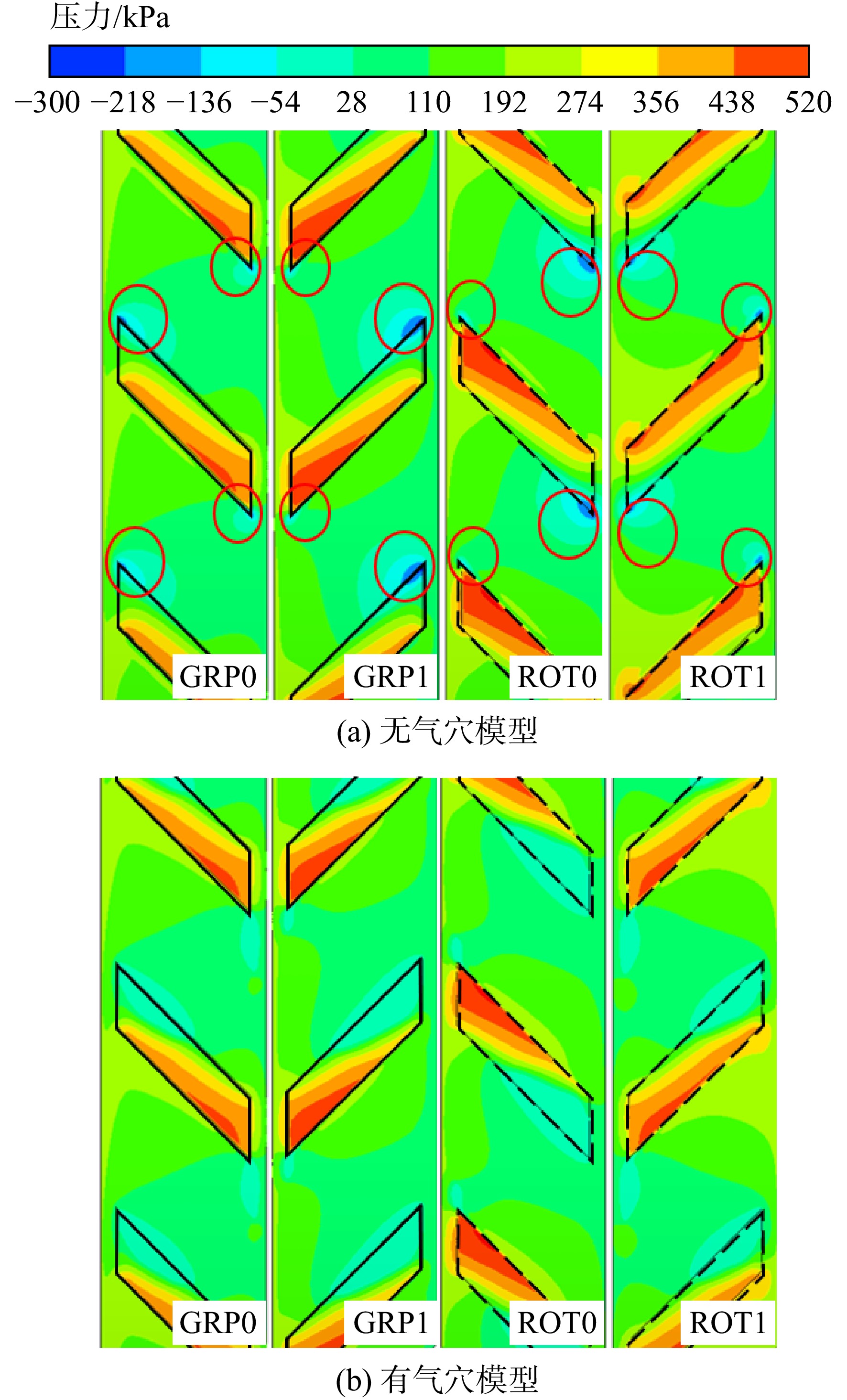
To investigate the impact of graphite sealing structures on the flow and leakage characteristics of lubricating oil, four slotting schemes were proposed for conventional graphite sealing structures. A comprehensive approach was employed to examine the influences of different structural parameters and working condition parameters on the flow characteristics of lubricating oil in the graphite sealing gap of bearing chambers, taking into account the cavitation effect. The results indicated that the omission of the cavitation effect led to a phenomenon where pressure was negative in the sealing gap when oil vaporisation occurred under conditions lower than the saturated vapor pressure. This was contrary to objective reality. However, the consideration of the cavitation effect eliminated this negative pressure phenomenon. Therefore, it is essential to consider cavitation when studying lubricating oil flow characteristics in a graphite sealing gap. When lubricating oil was employed as the flow medium, it was observed that the resultant force derived from case resistance and shear force, which arose from negative slotting of graphite and positive slotting of the square rotor, was directed from the sealing cavity to the bearing cavity in an axial component direction. This facilitated pumping lubricating oil into the bearing cavity, effectively inhibiting leakage and achieving a seal. Conversely, if the groove direction was opposite, the axial pumping effect could direct lubricating oil from the bearing cavity to the sealing cavity, exacerbating leakage from the bearing cavity. This situation should be avoided during the design process.

Analysis on influence of microscopic friction roughness in rotor blade-casing system
ZHANG Ying, NI Huan
2026, 41(4): 20250216. doi: 10.13224/j.cnki.jasp.20250216
Abstract:

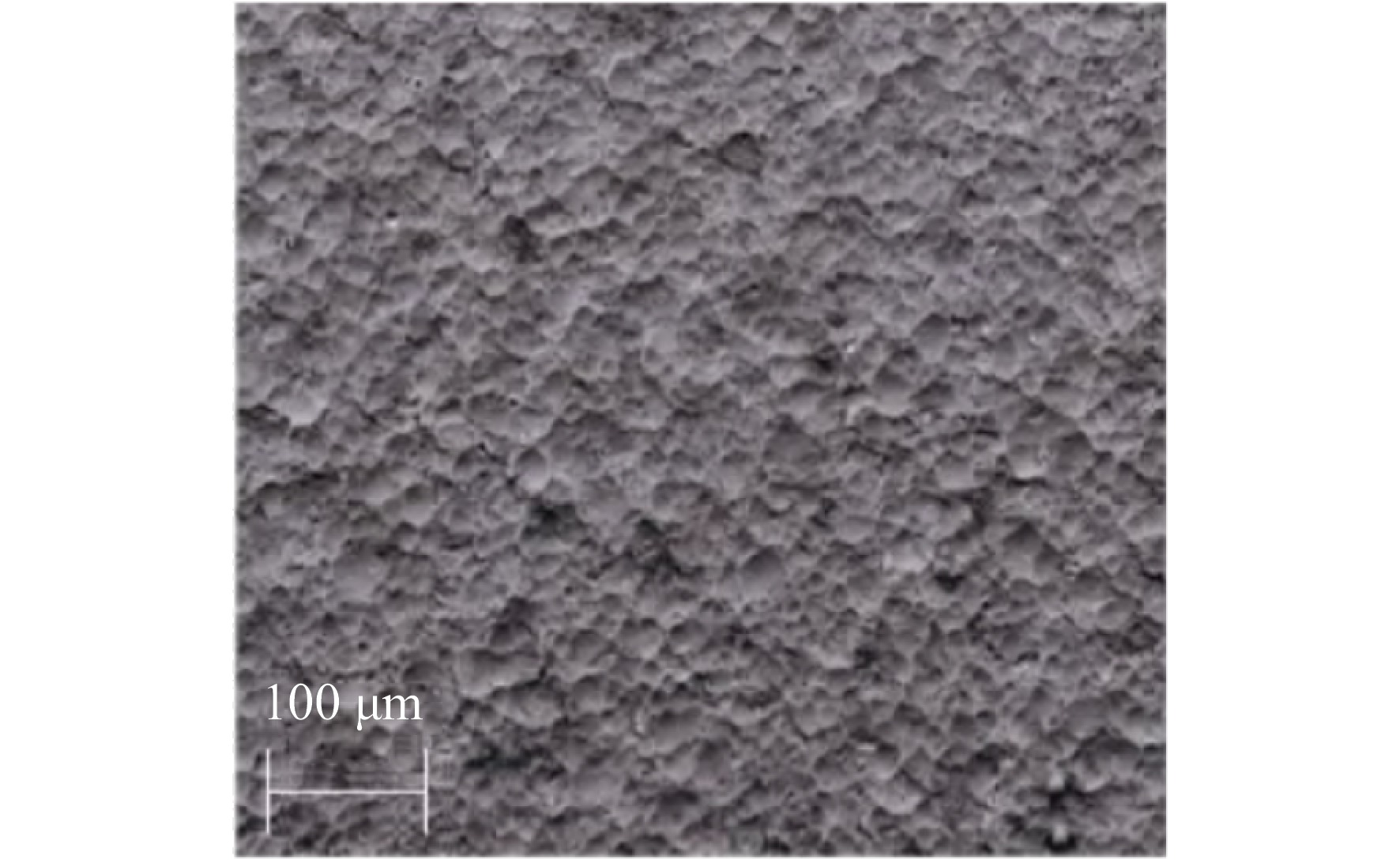
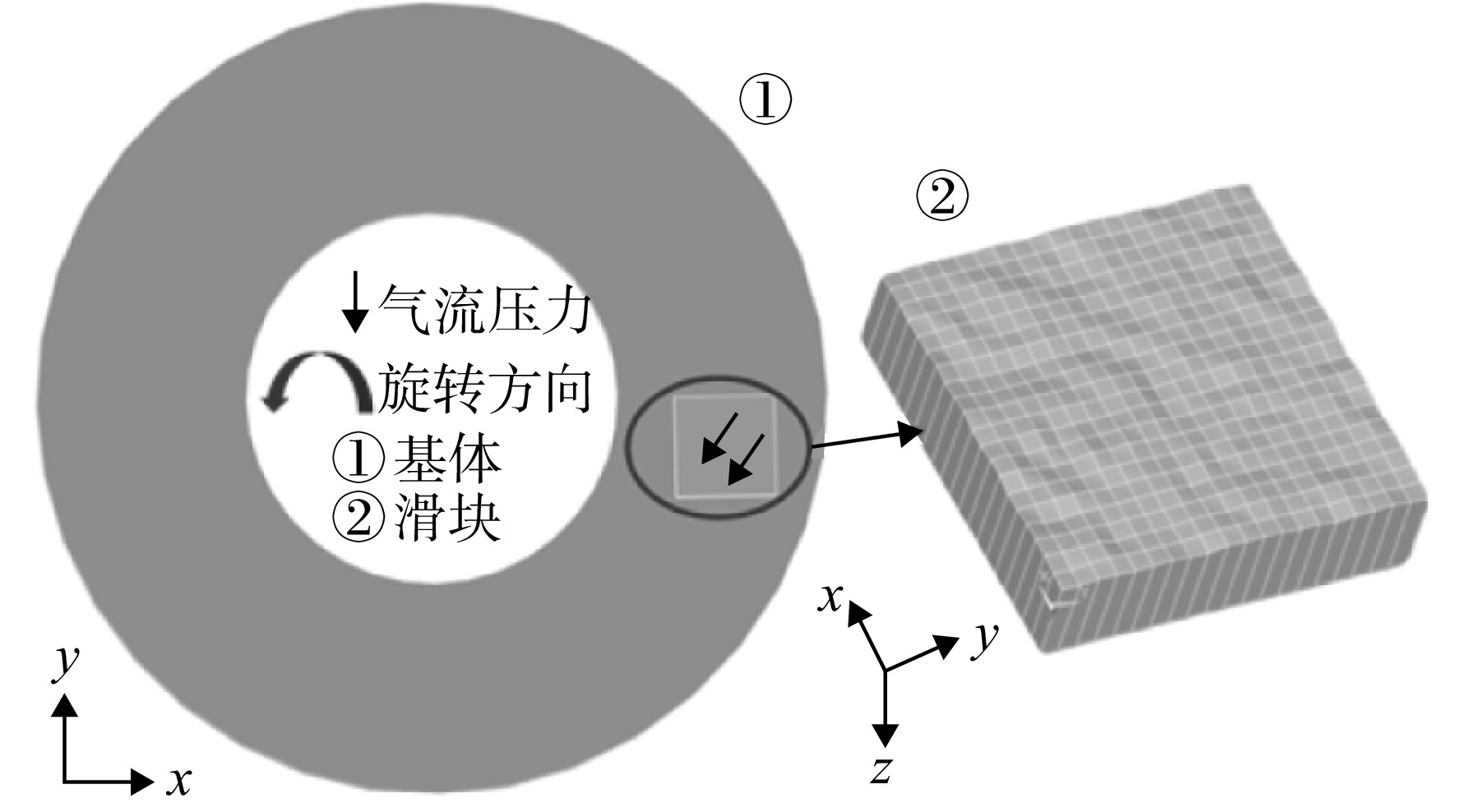
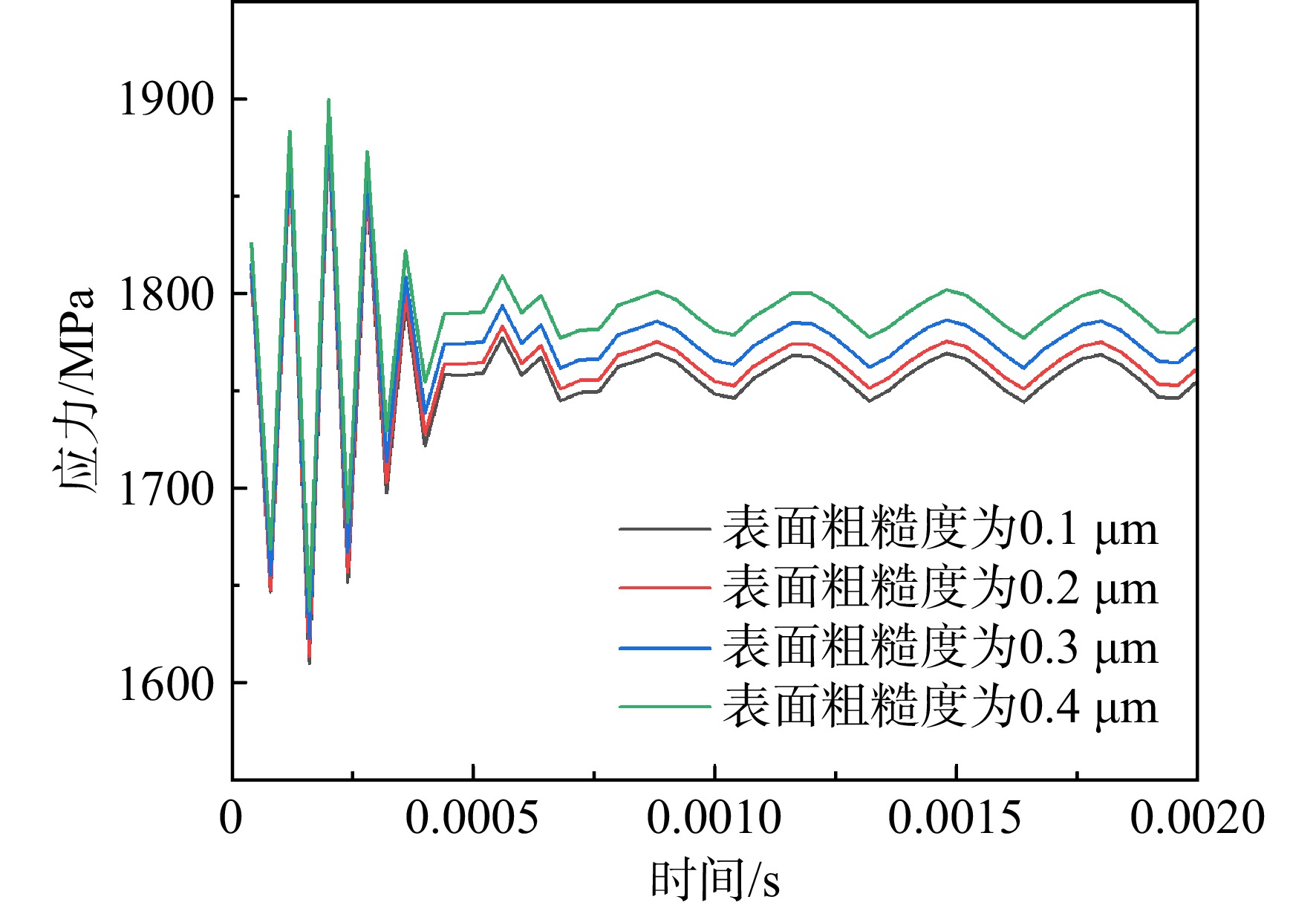
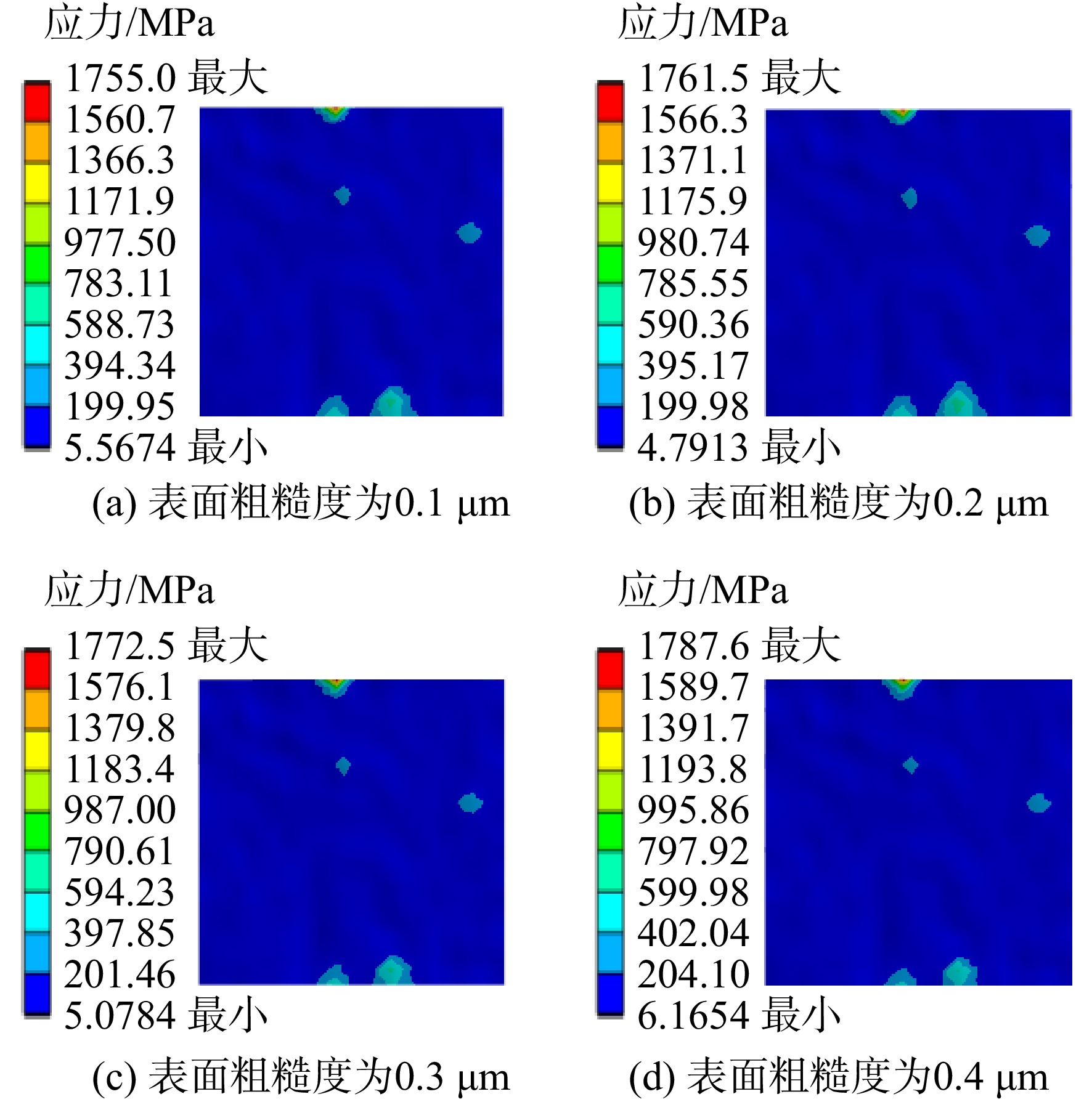
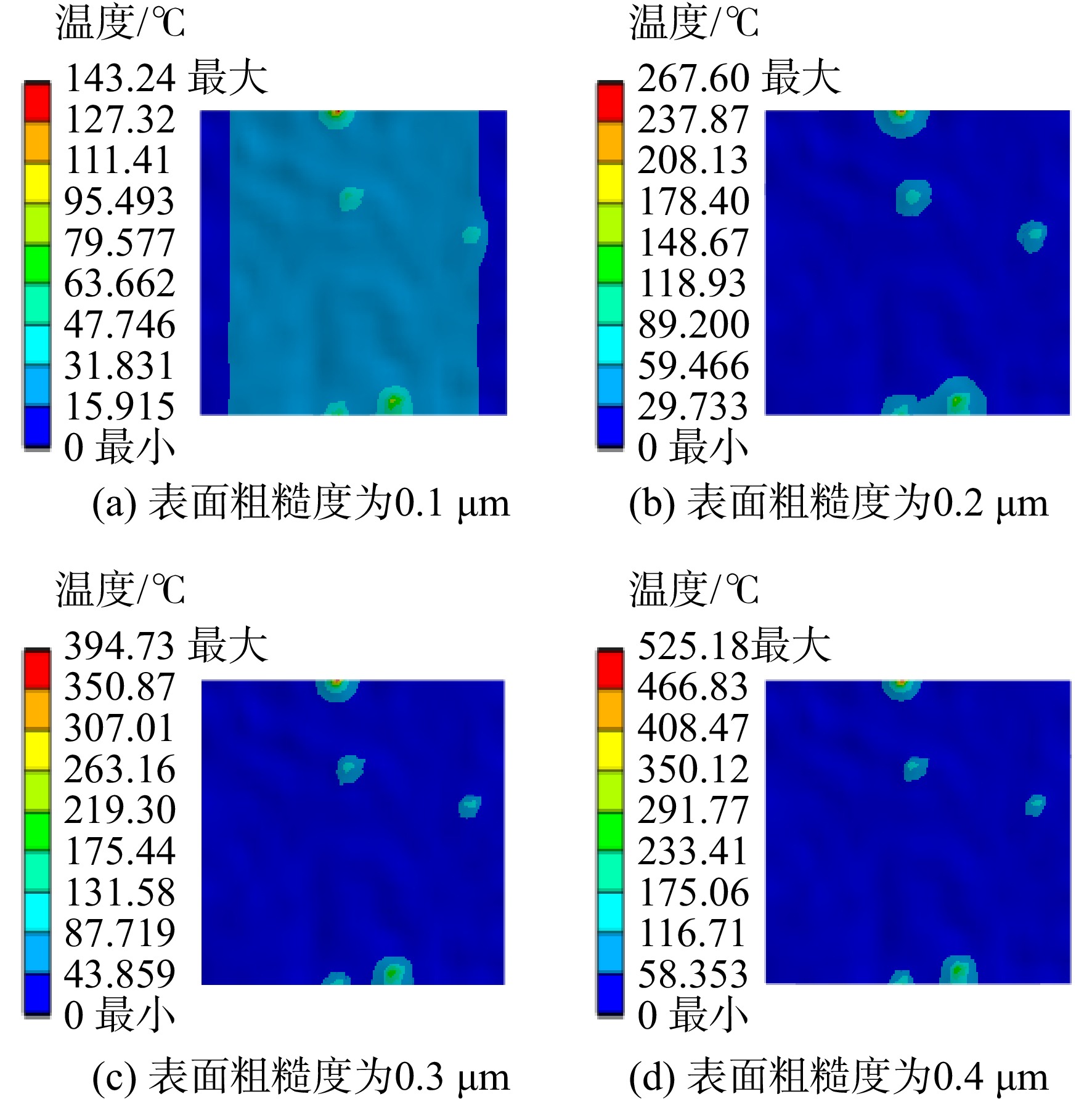
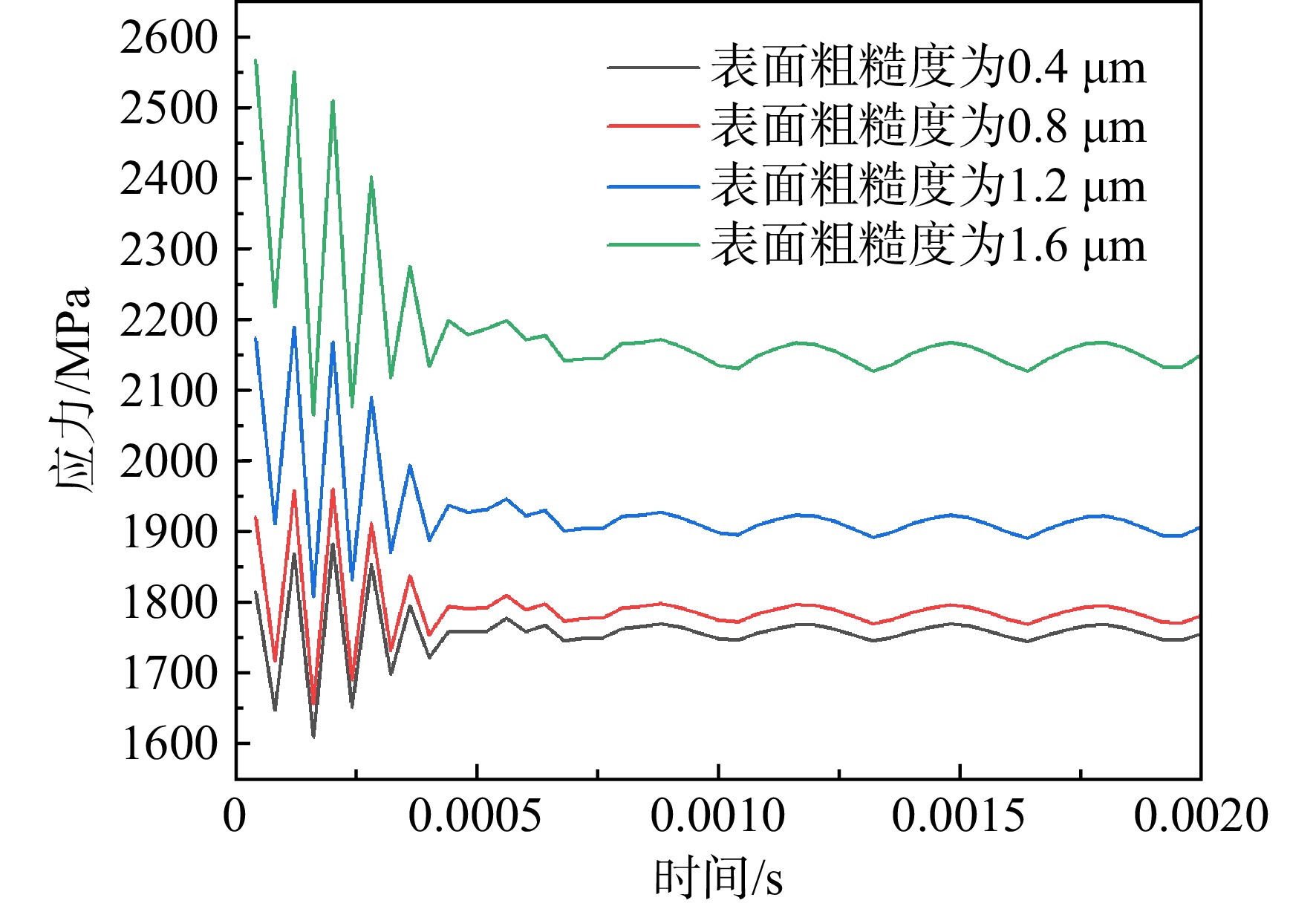
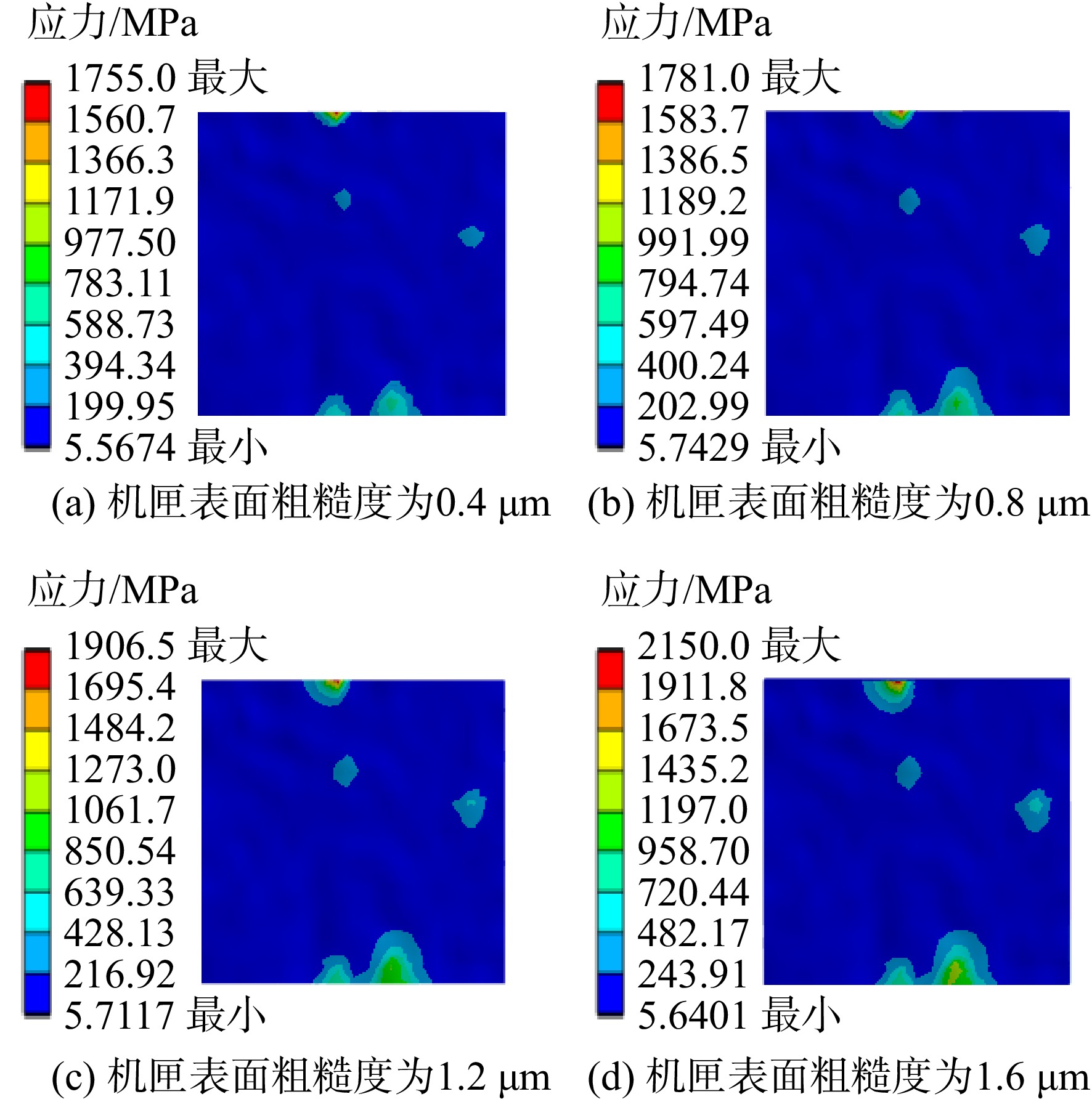
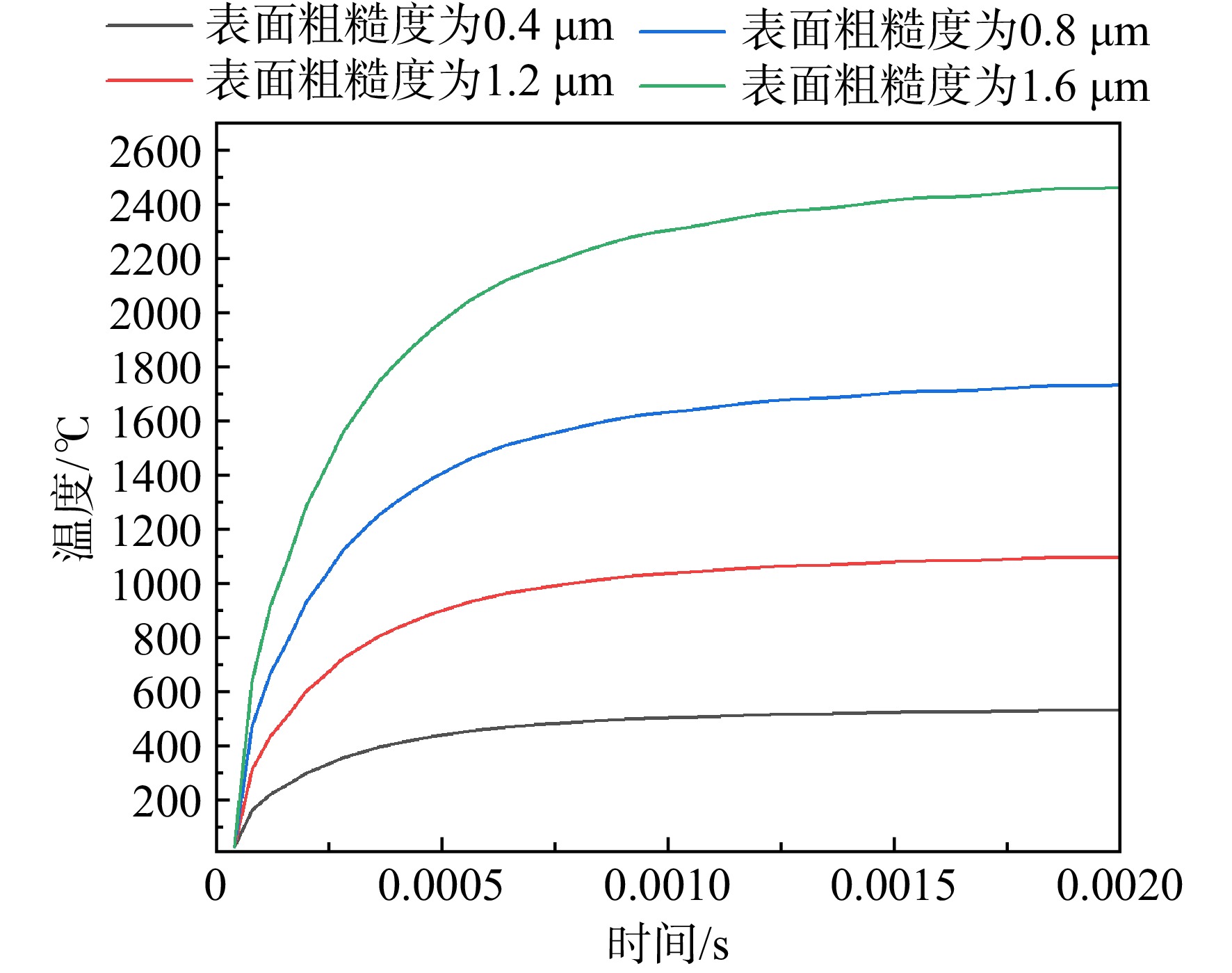
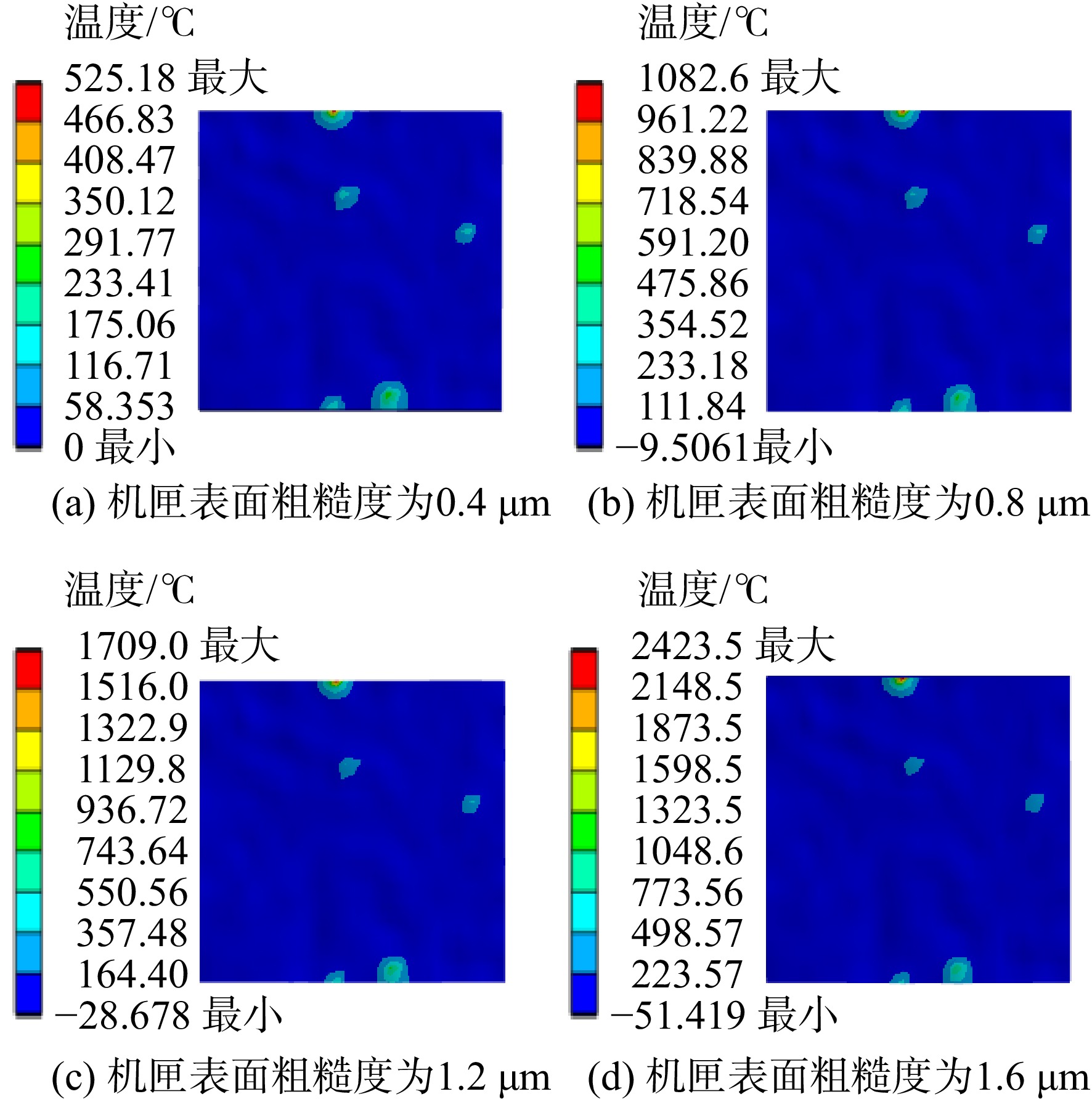
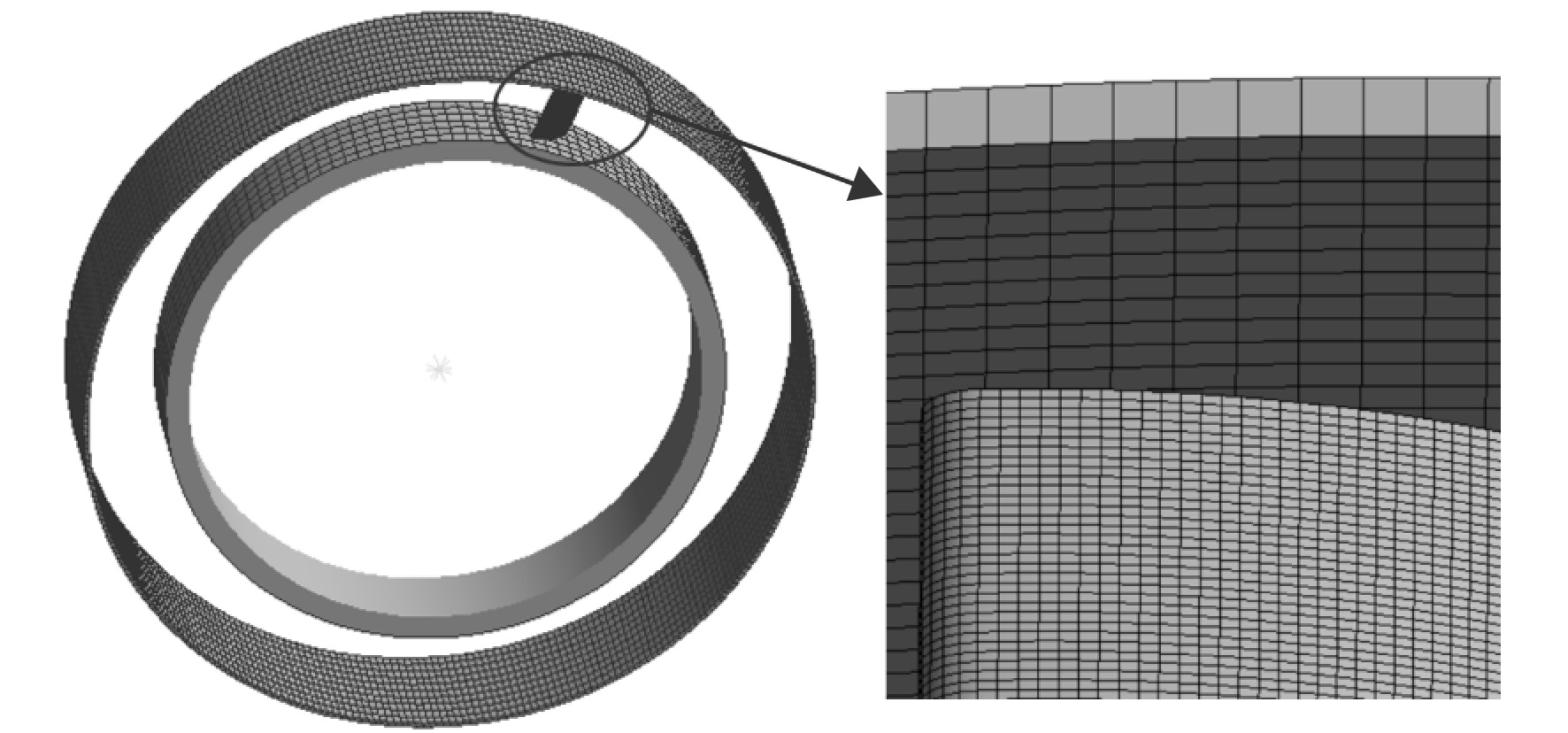
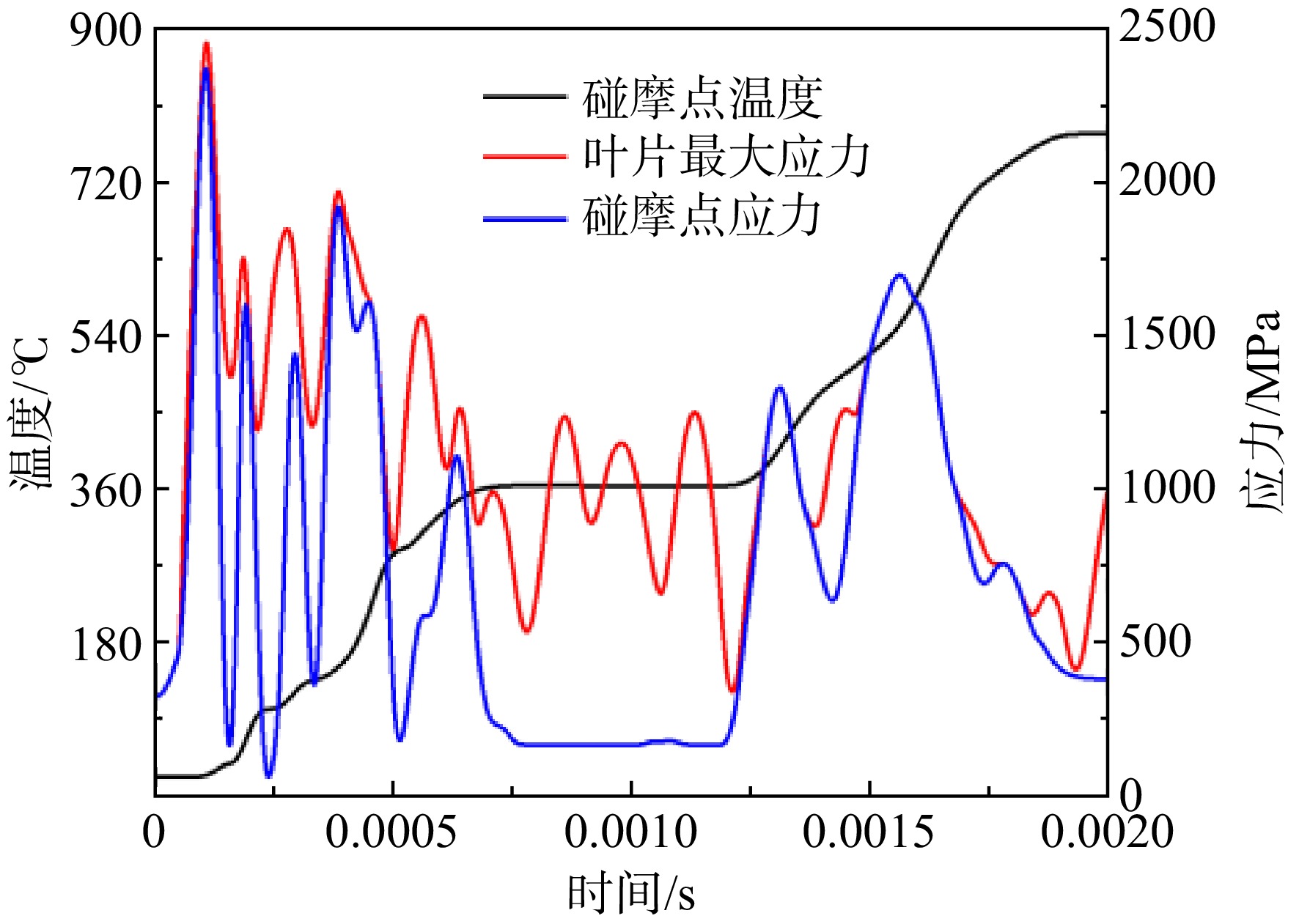
The micro-friction surface roughness of blade-casing systems was analyzed. Through theoretical analysis and numerical simulation, it probed into the laws and mechanisms of friction evolution from transient friction to periodic contact. It was found that surface roughness significantly affected initial contact stress and temperature. As surface roughness increased, the peak initial stress and magnitude of temperature rise also increased, indicating that surface roughness had a significant impact on transient frictional heat effects. During the periodic contact phase, stress and temperature tended to stabilize, but surface roughness still influenced their uniform distribution. By optimizing surface roughness, friction behavior can be effectively regulated, reducing energy loss and wear, thereby improving engine efficiency and performance rigidity. A coupled model based on fractal contact theory and the elastoplastic deformation stage was innovatively proposed. Compared with traditional models, this model can more accurately describe contact conditions under complex surface morphology, comprehensively considering the intricate behavior of micro-convex bodies during the elastoplastic deformation stage, and fully presenting the full picture of mechanical responses in the friction process. This improvement can significantly enhance simulation accuracy and provide an ideas and methods for studying multiscale mechanical behavior.

Analysis of thermal deformation and prediction of jam faults on the crank-slider mechanism for the high-temperature plunger valve
QIAN Qiumeng, ZHANG Jianping, DAN Zhihong, XIE Lu, WANG Honglun, ZHANG Song, TIAN Bin, CHEN Yutao
2026, 41(4): 20250084. doi: 10.13224/j.cnki.jasp.20250084
Abstract:

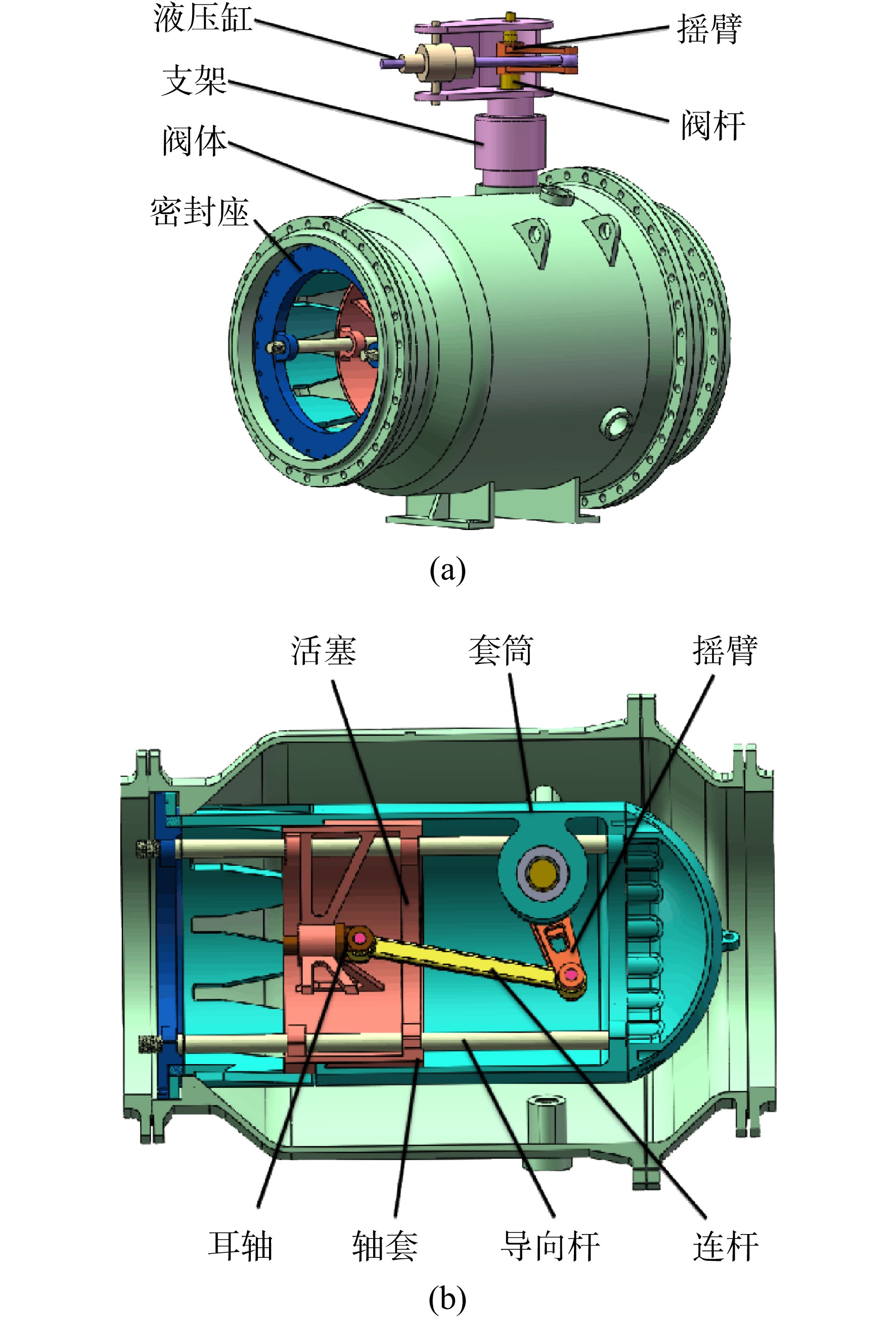
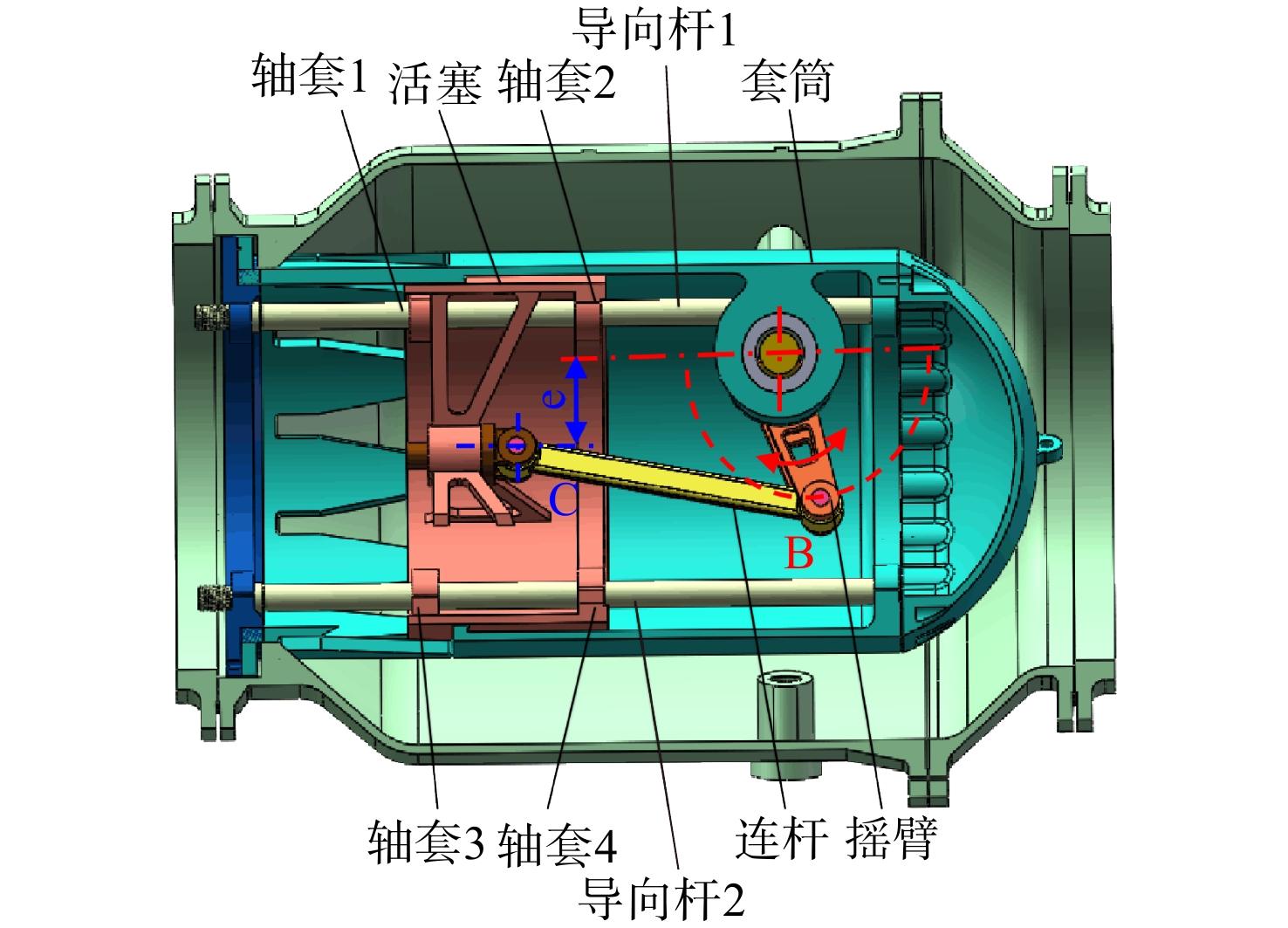
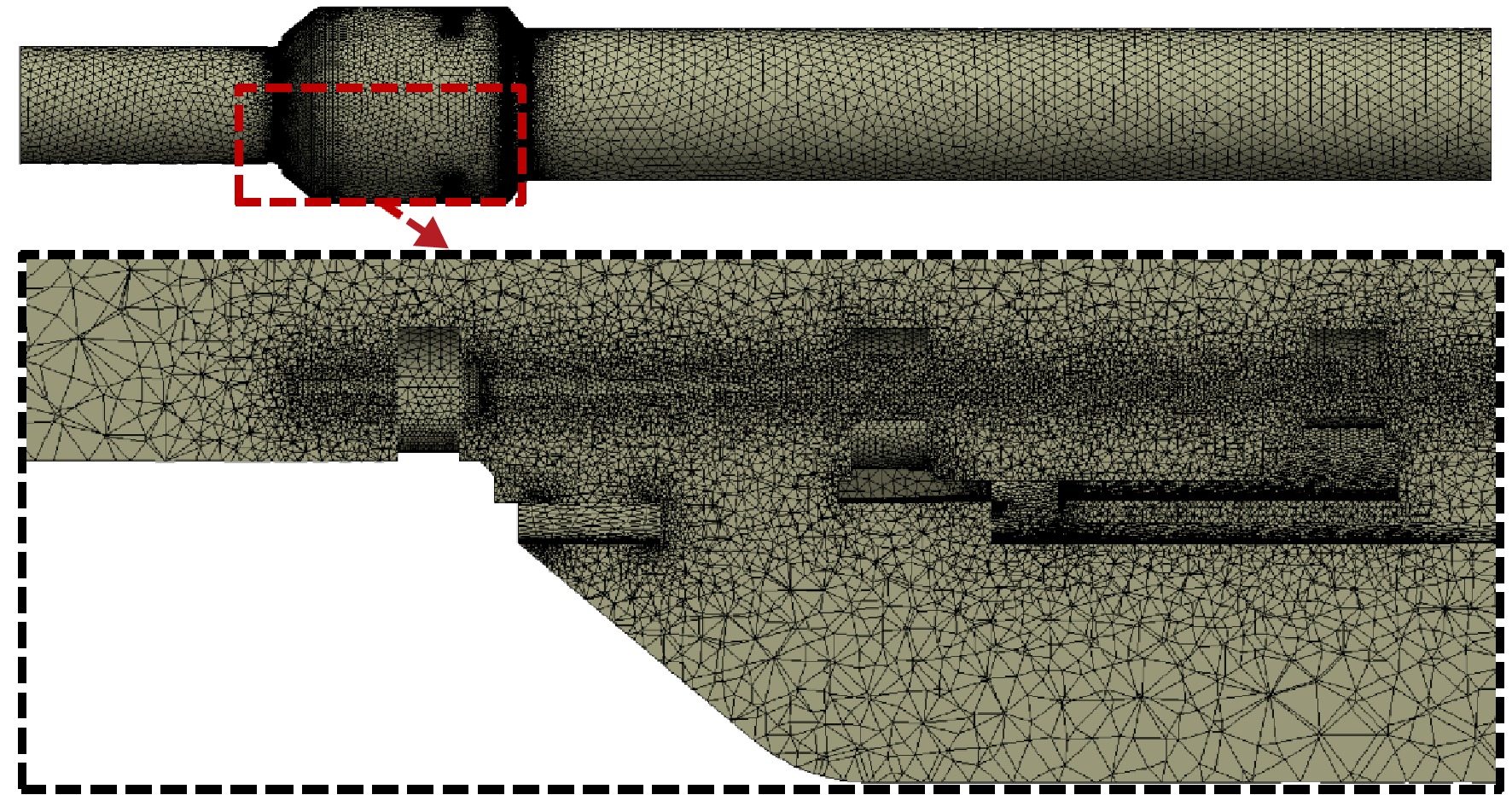
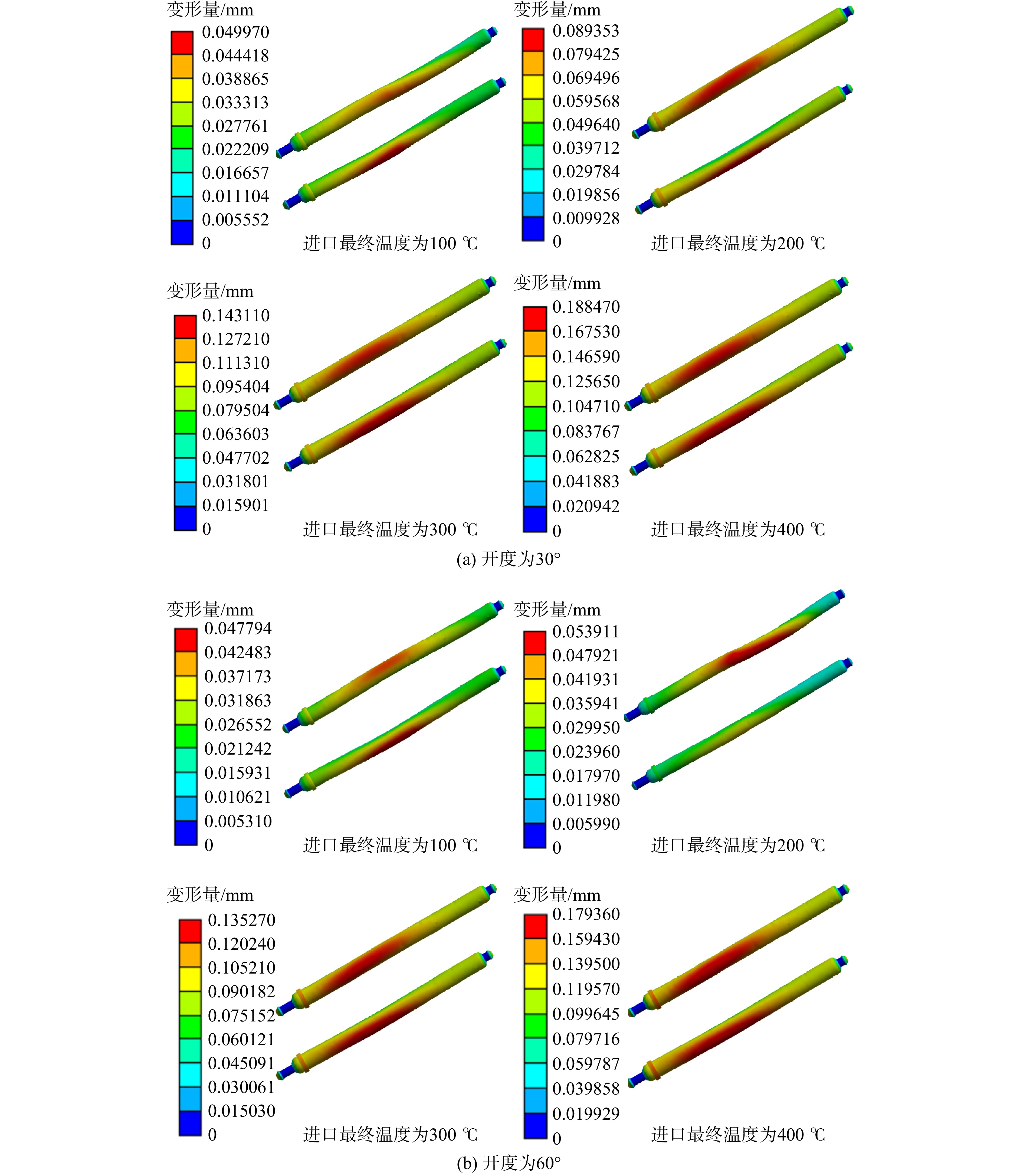
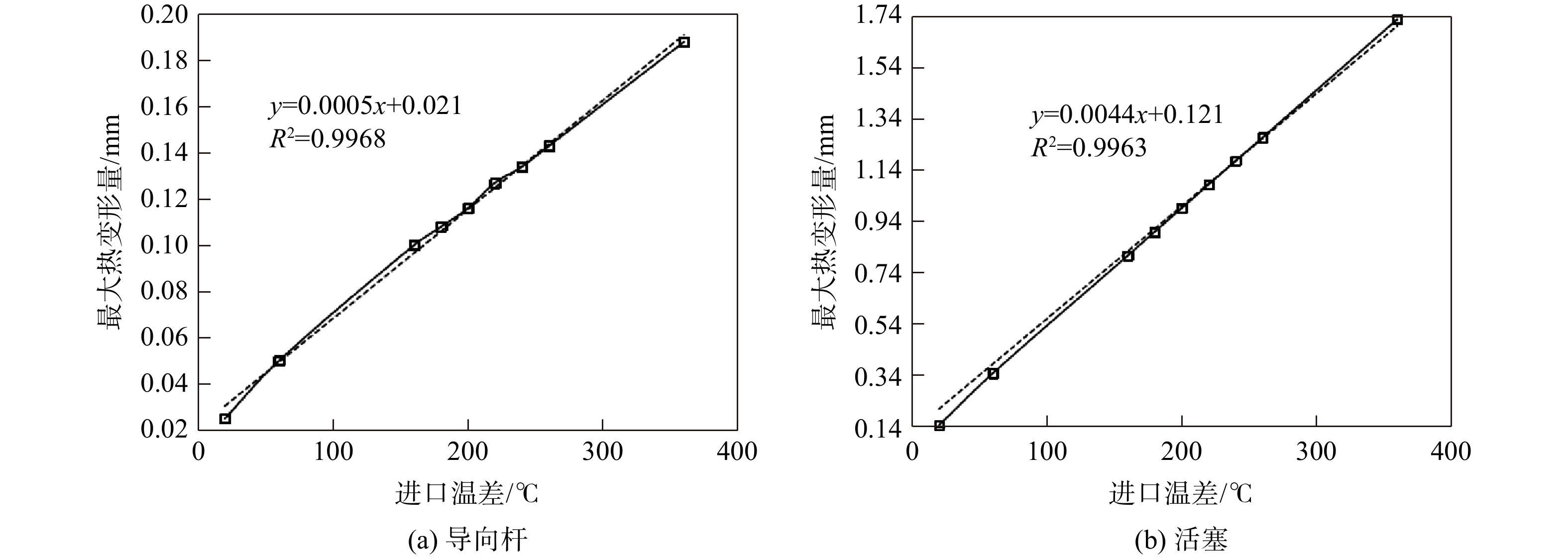
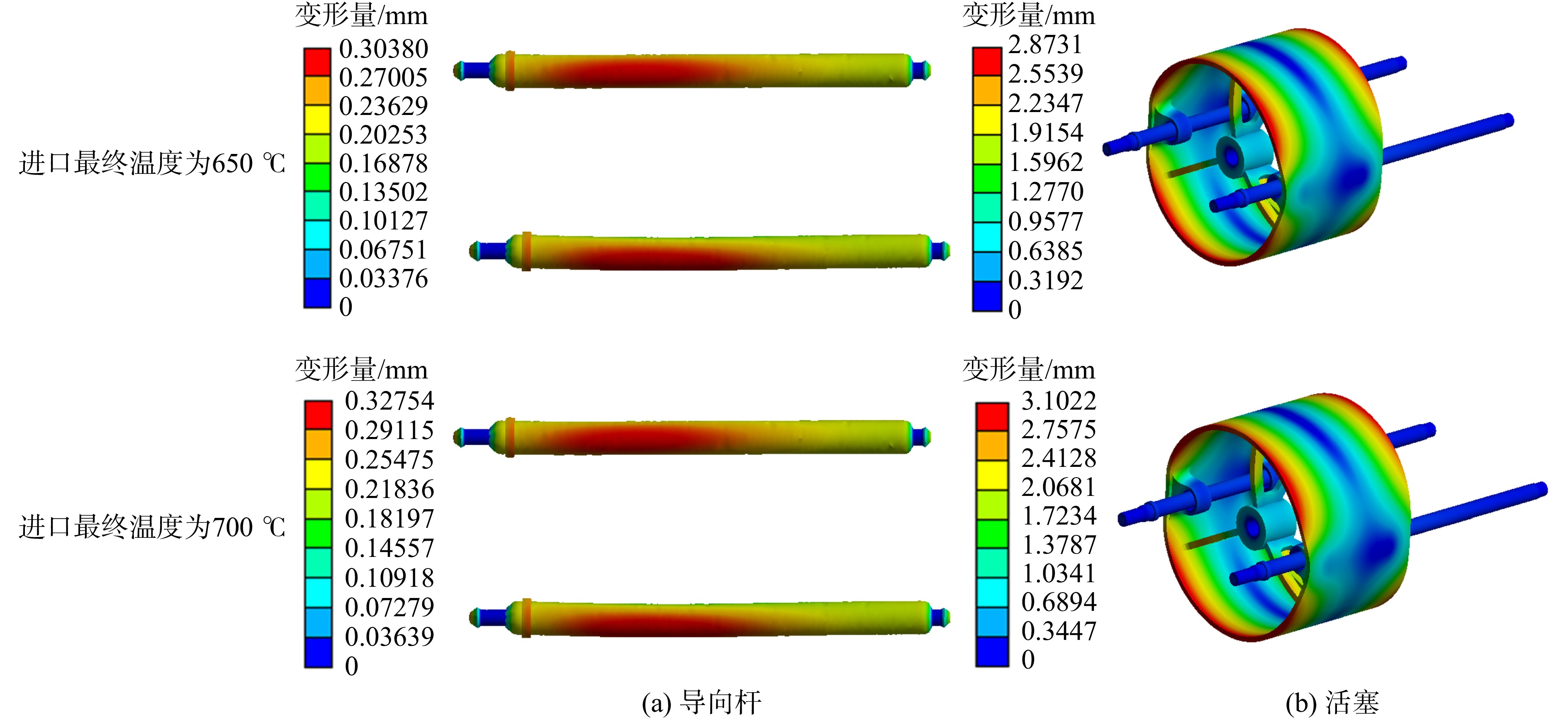
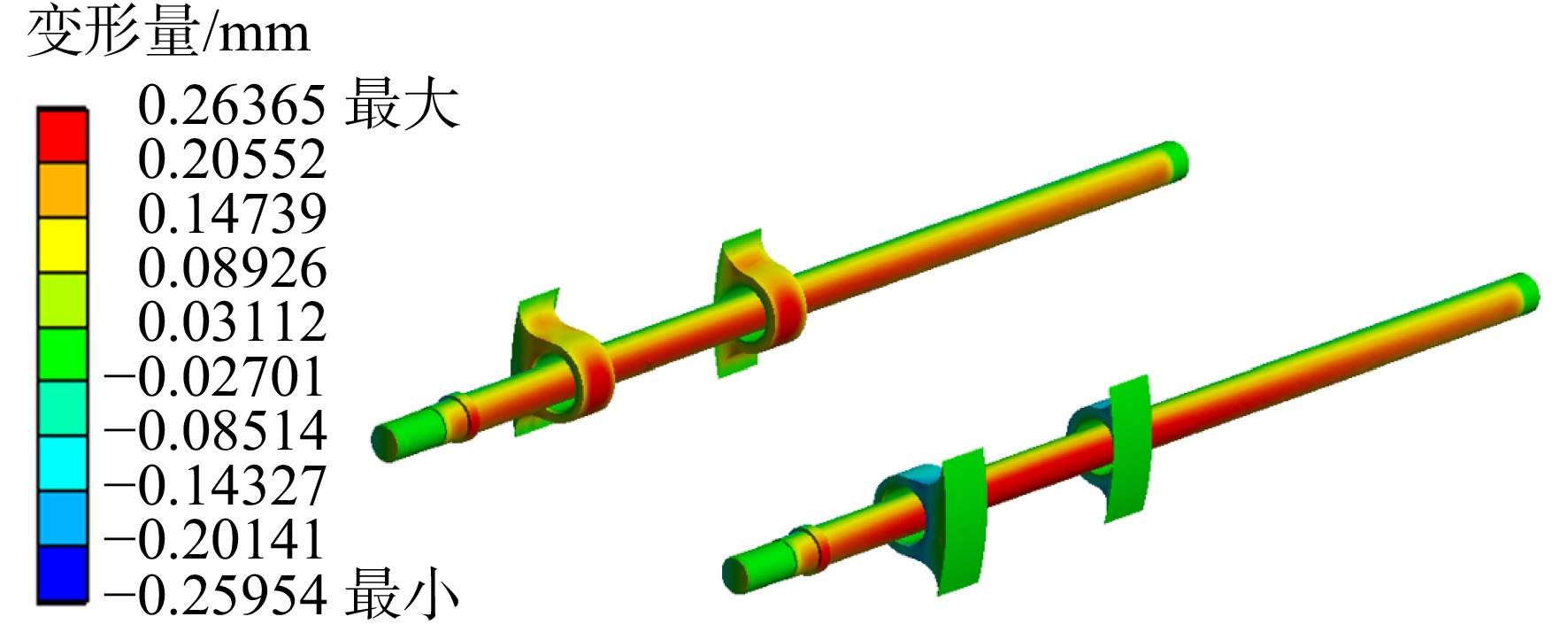
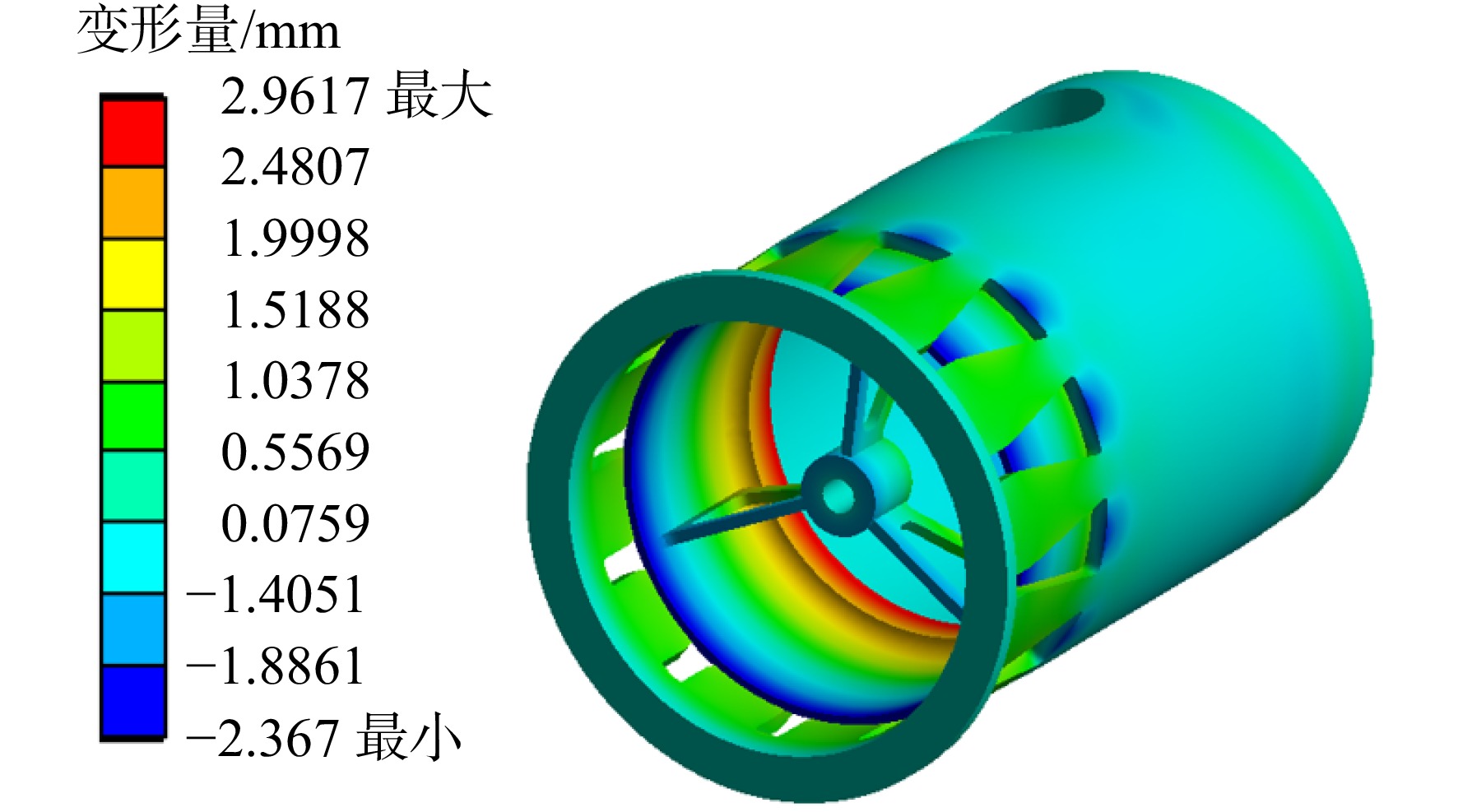
A positive offset crank-slider mechanism composed of a piston (slider), rocker arm (crank), and connecting rod was used to regulate flow in the plunger valve for a certain altitude test facility. The guide rod was prone to bending, and the piston was prone to deformation when the test airflow temperature was high and the temperature difference was significant, which often led to jam faults, and directly affected the safety of aero-engine testing. So the influences of inlet temperature differences (20 ℃ to 360 ℃) and opening angles (30°, 60°) on the thermal deformation of the mechanism were analyzed through numerical simulation. Aiming to establish a predictive basis for thermal deformation induced sticking faults. The results showed that the thermal deformation of the guide rod and piston increased withthe final inlet temperature, and the maximum thermal deformation increased linearly with the inlet temperaturedifference. The thermal deformation expressions for the cylindrical shaft and cylindrical shell were revised, and amathematical model for the maximum thermal deformation of the guide rod and piston was established. Bycombining the theoretical fundamentals of shaft-hole fit clearance, a critical temperature rise mathematical modelwas developed to predict sticking faults between the guide rod and bushing, as well as between the piston andsleeve. The relative errors of the predicted value of critical temperature rise were 7% and 11%, respectively, when the guide rod was matched with the shaft sleeve, and the piston was matched with the sleeve. Thus these errors met the requirements of allowable deviation in engineering application. Therefore, this critical temperature rise model could be used to predict the thermal deformation-induced jam faults for high-temperature plunger valve mechanisms, helping to provid a theoretical basis for reducing the probability of operational faults in high-temperature plunger valves during high-altitude simulation tests of aero-engines.

Dynamic response and load transfer characteristics of aero-engine rotor system under sudden unbalance
LIU Jijun, LI Yixuan, LI Kaixiang, JIANG Yongping, LIU Xiaochuan
2026, 41(4): 20250193. doi: 10.13224/j.cnki.jasp.20250193
Abstract:

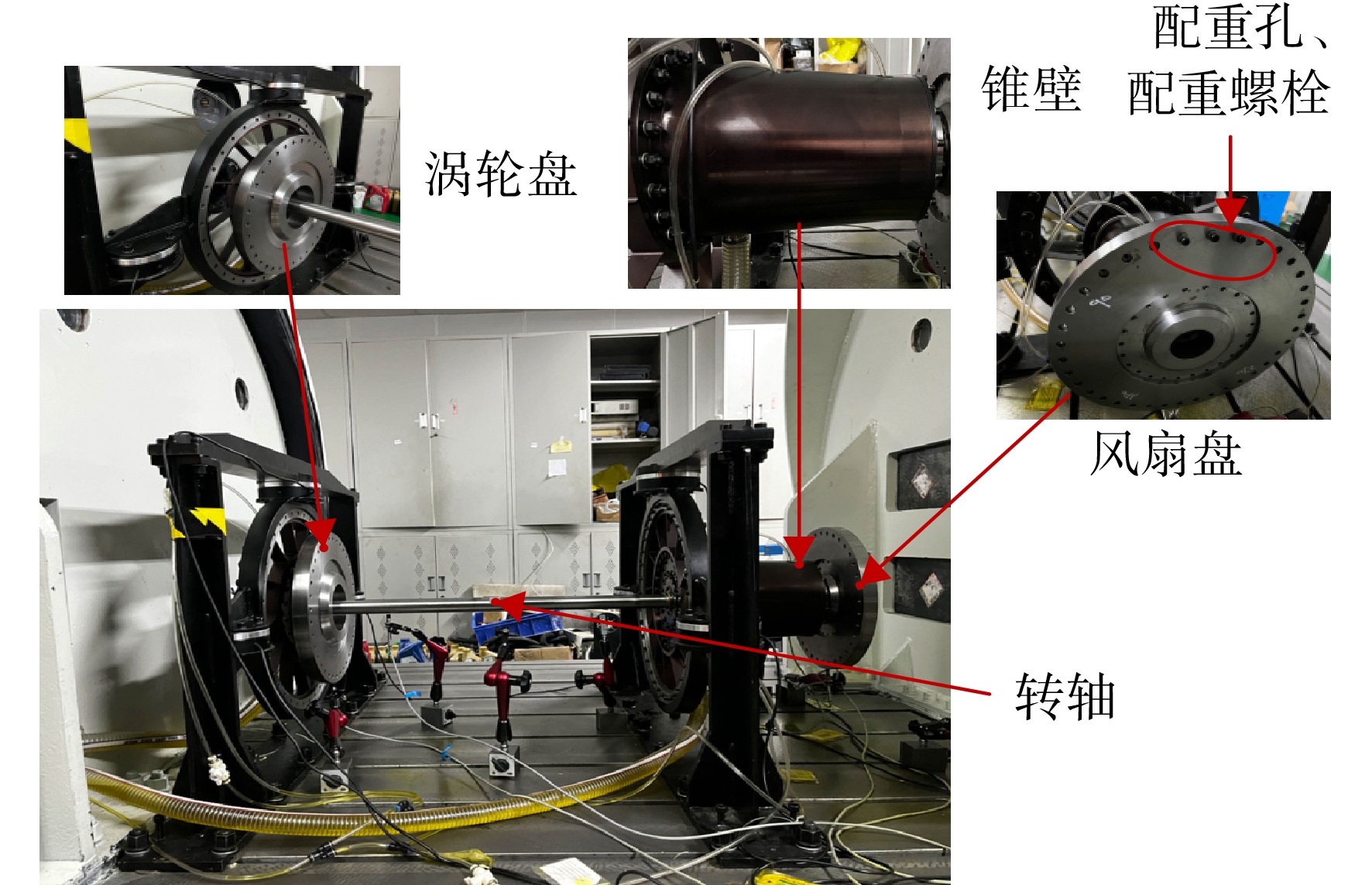
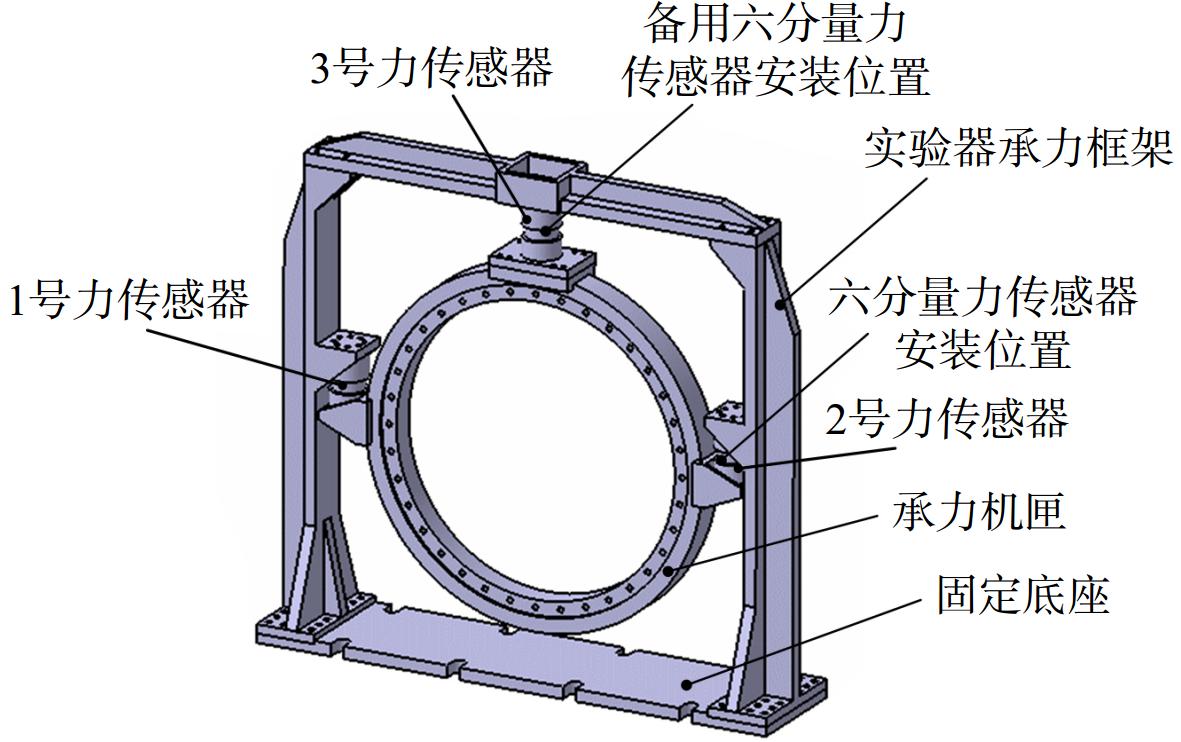
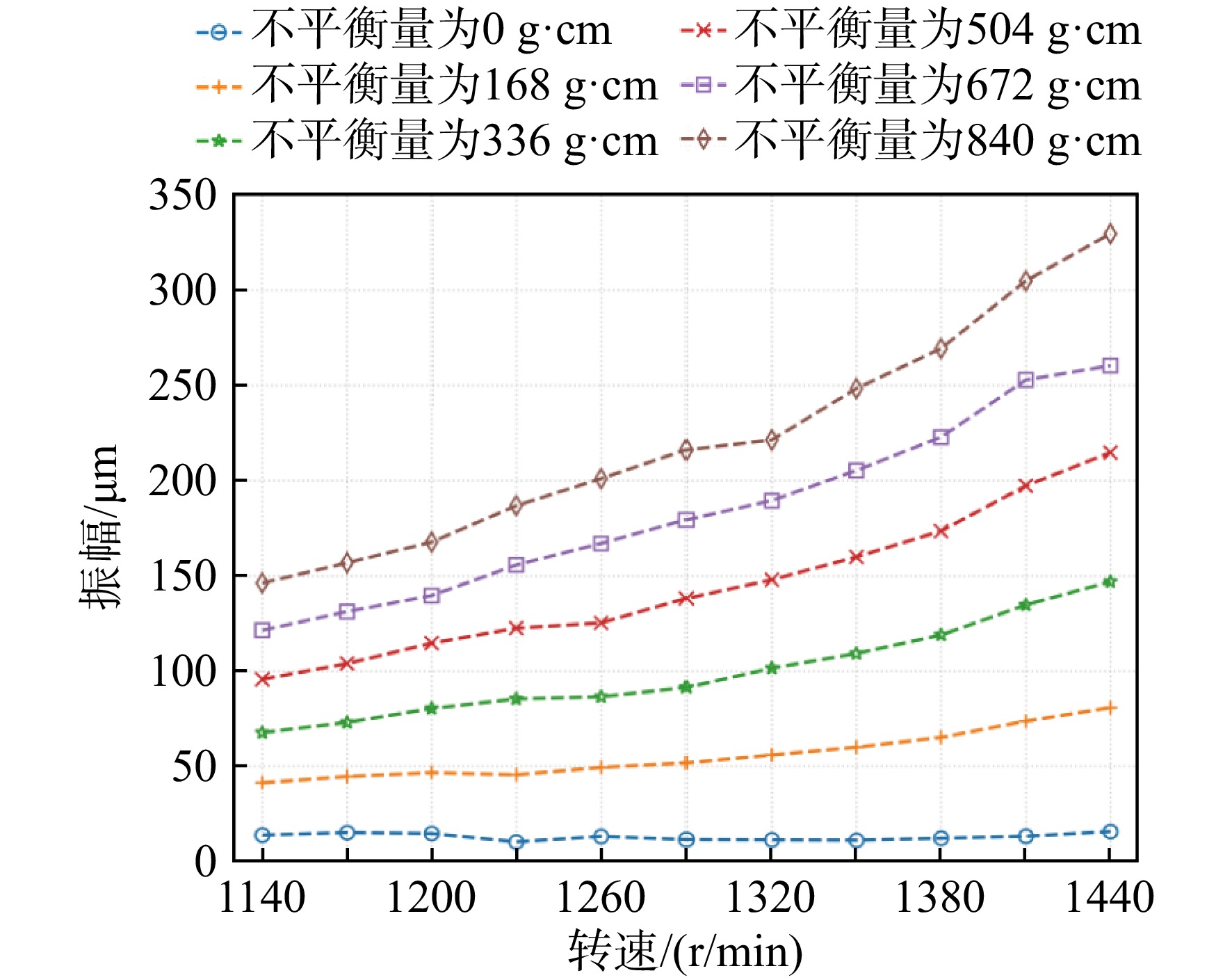
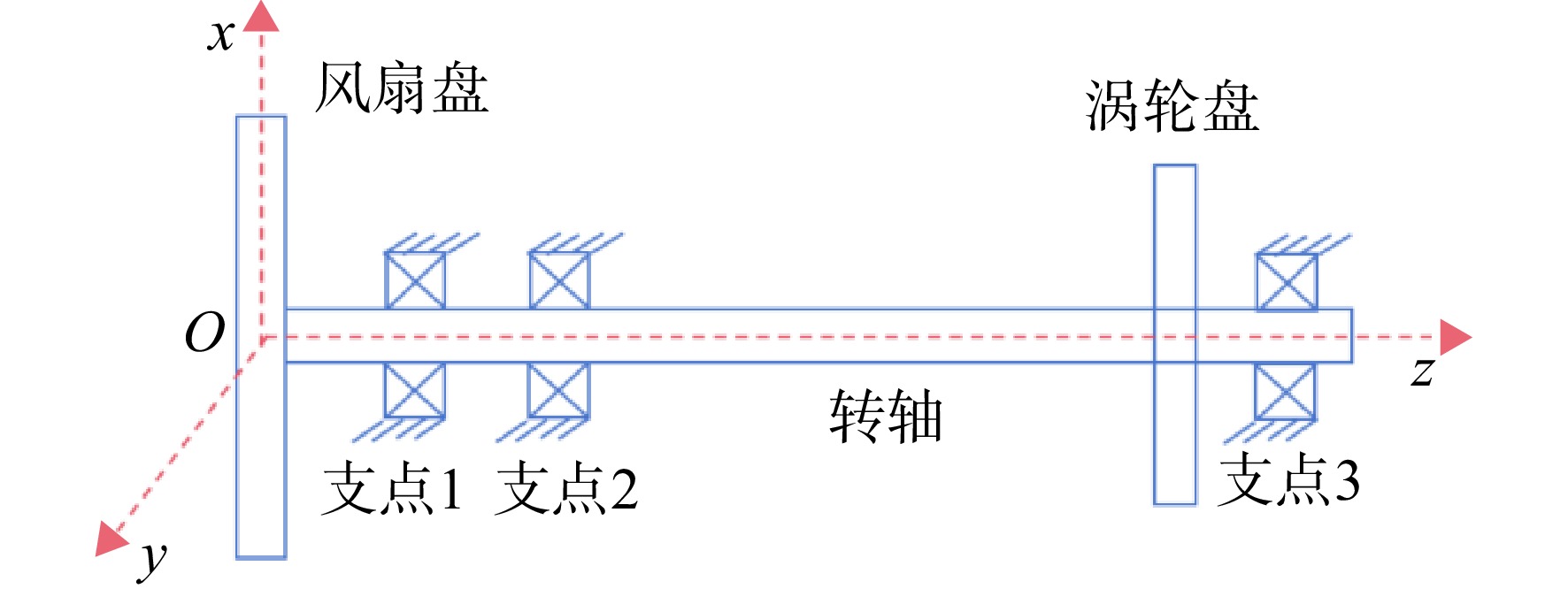
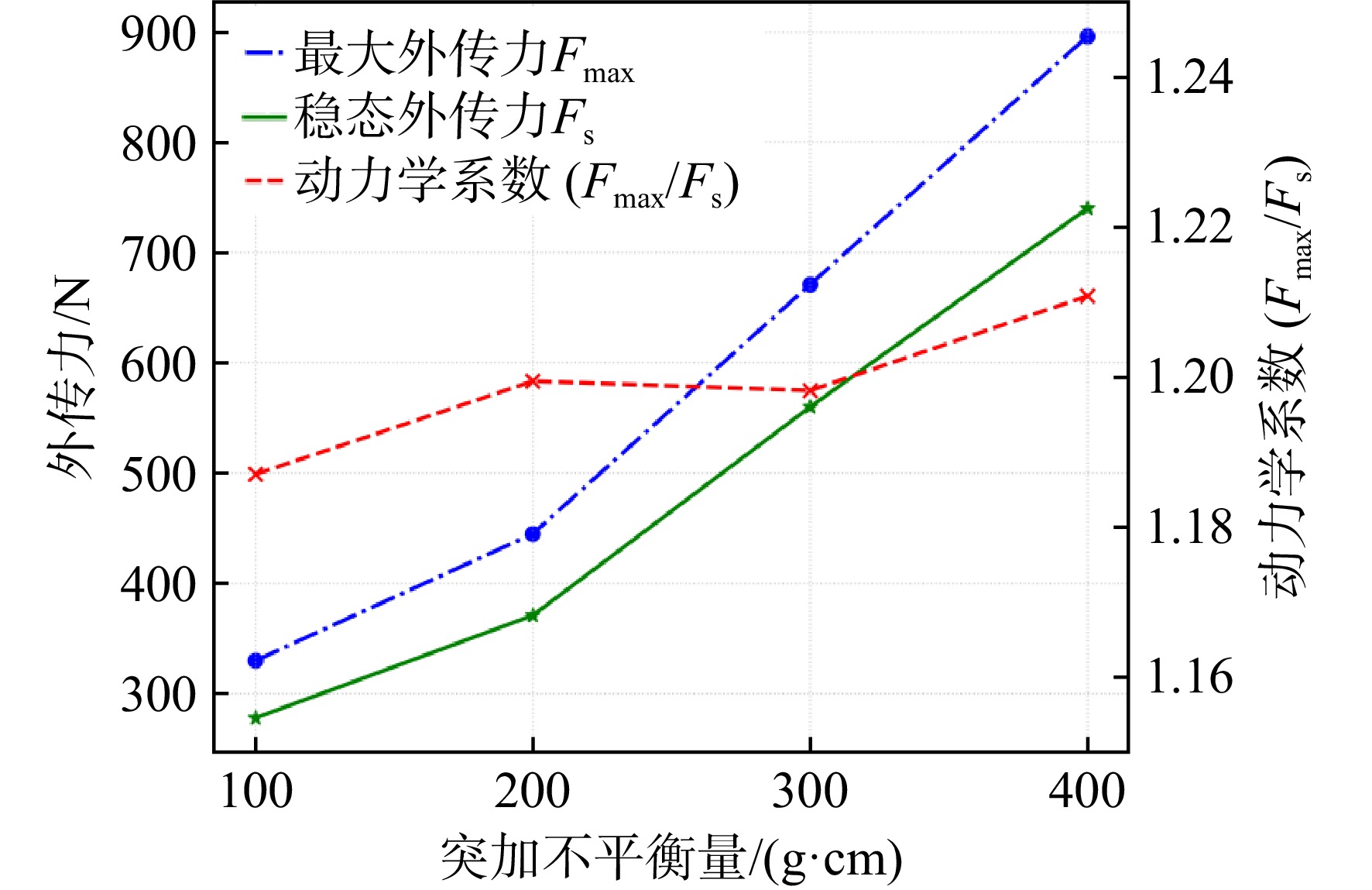
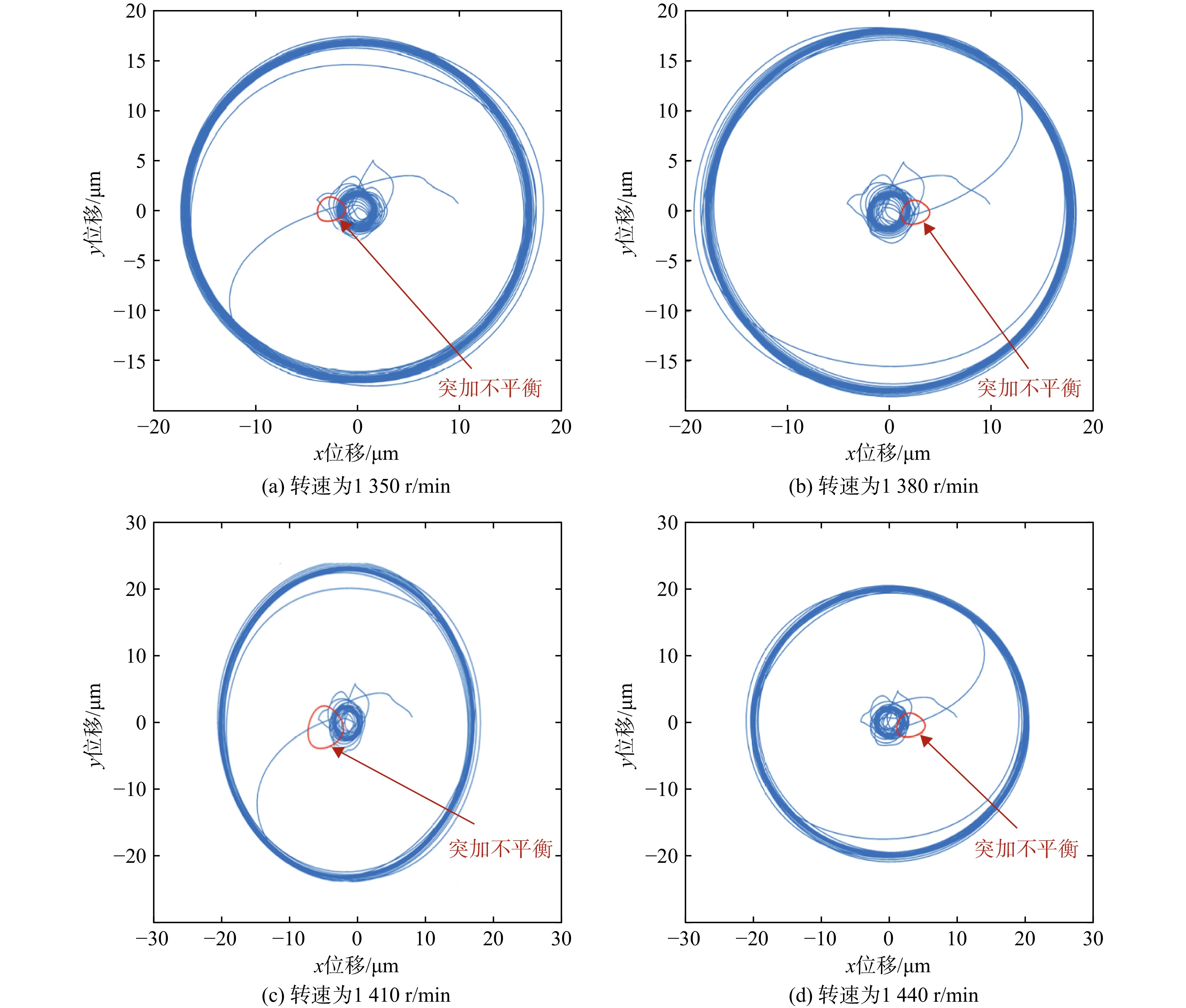
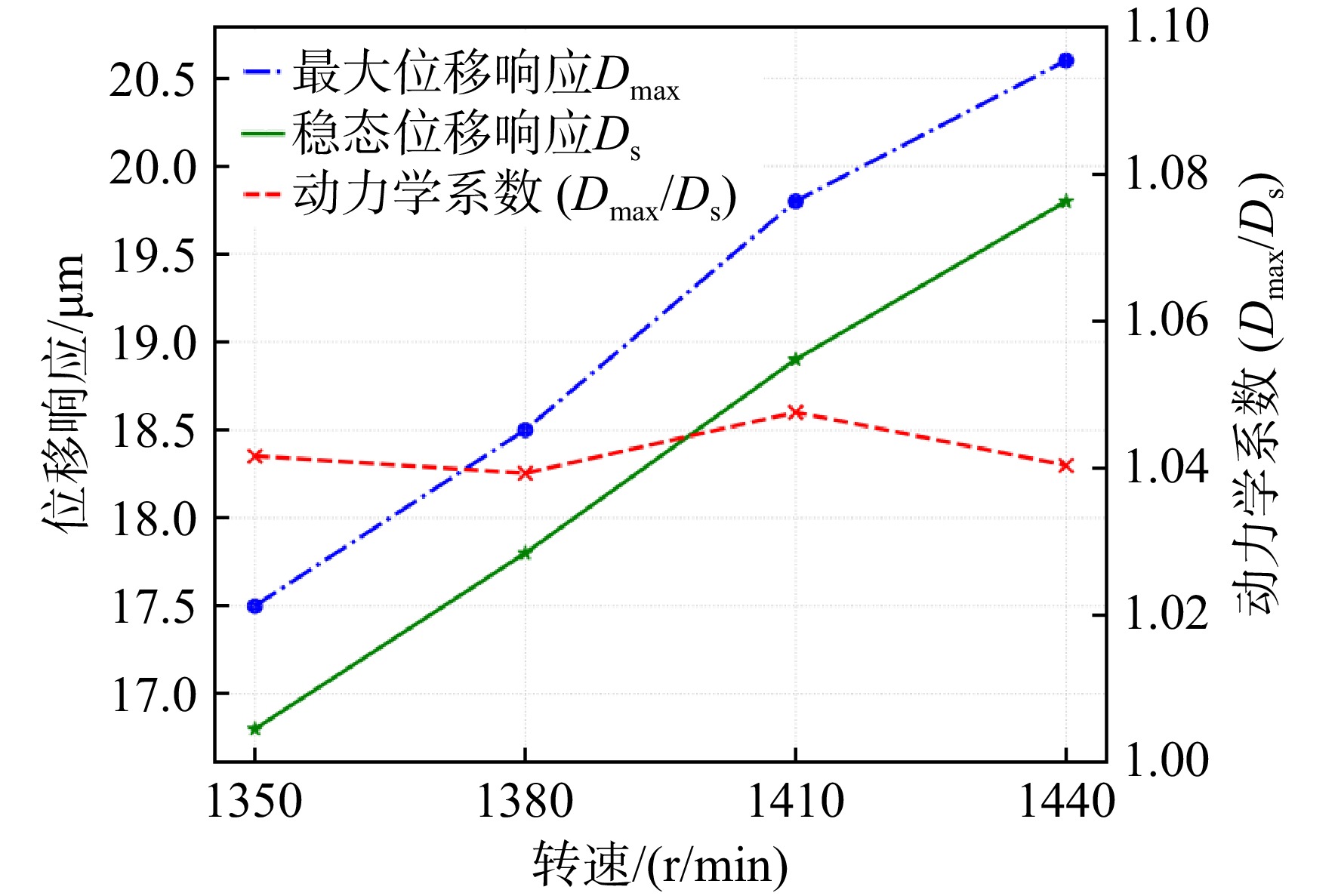
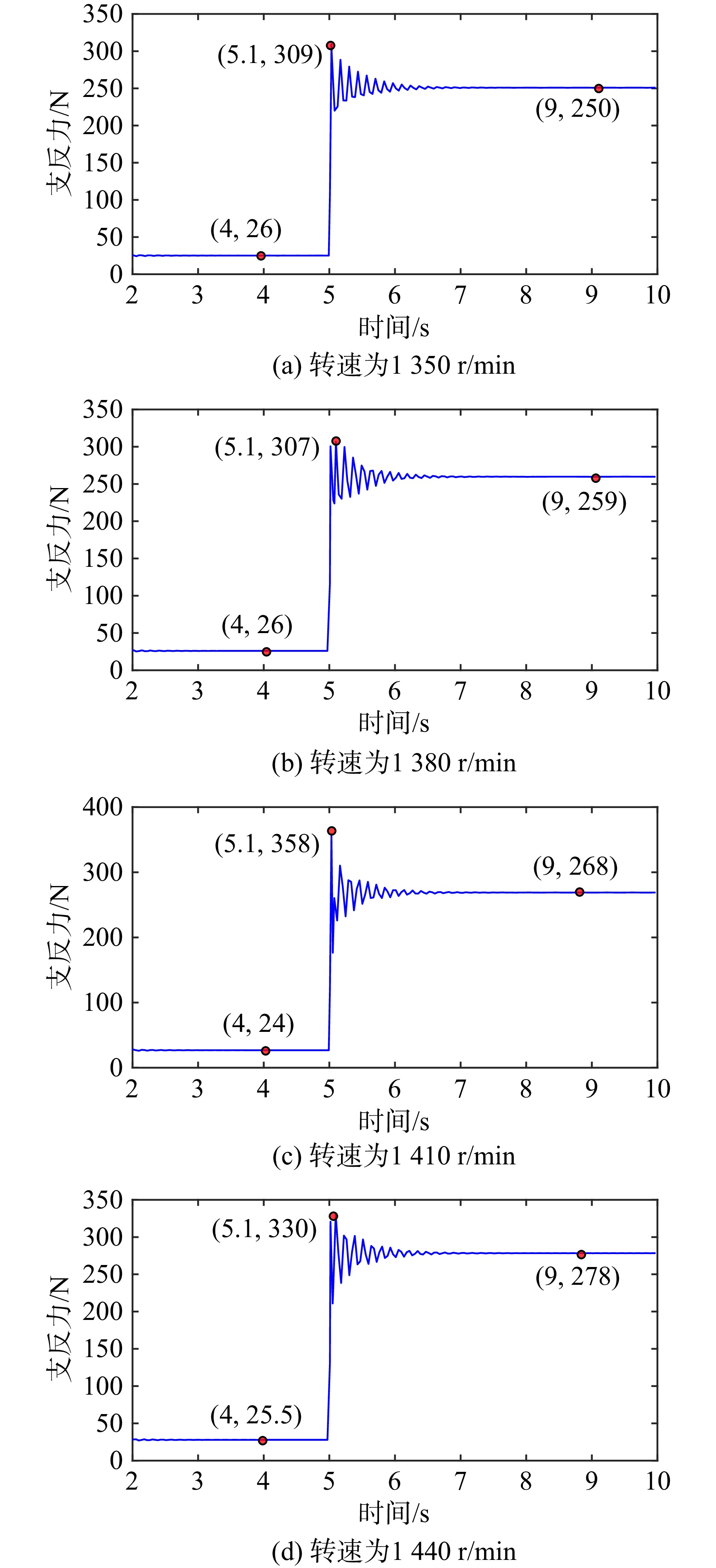
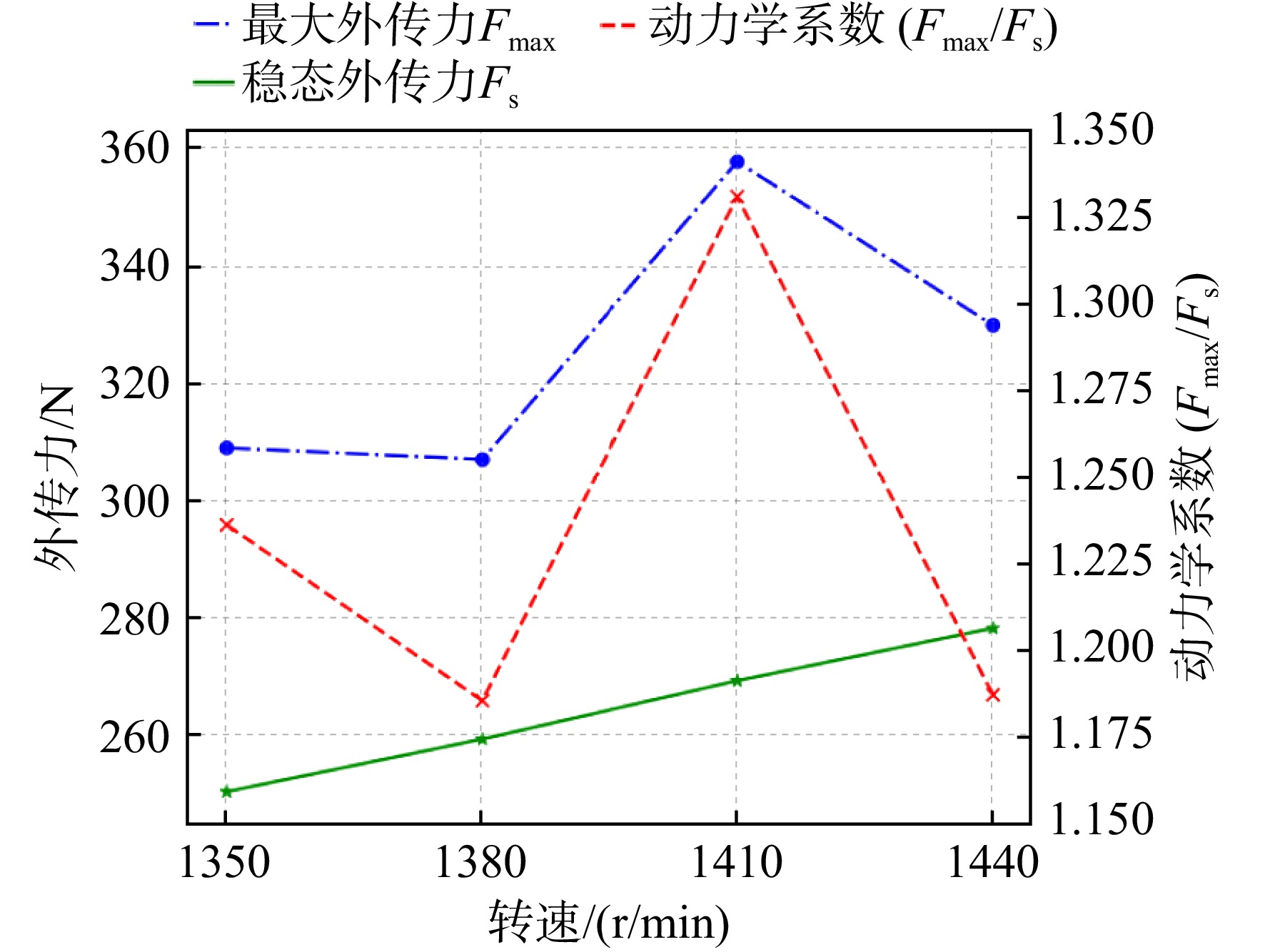
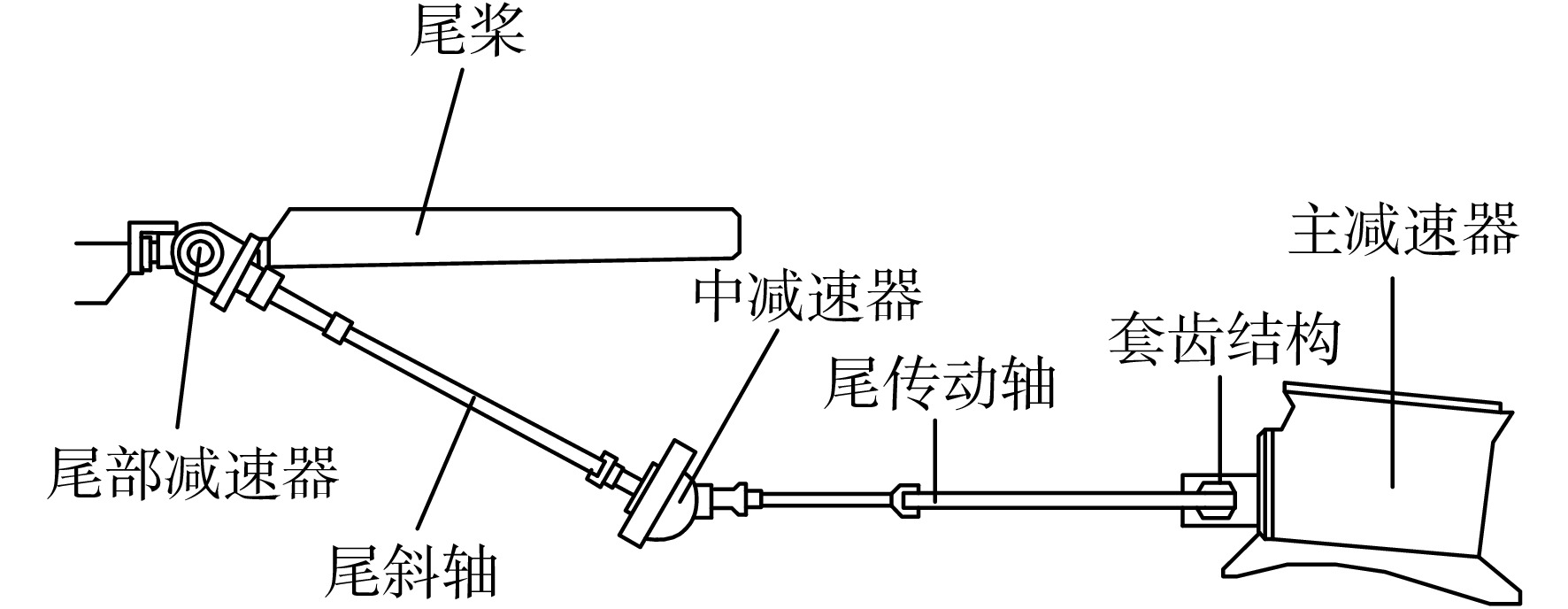
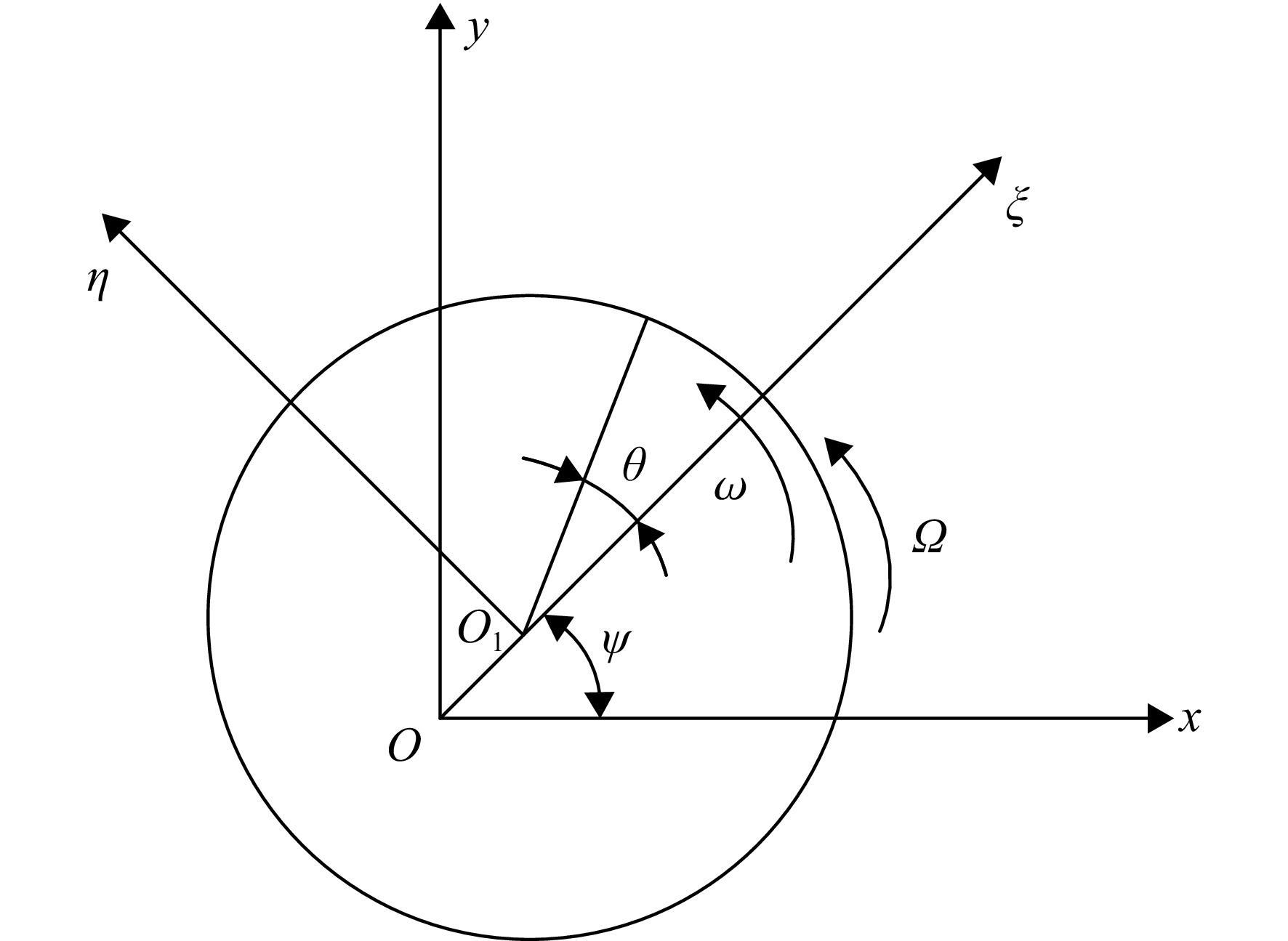
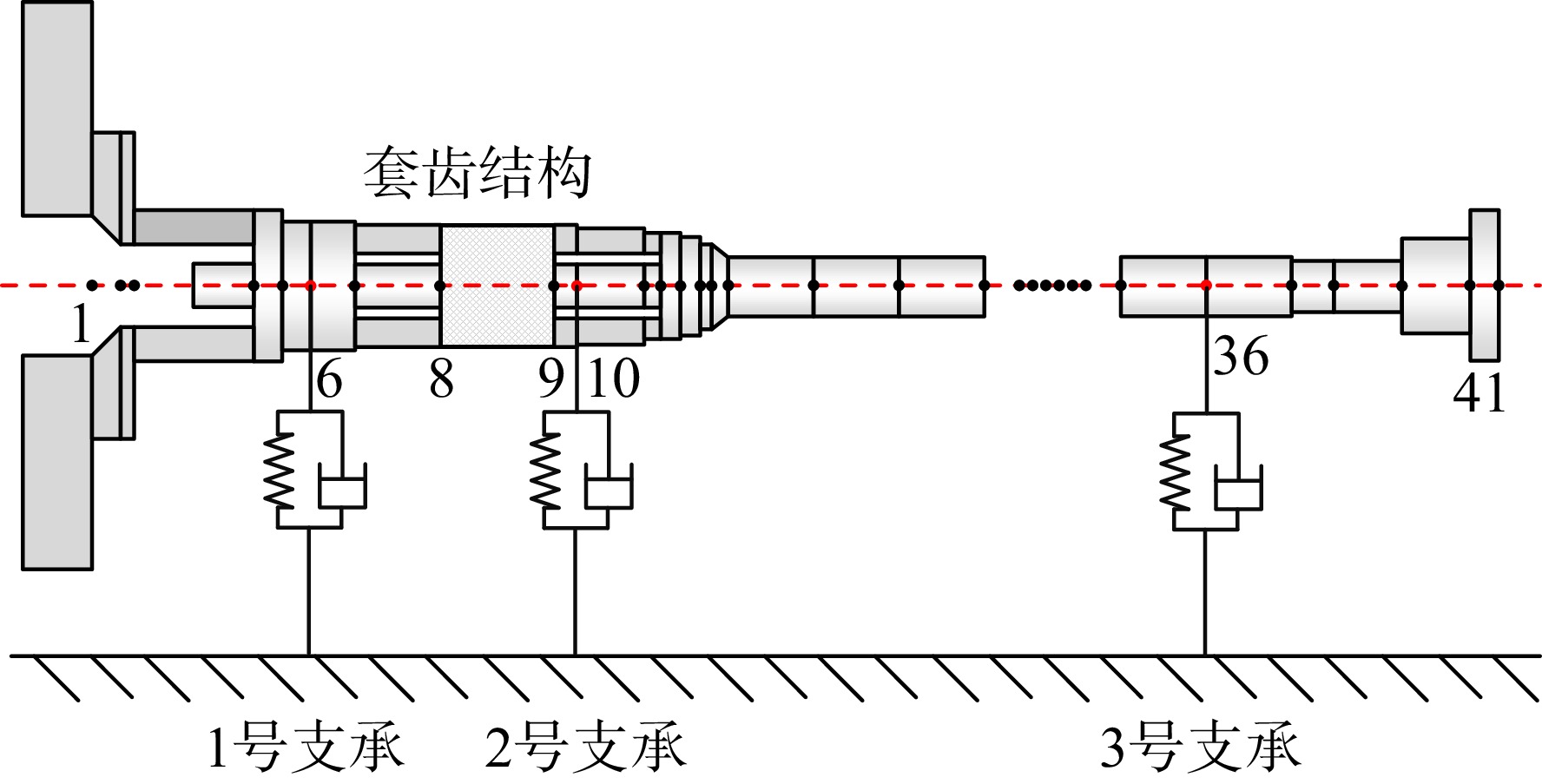
Sudden unbalance events (e.g., blade-off) in aero-engine rotor systems can induce severe transient impacts, significantly threatening flight safety. Focusing on the low-pressure rotor system of a high-bypass turbofan engine, a ground test platform capable of simulating large unbalance conditions (900 g·cm, 6000 r/min) was designed. Through numerical simulations and test validation, the dynamic response and load transfer characteristics under sudden unbalance were investigated. A finite element dynamics model of the rotor system was established based on Timoshenko beam theory, and the effects of unbalance and rotational speed on displacement and external force transmission were analyzed. The results revealed that within the windmilling speed range (11401440 r/min, far from critical rotational speeds), both displacement and external force responses exhibited significant transient amplification, with mean dynamic amplification factors of 1.2 for external force and 1.03—1.04 for displacement. Unbalance and rotational speed variations showed approximately linear effects on steady-state responses but limited influence on transient amplification. This research could provide theoretical support for the safety design and airworthiness verification of sudden unbalance tests, and a dynamic amplification factor of 1.2 should be recommended to correct steady-state external forces for accurate transient load assessment.

Internal friction dynamic characteristics of aero-engine spline coupling
WANG Tong, WANG Yankai, WANG Yangang, WANG Delong
2026, 41(4): 20250112. doi: 10.13224/j.cnki.jasp.20250112
Abstract:

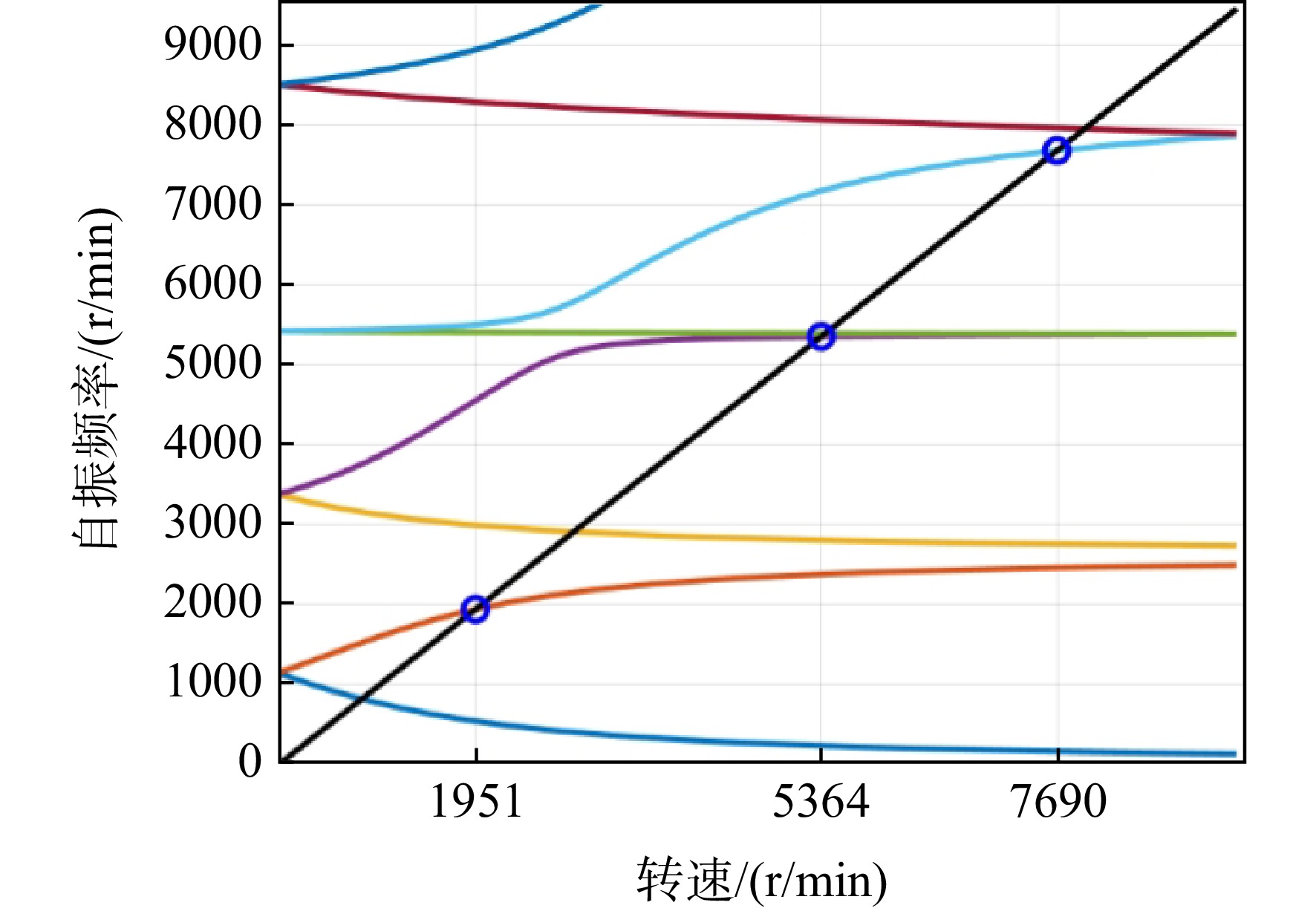
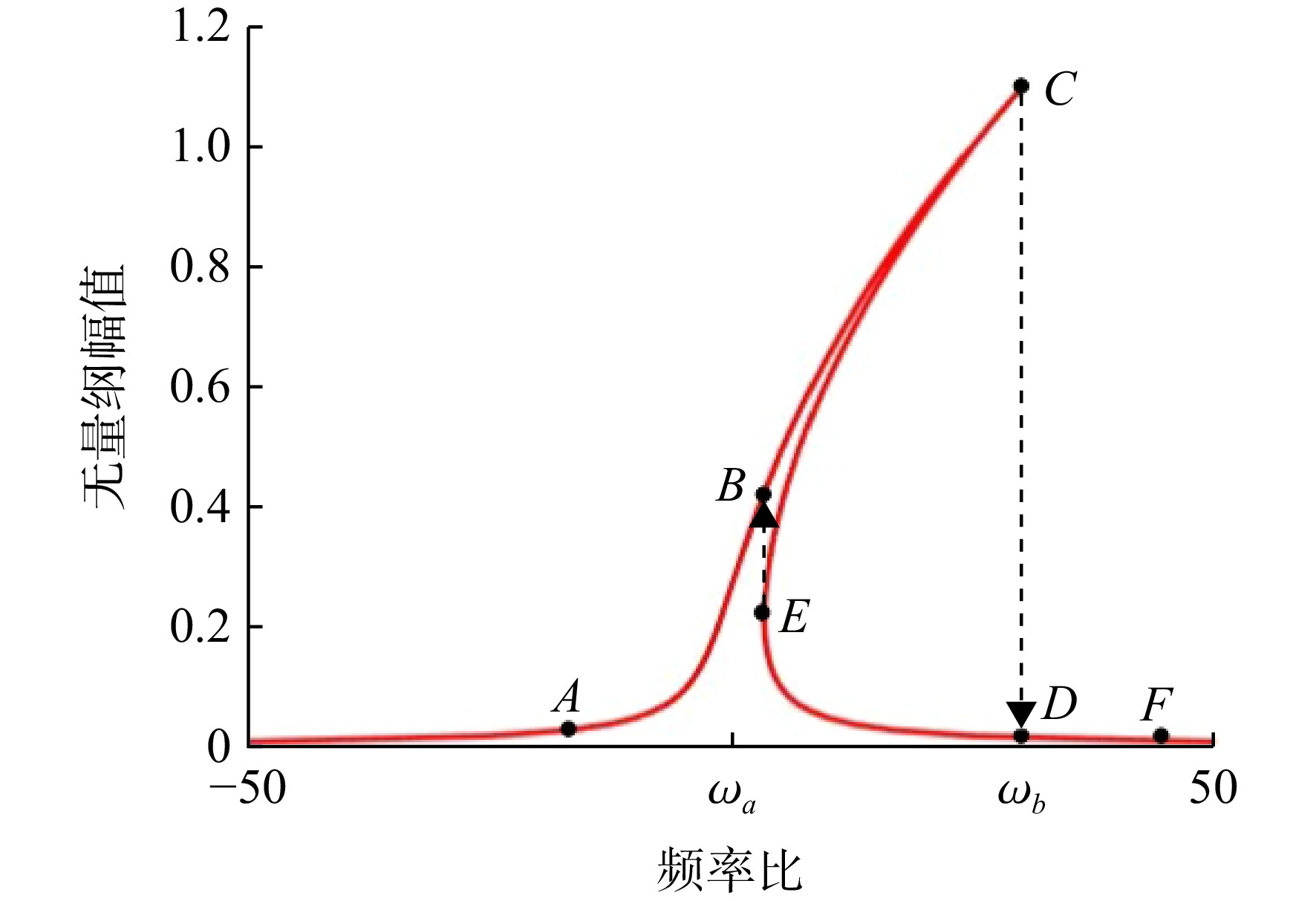
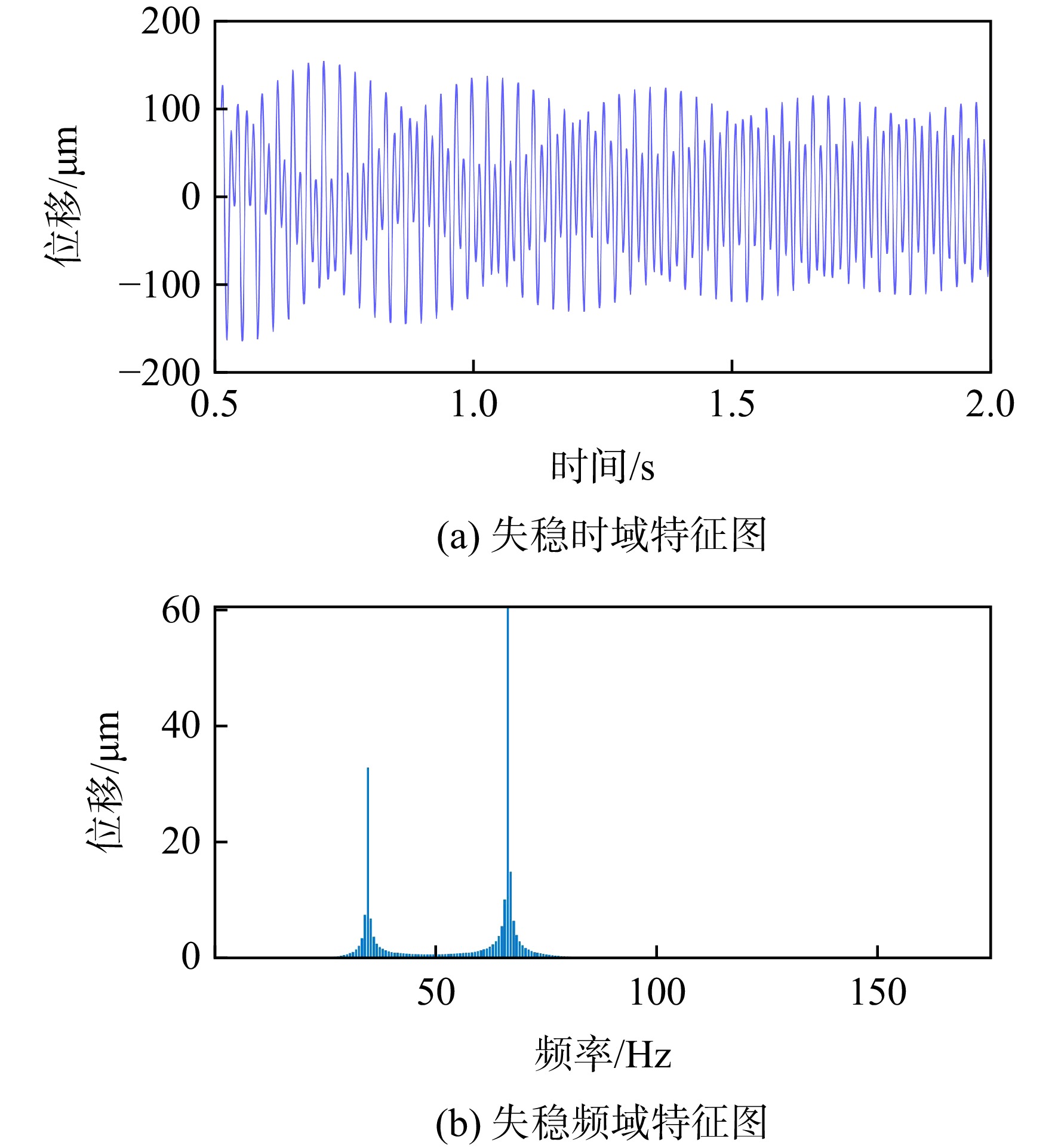
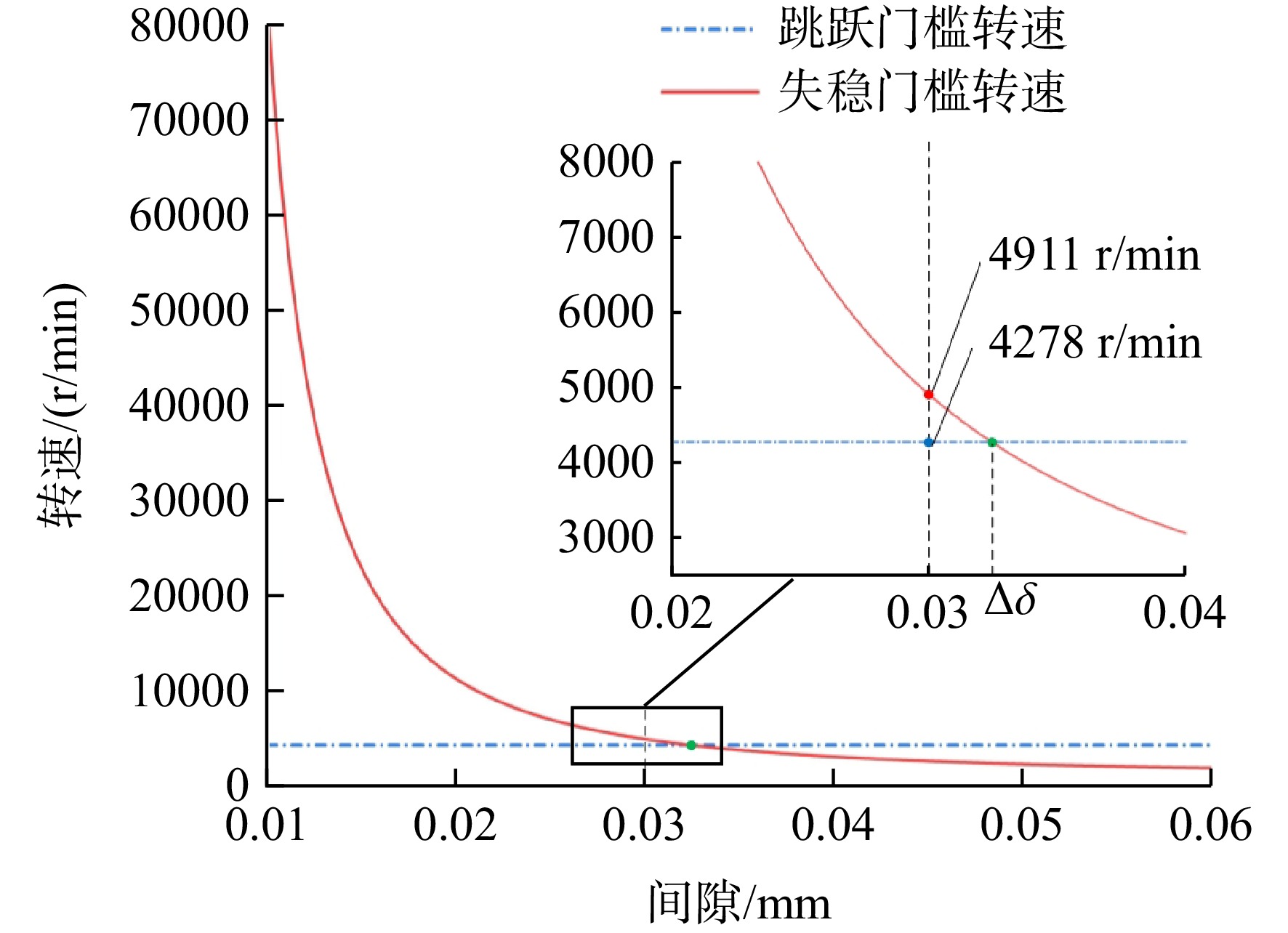
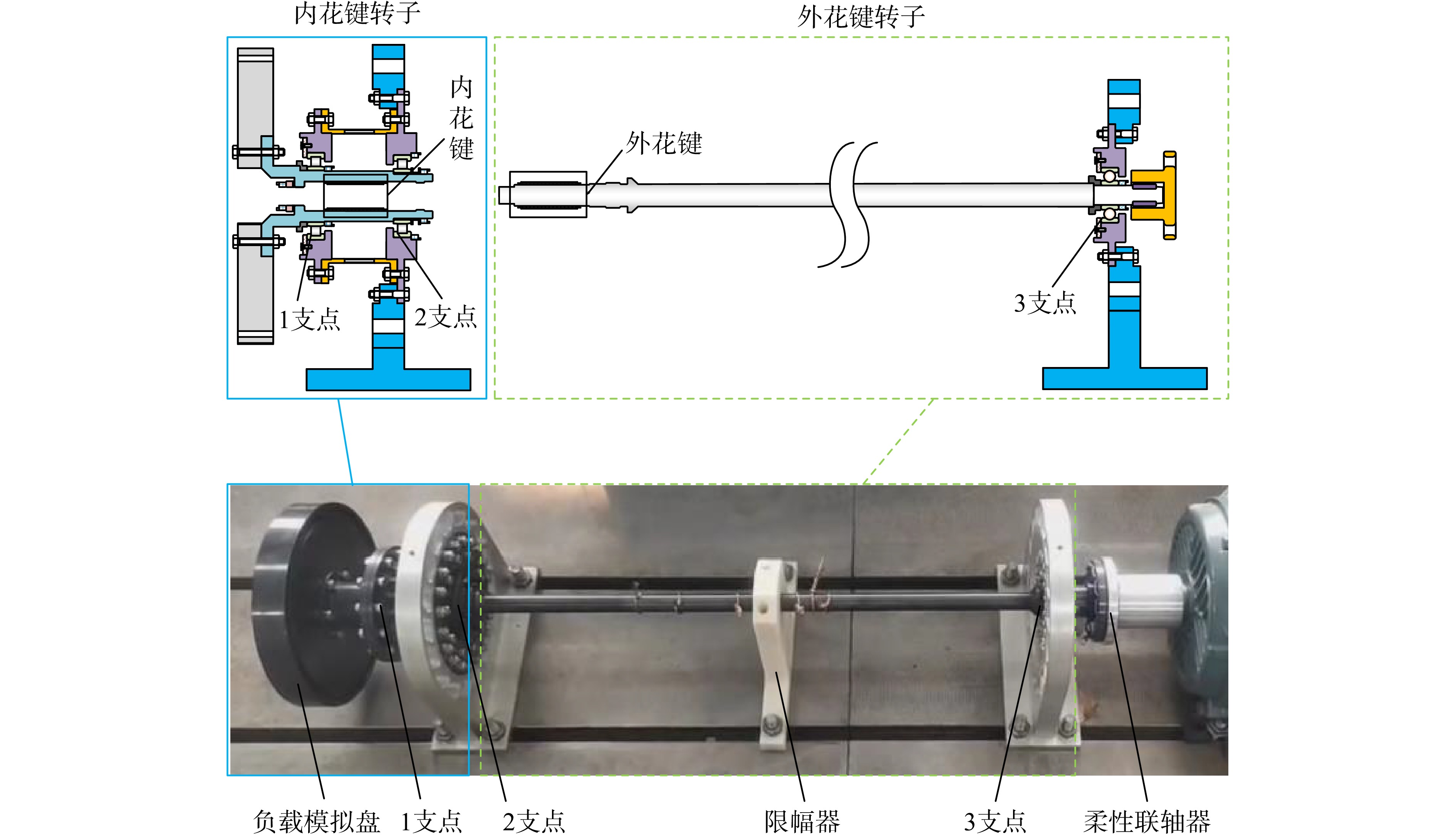
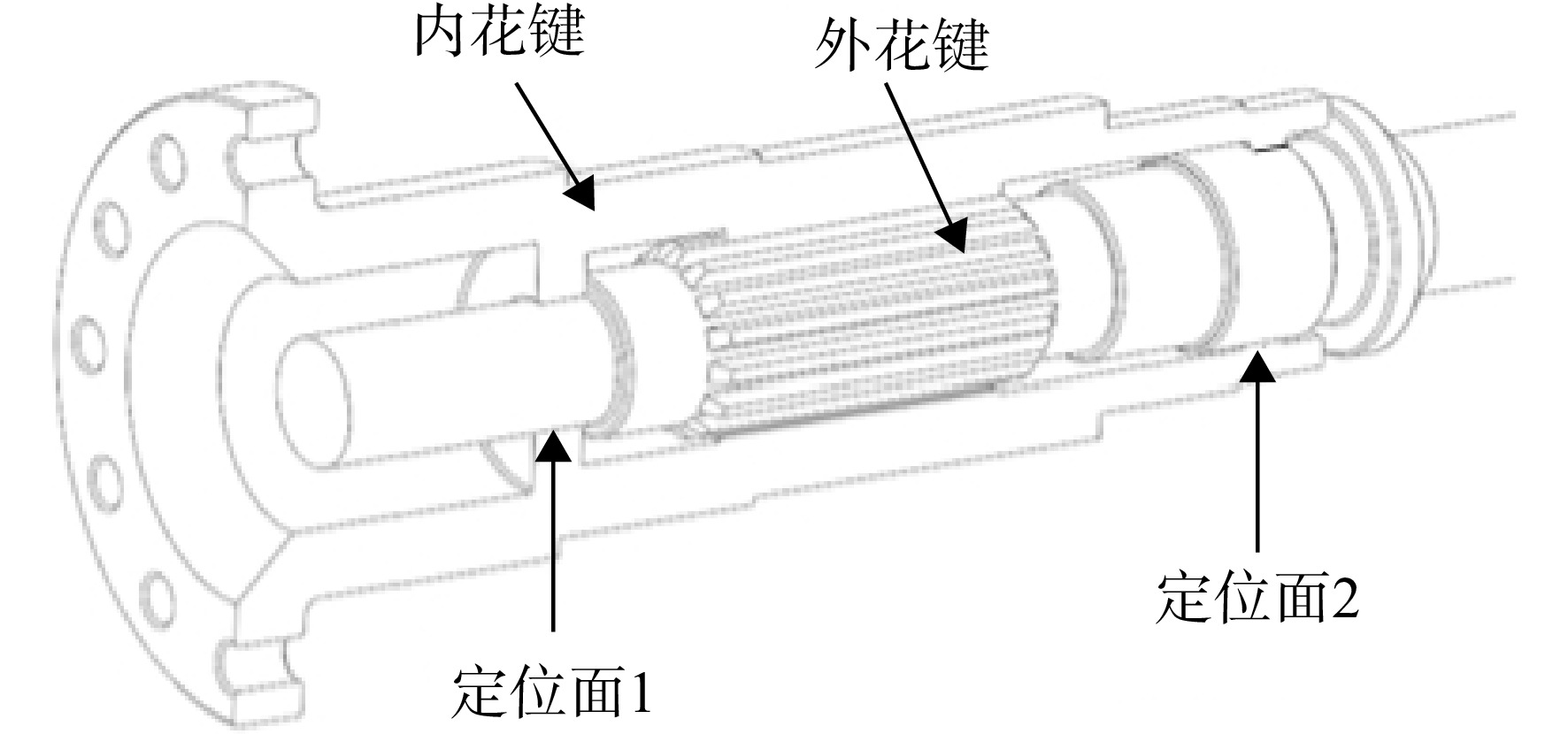
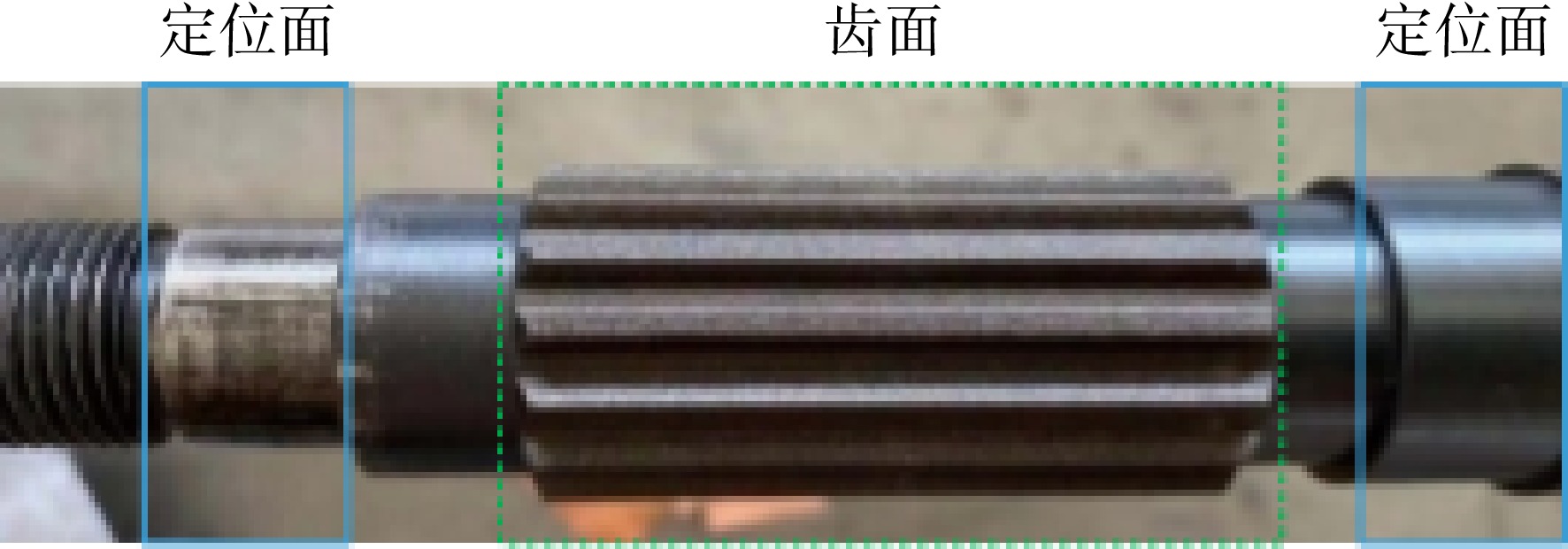
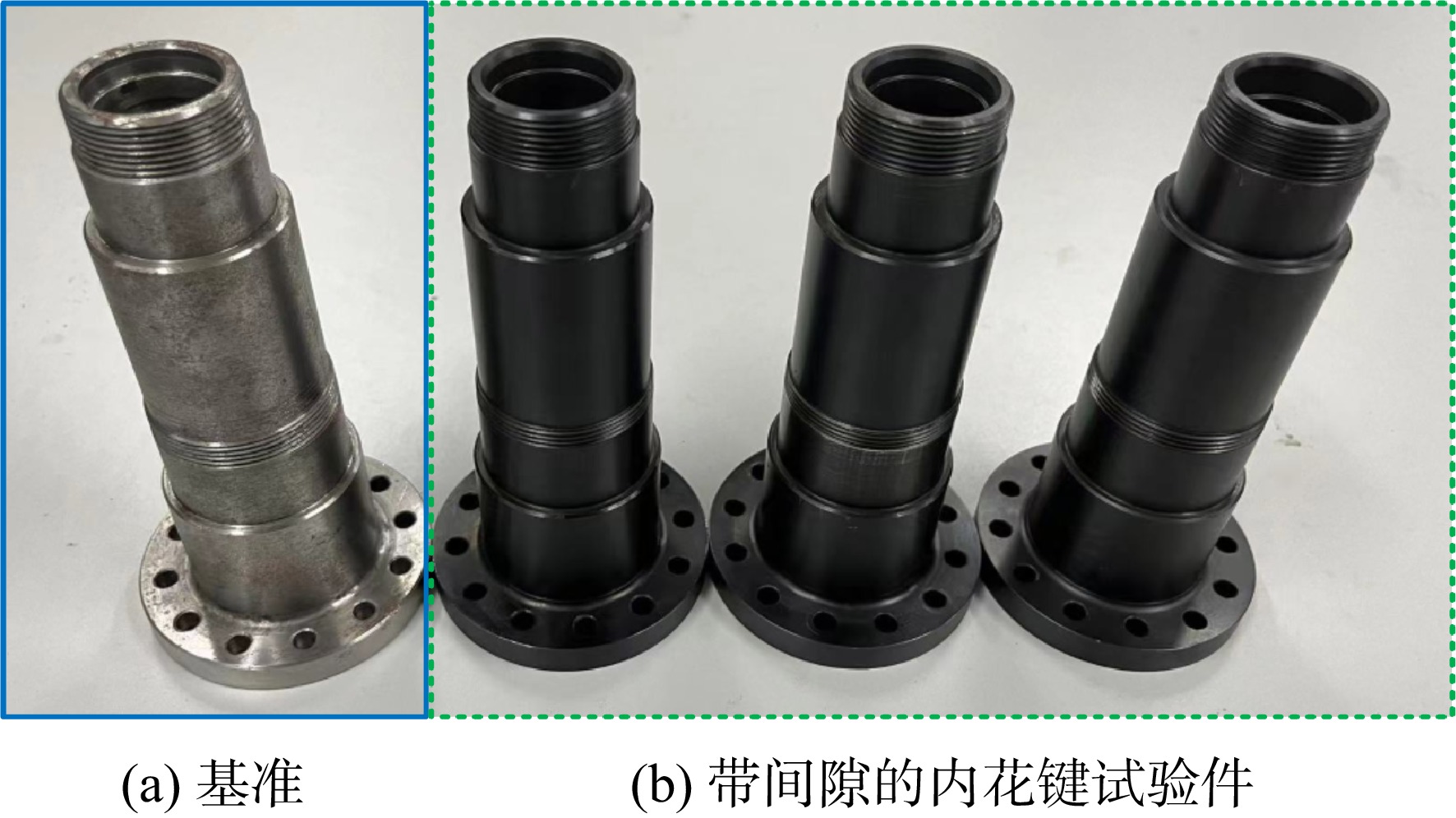
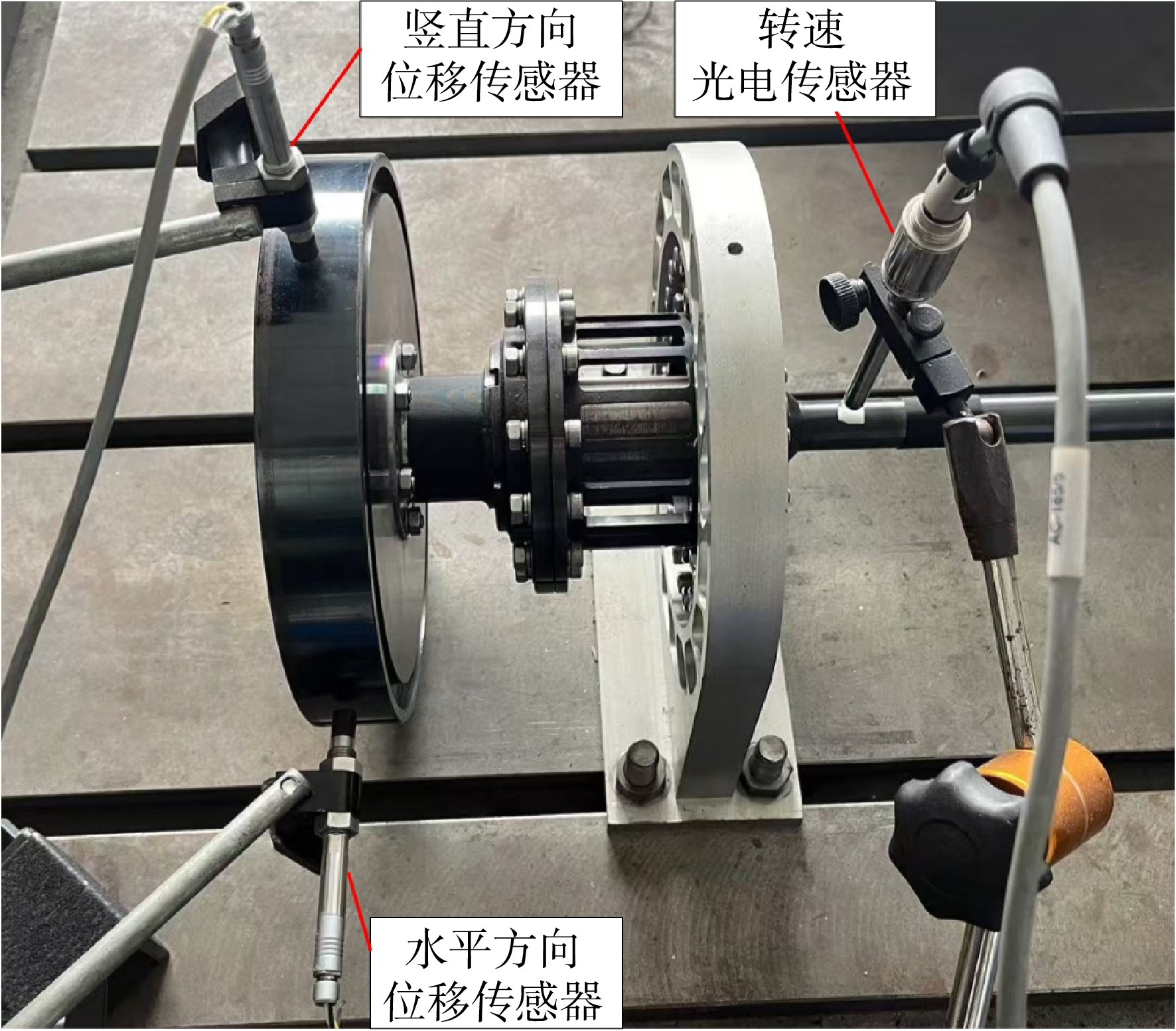
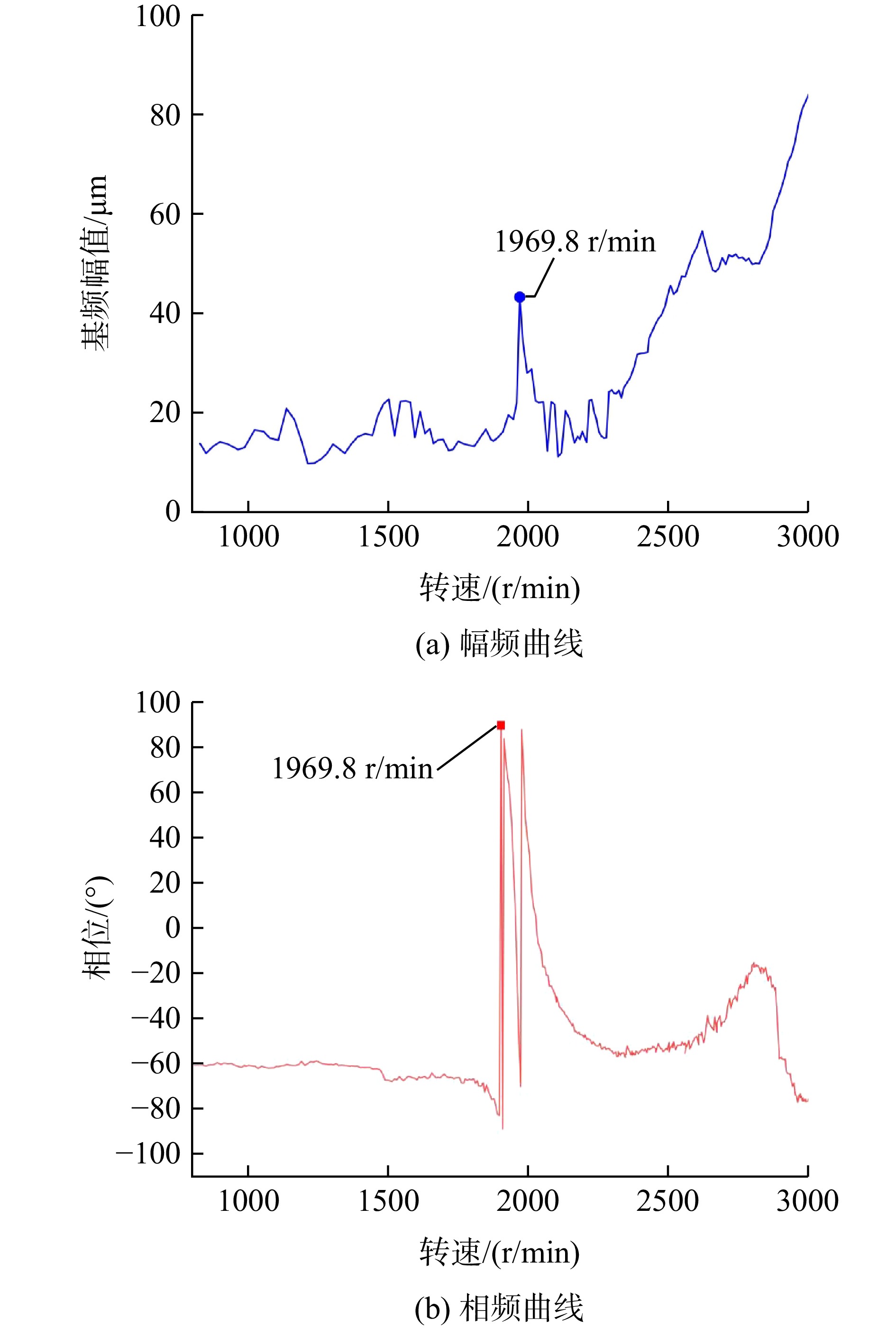
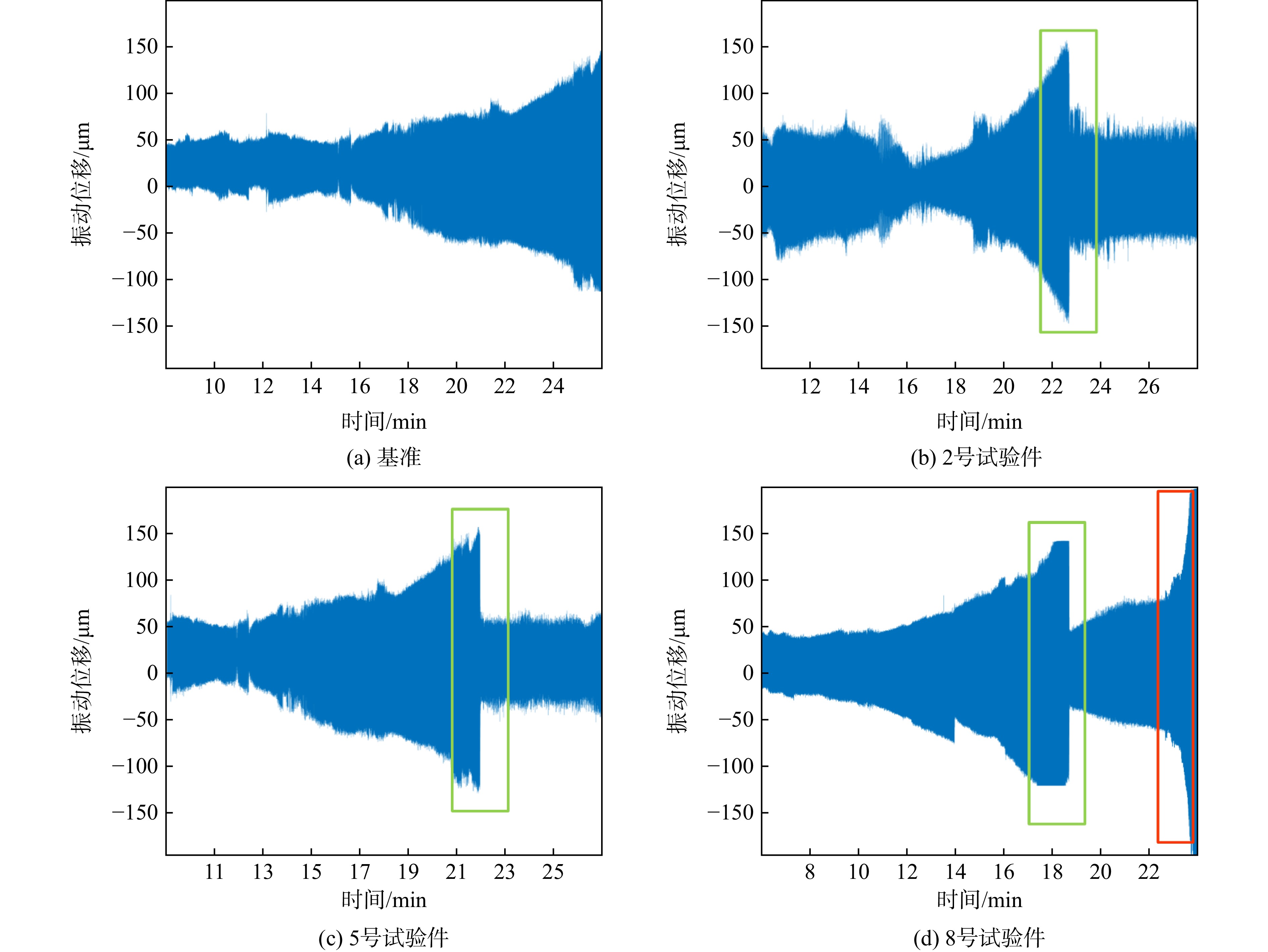
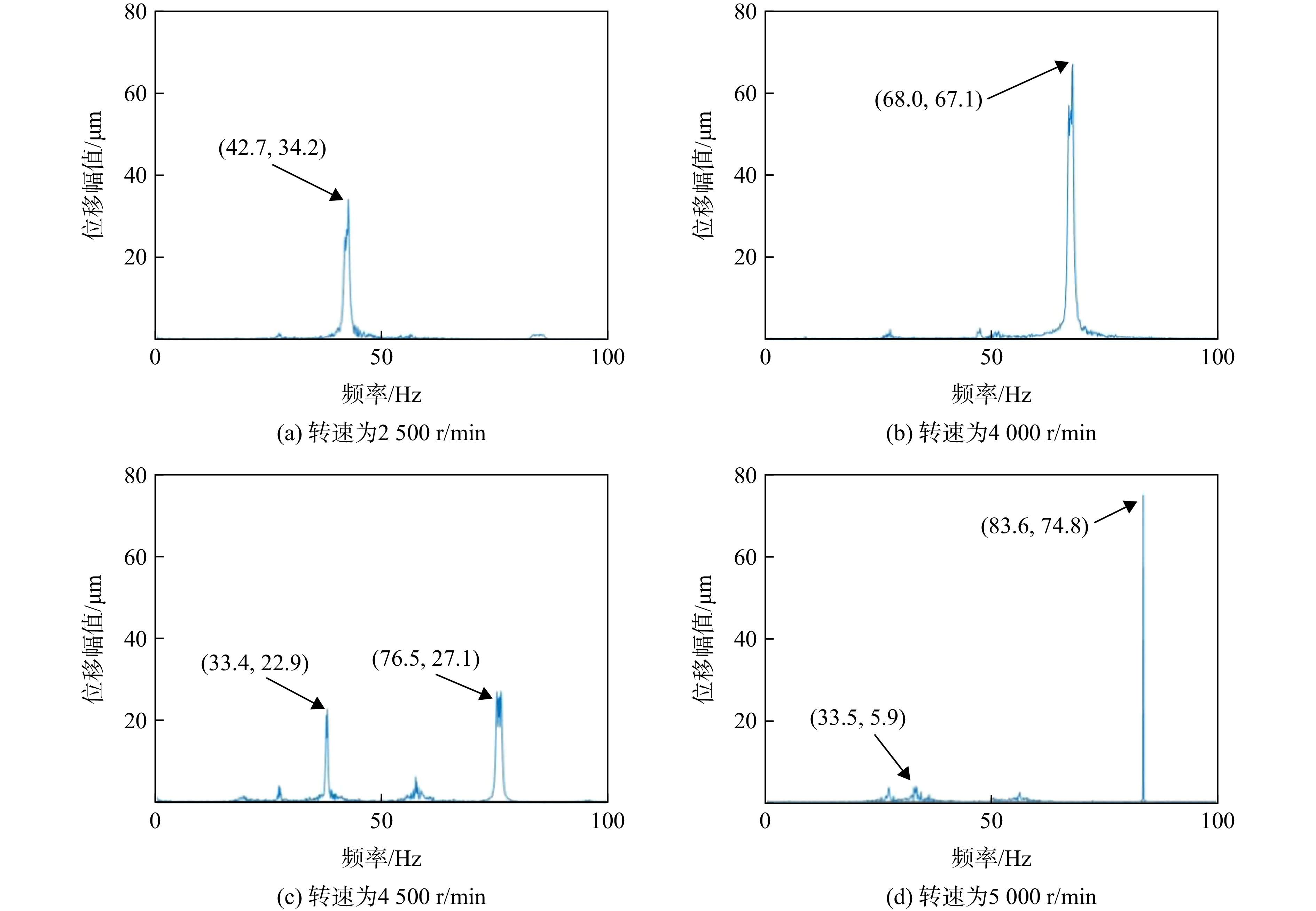
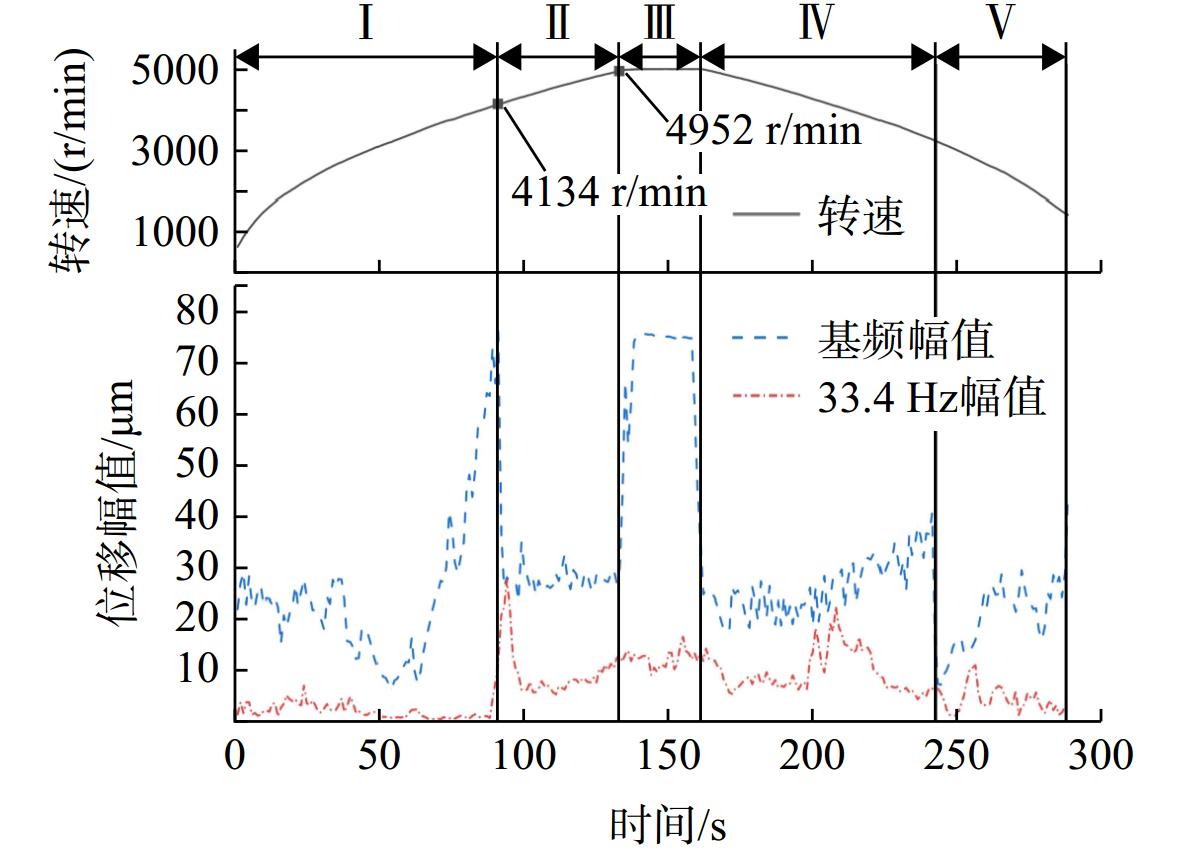
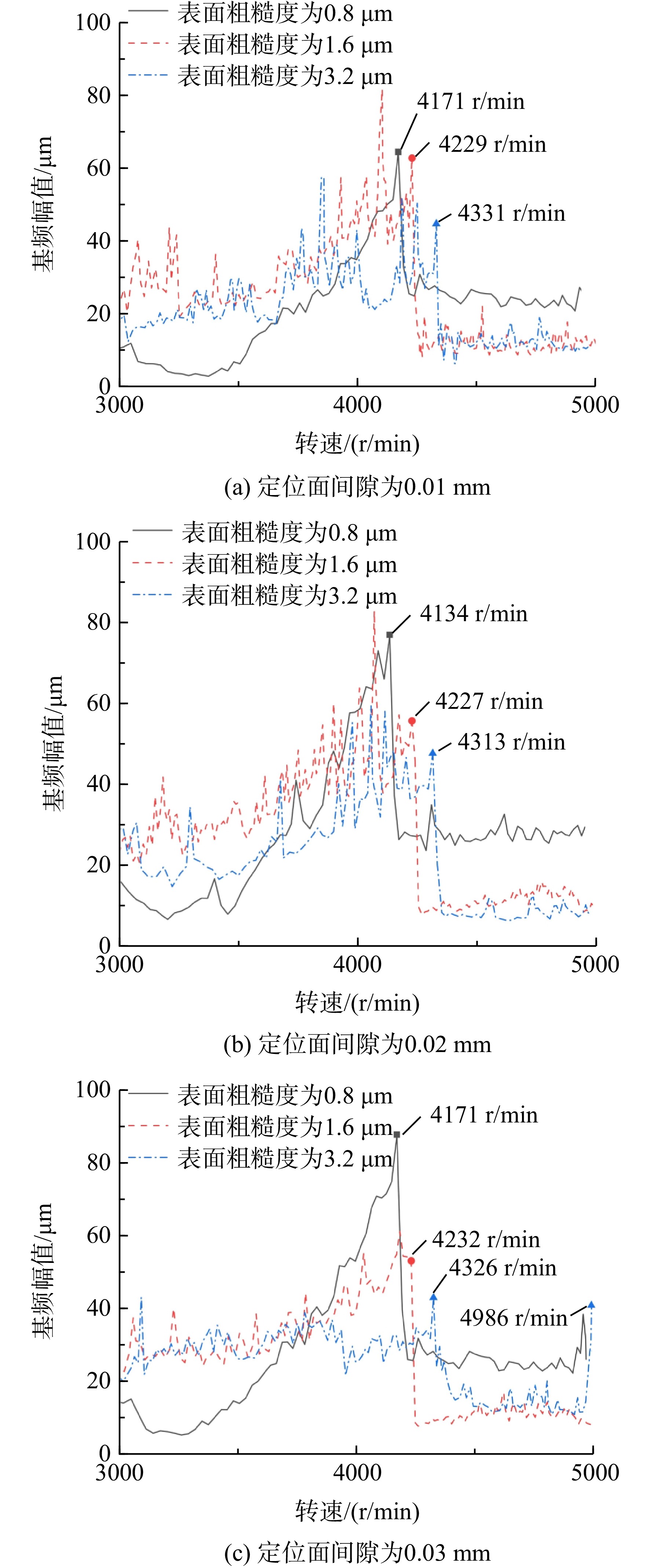
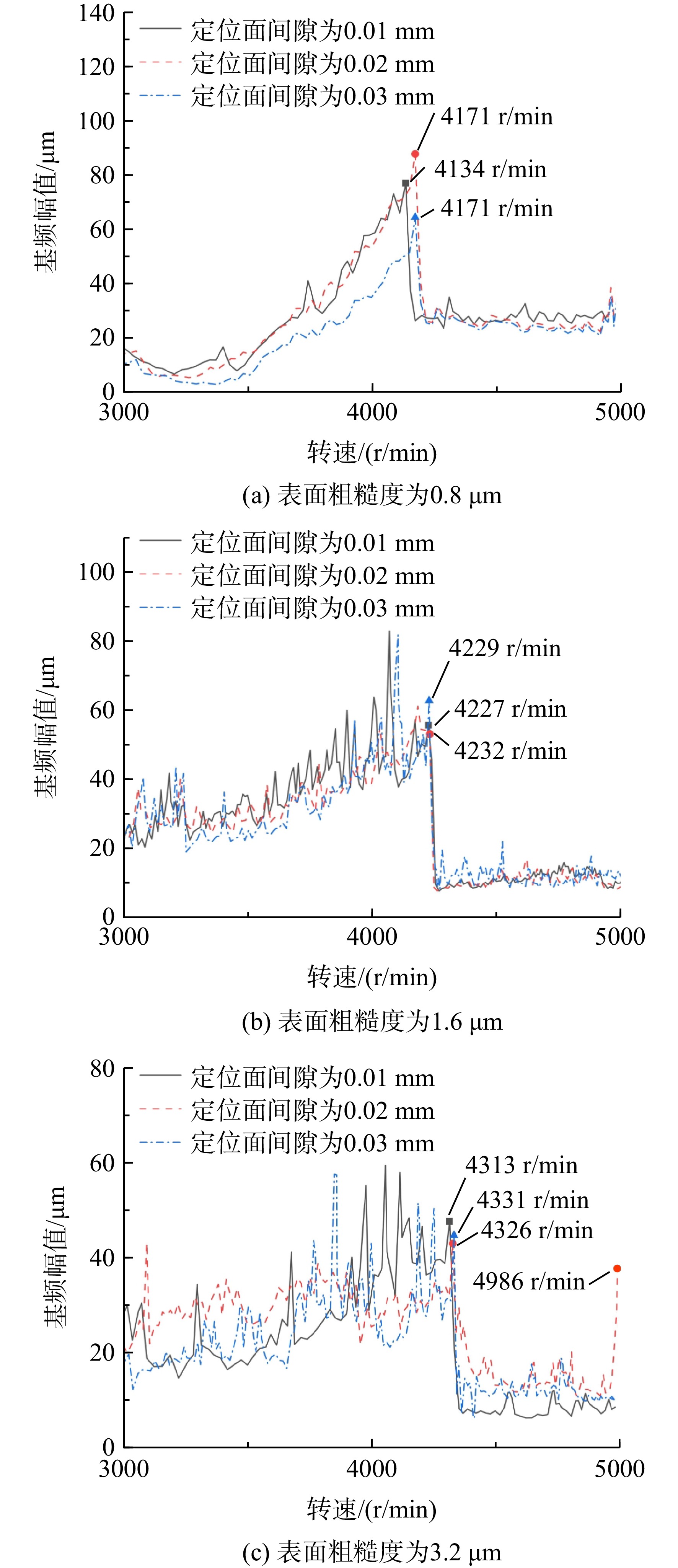
Spline coupling structures are widely used in aero-engine transmission systems due to their high reliability and torque transmission compensation capability. However, internal friction instability can easily trigger sudden rotor vibration increase, posing a threat to flight safety. The internal friction instability in a turboshaft engine spline coupling structure of a helicopter was investigated, and the dynamic characteristics and stability boundaries were systematically revealed through theoretical modeling, numerical simulation, and experimental research. A nonlinear dynamic model of a rotor with spline coupling was established based on kinematic analysis. Analytical expressions for the instability transition threshold and instability threshold were derived, theoretically explaining the mechanisms behind the sudden amplitude drop/rise and the generation of subharmonic components during instability. Finite element simulations were conducted to analyze the amplitude-frequency response patterns of jump and instability characteristics. Results indicated that increased surface roughness elevated the jump threshold speed, while larger positioning surface gaps significantly reduced the instability threshold speed. A dedicated test rig was designed and constructed to simulate the spline internal friction instability. By testing spline components with varying parameters, the theoretical and simulation results were validated. Experimental findings demonstrated that during instability, the vibration amplitude in the time domain exhibited a “sudden drop-sudden rise” jump phenomenon, accompanied by subharmonic components at the first critical speed in the frequency domain. While the positioning surface gap had no impact on the jump threshold speed, its increase reduced the instability threshold speed by 5%—8%. Increasing surface roughness from 0.8 μm to 3.2 μm raised the jump threshold speed by 2.4% and lowered the instability threshold speed by 10%. These results could provide theoretical guidance for optimizing spline coupling design and preventing instability in aero-engines. Interference-fit positioning surfaces were suggested to suppress the internal friction faults. Notably, this novel work experimentally reproduced the instability transition state, bridging the gap between theoretical predictions and engineering validation.

Design method of simulation rotor with curvic couplings-rod based on similarity of pretension state and dynamic characteristics
SONG Ziyu, SONG Zhihong, DENG Wangqun, NIE Weijian, WANG Yongfeng, HONG Jie
2026, 41(4): 20240639. doi: 10.13224/j.cnki.jasp.20240639
Abstract:

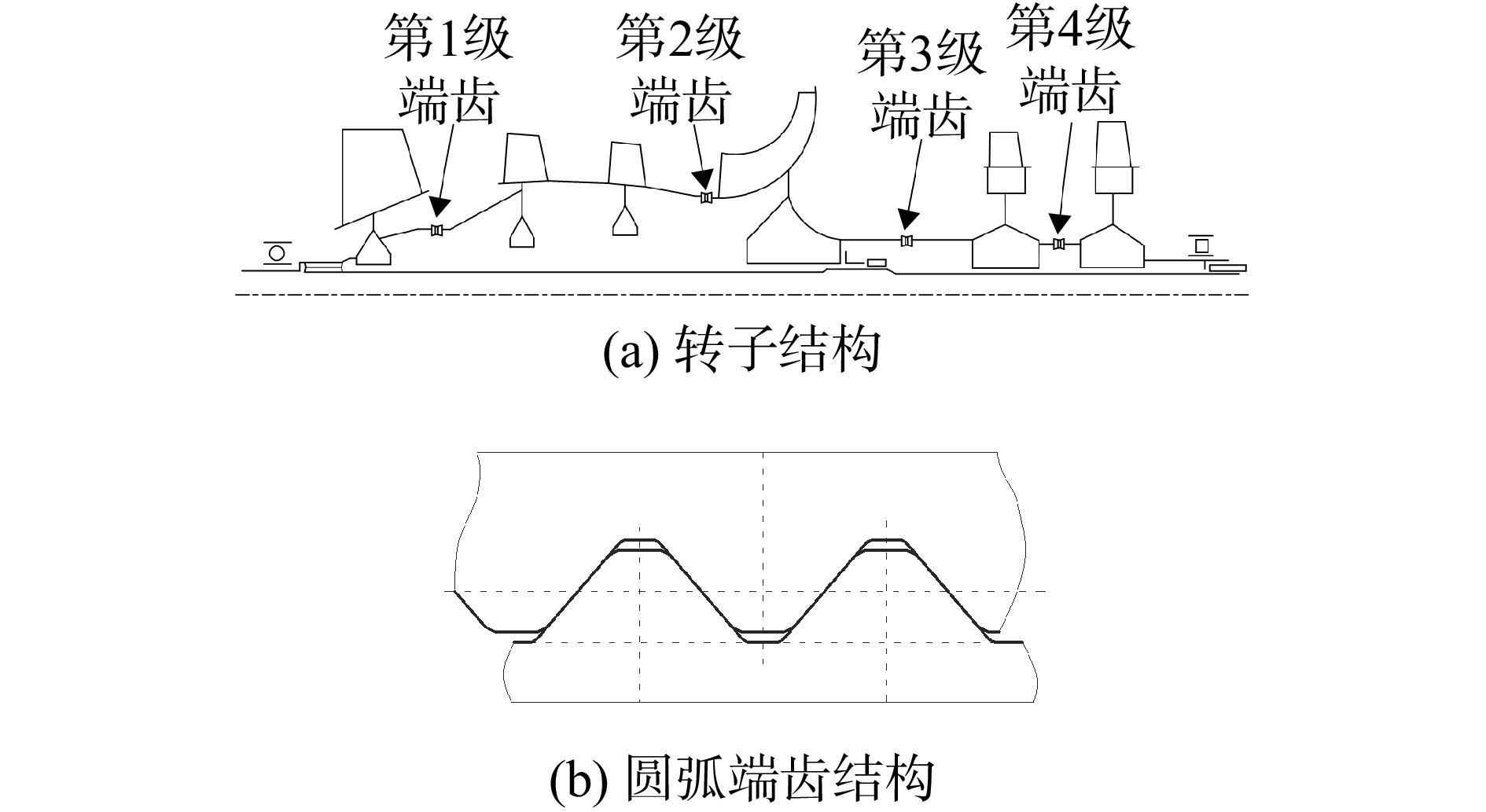
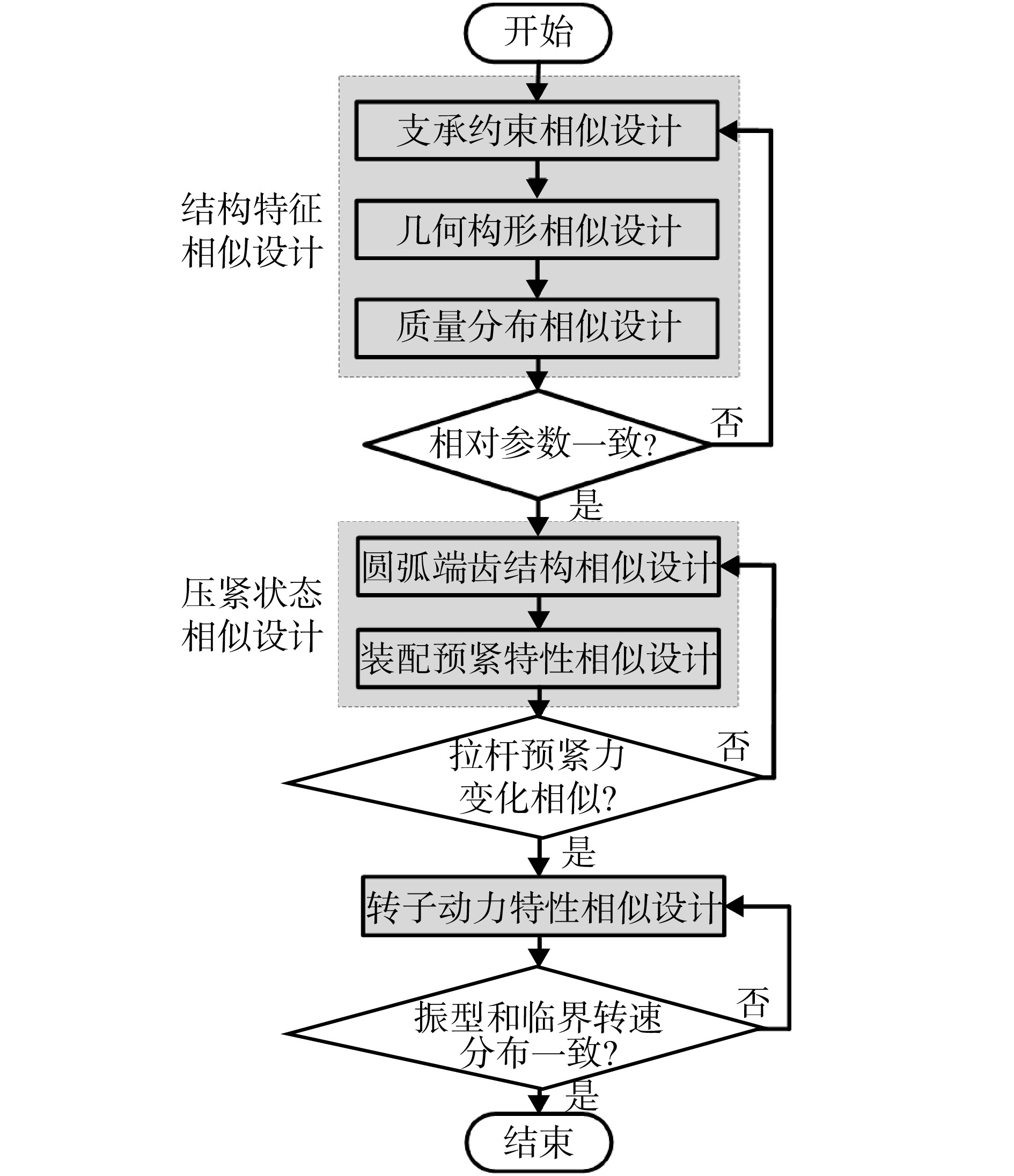
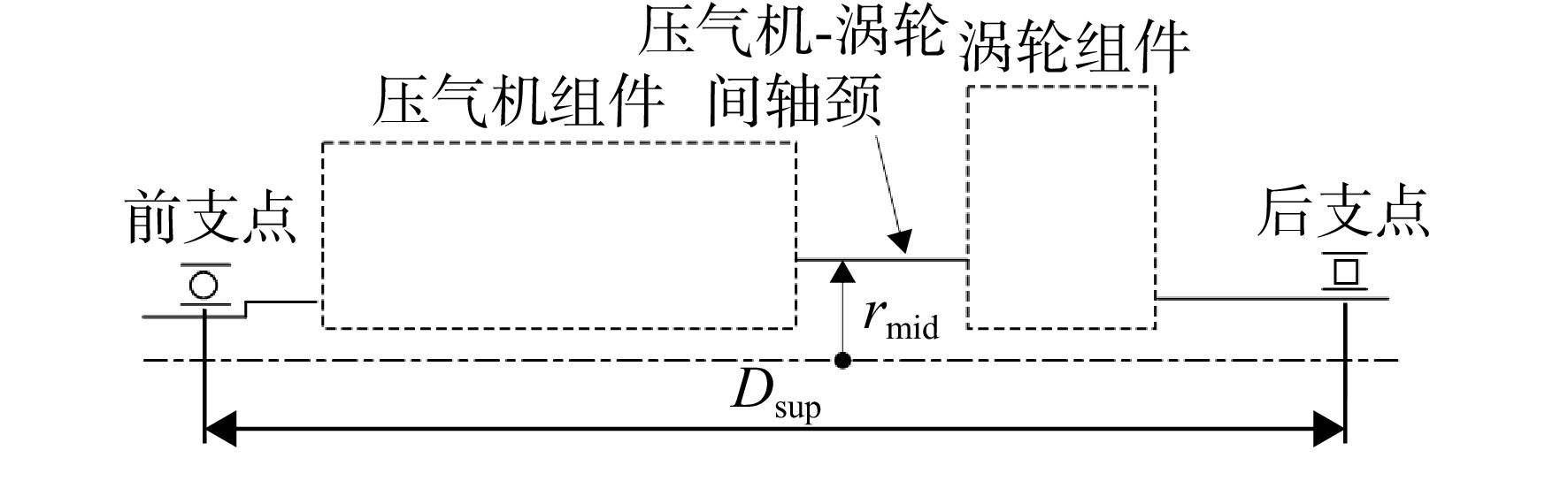
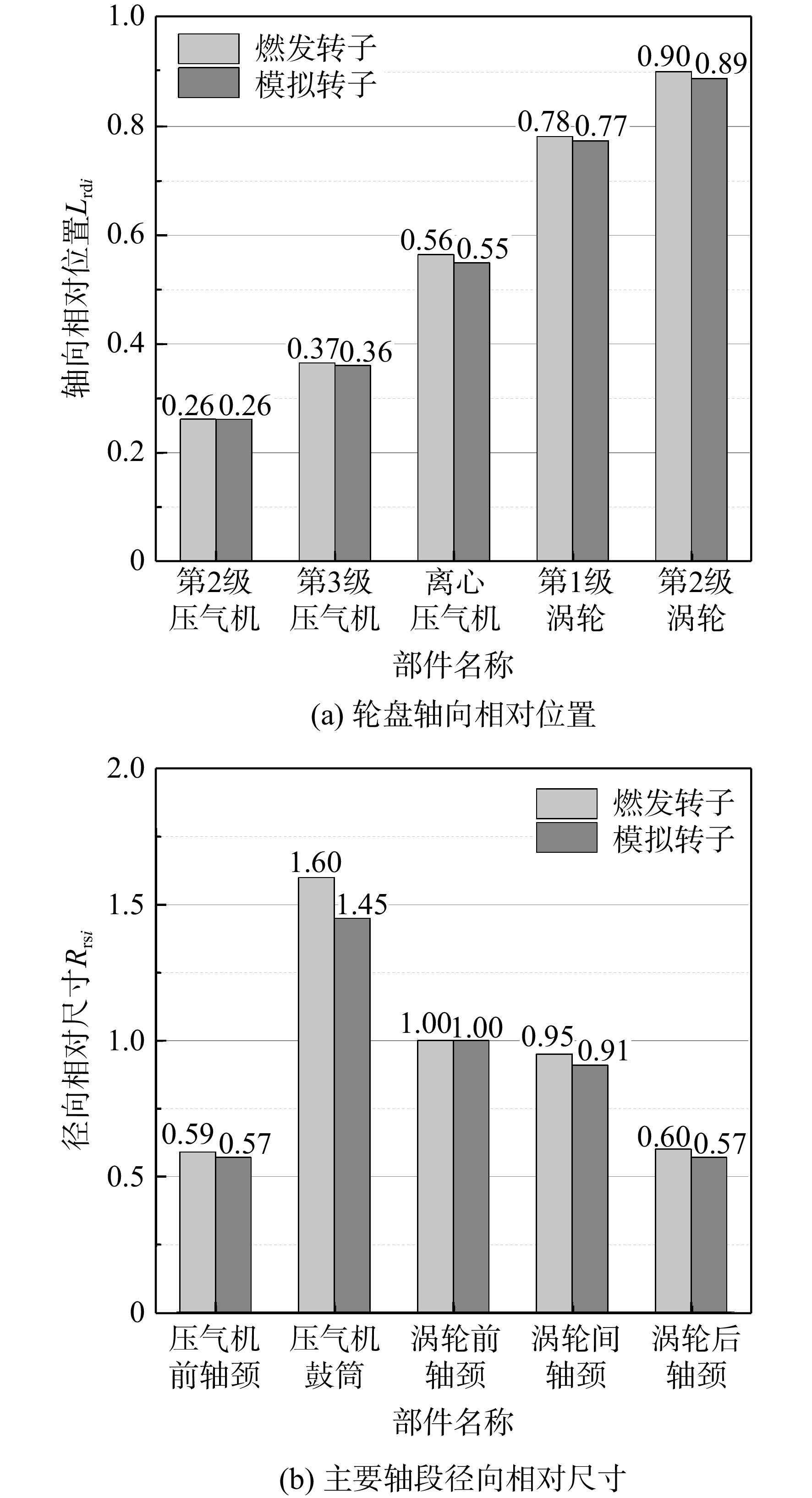
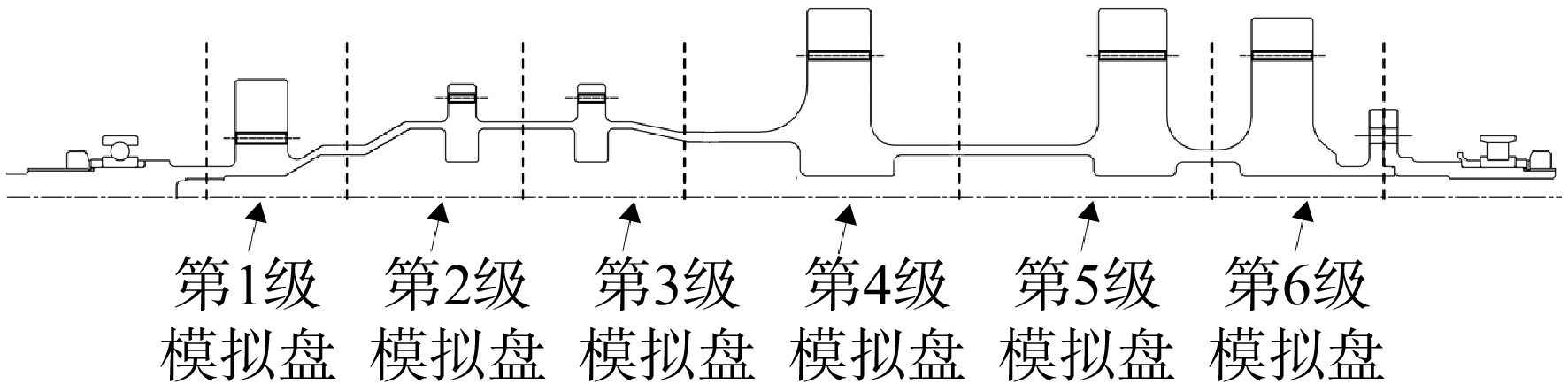
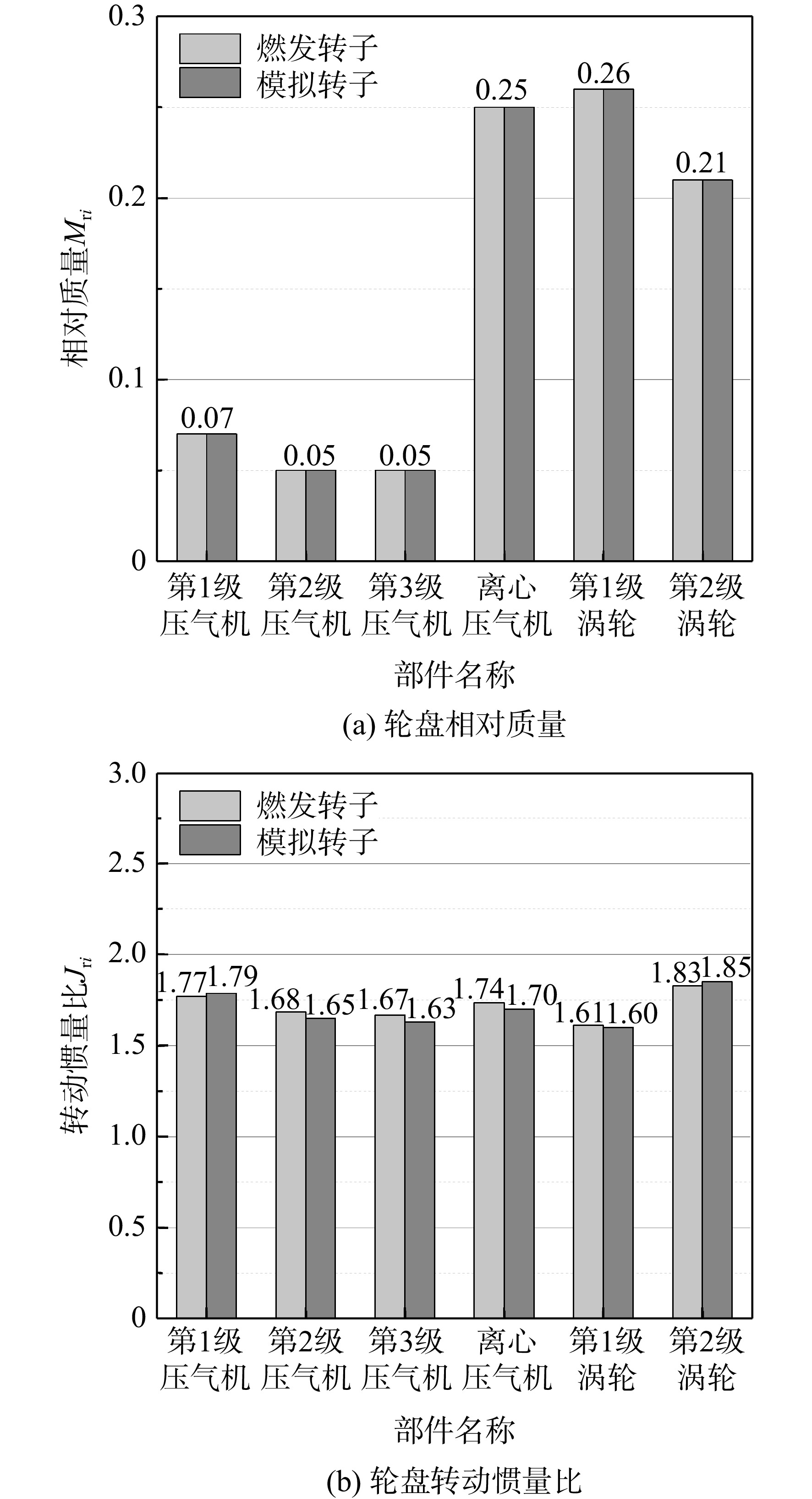
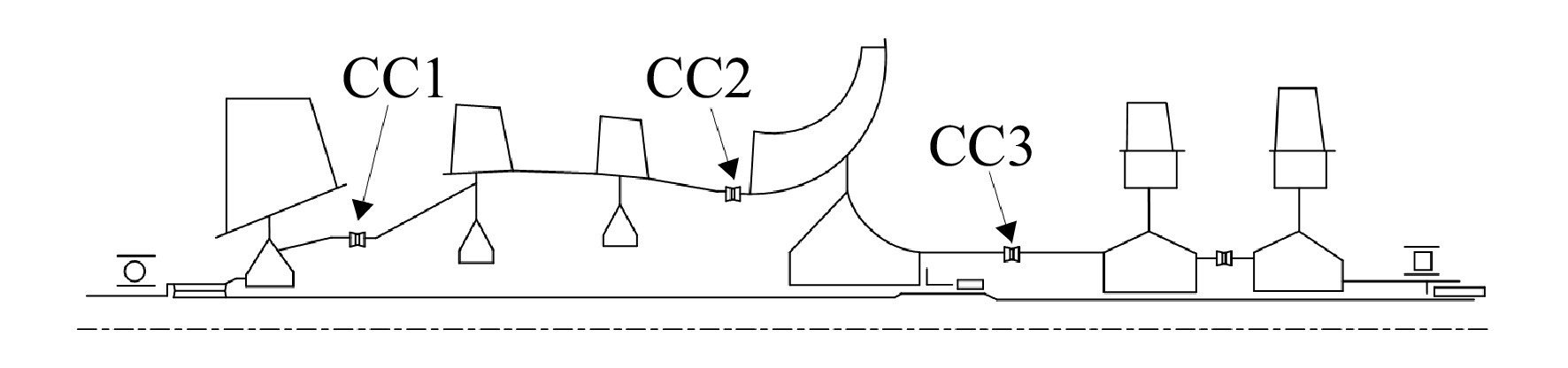
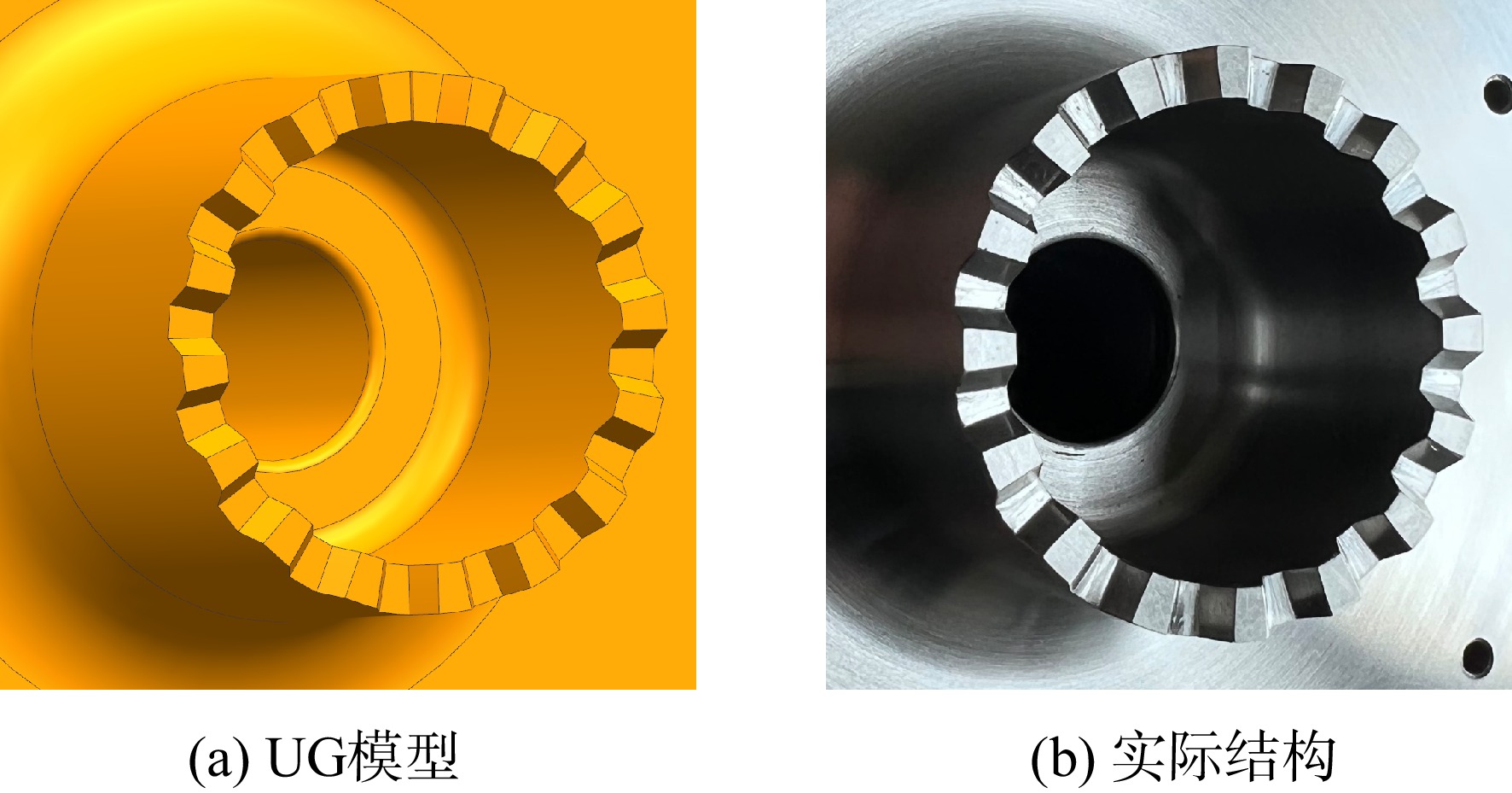
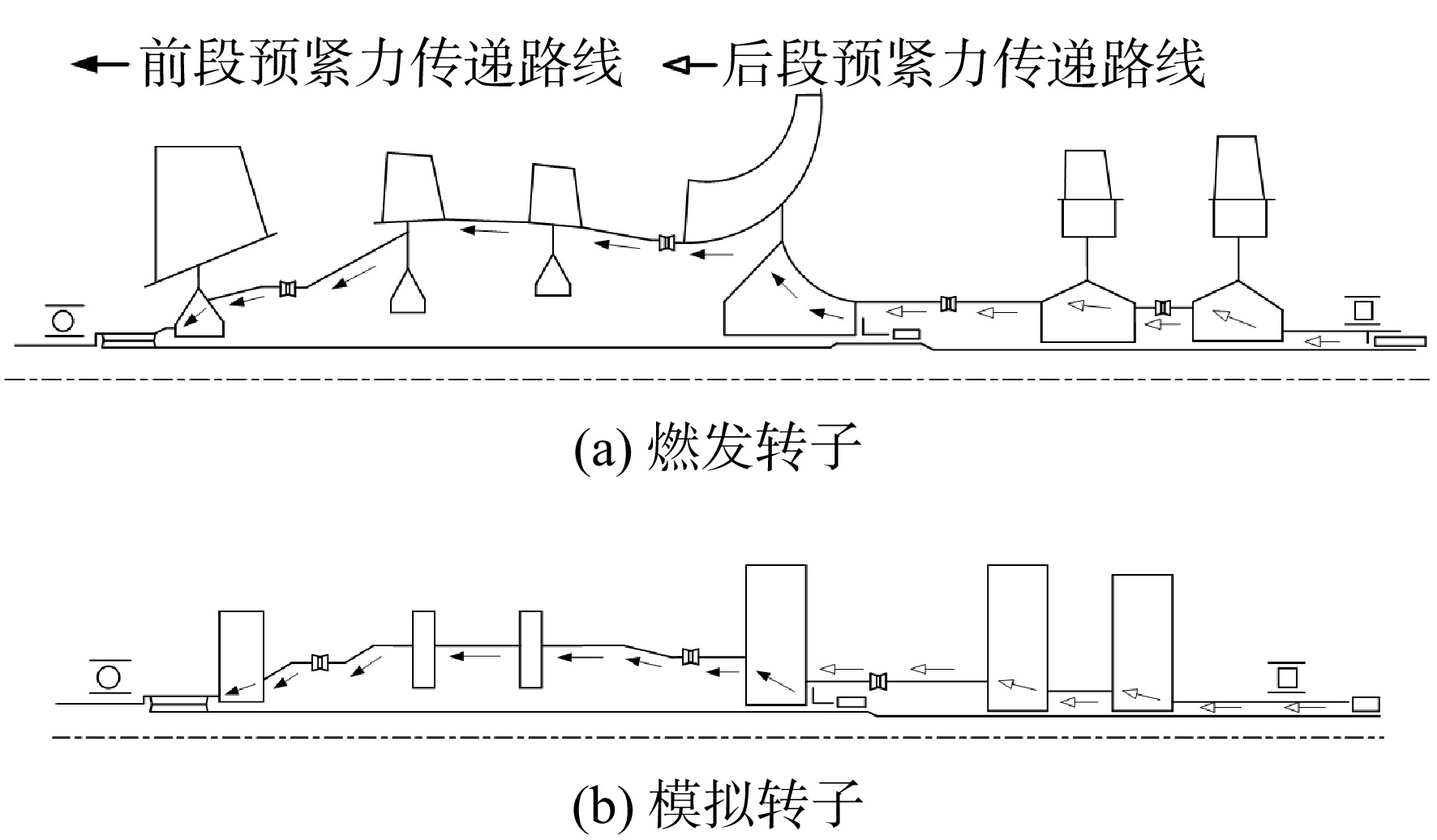
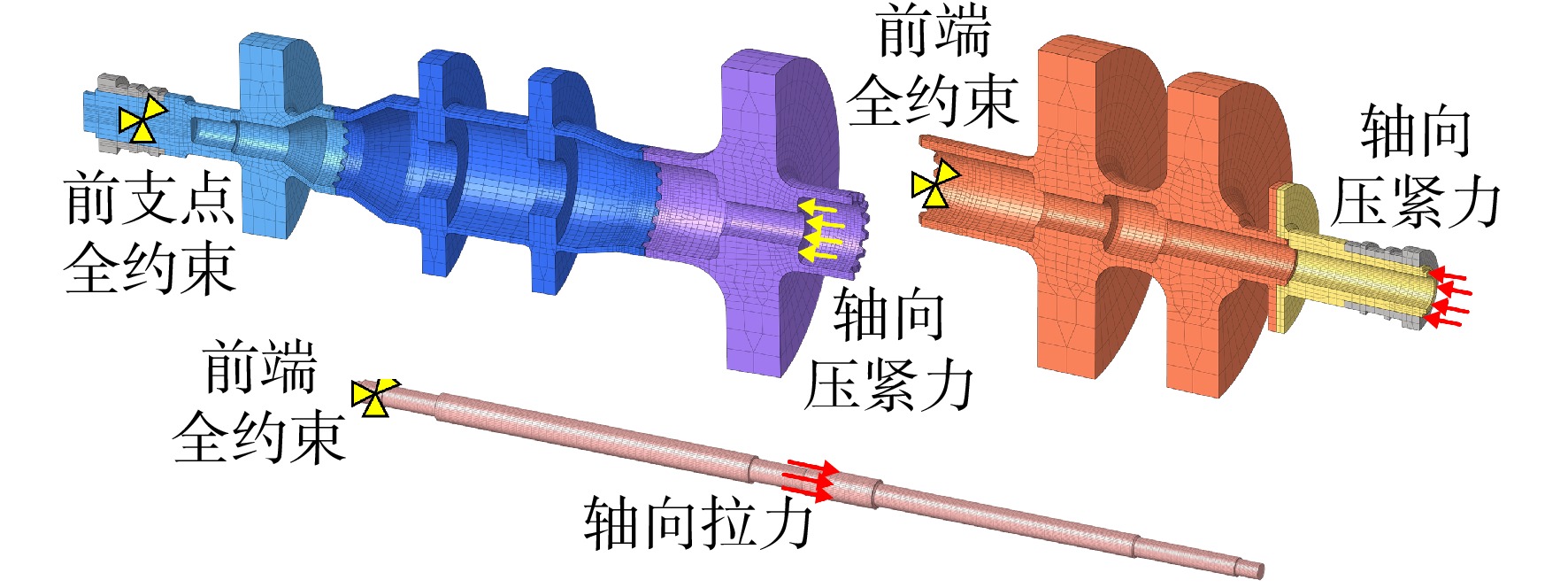
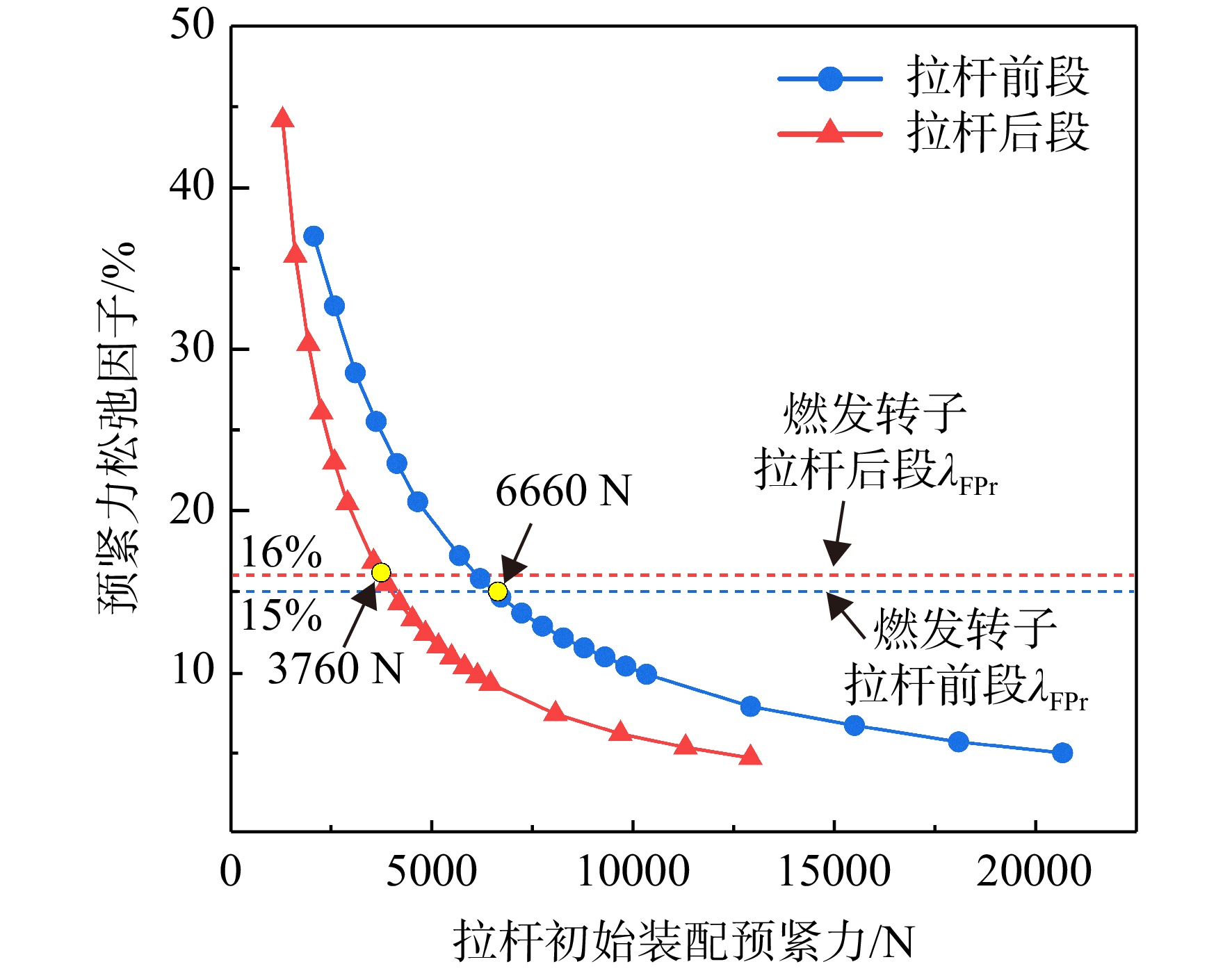
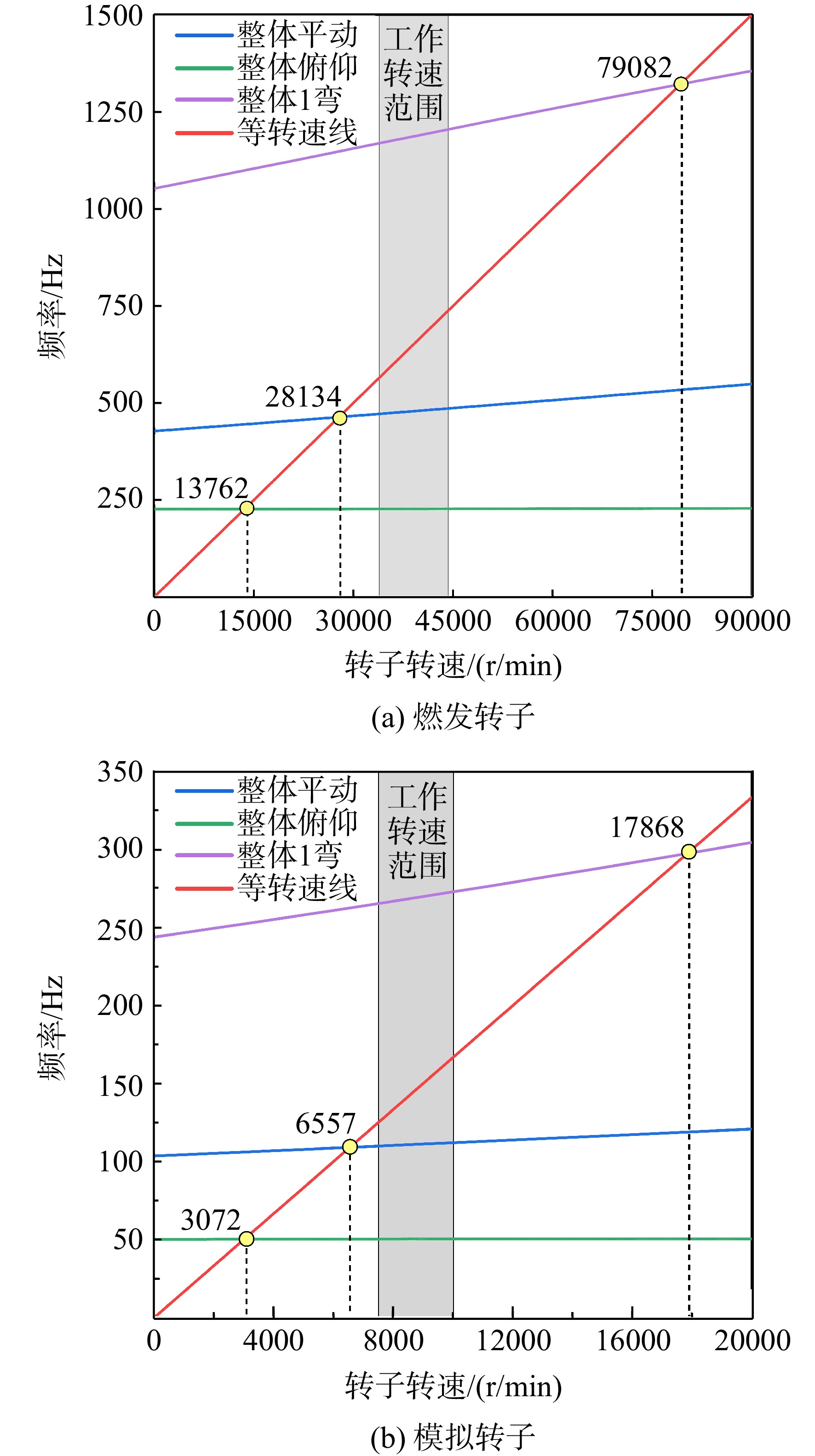
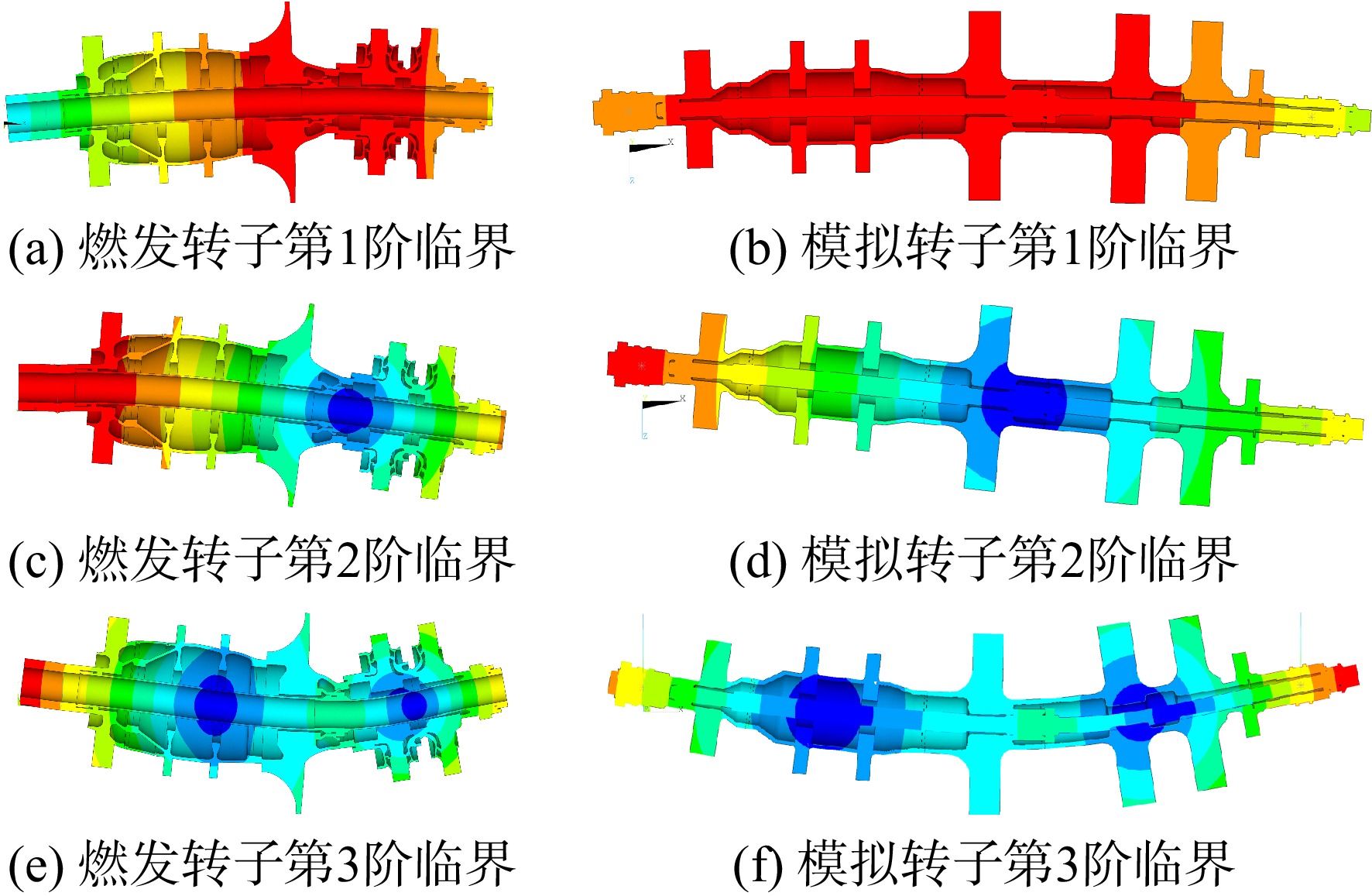
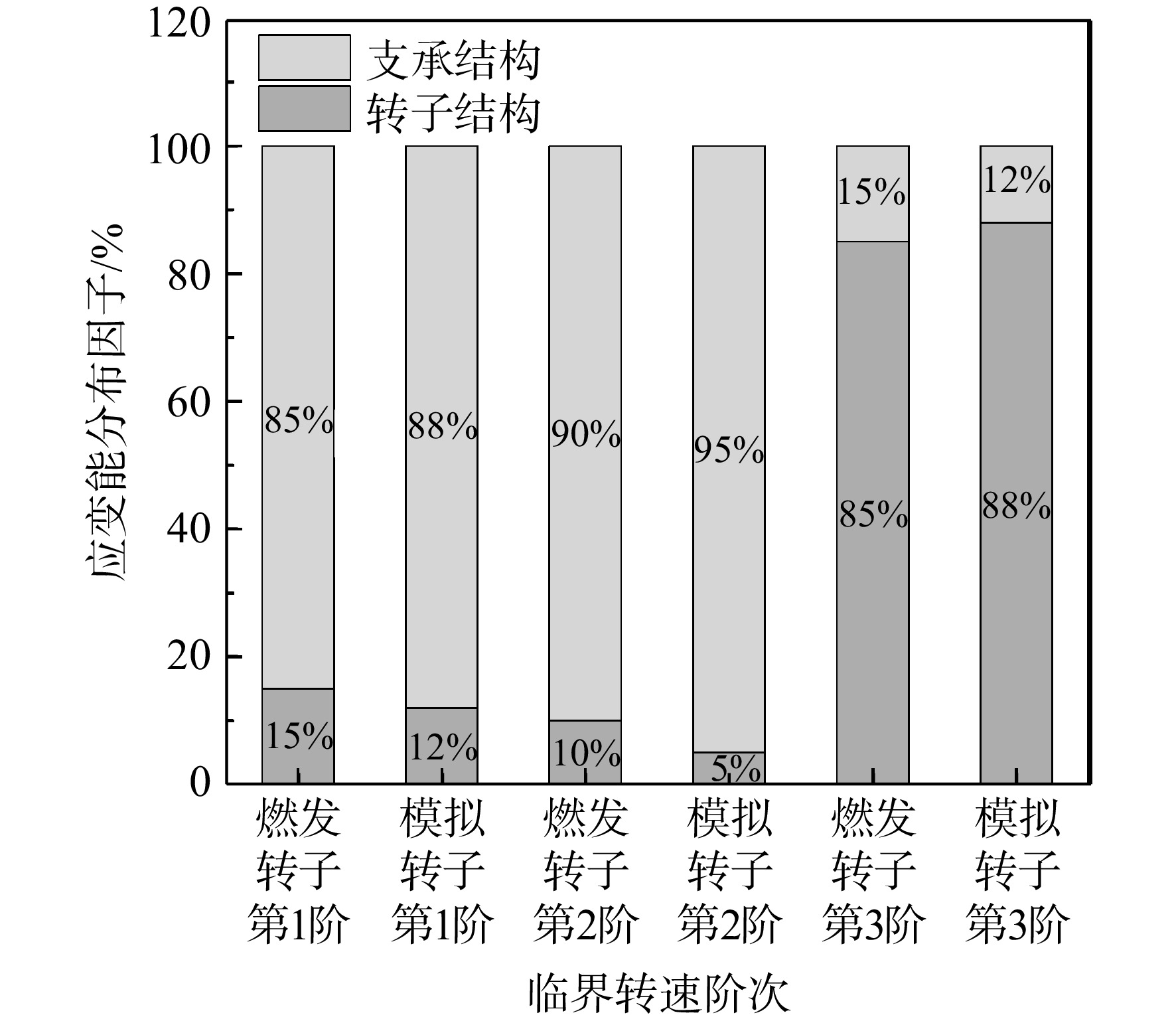
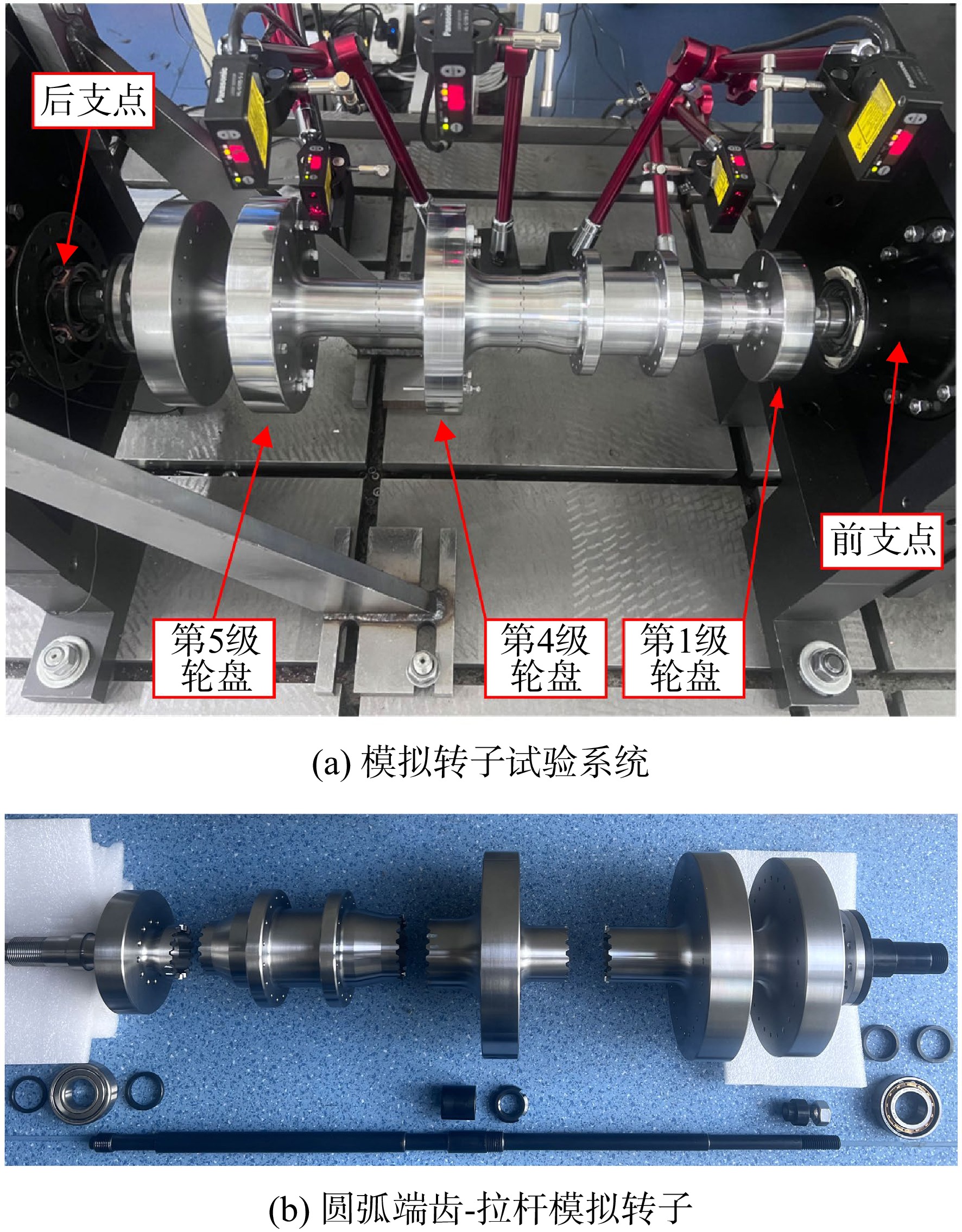
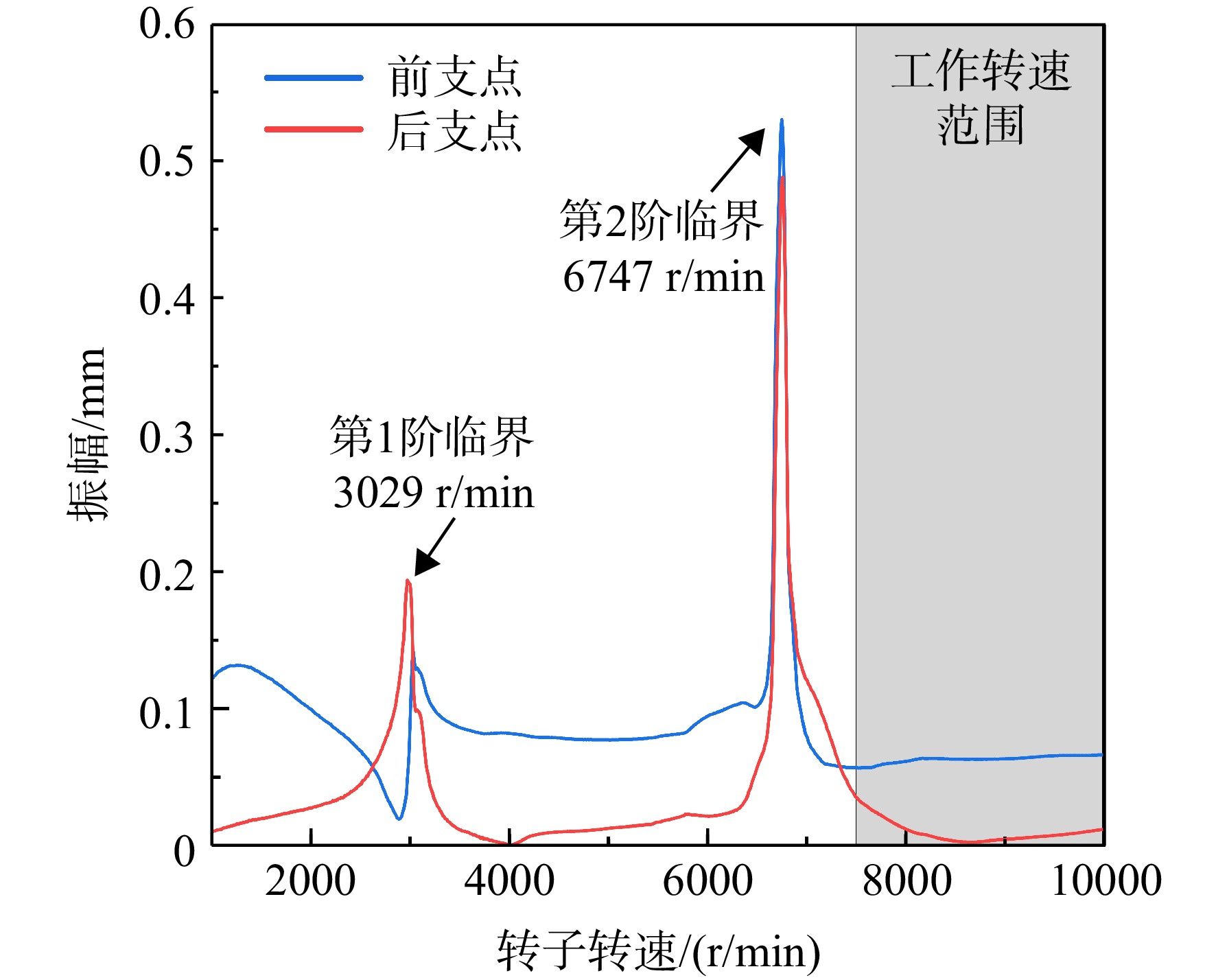
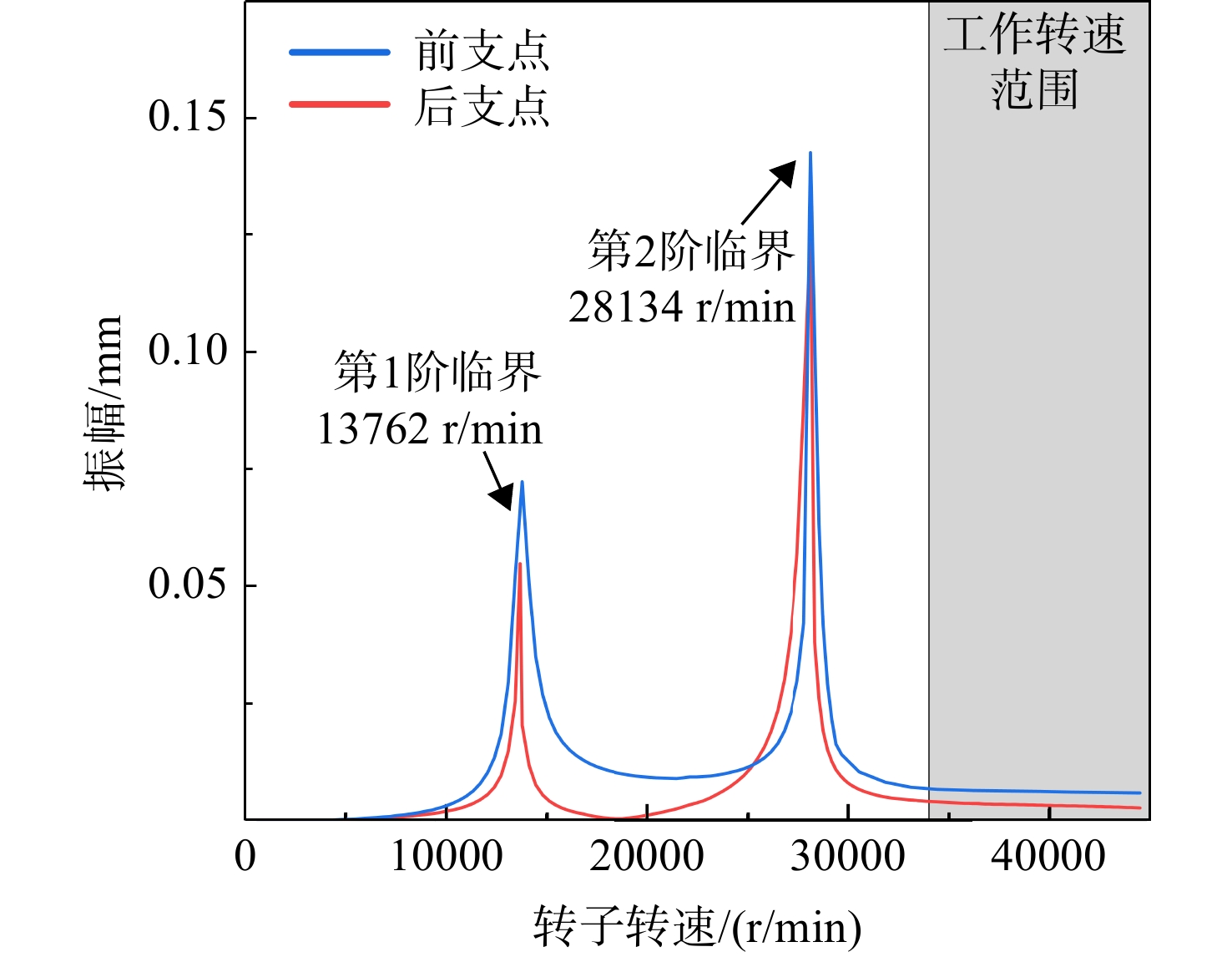
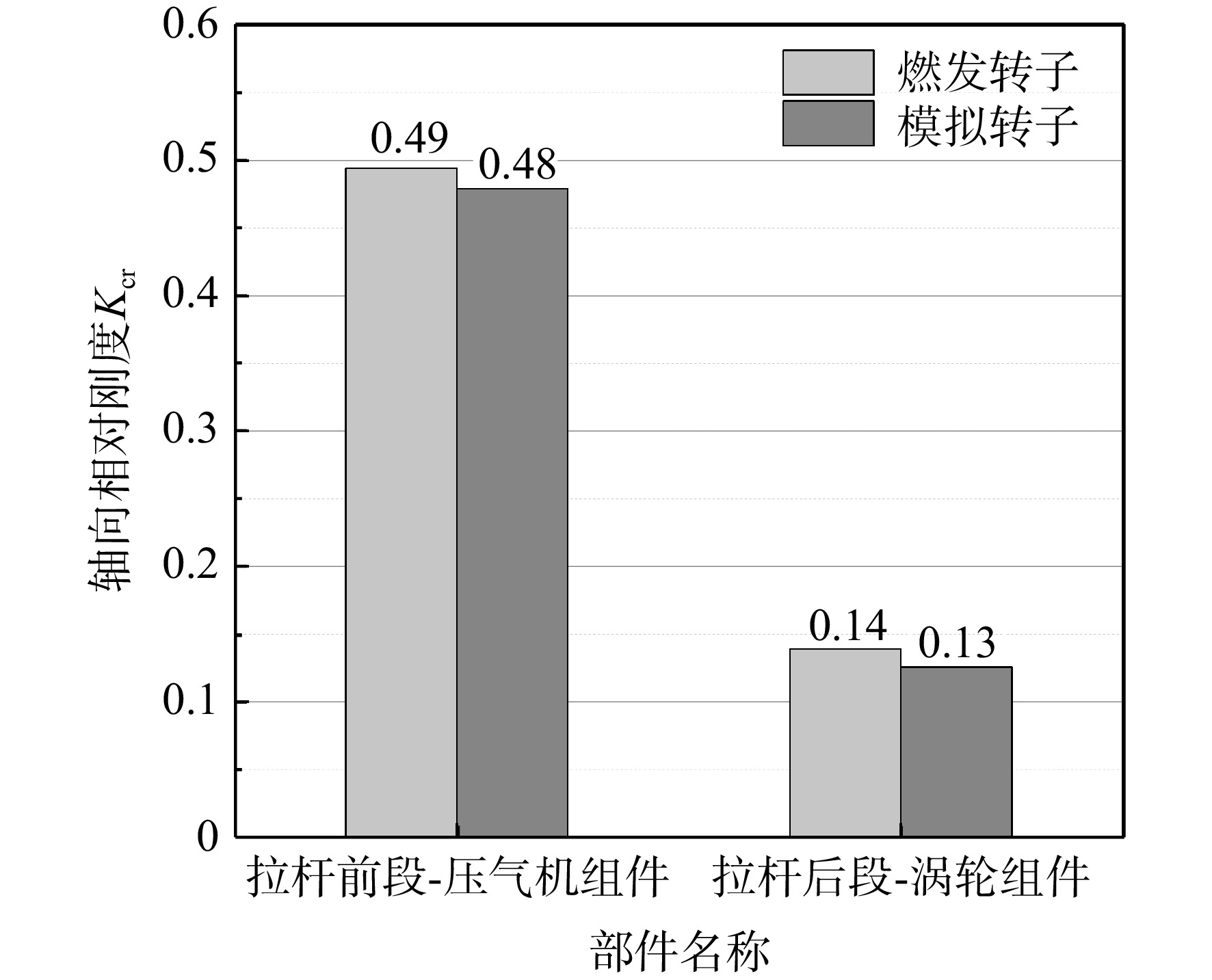
In view of the similarity design problem of curvic couplings-rod rotor system, the structural mechanics’ characteristic similarity design principles and corresponding design parameters were proposed from the aspects of support constraint, rotor geometry configuration, curvic couplings, mass distribution, and assembly pre-tightening, etc. The similarity of rotor pretension states was emphasized, and a design process was formed. A design case was studied based on the actual gas generator rotor, and the similarity of the mechanical characteristics between the simulation rotor and the gas generator rotor structure was verified through simulation analysis and dynamic characteristic experiment. The results showed that the relative design parameters of various structural features of the simulation rotor had an error of less than 5% compared with the actual rotor. The percentage change in the pretension force of the rod at the maximum speed was consistent with the actual rotor, and the critical speed distribution error was within 5%. The critical speed error obtained from experiments and simulations was less than 5%. The simulation rotor had a good similarity with the actual rotor, which verified the effectiveness of this method.

Study on vibration control of wing cantilever beam structure based on active damping device
ZHU Haozhe, HE Lidong, QIN Qingwang
2026, 41(4): 20240412. doi: 10.13224/j.cnki.jasp.20240412
Abstract:

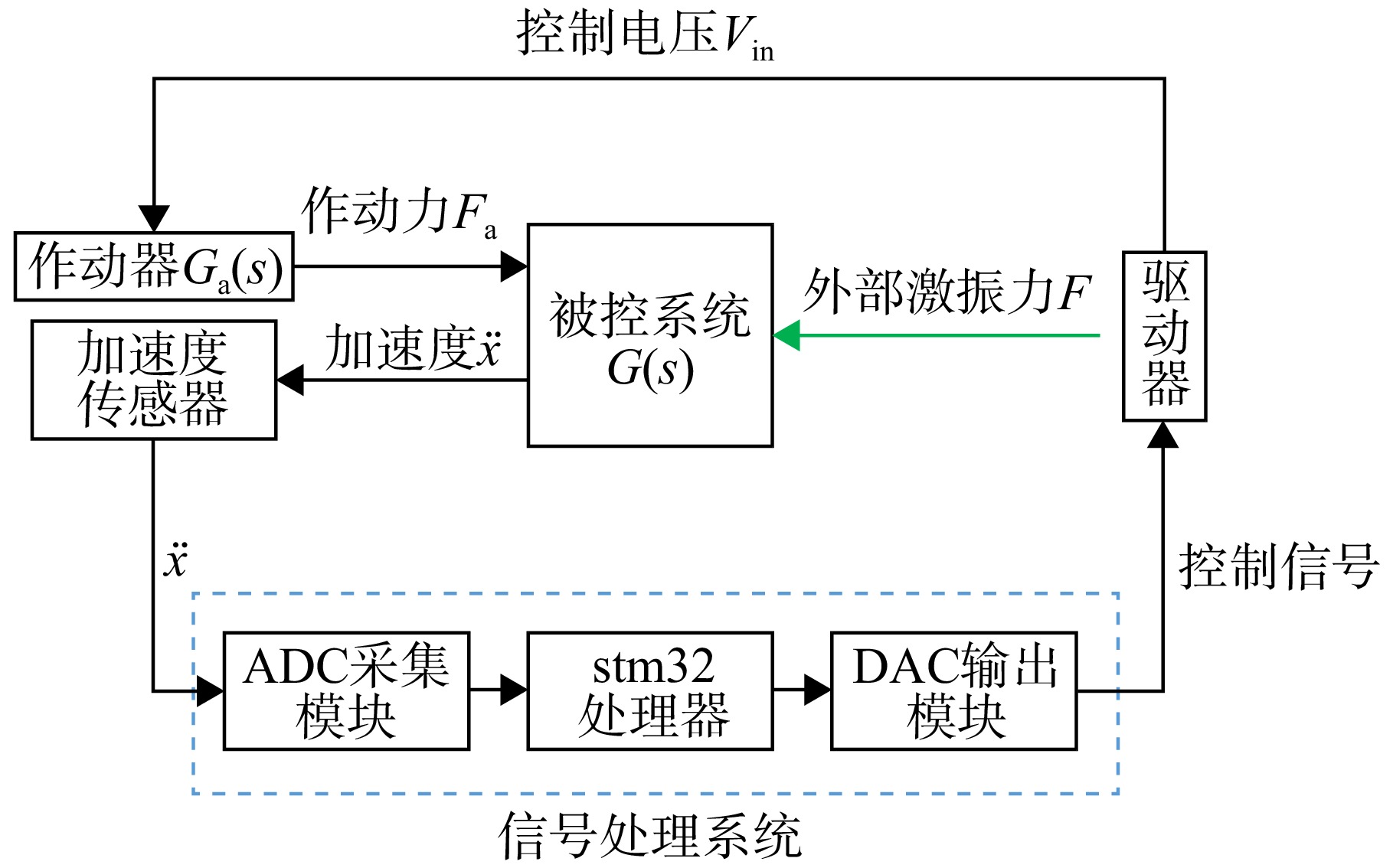
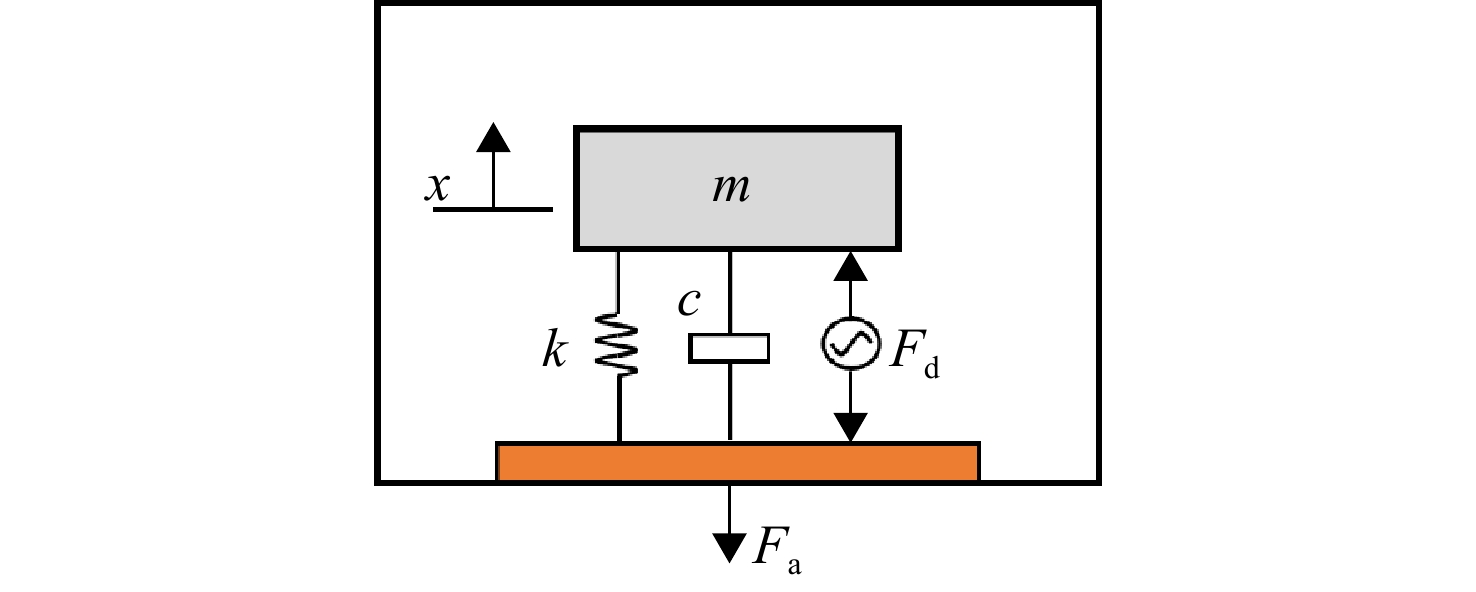
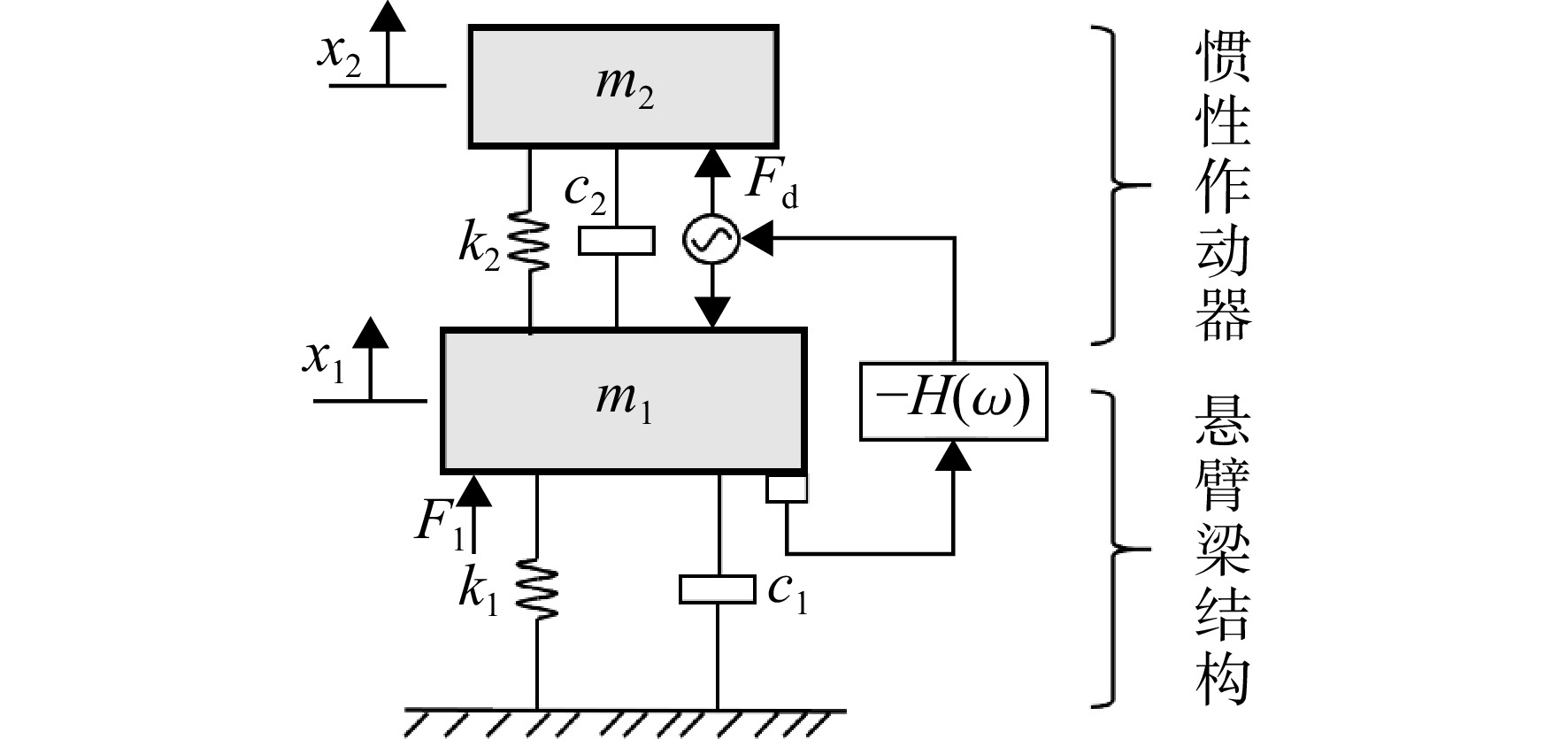
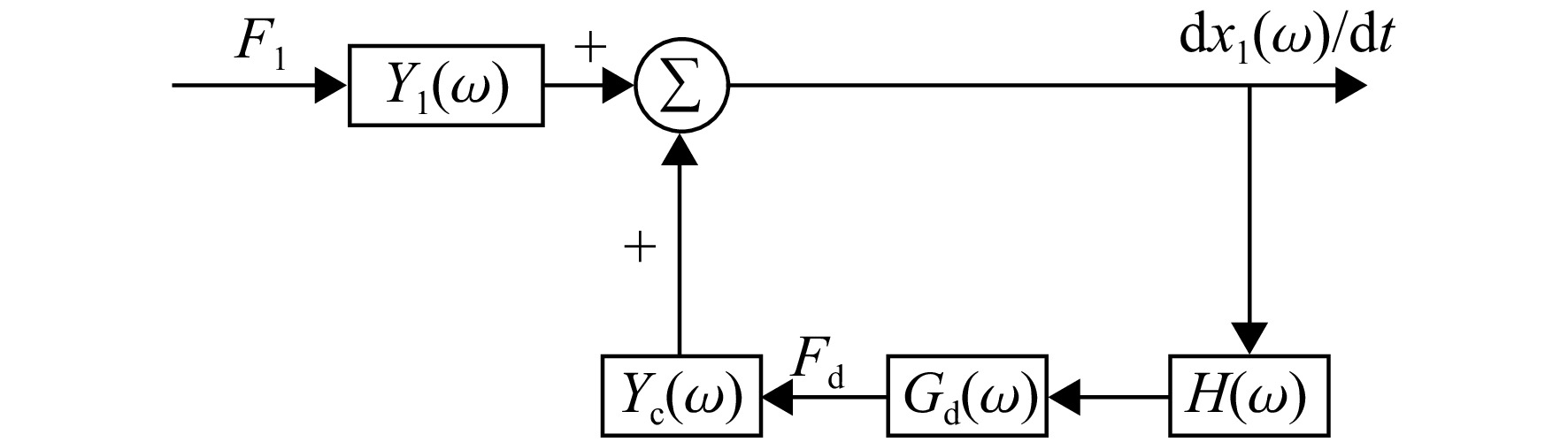
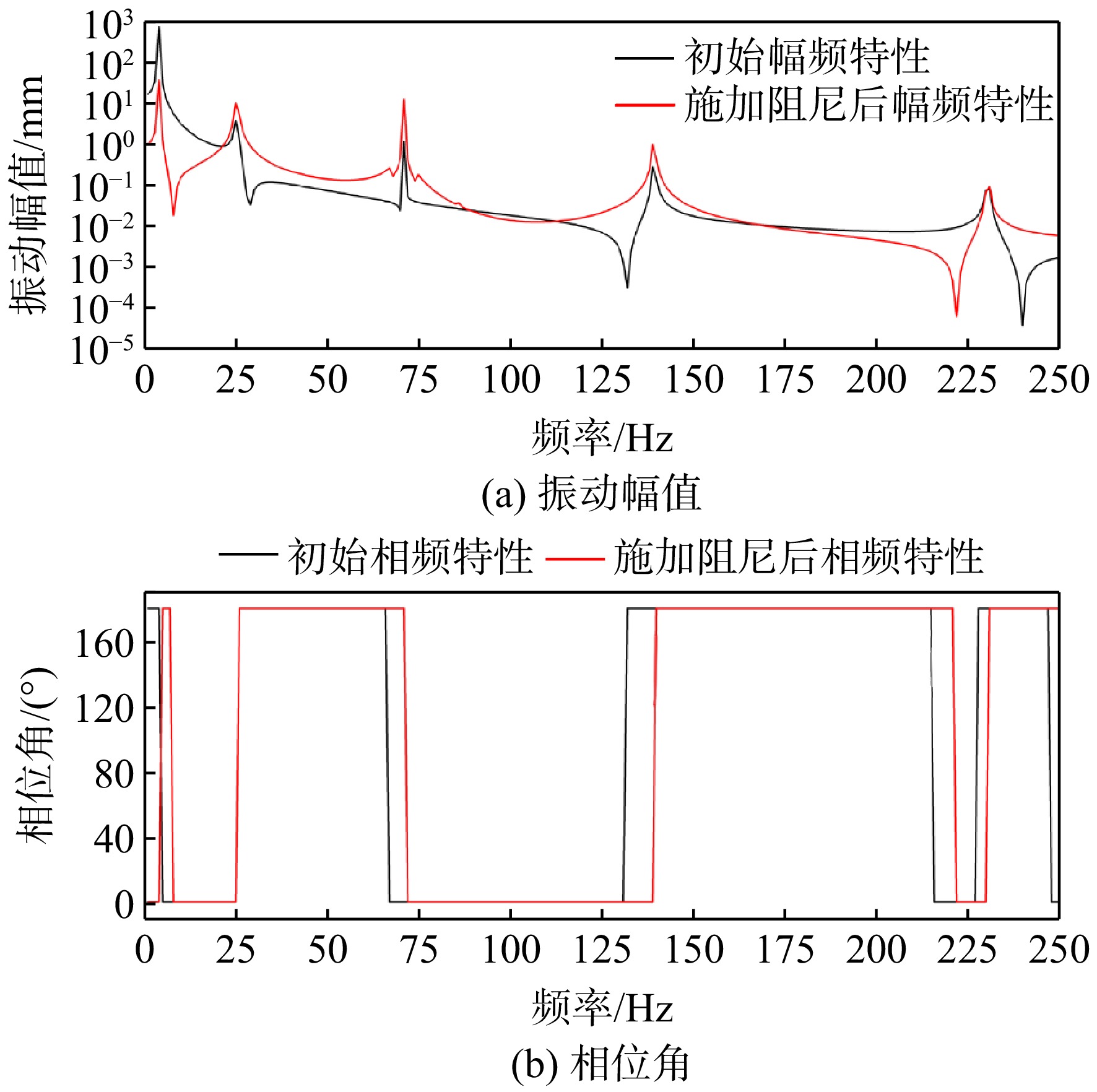
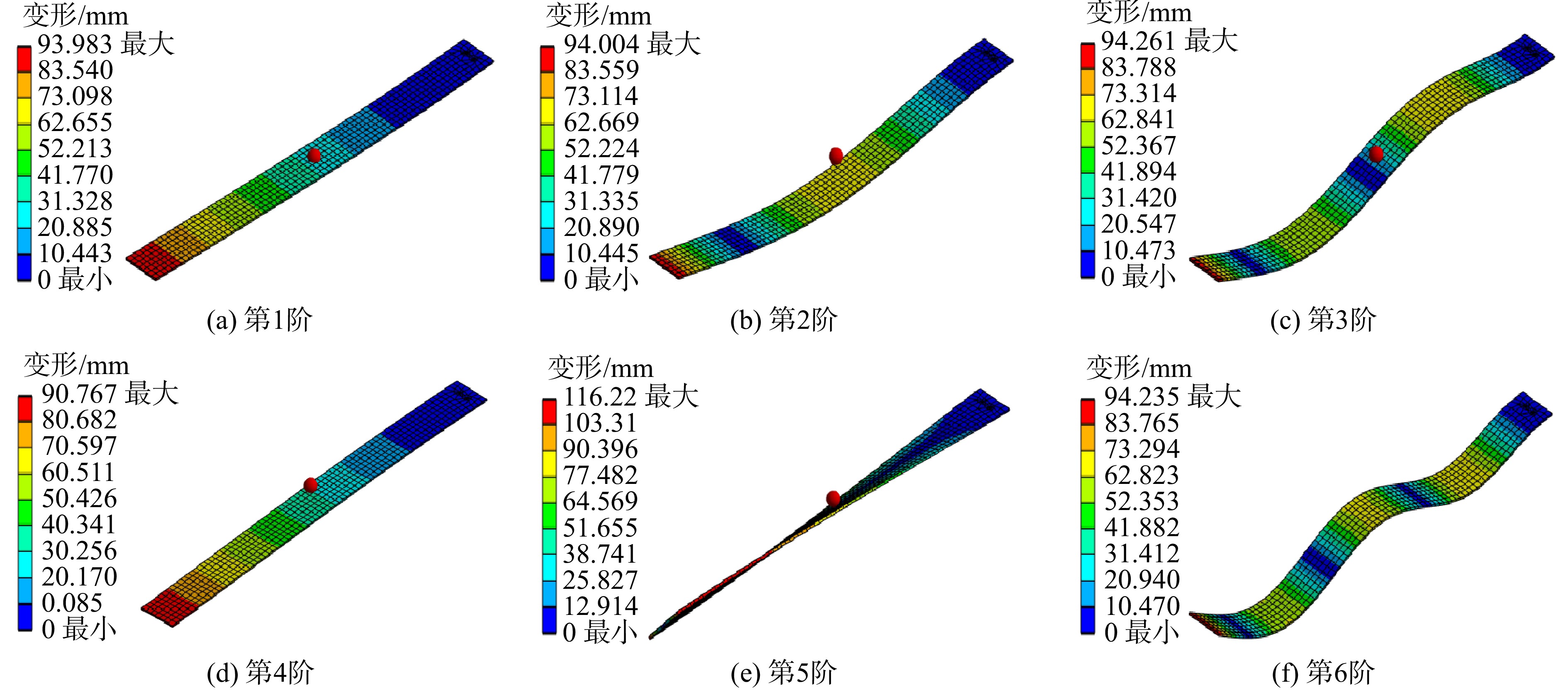
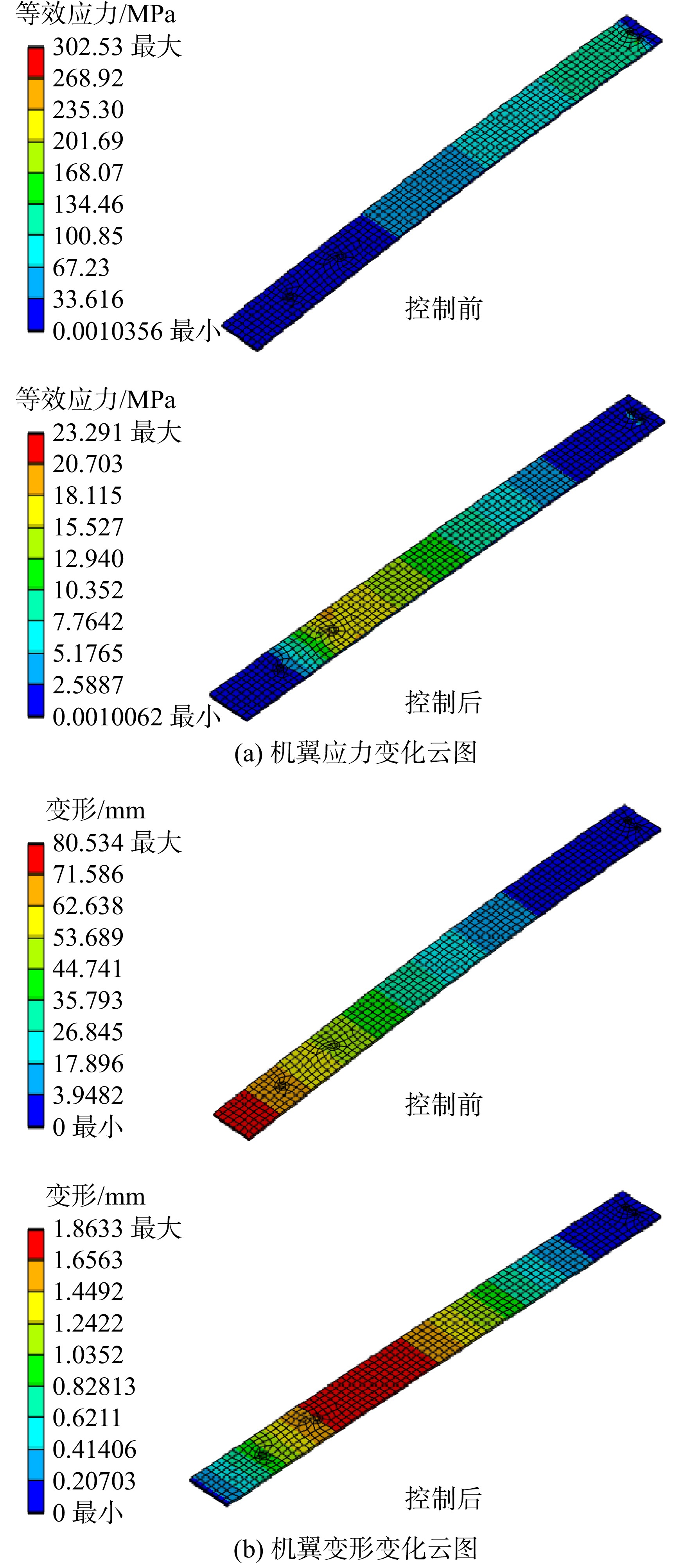
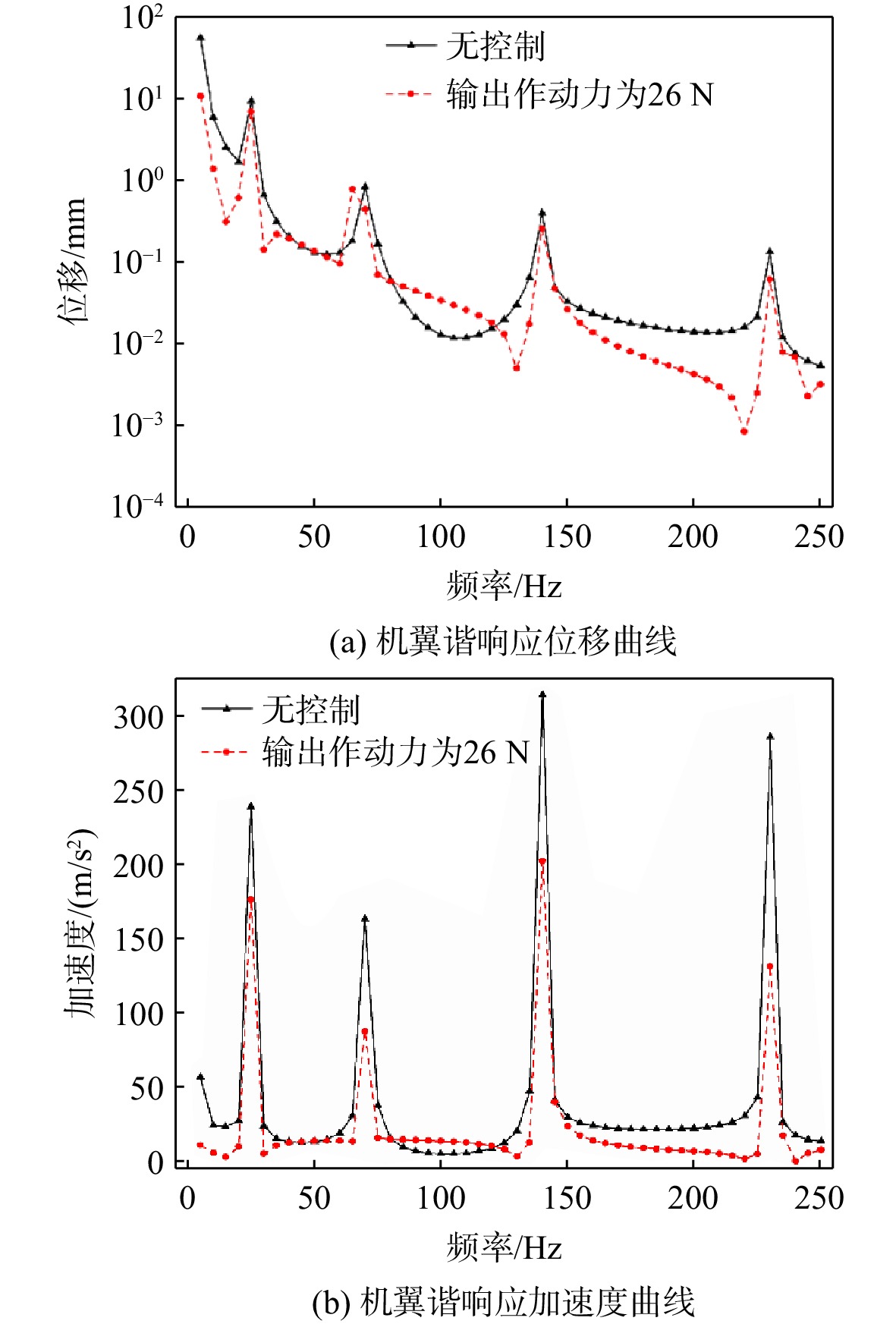
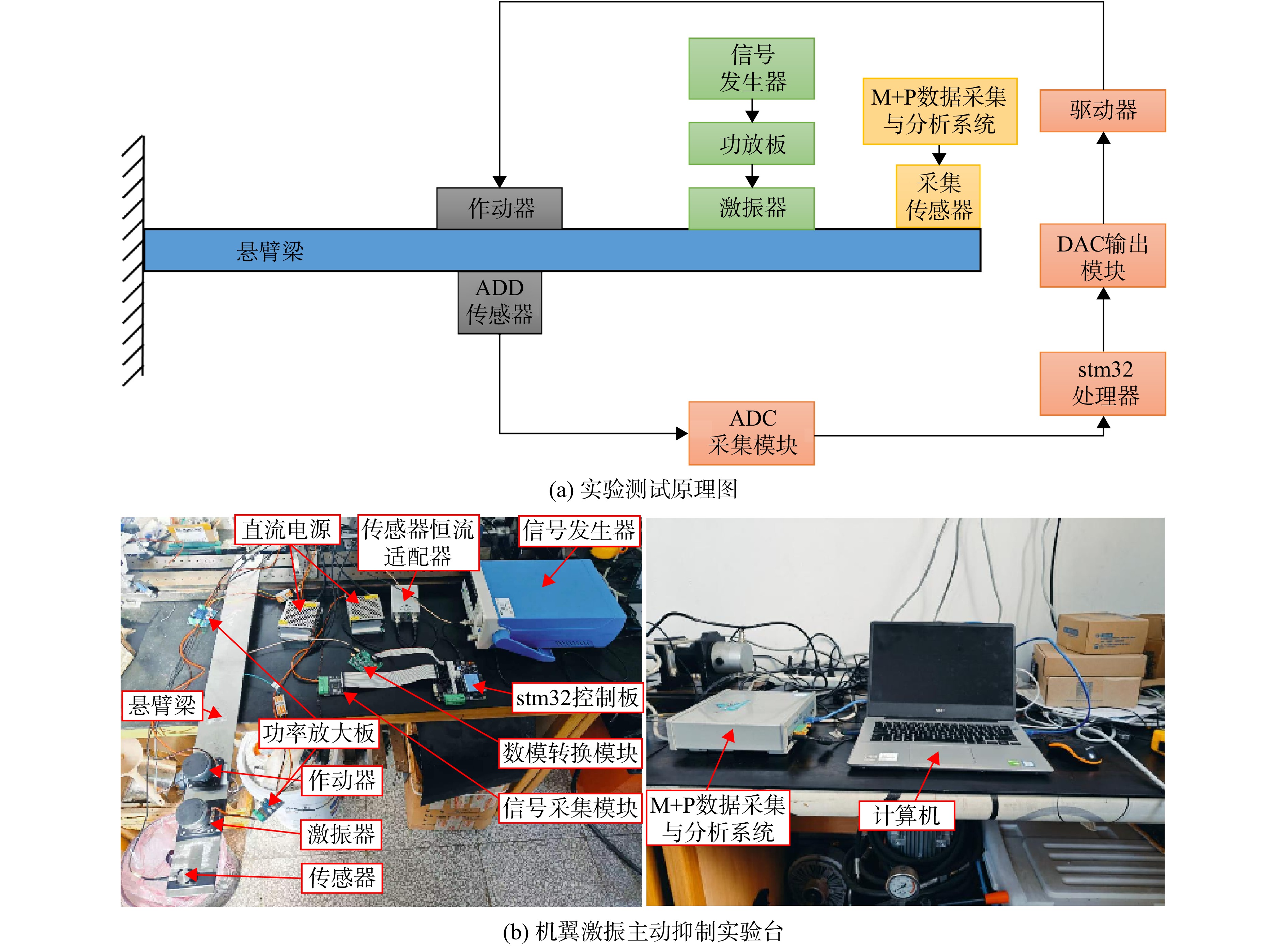
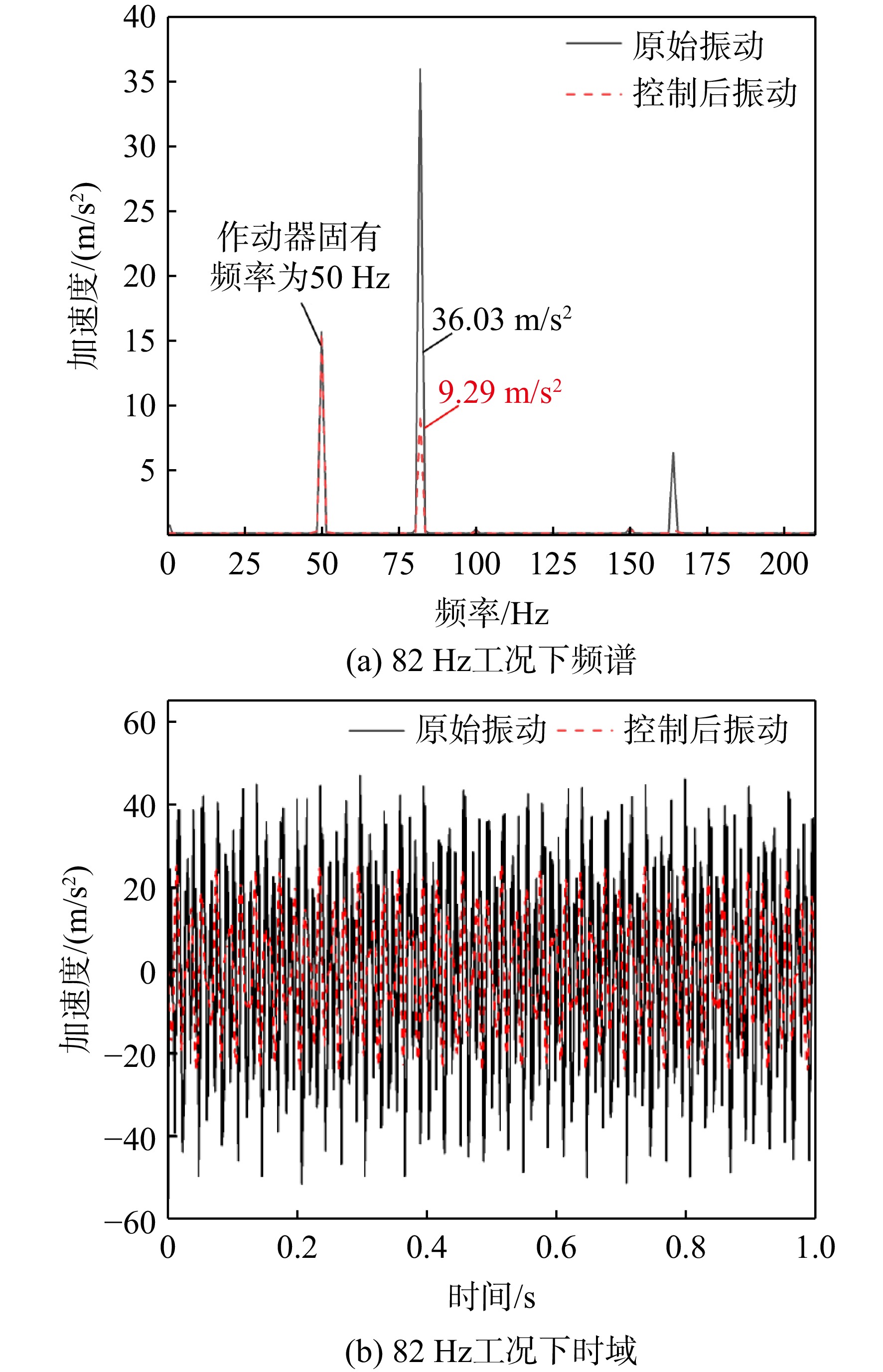
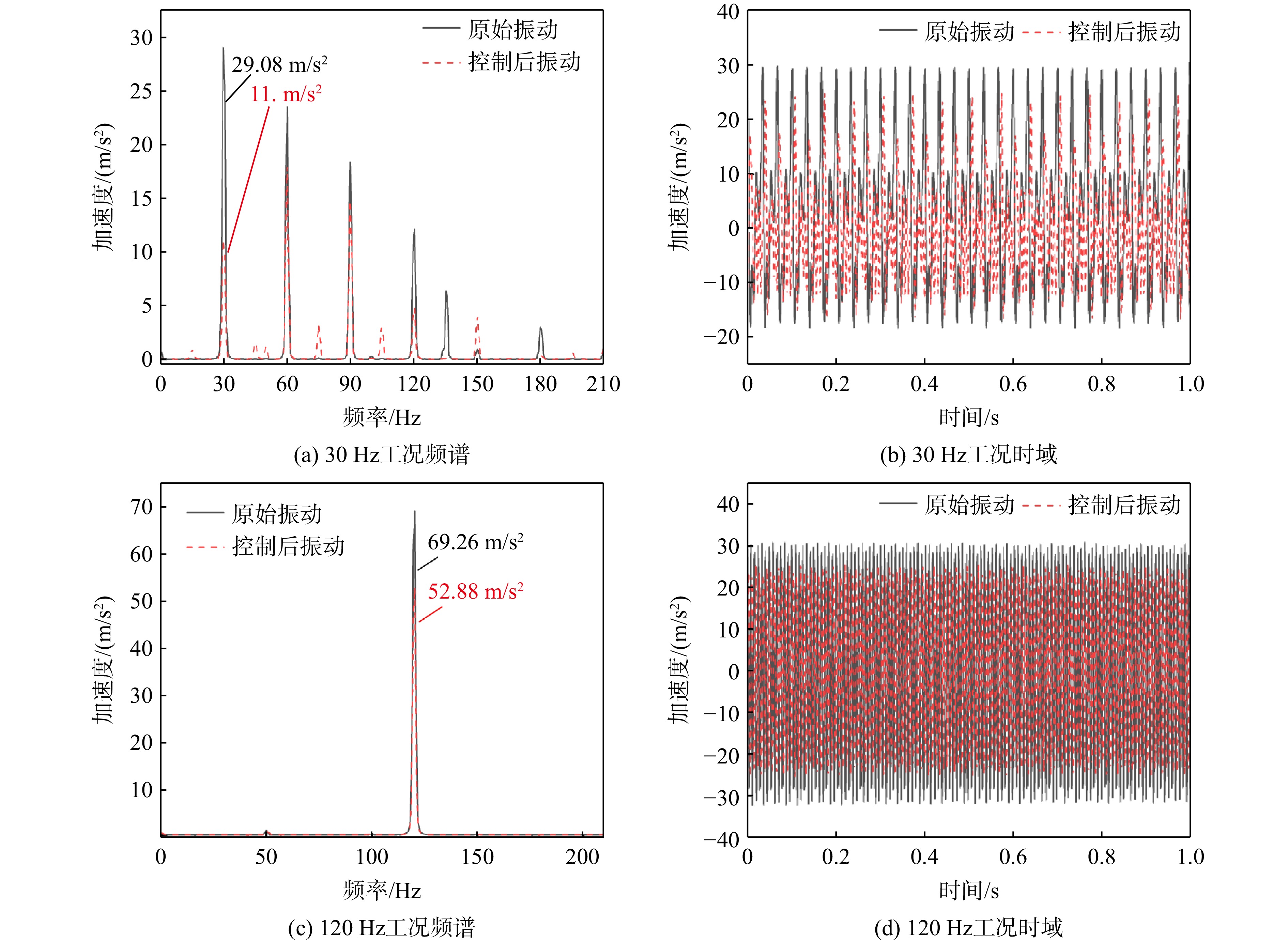
In view of the problem of forced excitation and resonance of aircraft wings, a method was proposed to suppress the forced excitation and reduce the resonance of wings by applying the actuating force to the wing cantilever beam model using an active damping device (ADD), and theoretical derivation, simulation analysis, and experimental study were carried out for the suppression of forced vibration of the wings. Firstly, the actuator dynamics model of ADD was established to analyze the effectiveness of ADD in controlling the forced vibration of the wing; then, the modal analysis, force analysis and harmonic response analysis of the wing cantilever beam model were carried out using numerical simulation to optimize the actuator force output from the ADD; finally, the active suppression experimental bench of wing excitation based on ADD was constructed, and the effects of the control of modal vibration and vibration under wide-band excitation force of the wing cantilever beam before and after application of the ADD control were compared. The results showed that applying ADD control can effectively improve the wing force state and significantly reduce its stress and deformation; ADD significantly reduced the resonance amplitude of the wing, with a maximum reduction of up to 74.22%; within the 30—120 Hz frequency band, it effectively controlled wing vibrations, with a maximum reduction of up to 61.8%.

Aerothermodynamics and Aeroengine Design
Numerical modeling and performance investigation of water enhanced turbofan engine
YI Weilin, WANG Shuyu, ZHANG Hanzhi
2026, 41(4): 20250116. doi: 10.13224/j.cnki.jasp.20250116
Abstract:

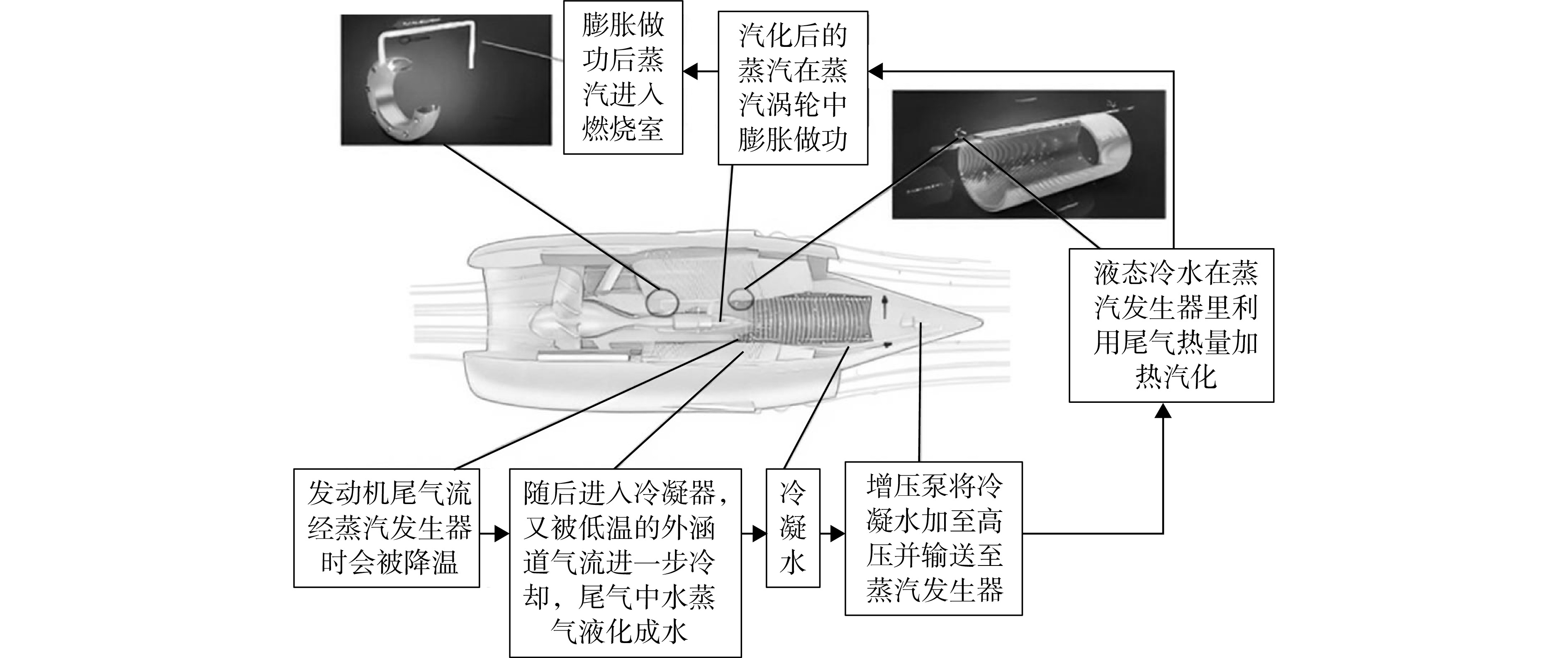
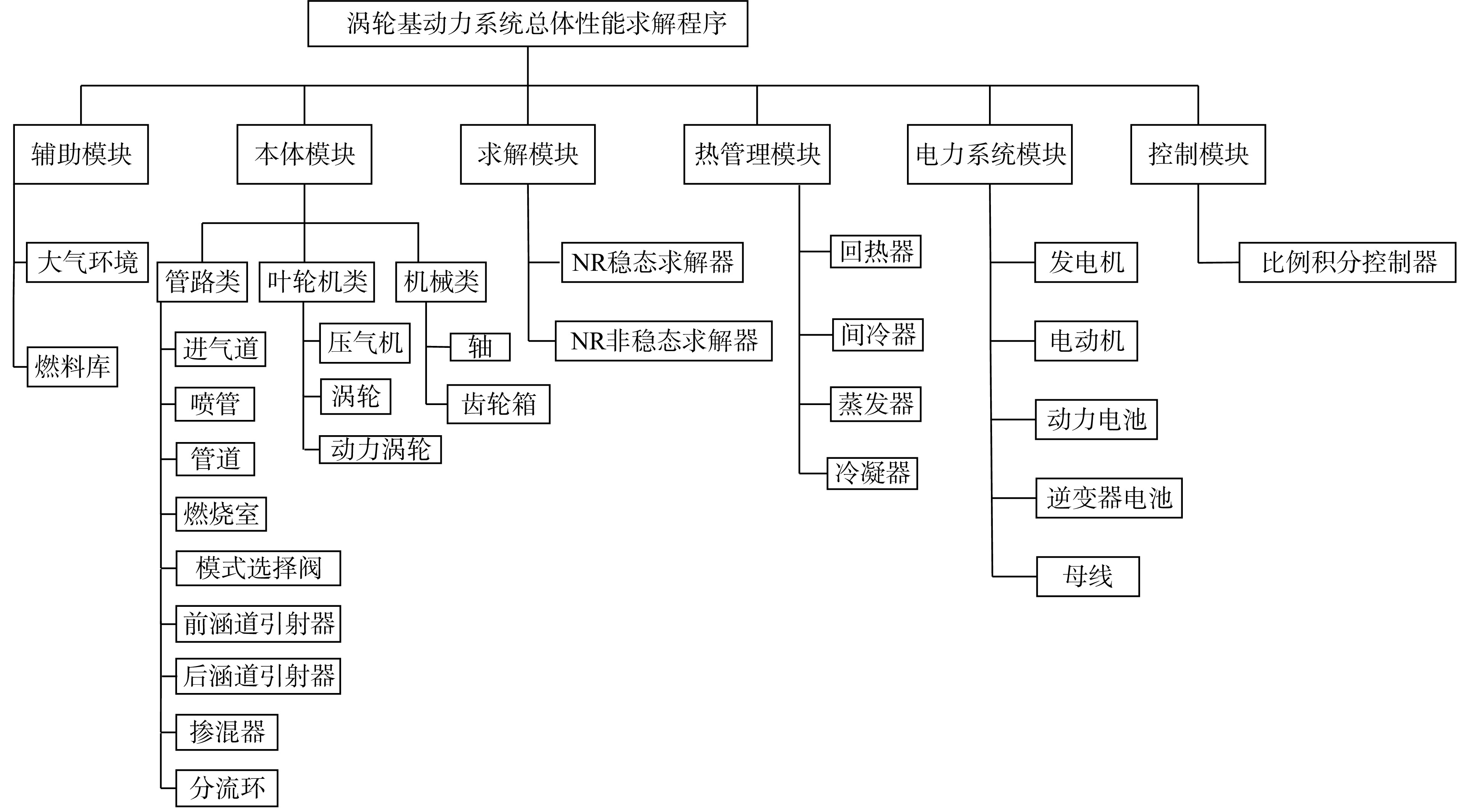
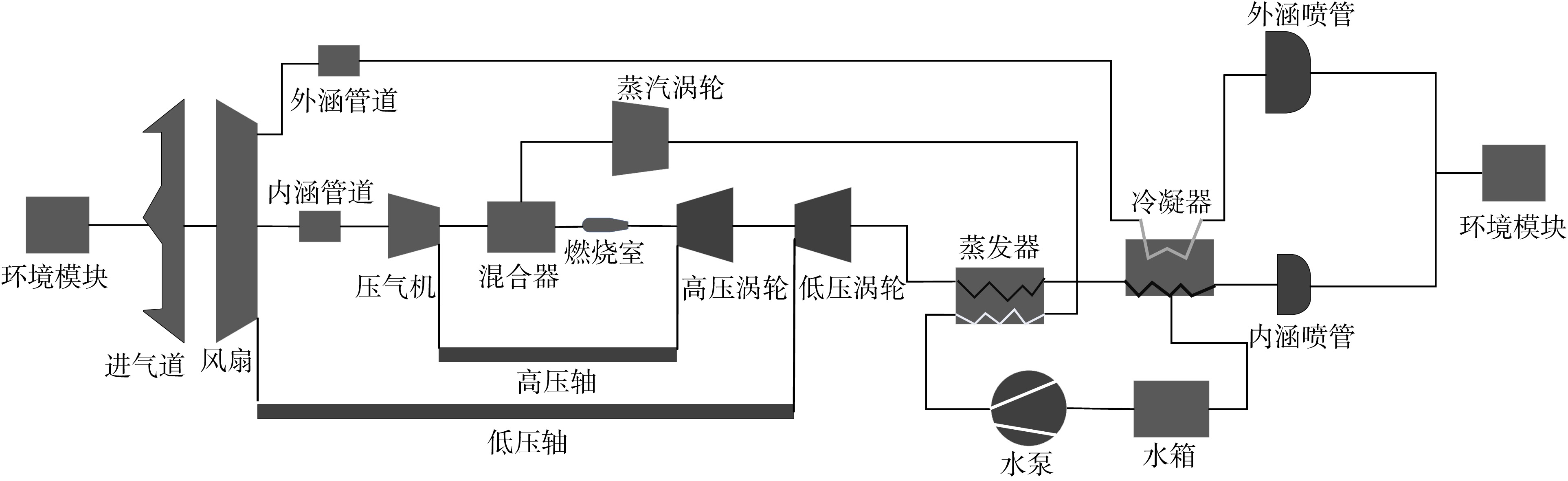
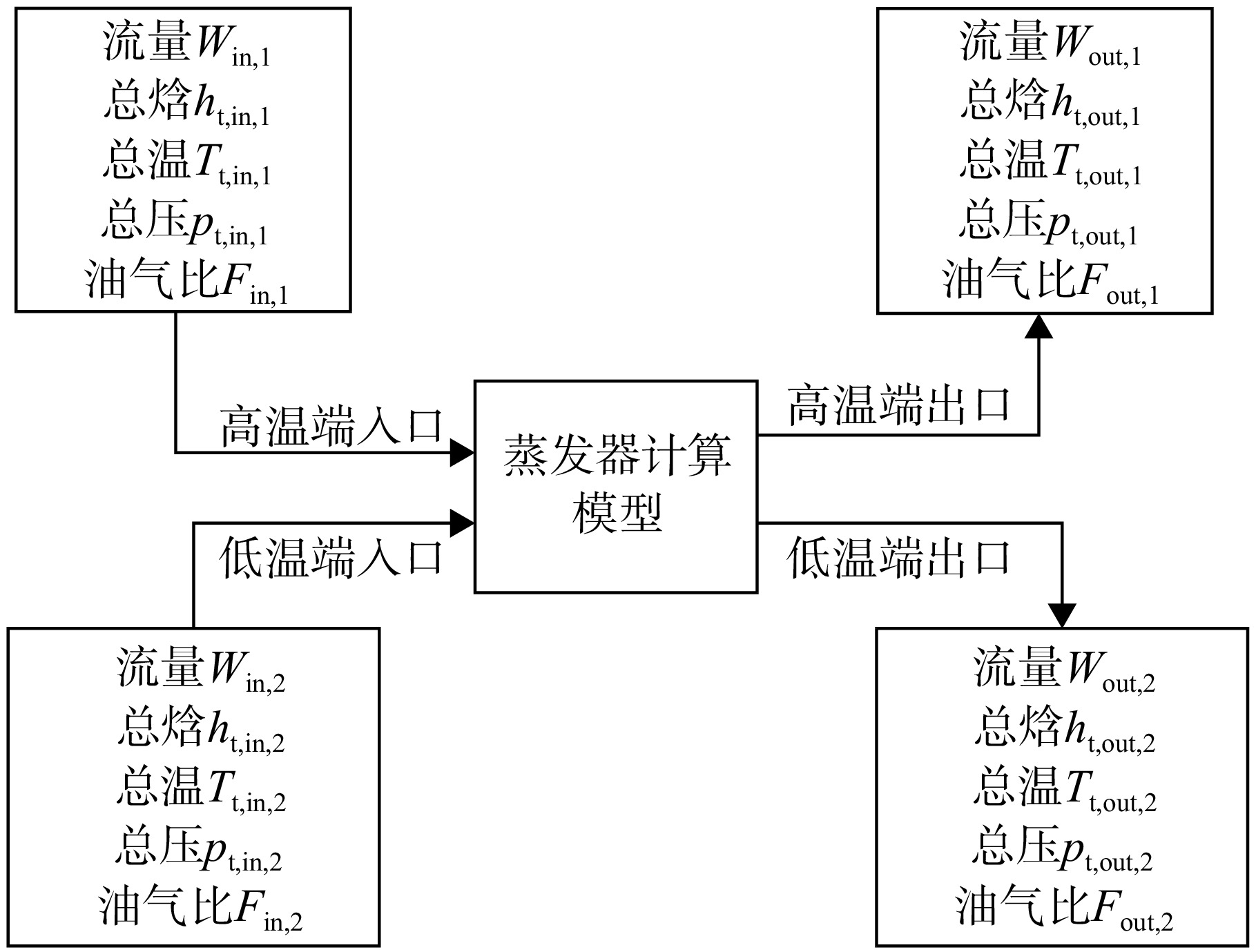
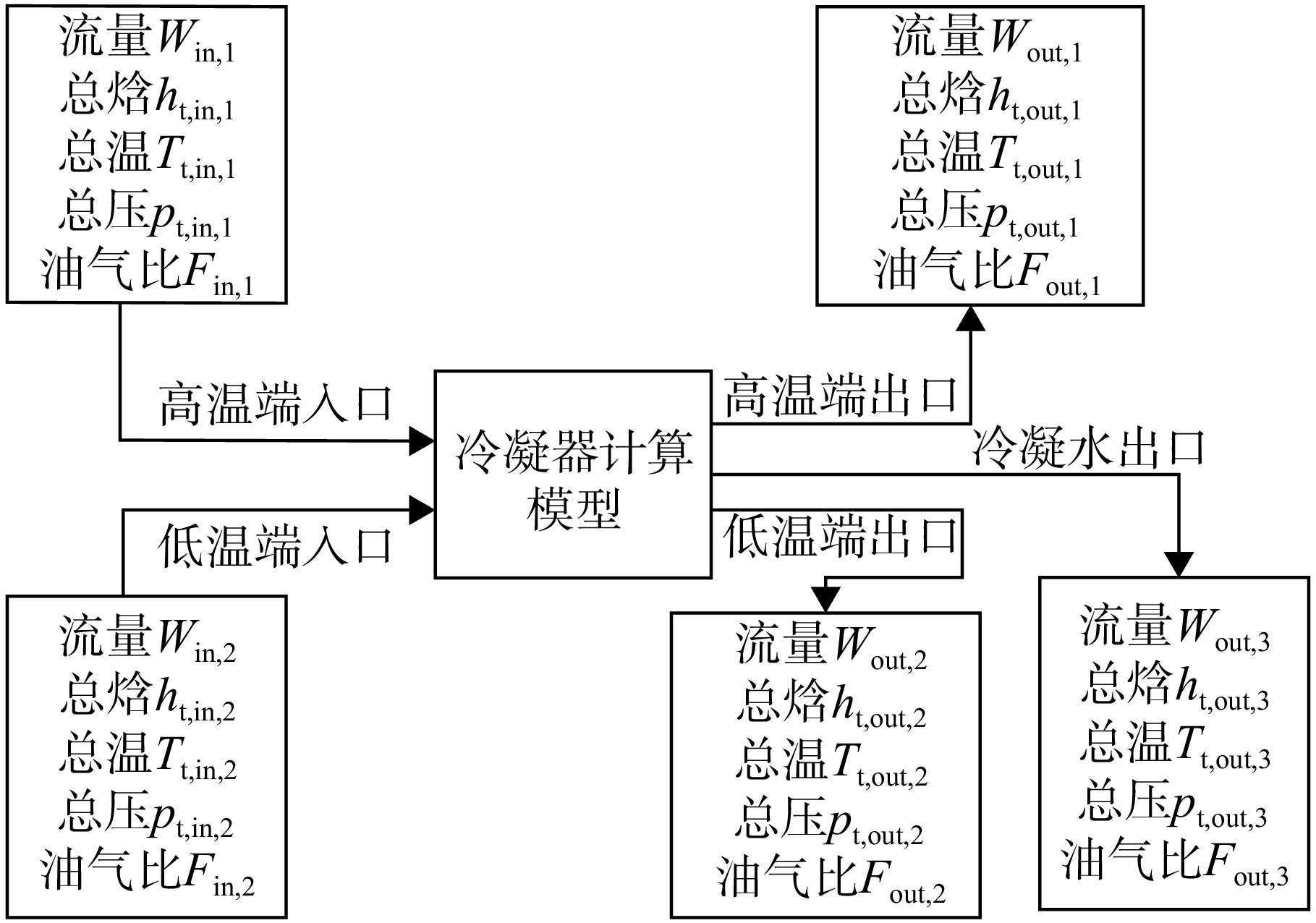
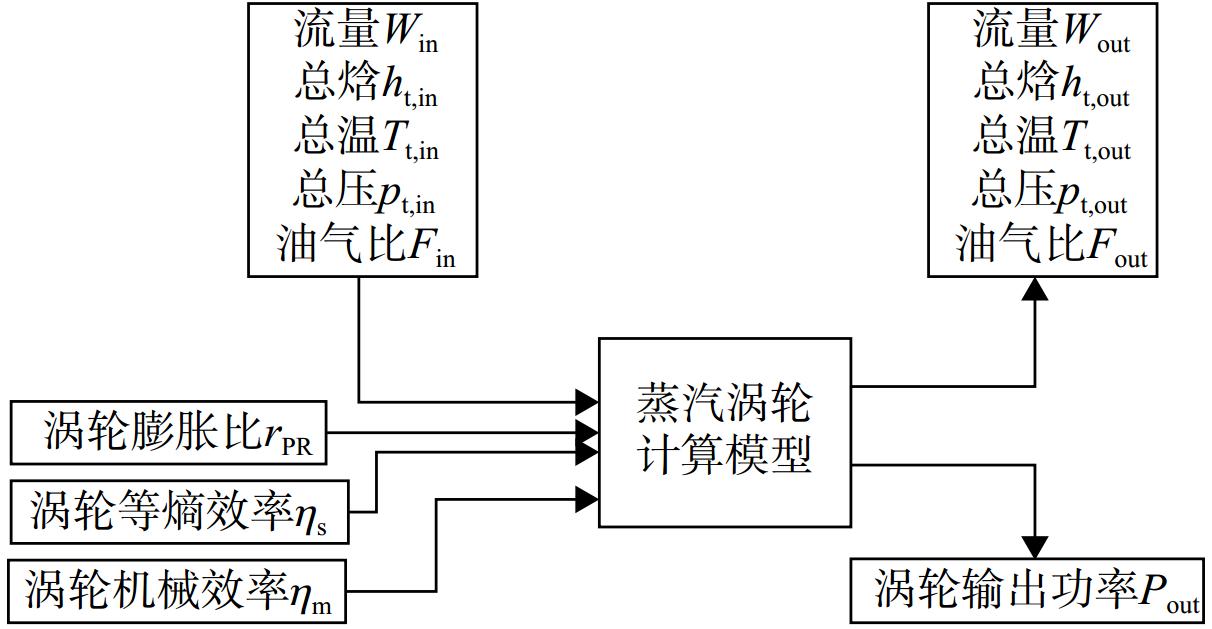
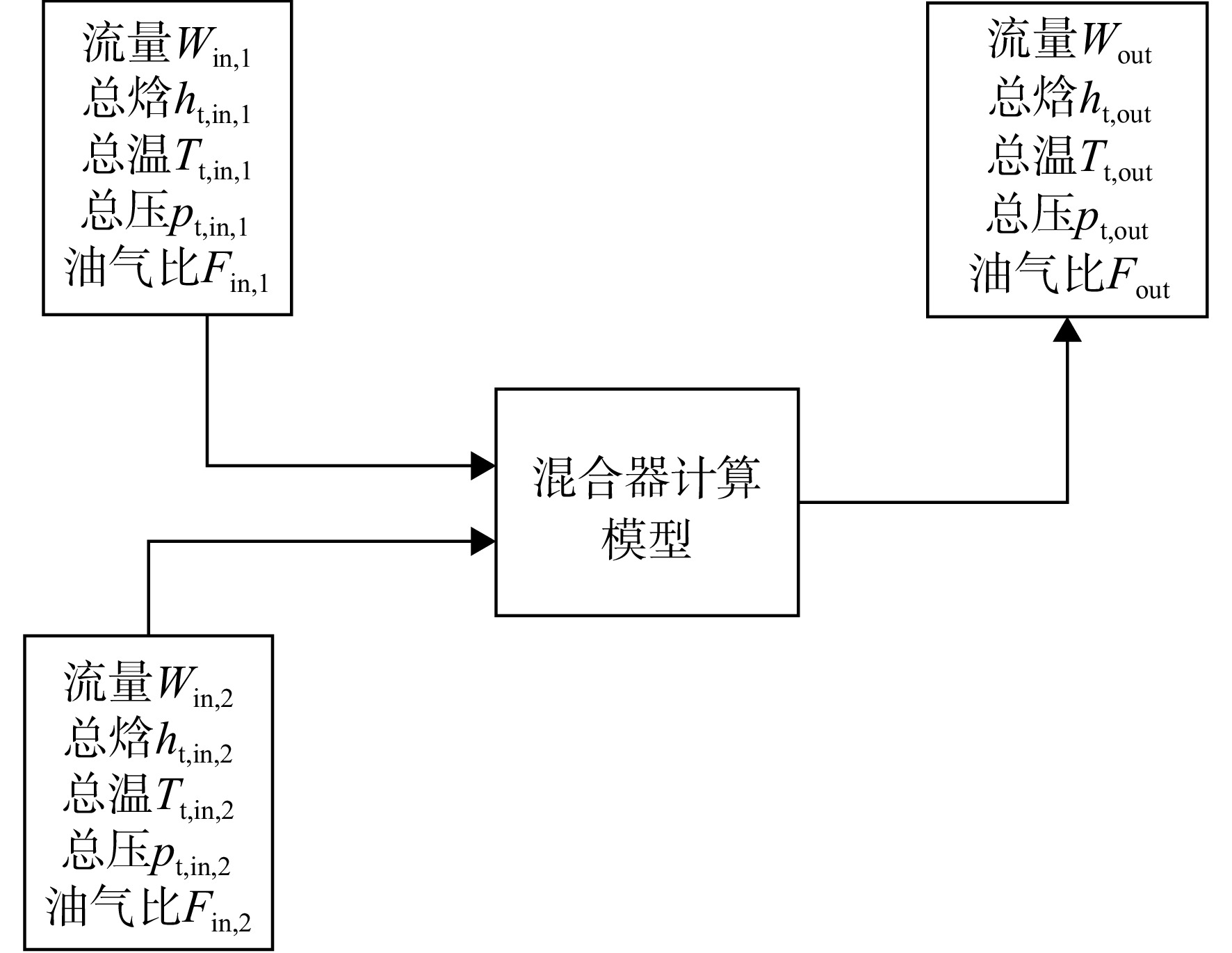
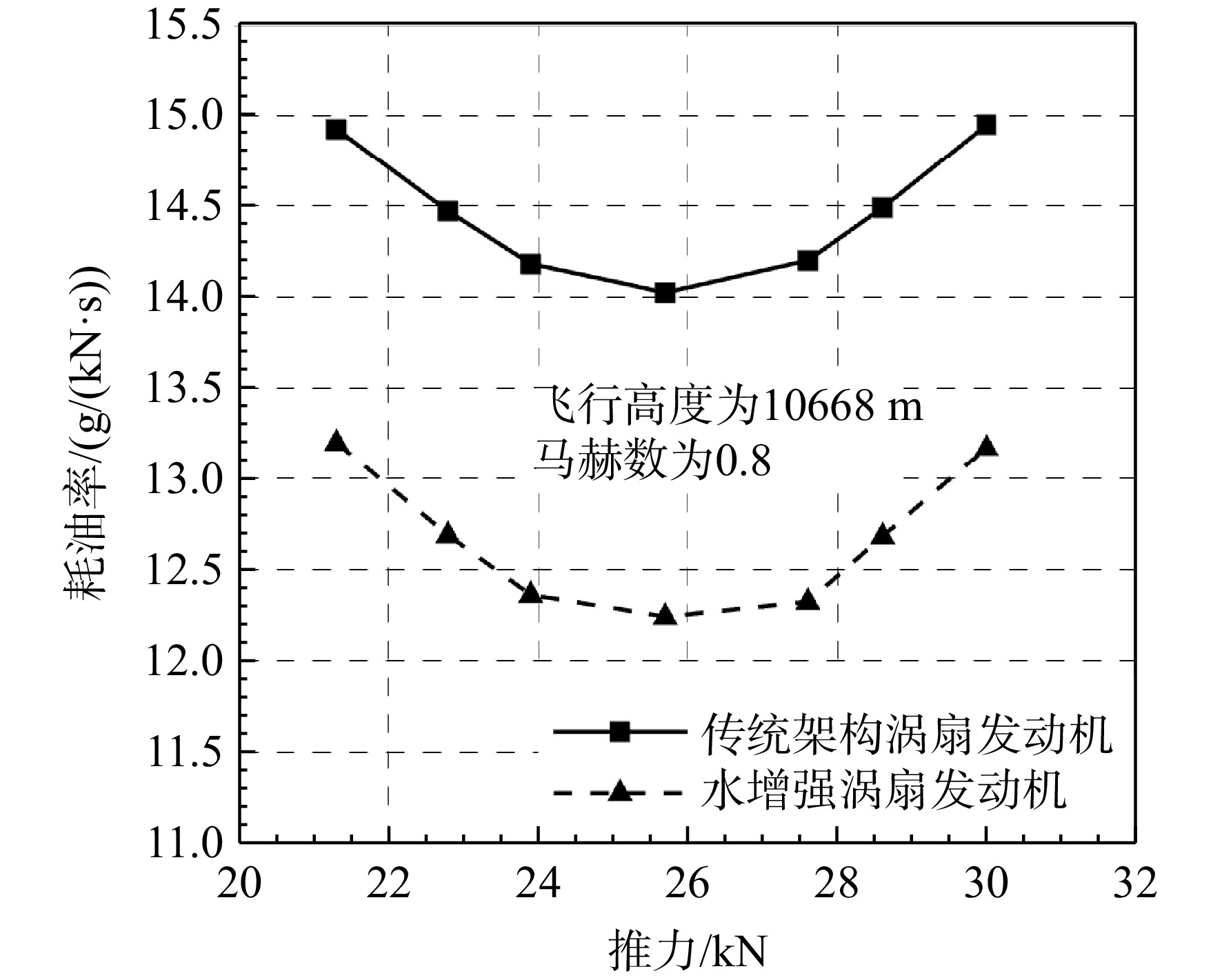
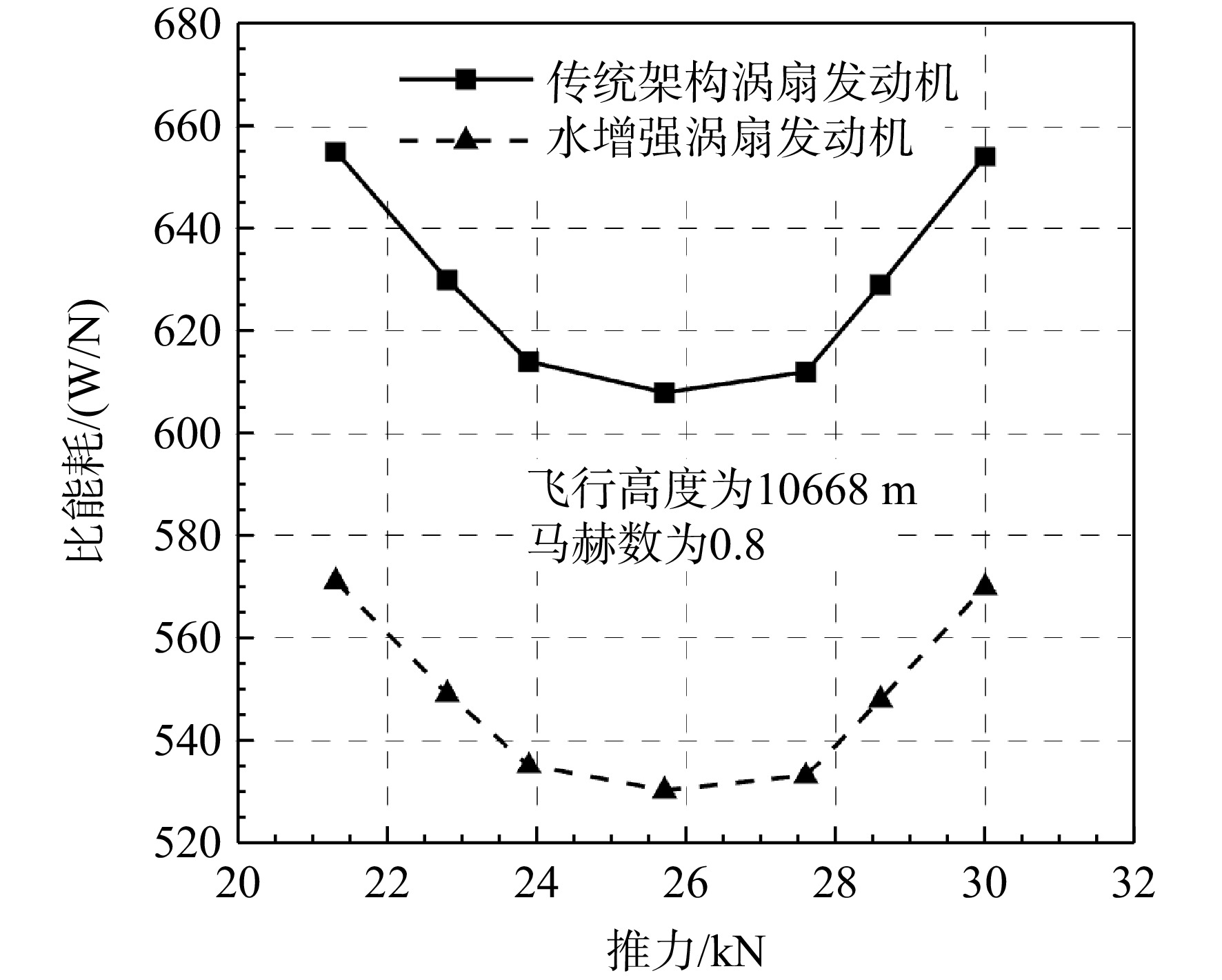
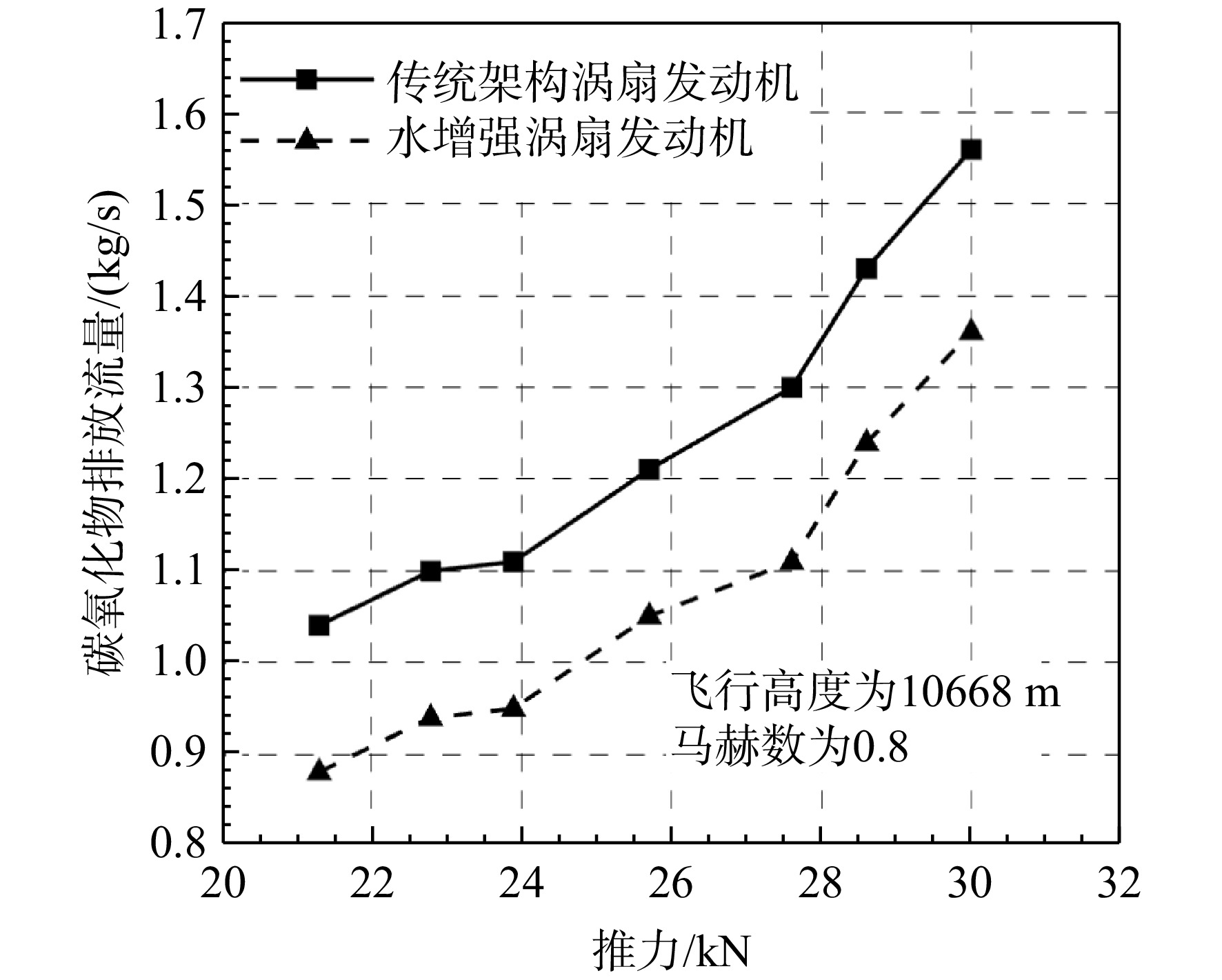
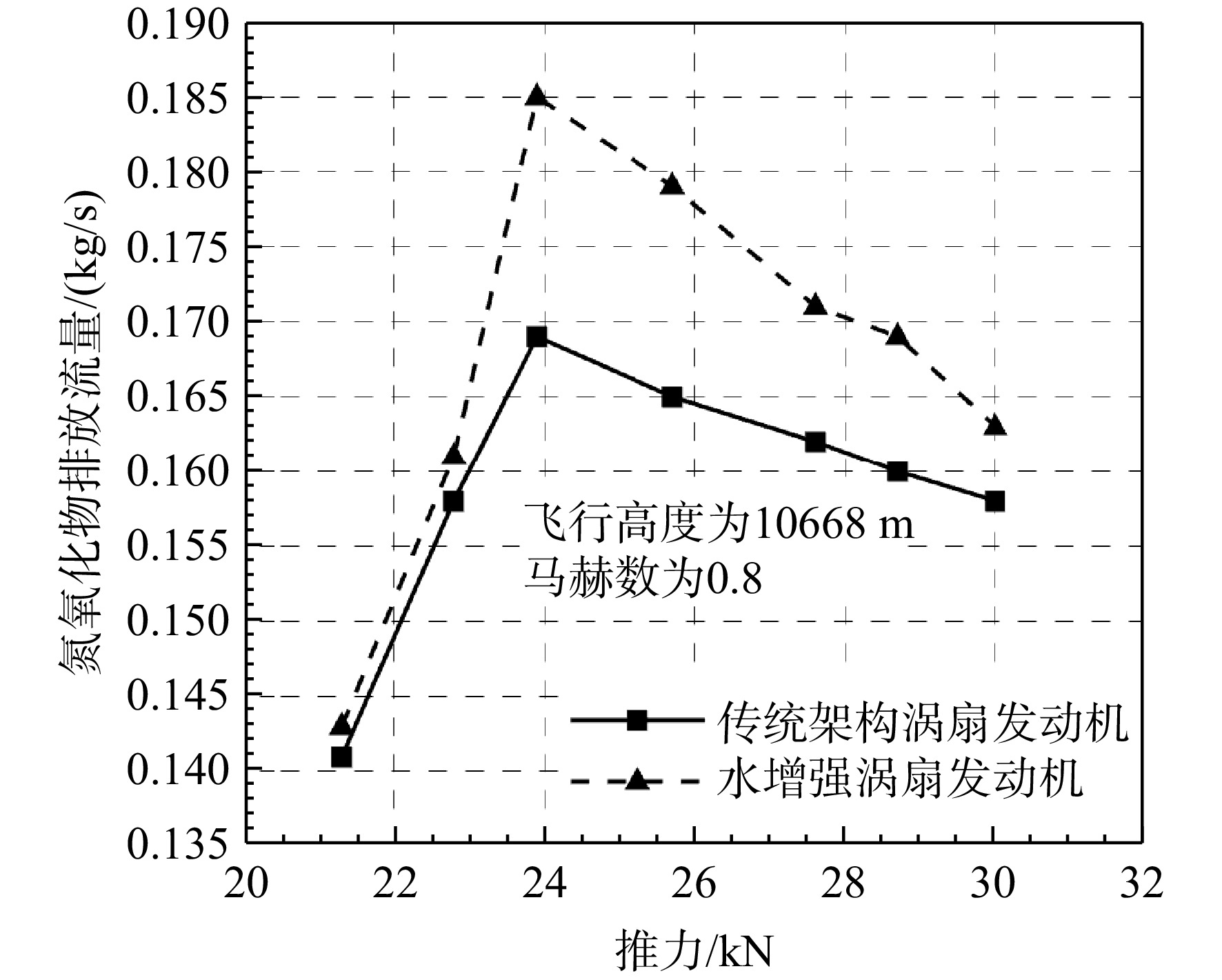
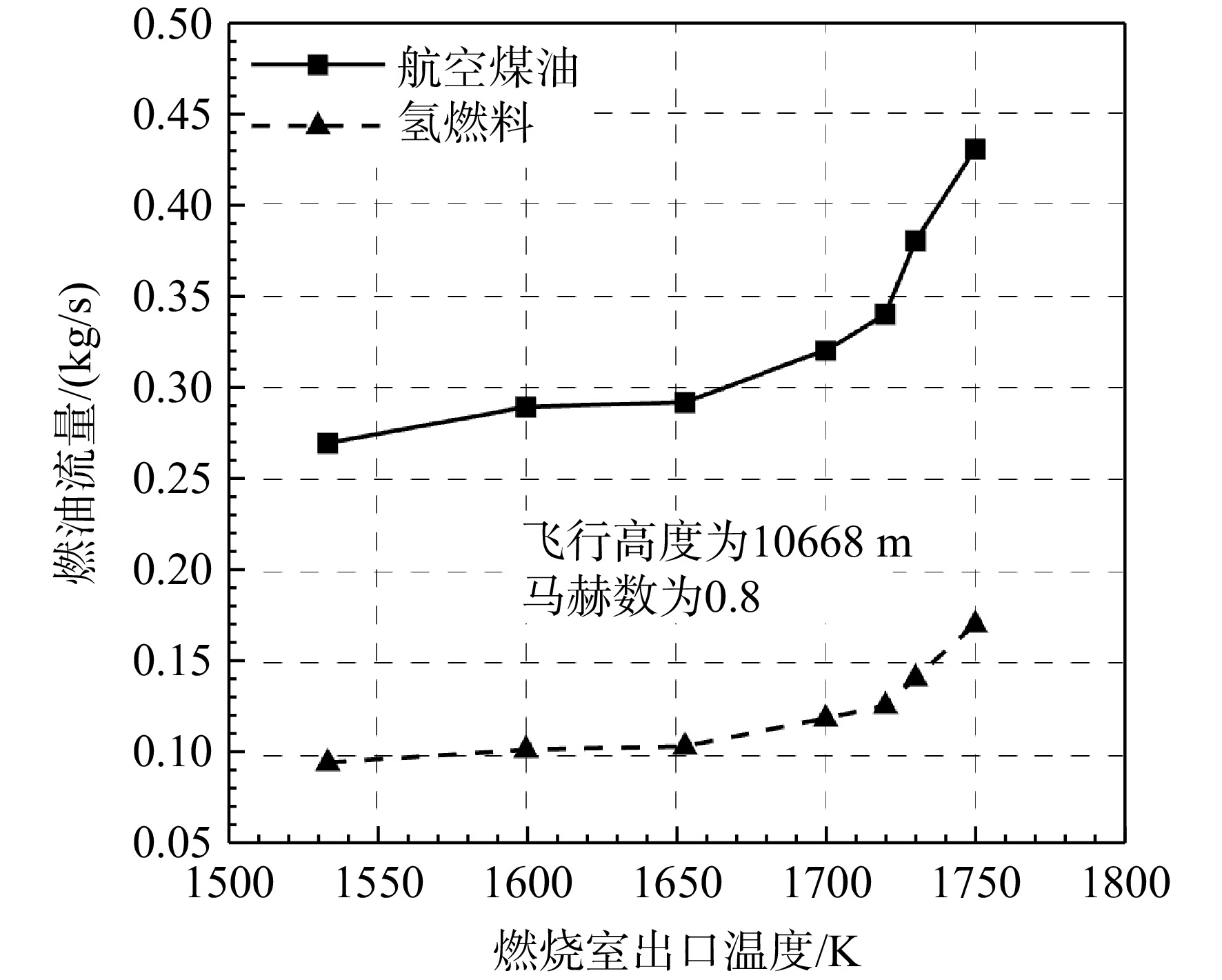
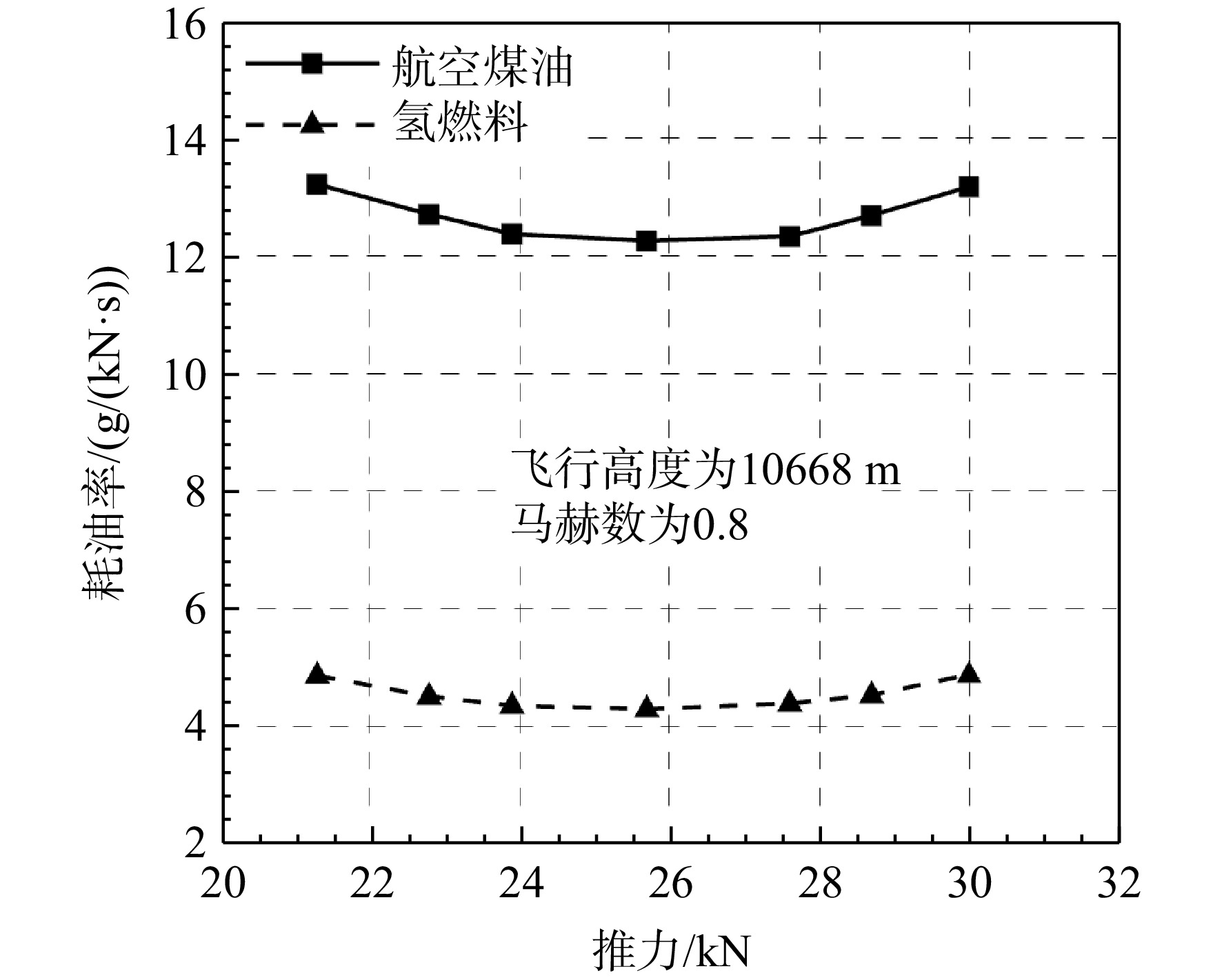
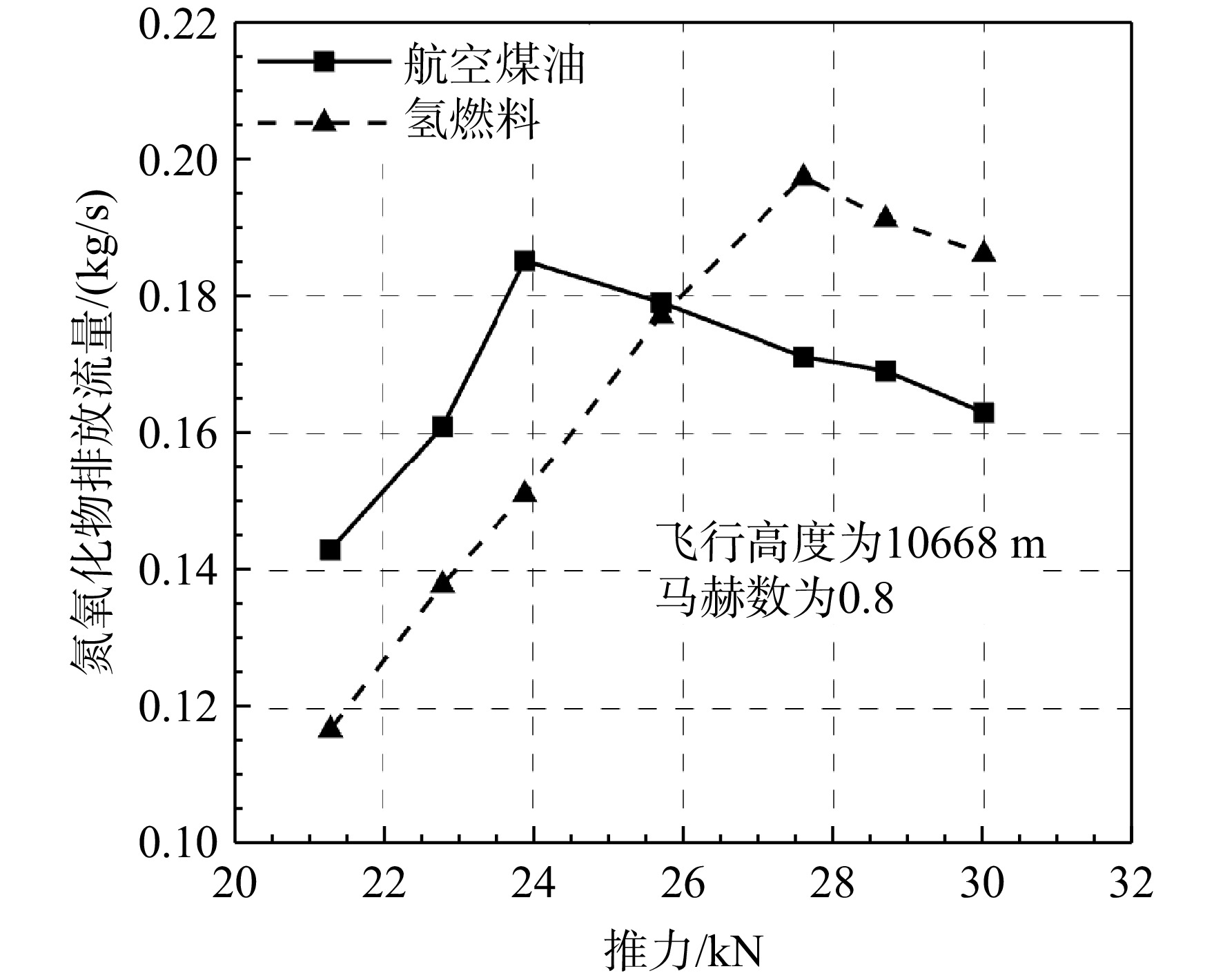
To analyze the feasibility and energy-saving and emission reduction effects of recycling water working fluid in the exhaust of a turbofan engine, a simulation model of a water-enhanced system consisting of an evaporator, condenser, steam turbine and mixer was developed. Furthermore, a comprehensive performance simulation model for a conventional ultra-high bypass ratio turbofan engine and a water-enhanced turbofan engine was established to compare and analyze the engine performance under different flight conditions. Compared with the traditional turbofan engine architecture, the water-enhanced turbofan engine achieved the recycling of water working fluid in the exhaust, resulting in a 13.2% reduction in fuel consumption rate and a 13.5% reduction in specific energy consumption during cruising condition. The water-enhanced turbofan engine showed a significant improvement in carbon oxide emissions compared with traditional turbofan engines, although its nitrogen oxide emissions increased. The application of hydrogen fuel significantly reduced the fuel consumption of the water-enhanced turbofan engine, achieving zero carbon emissions while improving nitrogen oxide emissions.

Research on fast inverse design of airfoil based on denoising diffusion model
CHENG Ming, HE Lei, LIN Jiazhe, HUANG Mingji, ZHANG Xiancai, ZHAO Tun
2026, 41(4): 20240425. doi: 10.13224/j.cnki.jasp.20240425
Abstract:

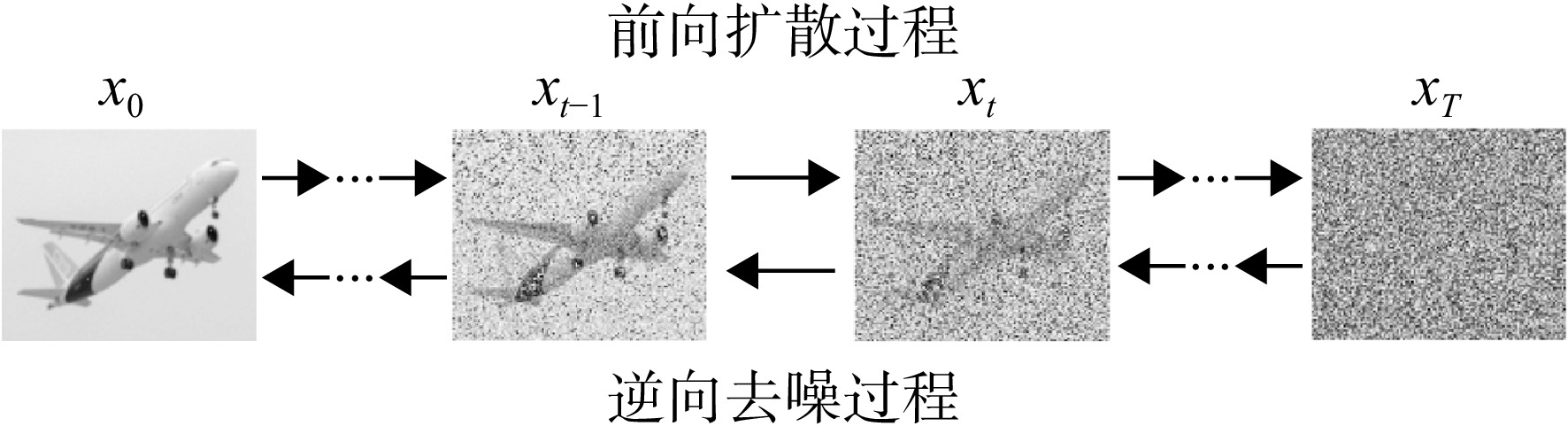
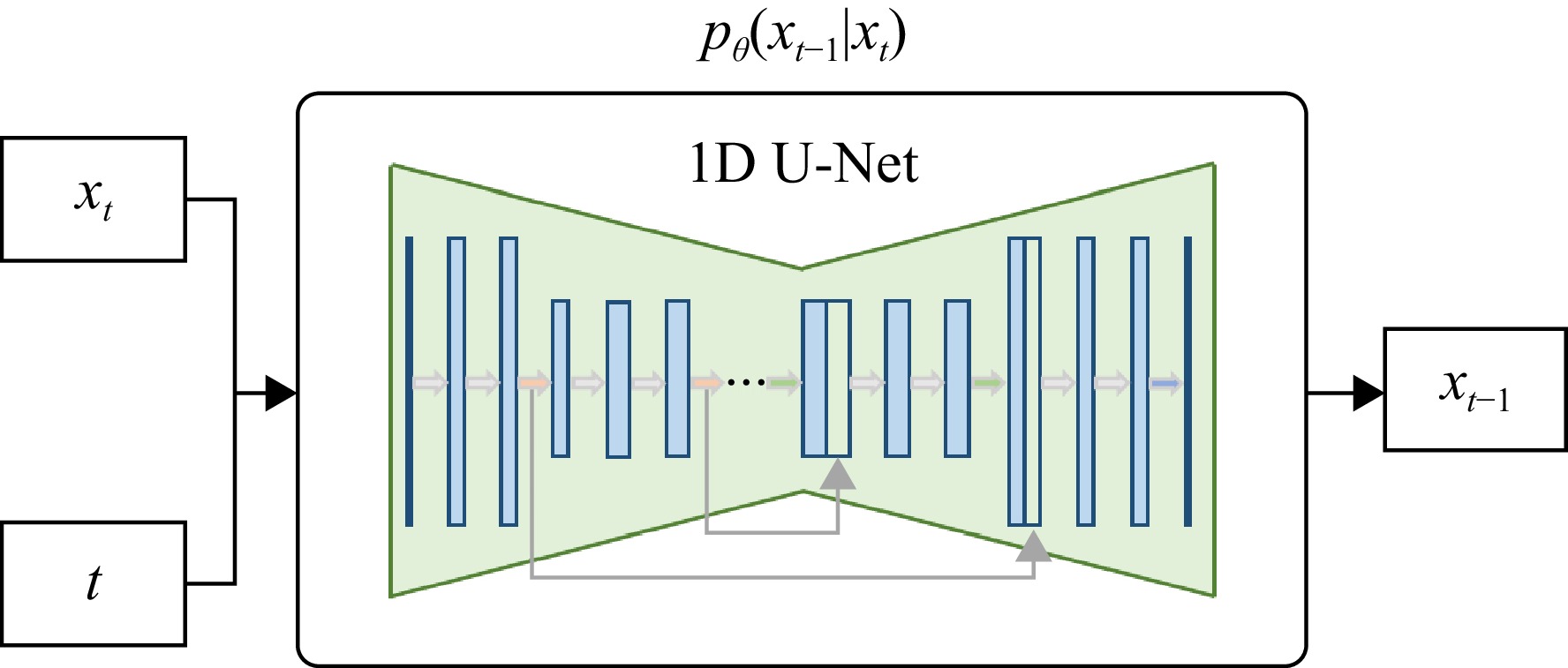
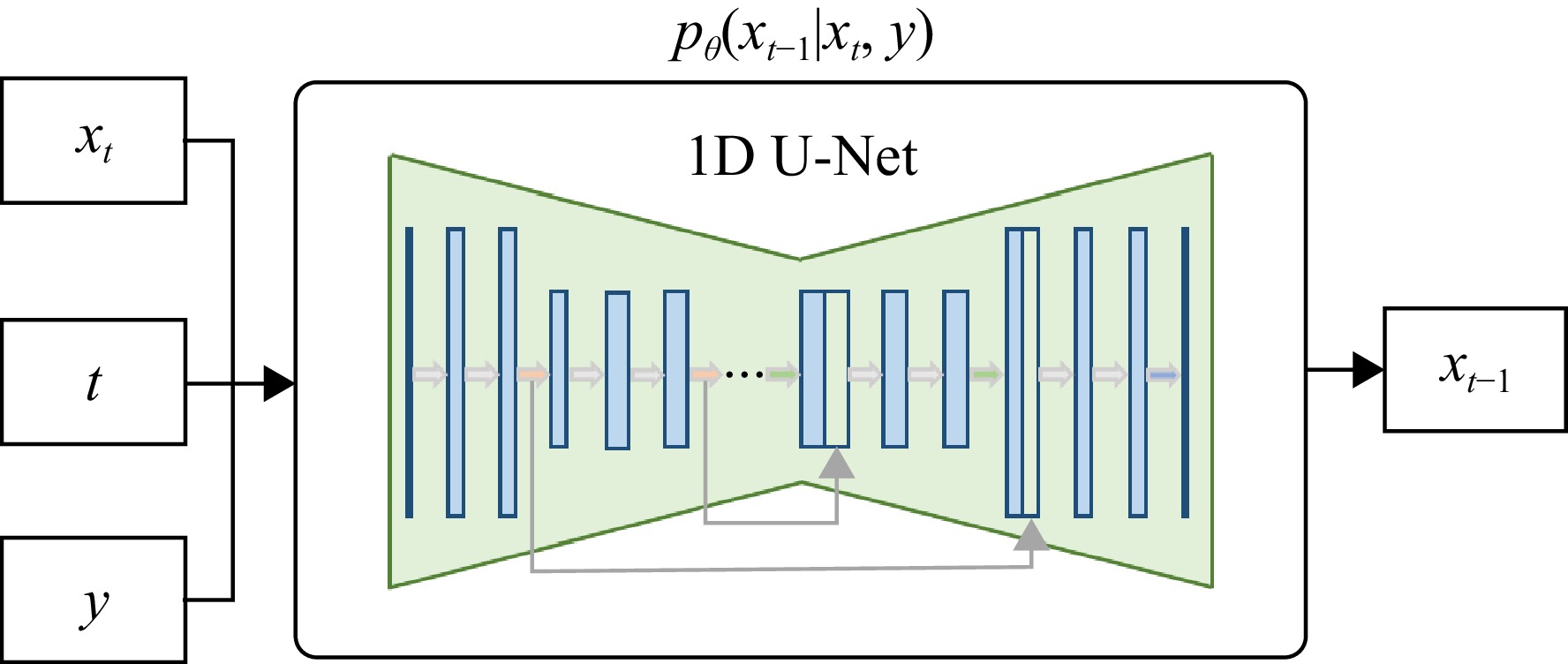
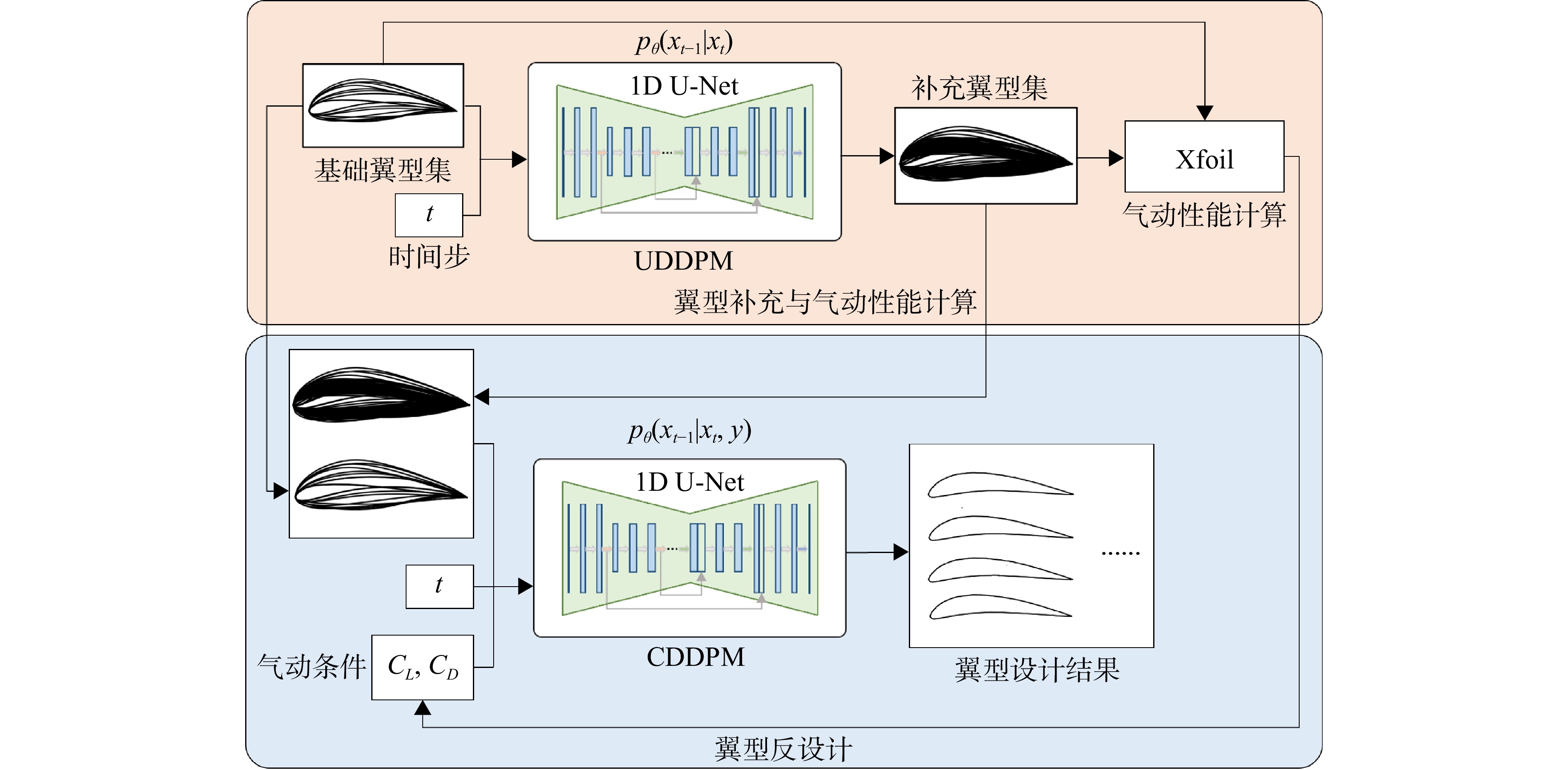
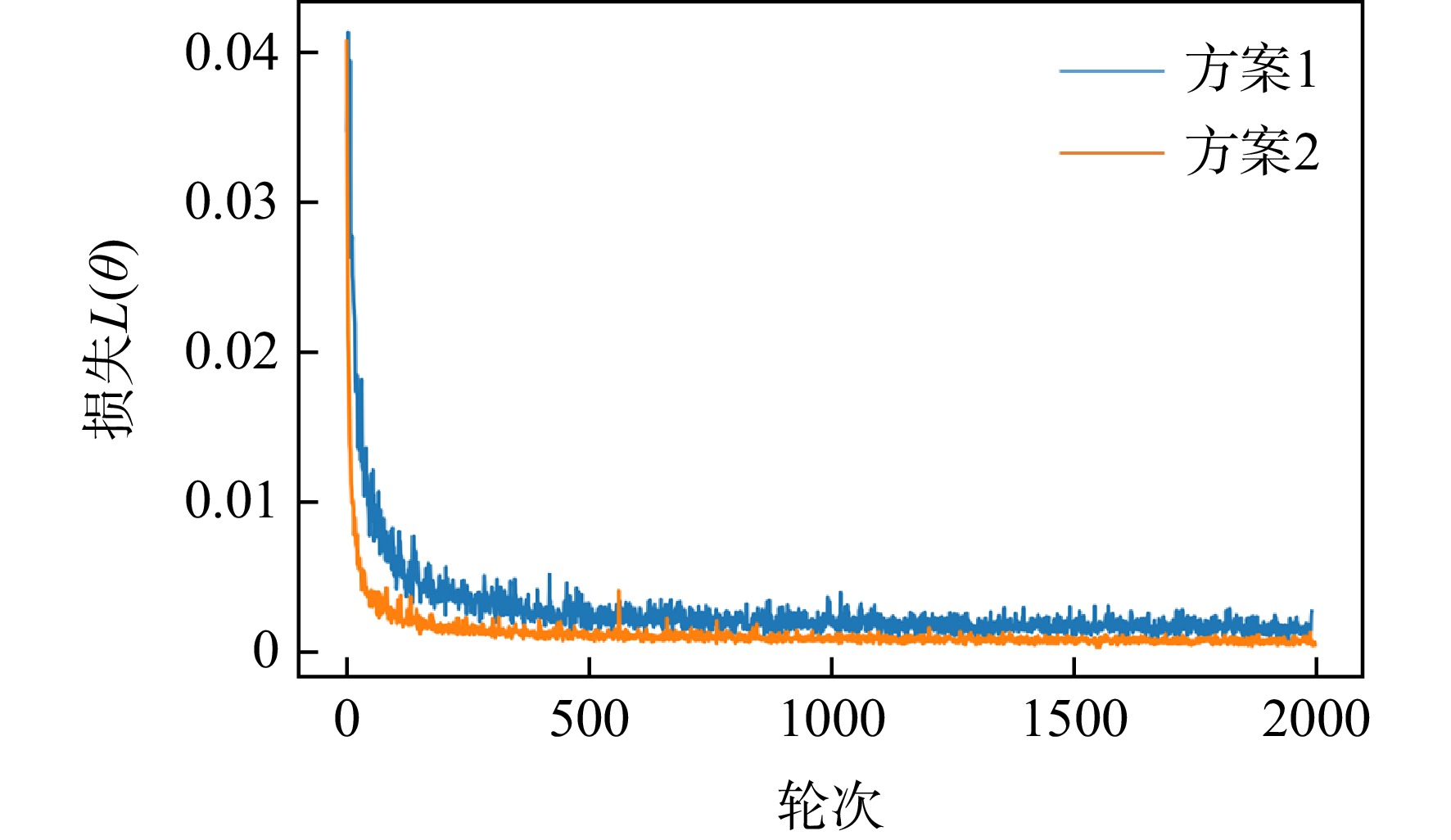
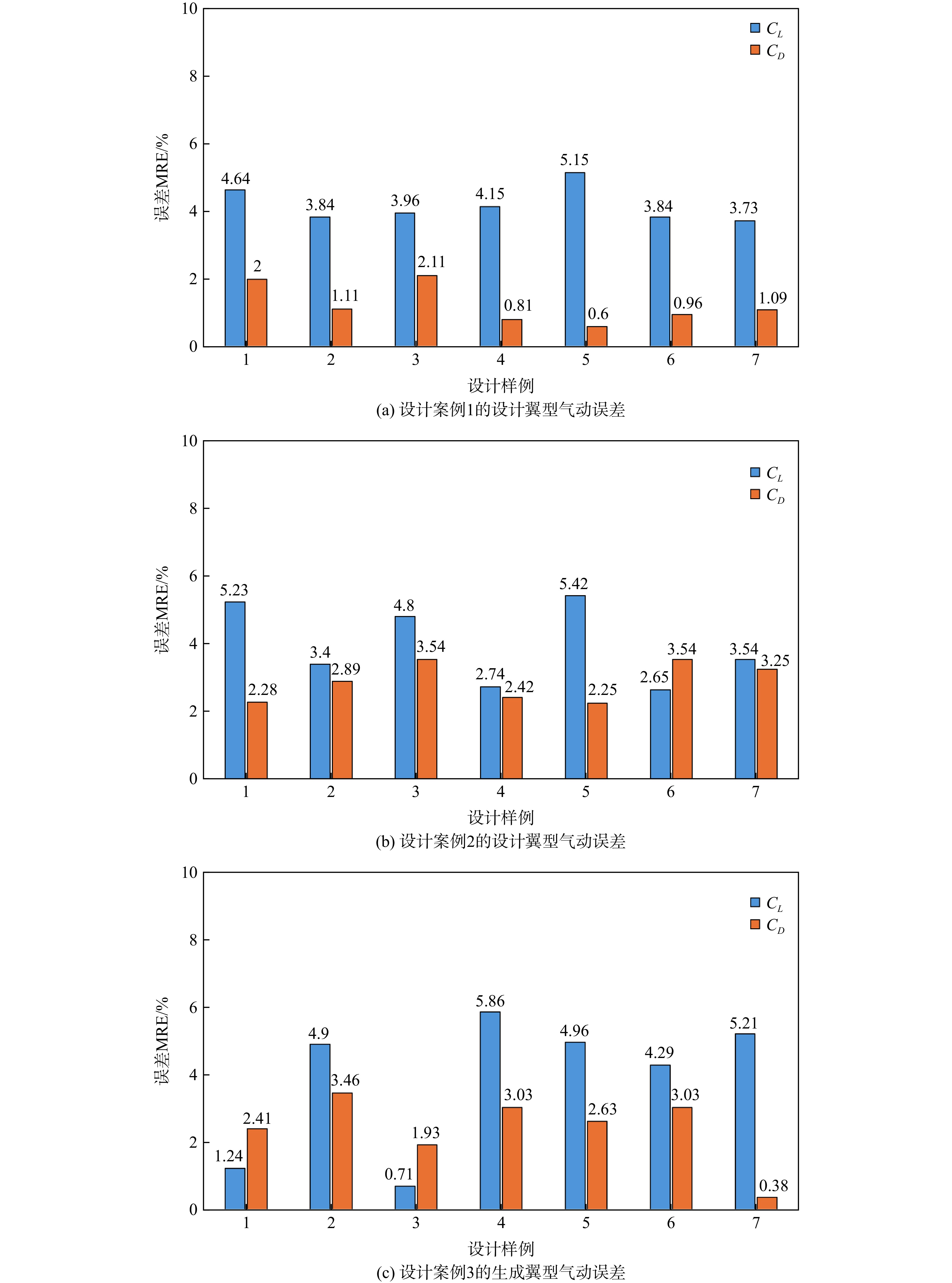
A fast inverse design method of airfoil based on denoising diffusion probability model was established, which directly used coordinates as the description mode of airfoil, and utilized the powerful data feature learning and sample generation ability of denoising diffusion probability model to realize fast inverse design of airfoil under aerodynamic performance control. The research was carried out by the following steps: firstly, the basic airfoil data set was constructed based on UIUC airfoil database; using the basic airfoil data set as input, the unconditional diffusion model was trained; then, based on the unconditional diffusion model, a large number of new airfoils were generated, and an extended data set was established to increase the diversity of data; then the aerodynamic performance of airfoil was calculated by Xfoil airfoil analysis software. Taking airfoil and aerodynamic performance as inputs, the conditional diffusion model was trained, and the rapid airfoil reverse design based on this model was finally realized. The experimental results showed that the design of a single airfoil based on the denoising diffusion model took only 1.25 s, and the aerodynamic performance deviation from the tag airfoil was controlled within 6%. At the same time, the generated airfoil shapes were diverse, helping to provide conditions for more efficient airfoil design.

Global stability of streamwise vortices over a lifting body
ZHANG Bin, LI Xiaohu, TU Guohua, HUANG Wenfeng, CHEN Jianqiang
2026, 41(4): 20240402. doi: 10.13224/j.cnki.jasp.20240402
Abstract:

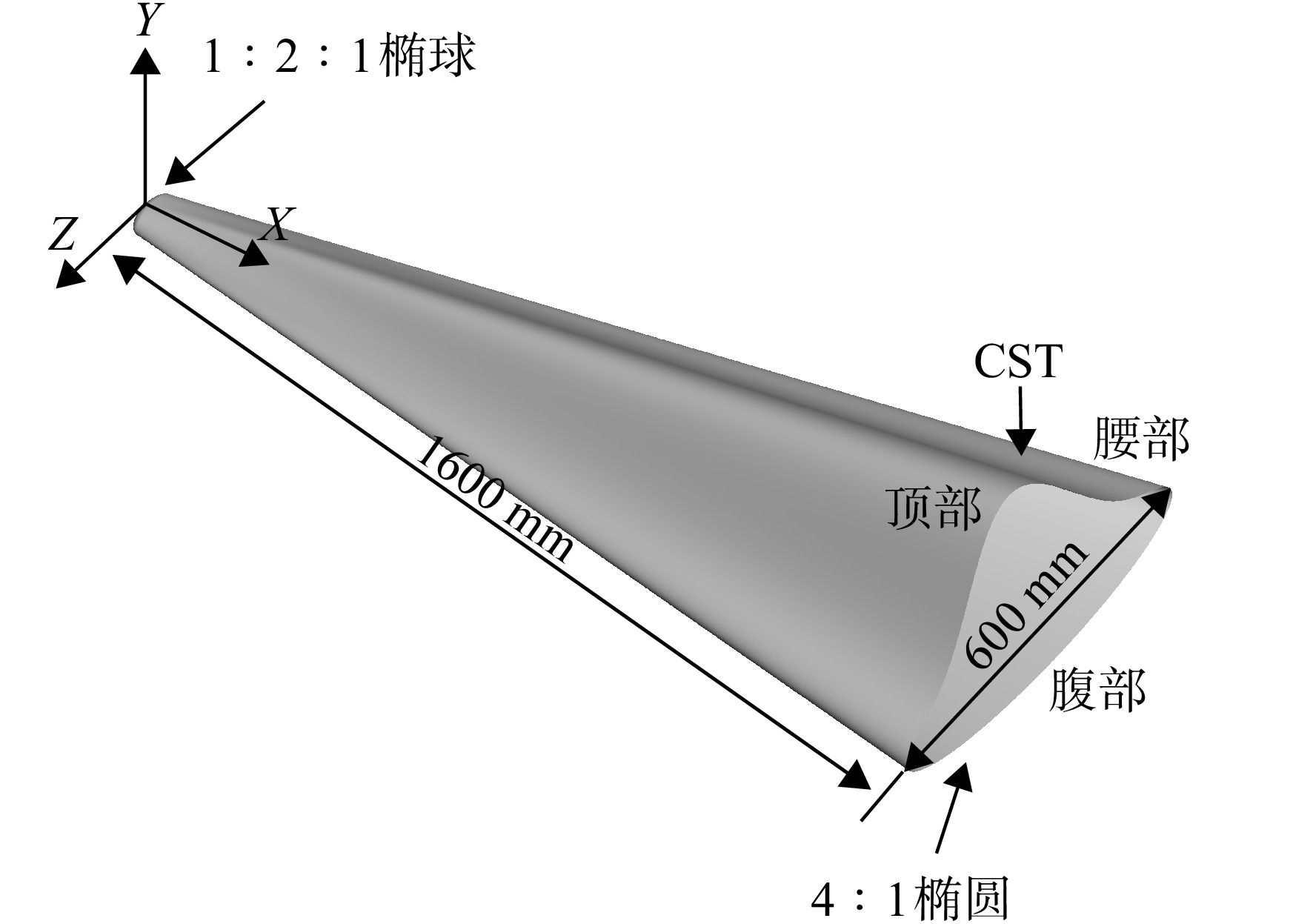
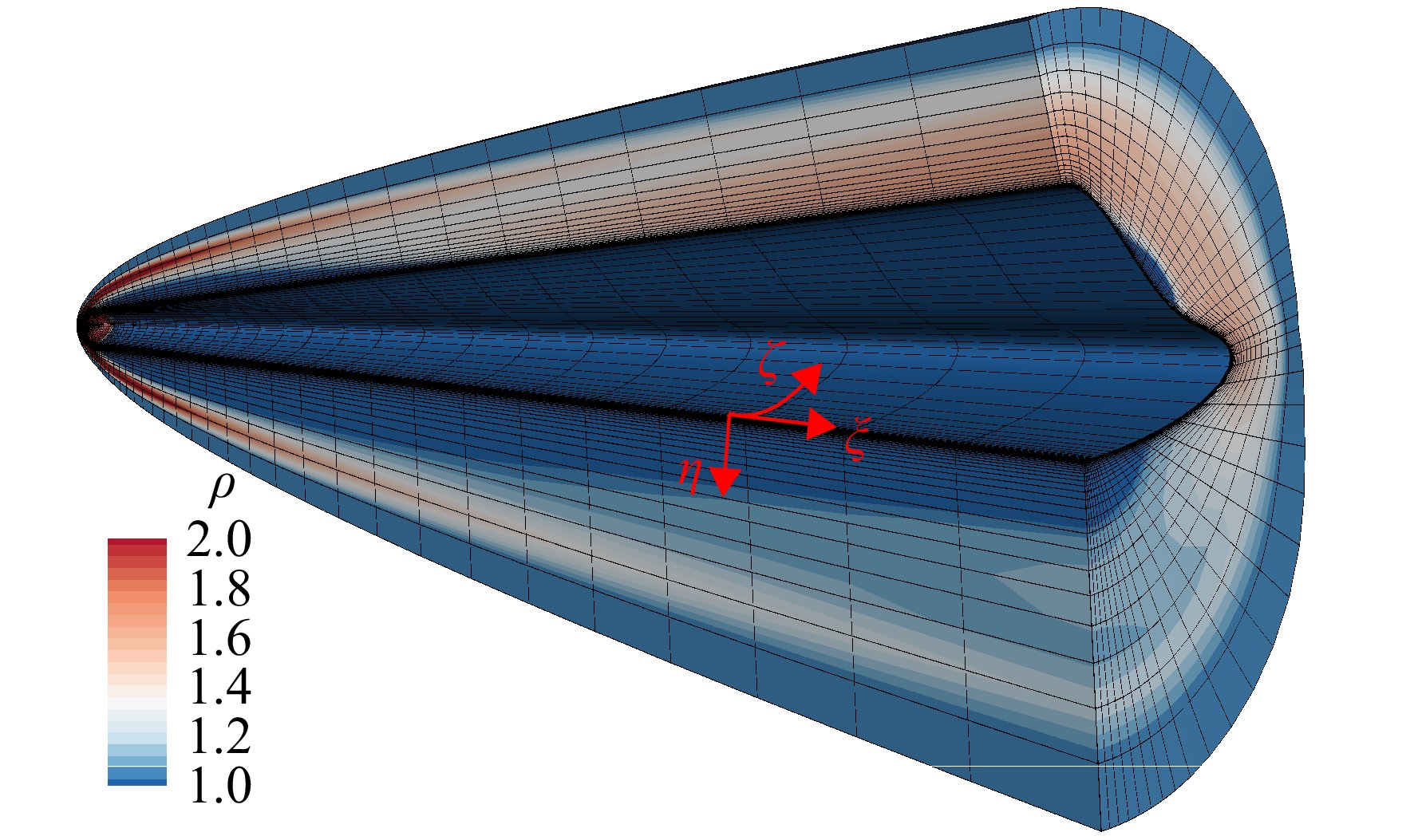
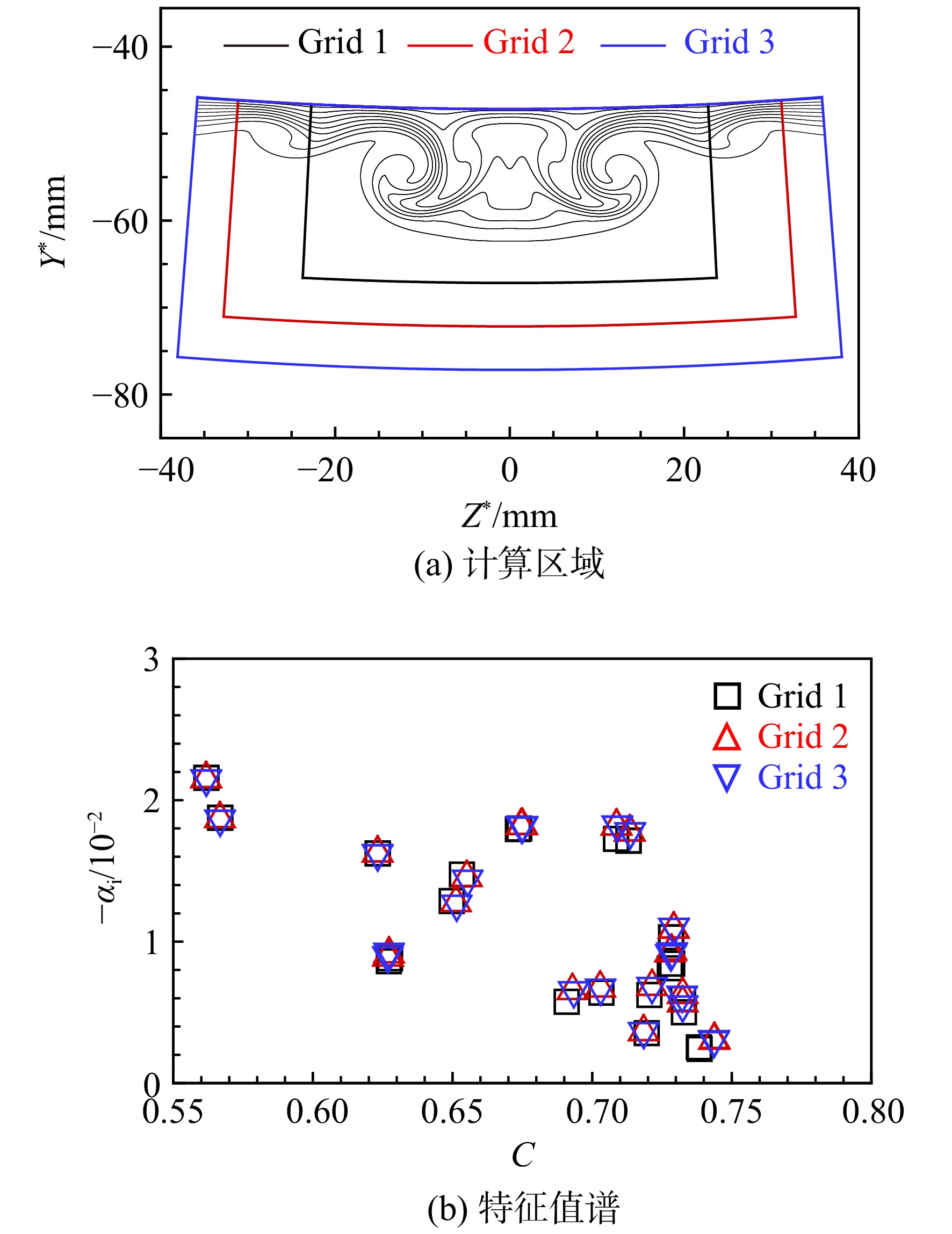
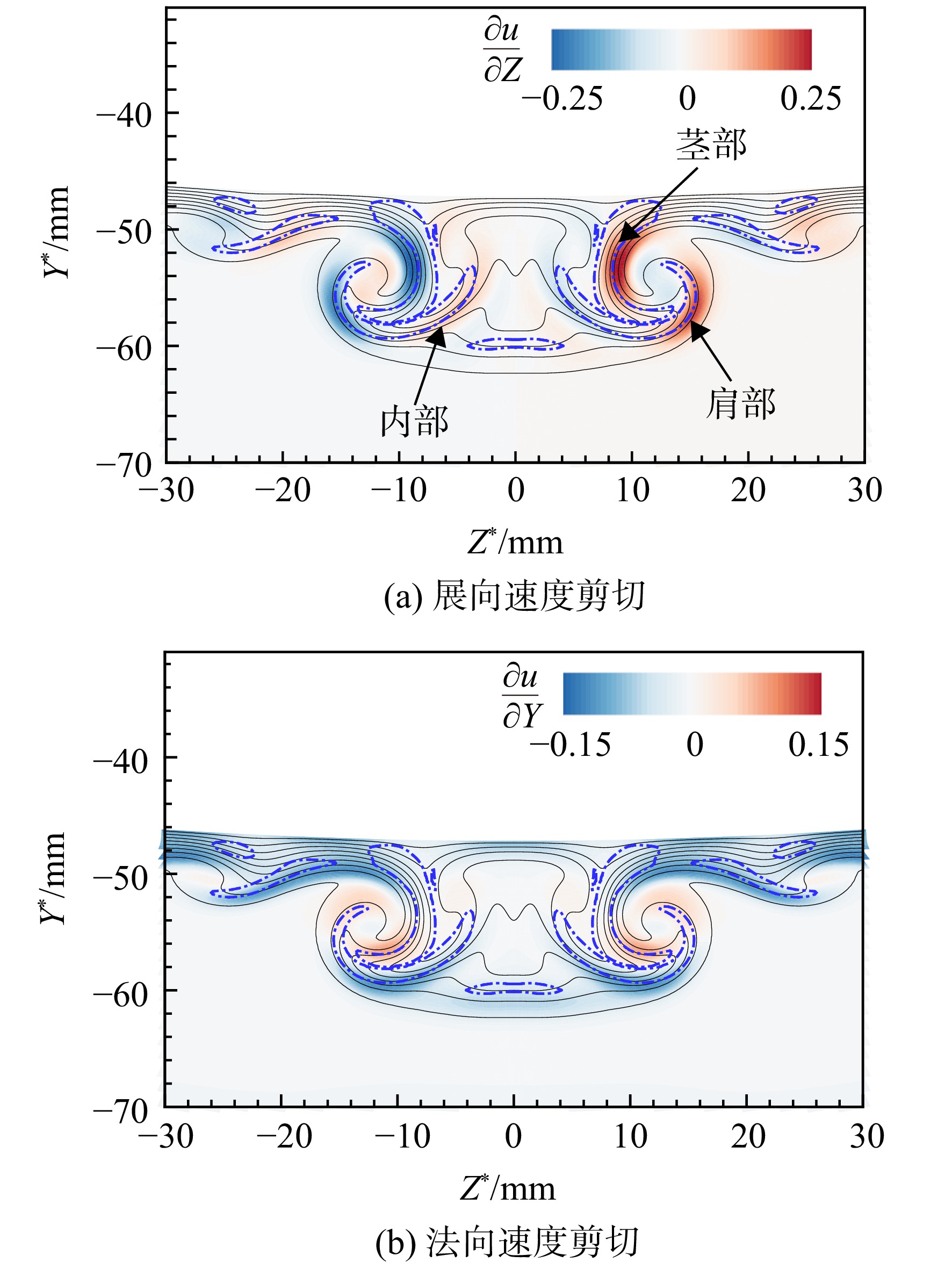
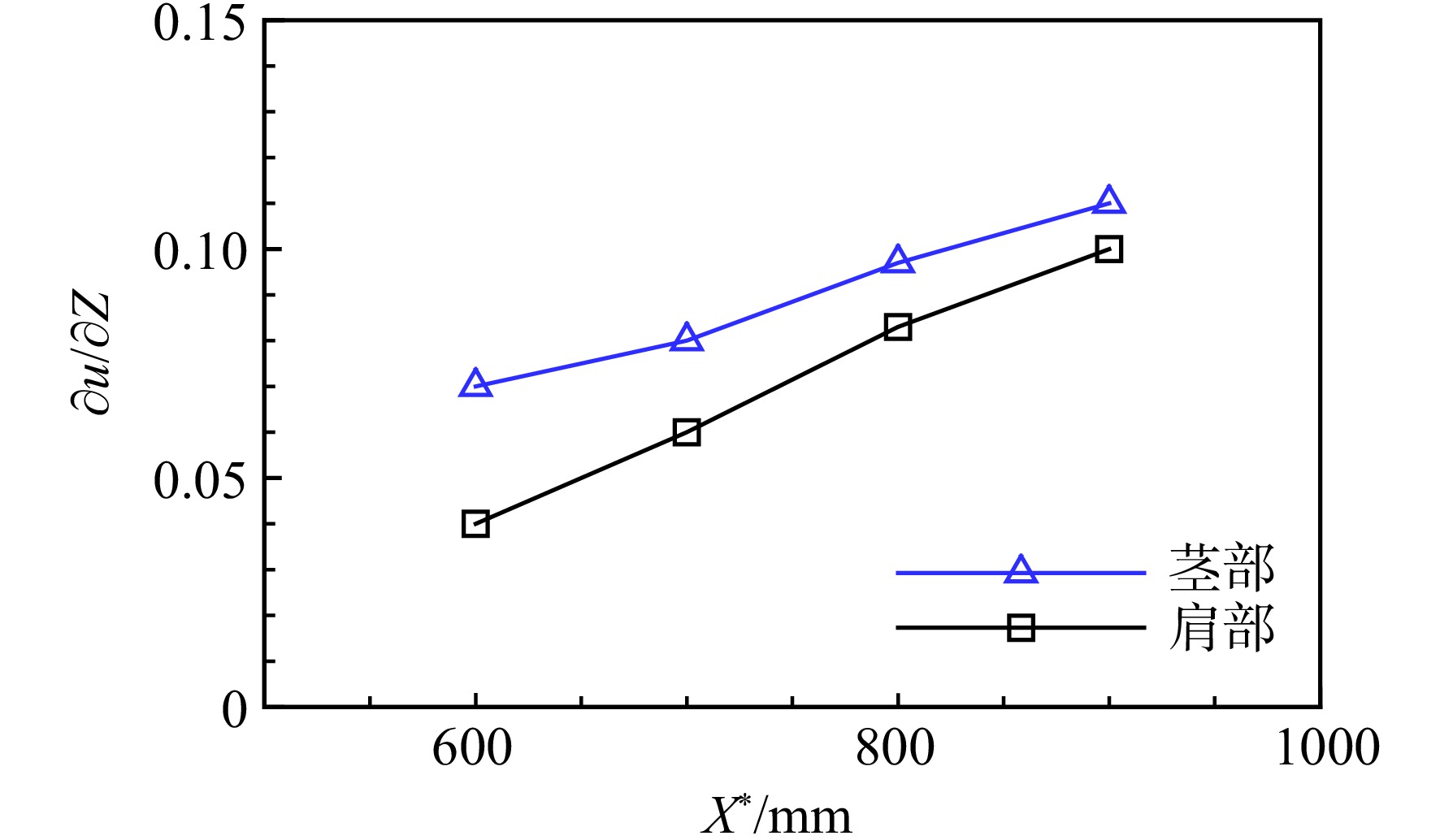
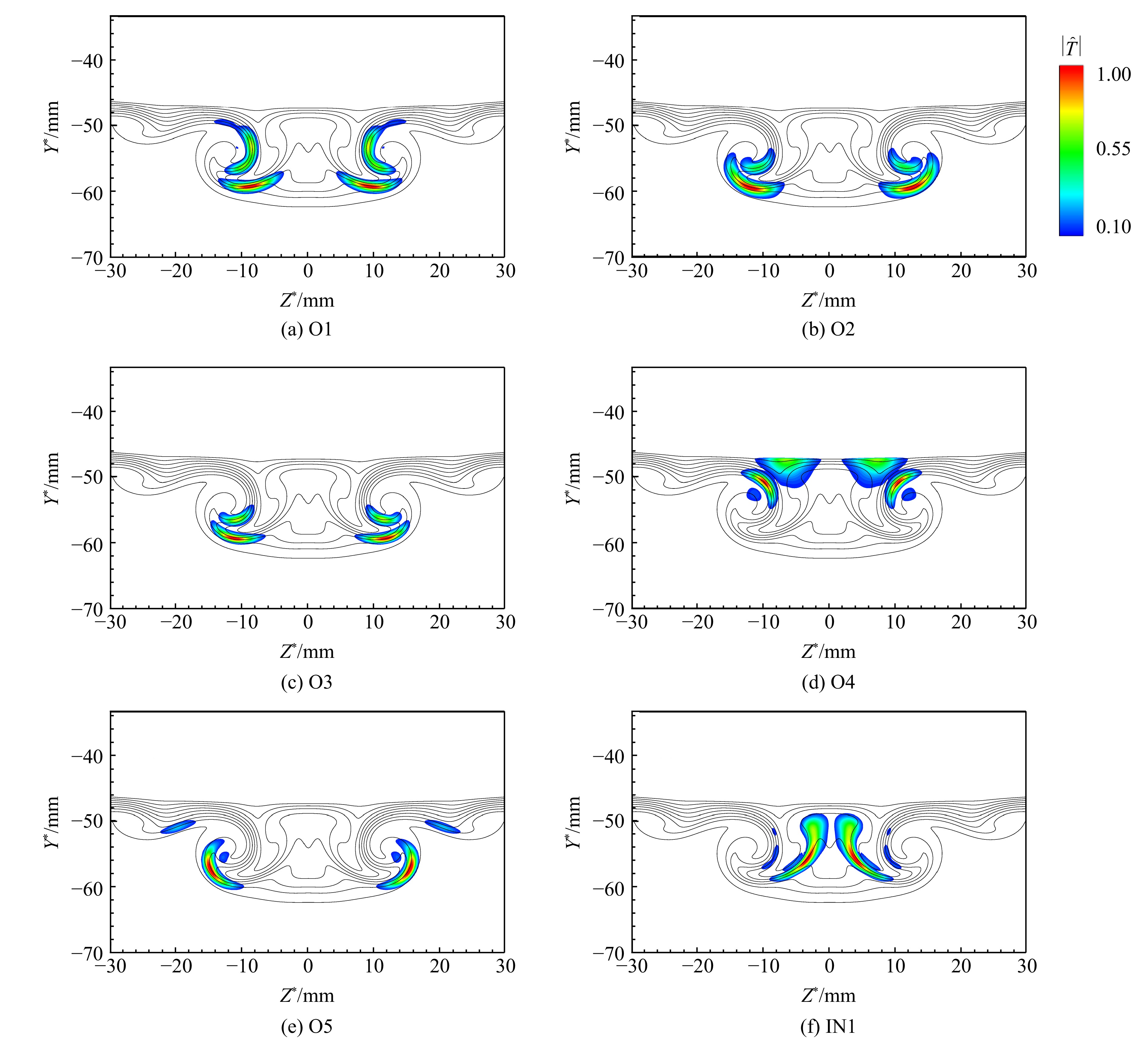
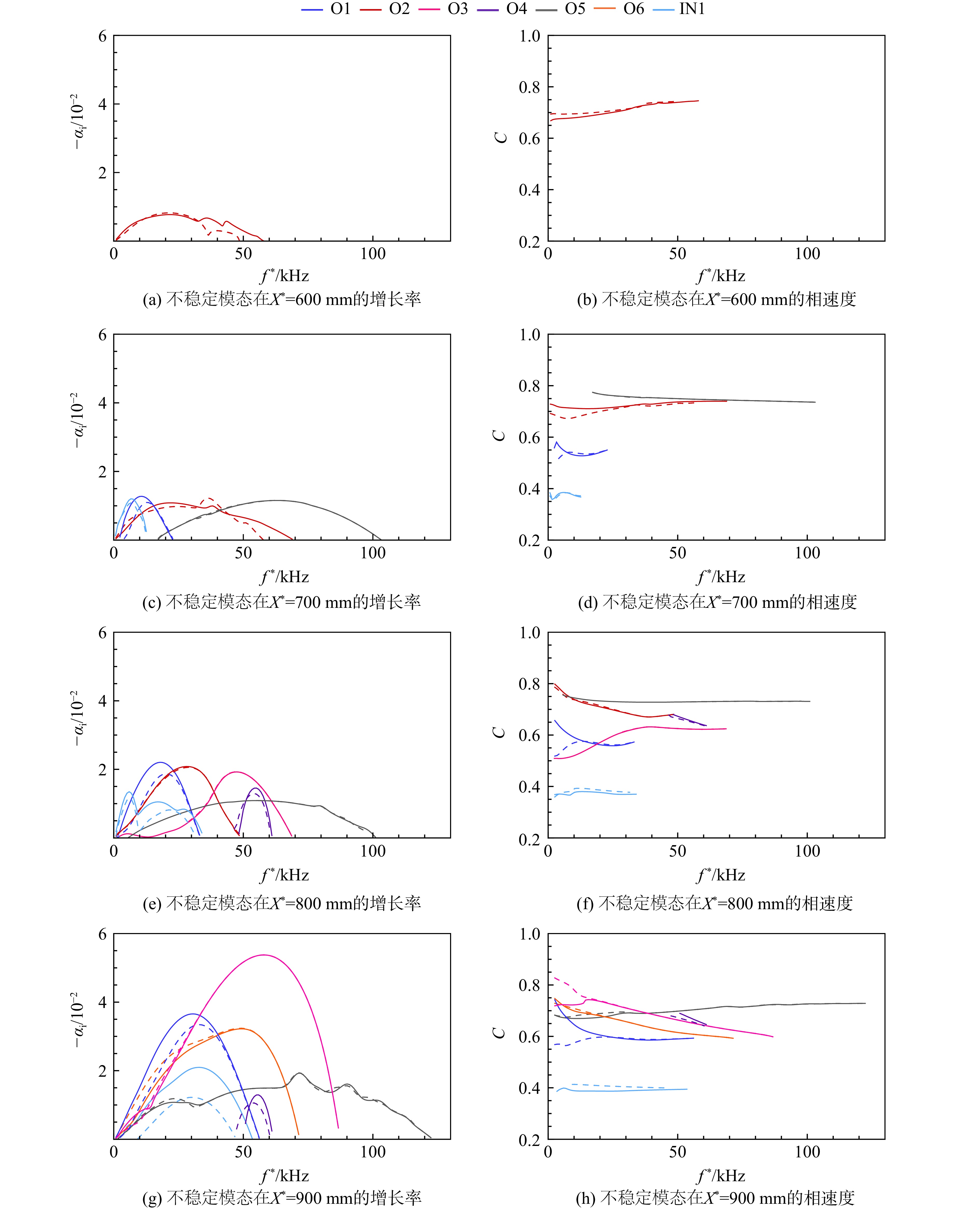
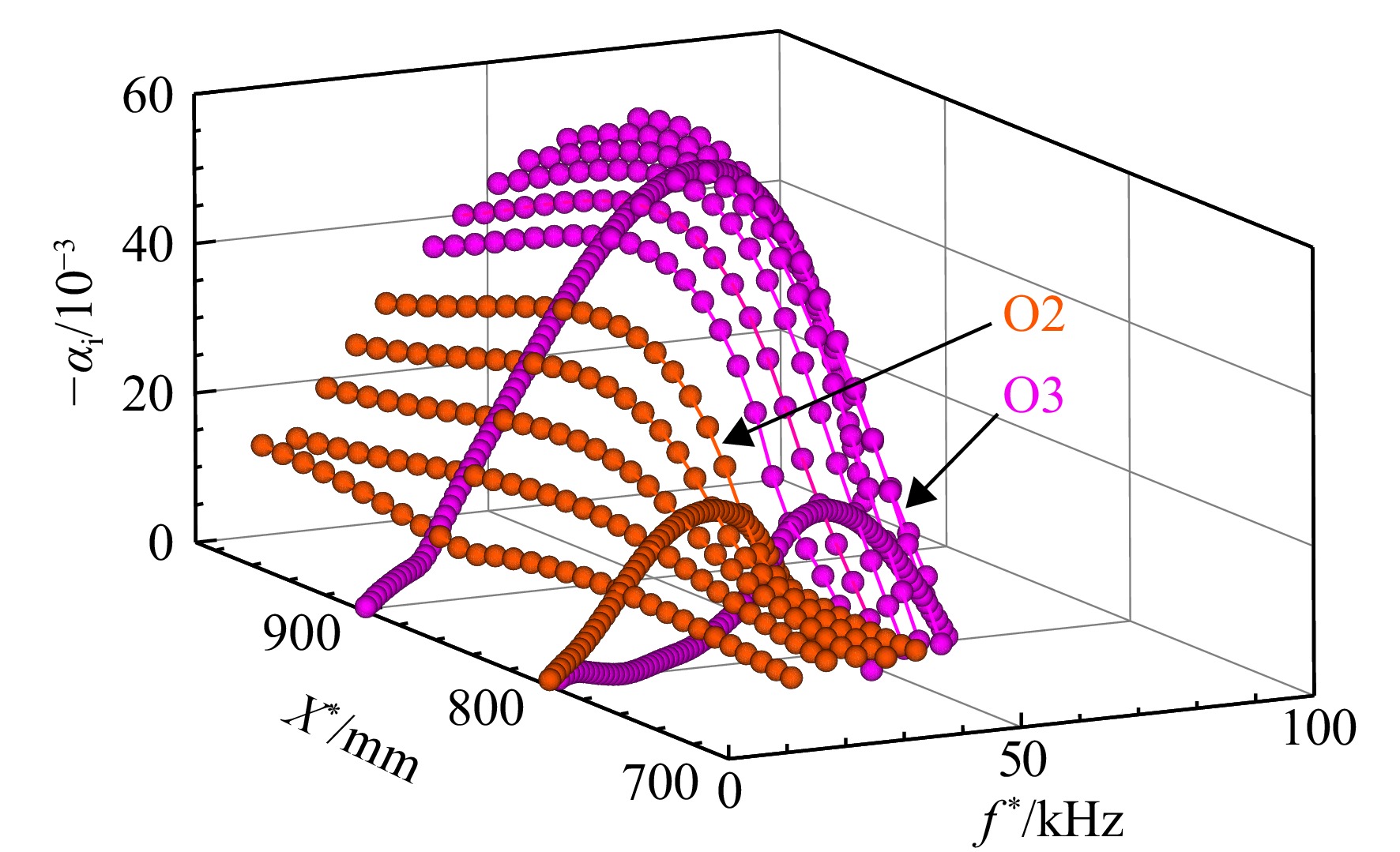
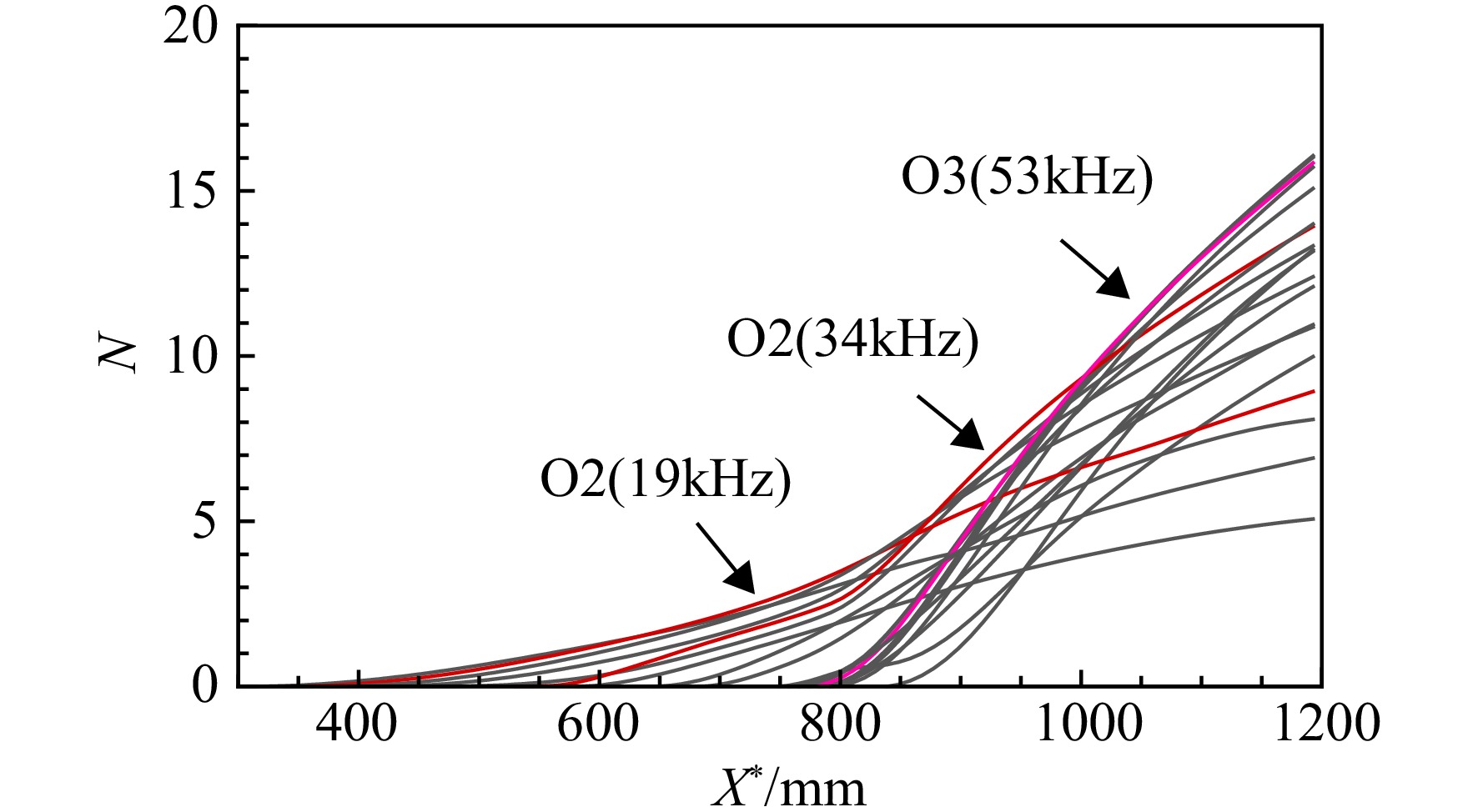
The global stability characteristics of the streamwise vortices over a lifting body were studied. Laminar flow was calculated by direct numerical simulation of Navier-Stokes (N-S) equation, and the stability characteristics were obtained by two-dimensional global stability analysis method (BiGlobal). The Mach number of incoming flow was 6, the unit Reynolds number was 1.0×10⁷/m, the static temperature was 79 K, and the angle of attack was 0°. The results showed that there were multiple complex flow regions on the lifting body surface, and the streamlines near wall dispersed in the relatively high pressure region and converged in the relatively low pressure region, forming an alternating distribution of attachment line and streamwise vortex. The streamwise vortex located in the lower surface emerged first and had the largest scale. The stability analysis results showed that, there were many unstable modes in the vortex region due to the complex shear layer. According to the magnitude of phase velocity, these can be divided into inner modes and outer modes, and the outer modes were more unstable. According to the symmetry of eigenfunction, they can be divided into symmetric modes and anti-symmetric modes, and their growth rates and phase velocities were close. The instability frequency of the unstable modes ranged from 0 kHz to 100 kHz, lower than that of the vortex on inclined cones and elliptical cones. The eN method based on global stability was used to integrate the N value of unstable modes in the vortex region. The results showed that the dominant frequency increased gradually with the downstream. The most unstable mode was the outer mode whose eigenfunction peaked at the vortex shoulder.

Analysis of variable geometry characteristics and matching optimization of variable cycle engine
LI Feng, YI Weilin
2026, 41(4): 20250082. doi: 10.13224/j.cnki.jasp.20250082
Abstract:

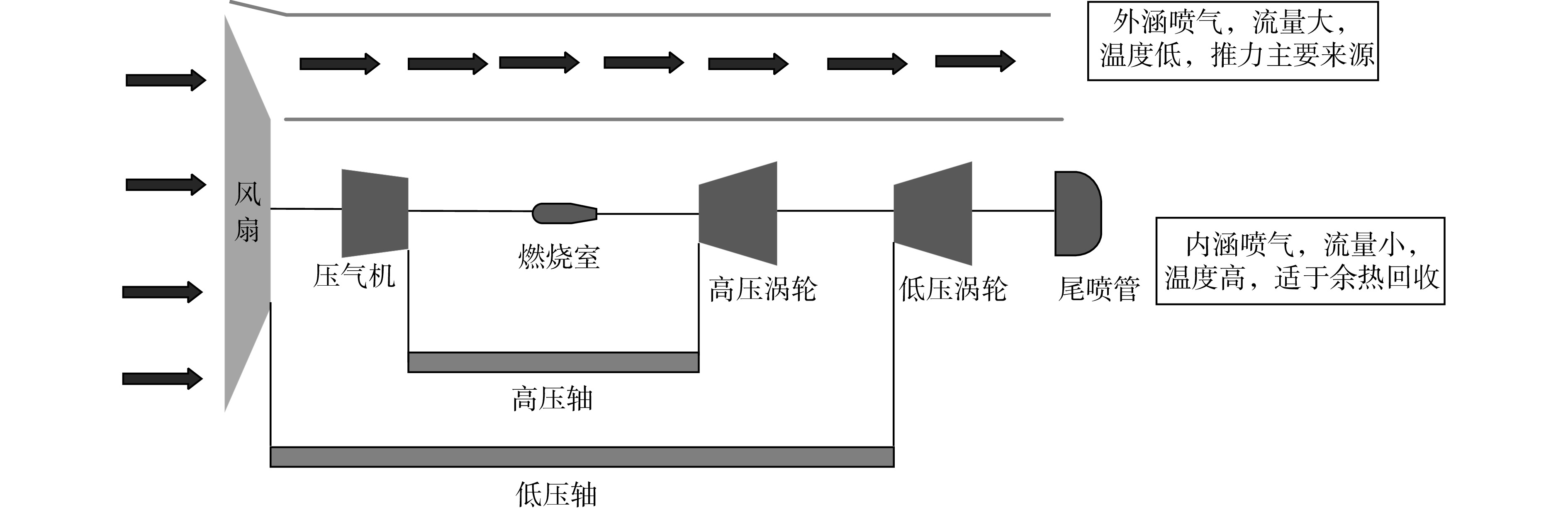
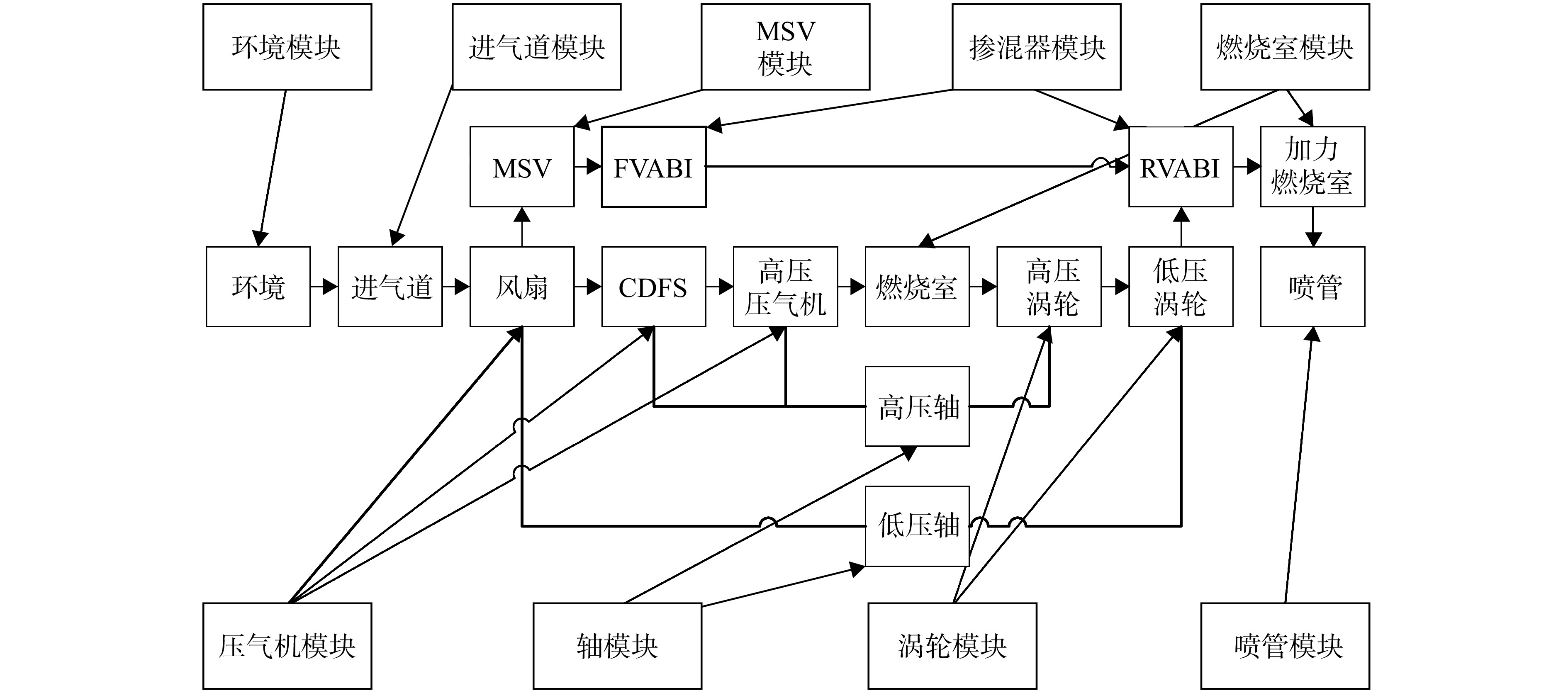
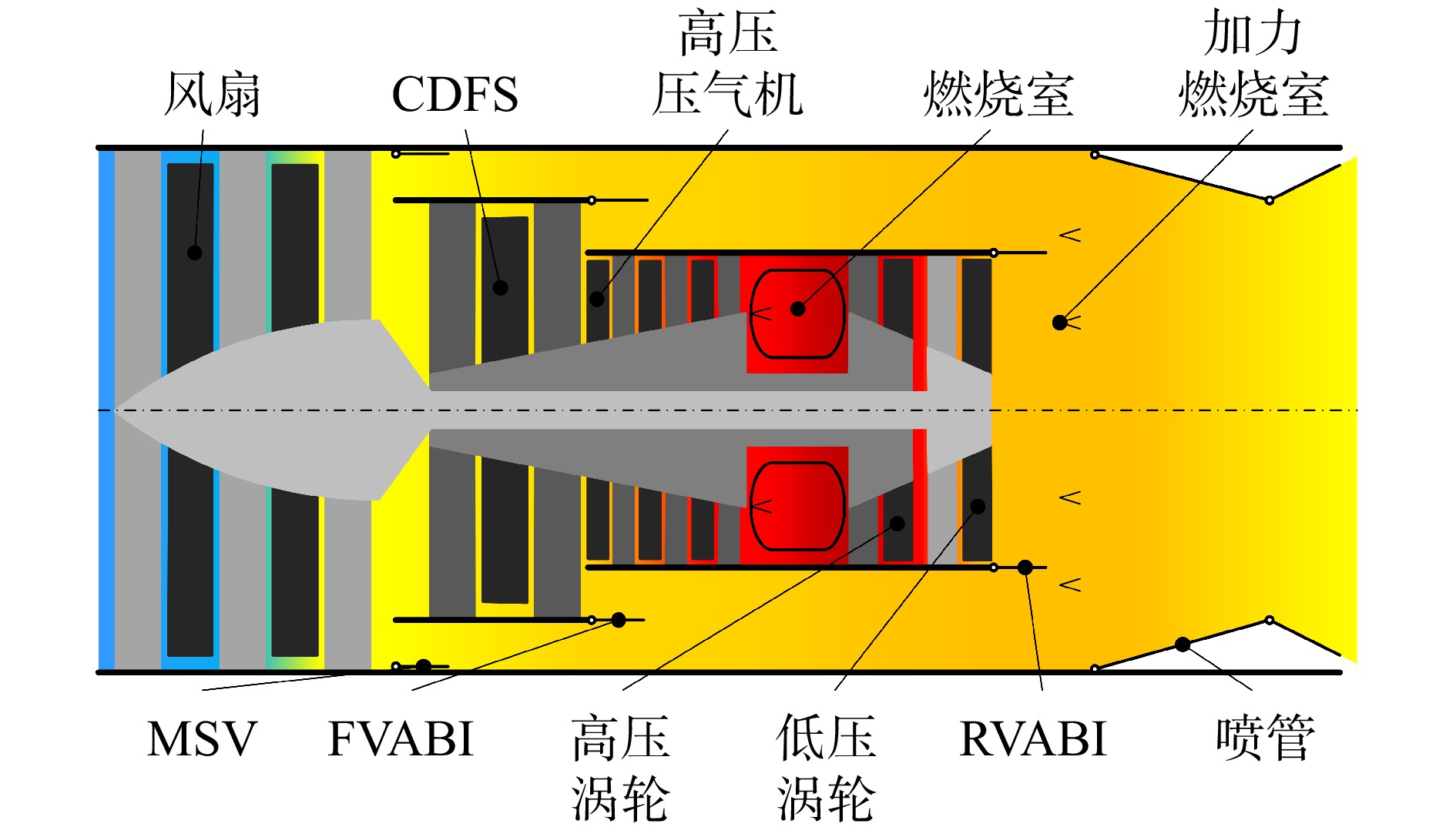
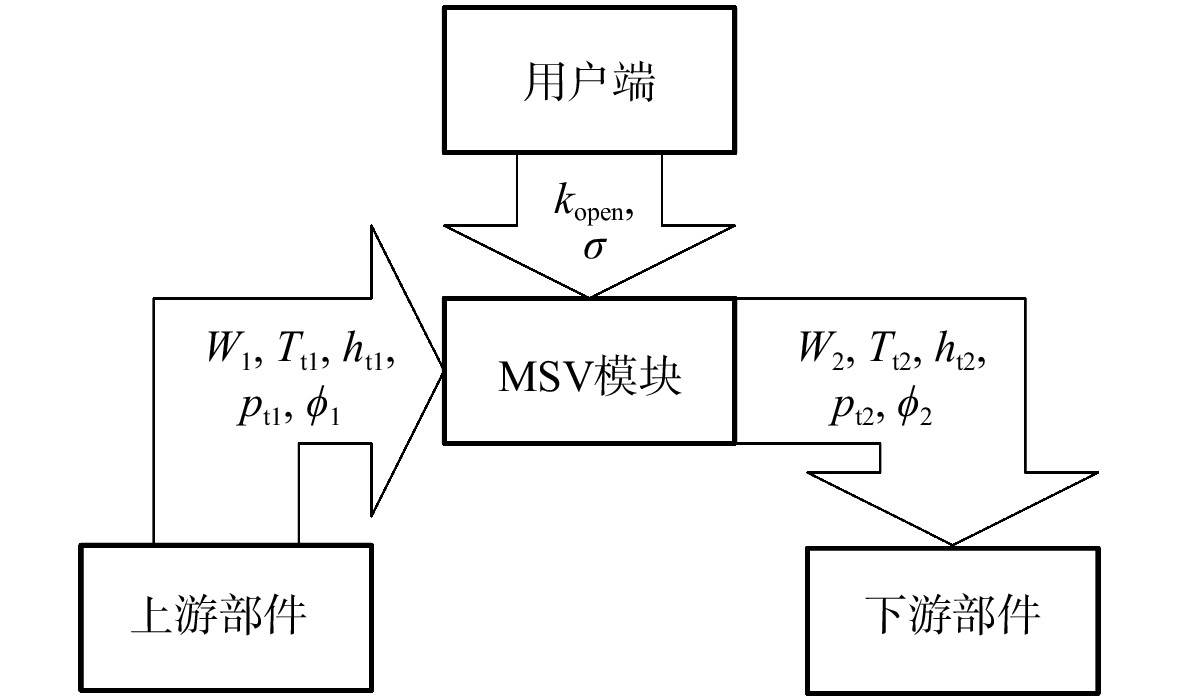
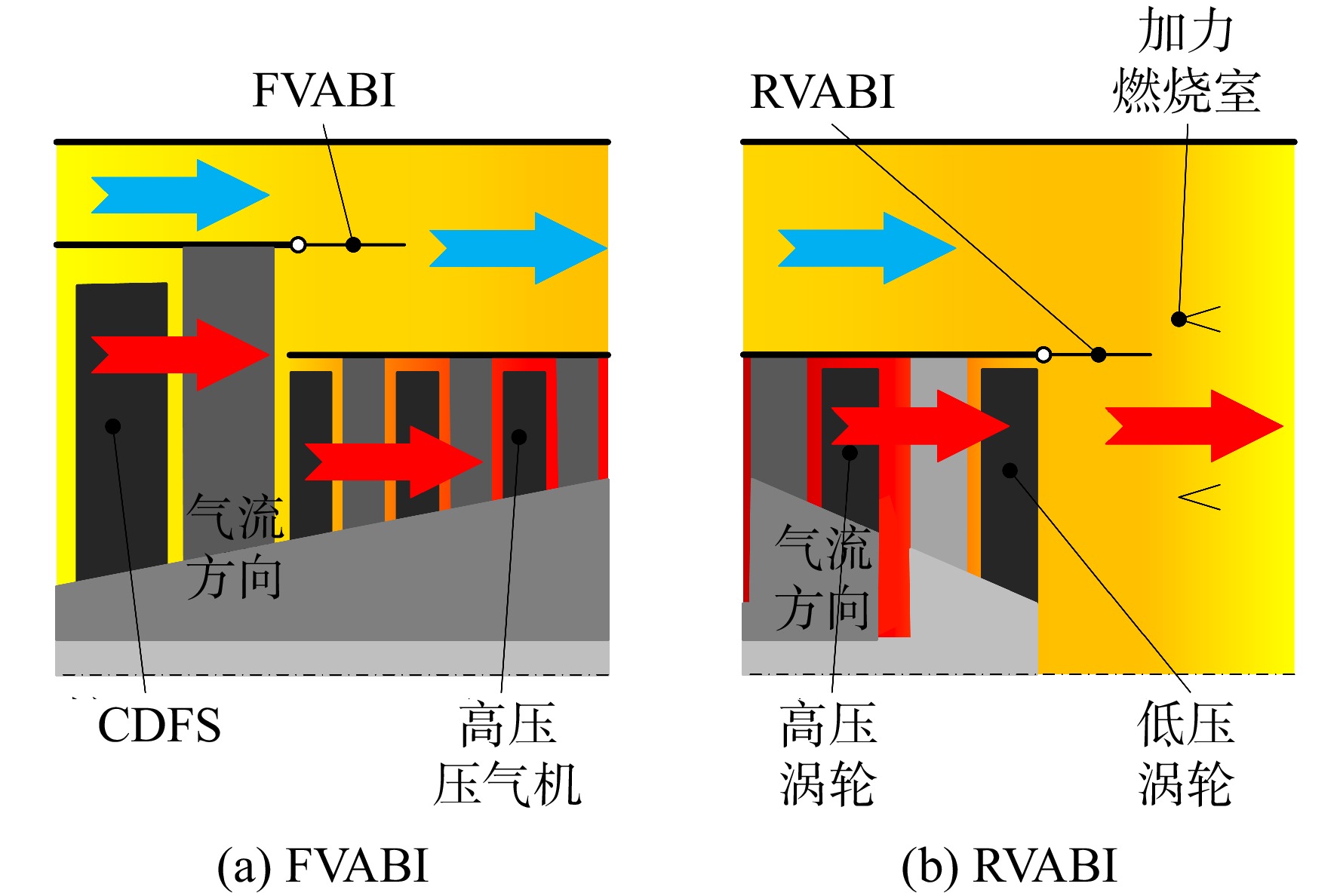
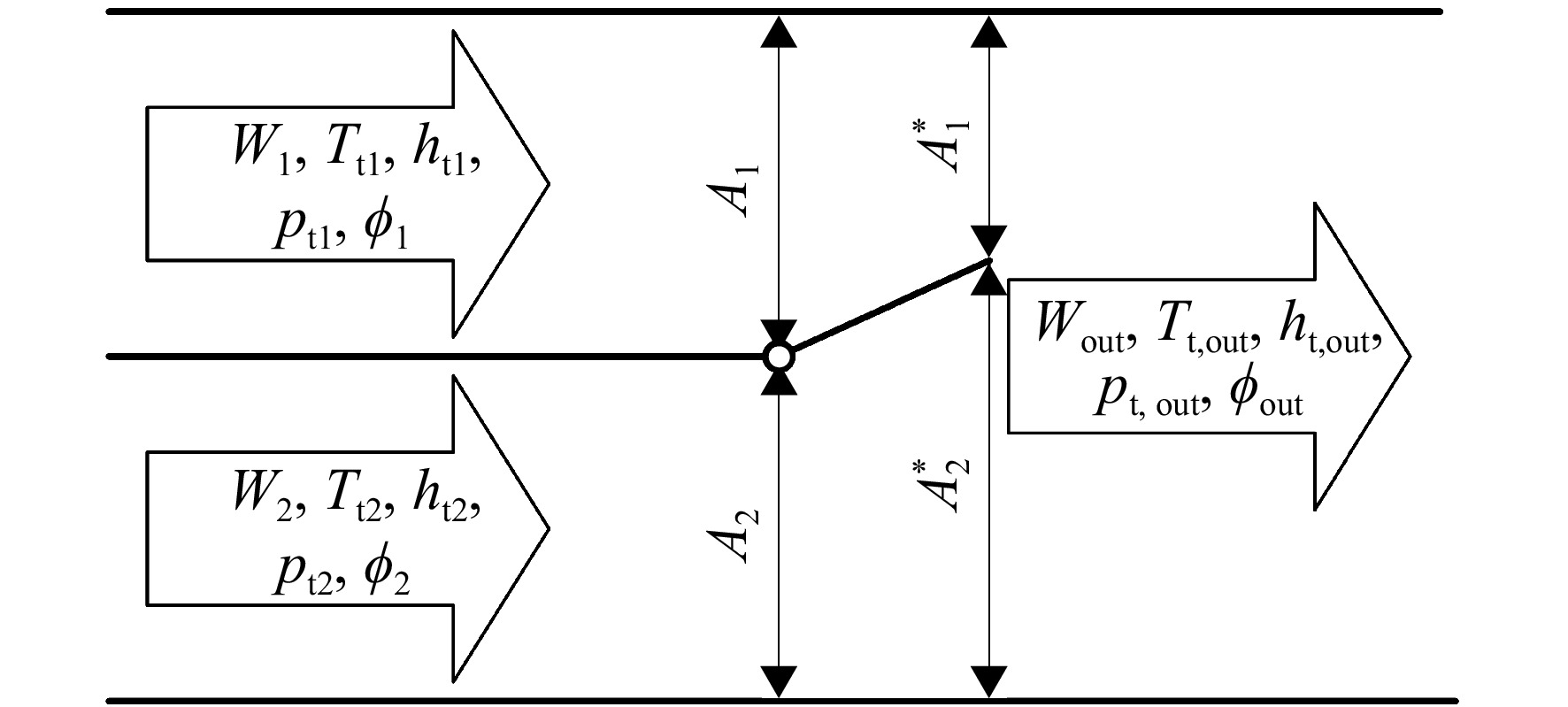
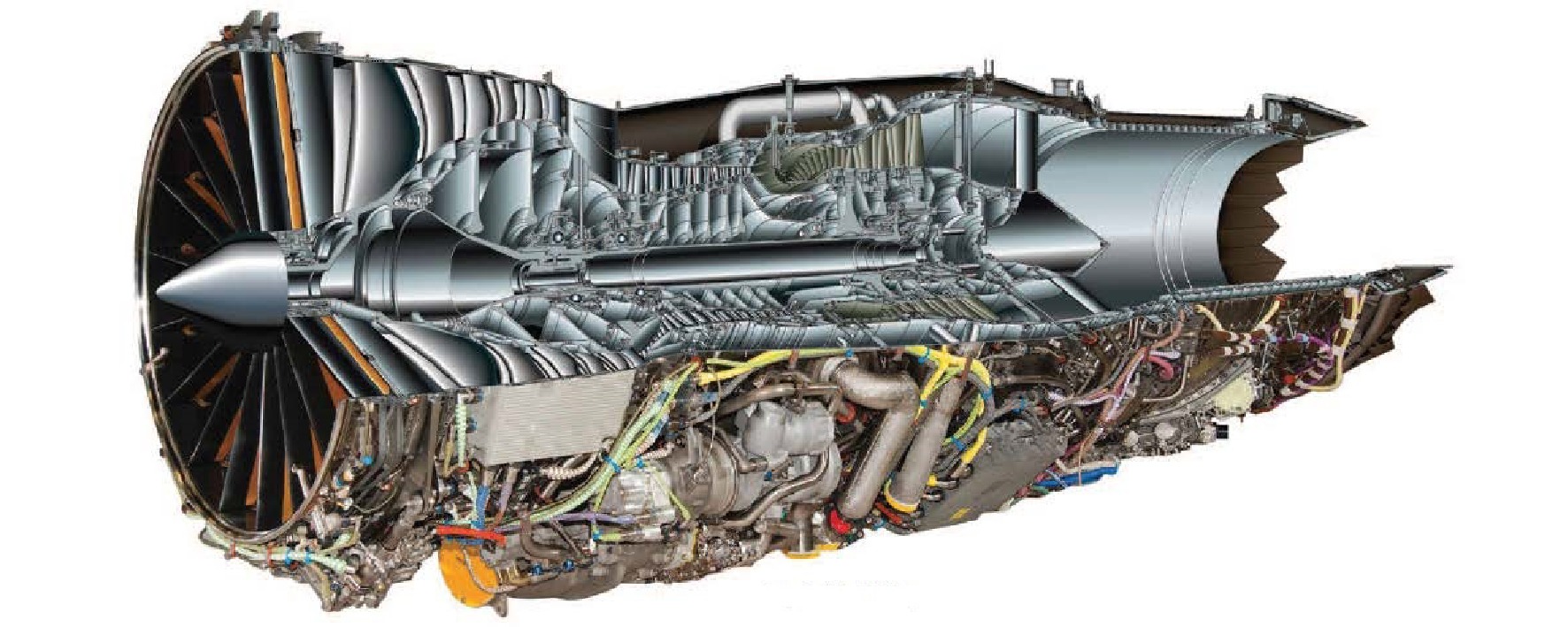
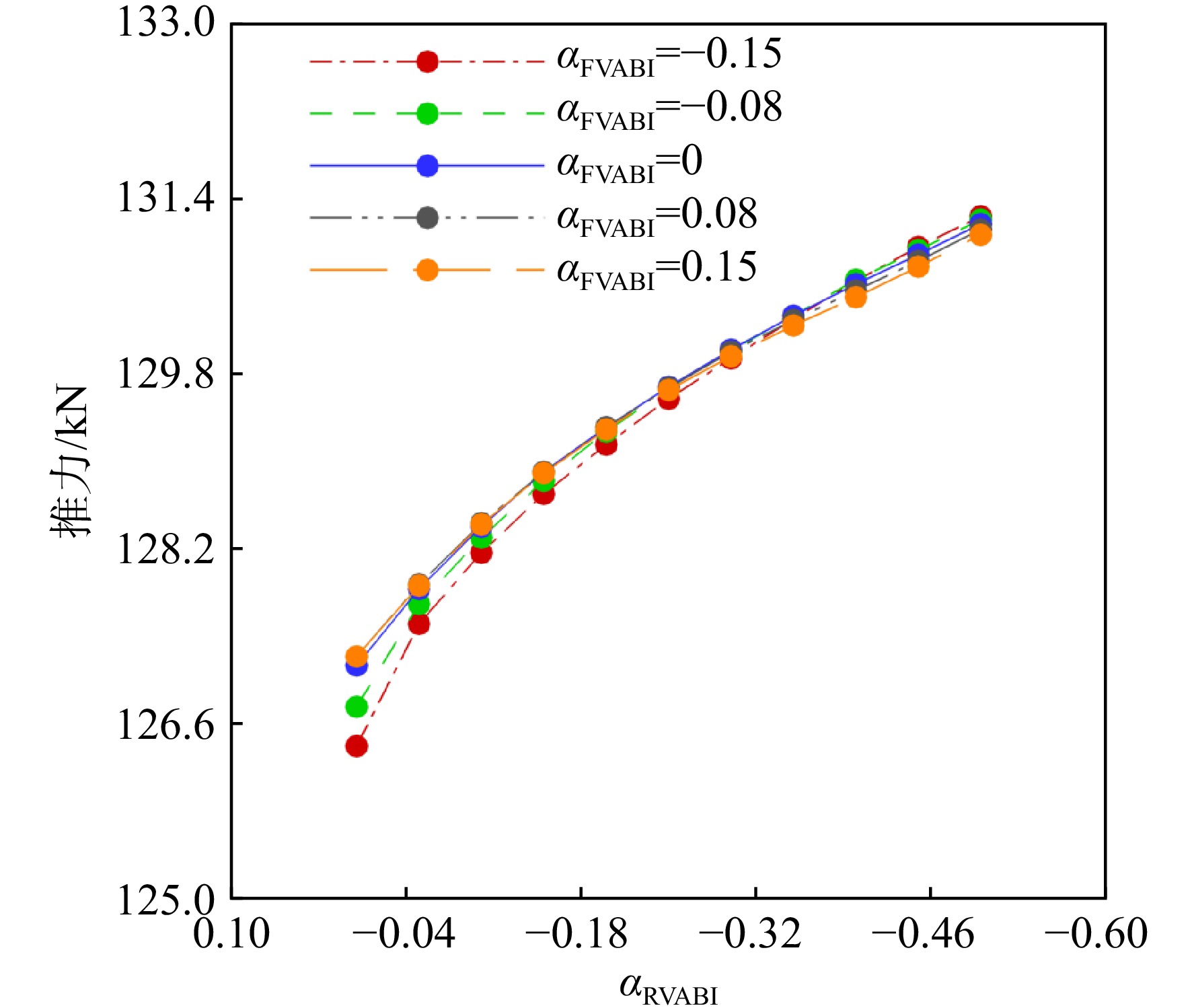
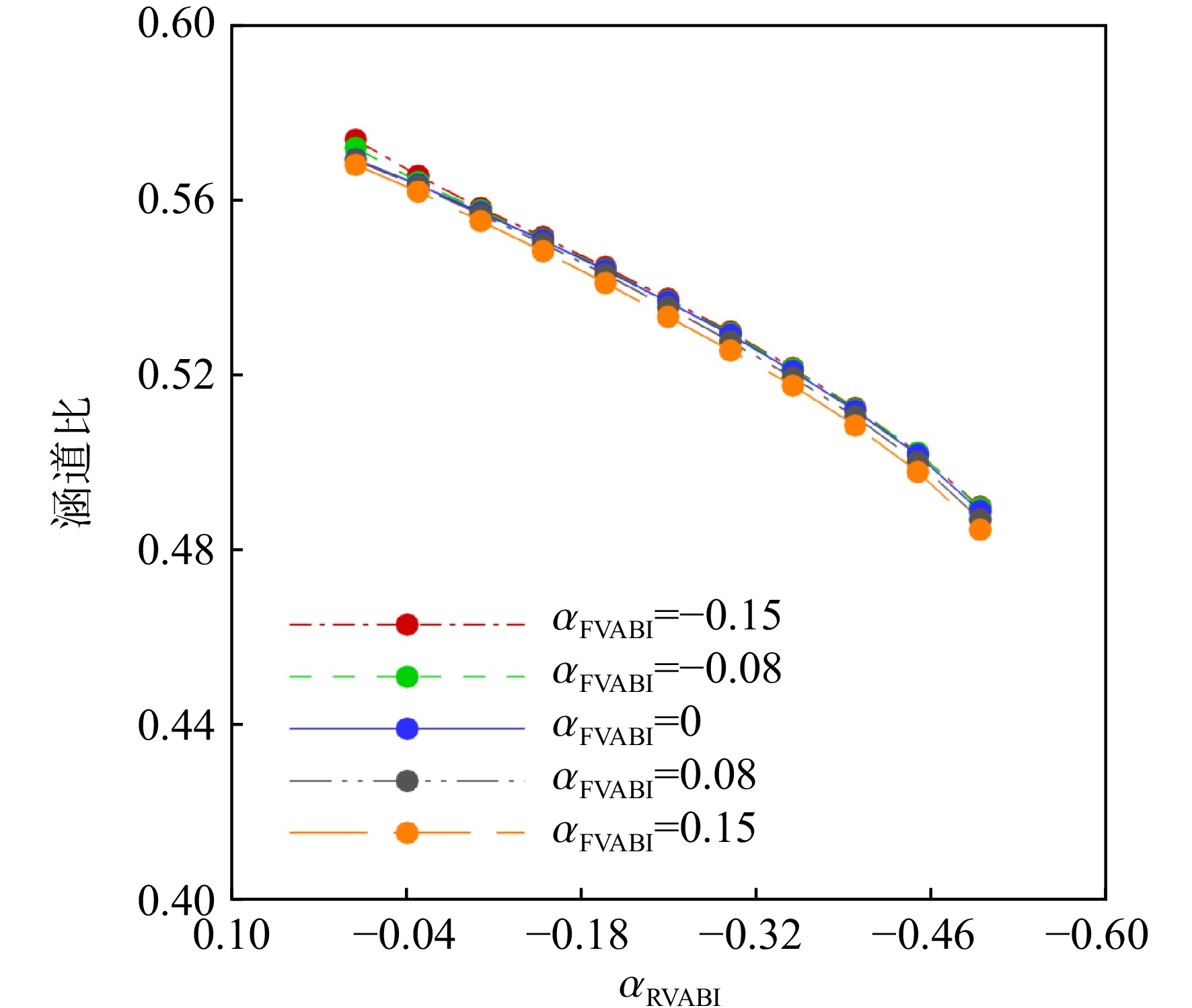
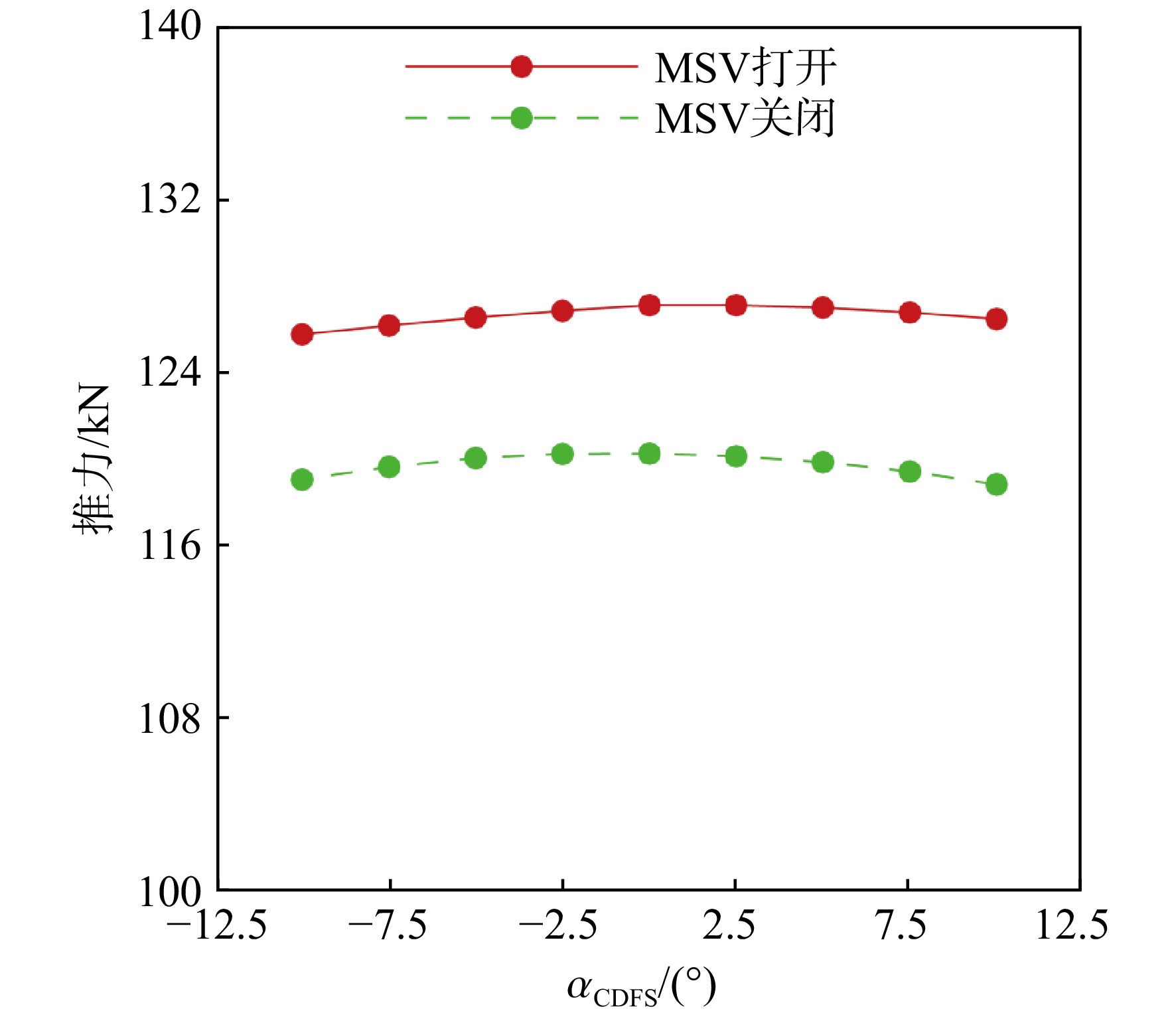
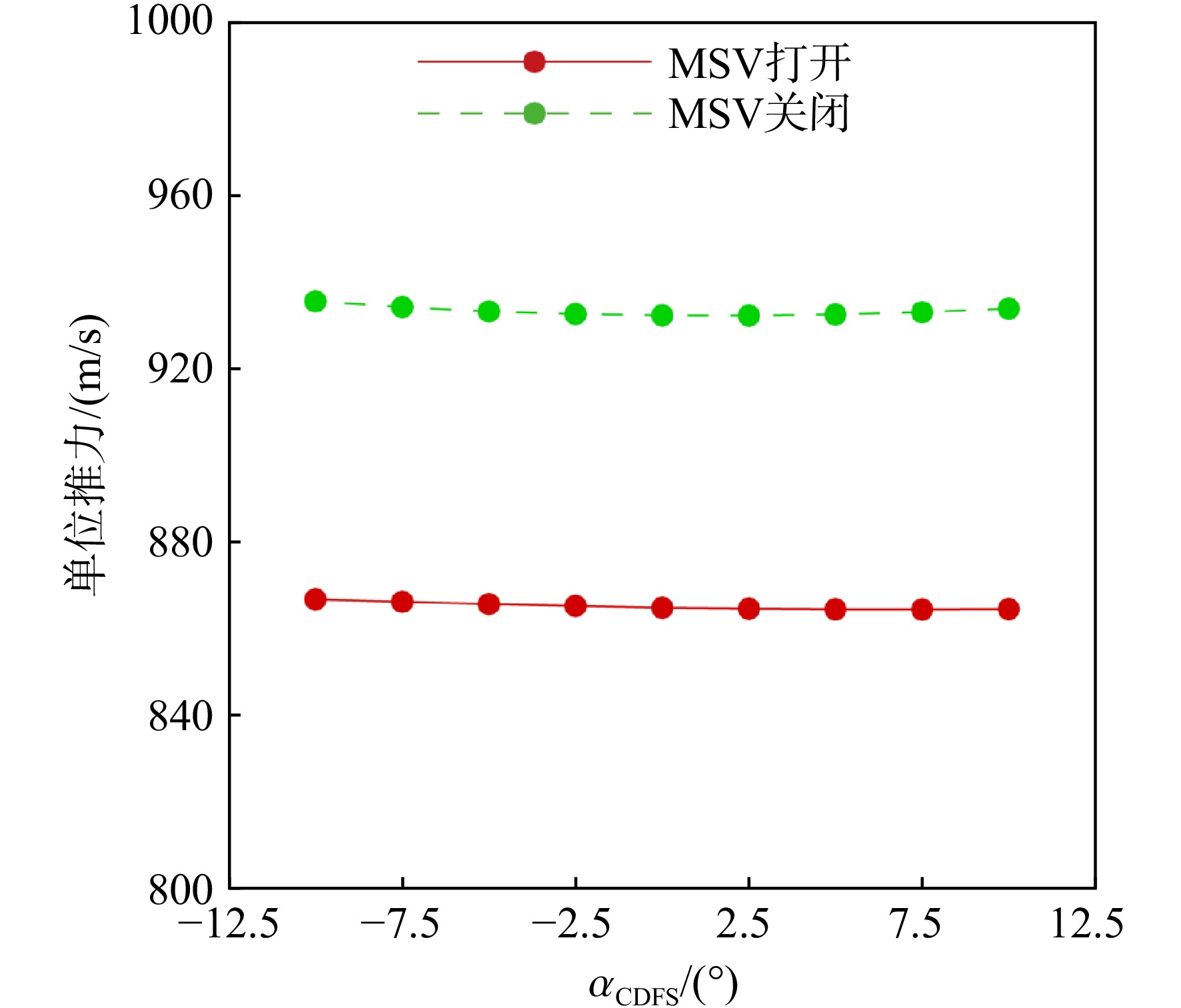
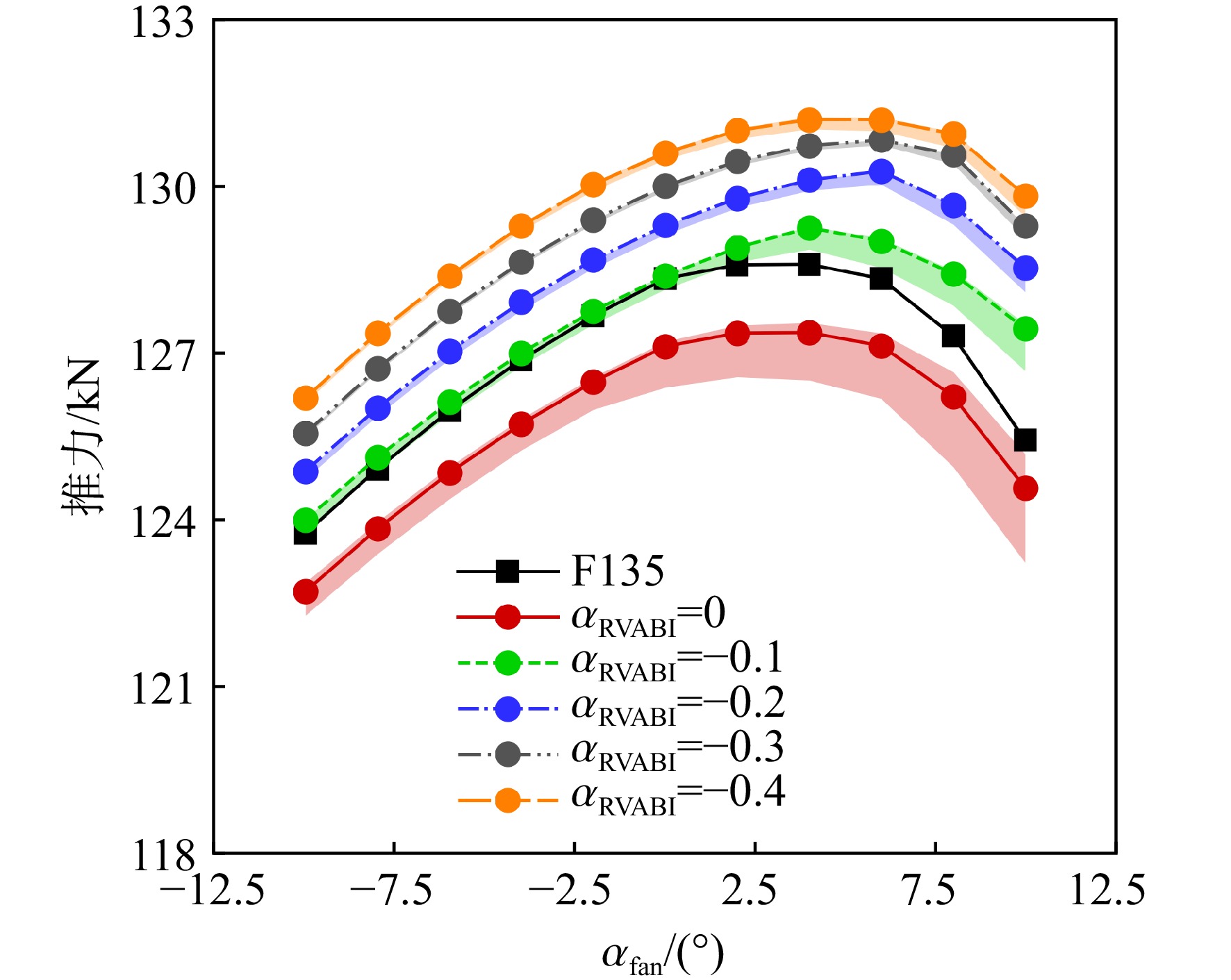
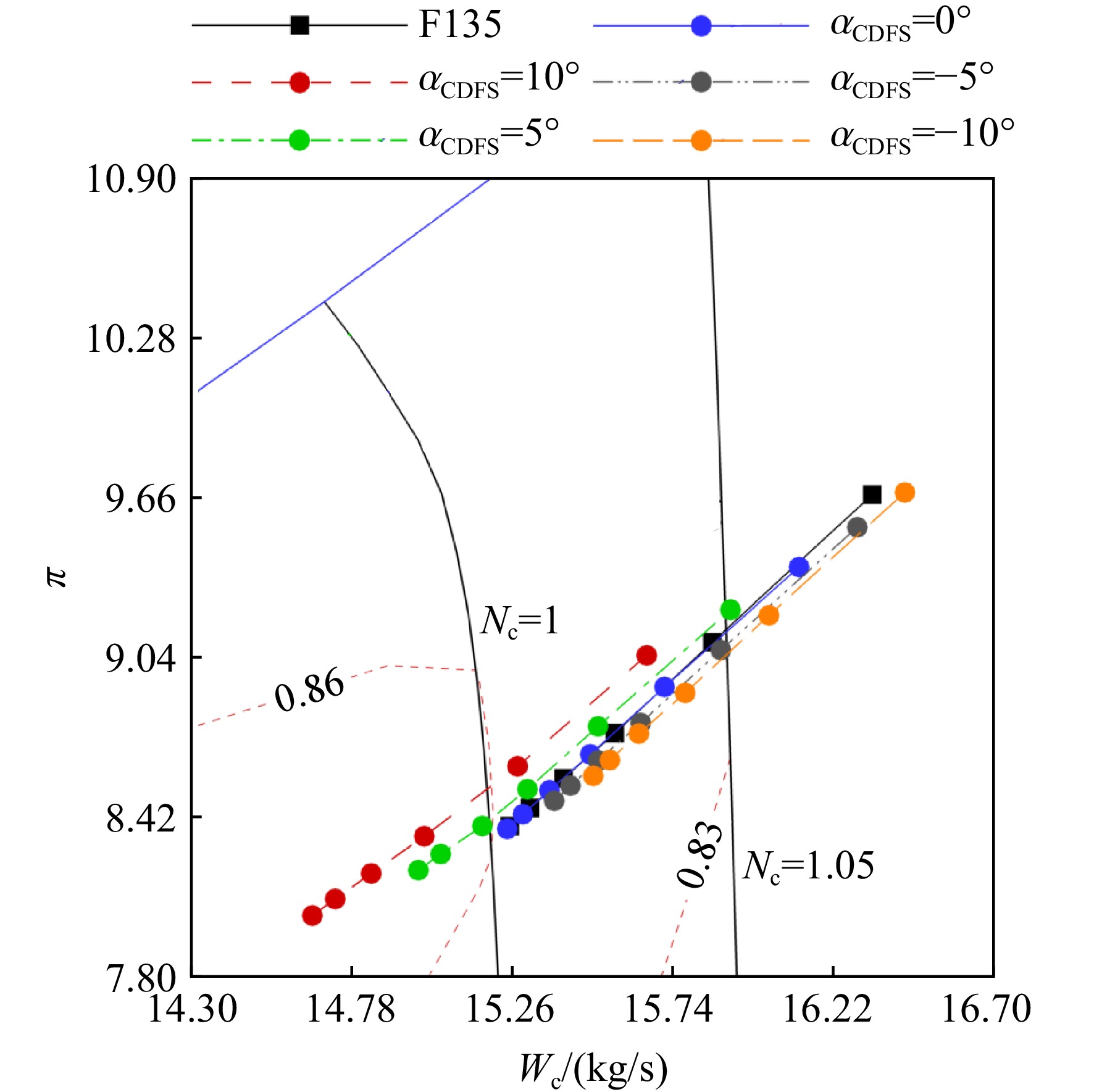
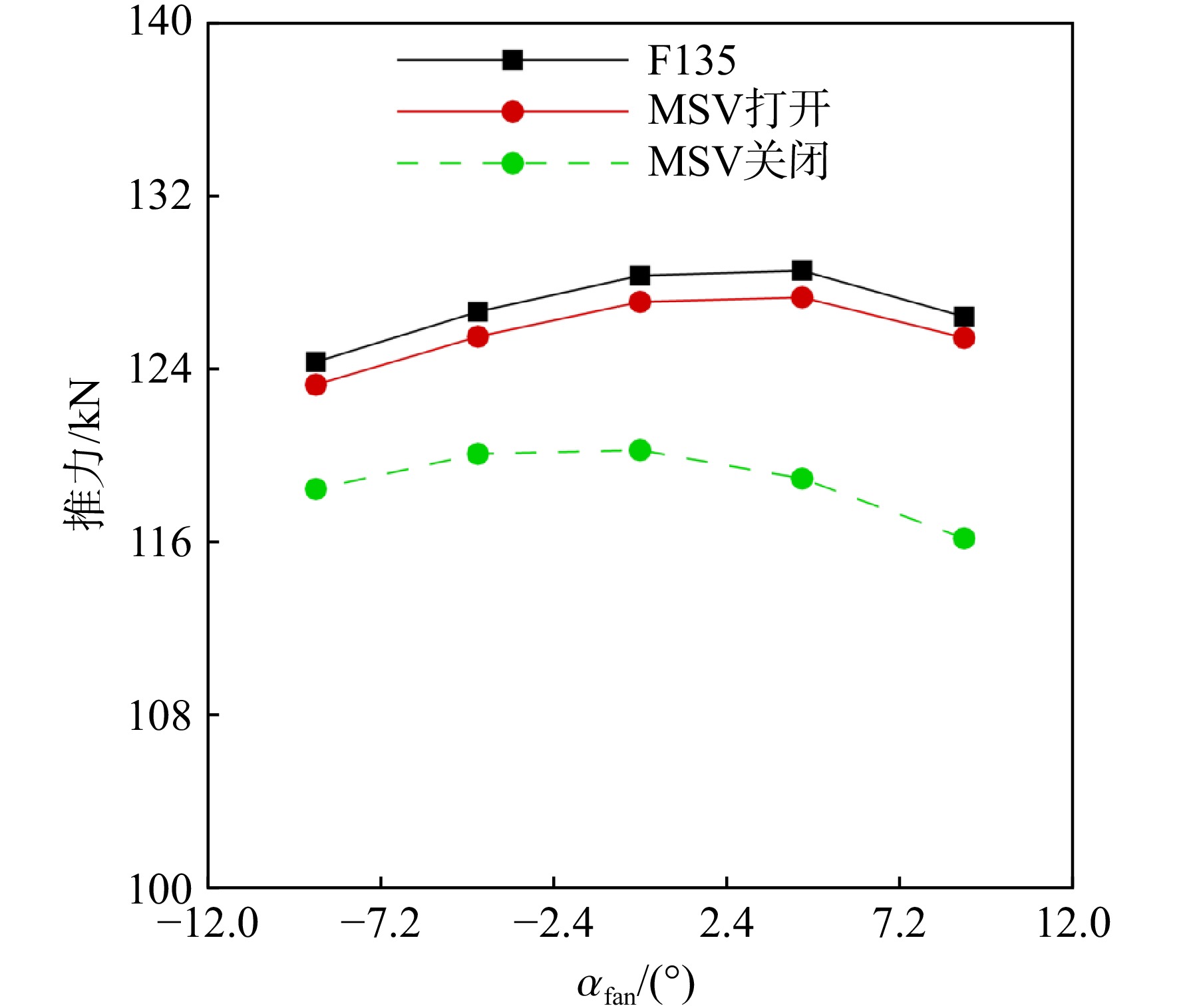
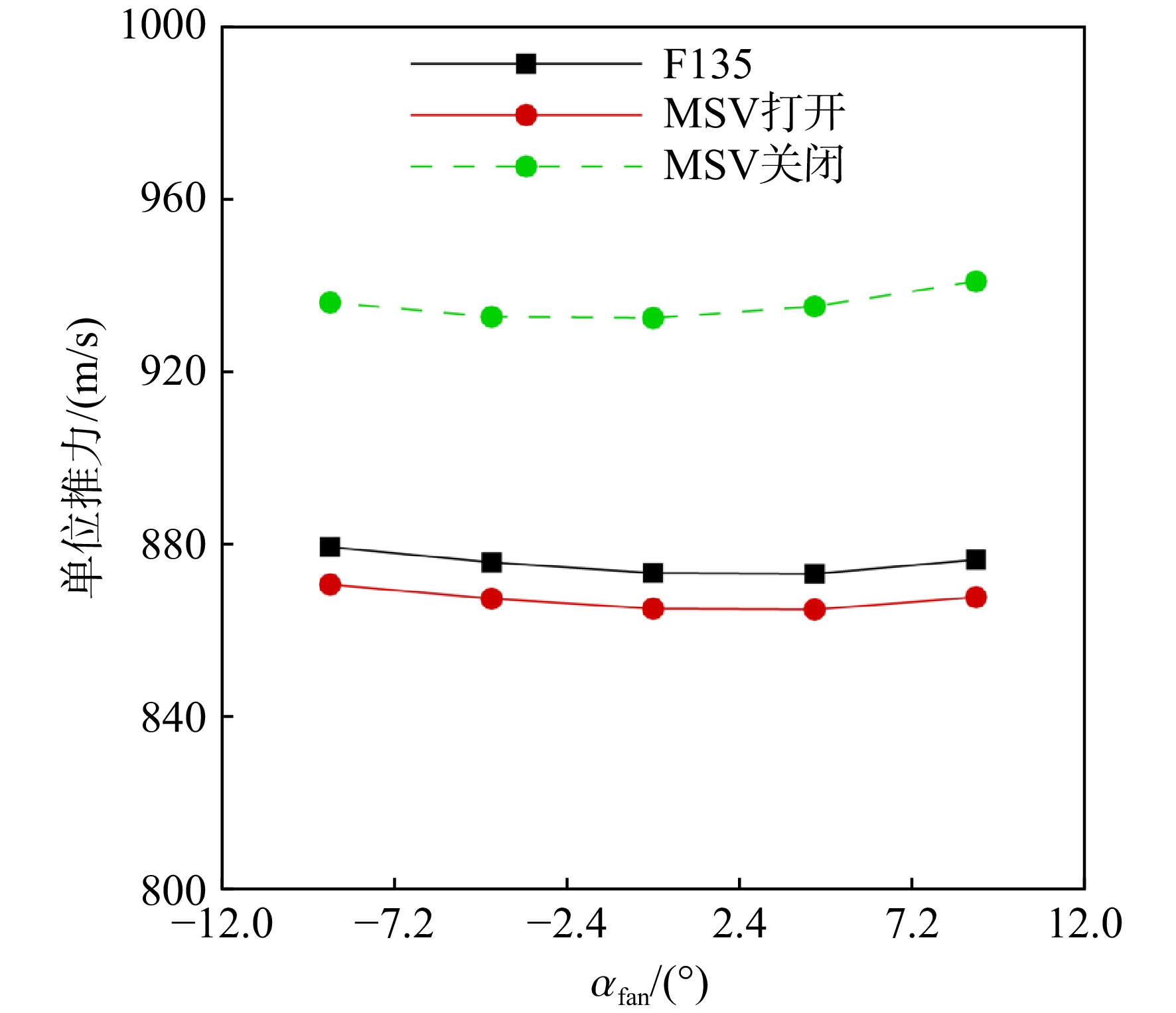
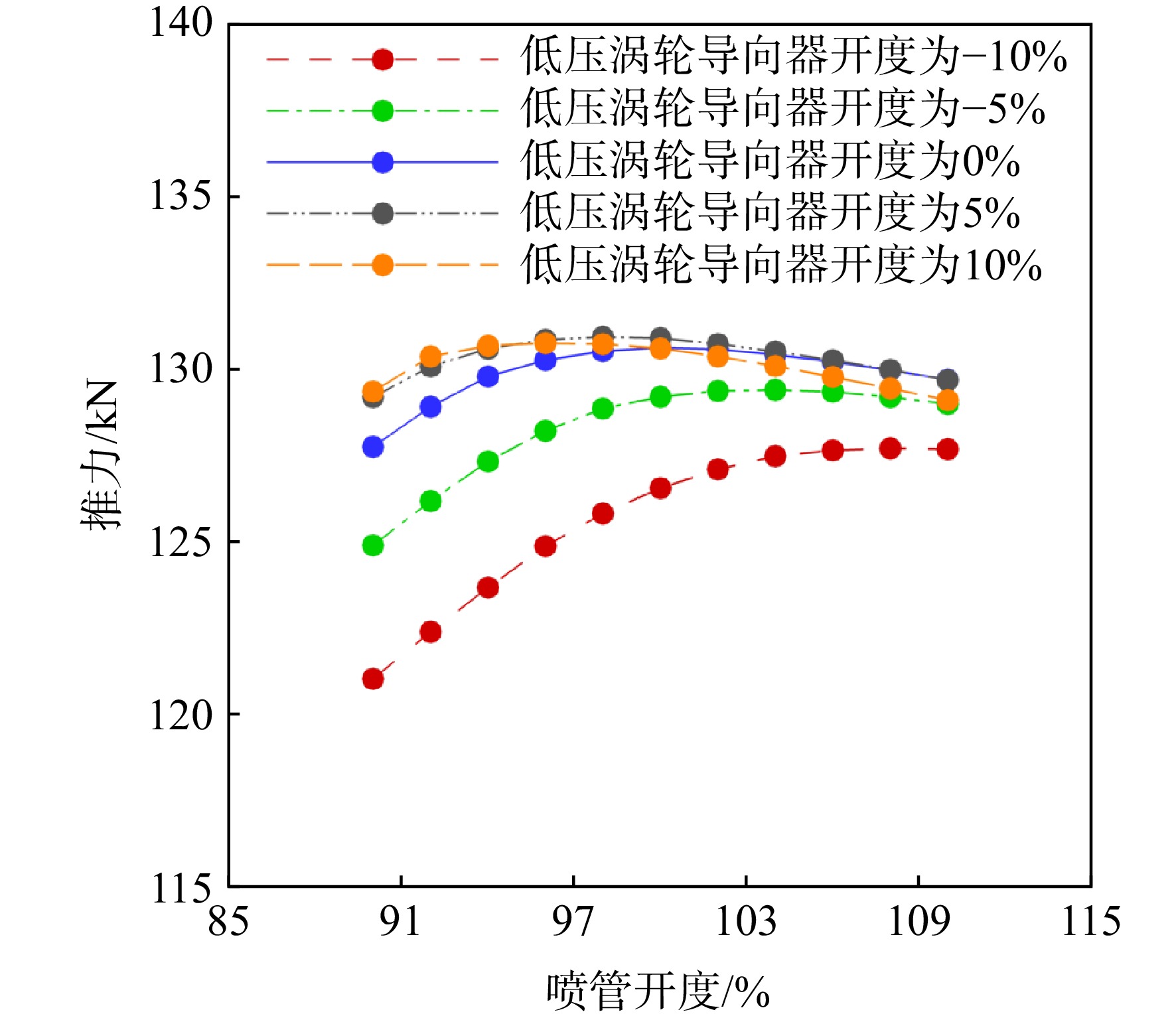
A component-level model suitable for variable cycle engines (VCE) was developed, and a dual-bypass VCE simulation model was established to analyze the coupled regulation mechanisms of variable geometry components and their impact on engine performance. The dual-bypass VCE model was validated against a conventional turbofan engine (F135-PW-100), and the overall performance matching optimization was carried out based on the influence characteristics of variable geometry. The results showed that adjusting the front/rear variable area bypass injectors (F/RVABI) can modify the bypass ratio, with RVABI adjustment towards the outer bypass increasing the thrust by 2.1%. Closing the mode selection valve (MSV) increased specific thrust by 6.8%. Core-driven fan stage (CDFS) vane adjustment improved stall margin but had limited optimization effects. Under the combined adjustment of the fan, low pressure turbine, and nozzle, the thrust in the dual-bypass mode can be increased by 5.75%.

Mode switching control method based on multi-model switching predictive control for novel thrust vector control engine
YIN Bingxiong, GU Duoduo, CAI Wenzhe, SHENG Hanlin, LI Jiacheng, CHEN Qian
2026, 41(4): 20240821. doi: 10.13224/j.cnki.jasp.20240821
Abstract:

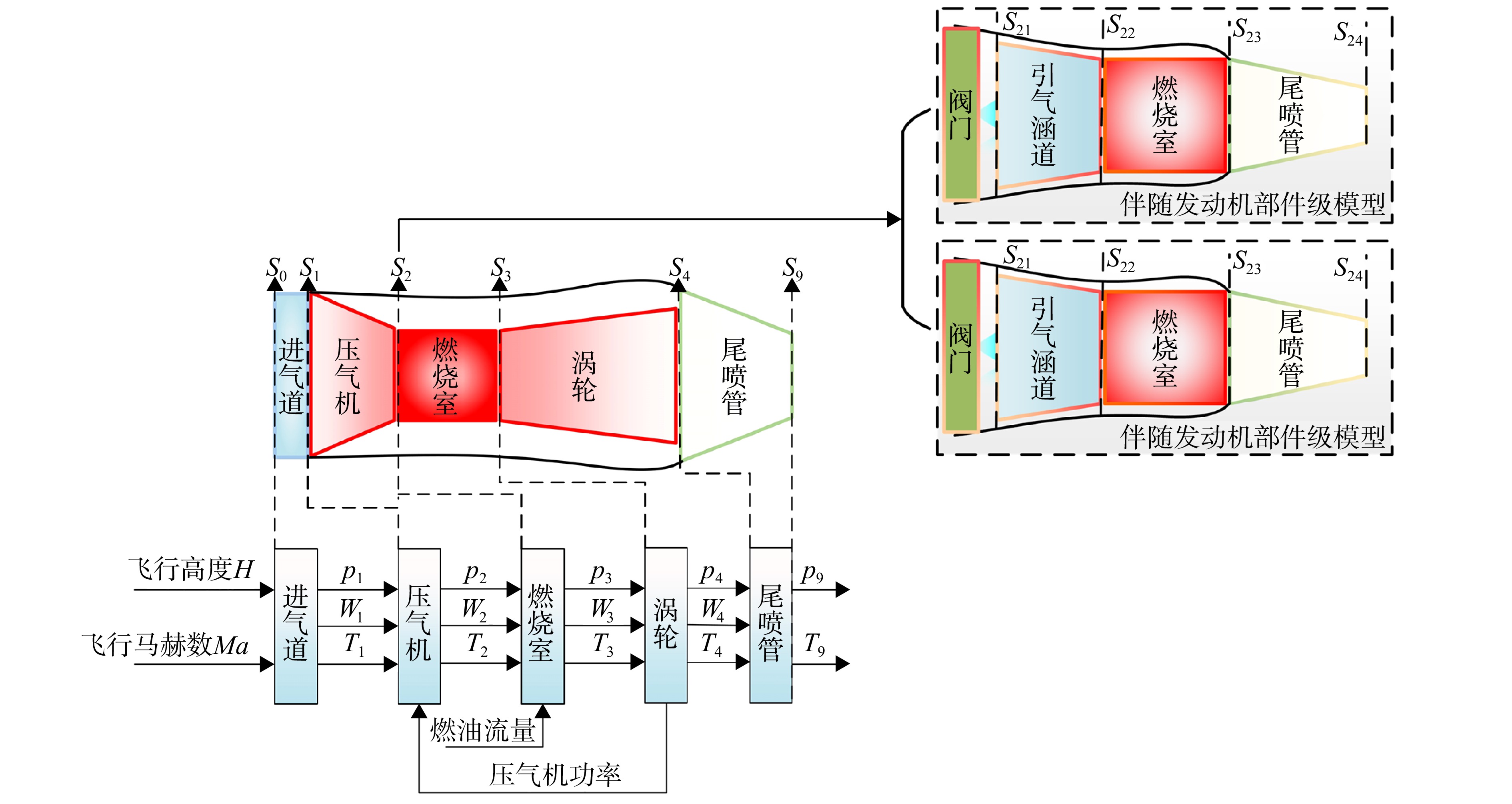
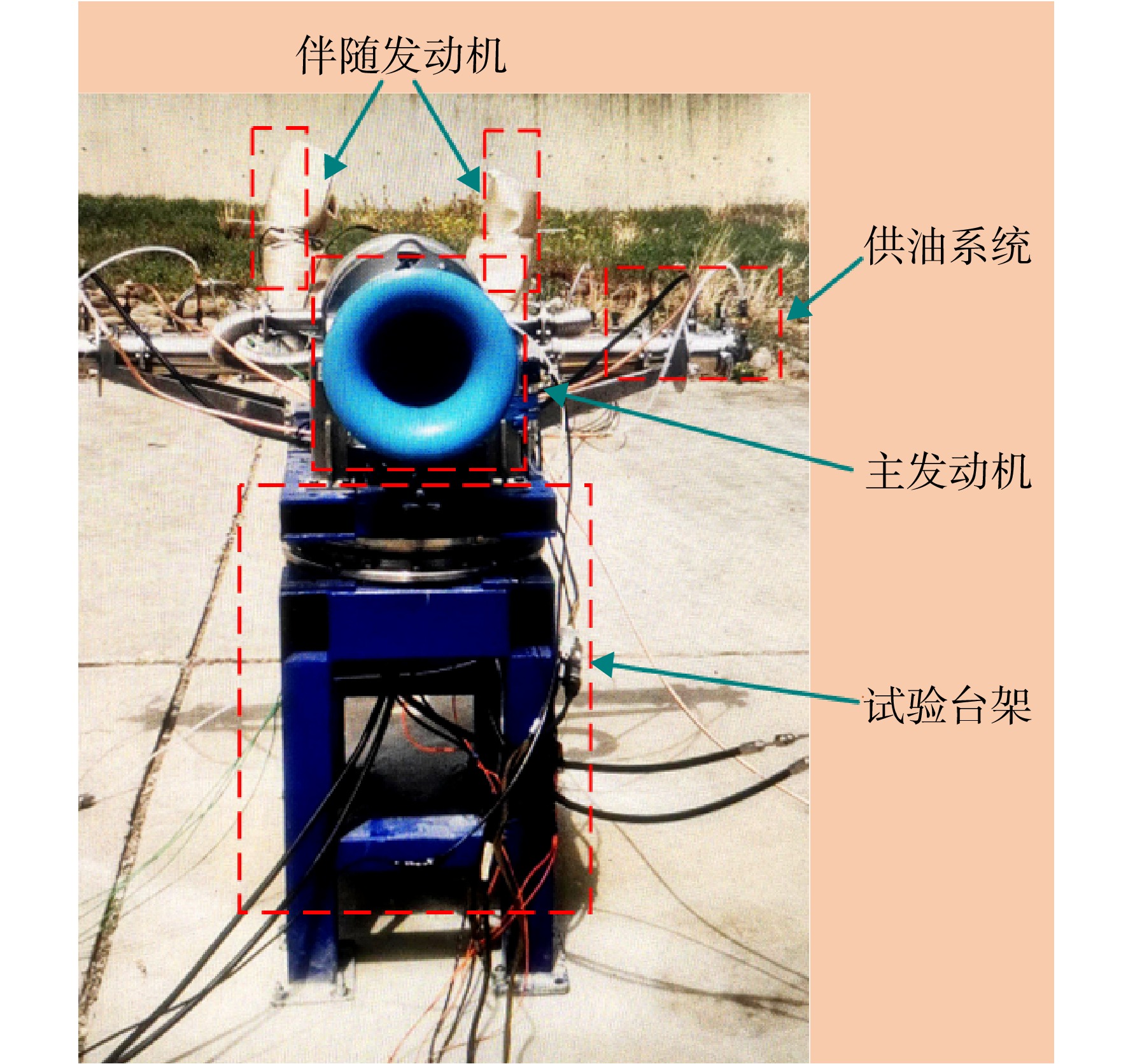
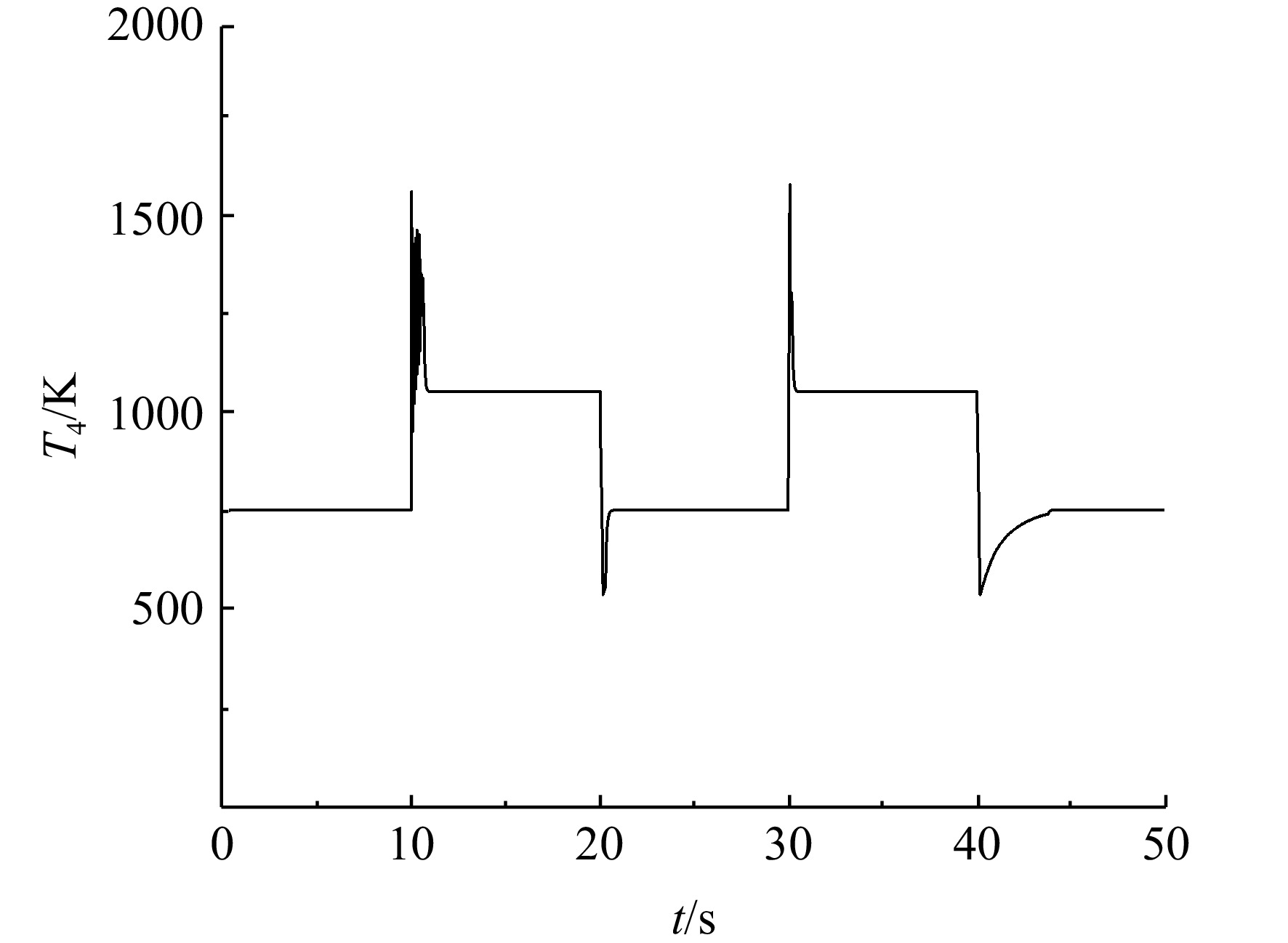
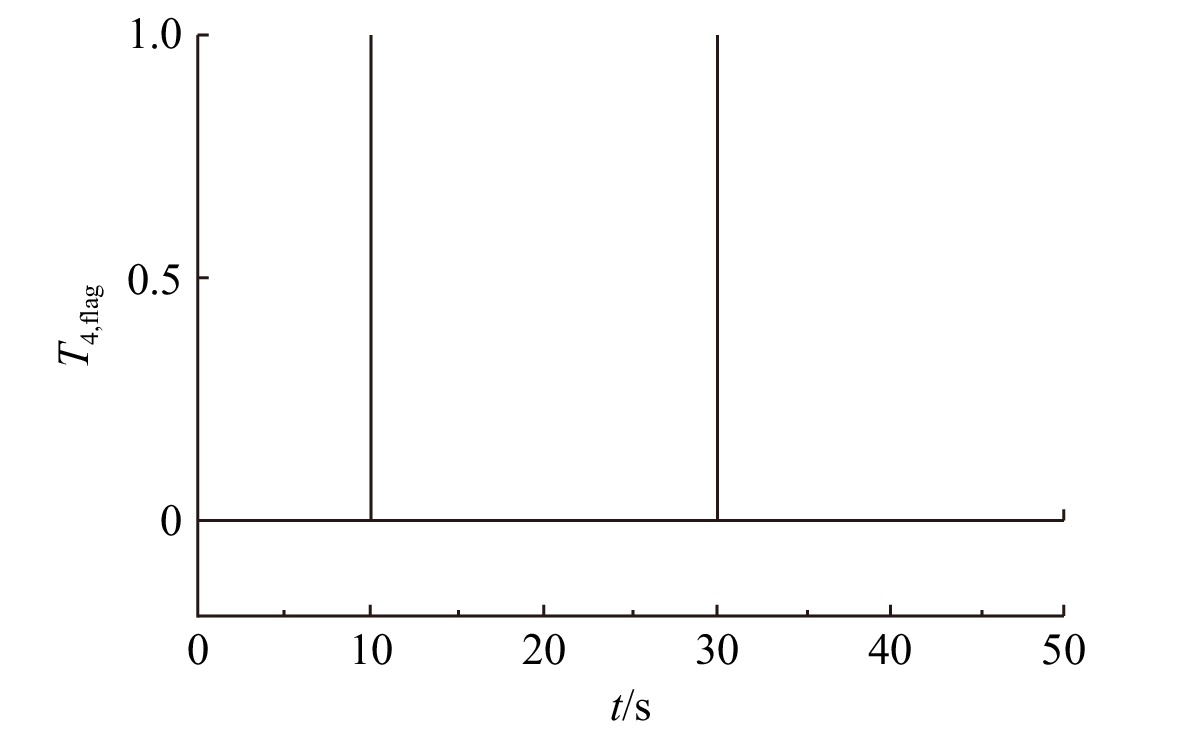
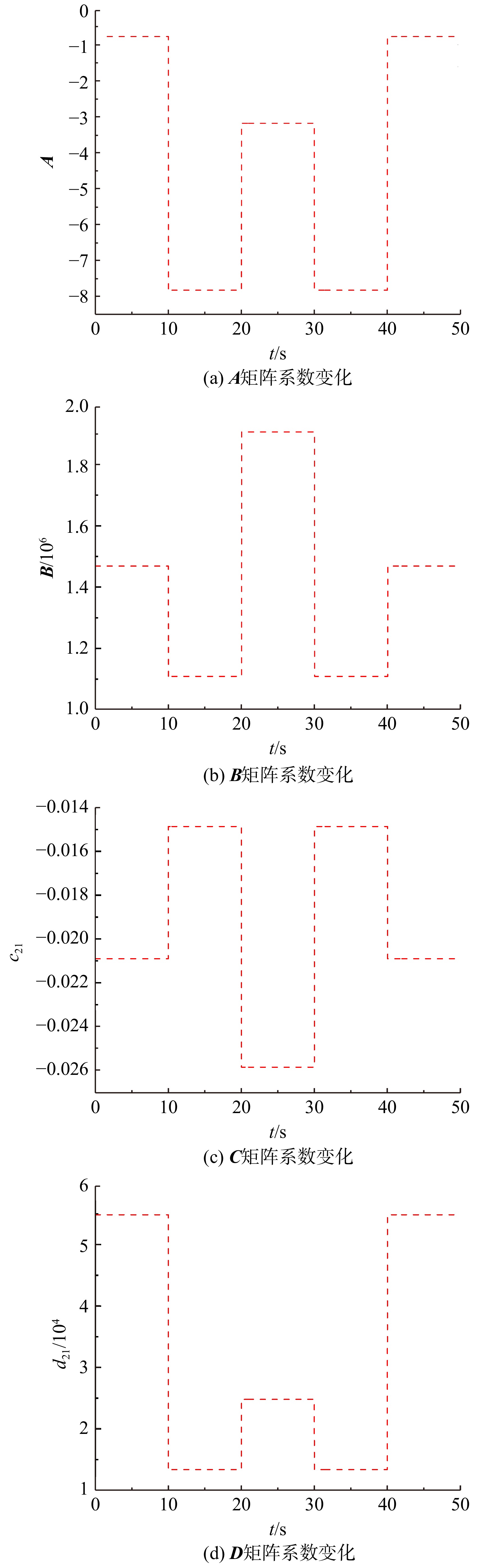
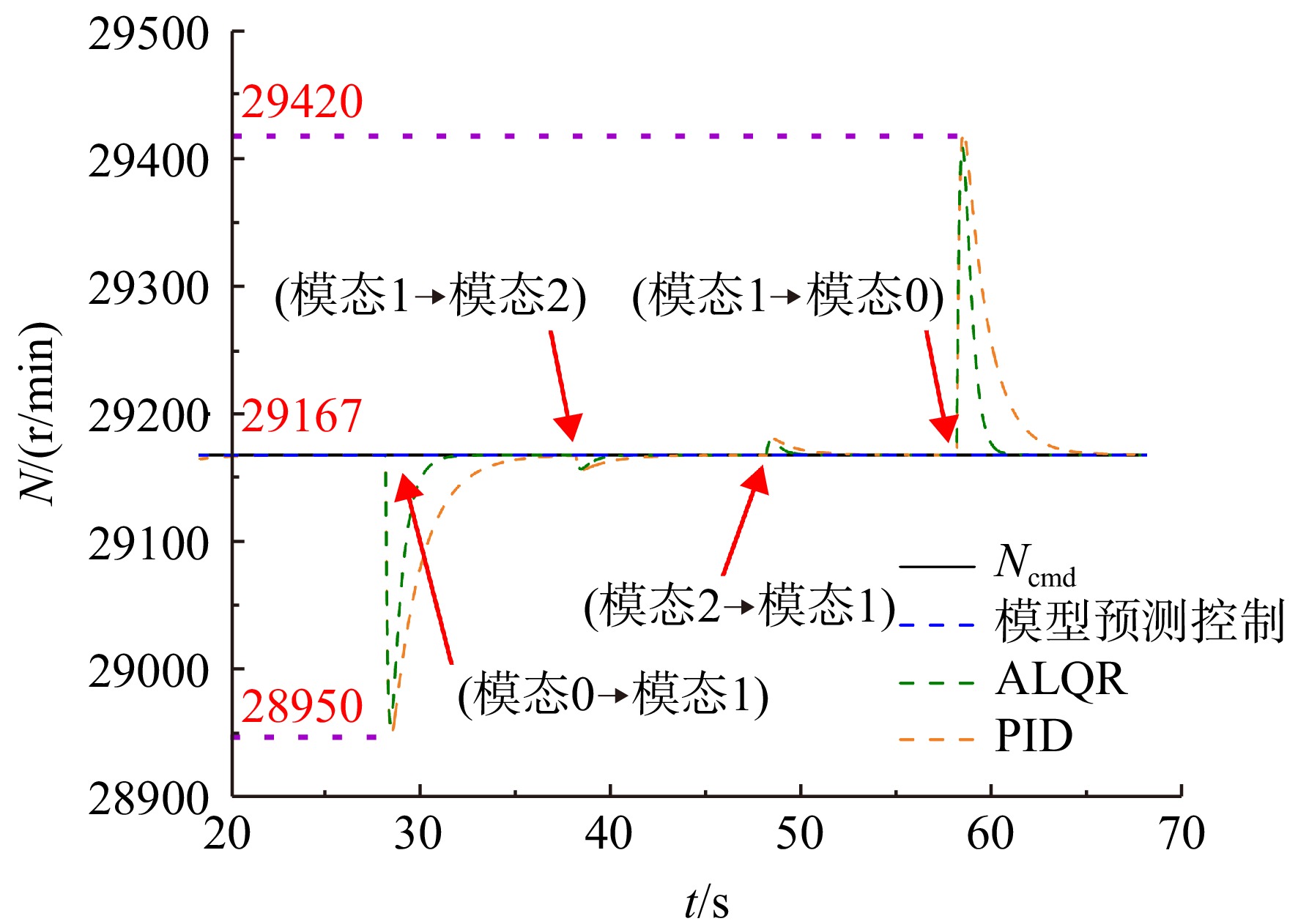
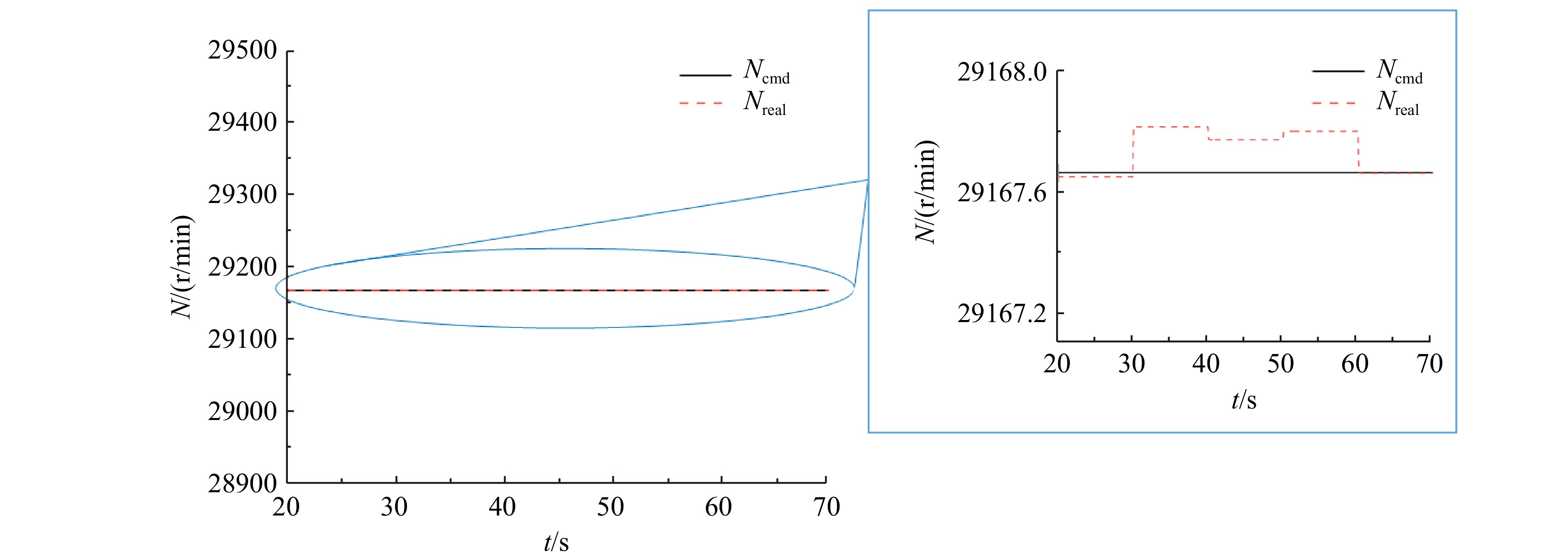
An engine architecture called a multi-companion engine was proposed to address the drawbacks of traditional thrust vector control engines, such as complex structures, heavyweight, and high cost. The engine consisted of a main engine and two companion engines, and the companion engine can introduce air from the compressor outlet of the main engine to form vector multi-thrust points. According to the number of thrust points, it was divided into 0-1-2 modes. However, switching between different modes inevitably led to sudden changes in the primary engine flow rate, resulting in speed fluctuations. In response to the difficulty of ensuring speed stability and poor speed control effect in the traditional control mode switching process, a multi-companion engine’s stable/dynamic component-level model was first established. The multi-model switching predictive controller was designed to convert significant dynamic responses into small-step control. Then, the mode switching controller was designed to switch between different modes of a multi-companion engine, reducing the fluctuation of the main engine speed during the multi-thrust point mode switching process. The simulation results showed that the established mathematical model of the multi-companion engine had a high degree of matching with actual test data. At the maximum ground speed operating point, the designed mode switching controller can effectively maintain the constant speed of the main engine during the switching process. In contrast, the ALQR controller and PID controller generated a speed fluctuation of 200 r/min, successfully verifying the effectiveness of the designed mode switching controller.

Research on solid-state thermoelectric generation technology utilizing aerodynamic heat at leading edge of hypersonic vehicles
XIONG Tuan, LIN Shangchao, HE Miaosheng, FAN Tianzheng, ZHOU Zhichao, LIU Yang
2026, 41(4): 20250109. doi: 10.13224/j.cnki.jasp.20250109
Abstract:

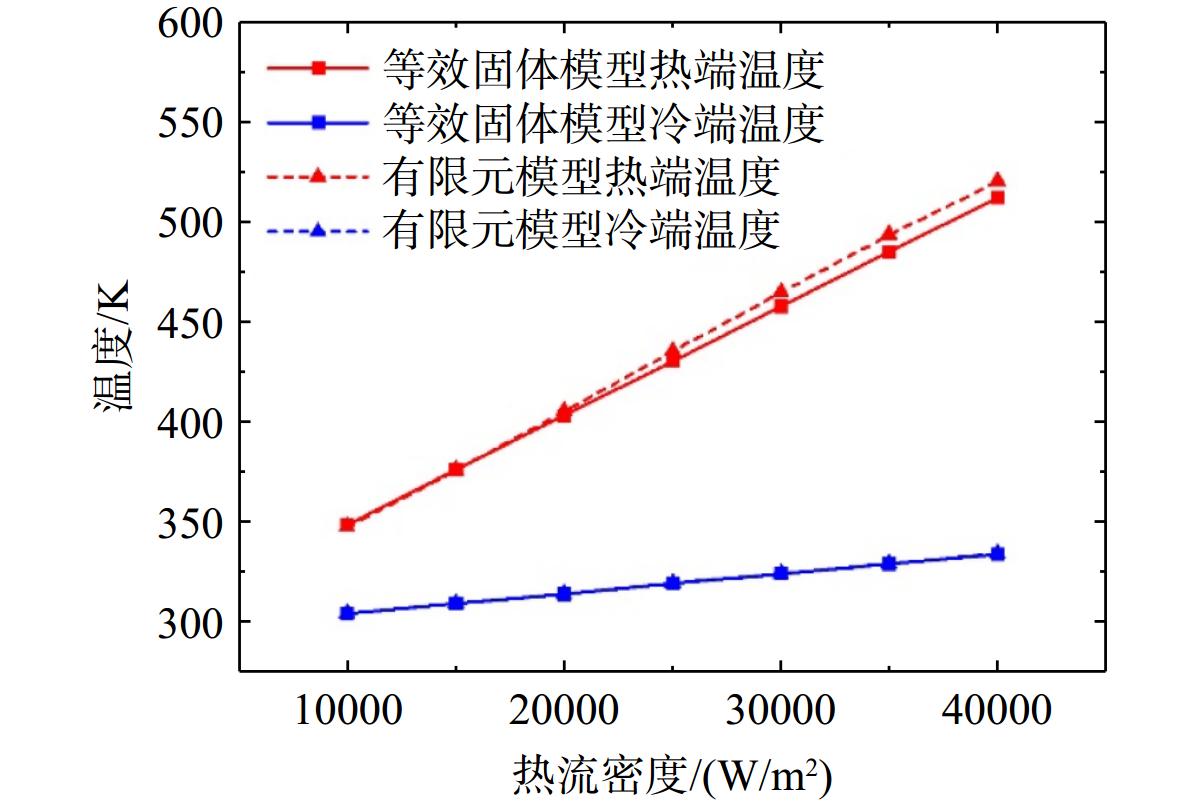
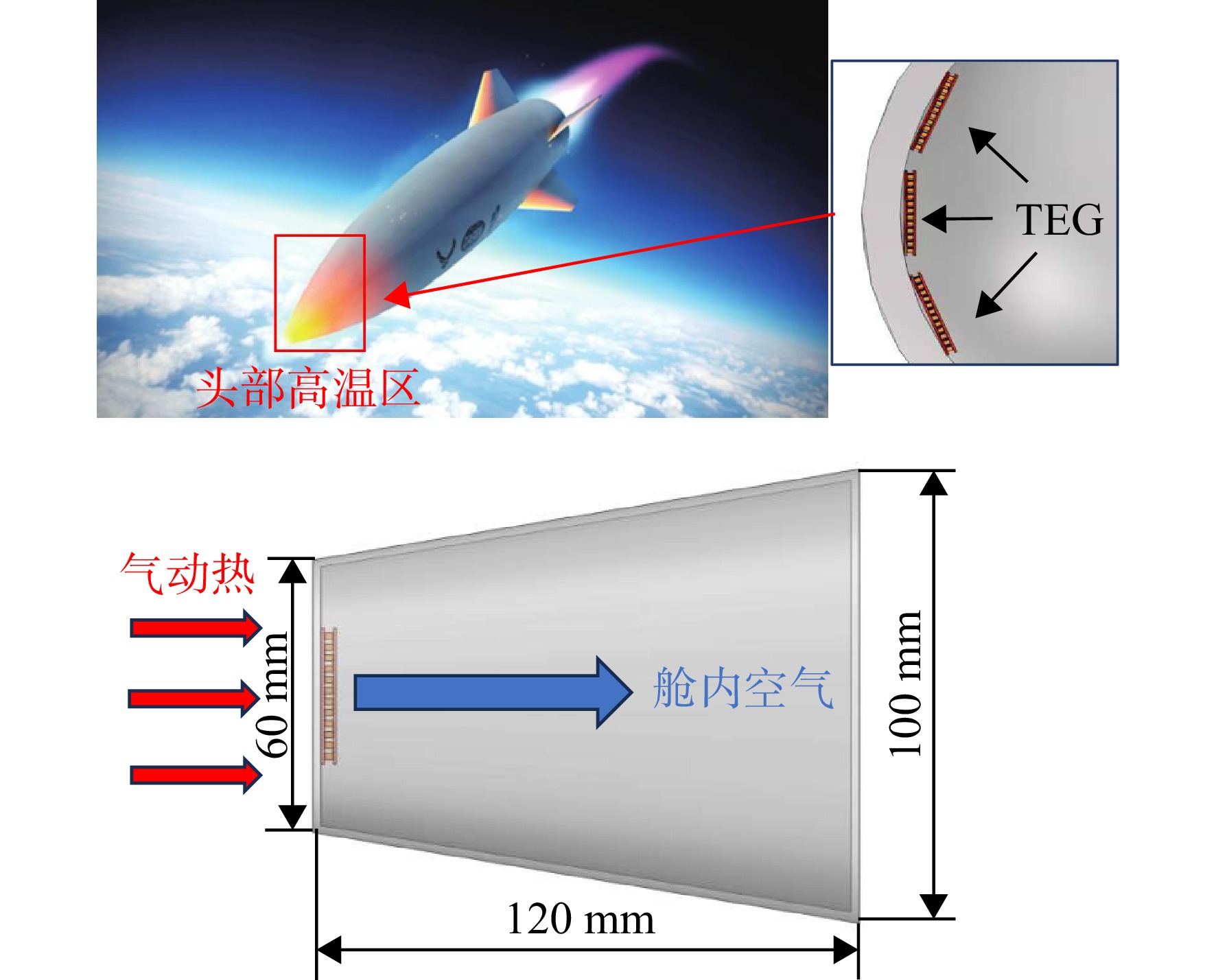
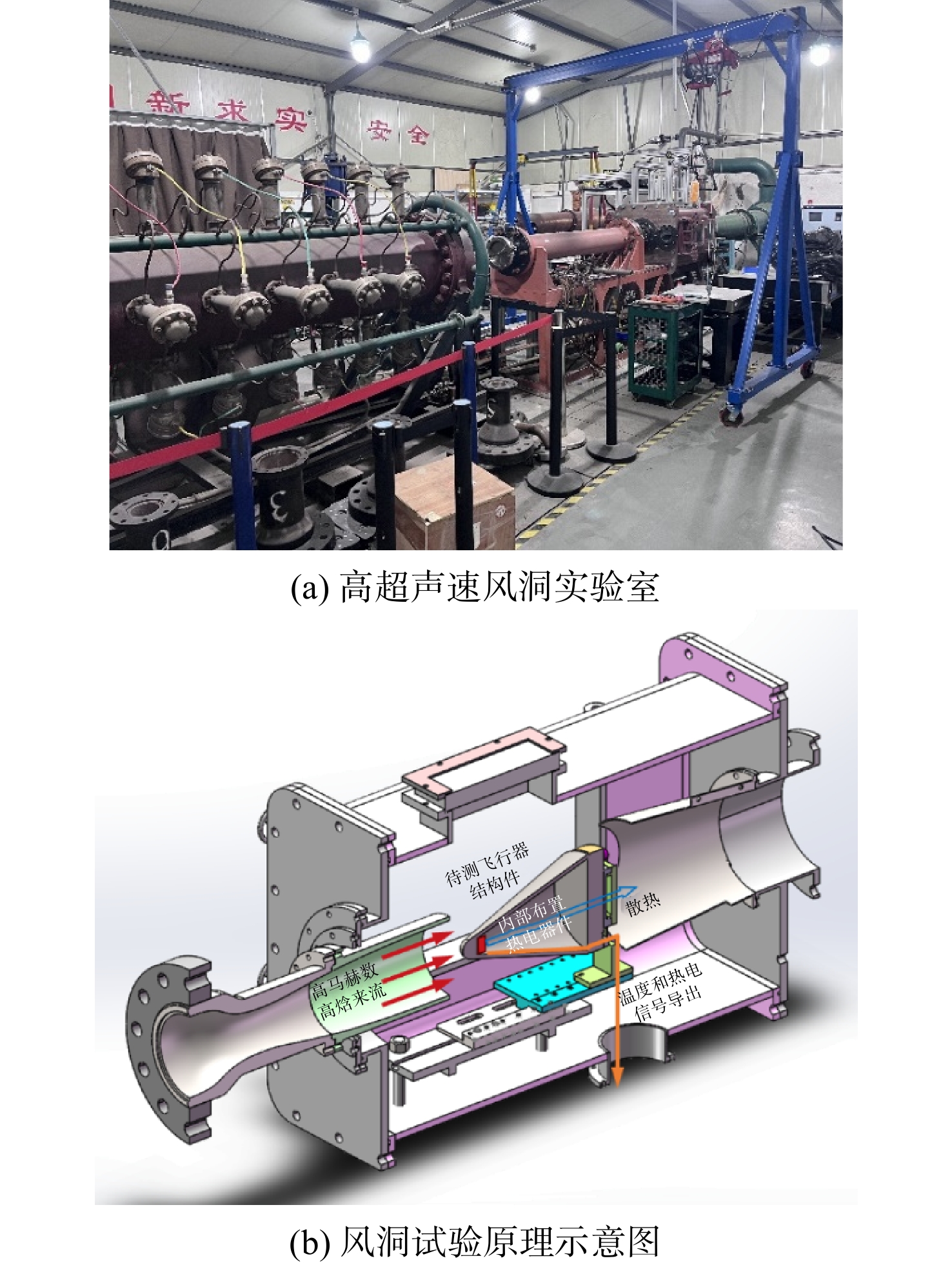
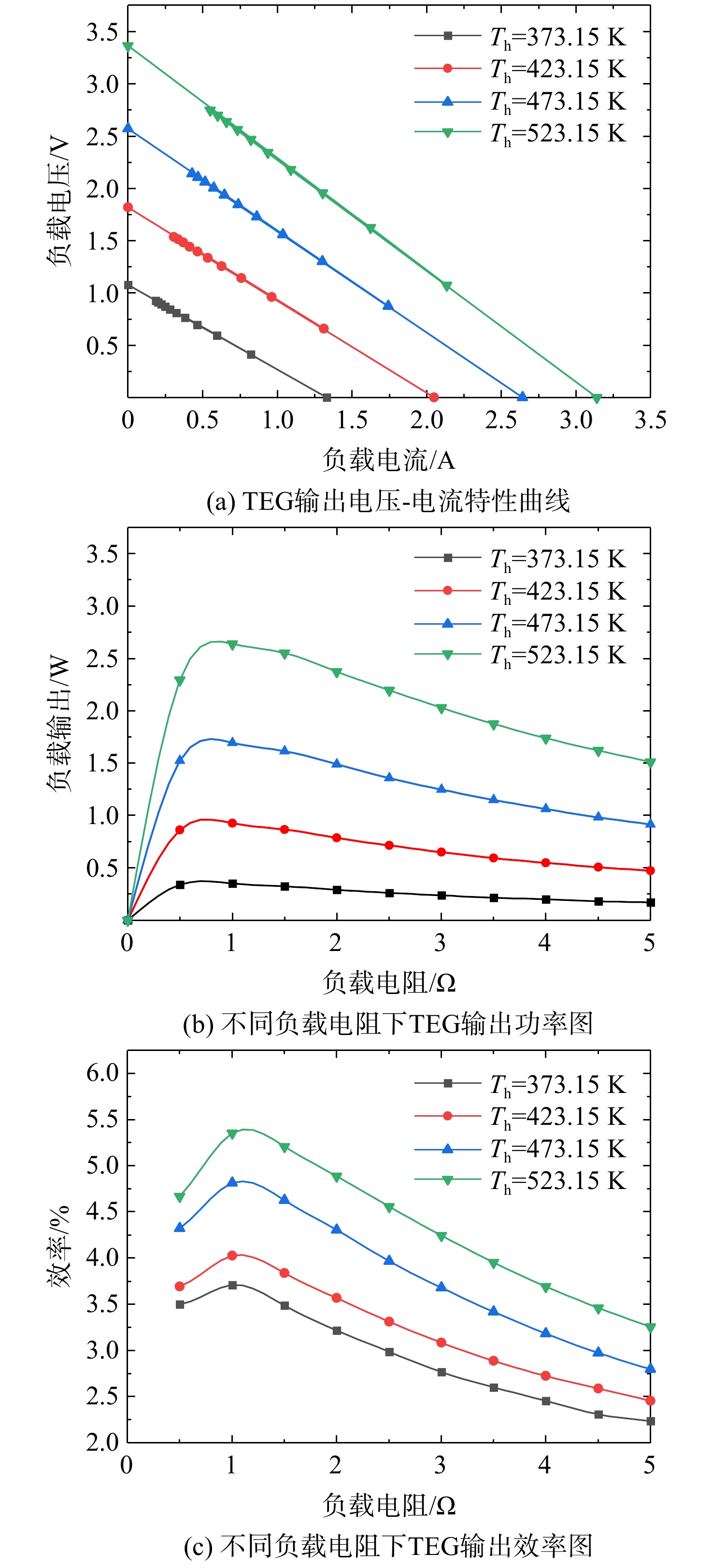
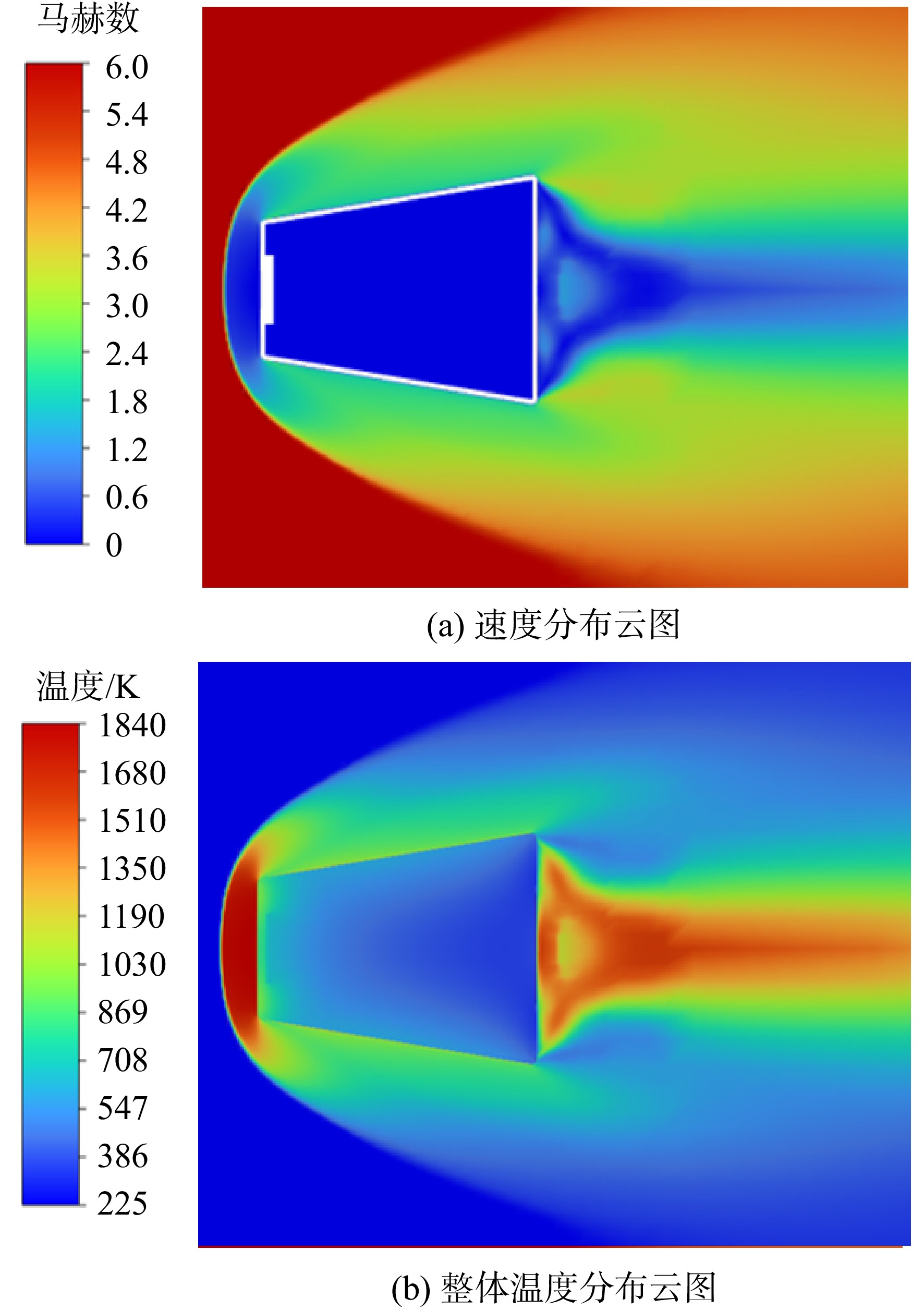
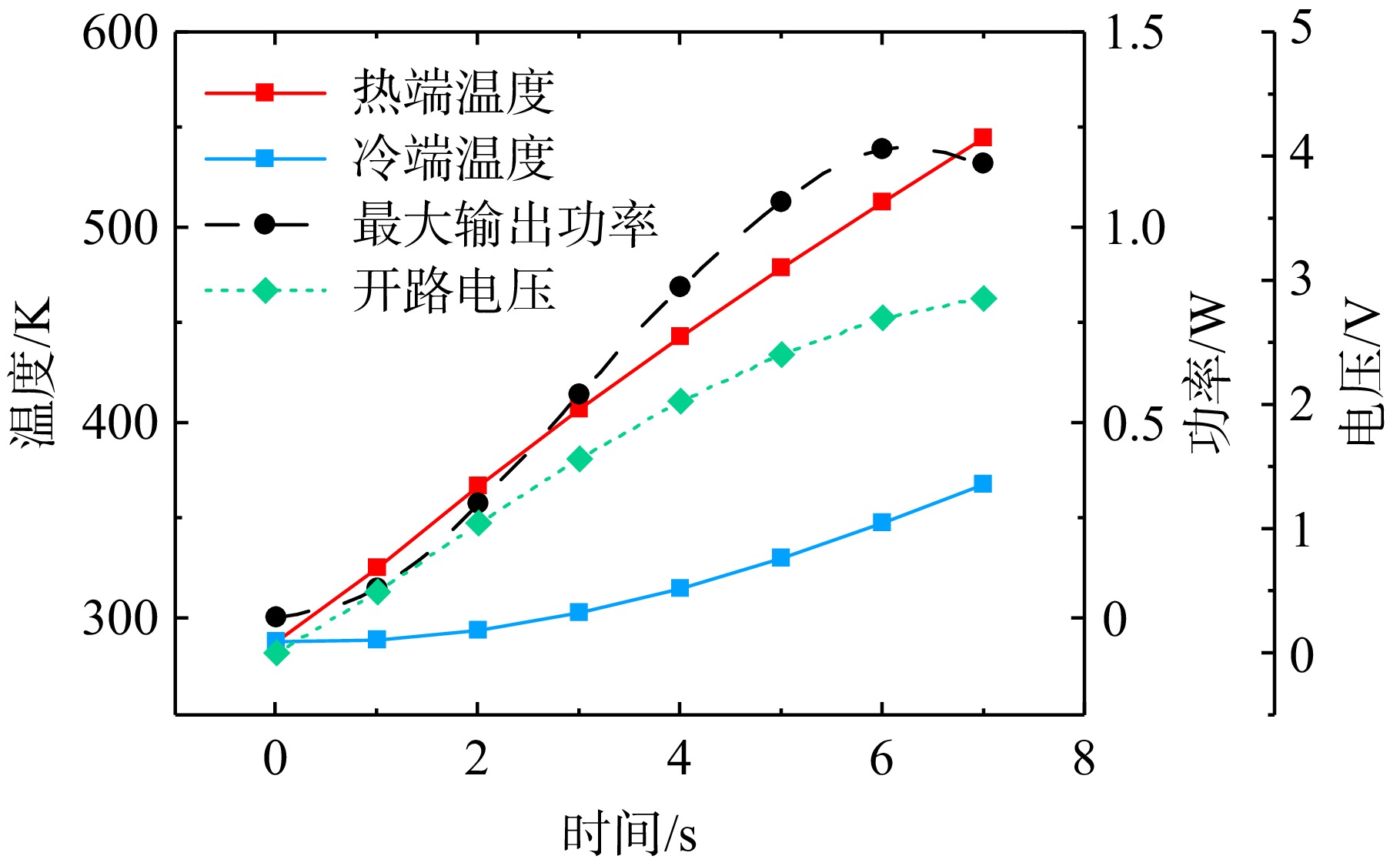
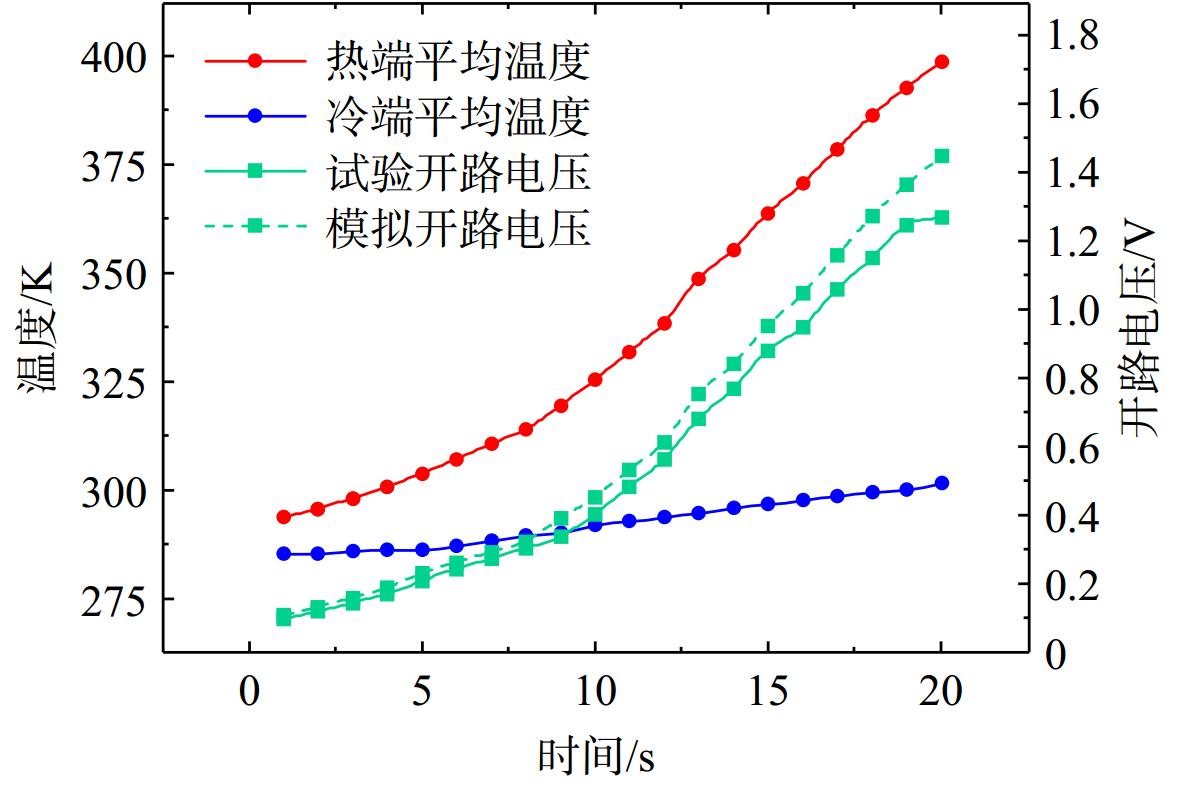
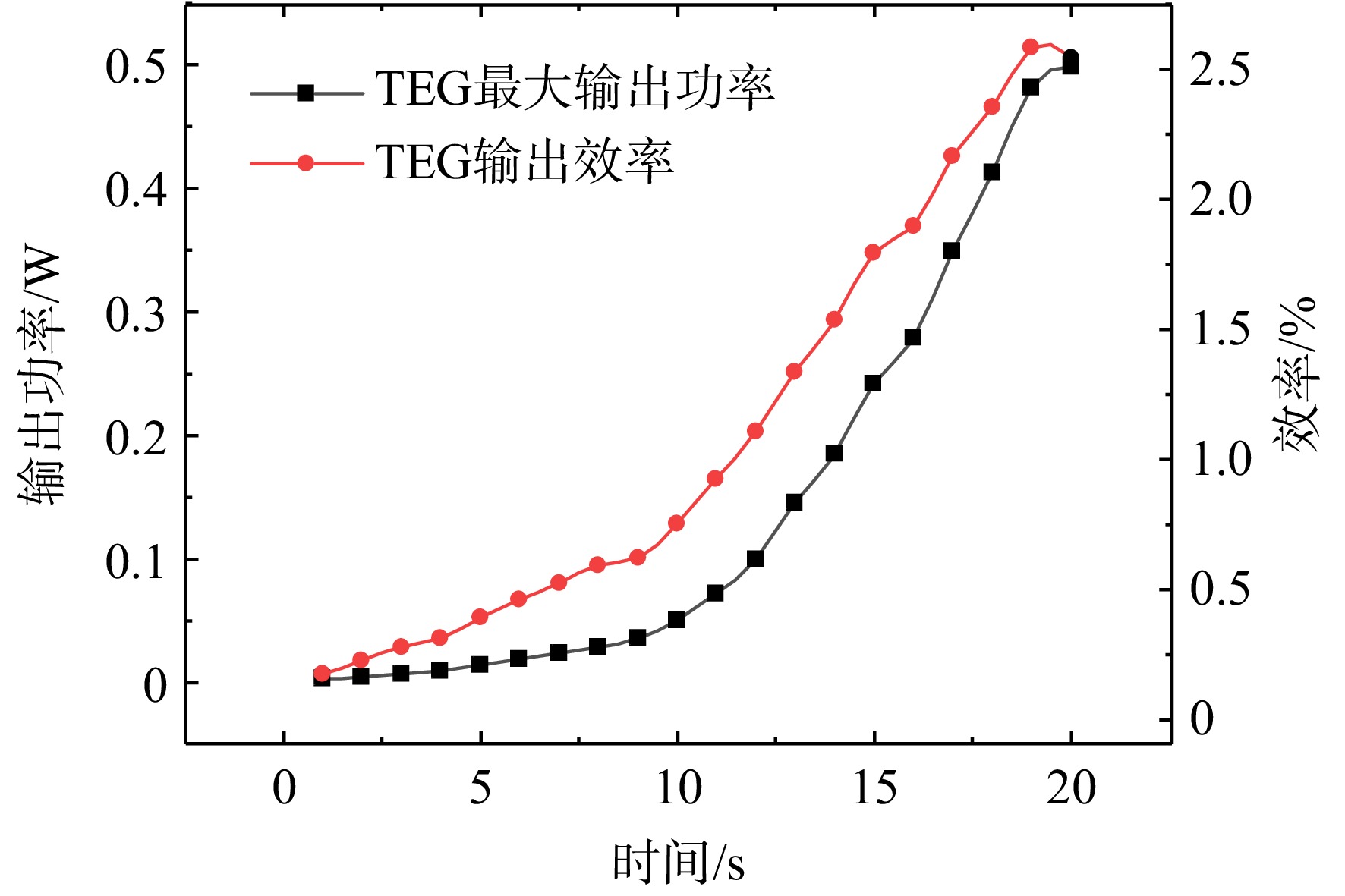
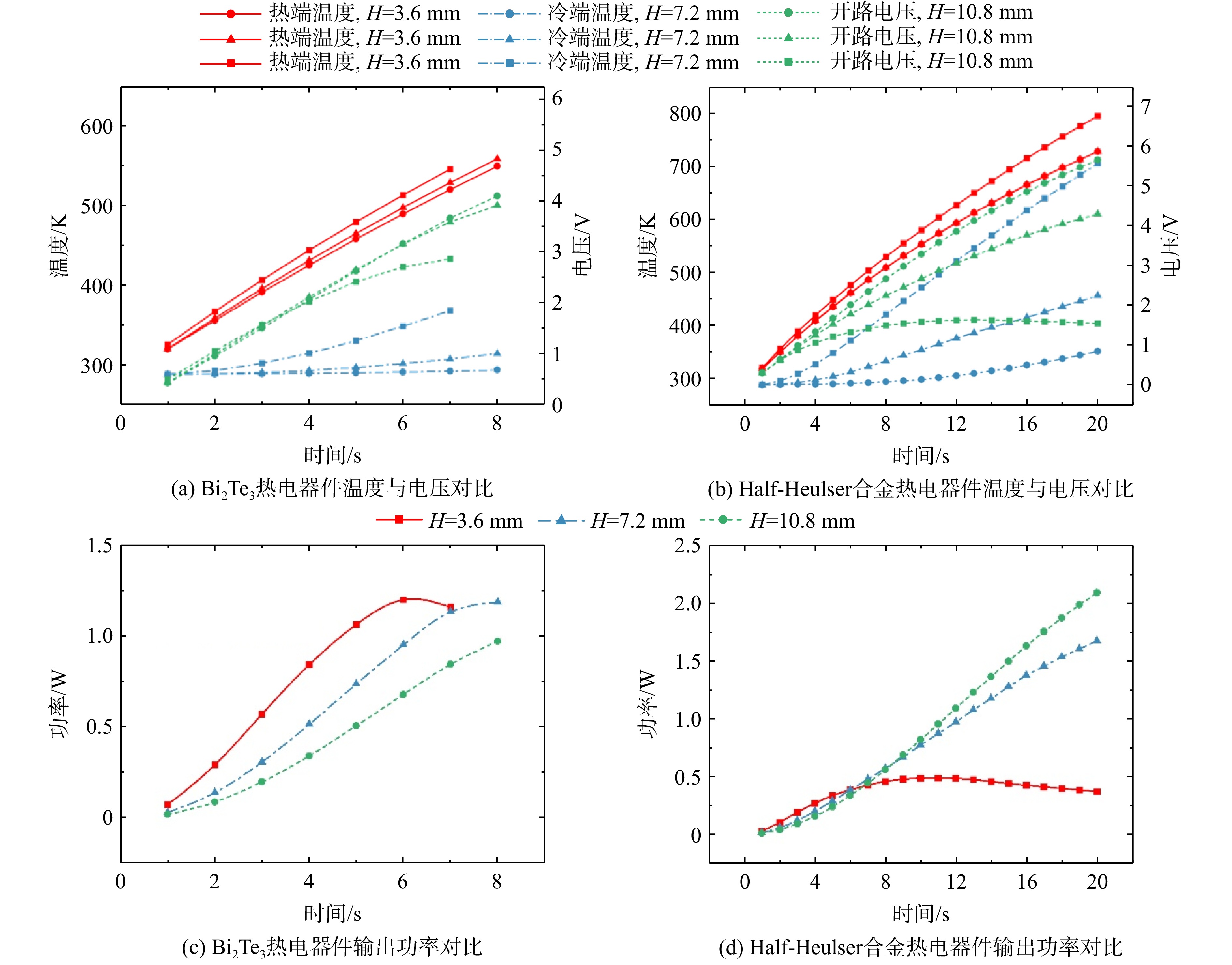
Focusing on aerodynamic heat recovery challenges in hypersonic vehicles, the solid-state thermoelectric power generation technology at the leading edge for blunt-body vehicle architectures was investigated. A multi-physics computational model integrating hypersonic vehicles with thermoelectric generators was developed to simulate the electrical output characteristics under actual high-altitude flight conditions. The accuracy of the model was verified through ground platform tests and wind tunnel tests, while the output performance of thermoelectric generators under different environmental conditions was systematically examined. Comparative studies were conducted on thermoelectric devices with various materials and configurations. The results revealed that the thermoelectric generators effectively converted aerodynamic heat into electrical energy, with a single TEG achieving maximum output power of 1.21 W and power density of 1344.44 W/m2 under simulated actual flight conditions. Wind tunnel test demonstrated closer approximation to real flight environments compared with ground platform tests, as it yielded a maximum output power of 0.5 W and peak conversion efficiency of 2.58% for individual TEG. Thermoelectric materials in different temperature zones were suited to distinct TEG structures, requiring rational design and arrangement to optimize the performance.

Combustion,Heat and Mass Transfer
Effects of Reynolds number and density ratio on the leading edge film cooling of twisted turbine blade
HAN Feng, PU Haotian, CHEN Jiaona, SUN Youqi, ZUO Shihao, XU Chuan, MAO Junkui
2026, 41(4): 20240417. doi: 10.13224/j.cnki.jasp.20240417
Abstract:

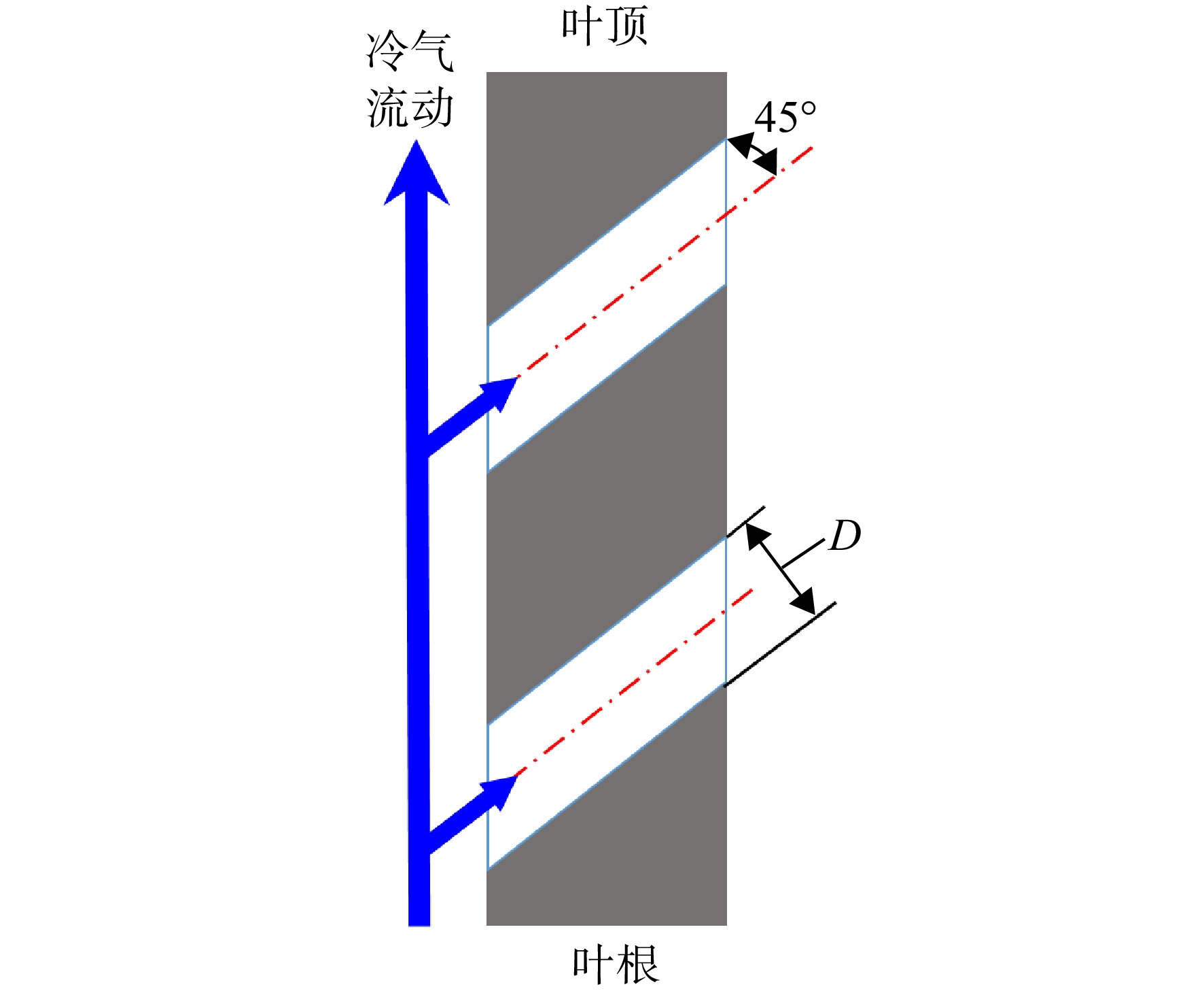
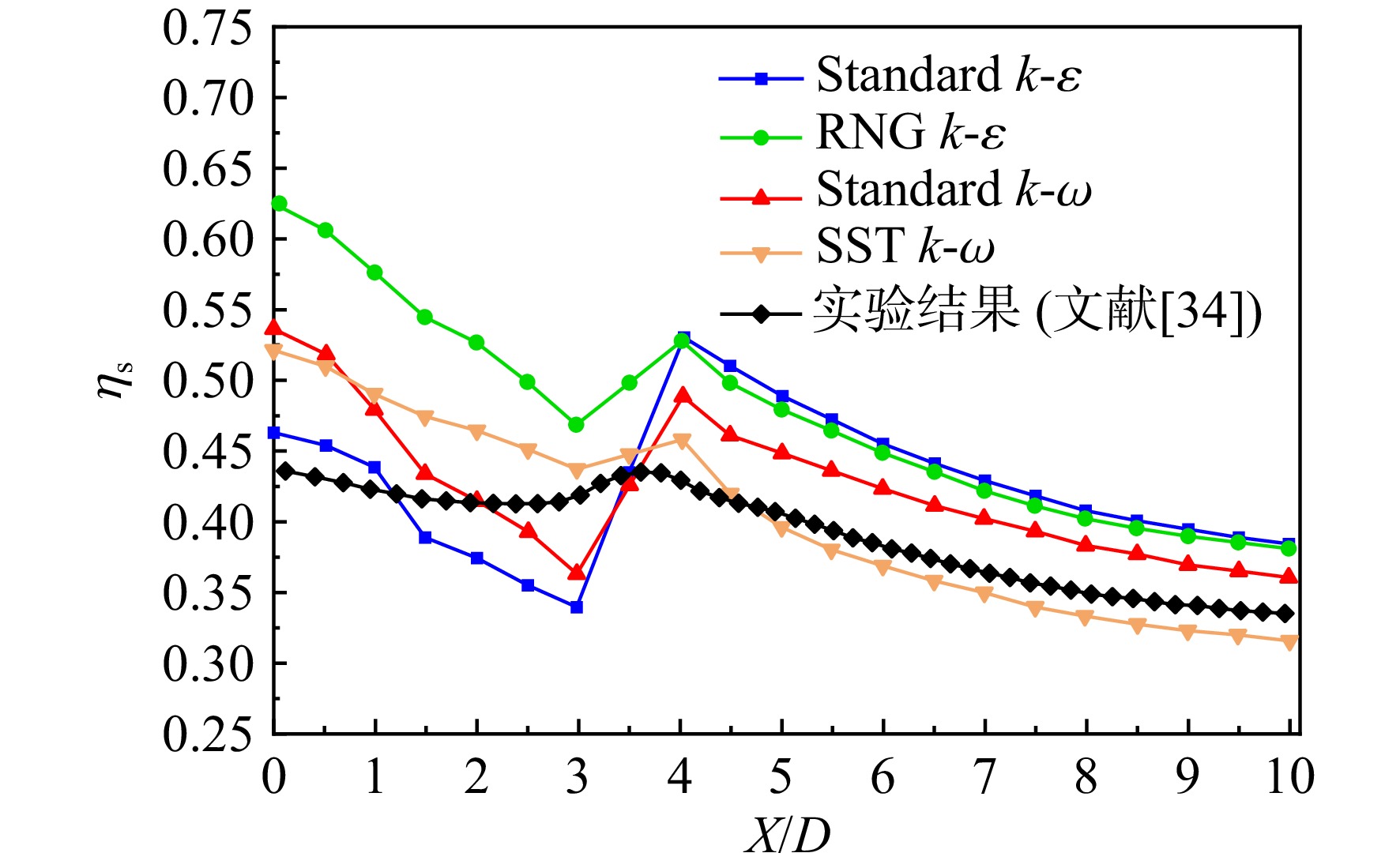
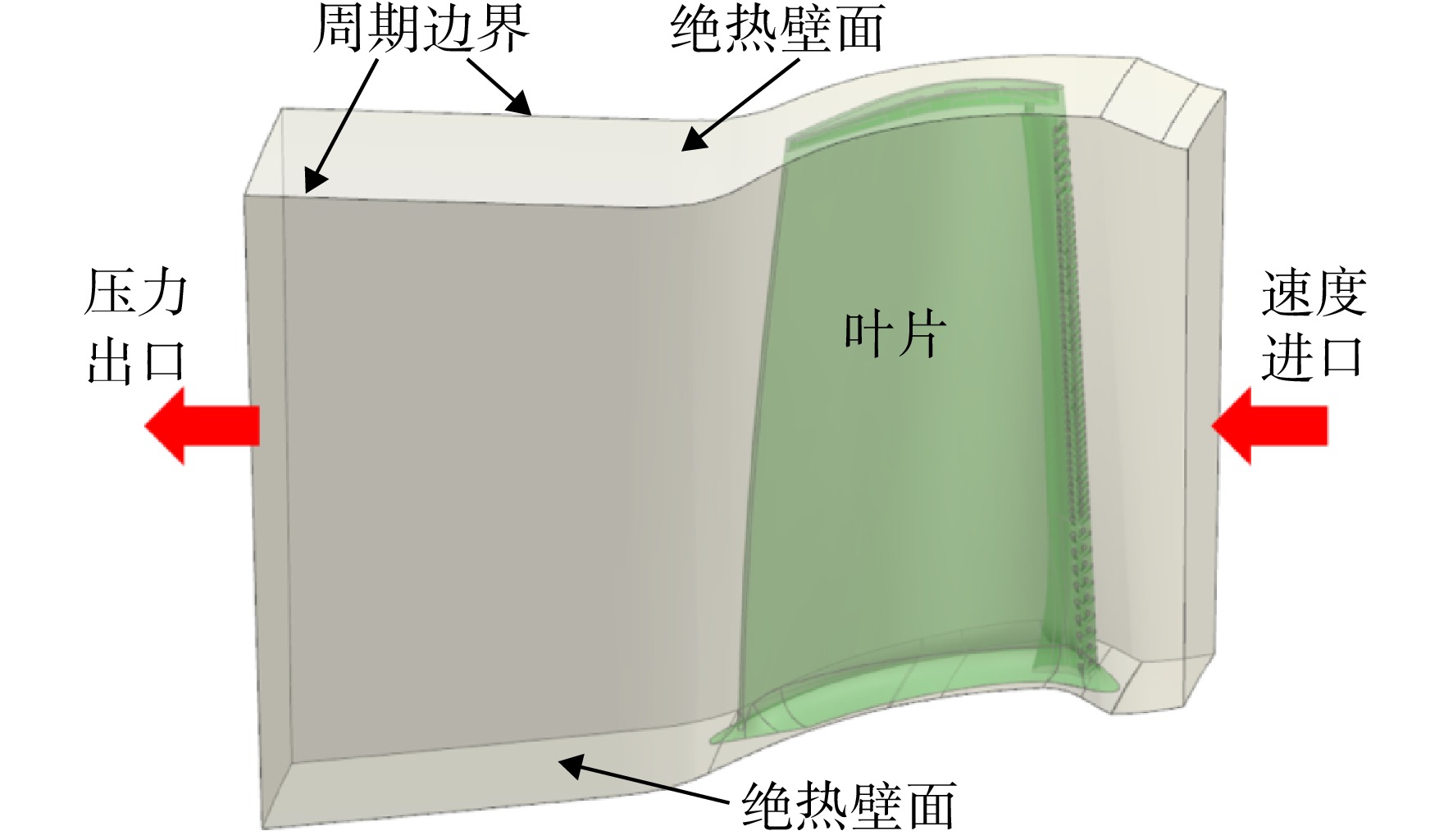
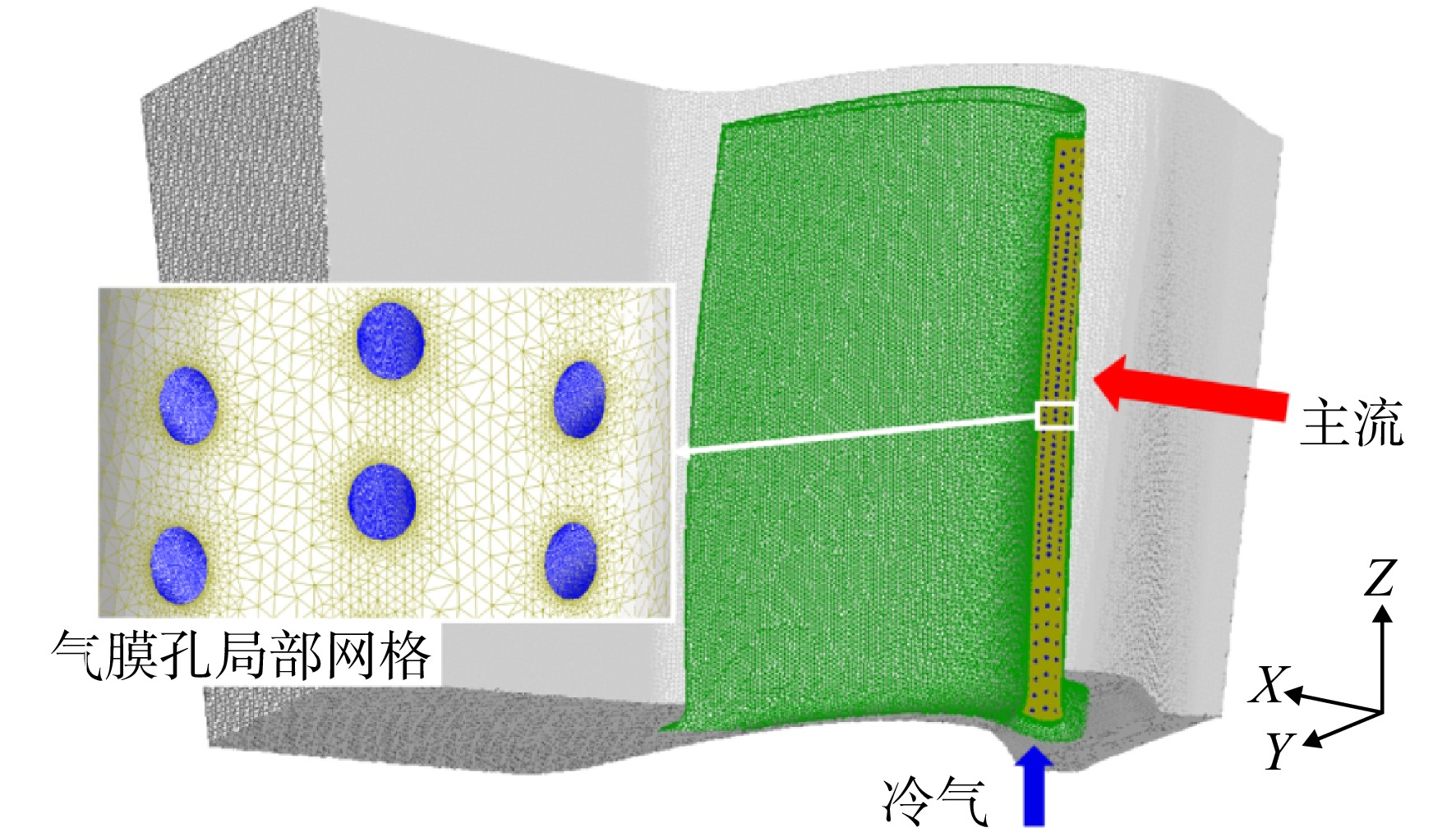
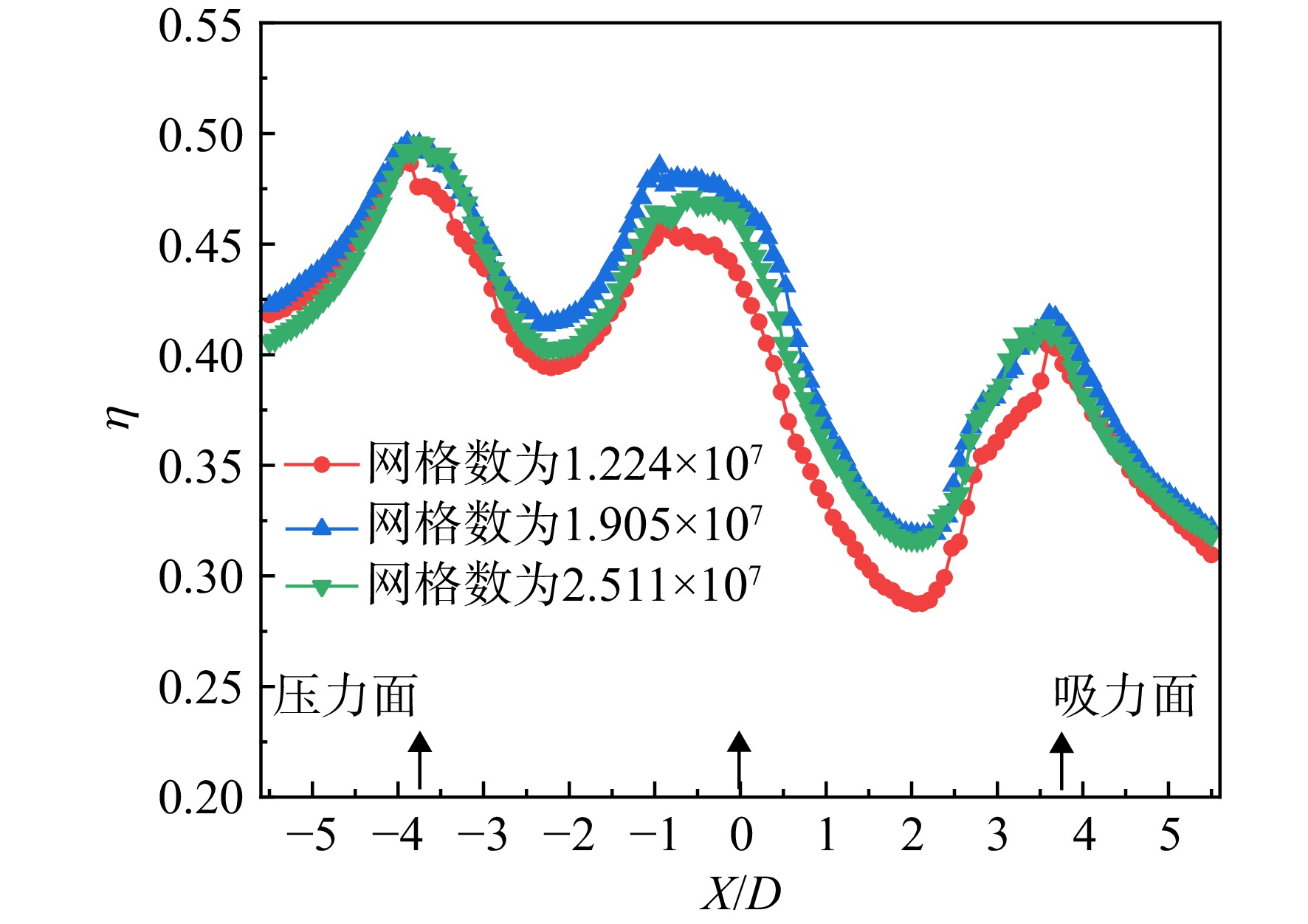
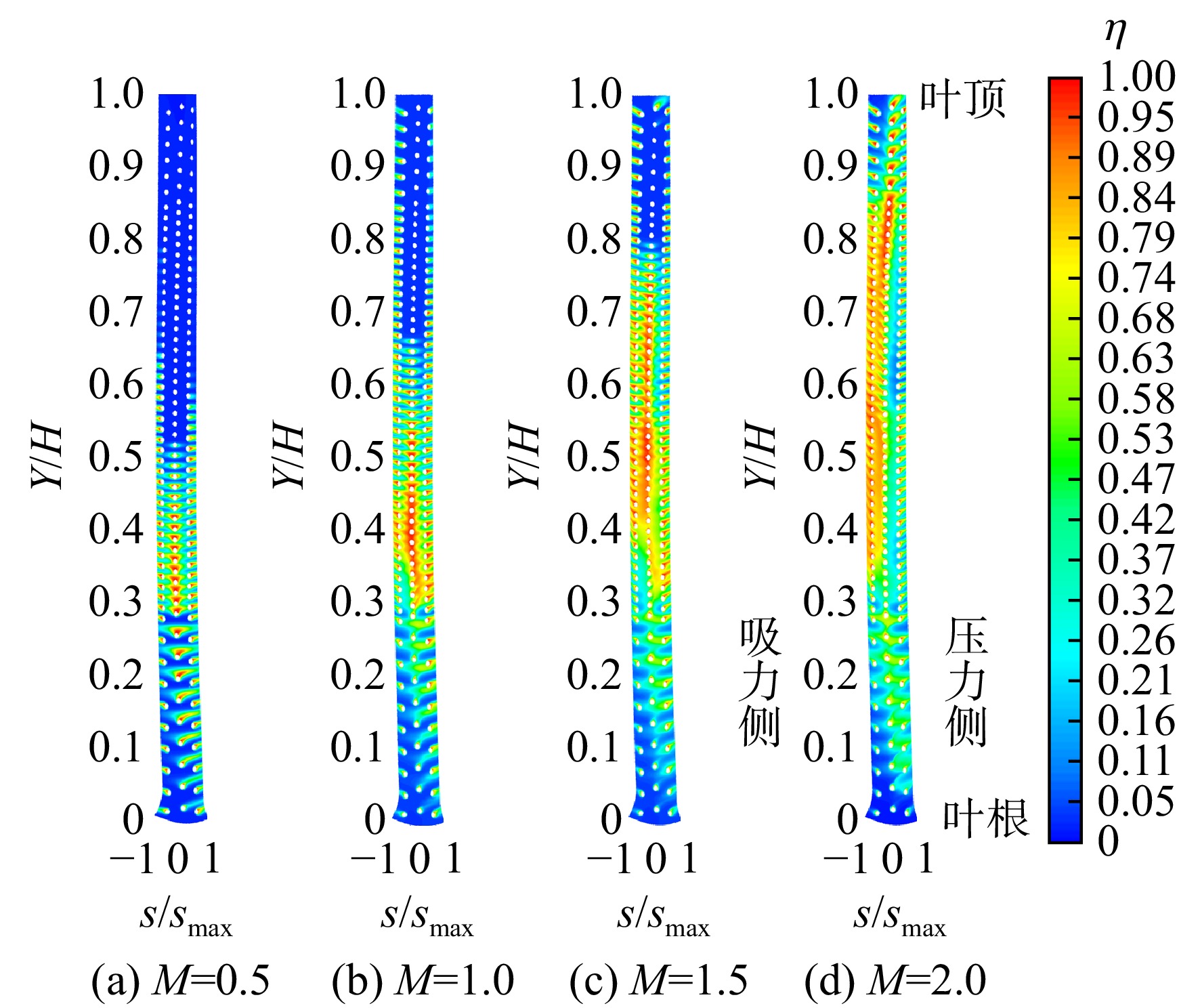
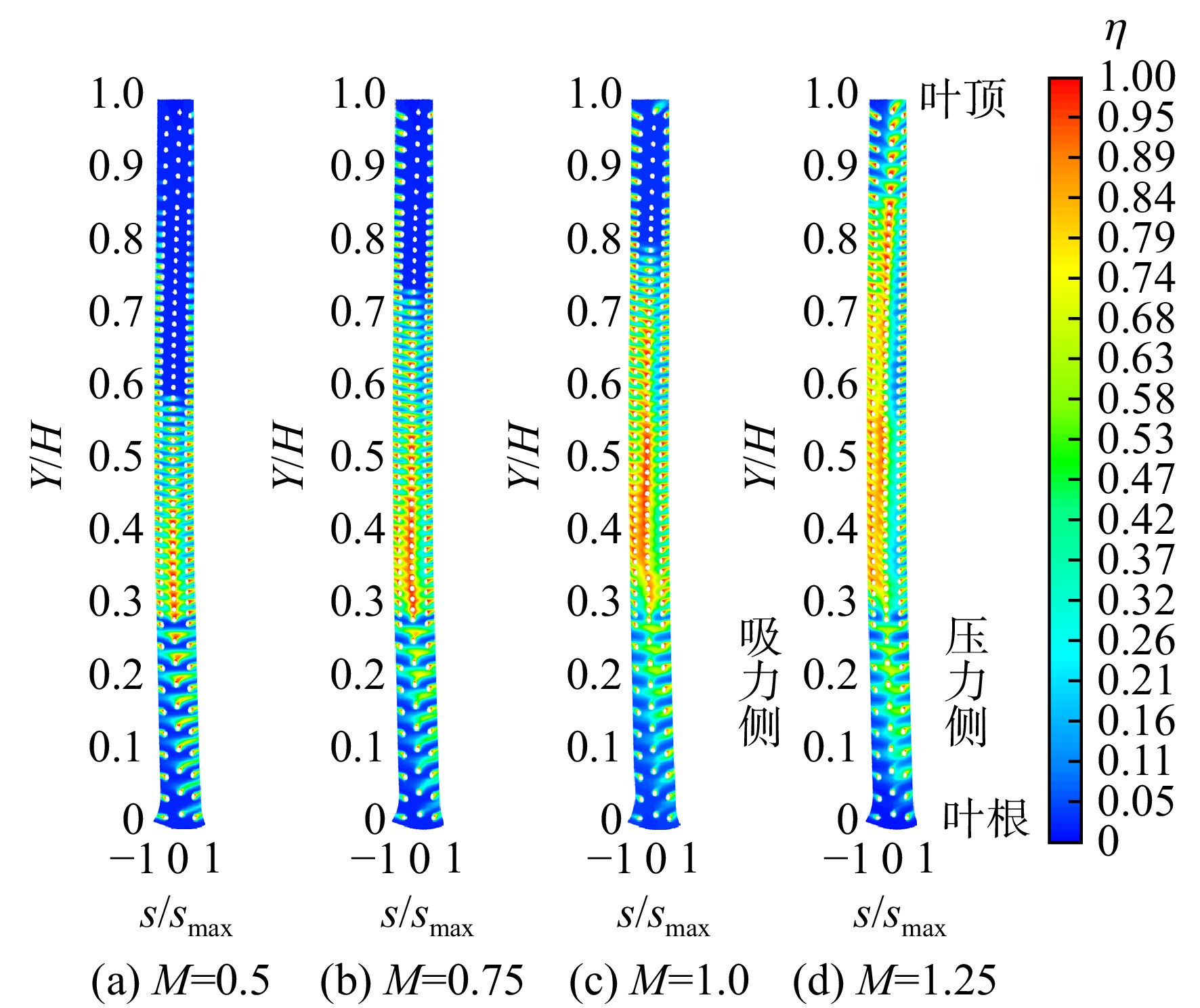
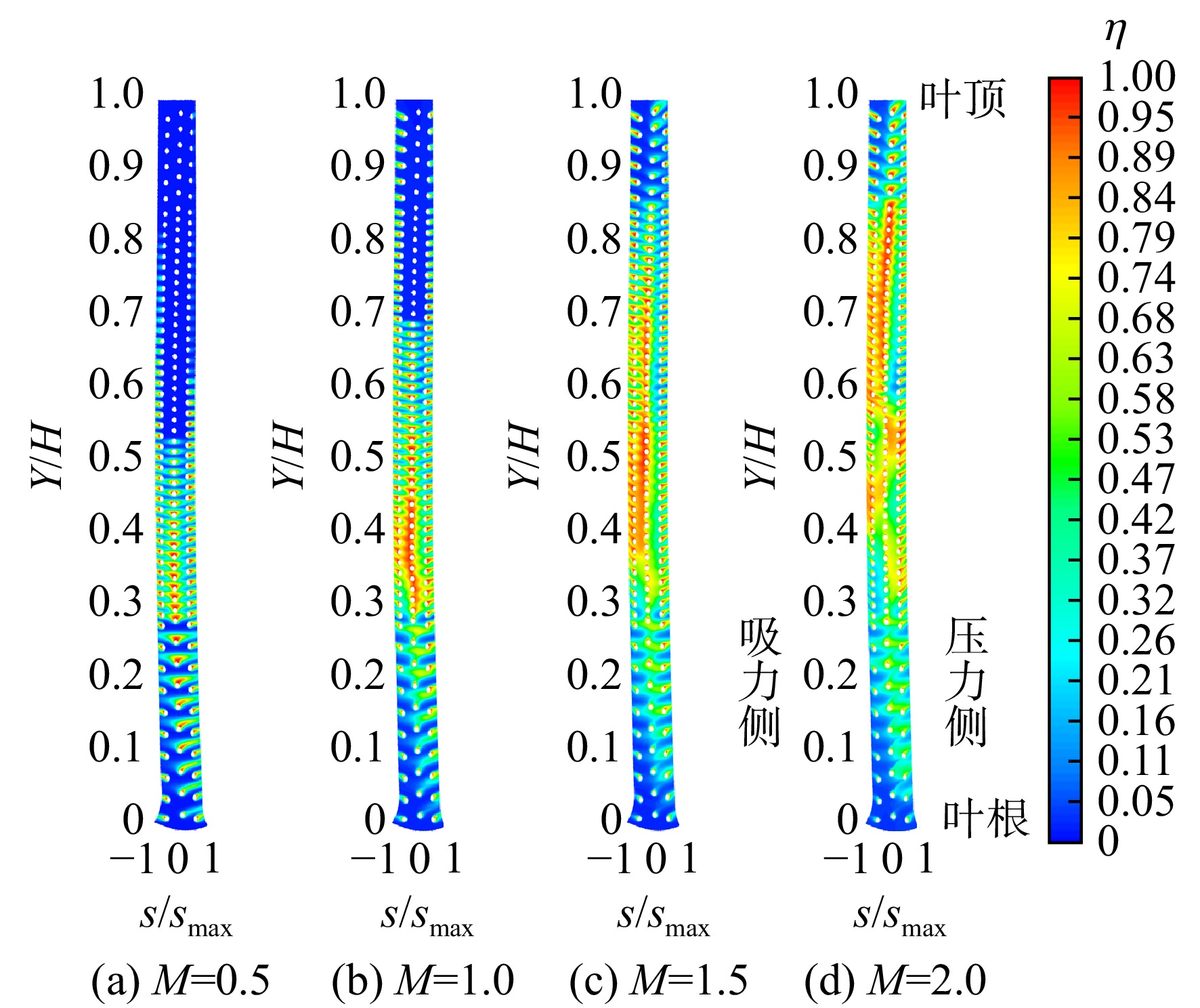
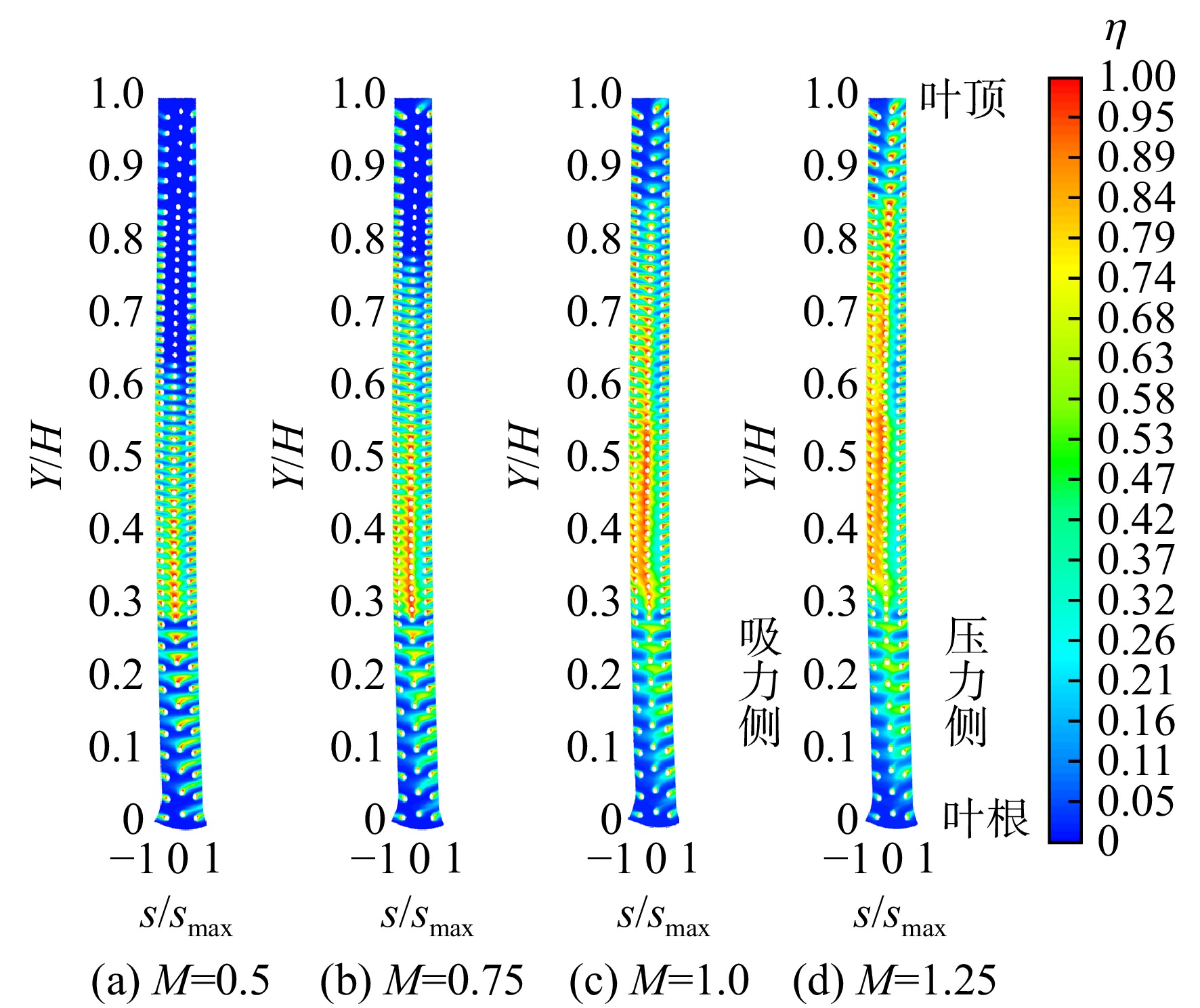
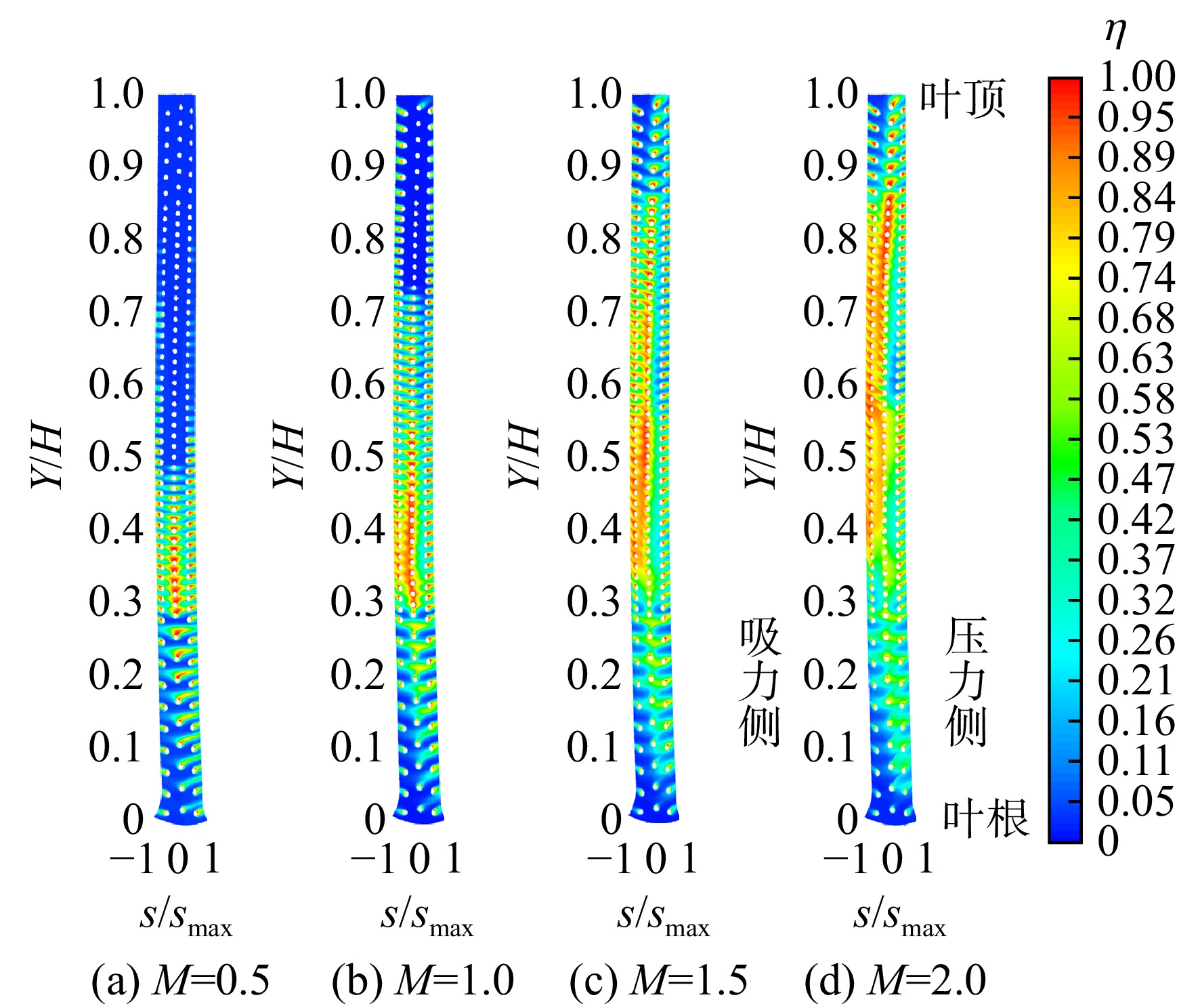
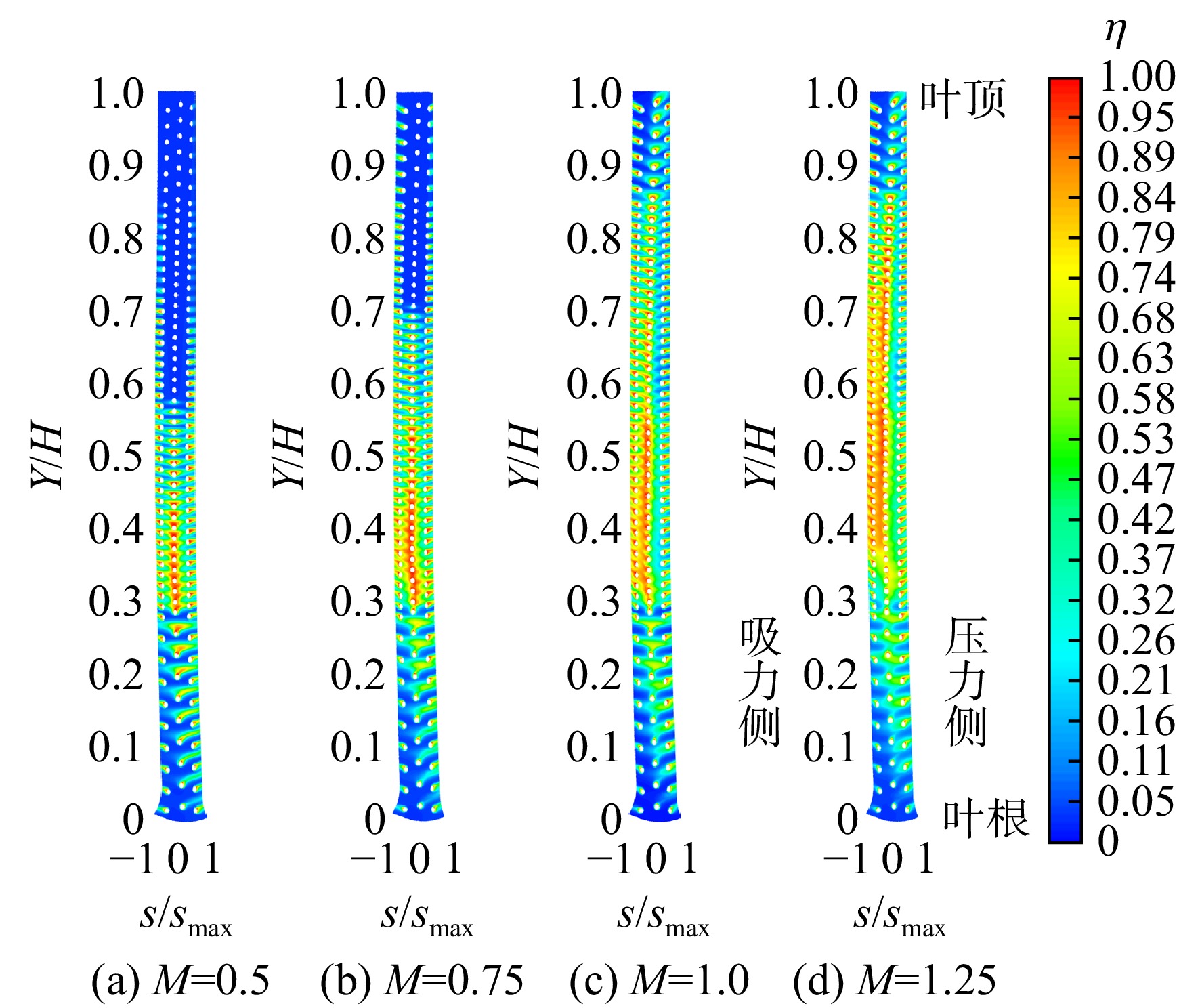
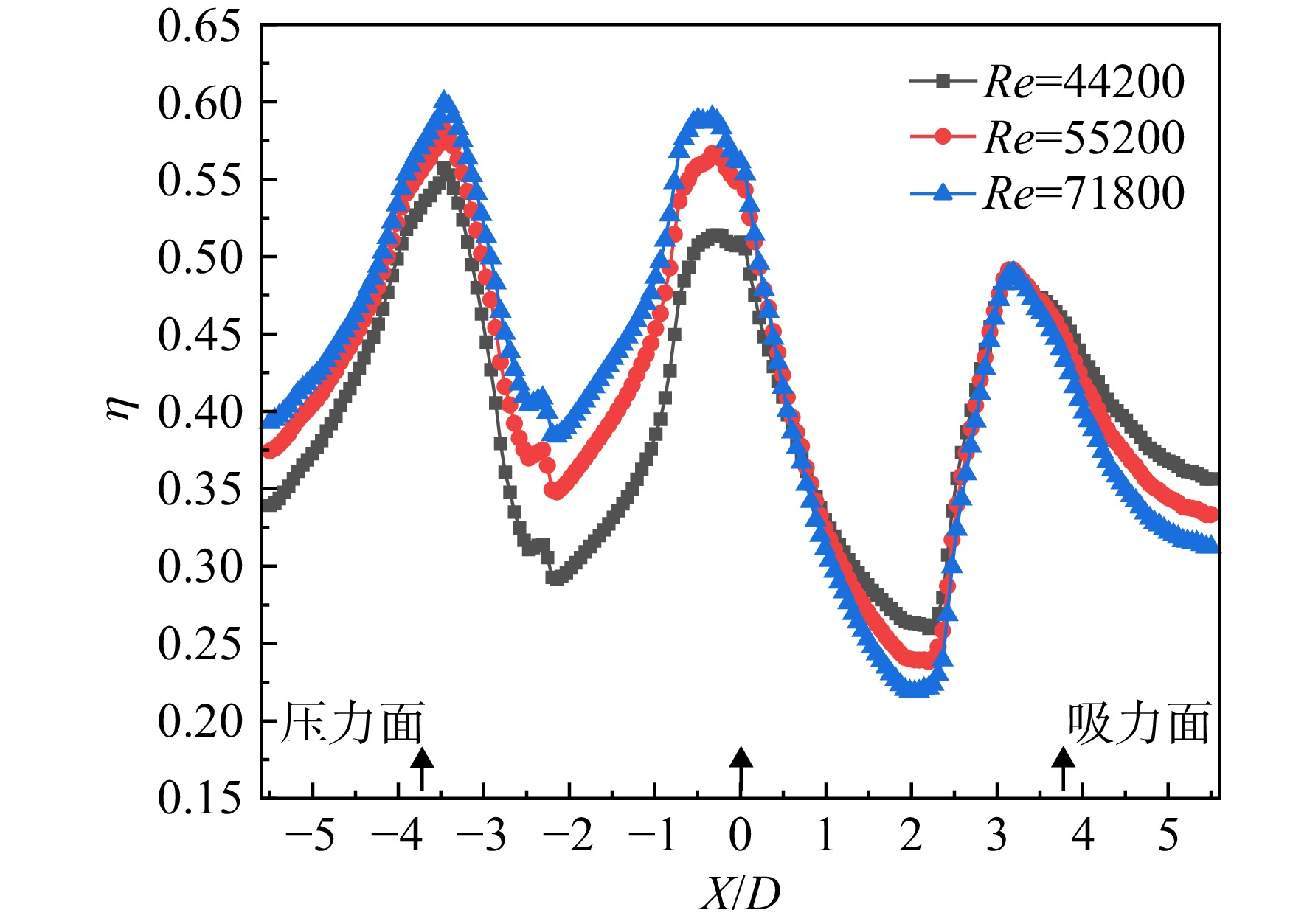
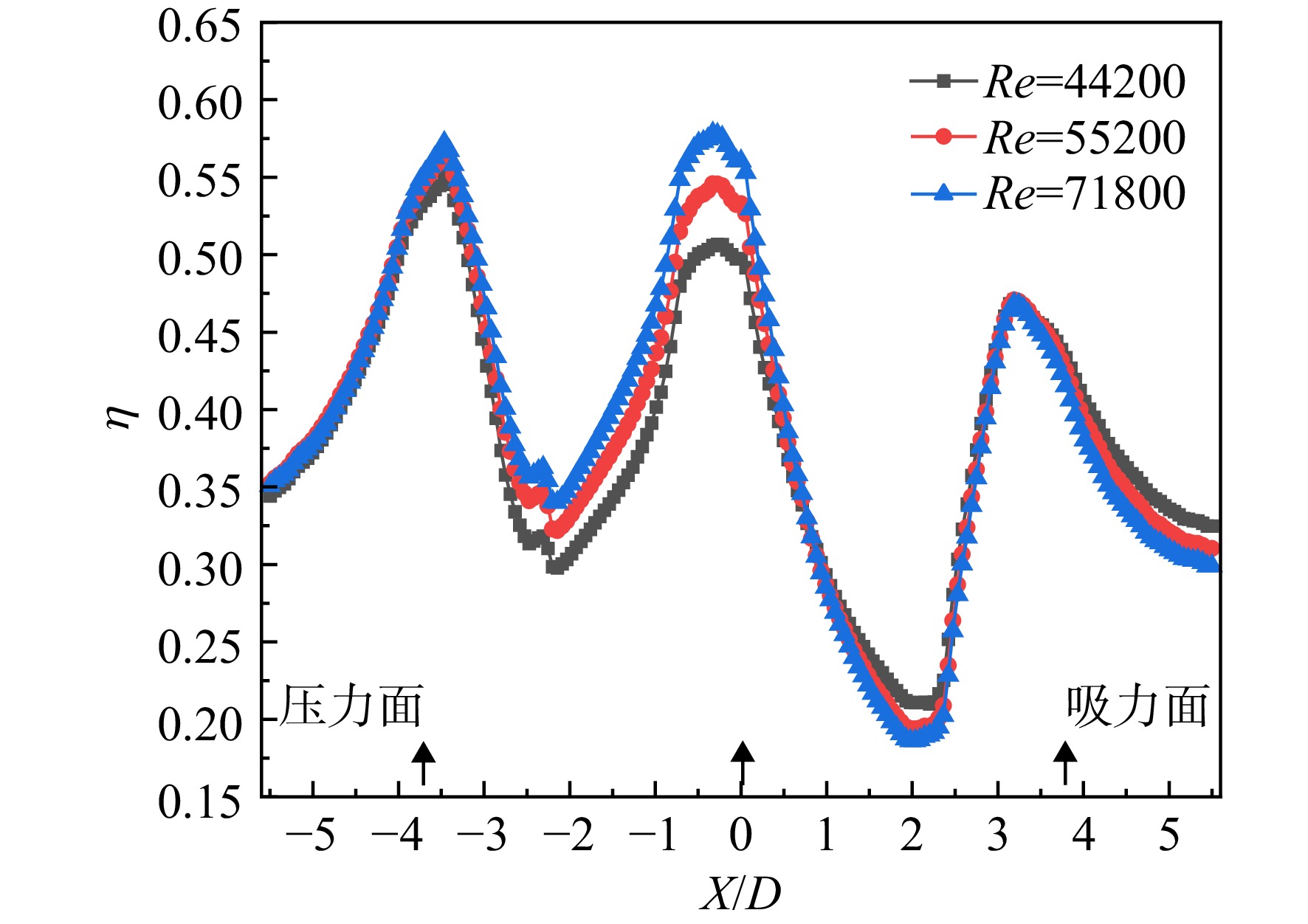
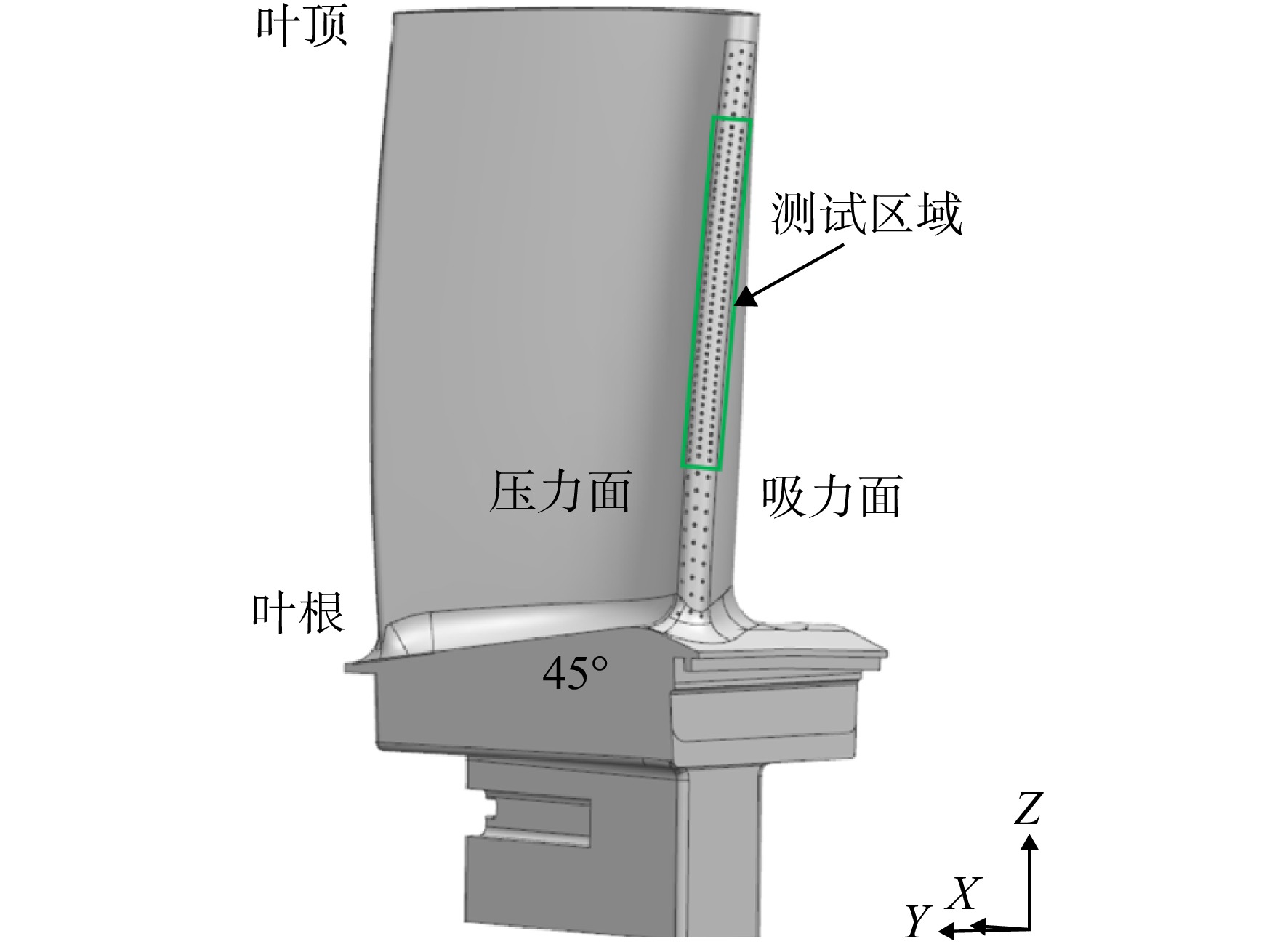
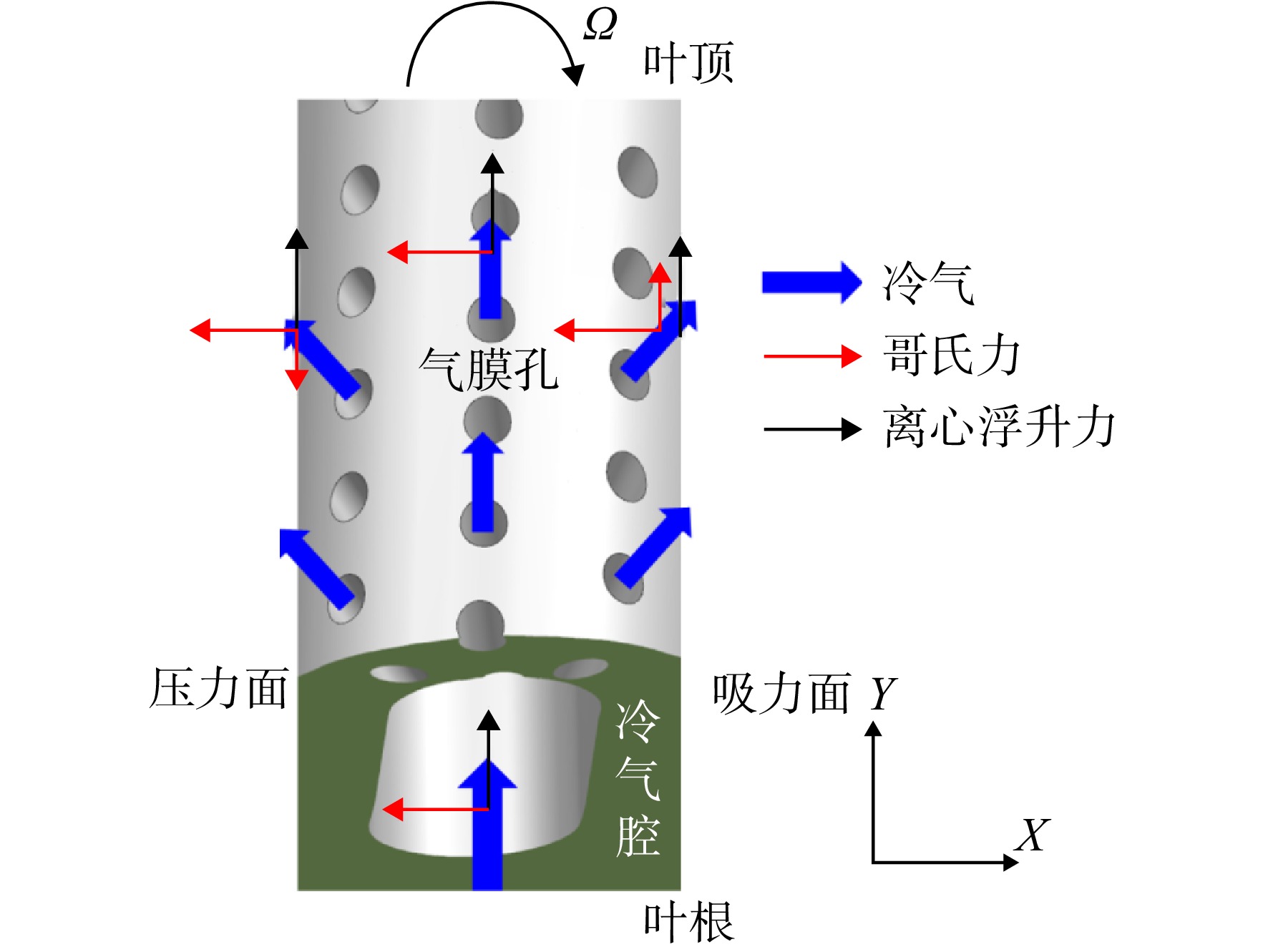
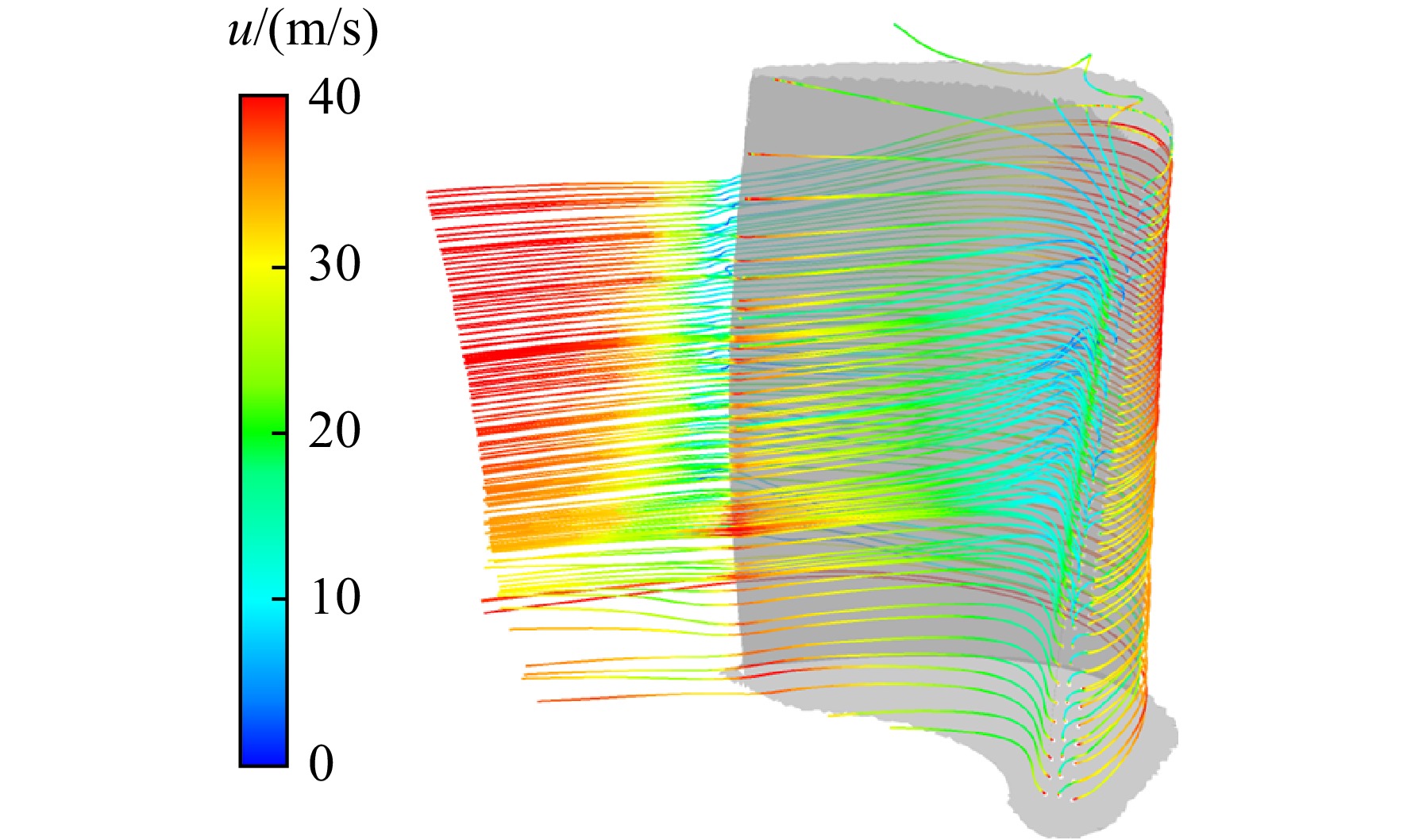
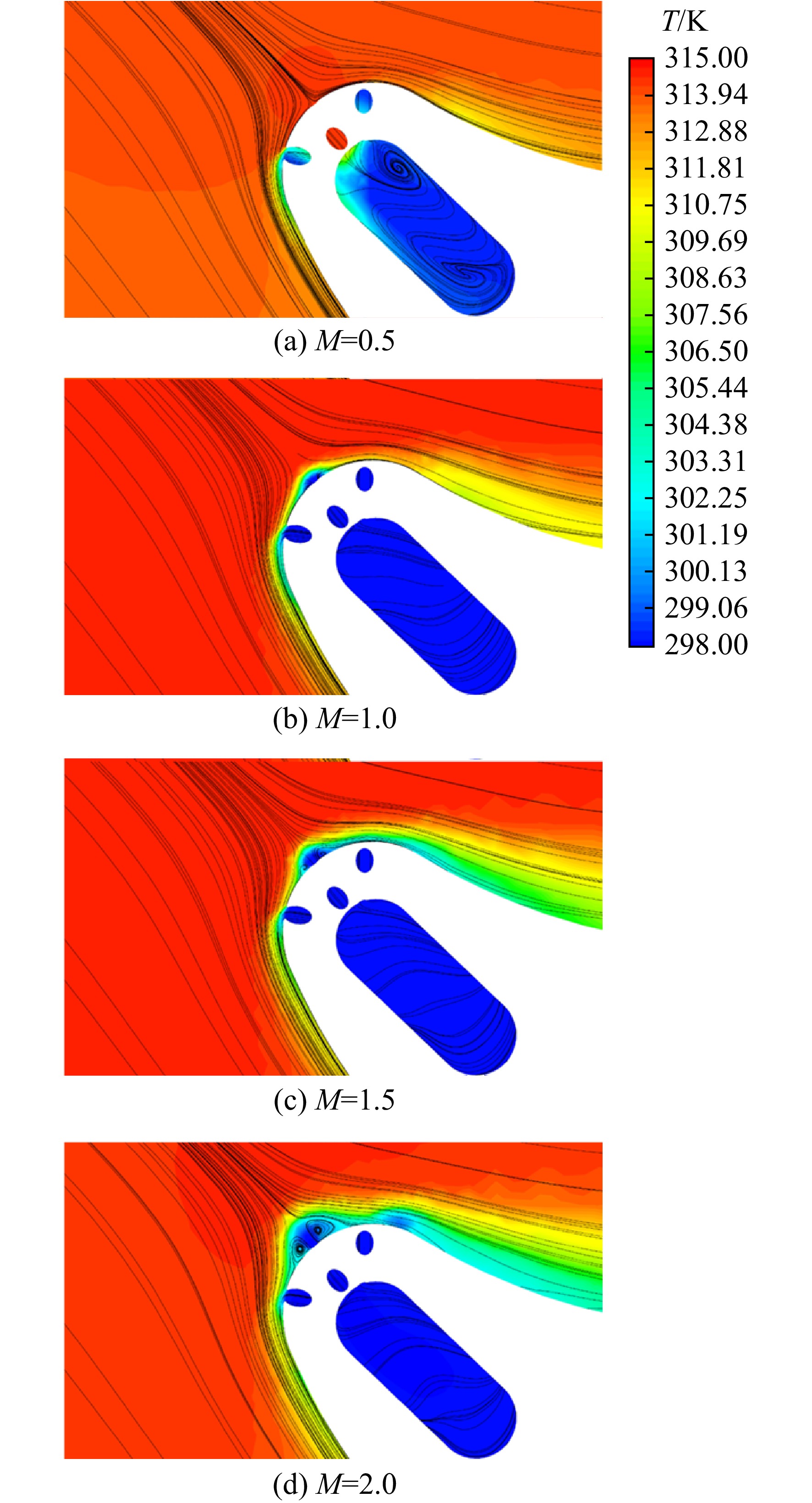
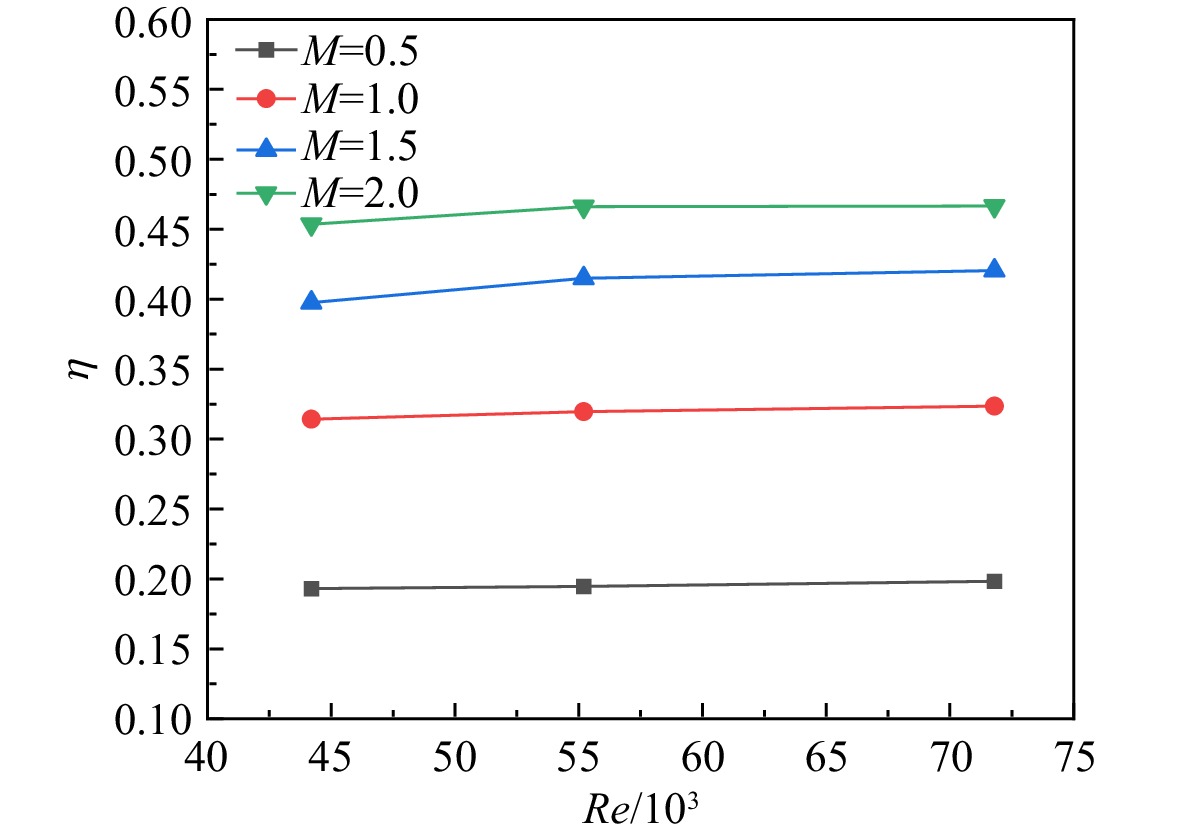
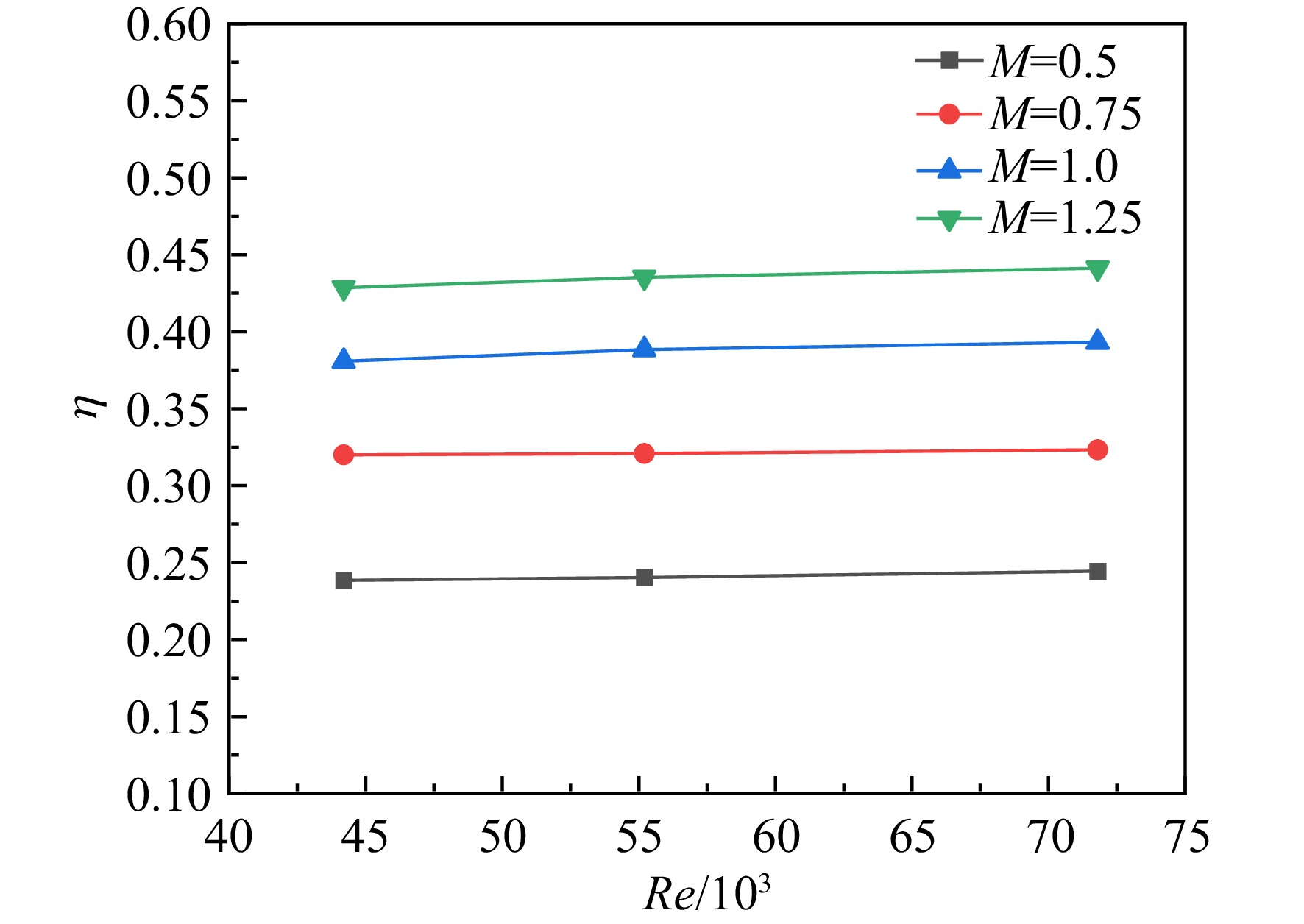
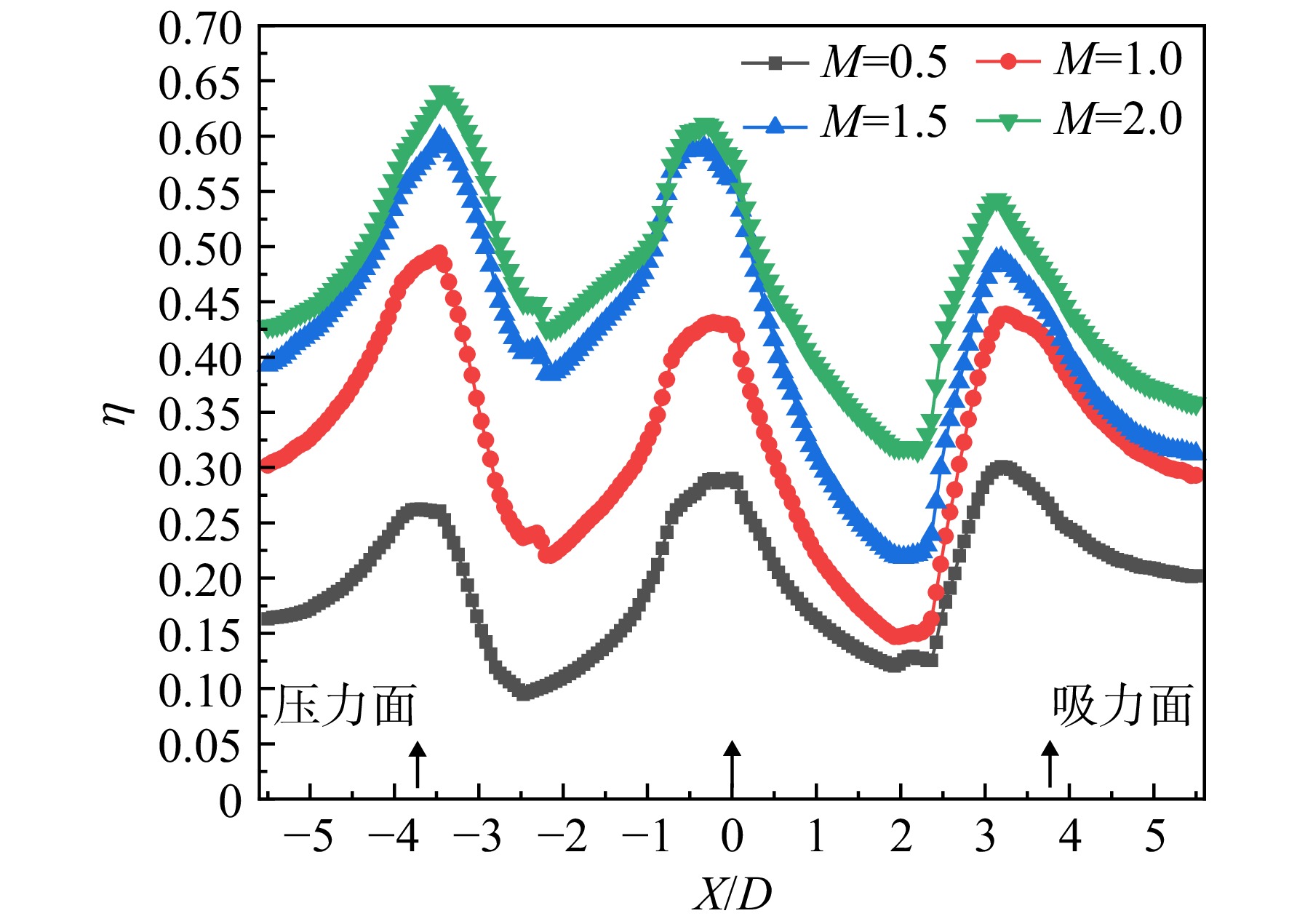
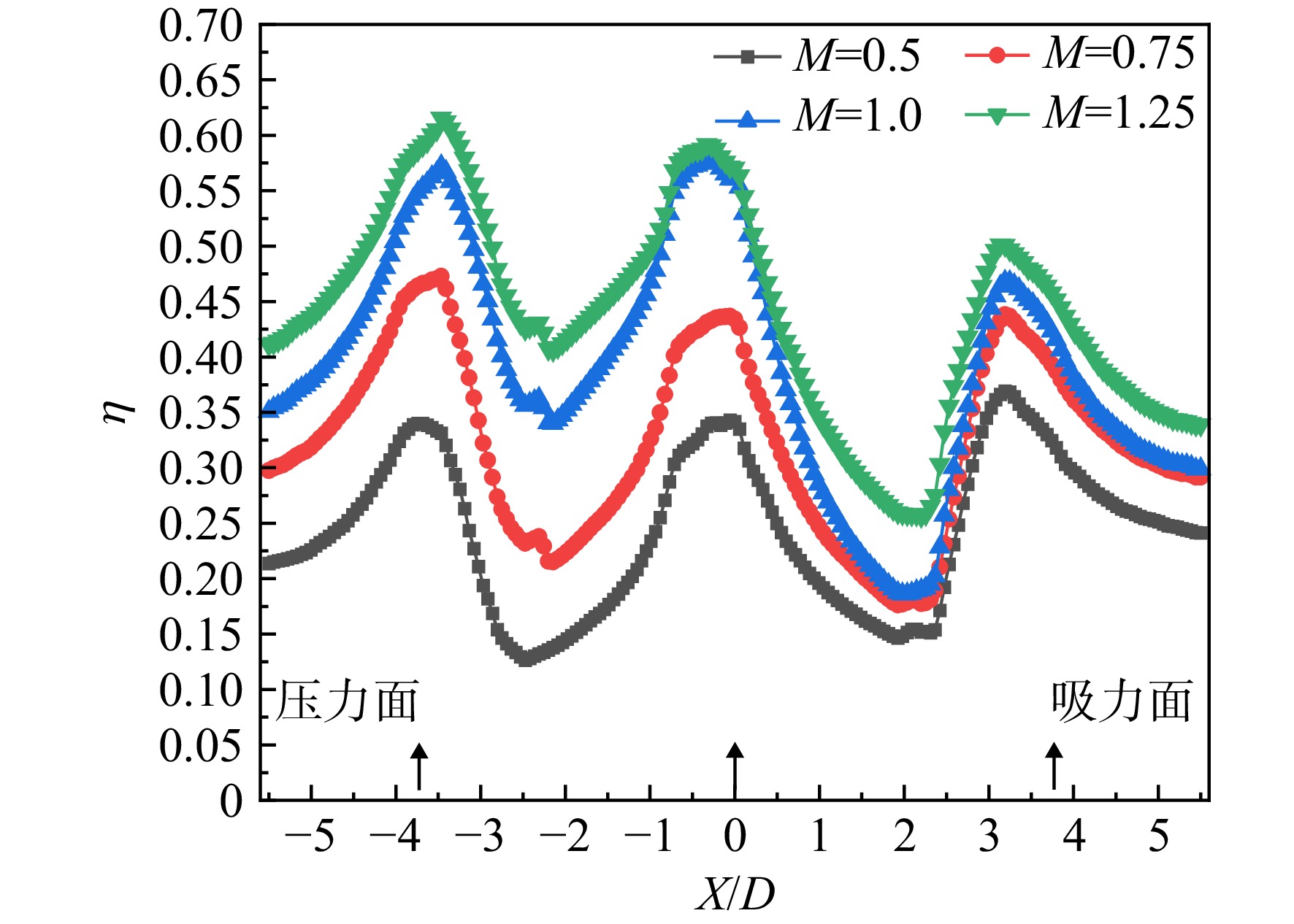
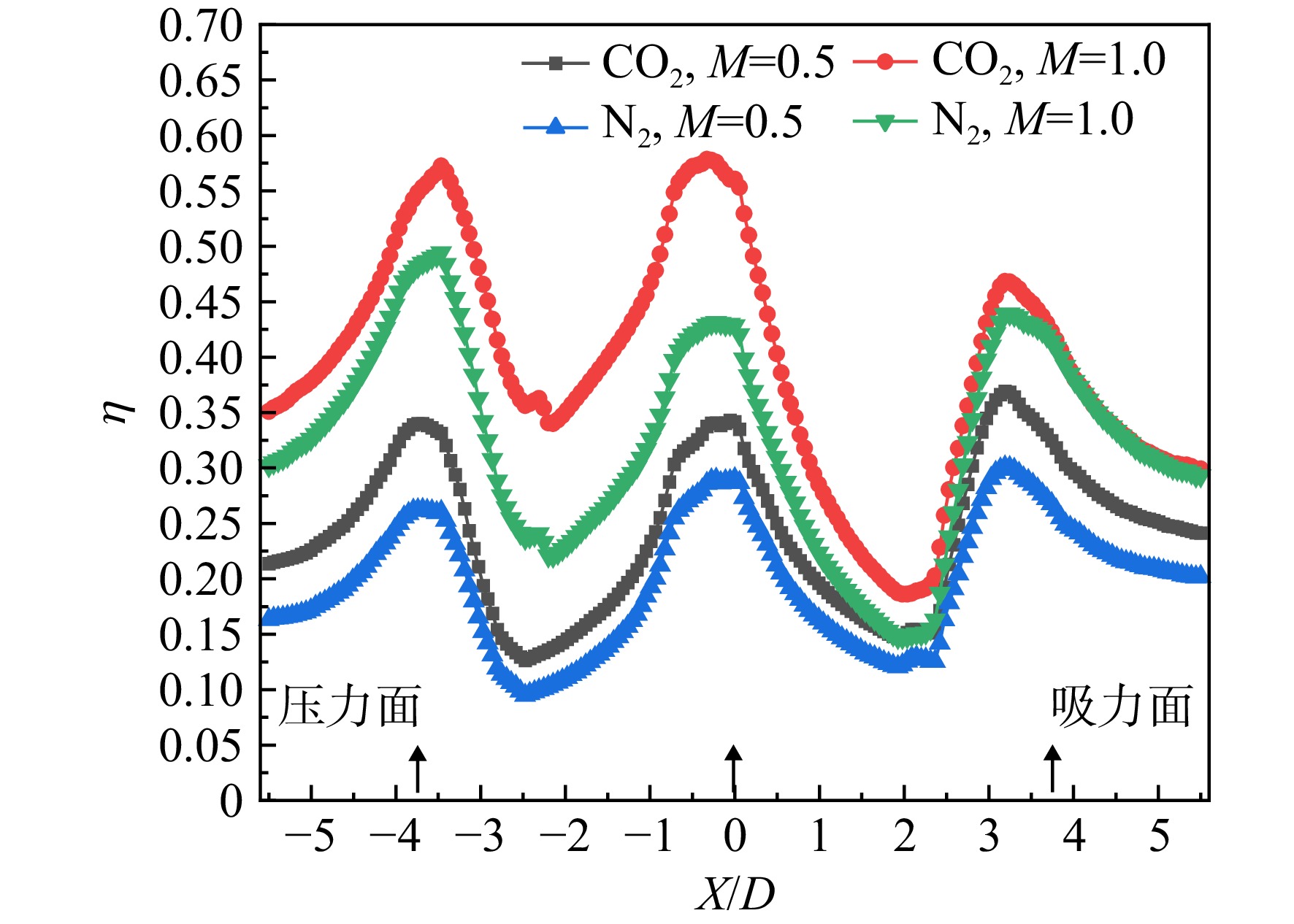
In view of the vulnerability of the turbine blade leading edge to ablation, numerical simulation study was conducted to study the effects of mainstream Reynolds number, coolant-to-mainstream density ratio and blowing ratio on the film cooling characteristics of the leading edge of a rotating twisted turbine blade. The mainstream Reynolds numbers were 44200, 55200 and 71800, respectively. According to the turbine inlet mainstream speeds and velocity triangles corresponding to the three different Reynolds numbers while the rotational number was kept constant (0.001 8), 400 r/min, 500 r/min and 650 r/min turbine speeds at zero angle of attack were obtained for three different Reynolds numbers. N2 and CO2 were used as coolants to achieve coolant-to-mainstream density ratios of 1.04 and 1.56, respectively. Results showed that when the density ratio and blowing ratio were the same, the film covering area and cooling effectiveness of the twisted blade leading edge increased with the increase of Reynolds number. Regardless of the density ratio, when the blowing ratio was the same, the film cooling effectiveness on the pressure surface was higher than that on the suction surface under the three Reynolds numbers. For the N2 case, the average film cooling effectiveness increased with the increase of Reynolds number at −5.5<X/D<0.5. For the CO2 case, the average film cooling effectiveness increased with the increase of Reynolds number at −3.75<X/D<0.5. Under constant blowing ratio, the average film cooling effectiveness of the two types of coolant increased with the increase of Reynolds number. The average spanwise film cooling effectiveness of the whole leading edge increased with the blow ratio increases. When the blowing ratio was the same, the average film cooling effectiveness provided by the higher density coolant CO2 was higher than that of the lower density coolant N2.

Experimental research on operating characteristics of pulse detonation engine at elevated initial pressure
MA Pengfei, FENG Zaijie, ZHANG Haotian, LEI Qingchun, WANG Ke, CHEN Shuang, FAN Wei
2026, 41(4): 20240422. doi: 10.13224/j.cnki.jasp.20240422
Abstract:

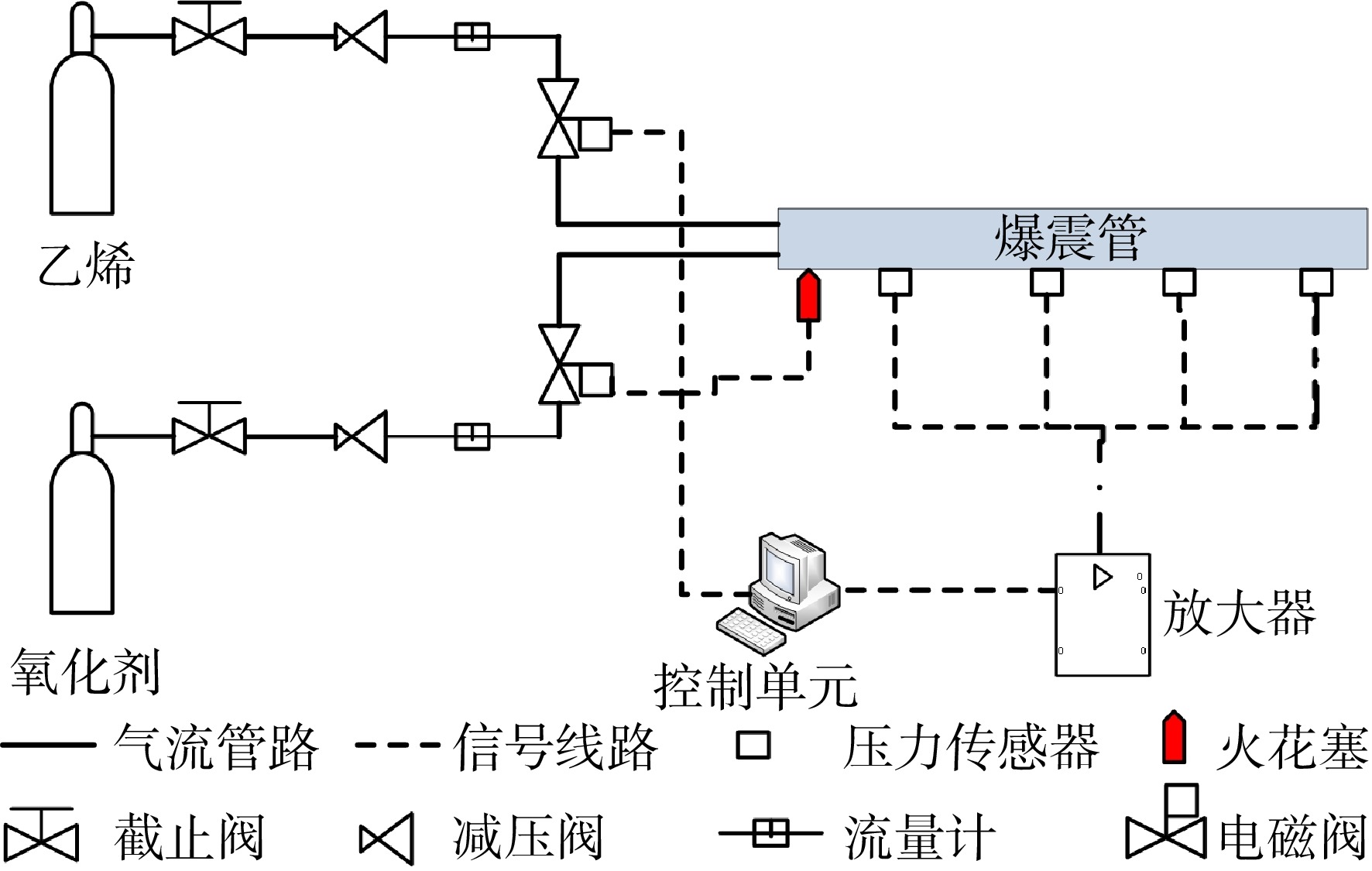
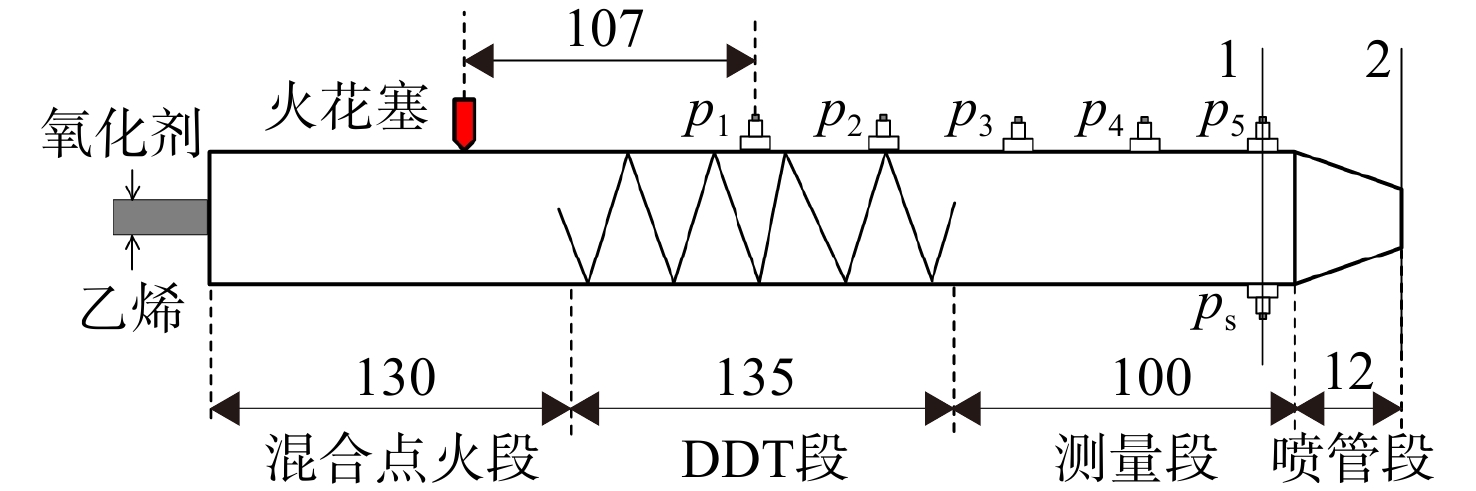
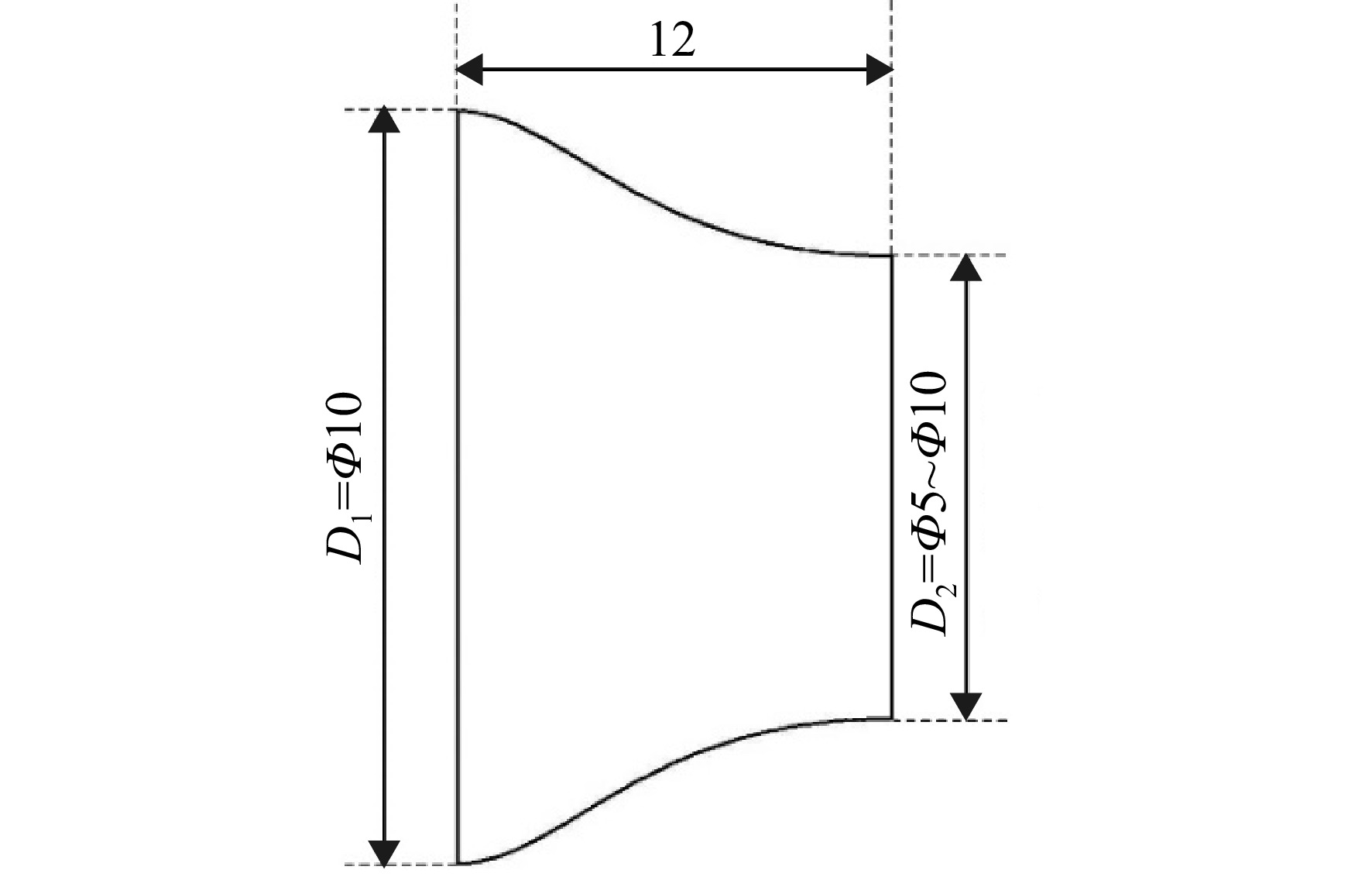
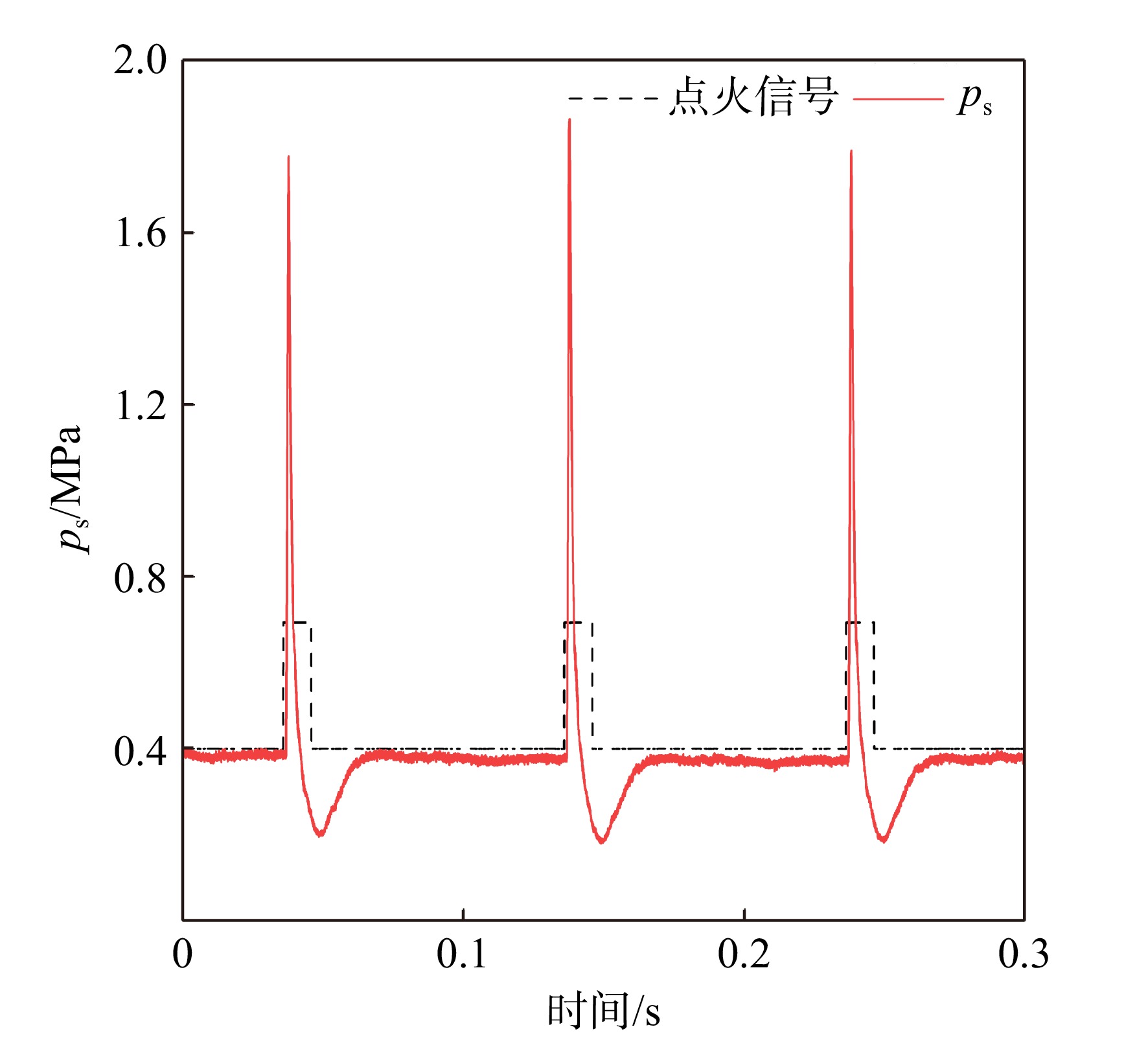
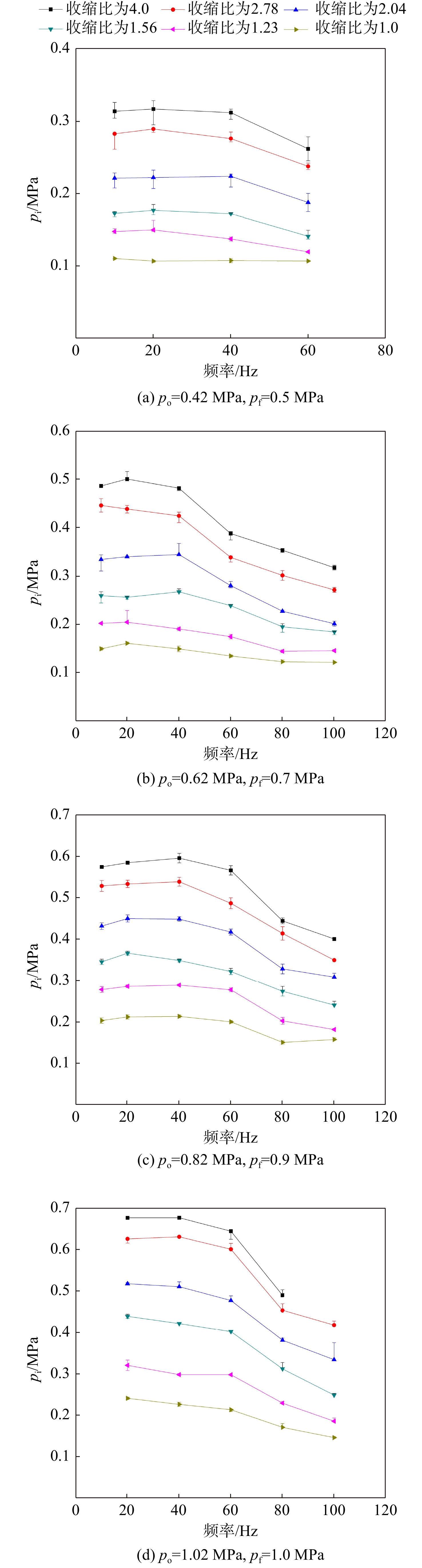
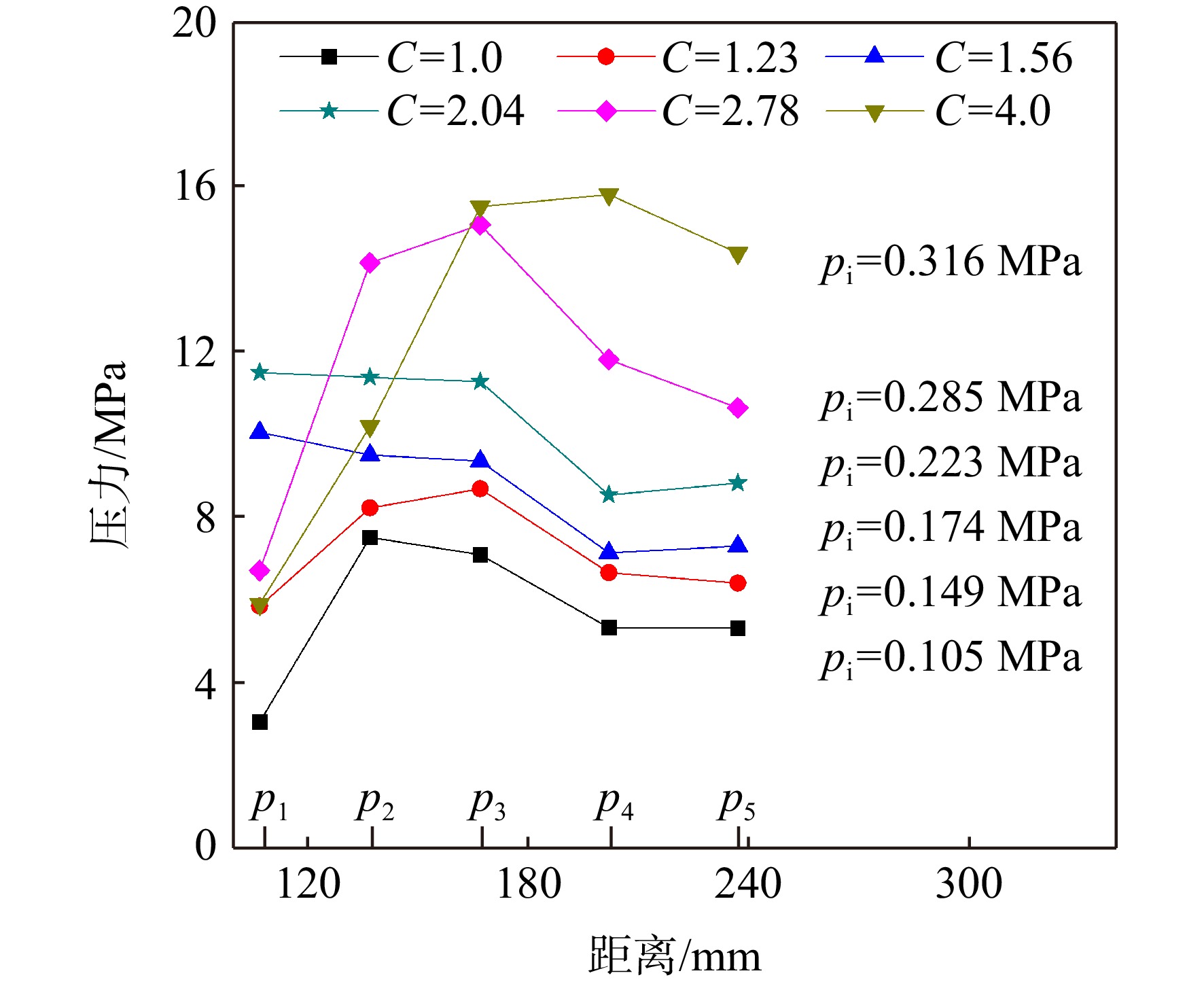
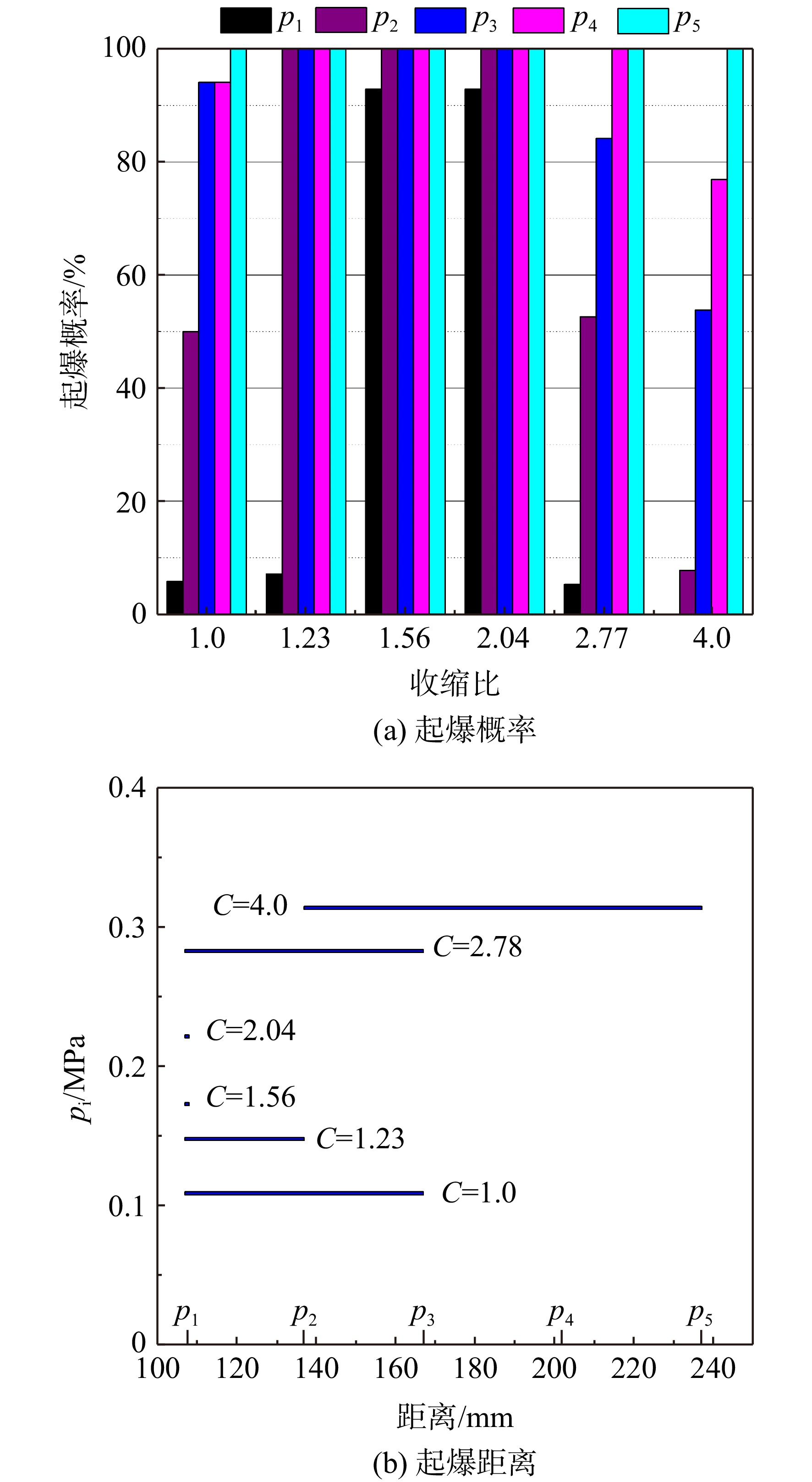
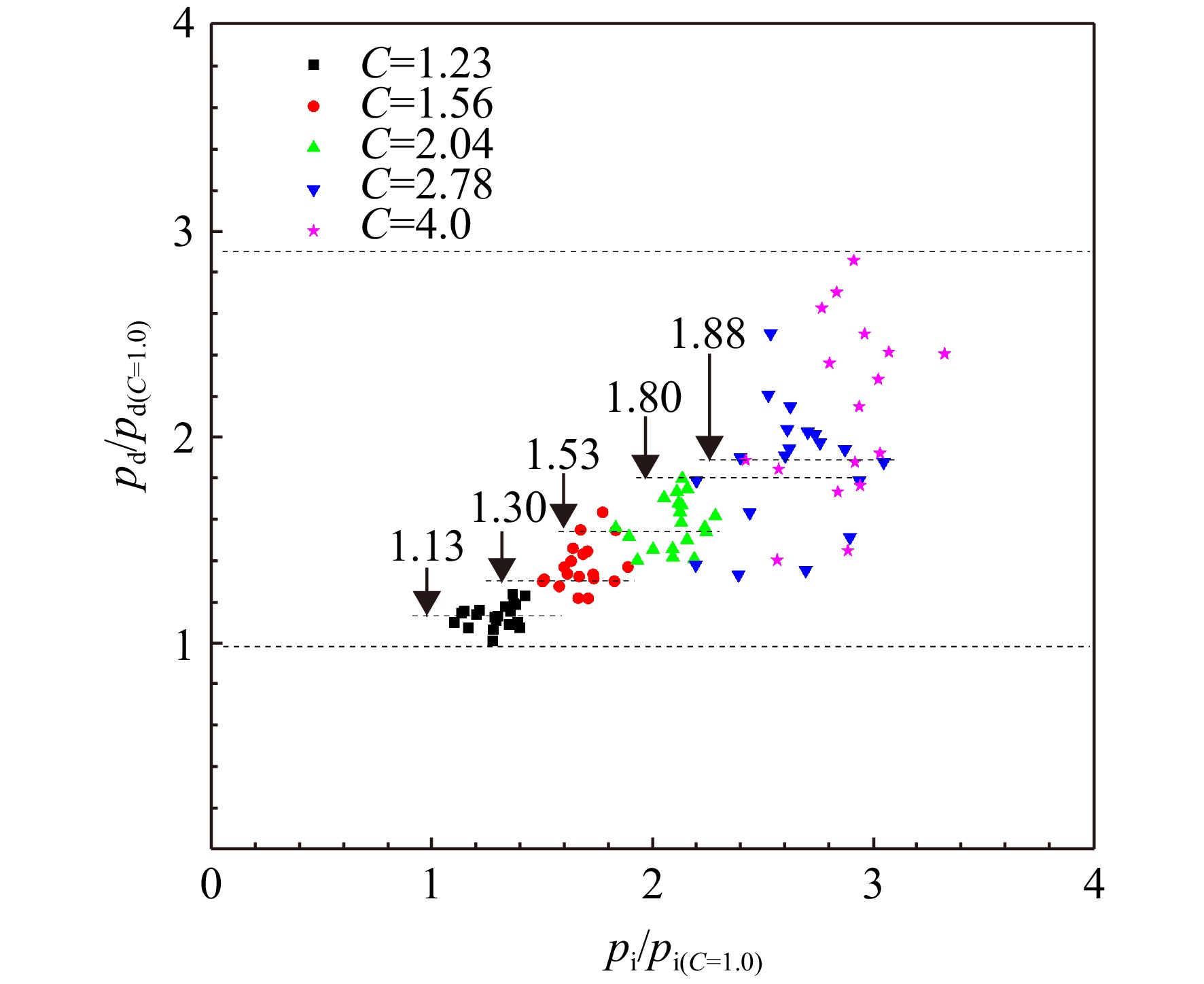
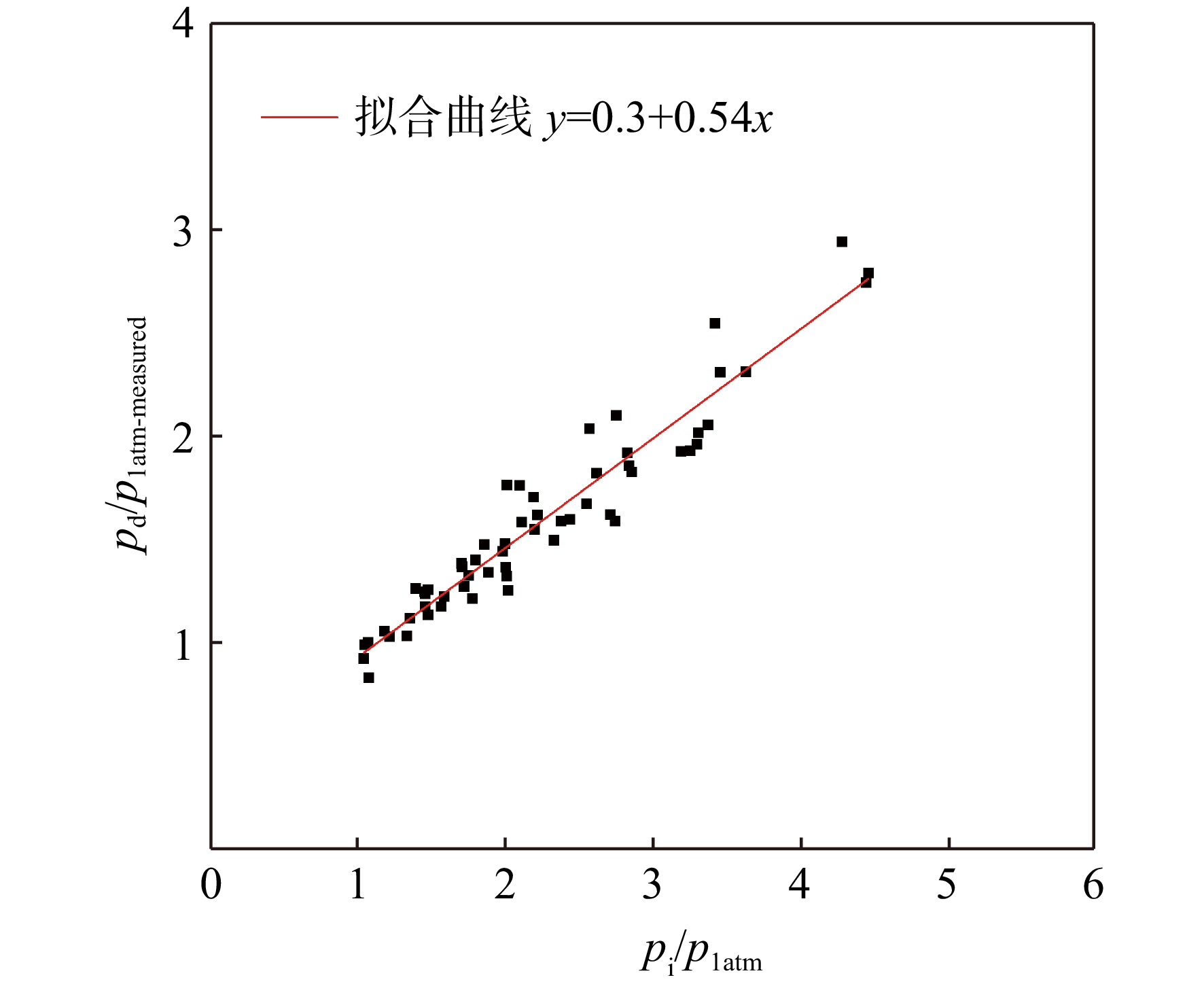
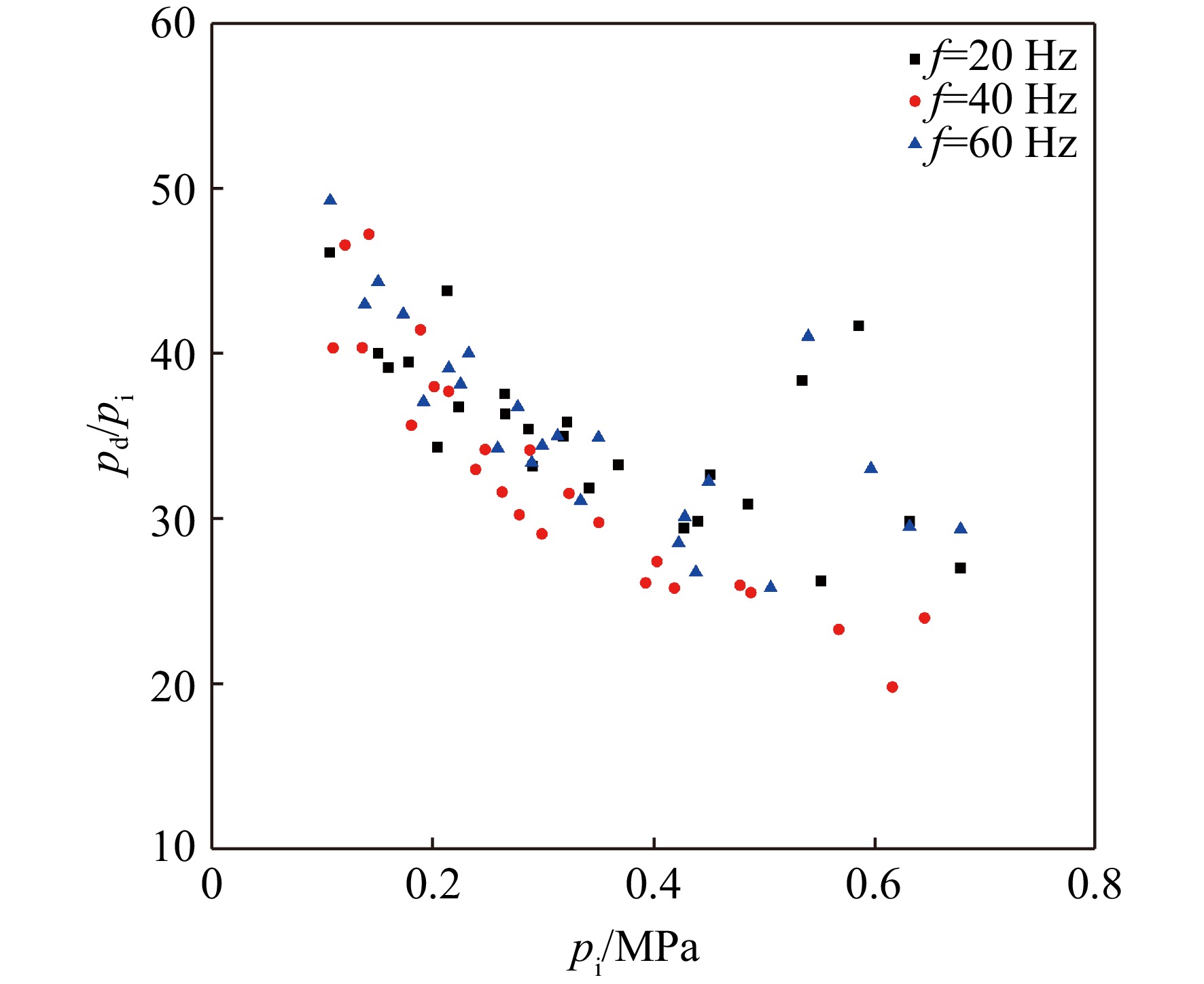
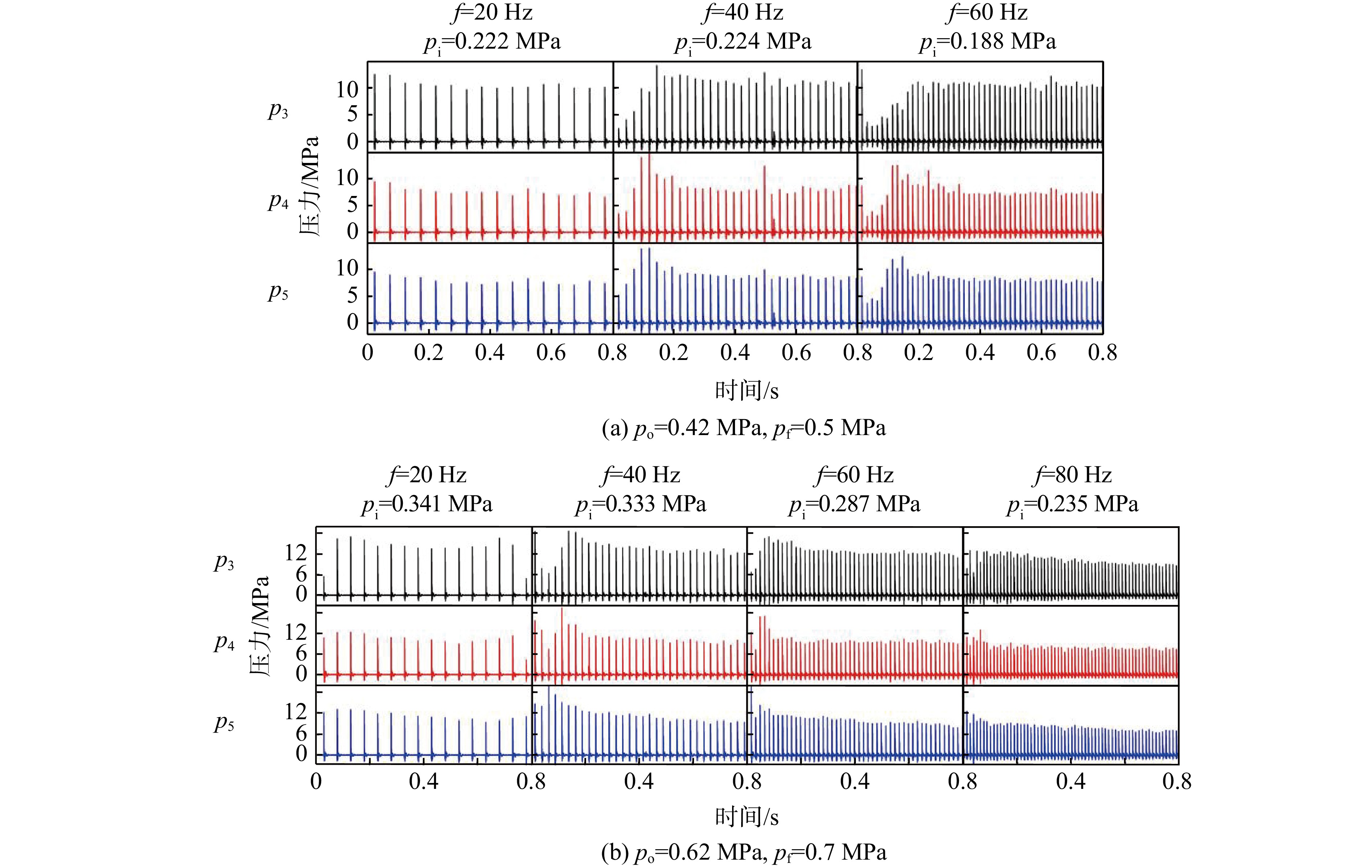
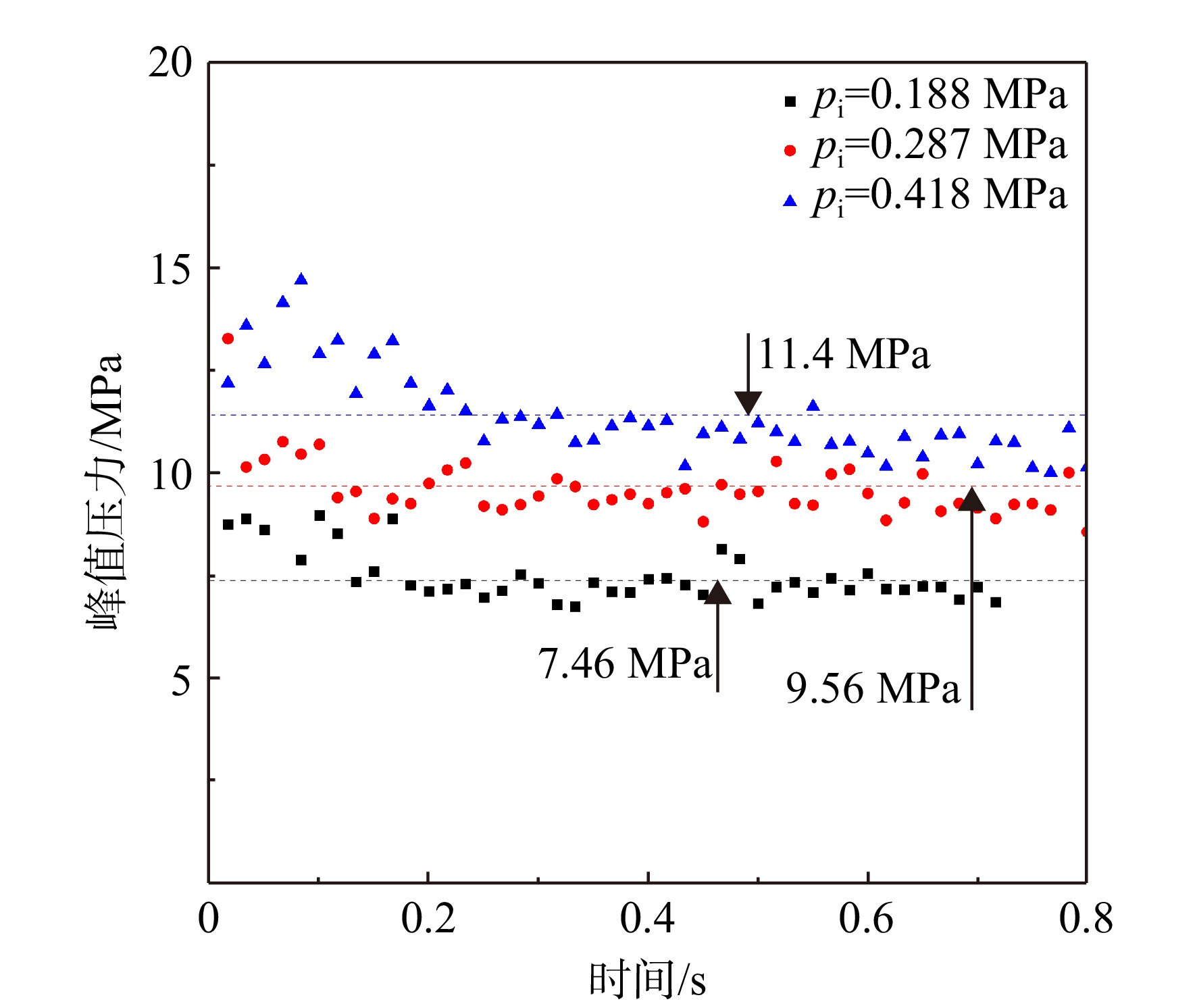
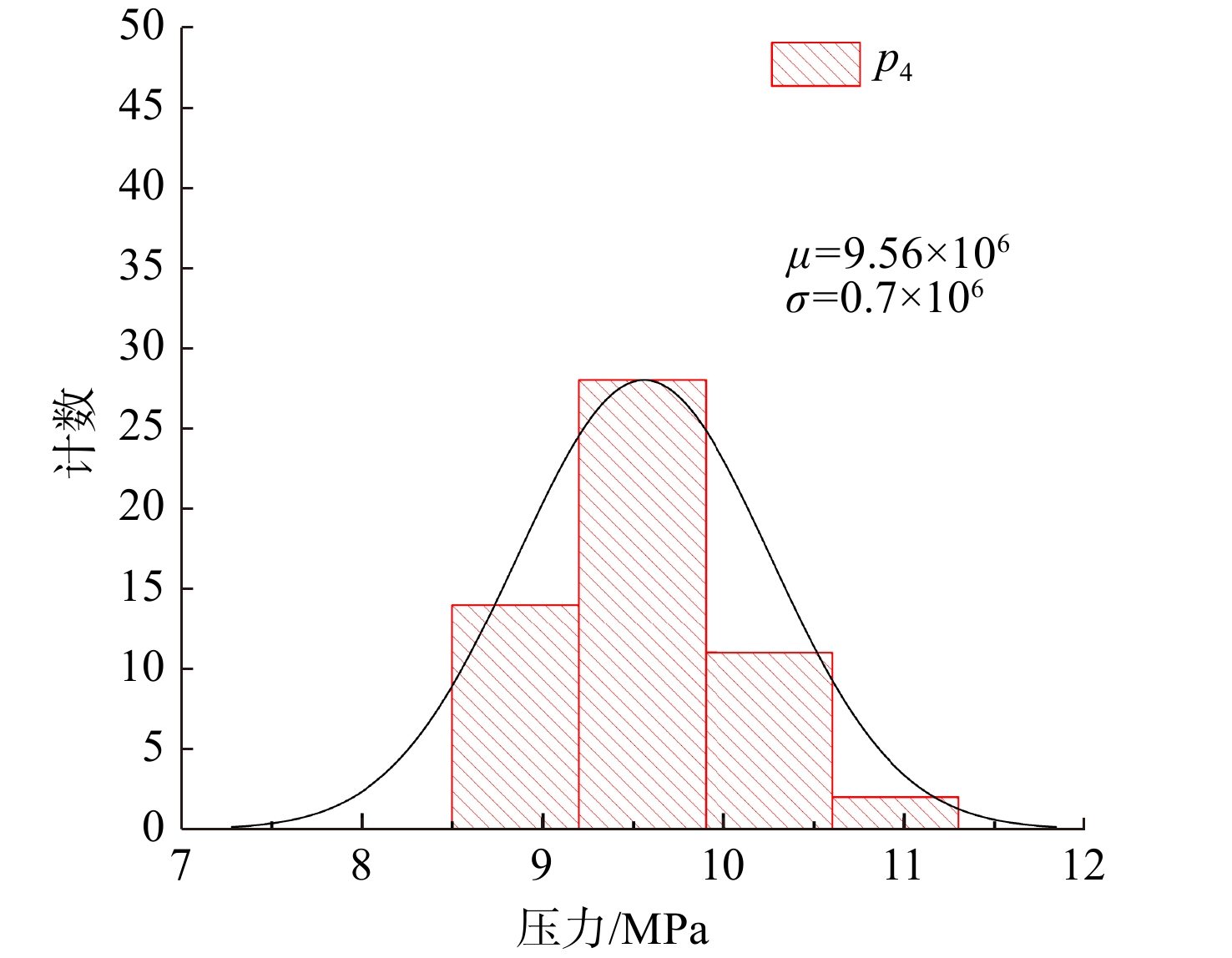
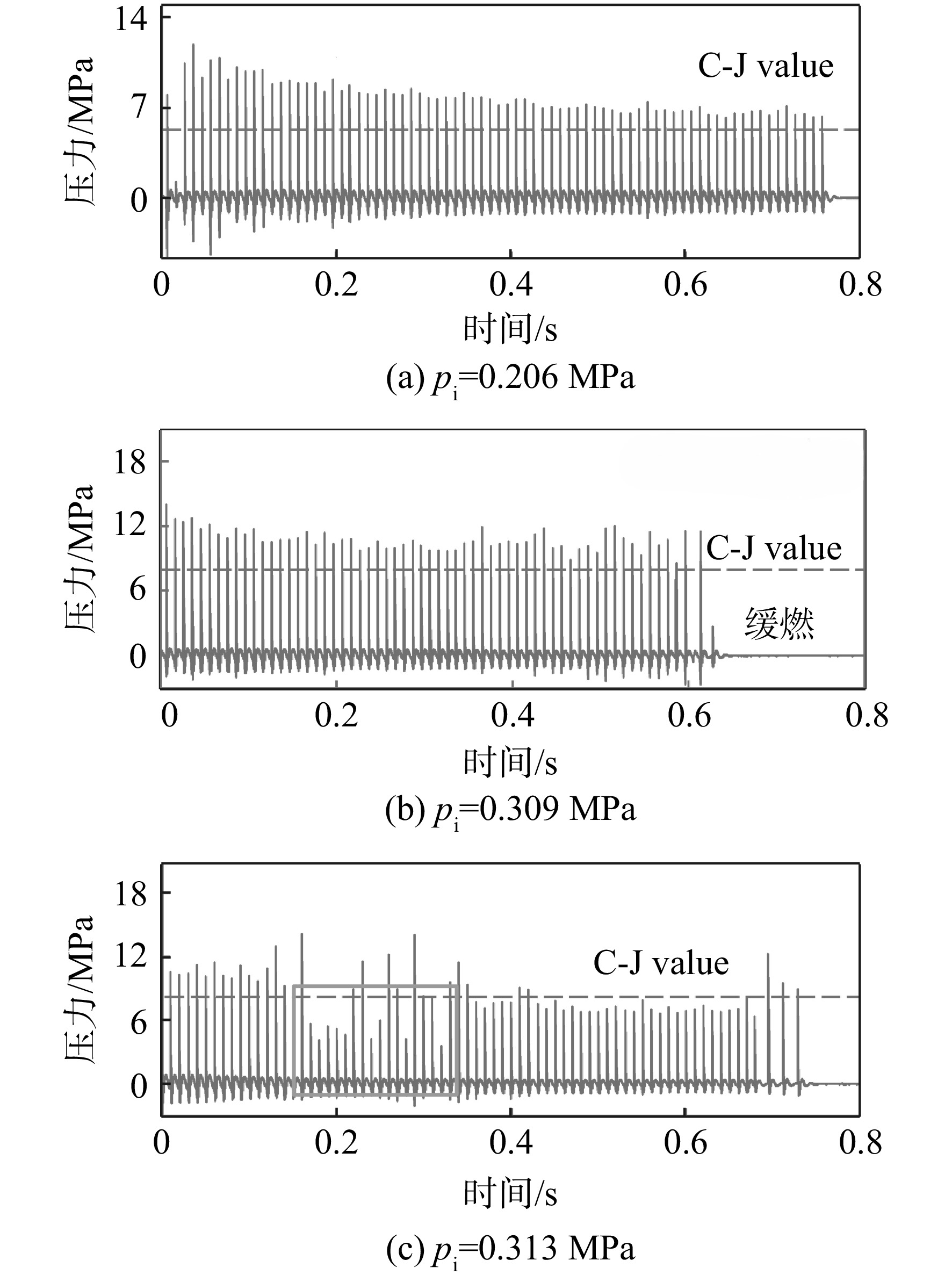
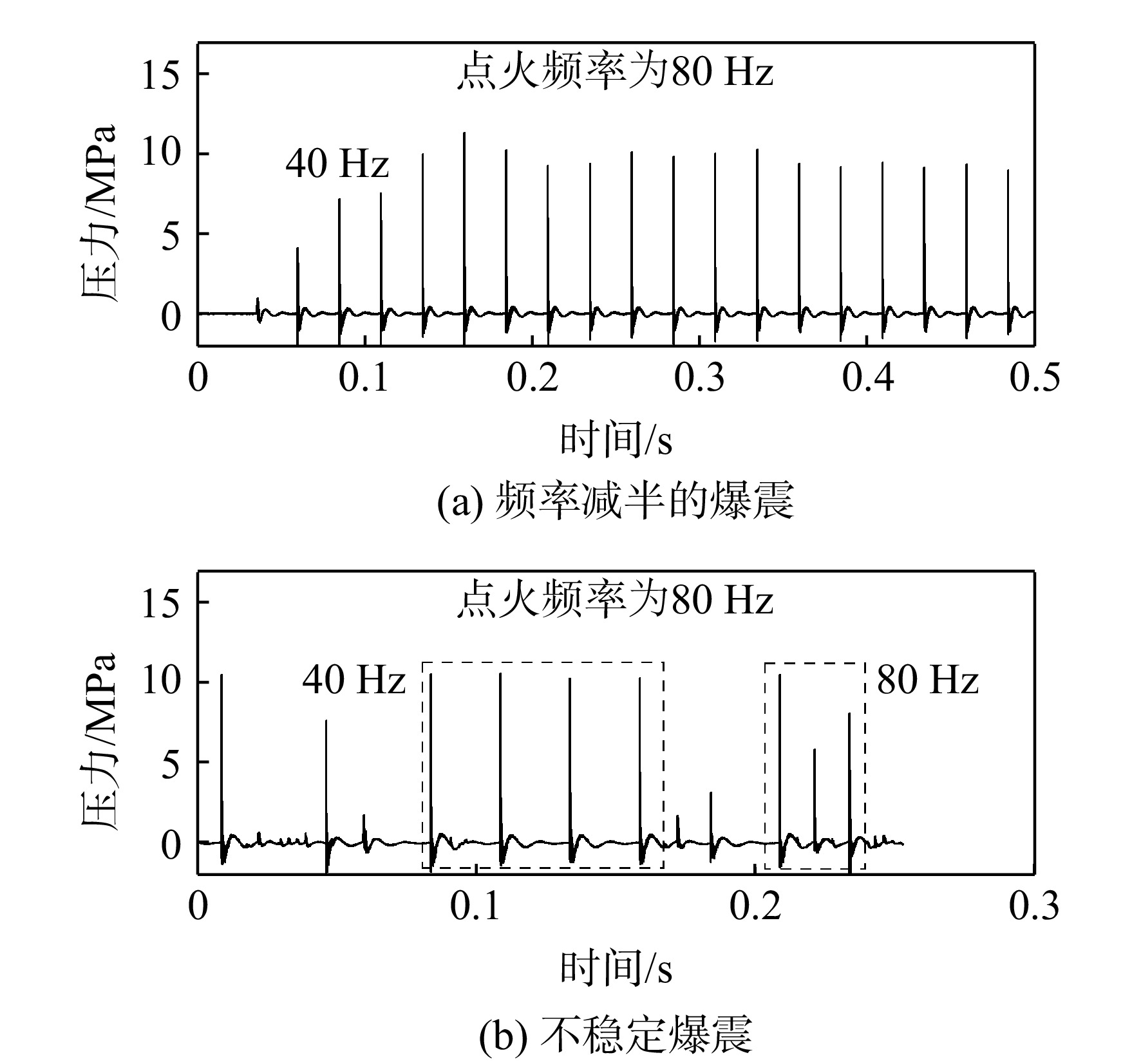
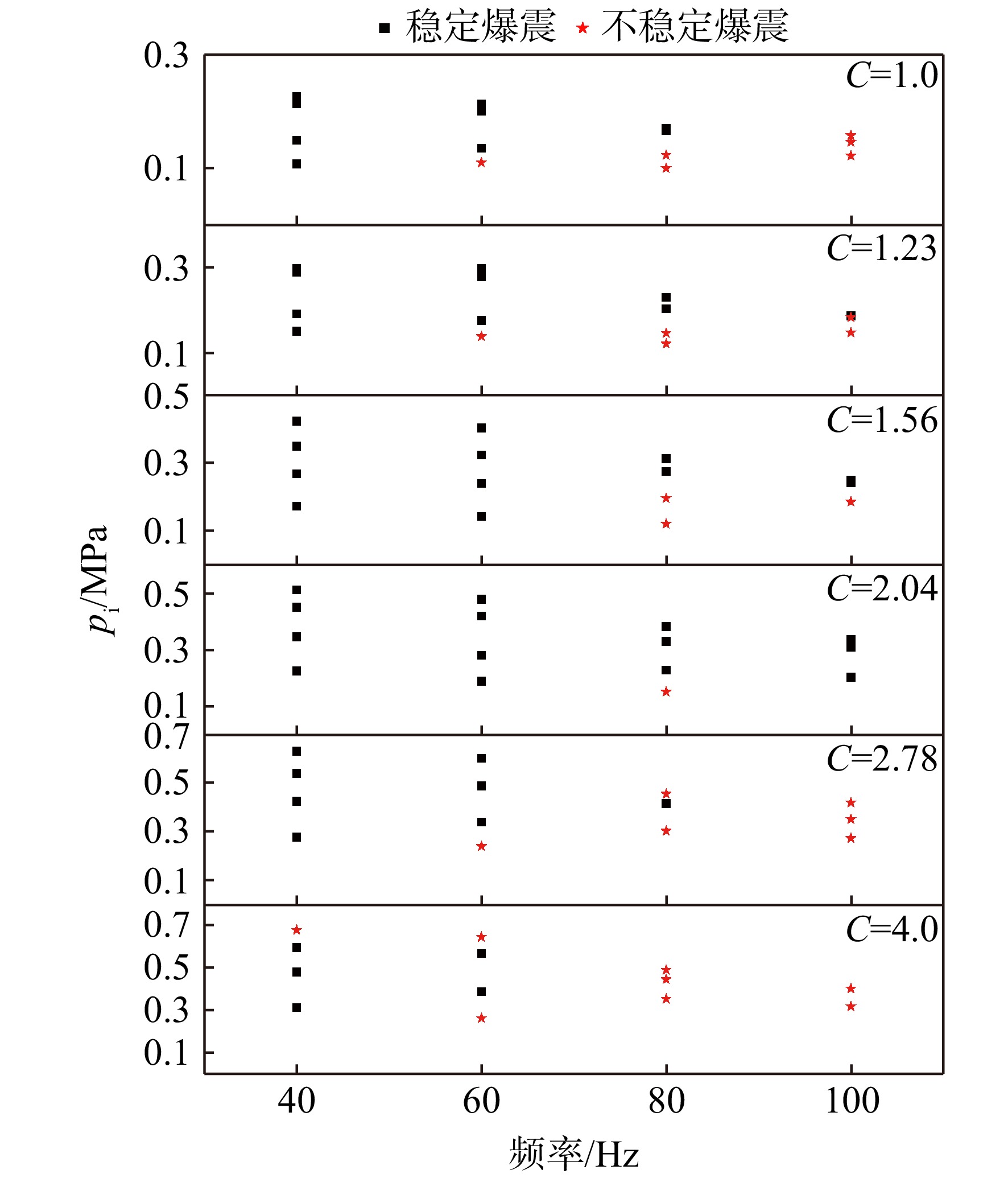
To investigate the effect of high initial pressure on the initiation and propagation characteristics of detonation waves in pulse detonation engines, and to further explore the stable propagation characteristics of high-frequency detonation, experimental studies were conducted in a 10 mm inner diameter detonation tube with ethylene as fuel and oxygen-enriched air (40% by volume) as oxidizer. The initial high-pressure conditions were successfully achieved in the detonation combustion using different contraction ratios, with a maximum initial pressure of 0.68 MPa. The results showed that an increase in contraction ratio and supply pressure could increase the initial pressure of the combustion. As the contraction ratio increased, the initial pressure increased, and the DDT distance first decreased and then increased, reaching a minimum value at the contraction ratio of 2.04. When the contraction ratio was less than 2.04, the peak pressure of the detonation wave increased linearly with the initial pressure. As the initial pressure increased, the range of stable detonation frequency broadened, but the peak pressure fluctuations of detonation wave increased. When the contraction ratio exceeded 2.04, an increase in initial pressure caused the stable detonation mode to transition to the unstable detonation mode.

Numerical simulation study on mixing and combustion enhancement for pulse thermal jet
DU Shengjie, XIONG Cha, ZHAO Minghao, QI Yanpeng, QIU Hua
2026, 41(4): 20240316. doi: 10.13224/j.cnki.jasp.20240316
Abstract:

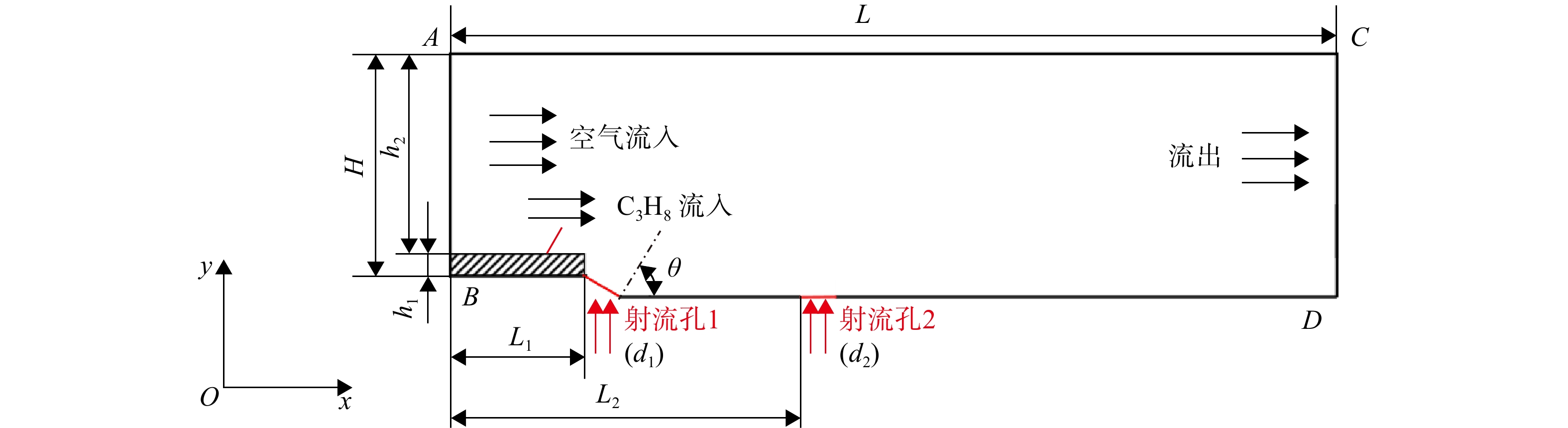
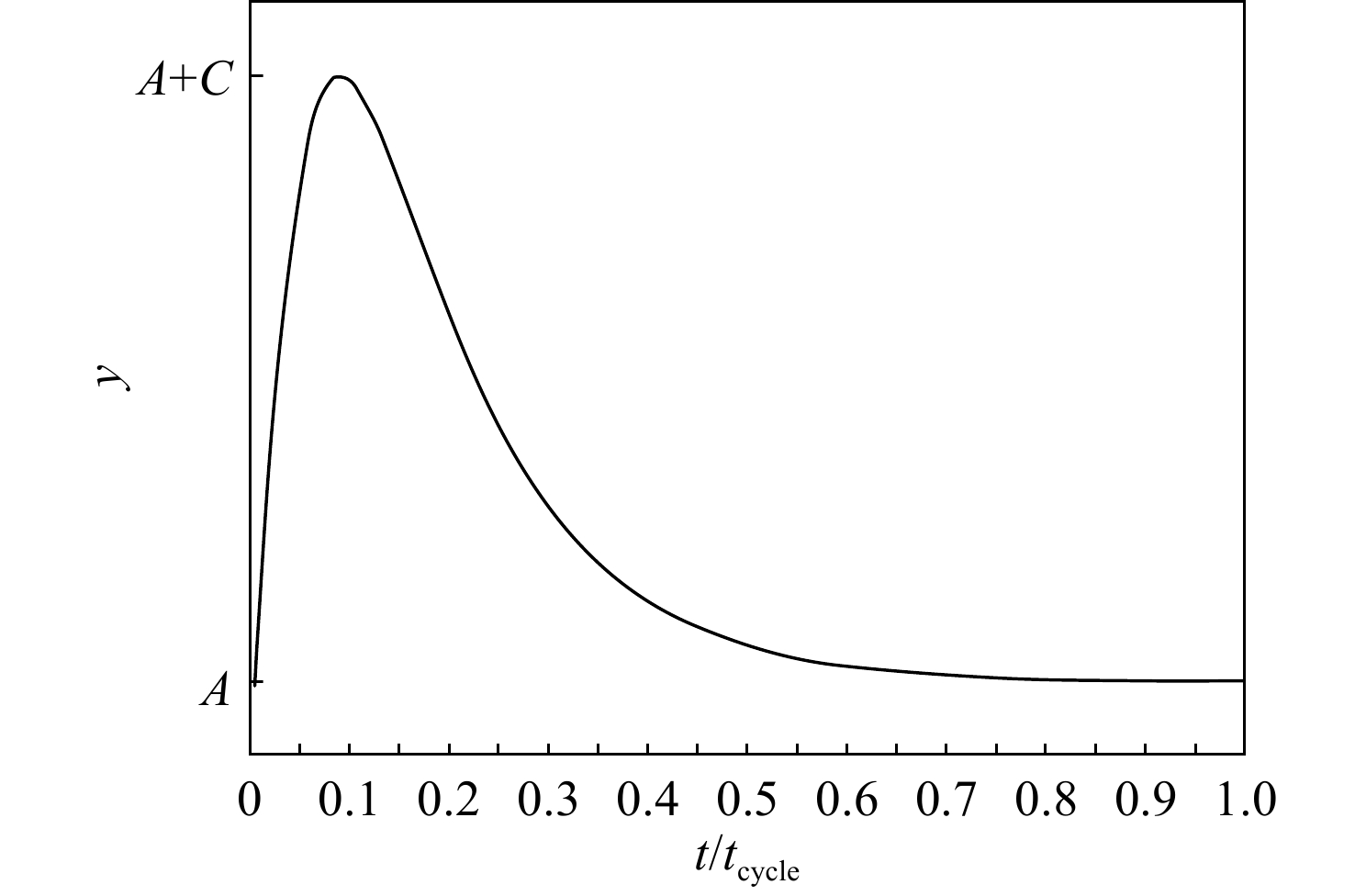
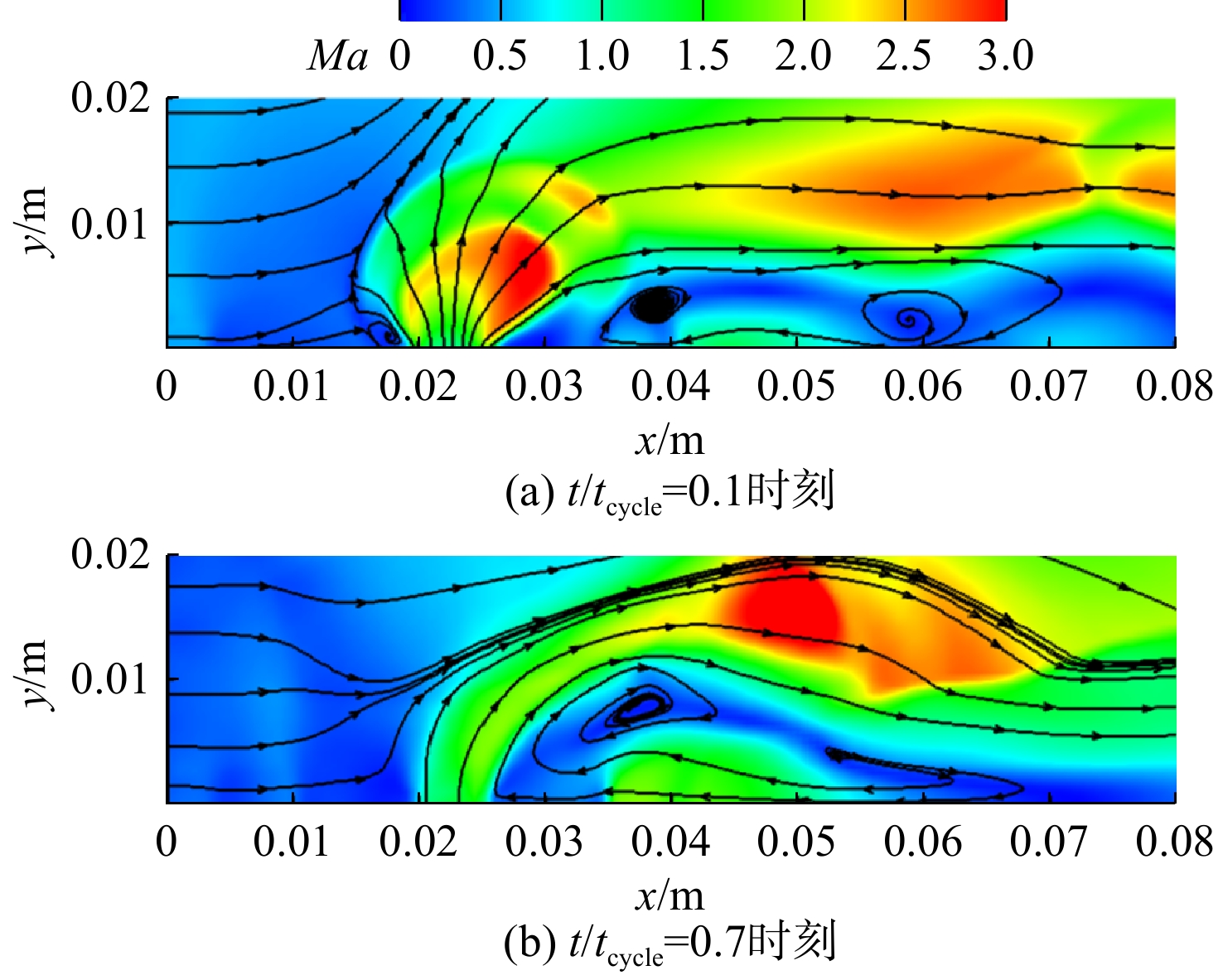
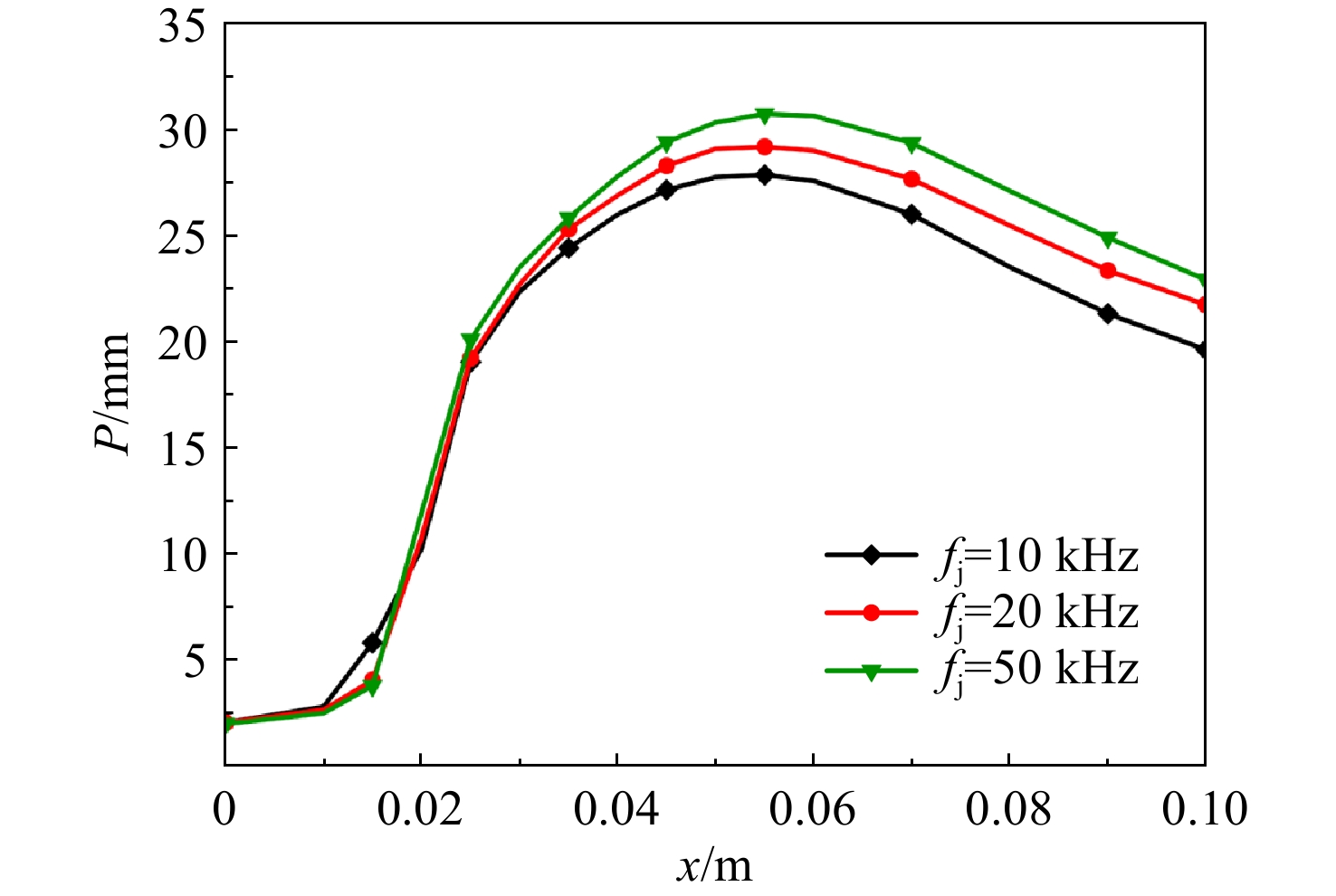
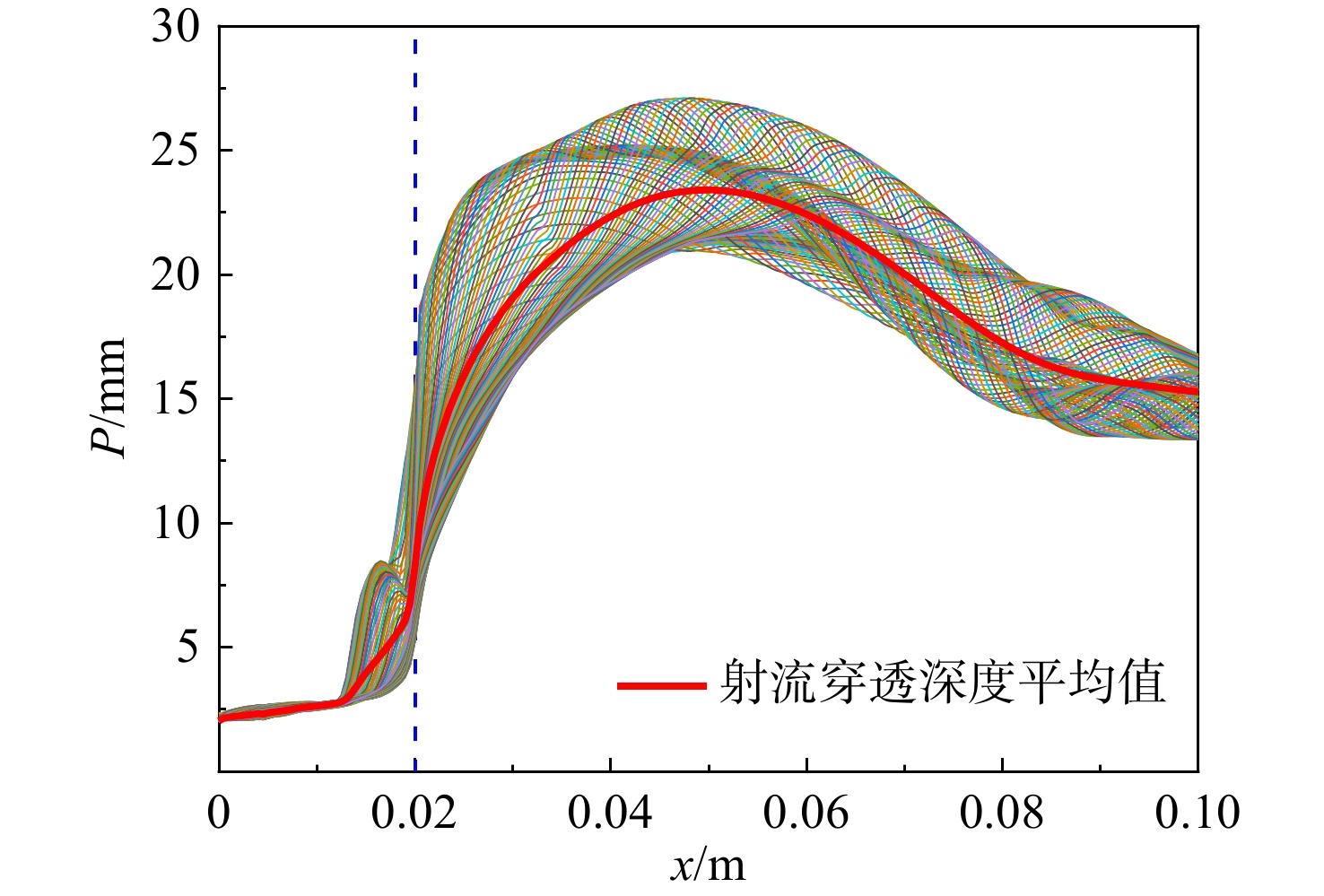
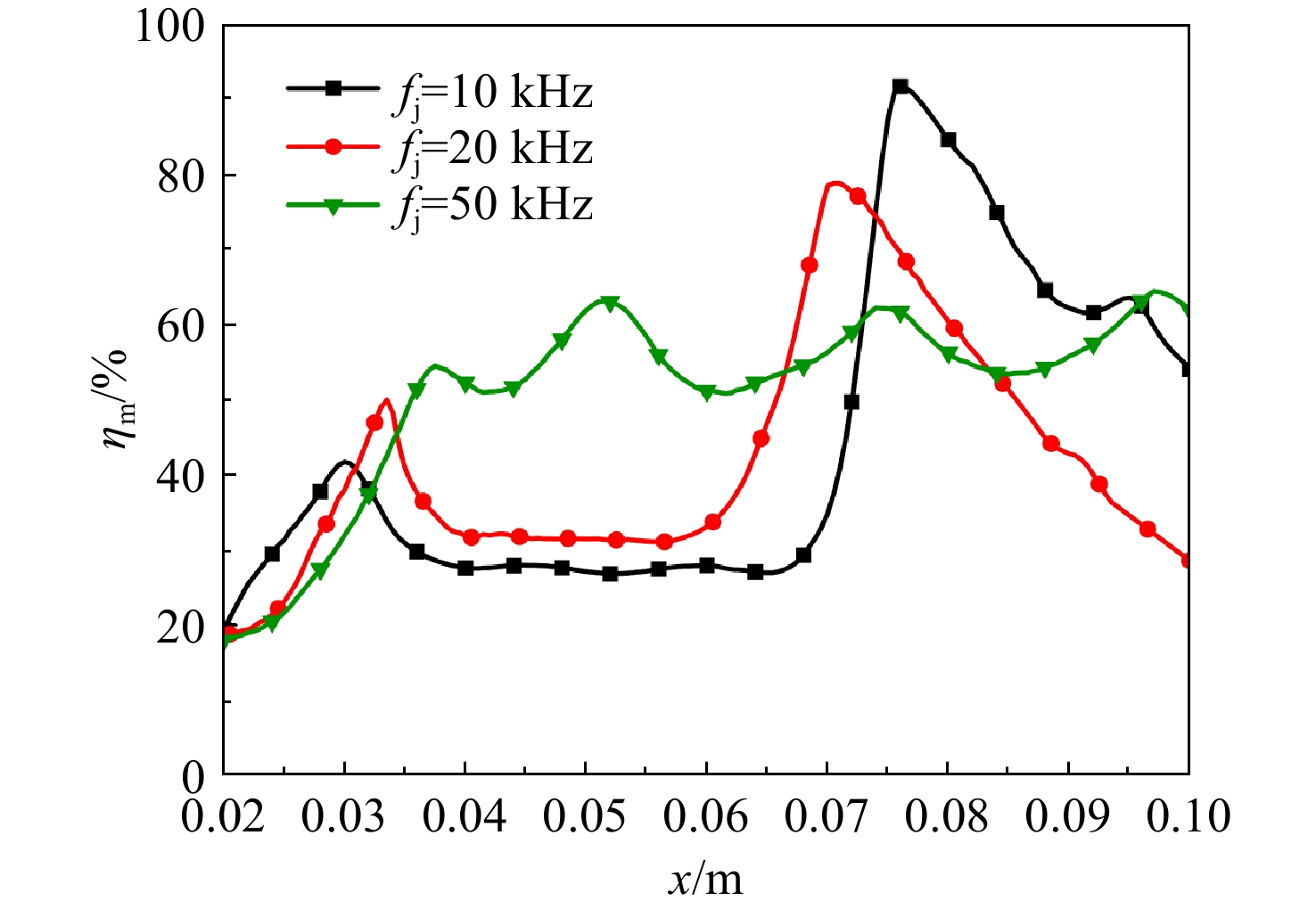
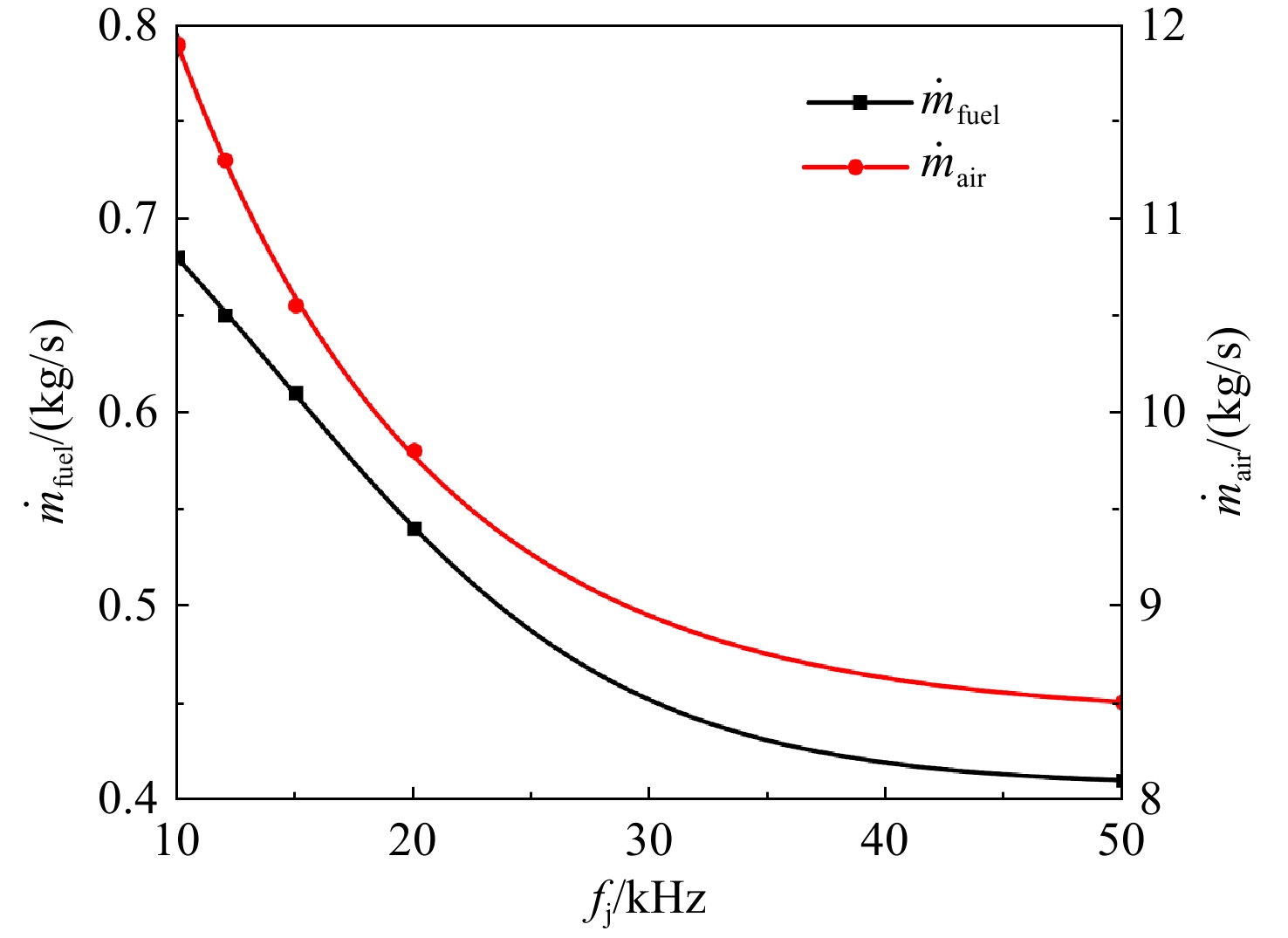
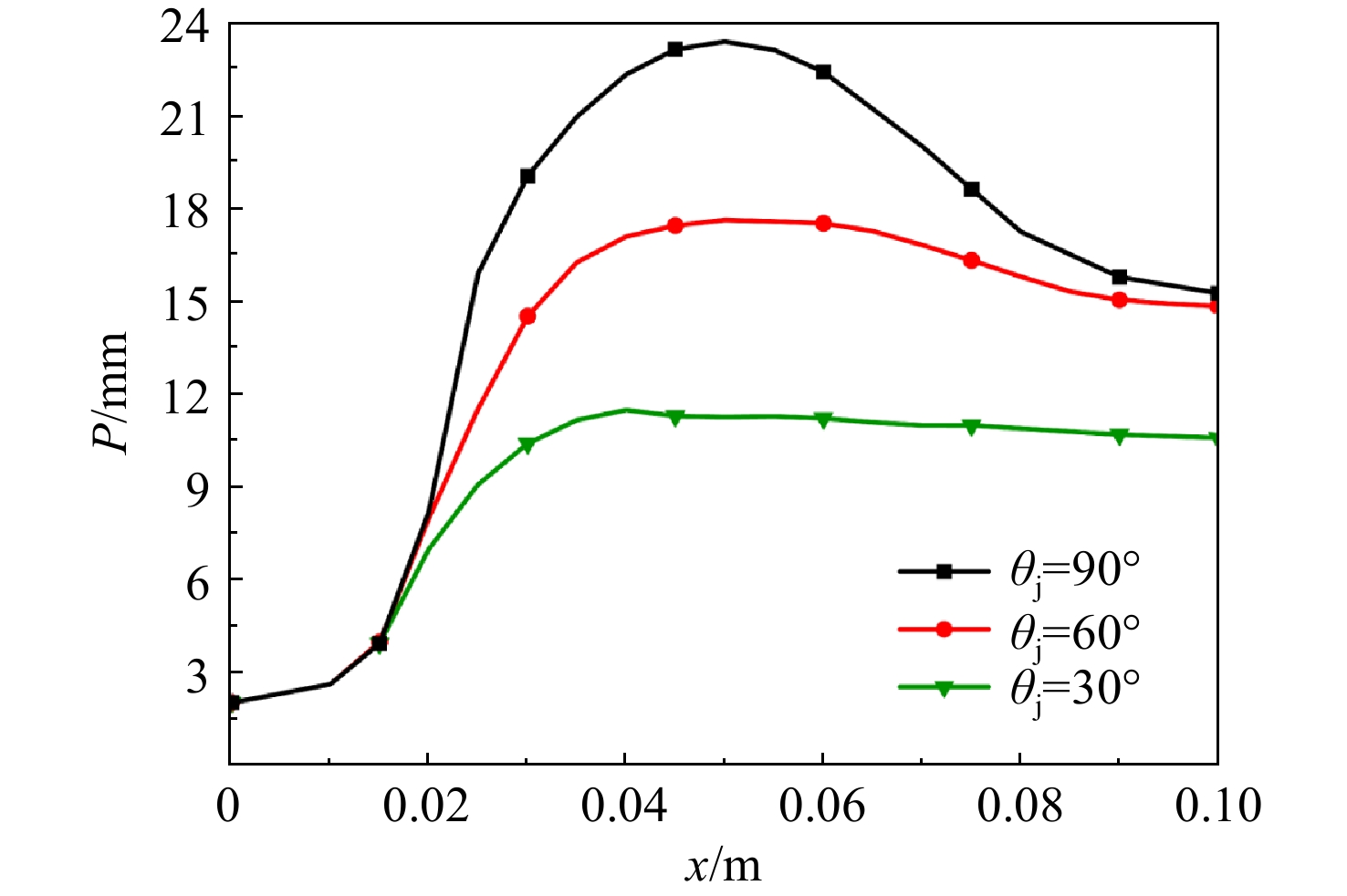
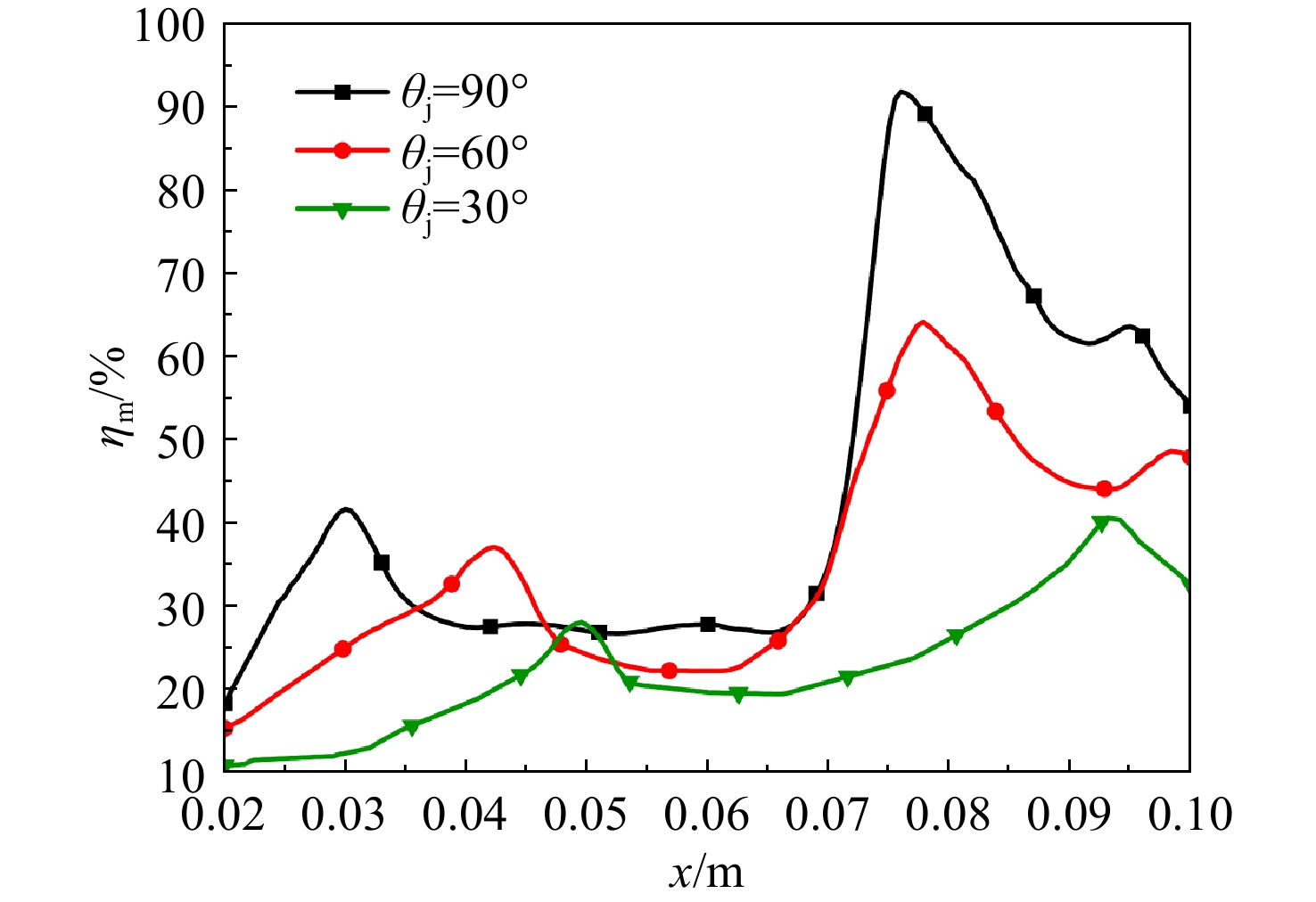
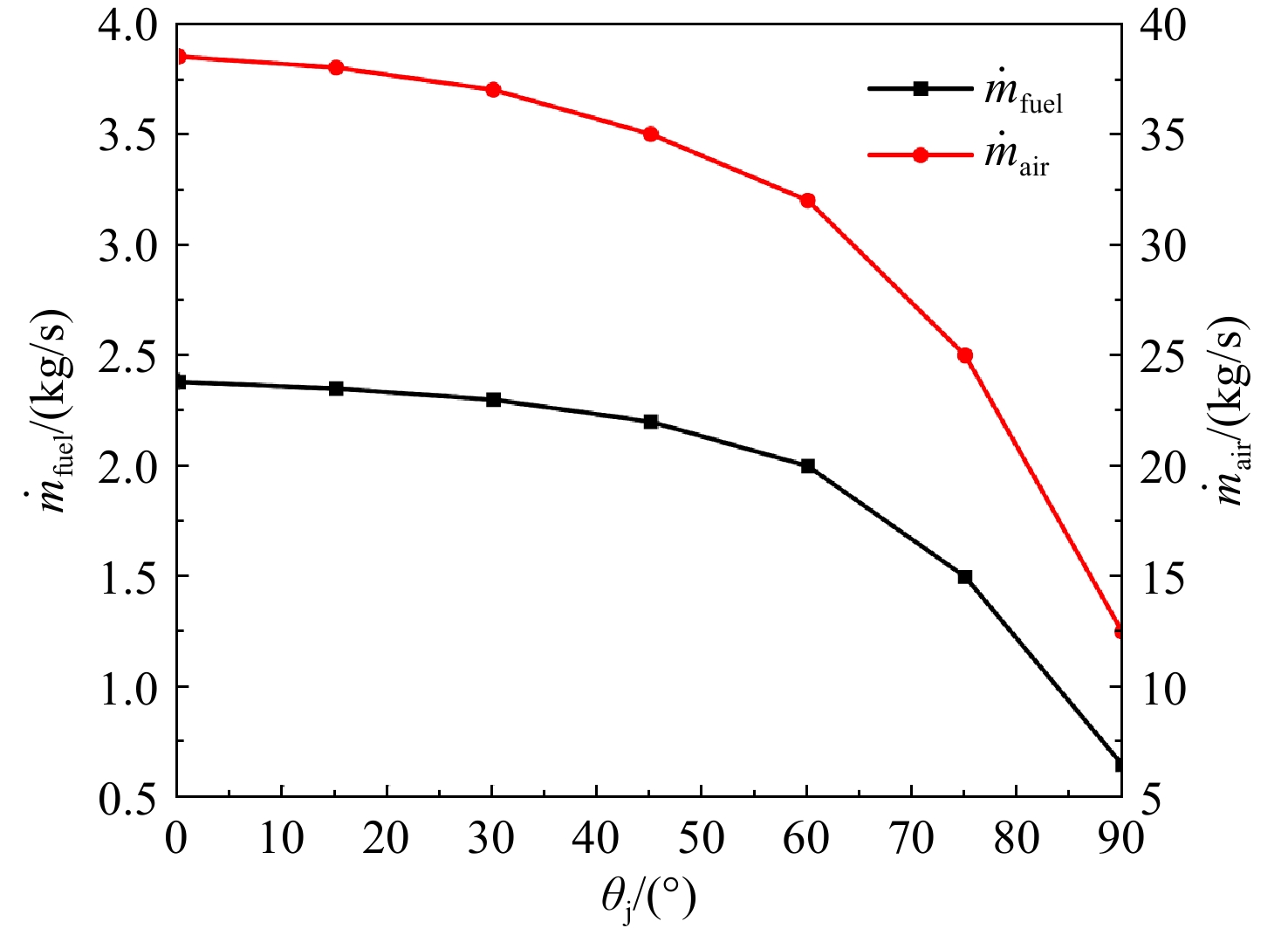
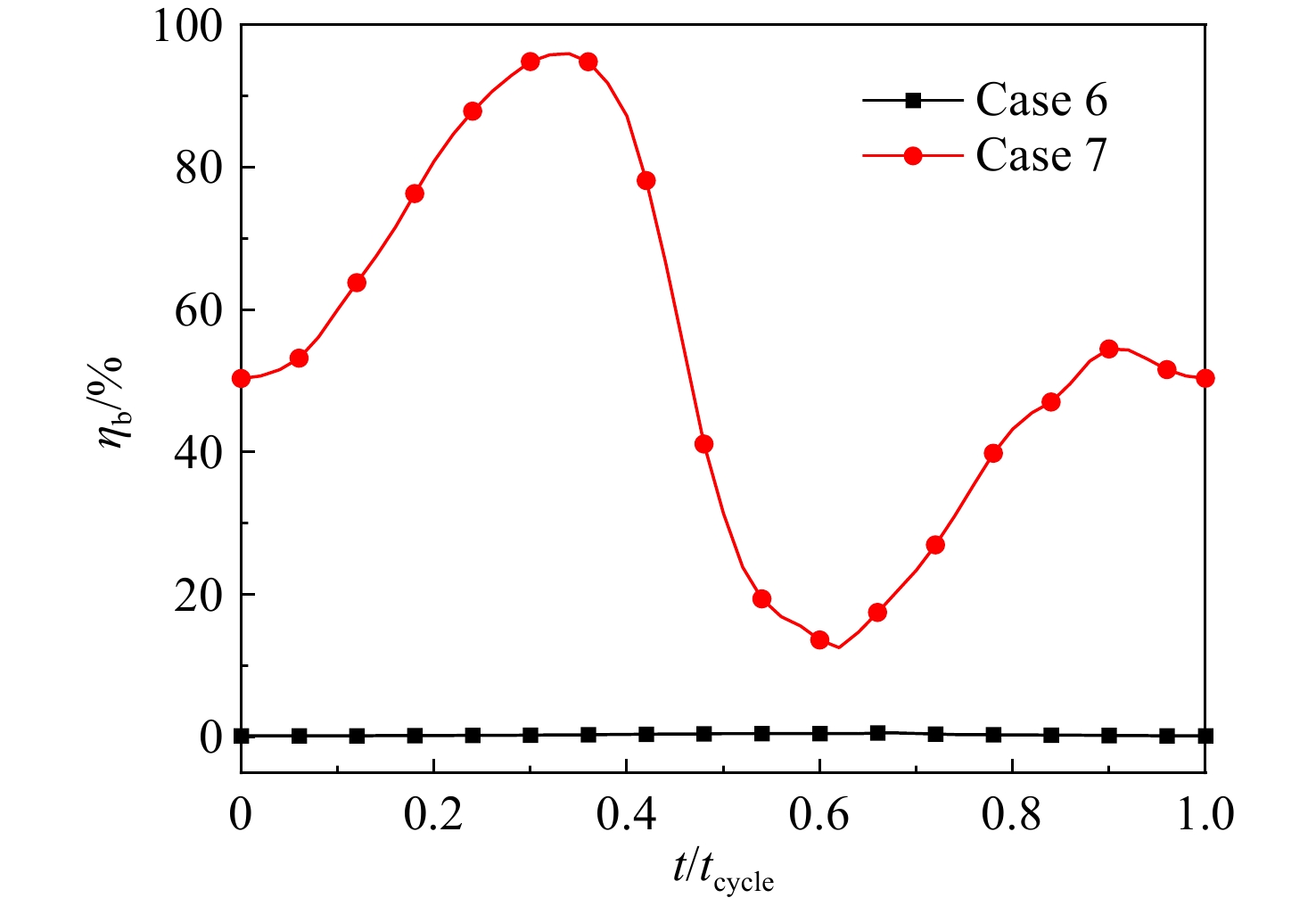
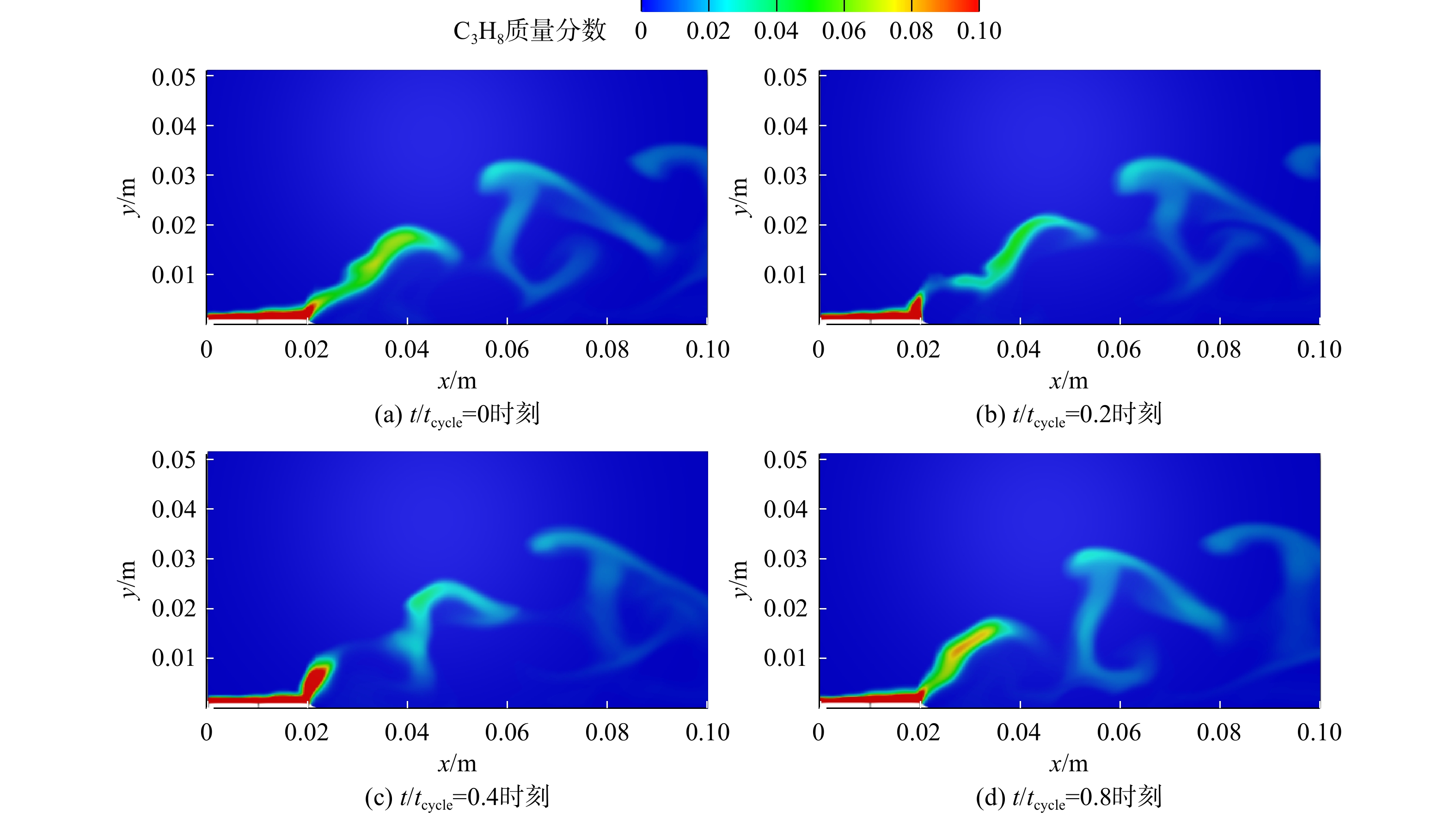
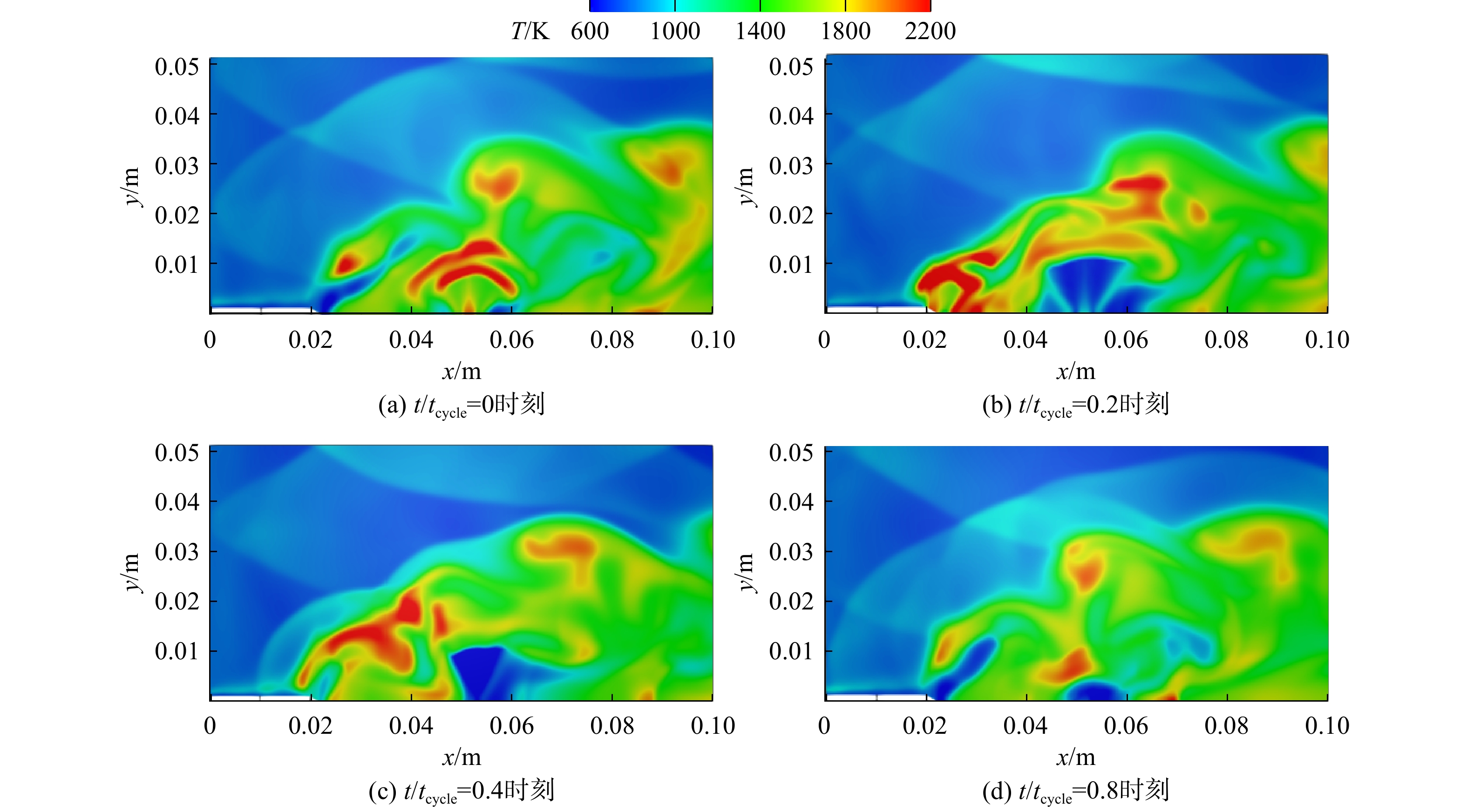
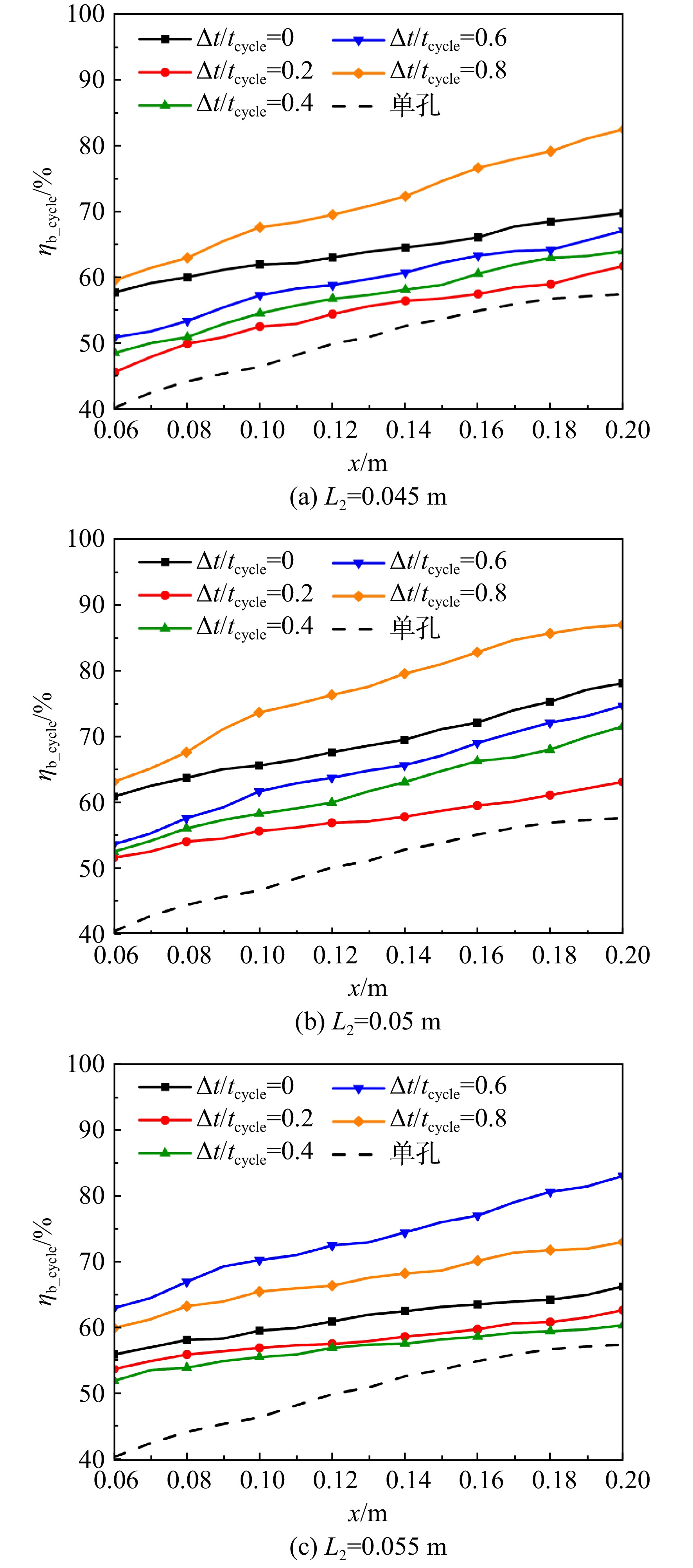
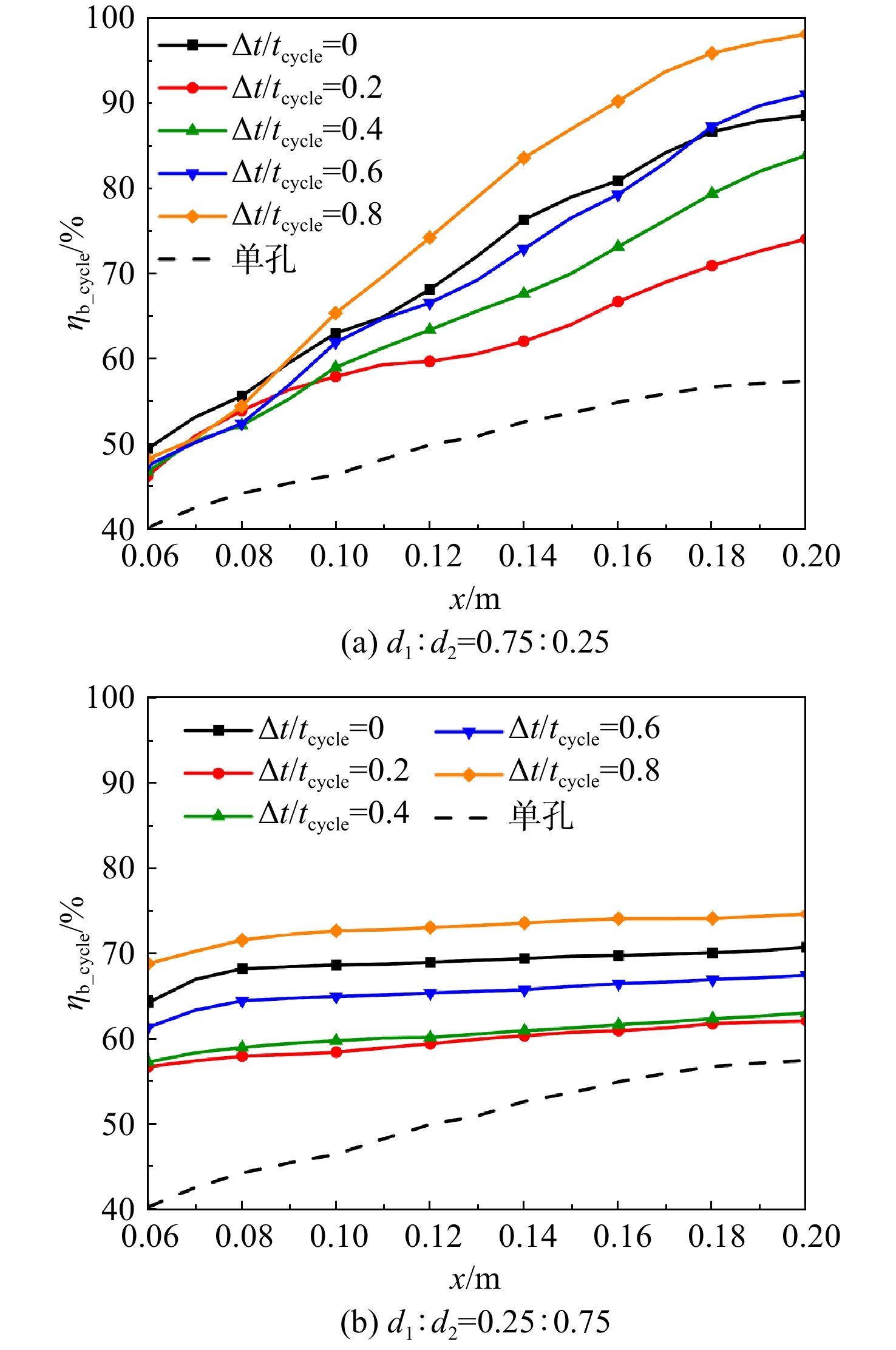
In order to improve the mixing and combustion efficiency of fuel and air under high subsonic speed flow conditions and shorten the axial distance of the combustion chamber, a study on the intensified mixing and combustion process of non-premixed gas with coaxial layered supply was conducted by simulating rotational detonation high-frequency pulsating combustion product setting pulse thermal jet through custom boundary conditions. It analyzed the effects of different jet frequencies and jet angles on the oil-gas mixing process, as well as the effects of different mainstreams and jet parameters and dual-jet injection method on the mixing combustion process of jet strengthening. The results indicated that there was an optimal jet frequency of 20 kHz and a jet angle of 60° for the intensified mixing process under the working conditions. Increasing the mainstream temperature and reducing the proportion of filling fuel can effectively improve the combustion efficiency. Adopting a dual-jet injection method can change the flow field structure, which had an impact on the form of oil and gas mixing, and significantly increased the mixing and combustion efficiency. When the diameter ratio of the two jet orifices was 0.75∶0.25, the ratio of axial distances was 2.5∶1, and the injection phase difference was 0.8, the cycle-averaged combustion efficiency reached 98%.

Numerical simulation and mechanism analysis of jet atomization in the whole process of aircraft drainage
LYU Meng, YANG Yang, LYU Le, XU Fei
2026, 41(4): 20240203. doi: 10.13224/j.cnki.jasp.20240203
Abstract:

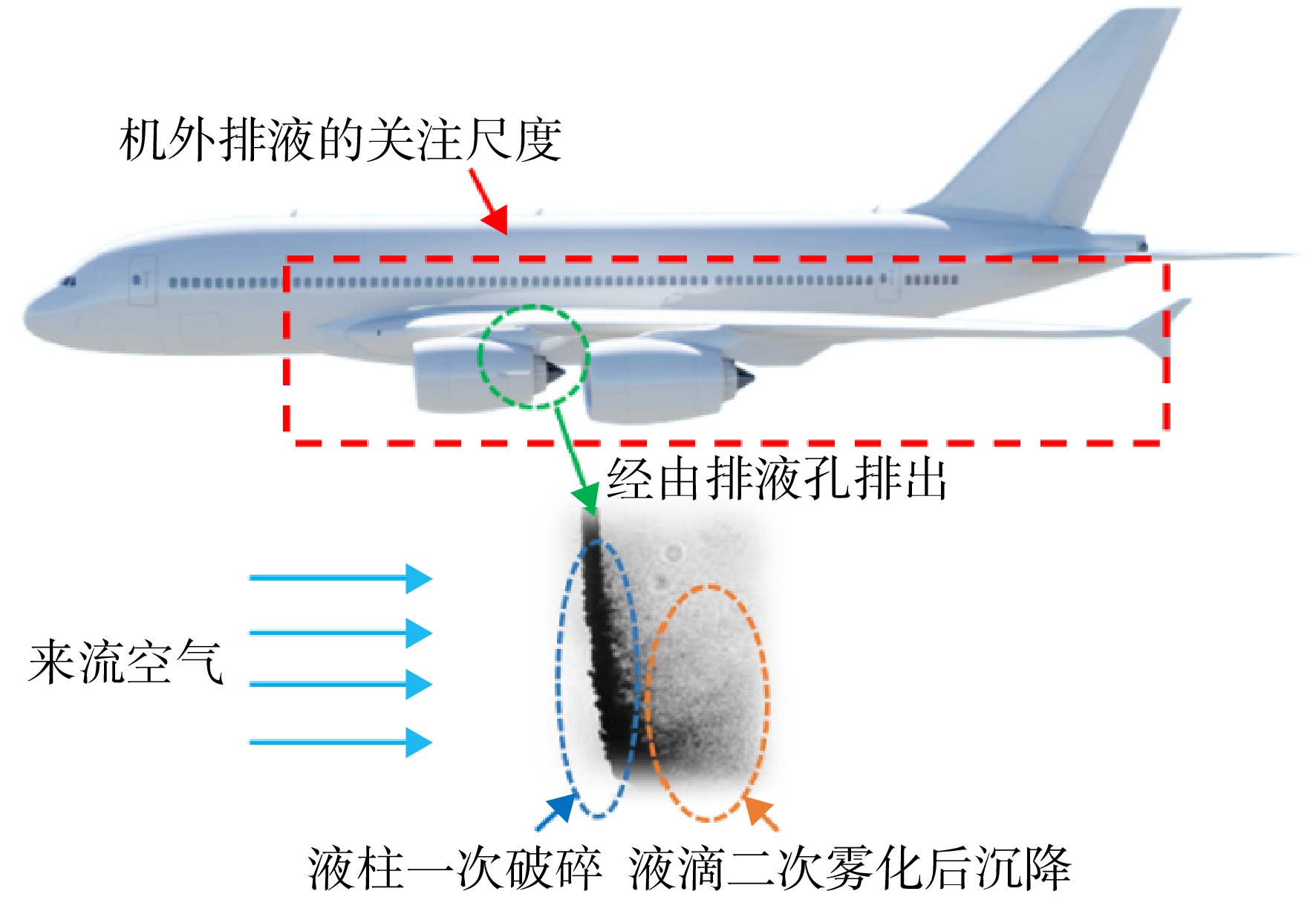
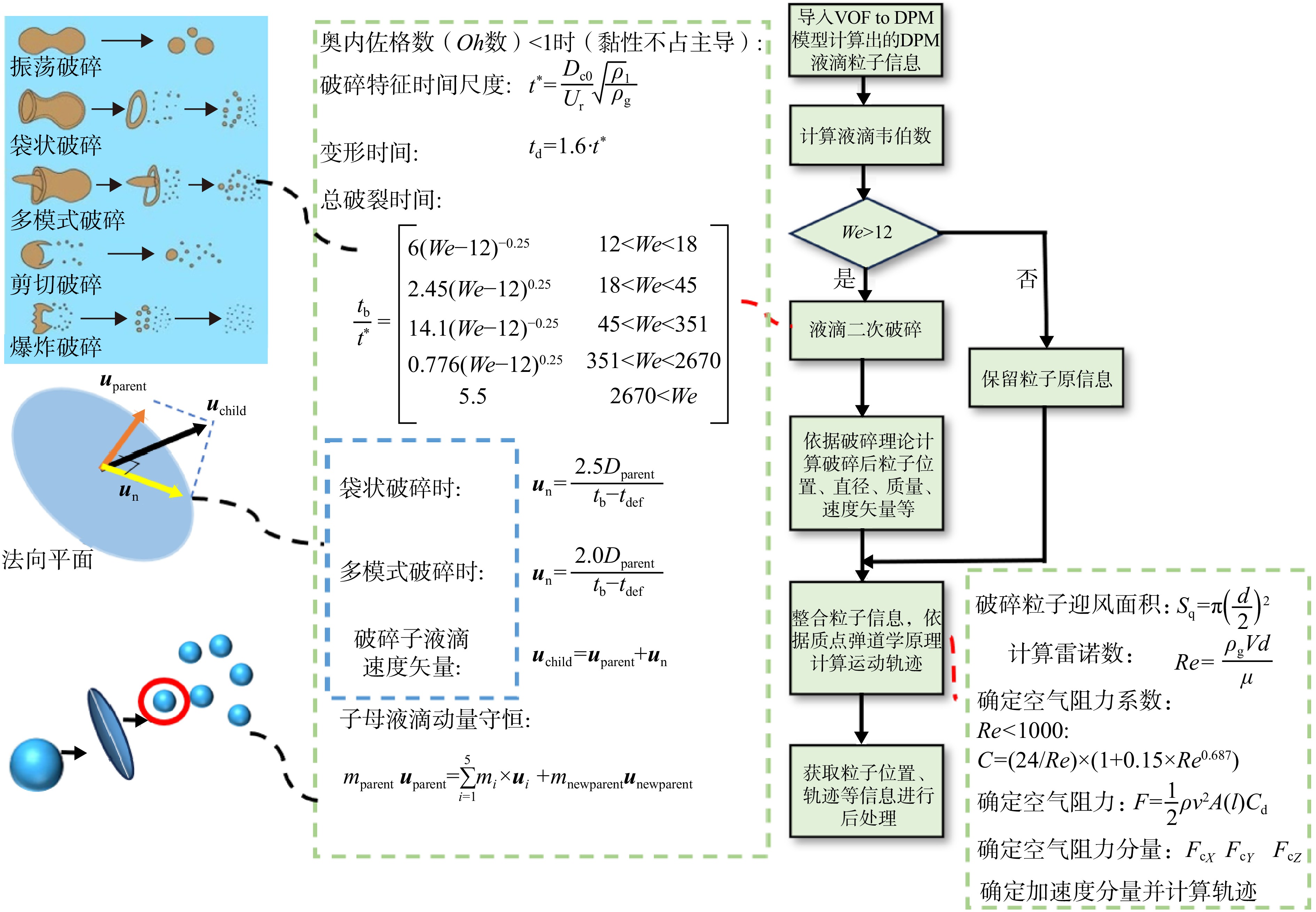
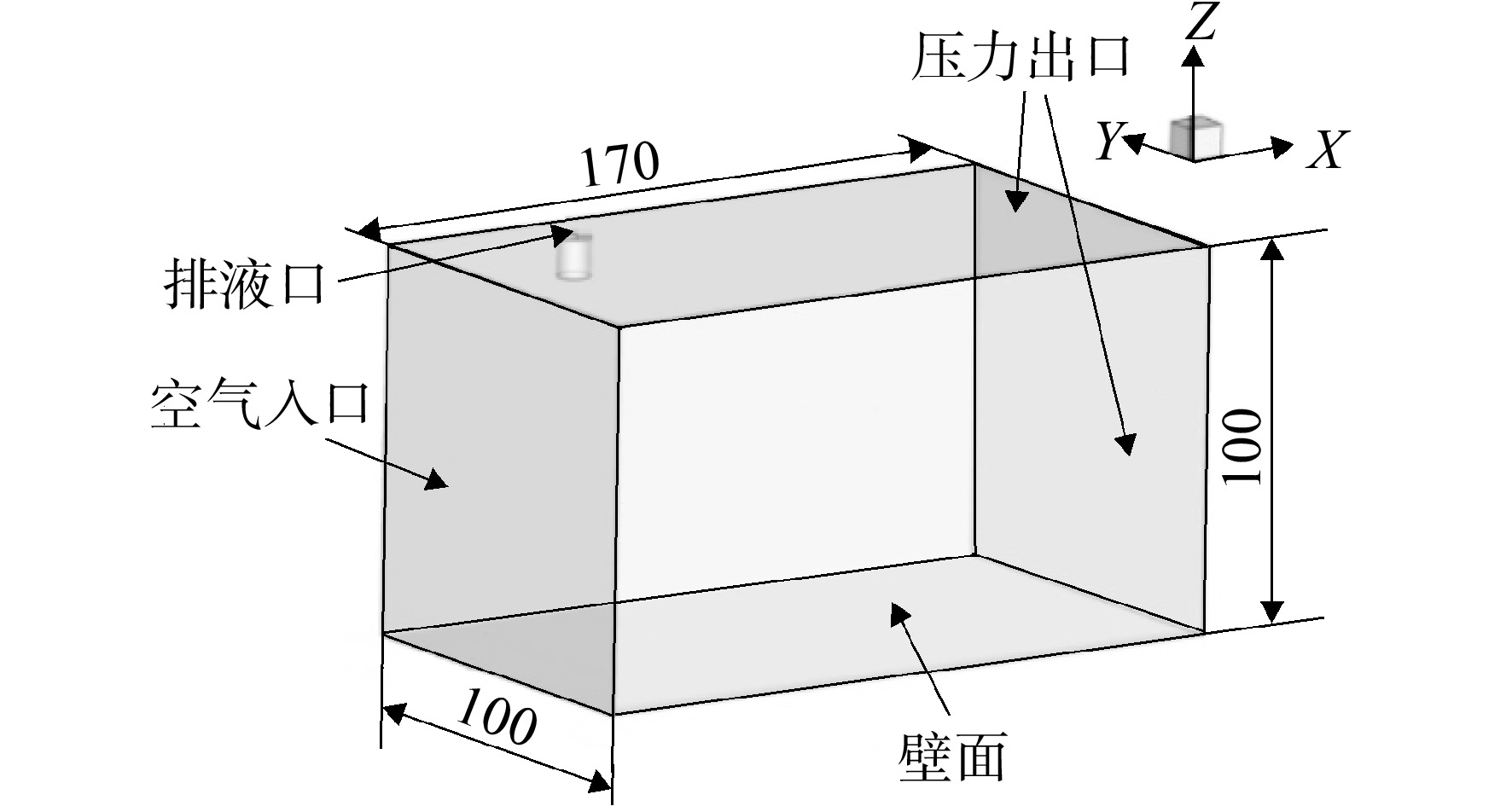
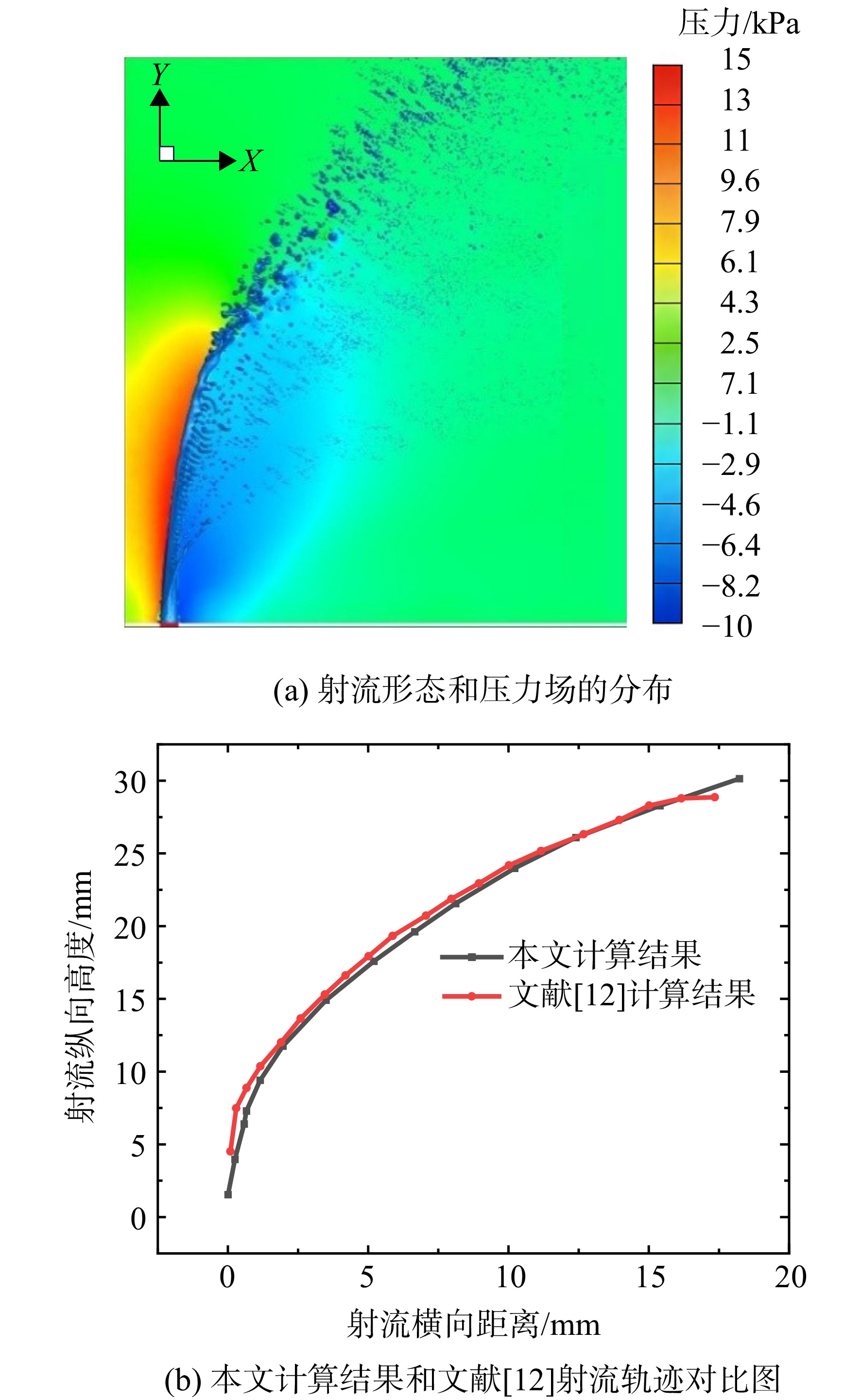
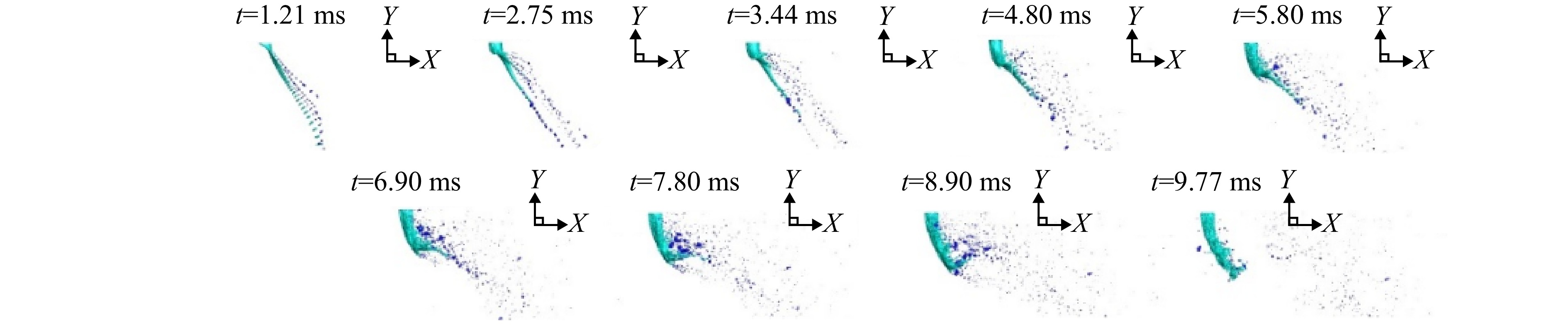
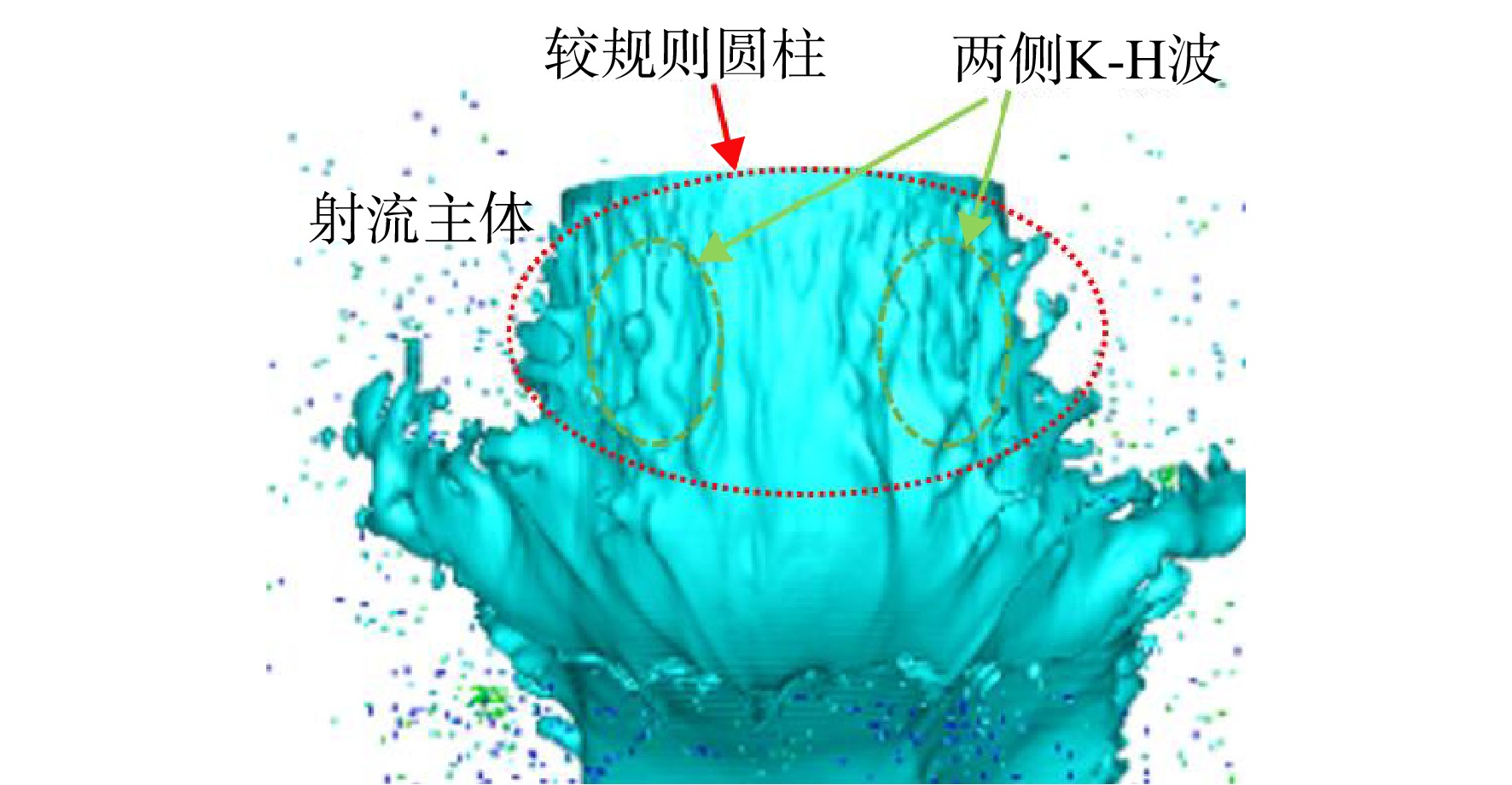
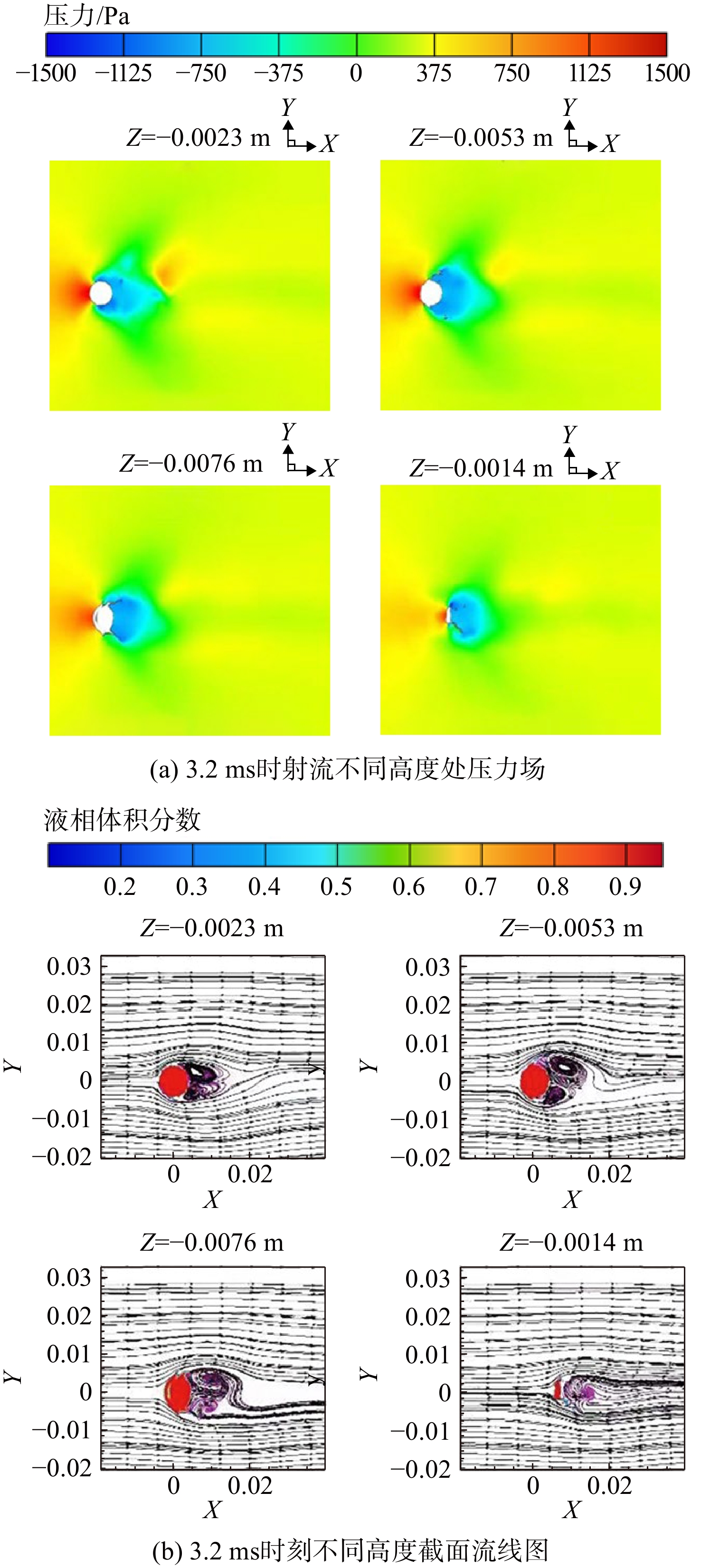
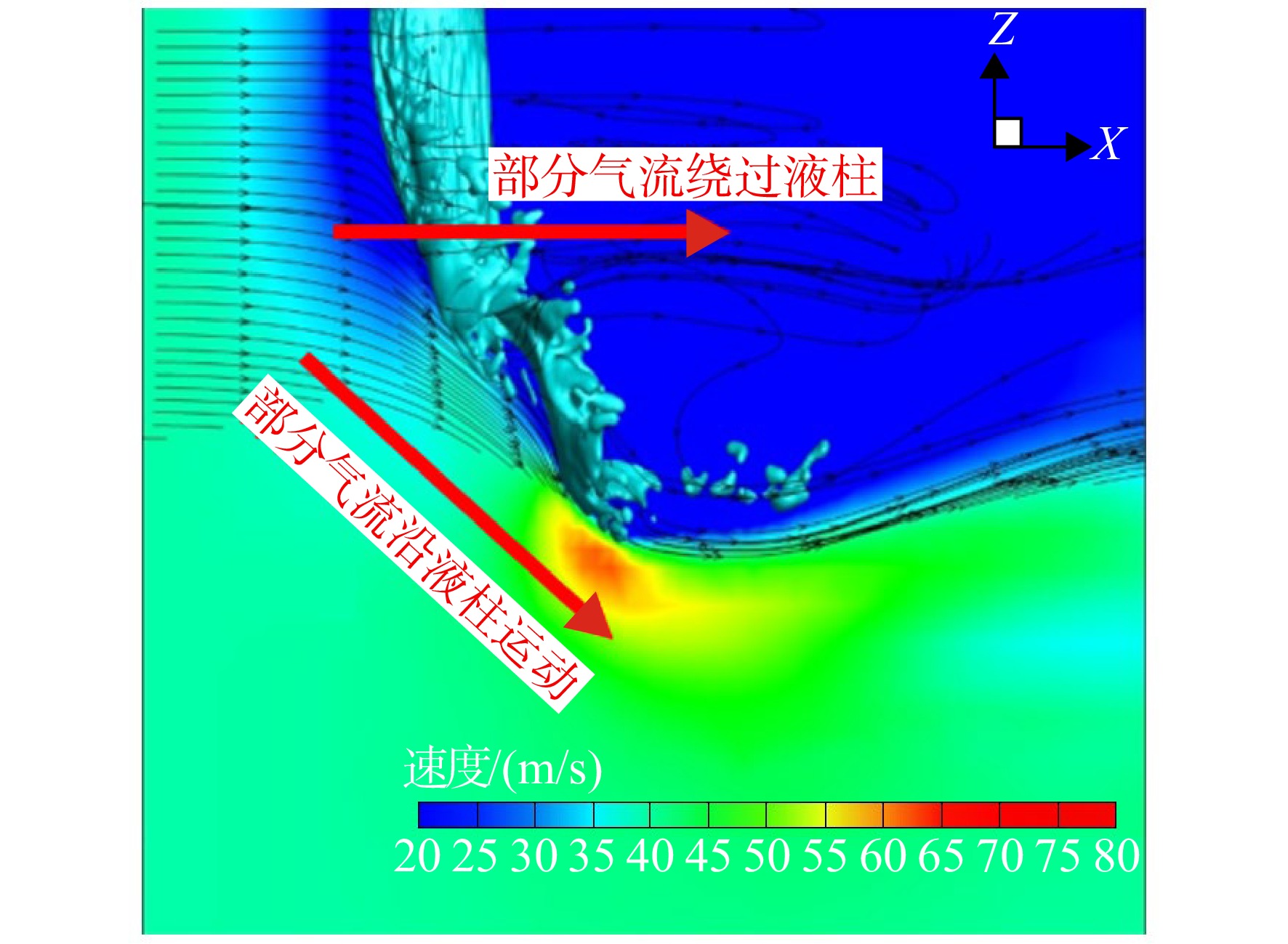
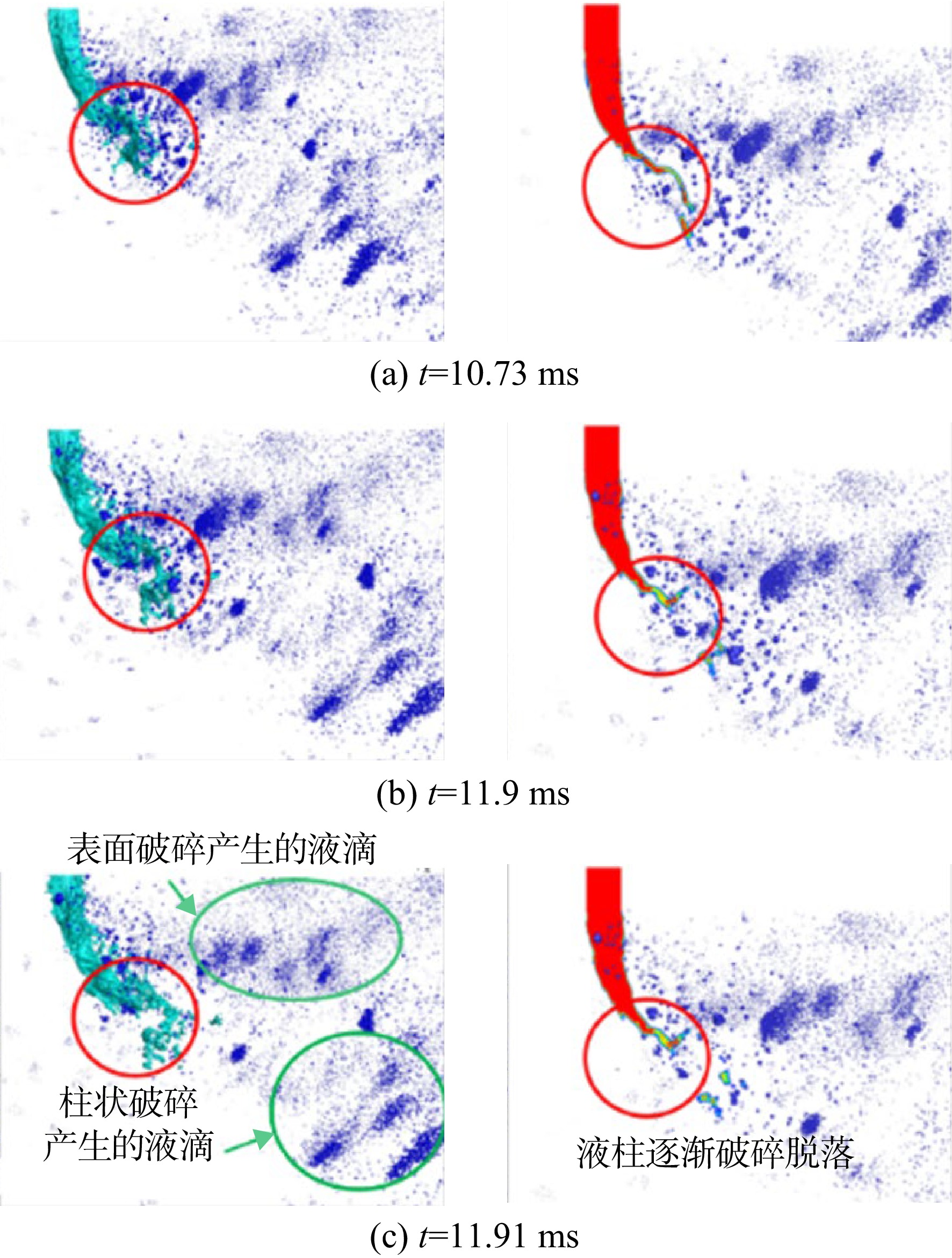
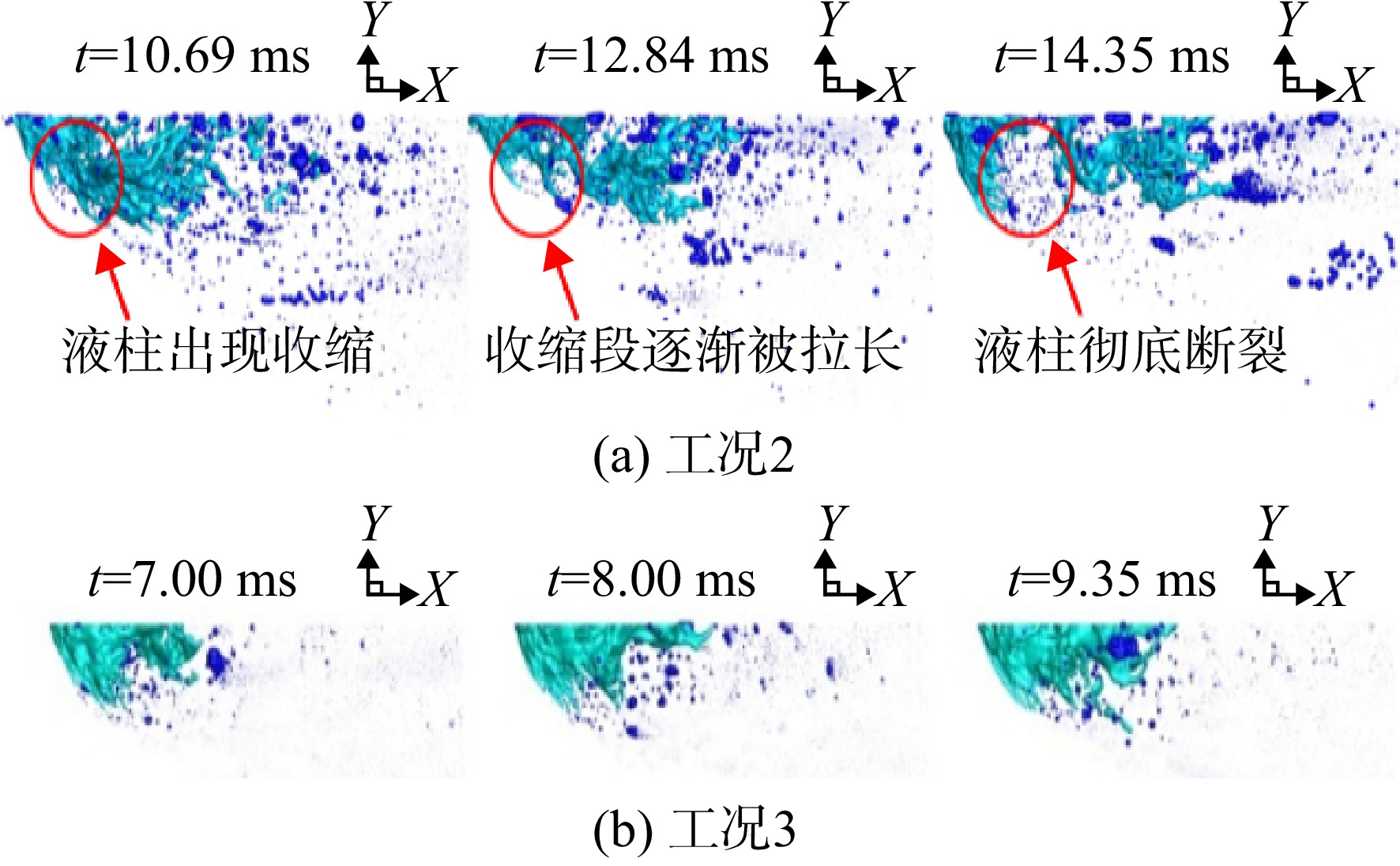
To accurately predict the external liquid-discharge trajectory of an aircraft, a jet-breakup simulation model was established by using the VOF to DPM approach to capture the initial morphology of the discharged liquid jet. Based on droplet-breakup mechanisms and particle ballistics, a computational program was developed to predict the settling trajectories of the atomized droplets. The mechanisms of initial jet breakup and subsequent droplet atomization under coupled incoming airflow effects were also analyzed. Results showed that the proposed full-process droplet-motion model effectively accounted for both primary liquid breakup and secondary atomization. Calculation errors for jet morphology and droplet settling trajectories were below 5%. The model successfully predicted the discharge path and spatial droplet-size distribution across full flight conditions, including ground roll, climb, and high-speed cruise, thus providing a reliable technical support for aircraft airworthiness compliance verification.

Numerical investigation of ignition location effects on ignition process in skirted evaporative flameholders
DU Mingxuan, LIU Yuying, LIU Guanghai
2026, 41(4): 20250113. doi: 10.13224/j.cnki.jasp.20250113
Abstract:

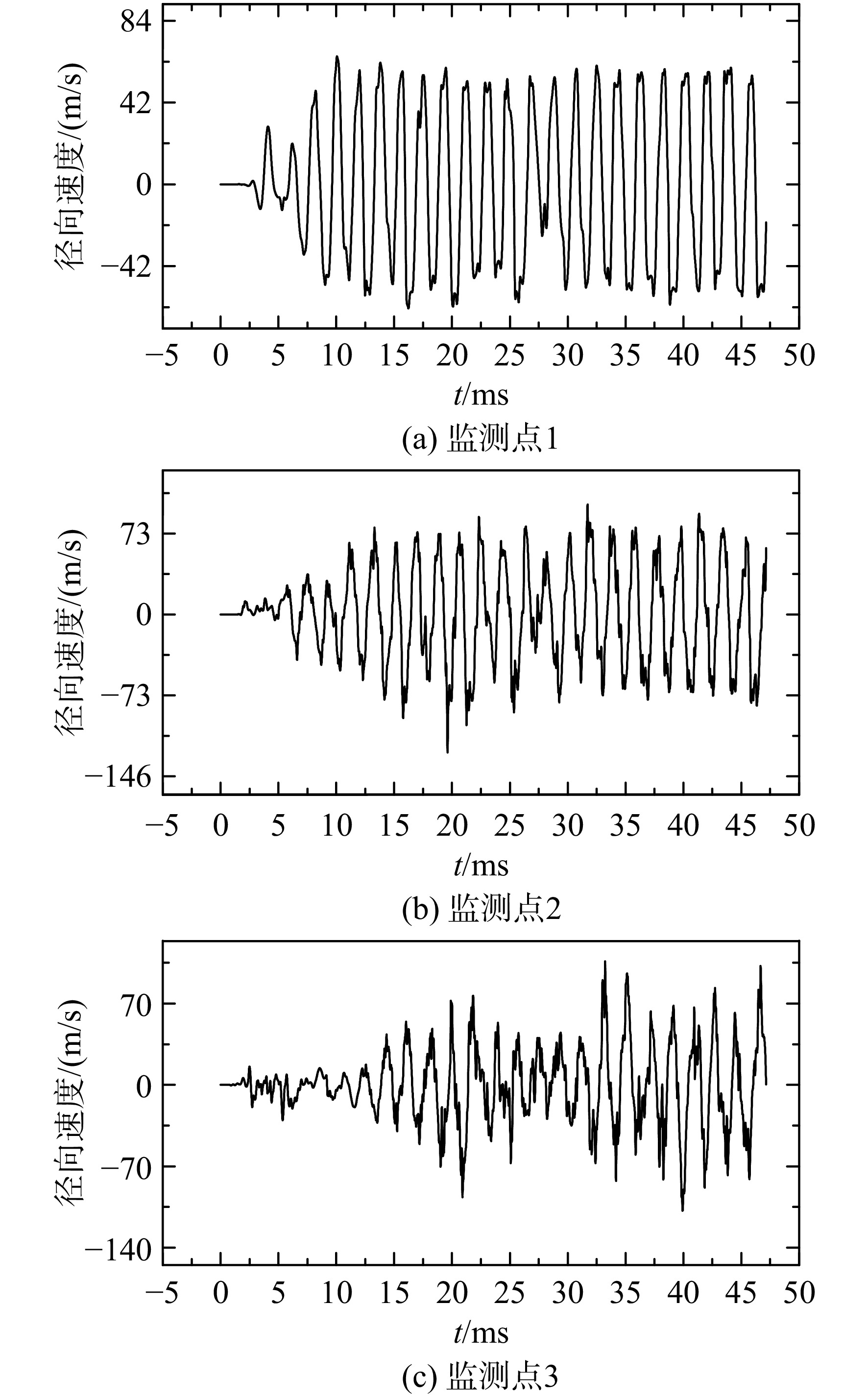
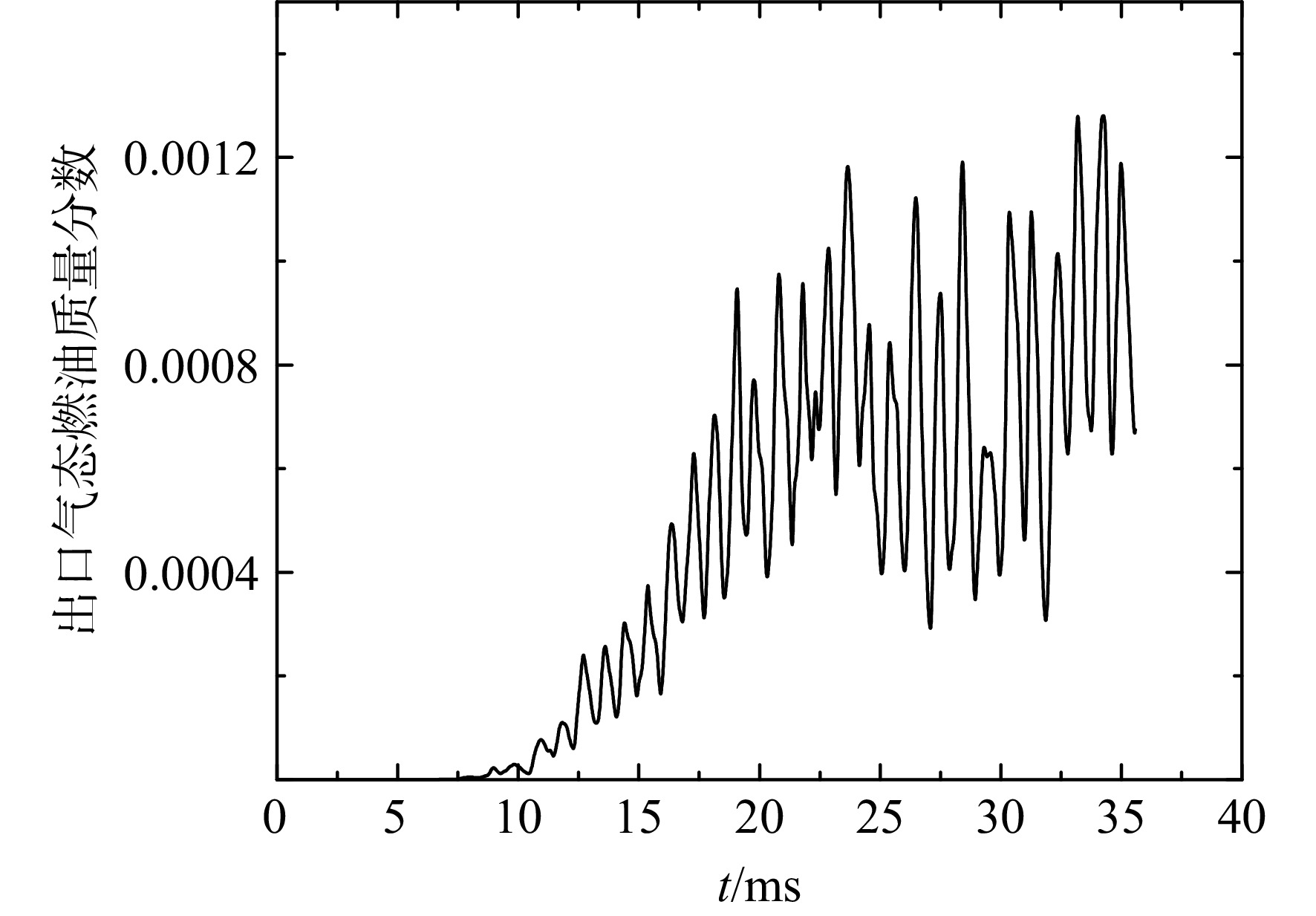
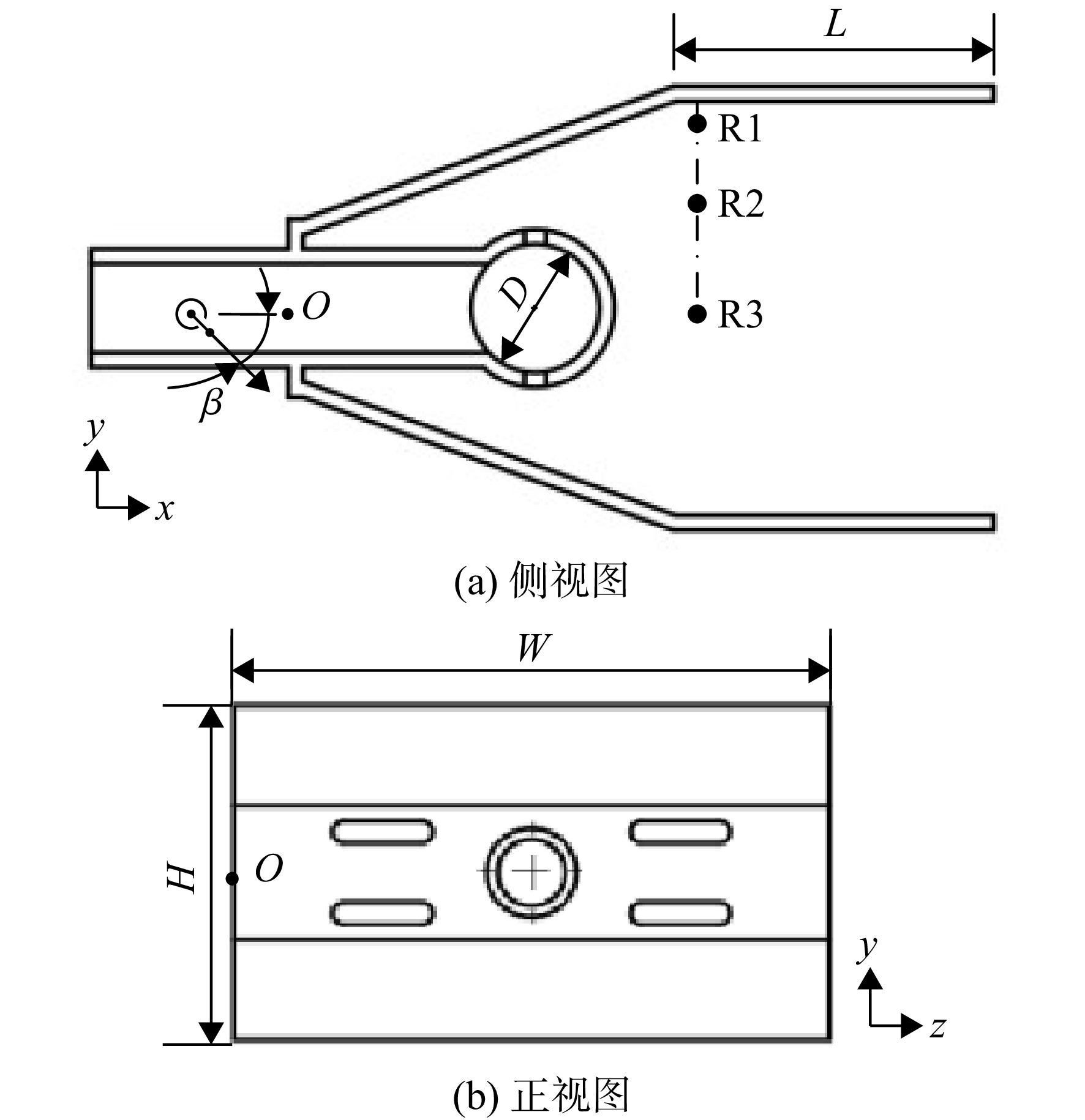
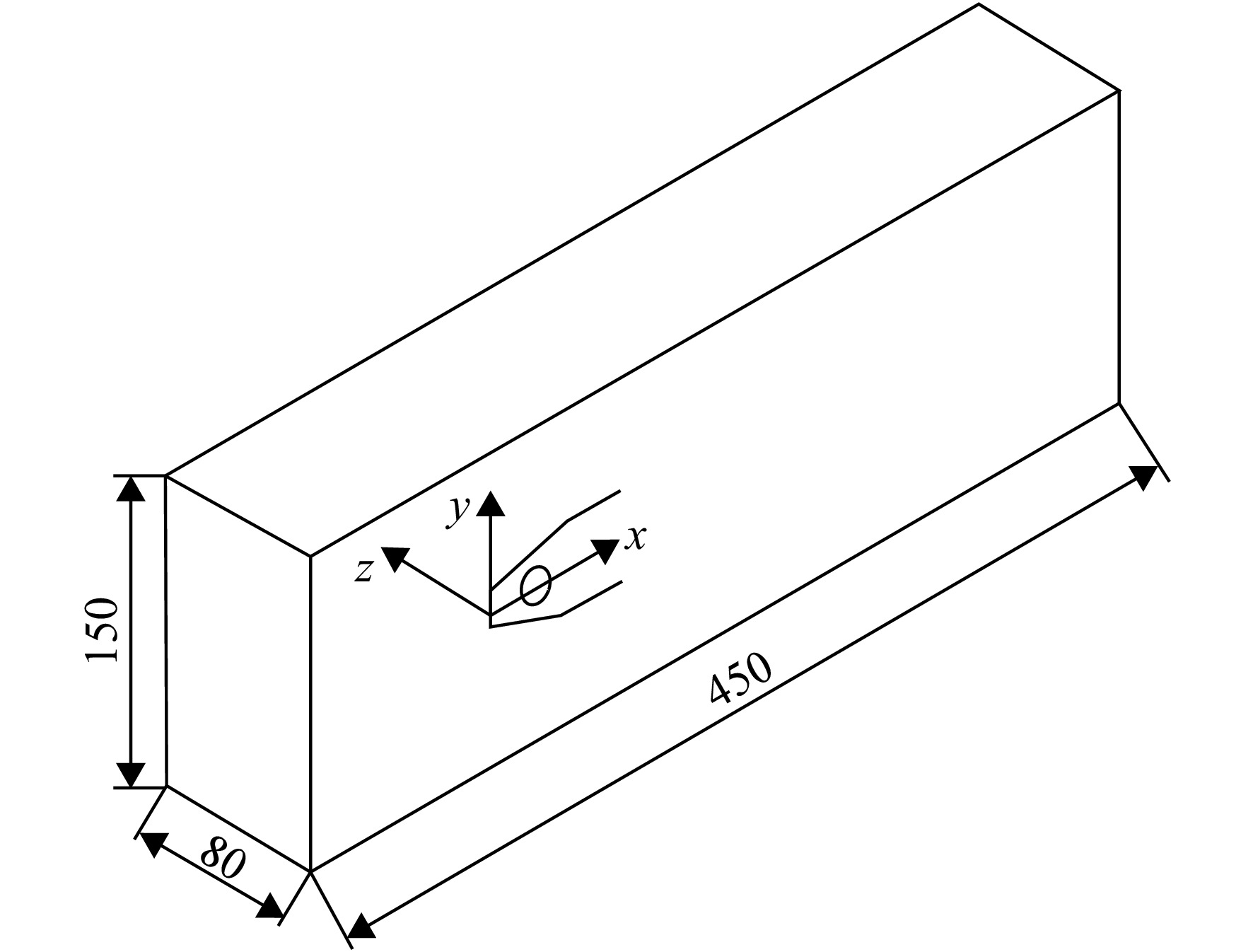
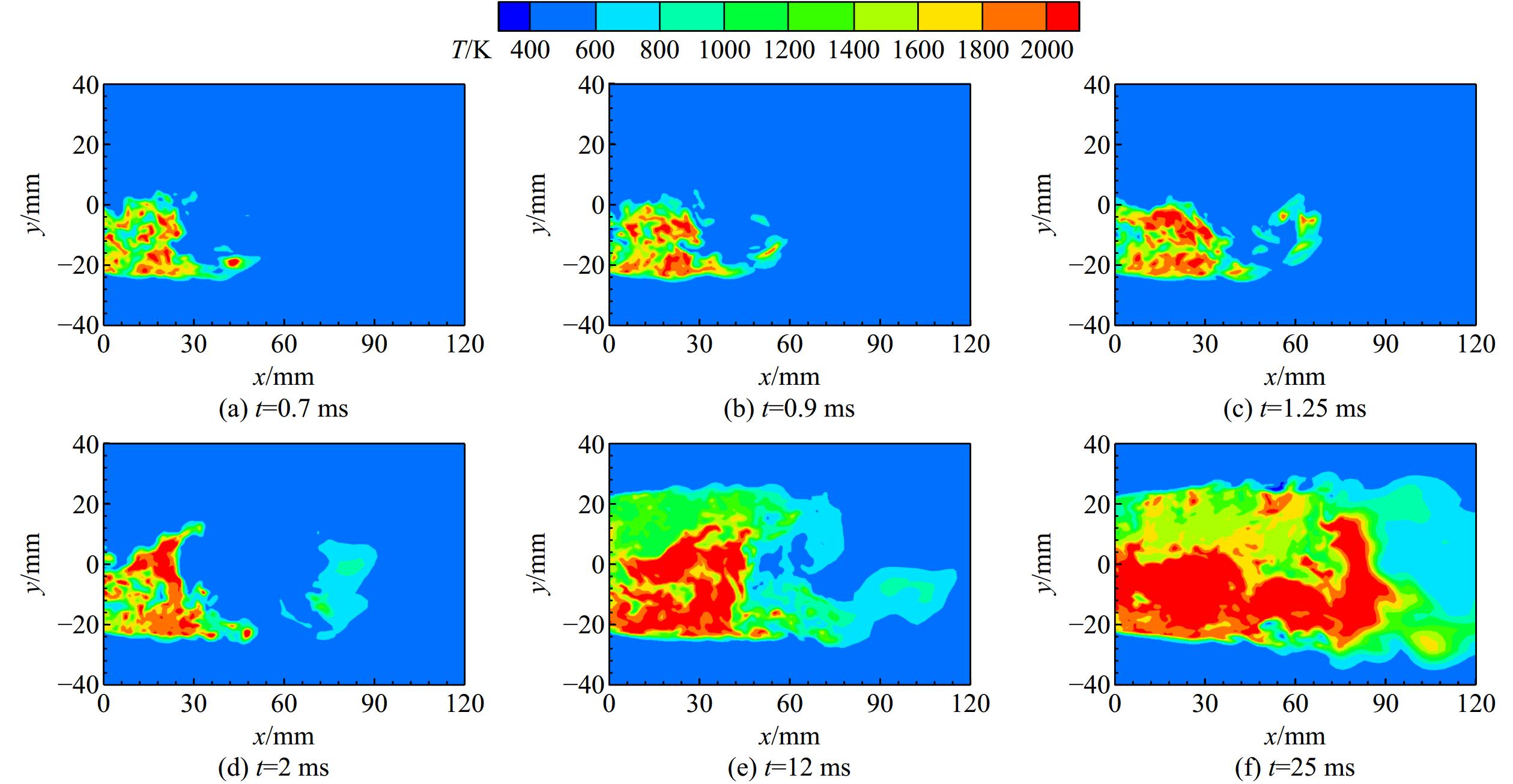
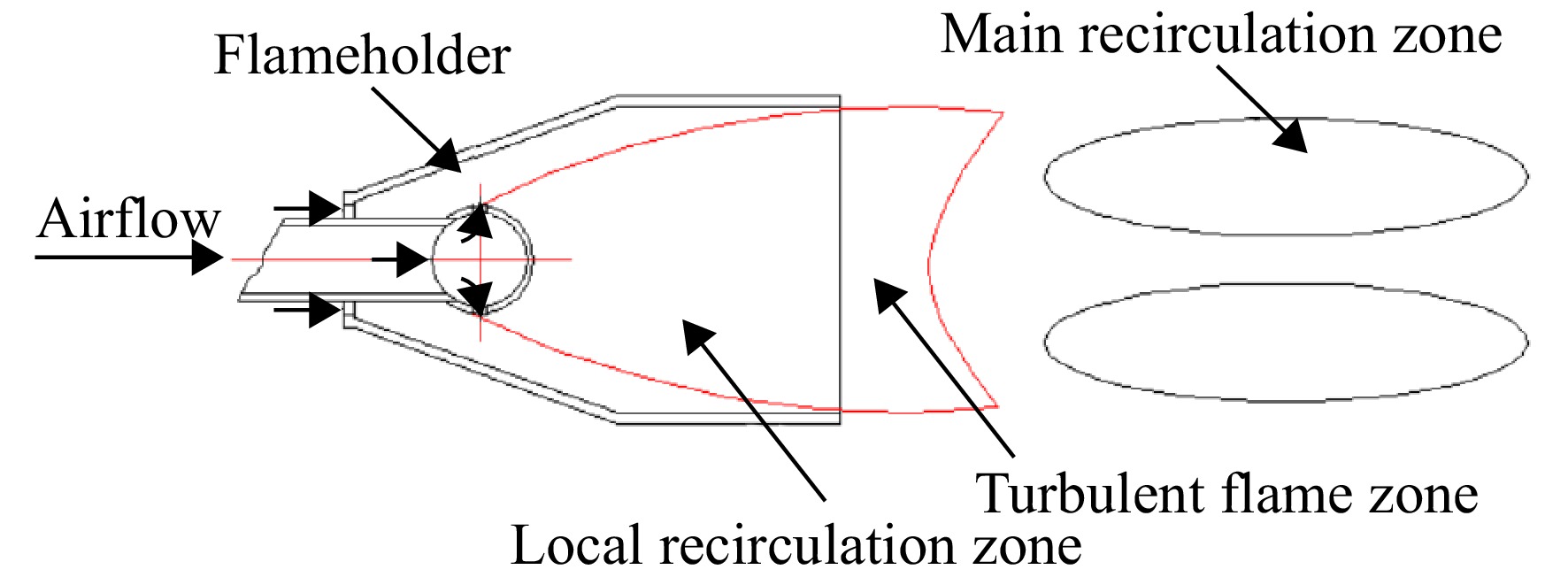
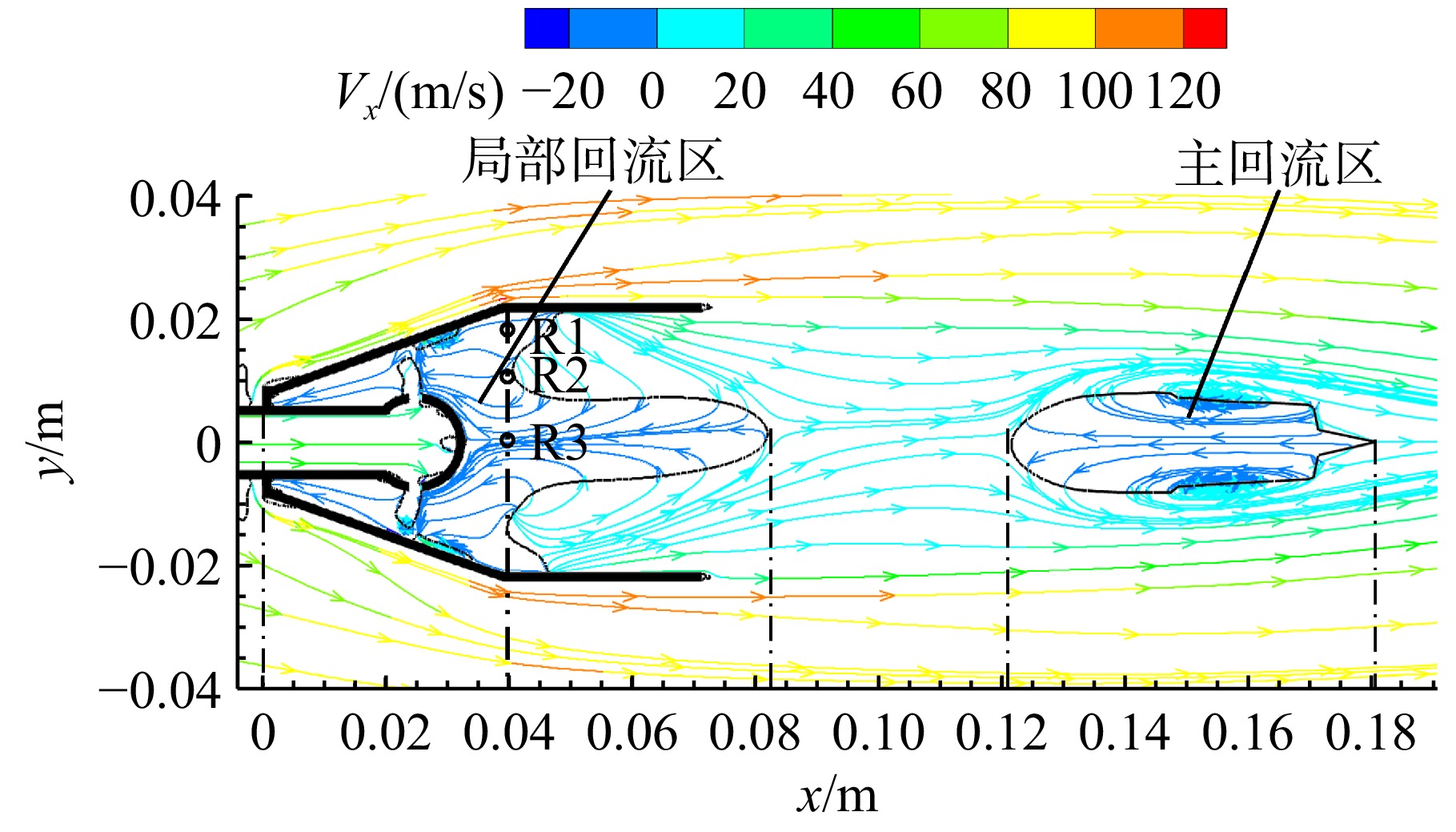
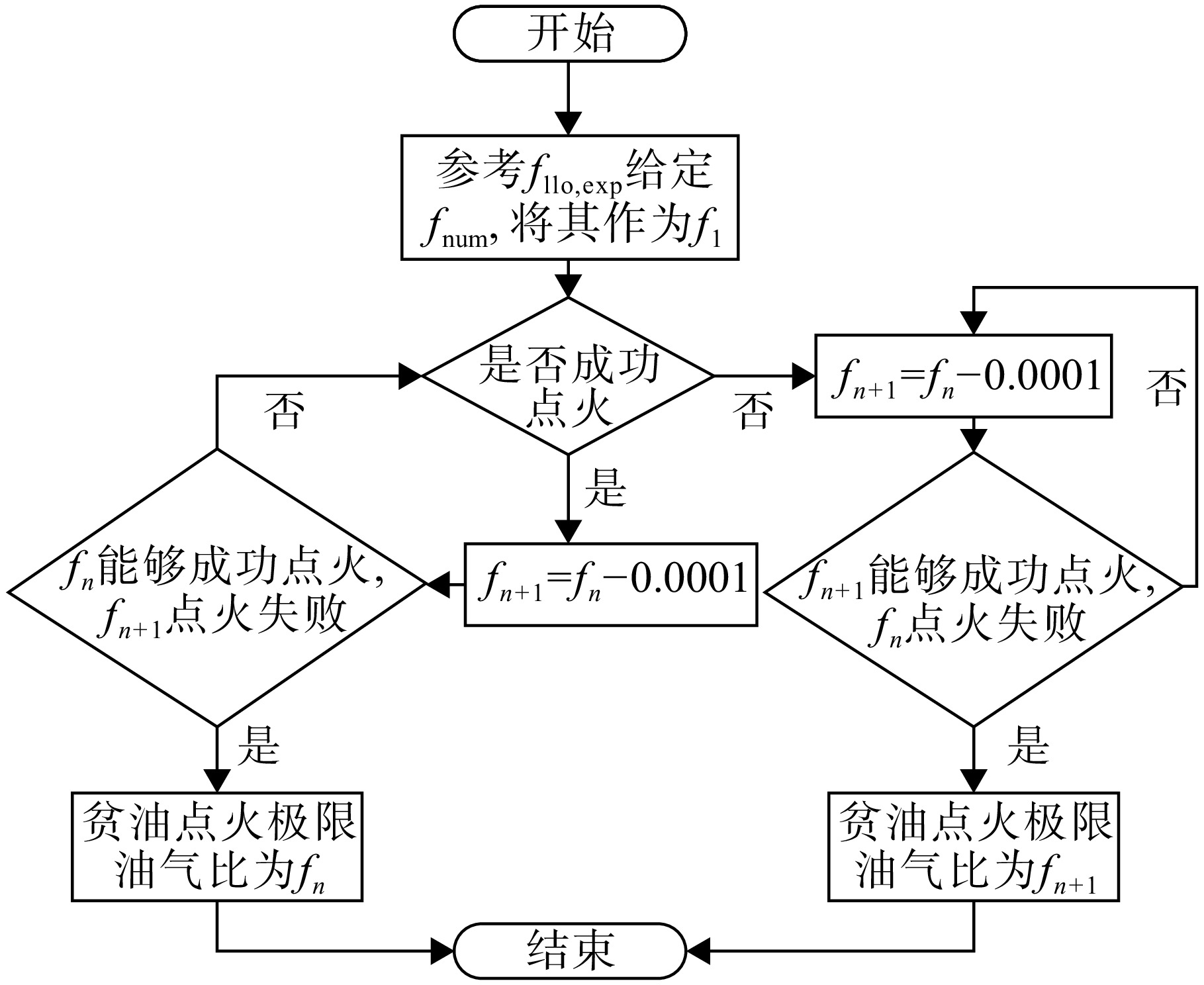
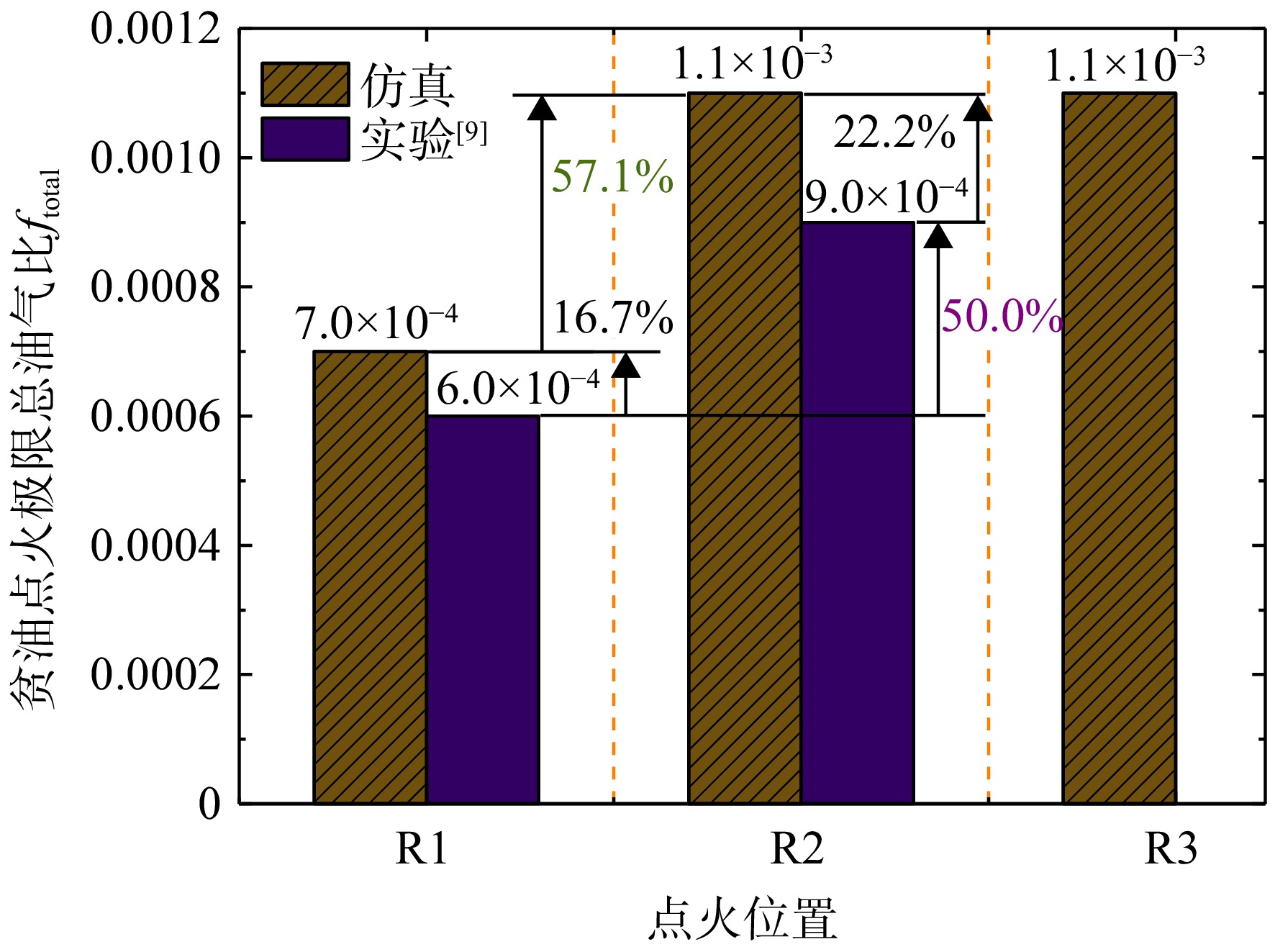
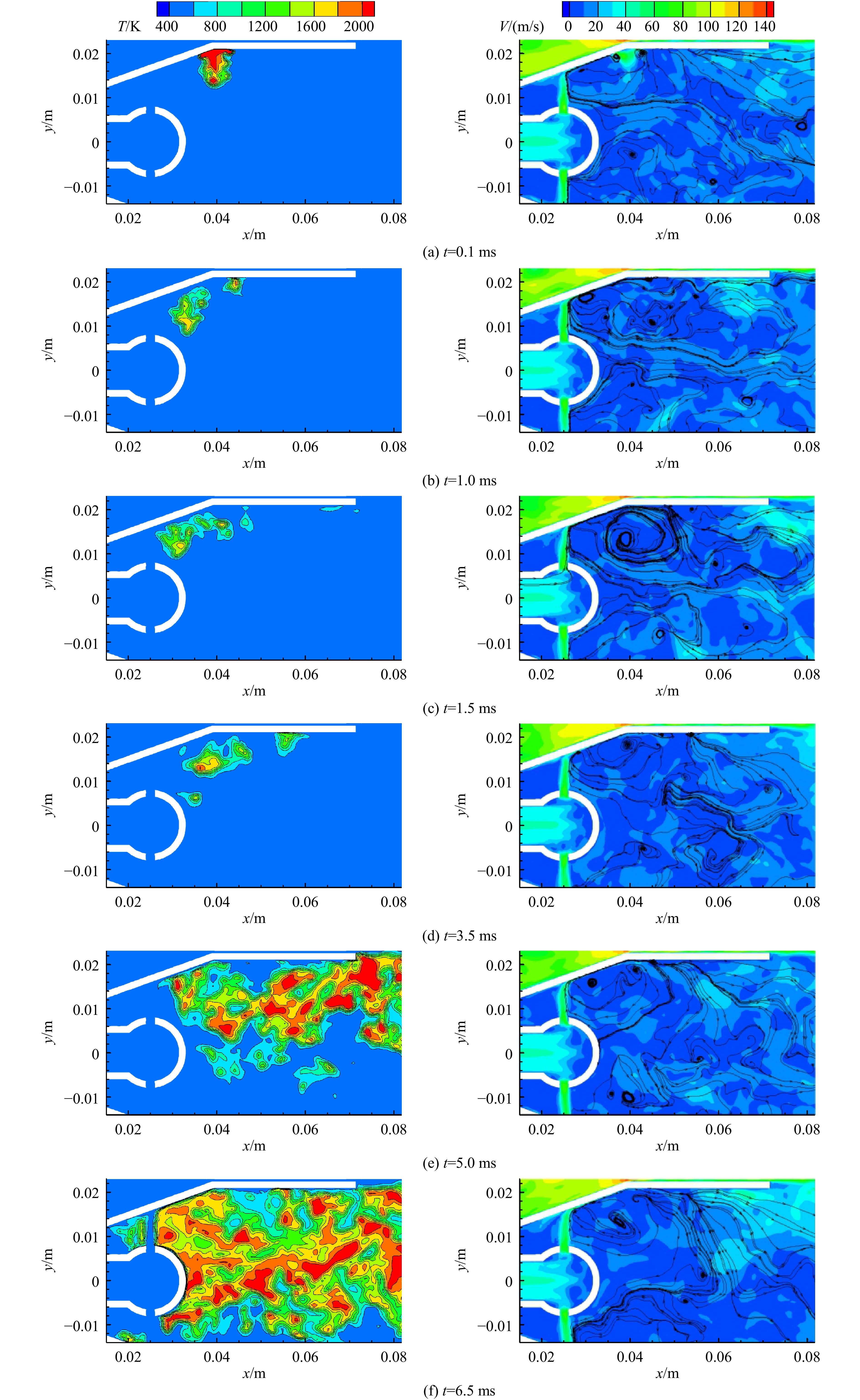
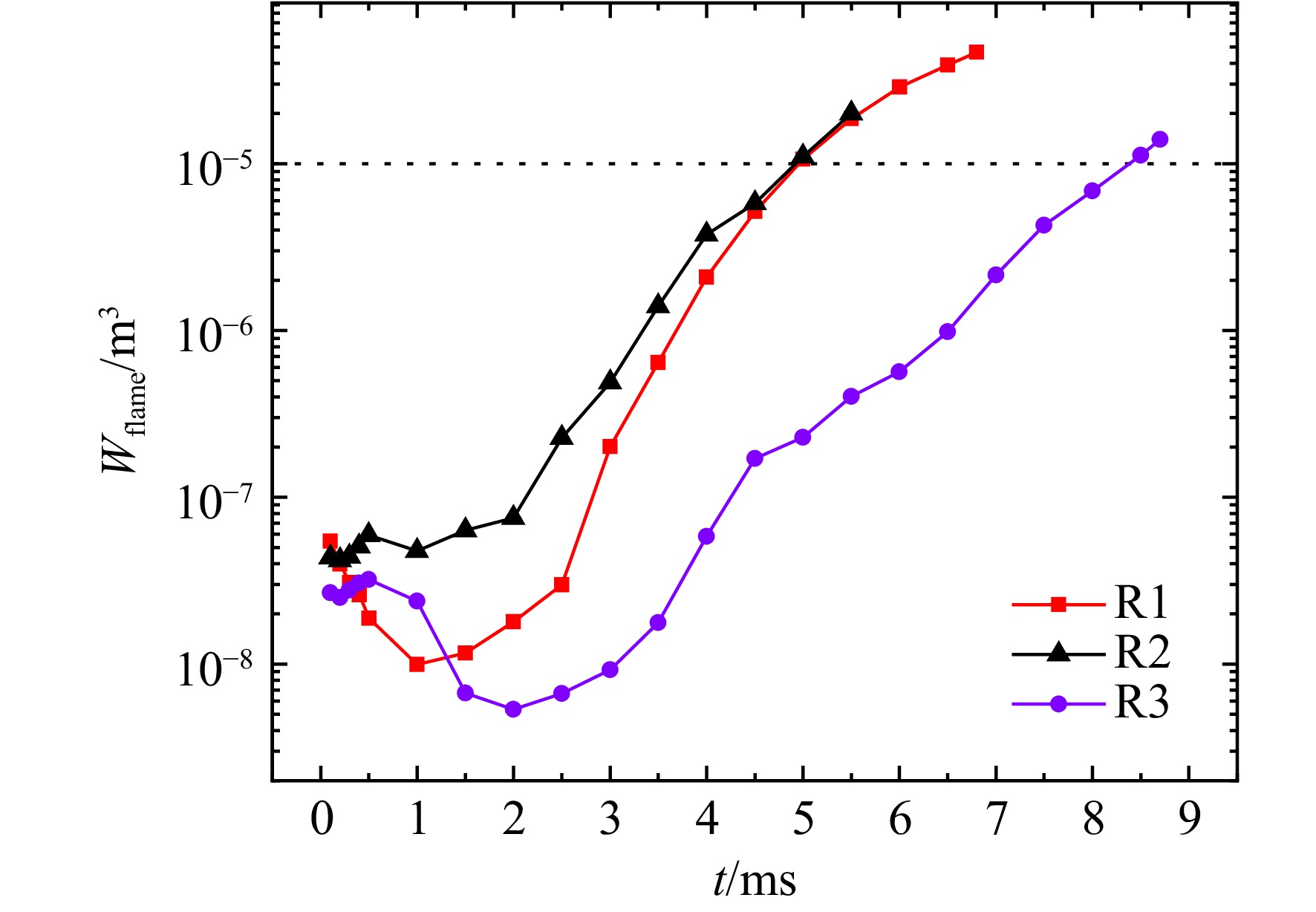
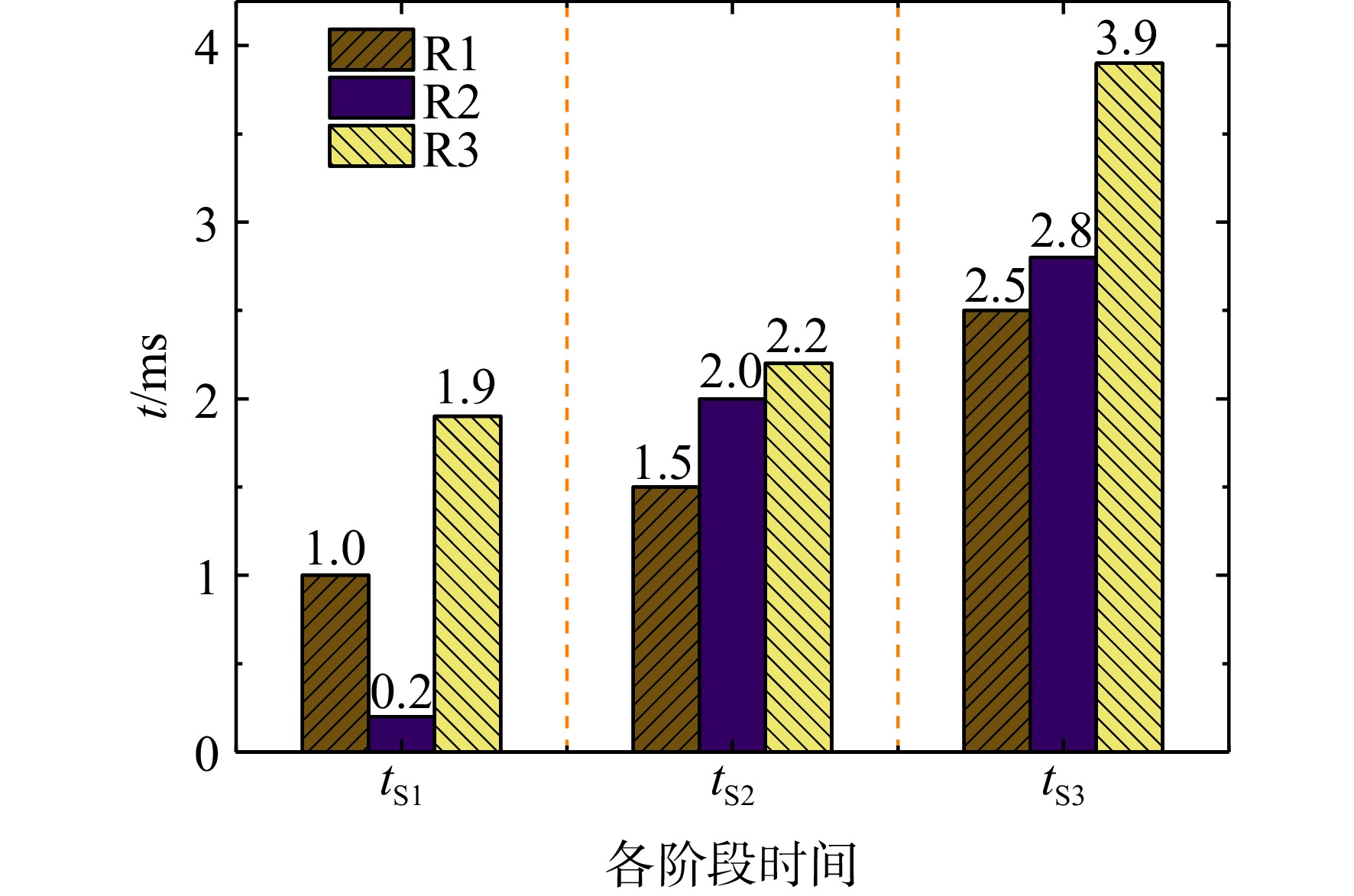
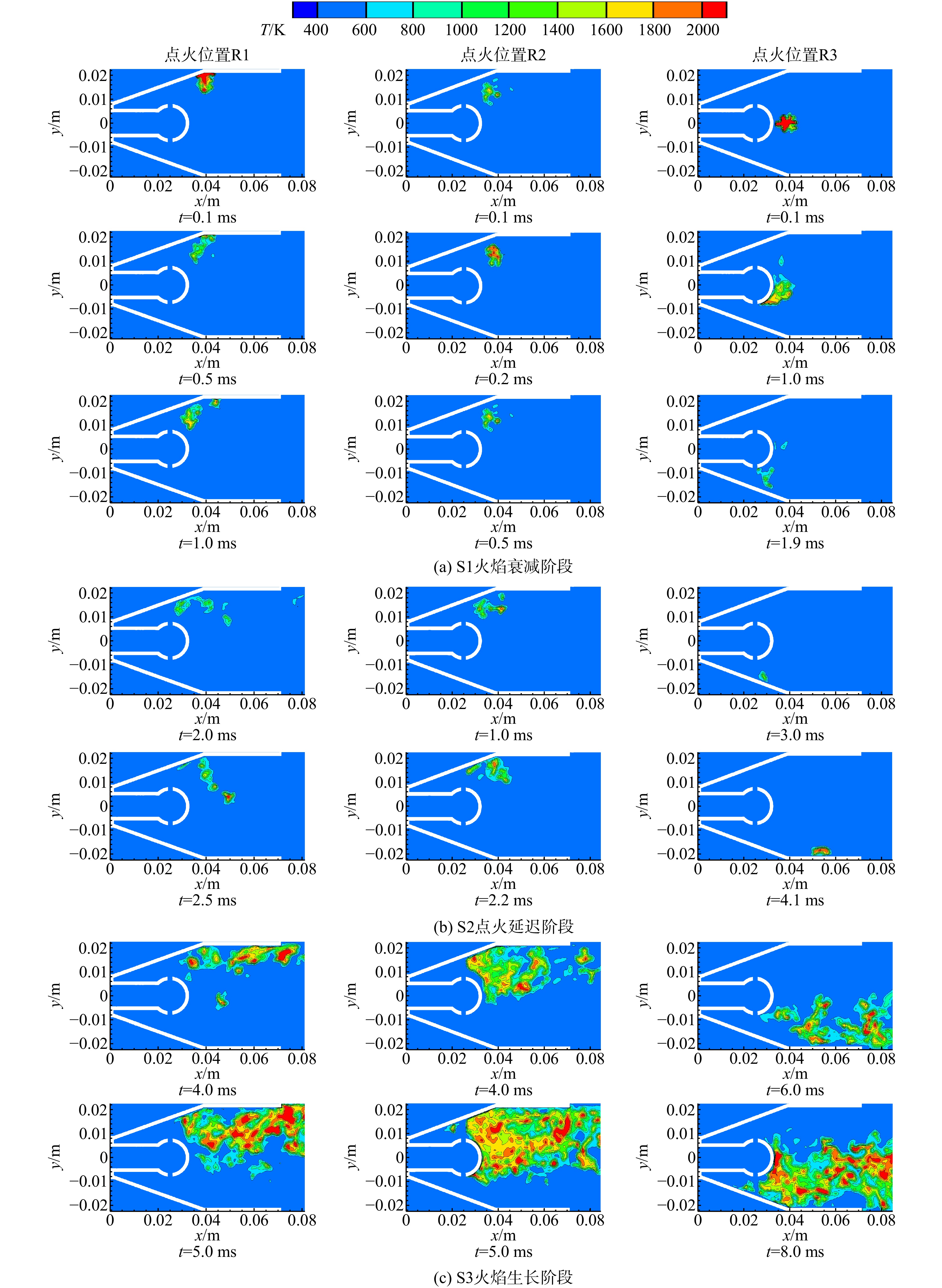
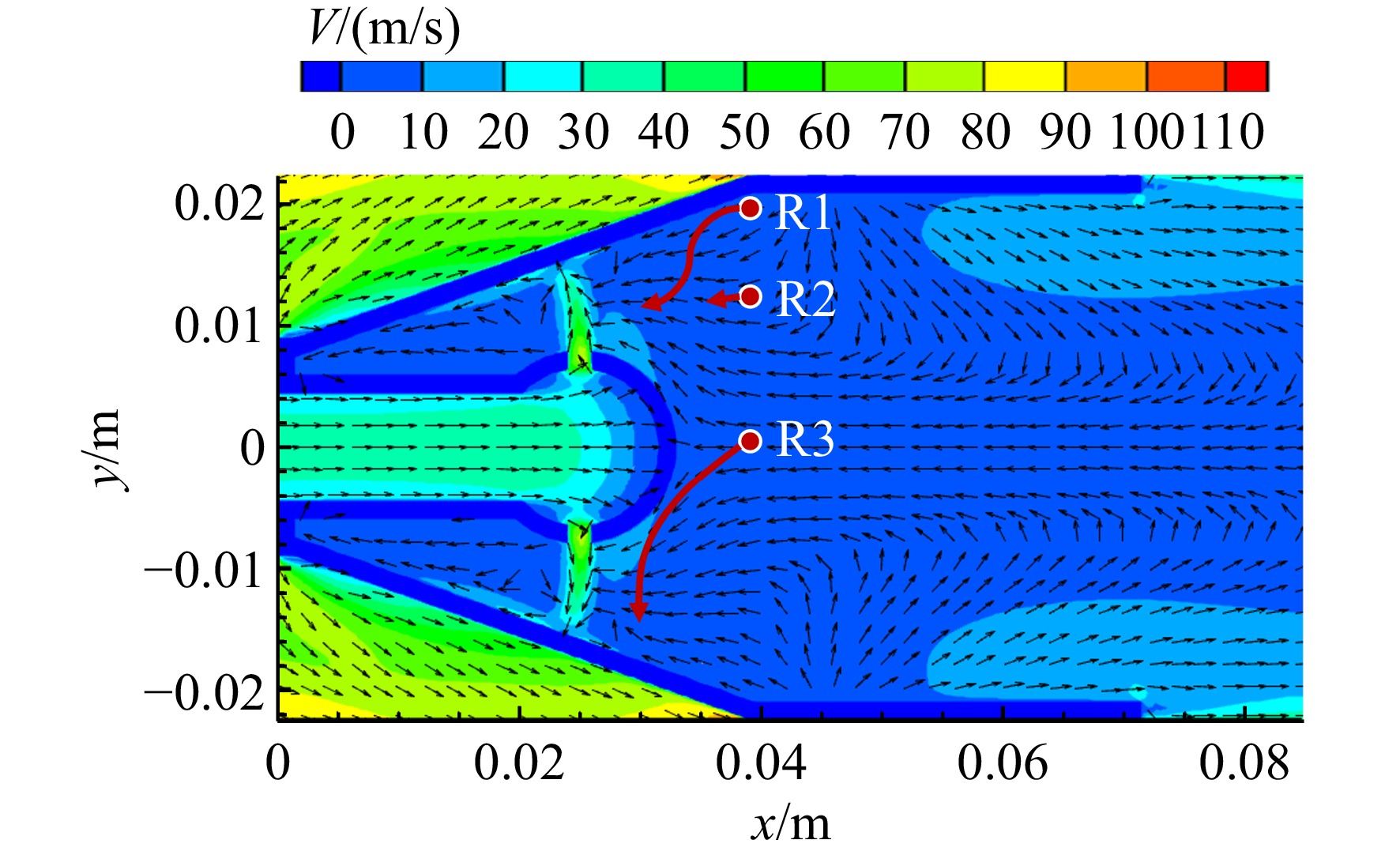
In order to enhance the ignition performance of the evaporative flameholder, reveal the inherent patterns of its ignition process, and provide a guidance for ignition location selection in engineering practice, the skirted evaporative flameholder under inflow conditions of 483 K temperature and Mach number 0.2 was investigated. Through large eddy simulation methodology, the ignition performance and ignition processes at different radial ignition locations were systematically examined, with particular emphasis on elucidating the influence of ignition location on flame development characteristics. The results demonstrated that the ignition location adjacent to the skirt plate (designated as R1) exhibited superior ignition characteristics attributable to wall-induced fuel enrichment effects. Computational simulations revealed a lean ignition limit fuel-air ratio of 0.0007 at position R1, whereas positions R2 and R3 displayed significantly elevated values of 0.0011. Notably, the lean ignition fuel-air ratio at positions R2 and R3 manifested a 57.1% enhancement relative to that observed at position R1, quantitatively confirming the spatial dependence of ignition performance in wall-bounded configurations. Although ignition processes at different locations exhibited similar developmental trends, variations in local flow field characteristics at the ignition sites induced distinct alterations in flame propagation paths. Comparative analysis revealed that the fuel concentration field exerted dominant influence on the ignition dynamics compared with aerodynamic factors.

Turbomachinery
Measurement method of temperature-strain composite signal of turbine rotor in aero-engine based on fiber optic sensing
FENG Di, SUN Junru, WEI Peng, JIA Zhen
2026, 41(4): 20250068. doi: 10.13224/j.cnki.jasp.20250068
Abstract:

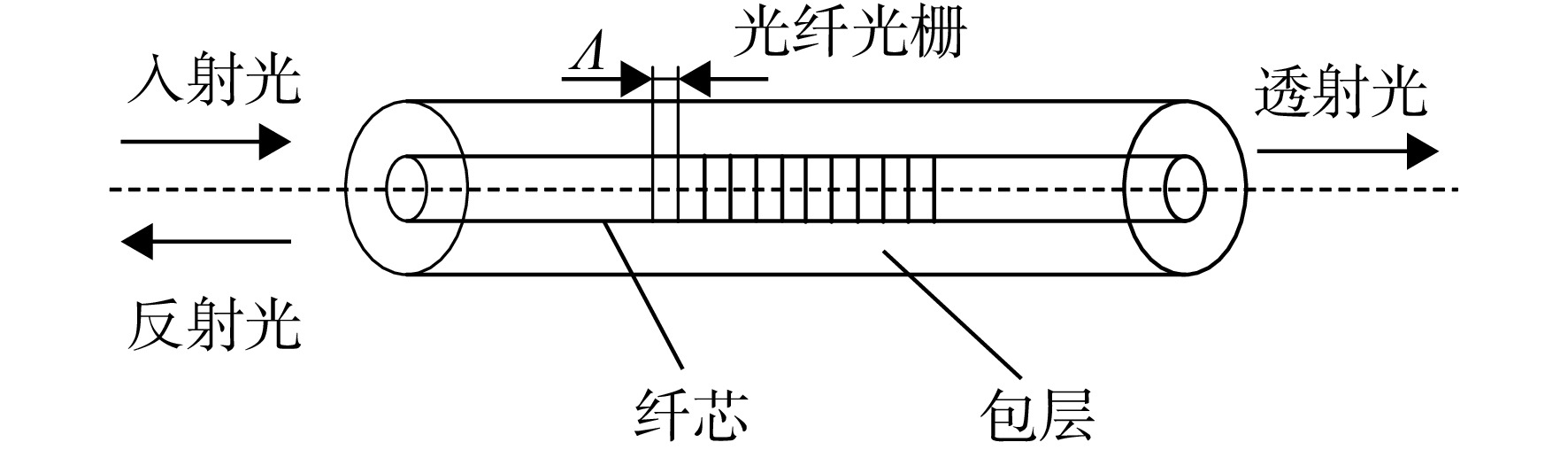
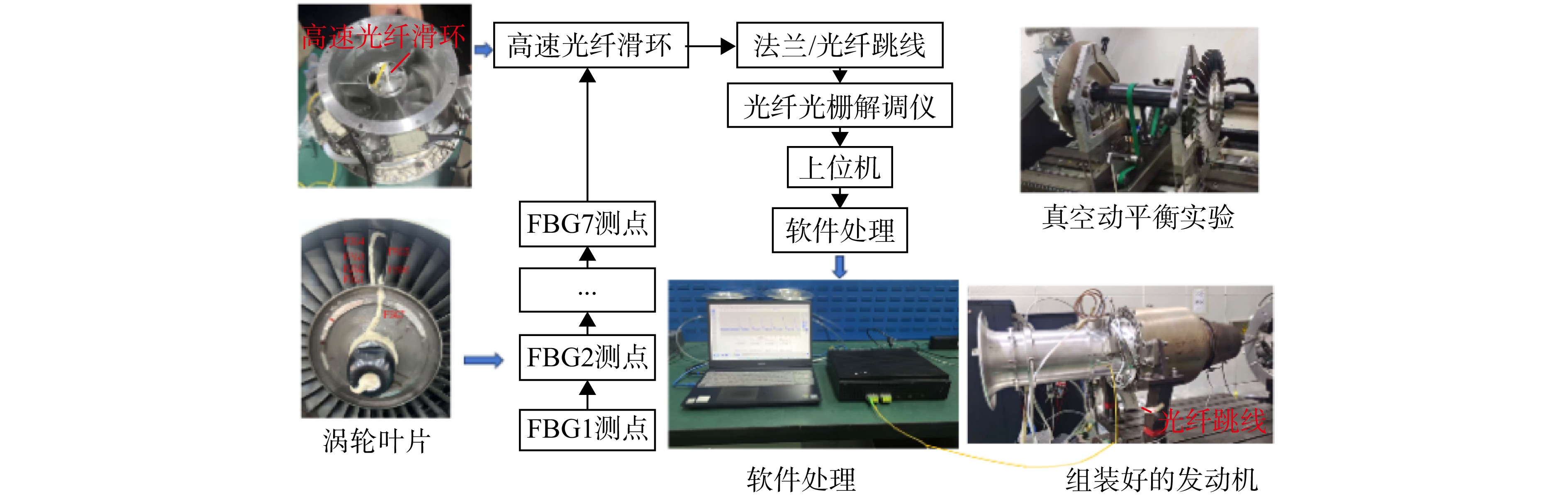
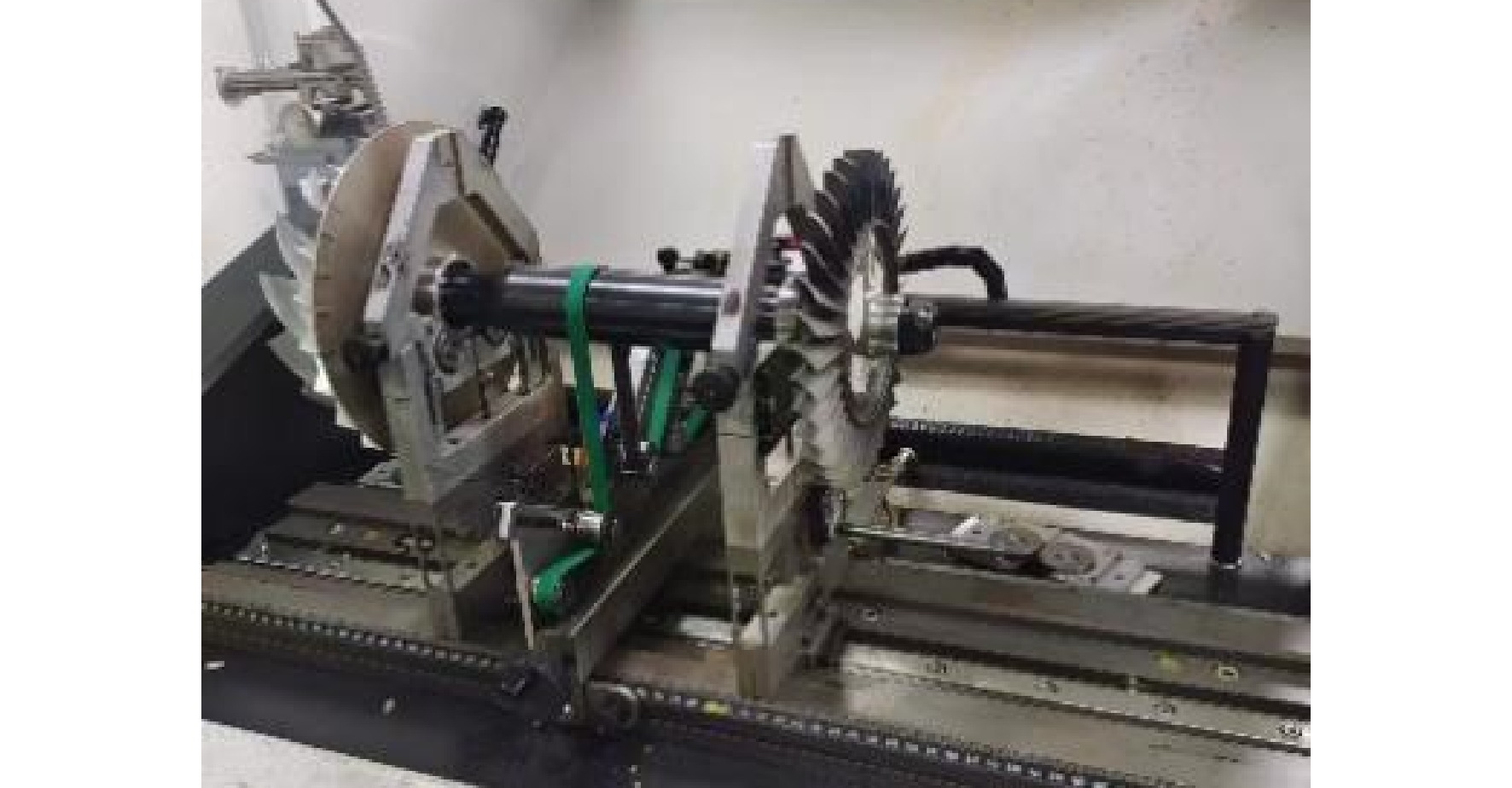
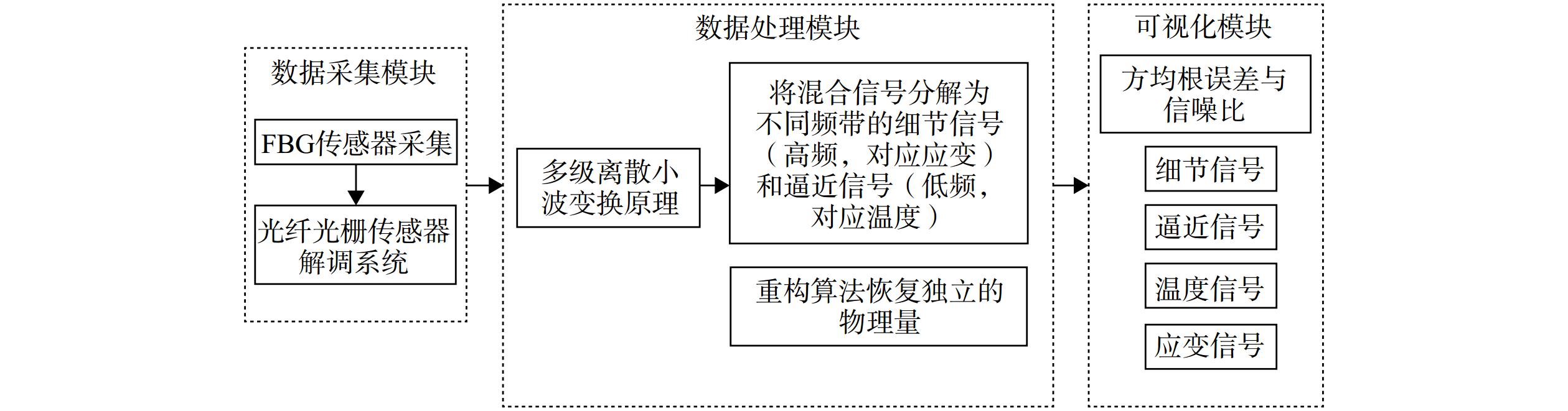
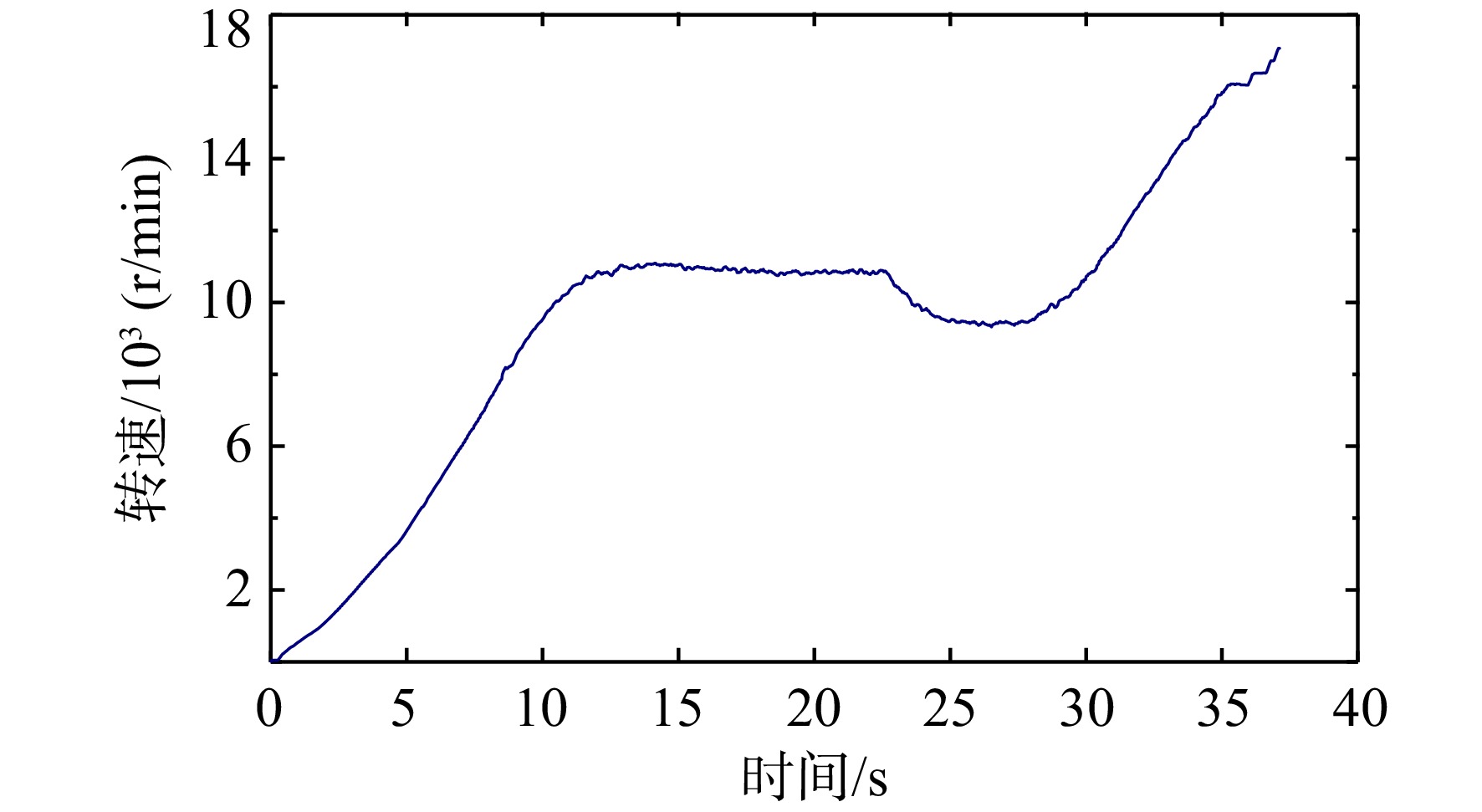
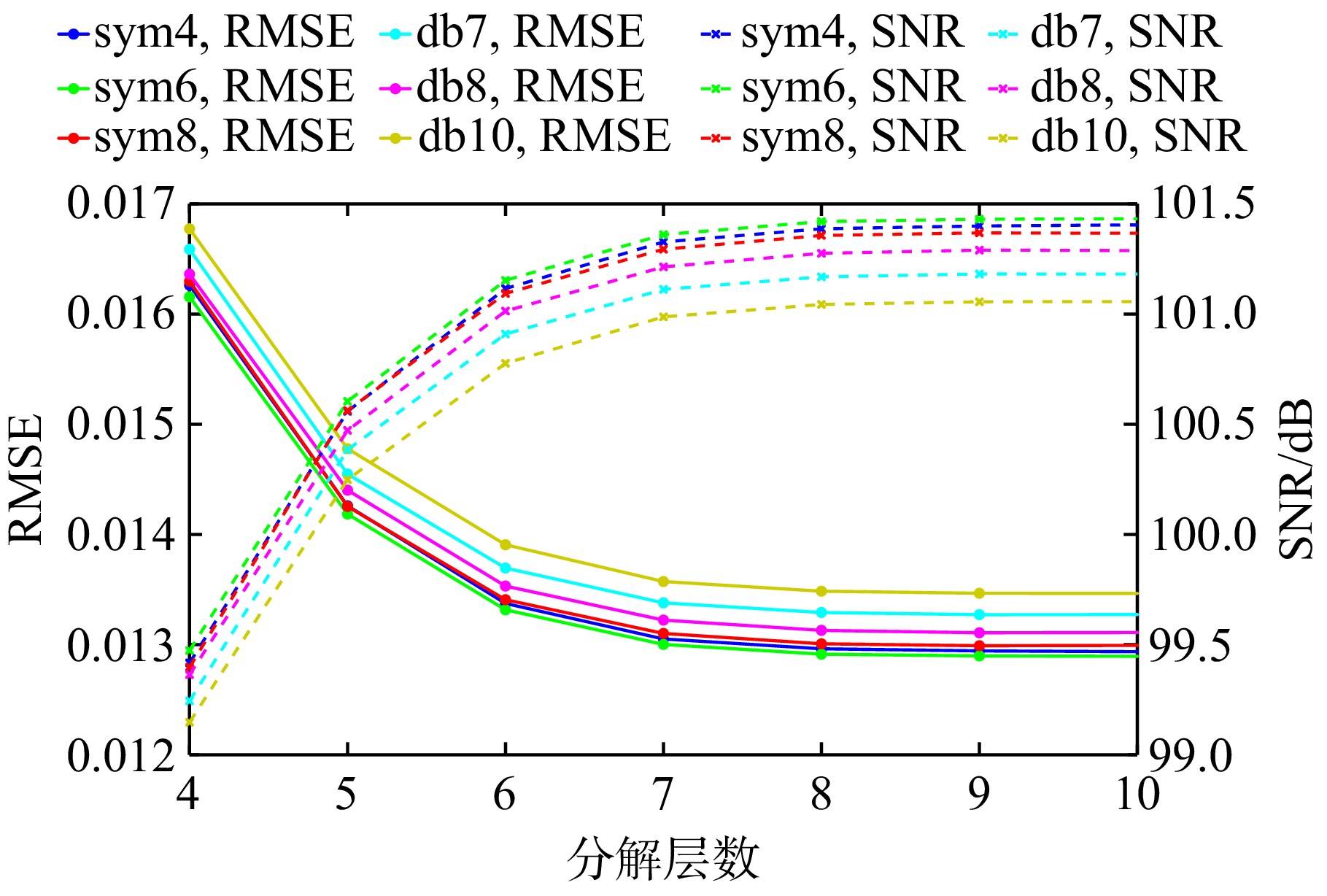
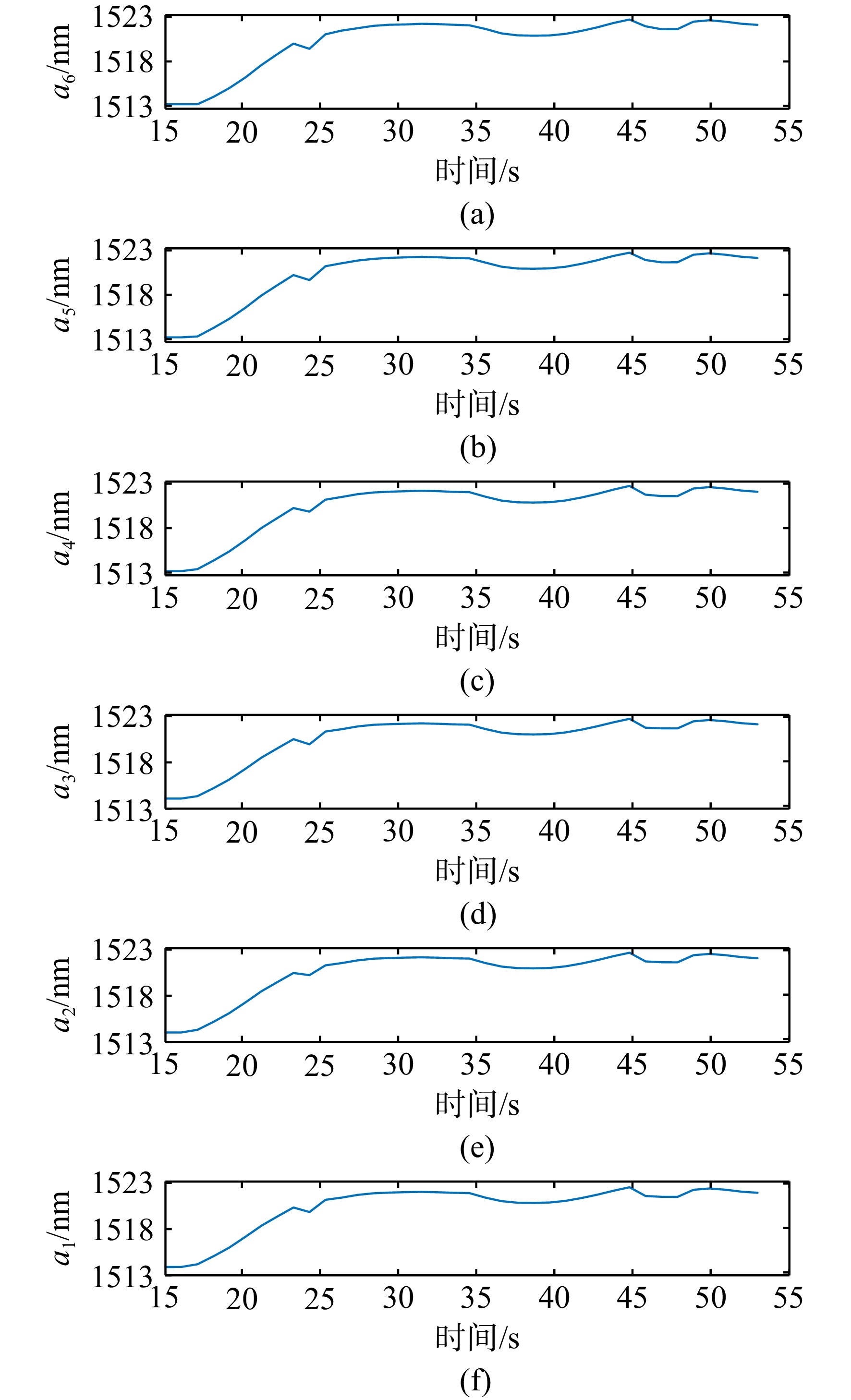
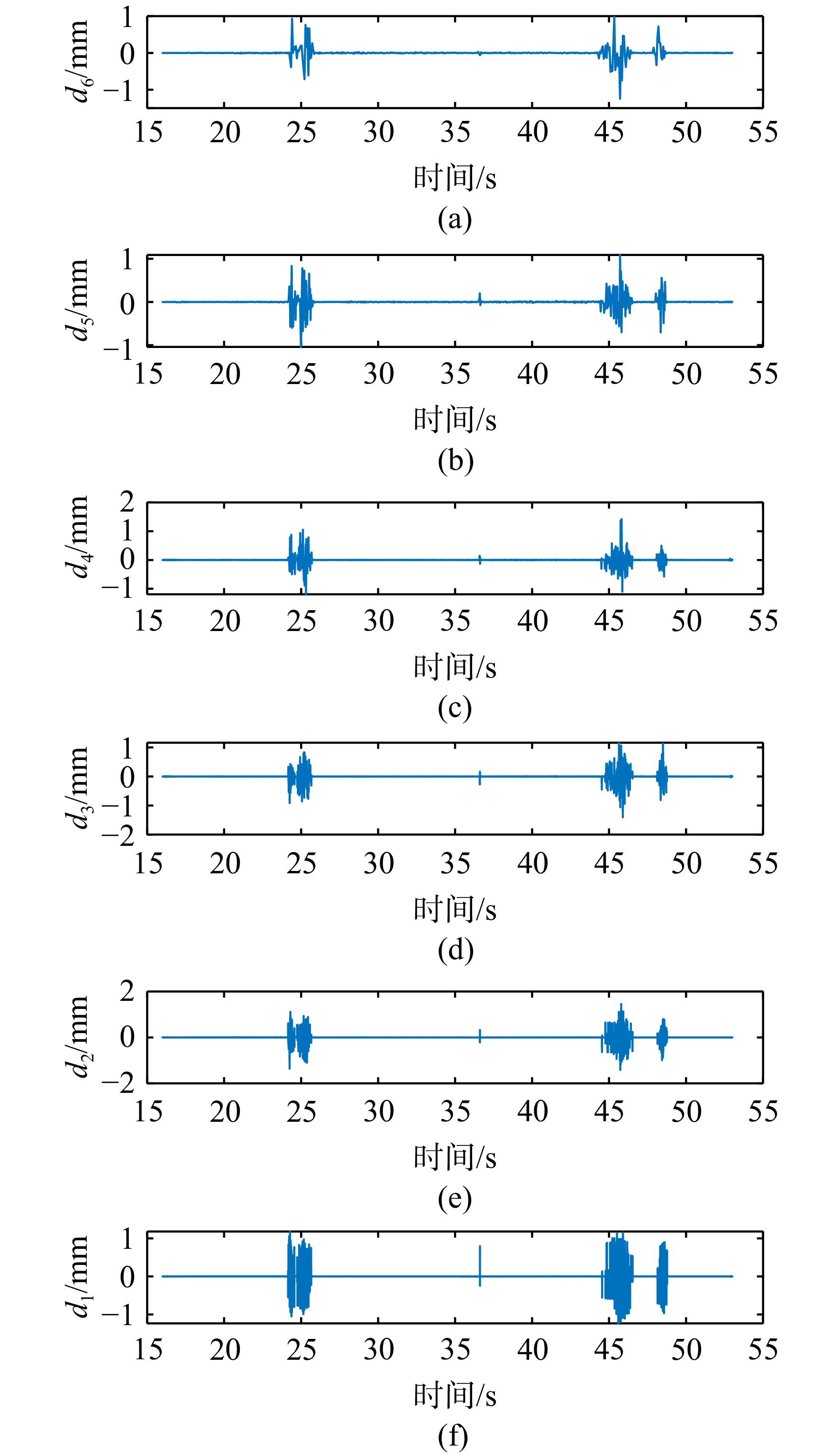
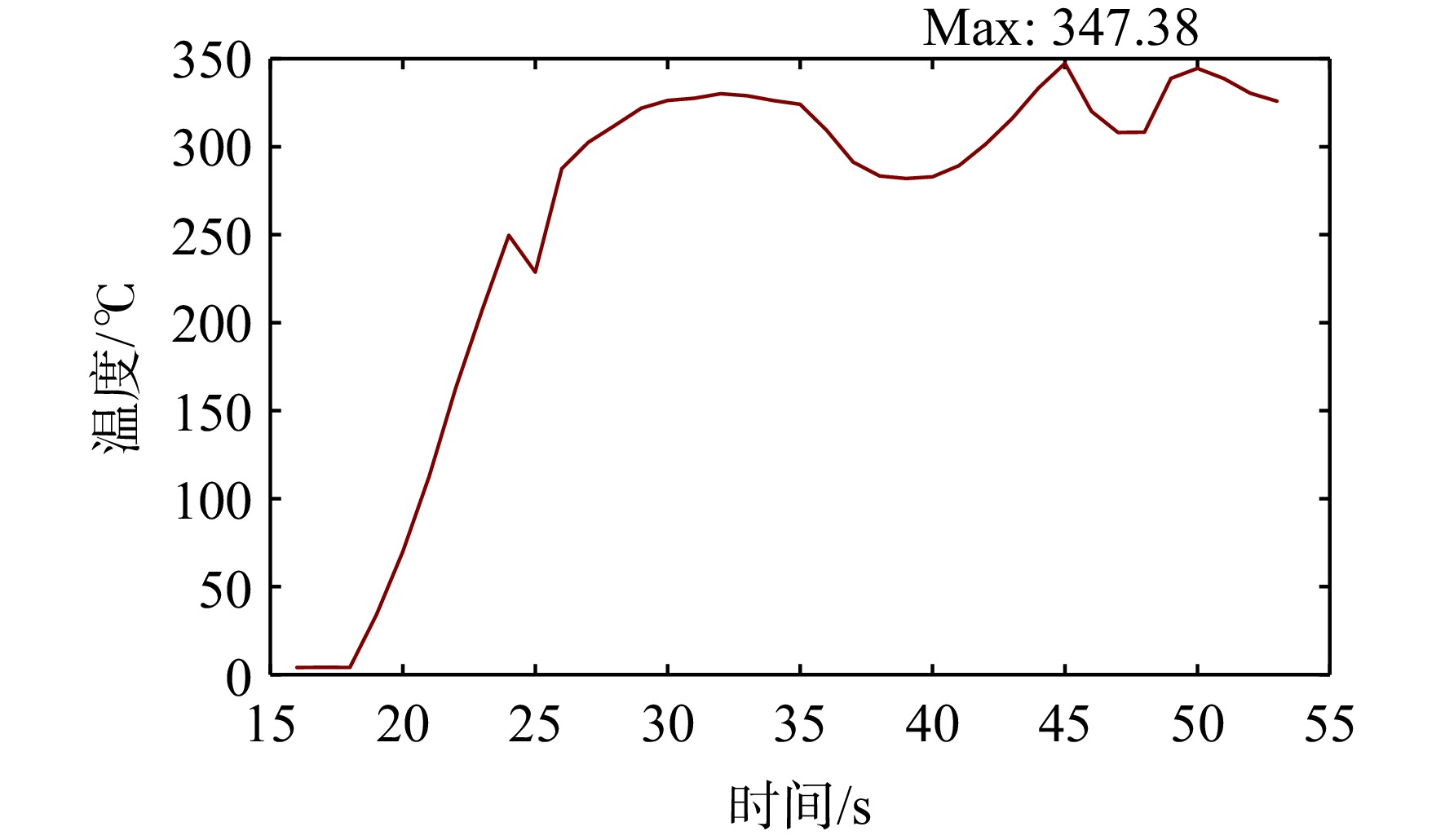
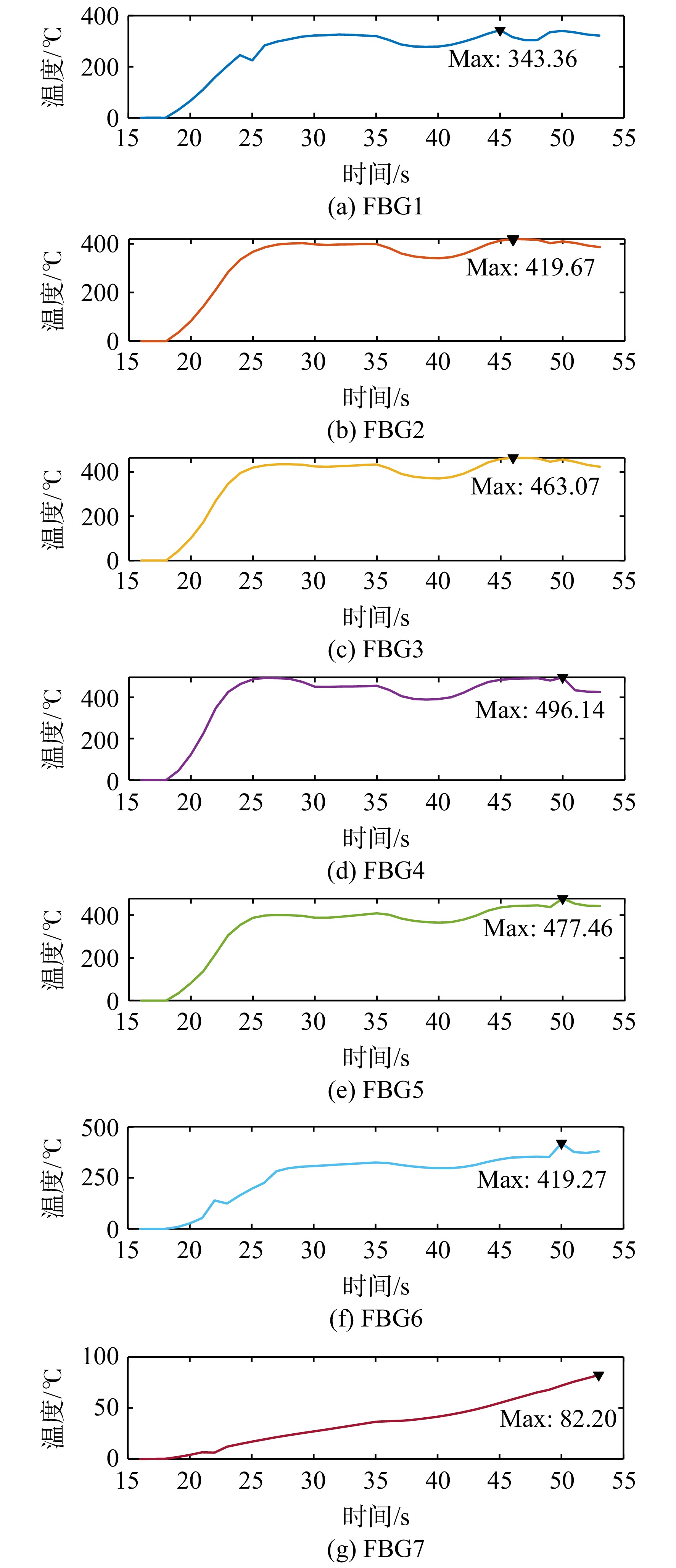
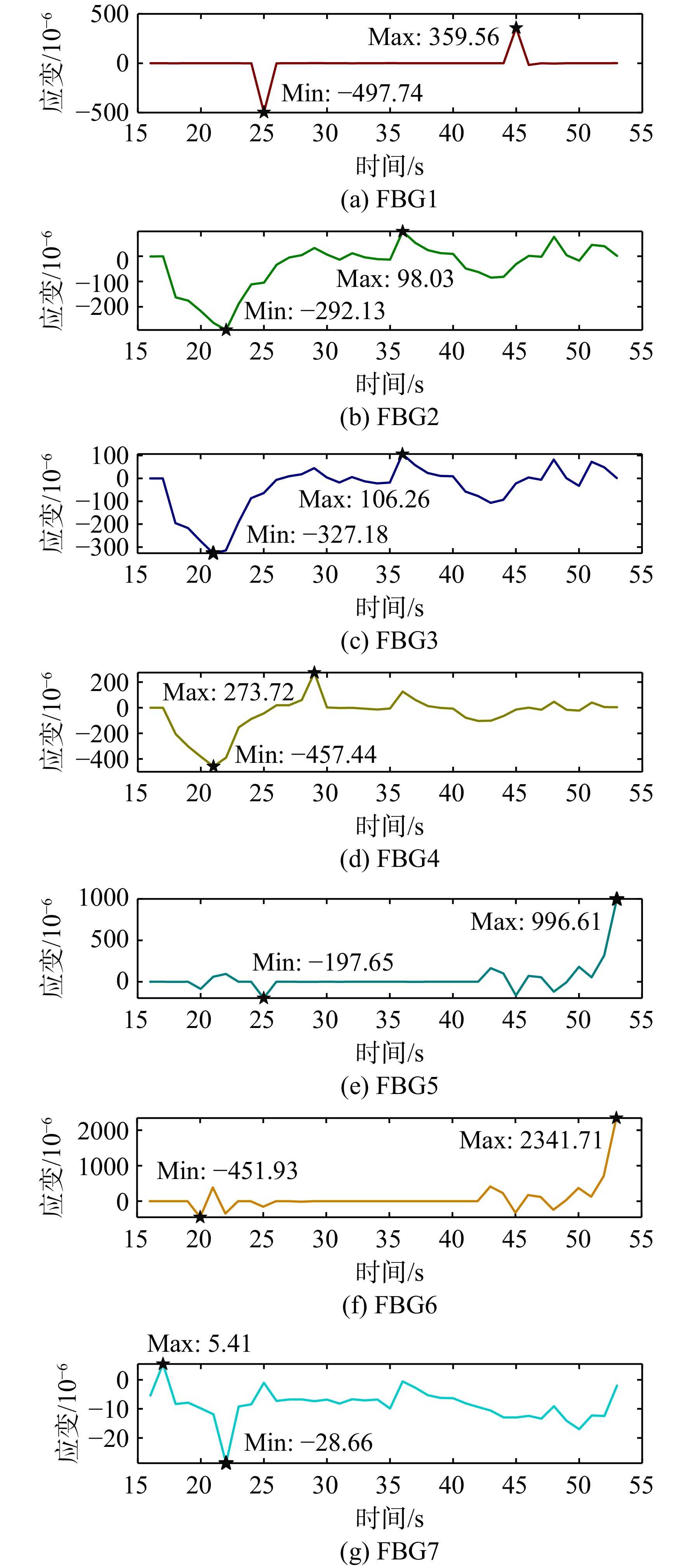
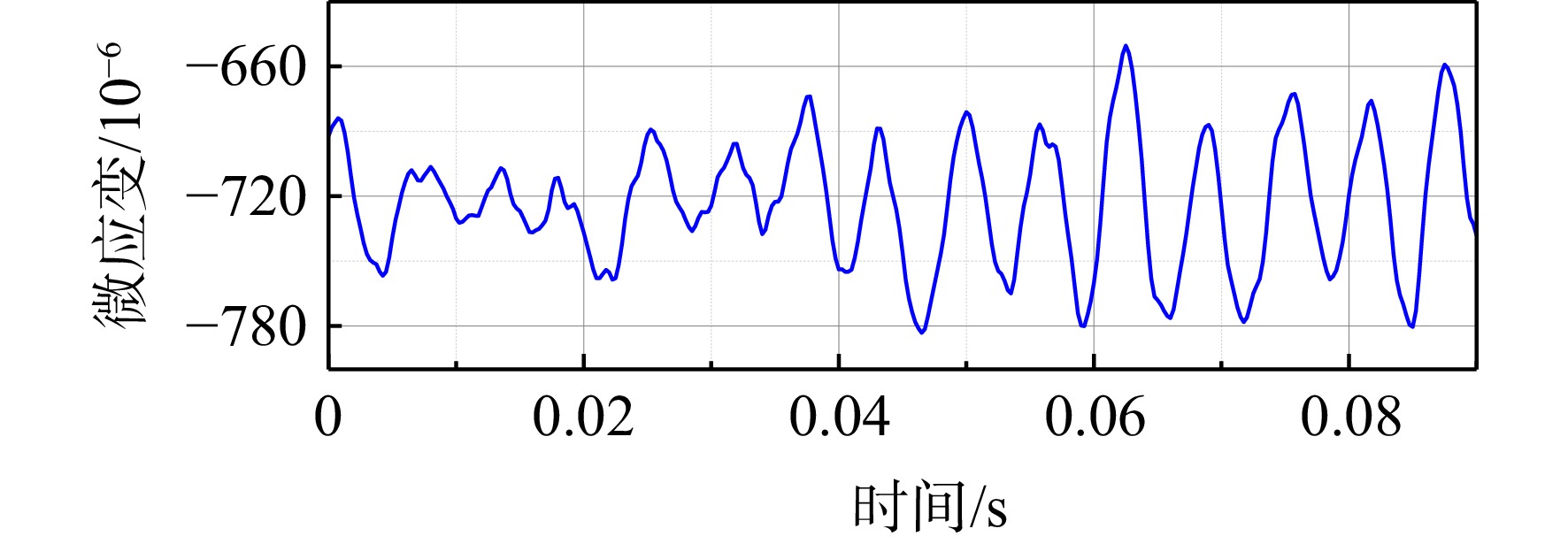
An experimental system was established by integrating fiber Bragg grating sensor strings, high-speed optical slip rings, and fiber Bragg grating signal demodulation algorithms. A wavelet domain signal denoising method based on unbiased risk estimation threshold was proposed to address the interference of various noises in the engine test data and improve the quality of signal processing. A multi-level discrete wavelet transform was proposed to decouple the temperature-strain composite signals from the fiber Bragg grating. The research results showed that the demodulation system can stably collect signals at 17 000 r/min, with the strain and temperature signals successfully separated. The temperature gradually increased from the blade root to the blade tip, with the most significant strain changes occurring at the leading edge of the blade's windward surface.

Tip timing compress sensing reconstruction of blade non-synchronous vibration
WANG Zengzeng, LIU Mengyong, MA Hongwei, LI Zetao, ZHANG Ming
2026, 41(4): 20250066. doi: 10.13224/j.cnki.jasp.20250066
Abstract:

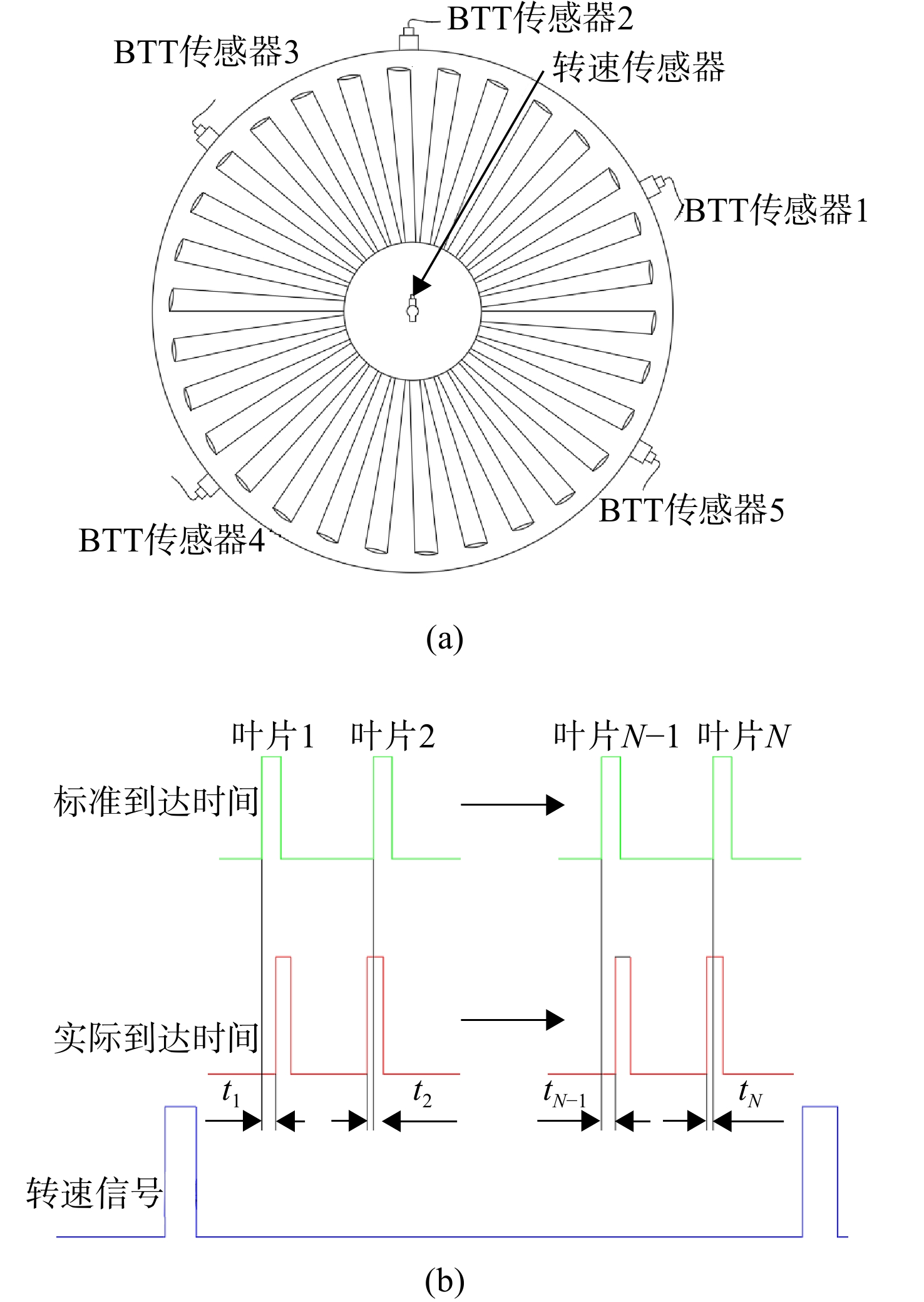
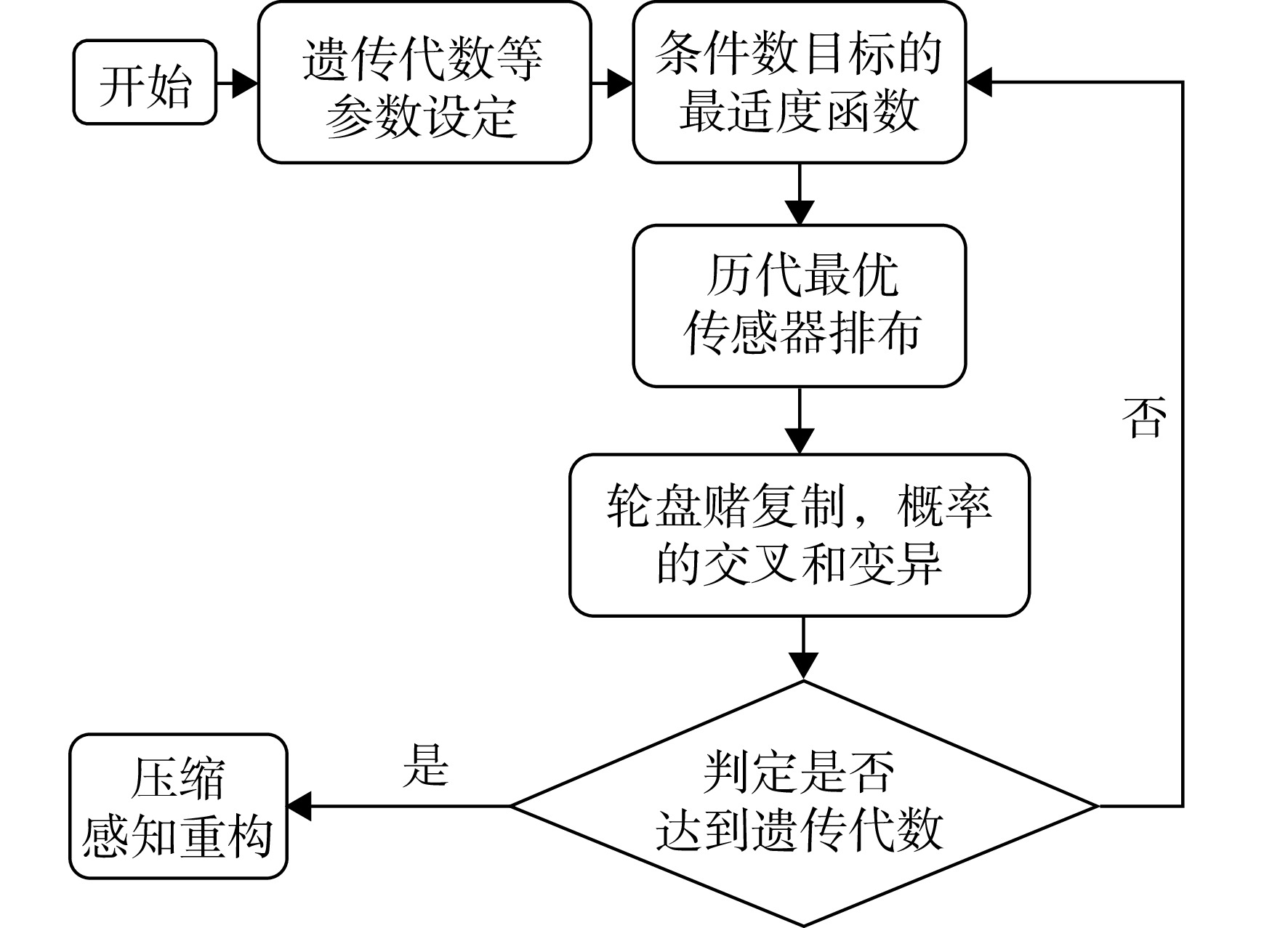
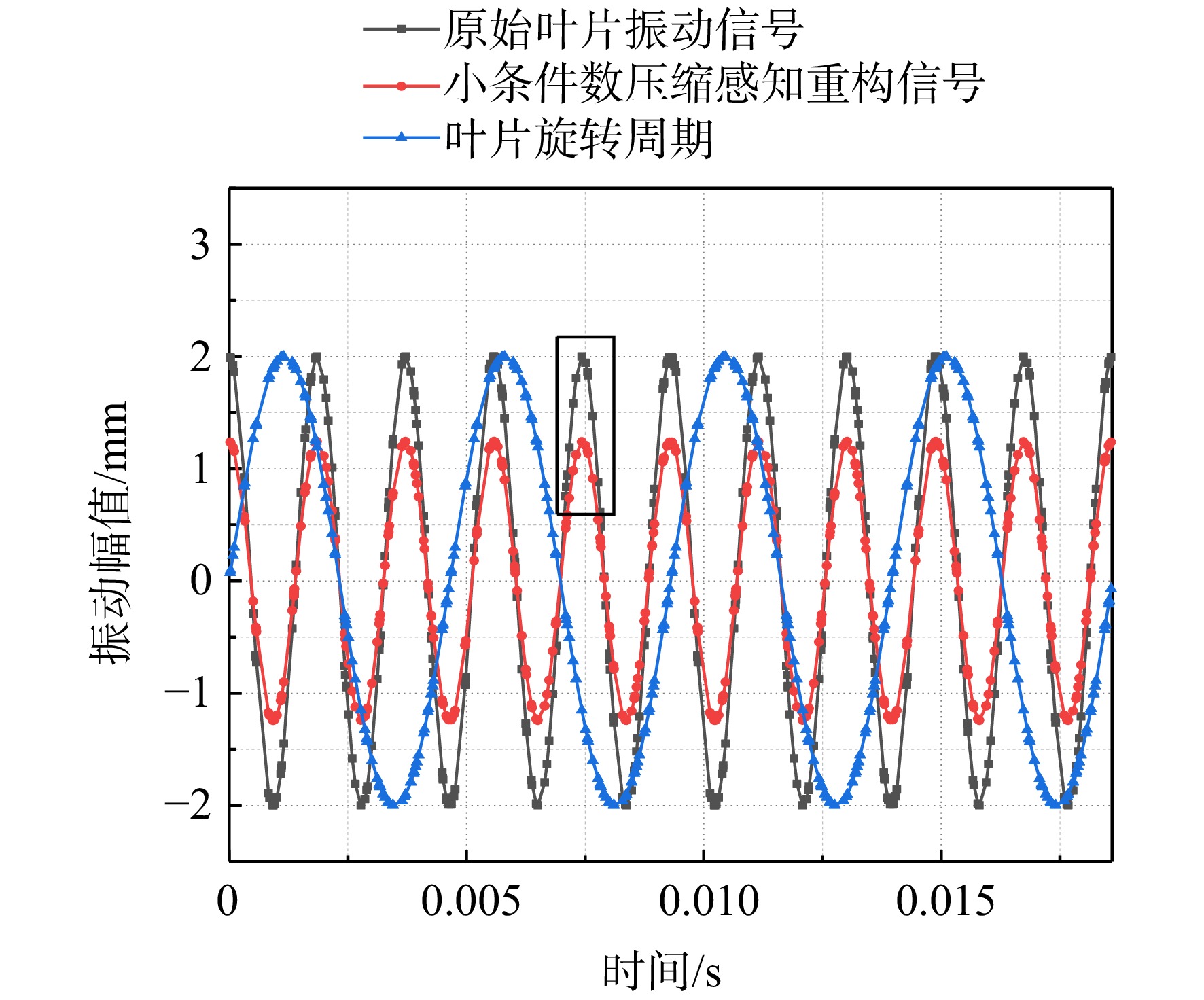
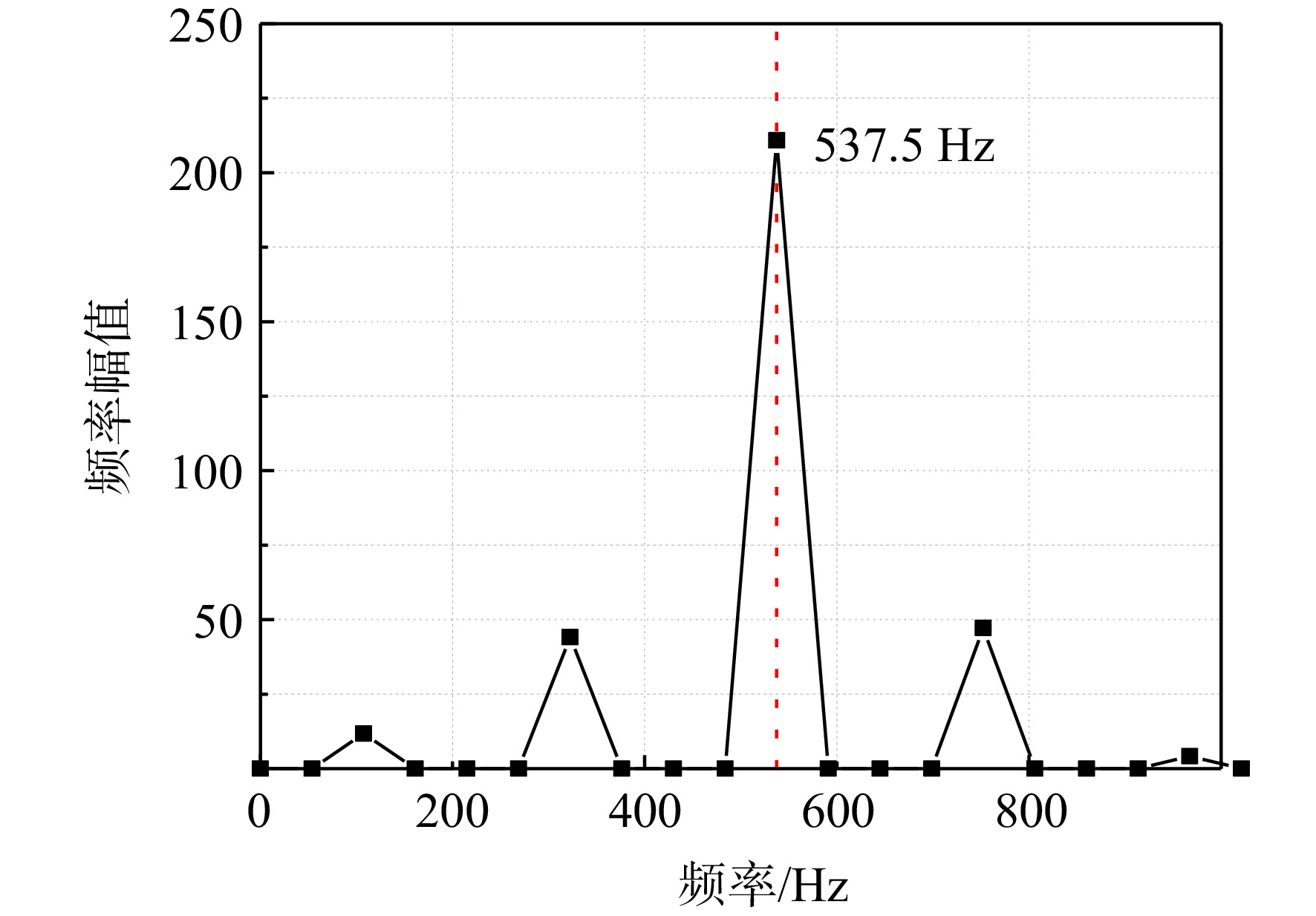
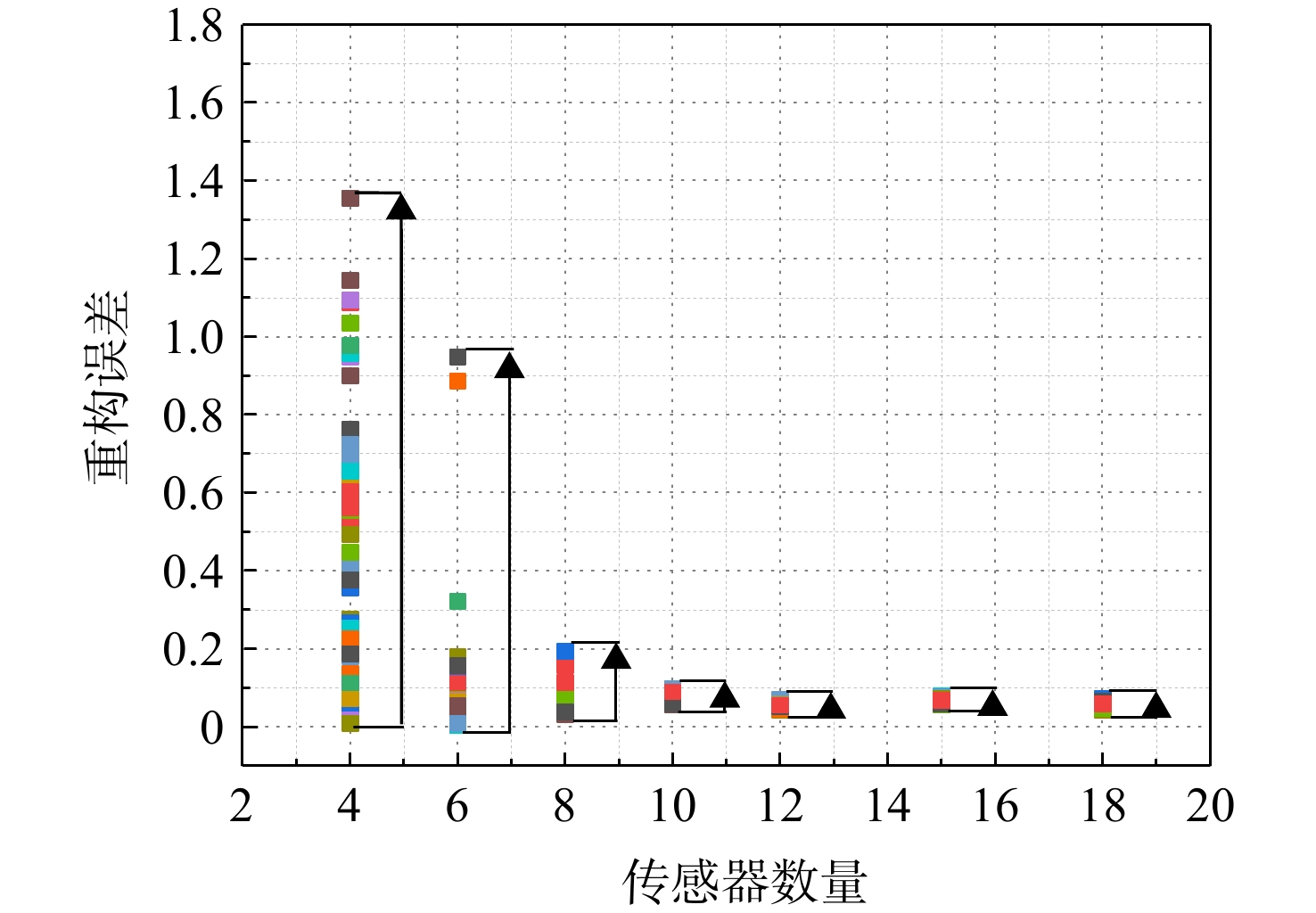
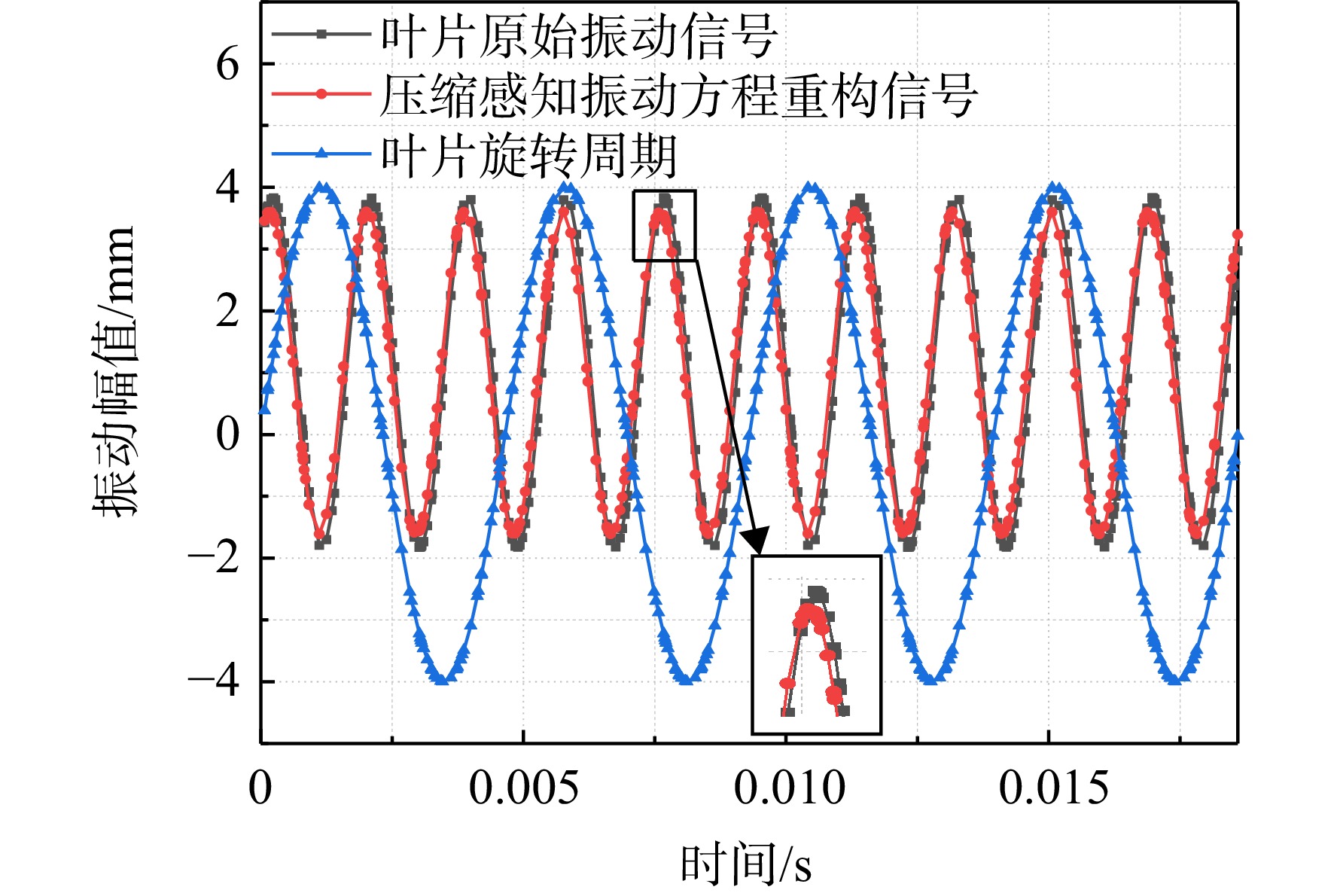
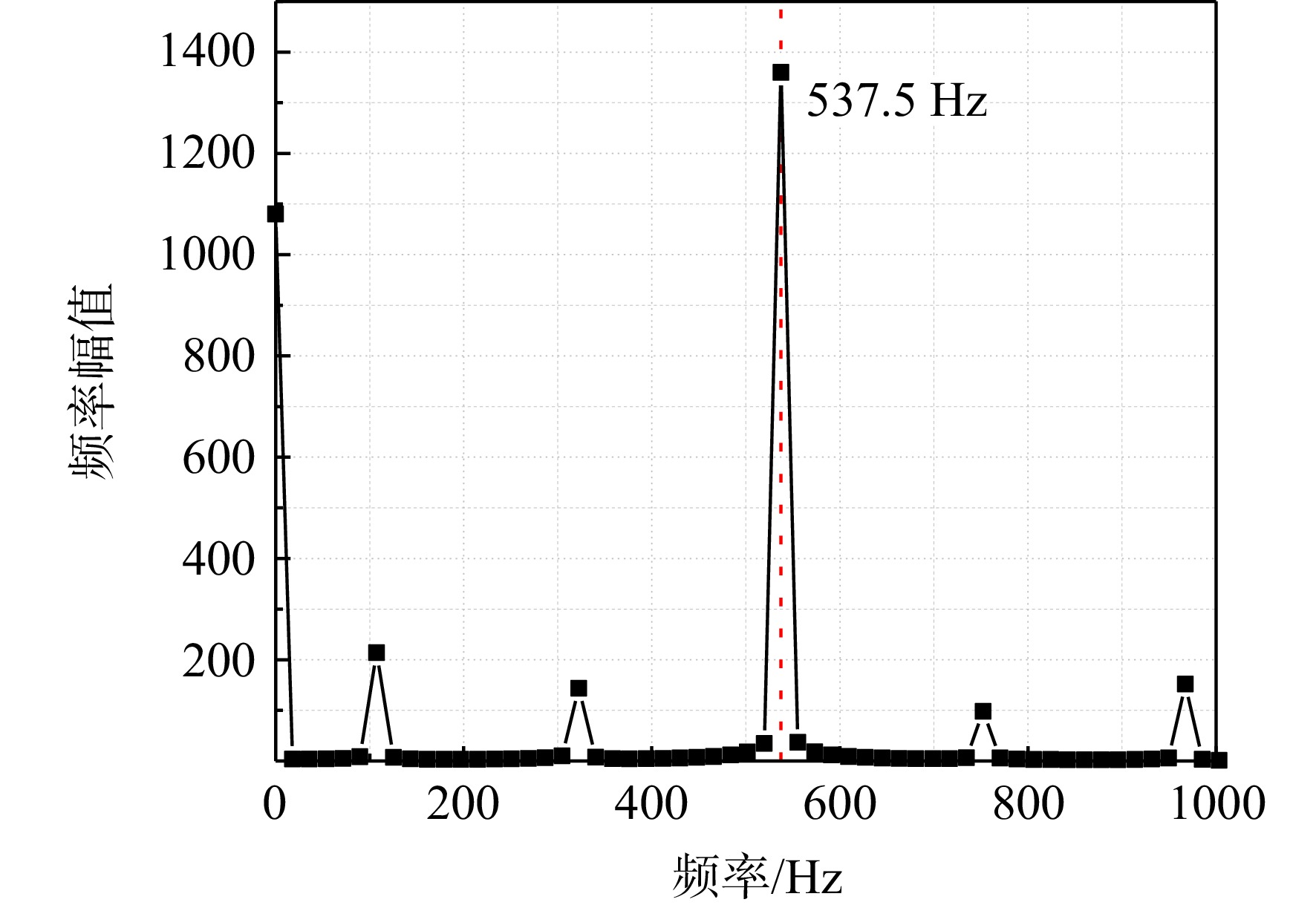
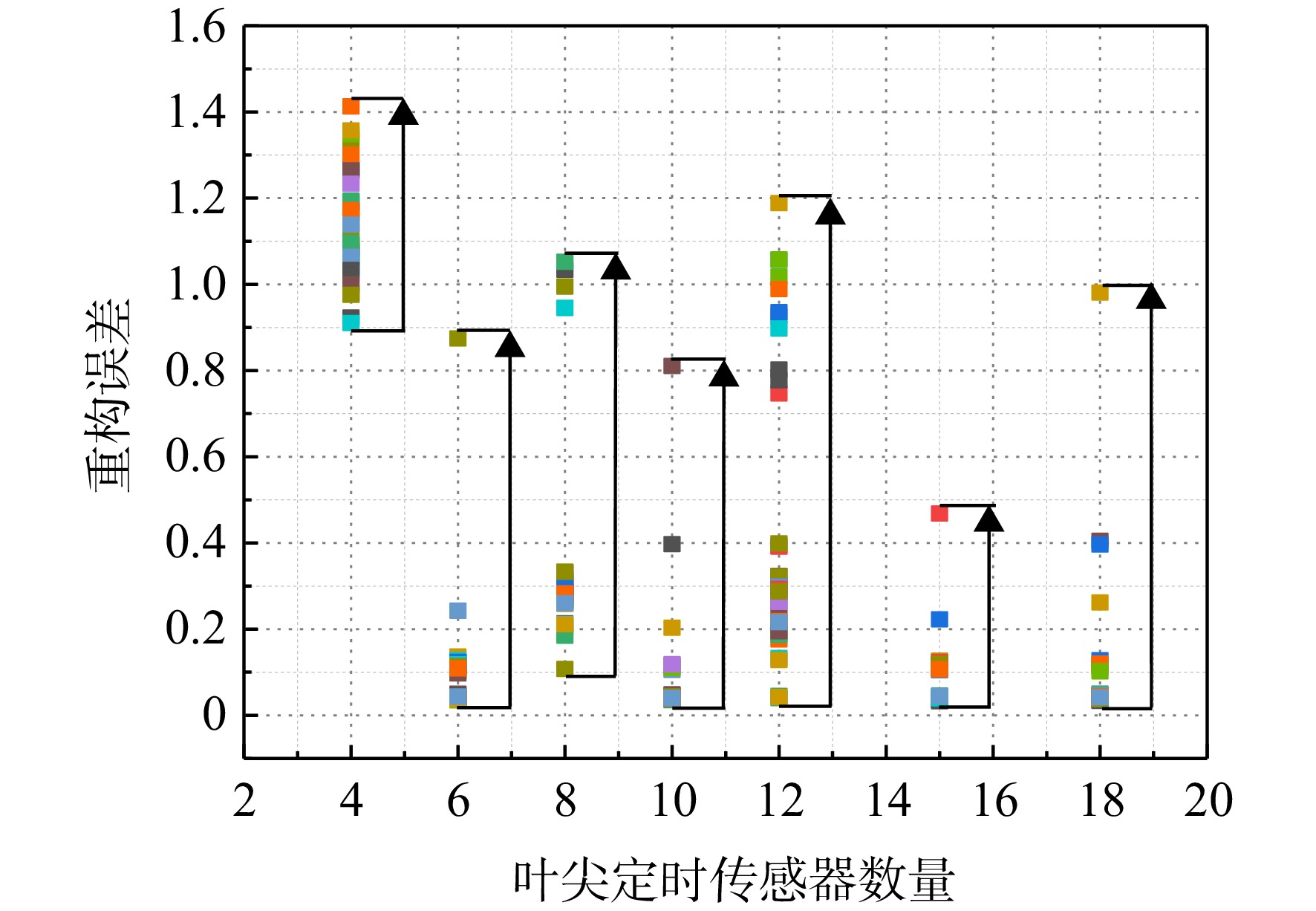
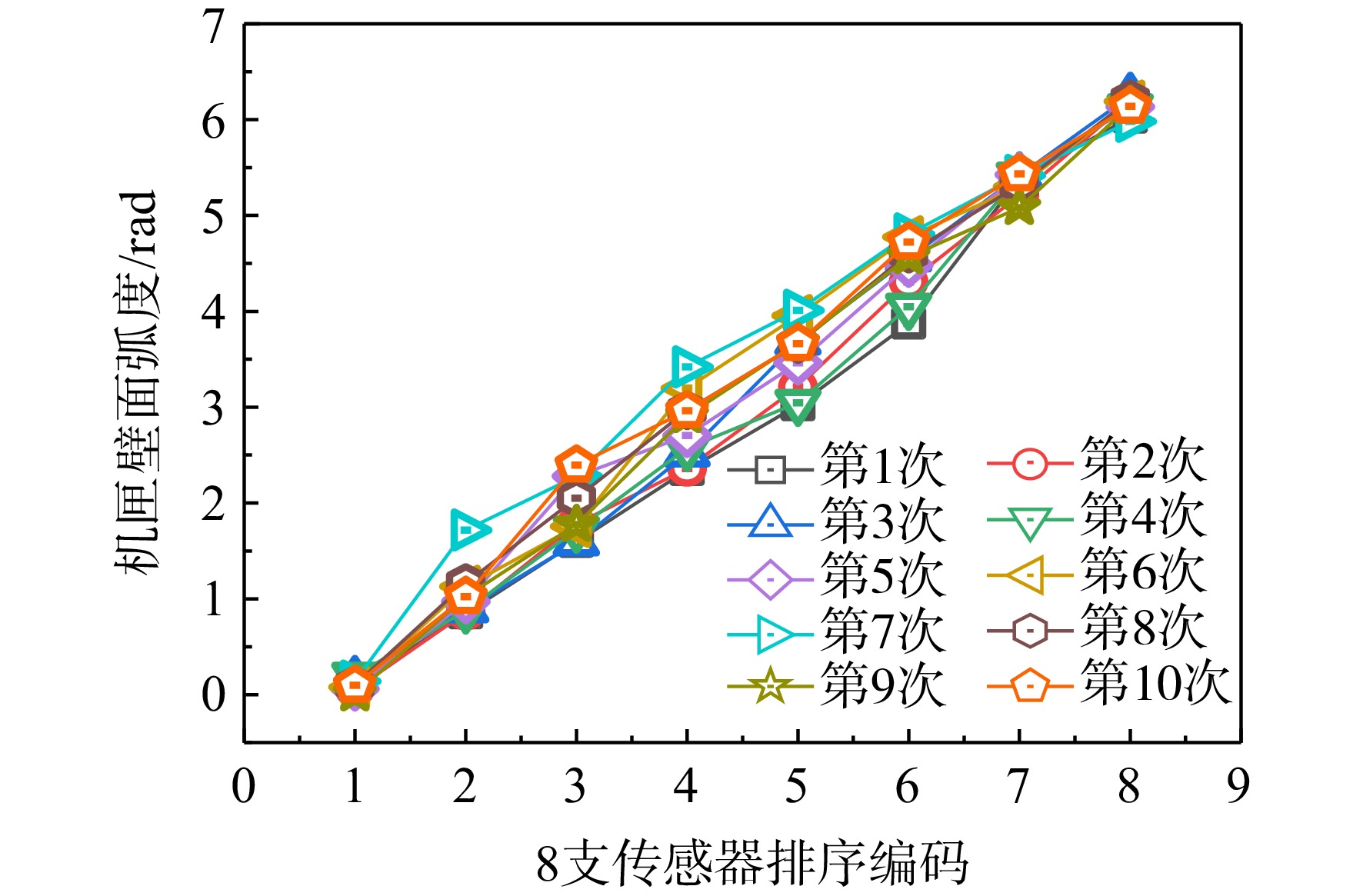
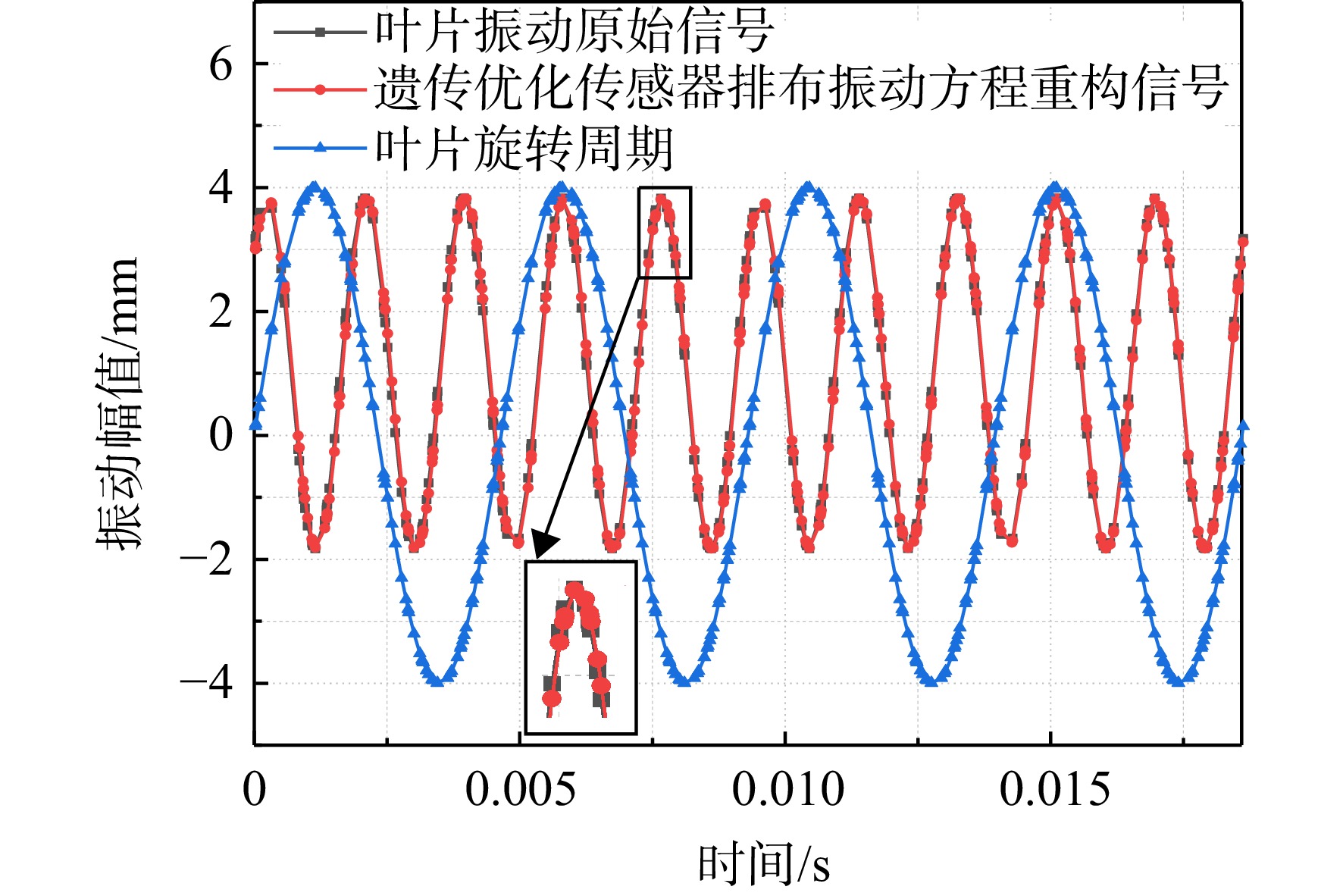
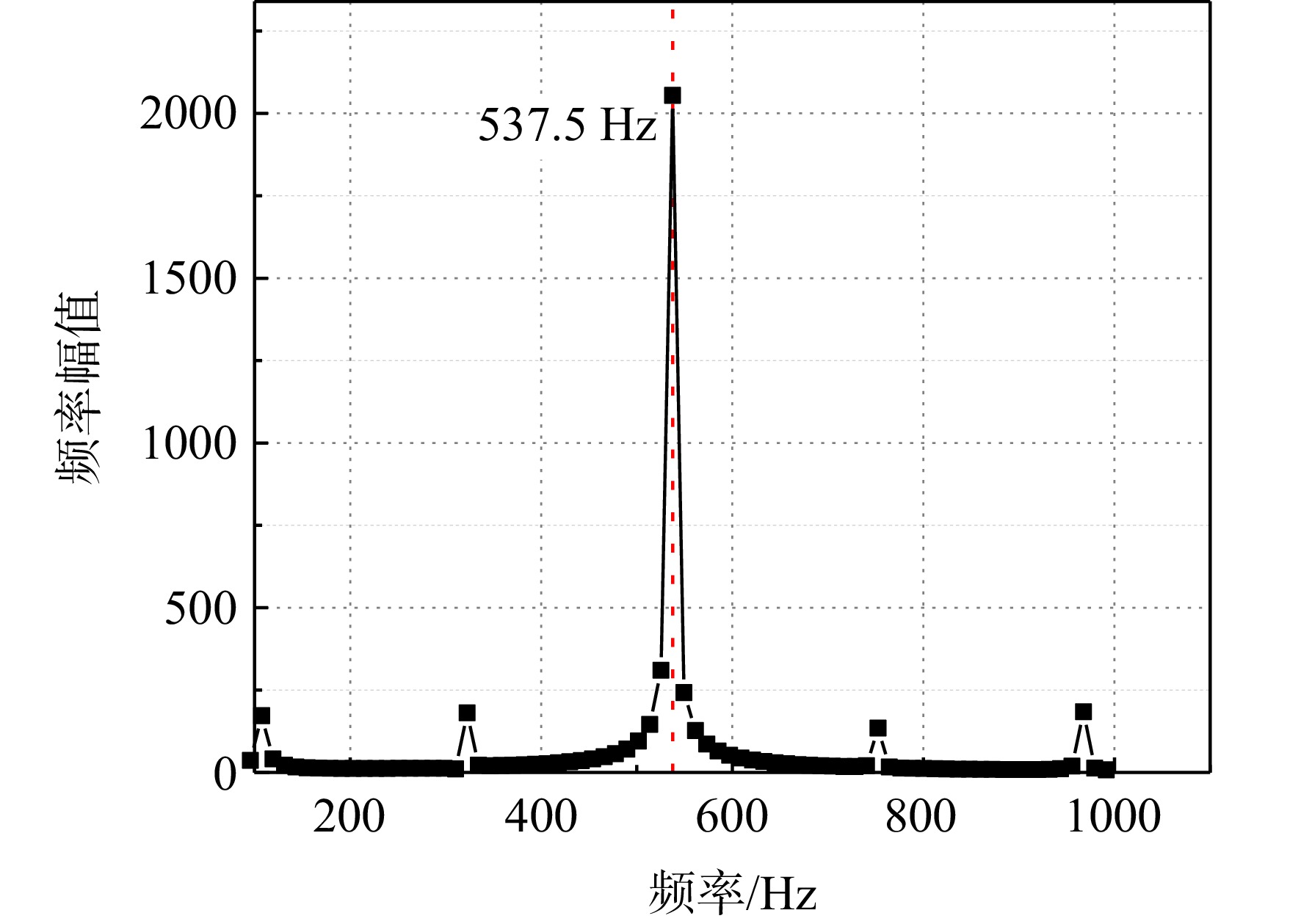
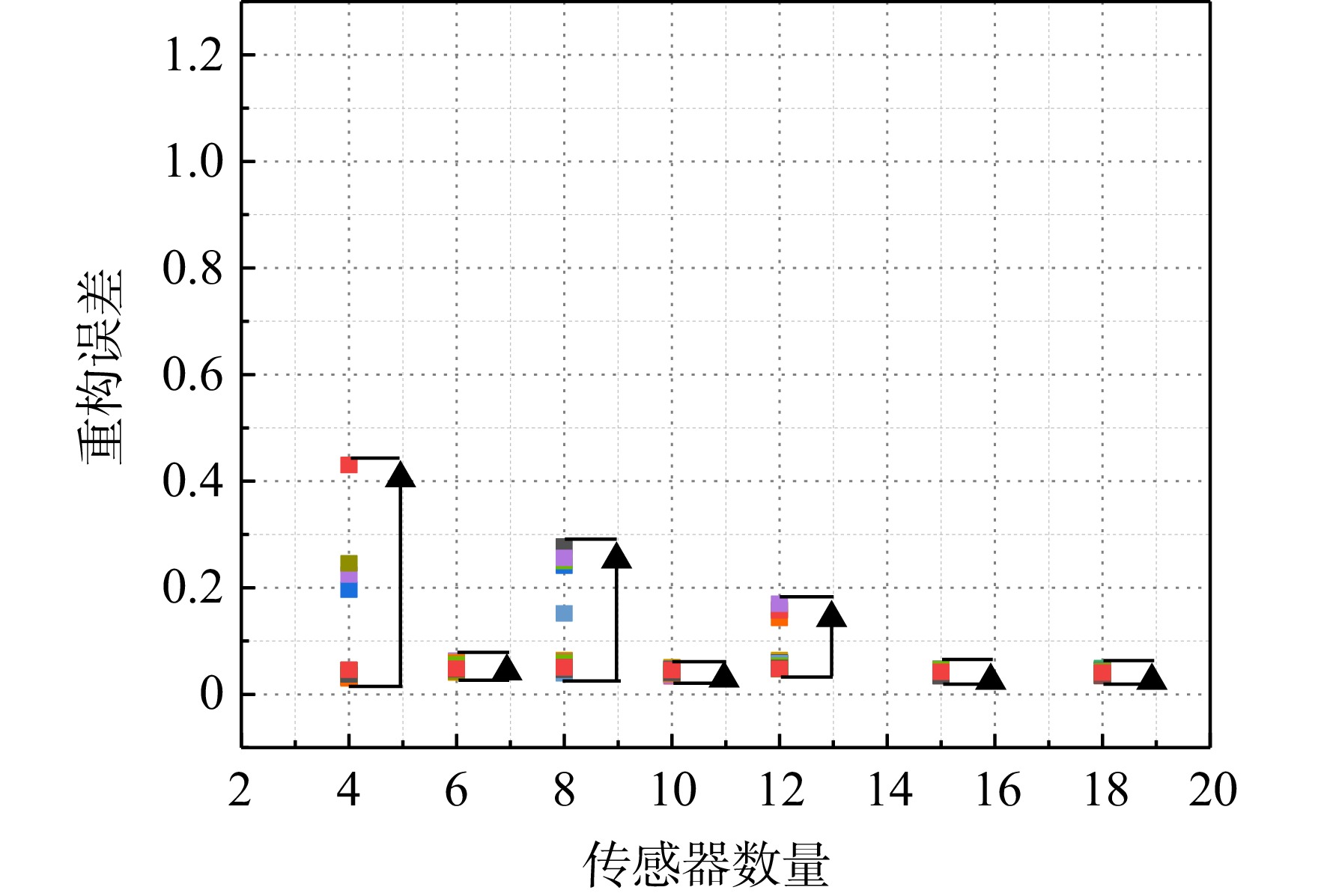
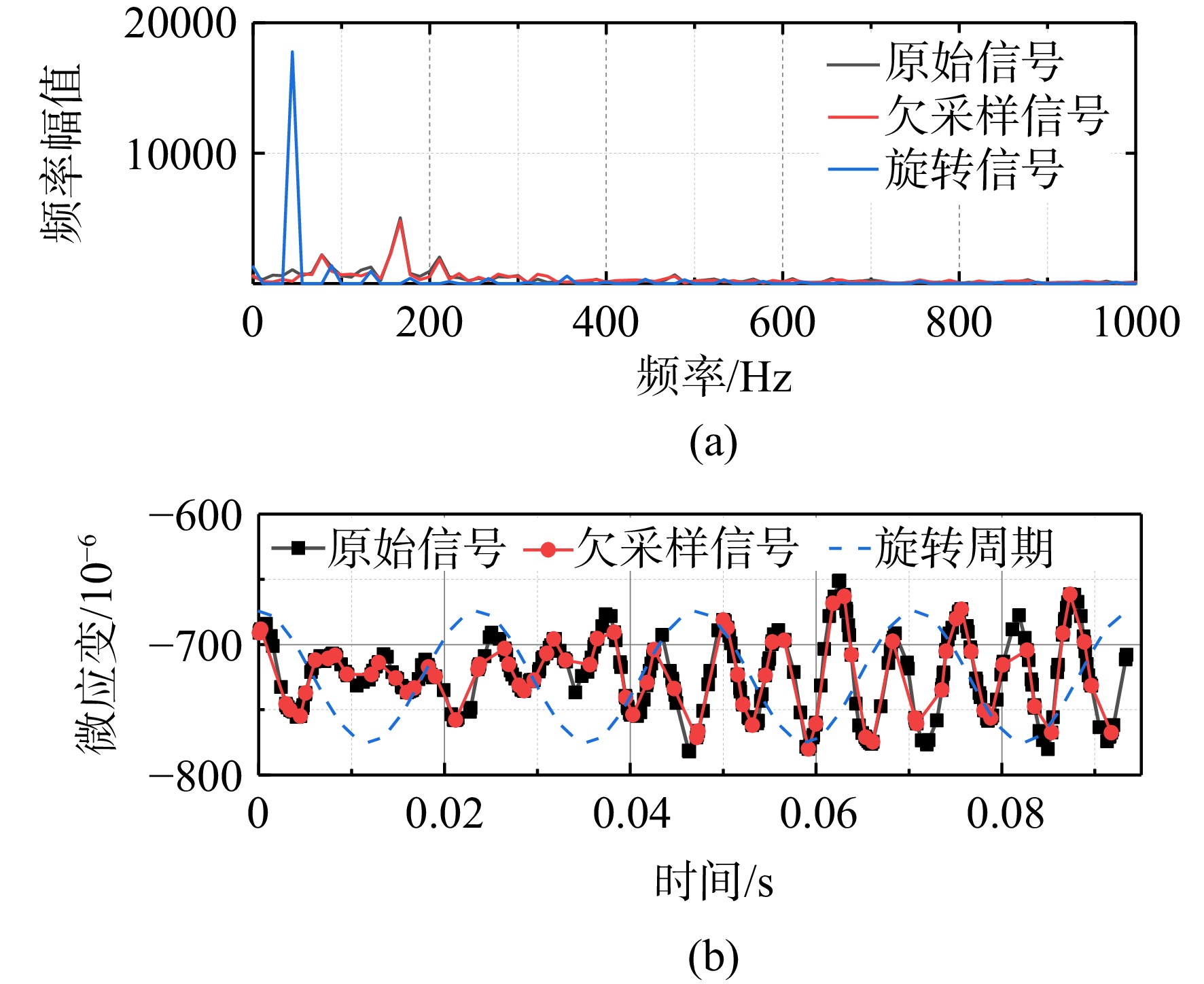
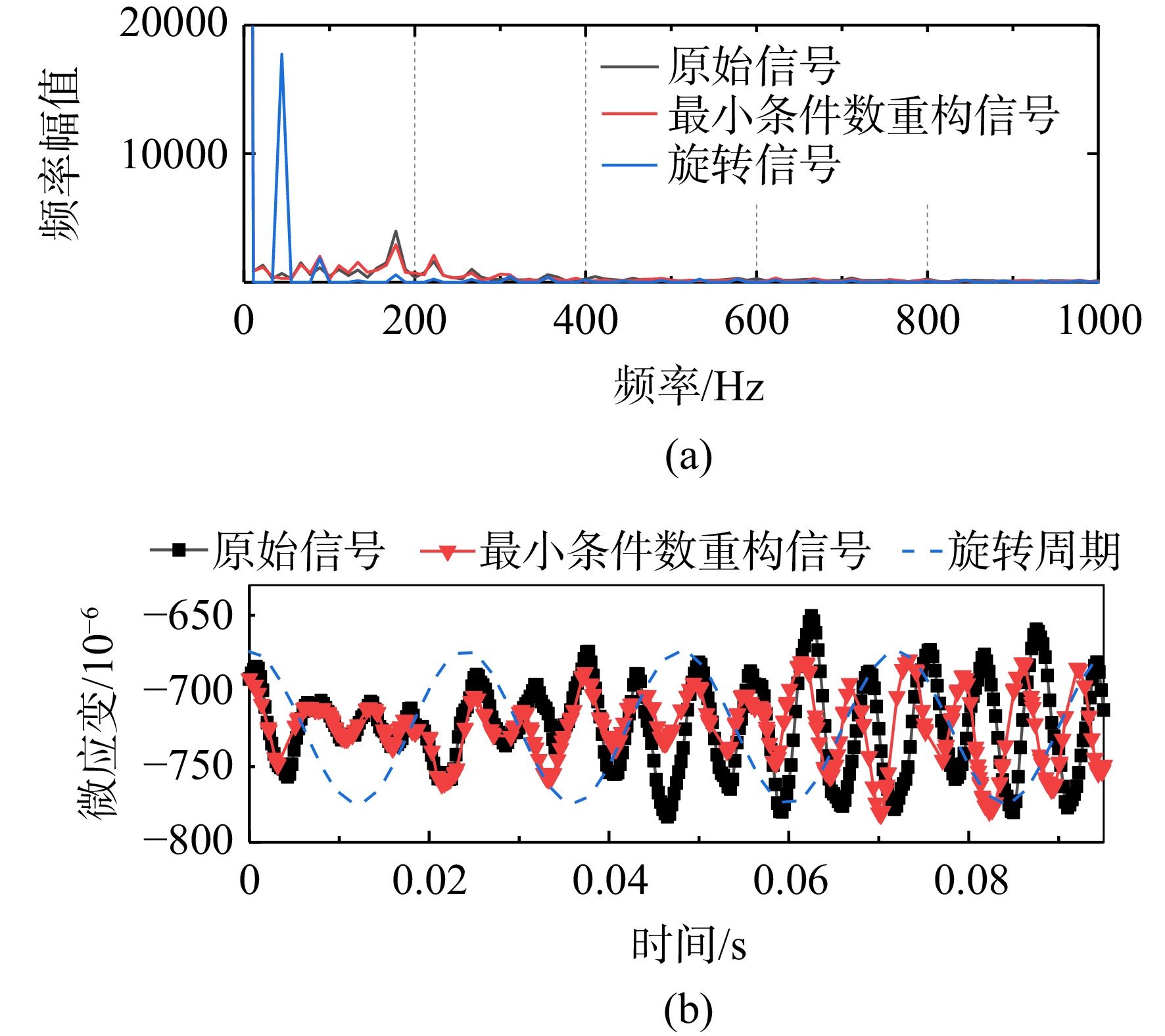
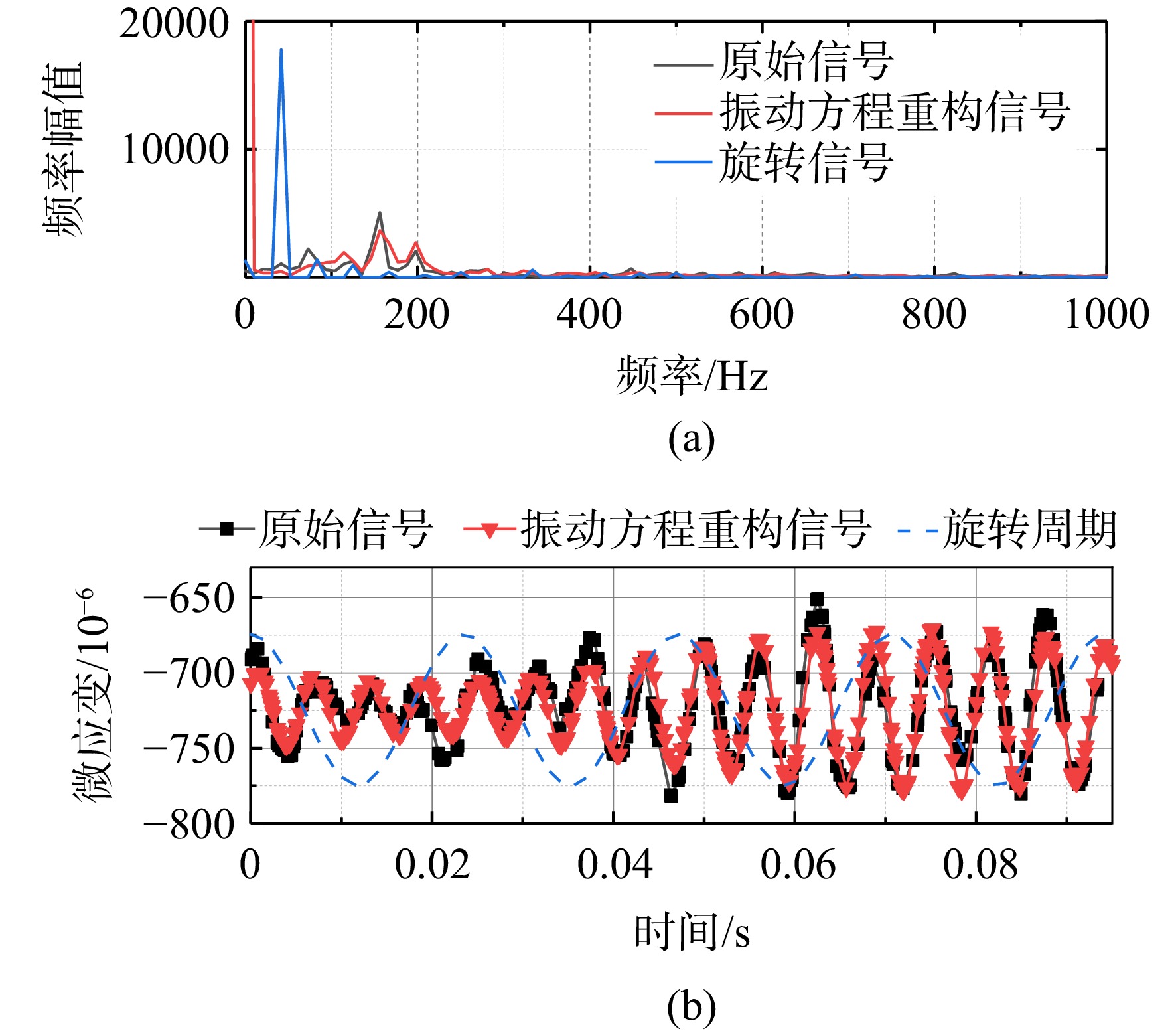
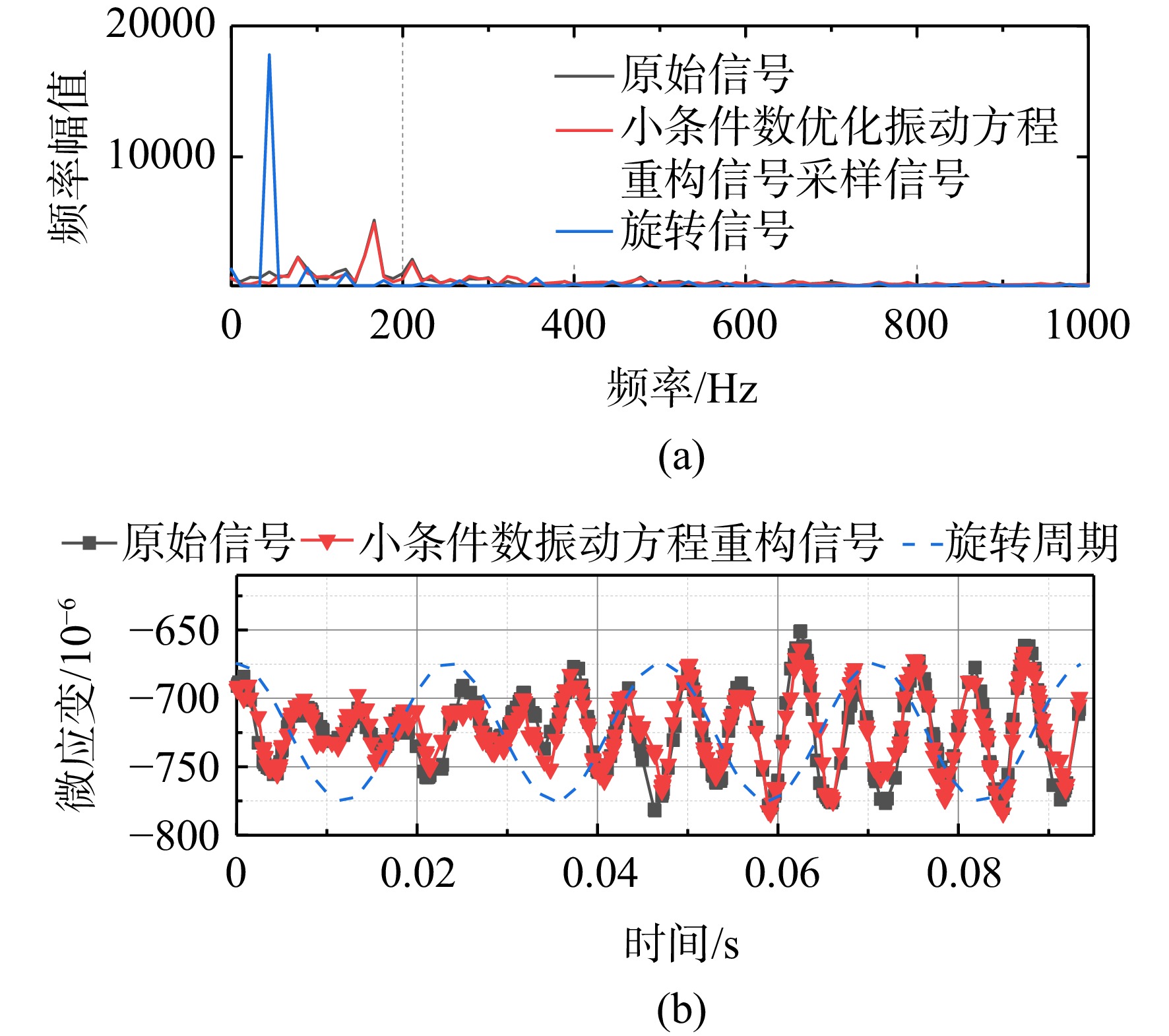
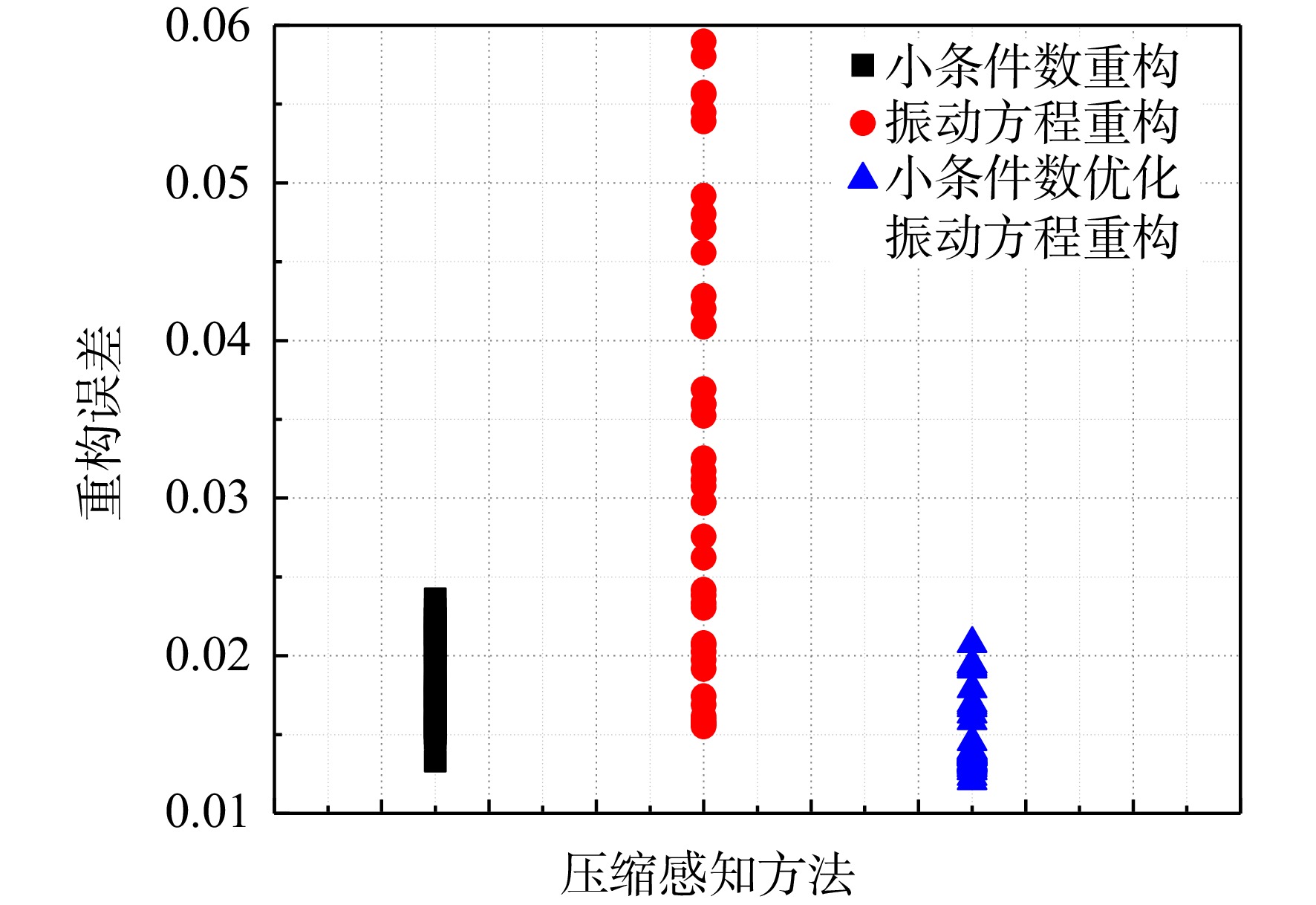
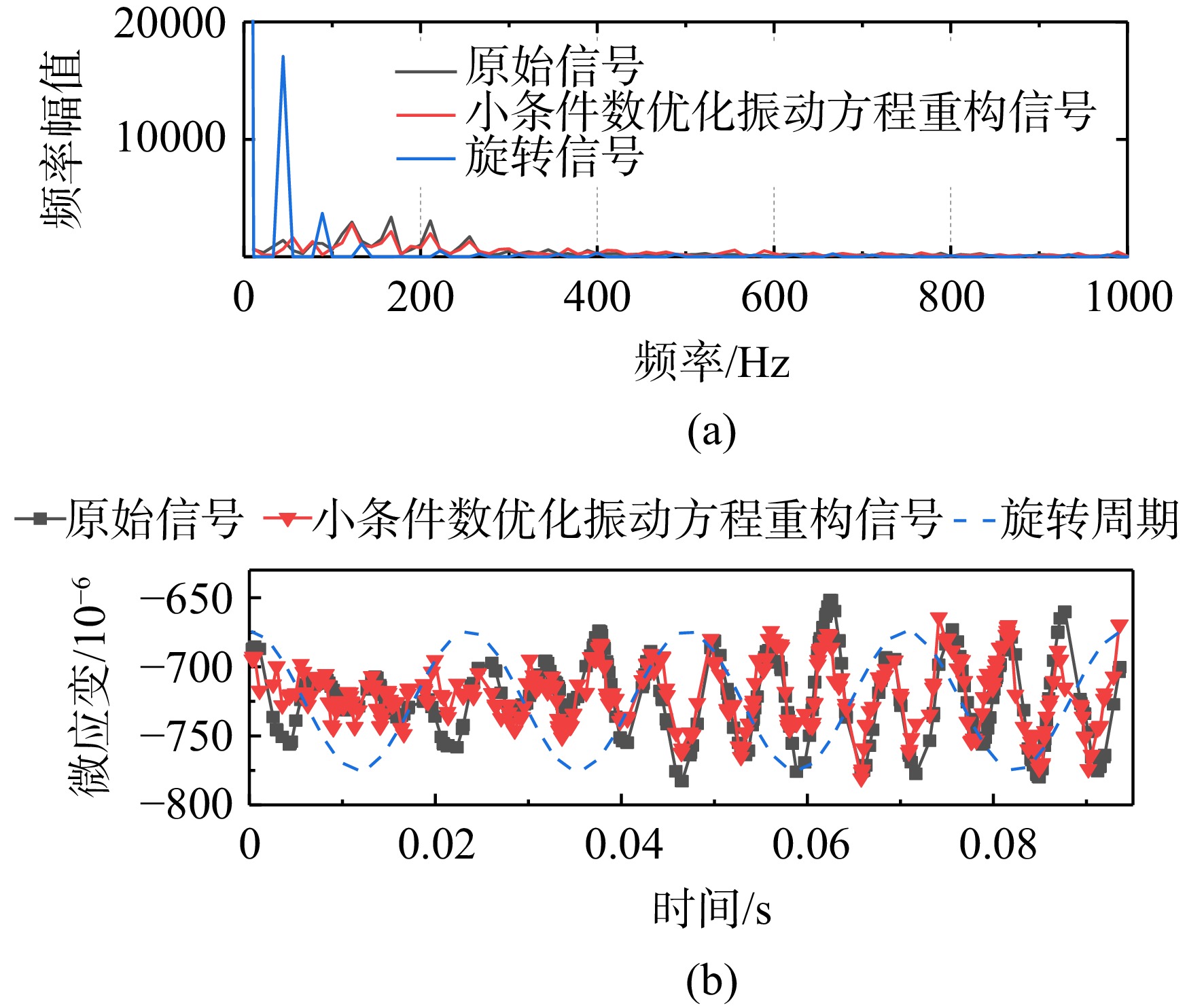
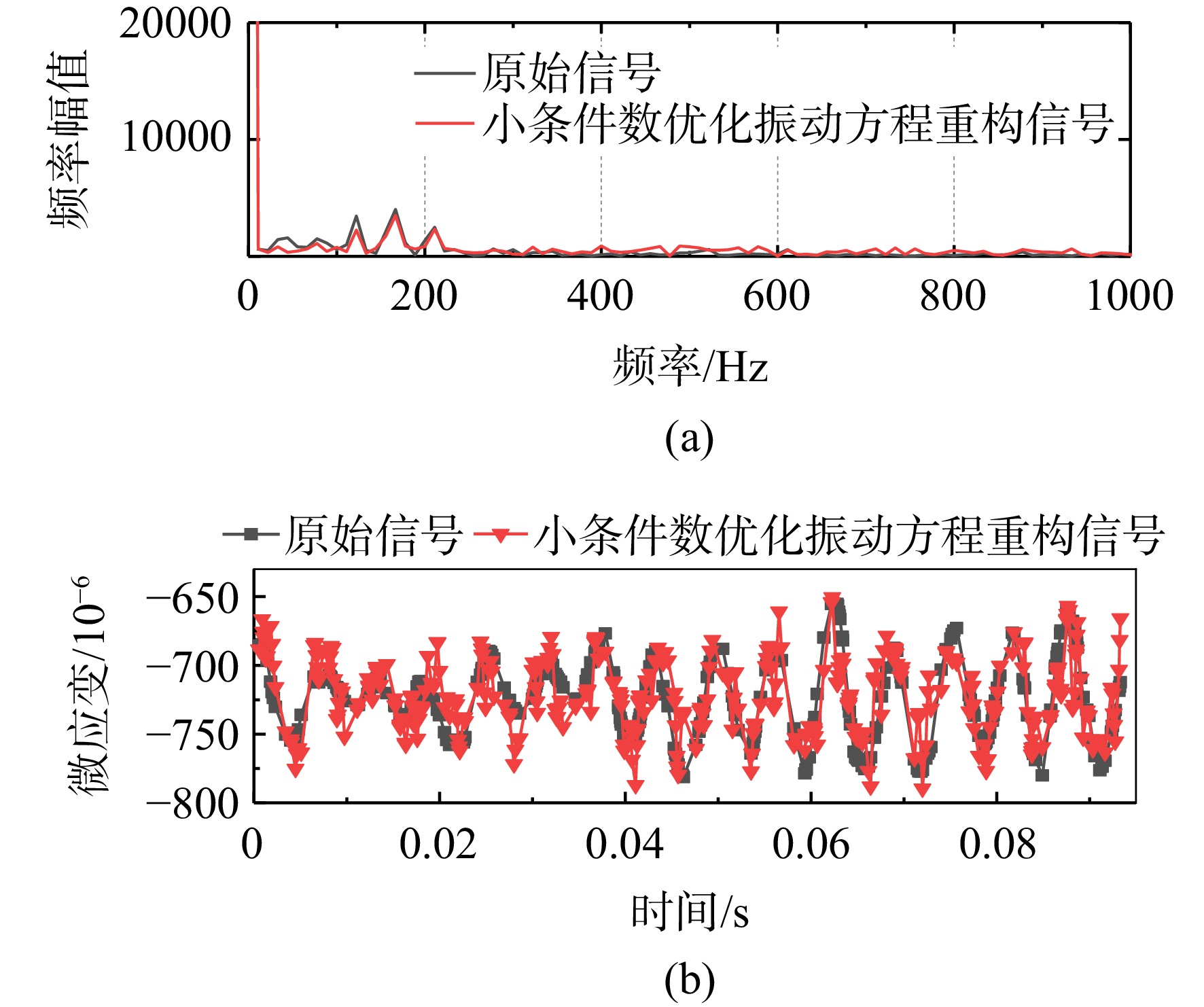
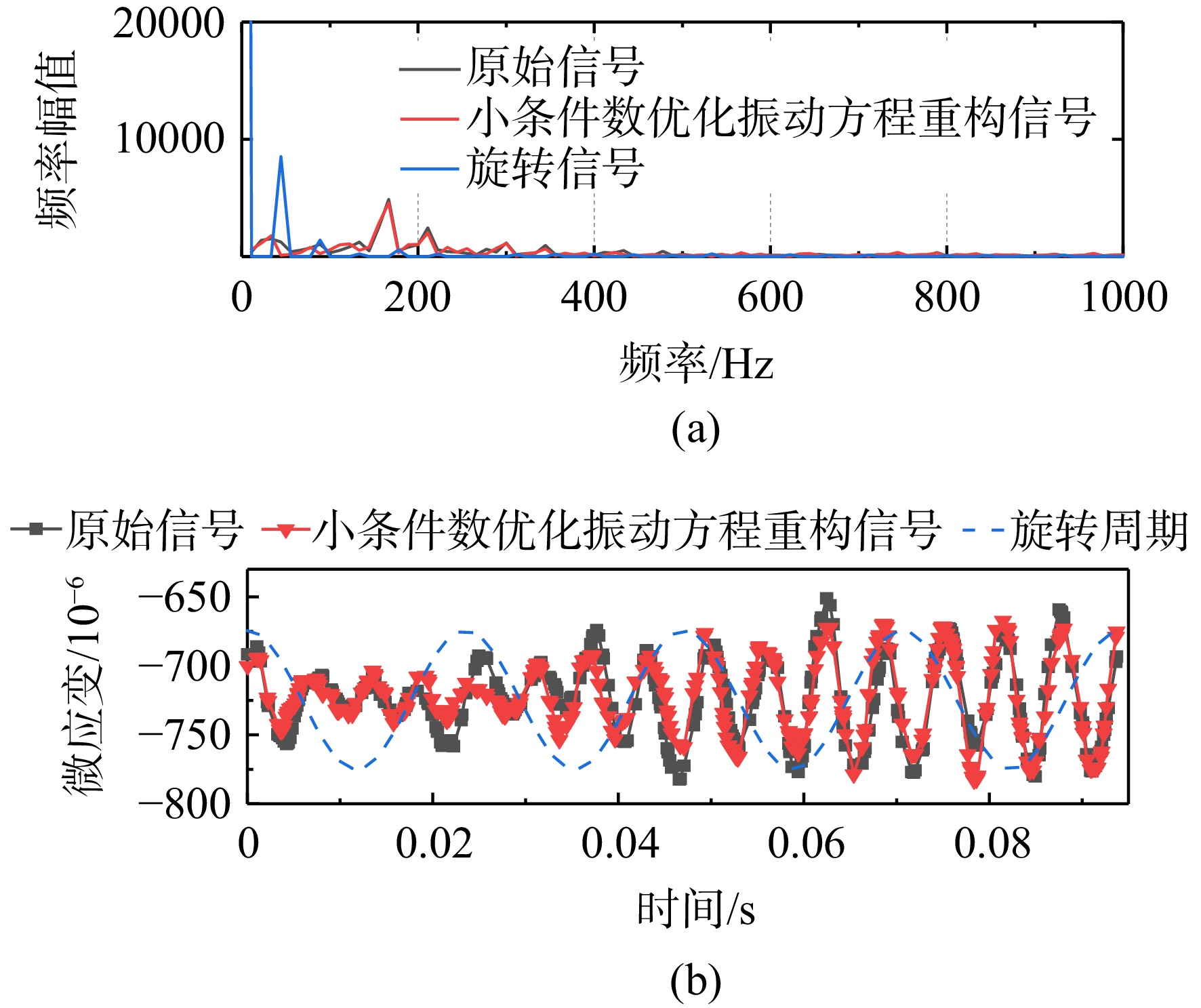
The compressed sensing reconstruction error analysis and comparison of 2.5 times rotating frequency blade non-synchronous vibration signals were conducted based on the condition number optimized sensor arrangement compressed sensing algorithm and the random sensor arrangement combined with the vibration equation dictionary compressed sensing reconstruction algorithm. It was found that the condition number optimized sensor arrangement algorithm was lower in amplitude accuracy than the algorithm based on the random sensor arrangement combined with the vibration equation dictionary. Under the same number of sensors, the stability of the reconstruction accuracy obtained by the generation method of the random sensor arrangement was far lower than the condition number optimized sensor arrangement algorithm. In order to improve the amplitude reconstruction accuracy of compressed sensing for non-synchronous vibration signals and obtain a more stable reconstruction error level, the condition number 1 of the recovery matrix was taken as the optimal objective. By optimizing the sensor layout through genetic variant and combining it with the vibration equation to construct a dictionary, the coefficients of the vibration equation were obtained to reconstruct non-synchronous vibration signals. Compared with the above two algorithms, the amplitude reconstruction accuracy was improved and the stability of the reconstruction error distribution was enhanced. The reconstruction accuracy and stability of three algorithms were verified through non-synchronous vibration experimental data of the compressor. The results showed that under the condition of 10 sensors, the maximum reconstruction error of the compression sensing vibration equation reconstruction method with optimized sensor arrangement was 0.021, the maximum reconstruction error of genetic optimization with small condition number was 0.025, and the maximum reconstruction error of the vibration equation with random sensor arrangement was 0.06. When the number of sensors decreased to 4, the maximum error of the vibration equation reconstruction algorithm based on sensor layout optimization for reconstructing non-synchronous vibration experimental data was 0.05, indicating that this algorithm had high reconstruction stability and accuracy.

Influence of aircraft wake distortion on performance of tail-installed boundary layer ingestion fan
HAN Hongyang, HUANG Xiuquan, WANG Dingxi
2026, 41(4): 20240082. doi: 10.13224/j.cnki.jasp.20240082
Abstract:

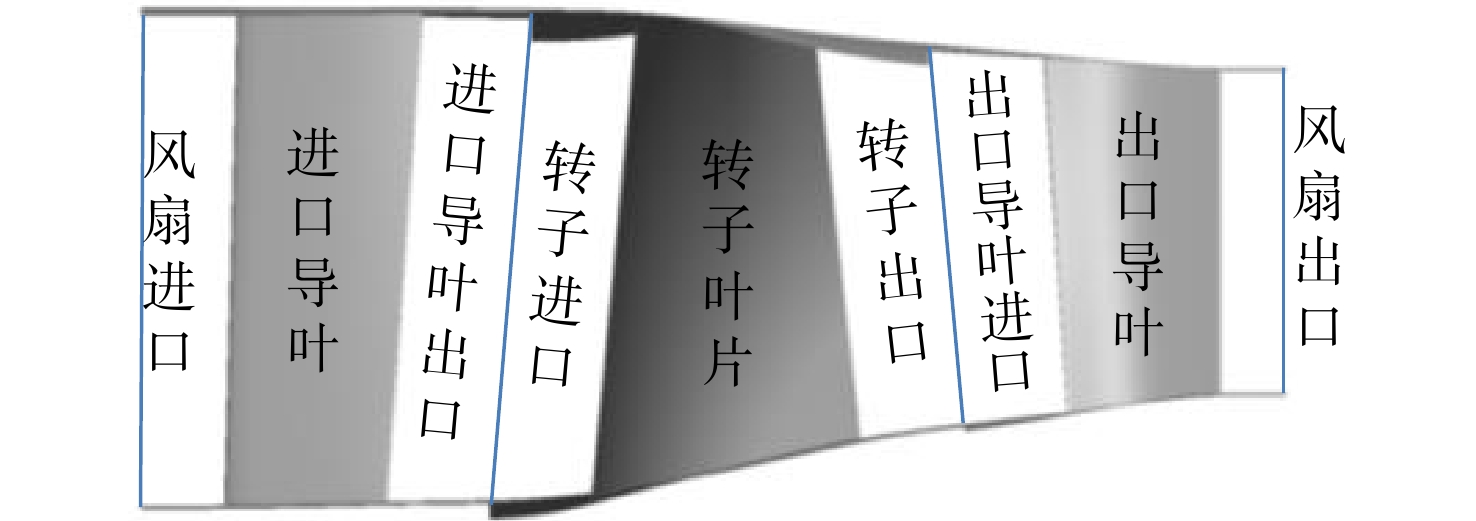
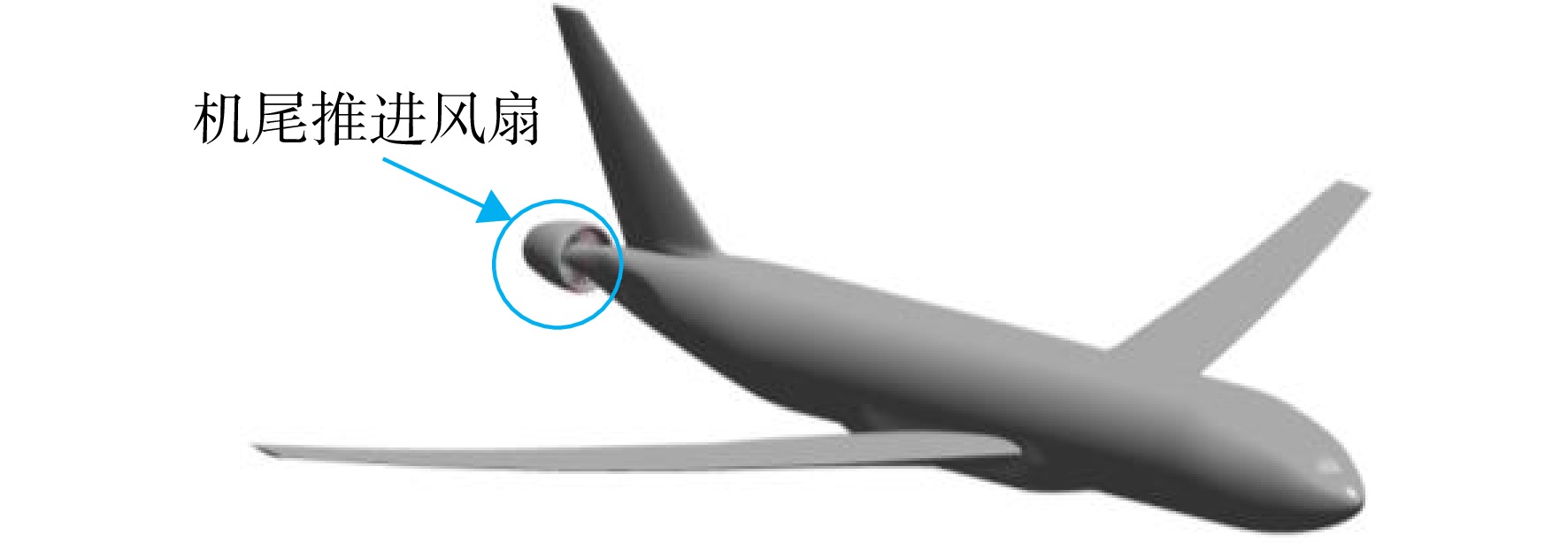
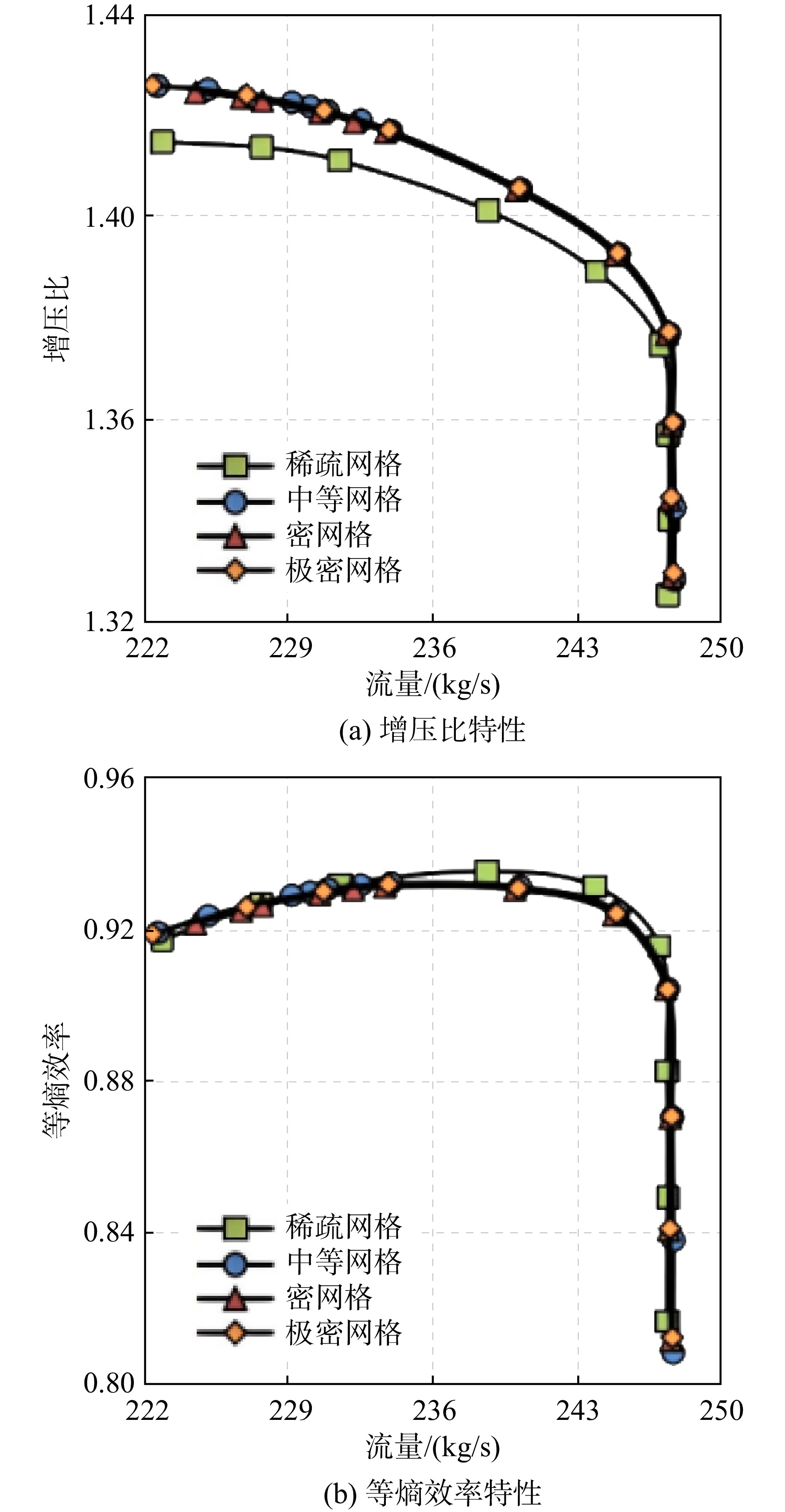
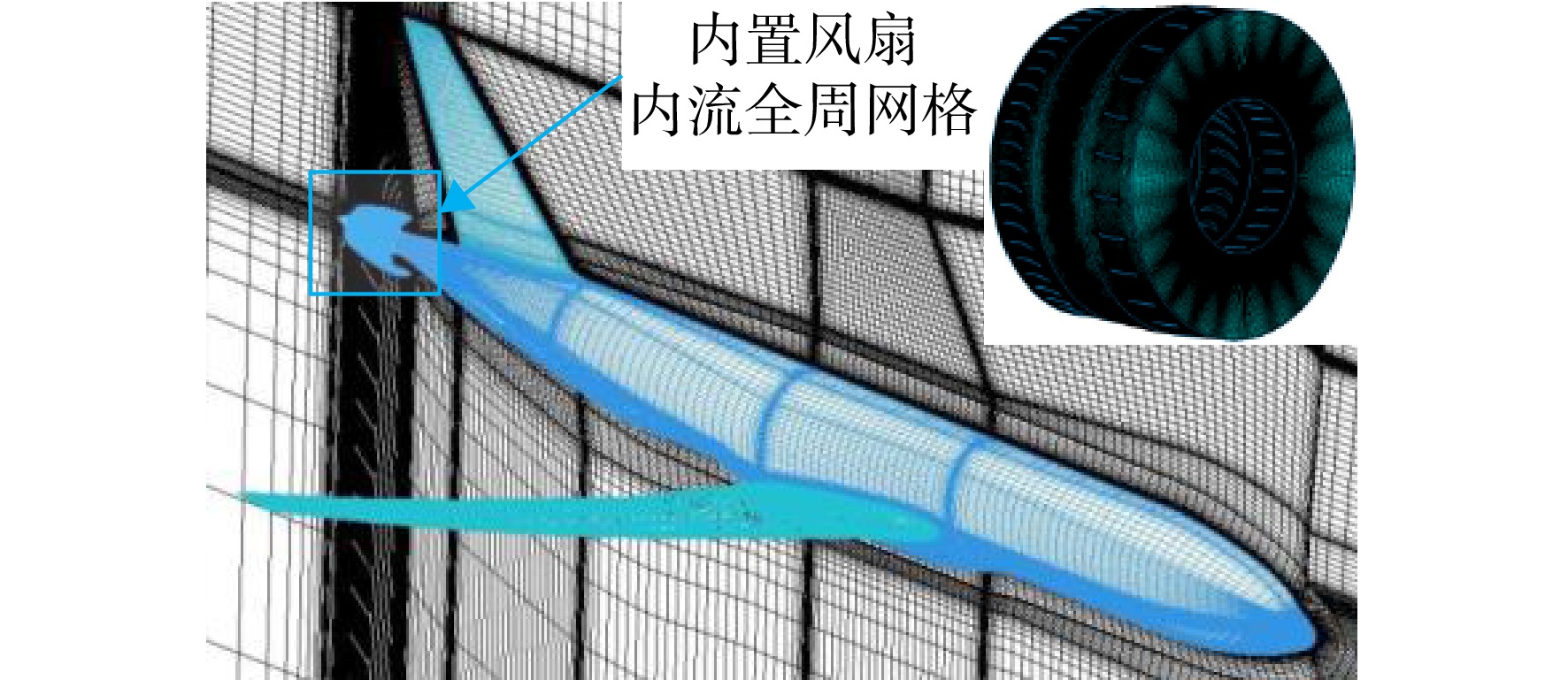
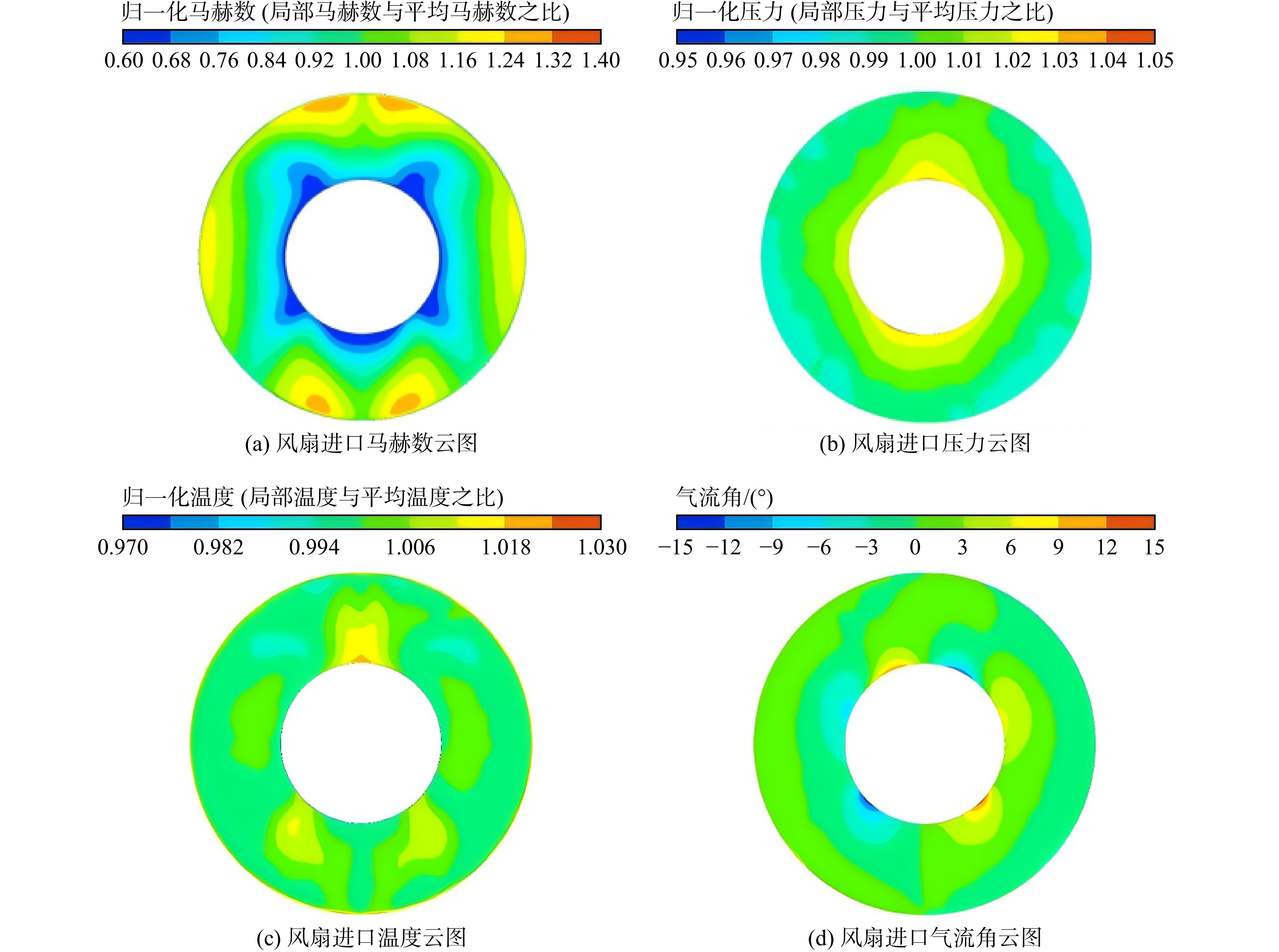
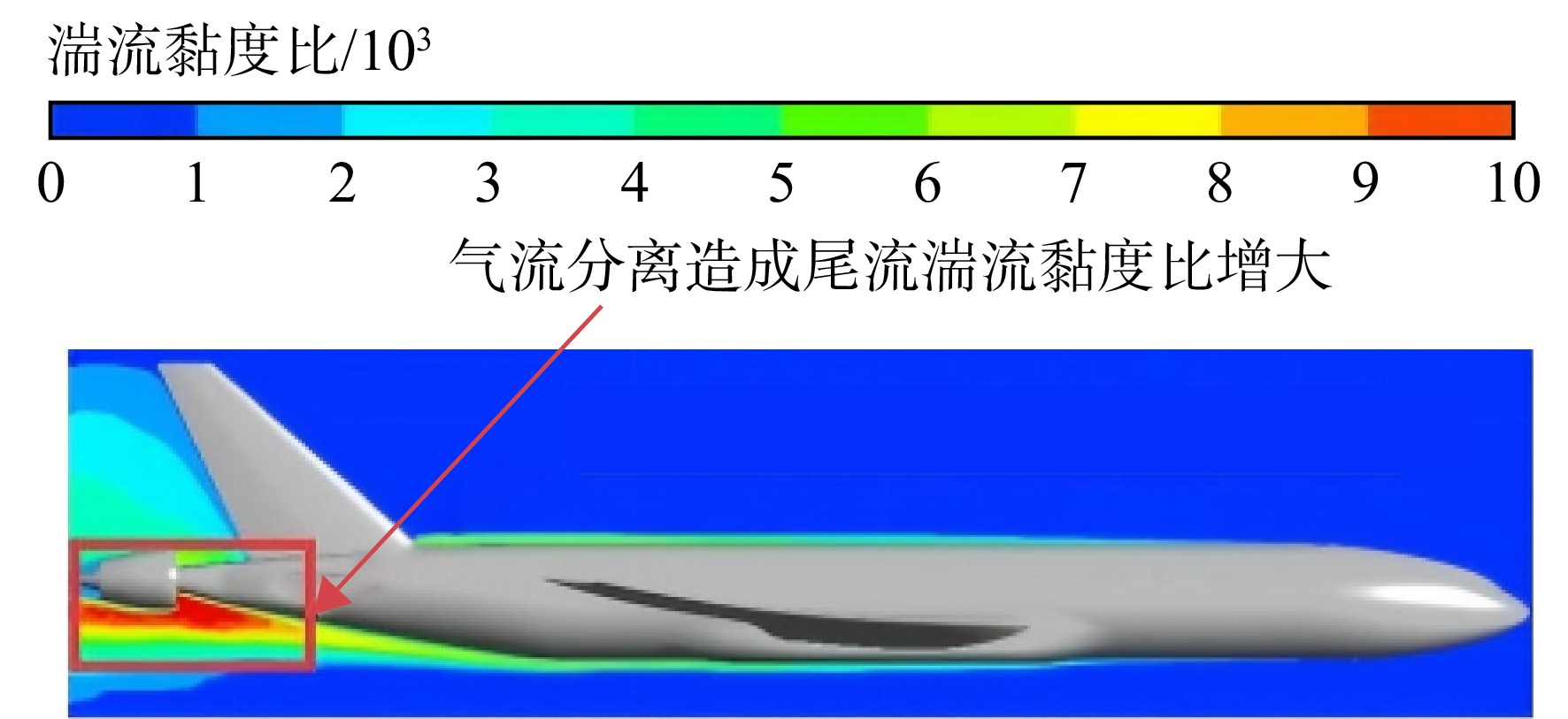
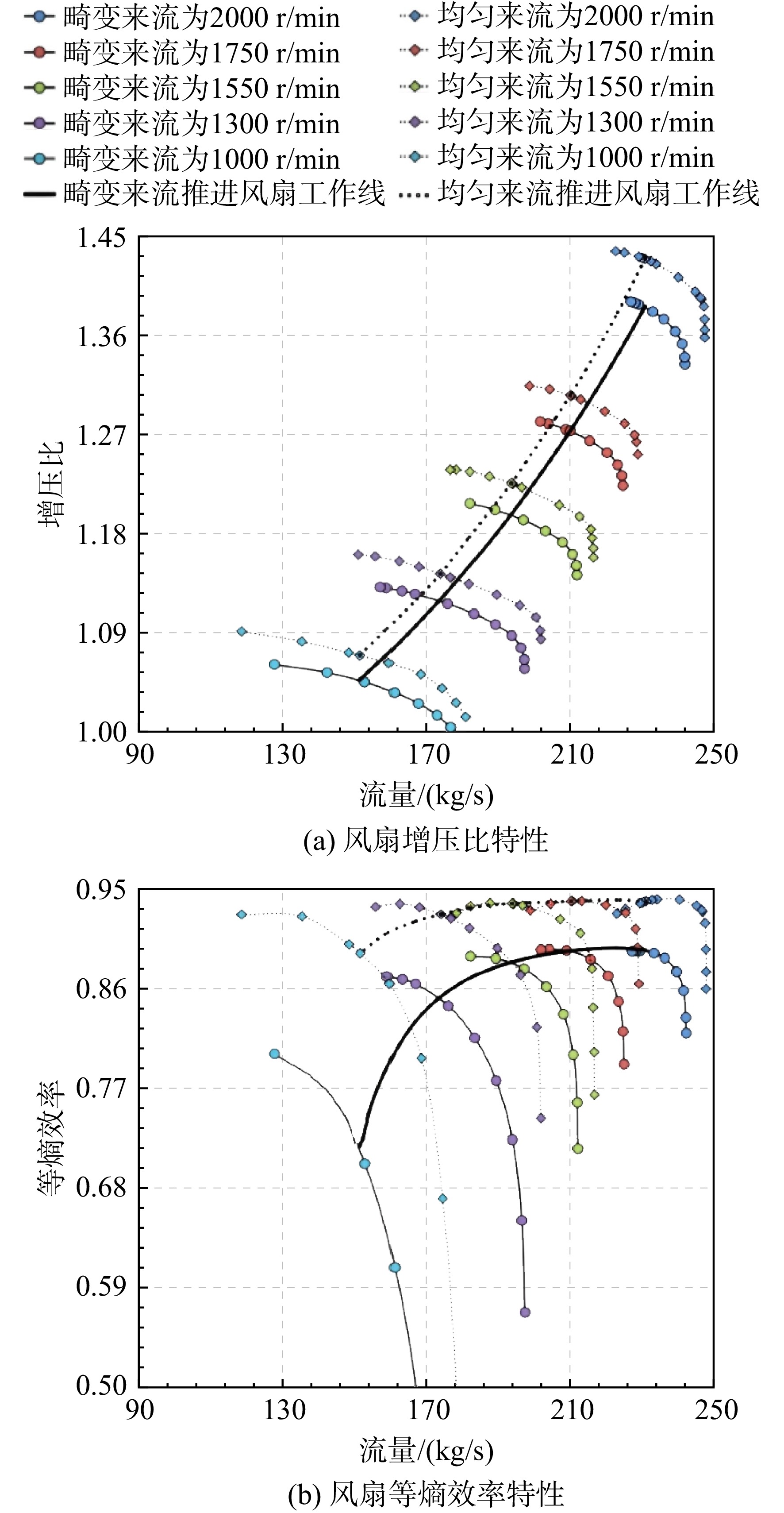
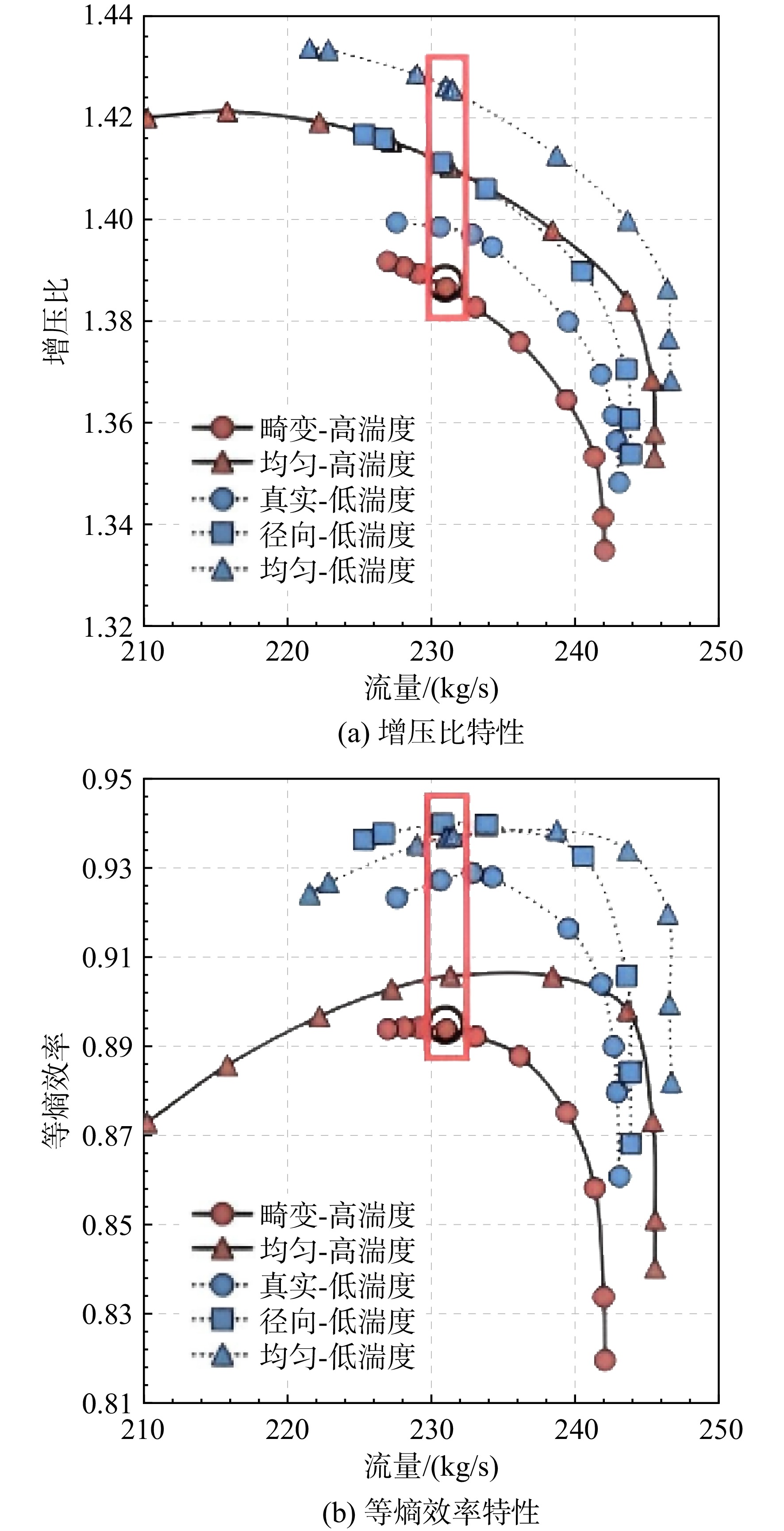
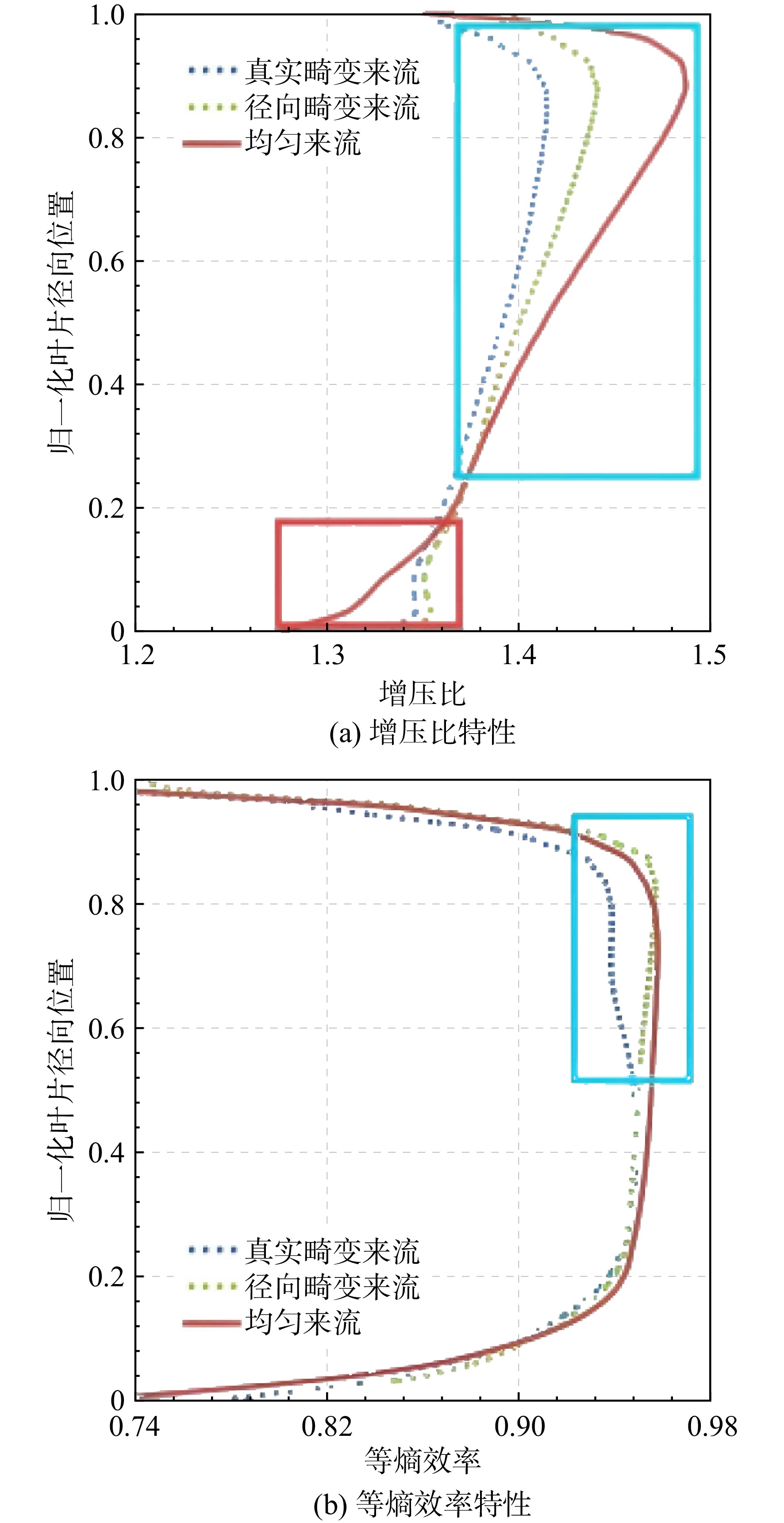
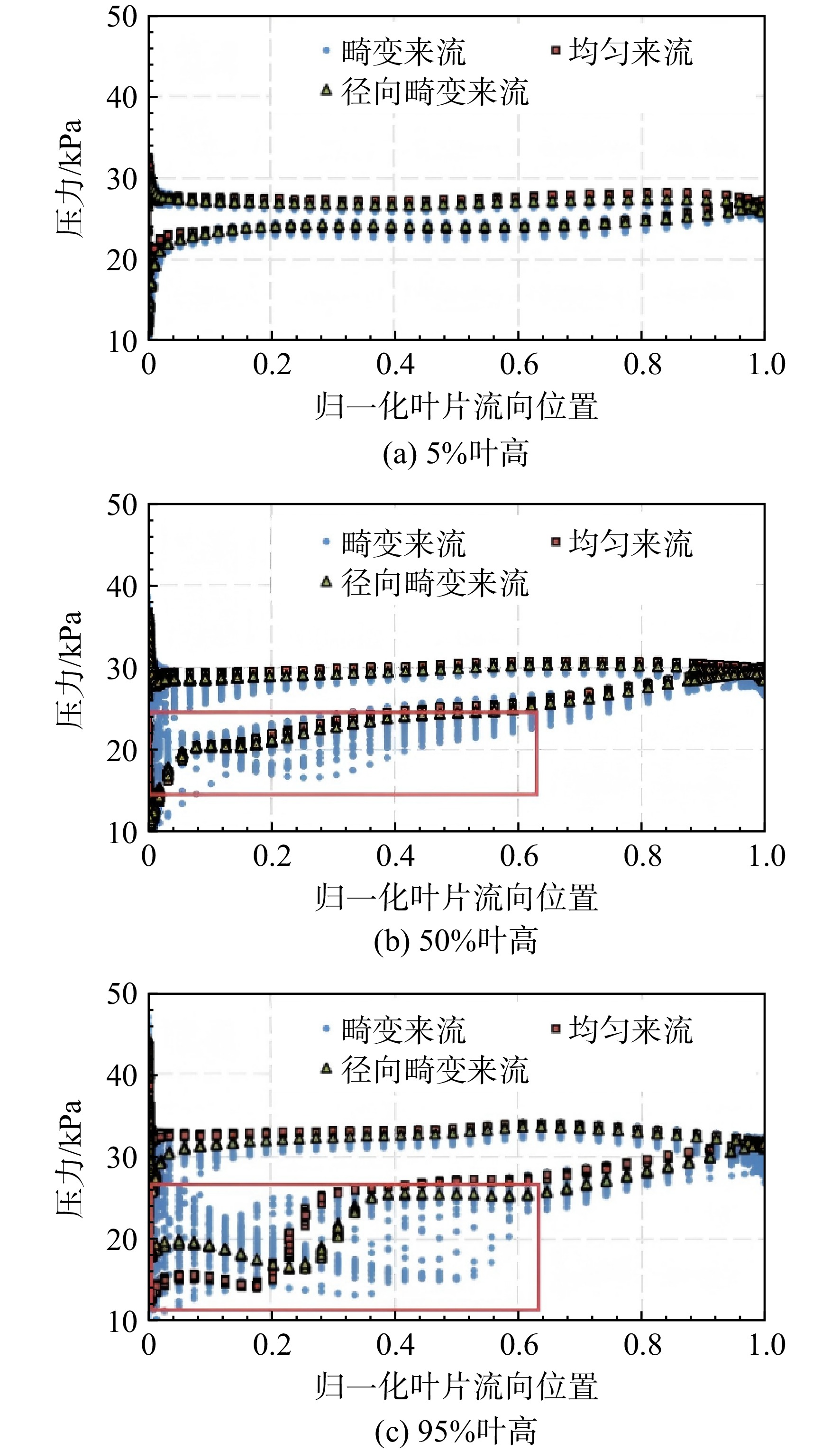
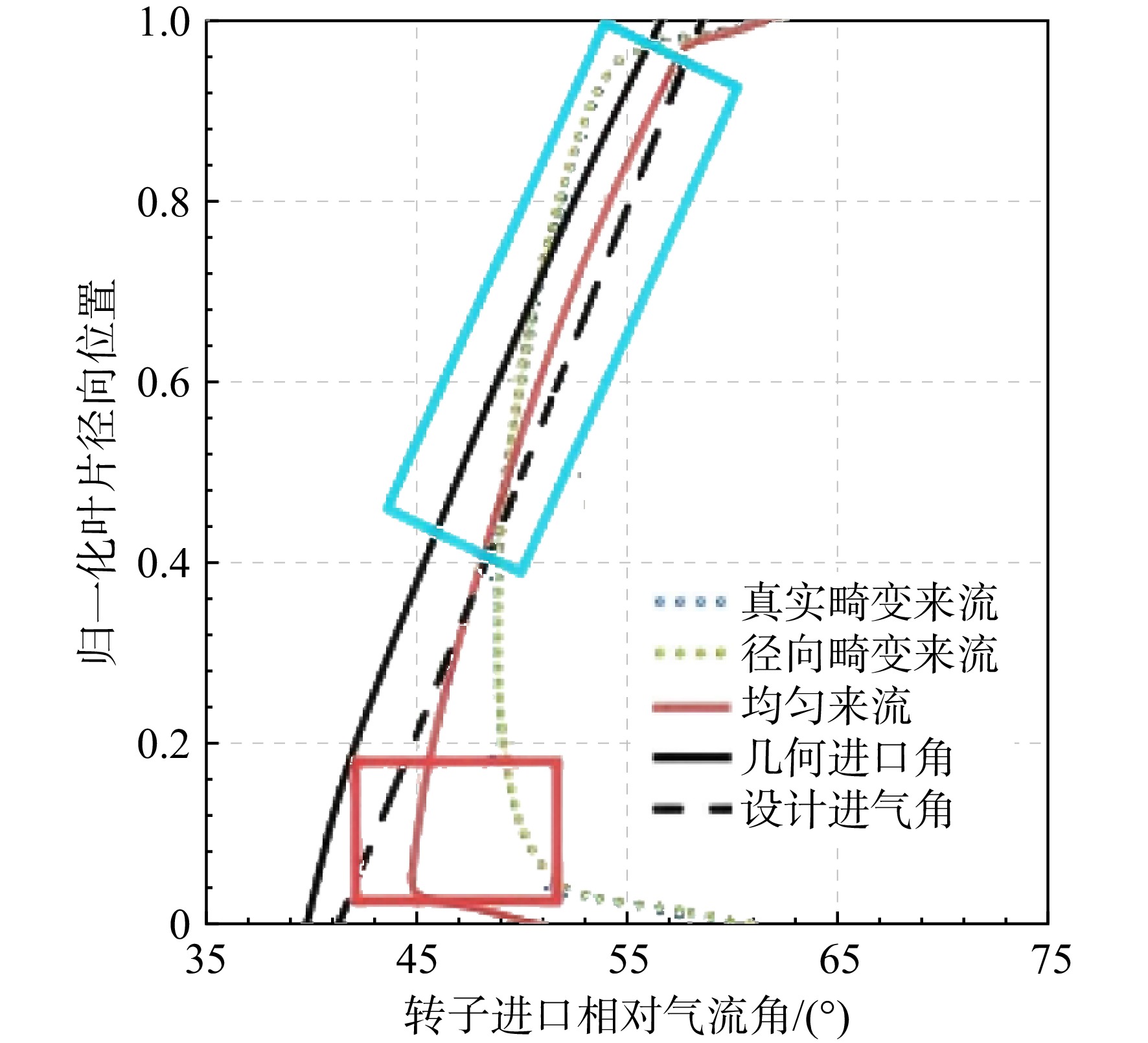
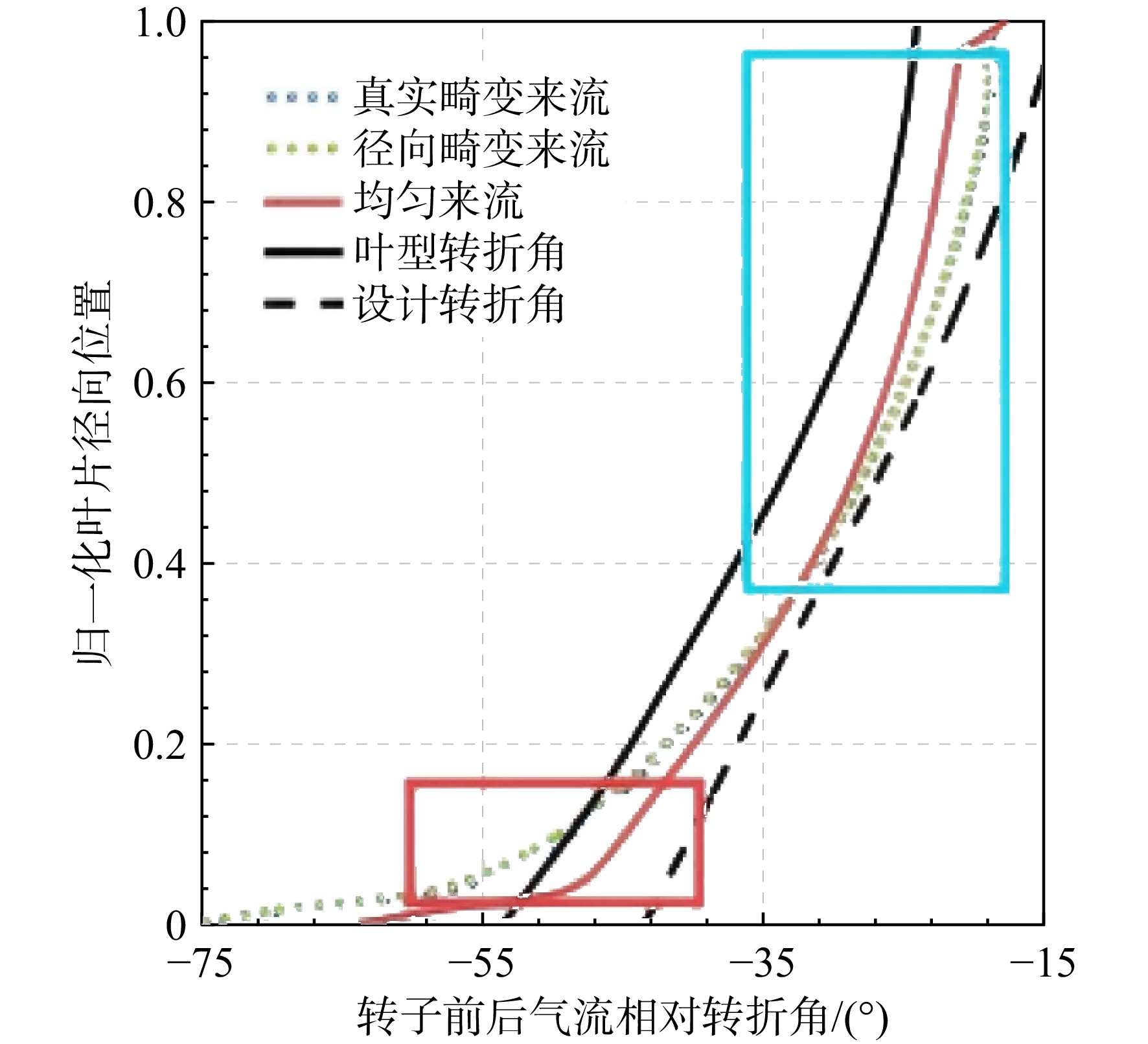
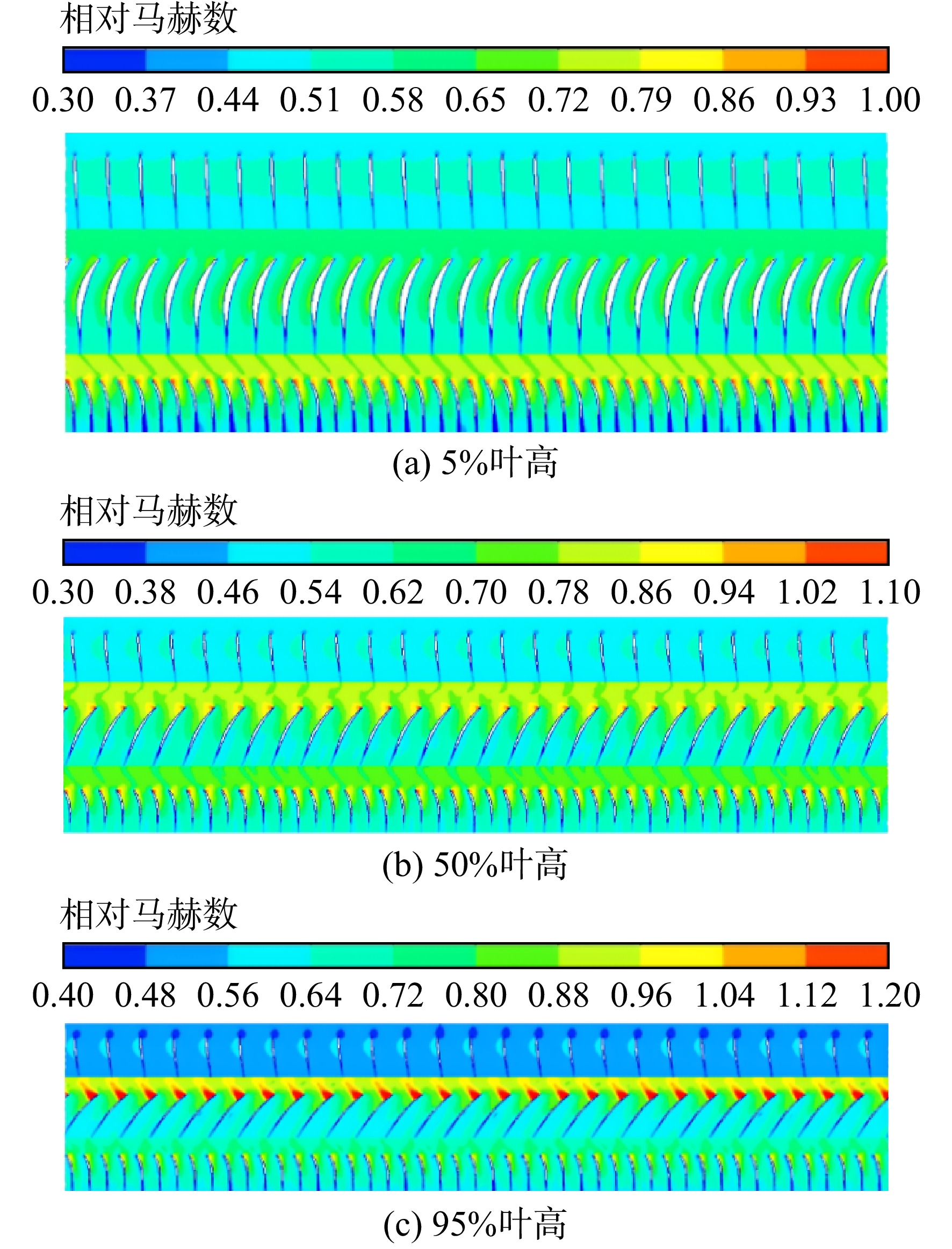
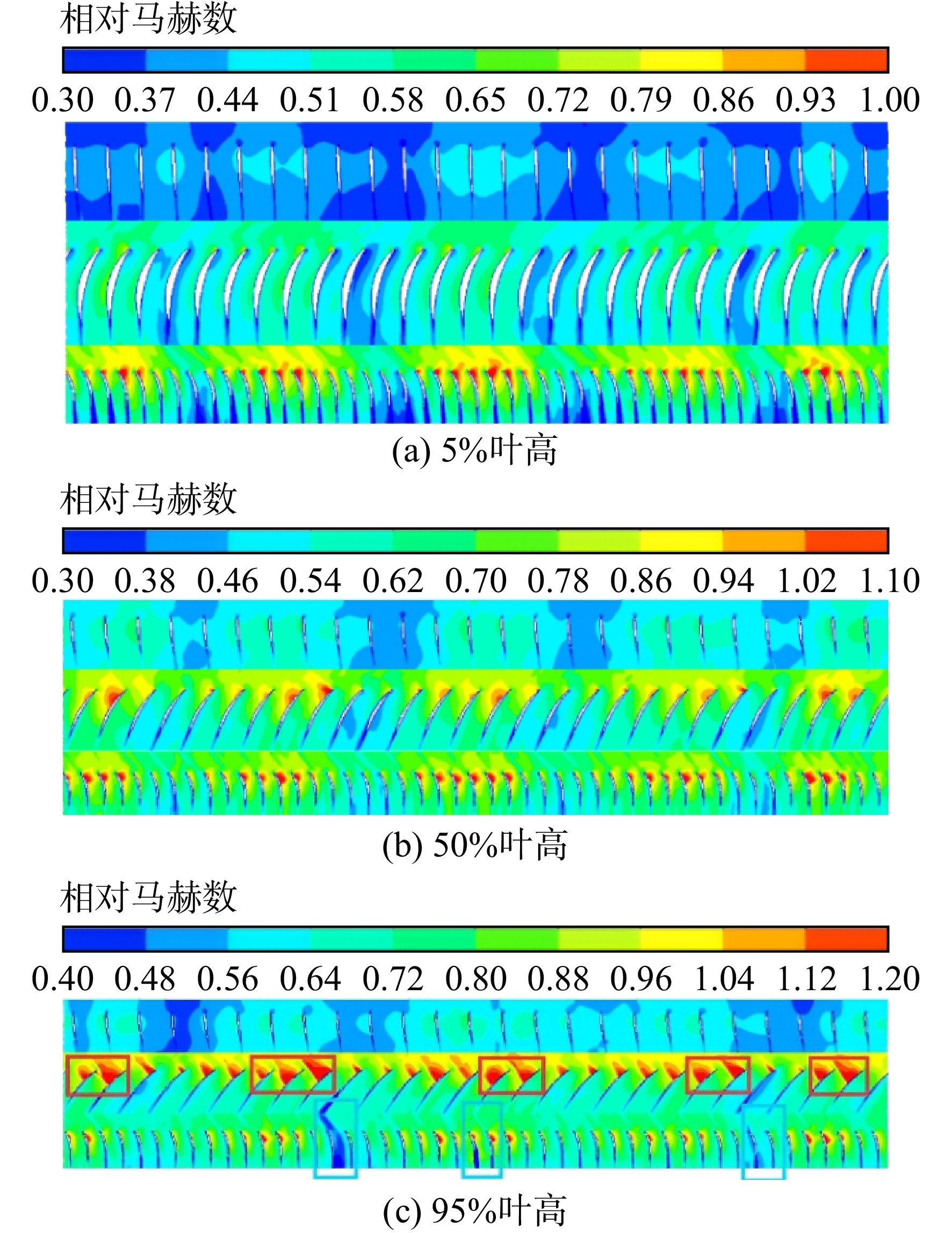
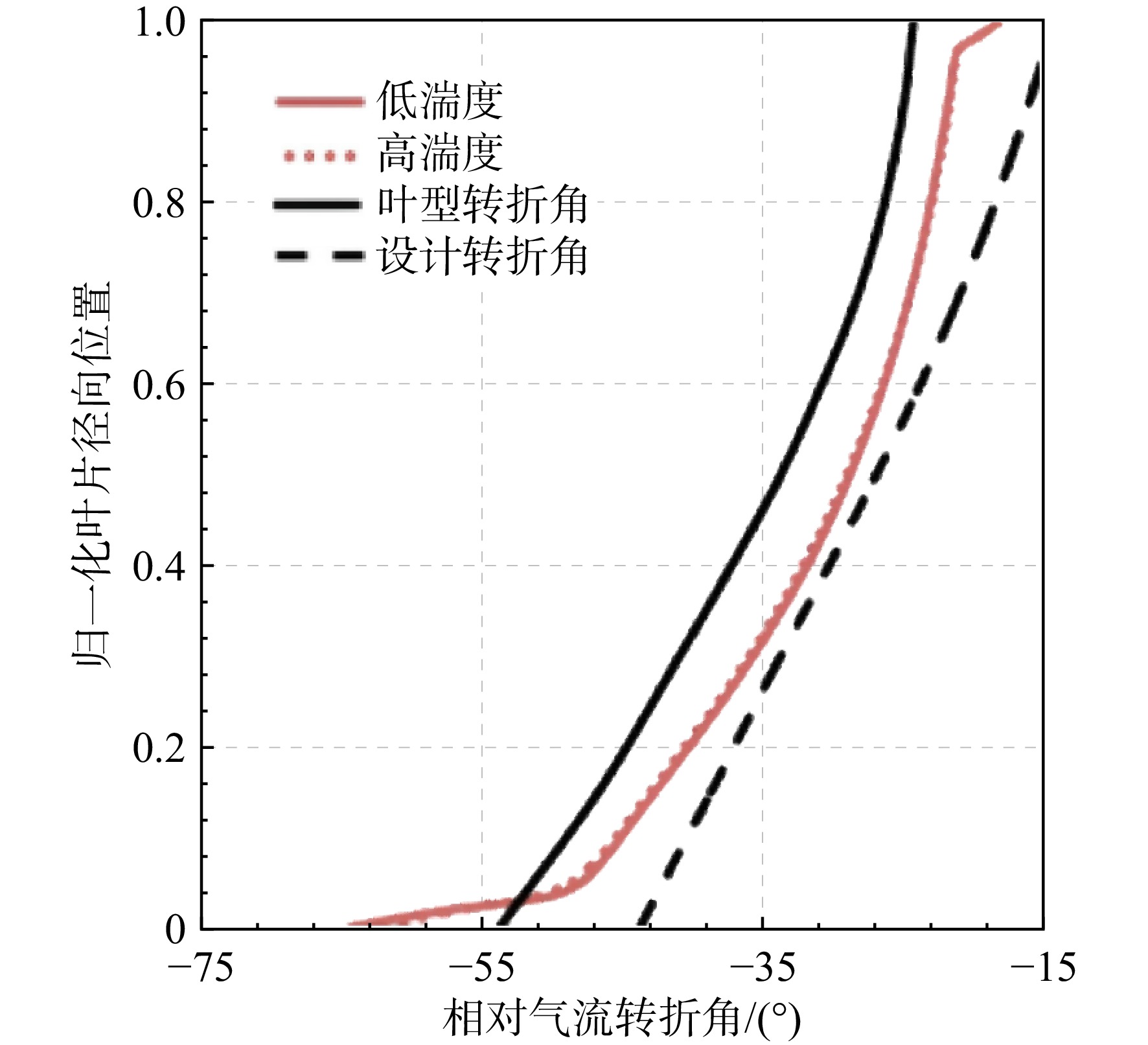
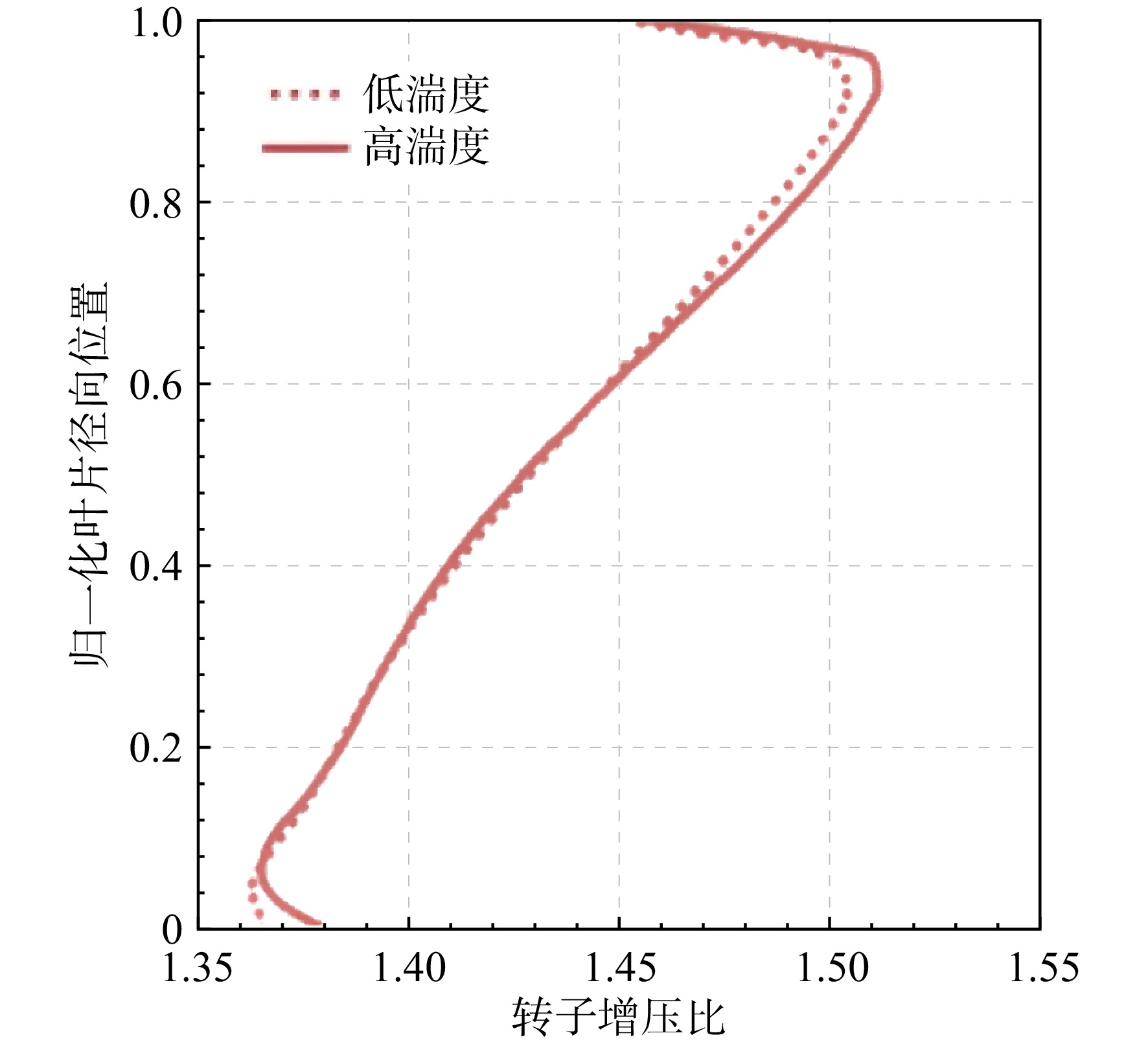
Boundary Layer Ingestion (BLI) aircrafts position their propulsion systems close to the fuselage surface to ingest the boundary layer airflow and wake as the propulsive working fluid, thereby reducing carbon dioxide emissions and fuel consumption. However, due to the influence of inflow distortion, the propulsor may deviate from its design operating conditions, resulting in performance degradation and hindering of the development of the aircraft configuration. Therefore, a numerical simulation was conducted to investigate the performance deterioration of the aft-mounted propulsive fan in the STARC-ABL configured BLI aircraft under distorted inflow conditions. The results showed that the aircraft wake exhibited two key characteristics: non-uniform velocity distribution and a high turbulent viscosity ratio. When the fan operated by ingesting the wake, its pressure ratio, isentropic efficiency, and stability margin decreased significantly. Radial inflow distortion affected the airflow turning angle through the rotor, altering the fan's work capacity and reducing its pressure ratio. Circumferential inflow distortion deteriorated the internal flow within the fan, intensifying flow separation and shock waves in the blade passages, which simultaneously reduced both the pressure ratio and isentropic efficiency. The high turbulent viscosity ratio of the incoming flow enhanced internal flow mixing, and increased flow losses, leading to a notable decline in both the pressure ratio and isentropic efficiency of the fan.

Optimization of one-dimensional characteristic prediction algorithm based on neural network model
LI Hongyu, XU Quanyong, FENG Xinlong
2026, 41(4): 20240420. doi: 10.13224/j.cnki.jasp.20240420
Abstract:

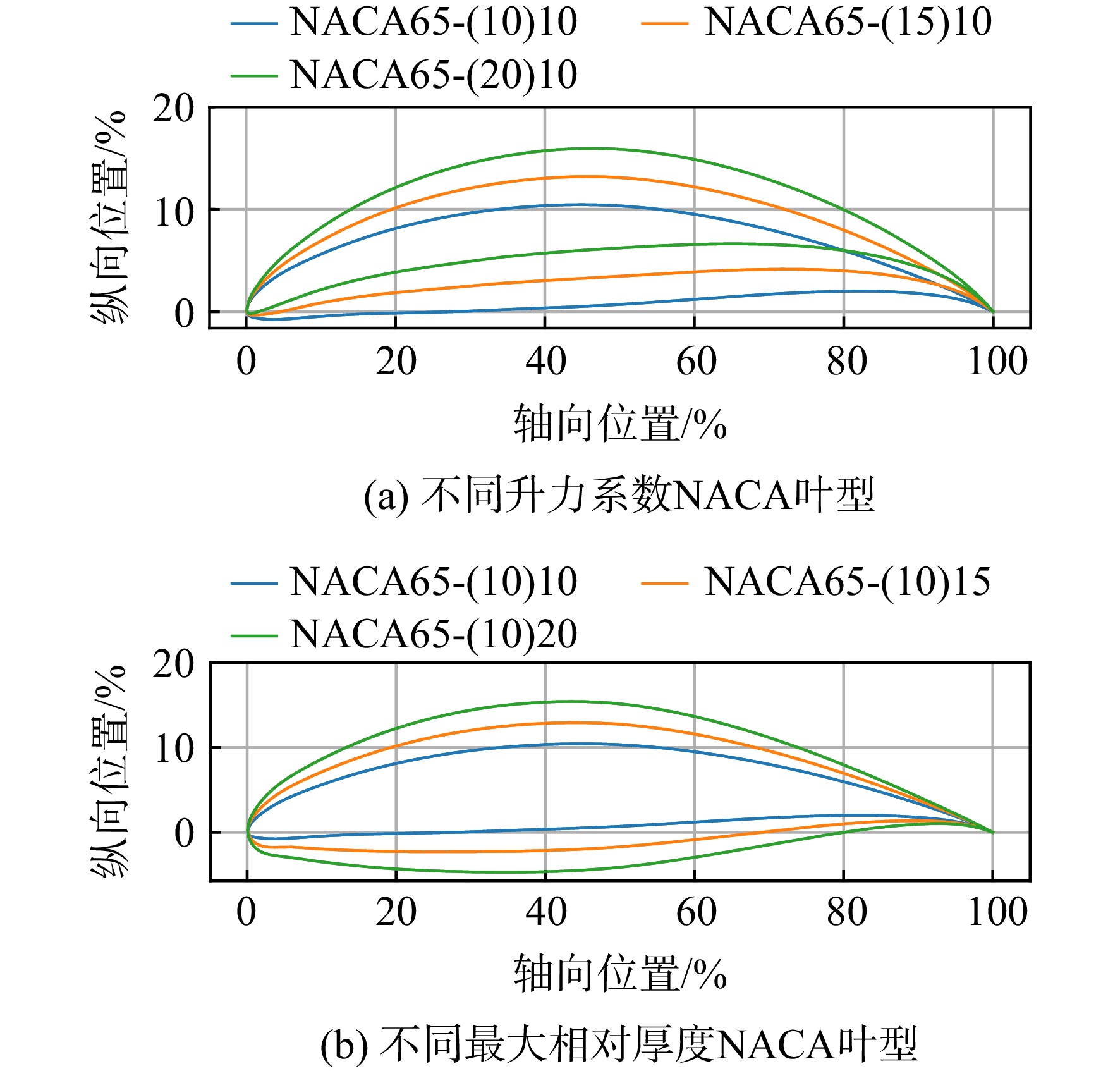
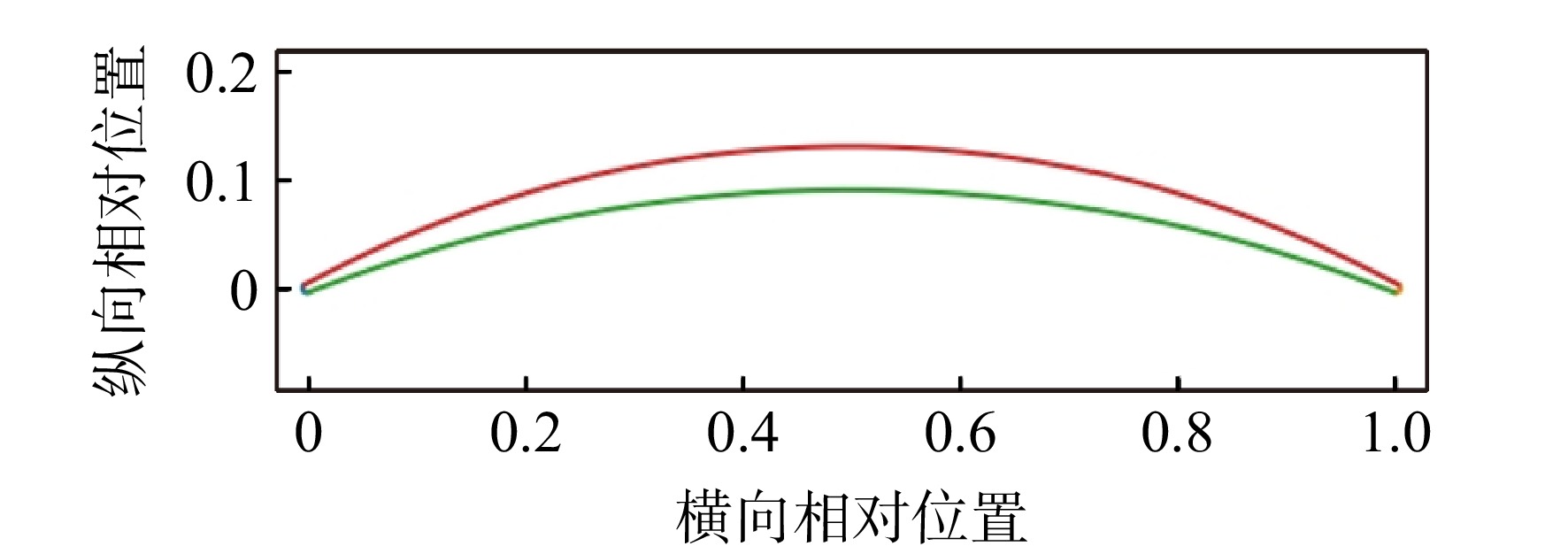
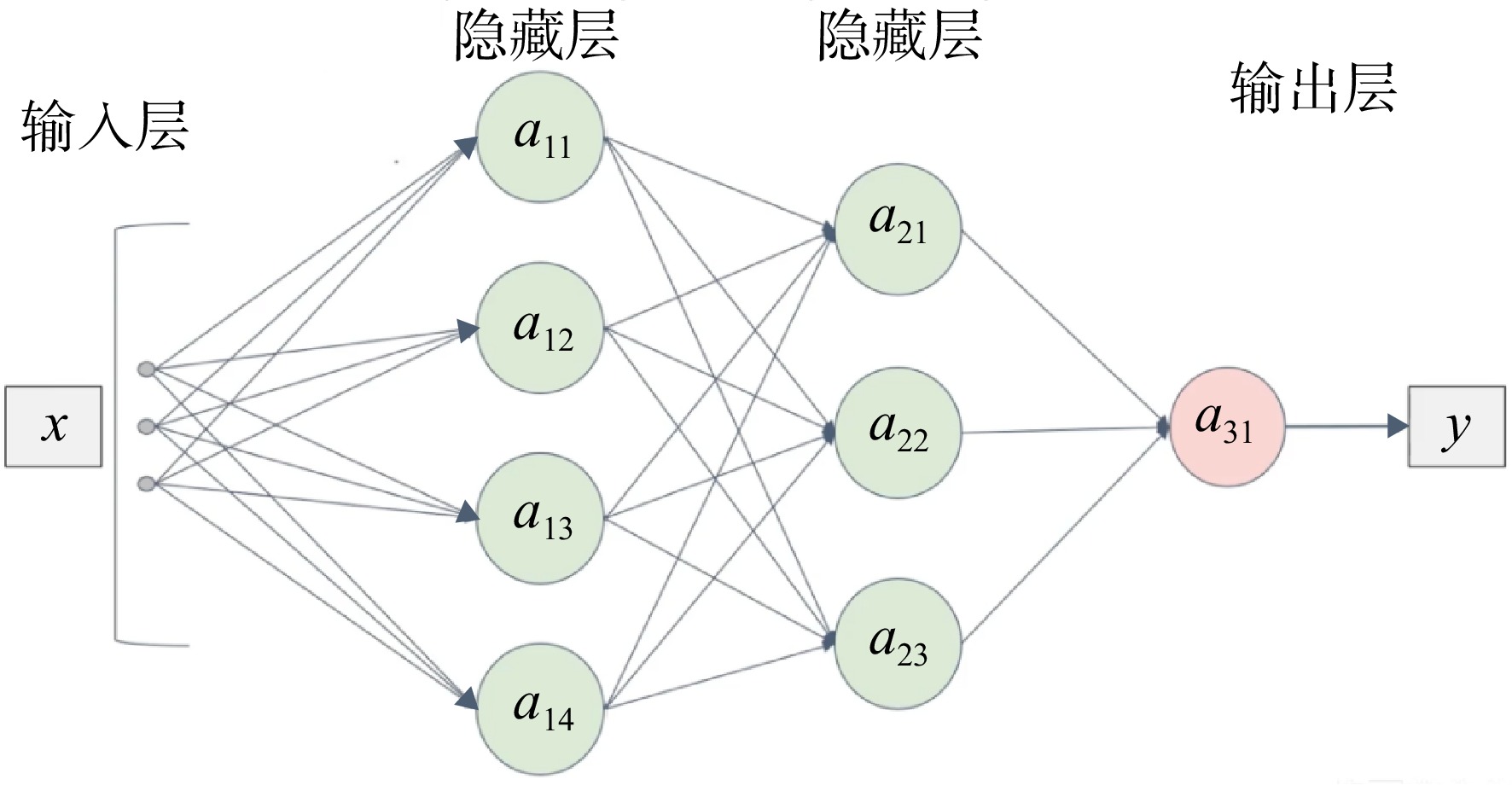
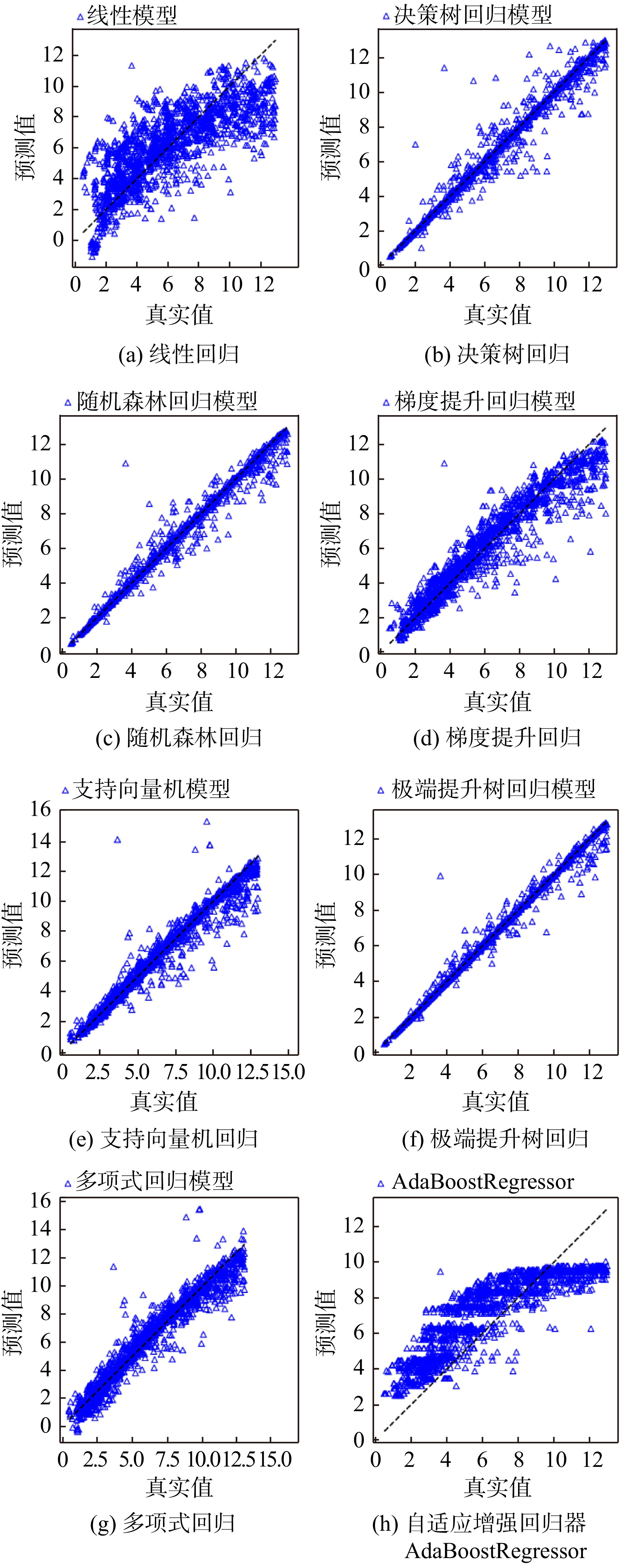
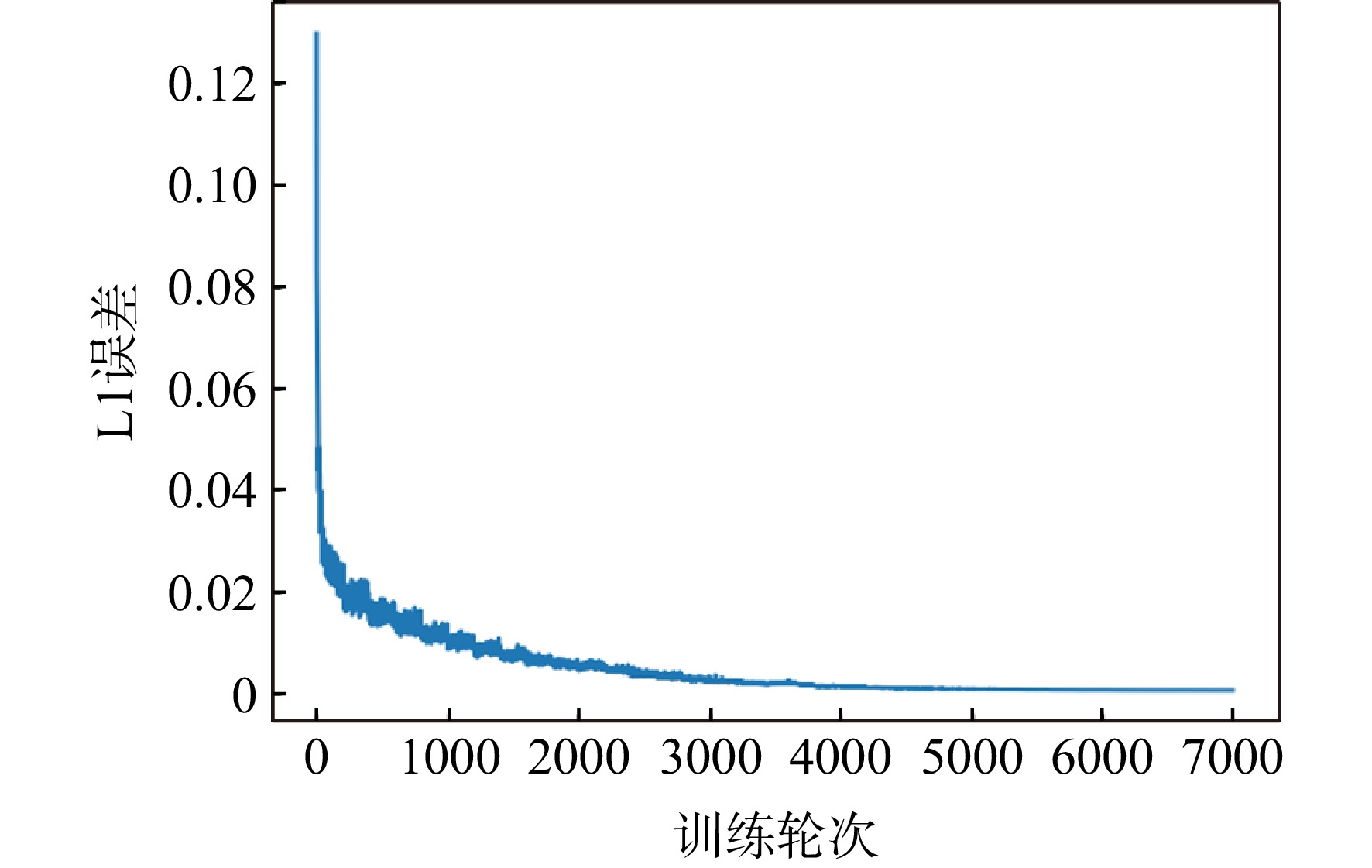
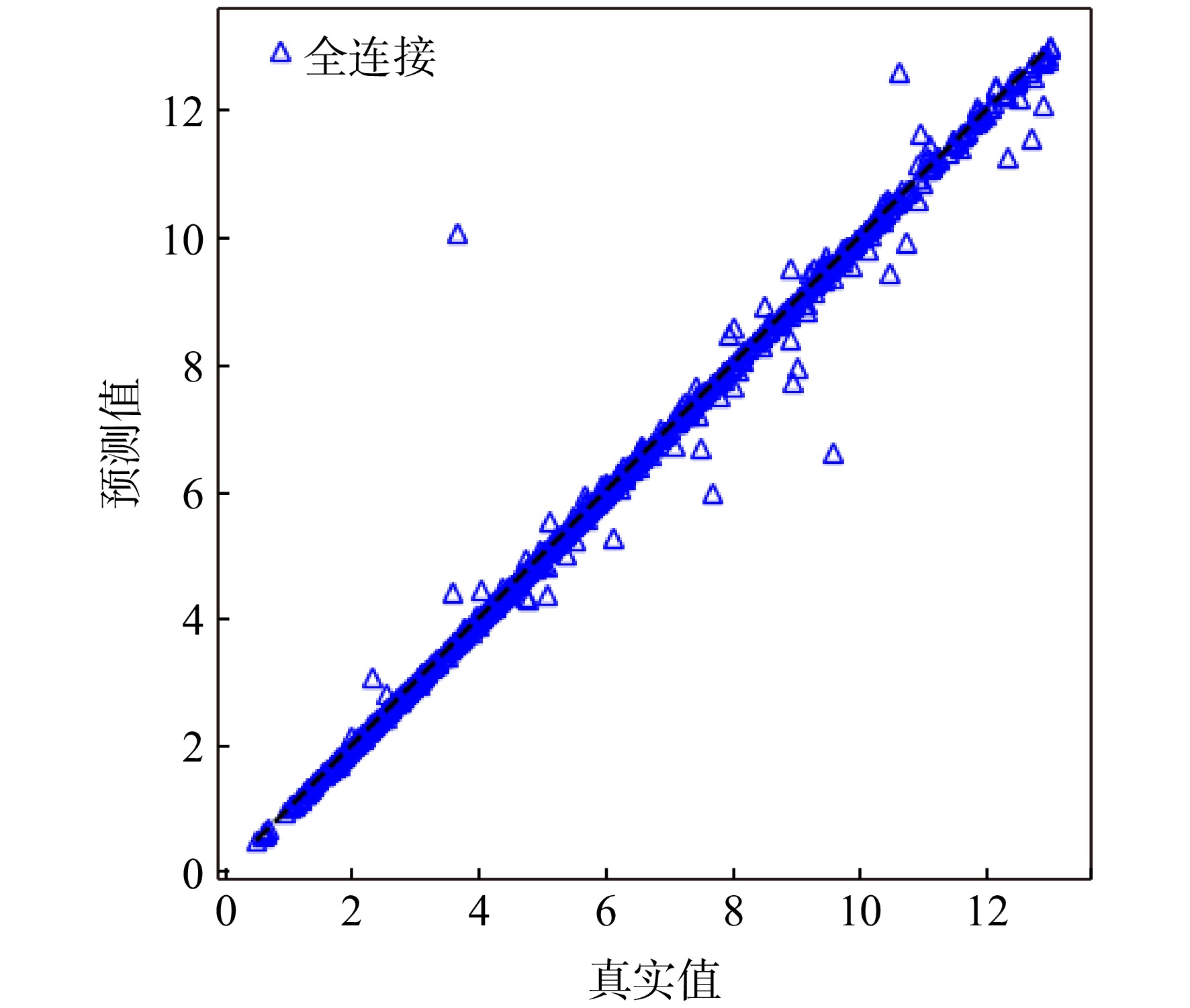
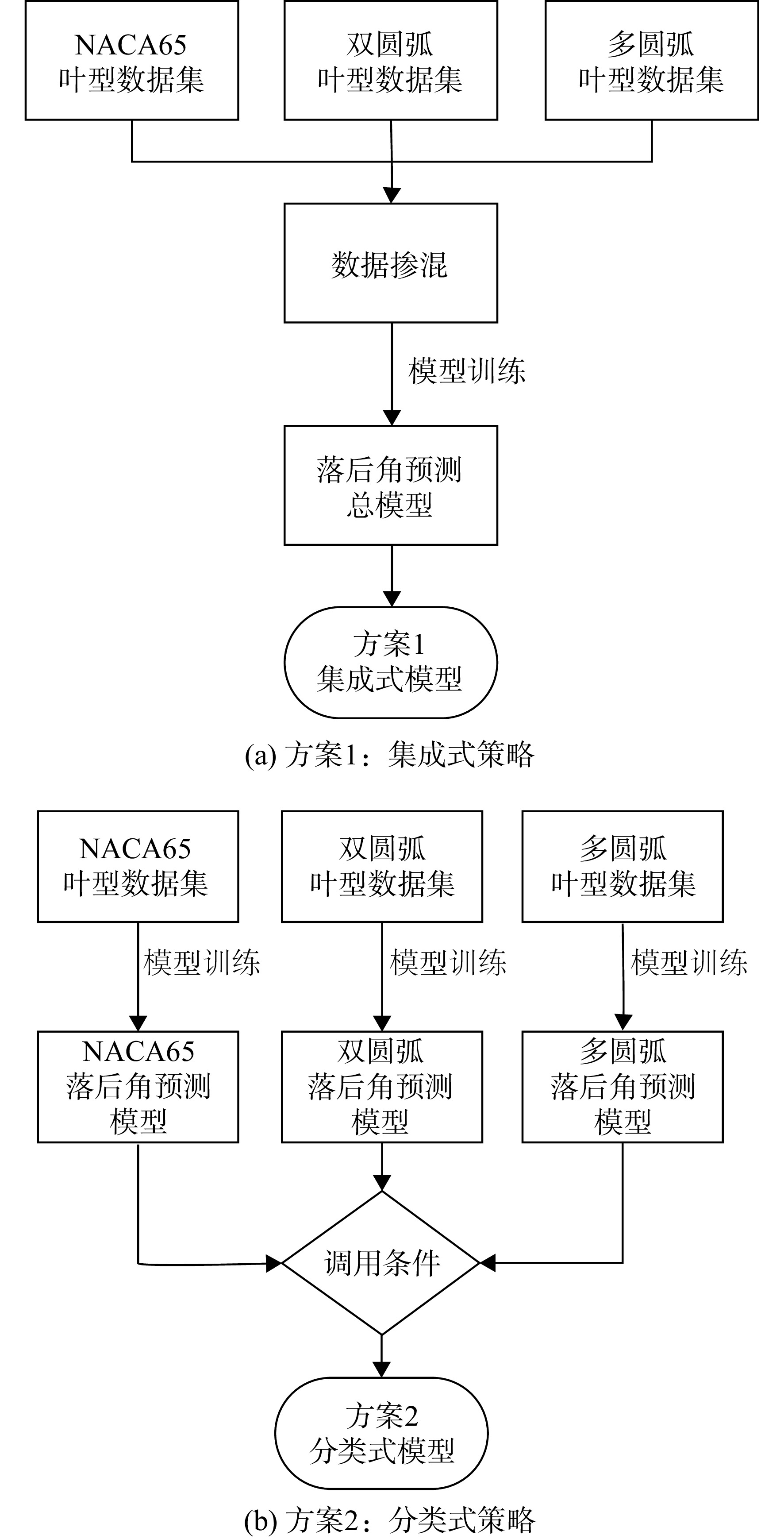
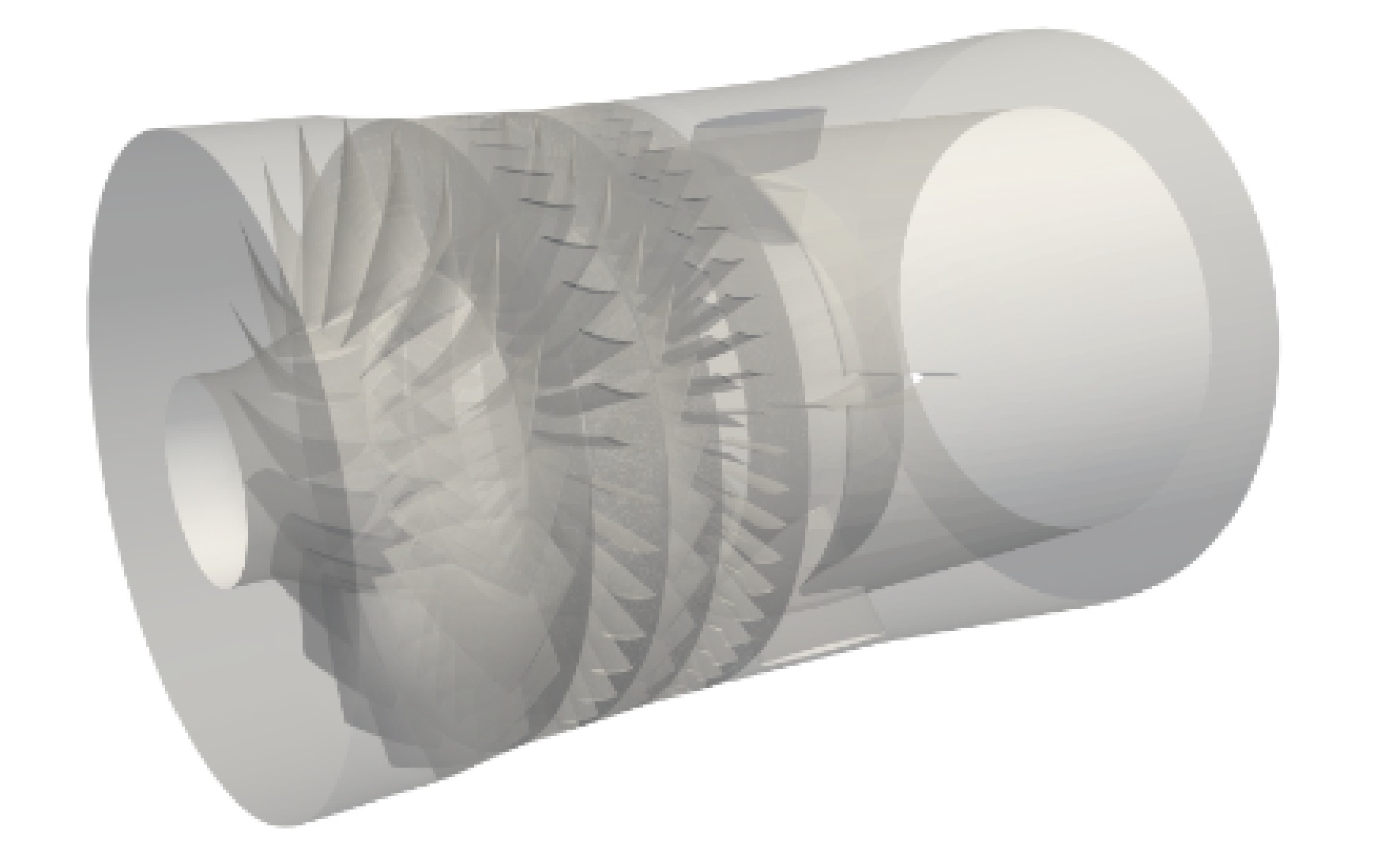
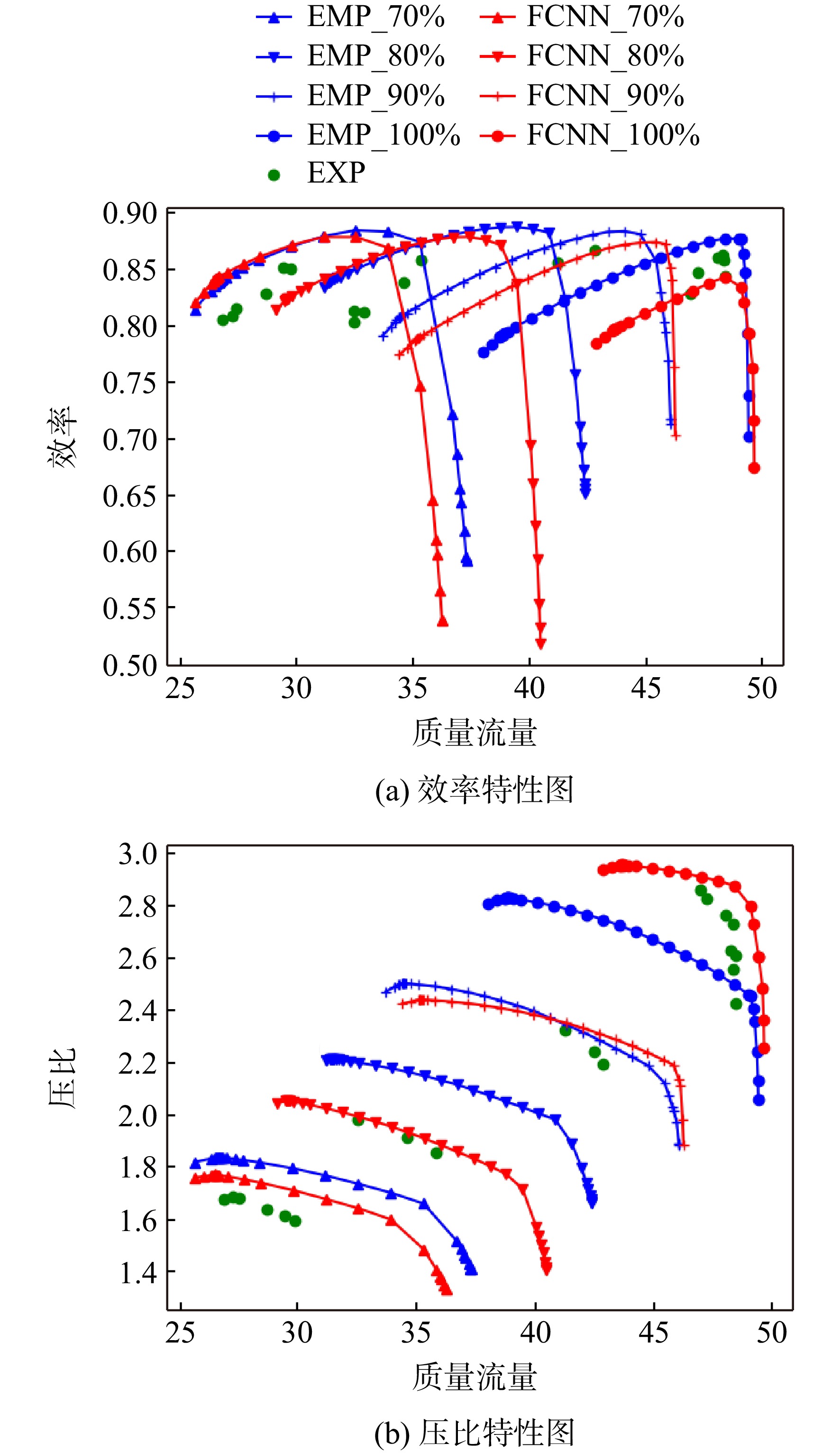
Based on the large cascade data set of CFD, a fully connected neural network deviation angle prediction model suitable for a variety of blade profiles was constructed. The original empirical model in HARIKA algorithm was replaced. A large data set covering 58300 data sets of NACA65, double arc and multi-arc main blade profiles was constructed by Latin hypercube sampling. Benchmarked against eight machine learning regression models including fully connected networks and support vector machines in learning deviation angle prediction based on the NACA65 airfoil dataset, the fully connected model achieves a mean deviation angle prediction error of 0.06°, outperforming all other regression models. In the field of one-dimensional property prediction, the model combination trained with different blade profiles had higher prediction accuracy than one model trained with multiple blade profiles. Under transonic conditions, compared with experimental data of the AI222-25 engine’s two-stage fan, the optimized HARIKA algorithm demonstrated an average reduction of 9.06% in relative error for pressure ratio prediction, with a maximum reduction of 20.43%. This confirmed the effectiveness of the optimization method in enhancing the performance prediction capability of the HARIKA algorithm.

Theoretical and experimental study on static stability of fully partitioned pocket damper seals
ZHANG Liyun, ZHANG Wanfu, GU Qianlei, LYU Xuebin, REN Jie, ZHANG Shidong
2026, 41(4): 20240836. doi: 10.13224/j.cnki.jasp.20240836
Abstract:

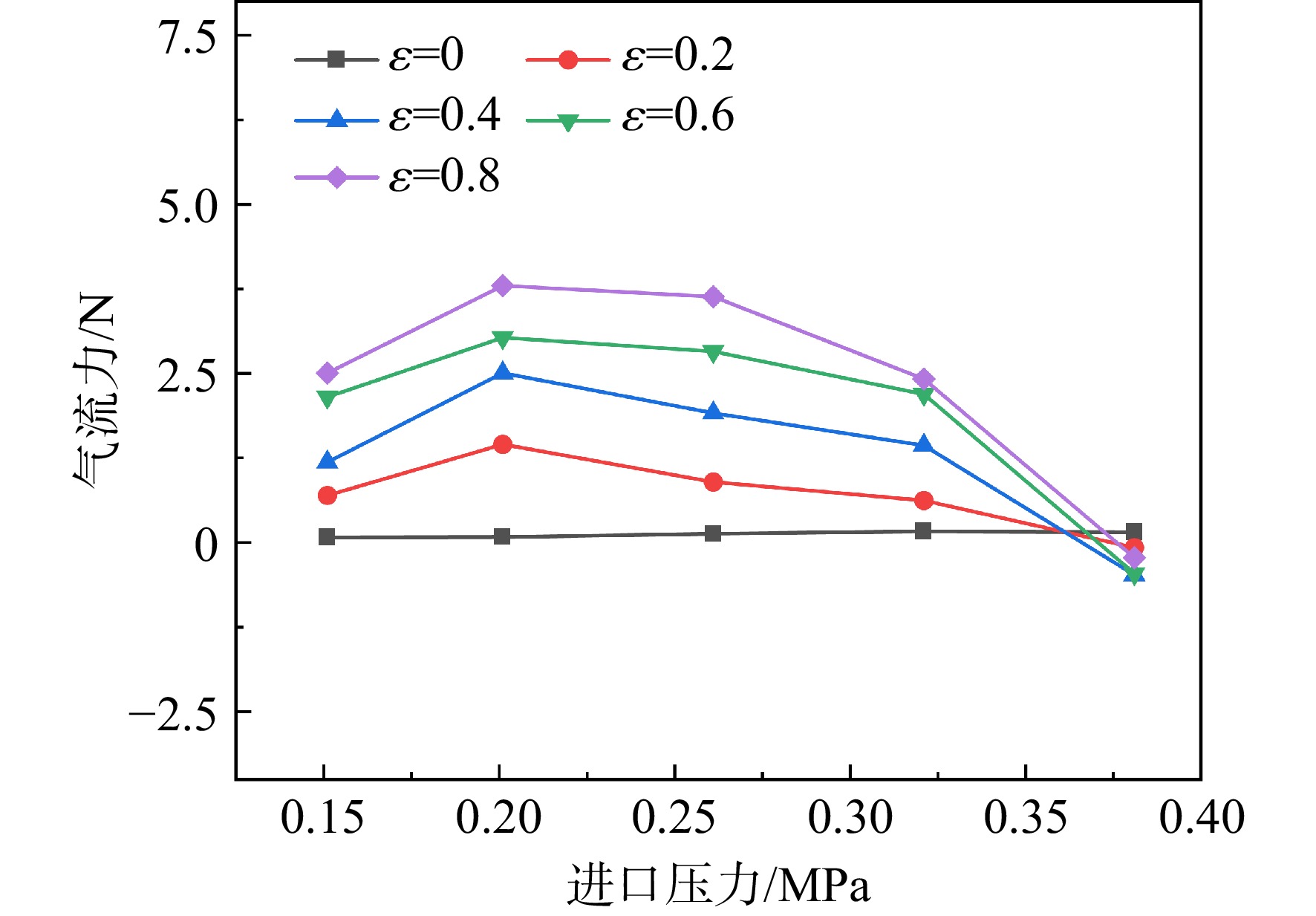
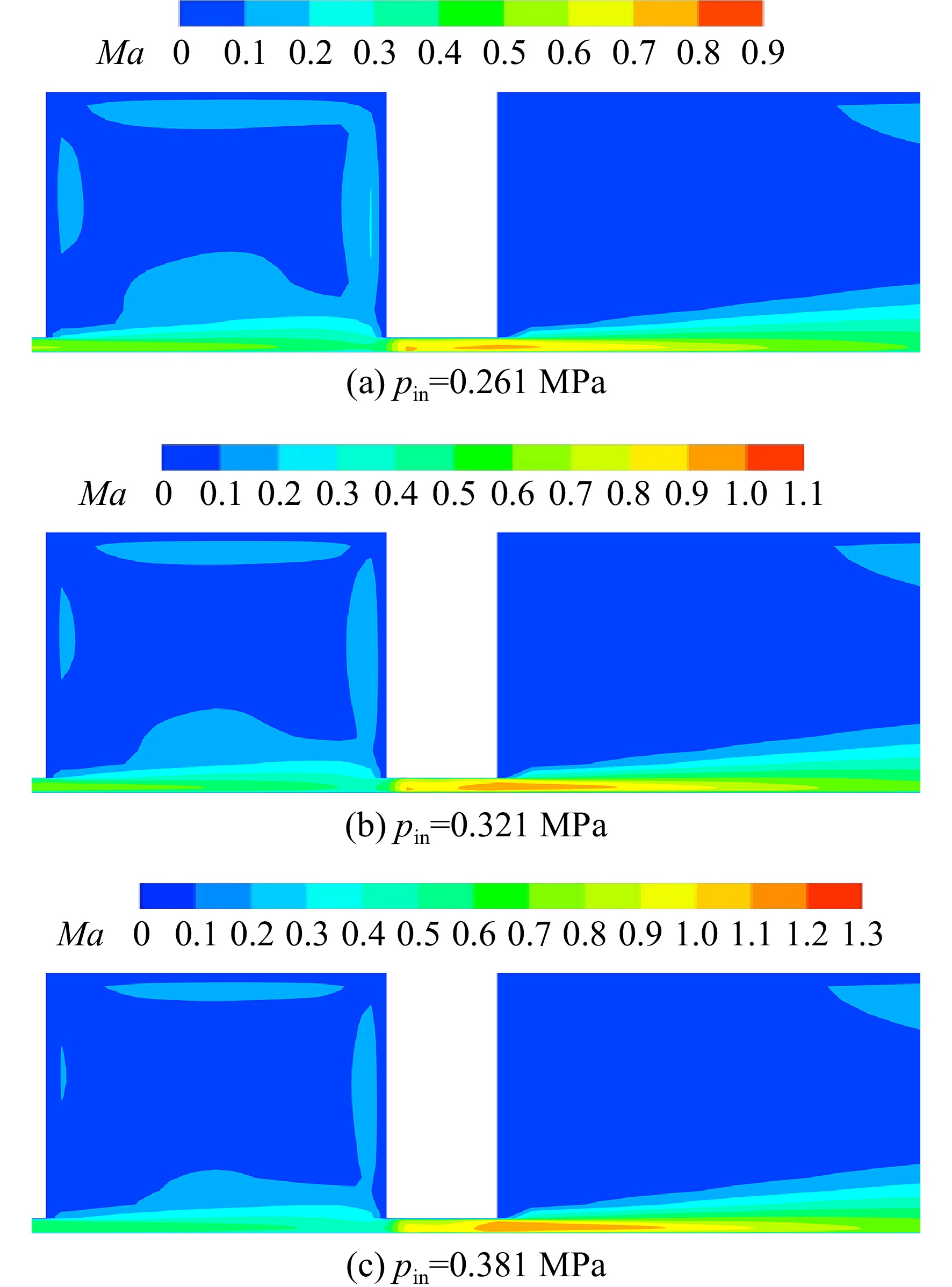
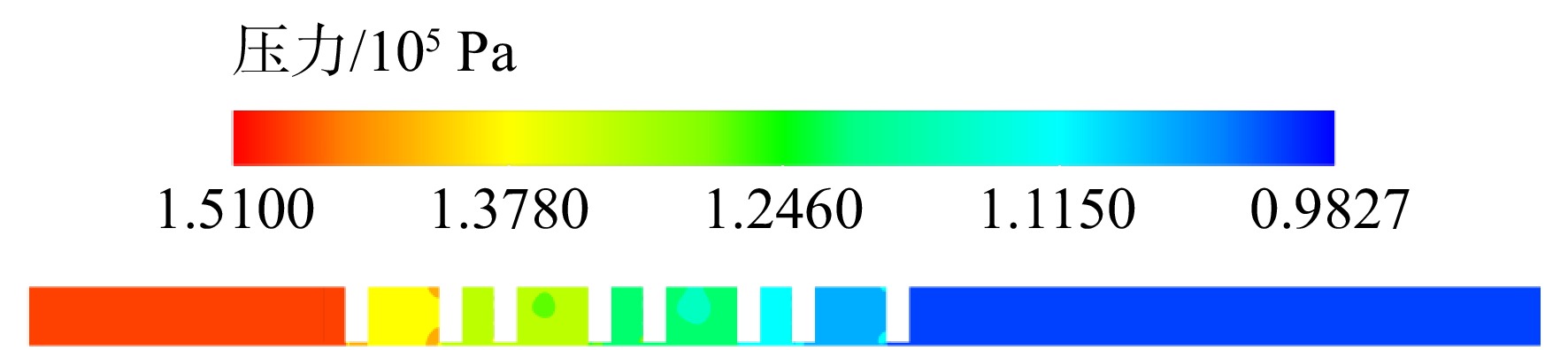
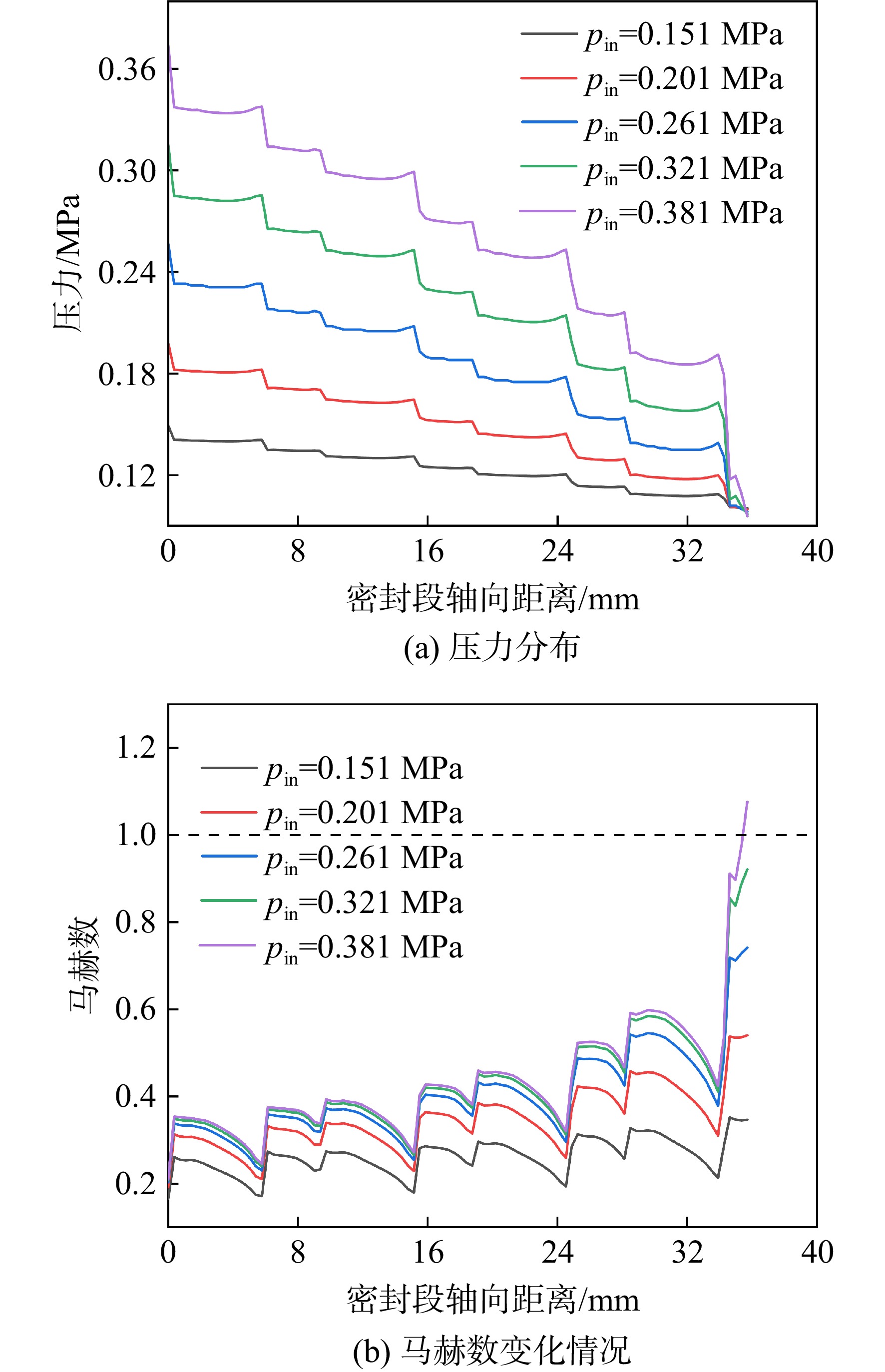
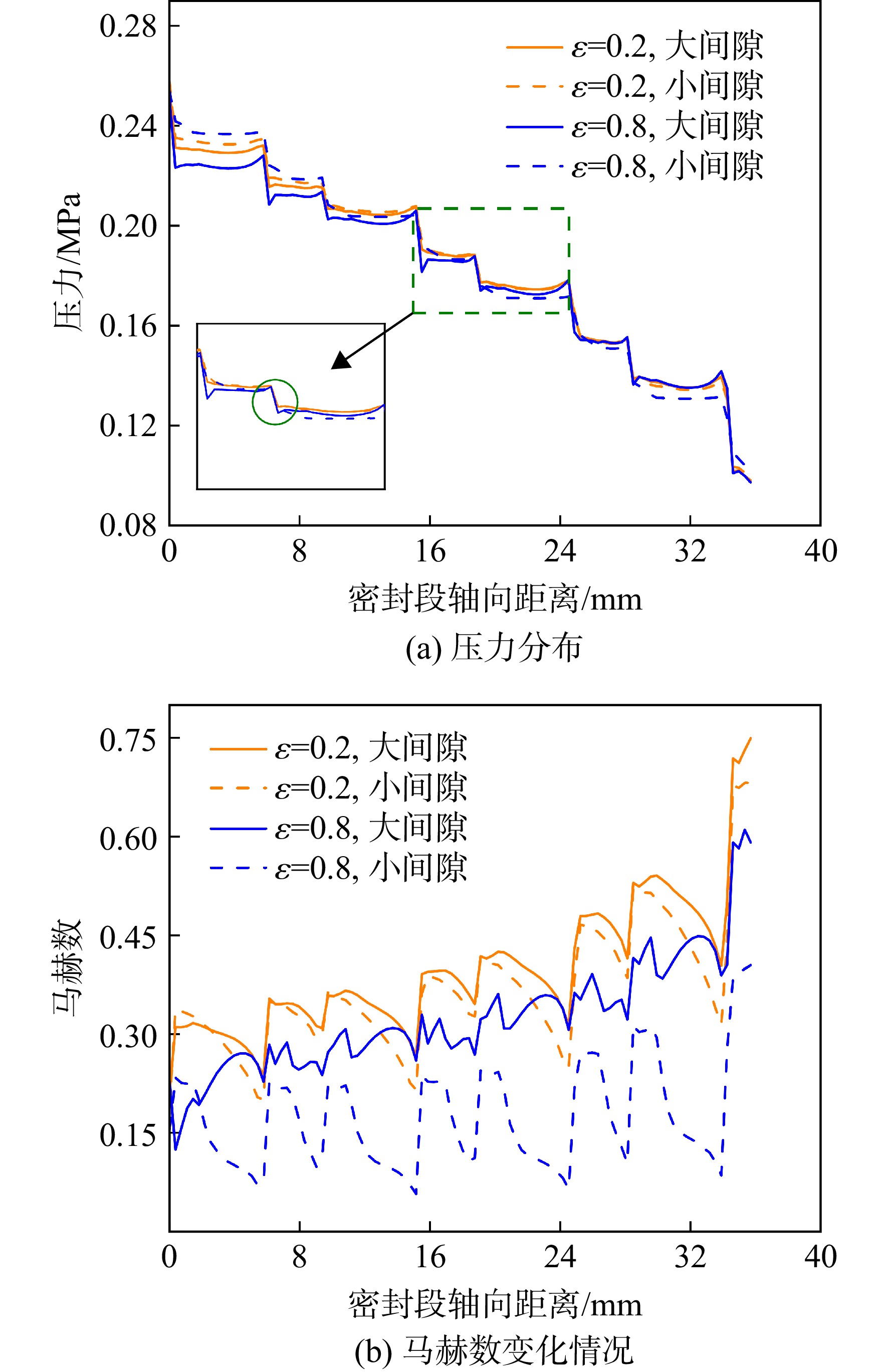
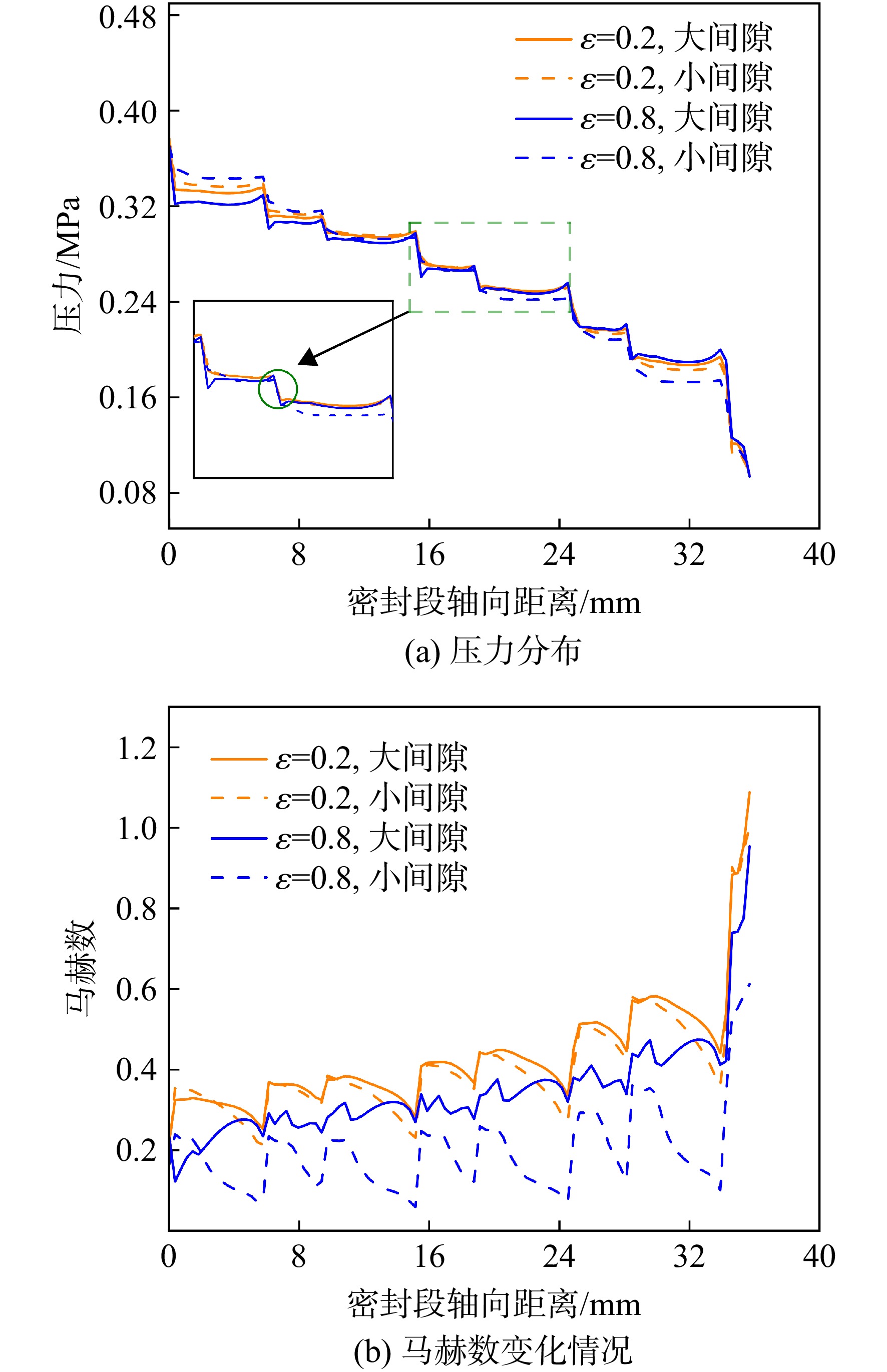
The stability of damper seal is one of the key factors affecting the security and stability of the turbomachinery rotor. An experimental method was proposed to identify the static stiffness coefficients for fully partitioned pocket damper seal. A fluid domain numeric model was established. And based on experiments and simulation, the static stiffness coefficient, fluid-induced force, and the static stability were studied. The results indicated that at the same eccentricity, with the increase of inlet pressure, the overall fluid-induced force increased first and then decreased, and at the same inlet pressure, with the eccentricity increasing, the static direct stiffness coefficient decreases gradually. When the inlet pressure at 0.321 MPa and the eccentricity is 0.8, the static stiffness coefficient tends to be negative, and at the choked flow condition, negative fluid-induced force and static stiffness coefficient appeared at low eccentricity. There was a pressure difference zero point in the axial pressure distribution at the large and small clearances. The pressure difference before the point produced restoring force, and after the point aggravated the rotor deviation. At the choked condition, the inertia effect caused by the sharp increase of the clearance Mach number in the outlet section was one of the reasons for the static instability.

Power Transimission
Analysis on temperature characteristics in double-row tapered roller bearings with different rib structures
ZHU Wenlin, TANG Xin, ZHU Rupeng, LI Fajia, LU Fengxia, LIU Weizhen
2026, 41(4): 20240511. doi: 10.13224/j.cnki.jasp.20240511
Abstract:

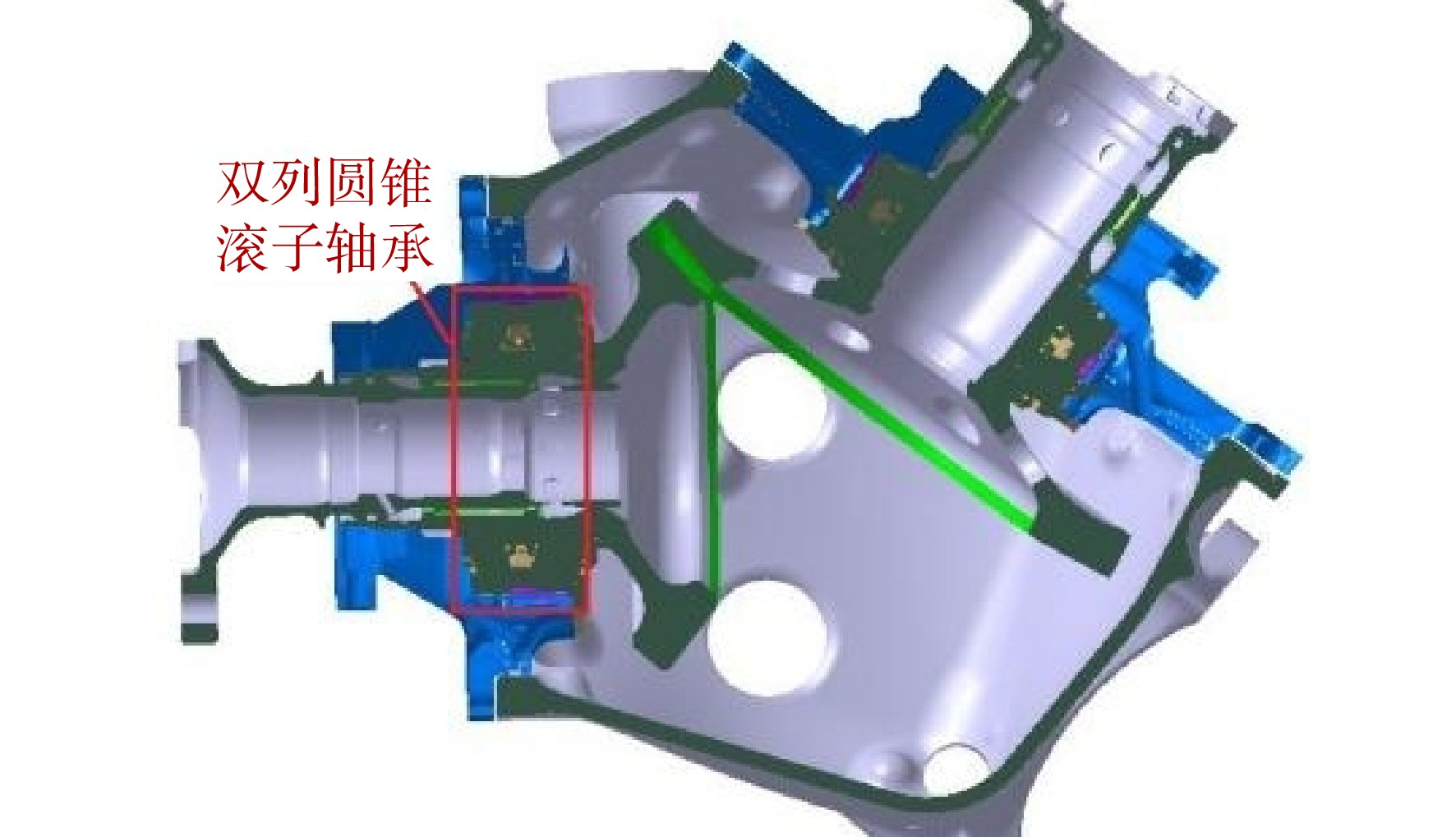
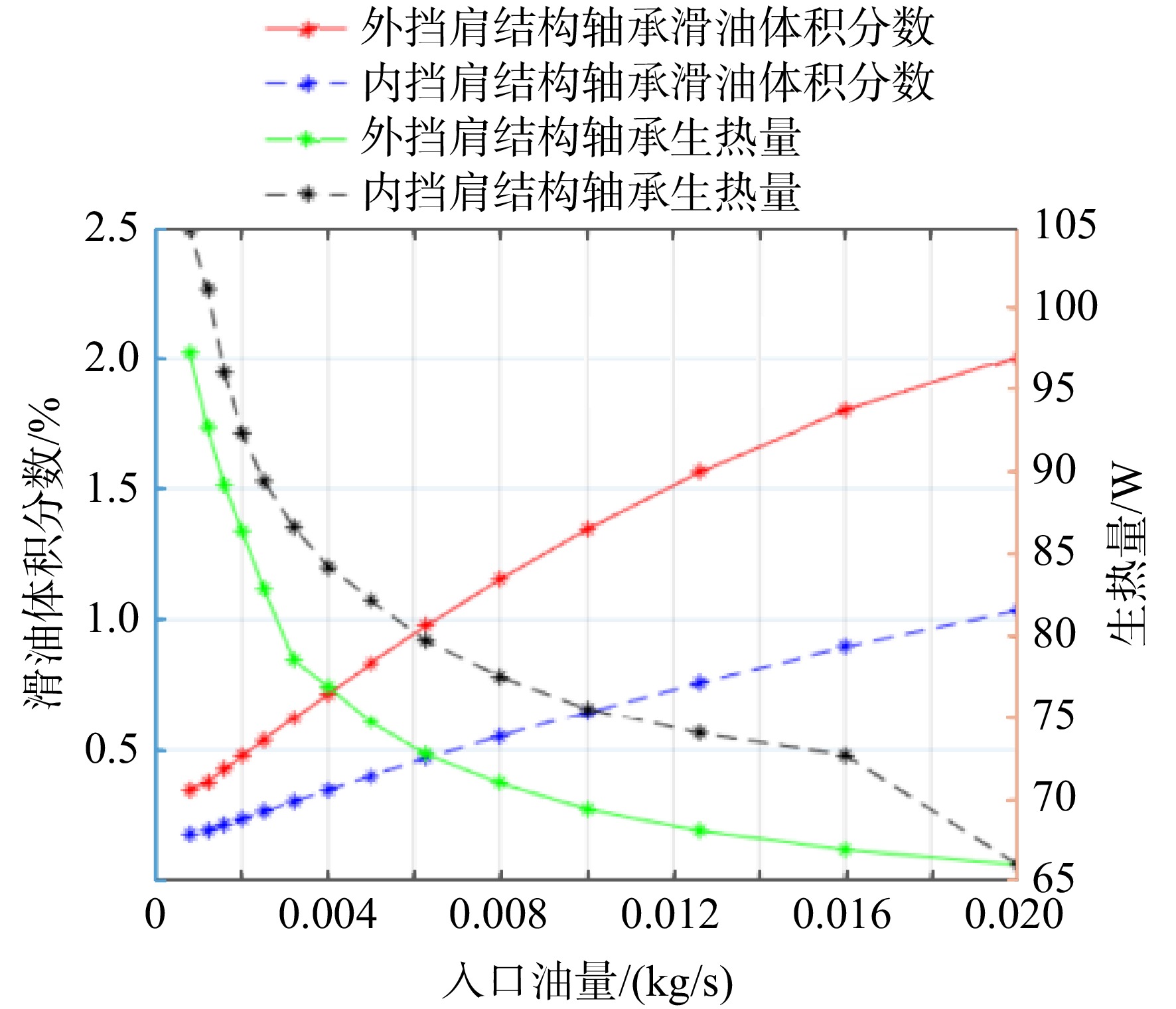
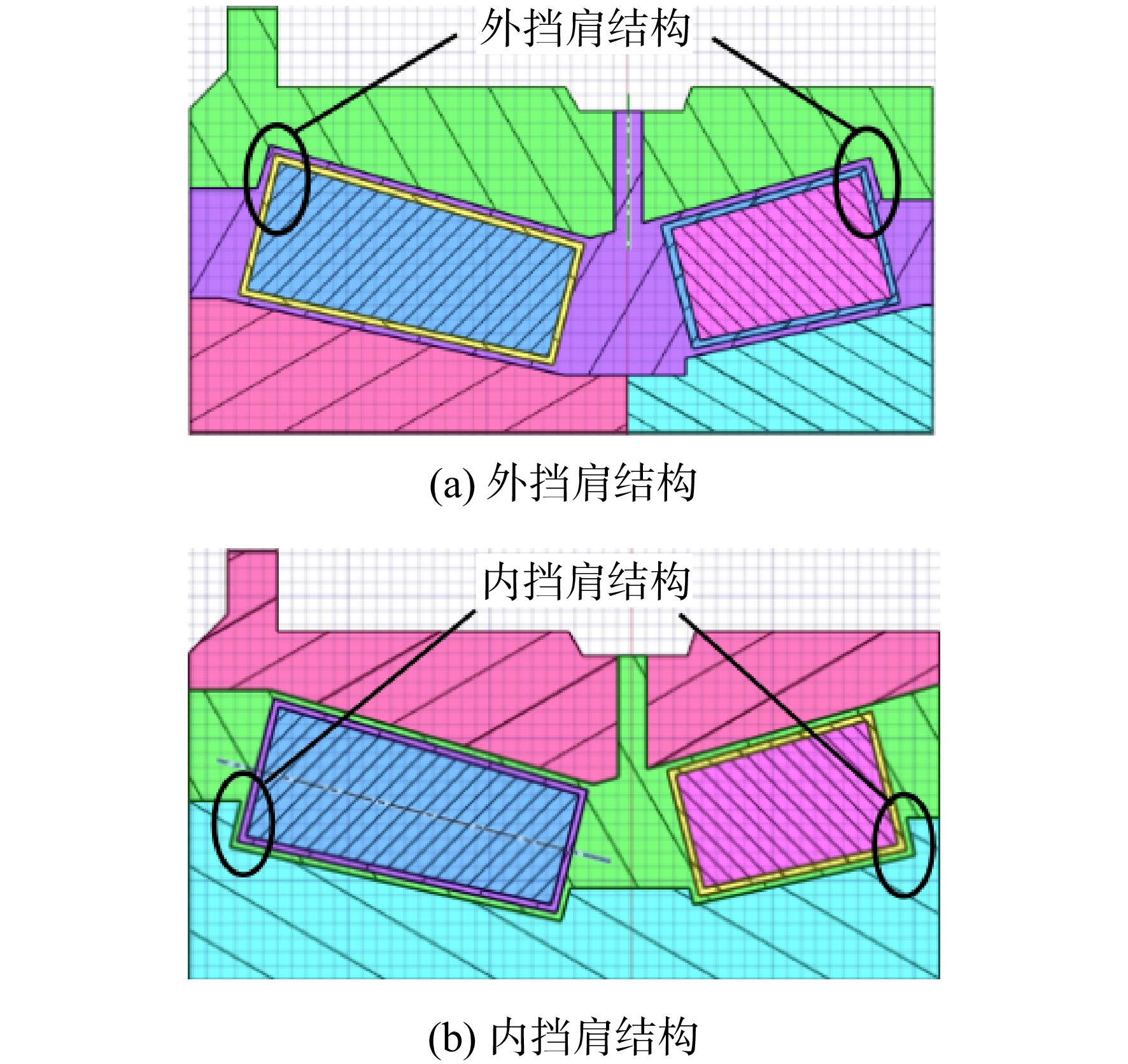
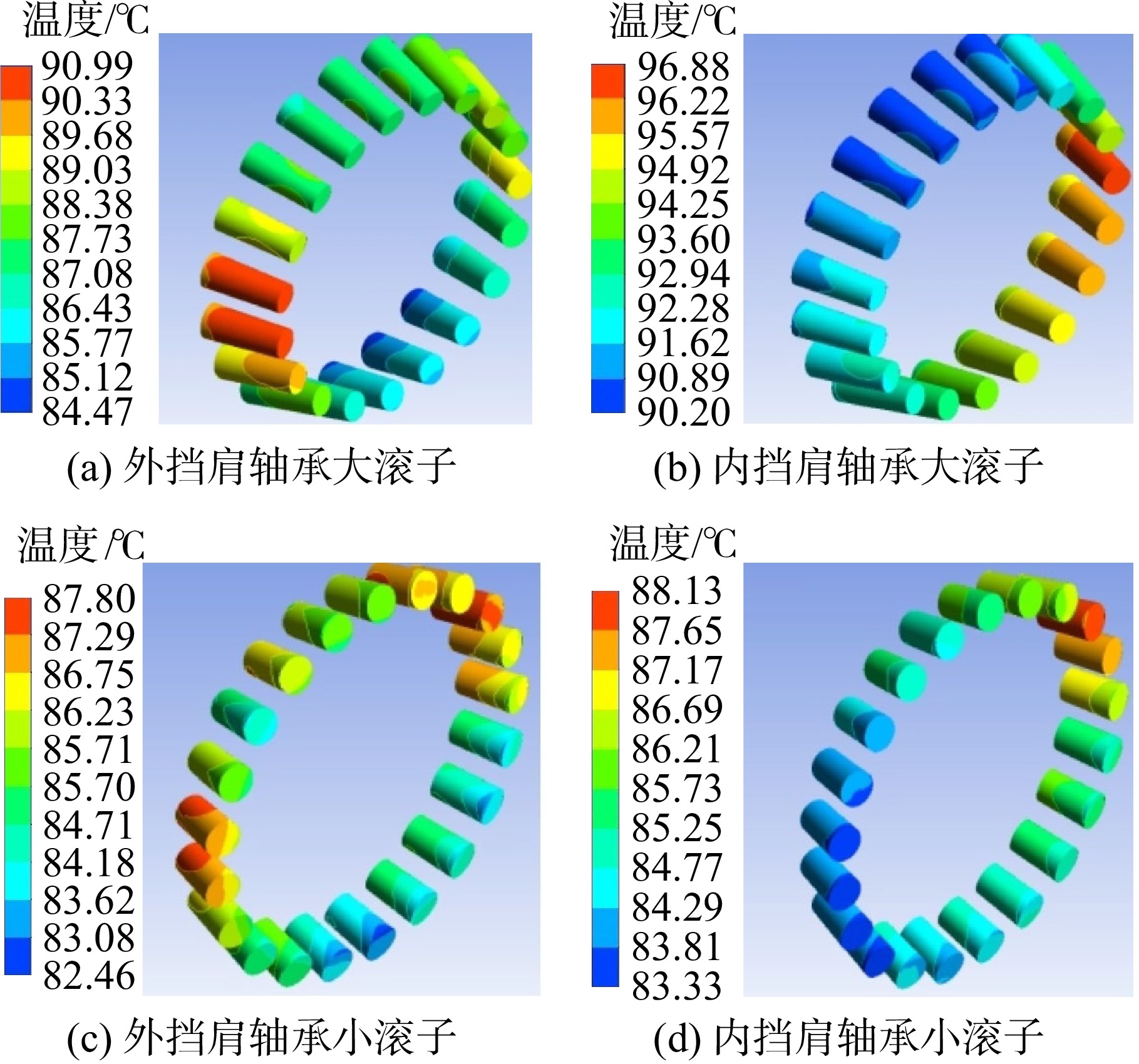
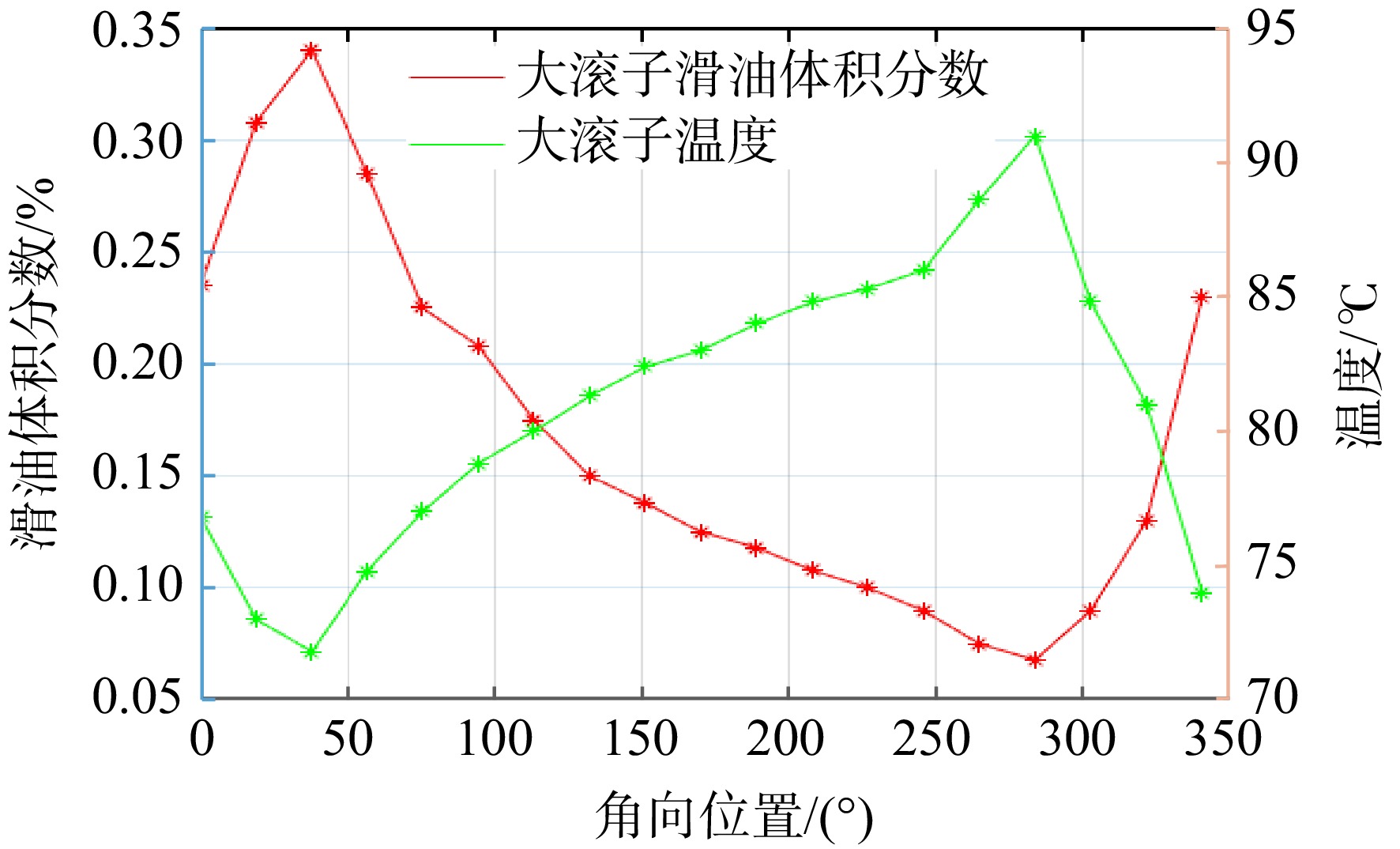
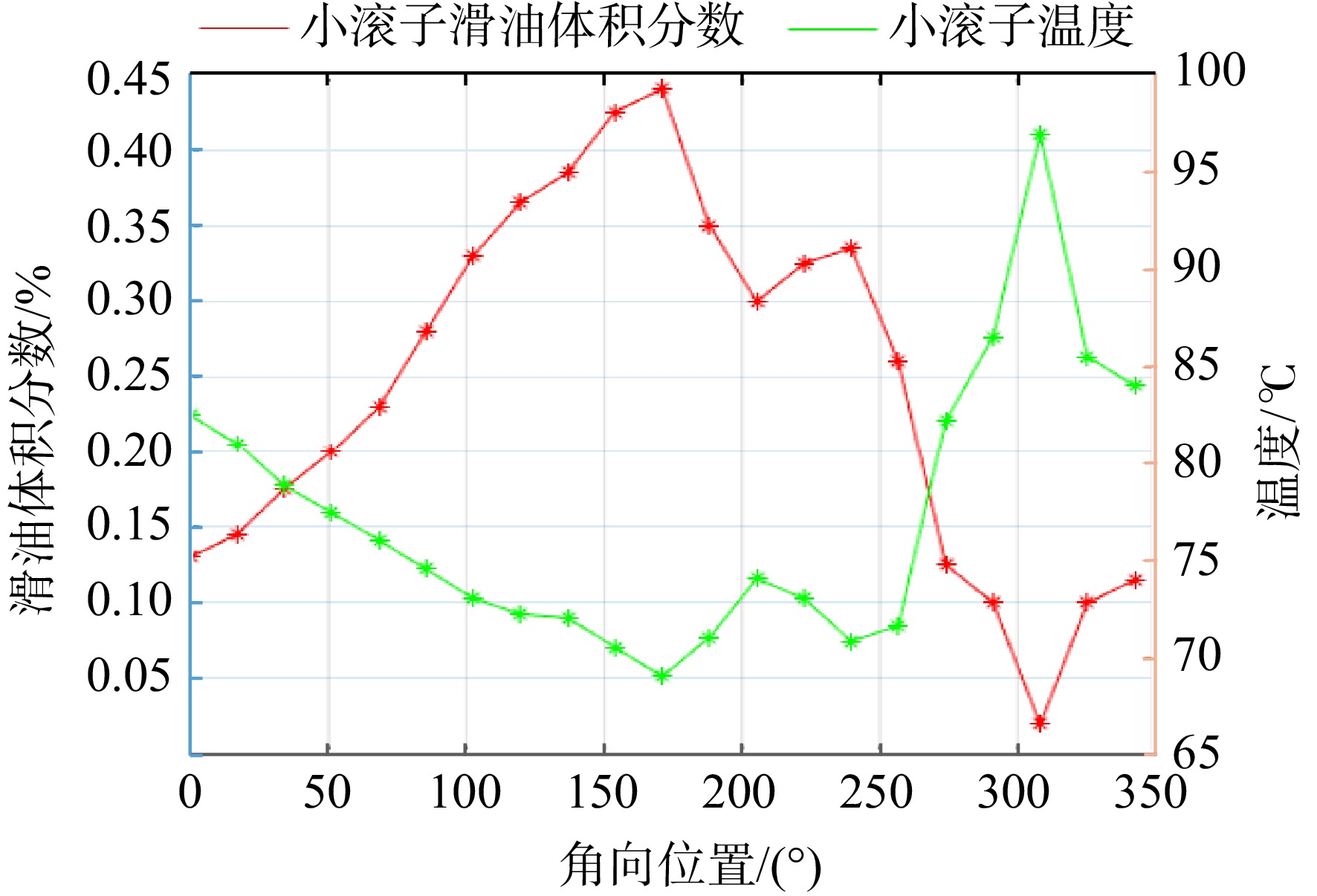
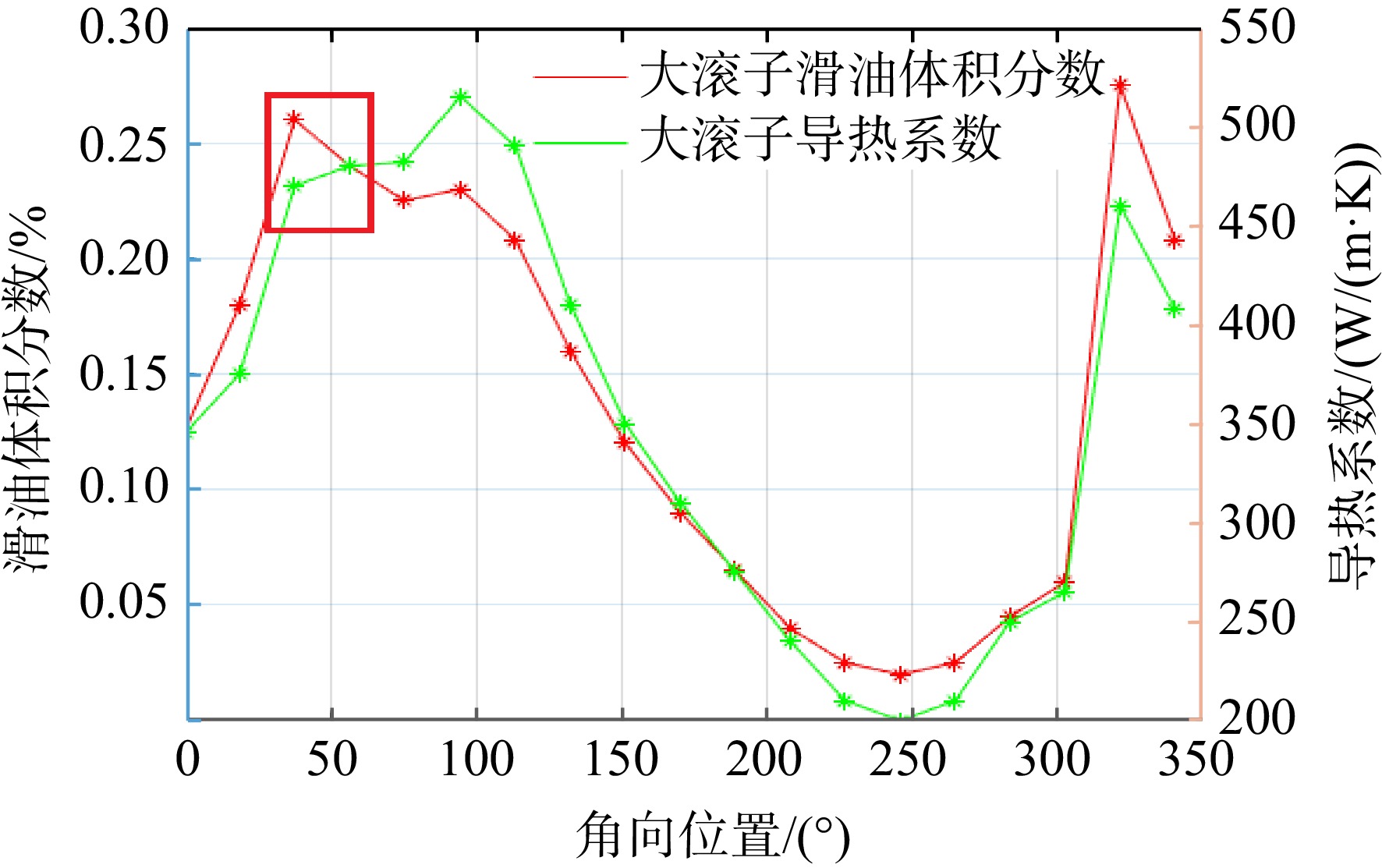
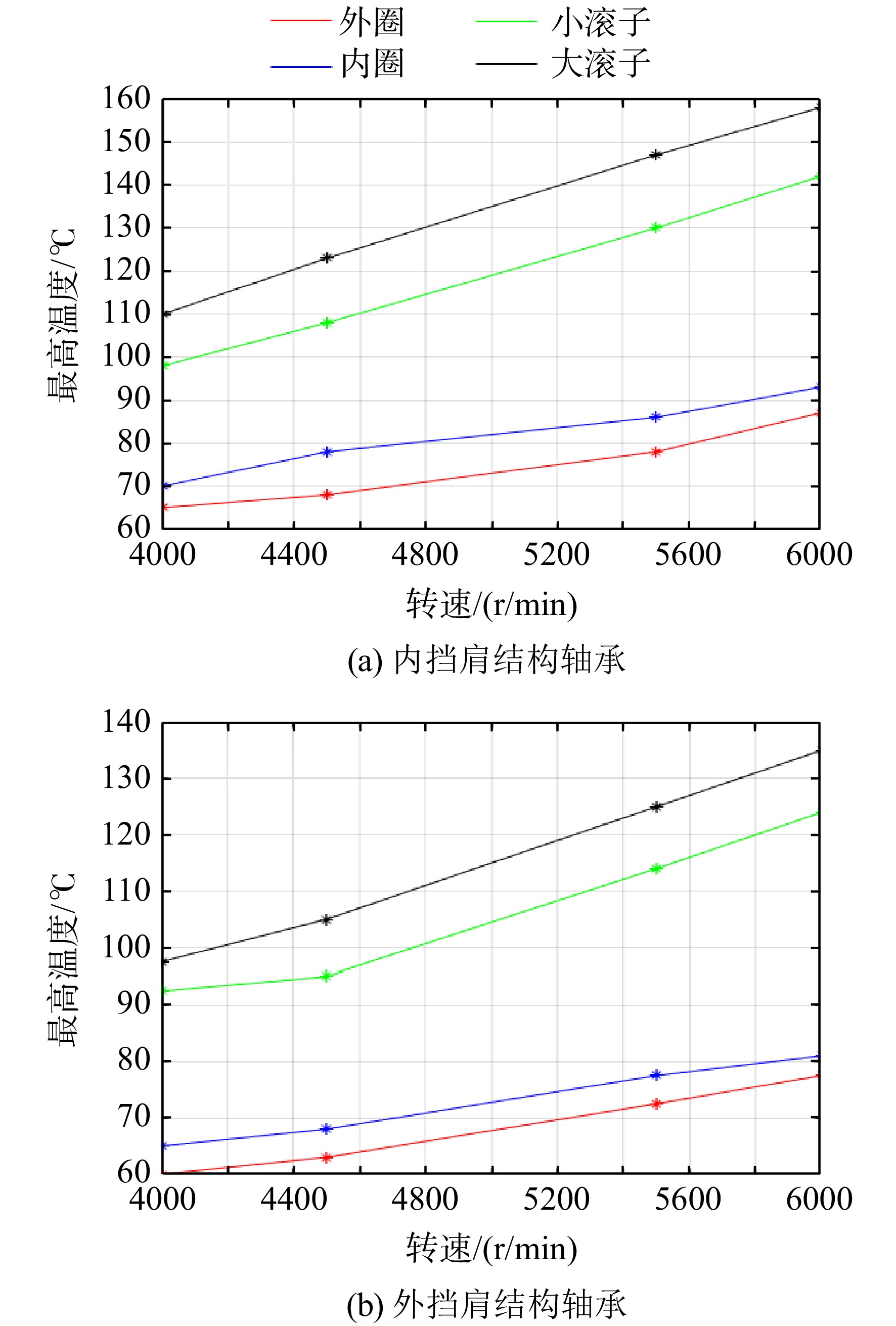
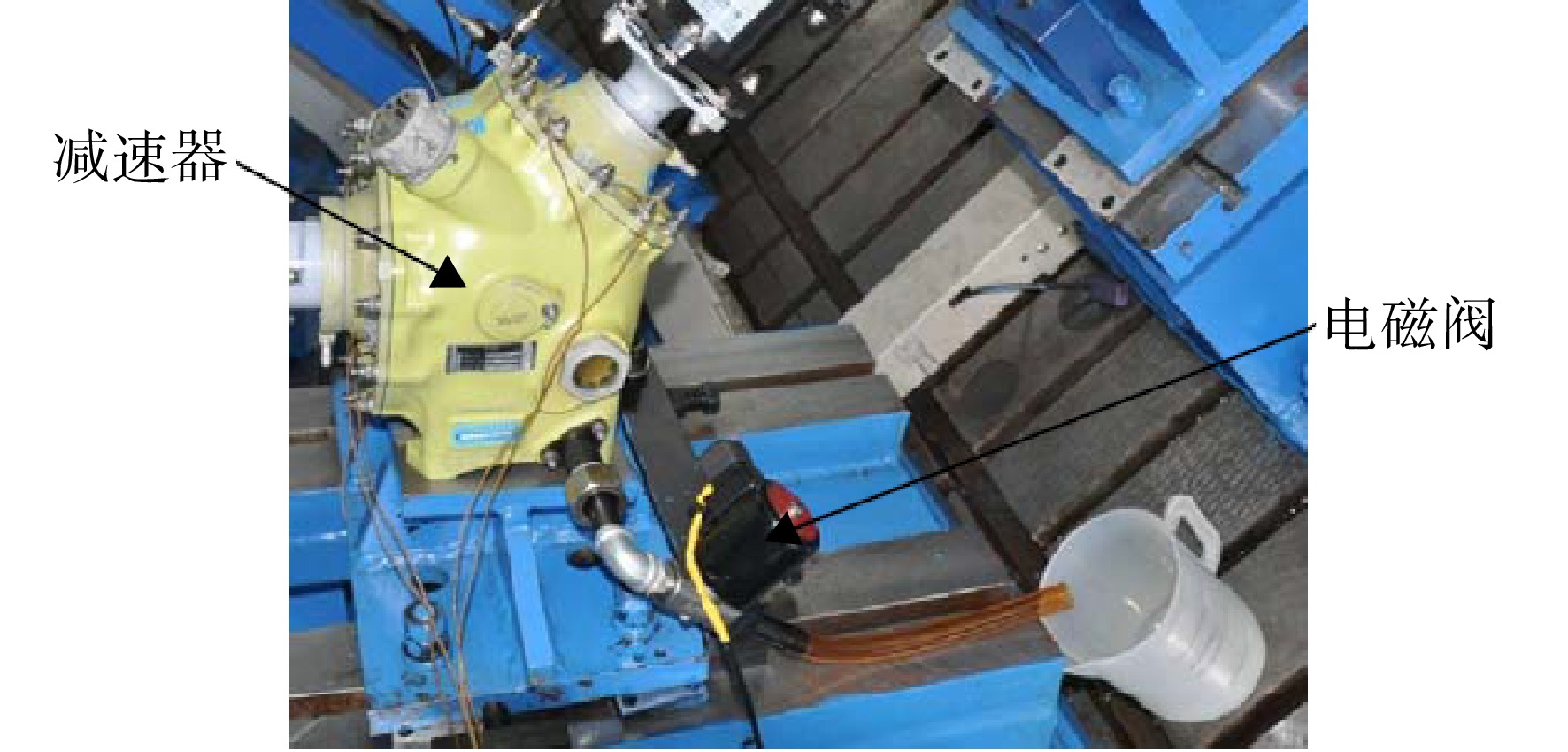
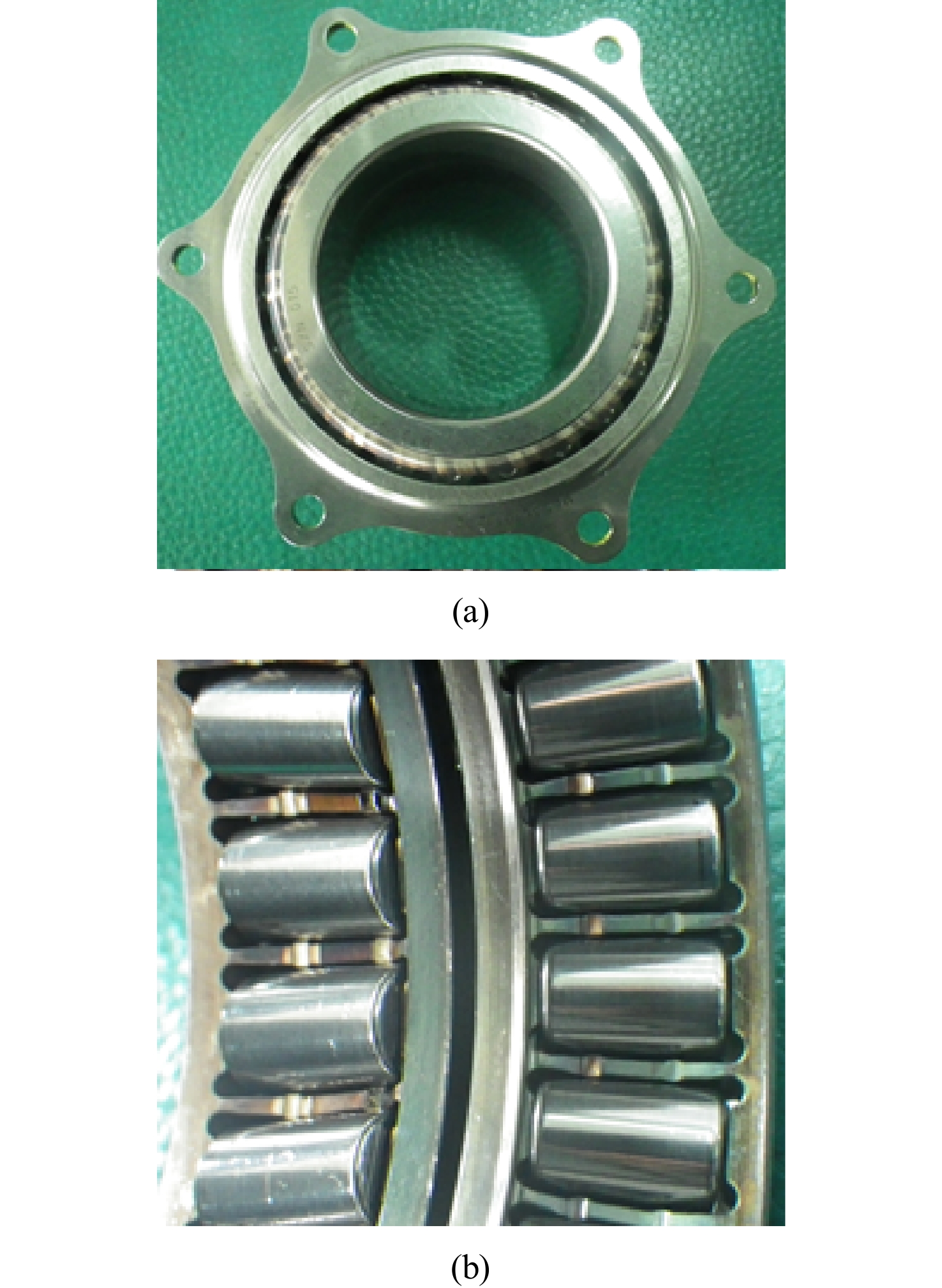
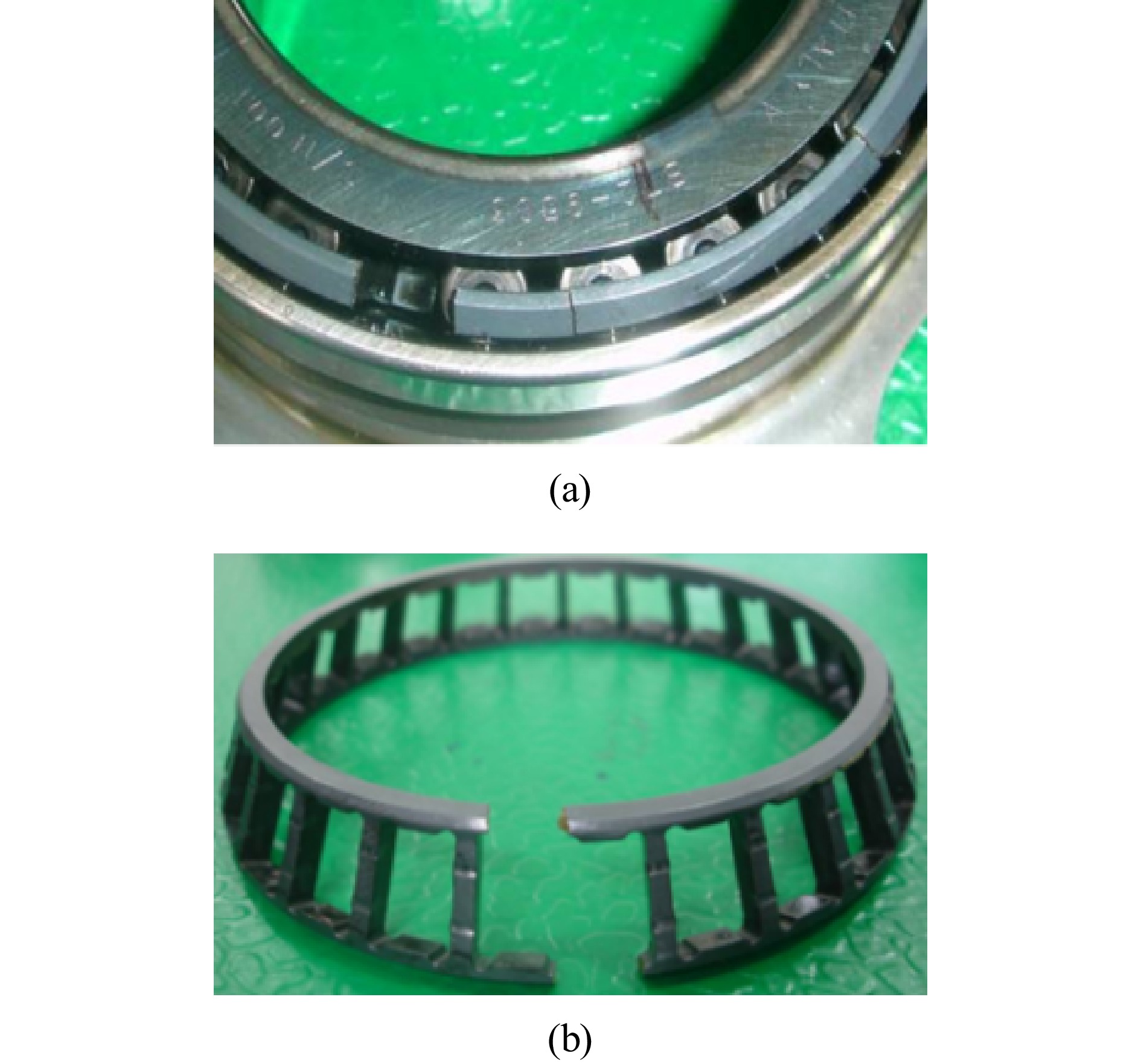
The CFD numerical simulation calculation model was established for two different types of tapered roller bearings with different rib structures. The heat generation calculation and temperature characteristics of the bearings under fully lubricated and oil loss states were studied. The temperature distribution law of the bearings under different inlet lubricating oil flow rates and different speeds was explored, and dry operation comparative verification experiments were carried out. The research results showed that the temperature of each part of the outer rib structure bearing was lower than that of the inner rib structure bearing under fully lubricated state; the volume fraction of bearing lubricating oil was negatively correlated with temperature, but not strictly proportional to the convective heat transfer coefficient; as the rotational speed increased, the temperature of each part of the bearing cavity surface showed an upward trend; in the state of oil loss, the temperature inside the bearing chamber of the outer rib structure was lower than that of the inner rib structure bearing. The dry running ability of the outer rib structure bearing was stronger than that of the inner rib structure bearing, and the highest temperature occurred on the wall of the large roller. As the dry running time increased, the failure of the bearing began at the edge of the large roller.

Influences of outerring misalignment on stiffness characteristics of lubricated and preloaded ball bearing
SUN Minjie, ZHAO Lifeng, ZHANG Tao
2026, 41(4): 20240293. doi: 10.13224/j.cnki.jasp.20240293
Abstract:

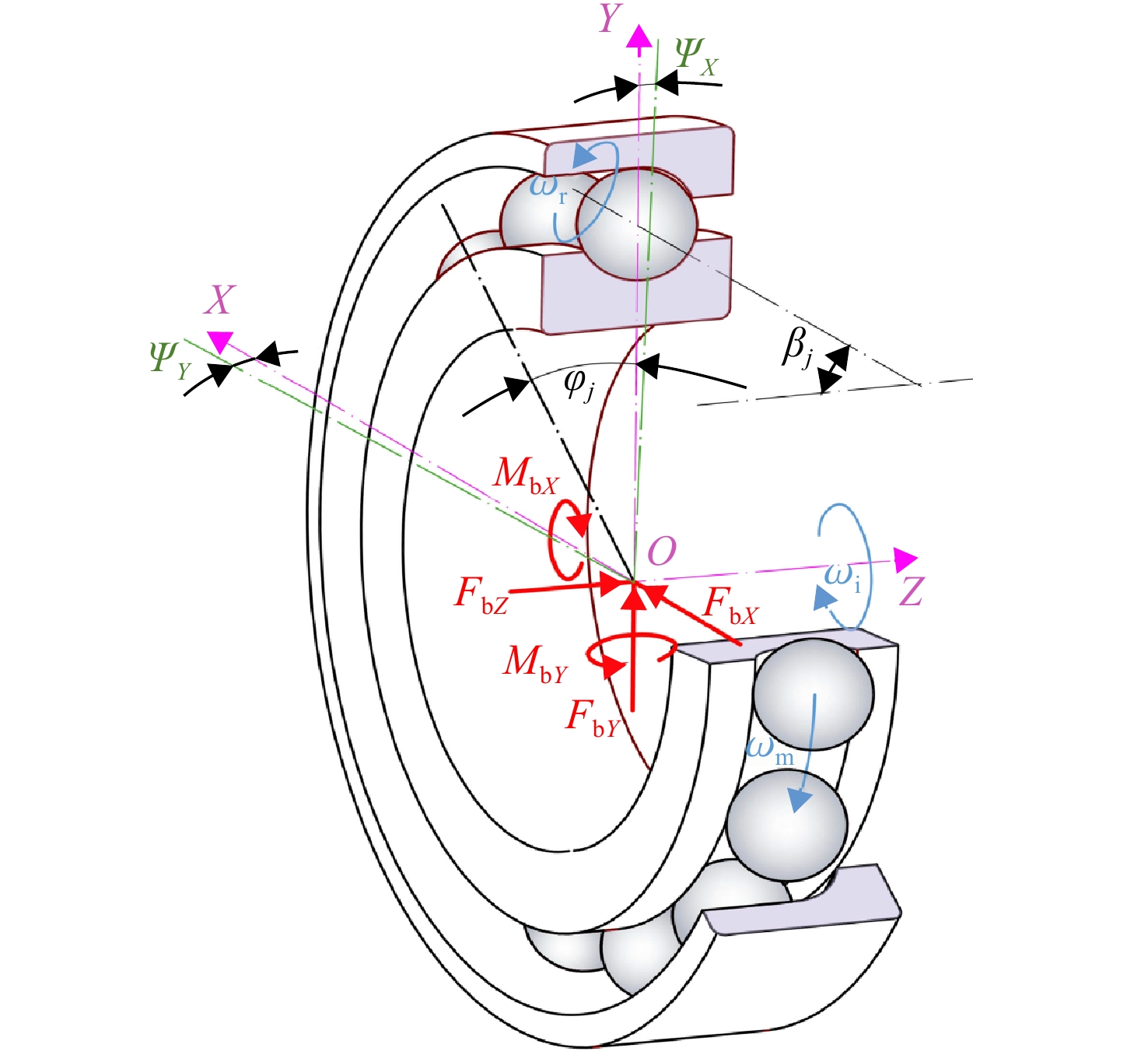
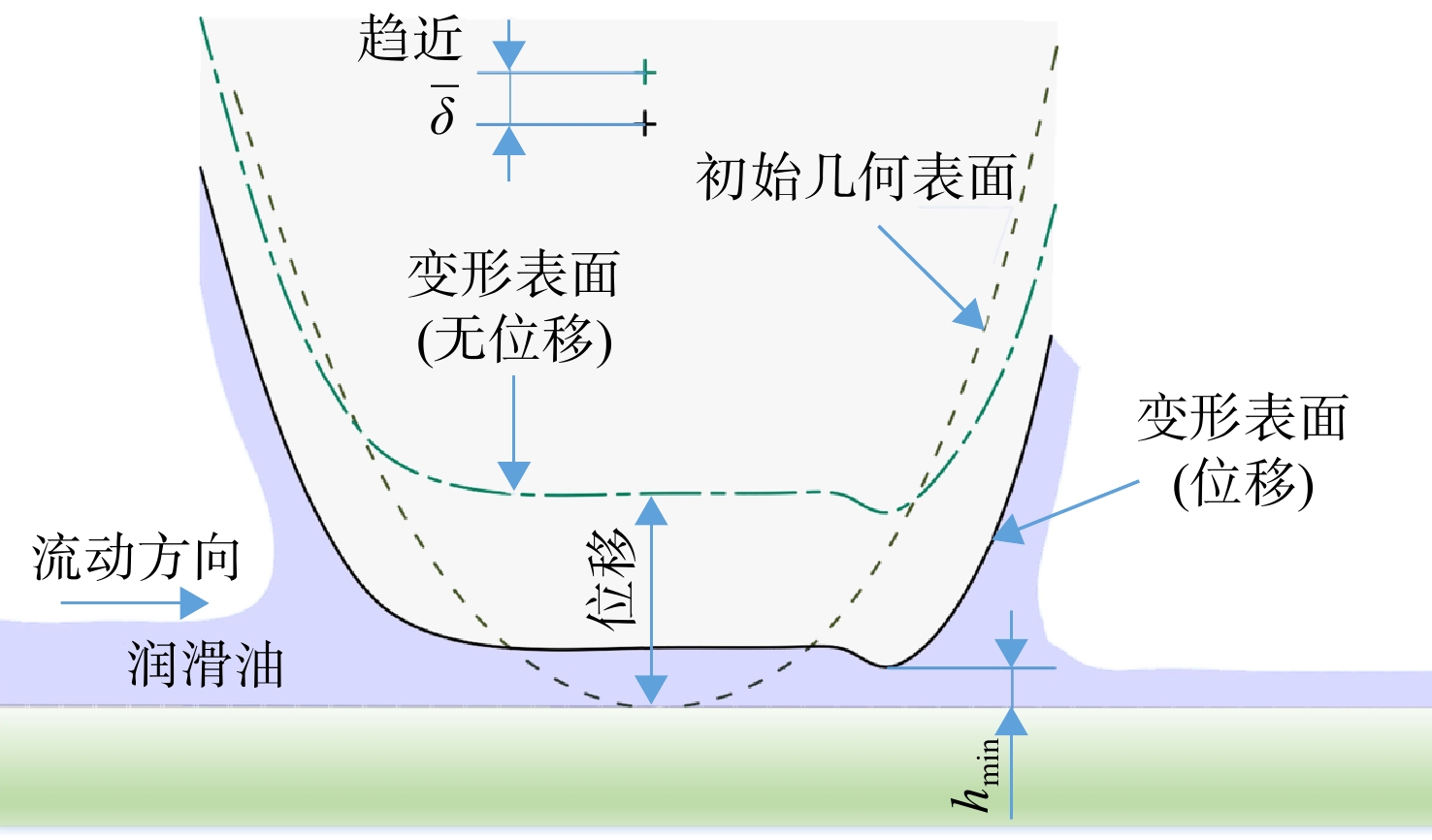
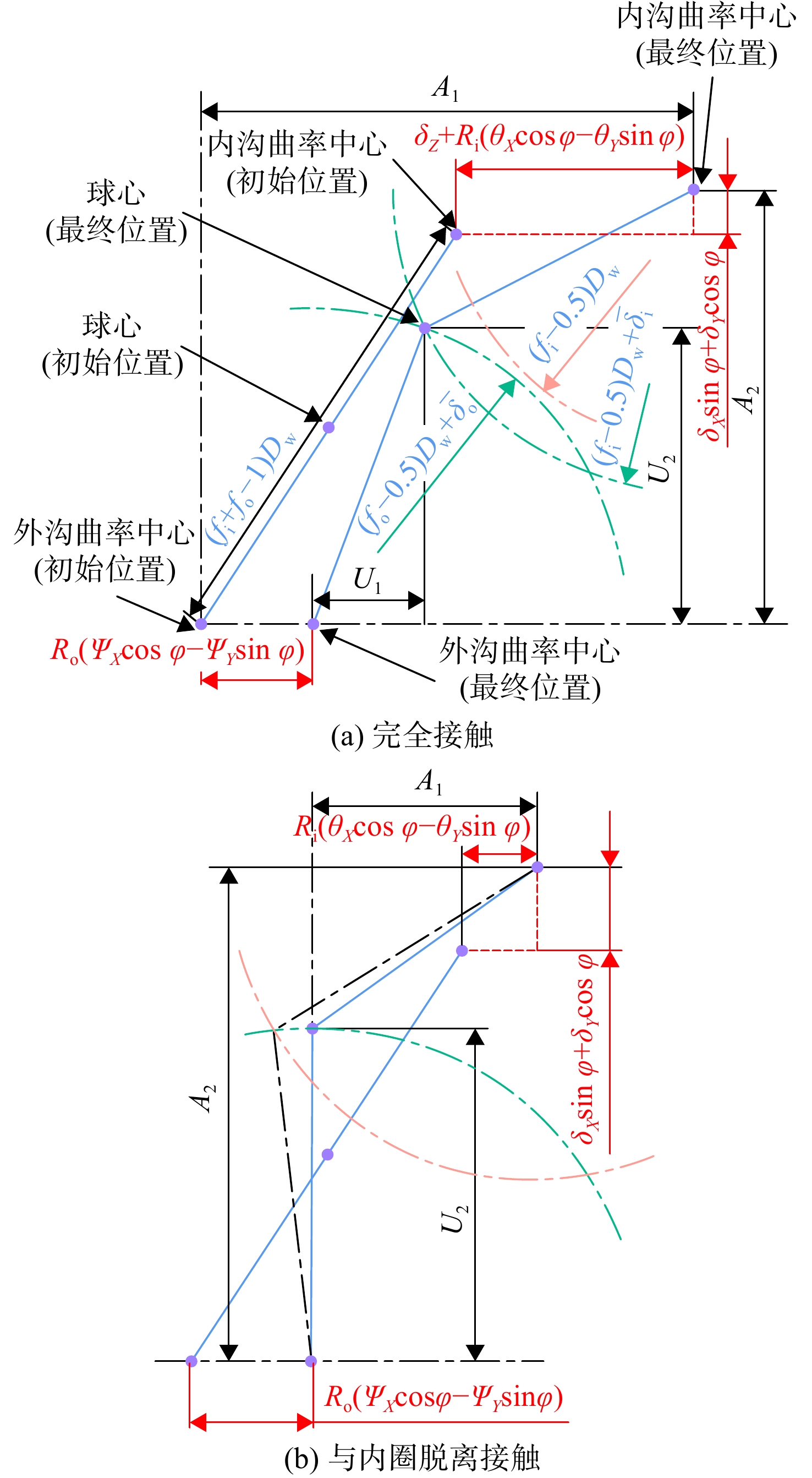
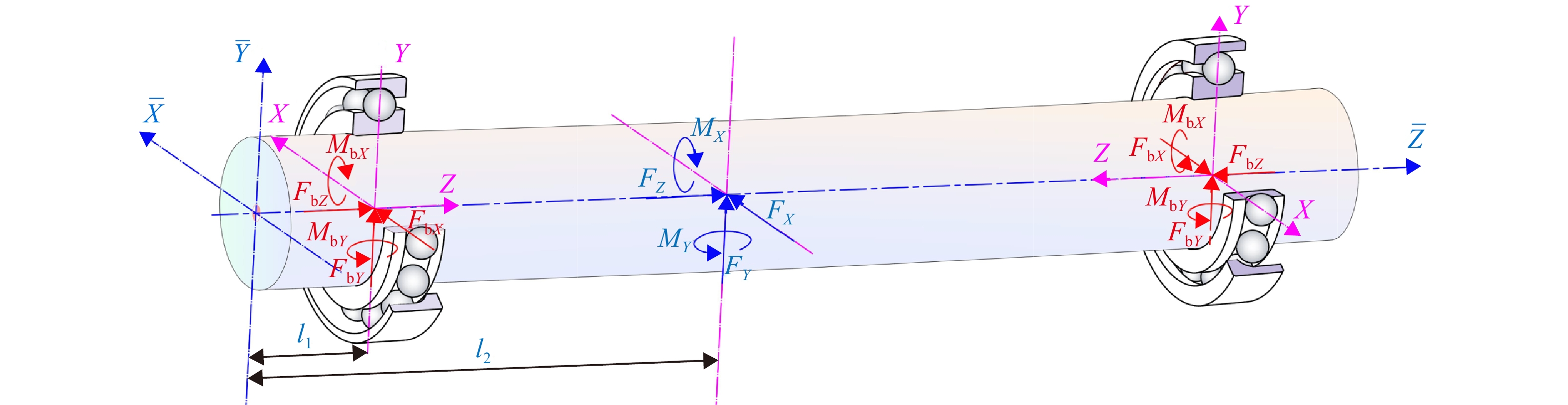
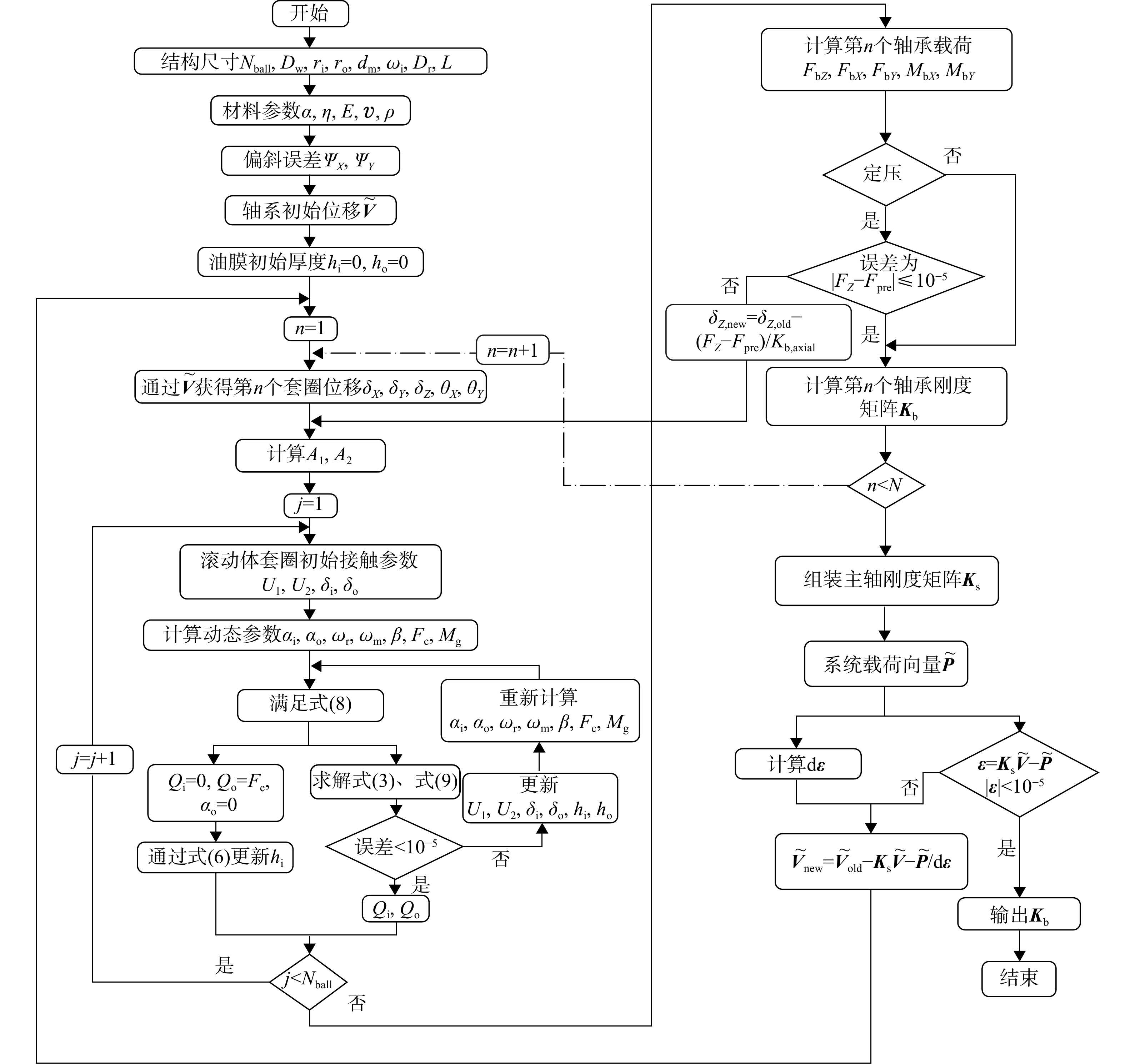
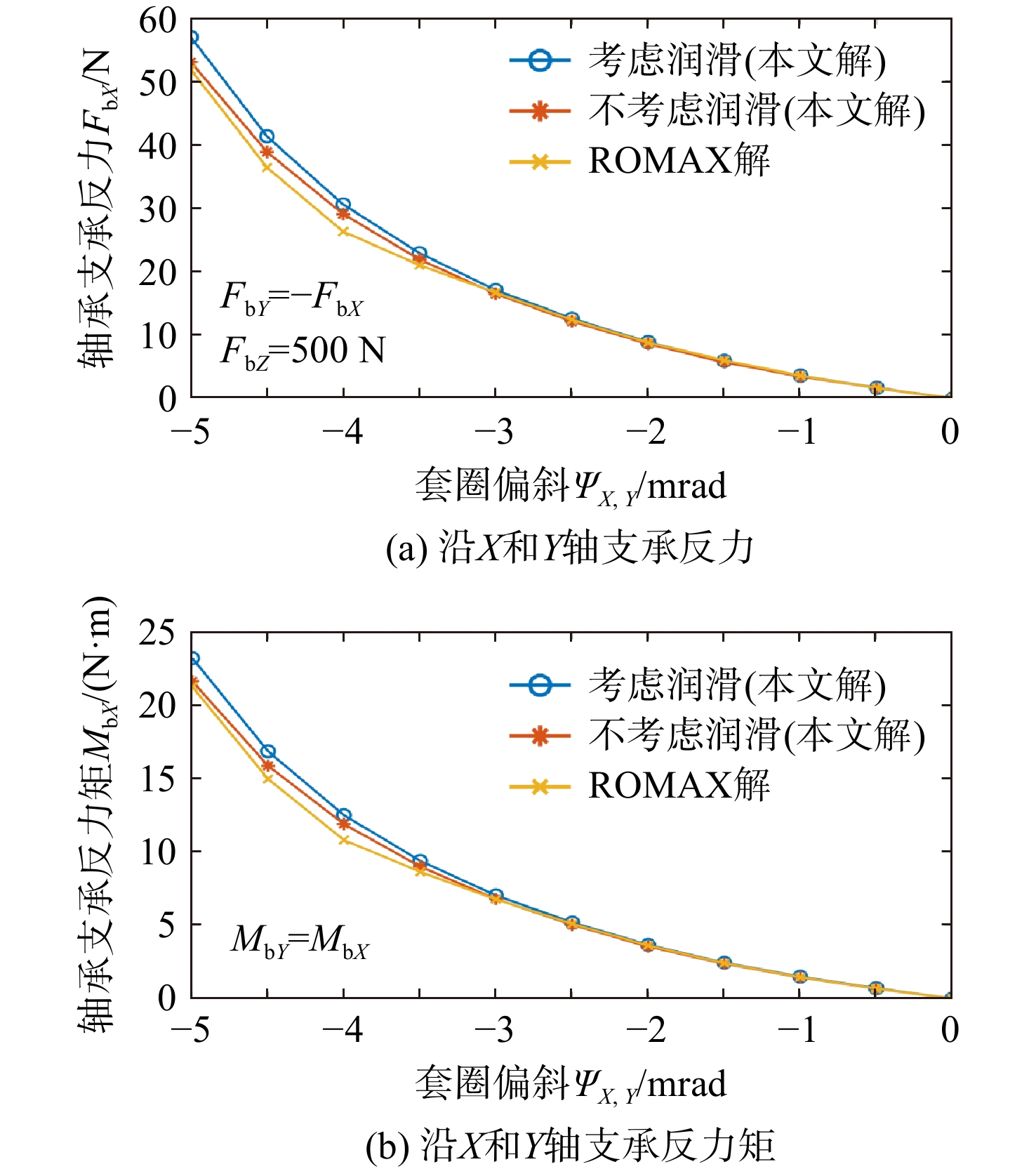
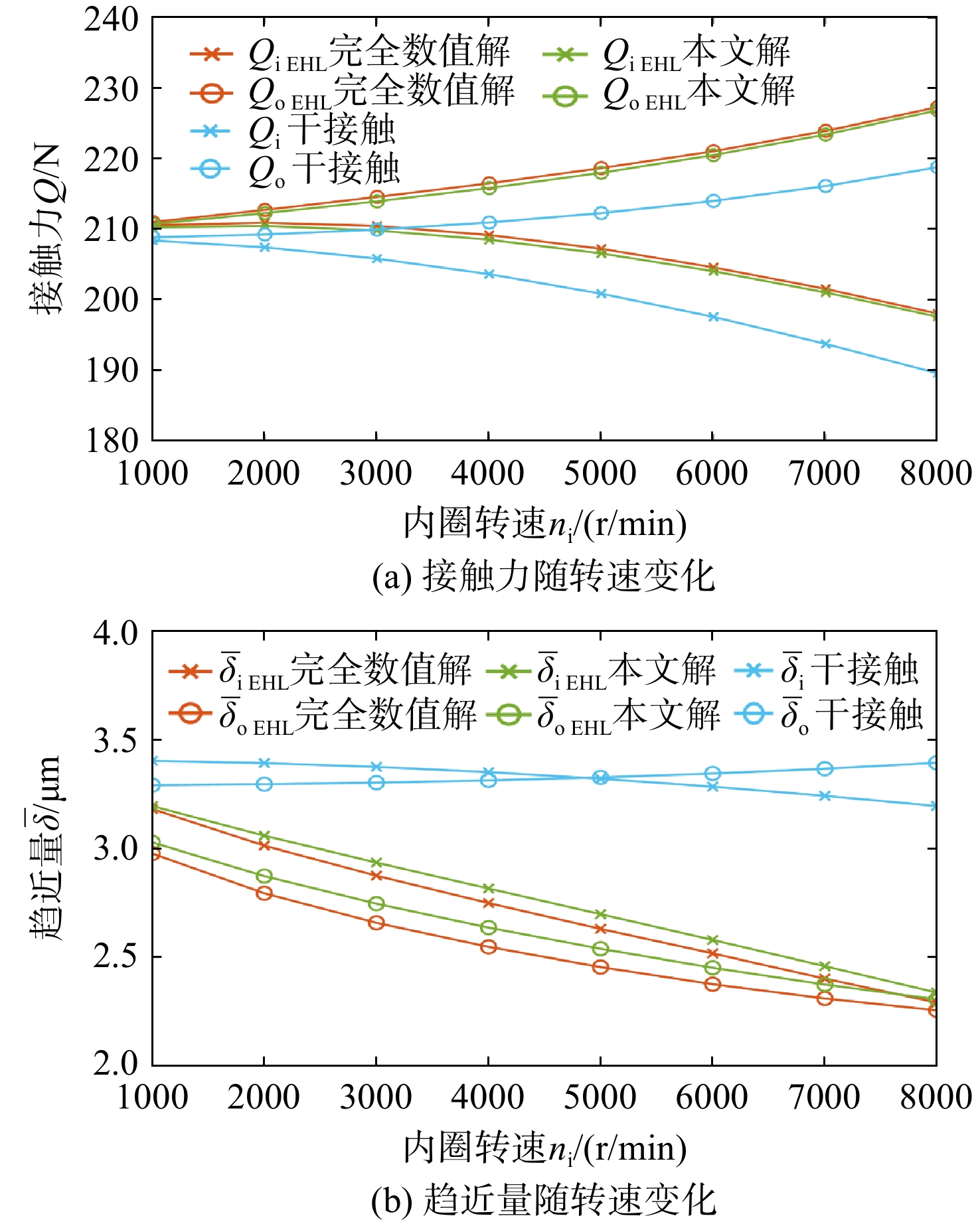
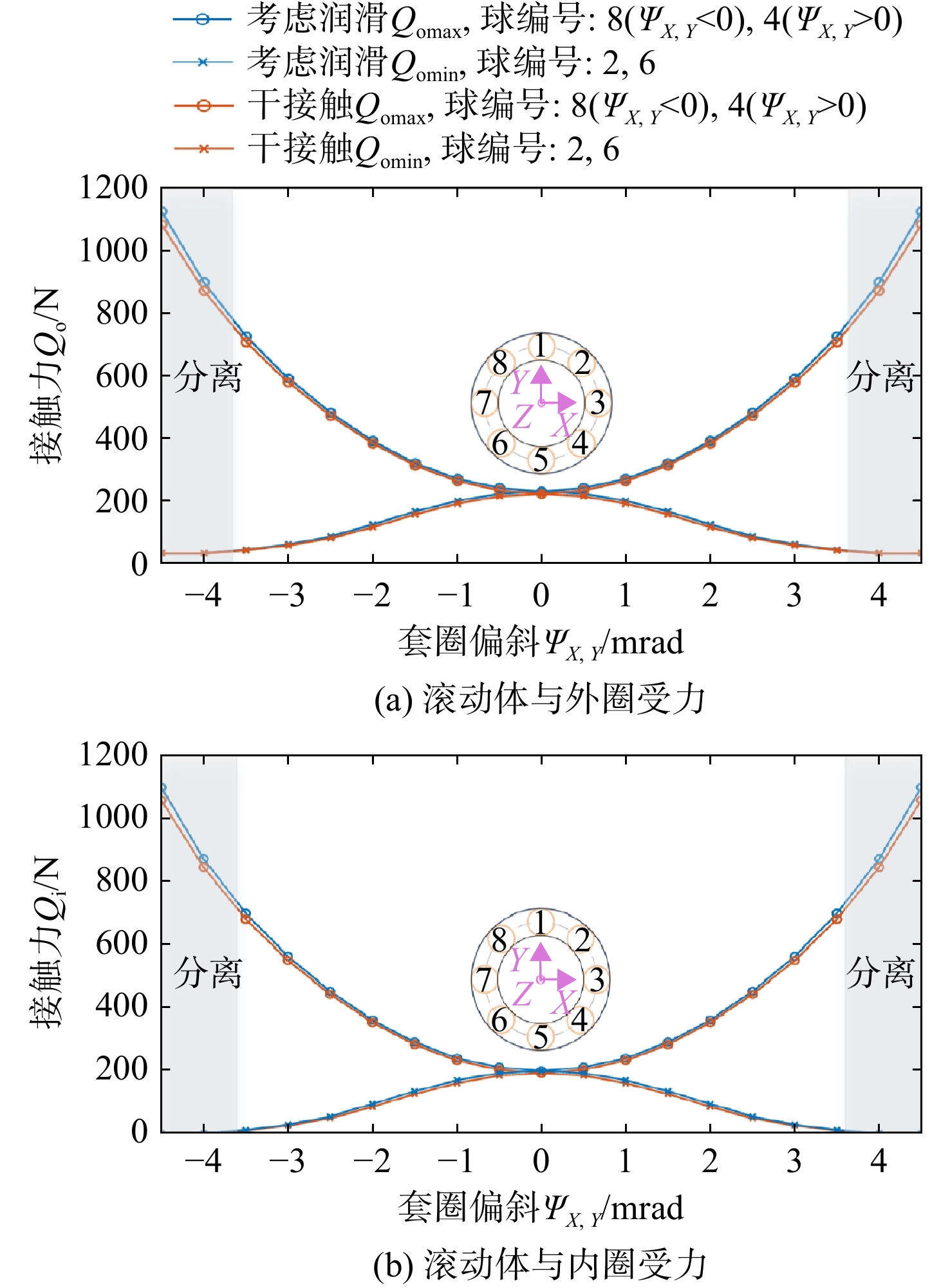
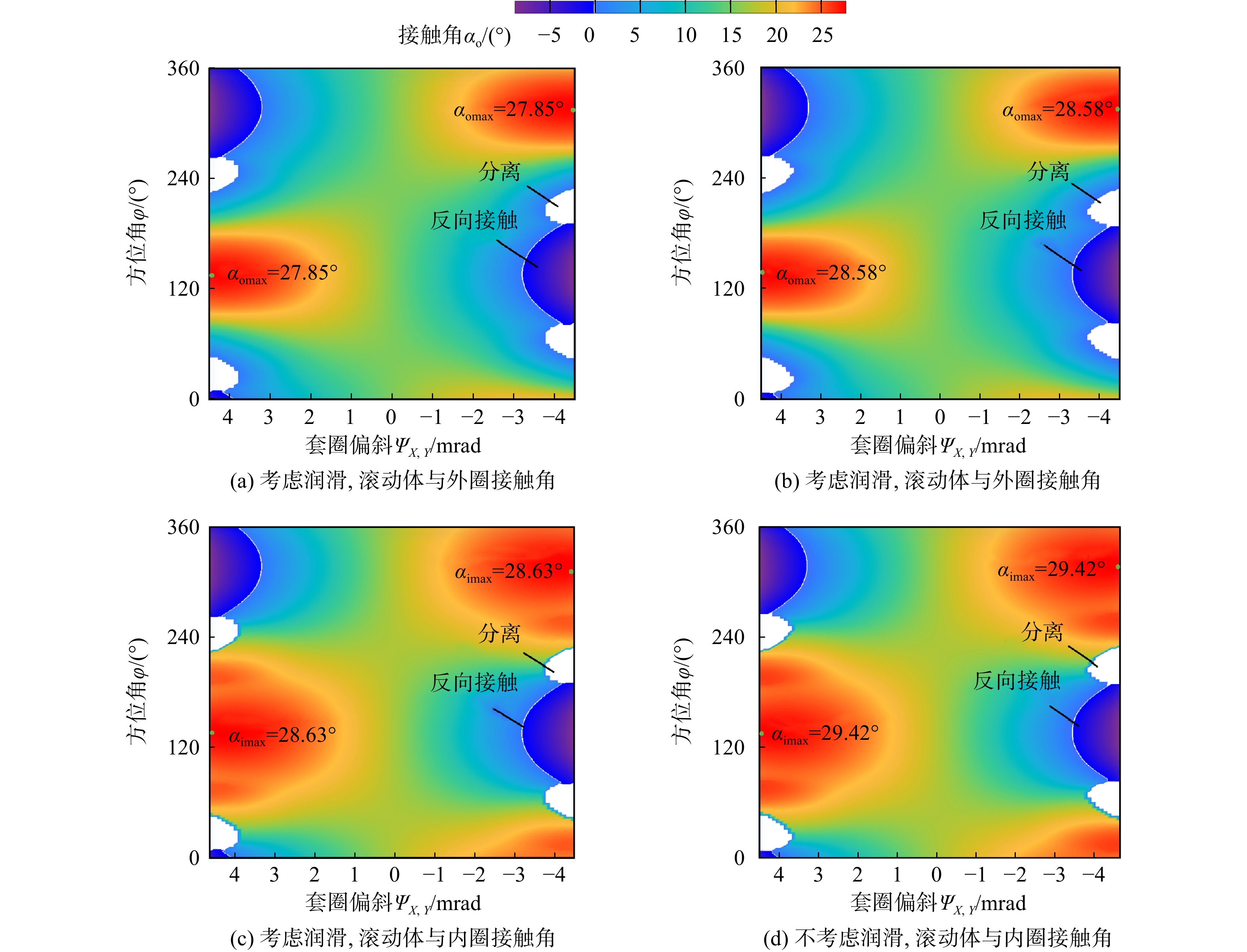
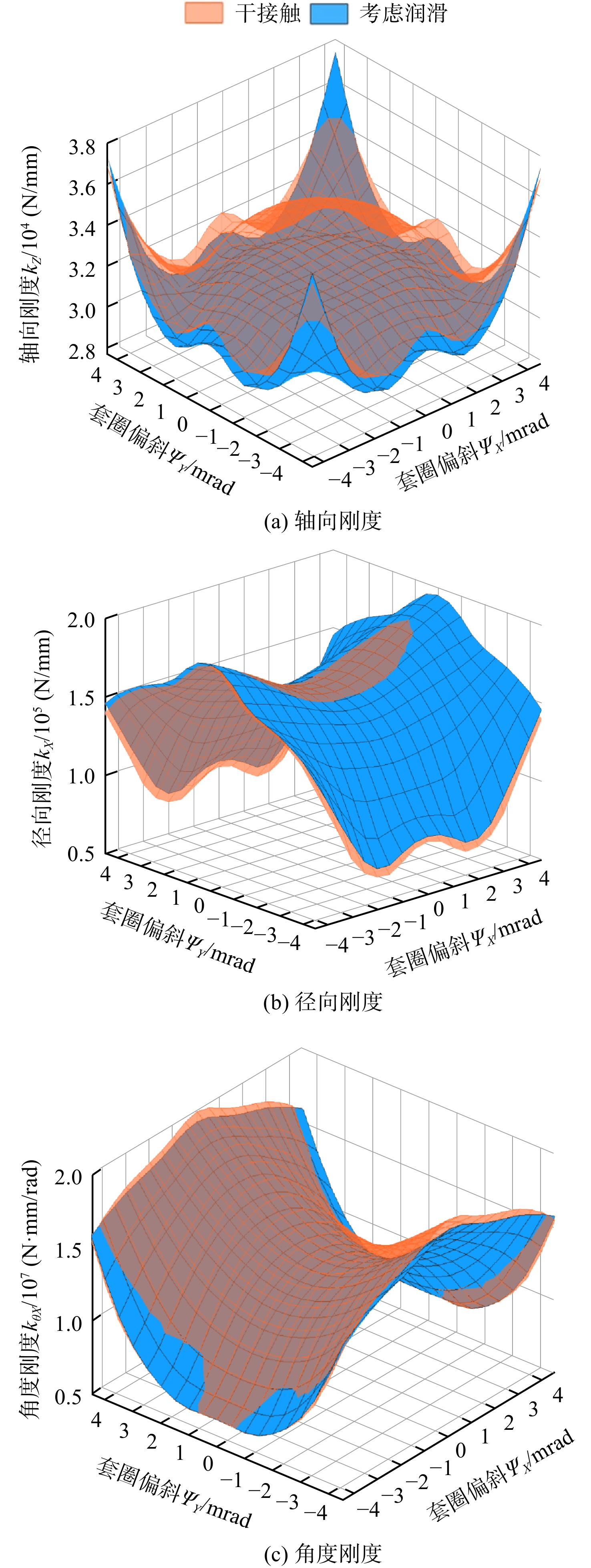
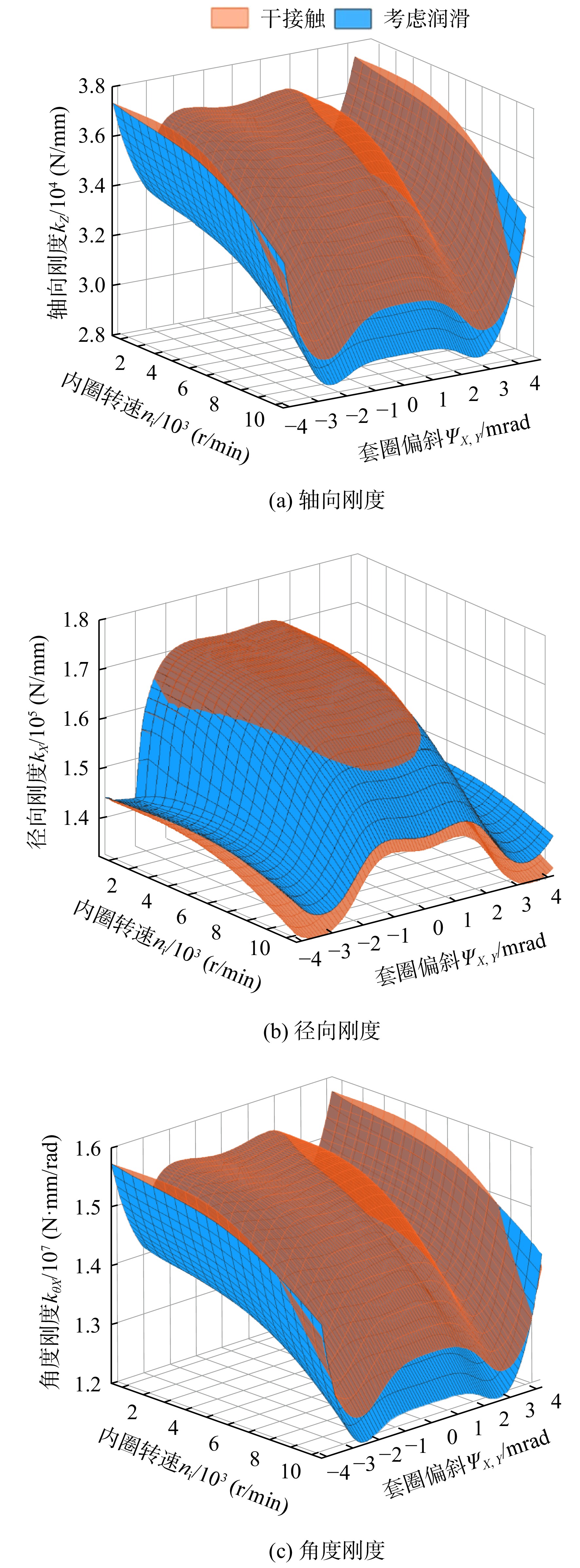
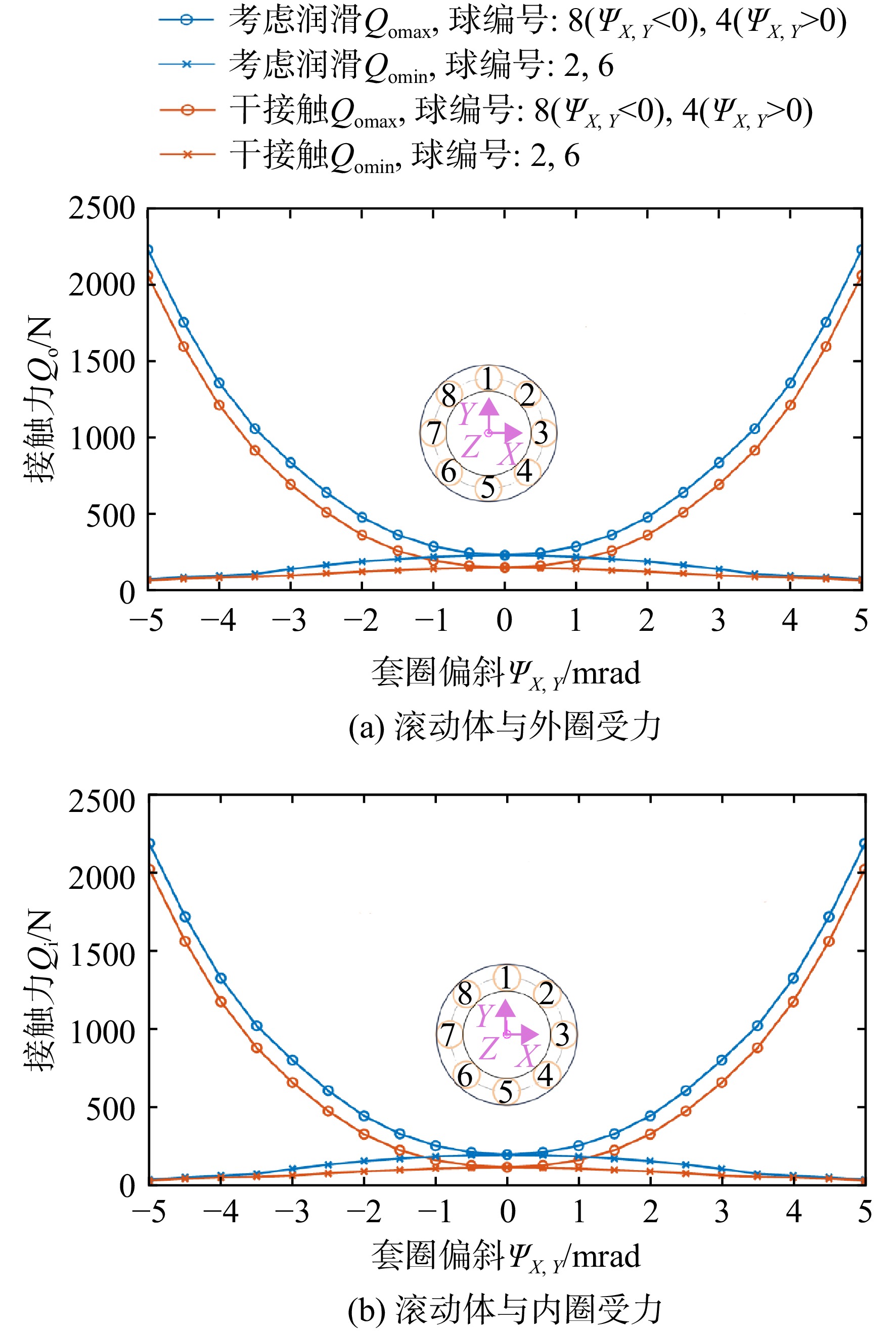
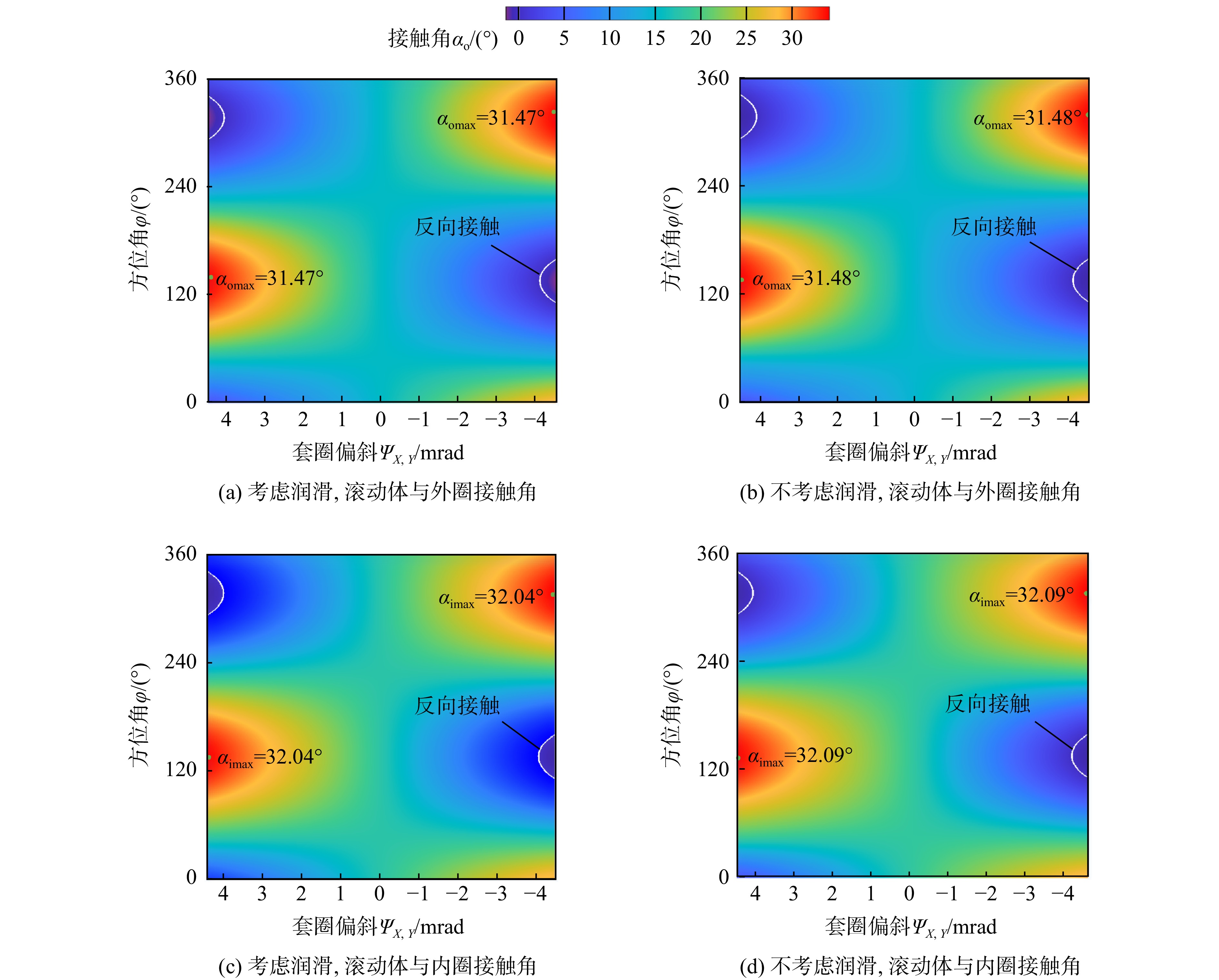
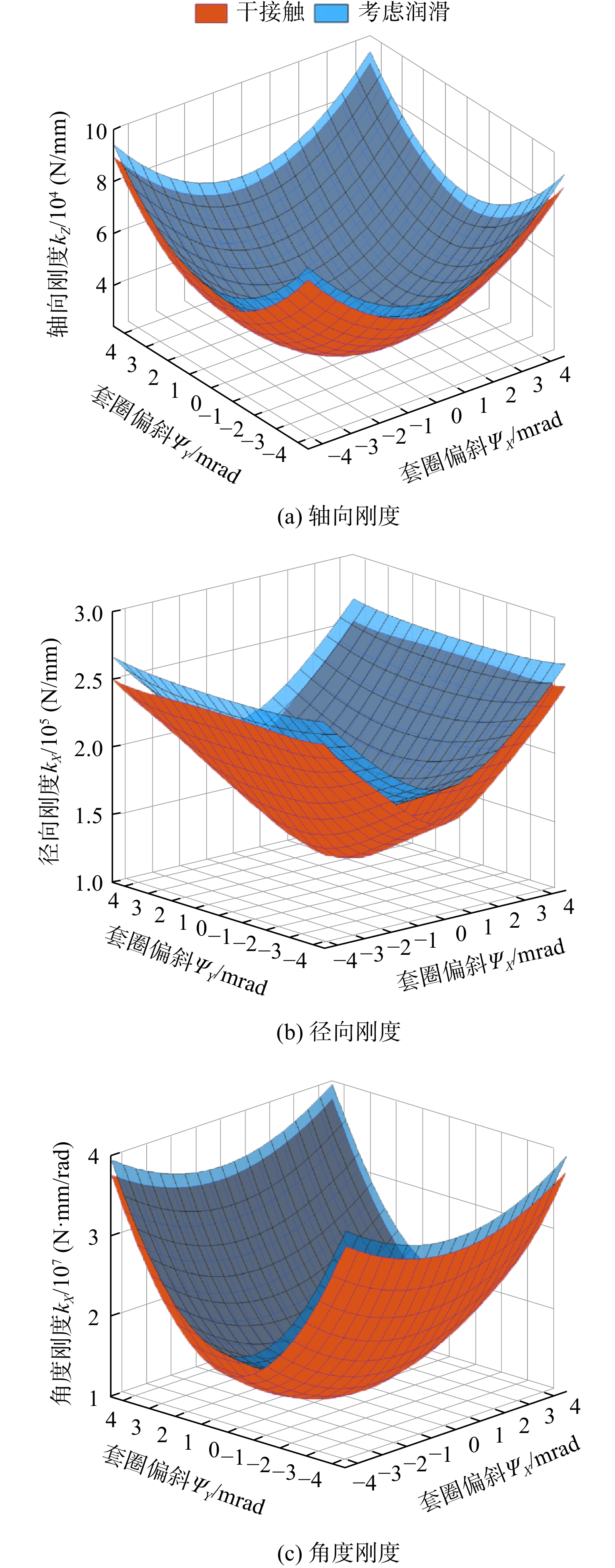
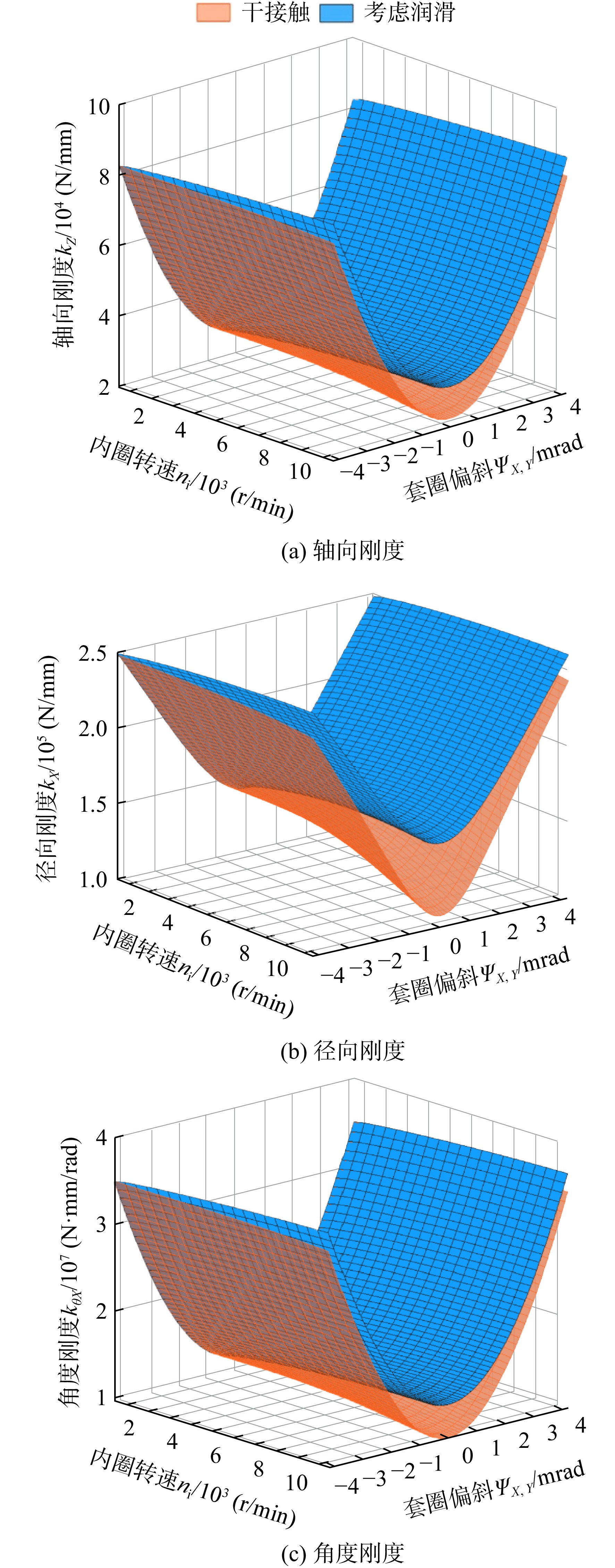
In order to investigate effects of outering misalignment on the contact and stiffness characteristics of lubricated and preloaded ball bearing, the geometry and force equilibrium relationship for ball bearing with outering misalignment was established and a new method was proposed for computation of the stiffness matrix considering lubrication. Combined with ball-raceway separation condition and ball-bearing-spindle iteration method, a stiffness matrix of preloaded ball bearing with certain outerring misalignment in a lubricated bearing-spindle system was analyzed. The results showed that the non-contact area between the ball and the inner ring occurred under constant force preload with a large outering misalignment. When lubrication was considered, the max. contact angle was reduced notably in constant force preload while the max. contact force was increased significantly in fixed position preload with certain outerring misalignment. Under constant force preload, lubrication weakened the stiffness of the bearing when the outerring misalignment was small while increased the stiffness with a large outerring misalignment. Under the fixed position preload, the stiffness of the bearing increased gradually with the increase of the rotational speed as well as outerring misalignment.

Oil scavenge characteristics of aero-engine bearing chambers under high air supply flow rates
WANG Xiaohui, LIU Houlin, LI Ming, SU Yuanyuan, WANG Kai, WANG Yong, HU Yu
2026, 41(4): 20240814. doi: 10.13224/j.cnki.jasp.20240814
Abstract:

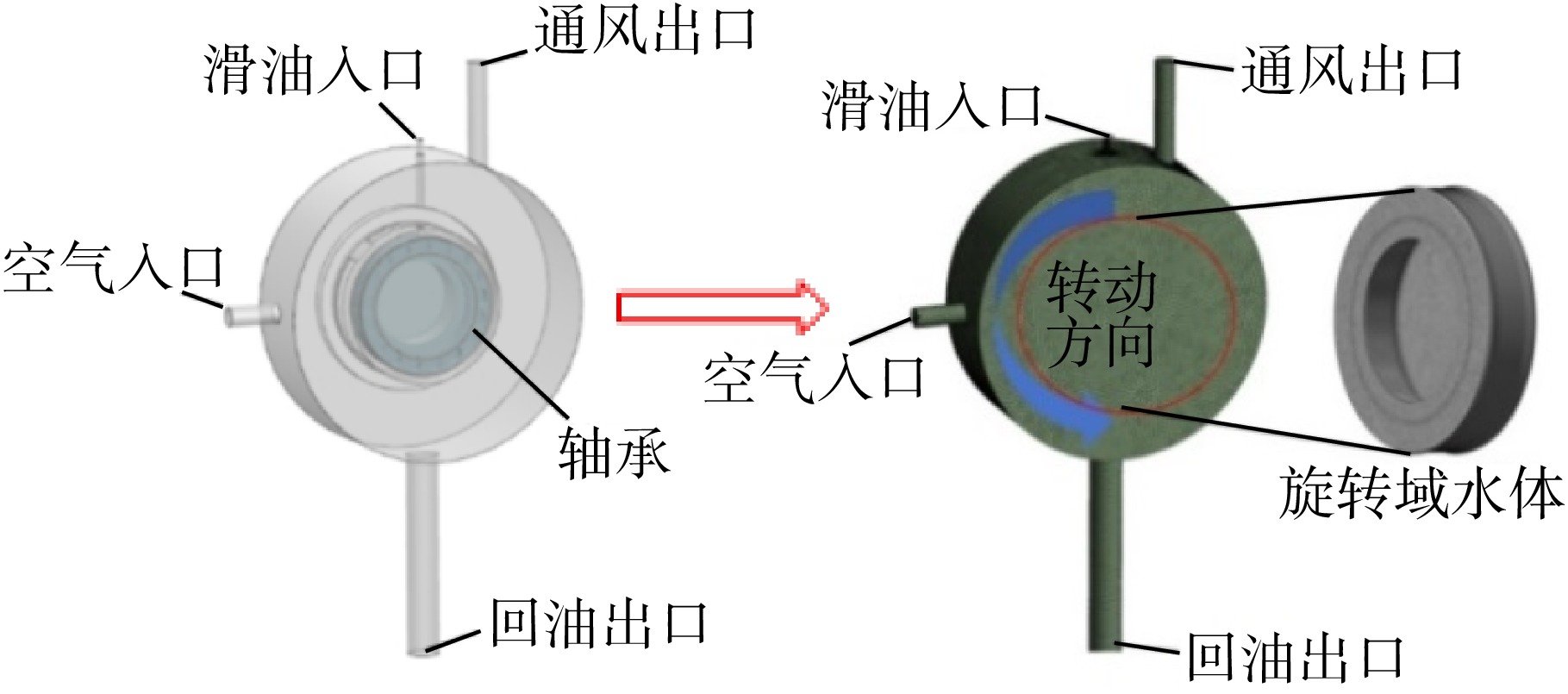
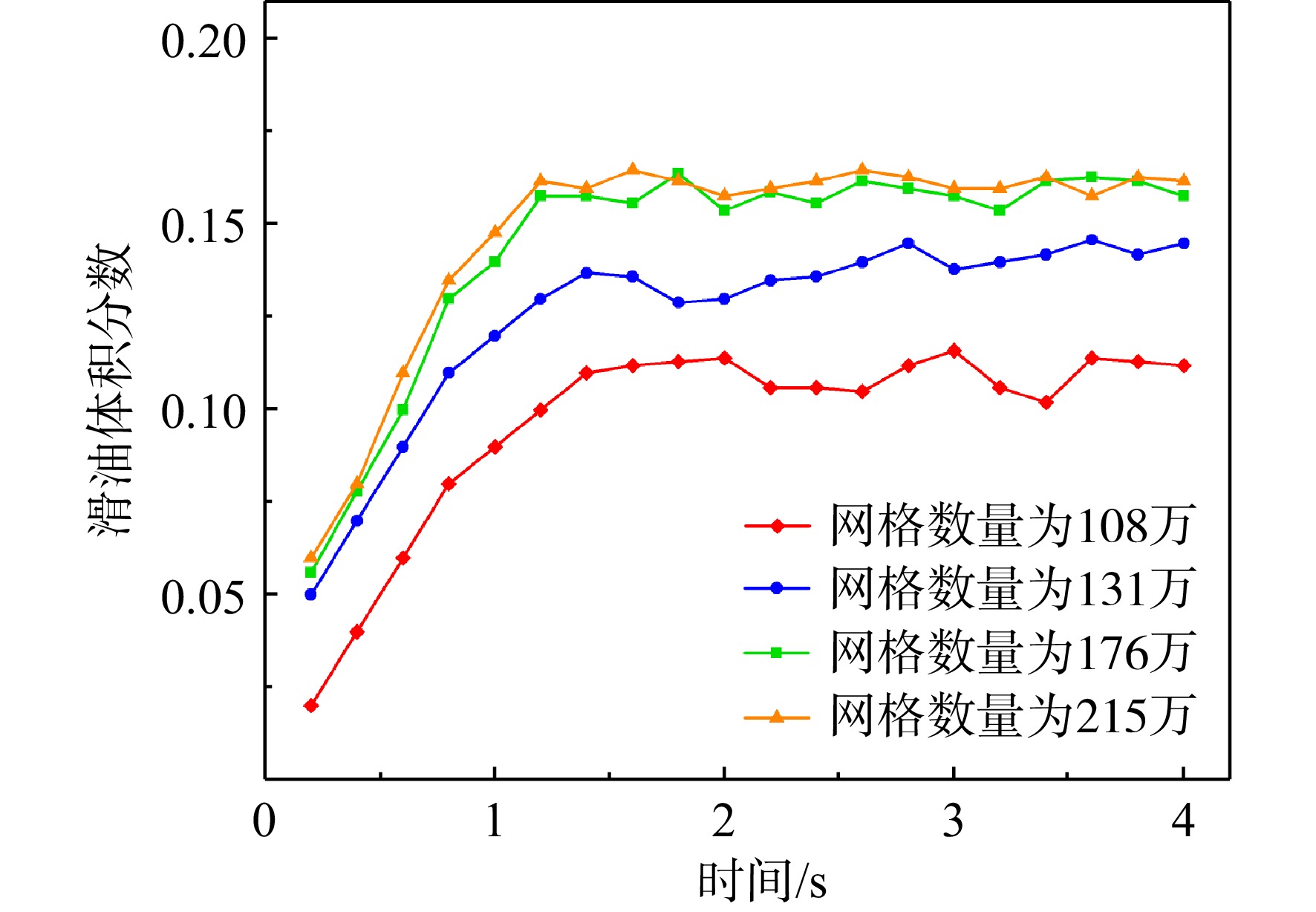
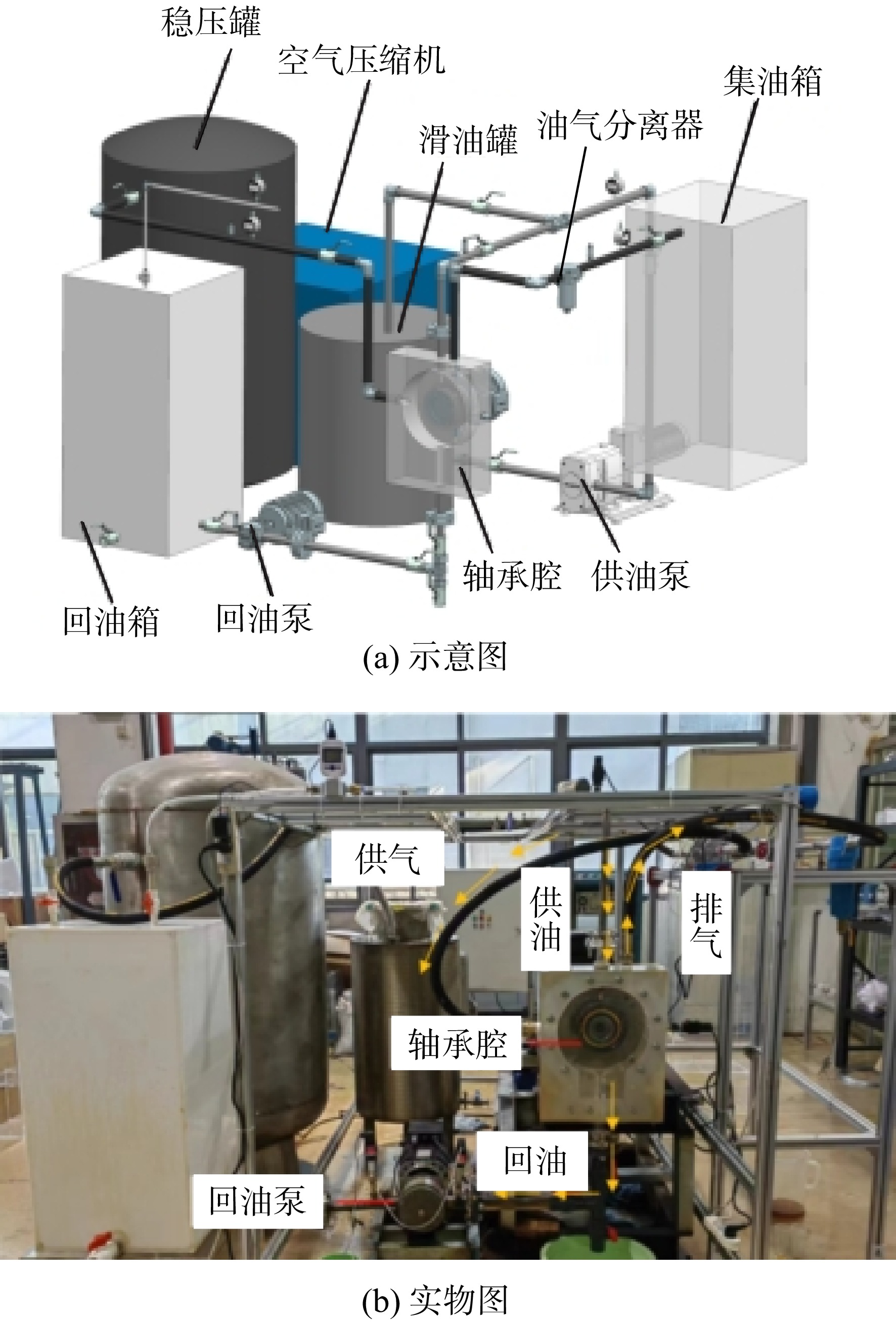
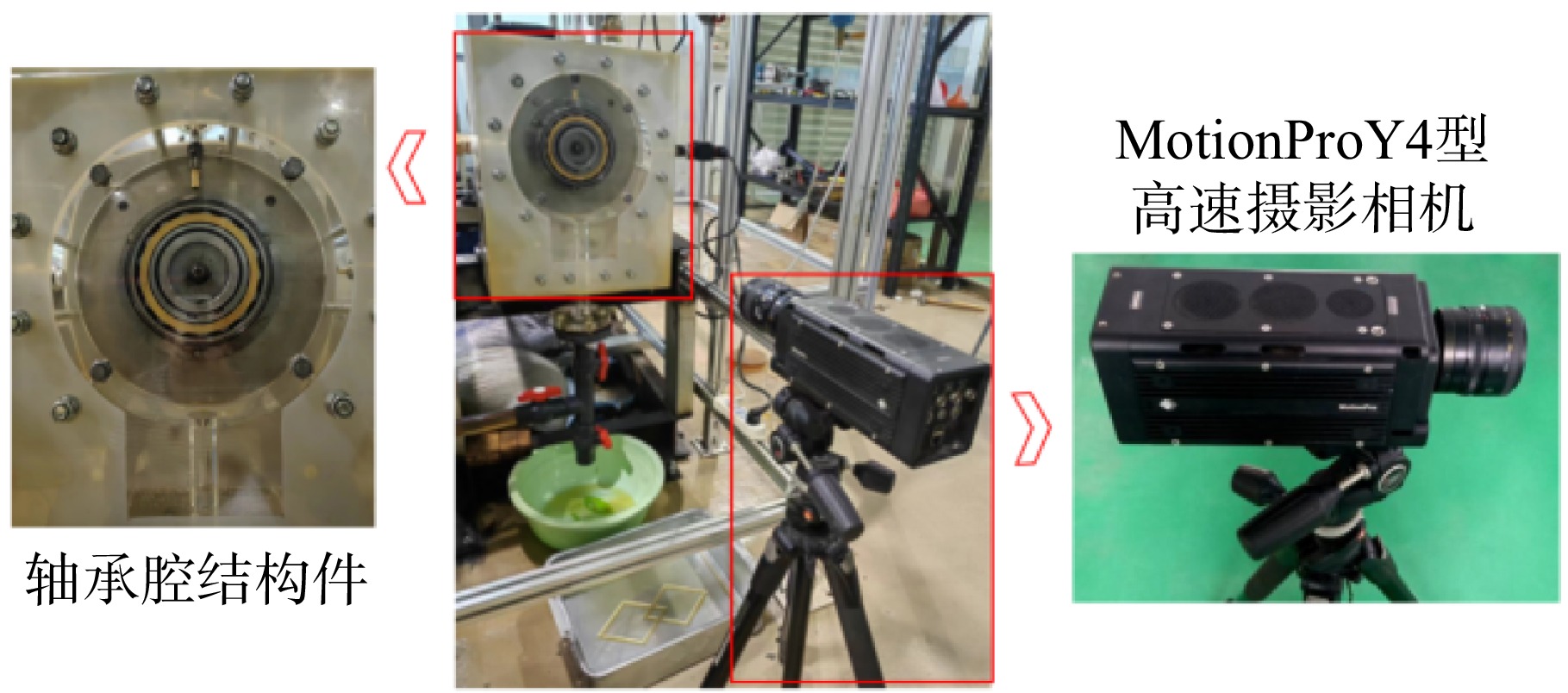
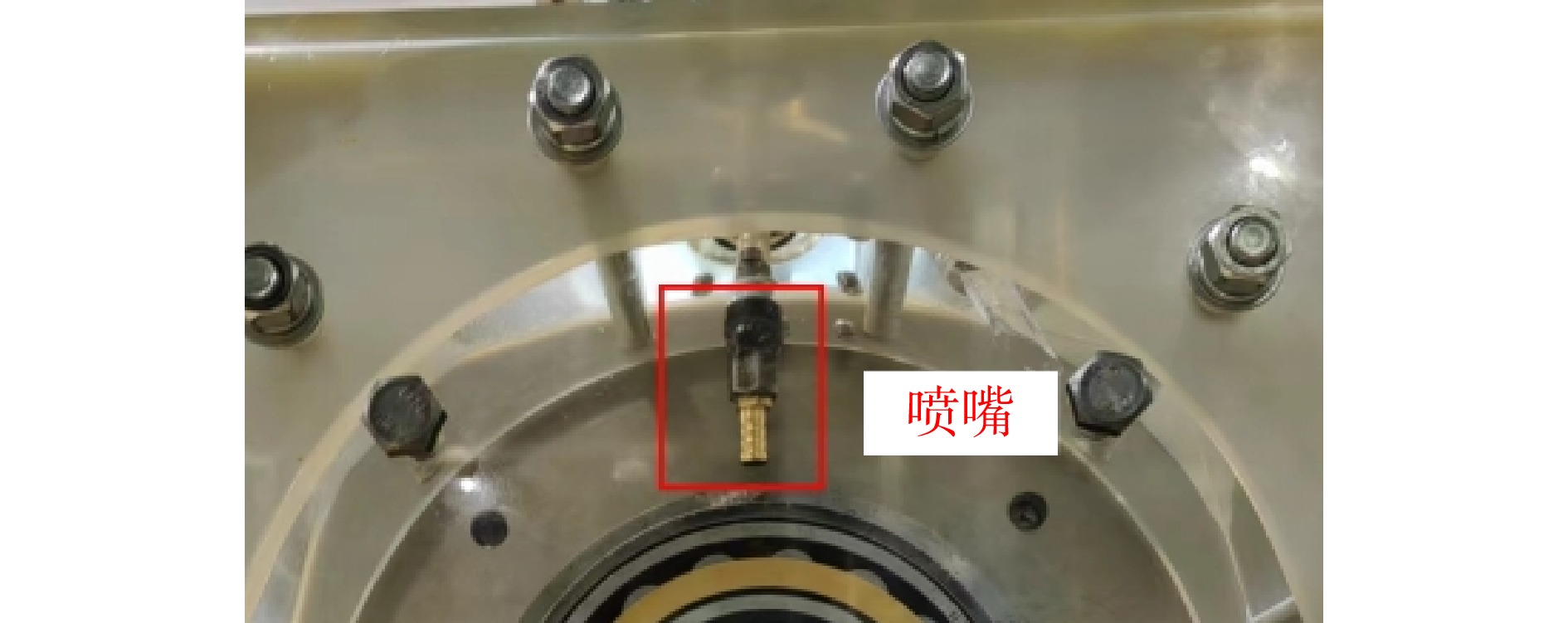
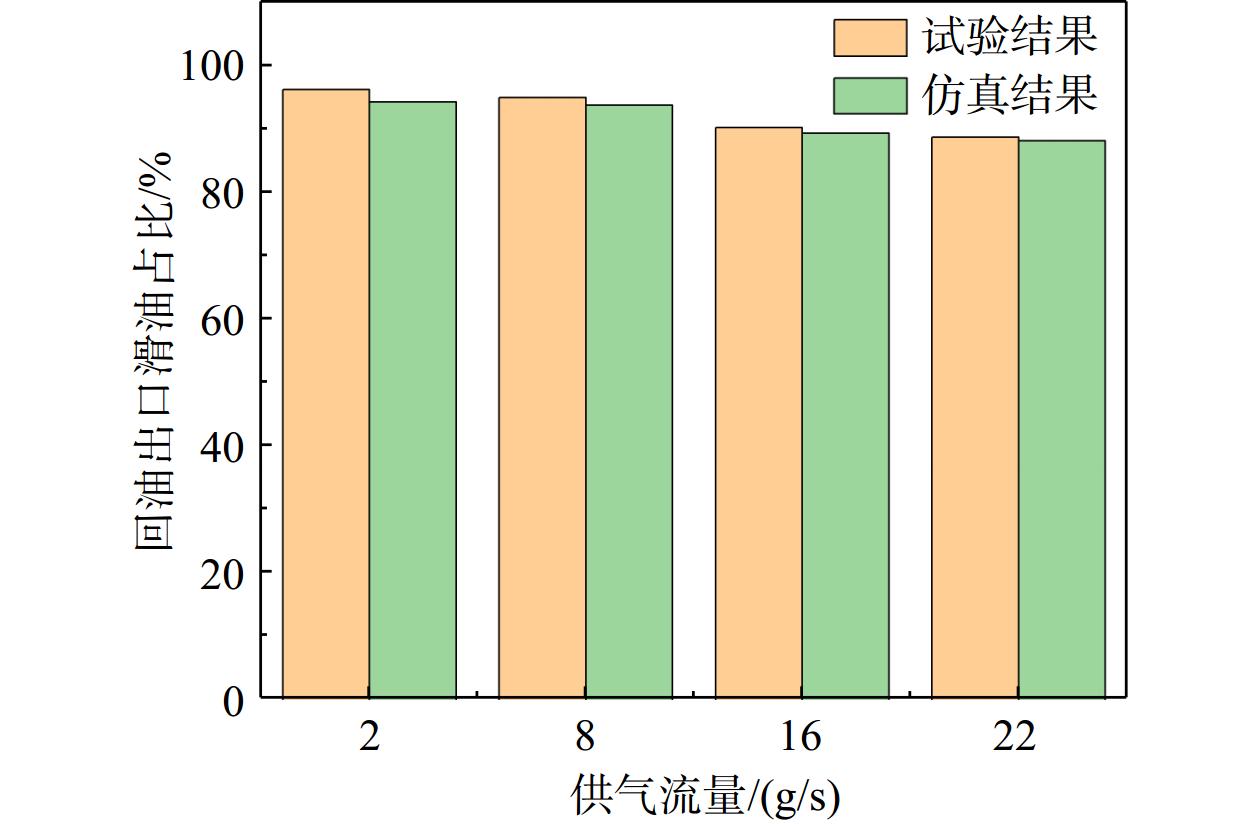
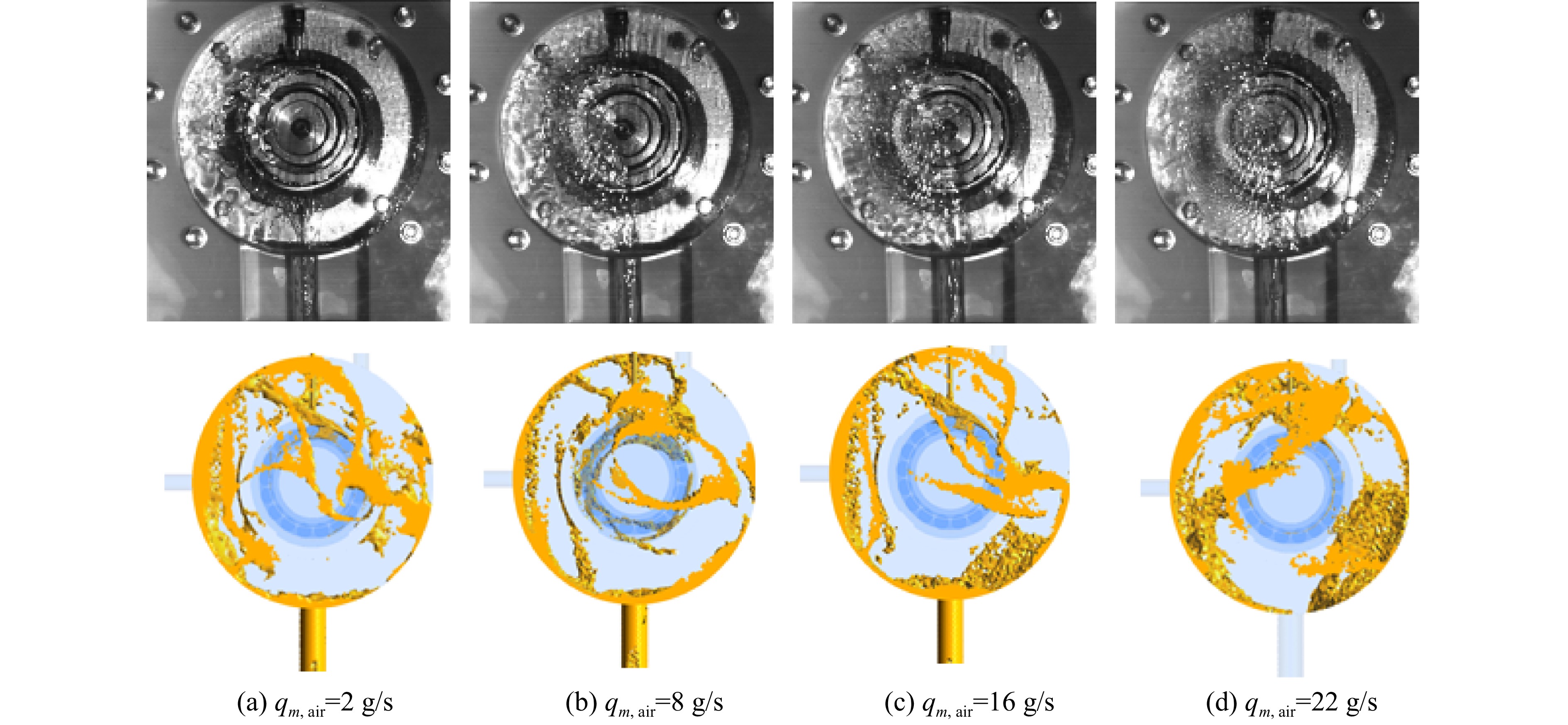
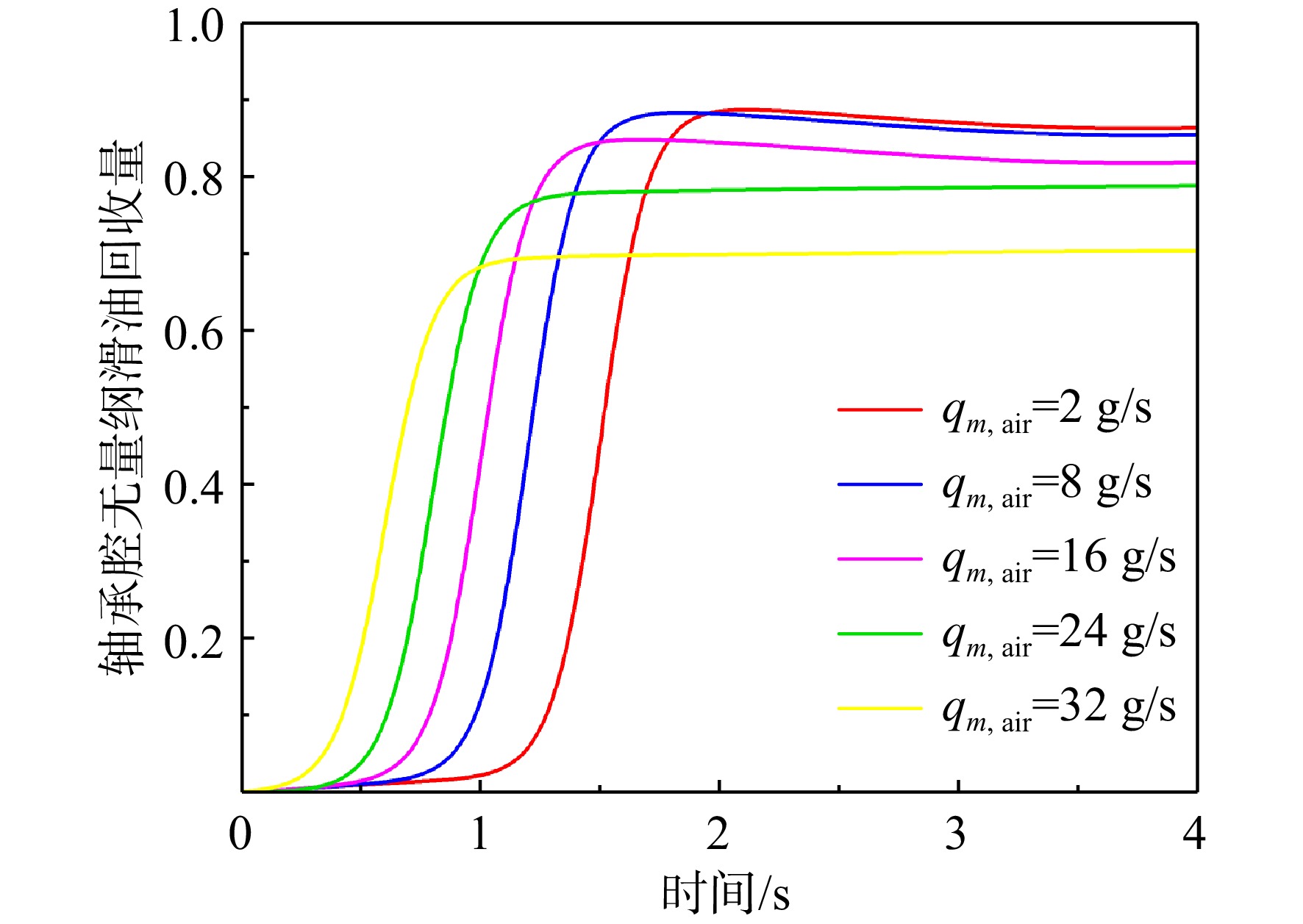
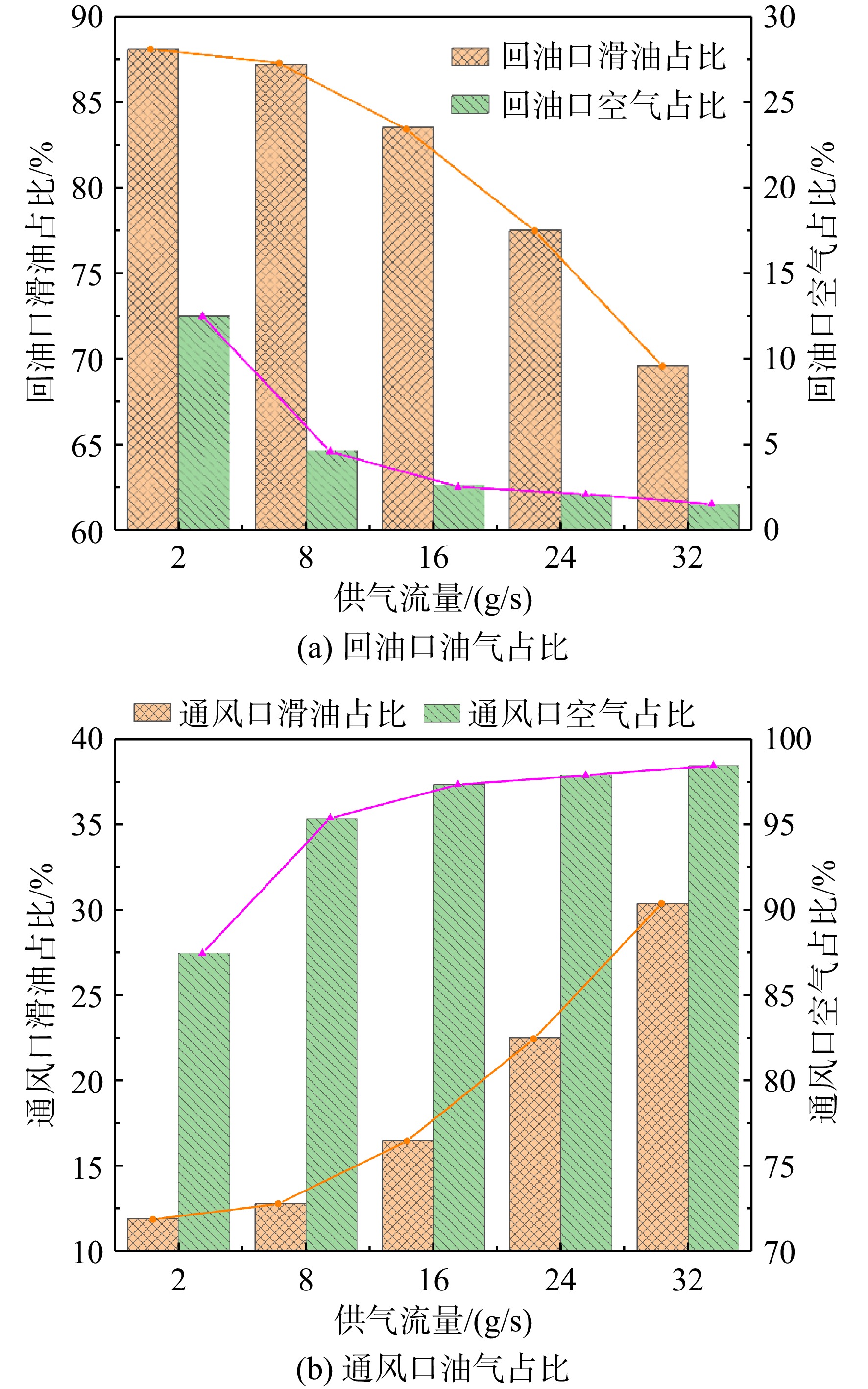
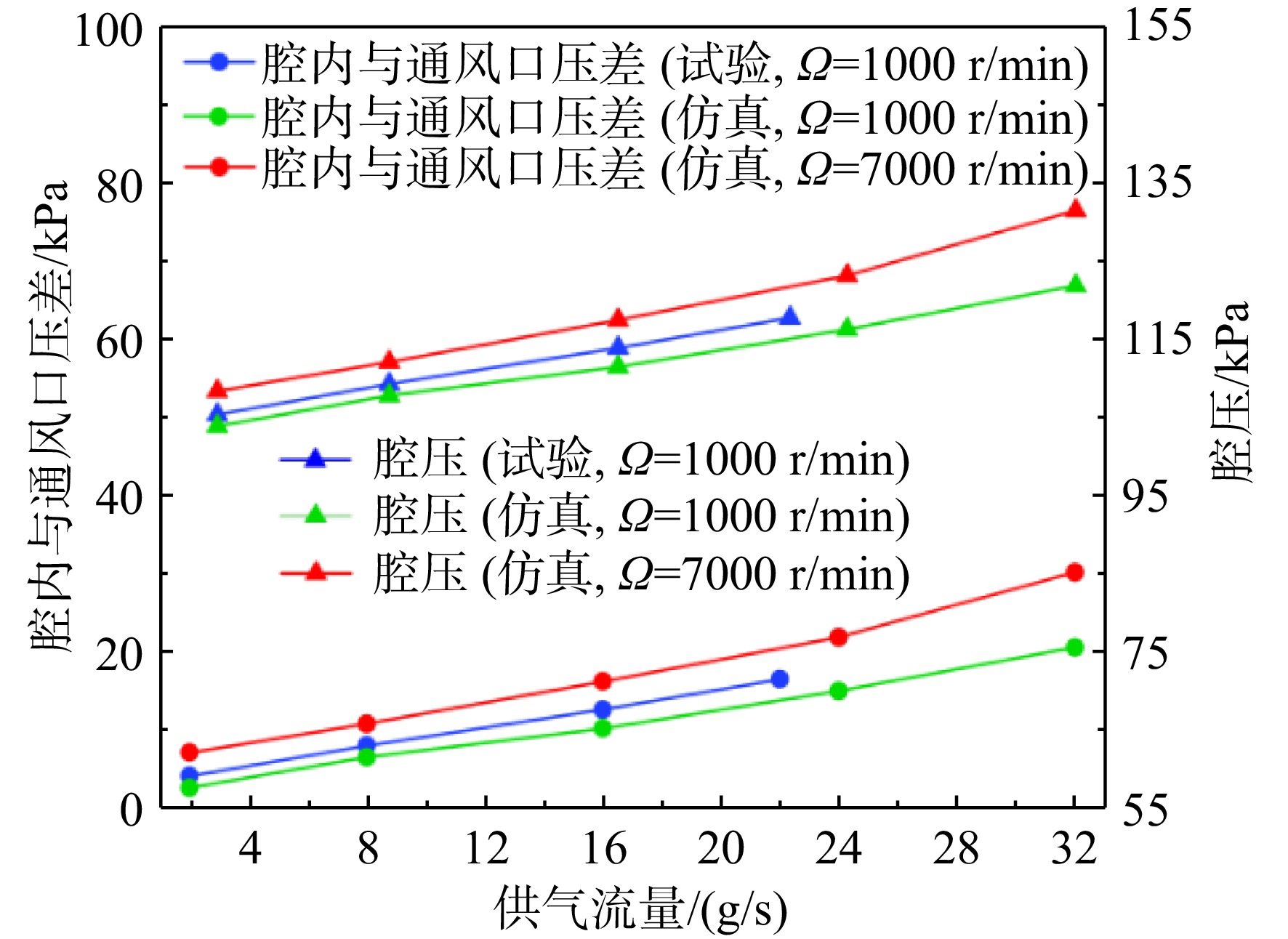
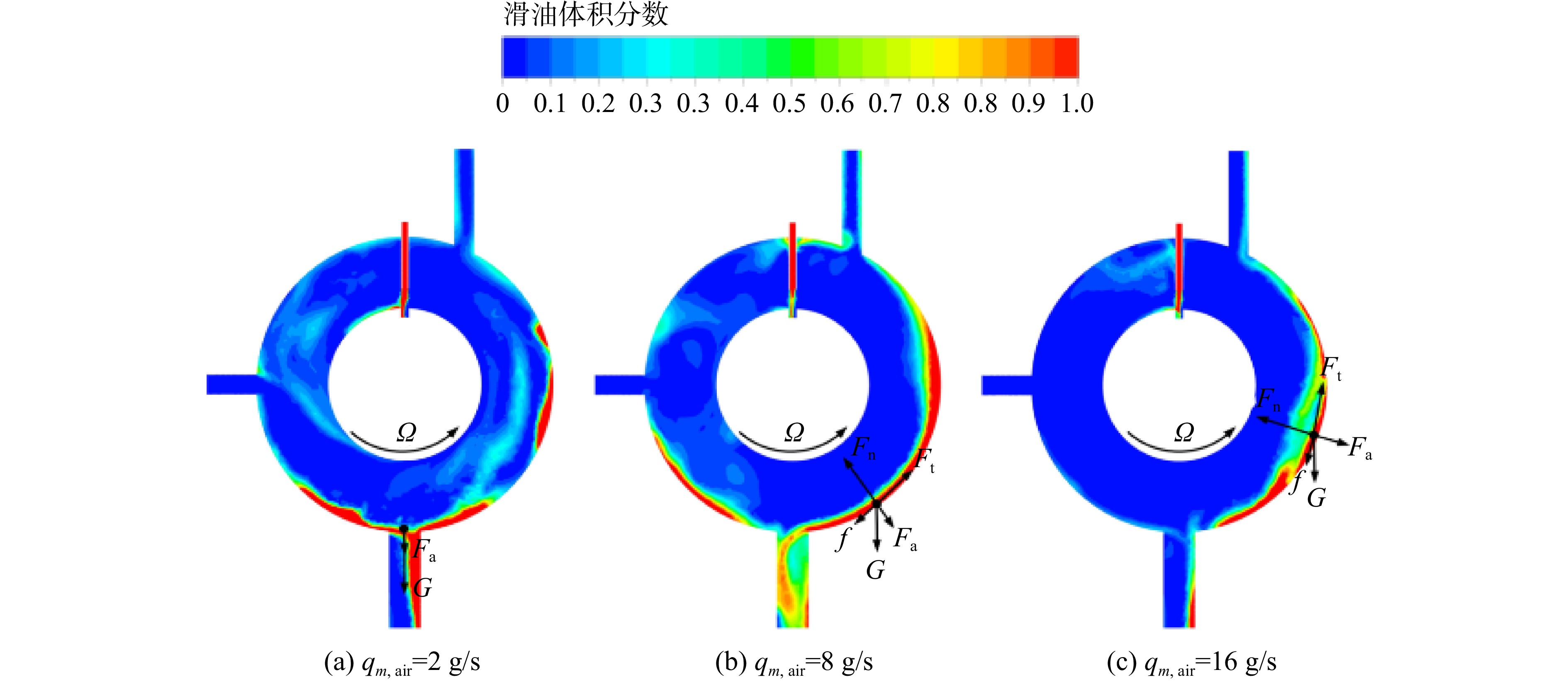
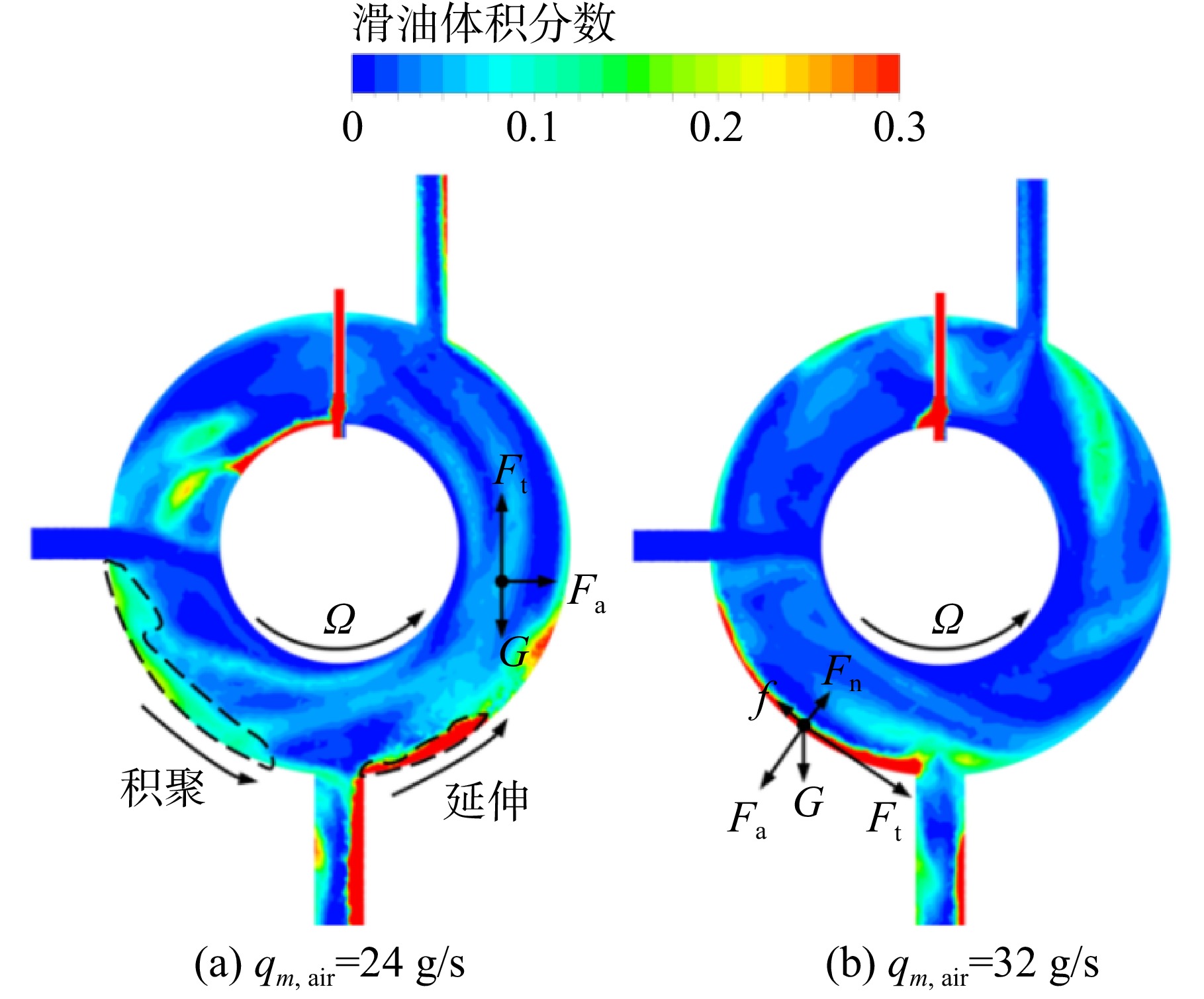
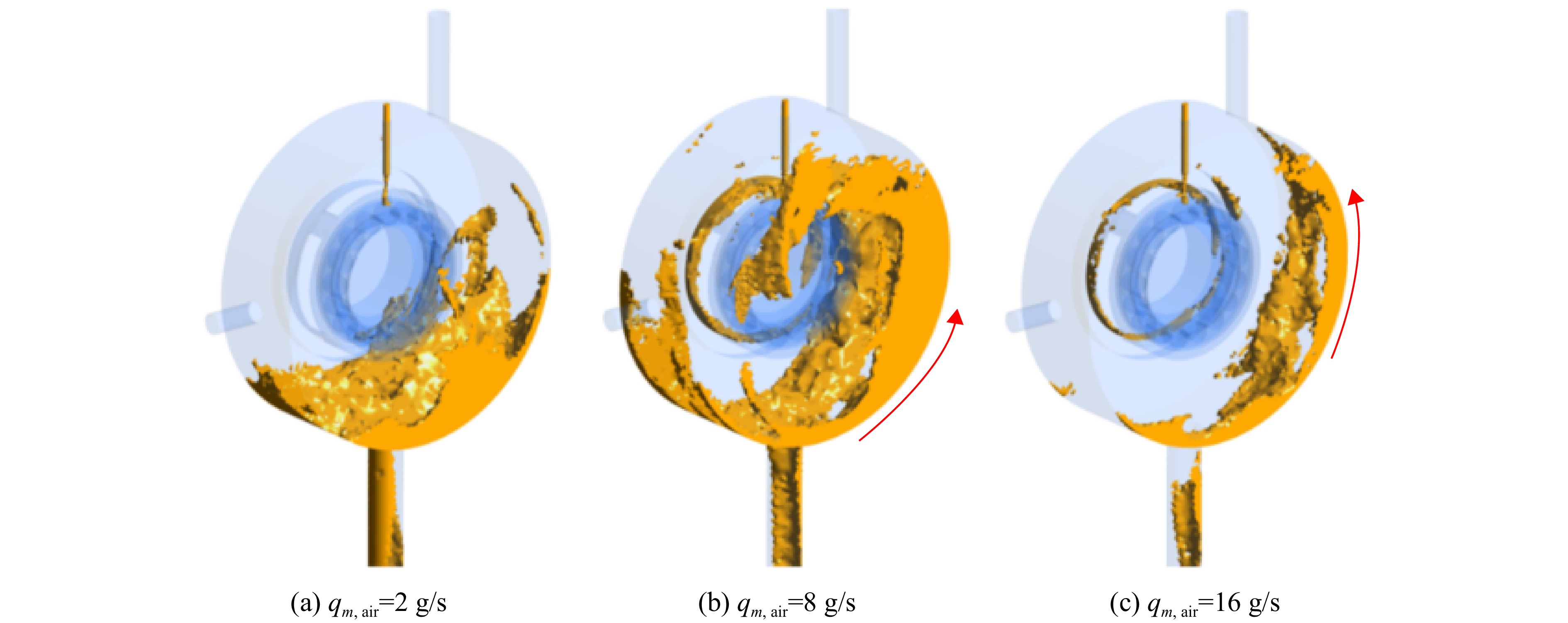
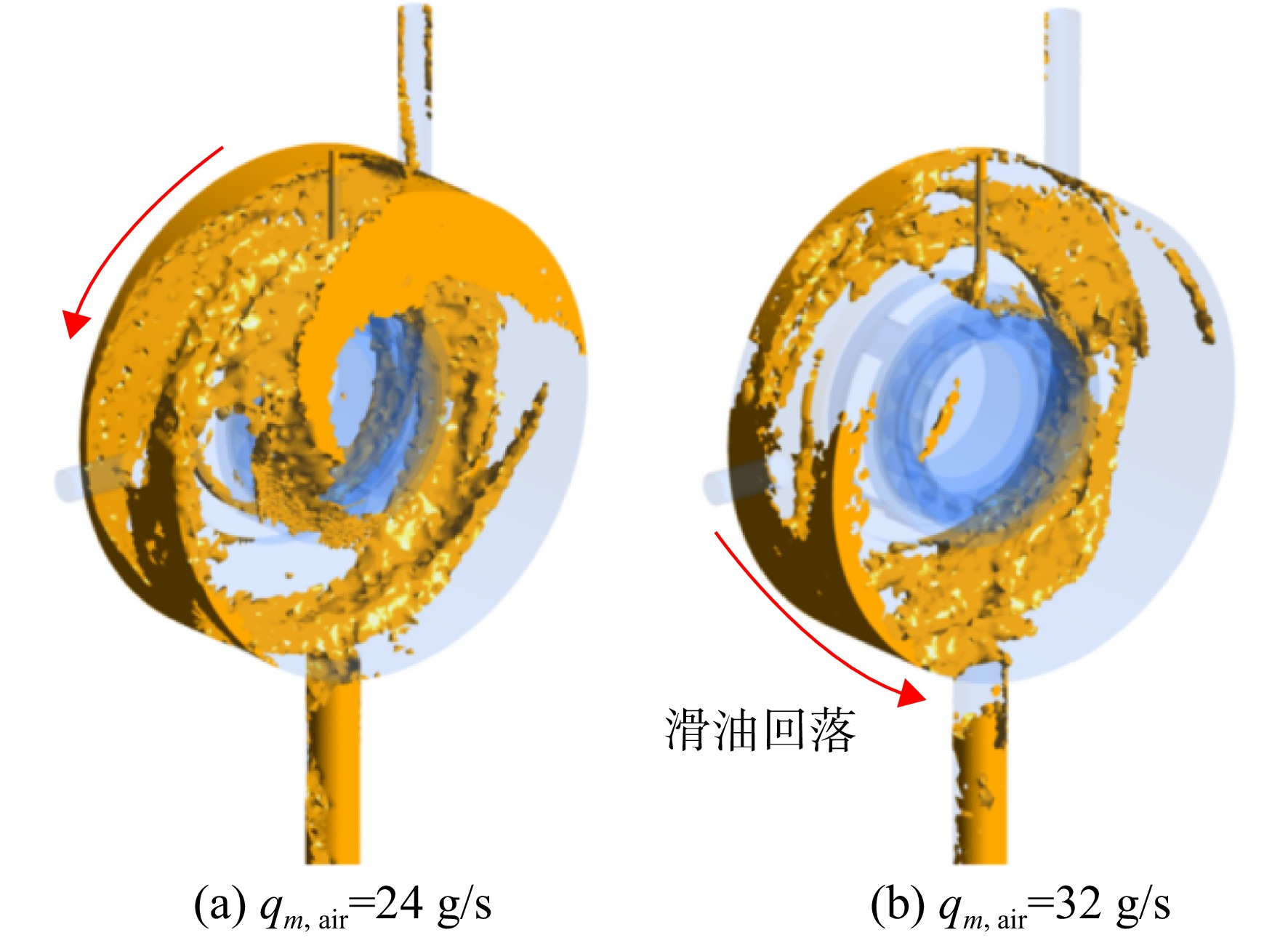
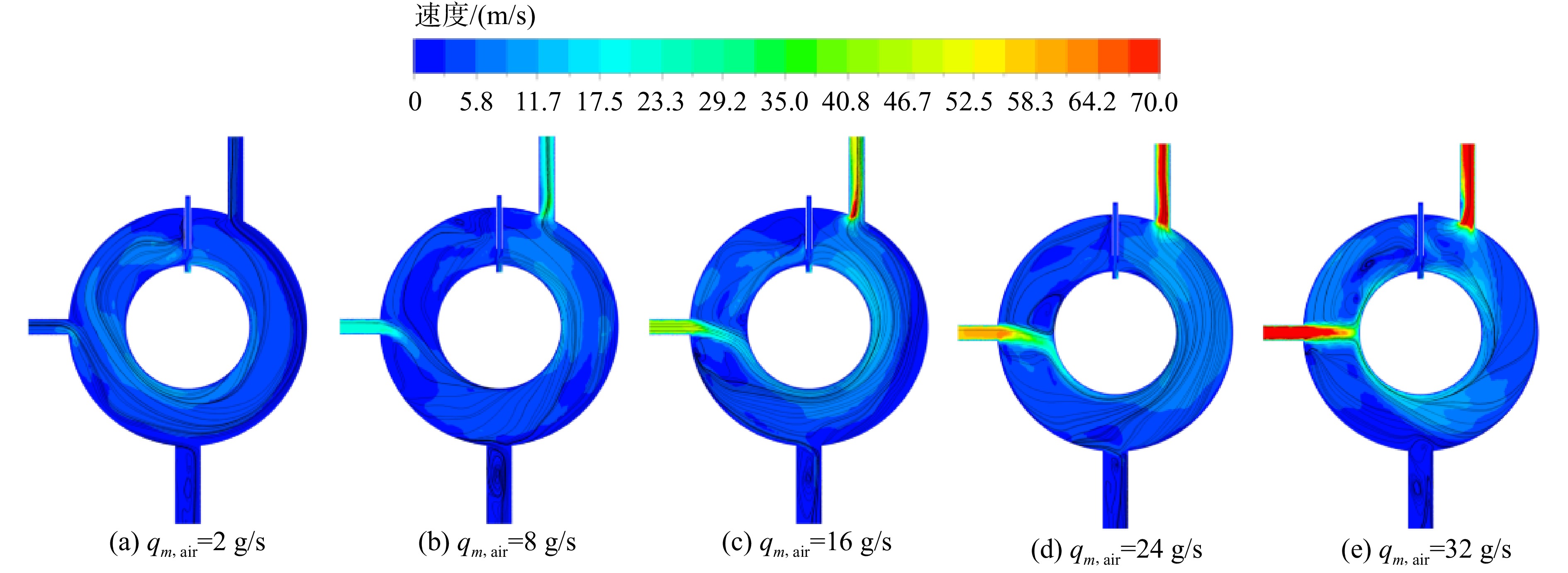
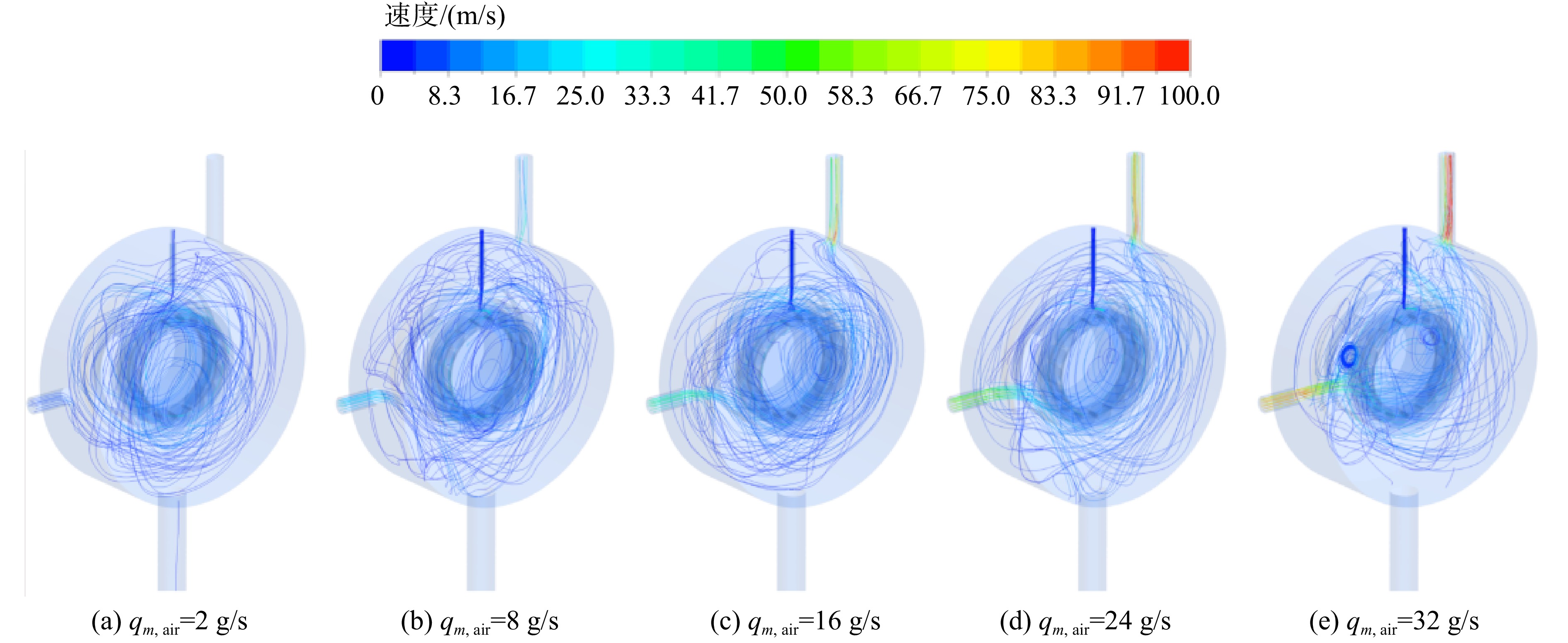
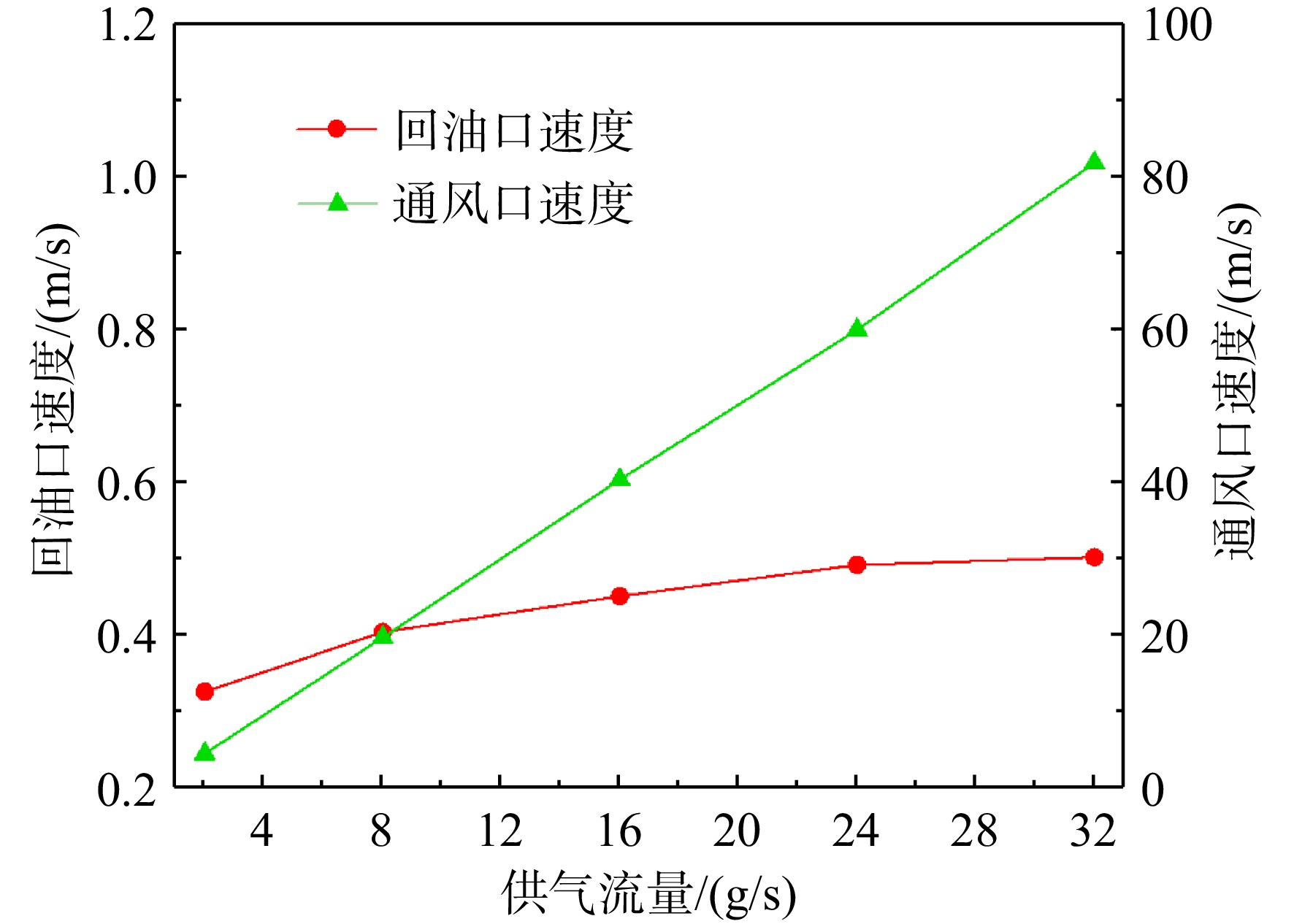
To investigate the flow behavior and oil scavenge characteristics of oil-air two-phase media in aero-engine bearing chambers under high air supply flow rates, a simulation model was developed based on the volume of fluid (VOF) method. This model was used to analyze the impact of air supply flow rate on the oil-air two-phase distribution within the bearing chamber. A synchronized multi-parameter testing rig, equipped with high-speed imaging technology, was constructed to visualize the oil scavenge characteristics and validate the numerical simulation. The results showed that, for the examined bearing chamber geometry (inner diameter 300 mm, axial width 100 mm), increasing the air supply flow rate reduced oil scavenge but allowed the system to stabilize more quickly. The oil proportion at the scavenge outlet was highly sensitive to changes in air supply flow rates. When the air supply flow rate was below 16 g/s, the oil proportion at the scavenge outlet decreased by 4.6%; when it exceeded 16 g/s, the decrease rate sharply rose to 14.4%. Higher air supply flow rates intensified oil-air mixing, accelerated oil discharge through the vent, and led to a thinner oil film on the chamber wall, ultimately reducing oil accumulation at the scavenge outlet. This study could provide a useful reference for the design of air supply parameters in the bearing chamber sealing systems of aero-engines.
Autocontrol
Damping control of piezoelectric bimorph actuators for electrohydraulic servo valves in oil environments
PENG Hongtao, ZHANG Yunzhi, LING Jie, ZHANG Wenxing, KANG Jiahao, ZHU Yuchuan
2026, 41(4): 20250108. doi: 10.13224/j.cnki.jasp.20250108
Abstract:

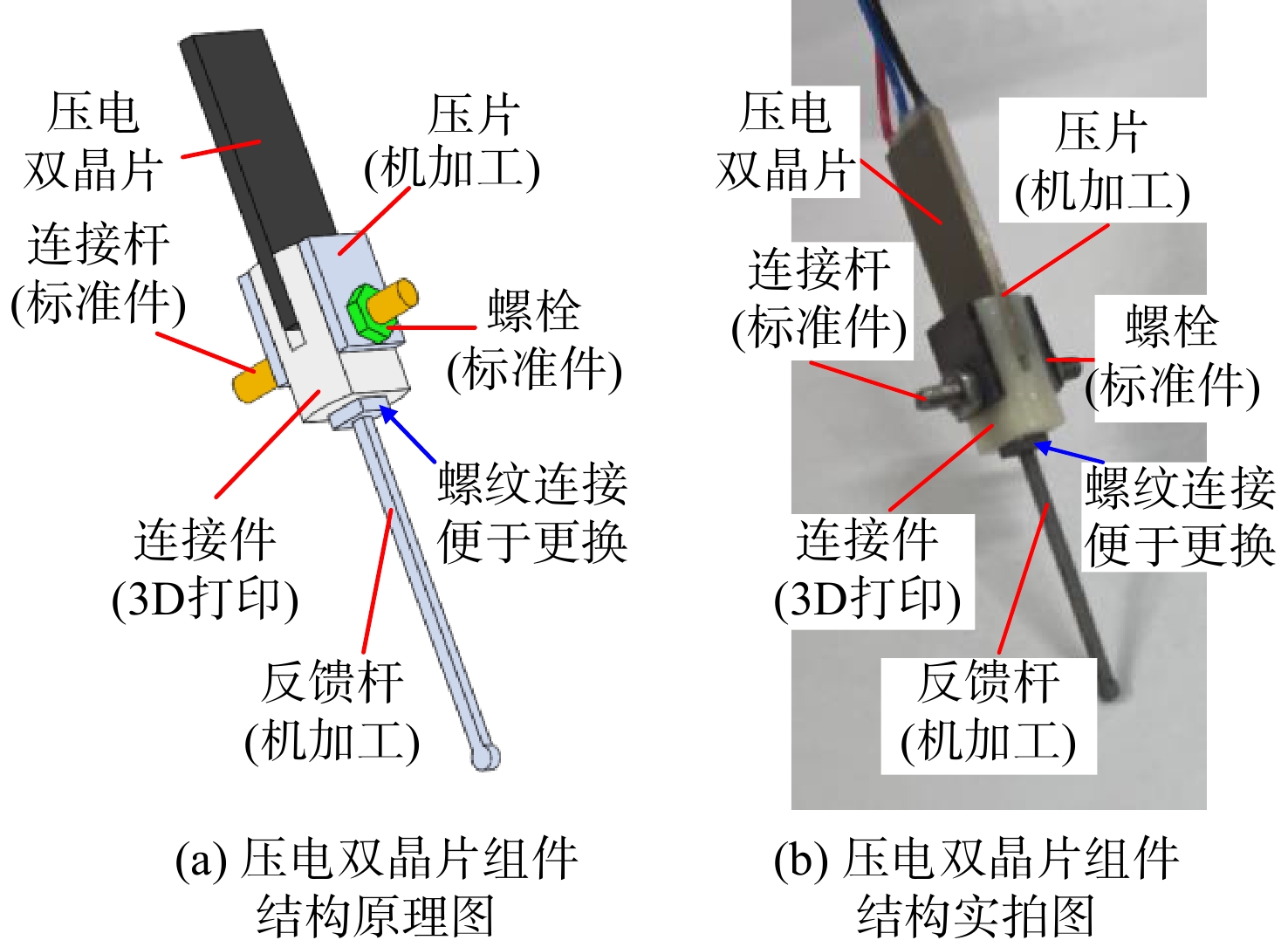
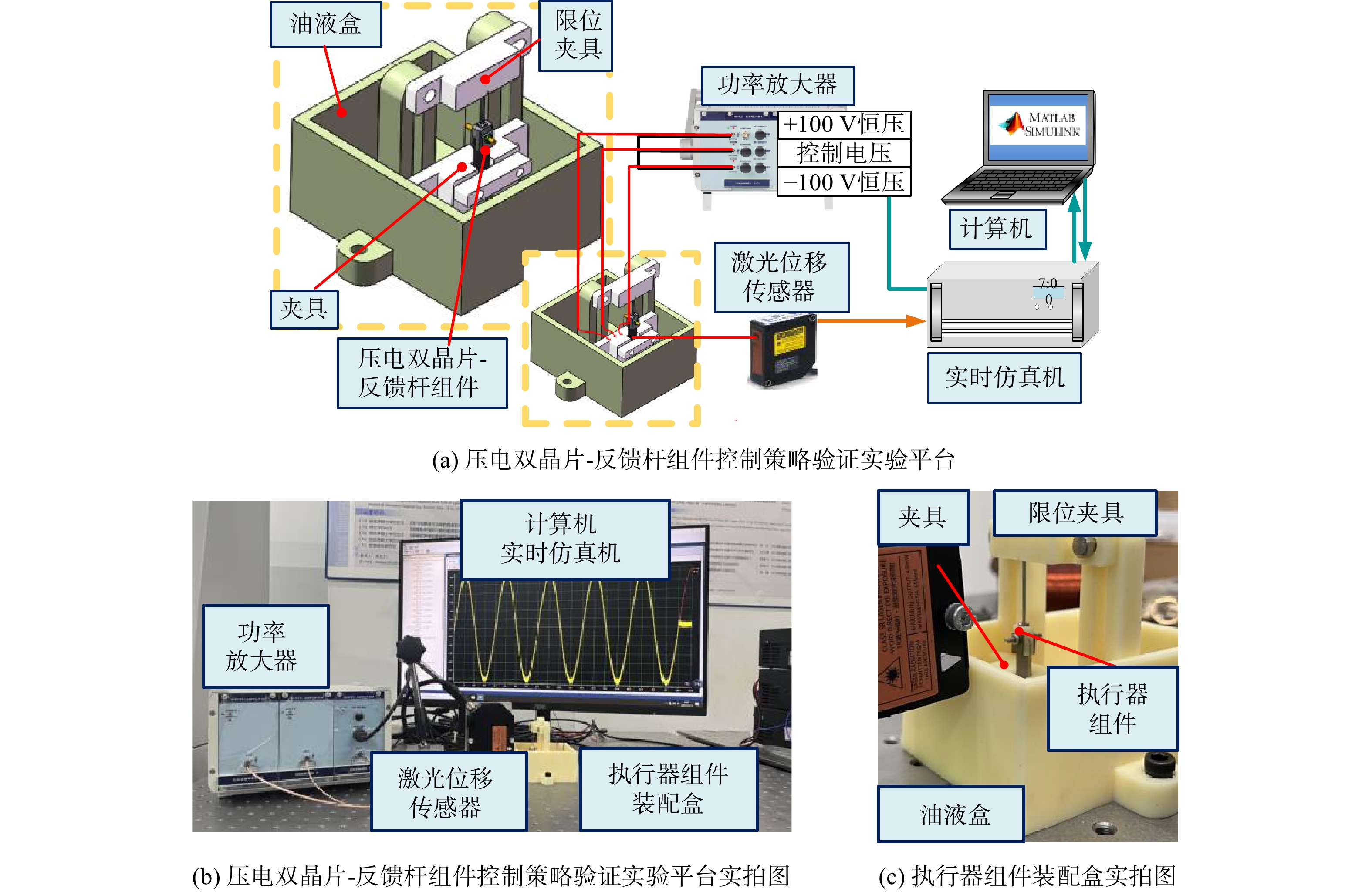
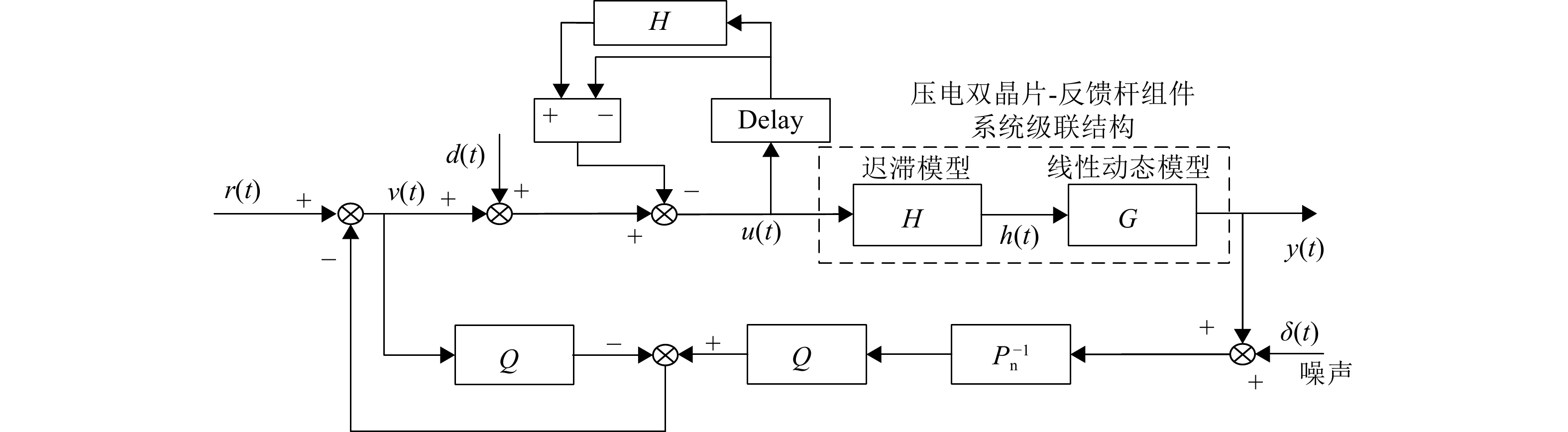
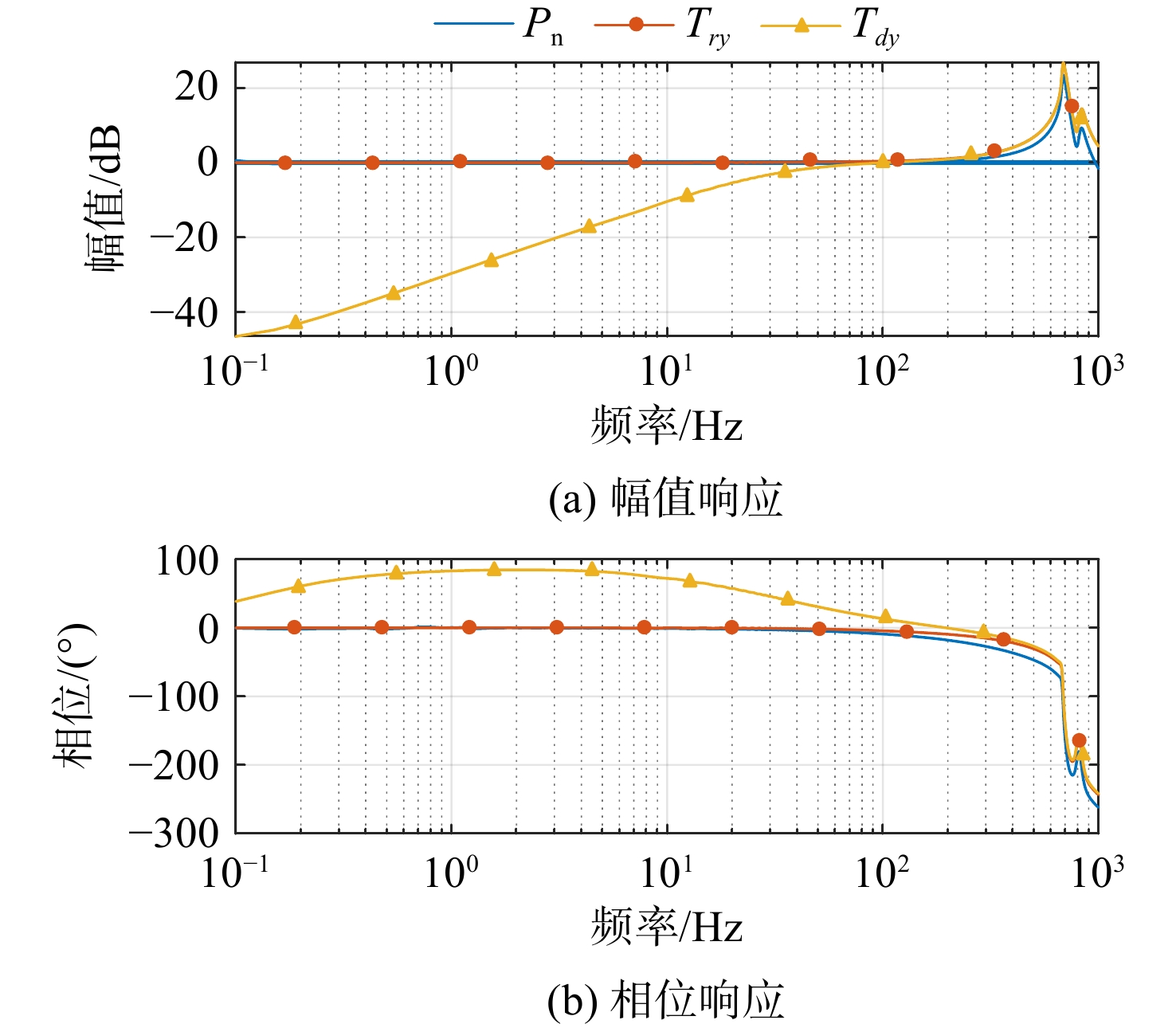
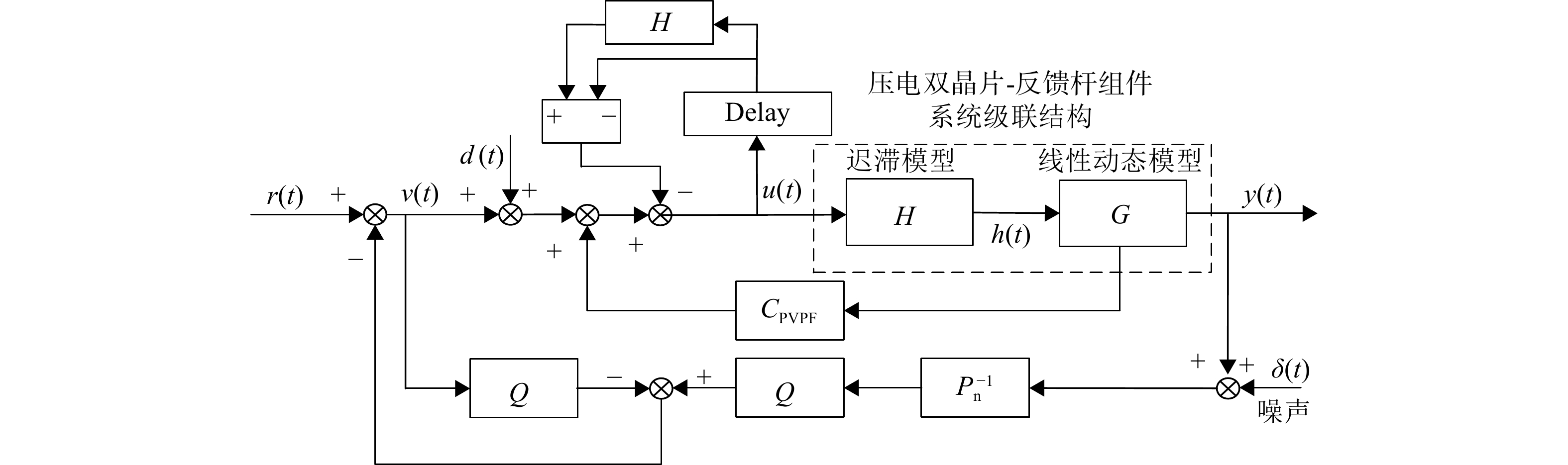
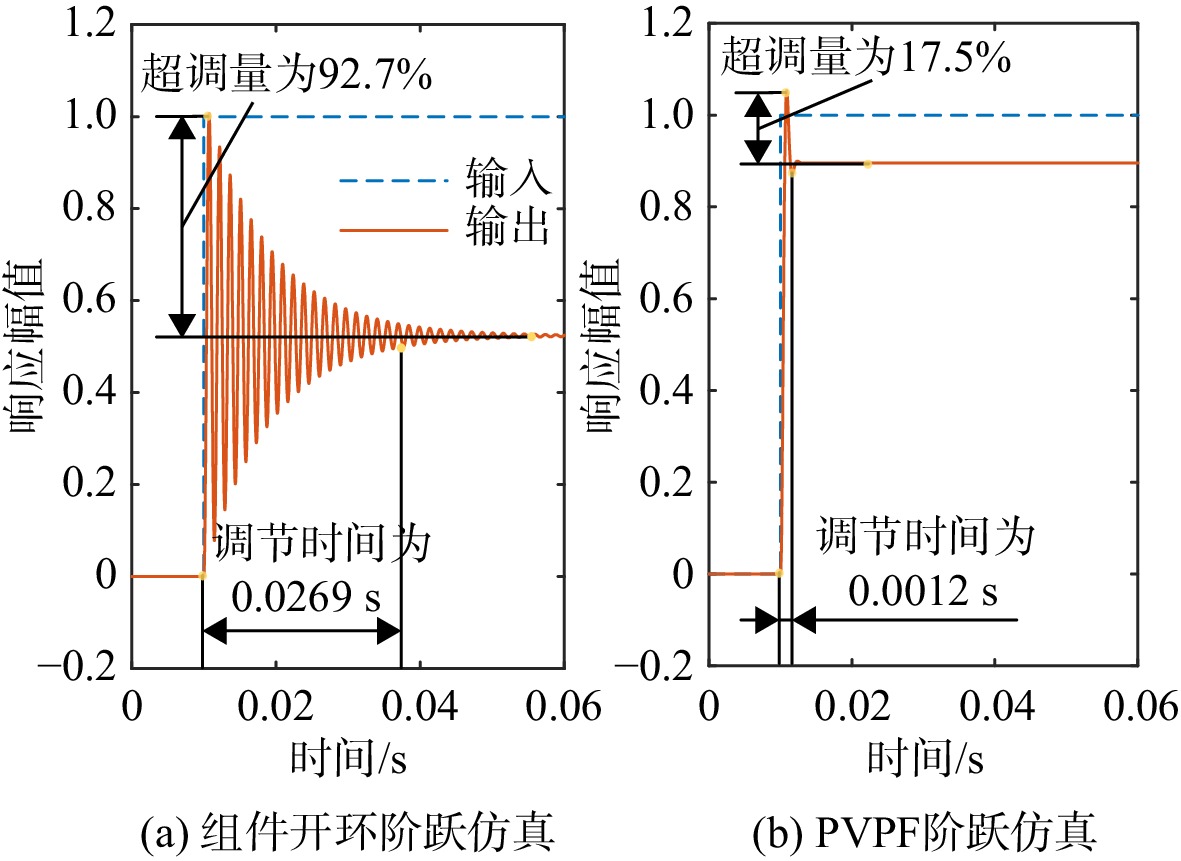
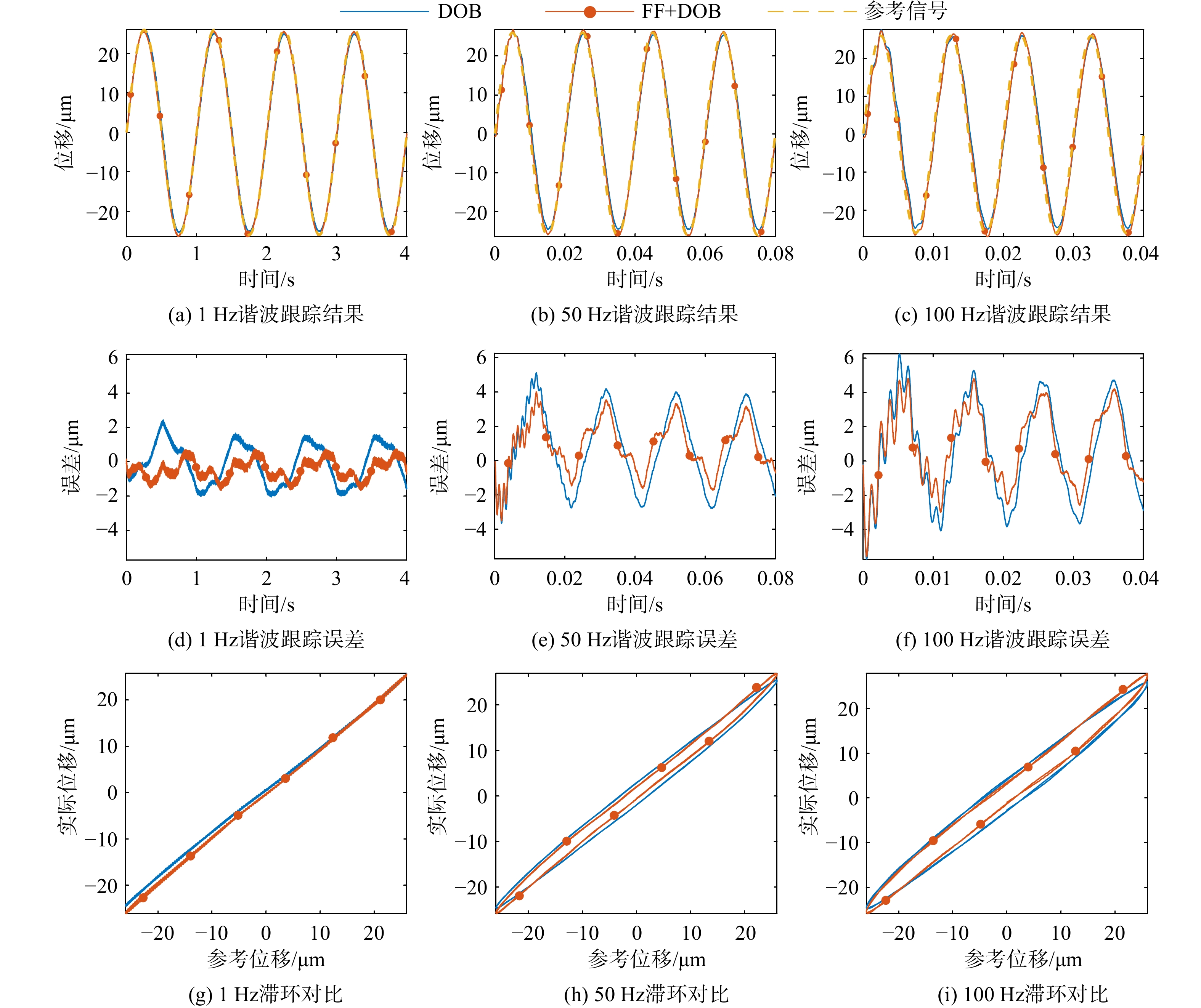
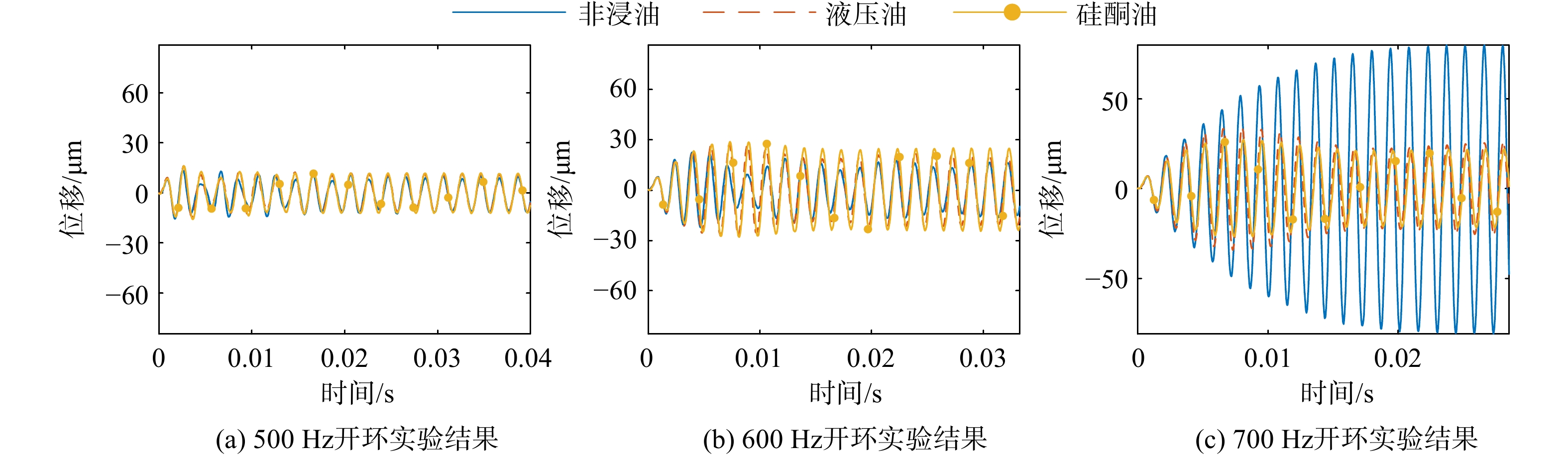
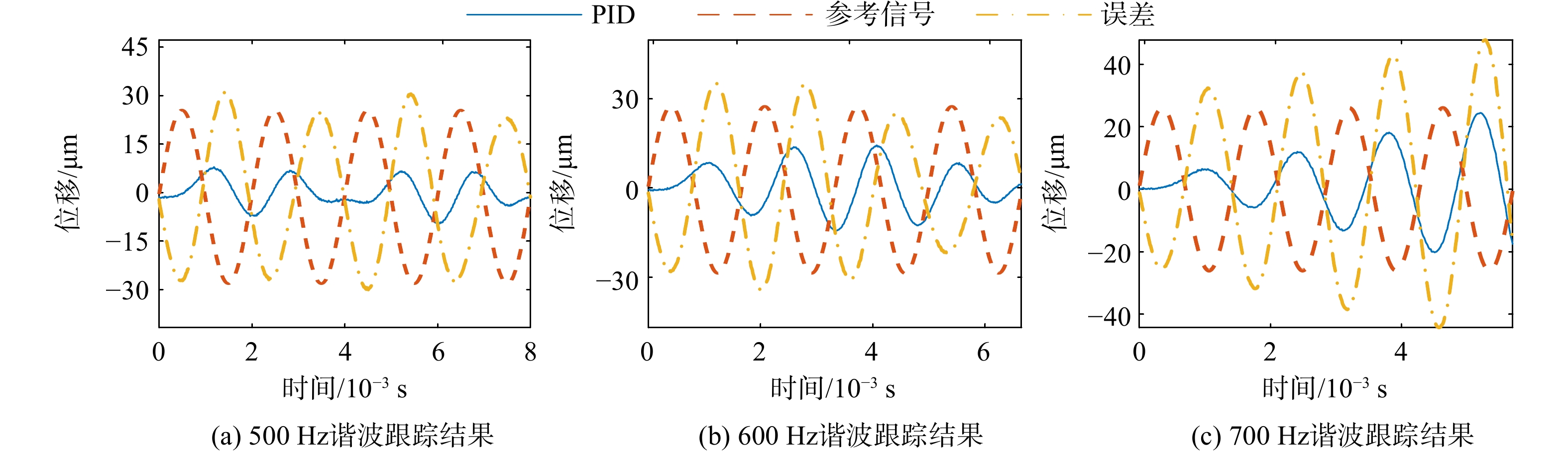
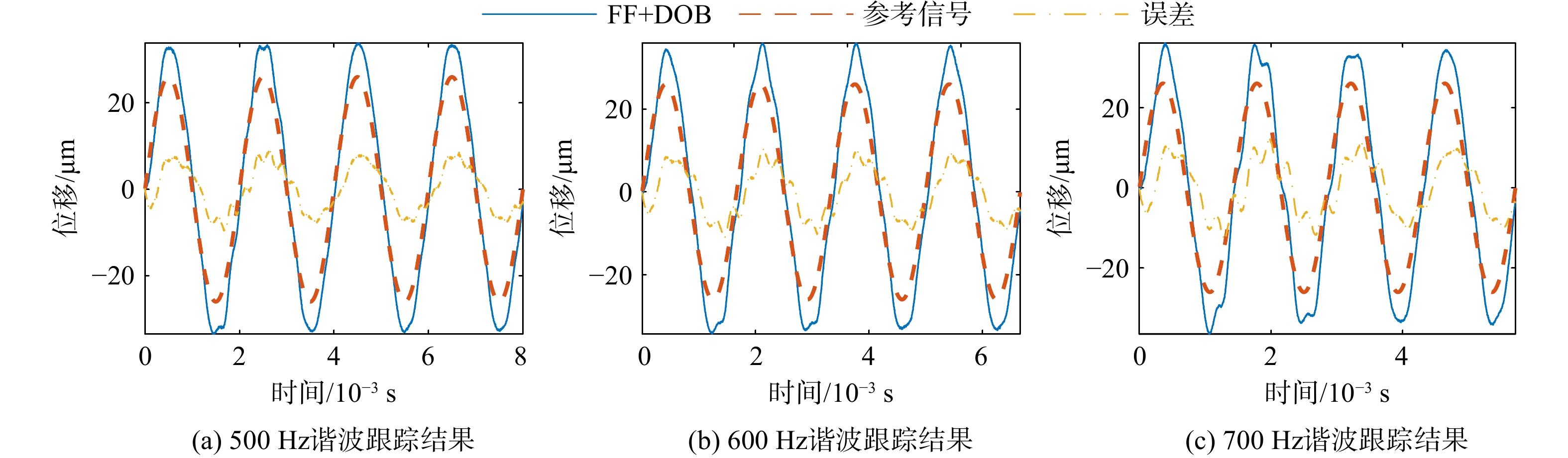
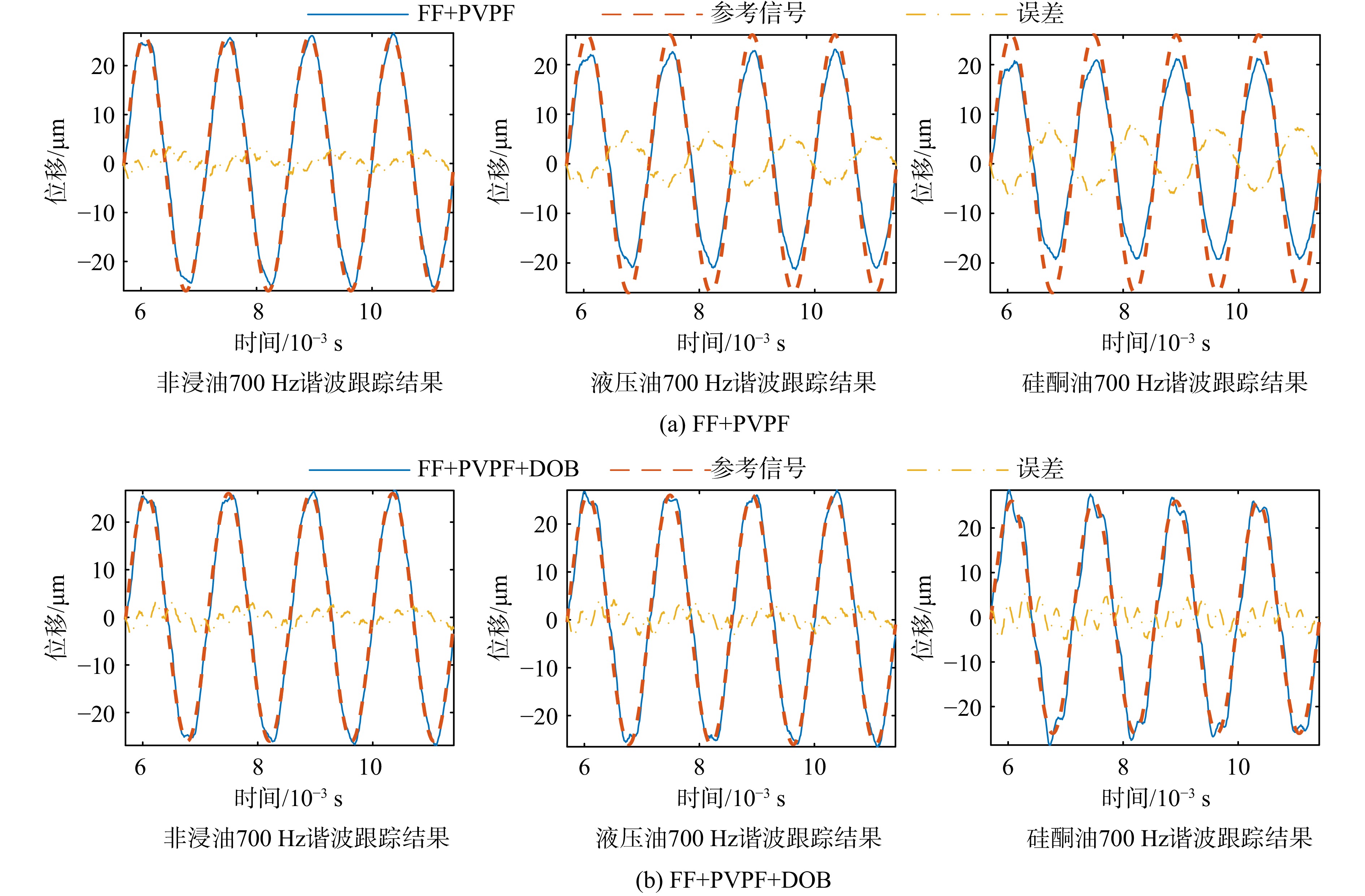
A composite damping control strategy was proposed to address the control challenges of piezoelectric bimorph actuators for electrohydraulic servo valves in oil environments. For the low-frequency range below 100 Hz, a feedforward compensation strategy based on inverse multiplication was adopted, combined with a feedback controller using a disturbance observer to enhance the system robustness. Experimental results showed that at 1 Hz, the root mean square (RMS) error was reduced from 1.76 μm to 0.83 μm, and at 100 Hz, it was reduced from 3.44 μm to 2.17 μm. For the high-frequency range of 500—700 Hz, a composite strategy based on positive velocity and position feedback (PVPF) damping control was proposed and compared with traditional proportional-integral-derivative (PID), feed-forward (FF)+disturbance observer (DOB), and FF+PVPF control methods. The results demonstrated that the composite control strategy effectively compensated for hydrodynamic disturbances and suppressed the lightly damped characteristics near the first natural frequency, maintaining RMS tracking errors below 2.5 μm under various operating conditions. This study could provide a novel control approach and experimental validation for the application of piezoelectric bimorph actuators in high-precision electrohydraulic servo systems.
Rocket Engine
Numerical simulation of acoustic mode characteristics of combustion chamber considering influence of dome
ZHANG Zehao, DONG Libao, ZHAO Liyou, GUO Kangkang, PANG Jianguo
2026, 41(4): 20250119. doi: 10.13224/j.cnki.jasp.20250119
Abstract:

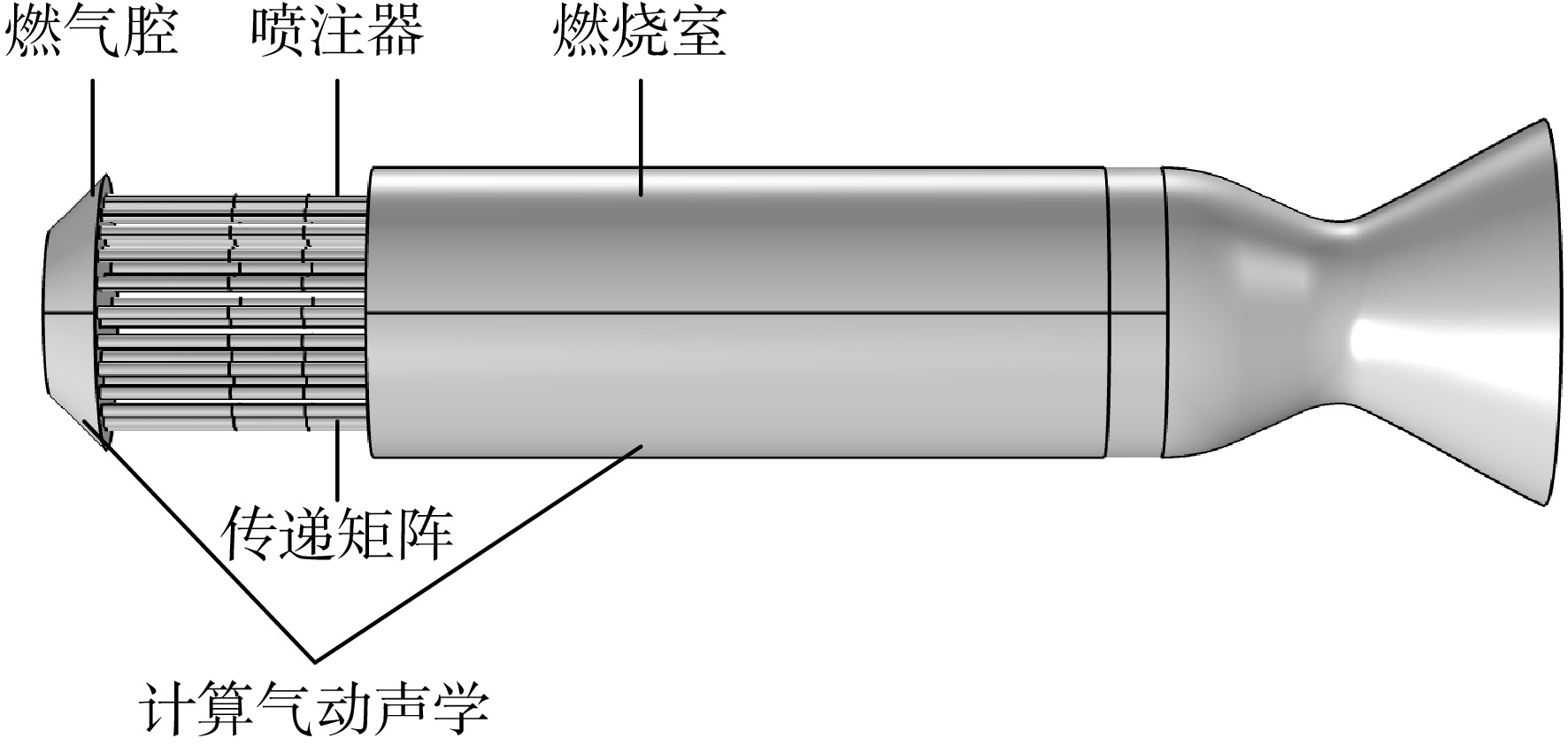
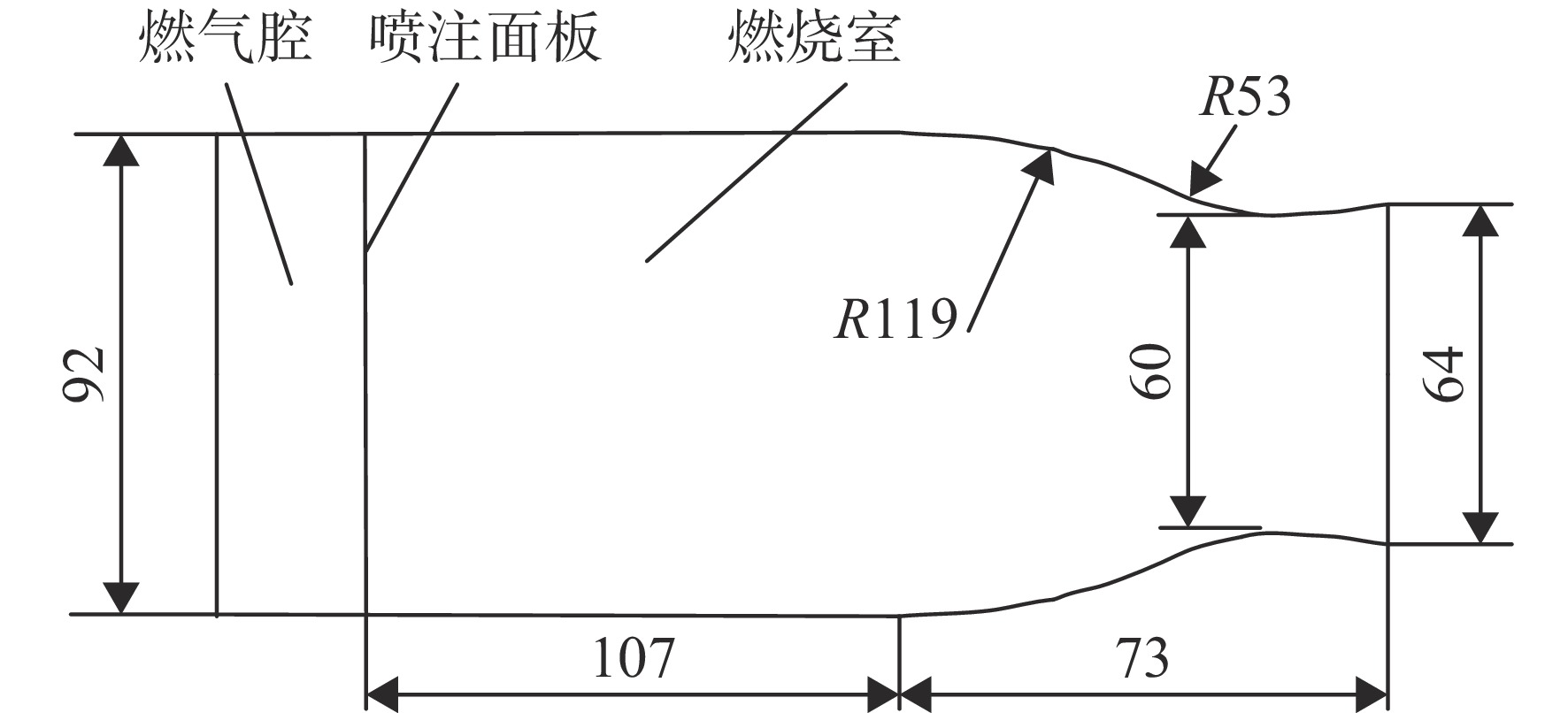
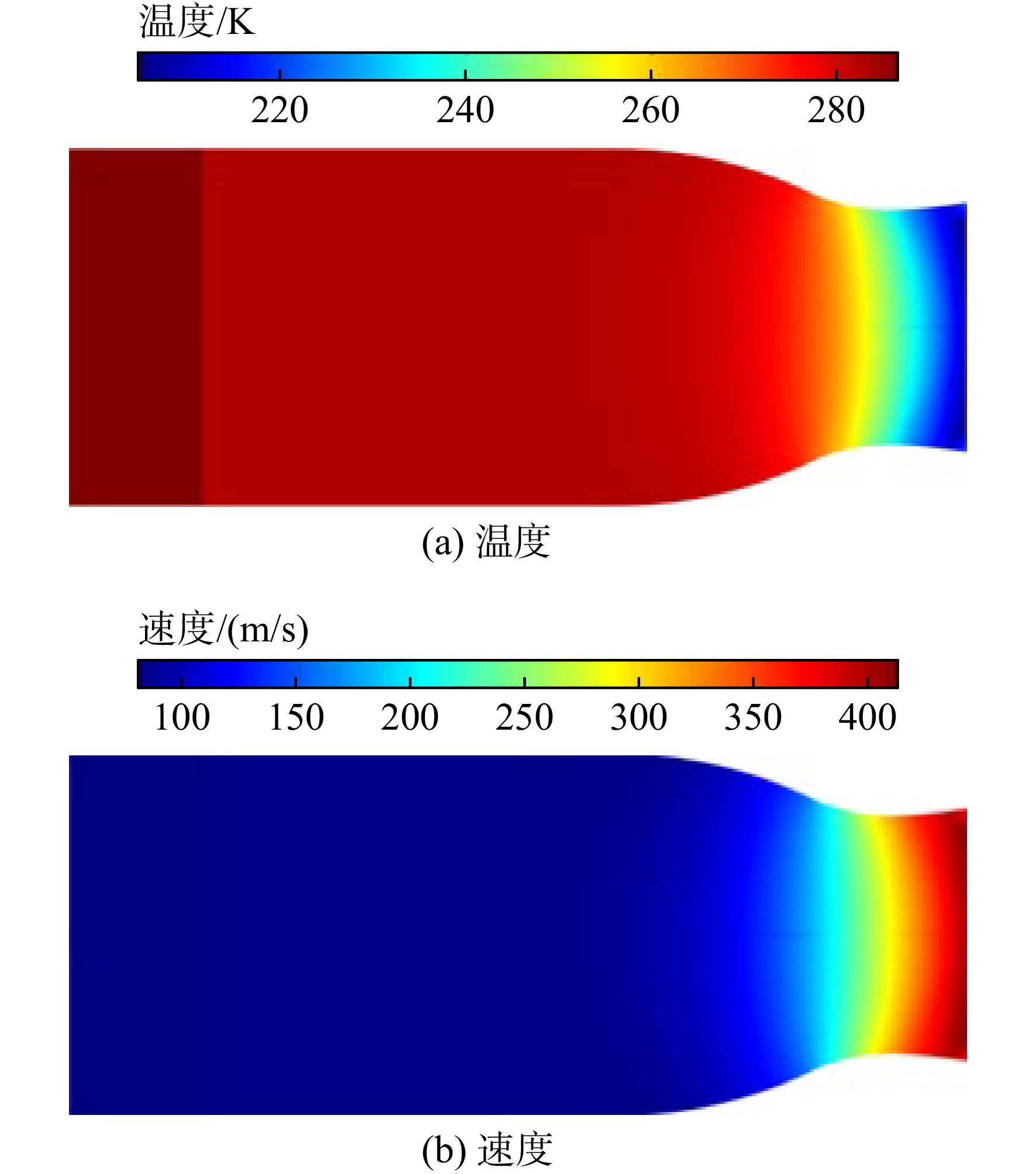
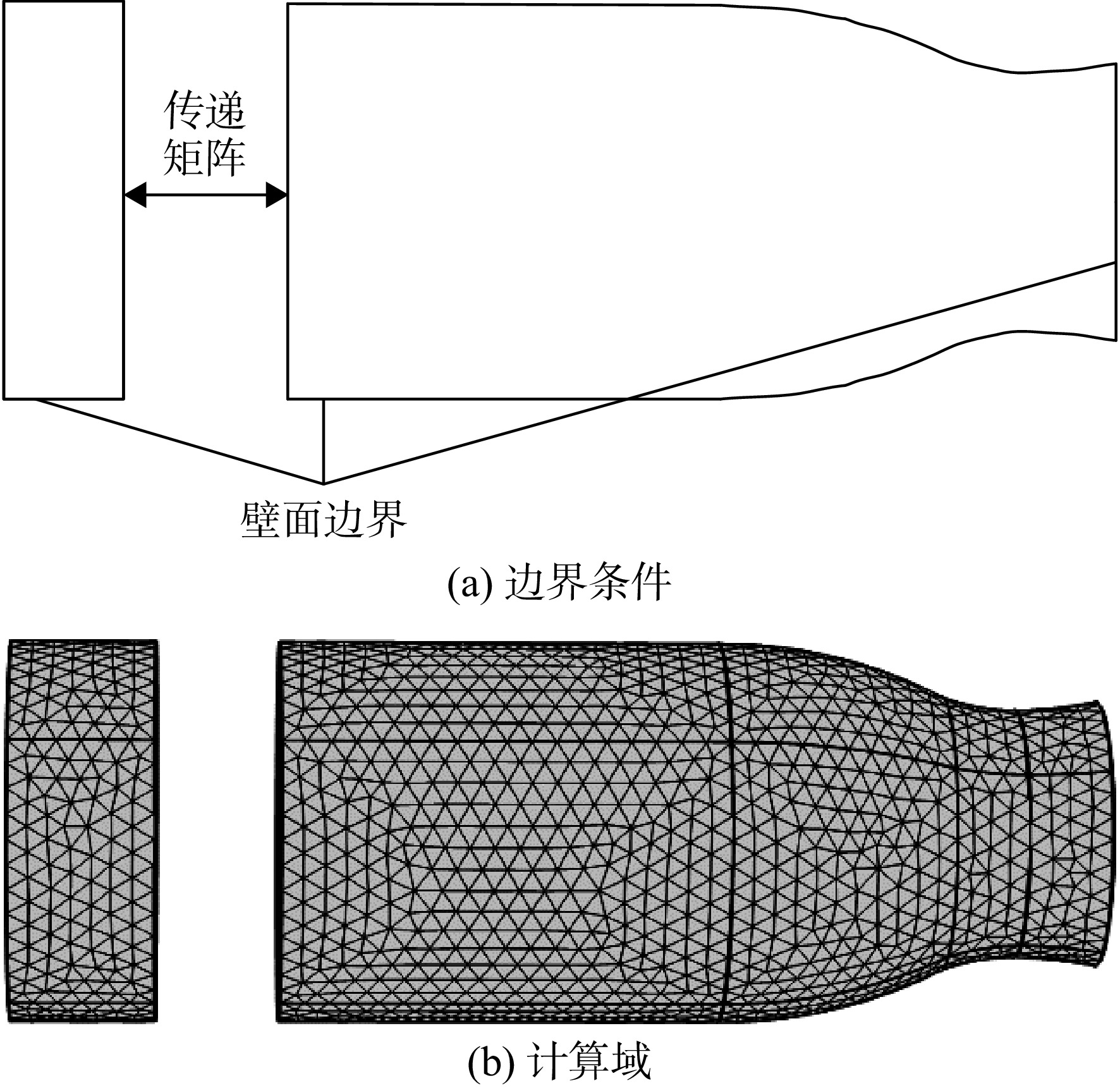
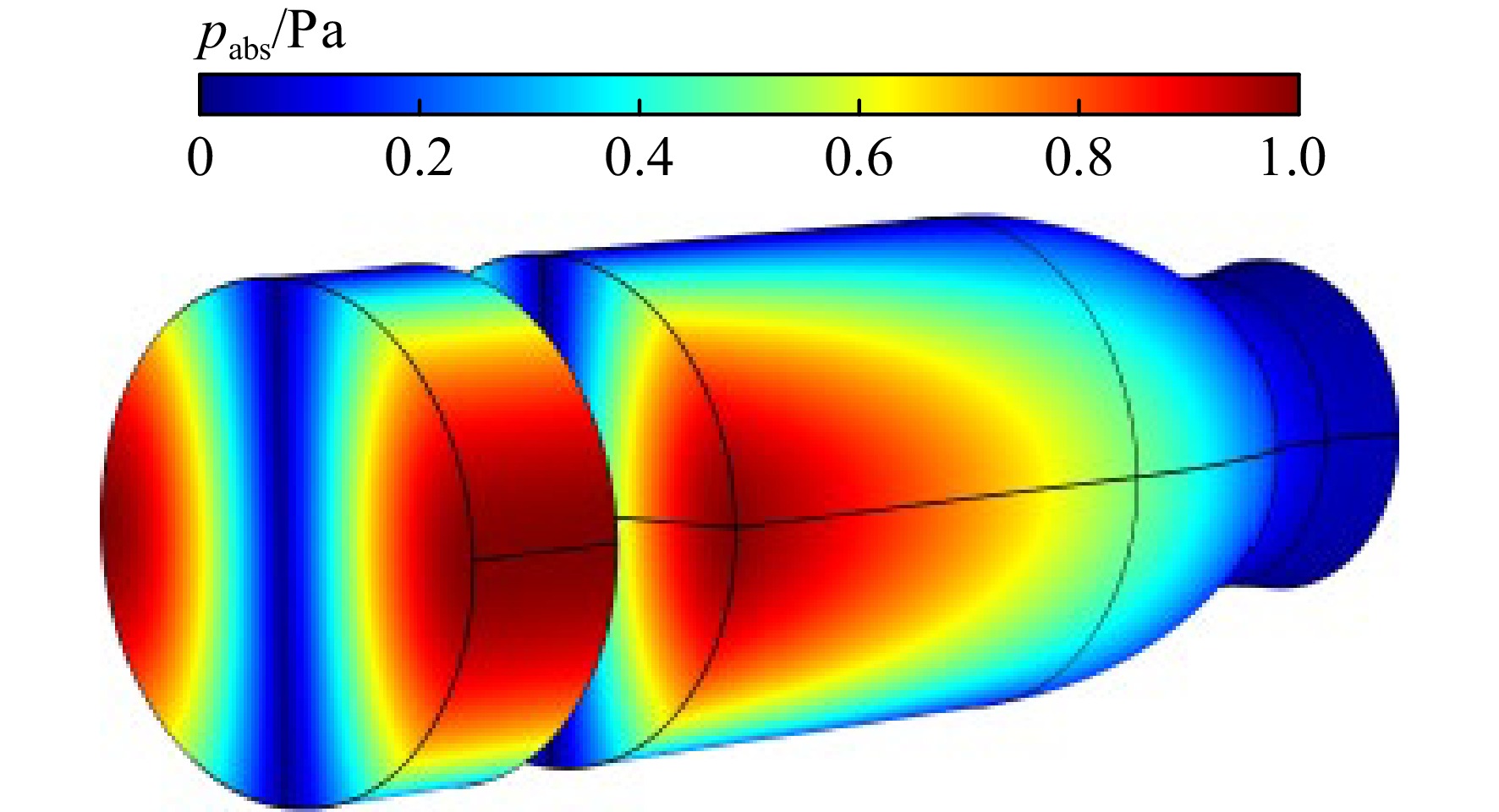
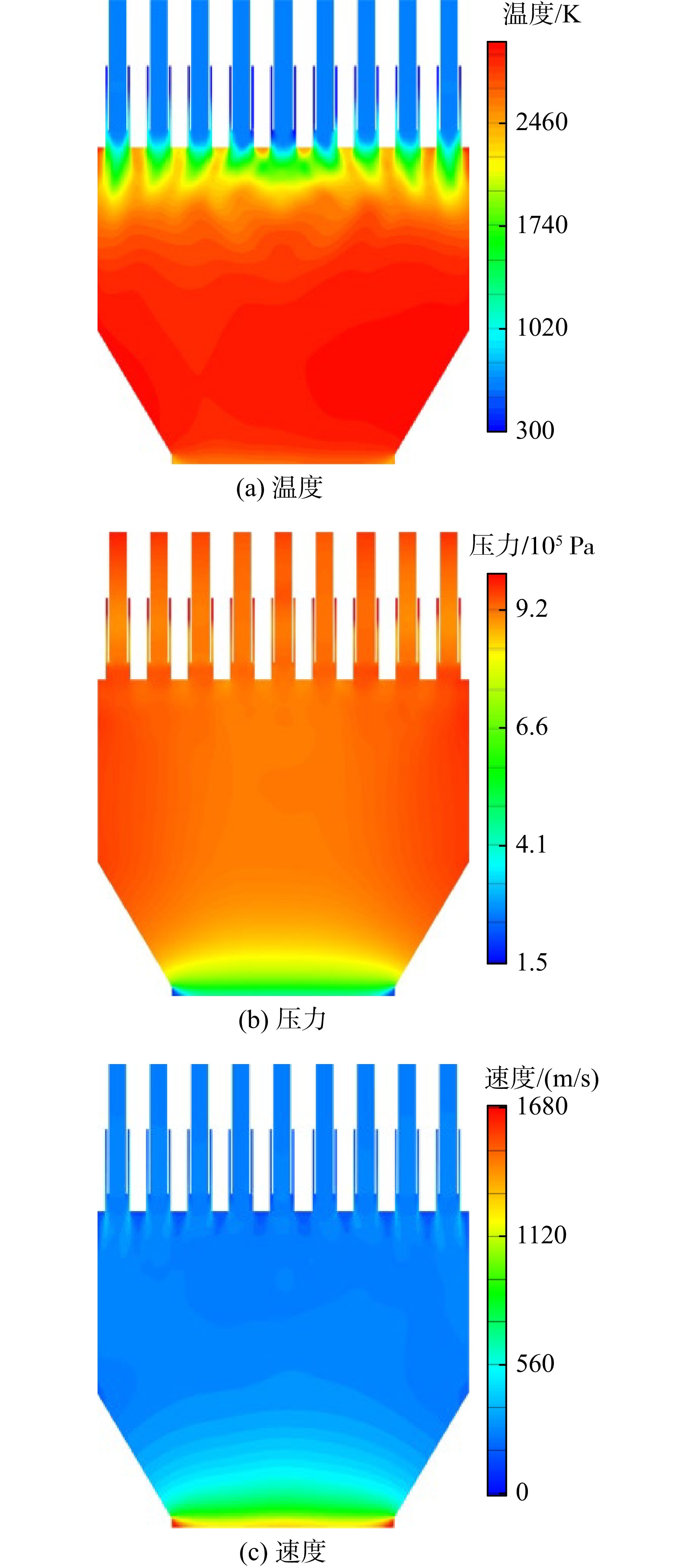
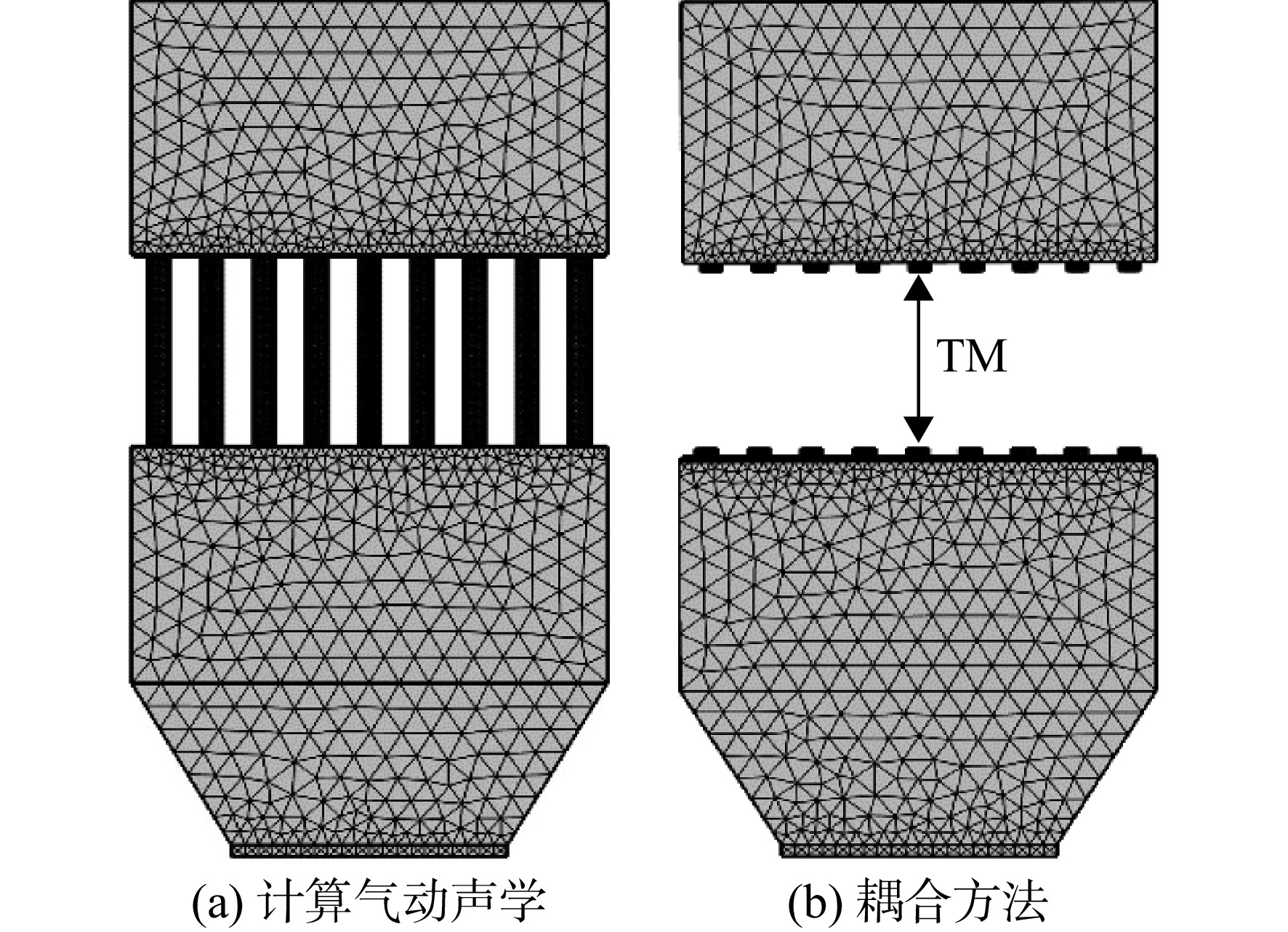
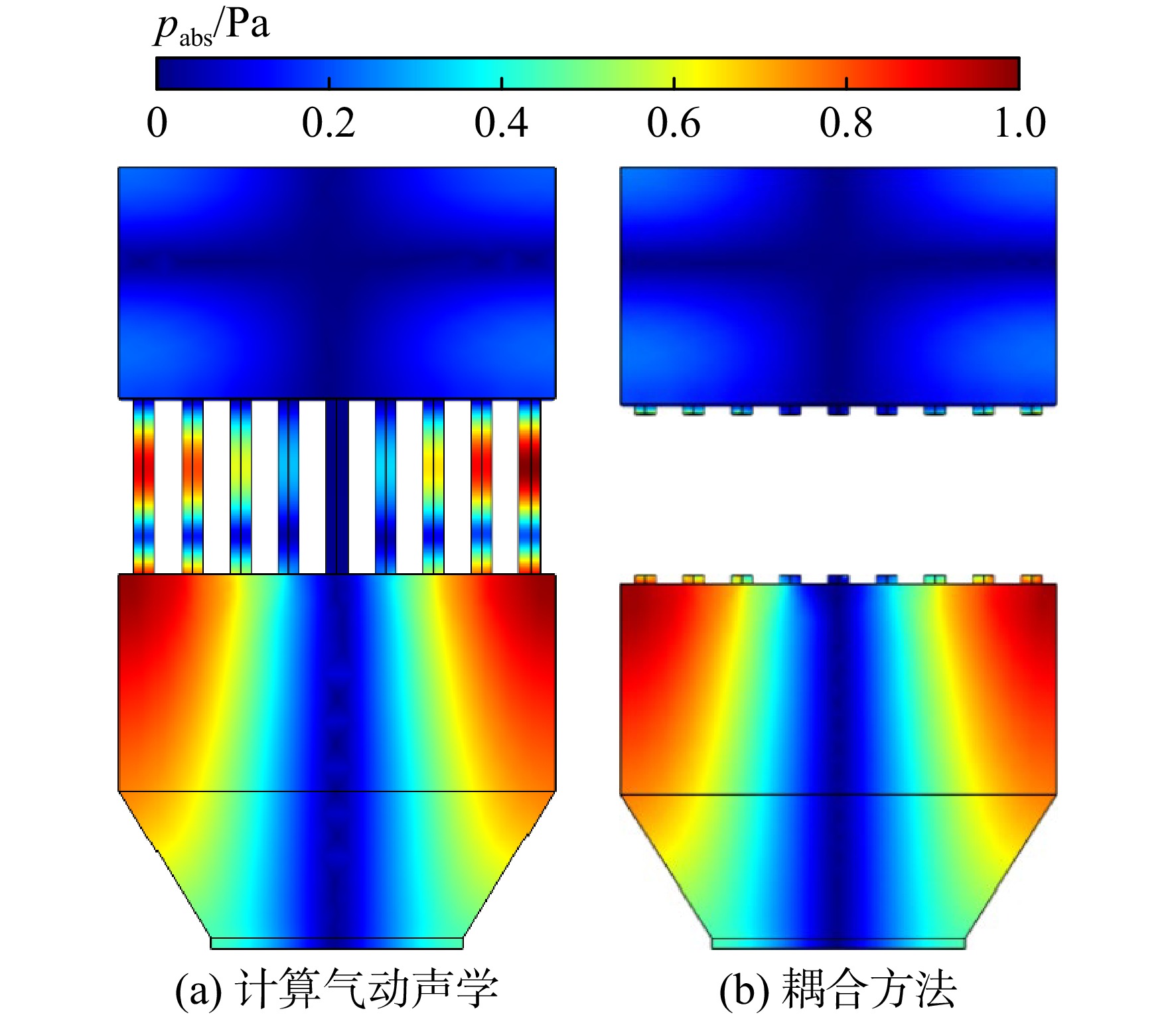
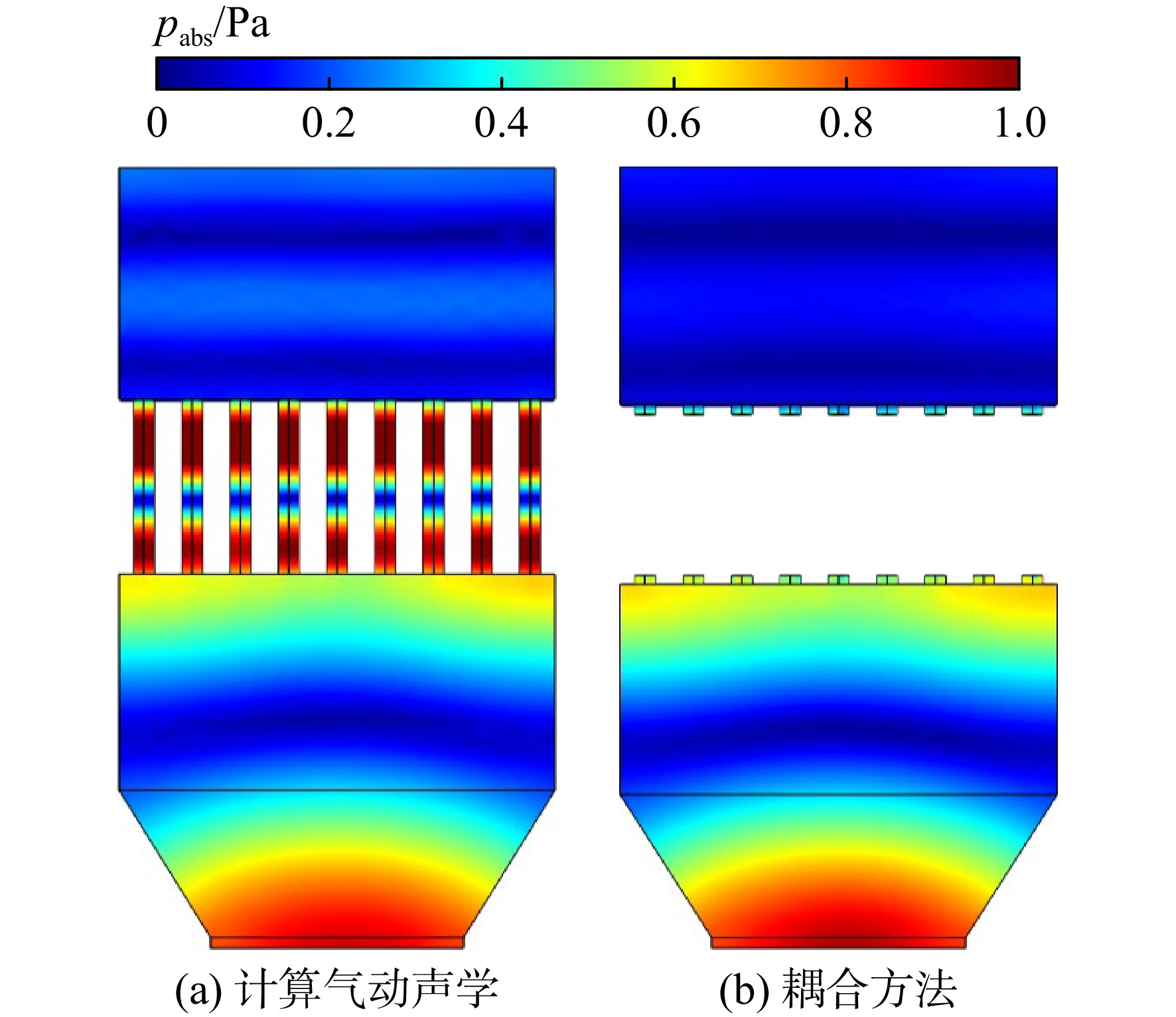
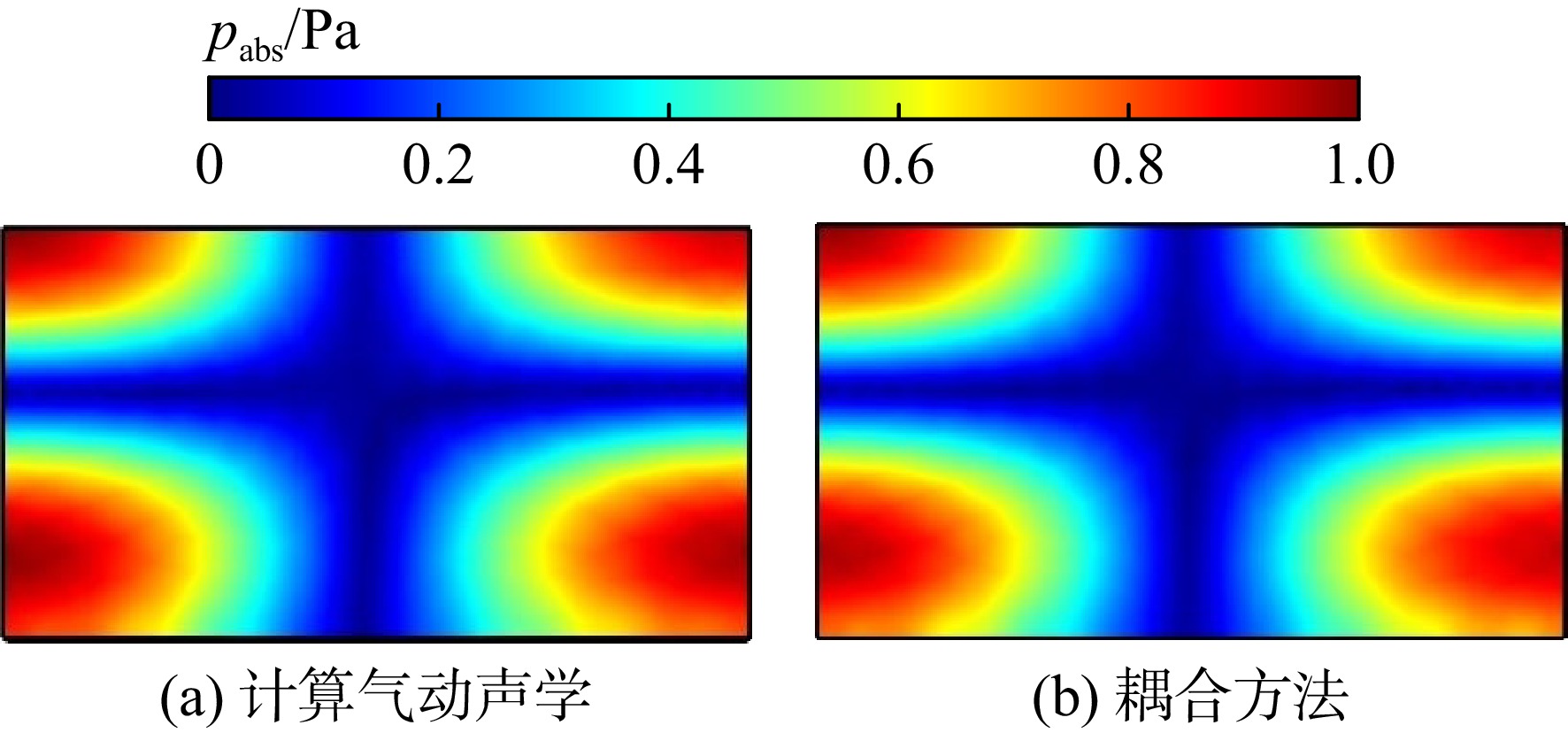
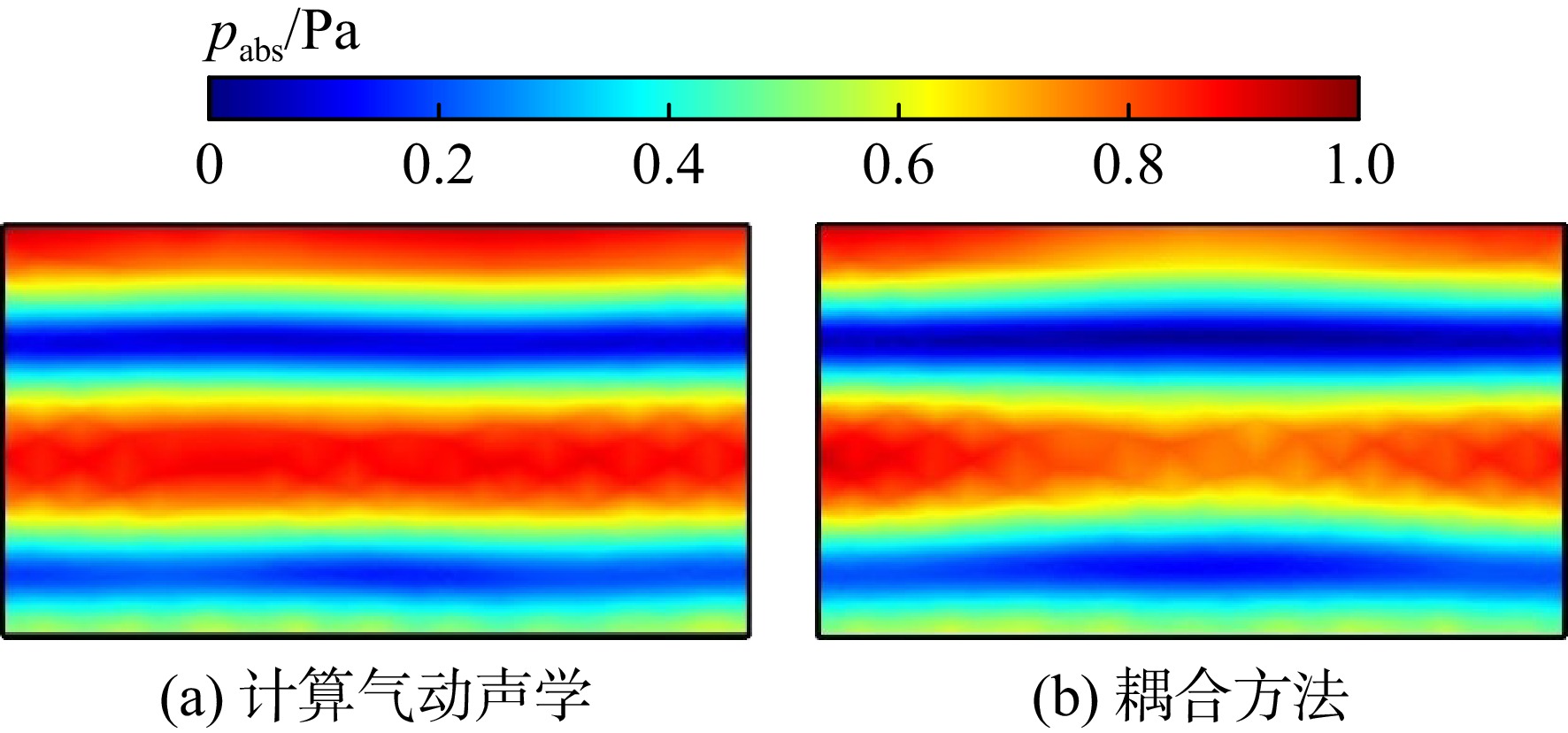
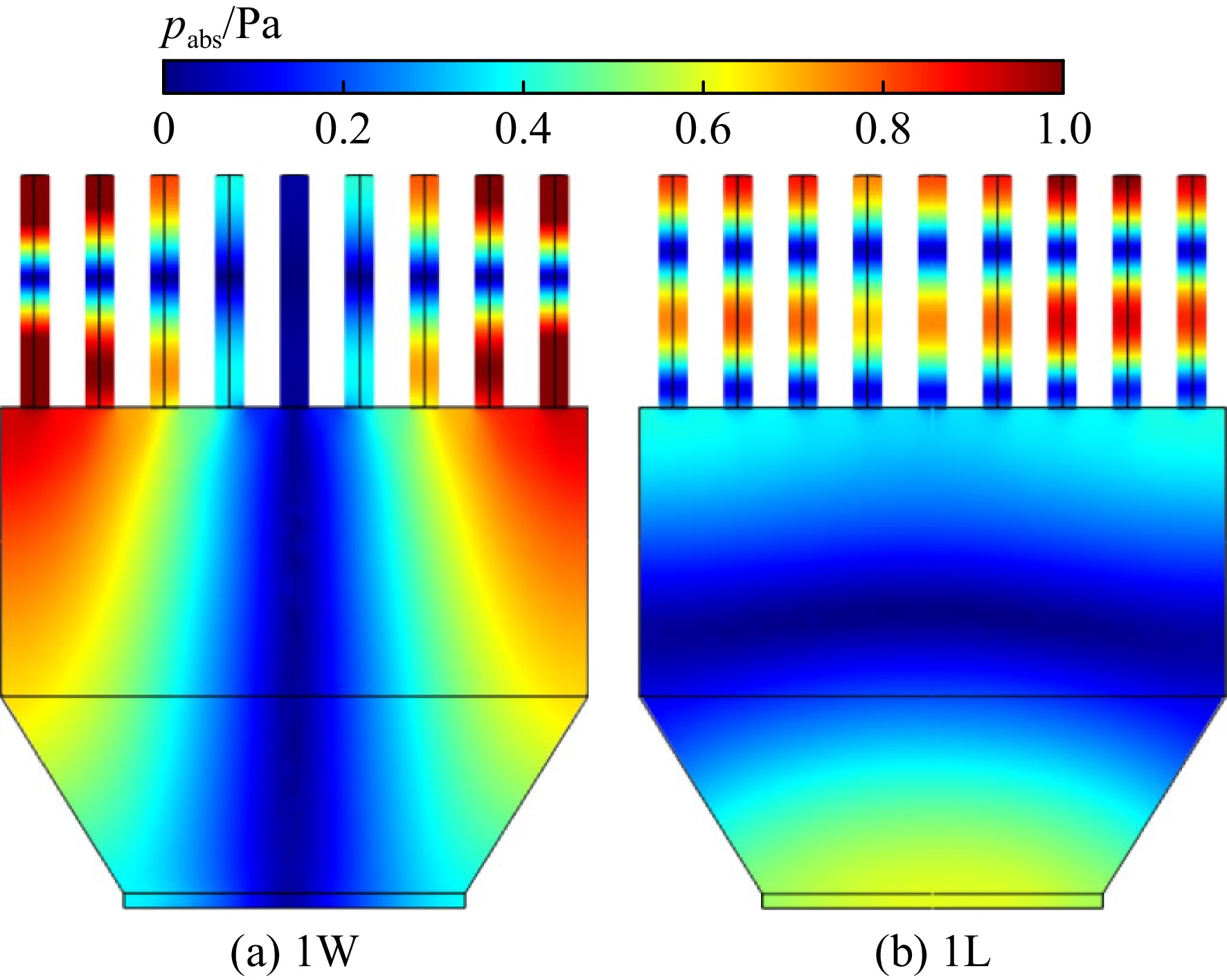
Numerical simulation of the acoustic mode characteristics of the combustion chamber with the dome was carried out based on the coupled computational aeroacoustic (CAA)/low-order thermoacoustic network method. The eigenfrequencies, damping rates and acoustic pressure distribution clouds of the main acoustic modes of the combustion chamber were obtained, the accuracy and efficiency of the coupling methods were verified, and the influence of the dome on the acoustic mode characteristics was compared and analyzed. The results showed that, after considering the influence of the dome which was coupled with the acoustic pressure distribution of the combustion chamber, the damping rate of the first-order transverse and longitudinal modes of the combustion chamber was reduced by 24.5% and 16%, but the effect on eigenfrequency was not obvious; compared with the CAA method, the coupling method can improve the calculation efficiency by 49% under the condition of ensuring the calculation accuracy, making it very suitable for the engineering of multi-nozzle liquid rocket engine combustion chamber.