2026 Vol. 41, No. 3

Combustion,Heat and Mass Transfer
Effect of combustor exit swirl on film cooling characteristics of shaped holes on the pressure surface of high-pressure turbine vanes
FU Zhongyi, DU Yingjie, YE Wei, JIN Helong, BAI Xiaohui, HUANG Qi, LIU Cunliang
2026, 41(3): 20240828. doi: 10.13224/j.cnki.jasp.20240828
Abstract:

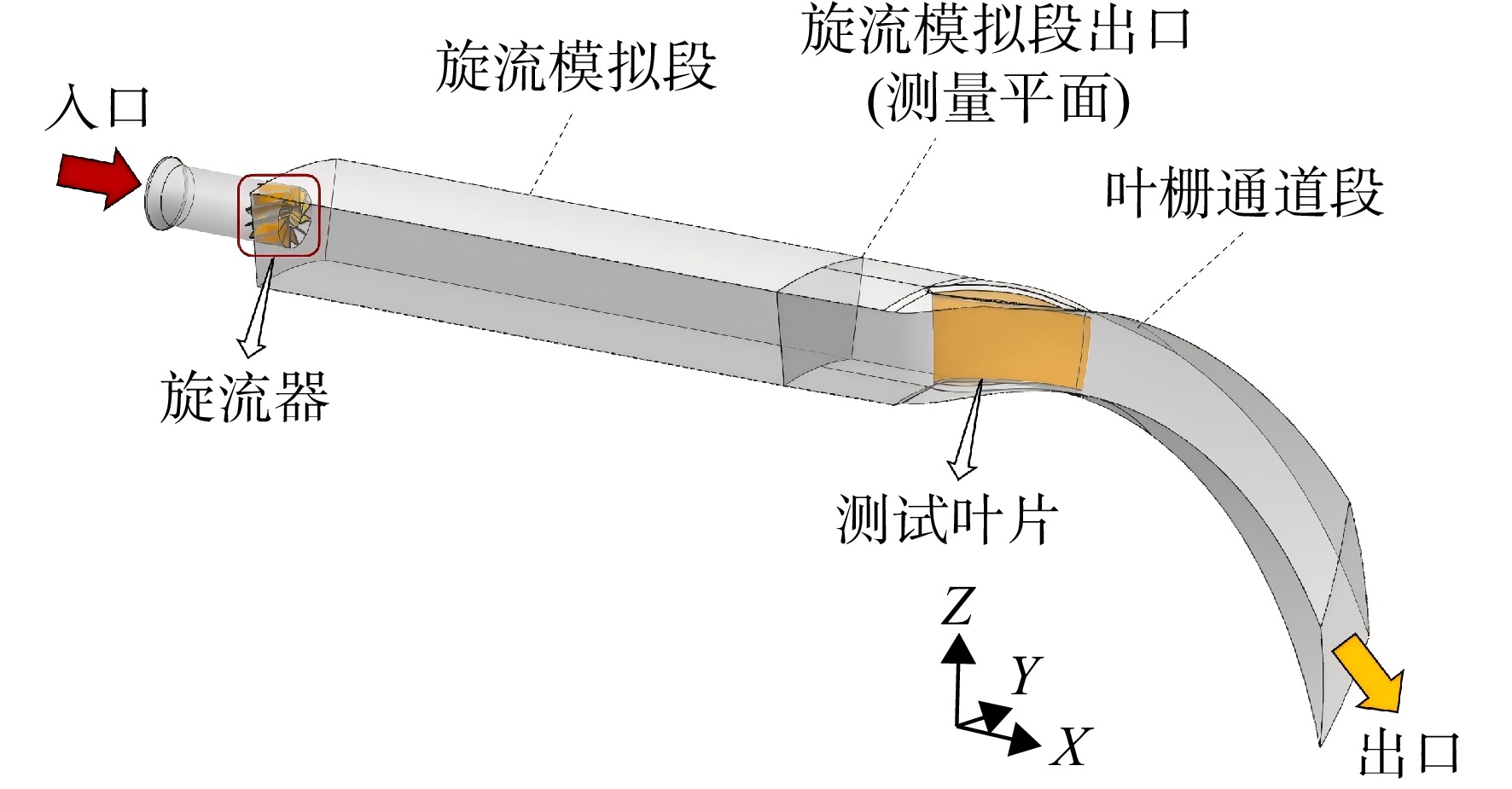
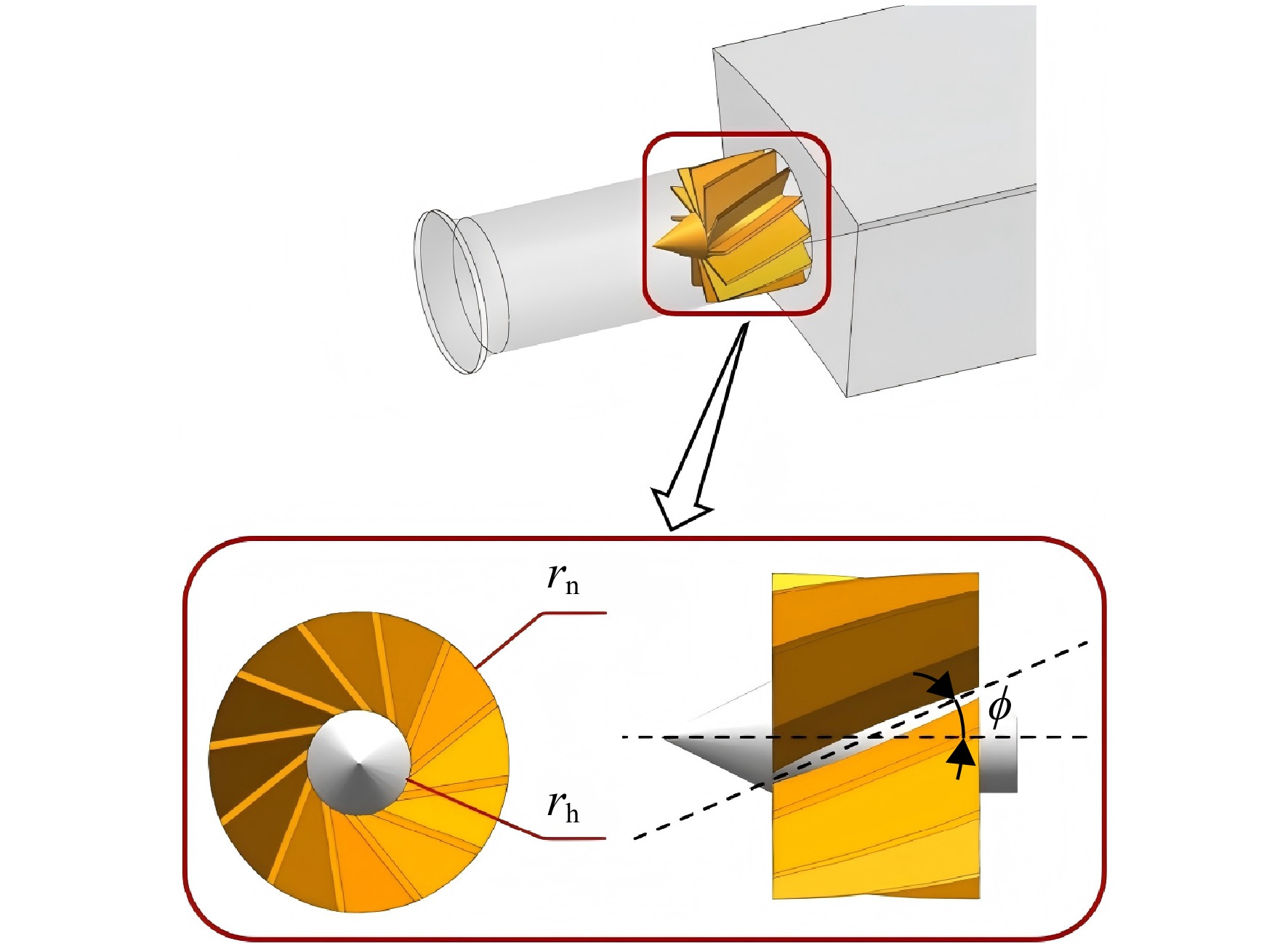
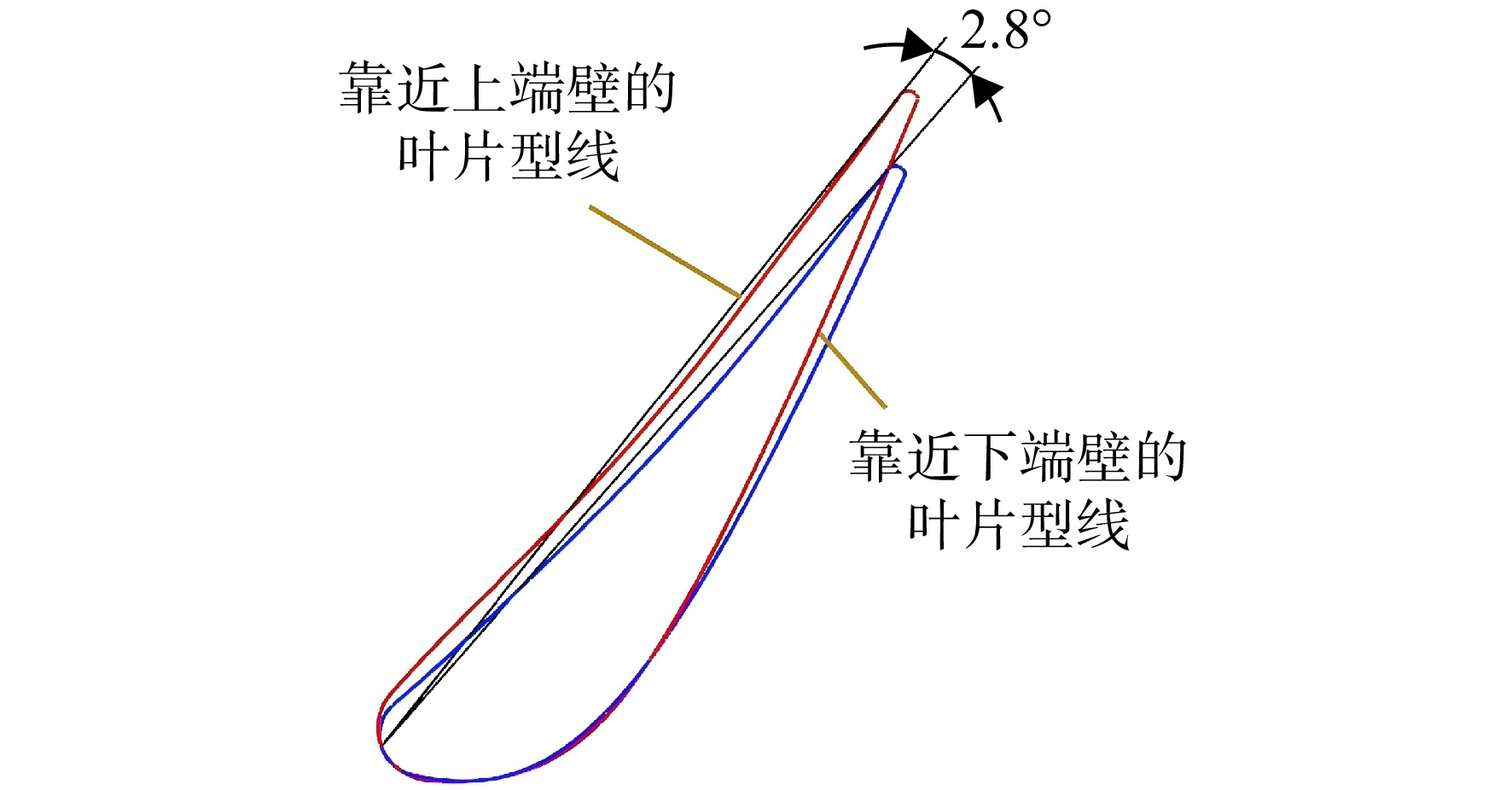
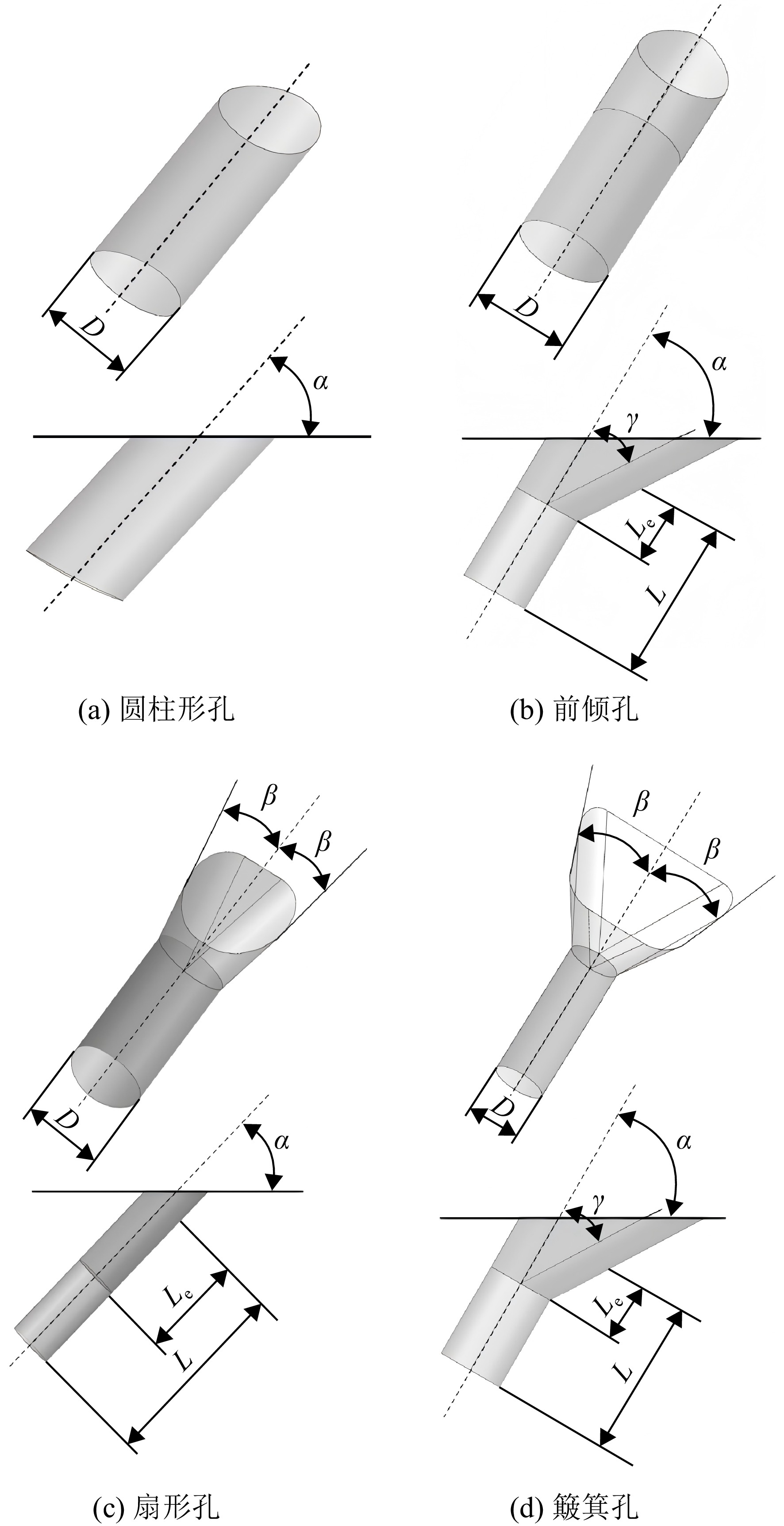
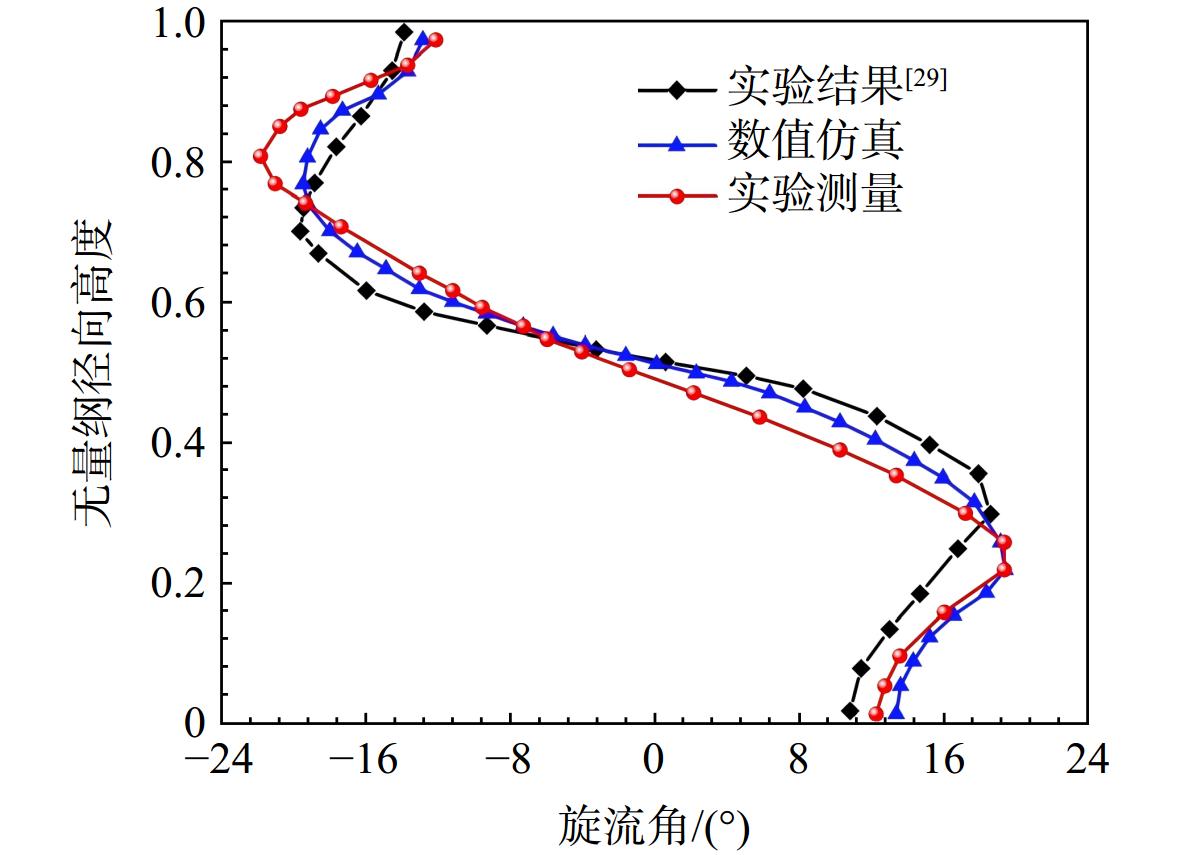
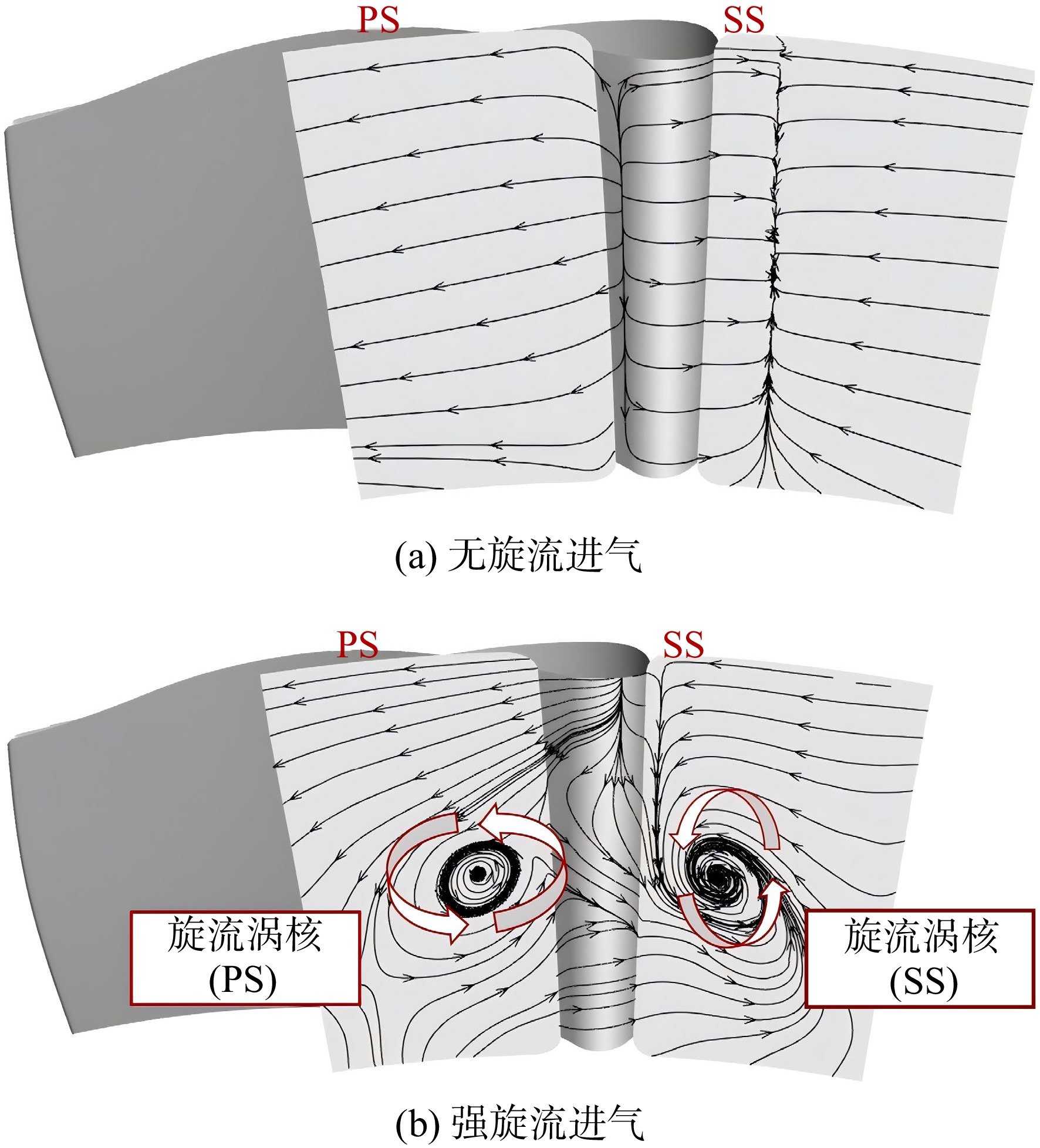
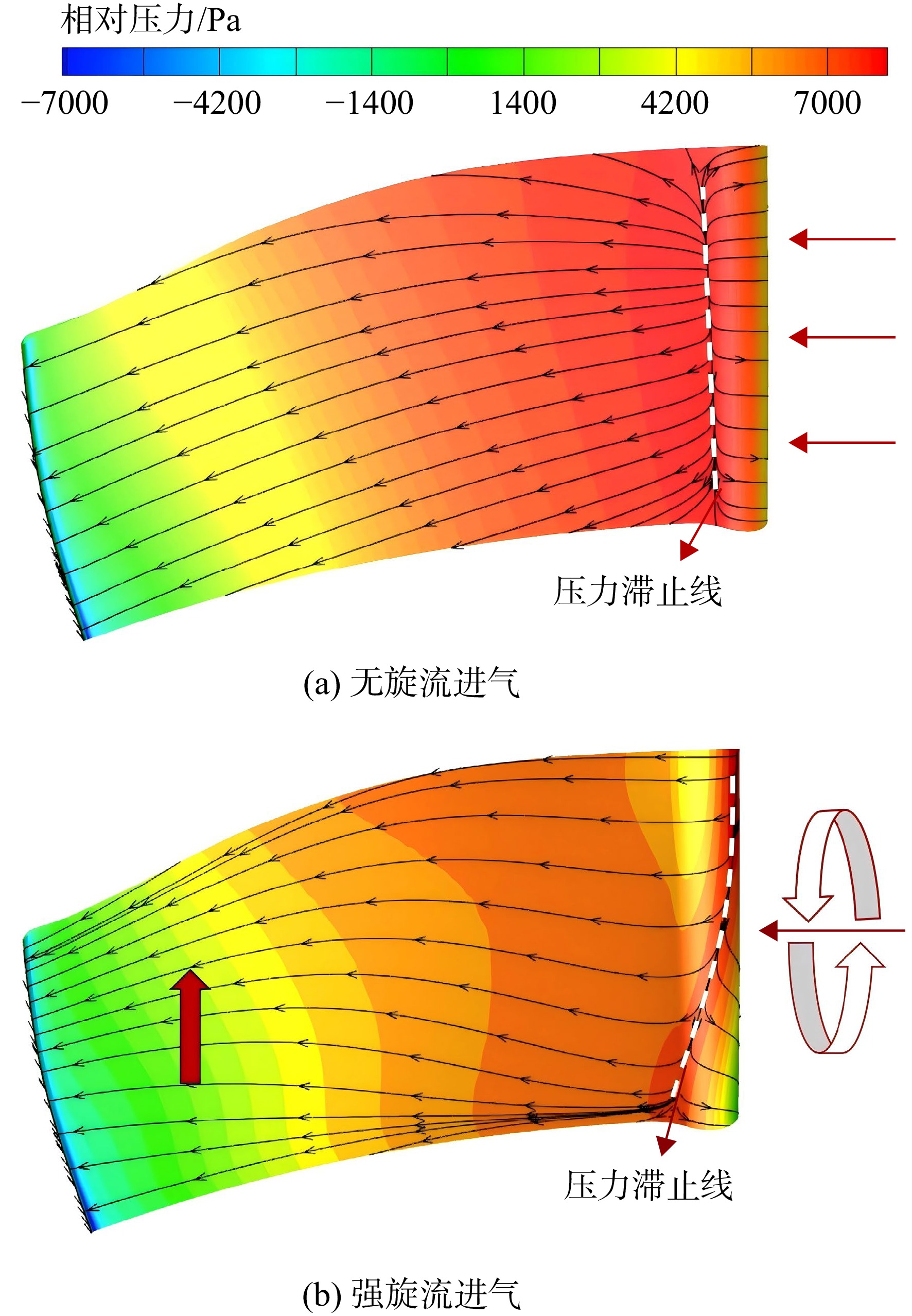
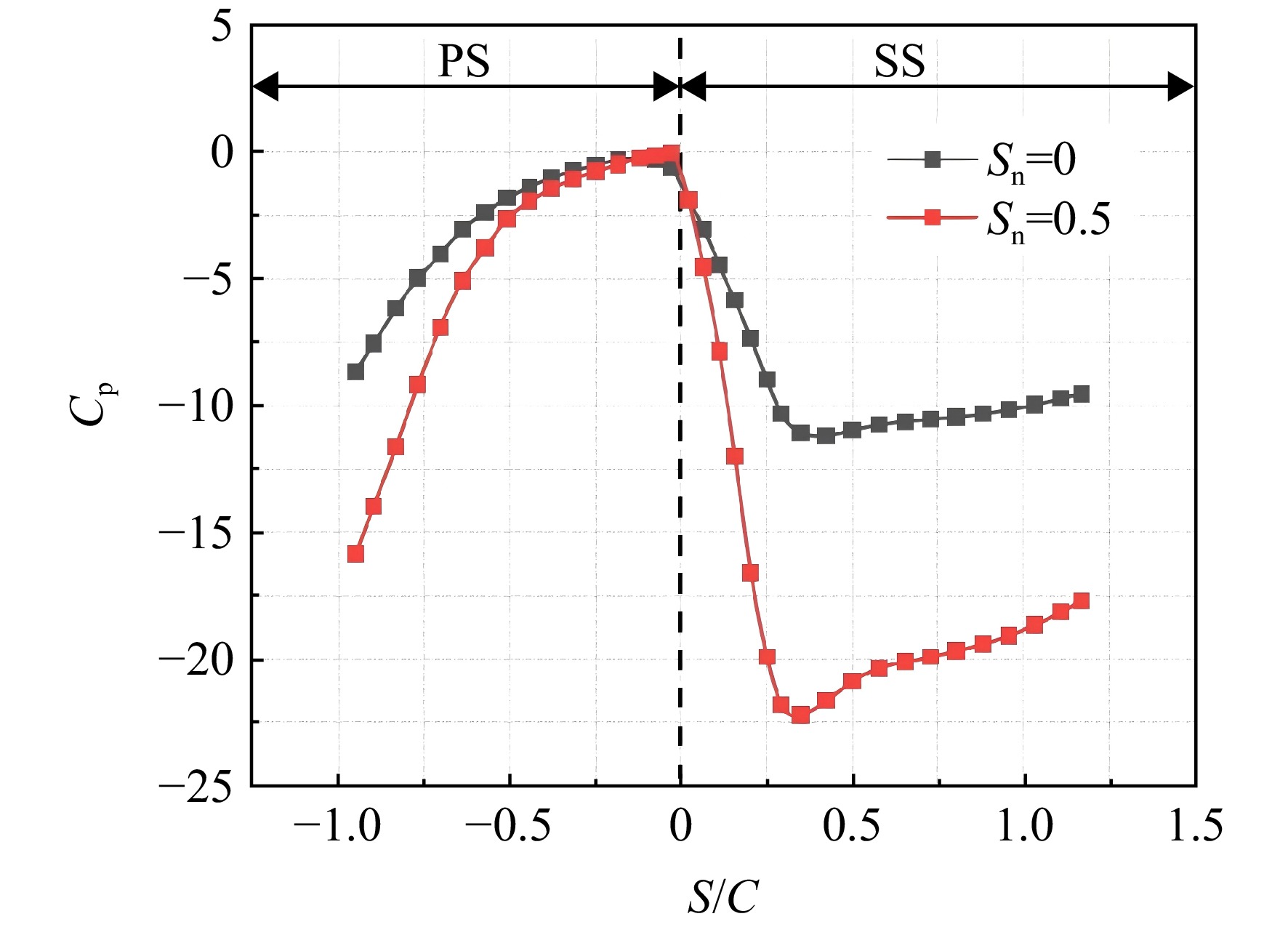
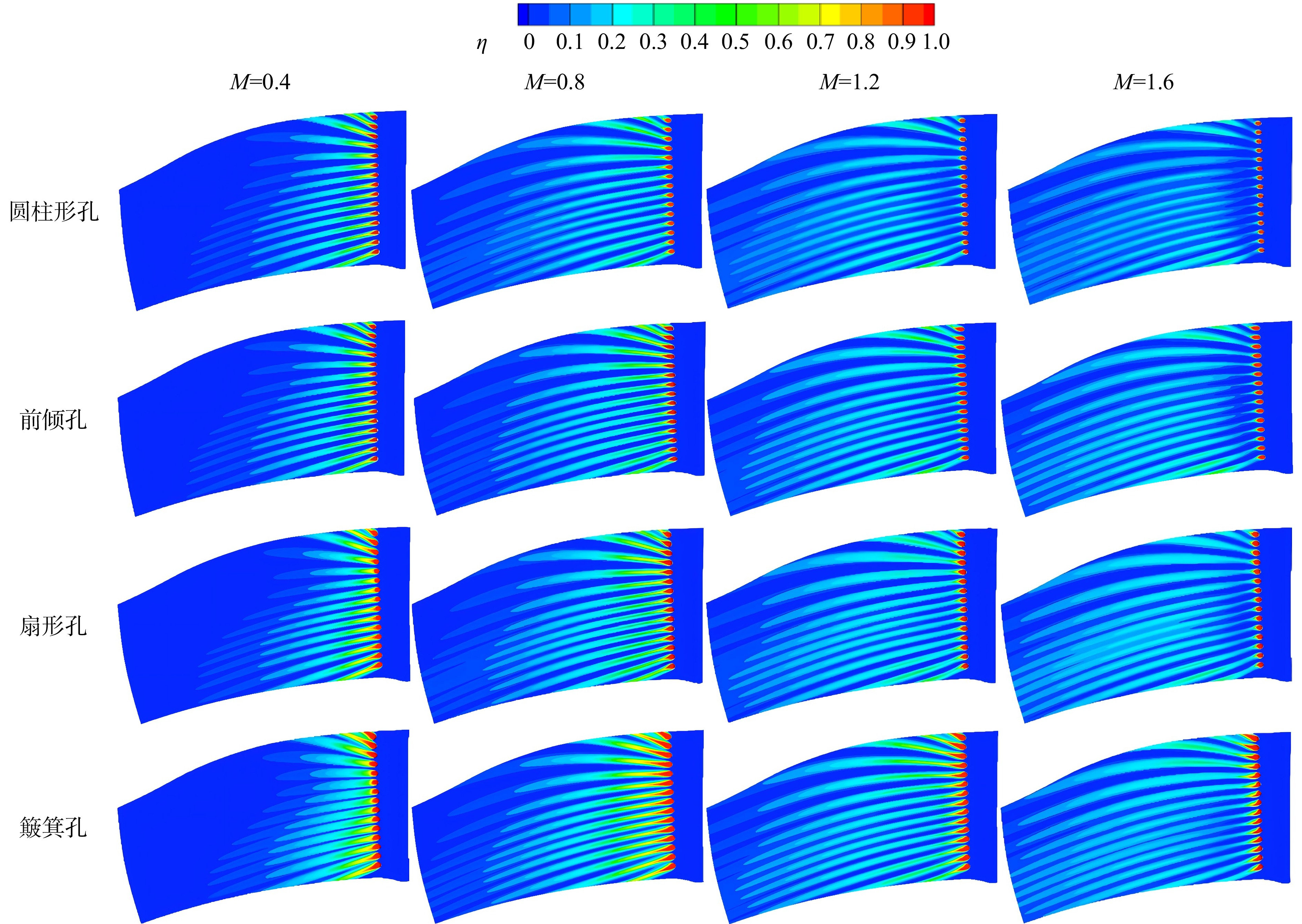
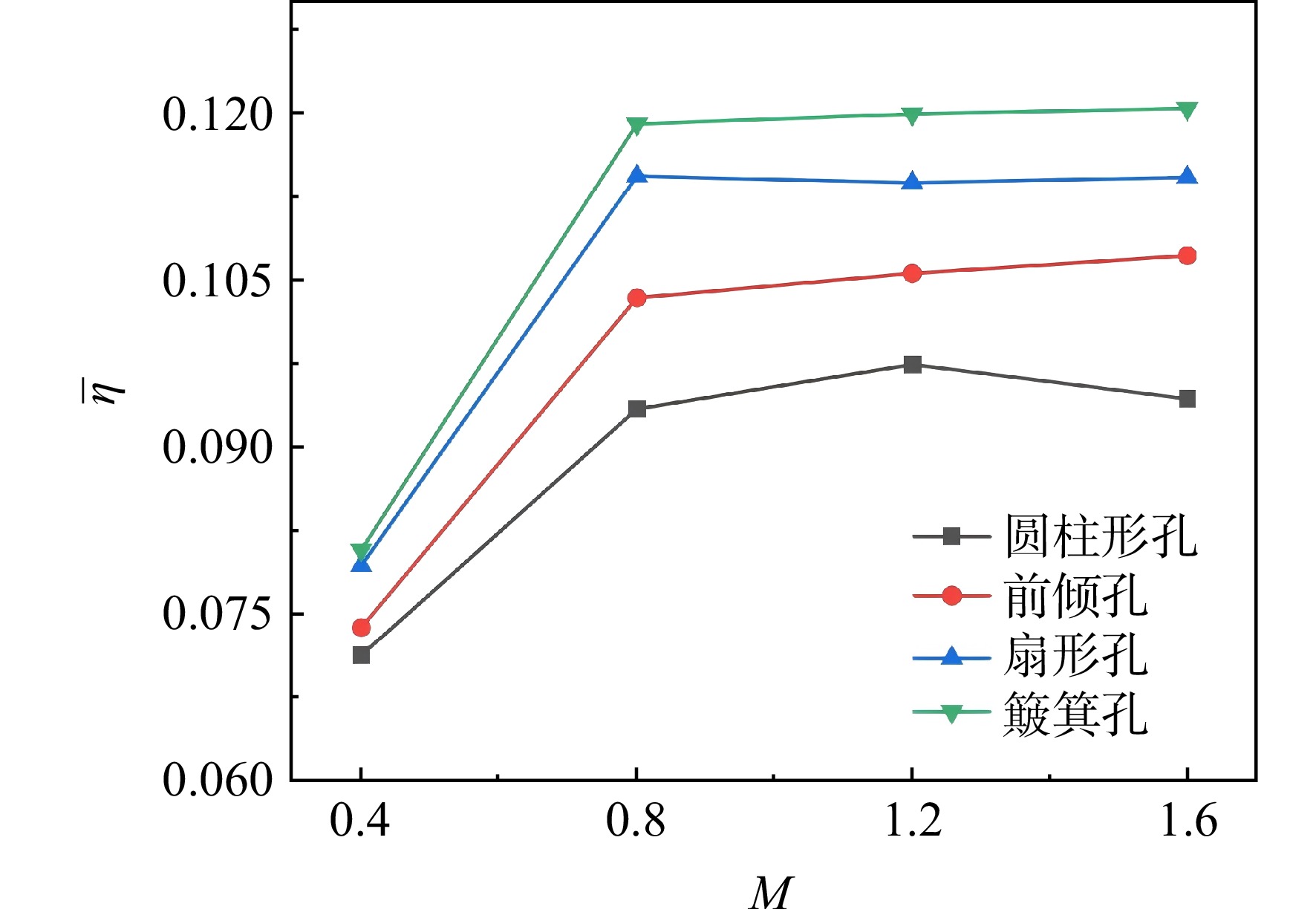
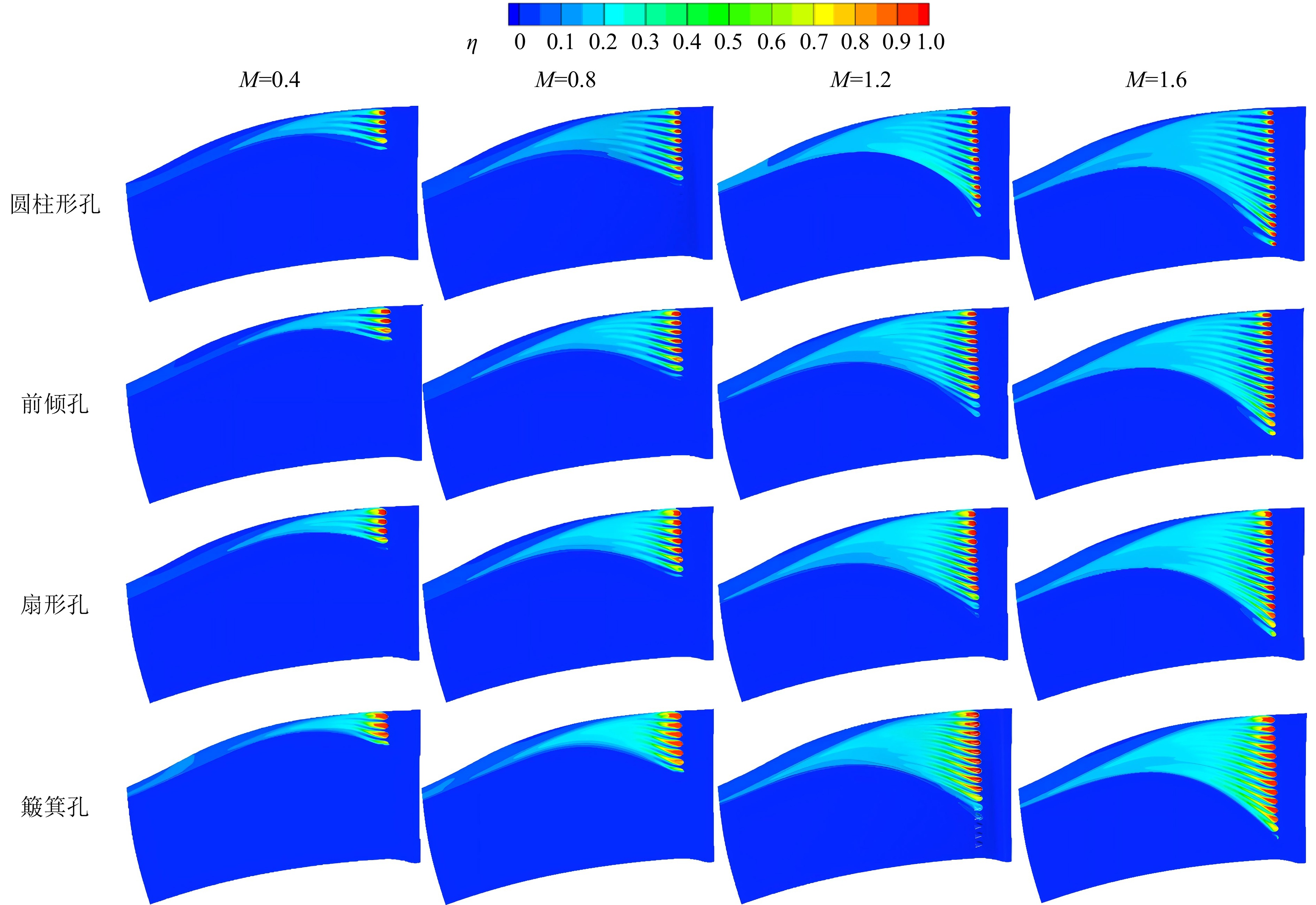
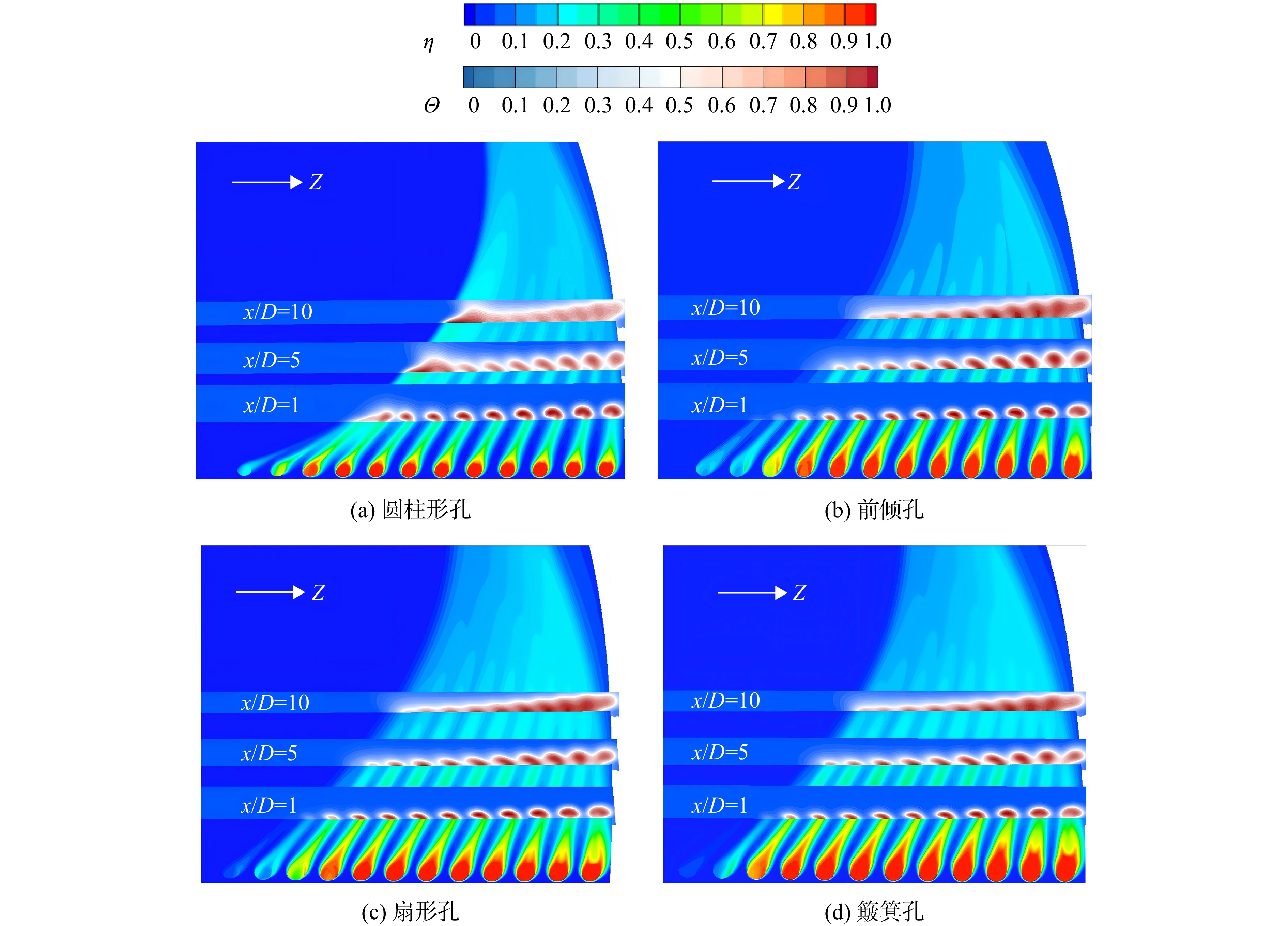
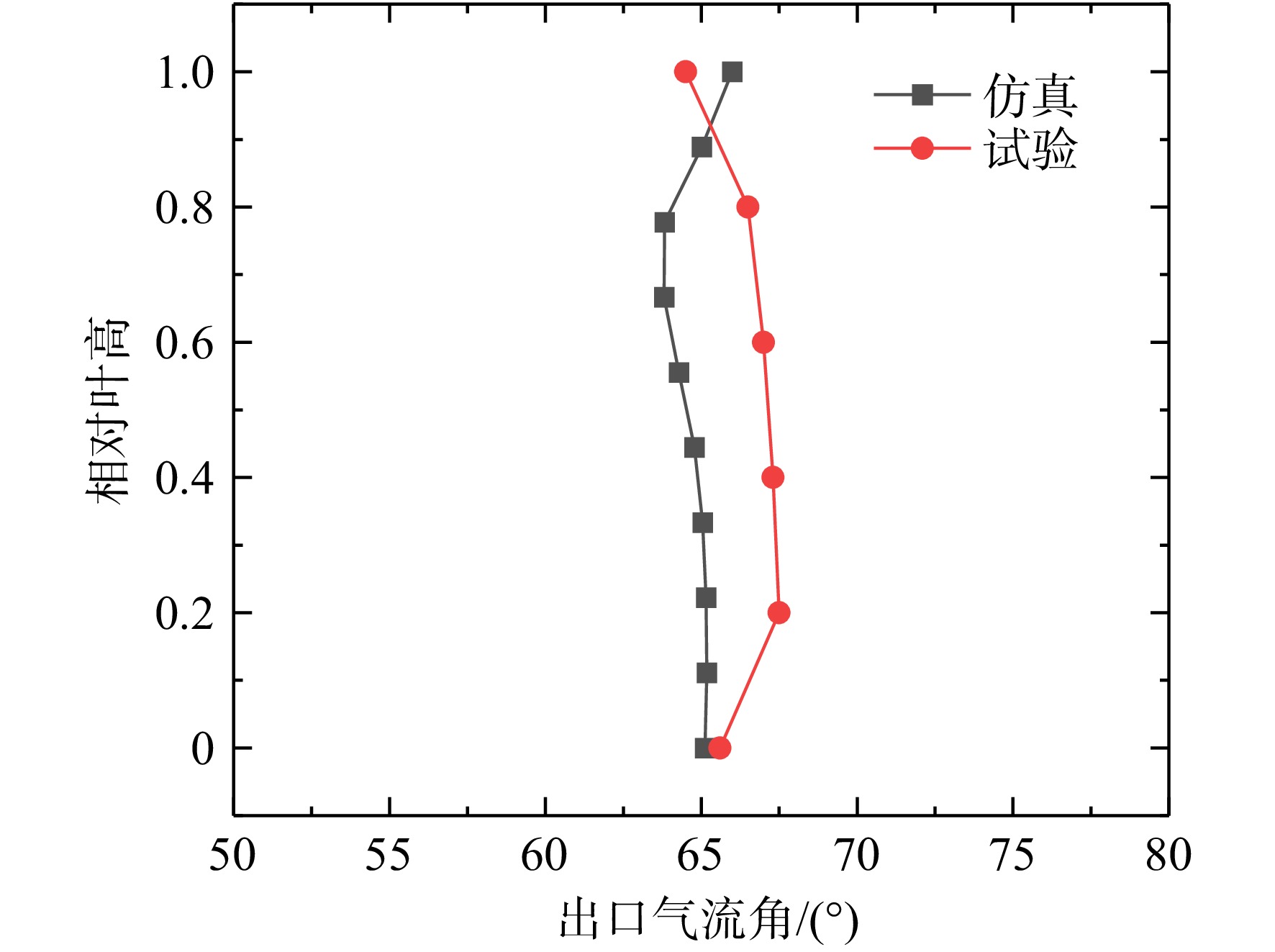
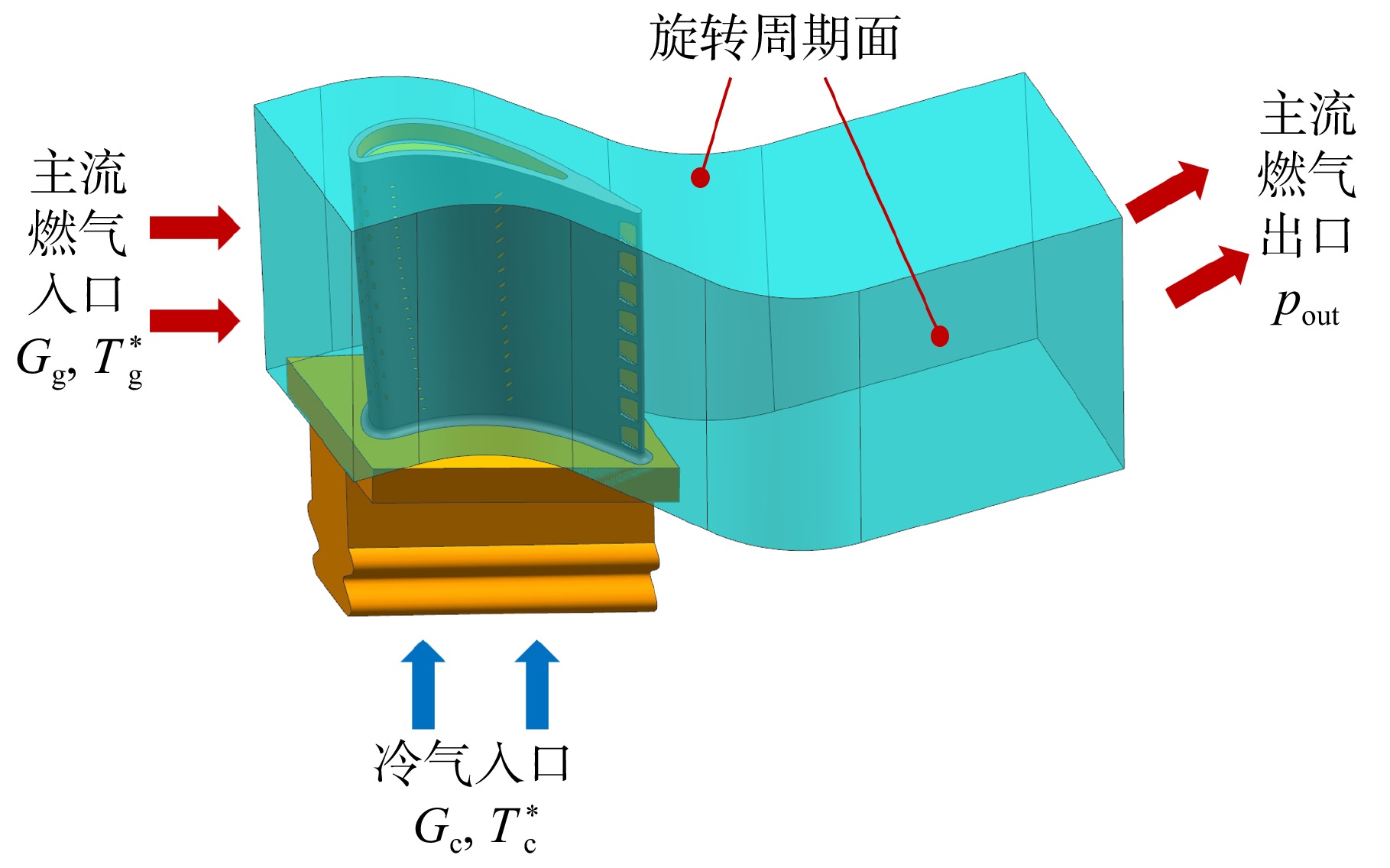
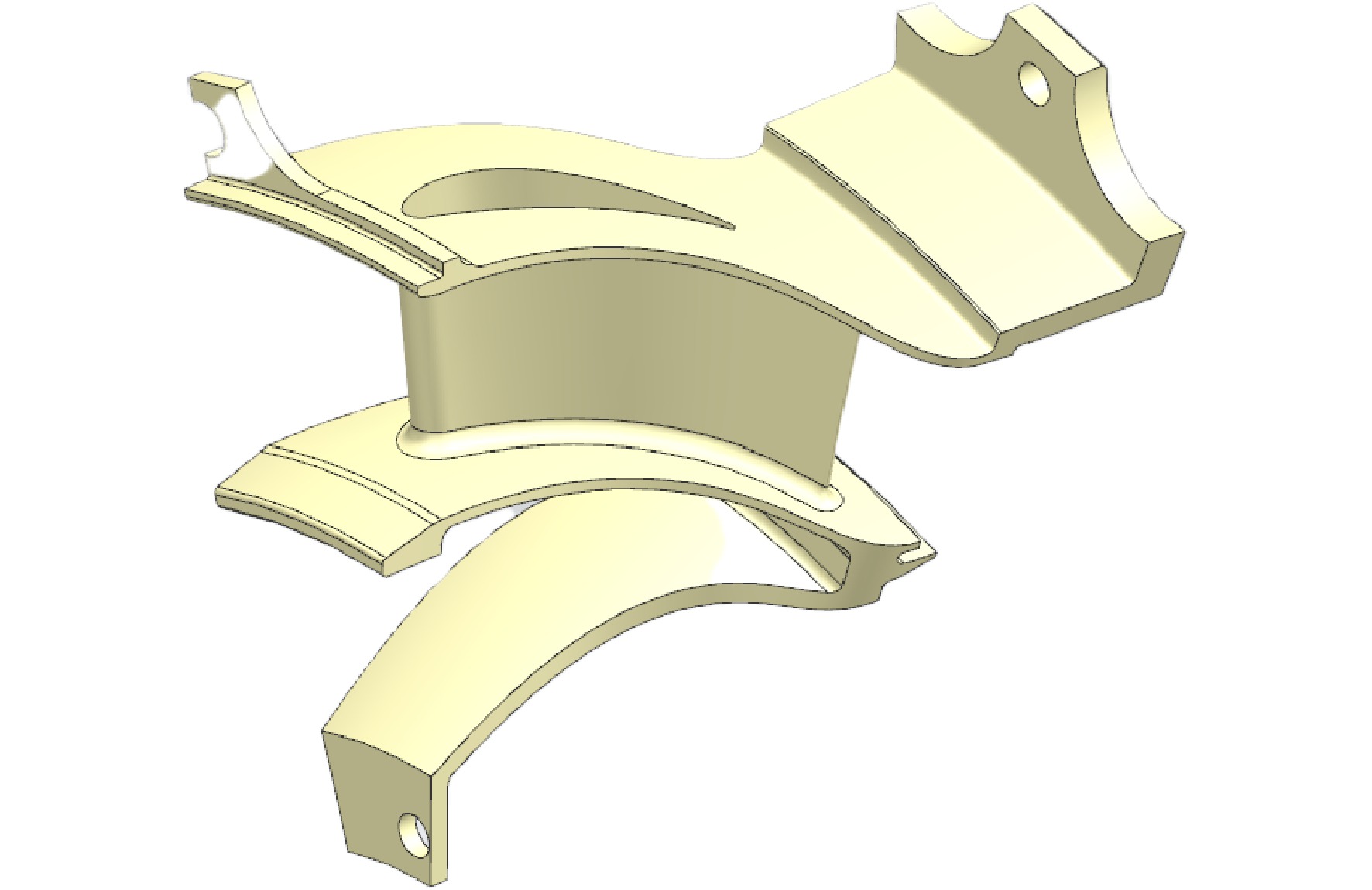
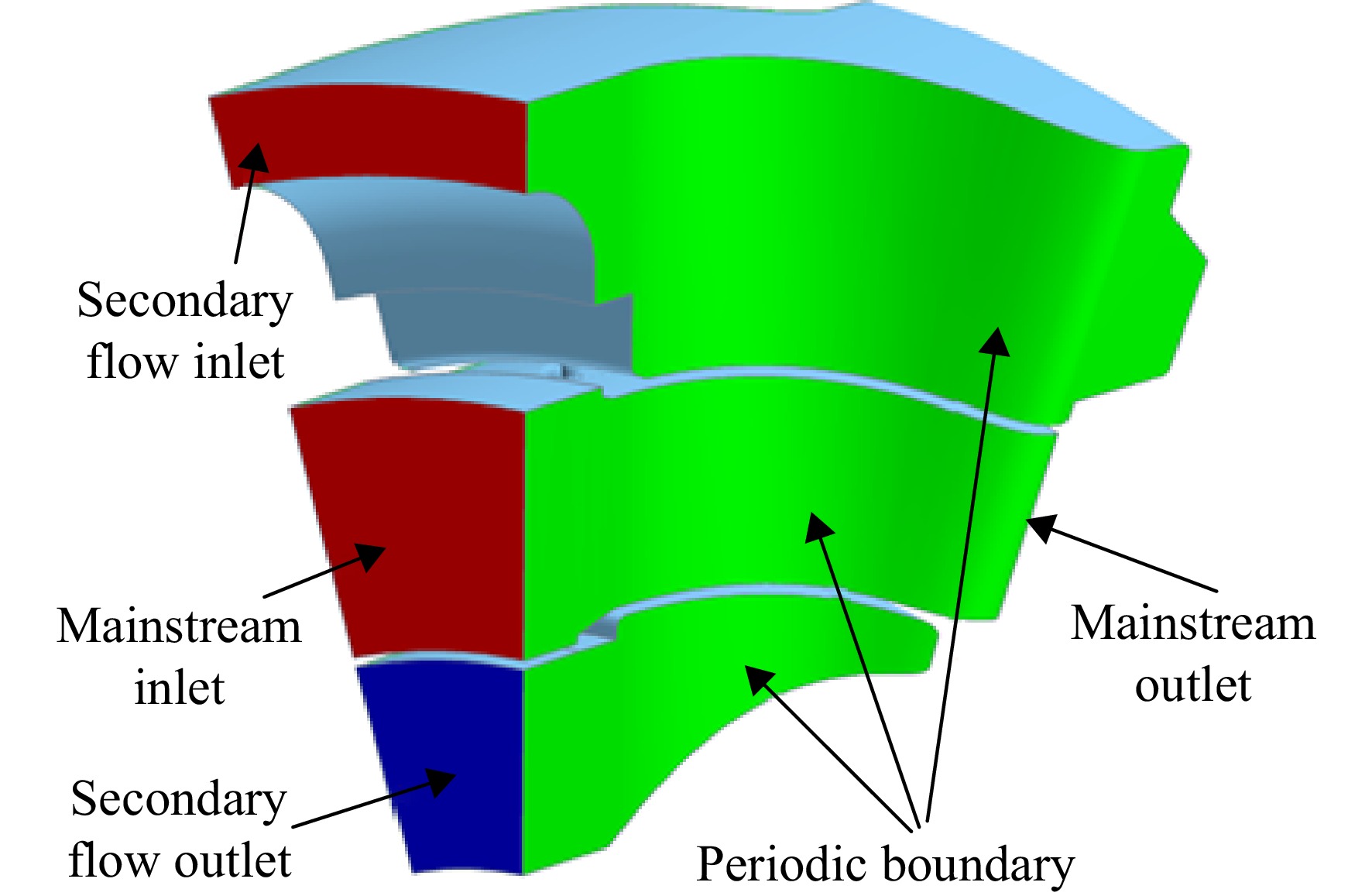
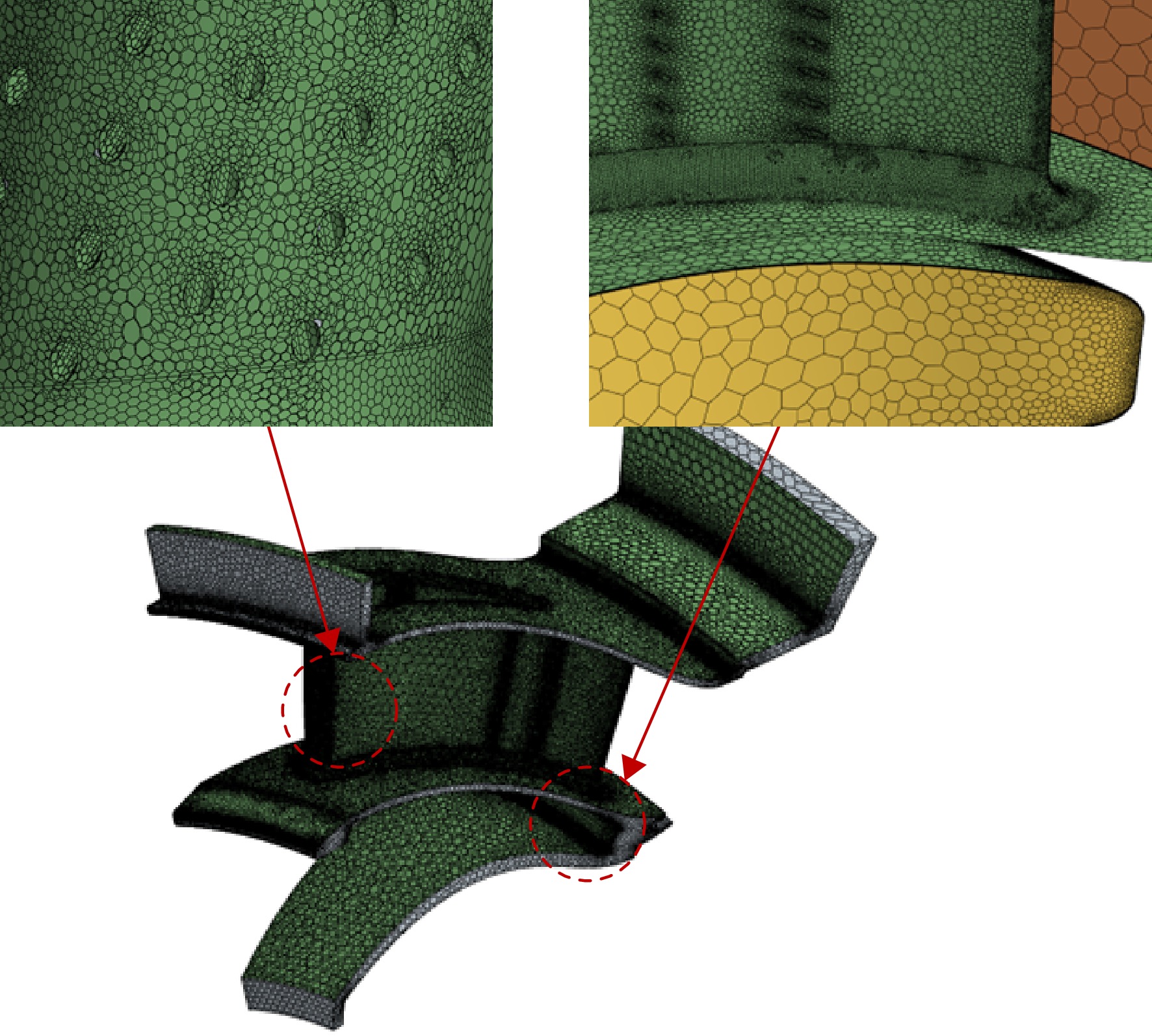
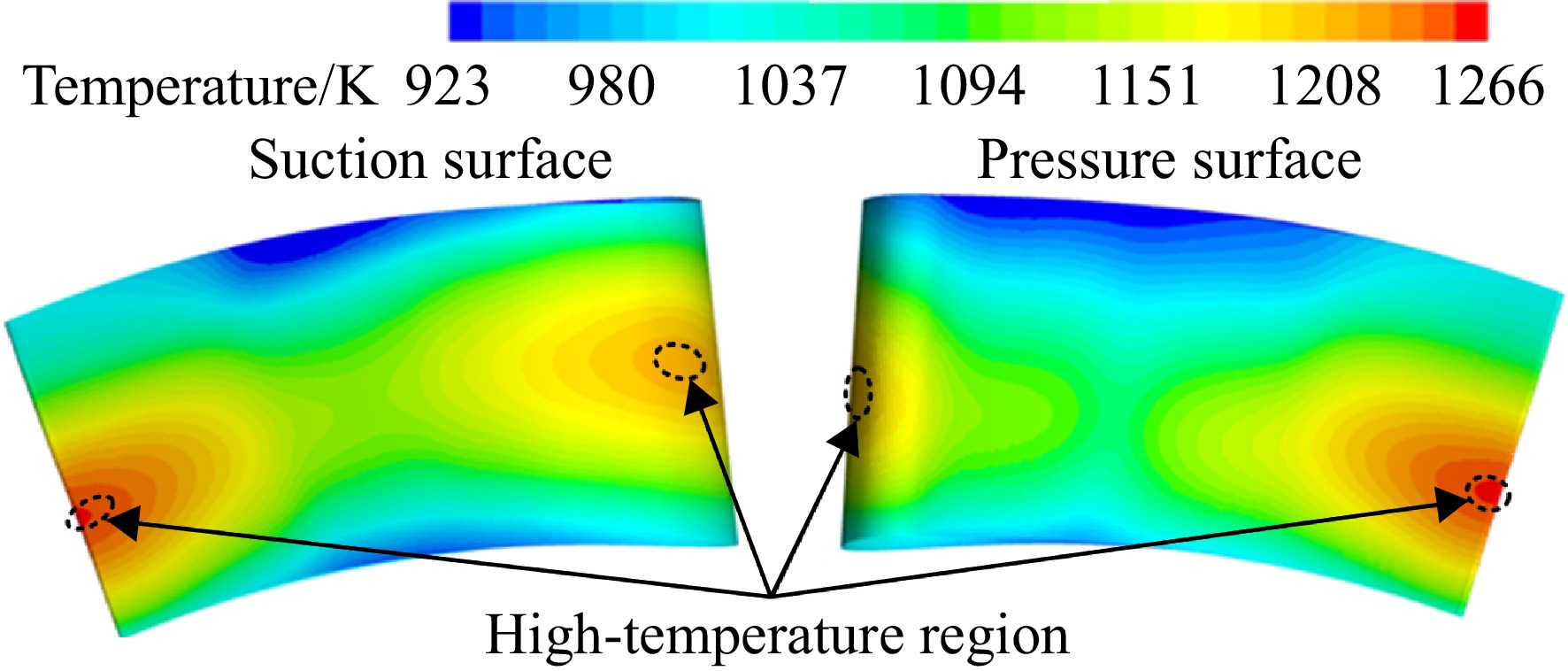
To elucidate the impact mechanism of swirl characteristics at the combustor exit on the film cooling performance of shaped film cooling holes on the pressure surface of high-pressure turbine vanes, particle image velocimetry (PIV) technology was employed in conjunction with numerical simulations to analyze the distribution characteristics of the strong swirl flow field at the combustor exit under a constant mainstream inlet Reynolds number ($ Re $). Subsequently, numerical simulations were conducted to compare and analyze the effects of swirl inflow on the flow characteristics of the pressure surface of curved and twisted turbine vanes and the film cooling characteristics of single-row cylindrical holes, fan-shaped holes, laid-back holes, and laid-back fan-shaped holes. The results indicated that strong swirl intake induced a significant radial pressure gradient on the pressure surface, causing the film cooling trajectories to radially deflect and converge to localized areas. This led to decreased cooling efficiency and increased non-uniformity of the cooling distribution. When the mainstream inlet $ Re $ remained constant, increasing the blowing ratio (M) can effectively enhance the film cooling efficiency (η) of all hole types under strong swirl conditions, but it cannot effectively mitigate the film offset caused by the swirl. Notably, strong swirl intake did not alter the relative performance ranking of the hole types, but fan-shaped holes and laid-back fan-shaped holes still achieved the highest $ \eta $. When M=1.2, the film cooling efficiency of fan-shaped holes and laid-back fan-shaped holes increased by 29.83% and 32.29%, respectively, compared with cylindrical holes.

Numerical study on flow and heat transfer characteristics of octahedral truss microlattice array thermal shields
BAI Xiaohui, LI Yuxi, DUAN Chengao, MENG Xianlong, LIU Cunliang, DU Yingjie
2026, 41(3): 20250263. doi: 10.13224/j.cnki.jasp.20250263
Abstract:

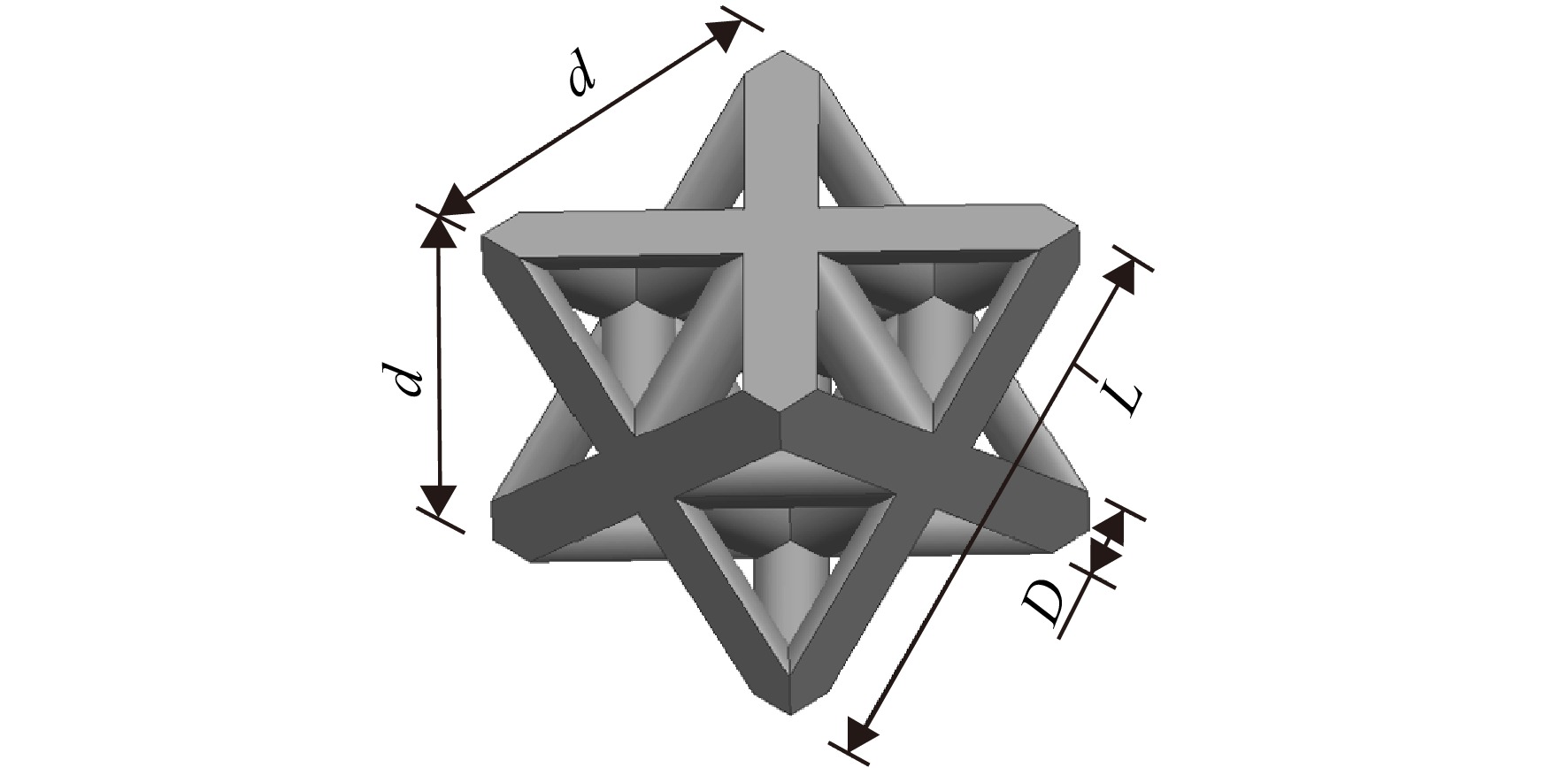
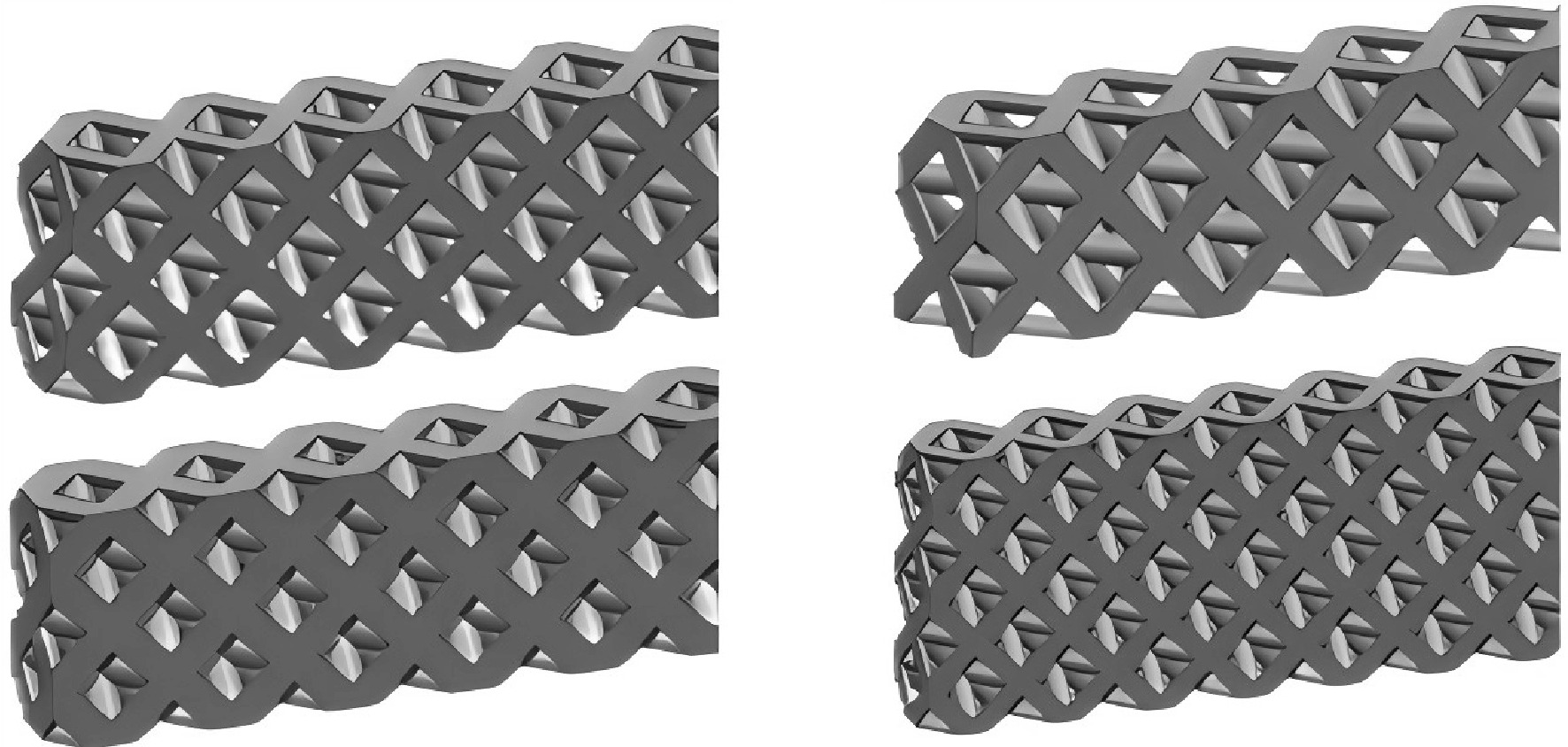
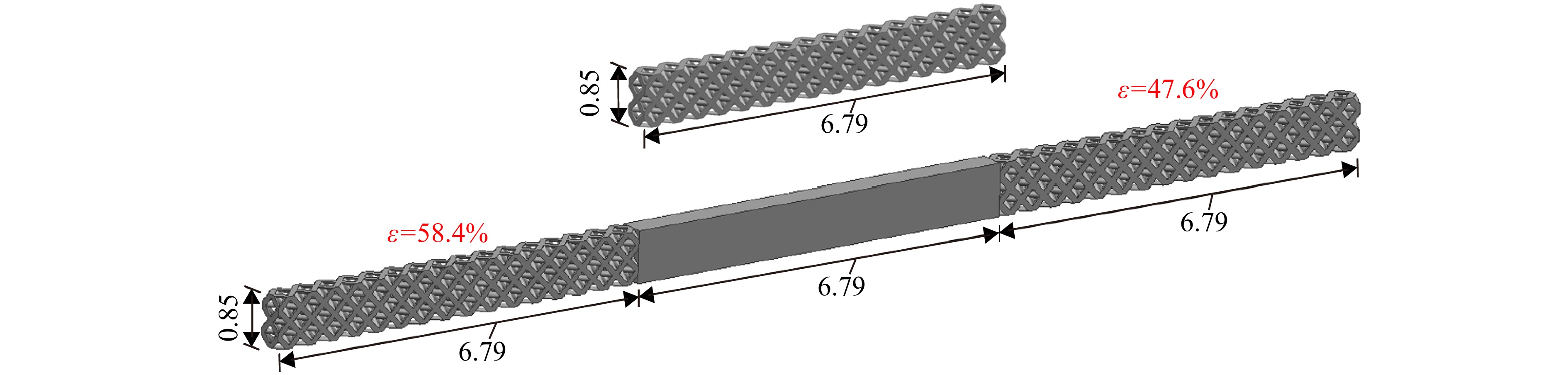
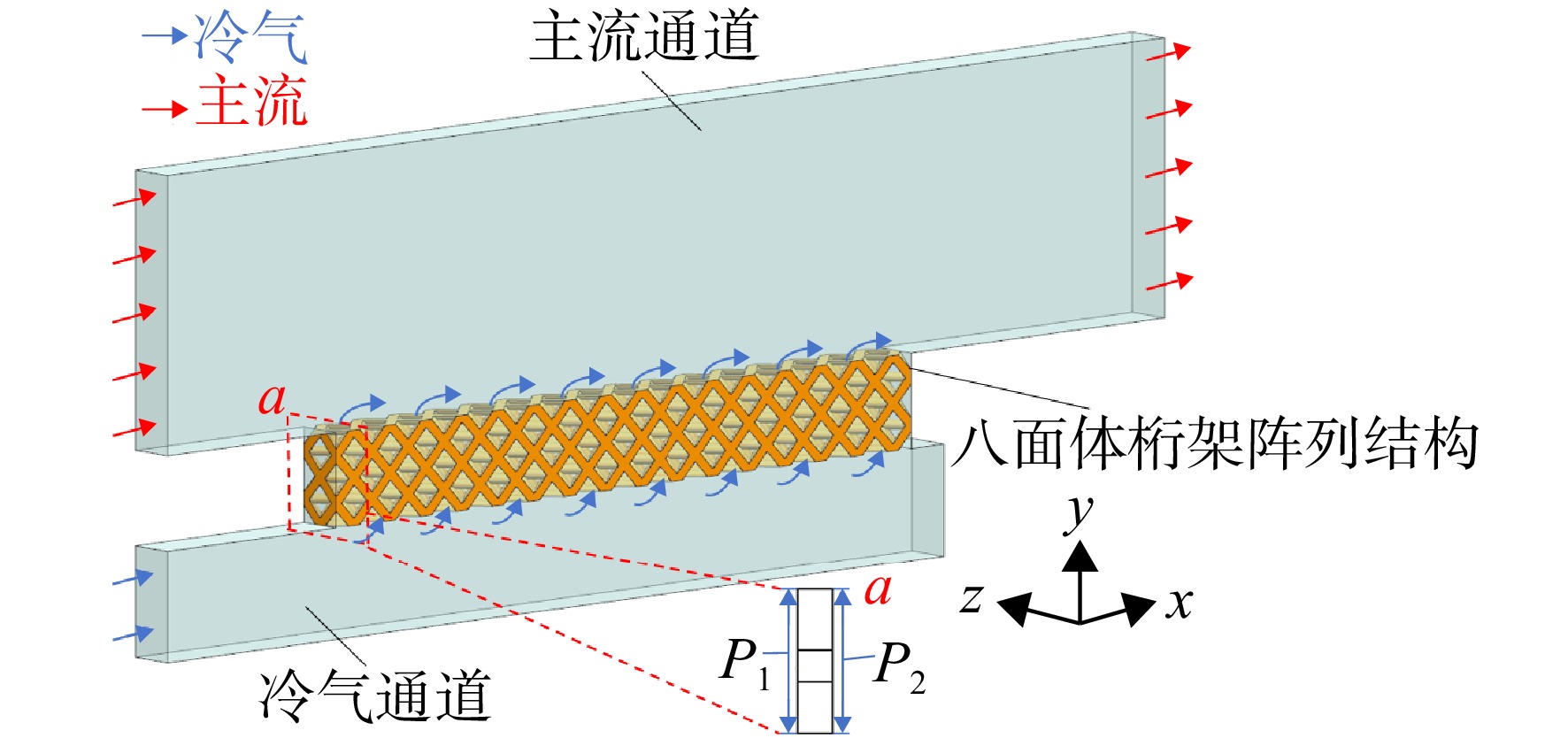
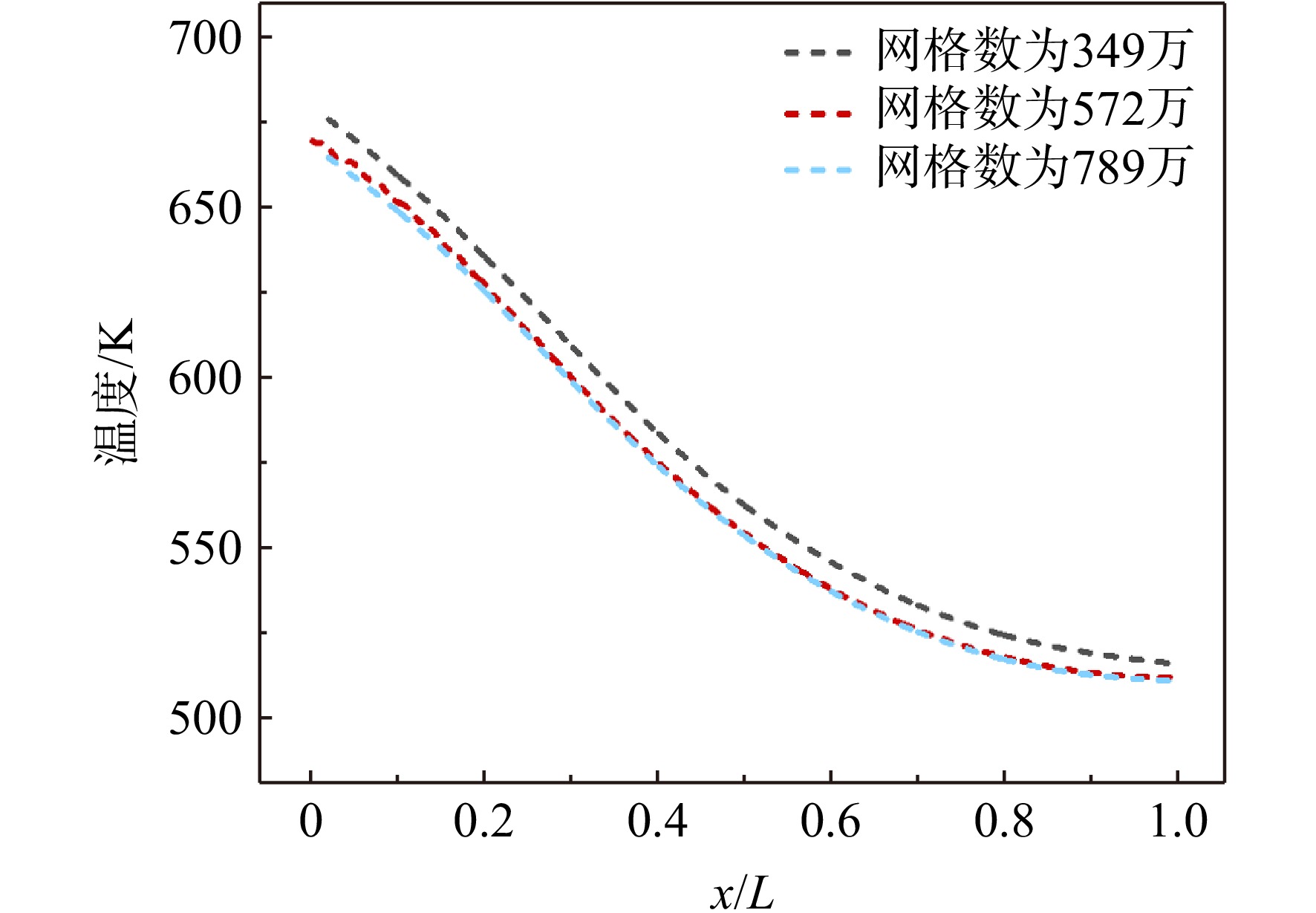
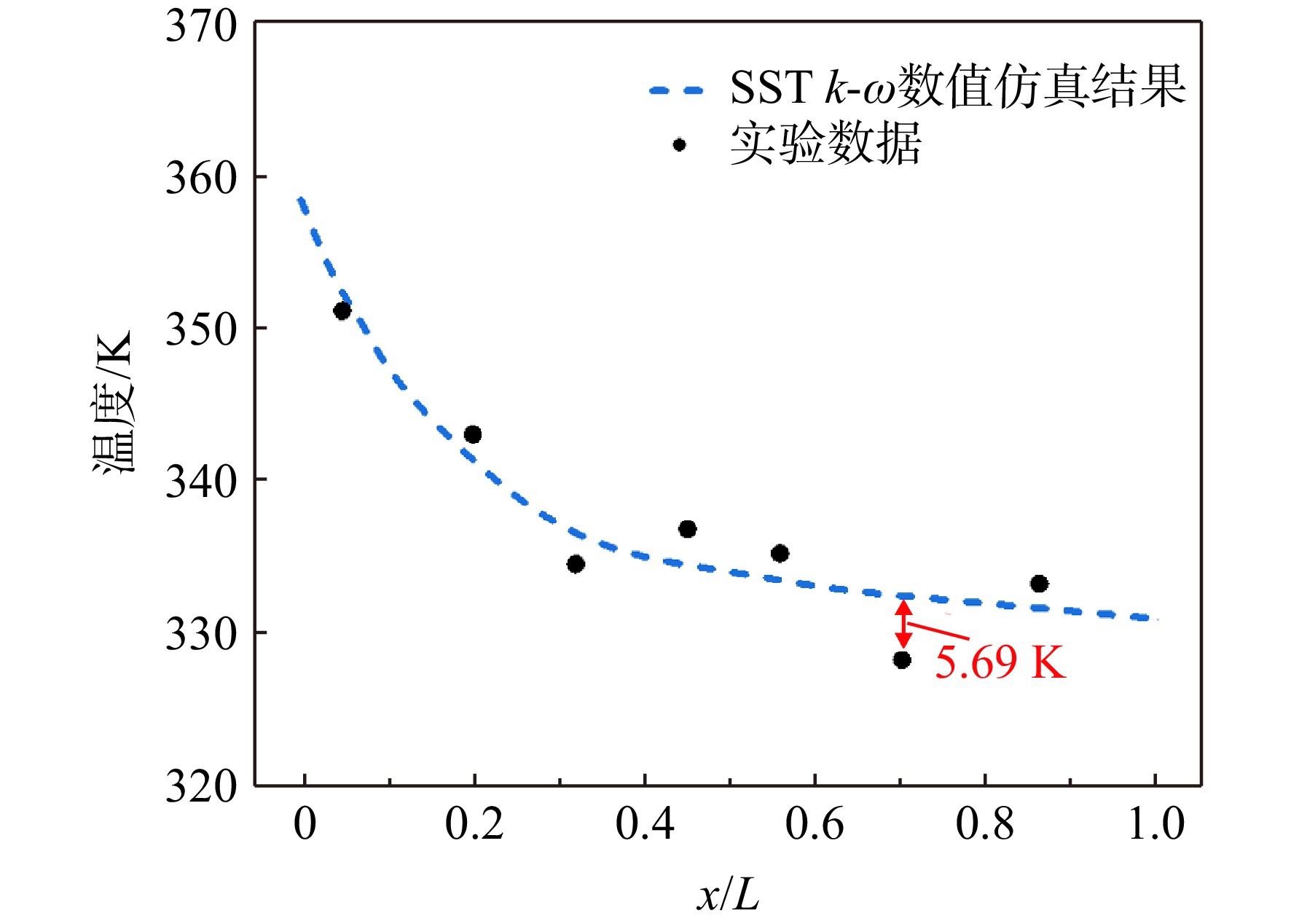
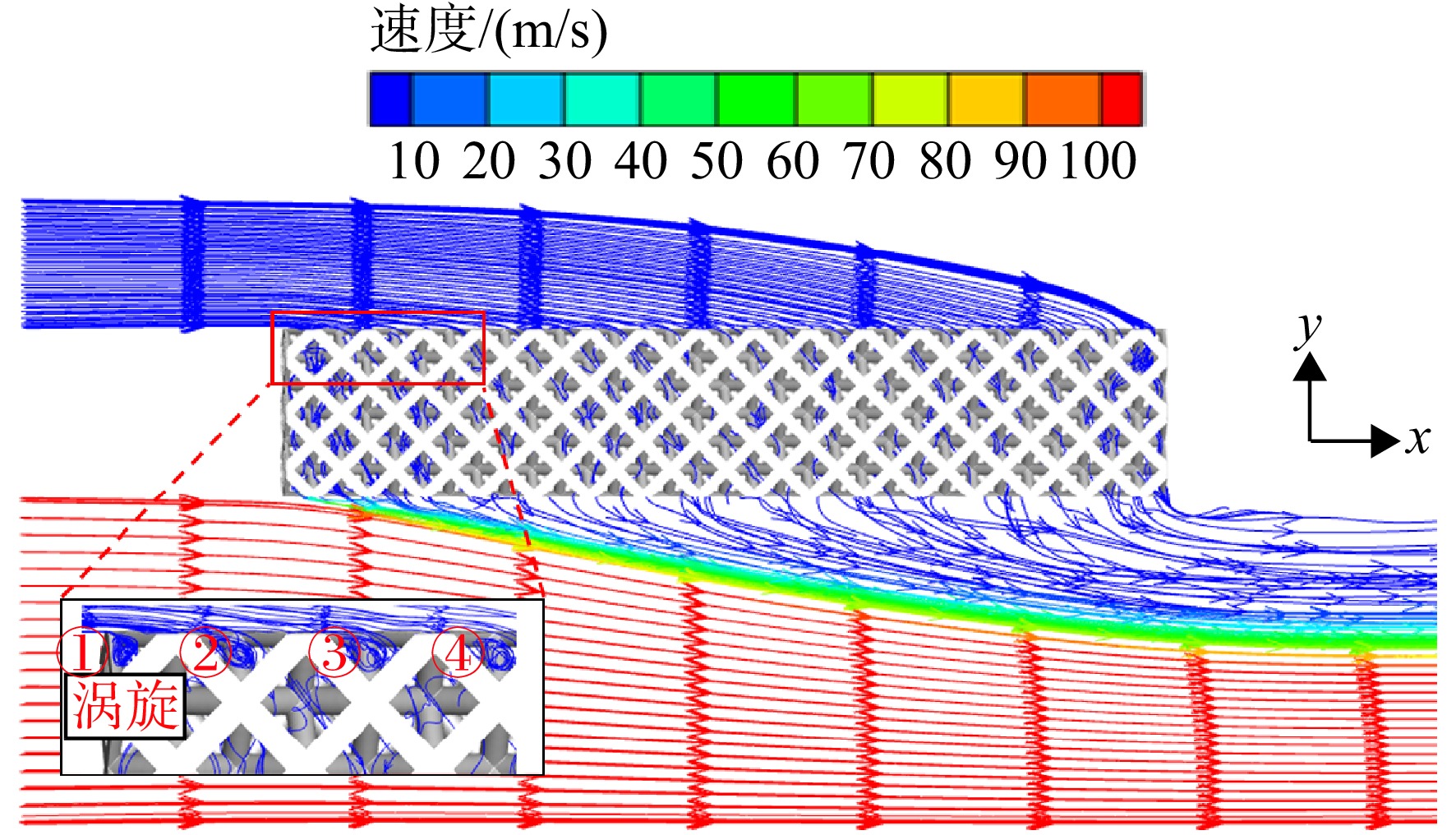
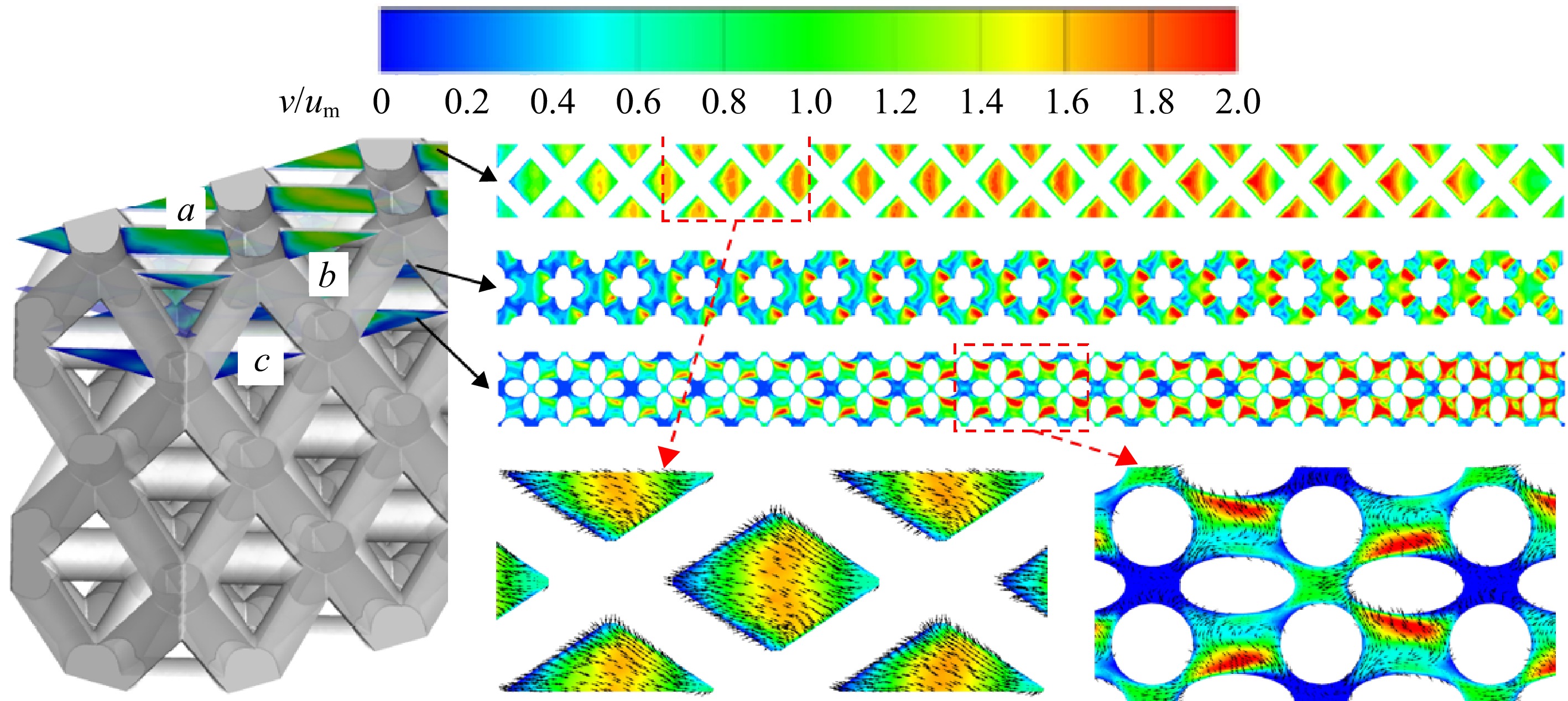
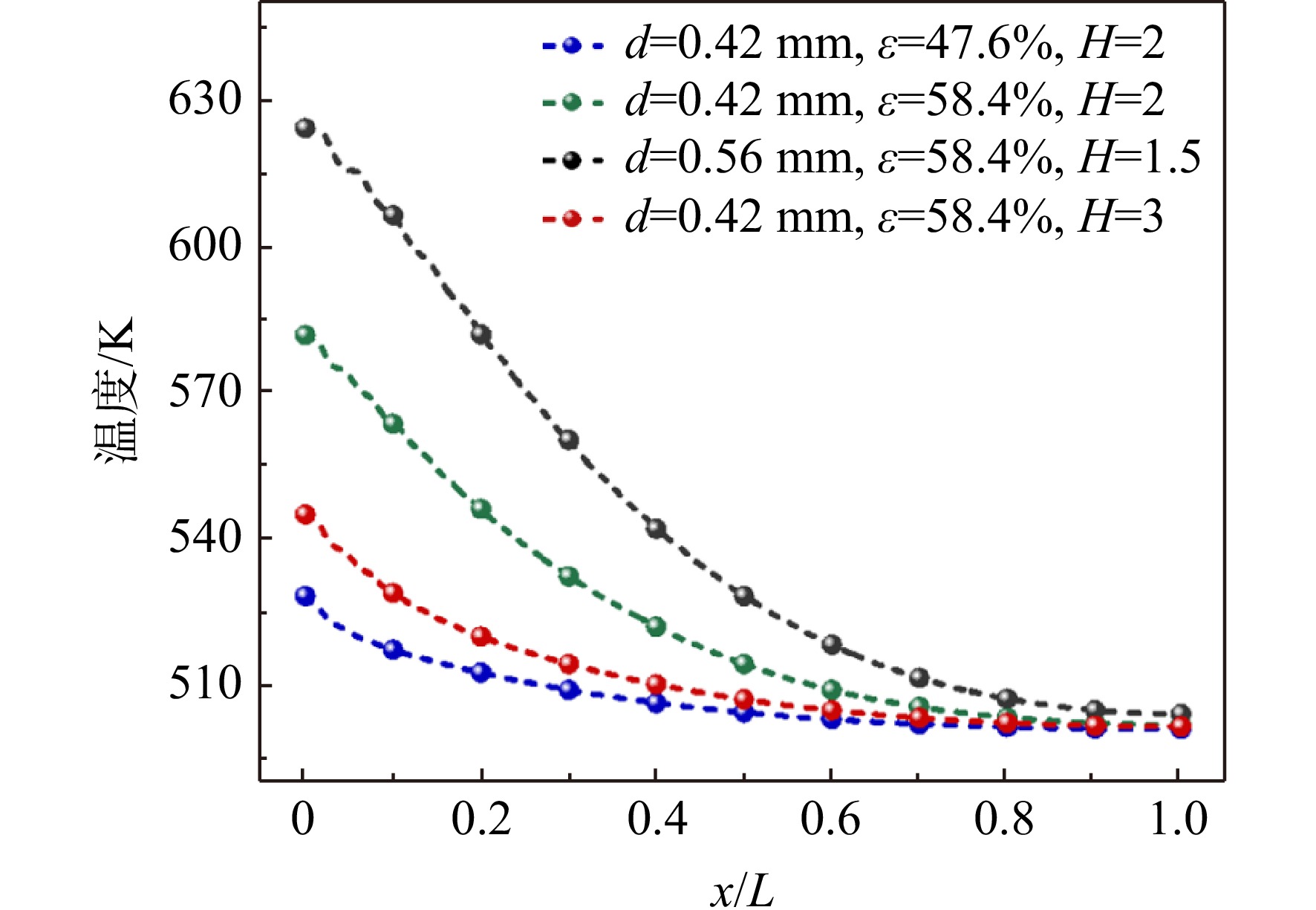
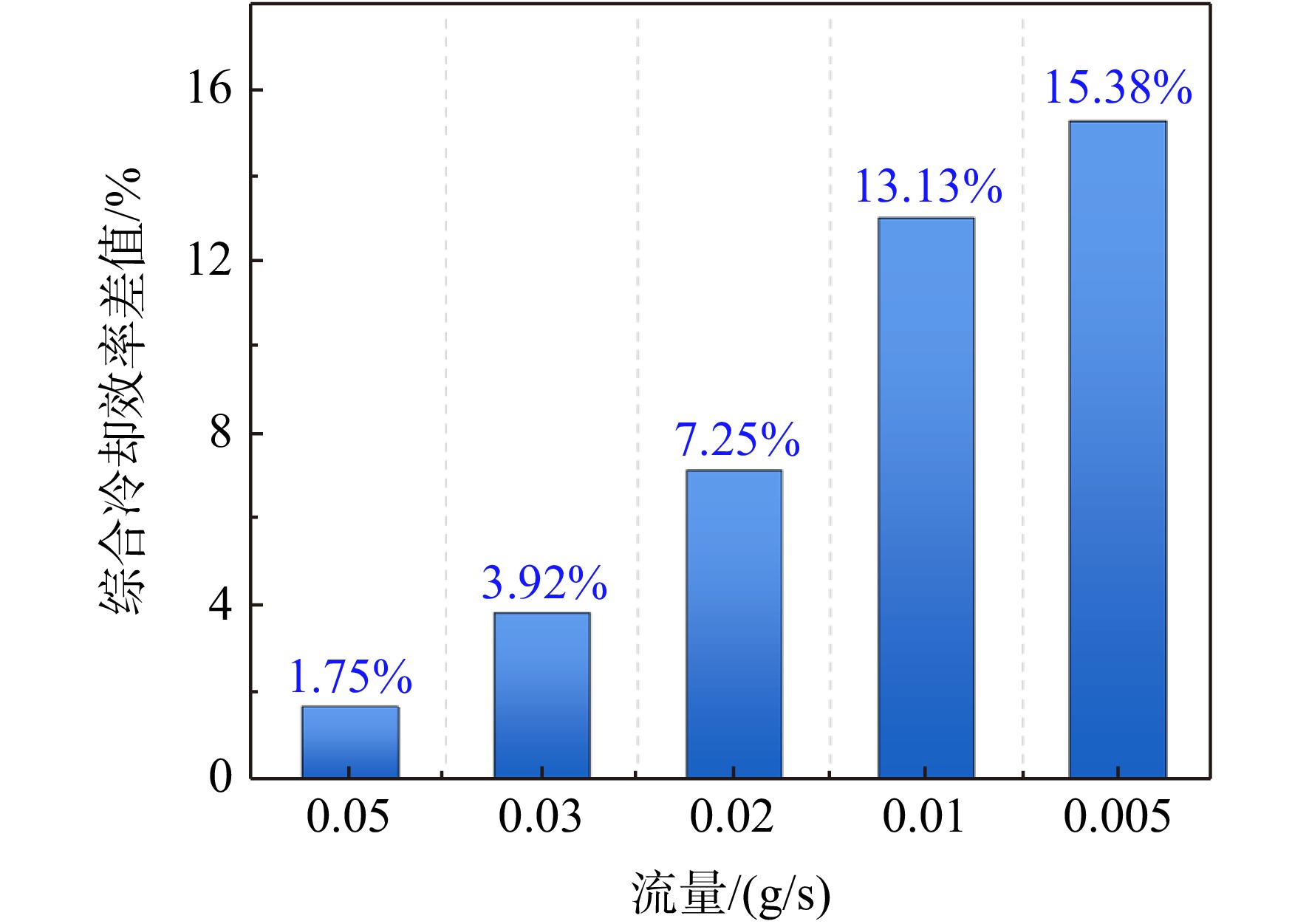
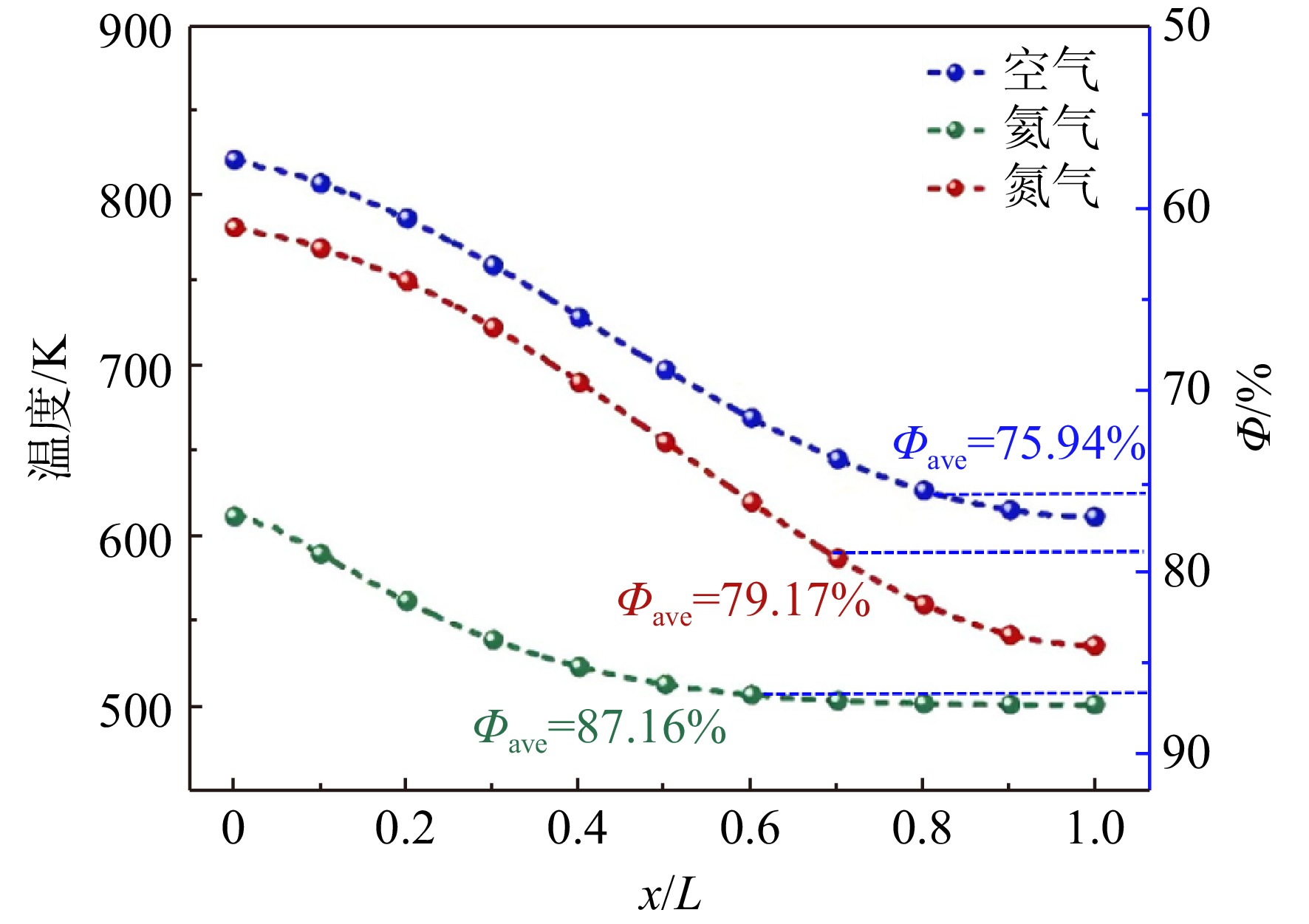
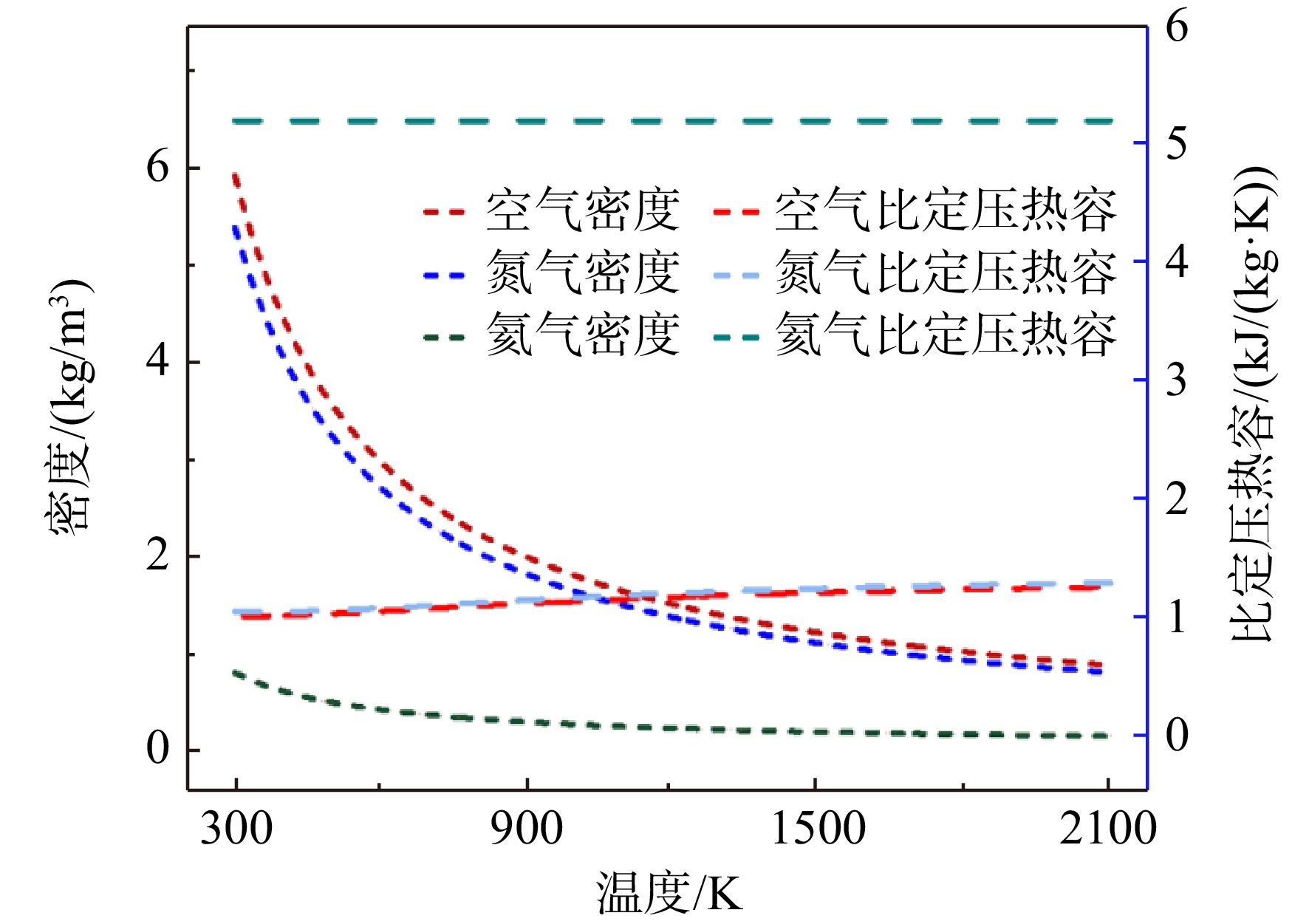
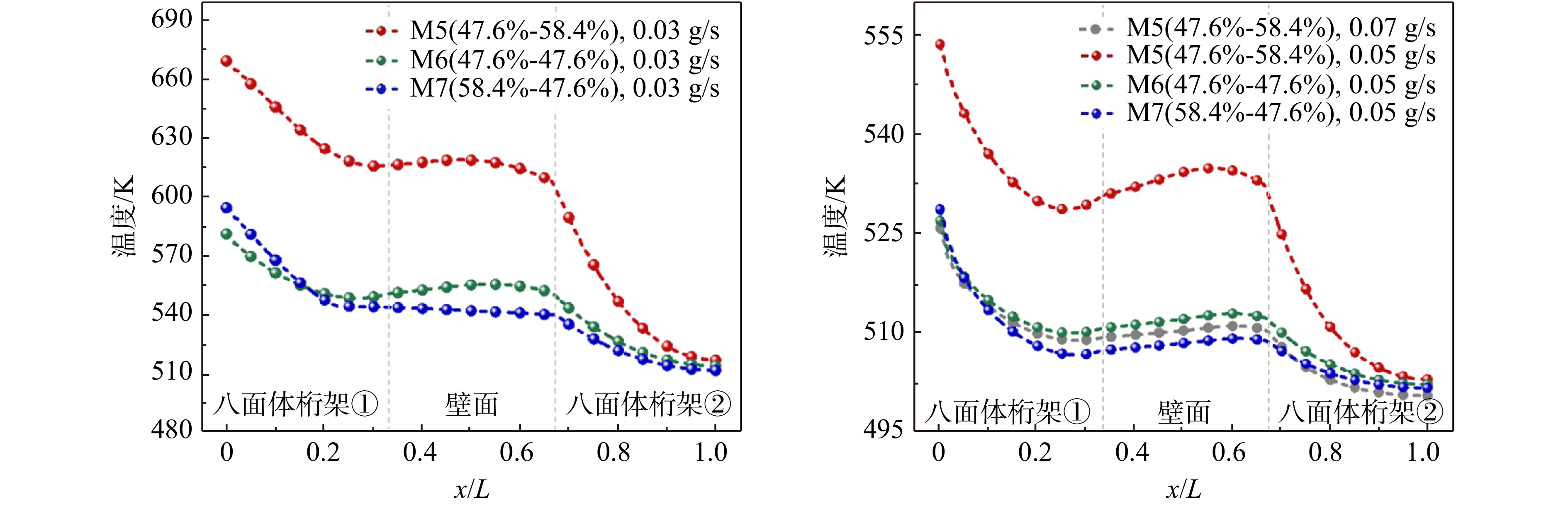
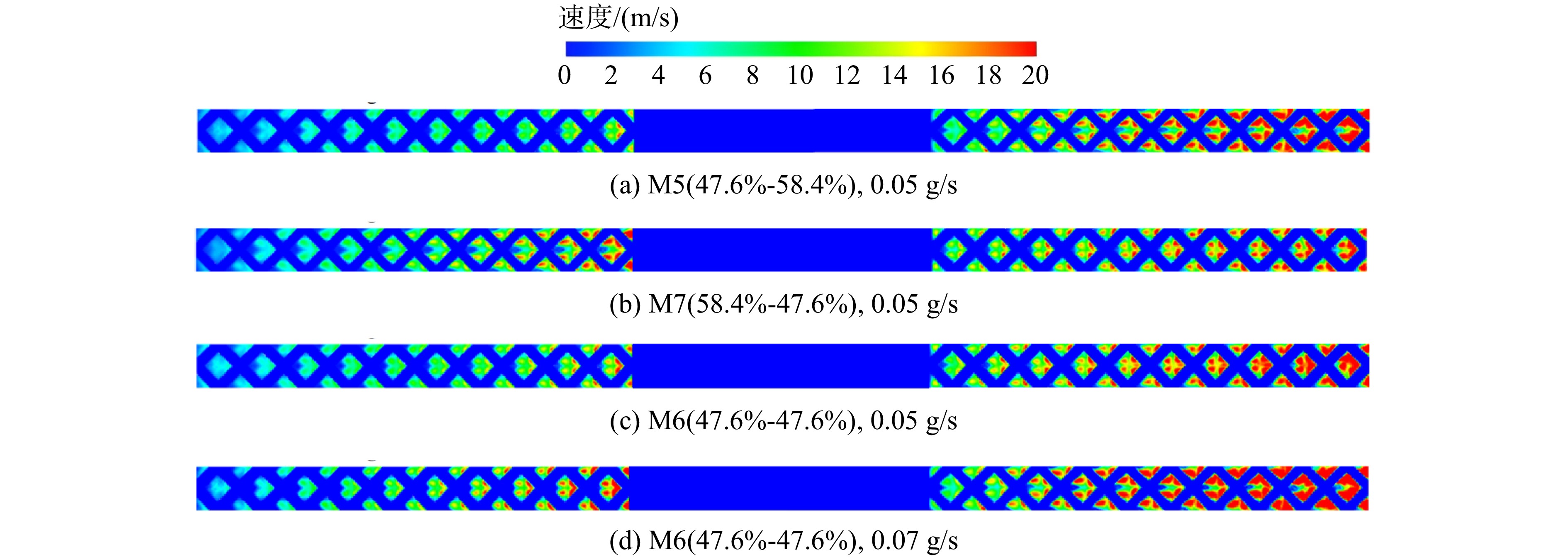
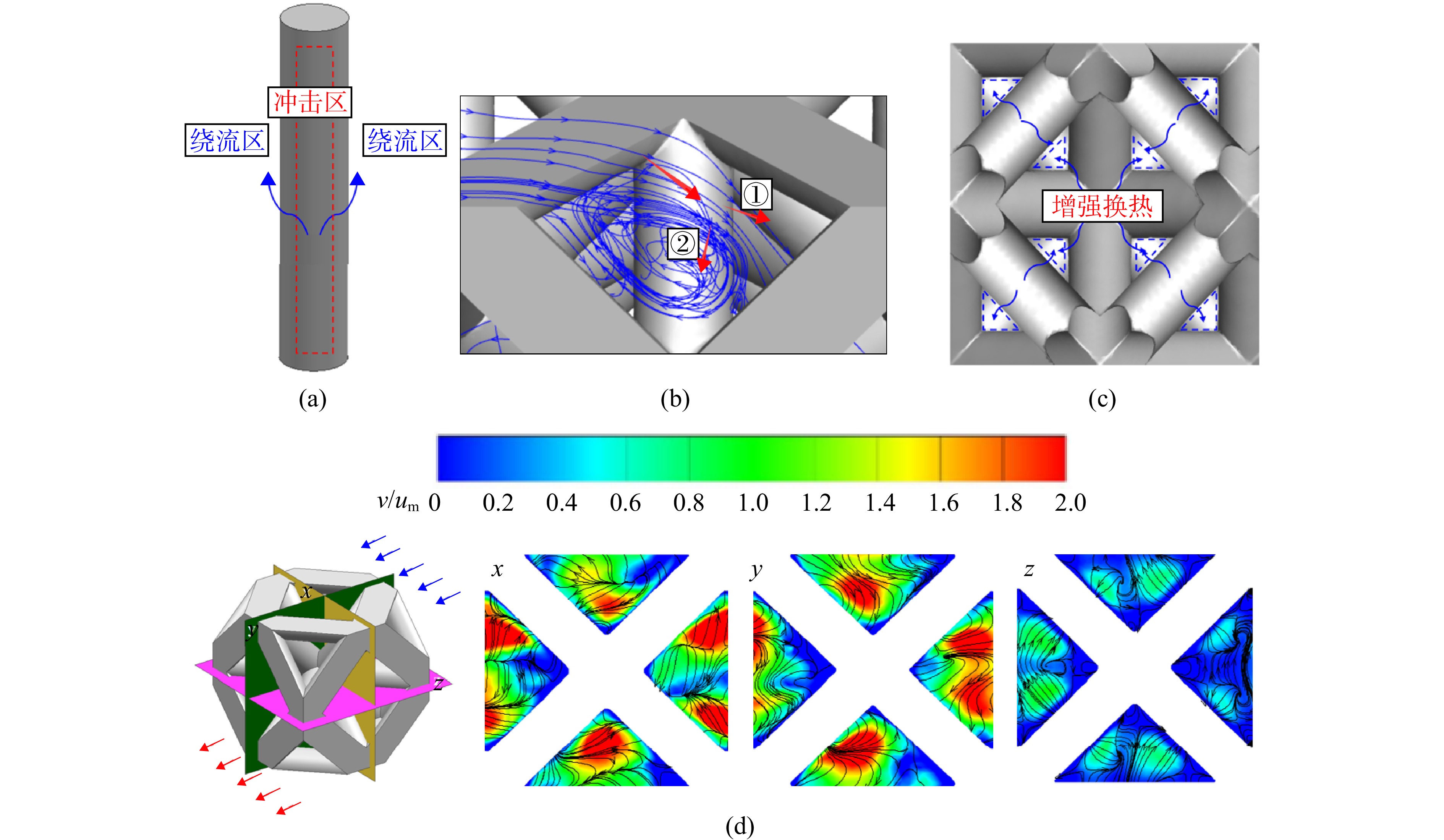
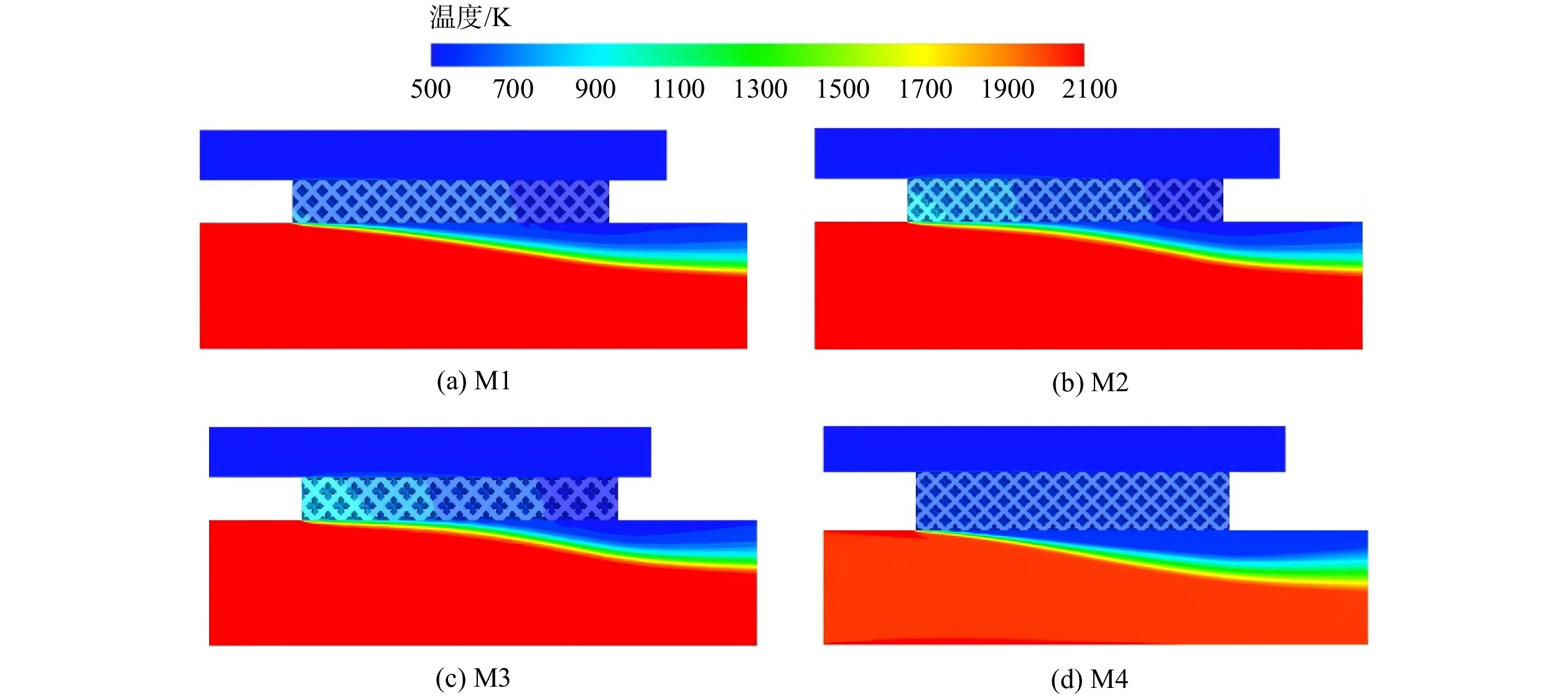
To address the thermal protection challenges in extreme thermal load environment of afterburner combustion chambers, a novel thermal protection structure based on an octahedral truss microlattice array was proposed. The research systematically elucidated the internal flow and heat transfer characteristics along with their underlying mechanisms. An optimized segmented configuration was developed to accommodate the non-uniform outflow distribution of coolant. The effects of key parameters, including microlattice size, porosity, and pore diameter, on surface temperature distribution were comprehensively investigated. The results indicated that the structure with a porosity of 47.6% can enhance the overall cooling effectiveness of the wall surface by 2.75% compared with the structure with a porosity of 58.4%. Helium, as the cooling medium, exhibited the best cooling performance, with its comprehensive cooling efficiency on the wall surface being increased by 7.99% and 11.20% compared with nitrogen and air, respectively; the segmented transpiration structure enabled 28.6% reduction in coolant flow rate while maintaining equivalent cooling effectiveness. This study confirmed that optimized microlattice architecture combined with coolant parameter selection can significantly enhance overall cooling system performance, thus providing crucial theoretical guidance for designing high-efficiency thermal protection structures.

Experimental and numerical study on dynamic pressure characteristics in hydrogen blending premixed combustor
LIANG Hongxia, HUANG Wenpu, JU Hongyu, SUO Jianqin, GAO Jiachun
2026, 41(3): 20250095. doi: 10.13224/j.cnki.jasp.20250095
Abstract:

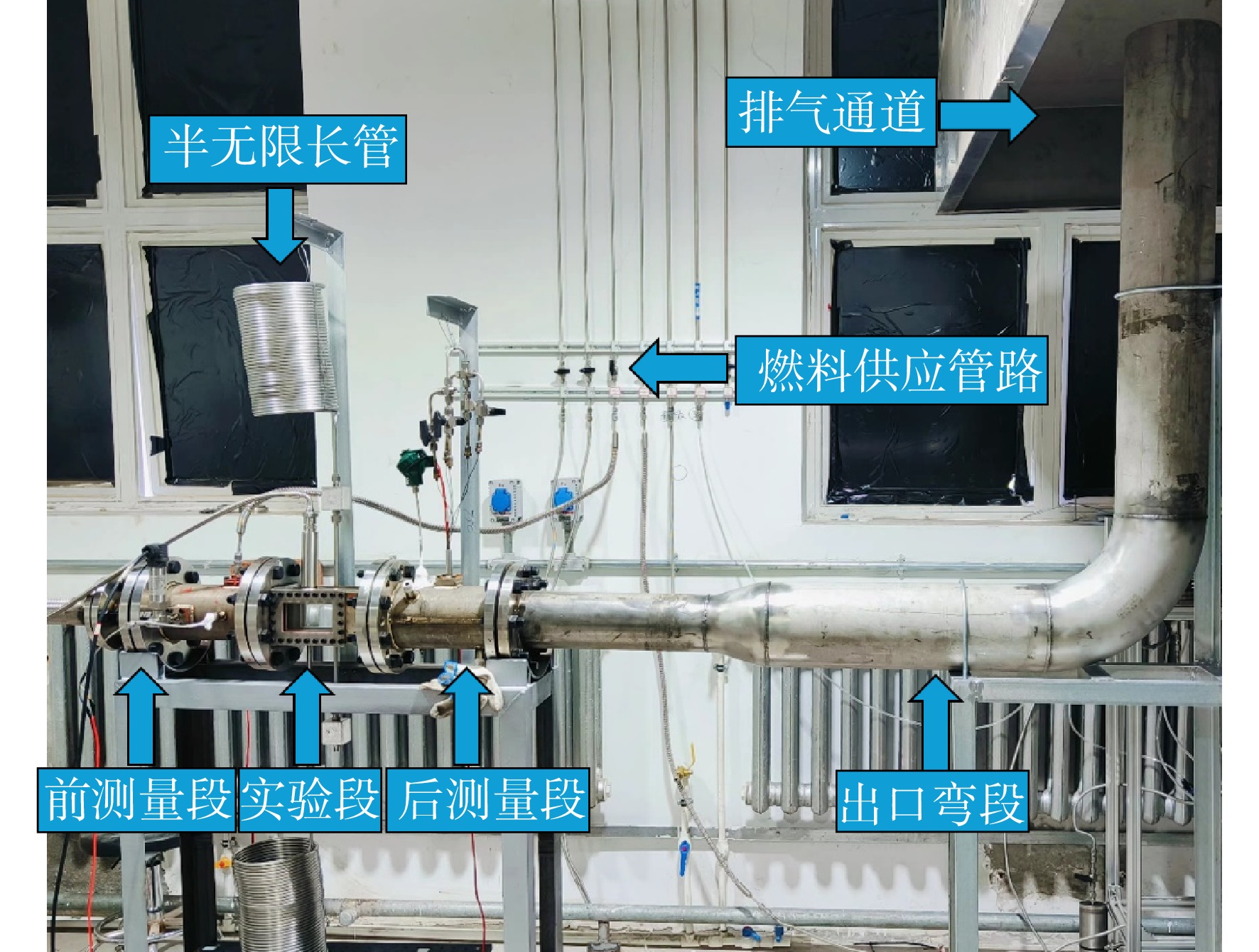
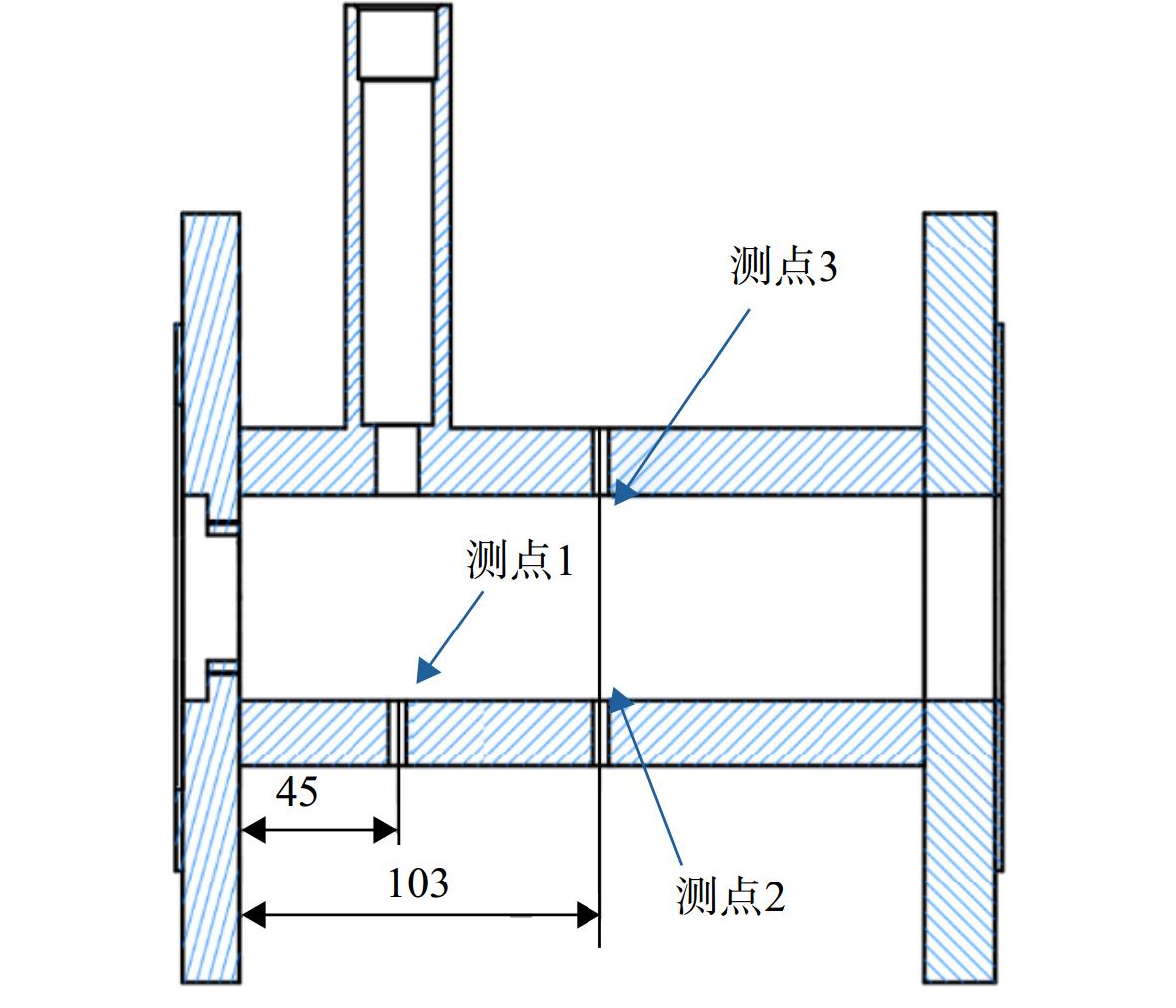
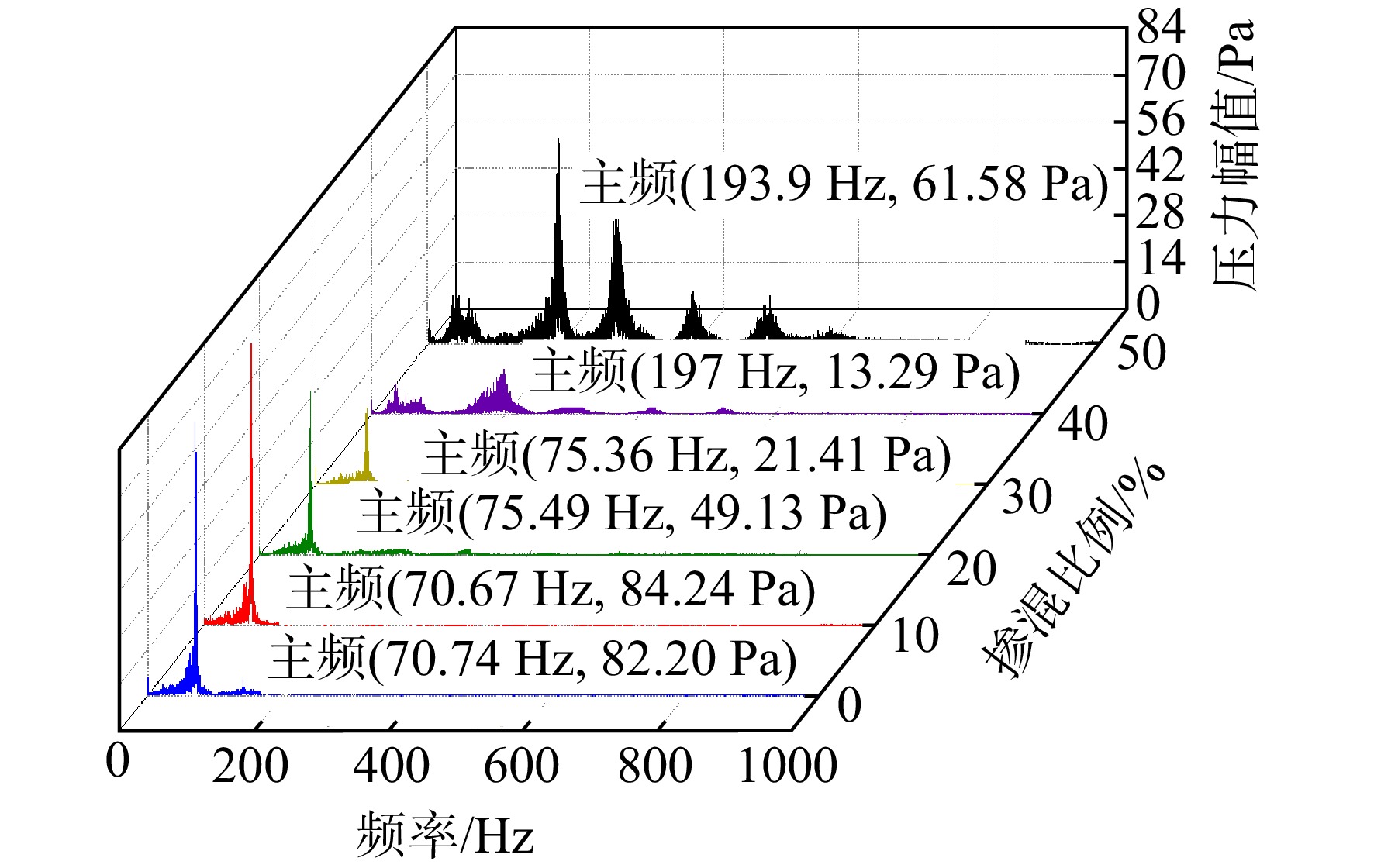
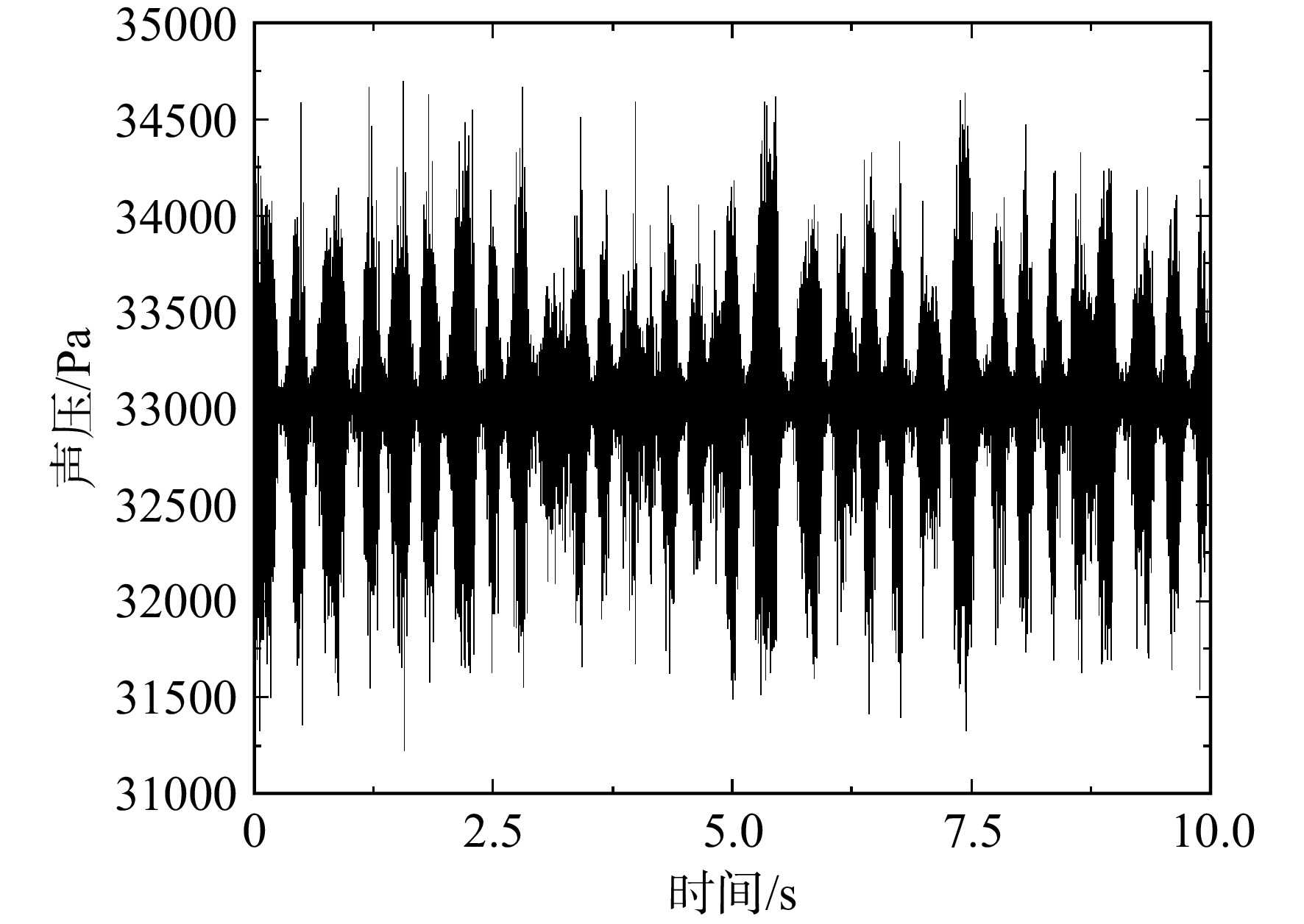
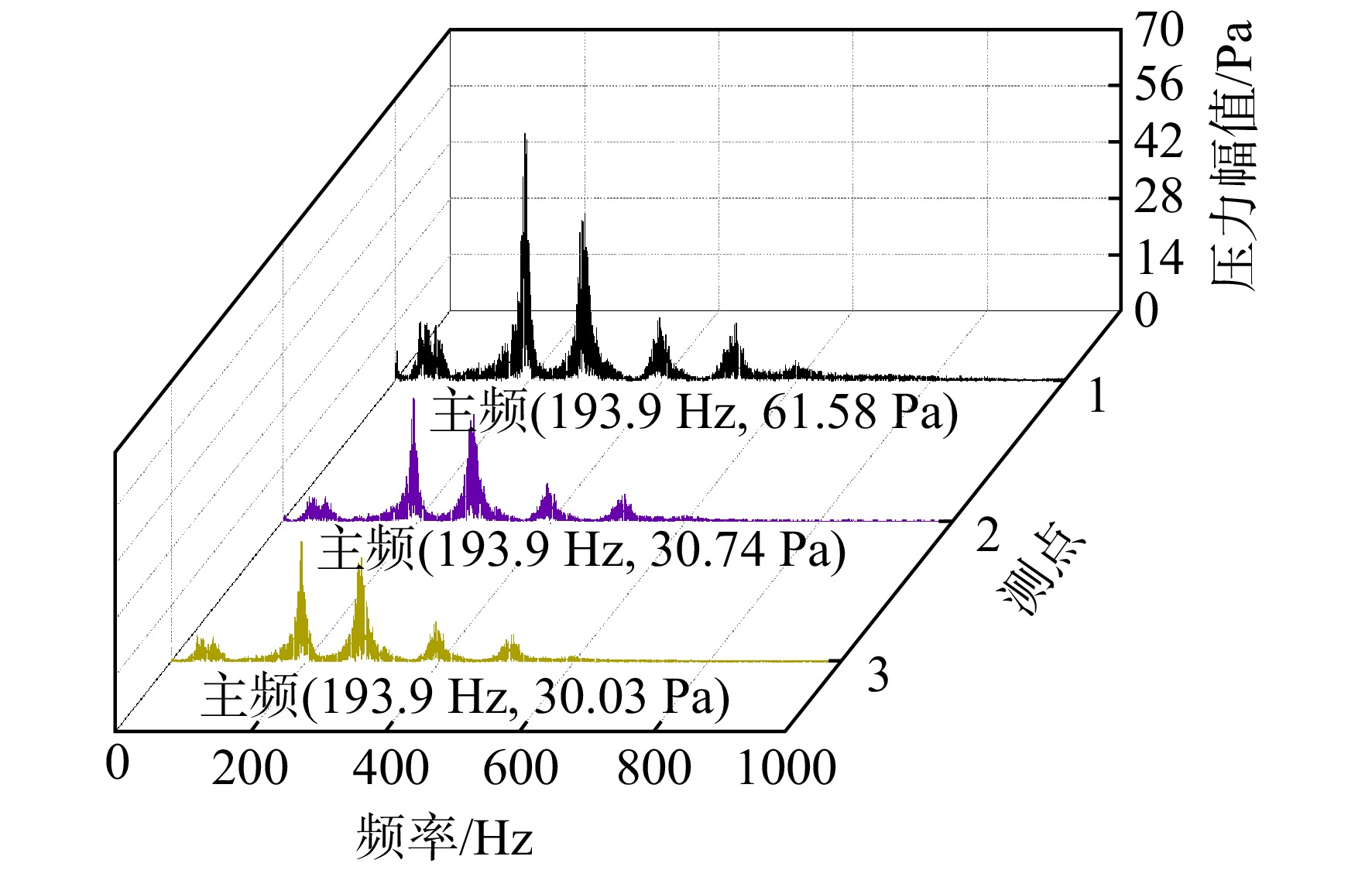
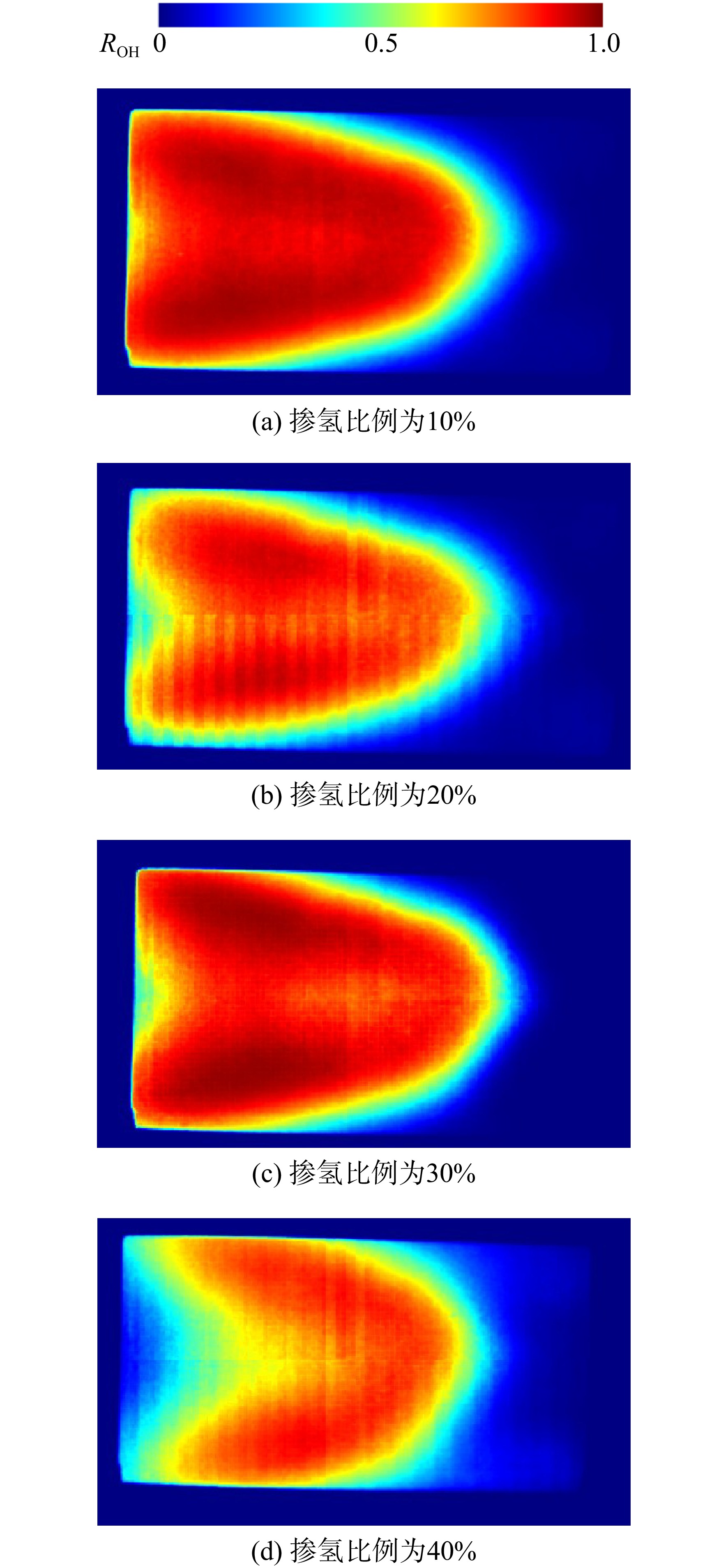
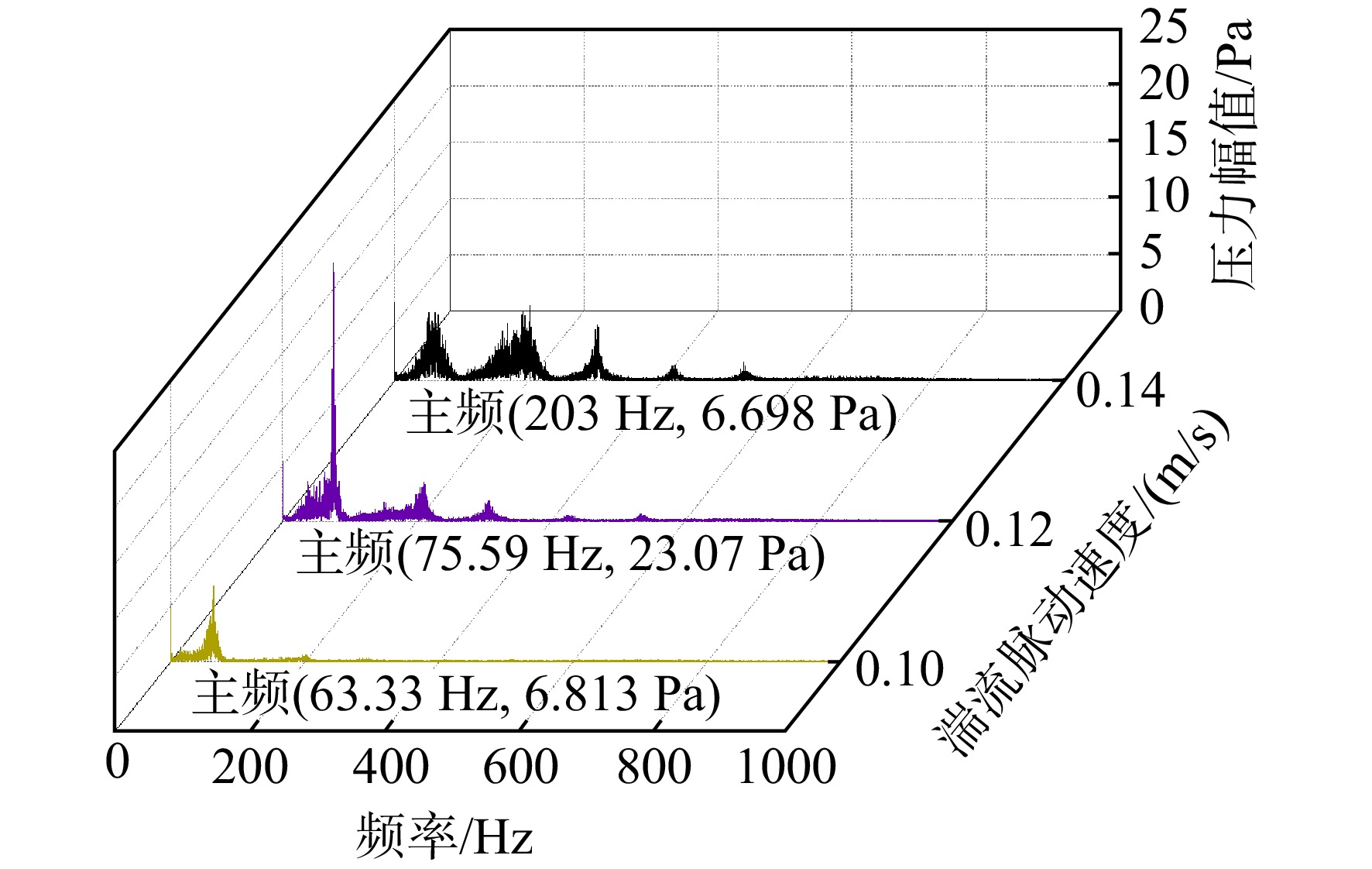
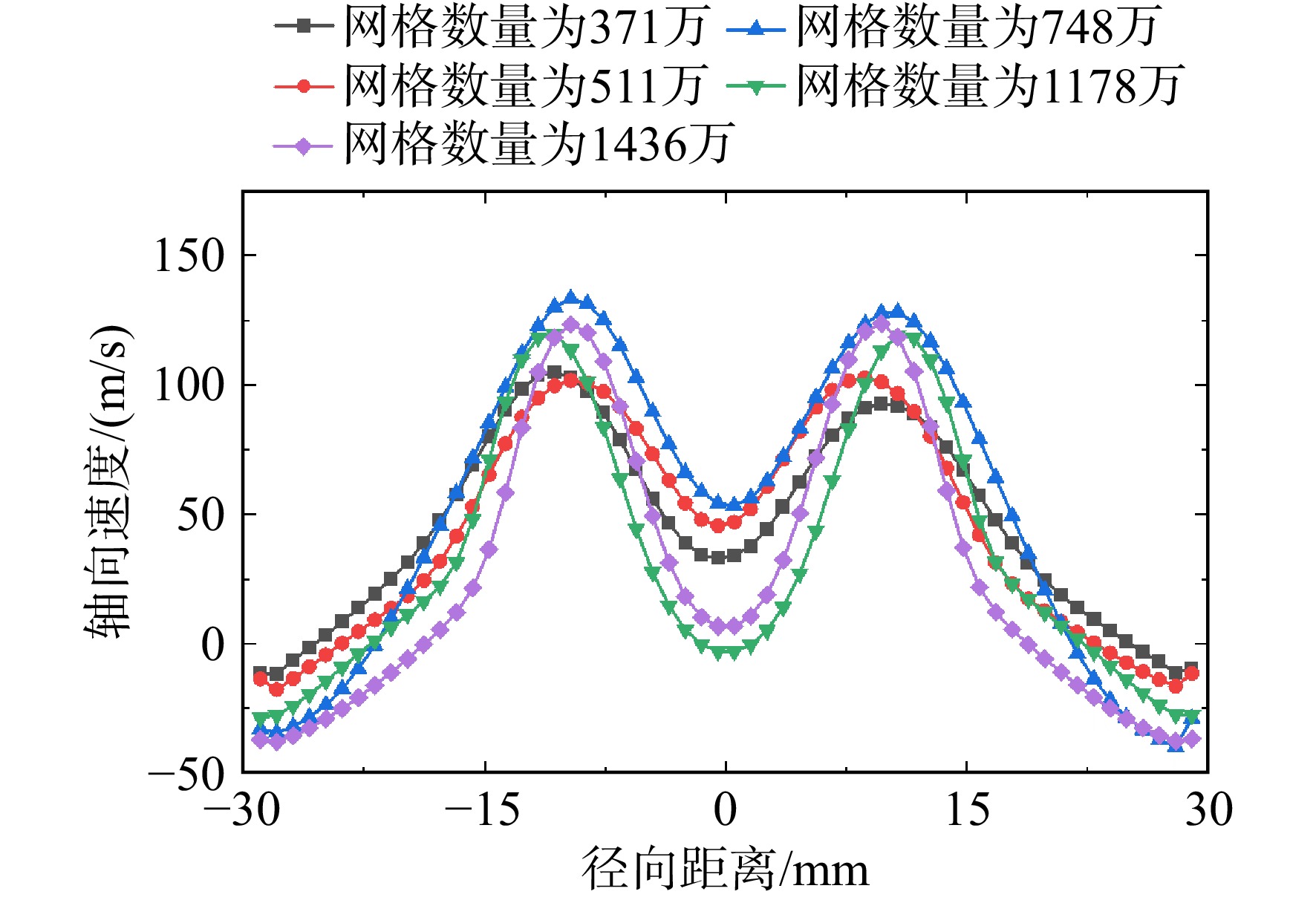
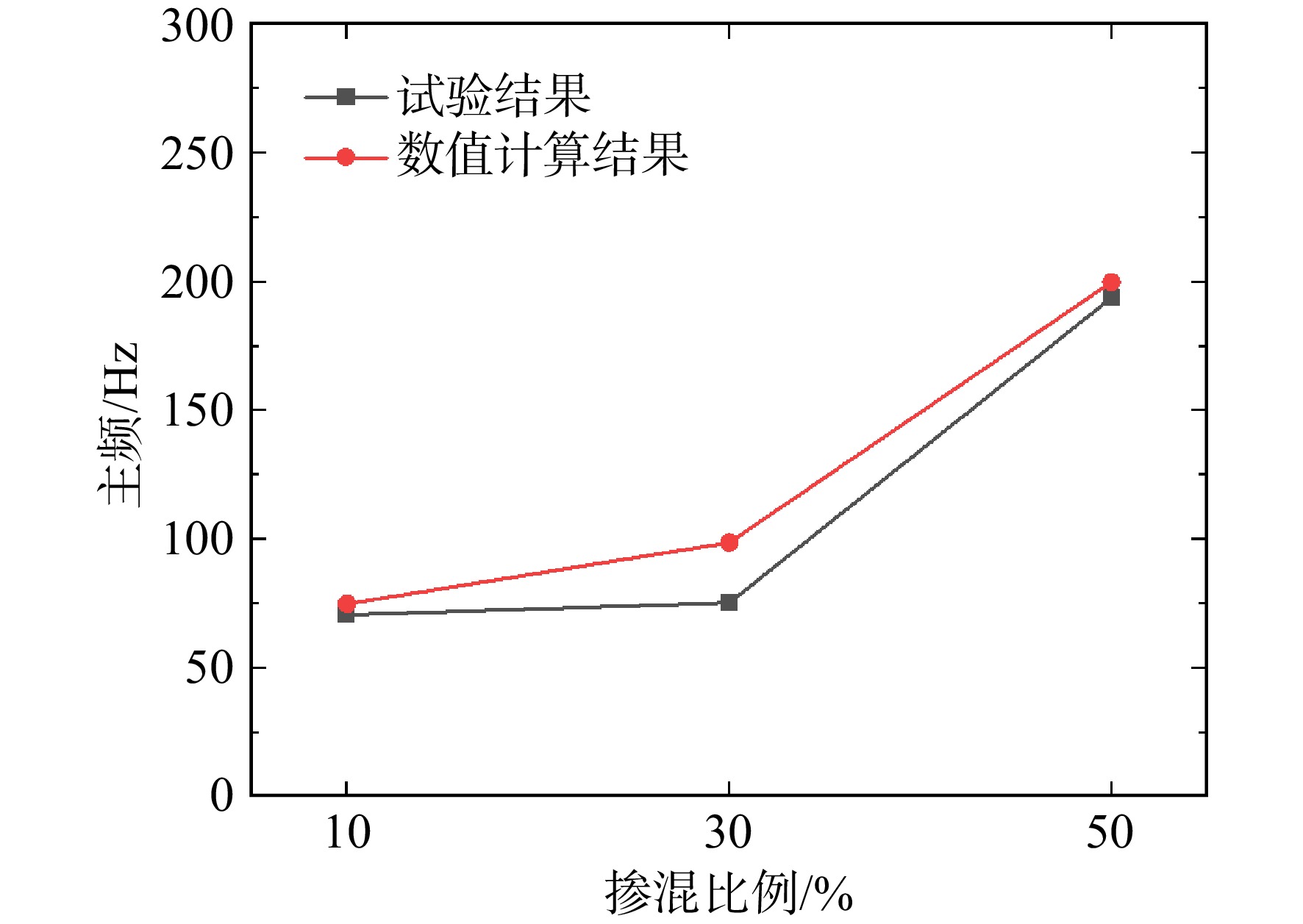
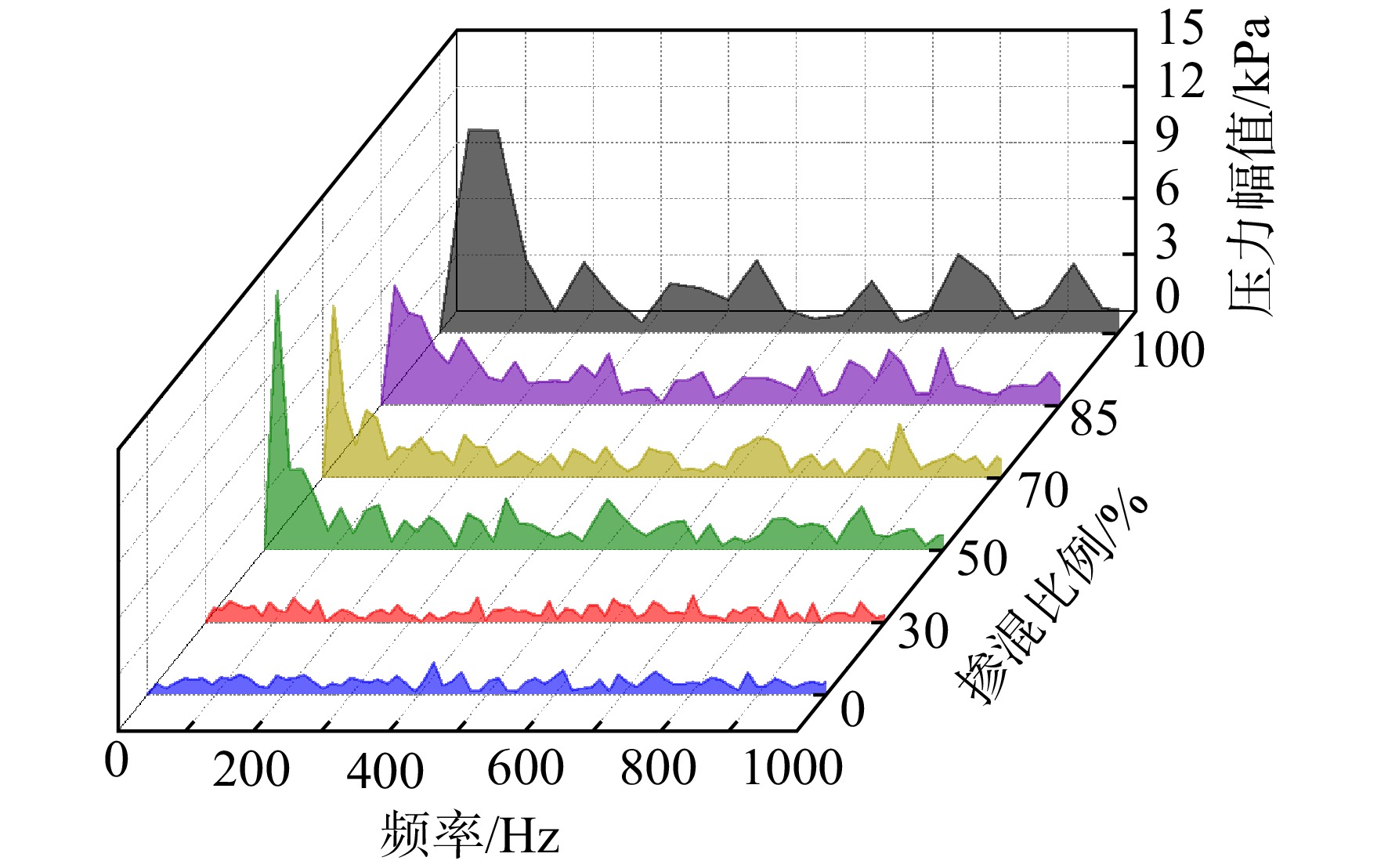
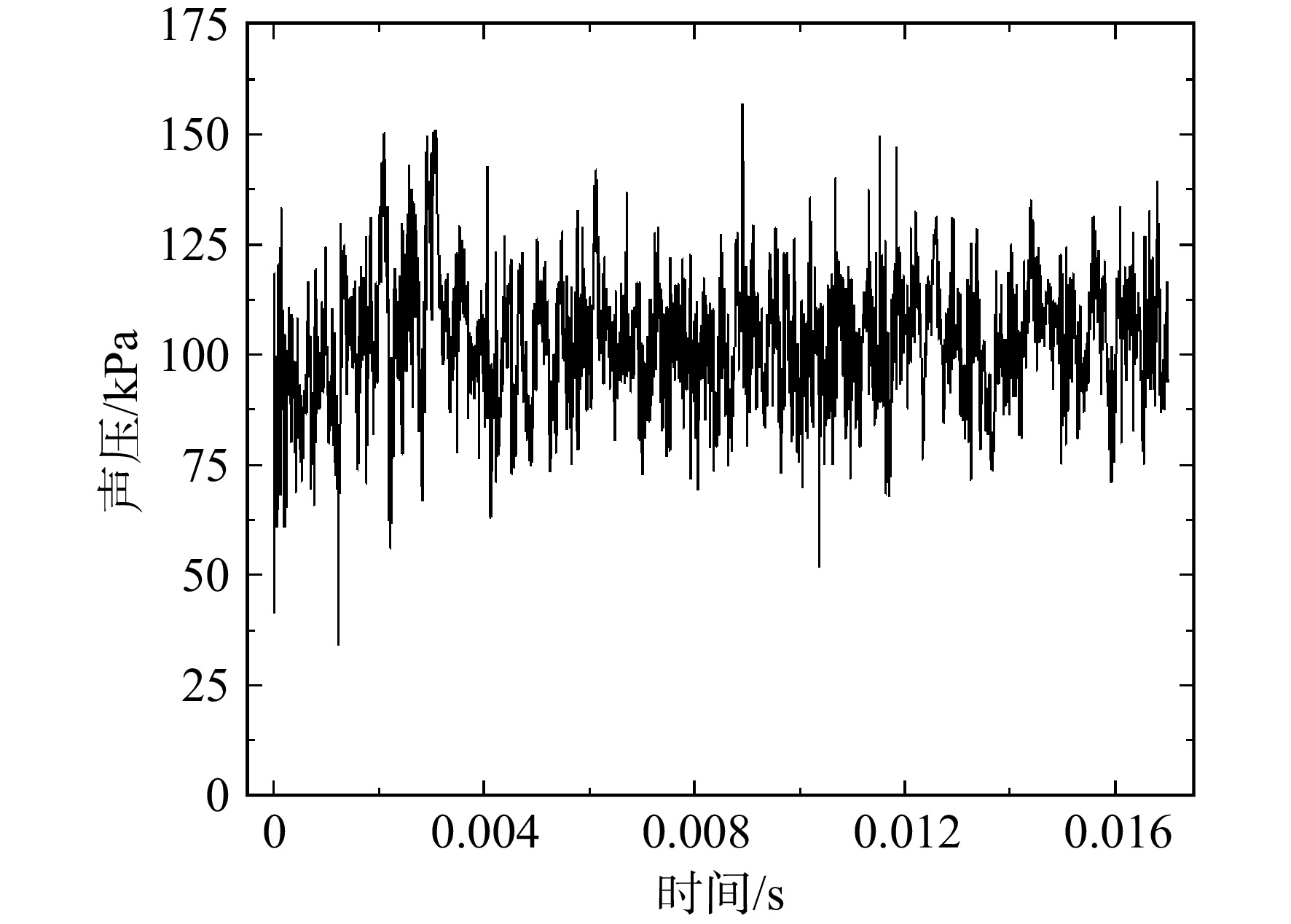
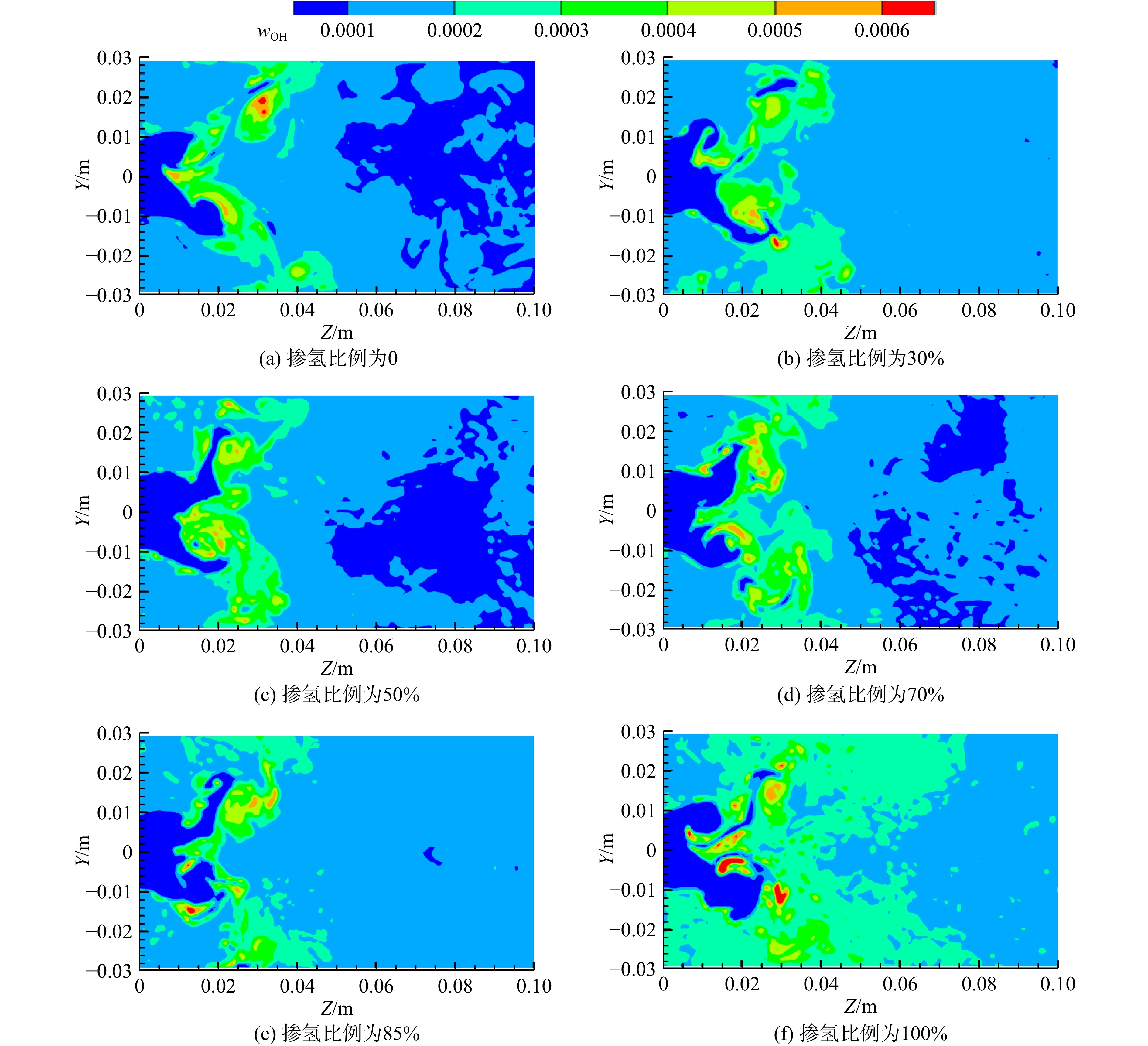
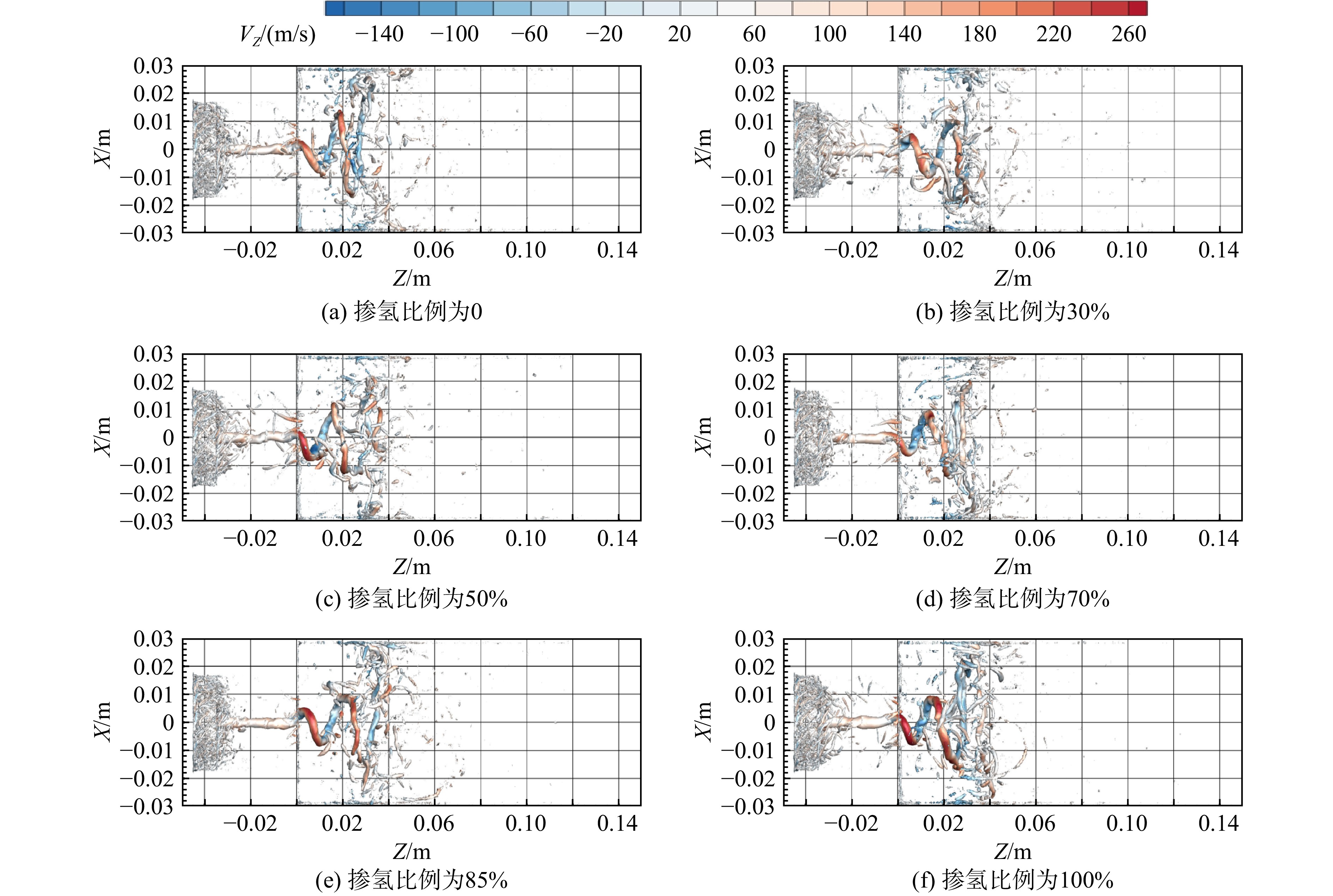
Hydrogen fuel is currently an important research direction for gas turbines due to its advantages of zero carbon emissions and renewability. However, due to the fast chemical reaction rate and high combustion velocity of hydrogen, thermoacoustic oscillations can be easily triggered. To investigate the acoustic characteristics of the natural gas hydrogen premixed combustor, experimental measurements and numerical calculations were conducted on the dynamic pressure inside the combustor under different hydrogen blending ratios and turbulent pulsation velocities. The results showed that under the test conditions, during the process of increasing the hydrogen blending ratio from 0% to 30%, as the hydrogen blending ratio increased, the main frequency of dynamic pressure in the combustor remained within the range of 70 Hz to 76 Hz. However, when the hydrogen blending ratio reached 40%, the main frequency of dynamic pressure pulsation jumped from 75.36 Hz to 197 Hz, indicating a mode transition phenomenon. With the increase of turbulent pulsation velocity, the frequency of dynamic pressure oscillation gradually increased. Under numerical calculation conditions, with the increase of hydrogen blending ratio, the high-frequency dynamic pressure inside the combustor showed a gradually increasing trend, and the distribution of OH radicals showed a trend of outward diffusion. Under different hydrogen blending ratios, the vortex clusters in the combustor transformed from rotation mode to vortex shedding mode. The discrete vortex cluster fragmentation in pure hydrogen combustion was significantly higher than that in other hydrogen blending ratio schemes, which was consistent with the variation of OH radical distribution with hydrogen blending ratio.

Modeling method for overall cooling effectiveness of turbine blades
YOU Ruquan, YAN Renbo, LI Haiwang
2026, 41(3): 20250076. doi: 10.13224/j.cnki.jasp.20250076
Abstract:

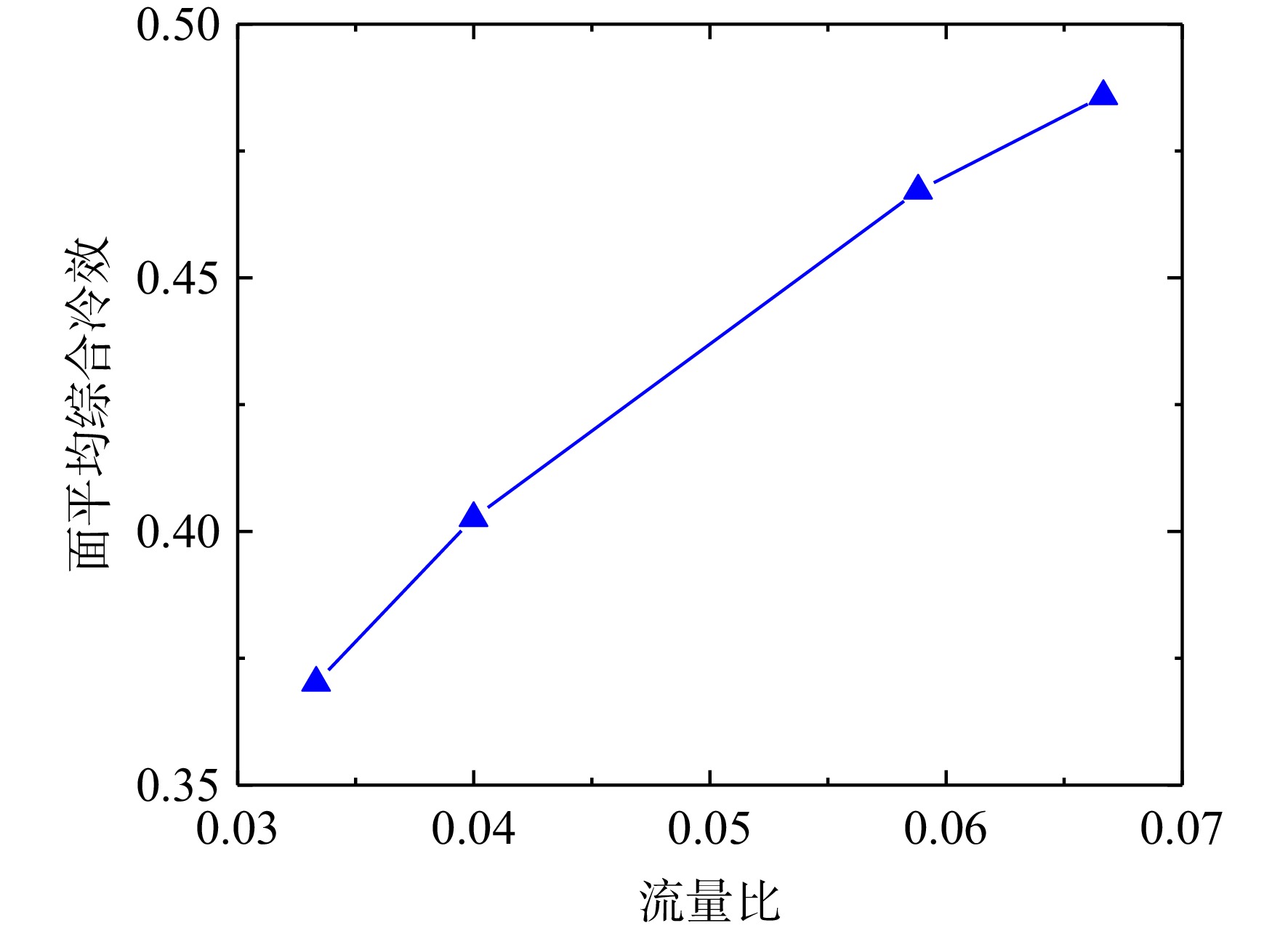
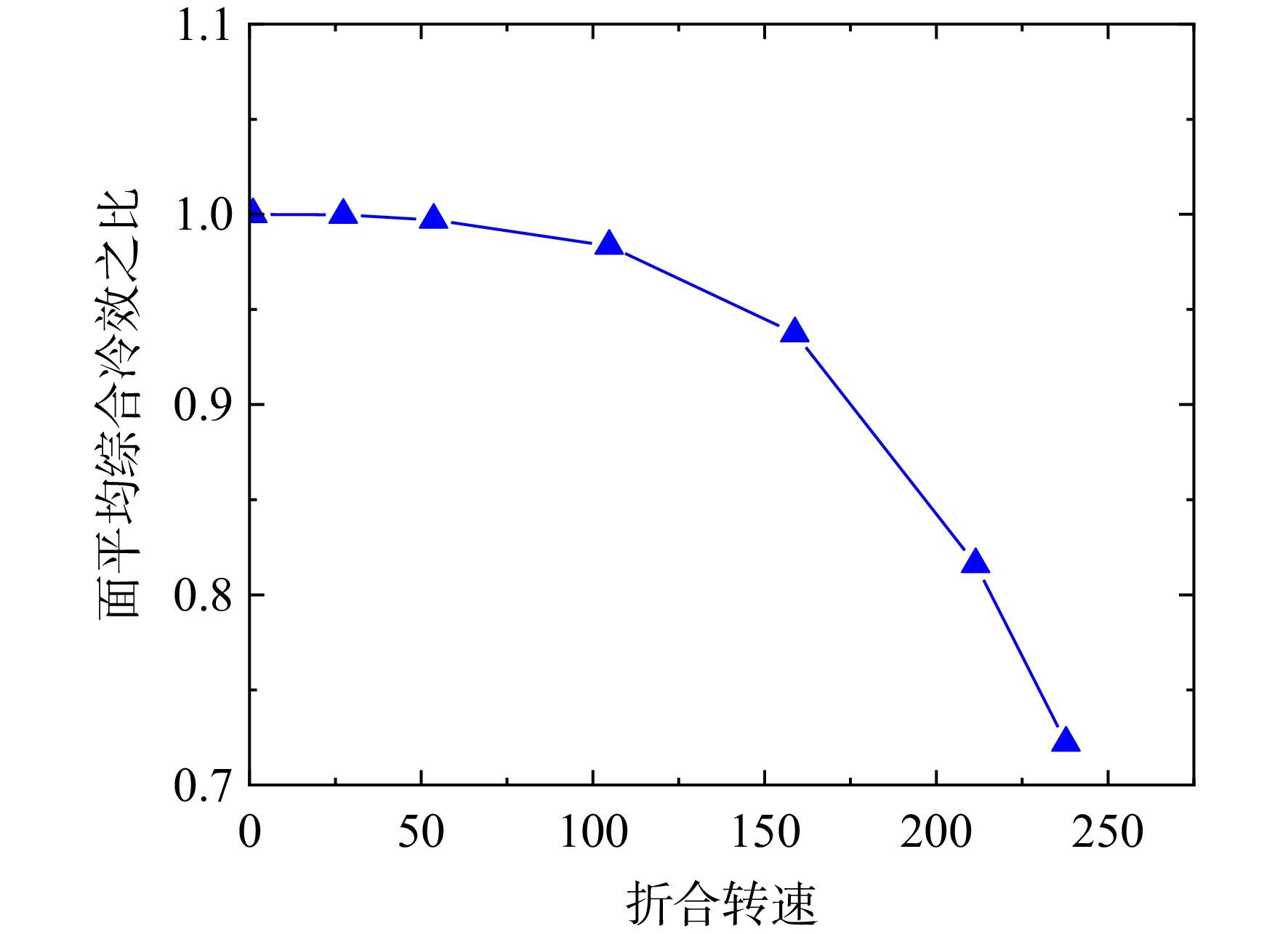
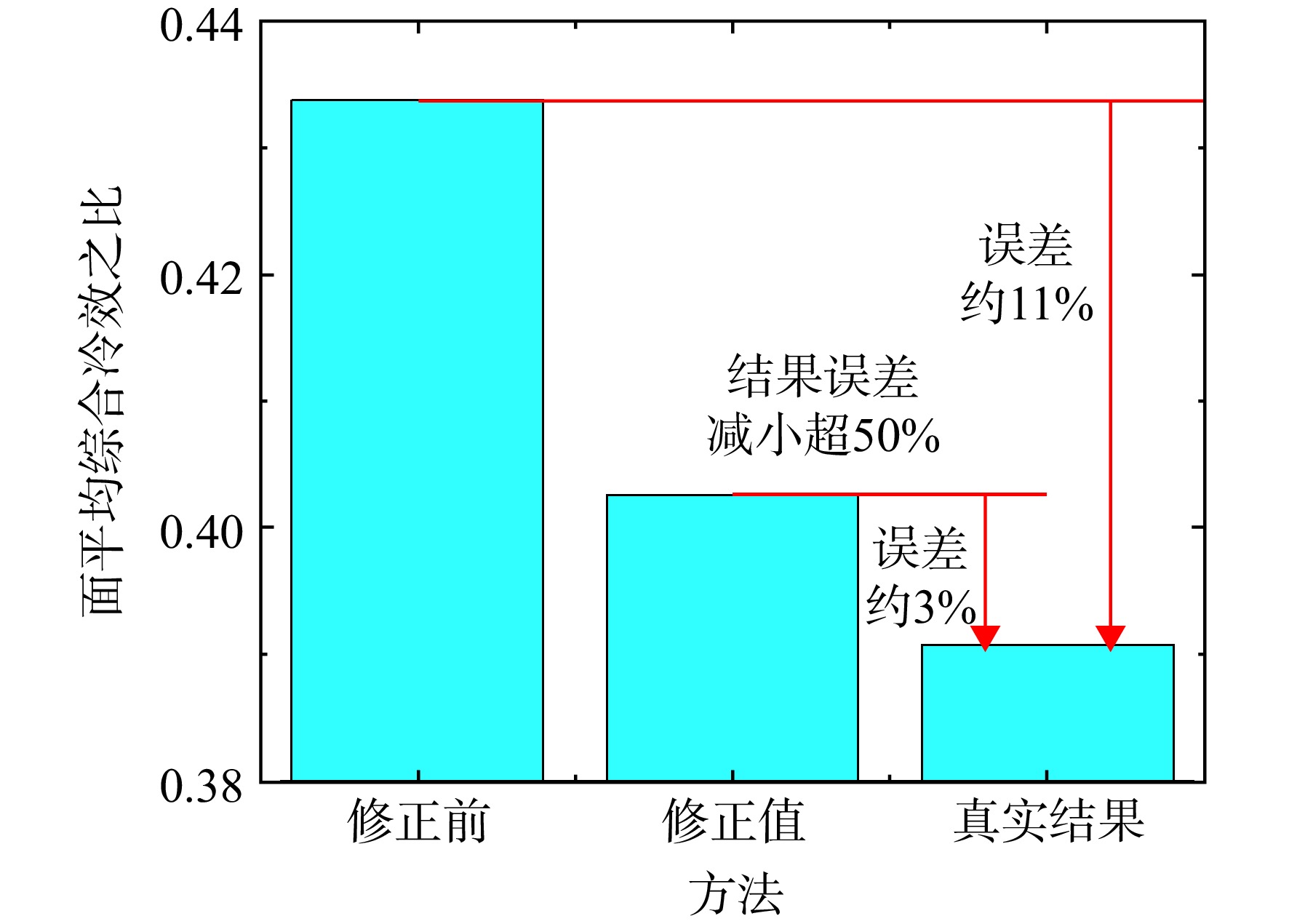
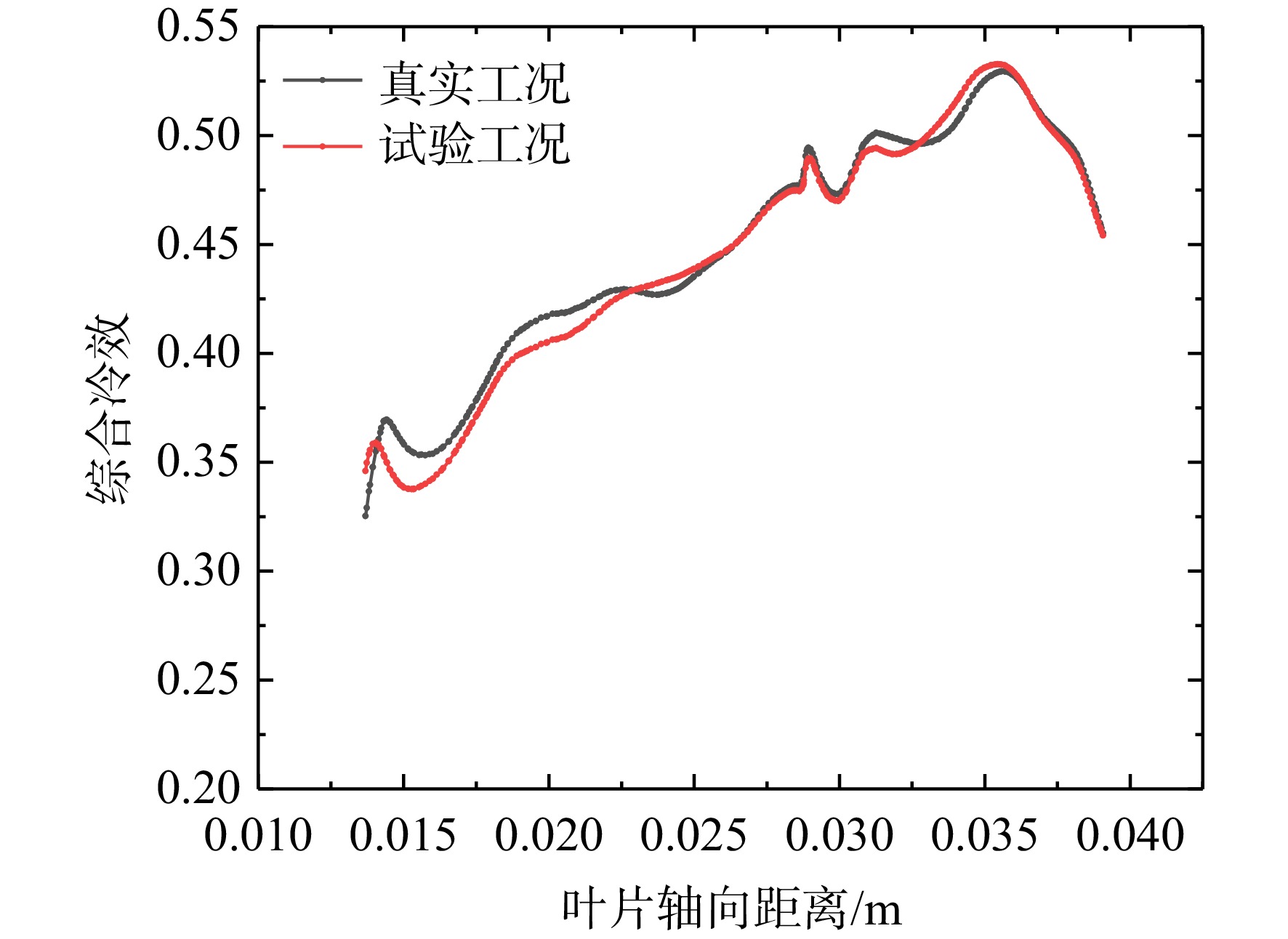
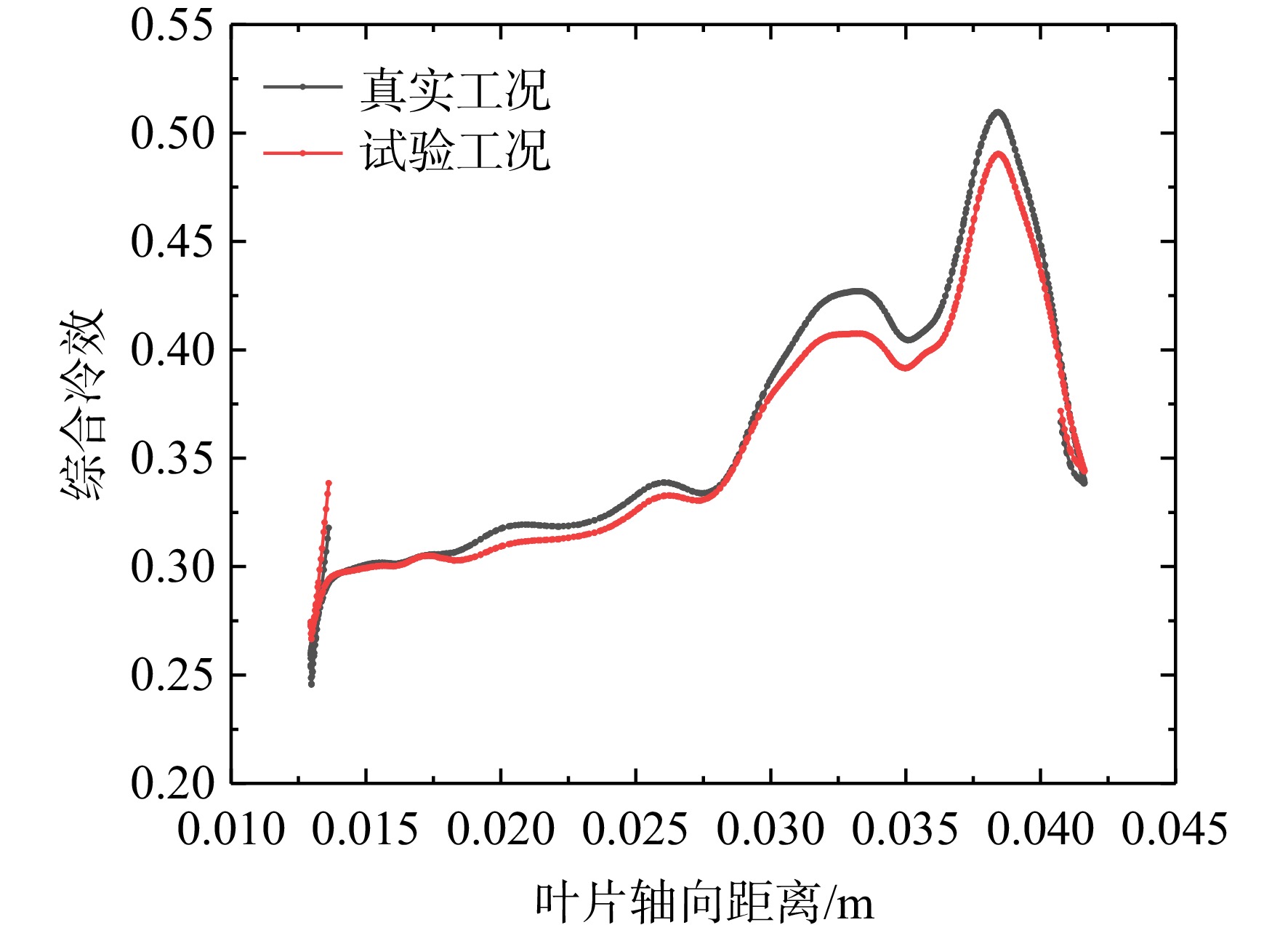
Considering the problem that the comprehensive cooling efficiency test of turbine blades is carried out under stationary conditions and the difference with the real rotation conditions of the engine leads to the failure of reflecting accurately the cooling performance of the blades under real working conditions, a modeling method suitable for the comprehensive cooling efficiency test results of turbine blades was proposed. Through theoretical derivation and sensitivity analysis, the influence laws of multiple factors such as rotation on the comprehensive cooling efficiency of turbine blades were obtained. The flow ratio had the greatest impact on the comprehensive cooling efficiency, the mainstream Reynolds number and the equivalent speed were the second, and the temperature ratio had the lowest impact. Compared with the traditional molding method without considering the influence of rotation, the molding method improved the prediction accuracy of the comprehensive cooling efficiency of the turbine blade by more than 50%, and the final average error was 3%, and the maximum error was 6%.

Aerodynamic and heat transfer performance measurements for double wall cooled turbine vanes in a hot cascade
ZHANG Shuai, ZENG Jun, FANG Hongyi, CHEN Along, ZOU Yuanlu
2026, 41(3): 20240308. doi: 10.13224/j.cnki.jasp.20240308
Abstract:

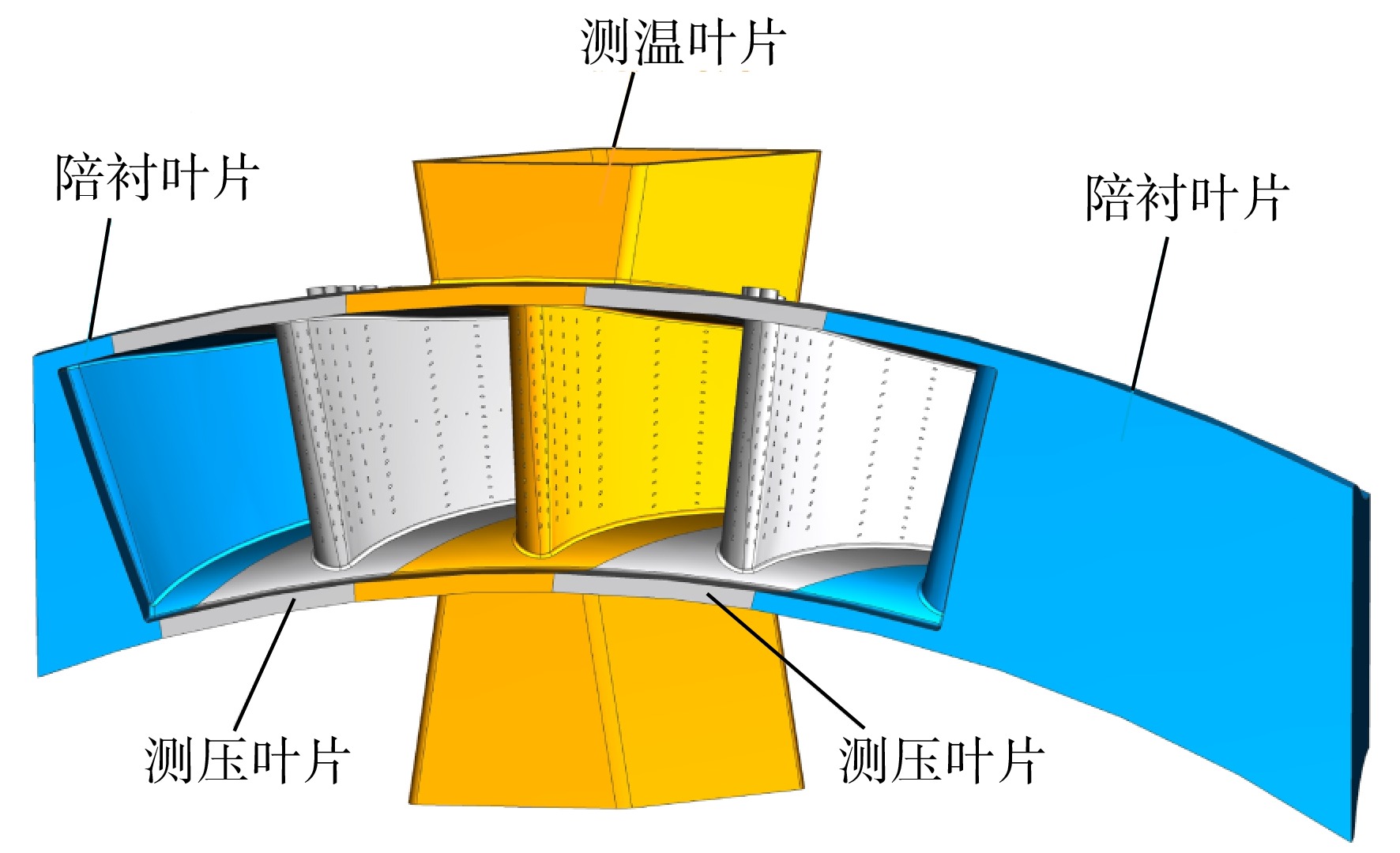
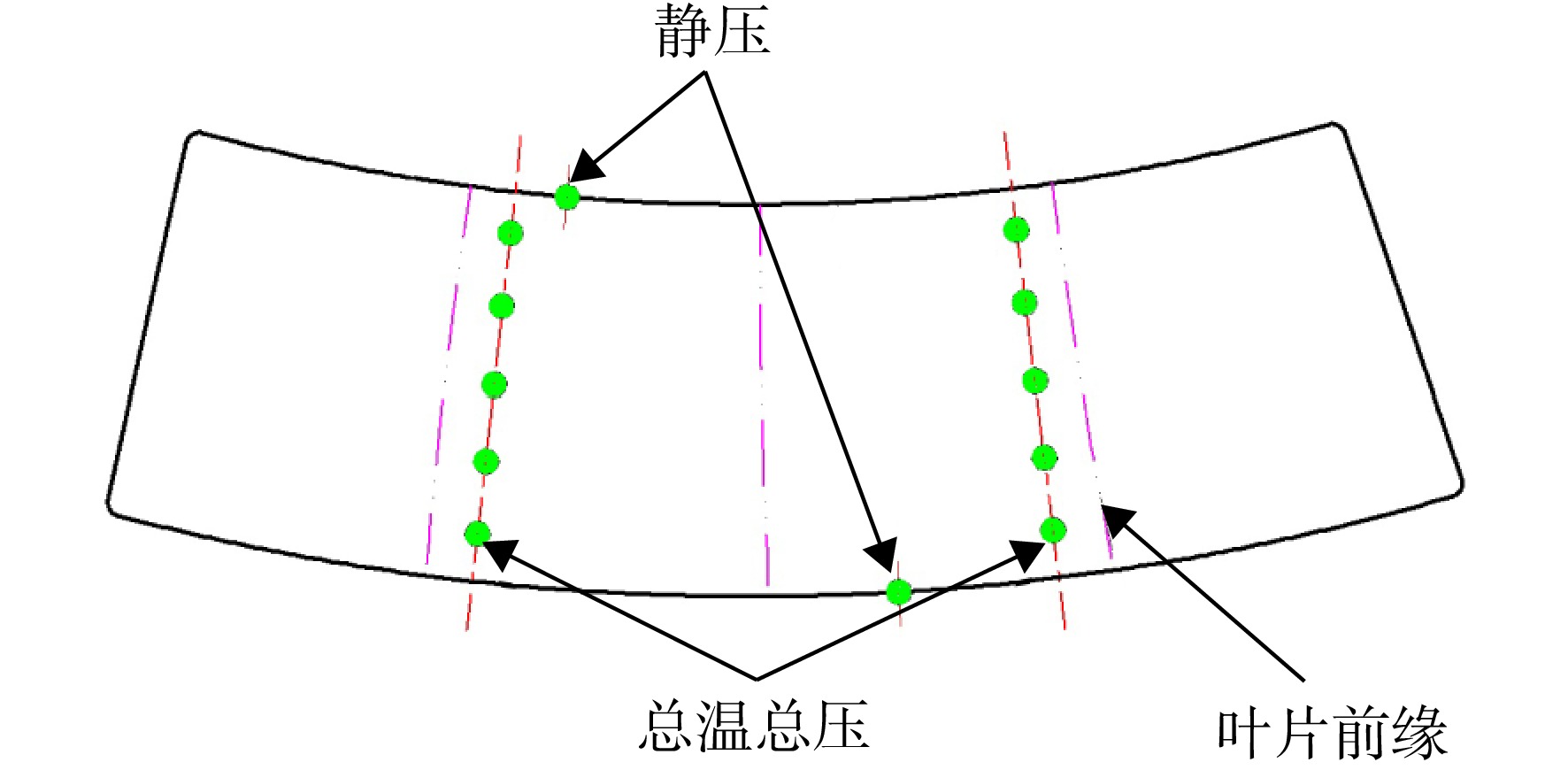
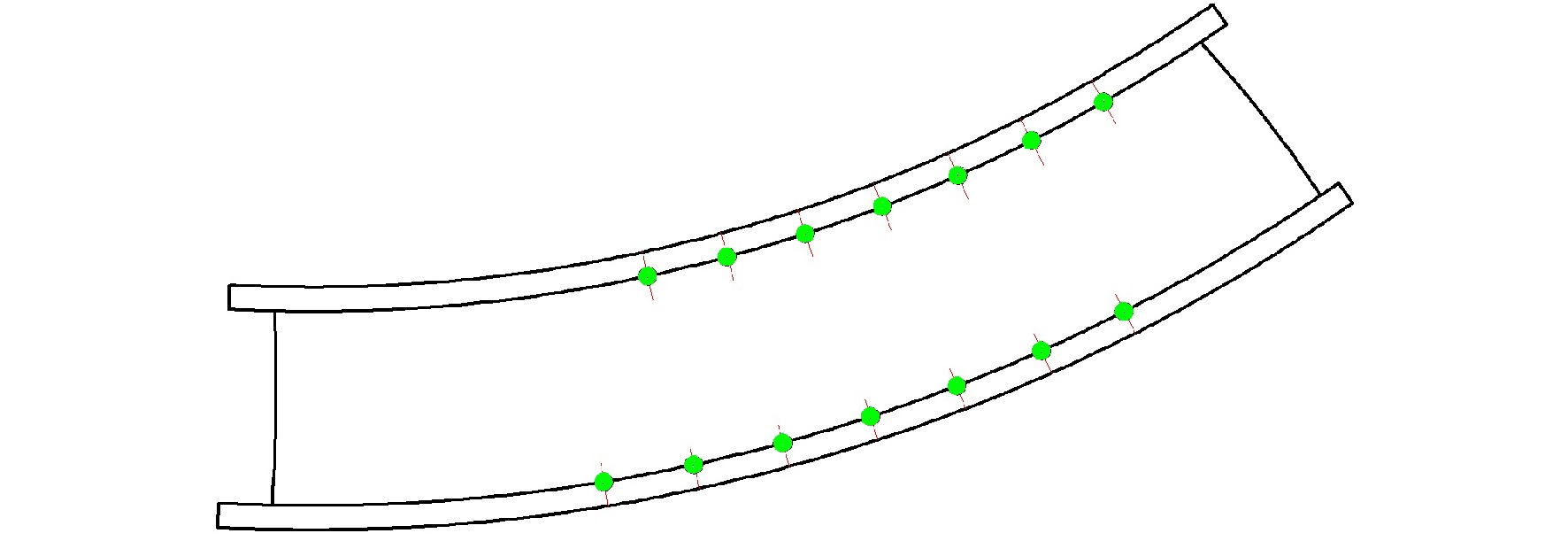
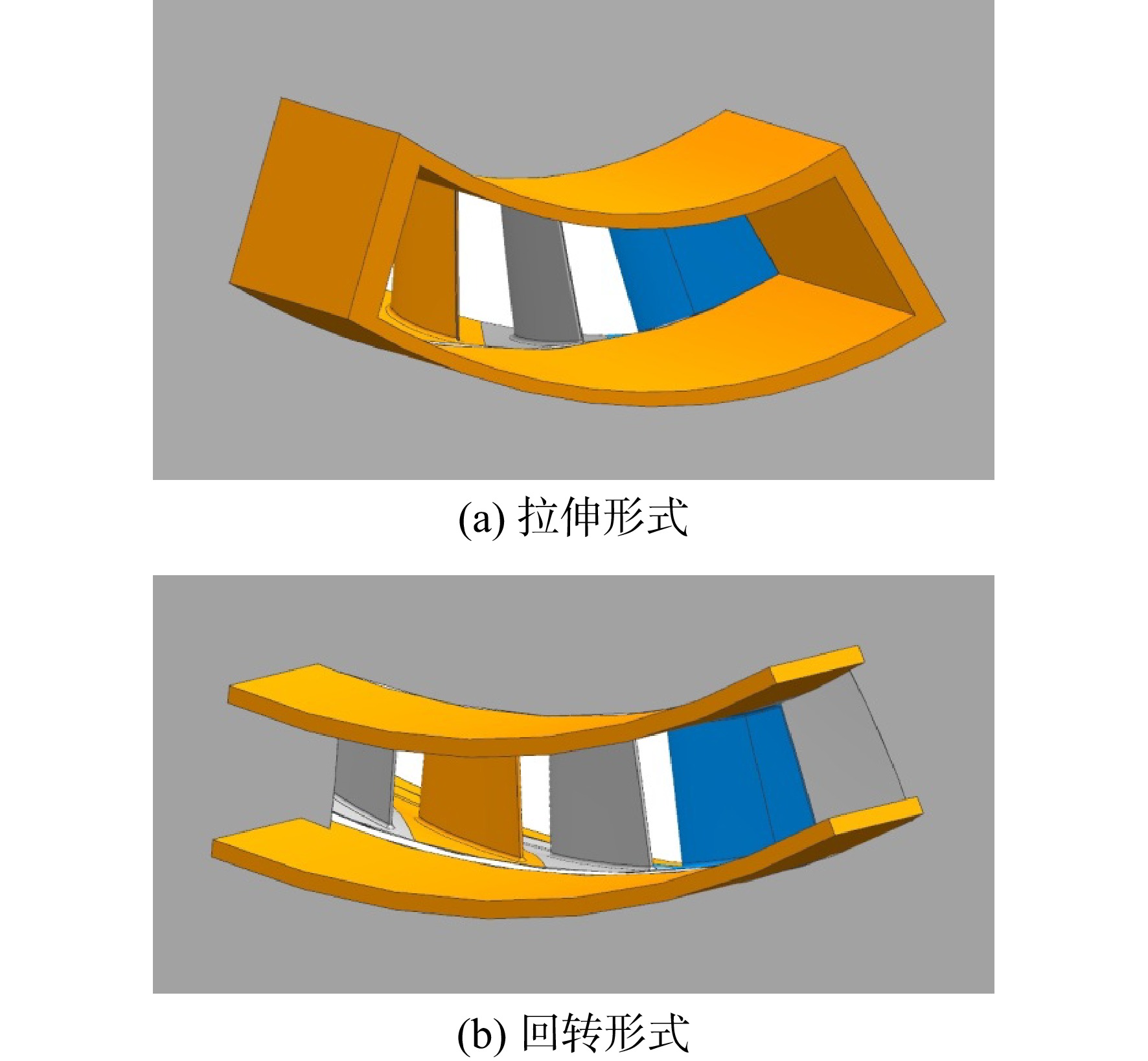
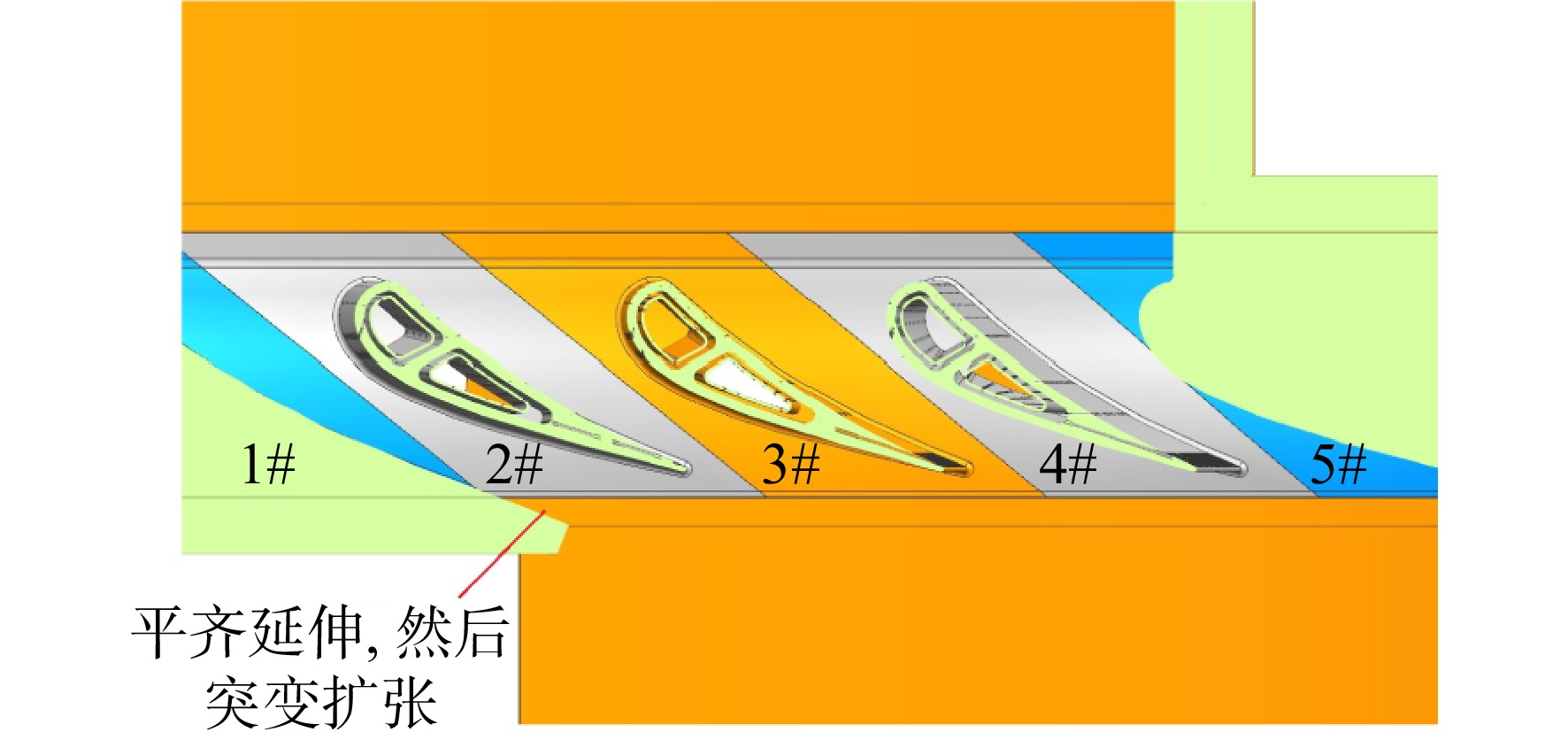
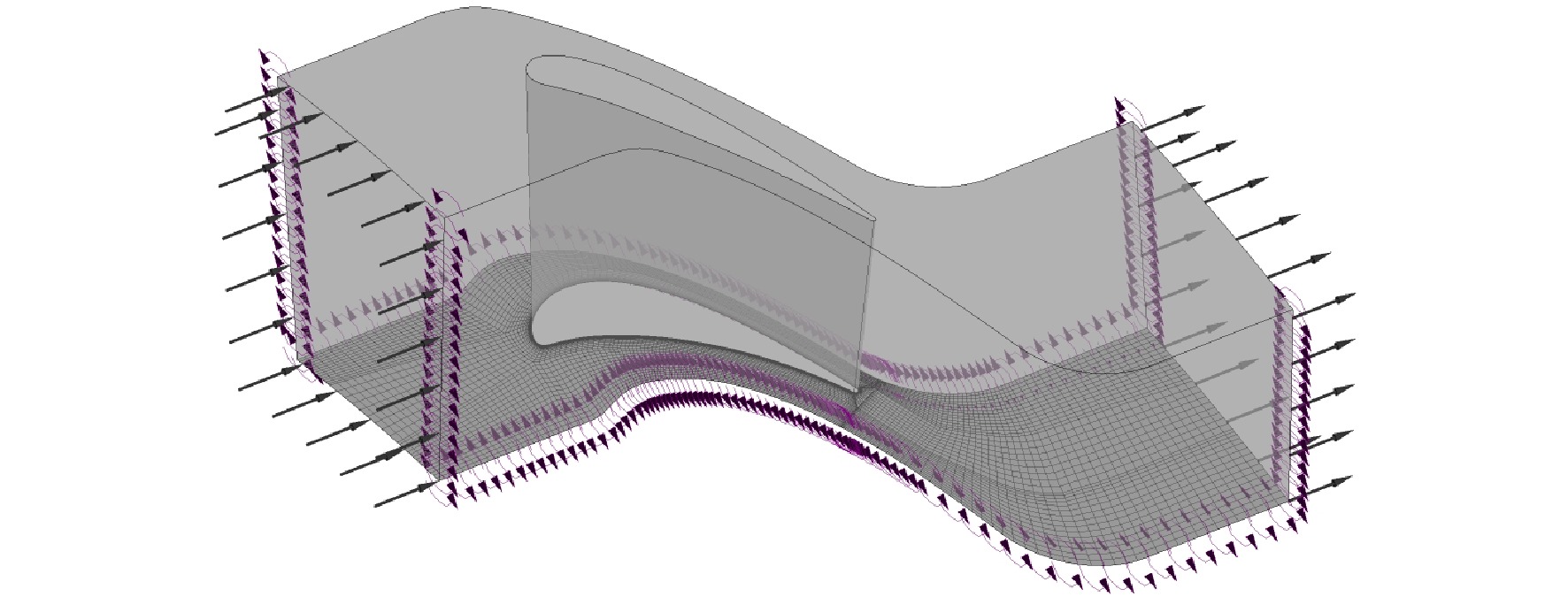
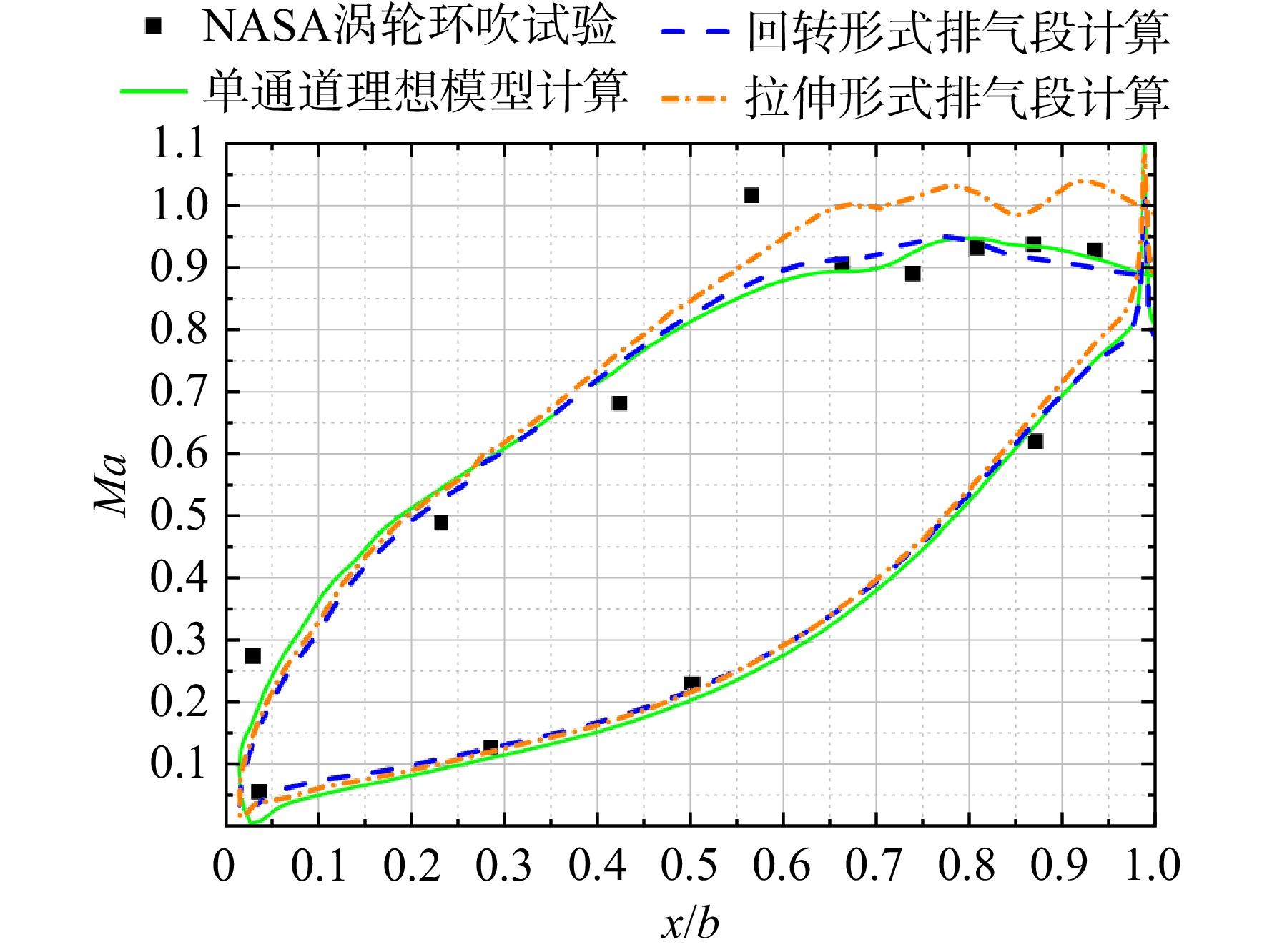
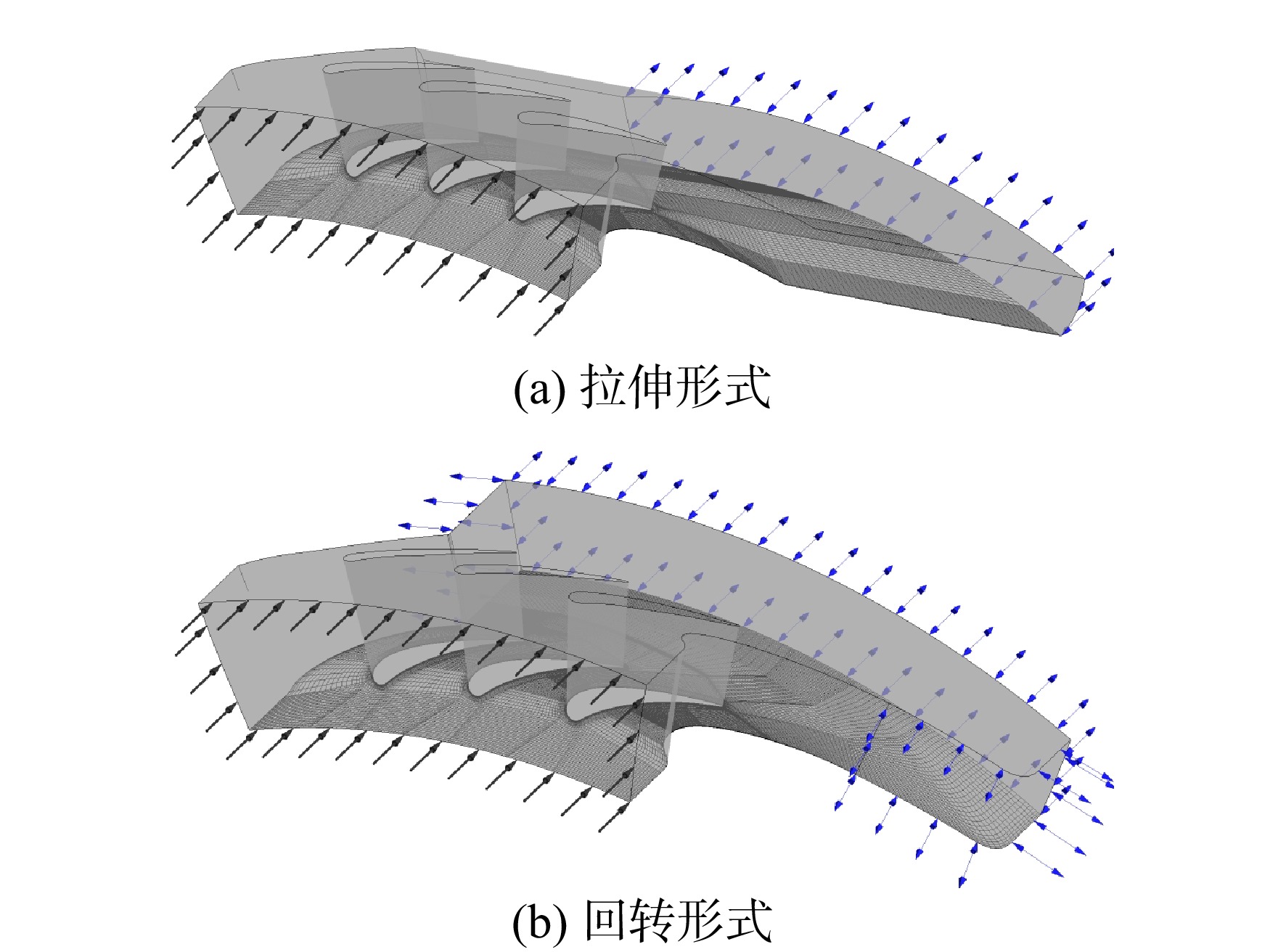
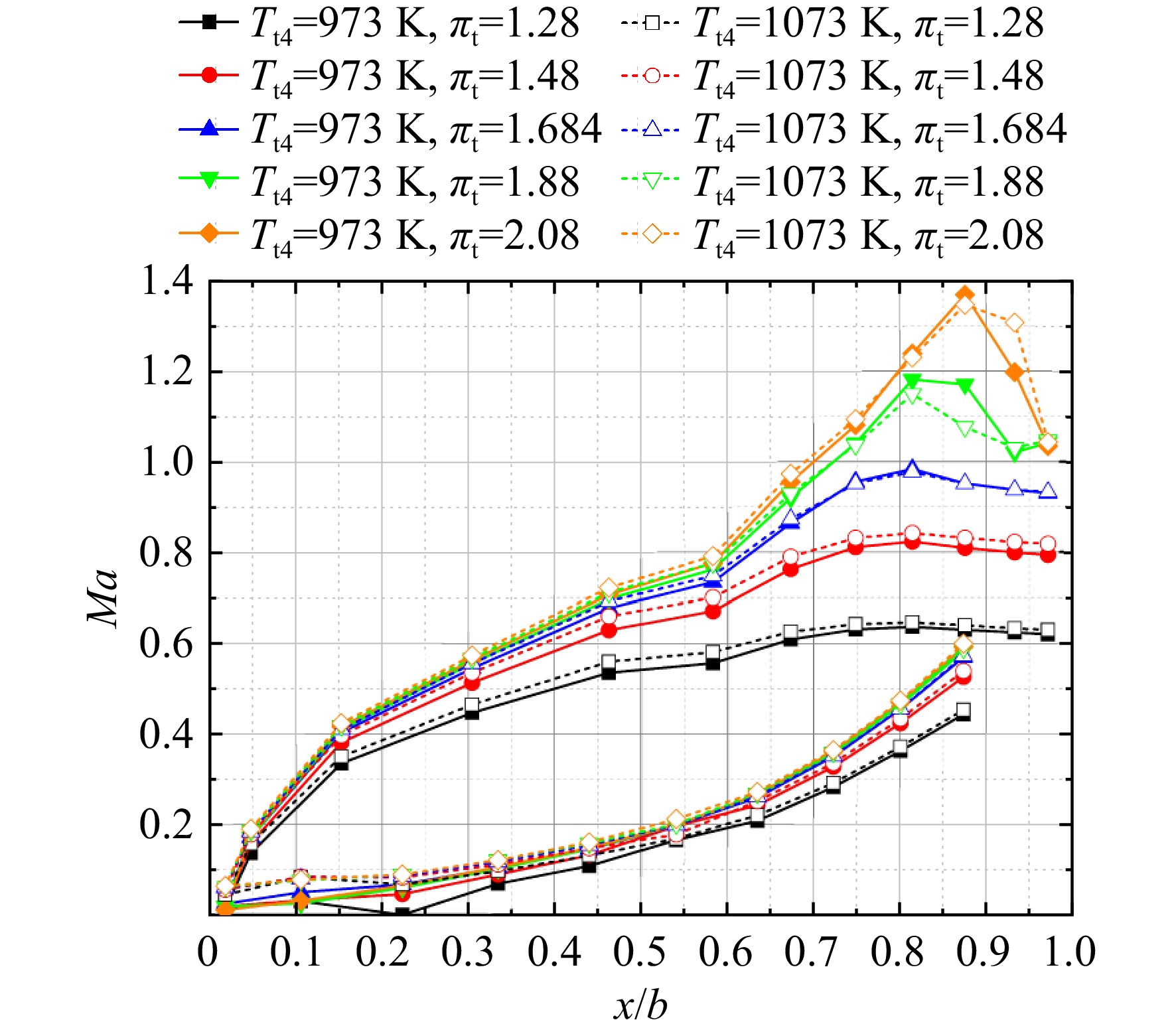
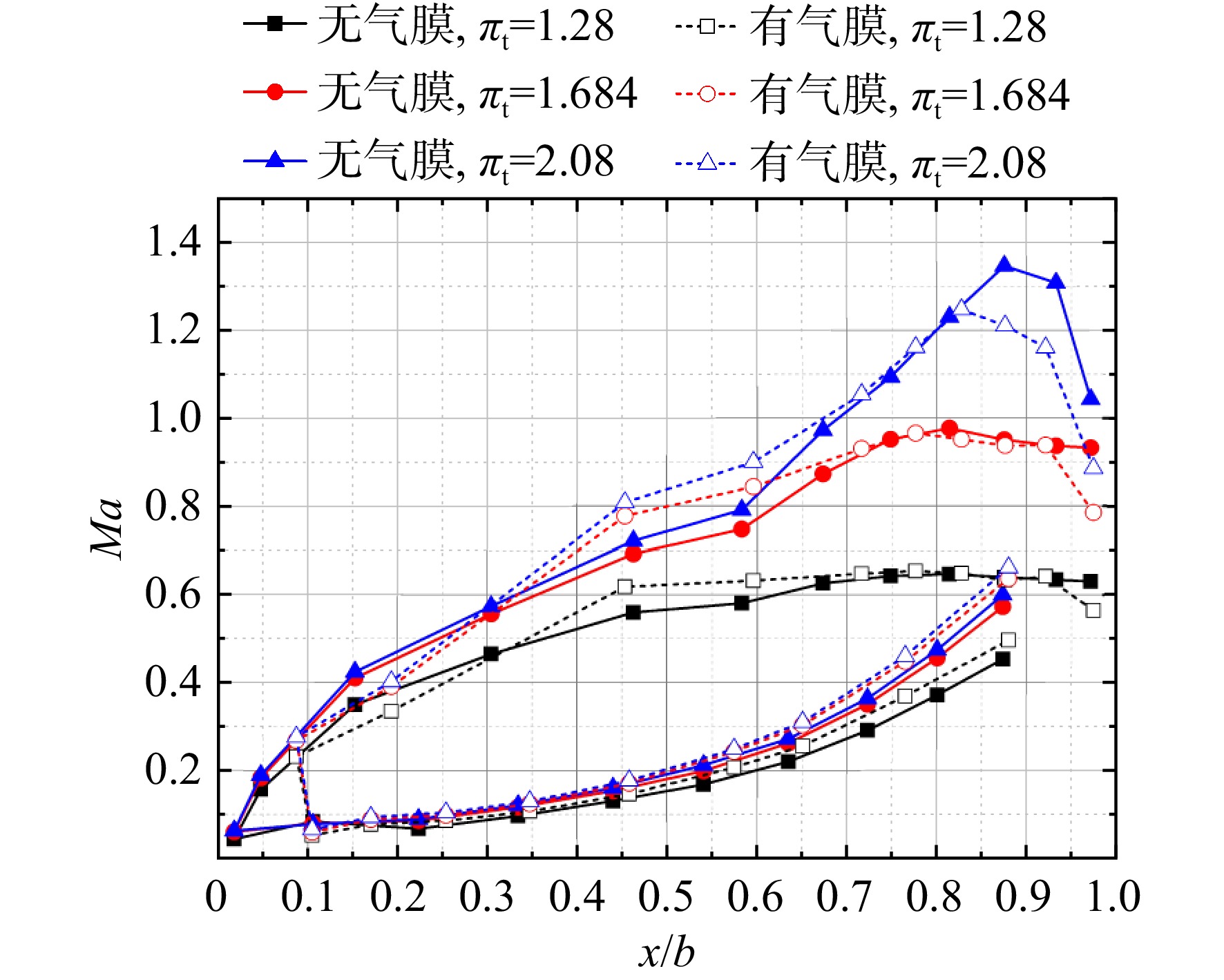
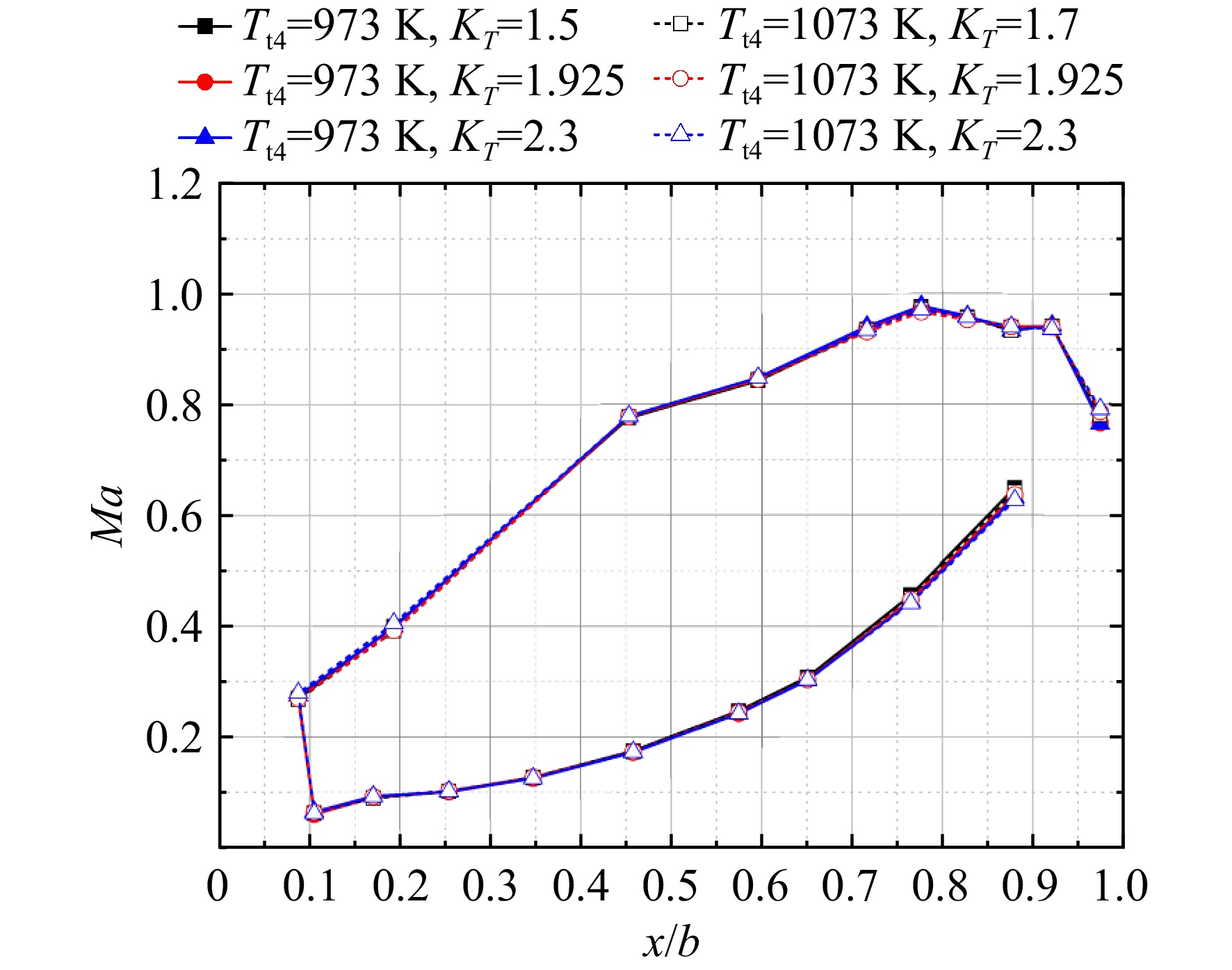
A hot cascade facility equipped with an annular cascade sector of double wall impinge-ment film cooled vanes of energy effective engine (E3) high pressure turbine was used to determine the local gas side temperature and static pressure simultaneously for inlet gas temperature of 1073 K and gas pressure of 0.9 MPa. The cascade gas flow path and positioning of temperature and pressure instrumented test vanes were optimized for the validity of simultaneous measurement of airfoil surface aerodynamic and heat transfer performance in a single cooling effectiveness test and the refinement of the flow periodicity of both middle test vane and adjacent vanes. Airfoil mid-span surface isentropic Mach number was measured for vane with film cooling and non-film cooling for mass flow ratios in the range of 6.4%—10%, gas pressure ratios in the range of 1.28—2.08 and temperature ratios in the range of 1.5—2.3. The airfoil isentropic Mach number of design operating condition measured over the test vane in annular cascade sector compared very favorably with E3 high pressure turbine component test, with the difference less than 0.05. Isentropic Mach number of film cooled vane and non-film cooled vane also agreed well, with the difference of most region less than 0.03.

Impact of fuel injection modes on combustion and emissions of coaxial staged combustor
CHENG Xu, SHI Yunjiao, LU Jinghe, LIU Xiao, ZHENG Hongtao
2026, 41(3): 20240534. doi: 10.13224/j.cnki.jasp.20240534
Abstract:

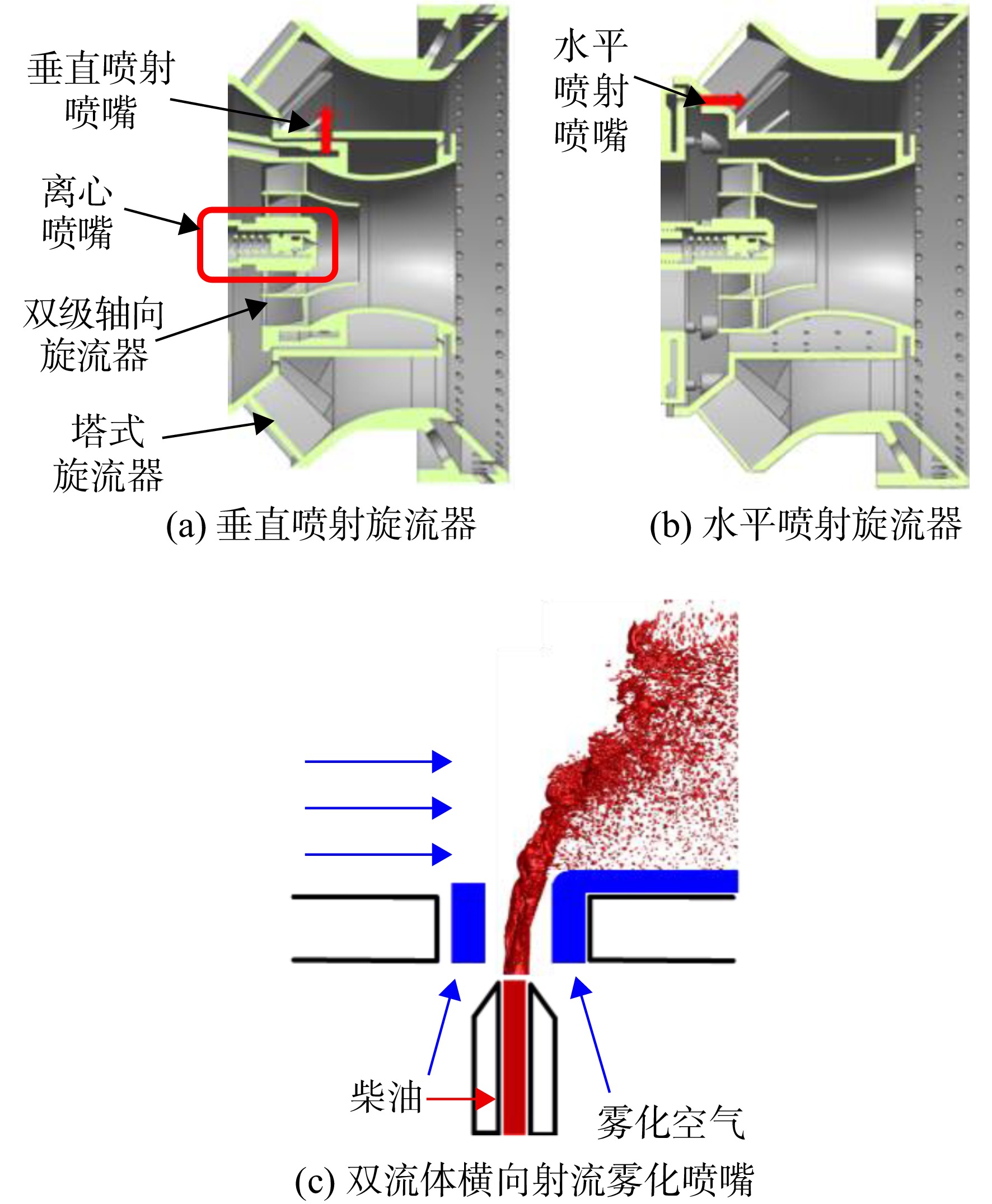
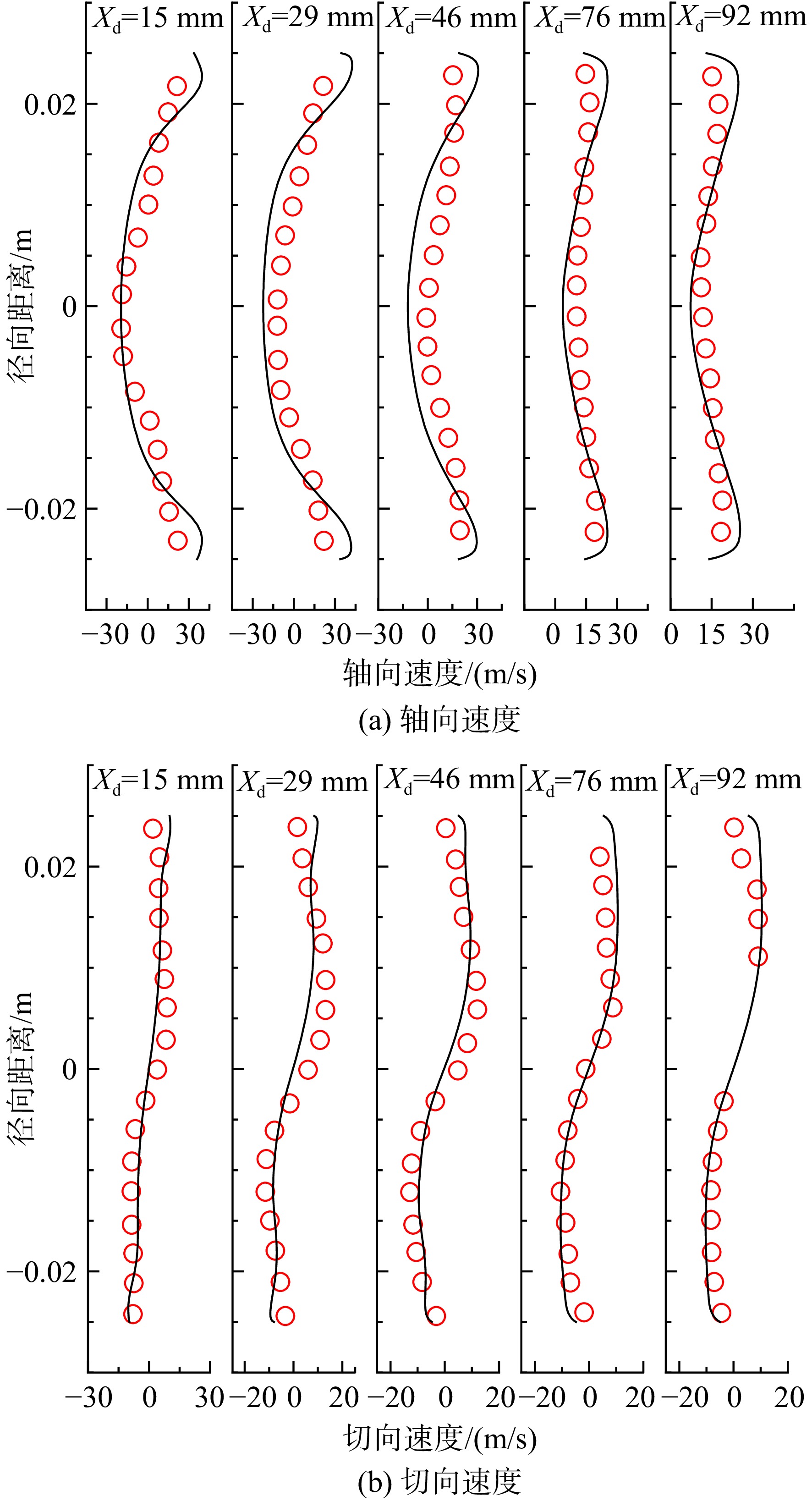
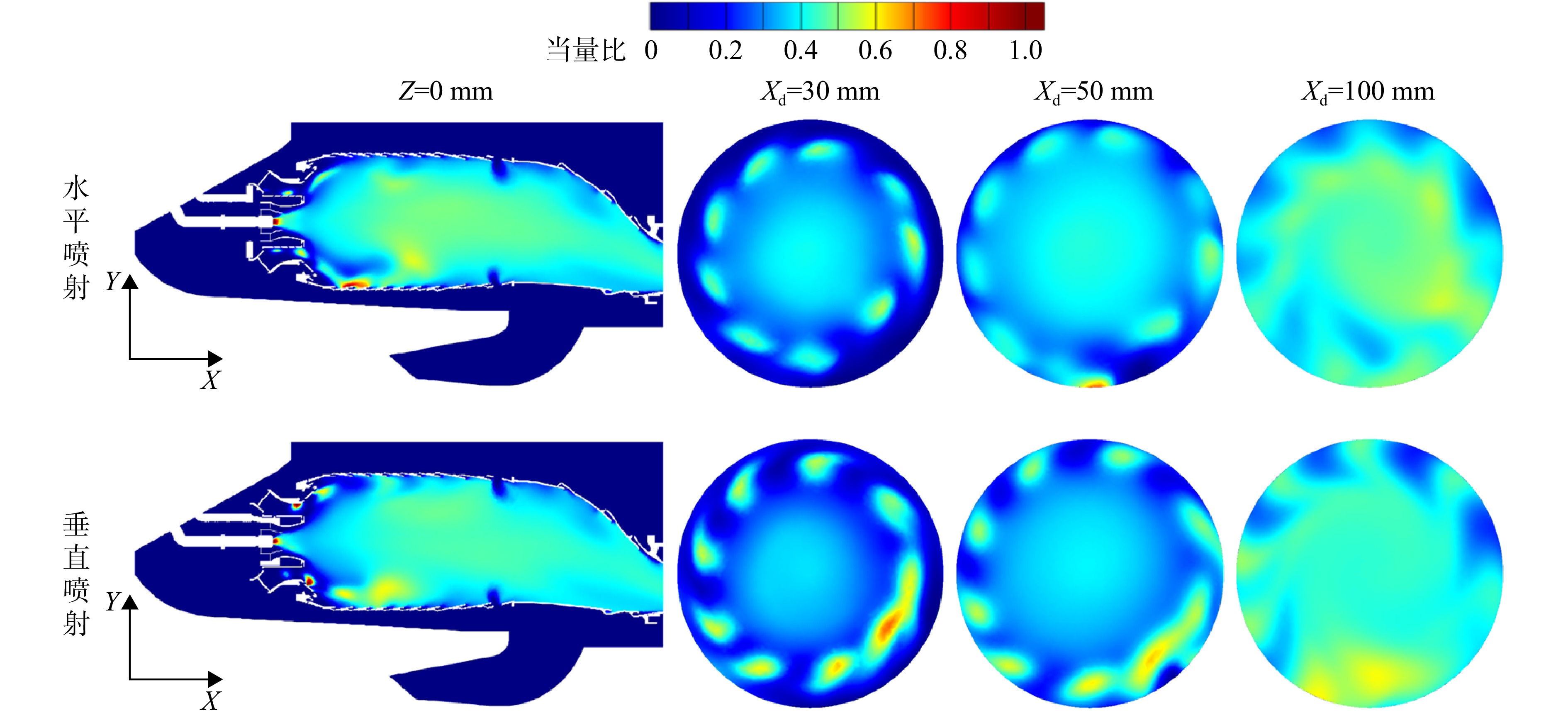
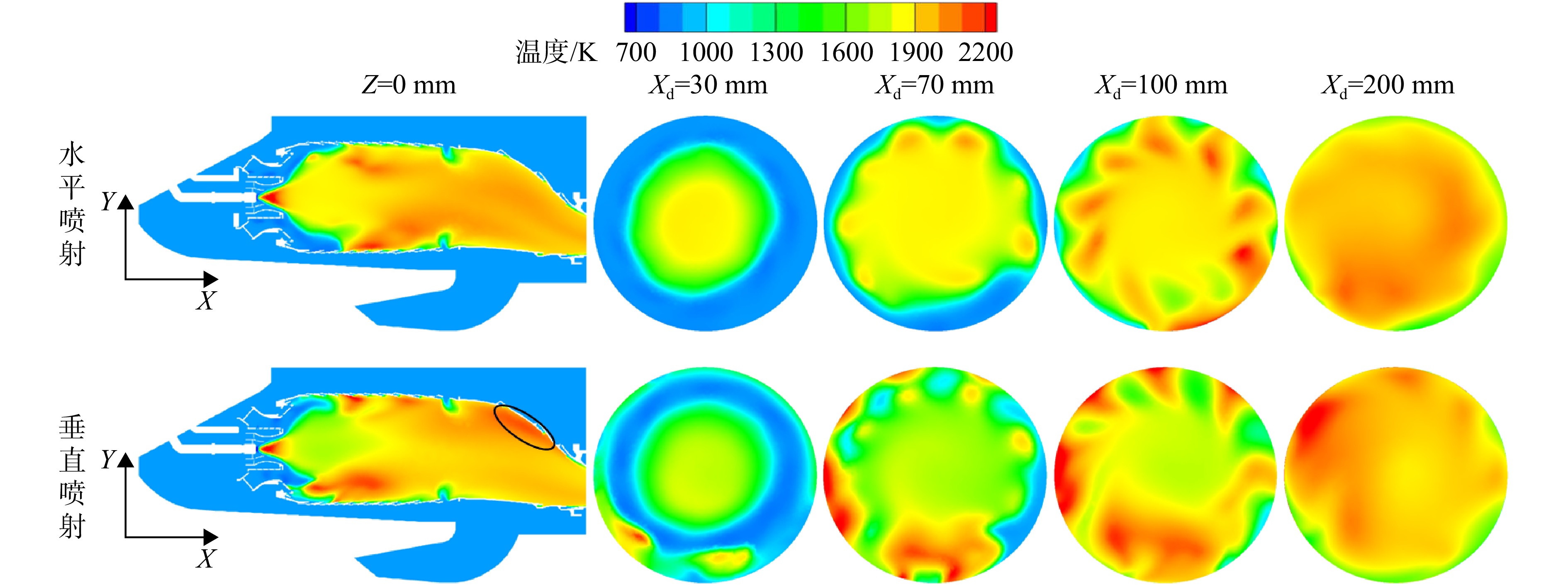
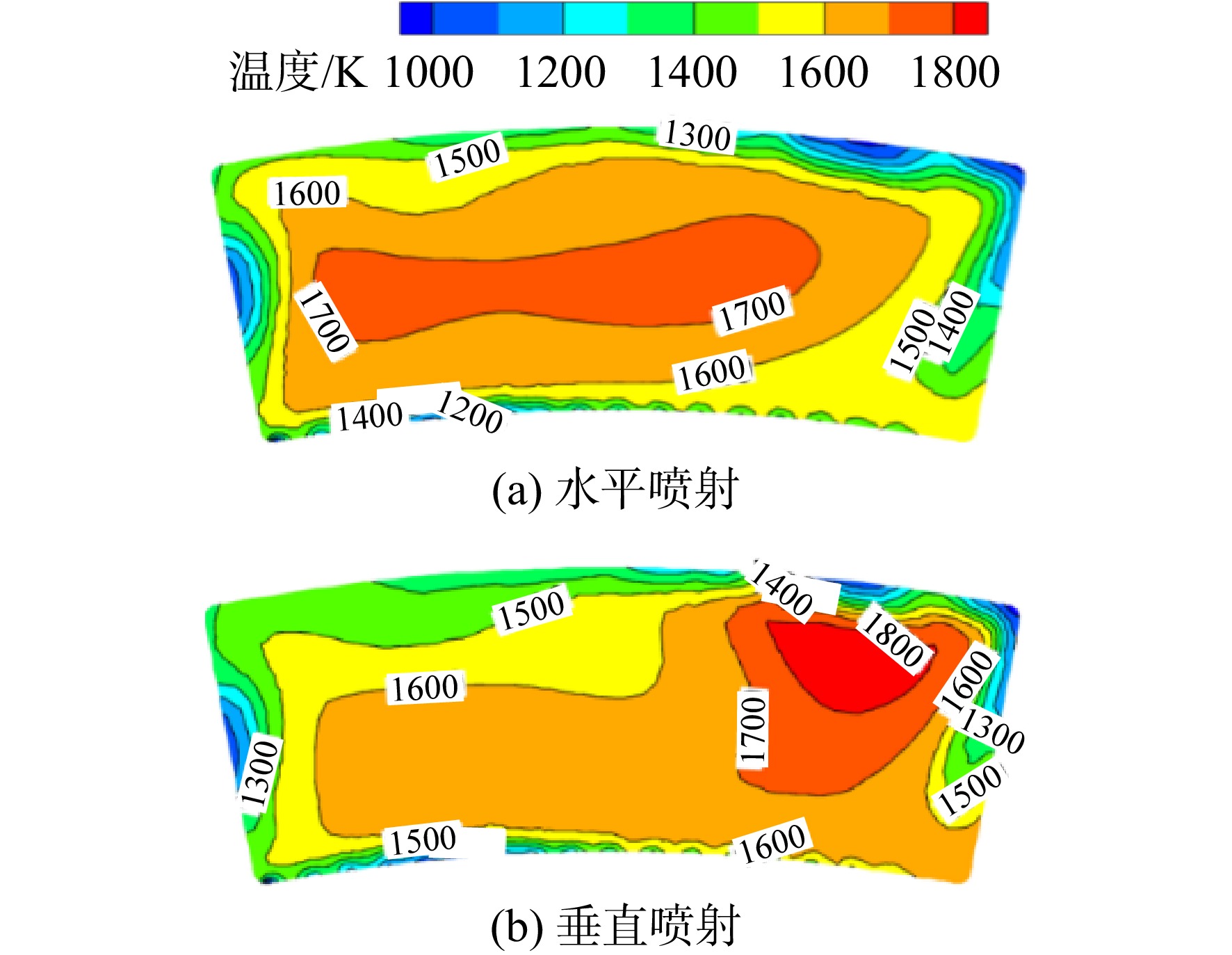
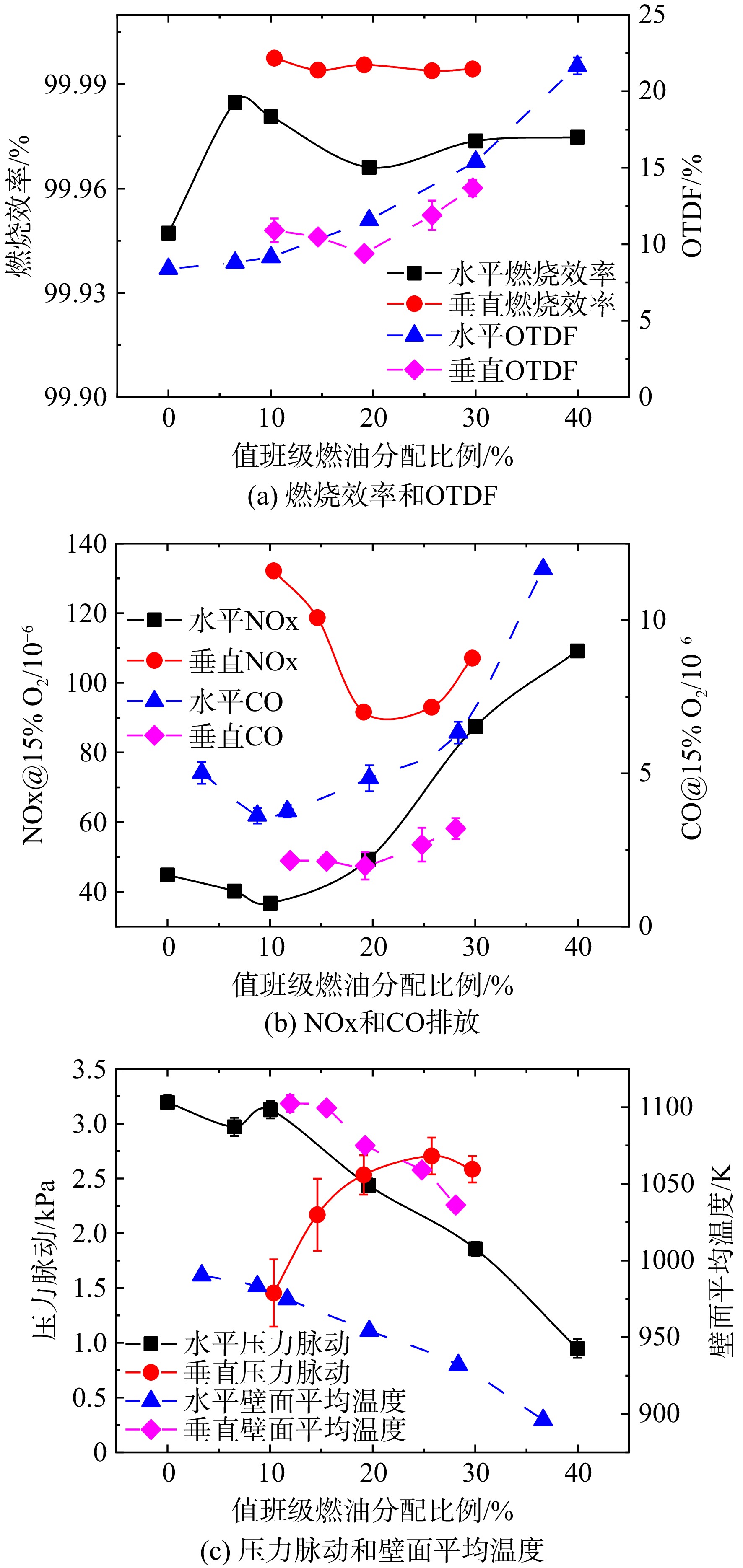
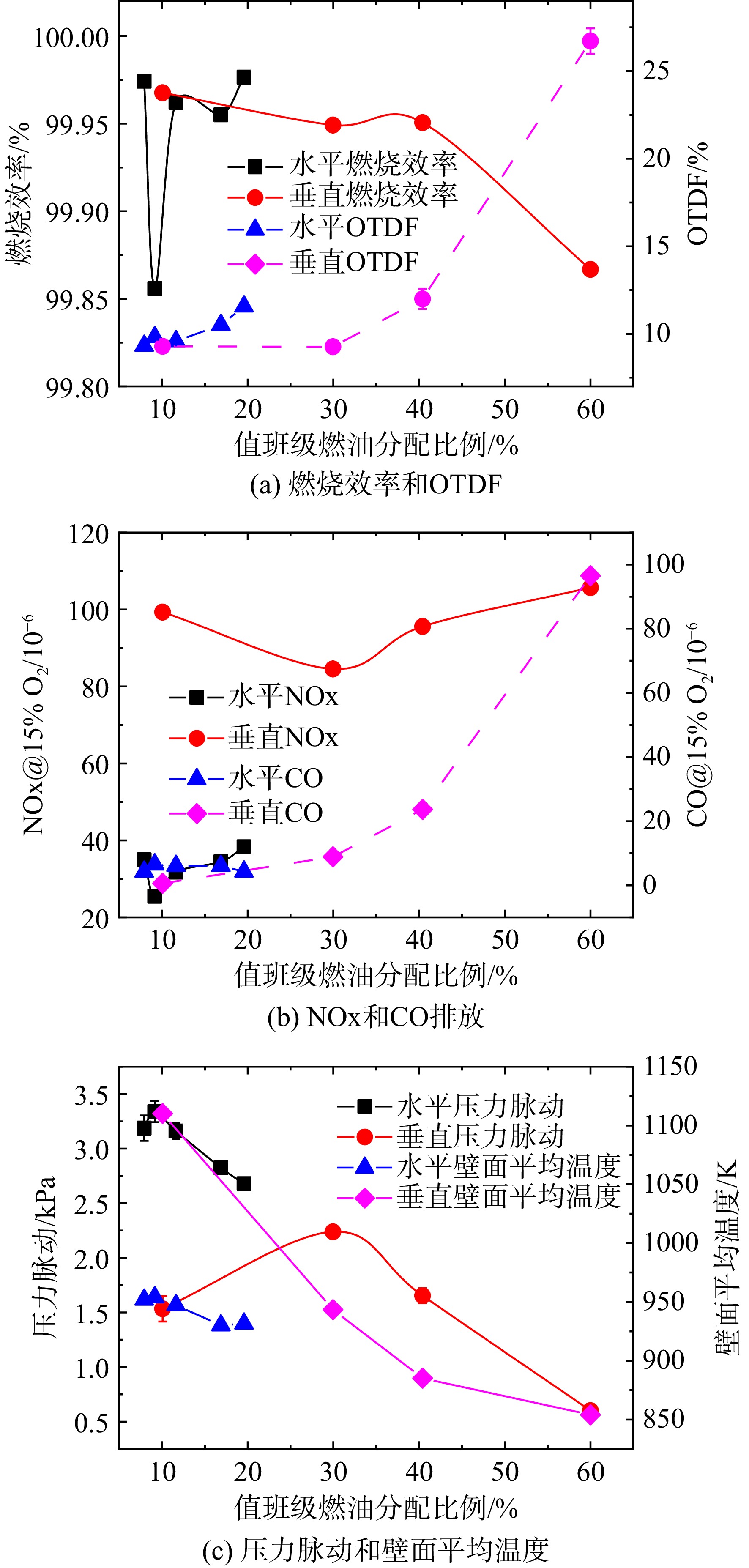
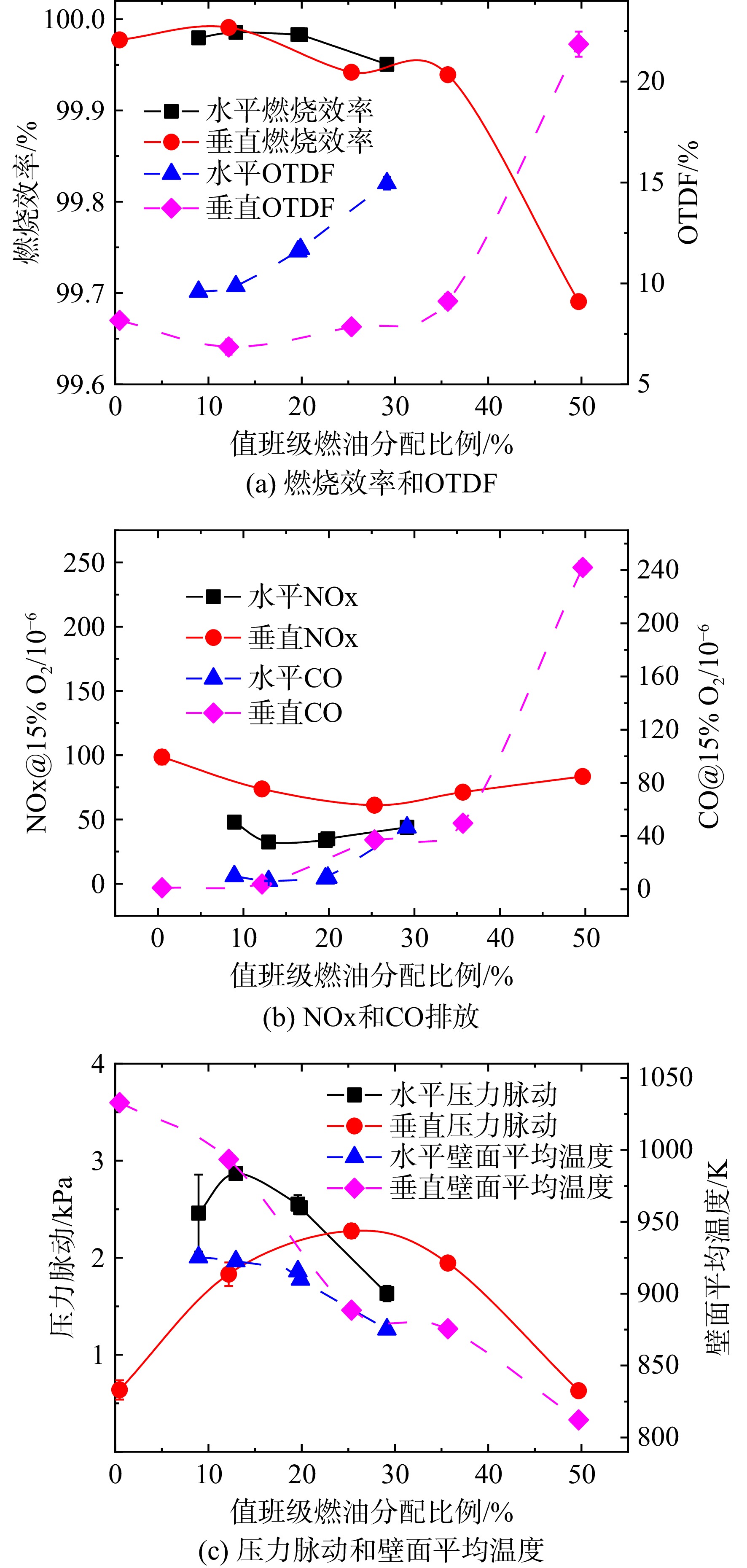
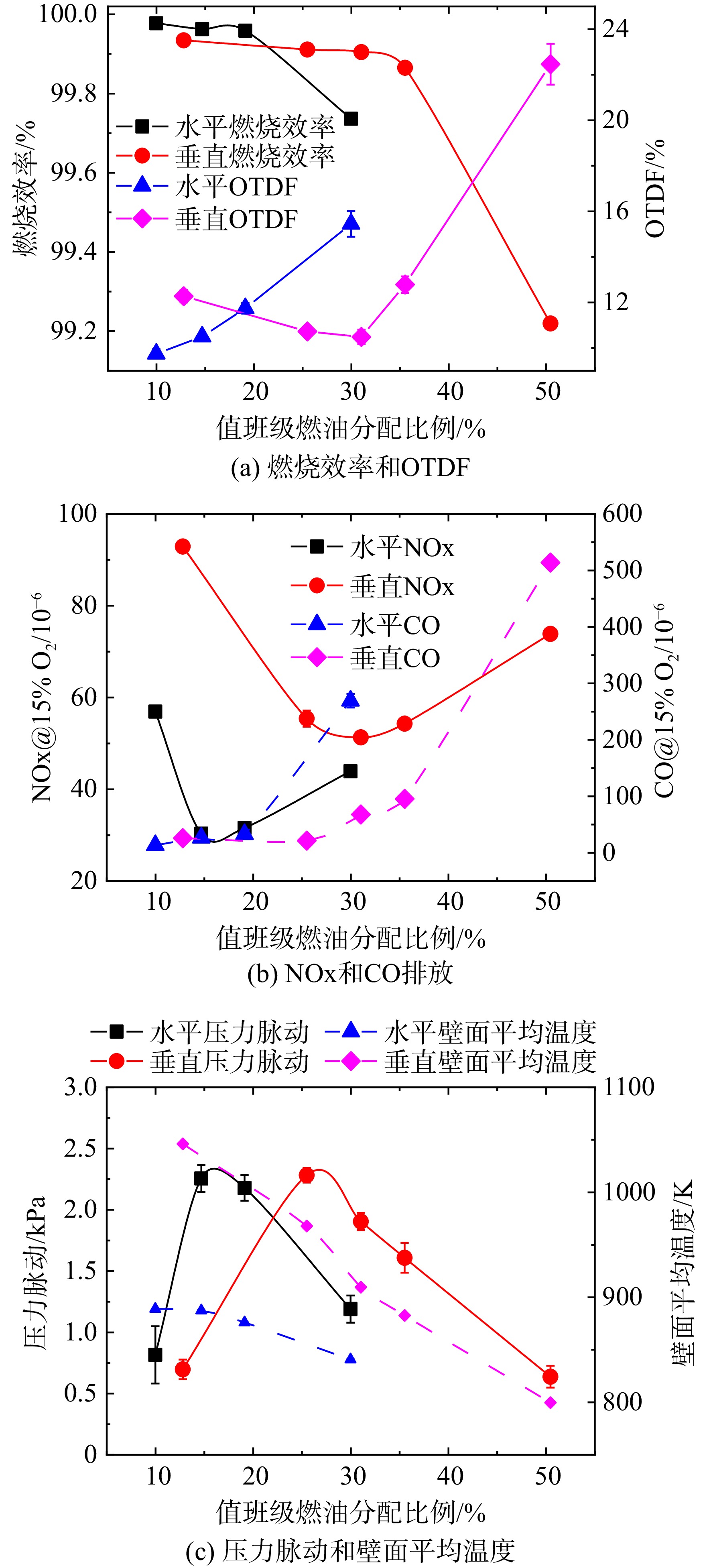
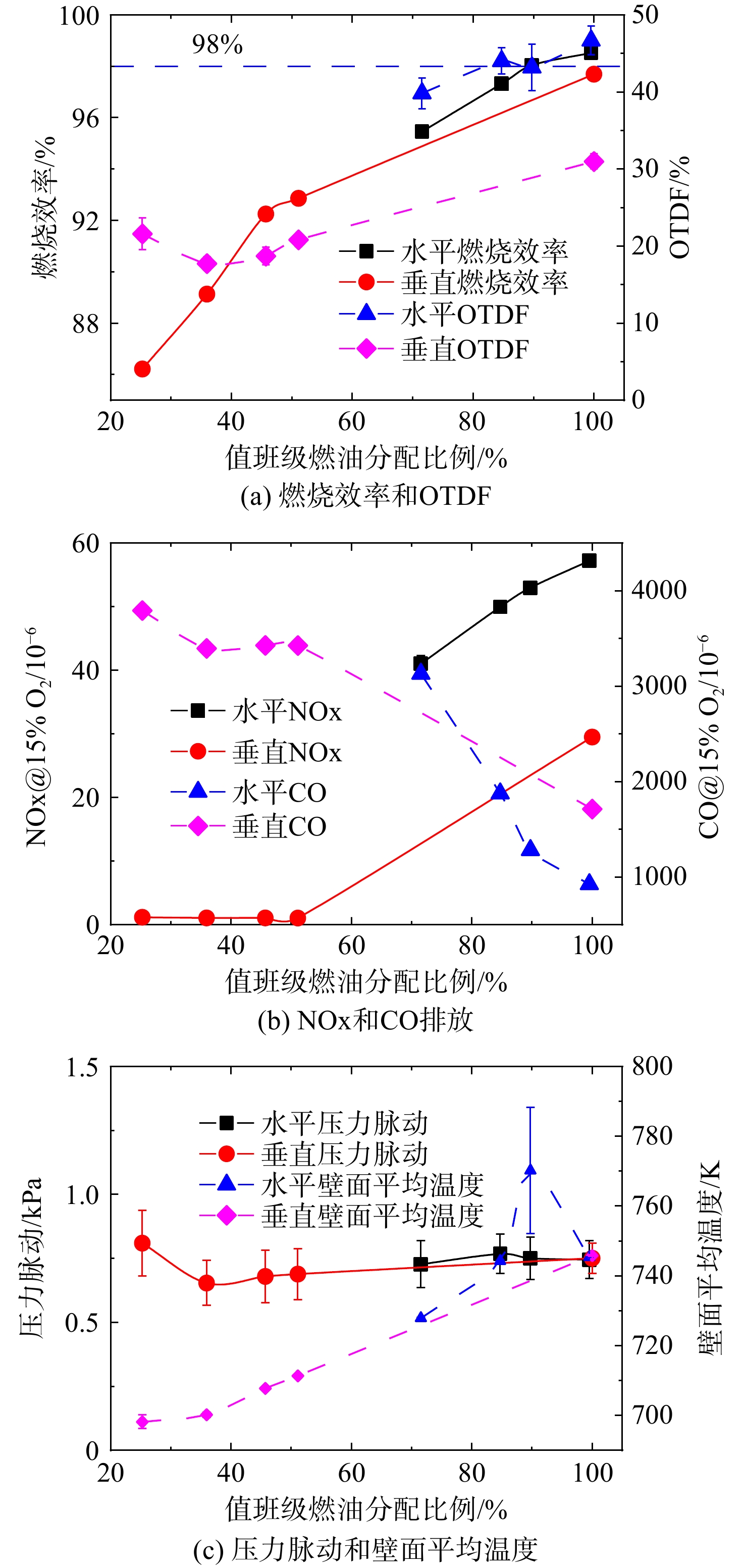
In response to the challenges of difficult rapid evaporation and poor uniformity of the fuel-air mixture in lean premixed gas turbine combustion, an experimental and numerical simulation method was employed to analyze the impact of dual-fluid atomization nozzles under vertical and horizontal injection modes, by considering different fuel distribution ratios on the performance of a coaxial staged combustor. The results showed that under the simulated conditions, the horizontal fuel injection mode exhibited better uniformity of fuel distribution compared with the vertical injection scheme. Under vertical injection conditions, an increase in near-wall high-temperature areas led to elevated emissions and a deteriorated outlet temperature distribution. Under the 0.35—1.0 conditions, as the main fuel ratio in the primary stage increased with horizontal injection, NOx initially increased and then decreased, while CO and outlet temperature distribution factor showed an overall increasing trend. Through experimental studies conducted under wide operating conditions, optimal fuel distribution ratios under different conditions were determined.

Optimization design and experiment on the cooling structure of turbine guide vane in an engine
JIANG Jintao, DONG Suyan, DONG Rongxiao, WANG Zhisheng, SHI Pengyu, LIU Penghui, FAN Wei
2026, 41(3): 20240833. doi: 10.13224/j.cnki.jasp.20240833
Abstract:

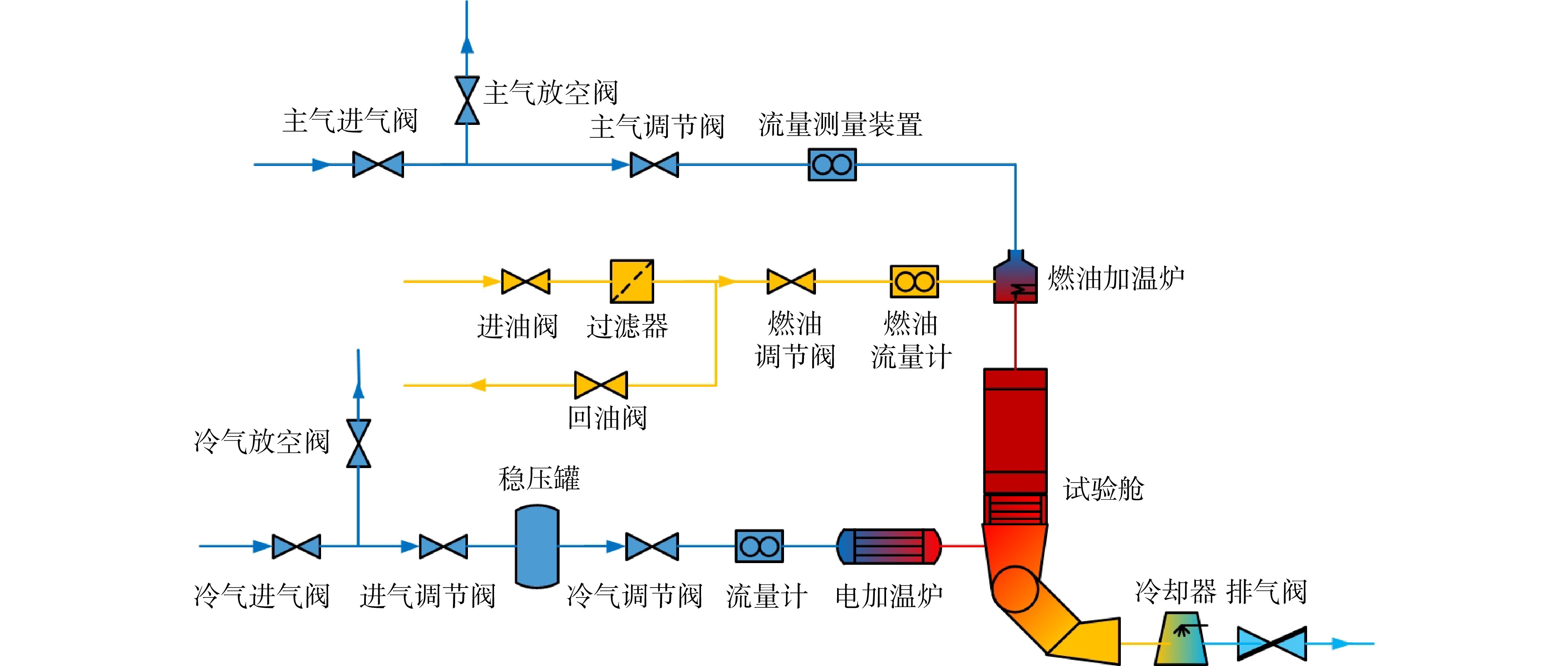
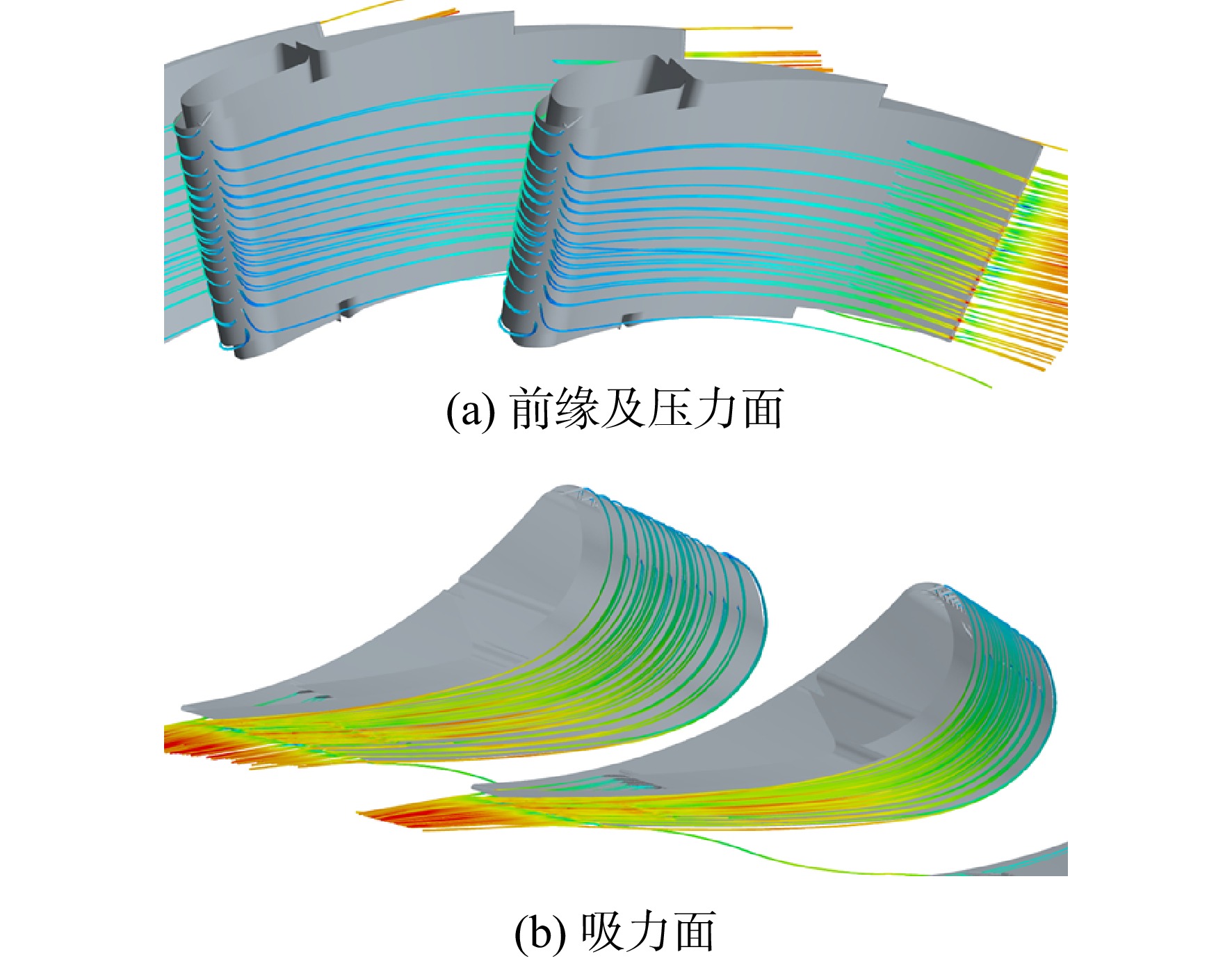
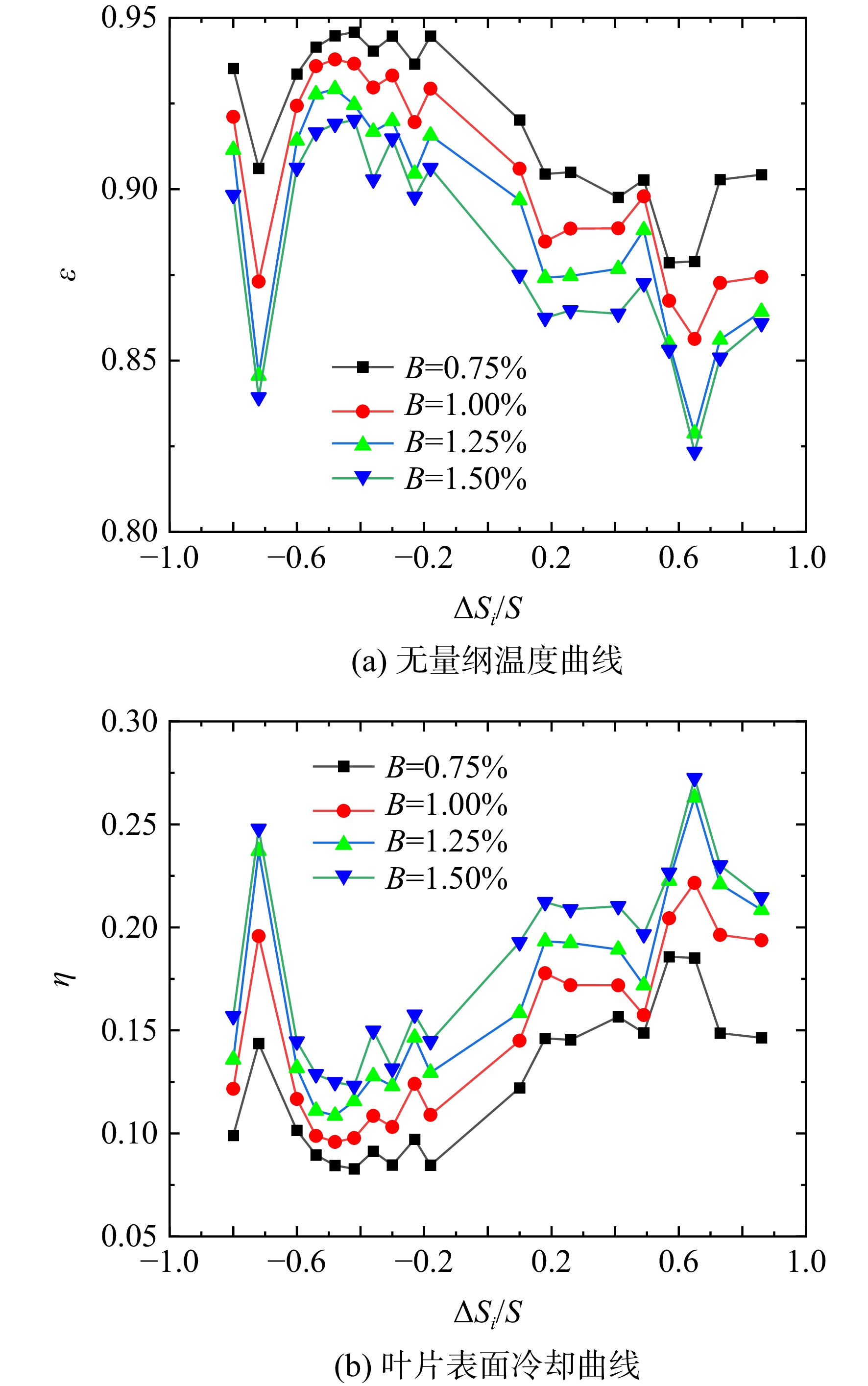
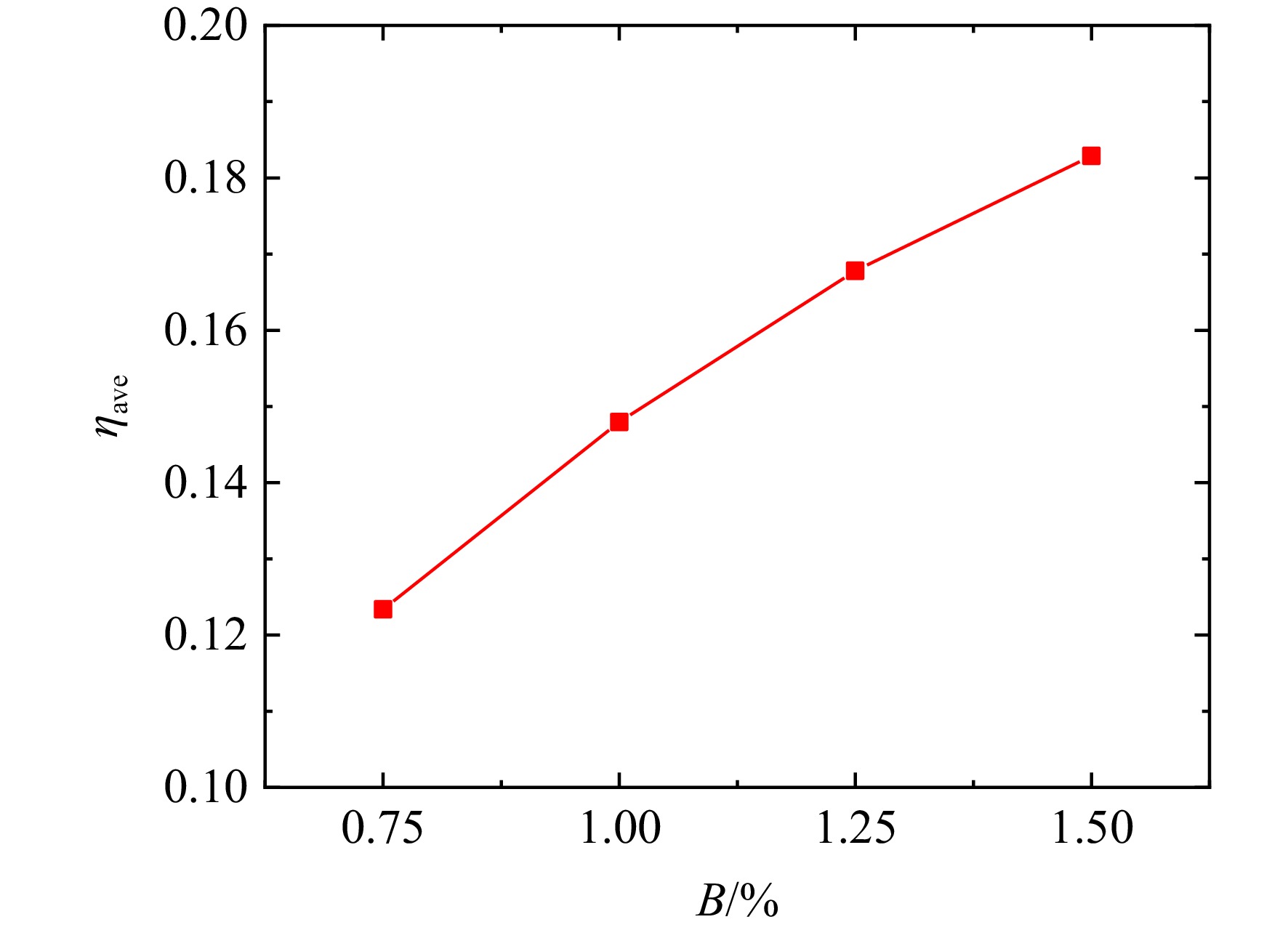
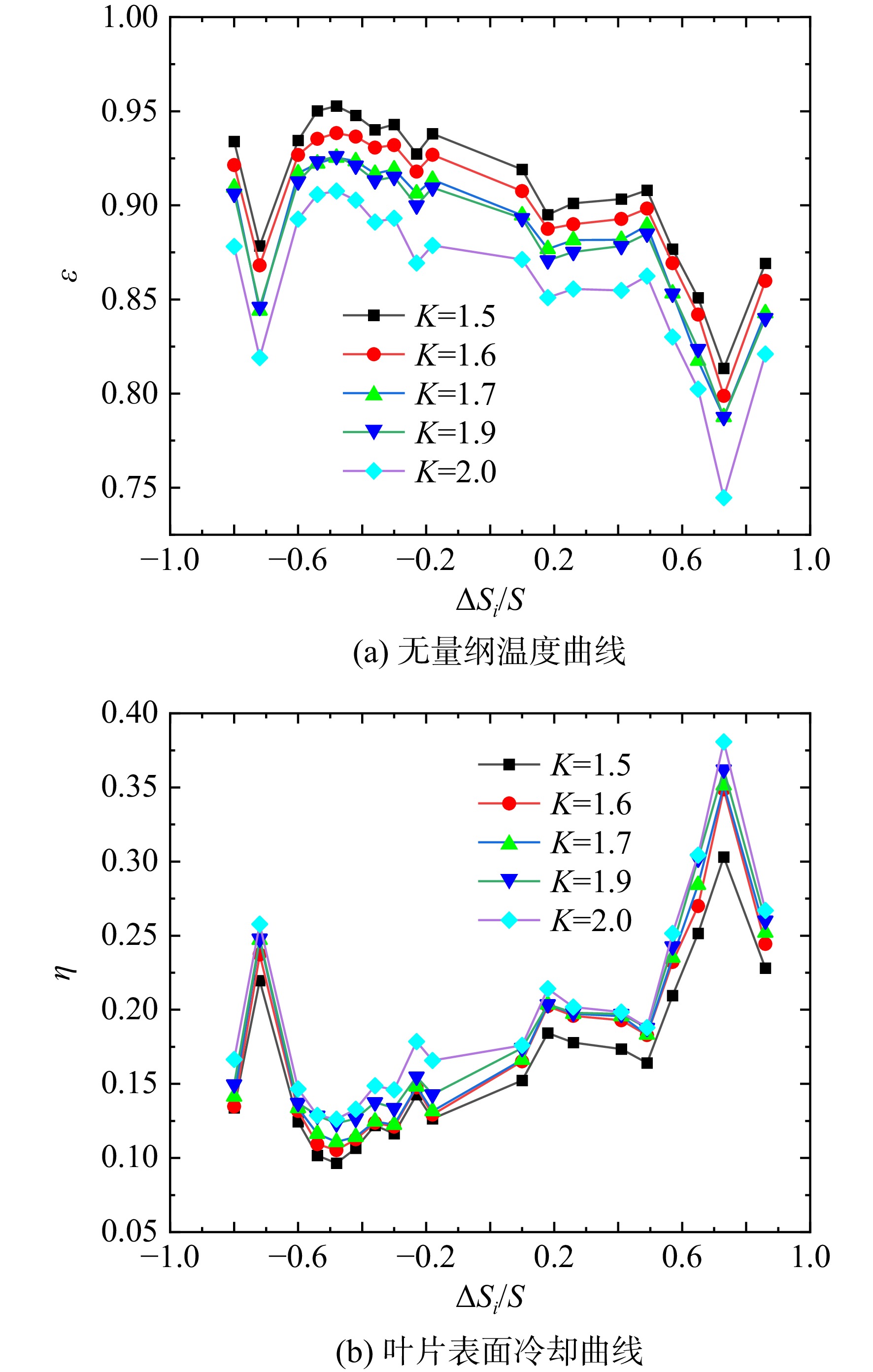
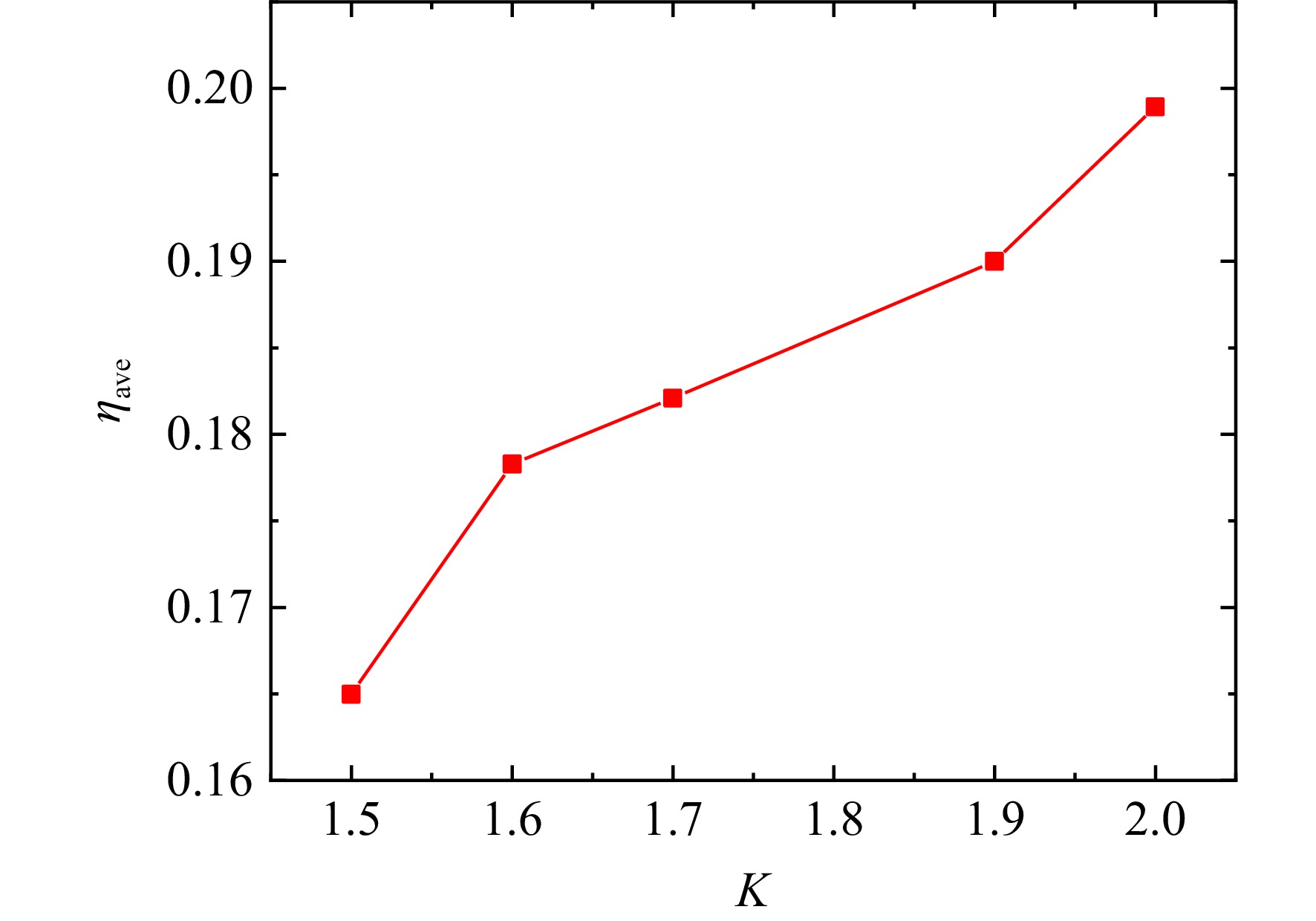
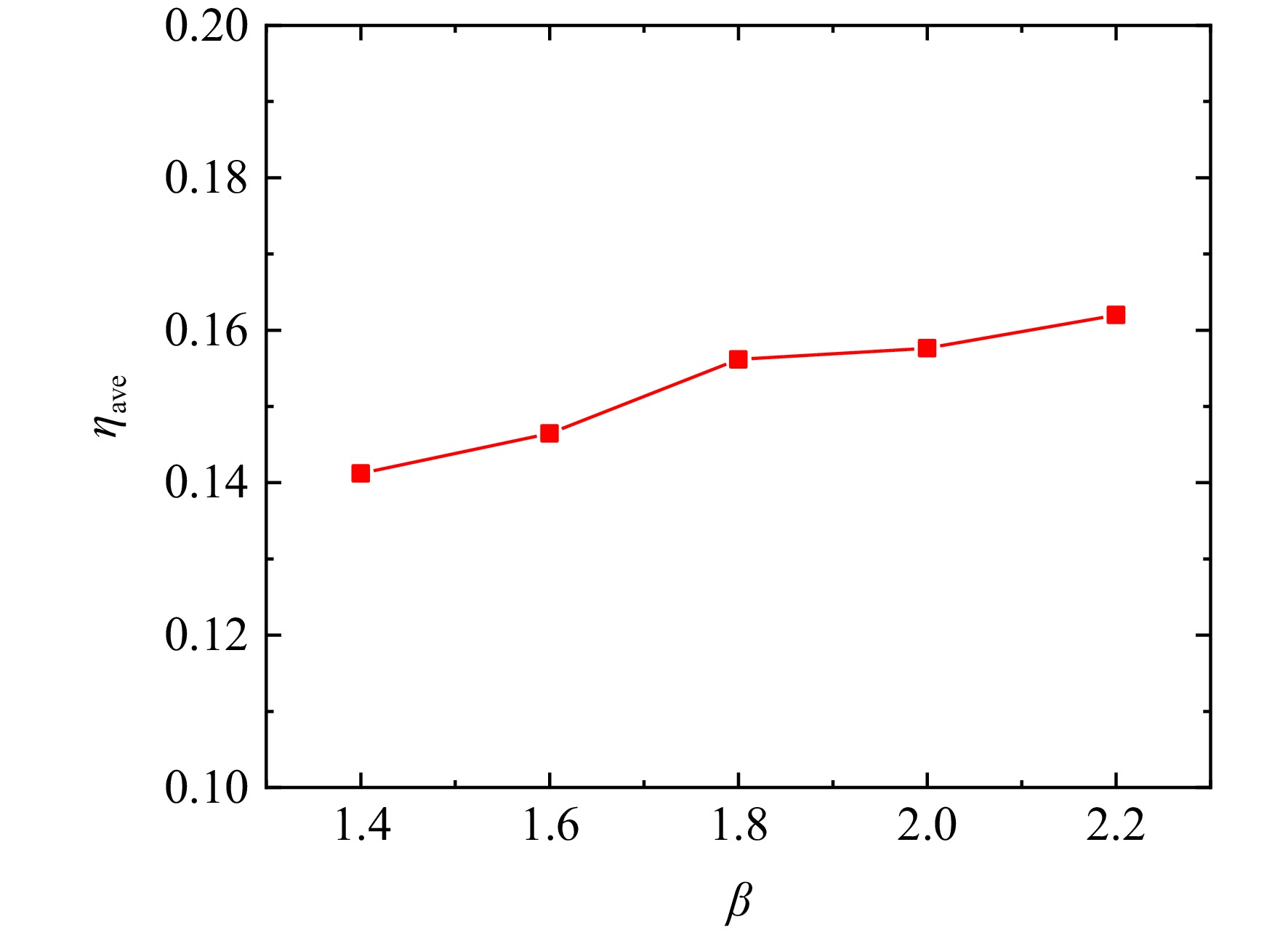
To address the issue of ablation and cracks on the trailing edge of the turbine guide blade in an aeroengine, the process characteristics of rapid prototyping of complex surfaces were combined using additive manufacturing, numerical simulation methods were employed to optimize the design of turbine blade cooling structures, and experimental research on the cooling structure schemes of turbine guide blades was conducted. The constructed experimental platform can simulate real engine operating parameters for turbine blade cooling efficiency. Based on this experimental platform, experiments were conducted on the effects of parameters such as pressure ratio, temperature ratio, and flow ratio on the overall cooling efficiency and dimensionless temperature distribution of the blade. The experimental results indicated that the effect of flow rate ratio on the cooling efficiency of the turbine blades was greater than that of temperature ratio and pressure ratio. Within the experimental operating range, as the flow ratio increased from 0.75% to 1.50%, the blade cooling efficiency increased from 0.123 to 0.183, representing an improvement of 48.78%. When the temperature ratio increased from 1.5 to 2.0, the blade cooling efficiency rose from 0.165 to 0.199, an increase of 20.61%. As the pressure ratio increased from 1.4 to 2.2, the blade cooling efficiency grew from 0.141 to 0.162, an enhancement of 14.08%.

Film cooling characteristics and loss mechanism of combined construct with expansive main hole and contractive secondary holes
FENG Guomiao, LI Guoqing, BAI Xiaohui, LIU Jialin, LI Rundong, LU Xingen
2026, 41(3): 20240770. doi: 10.13224/j.cnki.jasp.20240770
Abstract:

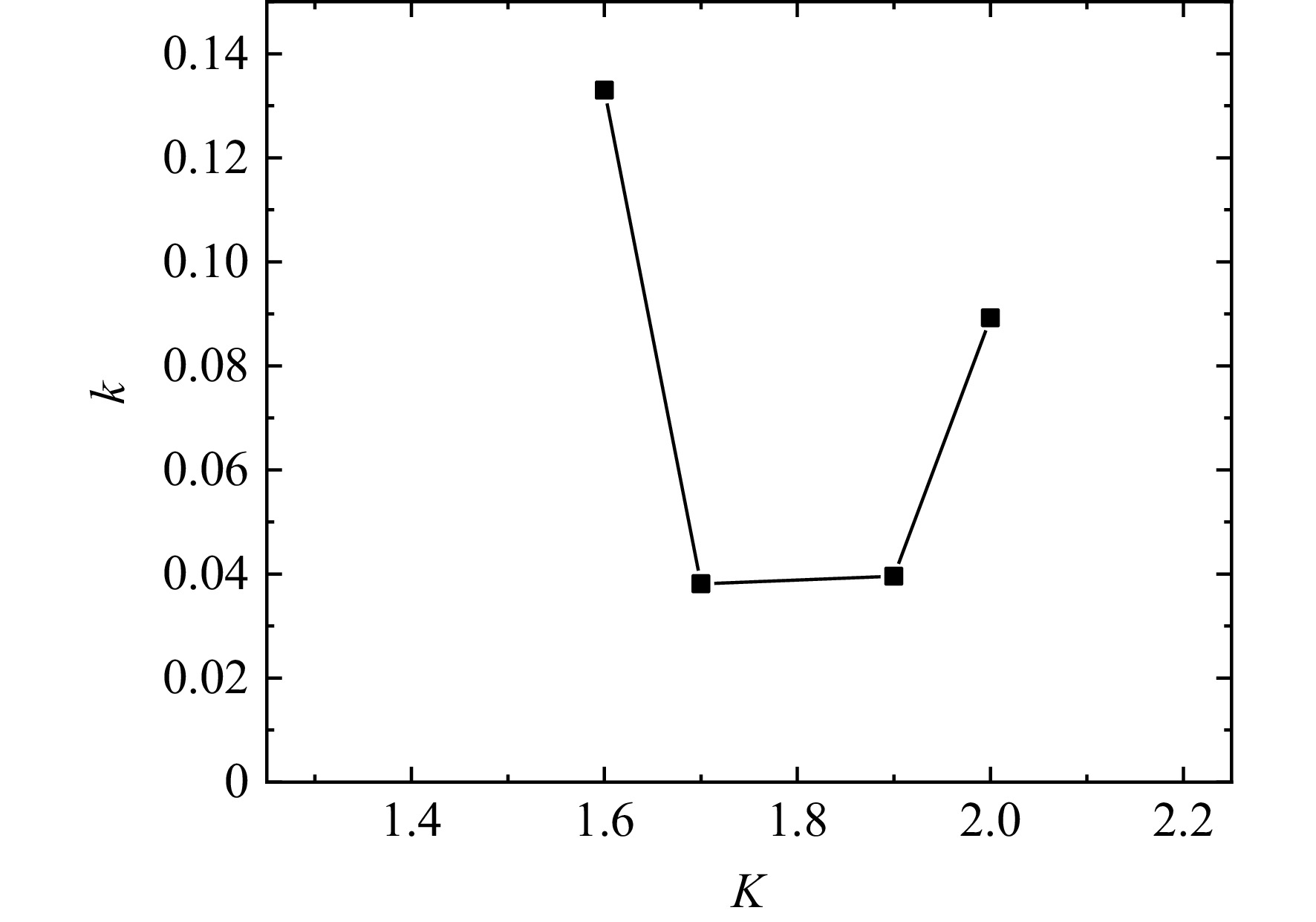
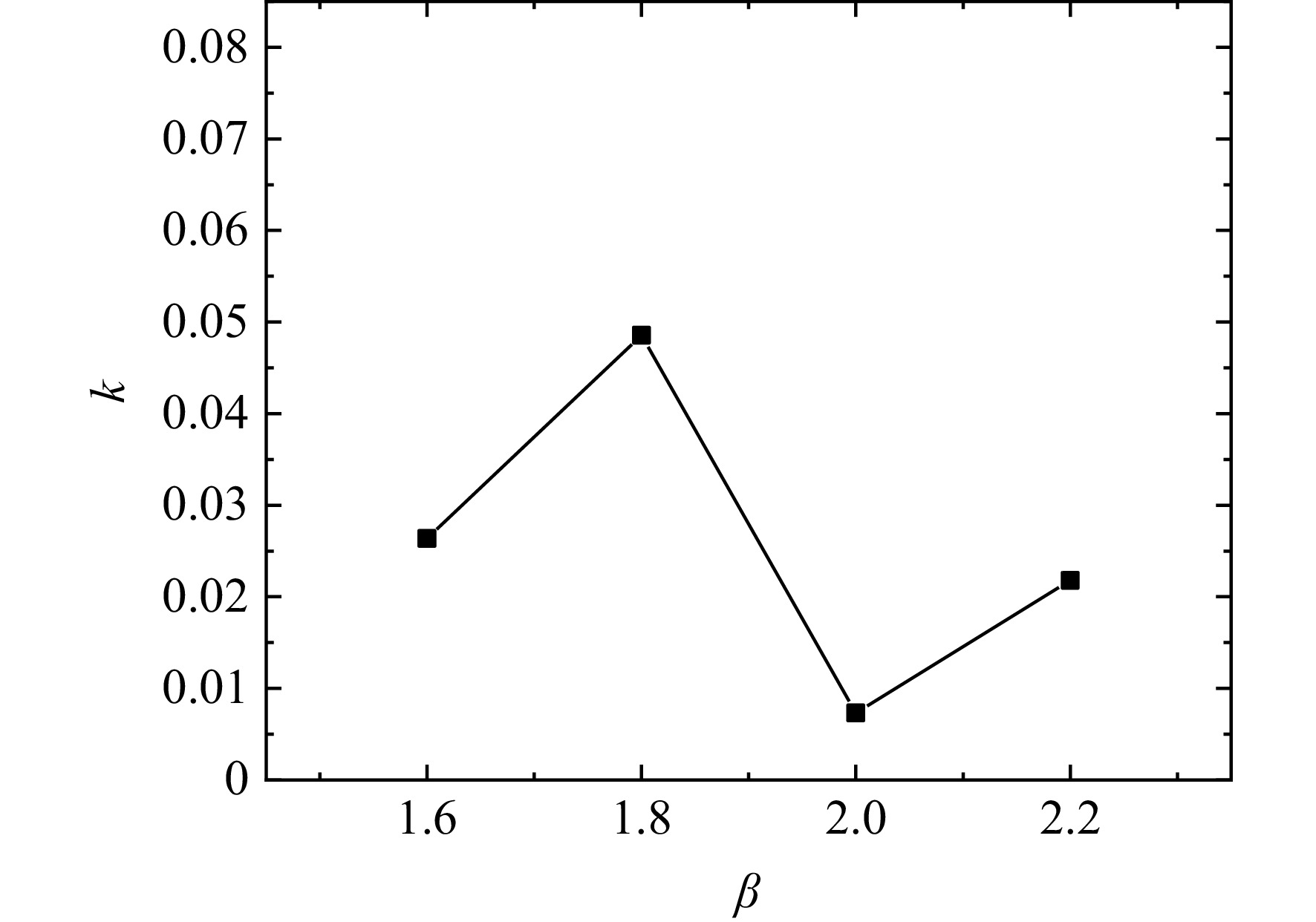
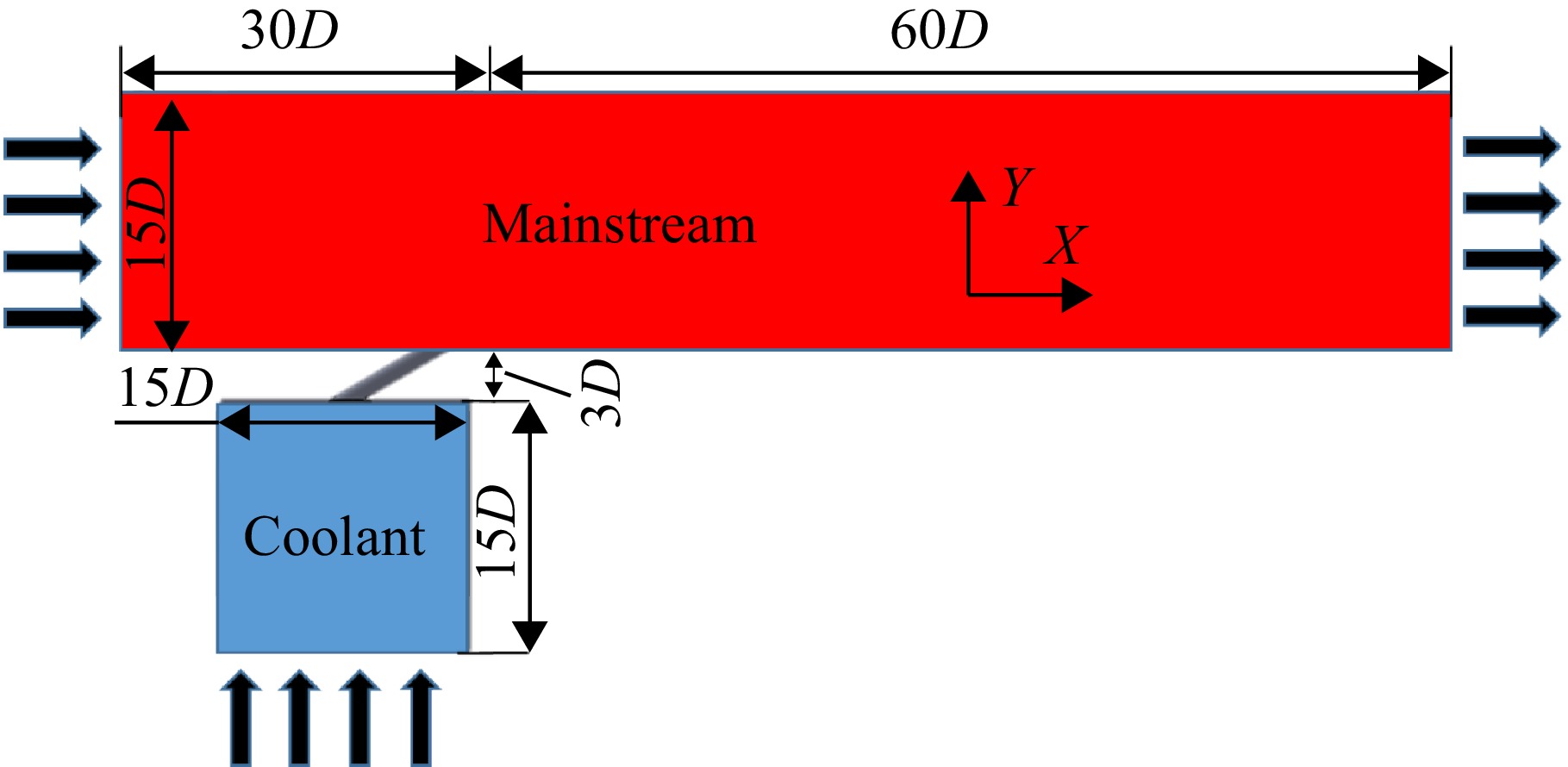
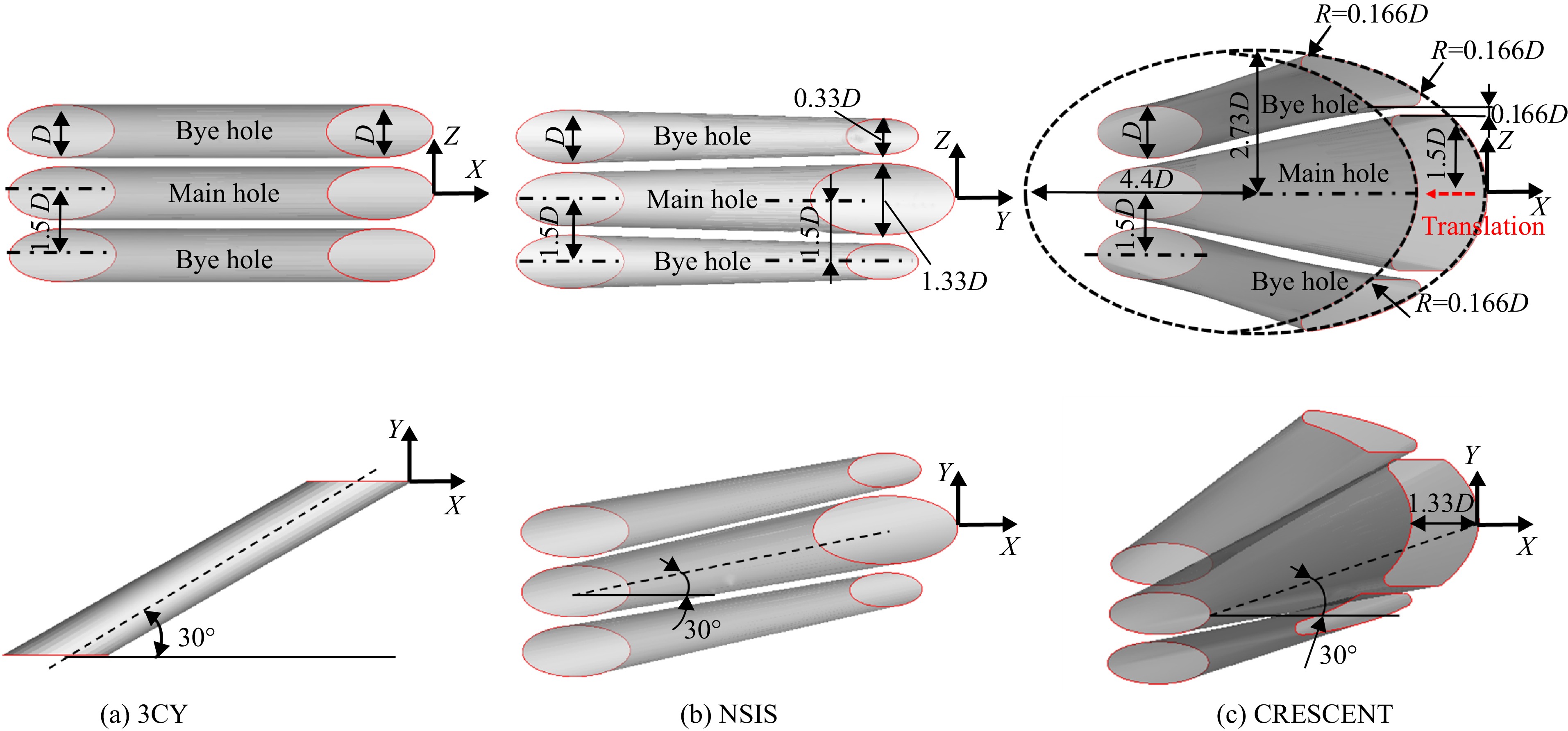
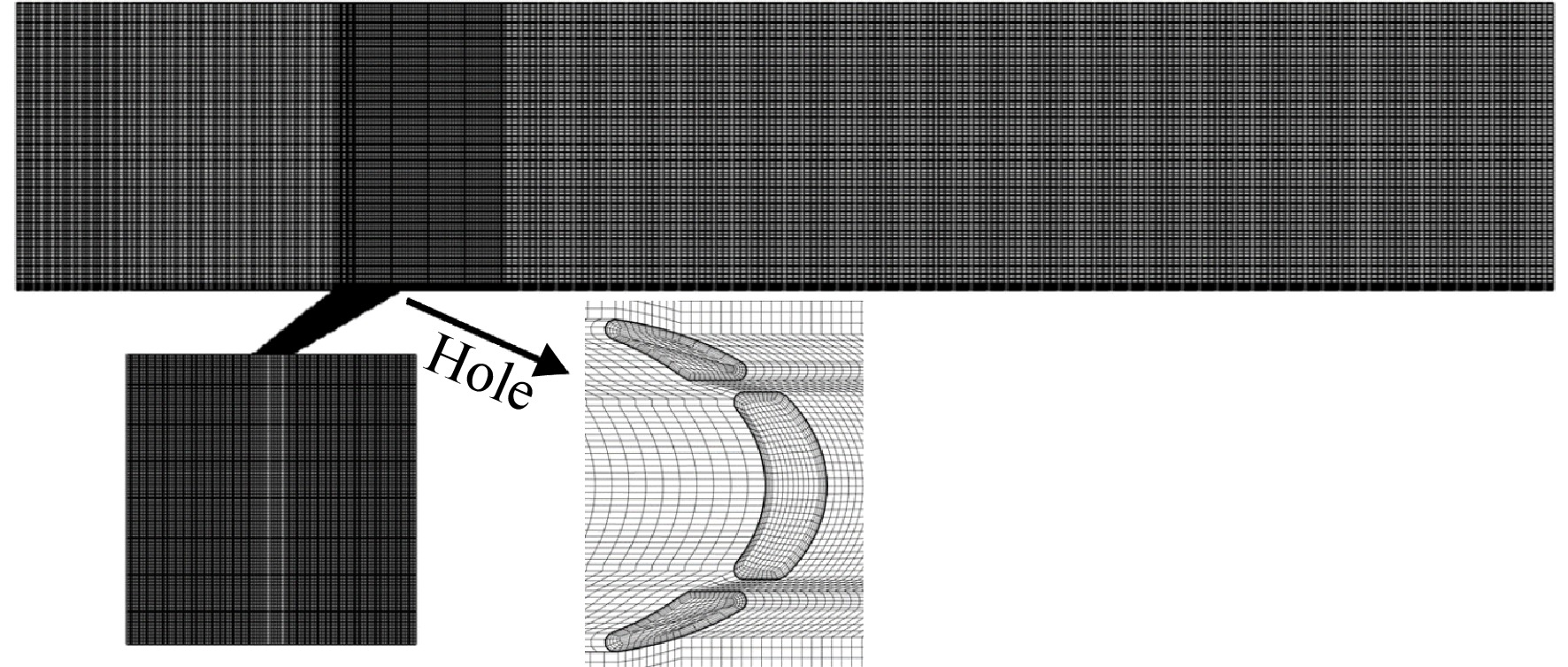
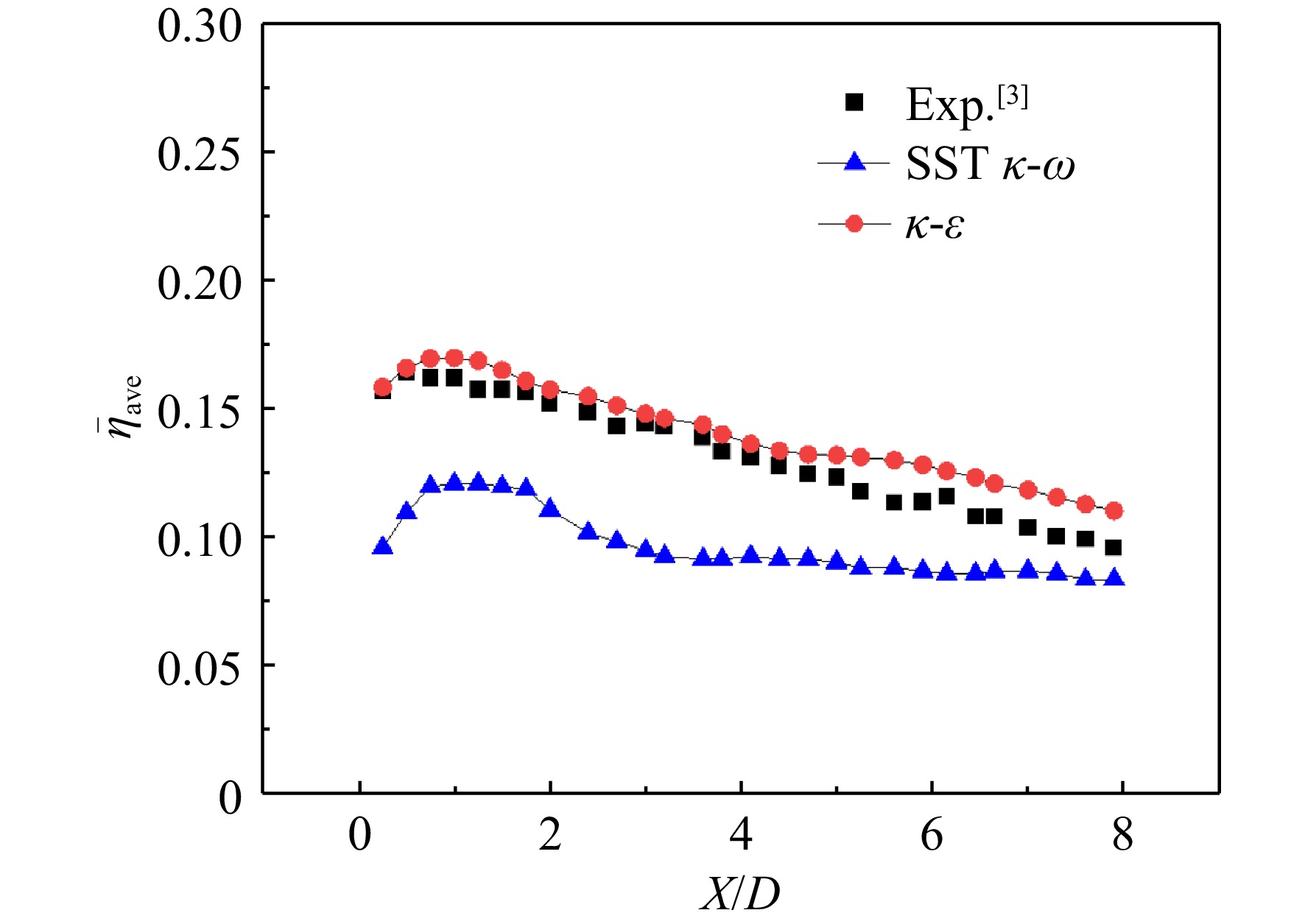
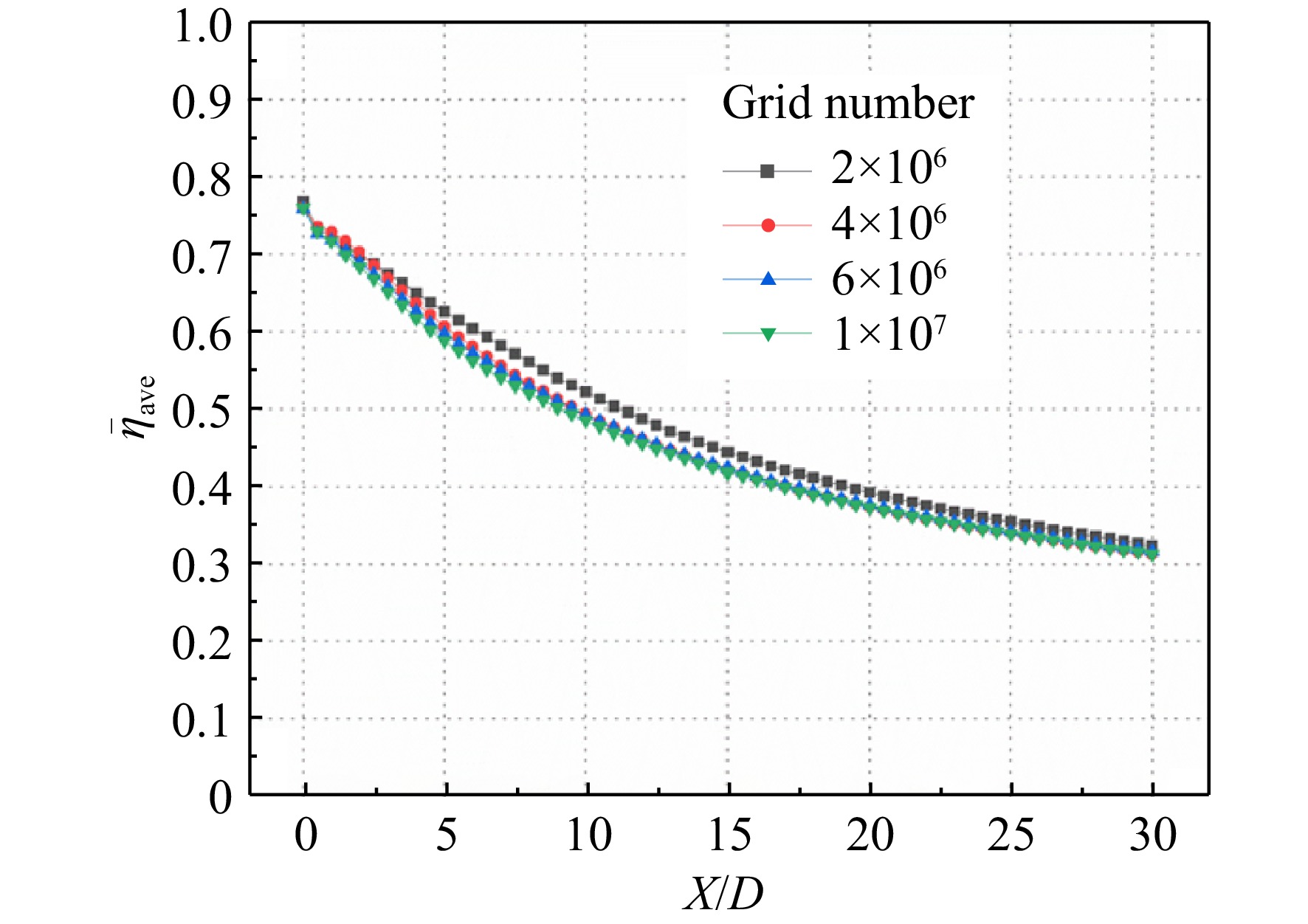
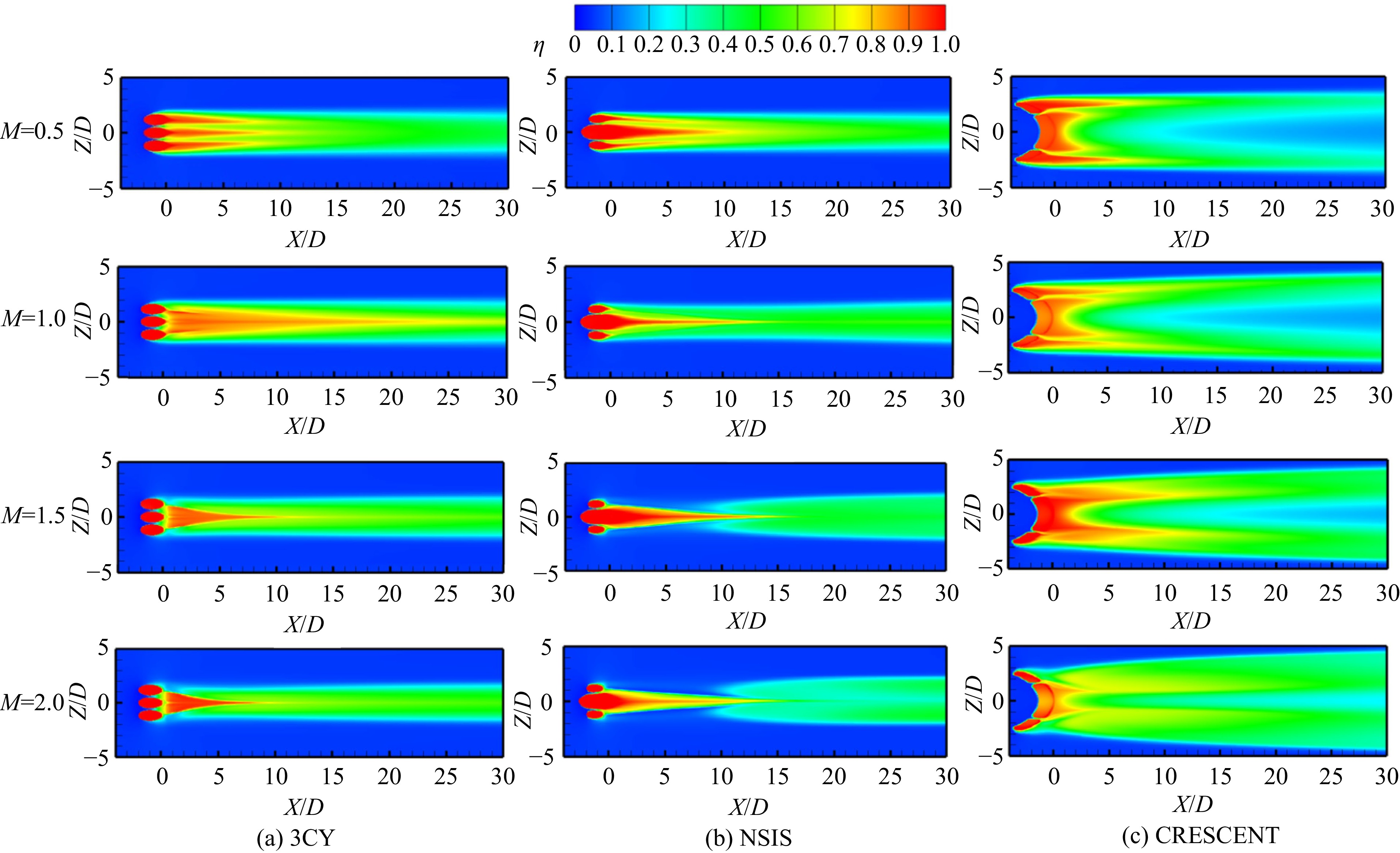
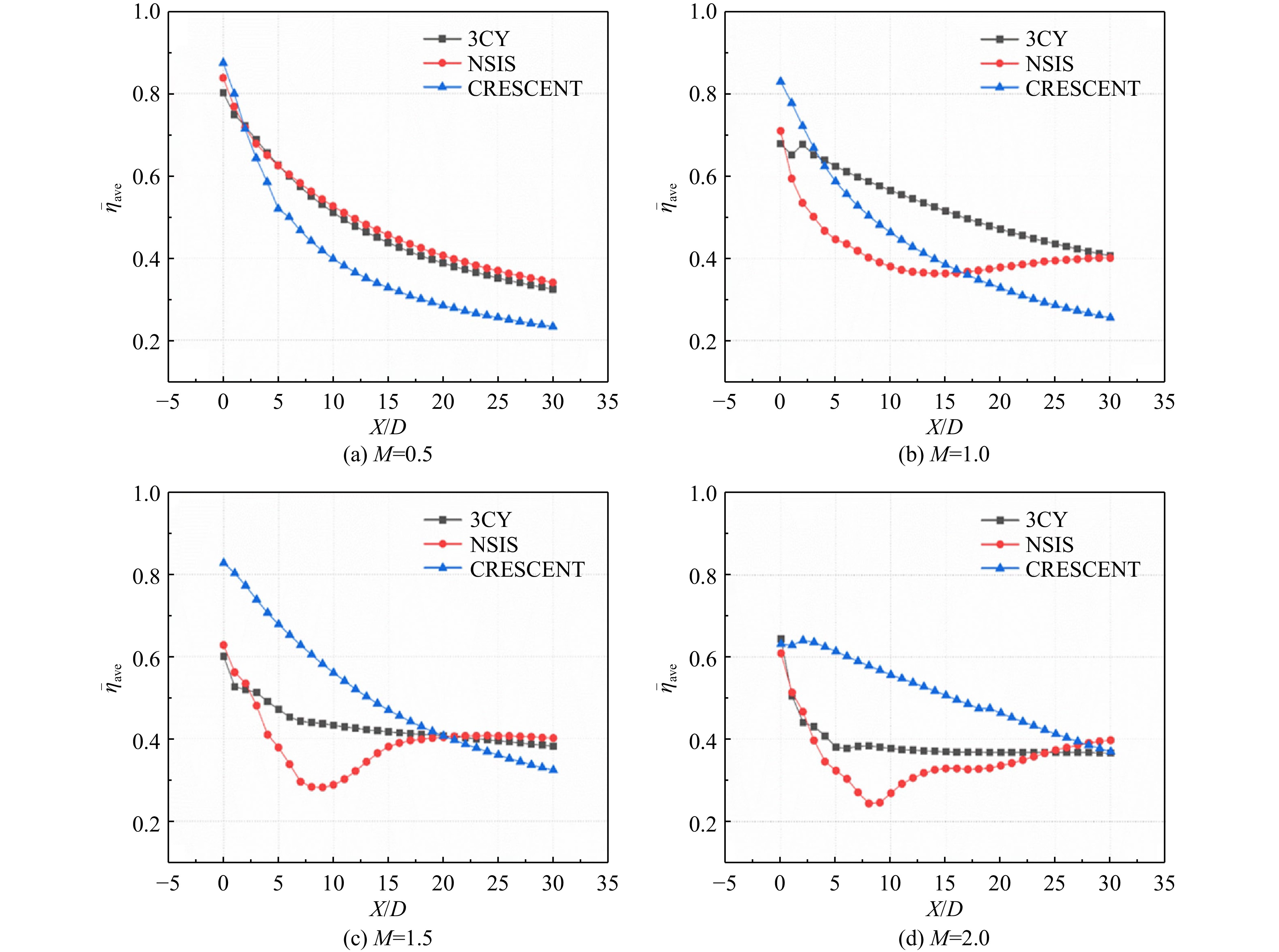
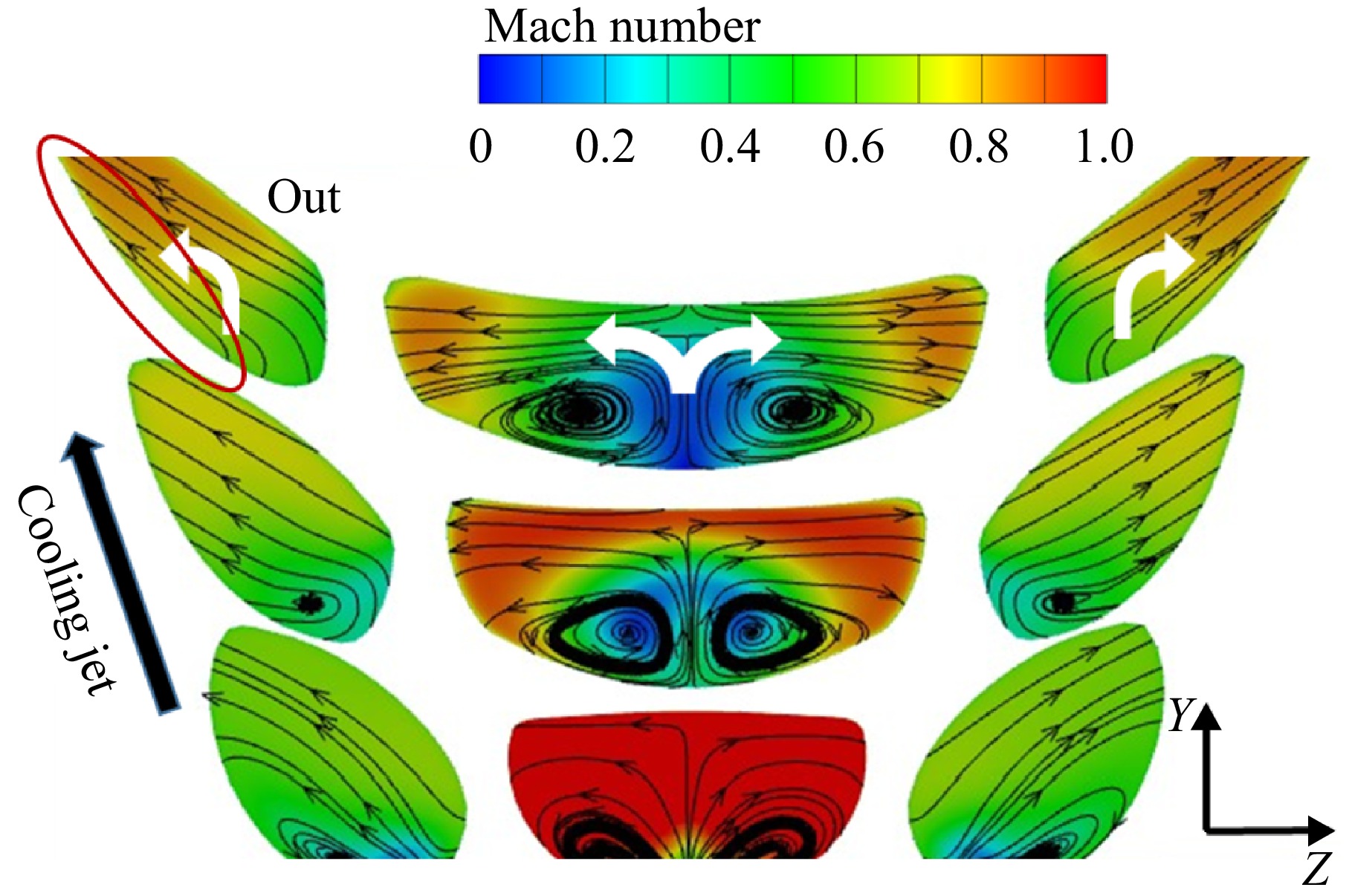
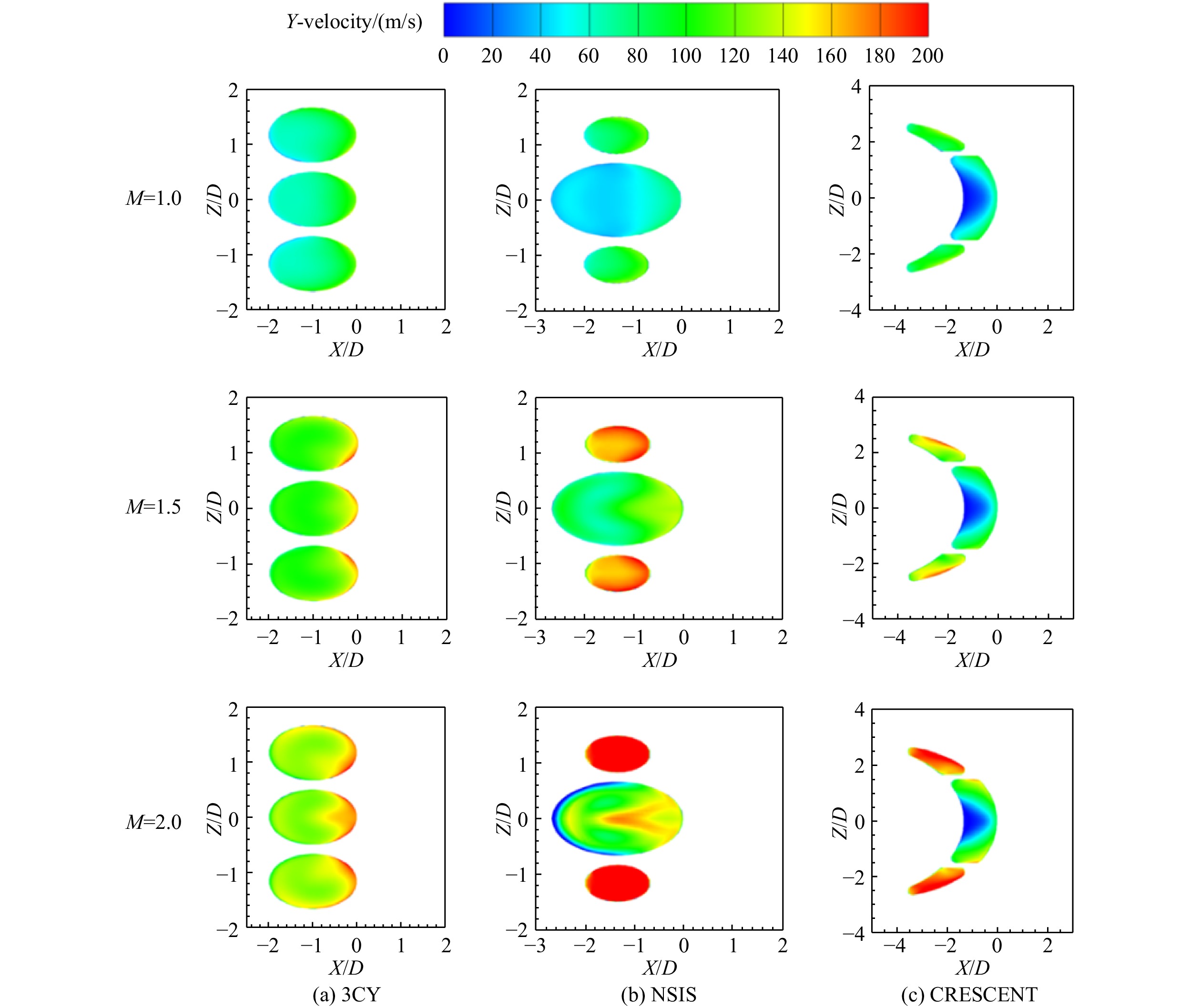
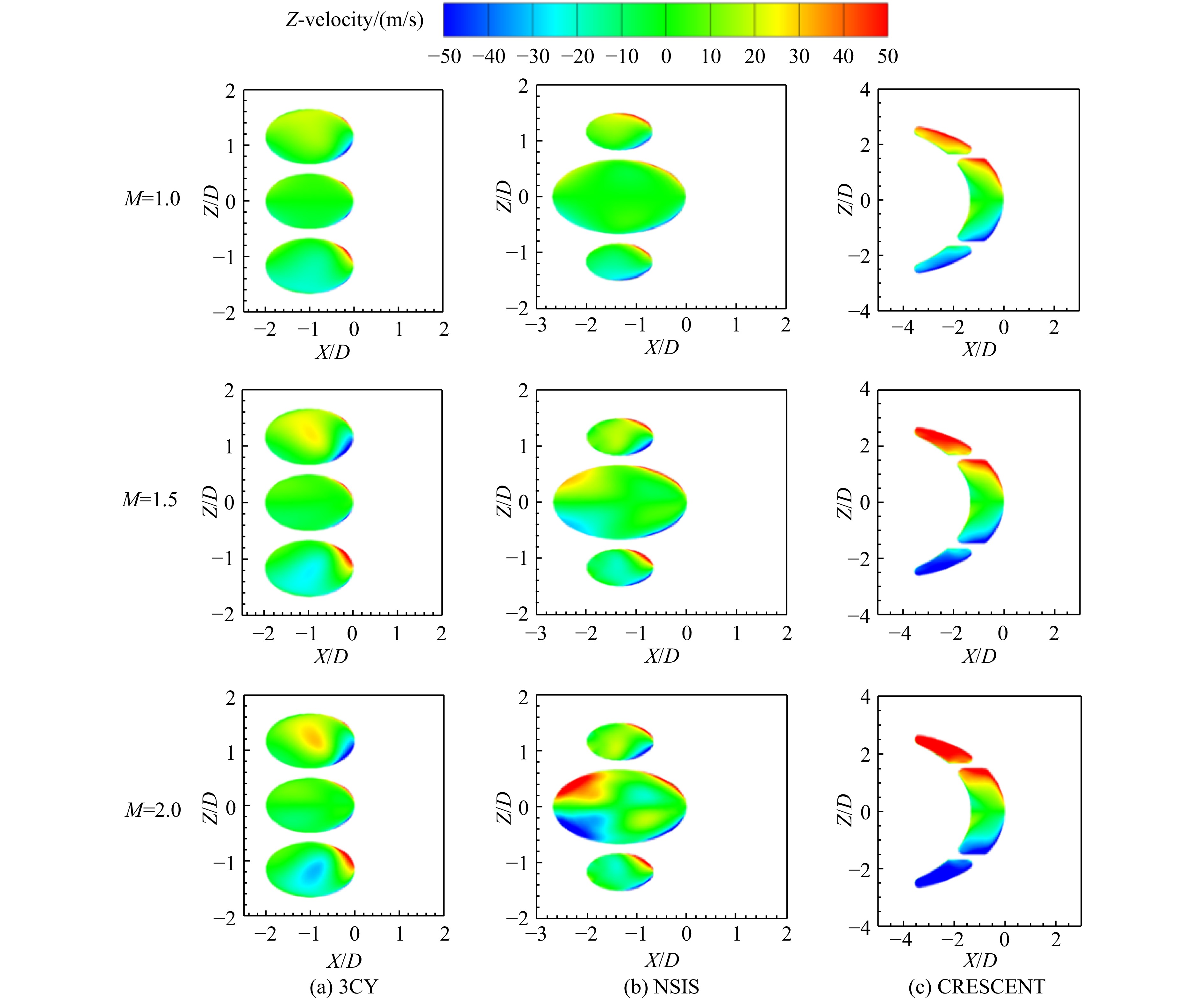
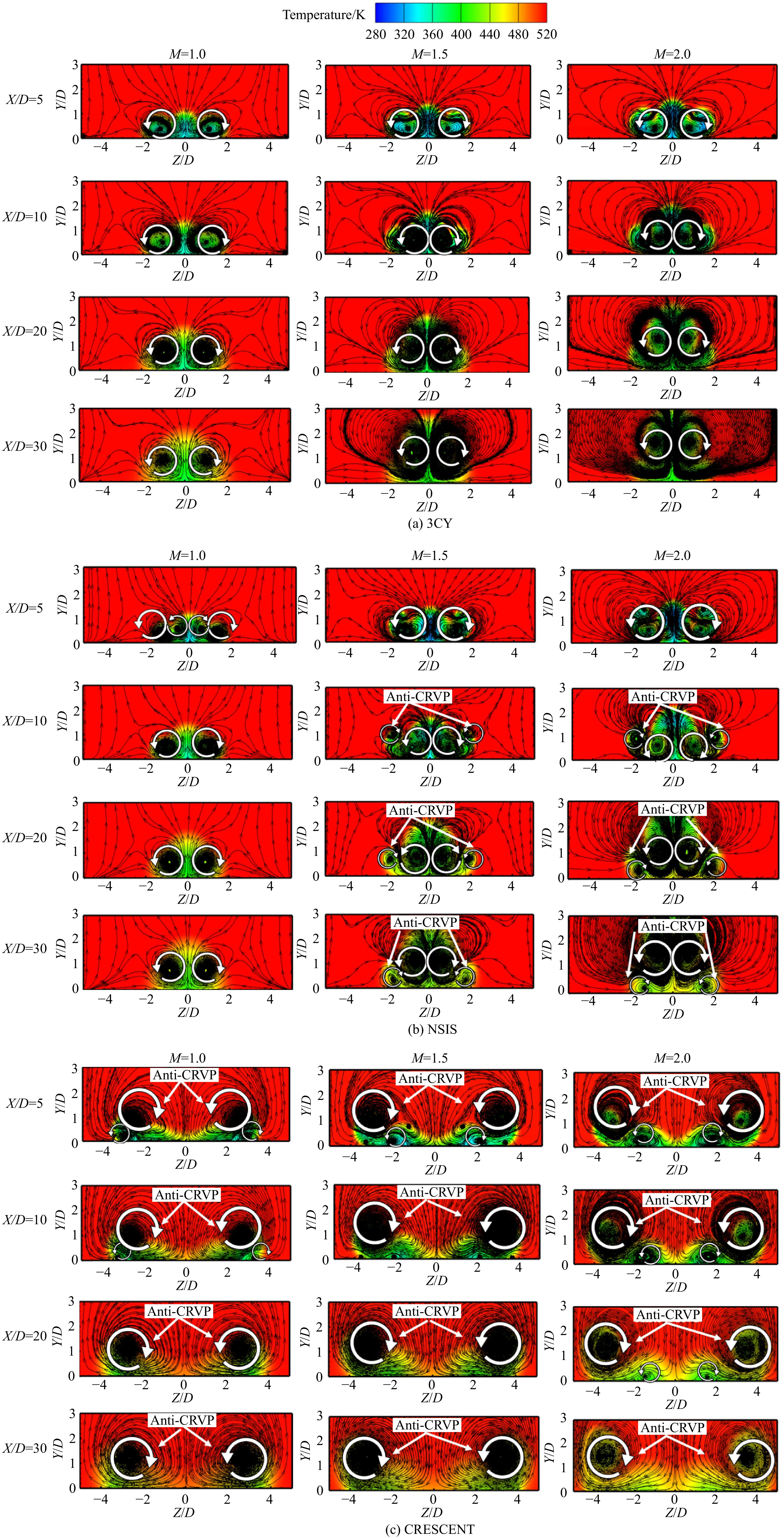
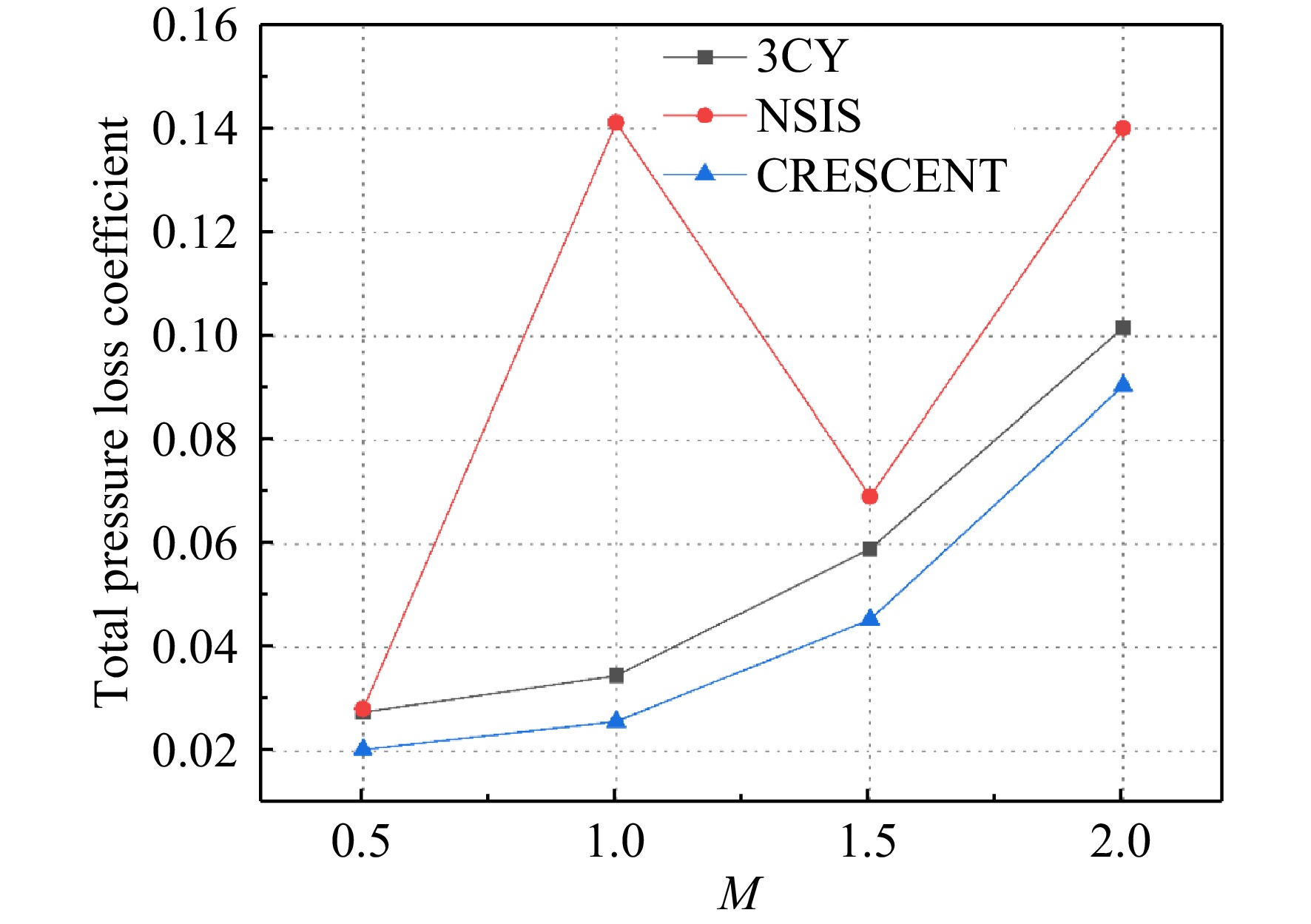
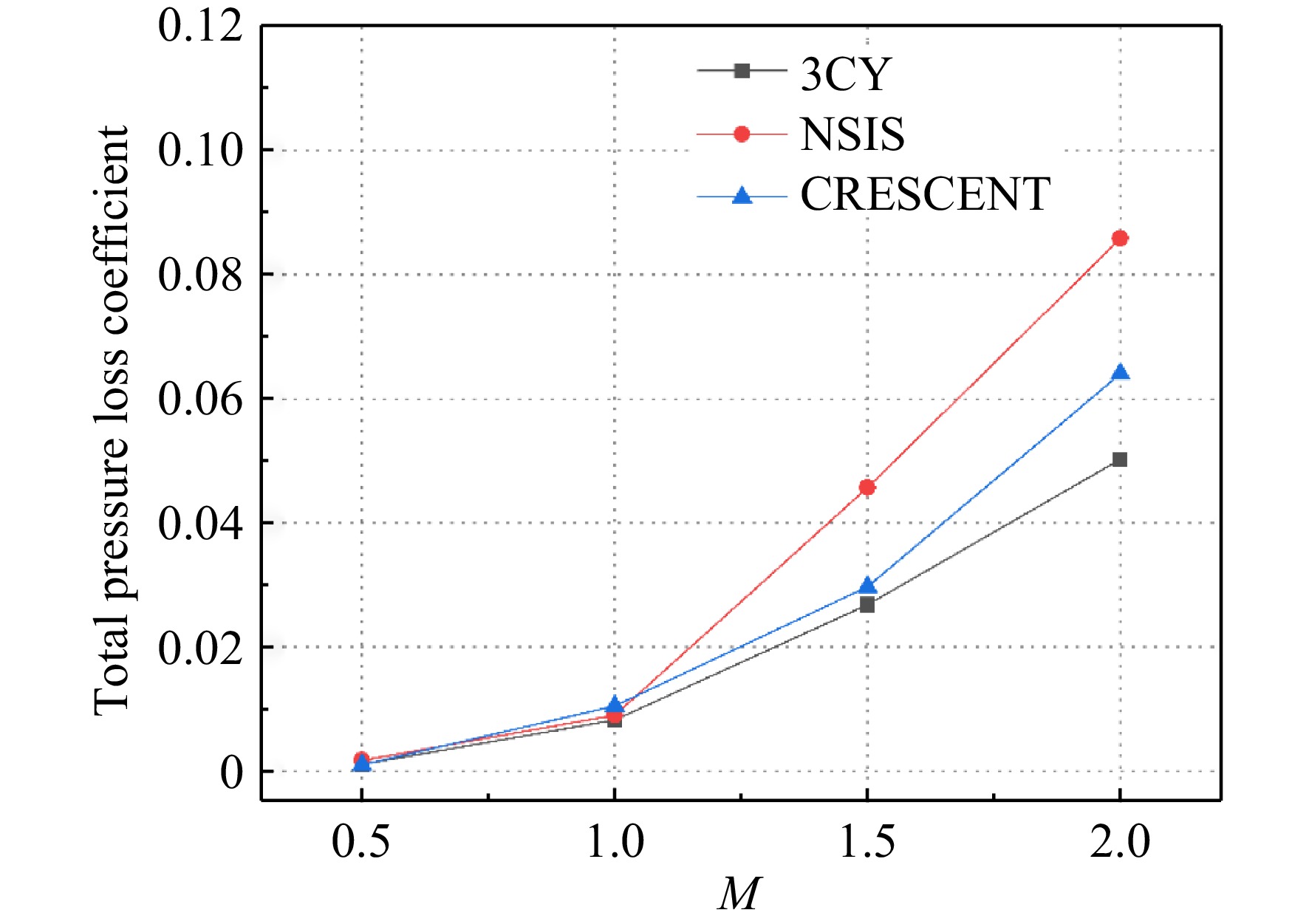
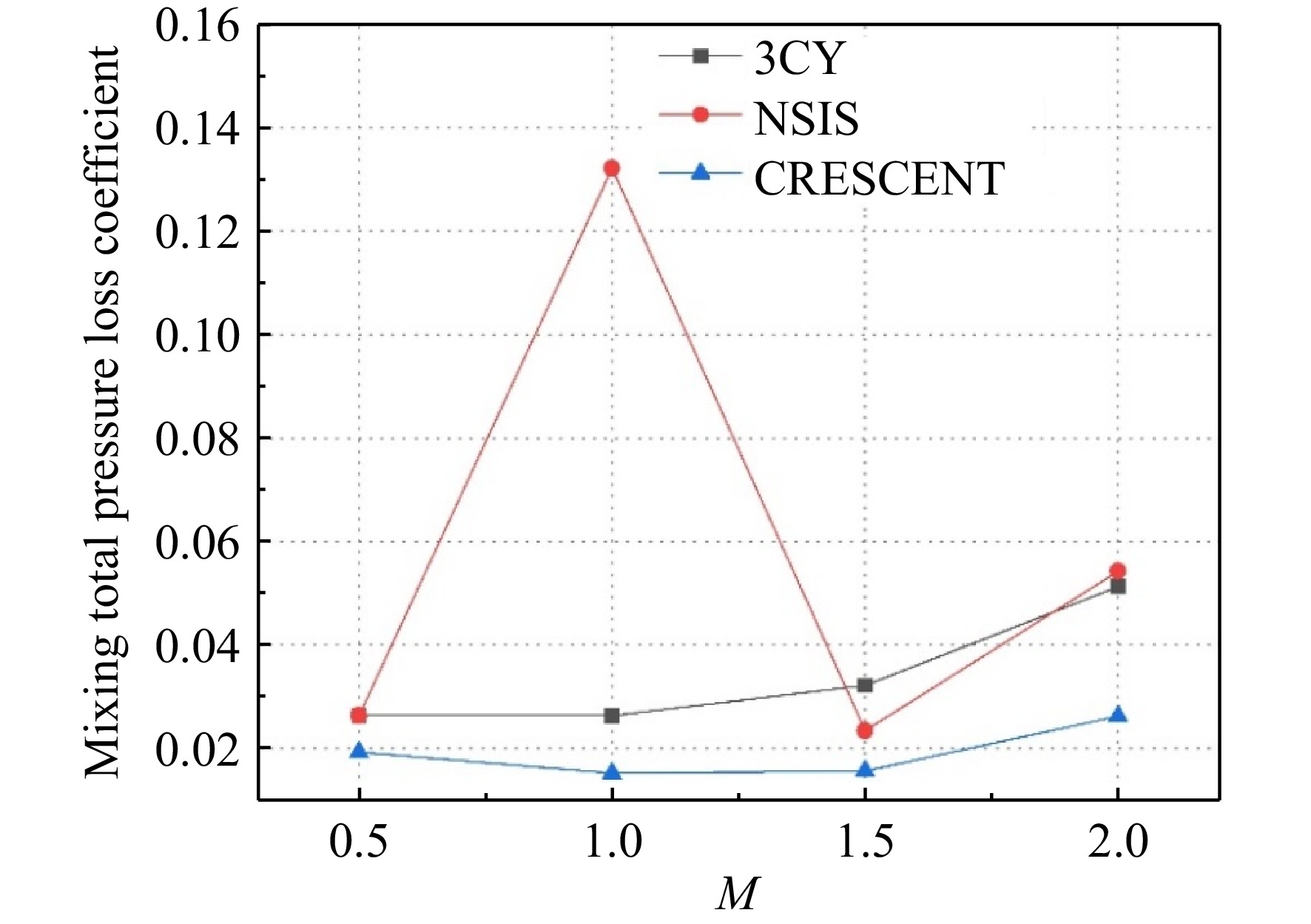
Film cooling characteristics and aerodynamic loss mechanism were numerically simulated under a mainstream Mach number of 0.6. Three-cylindrical combination holes, variable cross-section cylin-drical combination holes and crescent combination holes were compared at the blowing ratio varying from 0.5 to 2.0. In a crescent combination holes with expansive main hole and contractive secondary holes, main-stream penetration was prevented in the mid-expansion hole. As for the side-contraction holes, the anti-kidney vortex was promoted due to acceleration. The mixing structure was changed due to different pre-ssure gradients of holes. When the blowing ratio was 1.5 and 2.0, compared with three-cylindrical combi-nation holes, the film cooling effectiveness increased by 17.8% and 29.7%, respectively, and the mixing pressure loss due to film cooling declined by 51% and 43%, respectively, in crescent combination holes.

Large eddy simulation on the impact of low-temperature inlet on the ignition process
WANG Hui, LIU Yongfeng, HU Chuanlong, SHI Yunjiao, LIU Xiao
2026, 41(3): 20250077. doi: 10.13224/j.cnki.jasp.20250077
Abstract:

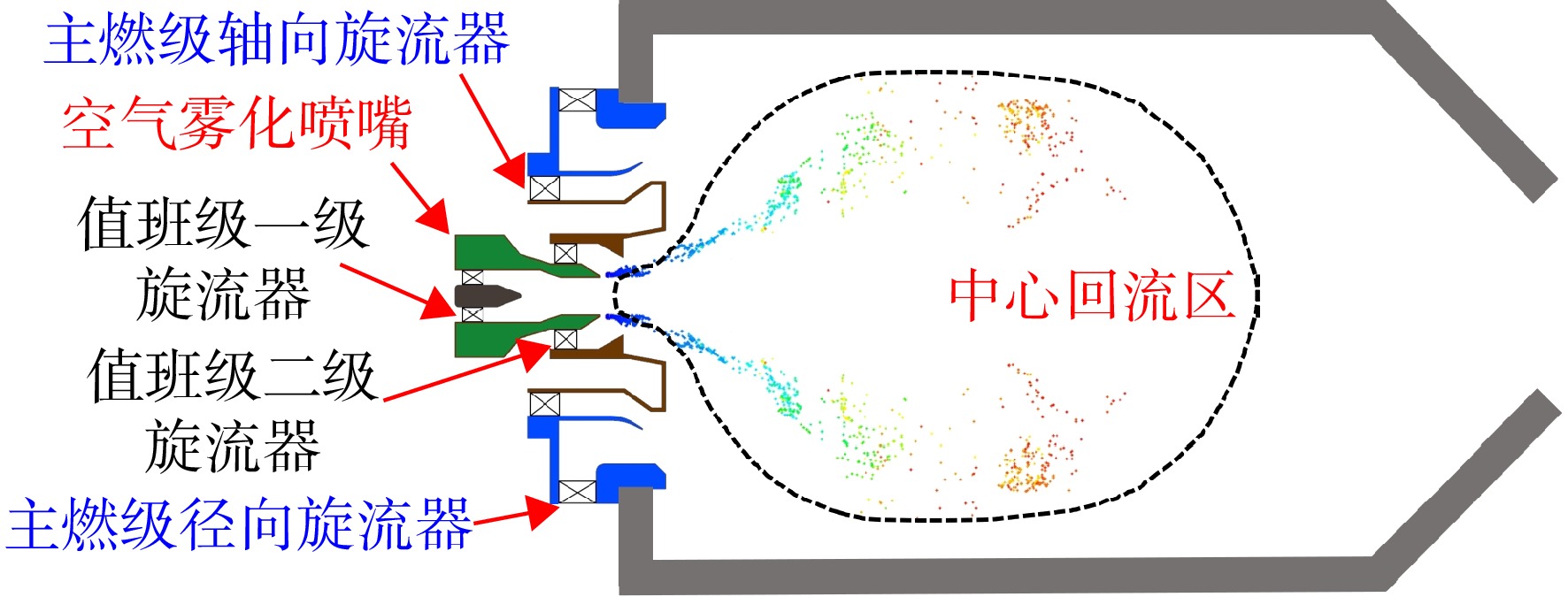
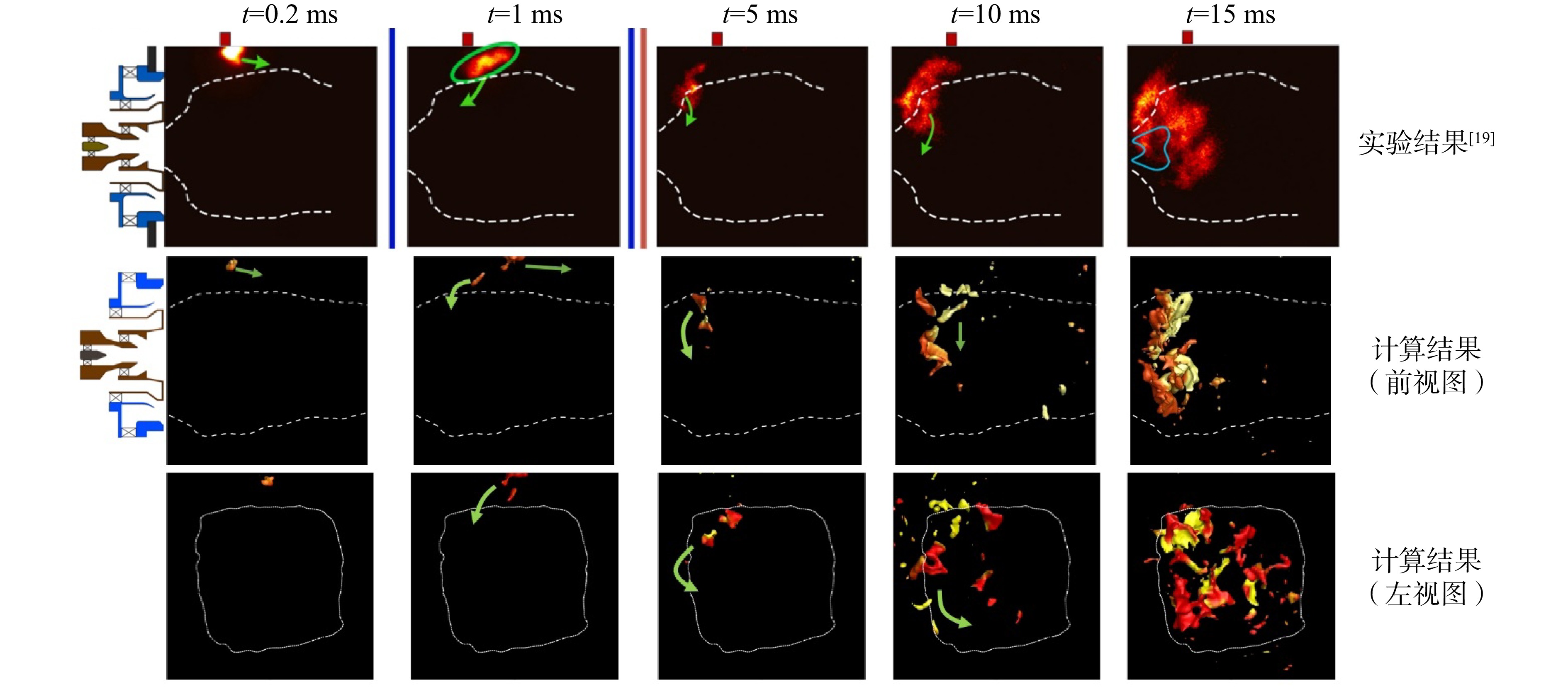
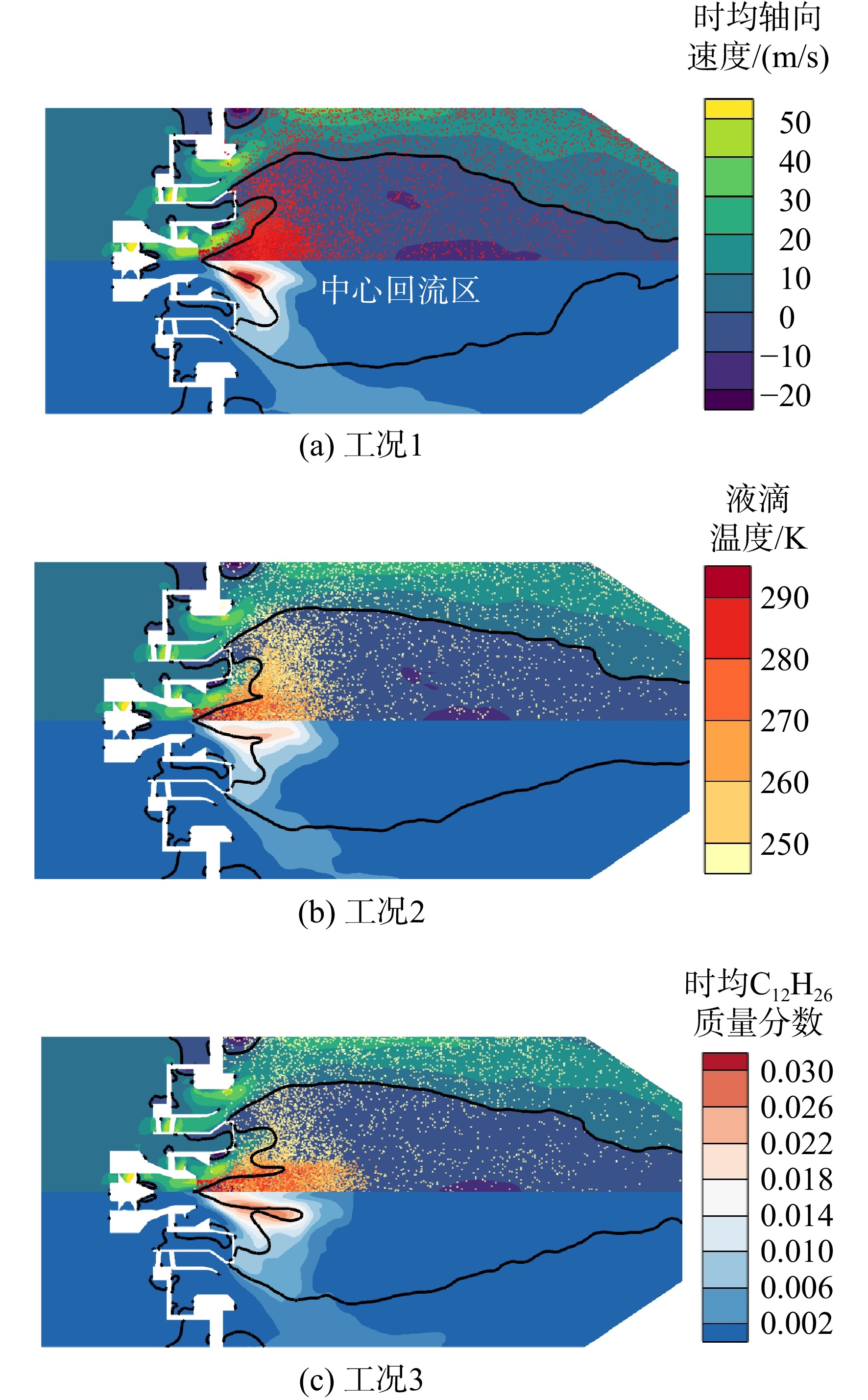
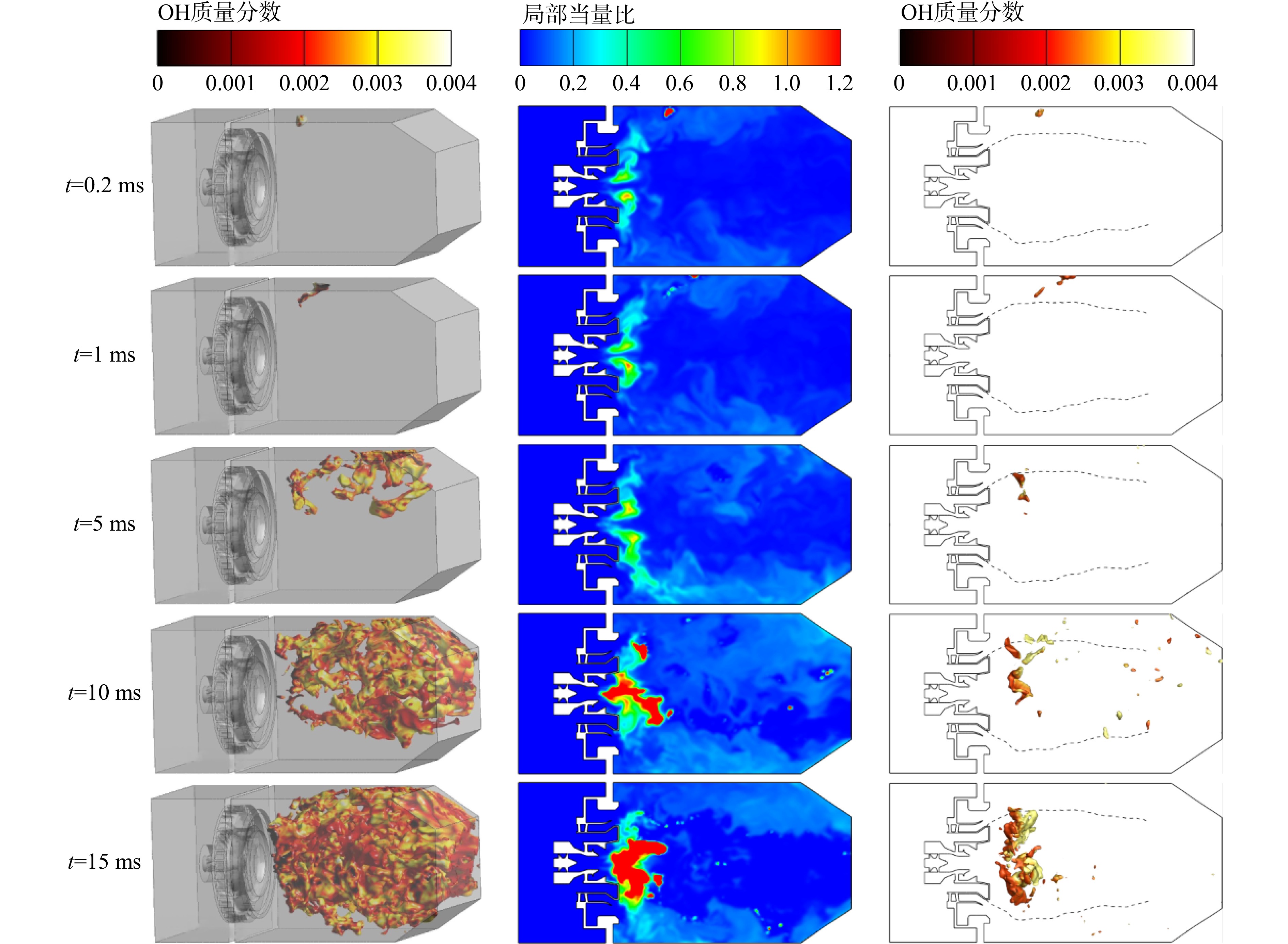
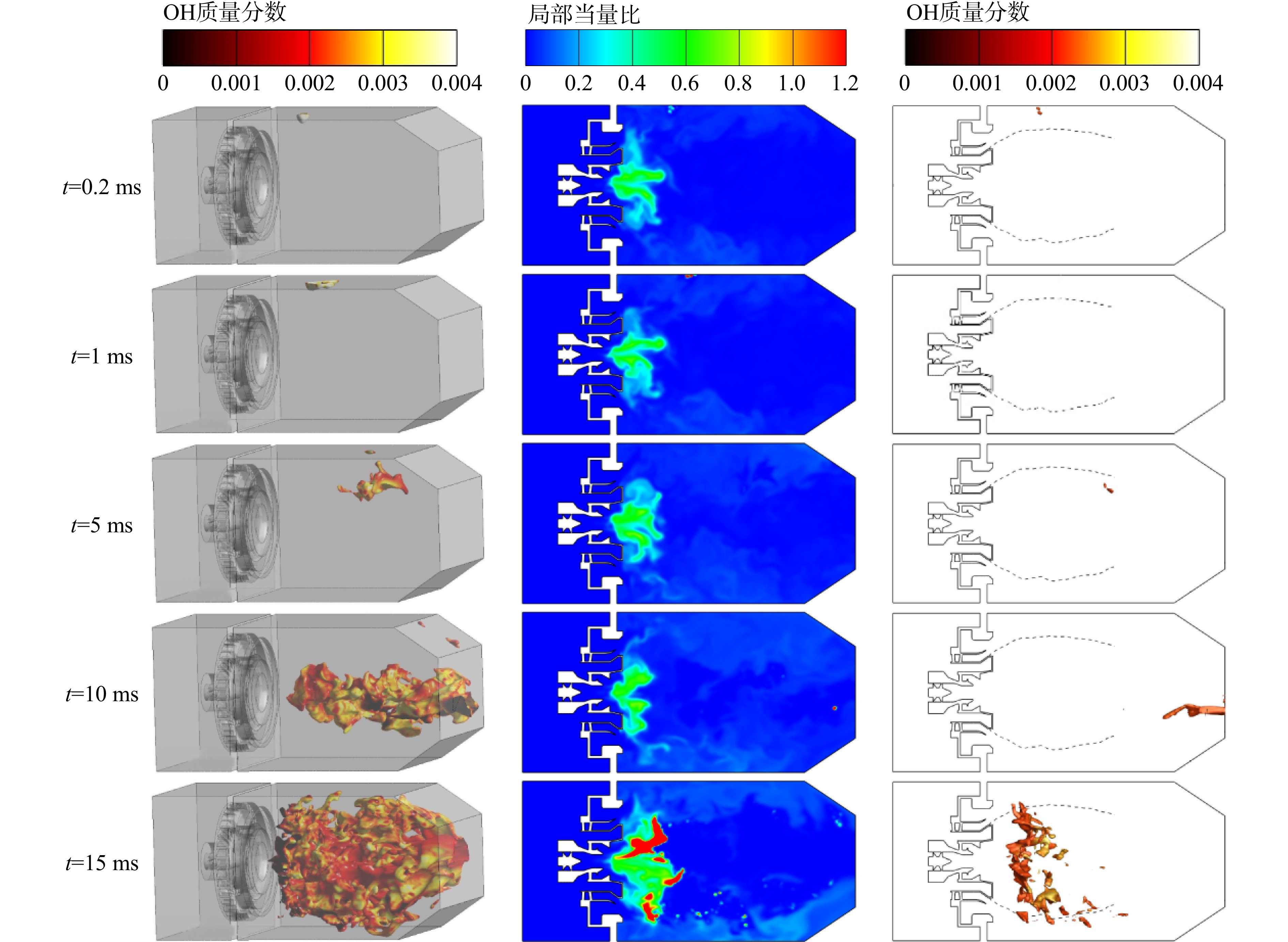
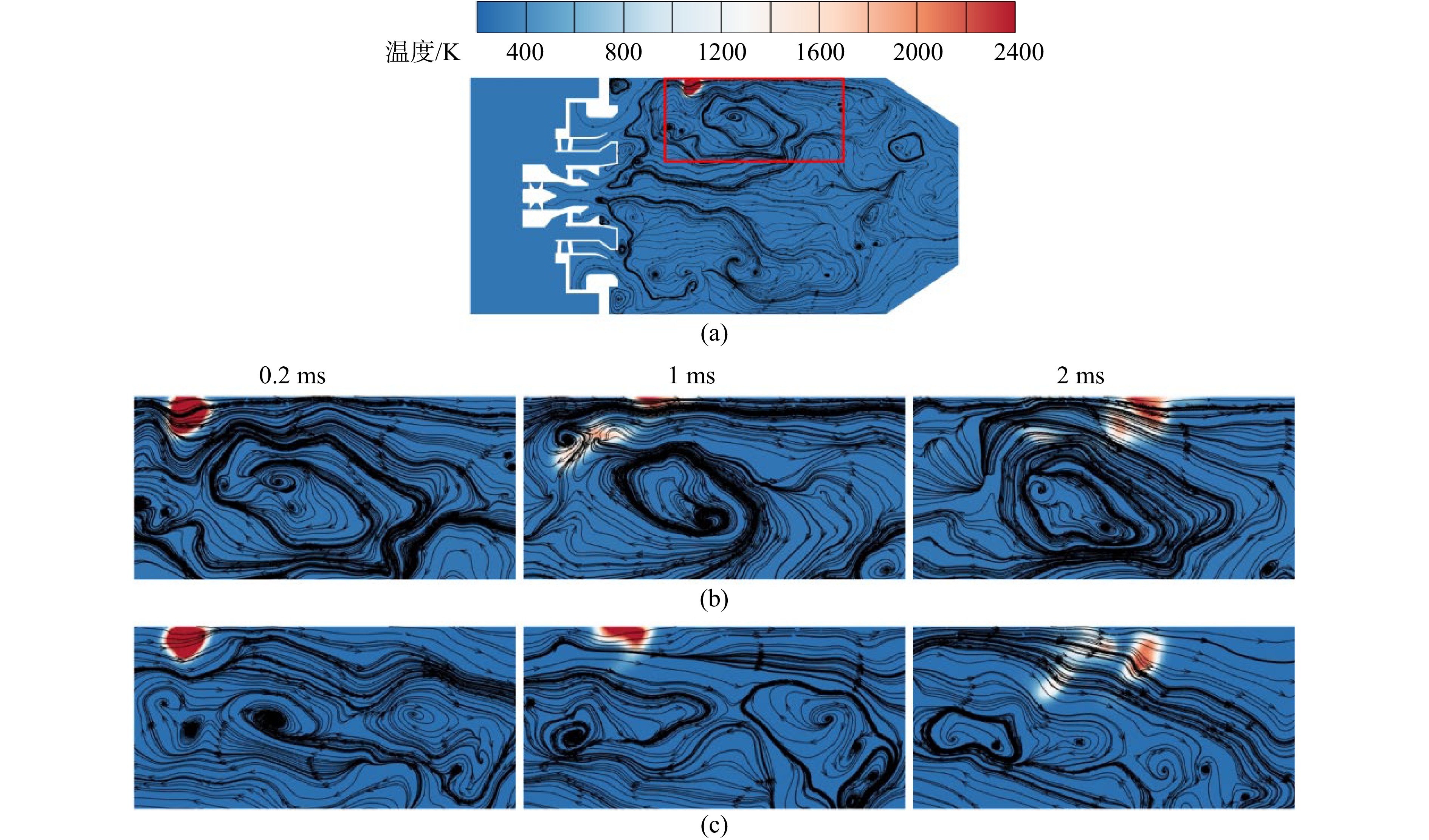
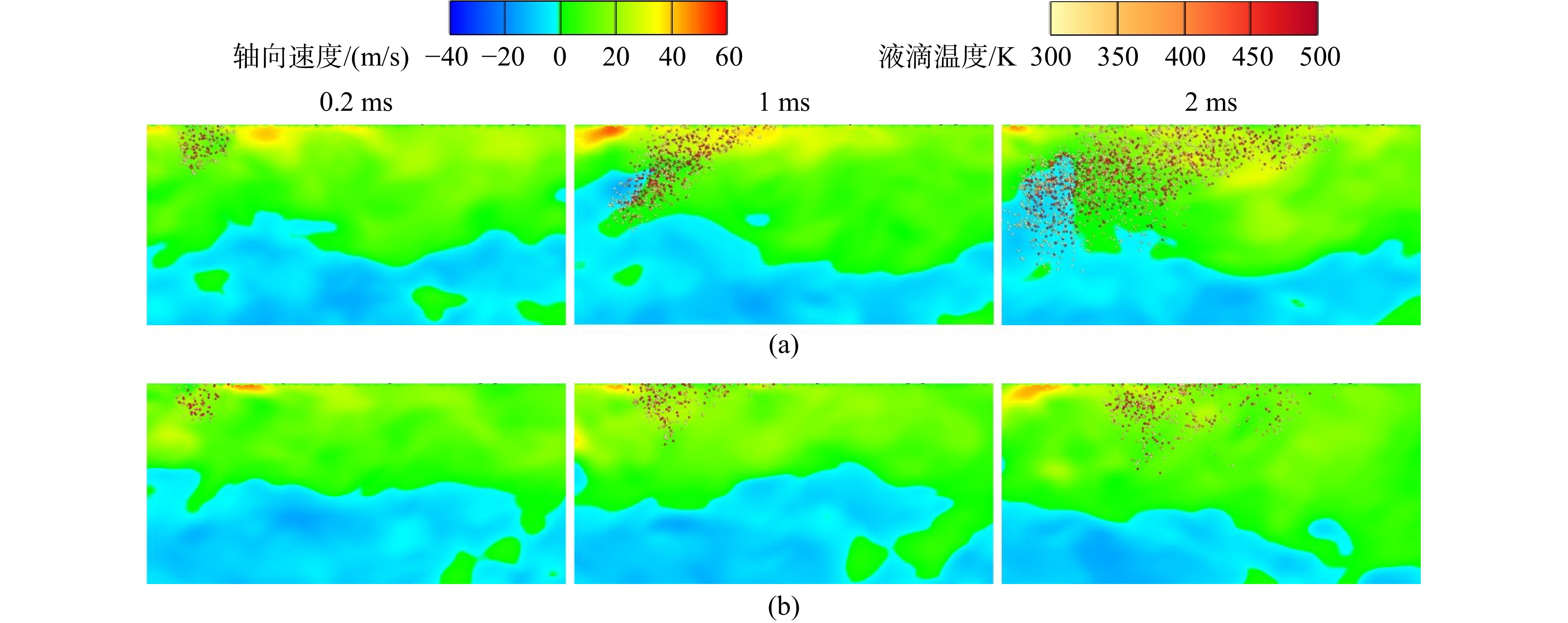
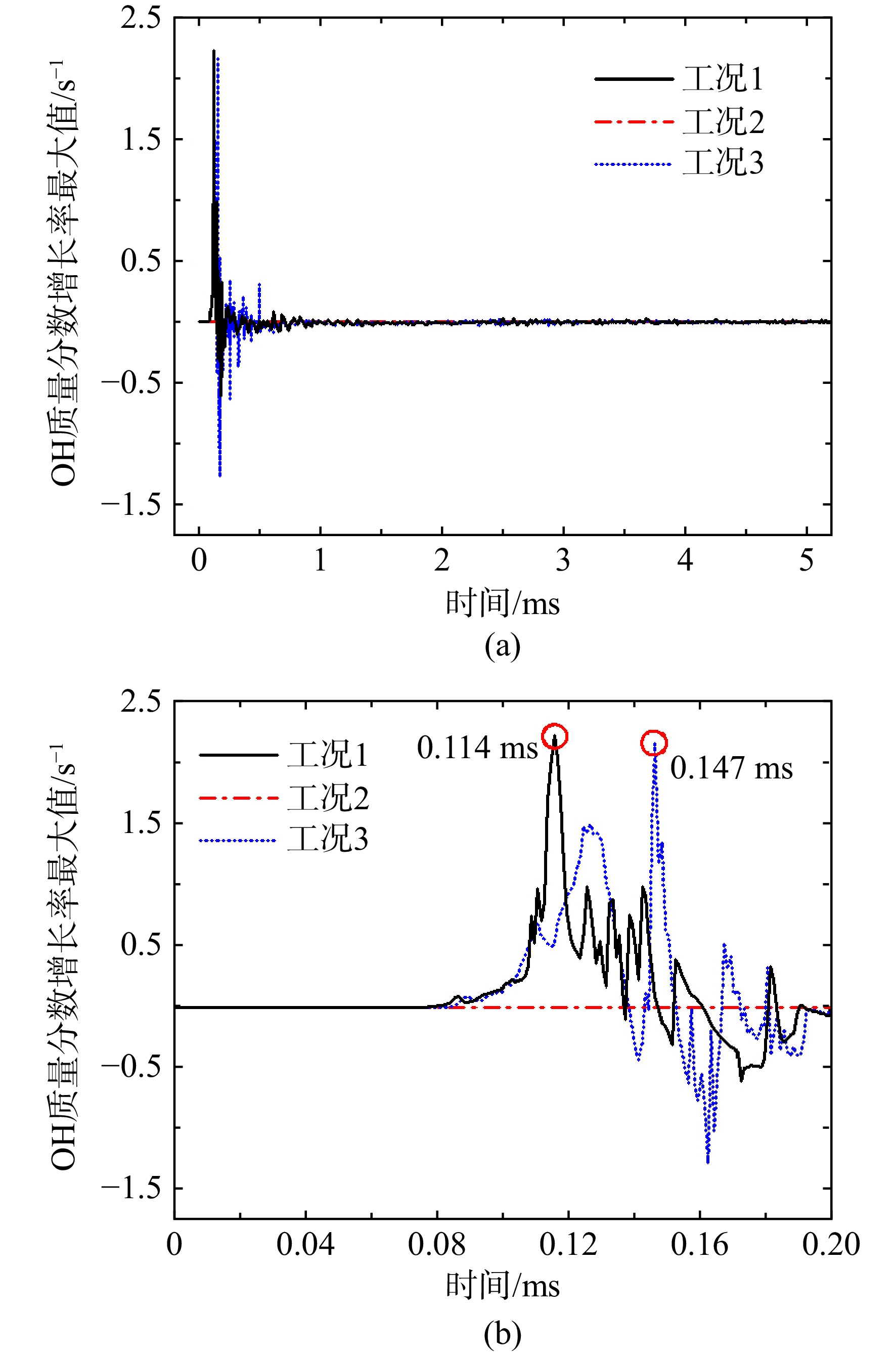
The ignition reliability of lean combustion is fundamental to make sure that gas turbine combustor can operate in low-temperature environment reliably. It is important to investigate the influence of key factors on ignition process to improve ignition performance. Based on the multi-swirl staged model combustor, the effects of low-temperature inlet and fuel to air ratio on the behaviors of the initial flame kernel and flame propagation were analyzed. In this work, large eddy simulation and dynamic thickened flame model coupled with skeletal chemical reaction mechanism of kerosene were used to capture flamelet information during the ignition process. The results showed that the numerical method can capture the ignition process accurately. The axial velocity, droplet temperature and local equivalence ratio of the ignition position decreased as the inlet air temperature decreased, while the local equivalence ratio increased with the increase of fuel to air ratio. Ignition failed when inlet air temperature reduced to 253 K, as local equivalence ratio of the ignition position decreased. The ignition with low-temperature inlet air can be realized successfully by raising the fuel to air ratio to 0.04 at the same time, but the ignition delay time was extended by 26.72% and the flame propagation path was changed.

Aerothermodynamics and Aeroengine Design
Study on drag reduction of bottom cavity with side hole
CUI Wenyao, GUO Dechun
2026, 41(3): 20240307. doi: 10.13224/j.cnki.jasp.20240307
Abstract:

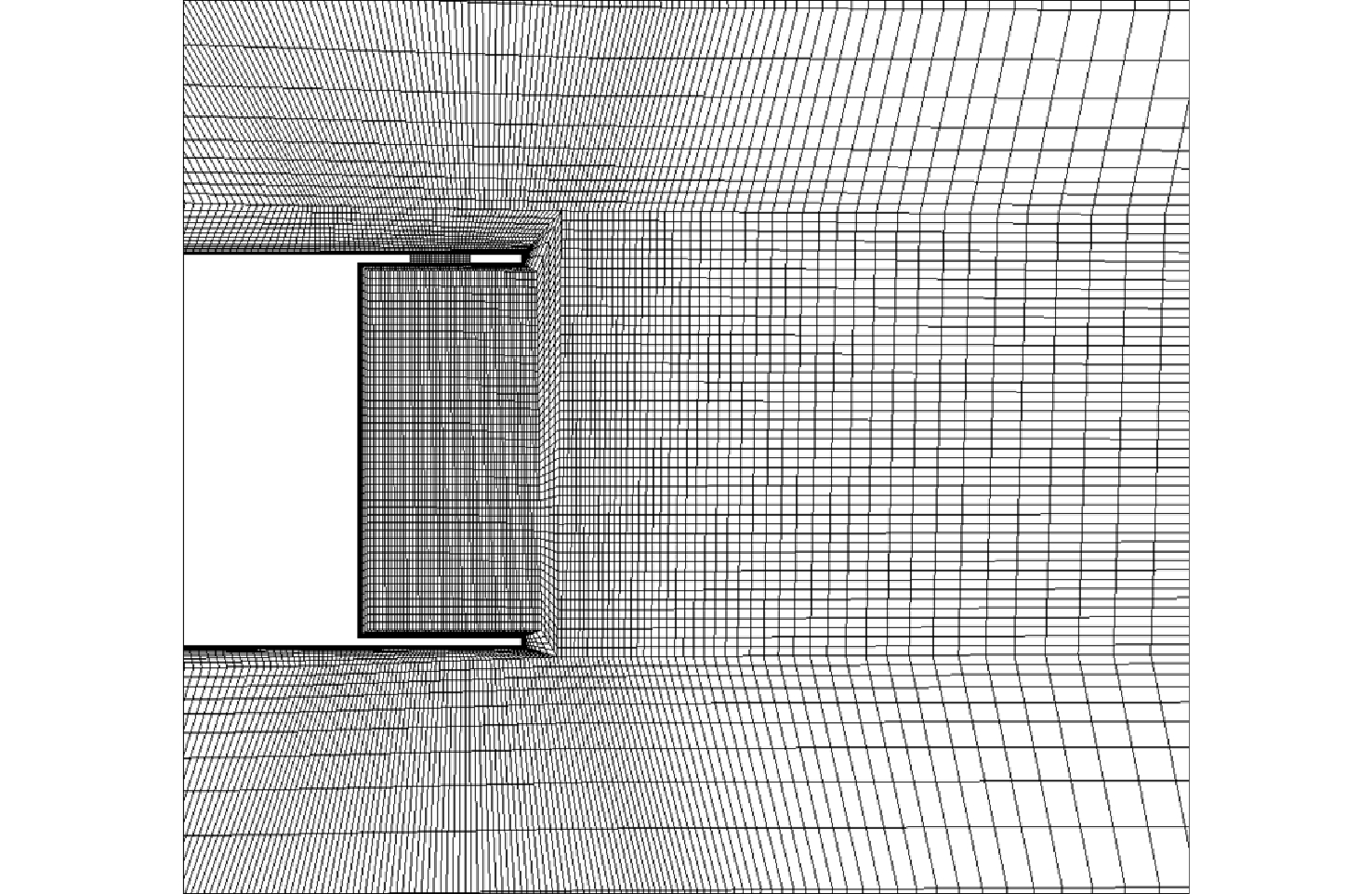
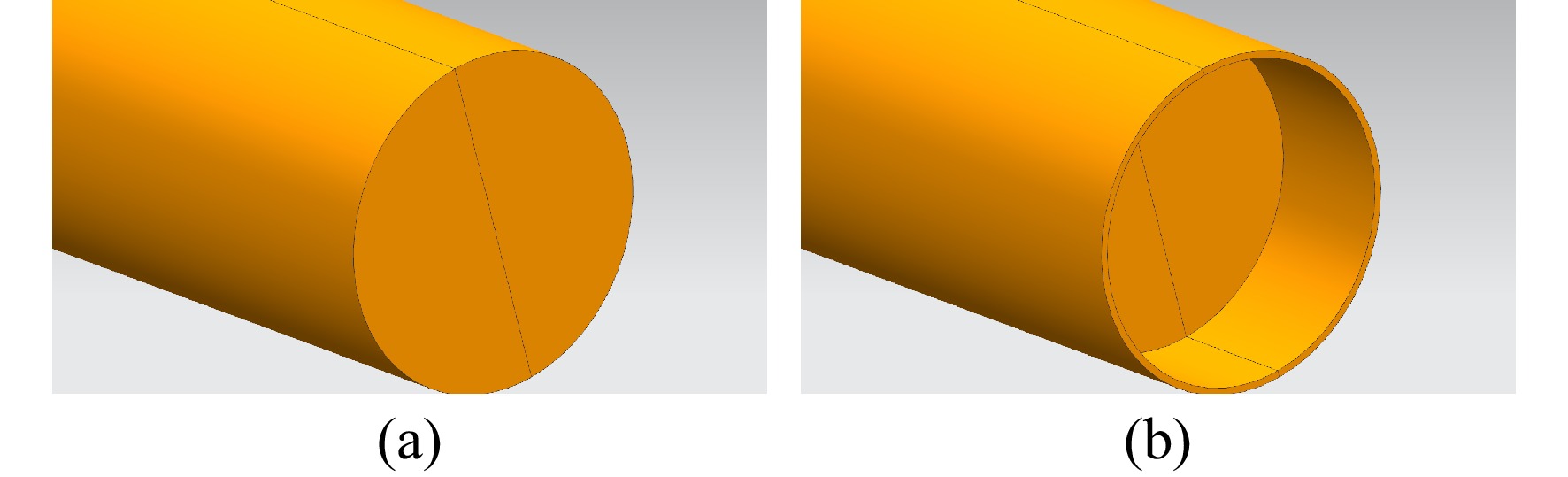
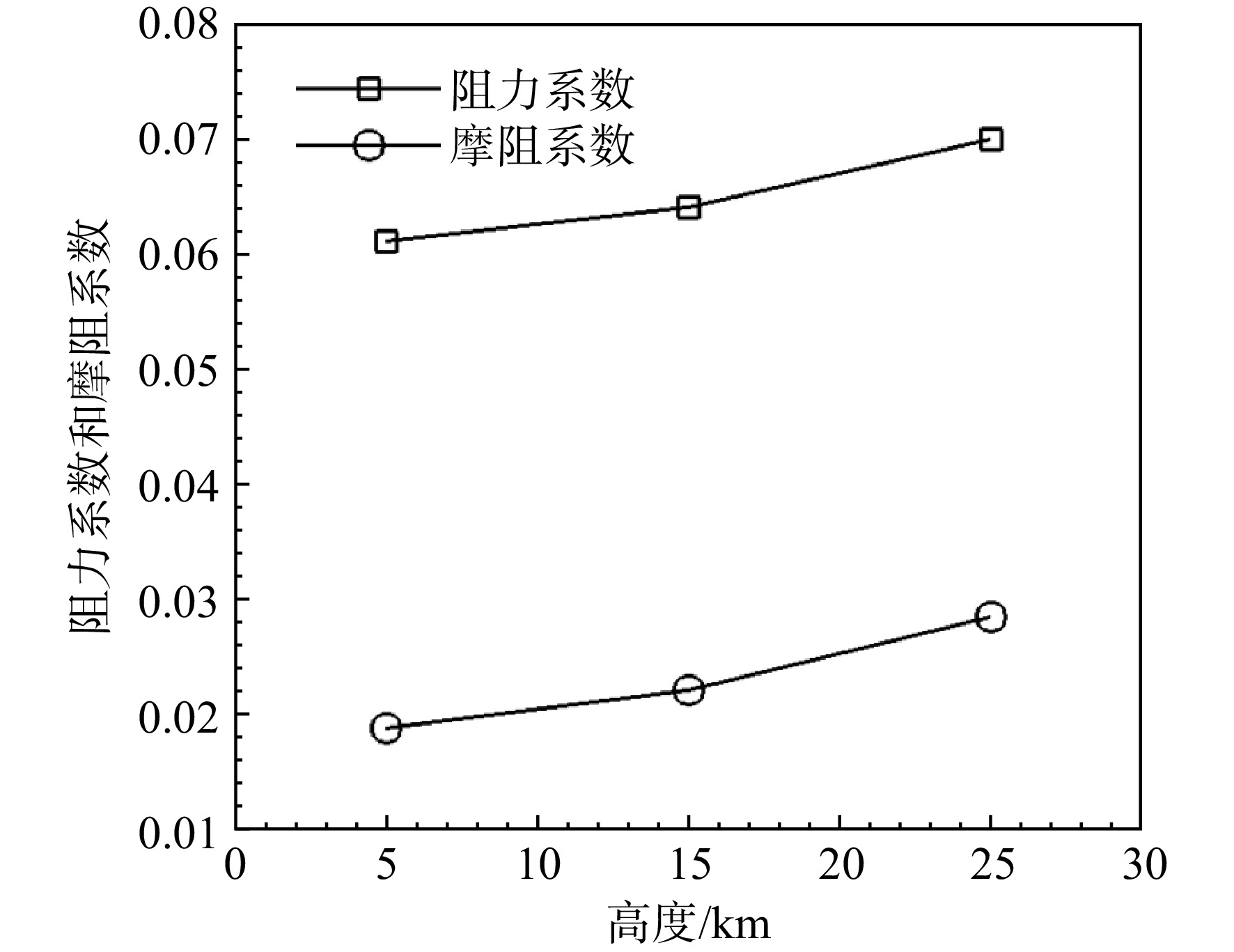
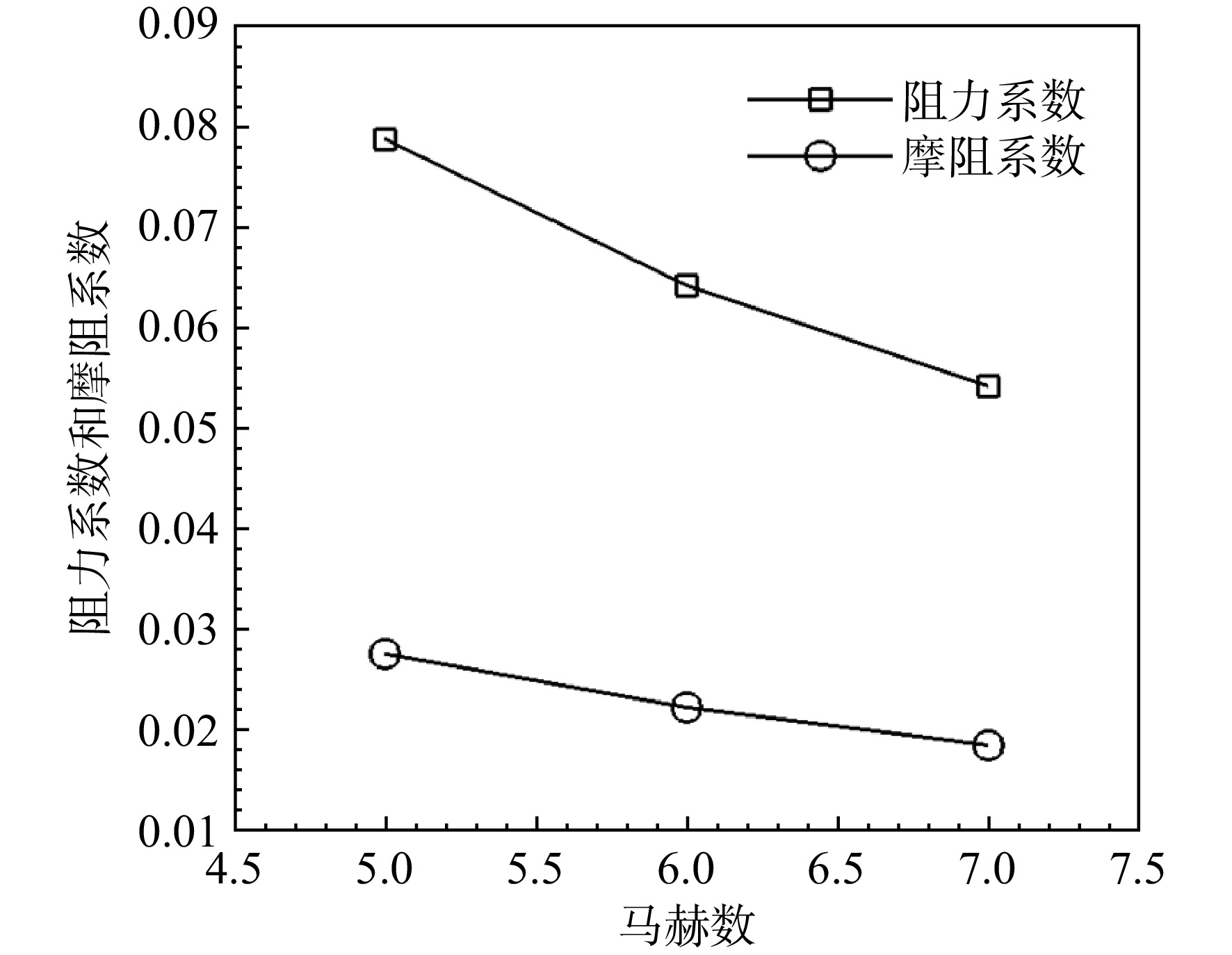
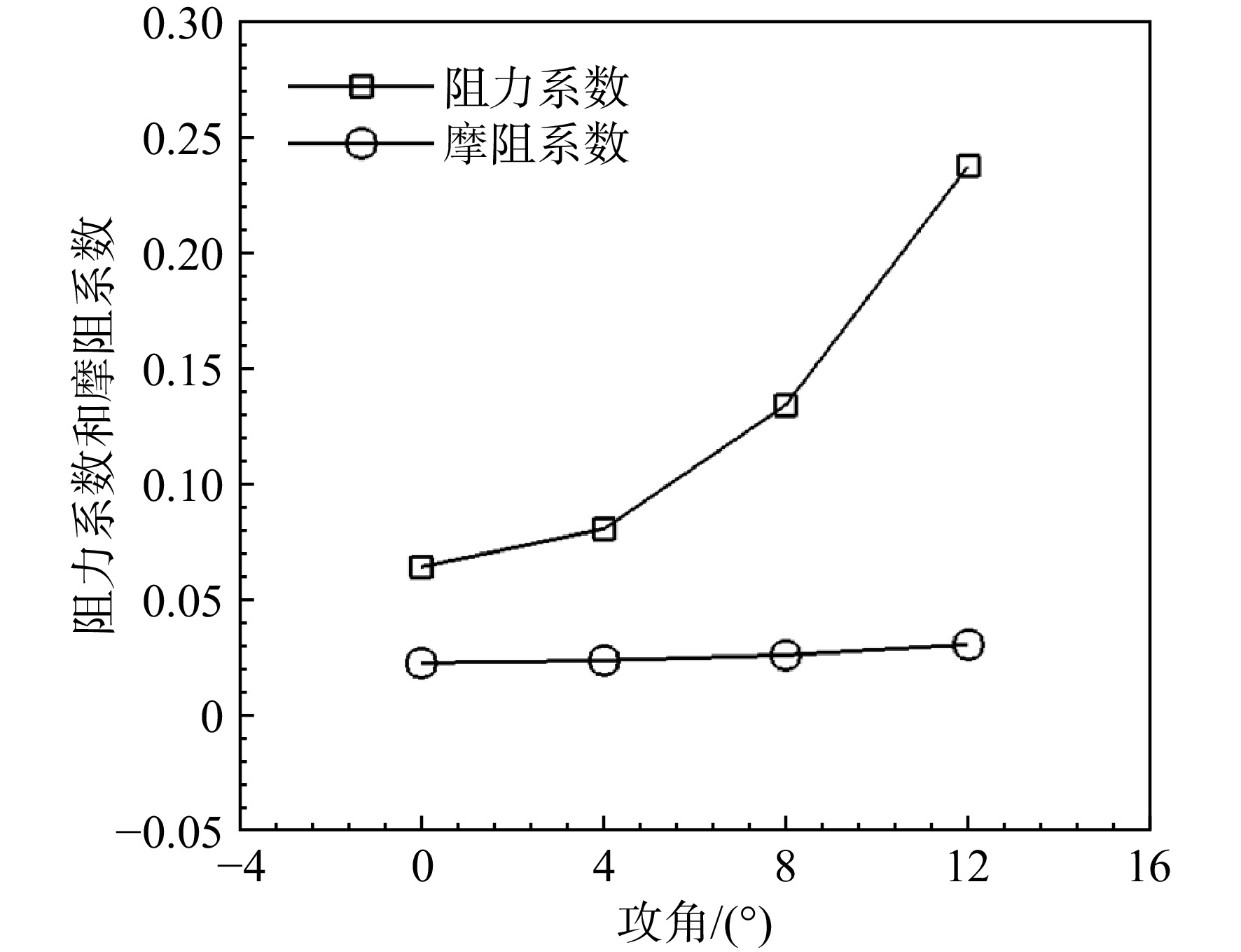
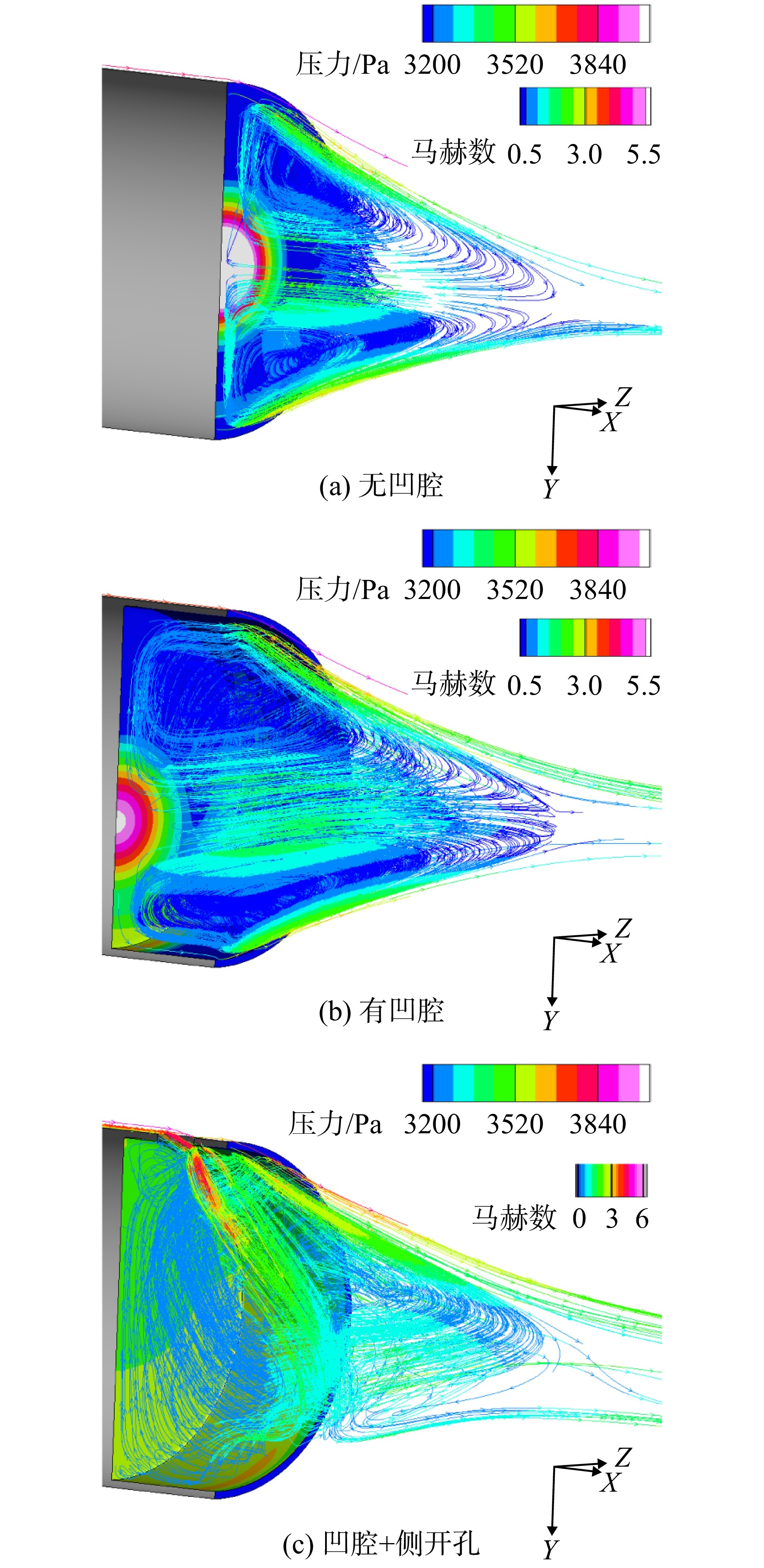
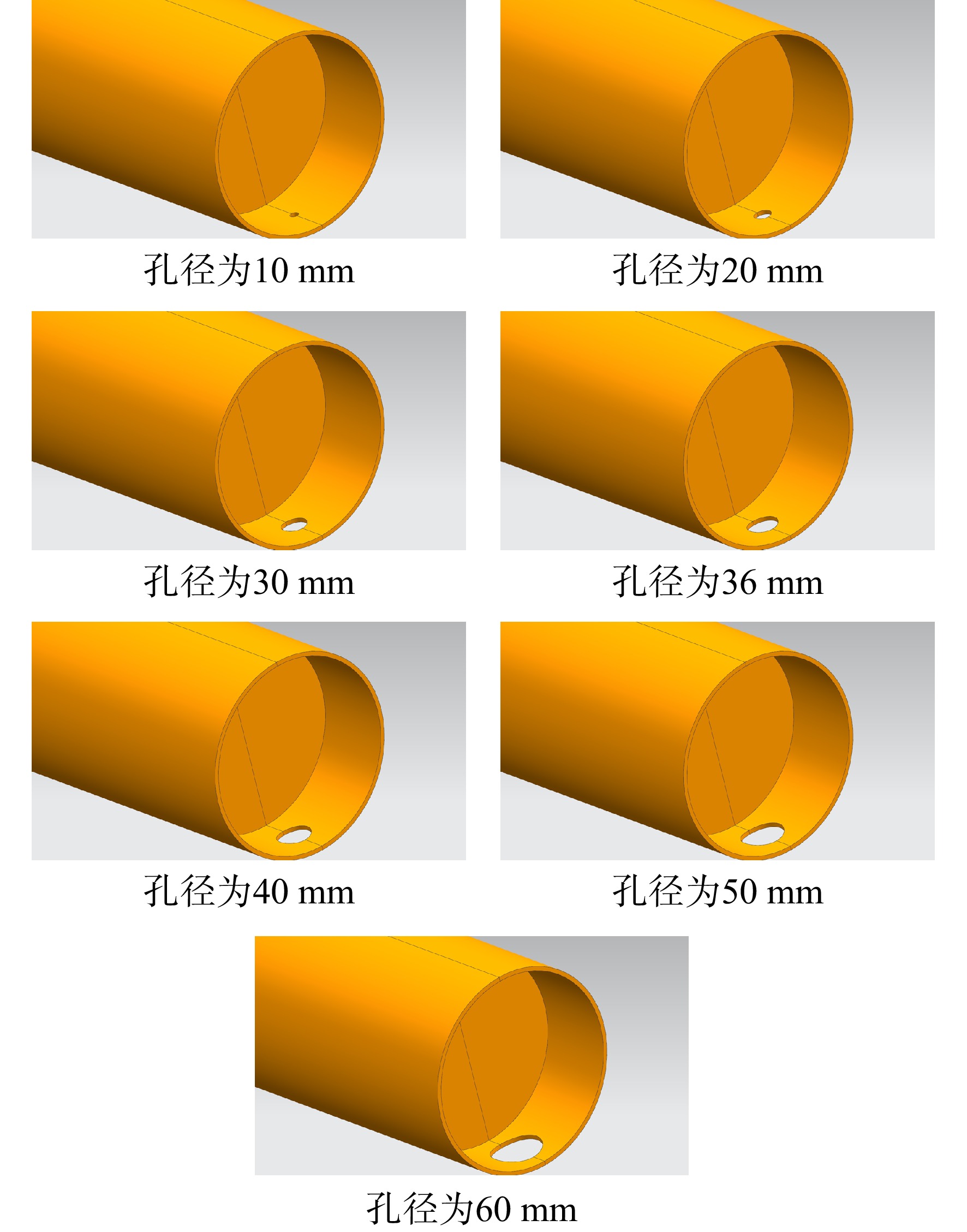
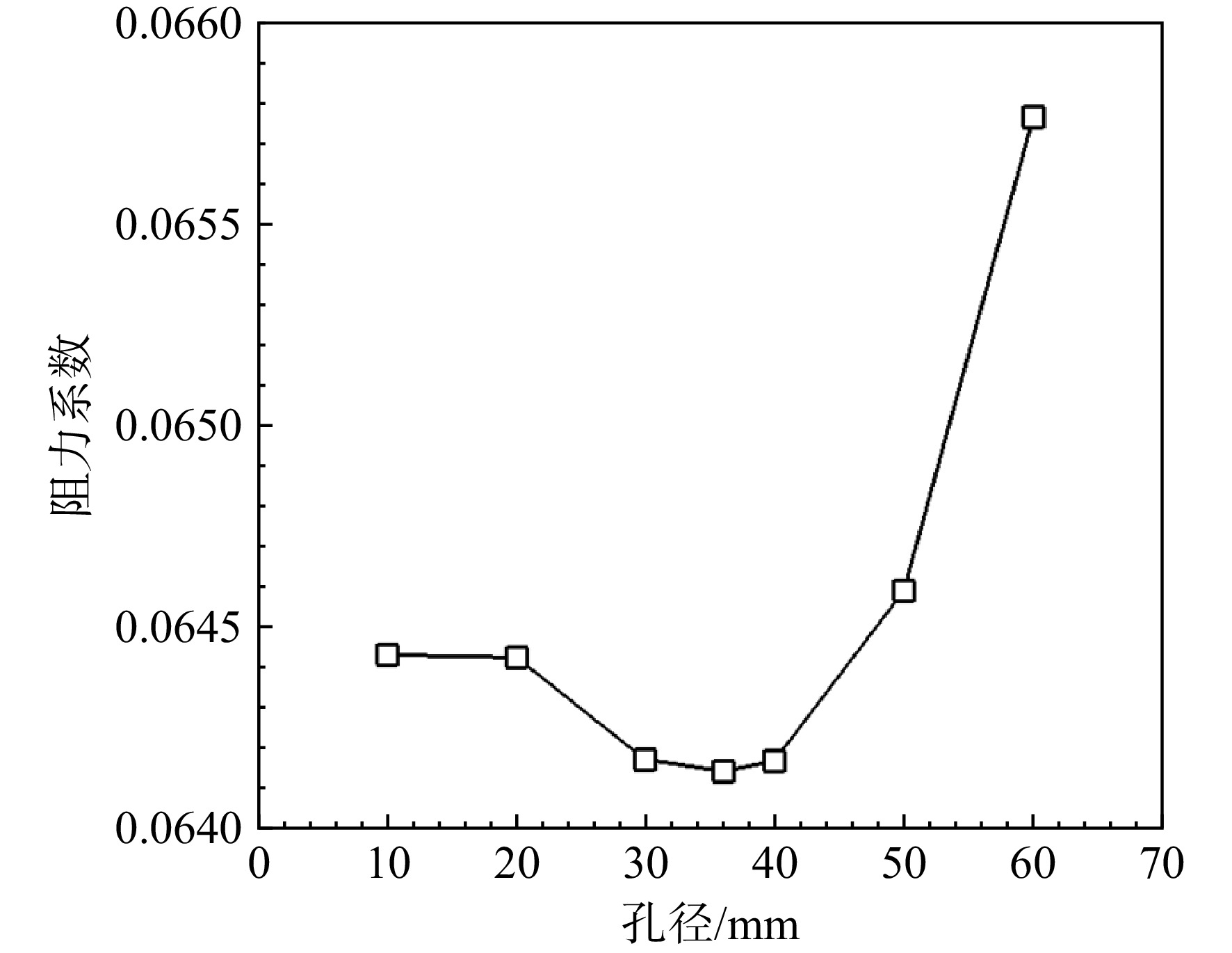
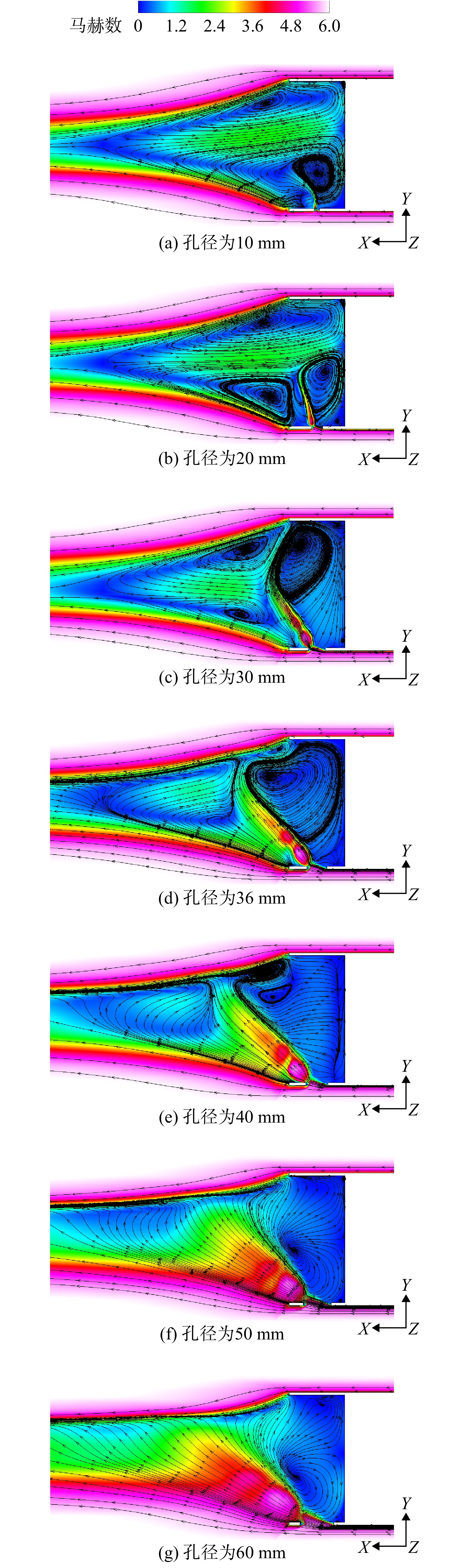
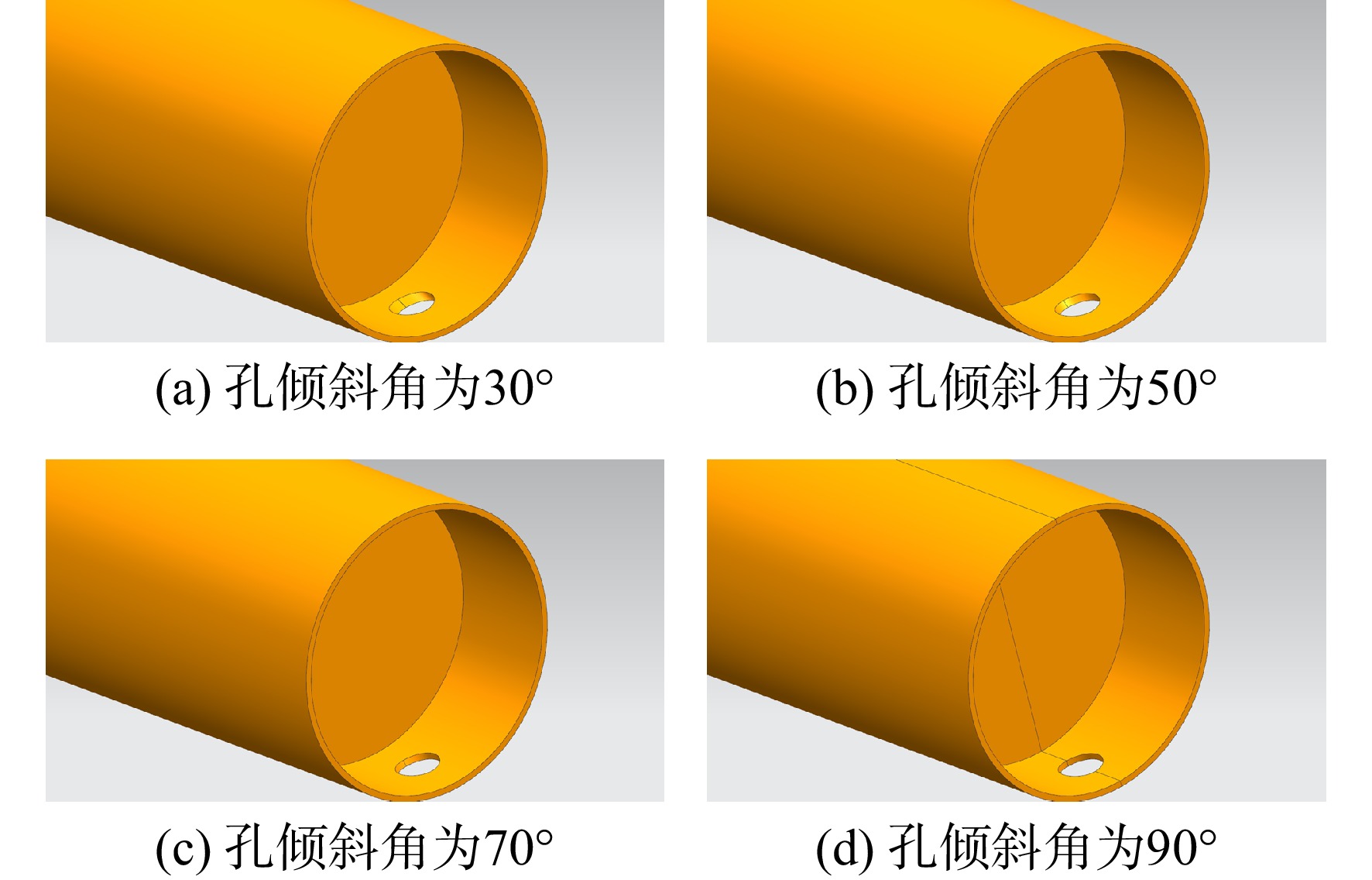
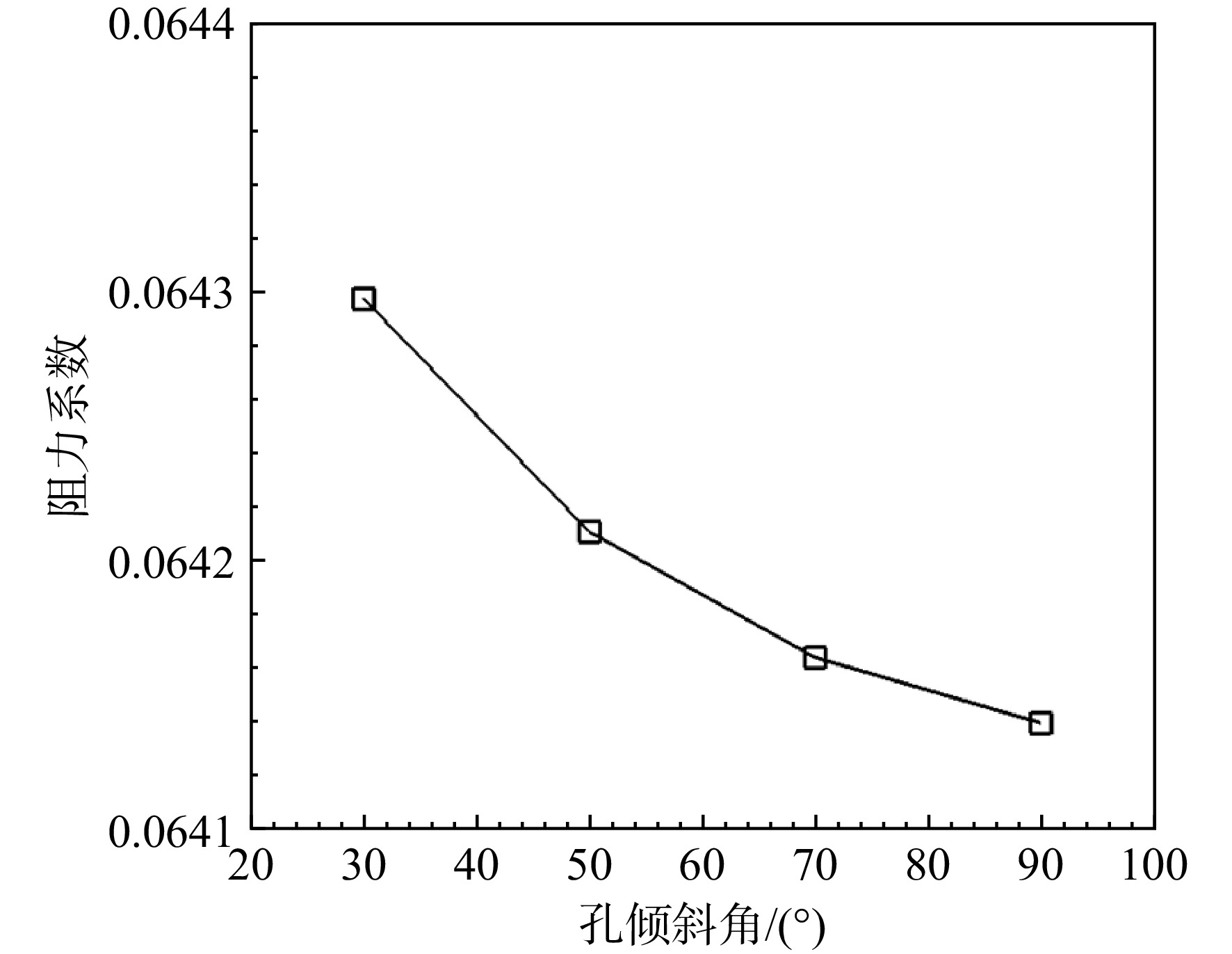
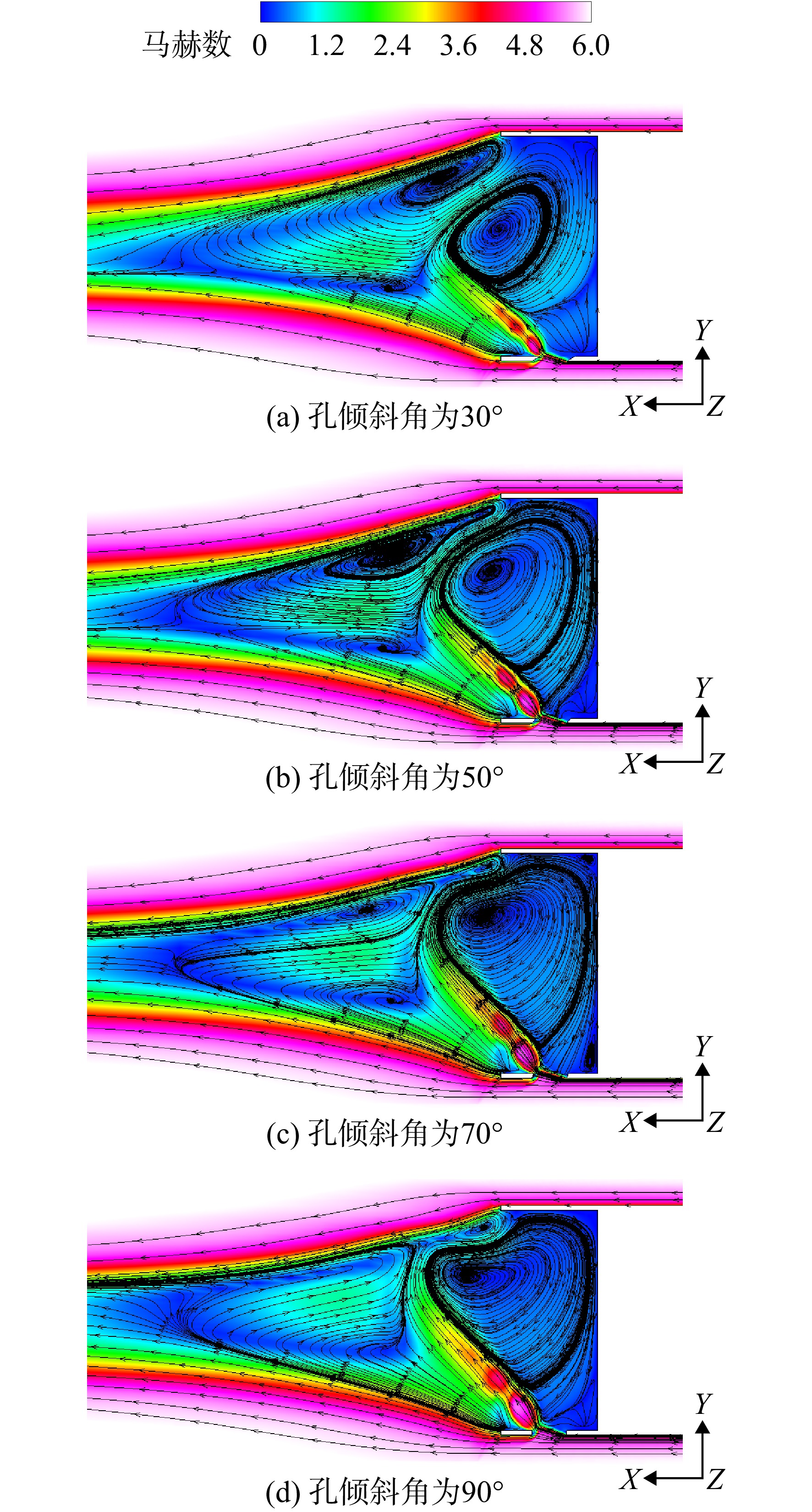
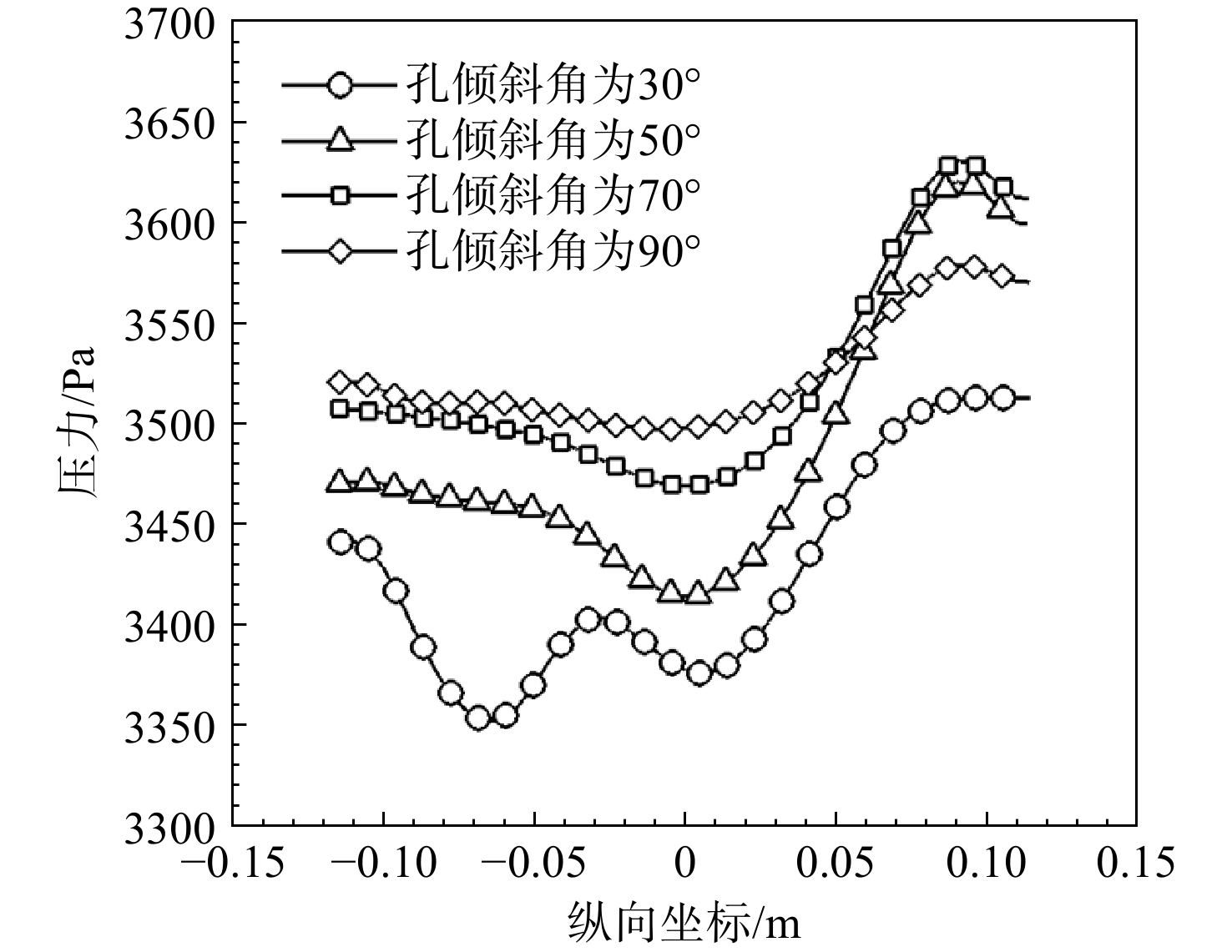
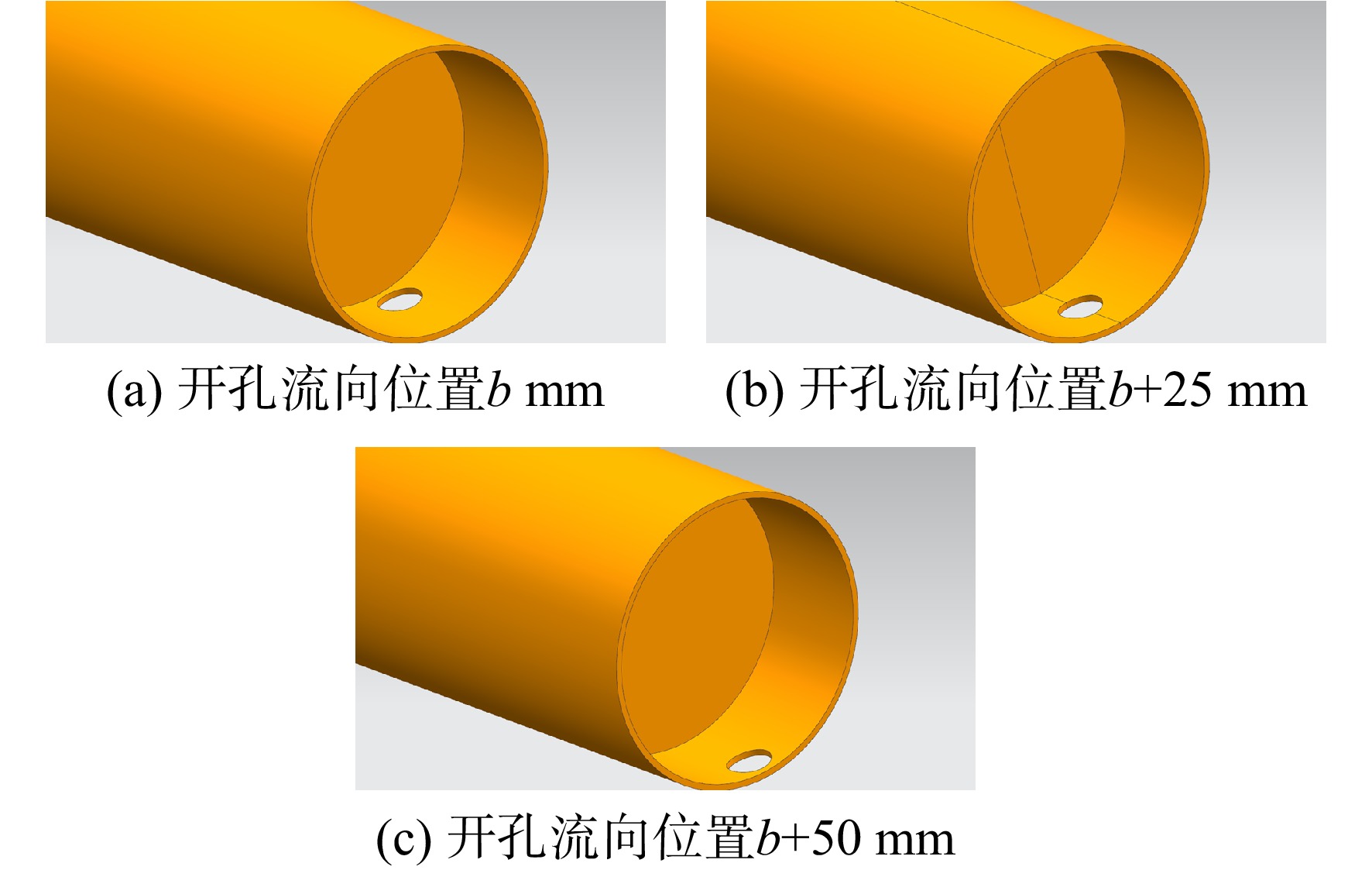
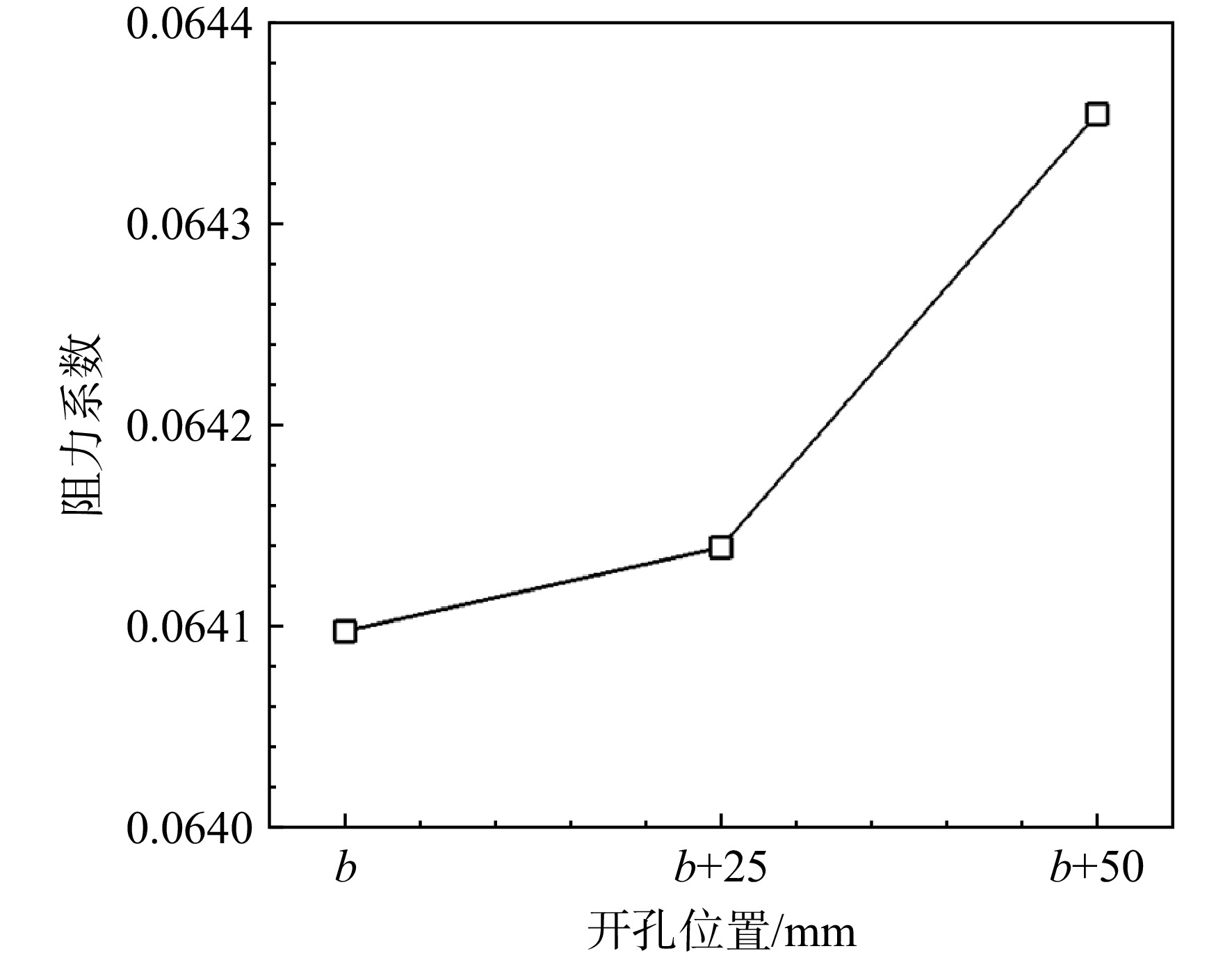
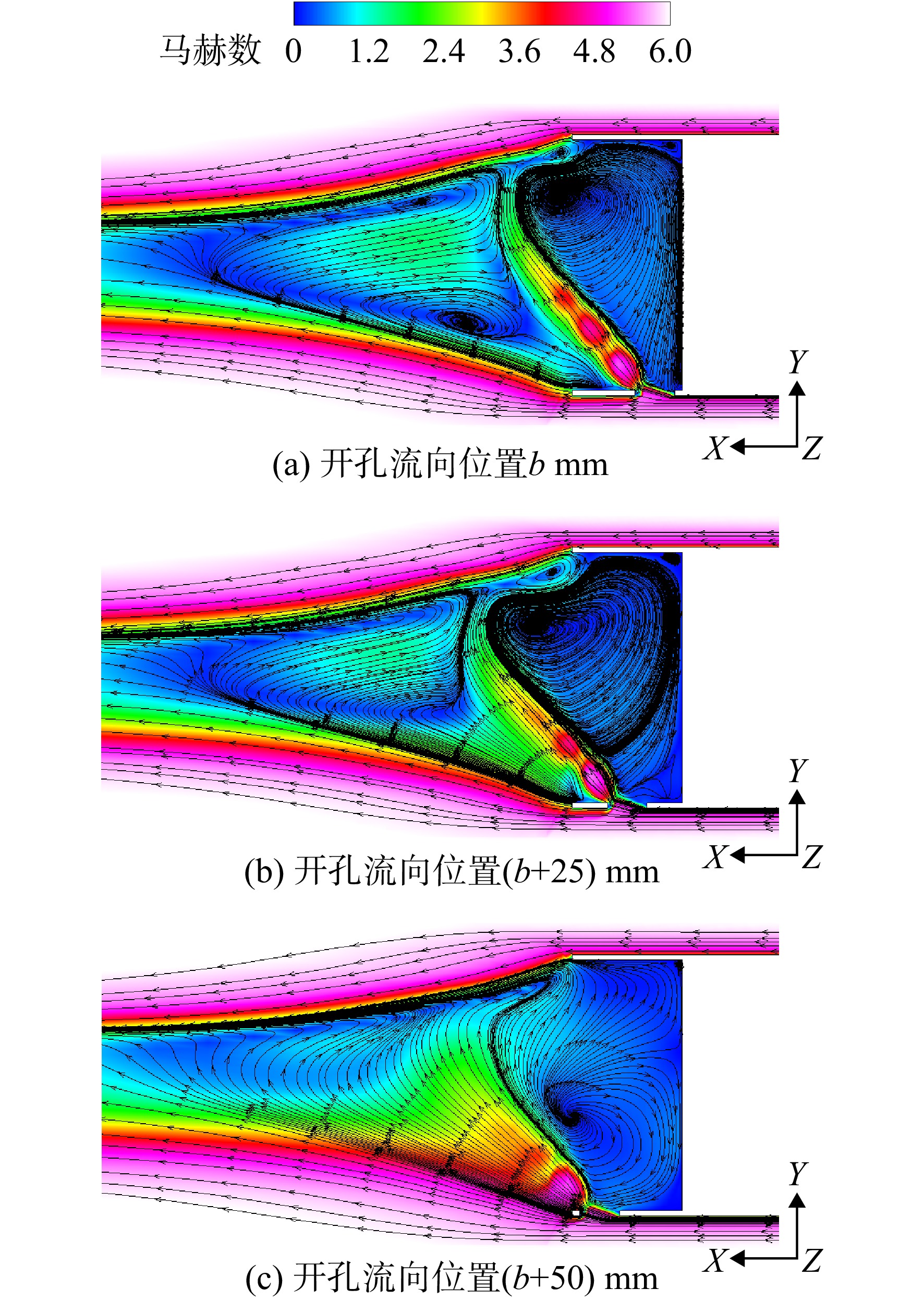
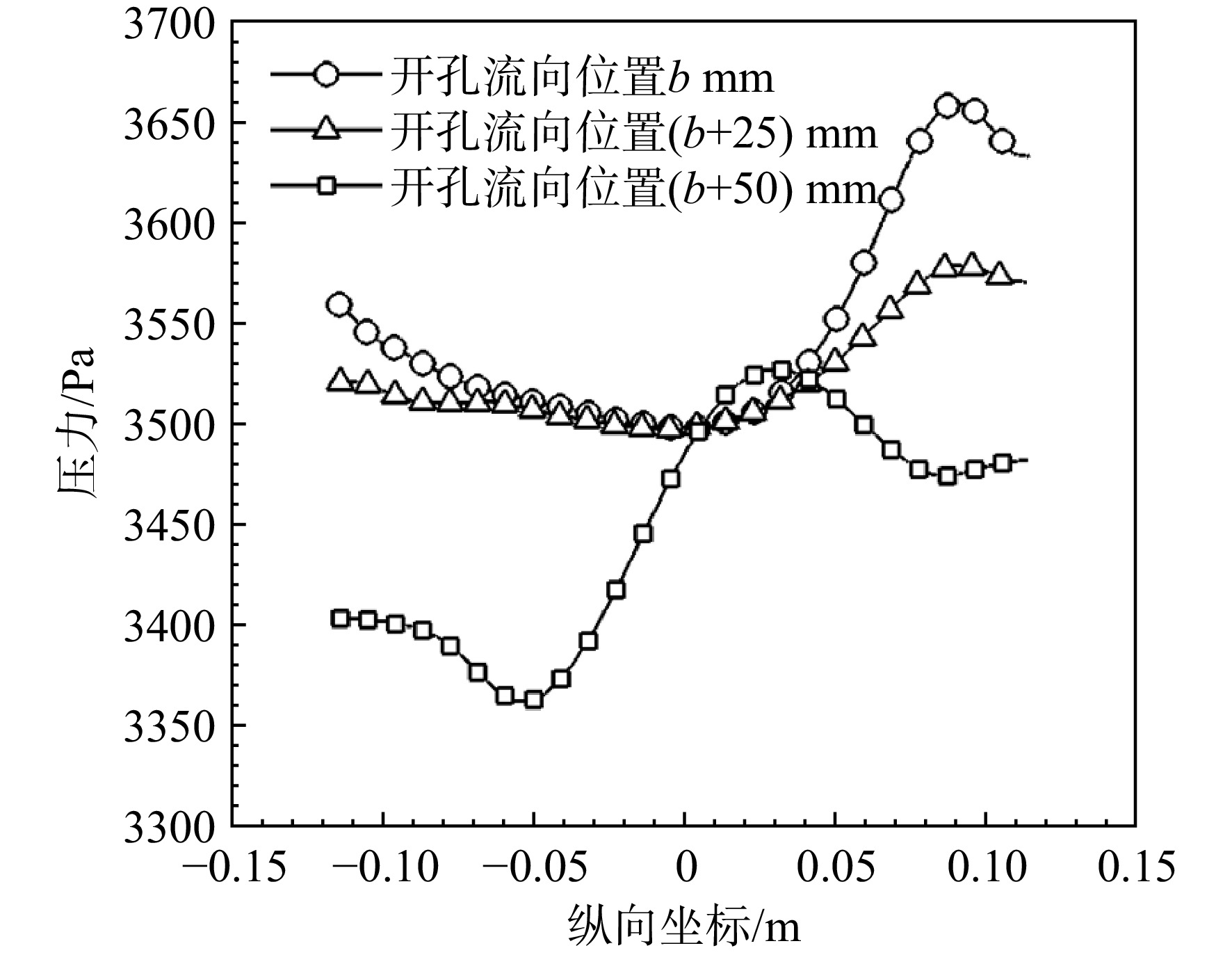
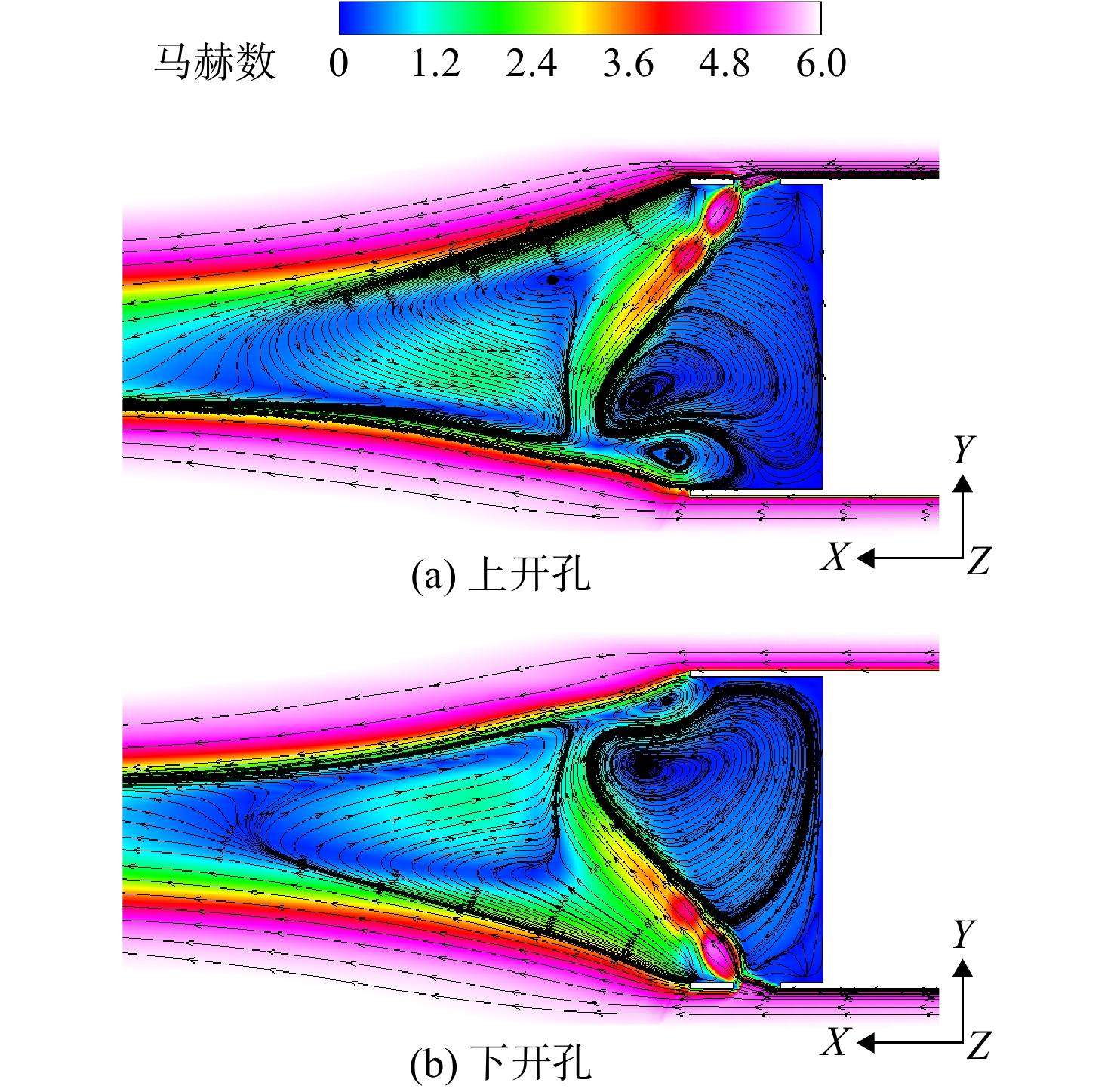
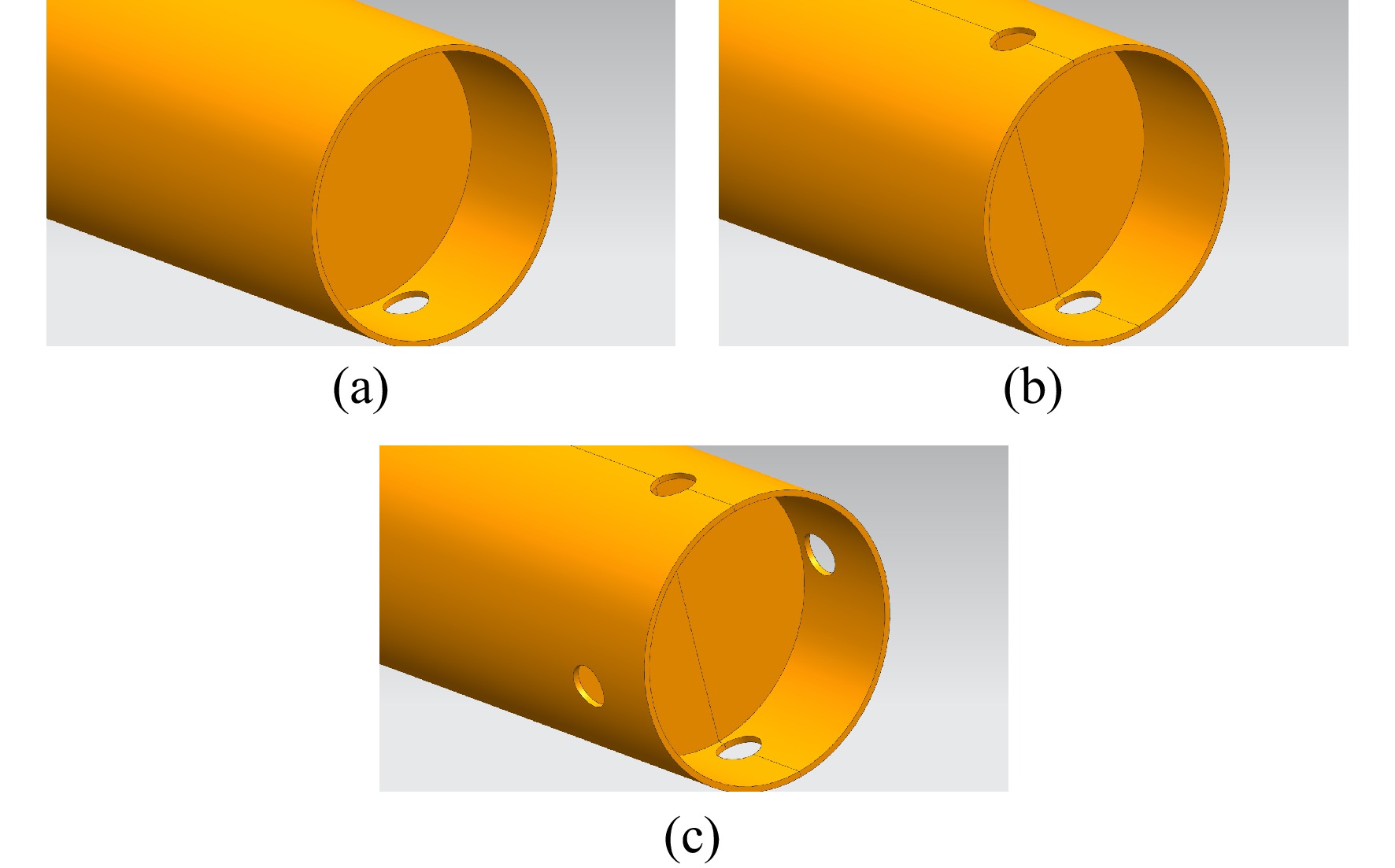
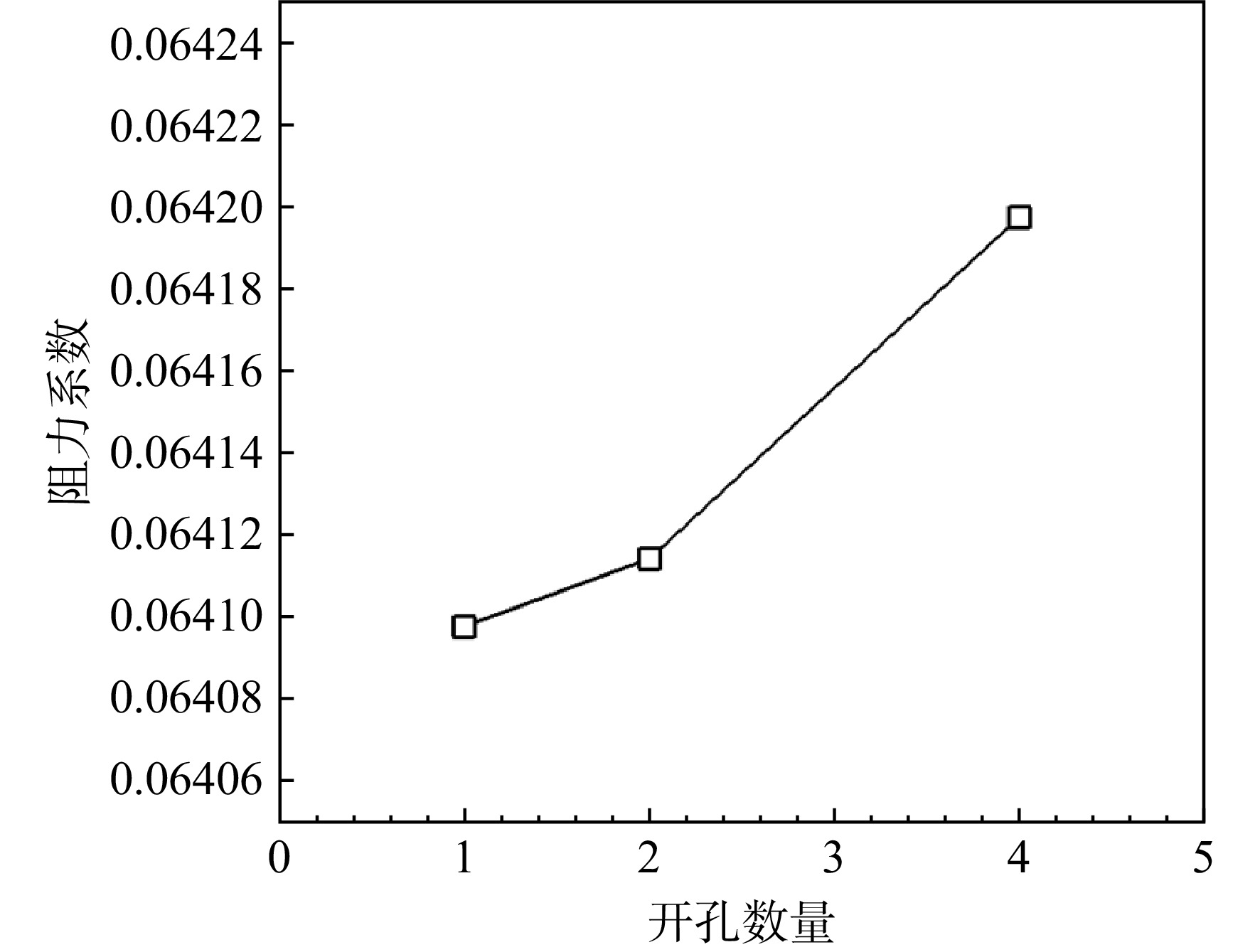
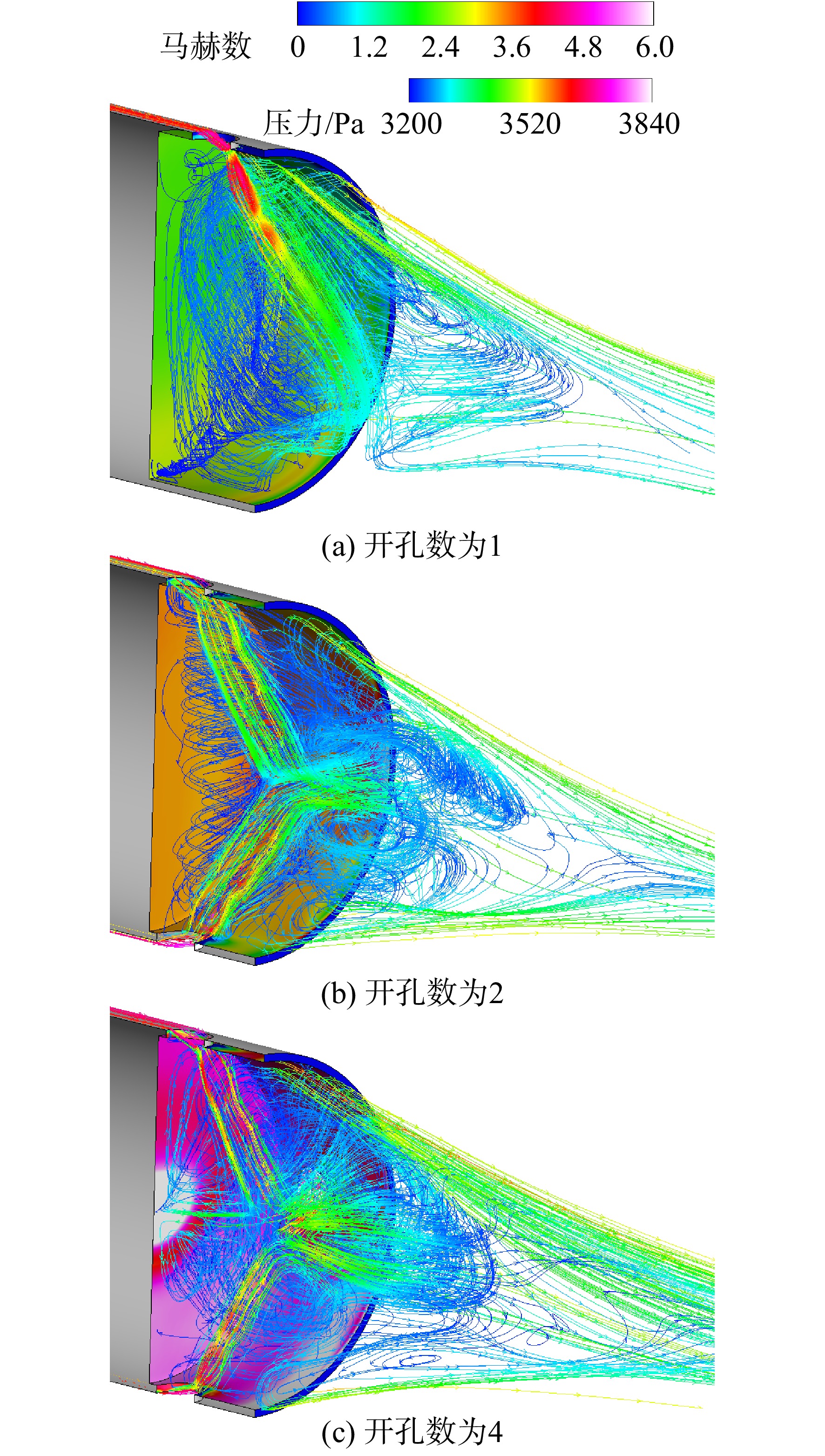
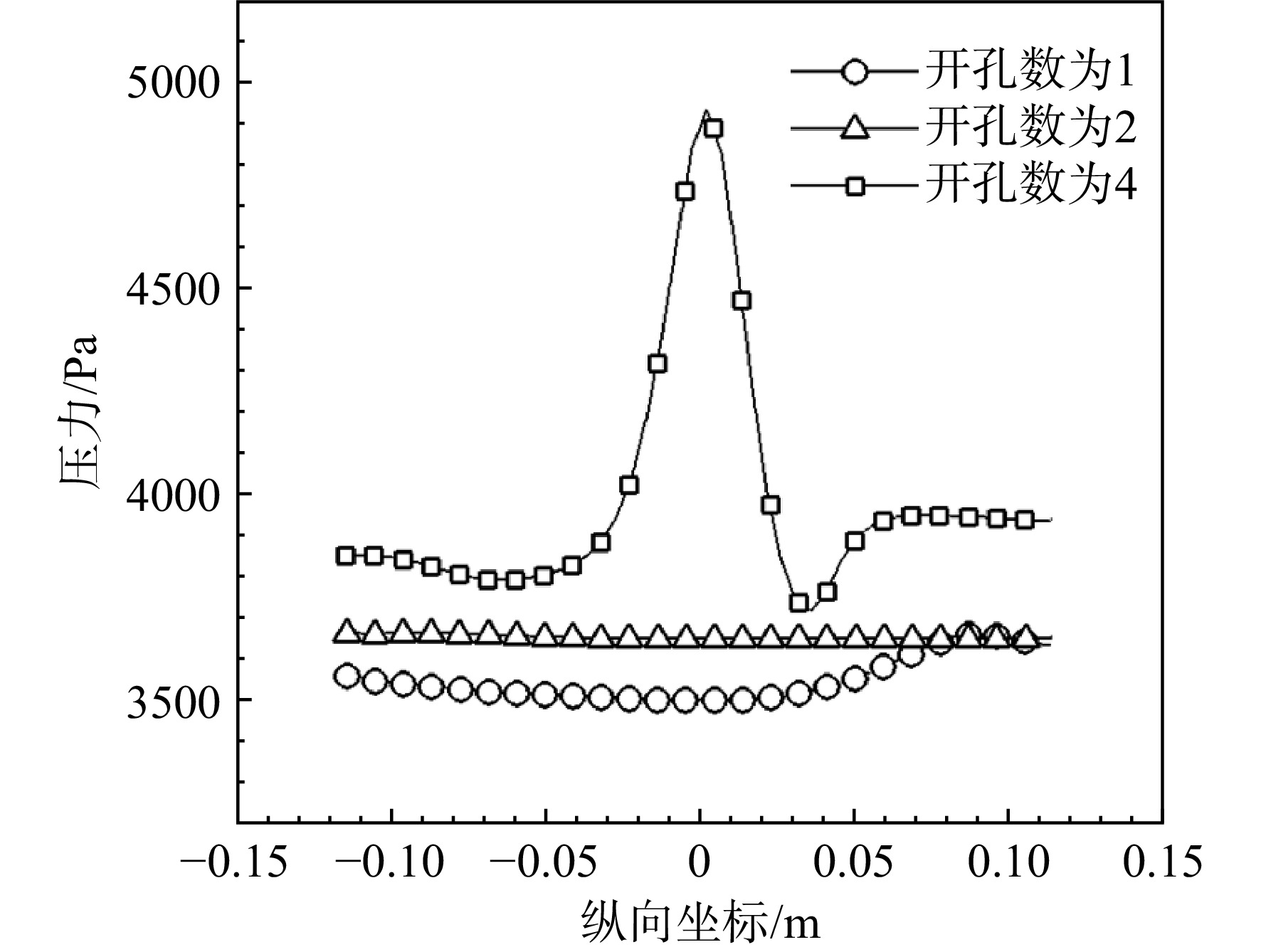
In order to study the drag reduction effect of bottom cavity with side hole under high speed free stream, numerical simulation was carried out for the spin-formed body with bottom cavity and side hole. The effects of hole diameter, hole inclination angle, hole position and hole number on drag reduction are studied. The results show that the effect of hole diameter is nonlinear and there is an optimal solution. With the increase of hole diameter, and drag reduction increases first and then decreases. The smaller the hole inclination angle, the worse the drag reduction effect. The closer the hole is to the bottom of the cavity, the more favorable it is for the flow to adhere to the bottom, and the better the drag reduction effect. The circumferential position of the hole has little effect on the drag reduction effect. The larger the number of holes is, the larger the total hole area is, and the worse the drag reduction effect is. Since the flow into the hole is still supersonic, even if the flow direction is changed by the hole, it is still not sufficiently decelerated. Under the free stream of Mach number 6, the drag reduction effect of bottom cavity with side hole has certain limitations.

Study of ground tailwind impact on a civil auxiliary power unit inlet
ZHANG Zisong, LYU Jinhua, LAN Tian, WANG Han, ZHANG Qiang
2026, 41(3): 20250390. doi: 10.13224/j.cnki.jasp.20250390
Abstract:

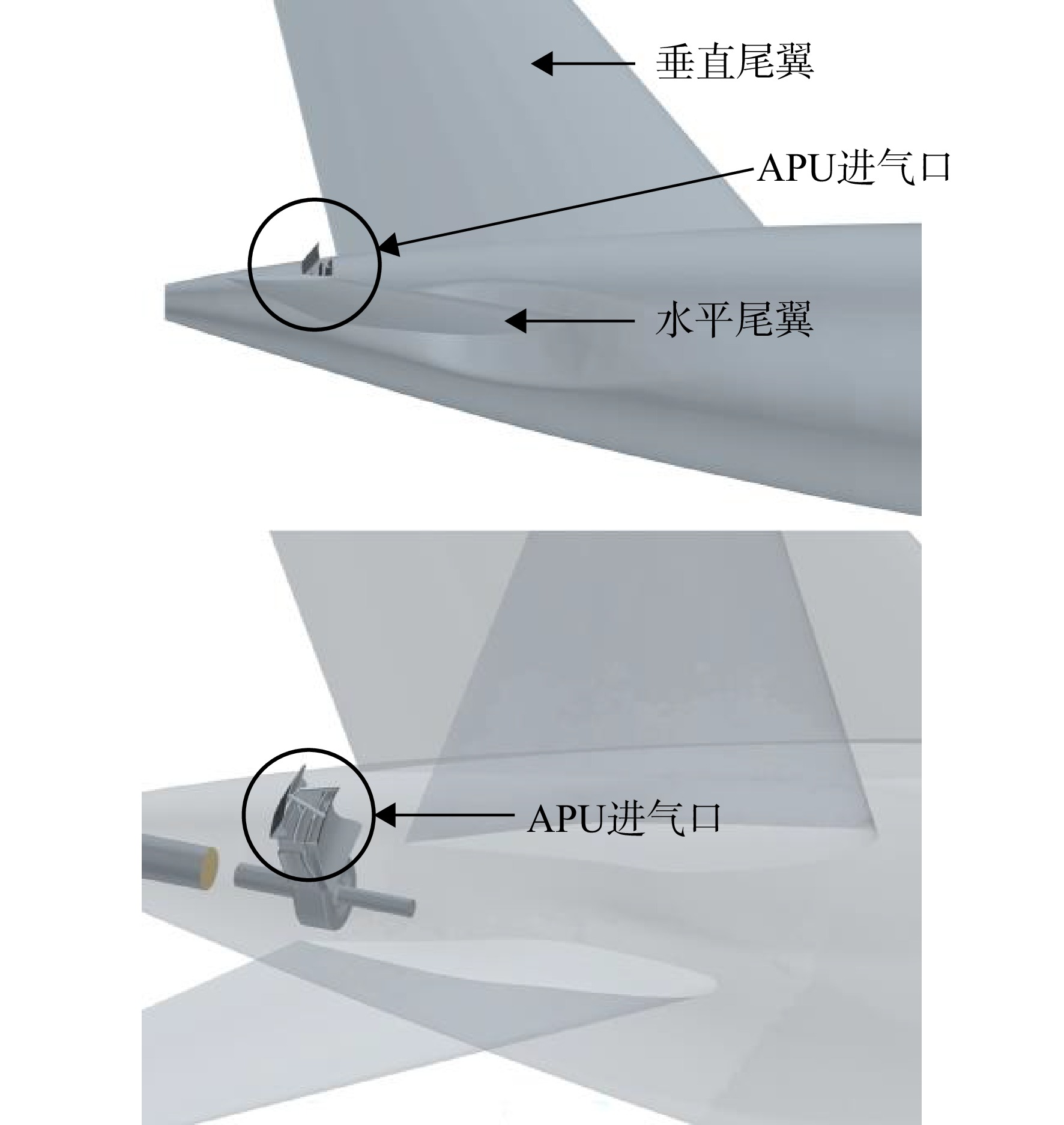
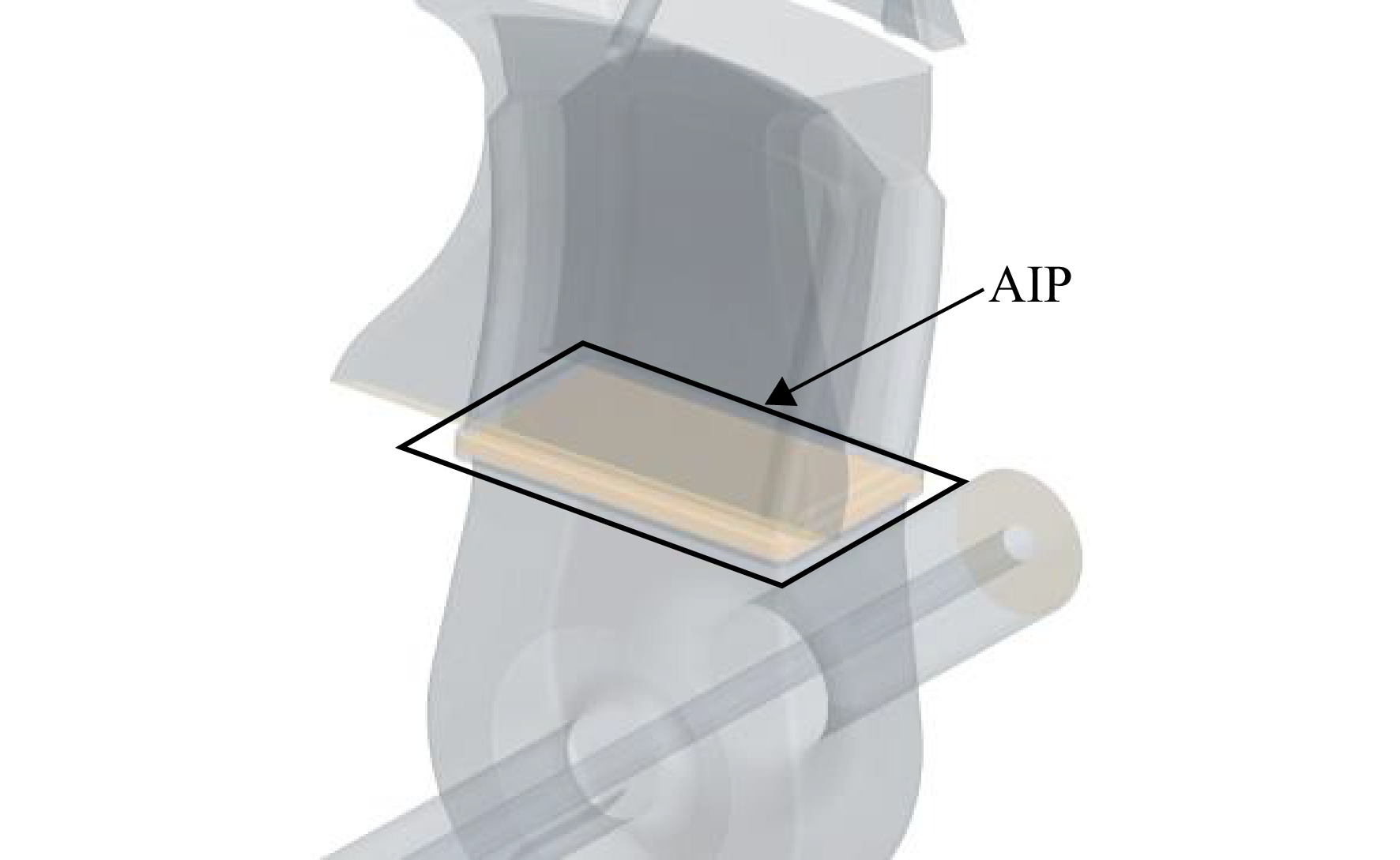
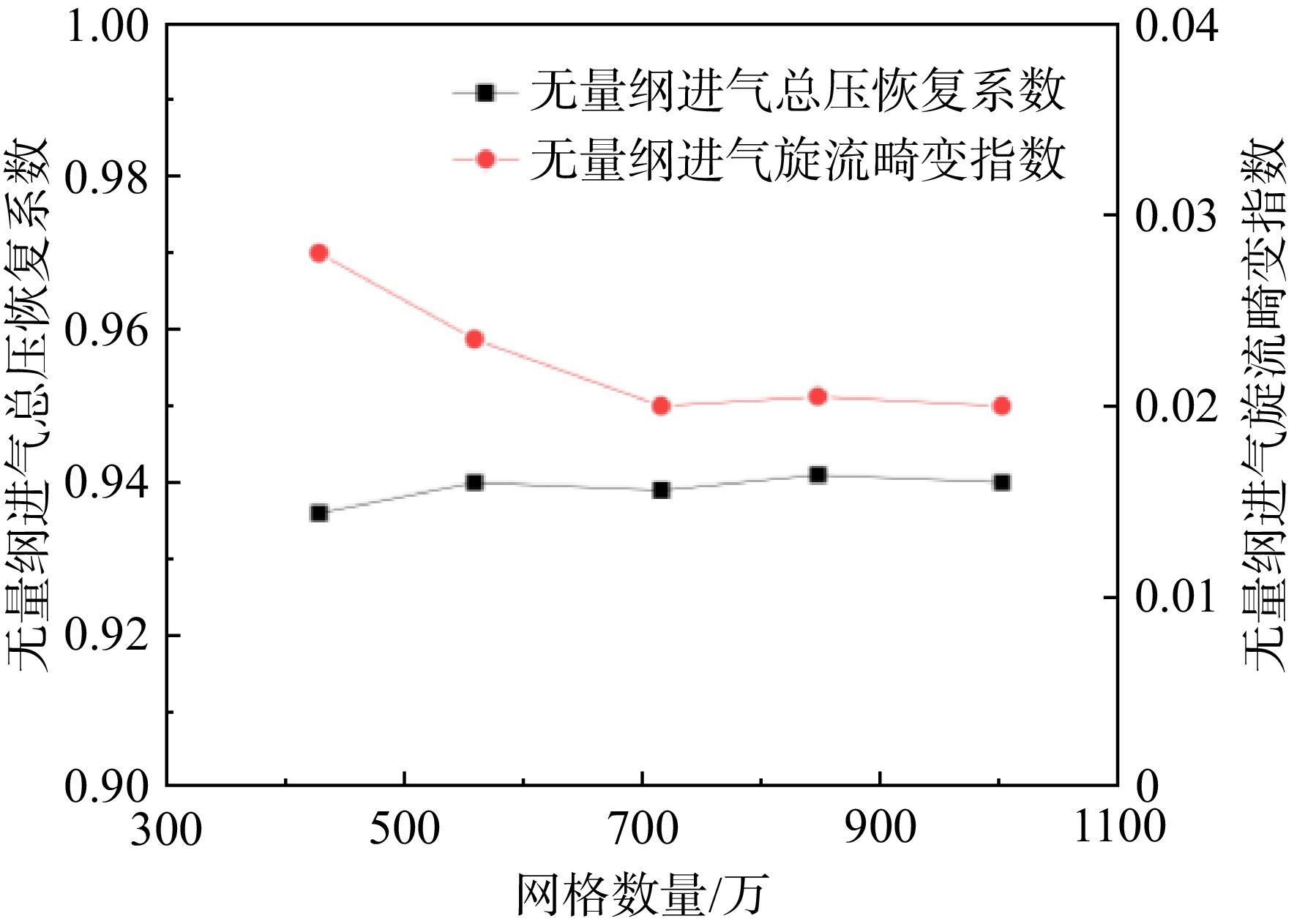
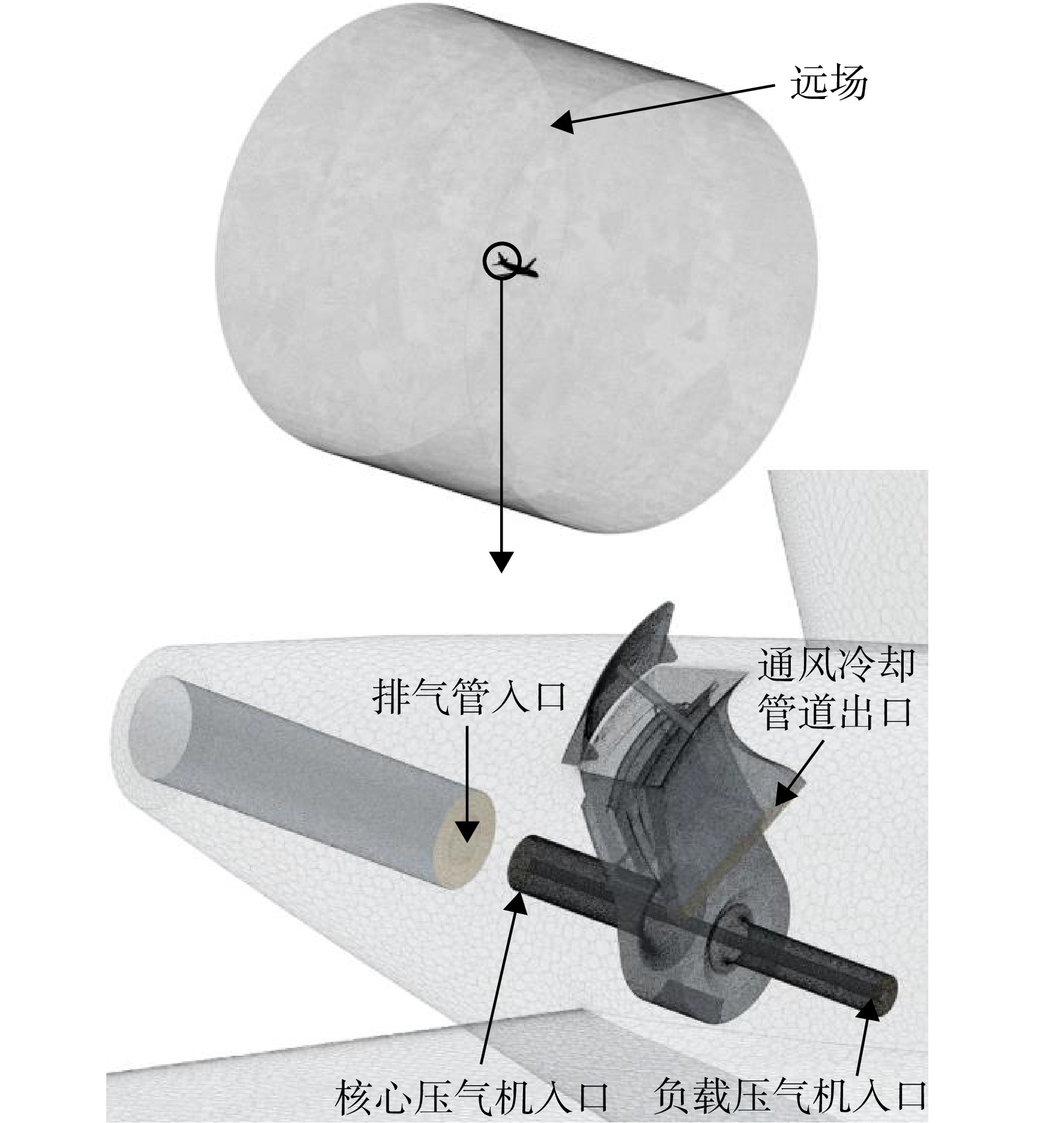
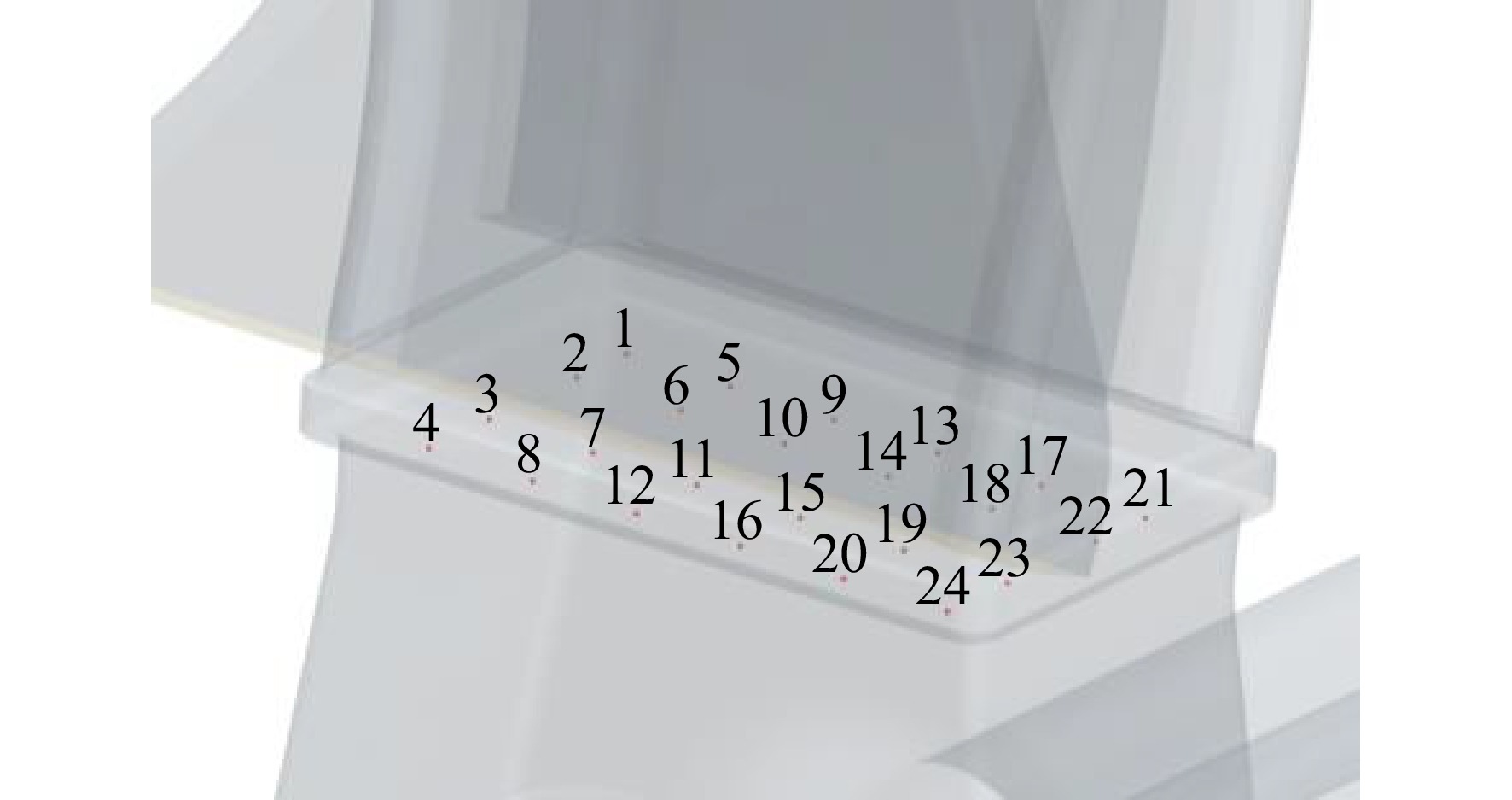
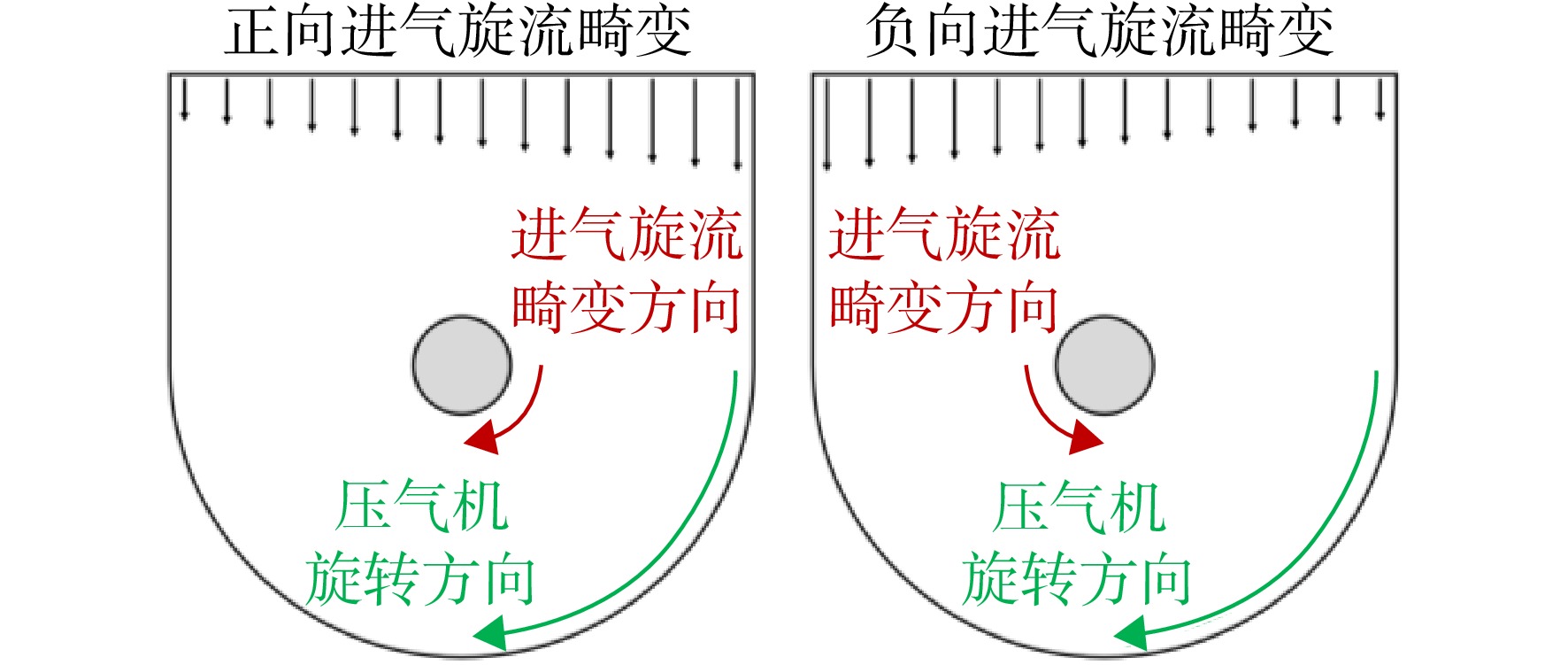
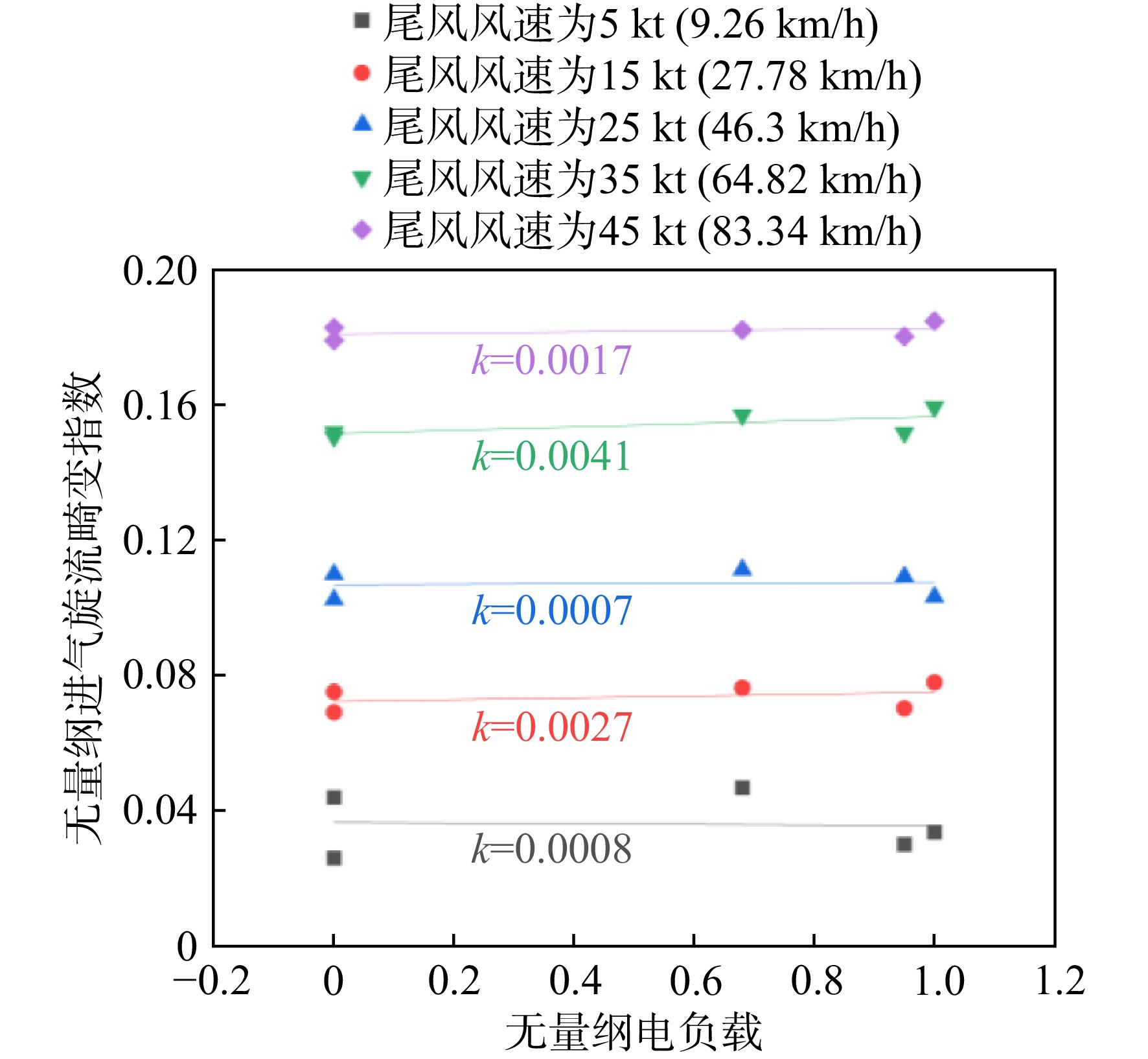
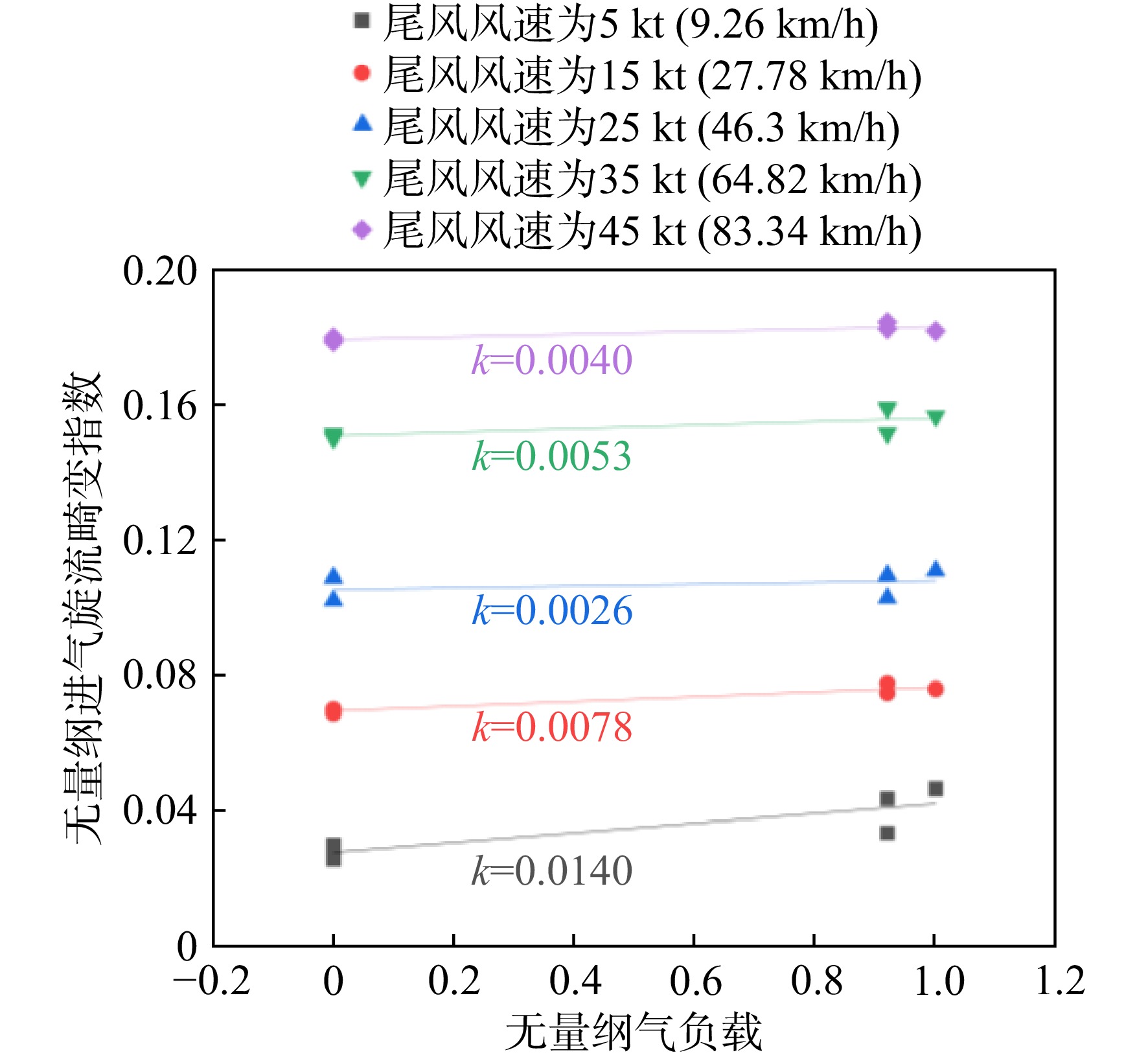
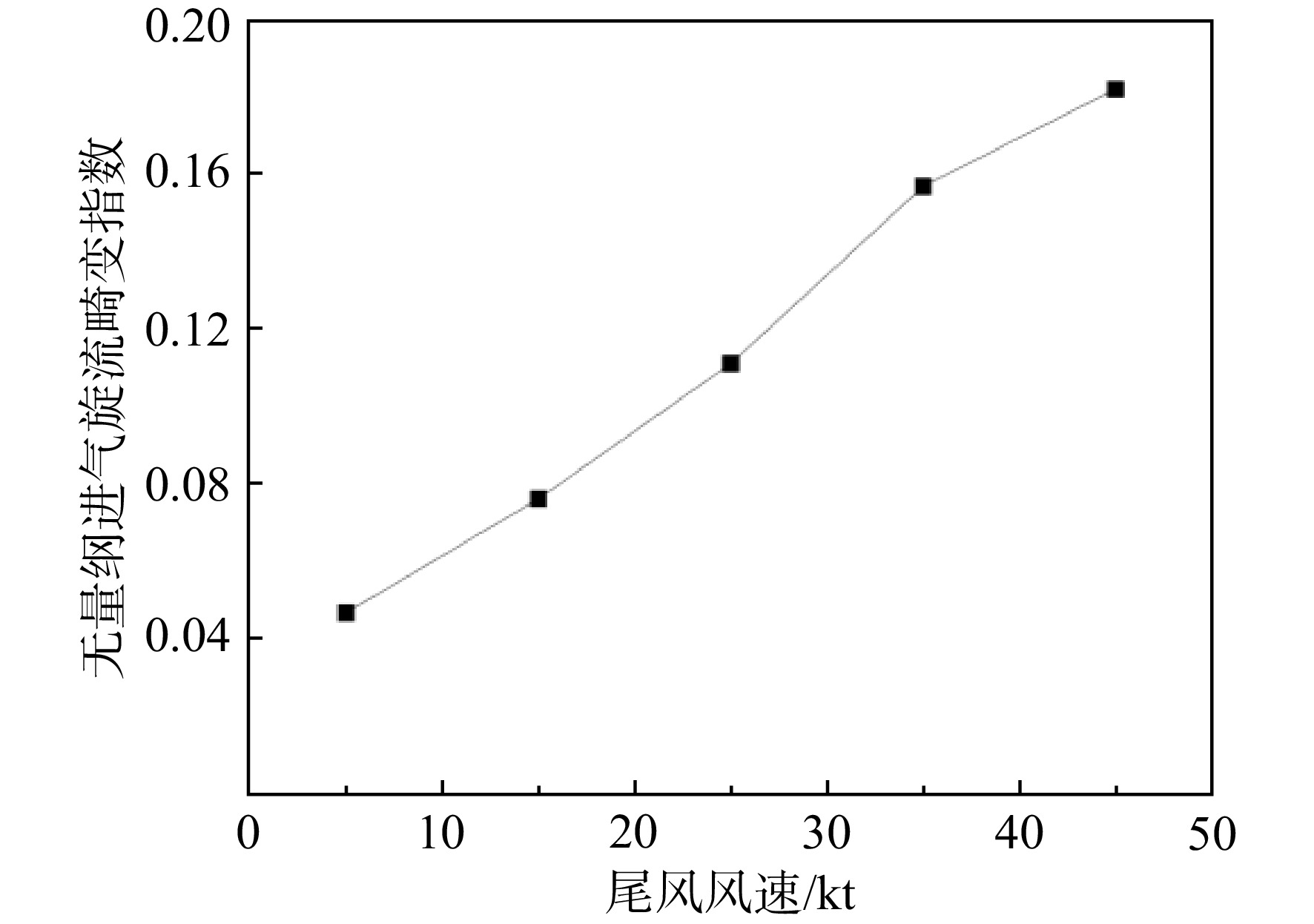
Based on a civil auxiliary power unit (APU), numerical simulation was carried out to investigate the variations of inlet swirl distortion index and inlet total pressure recovery coefficient under ground tailwind conditions from 5 knot to 45 knot. On-aircraft test was also conducted under 25 knot ground tailwind condition for comparison and verification, which showed good mutual agreement. The investigation indicated that: under ground tailwind conditions, the absolute value of inlet swirl distortion index showed a weak positive correlation with APU load, while the inlet total pressure recovery coefficient showed a negative correlation with APU load, the high APU load operational conditions can represent the most severe conditions among entire APU load range; ground tailwind exacerbated inlet swirl distortion of negative direction and total pressure loss, higher ground tailwind velocity led to higher absolute value of inlet swirl distortion index and lower total pressure recovery coefficient; however, both parameters had sufficient margins, indicating that ground tailwind is not a severe condition for APU inlet.

Model adaptation of micro turbojet engines based on hierarchical optimization
ZHANG Weigang, CHEN Yuzhi, GOU Linfeng, JIA Linyuan
2026, 41(3): 20240835. doi: 10.13224/j.cnki.jasp.20240835
Abstract:

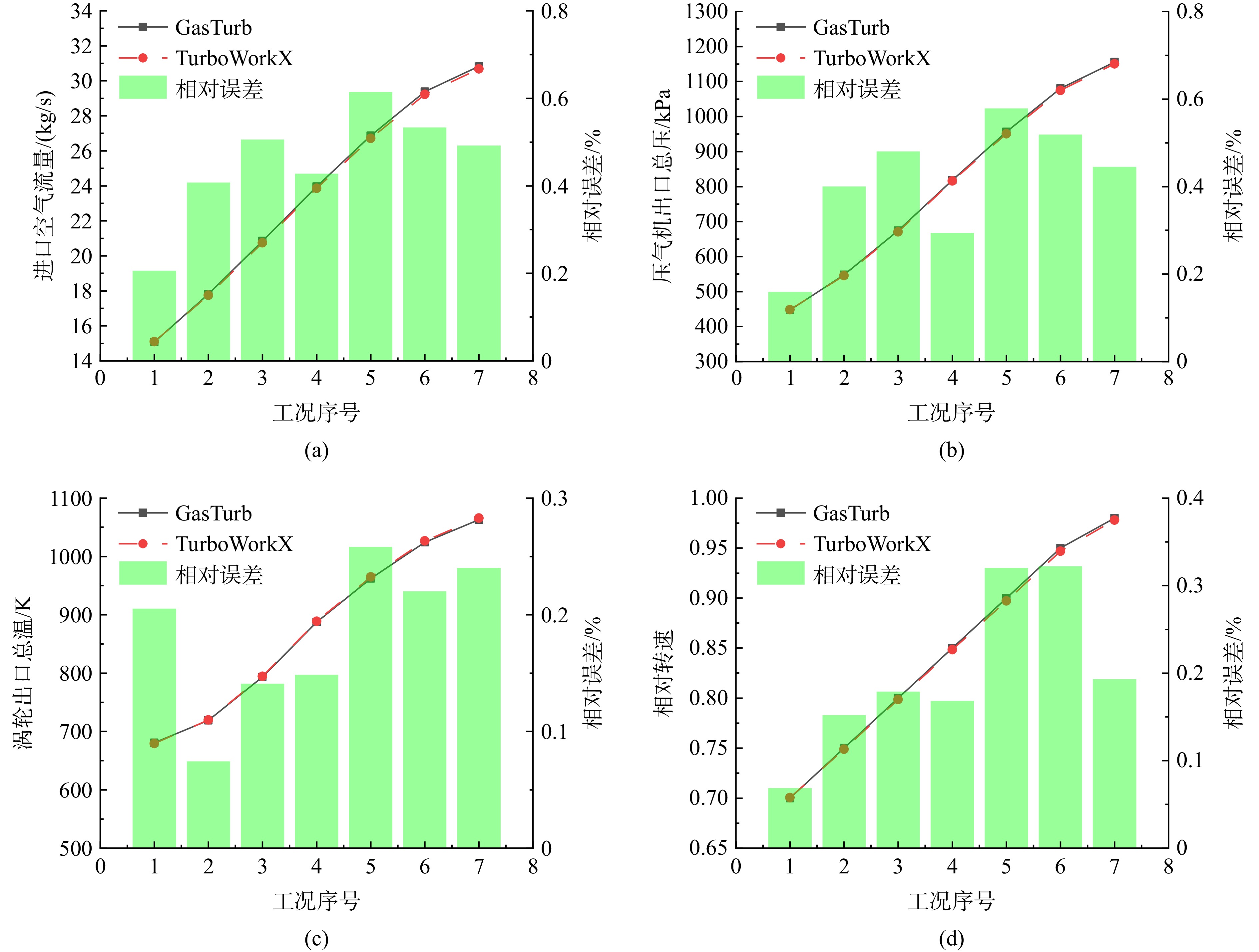
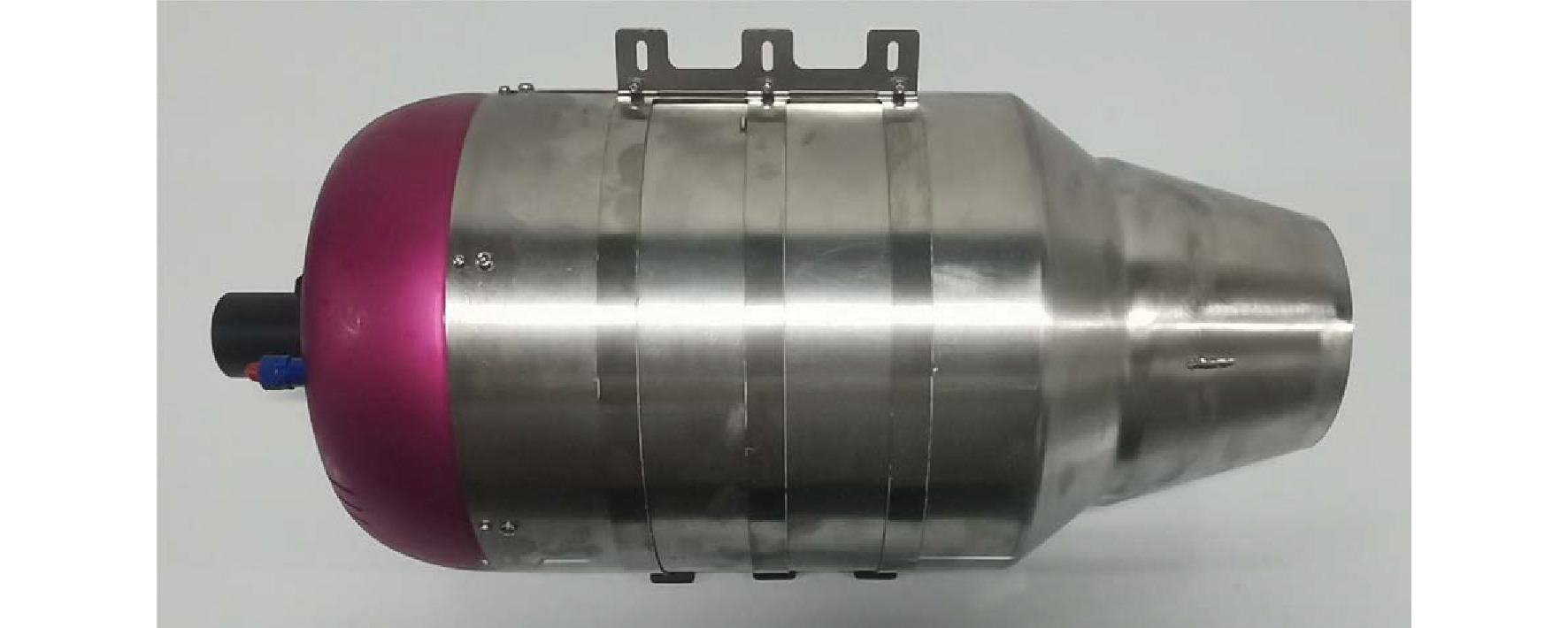
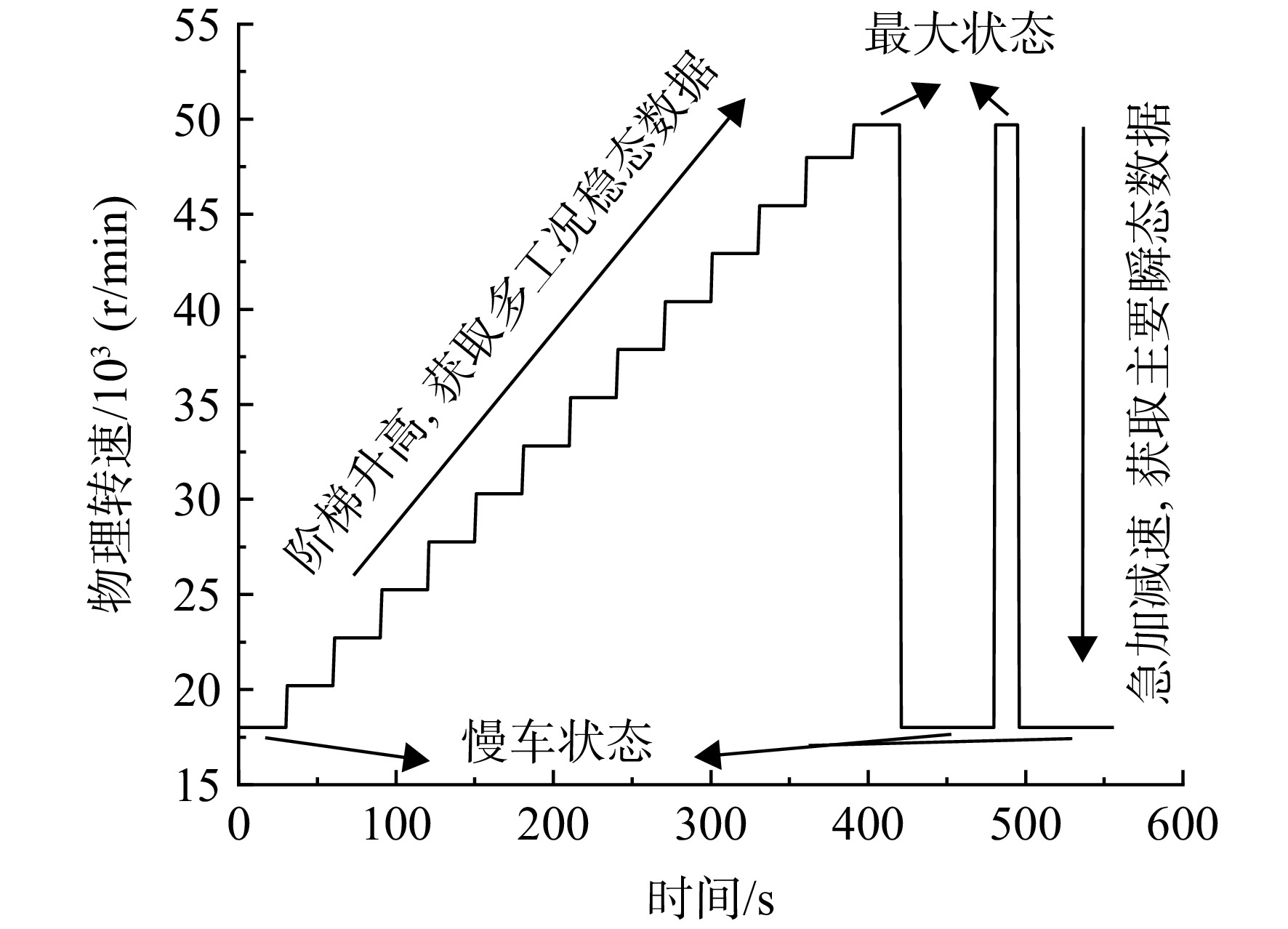
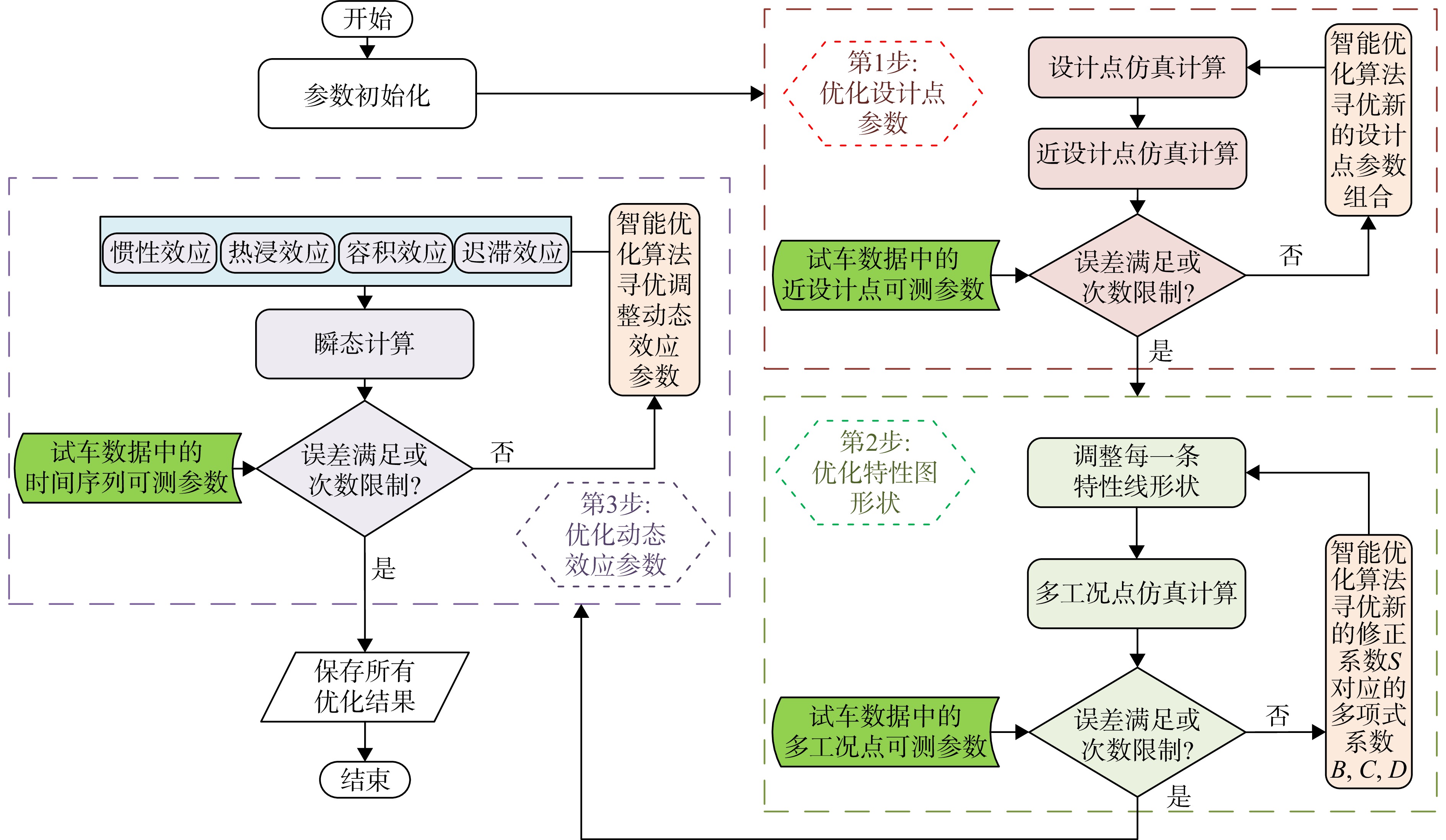
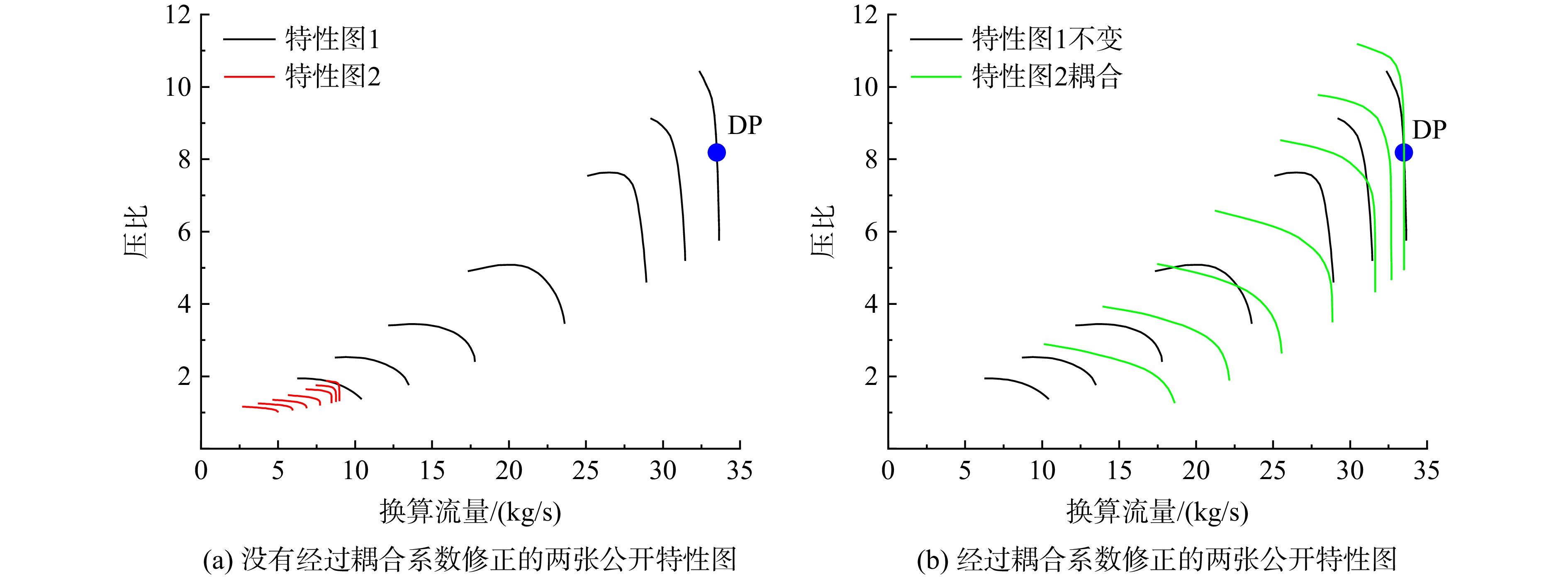
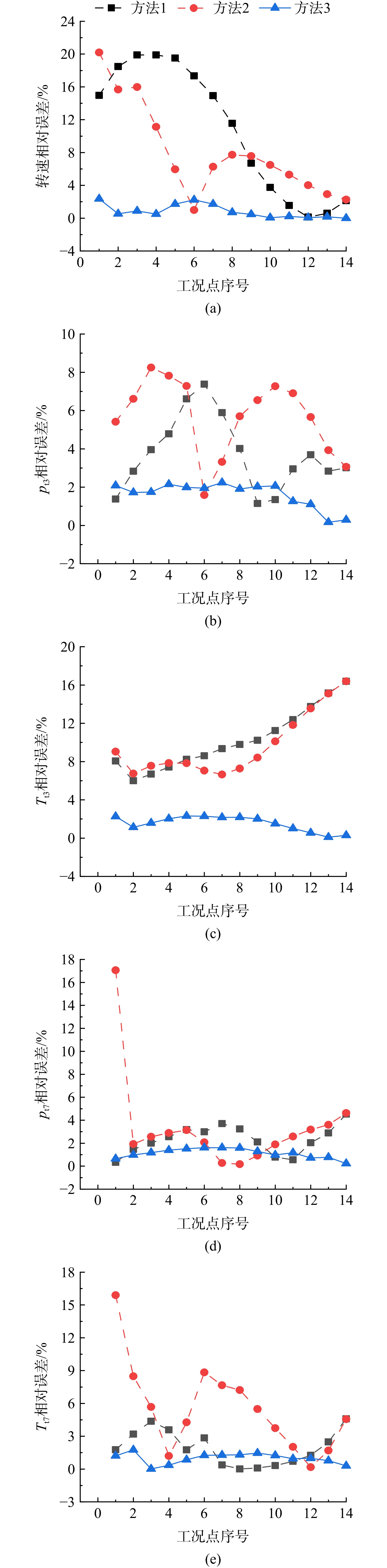
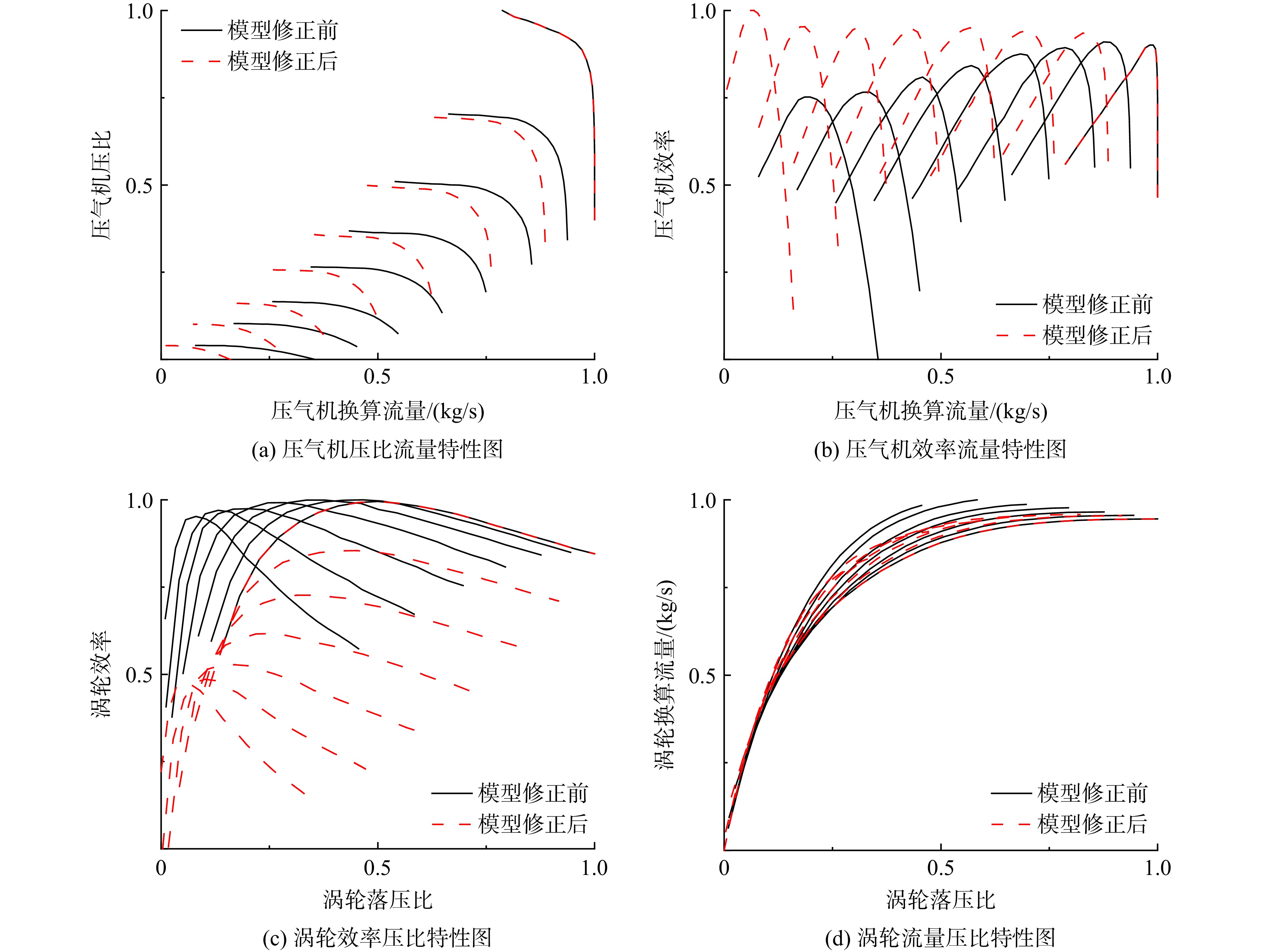
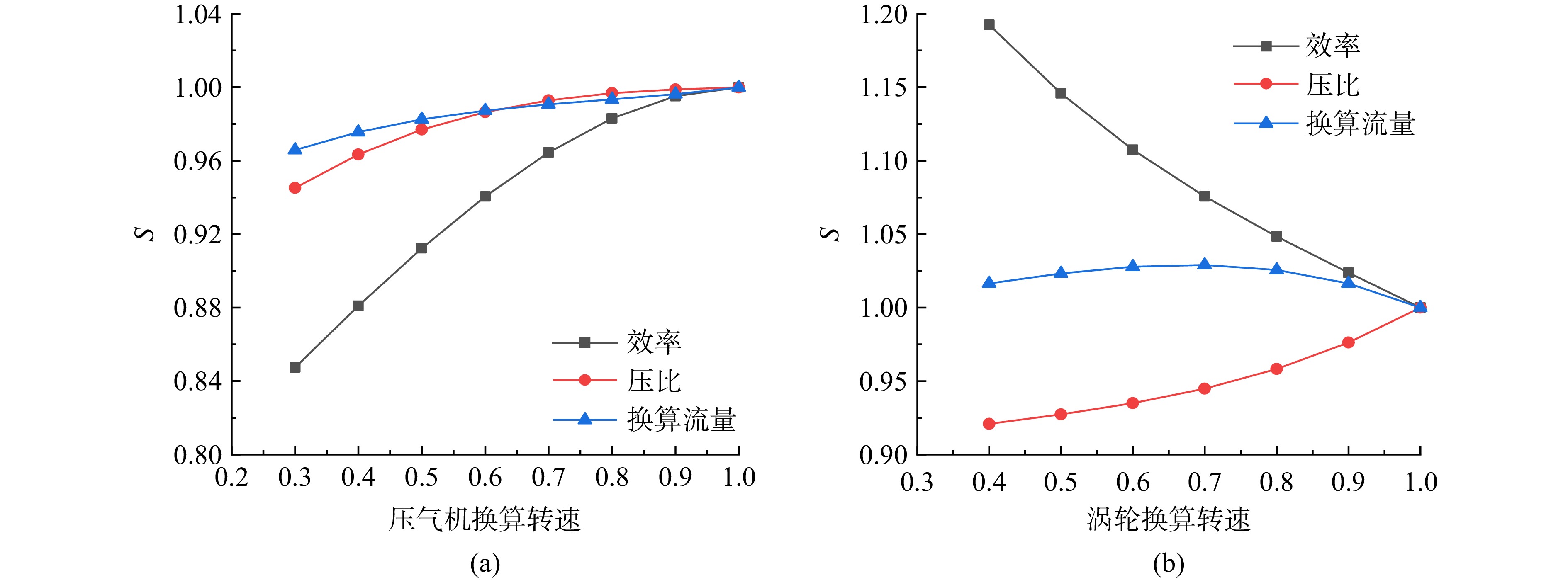
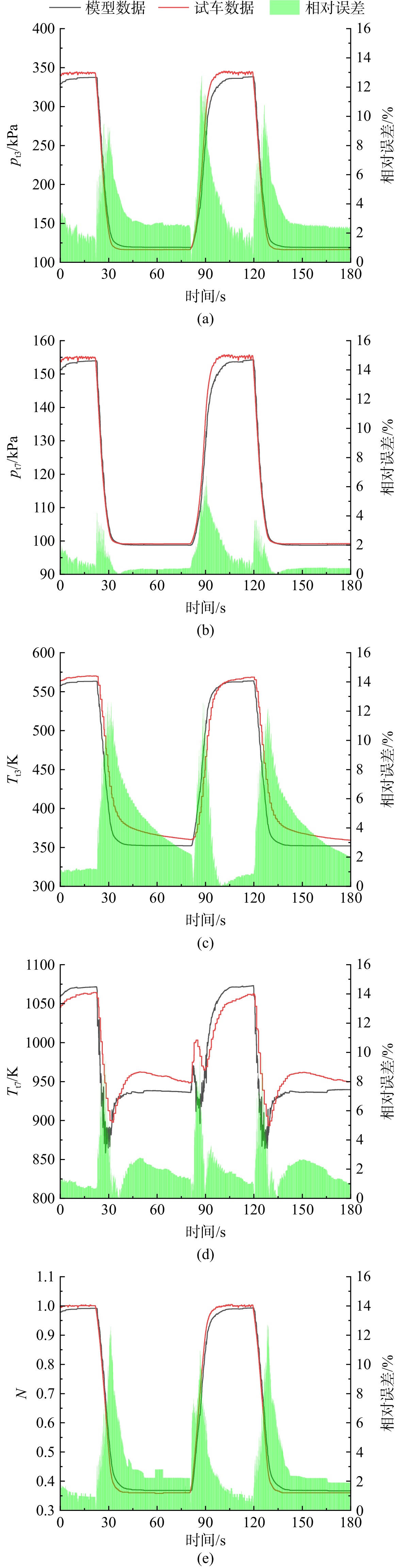
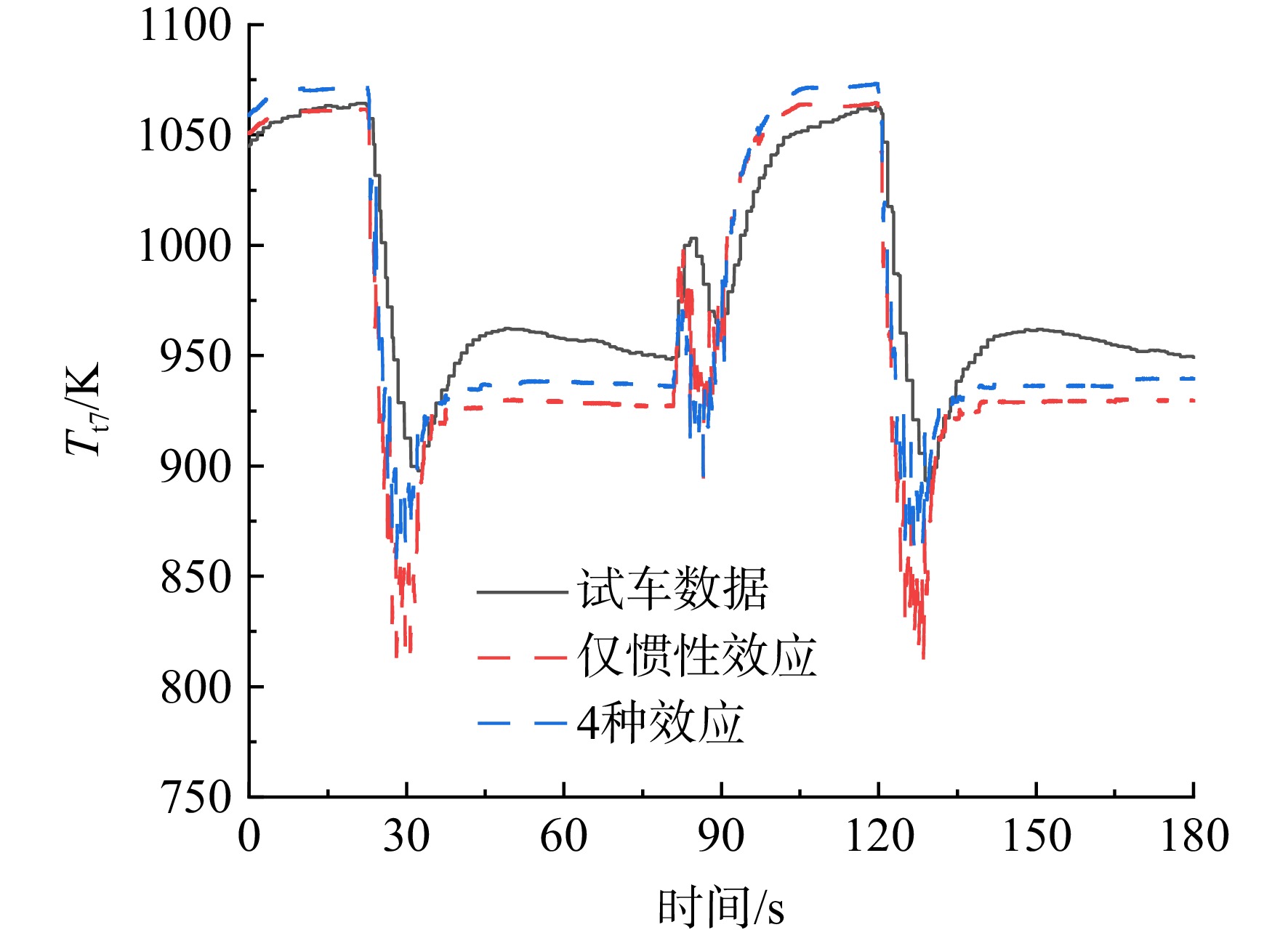
In order to enhance the simulation accuracy of the micro turbojet engines performance model, a model adaptation algorithm based on hierarchical optimization was proposed. Firstly, a general simulation model was established and its reliability was verified by comparison with commercial software. Secondly, engine test runs of micro turbojet engines were carried out to obtain 14 sets of engine test data for both steady-state and transient conditions at off-designed point, including idle conditions. Thirdly, a two-level optimization algorithm for design point parameters and characteristic lines was designed to achieve high-precision steady-state simulation over a wide range of working conditions. Finally, based on the correction of dynamic effects, the simulation accuracy of the transient model was improved. Compared with the test data, the maximum relative error of the steady-state model was 2.4%, which was 88% lower than that without optimizing the design point parameters. Considering four transient effects, compared with that only optimizing the moment of inertia, the maximum relative error of the transient model was 12.9%, and the errors of compressor and turbine exit total temperature were reduced by 9.2% and 31.7%, respectively. Therefore, the model adaptation method for micro turbojet engines based on hierarchical optimization can effectively improve the simulation accuracy of both steady-state and transient conditions.

Flow and thrust characteristics of annular slot dual-bell nozzle
WANG Yong, Eriqitai, KONG Bo
2026, 41(3): 20240288. doi: 10.13224/j.cnki.jasp.20240288
Abstract:

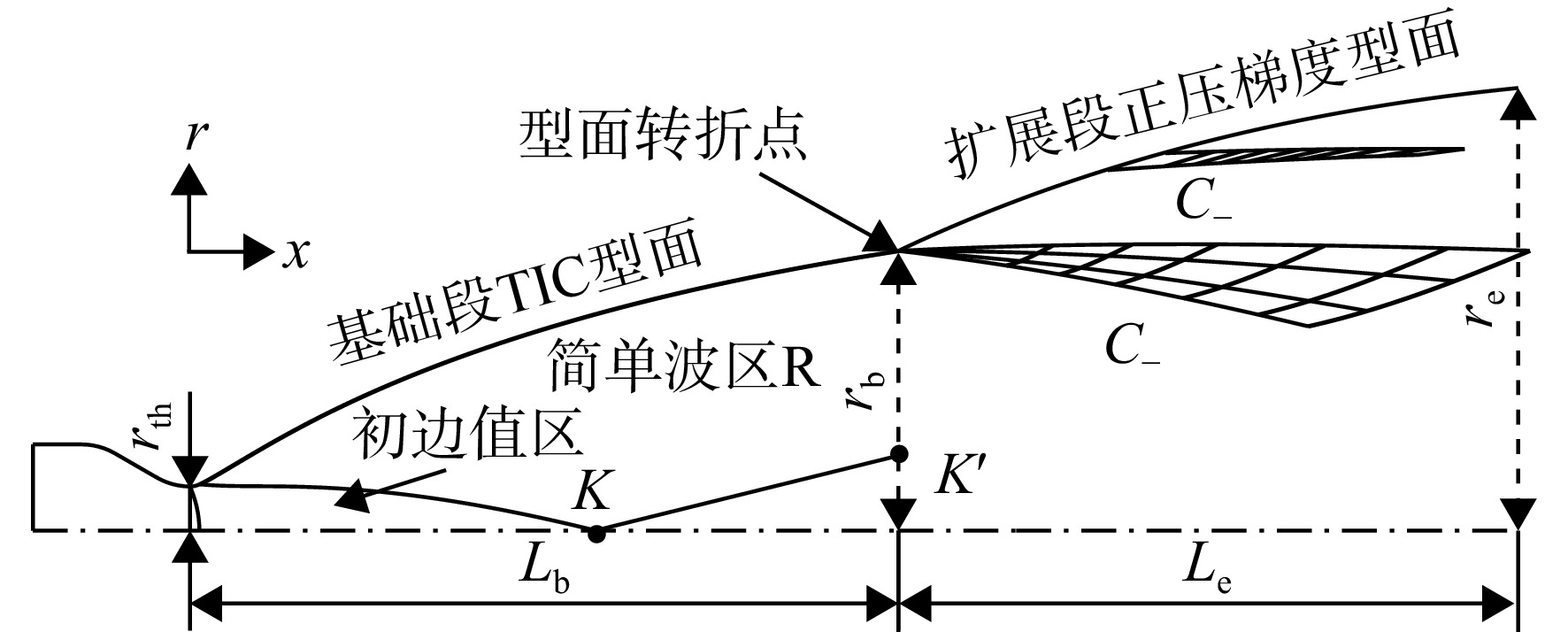
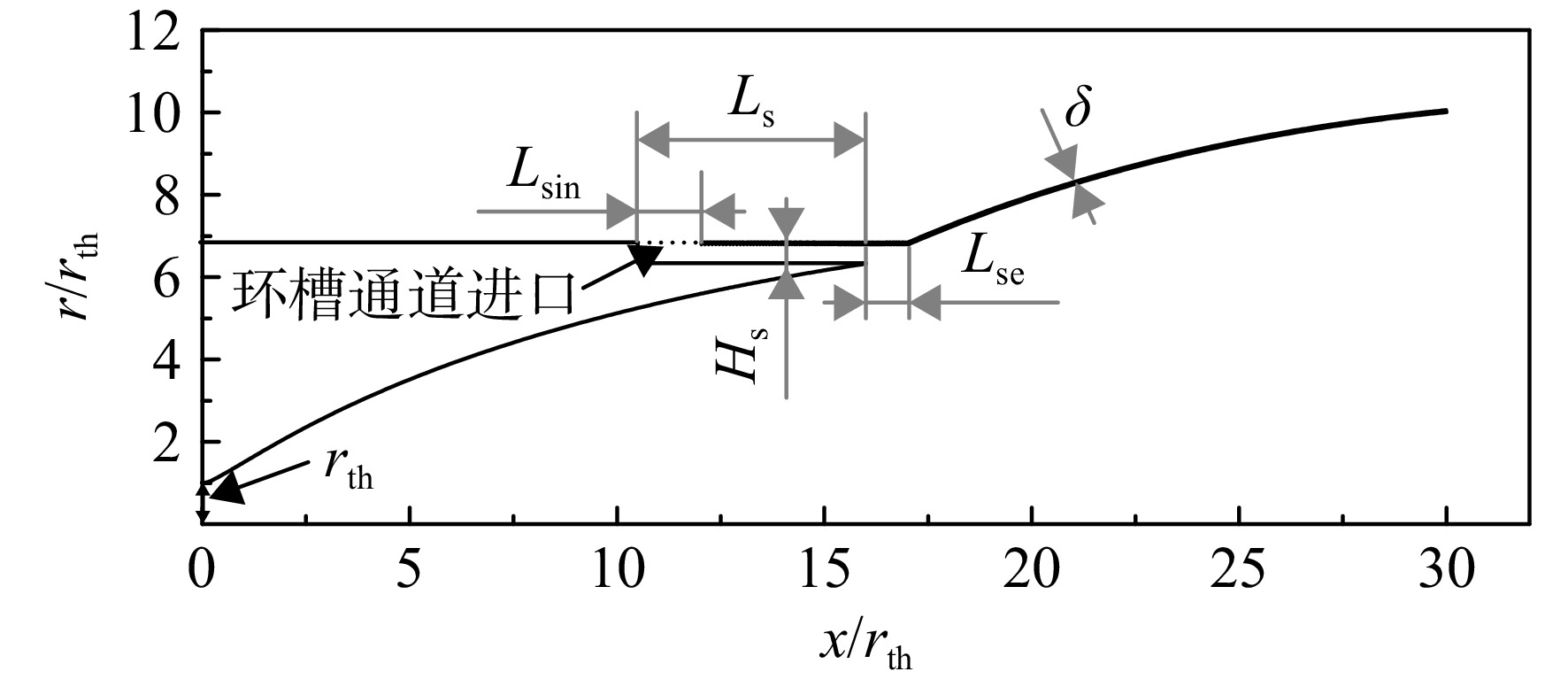
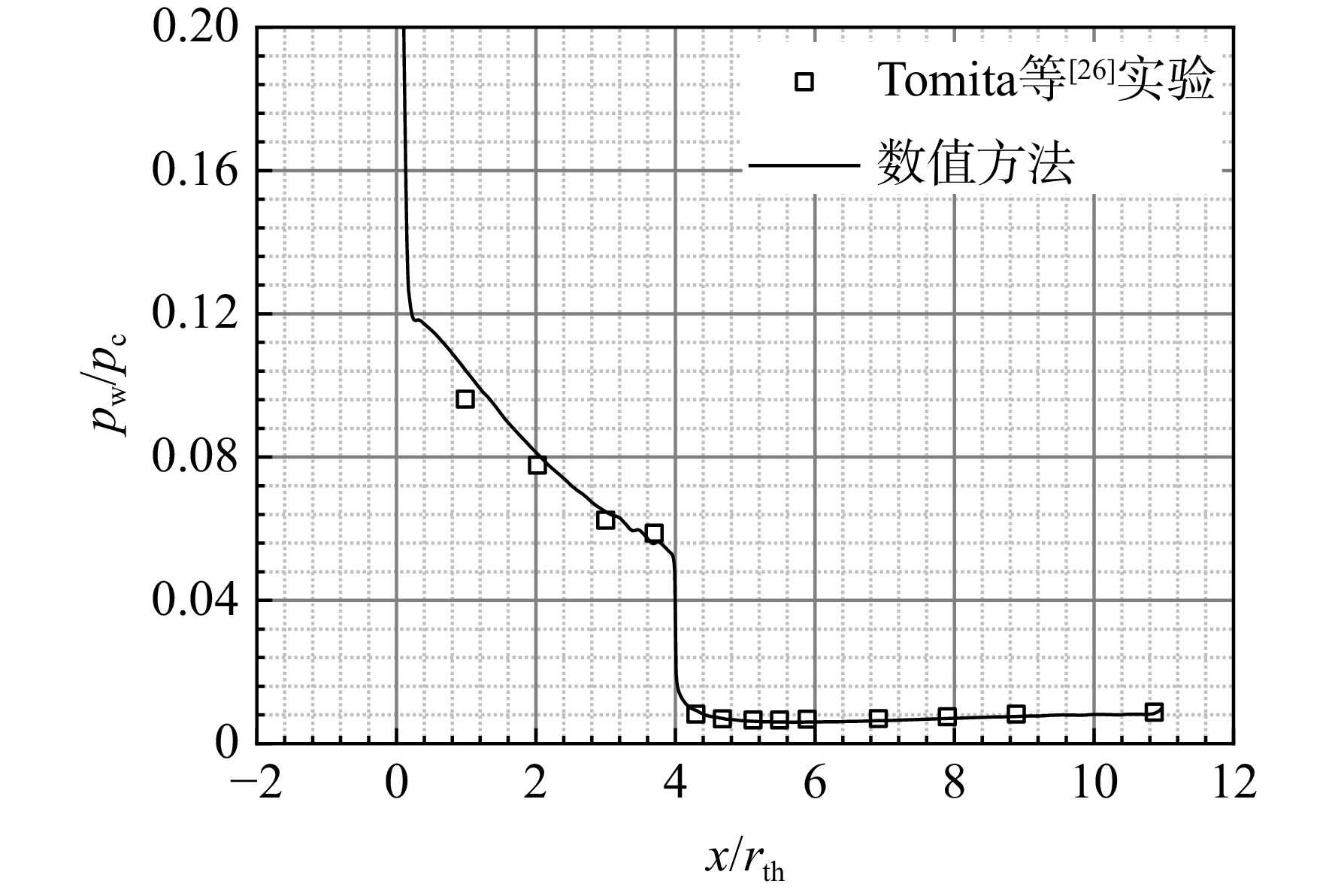
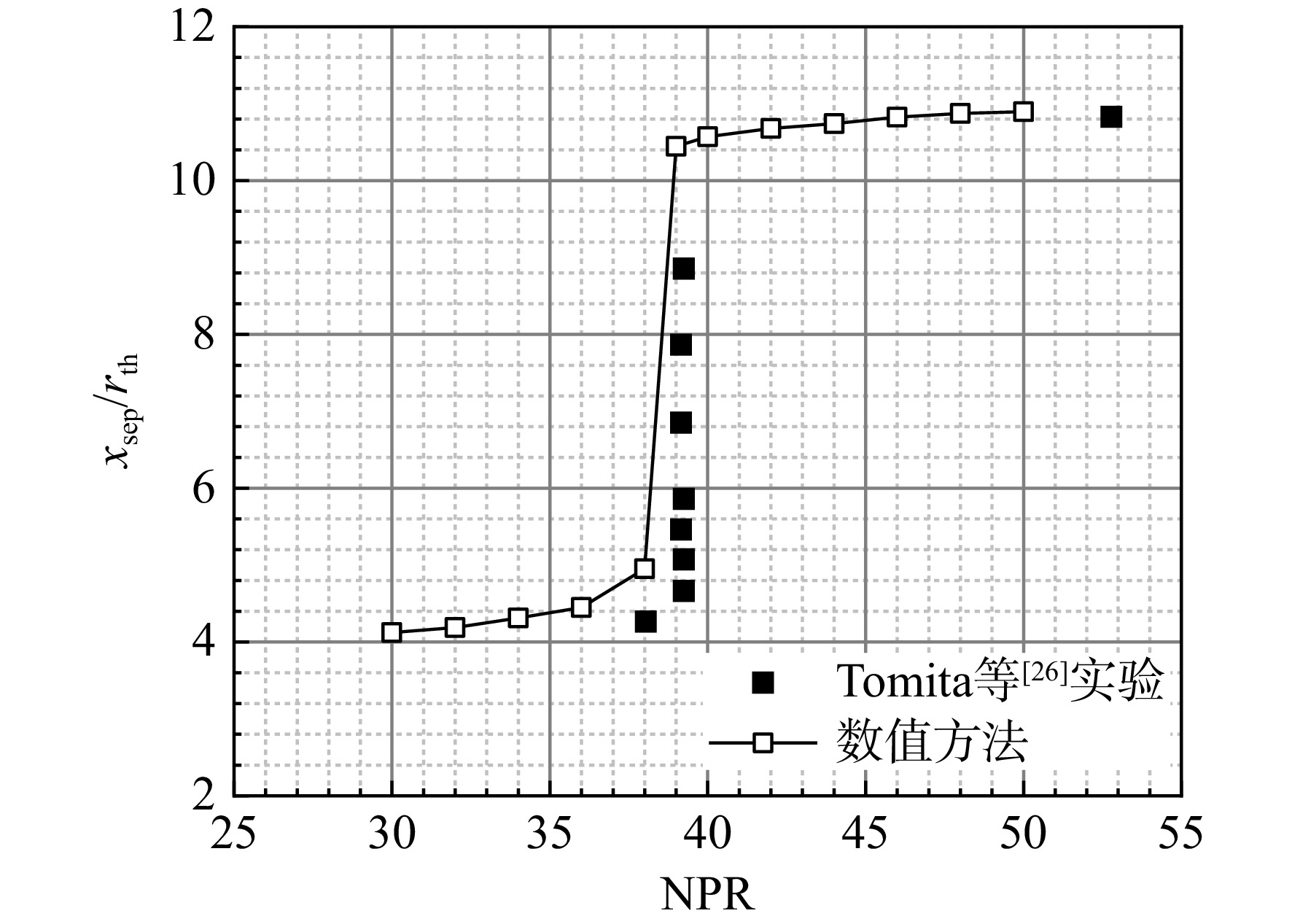
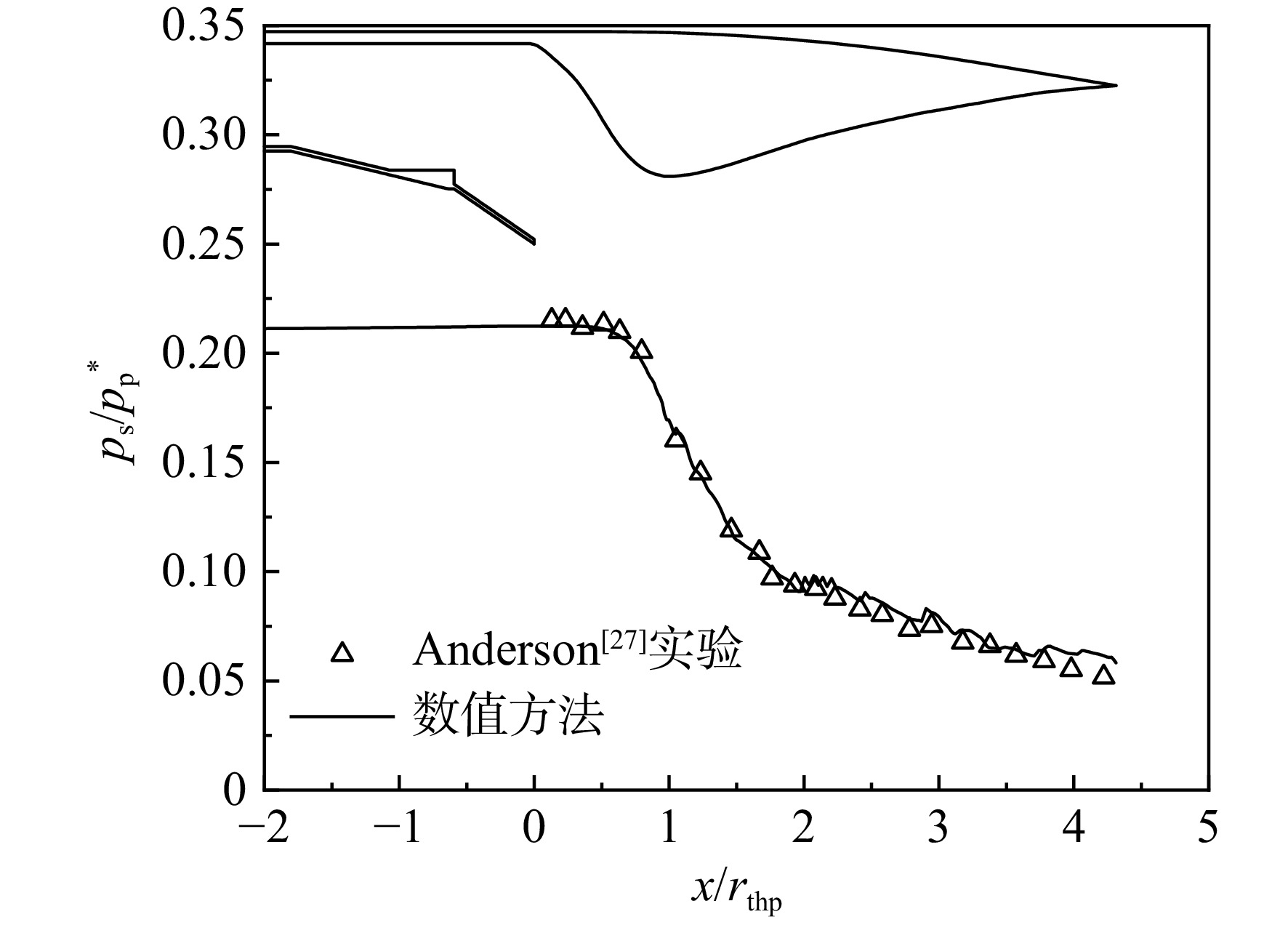
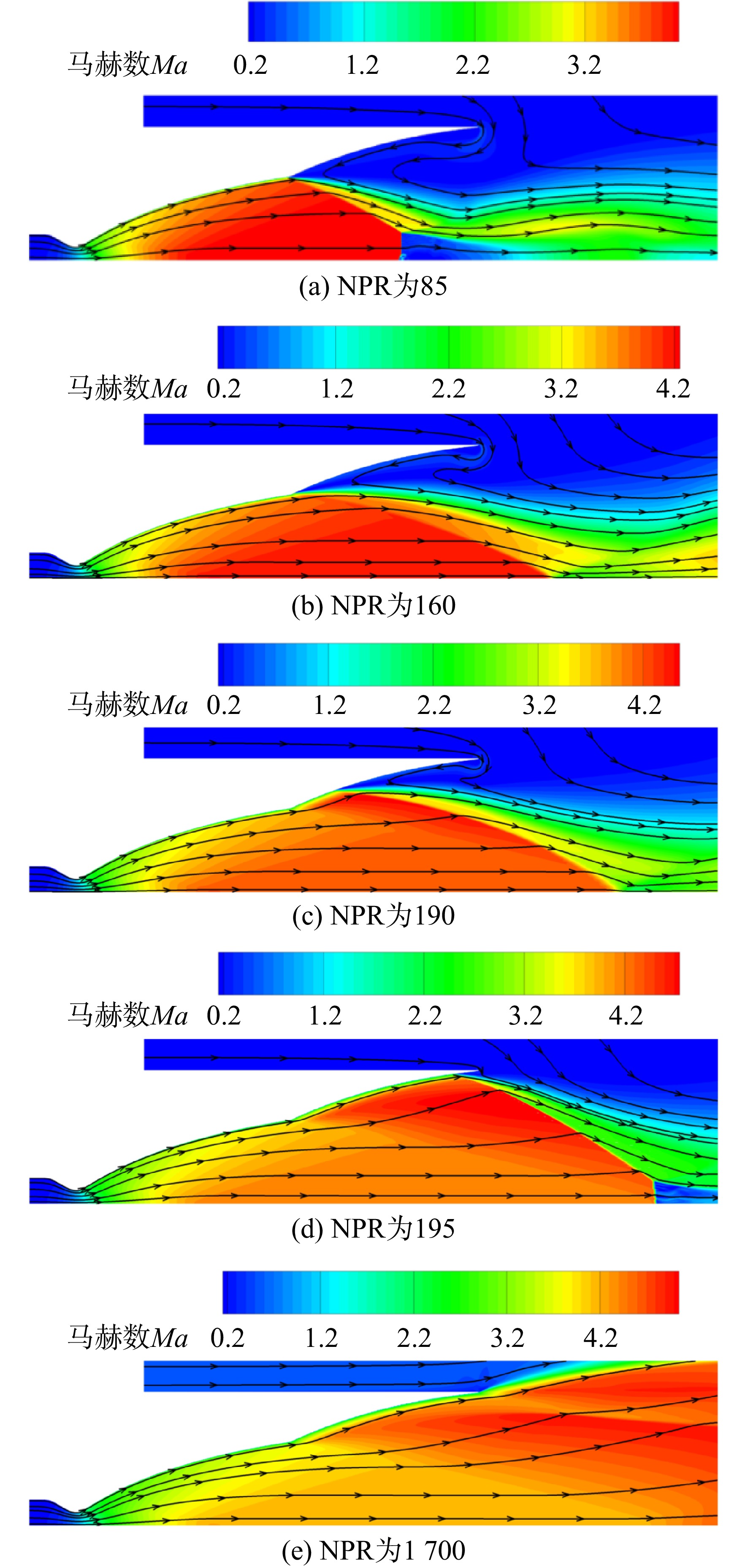
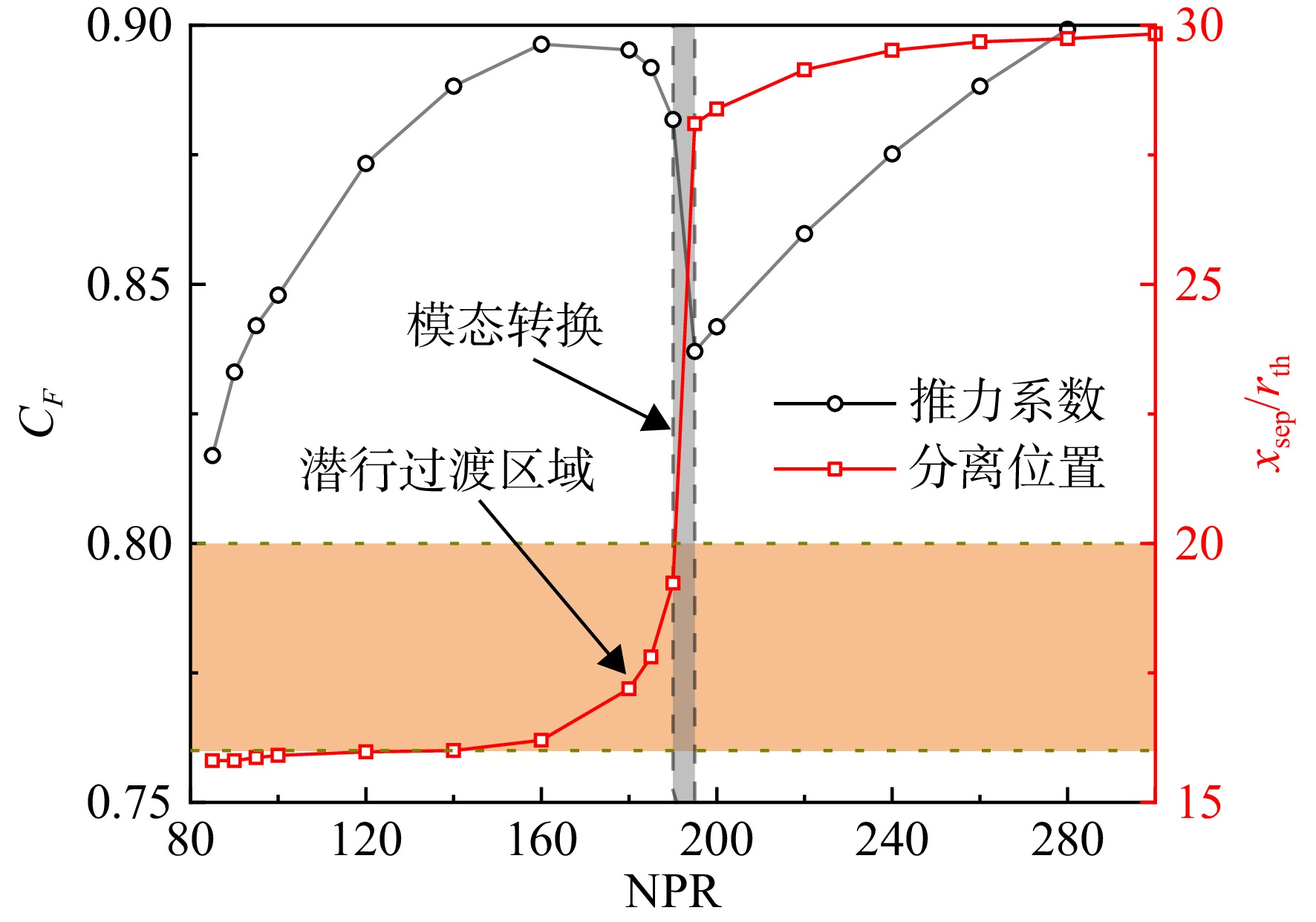
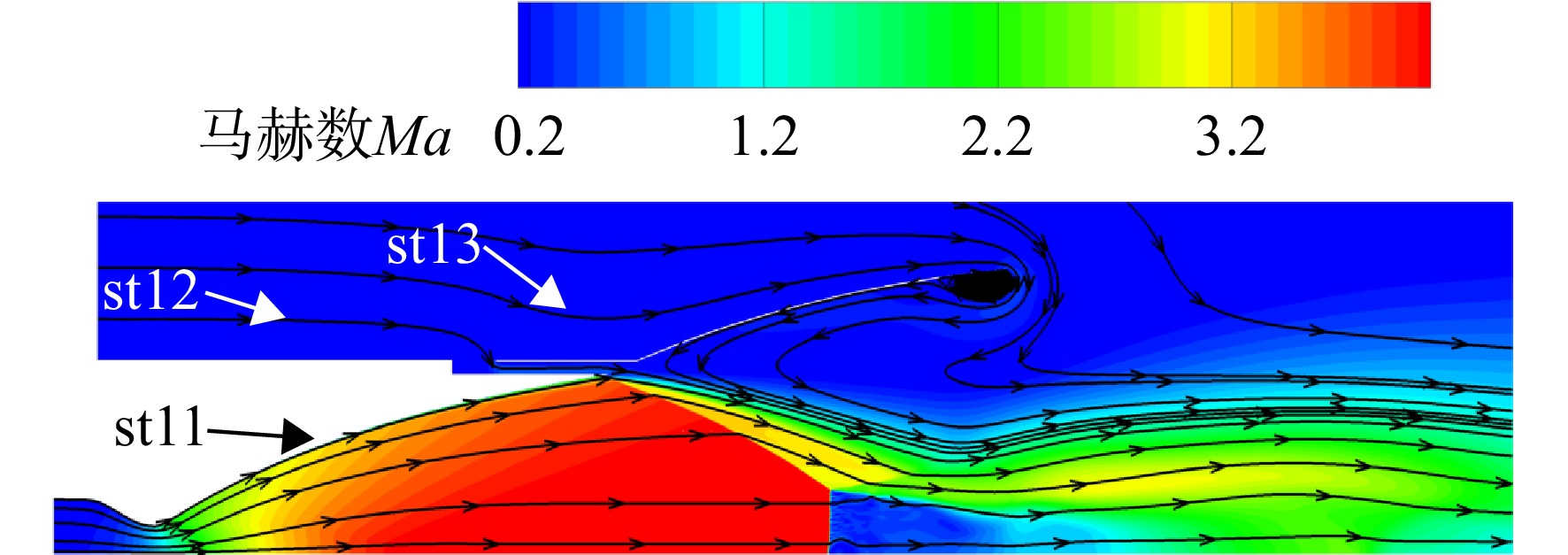
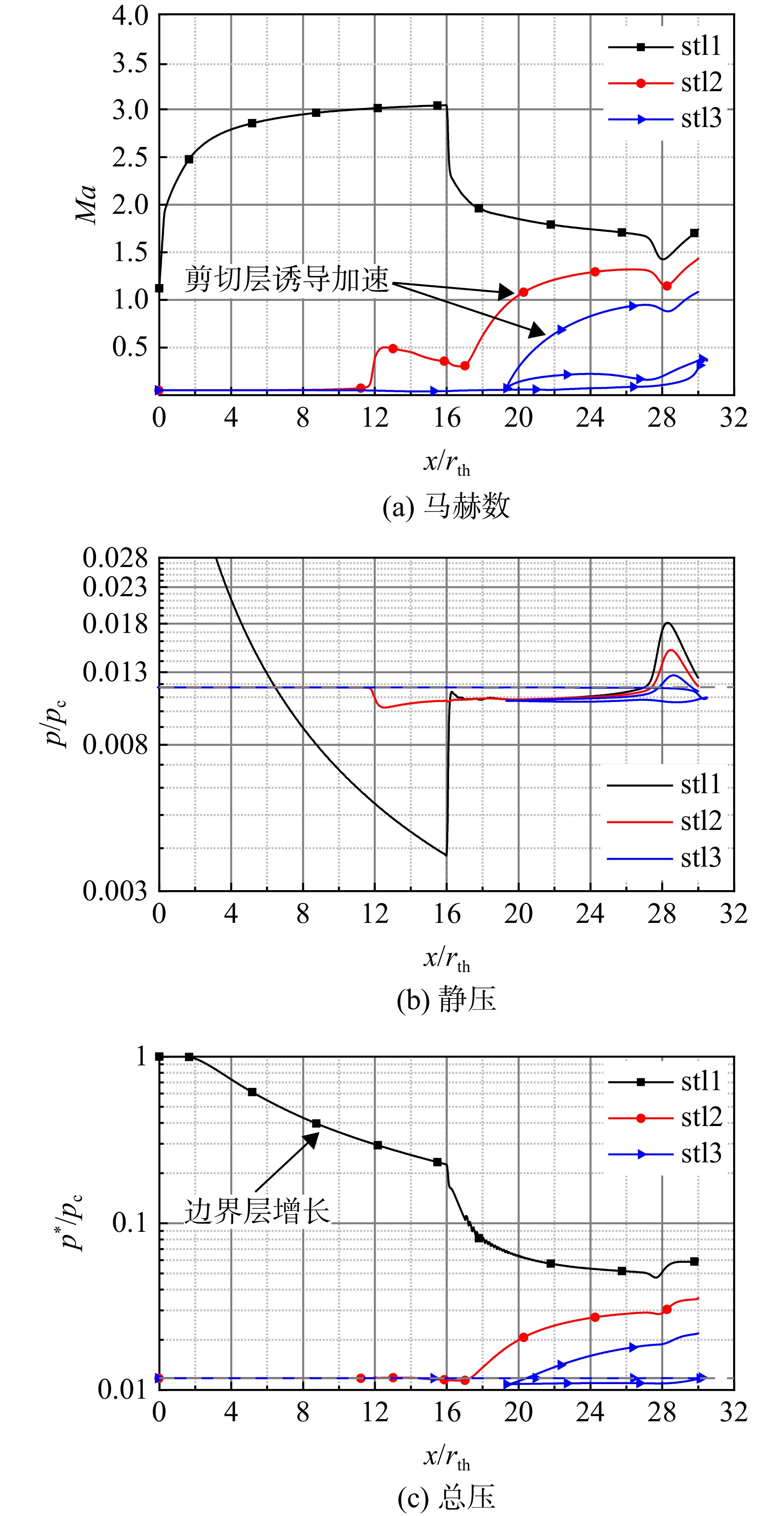
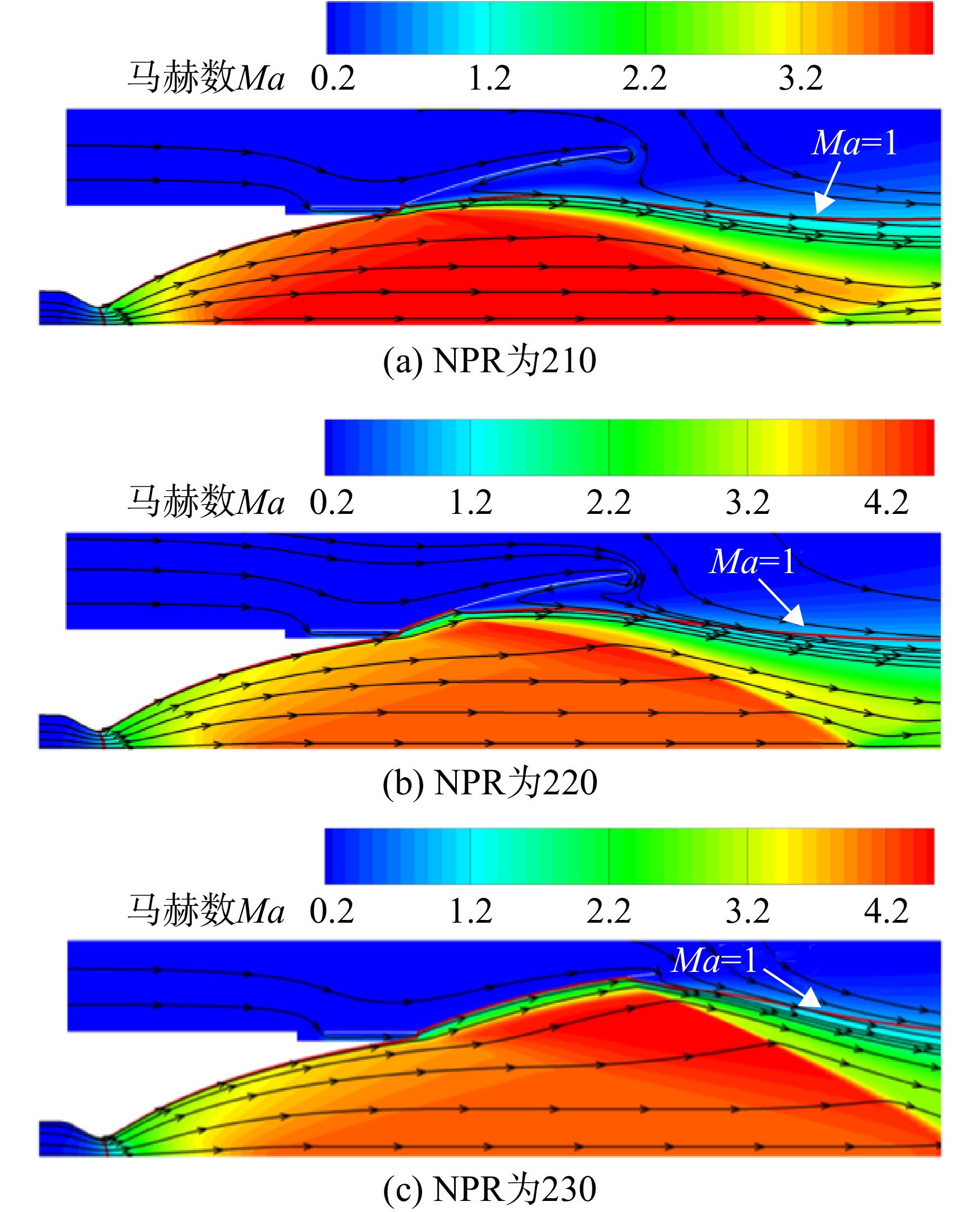
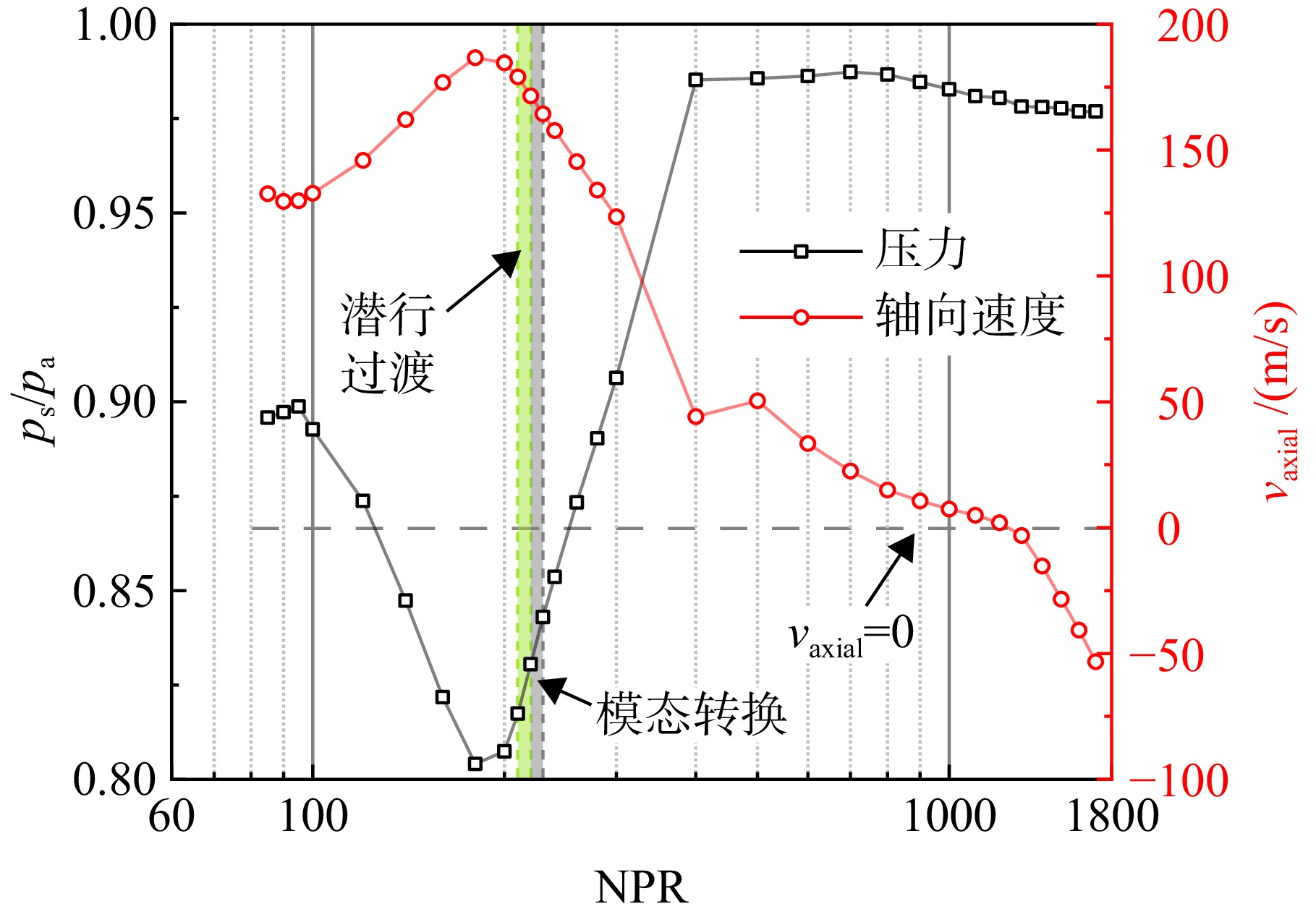
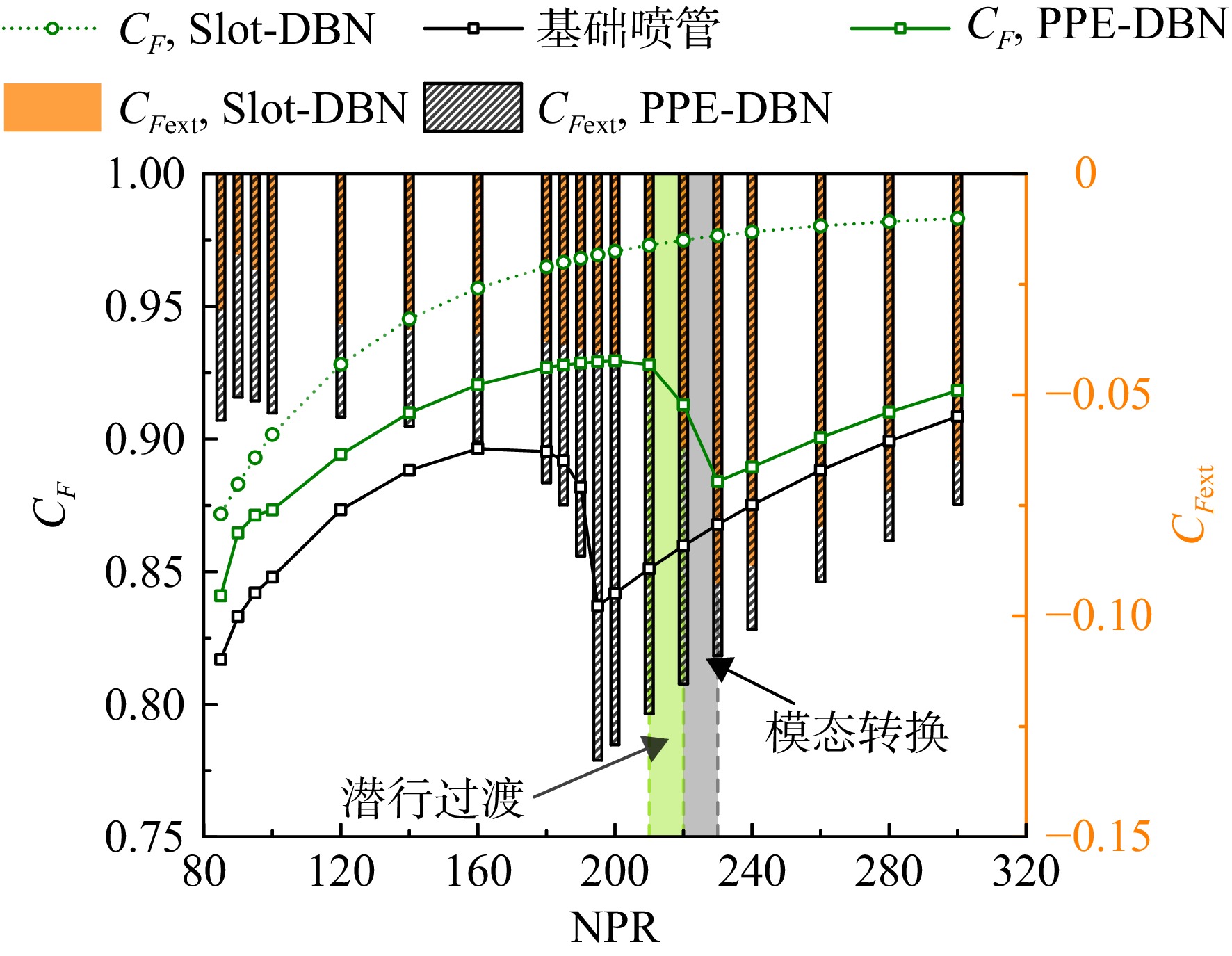
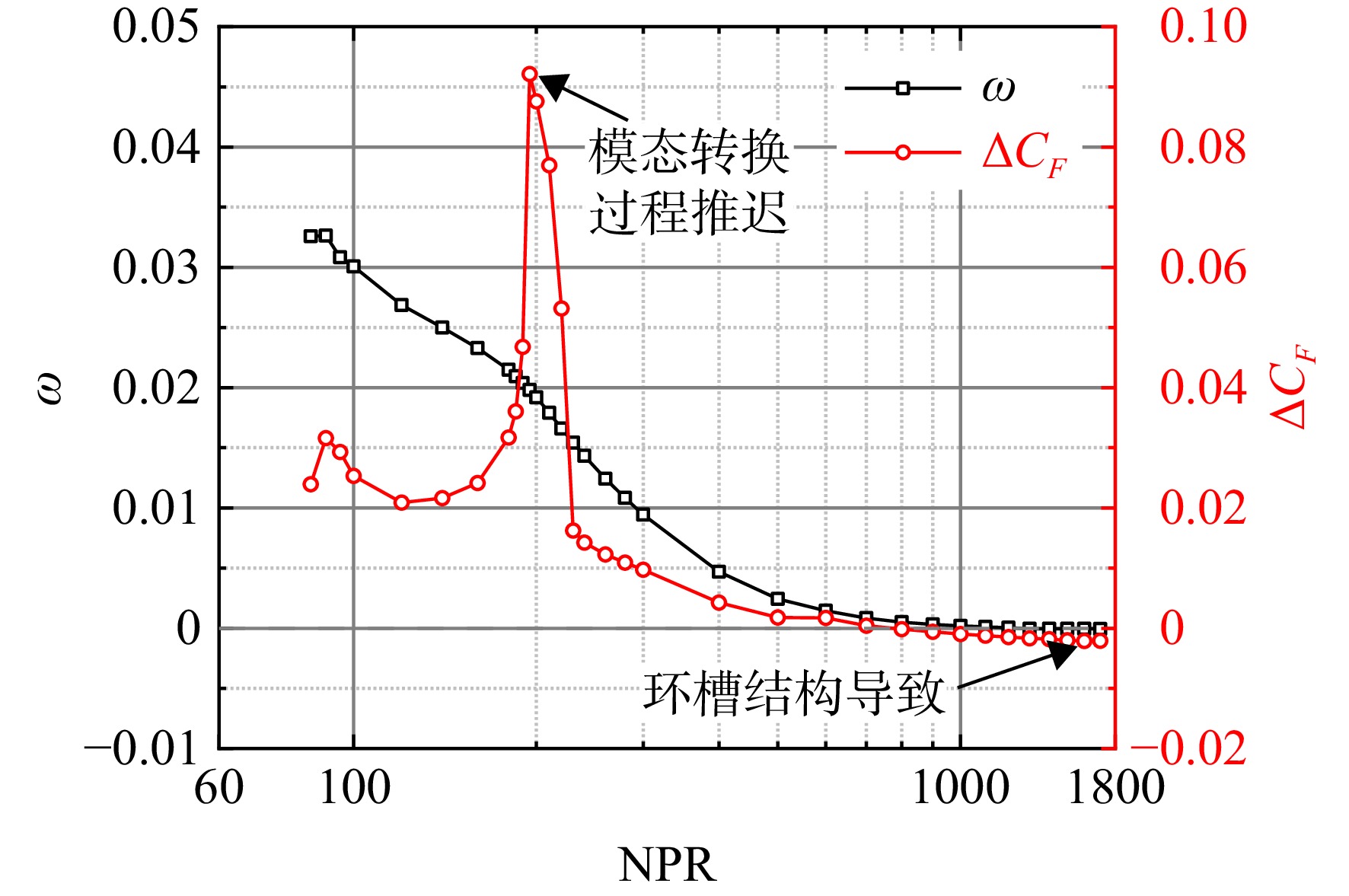
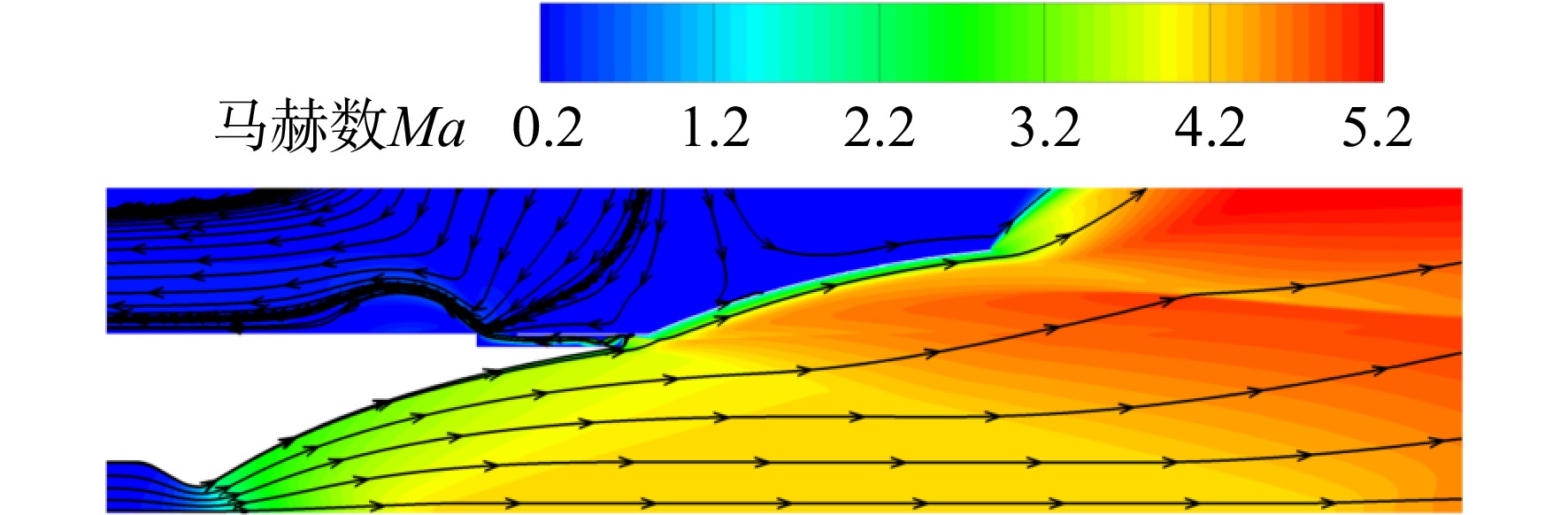
In view of the aspiration drag of dual-bell nozzles and the thrust loss problem such as premature mode transition, an annular slot dual-bell nozzle with an ejection annular slot added at the nozzle inflection point was designed. The flow and thrust characteristics of a dual-bell nozzle with an extension nozzle of positive pressure gradient and a dual-bell nozzle with an annular slot were investigated using numerical simulation methods. The results showed that the annular slot dual-bell nozzle can effectively improve the thrust performance of the dual-bell nozzle under low nozzle pressure ratio conditions and its mode transition pressure ratio. The shear layer momentum transport between the mainstream and the ejected airflow acted as an important reason for increasing the thrust of the annular slot dual-bell nozzle, and the sneak transition also existed in the annular slot dual-bell nozzle. Compared with the dual-bell nozzle, the thrust coefficient increased by 2.9% in the sea level mode, increased by 10.4% in the mode transition process, and reduced by 0.2% in the altitude mode influenced by the annular slot structure. Compared with the base nozzle, the altitude average specific impulse of the annular slot dual-bell nozzle increased by 1.7% within the 0—30 km altitude range.

Impact of nozzle area ratio on performance of small turbojet engines
MENG Yan, SHEN Lixin, JIANG Chaohu, ZENG Yang, CHEN Zhihua, DU Hai
2026, 41(3): 20250110. doi: 10.13224/j.cnki.jasp.20250110
Abstract:

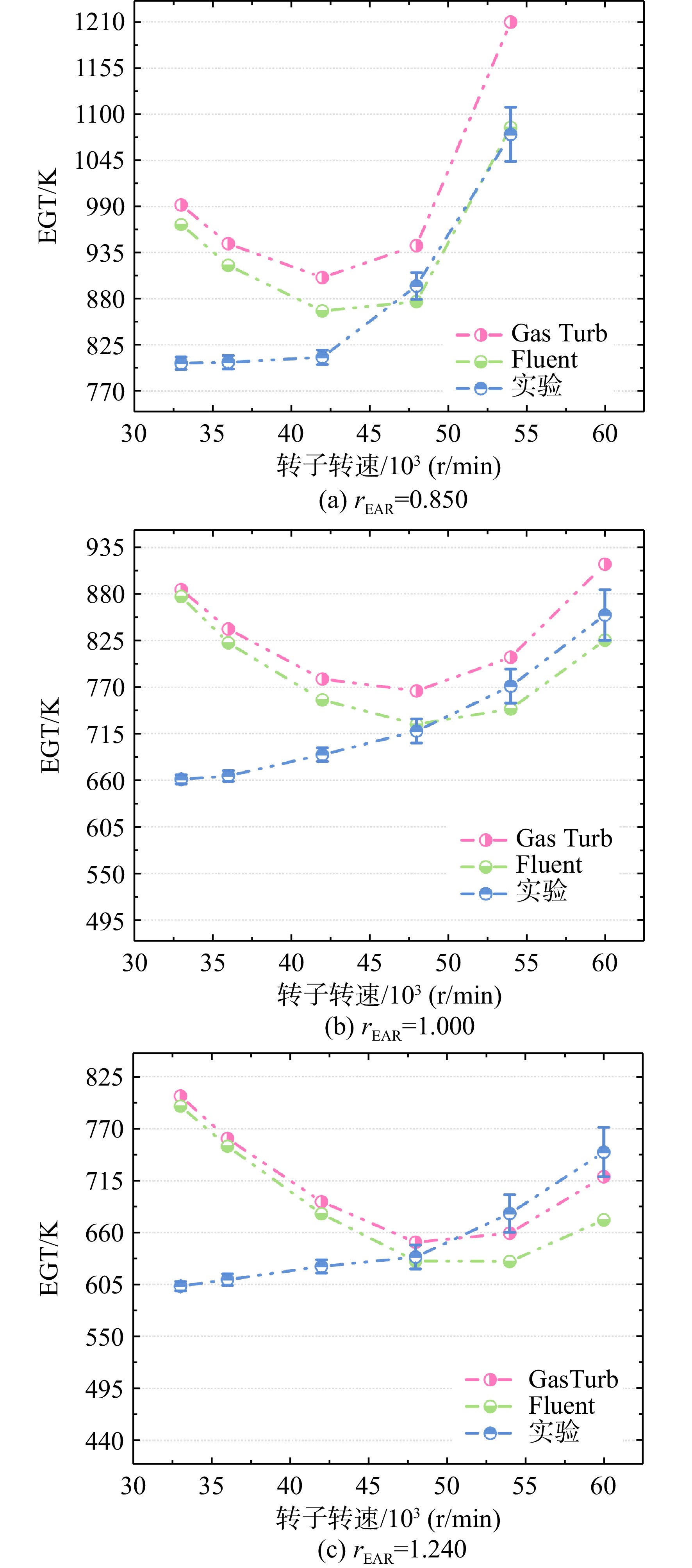
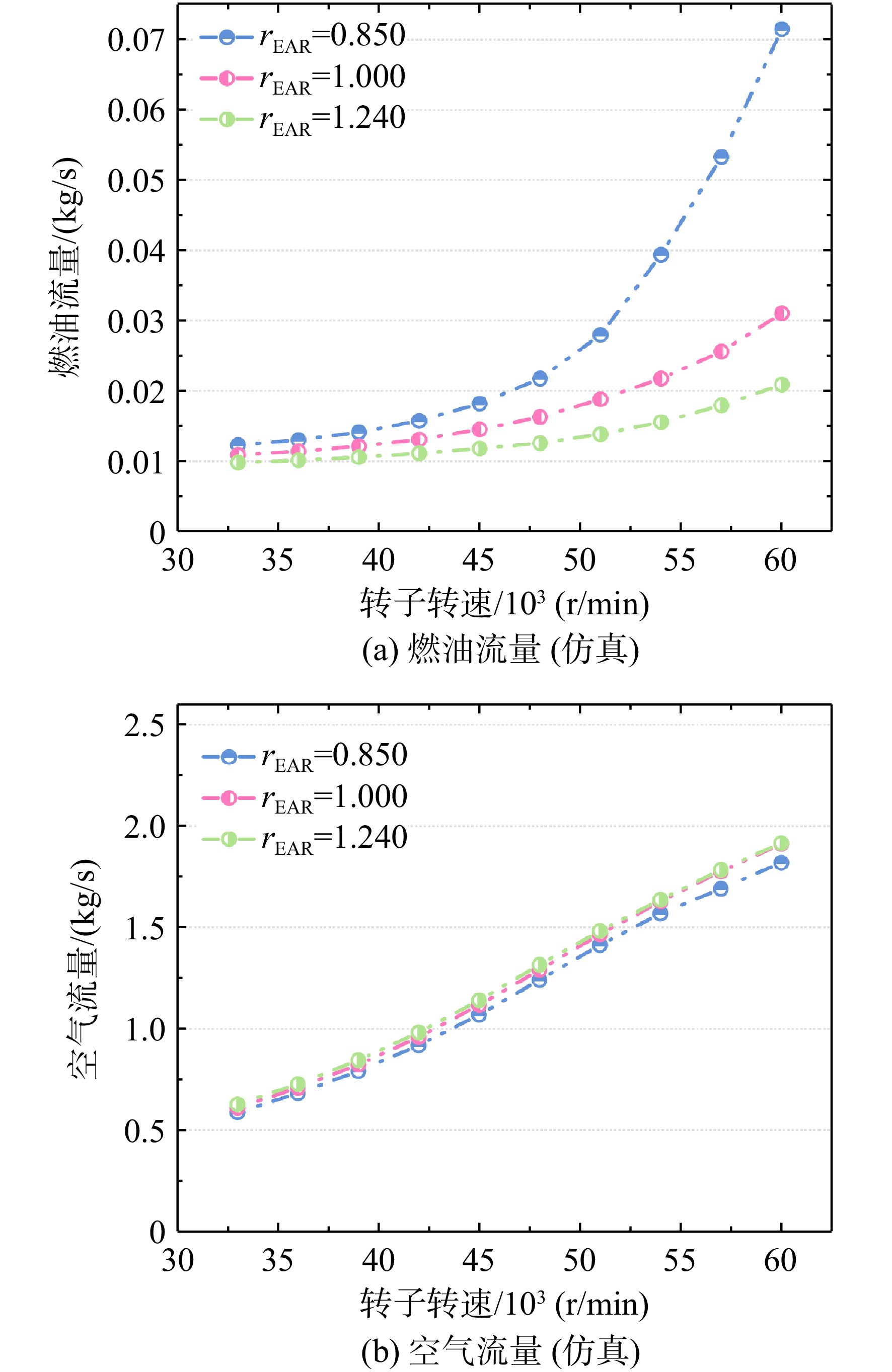
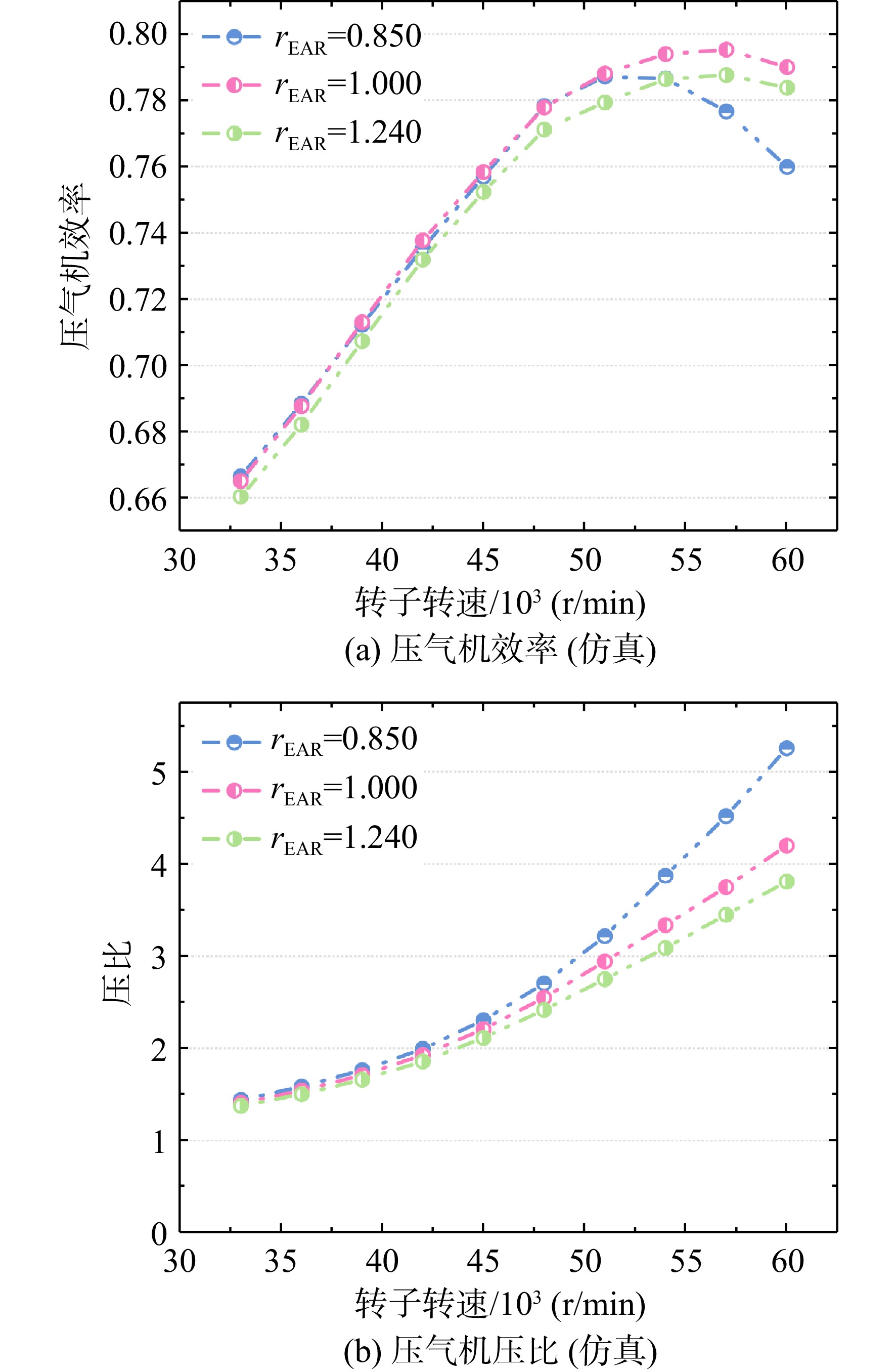
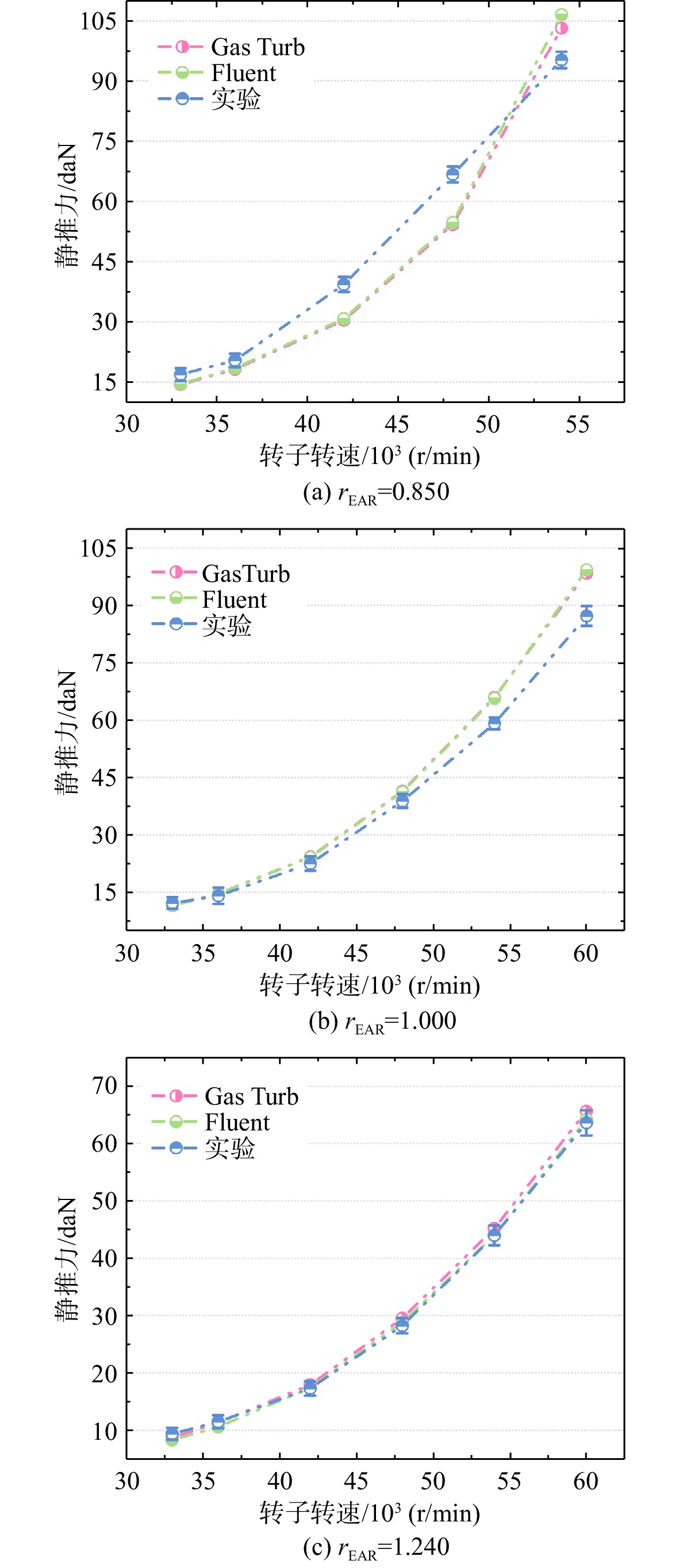
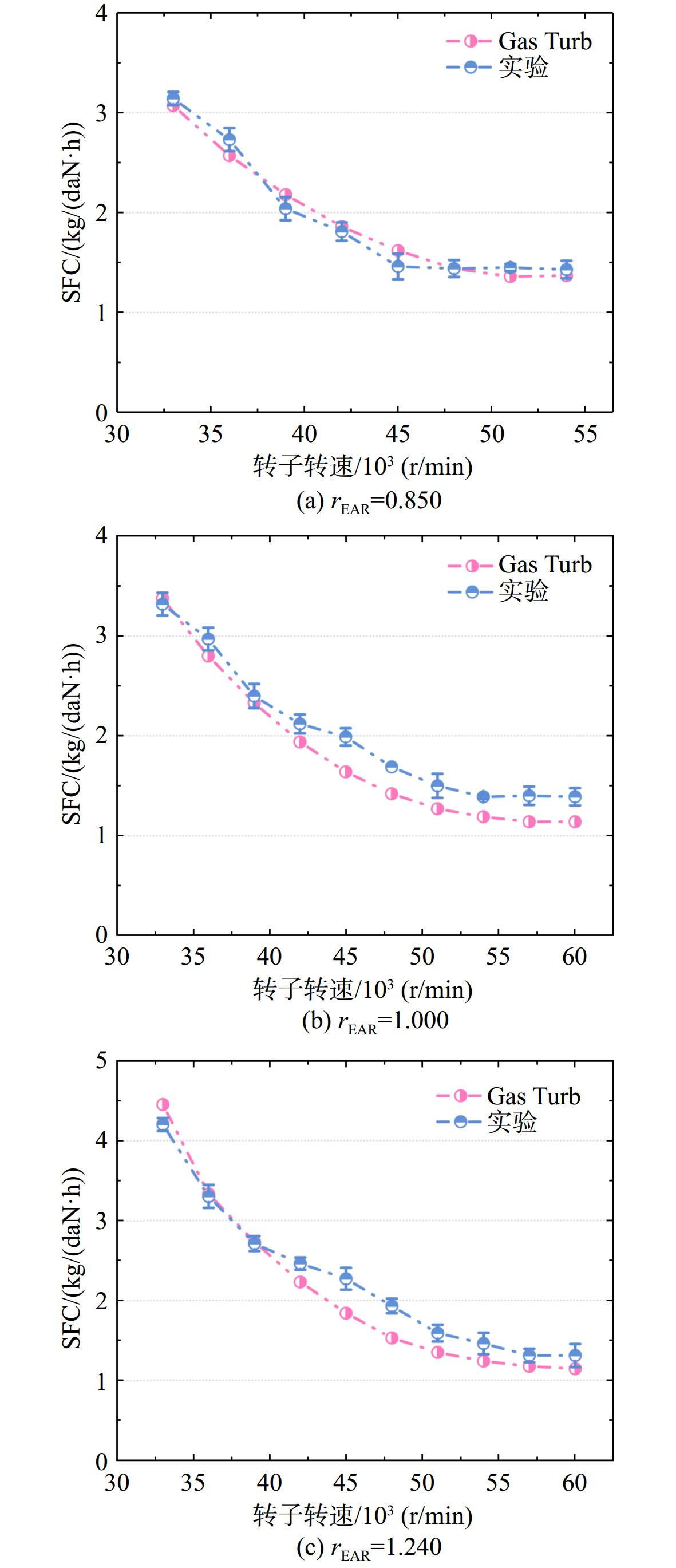
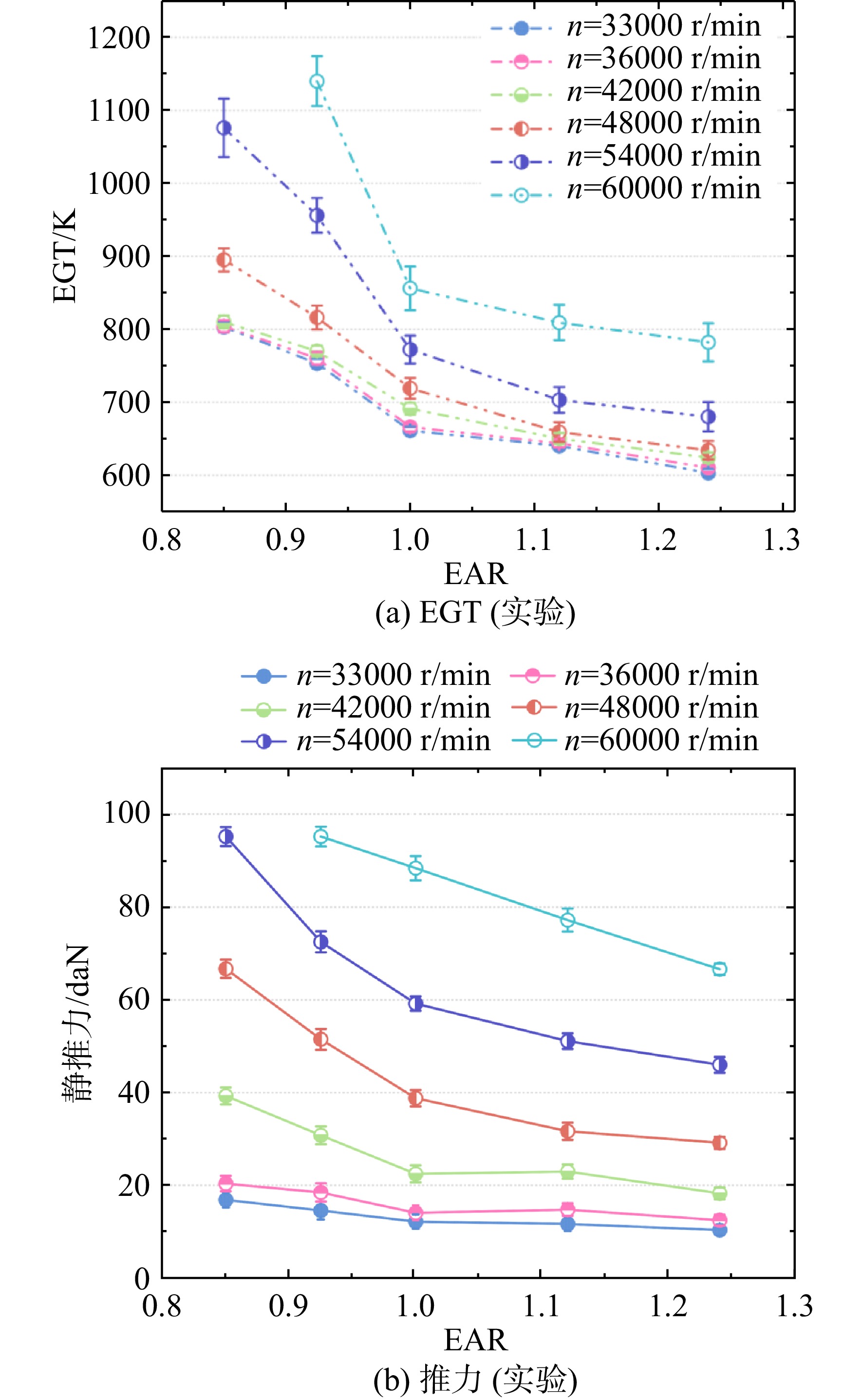
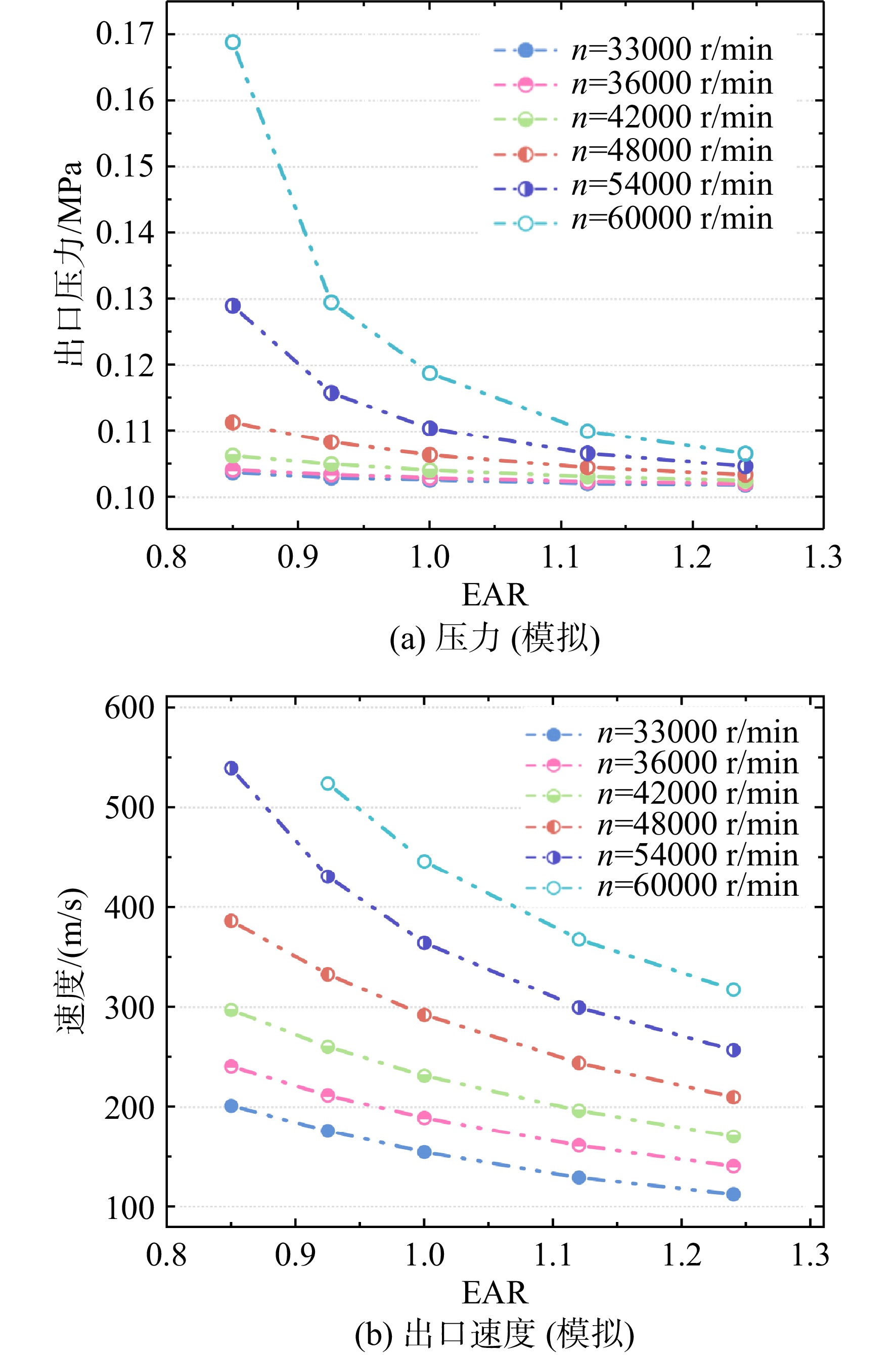
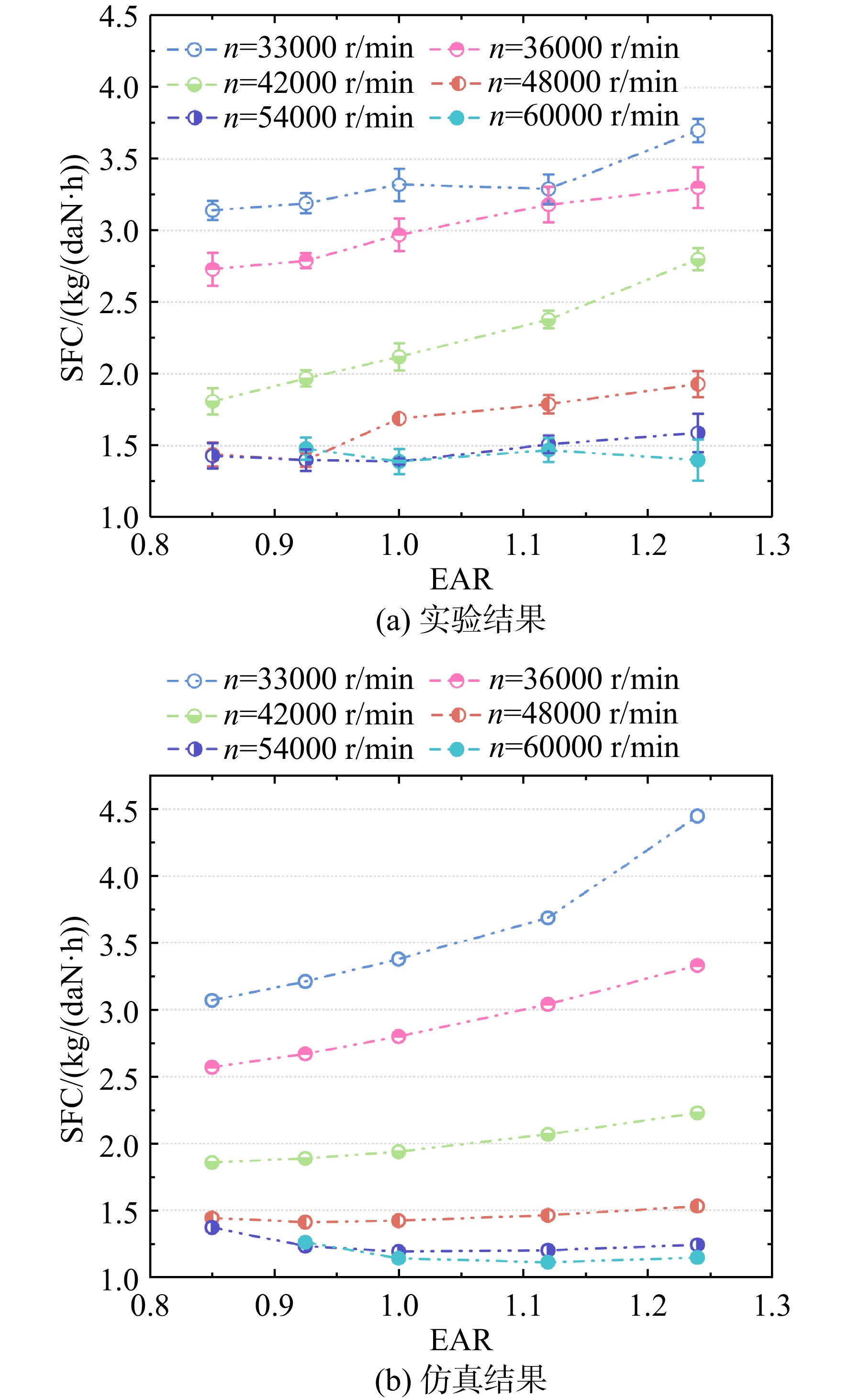
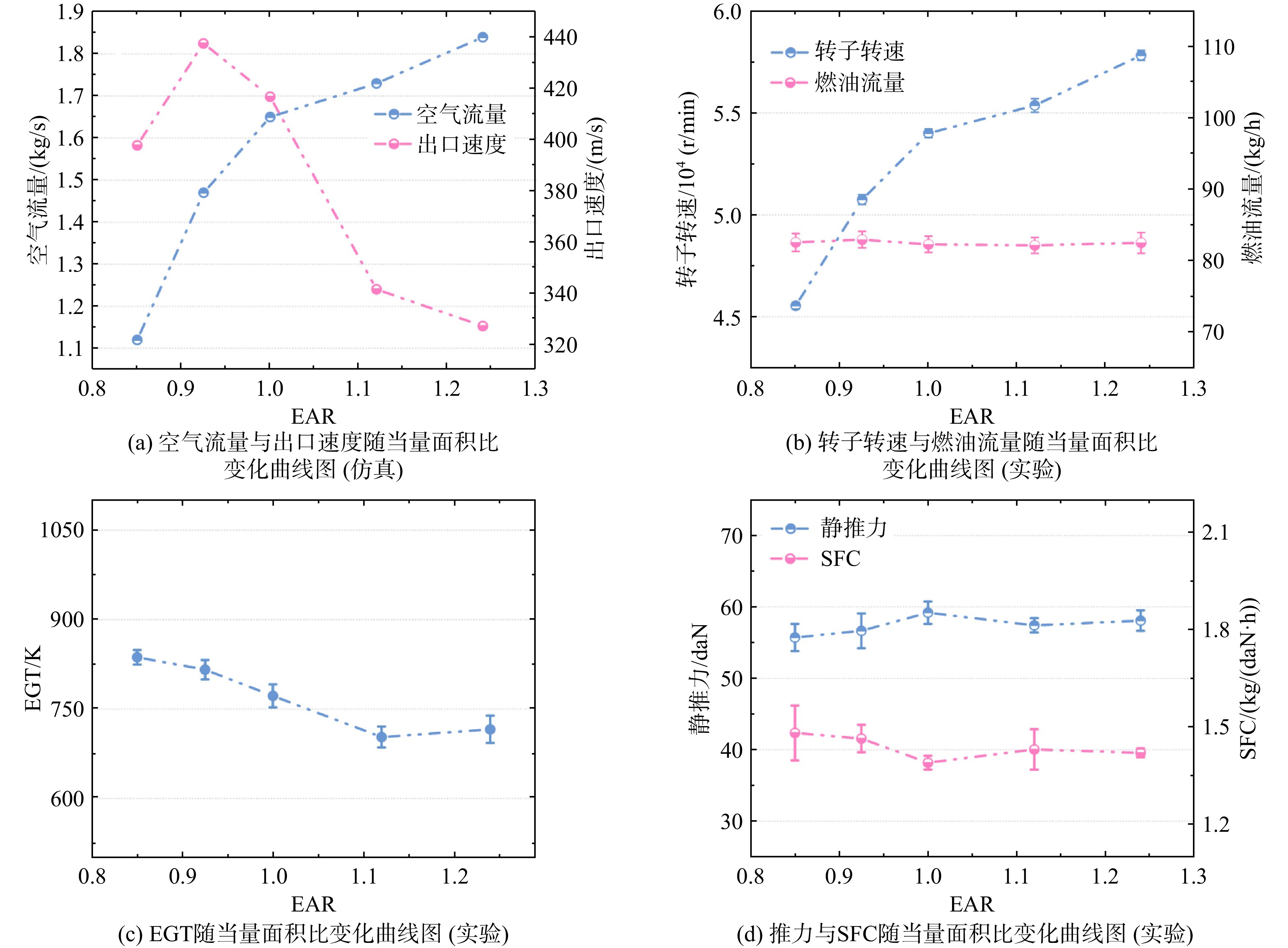
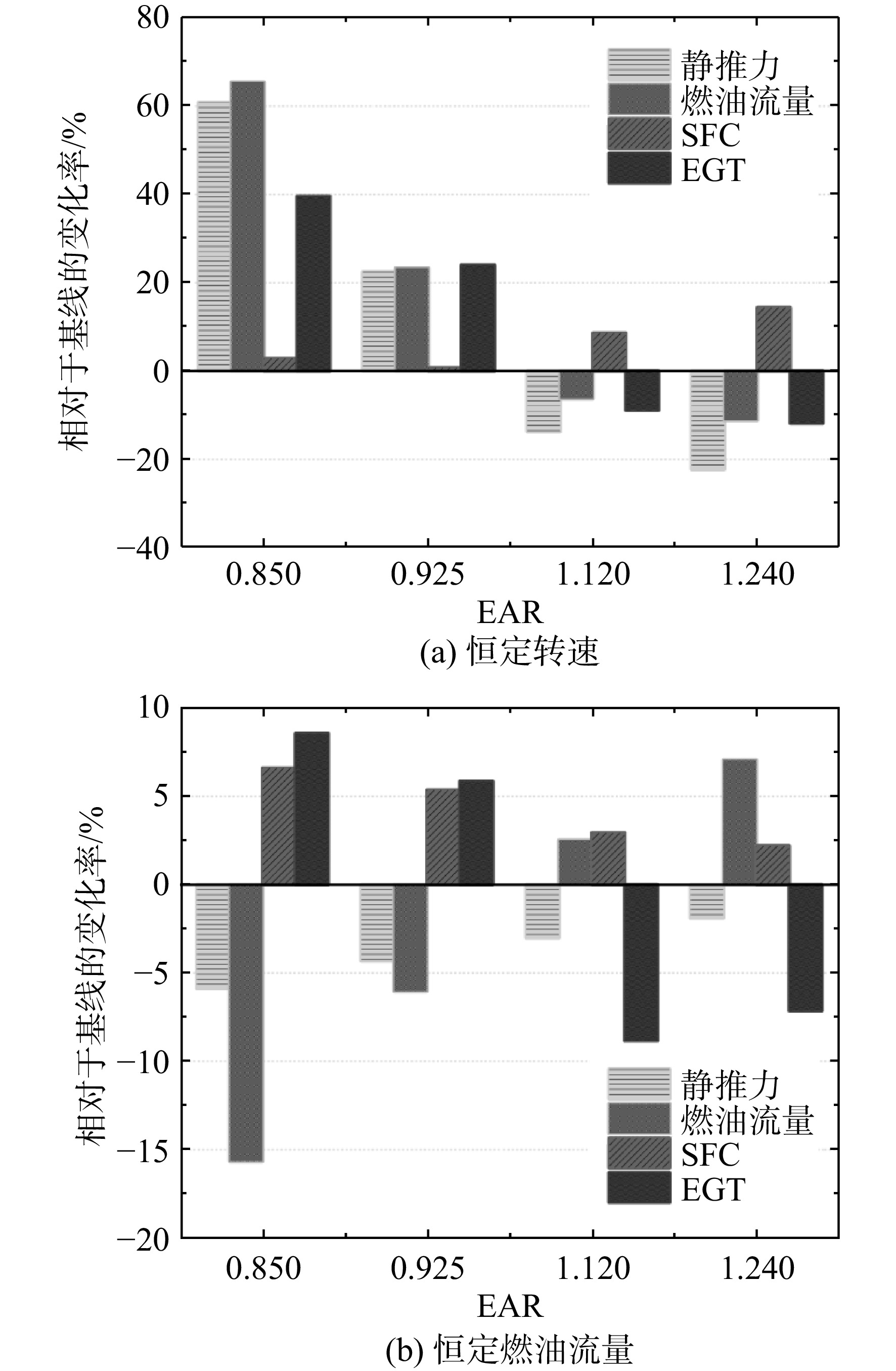
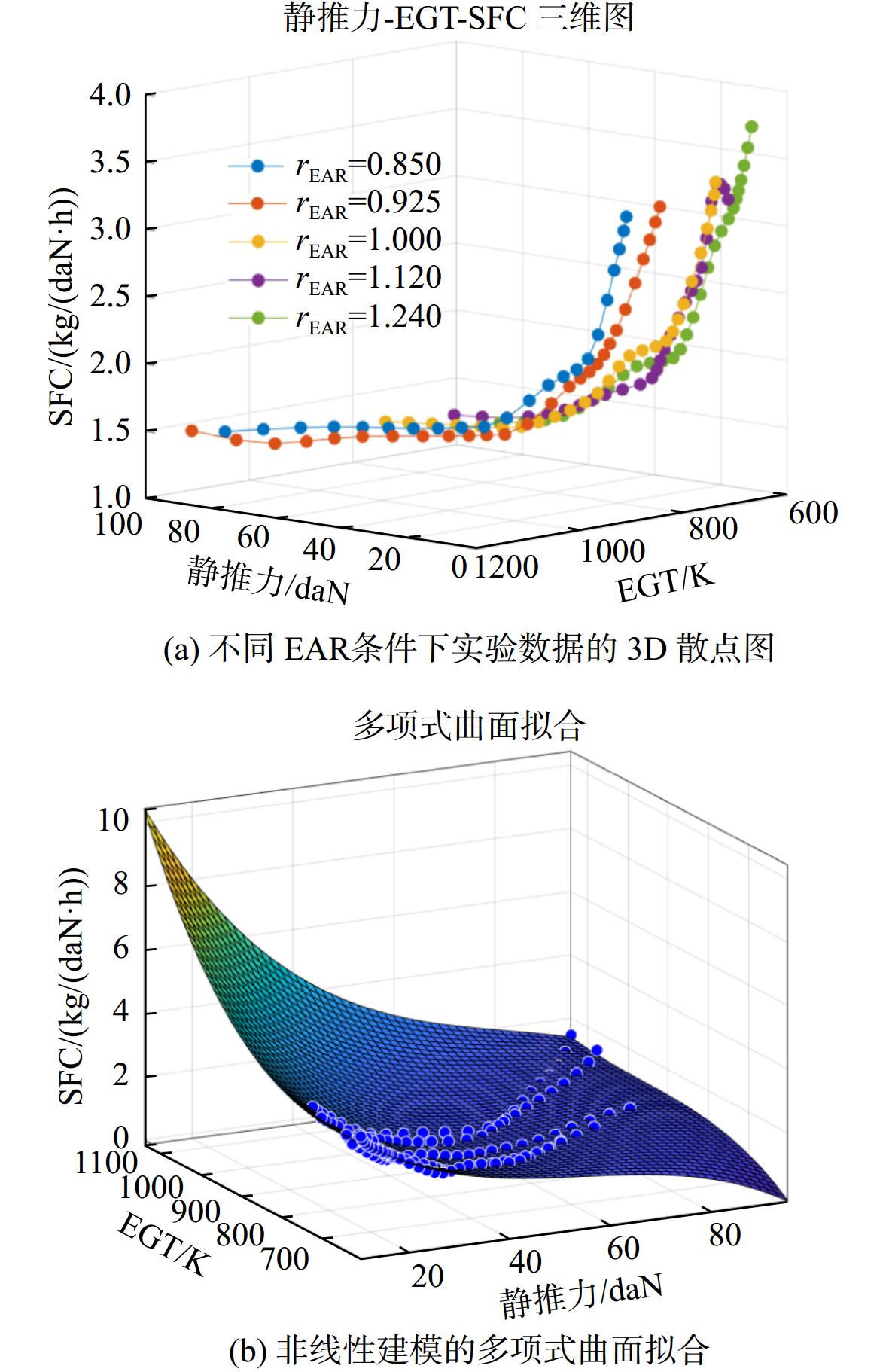
To investigate the impact of nozzle exit area variations on small turbofan engine performance, a 100 daN-class engine across 33 000 r/min to 60 000 r/min speed range under constant speed and constant fuel flow conditions was studied. A mathematical model was developed to quantify the coupling effects between engine parameters, and an optimization strategy was proposed. The results showed that at 54 000 r/min, reducing the equivalent area ratio (EAR) from 1.240 to 0.850 increased the static thrust by 107%, raised the exhaust gas temperature (EGT) by 400 K, and decreased the specific fuel consumption (SFC) by 10.6%. Under constant fuel flow conditions, decreasing EAR led to a 14.8% reduction in speed, a 4% decrease in thrust, a 121 K increase in EGT, and a 6% rise in SFC. Analysis revealed that at EAR of 0.925, SFC was minimized within the 60—80 daN thrust range, indicating the best matching between fuel combustion and gas expansion. Compared with high EAR (1.240), operating with low EAR (0.850—0.925) reduced SFC by 10%—20%, with a 300 K increase in EGT. The optimal operating range was identified as EAR of 0.925—1.000, corresponding to static thrust of 60—80 daN and EGT of 800—950 K. In this range, SFC can be reduced by 15%—20%, static thrust increased by 30%—40%, while EGT remained within material resistance range. These findings could offer valuable insights for adaptive nozzle design and real-time control in unmanned aerial vehicle propulsion systems.

Turbomachinery
Research and application progress of variable geometry turbine technology
YI Weilin, ZHENG Tingkai
2026, 41(3): 20240831. doi: 10.13224/j.cnki.jasp.20240831
Abstract:

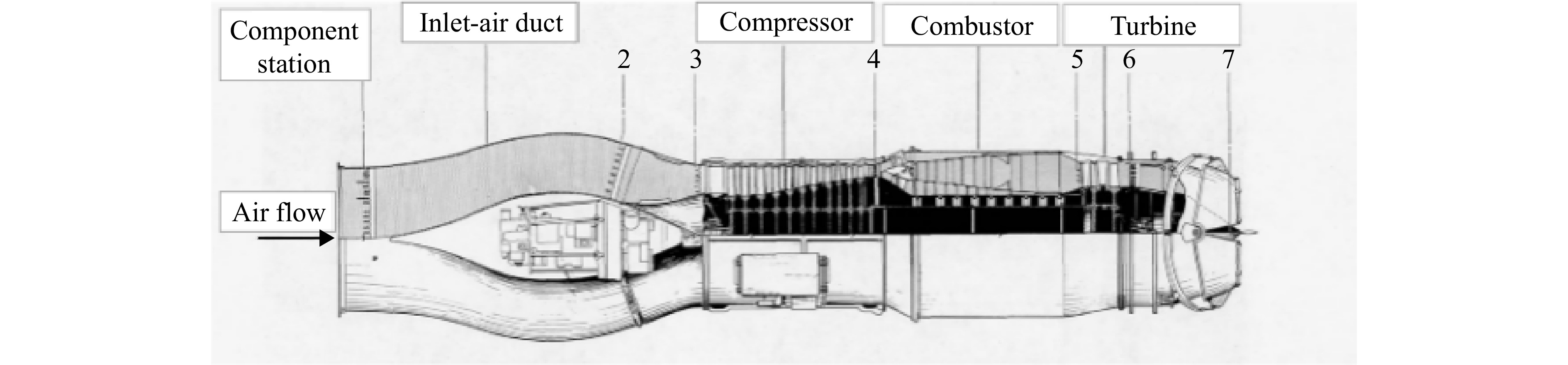
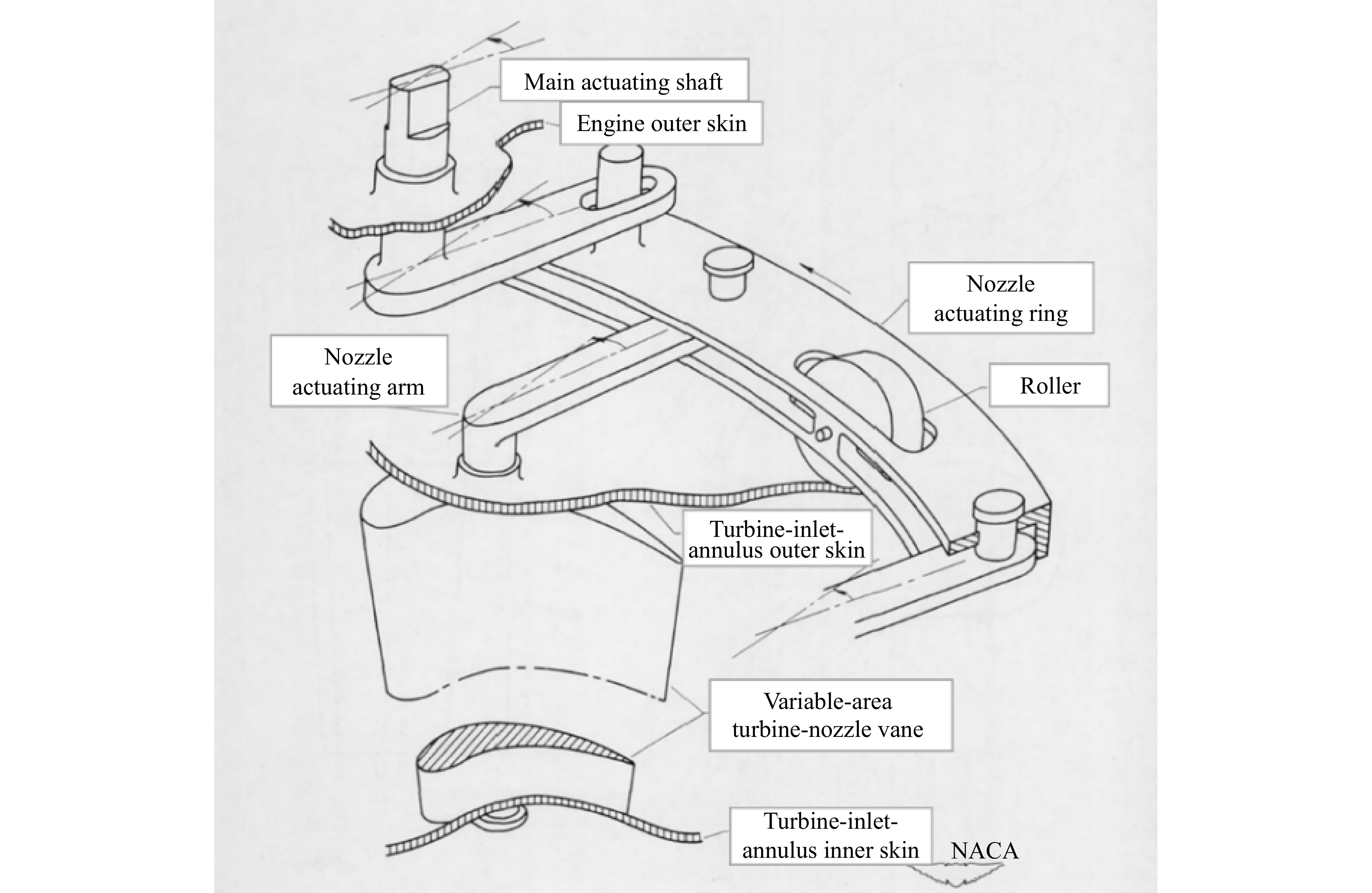
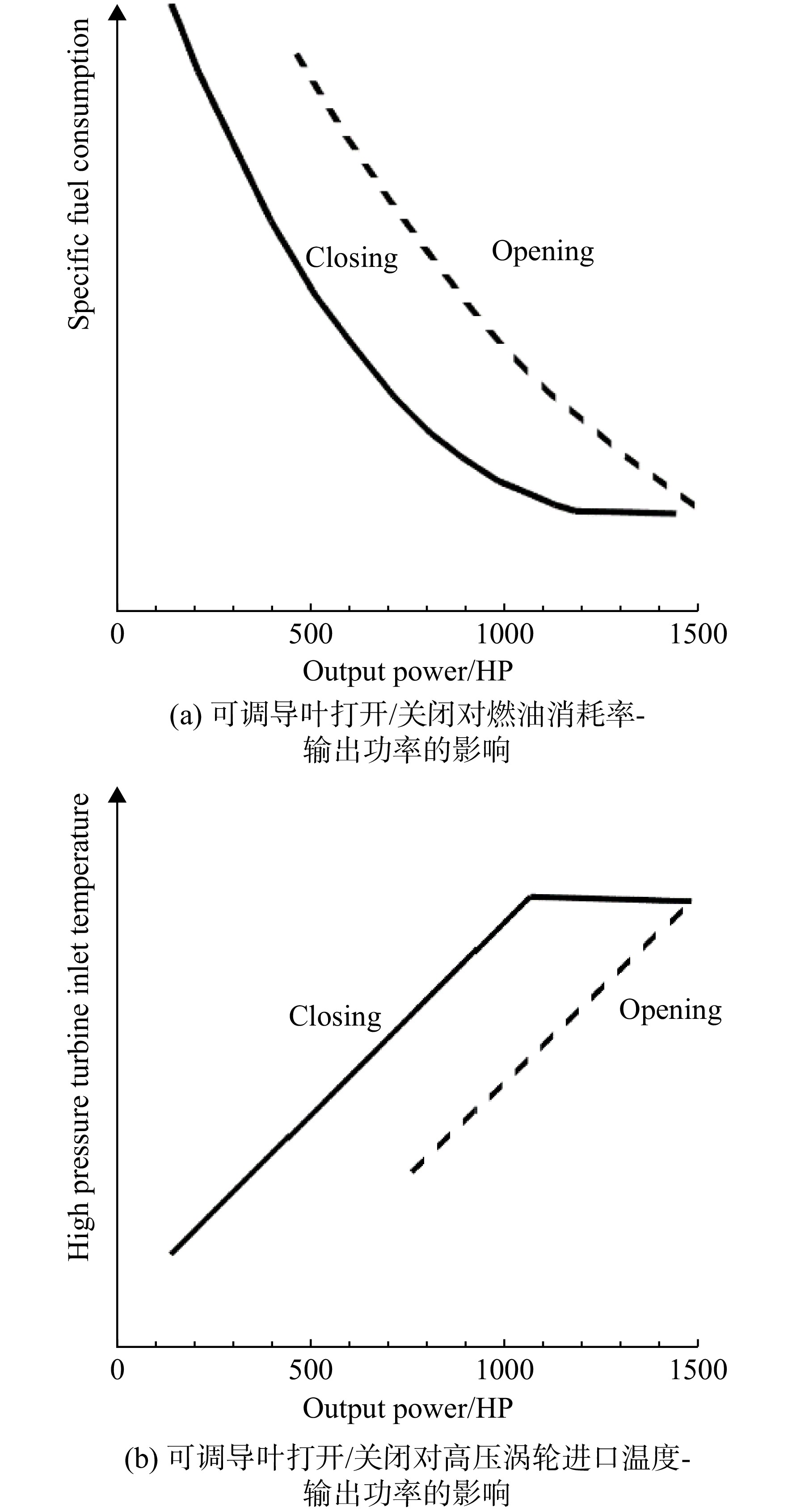
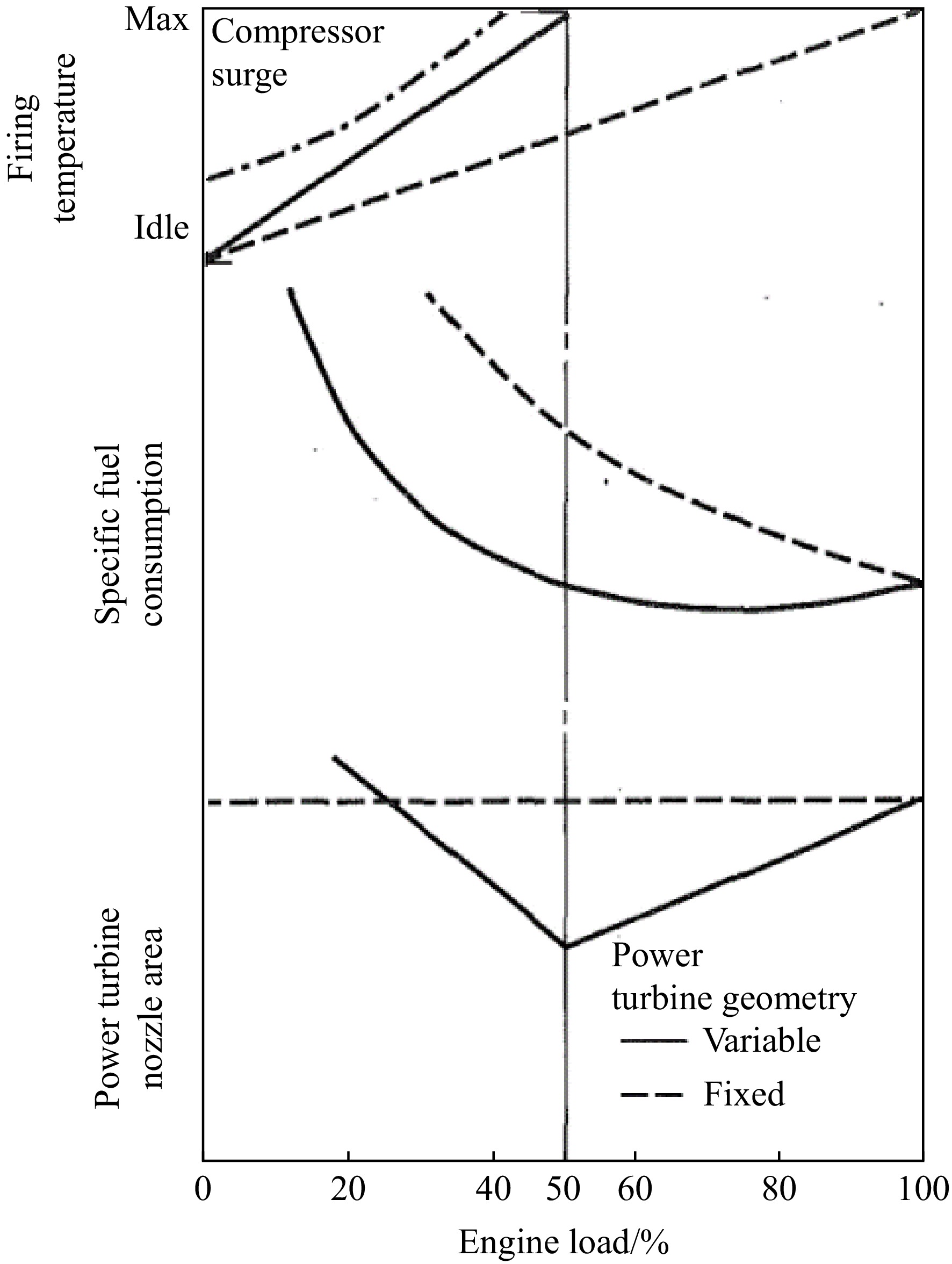
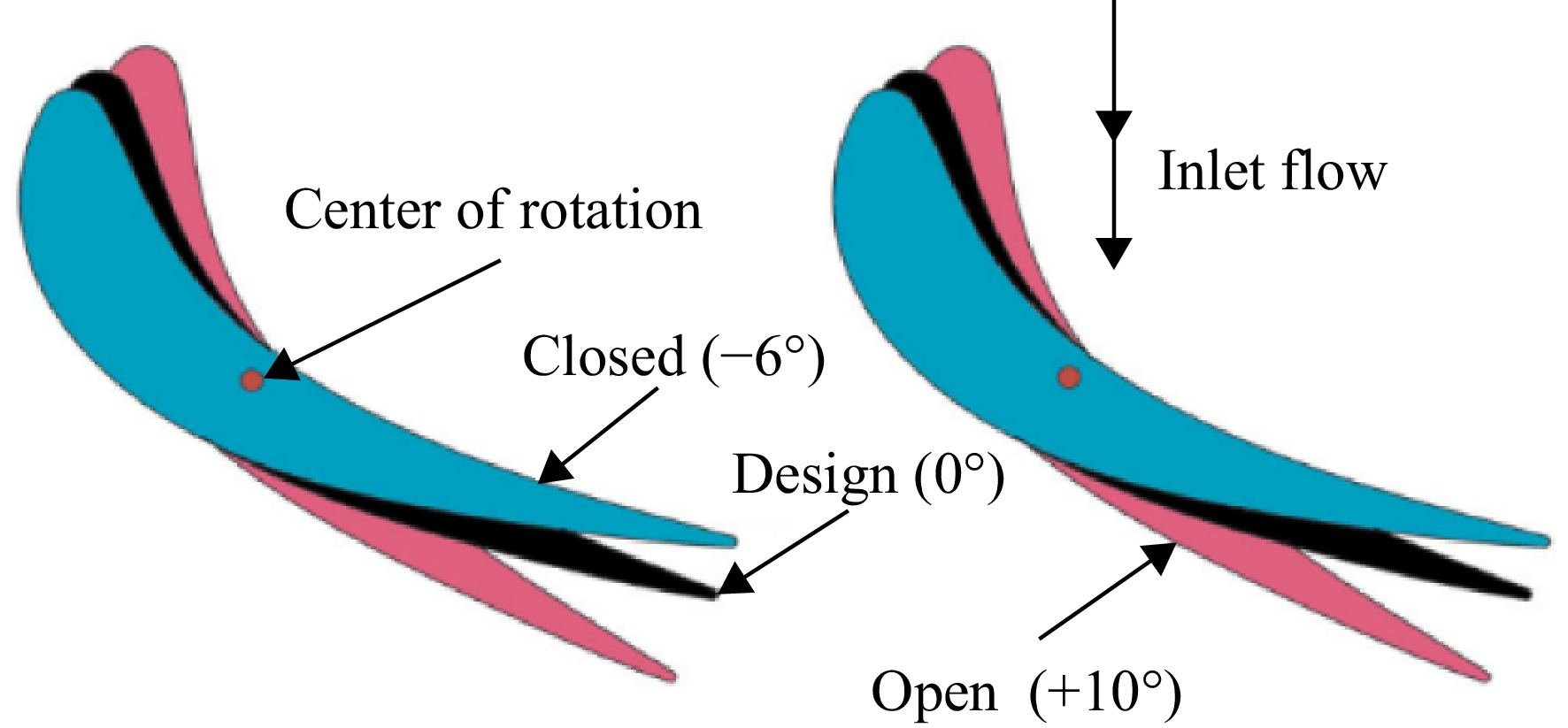
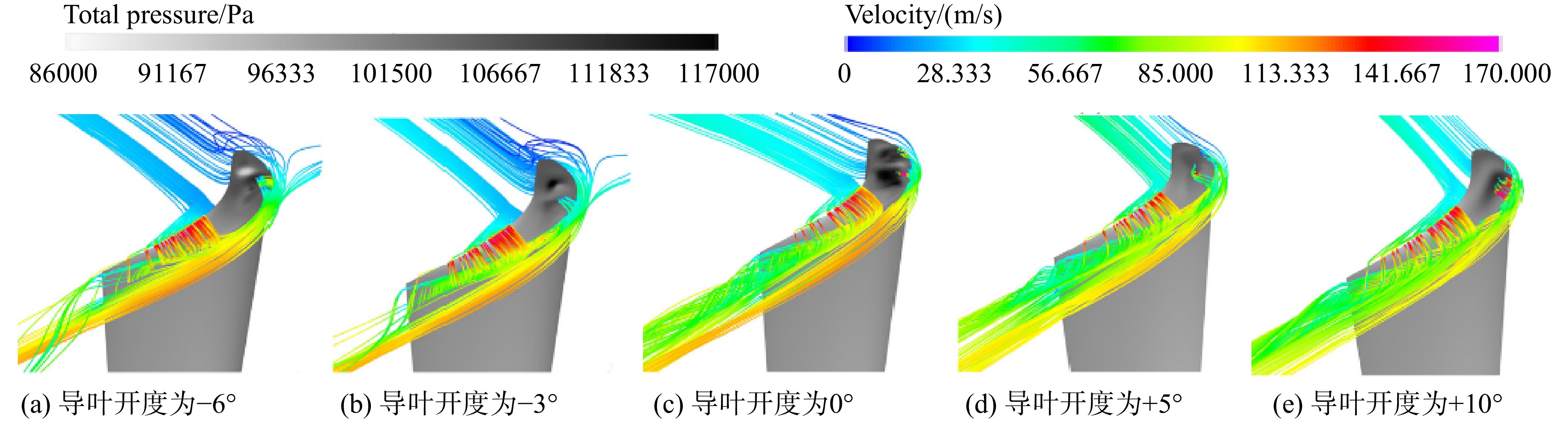
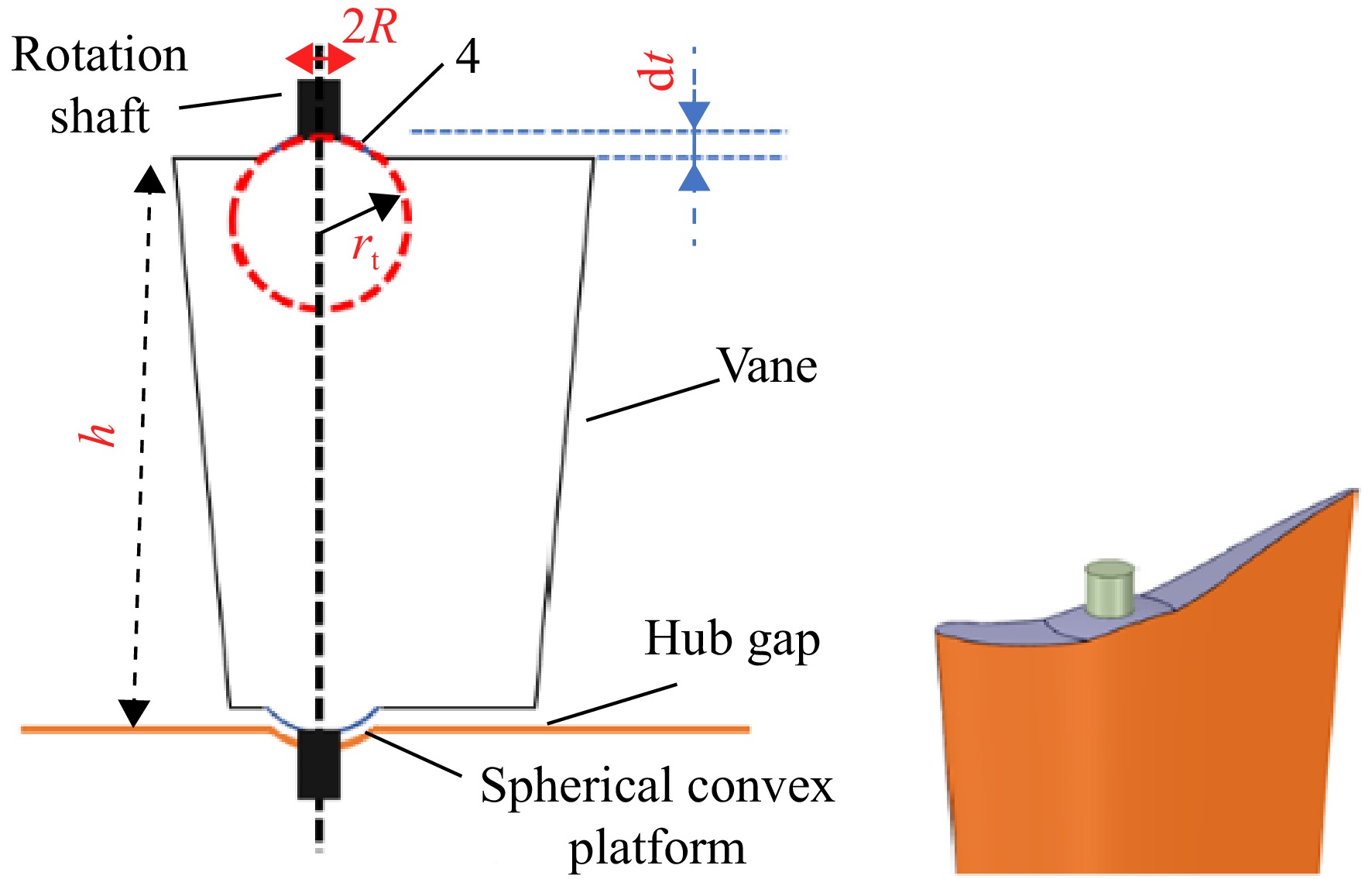
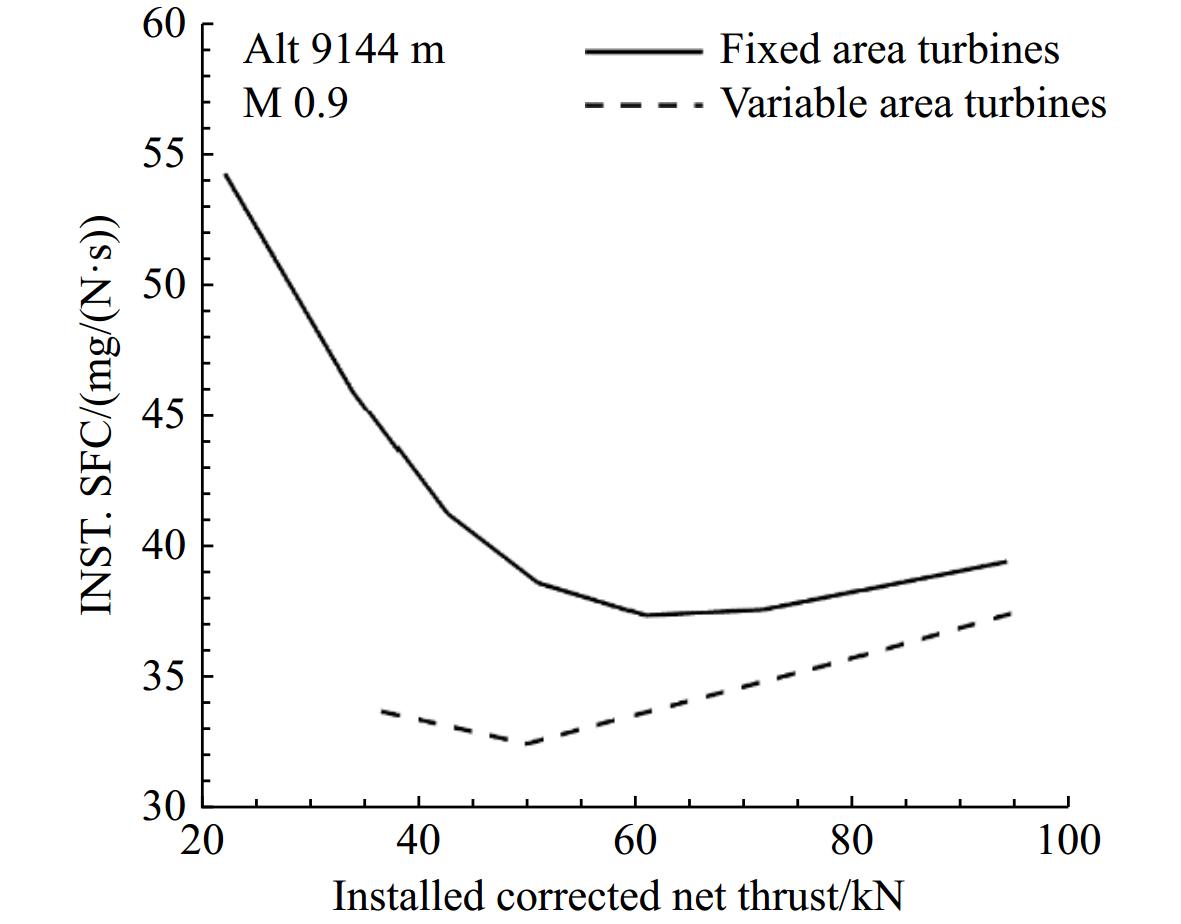
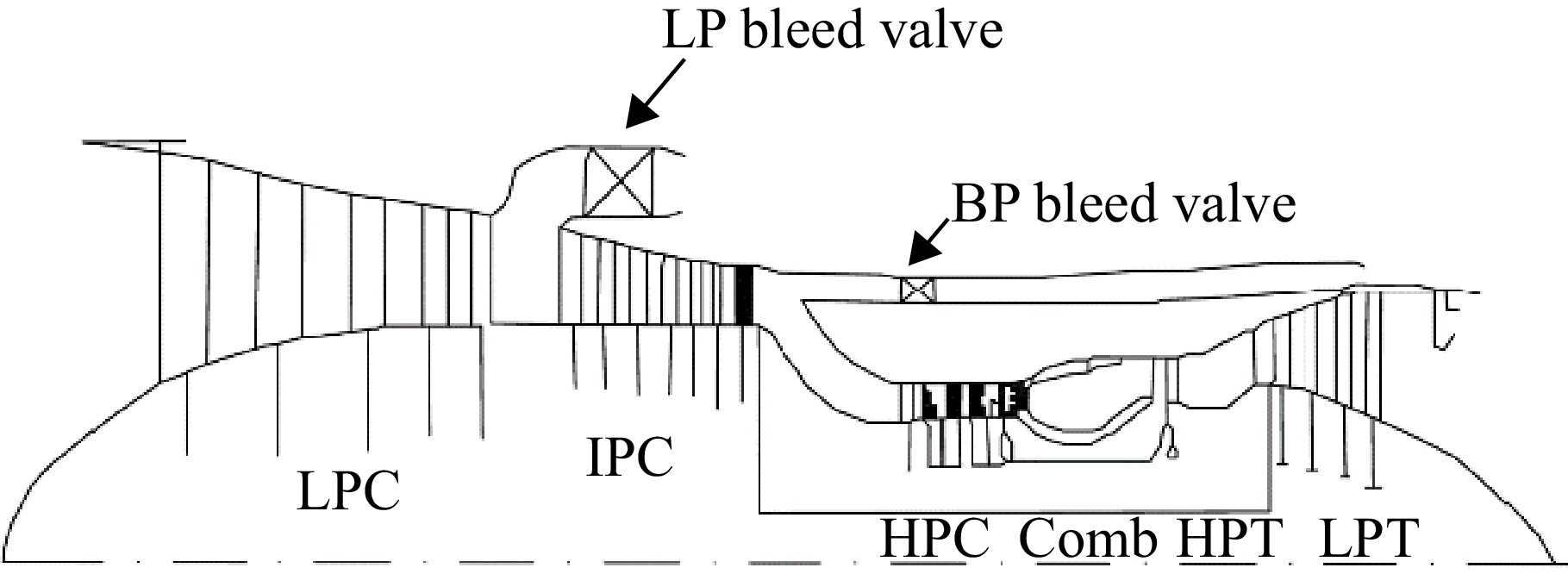
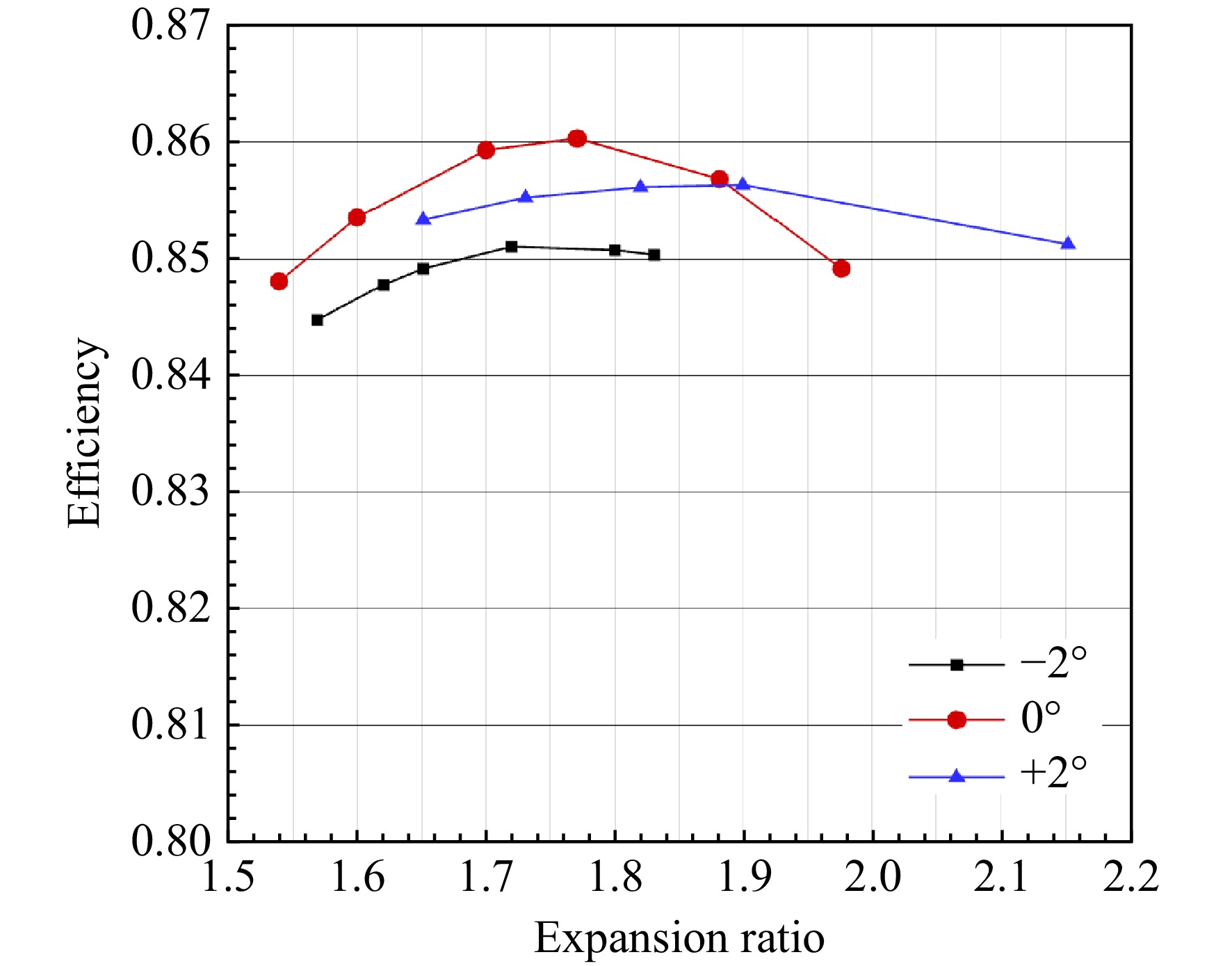
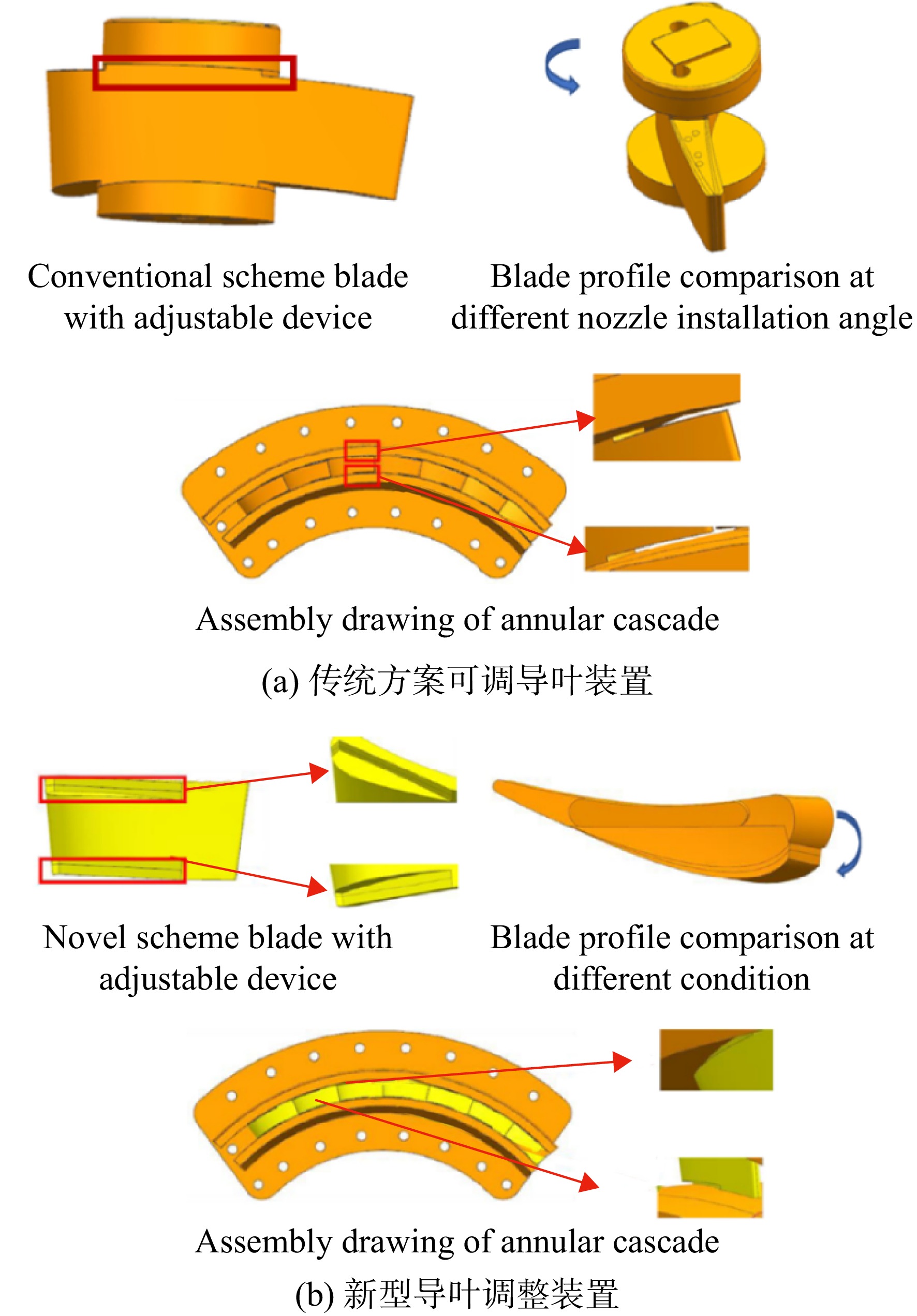
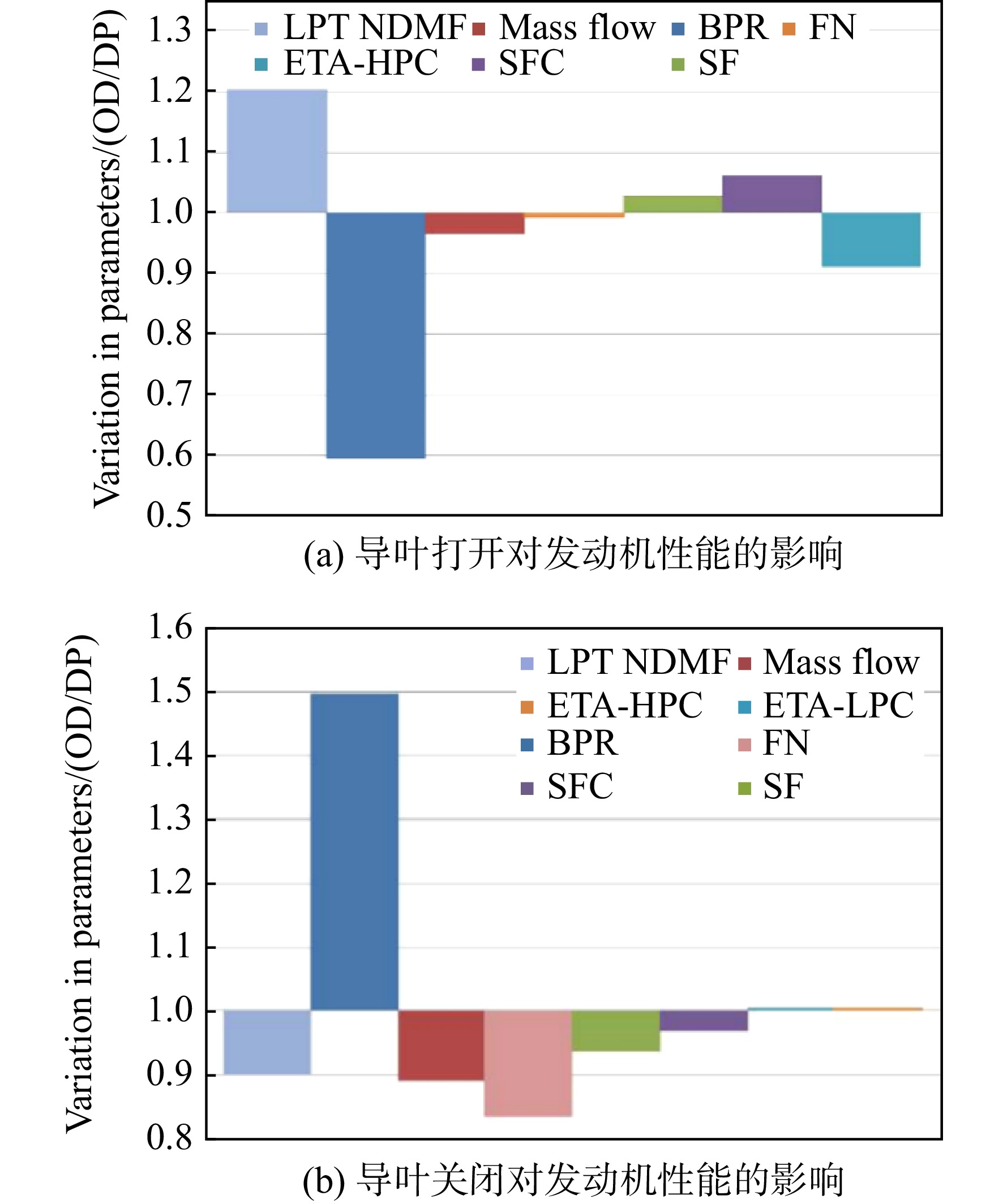
The proposal and development of the variable geometry turbine utilized in gas turbines were systematically reviewed, and its applications in automotive, marine, power generation, and aviation propulsion were examined. Based on theoretical analysis, experimental investigations, and numerical simulations, the roles of turbine variable geometry in broadening the operating range, optimizing cycle parameters, and enhancing part-load performance were summarized. The current understanding of flow loss mechanisms associated with incidence angle, tip clearance, and stage matching was also clarified, and prospects for new concepts, new technologies, and potential applications were outlined. The findings indicated that the variable geometry turbine is a key design technology for high-performance gas turbines, while variable cycle engines represent a promising new application area. Future research is expected to focus on adjustment methods for variable geometry, leakage-flow control in clearances, blade profile optimization for wide-incidence adaptation, and matching strategy for flow-path components in the whole engine. In addition, the aerodynamic and overall performance impacts of the dynamic process of geometric variation should be regarded as an important subject of investigation.

A stall warning method based on fuzzy approximate entropy for a contra-rotating compressor with variable speed ratio
XUE Fei, LIU Wendong, QIN Yuqi, WAN Qianjun, WANG Yangang
2026, 41(3): 20240409. doi: 10.13224/j.cnki.jasp.20240409
Abstract:

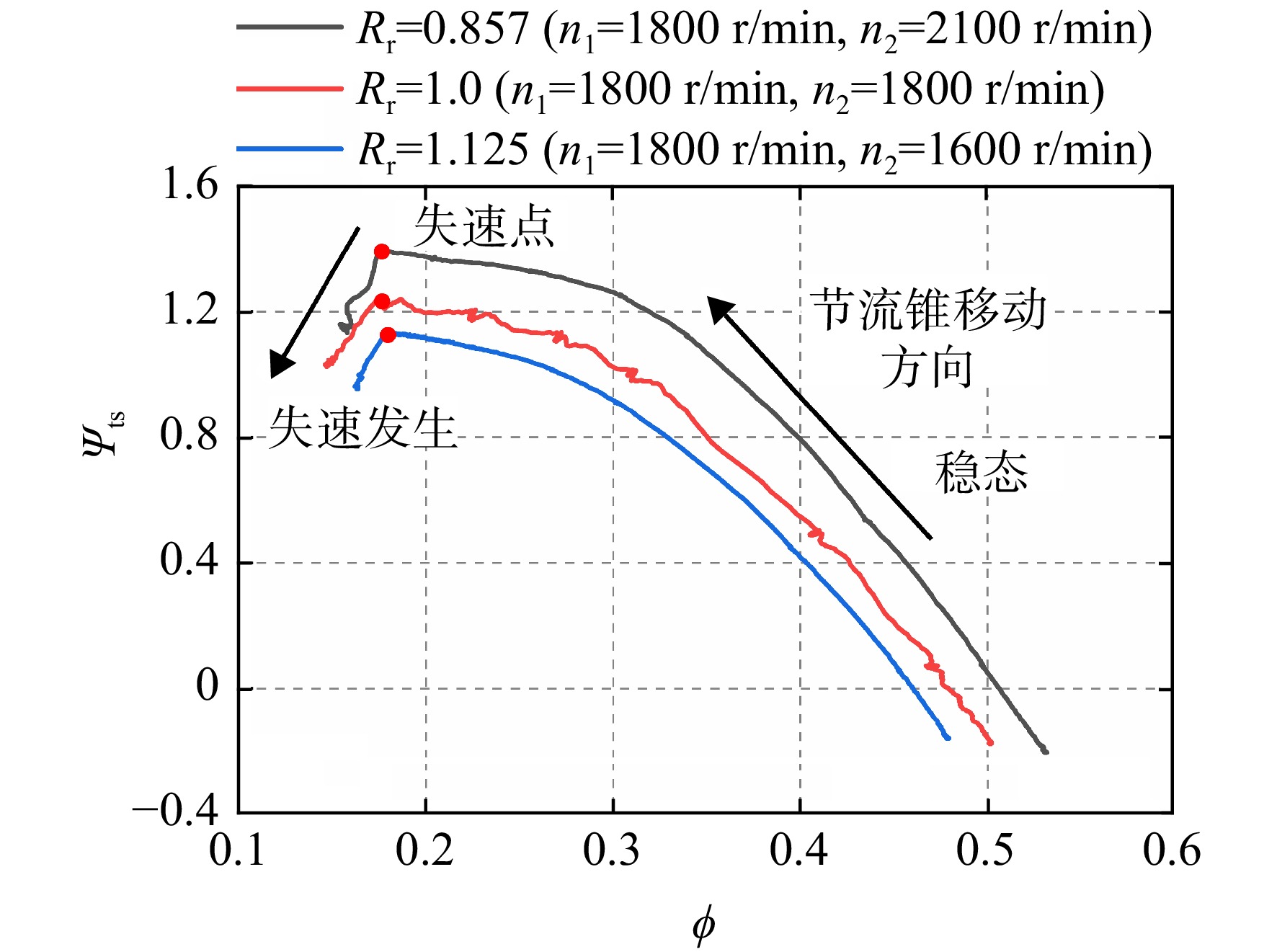
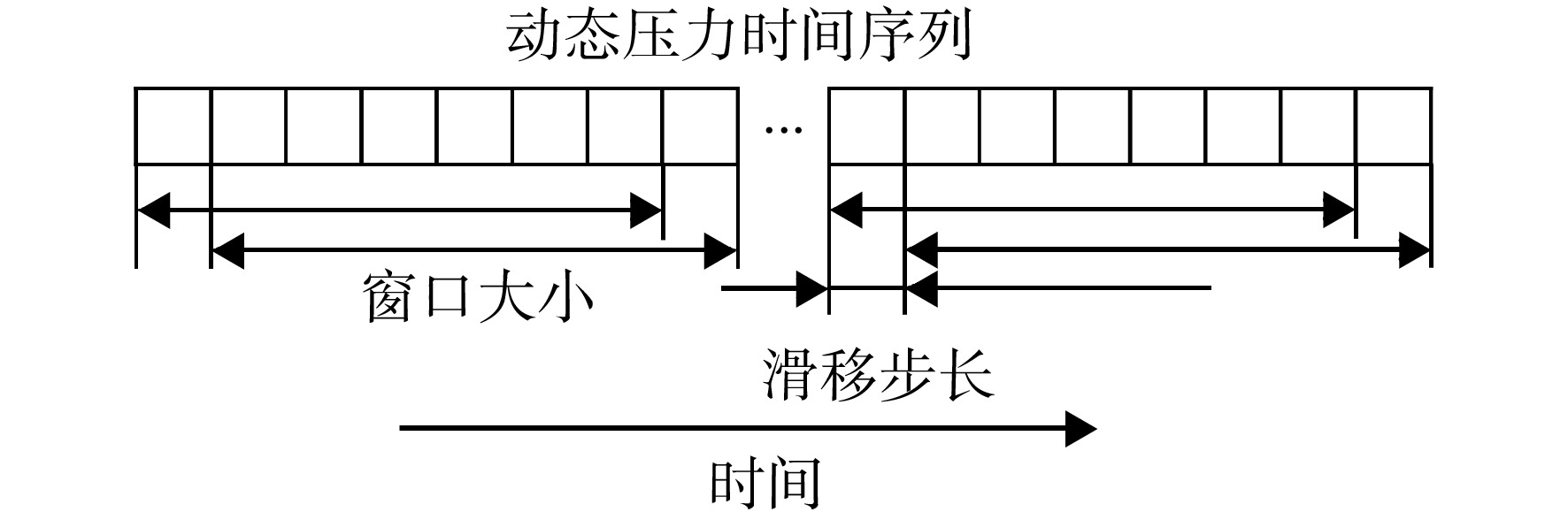
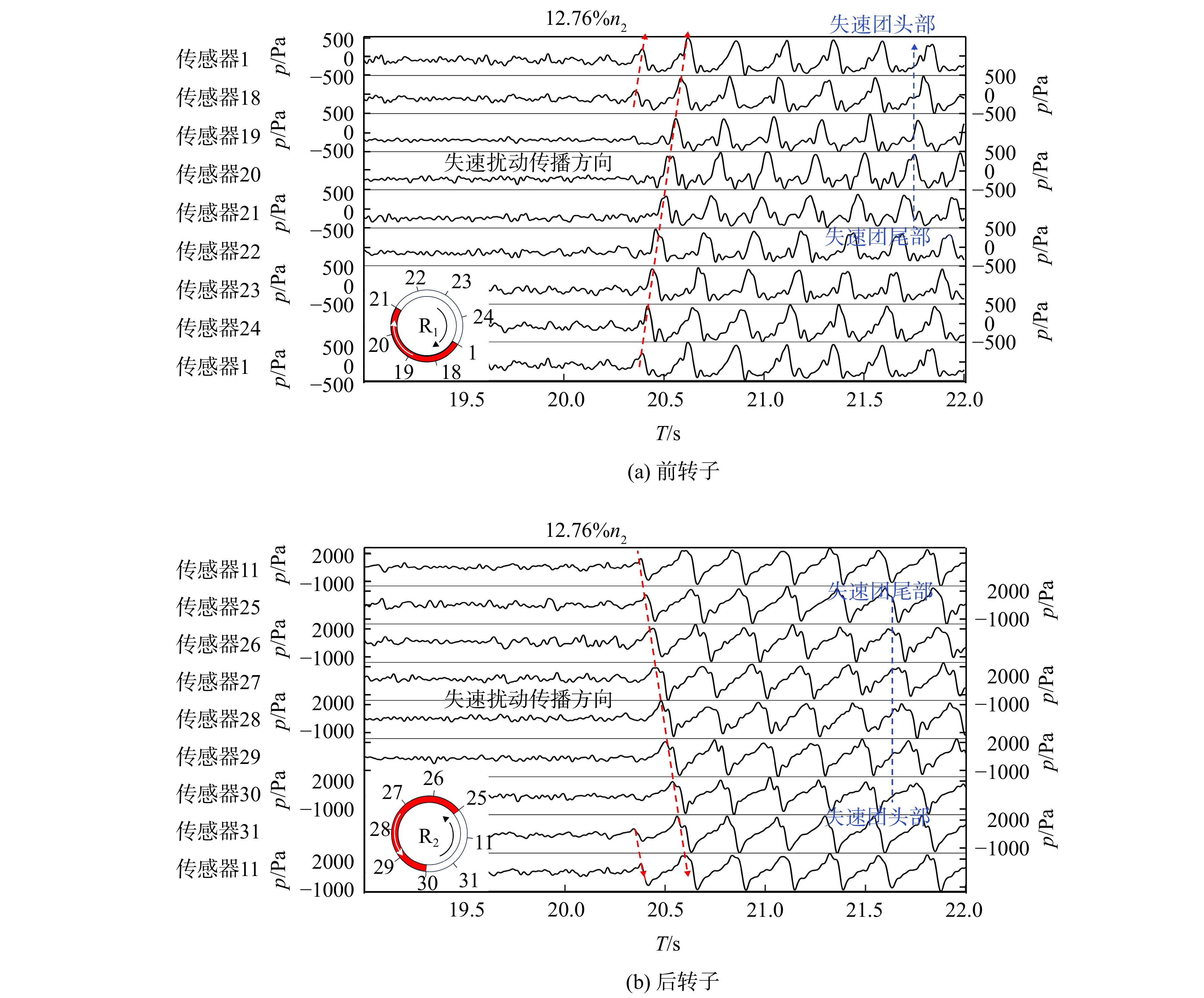
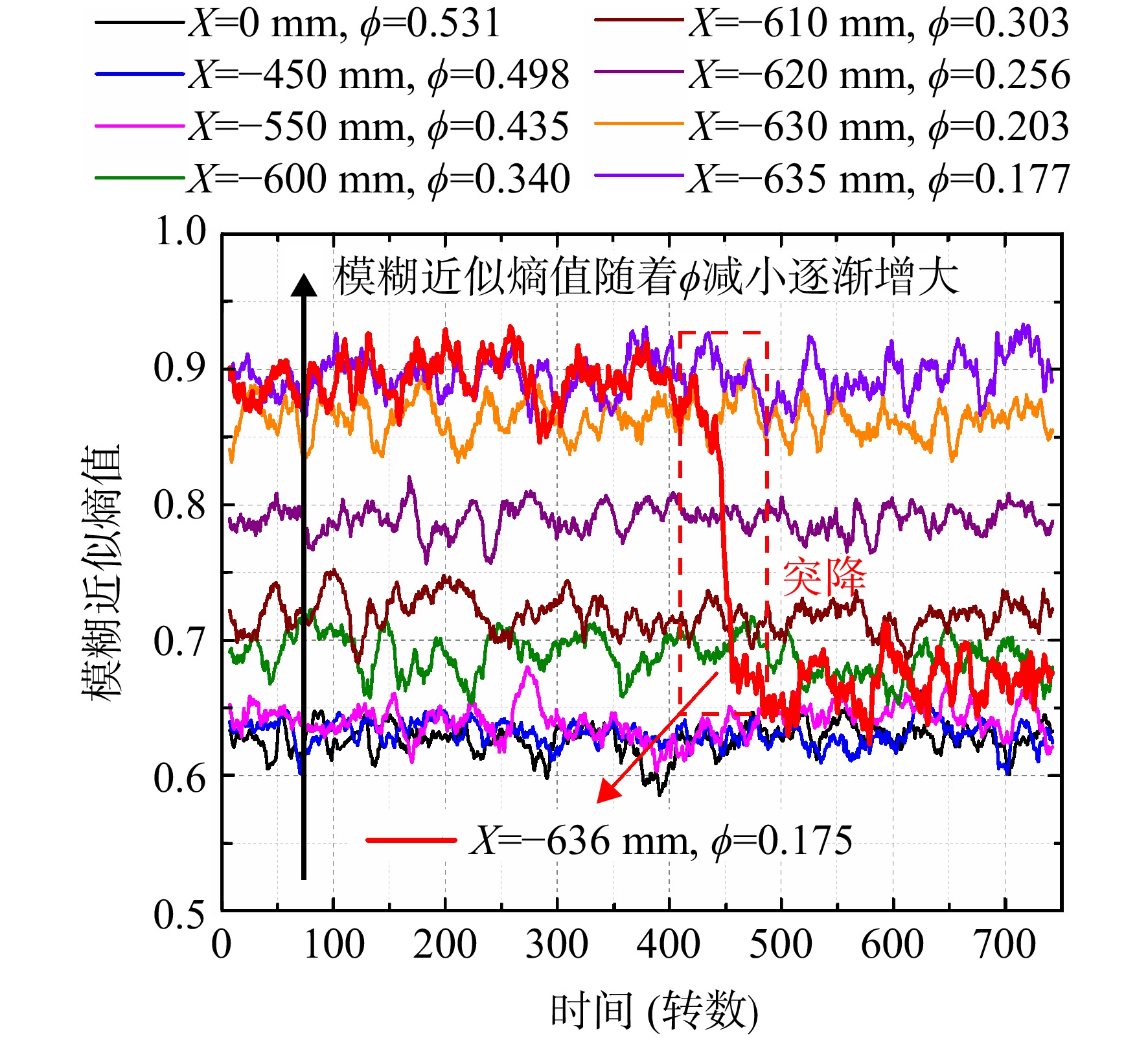
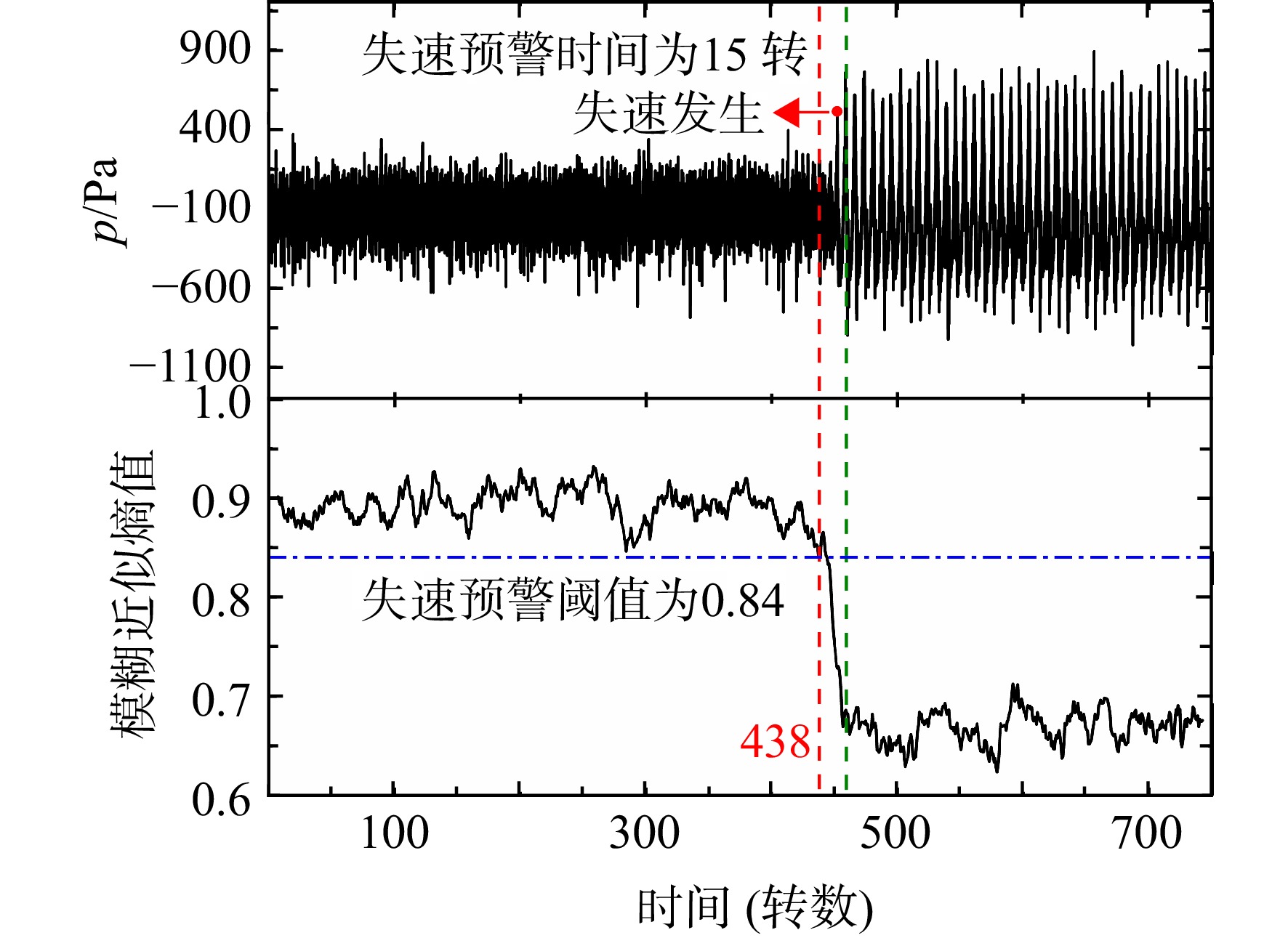
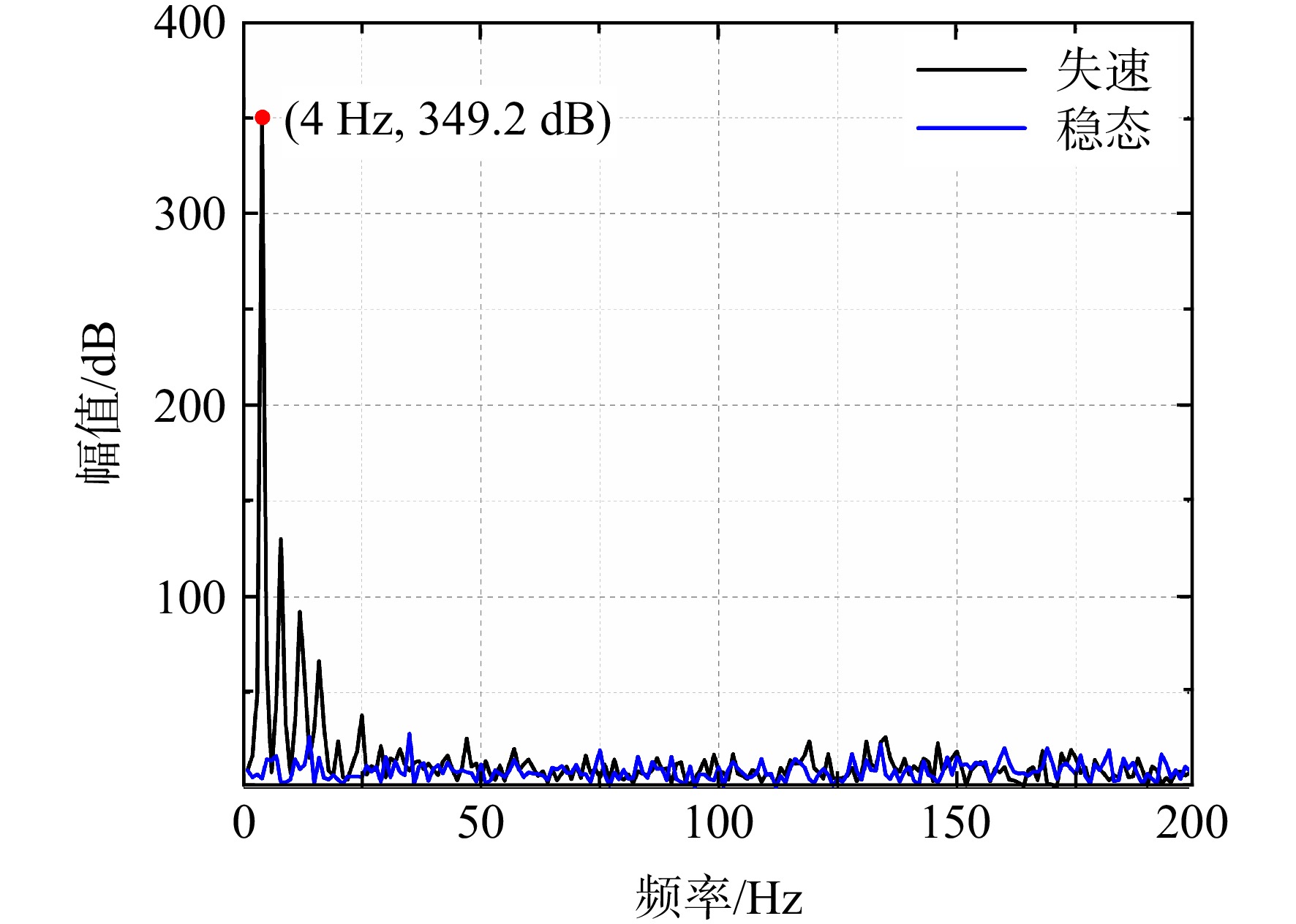
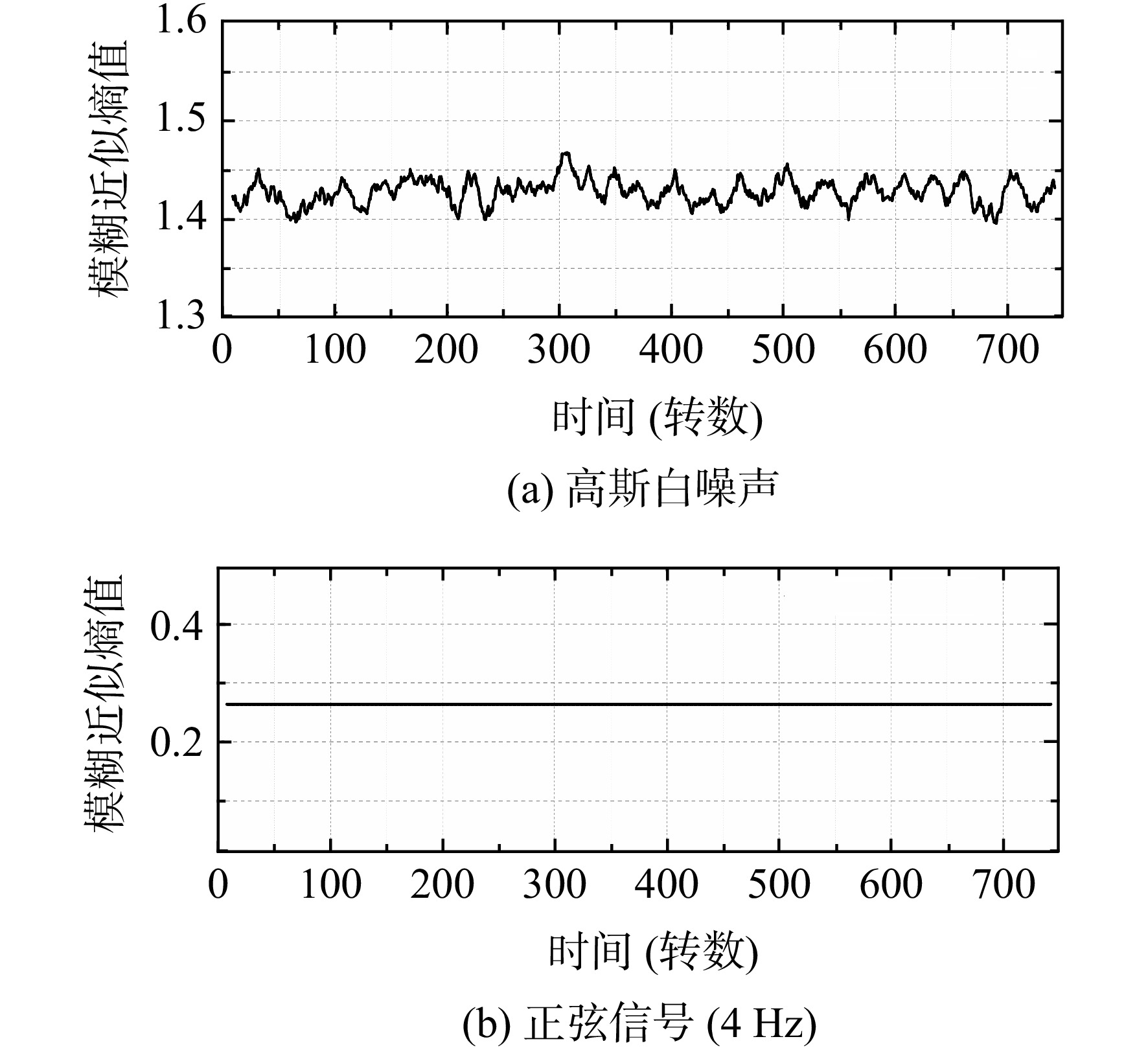
Taking a low-speed and large-scale axial contra-rotating compressor as a research object, a high frequency dynamic pressure sensor array arranged at the tip of the front and rear rotors was employed to capture the flow features at different working conditions. The low-pass filtered pressure time subsequences were analyzed using the fuzzy approximate entropy algorithm. The results showed that the fuzzy approximate entropy value gradually increased as the flow coefficient decreased, indicating that the flow field at the tip of the rotor became progressively more complex. When stall occurred, there was a sharp decrease in the fuzzy approximate entropy value. It was found that the existence of the stall propagation frequency increased the deterministic component of the signal by comparing the spectrum of the dynamic pressure time series before and after the stall, which resulted in a smaller entropy value when stall occurred. By setting a stall threshold in response to the sharp decrease in entropy when stall occurred, stall warning time of 15, 14 and 26 revolutions were obtained at speed ratio equal to 0.857, 1.0 and 1.125, respectively. Finally, the effects of key parameters on the fuzzy approximate entropy results were analyzed. It was found that the parameters changed the criteria for assessing the similarity between the reconstruction vectors. However, a sharp decrease in entropy was observed in all cases when stall occurred.

Comparative study on the stall prediction ability of two/three-dimensional stability models
QIN Yuqi, XUE Fei, WANG Qingyong, QIN Haiqi, WANG Yangang
2026, 41(3): 20240309. doi: 10.13224/j.cnki.jasp.20240309
Abstract:

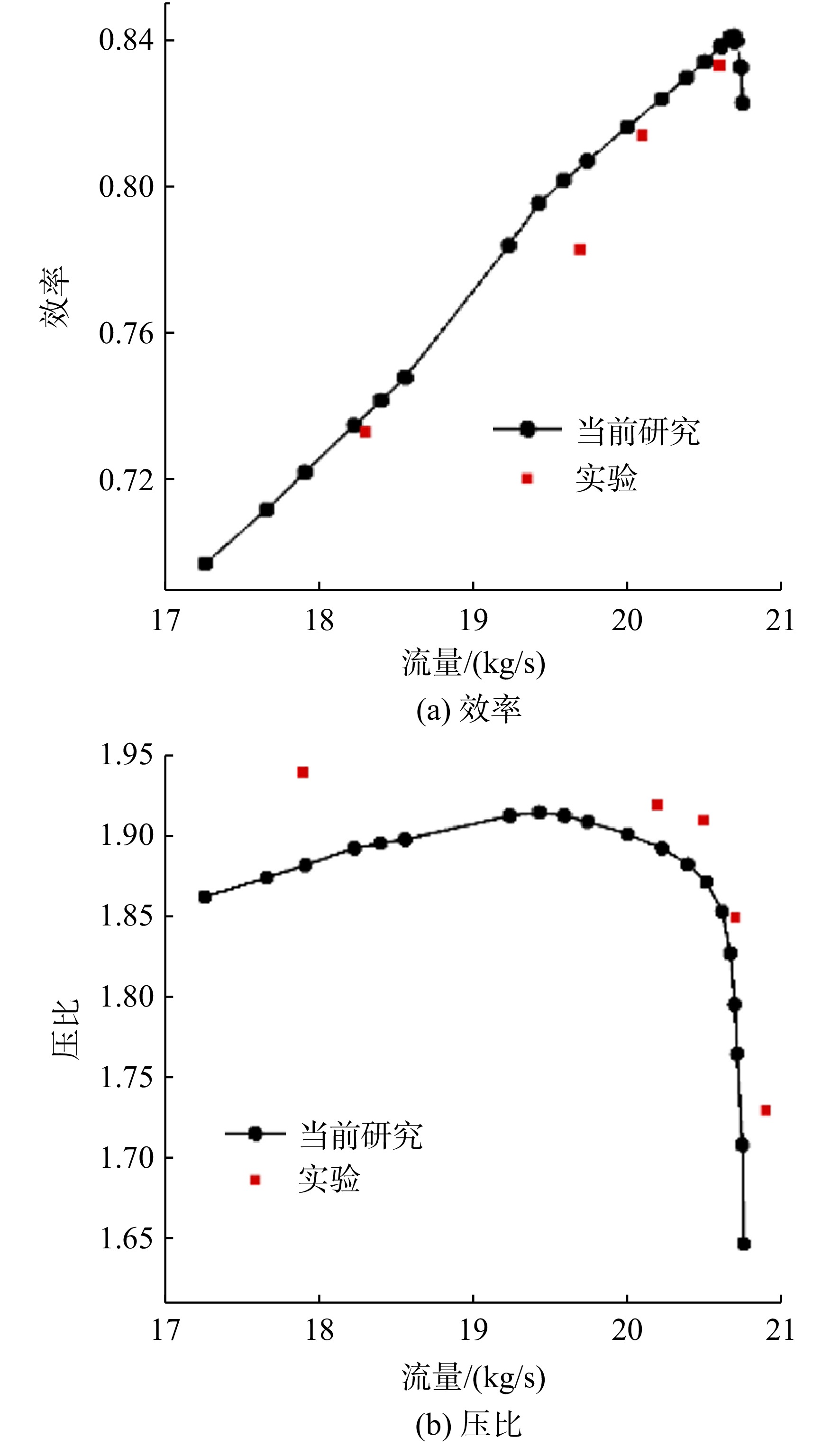
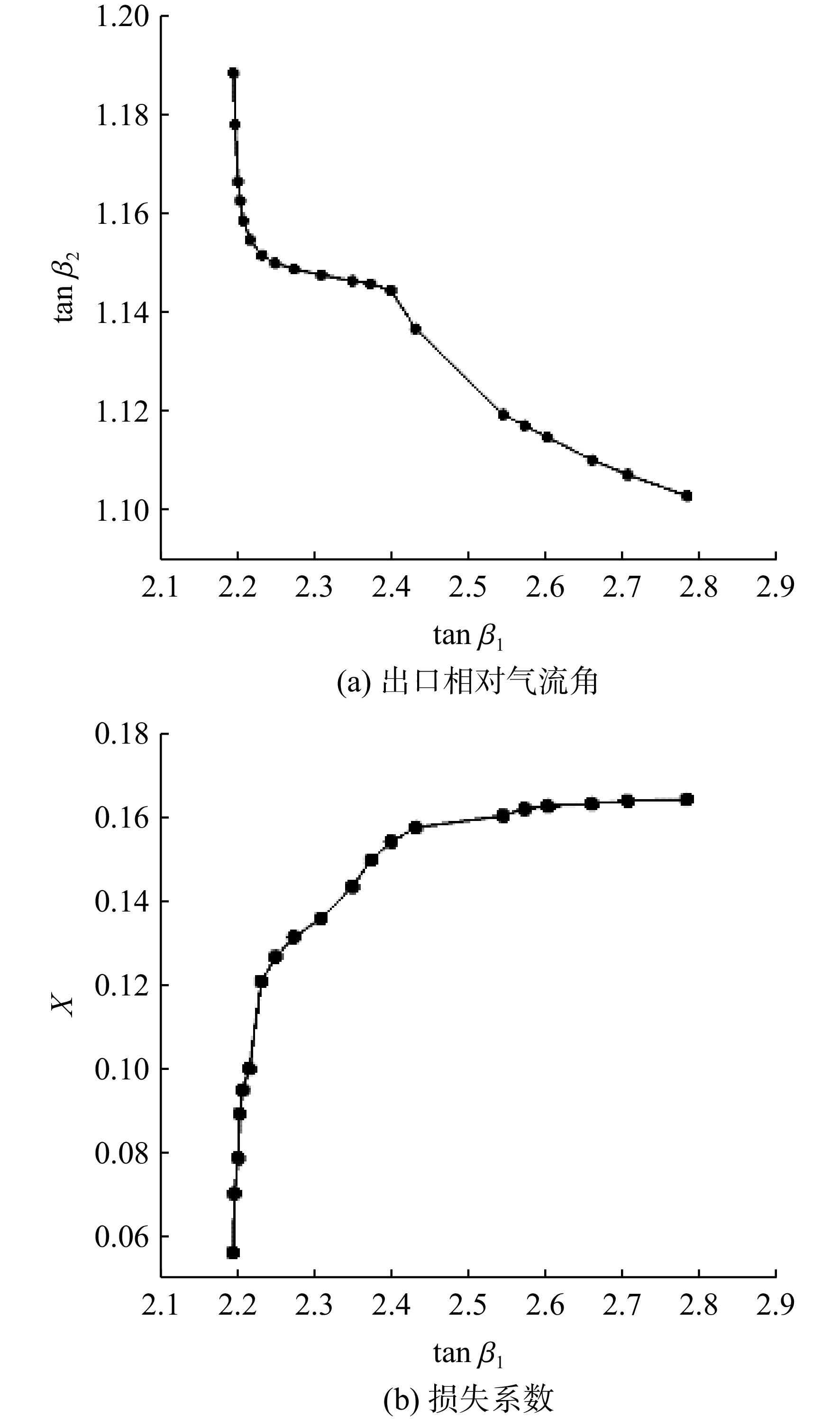
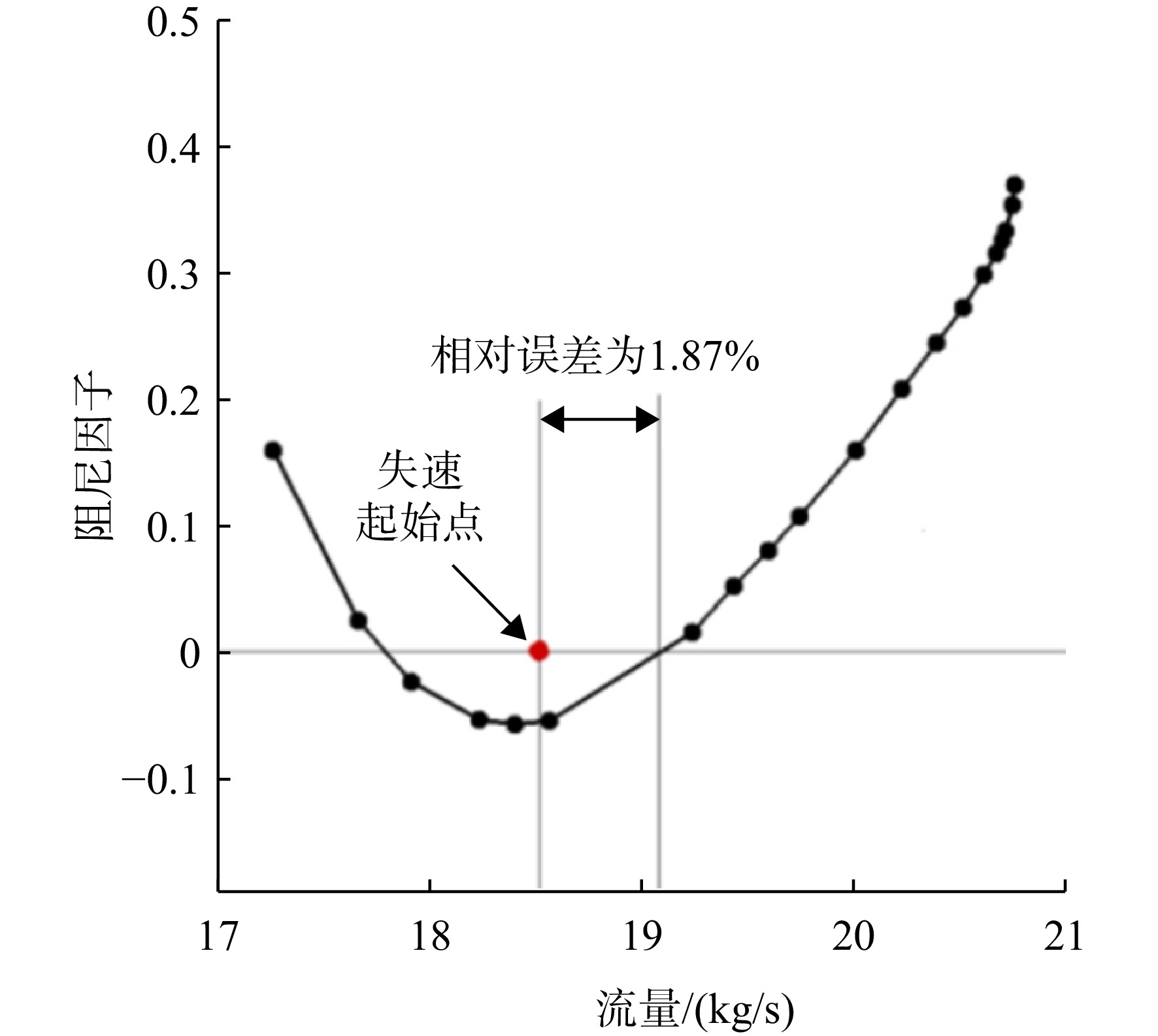
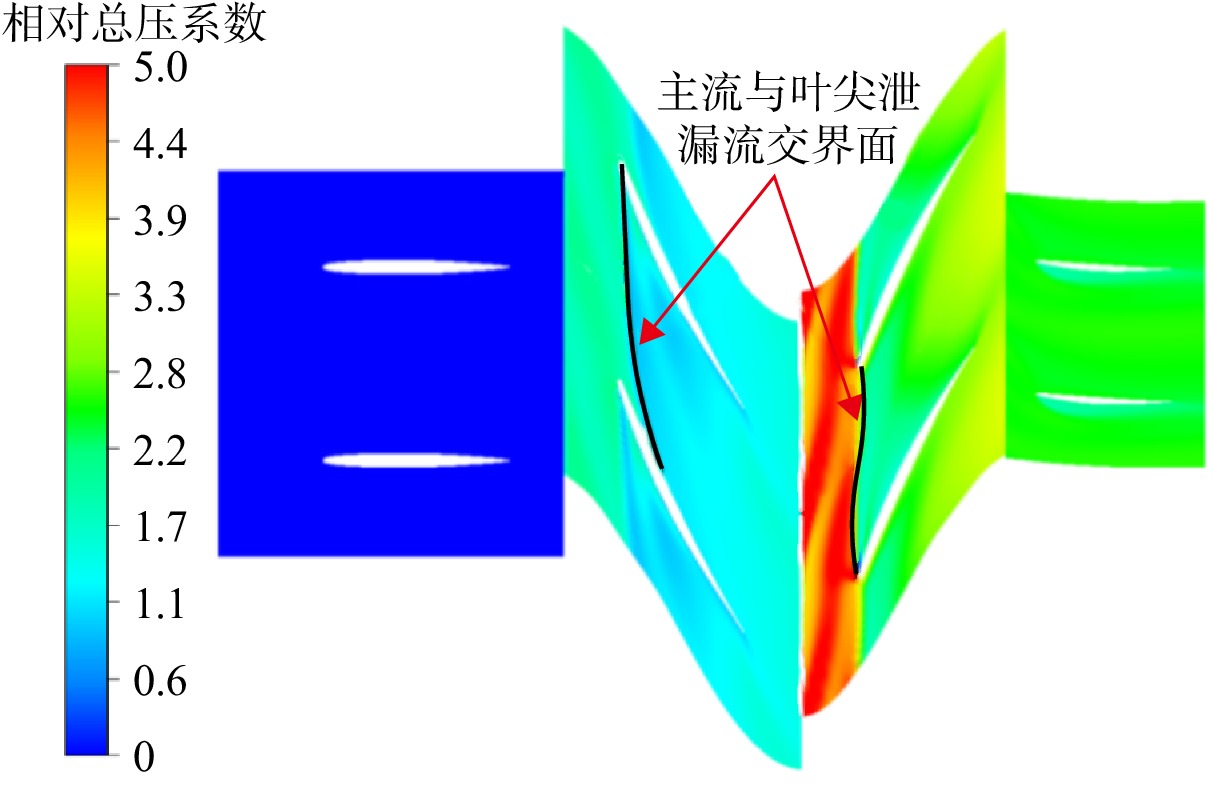
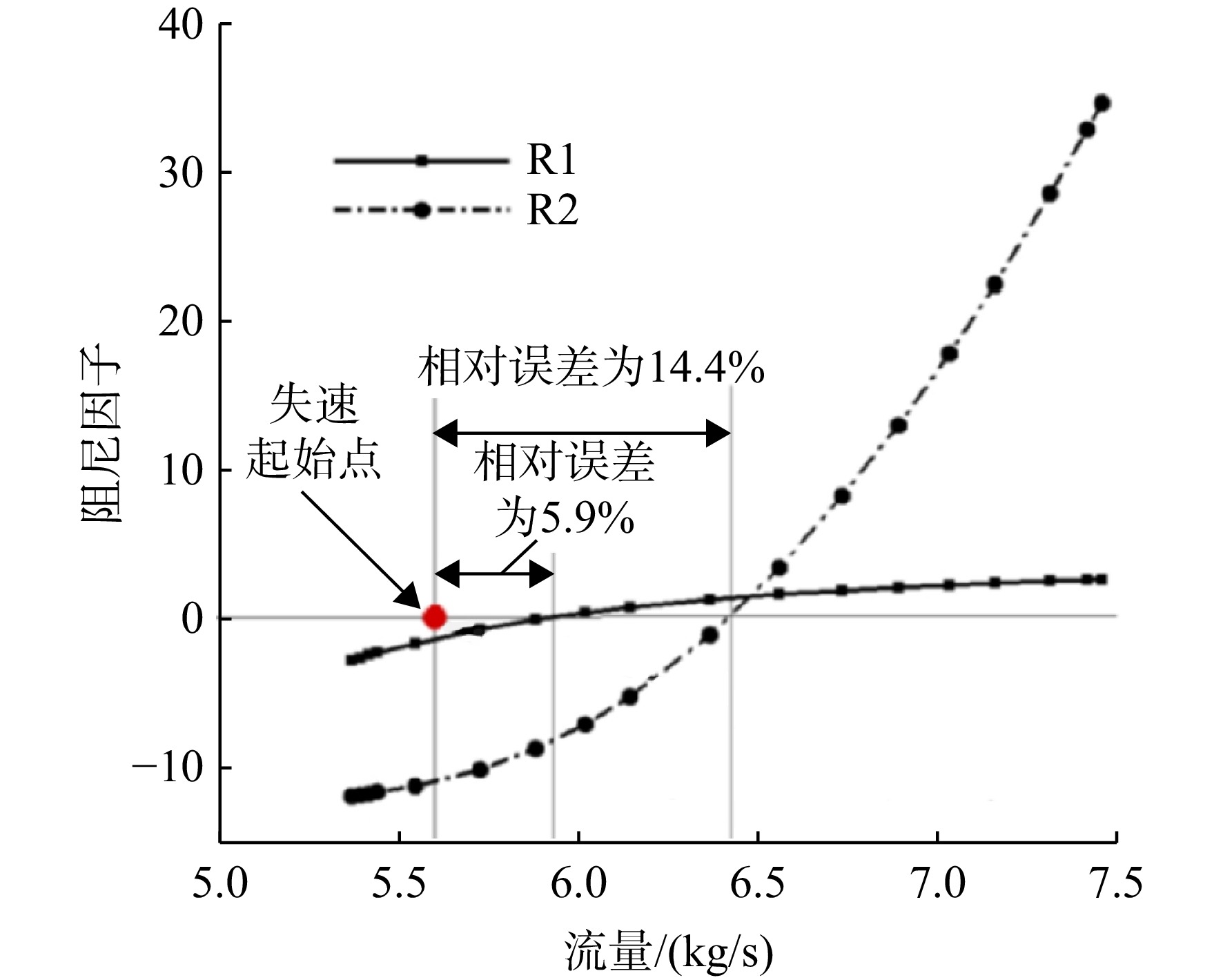
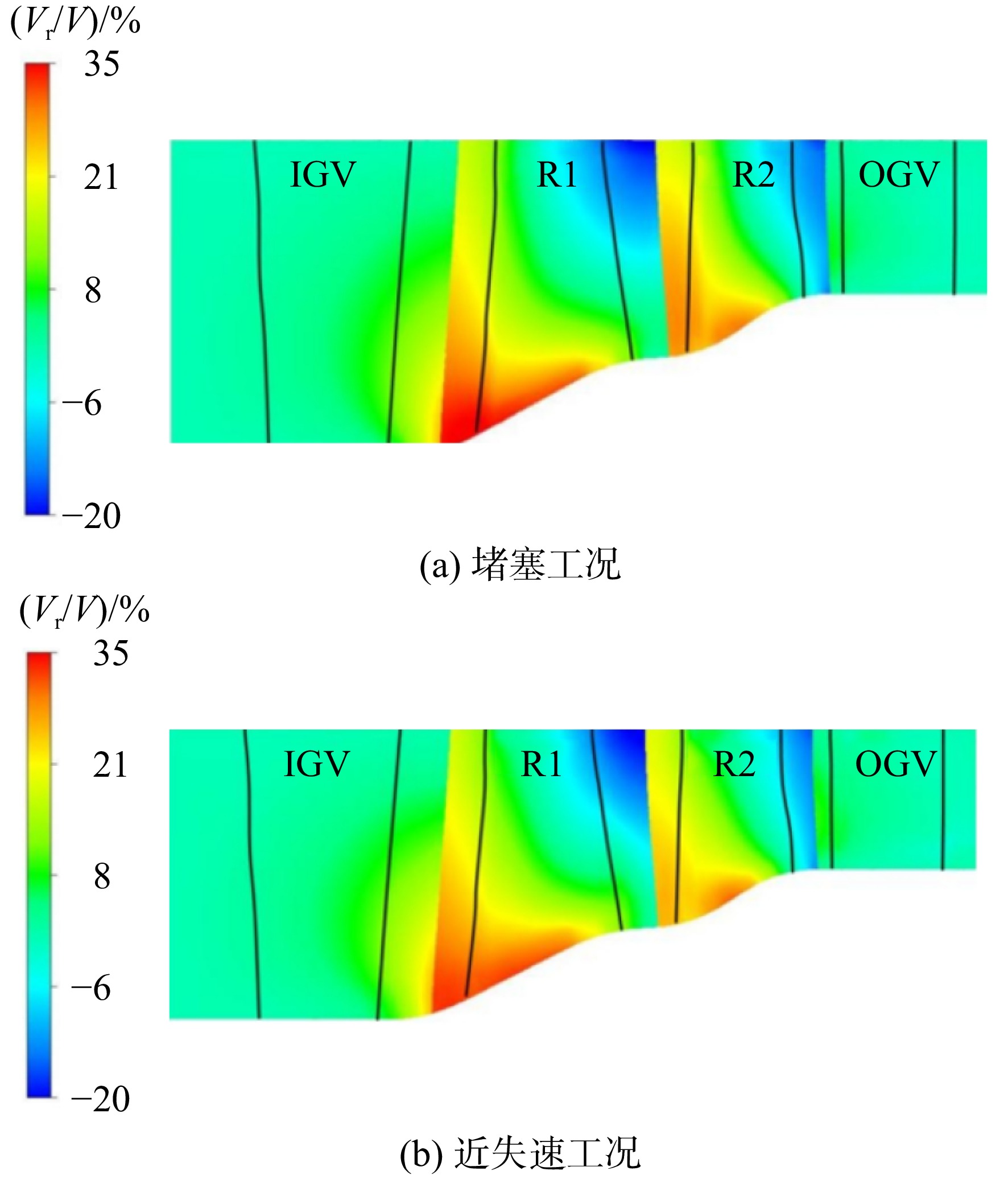
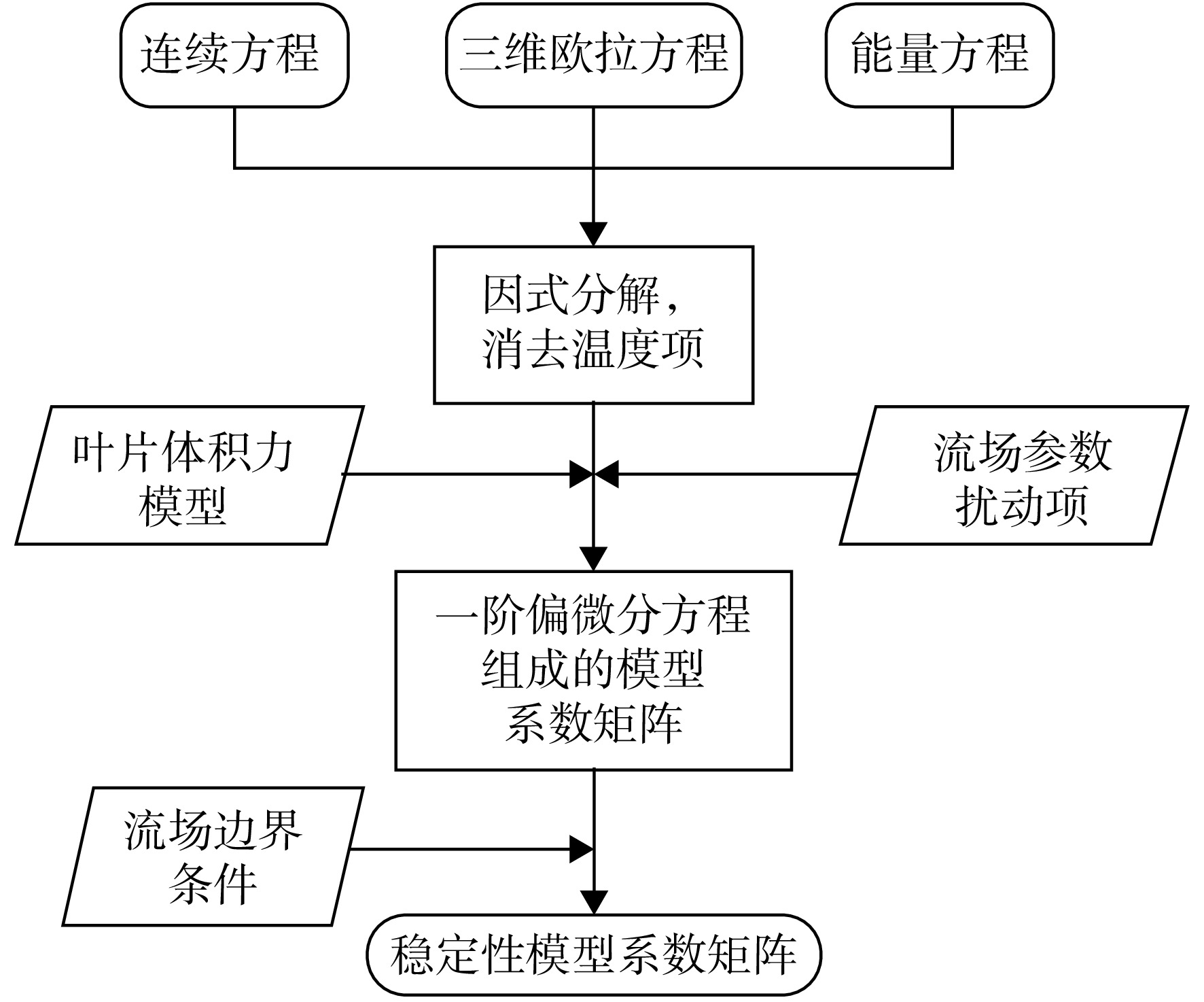
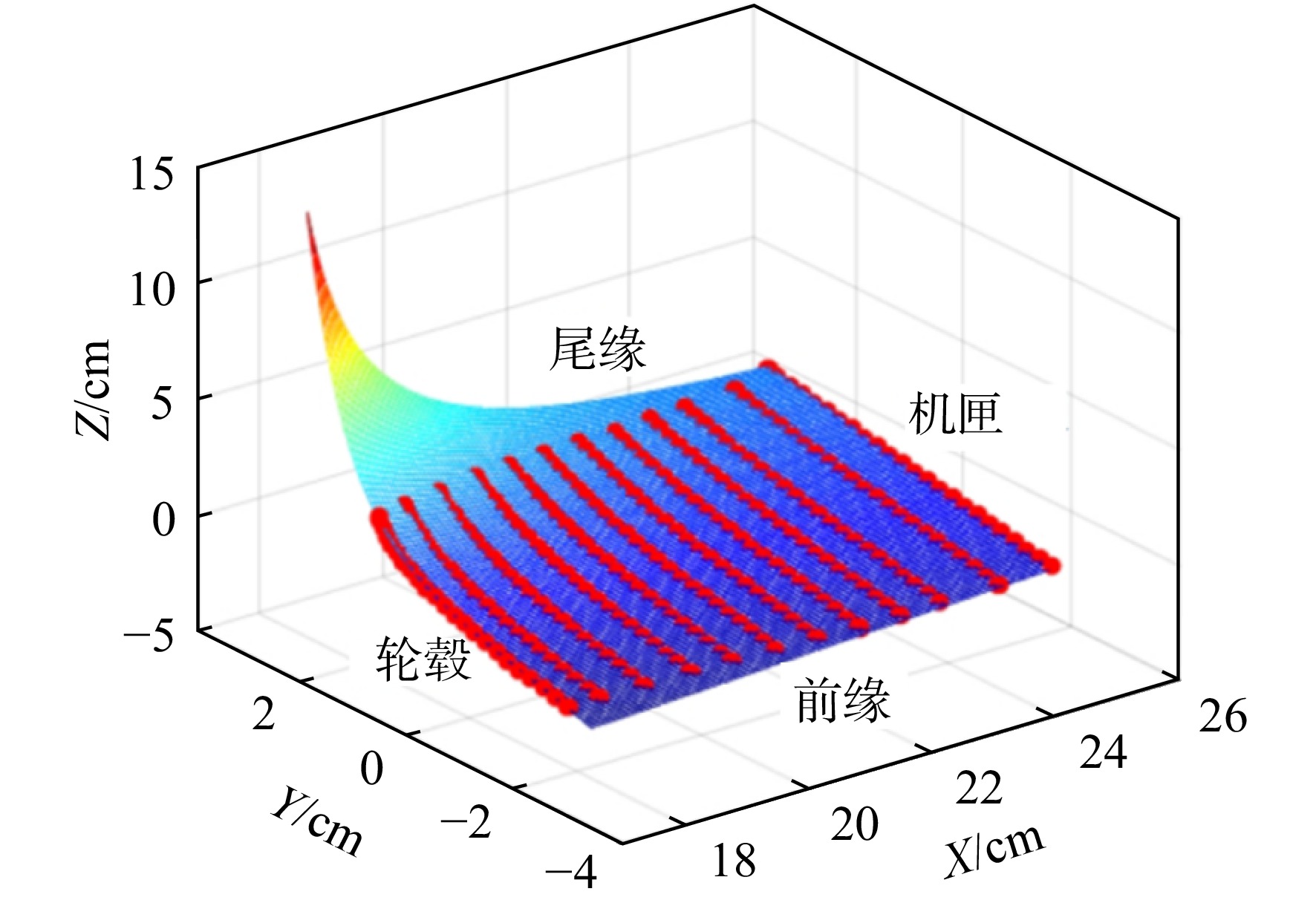
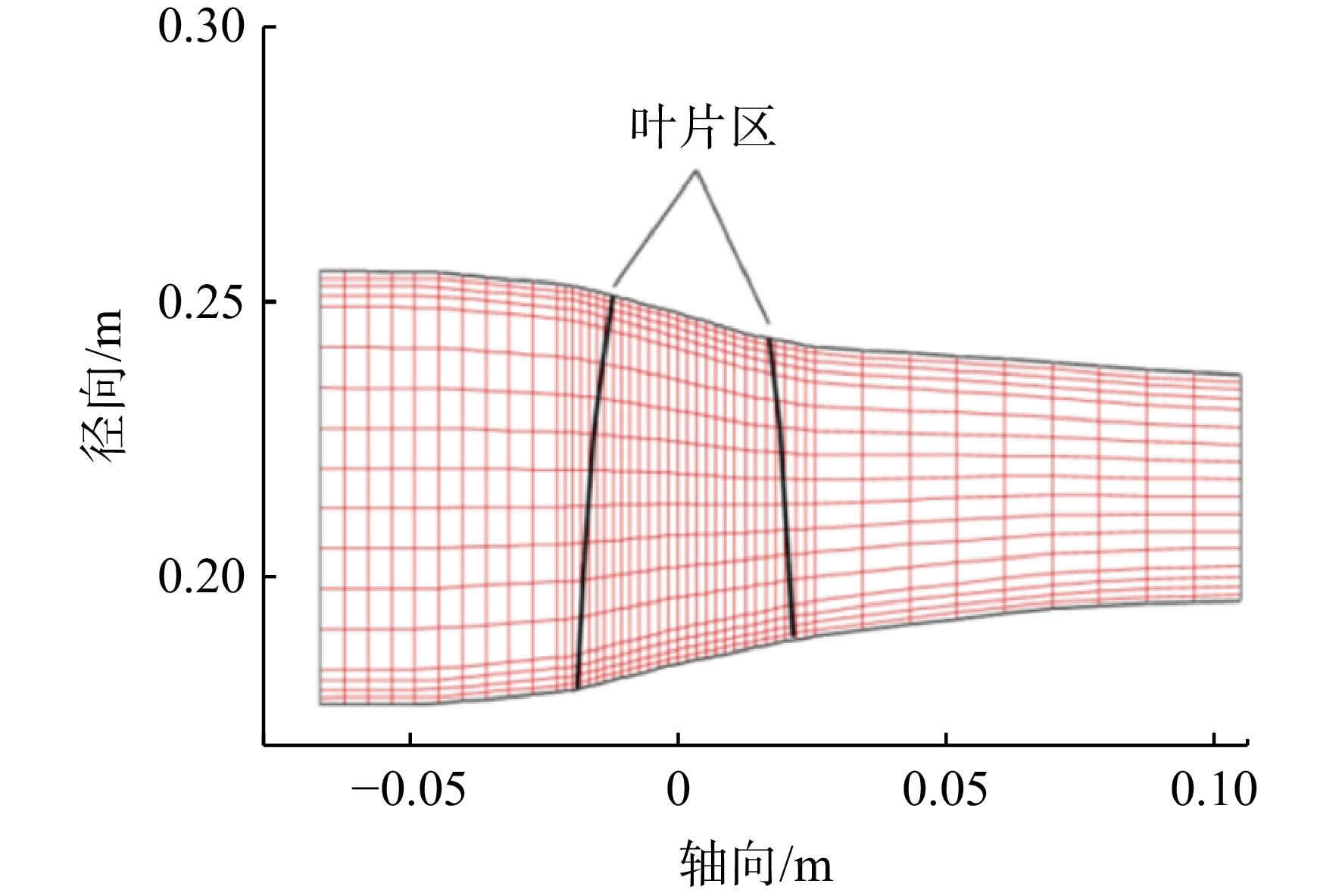
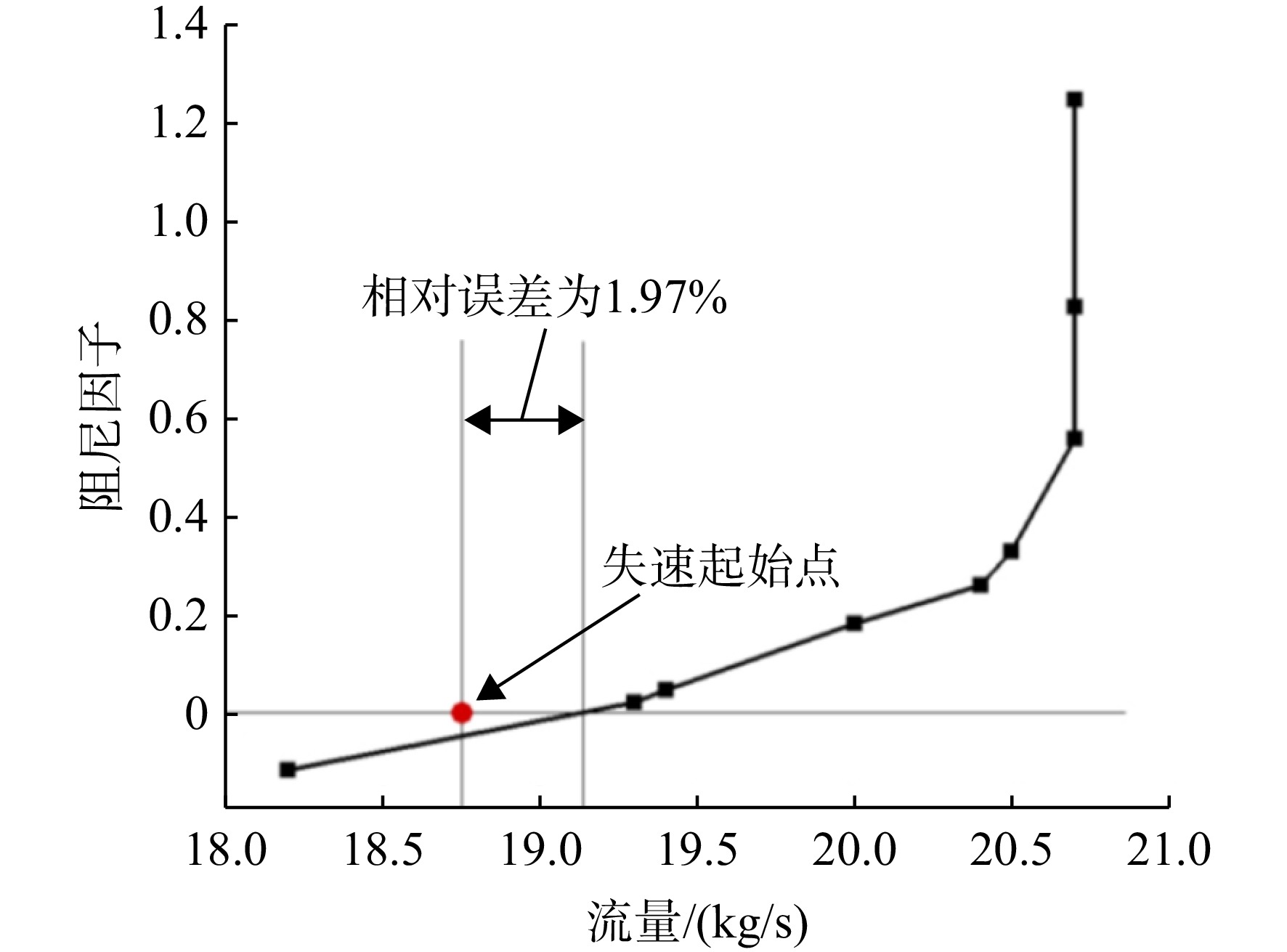
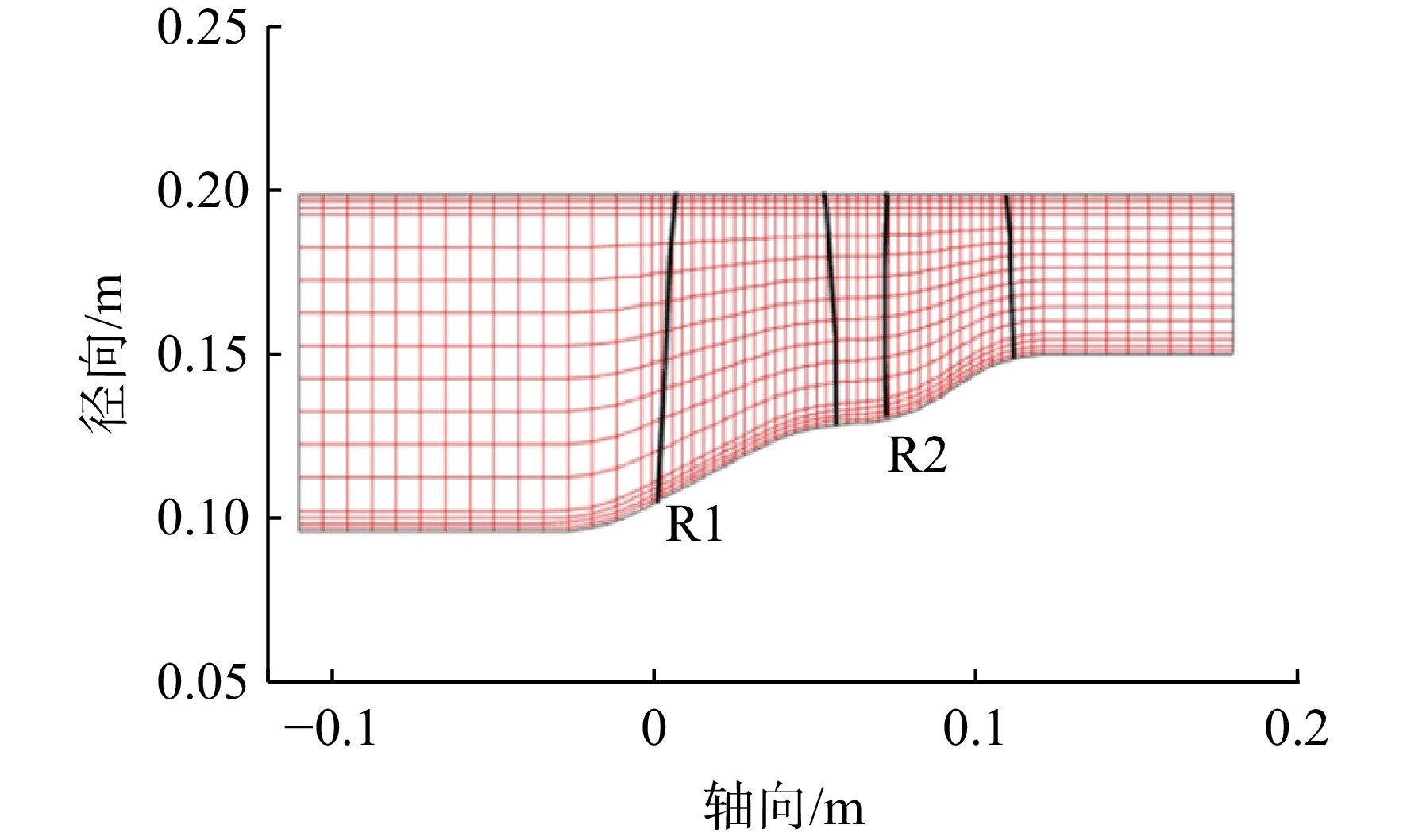
Accurately predicting compressor instability boundaries to ensure their structural integrity is a major problem faced by compressor designers at home and abroad, taking NASA Rotor 35 rotors and double-row axial flow counter-rotating compressors as the research objects, firstly, the ability of the two-dimensional model to predict the starting point of single-row and multi-row rotors is evaluated. The results show that for the NASA Rotor 35 rotor, the relative error between the stall point flow obtained by the two-dimensional model and the experimental results is 1.87%. For the double-row counter-rotating compressor, the model differed from the Computational Fluid Dynamics results by 5.9%. In order to solve the problem of low accuracy of the two-dimensional model in predicting the stall speed of the rotary compressor, a three-dimensional stall prediction model was constructed based on the volume force model and the prediction model of the propagation velocity of the stall group. The results show that the relative error between the stall flow rate of Rotor 35 predicted by the developed 3D model and the experimental value is 1.97%, and the relative error between the stall flow rate of the rotary compressor and the Computational Fluid Dynamics result is reduced to 2.14%, greatly solves the defect of insufficient estimation ability caused by the use of a large number of geometric and flow field simplification methods in the current model.

Structure,Strength and Vibration
Aero-engine remaining useful life prediction of VIT model re-parameterized optimization method based on data field mapping
GUO Xiaojing, GUO Jiahao, XU Chen
2026, 41(3): 20240824. doi: 10.13224/j.cnki.jasp.20240824
Abstract:

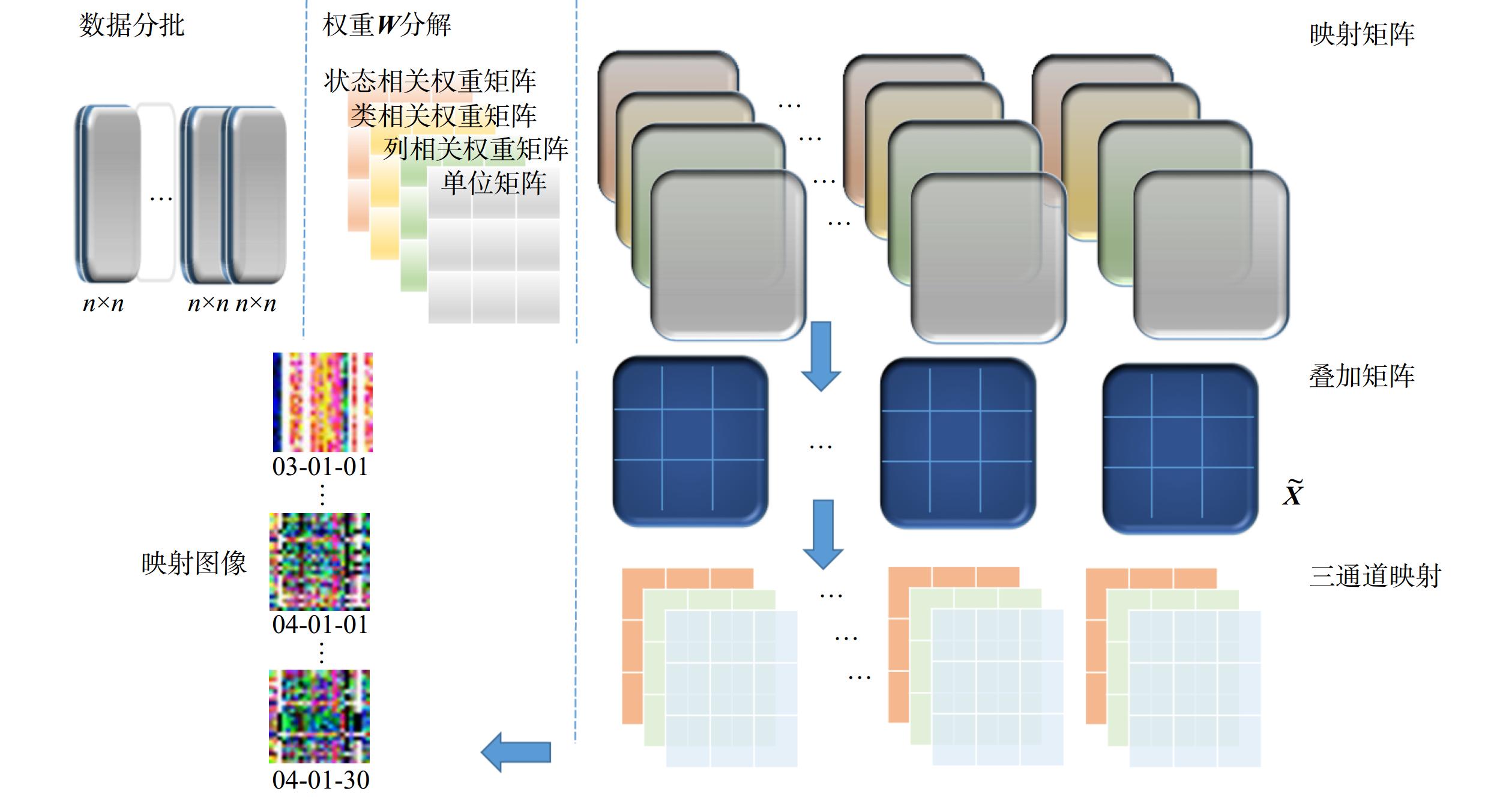
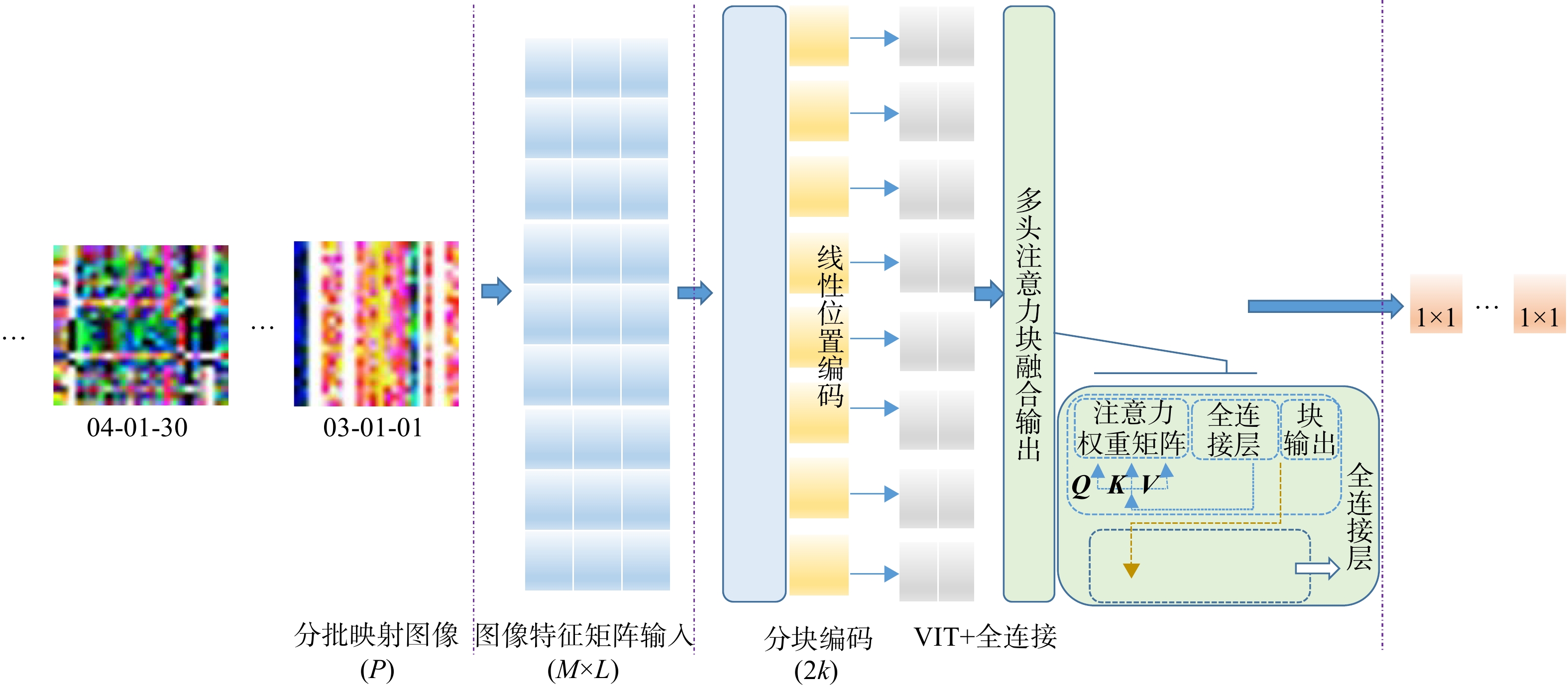
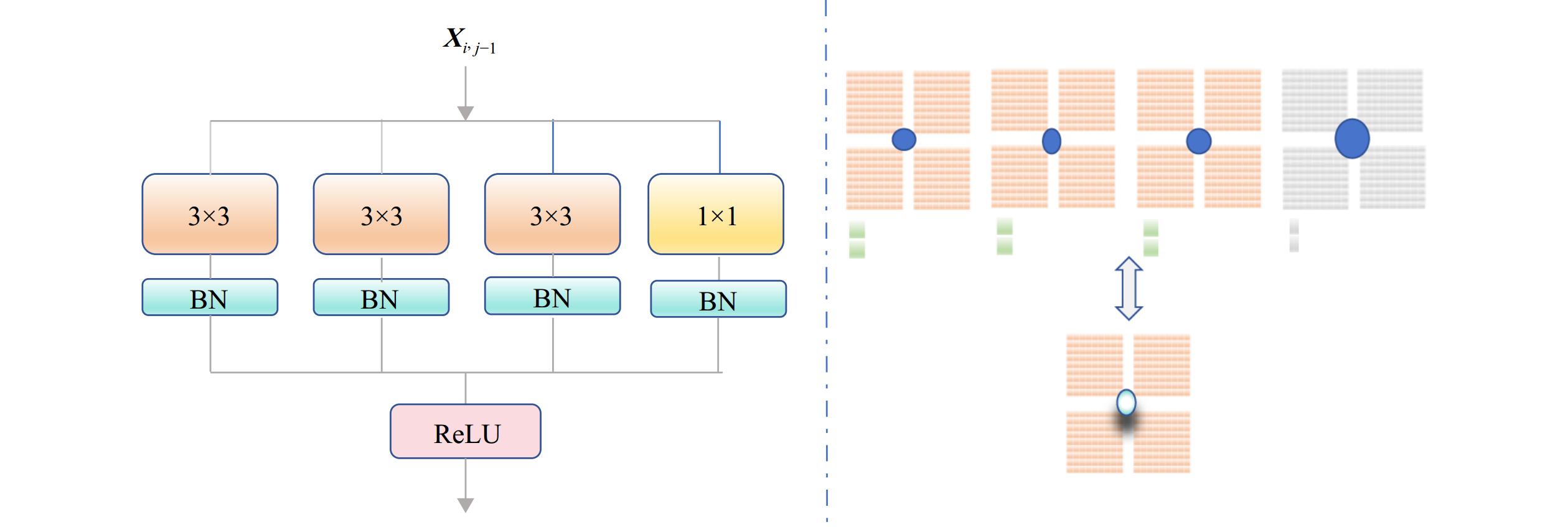
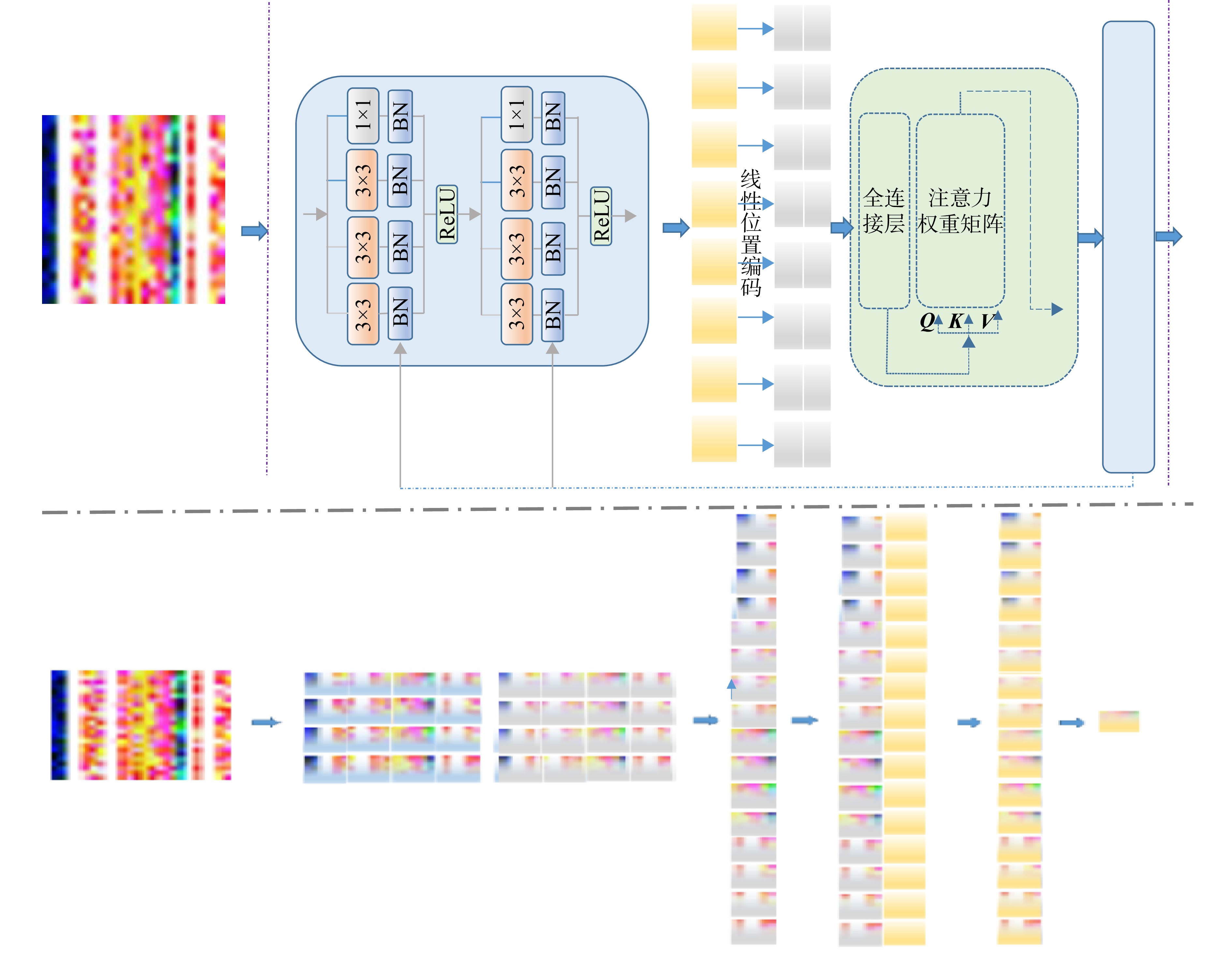
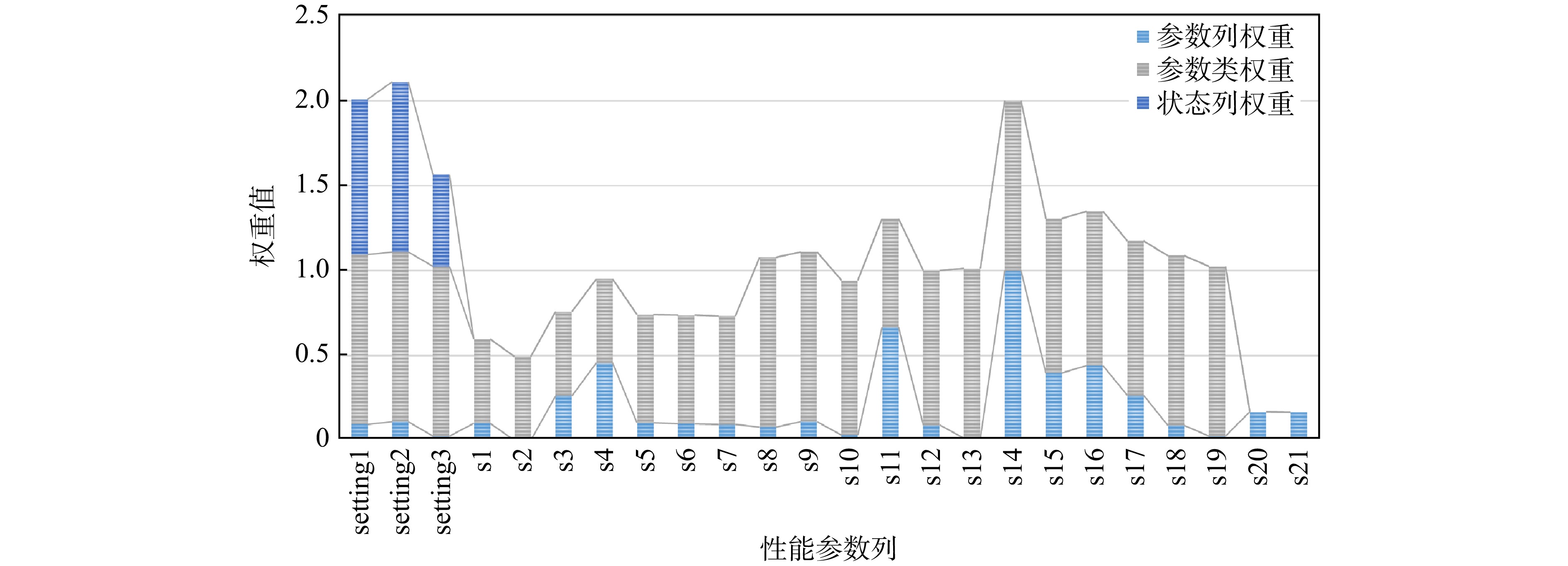
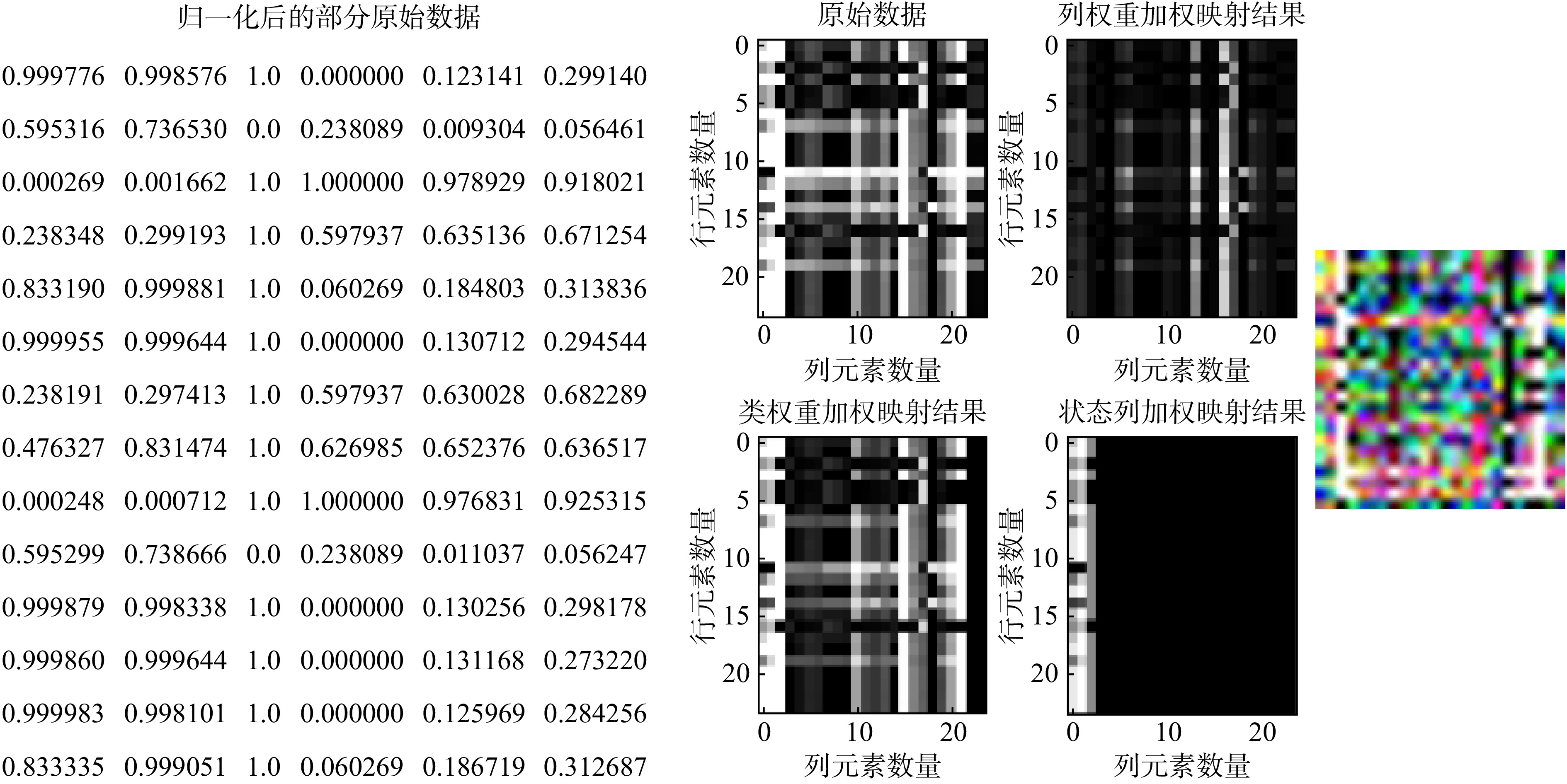
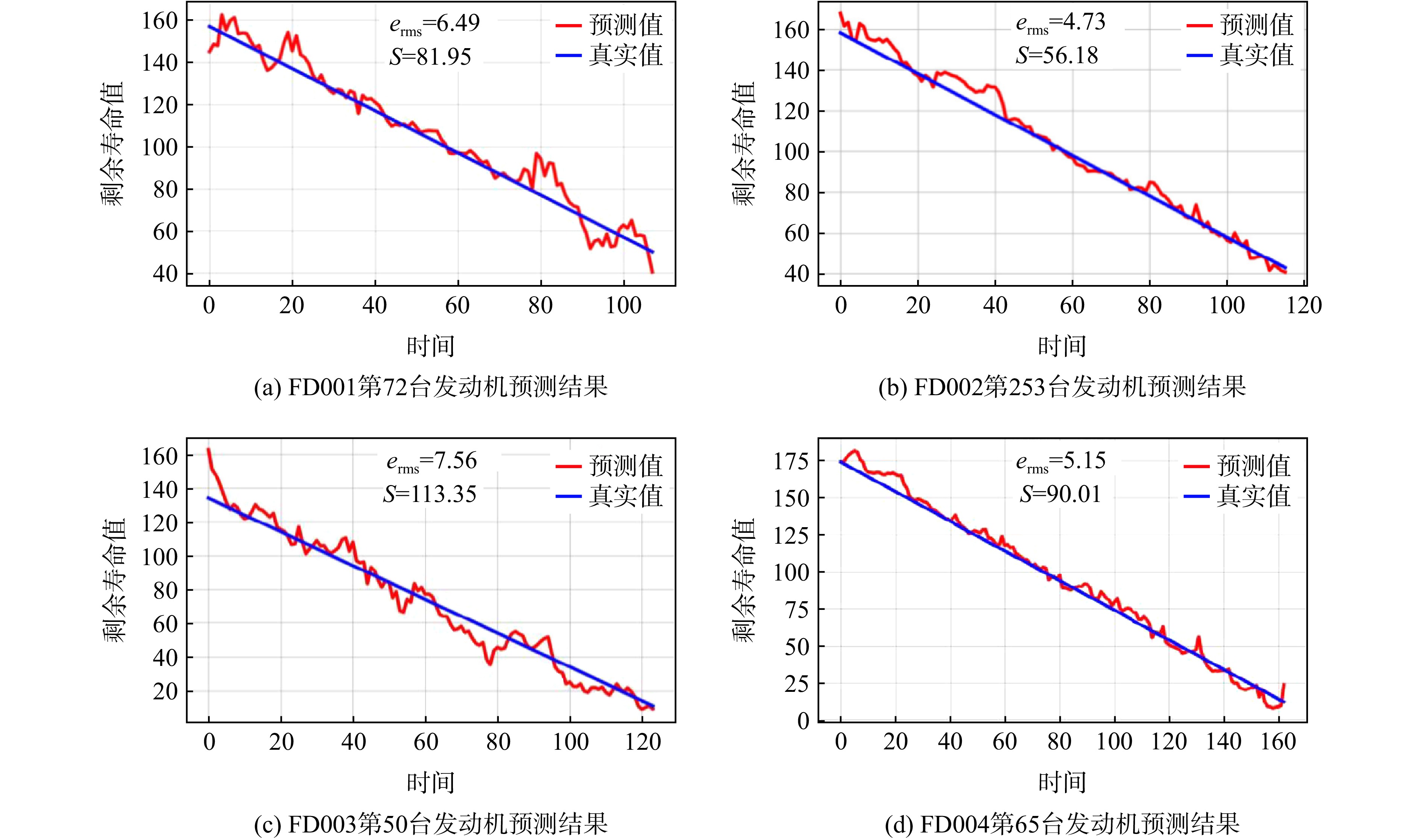
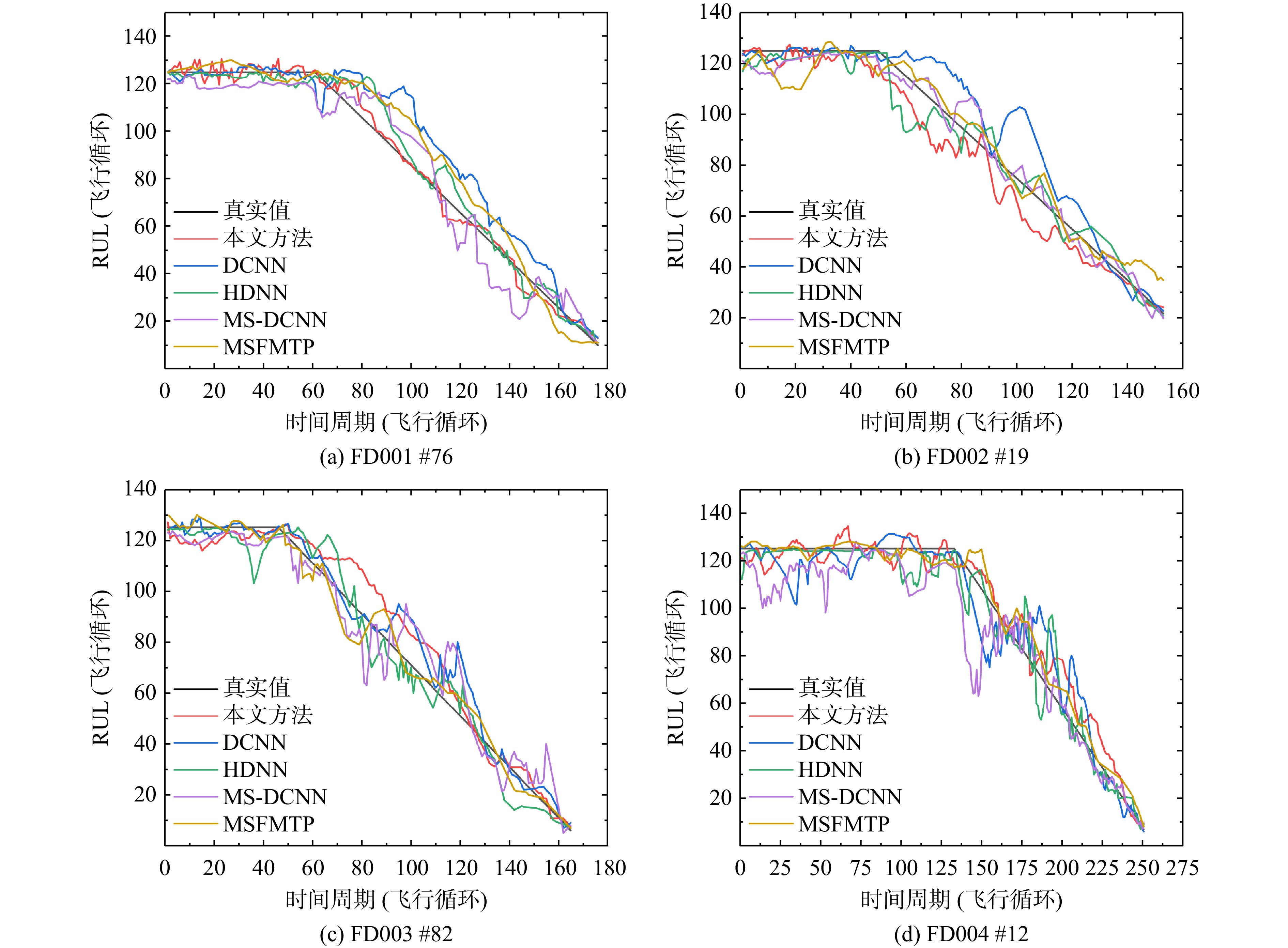
Time-series aero-engine parameters are originated from different data sources. Its feature might be relevant with the remaining useful life prediction of the aero-engine. During the whole periods from the airplane’s taking off to landing, different types of aircrafts have particular engine parameters and data scale. In order to improve the remaining useful life prediction precision and apply it into different dimension engine datasets, the new prediction model was constructed based on the revised VIT (vision transformer) with the re-parameterization. The algorithm of datasets mapping into the RGB image was given, and the model generalization got better. Re-parameterization was combined with multi-dimension attention of VIT, and the precision was improved after the transferring between the time series datasets and space feature. The result of the experiment in datasets (CMAPSS) of the datasets showed that the value of root mean square error (RMSE) lied in [10.83,14.68]. The prediction model and algorithm were better than the traditional method with the smaller RMSE of 4.3% decrease in the least. And also, it could be applicable in another datasets (N-CMAPSS ) with the RMSE value of 2.07.
Review of fatigue test techniques for key components of aero-engine
CHEN Jianpeng, ZHU Wenhui, XIE Liyang, ZHAO Bingfeng, YANG Xiaoyu, XU Xingyuan
2026, 41(3): 20240672. doi: 10.13224/j.cnki.jasp.20240672
Abstract:

The research status of fatigue test technology and new fatigue test technology of key components of aero-engine is reviewed. Firstly, the research progress of fatigue test technology of key components of aero-engine is reviewed, and the application of fatigue test technology of blades, disks and shafts is elaborated respectively. Secondly, the development status of new technologies that can be used for fatigue test of key components of aero-engine is summarized, including non-contact state test technology, digital twin technology and statistical analysis technology of small sample test data. Finally, the current research status of fatigue test technology of key components of aero-engine is summarized. The future development direction of fatigue test technology for key components of aero-engine is prospected from the high precision and efficient fatigue damage testing technology, data-driven component-level in-situ test technology, digital twin-enabled virtual fatigue test technology, intelligent and robust small sample test data statistical analysis technology.

Review of deep learning-based defect detection techniques for aero-engine blade
SHI Guang, HE Fuqiang, SHI Hongyan, LUO Degang
2026, 41(3): 20240411. doi: 10.13224/j.cnki.jasp.20240411
Abstract:

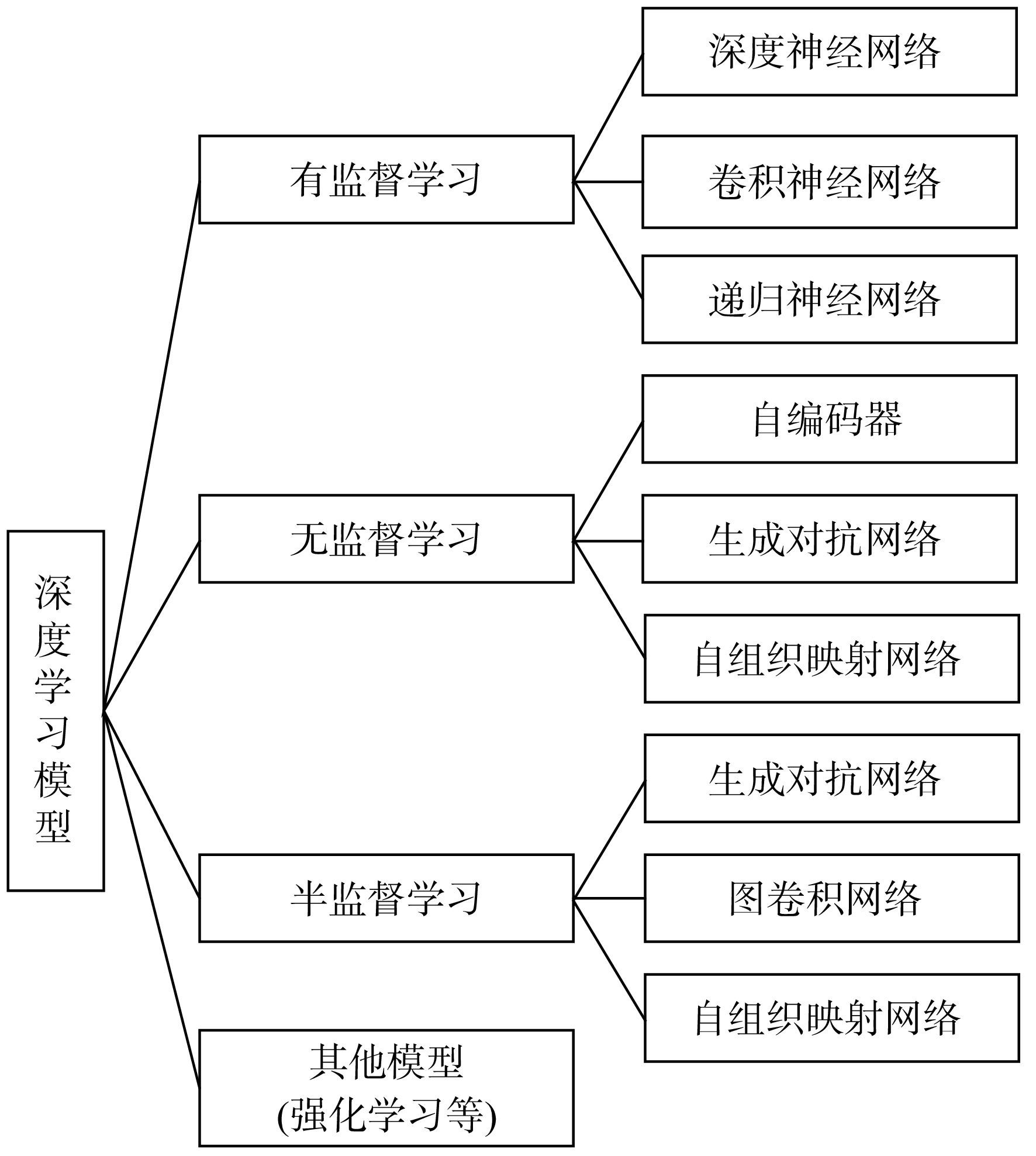
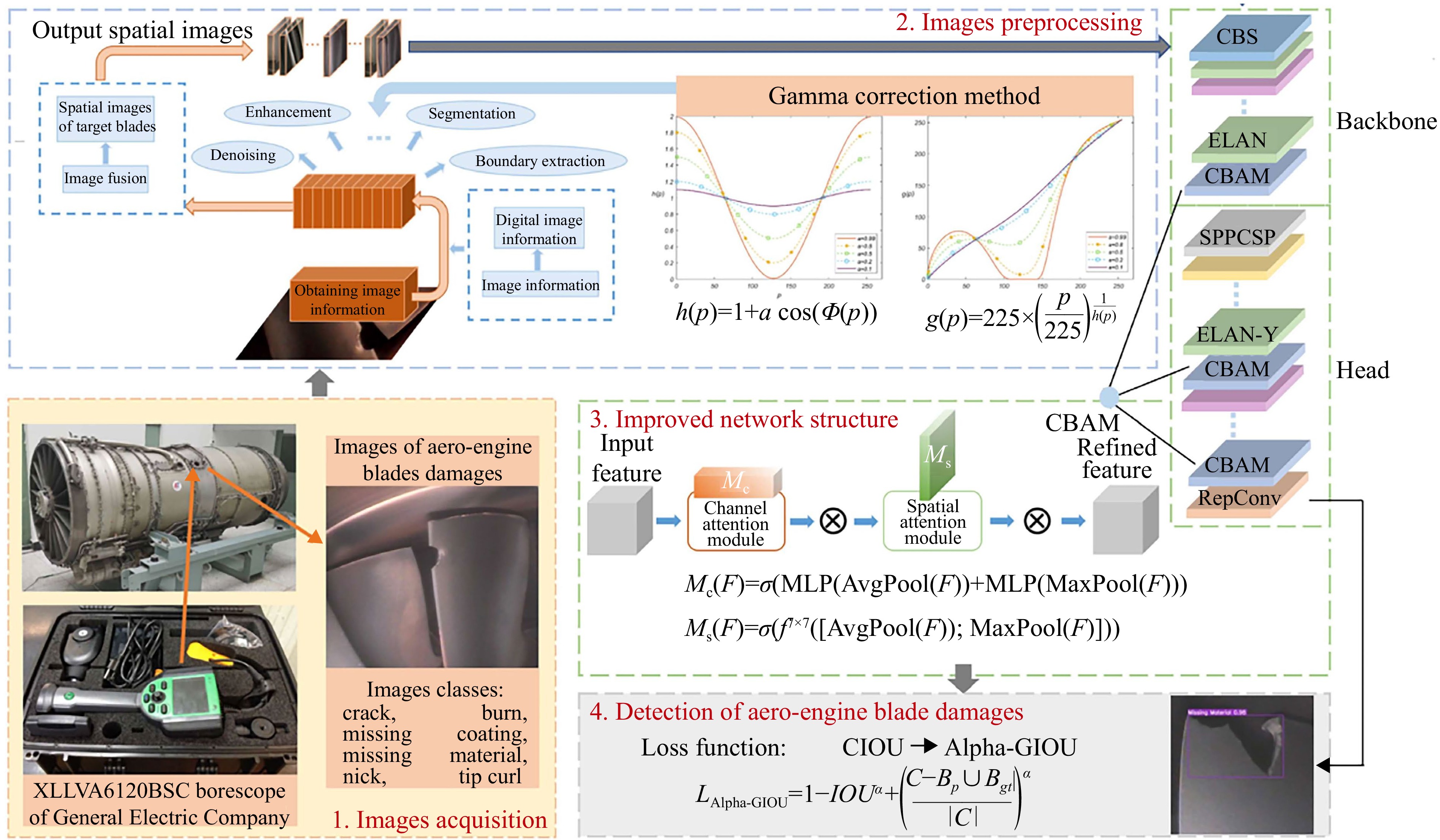
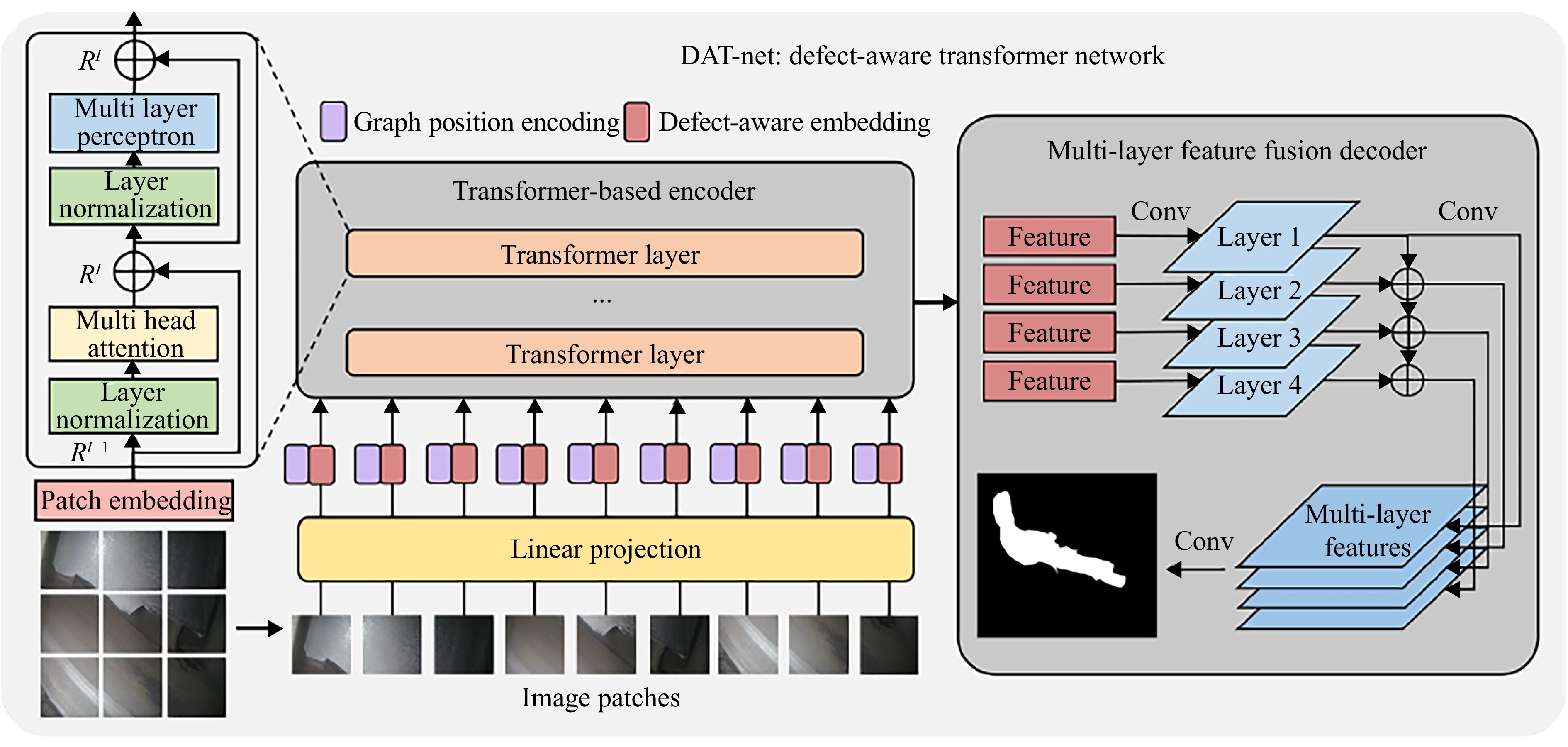
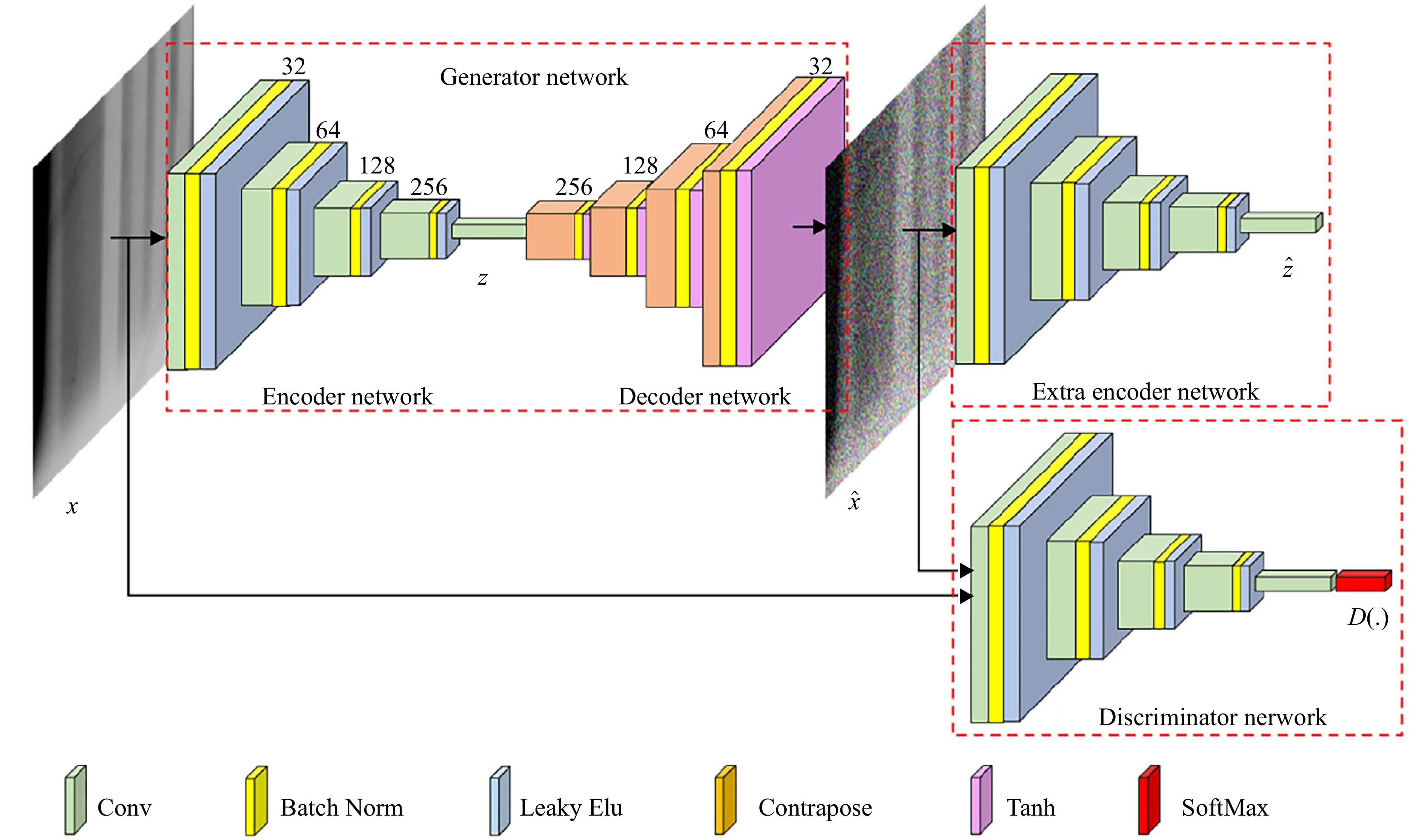
A review of deep learning-based aero-engine blade defect detection technology was presented. Commencing from three core contents in total, including deep learning model and model evaluation index, blade type and blade defect type, and deep learning blade defect detection technology, it focused on deep learning blade defect detection technology. Furthermore, attention was paid to model, dataset, result evaluation, etc., and based on the dataset labeling requirements, the domestic and international deep learning blade defect detection techniques were reviewed by supervised learning, unsupervised learning and semi-supervised learning, the advantages and disadvantages, challenges and outlooks of blade defect detection under different deep learning methods were put forward. It was believed the lightweight model that can overcome dataset-related challenges could be used to build cost-effective, real-time blade defect detection systems in industrial sites.

Autocontrol
Condition monitoring scheme of C919 hydraulic system based on CNN-BiLSTM-Triplet
ZHANG Zhenliang, HE Rongrong, ZHOU Xiangzhi, CUI Zhe, DONG Jie, HE Xiuqi
2026, 41(3): 20240716. doi: 10.13224/j.cnki.jasp.20240716
Abstract:

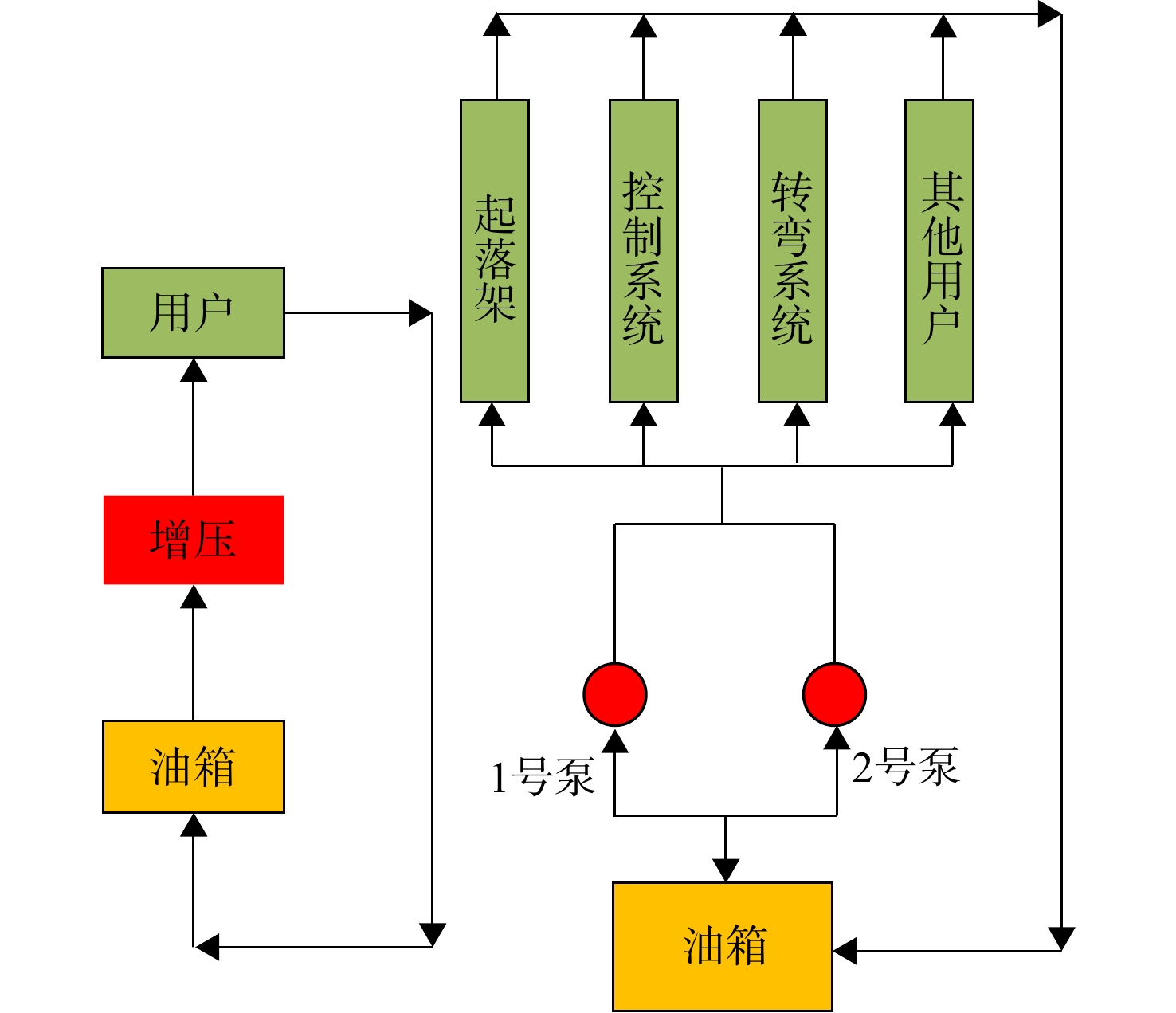
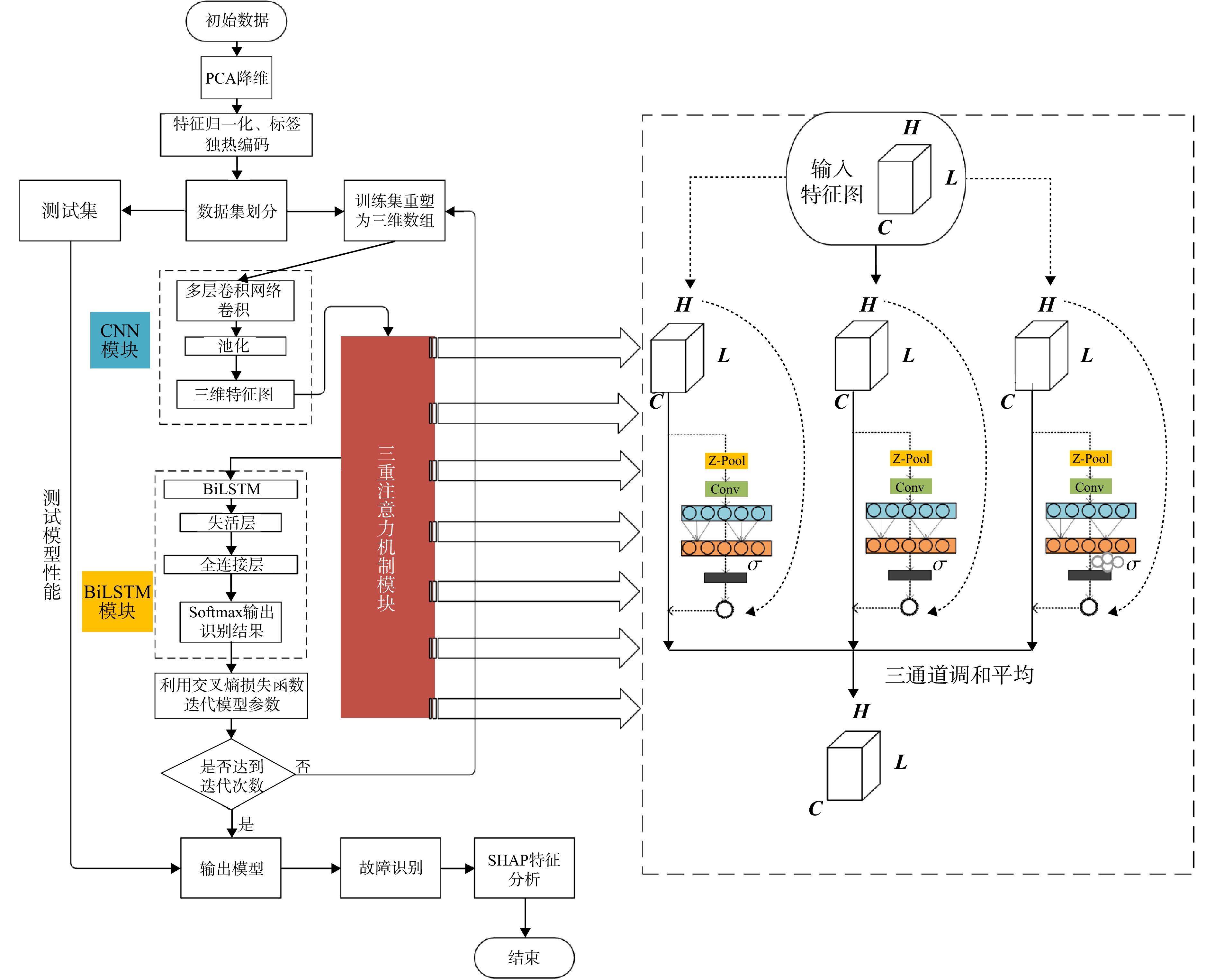
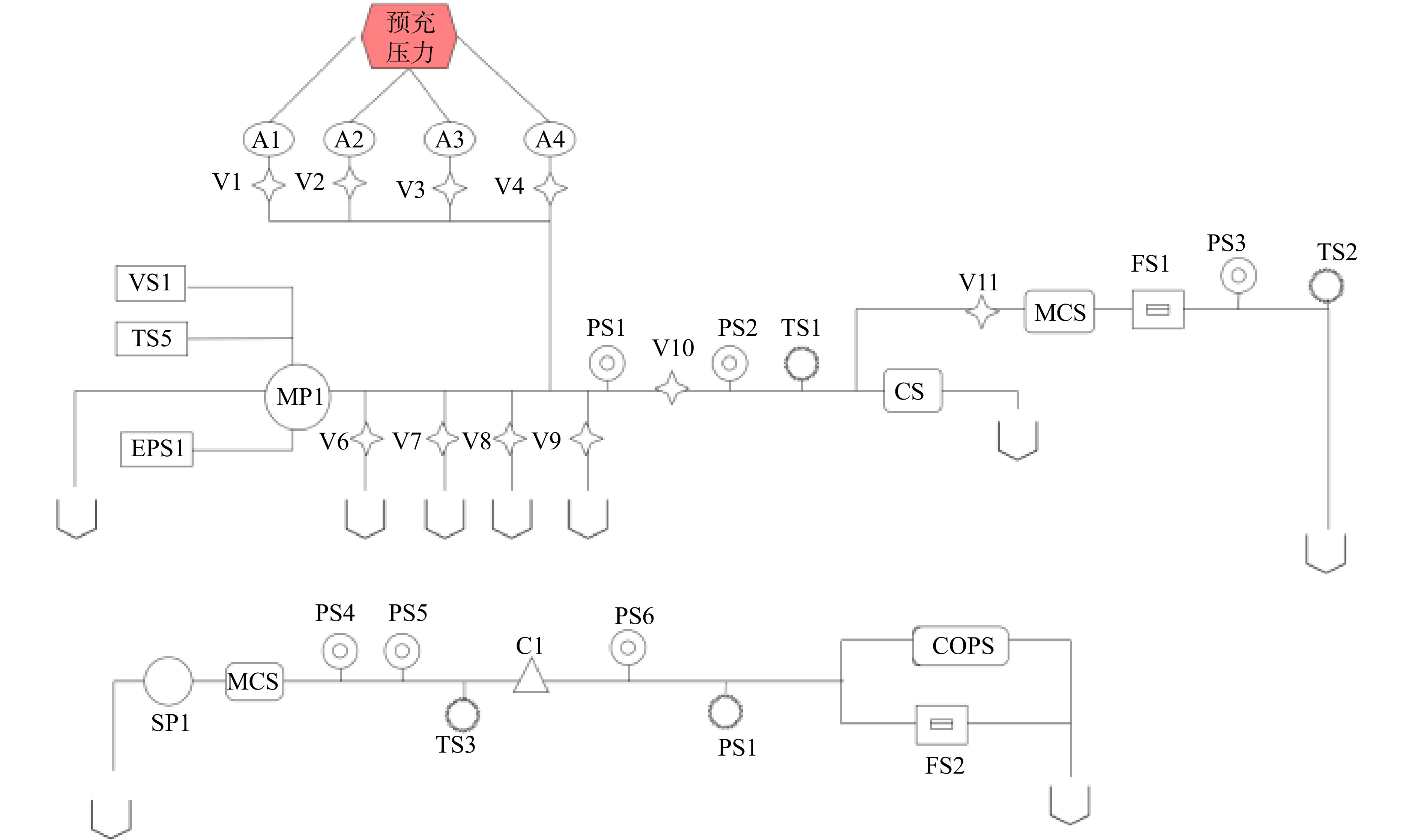
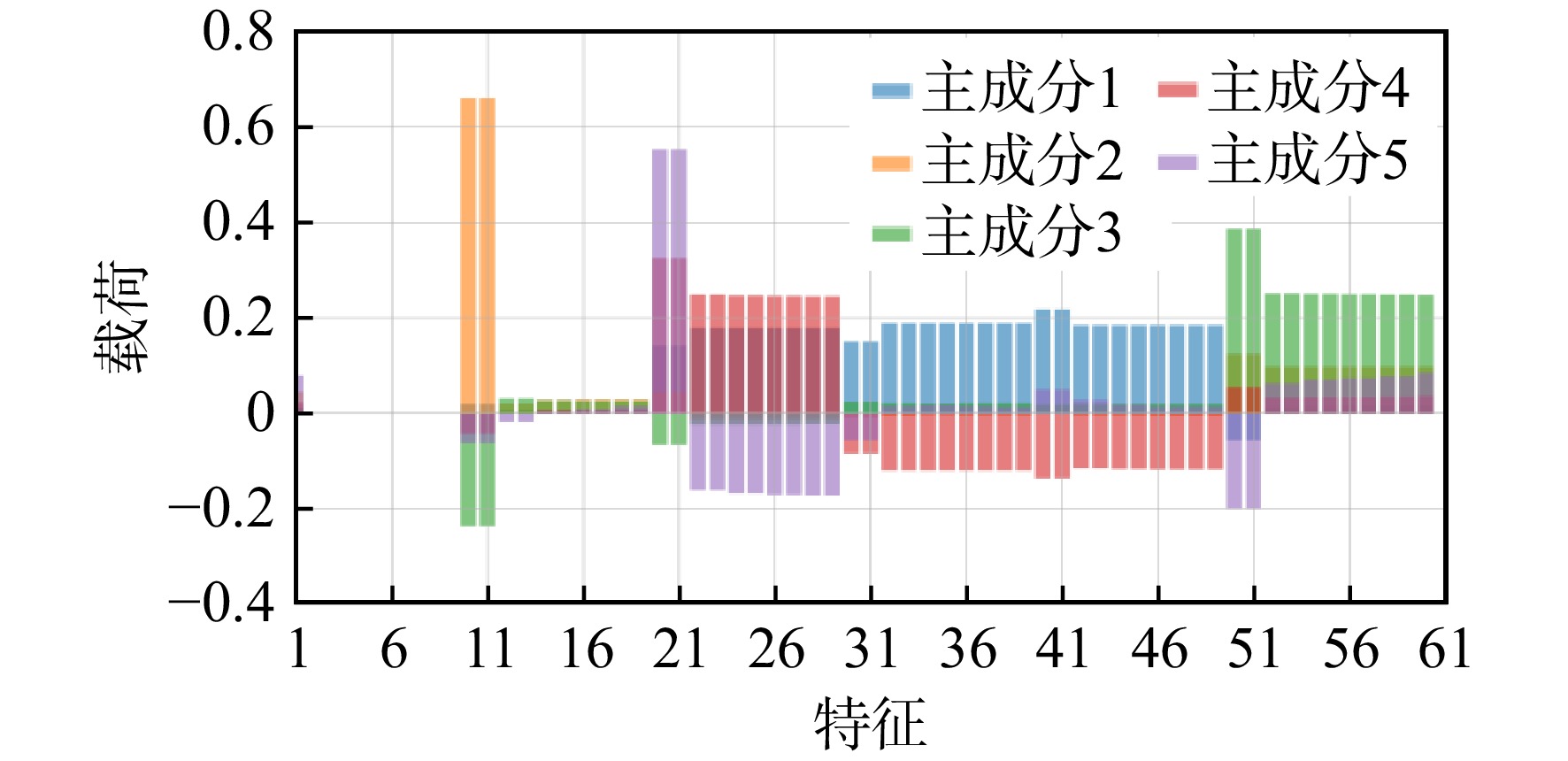
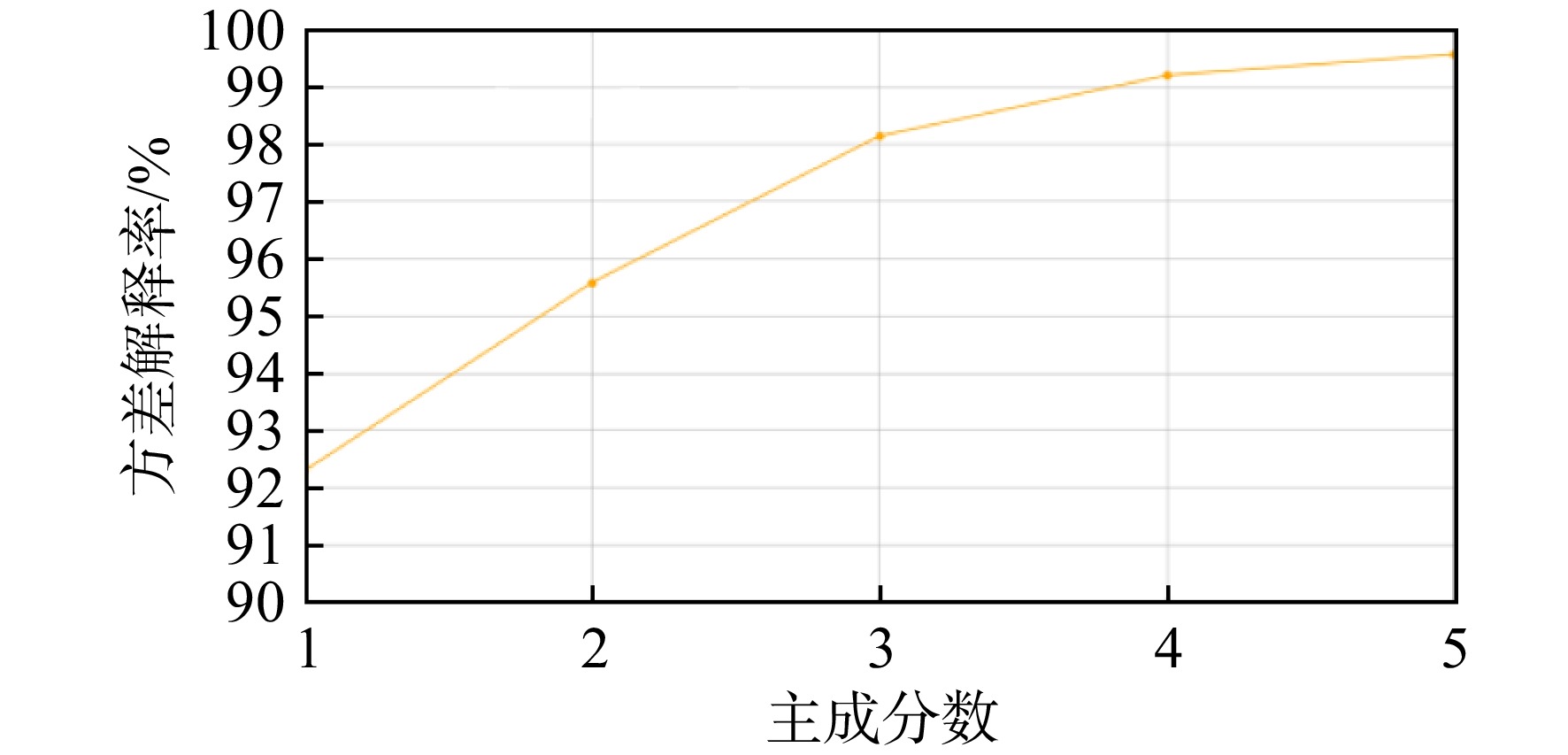
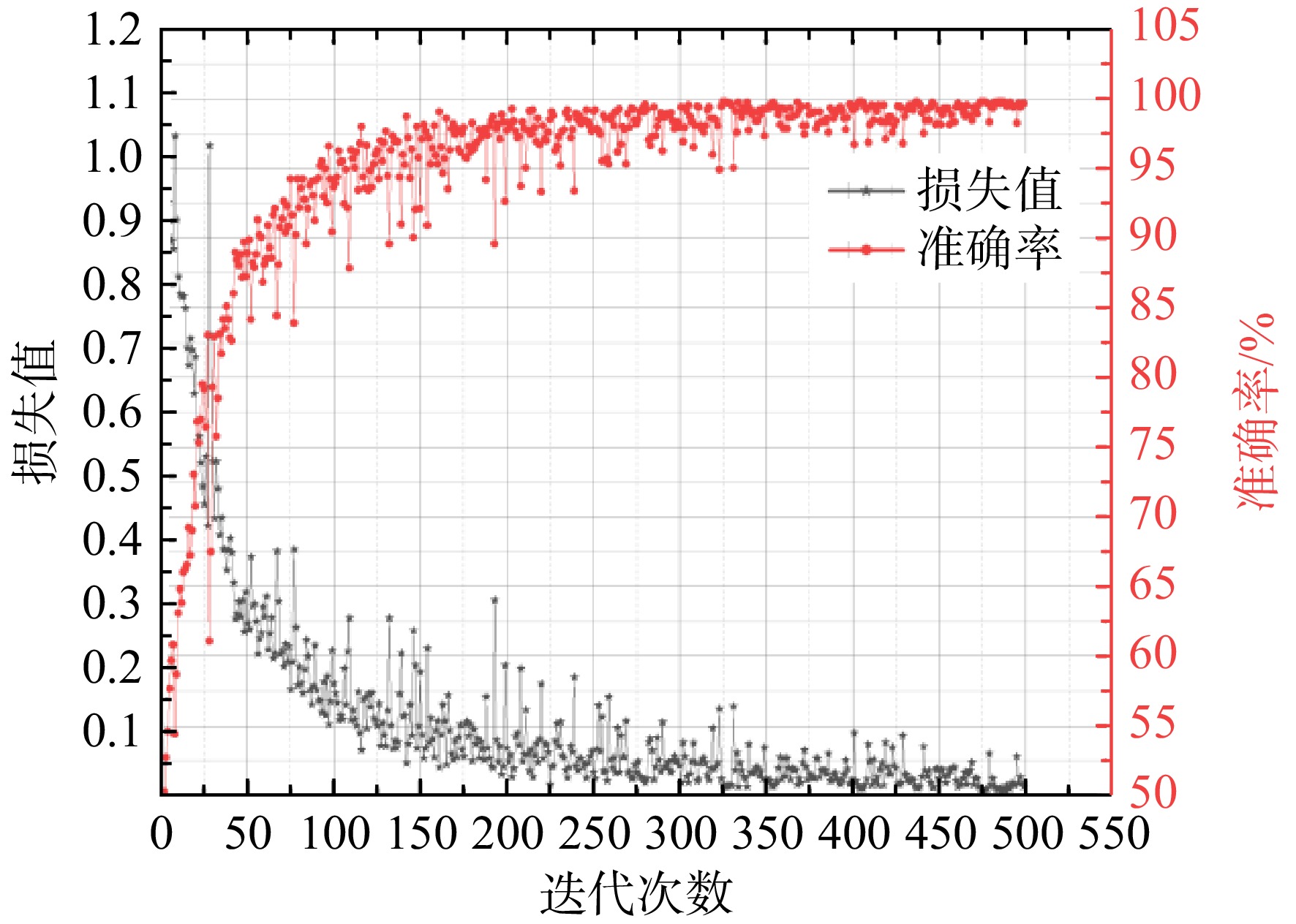
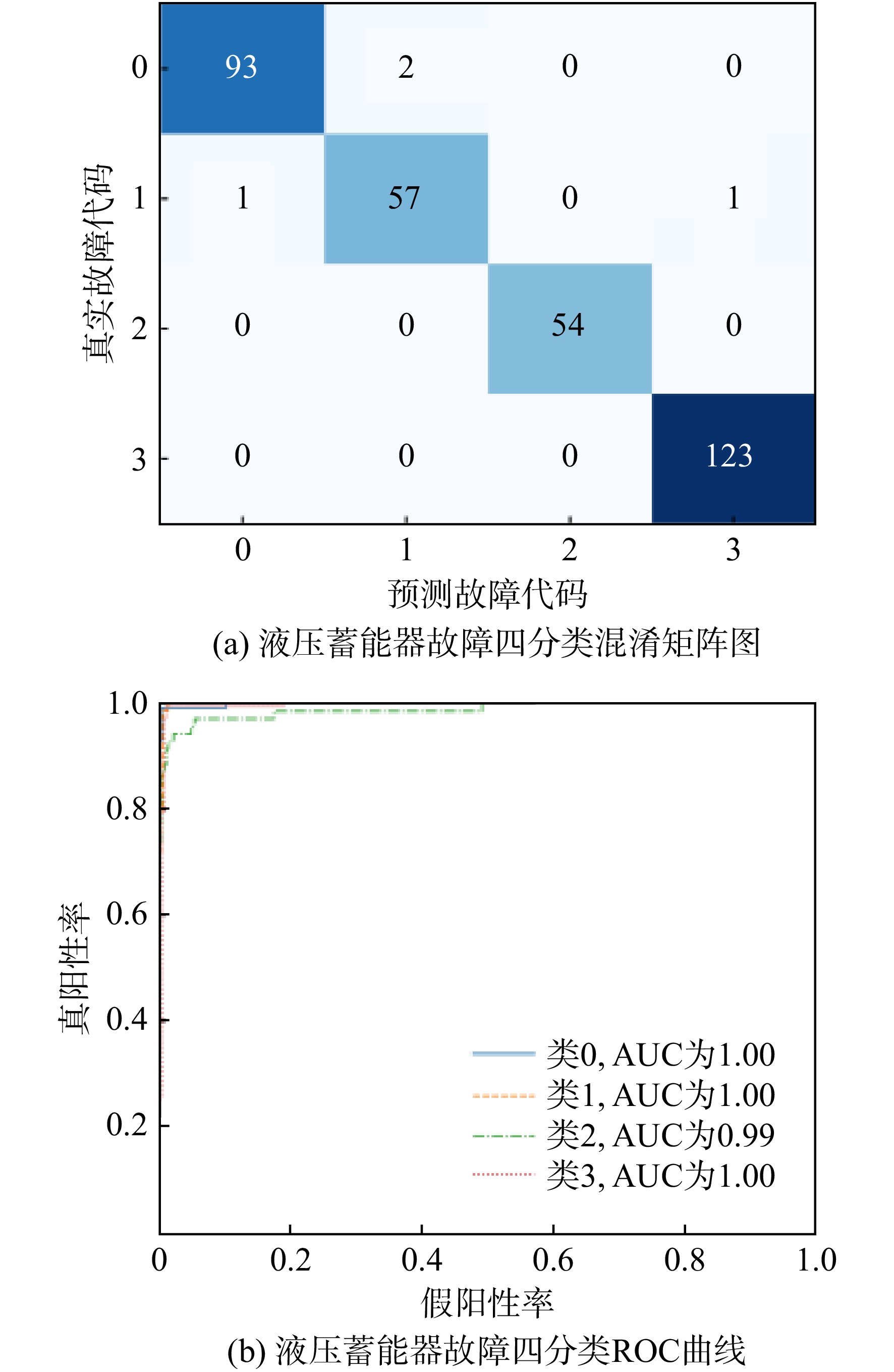
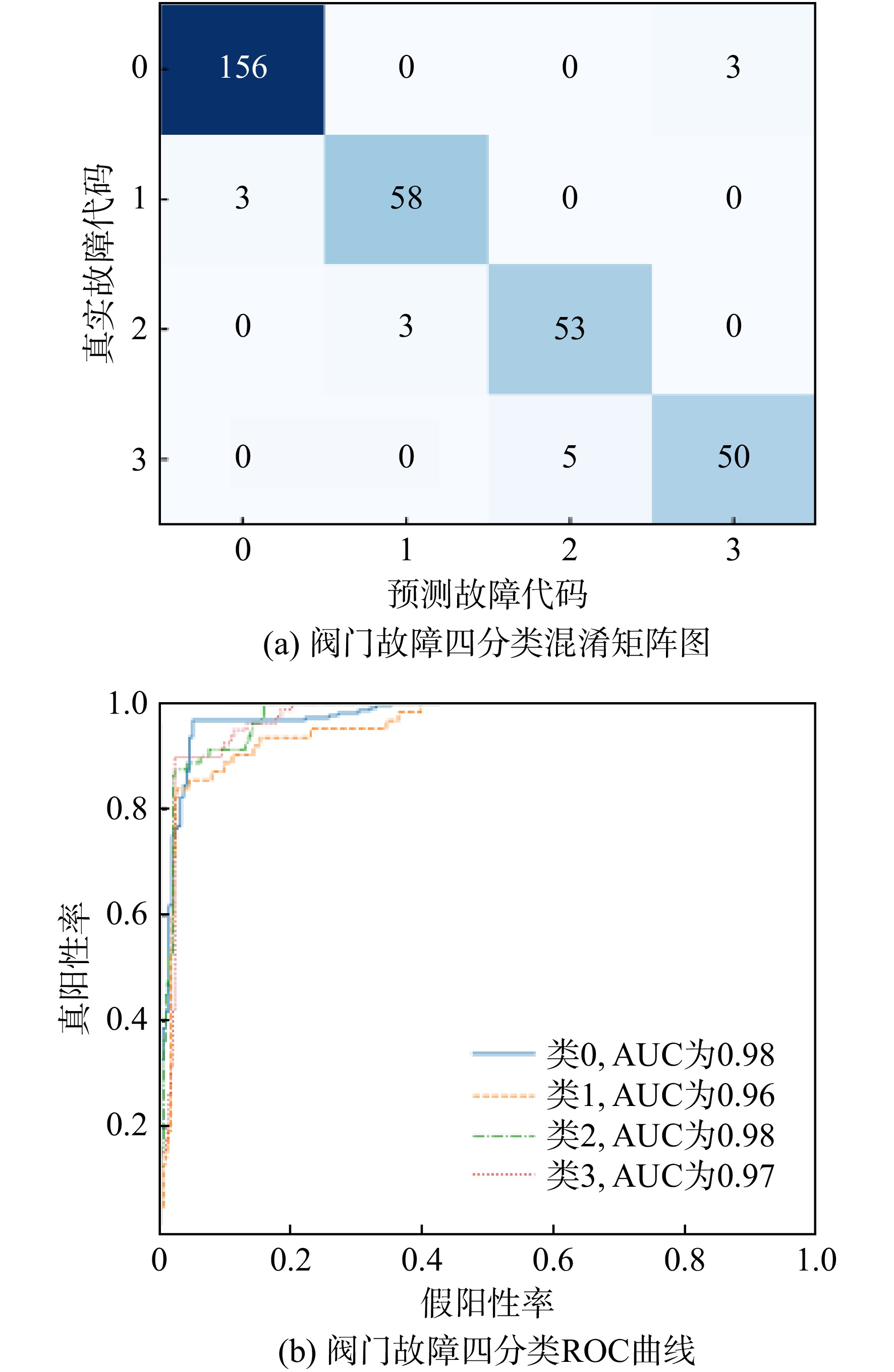
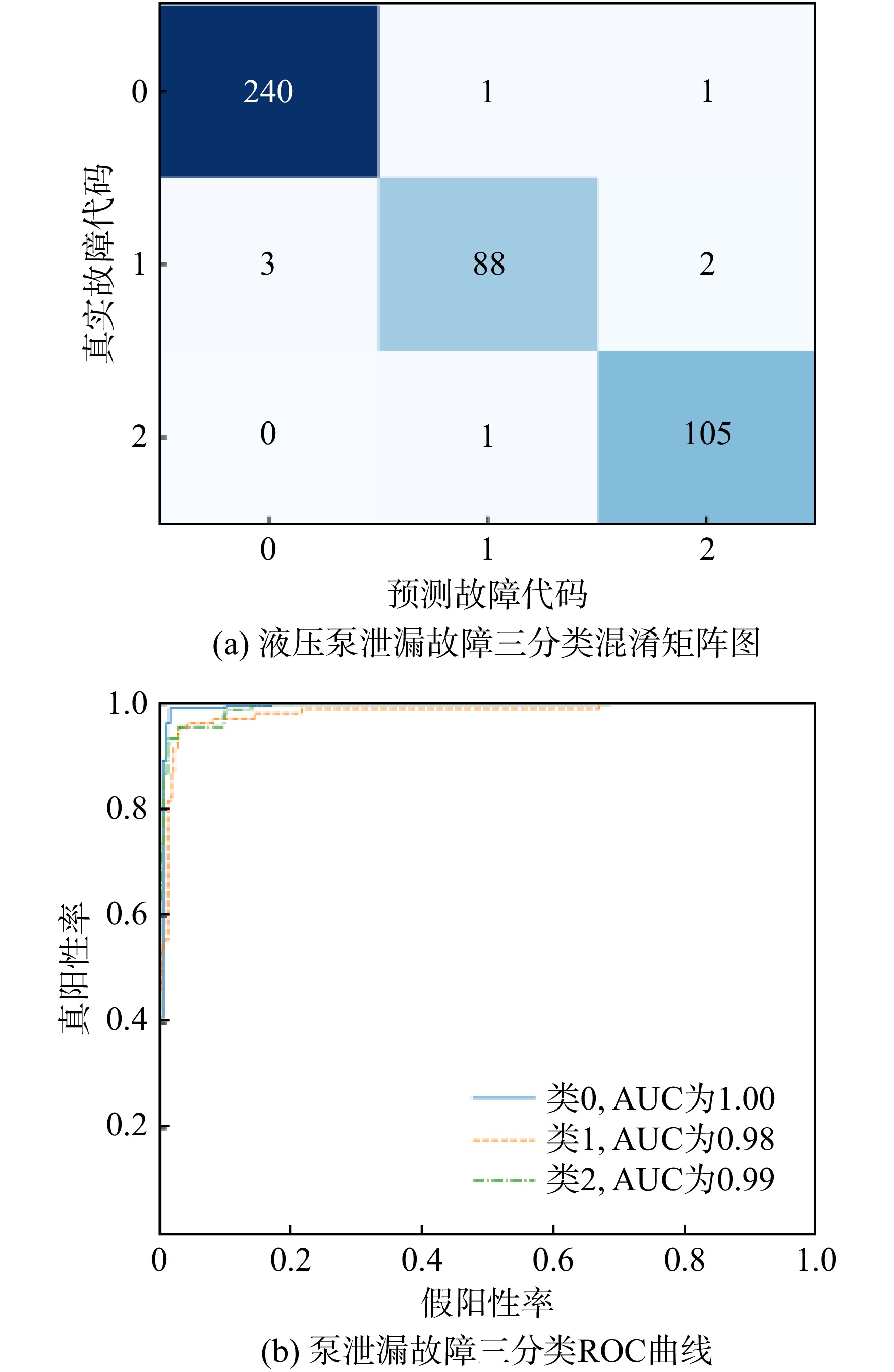
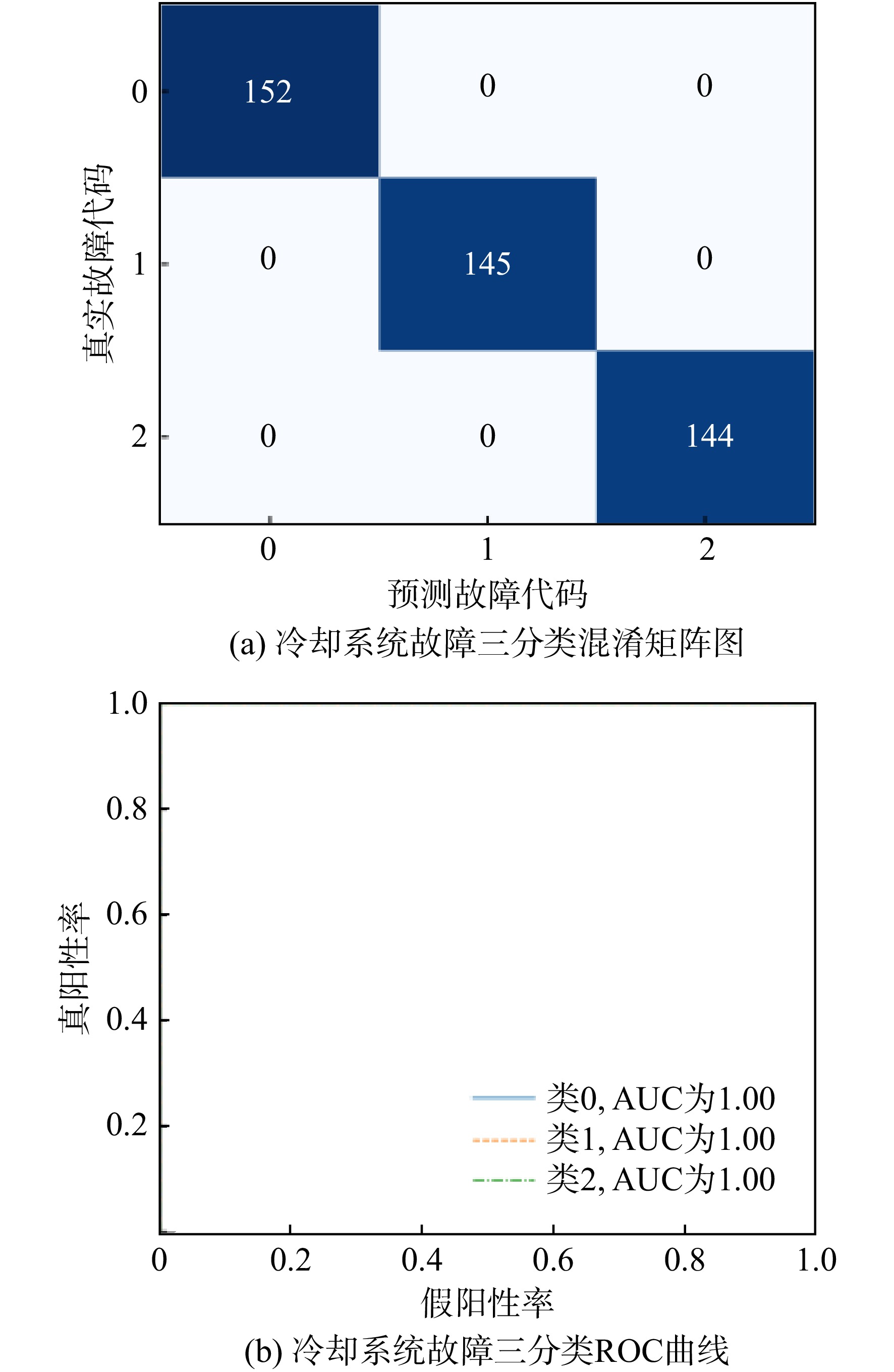
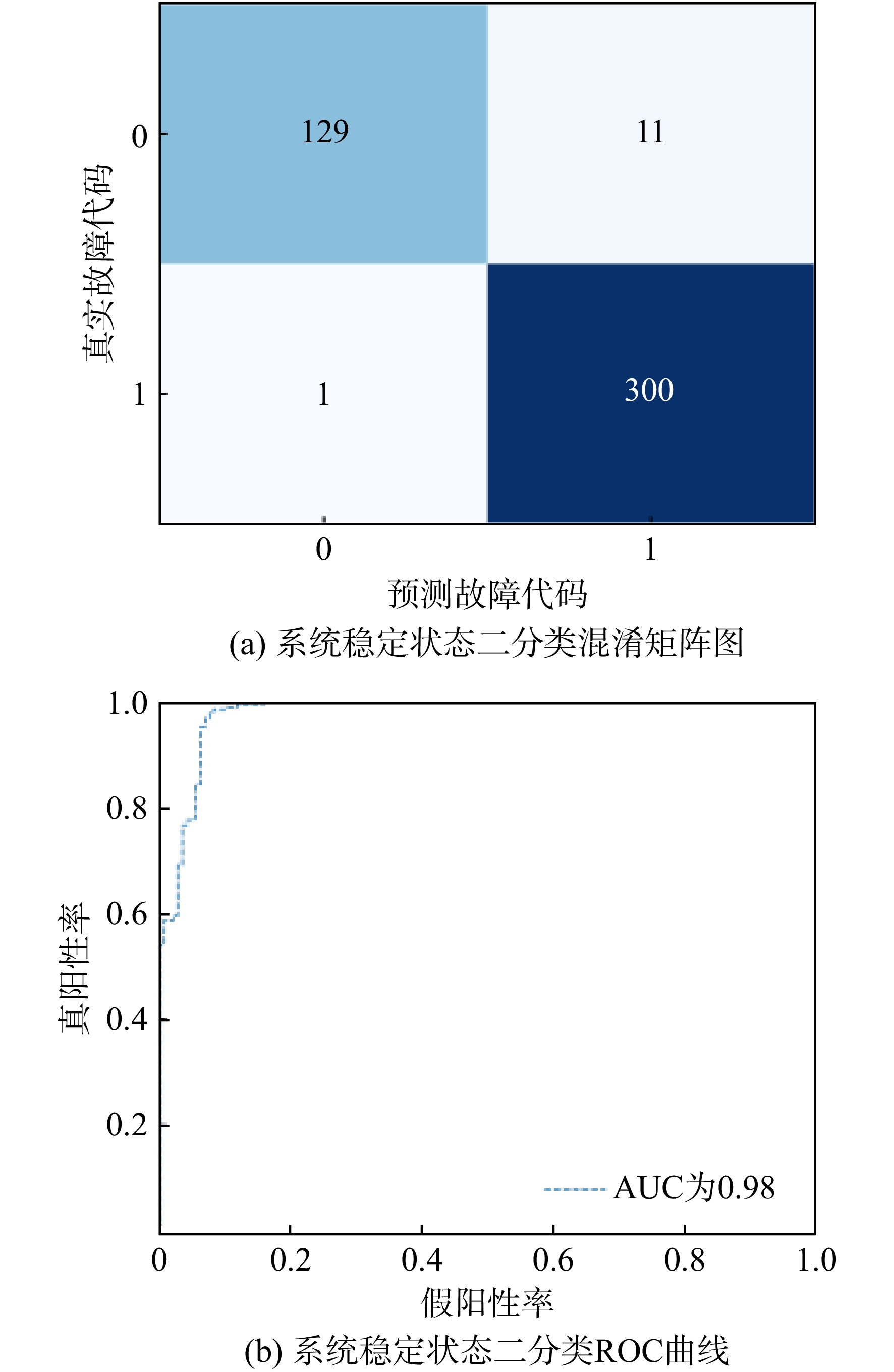
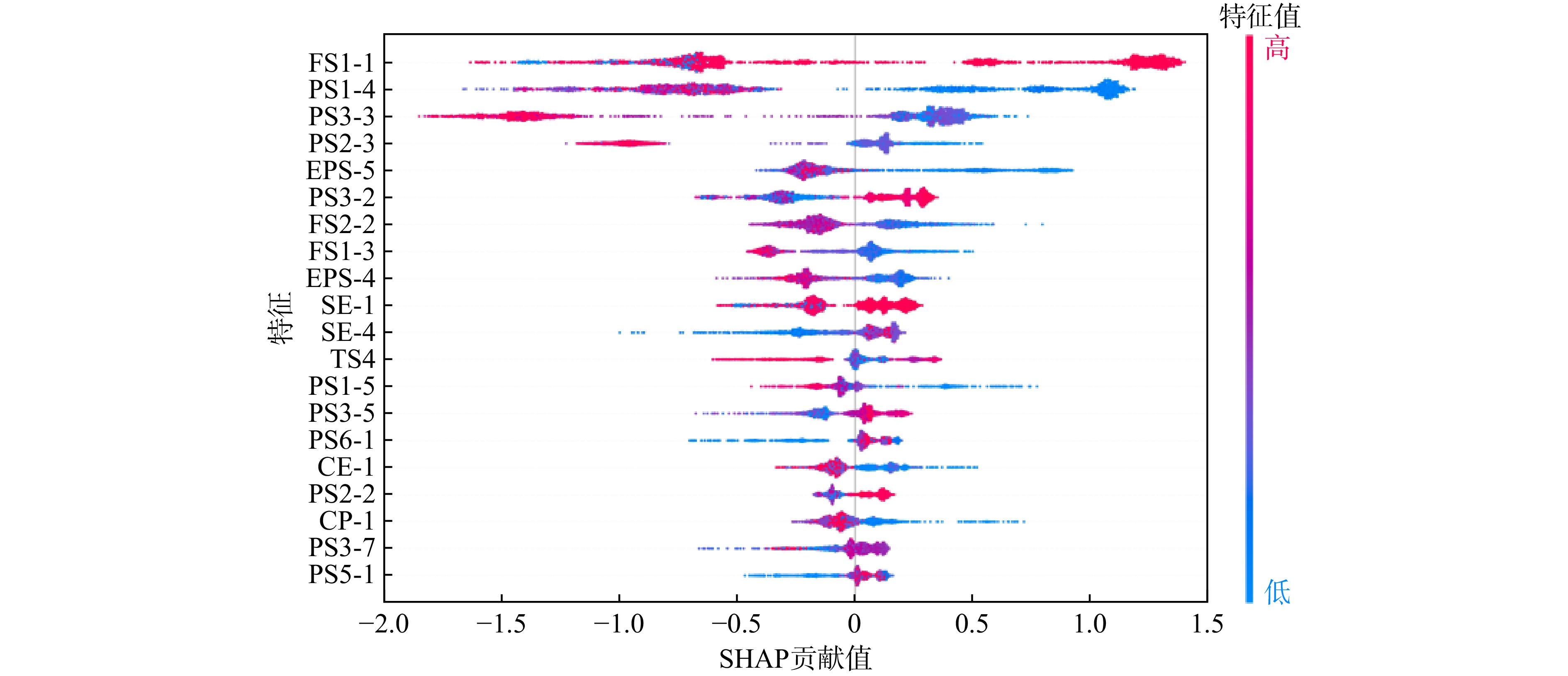
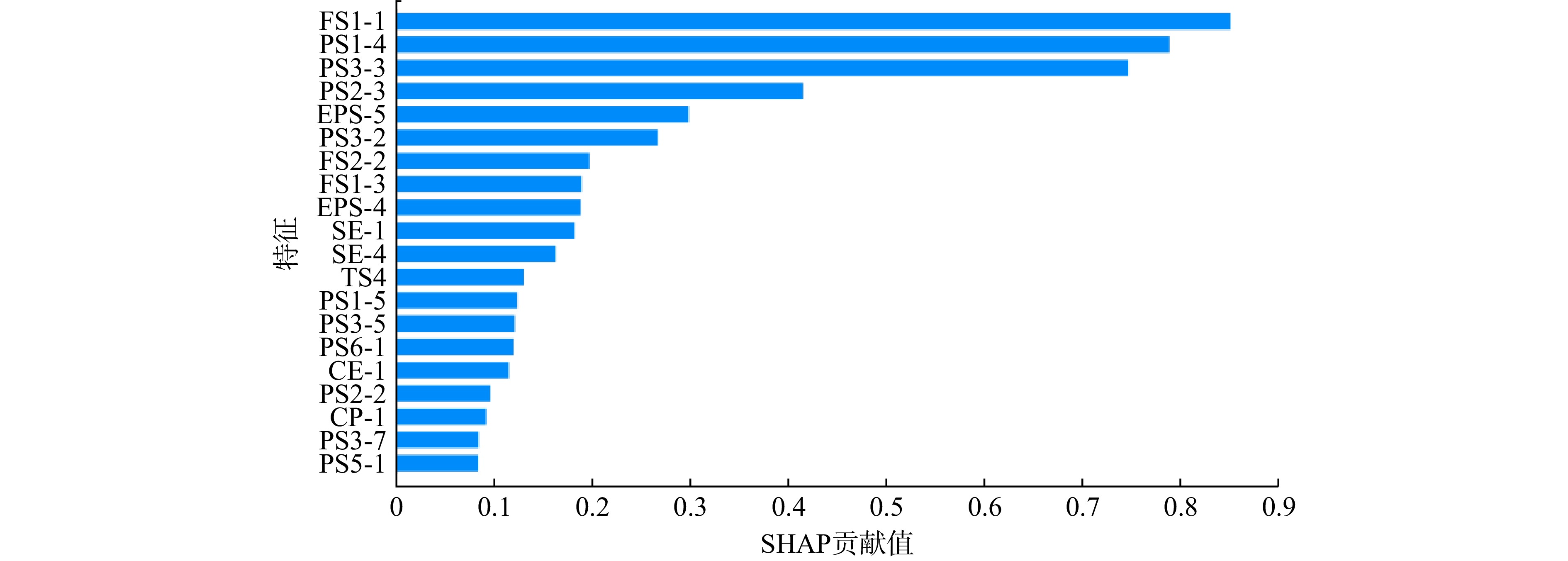
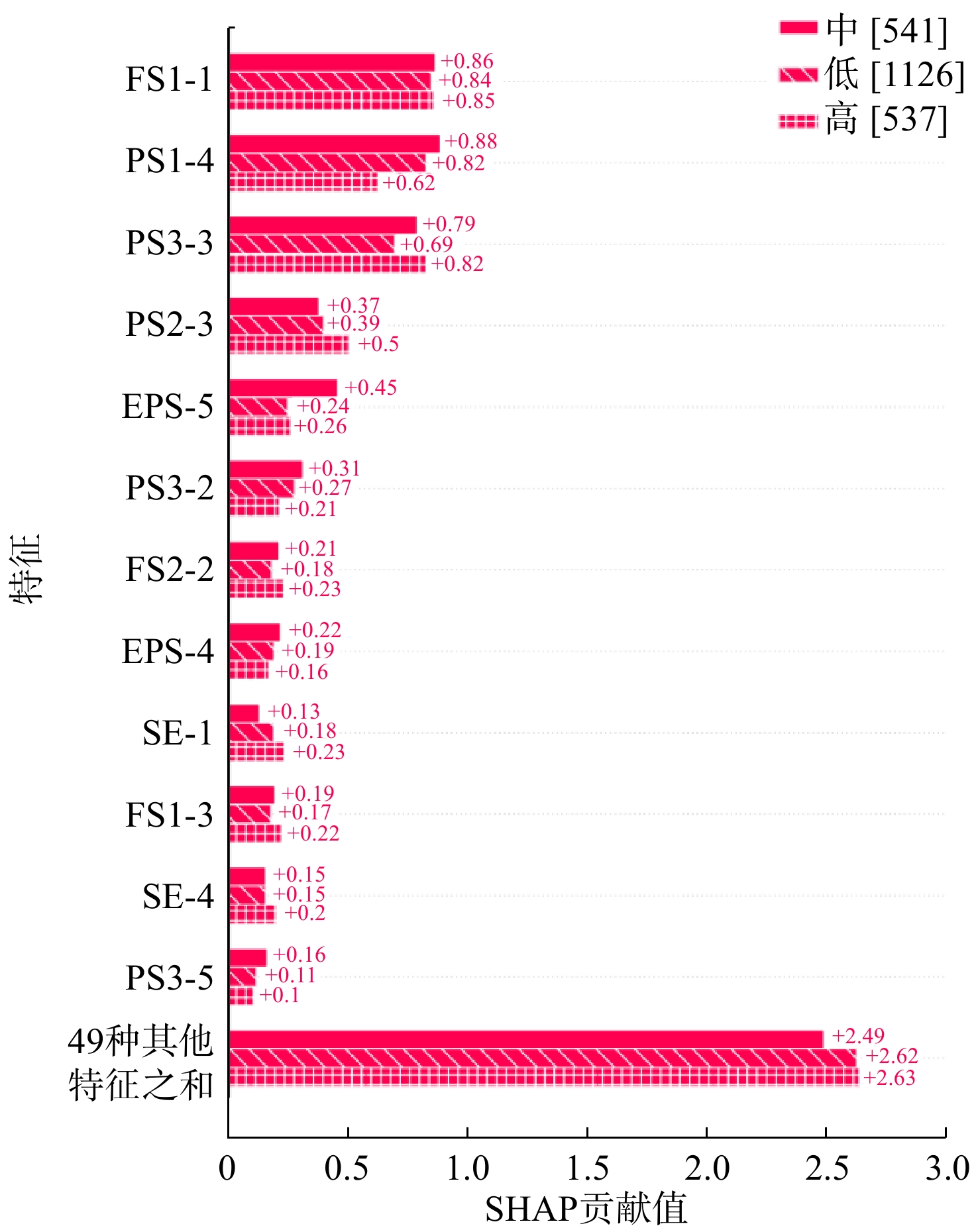
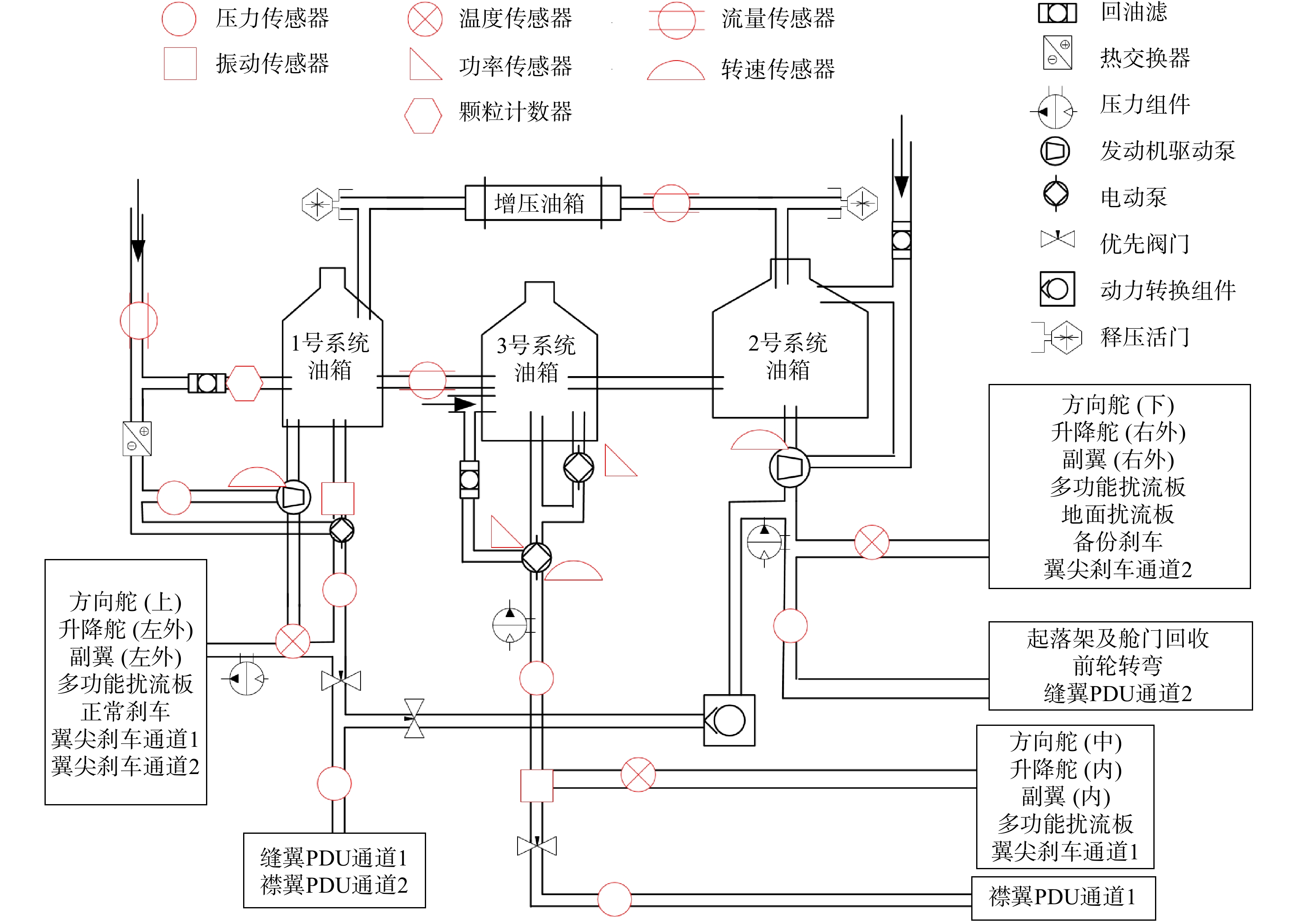
To address the challenges posed by complex fault modes in hydraulic systems and the difficulty of status monitoring in domestically manufactured aircraft, convolutional neural networks-bidirectional long short-term memory-triplet triplet attention (CNN-BiLSTM-Triplet) model was proposed for hydraulic system fault identification and feature analysis. Initially, the data were dimensionally reduced and reshaped into a three-dimensional format. A convolutional network was then employed to extract feature maps. Triplet attention was calculated using rotation operations and residual transformations, and subsequently transmitted to the network to enhance specific data features. BiLSTM was employed to capture and learn the extracted features, with a Dropout layer and L2 regularization incorporated to mitigate overfitting and enhance model robustness. The model’s performance and generalization ability were validated through fault datasets of hydraulic systems. Model interpretation method was applied for model feature analysis. Furthermore, the behavior of specific features and misclassified samples was analyzed to determine the status monitoring indicators and their relative priorities. Experimental results demonstrated that the proposed method achieved a recognition rate above 95.77% for all five fault modes in the hydraulic system, and identified pressure and flow as the most significant features for faults. Additionally, based on the specific structure of the C919 aircraft hydraulic system, a pressure pulsation sensor was added to improve the condition monitoring scheme.

Research progress on dual-winding induction generator systems for aircraft multi-power supply system
TIAN Yikun, BU Feifei, LIU Haozhe, ZHANG Xuan, YAO Taike, ZHAO Yajun, SUN Pengyu, LUO Zuxin, HUANG Wenxin
2026, 41(3): 20250384. doi: 10.13224/j.cnki.jasp.20250384
Abstract:

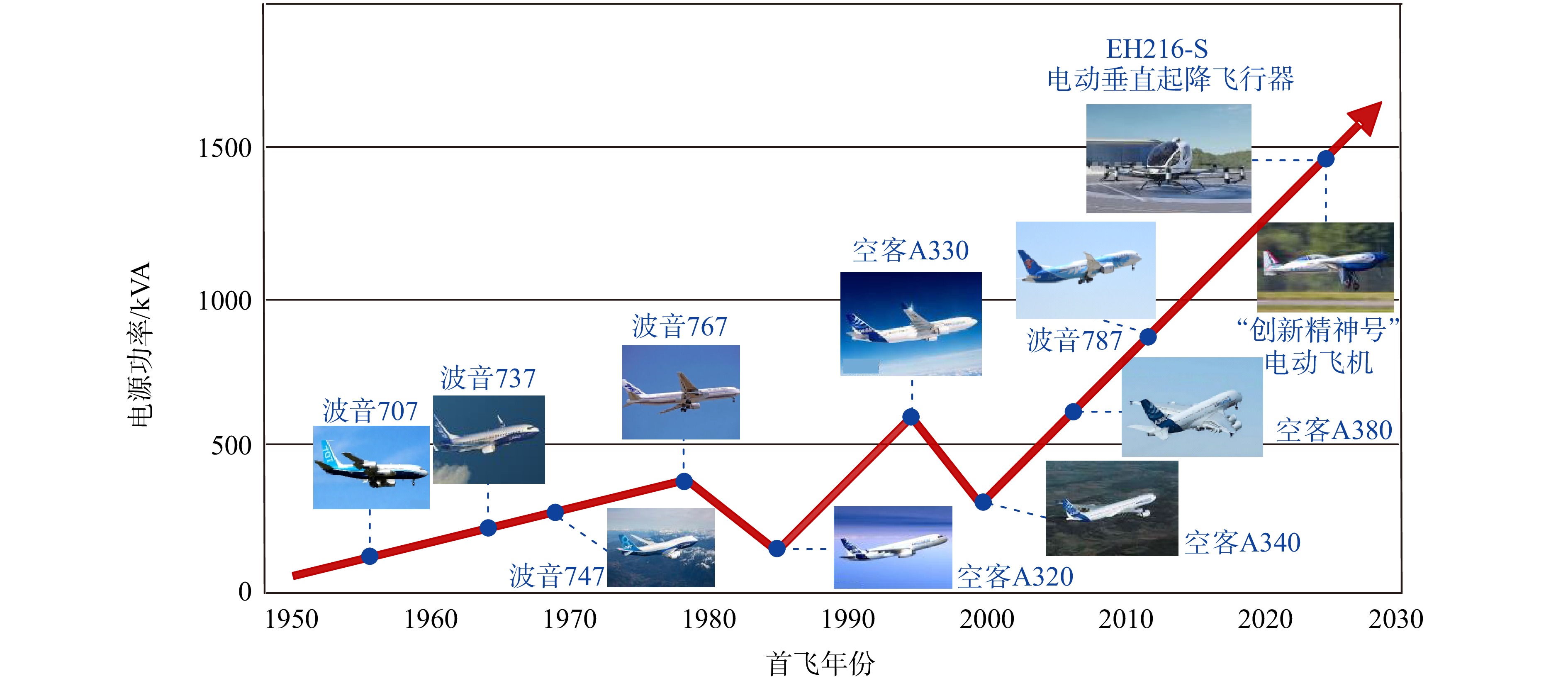
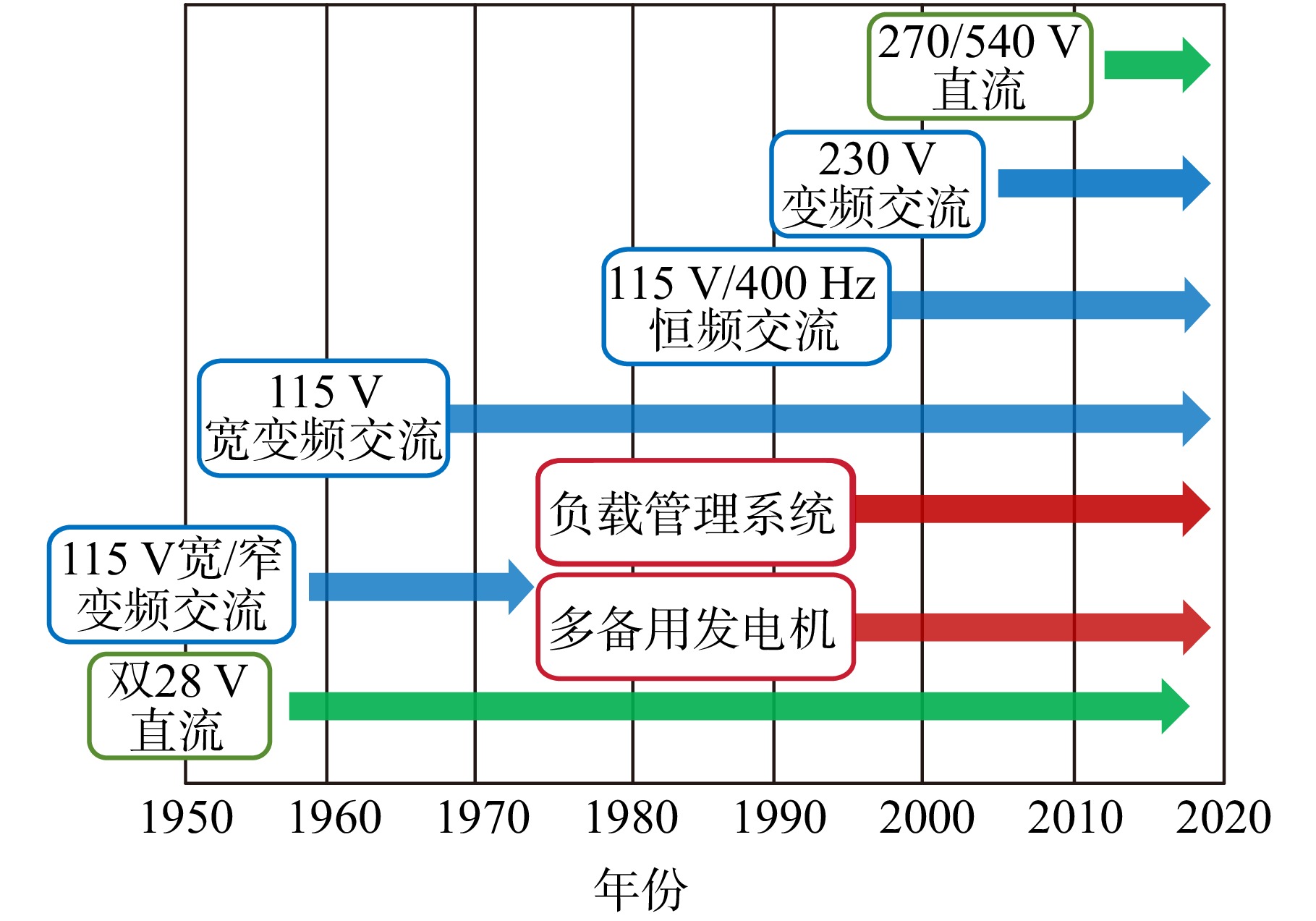
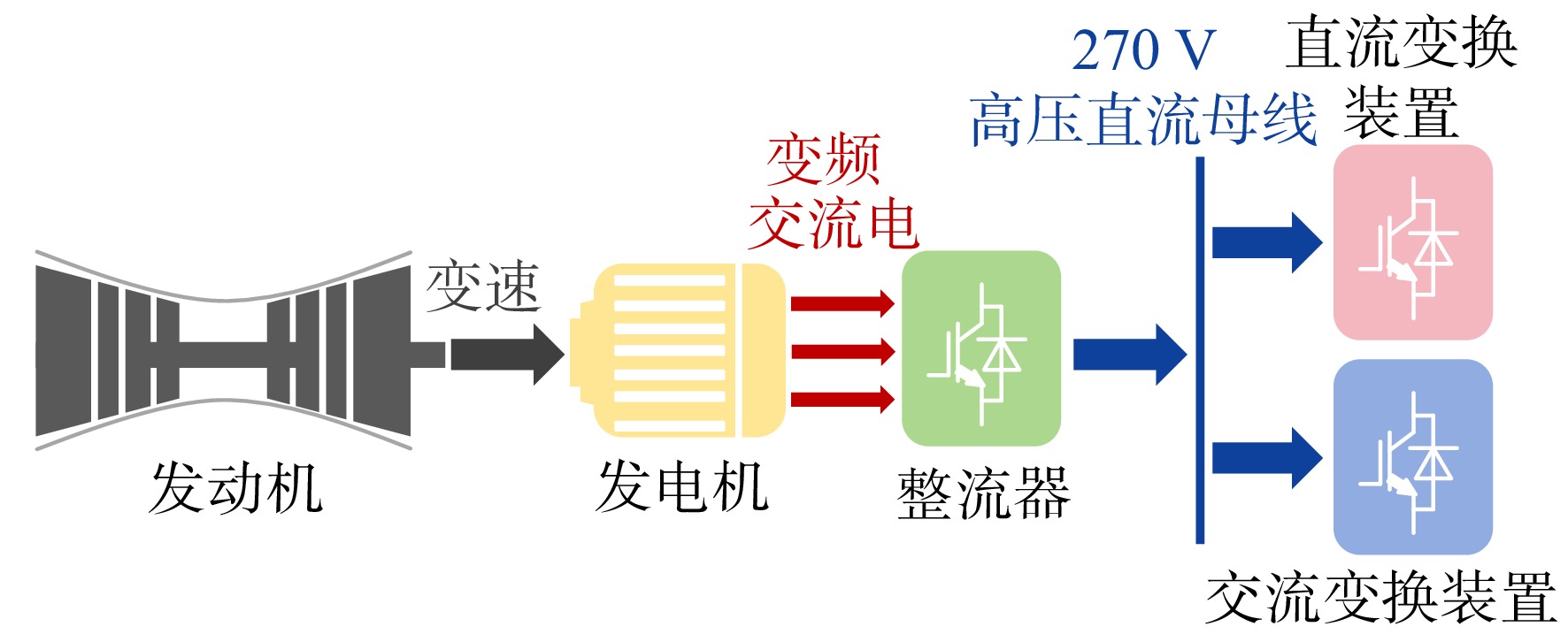
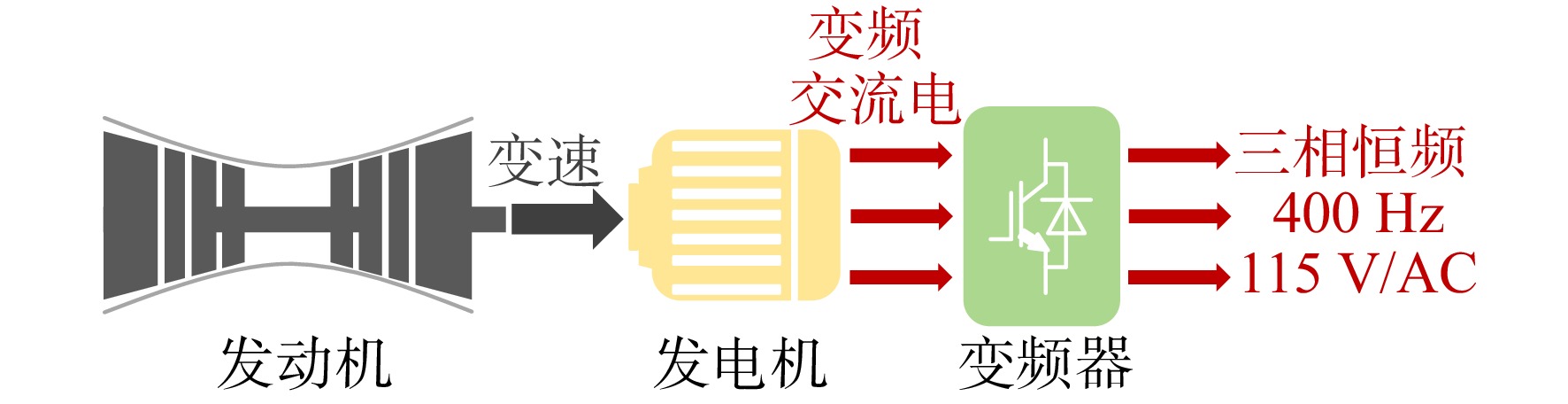
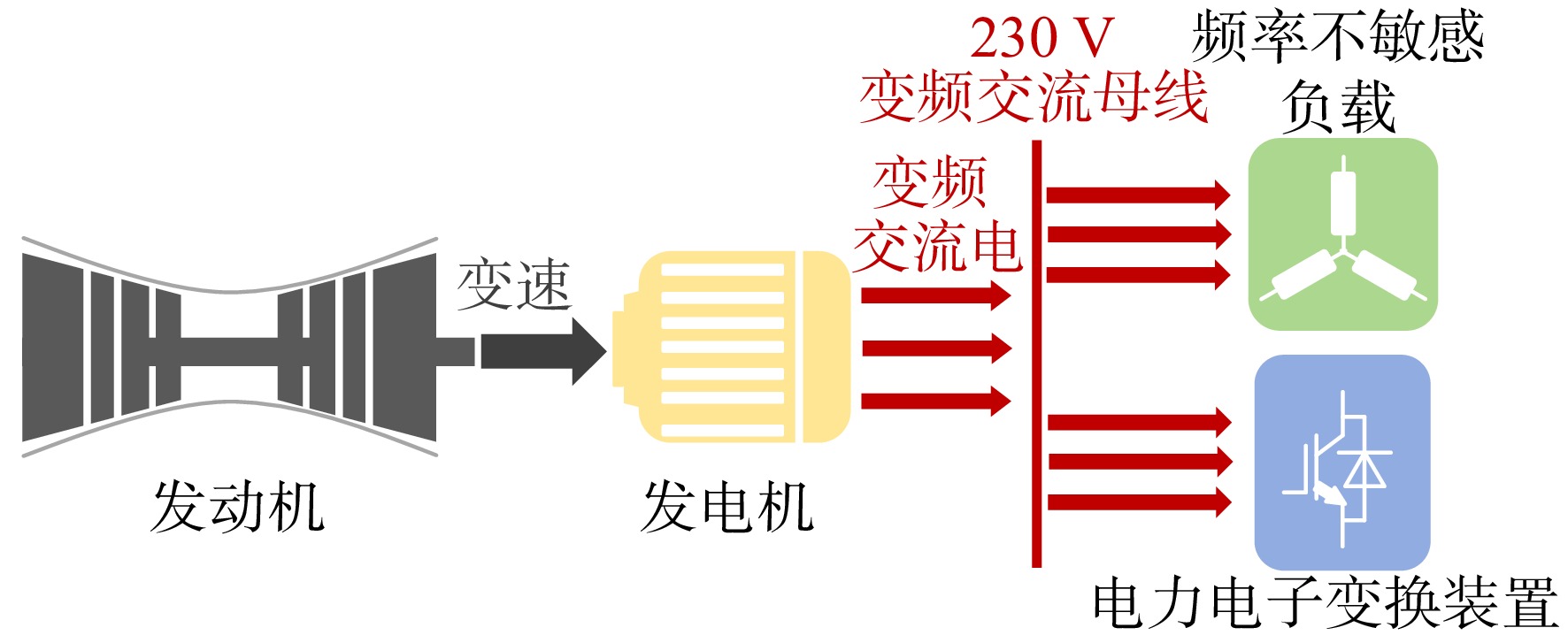
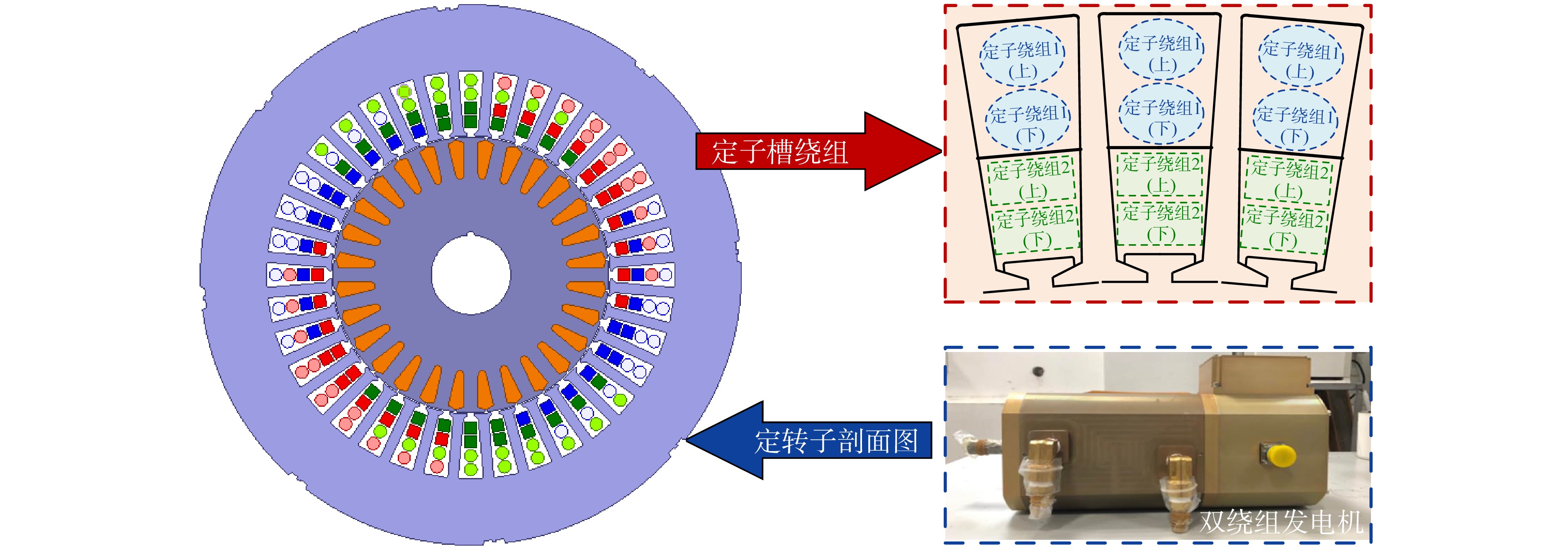
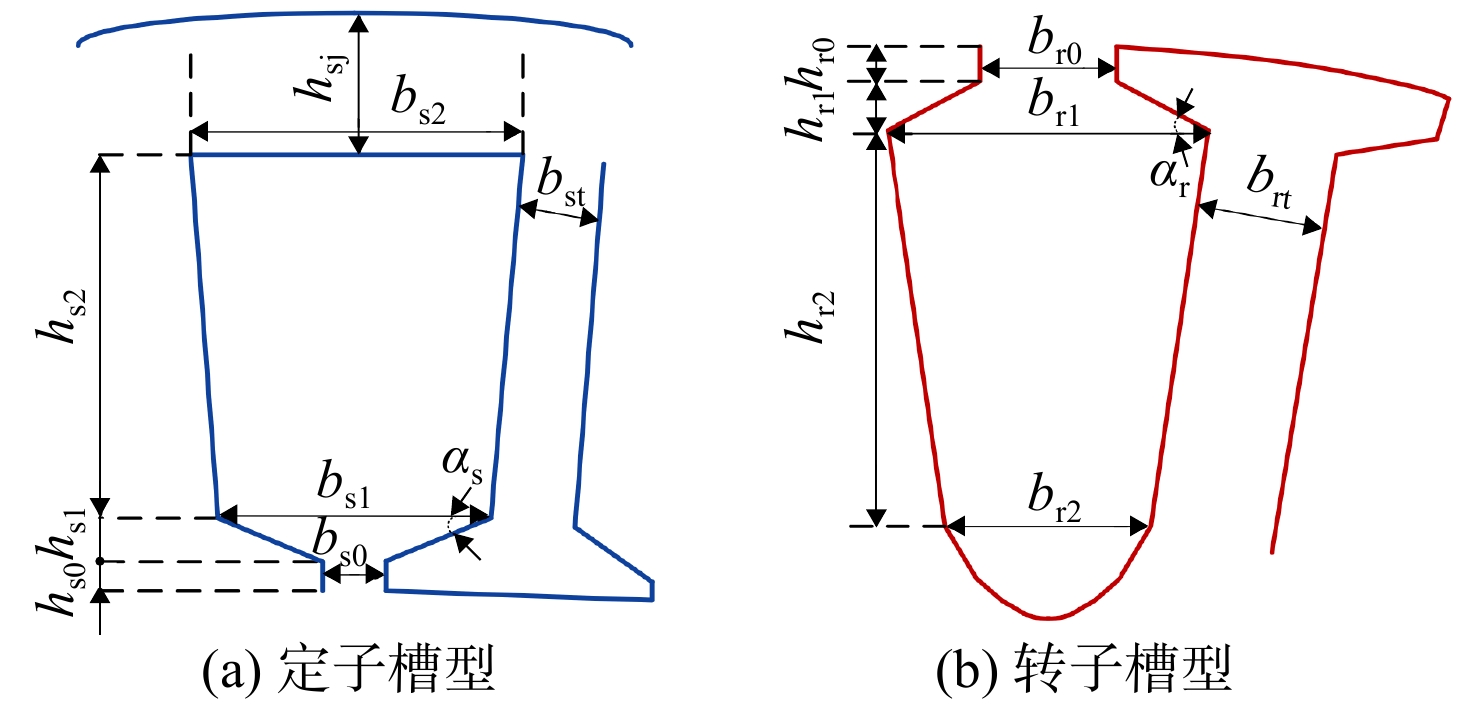
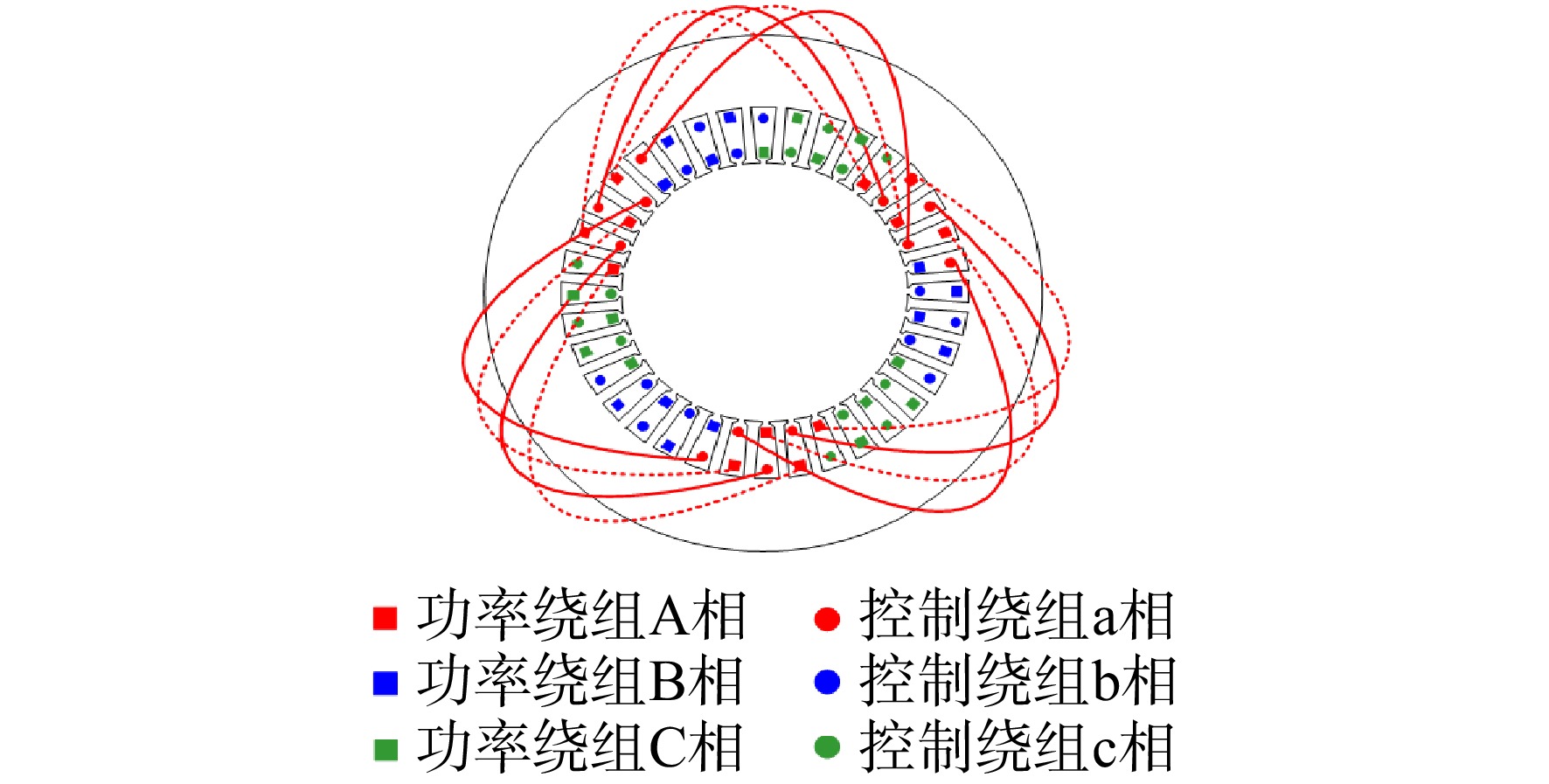
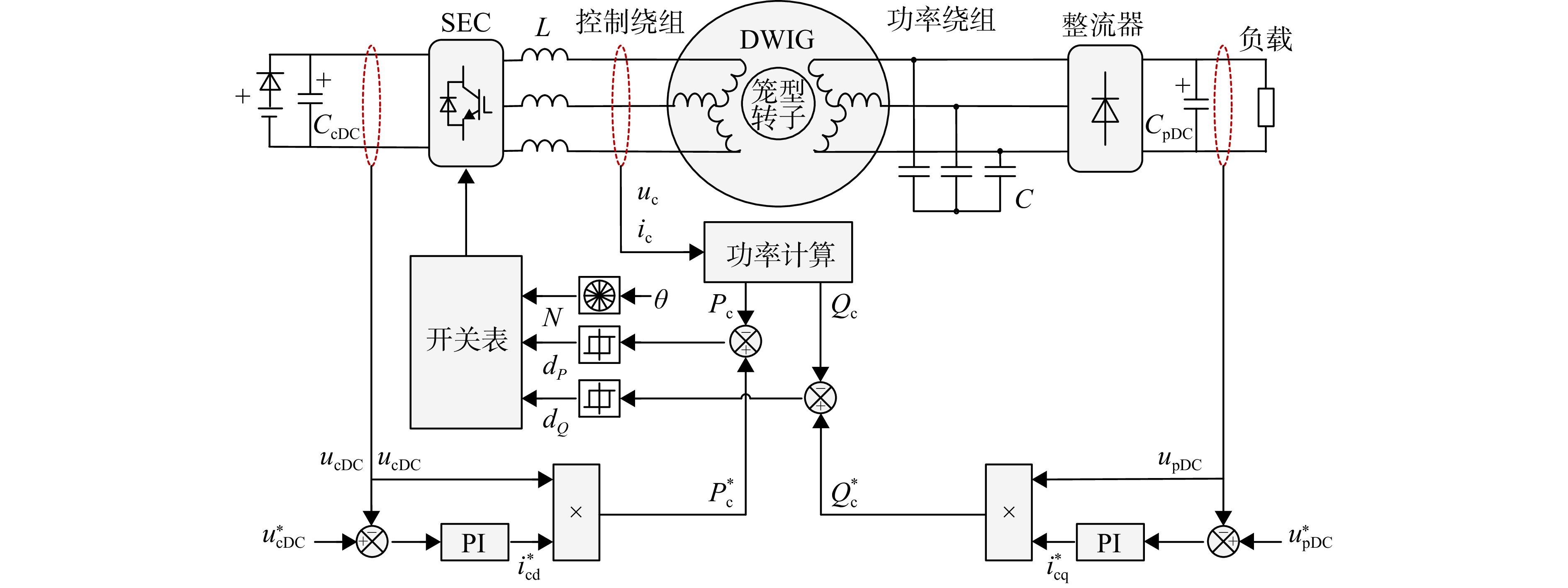
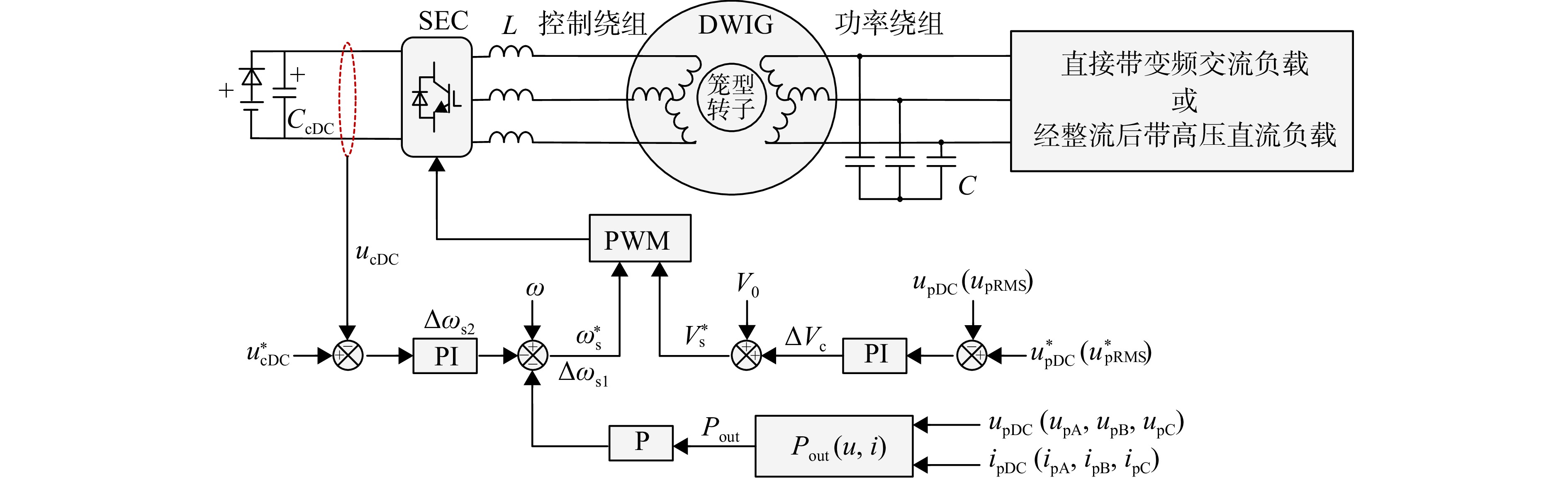
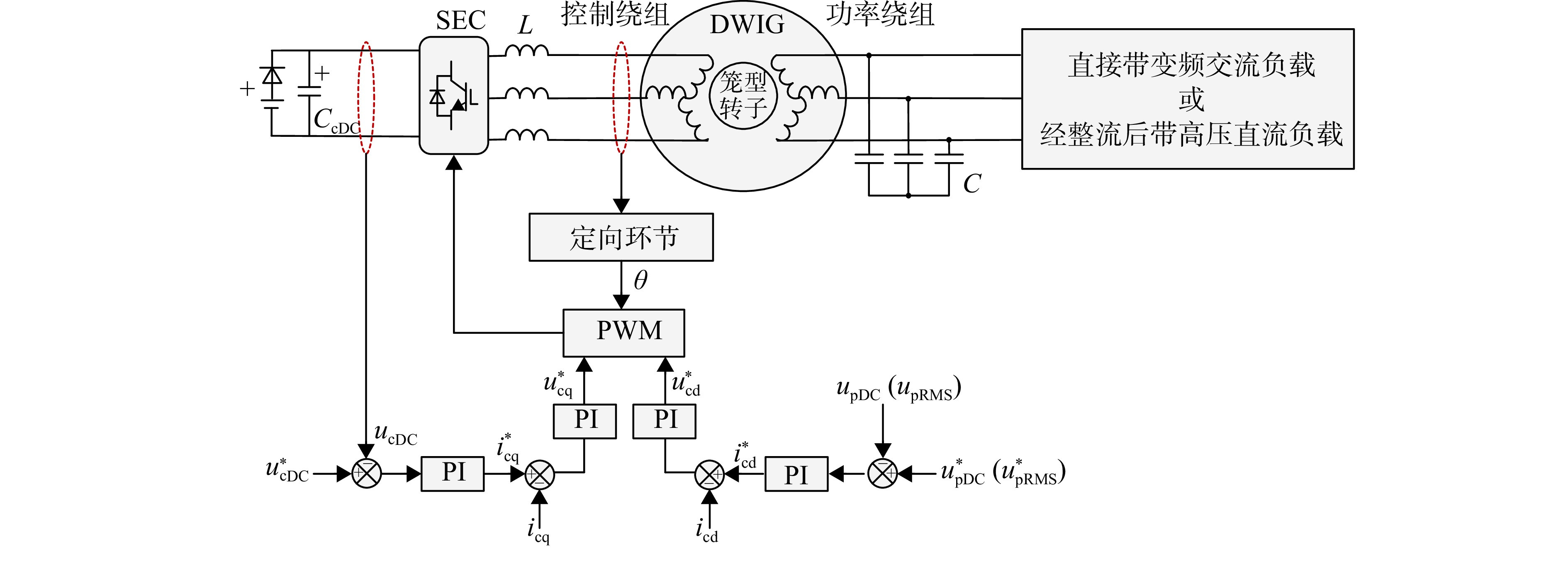
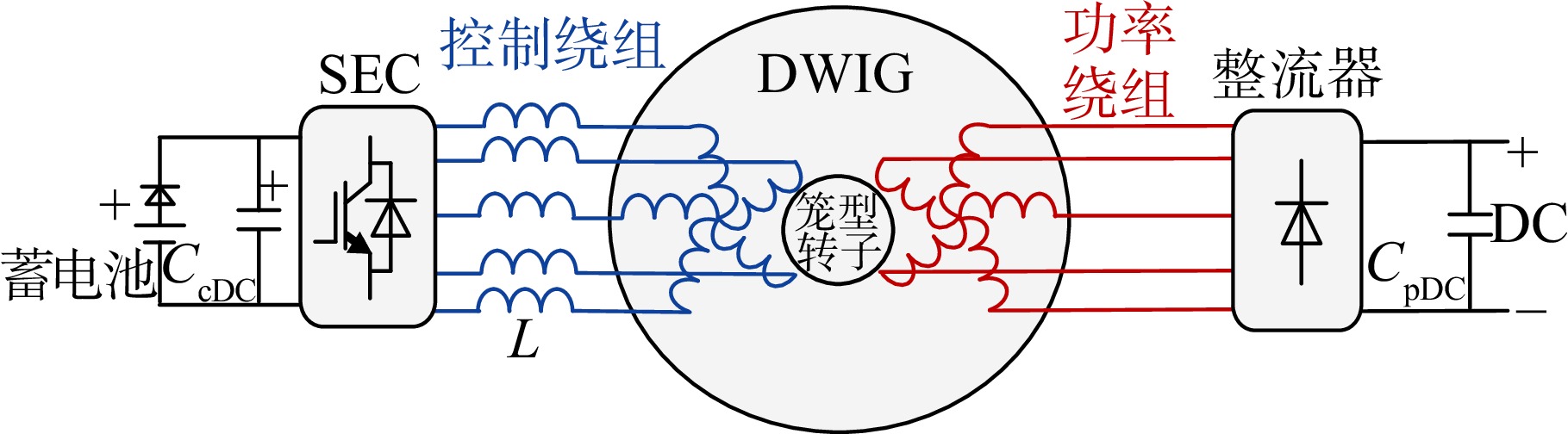
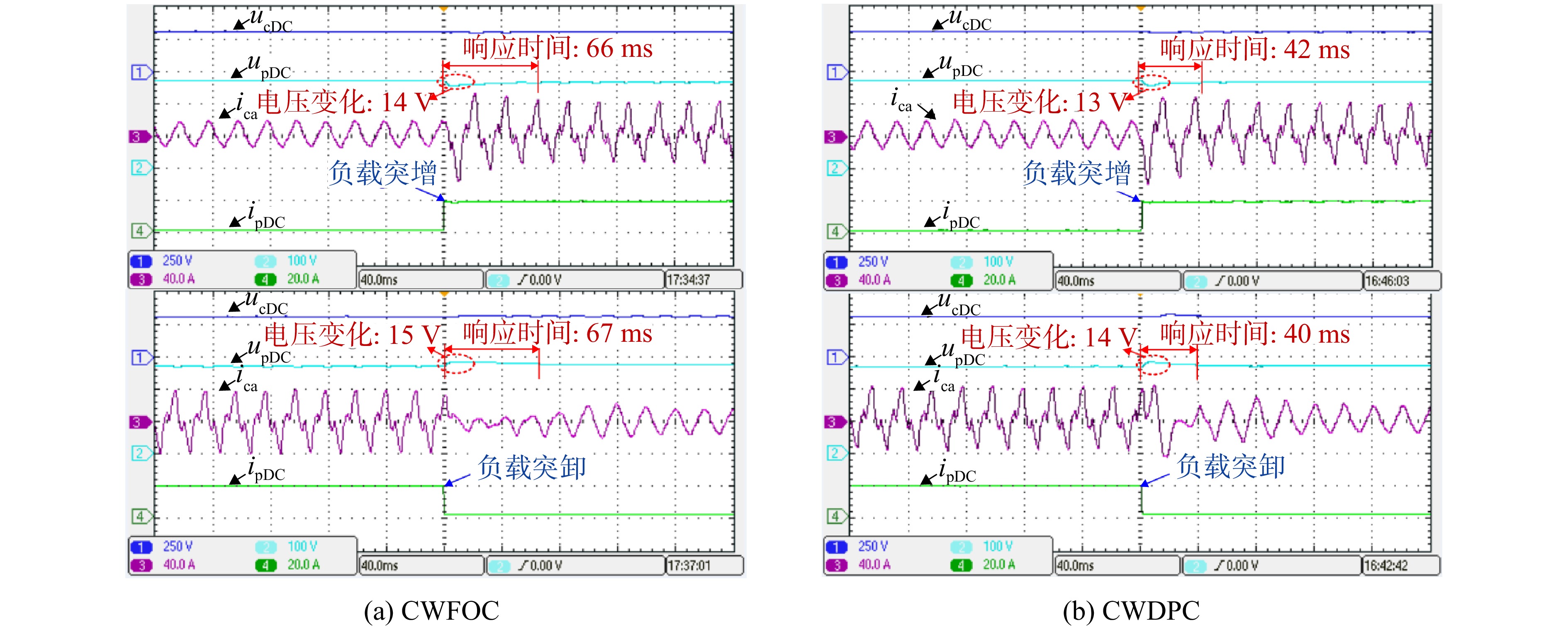
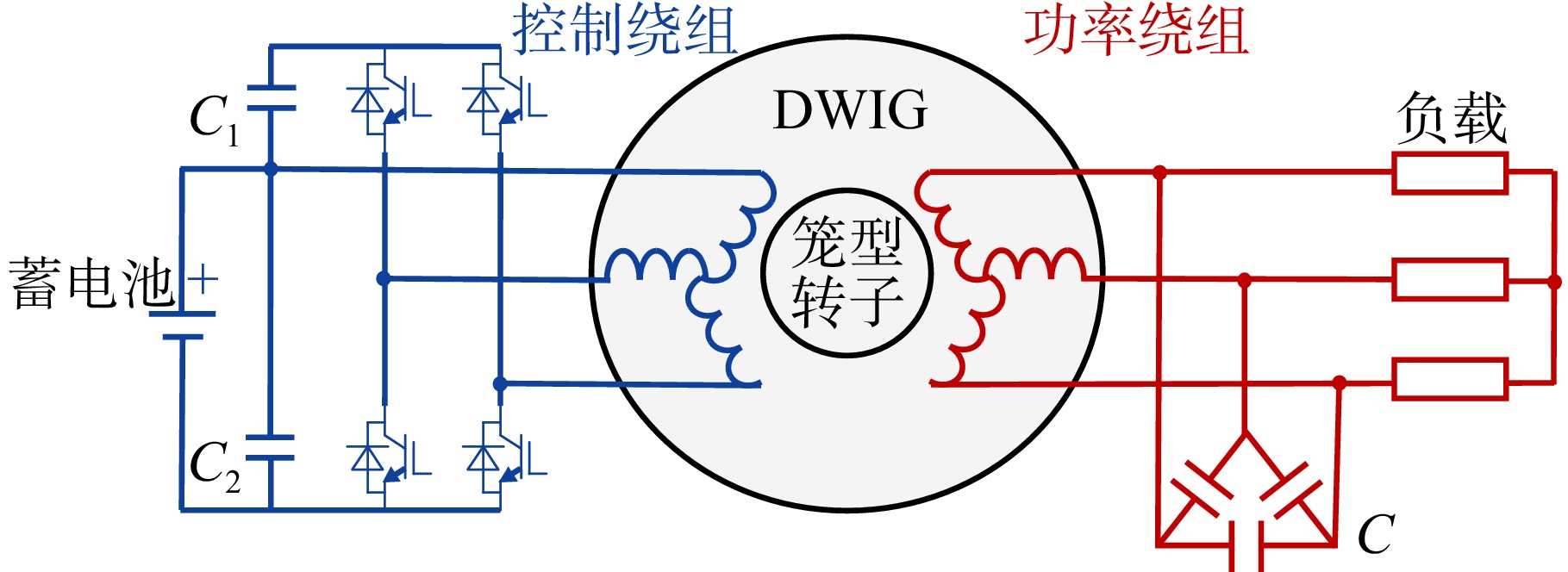
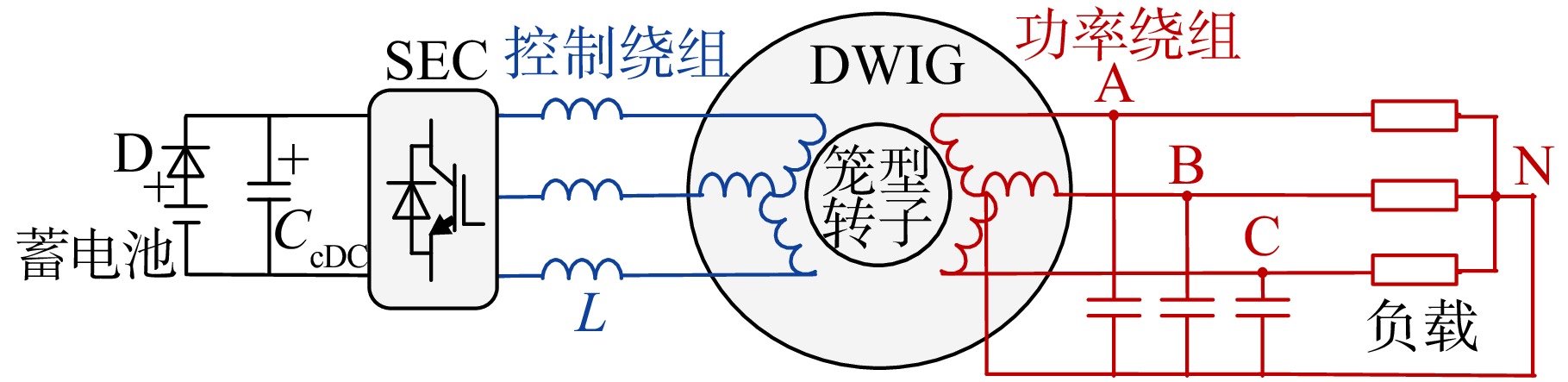
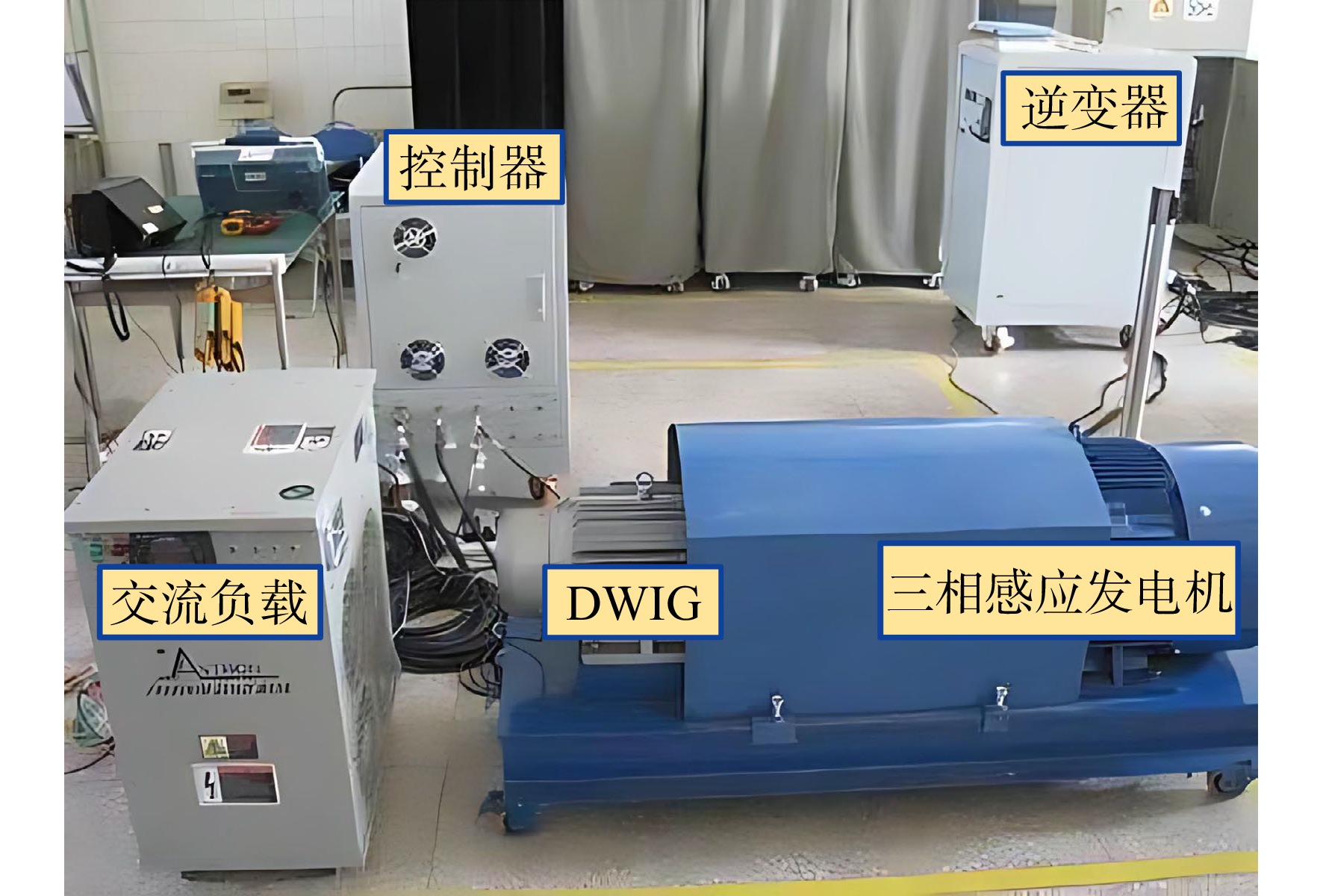
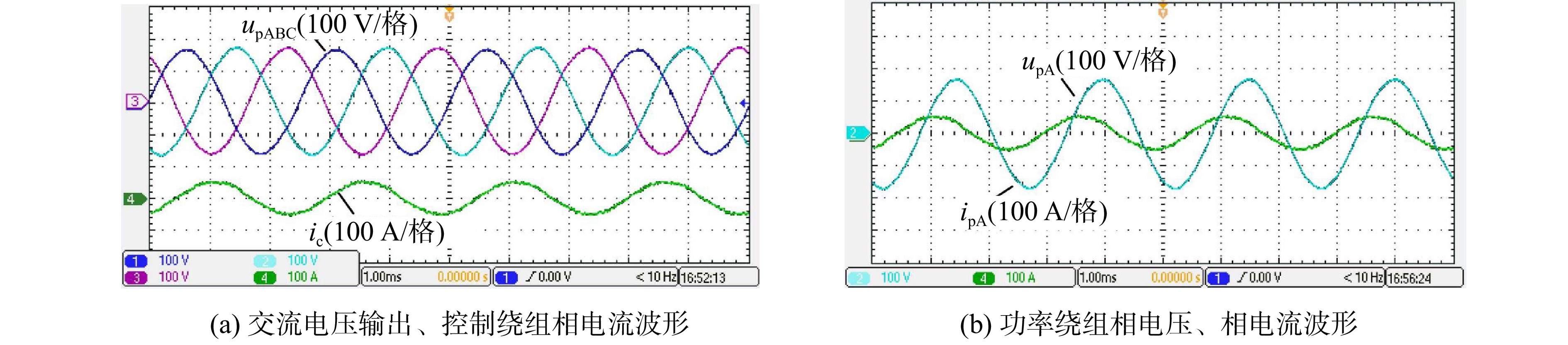
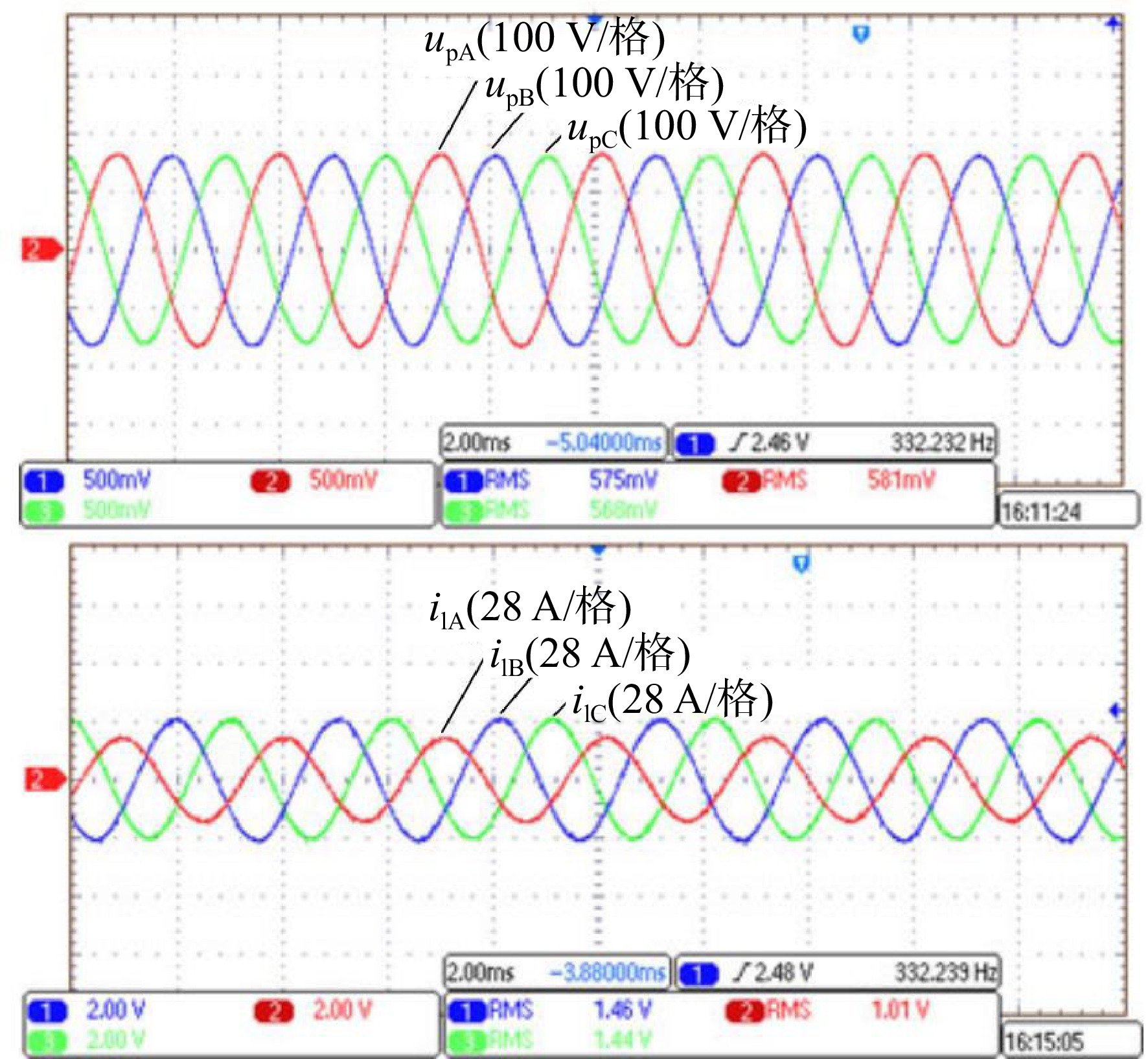
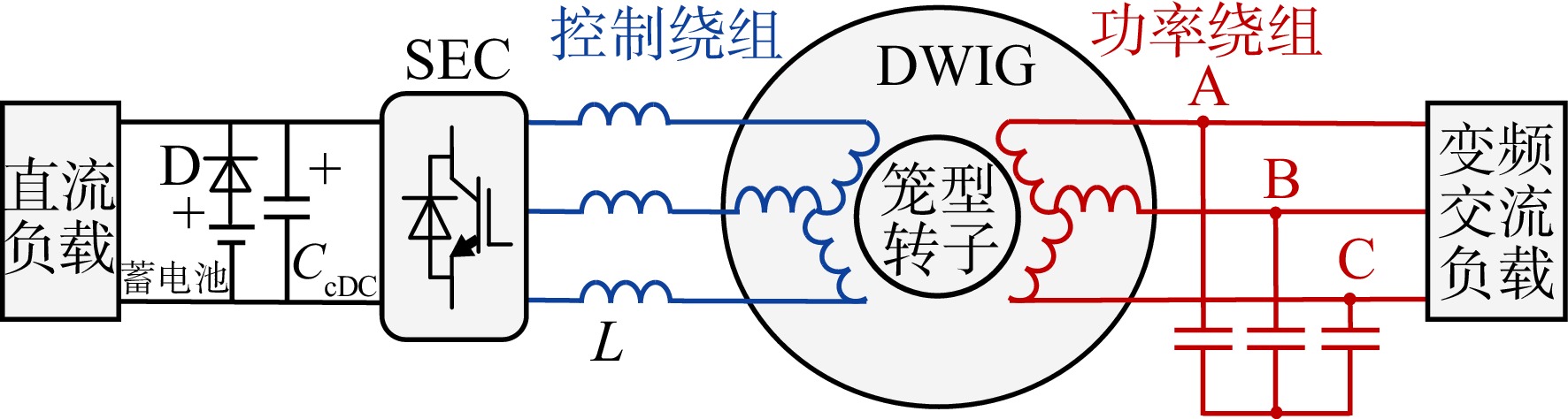
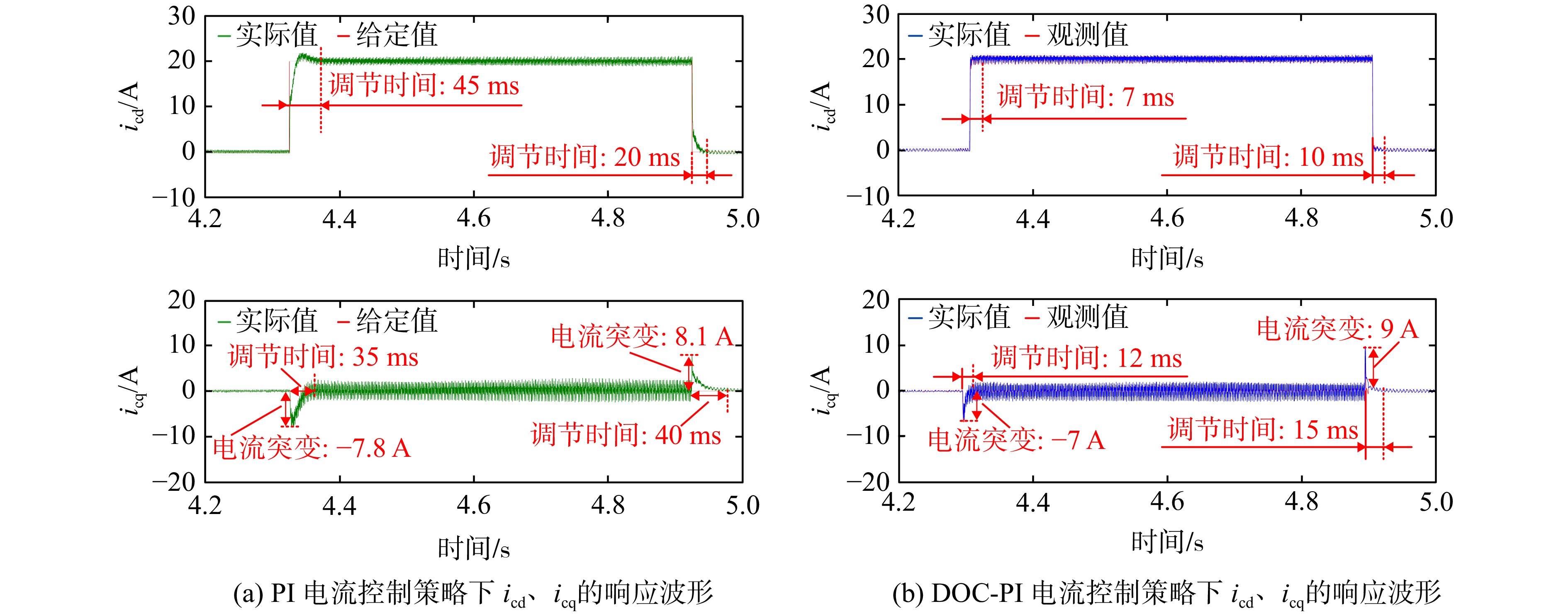
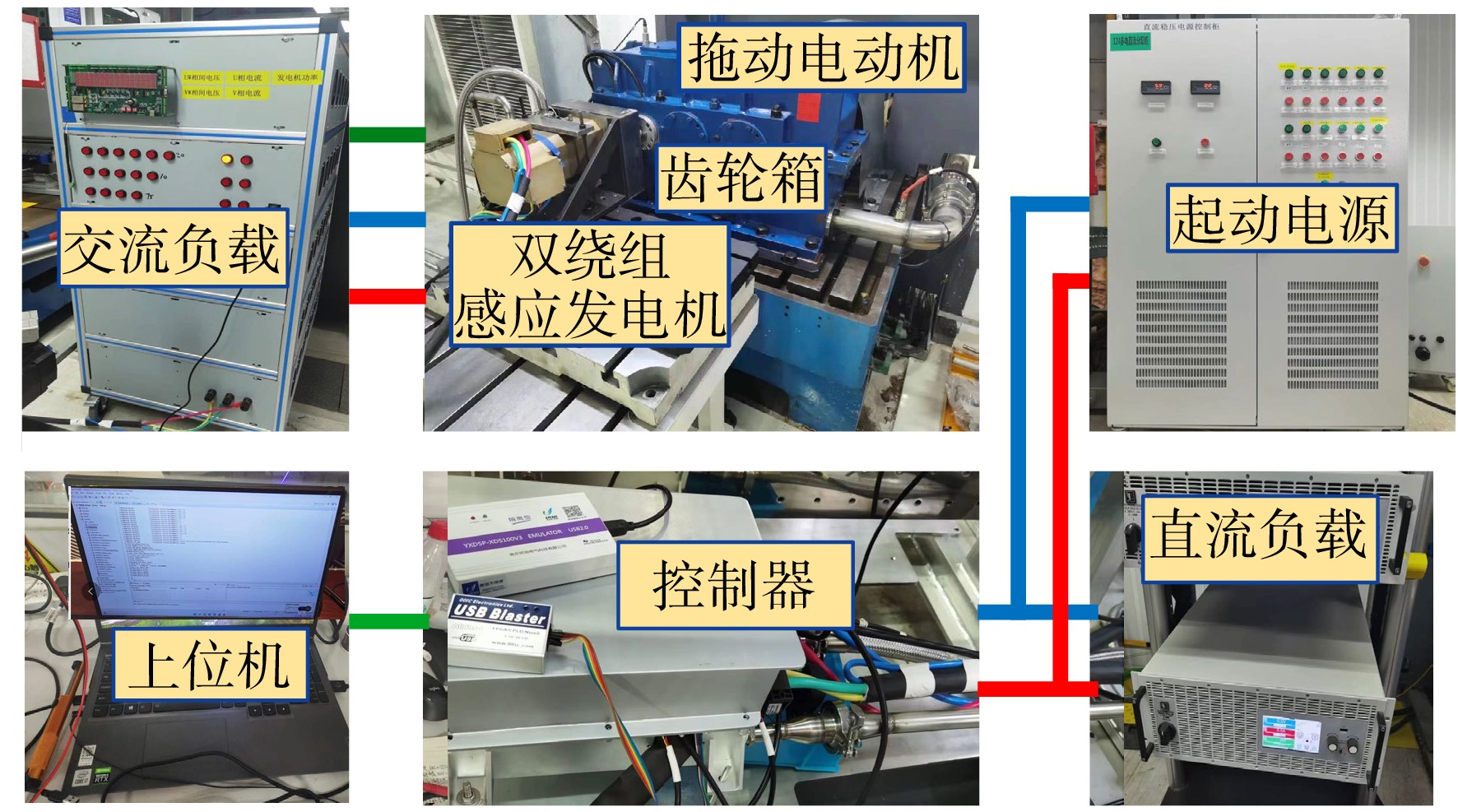
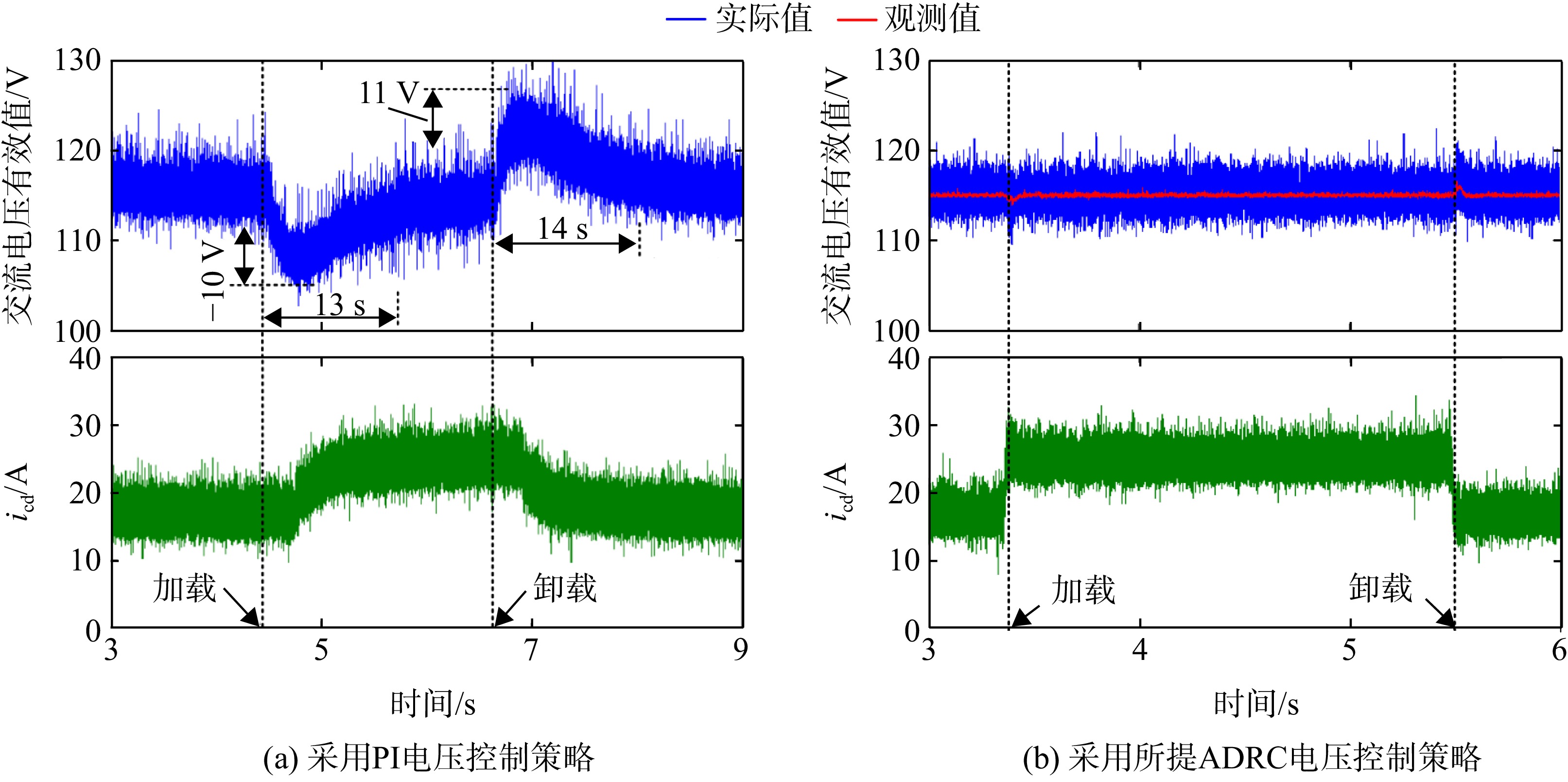
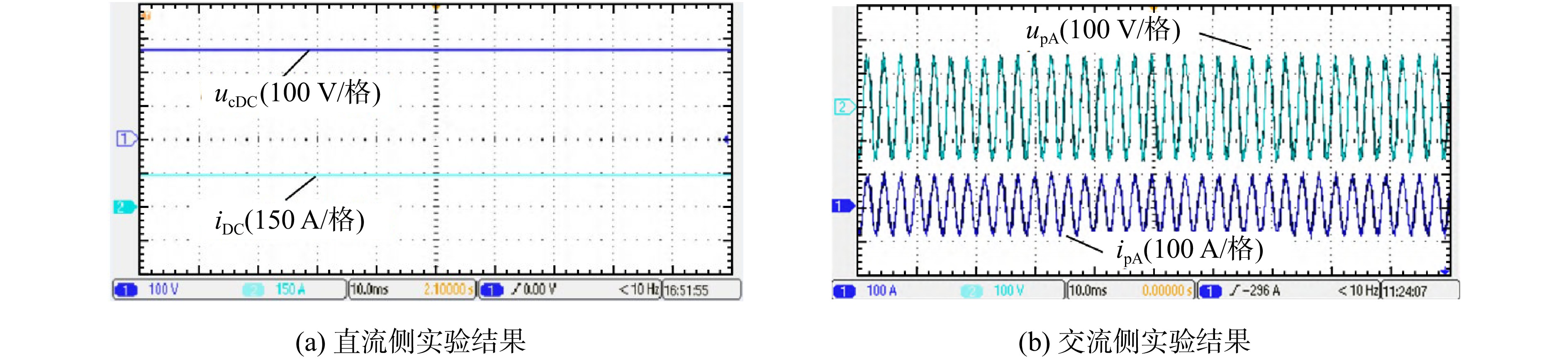
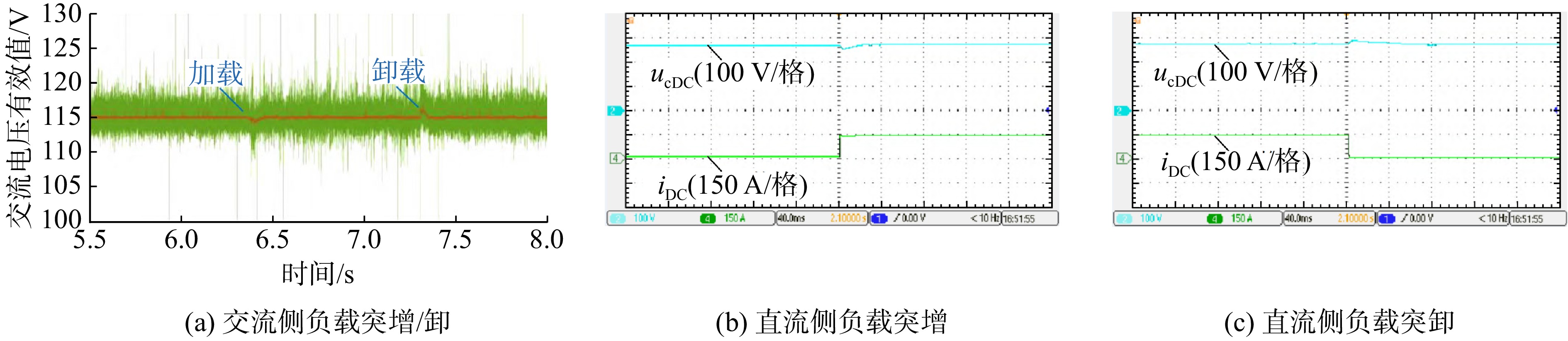
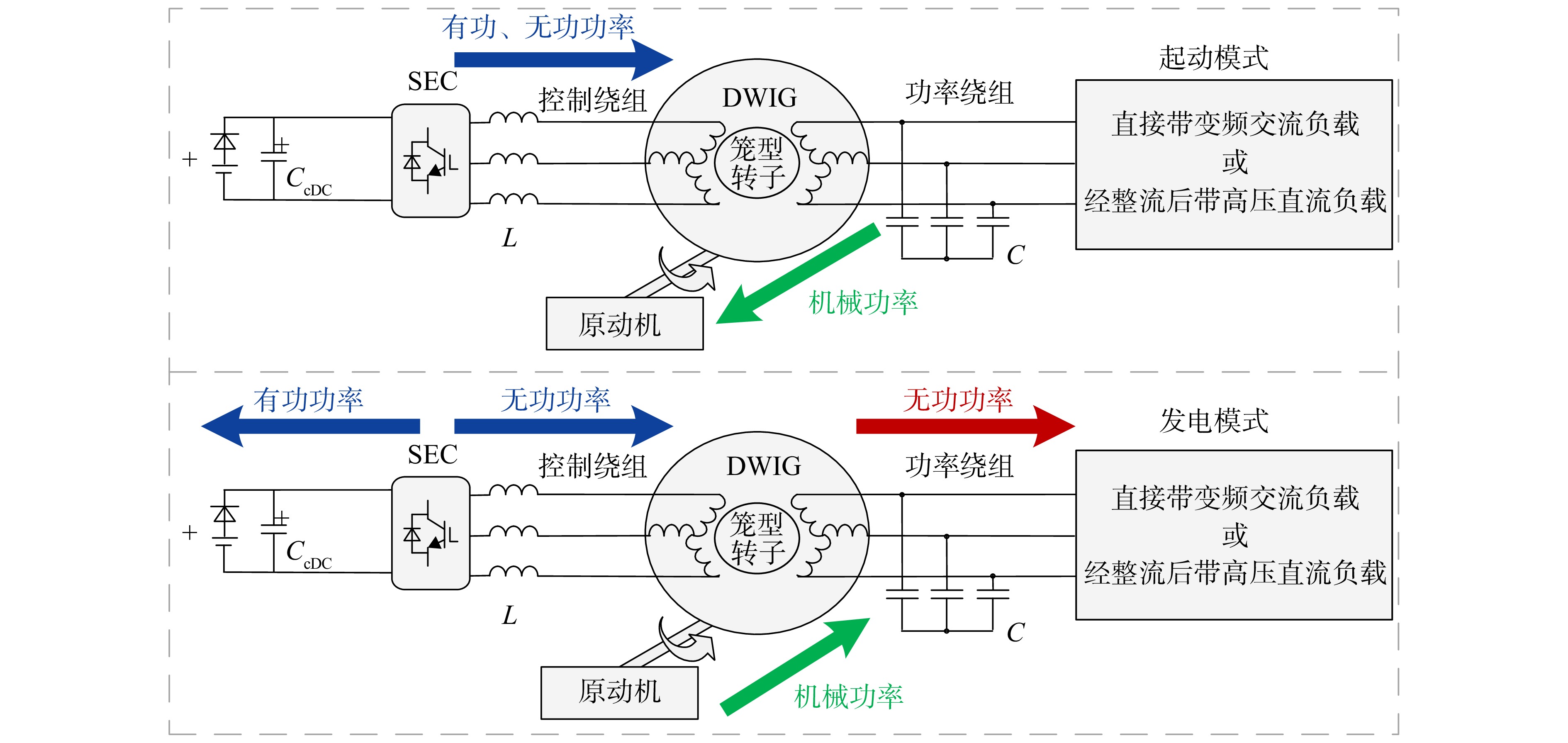
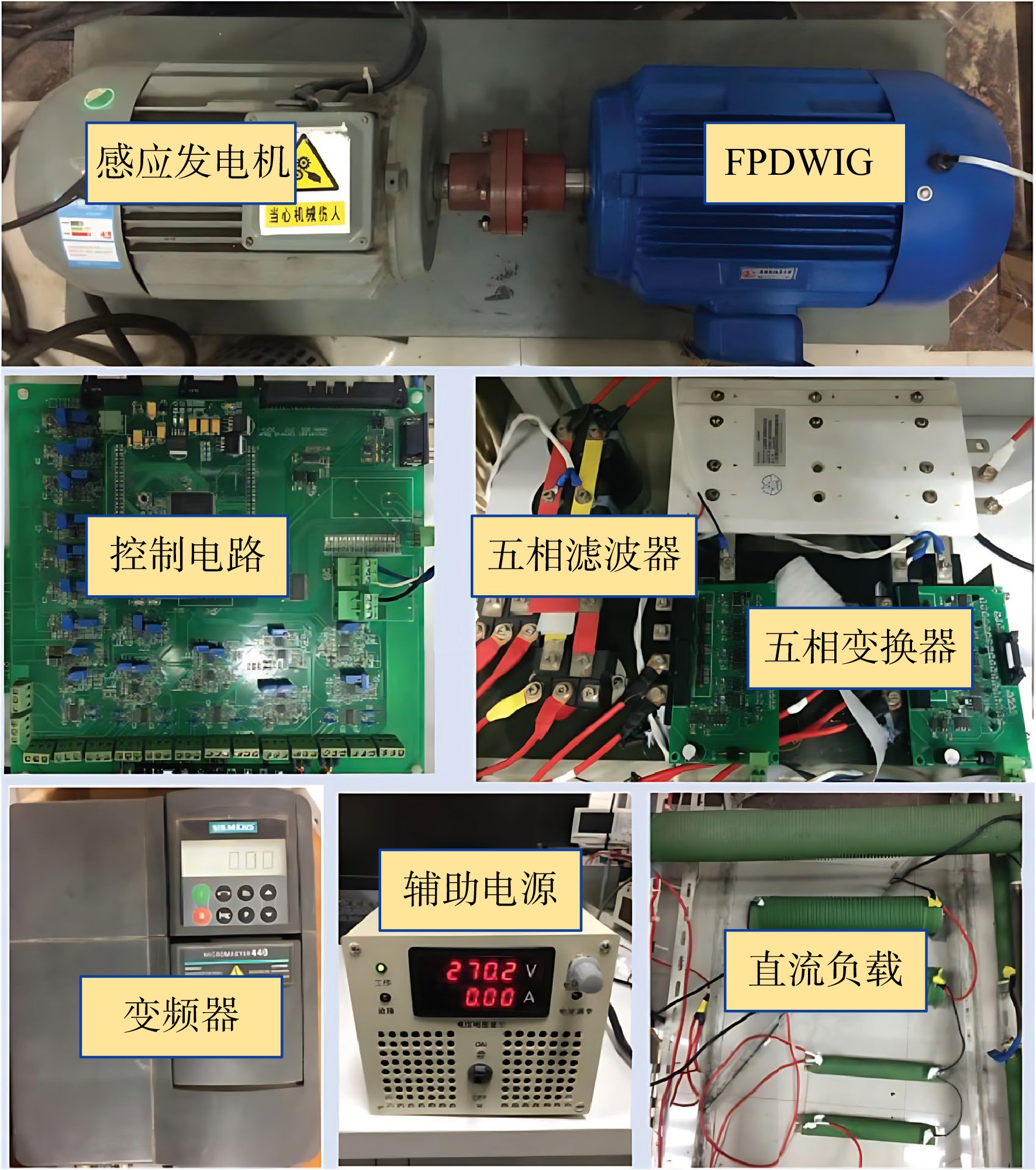
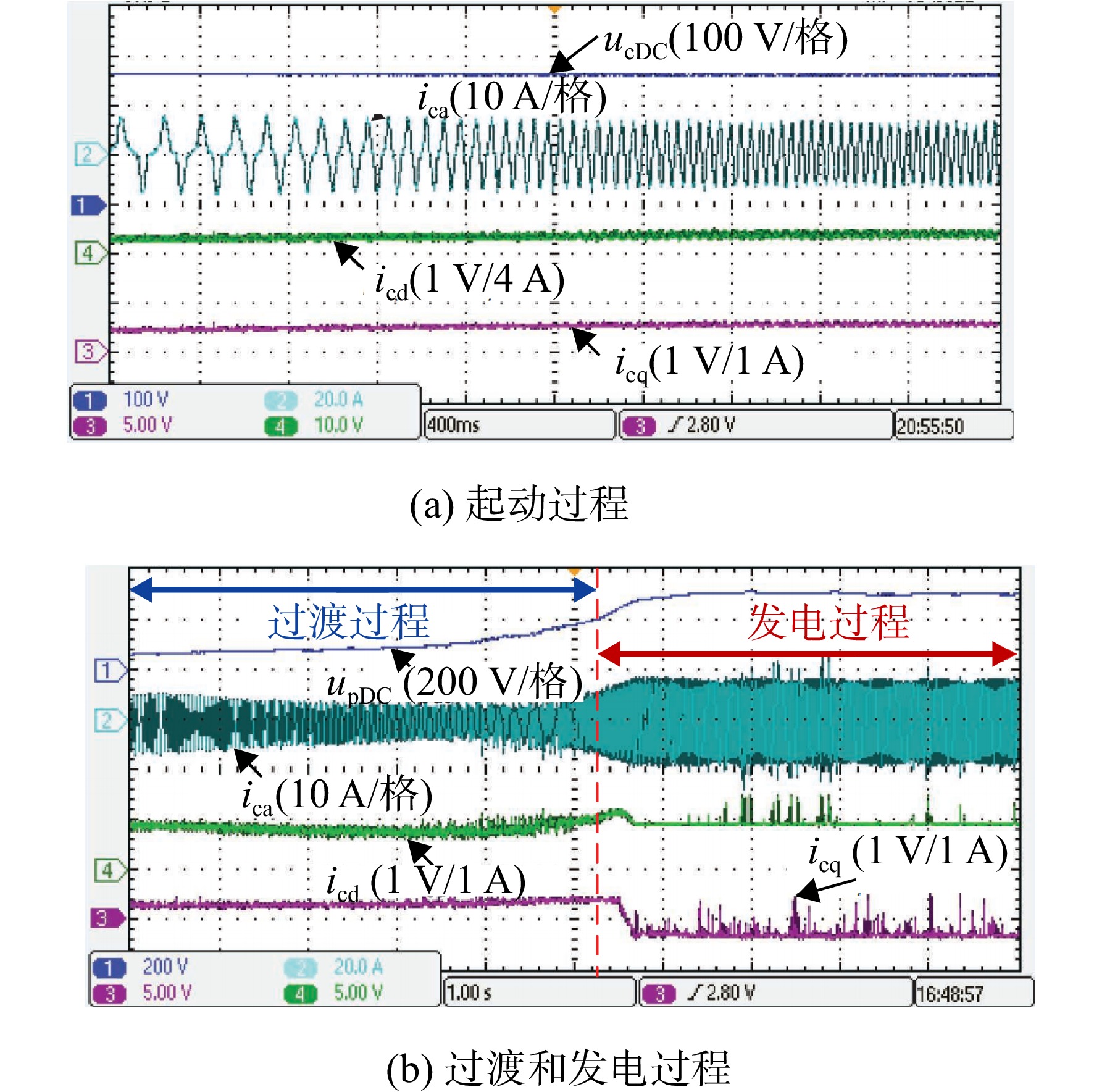
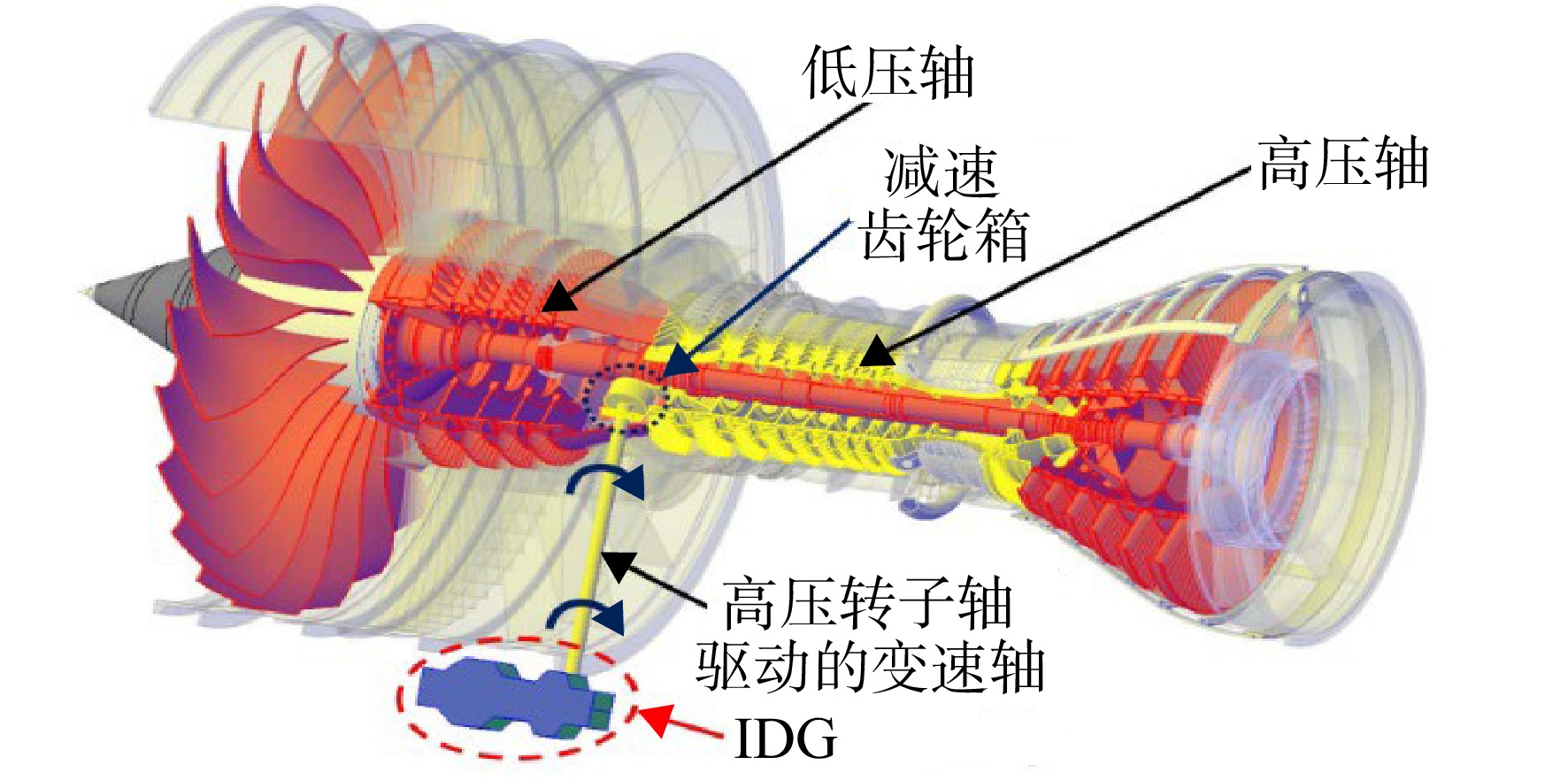
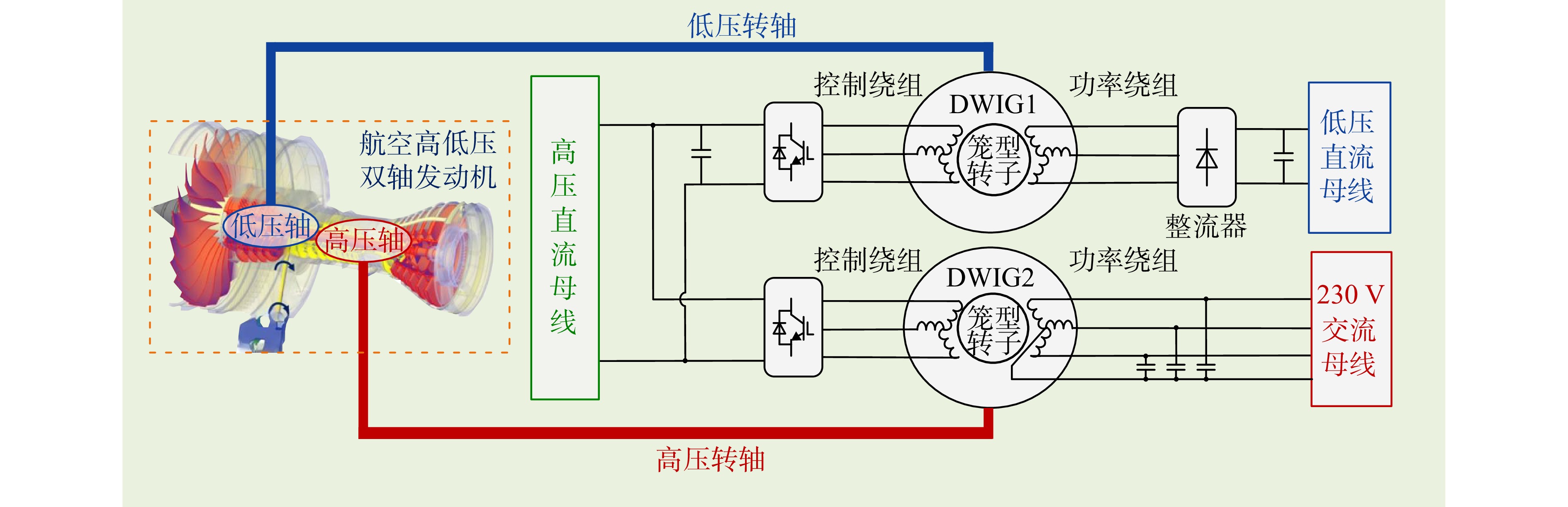
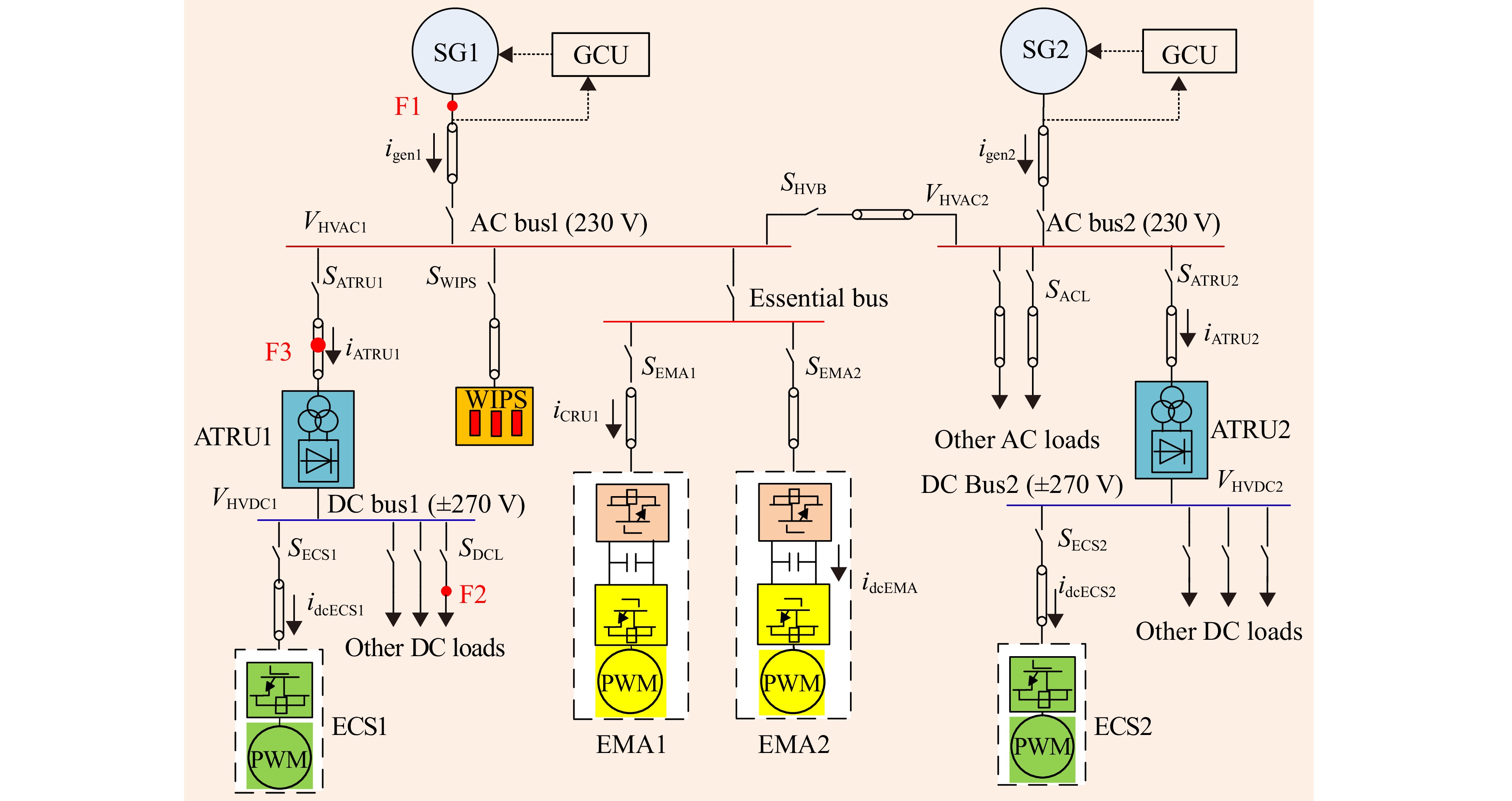
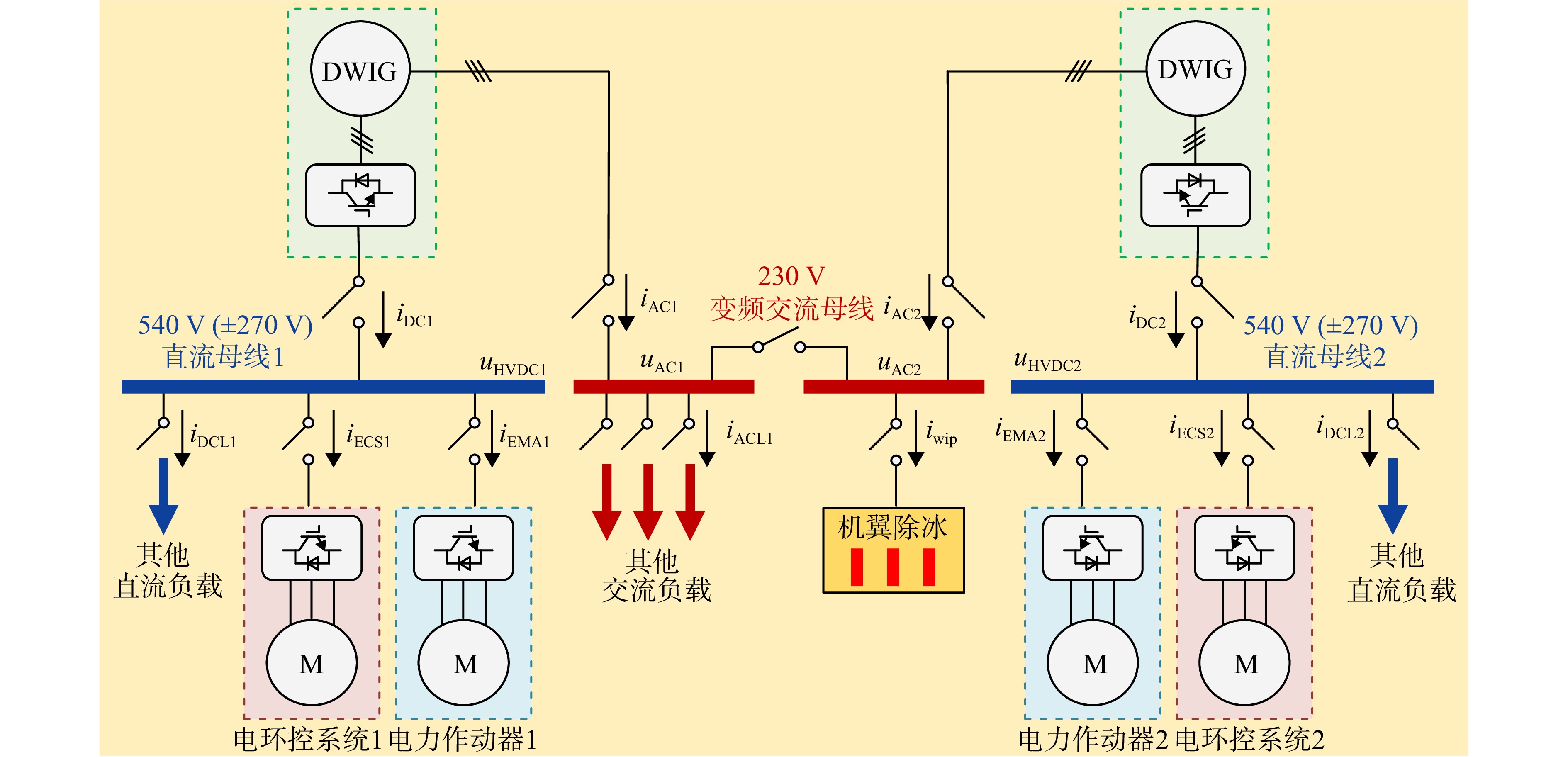
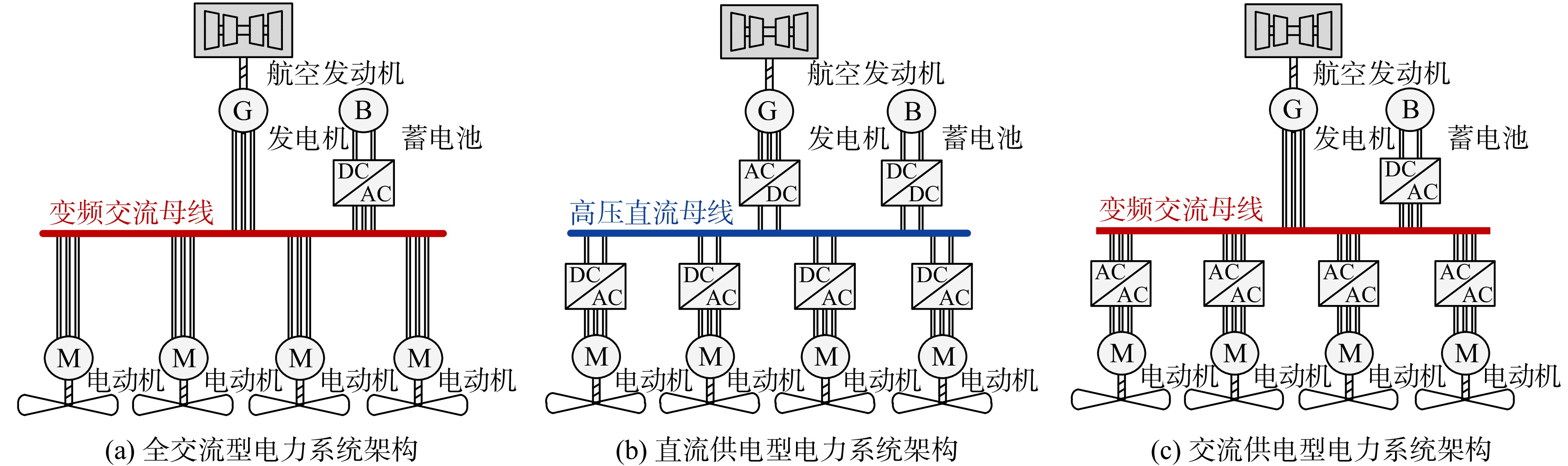
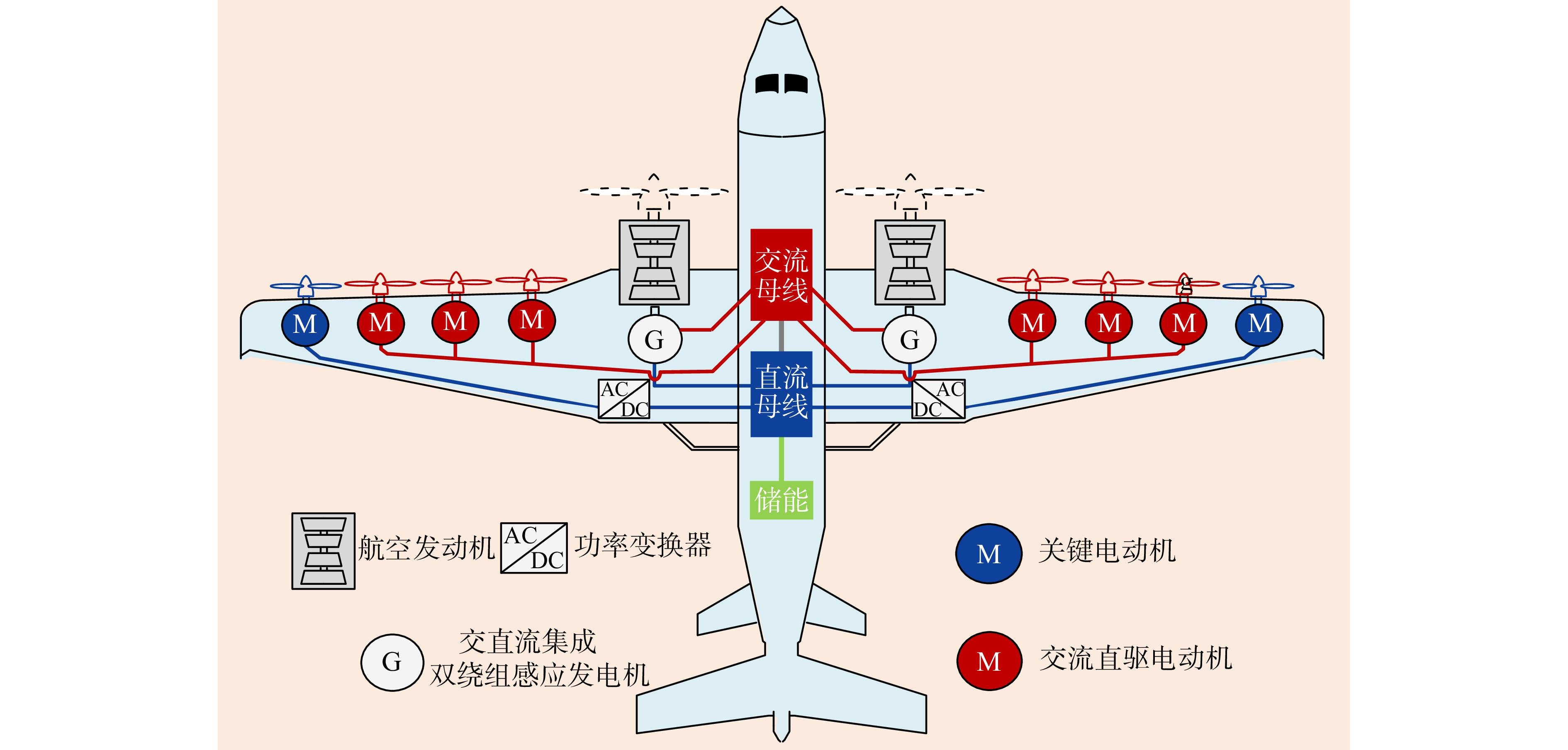
In response to the urgent demand for diversified aircraft power supply systems driven by the rapid development of aviation electrification, the research status and application prospects of dual-winding induction generator (DWIG) systems were reviewed. First, the evolution of aircraft power supply systems was outlined, the necessity of developing multi-power supply system was analyzed, and the technical advantages of DWIG systems in such applications were elaborated. Subsequently, recent research progress on DWIG systems was summarized, with a focus on key technologies such as typical system topologies, advanced control strategies, and parameter design methods. Furthermore, the application prospects of DWIG systems were explored. In line with the demands of aviation electrification, three representative application scenarios of DWIG-based hybrid alternating current/direct current (AC/DC) power supply systems were proposed: dual-spool more-electric engine systems, direct power supply systems for large aircraft, and distributed electric propulsion aircraft systems. This study aims to provide theoretical and technical support for the innovative development of aircraft power supply systems in China.

Aero-engine life prediction method based on multi-scale CNN and Transformer
DUAN Jiajun, LU Zhong, WANG Jie
2026, 41(3): 20240311. doi: 10.13224/j.cnki.jasp.20240311
Abstract:

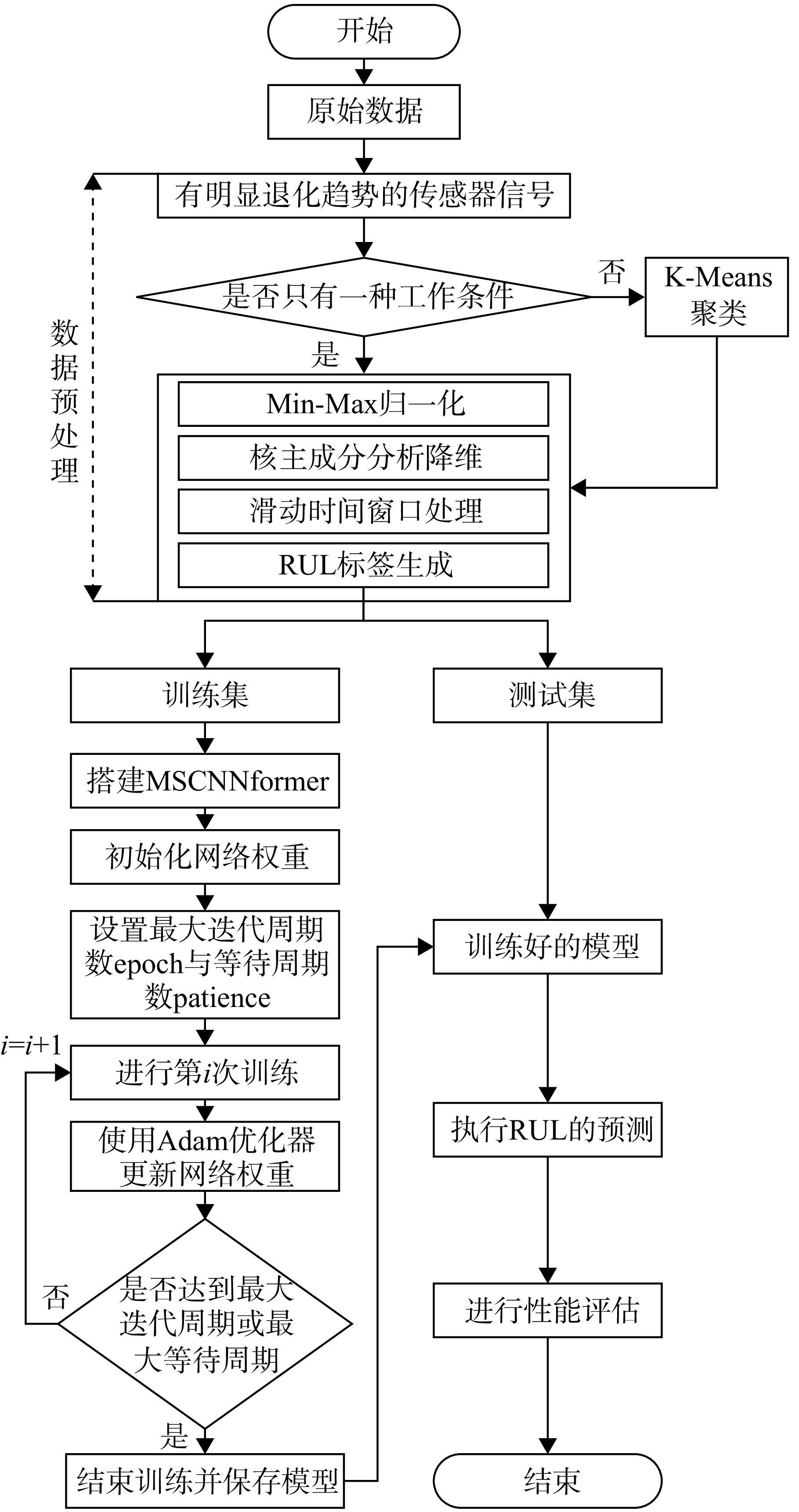
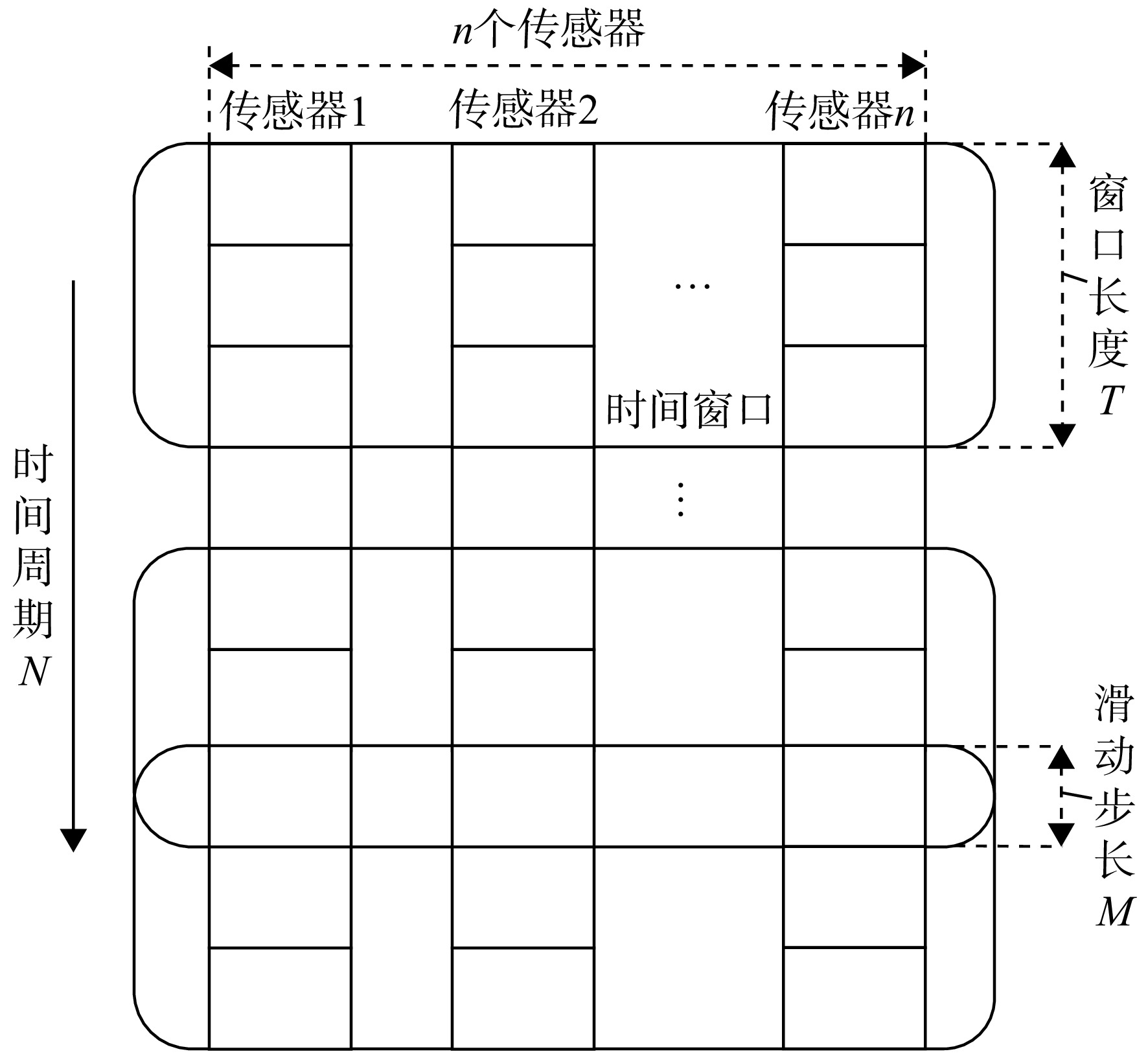
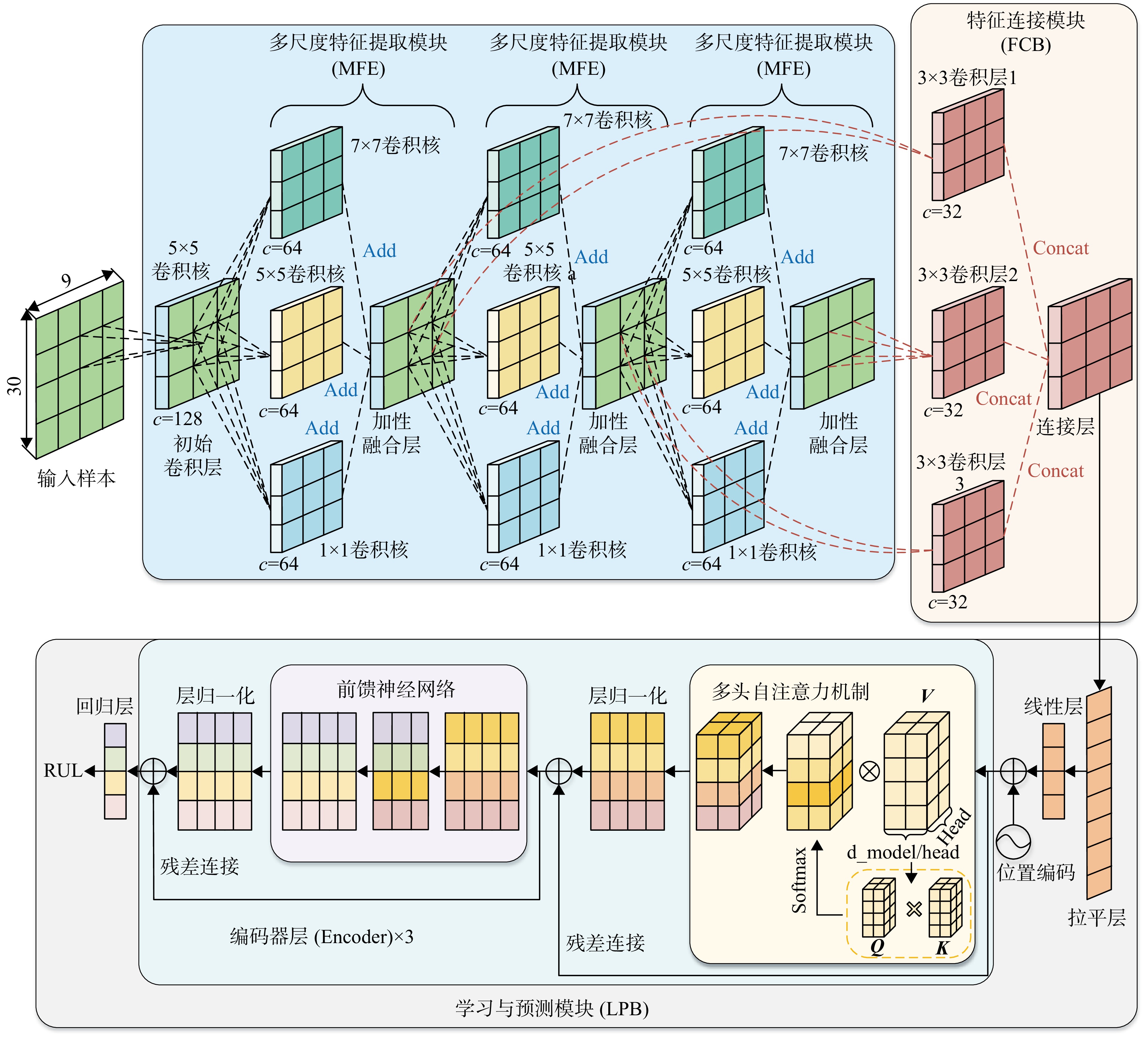
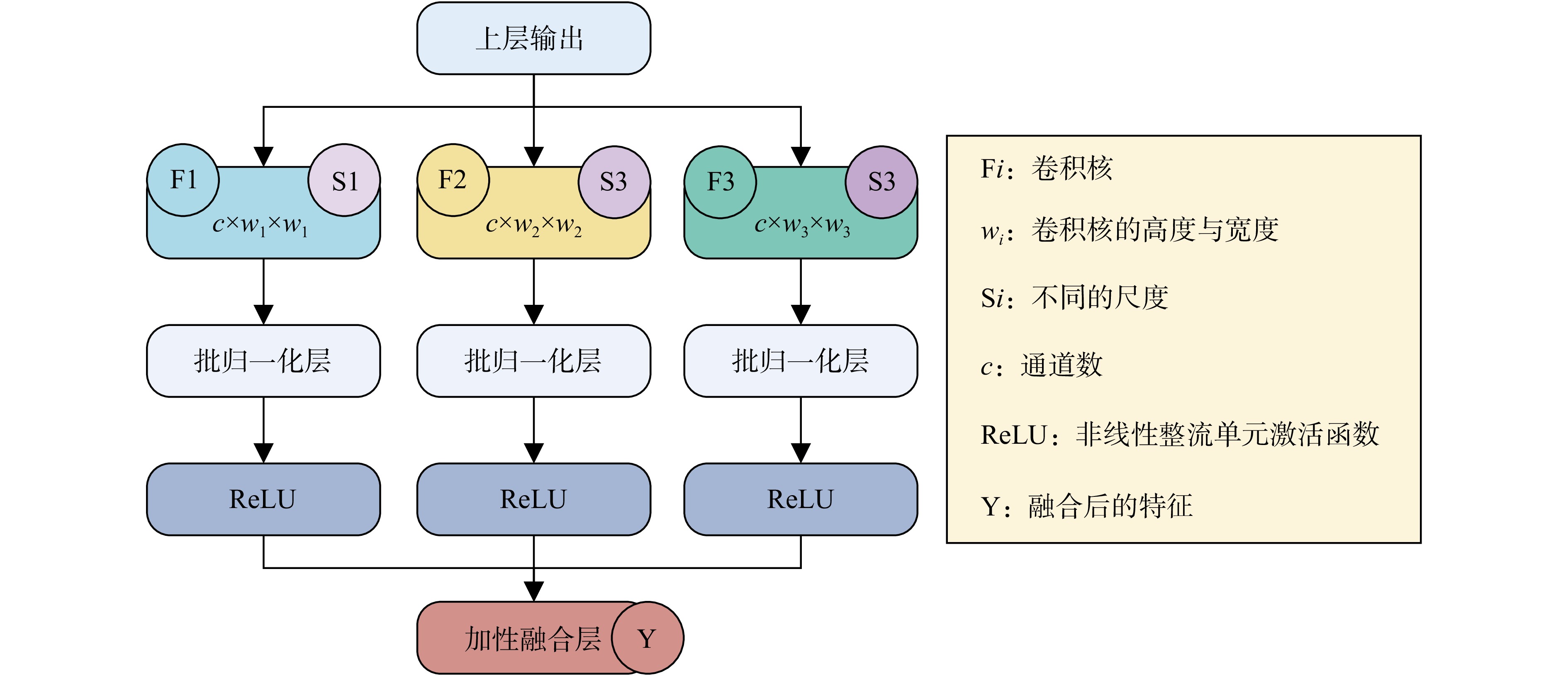
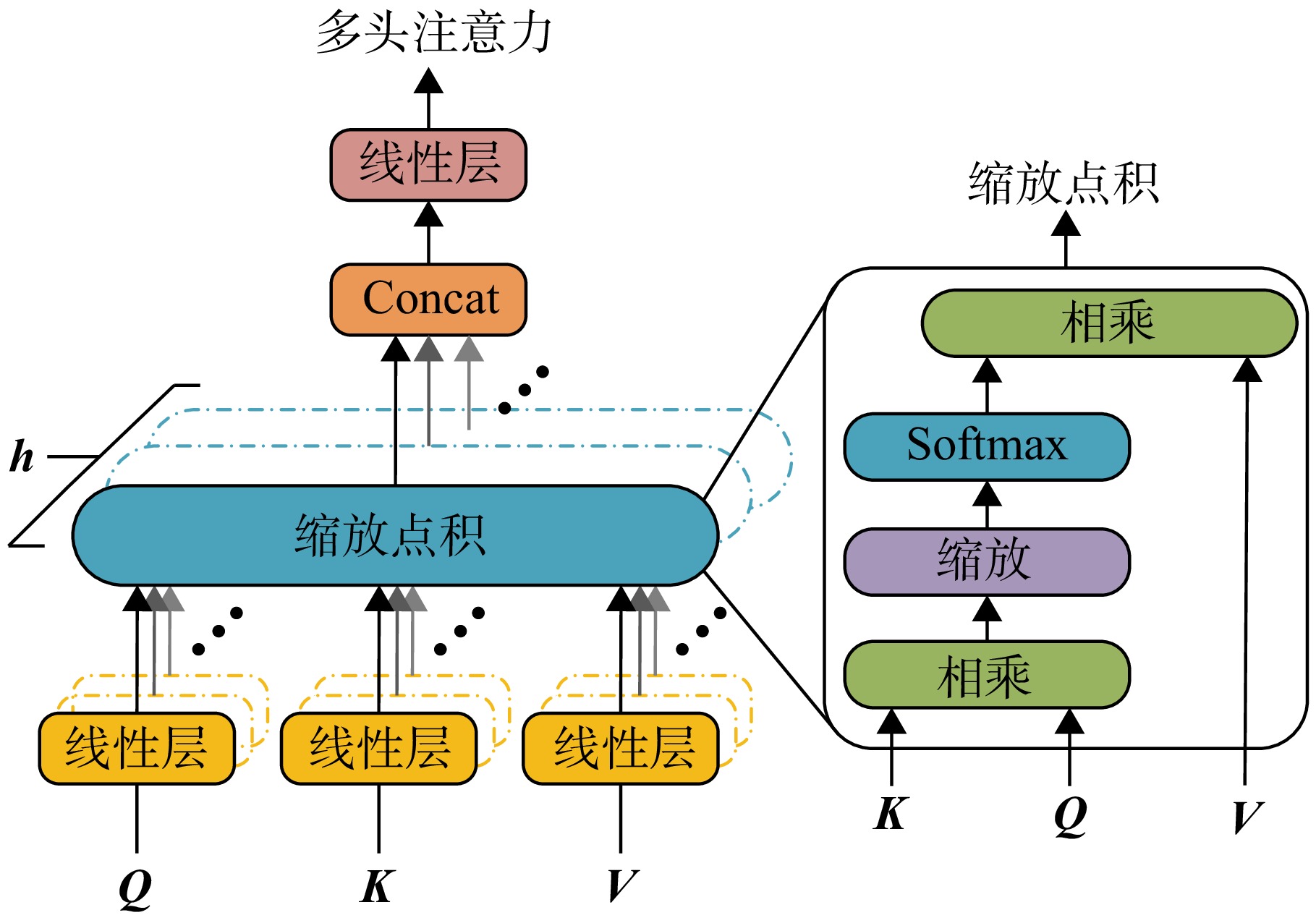
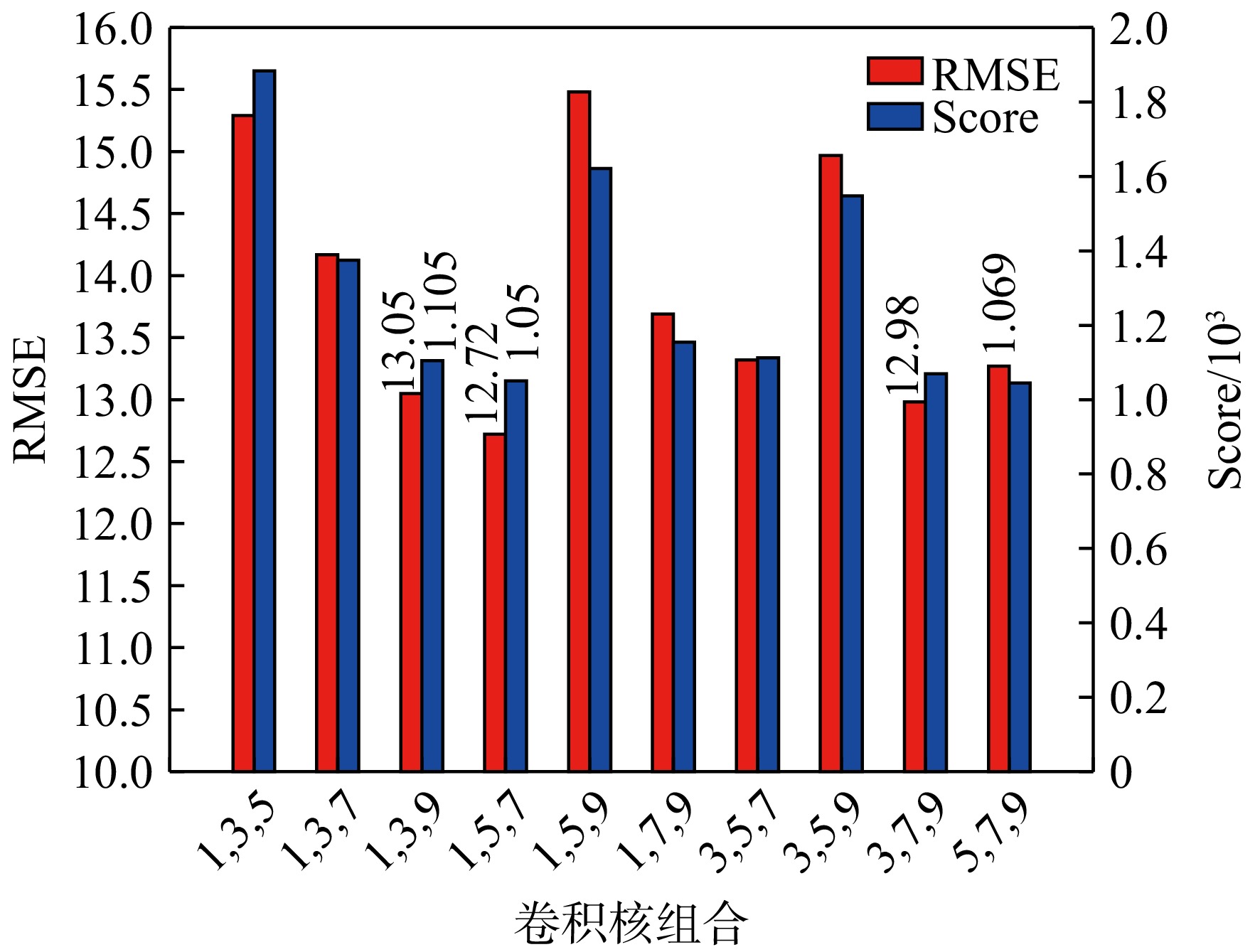
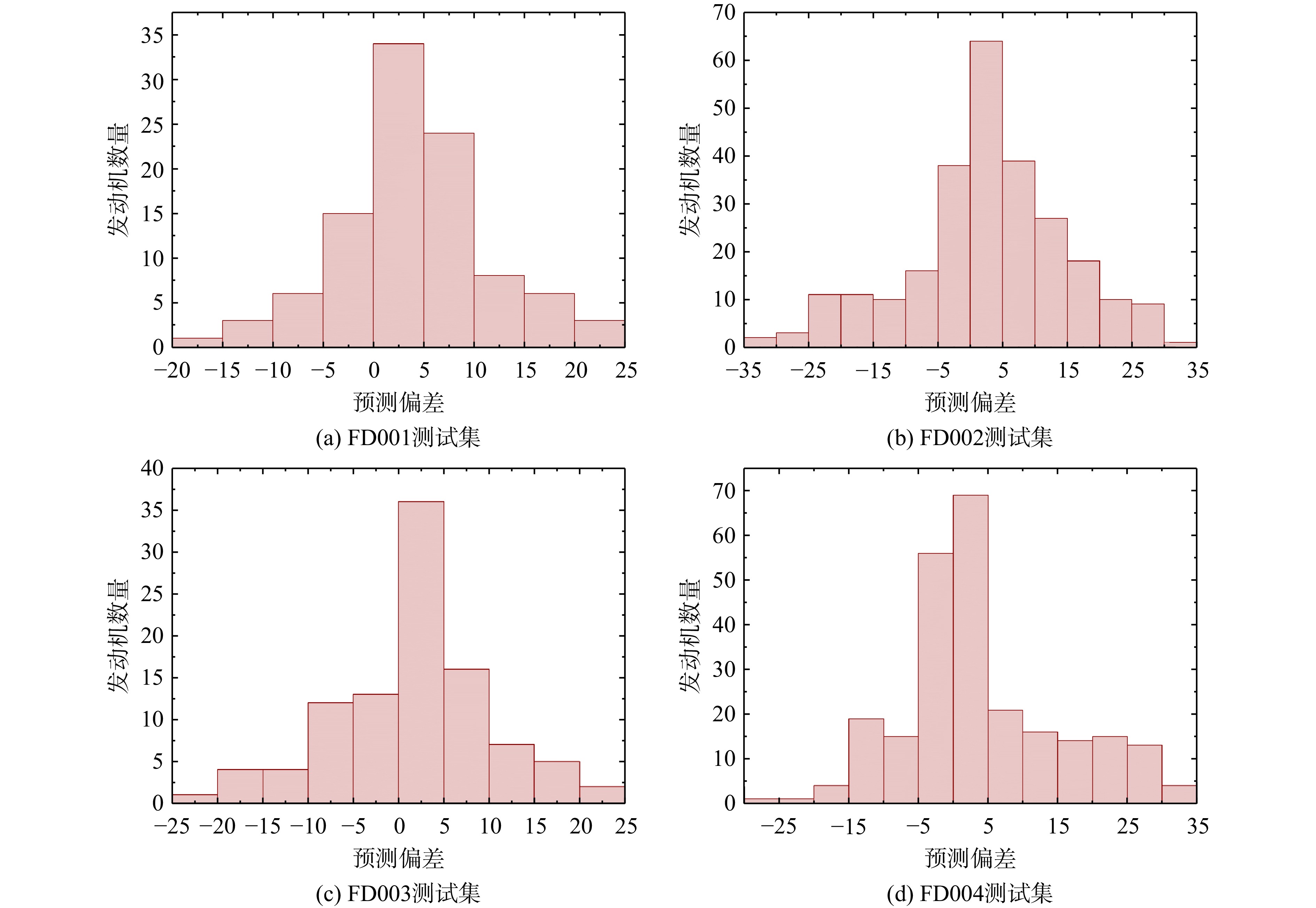
Multi-scale degradation features are seldom considered in remaining life prediction for aero-engine, and it is inefficient in dealing with time-series data with long-term dependencies. A remaining life prediction method is proposed based on multi-scale CNN and Transformer. A multi-scale feature extraction module is designed by traditional CNN, which extracts and integrates degradation features at different scales. A feature connection module is constructed to make up for the shortage that traditional feature extraction module can only extract features from the same level. The learning of long-term dependency features for time-series data is realized based on the position encoding, the multi-head self-attention mechanism and the feed-forward neural network of the Transformer. The parallel computing of the multi-head attention mechanism is utilized to reduce network runtime. Experimental validation is carried out on the C-MAPSS dataset, and the results show that our proposed method has less error compared with the network without extracting multi-scale features. Compared with RNN, LSTM and GRU, the operation time is reduced by 65.77%, 48.41%, and 45.02%, respectively.

Power Transimission
Fuzzy RBF neural network PID control strategy for non-directional magnetic bearing
XIE Wenhai, XIE Zhenyu, XU Shaohan, XIAO Feng
2026, 41(3): 20240827. doi: 10.13224/j.cnki.jasp.20240827
Abstract:

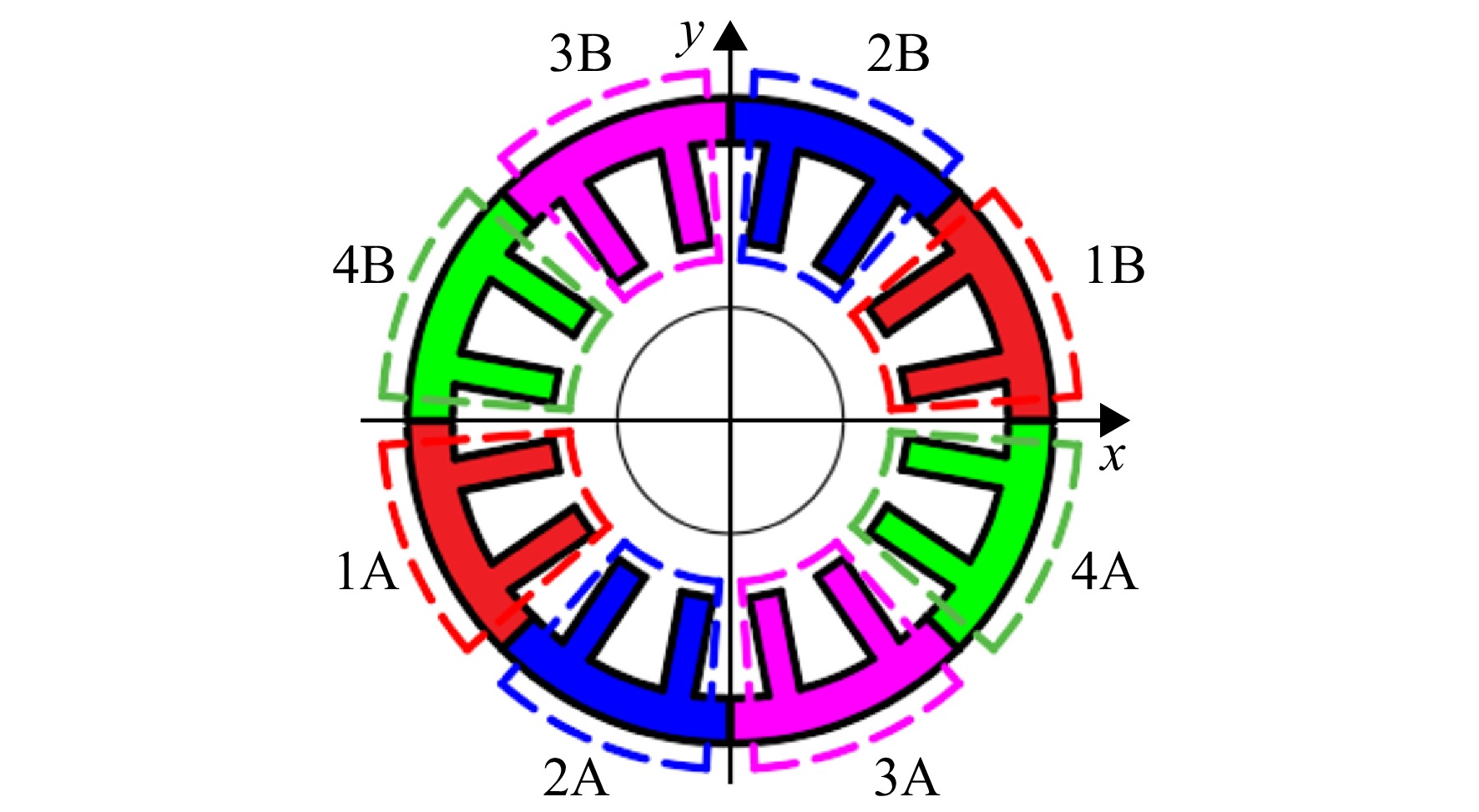
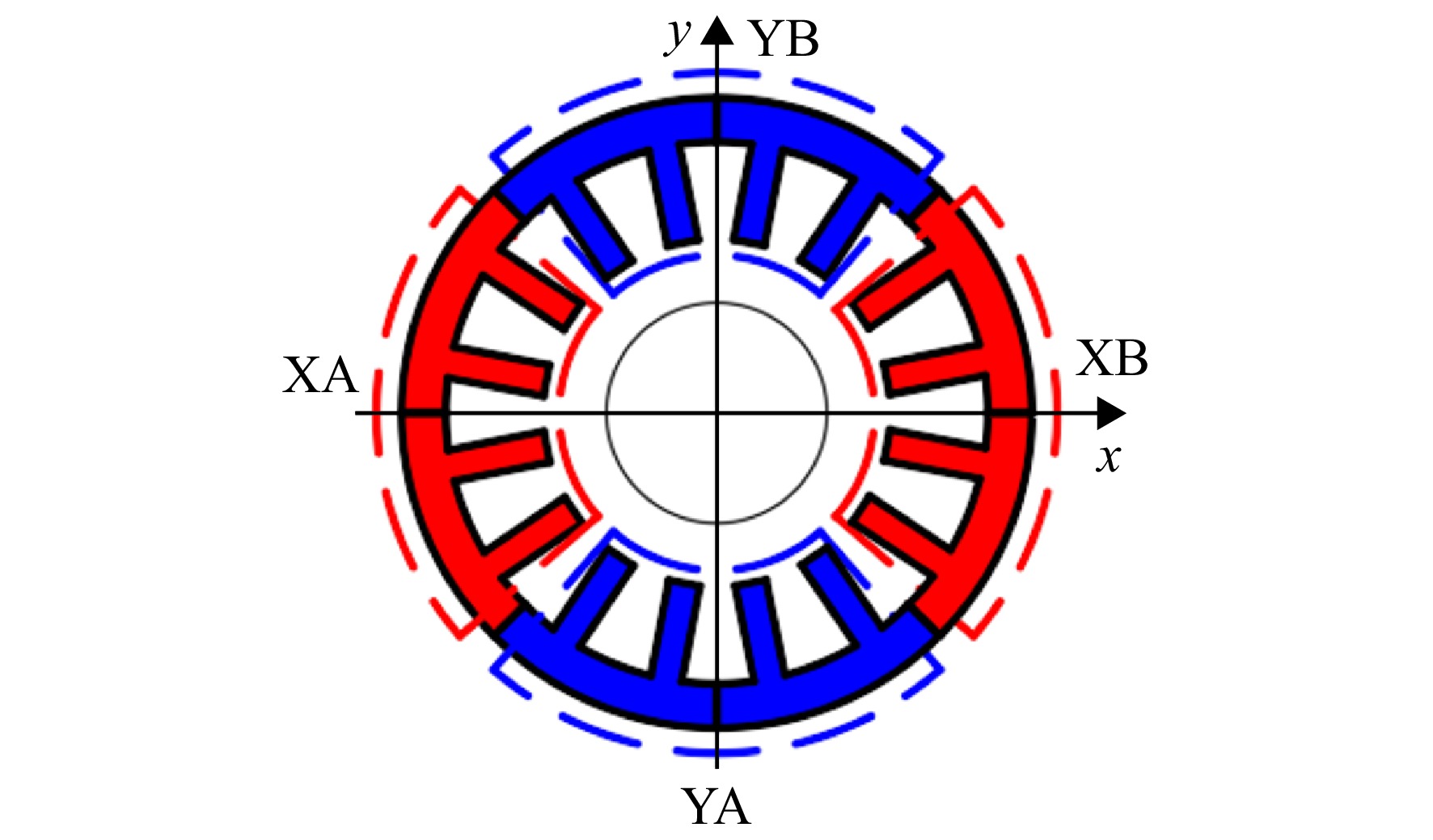
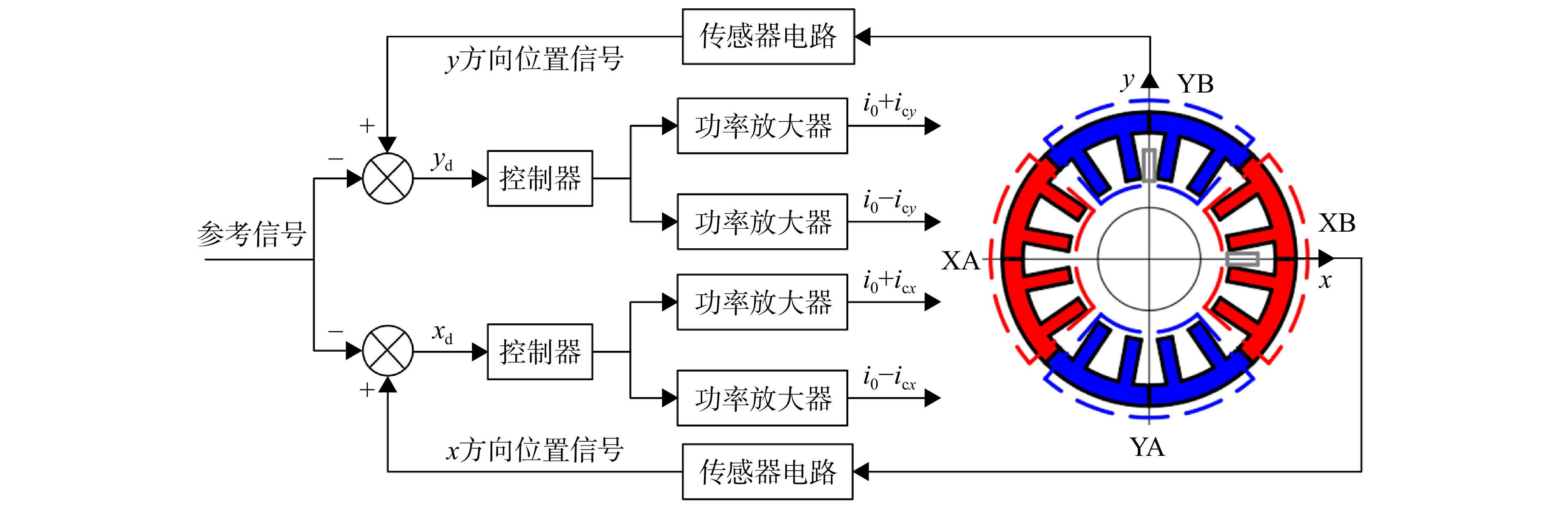
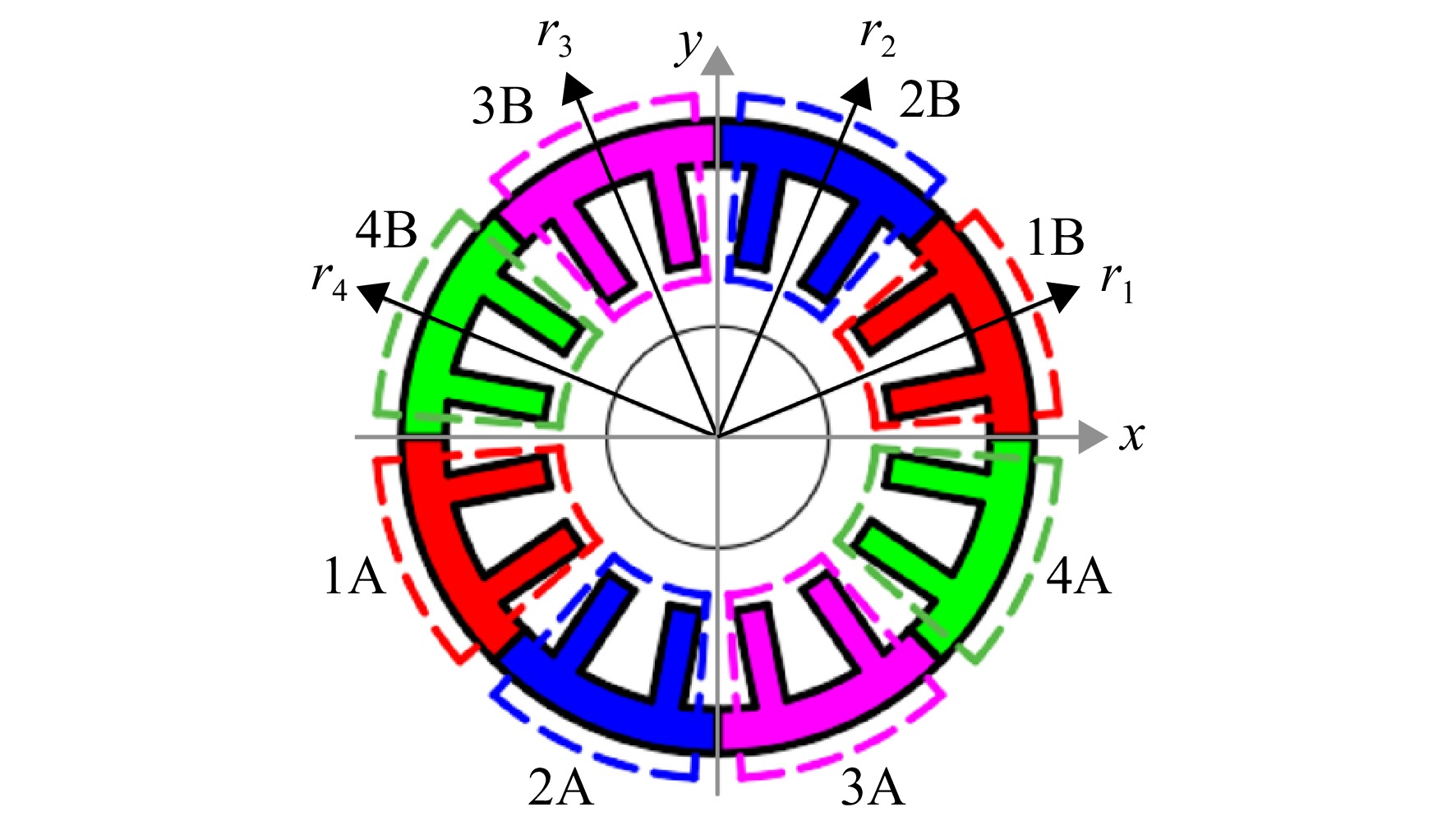
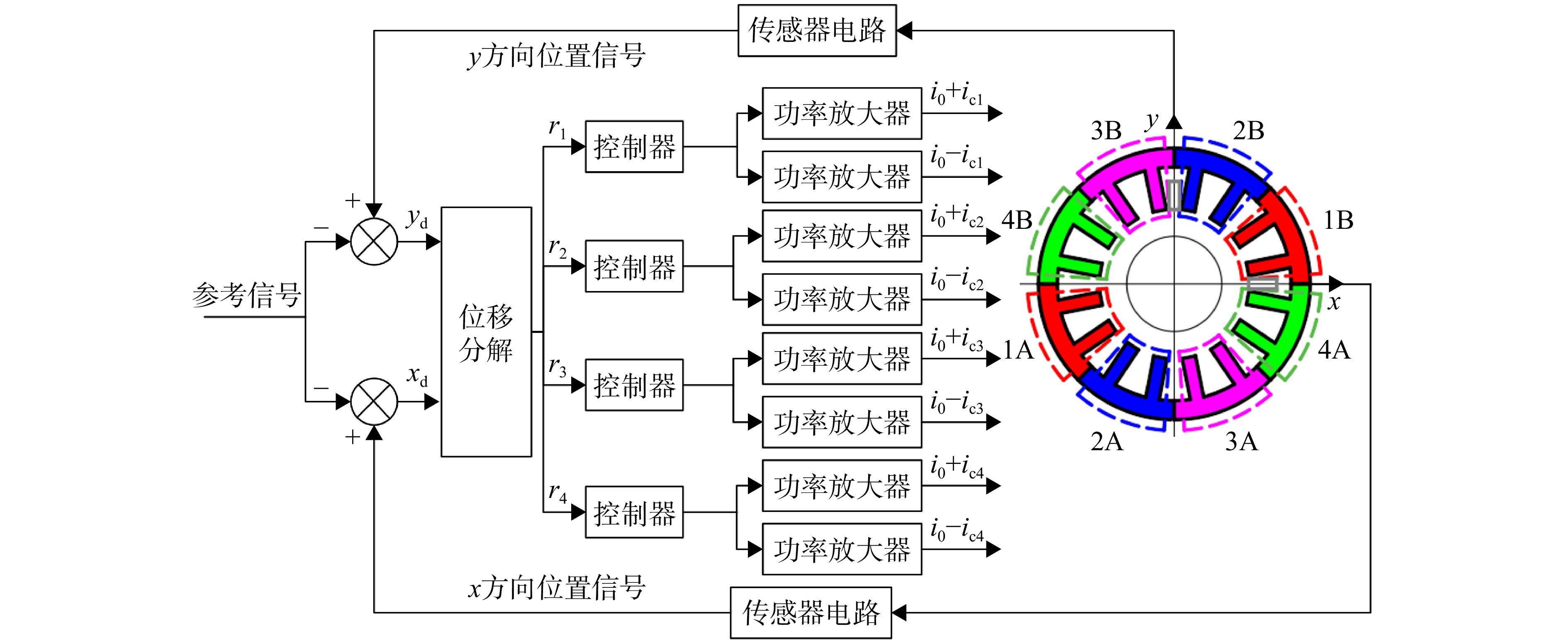
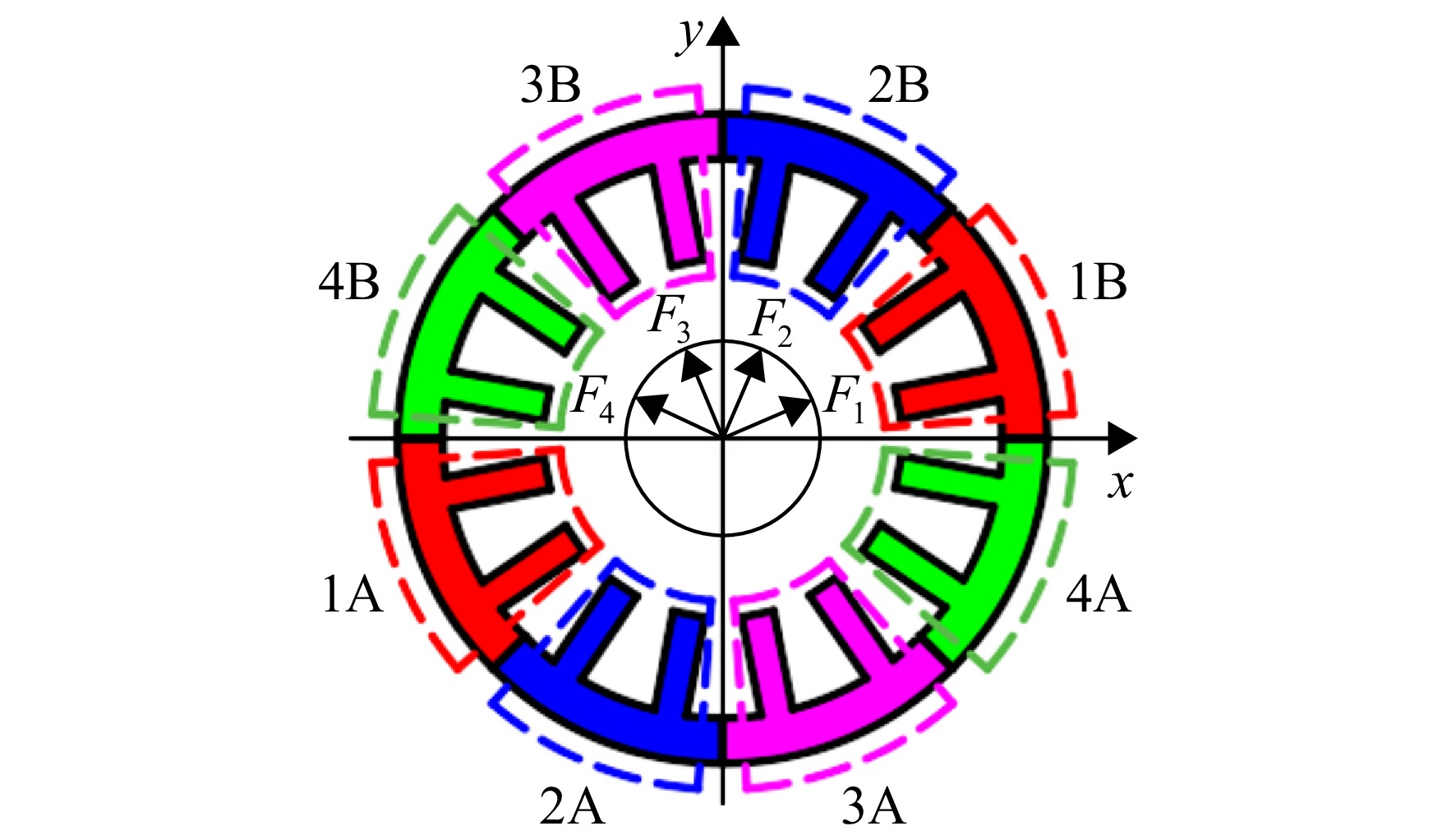
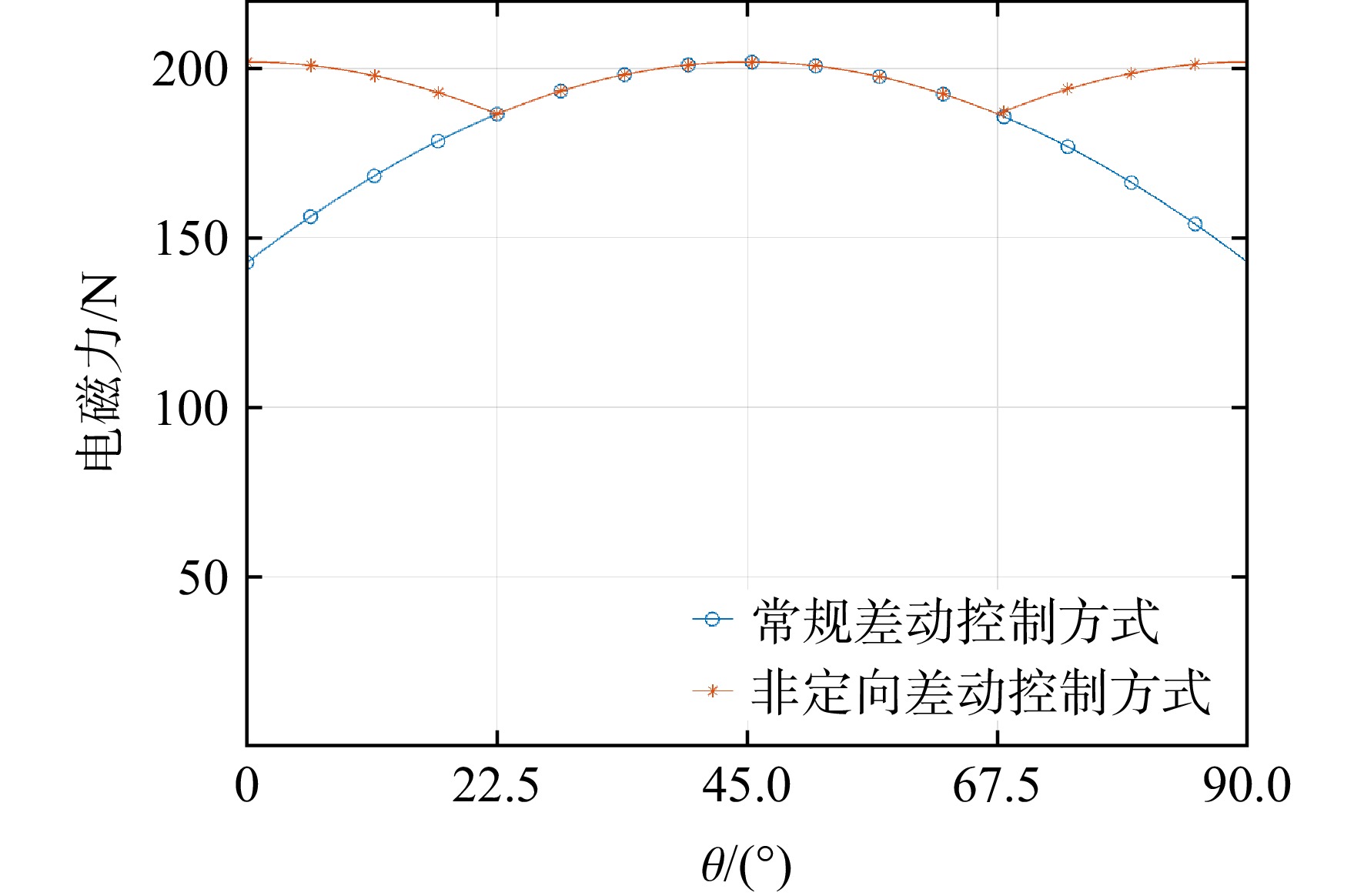
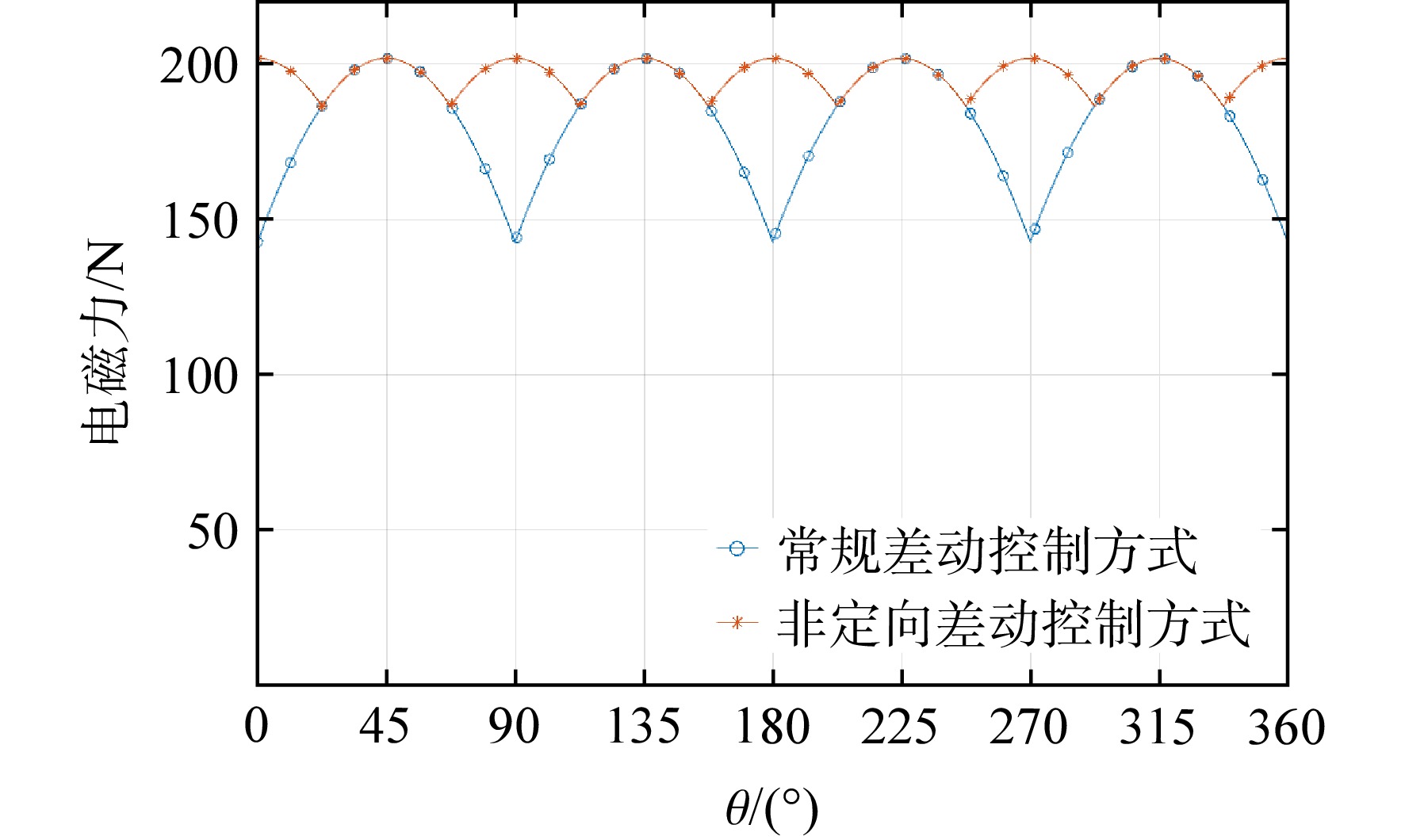
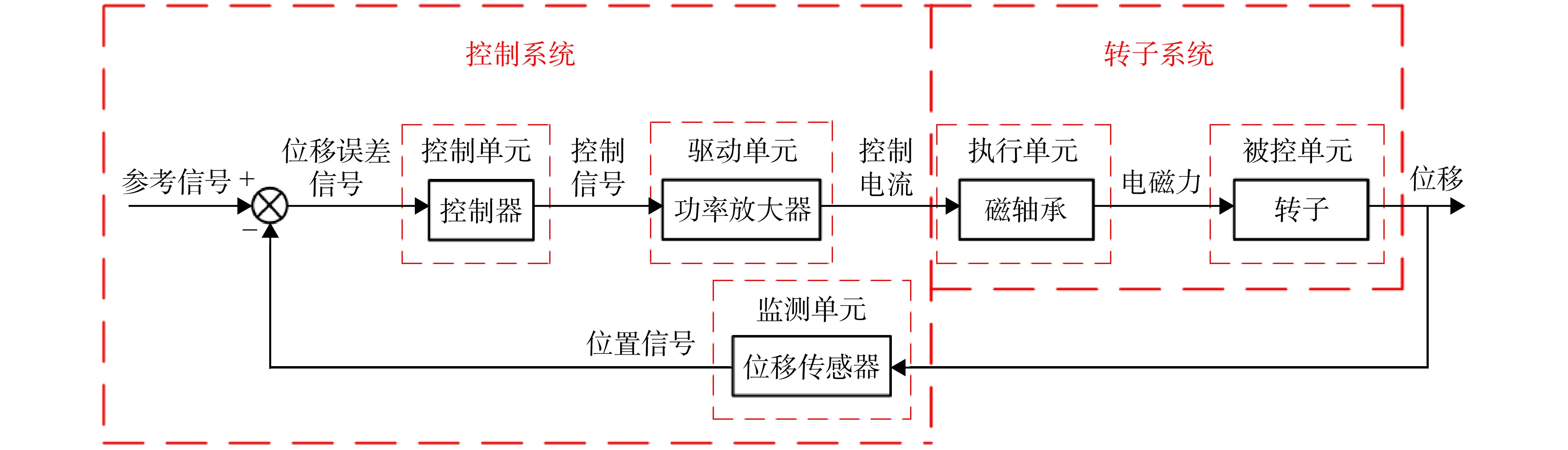
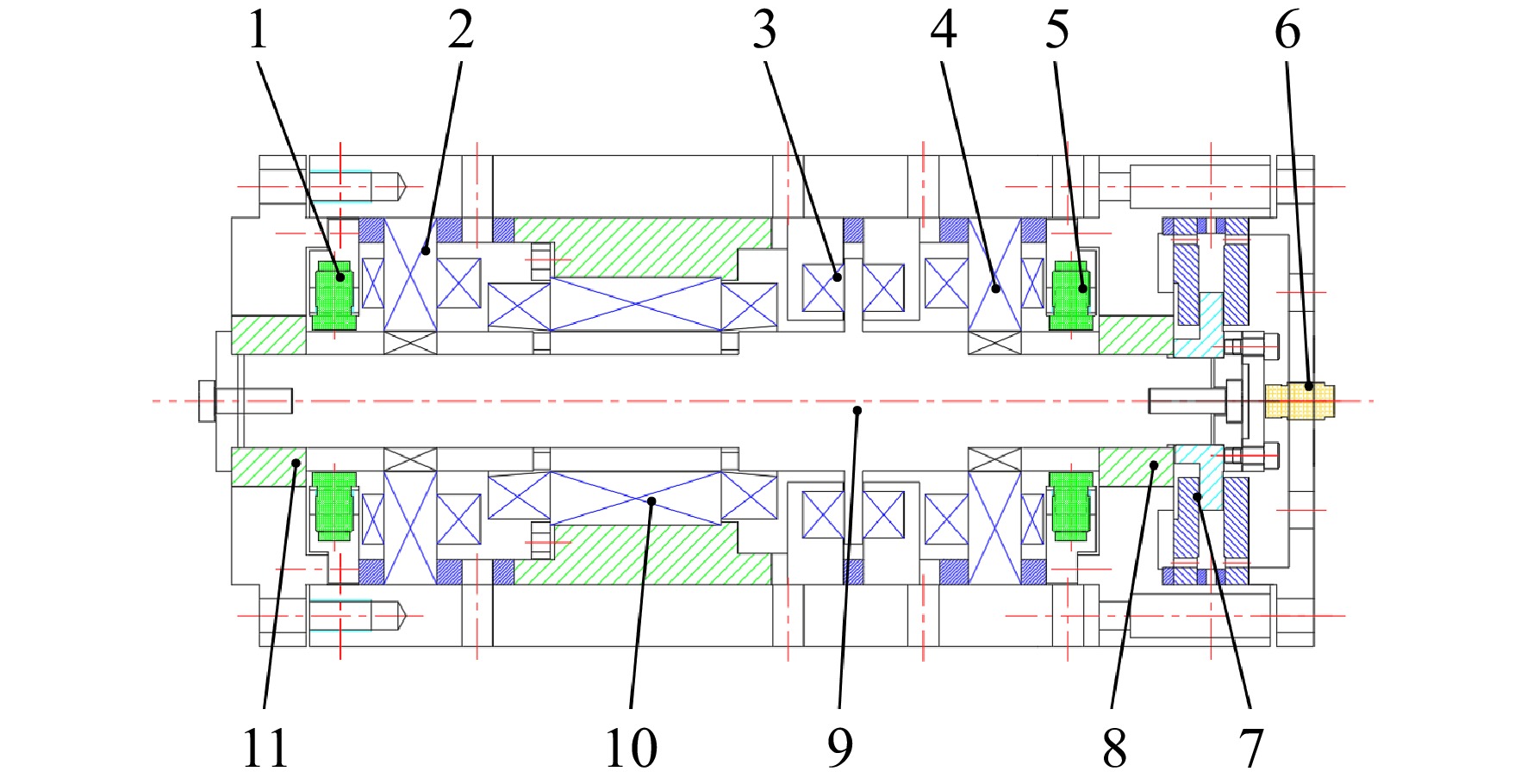
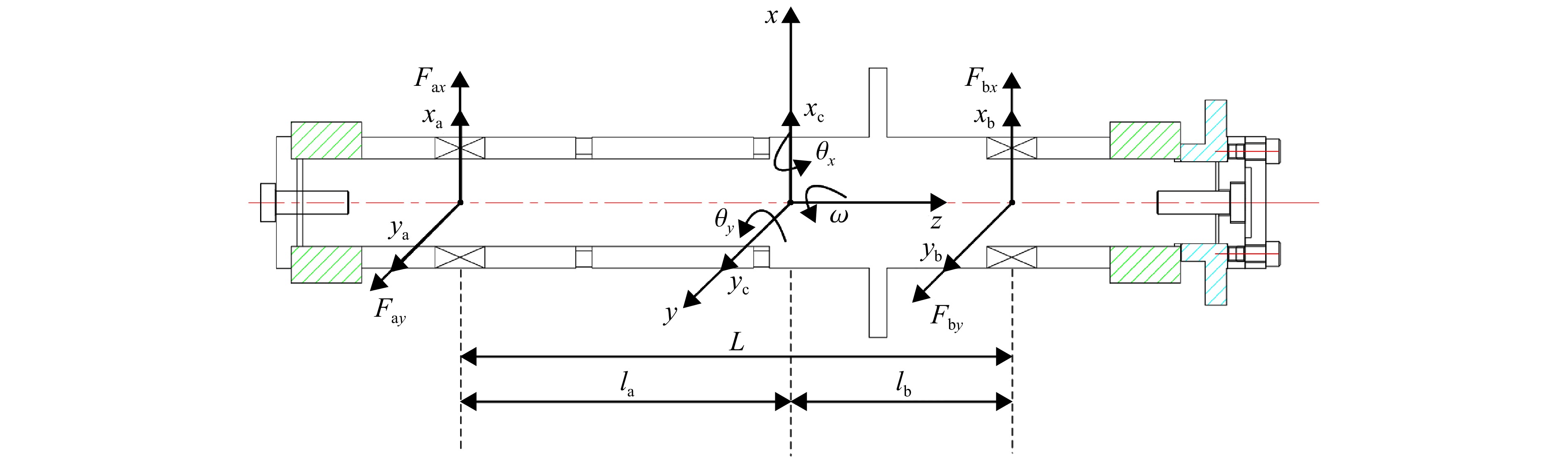
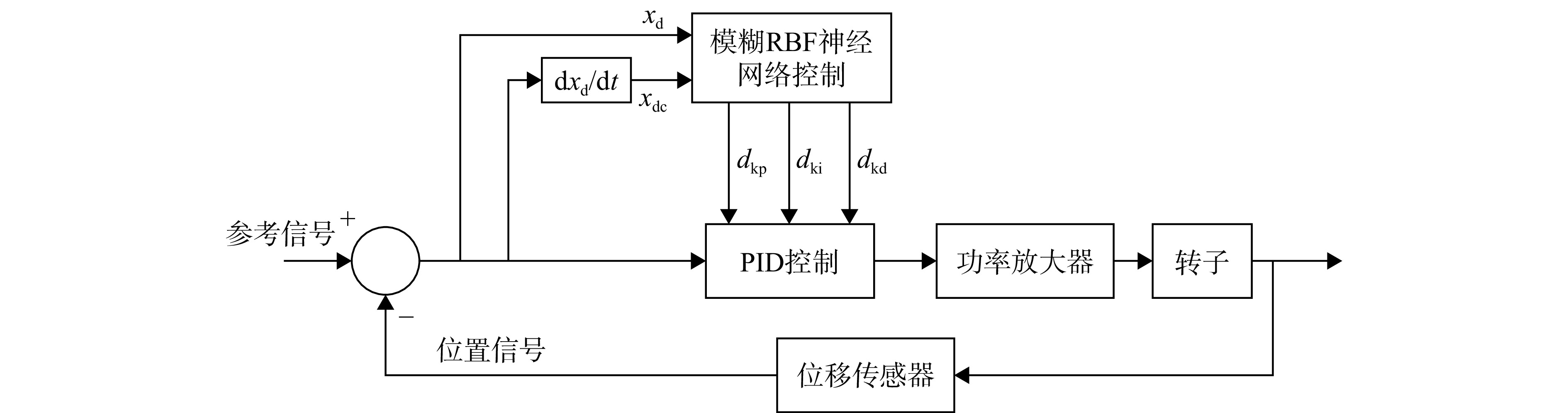
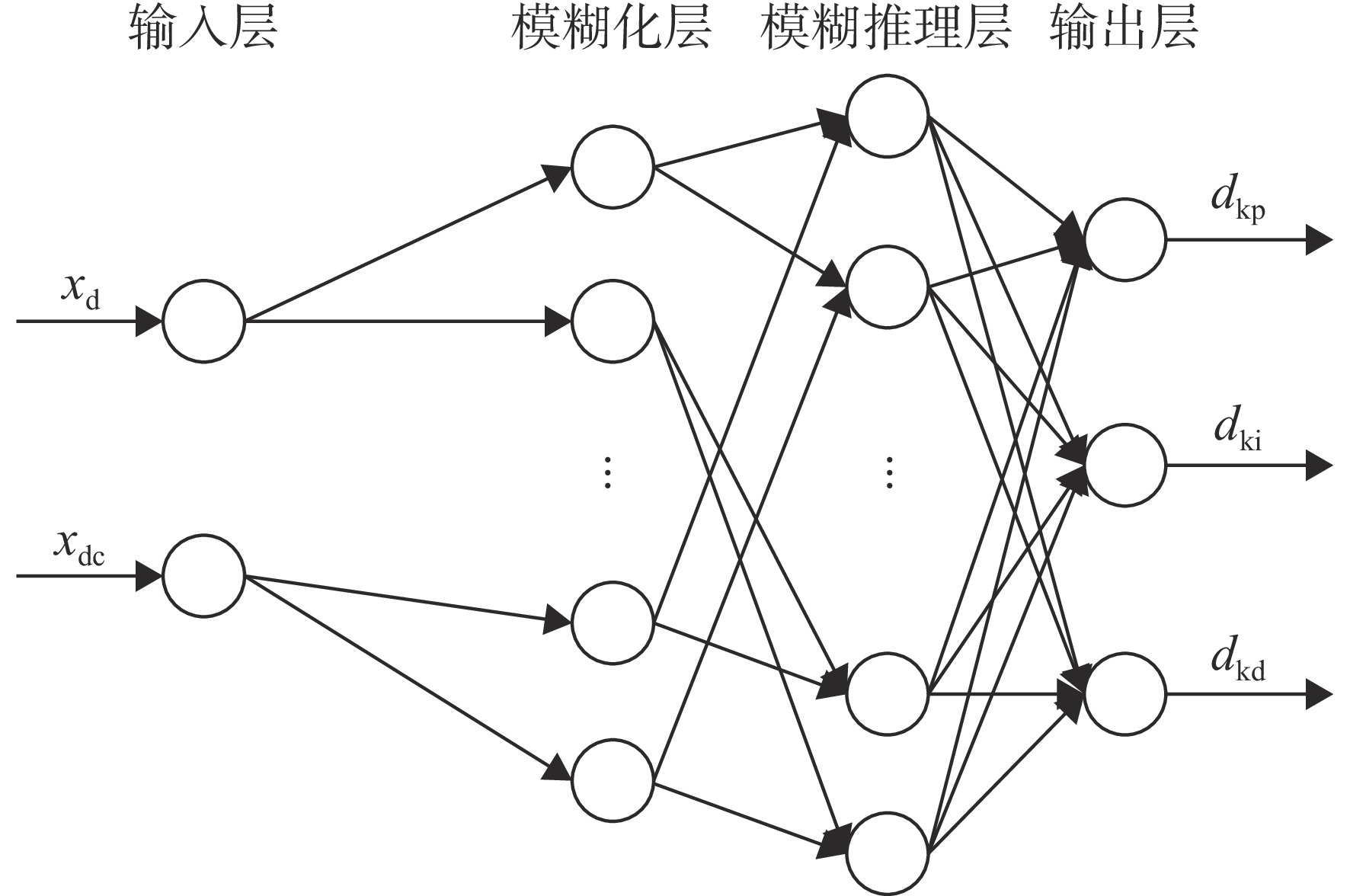
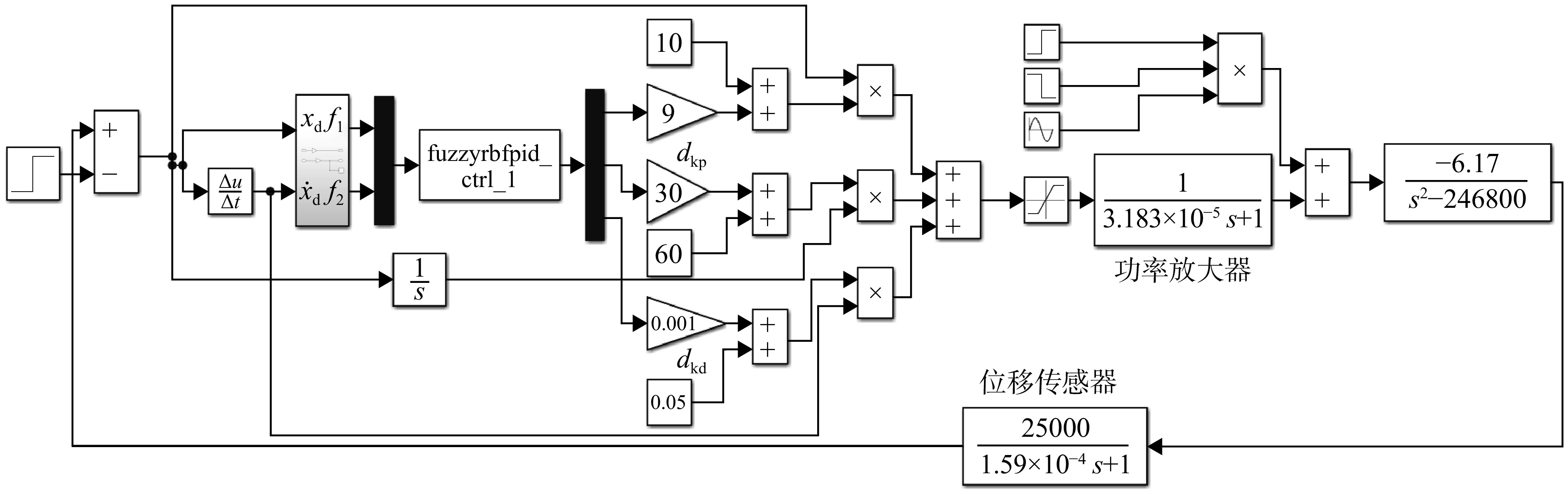
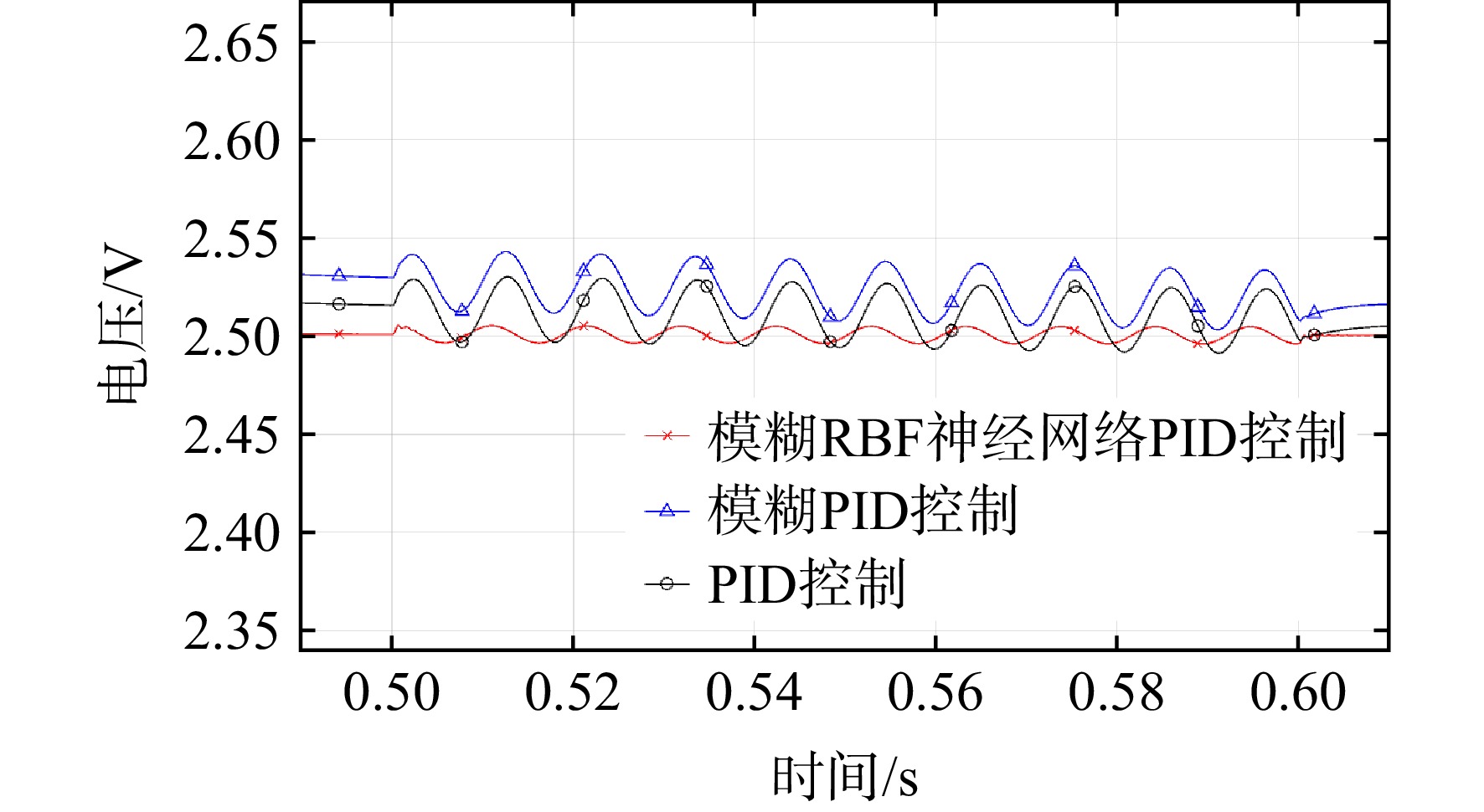
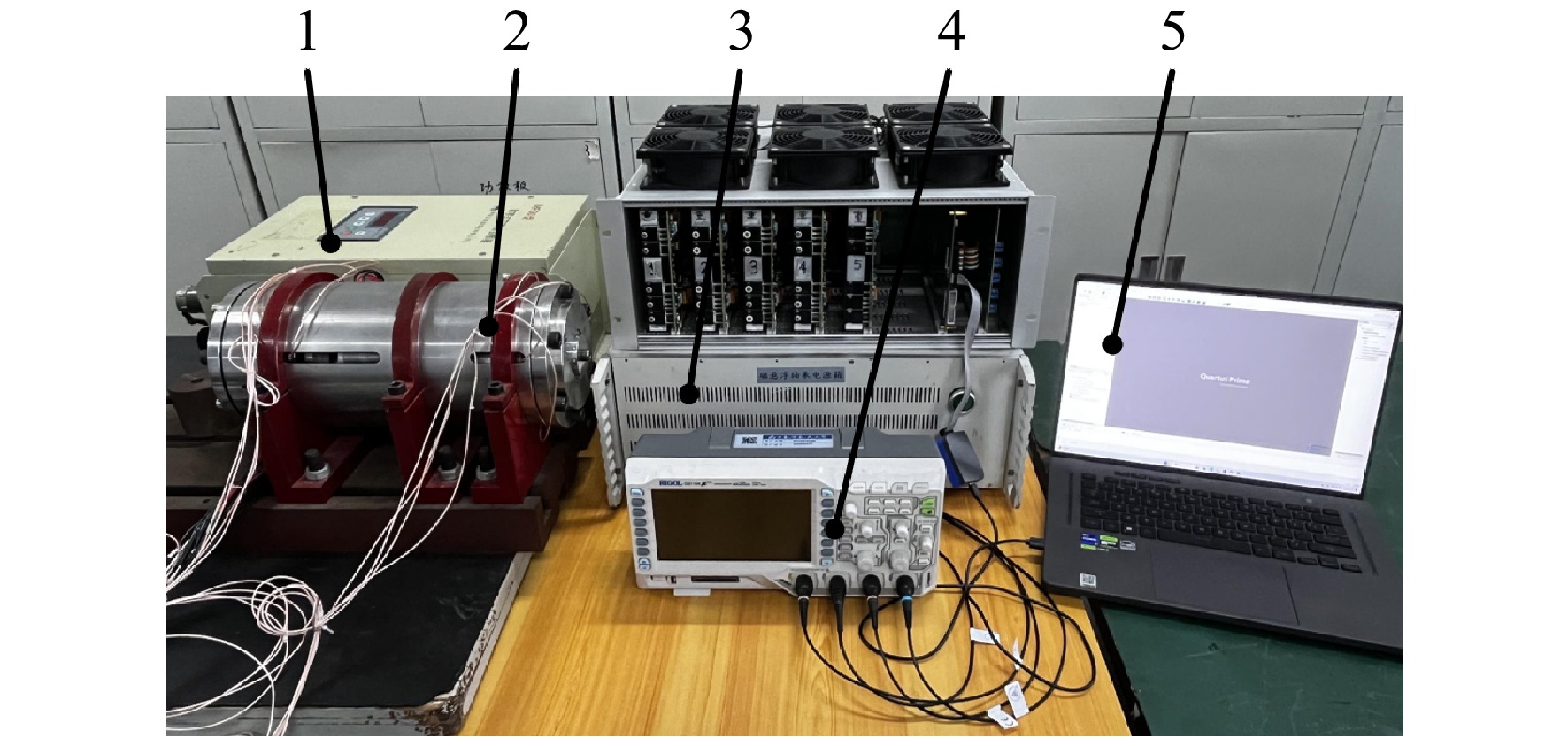
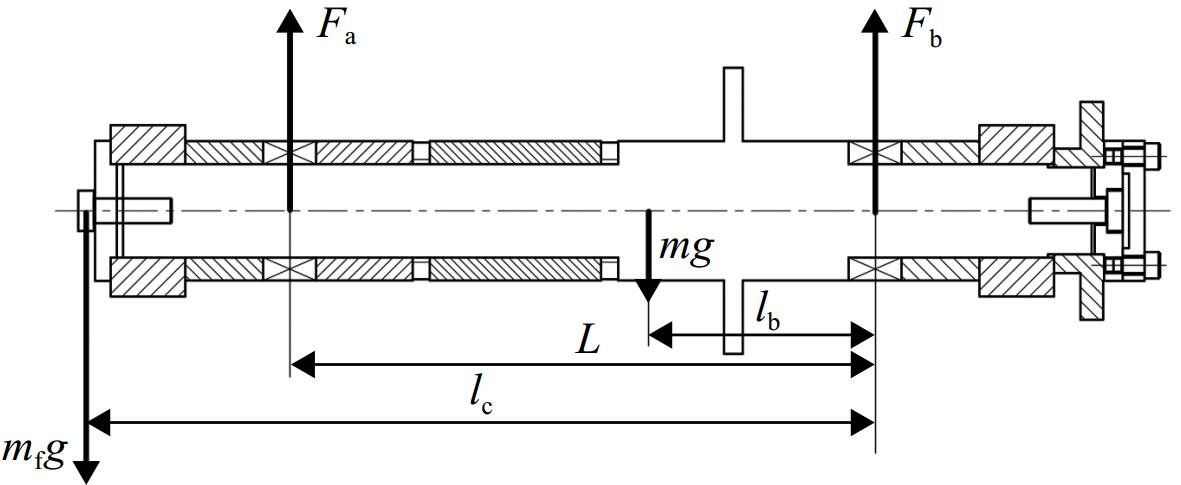
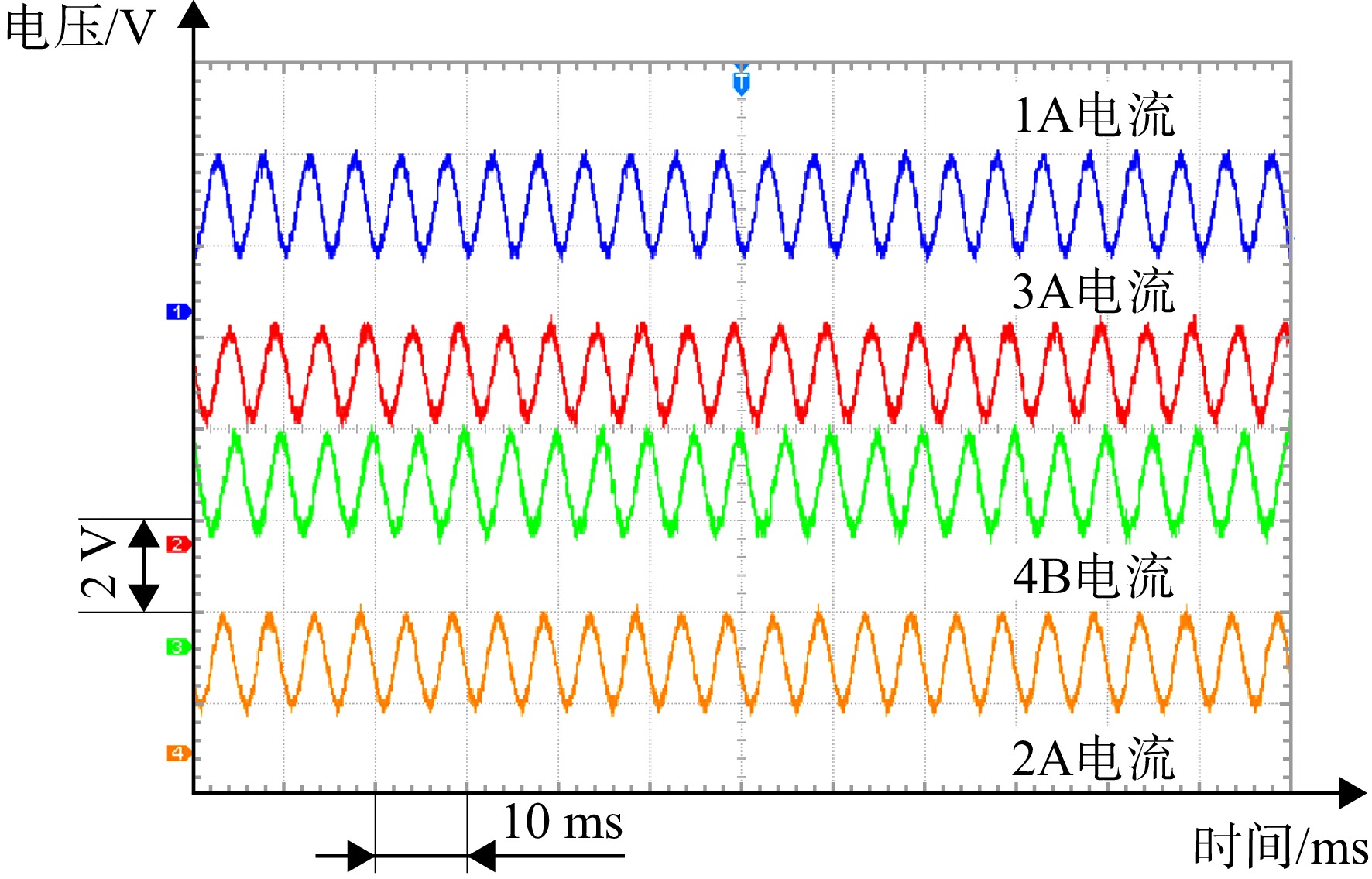
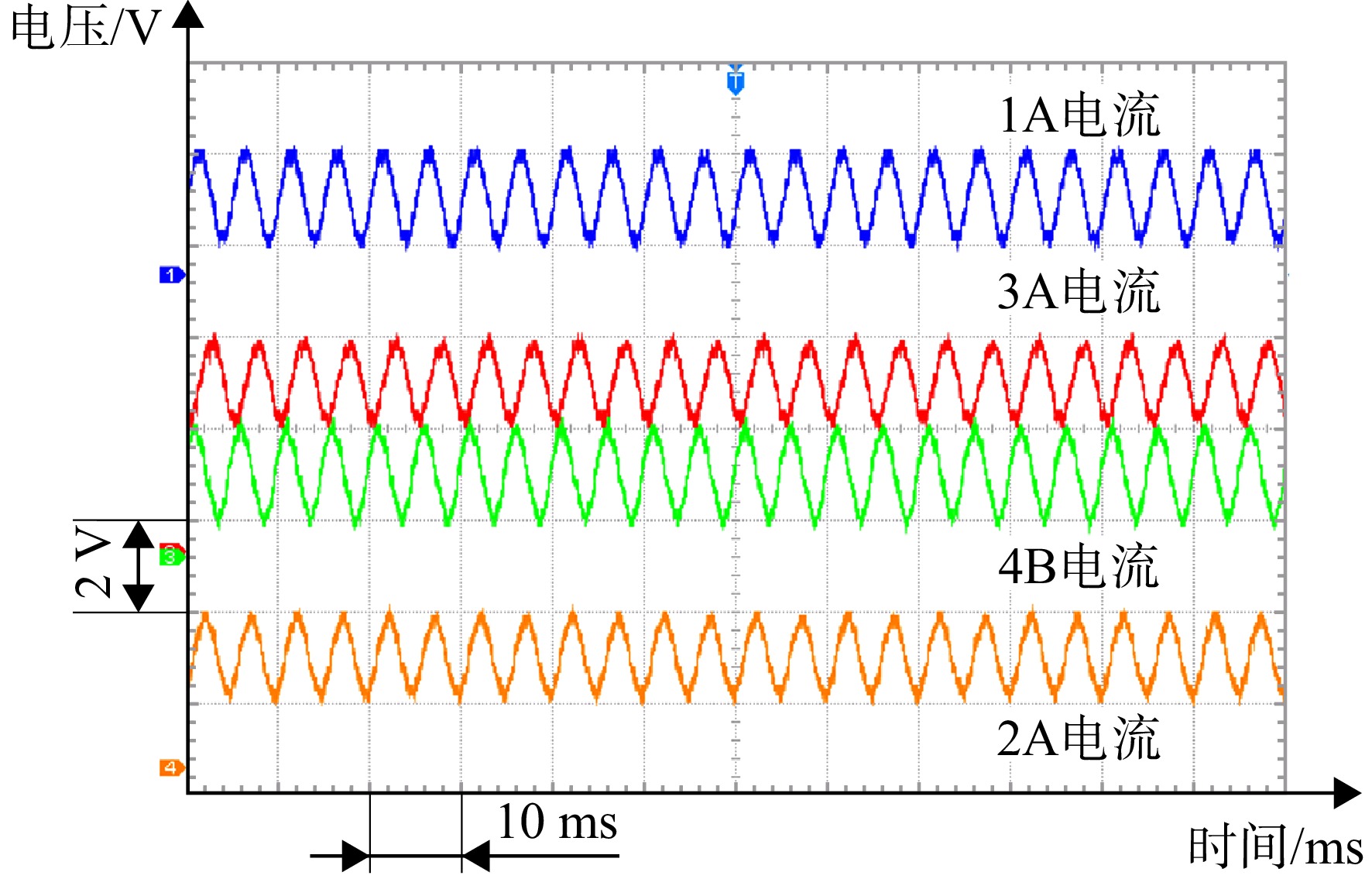
With introduction of non-directional differential control method, the bearing capacity of the radial magnetic bearing was improved by independently controlling each differential magnetic pole pair. As the conventional PID (proportion integration differentiation) control was found difficult to meet the control requirements of the complex nonlinear magnetic bearing system, the fuzzy RBF (radial basis function) neural network PID control strategy based on the non-directional differential control method was proposed to realize the online adjustment of PID parameters through an online training model so as to meet complex working conditions. Taking the 16-pole radial magnetic bearing as an example, the working principle of the conventional differential control method and the non-directional differential control method was analyzed, and the nominal maximum bearing capacity of the two control methods was compared. The theoretical calculation results showed that the nominal maximum bearing capacity of the radial magnetic bearing based on the non-directional differential control method increased by 30.66%. Simulink software was adopted to simulate the PID control strategy of the fuzzy RBF neural network. The simulation results showed that the control strategy had better static and dynamic performance. By setting up a test bench, actual maximum bearing capacity tests for radial magnetic bearing and high-speed rotation tests for the system were conducted. The test results showed that the actual maximum bearing capacity of the radial magnetic bearing based on the non-directional differential control method increased by 26.07%, and the fuzzy RBF neural network PID control strategy had better control effect compared with the conventional PID control strategy.