2026 Vol. 41, No. 5

Structure,Strength and Vibration
Research progress on axial force measurement technology for aero-engine rotors
BIAN Jie, WANG Siji, LIU Feichun
2026, 41(5): 20250197. doi: 10.13224/j.cnki.jasp.20250197
Abstract:

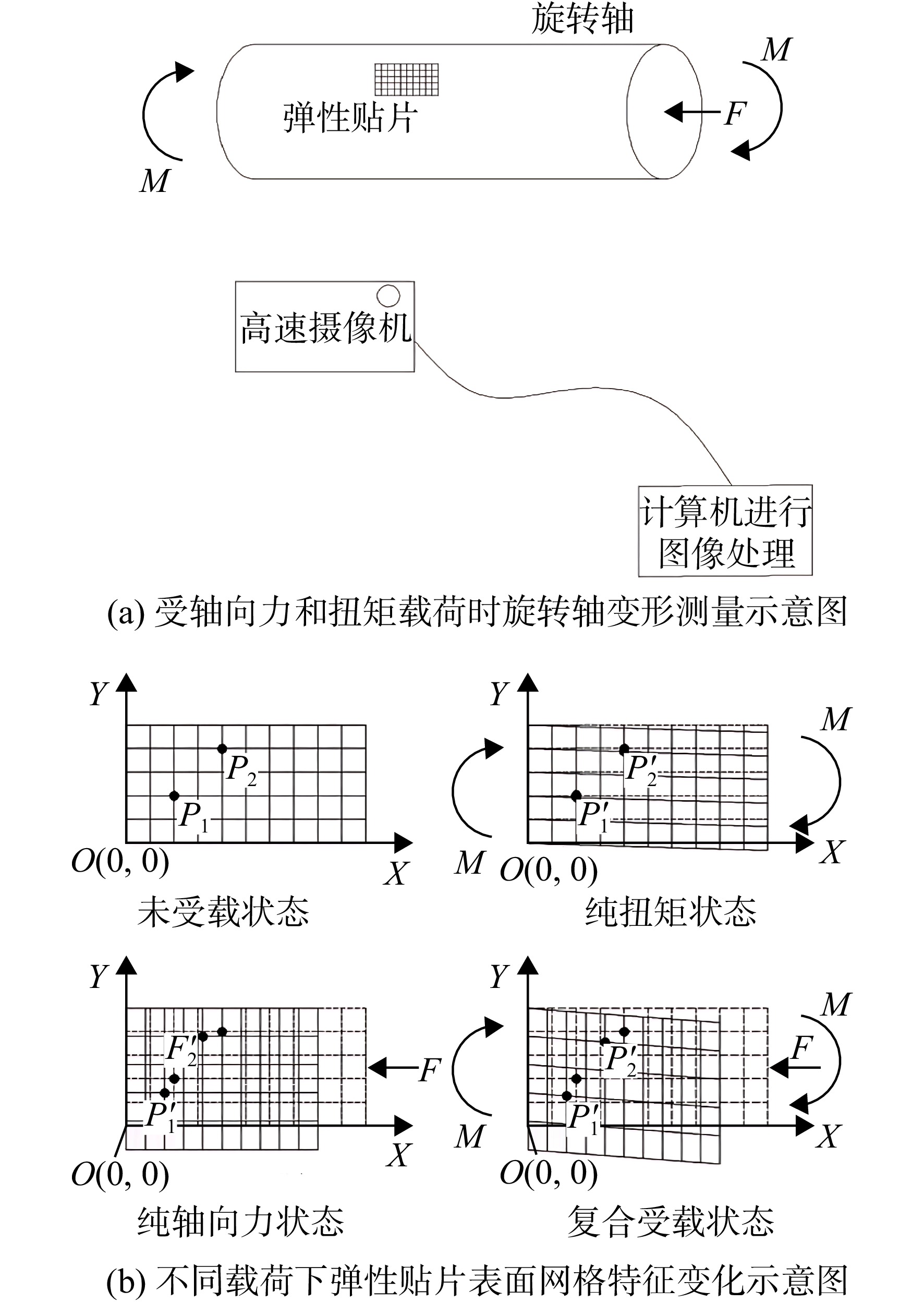
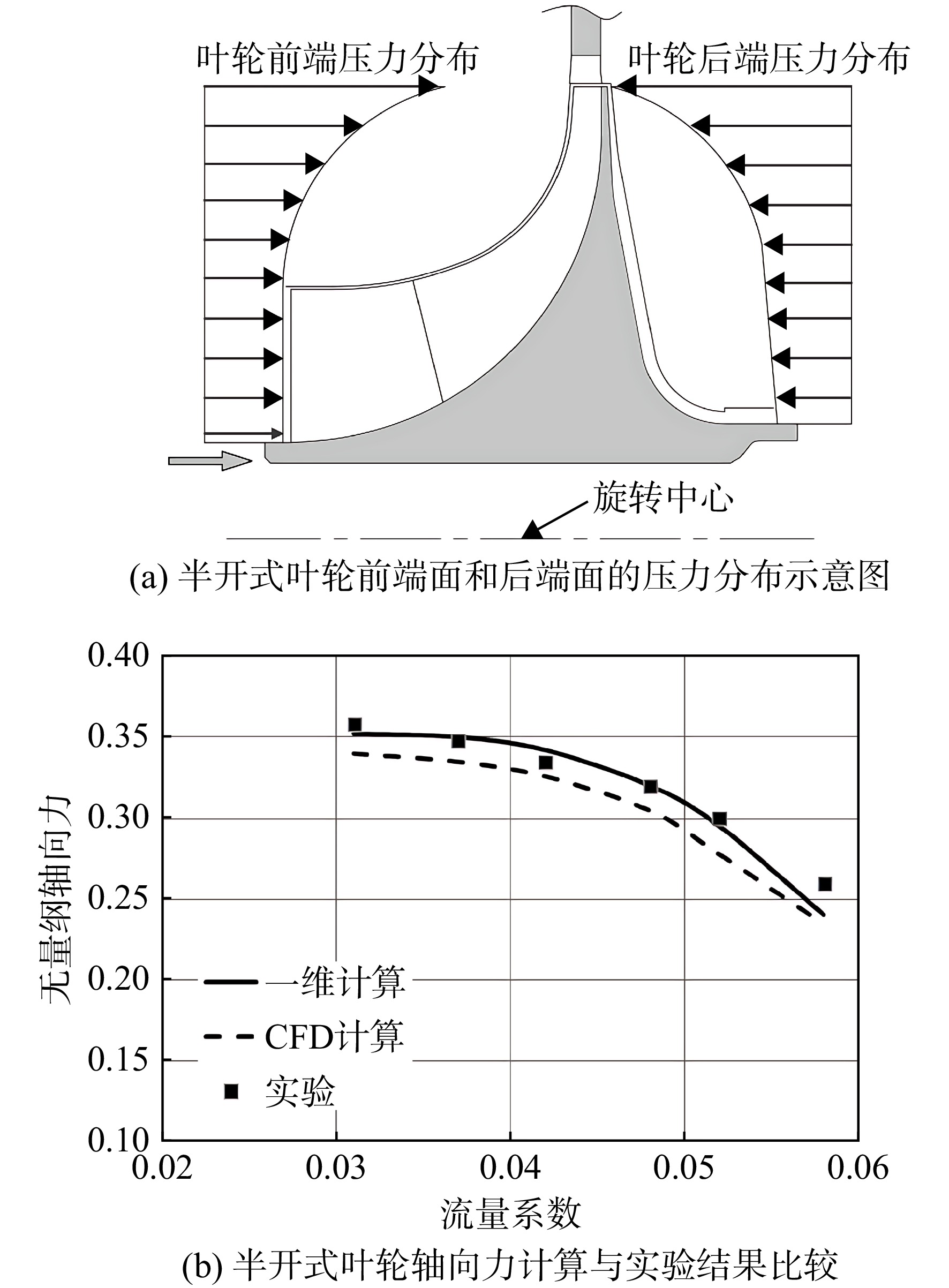
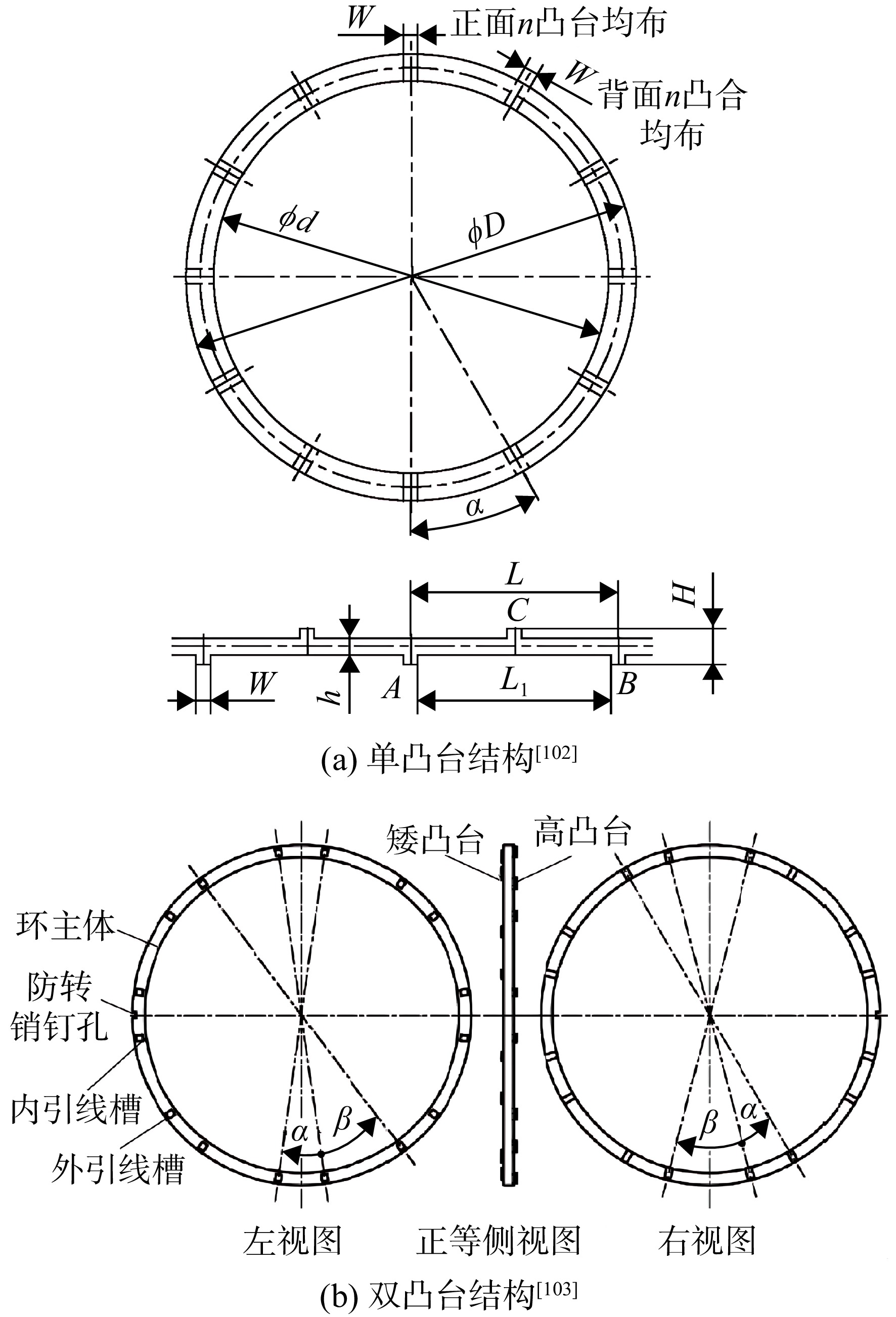
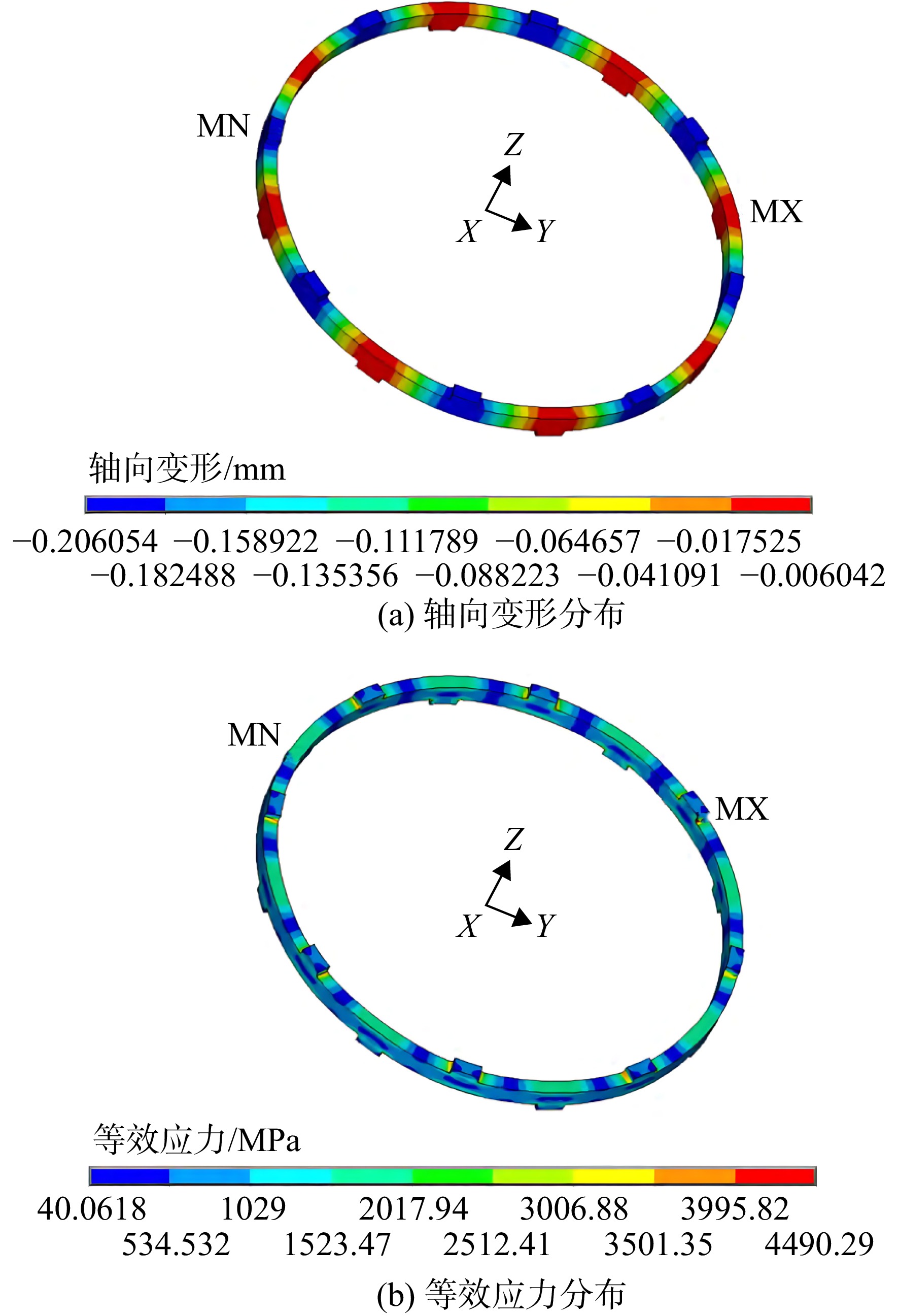
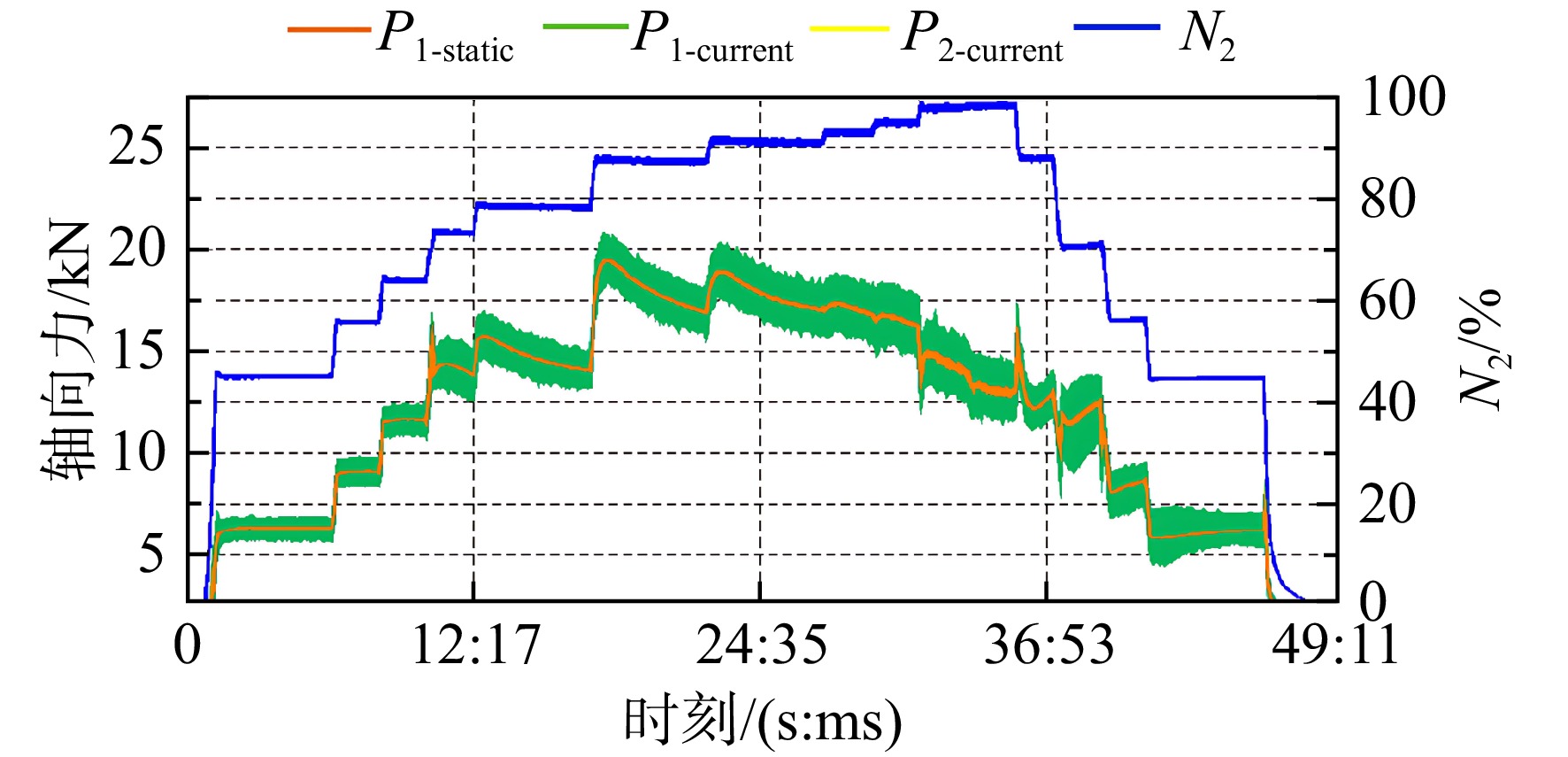
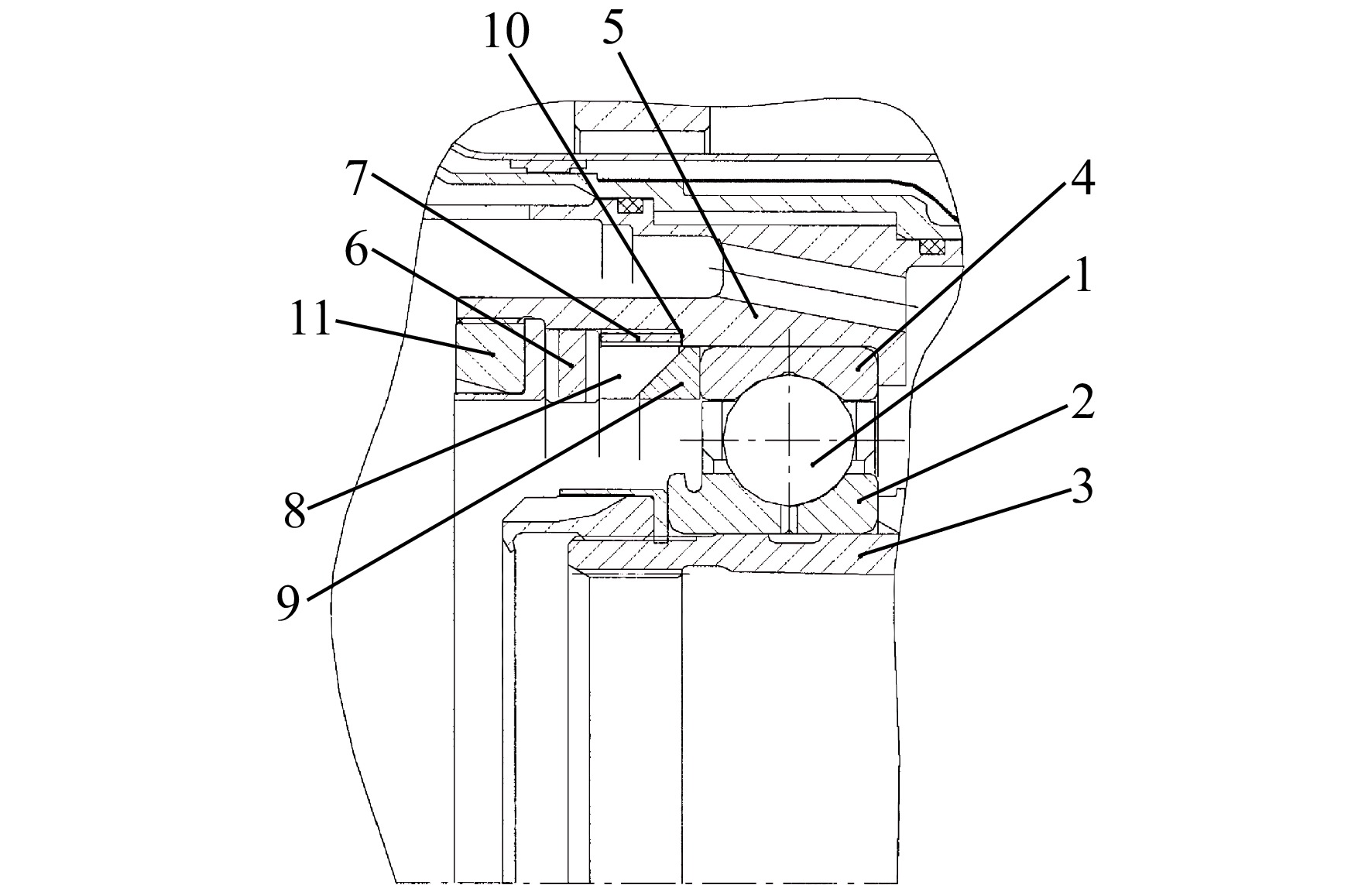
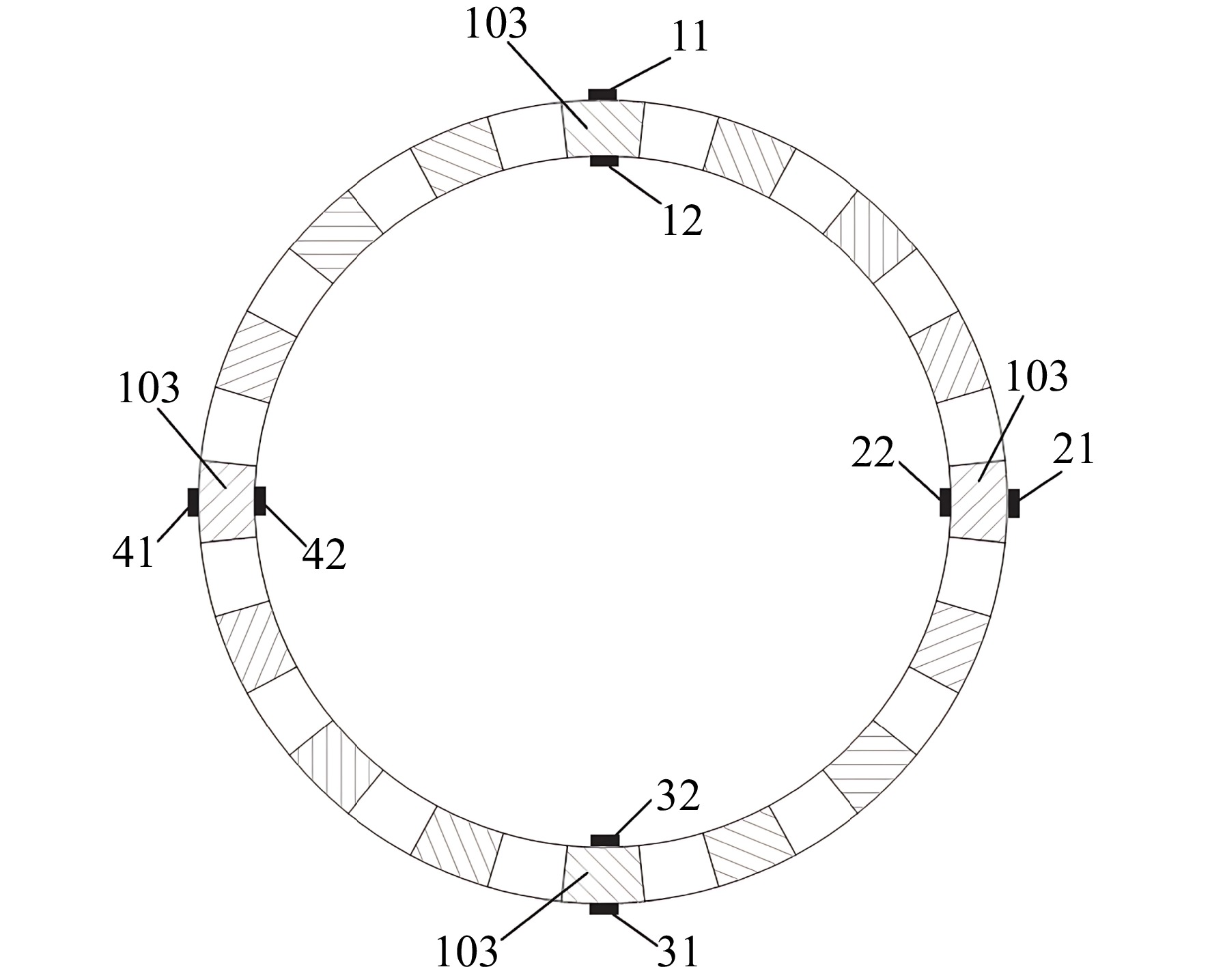
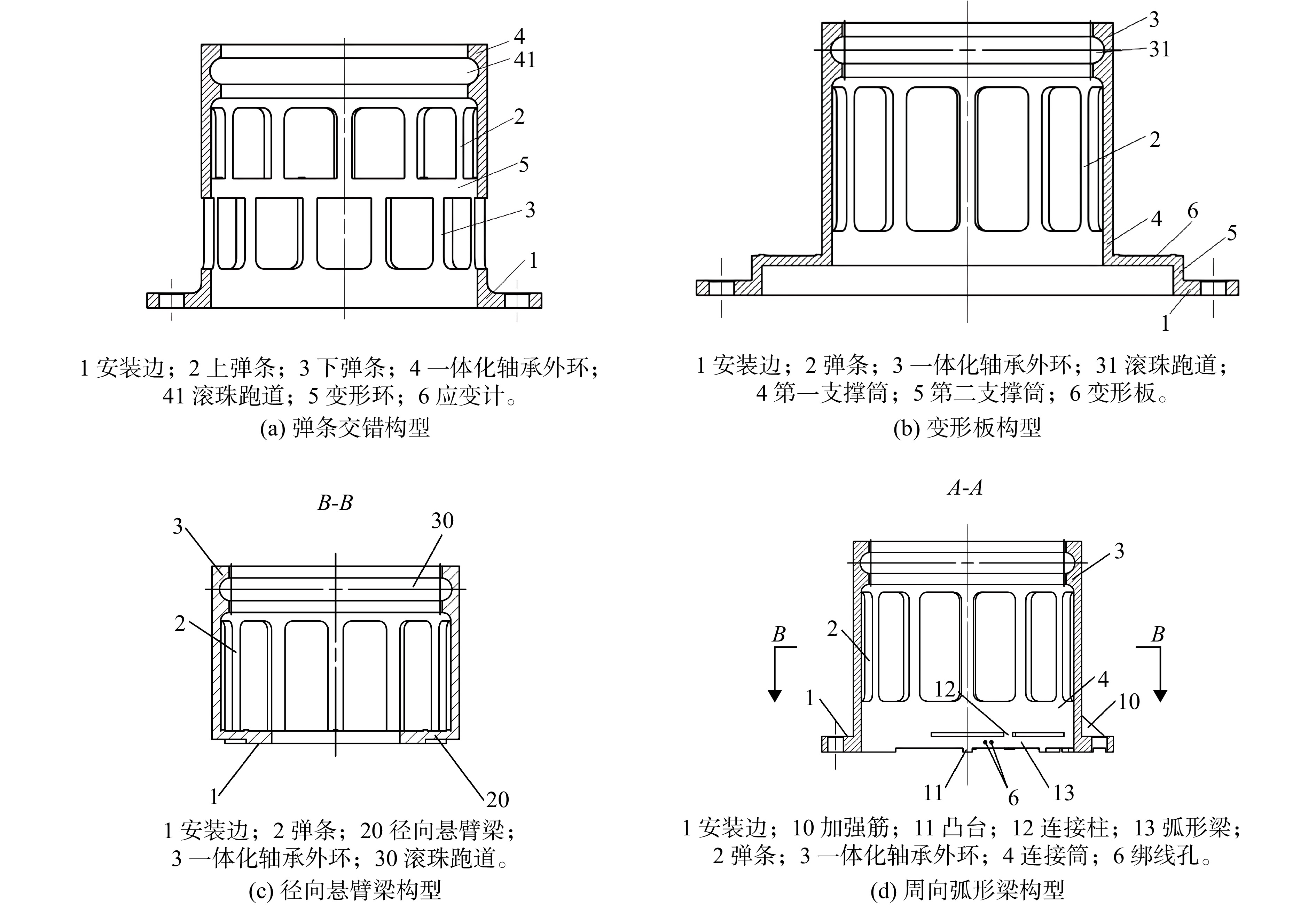
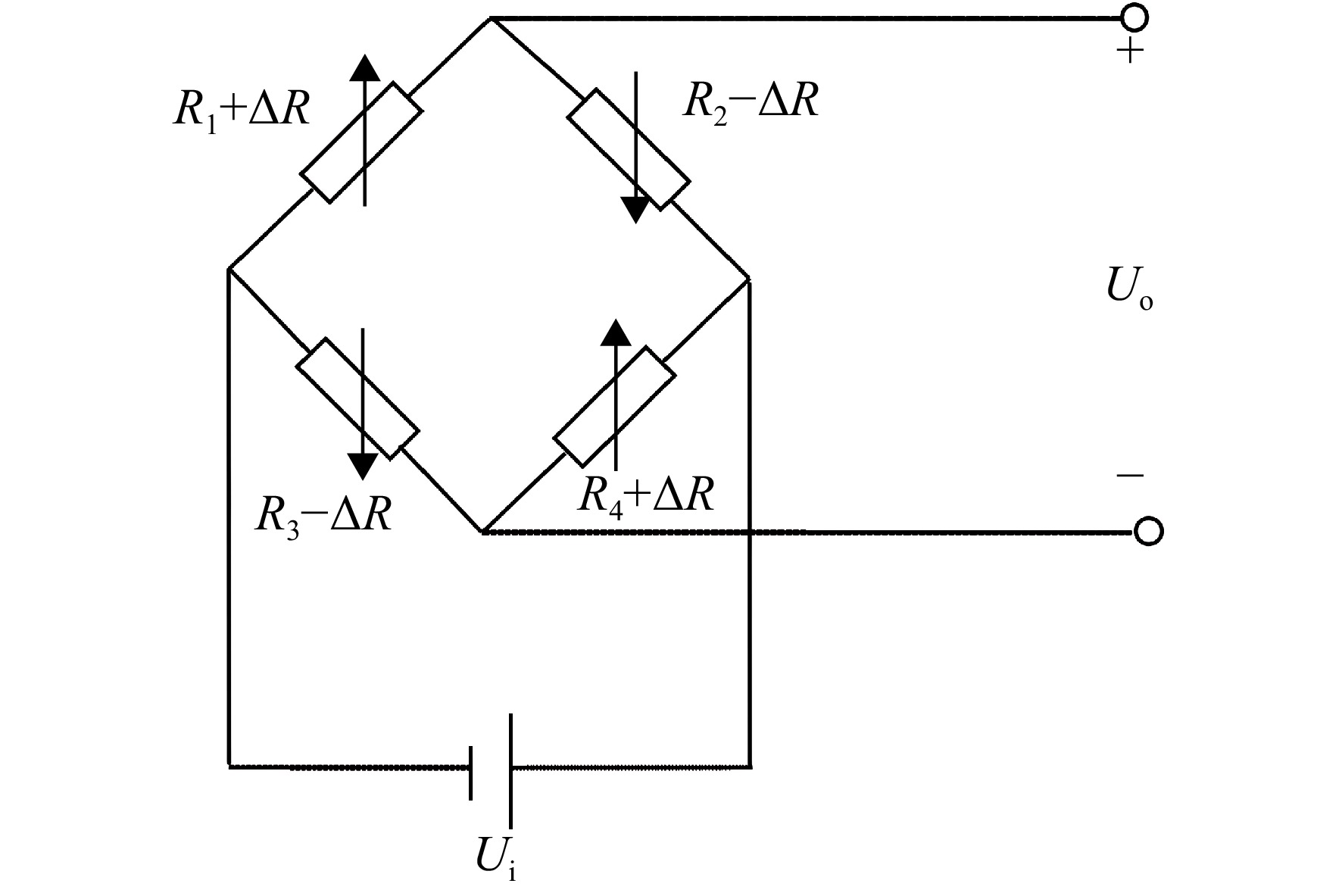
The measurement of axial force in aero-engine rotors is a critical method for obtaining rotor axial forces during engine pressure balance tests. The results of axial force measurements are of great significance for assessing rotor structural safety, aerodynamic design improvements, and axial force adjustments. The requirements for axial force measurement in aero-engine rotors were outlined, and the characteristics of common measurement methods, along with their applicability in aero-engine applications, were analyzed. Focusing on the structural features and operational conditions of aero-engines, the study elaborated on the fundamental principles and application cases of key measurement techniques, including airflow pressure measurement method, force-measuring ring measurement method, and squirrel cage elastic support measurement method. Additionally, it highlighted the current challenges in these techniques and discussed their future development trends and potential obstacles. Airflow pressure measurement method, force-measuring ring measurement method, and squirrel cage elastic support measurement method will continue to be utilized as mainstream methods for measuring axial force in aero-engine rotors in the future. Further improvements are required for measurement accuracy, stability, and sensitivity to address the shortcomings that currently affect their measurement effectiveness.

Micro- and nano-scale feature extraction method for aviation silicon nitride turbine blades based on adaptive Perona-Malik enhancement and multi-scale Canny segmentation
YU Dongling, LIAO Xianqi, REN Haoyang, BAO Chao, LAI Zengguang, WANG Jie
2026, 41(5): 20250488. doi: 10.13224/j.cnki.jasp.20250488
Abstract:

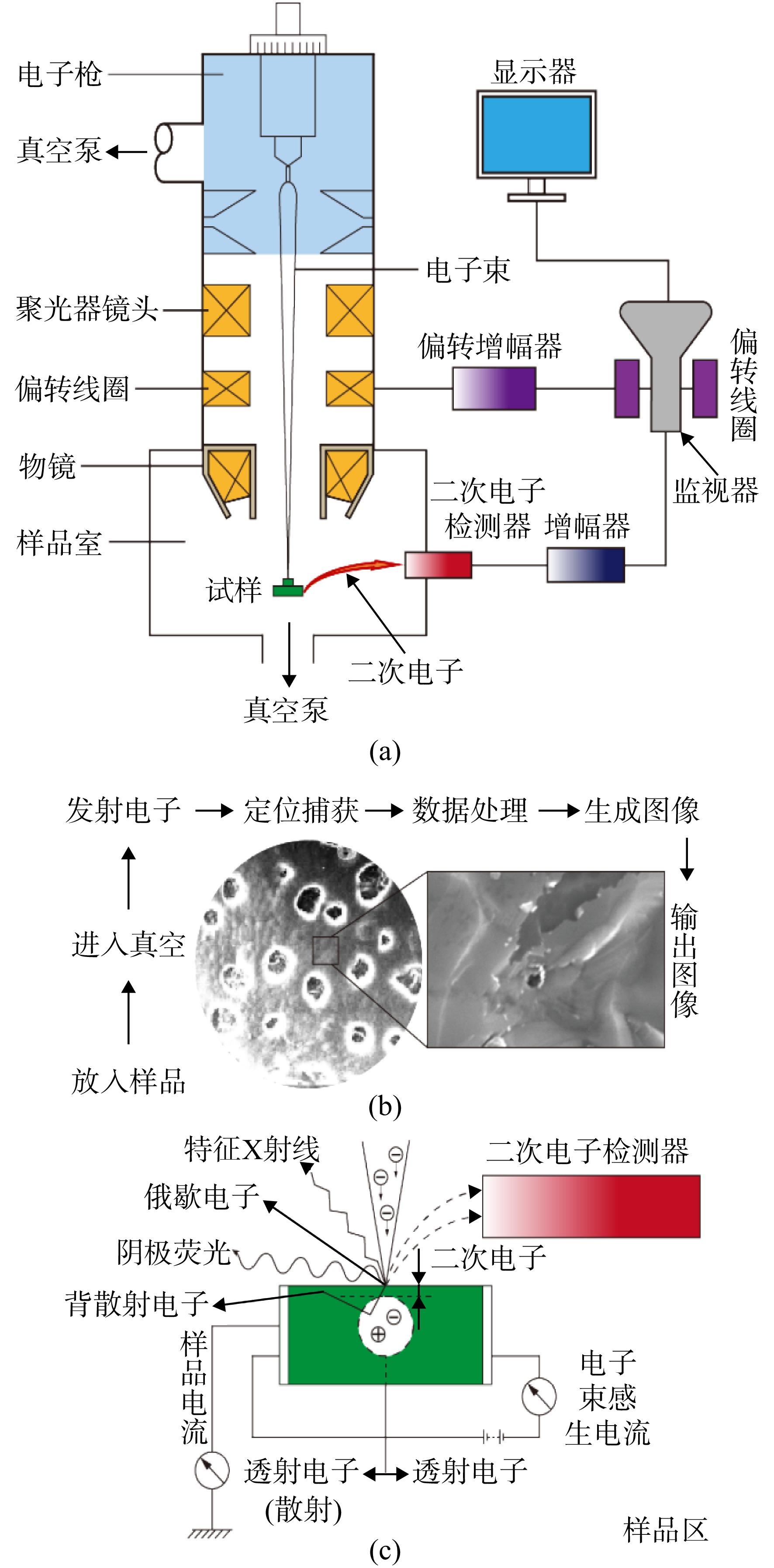
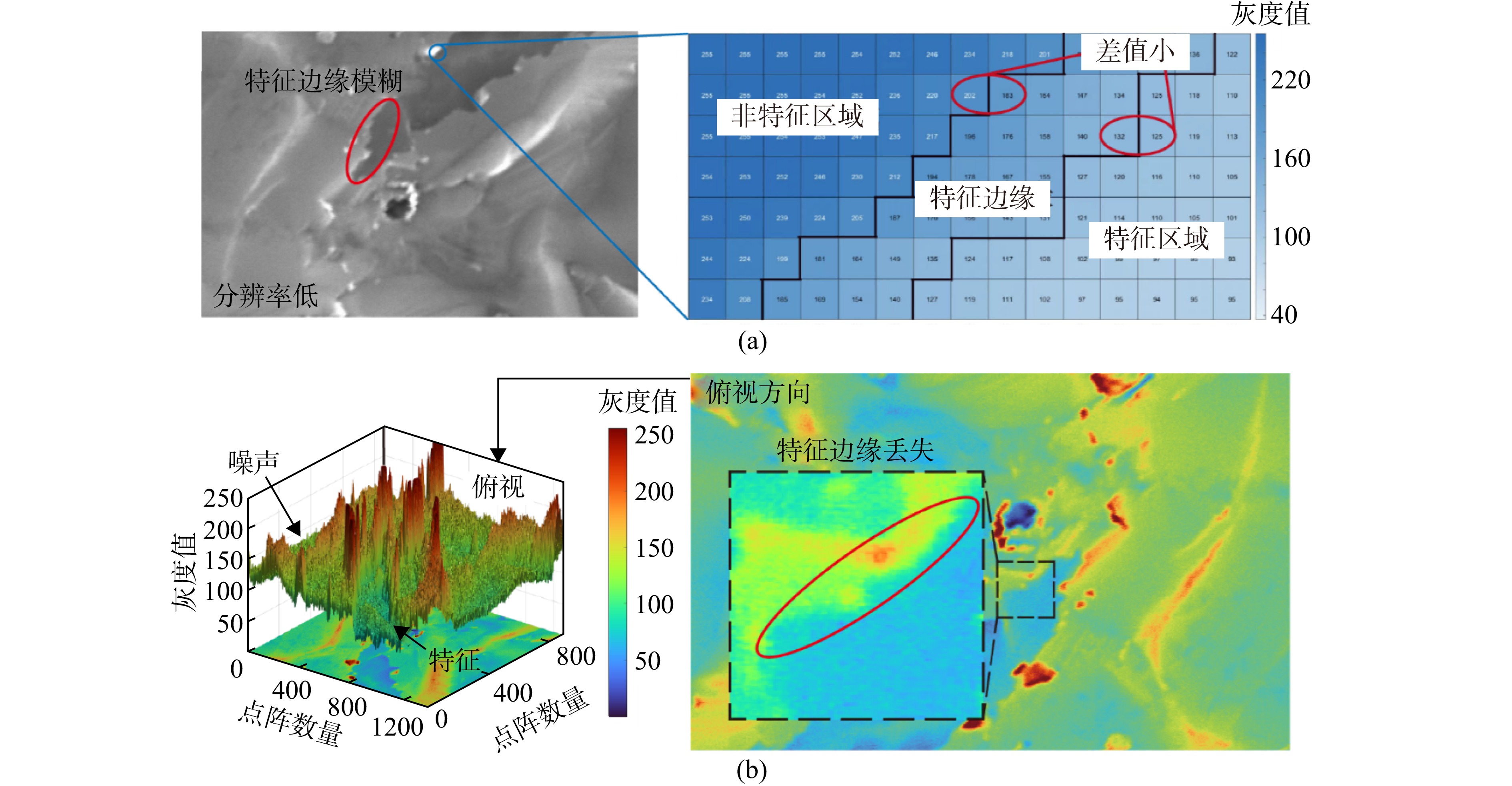
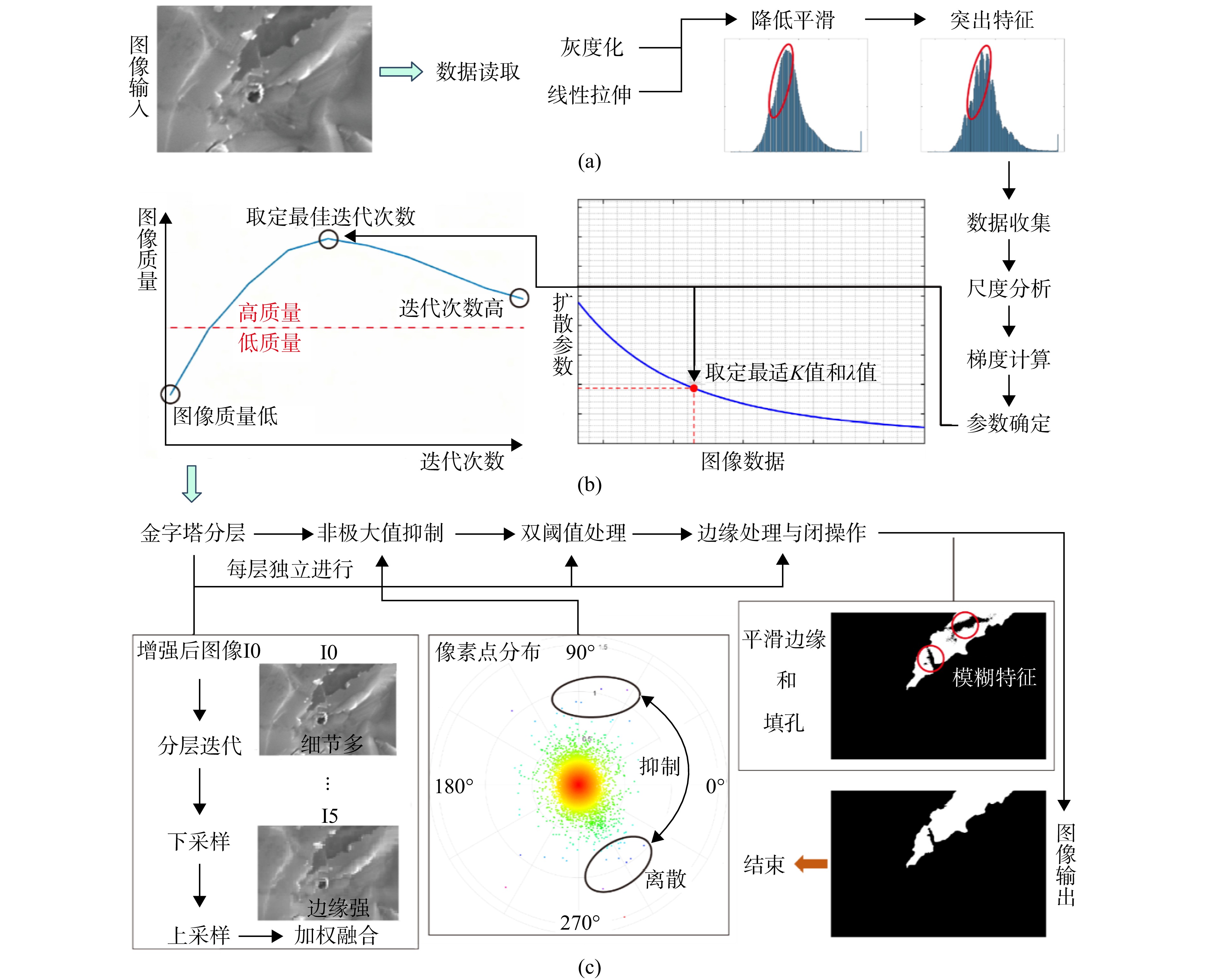
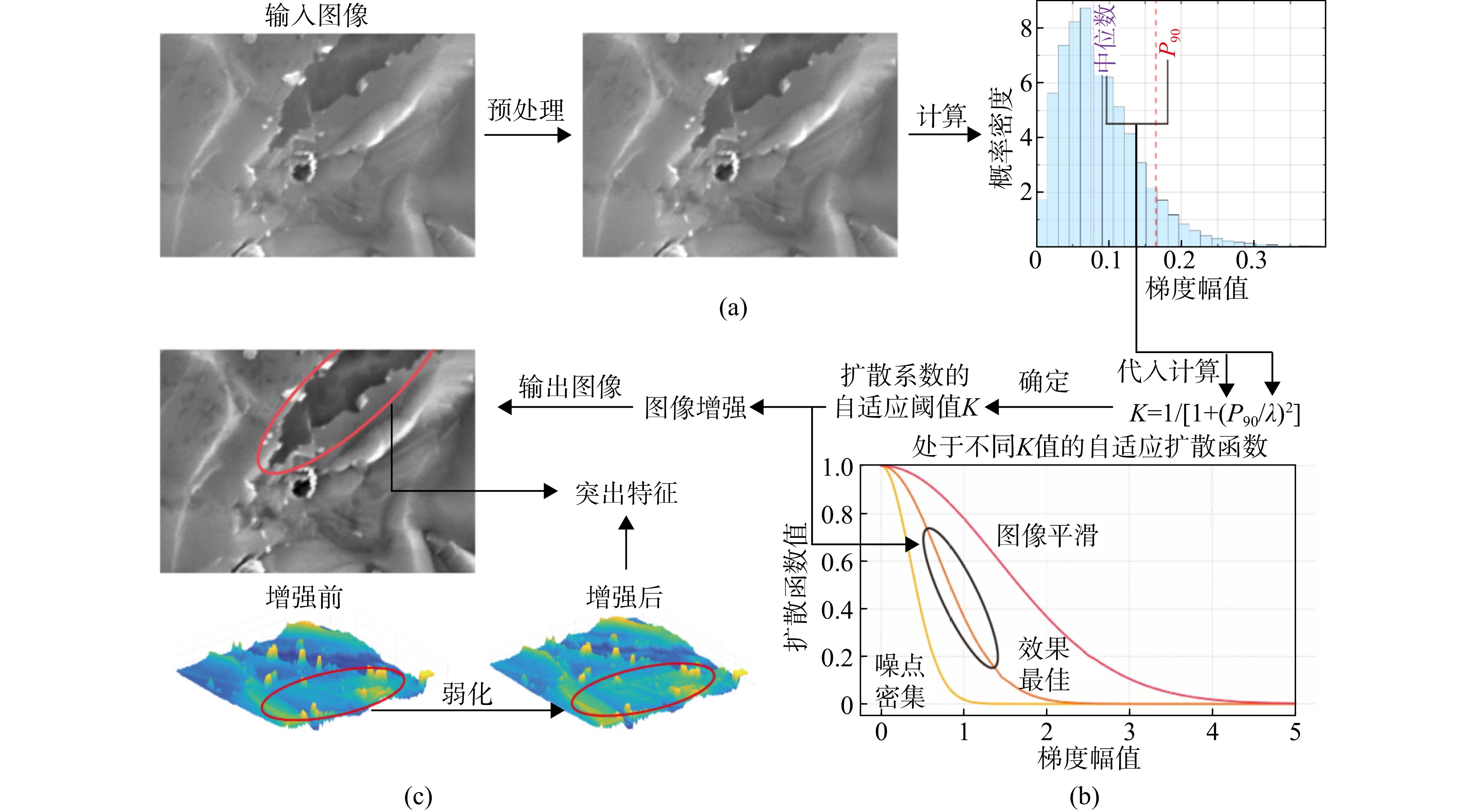
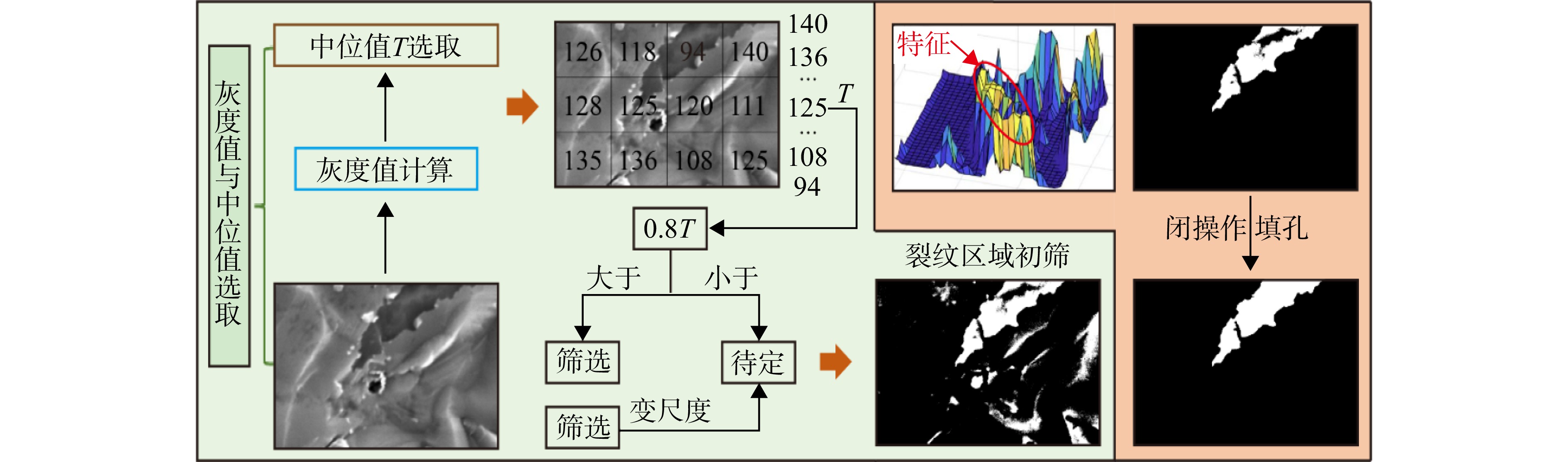
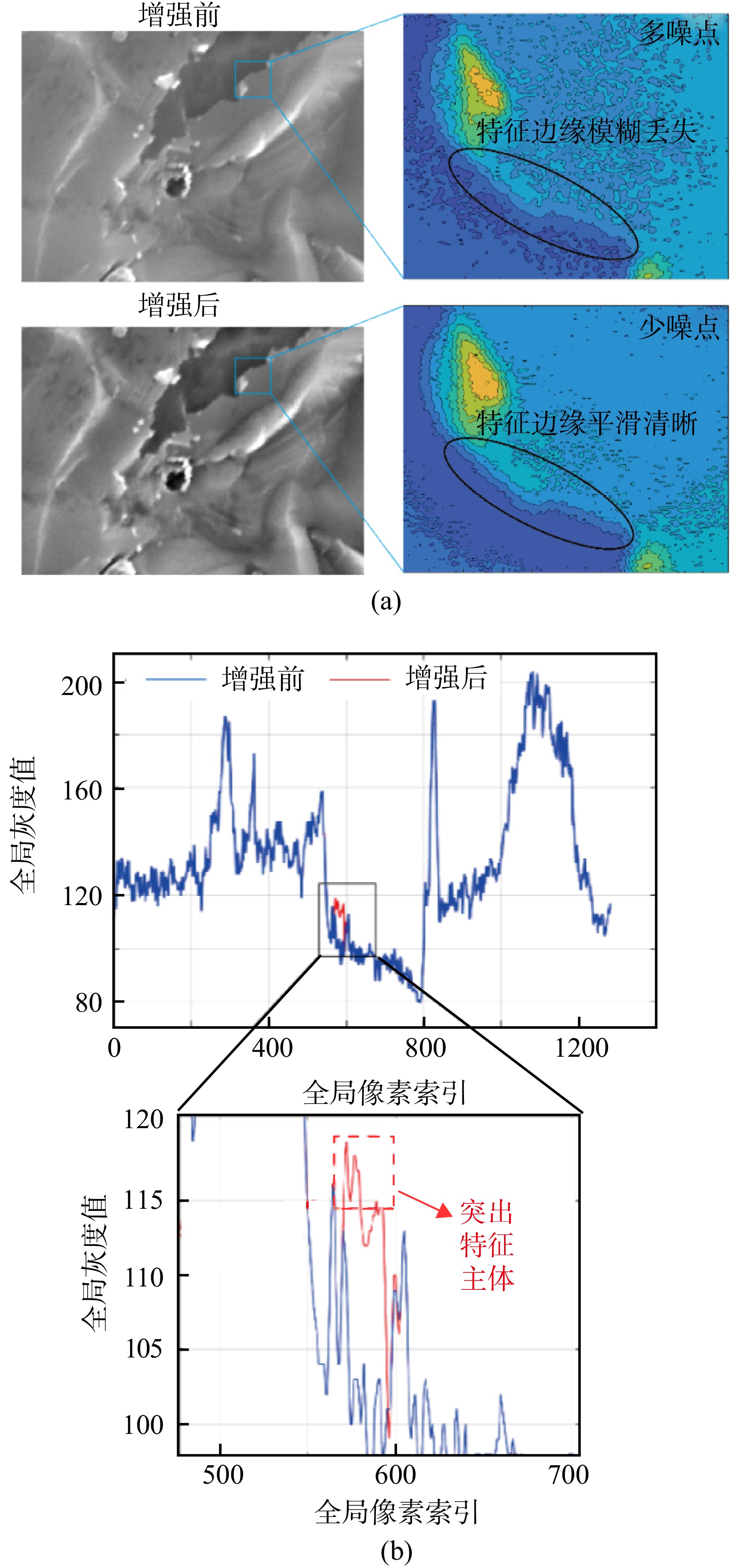
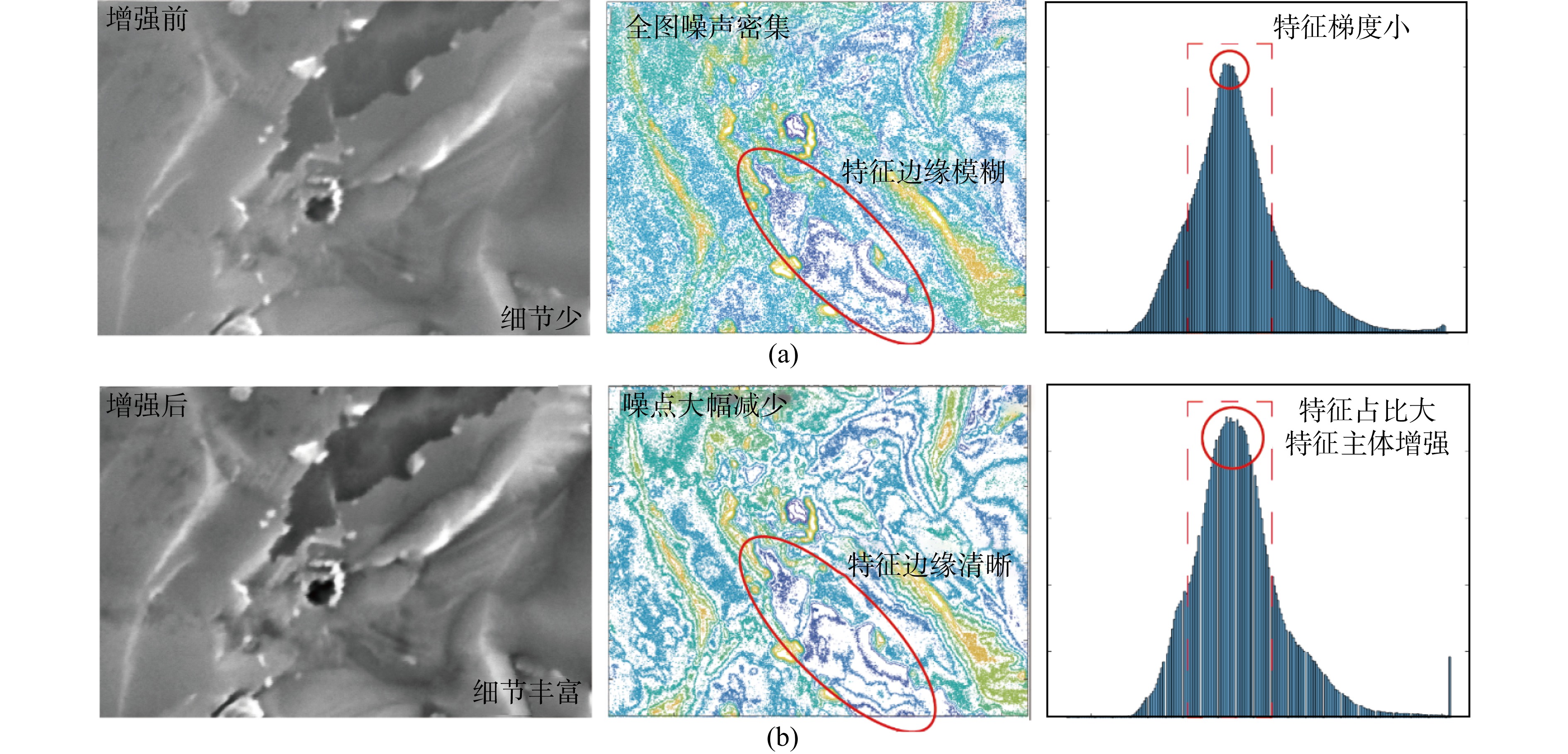
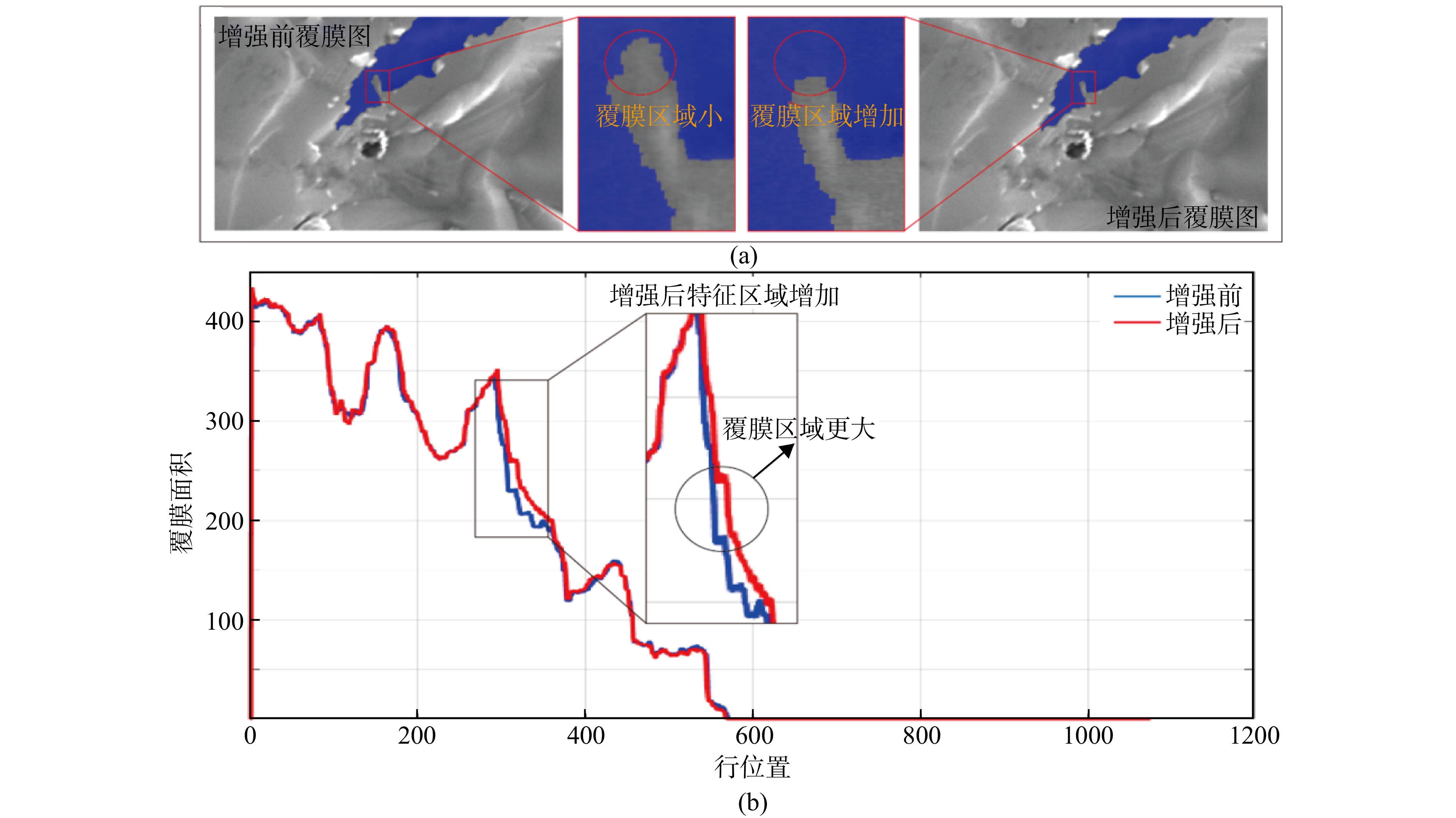
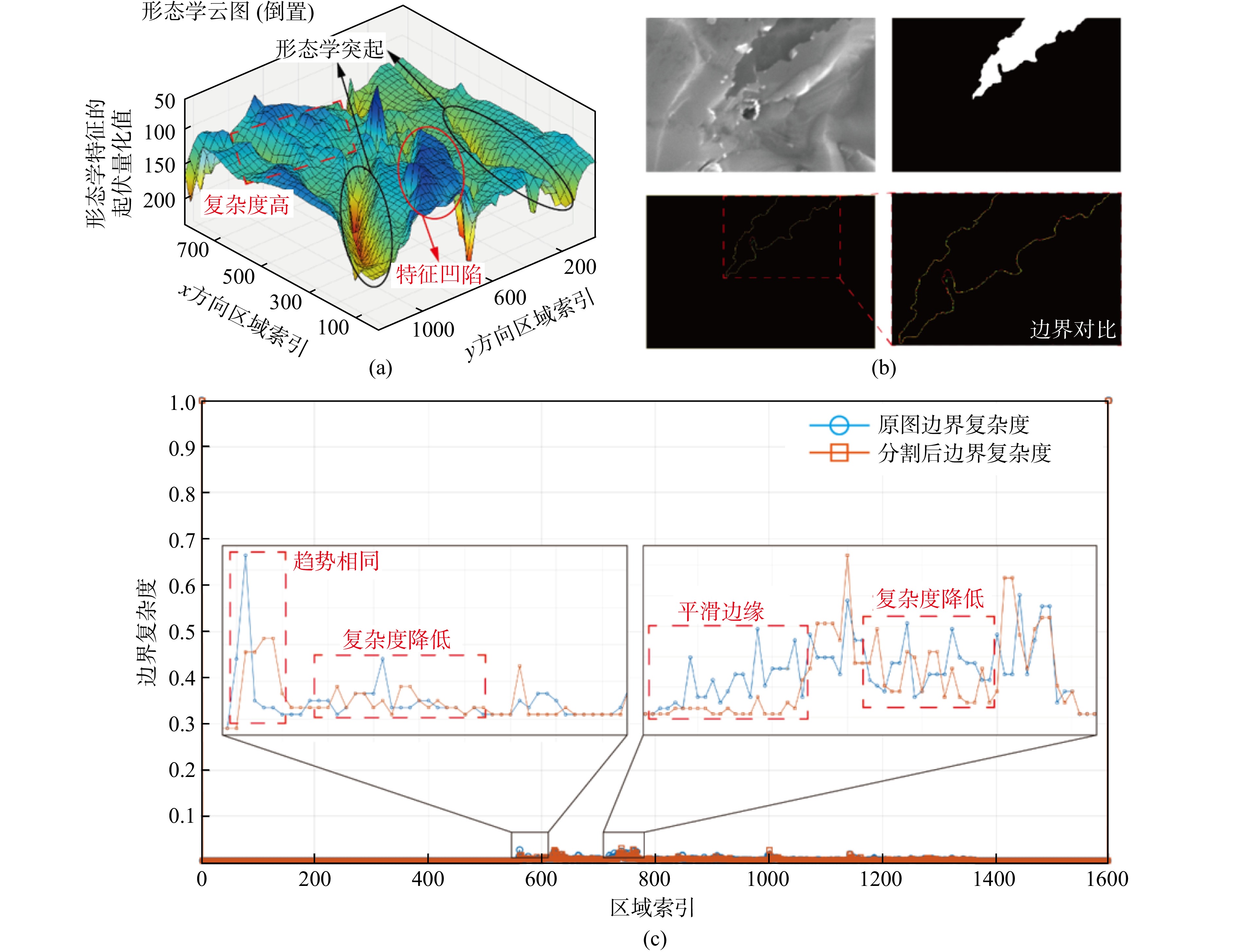
To address the issues of dense noise, blurred edges, and feature loss in images of aviation silicon nitride turbine blades with micro- and nano-scale features (5—15 μm), a coupled method based on adaptive Perona-Malik enhancement and multi-scale Canny segmentation was proposed. This approach enabled high-precision, low-loss extraction of aviation silicon nitride turbine blades with micro- and nano- scale features. By analyzing the gradient distribution and noise characteristics of feature images, an adaptive mechanism based on the median gradient and 90th percentile diffusion coefficient was constructed. A multi-scale pyramidal hierarchical strategy was designed to perform non-maximum suppression and dual-threshold segmentation at different scales. Finally, through weighted fusion, the results were restored to the original scale, achieving comprehensive extraction and refinement of multi-scale edges. The enhanced image structure similarity index (SSIM) reached 0.9706, while the intersection-over-union (IoU) of the segmented images achieved 0.936 9. This effectively mitigated the issue of incomplete feature extraction caused by noise interference and edge loss, and significantly improved the characterization accuracy and defect analysis capability of aviation silicon nitride turbine blades with micro- and nano-scale features, thereby providing reliable support for the accurate identification of micro- and nano-scale defects in the blades and the guarantee of their service safety.

Effect of milling process on surface residual stress of titanium alloy disk
ZHOU Huimin, LIU Zonghui, LI Ruifeng, LI Guo, DING Shuiting
2026, 41(5): 20250203. doi: 10.13224/j.cnki.jasp.20250203
Abstract:

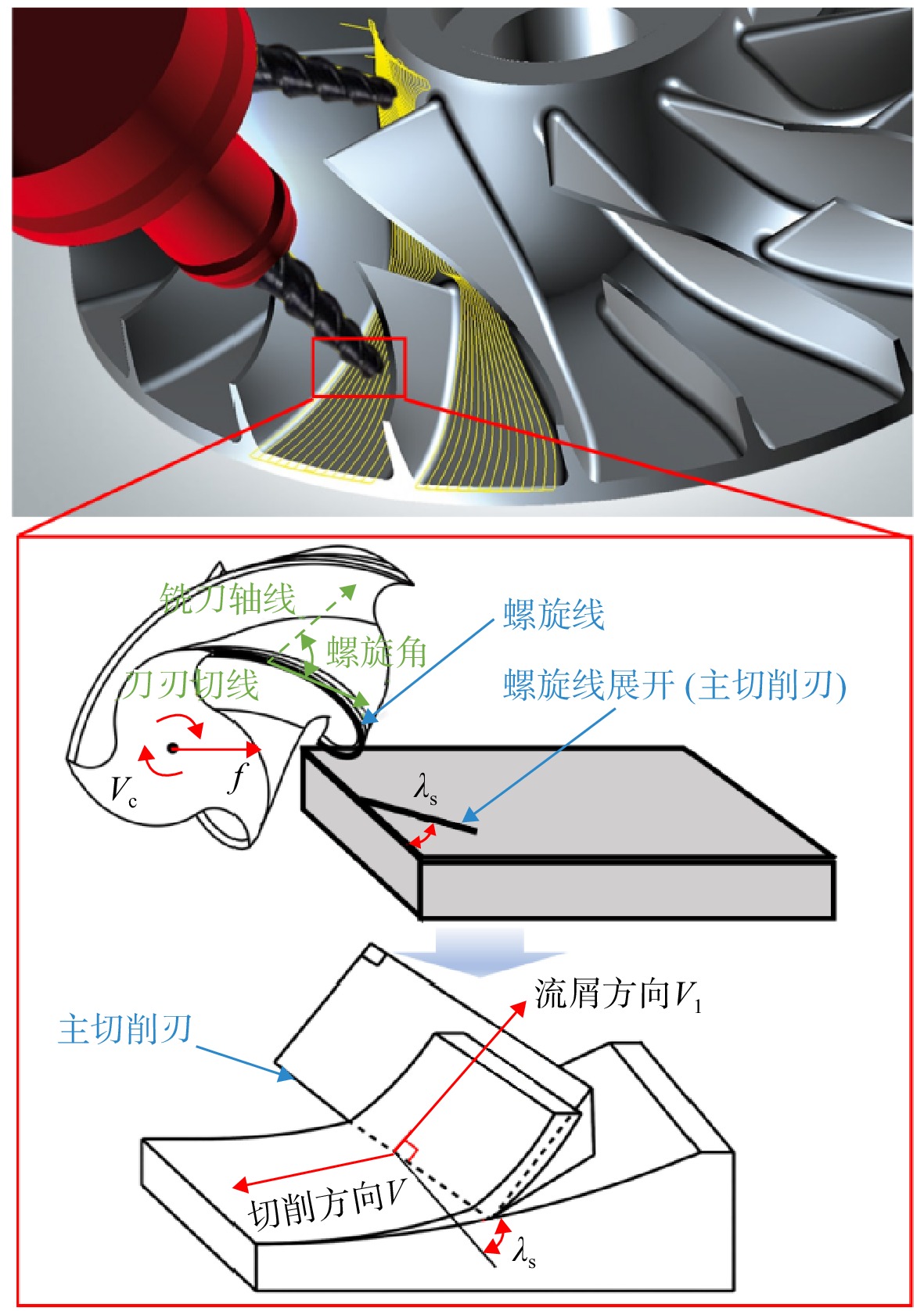
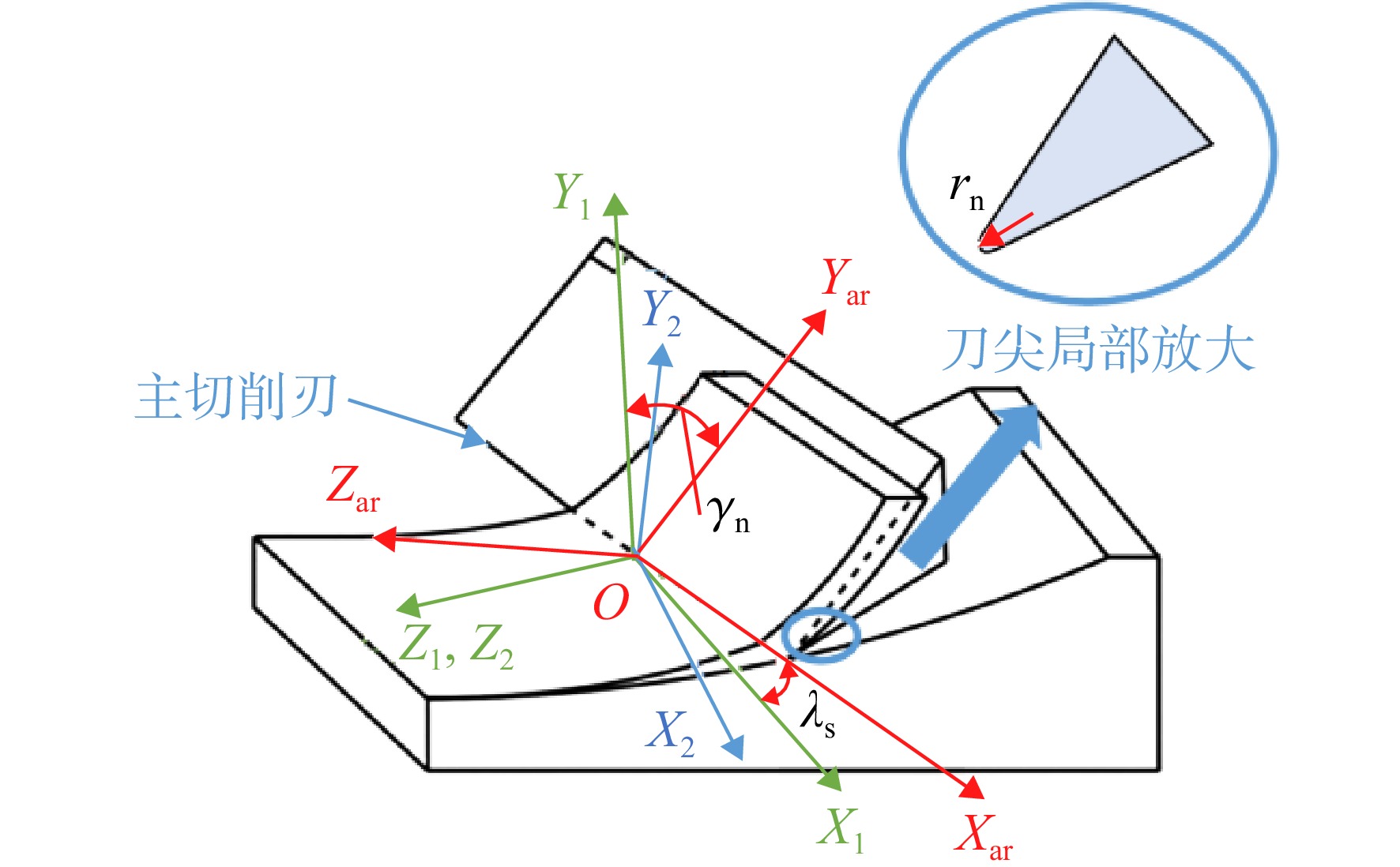
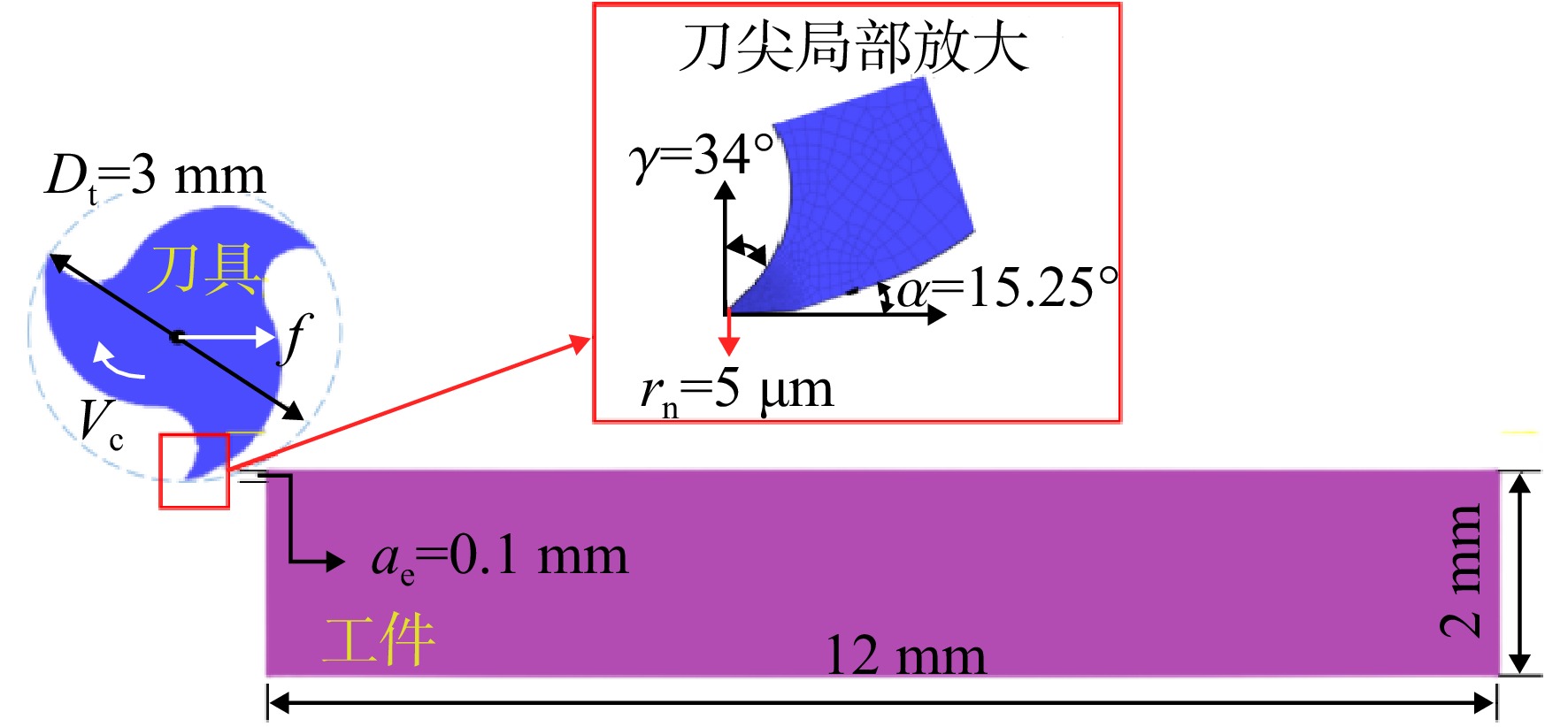
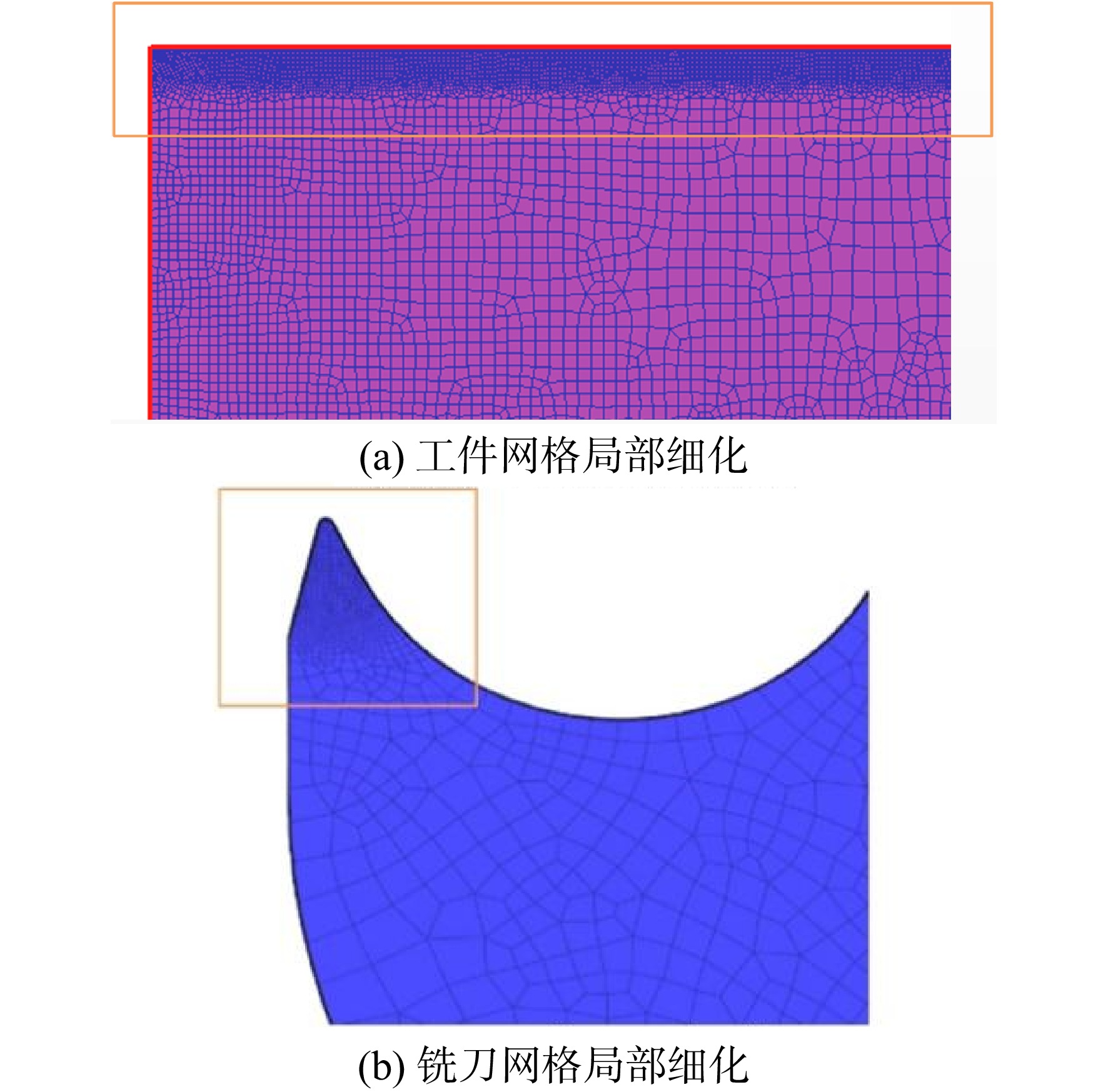
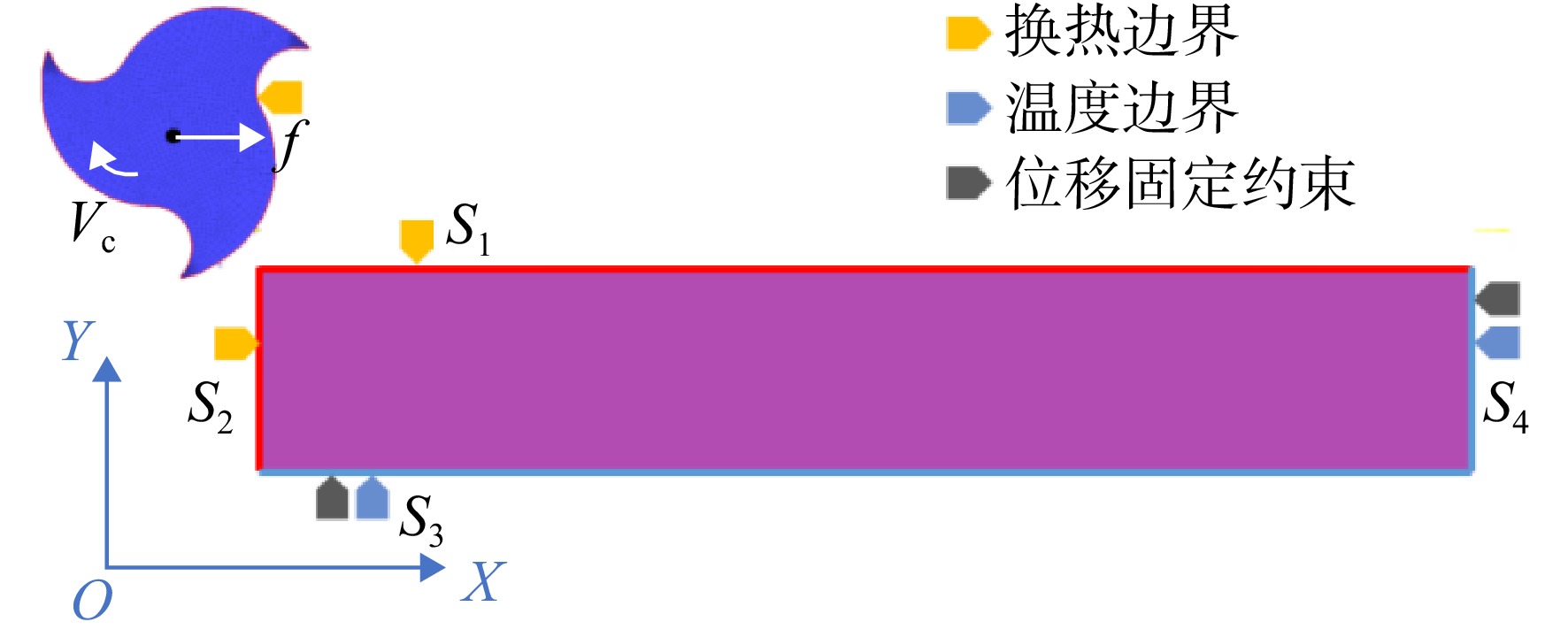
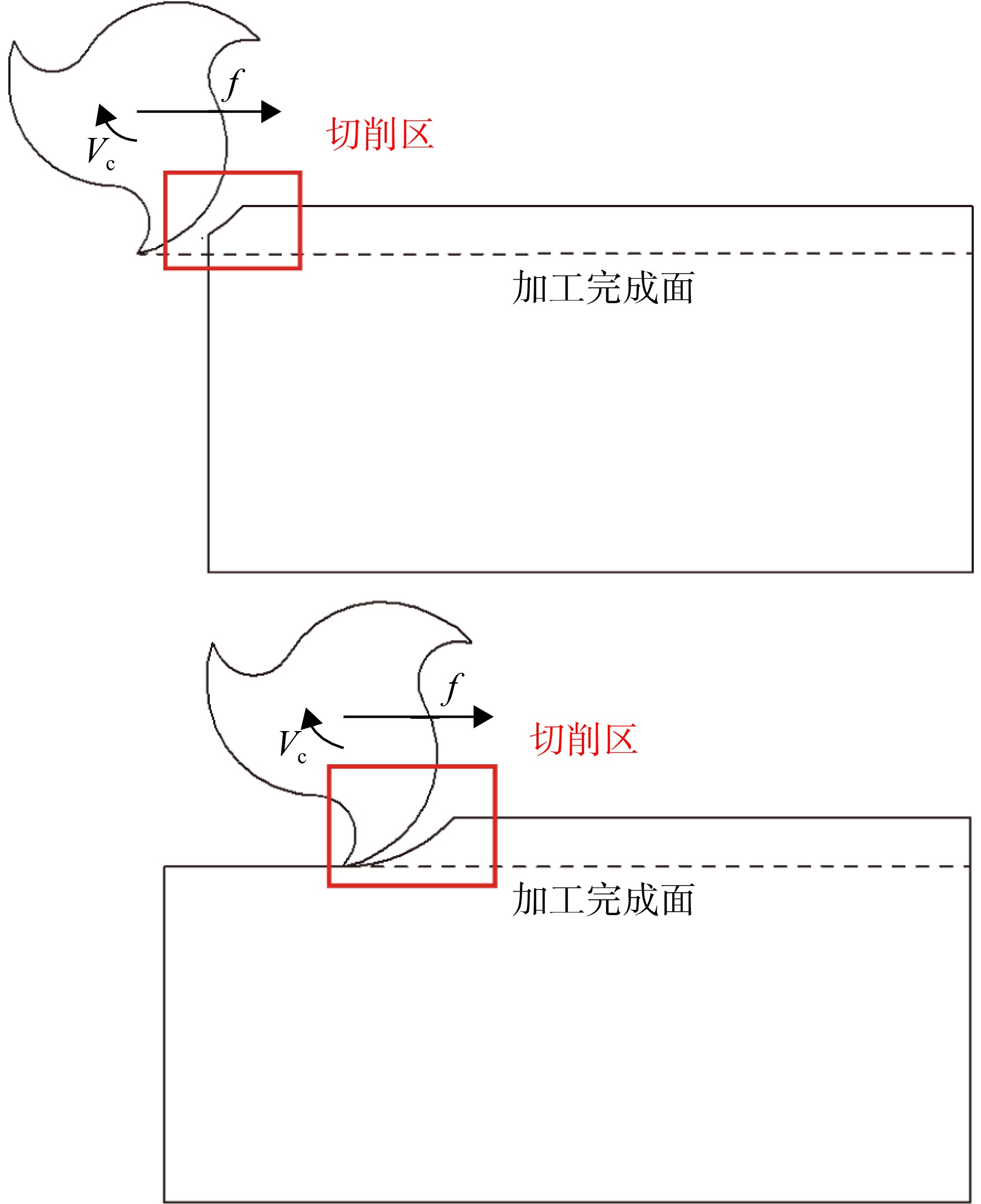
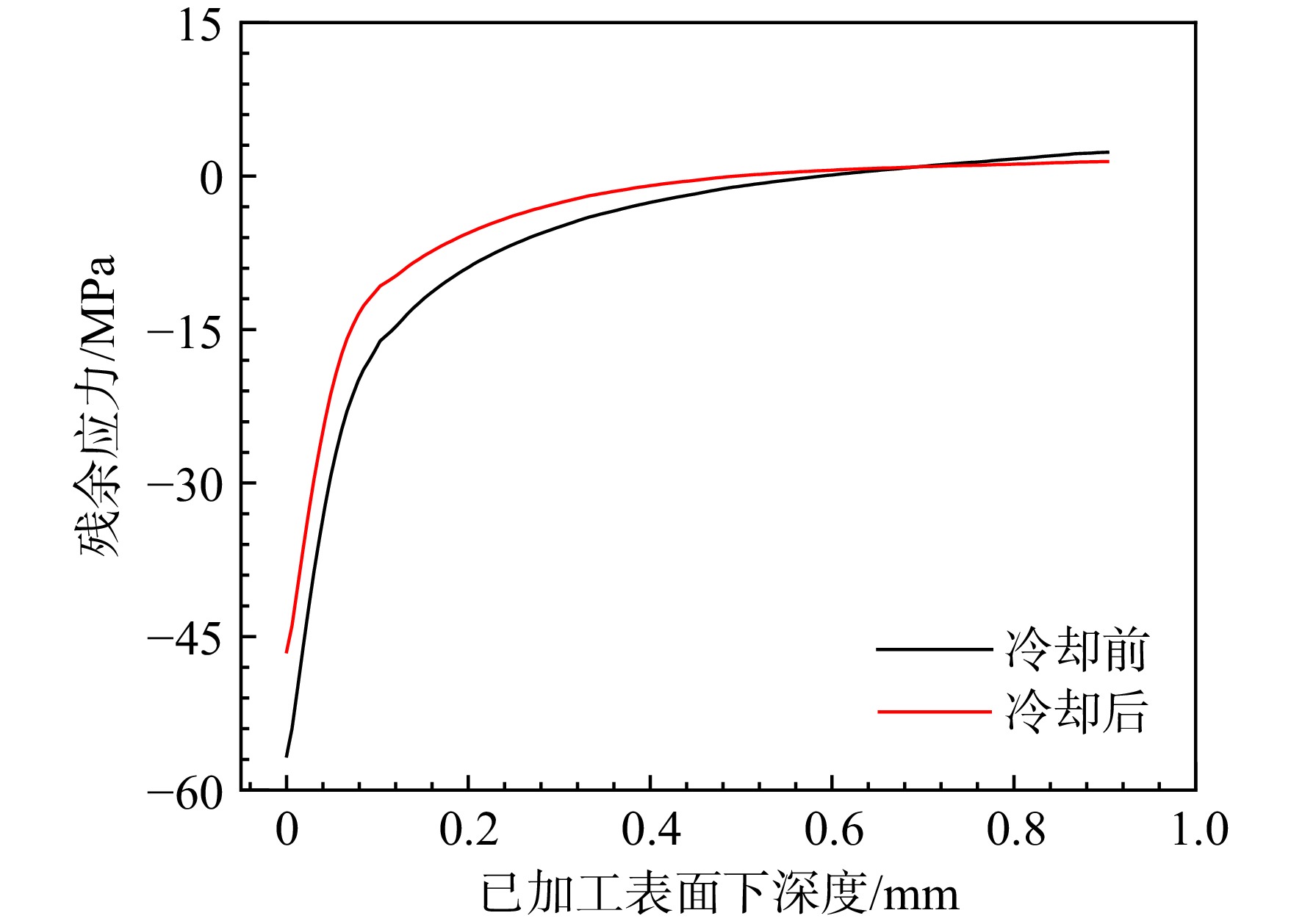
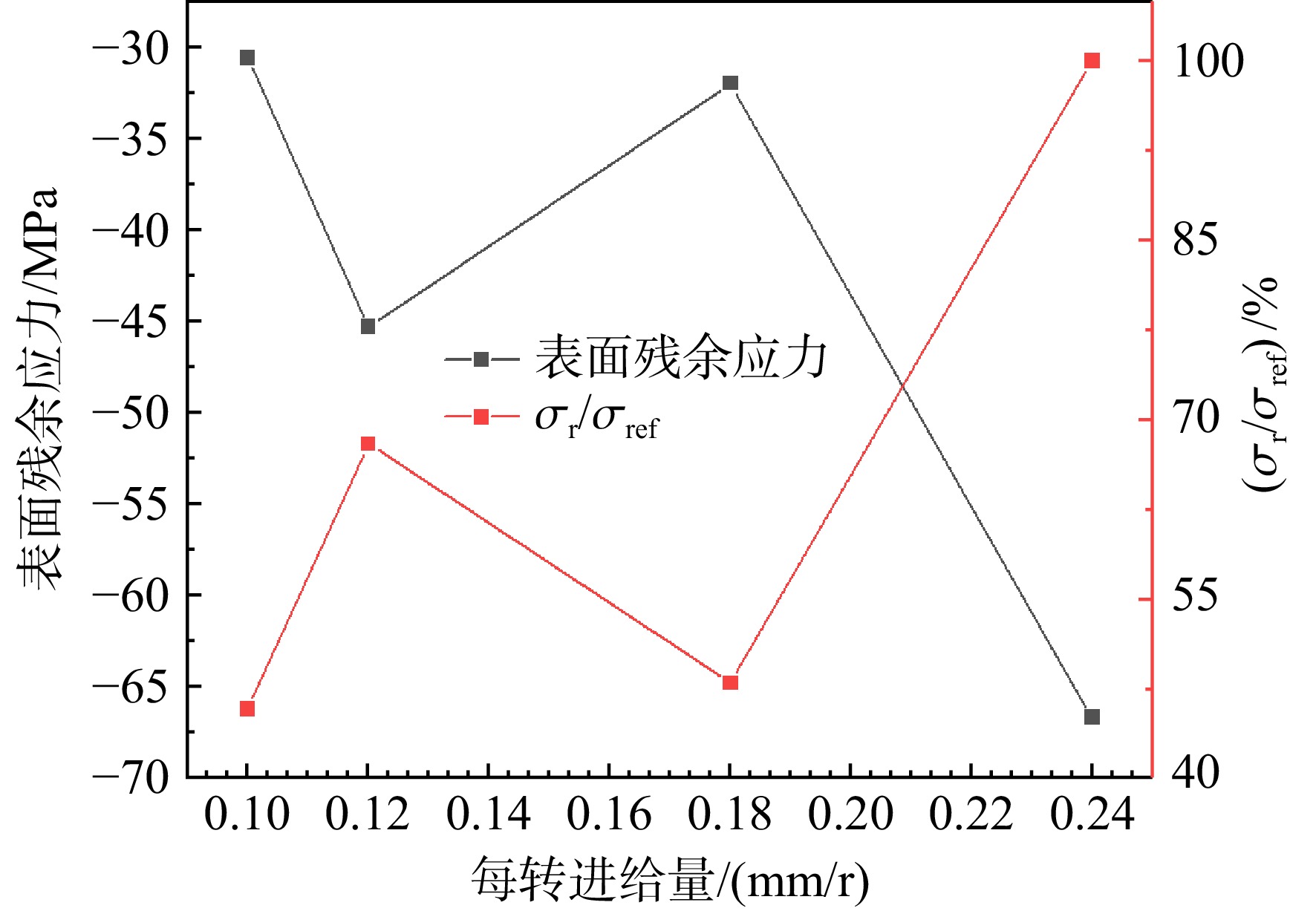
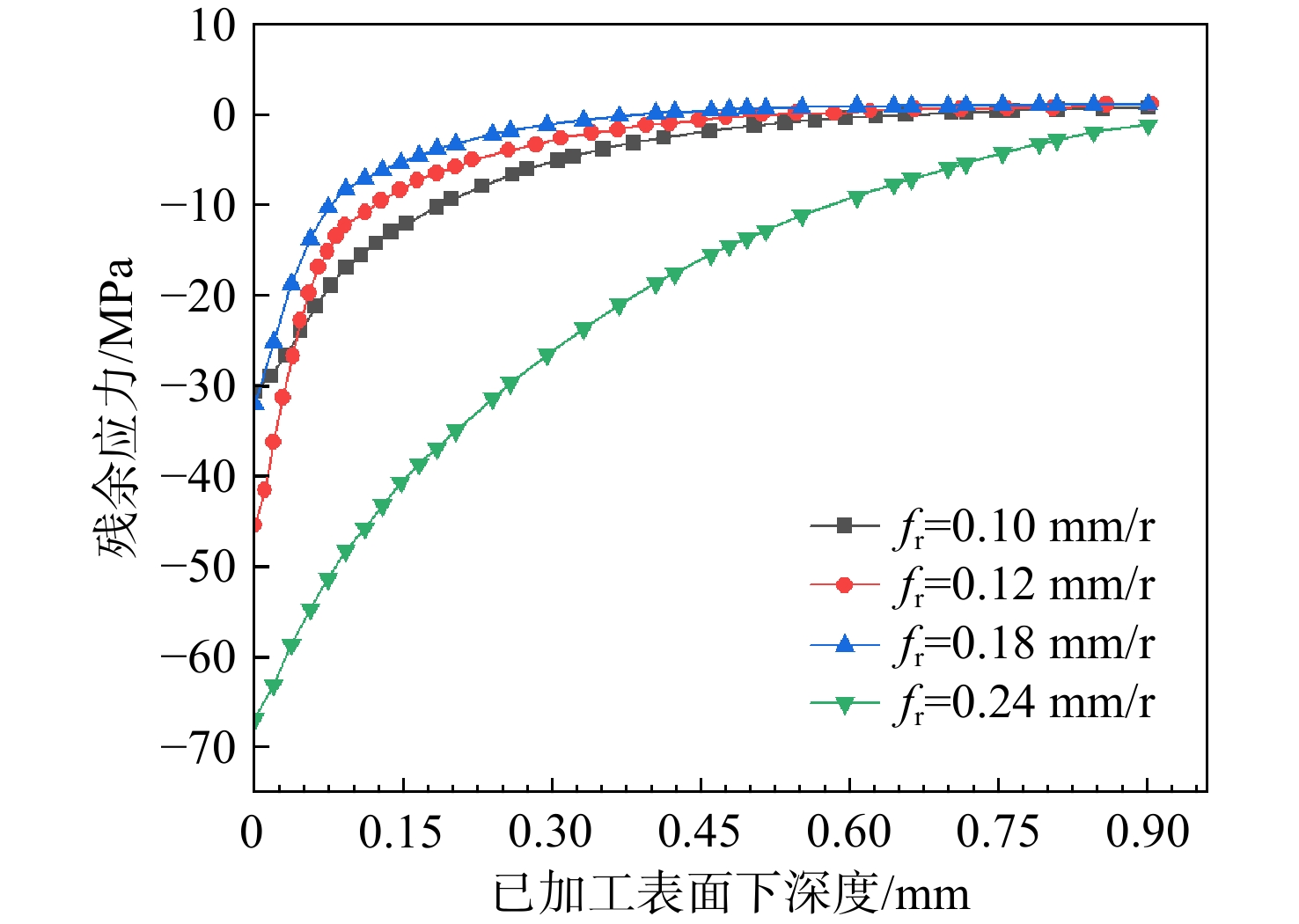
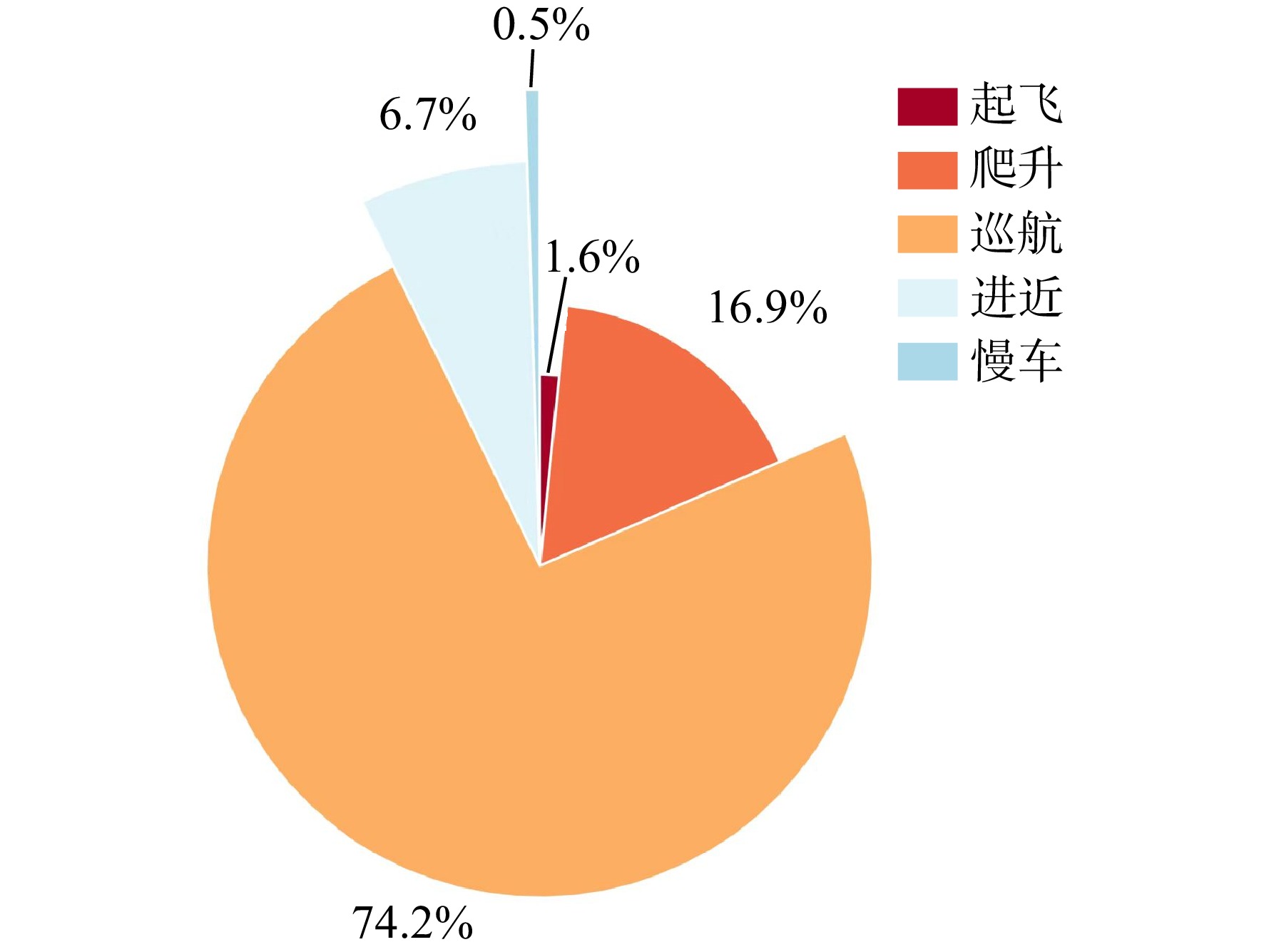
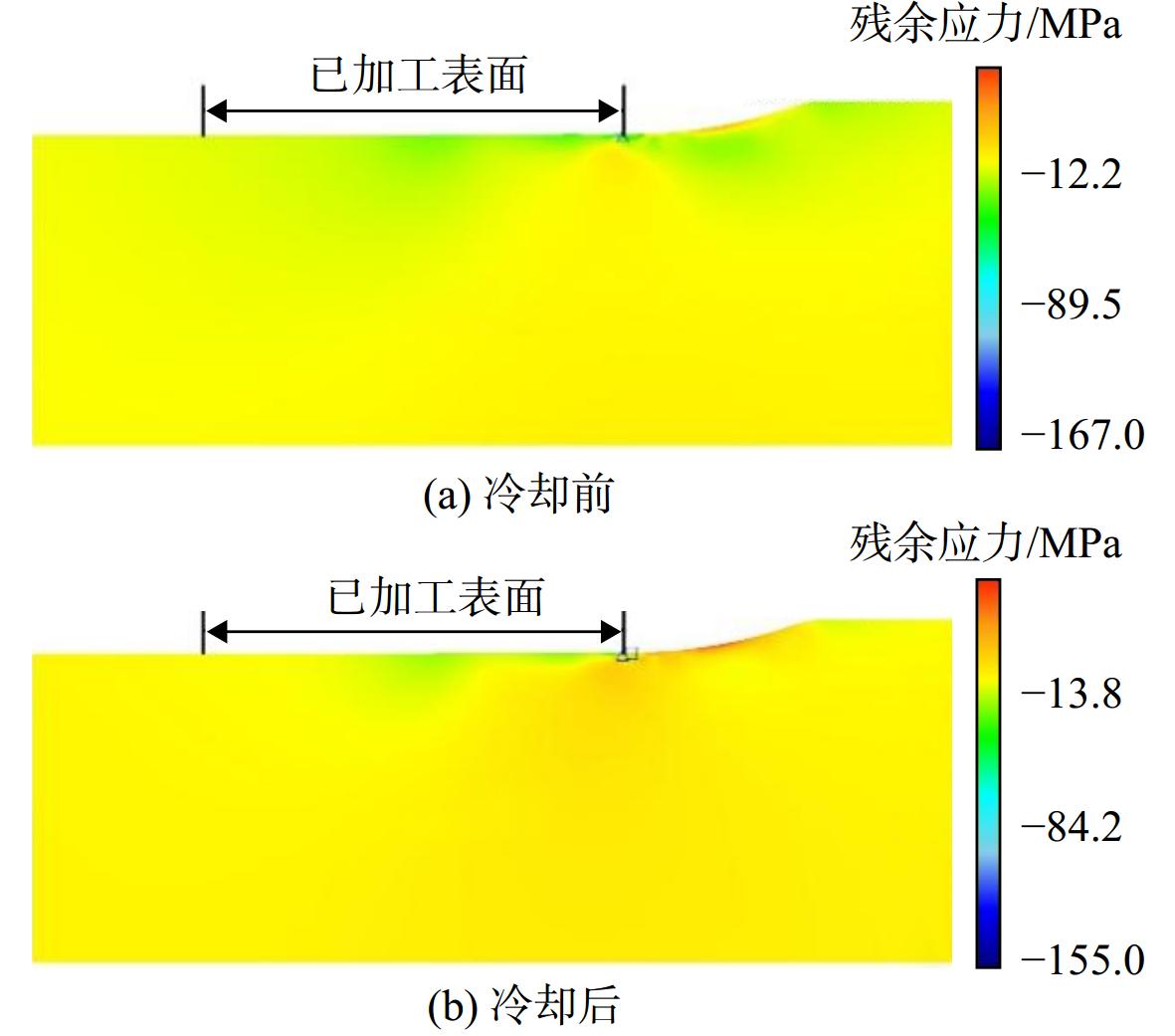
The surface residual stress induced by milling, which is the final machining process for aero-engine disks, is an important input for the safety design of aero-engine disks. The three-dimensional milling simulation is time-consuming because of geometry generation and remeshing, and the two-dimensional milling simulation oversimplifies variables of milling. To overcome the limitations of the three-dimensional and two-dimensional milling simulation, a two-dimensional continuous milling simulation model considering the helix angle was proposed. With reference to the actual milling process, deviations from the milling parameters were introduced, and the influence of spindle speeds and feed rates on residual stress was analyzed. The results showed that the surface residual stress induced by the milling process was compressive stress, with a magnitude of −20— −50 MPa, and the residual stress depth ranged from 0—100 μm. With the increase of the spindle speed, the surface residual compressive stress showed a decreasing trend, while the spindle speed had a minor effect on the residual stress depth. As the feed rate increased, the absolute value of the surface residual stress increased.

Optimization of the special-shaped relief groove structure of fuel gear pump based on multi-cavity lumped parameter model
ZHOU Deqing, JIAN Yuhao, ZHANG Wenbo, FU Jiangfeng
2026, 41(5): 20250201. doi: 10.13224/j.cnki.jasp.20250201
Abstract:

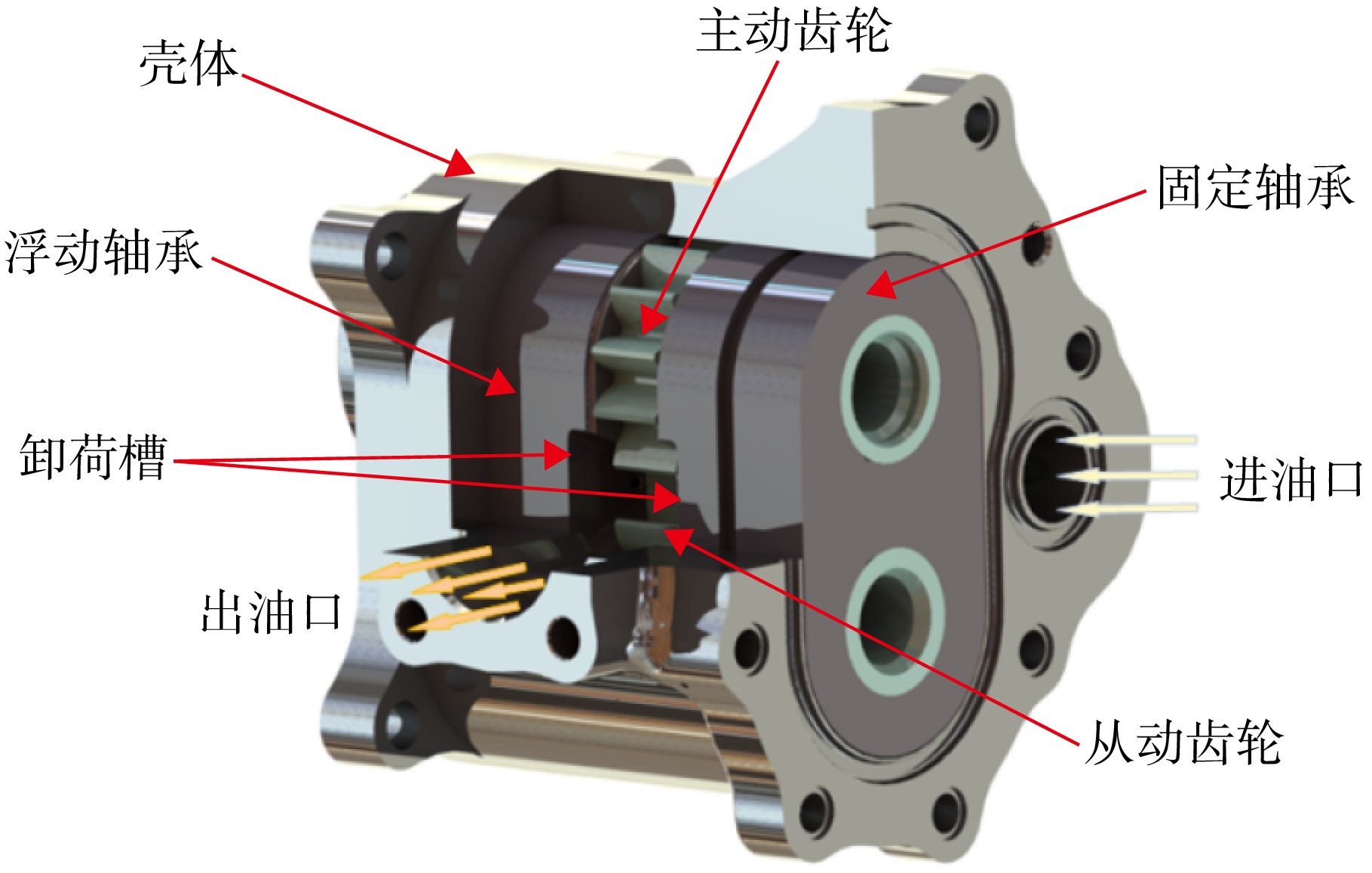
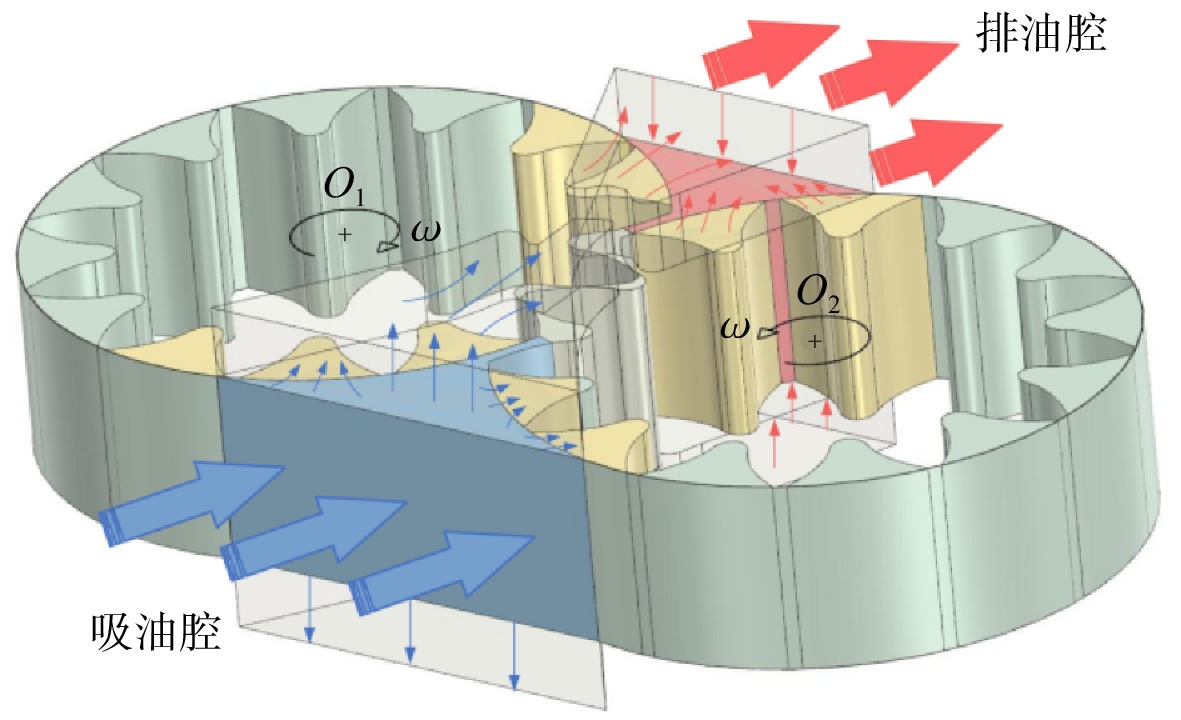
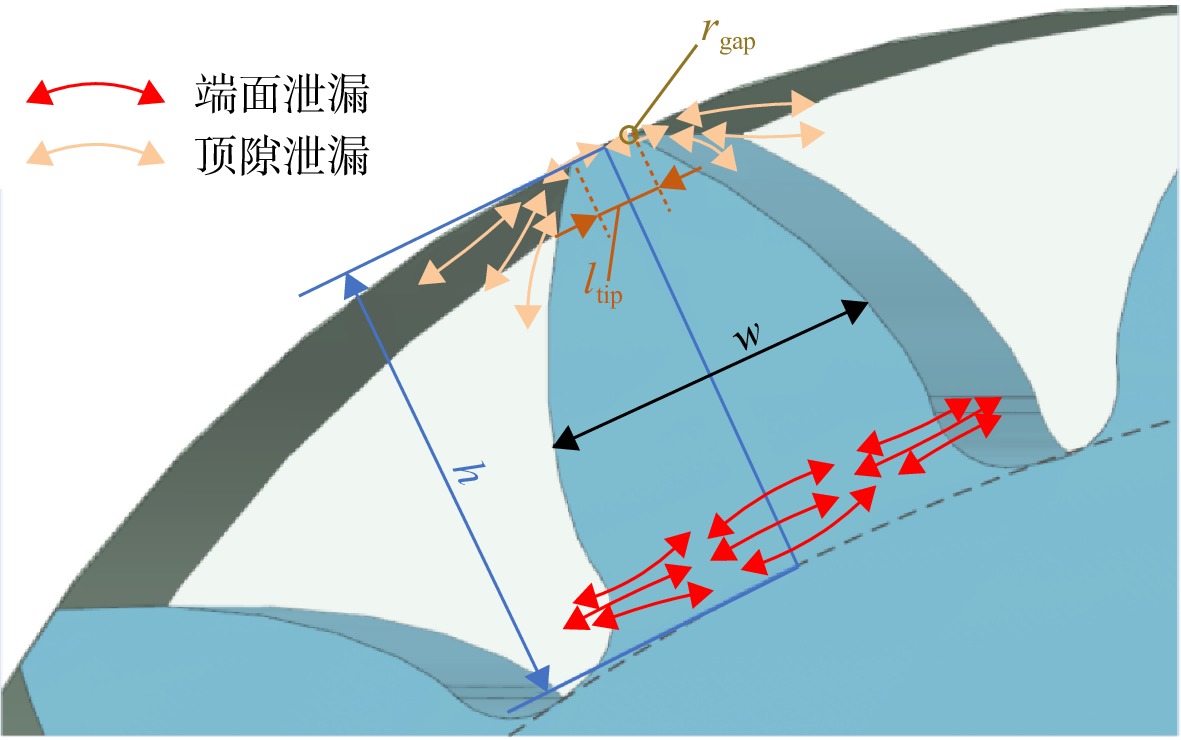
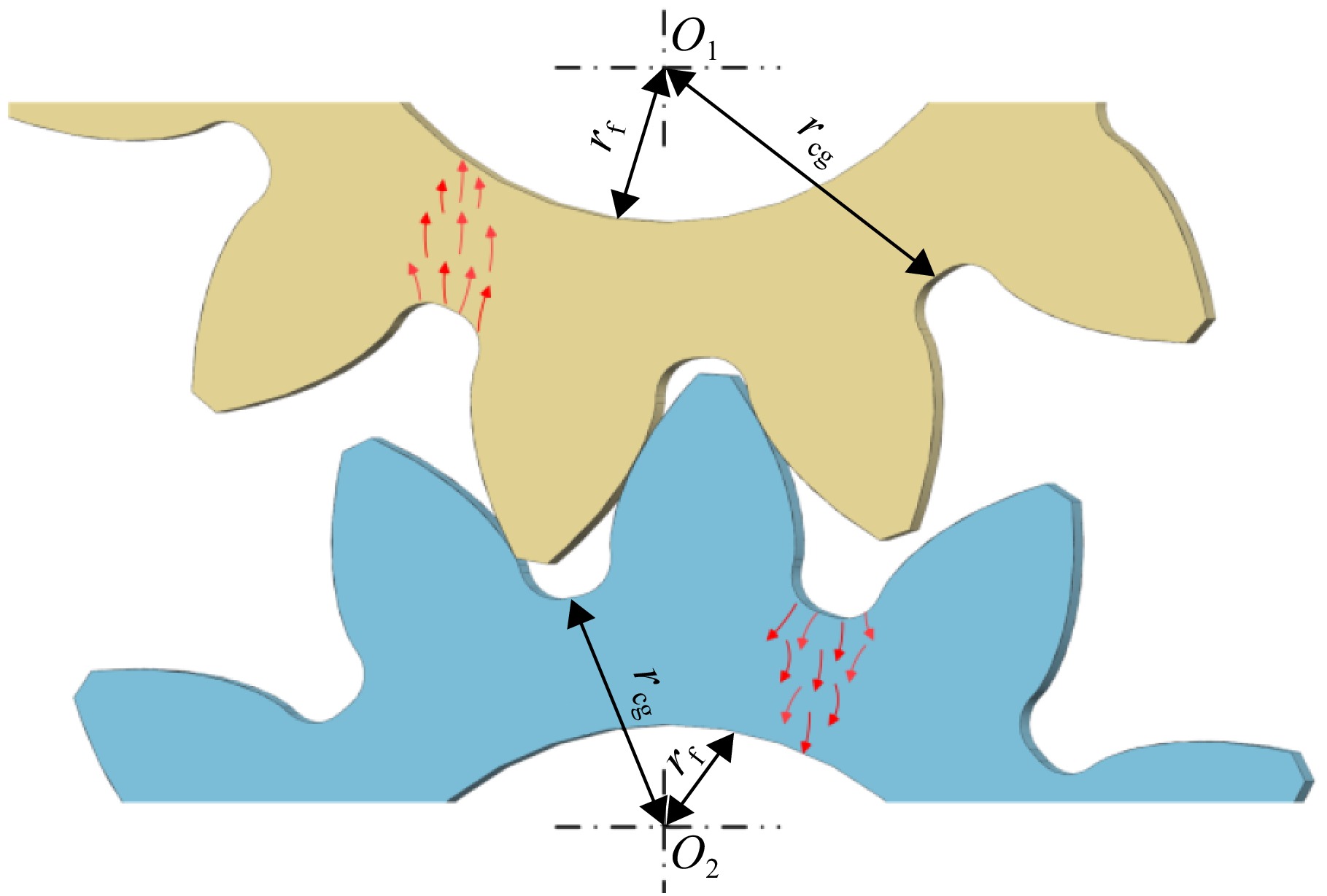
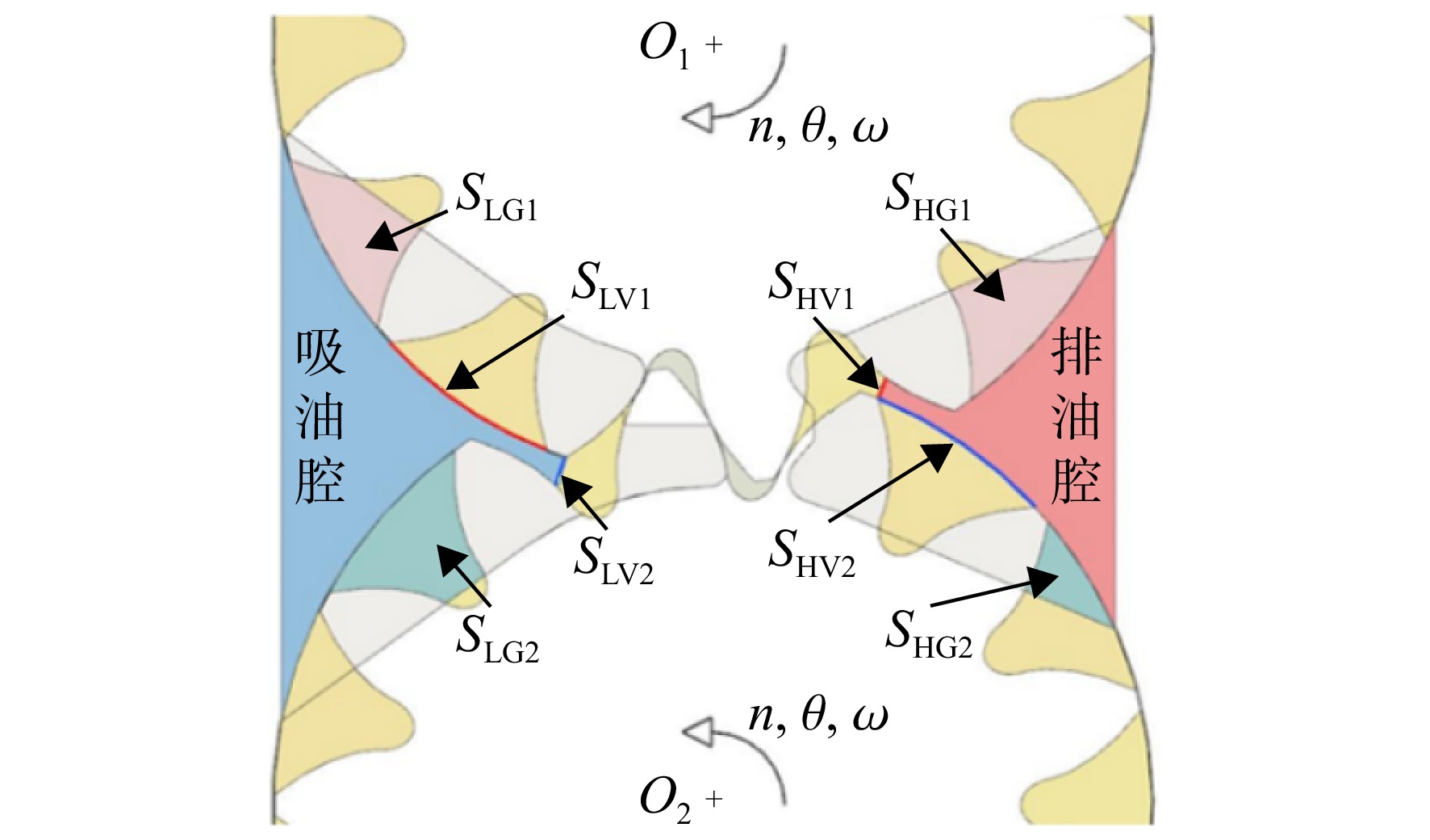
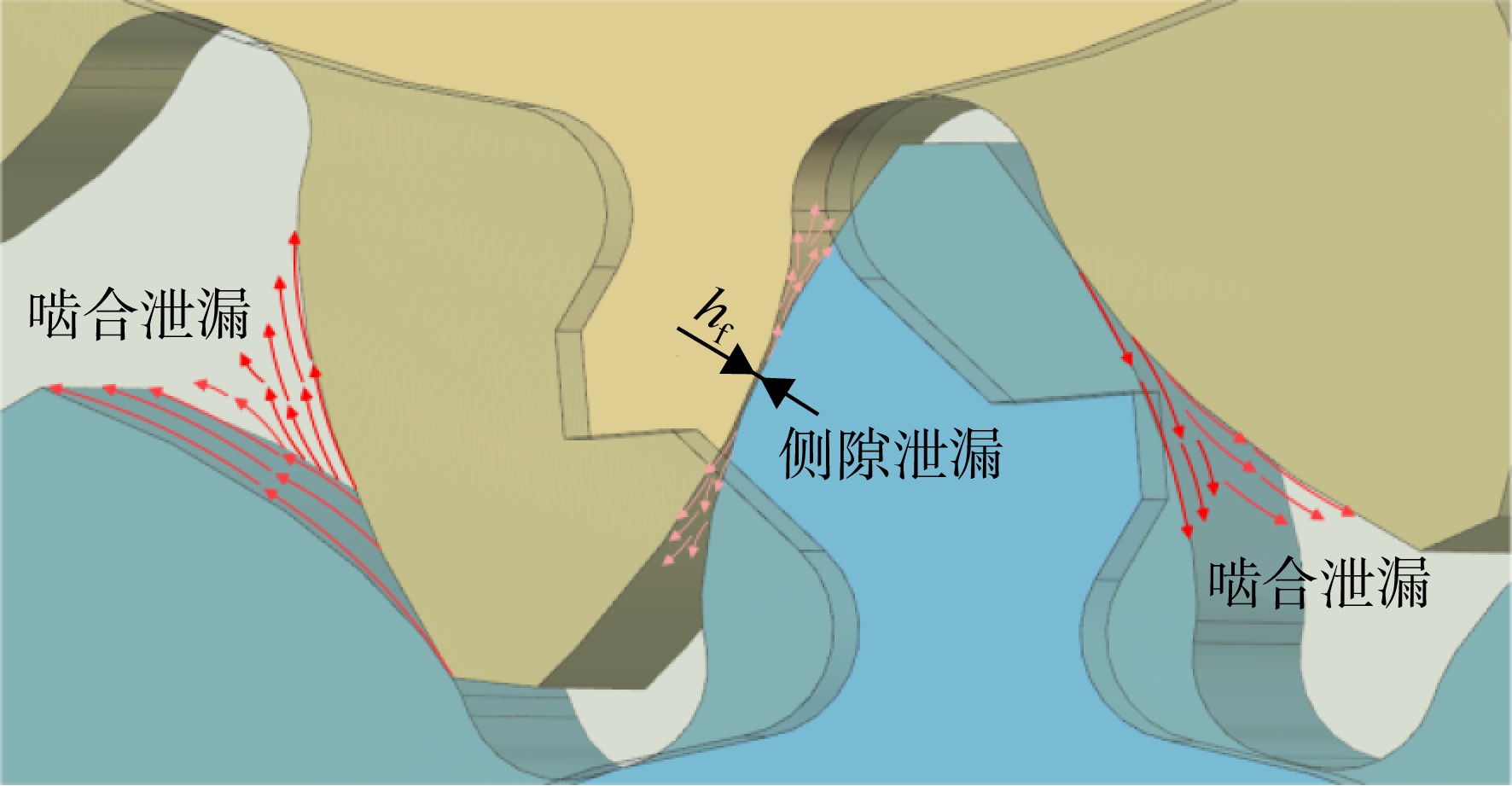
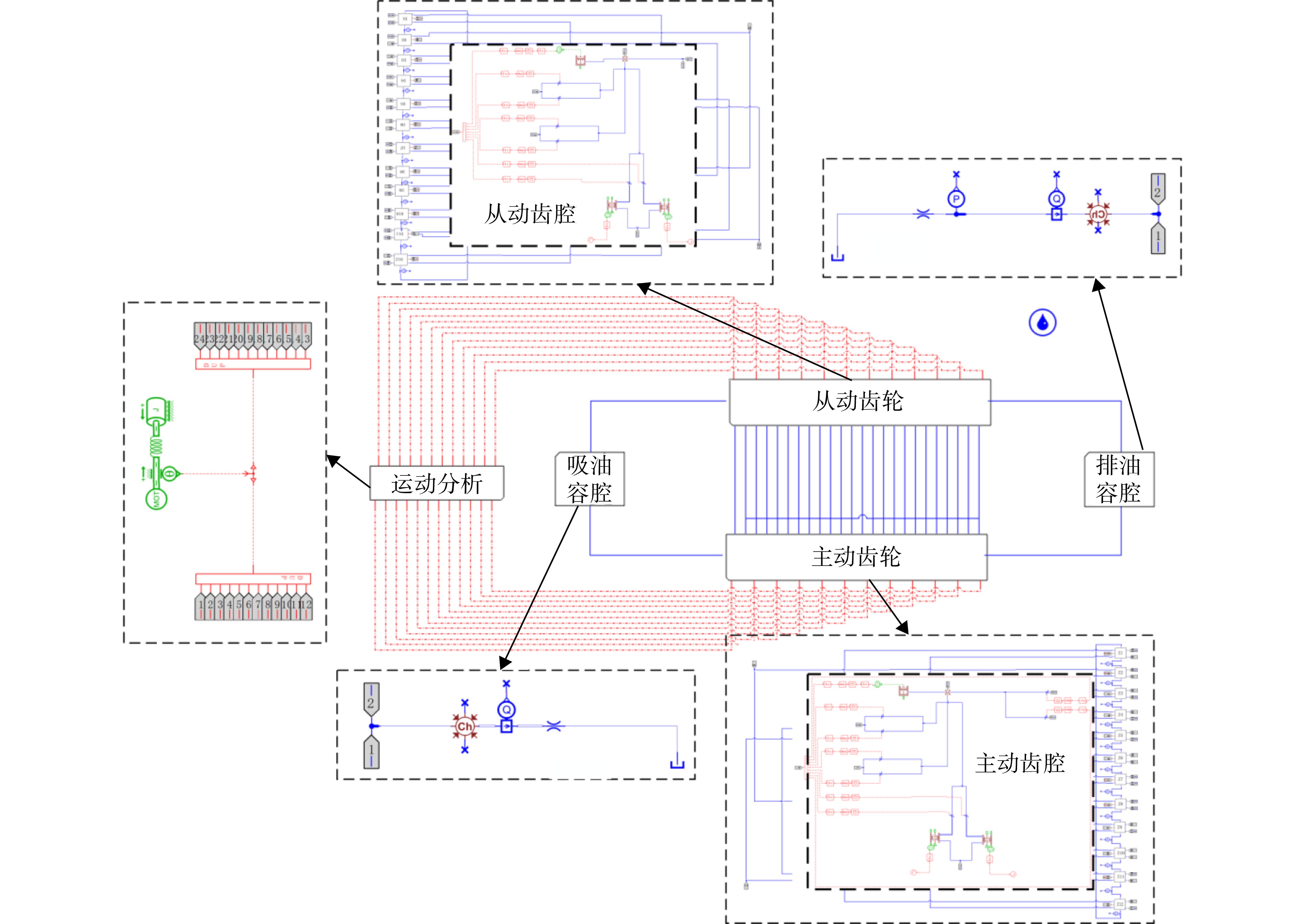
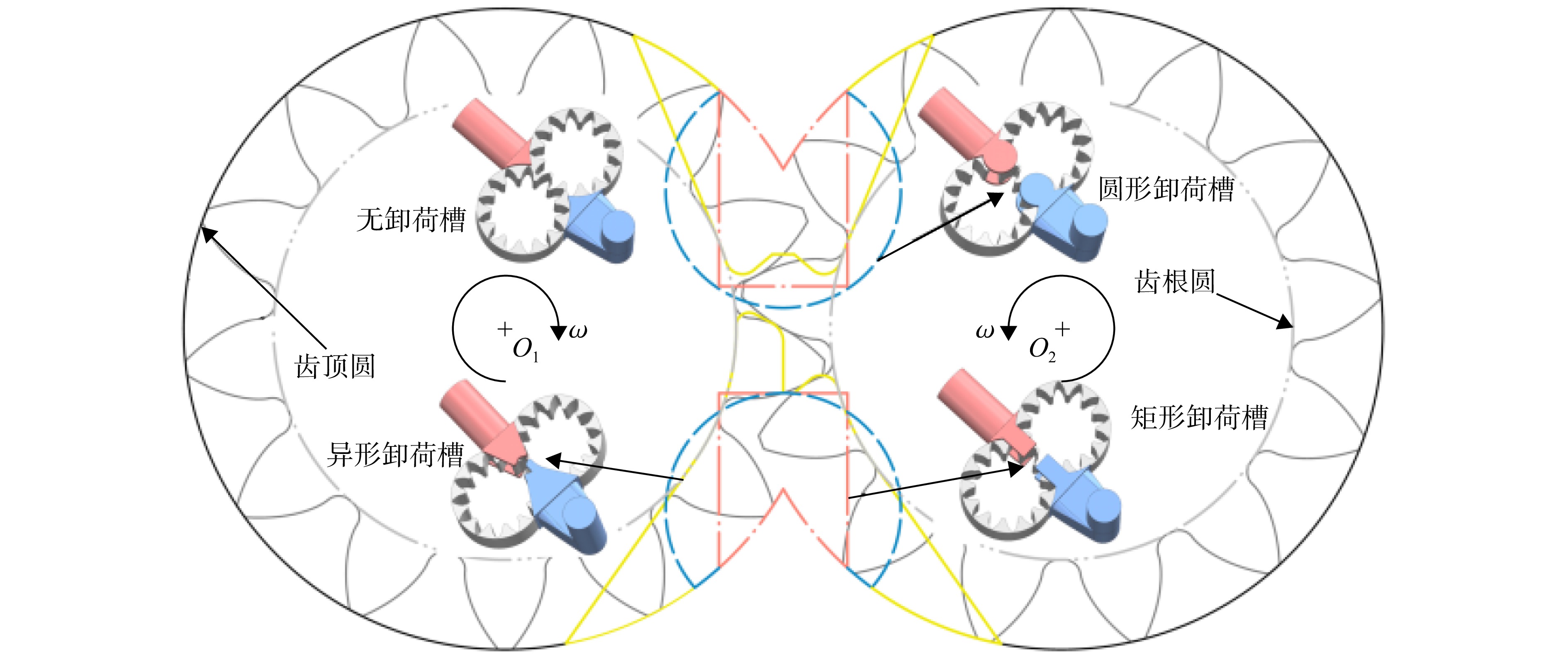
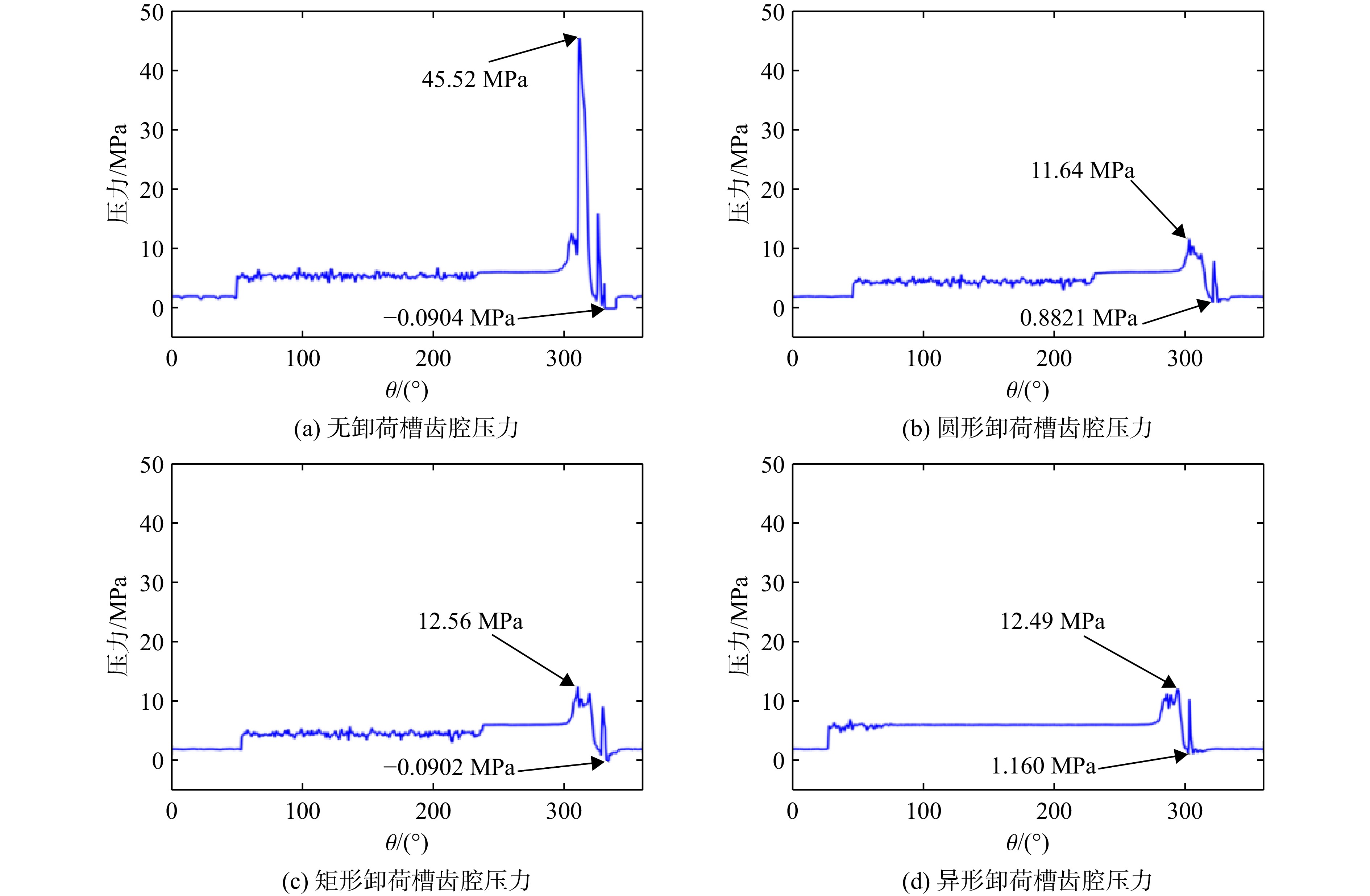
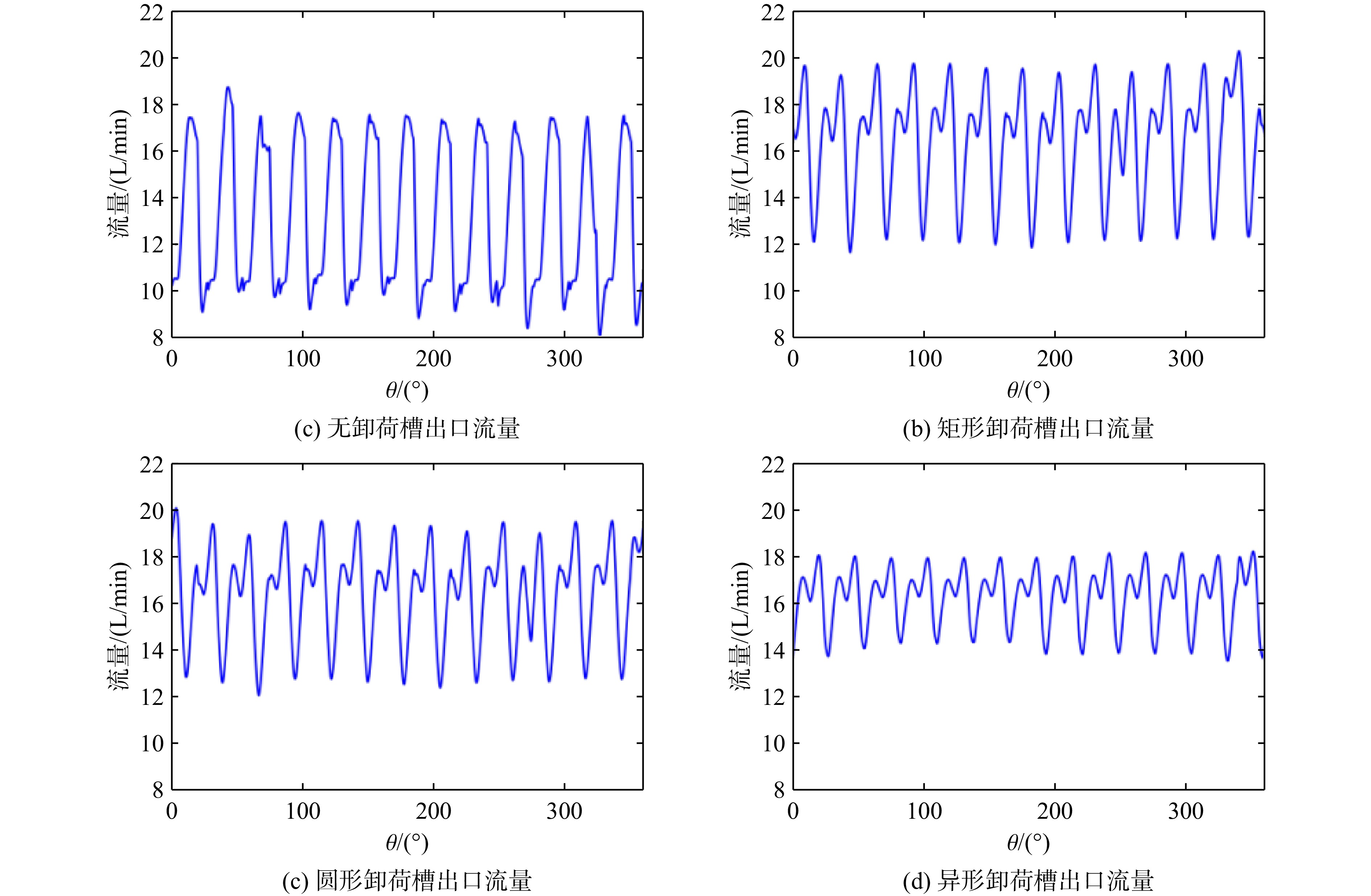
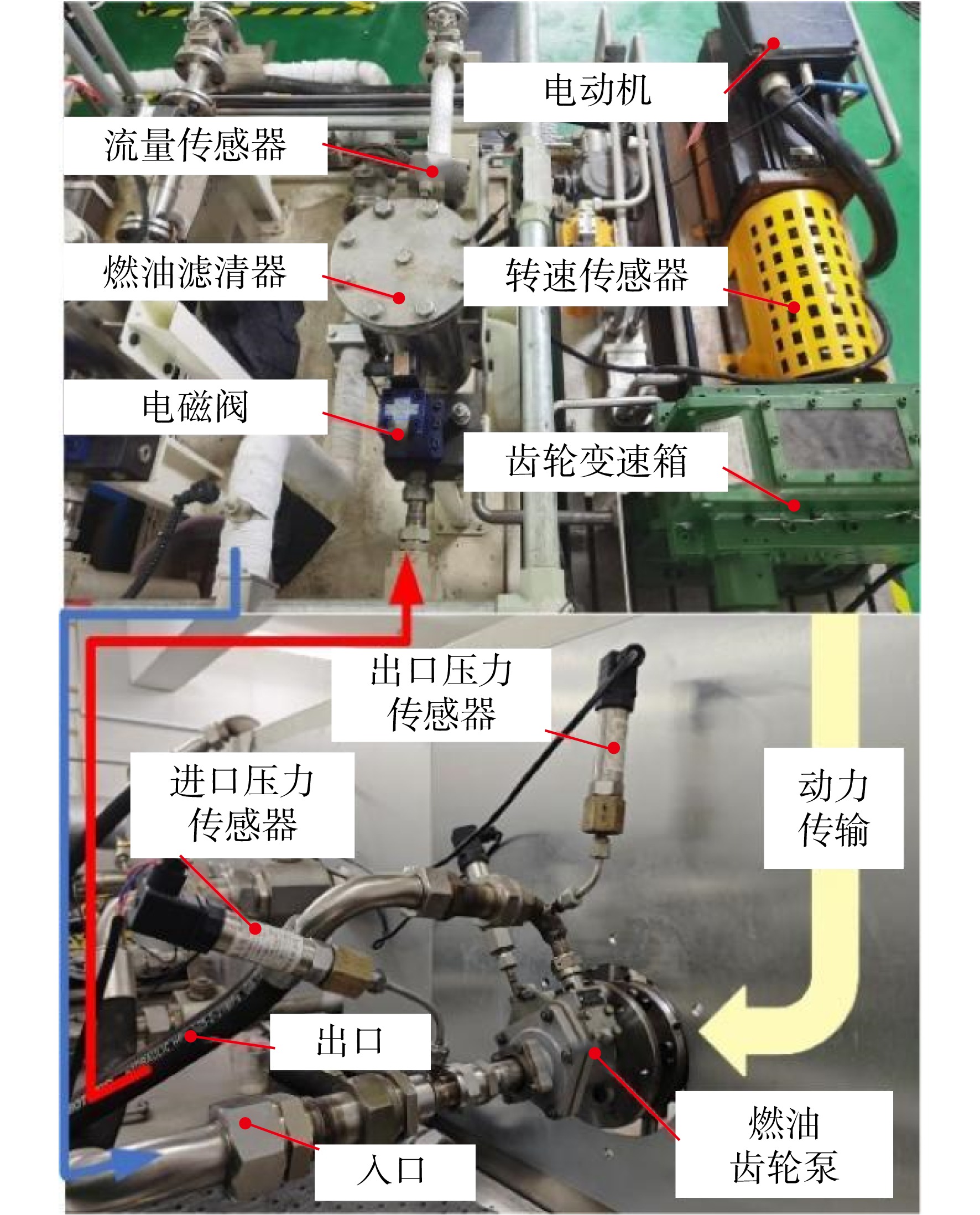
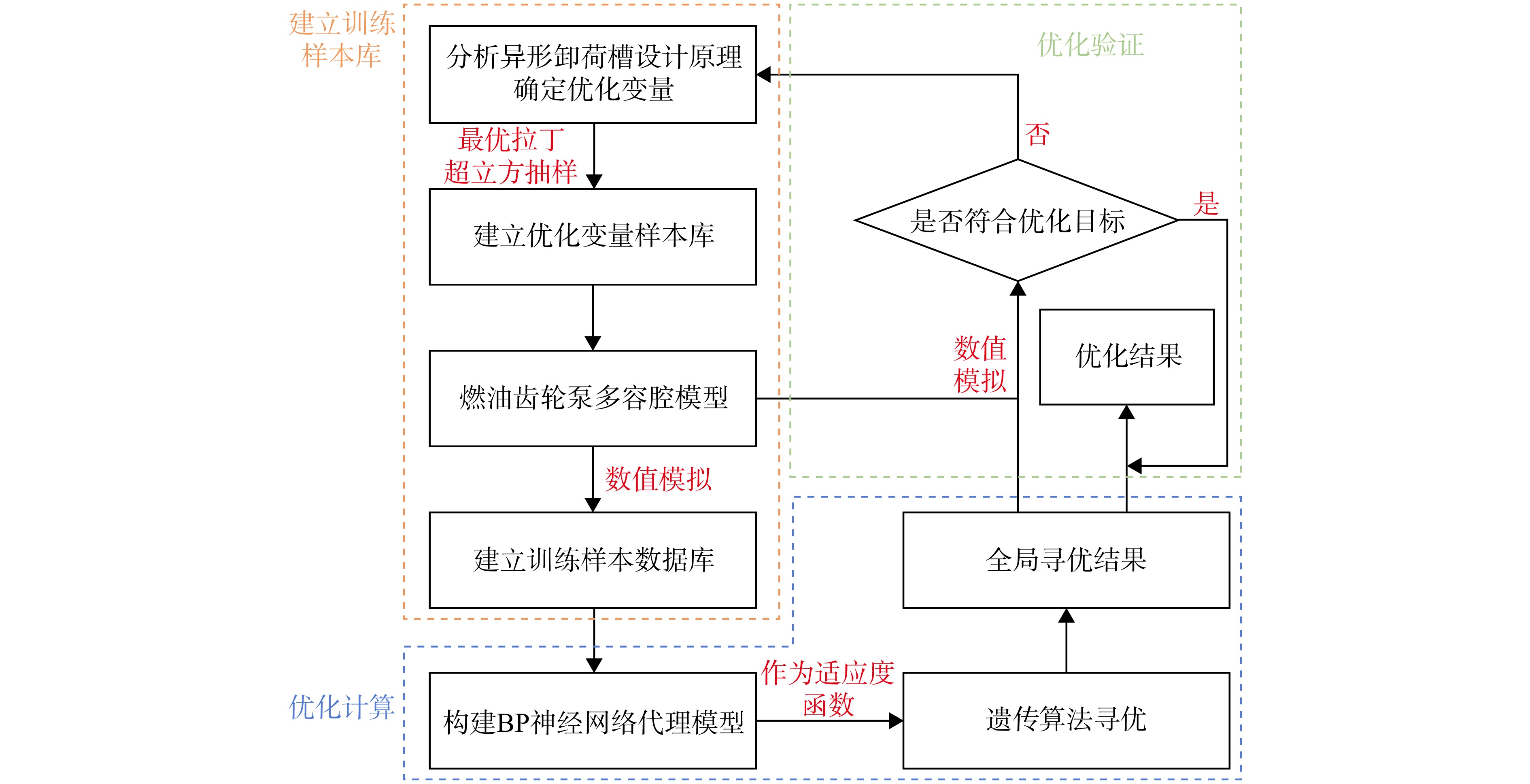
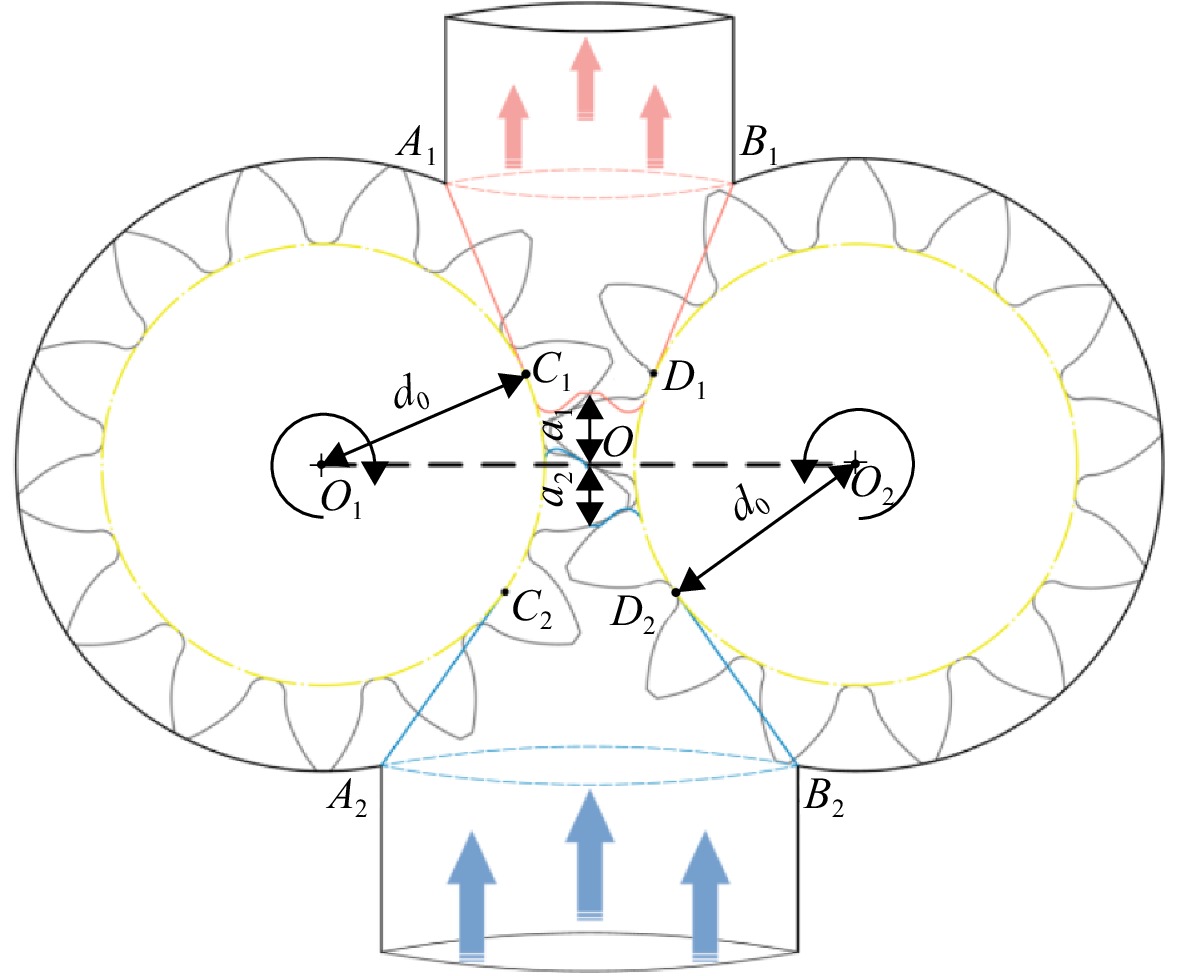
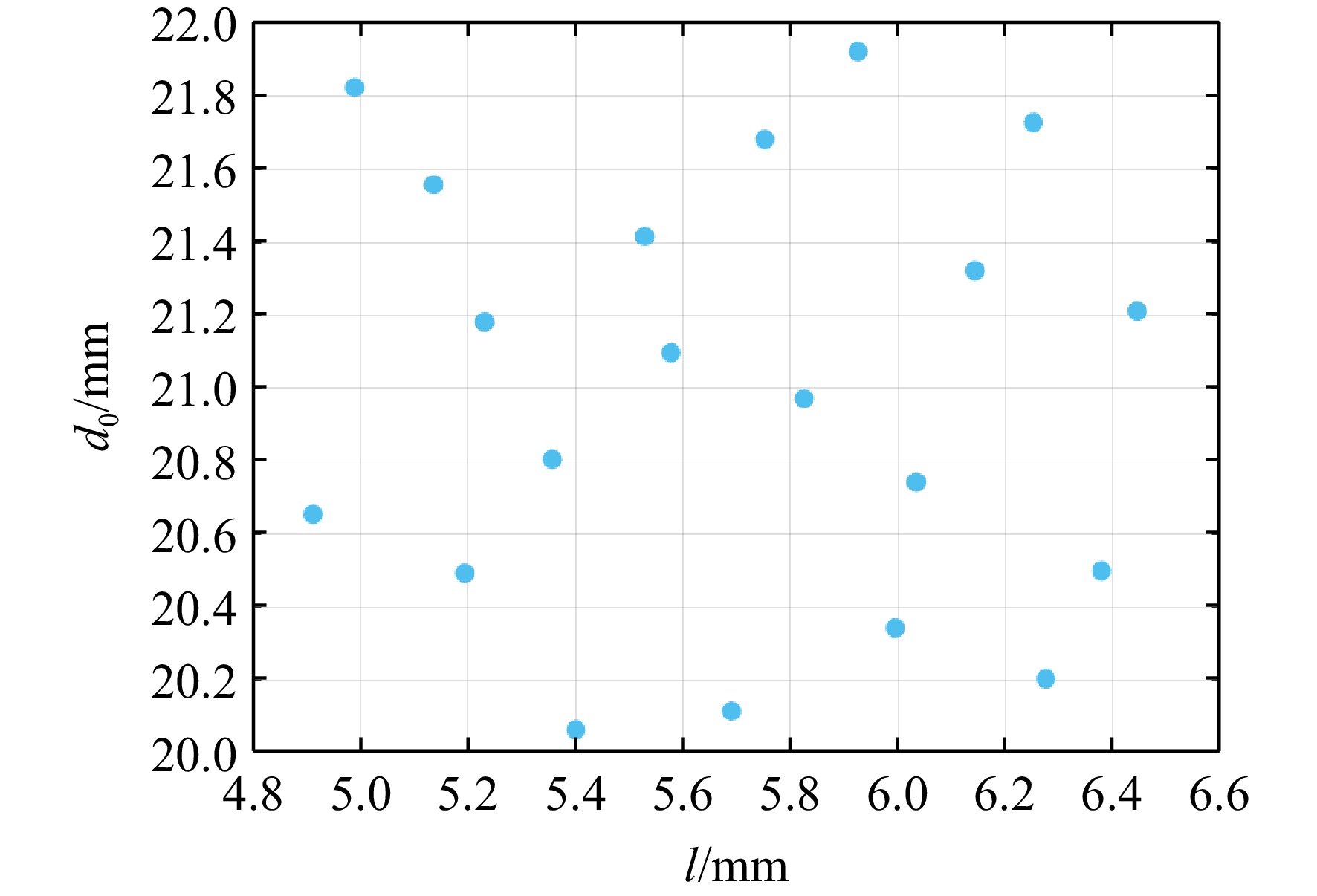
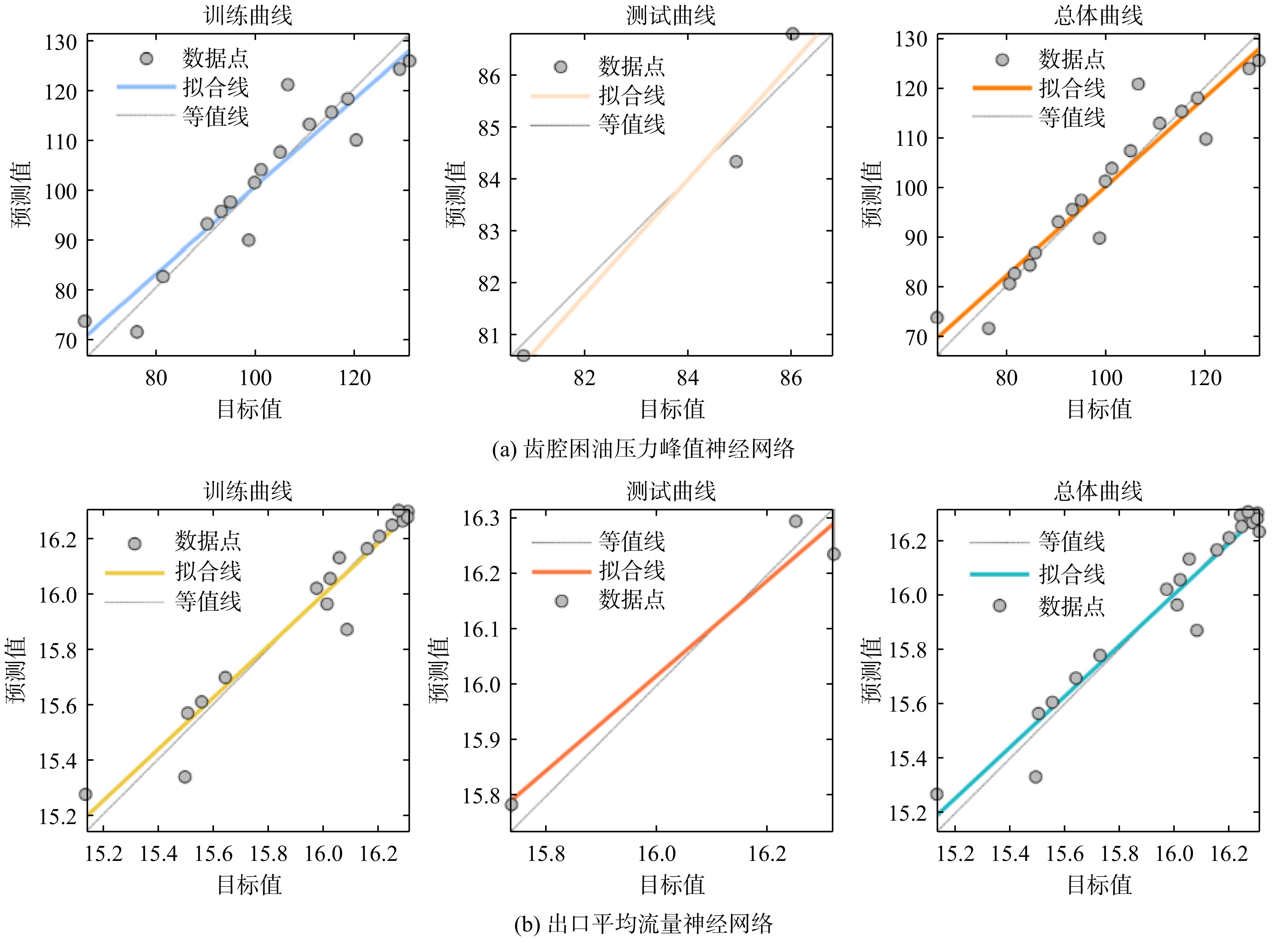
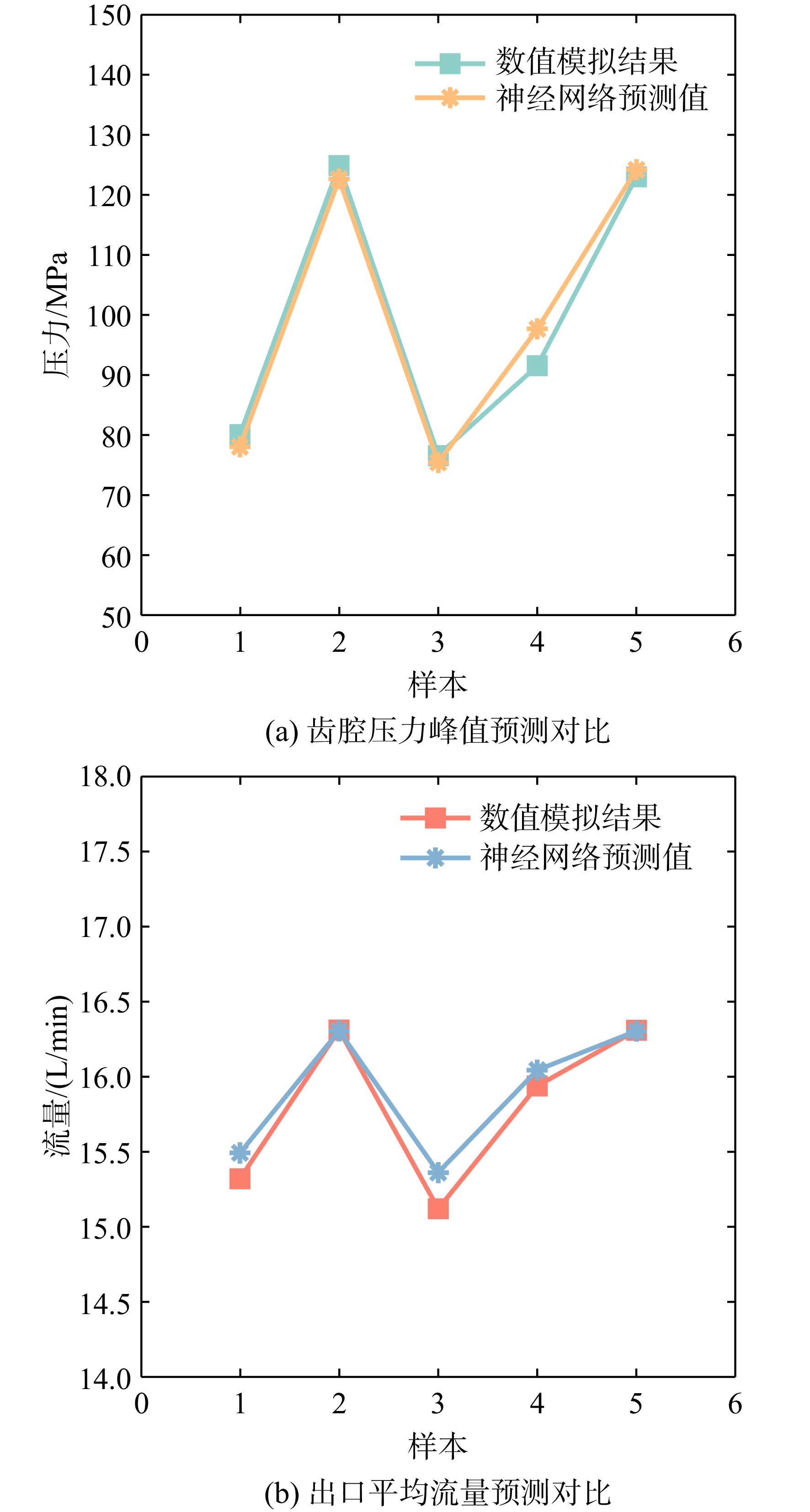
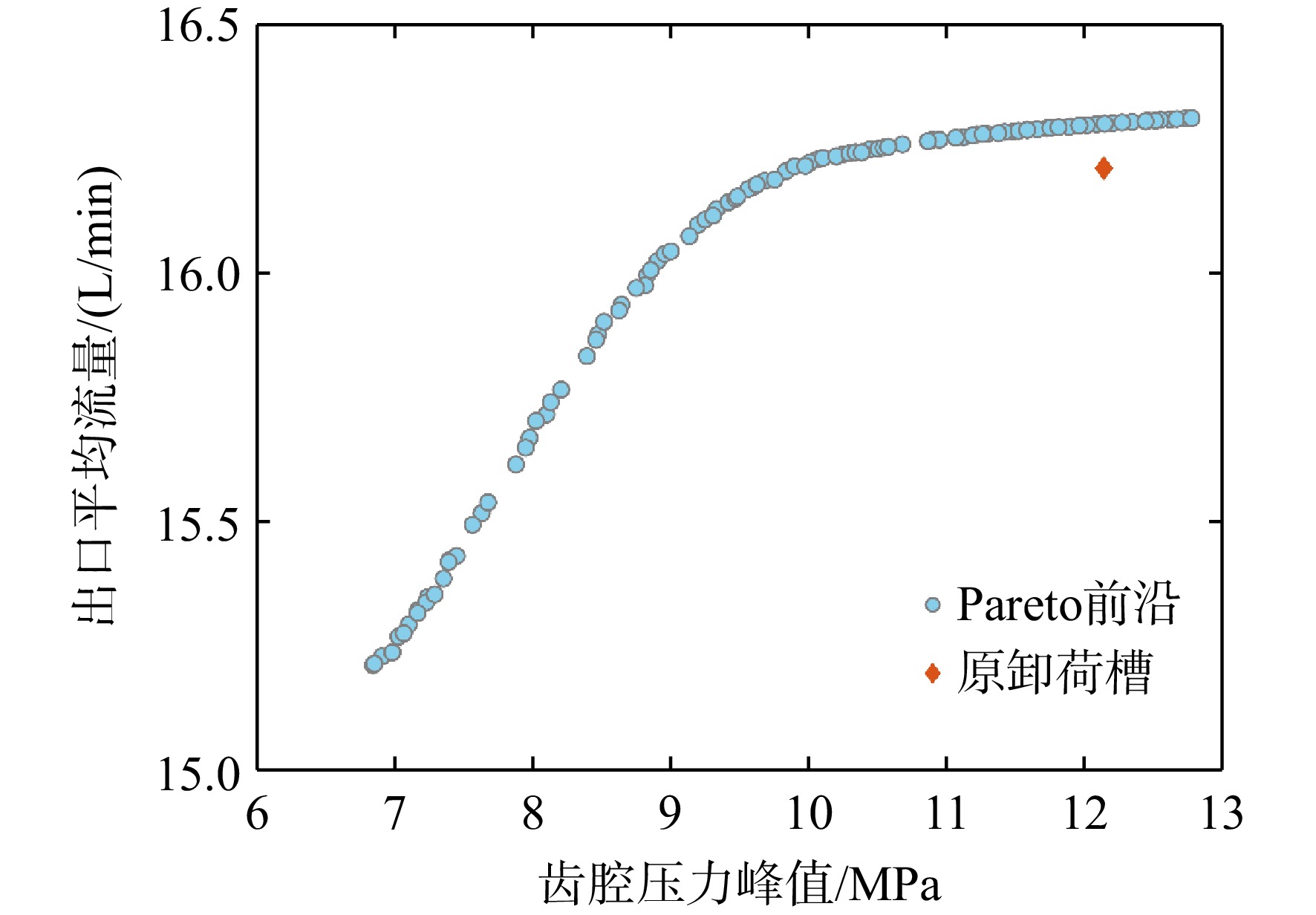
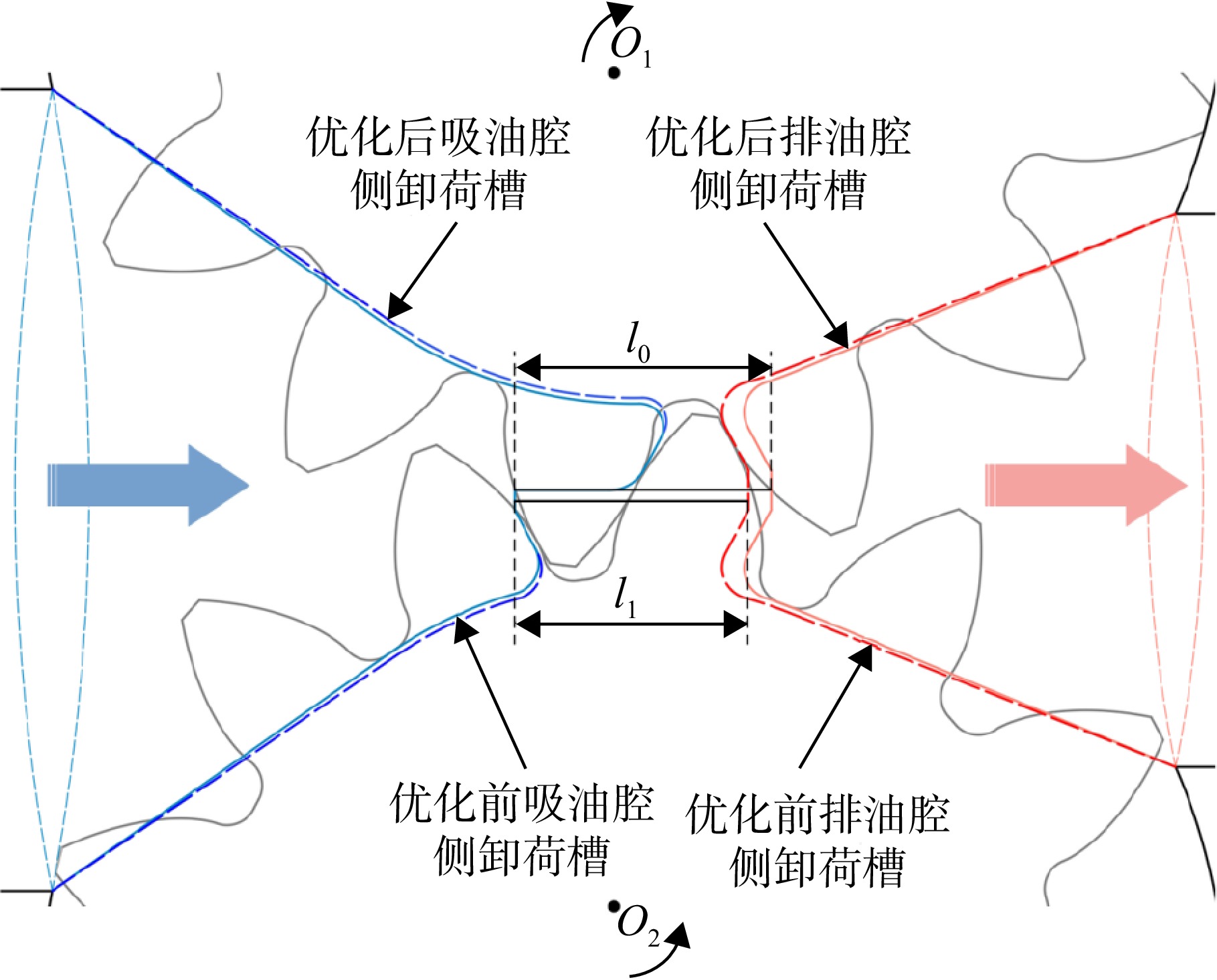
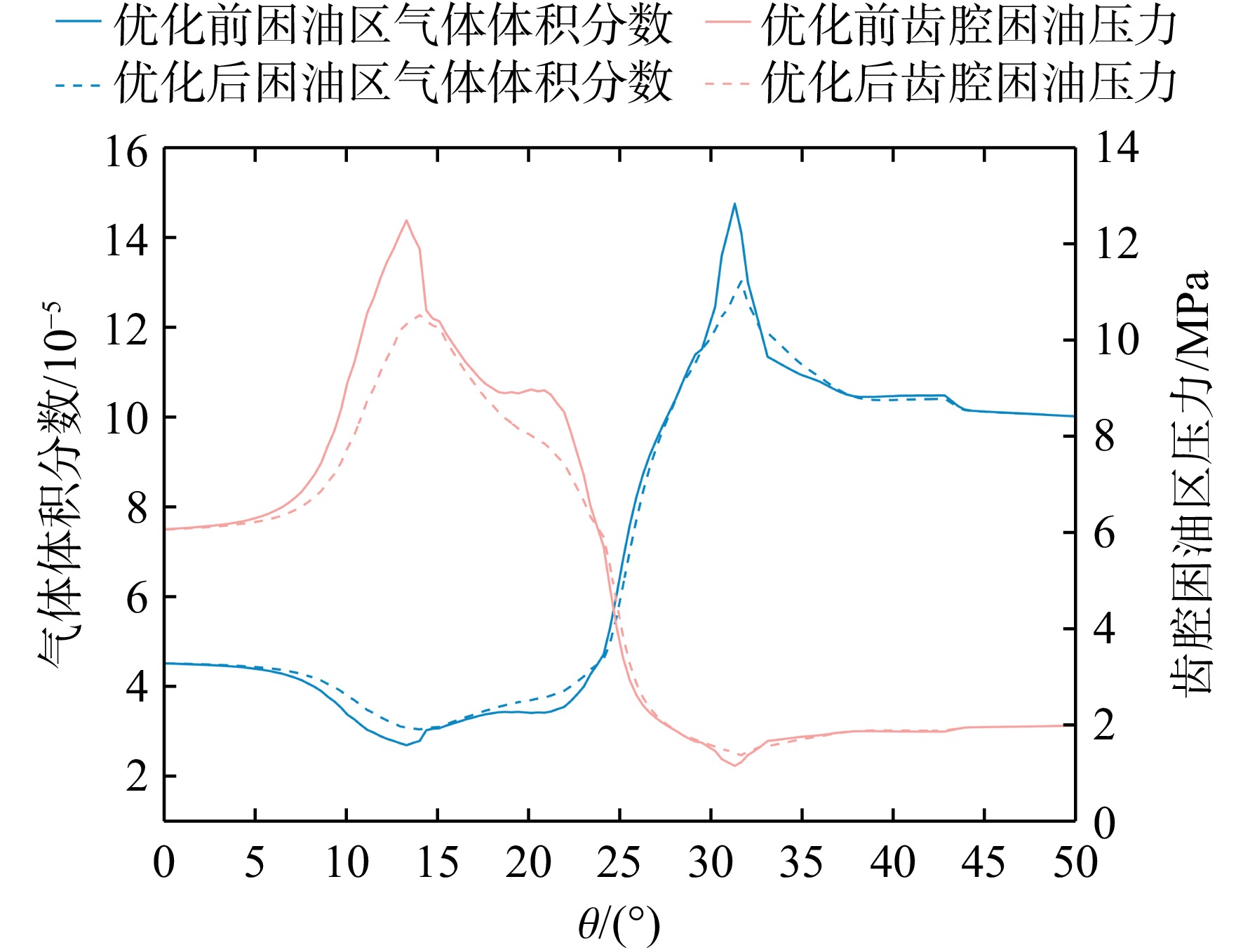
The design and optimization of the new high-efficiency relief groove is an effective measure to alleviate the drastic fuel trapping problem of aviation fuel gear pumps due to high speed, high pressure and high temperature. A research method of fuel gear pump relief groove structure optimization based on multi-cavity lumped parameter model was proposed, which introduced a lumped parameter framework to establish a multi-cavity performance model of the fuel gear pump; and a comparative analysis of the working performance of two typical and special-shaped relief grooves was conducted to determine the direction of the optimization of special-shaped relief grooves; and a multi-objective performance optimization of the structural parameters of the special-shaped relief groove based on the optimization engine of the neural network coupled genetic algorithm was carried out. The fuel trapping characteristics of the relief groove before and after optimization were compared in simulation. The results showed that: the constructed multi-cavity lumped performance model of the fuel gear pump had high simulation accuracy, and the error between the simulation results and the experimental results was within 5%; the ability of the special-relief groove to inhibit cavitation and alleviate the flow pulsation was remarkable, and the outlet flow pulsation decreased by about 20%. Compared with the original relief groove, the optimized relief groove had basically the same outlet flow quality and the peak pressure in the fuel-trapped area of the tooth cavity was reduced from 12.49 MPa to 10.52 MPa, a decrease of about 15.77%, which had a better working performance and can significantly alleviate the adverse effects caused by the fuel trapping.

High-cycle fatigue strength prediction model of single crystal superalloy considering multi-factor synergy
LIU Xingyue, LIU Haiyan, ZHANG Xiaojie, HU Dianyin, LIU Xi, MAO Jianxing, ZHANG Bin
2026, 41(5): 20250200. doi: 10.13224/j.cnki.jasp.20250200
Abstract:

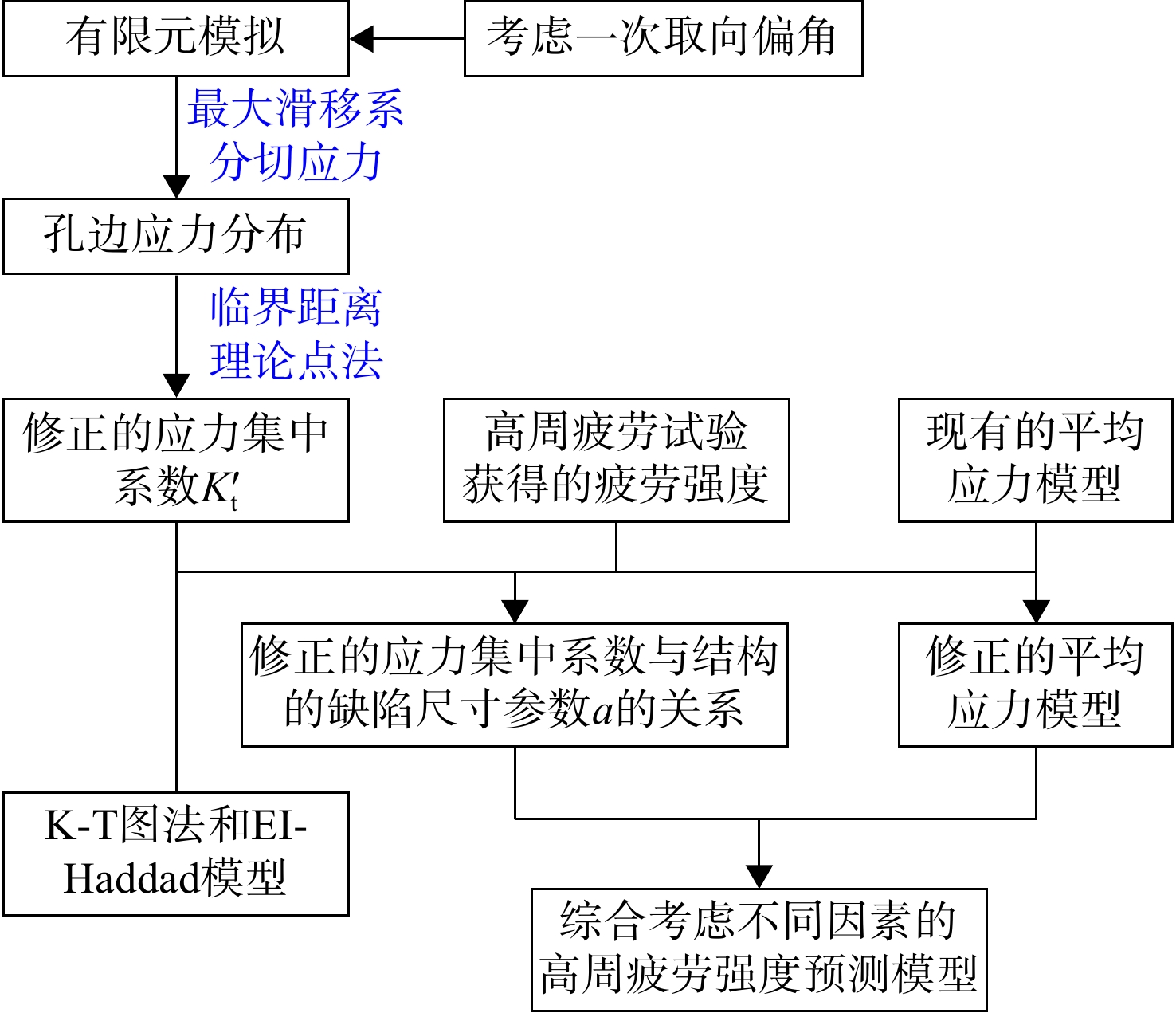
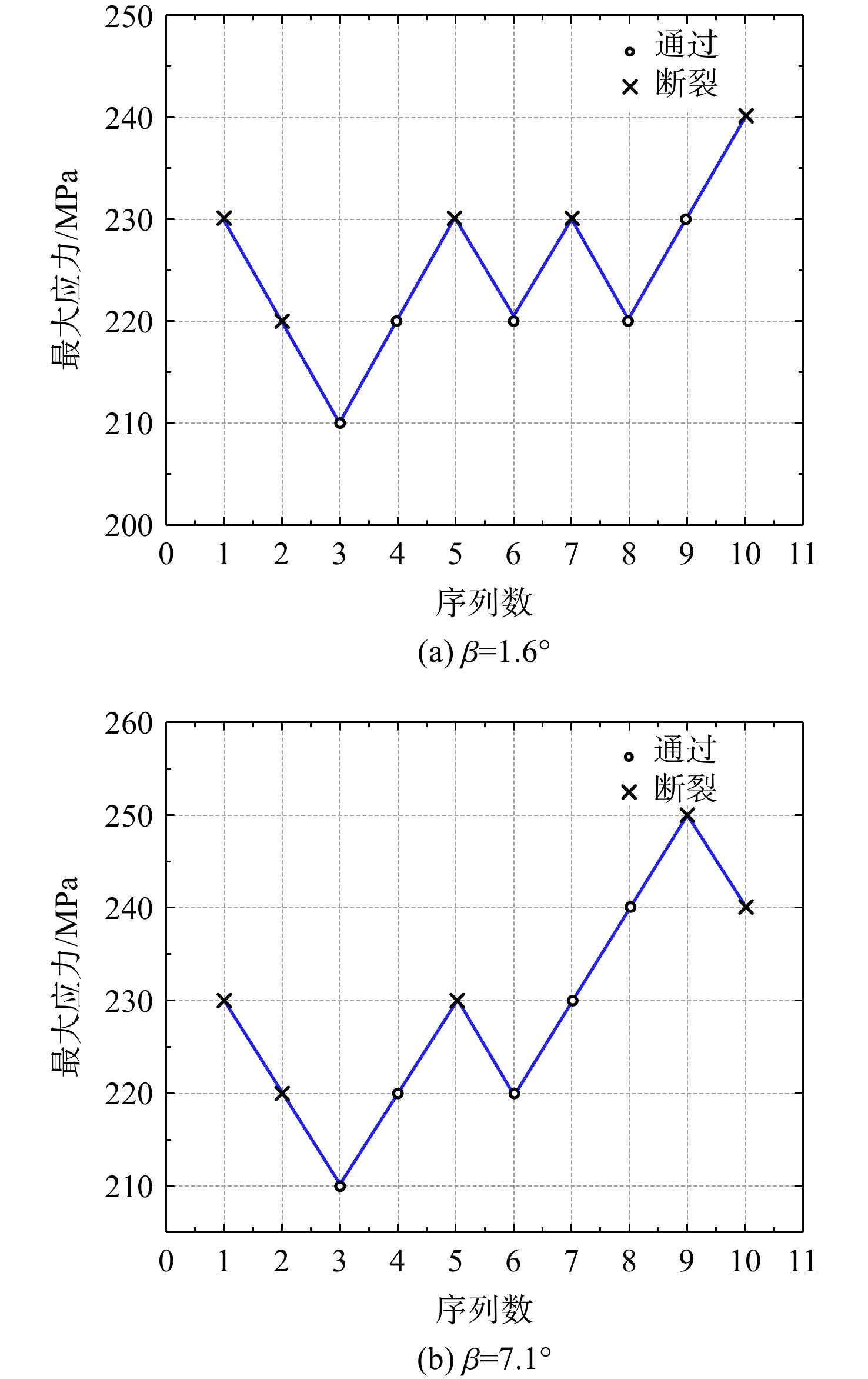
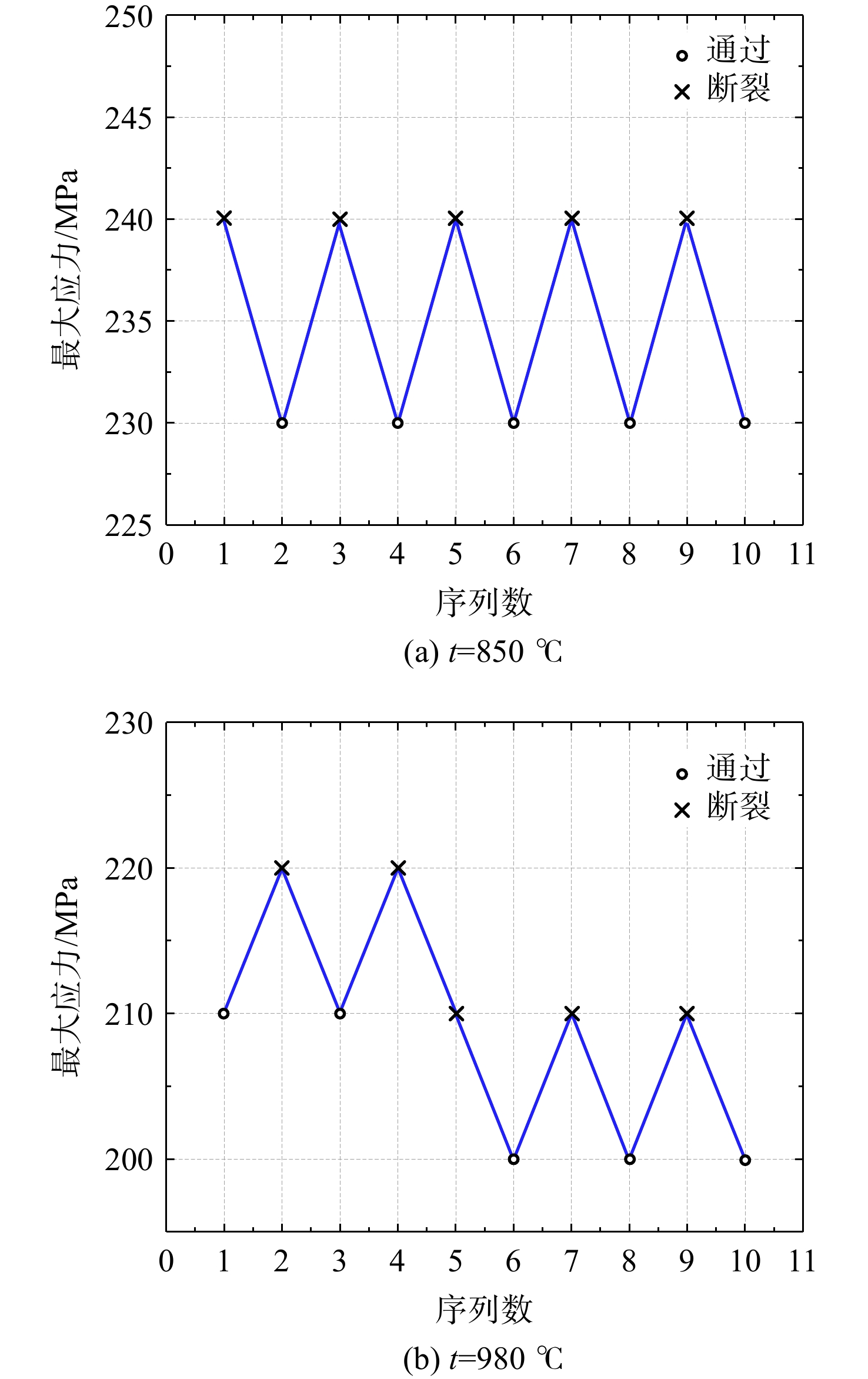
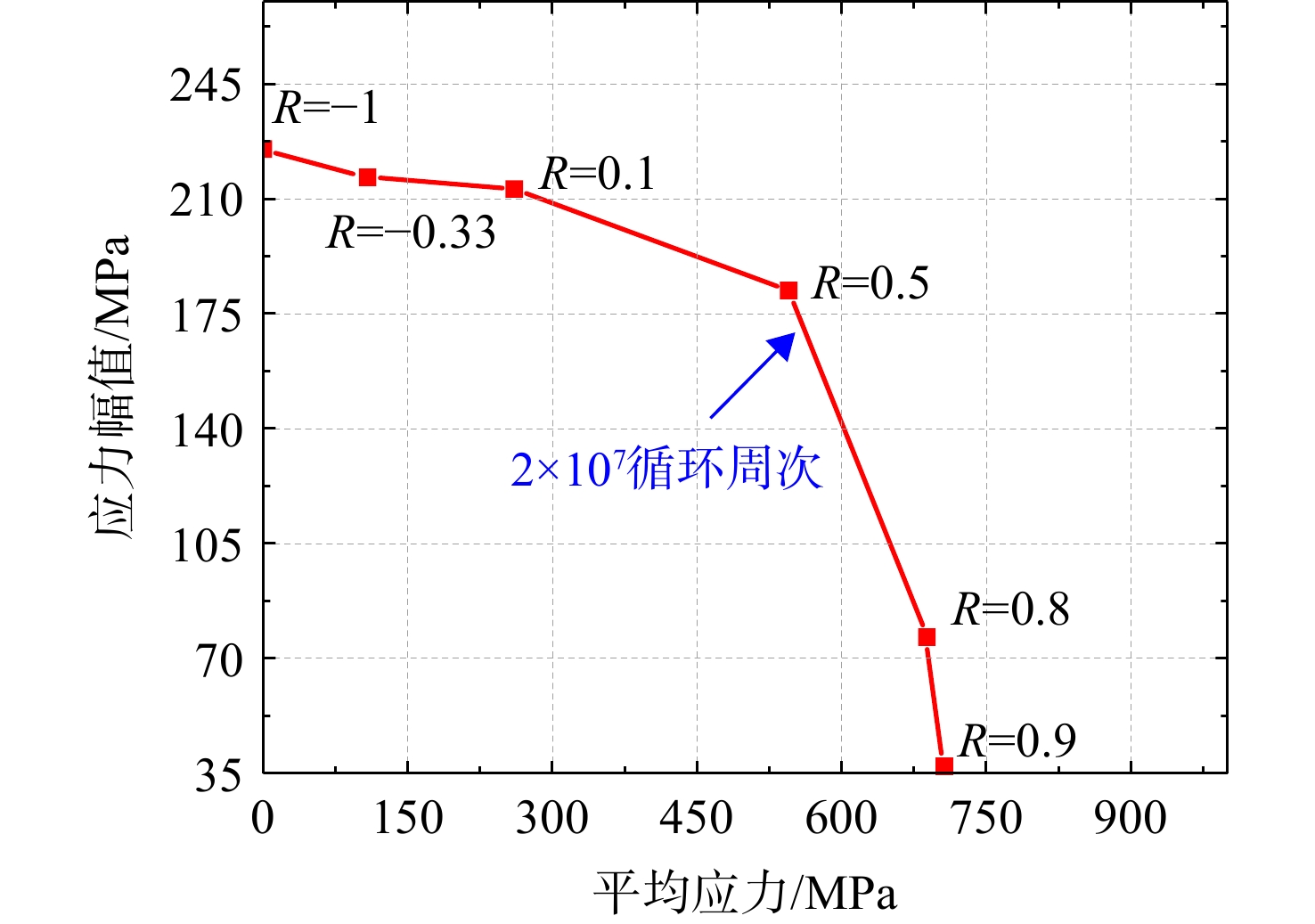
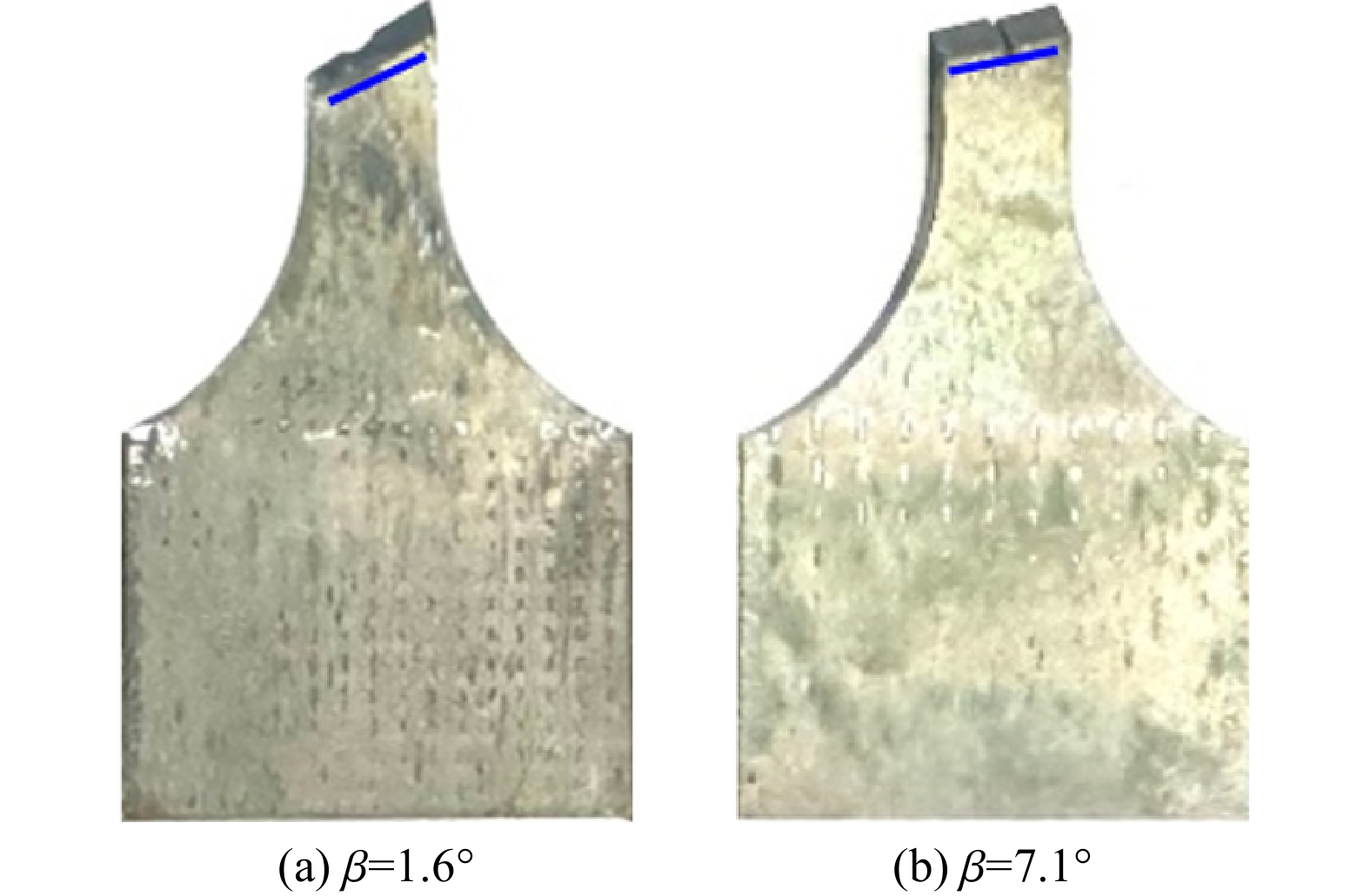
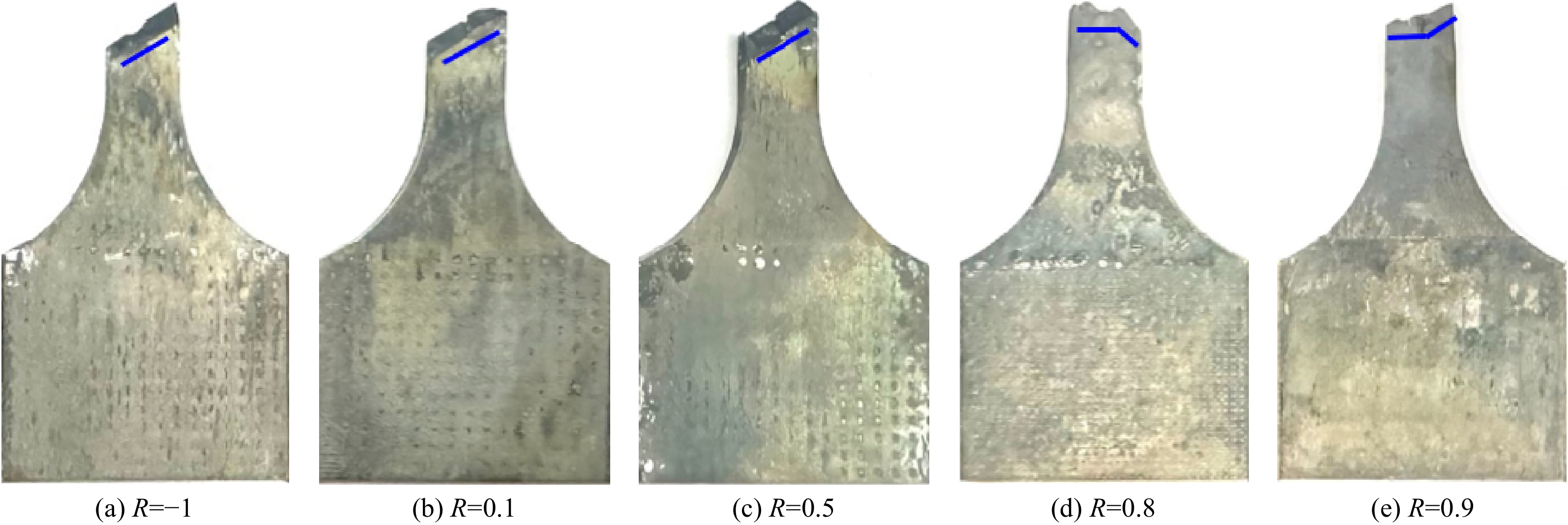
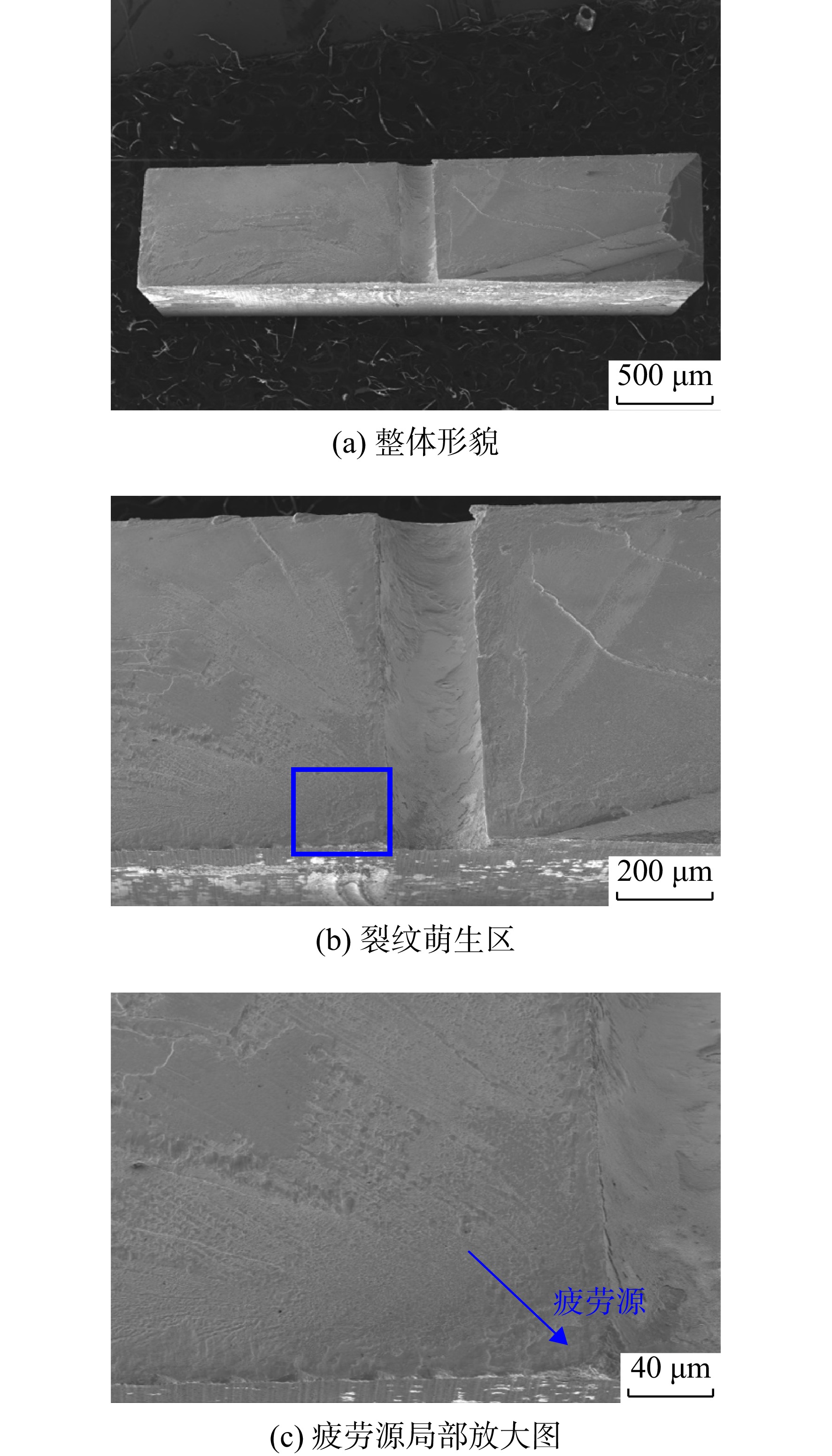
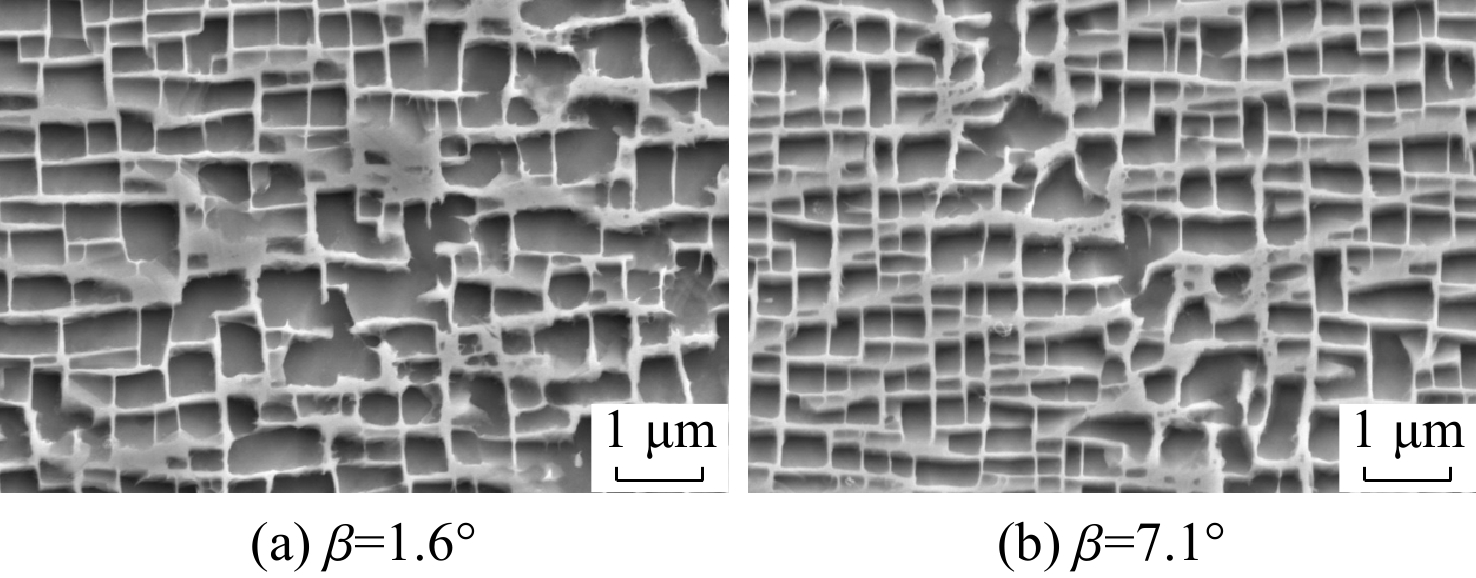
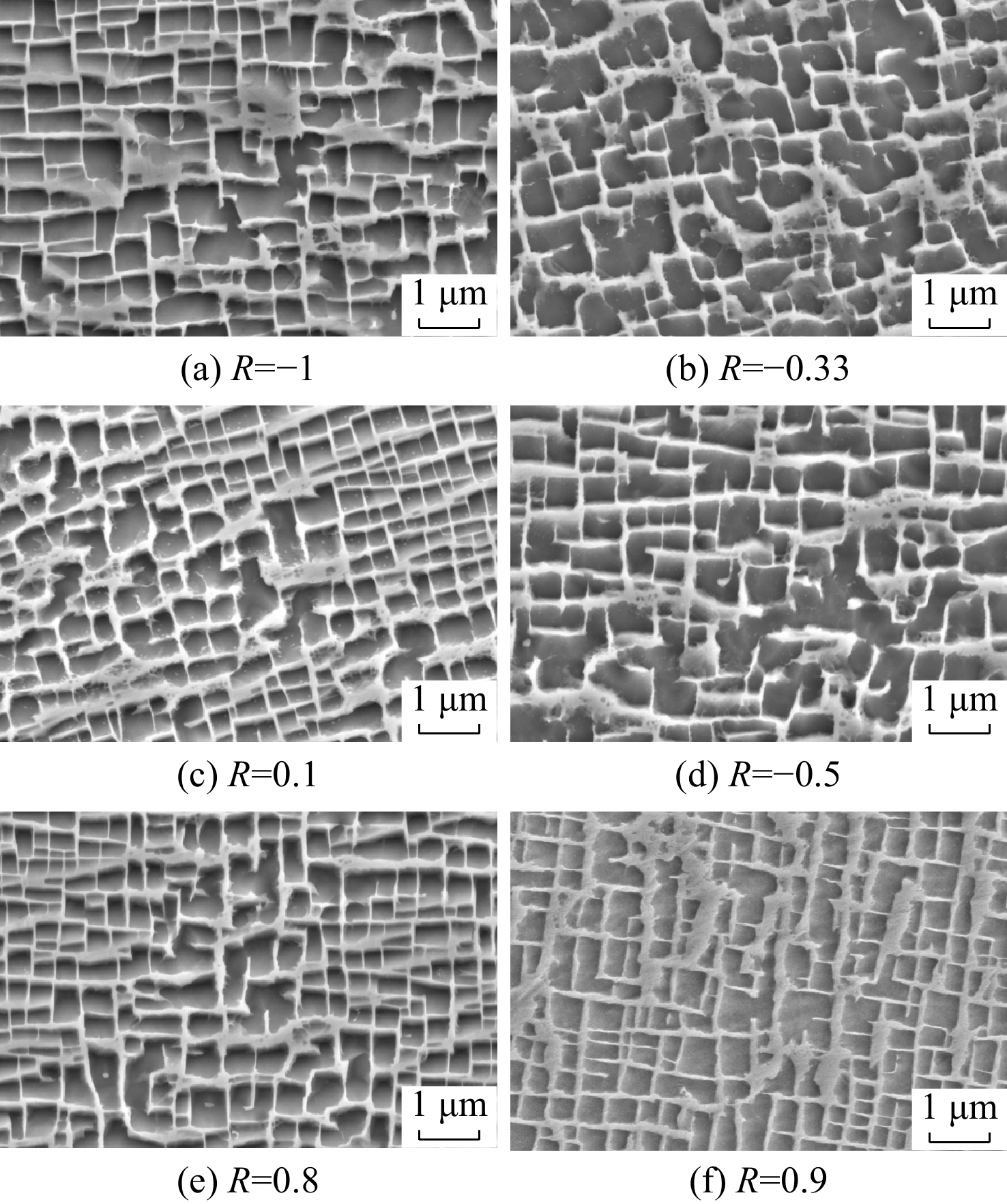
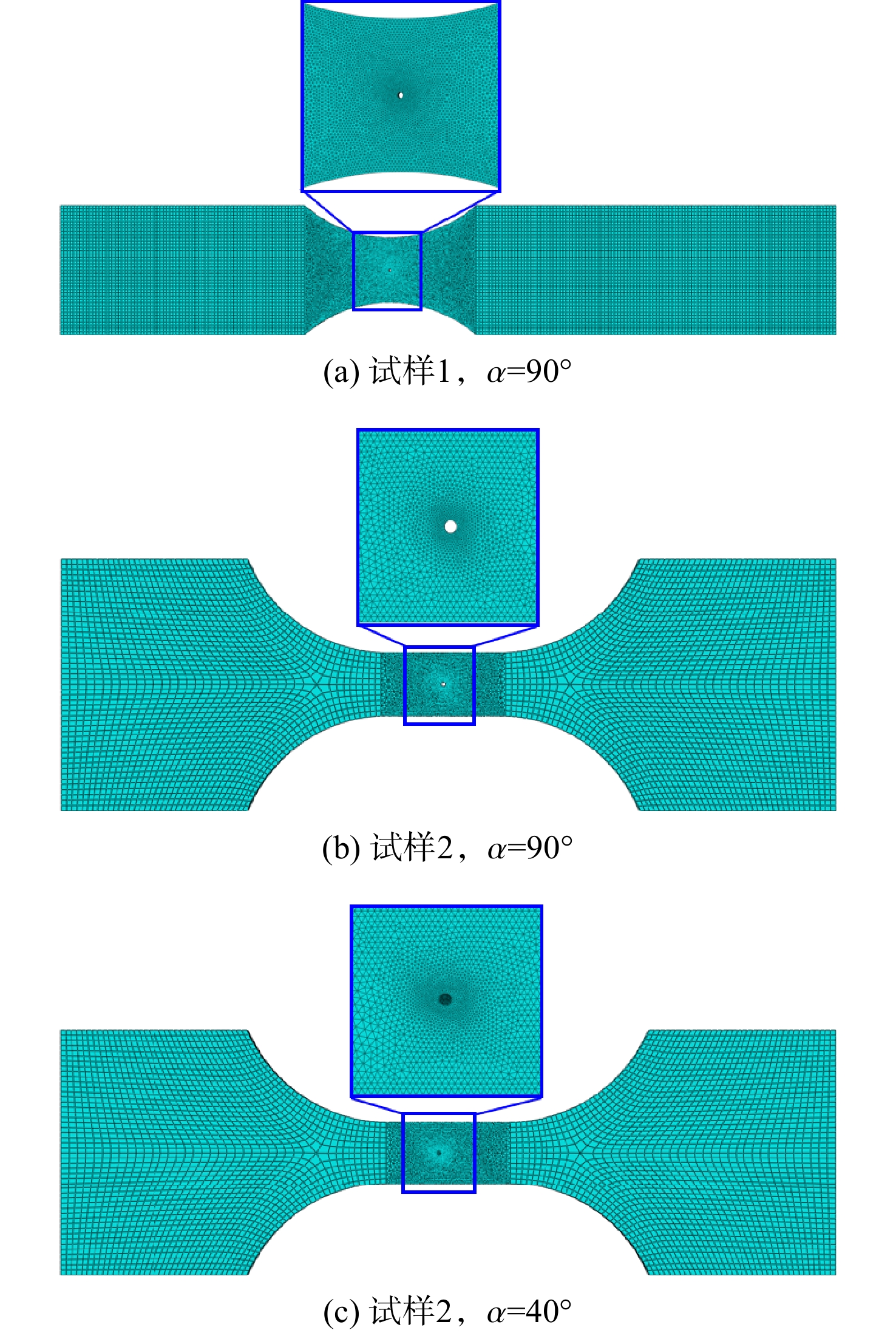
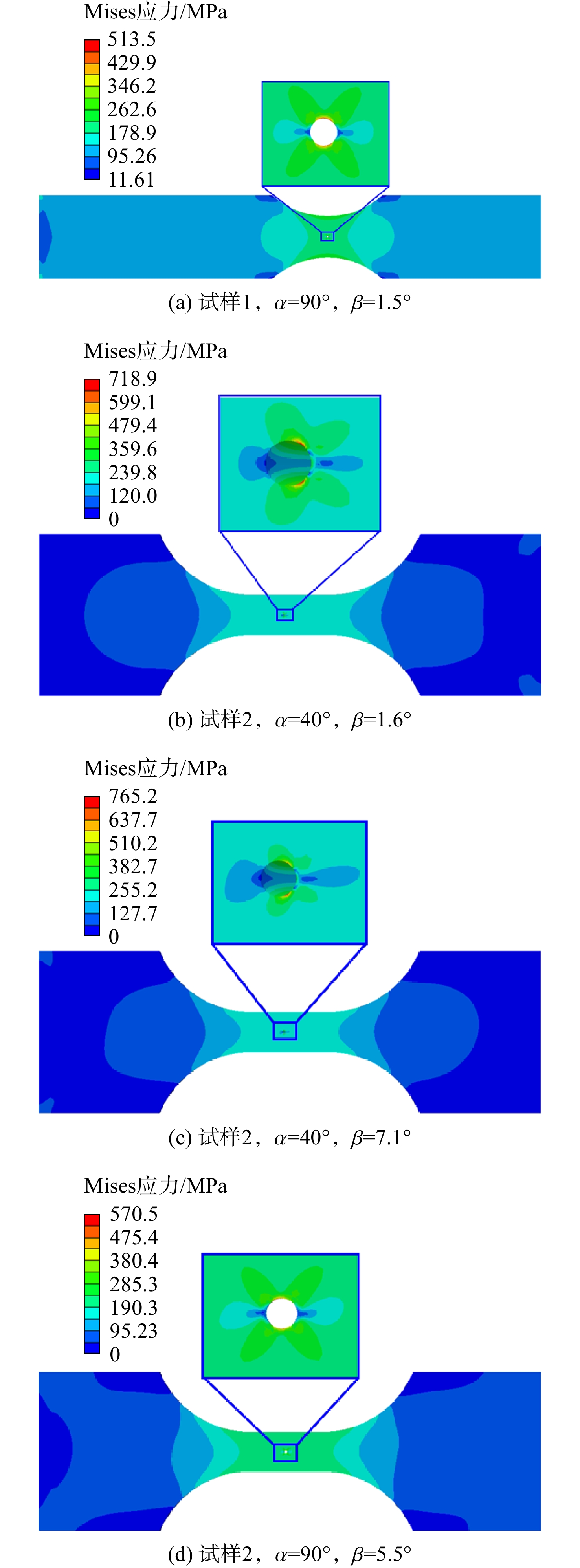
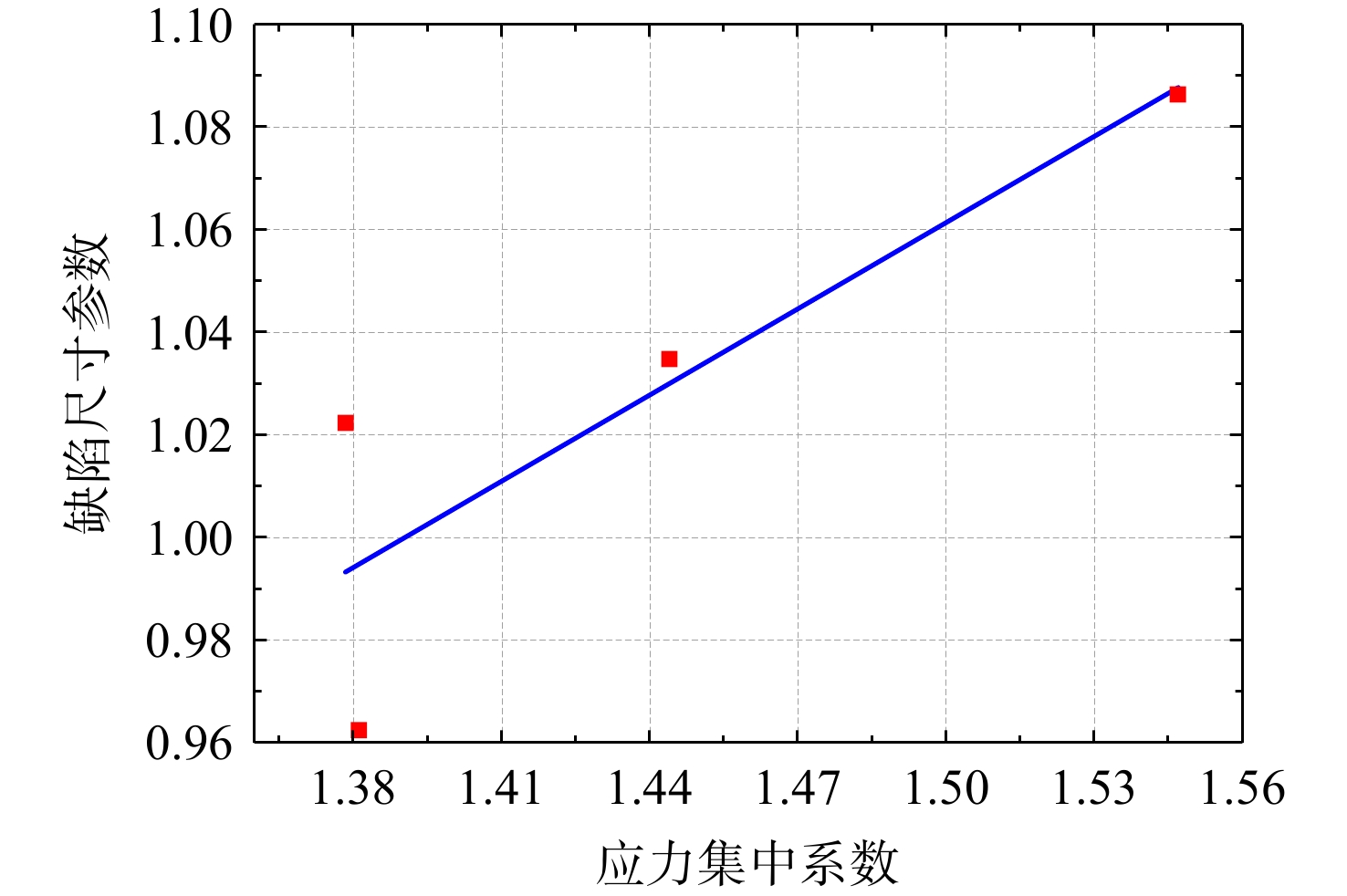
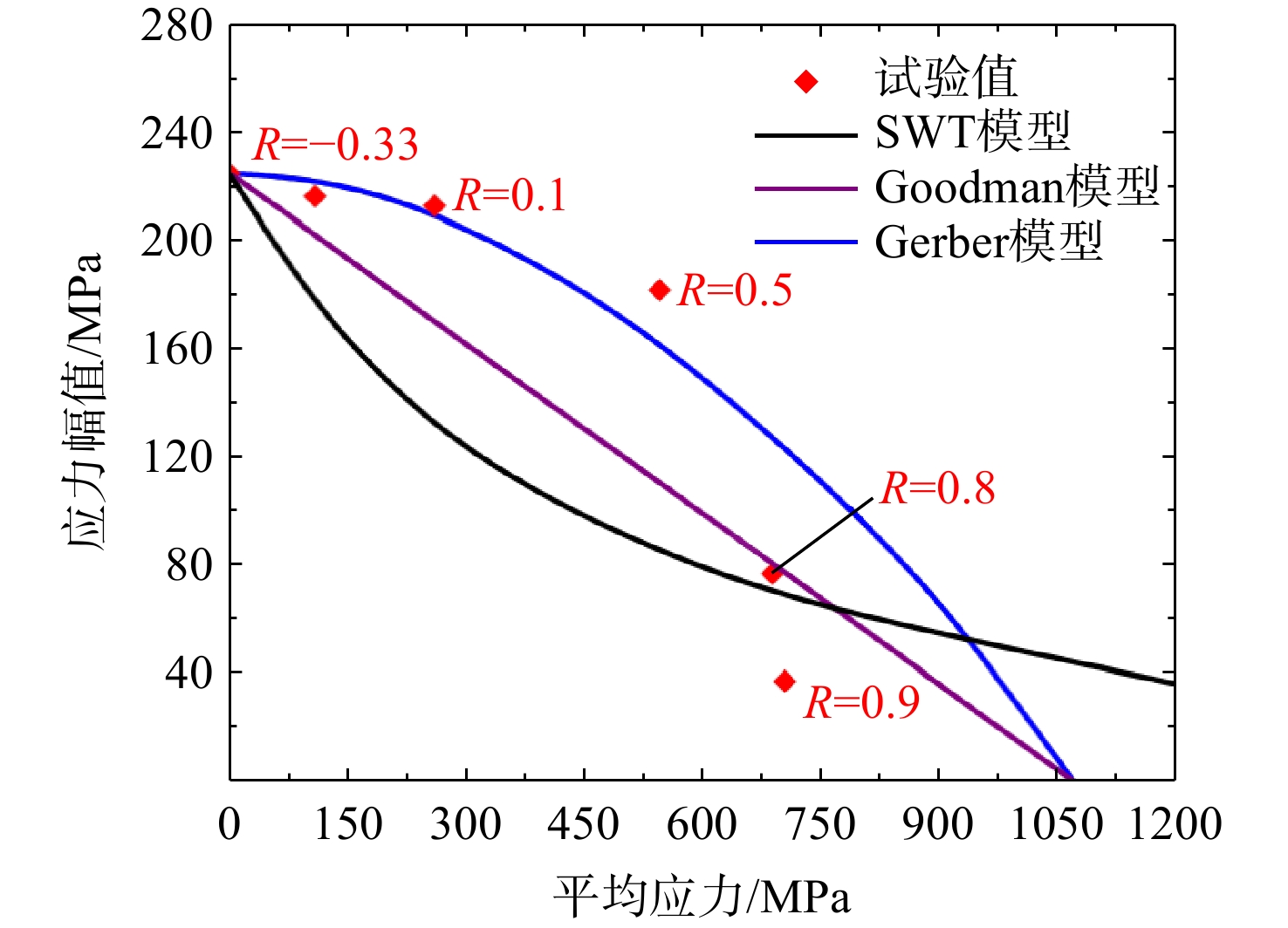
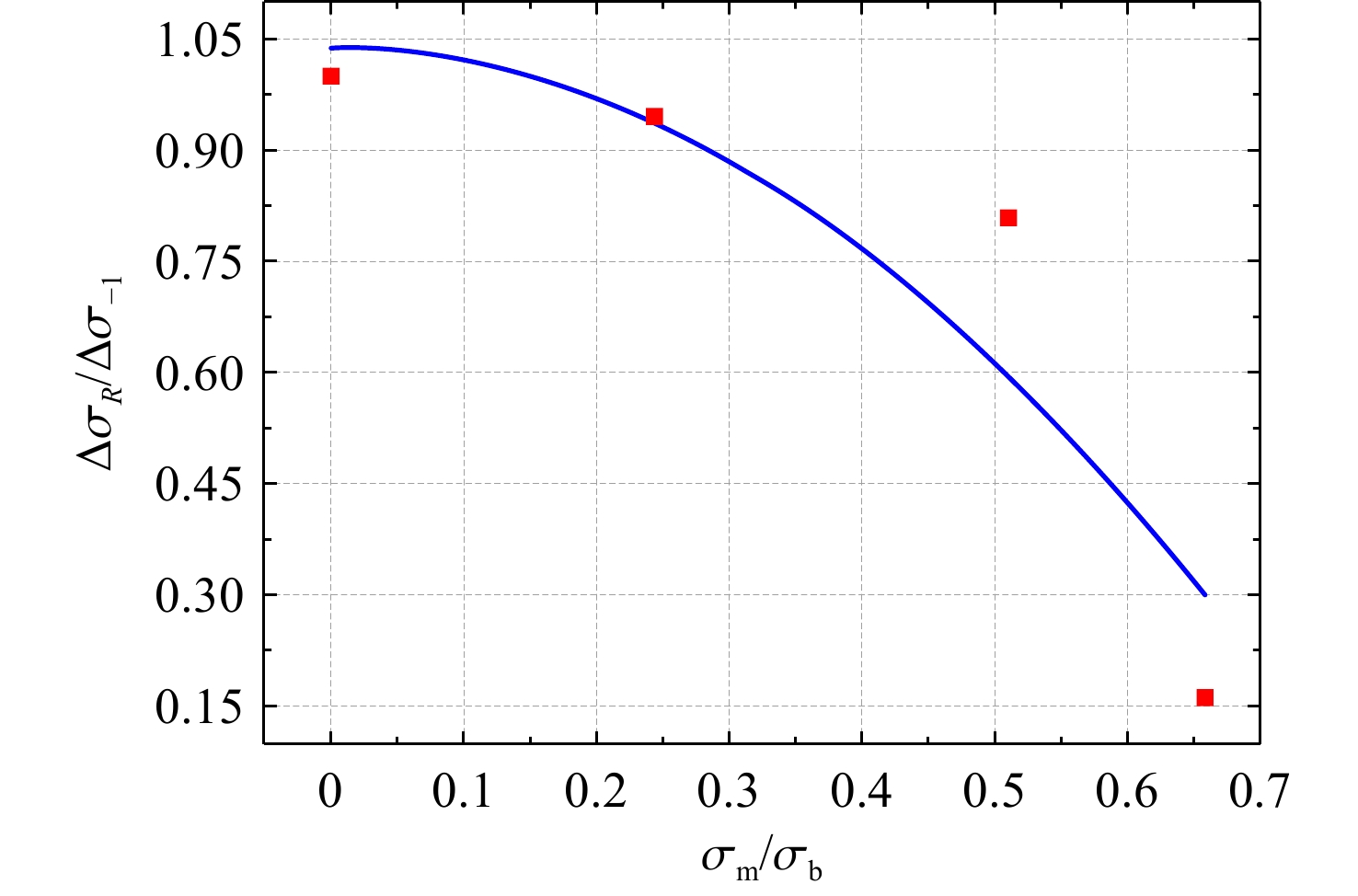
The influences of crystal orientation, temperature field and load parameters on fatigue strength were systematically revealed by carrying out high-cycle fatigue tests of film cooling hole simulants under different primary orientation declination angles (1.5°—7.1°), temperatures (850 ℃ and 980 ℃) and stress ratios (−1, −0.33, 0.1, 0.5, 0.8 and 0.9). Based on the Kitagawa-Takahashi (K-T) diagram framework, combined with the EI-Haddad model and the average stress correction theory, a high-cycle fatigue strength prediction model with multi-factor synergy was constructed. The results showed that the fatigue fractures all presented the characteristics of dissociation-like fractures, and no necking or obvious elongation was observed, and the fatigue cracks mainly originated near the film cooling hole and propagated along the {111} crystallographic slip plane. When the primary orientation declination angle was less than 7.1°, the difference in fatigue strength did not exceed 2%, indicating that the orientation within this threshold range was insensitive. The temperature effect showed a significant attenuation law of high-cycle fatigue strength, and the fatigue strength at 980 ℃ decreased by 12.4% compared with 850 ℃. The constant life curve (2×10⁷ cycles) showed typical convex characteristics: in the low stress ratio region (R<0.5), the average stress growth rate was 3.44 times of the high stress ratio region (R>0.5), while the stress amplitude decay rate showed an opposite law. The established fatigue strength model showed that the error of the predicted value was less than 7.7% compared with the experimental value, indicating that the engineering applicability of the model under the condition of complex multi-factor coupling can provide important theoretical support for the fatigue optimization design of single crystal turbine blades of advanced aero engines.

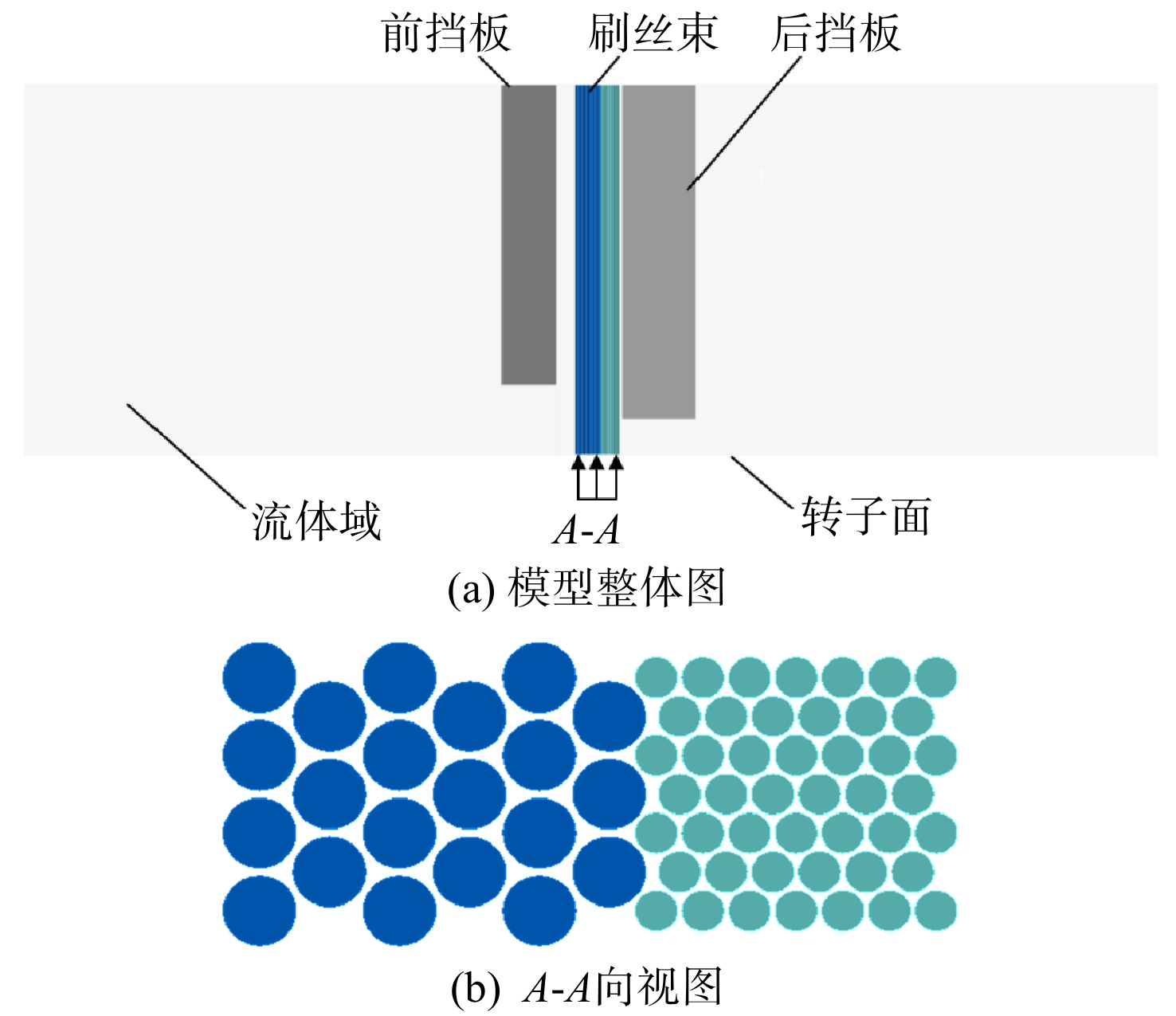
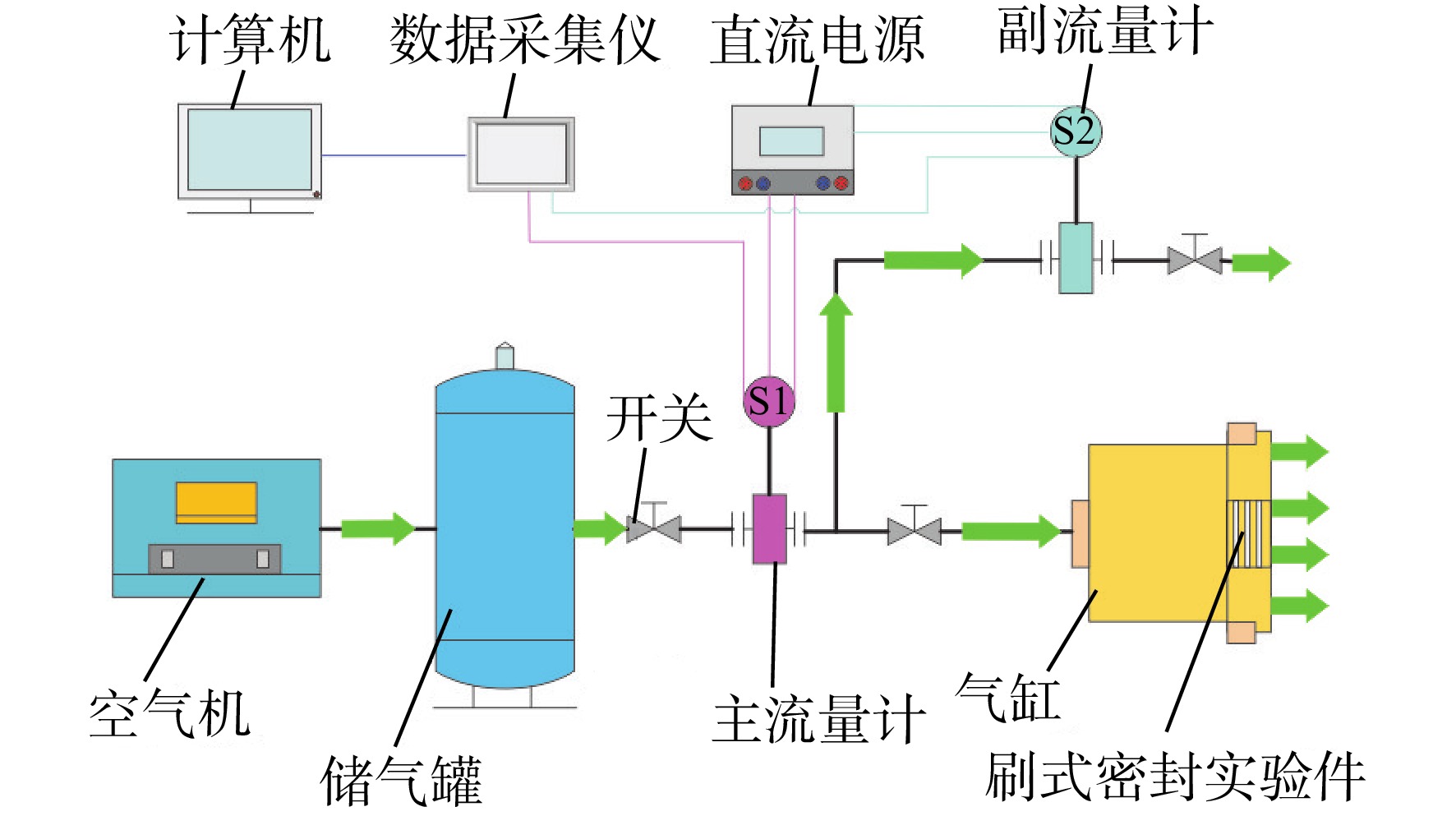
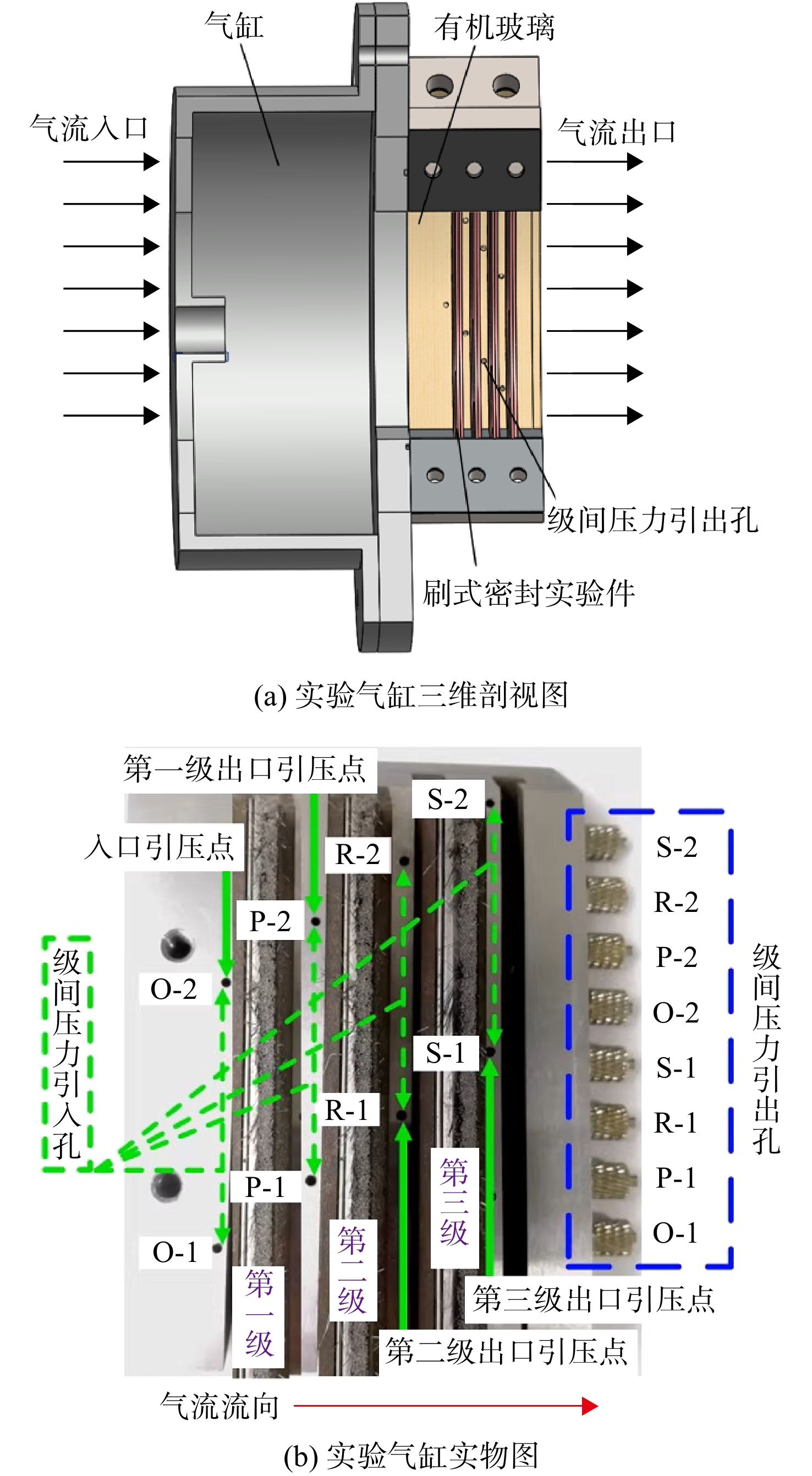
Influences of the installation methods of inner and outer rotor bristles on leakage flow characteristics of rotating brush seal
SUN Jiachen, SUN Dan, ZHANG Jieyi, WANG Mingzhang, XU Huanze, YANG Yixiao
2026, 41(5): 20250186. doi: 10.13224/j.cnki.jasp.20250186
Abstract:

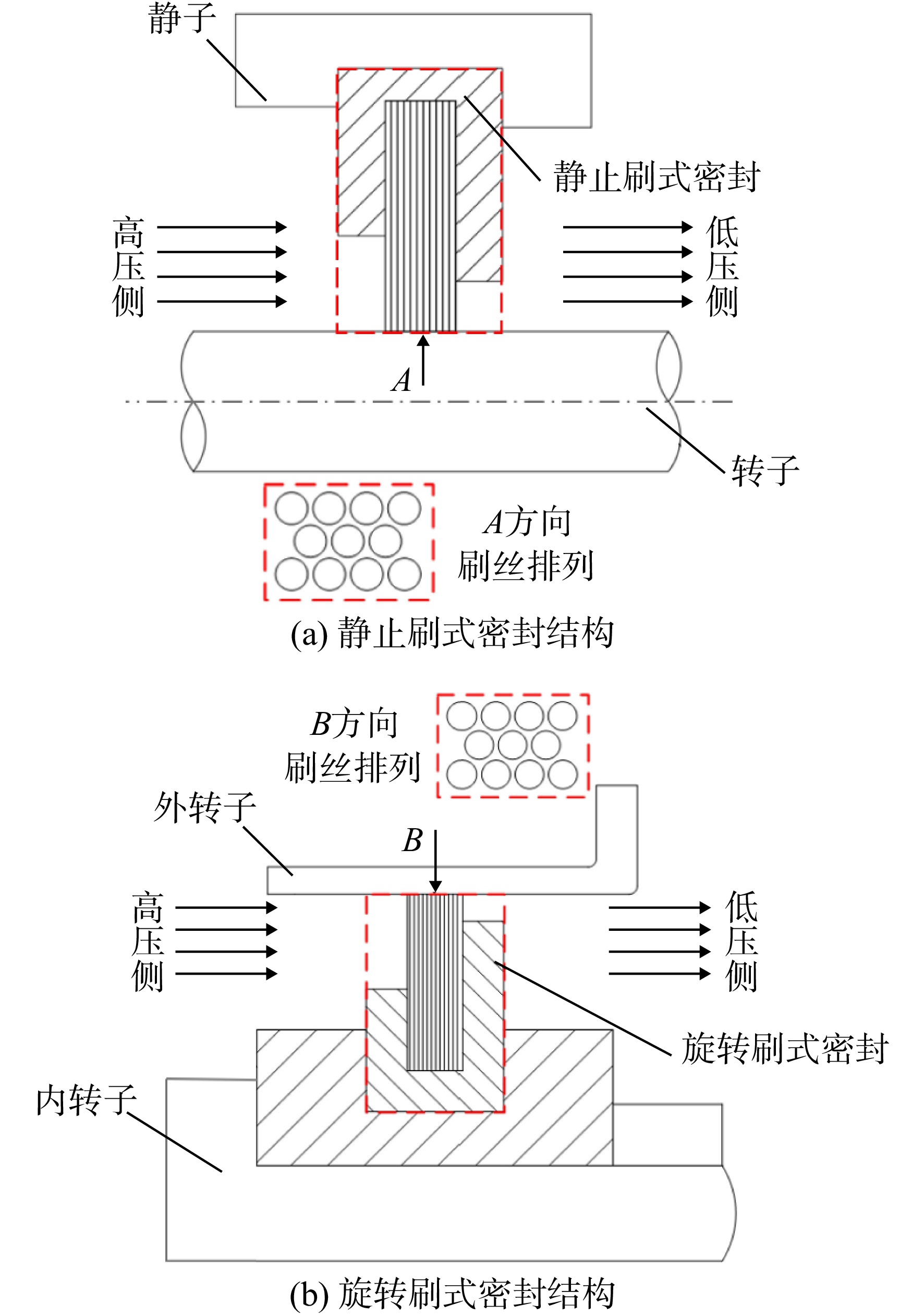
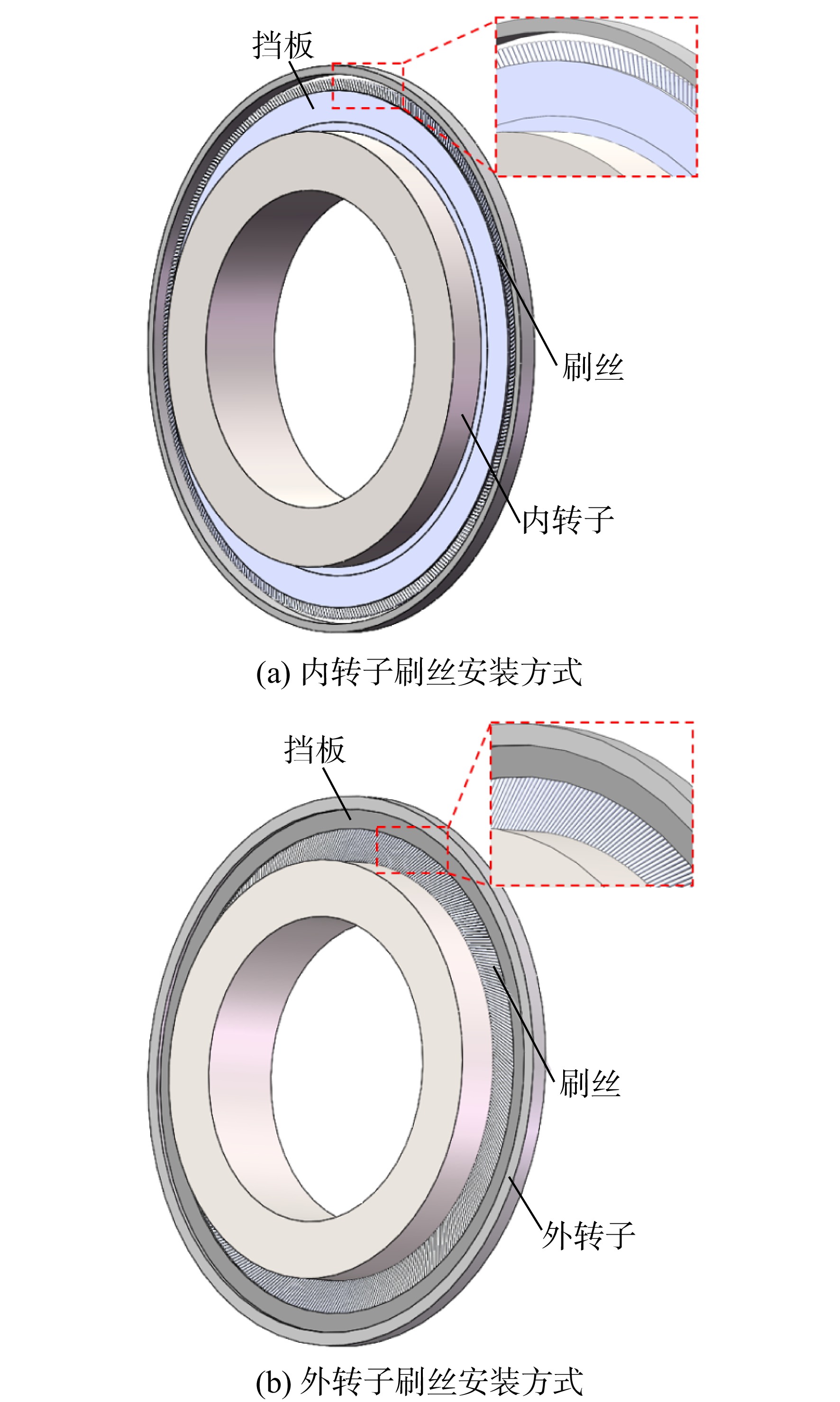
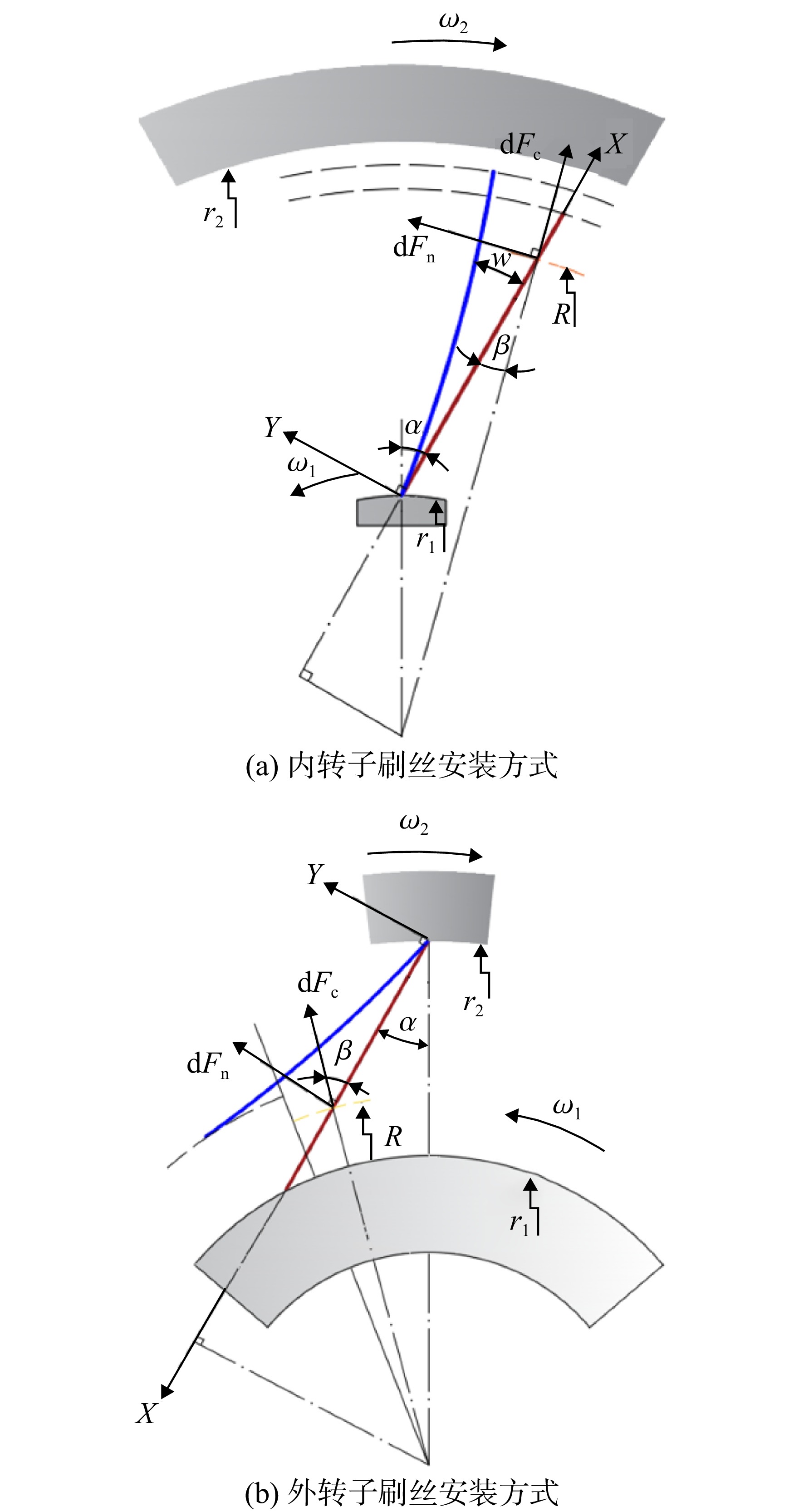
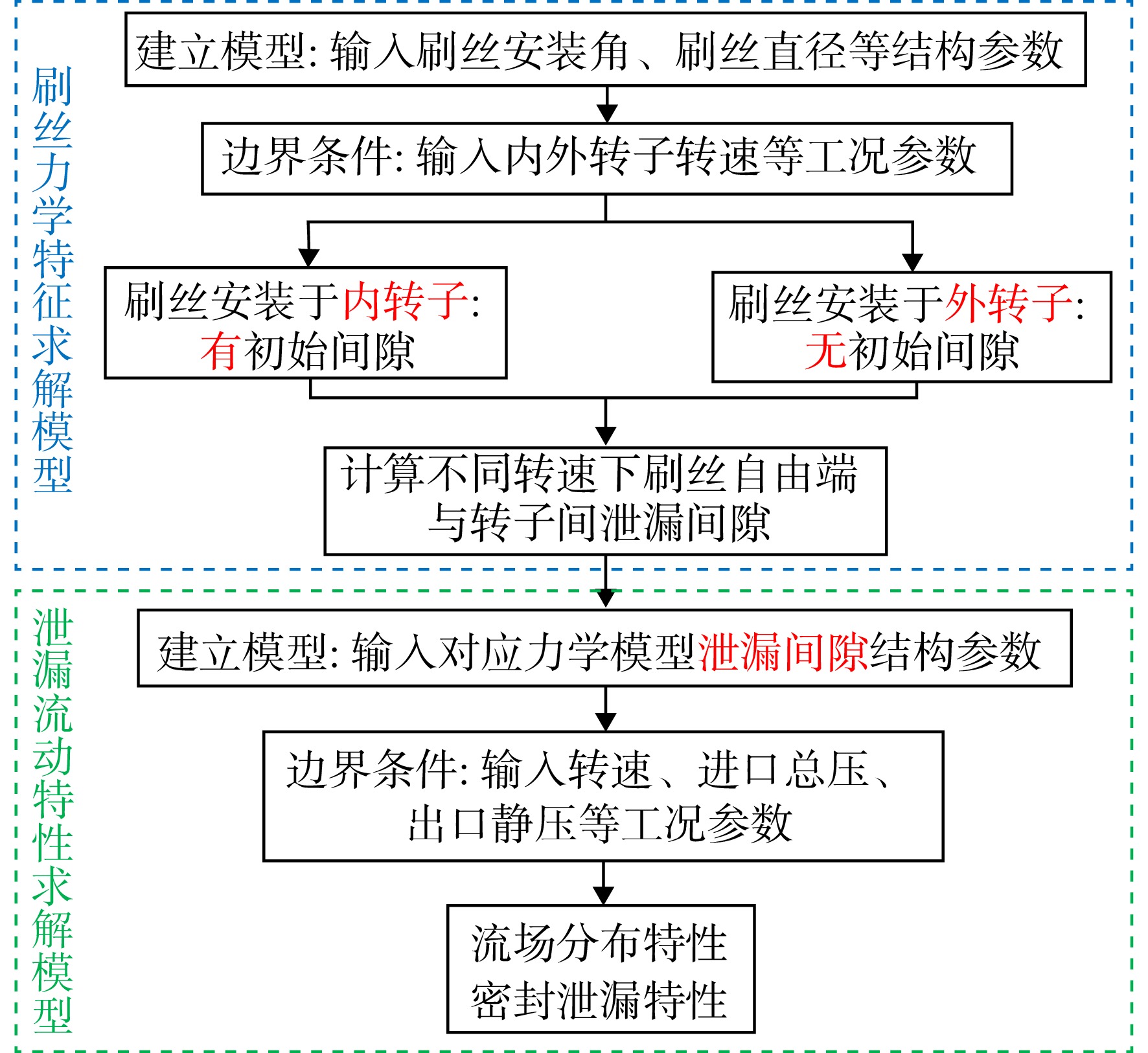
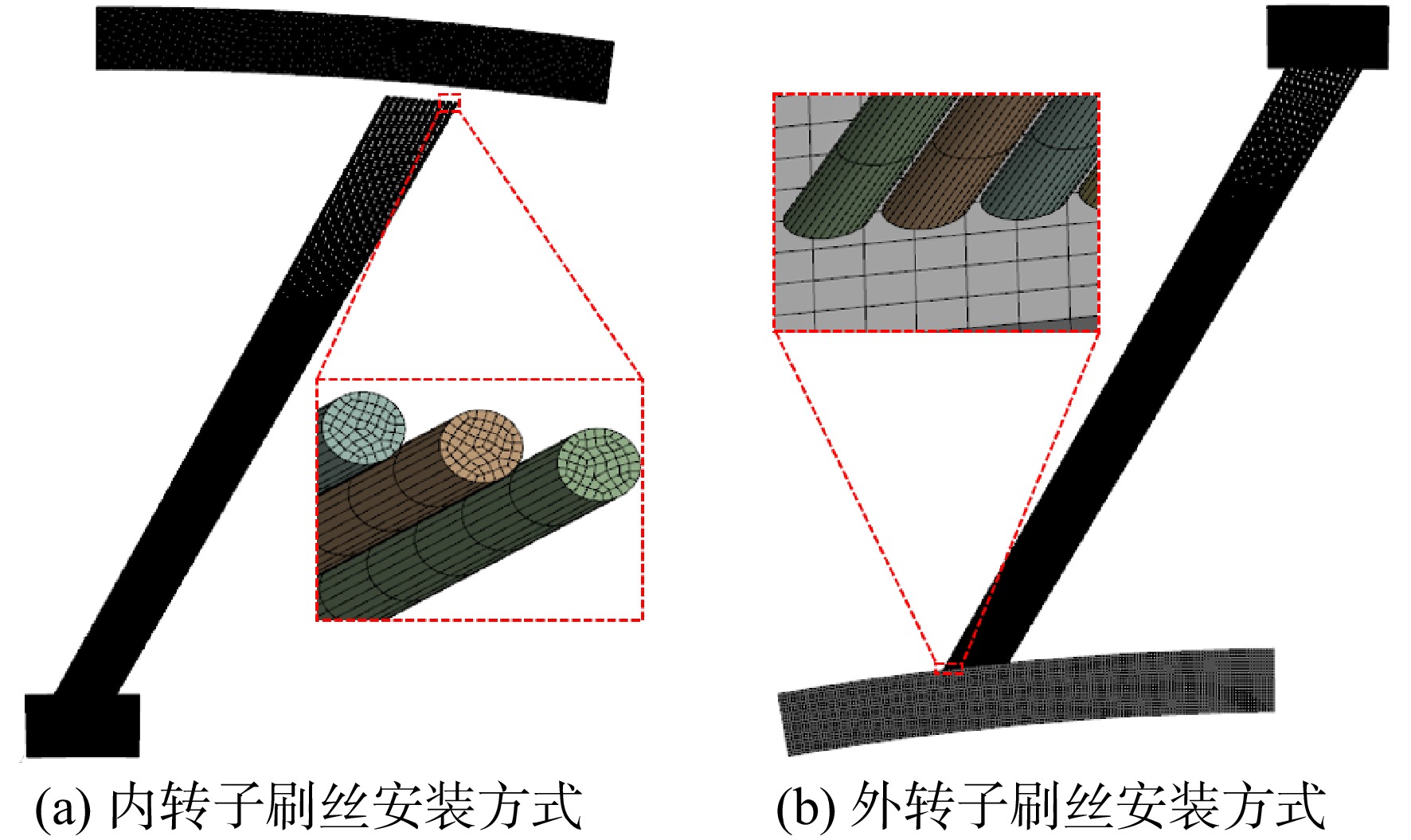
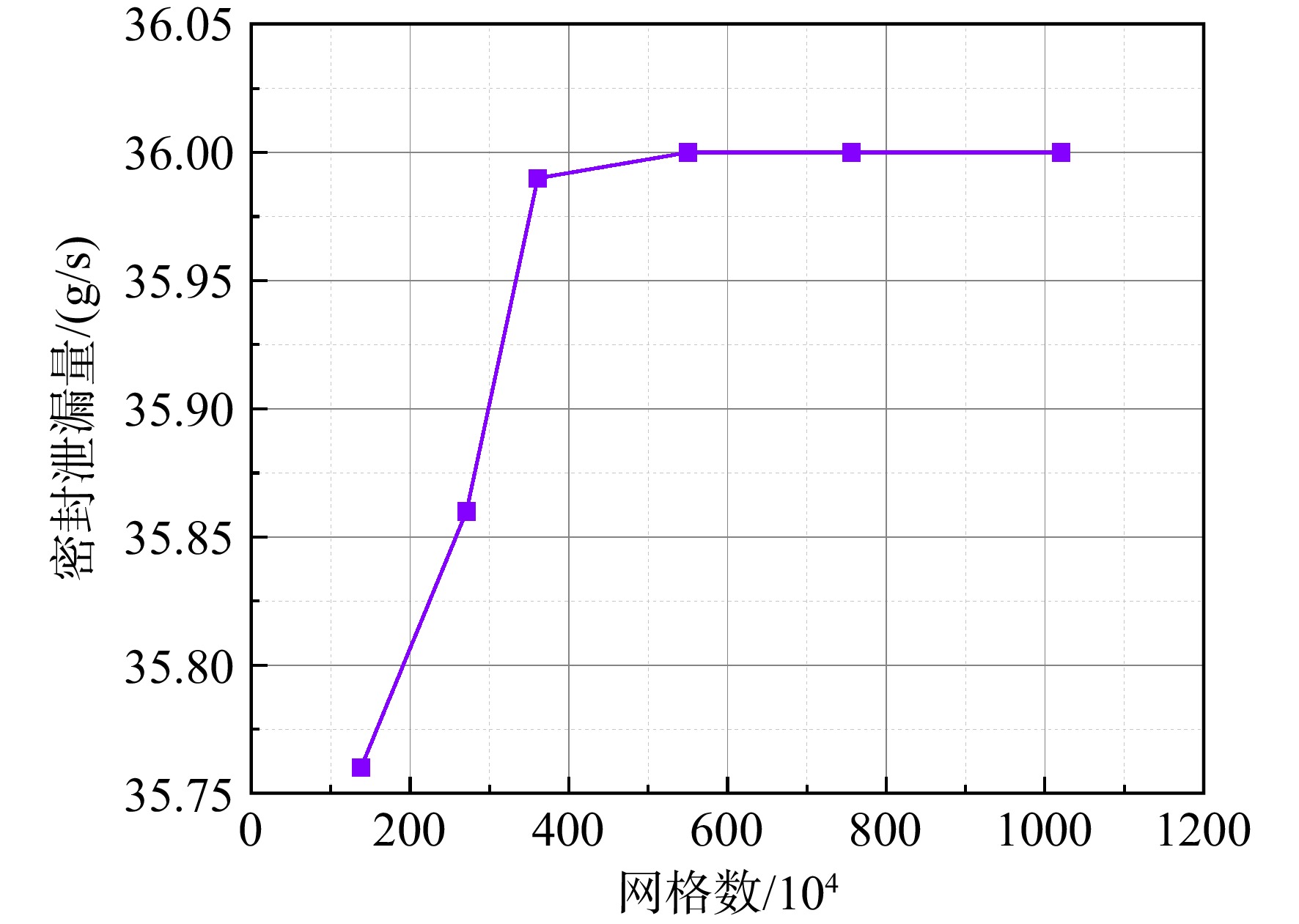
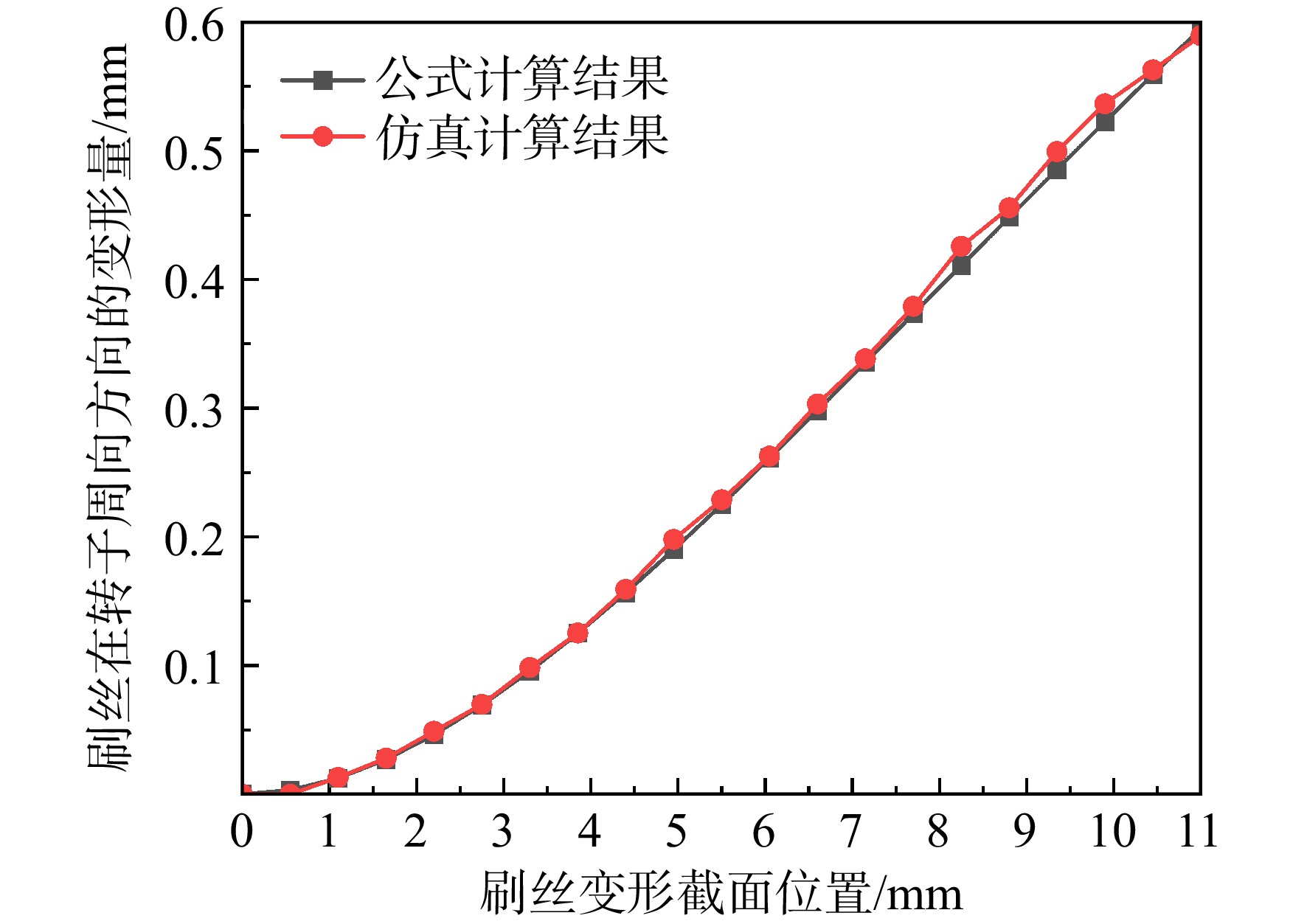
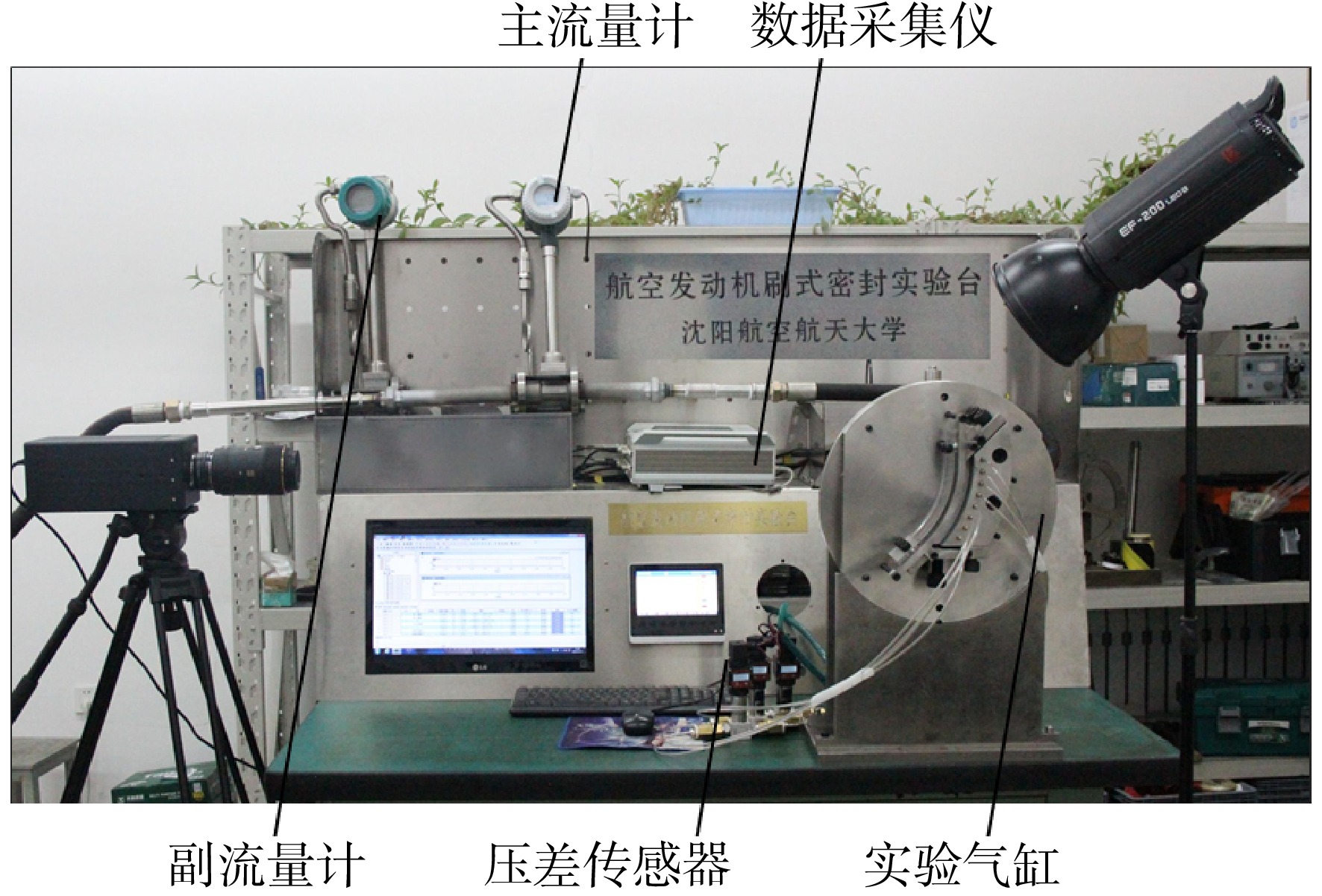
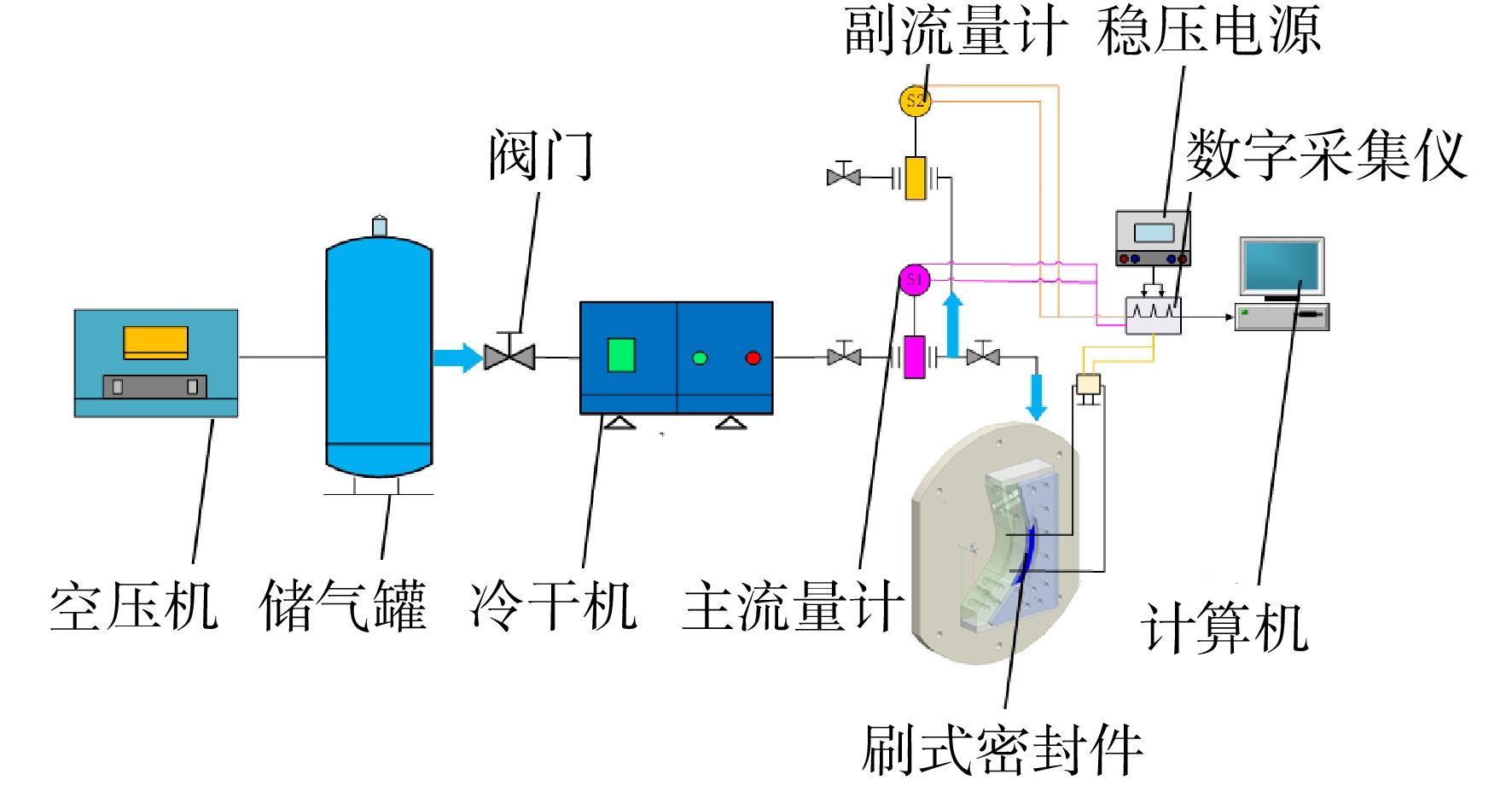
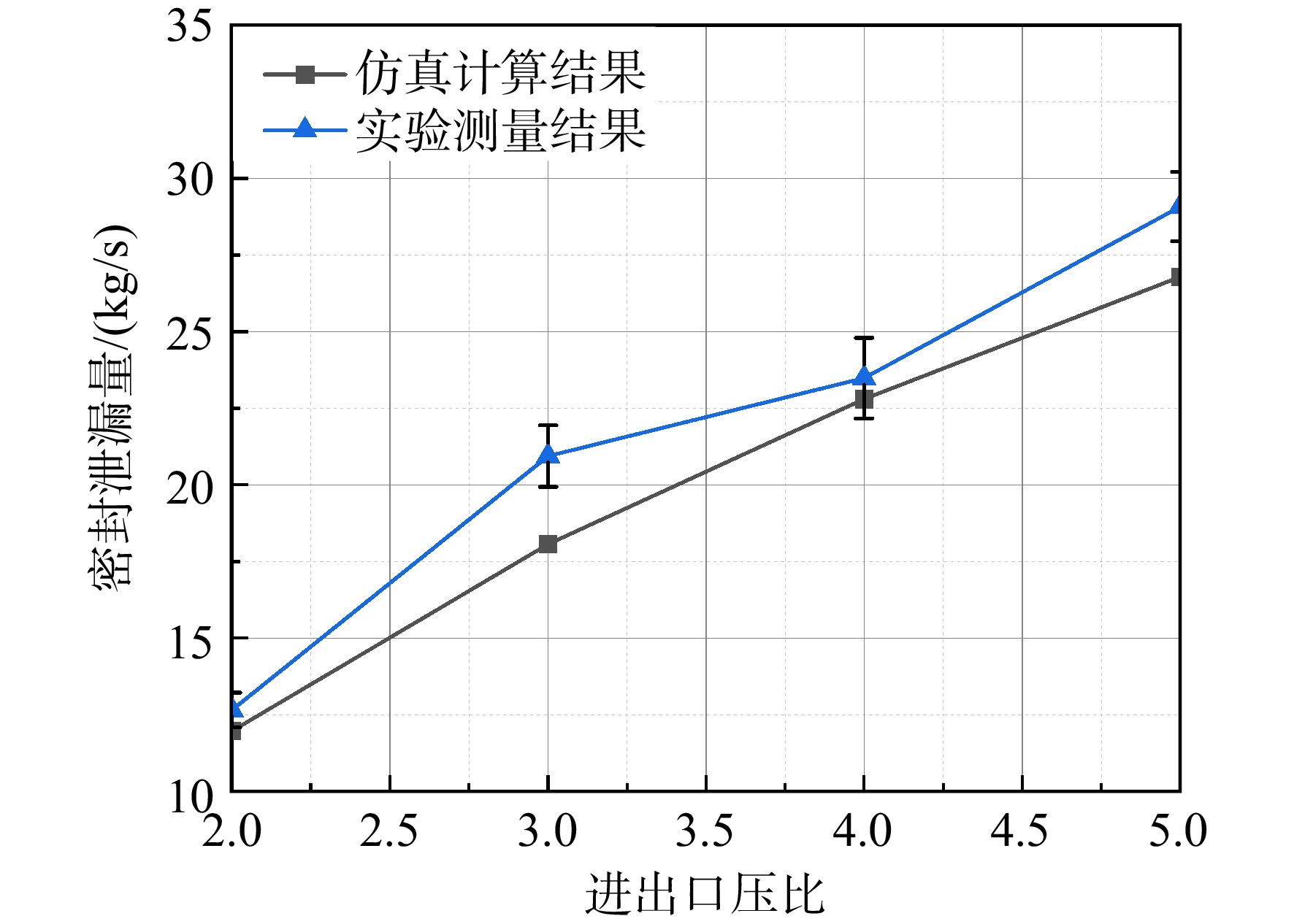
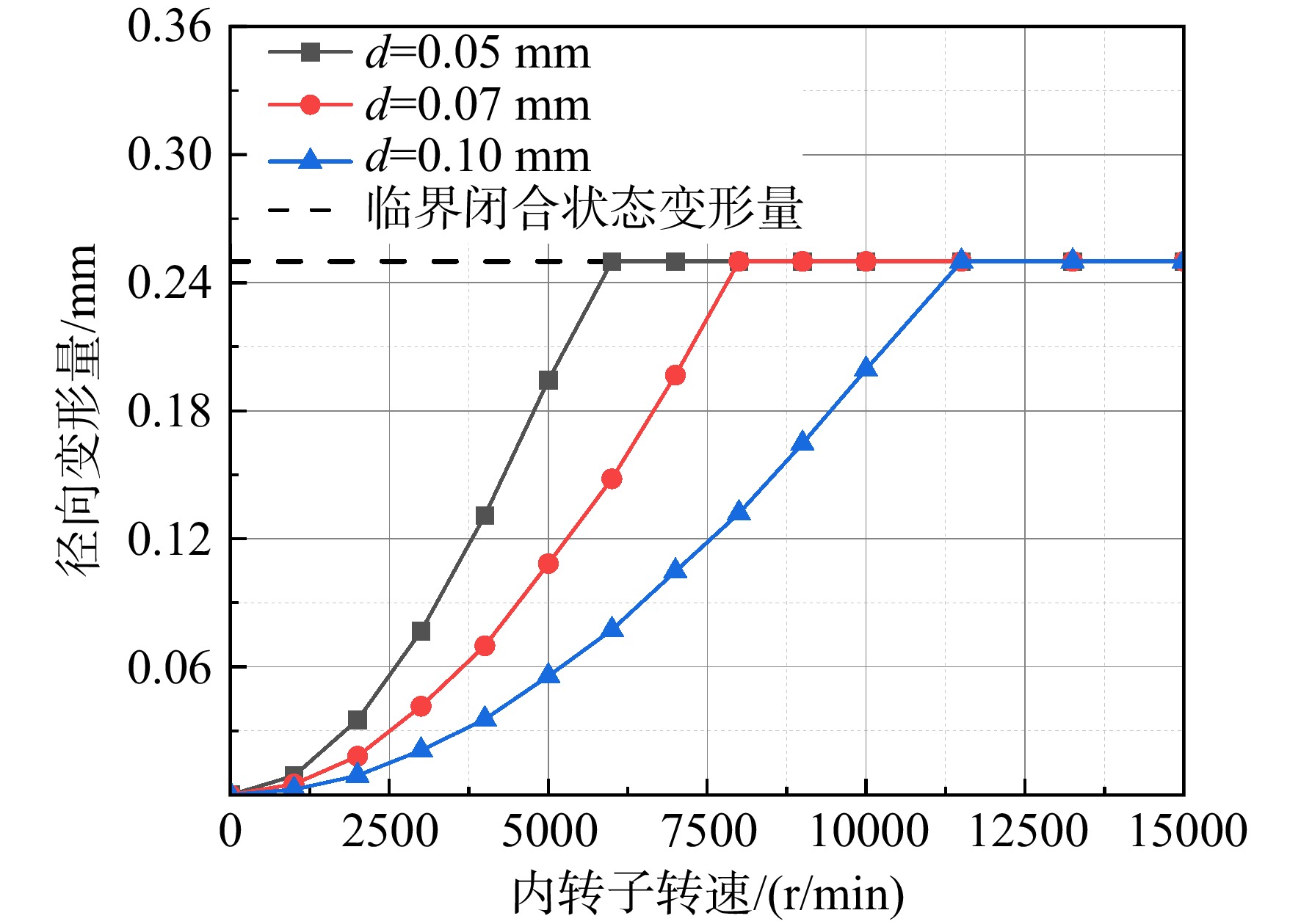
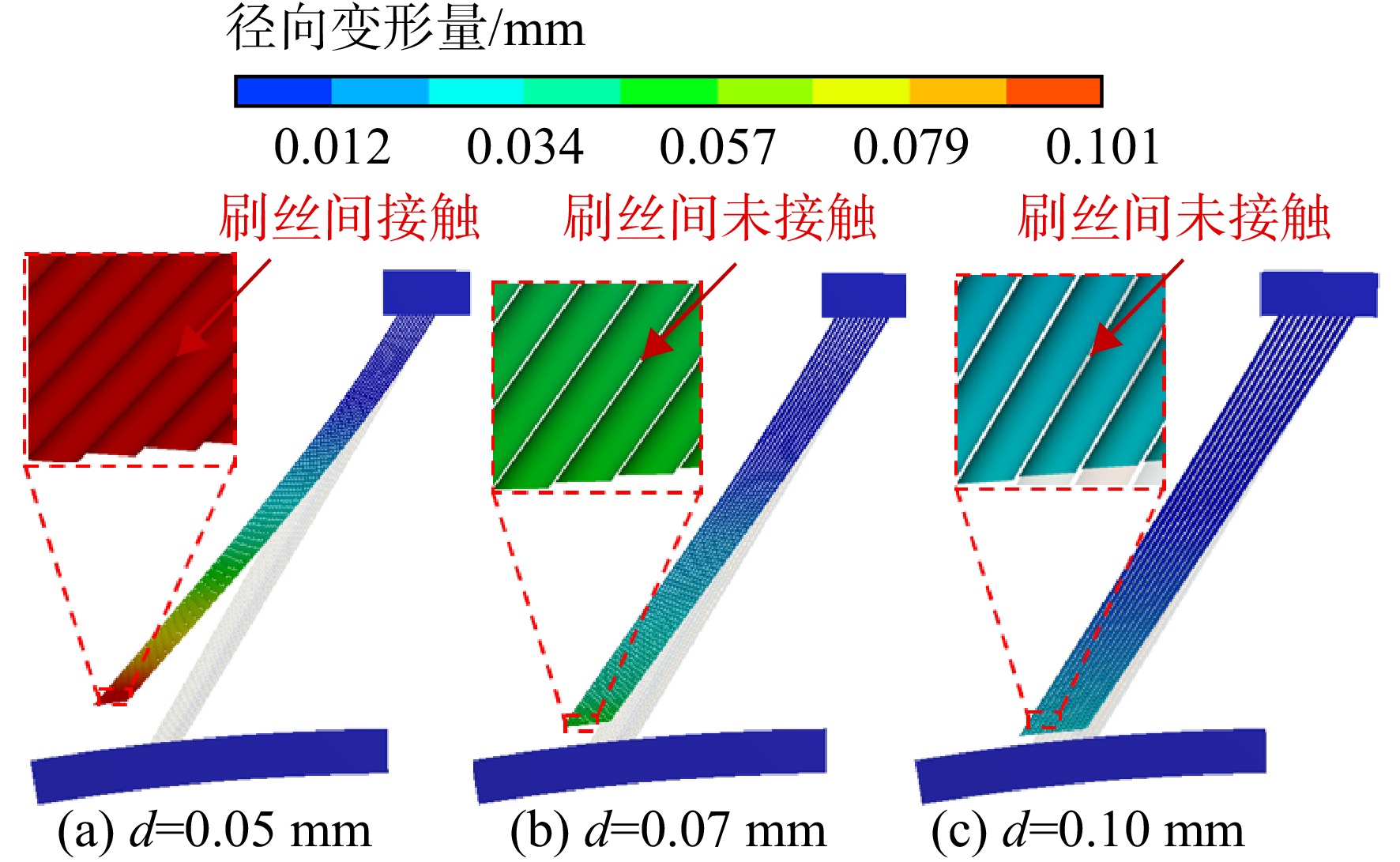
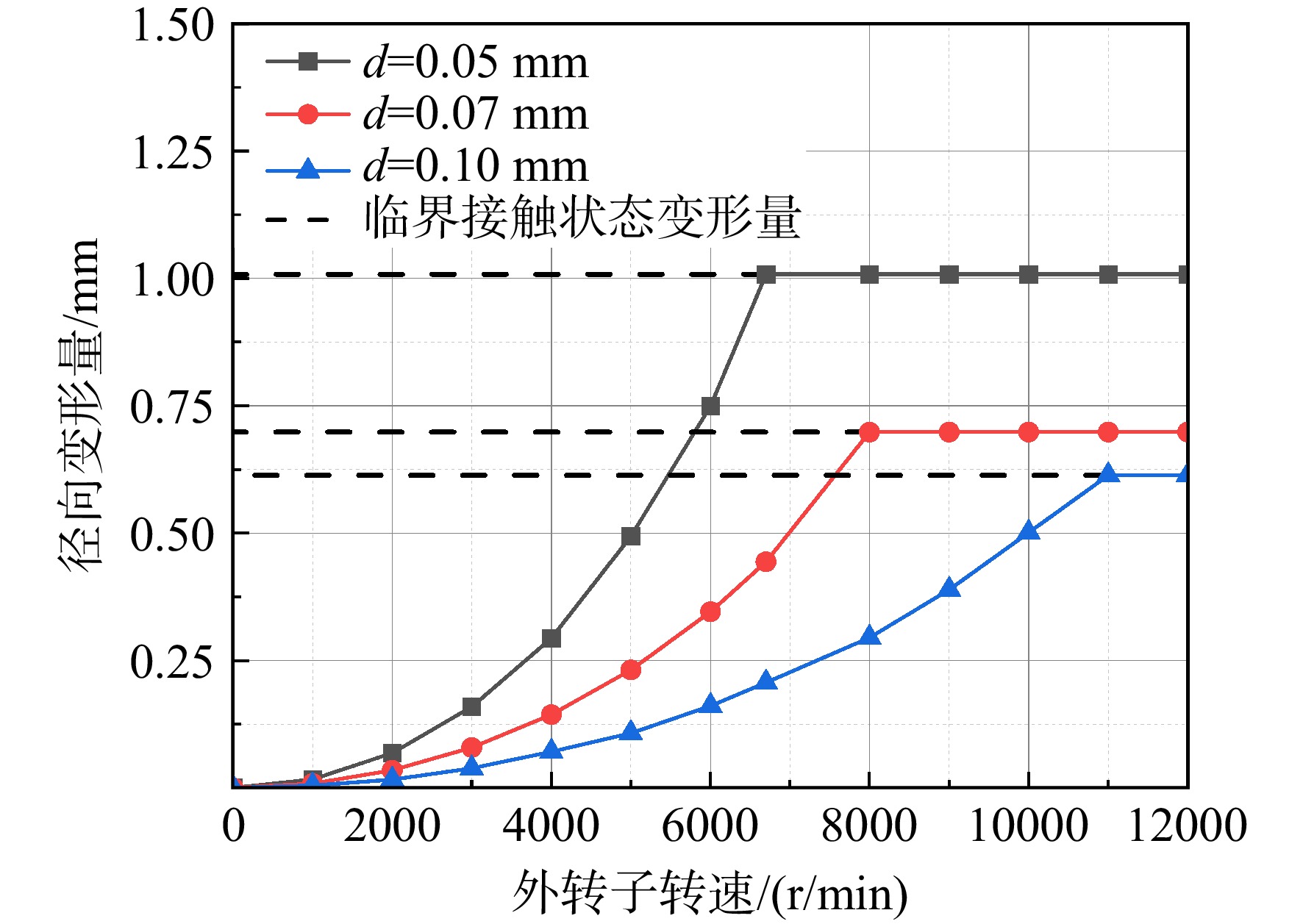
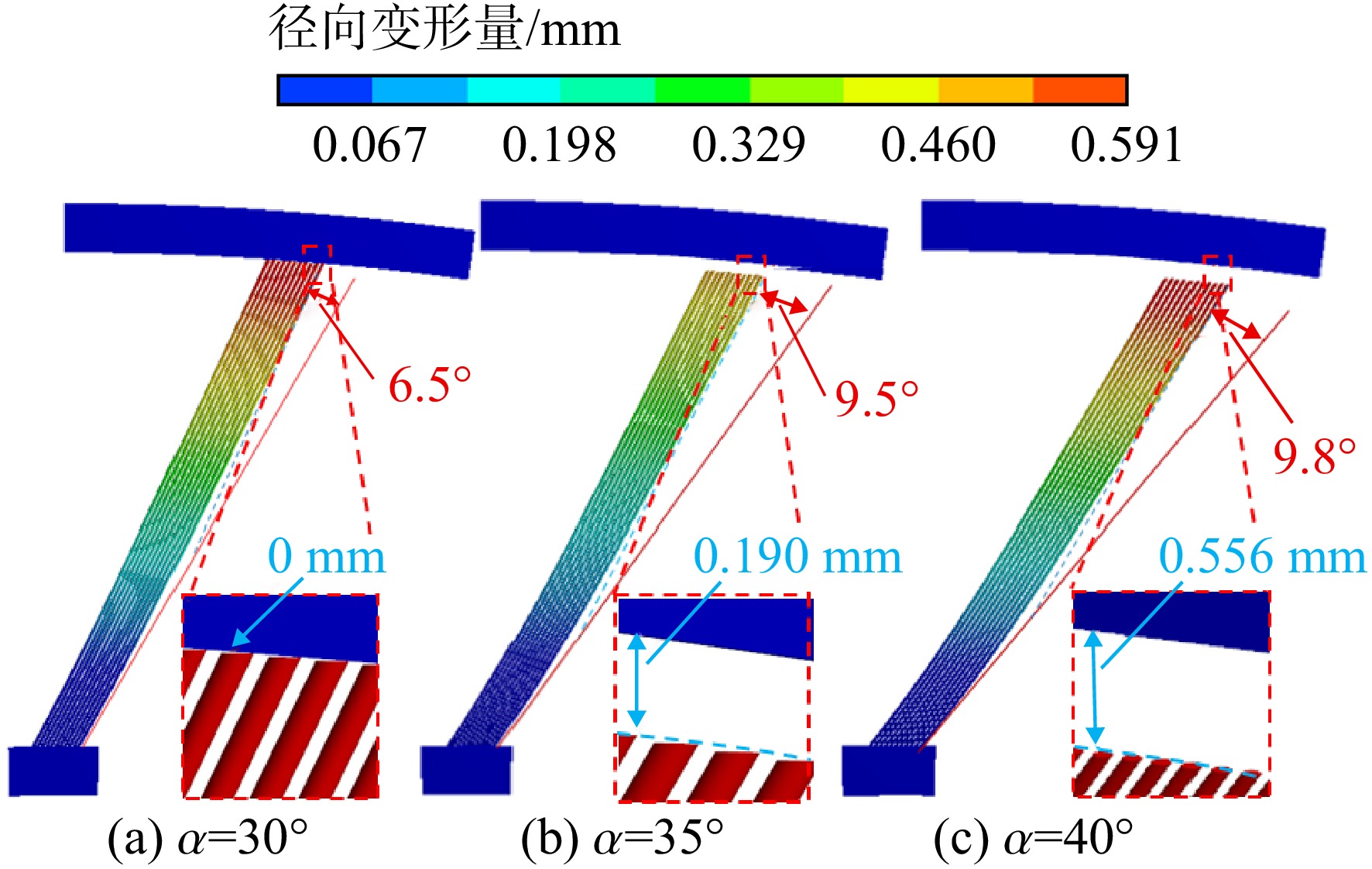
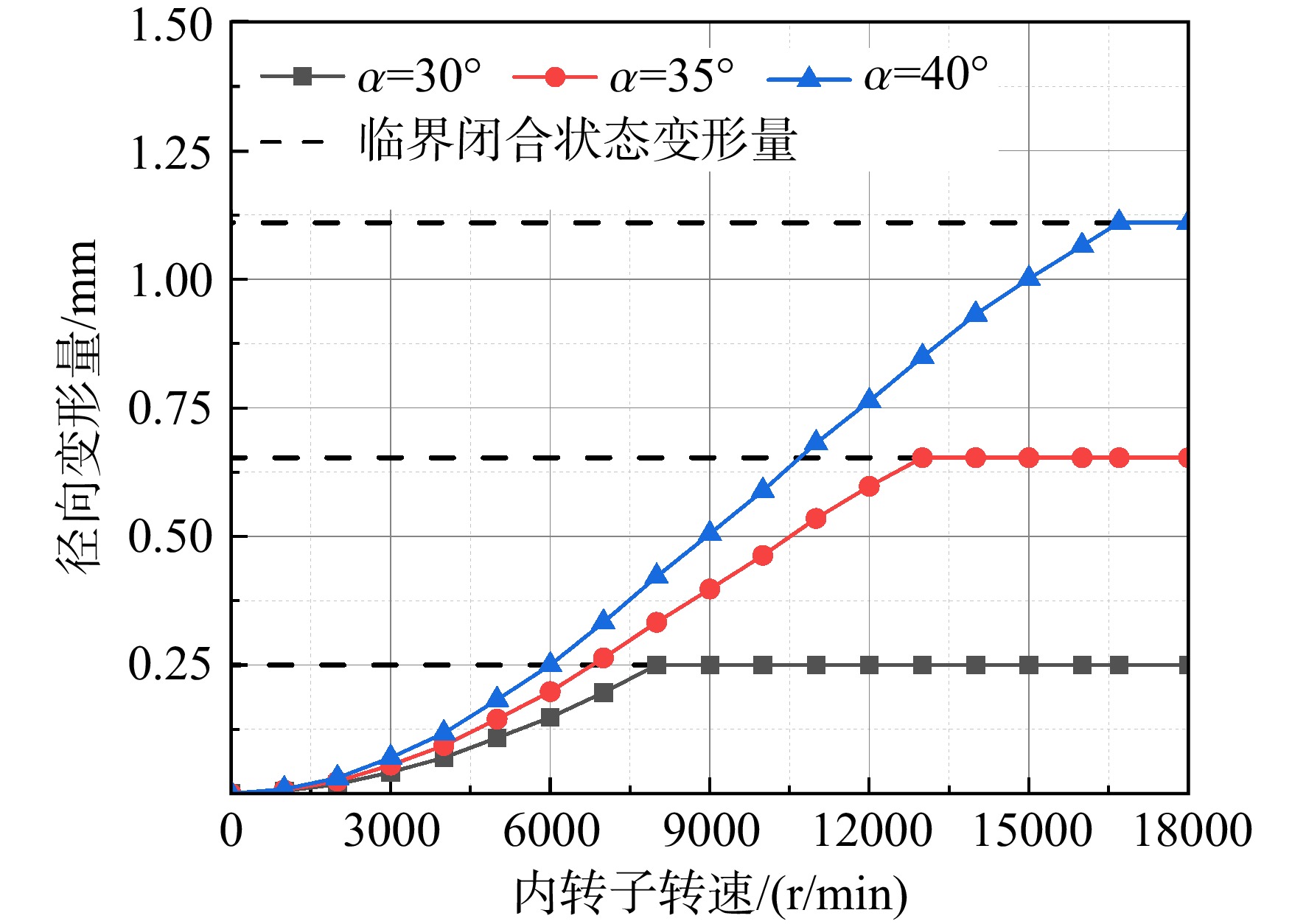
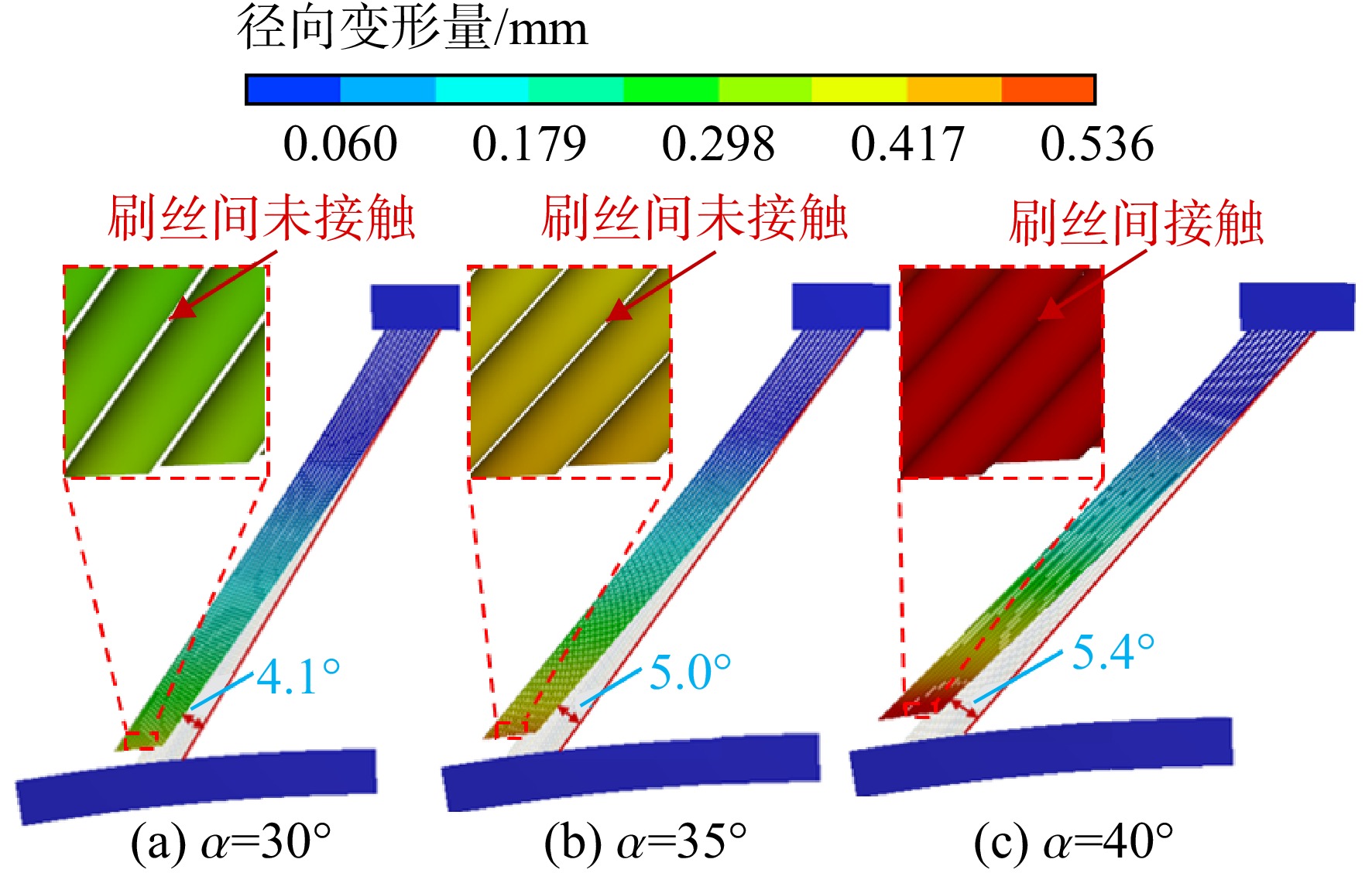
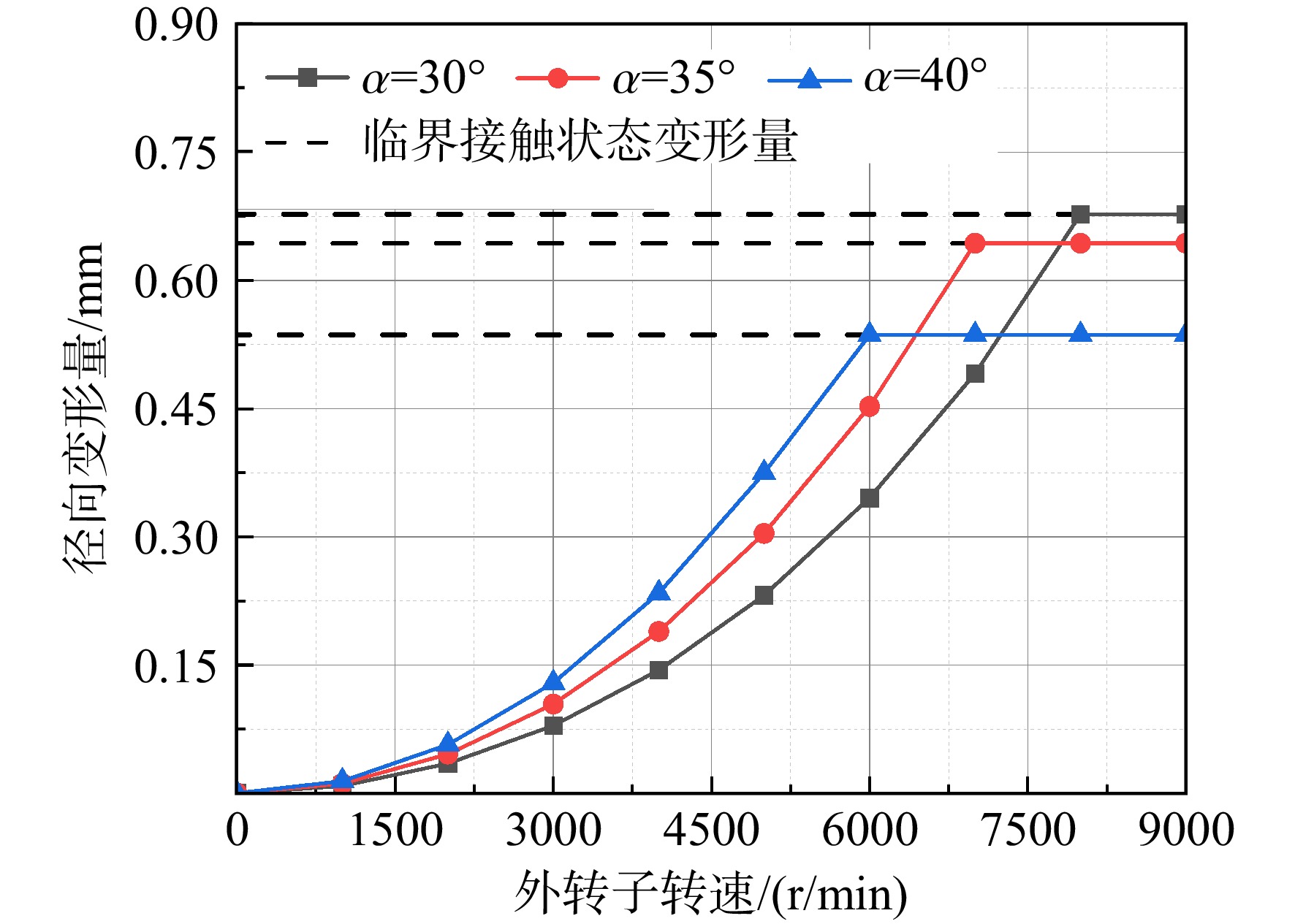
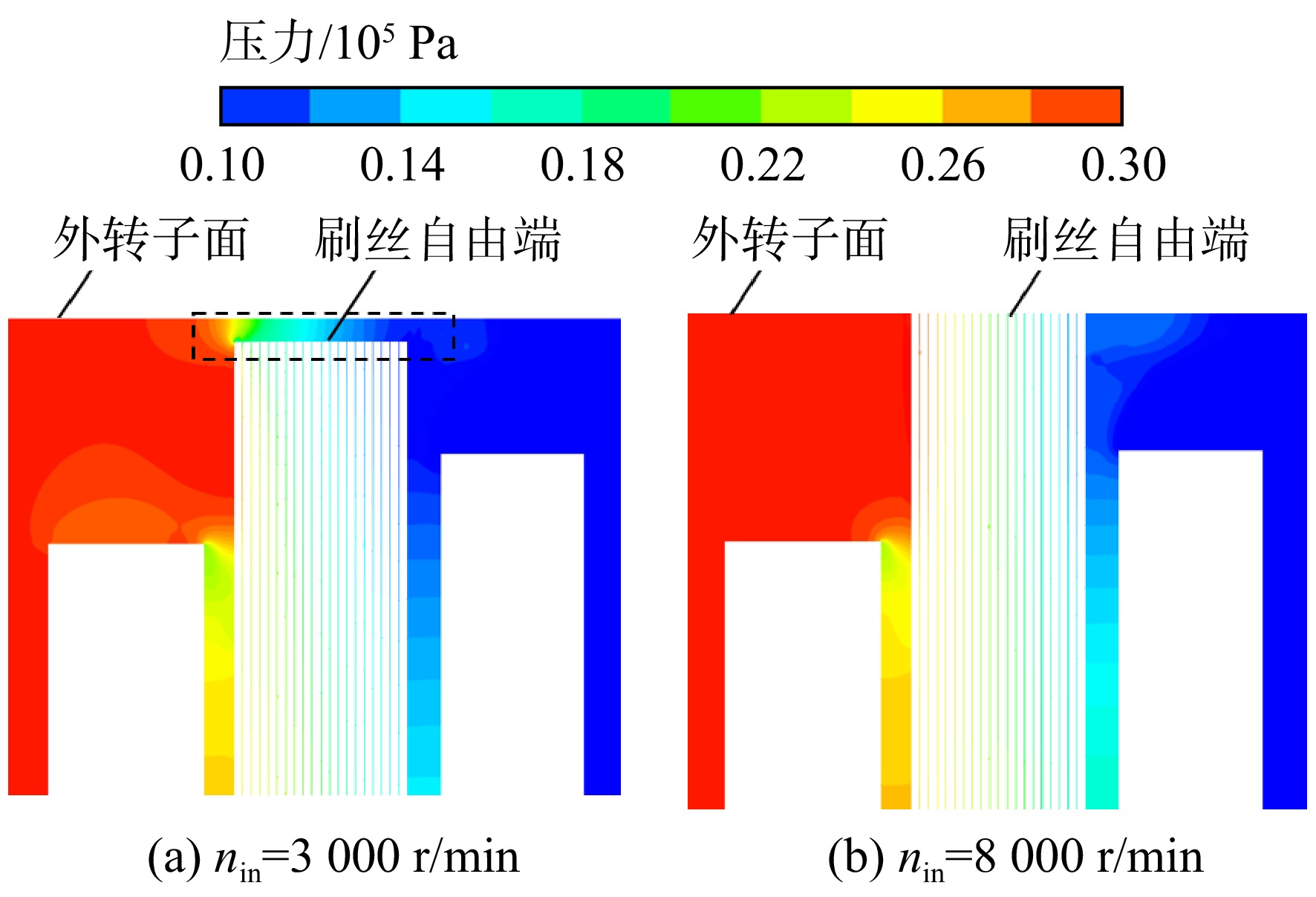
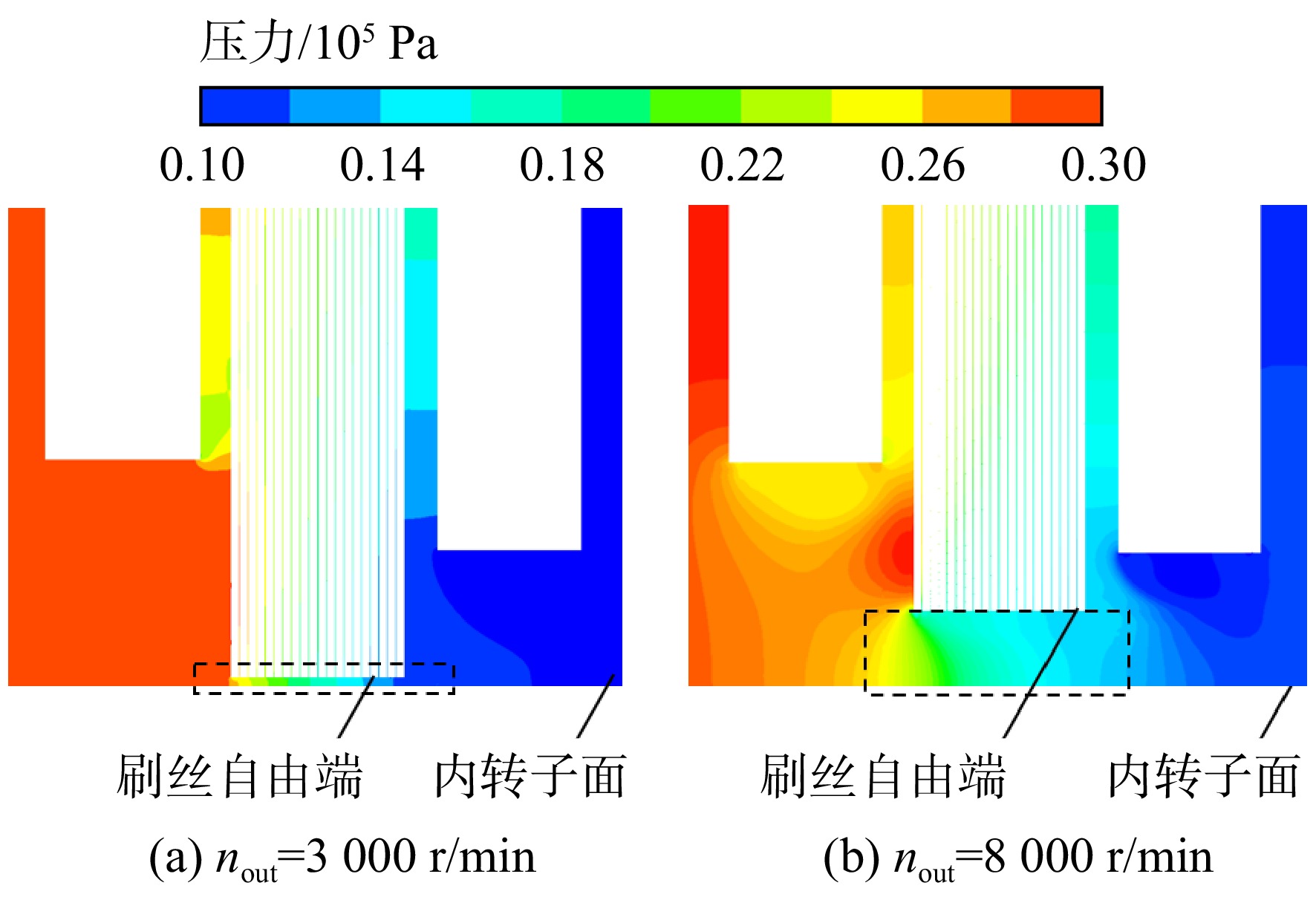
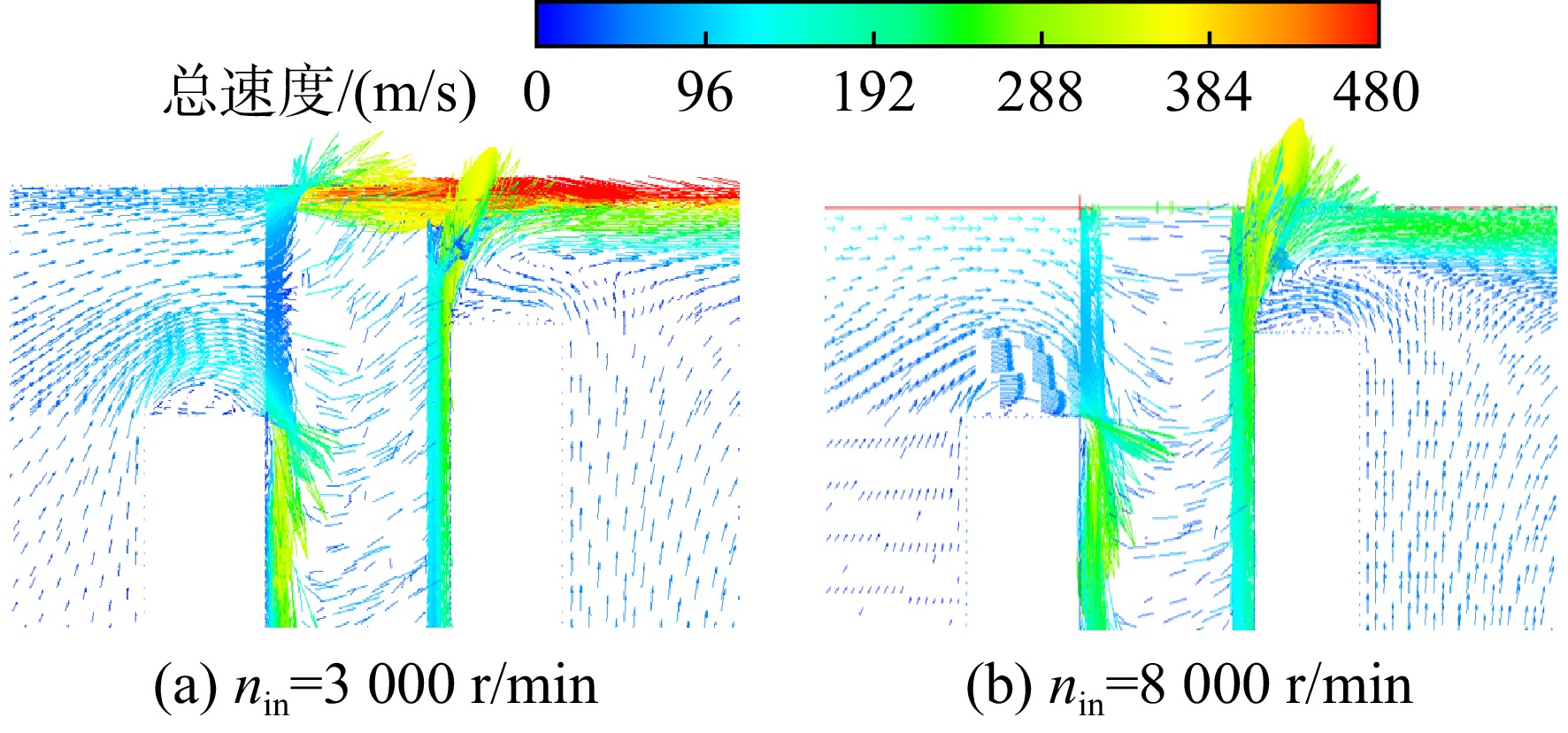
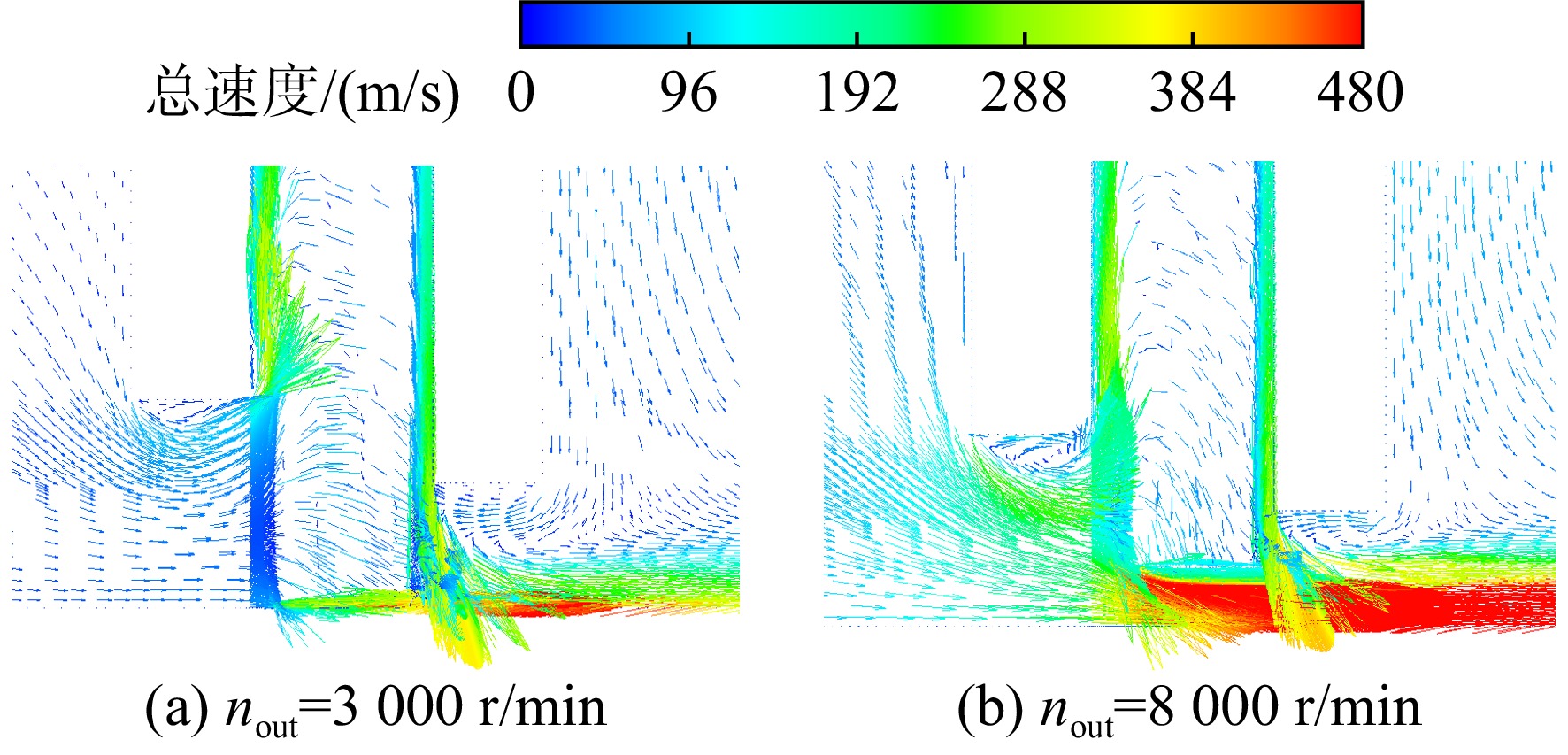
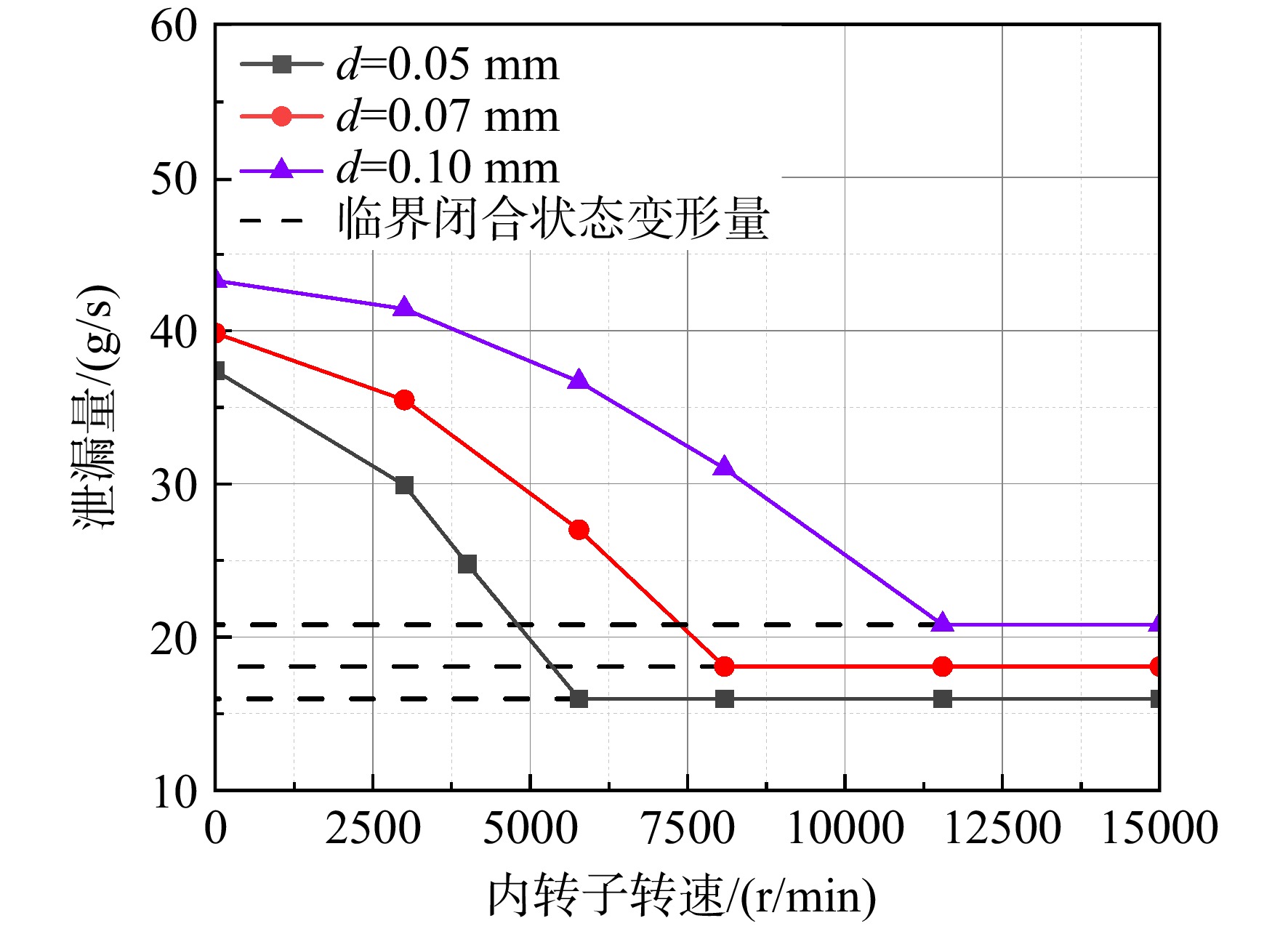
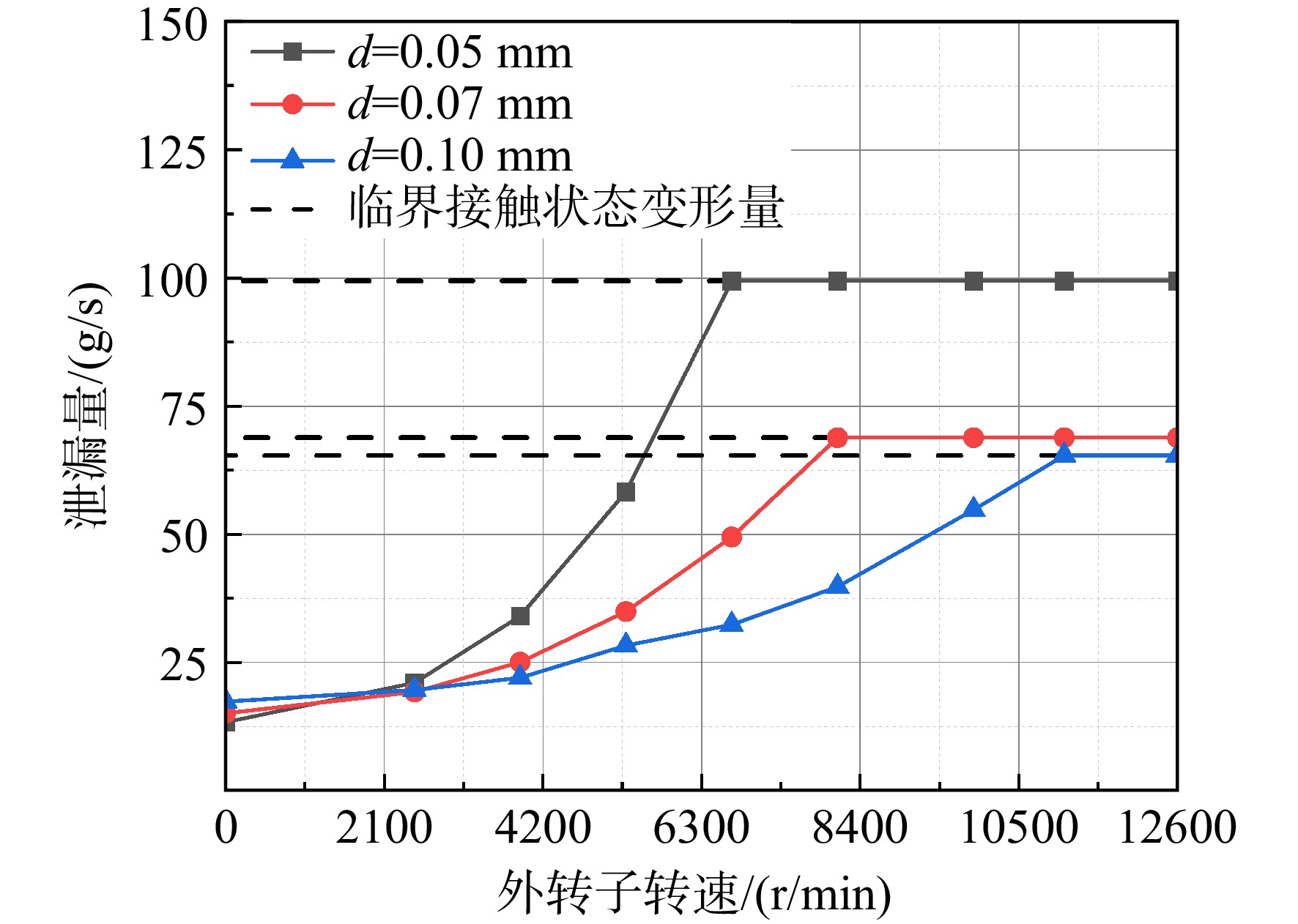
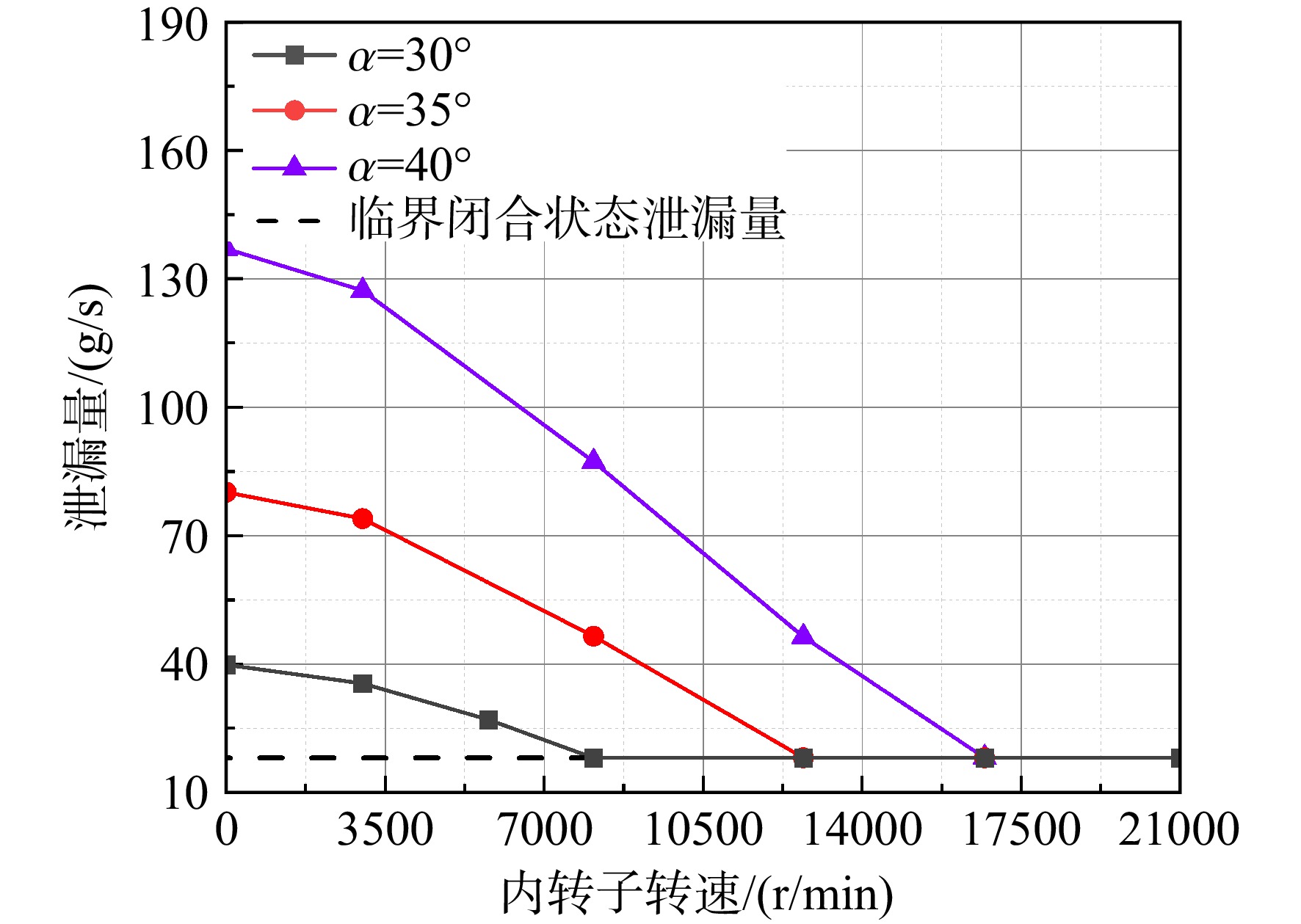
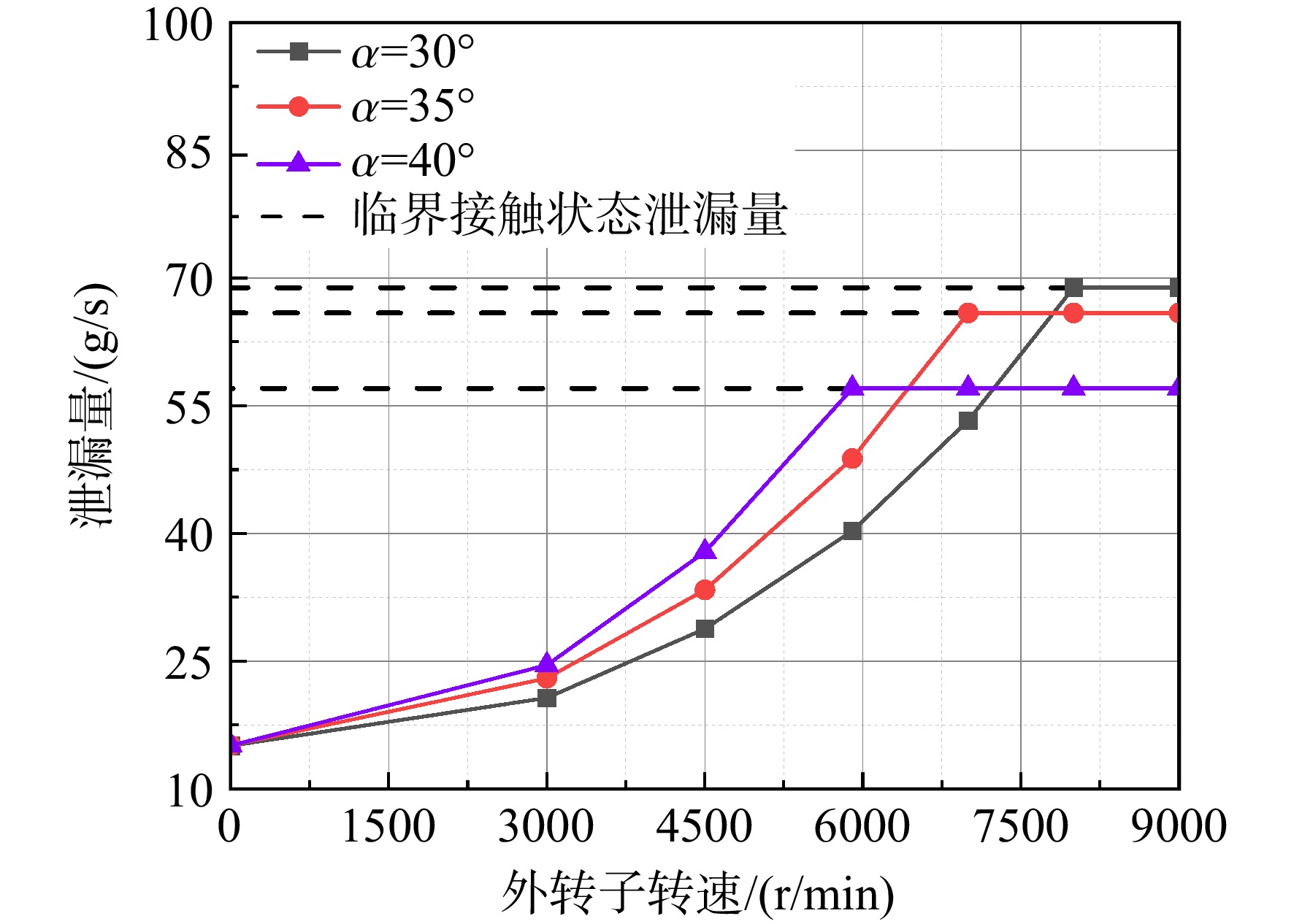
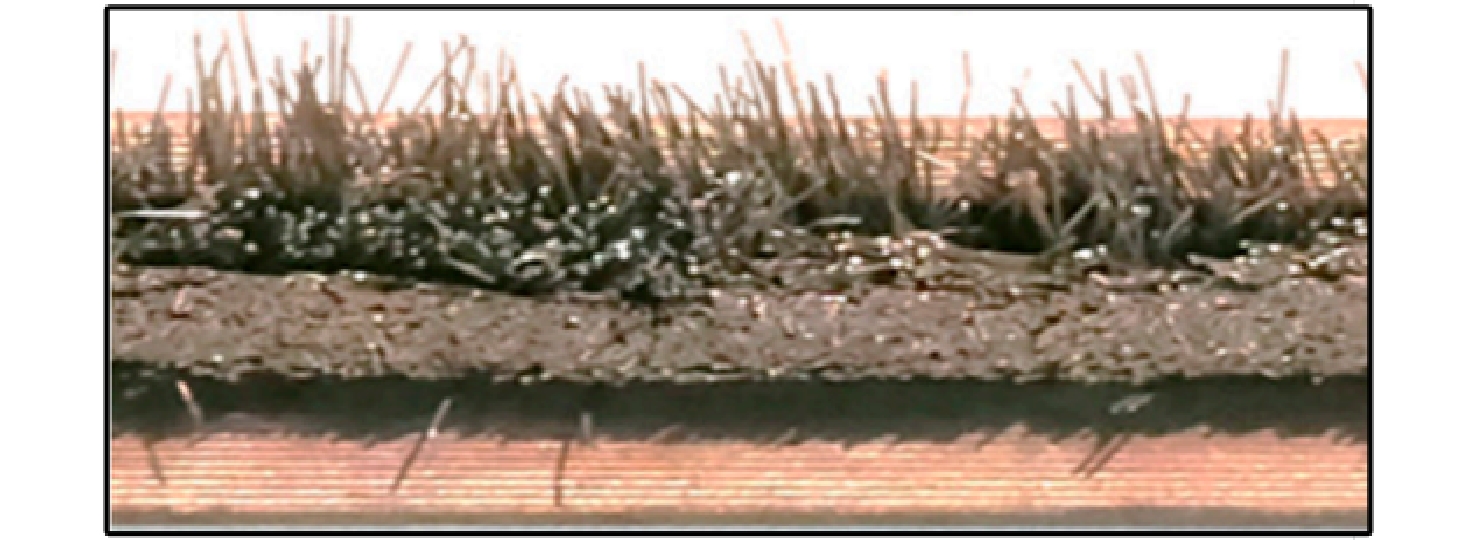
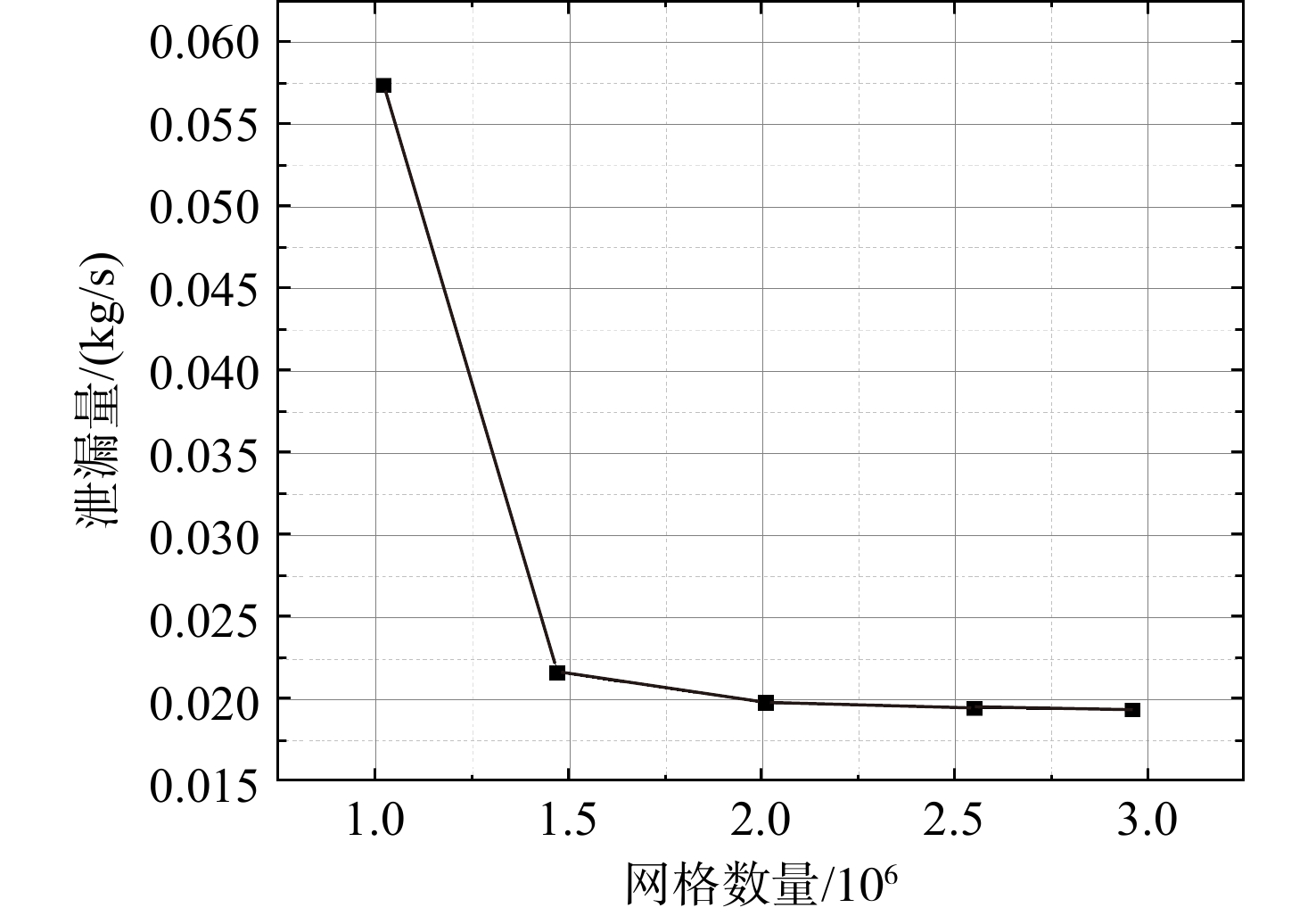
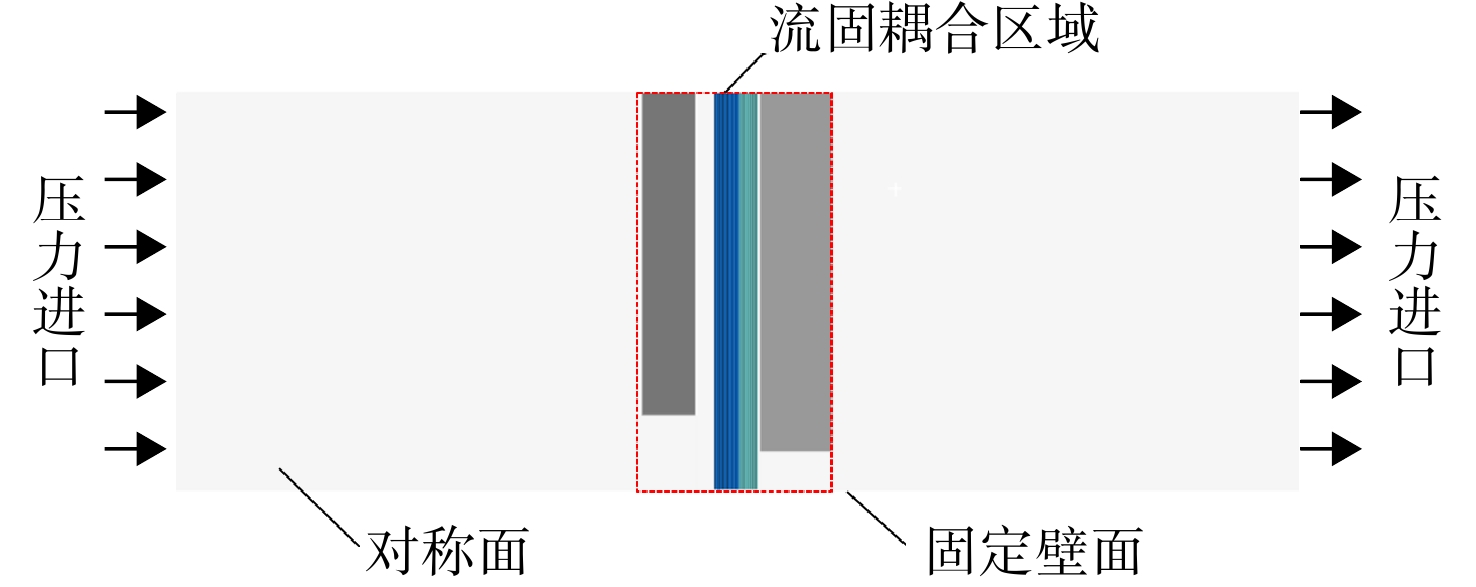
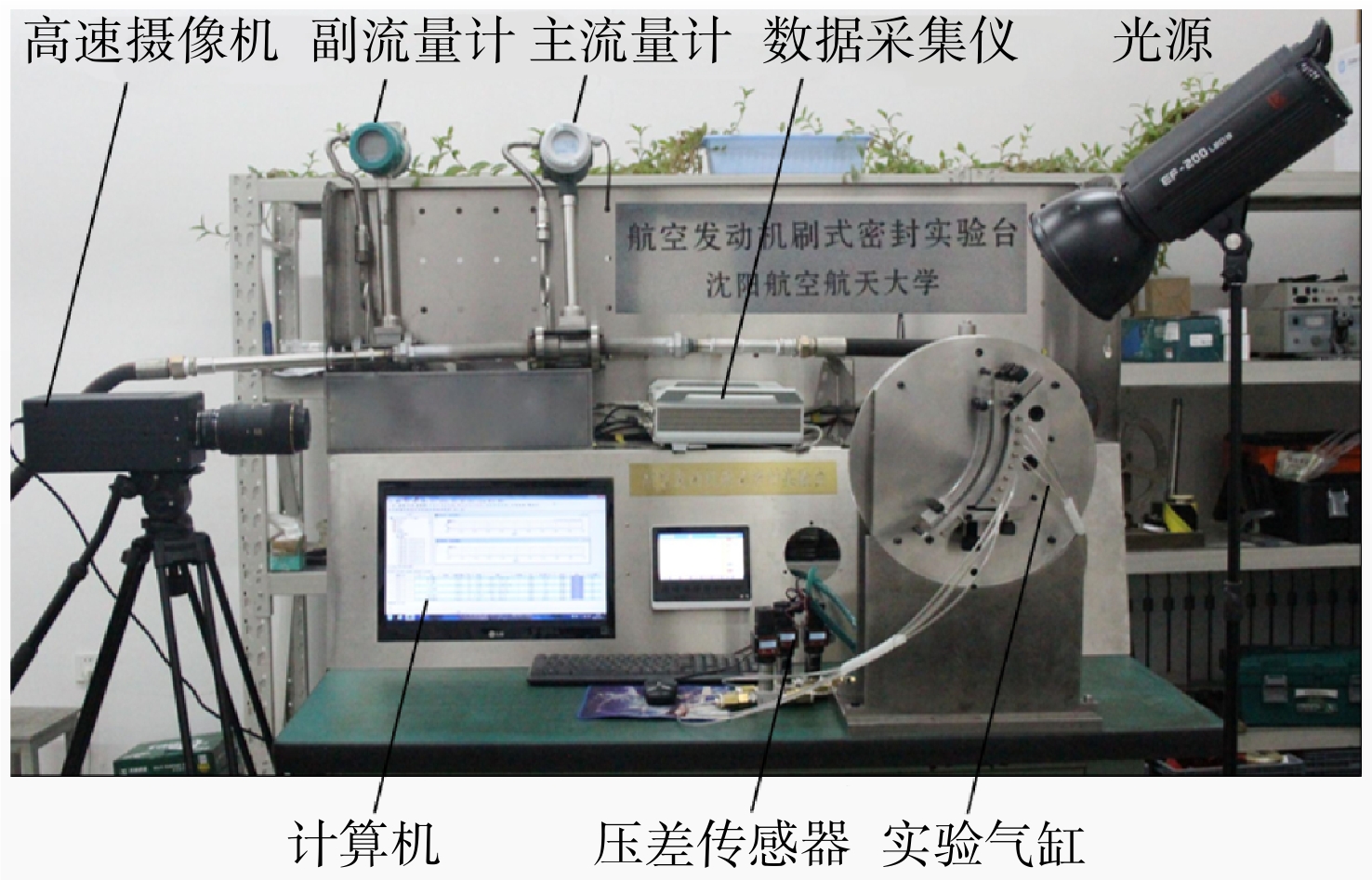
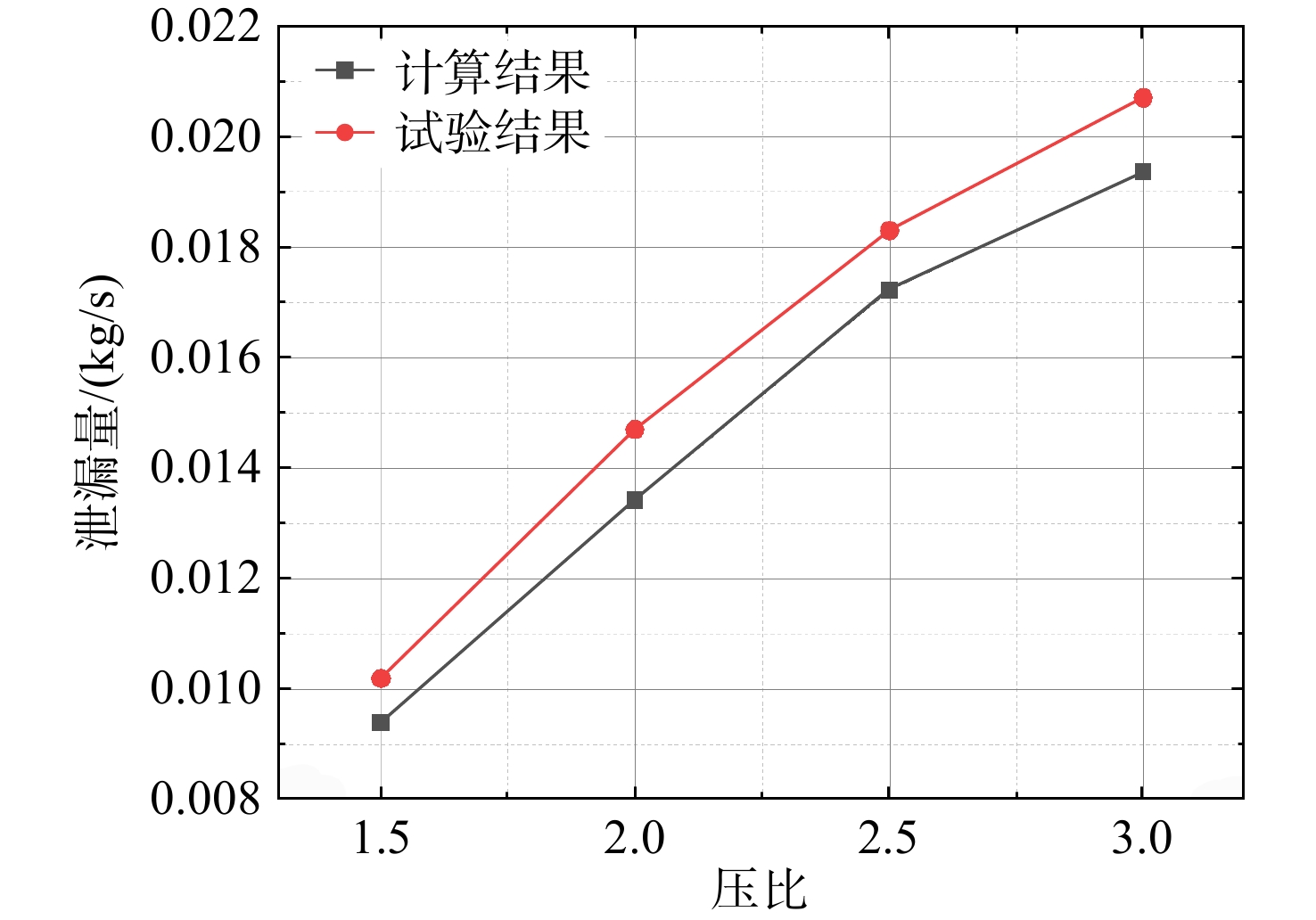
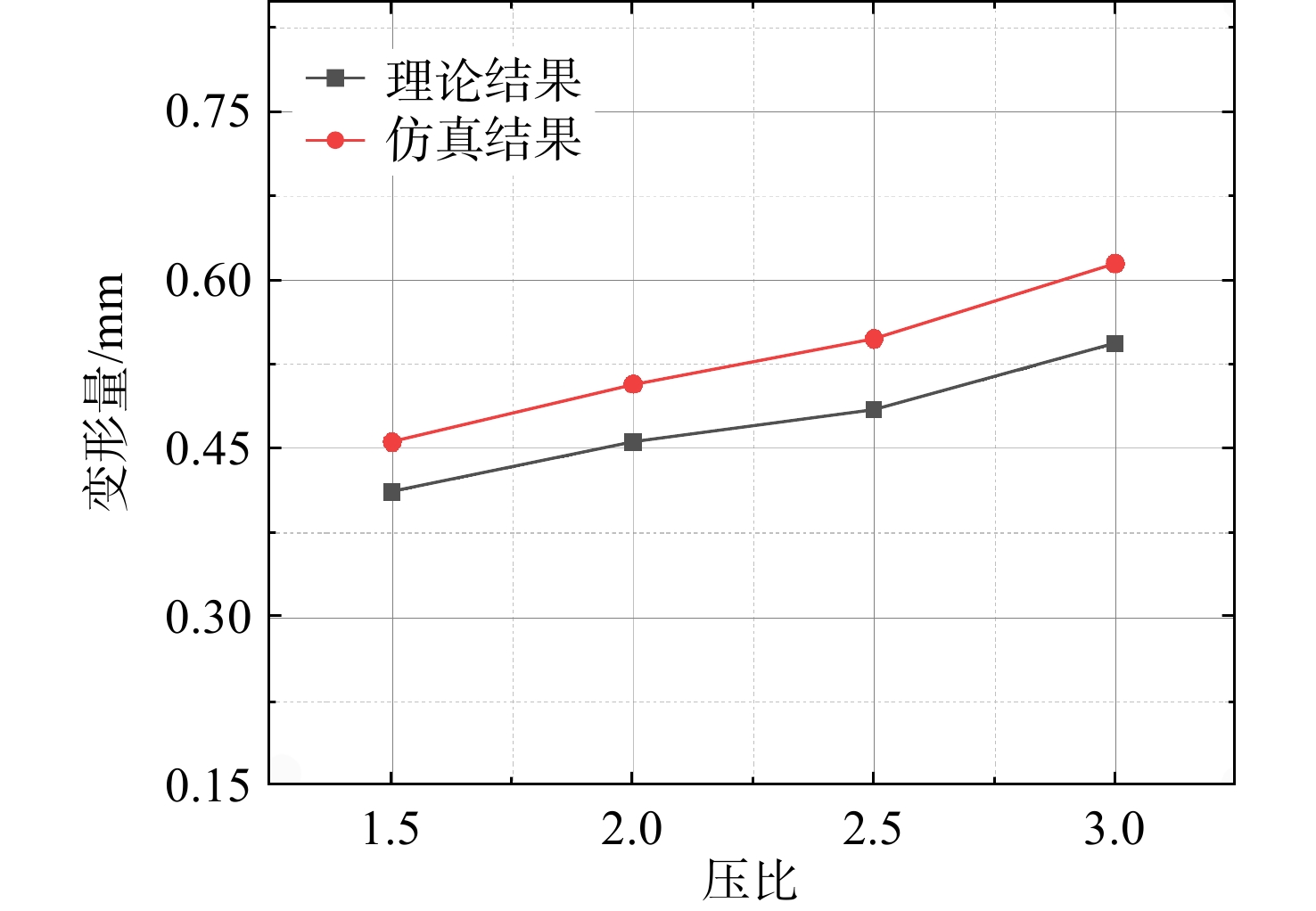
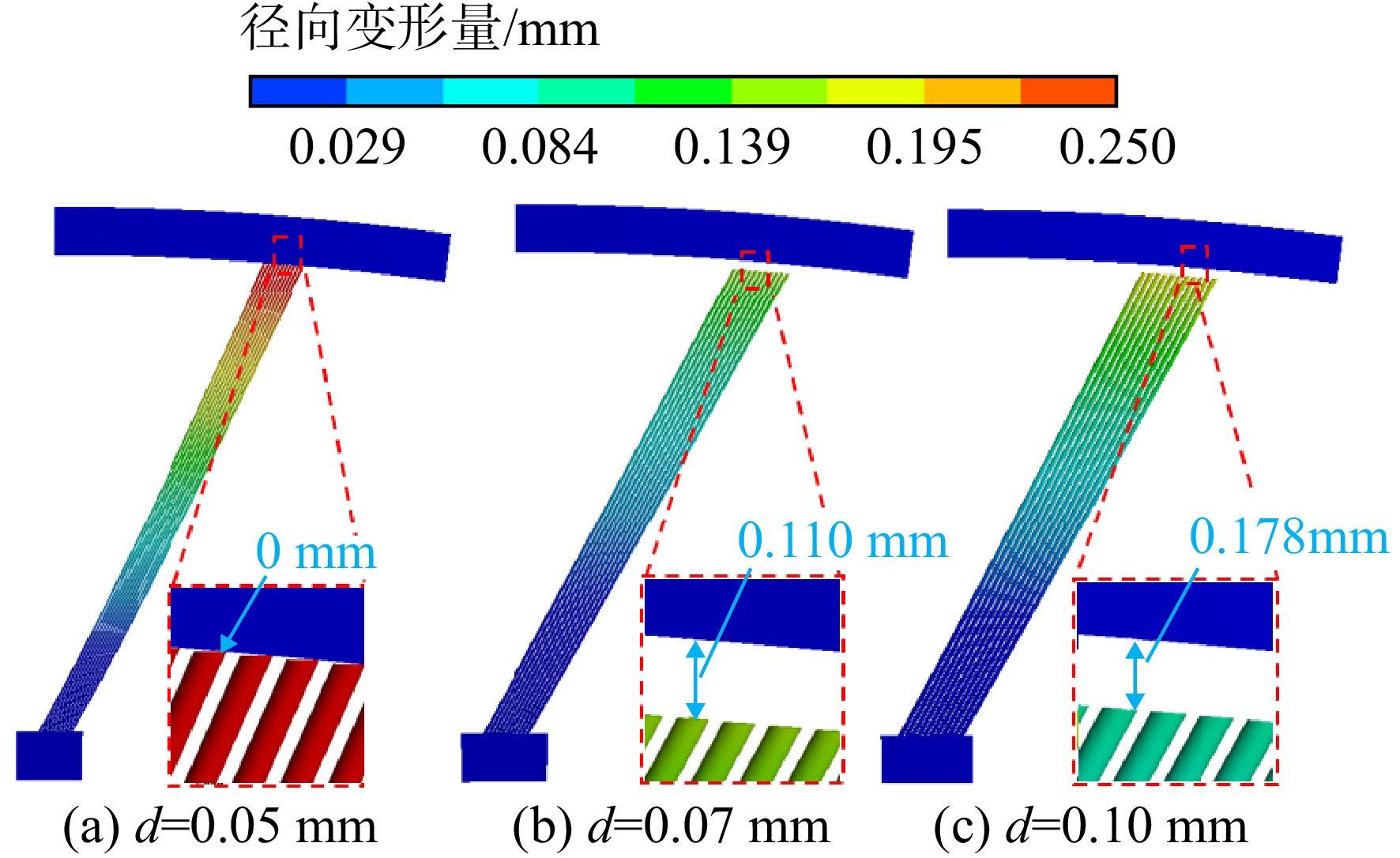
The theoretical formula of deformation characteristics of bristle in rotating brush seals under centrifugal force was derived. Solution models for mechanical deformation characteristics of bristle under centrifugal effects in rotating brush seal and for leakage flow characteristics in three-dimensional staggered tube bundles were established successively. Based on the verification of solution model accuracy through theoretical formulas and experimental results, the mechanical deformation characteristics of rotating brush seal were analyzed for different brush diameters and installation angles at varying rotational speeds, while the effects of the inner and outer rotor installation methods on leakage flow characteristics in rotating brush seal were studied. The results showed that centrifugal effect in rotating bristles intensified with rotational speed under both inner and outer rotor installation methods. Increasing bristle diameter and reducing bristle installation angle could reduce the centrifugal deformation in bristles. Under the inner rotor bristles installation method, sealing leakage decreased with reduced bristle diameter and bristle installation angle. When the inner rotor bristles speed was 6000 r/min, bristle diameter was reduced from 0.10 mm to 0.05 mm, and the sealing leakage was reduced by 56.45%. When the bristle installation angle was reduced from 40° to 30°, the sealing leakage was reduced by 72.62%. Under the outer rotor bristles installation method, sealing leakage decreased with increased bristle diameter and reduced bristle installation angle. When the outer rotor bristles speed was 6000 r/min, the bristle diameter increased from 0.05 mm to 0.10 mm, and the sealing leakage was reduced by 59.13%. When the bristle installation angle was reduced from 40° to 30°, the sealing leakage was reduced by 27.78%. Considering the influence of centrifugal effect on sealing performance, rotating brush seal with inner rotor bristles installation is of the preferred structure.

Numercal investigation on floating disturbance effect of differential diameter brush seal with fluid-structure coupling
LIU Enyu, SUN Dan, TAN Quanchang, WU Xinzhou, XU Wenfeng, ZHAO Huan
2026, 41(5): 20240441. doi: 10.13224/j.cnki.jasp.20240441
Abstract:

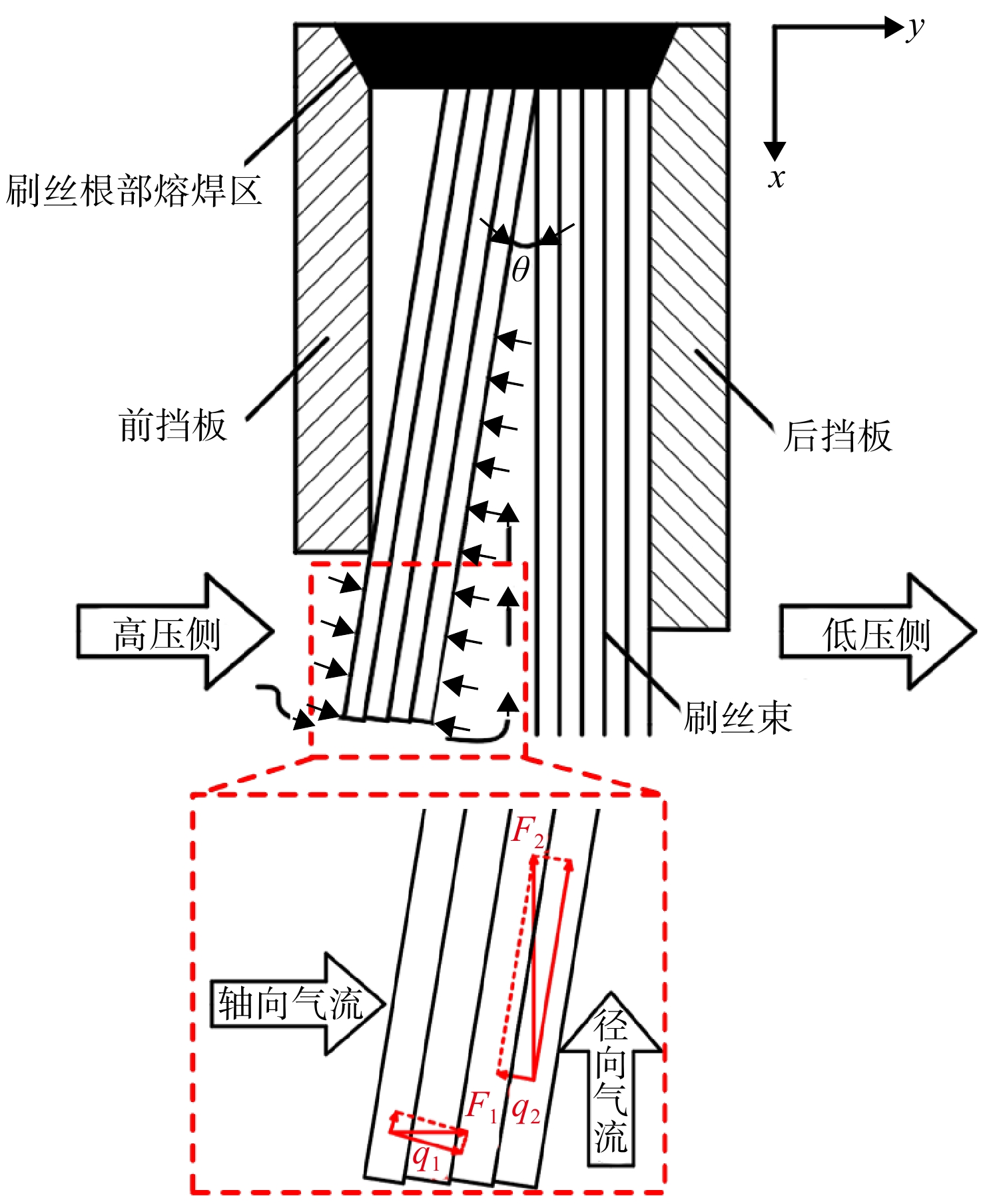
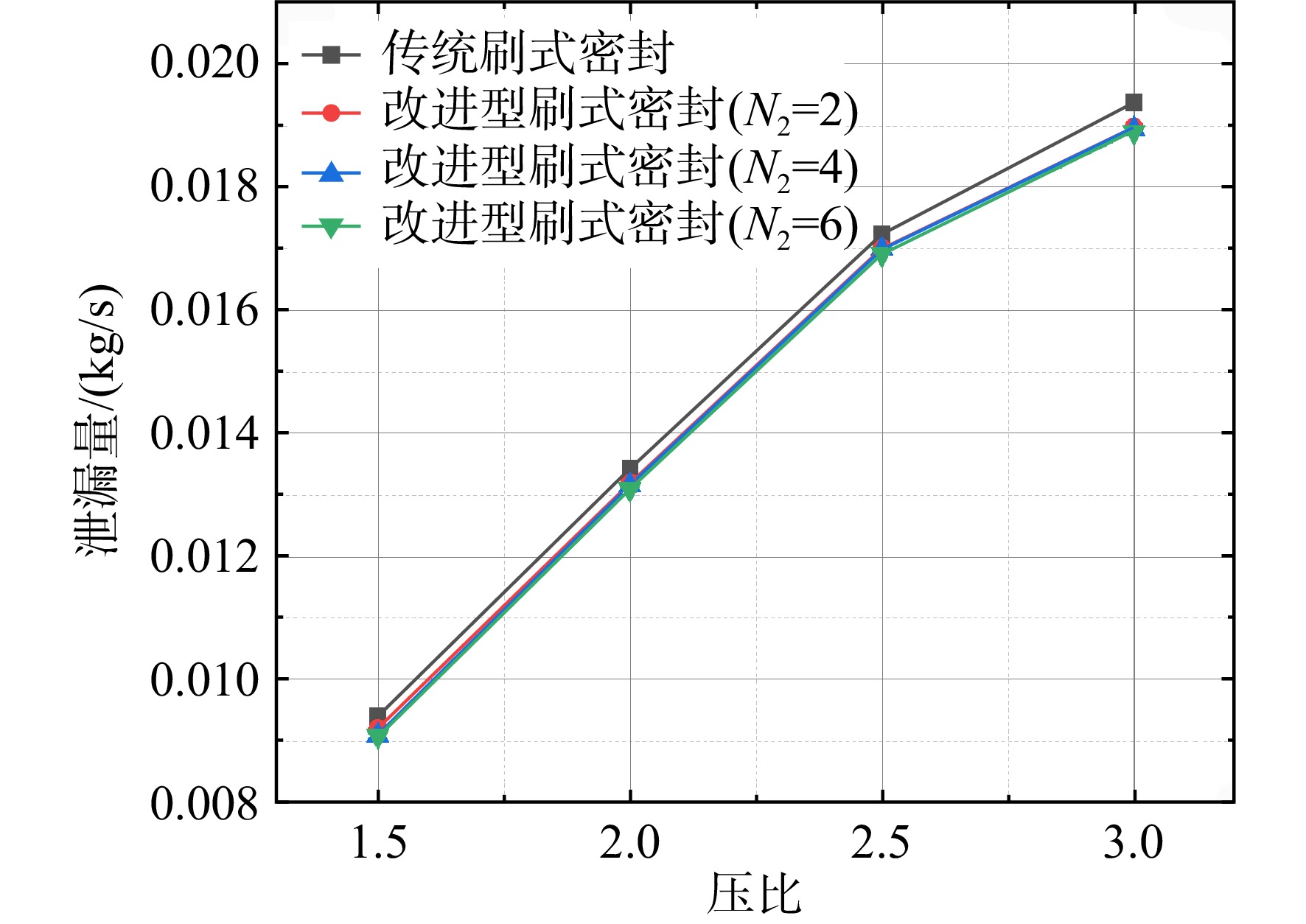
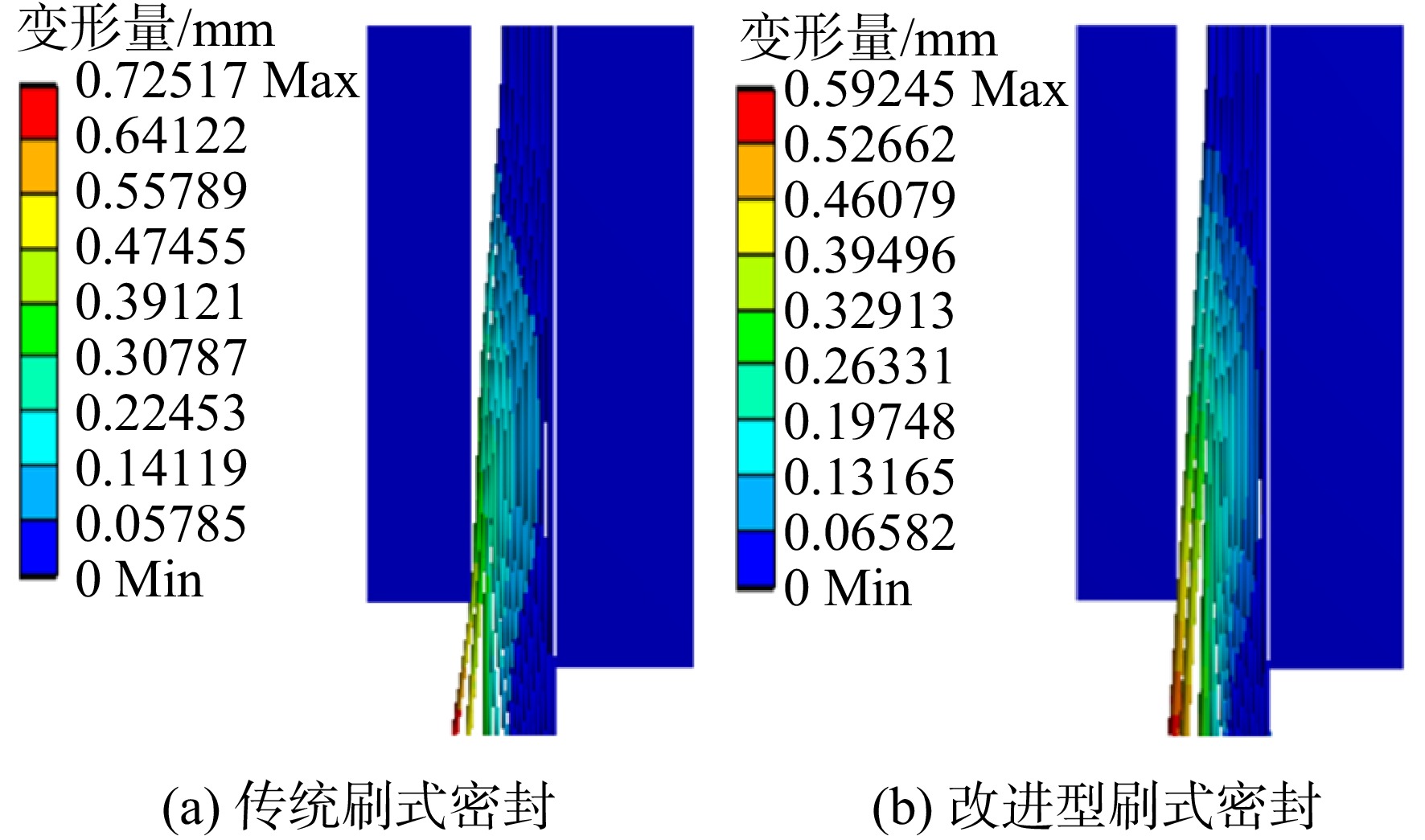
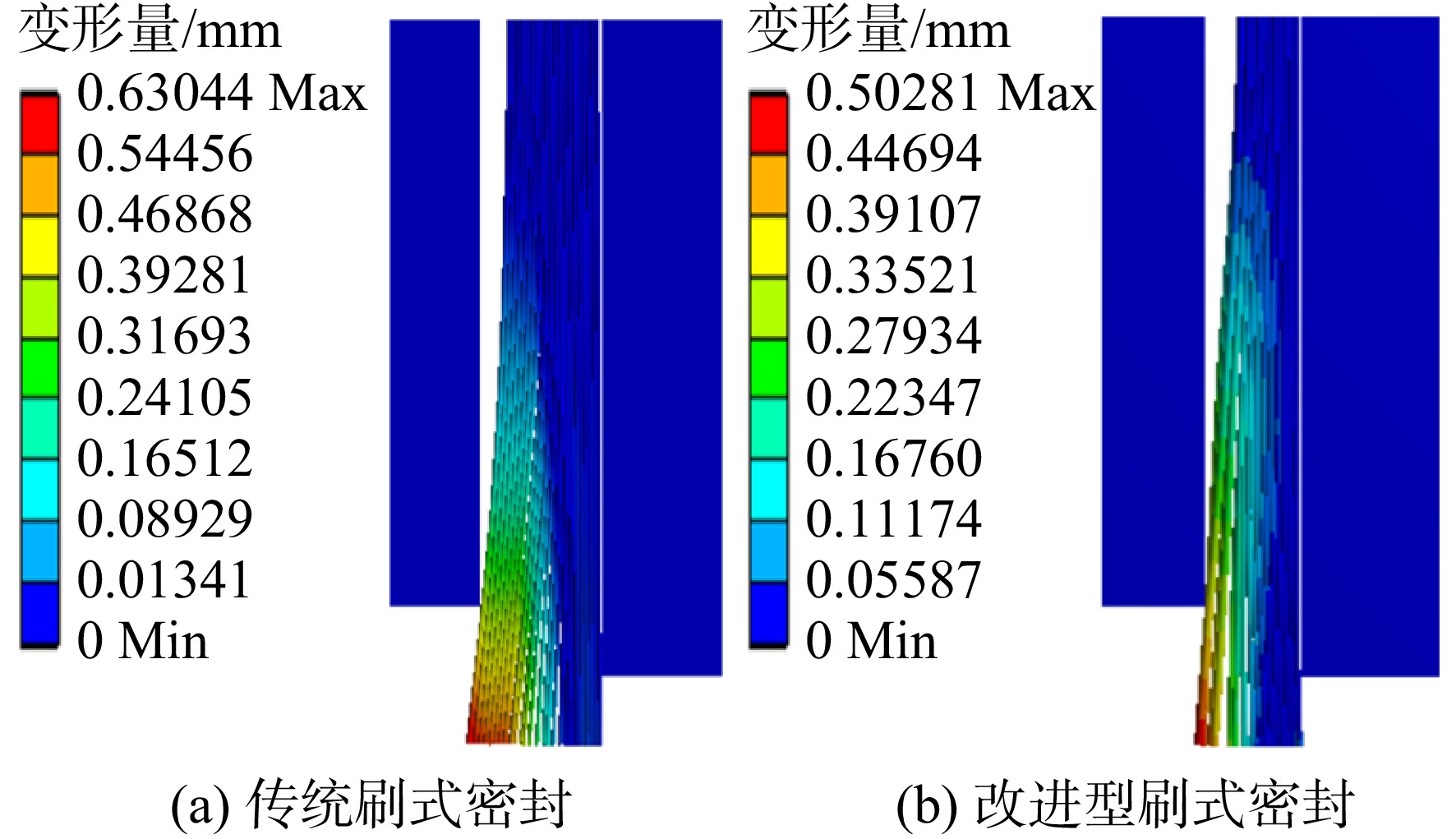
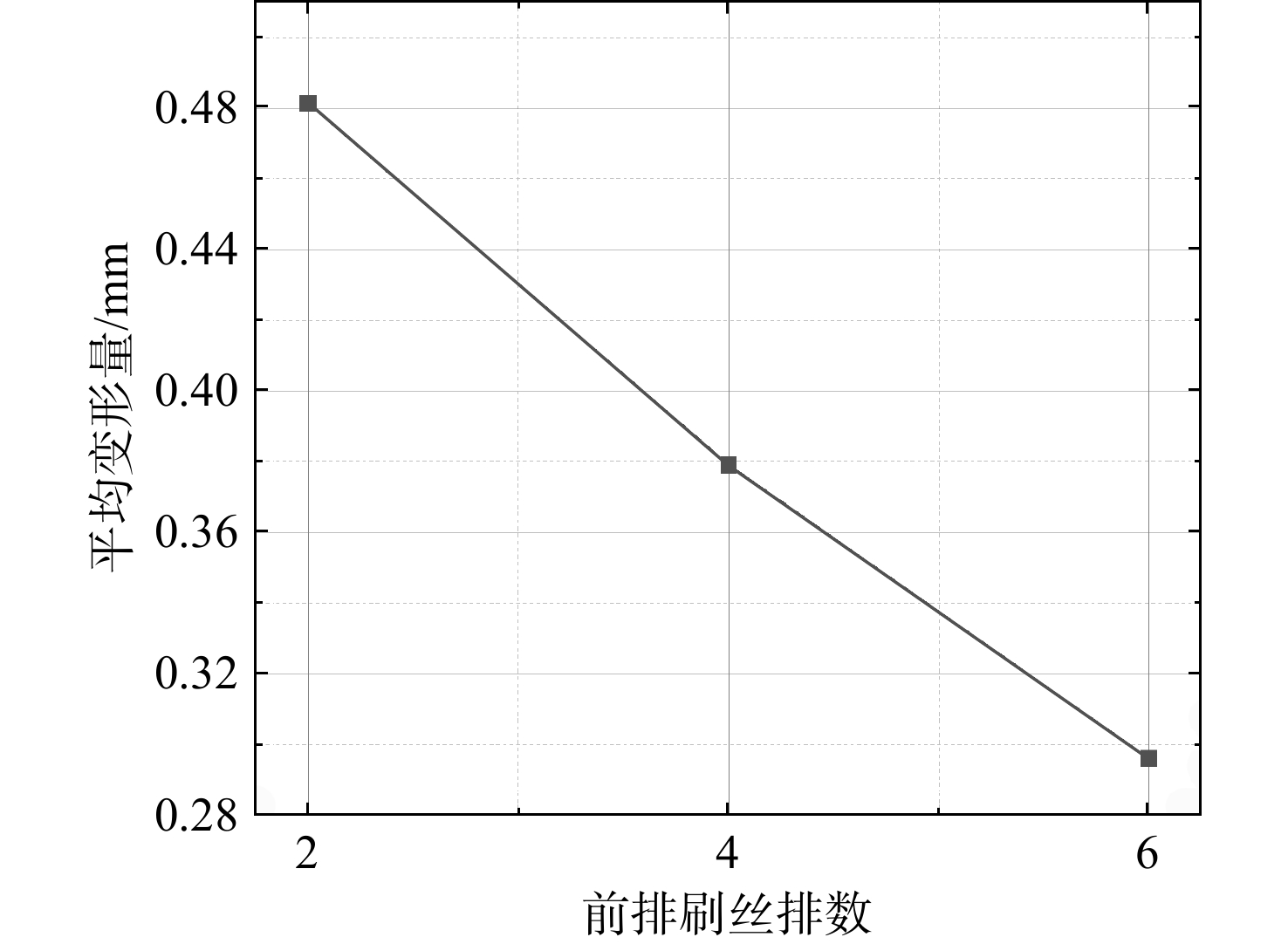
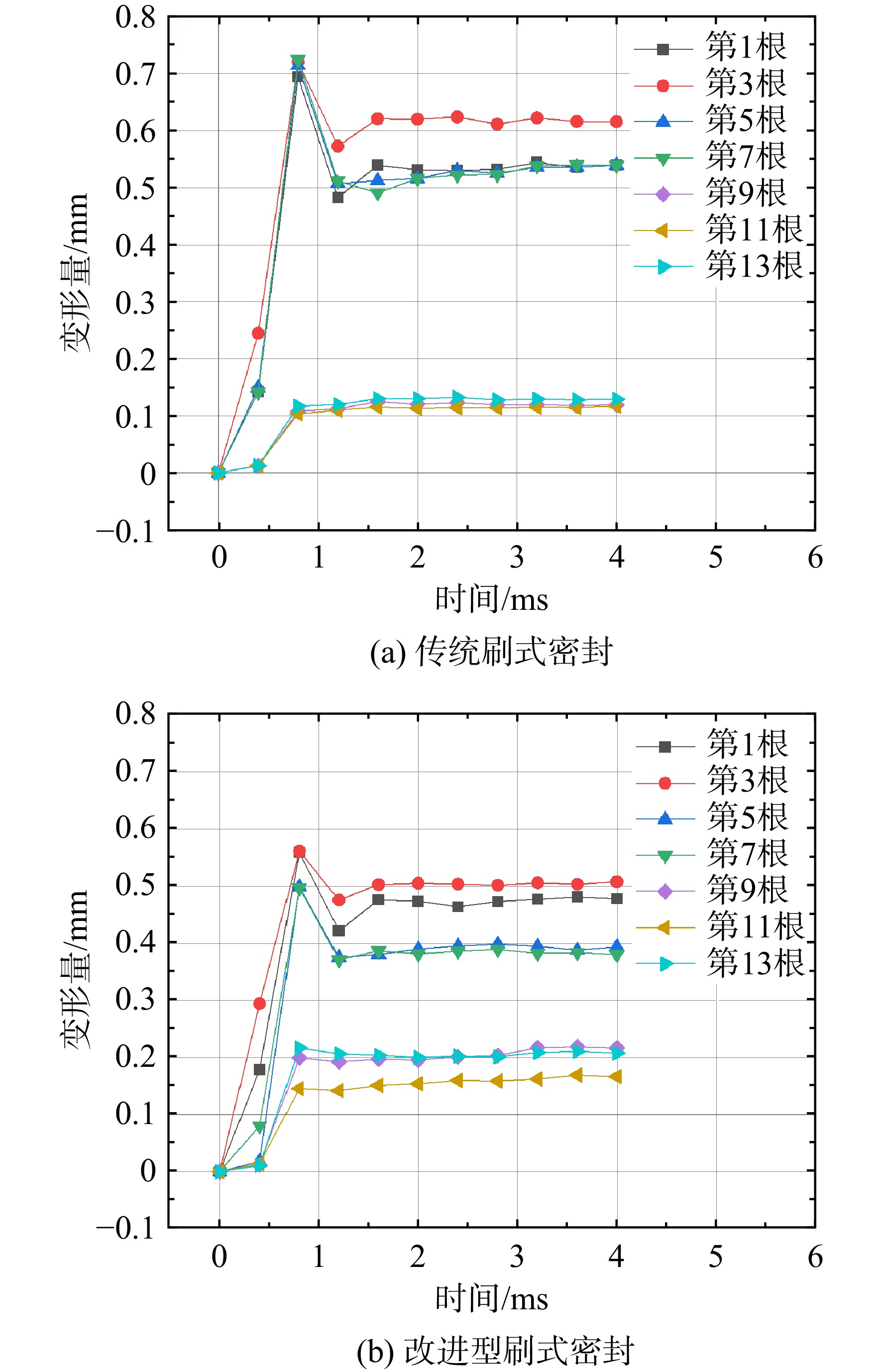
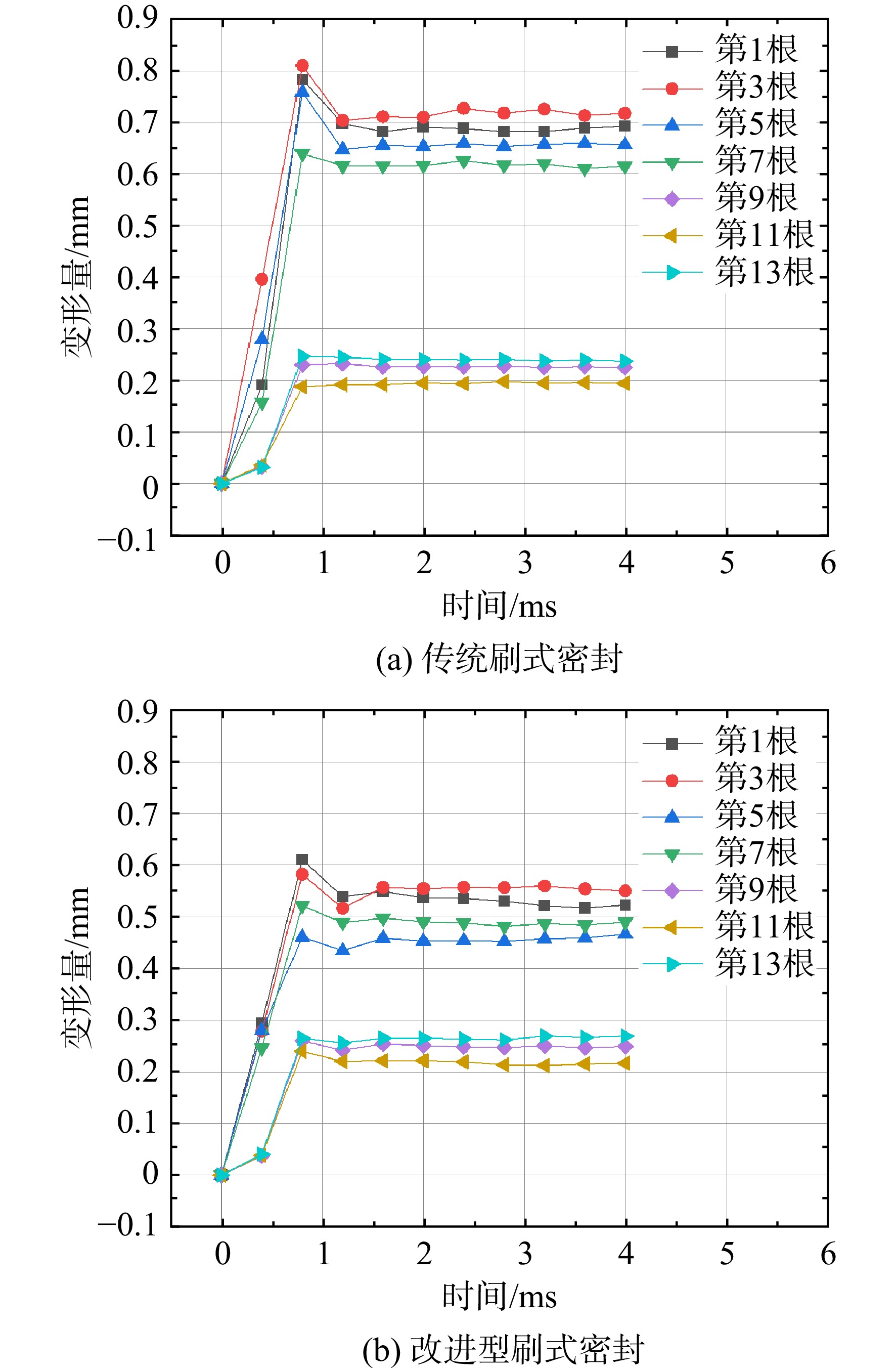
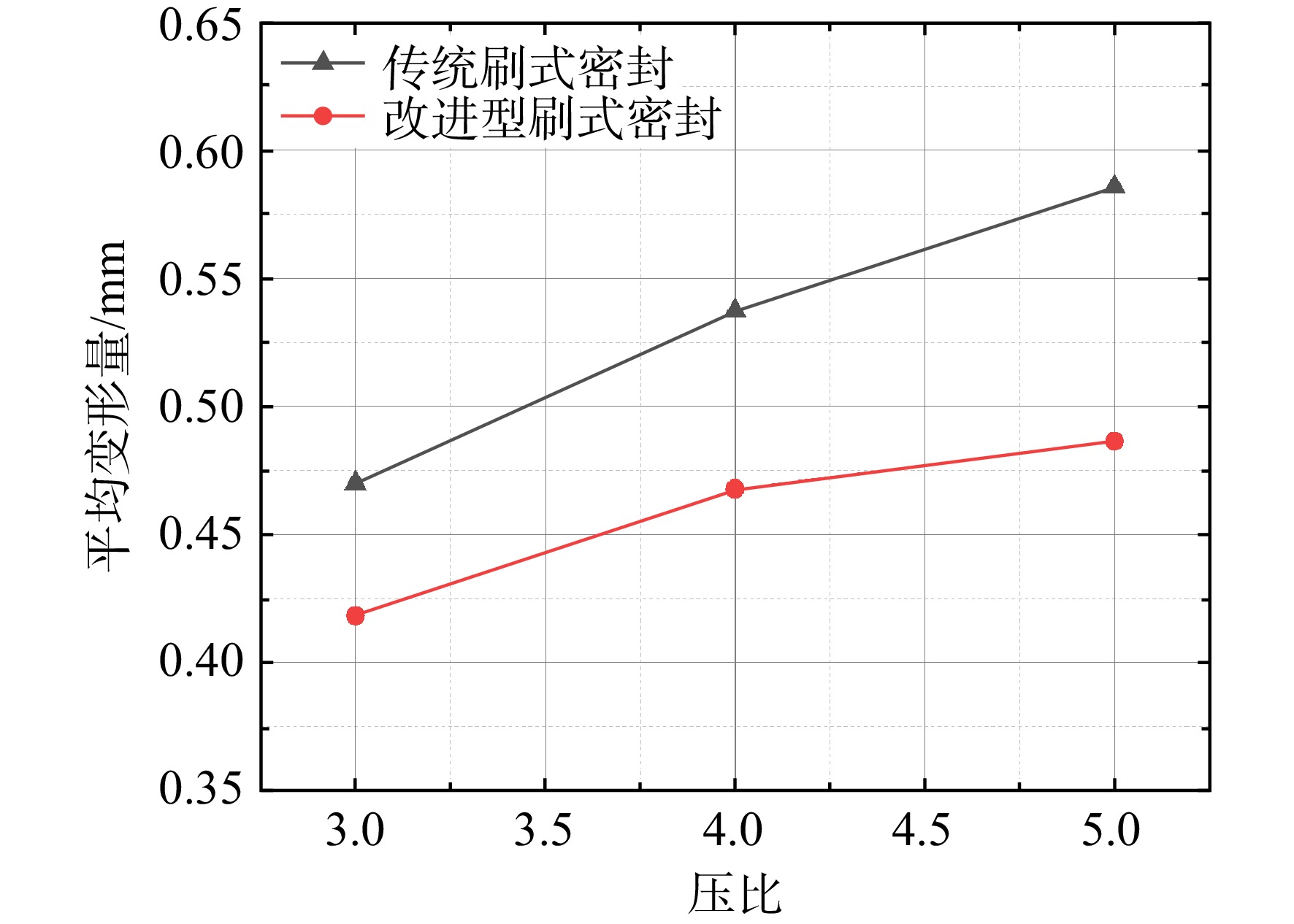
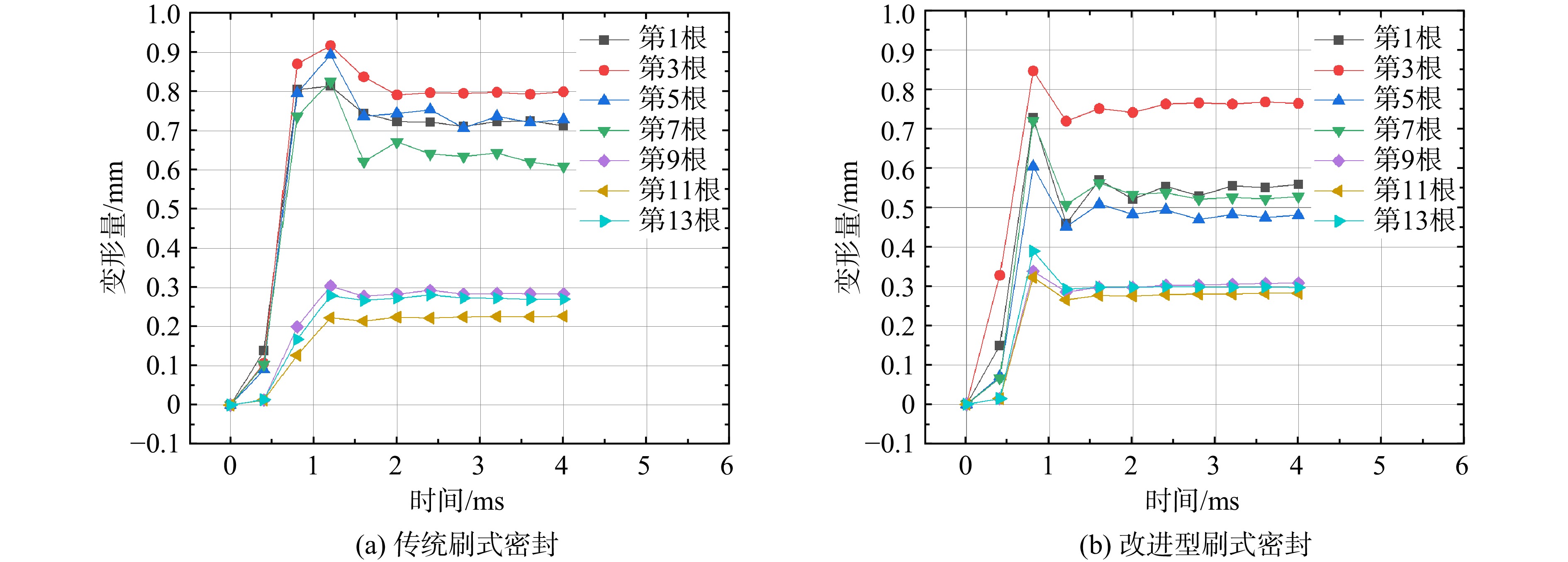
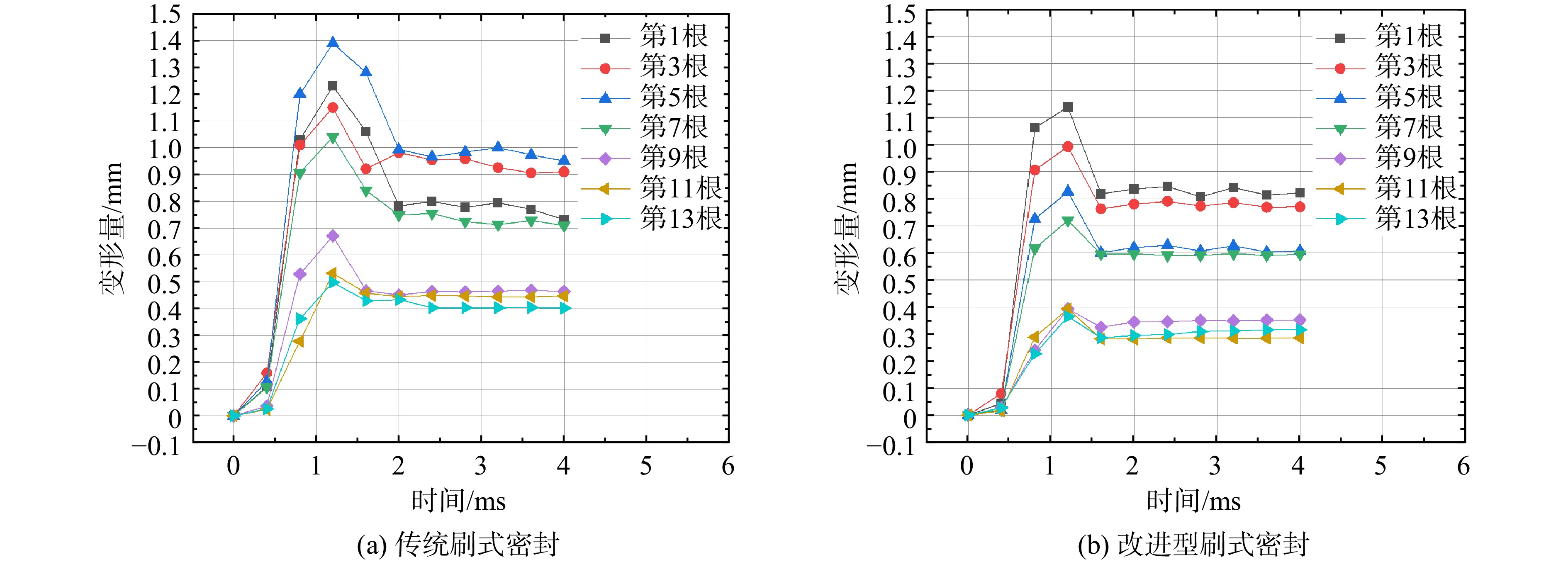
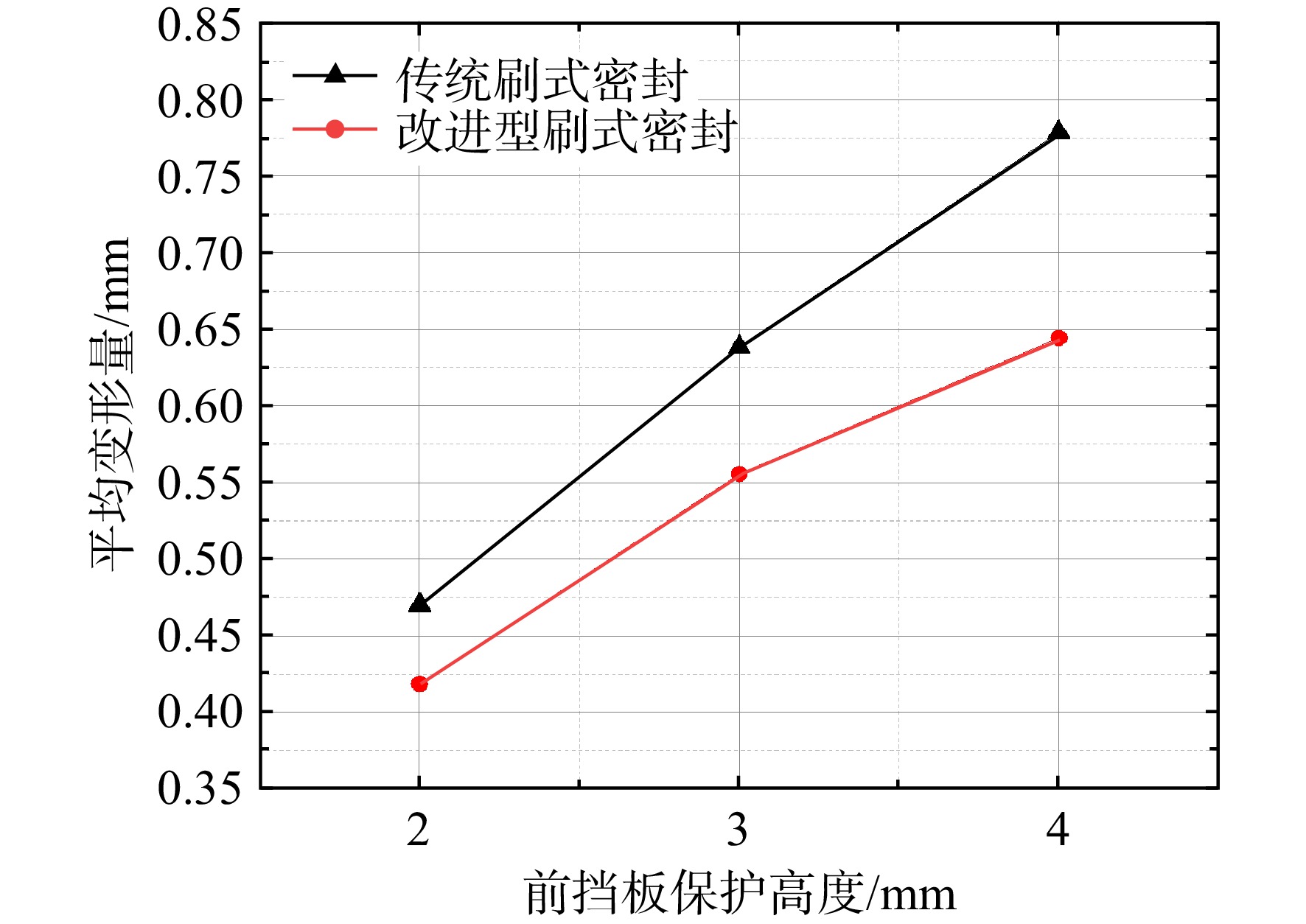
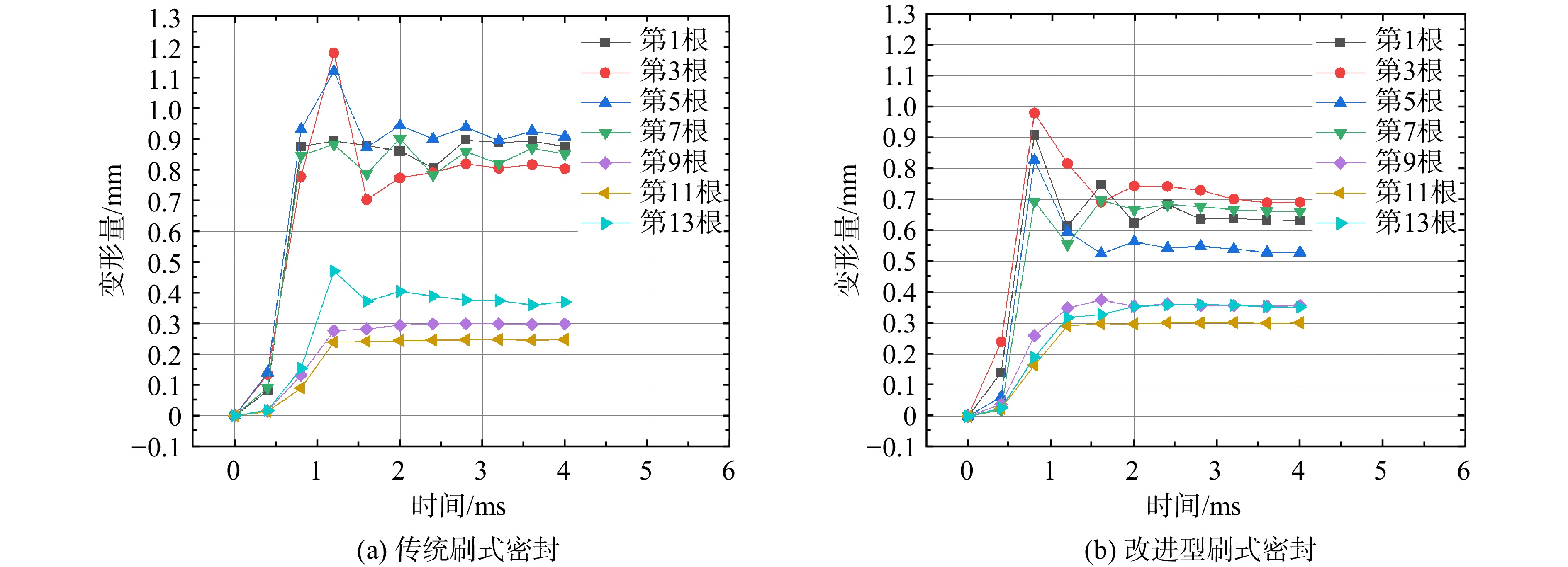
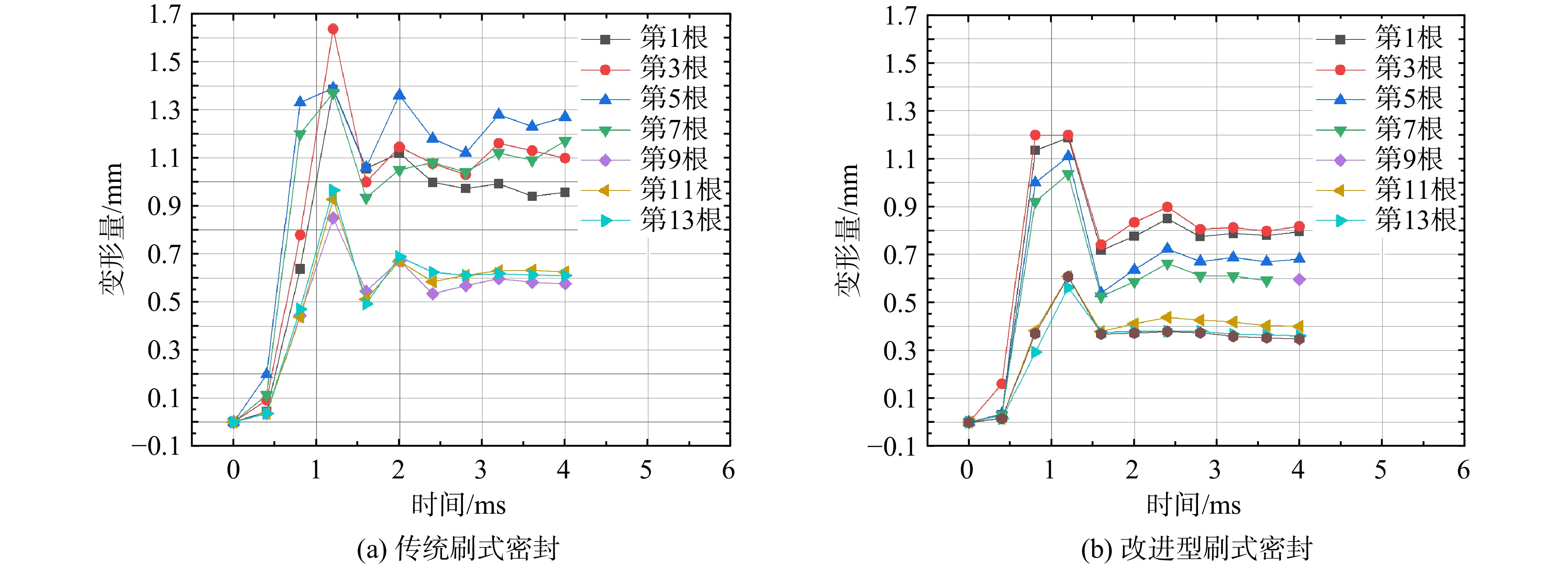
The traditional brush seal has the problem of too short premature failure life due to the bristles floating disturbance effect. The dynamic model of bristles floating disturbance of brush seal was analyzed theoretically. New type of brush seal structure with differential diameter to suppress the floating disturbance effect of bristles was proposed. A three-dimensional transient solution model of differential diameter brush seal was established based on the Arbitrary Lagrange-Eulerian (ALE) fluid-solid coupling method. The deformation characteristics of bristle tips were quantitatively analyzed, and the influences of structural parameters and working condition parameters on the bristles floating disturbance effect of differential diameter brush seal were studied. The results showed that differential diameter brush seal increased the bristles stiffness by increasing the diameter of the front bristles through differential arrangement of the brush wire, which can enhance the anti-disturbance ability of the brush wire and improve the sealing performance of the traditional brush seal. Increasing the pressure ratio, the protection height of the front plate, and the axial clearance between the front plate and the brush beam can enhance the floating disturbance effect of the bristles. The differential diameter brush seal can suppress the brush floating disturbance effect. Under the working condition parameters and structural parameters, the average deformation of the free end of the bristles of the differential diameter brush seal can be reduced by 10.98%—20.39% compared with the traditional brush seal.

Aerothermodynamics and Aeroengine Design
Study on sand ingestion trajectory of two-dimensional external-compression inlet based on overset mesh technology
NIE Yang, LI Baokuan, YANG Xiaoxi, XIE Yeping, ZHANG Haiyang
2026, 41(5): 20240442. doi: 10.13224/j.cnki.jasp.20240442
Abstract:
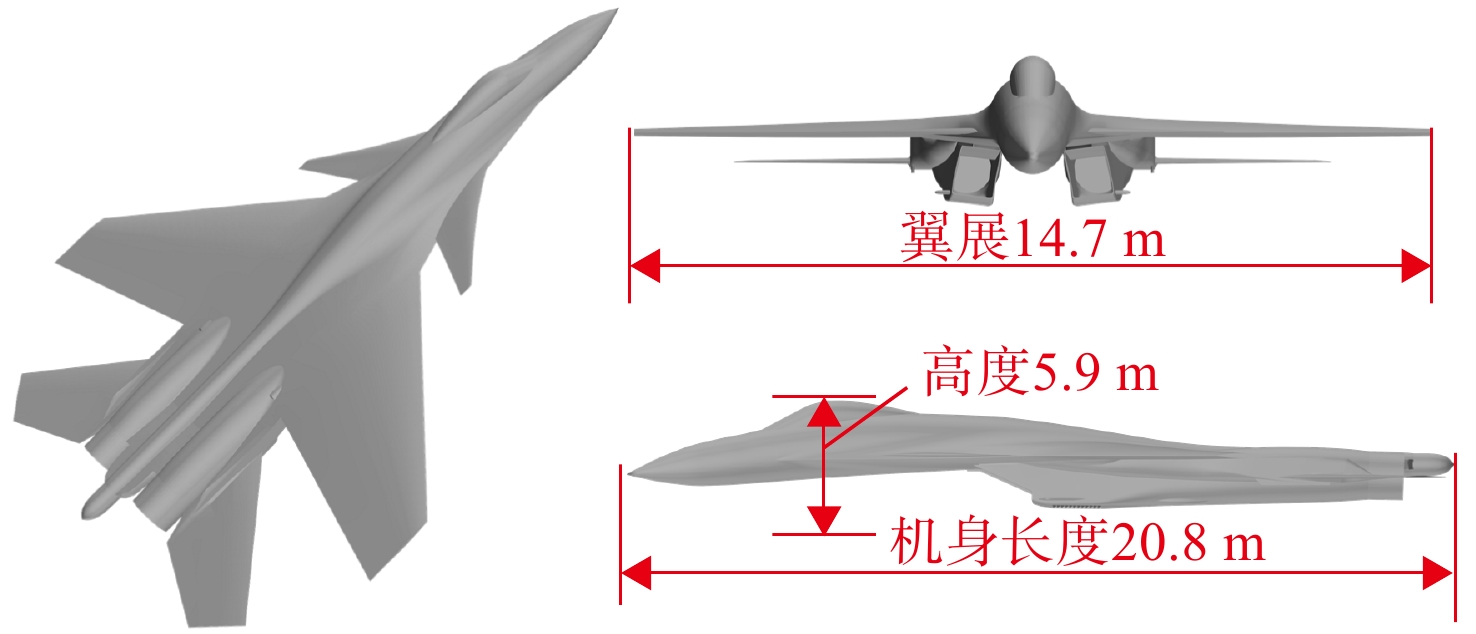
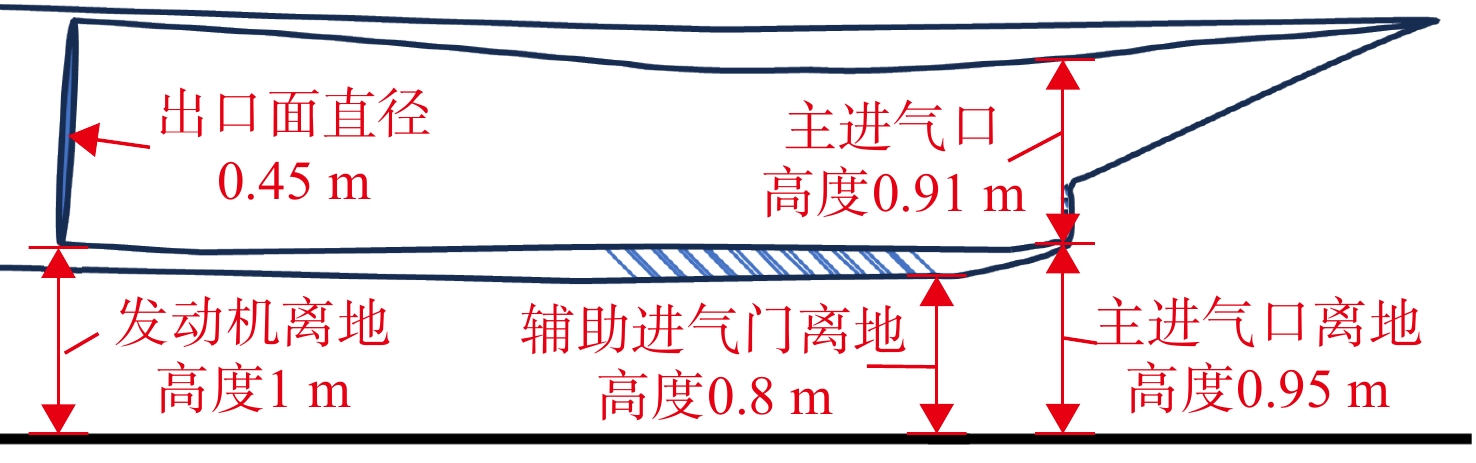
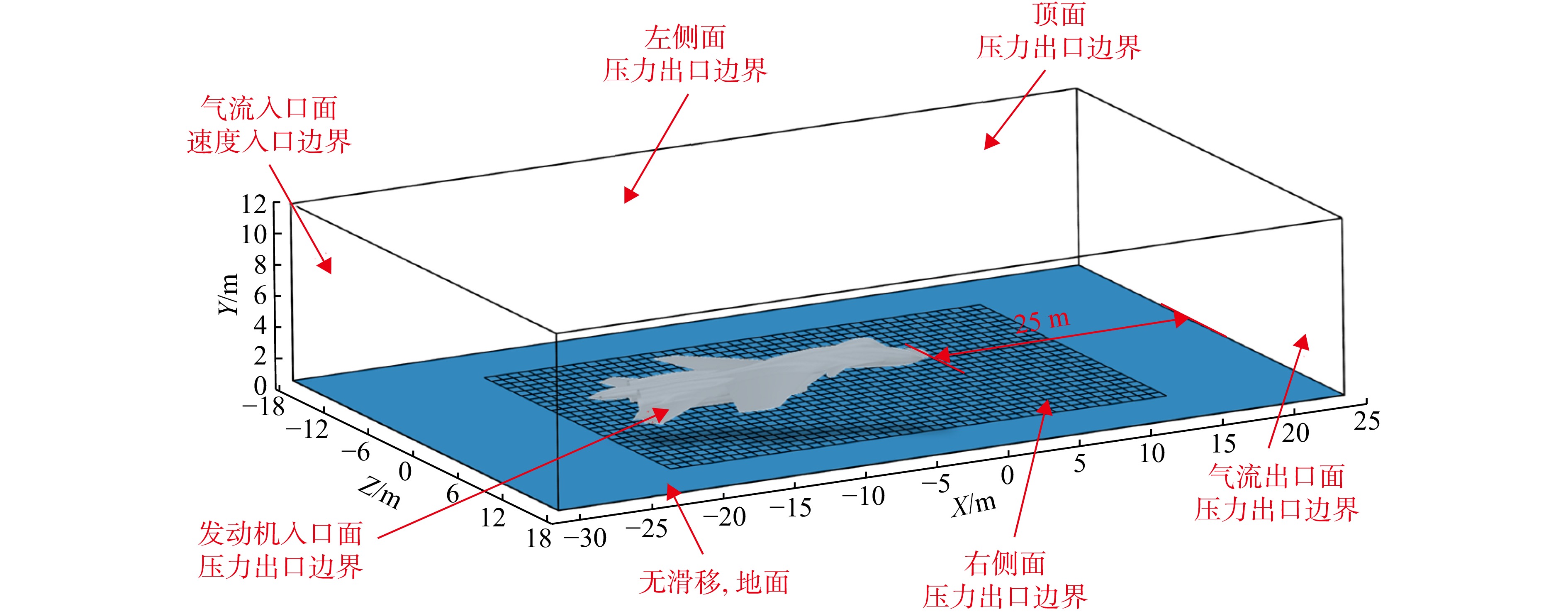
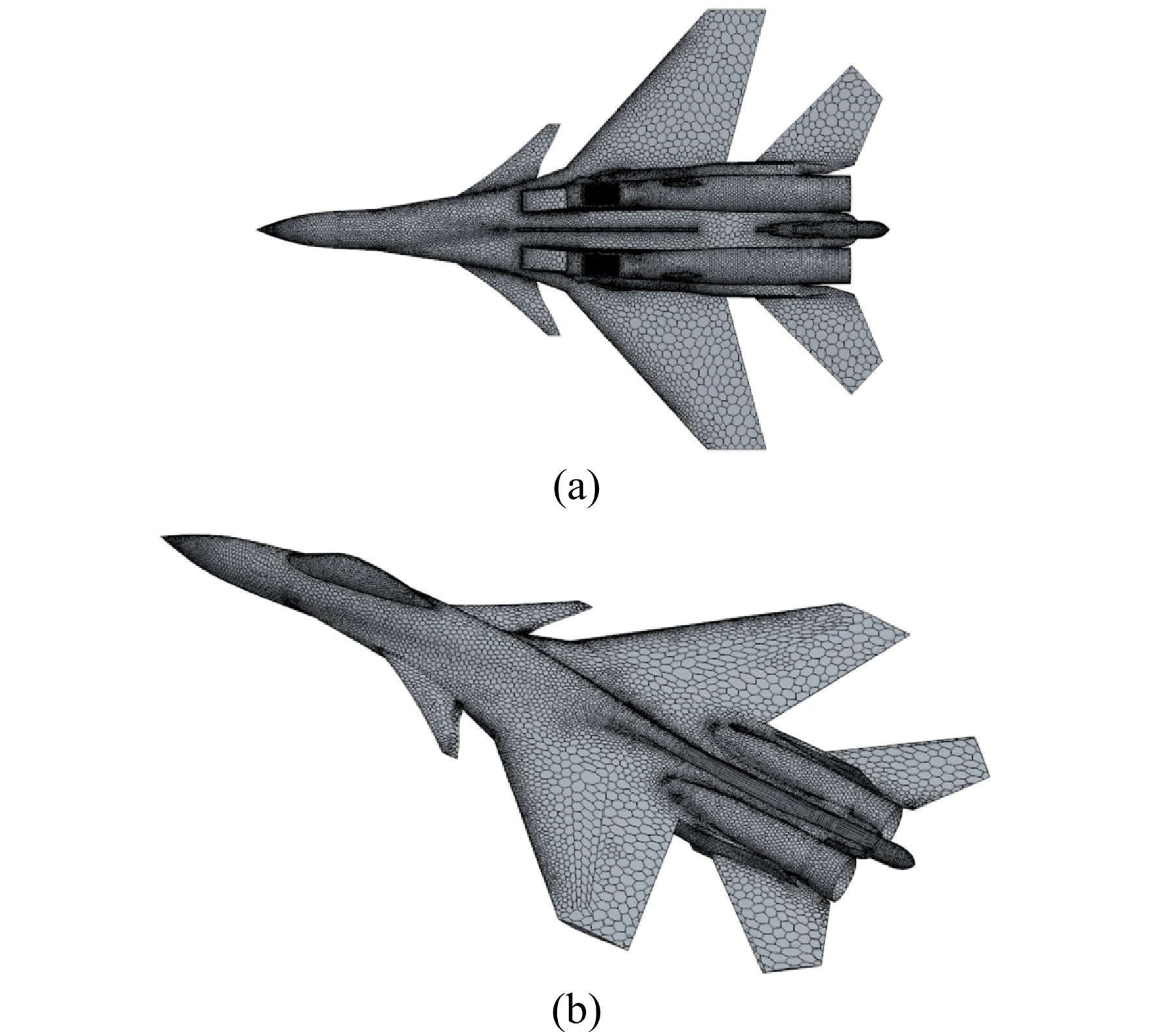
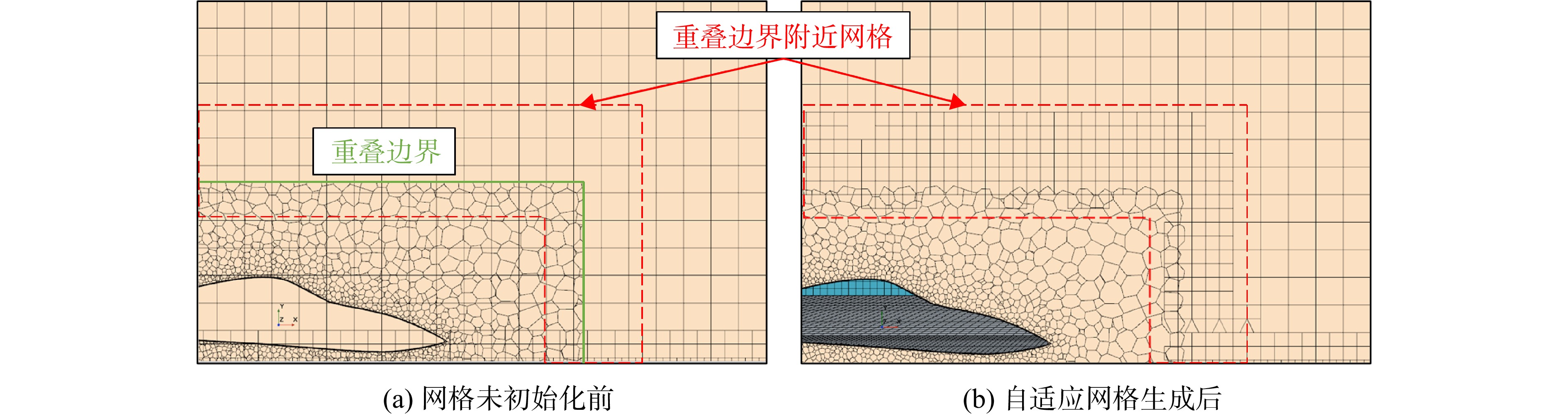
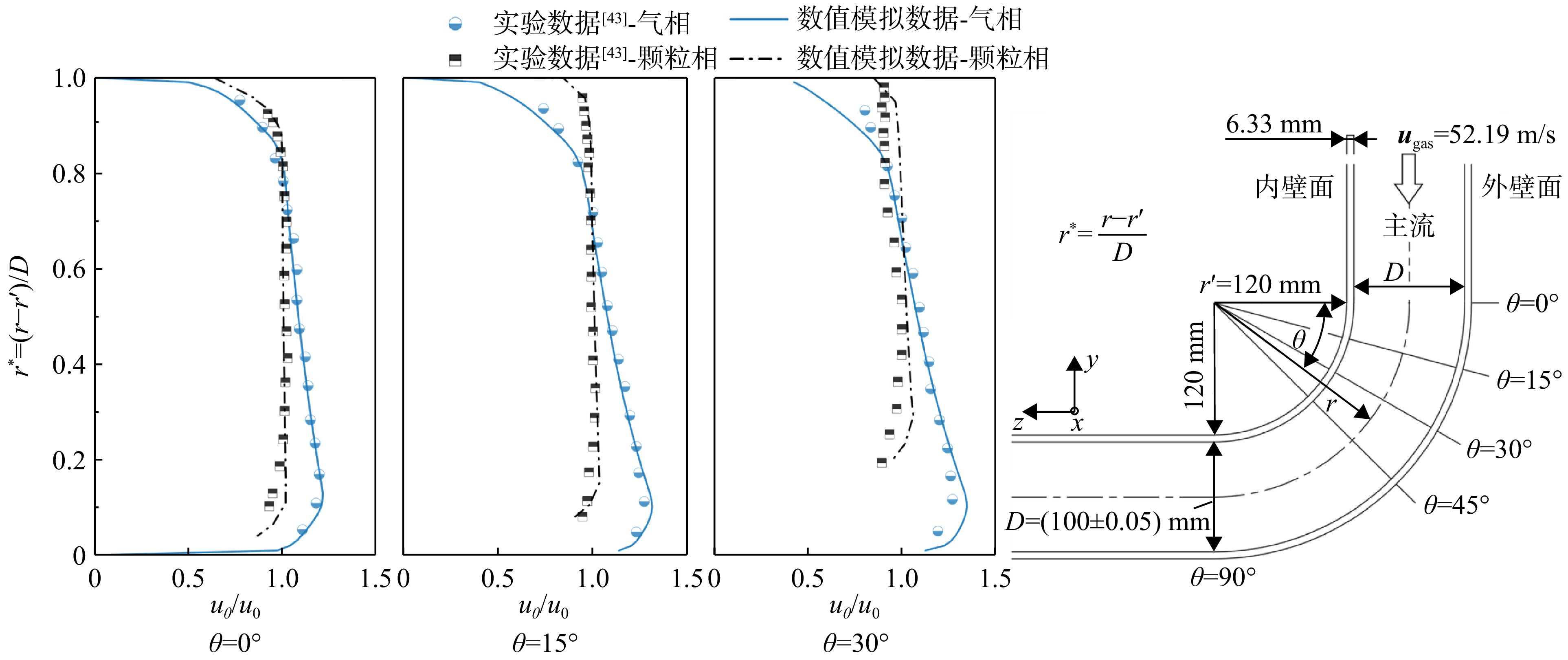
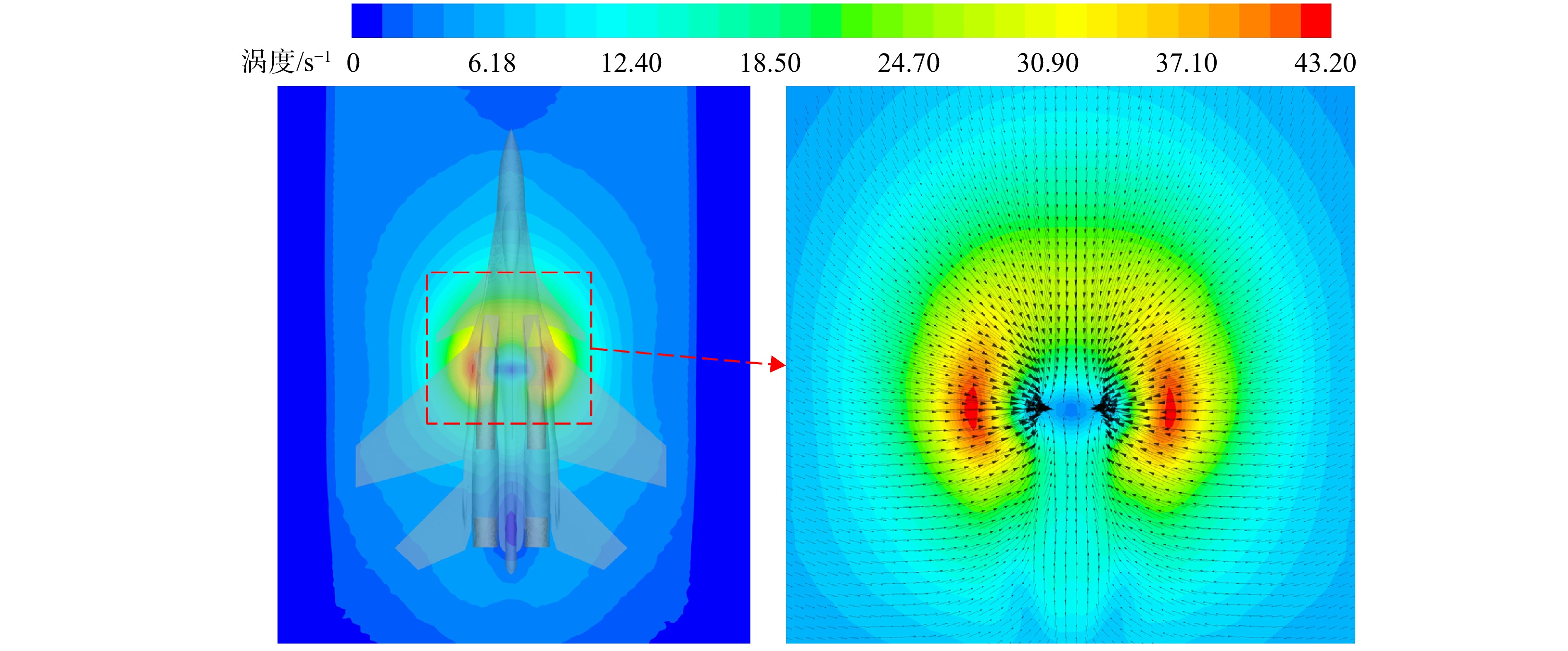
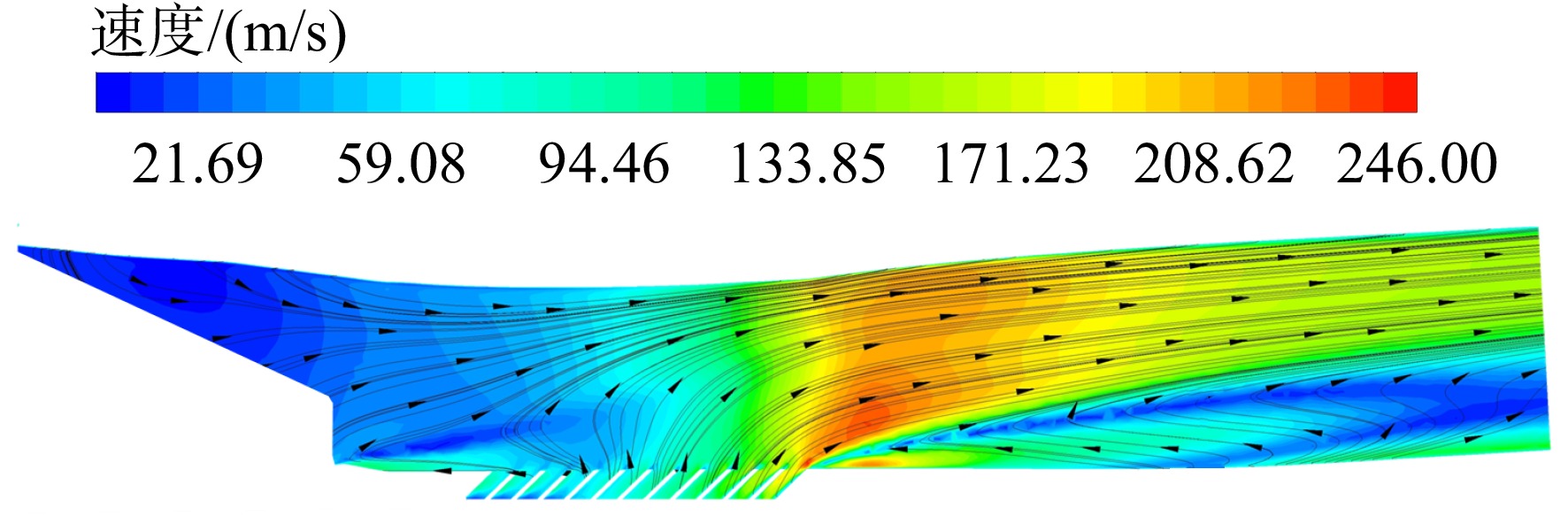
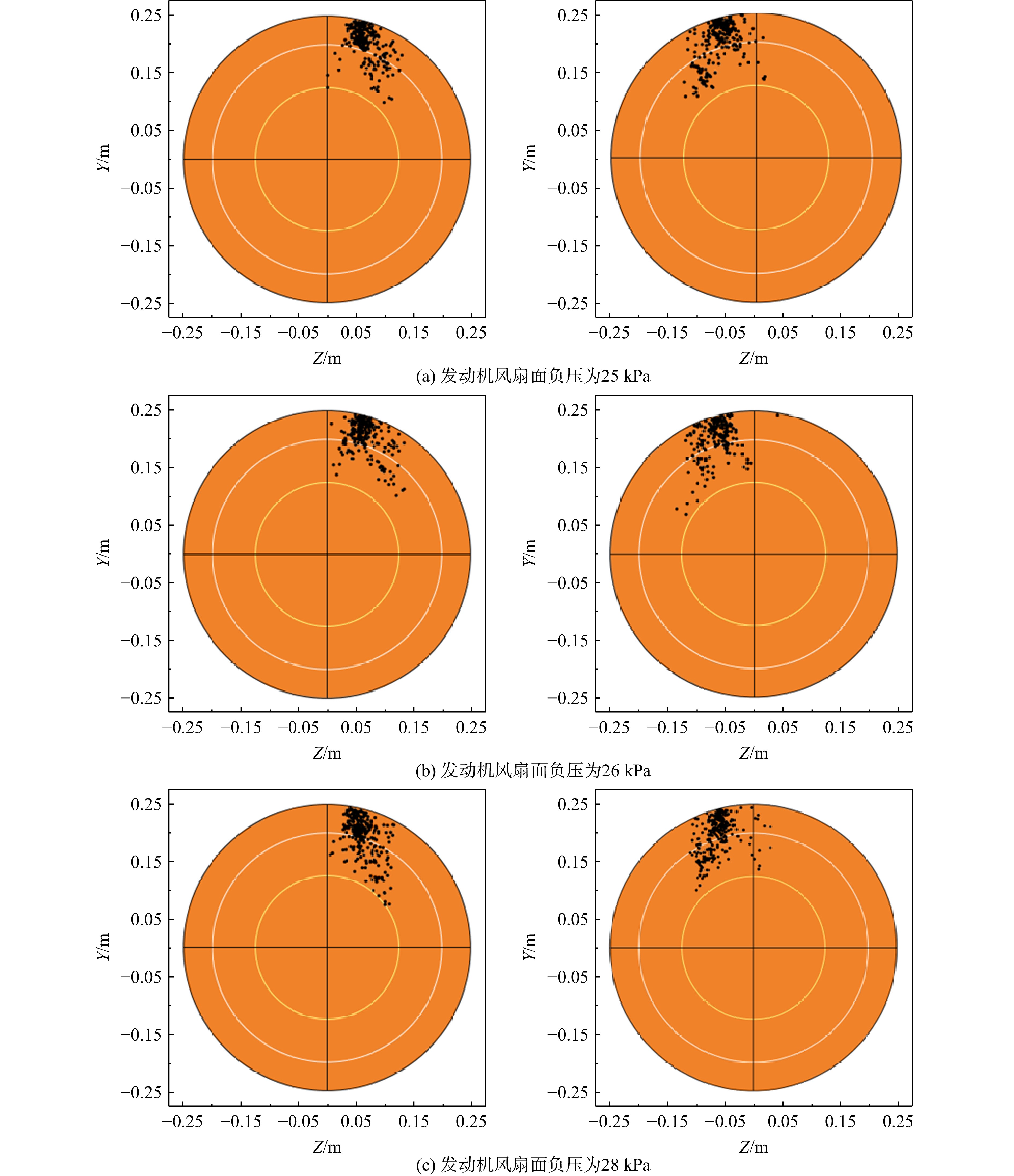
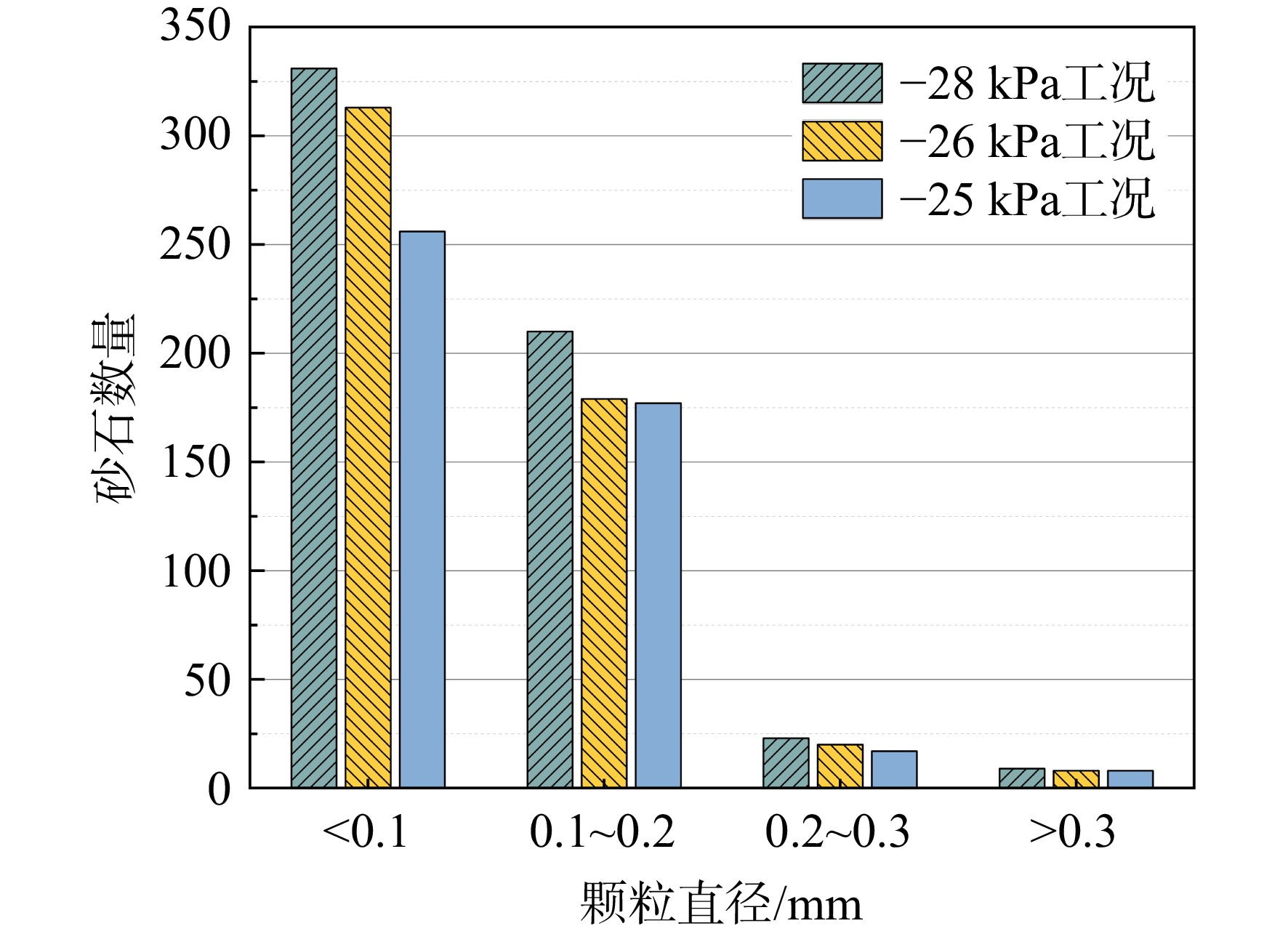
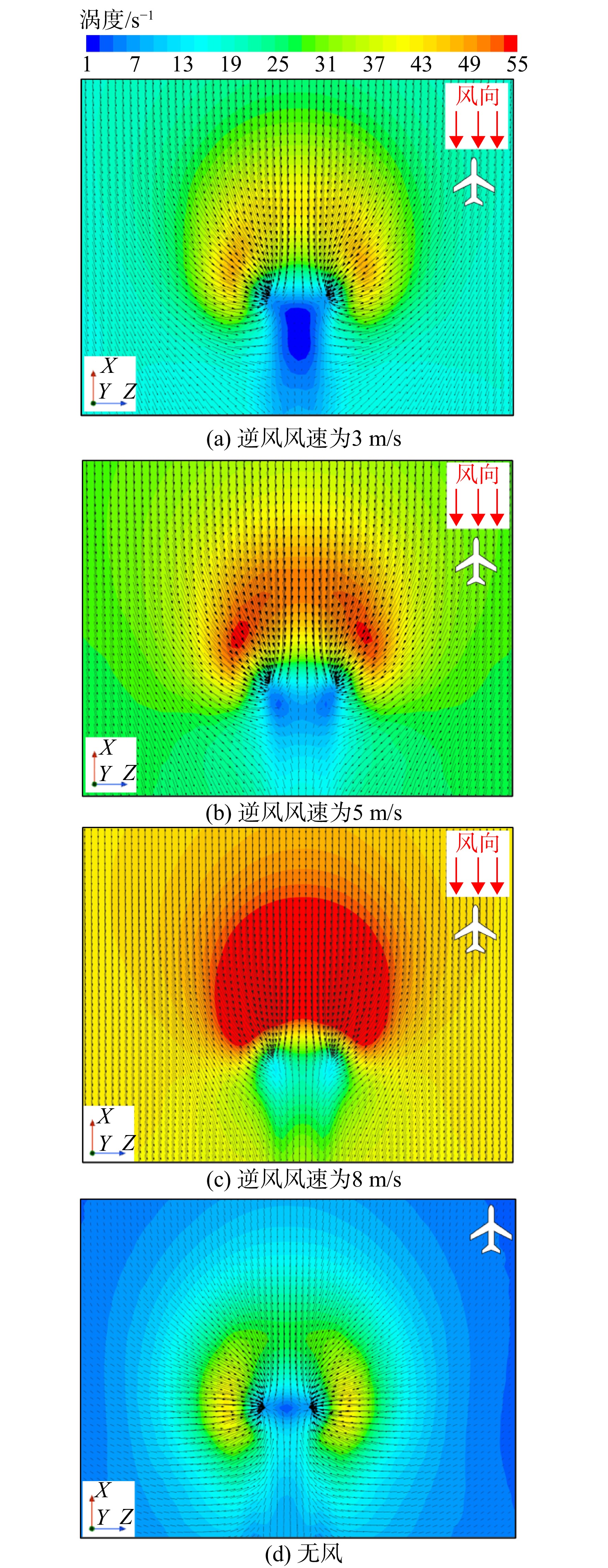
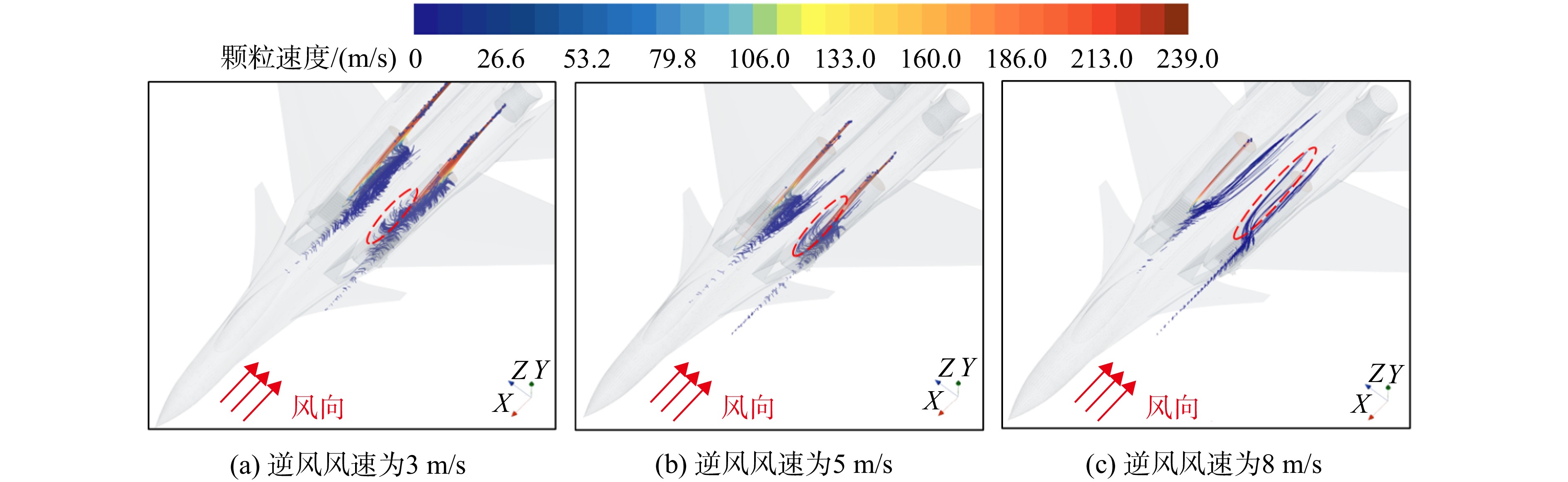
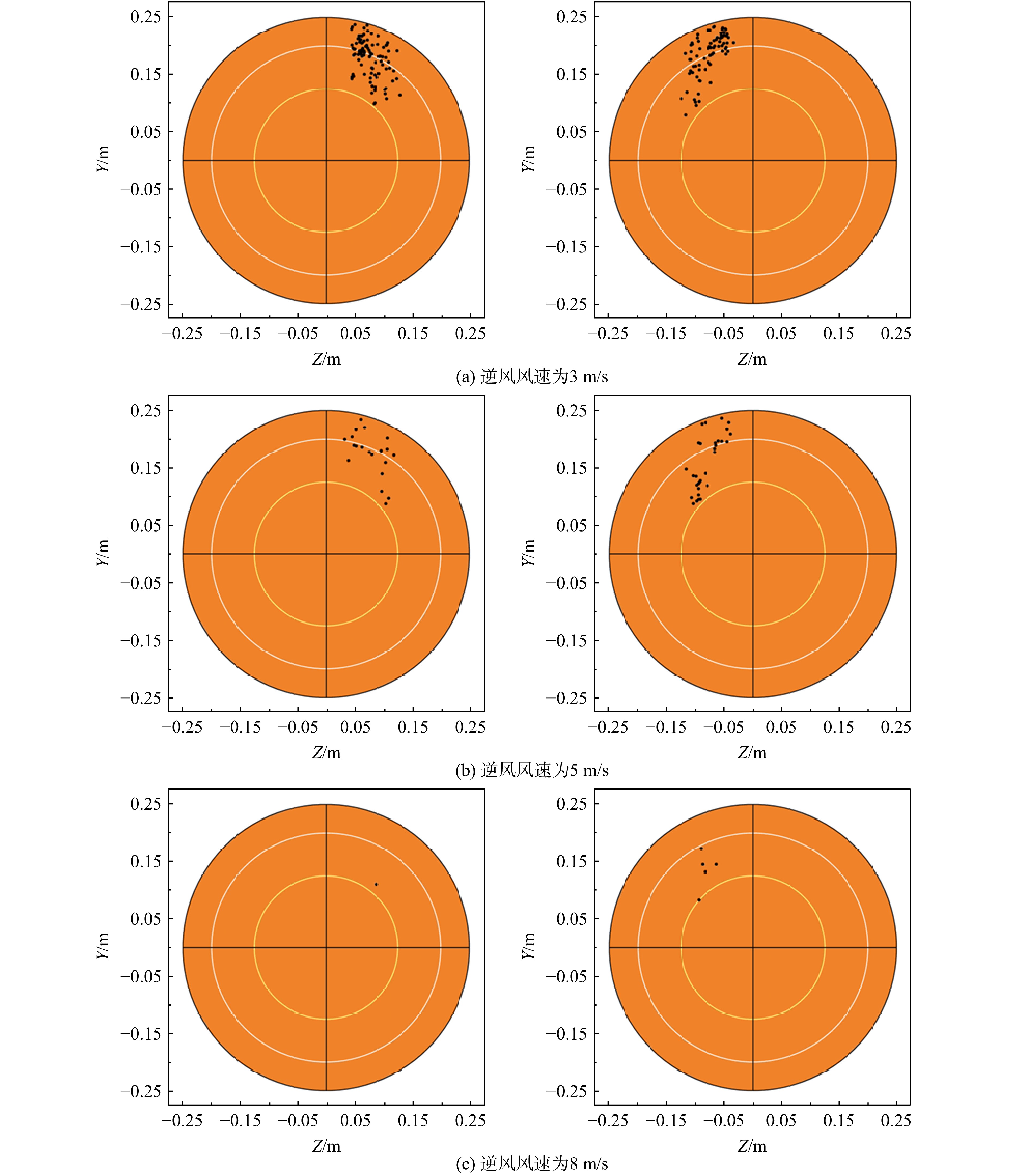
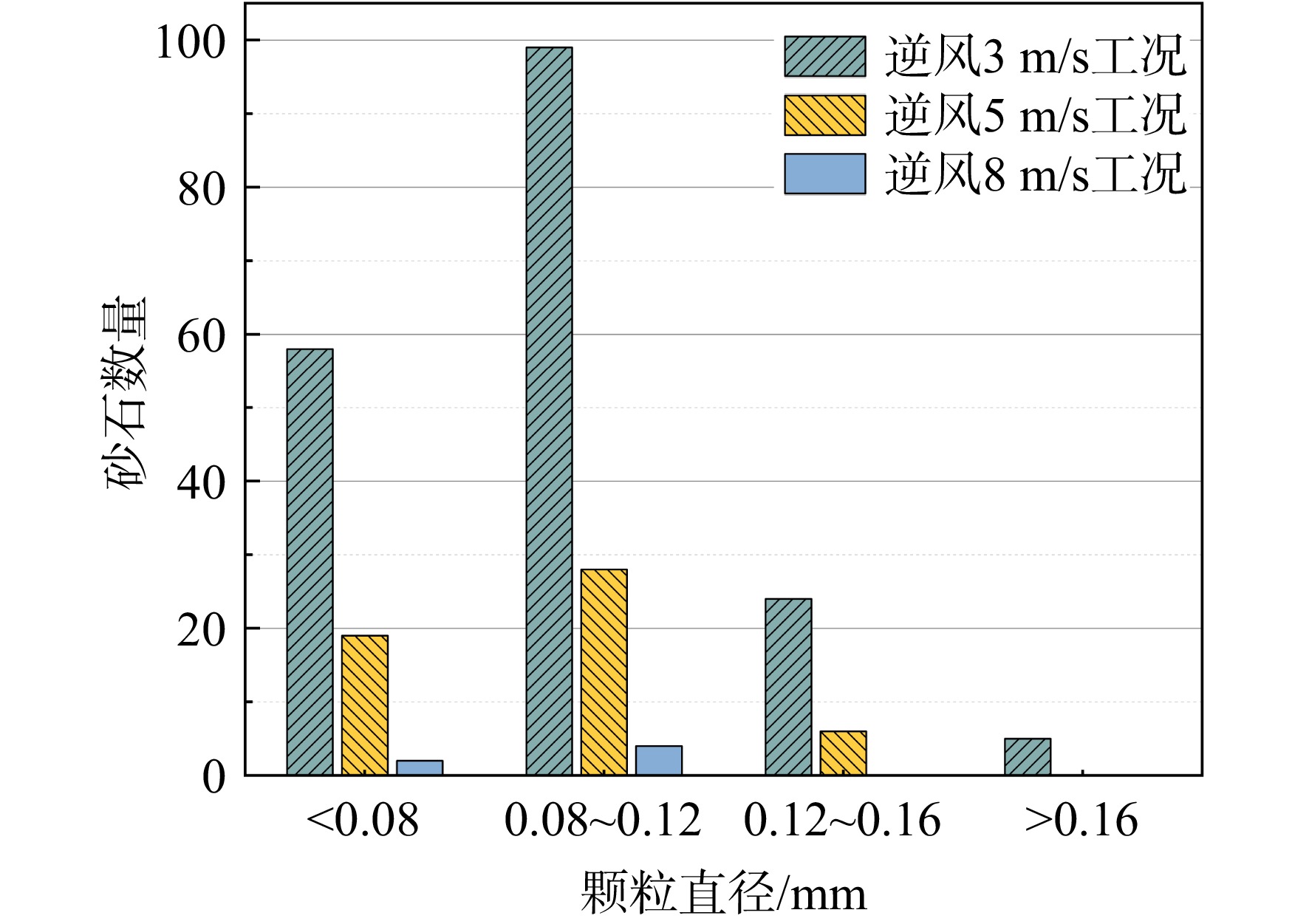
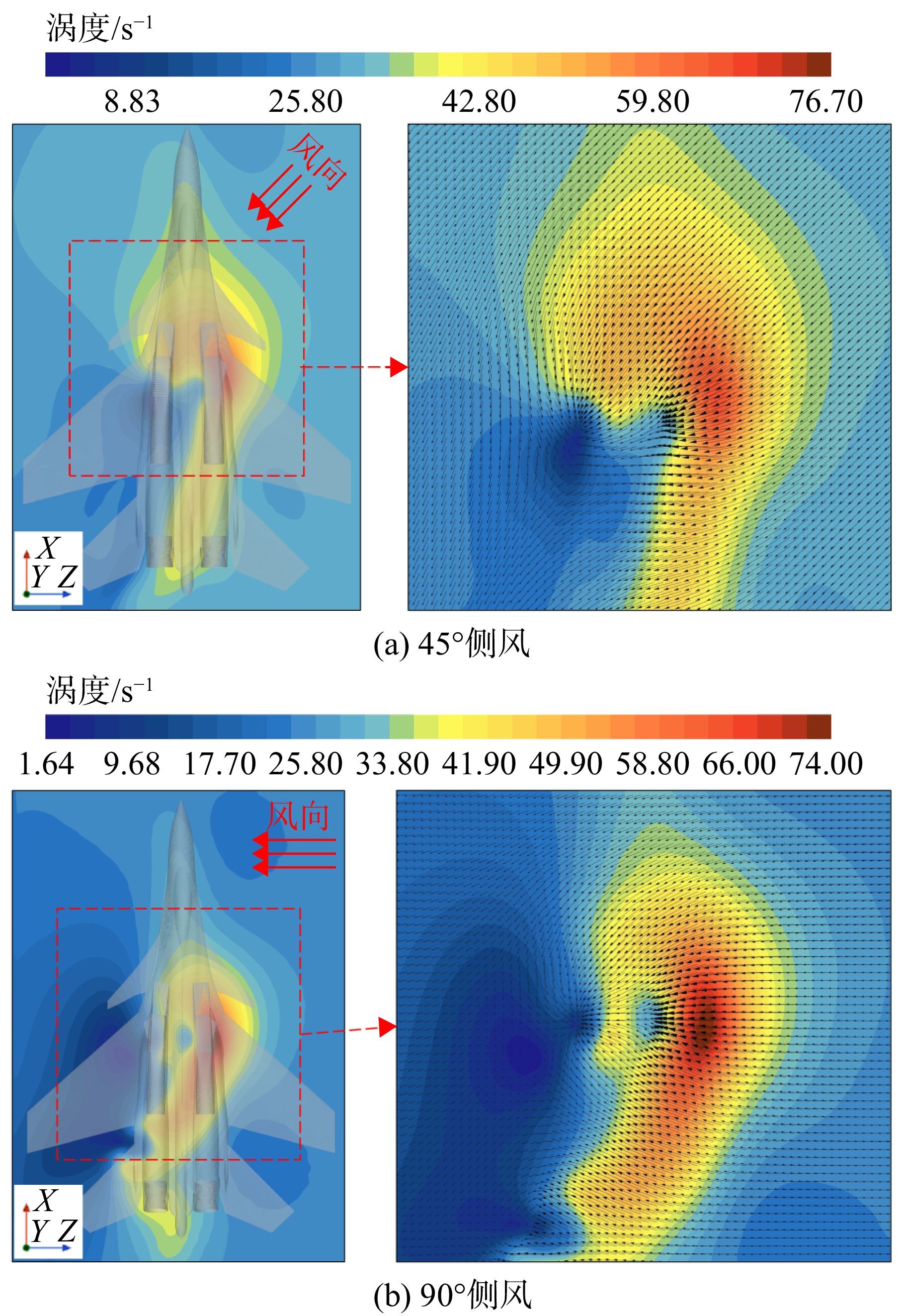
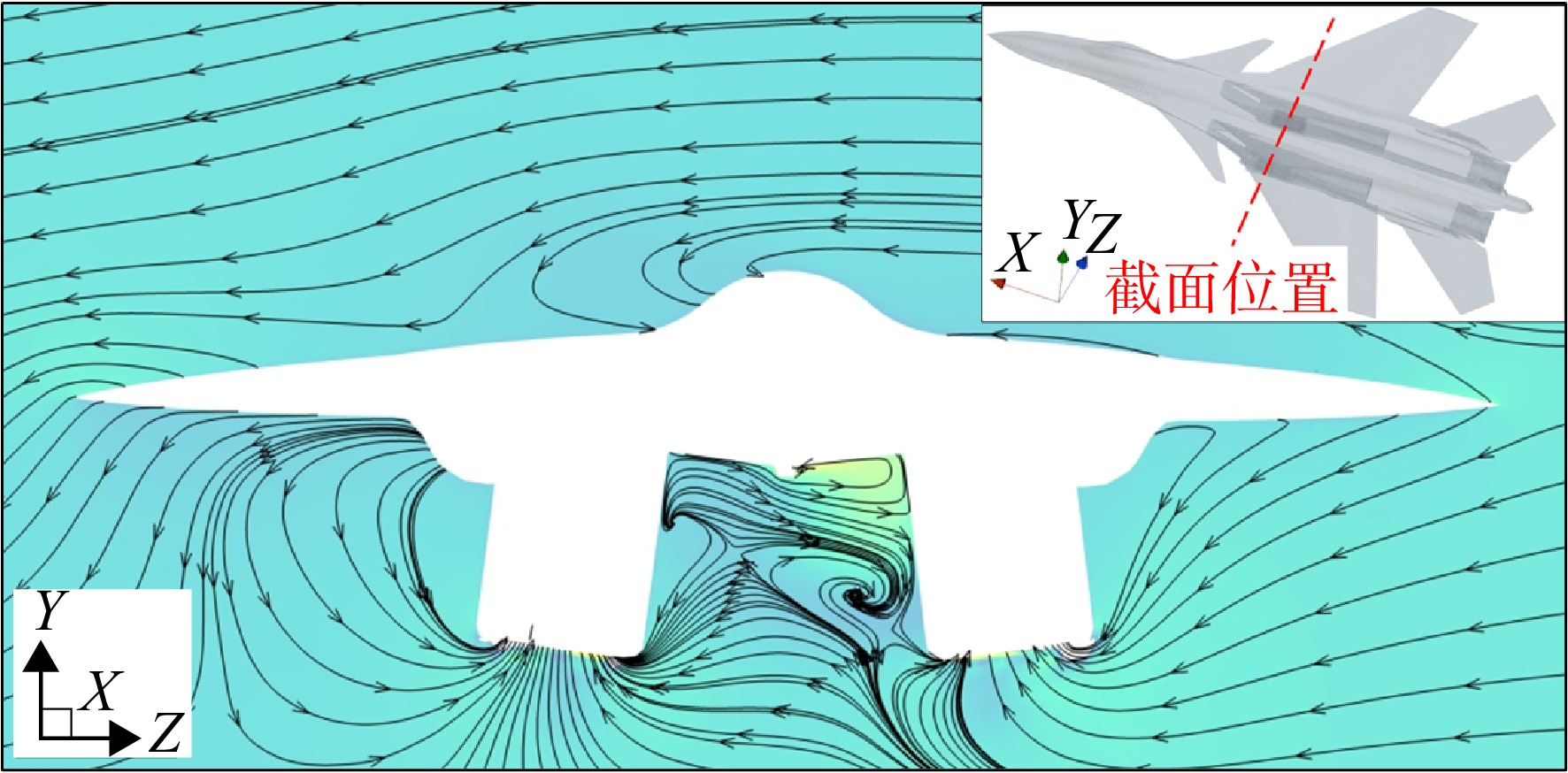
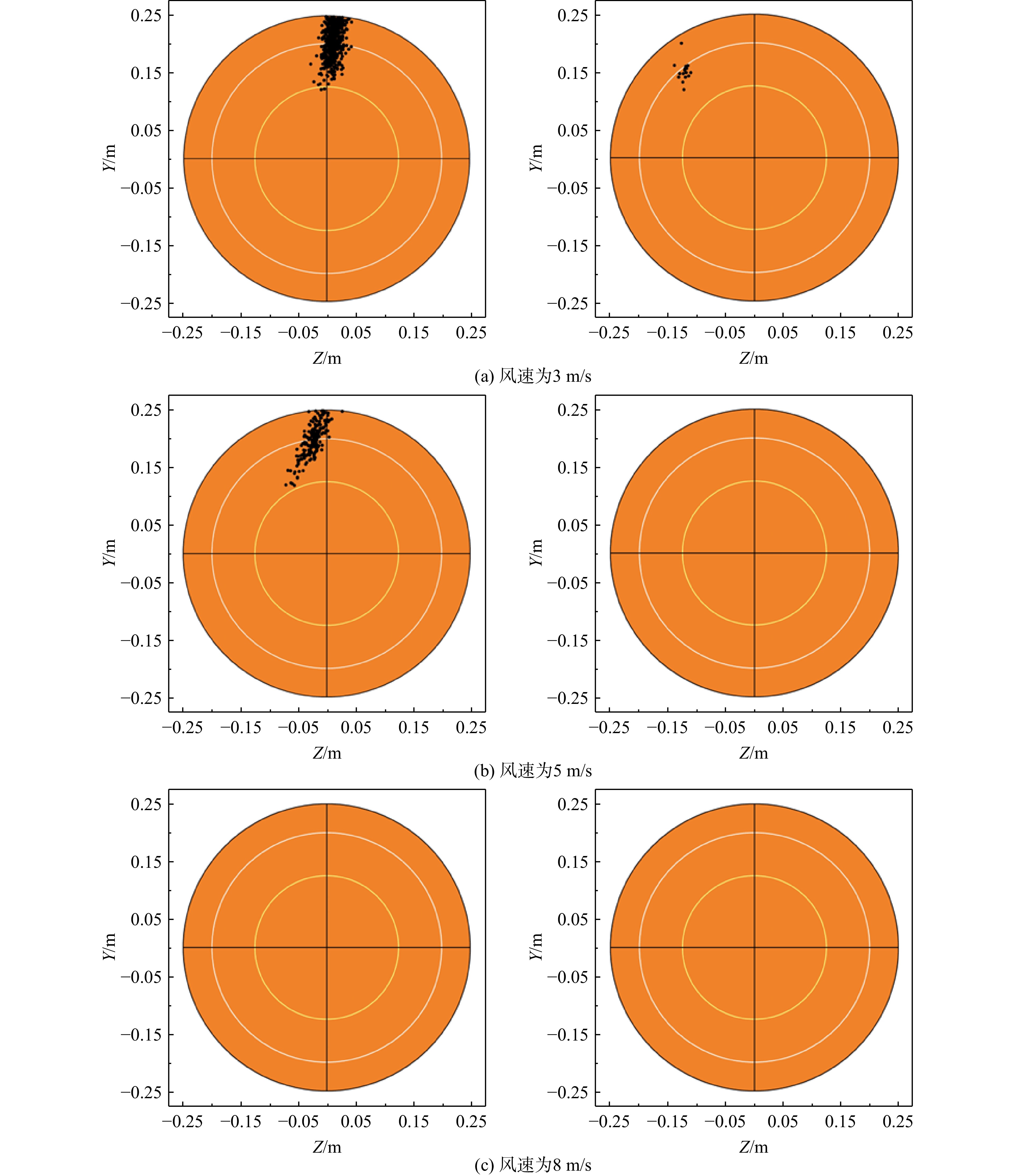
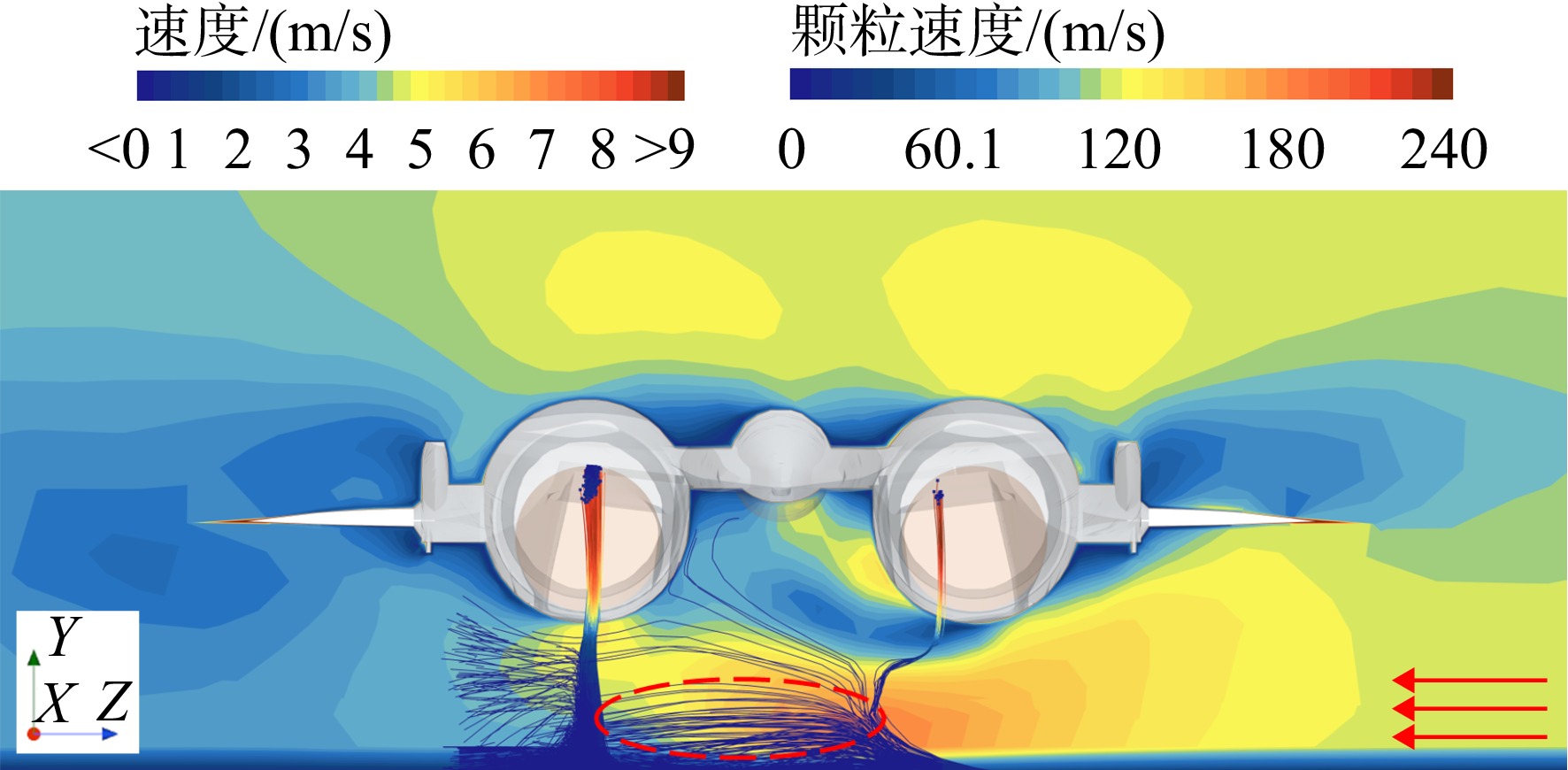
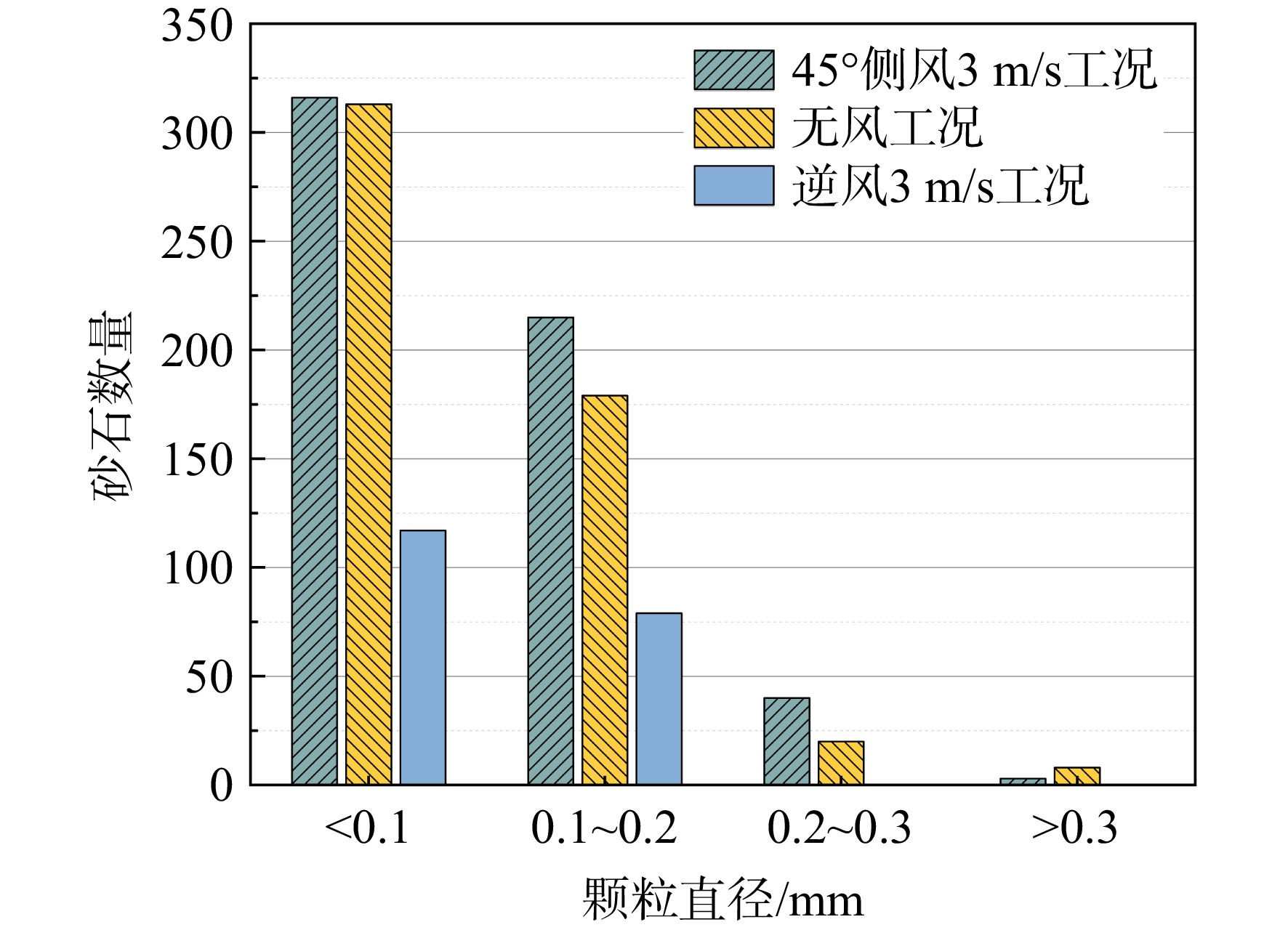
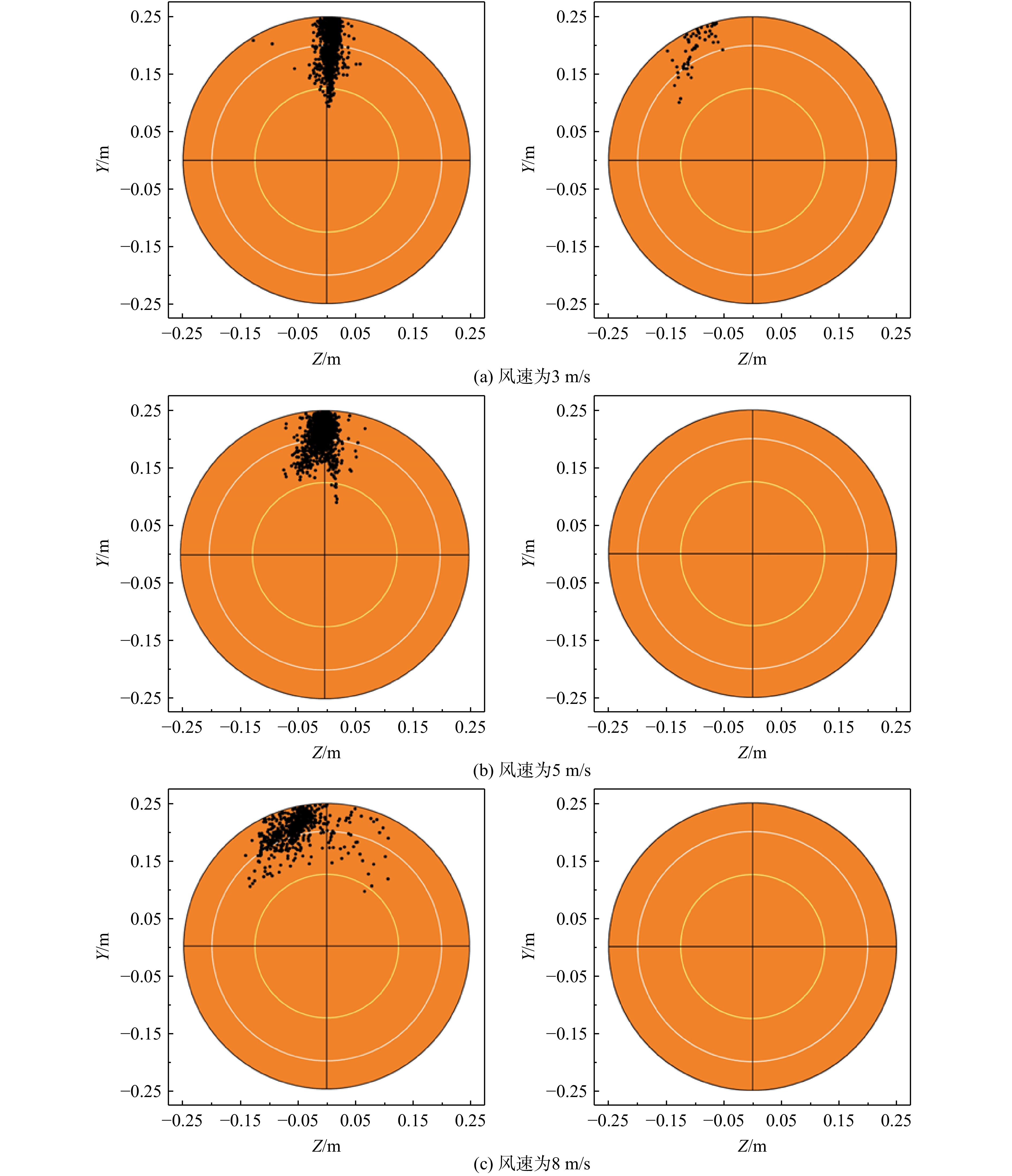
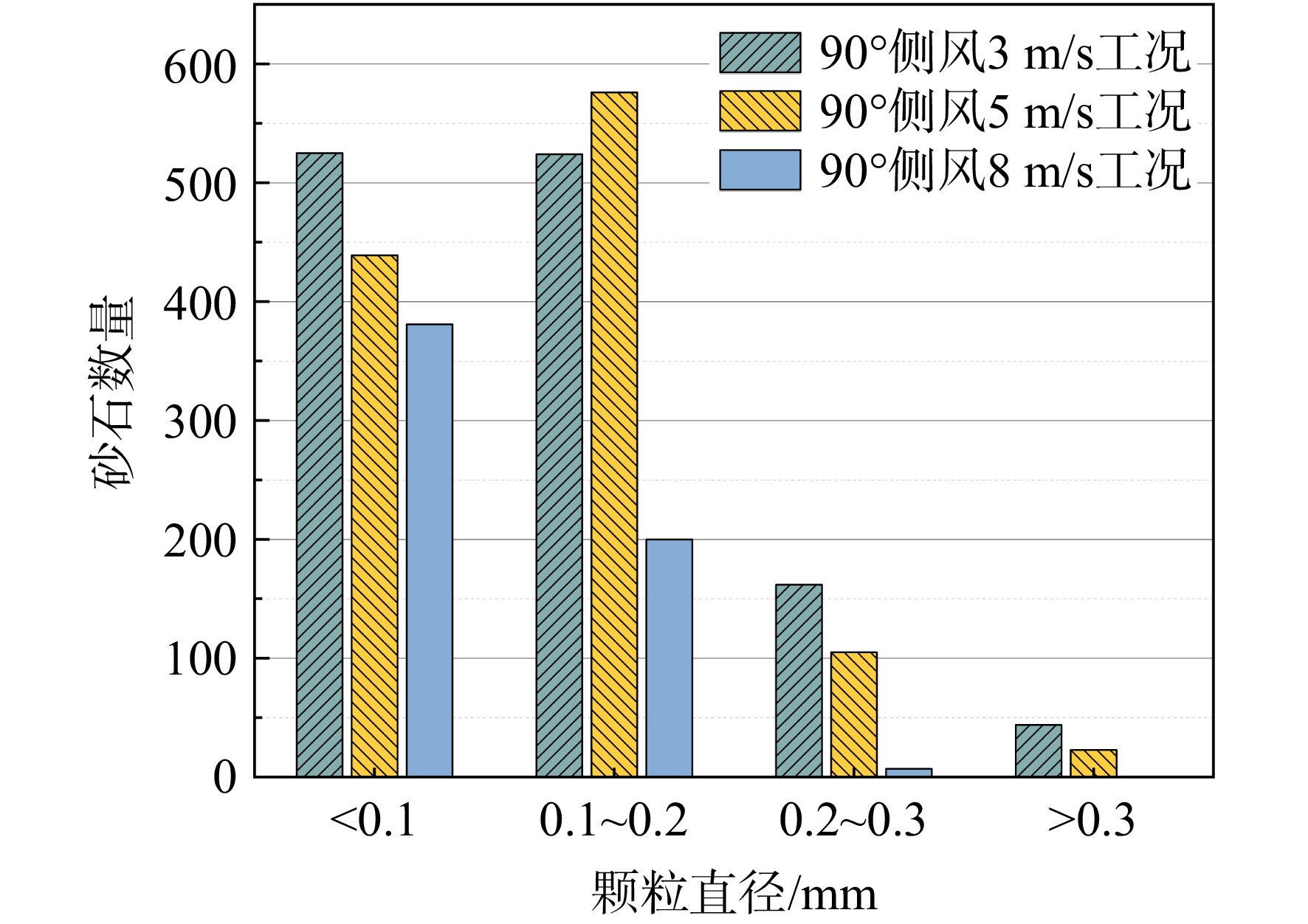
To address the safety assessment requirements for aircraft engines damaged by foreign objects, a numerical simulation method based on overset mesh technology and a dilute-phase gas-solid two-phase flow method was developed to study the sand ingestion behavior in aircraft inlets. A three-dimensional compressible gas-solid two-phase coupling mathematical model was established to simulate external flow around the entire aircraft and the ingestion of ground sand into the inlet. This model accounted for various forces acting on particles and their interactions with the inner wall. Finally, the sand ingestion behavior of a two-dimensional external-compression inlet under different conditions was examined, focusing on sand trajectories and impact parameters on the engine fan. The results indicated that most particles, after entering through the auxiliary intake, collided once with the top of the inlet, and subsequently, their impact locations on the engine fan were primarily outside 0.5 times the fan radius. Under no-wind and headwind conditions, sand impacts on the left and right engines formed a symmetrical “V” pattern near the aircraft centerline. Increased engine power, higher headwind speeds, and lower sand density led to more dispersed impact locations, with an increasing number of particles located within 0.5 to 0.8 times the fan radius. Moreover, under rated engine and no-wind conditions, the aircraft cannot ingest sand from the ground at speeds above 11 m/s. In comparison, crosswind conditions significantly increased sand ingestion by the downstream inlet, greatly exacerbating the differential wear between the two engines and severely compromising the aircraft’s stability and balance.

Influence of the turbine guide vane adjustment on the film holes outflow in whole engine environment
GUO Jiafan, LIU Chuankai, WANG Yaoze, HUANG Xiangqin, DING Shuiting
2026, 41(5): 20240436. doi: 10.13224/j.cnki.jasp.20240436
Abstract:
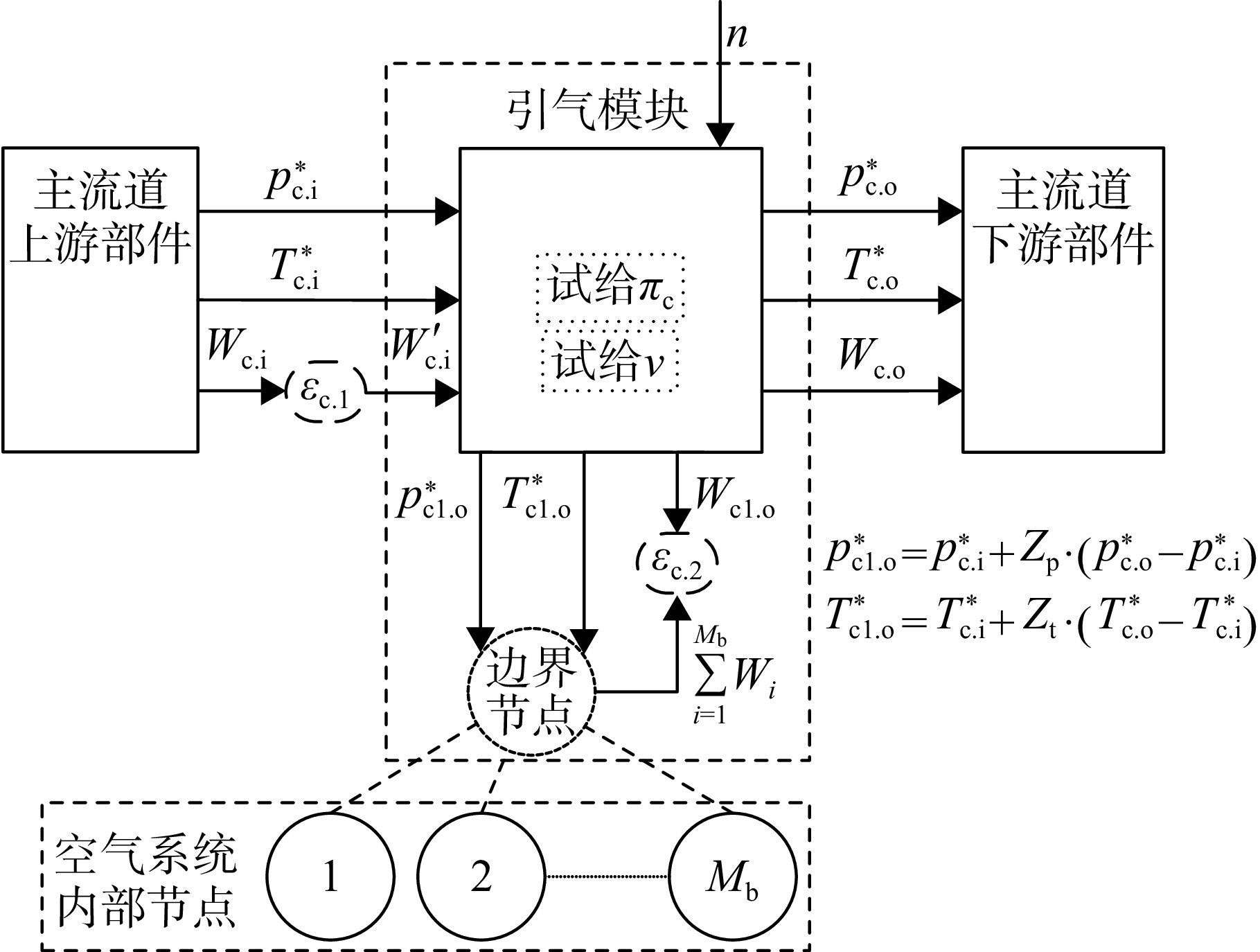
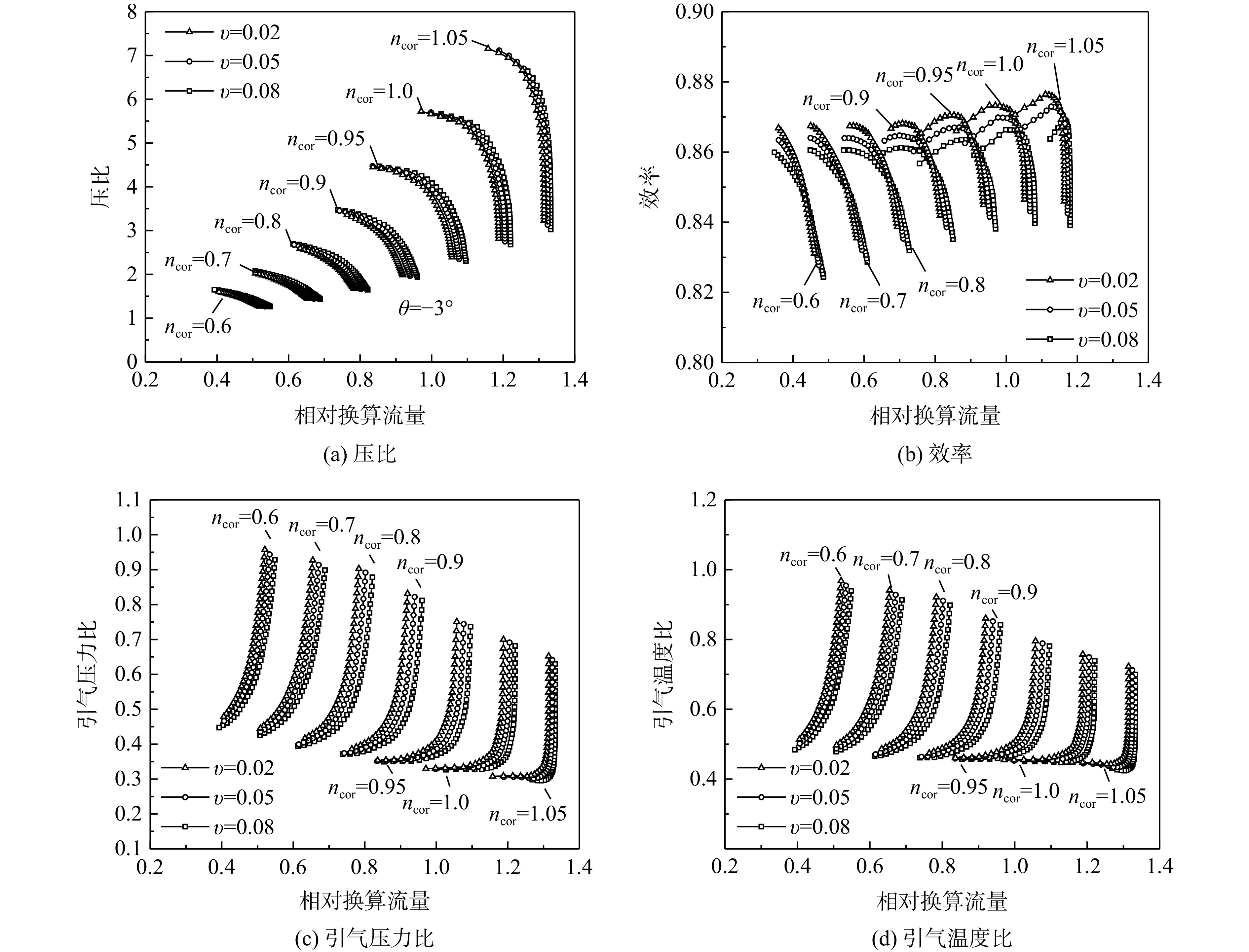
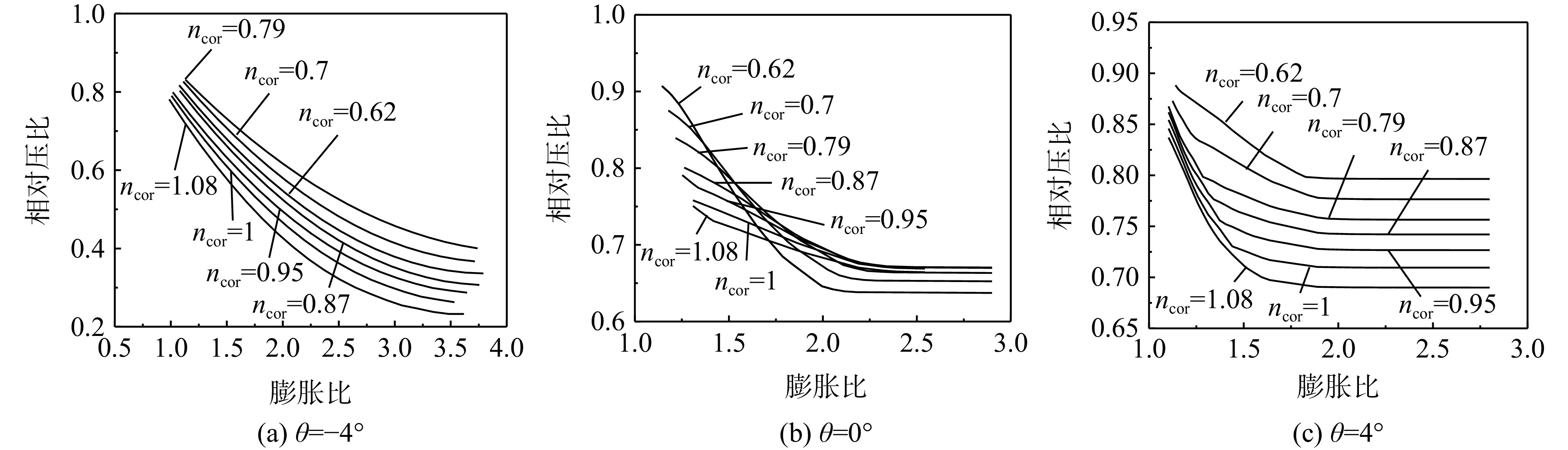
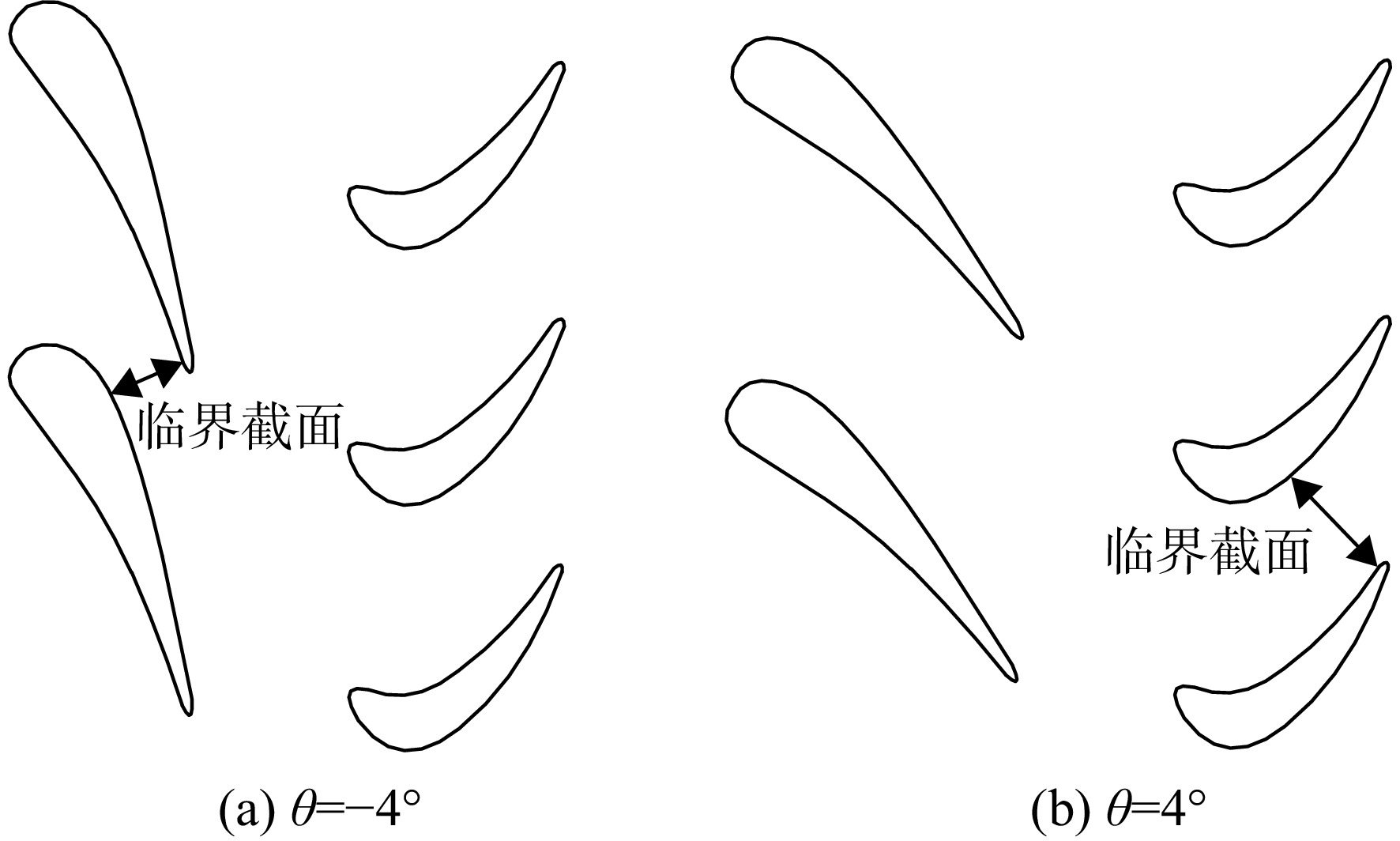
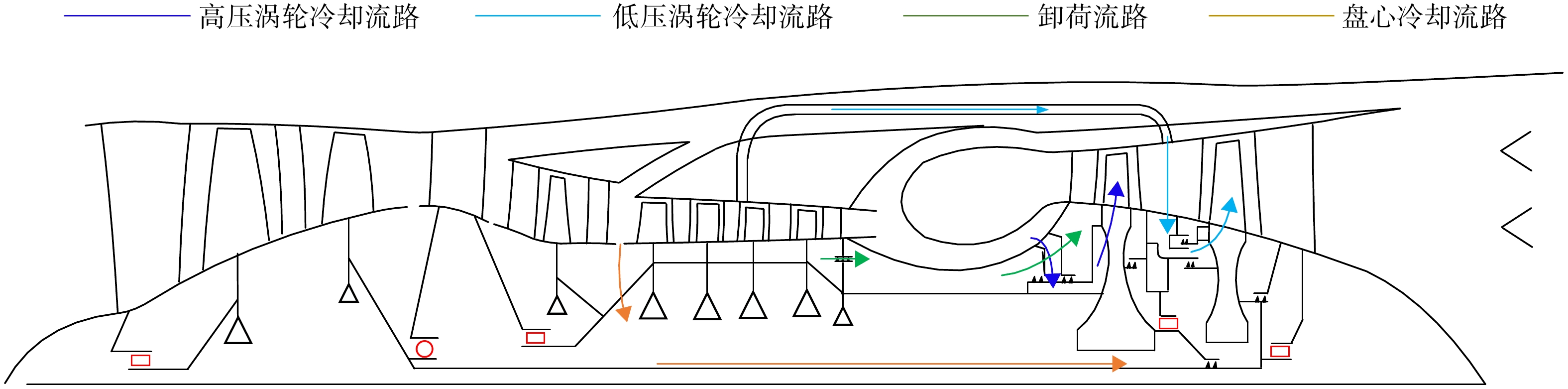
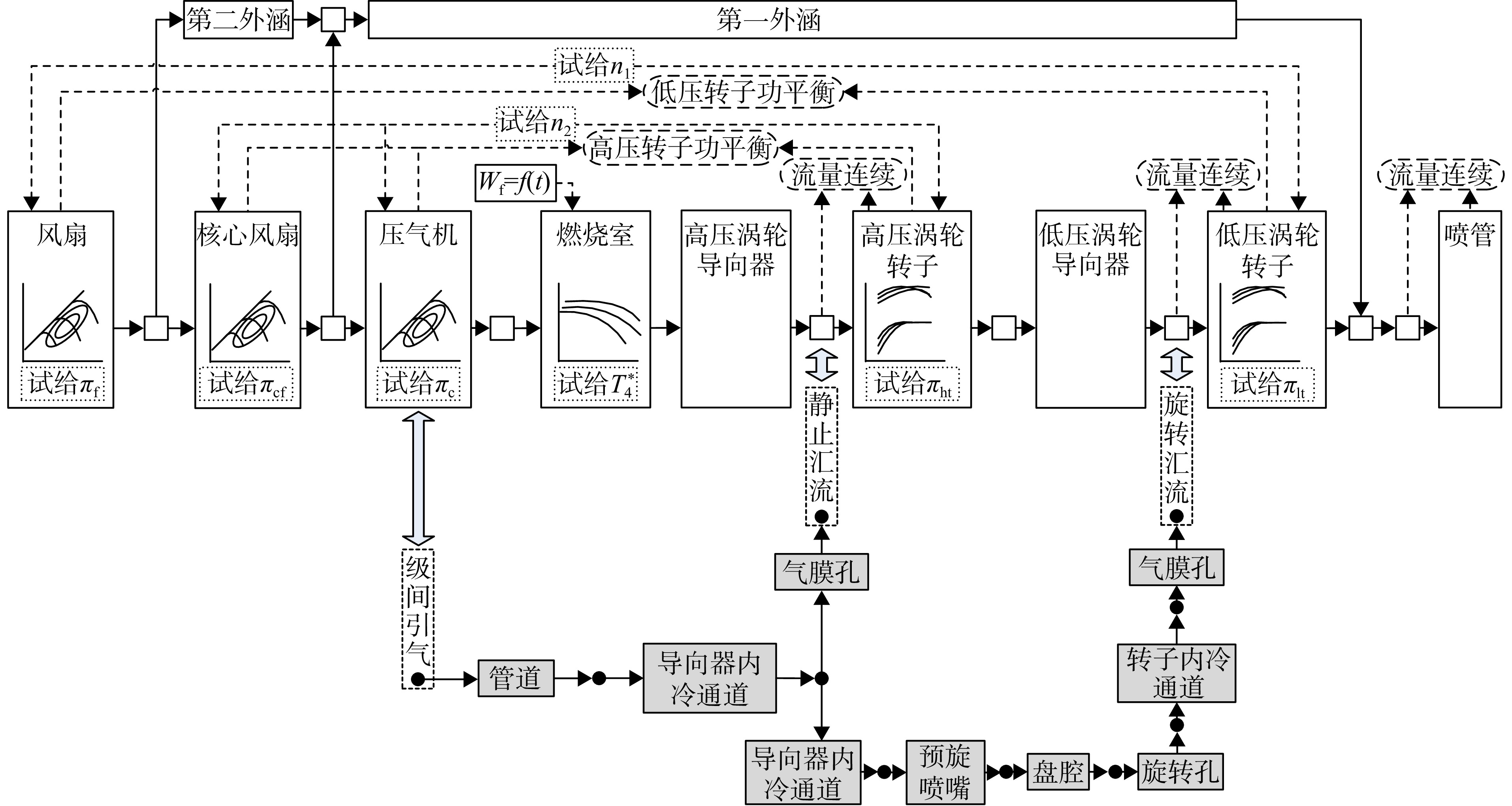
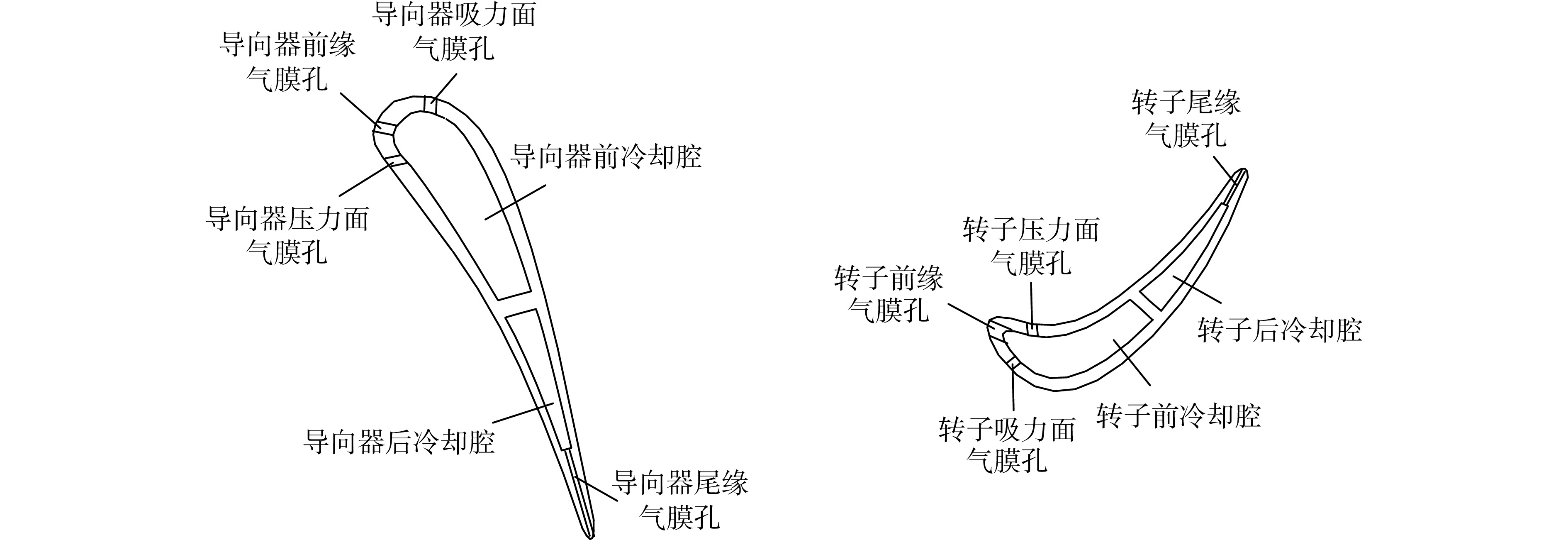
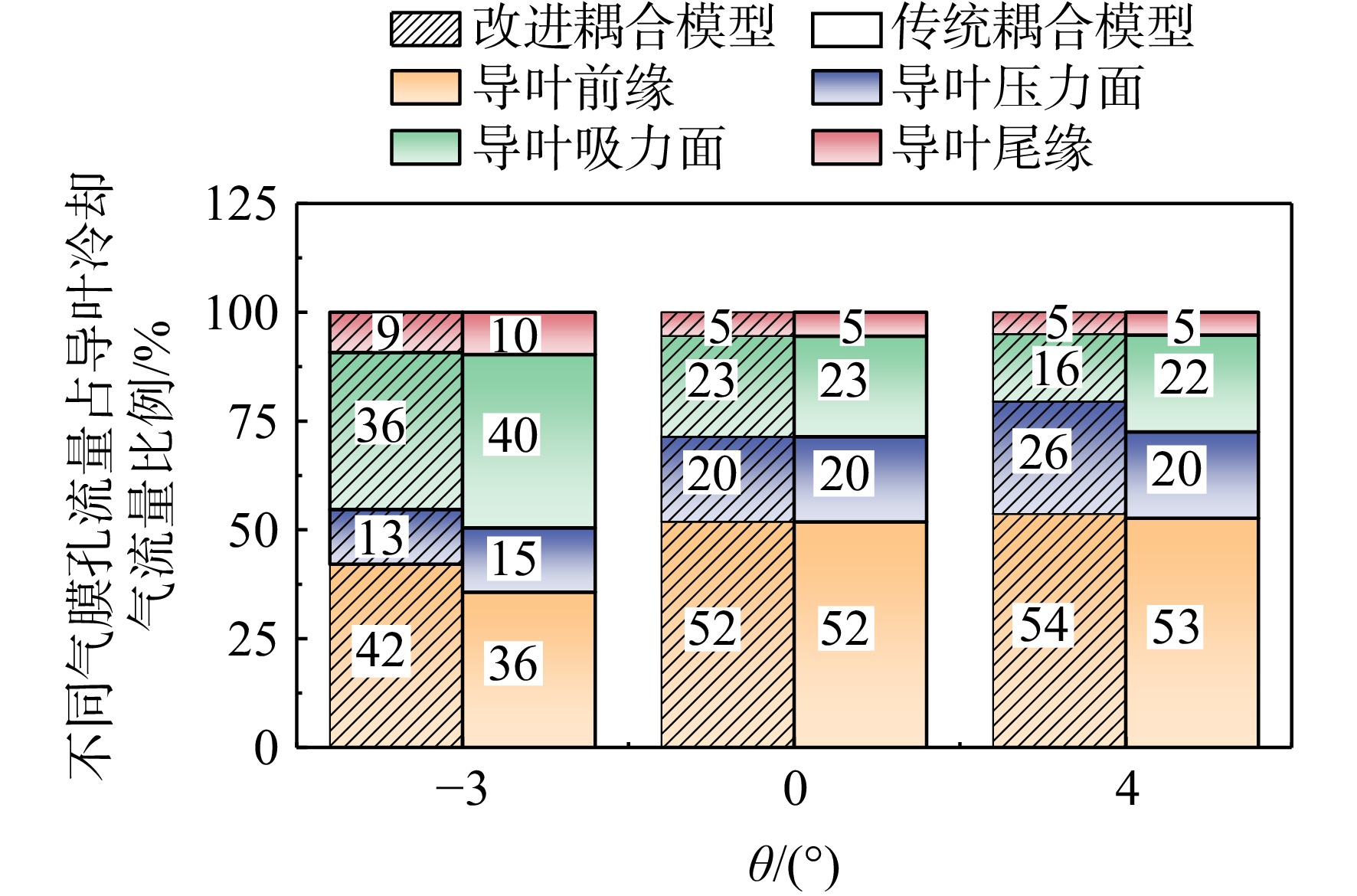
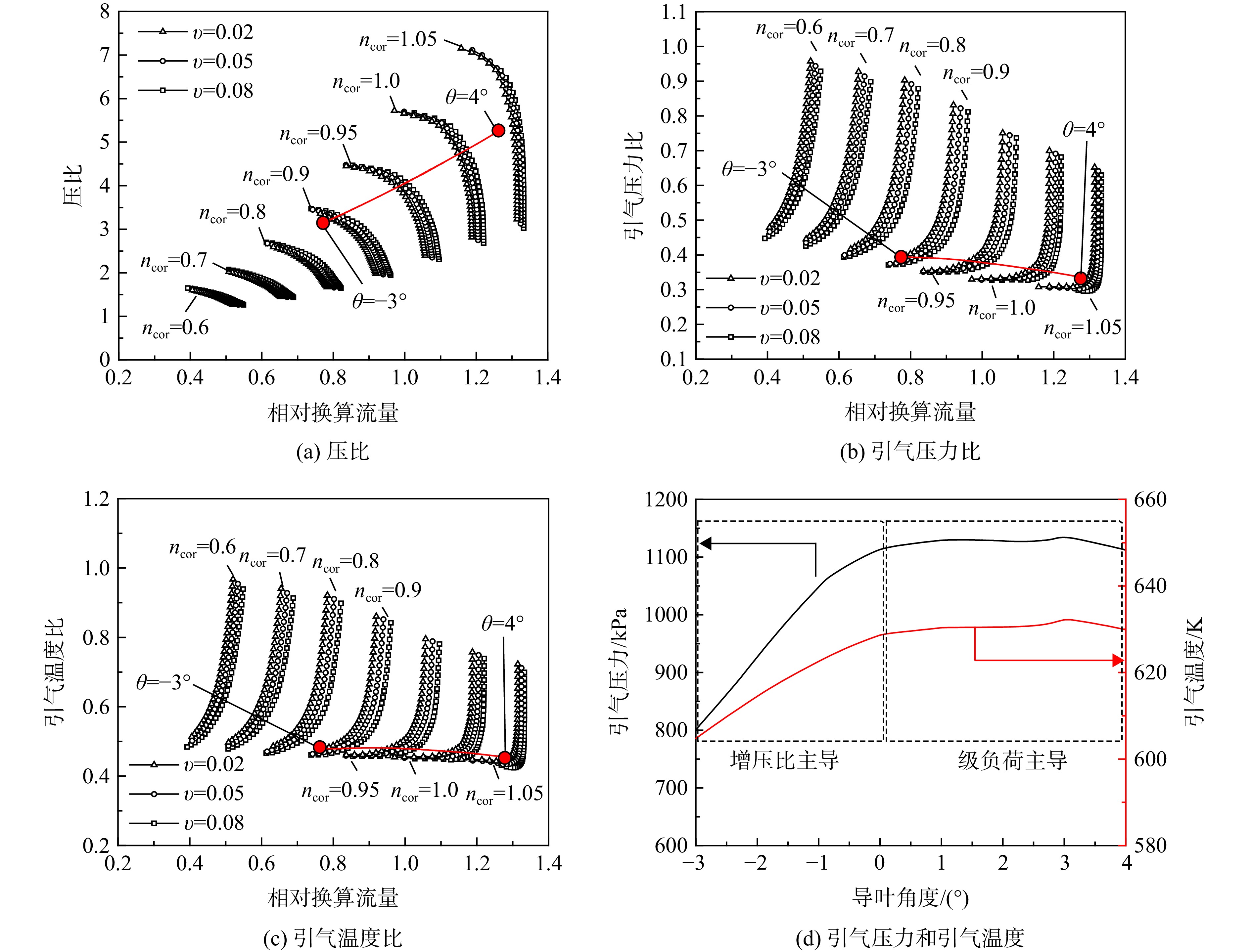
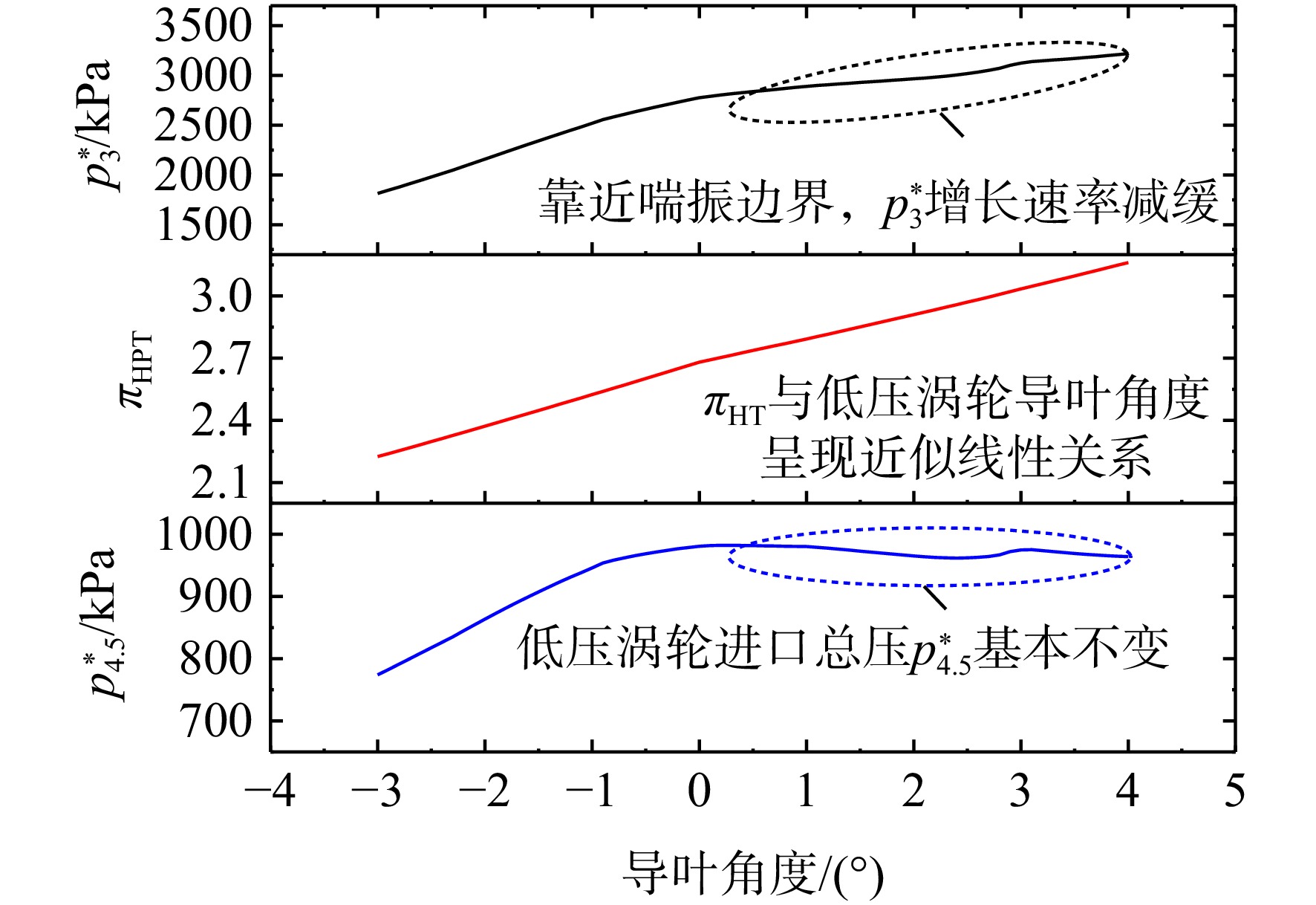
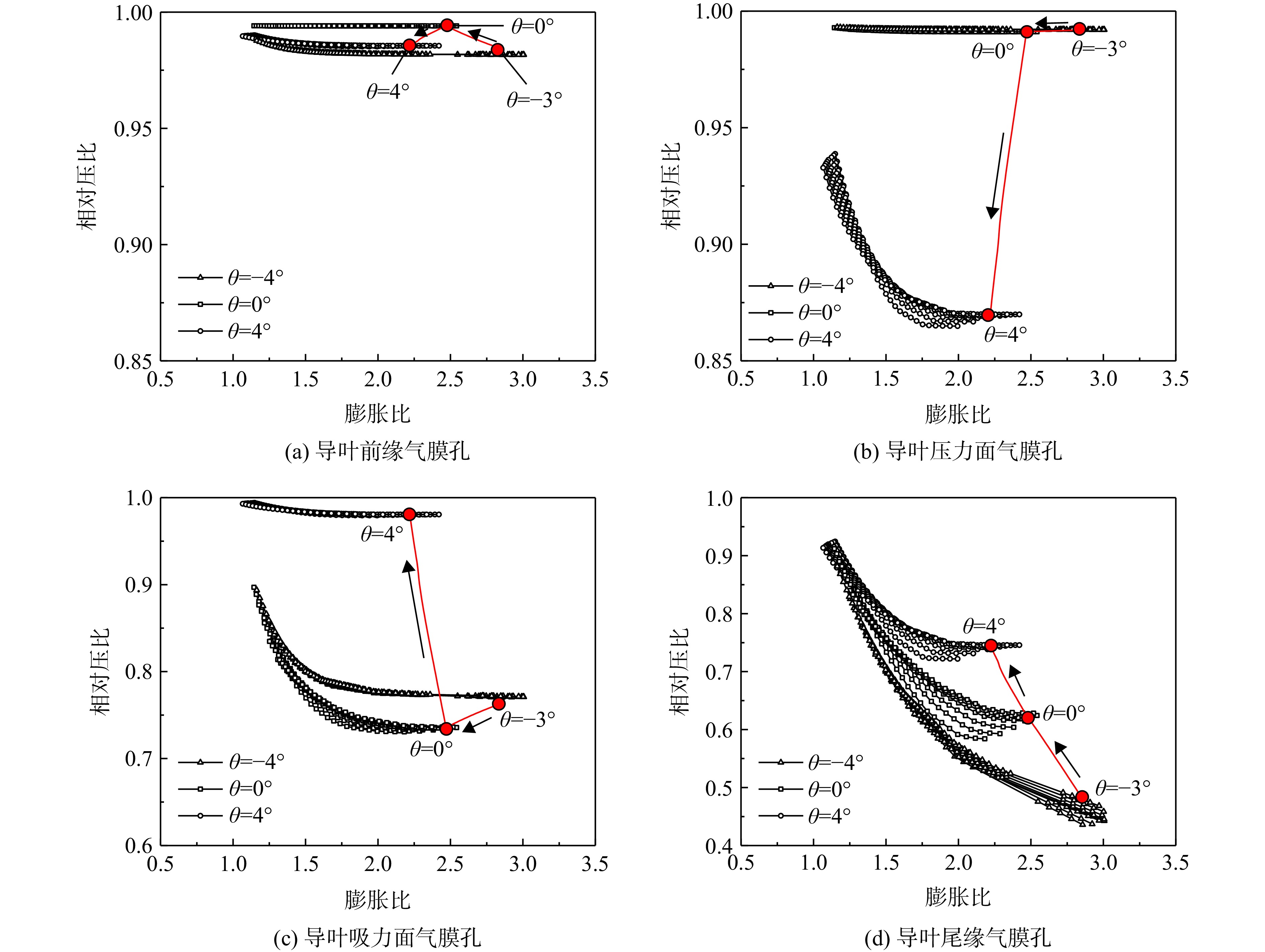
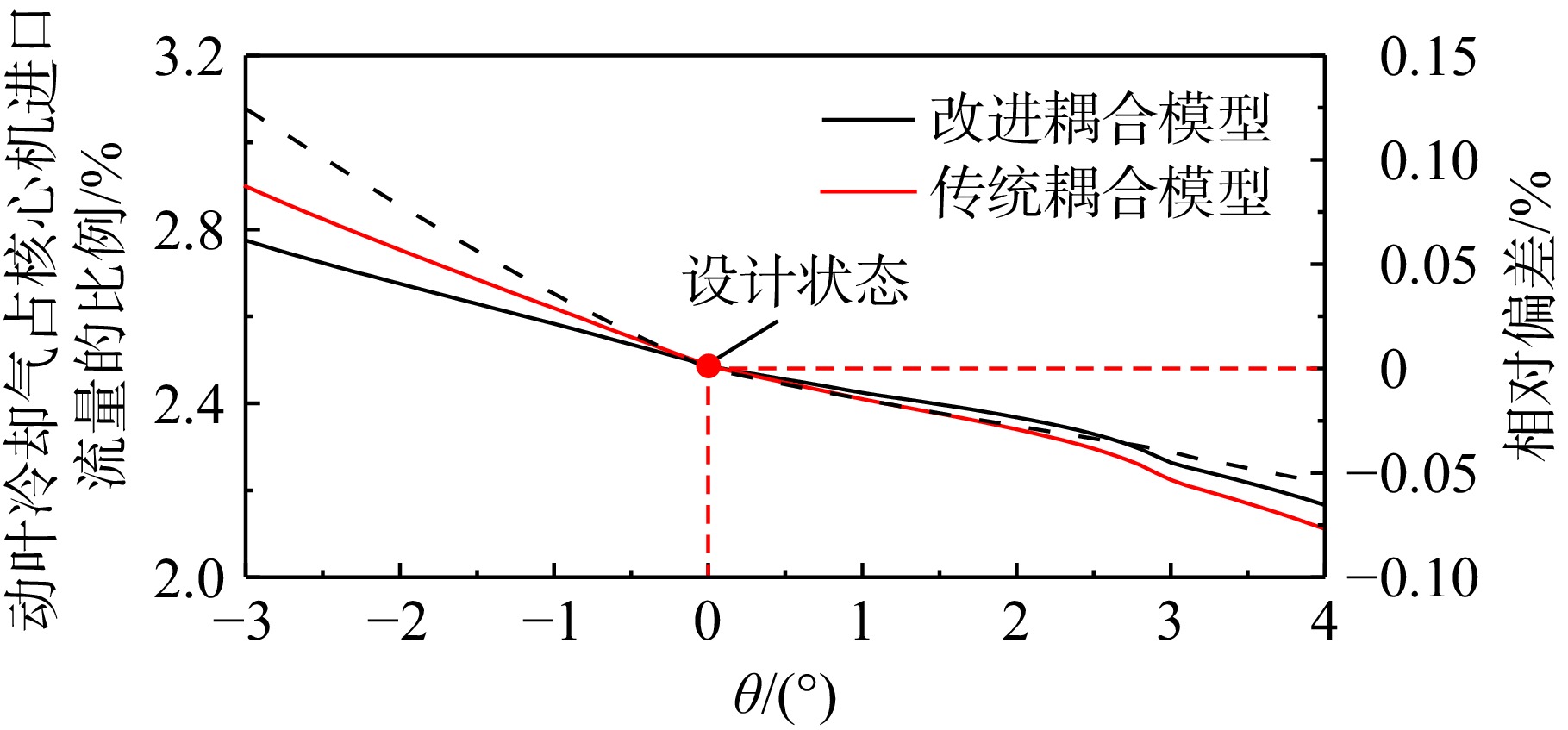
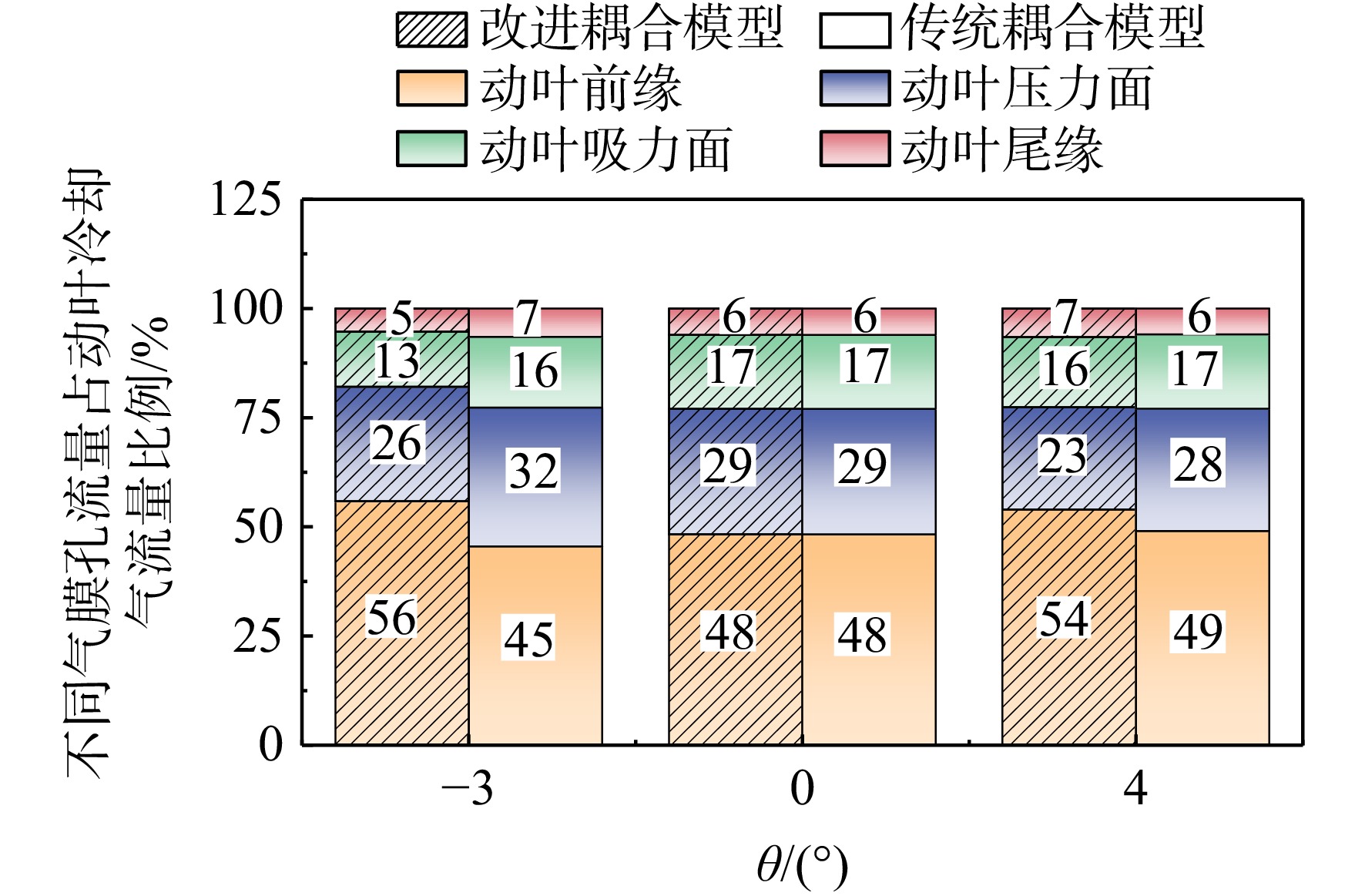
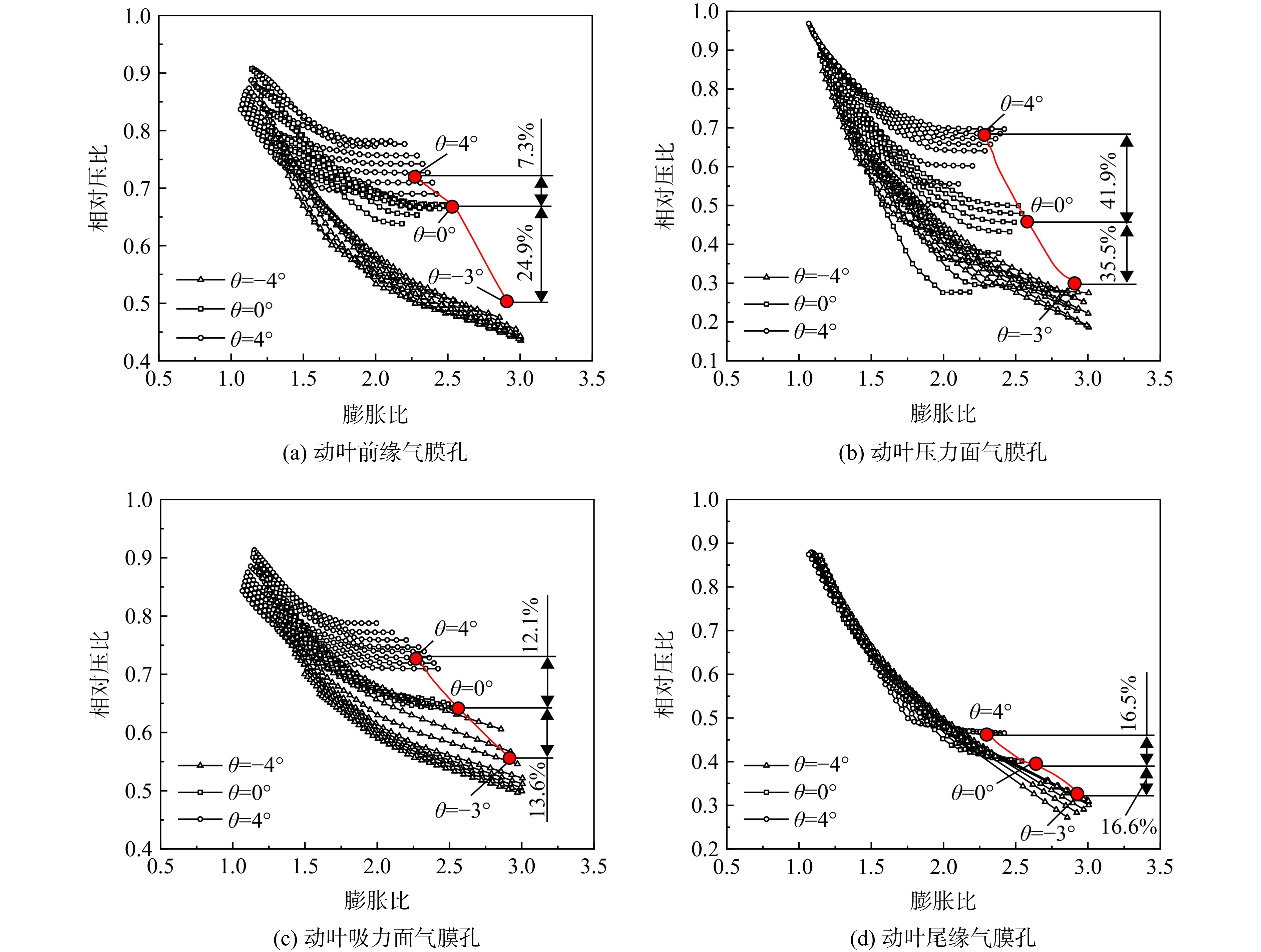
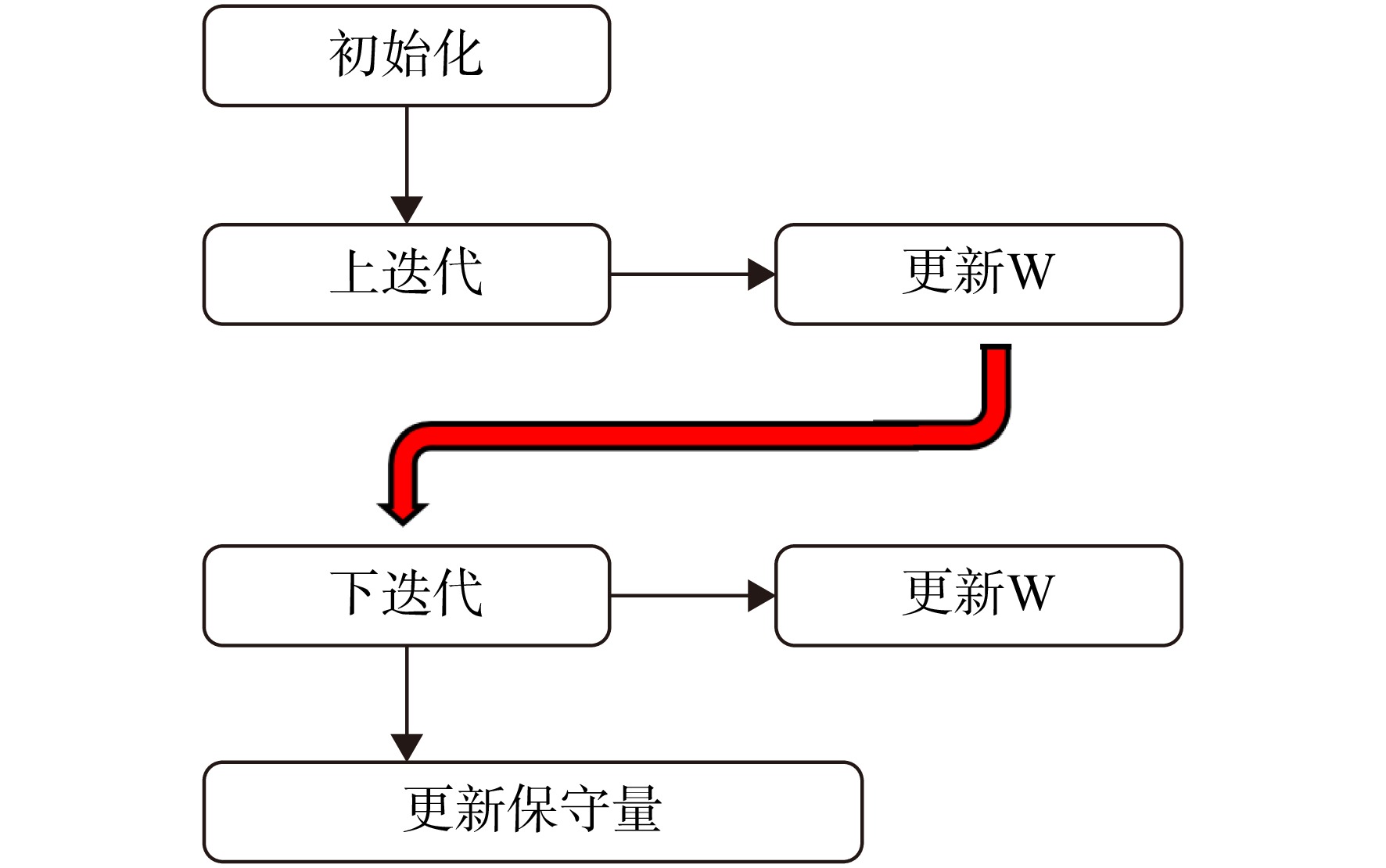
To investigate the influence of low-pressure turbine guide vane adjustments on film hole flow distribution in variable cycle engines, a variable inter-stage bleed module for the compressor and a turbine mixing module with adjustable vane angles were developed. These modules enabled modular coupling and data exchange between the main flow and secondary air systems. Using a core-driven fan stage variable cycle engine (CDFS VCE) as the test case, the impact of guide vane adjustments on film hole outflow across the engine was analyzed. The research indicated that considering the variable inter-stage bleeding for the compressor and the mixing with adjustable guide vane angles did not significantly affect the proportion of cooling air from the guide vanes and rotor blades to the core engine inlet flow, but caused a significantly unbalanced response in the distribution of cooling air among film holes at different positions of the guide vanes and rotor blades. Within the adjustment range of the guide vane angle from −3° to 4°, the flow rate ratio of the film holes on the suction side of the guide vane decreased by up to 20%, while the flow rate ratio of the film holes on the pressure side of the rotor blade decreased by approximately 6%.

Compressible stream solver based on GPU-CUDA point granular heterogeneous parallel
WANG Qingchi, LAN Xudong, LI Haoyu, DUAN Yiqin
2026, 41(5): 20240435. doi: 10.13224/j.cnki.jasp.20240435
Abstract:

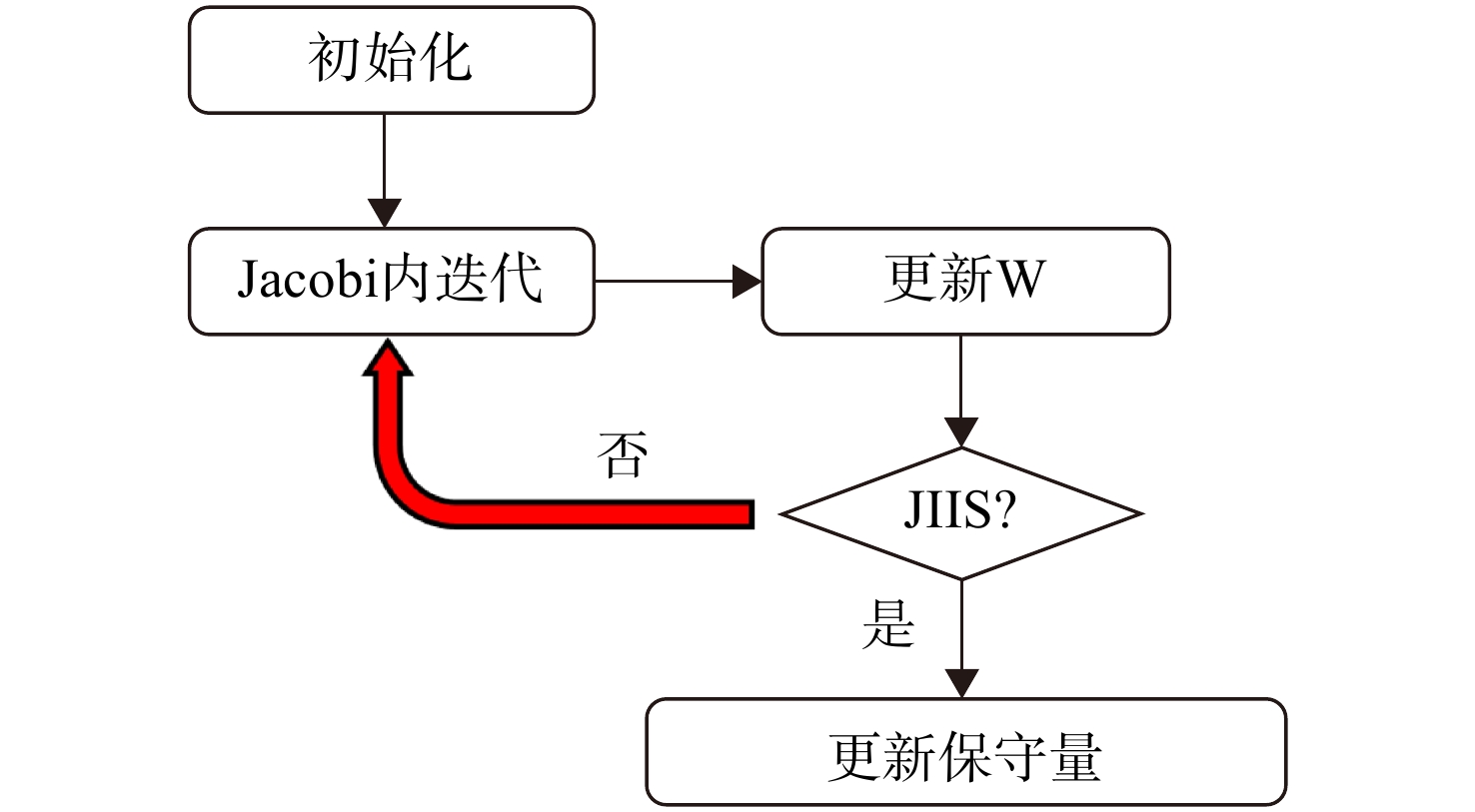
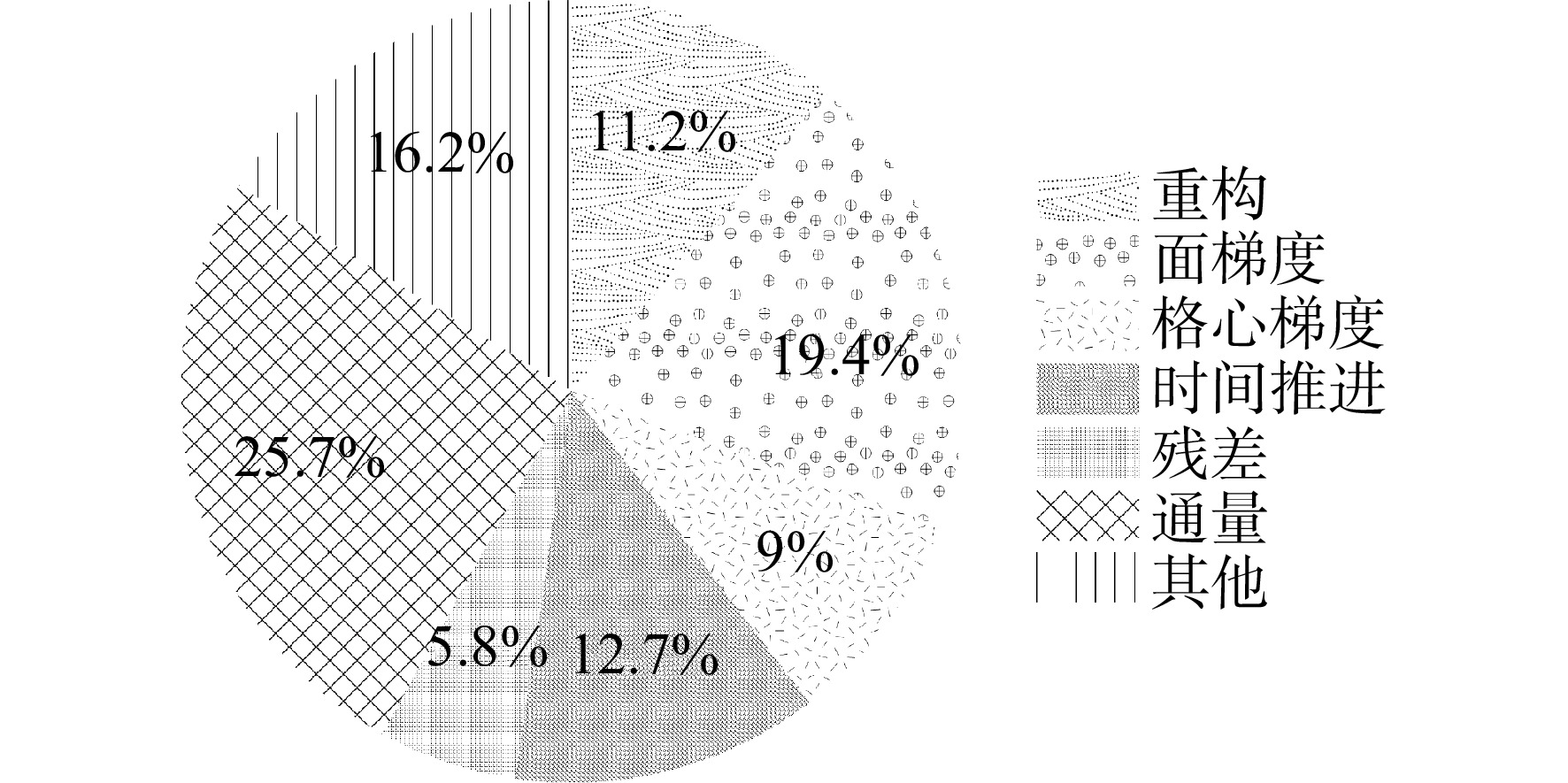
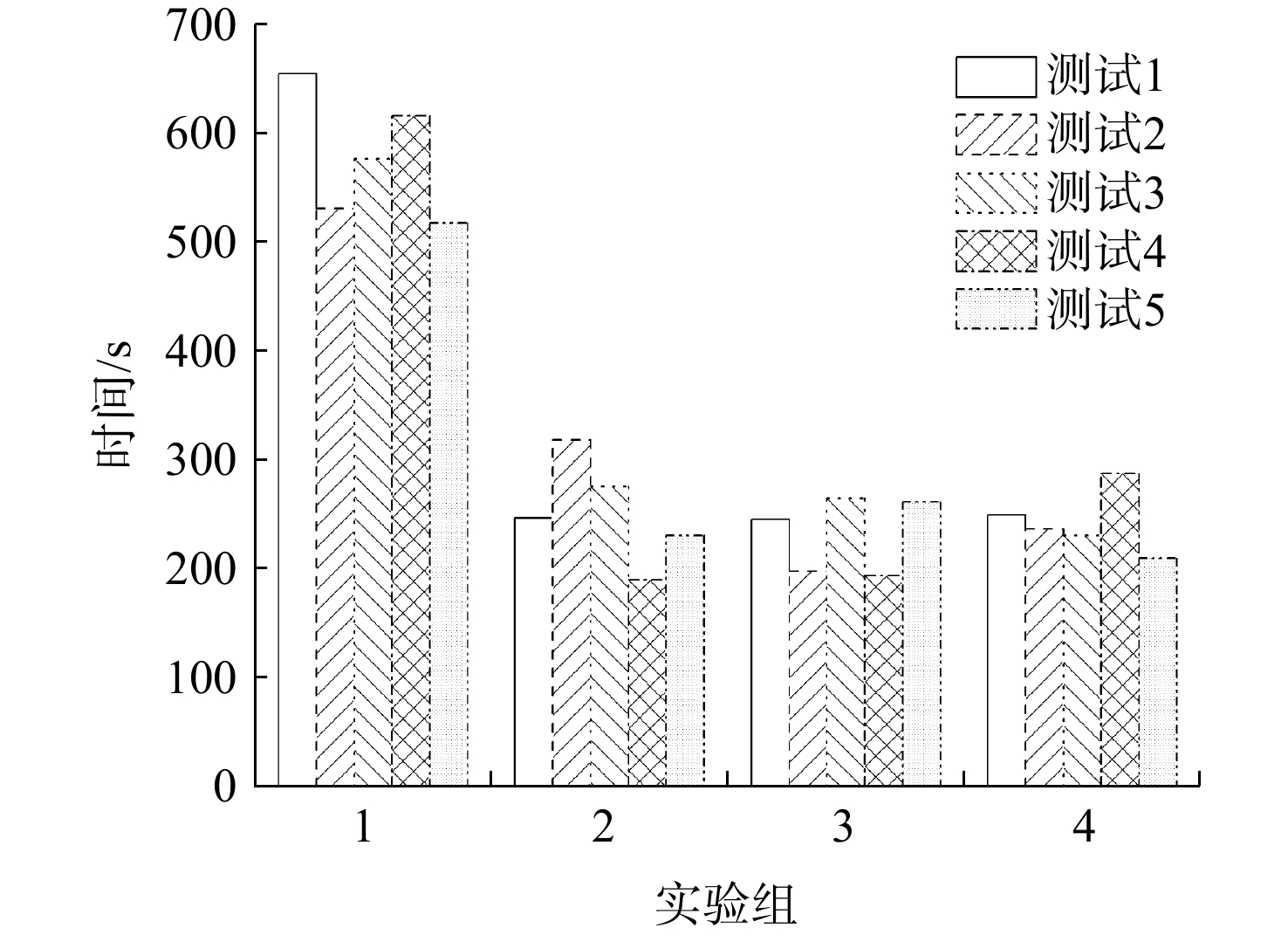
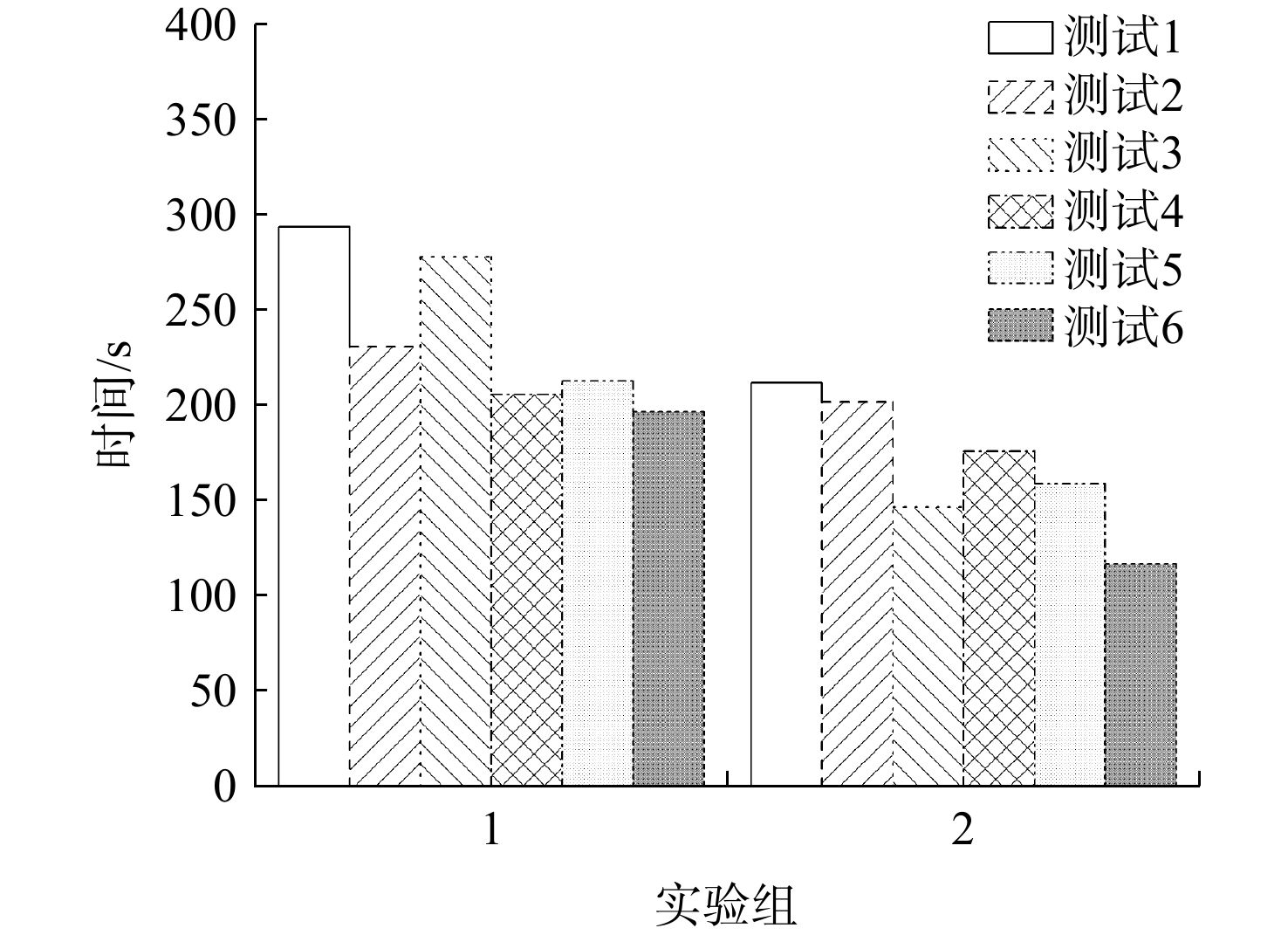
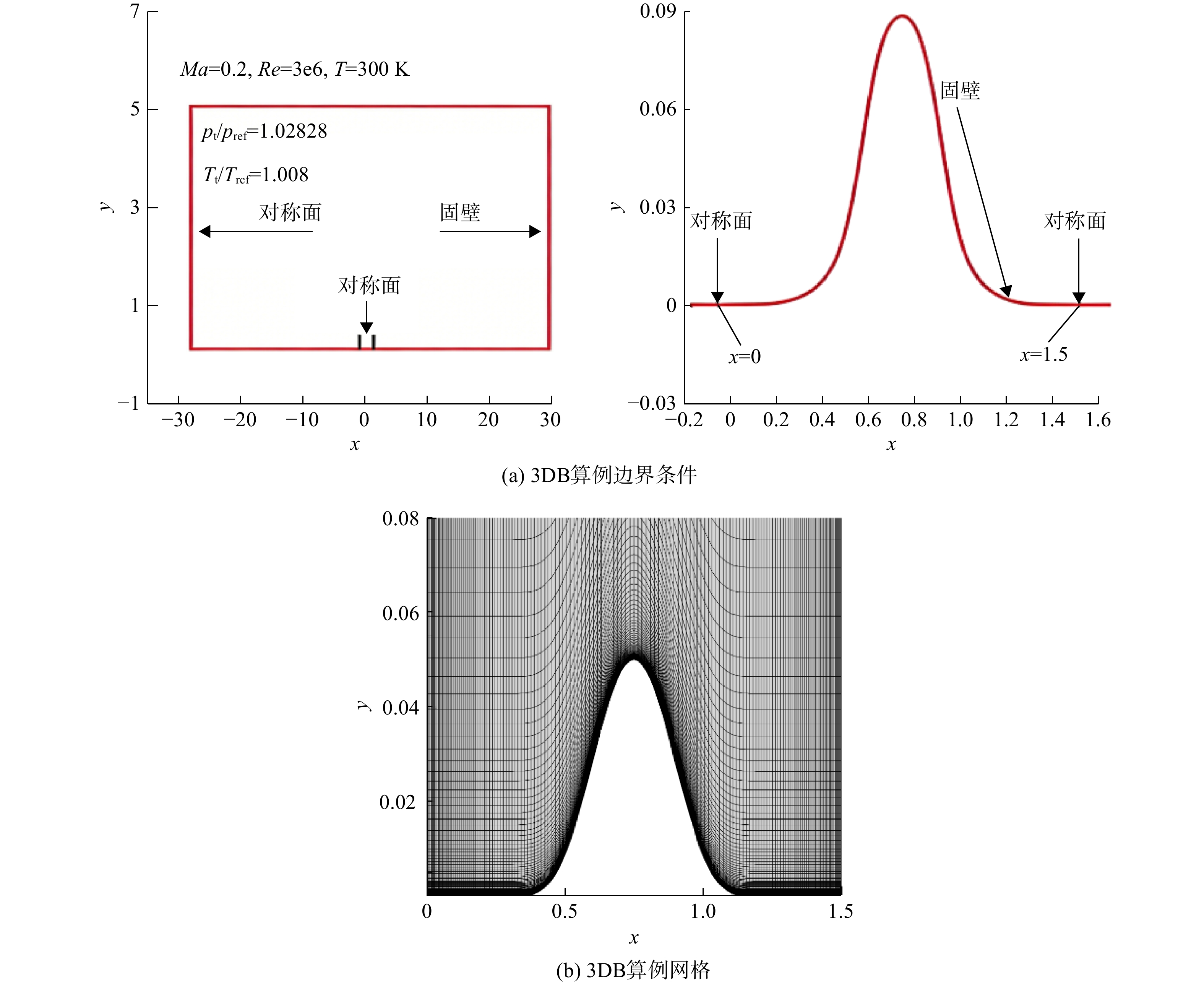
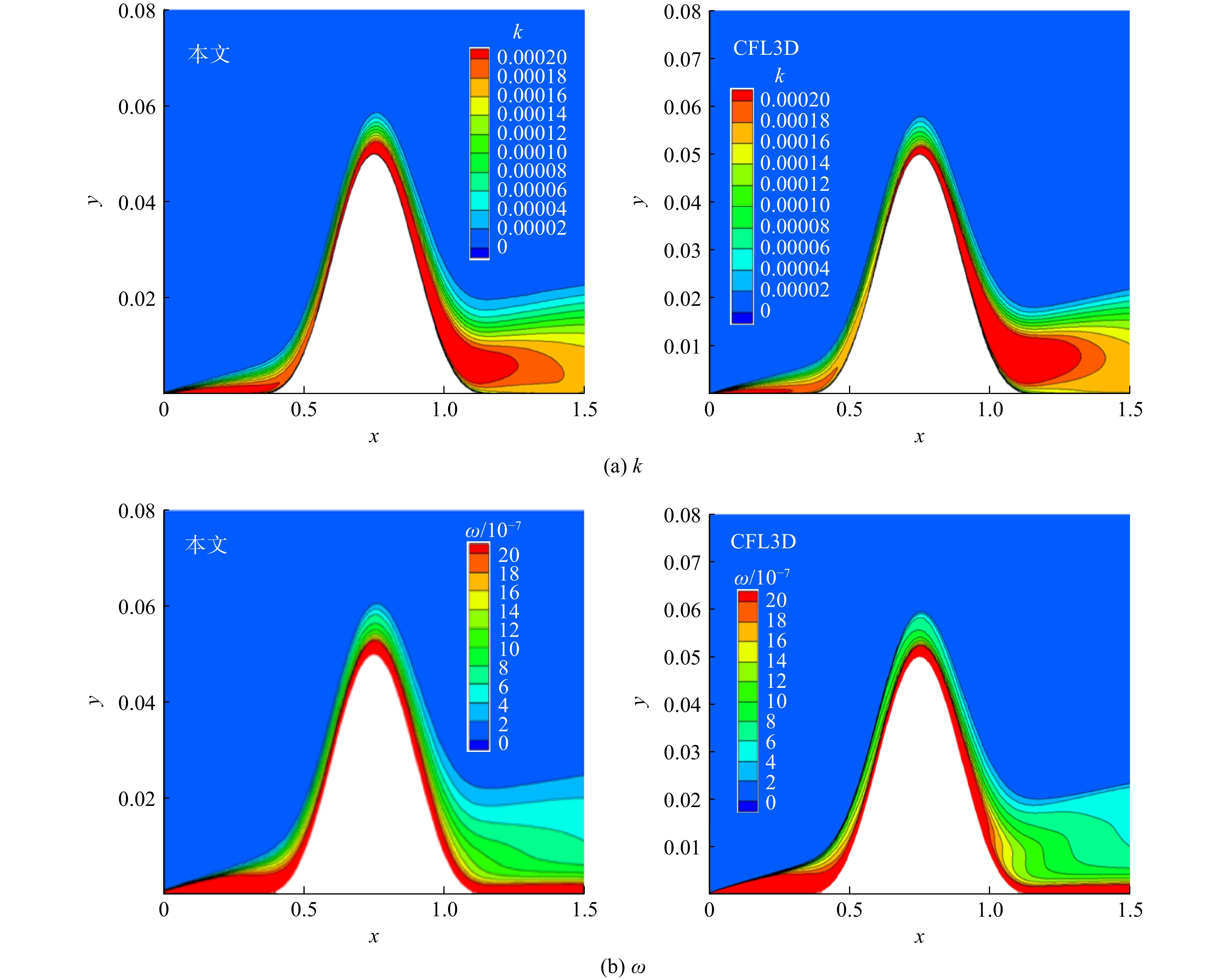
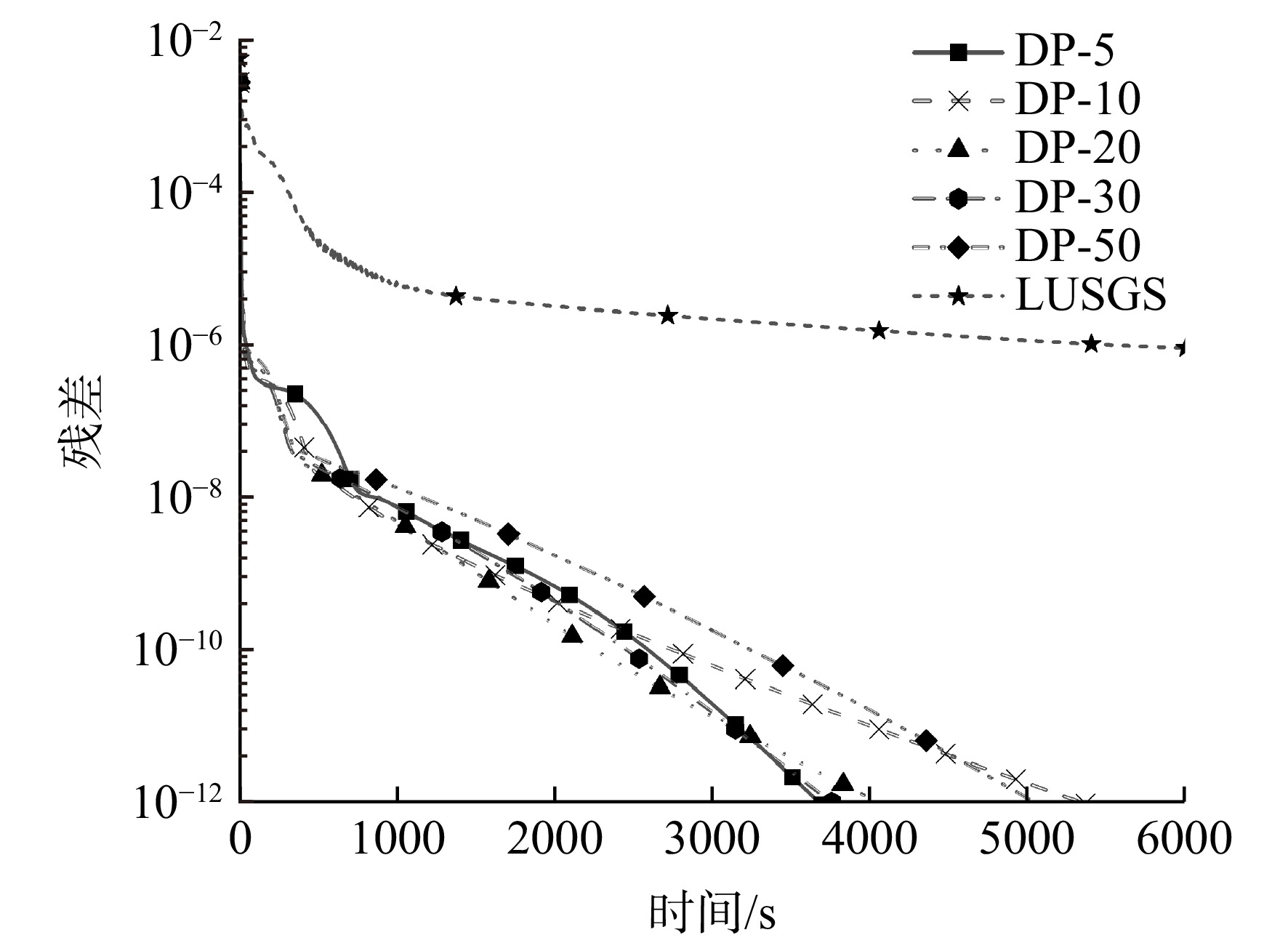
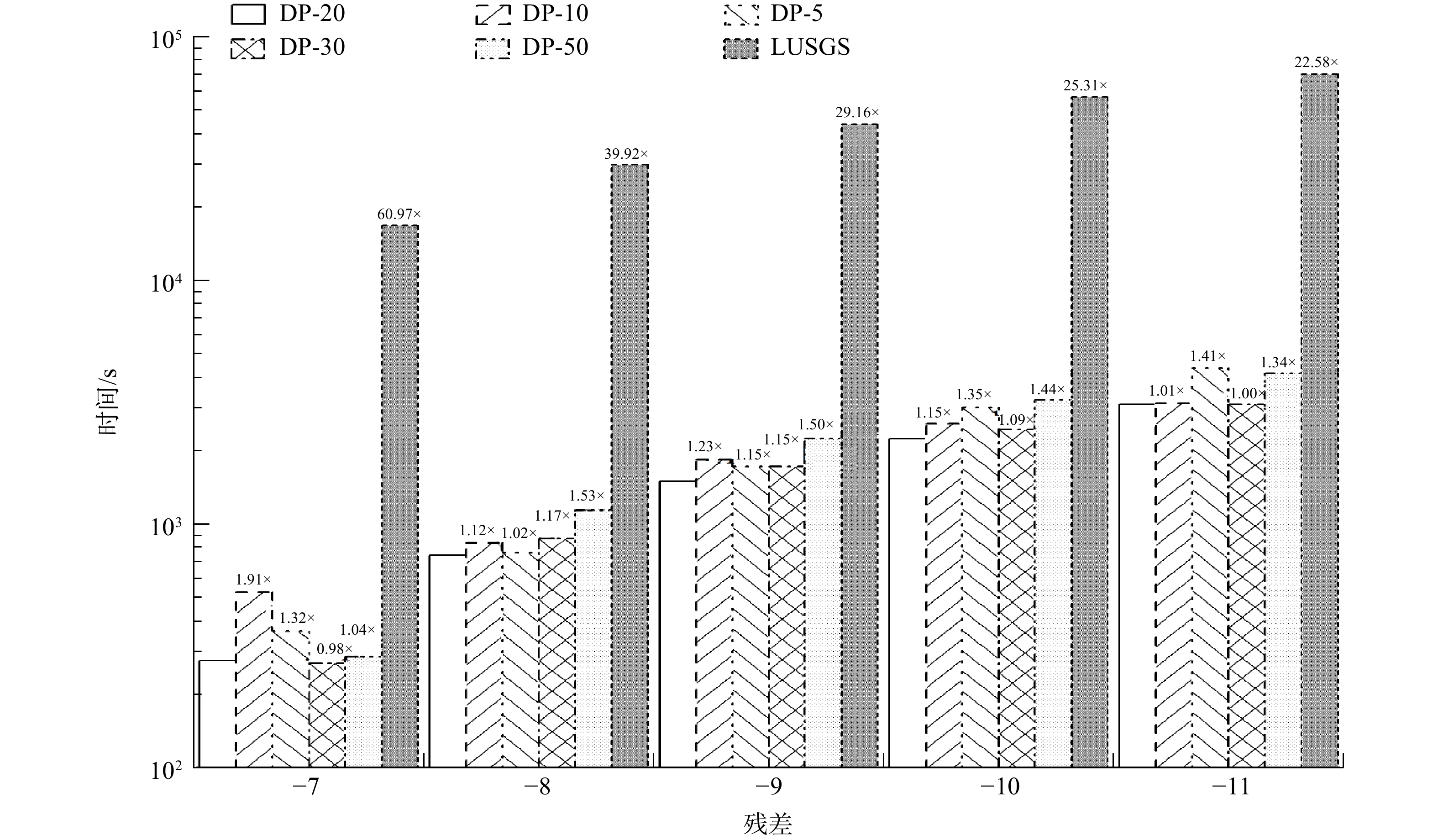
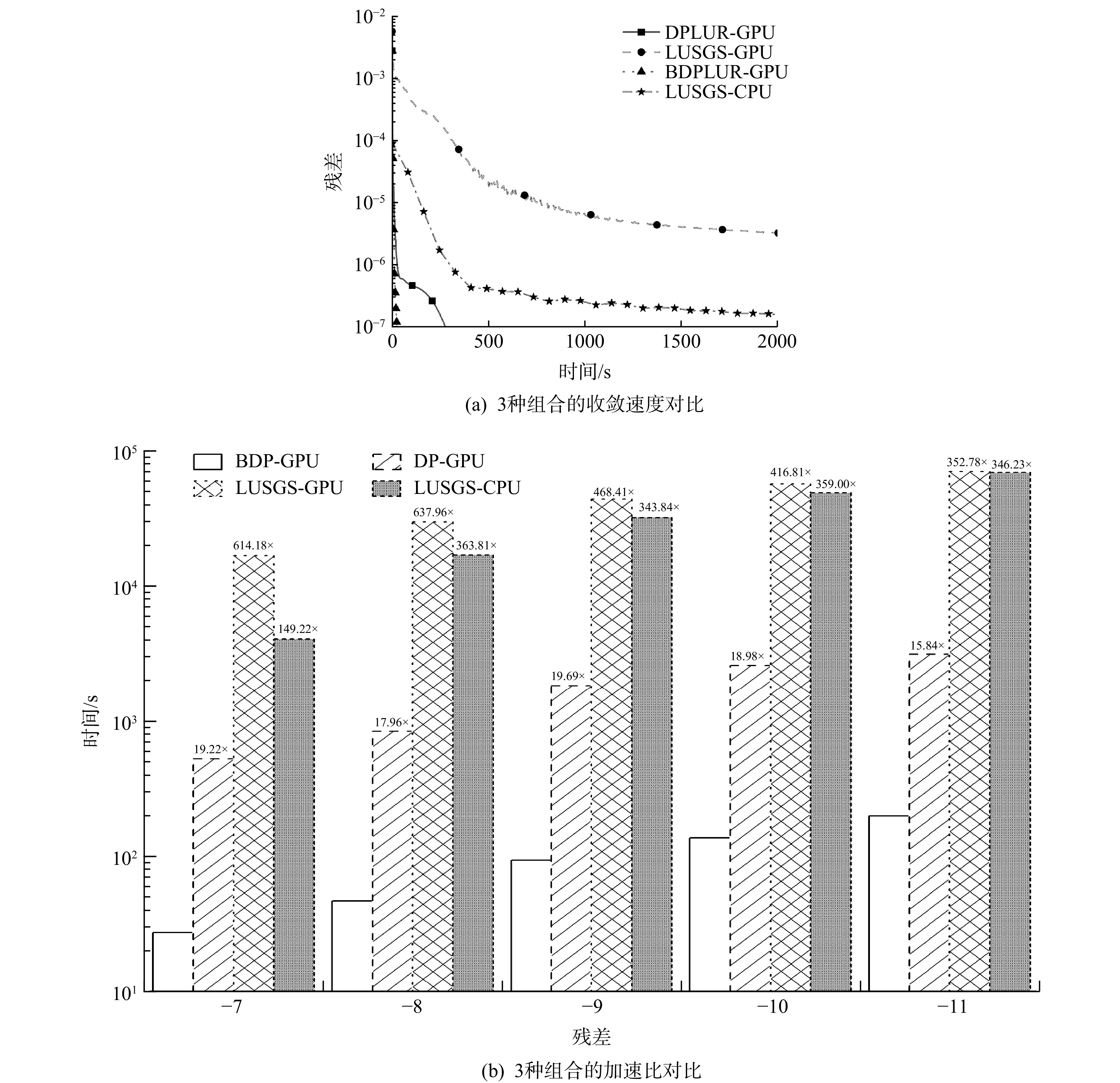
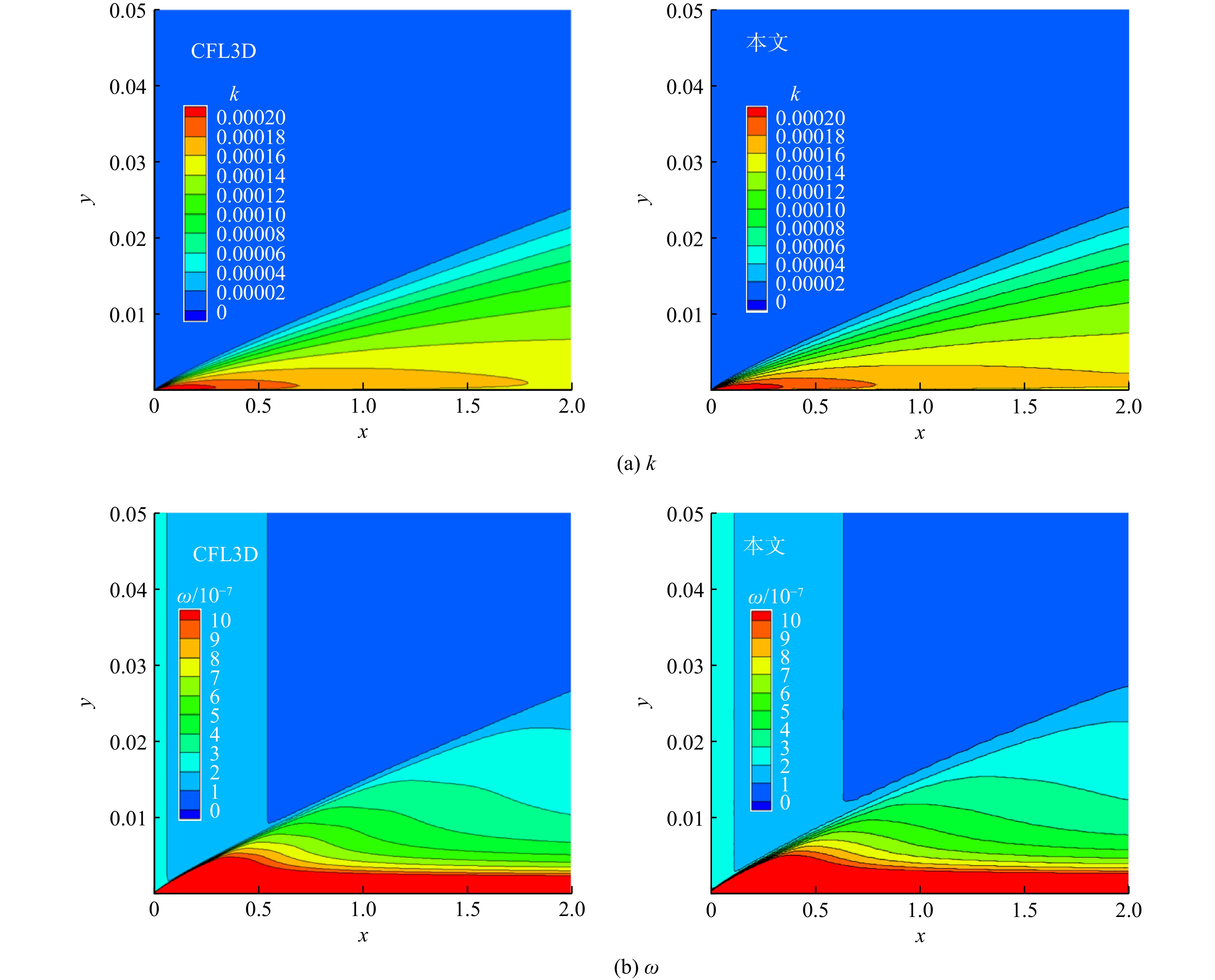
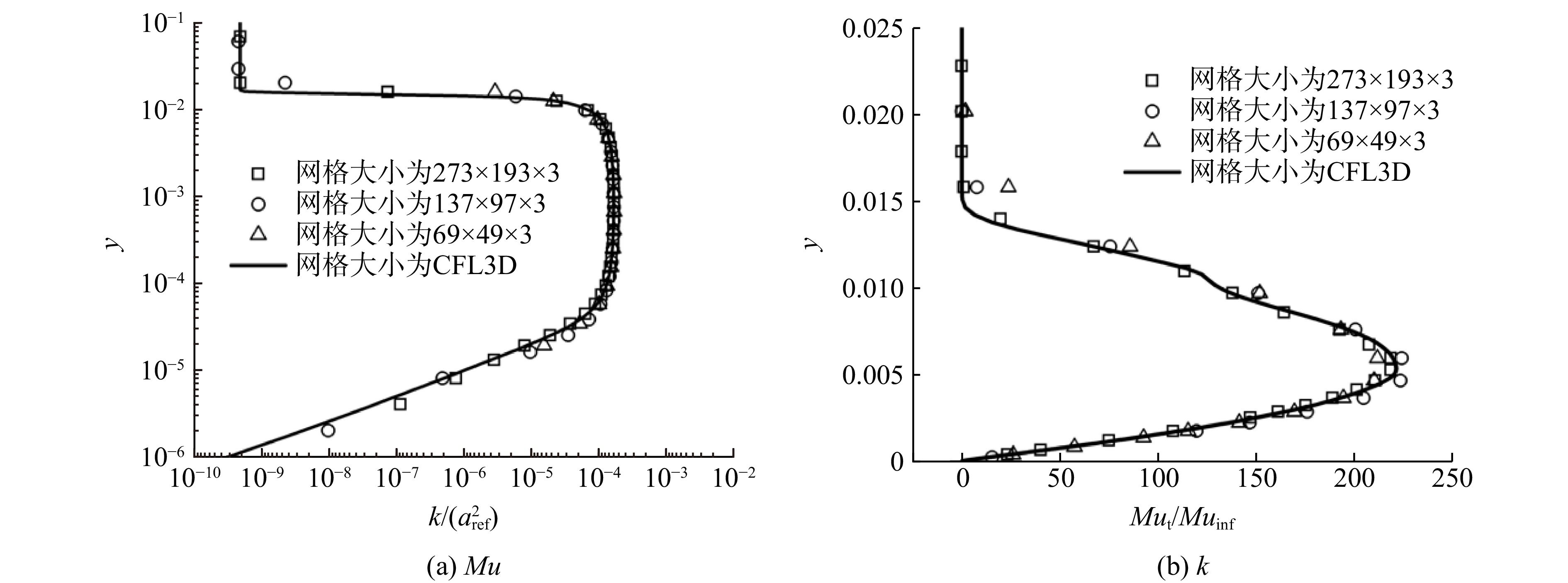
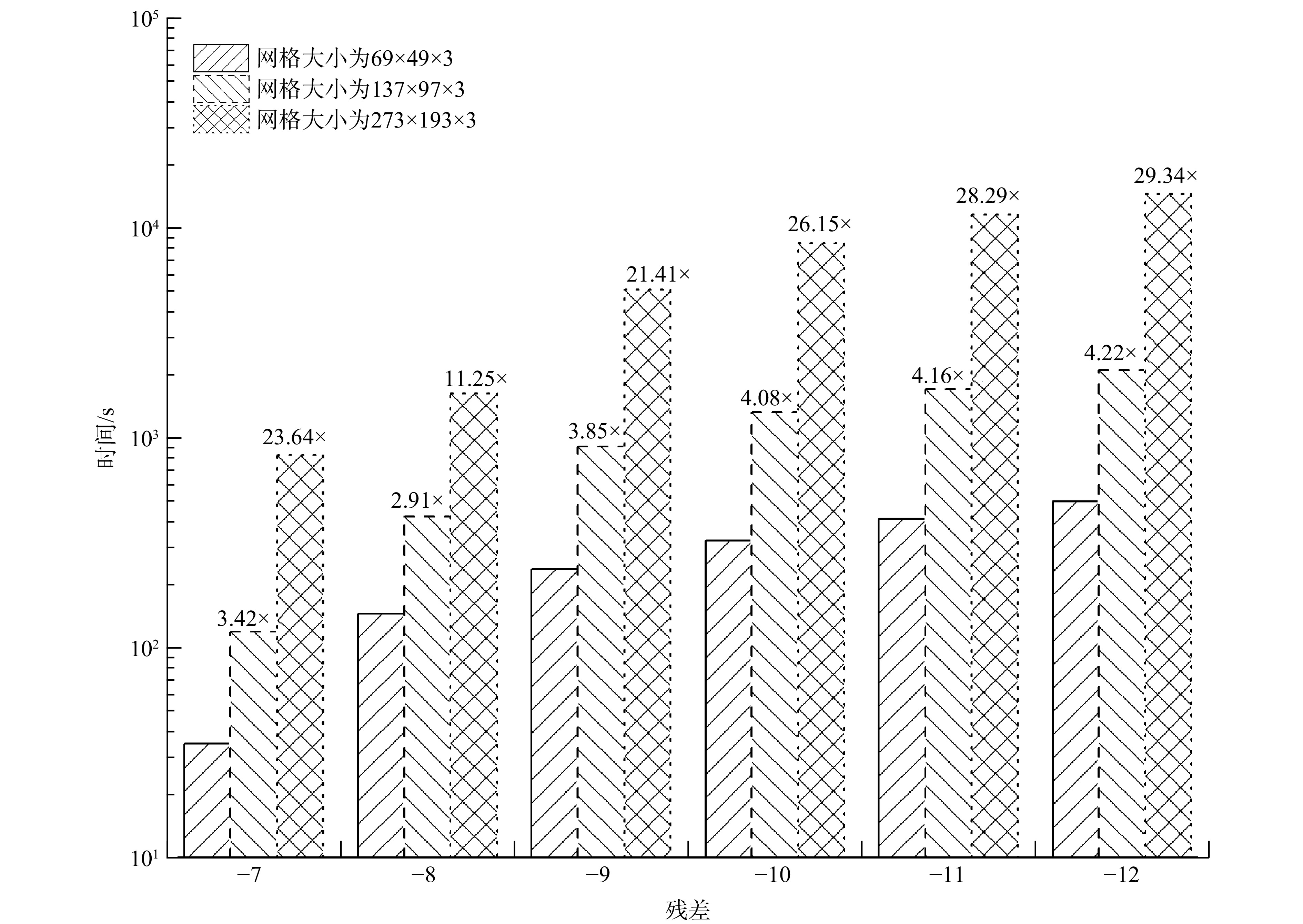
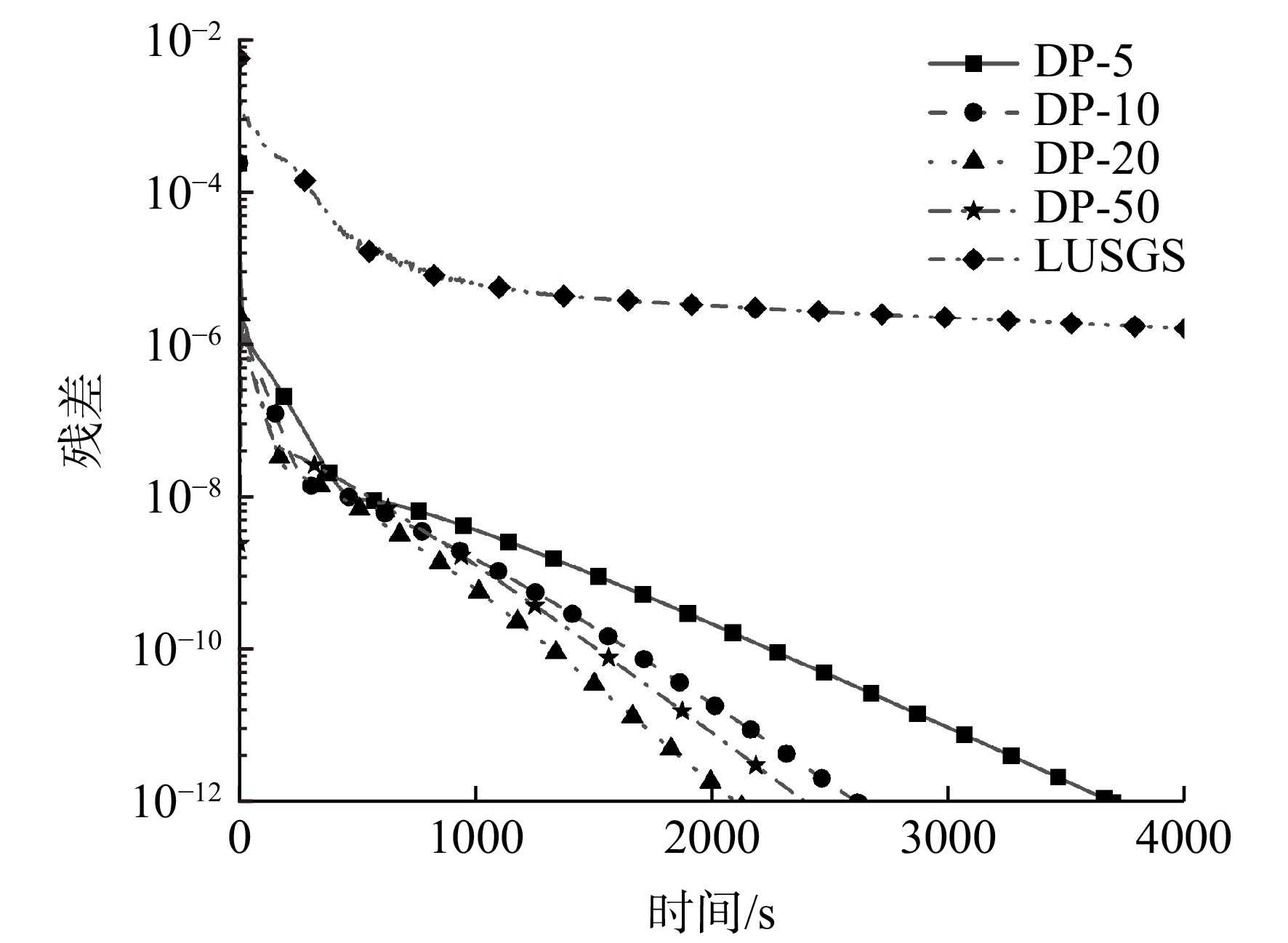
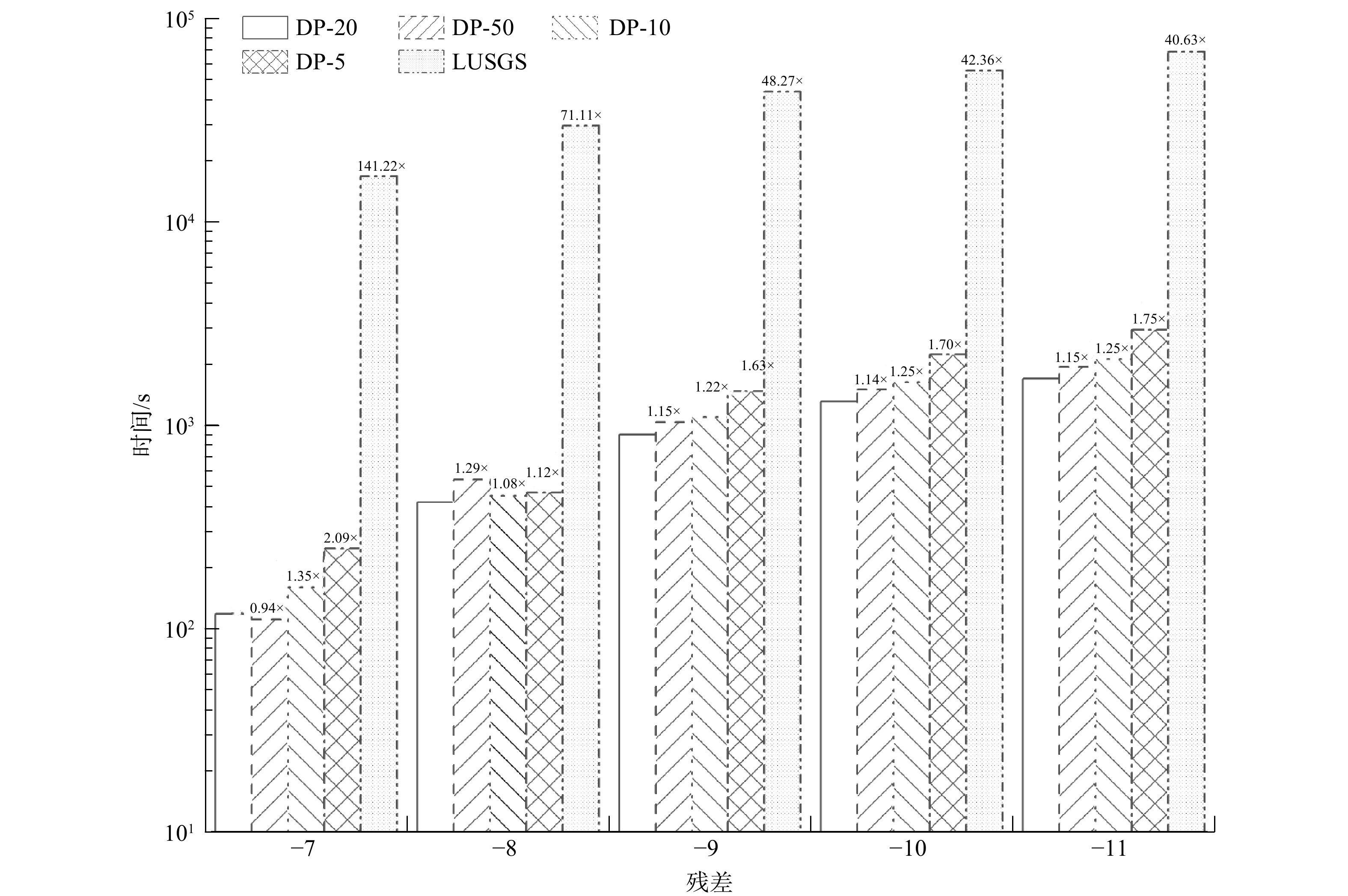
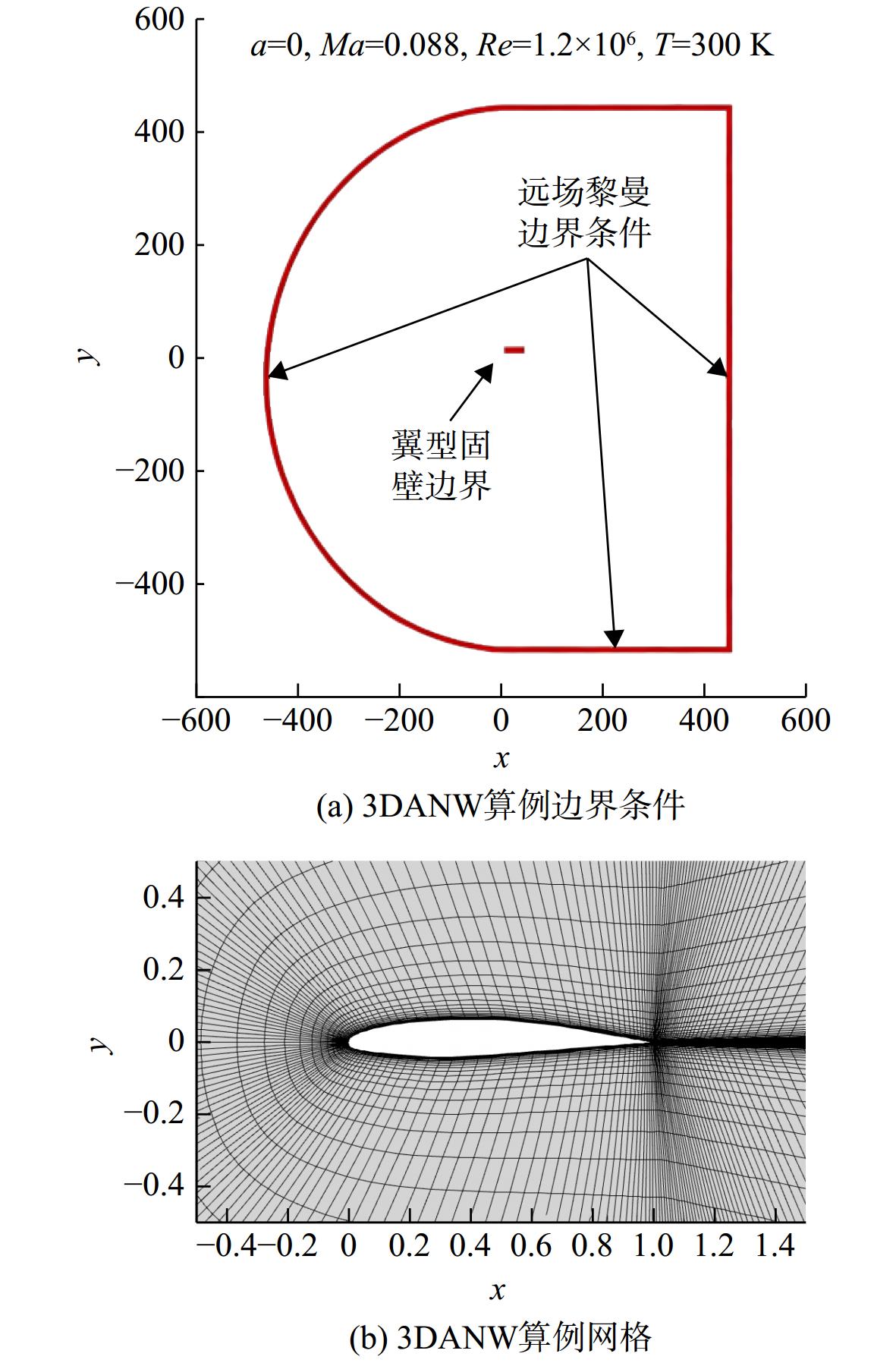
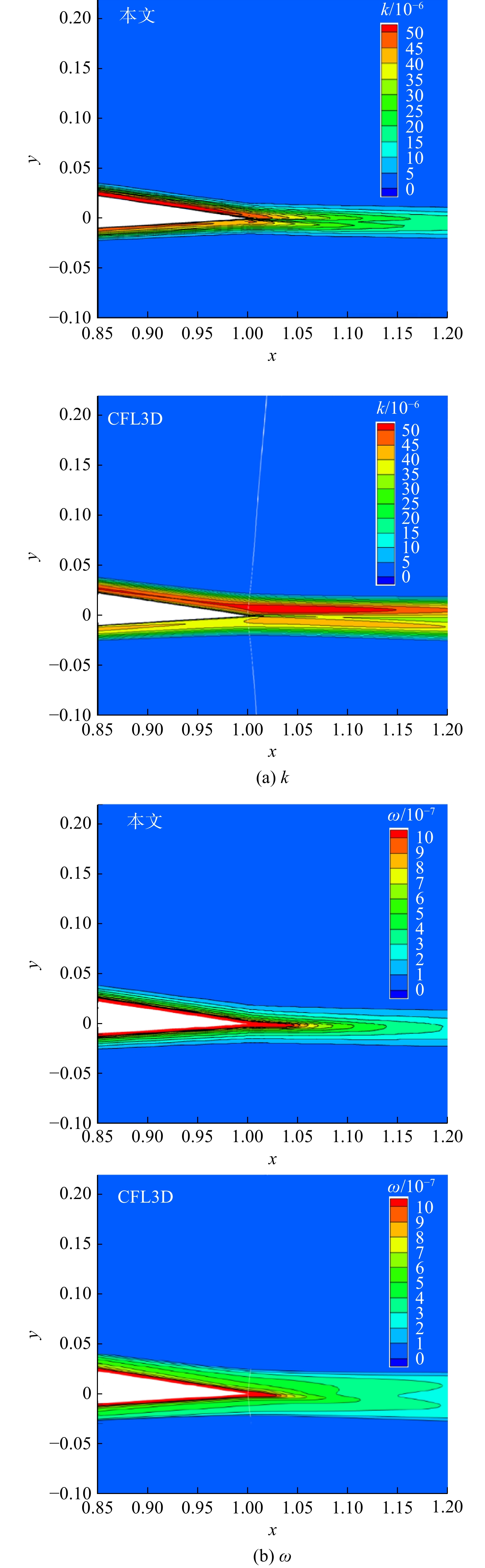
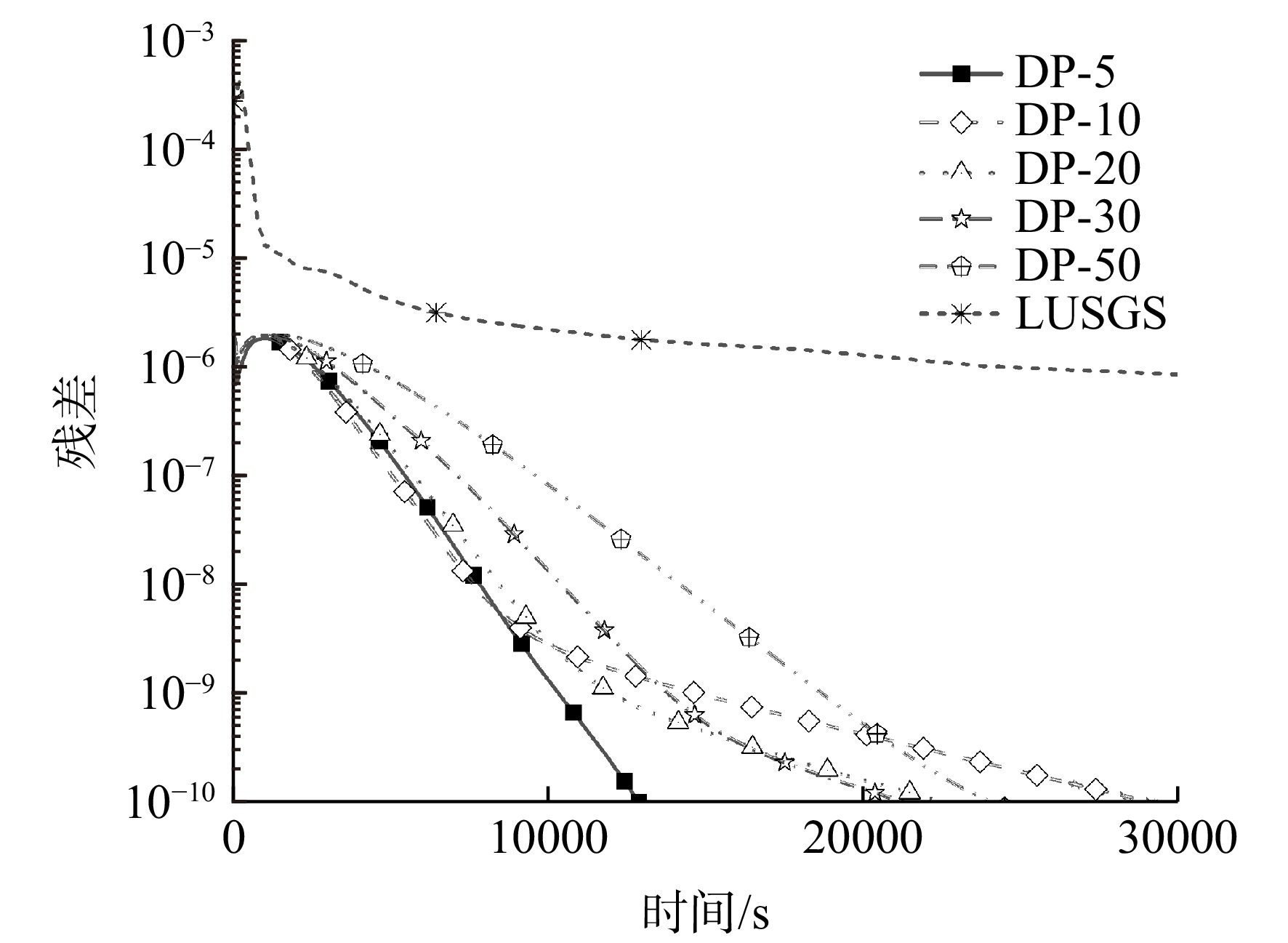
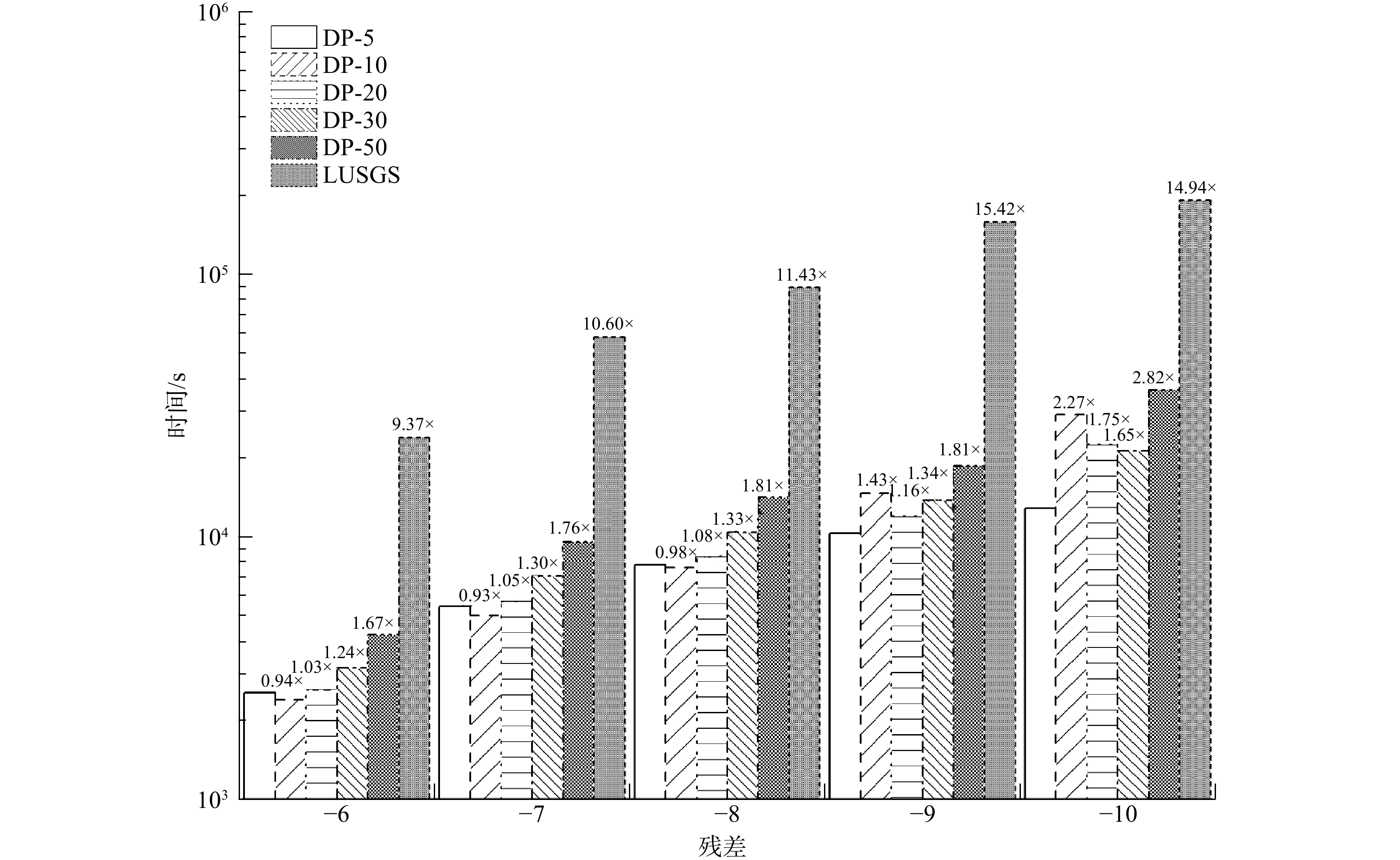
The use of Graphics Processing Unit (GPU) multi-core technology to improve the performance of computational fluid dynamics (CFD) software is a development trend in high-performance computing. One of the key issues is to achieve computational acceleration and efficient simulation of CFD software on small and medium-sized workstations and even personal computers (PCs). A grid block granularity parallel scheme based on Jacobi iteration method and Lax-Friedrich flux scheme-data parallel lower-upper relaxation (DPLUR) was adopted and then a Reynold-averaged Naviers-Stokes equations (RANS) solver for heterogeneous parallel three-dimensional compressible flows was established. Considering the key factors and coping strategies that affect the computational acceleration of the solver, an acceleration ratio of over 20 times compared with traditional Central Processing Unit (CPU) solvers on a PC was achieved. The test results showed that the RANS solver based on DPLUR for CPU/GPU heterogeneous parallel three-dimensional compressible flows in three-dimensional situations can improve the convergence speed by up to 40 times compared with the famous lower-upper symmetric Gauss-Seidel (LUSGS) method.

CFD-based research on exhaust characteristics of ejector for a propfan engine nacelle ventilating
WANG Yining, JI Jiayuan, ZHANG Xintao, CHEN Jun, LI Ting
2026, 41(5): 20240555. doi: 10.13224/j.cnki.jasp.20240555
Abstract:

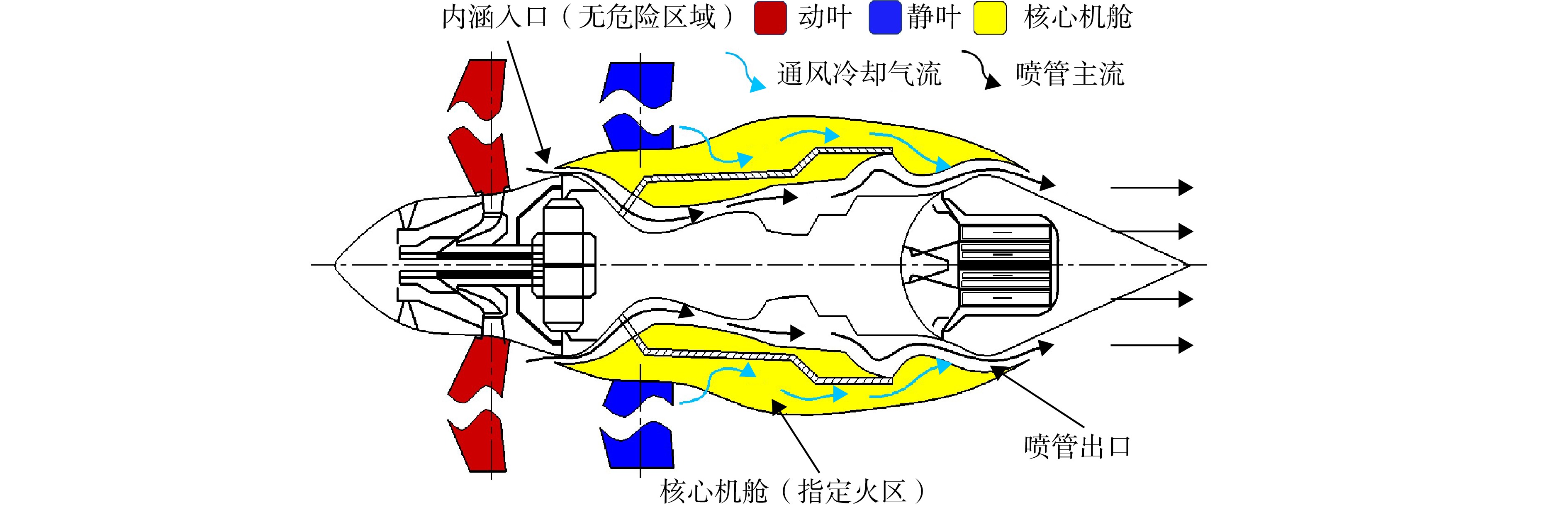
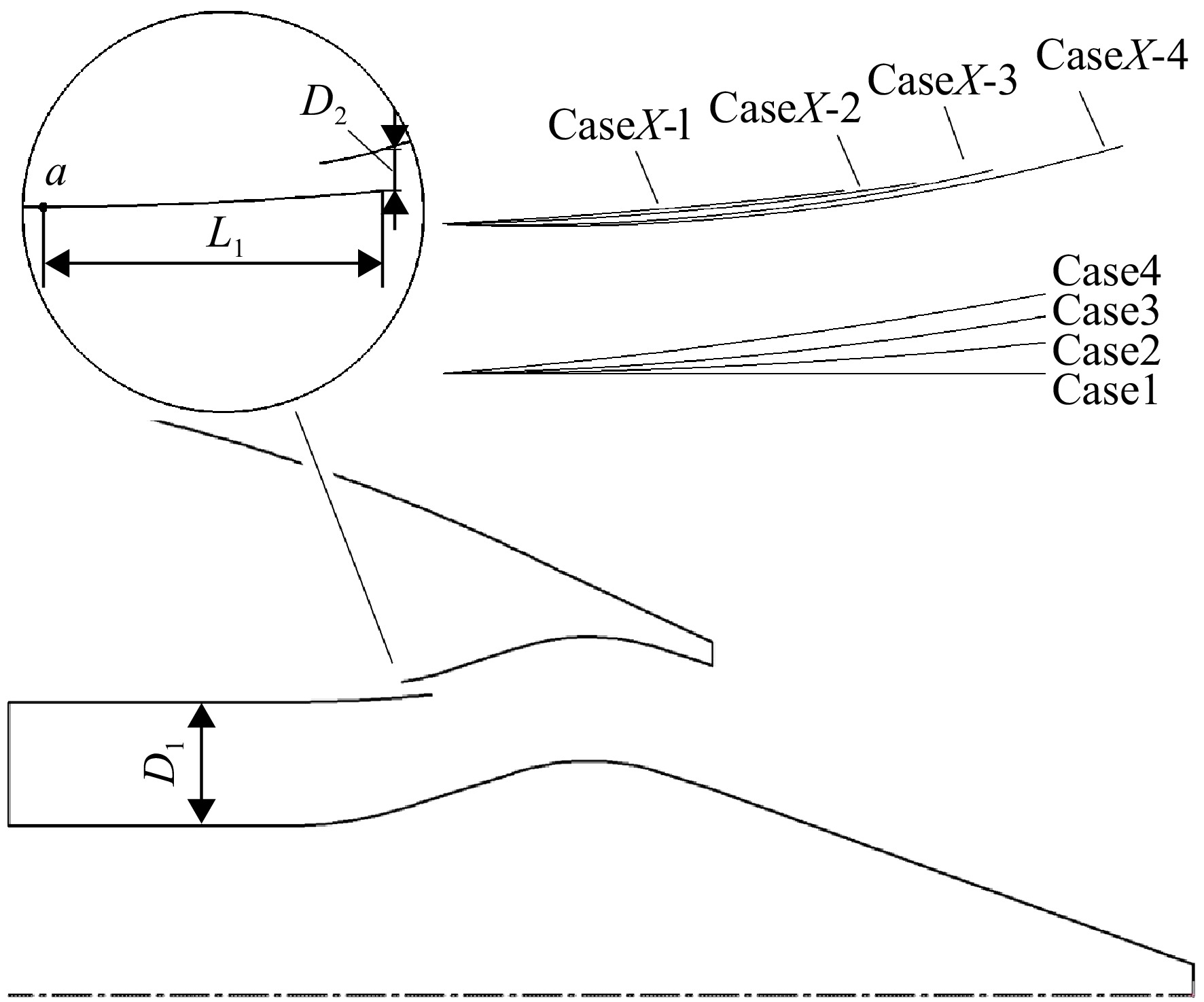
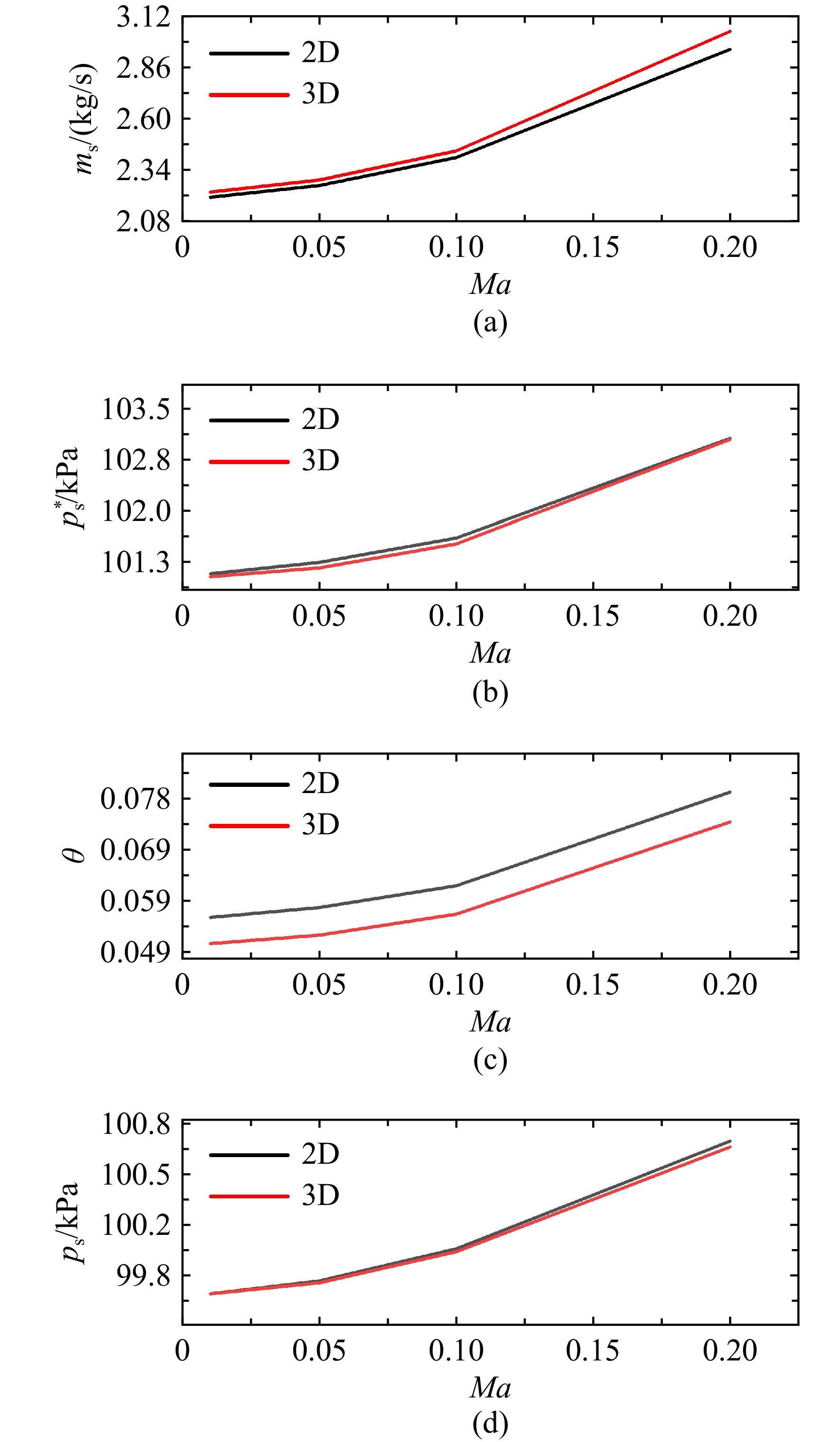
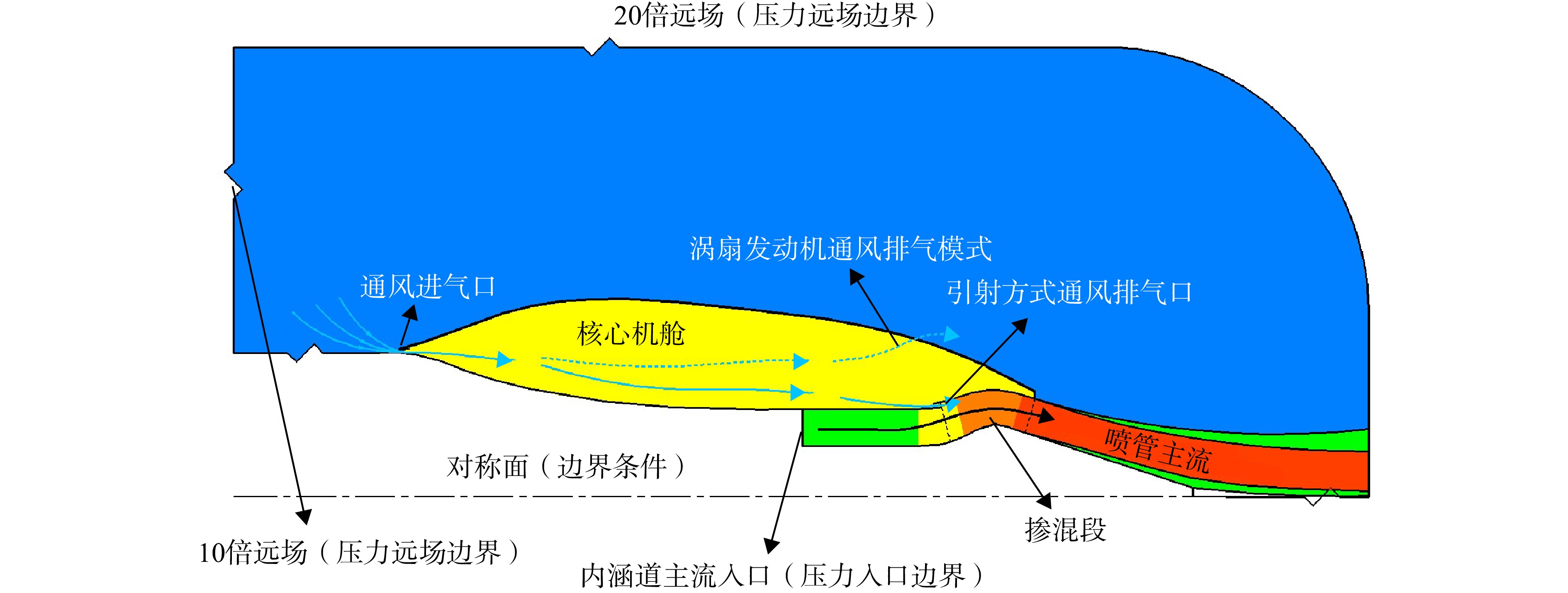
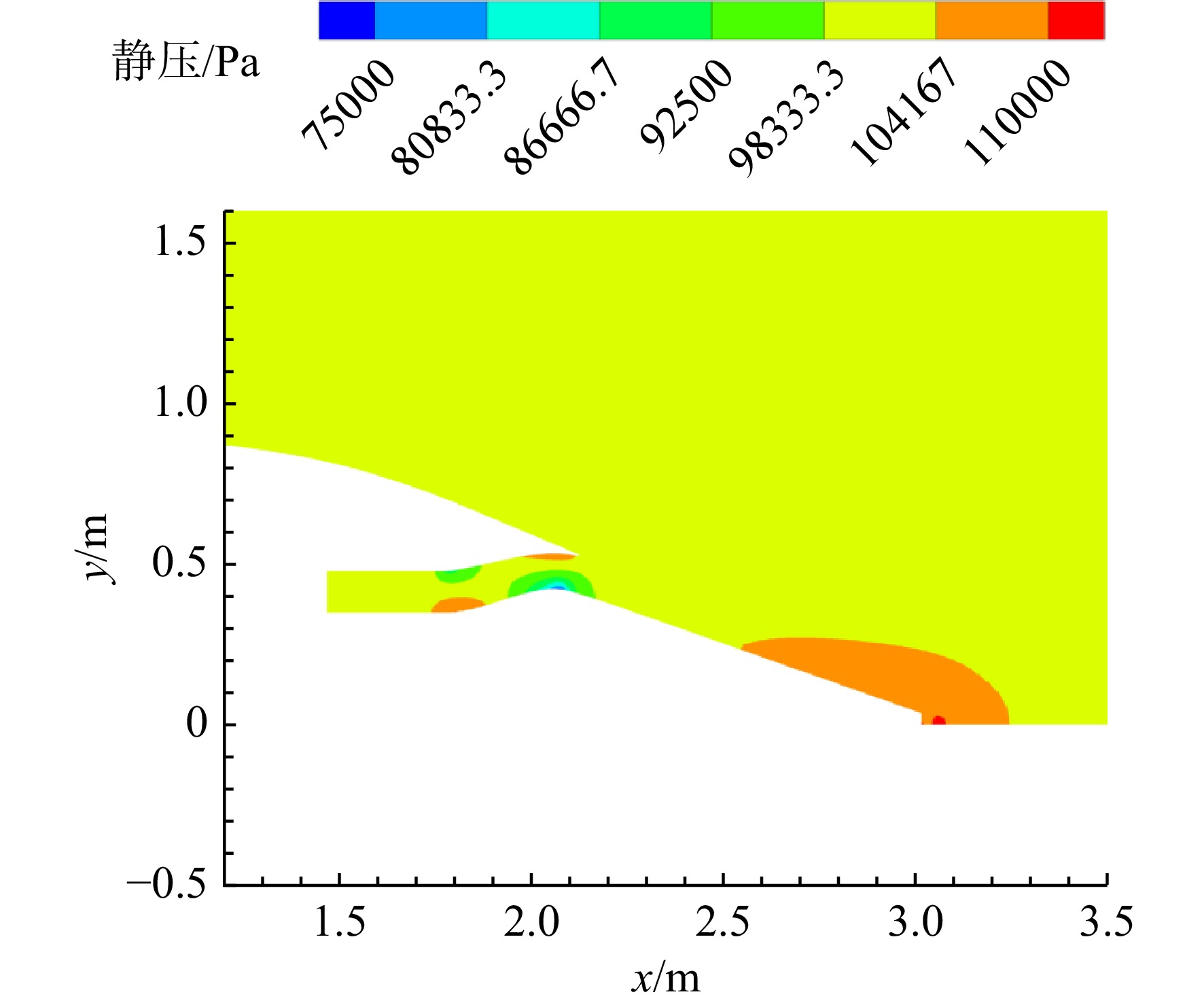
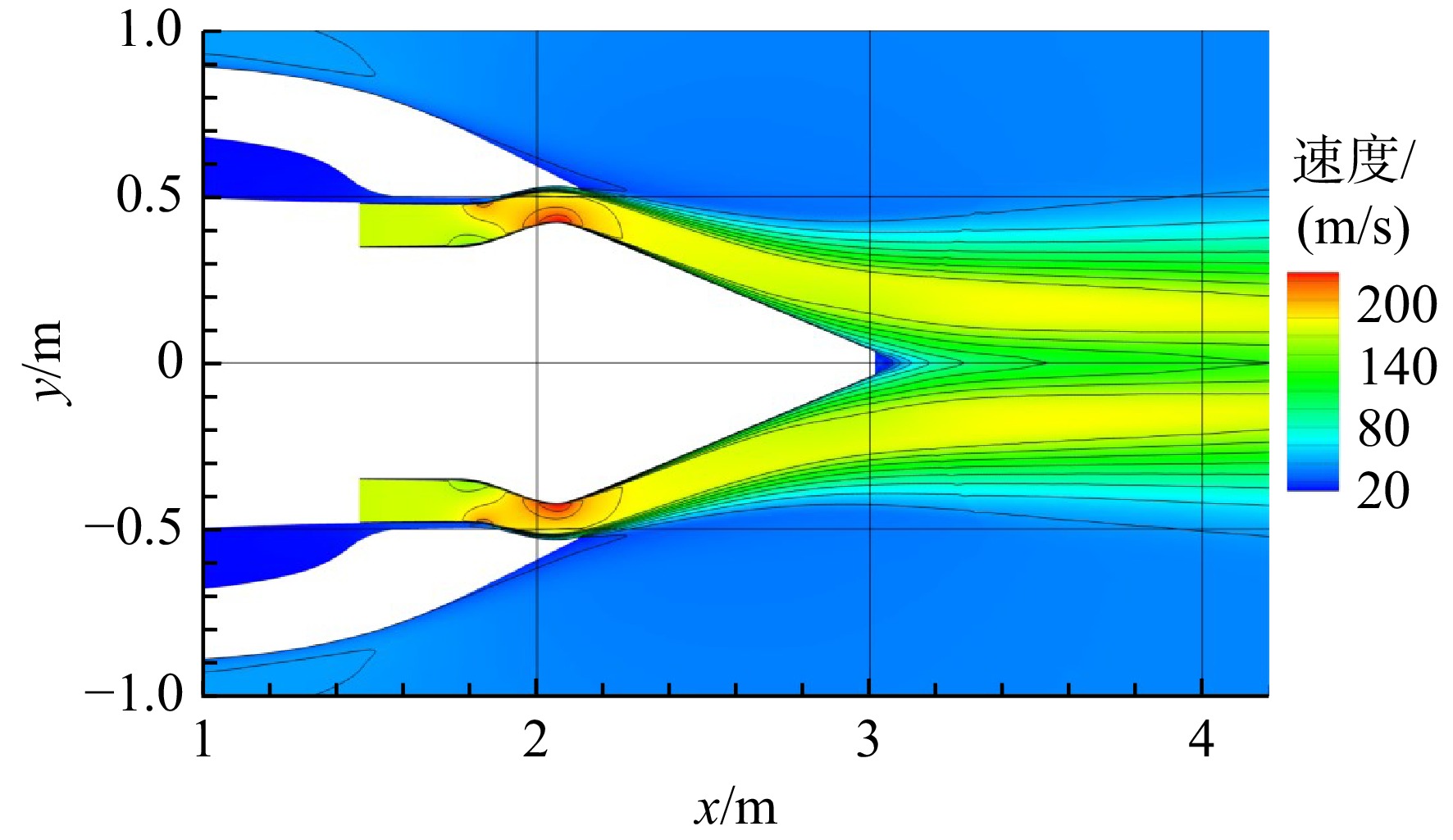
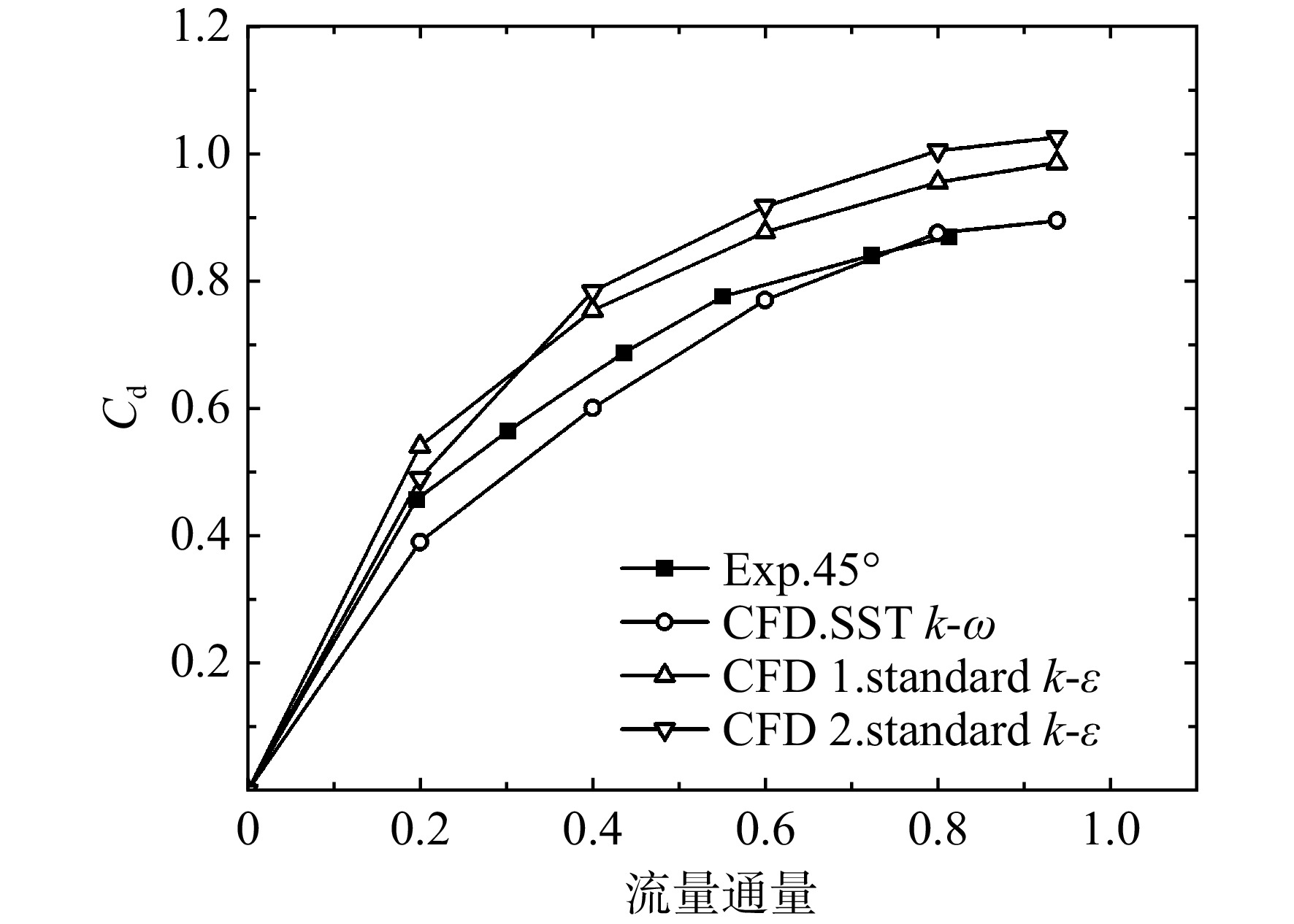
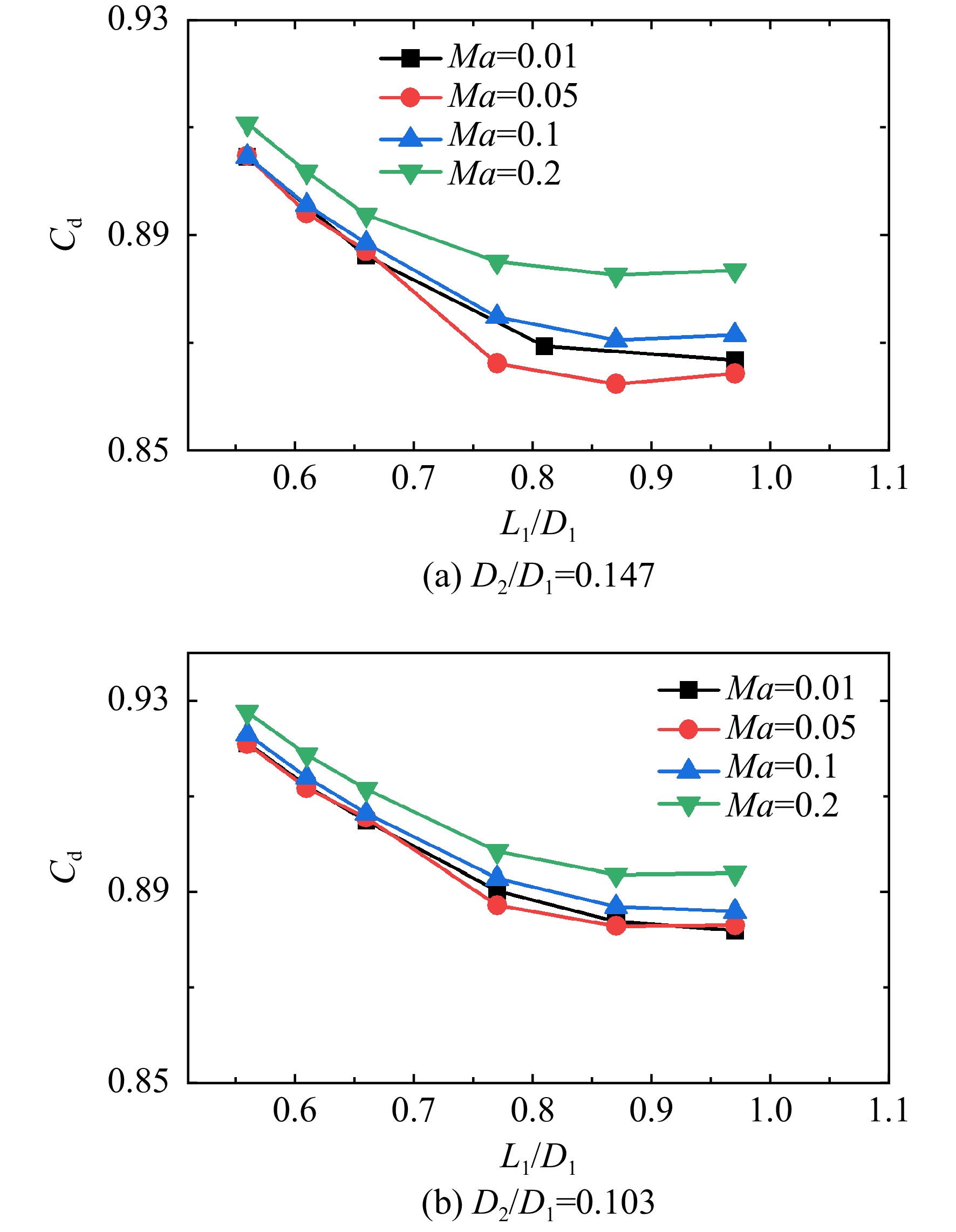
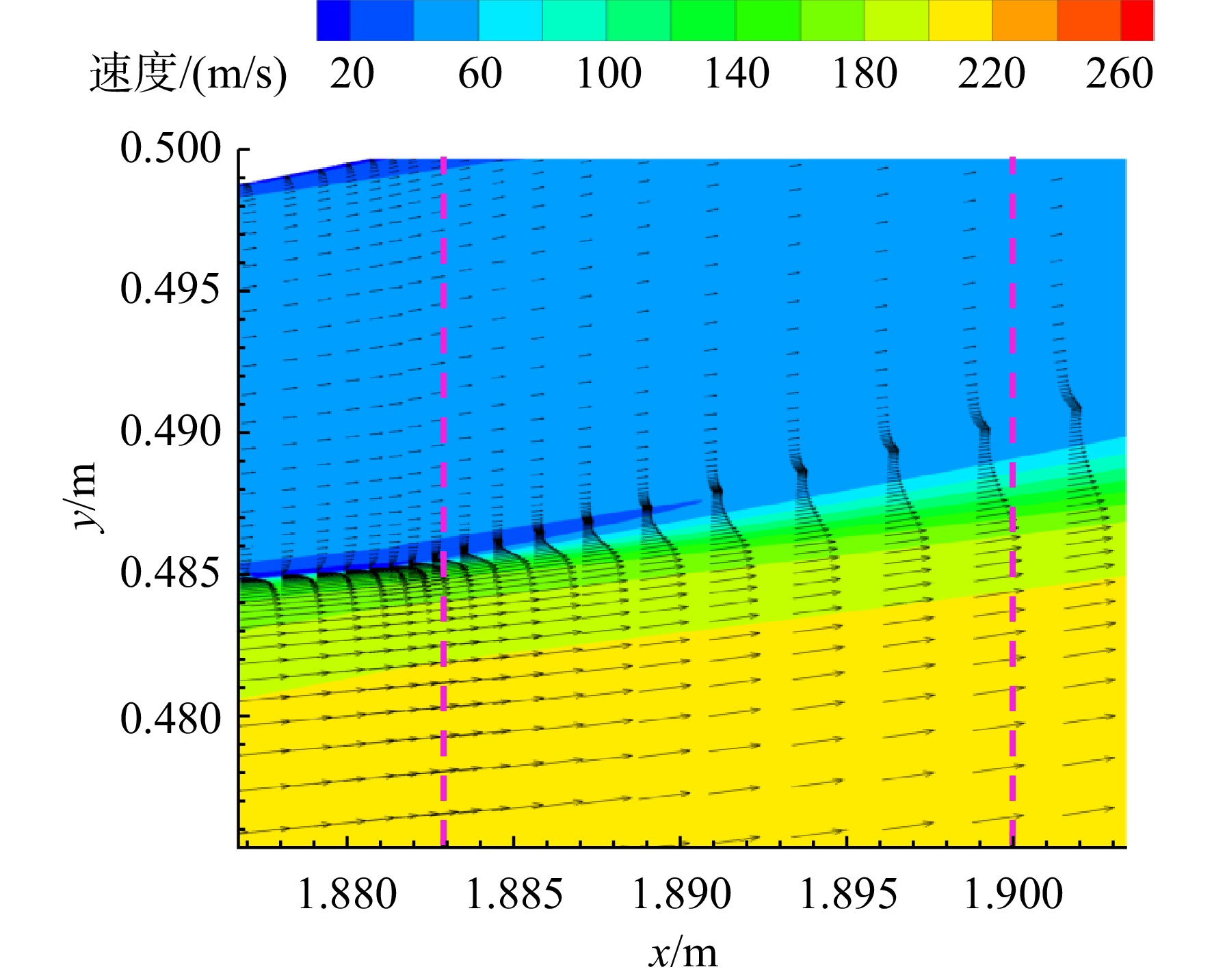
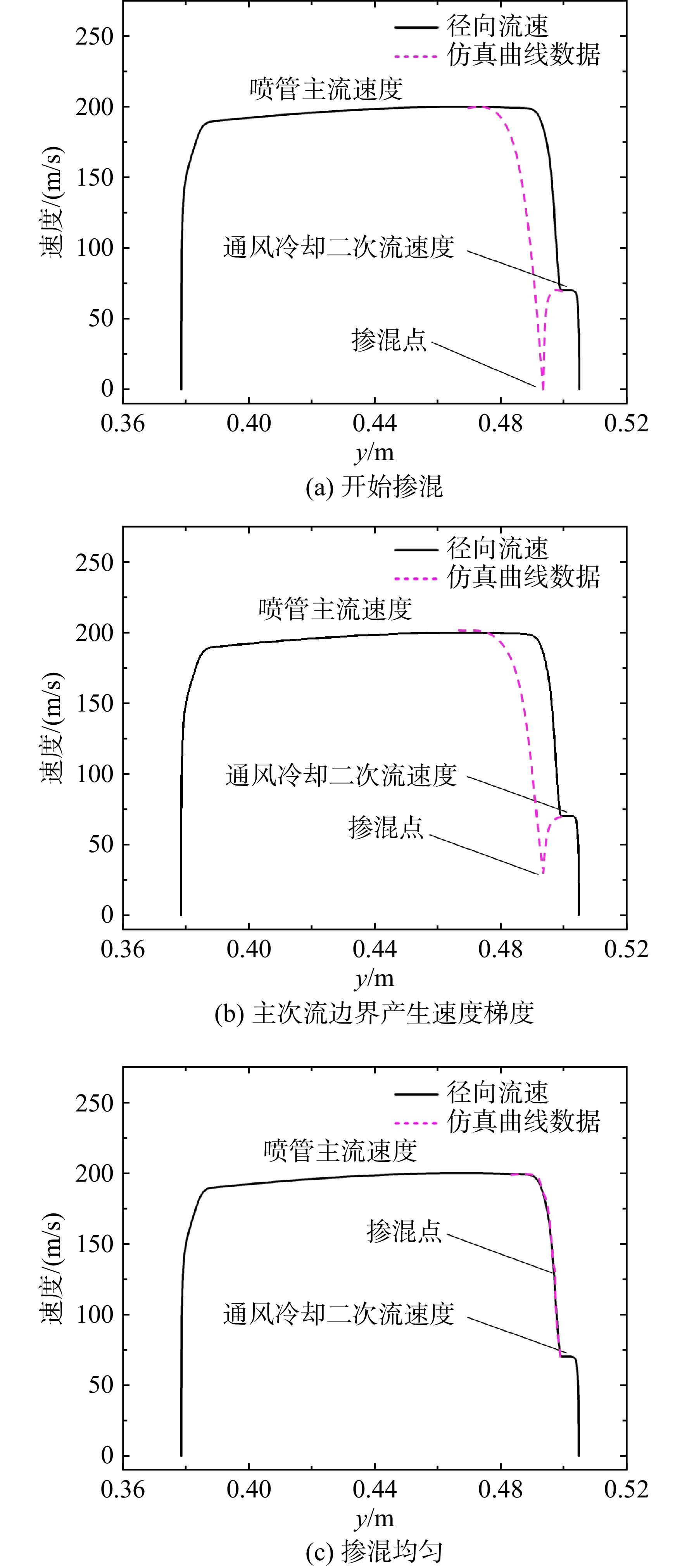
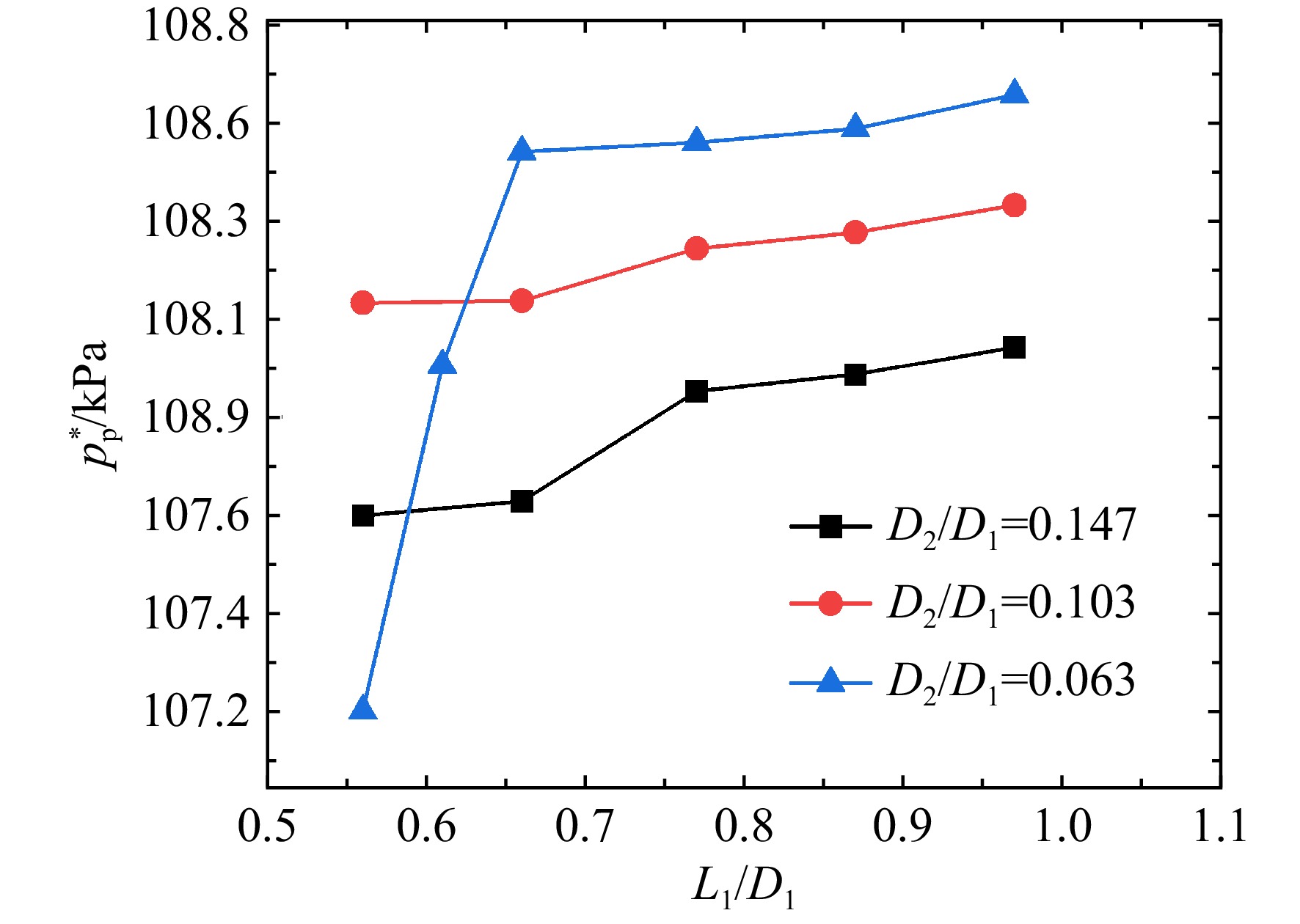
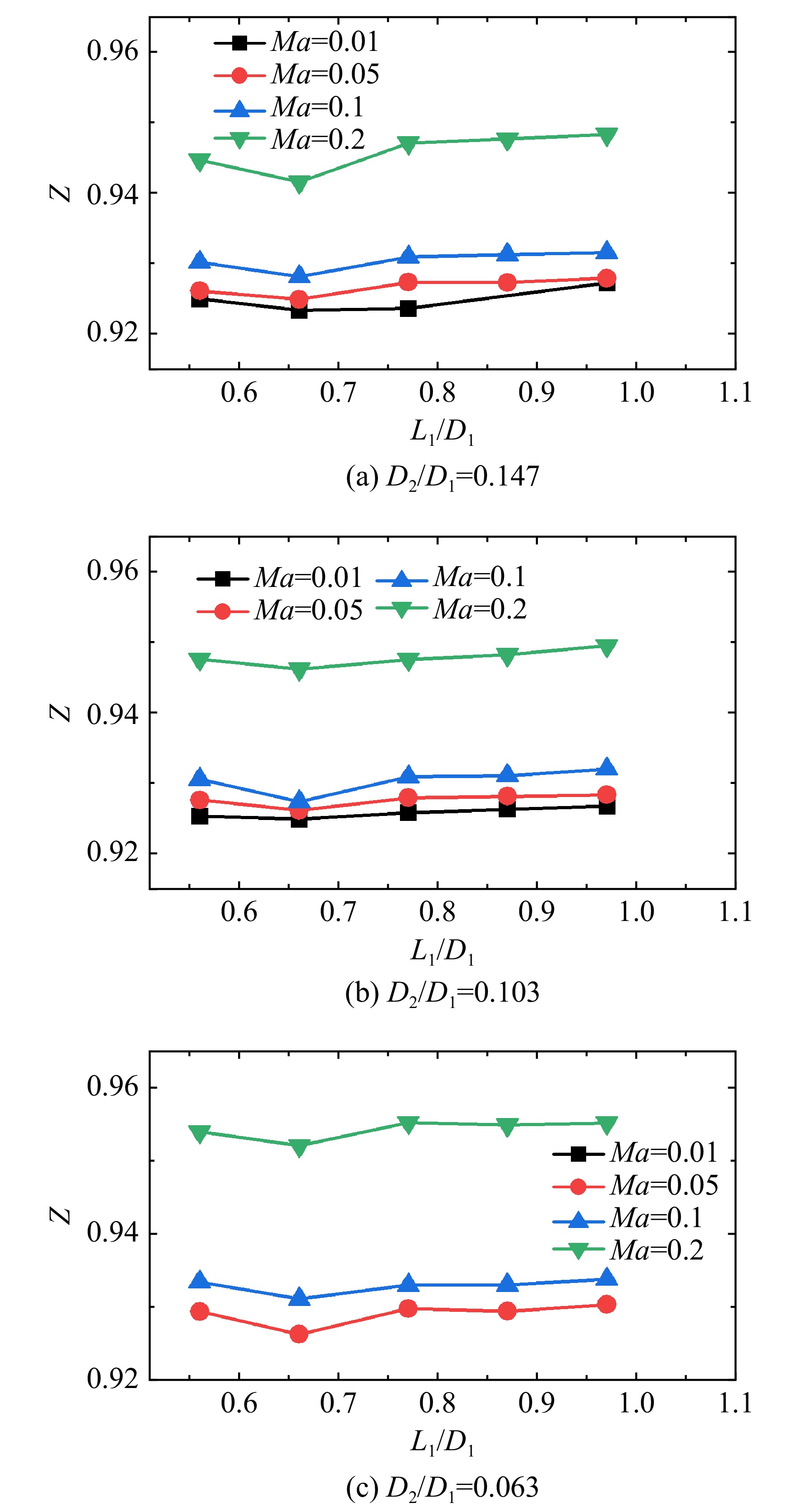
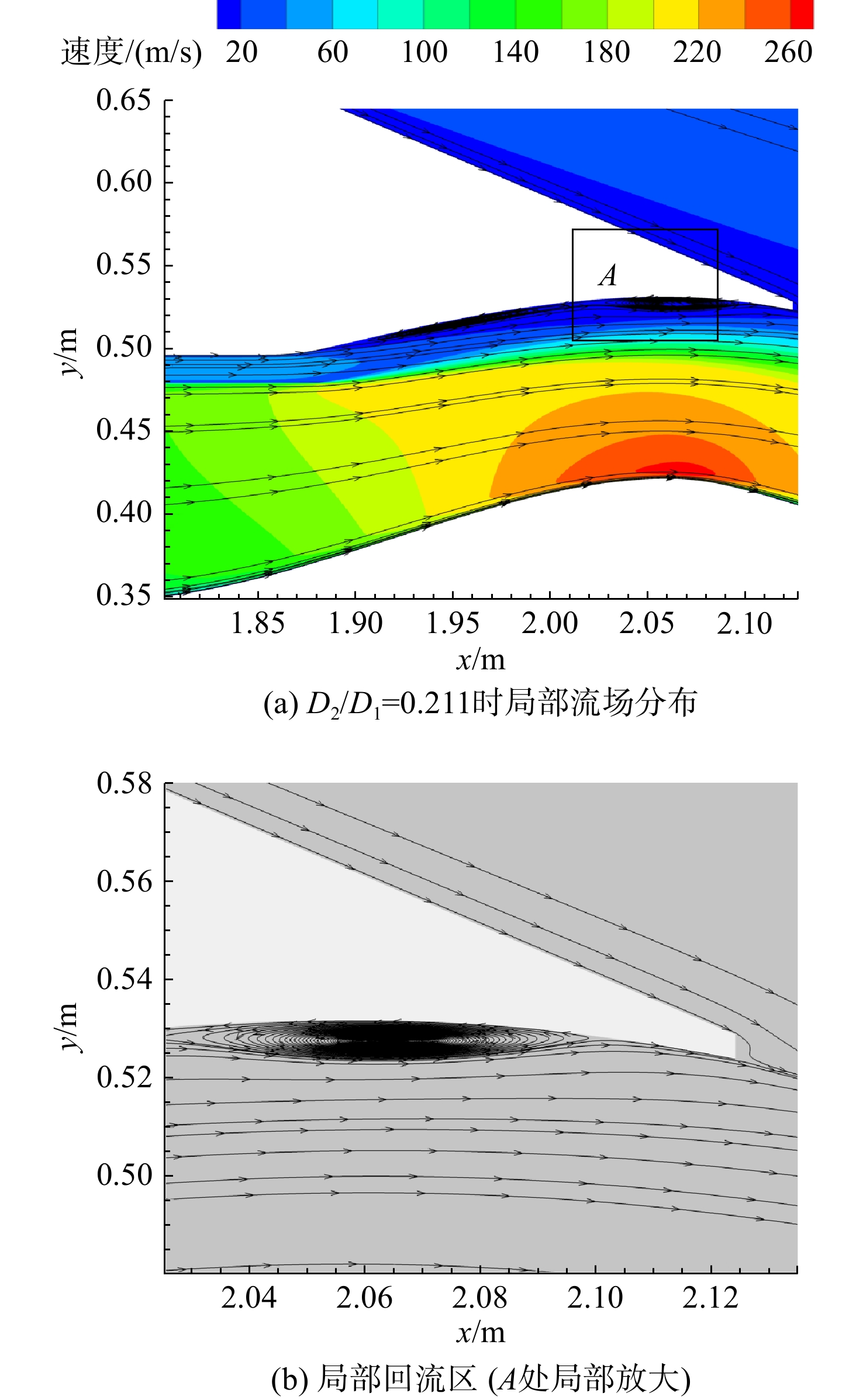
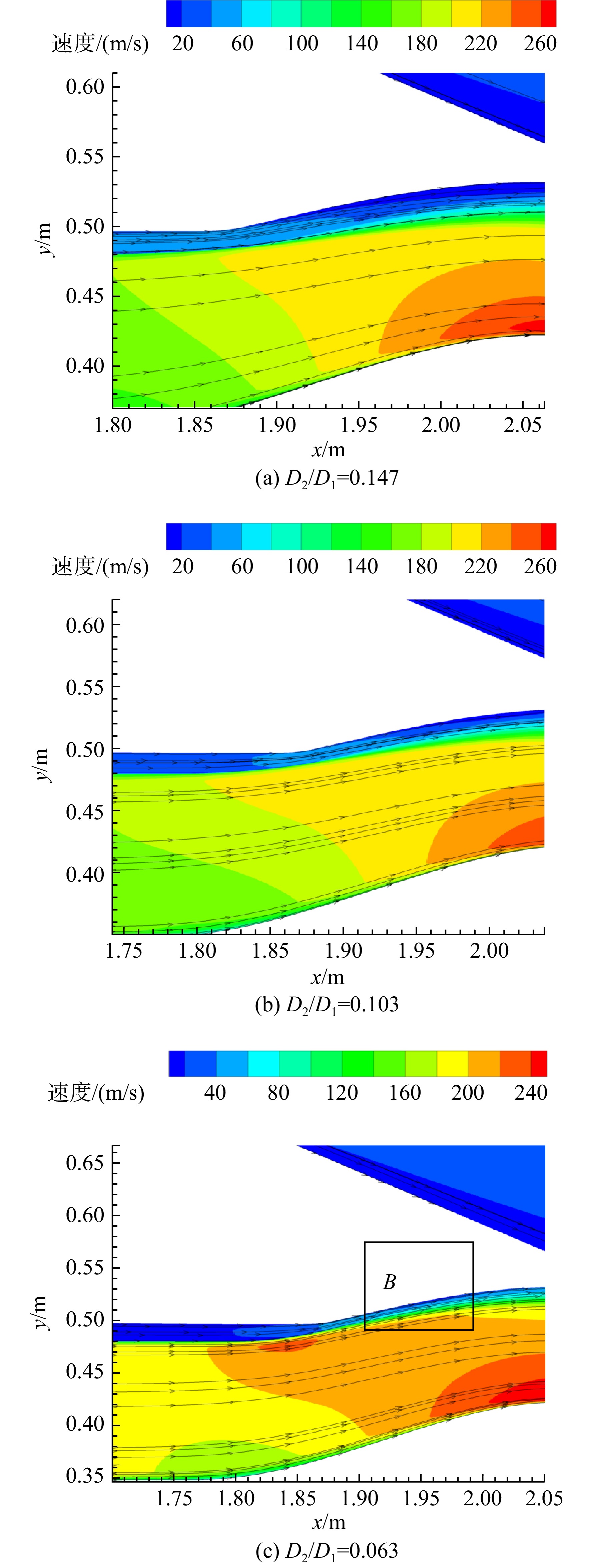
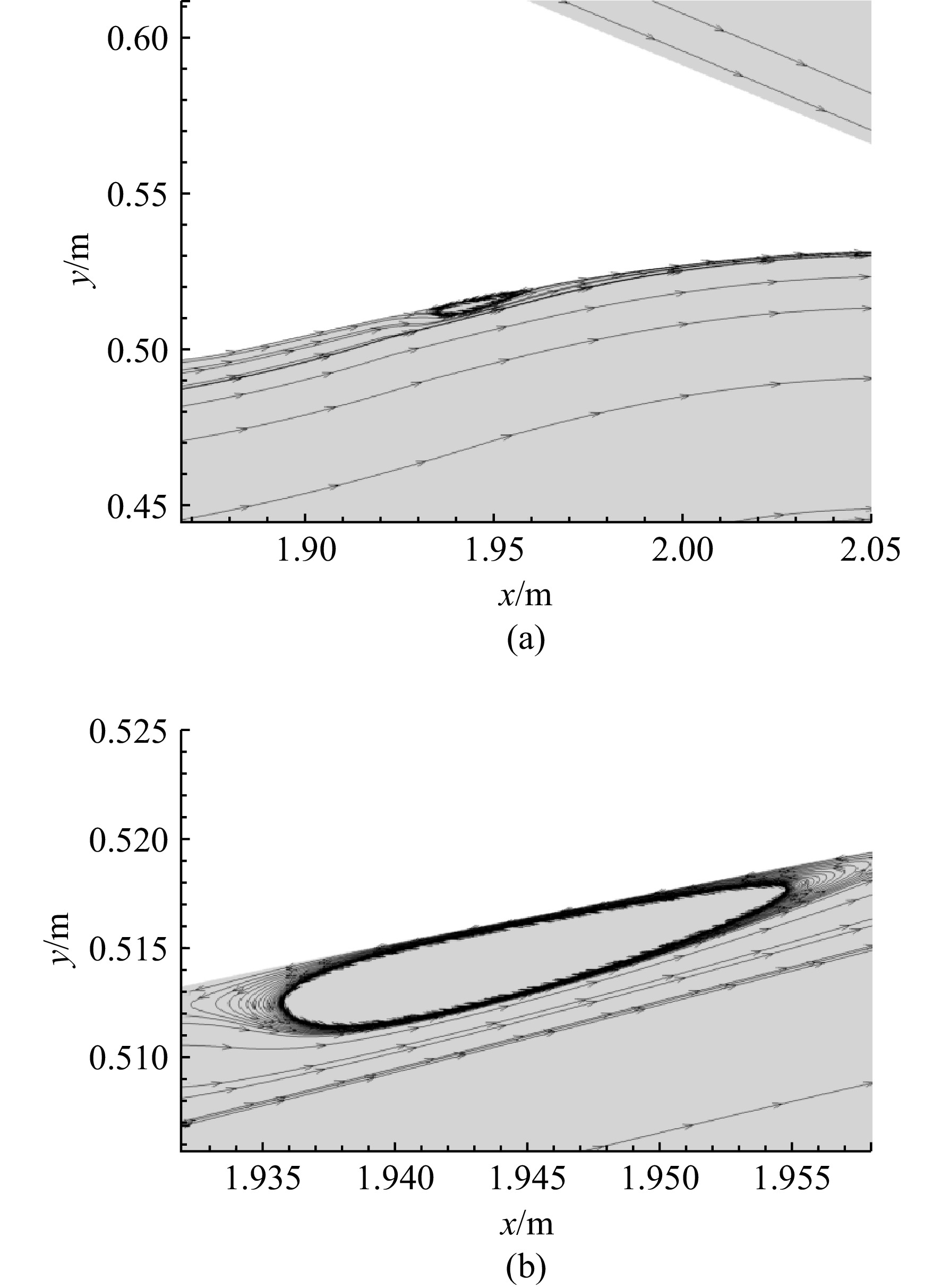
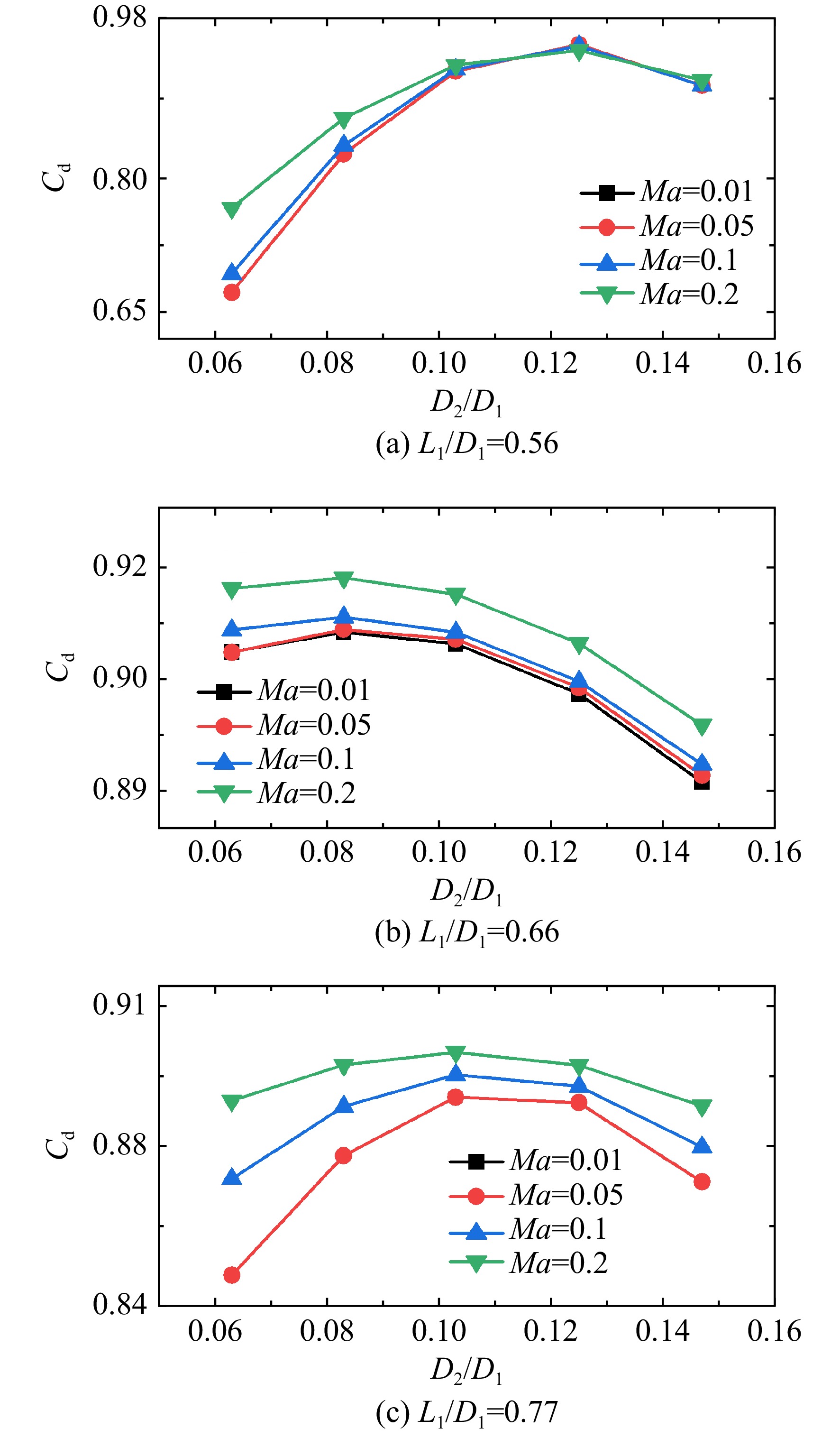
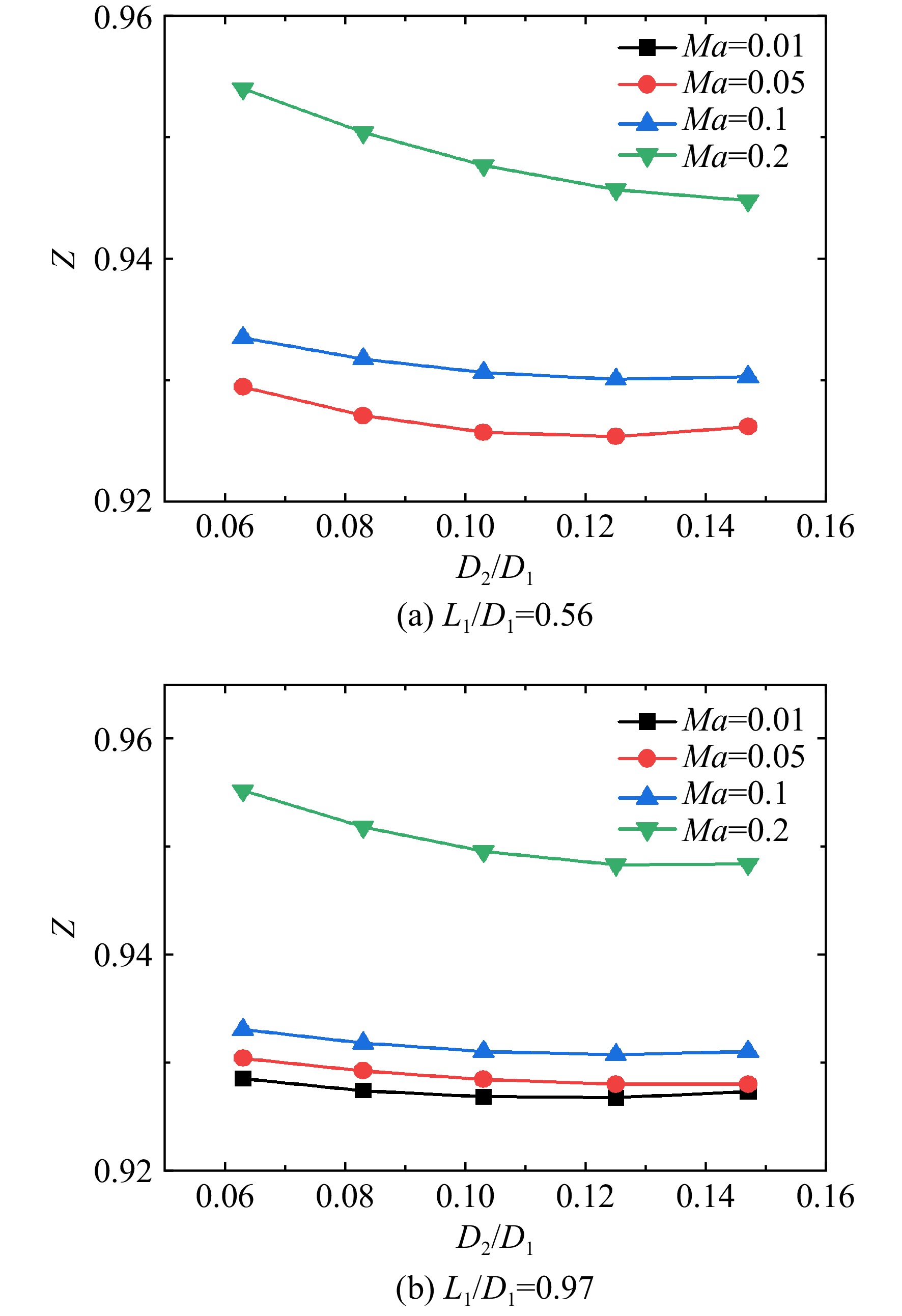
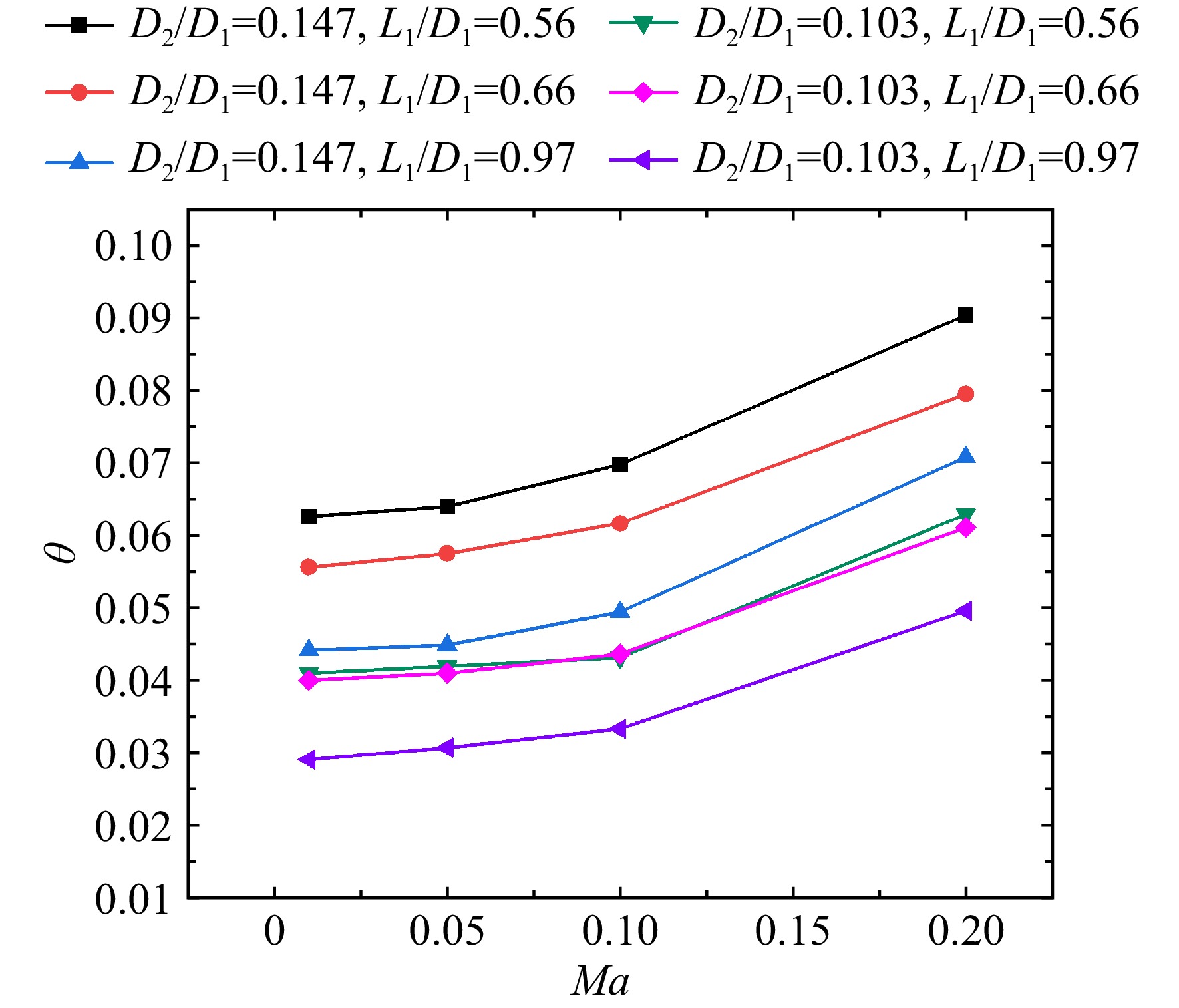
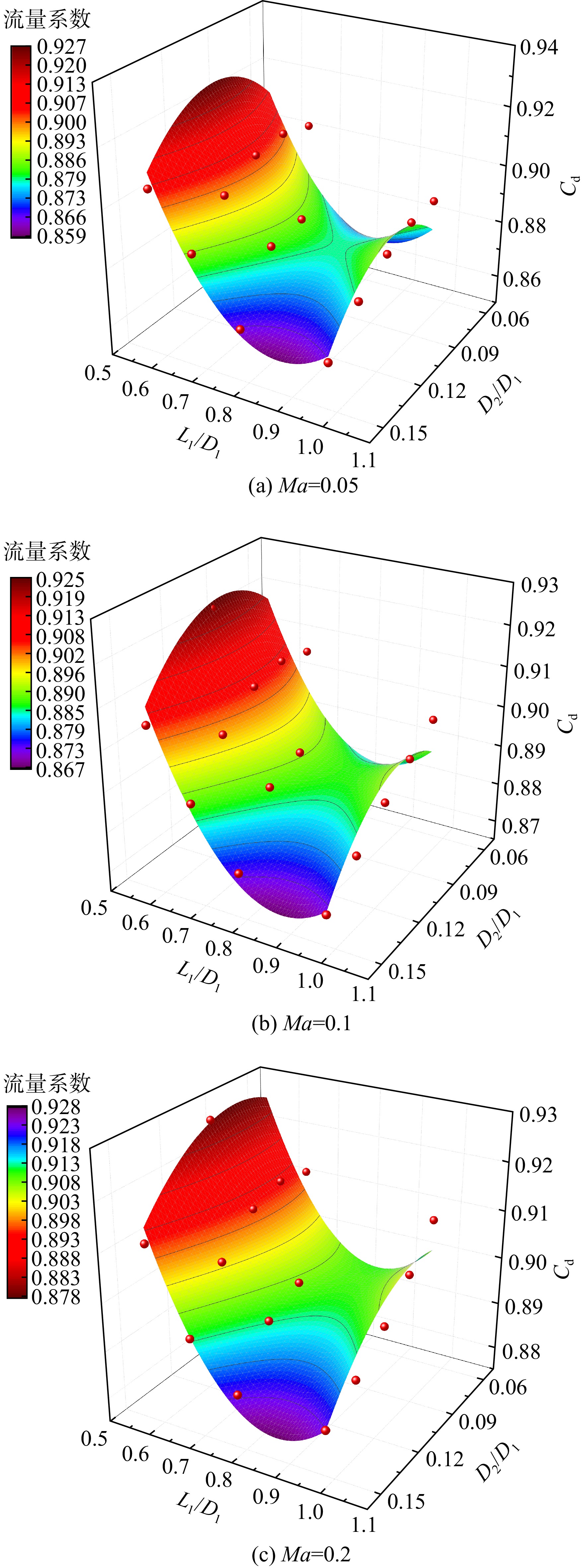
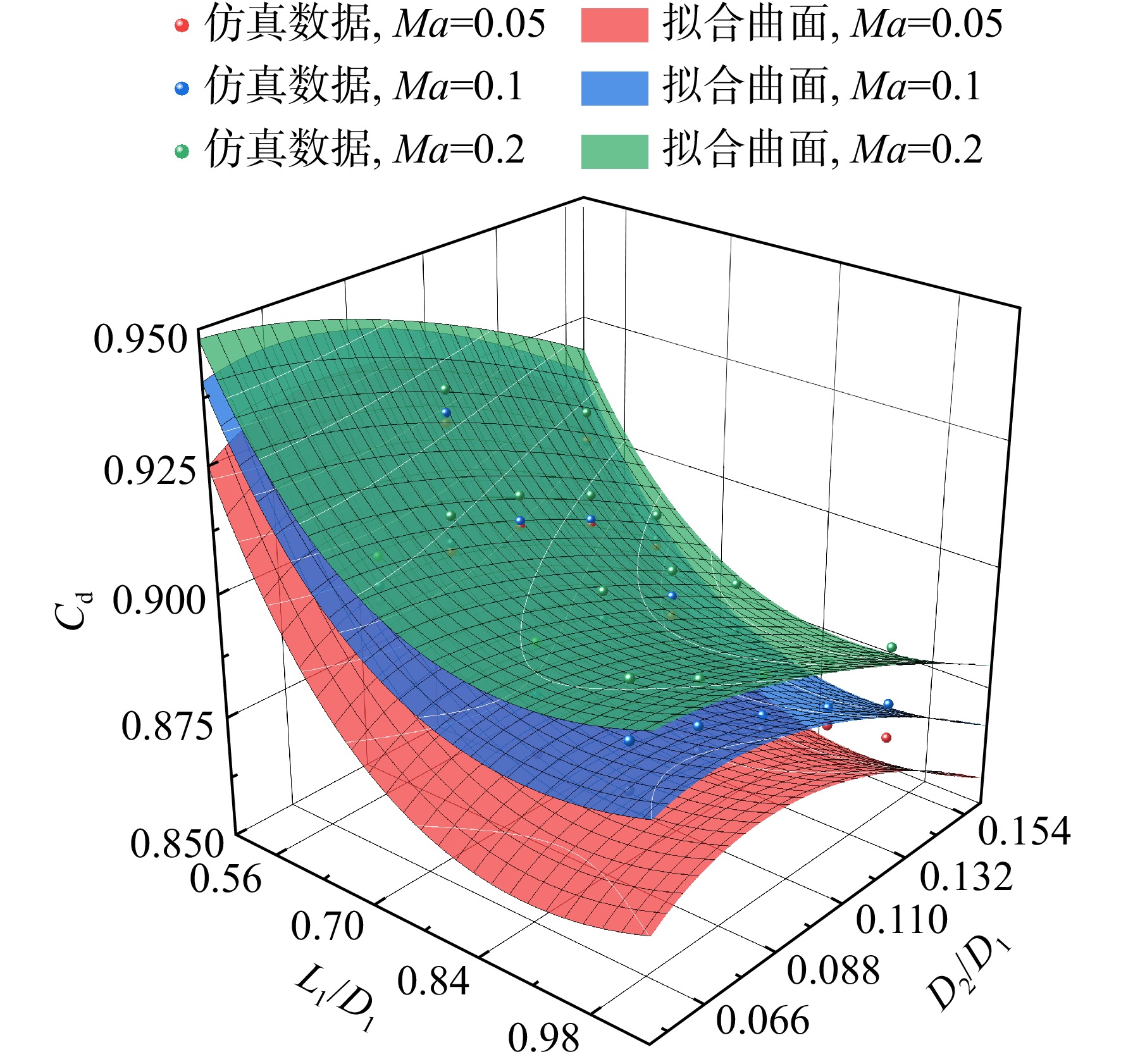
In order to analyze the influence of ejection ventilation structure on exhaust flow performance under low altitude and low speed conditions of a propfan engine configuration, a simulation model incorporating core compartment/internal nozzle/ejection outlet was constructed. The influences of various ejection structure schemes on exhaust characteristics were researched by numerical simulation method, and the causes for the change were analyzed from the perspective of flow mechanism. The results showed that the secondary flow coefficient decreased with the increase of the length ratio of the ejector outlet under low-altitude and low-speed conditions, and the trend was gentle later, simultaneously the peak appeared near a certain value with the decrease of the opening ratio D2/D1. The state of the mixing point (the uniform point of the boundary velocity of the primary and secondary flows) can indicate the uniform mixing of the boundary layer of primary and secondary flows. The pumping capacity of the mainstream to the secondary flow increased with the decrease of the length ratio of the ejector outlet, and reached the maximum when the length ratio L1/D1 was near 0.66. With the increase of Mach number from 0.01 to 0.2, the trend of the conversion flow ratio at each Mach number was similar, and the flow coefficient of each profile was higher than that of the low-flow Mach number scheme, which proved the severity of the ventilation of the engine under the low-altitude and low-speed conditions under the flight envelope. Finally, an empirical correlation fitting model between flow coefficient and length ratio and opening ratio was proposed.

Research progress of high-temperature gas sealing technology and application analysis of variable Mach number nozzle
NIU Junhao, GUO Yongbo, ZHANG Delong, WANG Lukai
2026, 41(5): 20240644. doi: 10.13224/j.cnki.jasp.20240644
Abstract:

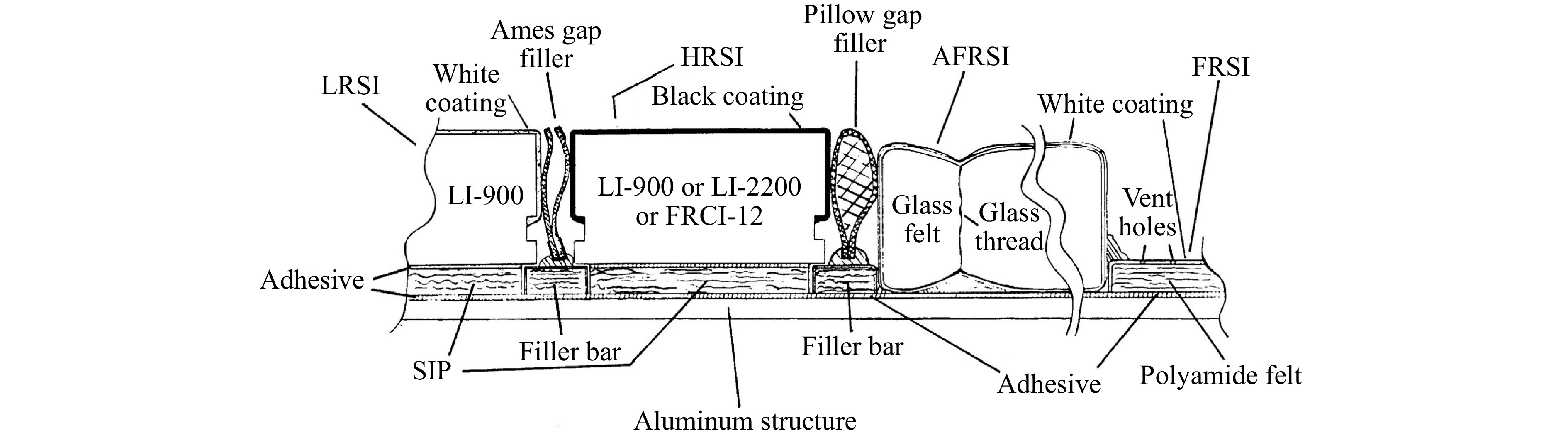
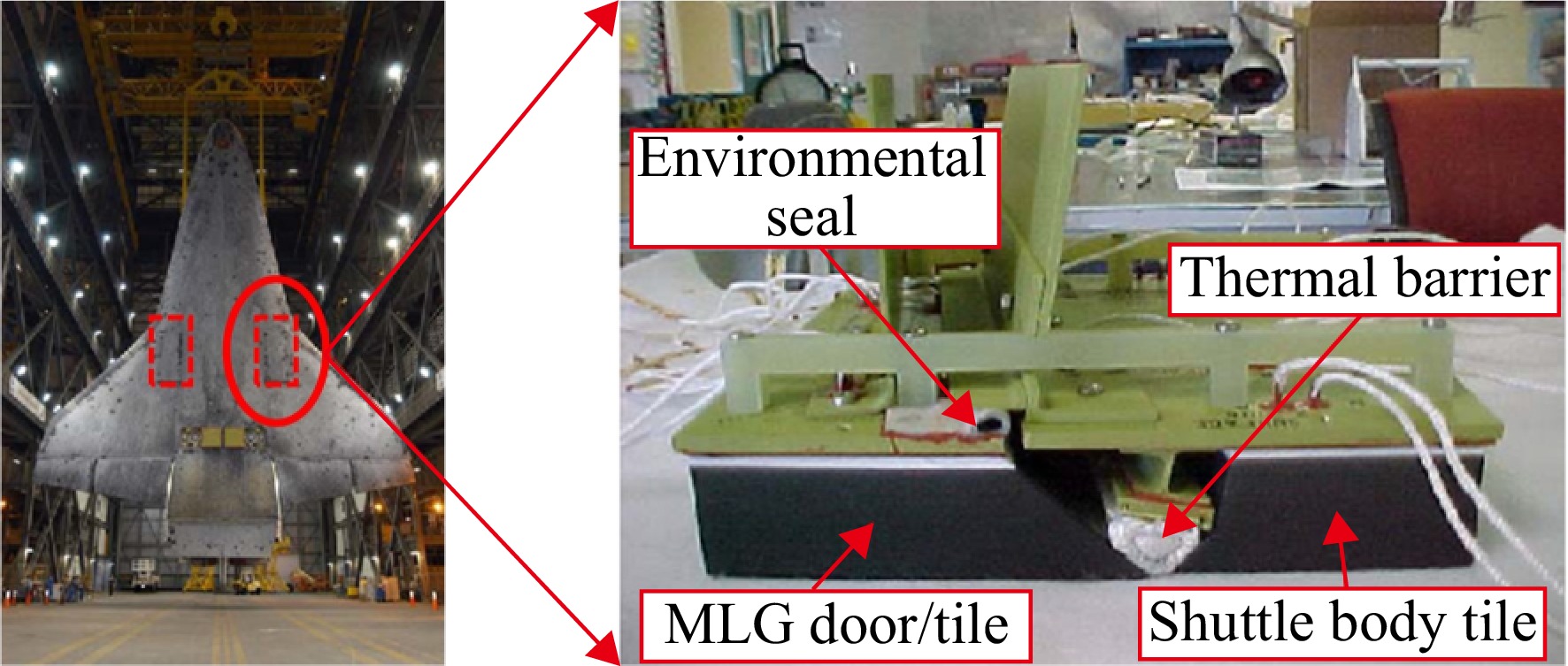
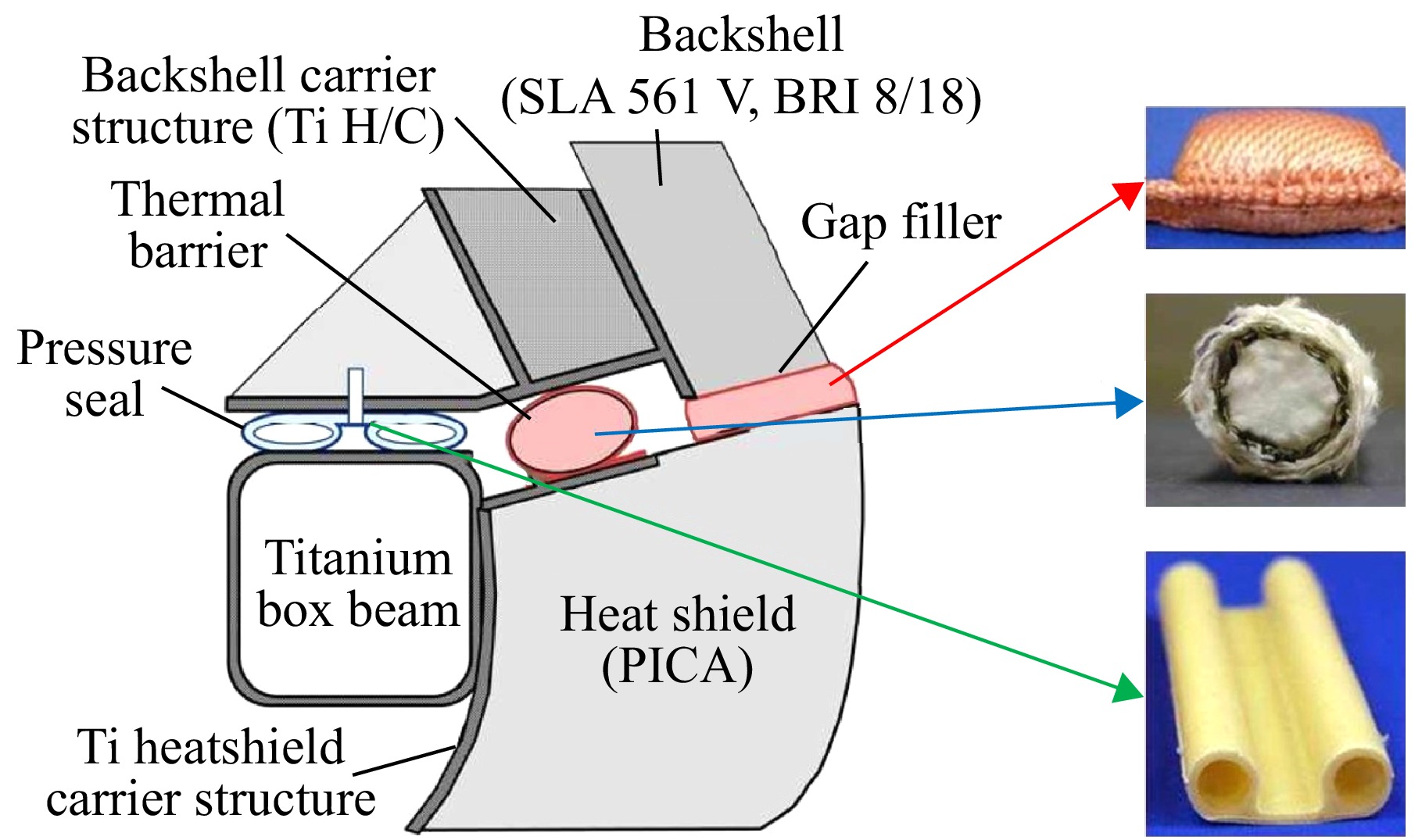
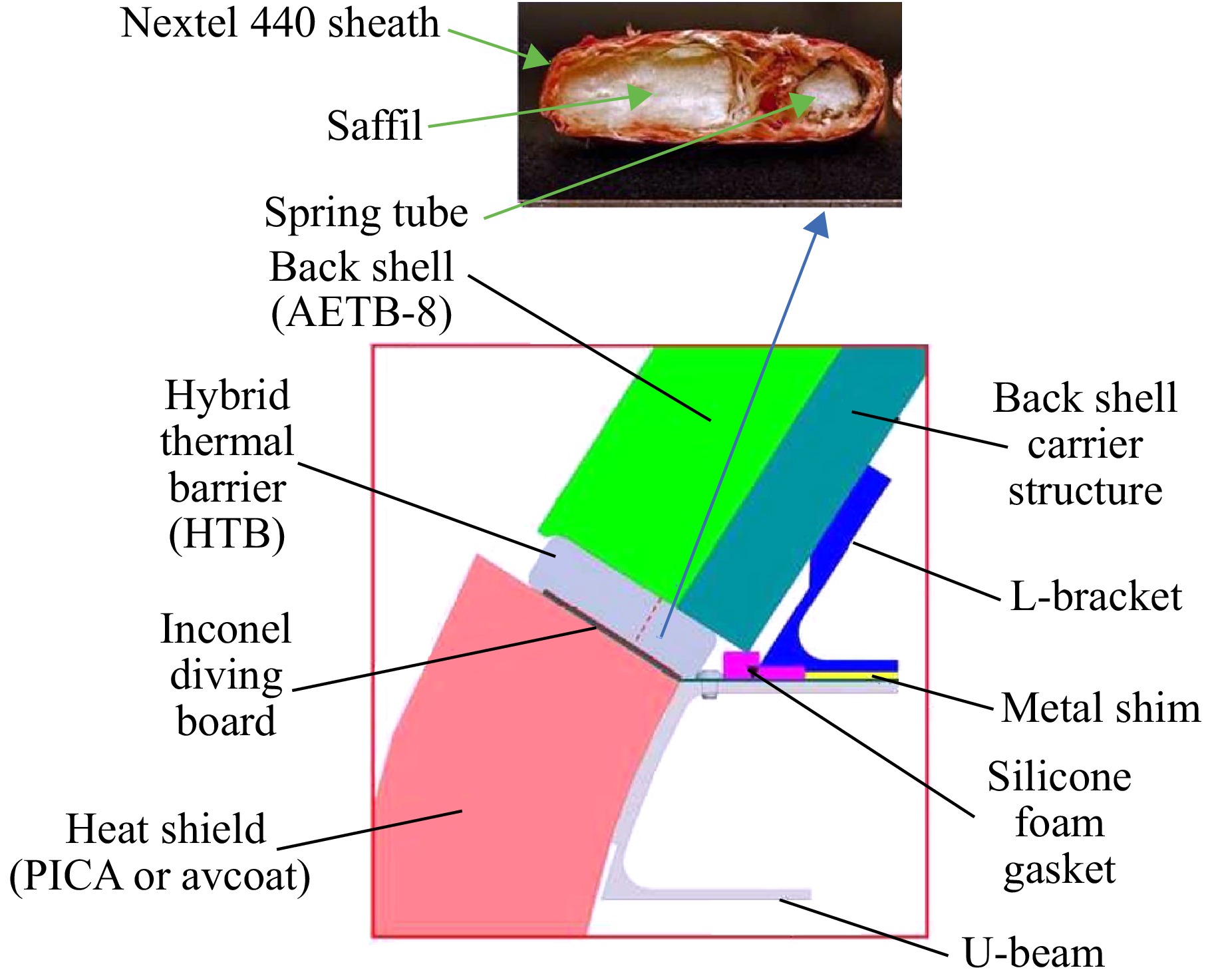
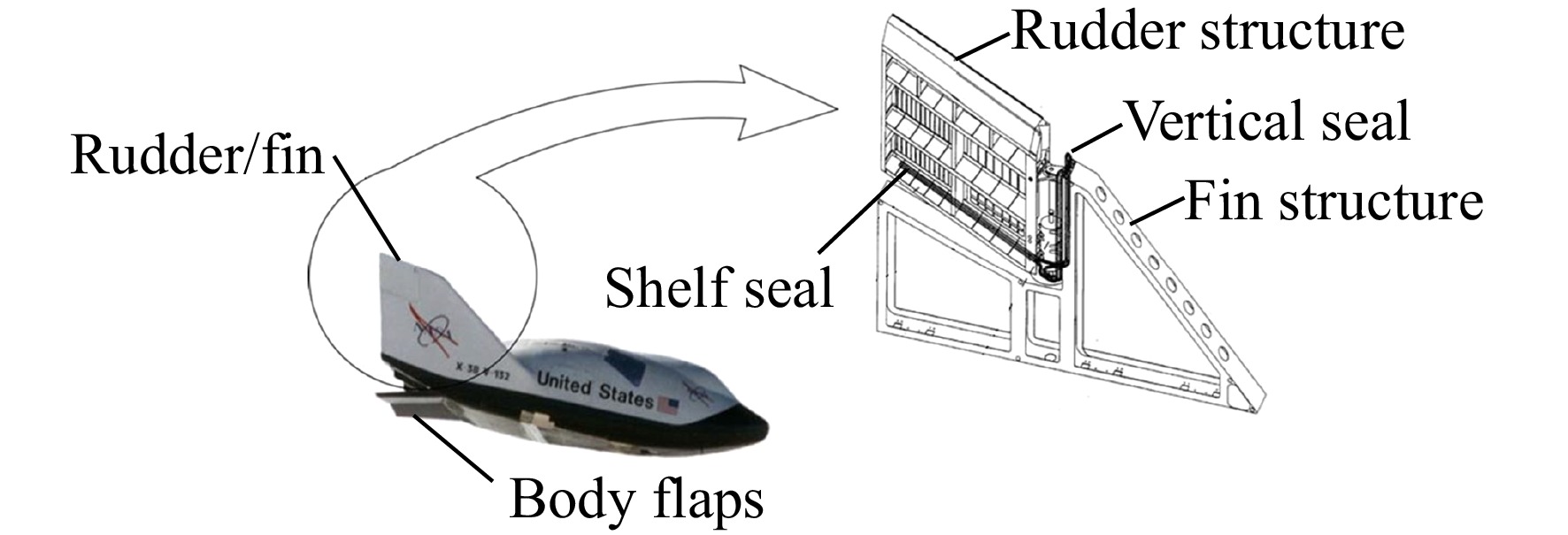
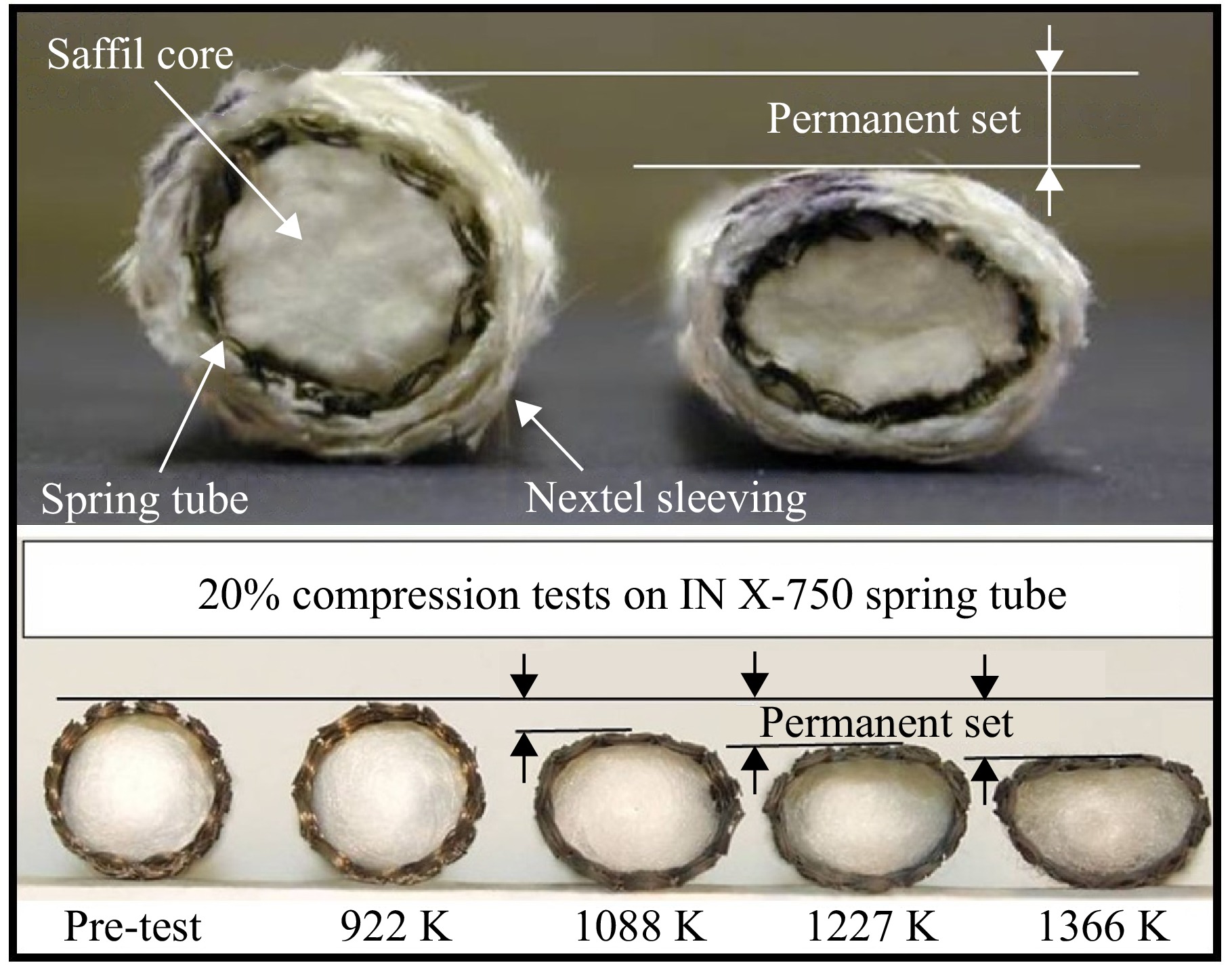
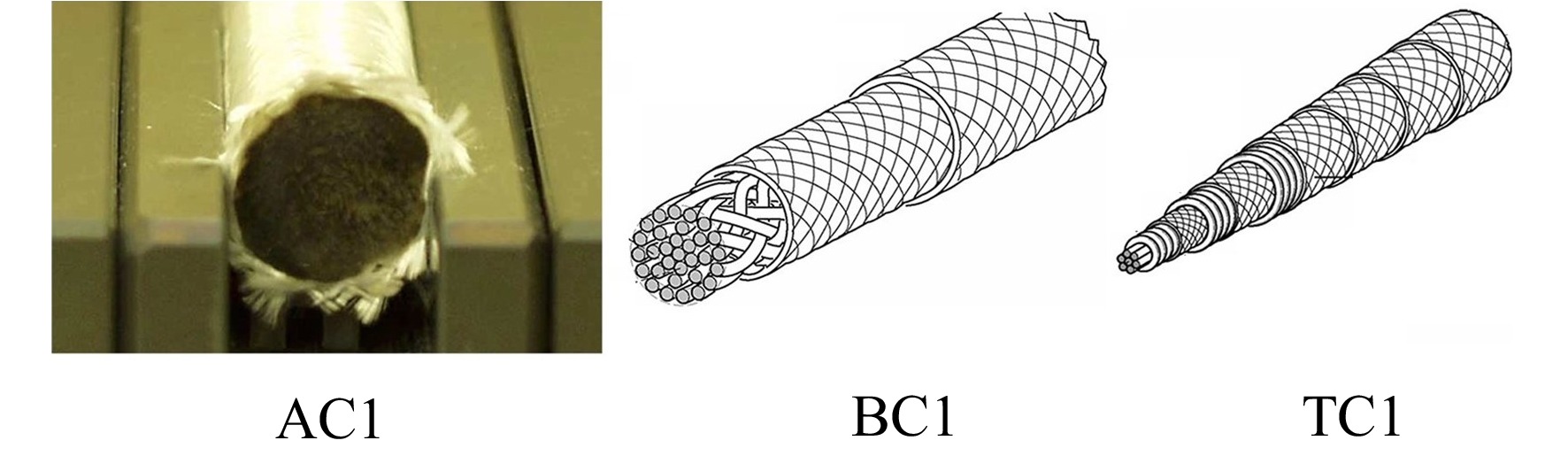
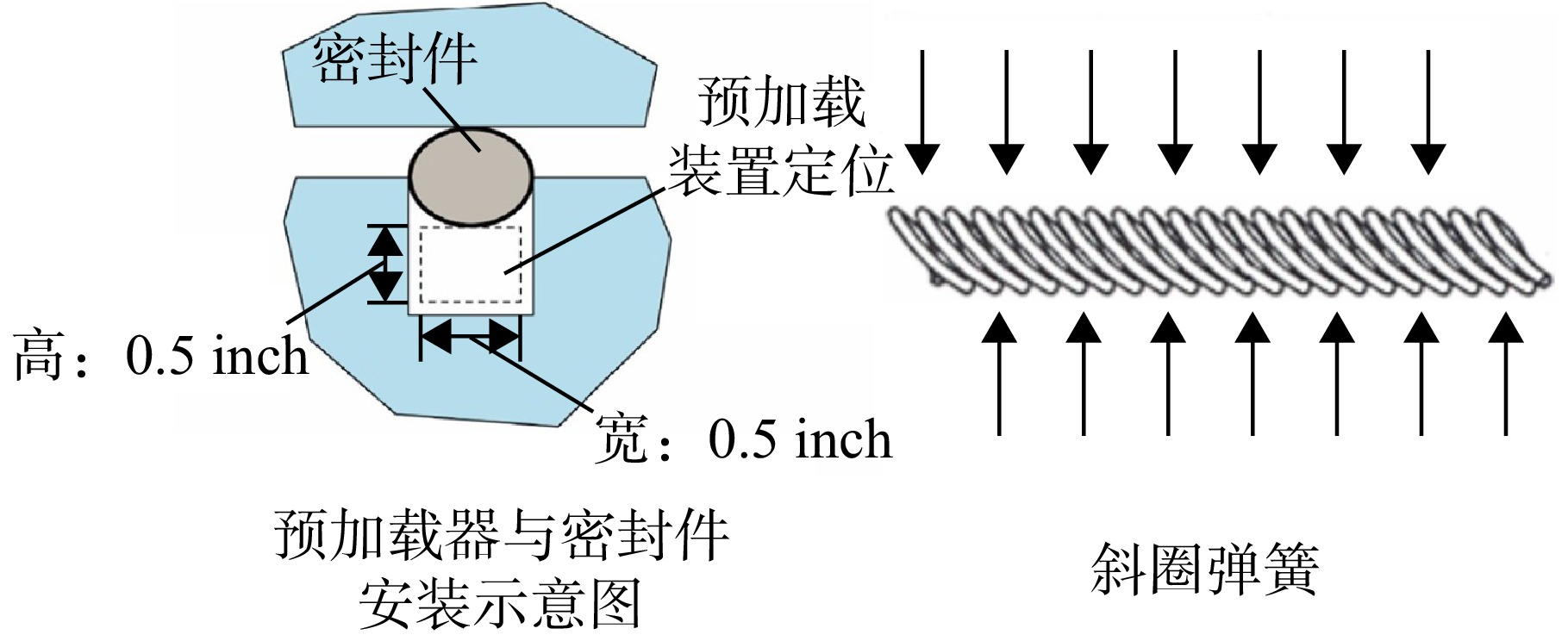
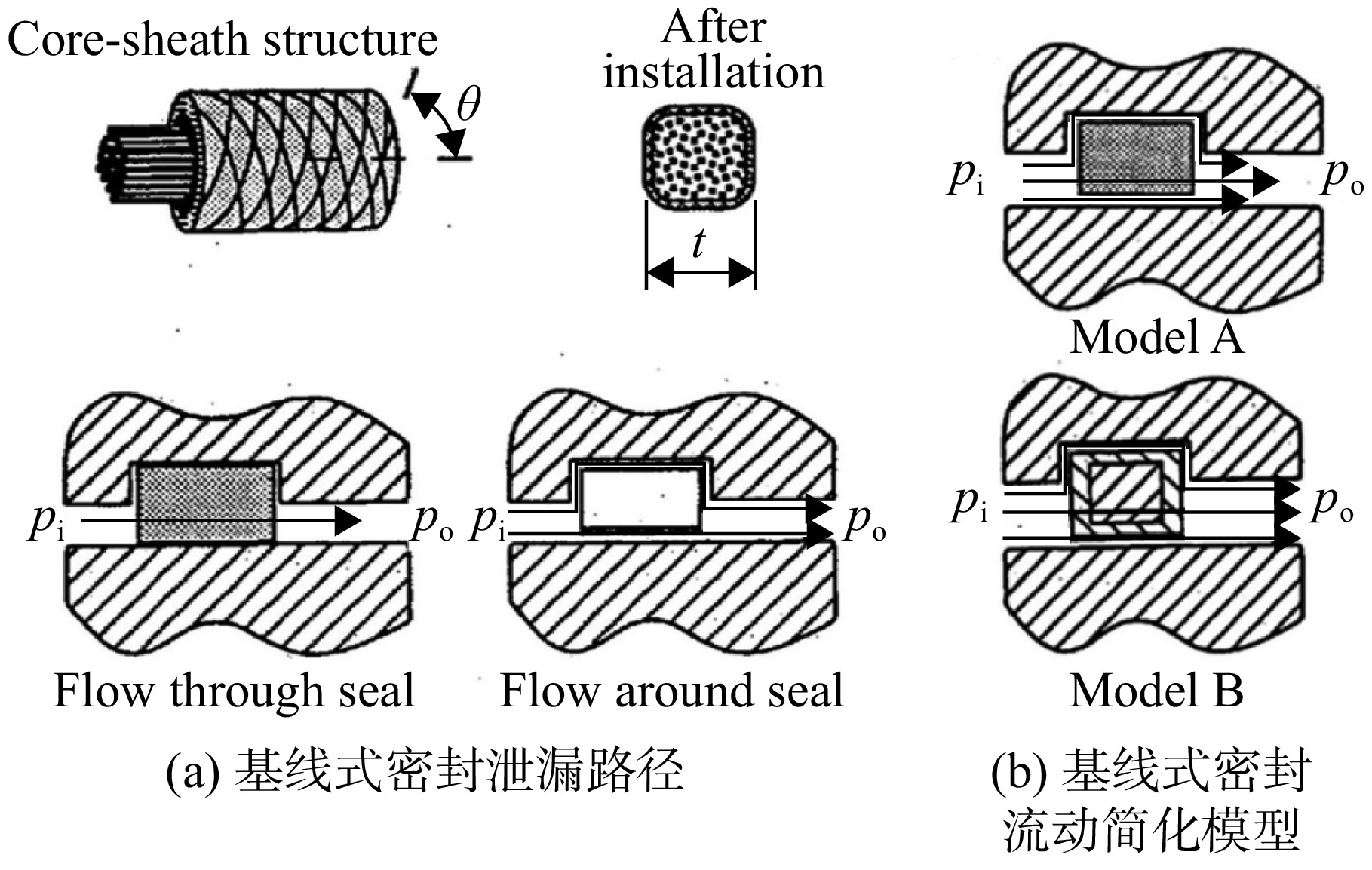
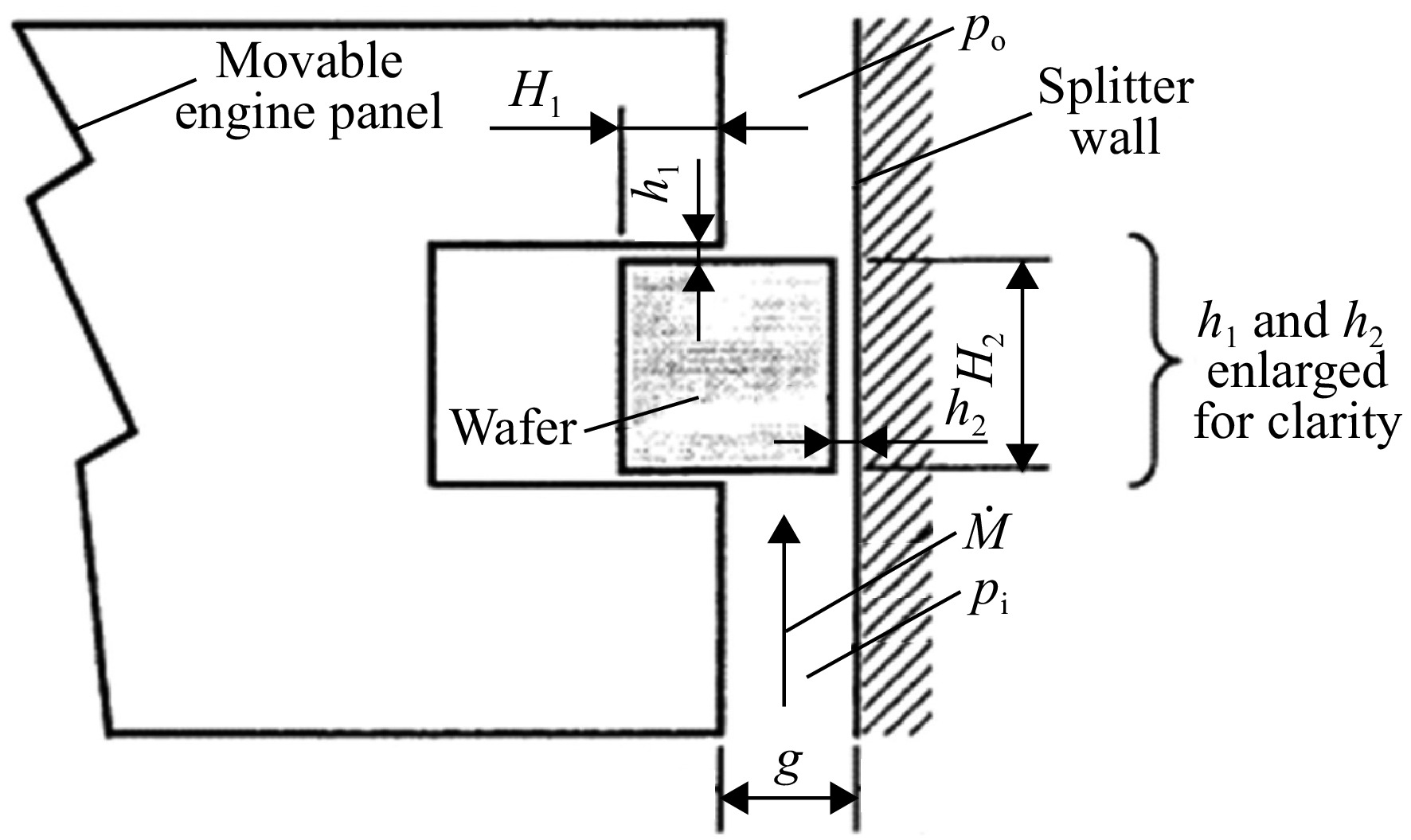
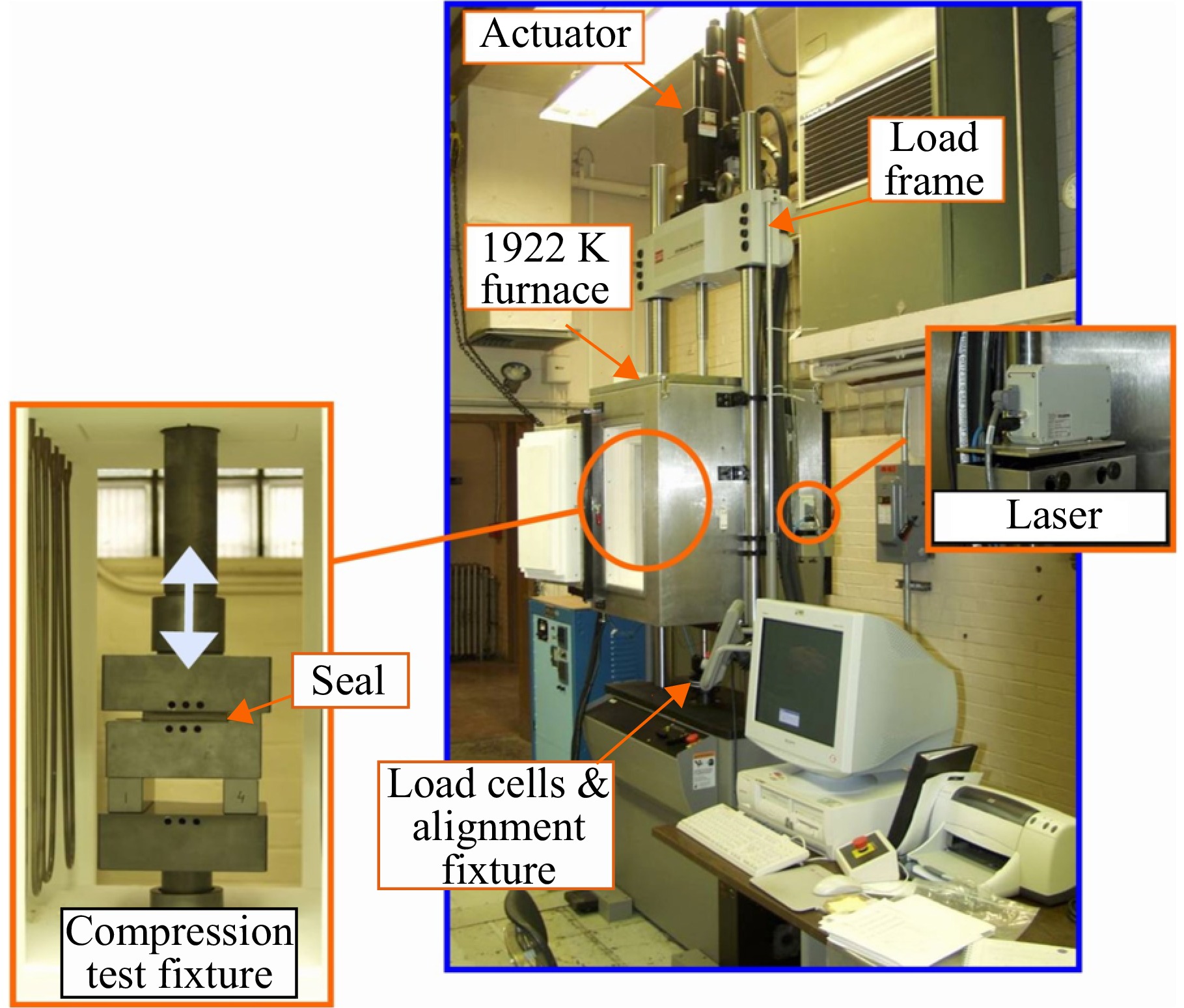
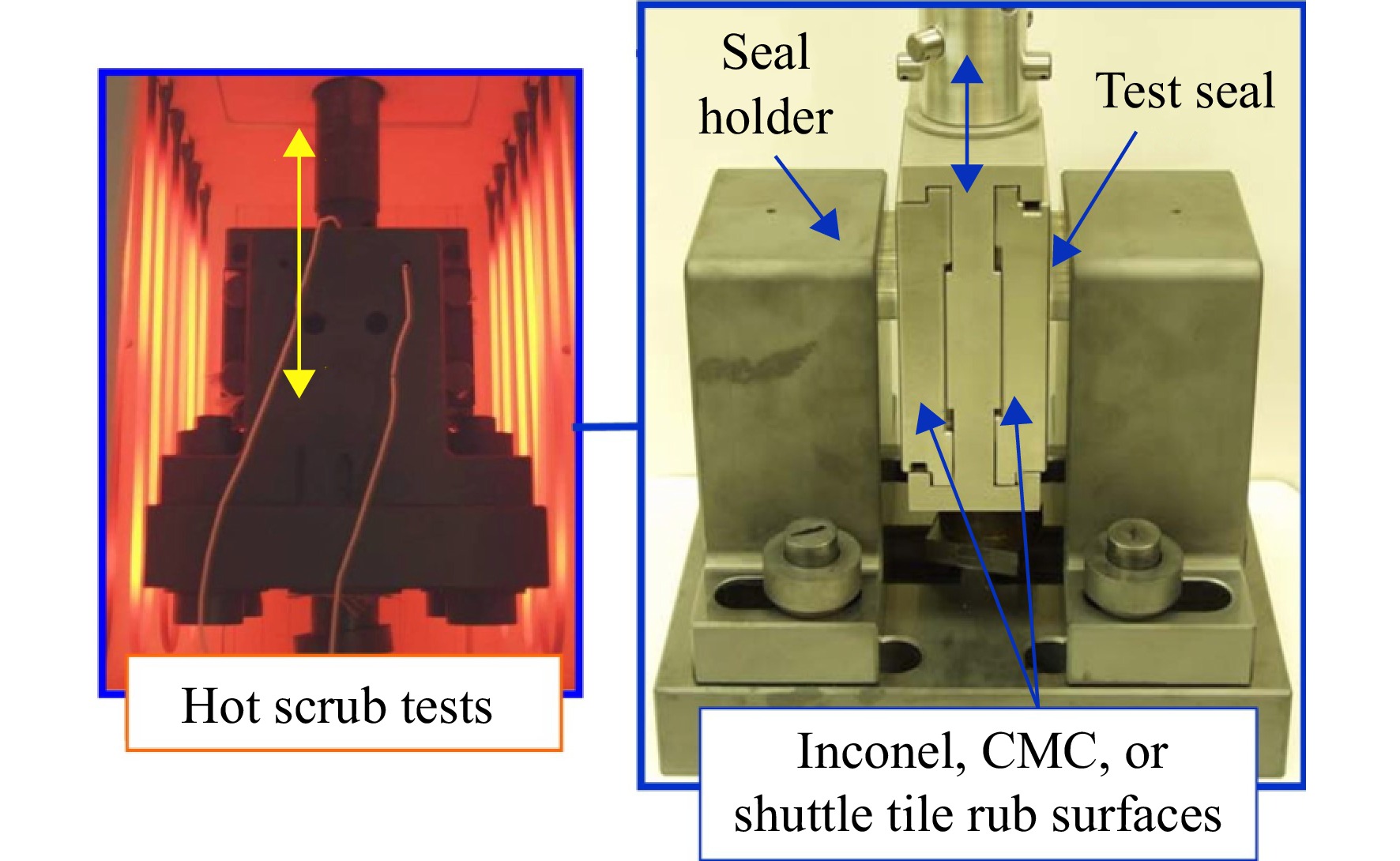
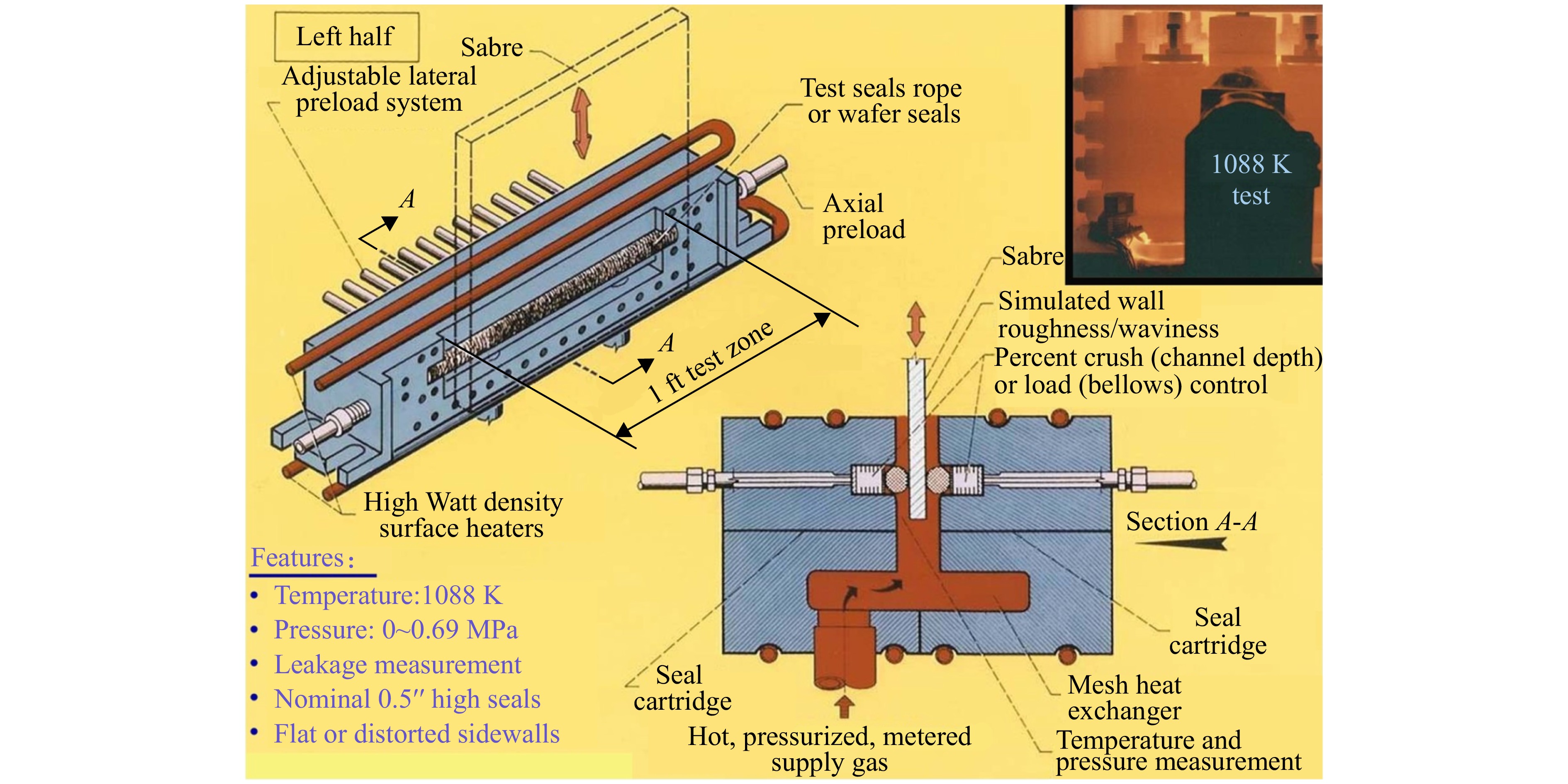
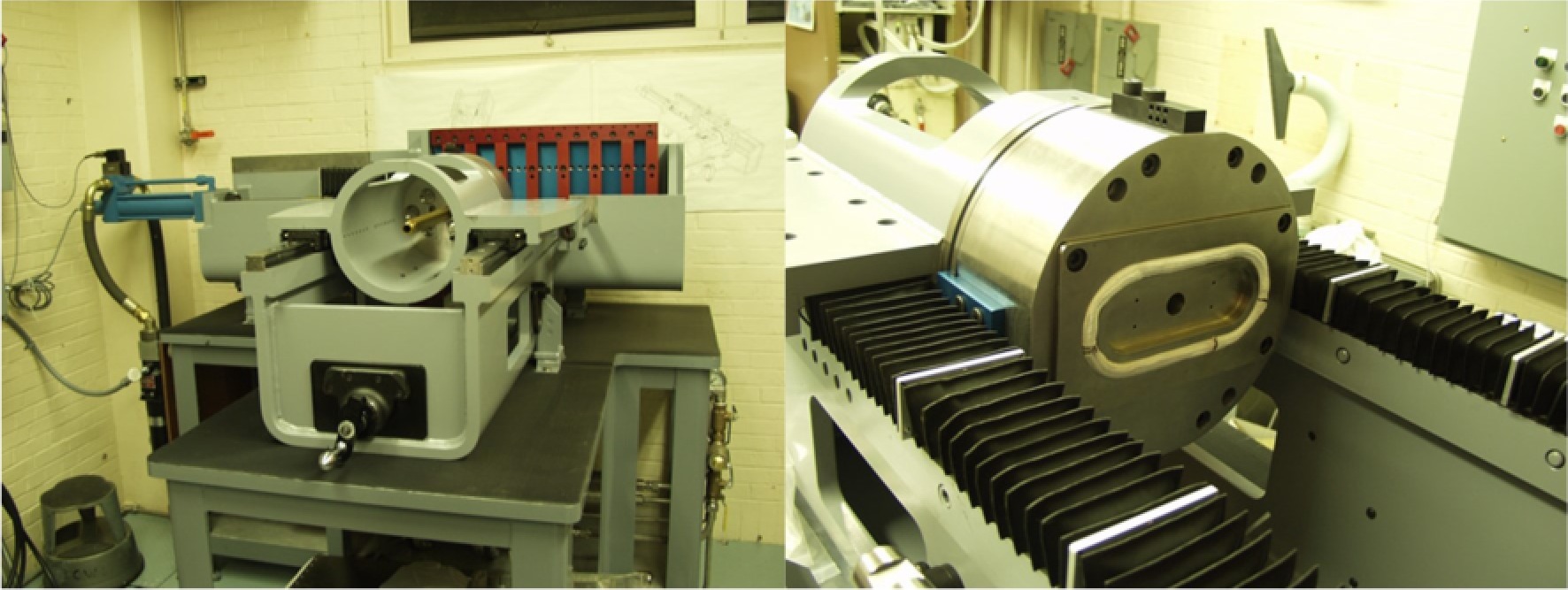
A comprehensive review of high-temperature gas sealing technologies in the aerospace industry, encompassing high-temperature-resistant adhesives, high-temperature static seals, and high-temperature dynamic sealing technologies, along with their associated leakage theories and performance testing methodologies, was performed. It synthesized the principal research findings on high-temperature gas sealing from both domestic and international sources, and evaluated their suitability and potential for optimization in large-scale sealing systems for high-temperature variable Mach-number nozzles under extreme operating conditions. Over recent years, there has been notable progress in several areas: enhancing the heat resistance of high-temperature-resistant adhesives, refining the structures of high-temperature gas seals, conducting experimental research on the resilience, leakage performance, and abrasion resistance of seals, establishing leakage models for high-temperature gas seals, and developing platforms for testing sealing performance. Despite these advancements, research on large-scale sealing systems under extreme conditions was still in a development phase. Future research on sealing systems for high-temperature variable Mach number nozzles should concentrate on resilience of the sealing system, maintenance of sealing effectiveness, motion characteristics, failure mechanisms, and life prediction. These focal points are crucial for advancing technologies in related fields.

Quantitative evaluation method of three-dimensional flow loss sources in transonic compressor rotor
YI Weilin, LI Xiang
2026, 41(5): 20250189. doi: 10.13224/j.cnki.jasp.20250189
Abstract:

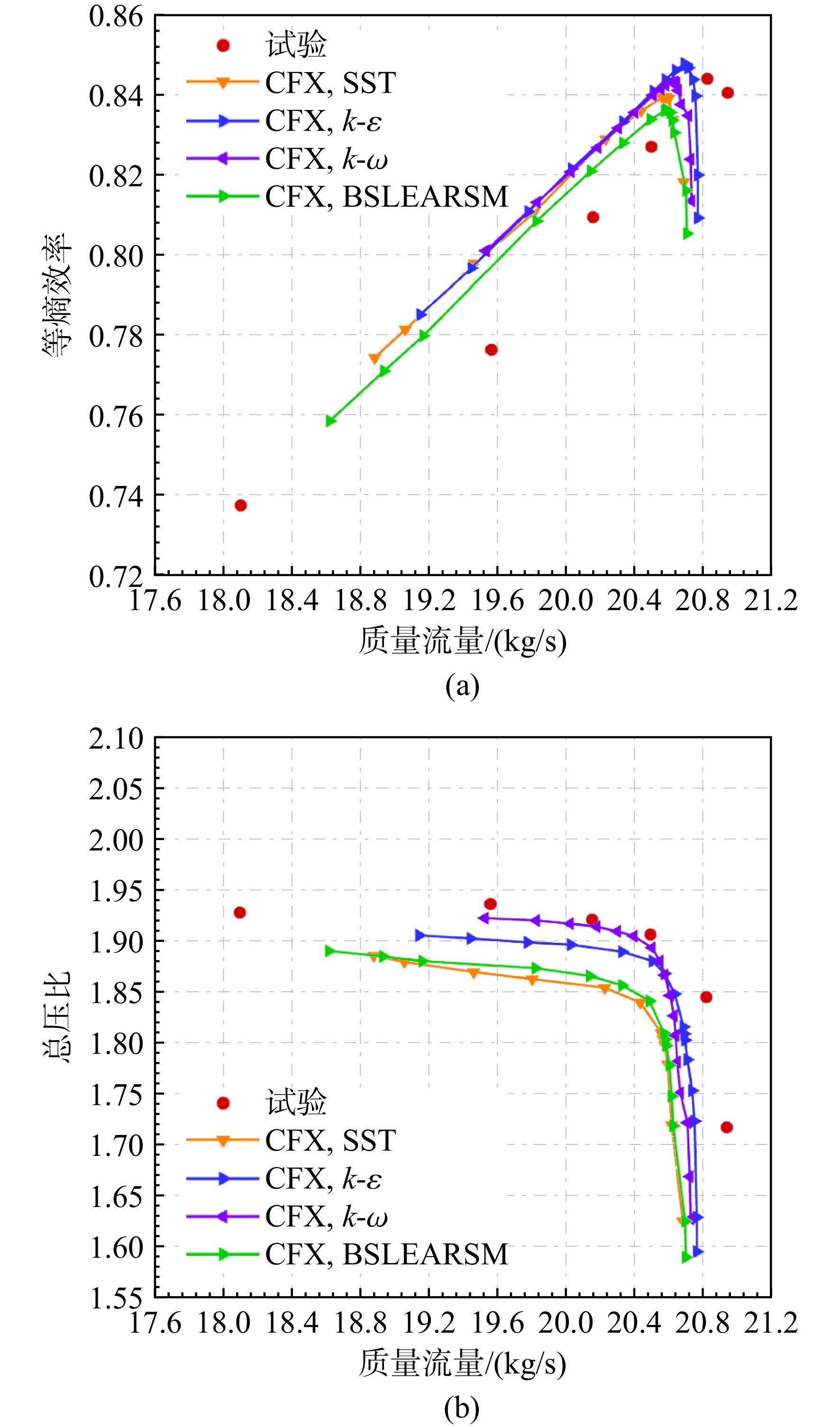
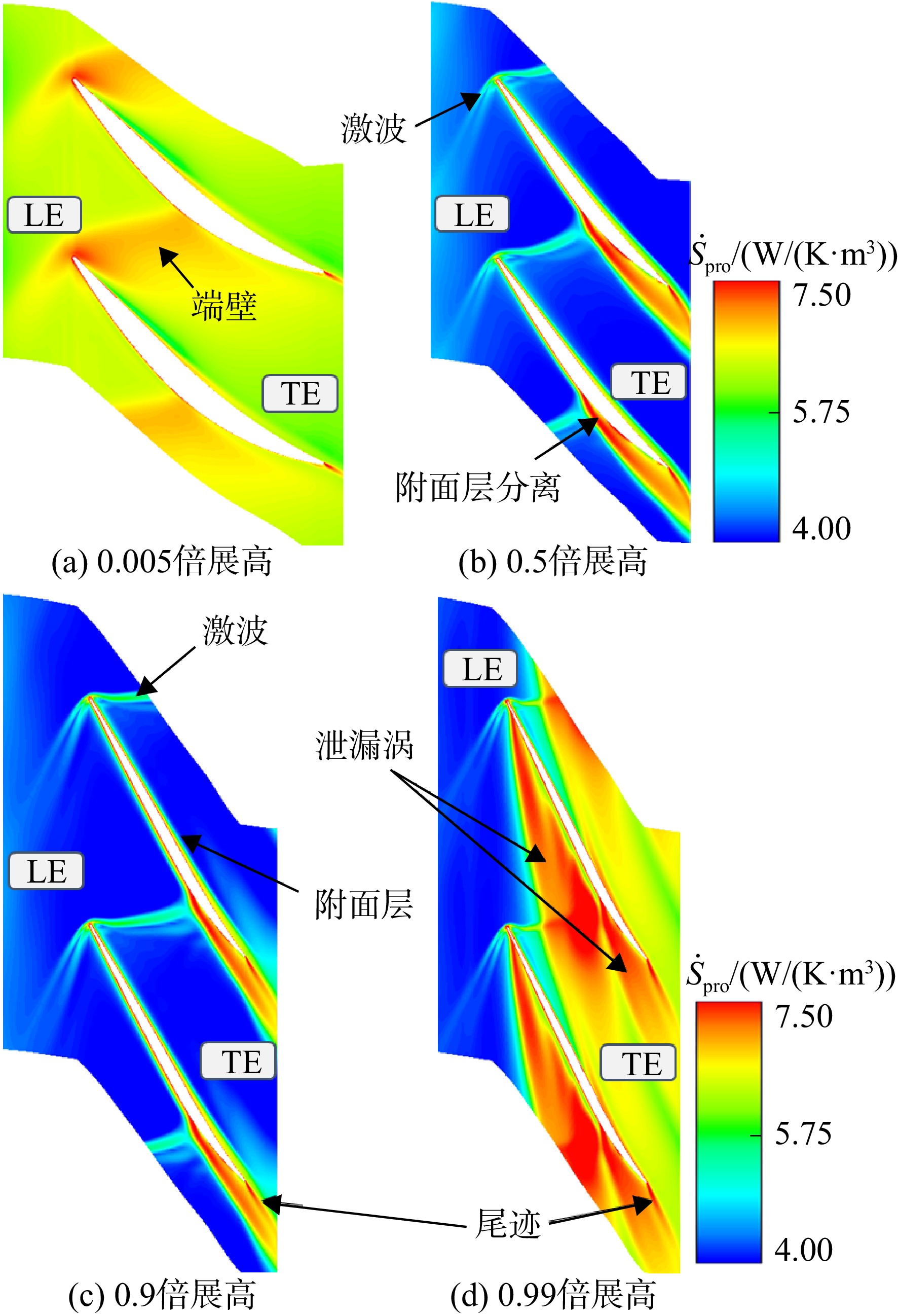
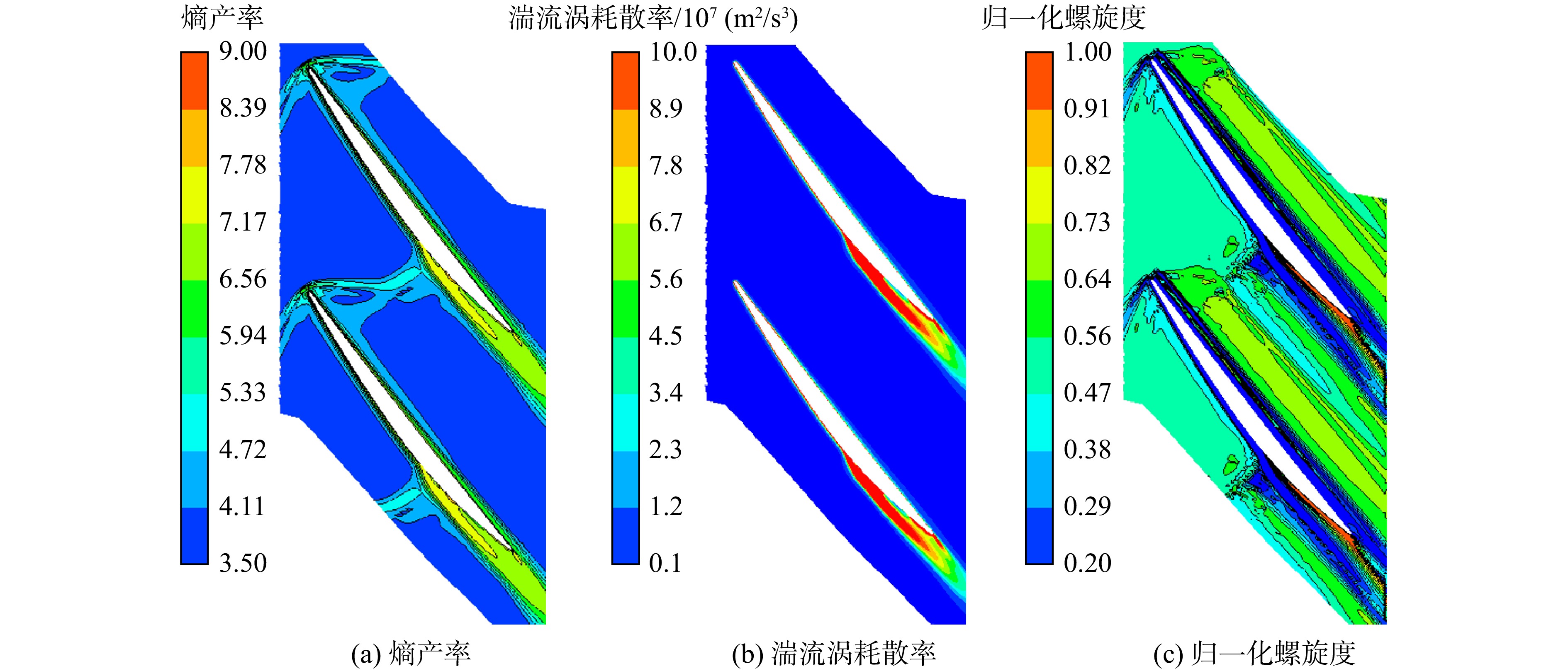
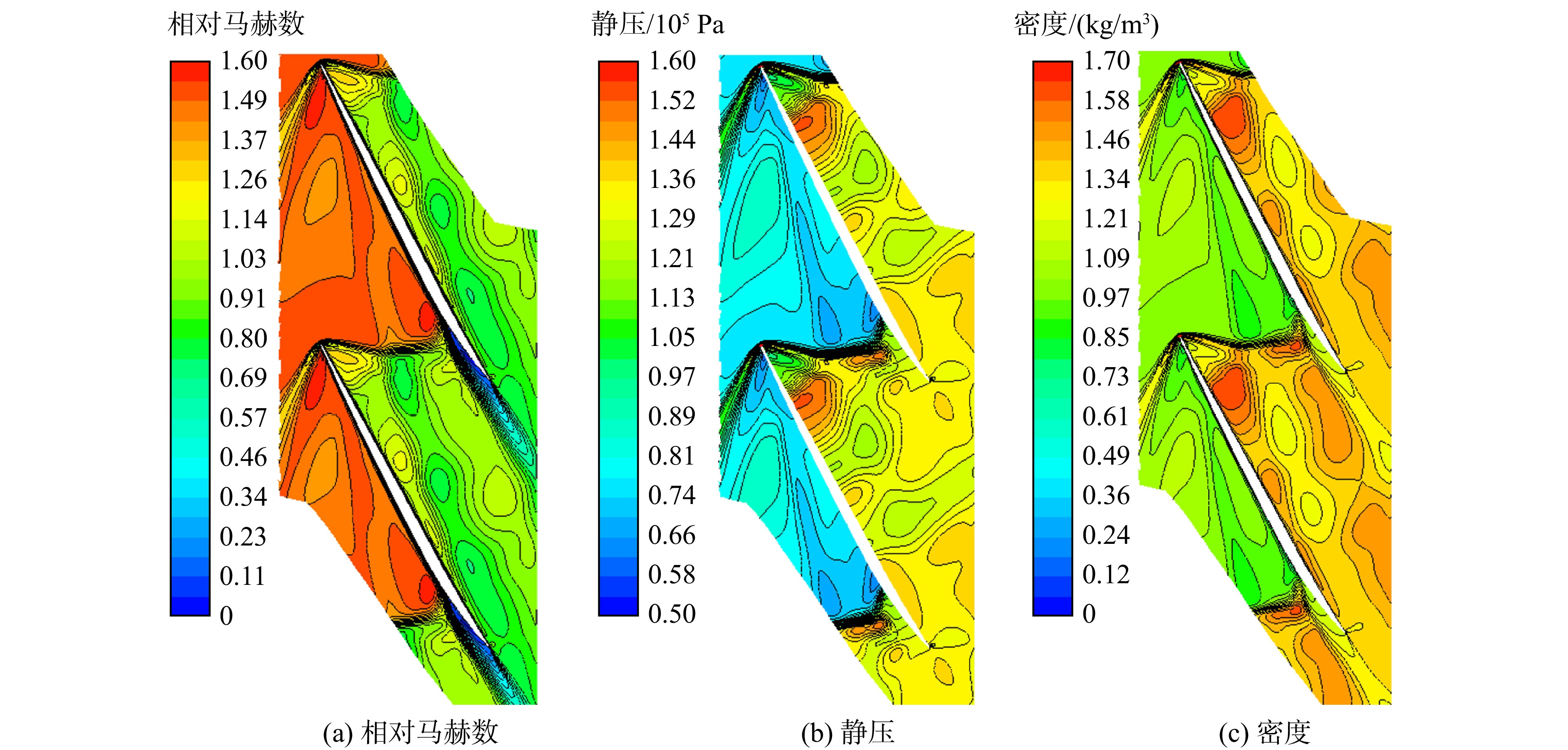
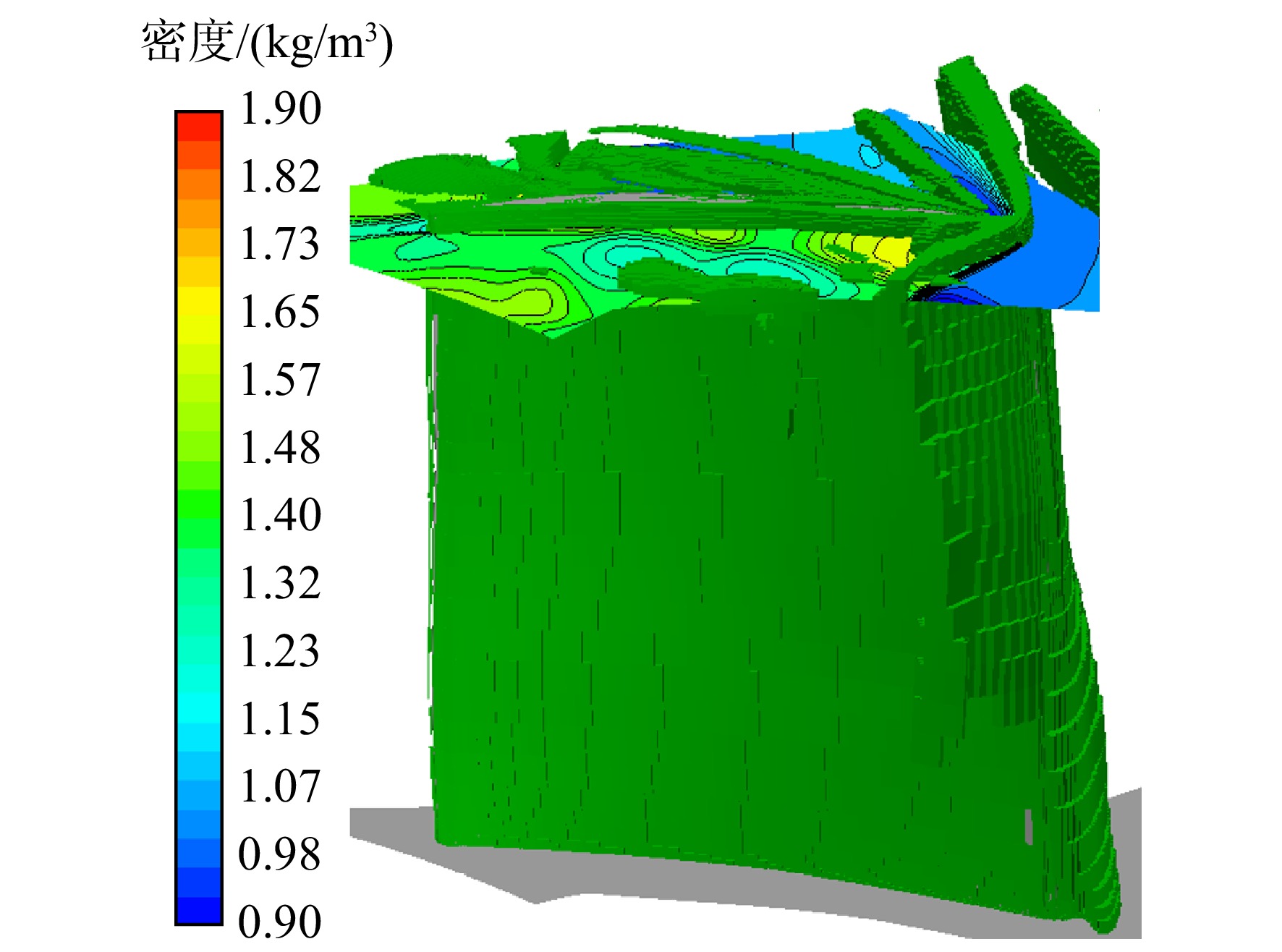
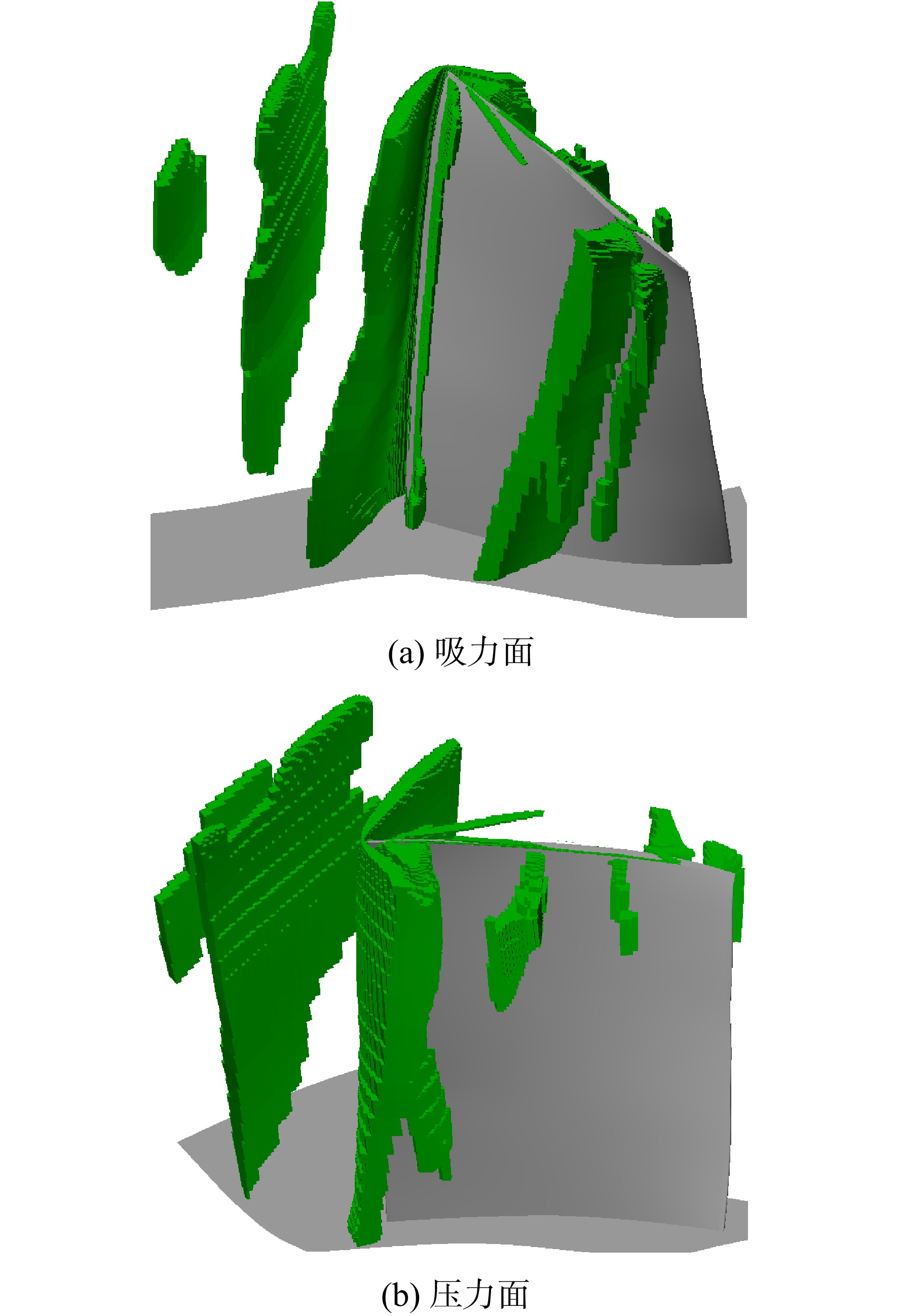
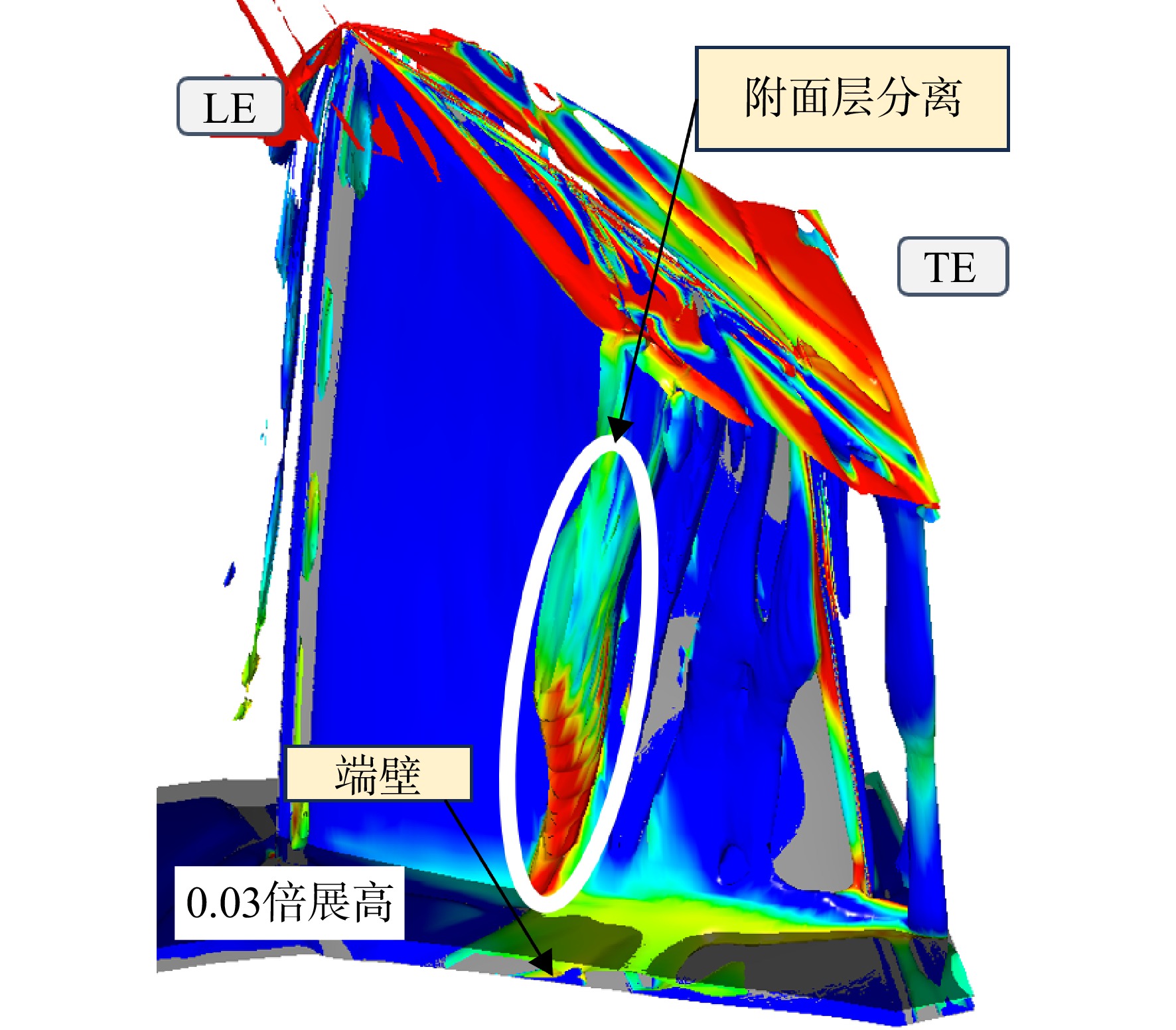
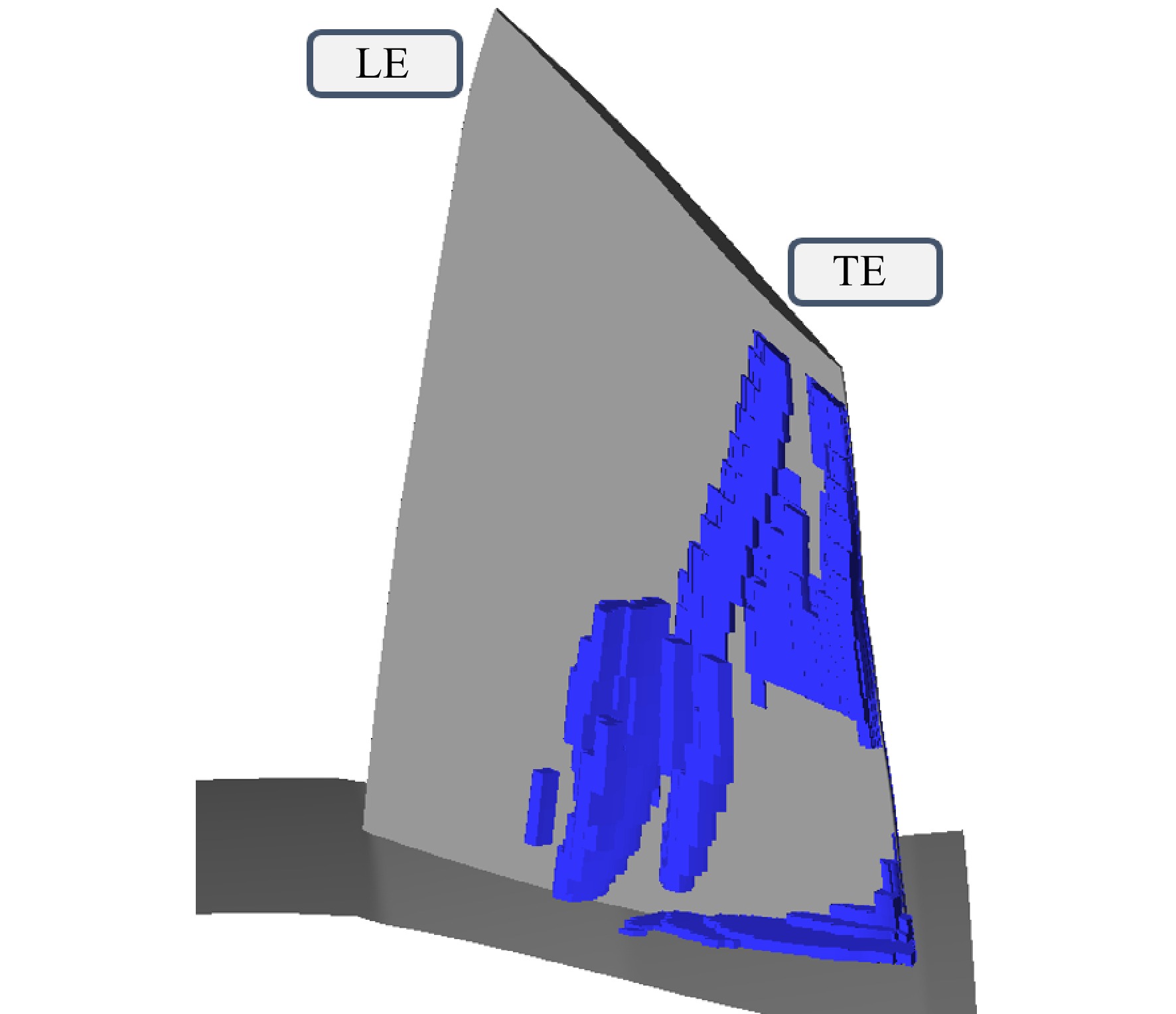
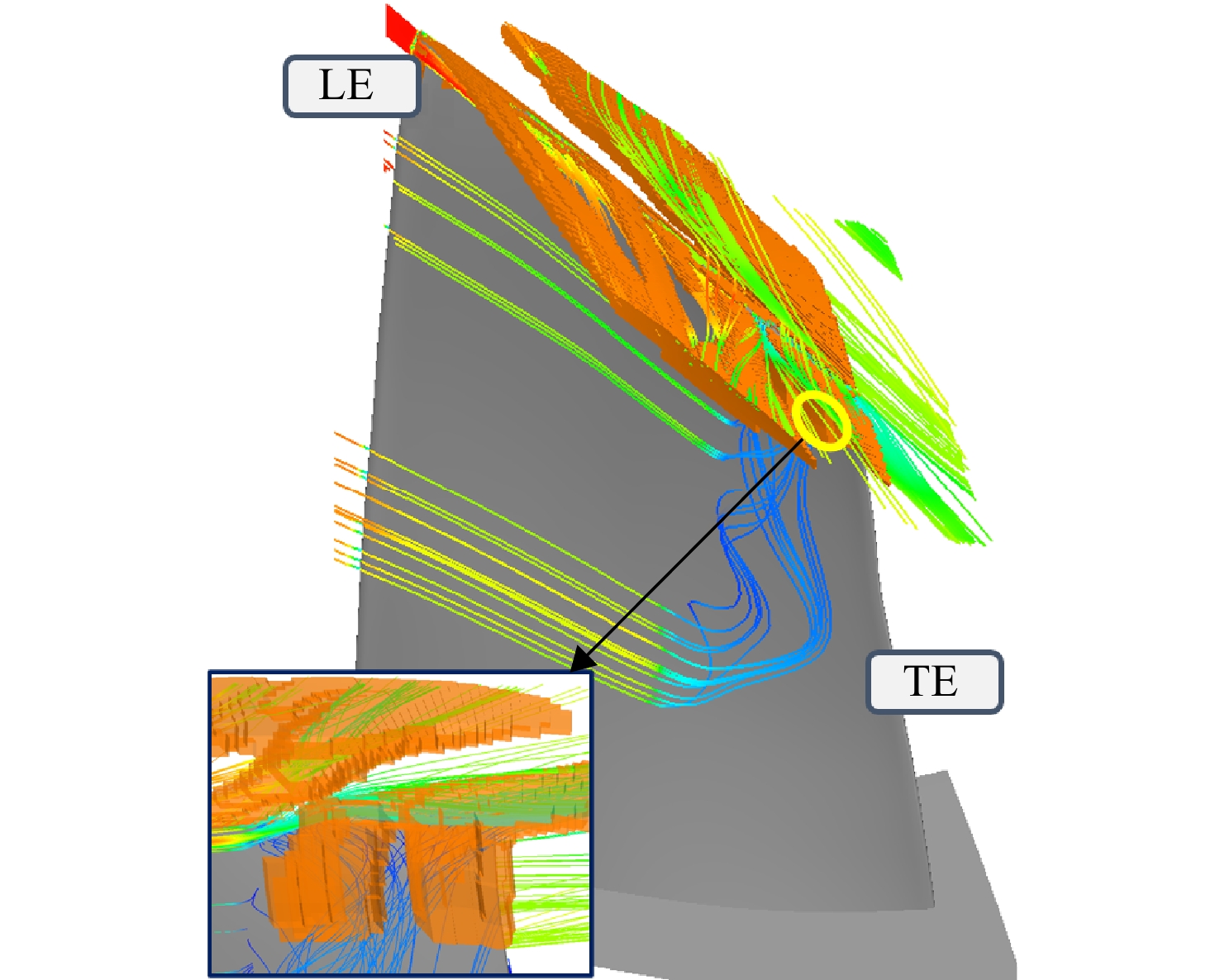
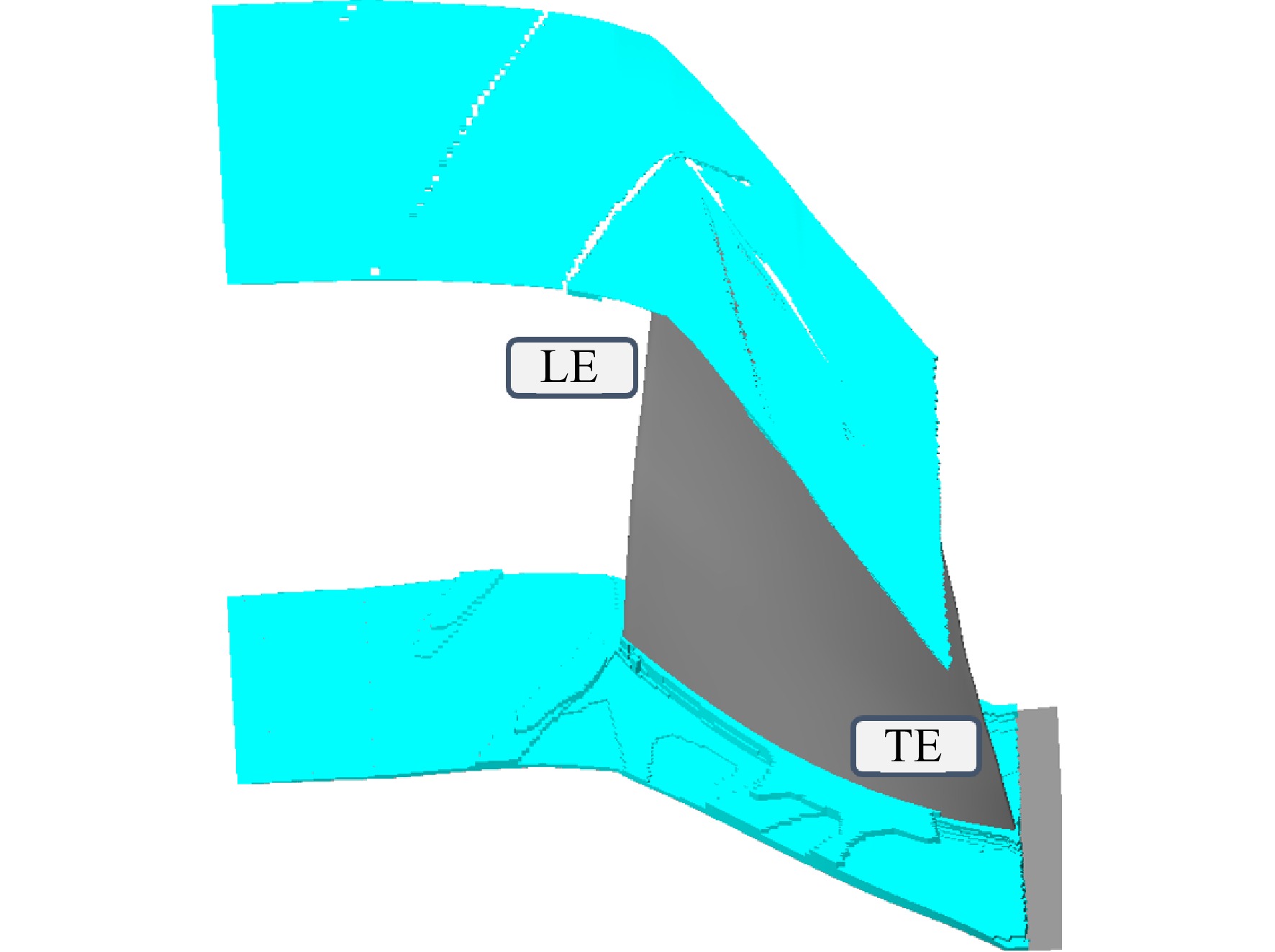
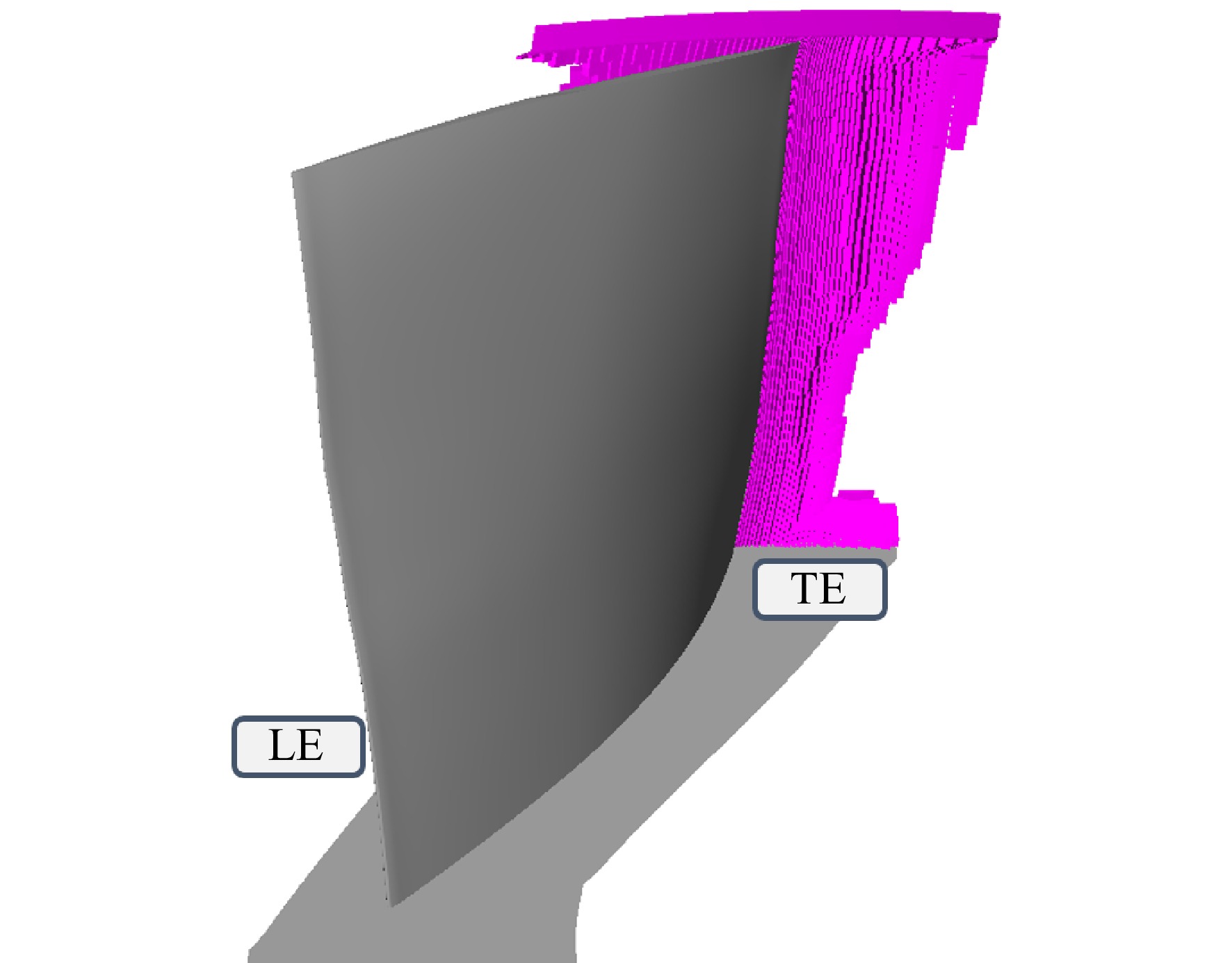
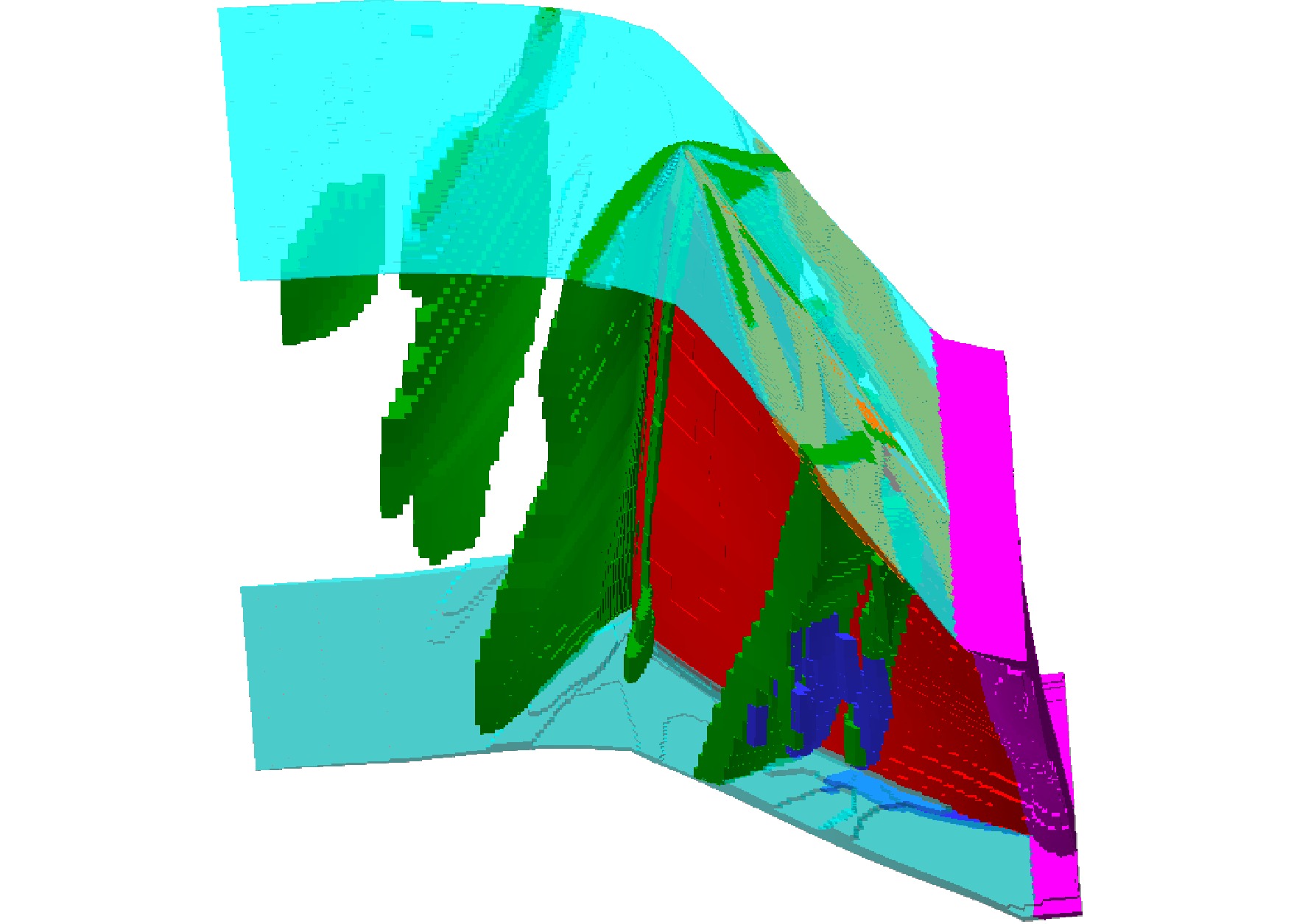
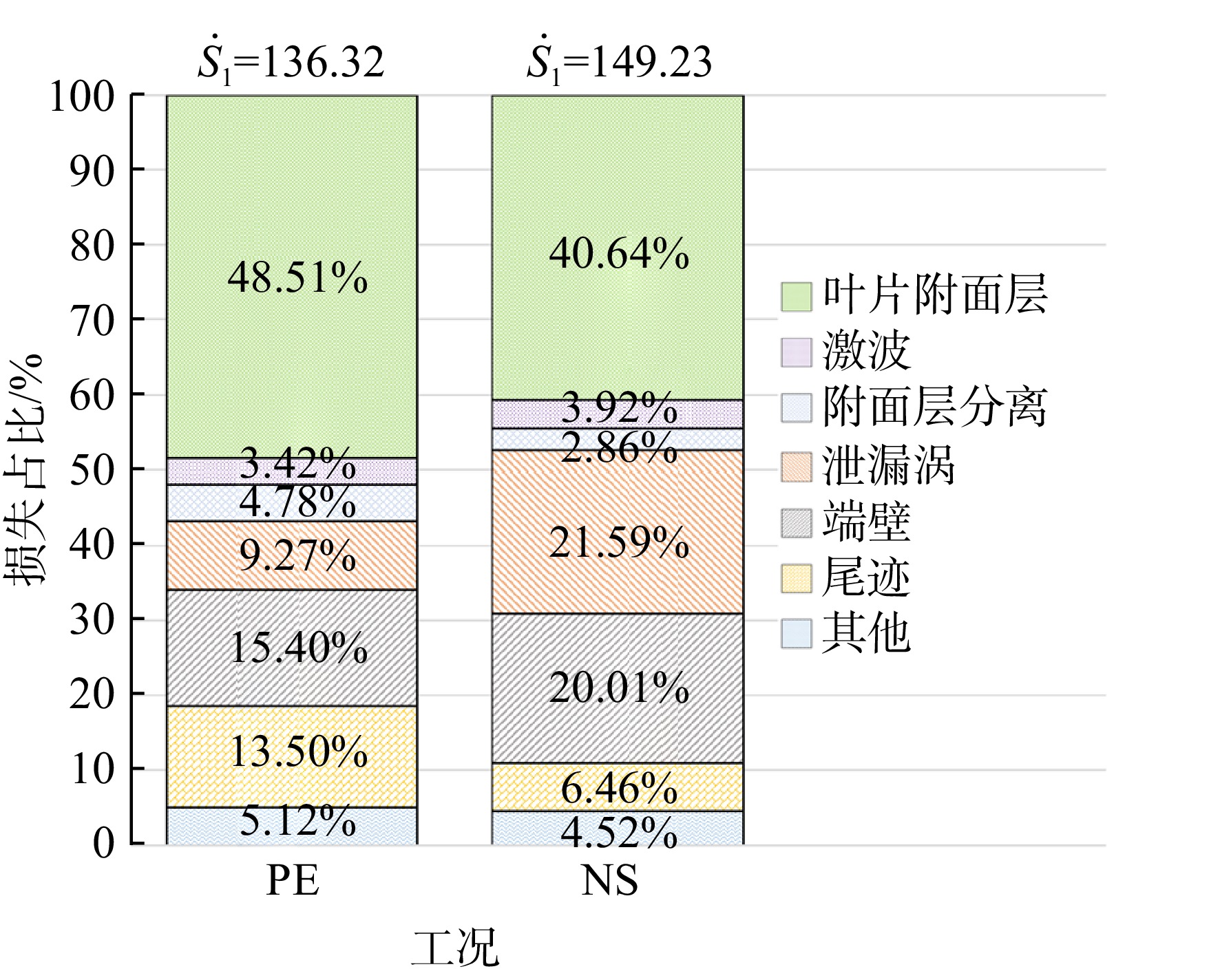
The flow within a transonic compressor exhibits strong three-dimensional characteristics, with diverse and complex sources of loss. Decomposing these losses and quantitatively evaluating their contributions is of great significance. Based on analysis of transonic compressor three-dimensional flow field, the main sources of high losses in transonic compressors were identified. A loss-separation method was developed by combining vortex-identification techniques with flow-feature parameters to partition the high-loss regions. Furthermore, entropy production rate integration was employed to achieve quantitative loss evaluation. Analysis of the NASA Stage 35 compressor indicated that blade boundary layer loss, endwall loss, tip leakage vortex loss, and wake loss were major sources of flow losses in the transonic compressor rotor. Compared with the peak-efficiency condition, the proportions of boundary layer loss and wake loss decreased under near-stall conditions, while the contributions of tip leakage vortex loss and endwall loss increased significantly, reaching 21% and 20%, respectively. Although the shock wave caused by a relative tip Mach number close to 1.5 at the rotor inlet did not result in significant loss by itself, the additional flow loss caused by the interaction between the shock wave and the boundary layer required special attention.

Influence of elliptical casing deformation on aerodynamic loss performance of subsonic compressor rotor
LI Ziliang, CHEN Yufei, WANG Nan, WANG Di, WU Yanhui
2026, 41(5): 20240642. doi: 10.13224/j.cnki.jasp.20240642
Abstract:

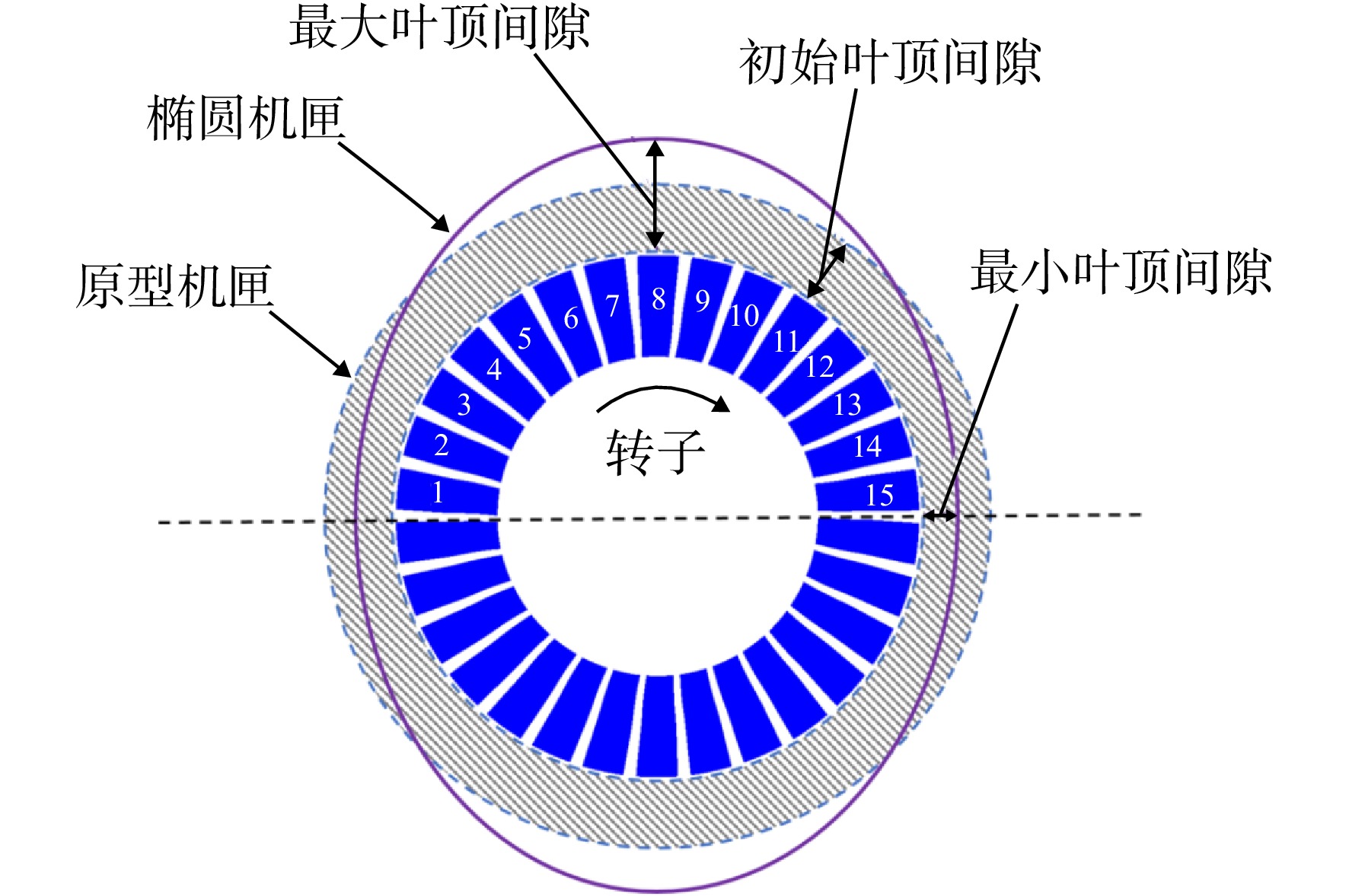
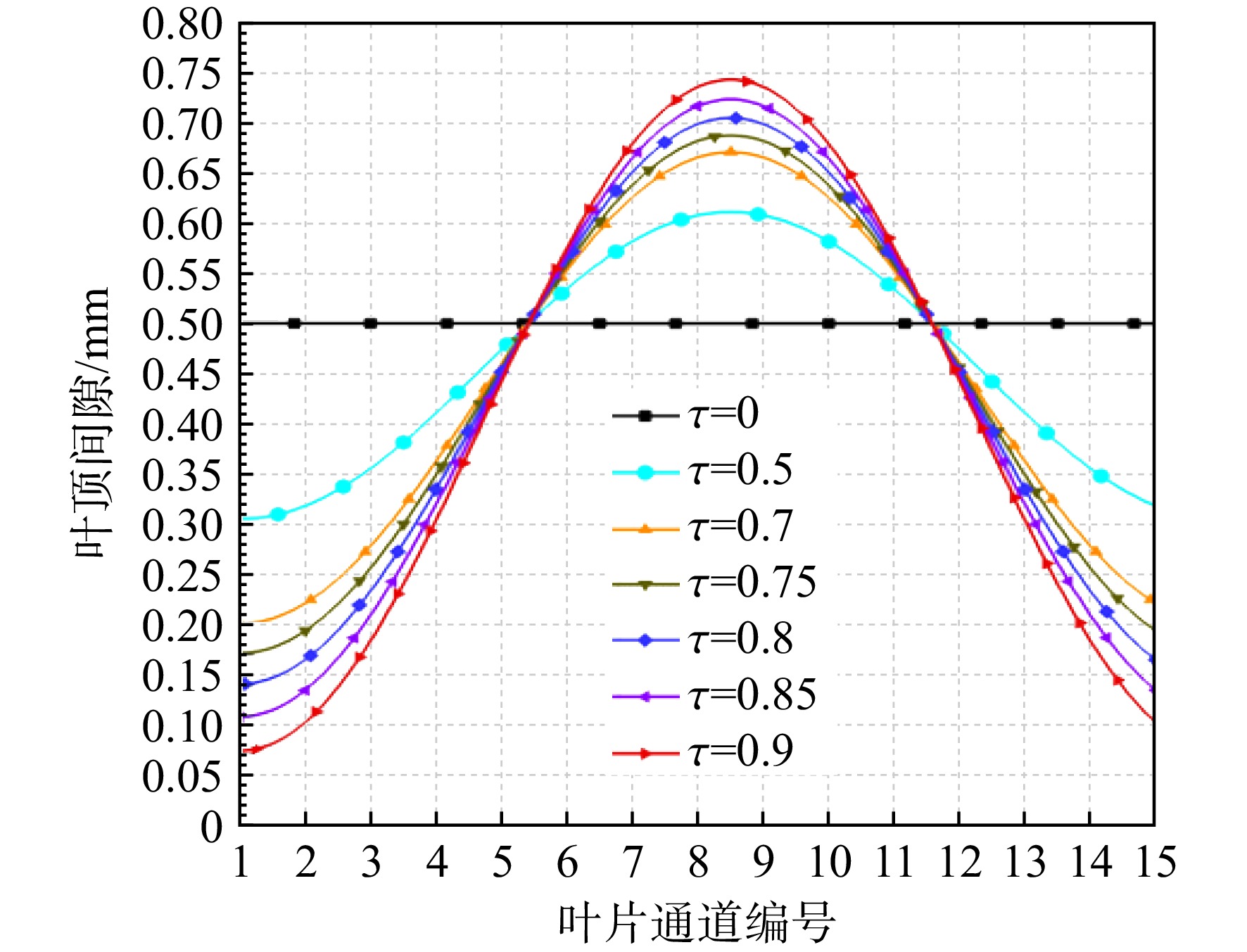
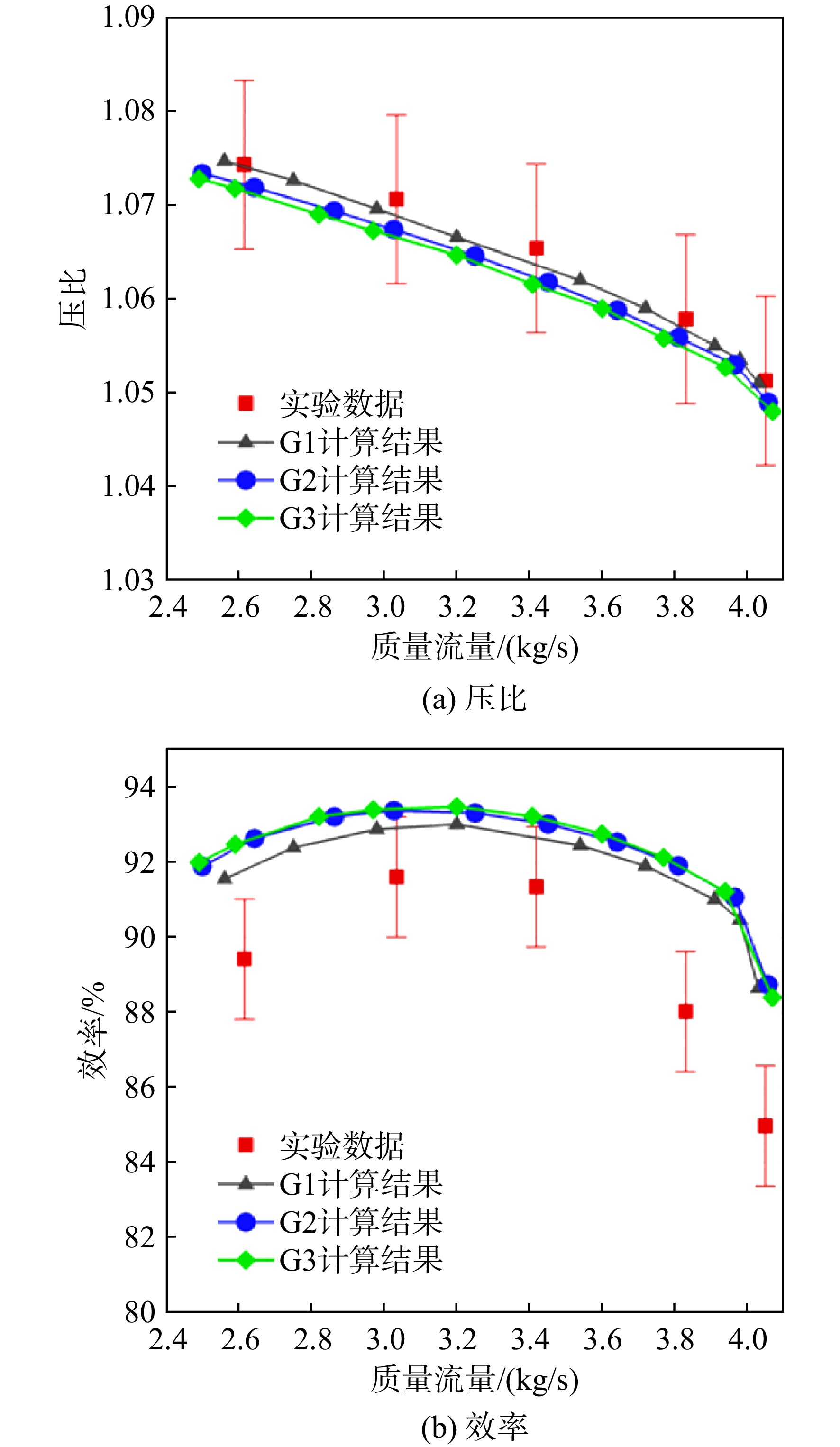
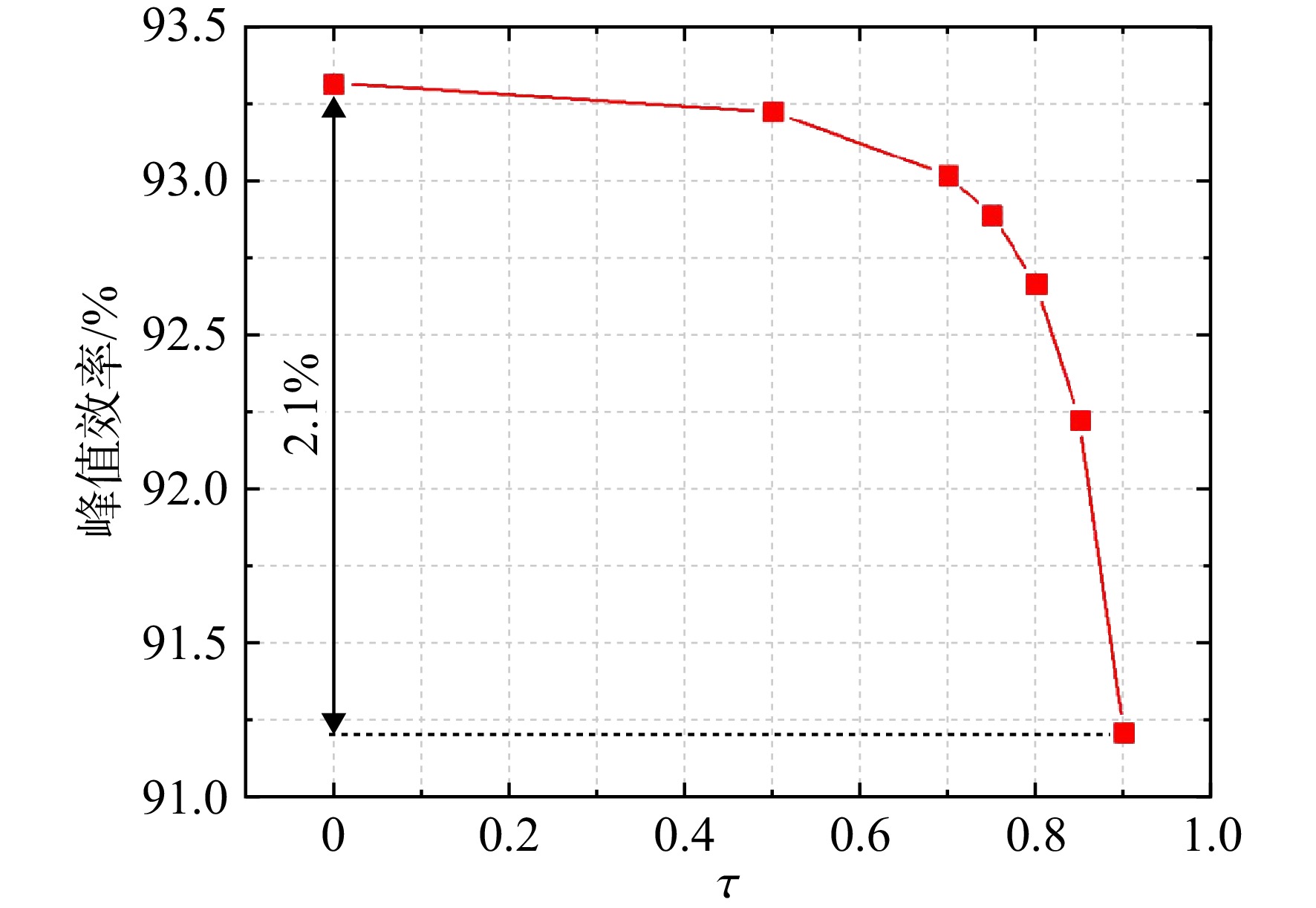
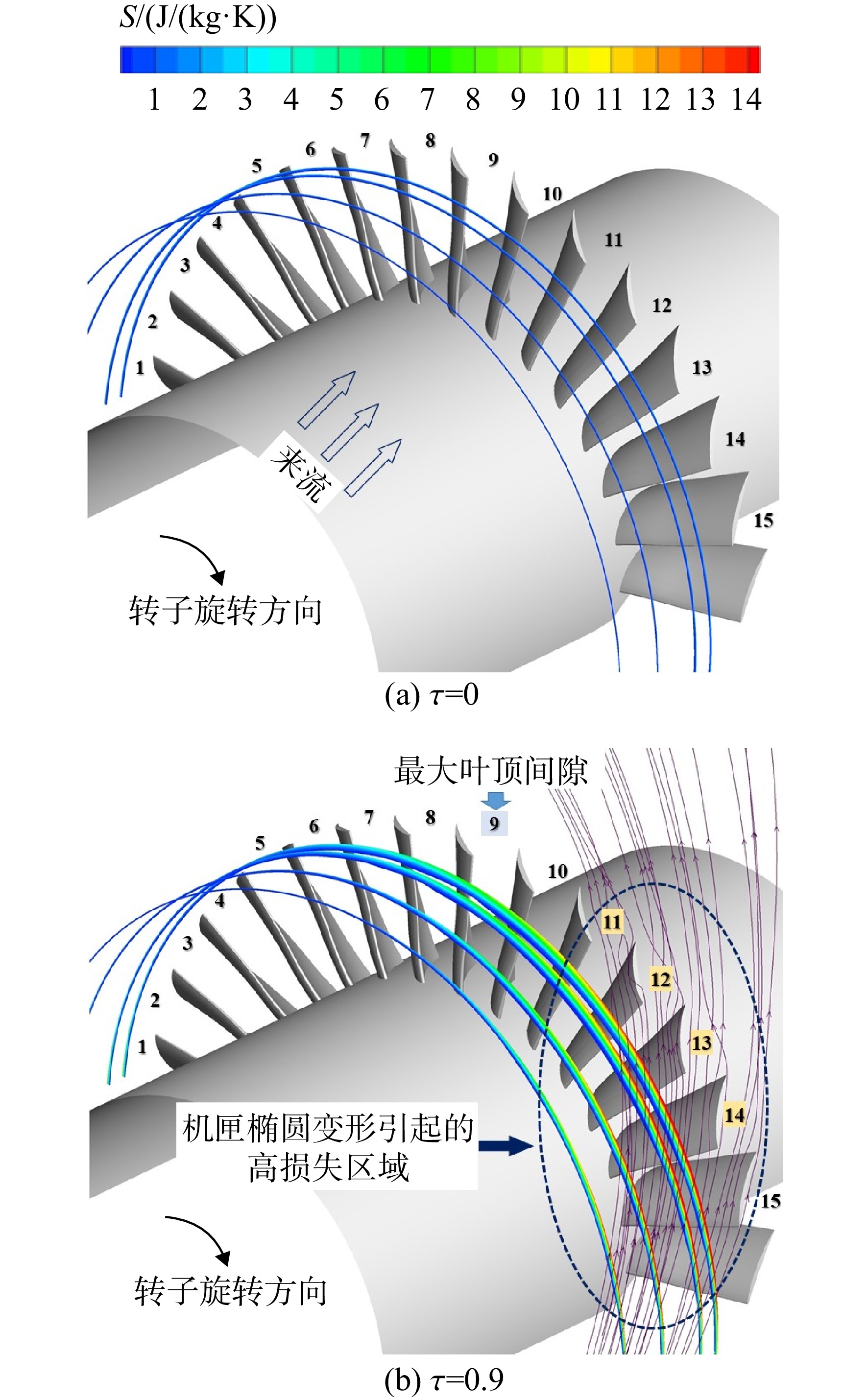
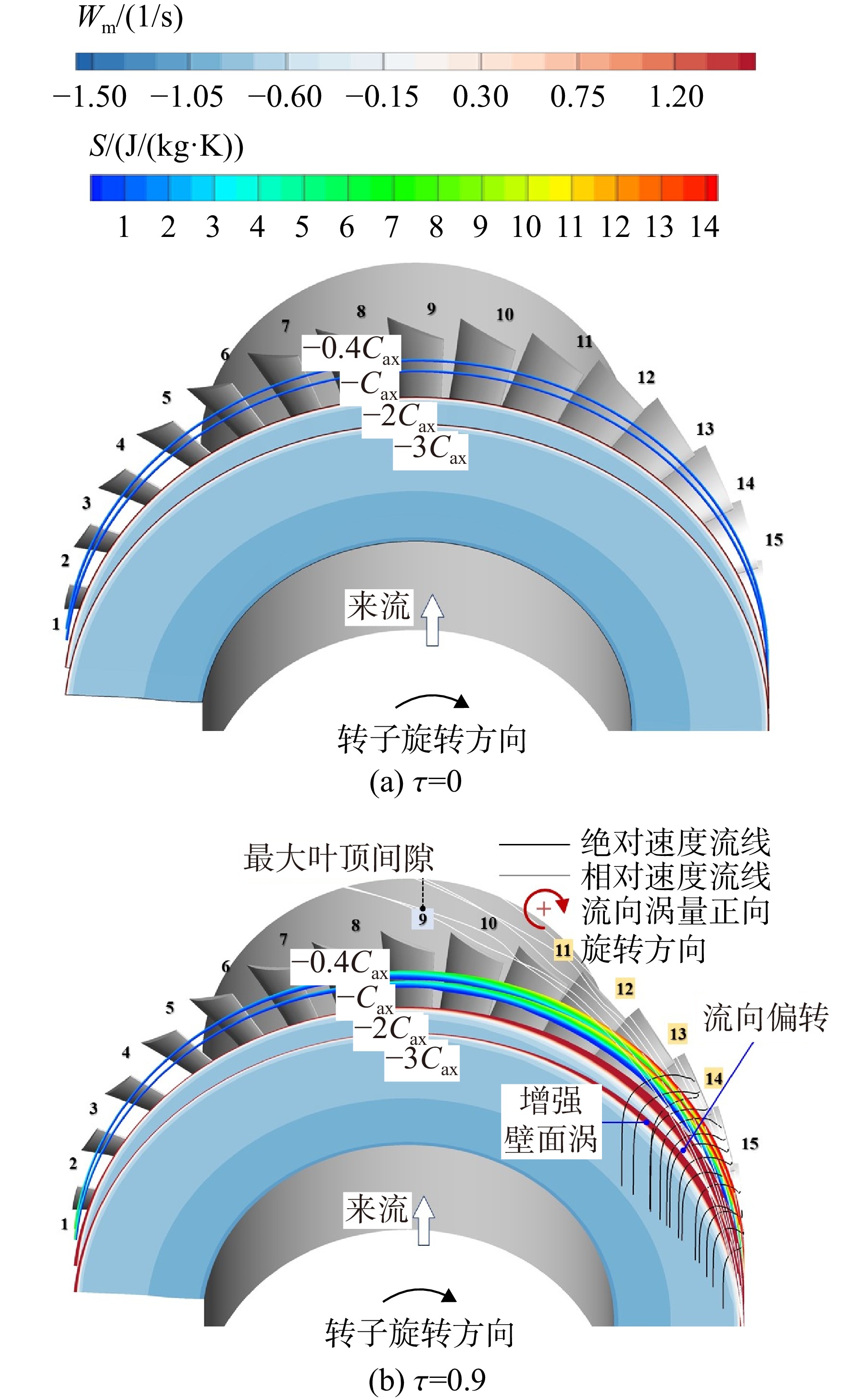
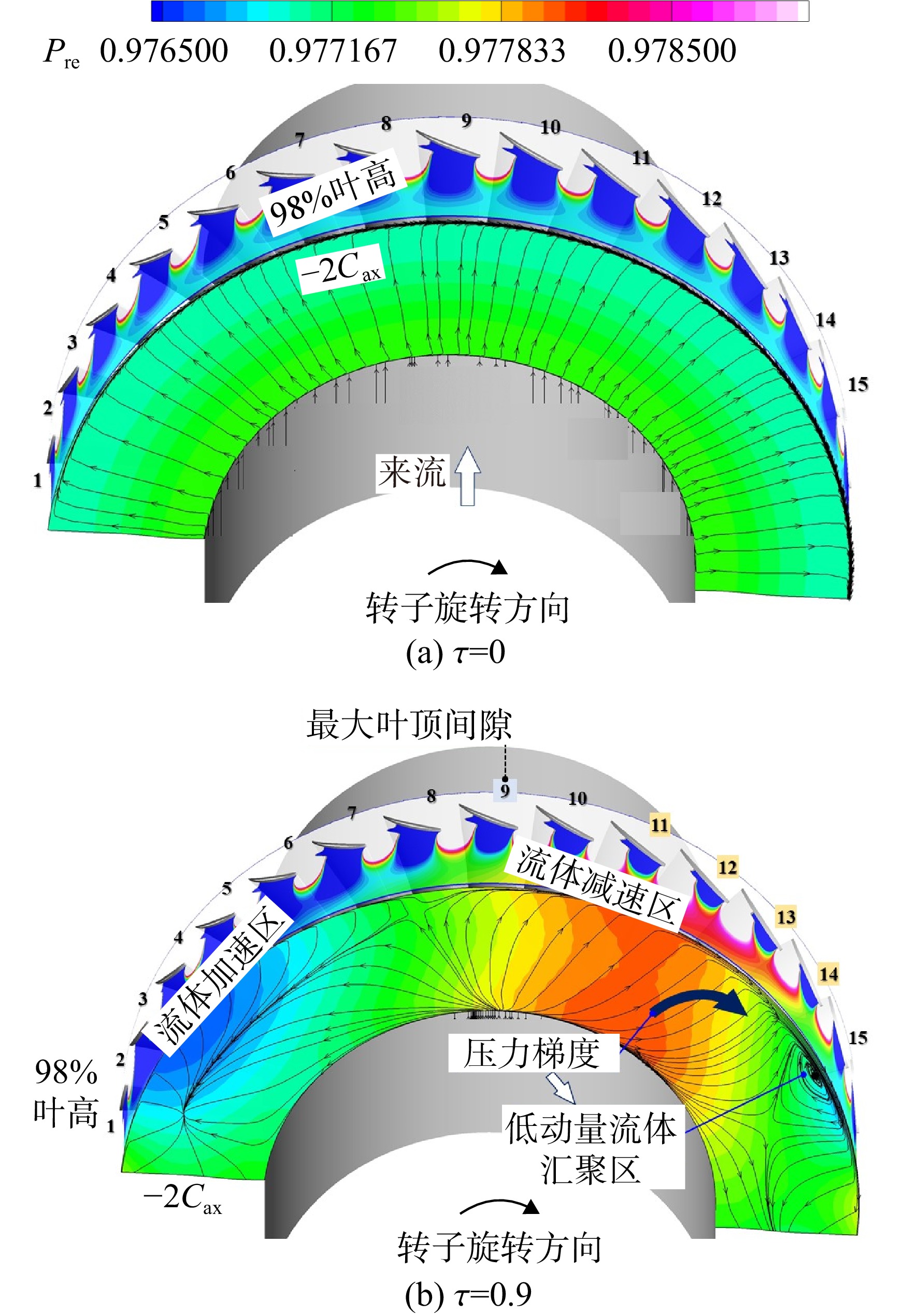
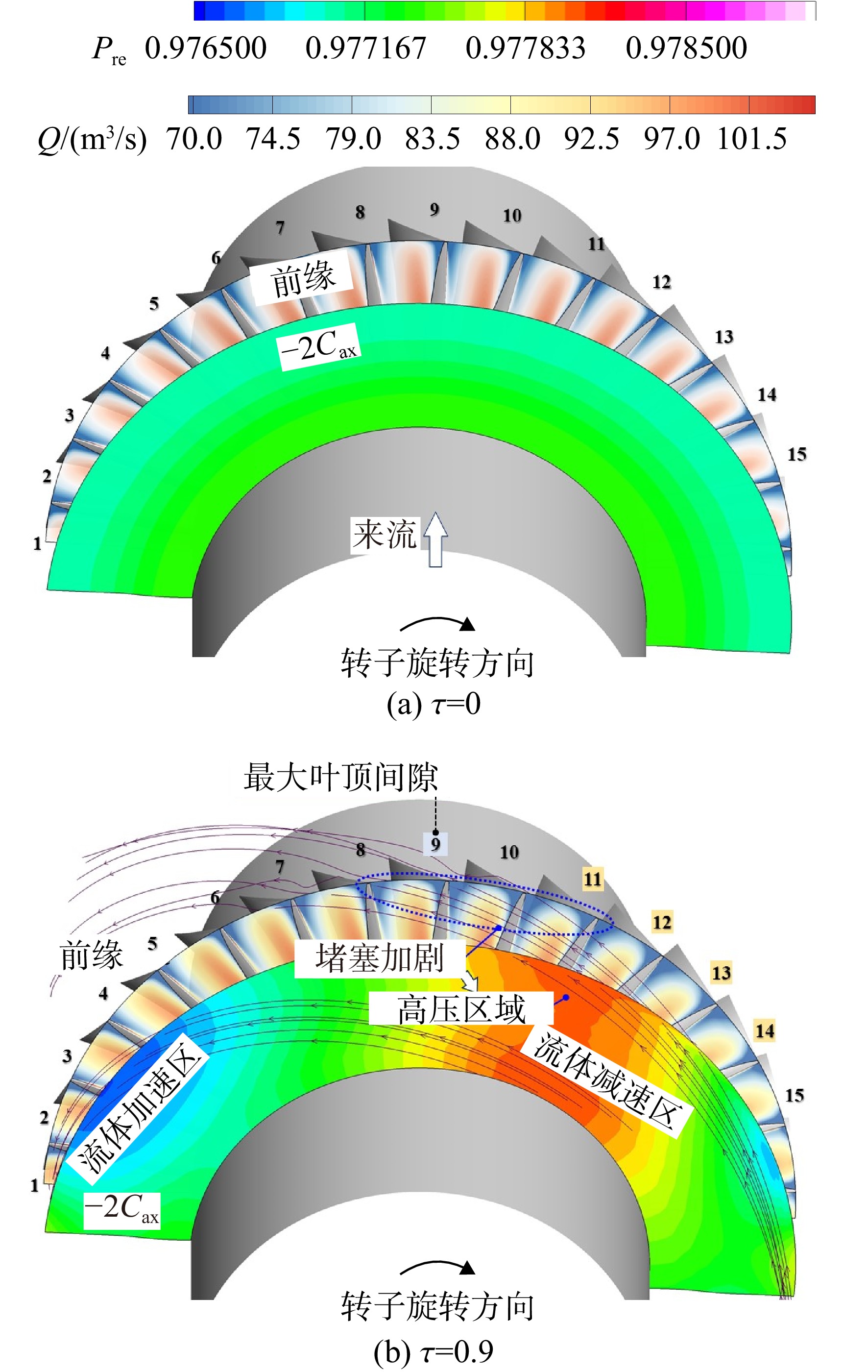
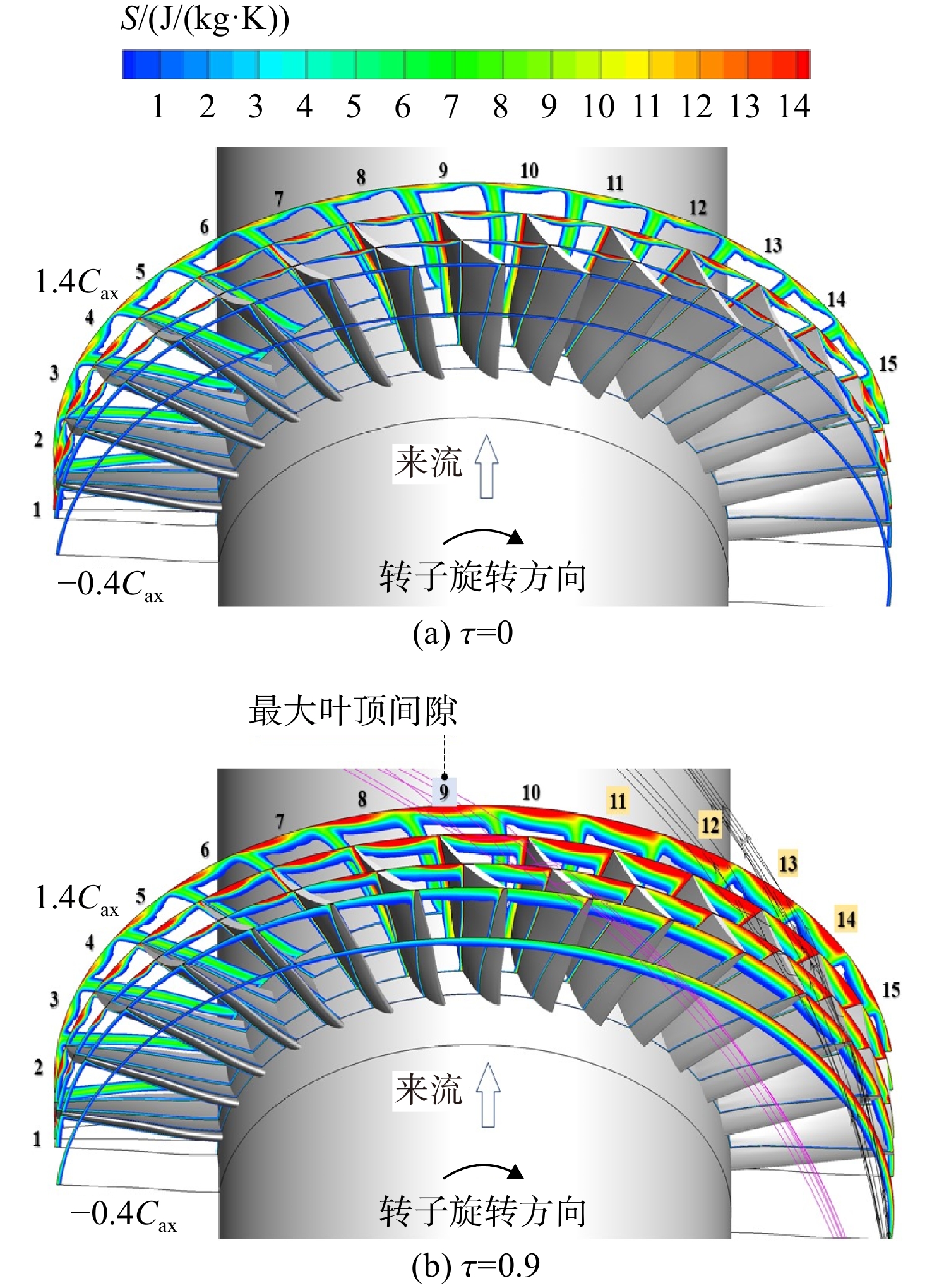
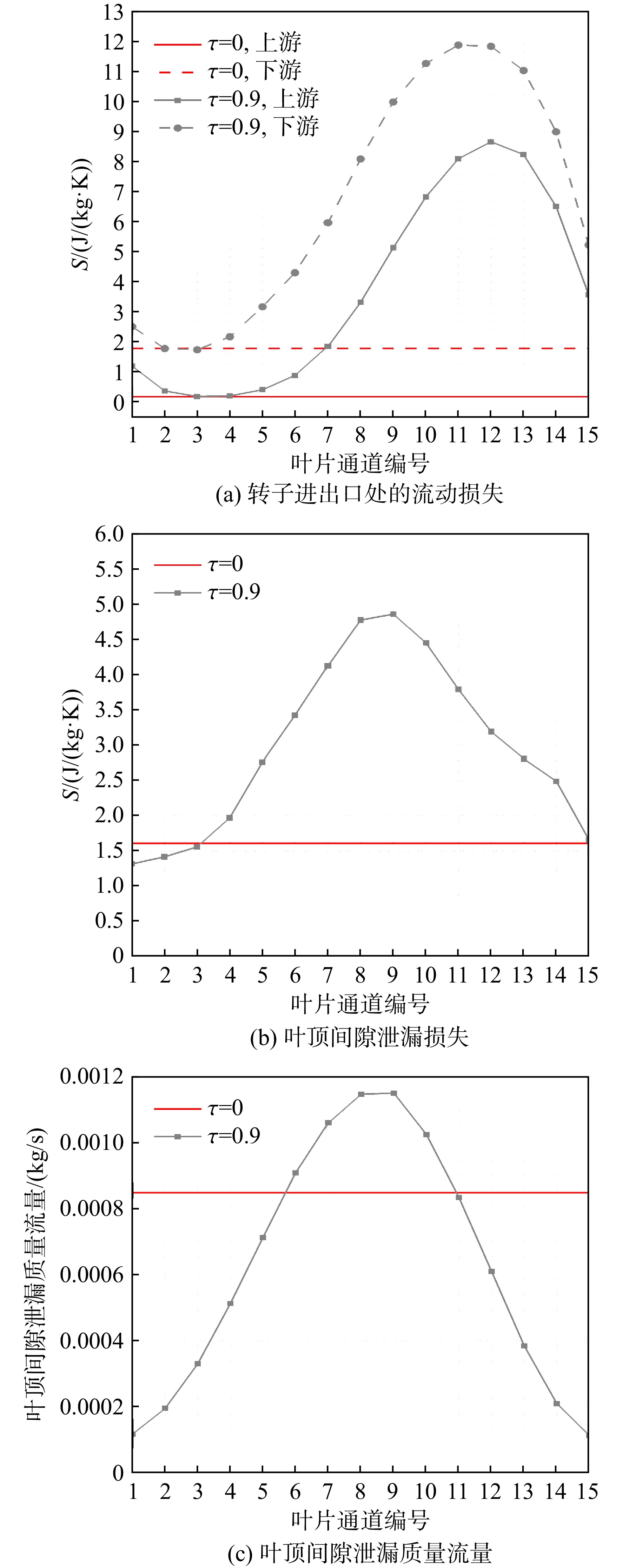
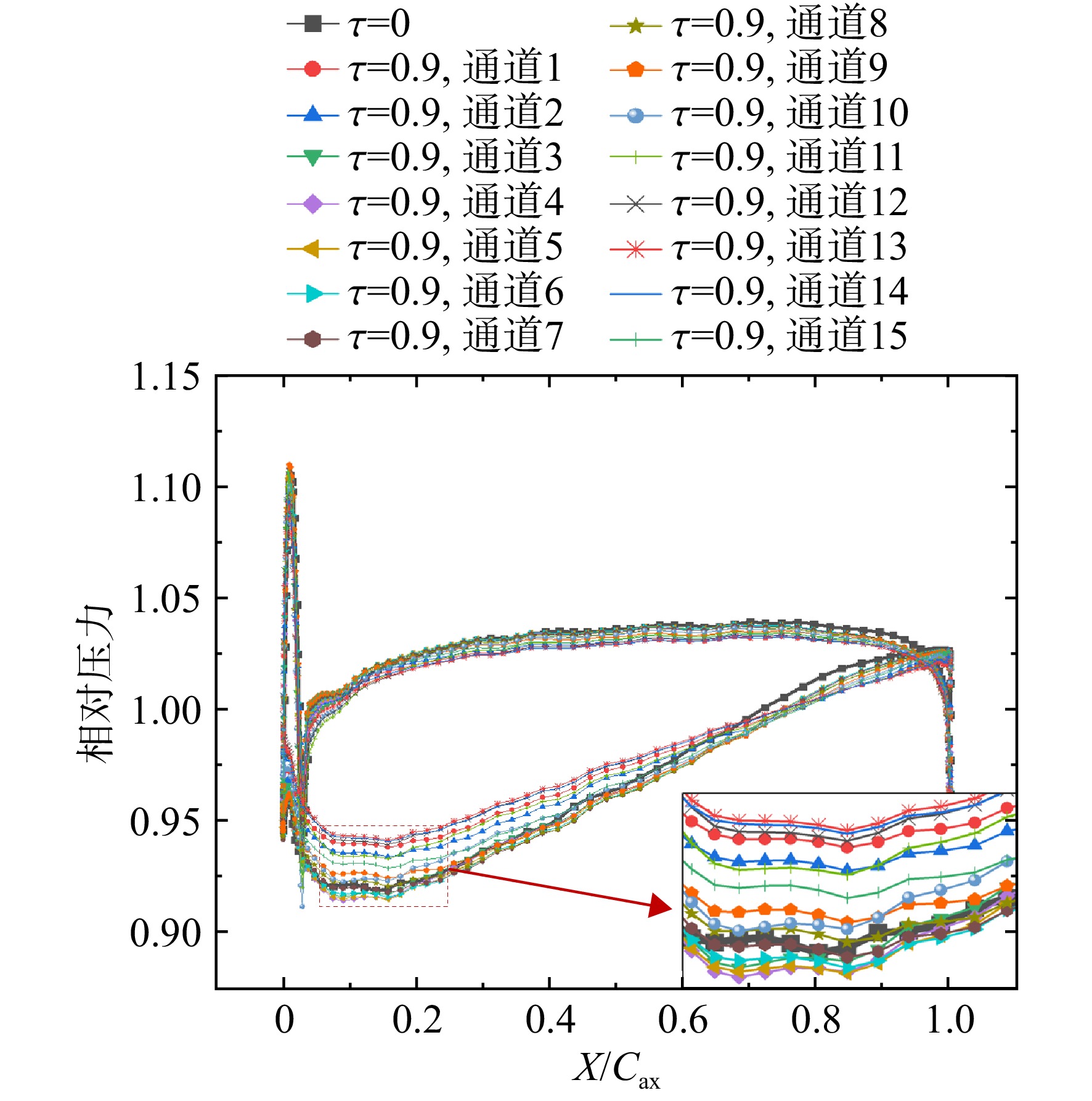
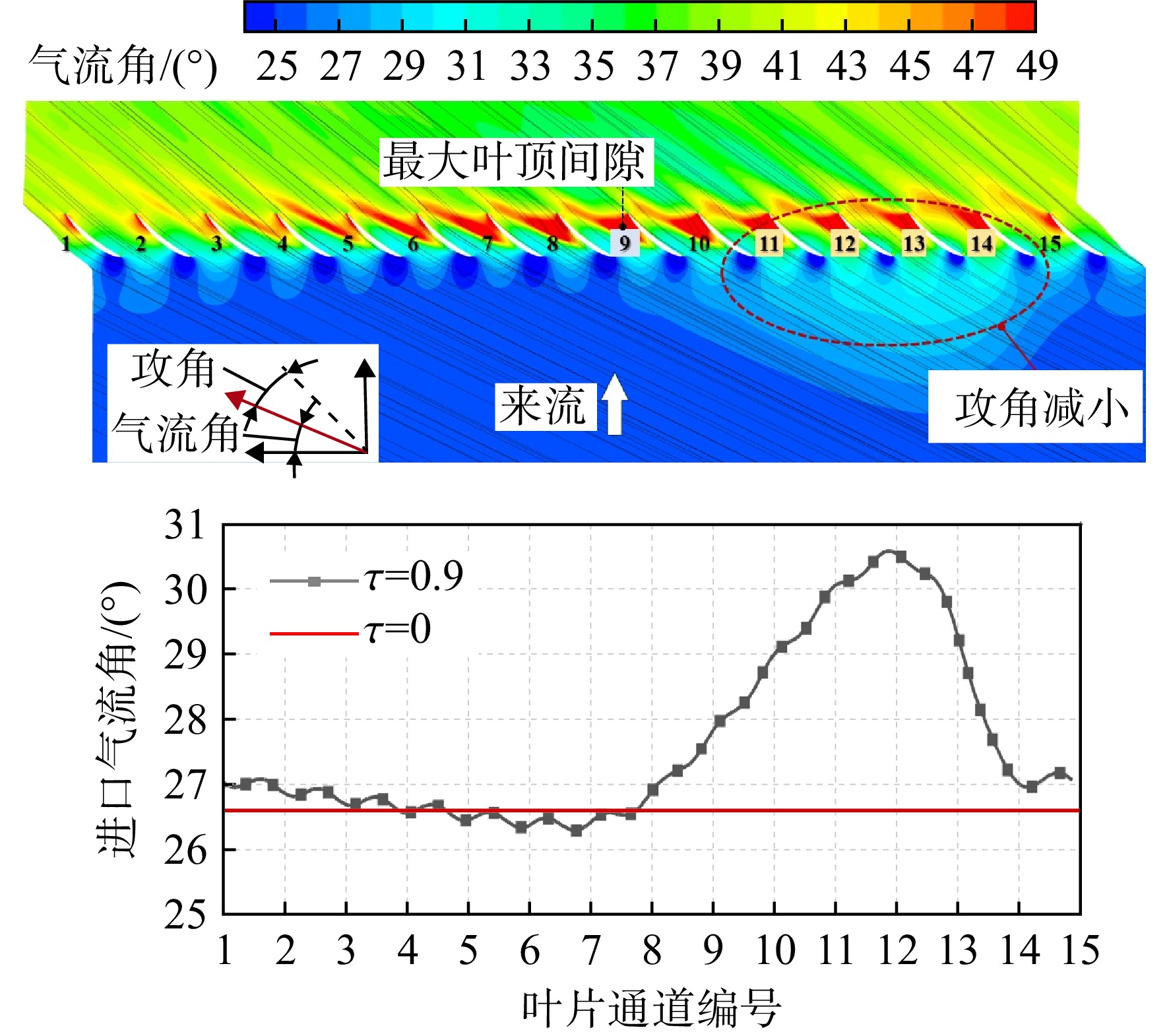
Focusing on a subsonic axial-flow compressor, the typical flow characteristics and loss characteristics of a subsonic axial-flow compressor with elliptical deformation of the casing were investigated by means of a calibrated numerical method at 53% design speed. The results indicated that the flow and loss in the tip region of the compressor blade were deteriorated as the deformation degree of the casing increased, and the aerodynamic efficiency of the compressor decreased more sharply with a peak efficiency decrease of up to 2.1%. The deterioration of tip flow under casing deformation was due to circumferential distortion of the upstream flow field of the rotor and its induced flow losses: the uneven circumferential clearance at the blade tip led to distortion of the upstream pressure potential field in the maximum blade tip clearance channel of the rotor, forming a pressure gradient and circumferential secondary flow in the direction of blade rotation, inducing low-energy fluid to migrate and accumulate towards the circumferential position deviating from the maximum blade tip clearance and forming a high loss region. The loss circumferential distribution exhibited a “phase shift” phenomenon. Compared with the change in rotor tip clearance under casing deformation which led to an increase in leakage loss, the upstream loss distortion of the rotor had a more profound impact on the internal tip loss of the rotor. On the one hand, it determined which blade channel the peak loss region lied in, and on the other hand, the development and evolution within the rotor induced larger tip leakage loss.

Surge detection and control of cryogenic compressor considering real gas effects
ZHANG Wen, ZHOU Enmin, LEI Pengfei, YAN Yujia
2026, 41(5): 20240408. doi: 10.13224/j.cnki.jasp.20240408
Abstract:

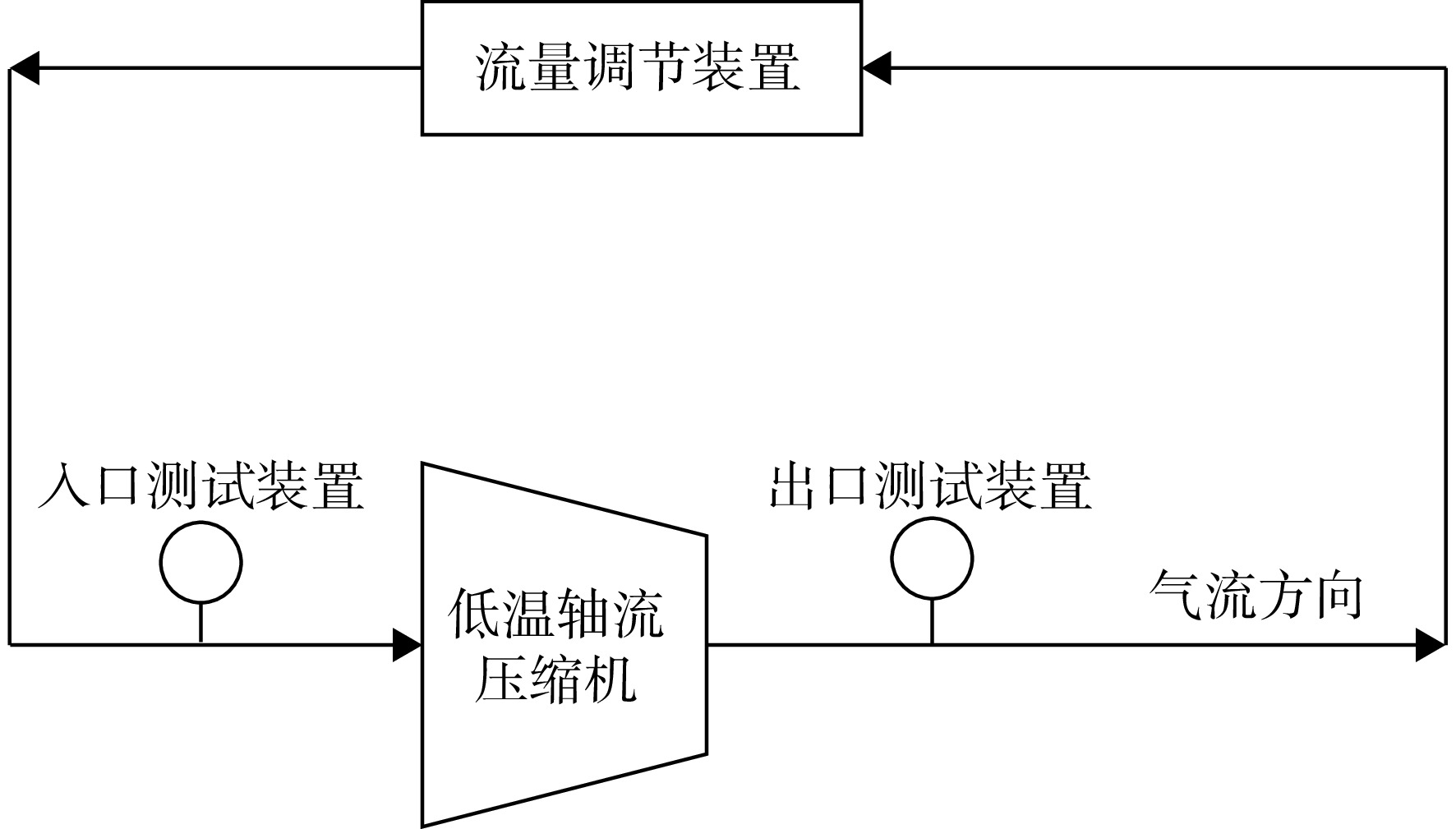
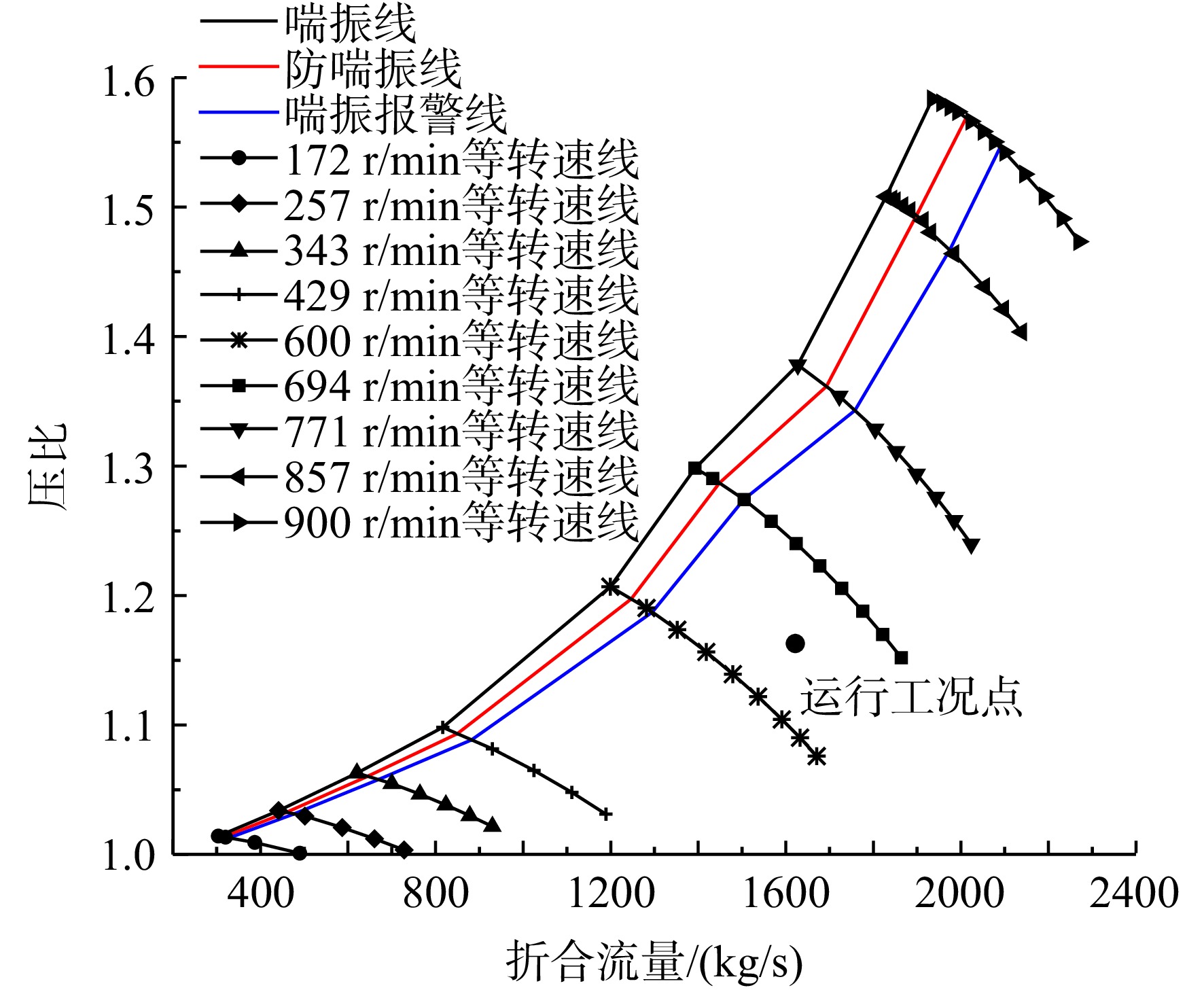
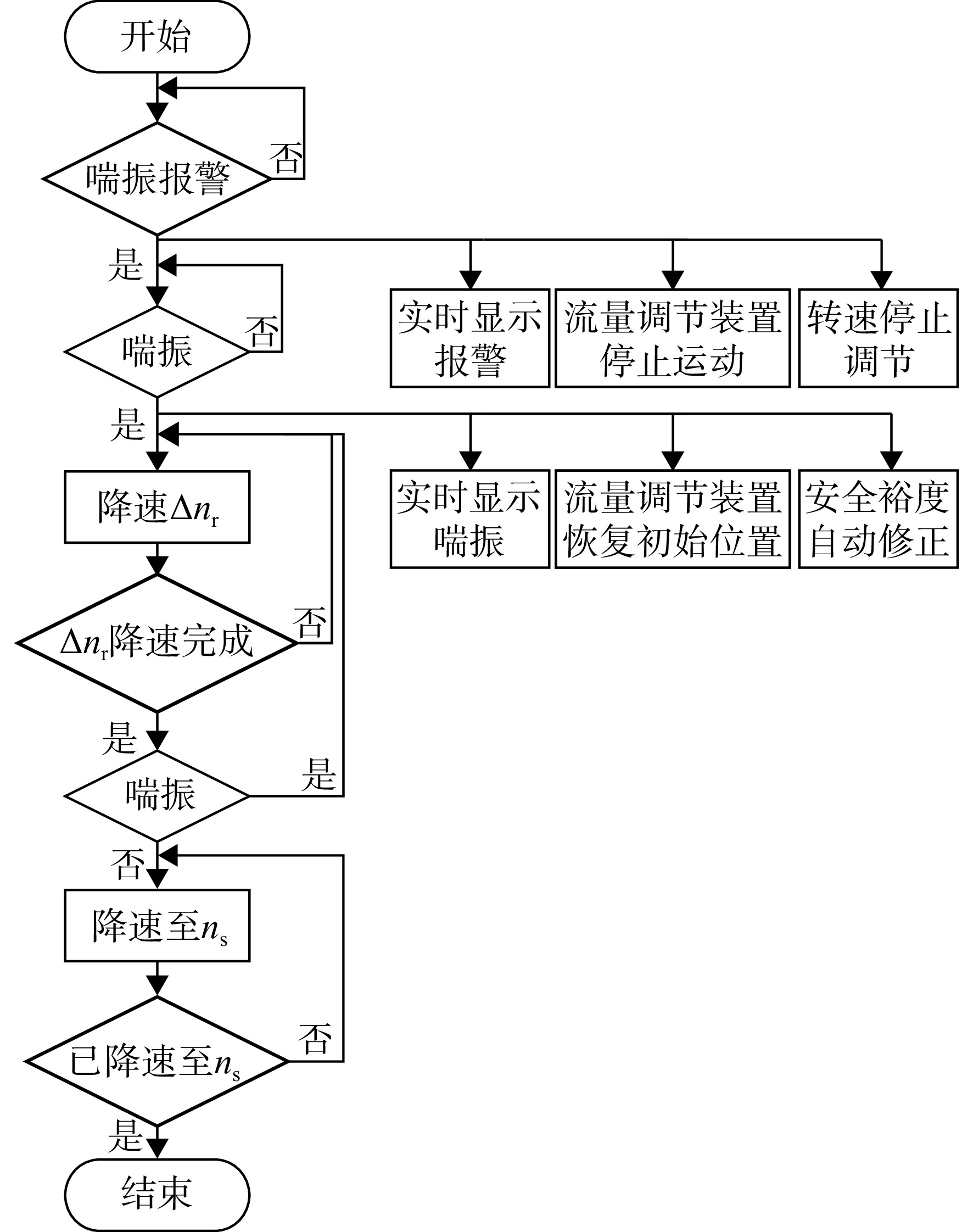
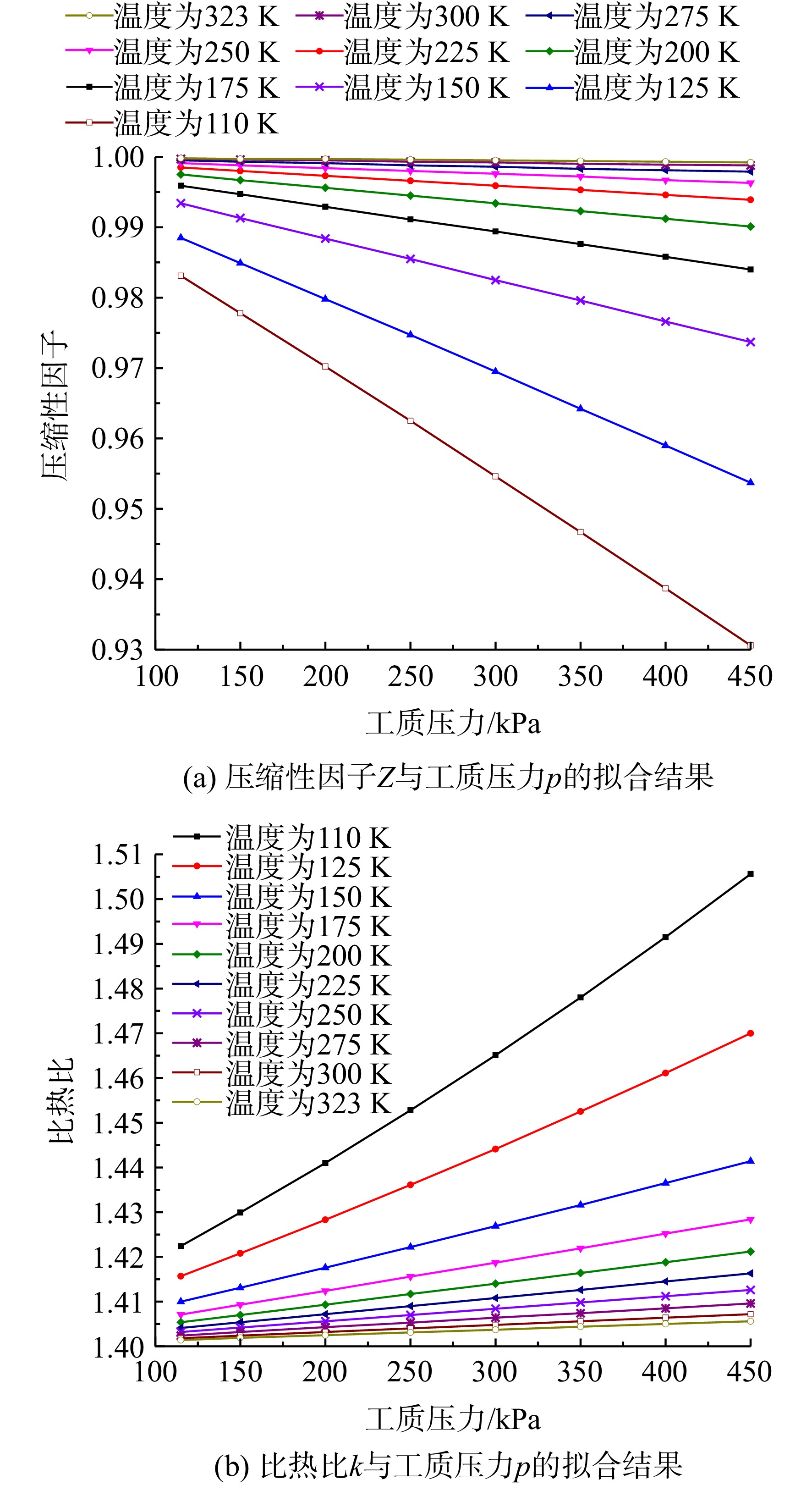
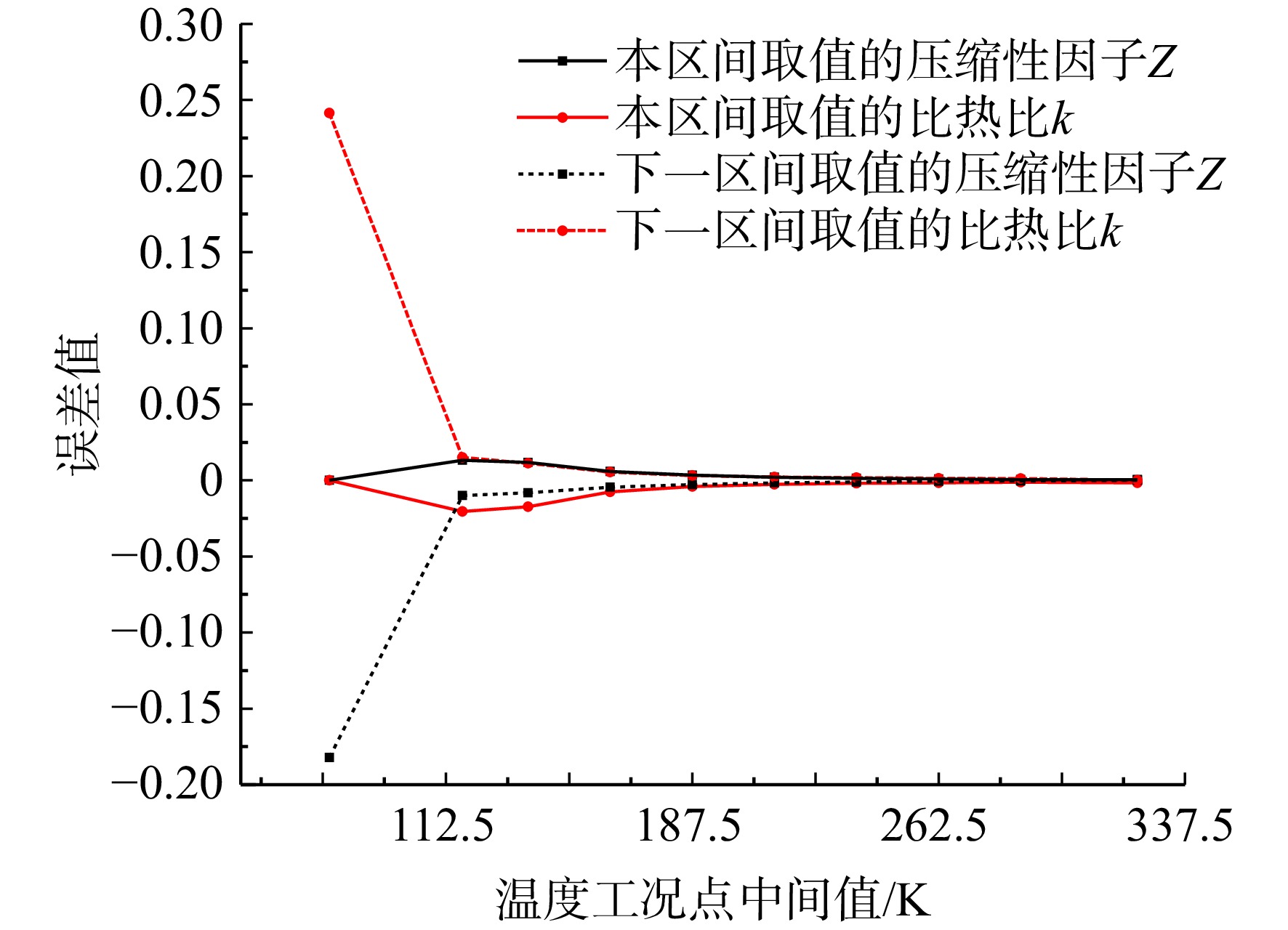
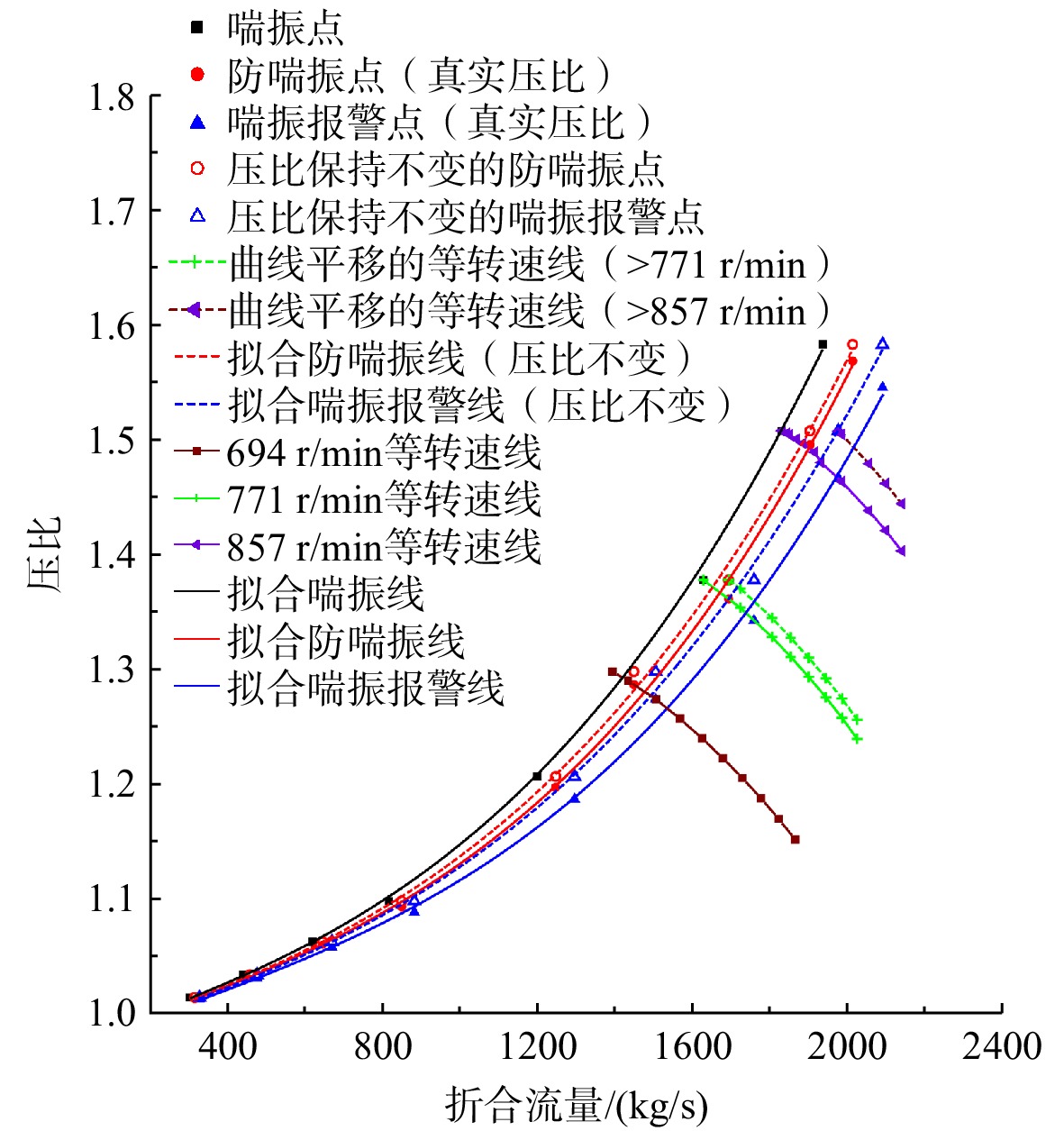
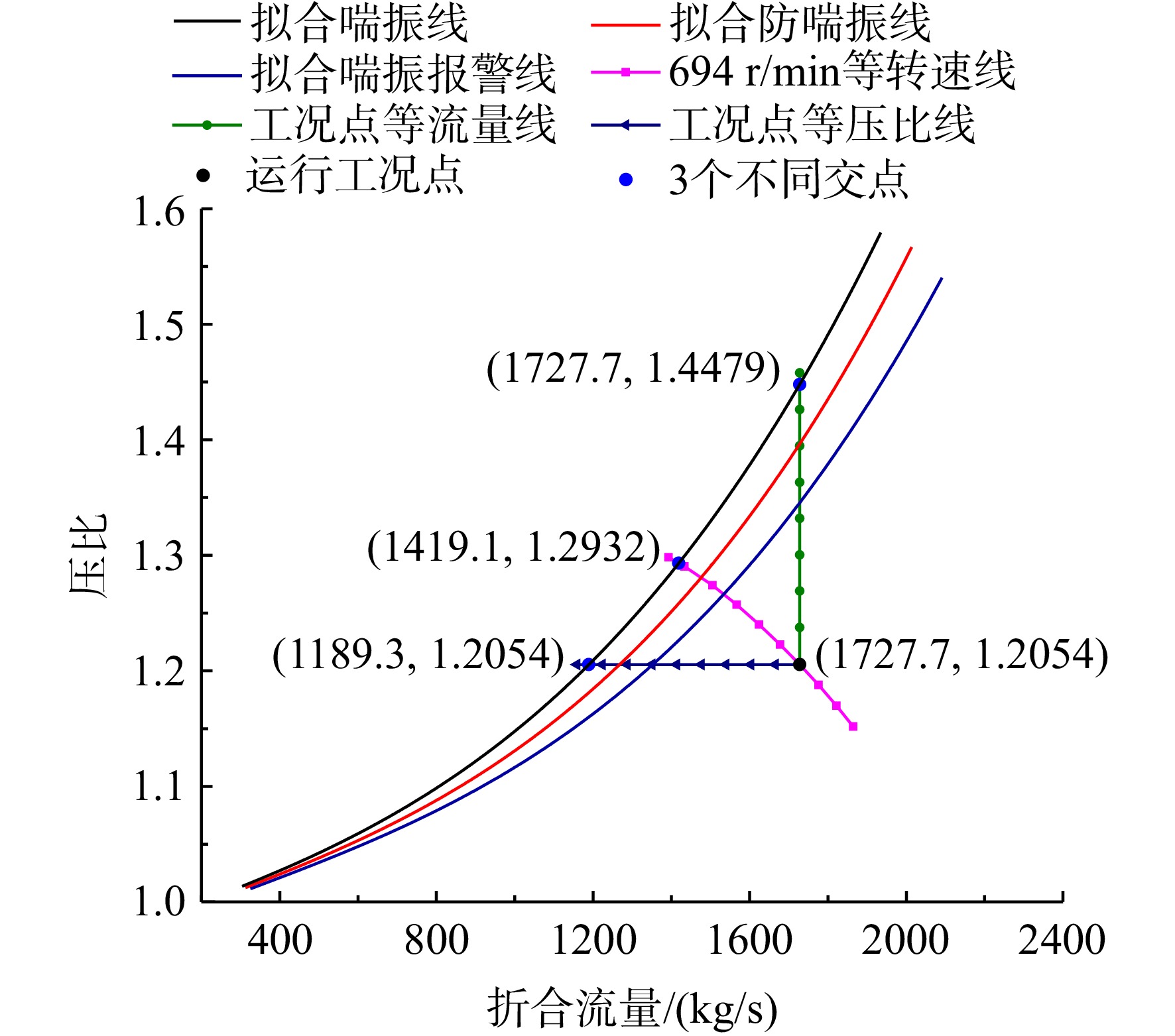
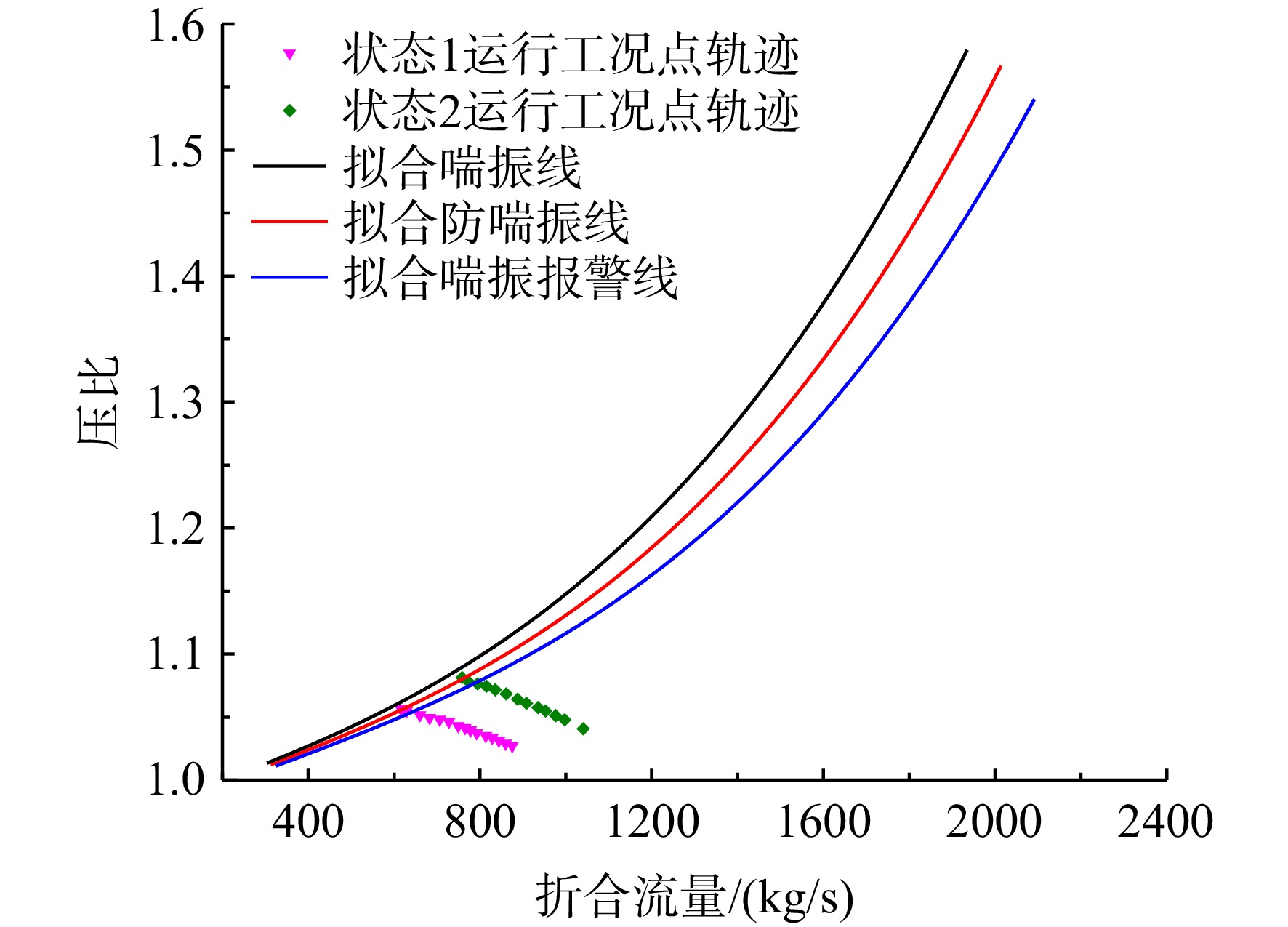
Surge detection and anti-surge control of cryogenic axial compressor based on real gas effects were studied. The thermodynamics and caloric of real working fluids with full envelope of cryogenic axial compressor were obtained by calculation, a normalized and corrected model based on real working fluids was developed. Methods of anti-surge cluster lines and performance parameters margin setting were proposed, both methods of surge detection based on initiative and passive determination and anti-surge control of meticulous deceleration and automatic revision of safety margin were developed. The results showed that: compared with ideal gas, the maximum deviations of thermodynamics and caloric of real working fluids were 6.94% and 7.54%, the maximum deviations of corrected mass flow and corrected speed were 5.41% and 1.69%, the influence of real gas effects must be considered obviously. The anti-surge cluster lines based on real motion trajectory of operation points were deemed as sufficient and necessary conditions of surge detection and margin calculation, and the strategies of anti-surge control could meet the requirements of safe operation.

Influence of splitter blade circumferential position on aerodynamic performance of high pressure ratio centrifugal compressor
LI Guangyong, ZHANG Chaowei, CHEN Yanlong
2026, 41(5): 20250236. doi: 10.13224/j.cnki.jasp.20250236
Abstract:
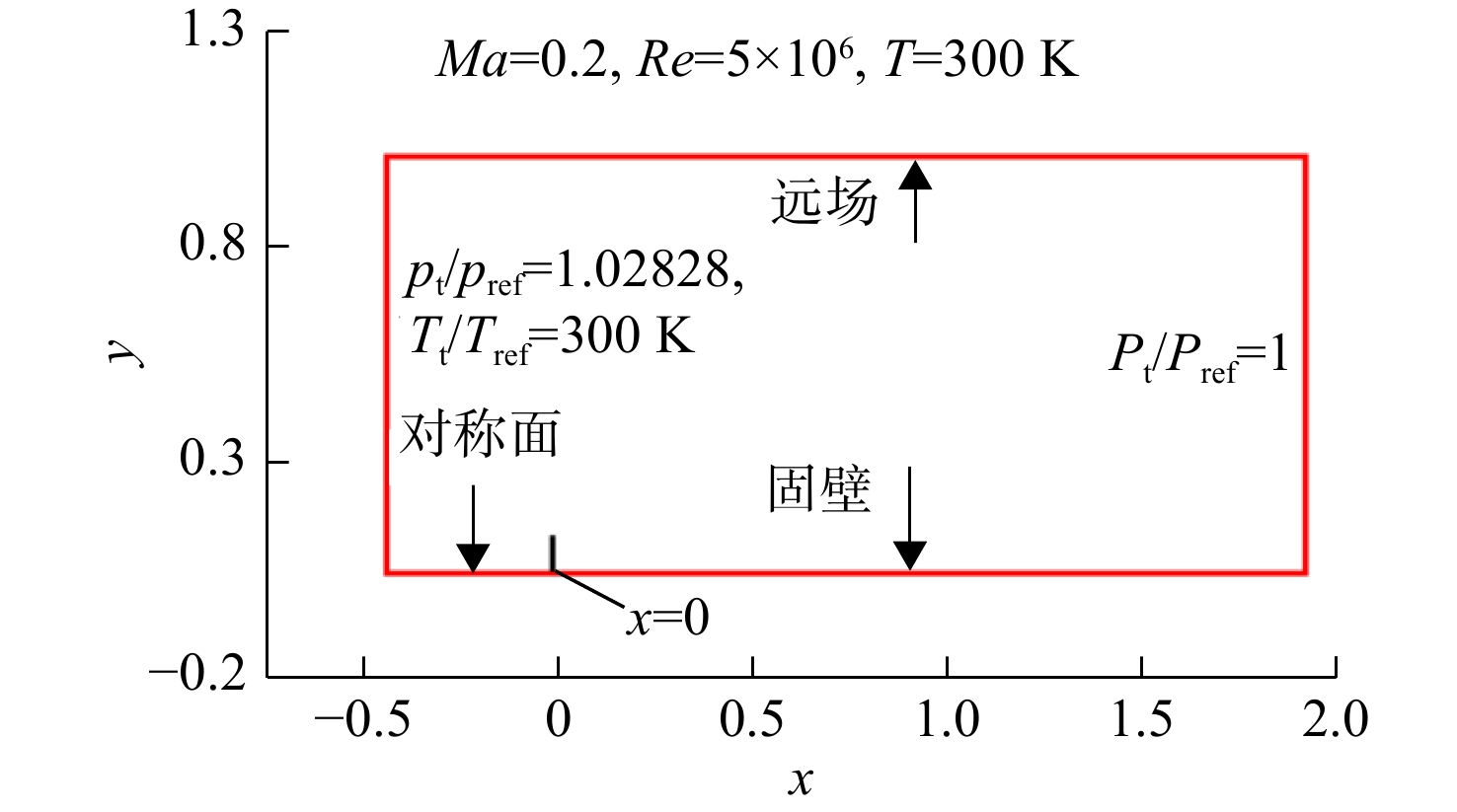
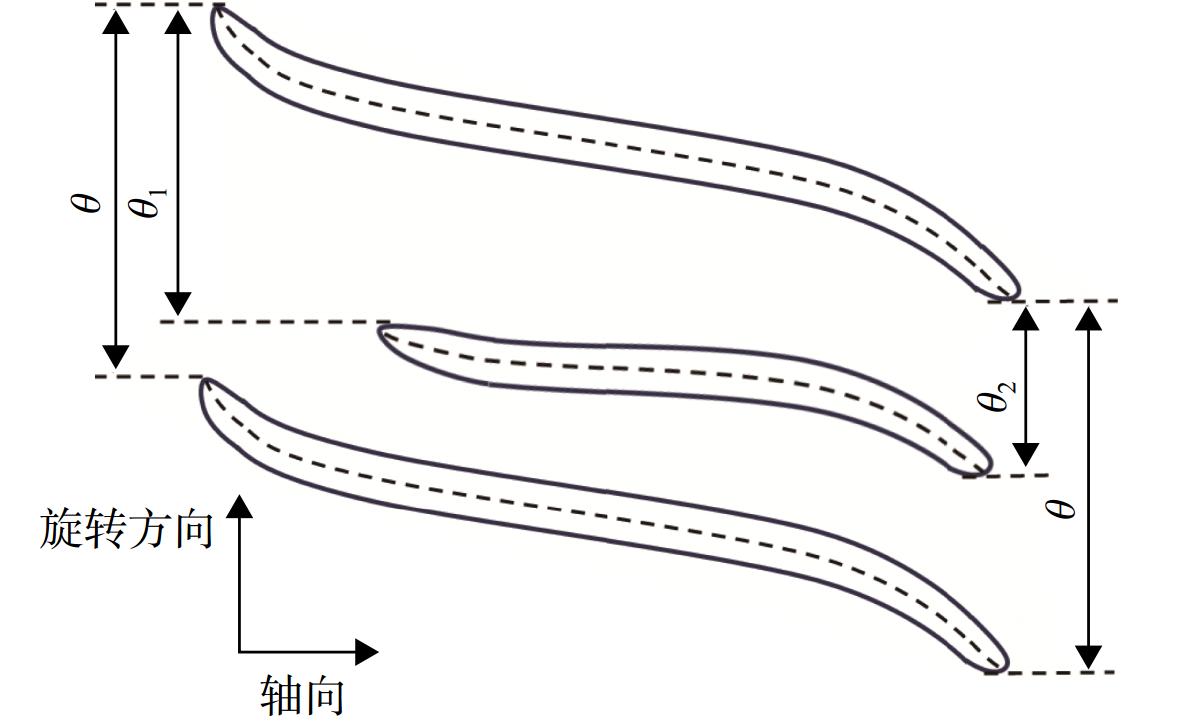
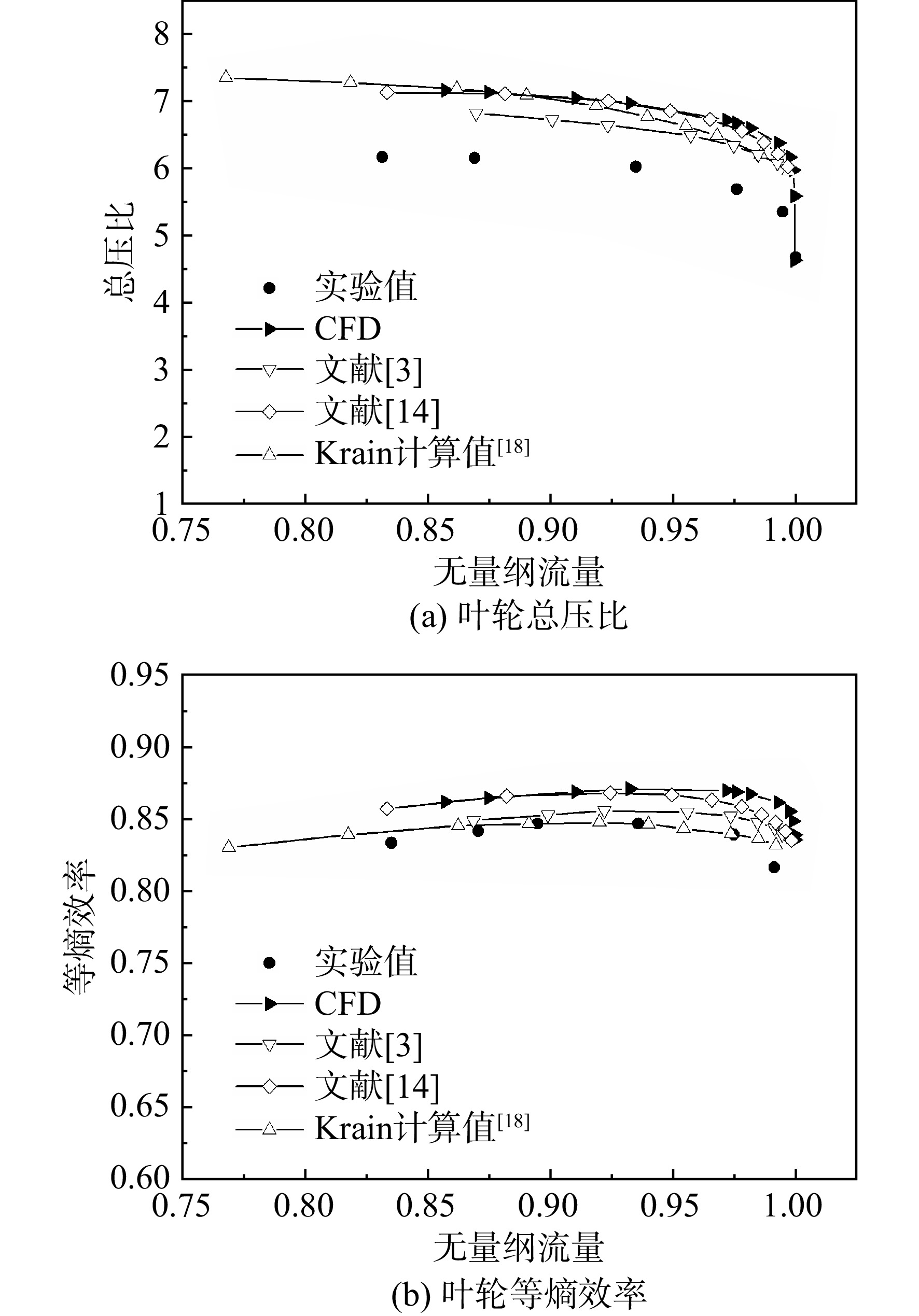
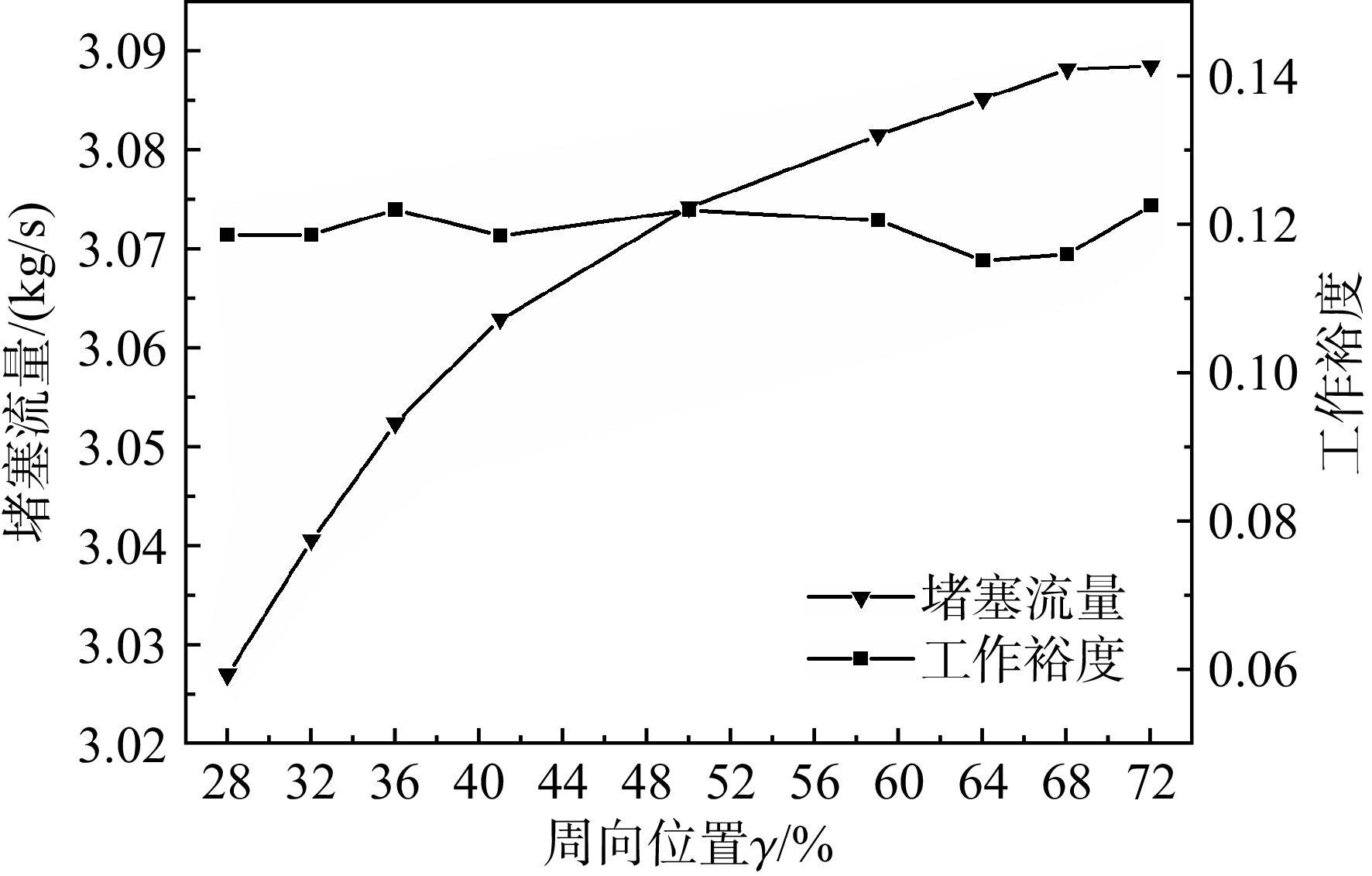
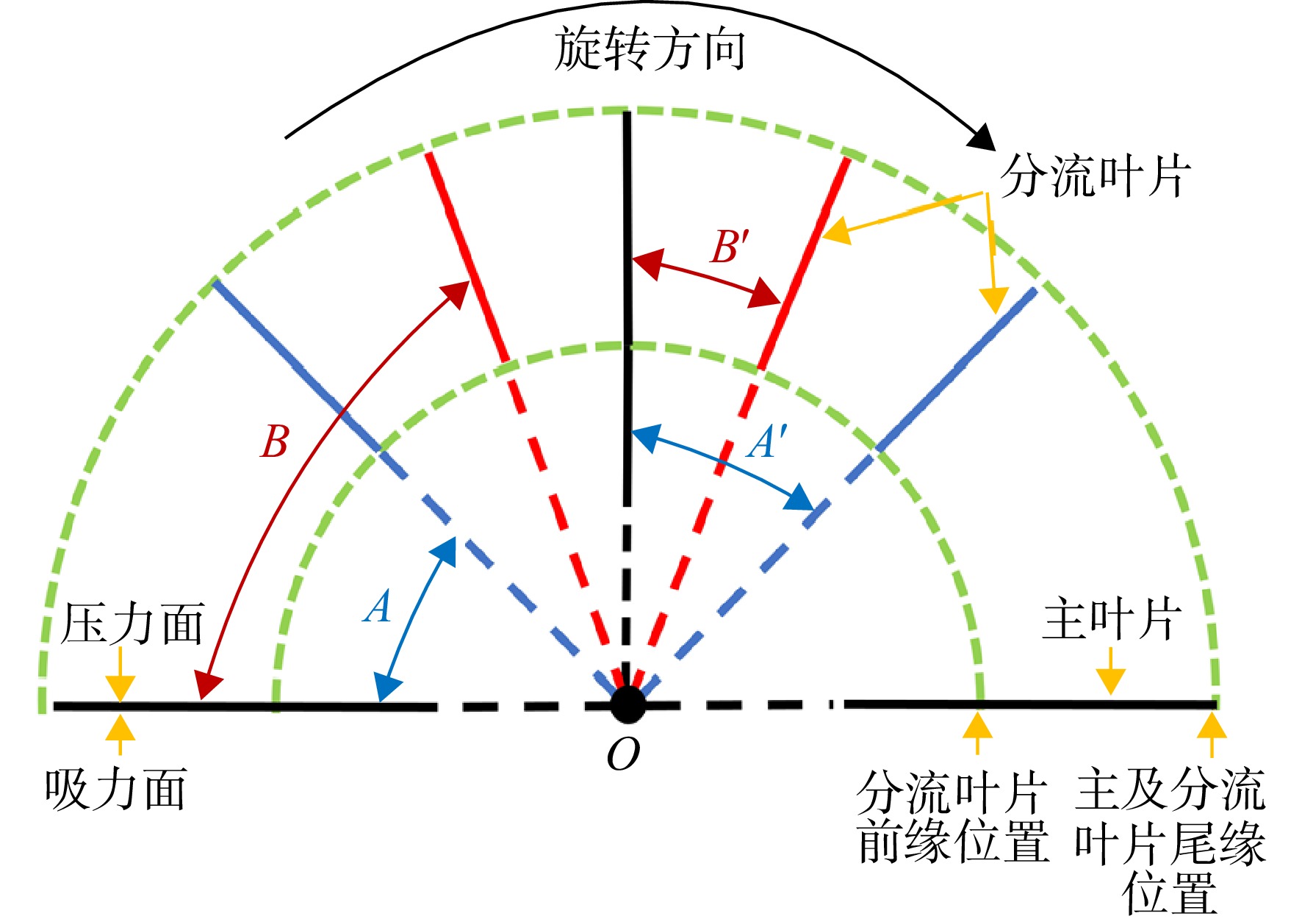
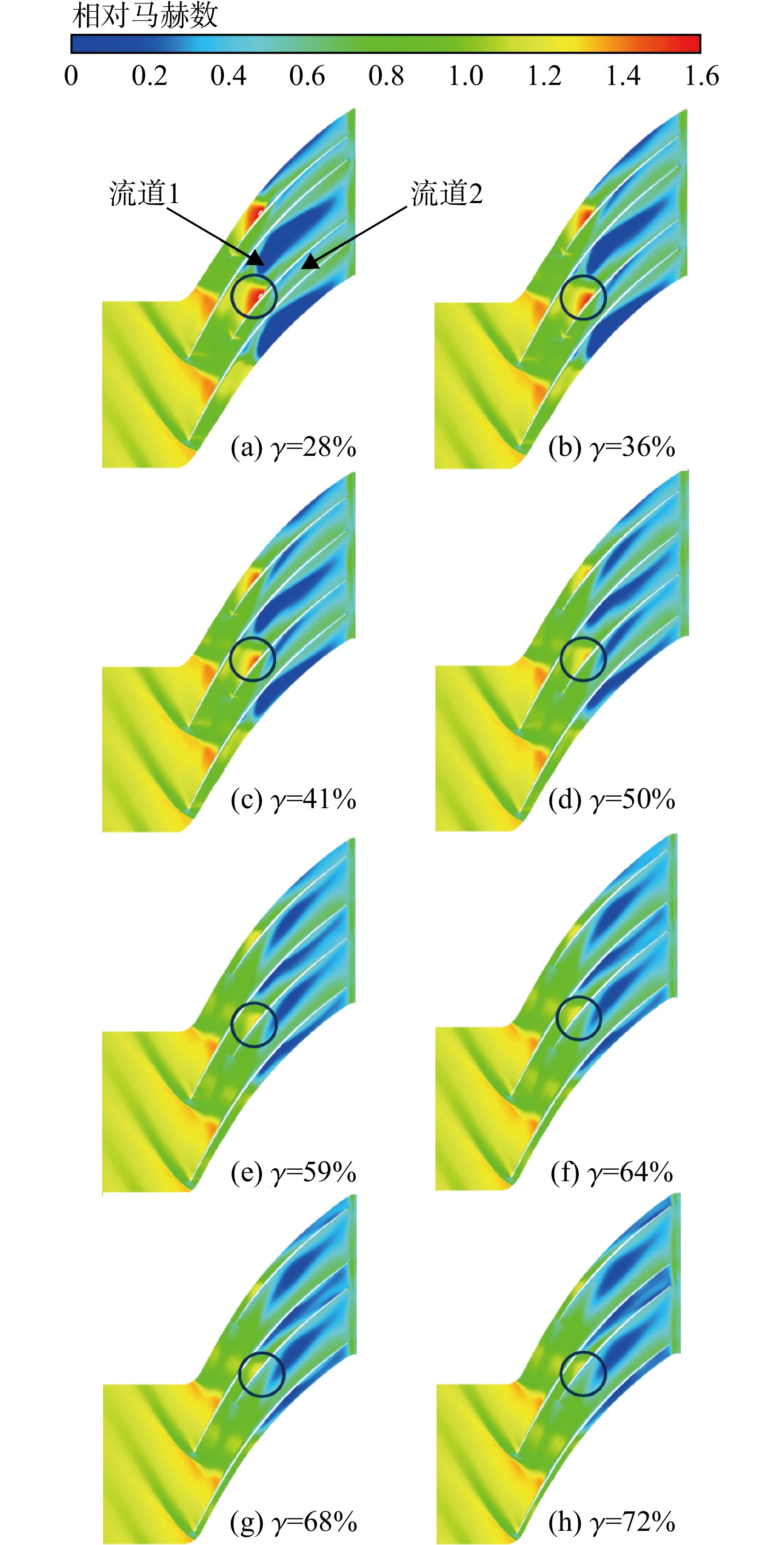
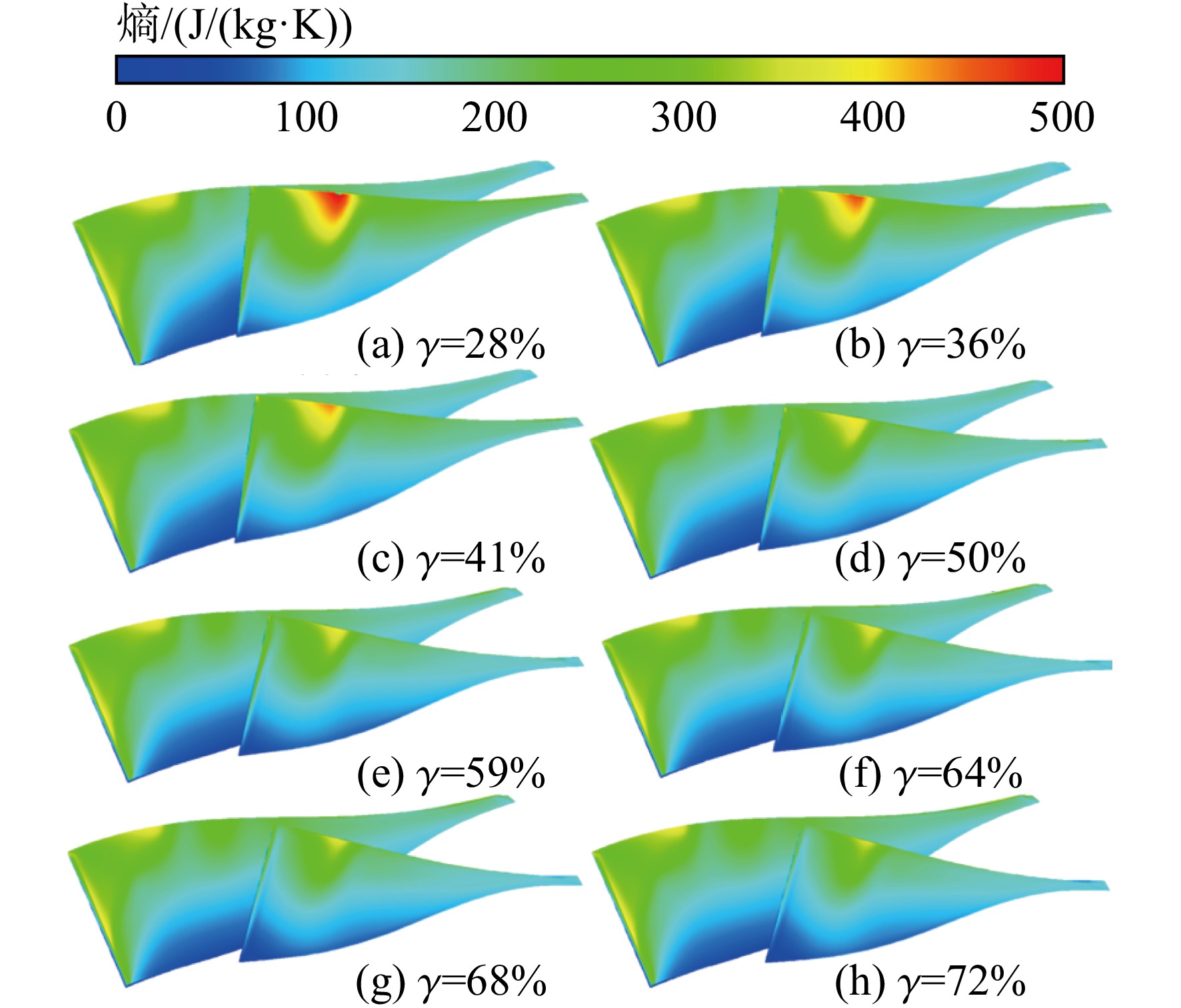
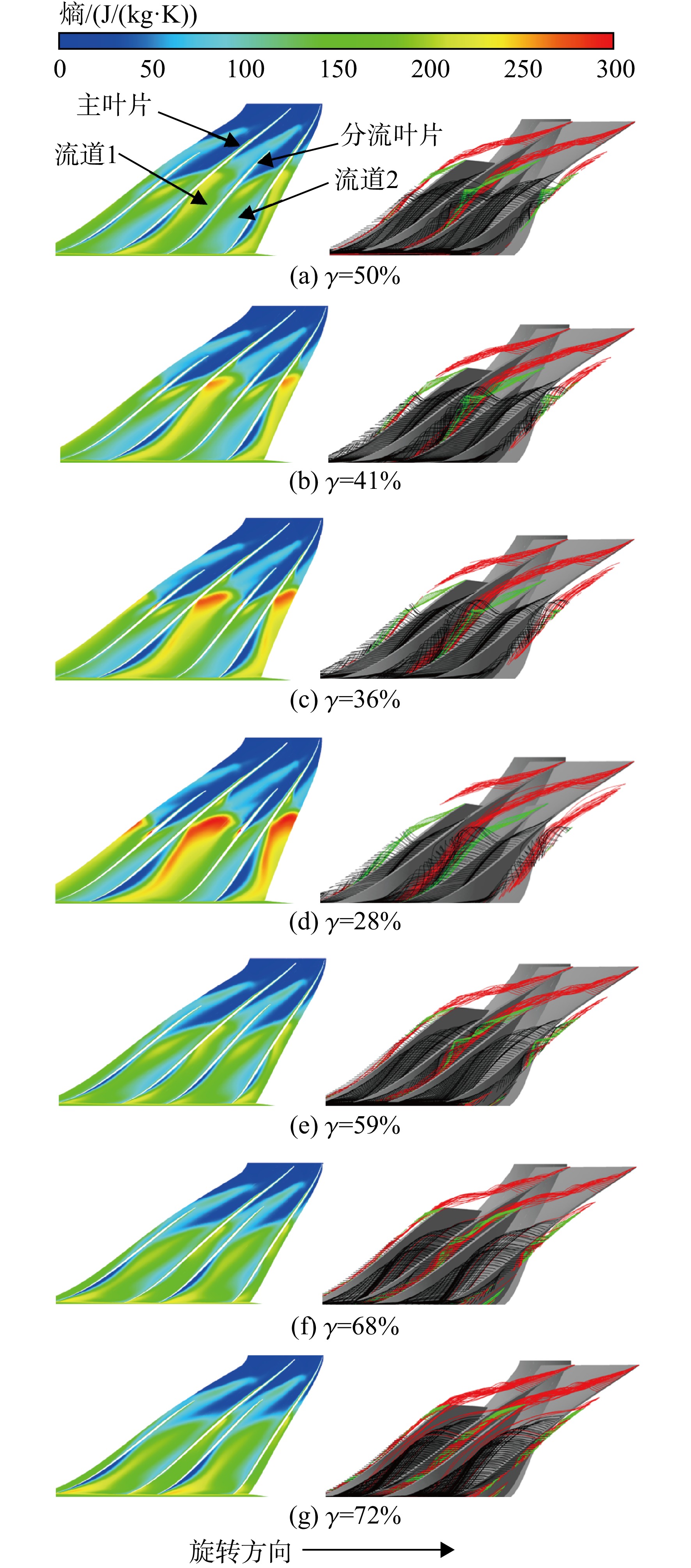
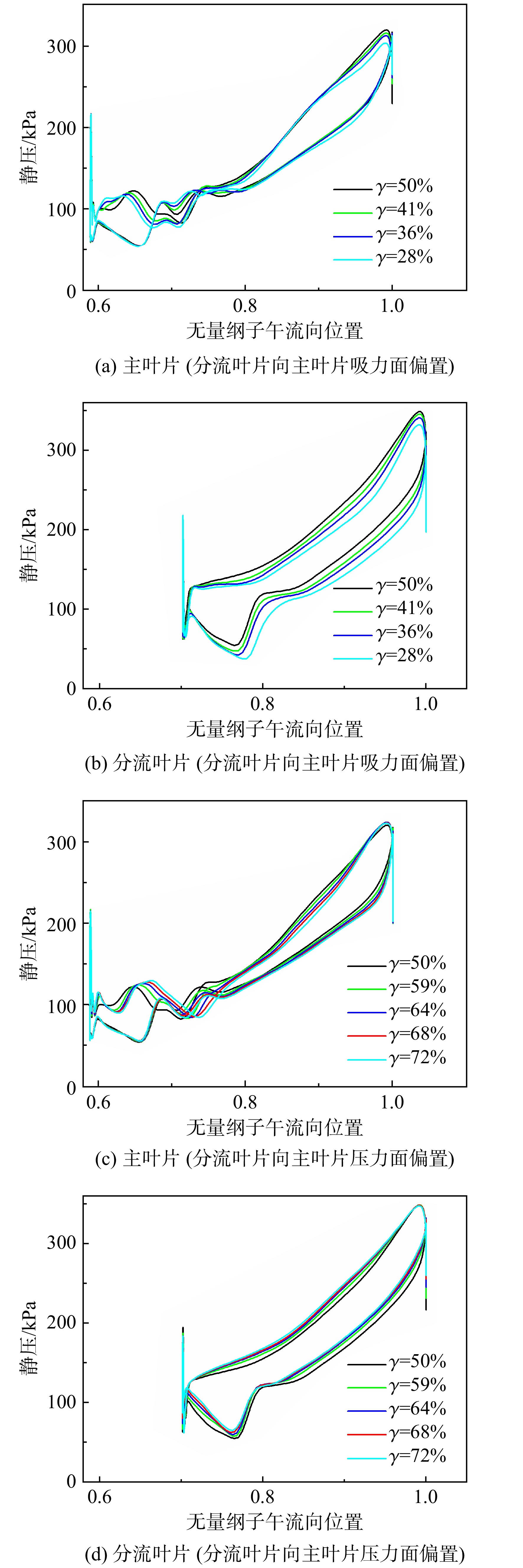
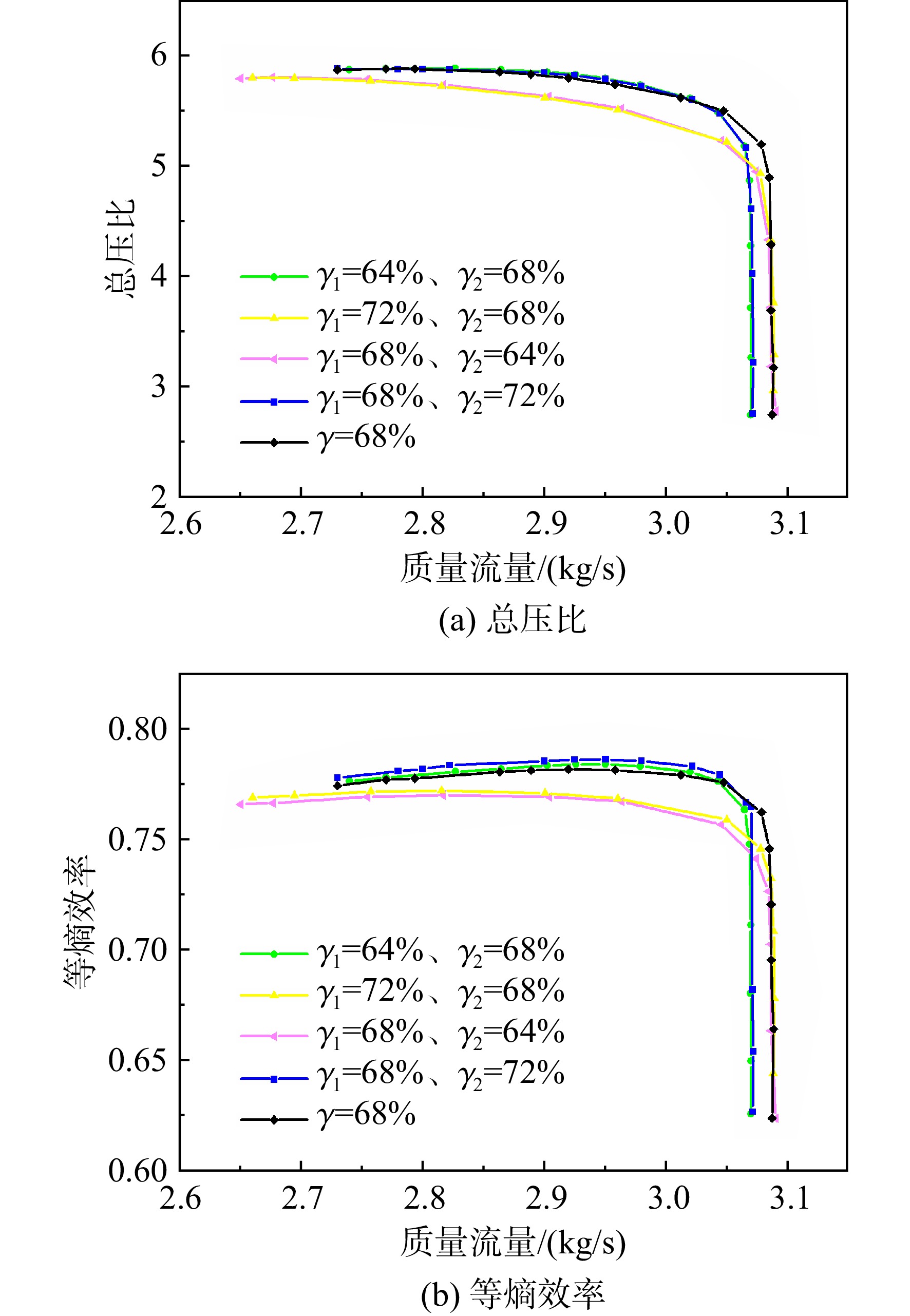
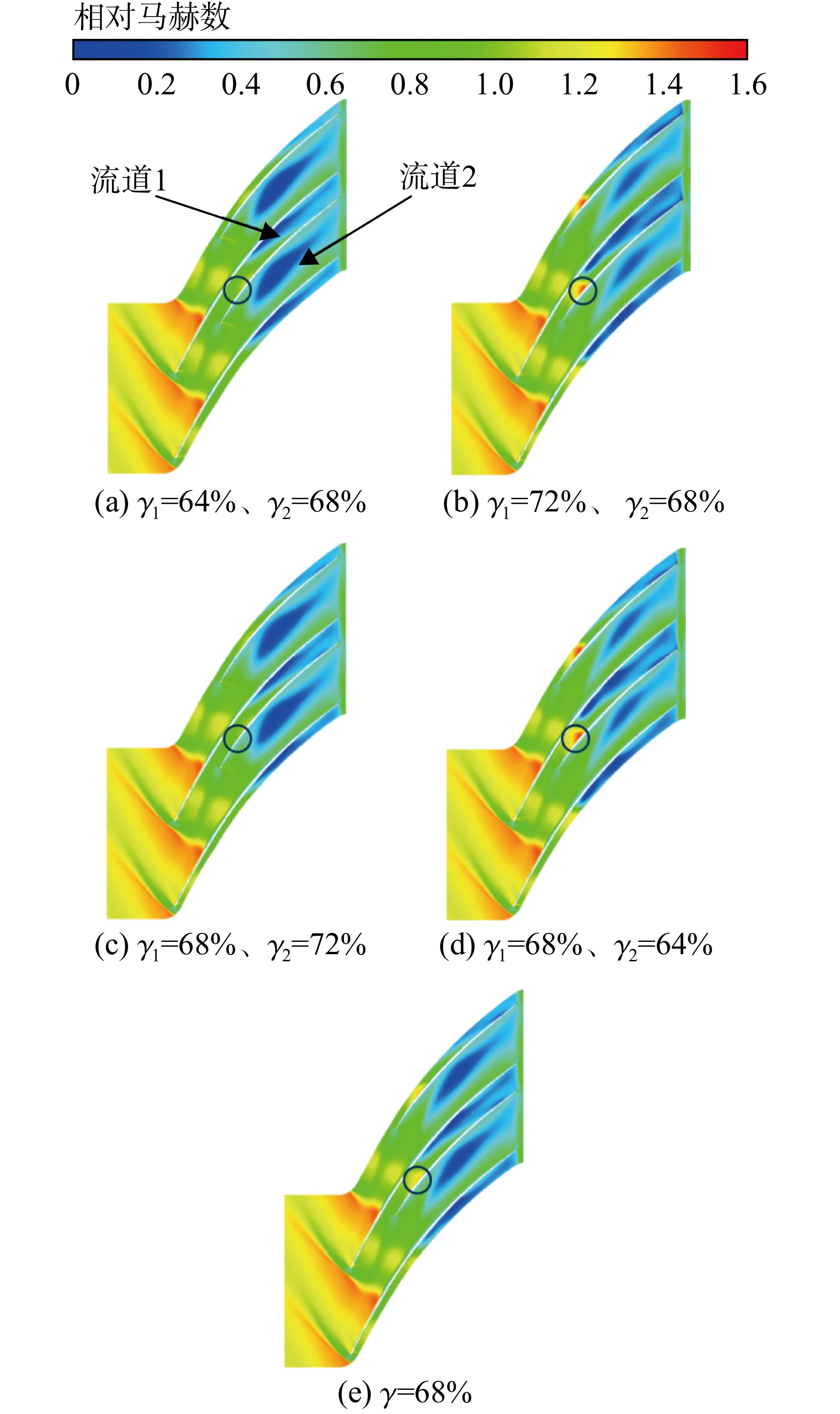
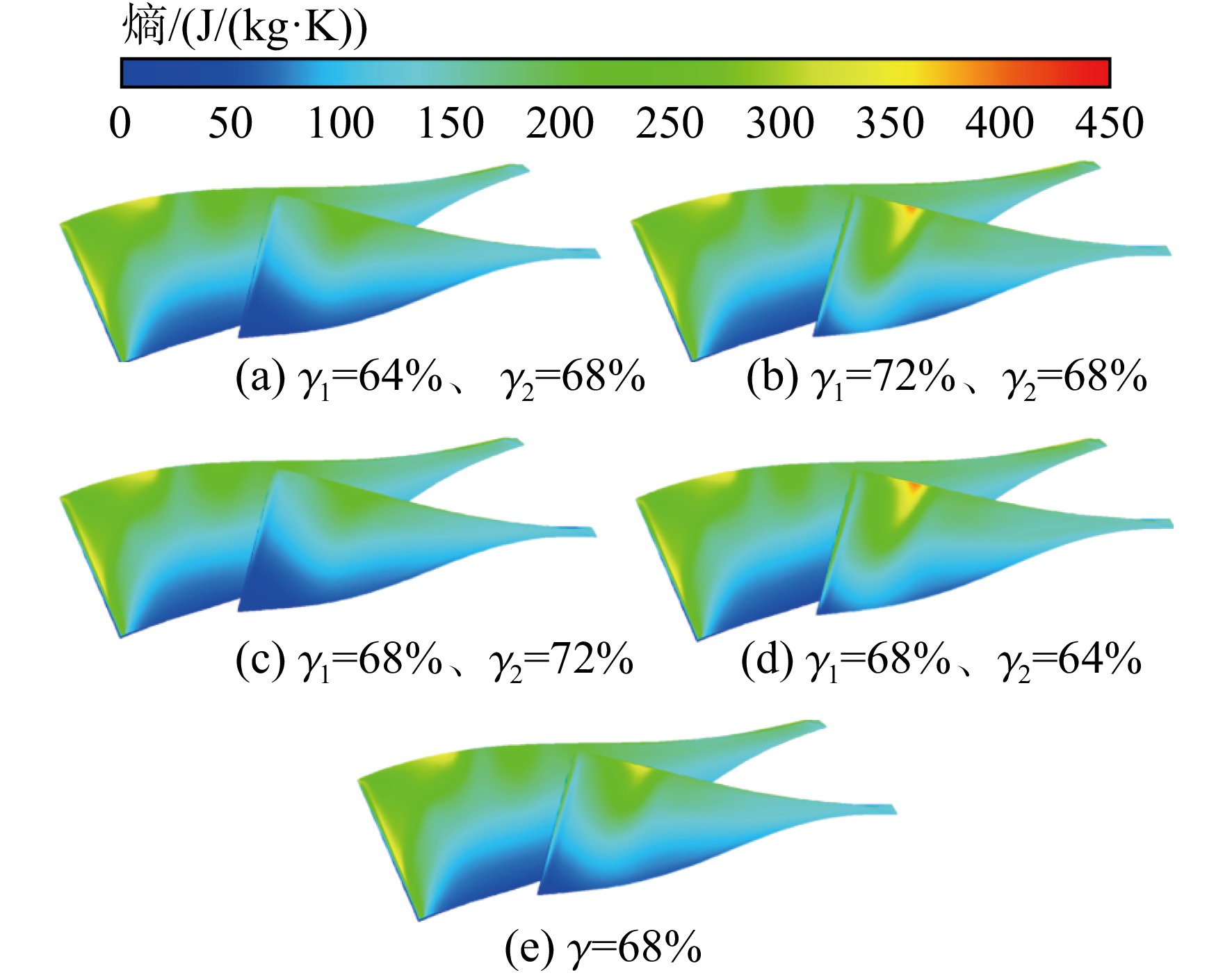
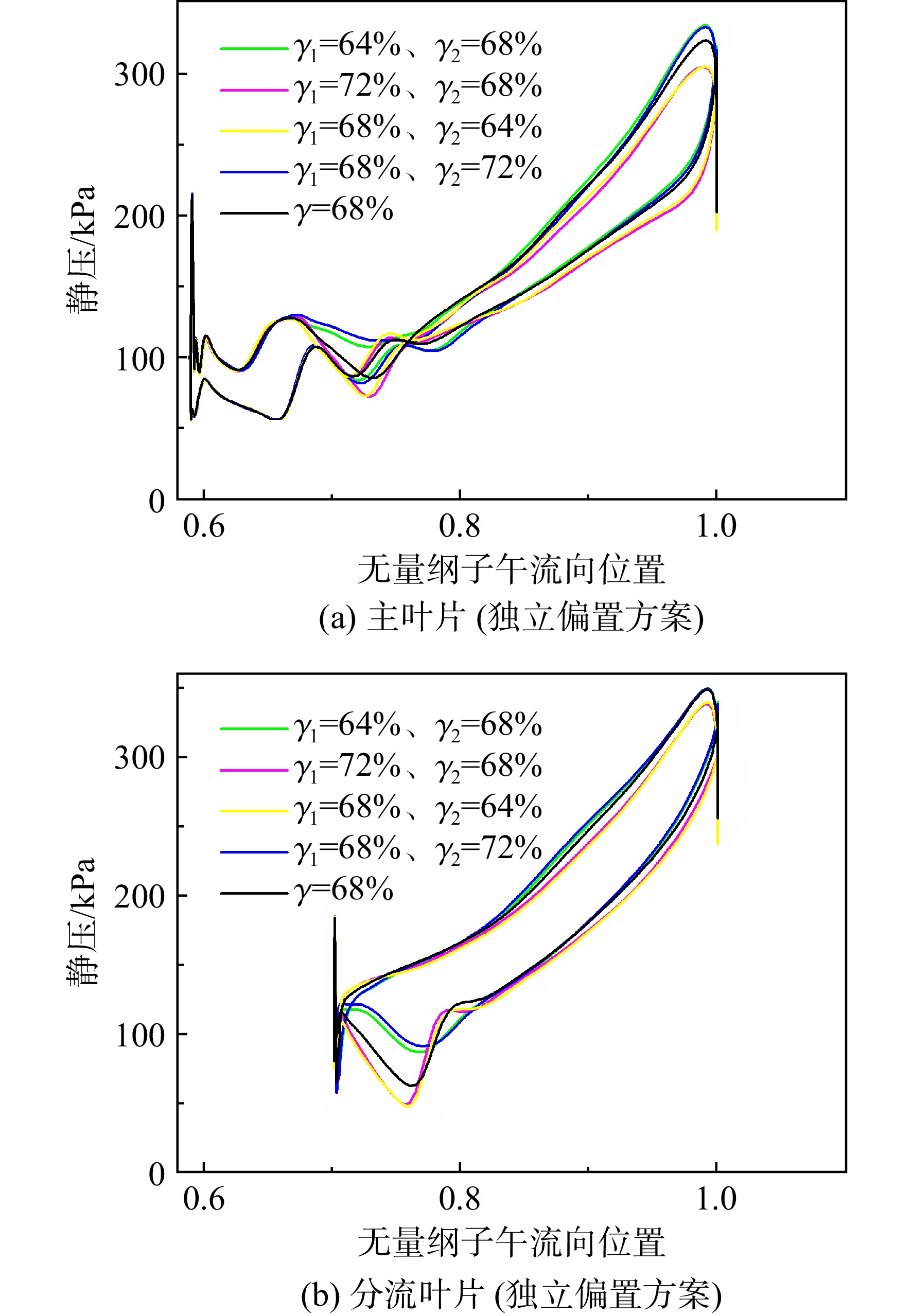
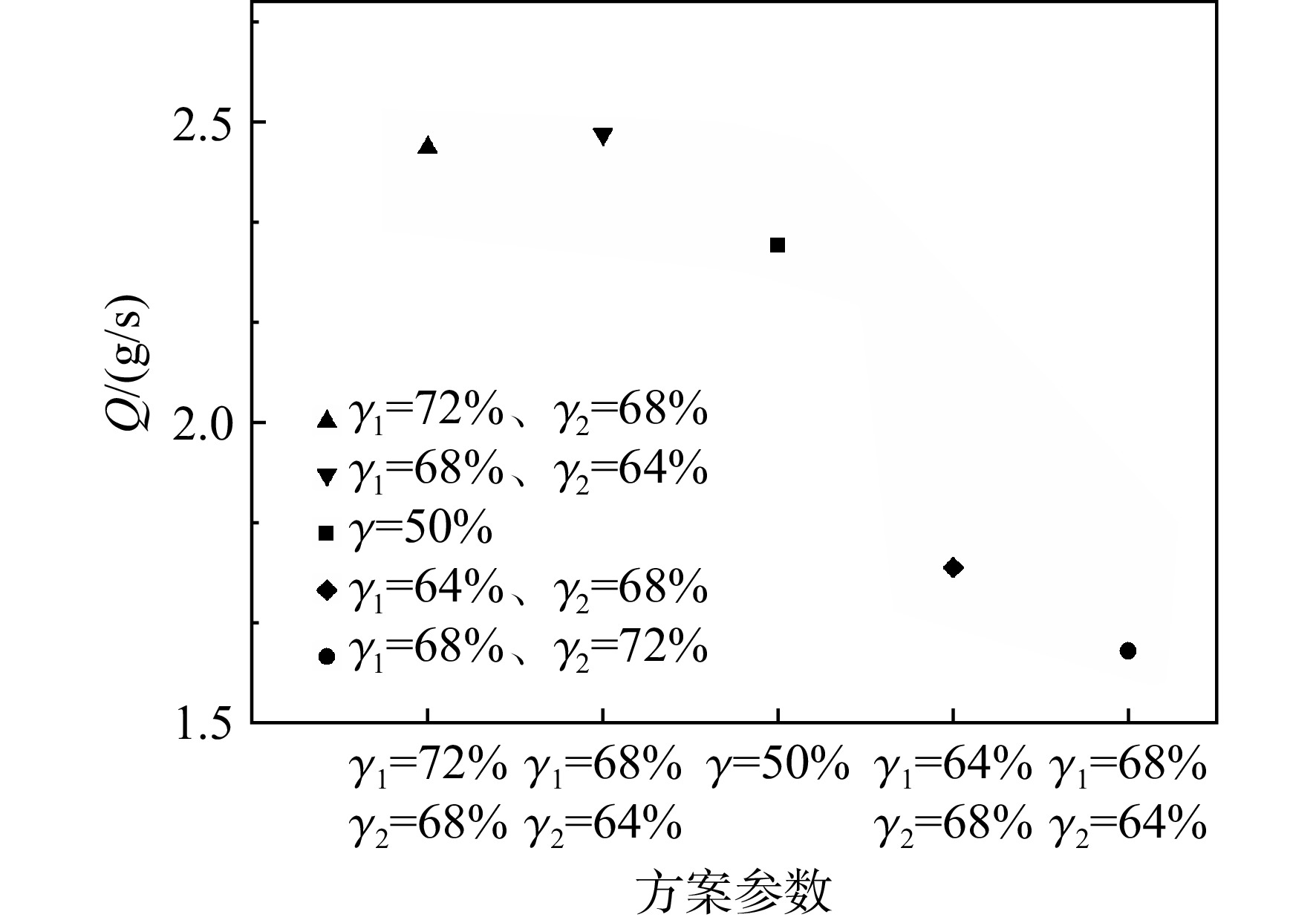
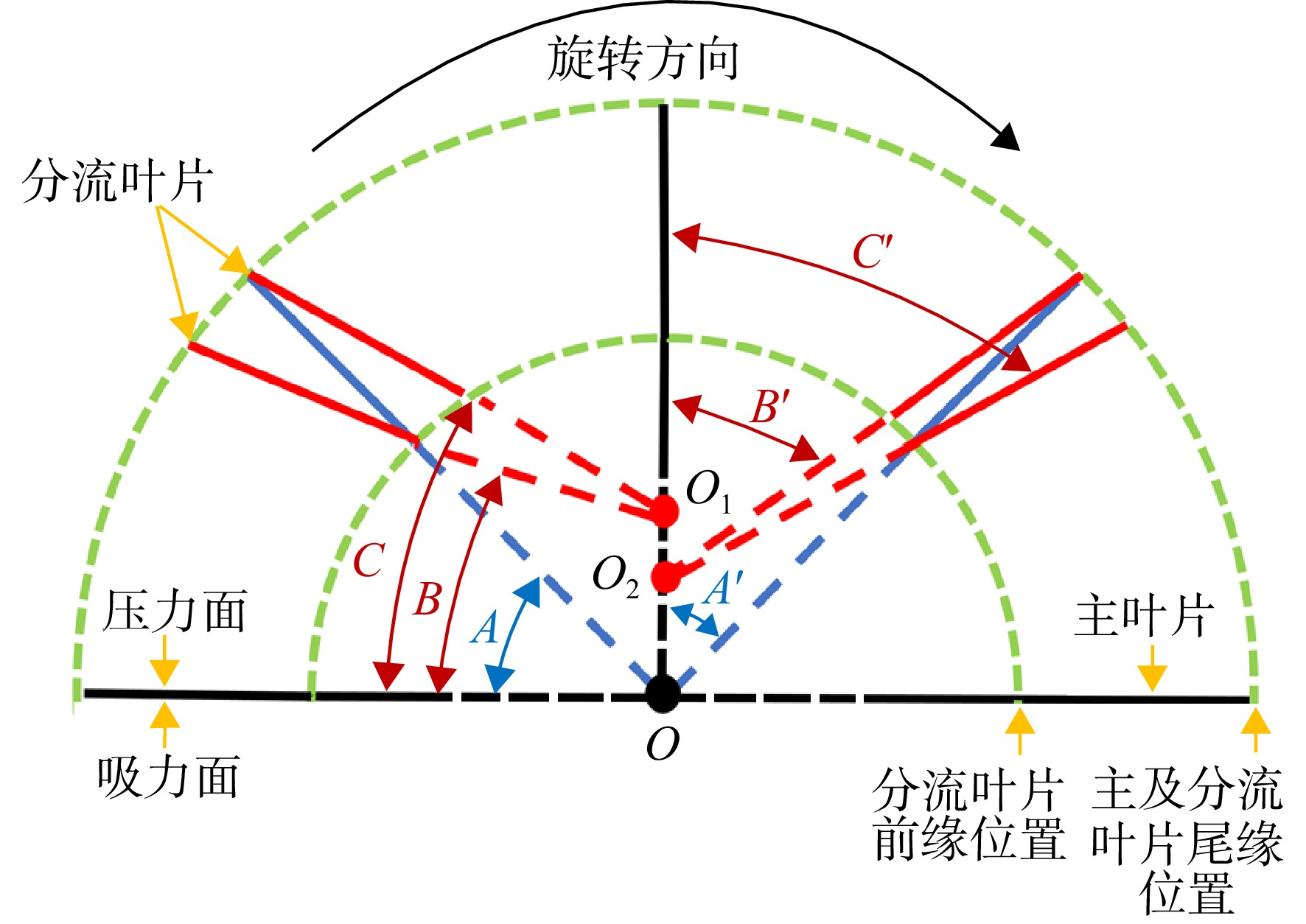
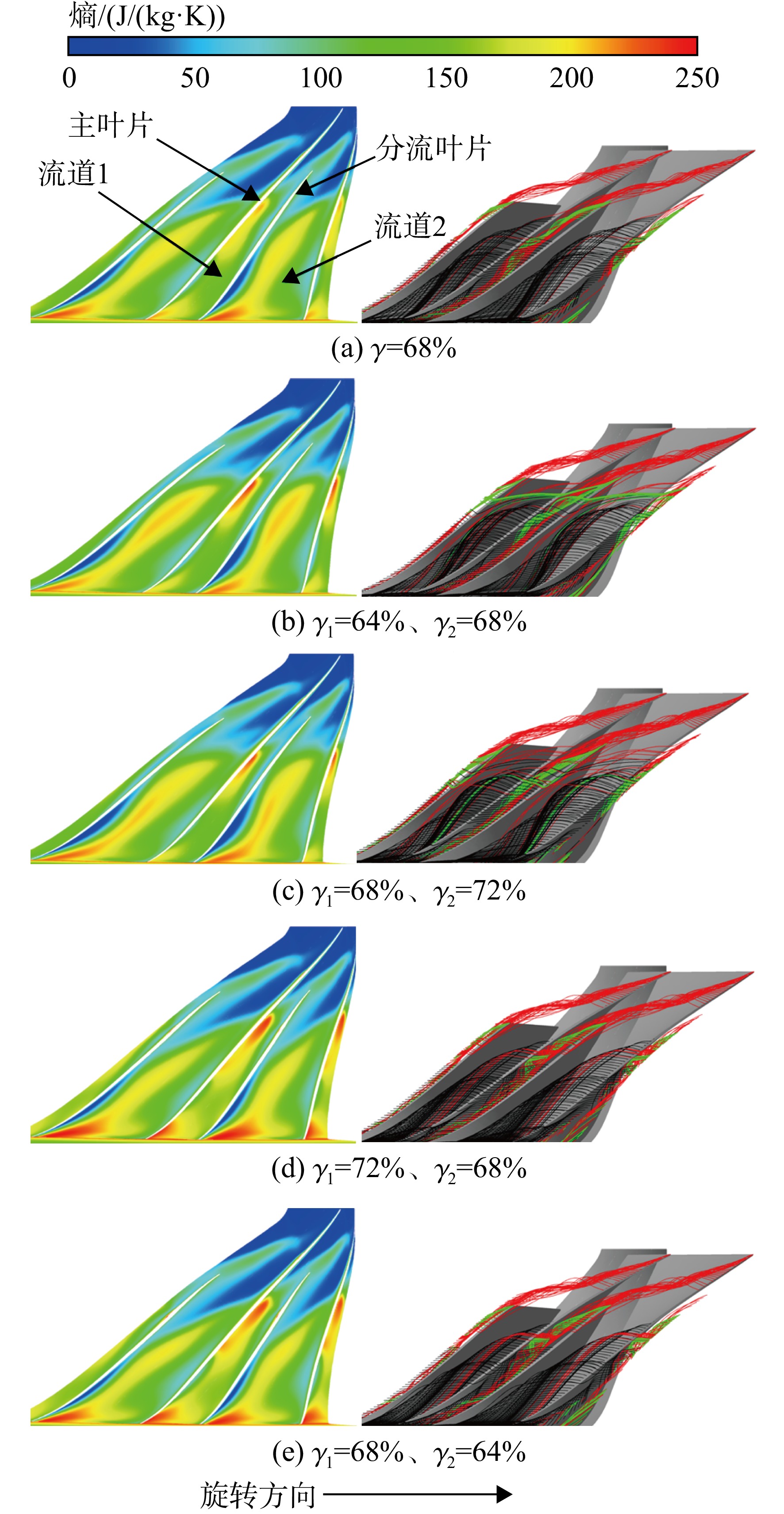
Taking the Krain 6 high-pressure-ratio centrifugal compressor as the research object, a splitter blade circumferential offset method—independent offset was proposed, and compared with the conventional integral offset method. The results showed that the new method can further improve the compressor performance based on the conventional method. When the splitter blade was offset to the pressure surface of main blade, the intensity and range of the shock wave near the suction surface leading edge of the splitter blade decreased, and the splitter blade effectively distributed the tip leakage flow. Meanwhile, the reduction in channel 1’s width and divergence angle strengthened the ejection of the tip leakage flow from the suction surface of the splitter blade to the channel 1, and weakened the adverse pressure gradient along the flow direction. These reduced the interaction between shock wave and tip leakage flow in channel 1, as well as the mixing and diffusion losses caused by tip leakage flow. However, too large offset could destroy the reasonable distribution of the tip leakage flow. Therefore, the circumferential position of the splitter blade set at 68% was optimal in the integral offset schemes, and the pressure ratio and efficiency increased by 1.44% and 0.62% at the mass flow rate of 2.95 kg/s. The circumferential position of the splitter blade’s leading edge set at 68% and that of trailing edge set at 72% was optimal in the independent schemes, where the pressure ratio and efficiency increased by 2.02% and 1.08% at the same mass flow rate. The reasons of independent offset scheme improving the compressor performance lied in that, the tip leakage flow intensity on the leading edge of the splitter blade decreased. The high intensity shock wave near the suction surface leading edge of the splitter blade disappeared. The decreased divergence angle mitigated the adverse pressure gradient along the flow direction of channel 1, and limited the mixing and diffusion of the tip leakage flow.

Sparse Bayesian based reconstruction of acoustic modes for aircraft engine fans
WANG Fei, LI Xingjian, WANG Yanan, DU Jun, WEN Bi, QIAO Baijie, CHEN Xuefeng
2026, 41(5): 20250217. doi: 10.13224/j.cnki.jasp.20250217
Abstract:

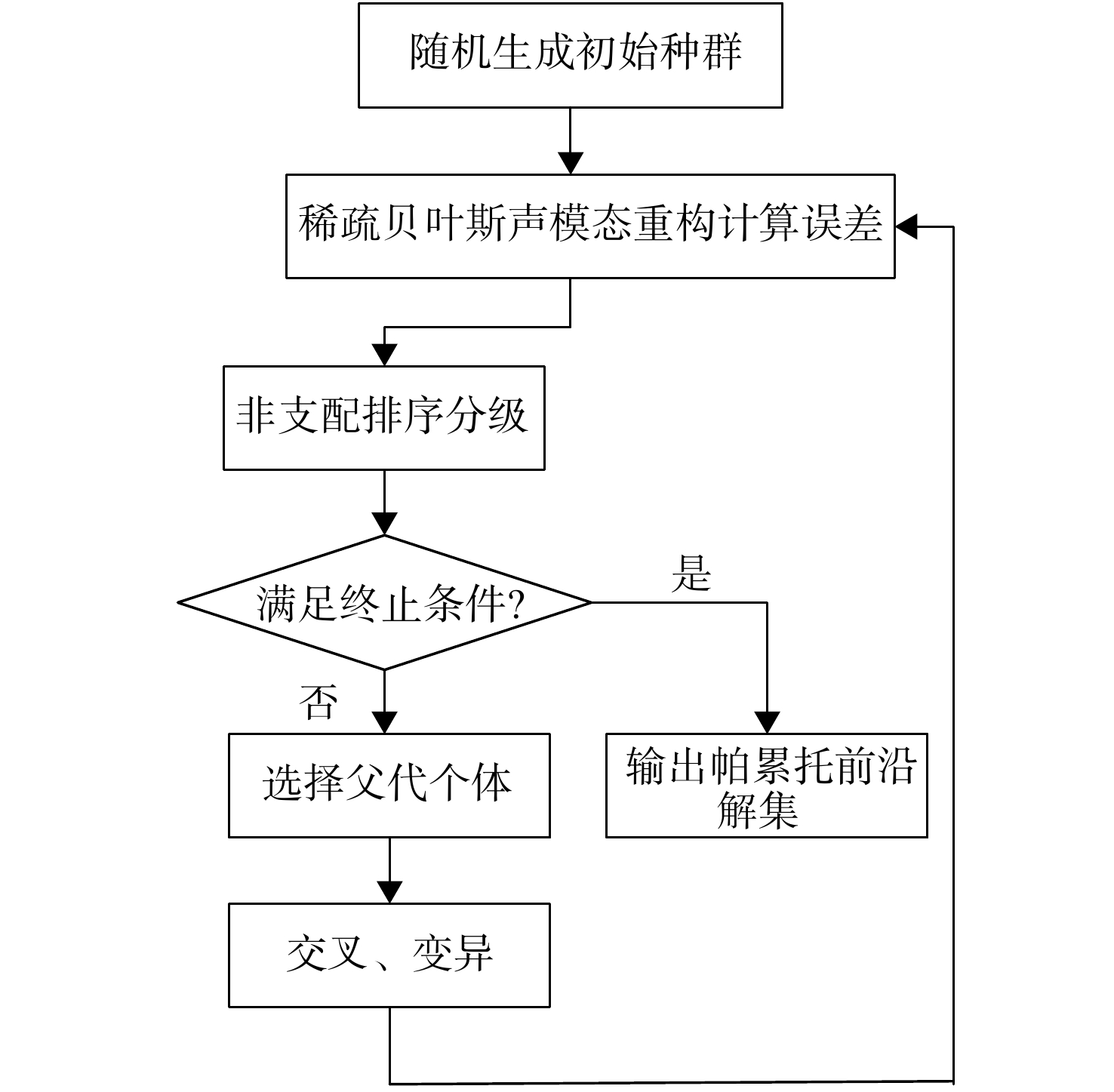
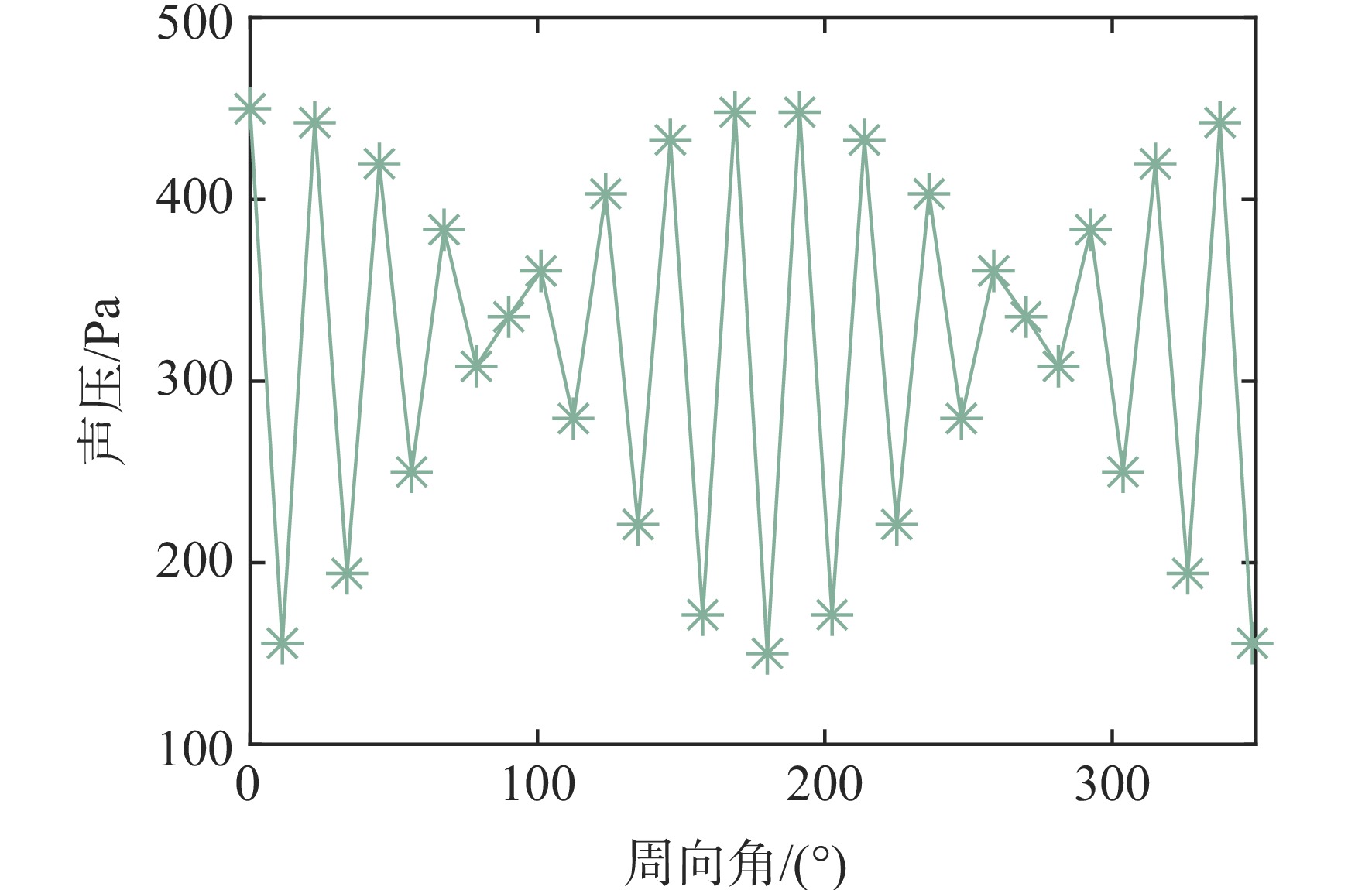
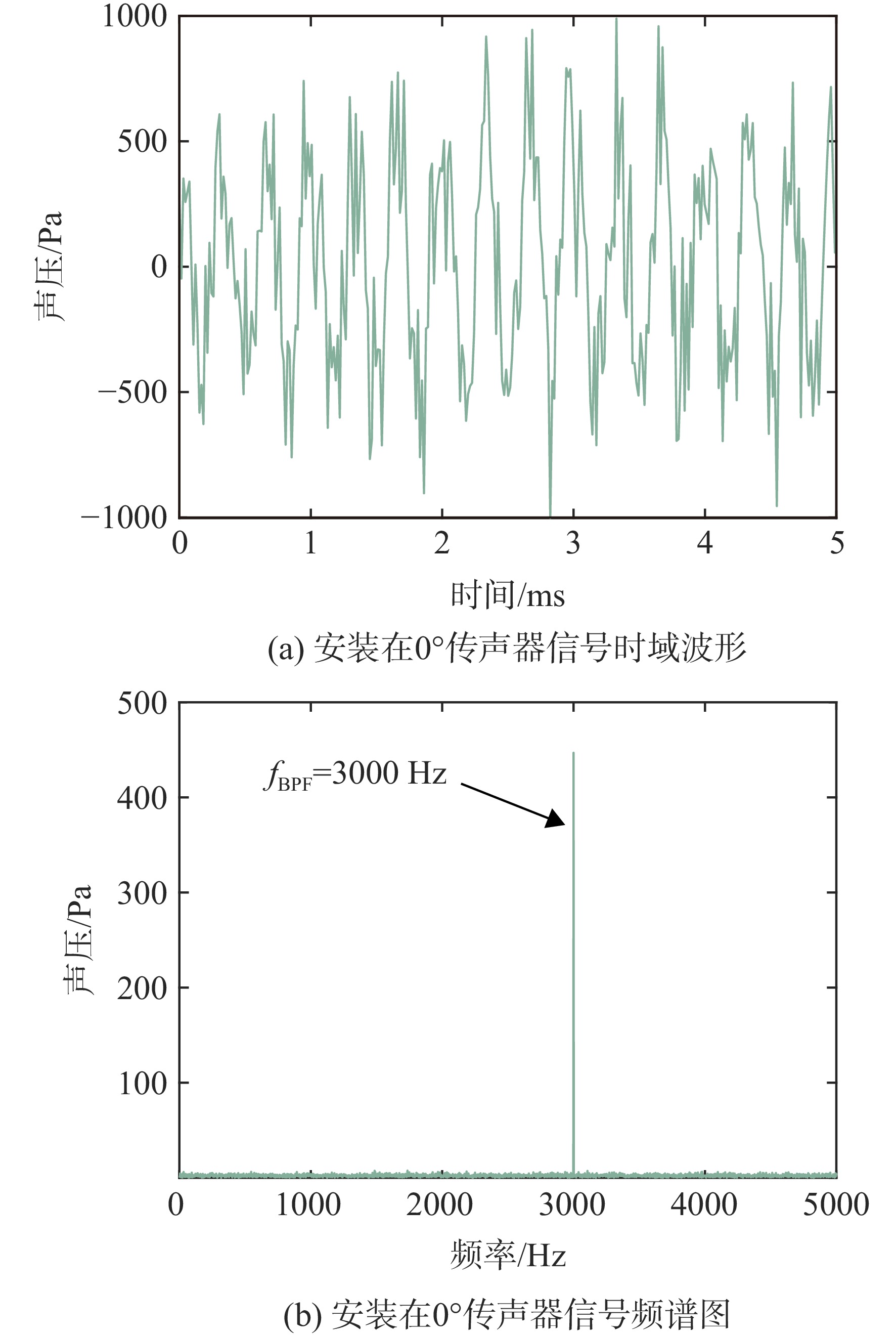
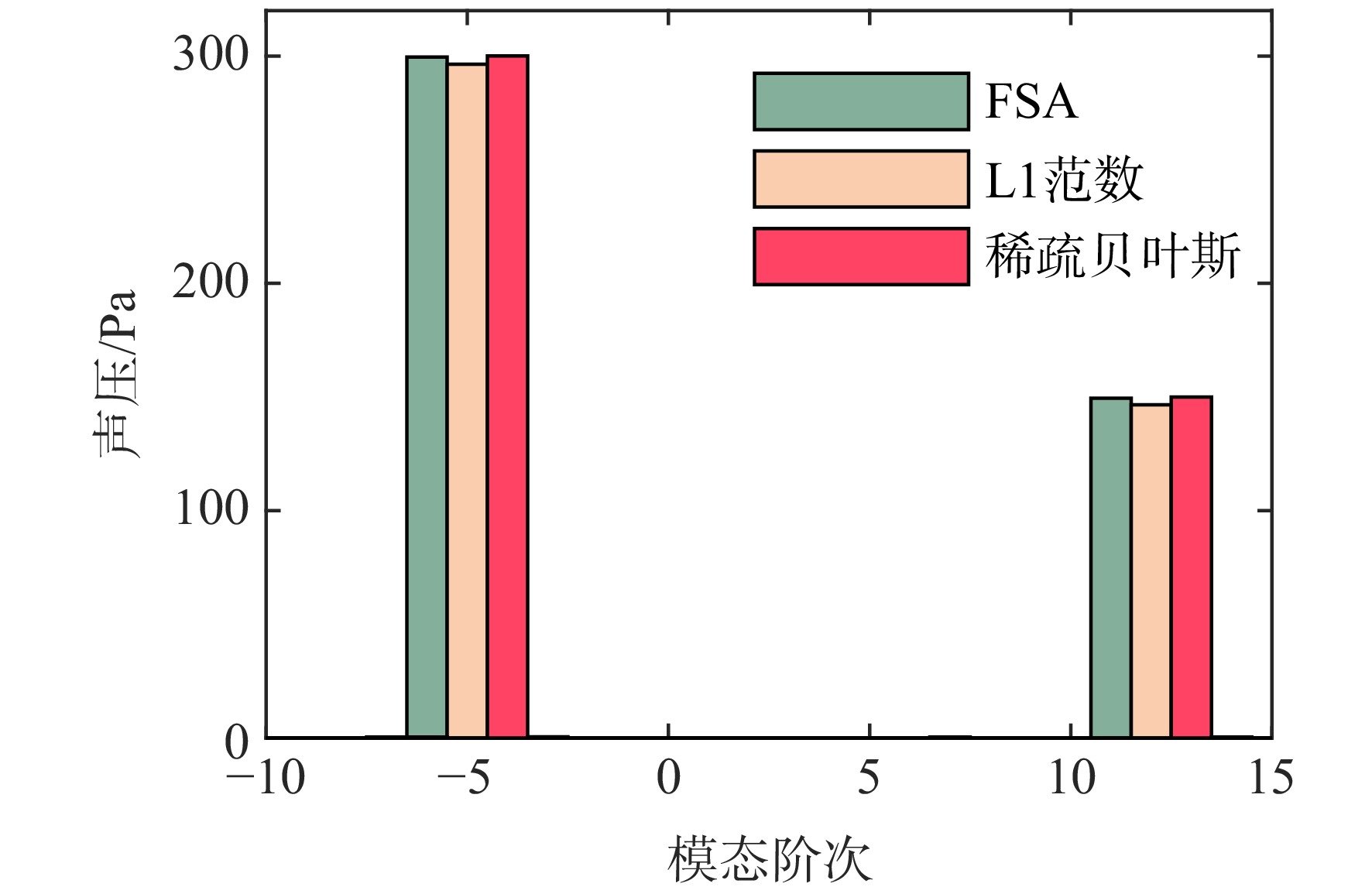
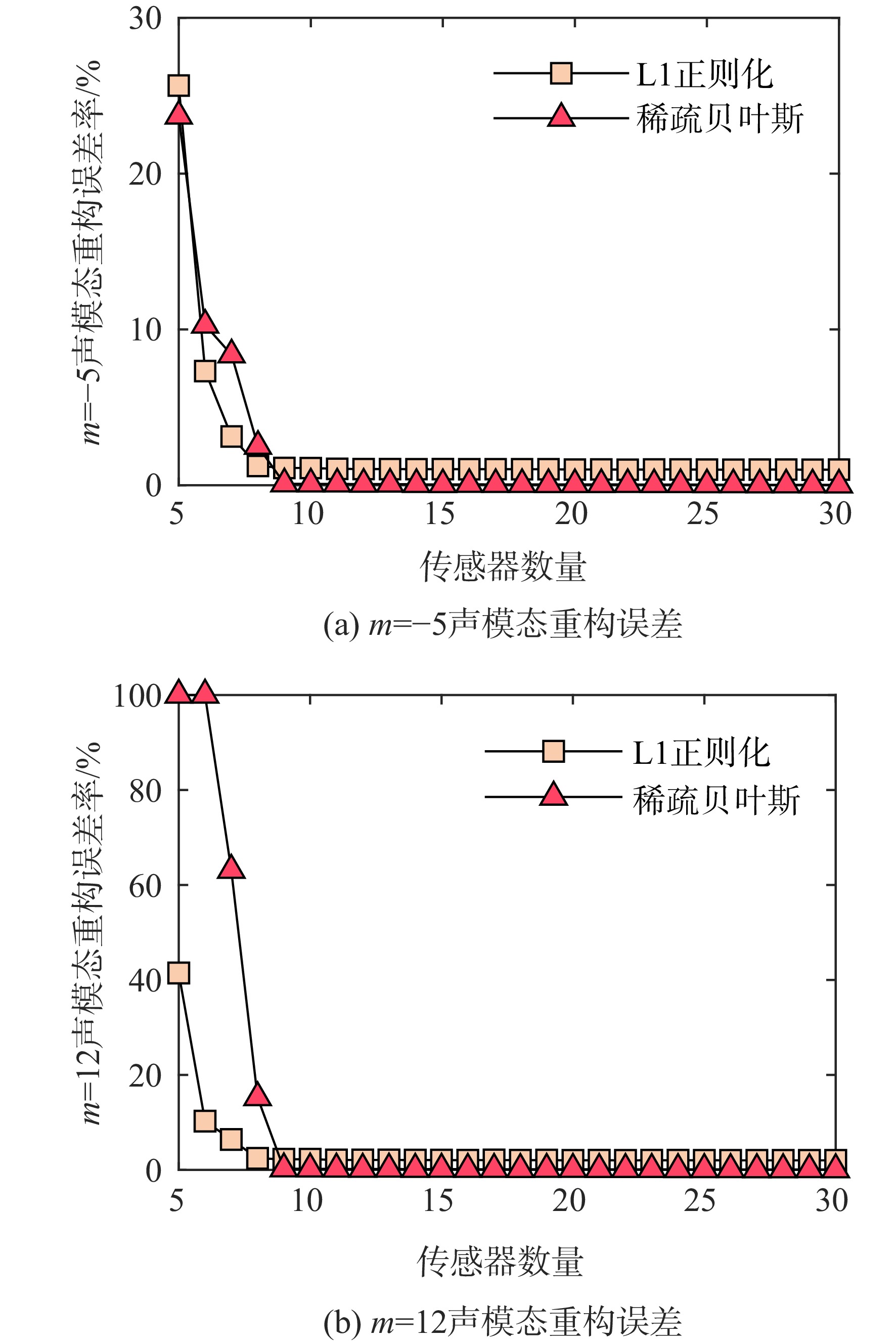
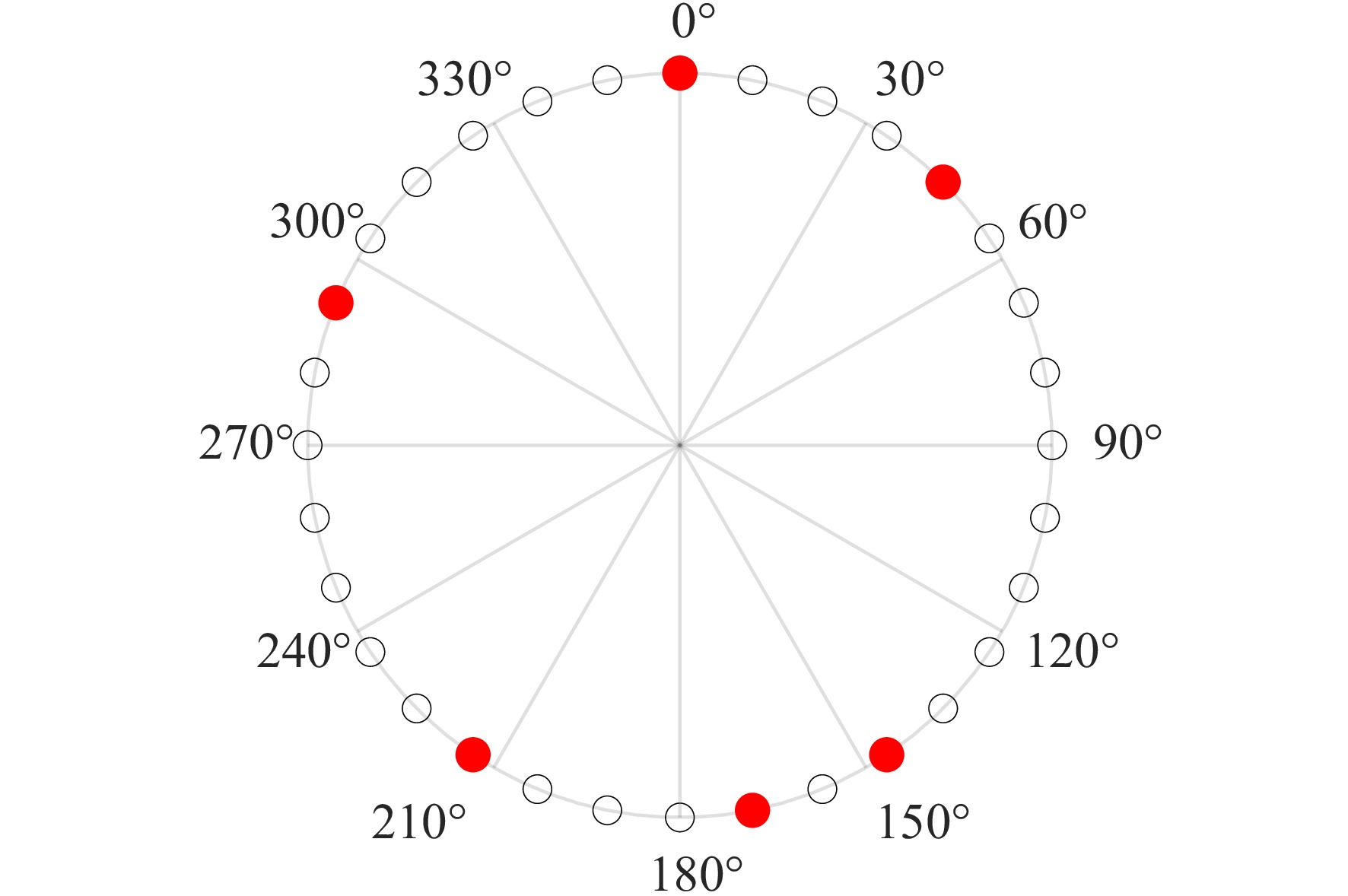
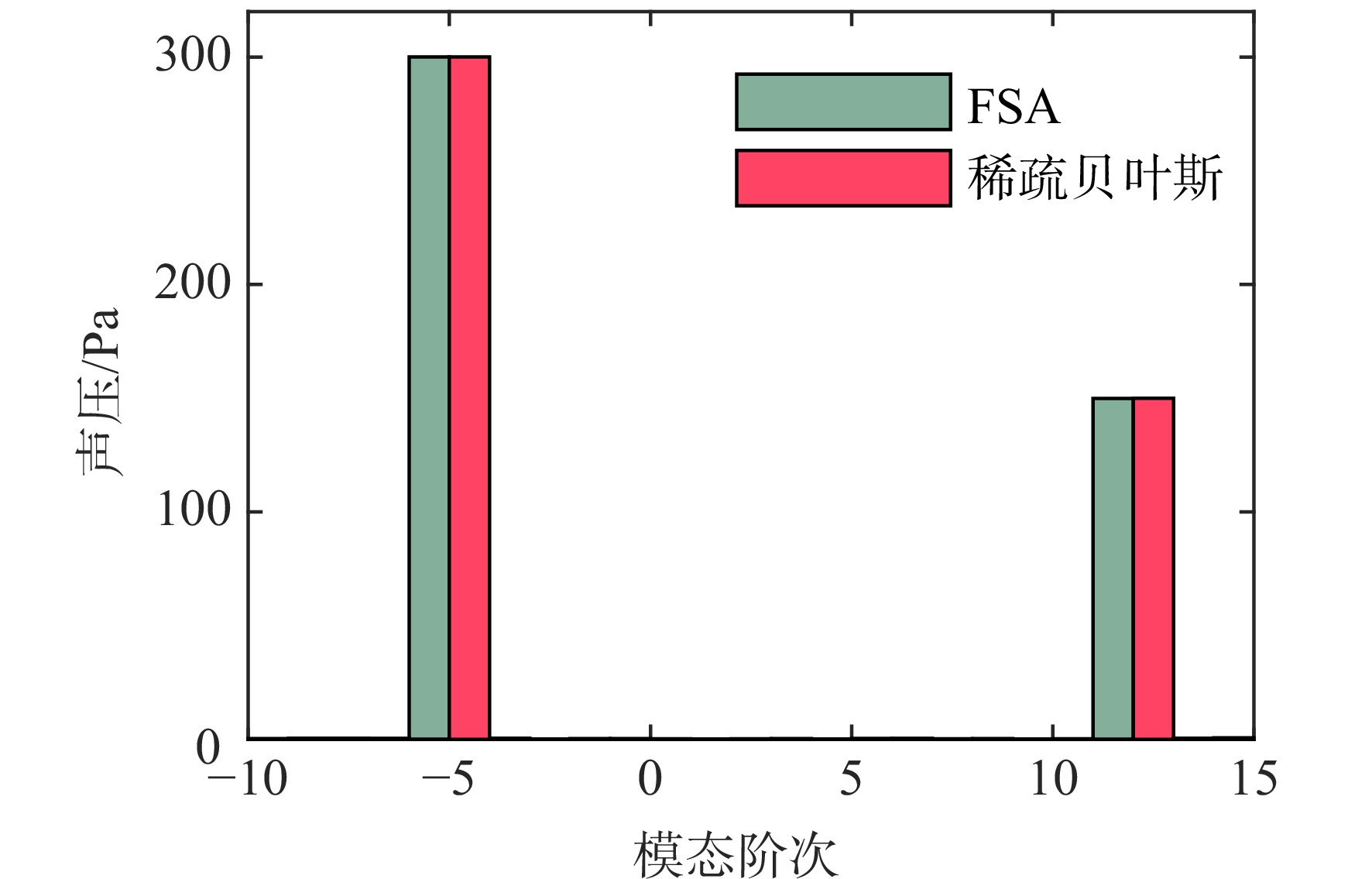
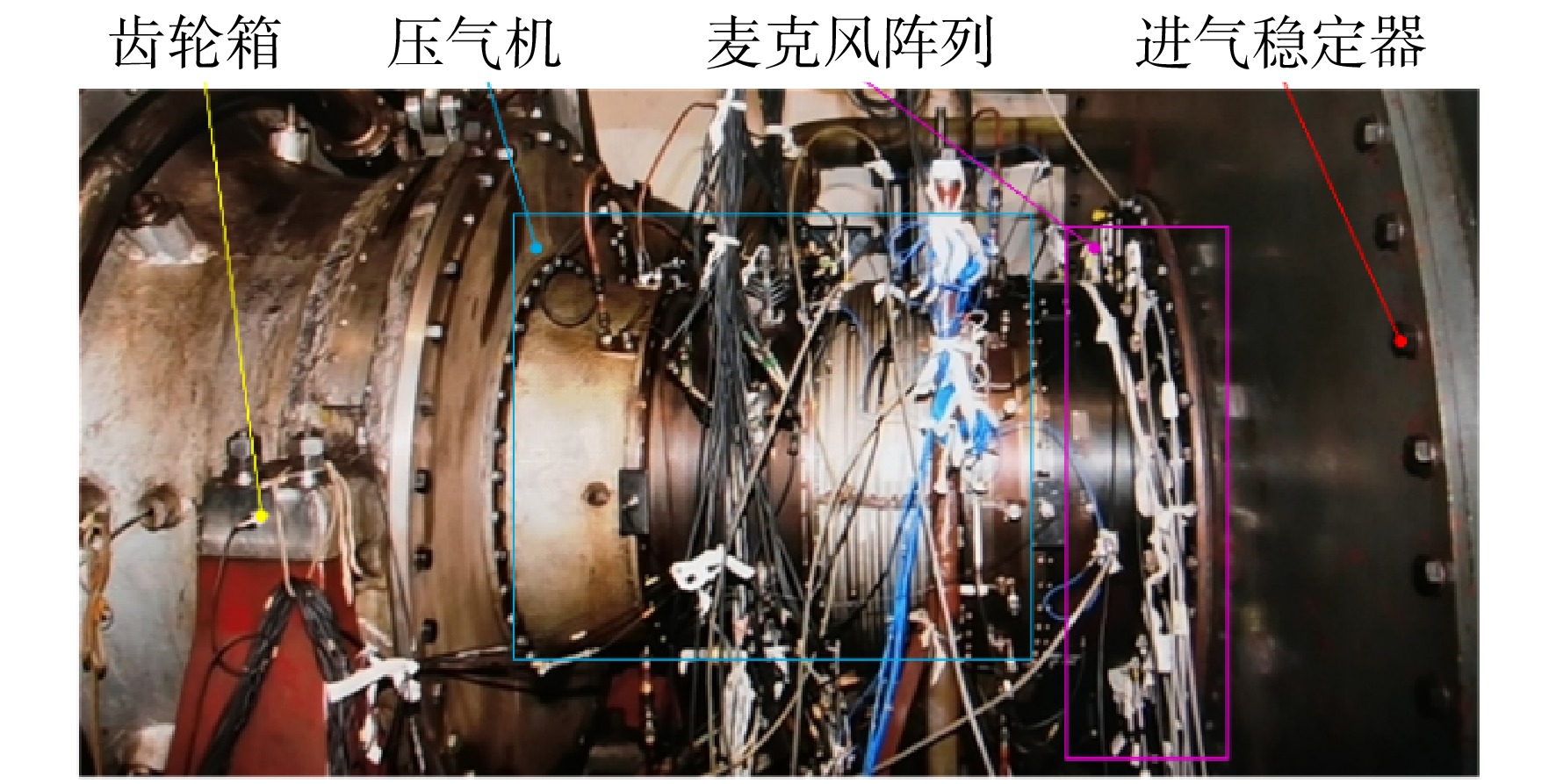
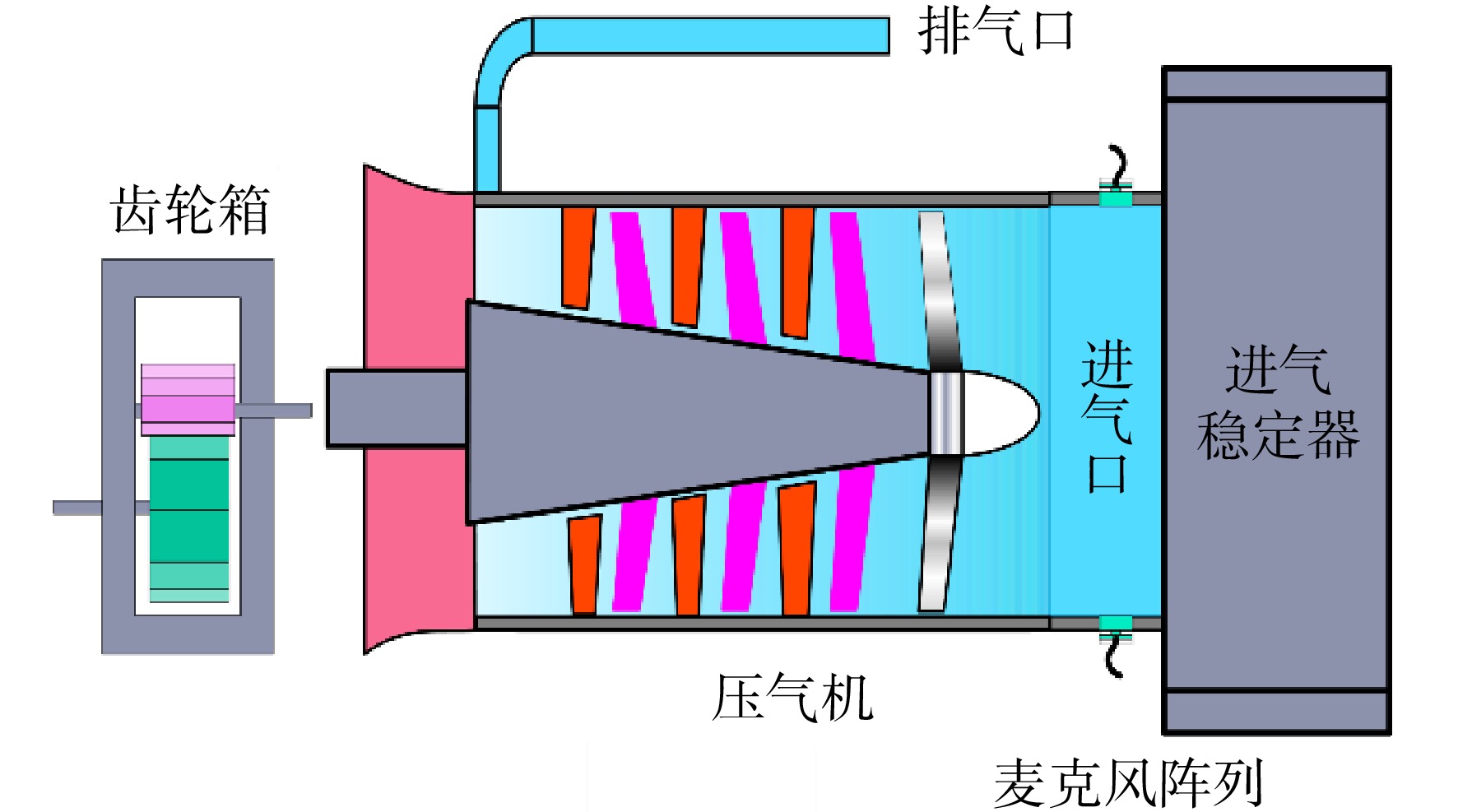
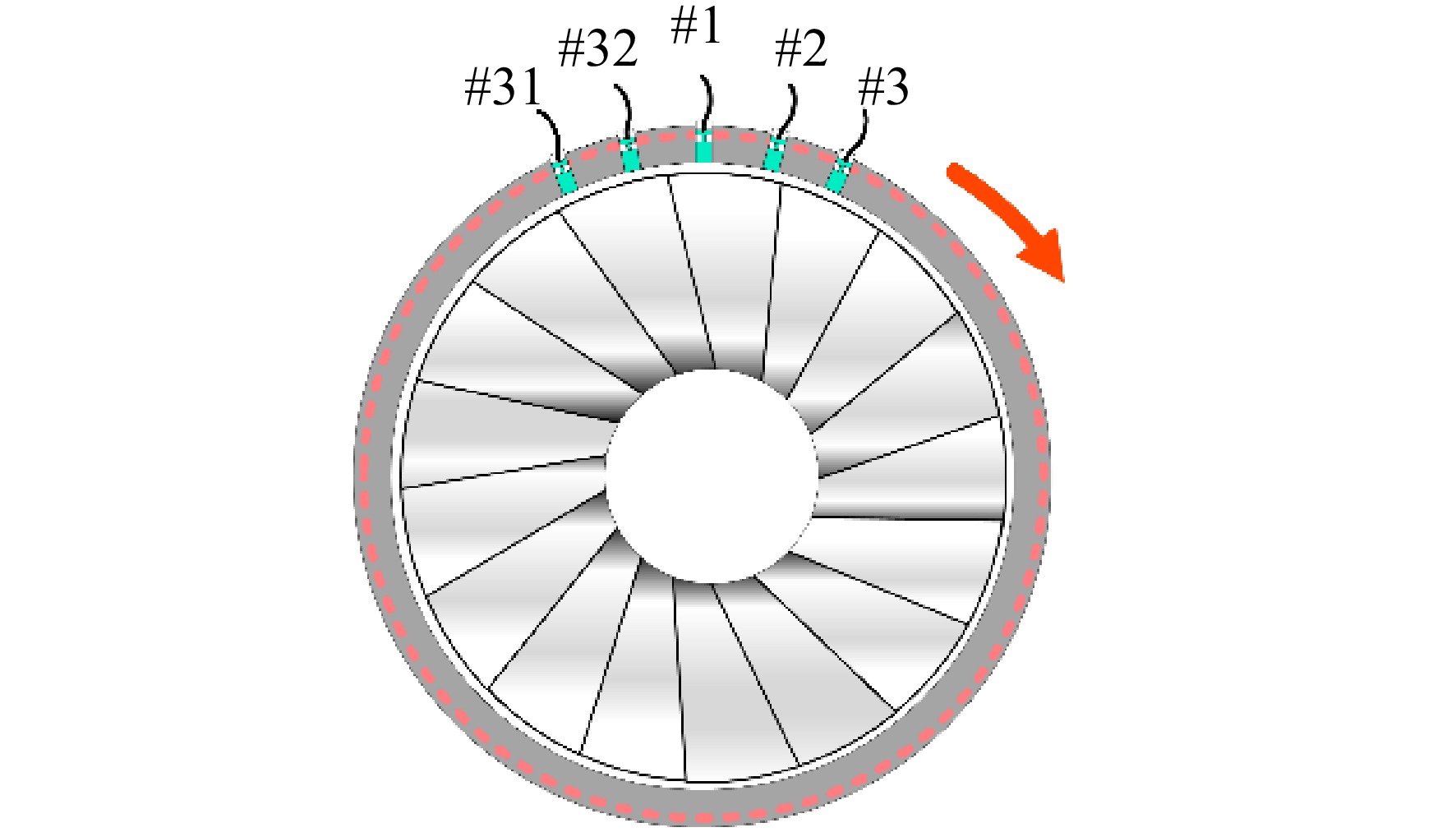
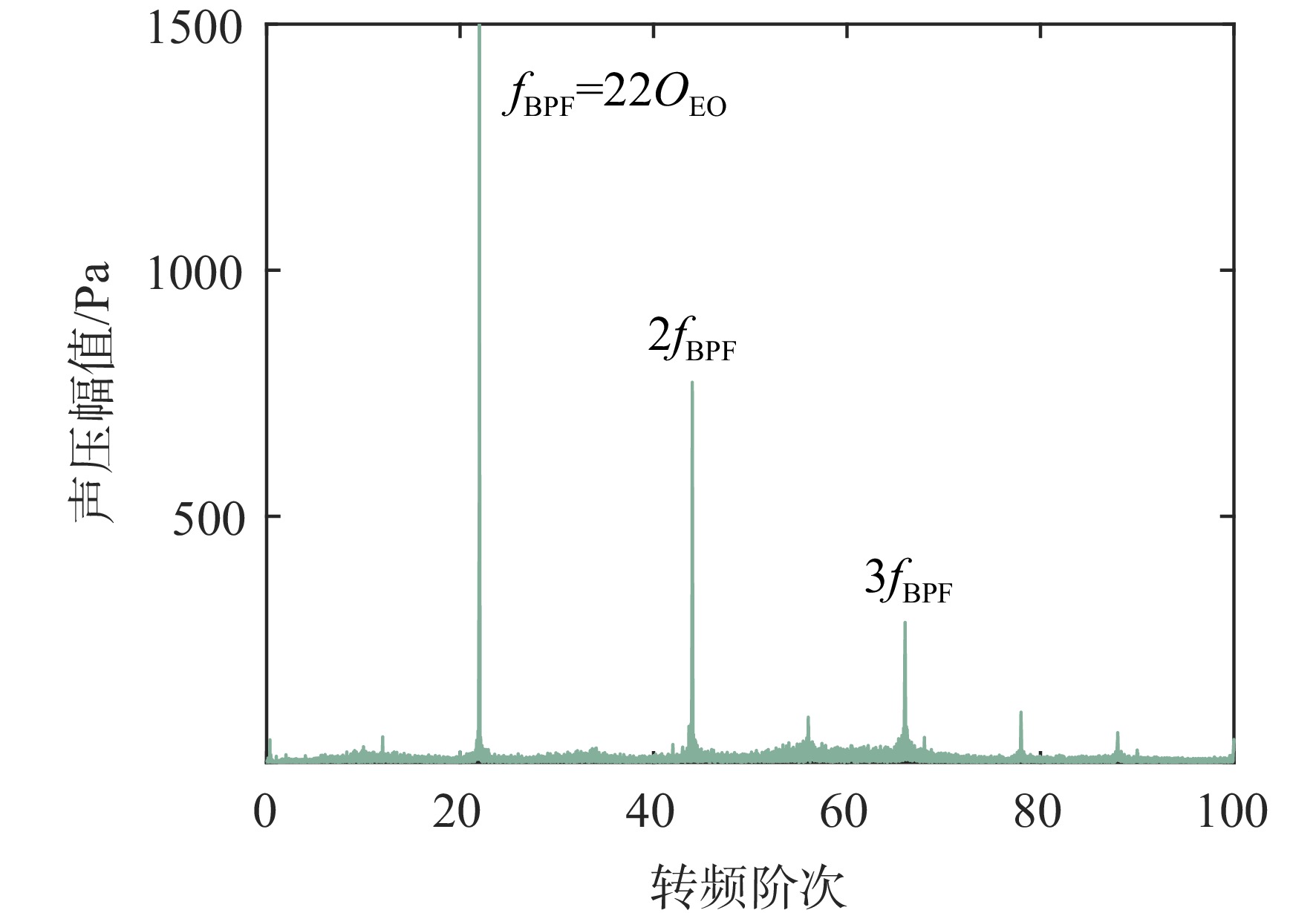
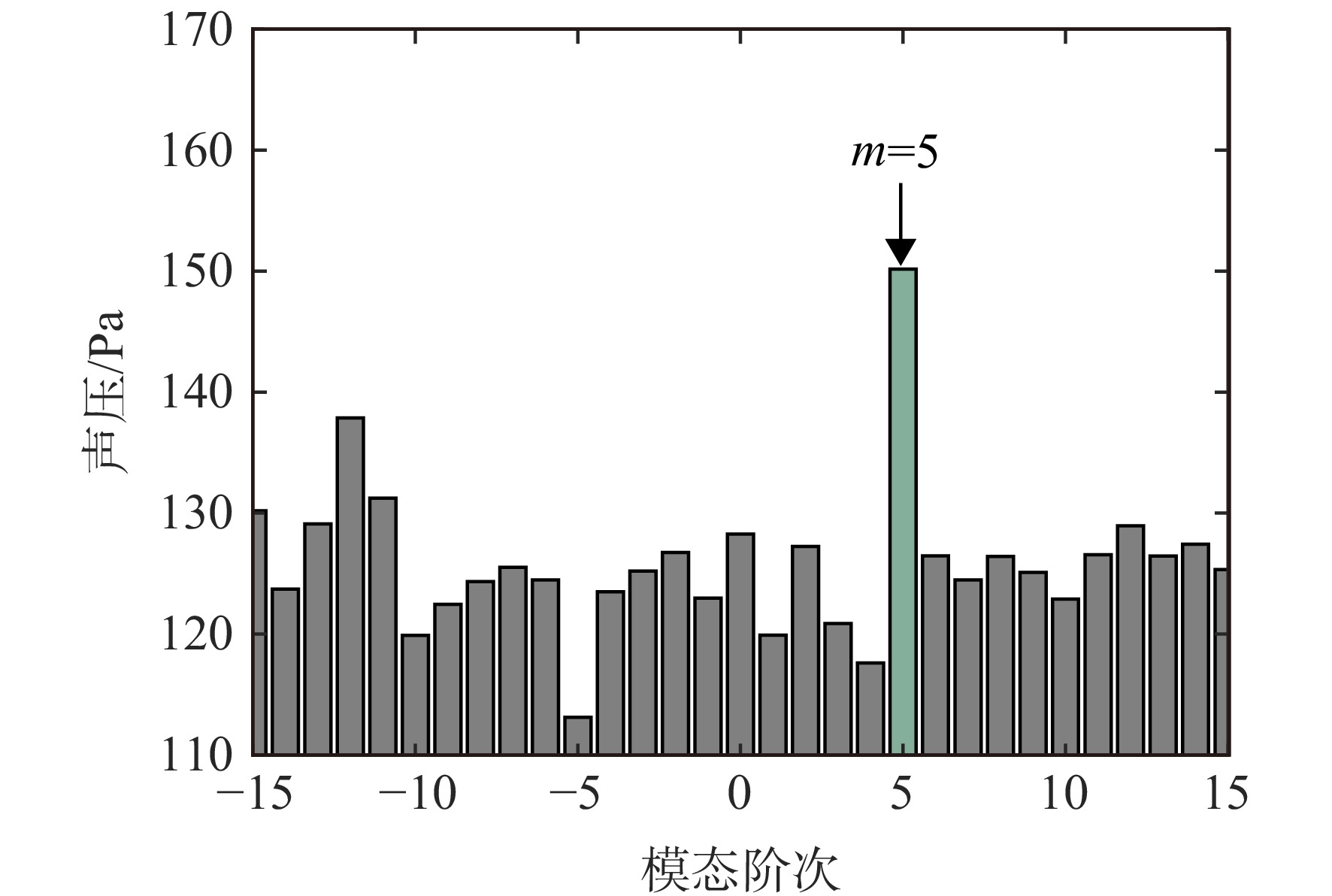
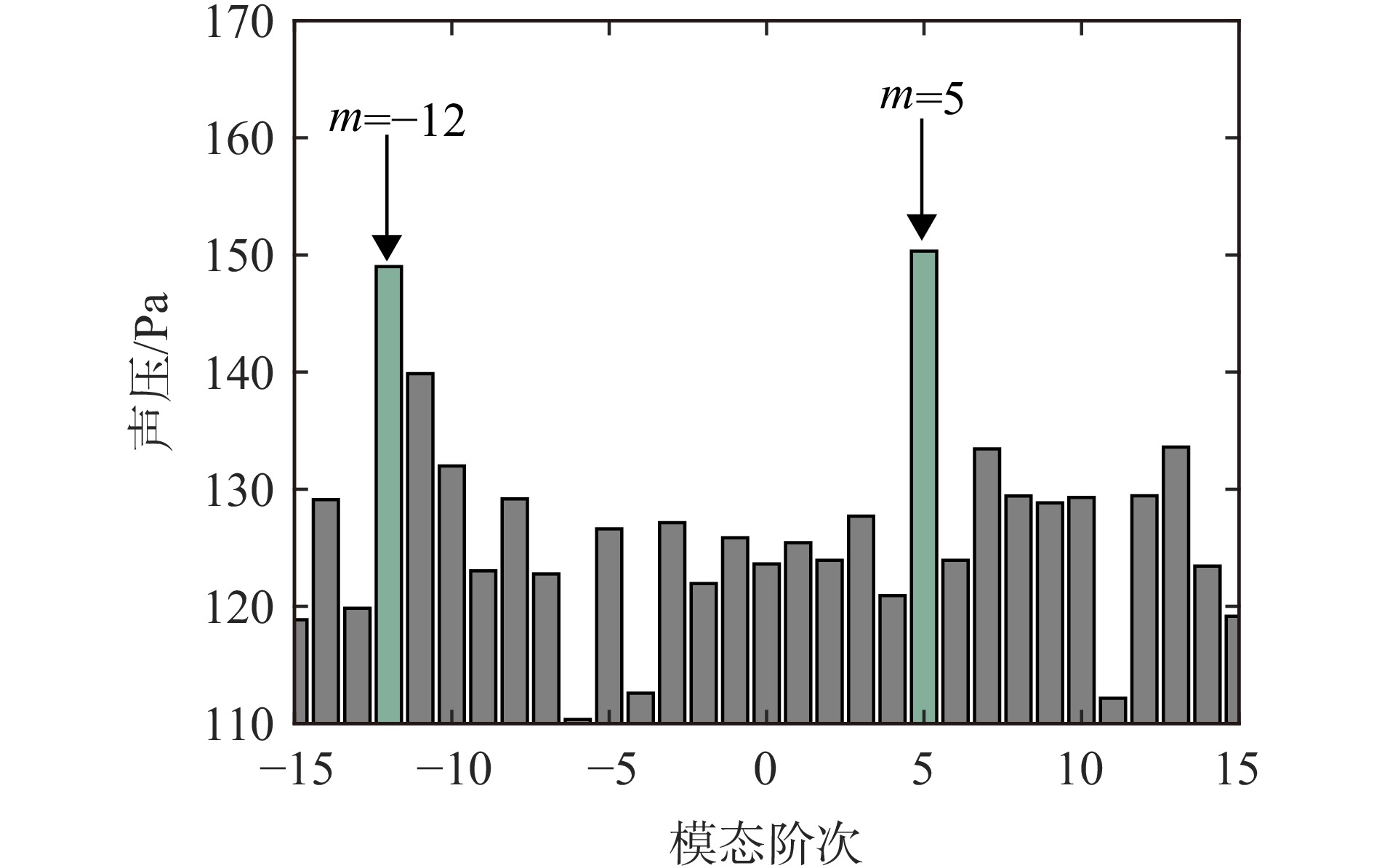
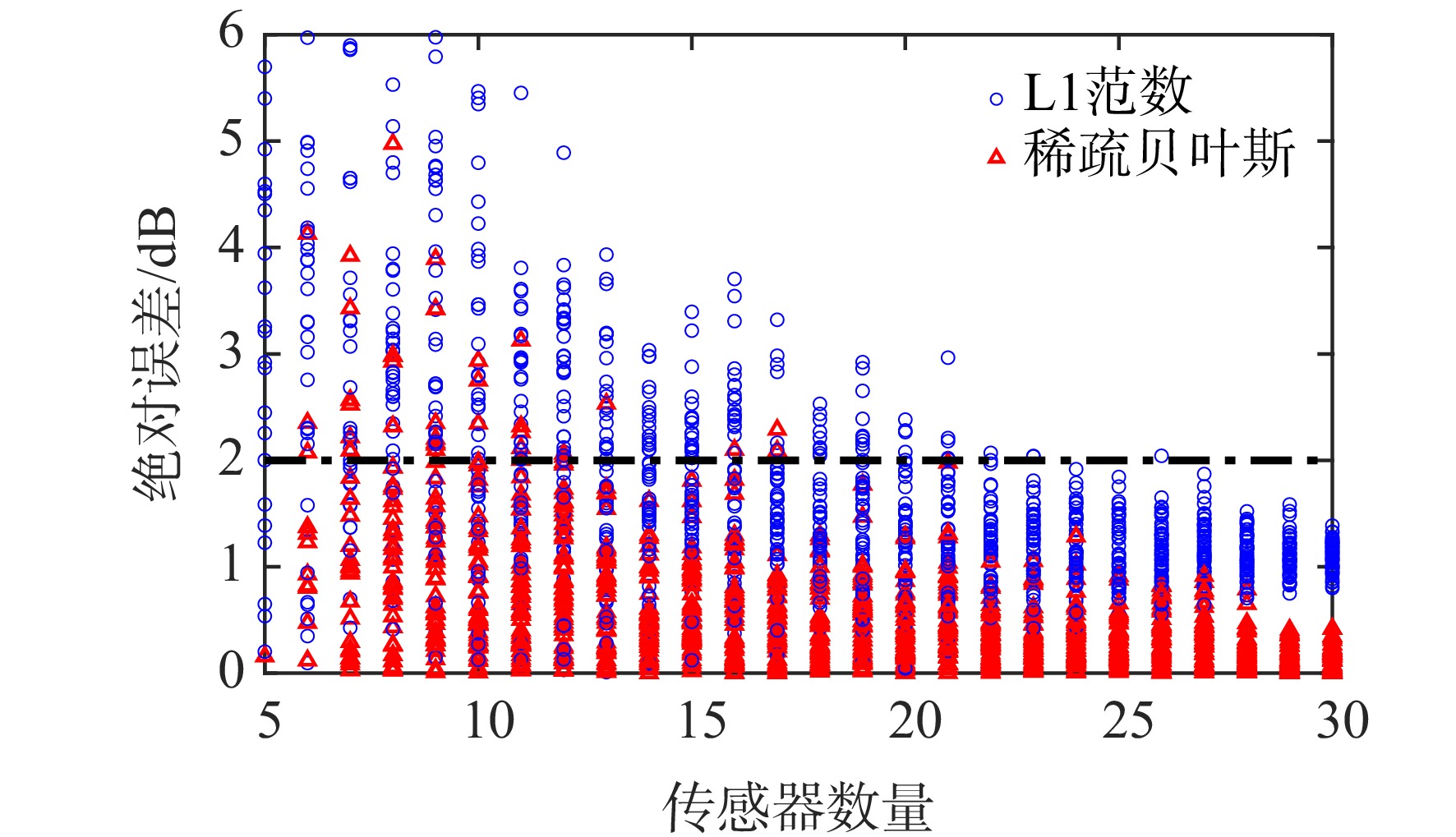
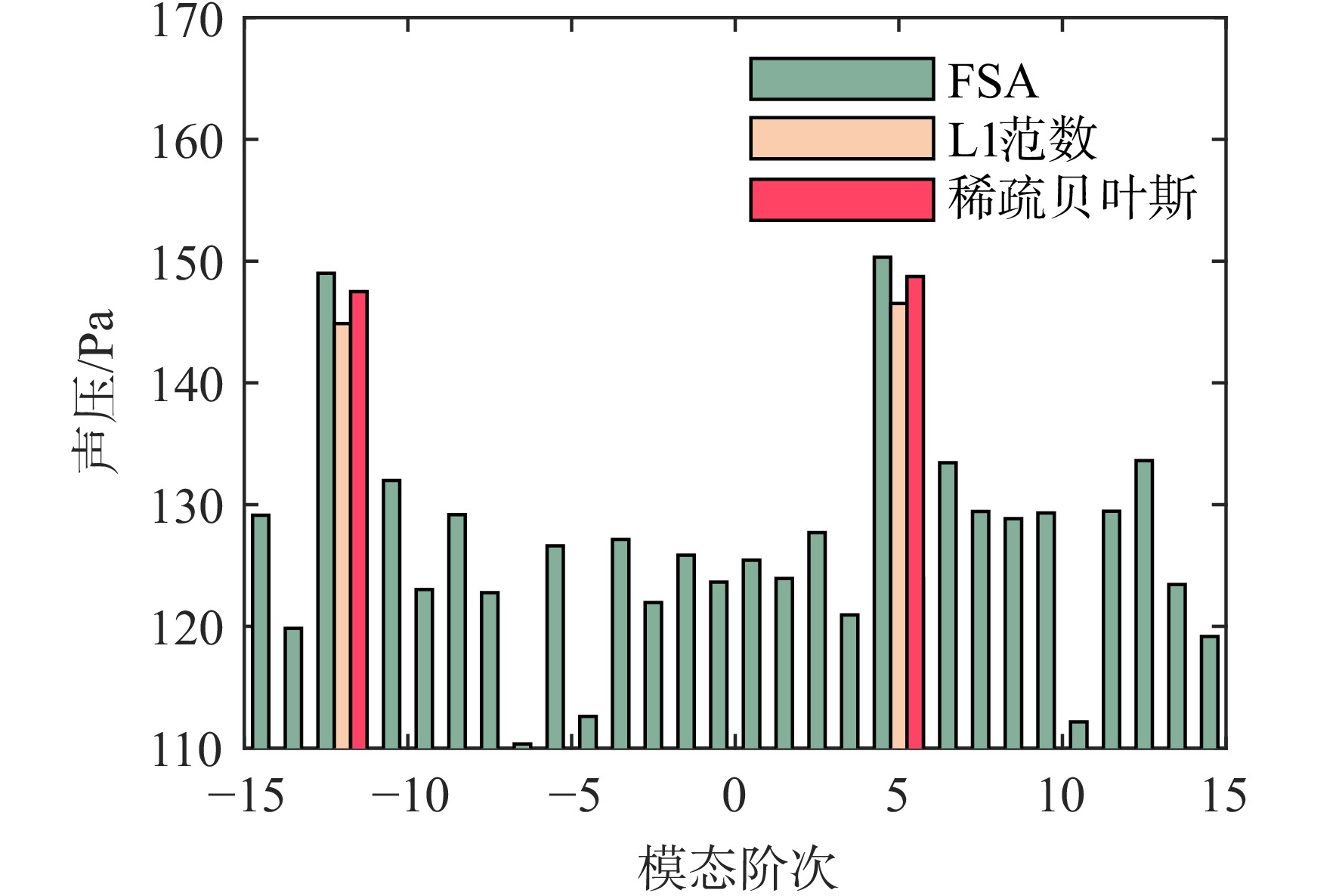
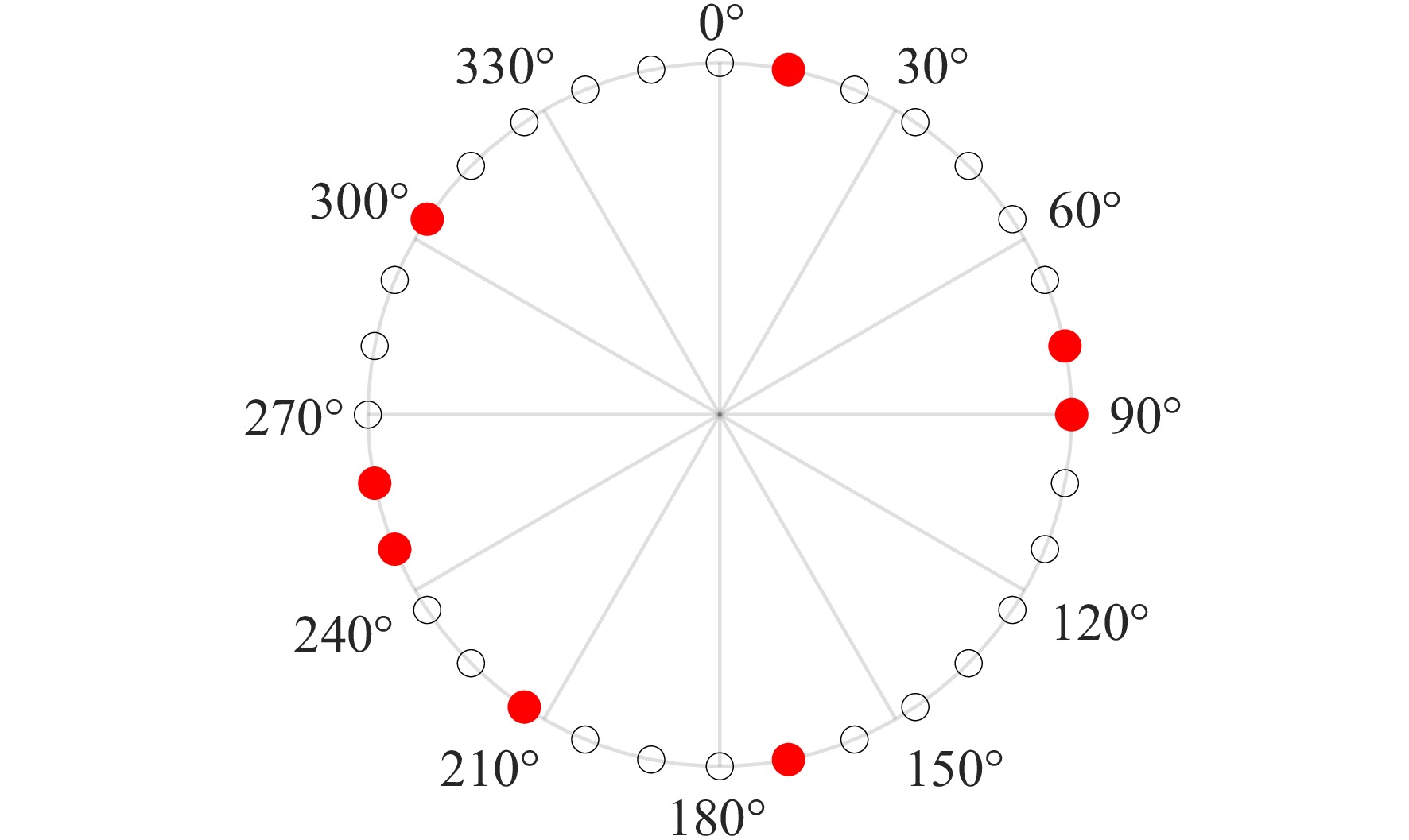
To address the large number of sensors required by uniform circular arrays in duct acoustic mode reconstruction for aero-engines, and the amplitude underestimation problem of traditional L1-norm-based compressed sensing methods, a sparse Bayesian approach for fan noise modal reconstruction was proposed. A hierarchical sparse Bayesian prior model was established and solved using a block coordinate descent algorithm, effectively characterizing and quantifying uncertainties in the measurement process. Furthermore, a non-dominated sorting genetic algorithm was employed to optimize array configuration and enhance reconstruction accuracy. Fan noise modal tests were conducted on a 3.5-stage aero-engine. Results showed that, under the same number of microphones, the sparse Bayesian method achieved lower reconstruction error than the L1-norm regularization method. Under low-speed condition, with an optimized layout of 6 sensors, the reconstruction error for circumferential mode order 5 was 0.01 dB. Under high-speed condition, with 8 optimally placed sensors, the reconstruction errors for mode orders 5 and −12 were 0.50 dB and 0.46 dB, respectively. The study demonstrated that the sparse Bayesian method significantly improved the accuracy of duct acoustic mode reconstruction with fewer sensors.

Combustion,Heat and Mass Transfer
Simulation and experimental study on radial temperature distribution control technology based on flame tube cooling holes
WAN Zhaobao, ZHOU Fei, DENG Shaochun, YANG Yang, YU Xiaobing
2026, 41(5): 20250466. doi: 10.13224/j.cnki.jasp.20250466
Abstract:
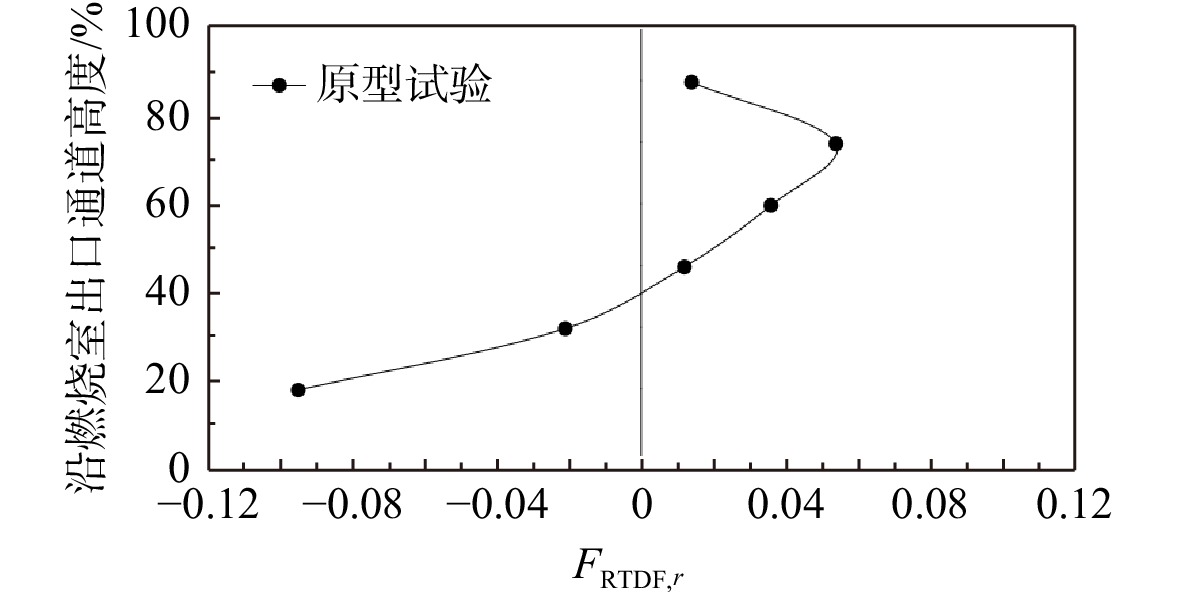
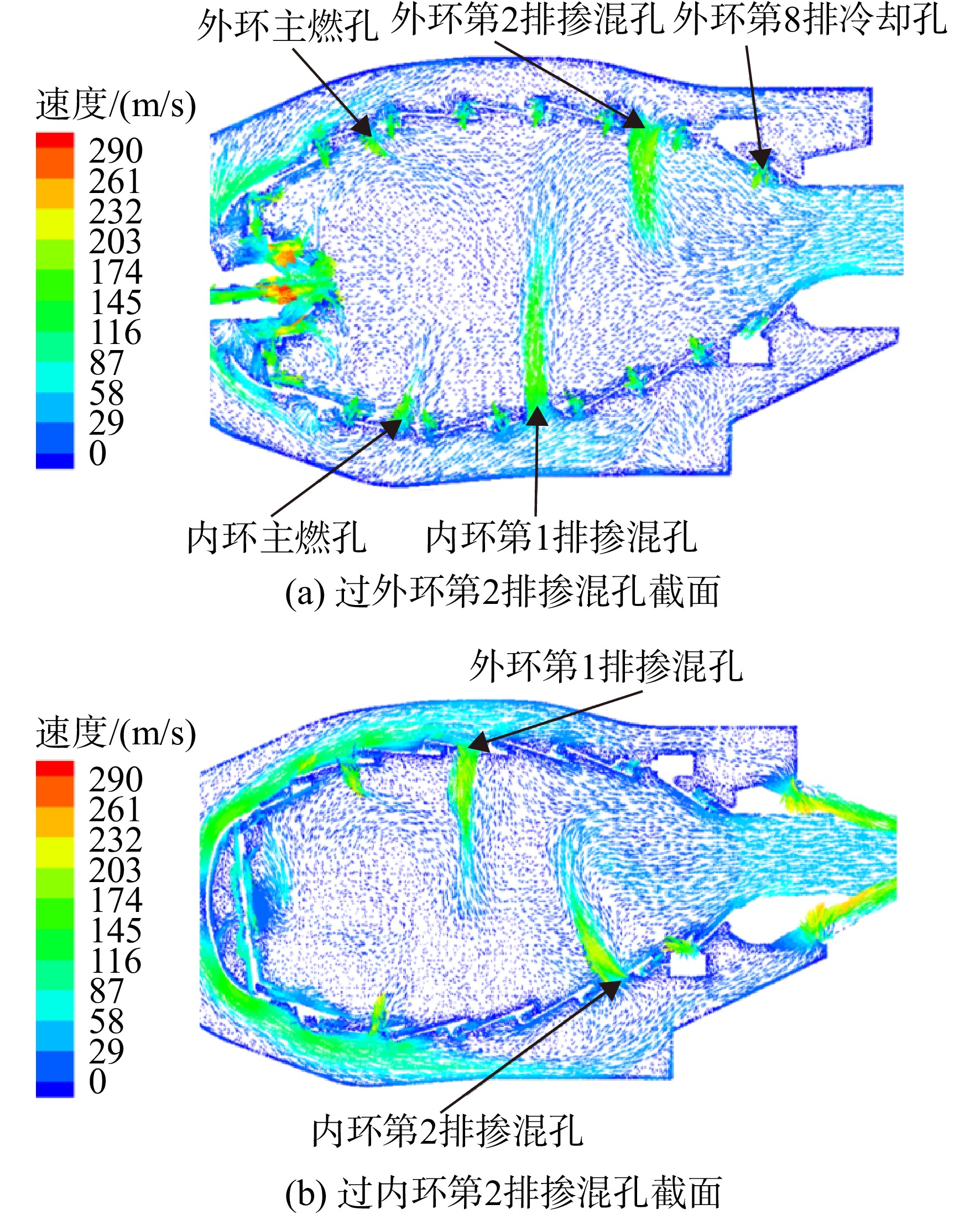
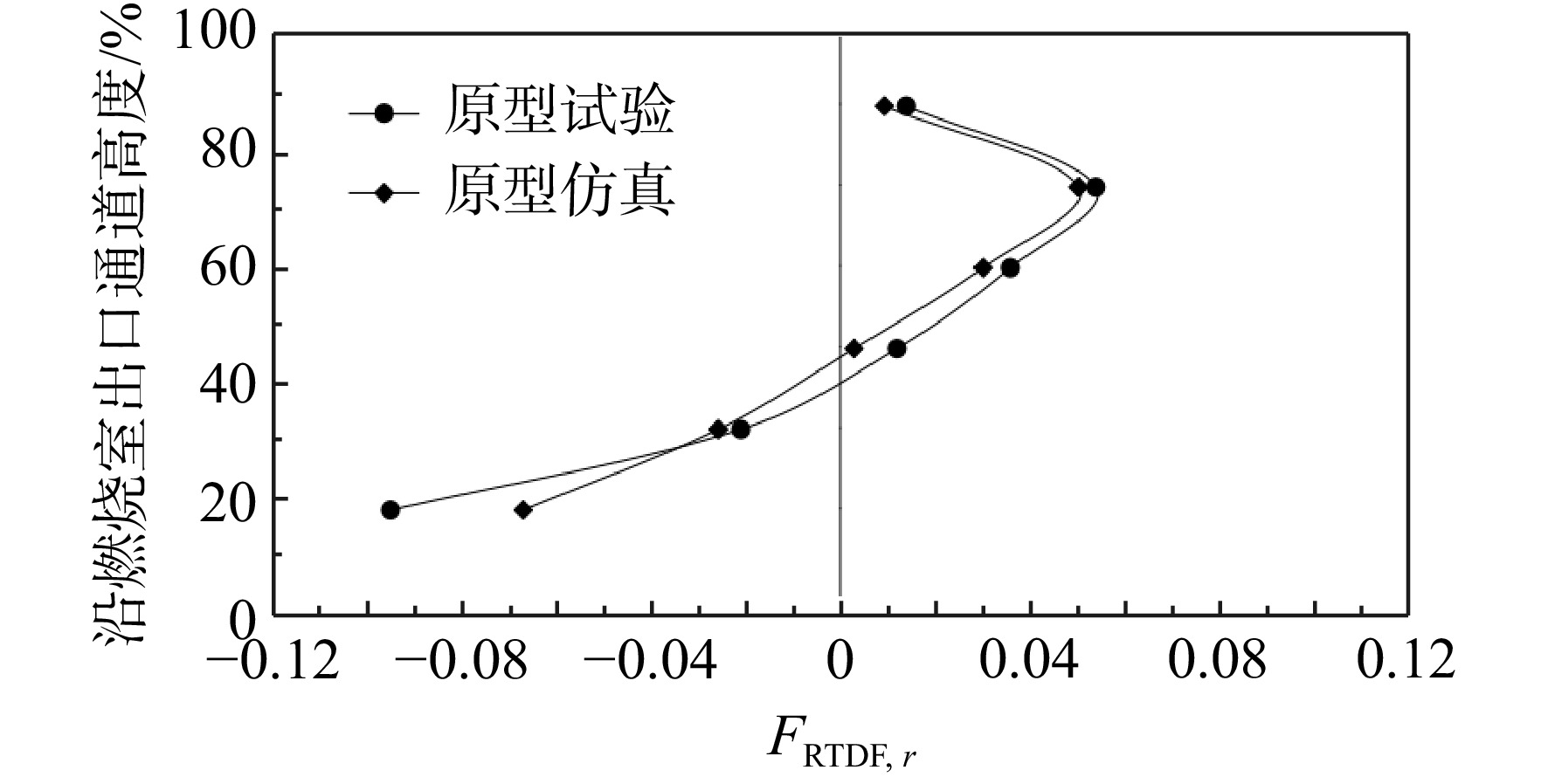
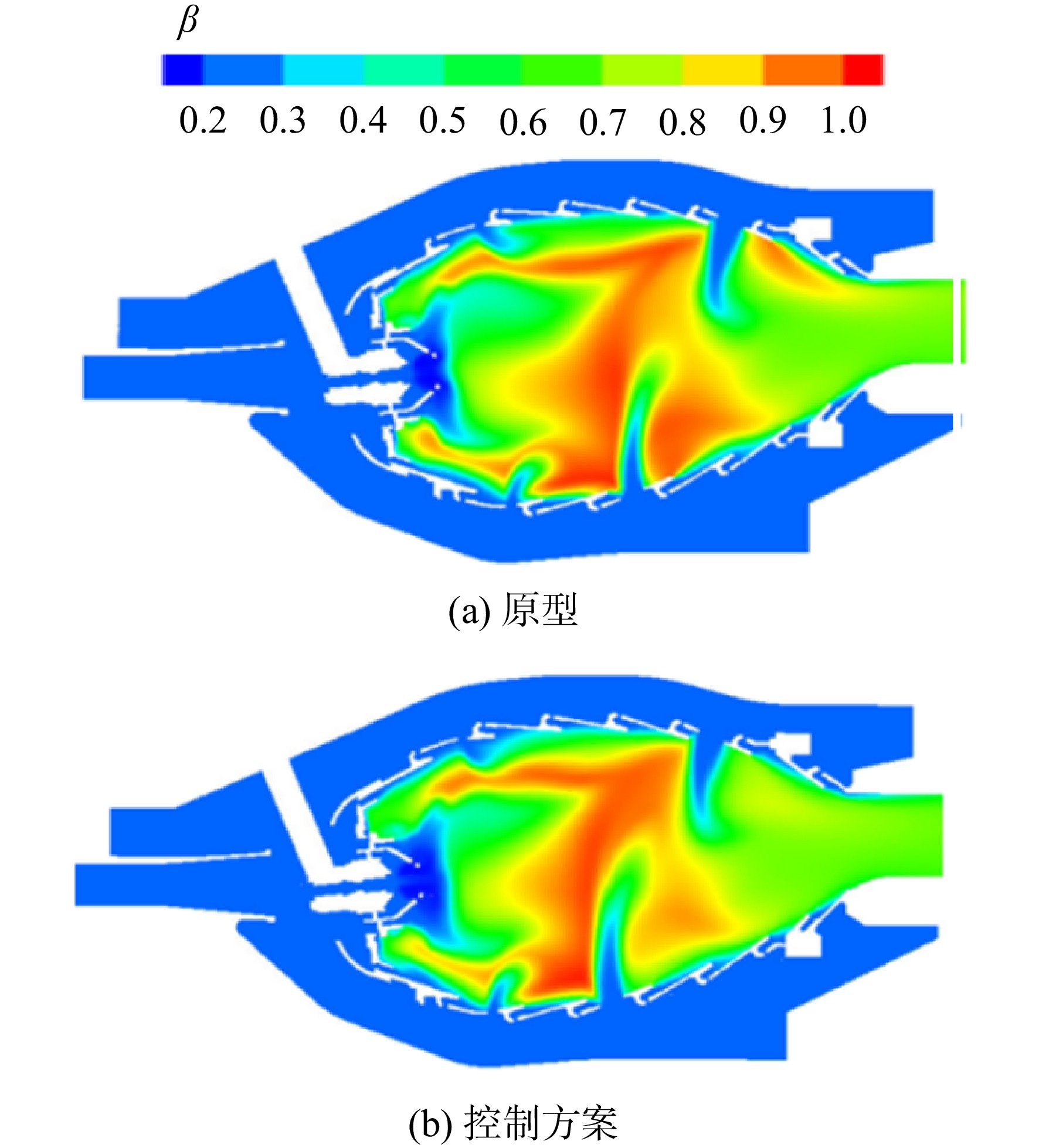
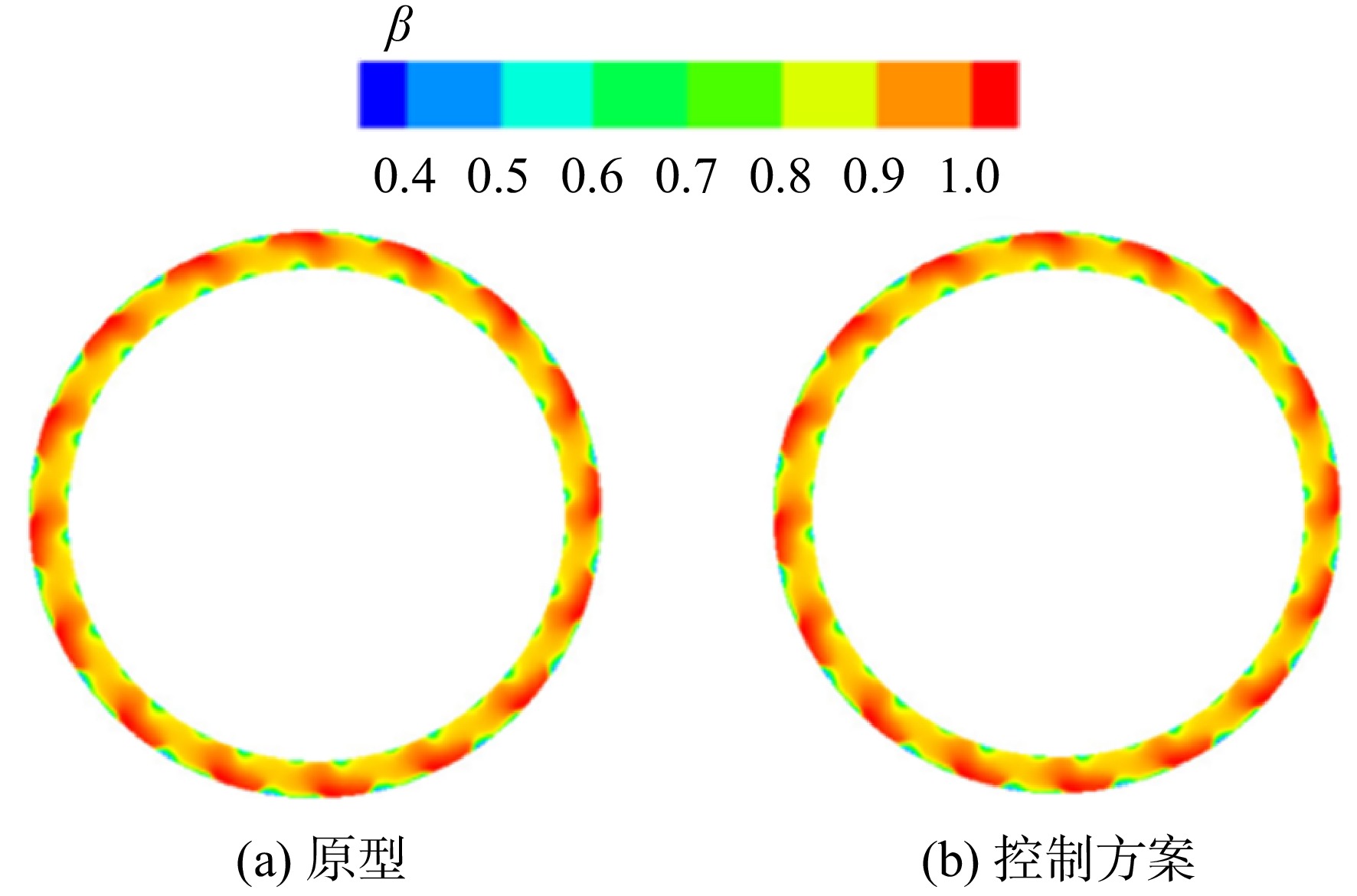
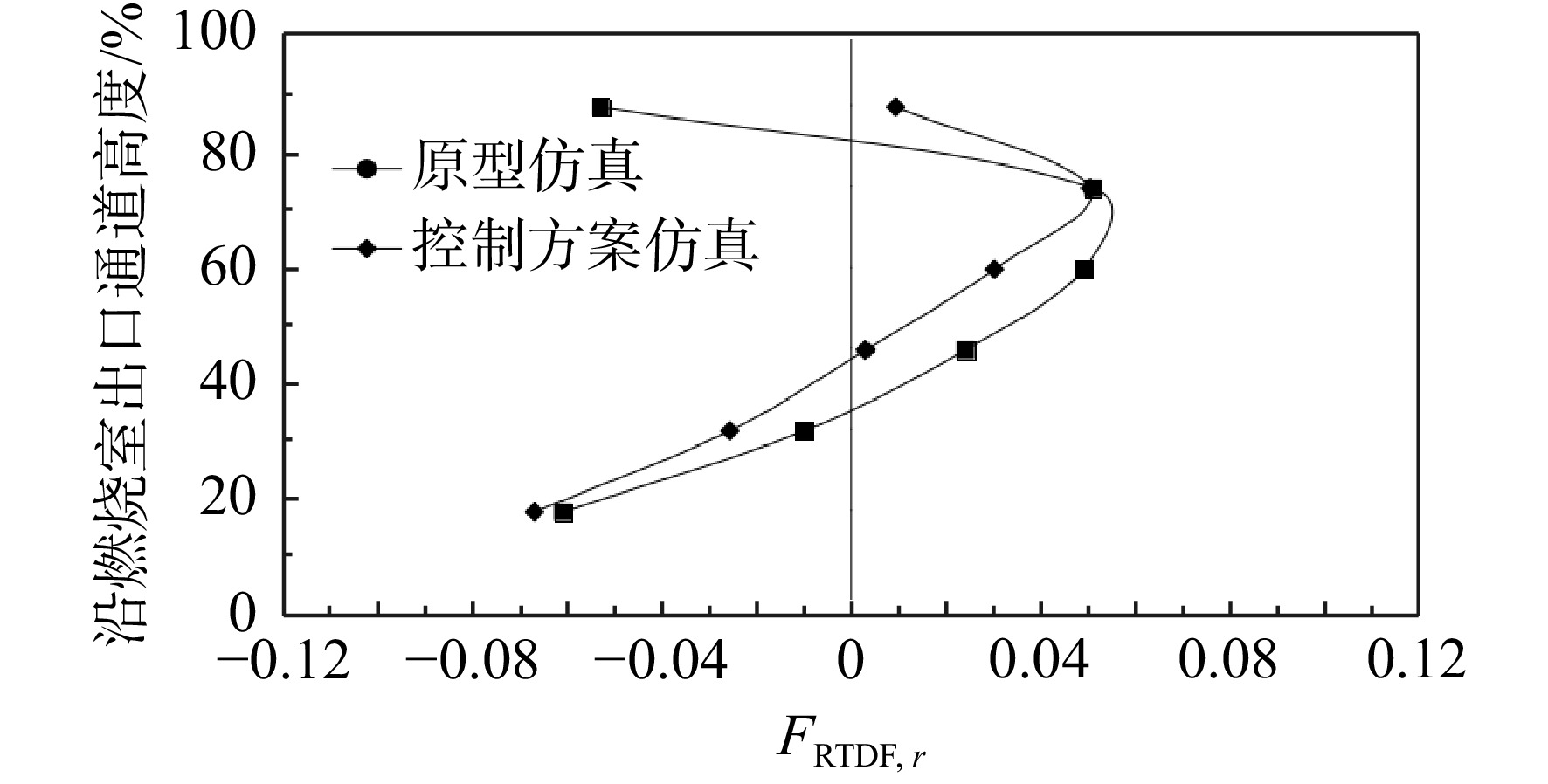
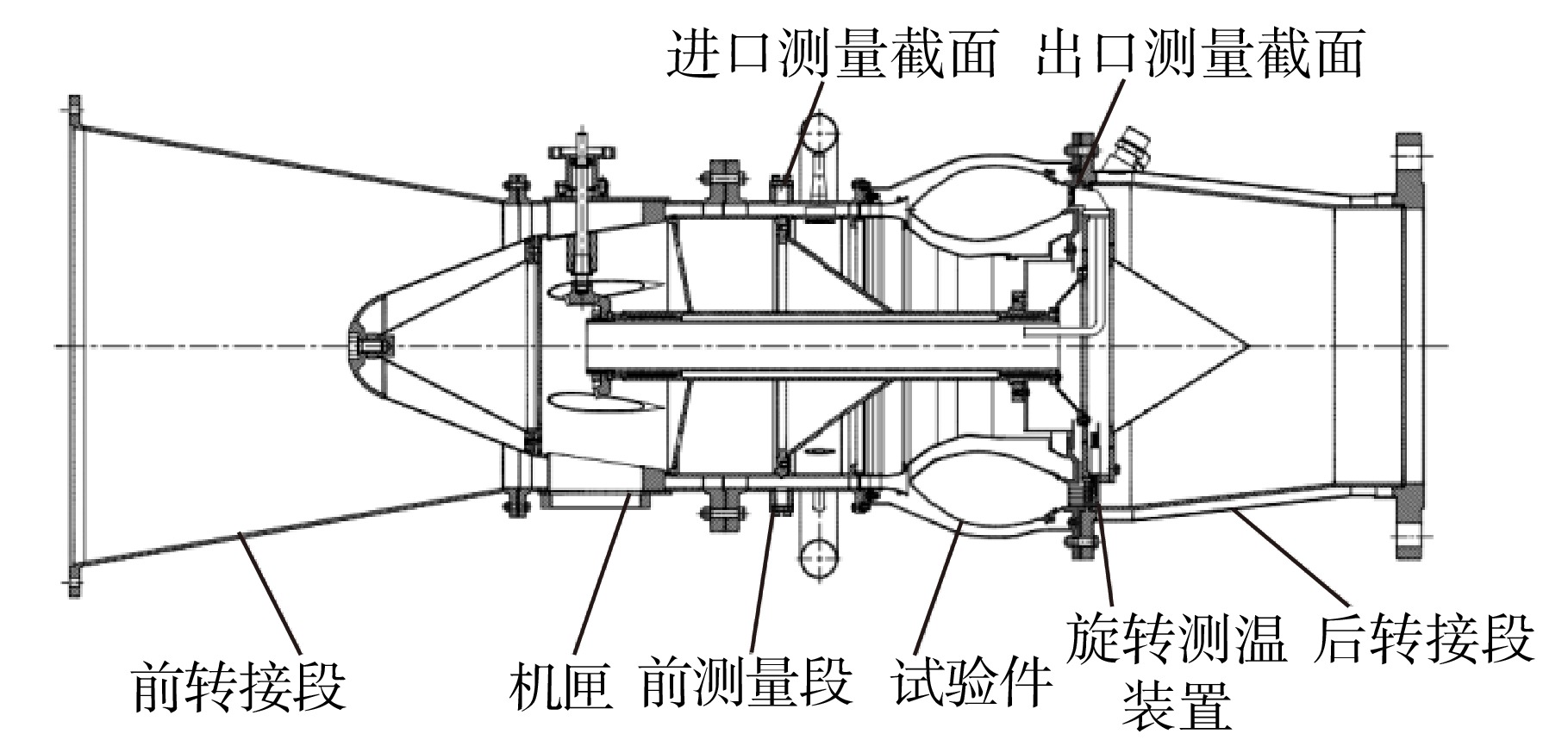
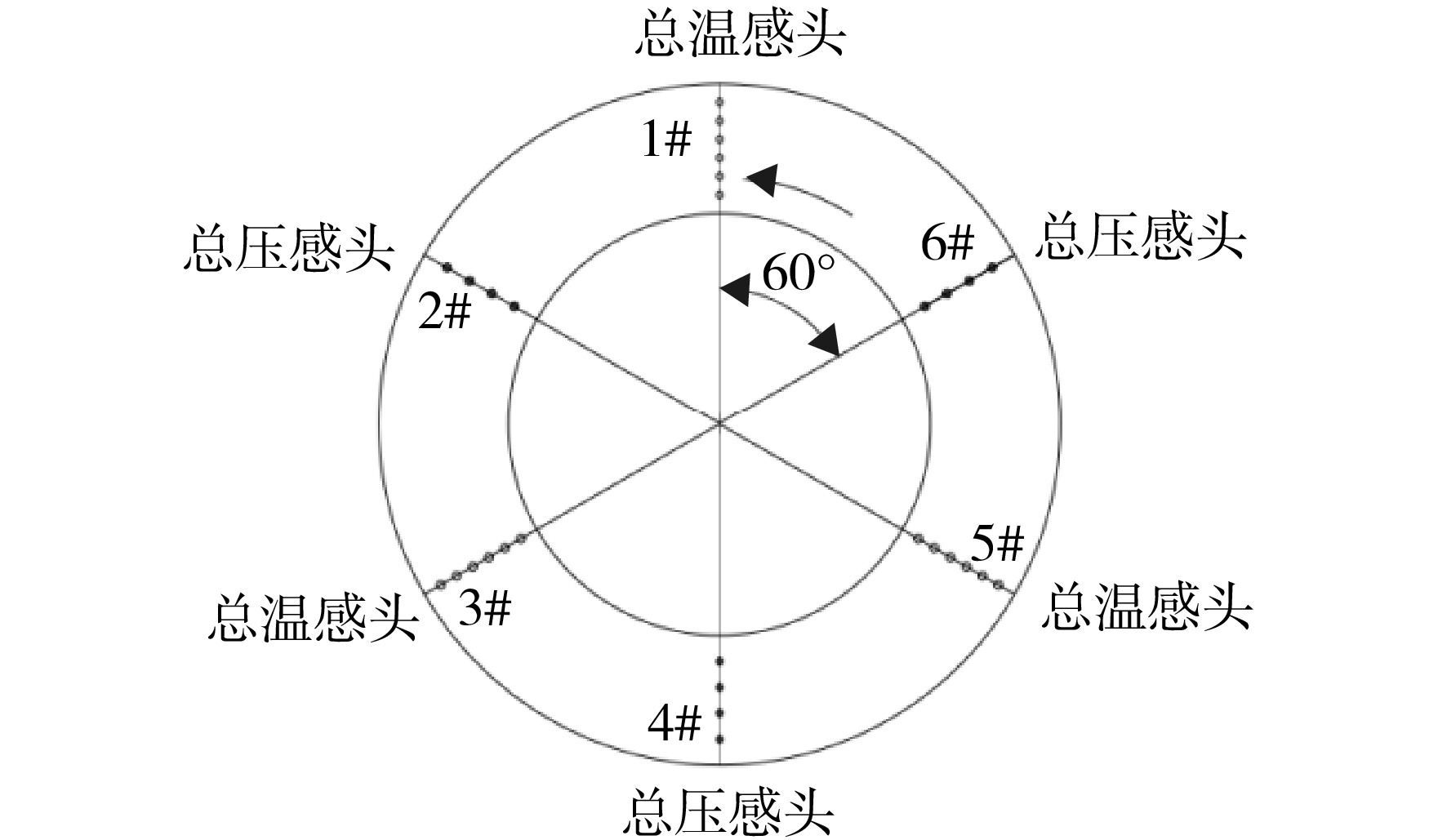
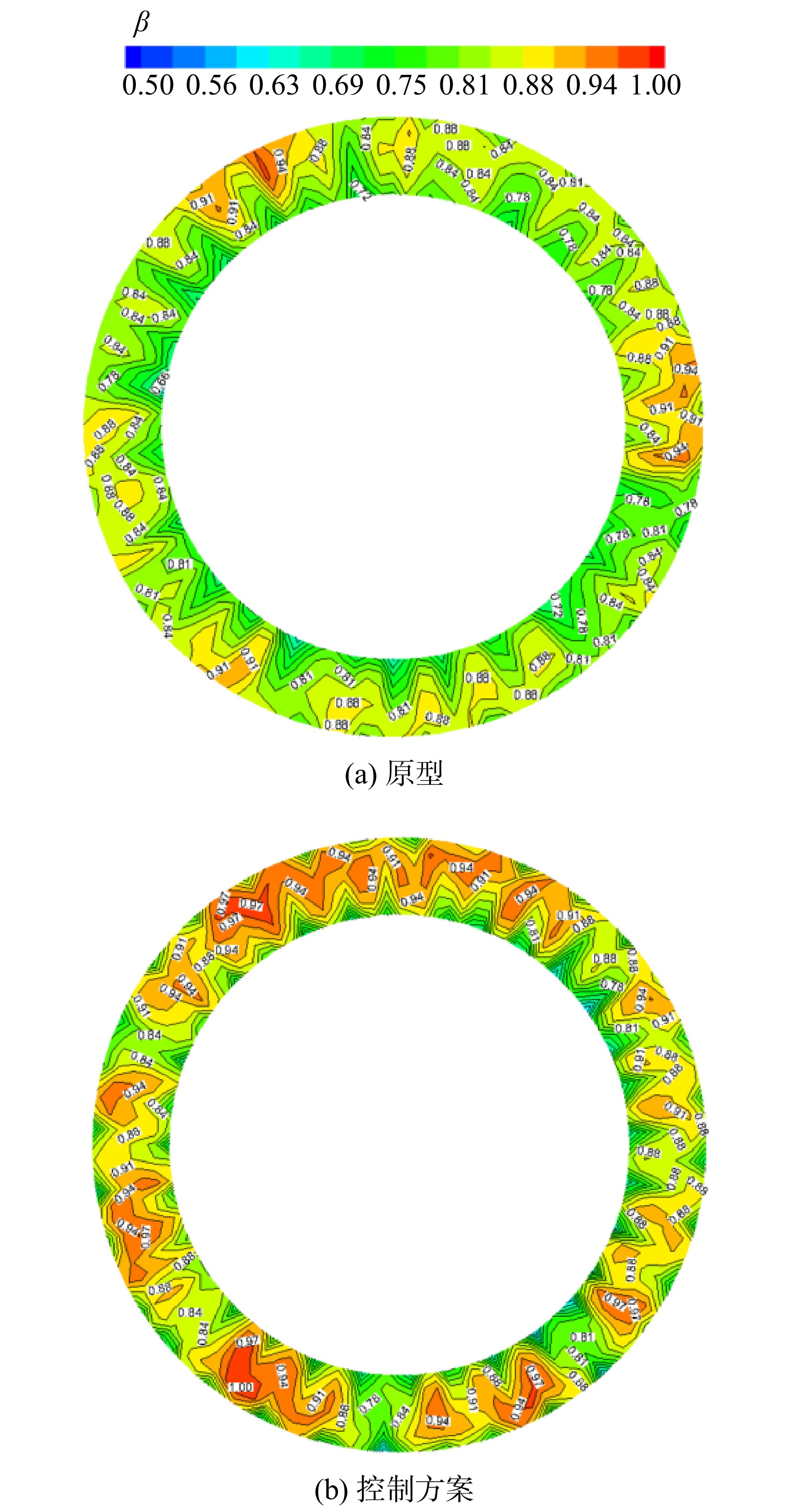
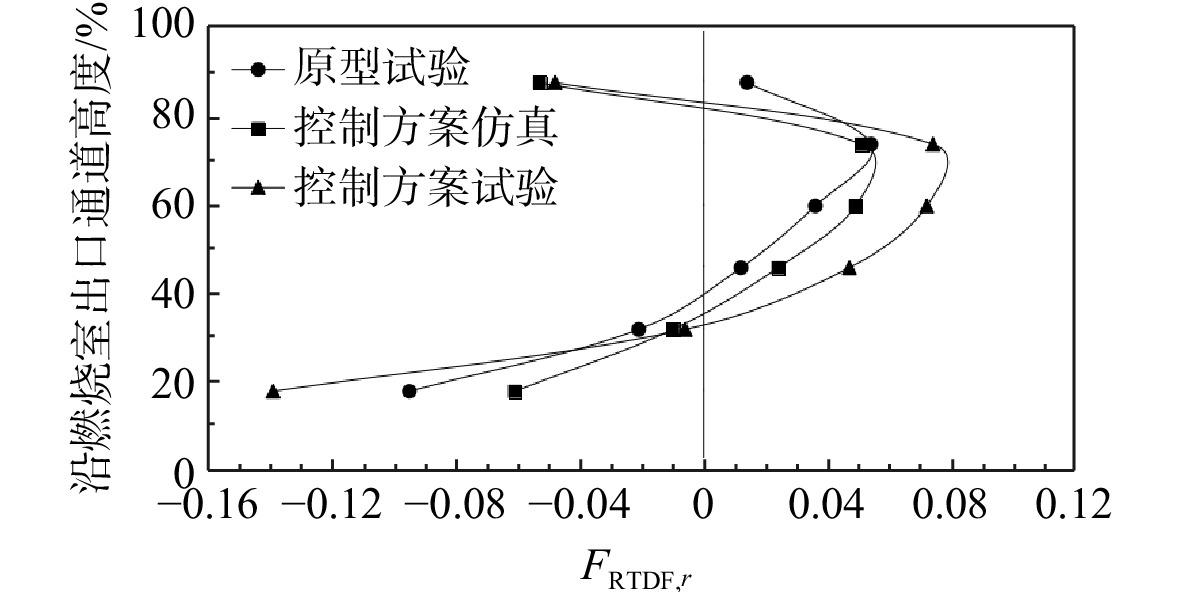
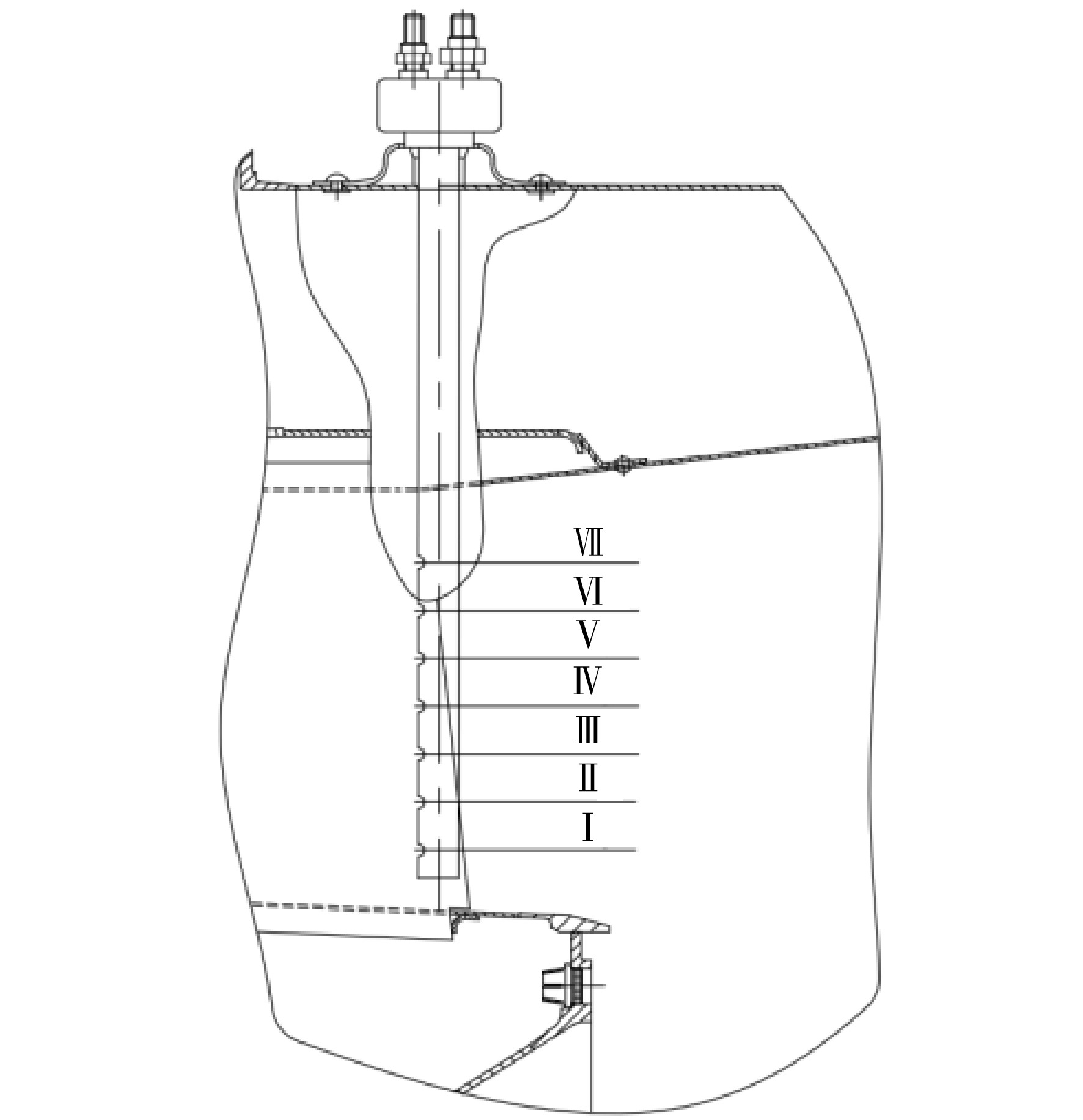
In order to effectively reduce the tip temperature at the combustion chamber outlet and ensure smooth resolution of the turbine blade tip crown fracture failure, a simulation and experimental study on the radial temperature distribution control based on the cooling holes of the flame tube was conducted for the combustion chamber. Through analysis of the flow field and flow distribution, a control scheme was proposed to increase the geometric area of the 8th row of cooling holes in the outer ring by 65.3%. The numerical simulation results showed that this scheme increased the proportion of hole flow by 60.63%, while the proportion of flow in other intake structures decreased by 2.95% to 3.45% accordingly, and the temperature at the outlet blade tip was significantly reduced by 56 K. Component tests and complete machine tests further verified the effectiveness of the scheme. Component tests showed that the tip temperature of the control scheme was 51 K lower than that of the prototype, and the radial distribution of the outlet temperature presented the characteristics of lower temperatures at the tip and root, with the peak at about 2/3 of the blade height. Both outlet temperature distribution factor (OTDF) and radial temperature distribution factor (RTDF) met the design requirements, and the scheme did not have adverse effect on other key performances of the combustion chamber, which was beneficial to the reliability of the turbine blade. The temperature distribution trends of the simulation and component tests were consistent, providing an effective technical path for the precise control of the combustion chamber outlet temperature field.

Influence of primary jets and cooling air on combustor flow field and heat release field based on laser diagnostics
WEI Wei, AN Qiang, XUE Xin, YU Shiyang, HU Wencheng
2026, 41(5): 20250432. doi: 10.13224/j.cnki.jasp.20250432
Abstract:
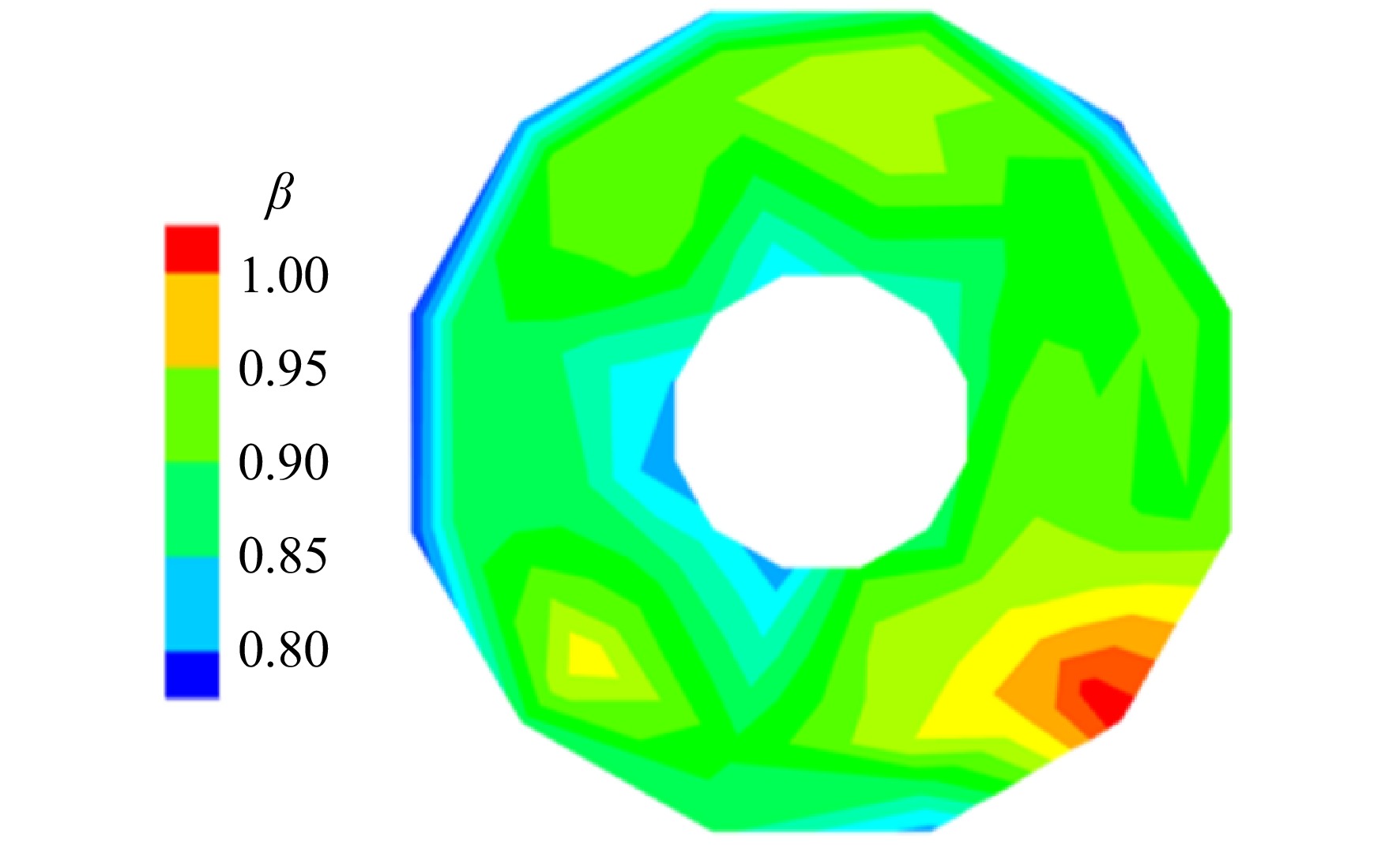
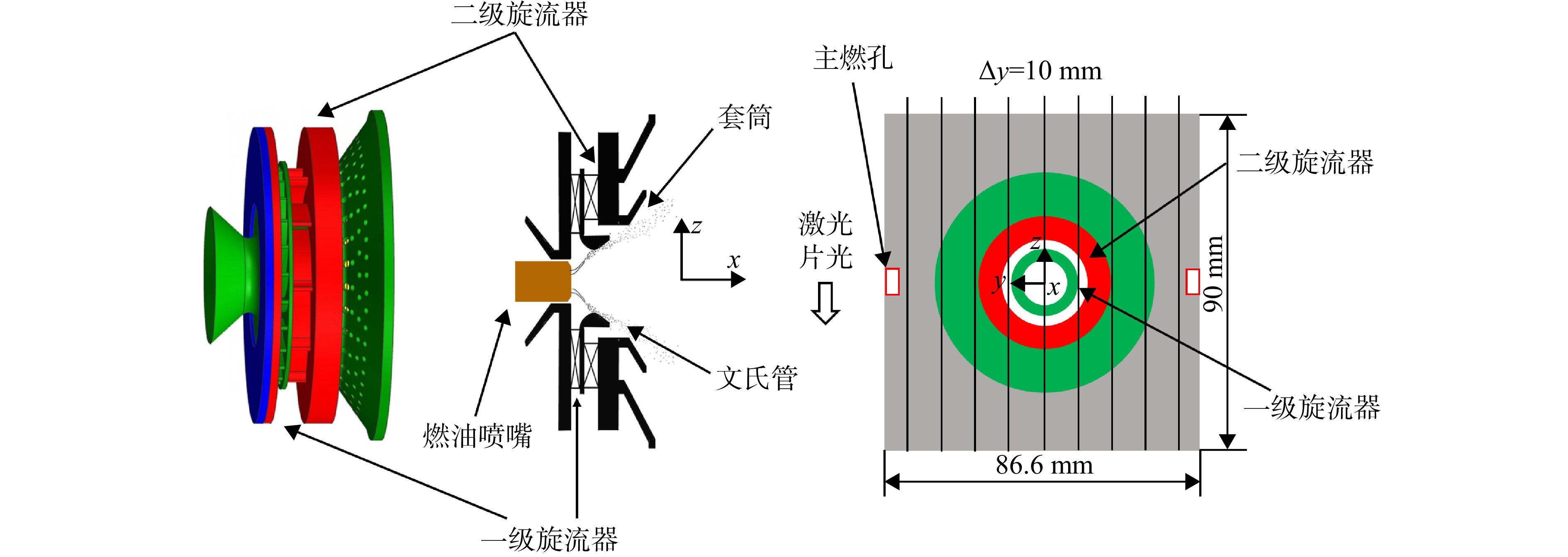
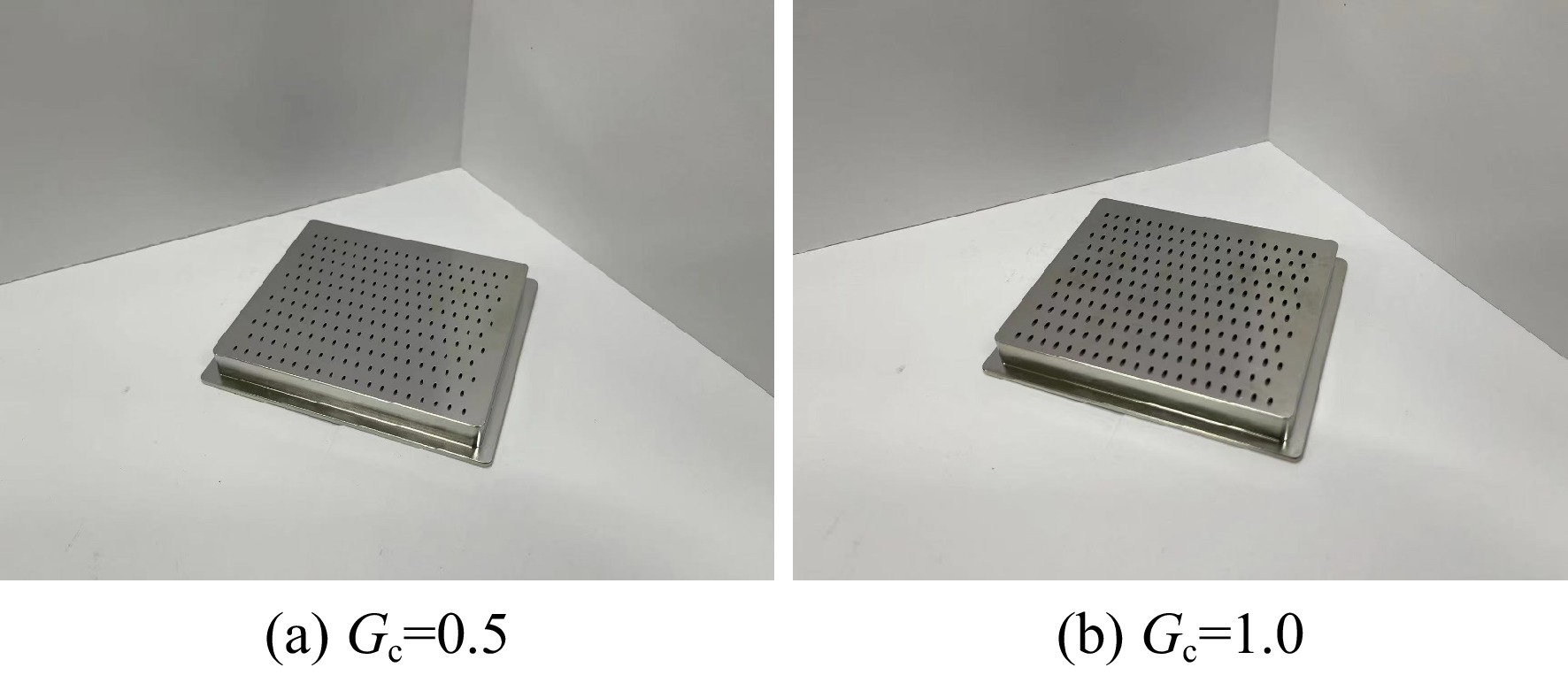
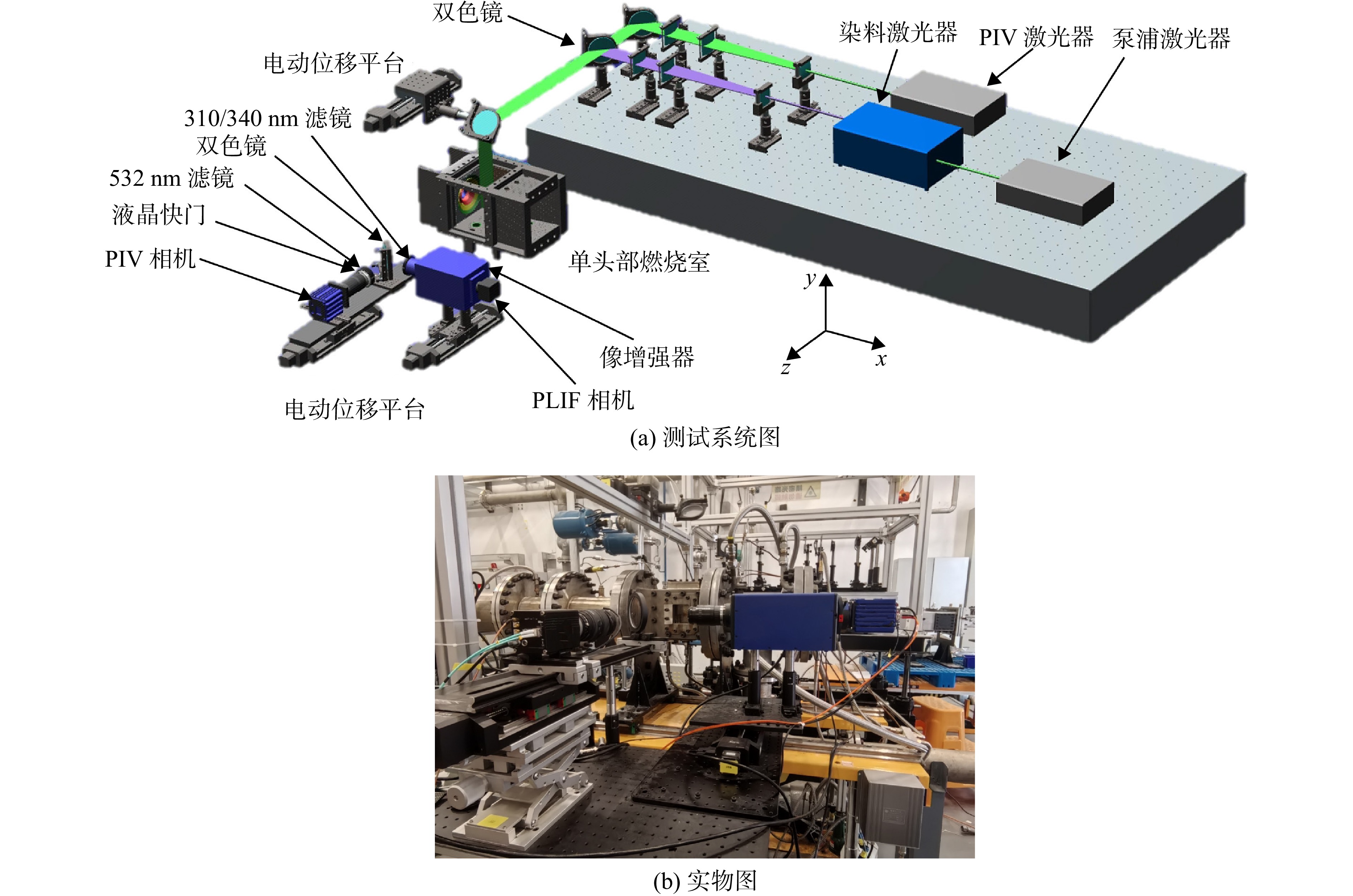
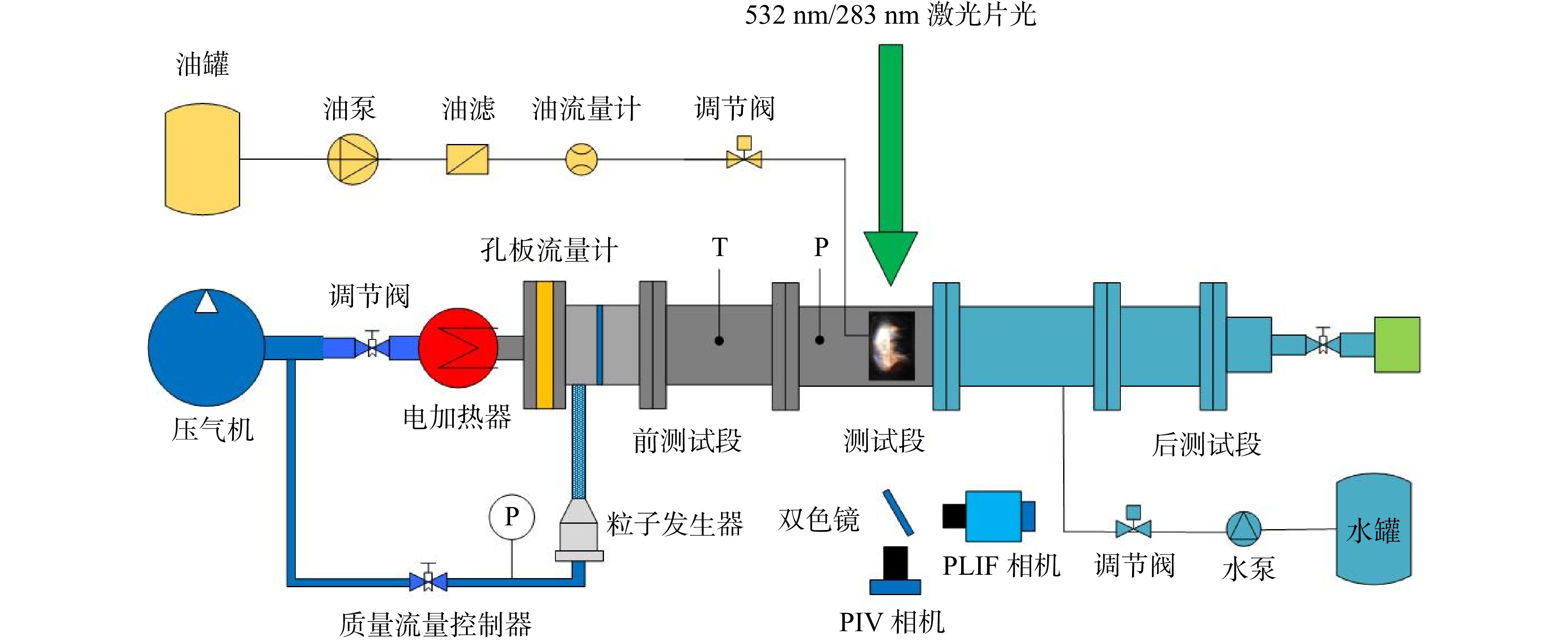
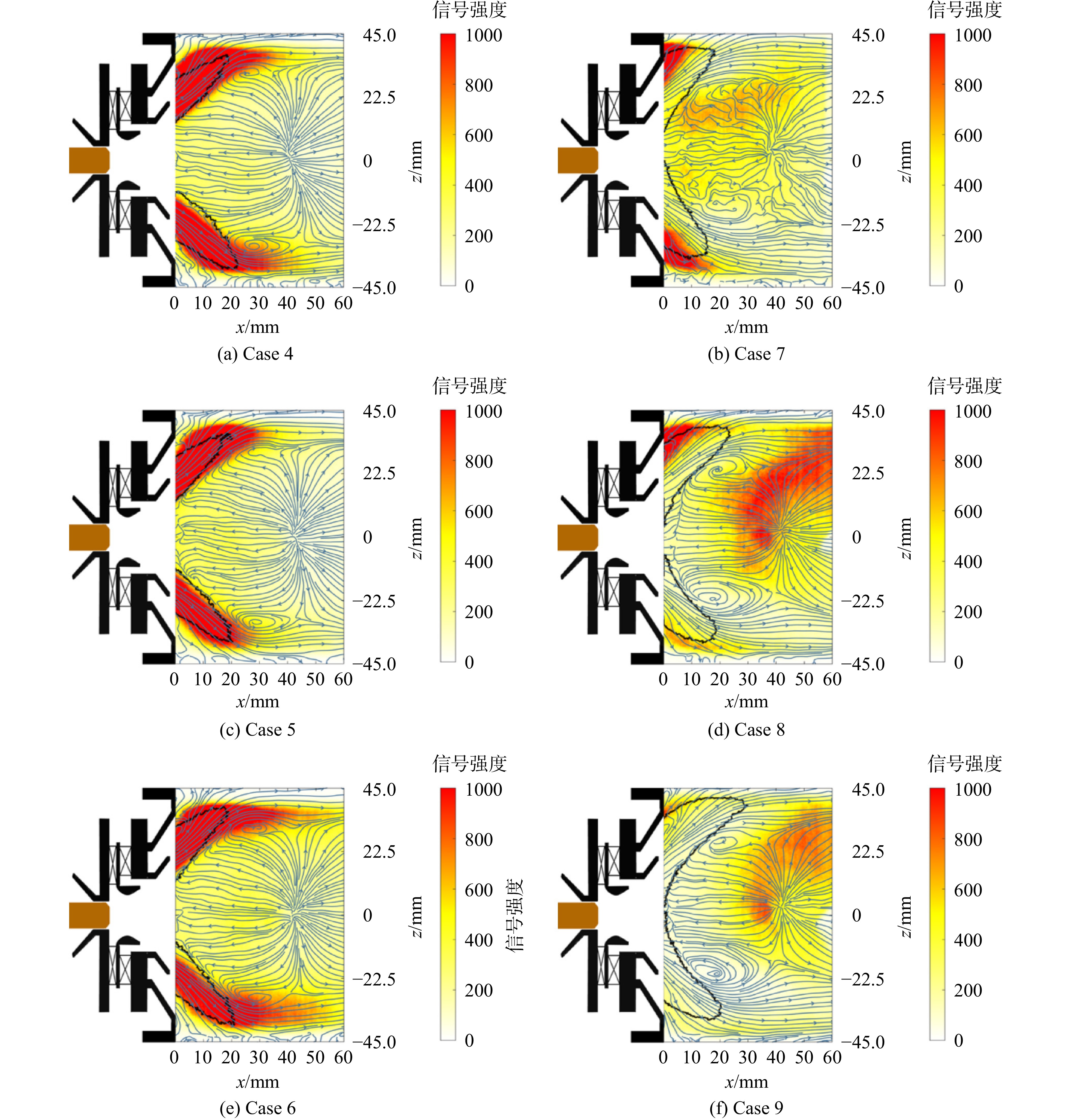
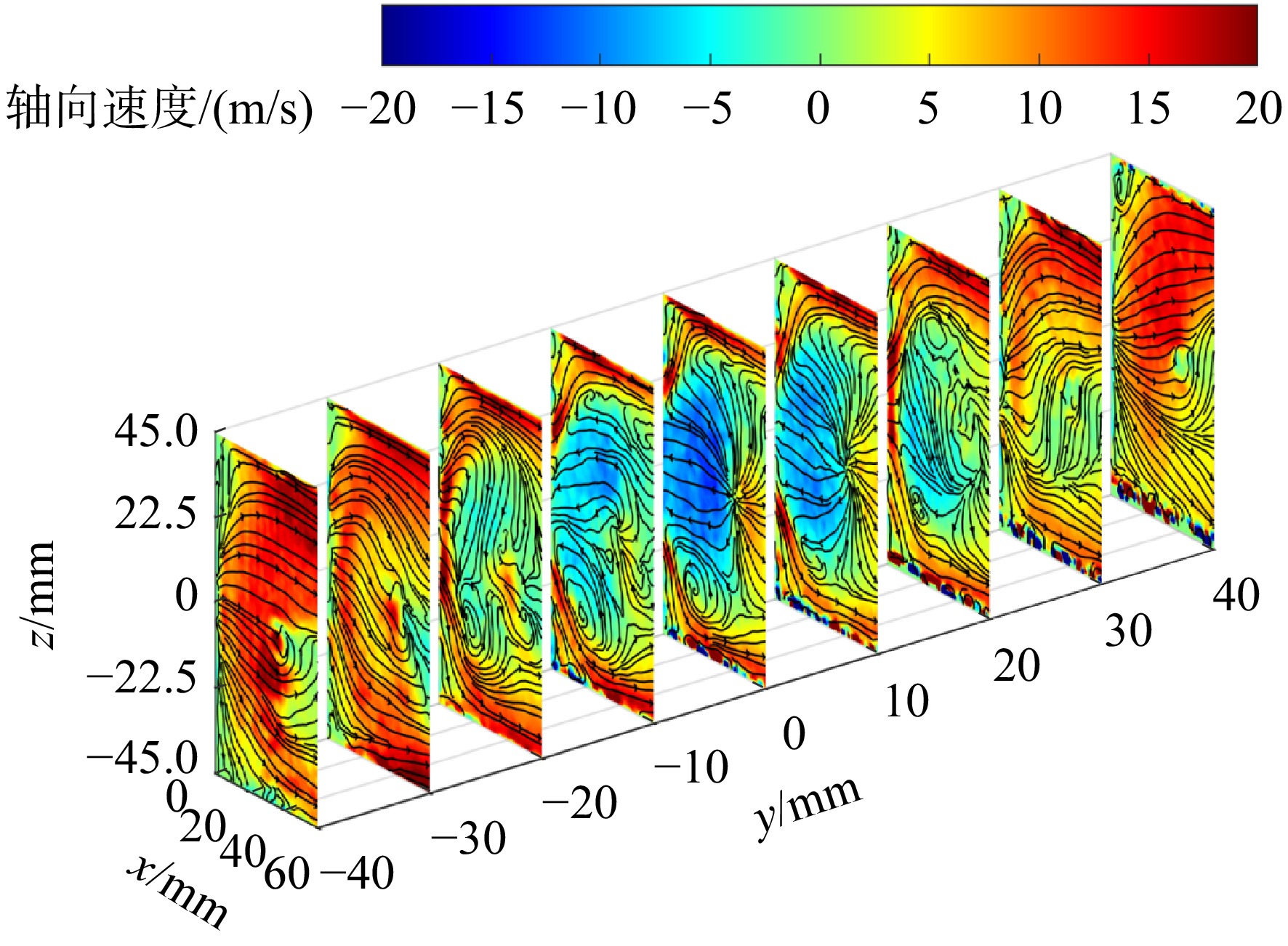
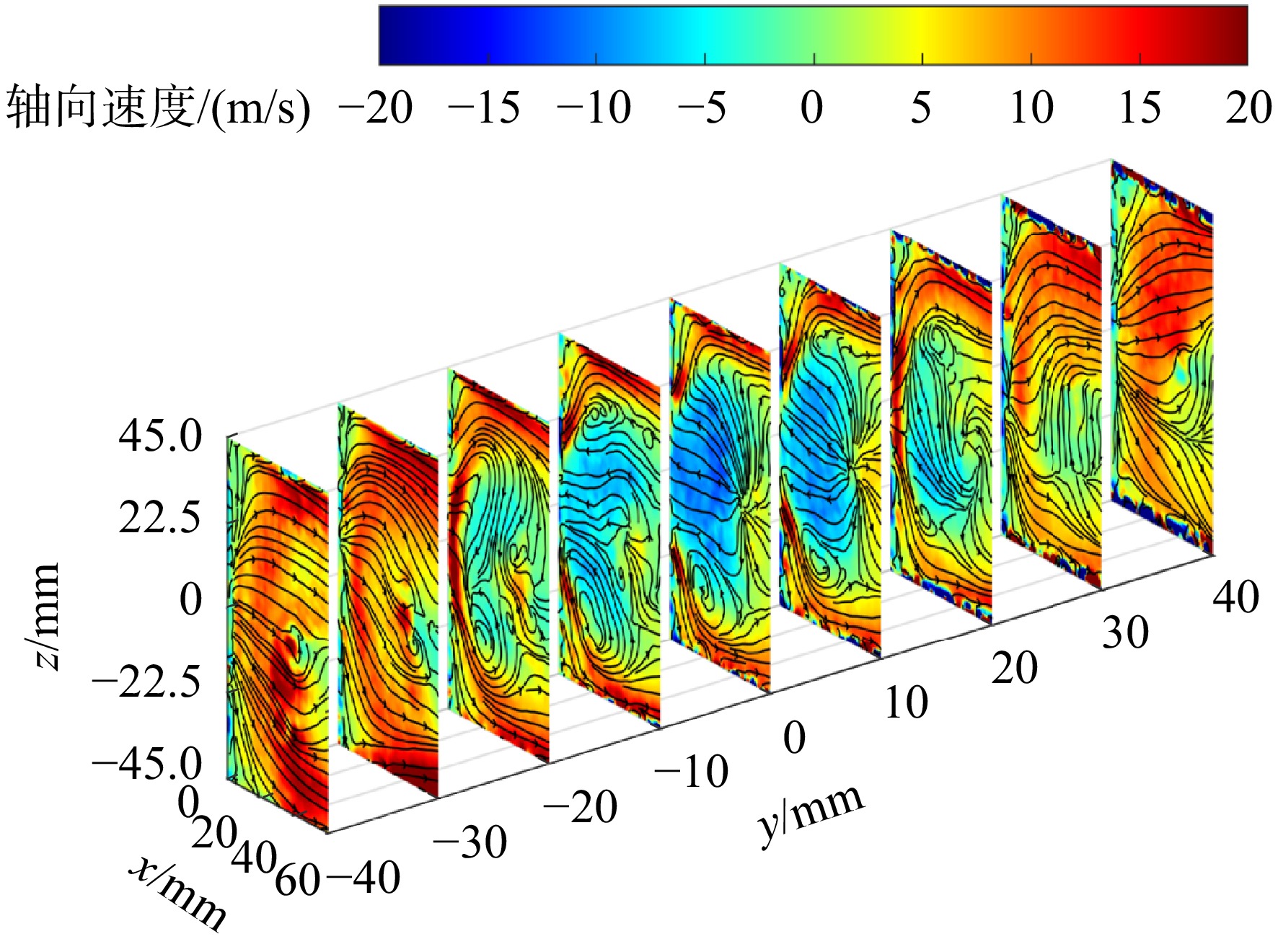
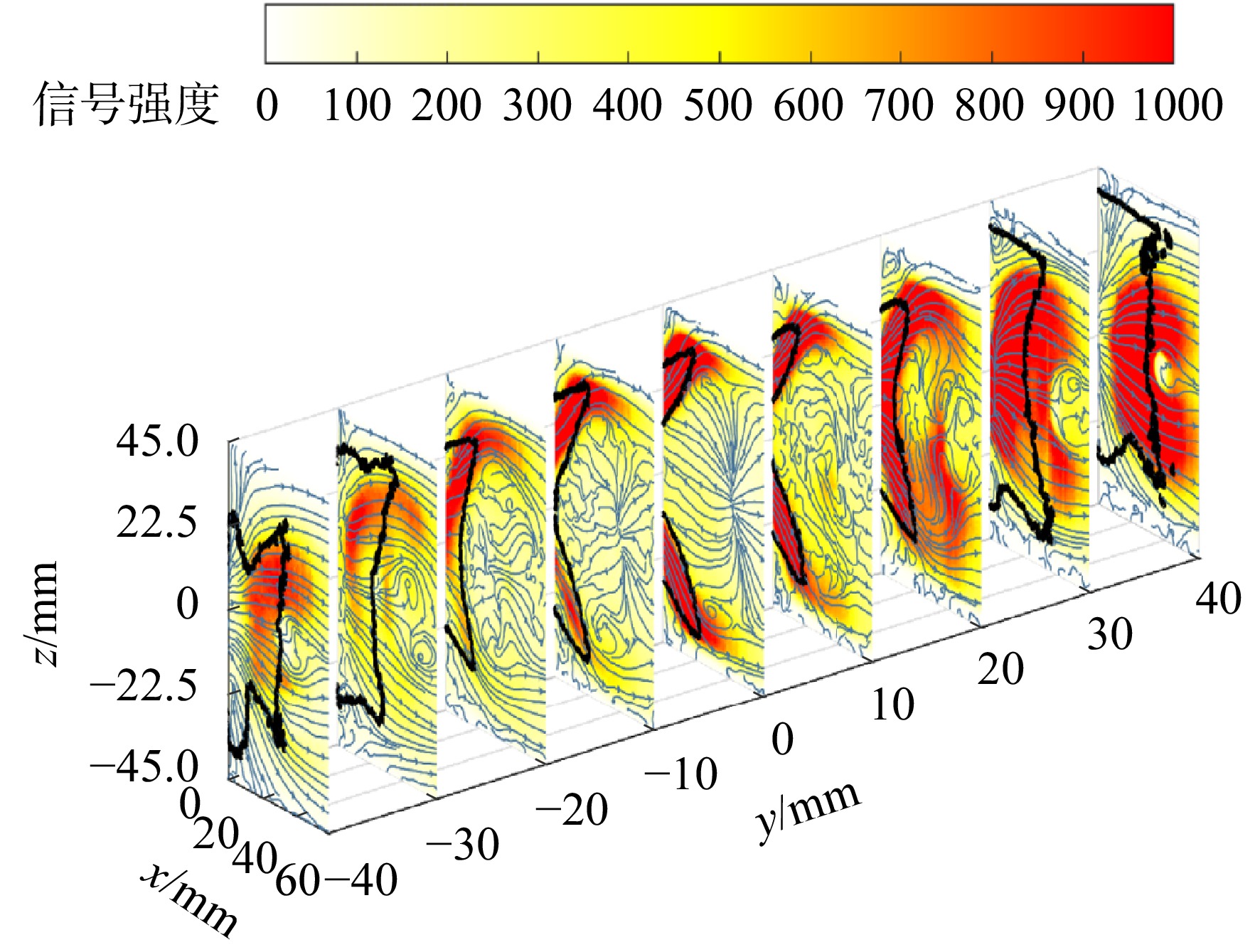
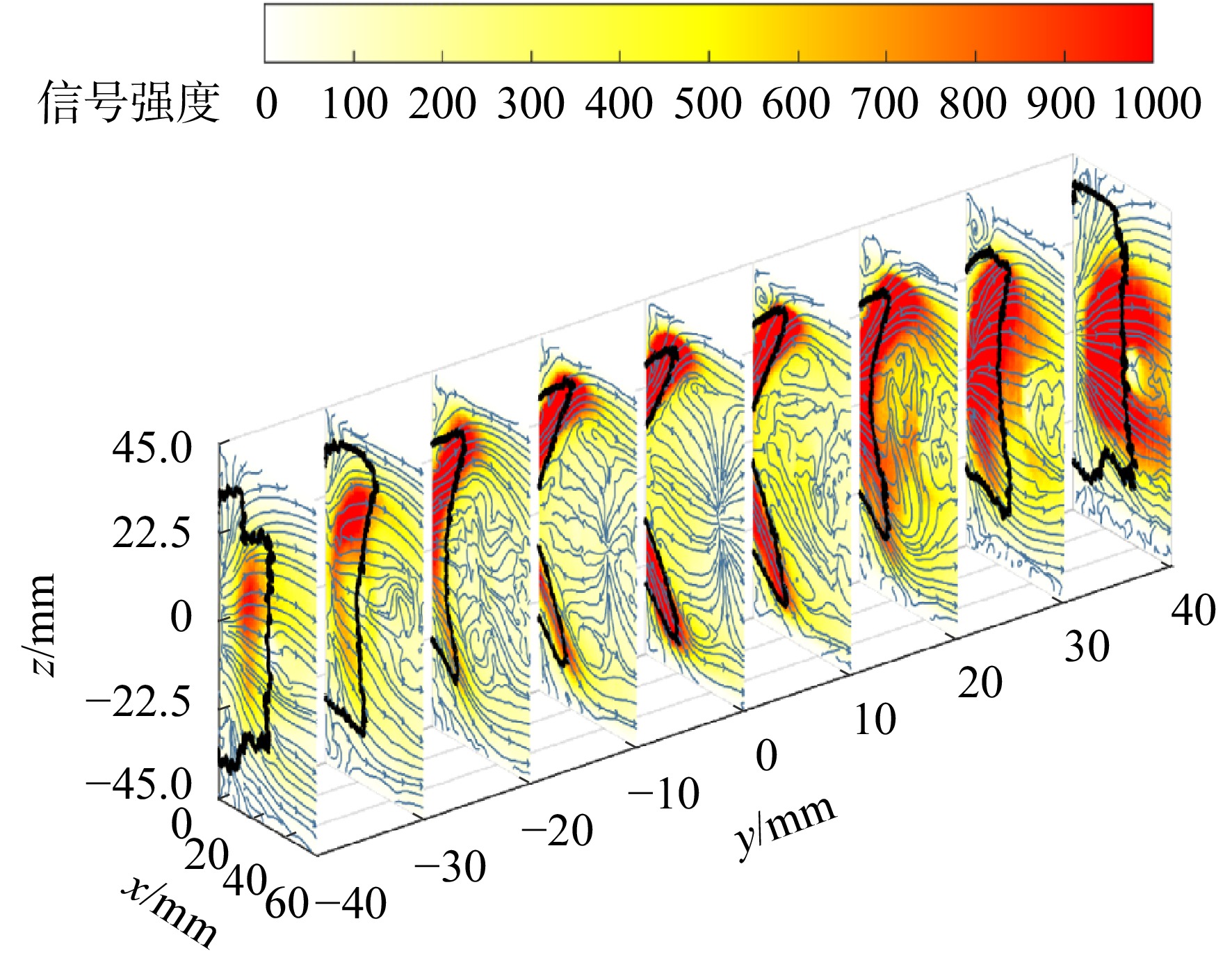
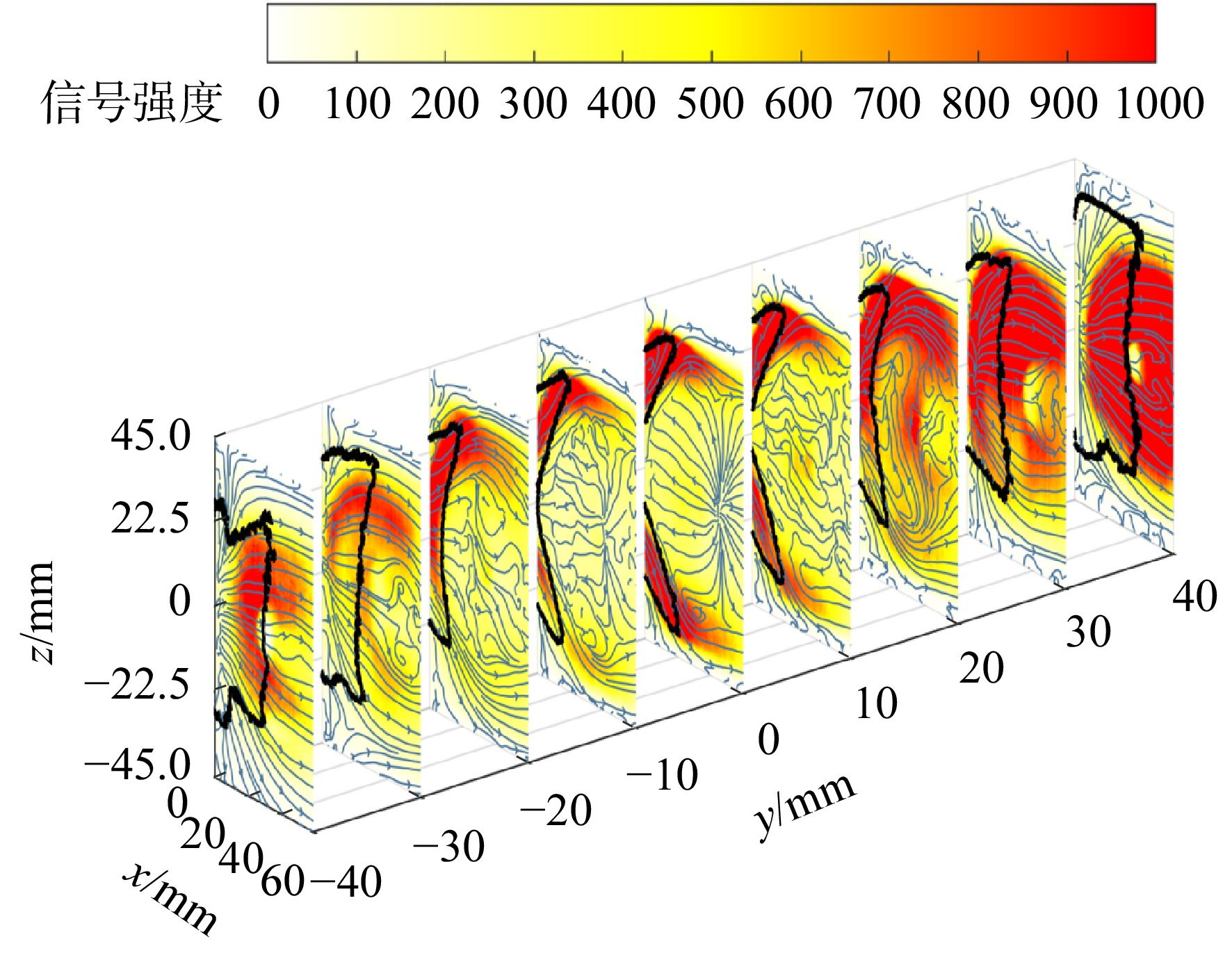
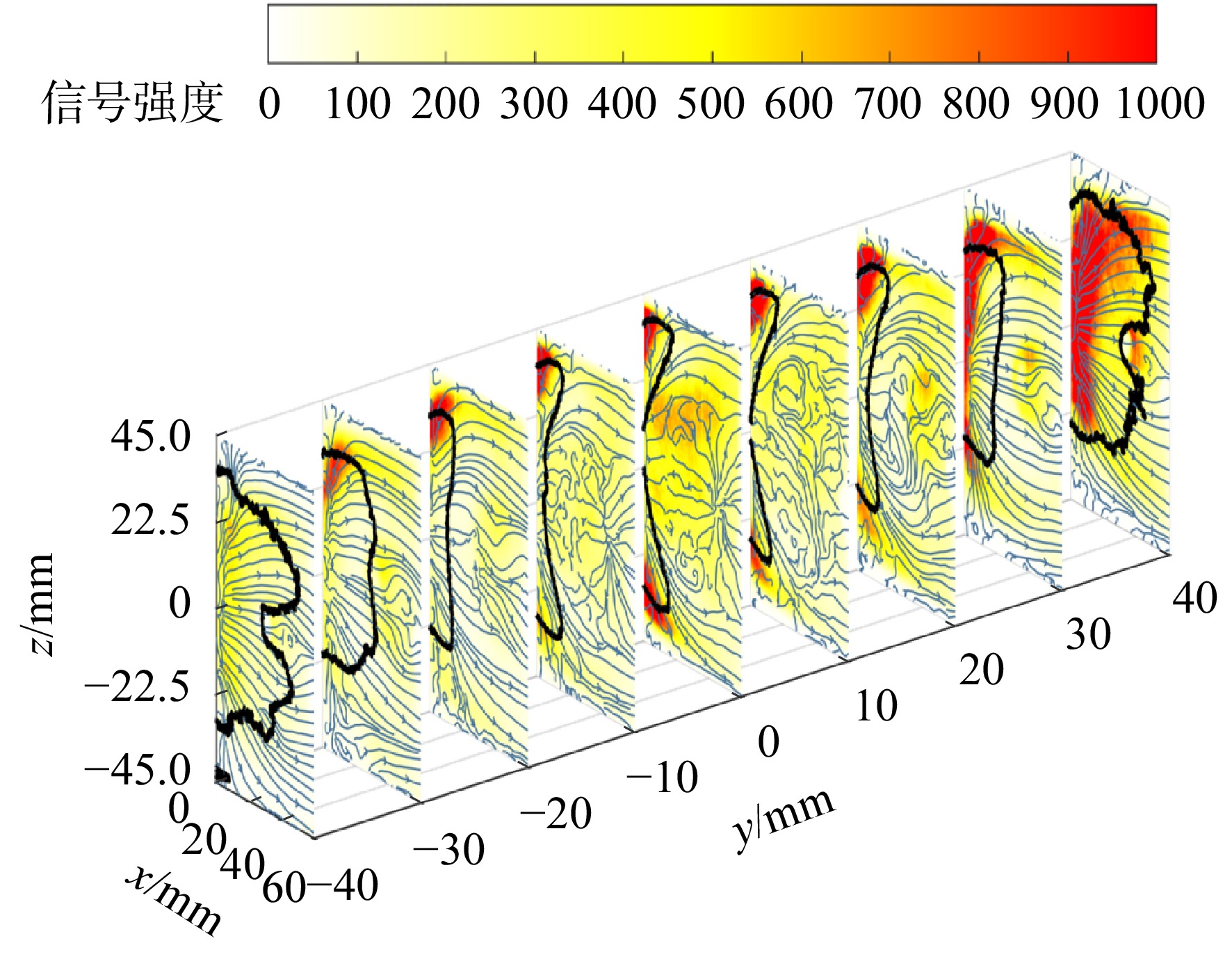
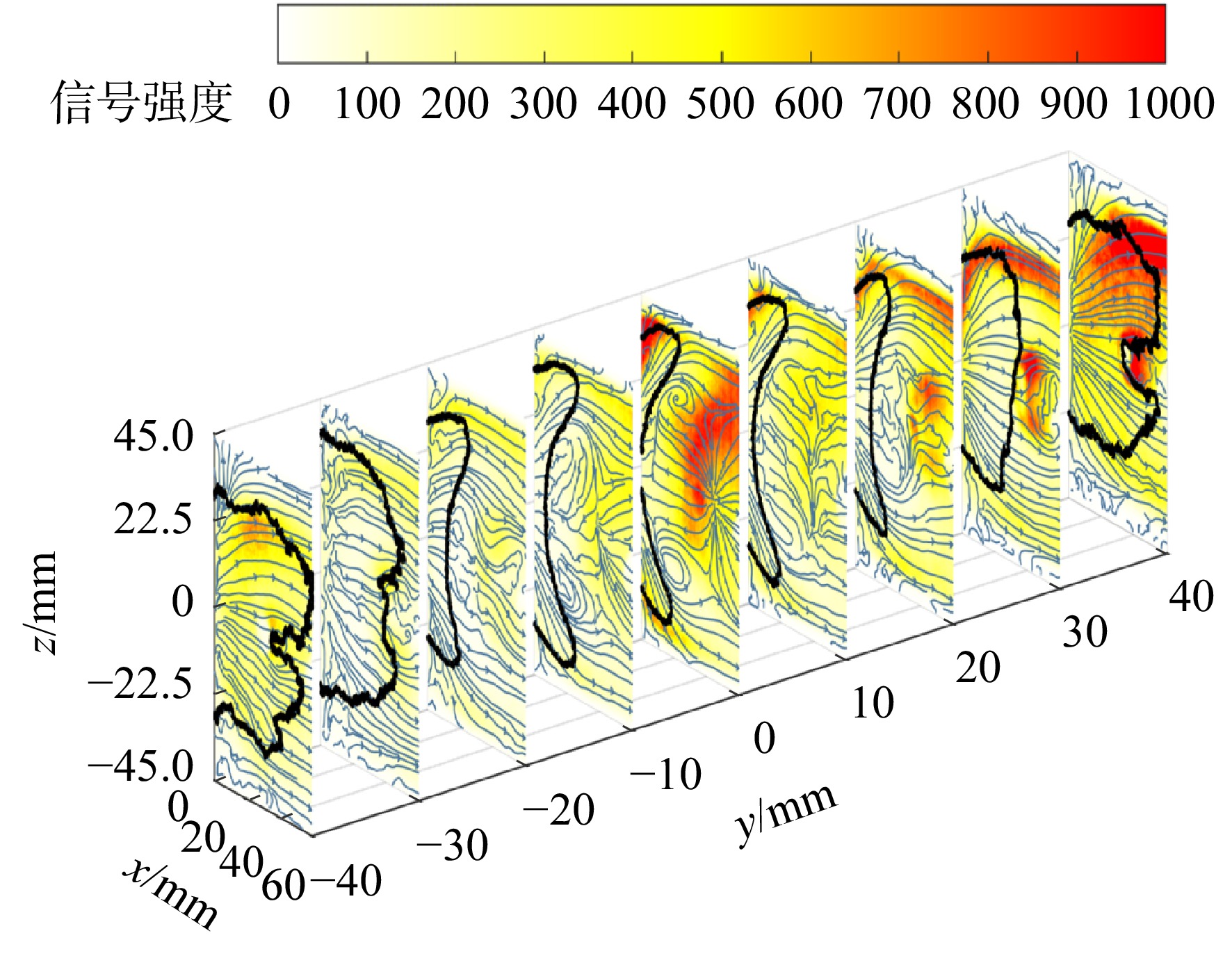
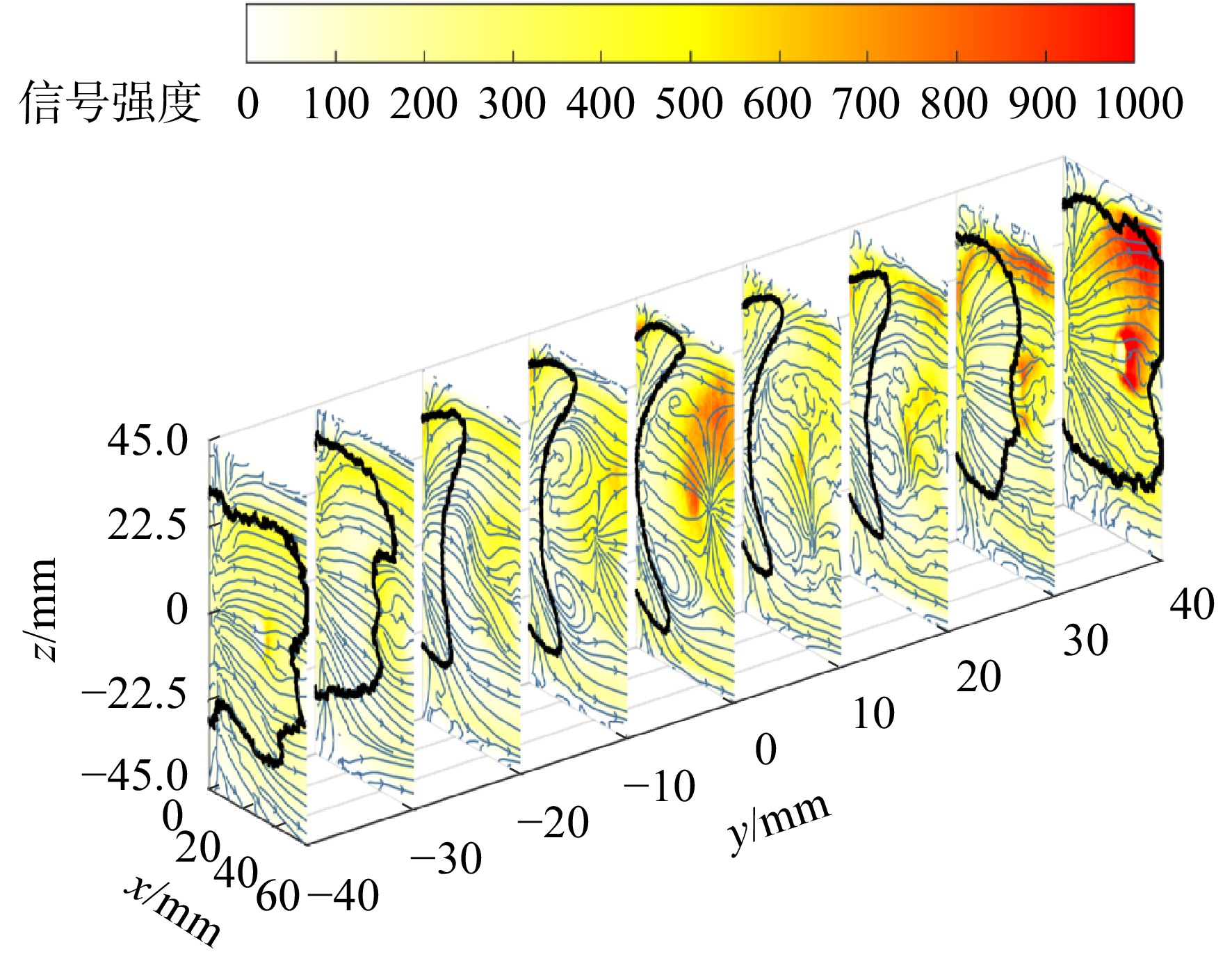
Experimental methods were employed to investigate the flow field and flame structure of complex swirling spray flames in a rich burn-quench-lean burn (RQL) combustor with a typical primary jet and cooling air under elevated temperature and pressure conditions (500 K, 500 kPa). Simultaneous optical diagnostic techniques (particle image velocimetry, PIV and OH planar laser-induced fluorescence, OH-PLIF) were utilized to capture the flow and flame structures at multiple cross-sections of a single-sector combustor under varying fuel-air ratios conditions, with measurements performed along the incoming flow direction of the primary jets. These pioneering measurements revealed the trajectory of the primary jets and their interaction processes with the flow field and heat release field under the influence of the cooling air. Results indicated that the experimental data acquired along the incoming flow direction of the primary jets more effectively characterized the interaction between the primary jets and the swirling spray flames. The cooling air significantly altered the central recirculation zone formed by the primary jets. Under non-reacting conditions, as the cooling air increased, the negative axial velocity range of the recirculation zone decreased, and flow symmetry was disrupted. Under reacting conditions, the interaction between cooling air and flames led to asymmetric flame structures, with local quenching observed near the wall at a high fuel-air ratio.

Combustion diagnosis of ramjet in high-enthalpy shock tunnel using high-speed OH-PLIF
YUAN Xun, YU Xin, PENG Jiangbo, LU Hongbo, YANG Chaobo, CAO Zhen, CHEN Yongfu, JI Feng, WEN Shuai, ZHANG Shanchun
2026, 41(5): 20240647. doi: 10.13224/j.cnki.jasp.20240647
Abstract:
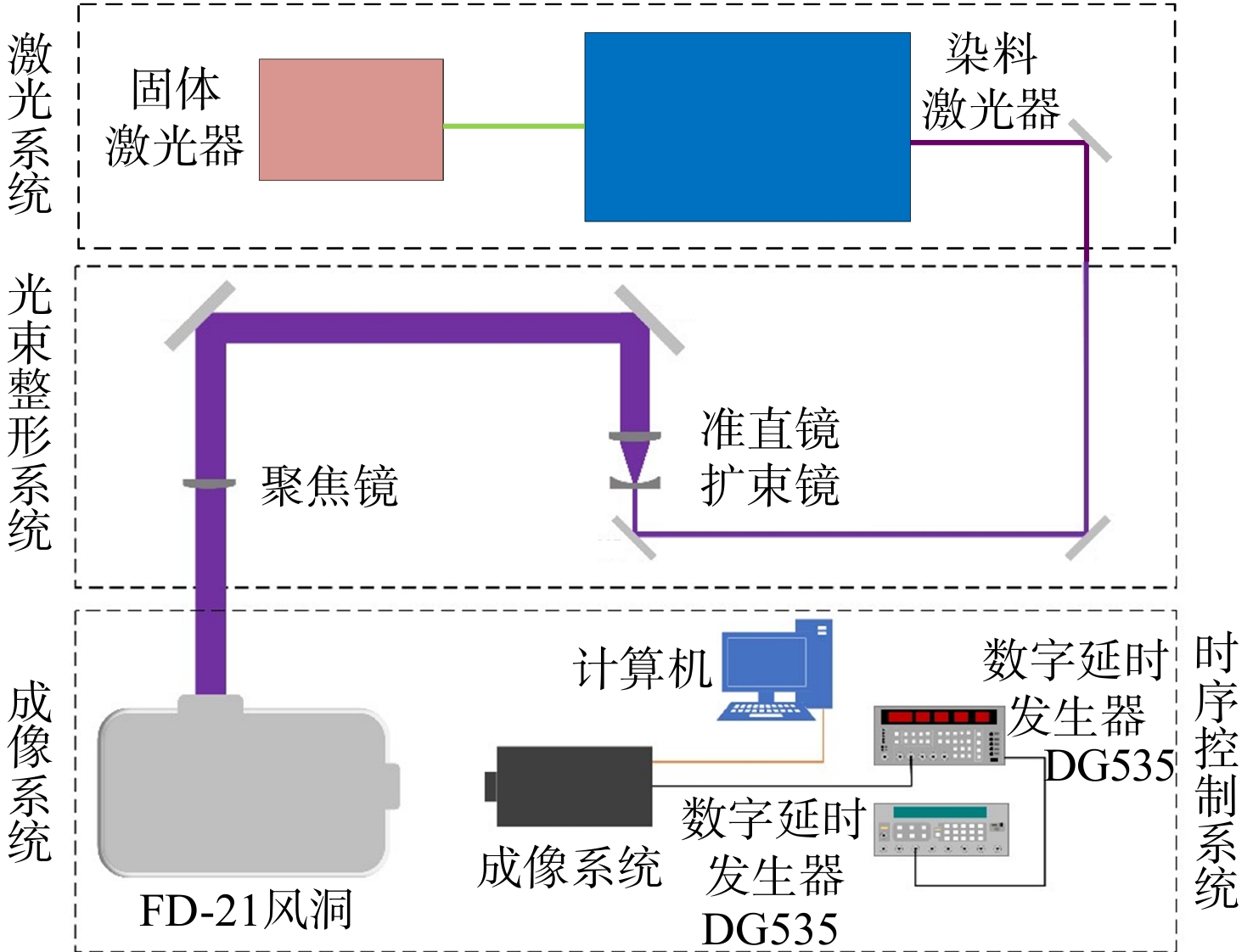
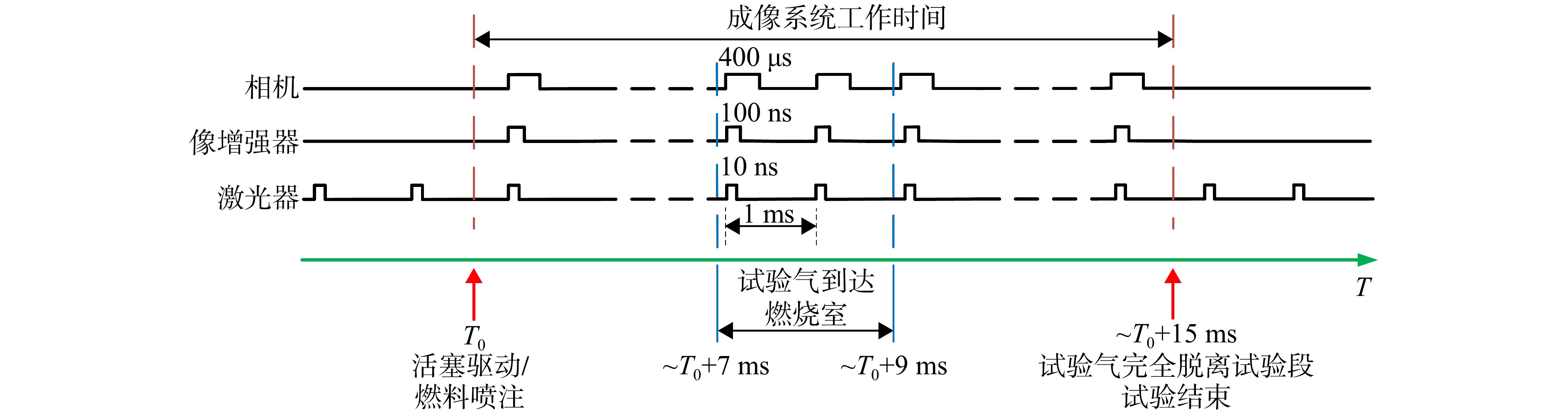
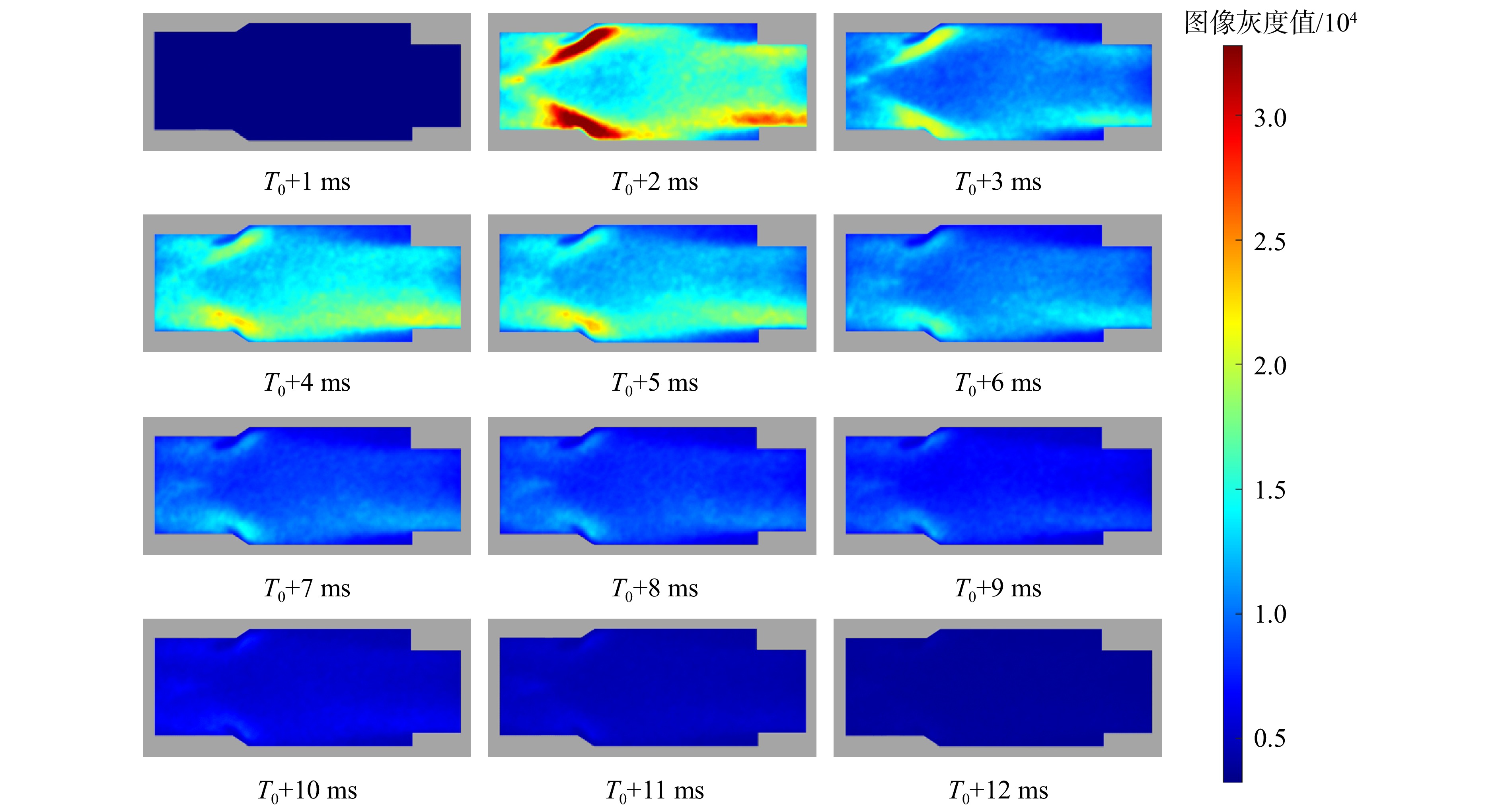
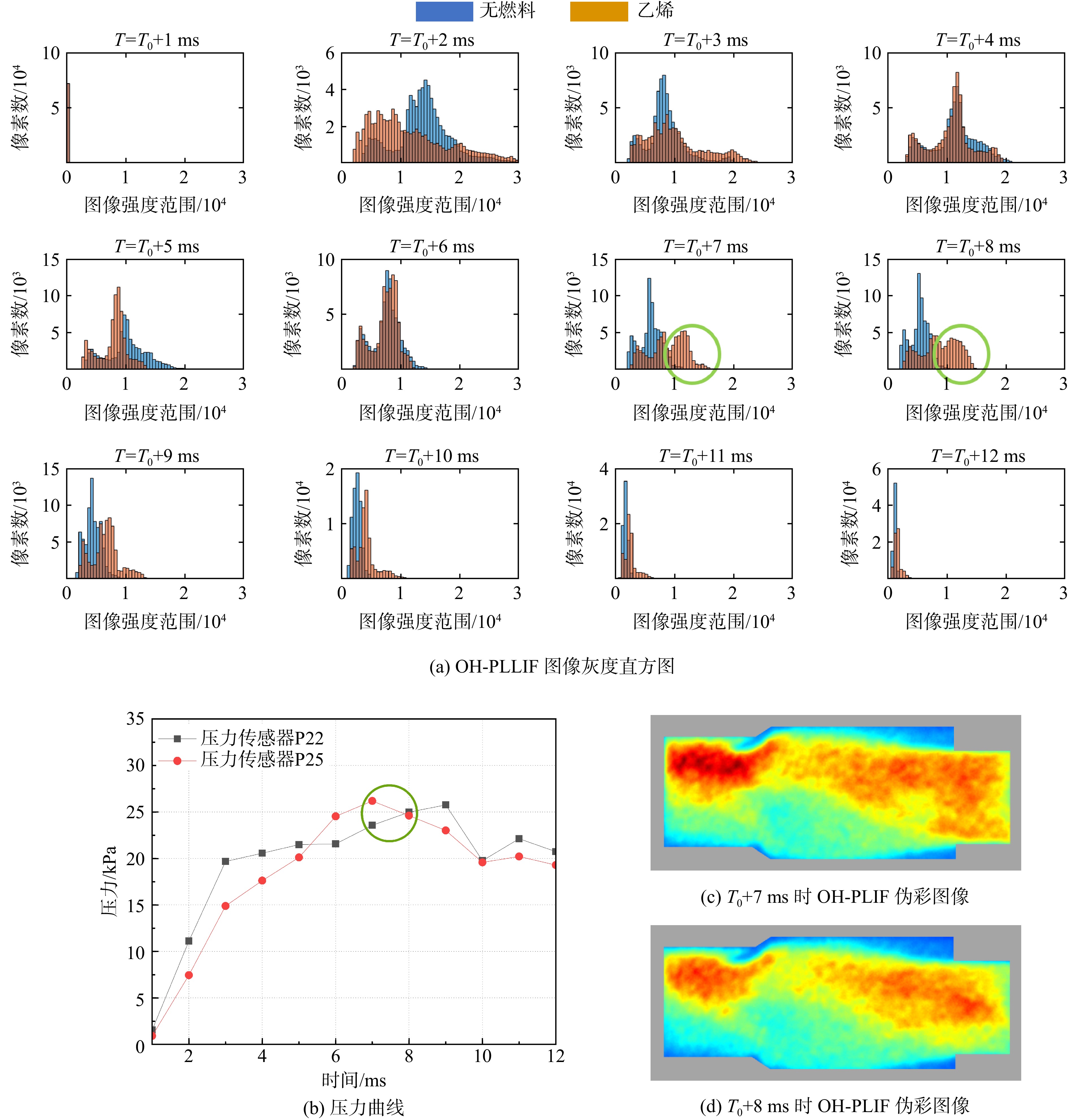
To address the research gap in high-frequency planar laser-induced fluorescence (PLIF) combustion diagnostics for high-Mach number scramjet engines, a high-enthalpy shock tunnel high-frequency PLIF measurement system was developed. For the first time, high-frequency OH-PLIF combustion diagnostic tests were conducted under nominal Mach number 10 flight simulation conditions in a free piston-driven high-enthalpy shock tunnel. Time series images of OH-PLIF in the combustion chamber were obtained for both ethylene and hydrogen injection cases. By comparing the background images, it was observed that the test gas reached the engine flow path approximately 8 ms after the tunnel startup for ethylene injection. The OH in the combustion flame was found to be distributed closer to the cowl side, and shock wave structures parallel to the rear edge of the cavity on the compression side were observed within the rectangular flow path. Compared with ethylene injection, hydrogen injection resulted in earlier ignition around 3 ms after tunnel startup due to the ablation effect, leading to a flame distribution that was nearly uniform across the entire field. These findings were in good agreement with the combustion chamber pressure data.

Effects of fuel injection configuration and flame arrester position on combustion performance of integrated afterburner
ZHANG Yu, WANG Fengming, WANG Yanhong, MU Lin, DONG Ming
2026, 41(5): 20240540. doi: 10.13224/j.cnki.jasp.20240540
Abstract:
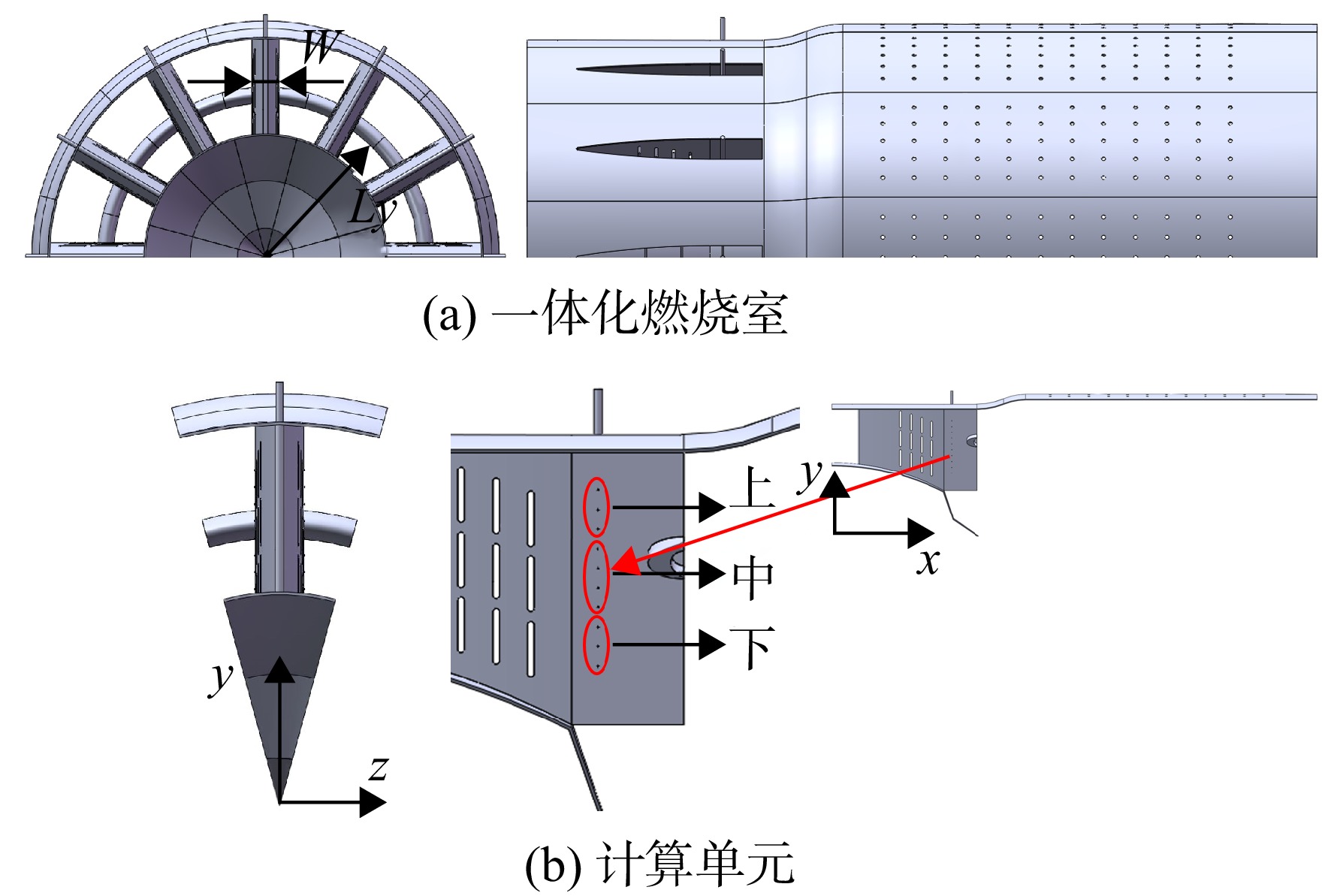
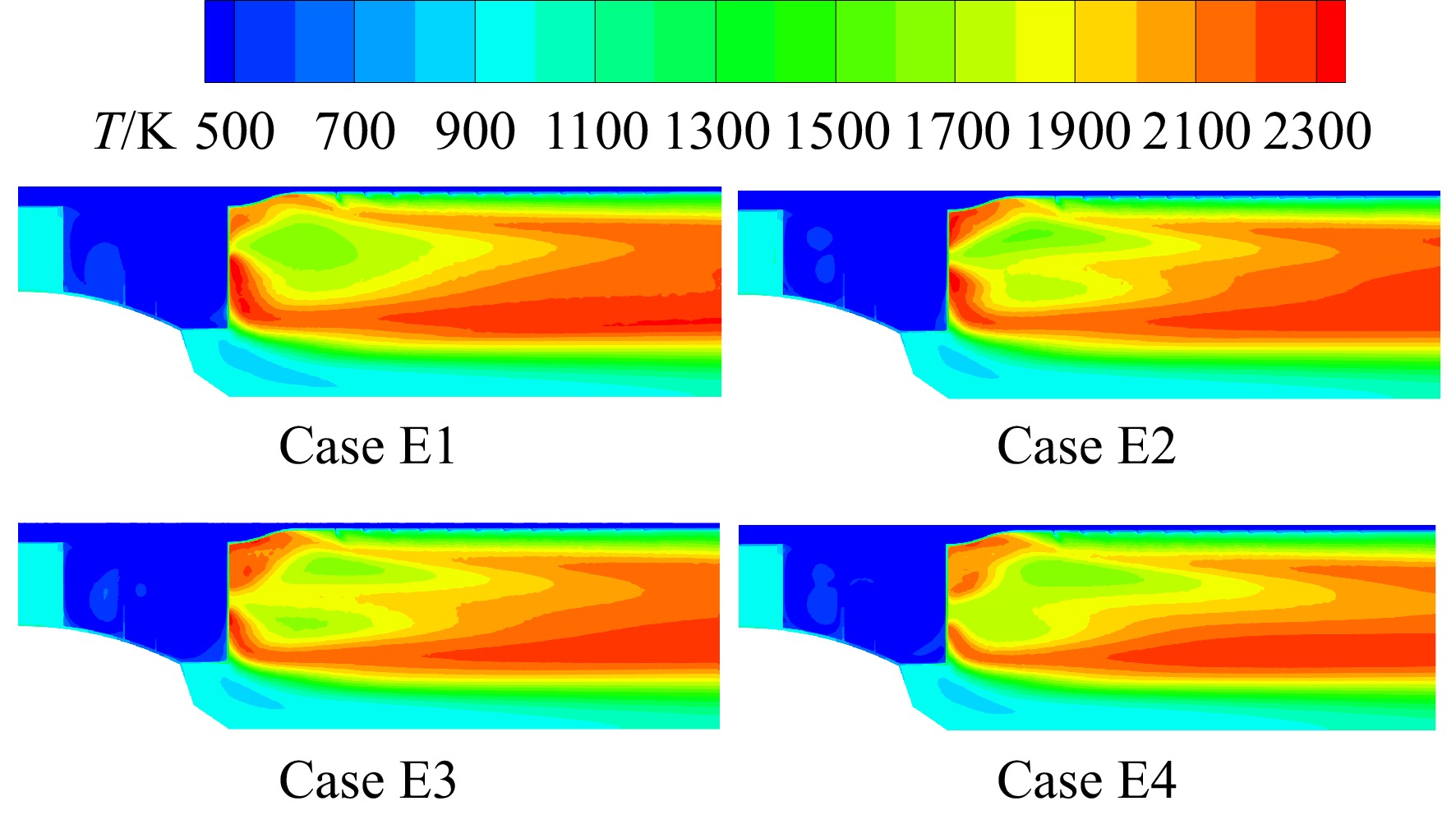
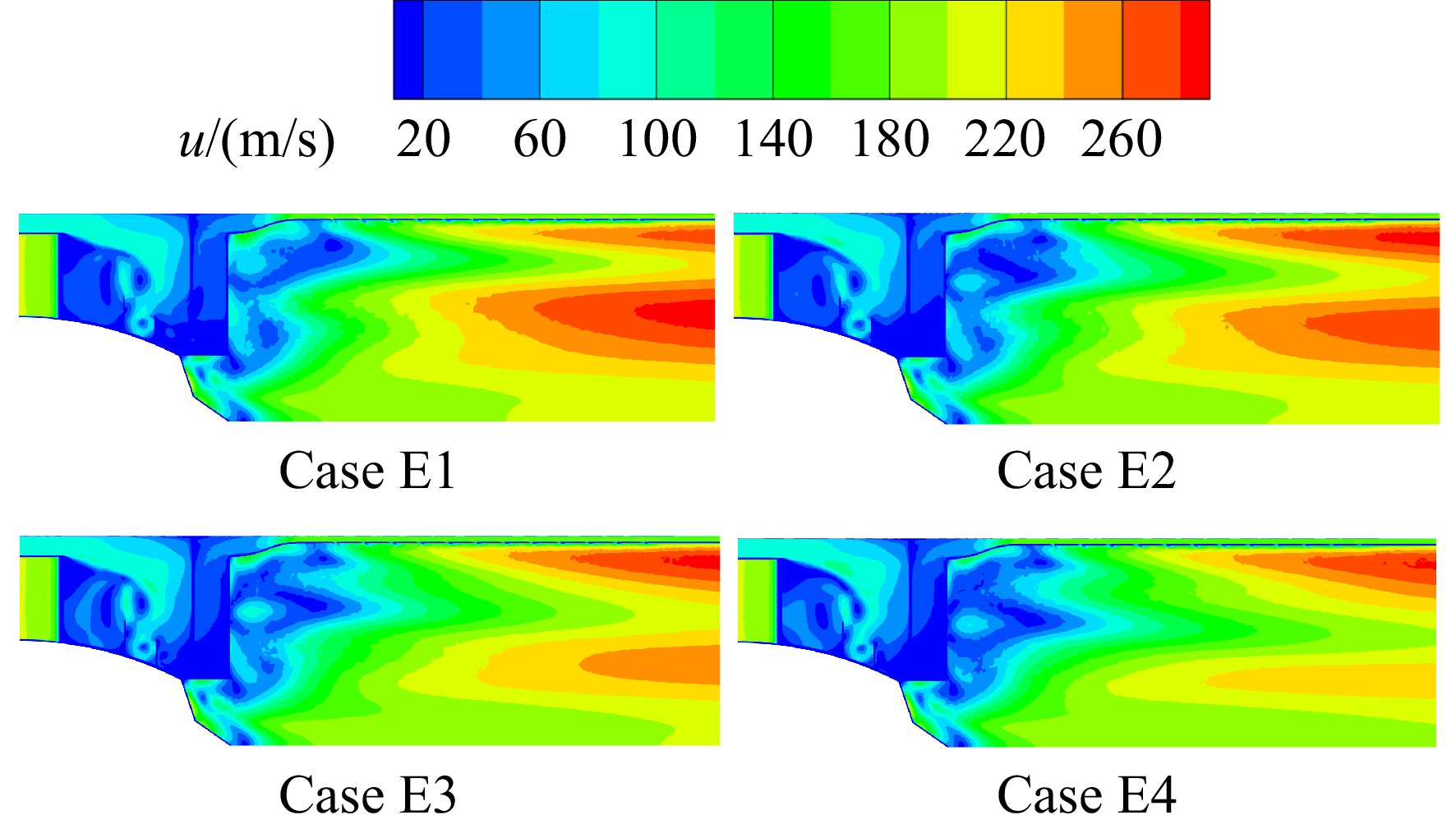
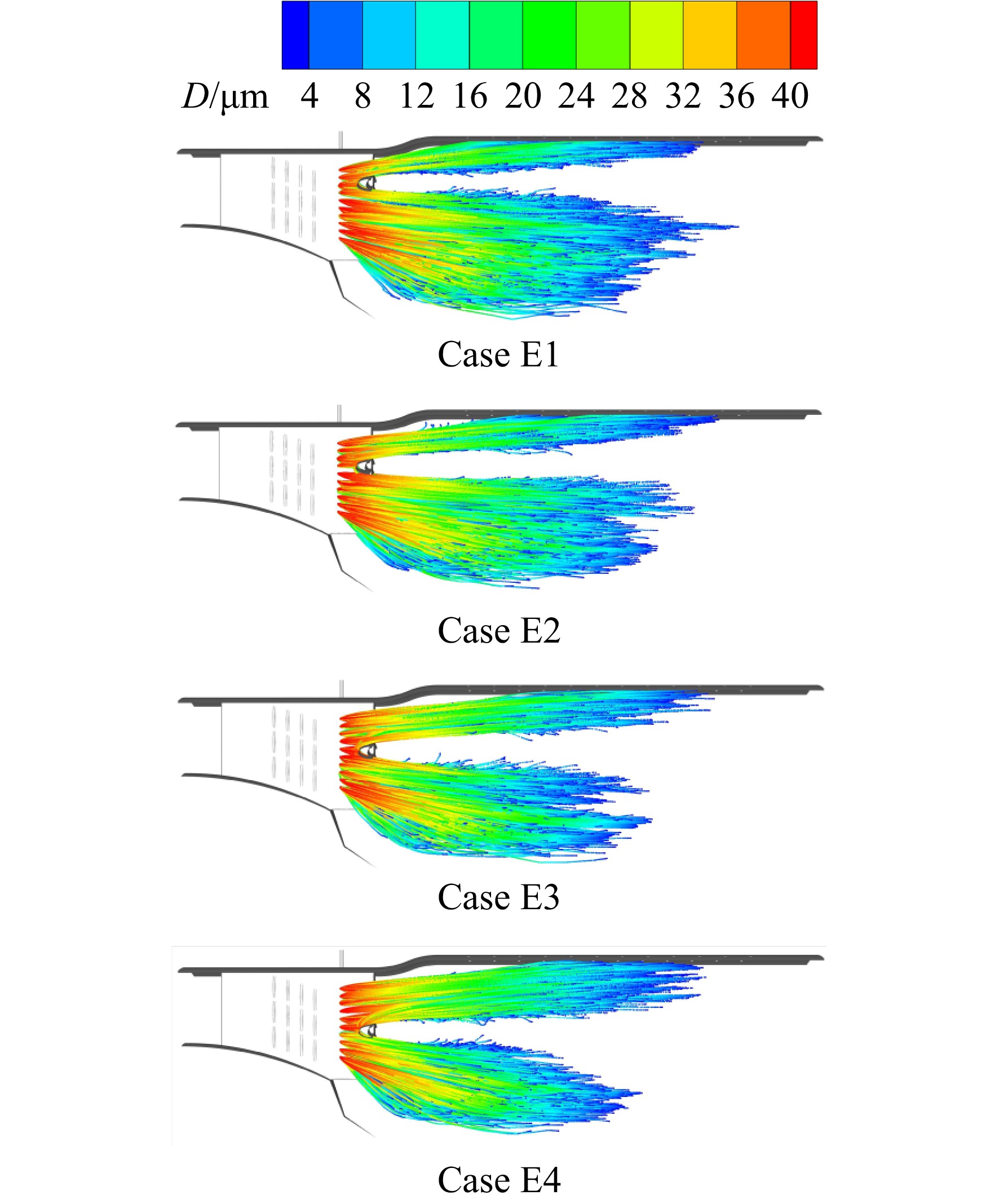
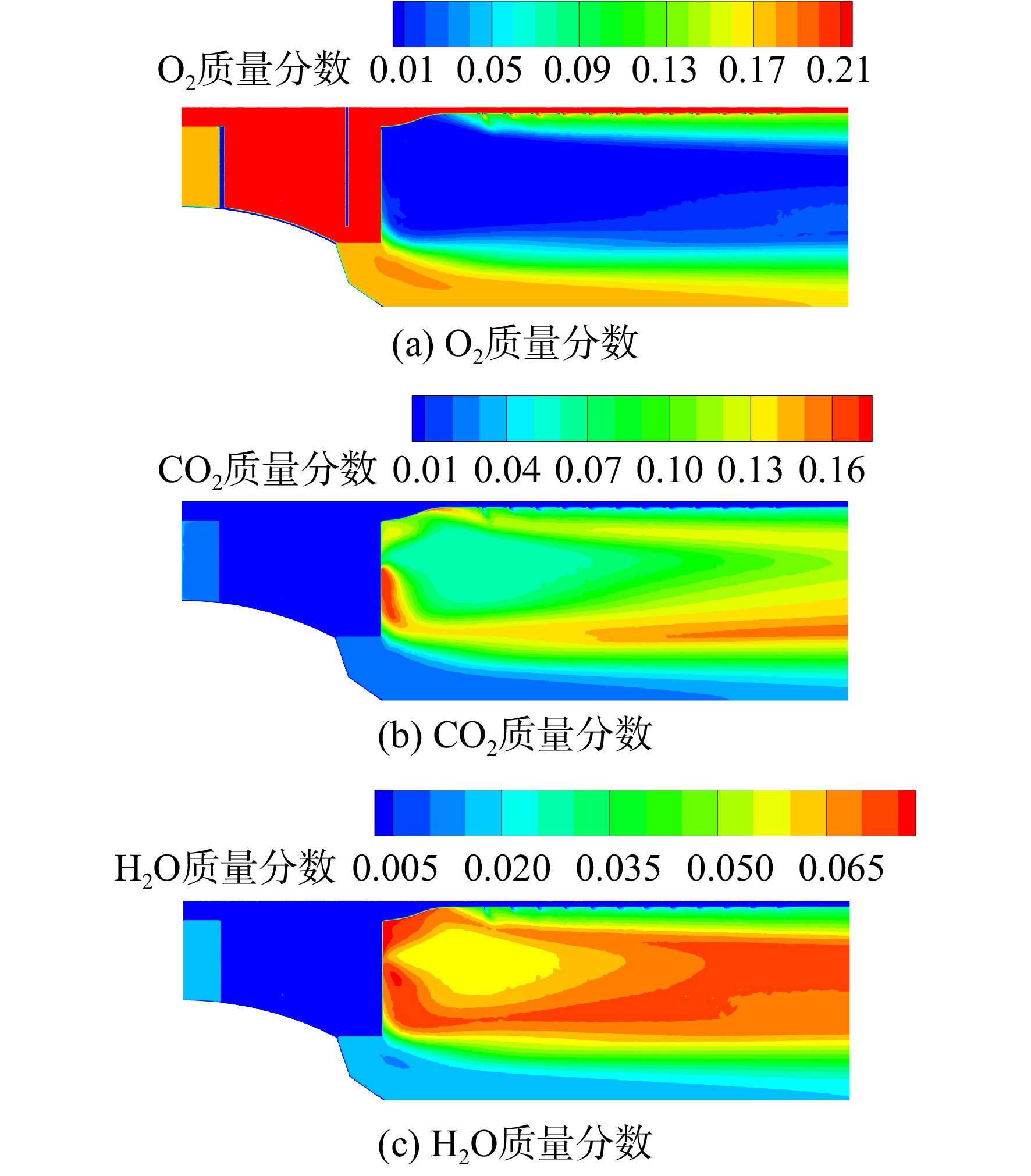
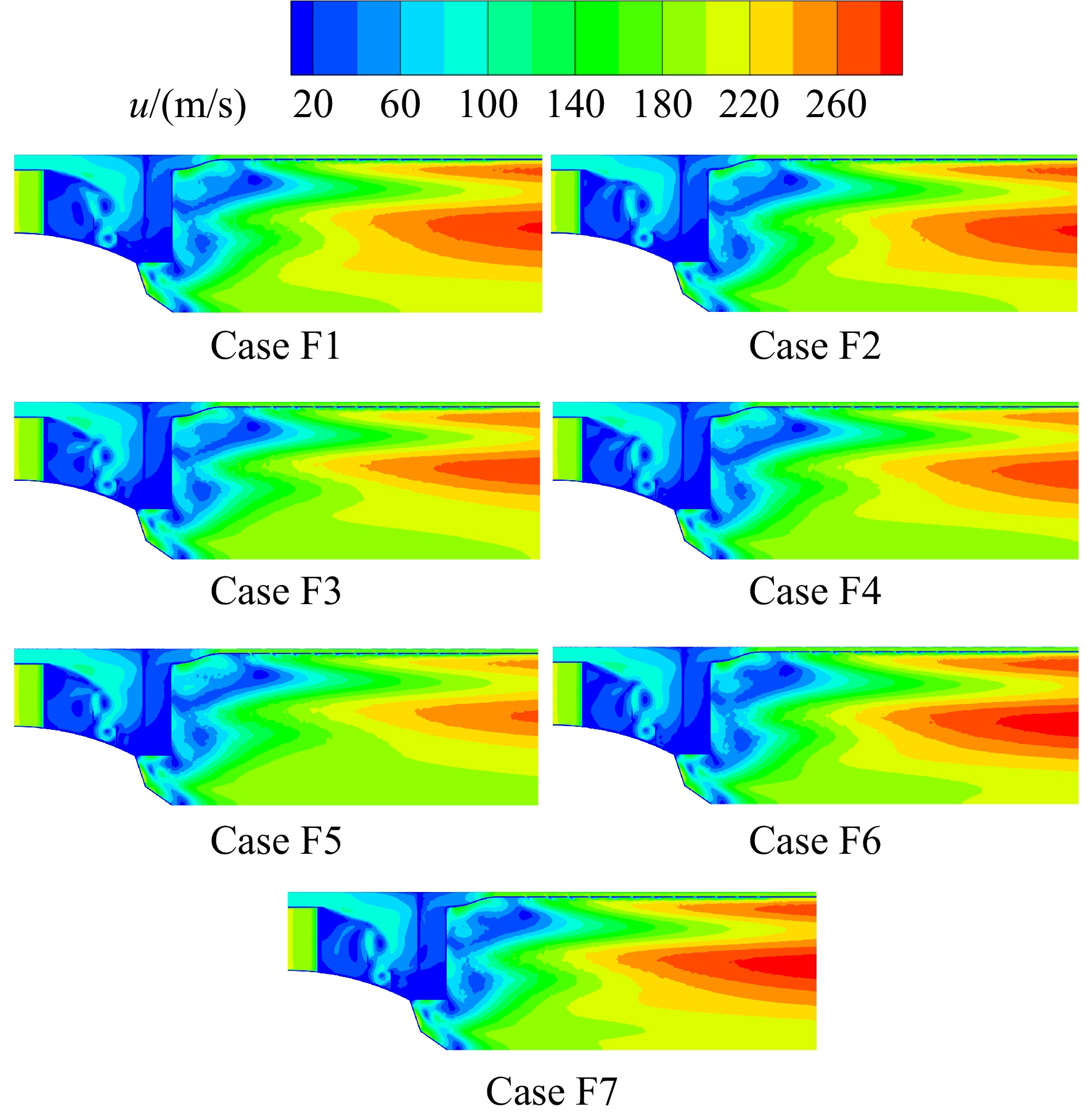
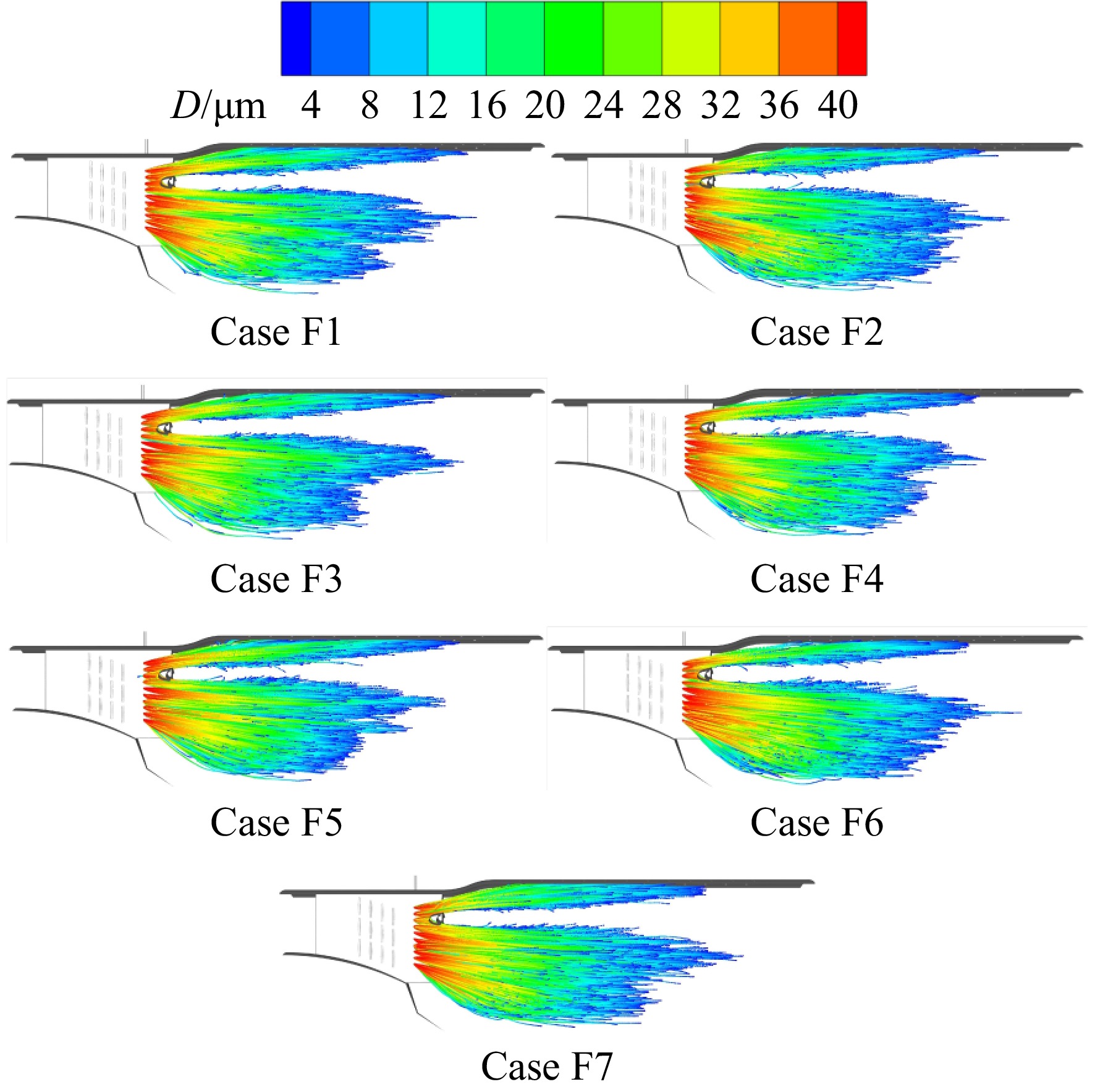
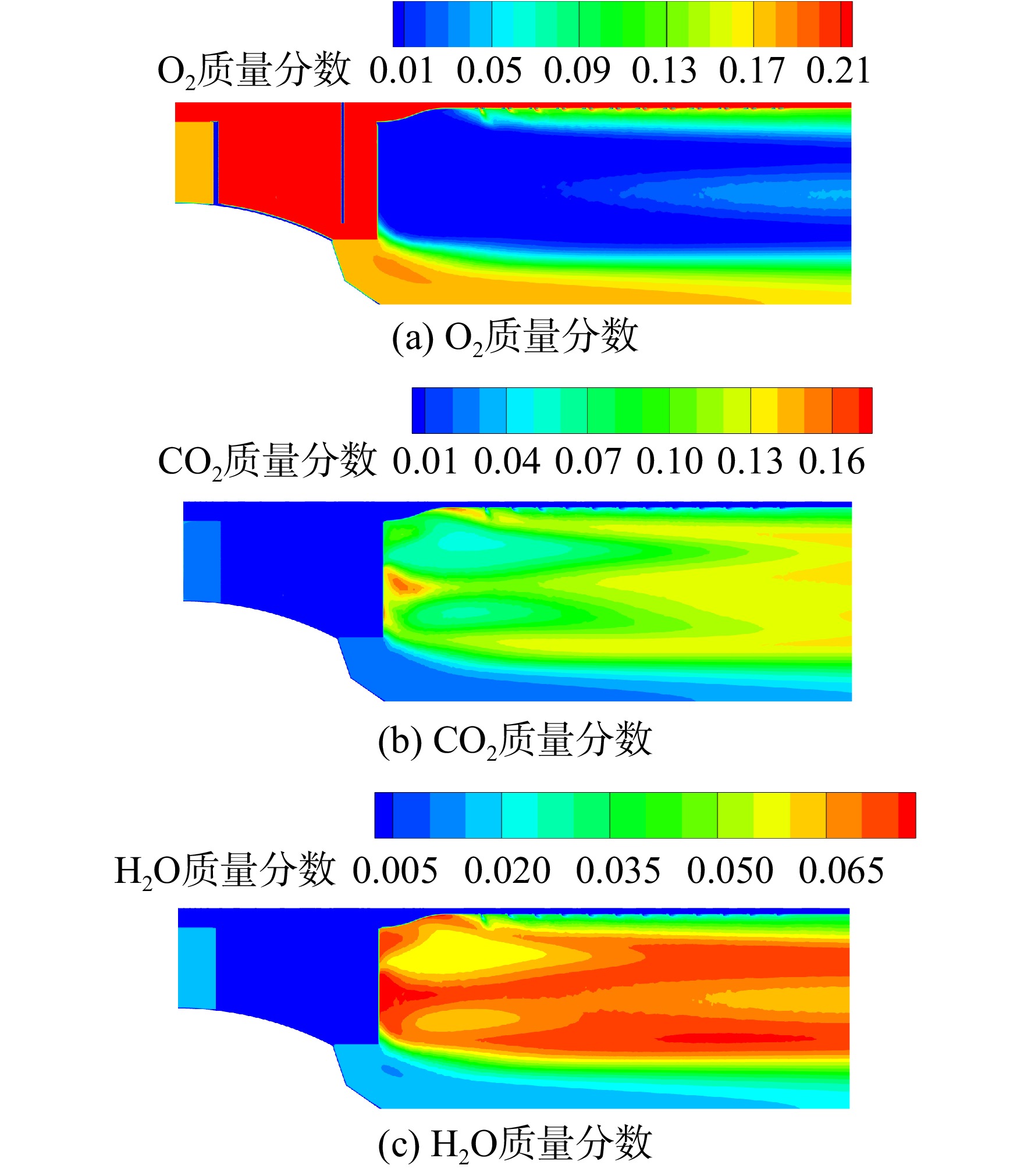
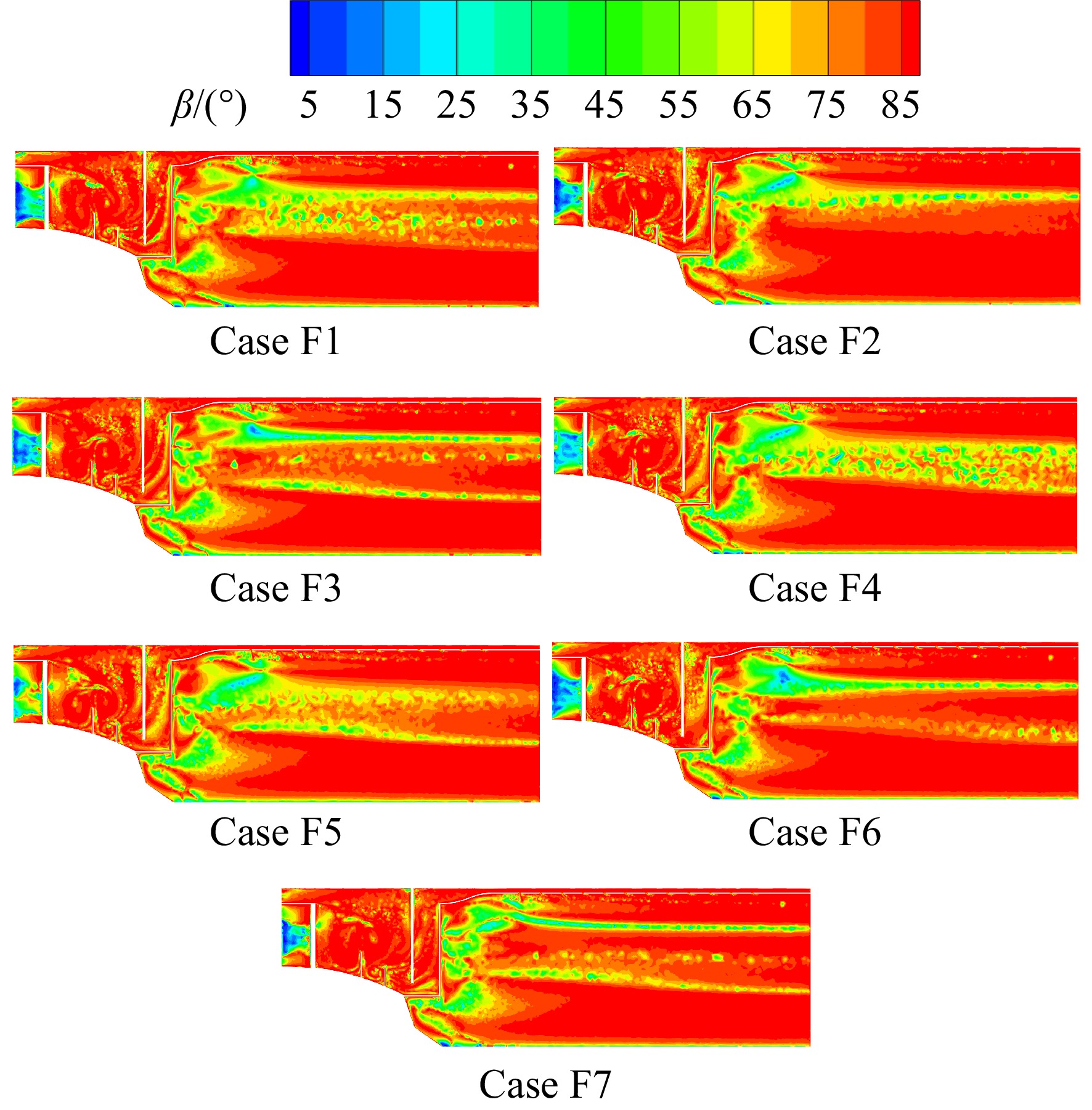
Considering the structural optimization and fuel injection optimization of integrated afterburner, the effects of flame arrester position and fuel injection configuration on combustion characteristics of integrated afterburner were investigated based on the SST k-ω turbulence model and the non-premixed combustion model. The distributions of temperature field and velocity field were discussed, and the distributions of fuel droplets, oxygen, carbon dioxide and water were explored. The combustion characteristic and mechanism were elucidated through the field synergy, and the thermal flow field and combustion performance were evaluated based on the axial distributions of total pressure recovery coefficient, temperature uniformity coefficient, and combustion efficiency. The results showed that three recirculation zones existed in the combustion chamber. The bottom of central cone was a reverse recirculation formed by the sudden expansion of internal intake duct. The upper recirculation zone near the fuel injection rod was caused by the impact effect of external inlet on flow field, and the lower recirculation zone was caused by the opposing impact effect of external inlet and internal inlet. As the position of flame arrester shrank inward, the combustion in the below small space was enhanced and the combustion in the above large space was weakened, resulting in a weakened combustion performance. By comparing the combustion efficiency of different fuel injection configurations, when the upper, middle, and lower fuel injection ratios were 3∶1∶2, the afterburner exhibited the best combustion performance.

Power Transimission
Combined modification method exploration of roller tangent and raceway full convexity based on optimal convexity ratio for cylindrical roller bearing
JIN Xianming, QIU Ming, ZHANG Jiaming, ZHOU Dawei, BI Minglong
2026, 41(5): 20240549. doi: 10.13224/j.cnki.jasp.20240549
Abstract:
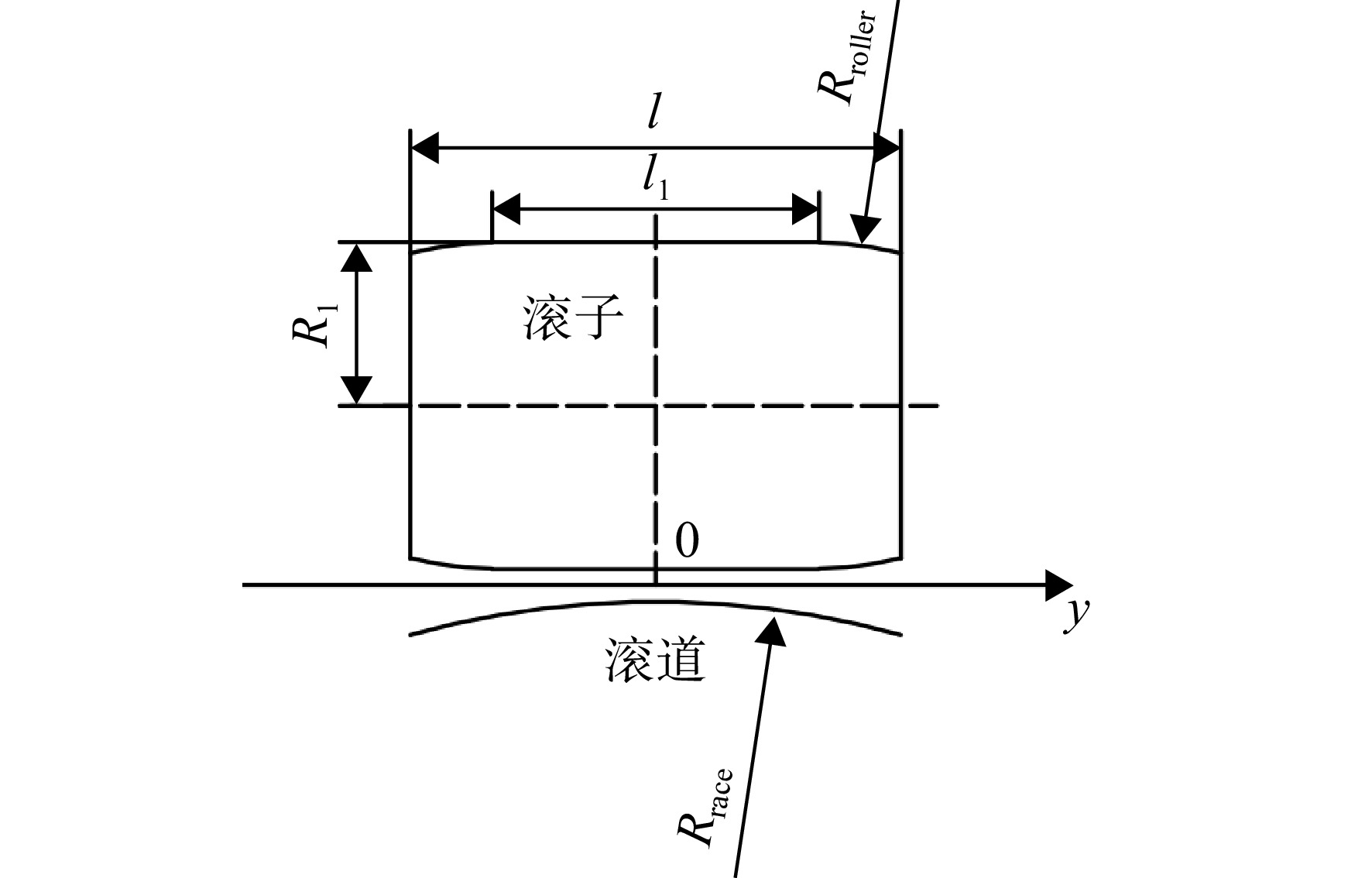
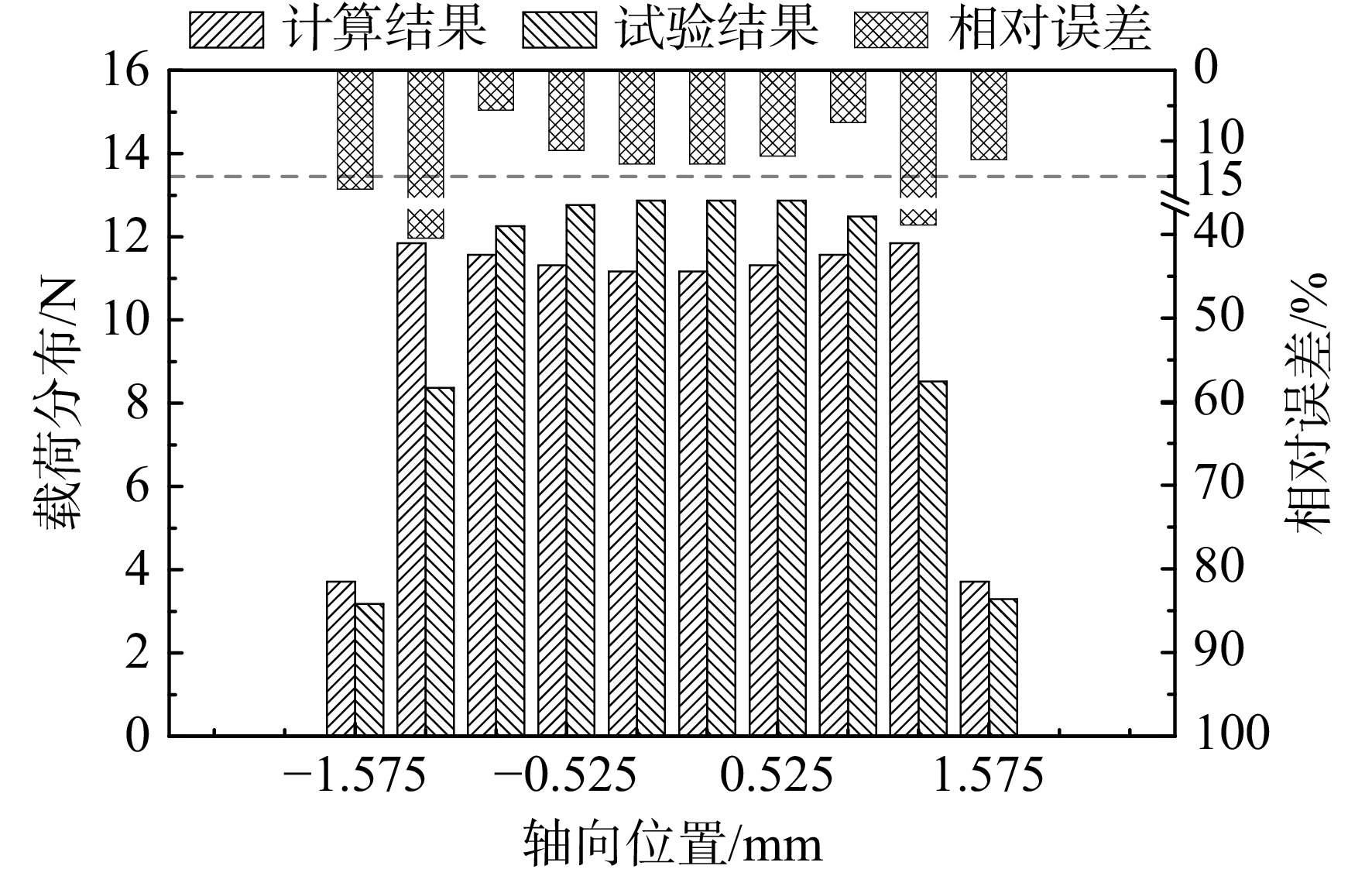
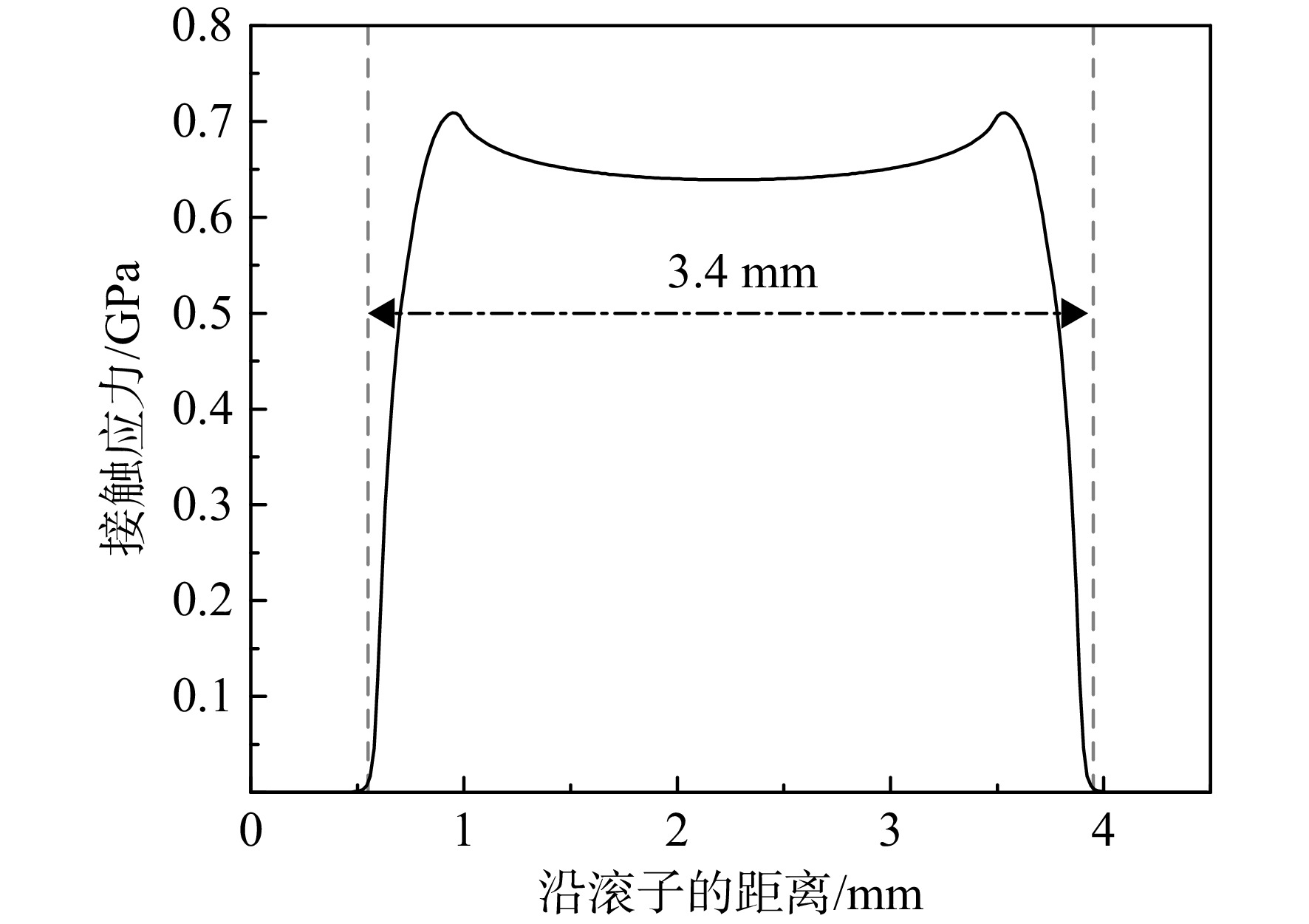
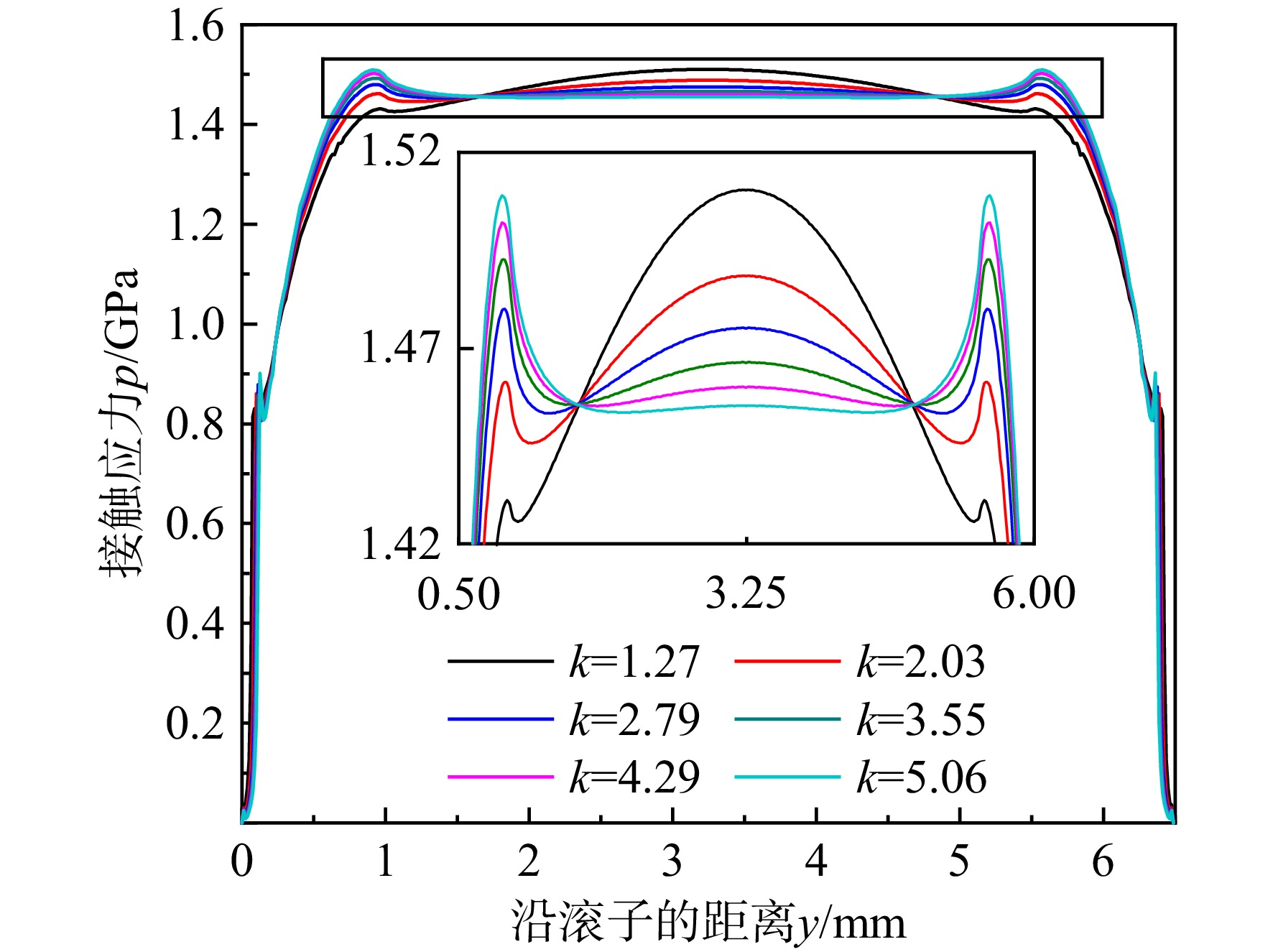
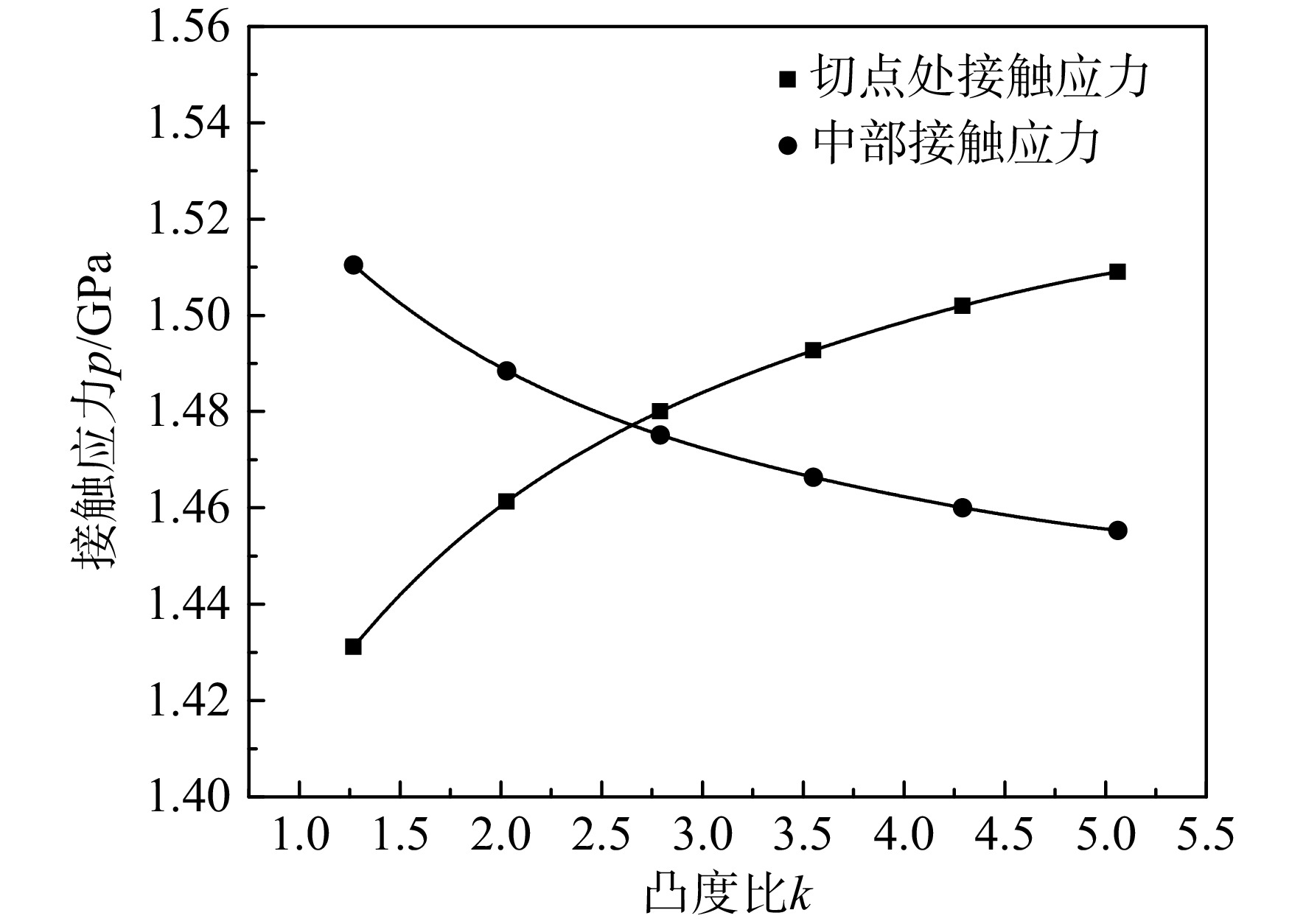
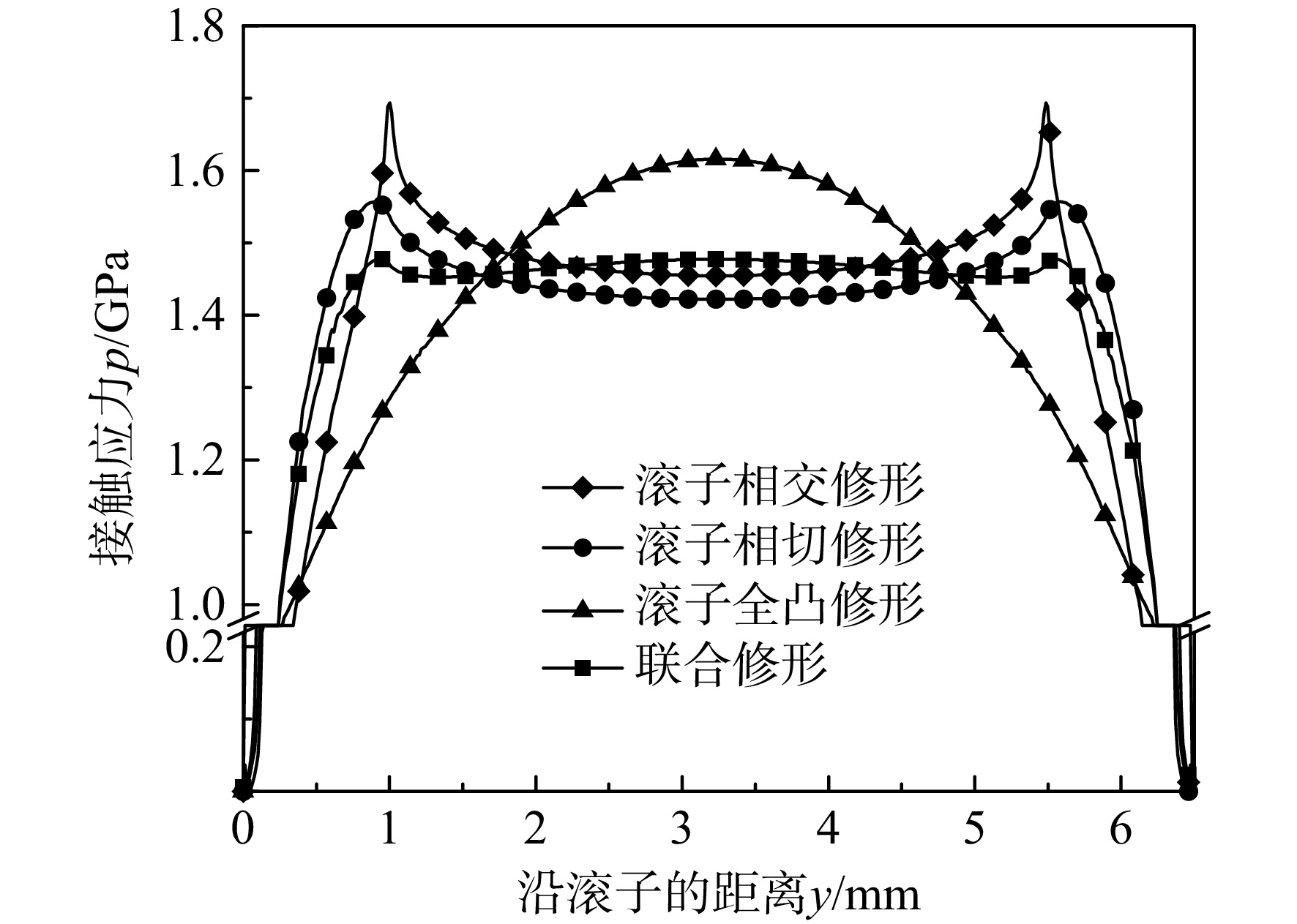
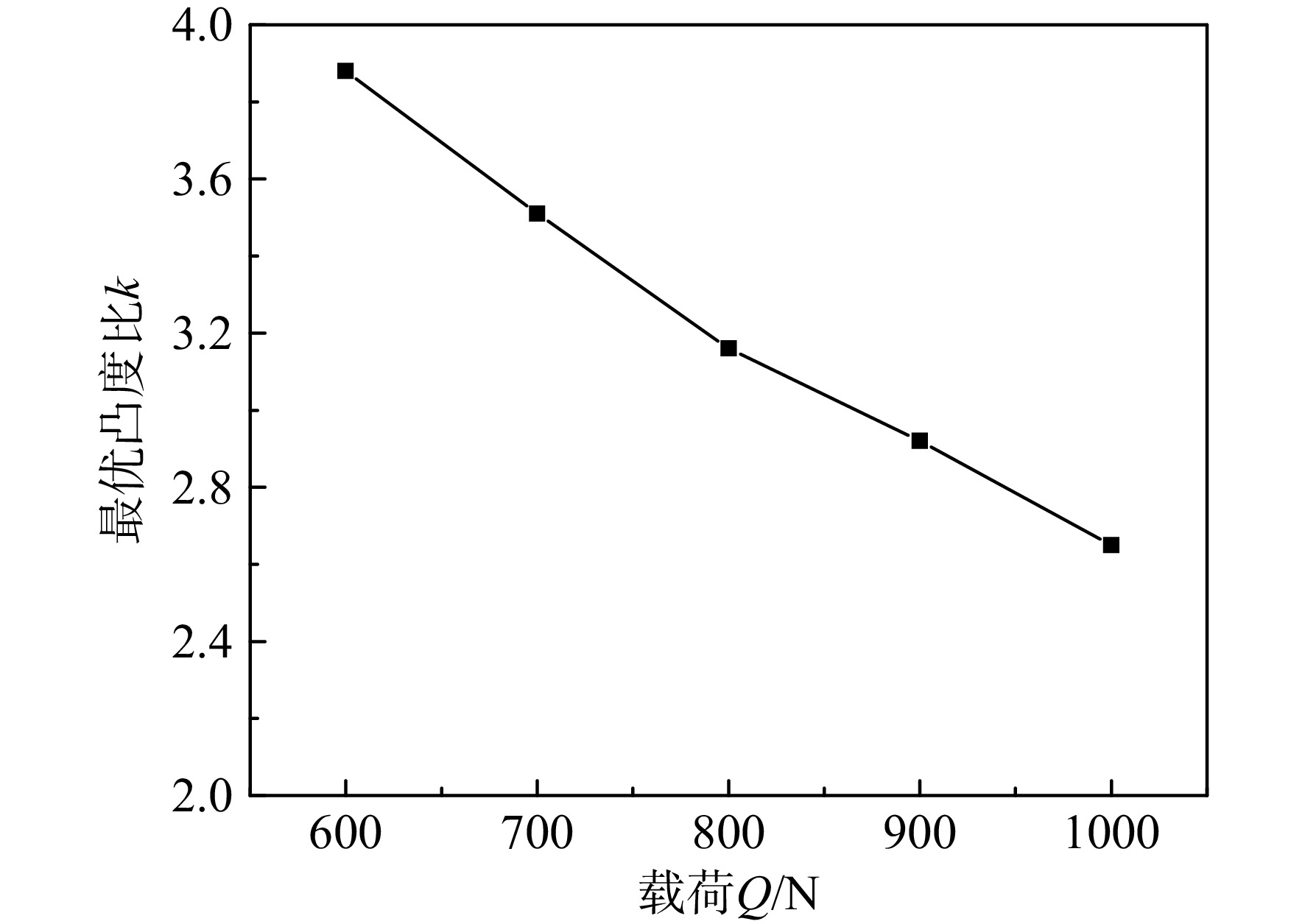
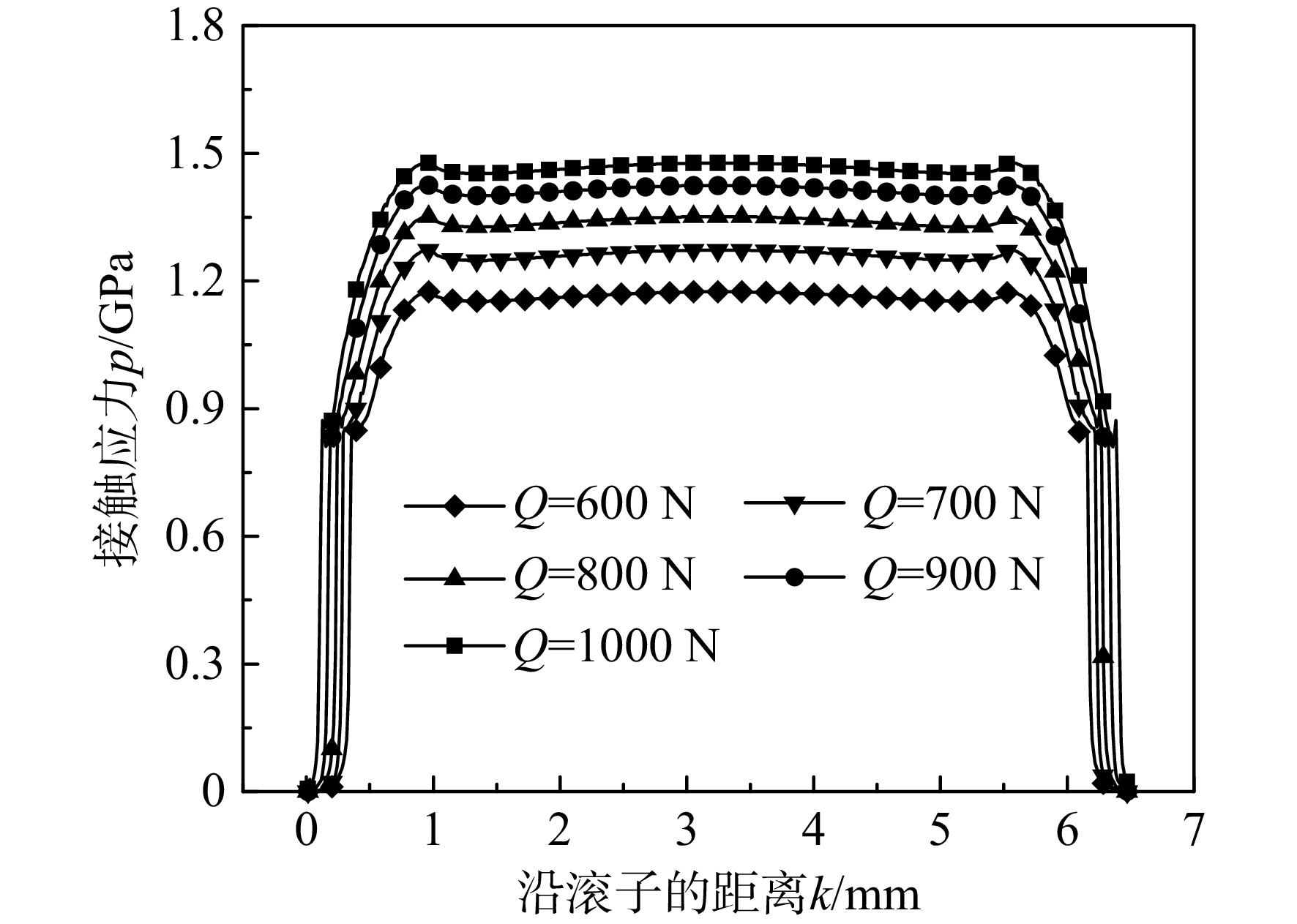
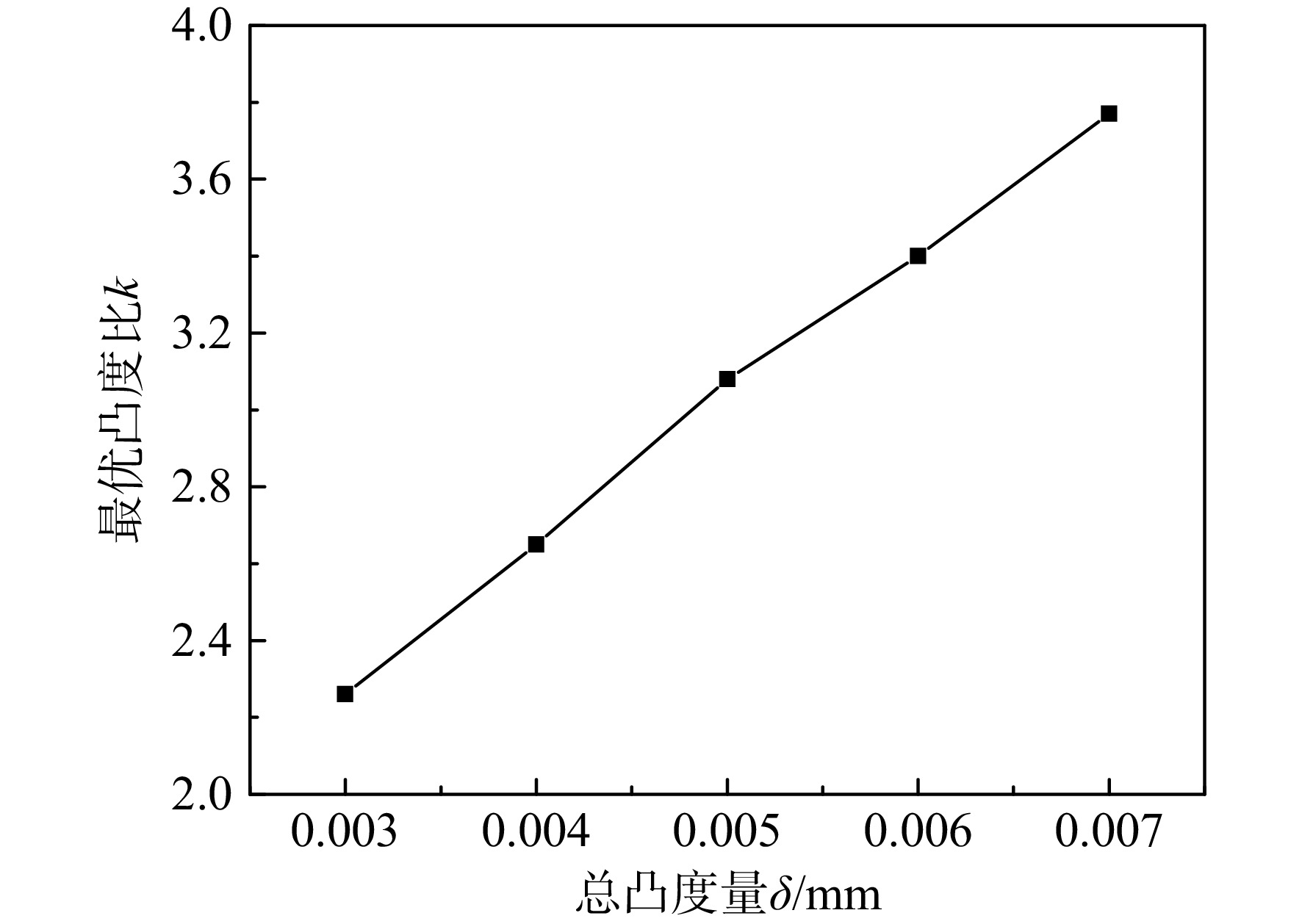
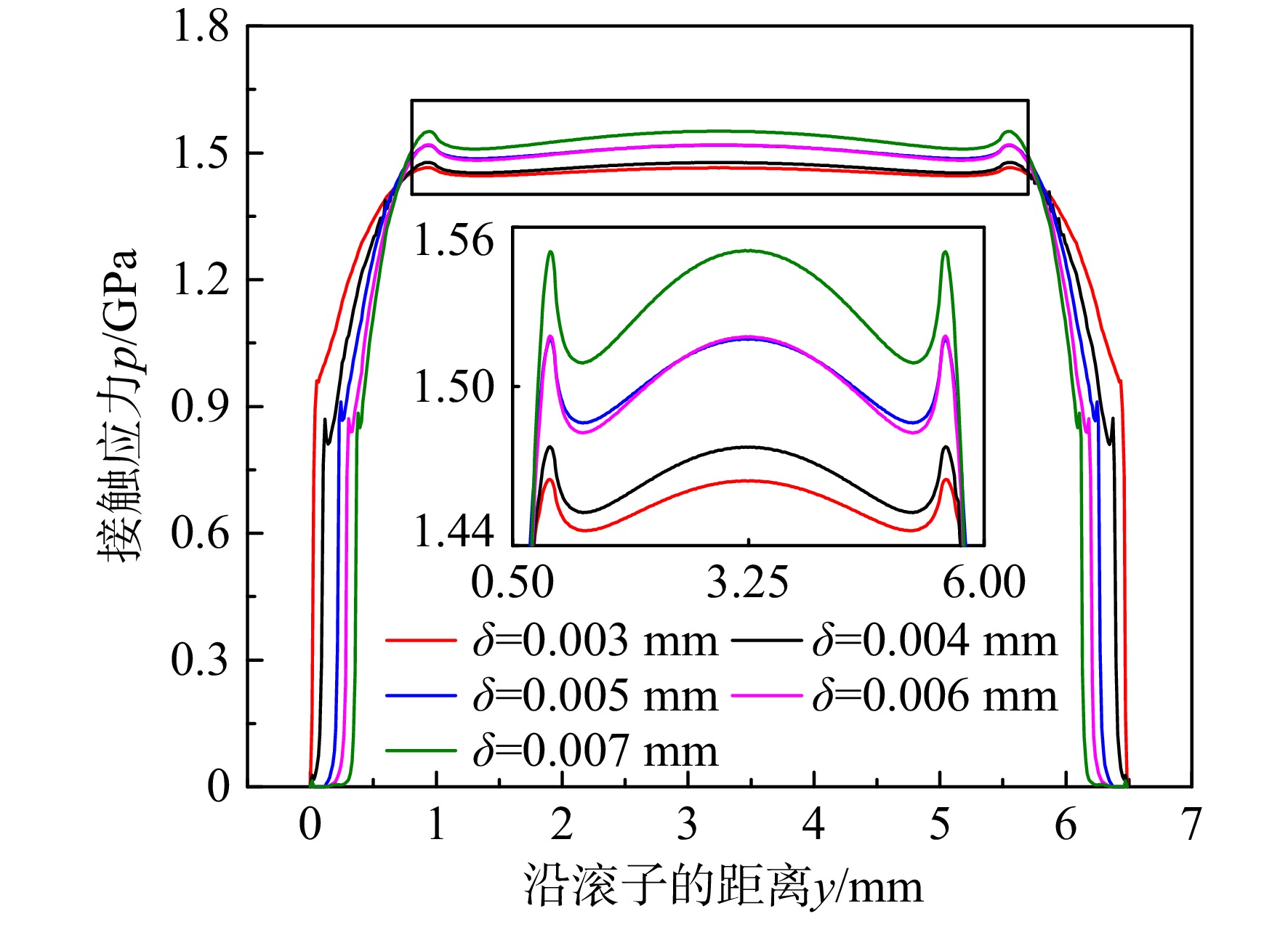
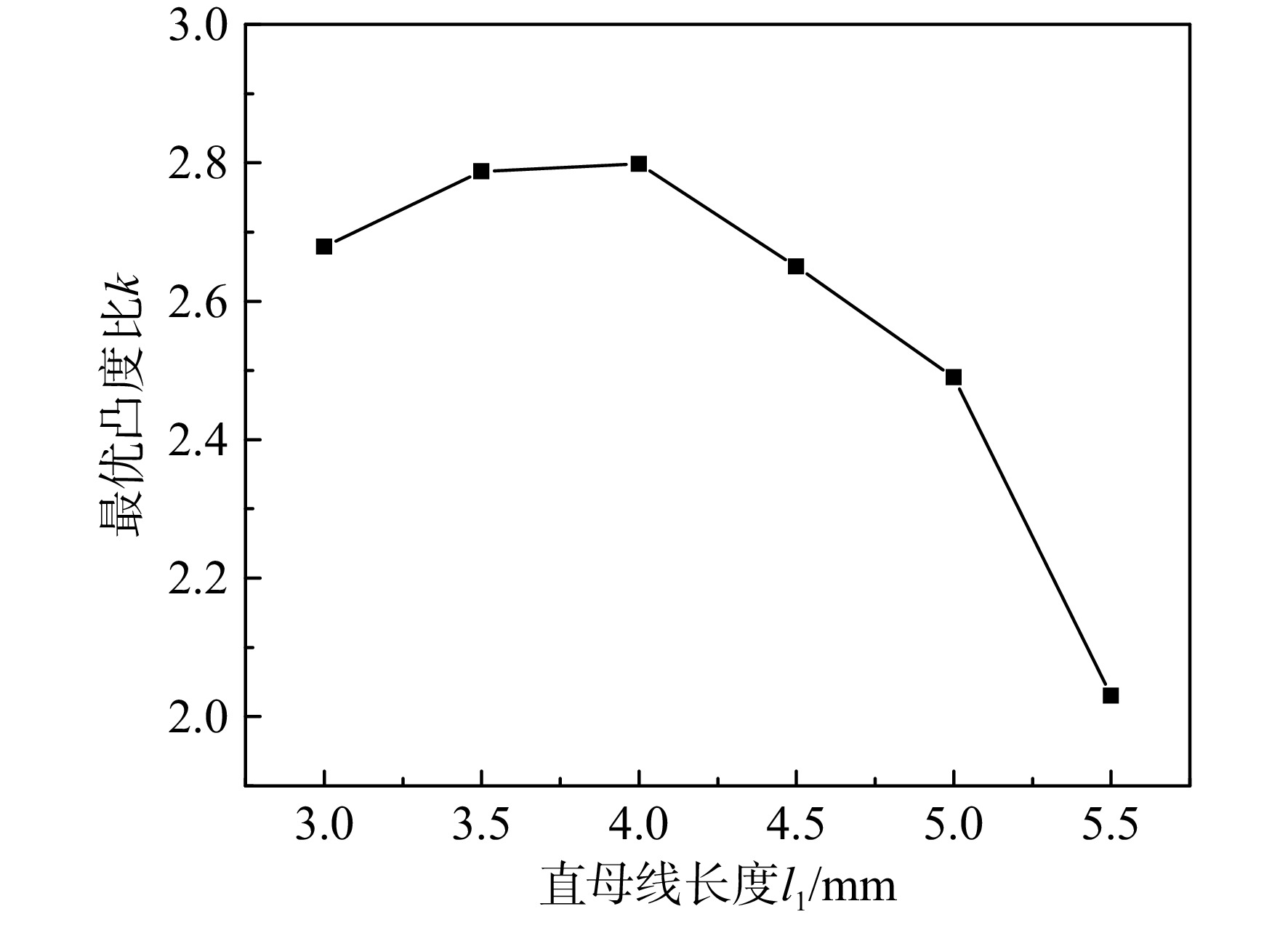
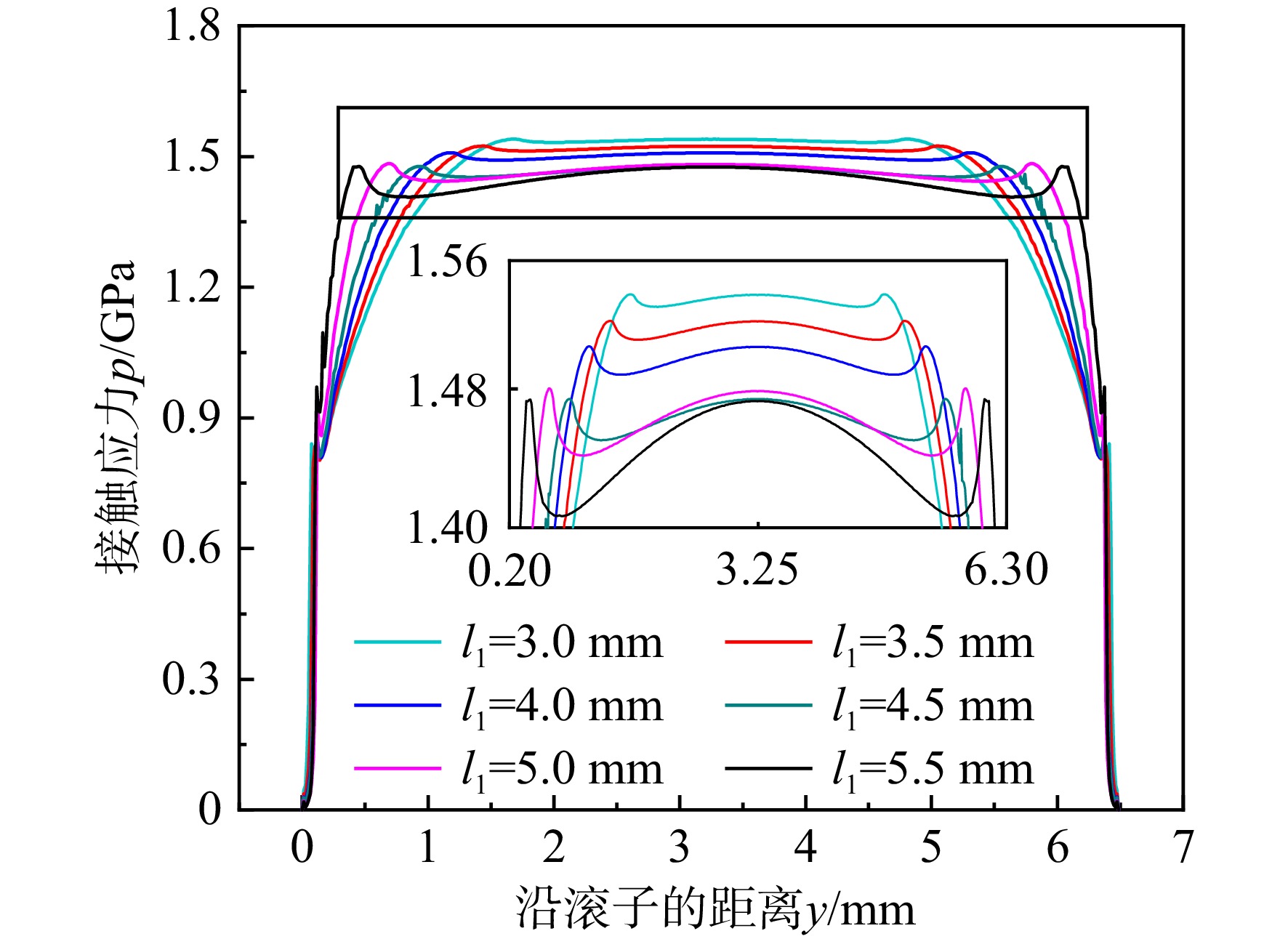
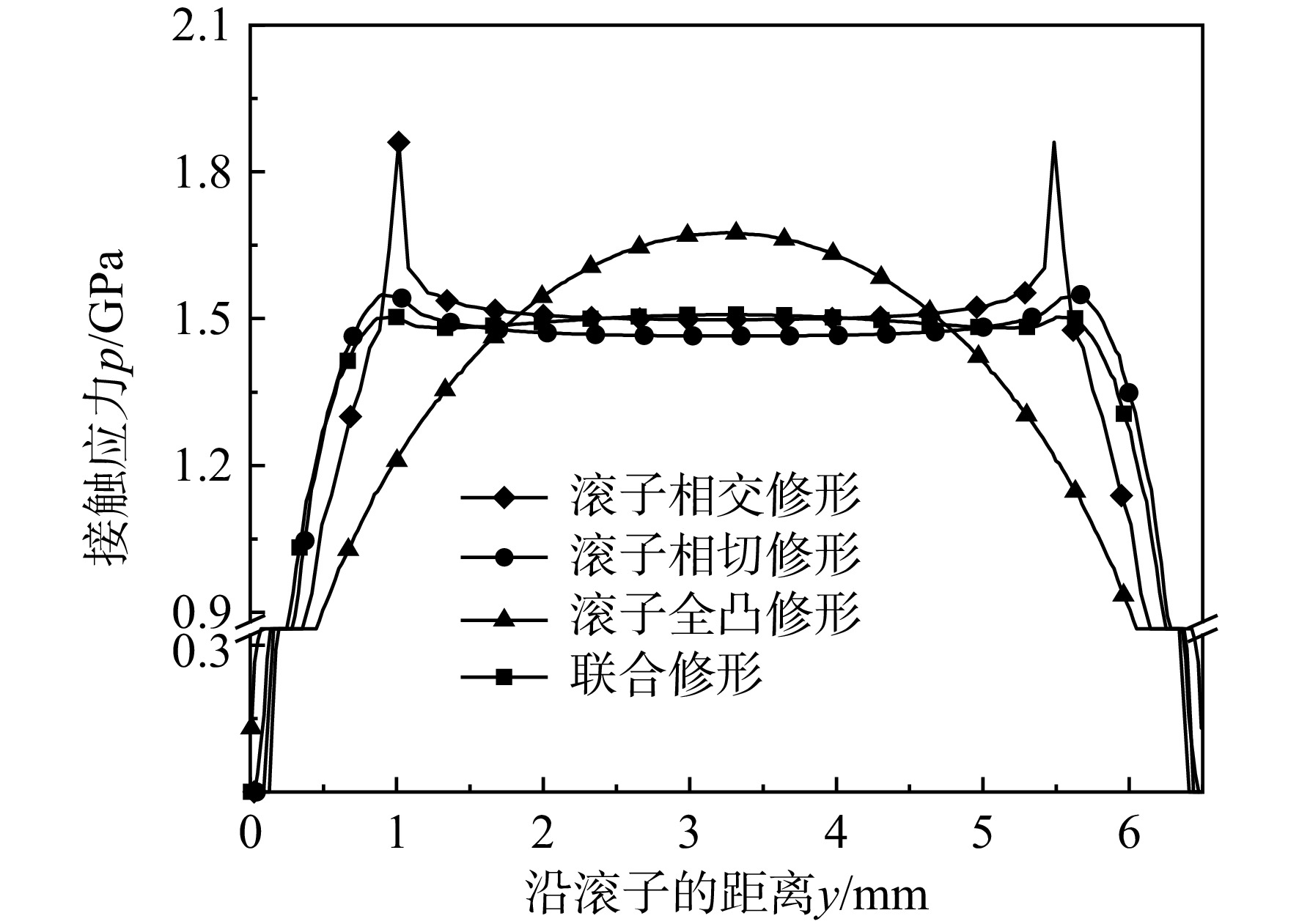
Considering the problem of uneven stress distribution on the contact line of cylindrical roller bearings, a combined modification method of roller tangent and raceway full convexity was proposed. Based on the established elastohydrodynamic lubrication model of finite line contact, the stress distribution characteristics under this modification method were explored and analyzed, and the calculation method of optimal convexity ratio was also provided (the convexity ratio was defined as the ratio of roller convexity to raceway convexity when roller-raceway was modified simultaneously). The results showed that when using the combined modification method, there was an optimal crown ratio in the joint modification curve. This ratio was determined by the load, total convexity, and the length of the straight busbar. Within this optimal crown ratio, there were three equal extremes of contact stress, and the distribution of contact stress was more uniform. The maximum contact stress was reduced. Furthermore, with the increase of the straight bus length of the joint modification curve, the maximum contact stress initially decreased and then stabilized. These research findings introduced a reference method for the modification design of roller-raceway contact pairs, which can improve the uniformity of contact stress distribution of cylindrical roller bearings.

Dynamic modeling of IAS for outer raceway spalling in main bearings subjected to time-varying load
WANG Lin, GUO Yu
2026, 41(5): 20250213. doi: 10.13224/j.cnki.jasp.20250213
Abstract:
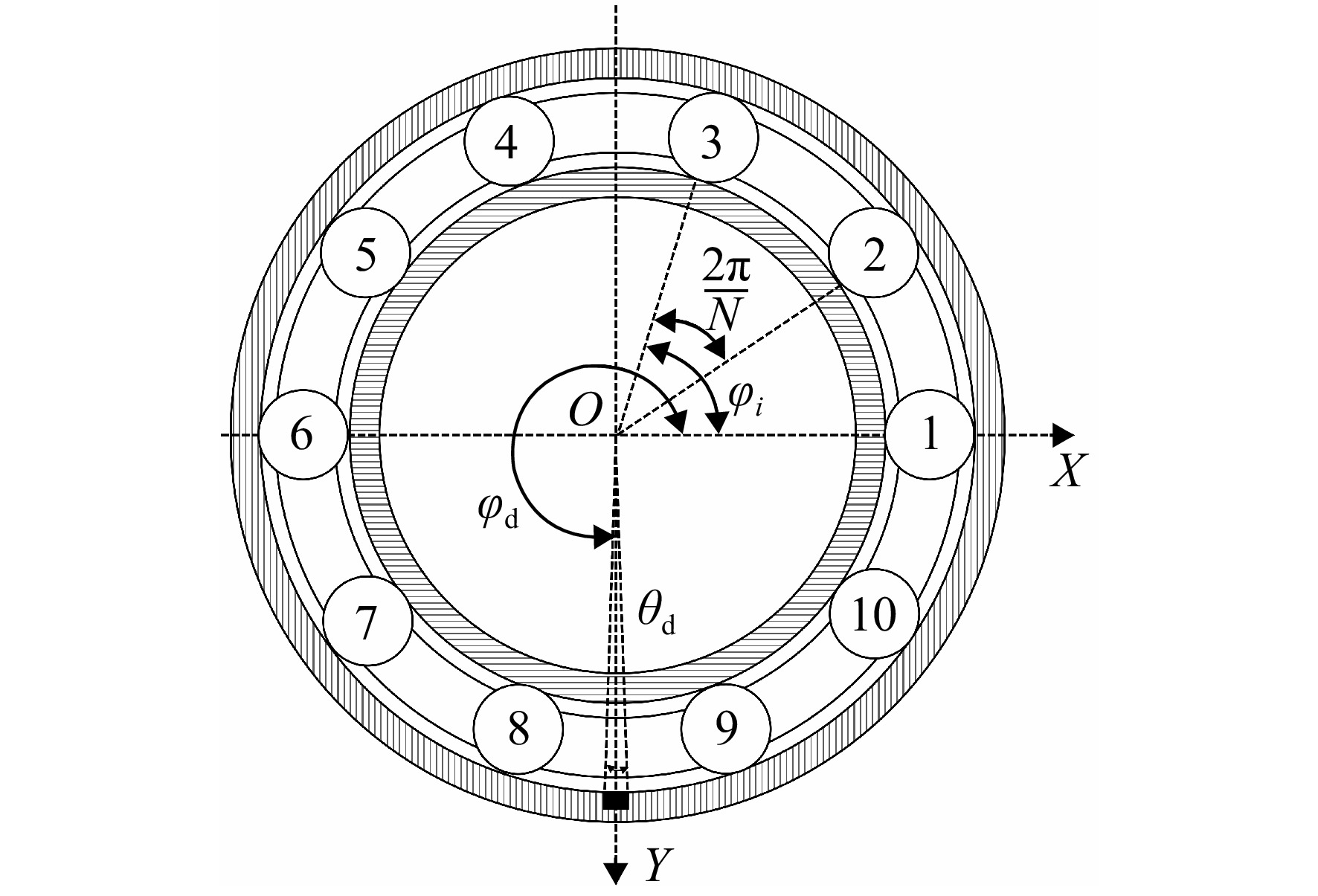
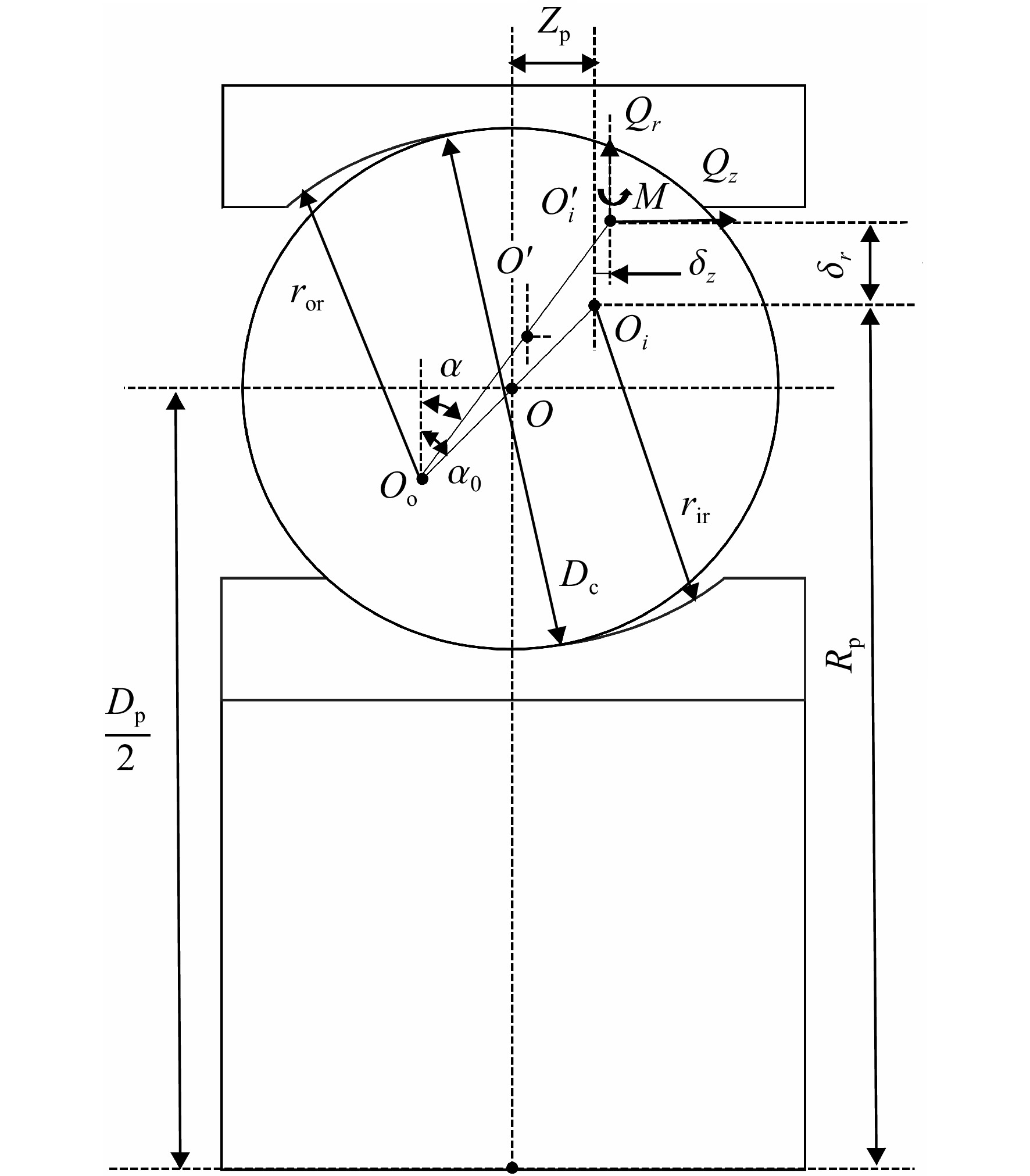
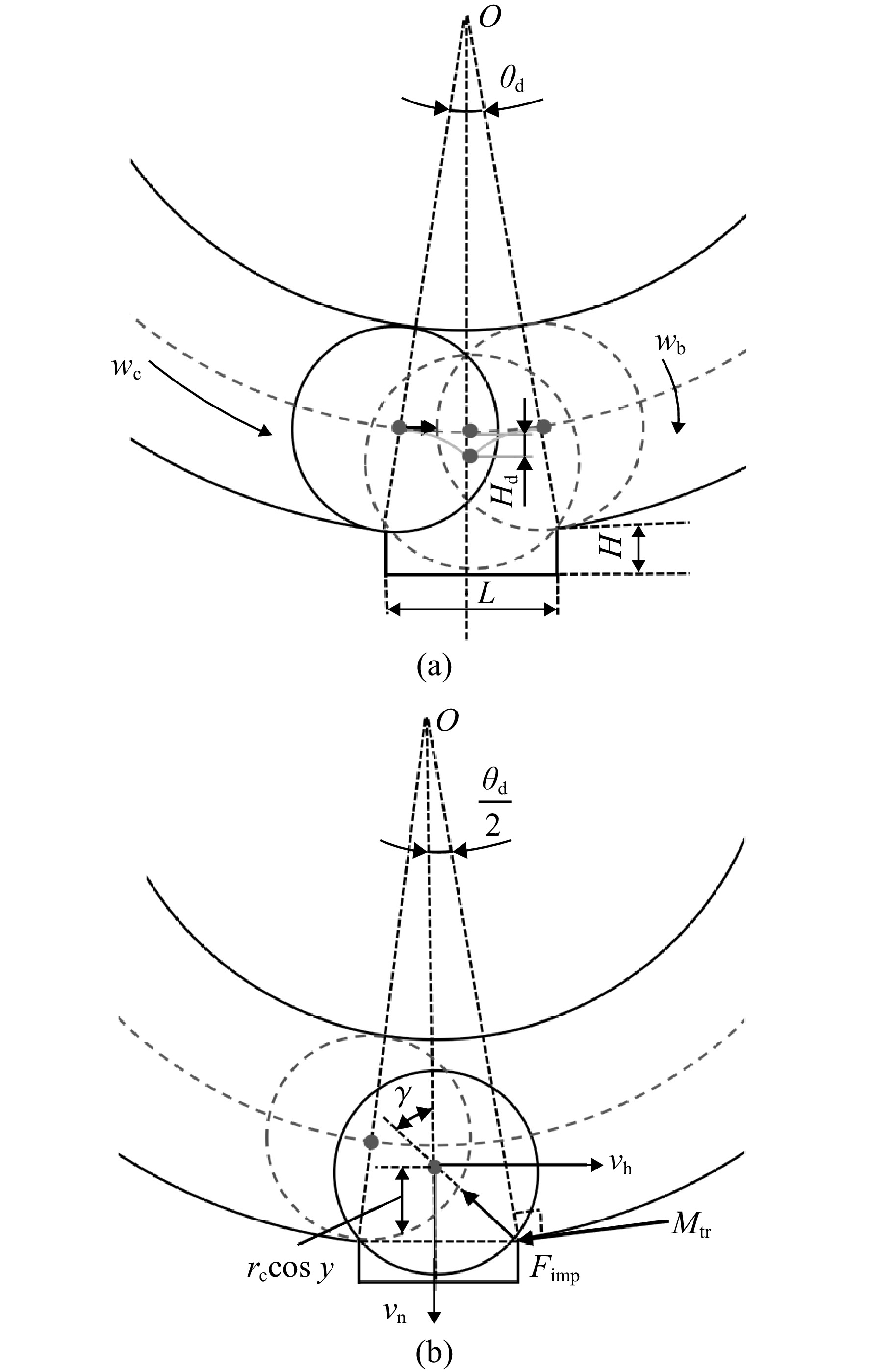
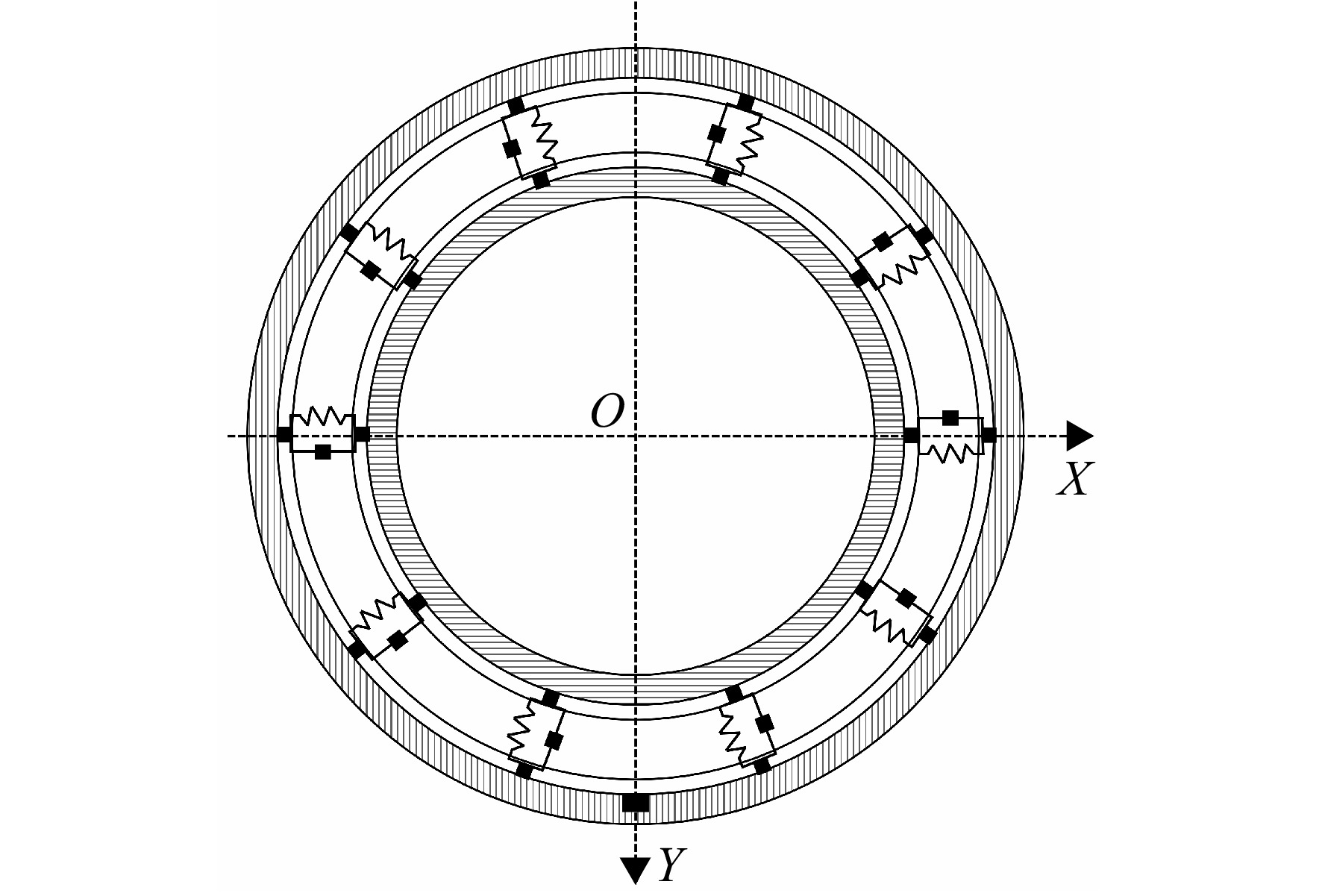
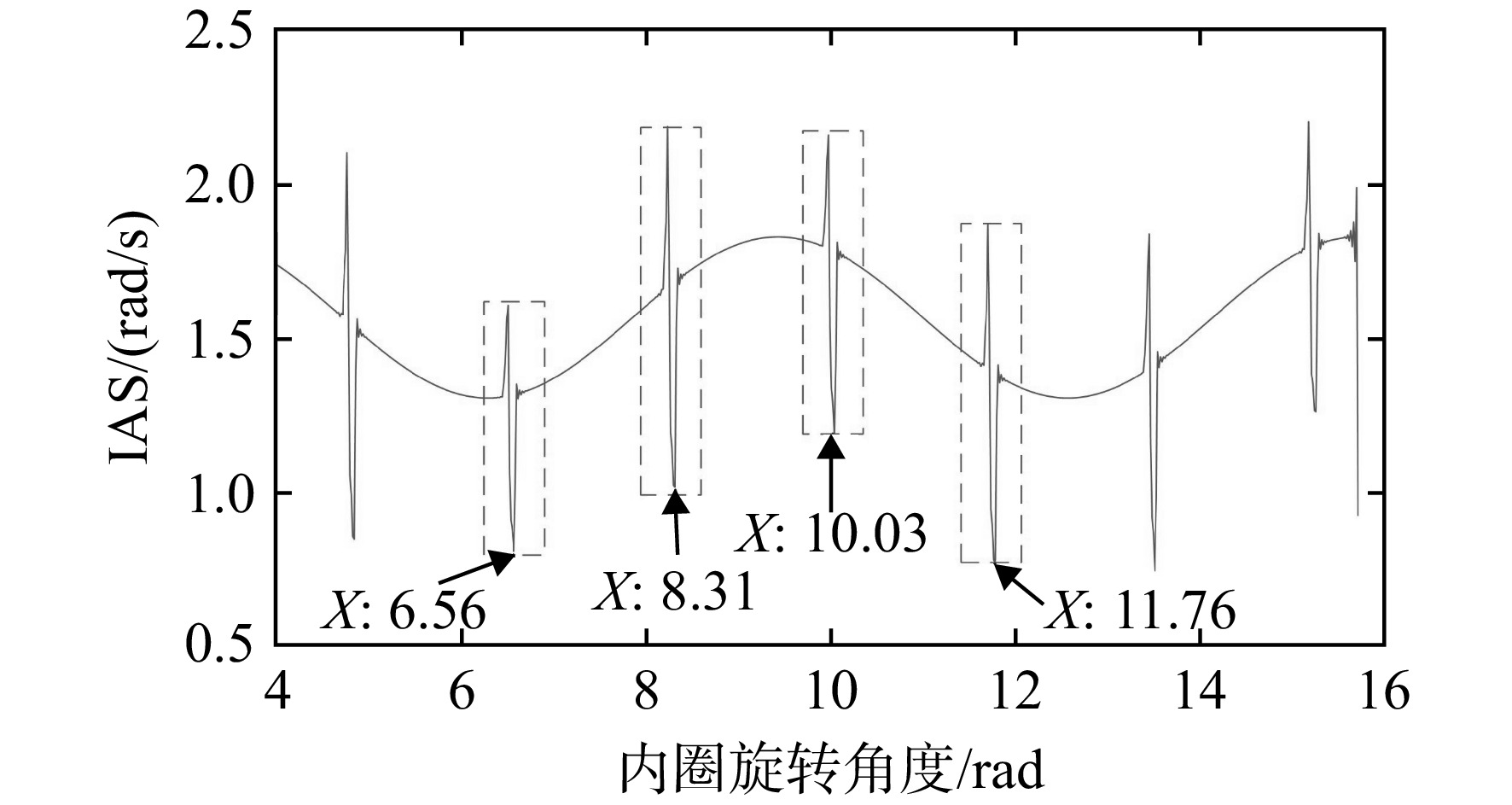
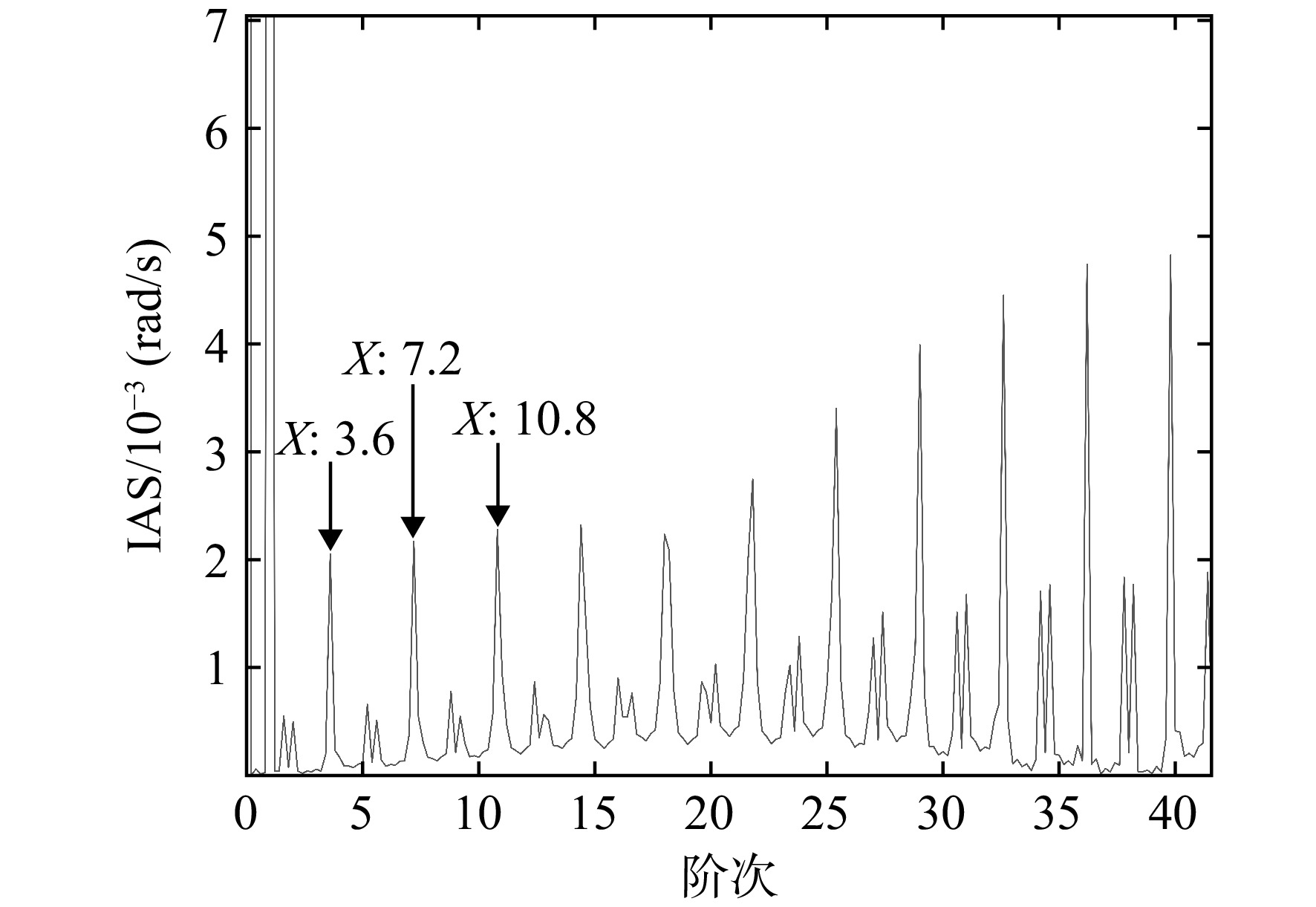
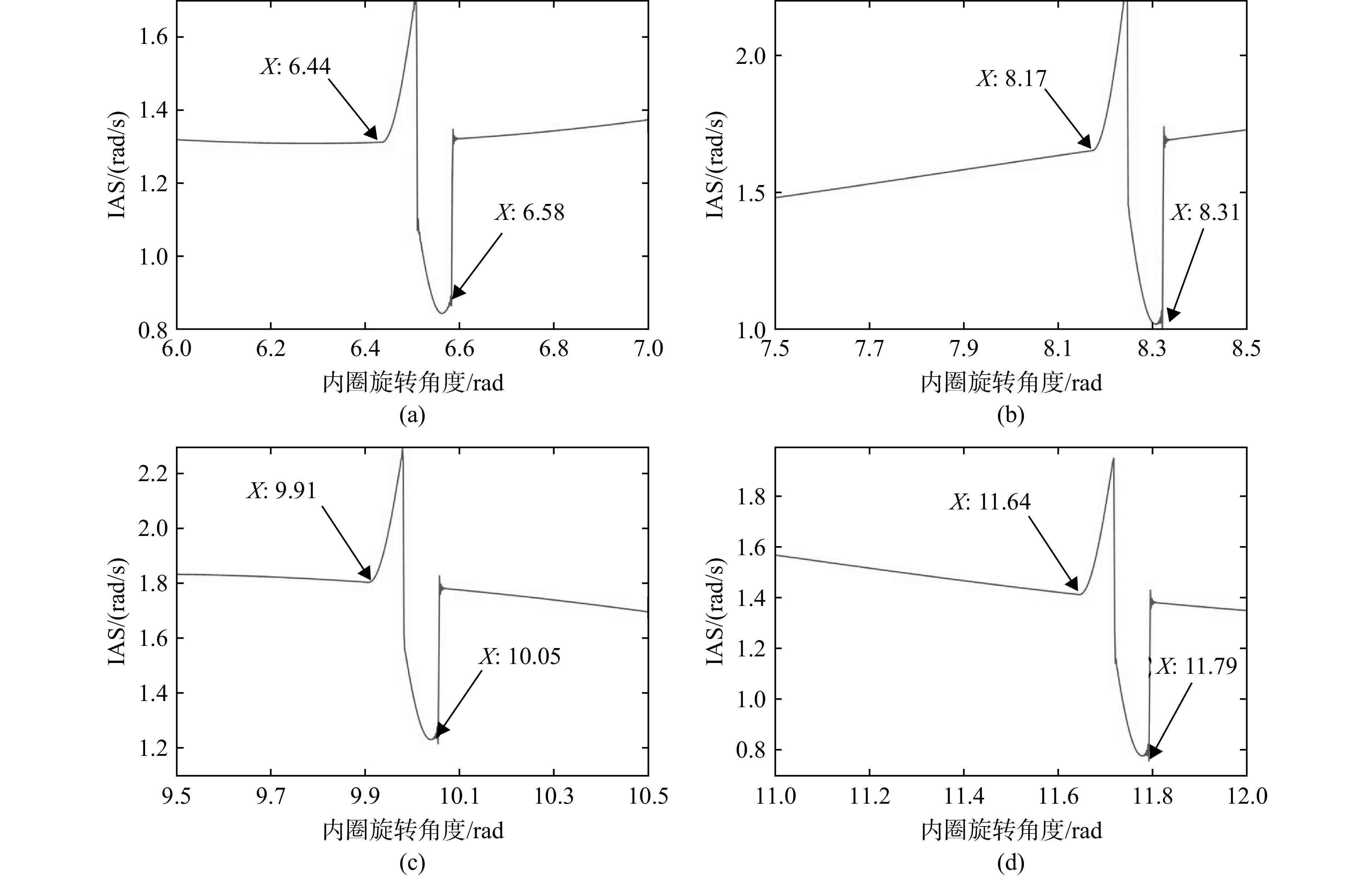
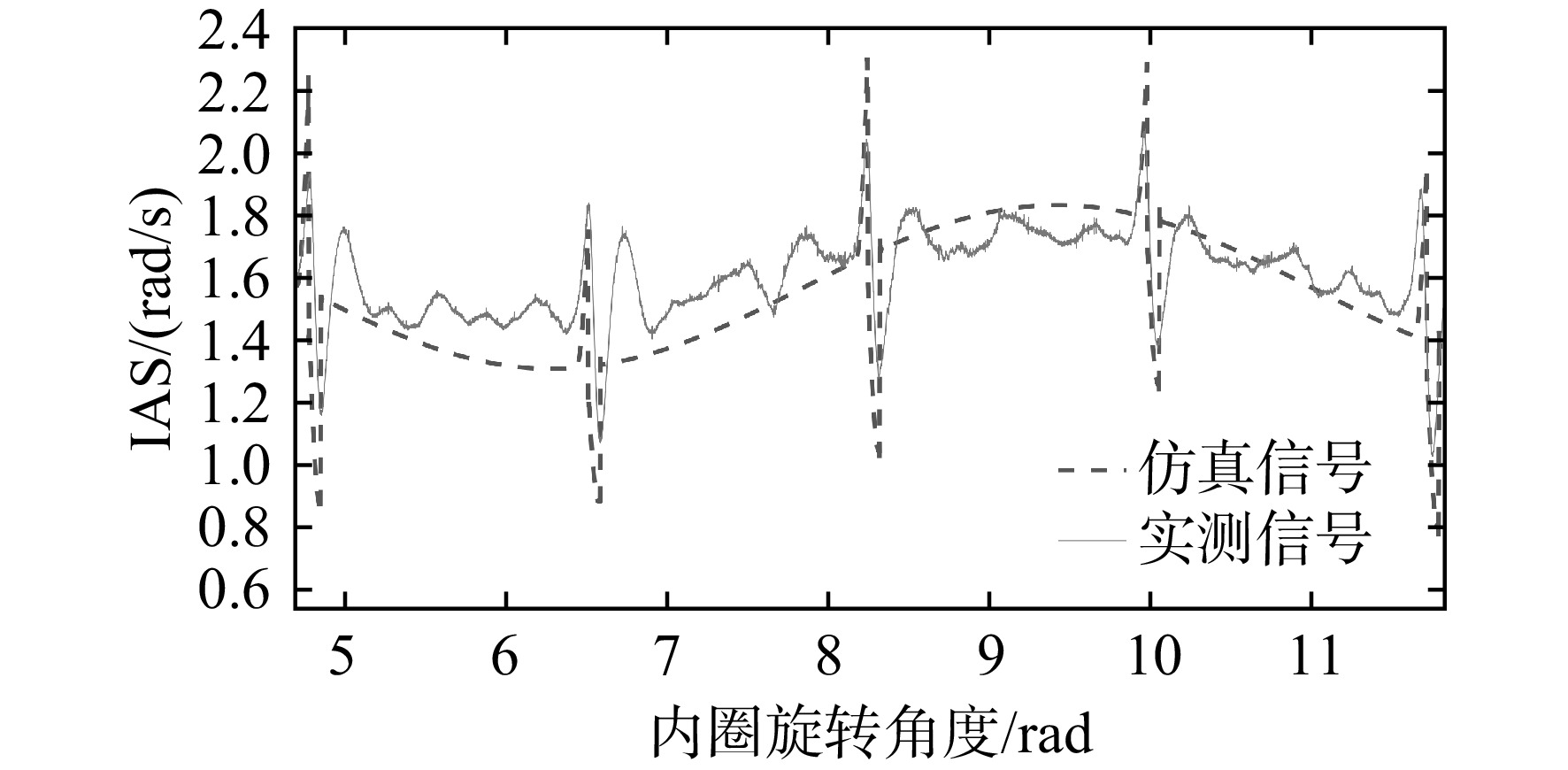
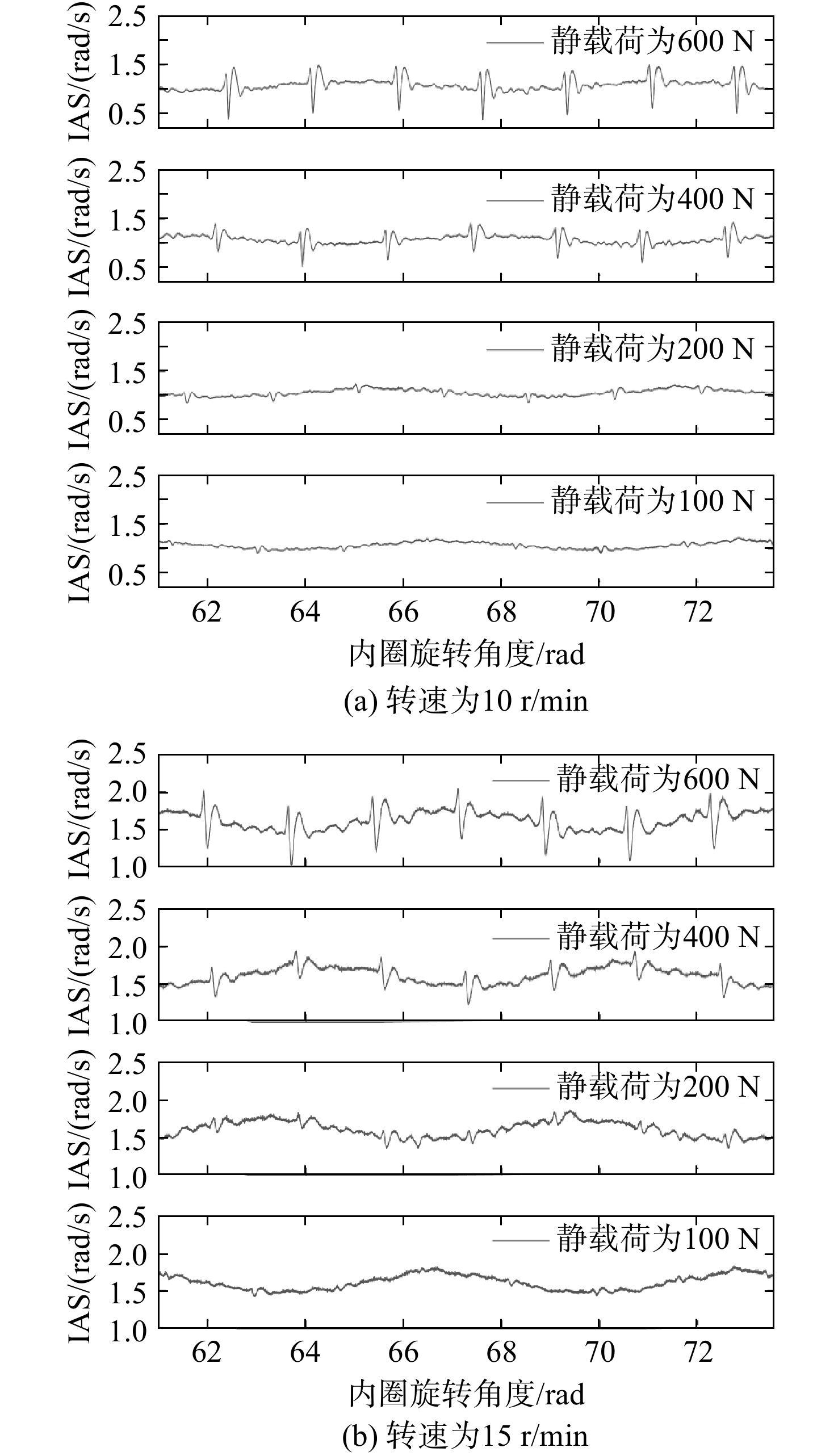
In view of the problem of outer raceway spalling in the main bearing of industrial robot rotary vector (RV) reducers under time-varying load conditions, a dynamic model of outer raceway spalling under time-varying loads was proposed based on instantaneous angular speed (IAS). The time-varying loads generated during robotic arm motion and the influence of impact forces caused by outer raceway spalling on additional torque were considered. The Runge-Kutta numerical integration method was employed to solve the dynamic equations, and the correctness of the dynamic model was verified through comparative analysis of simulated and measured signals. The research showed that the disturbance waveform in IAS signals caused by faults was clearer under low-speed and heavy-load conditions. Additionally, the IAS-based method for estimating bearing spalling size was unaffected by speed fluctuations, making it more suitable for spalling size estimation under variable-speed conditions. The findings contributed to improving the dynamic theory of fault detection methods for main bearings in industrial robot joints based on IAS.

Investigation of base load characteristics during aerodynamic reentry phase of super heavy starship
LIN Xiaohui, GAO Wuhuan, QIN Tong, CHEN Liwei, CHU Yihui, XUE Fei, GU Yuanfu, XU Changyue
2026, 41(5): 20250221. doi: 10.13224/j.cnki.jasp.20250221
Abstract:
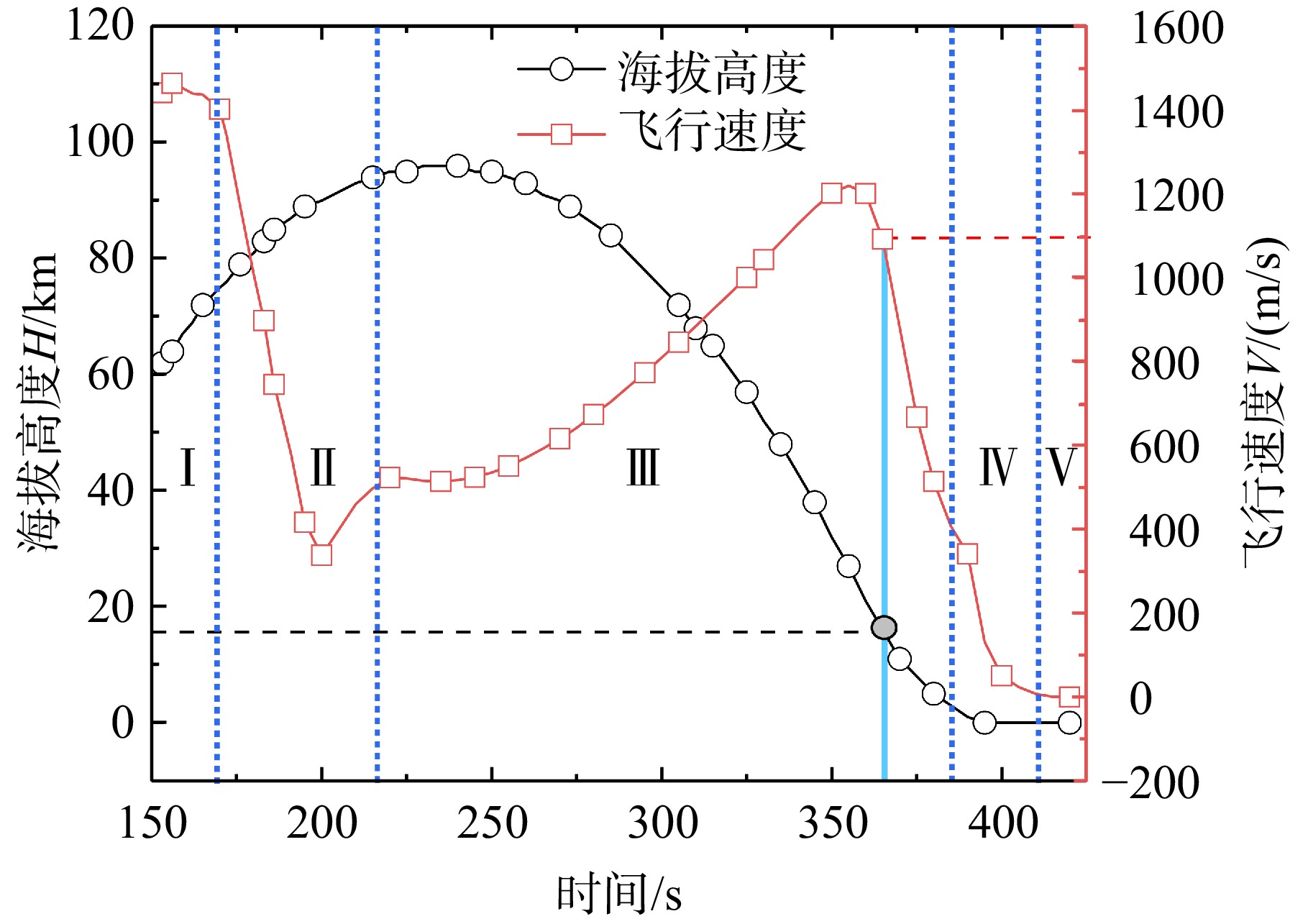
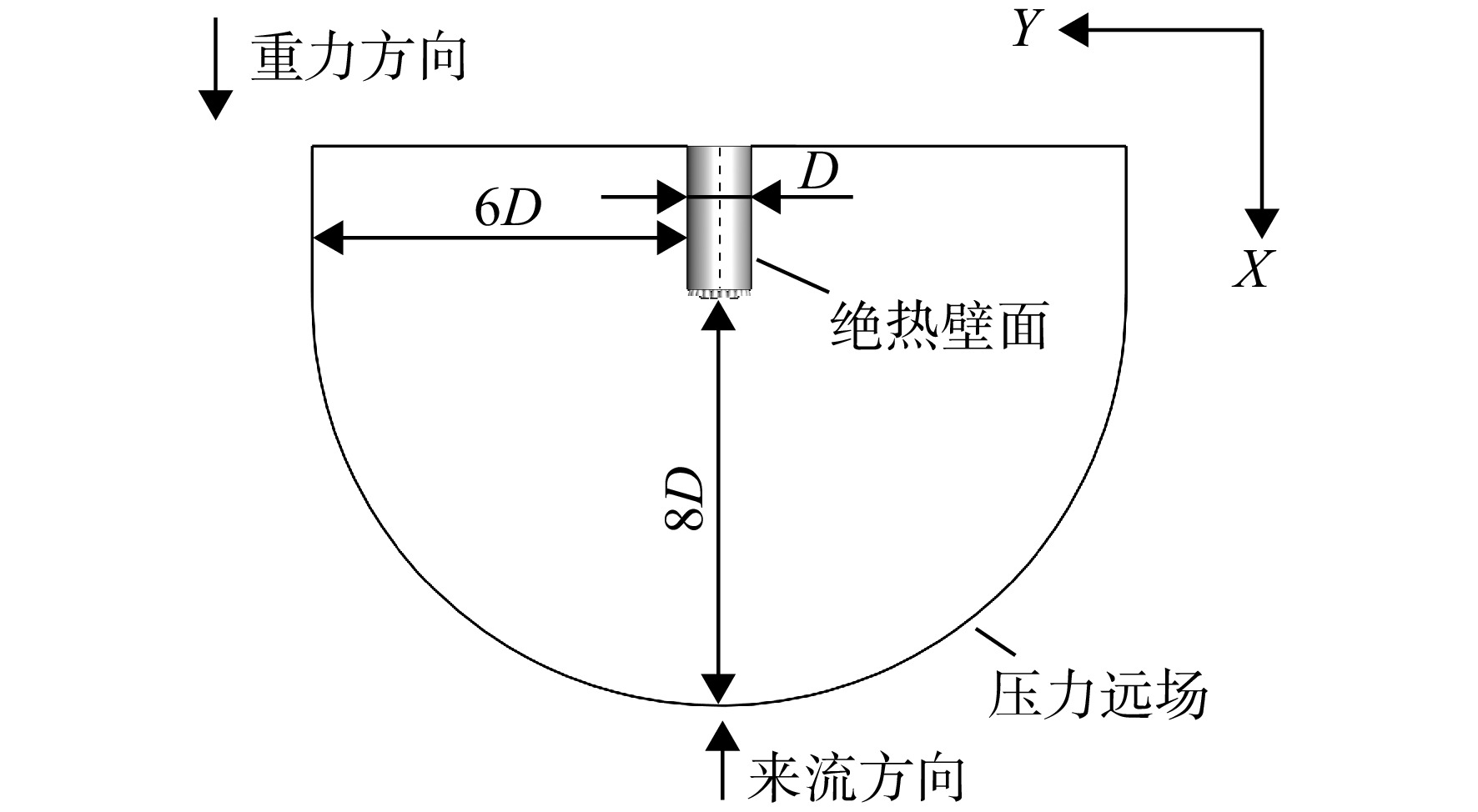
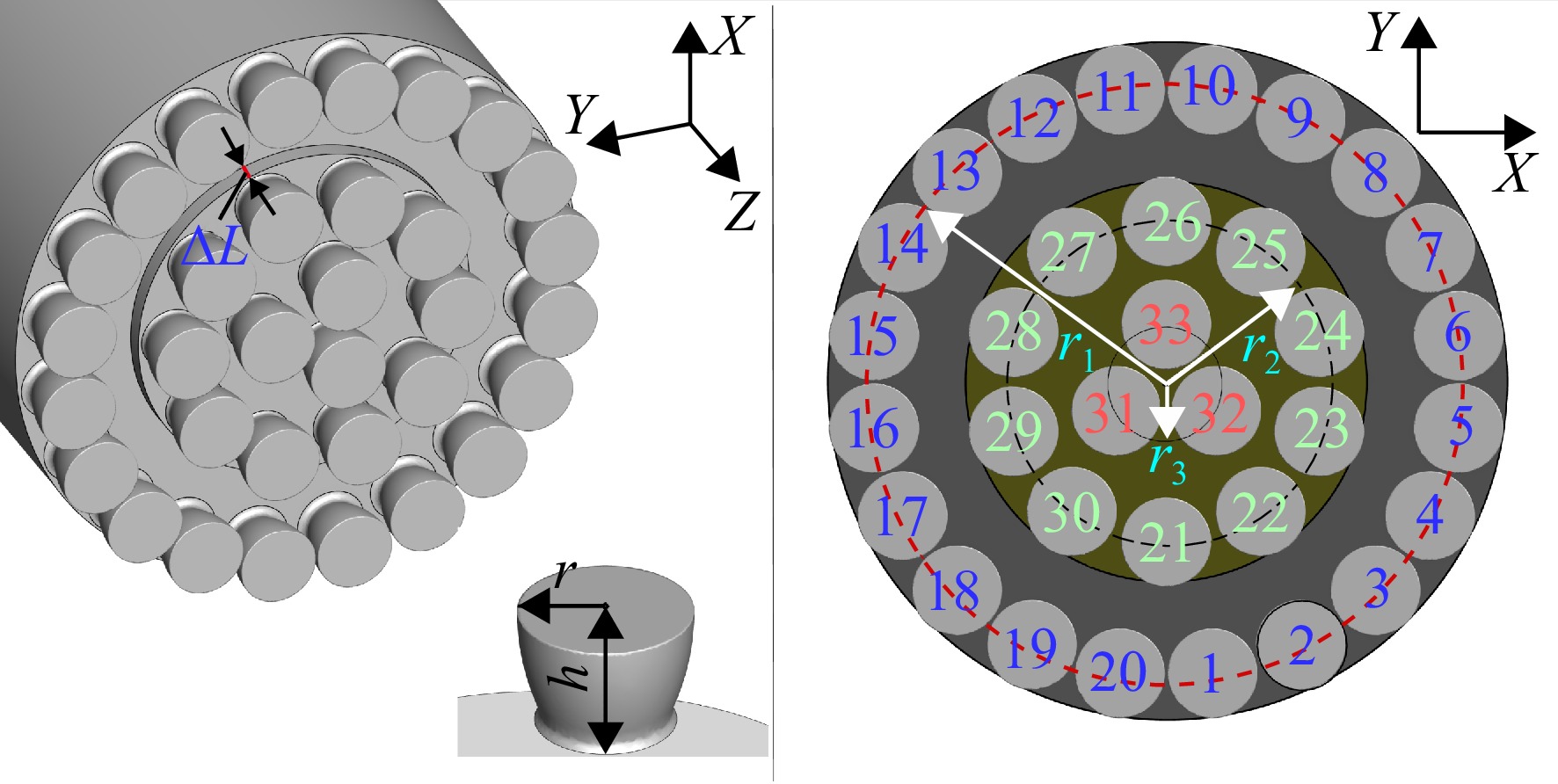
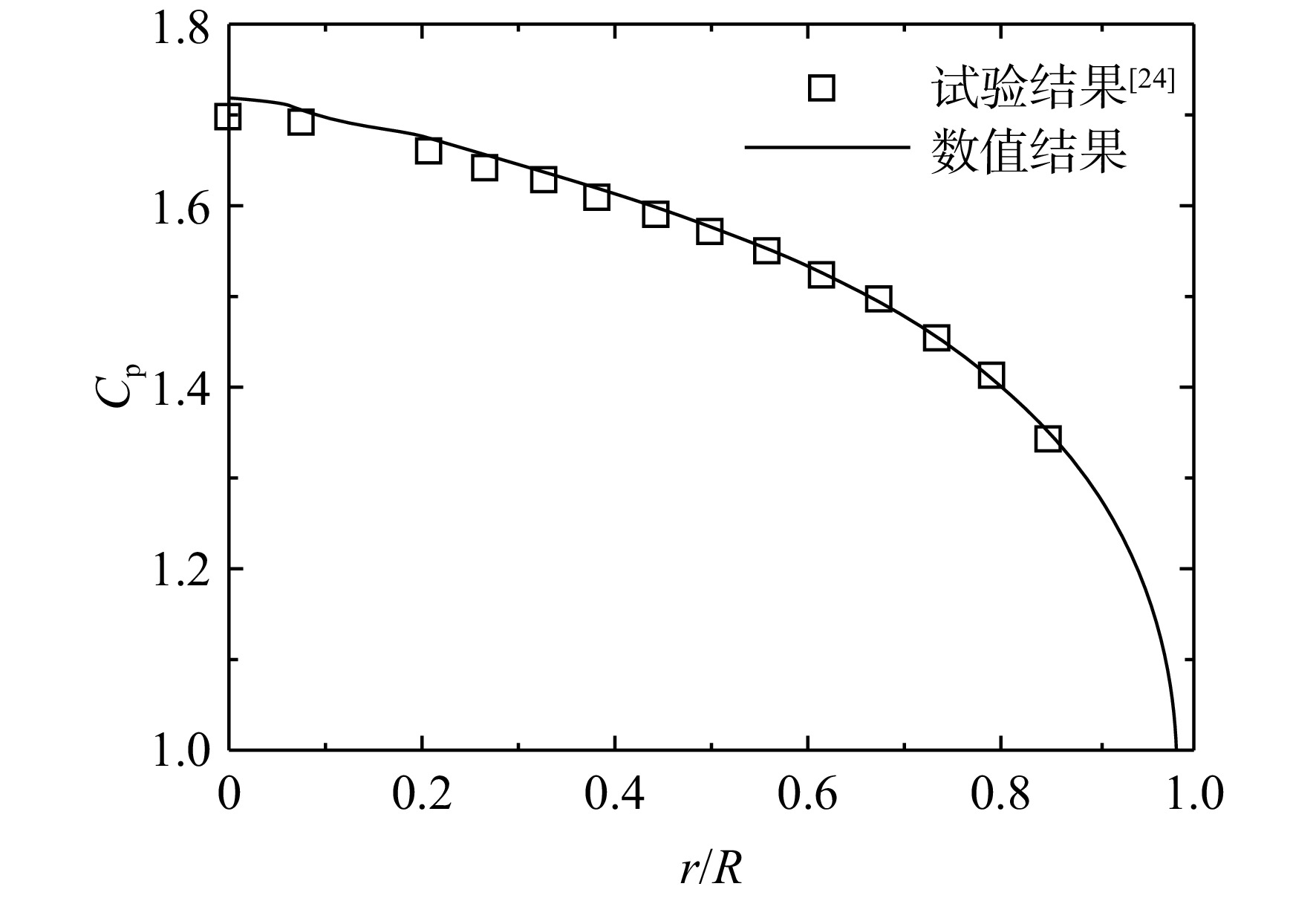
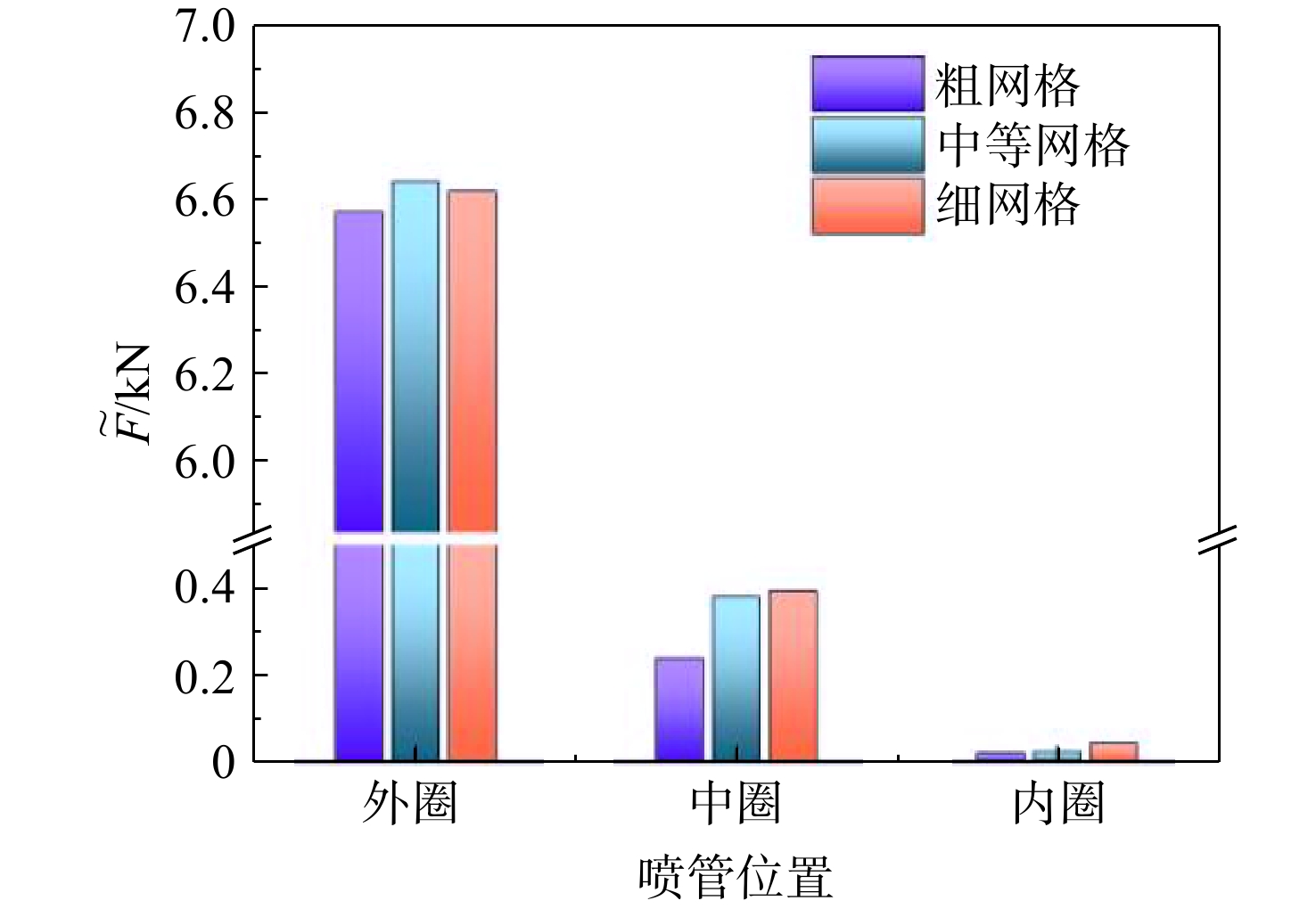
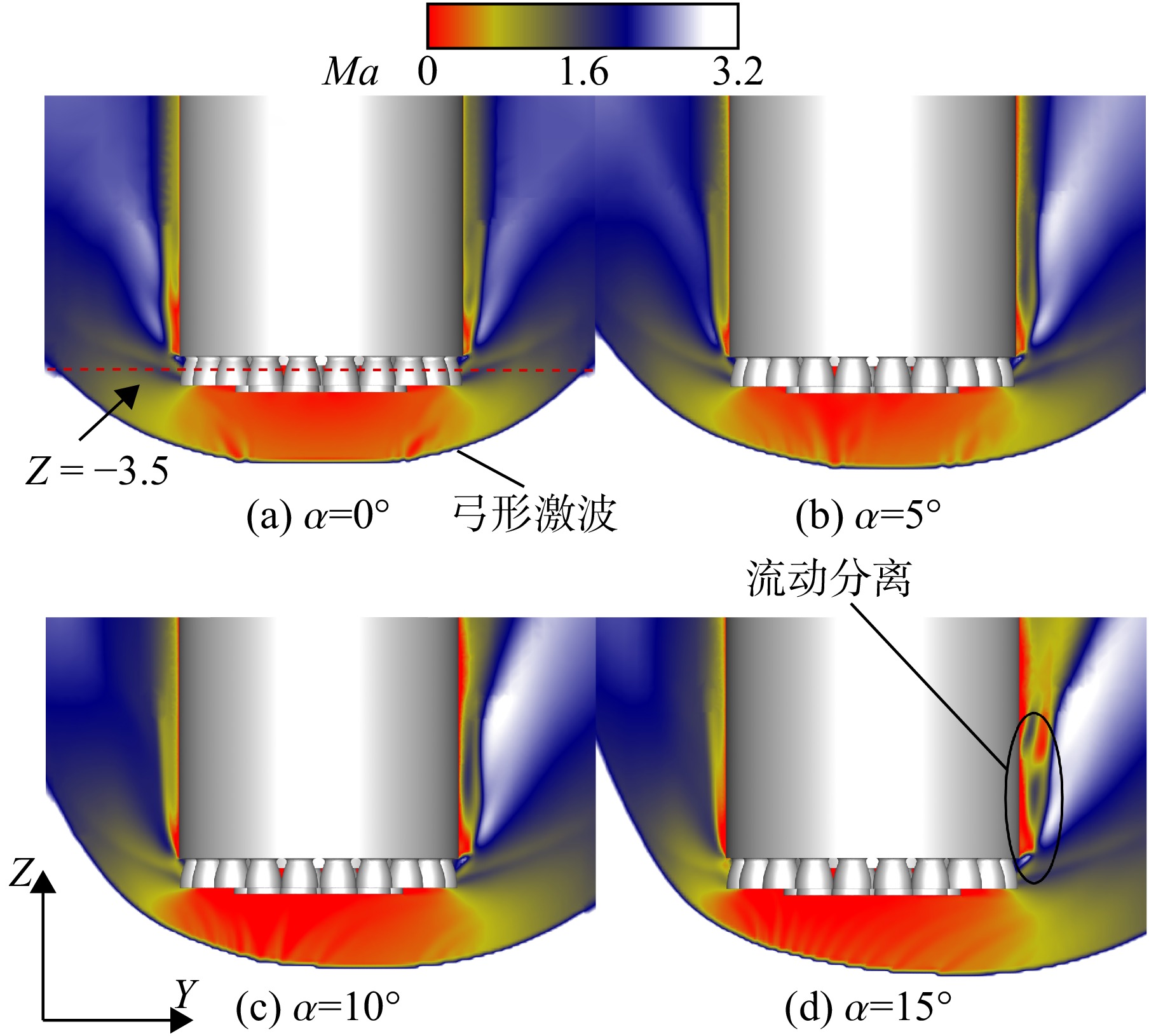
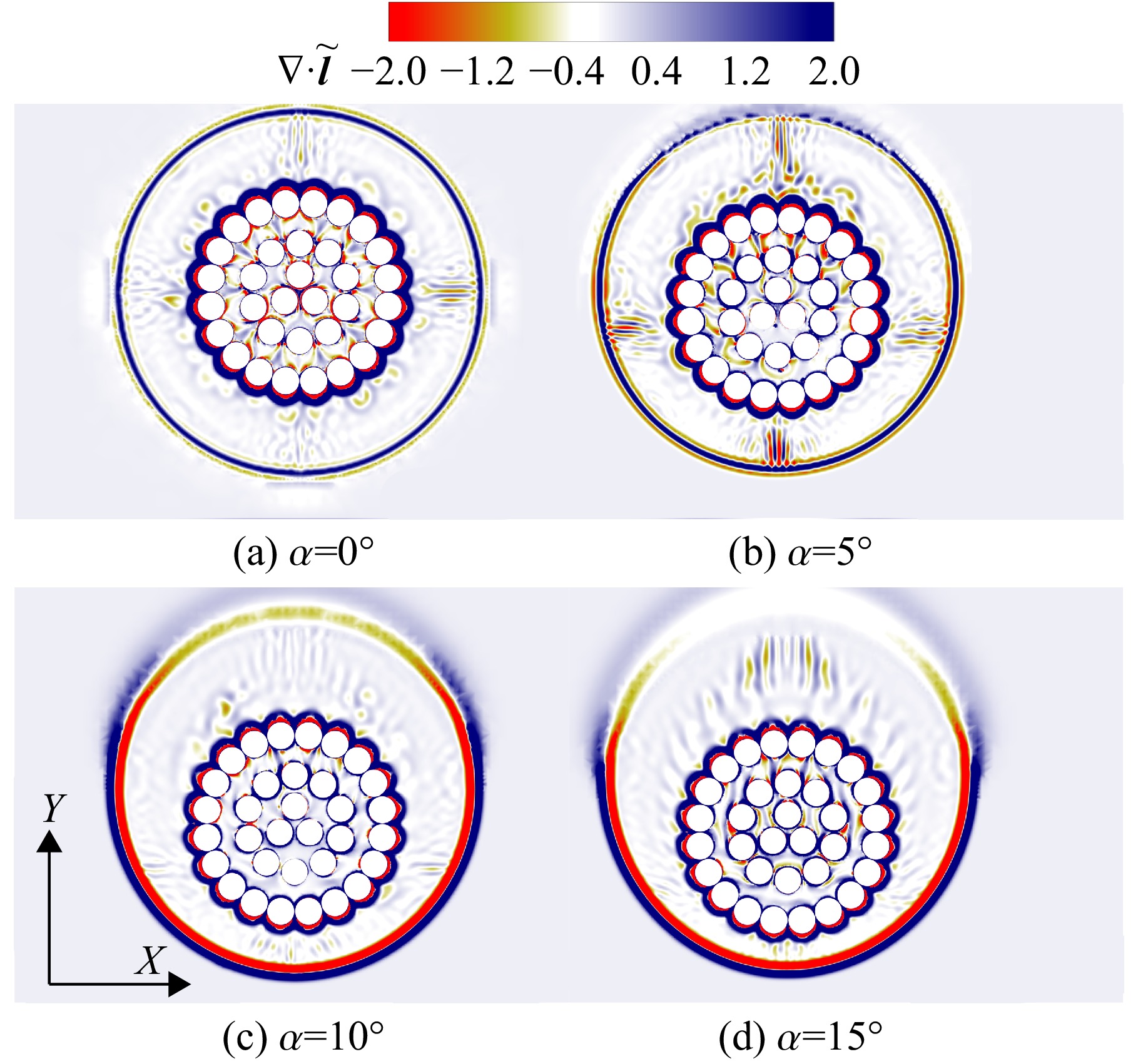
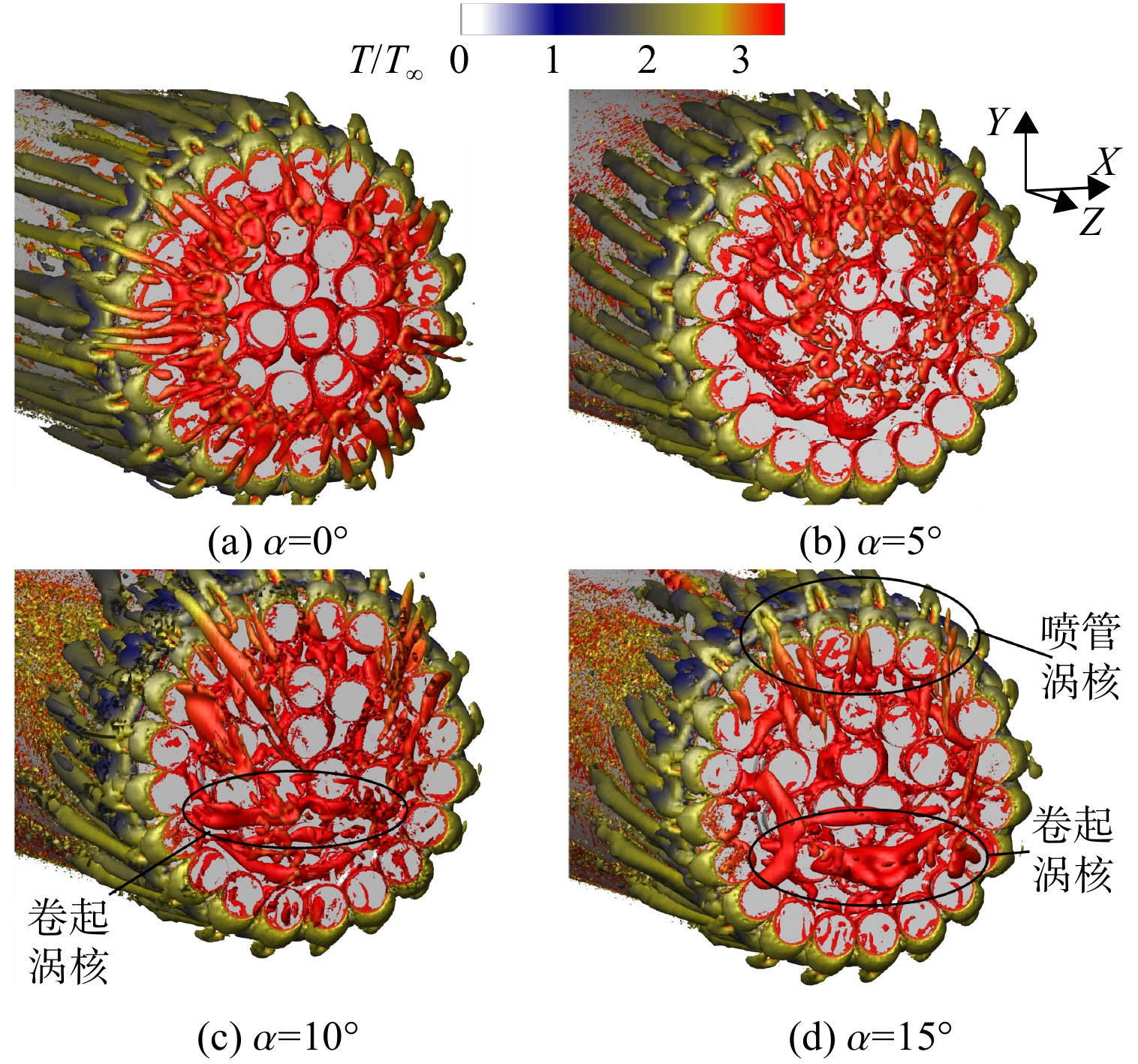
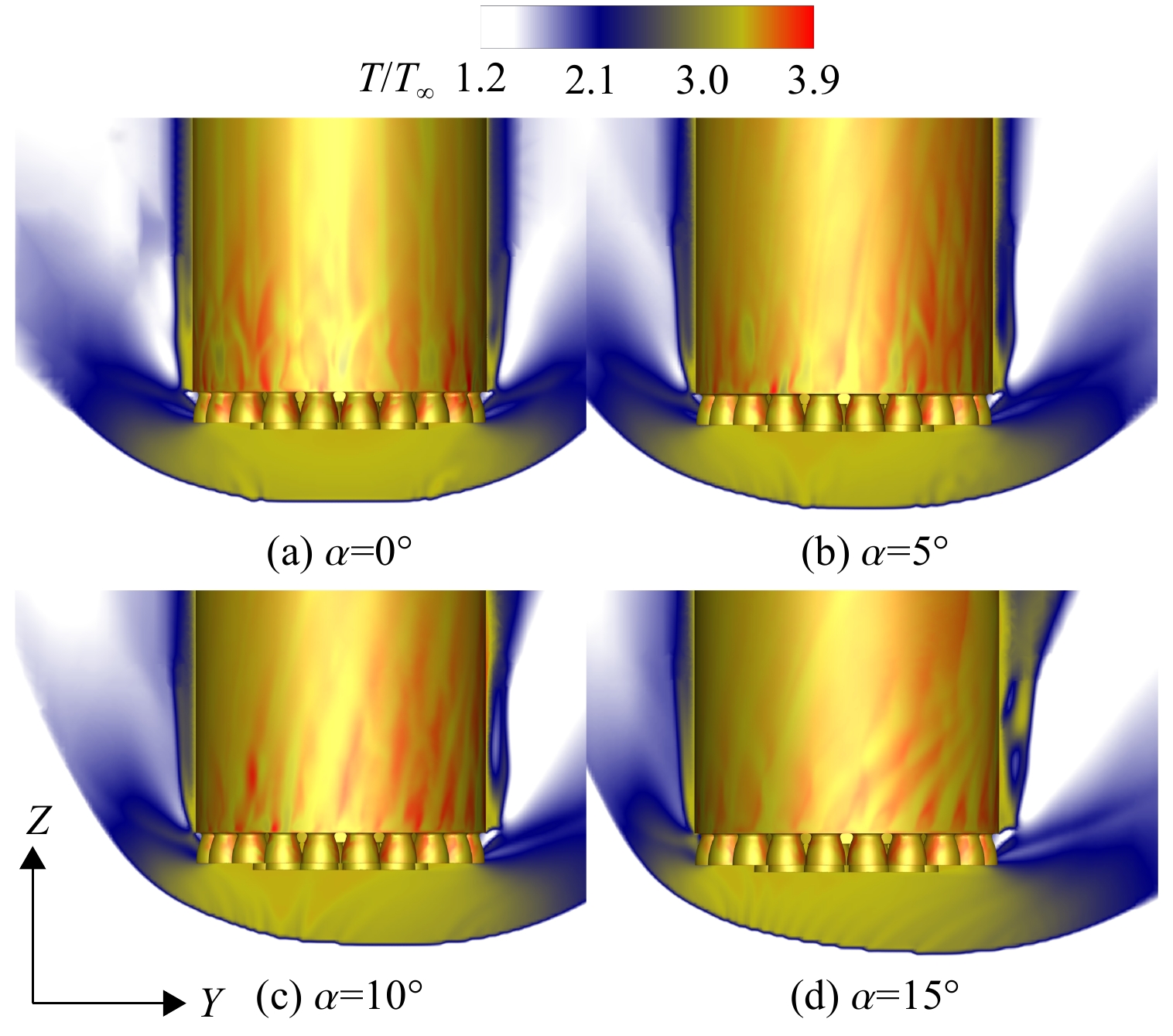
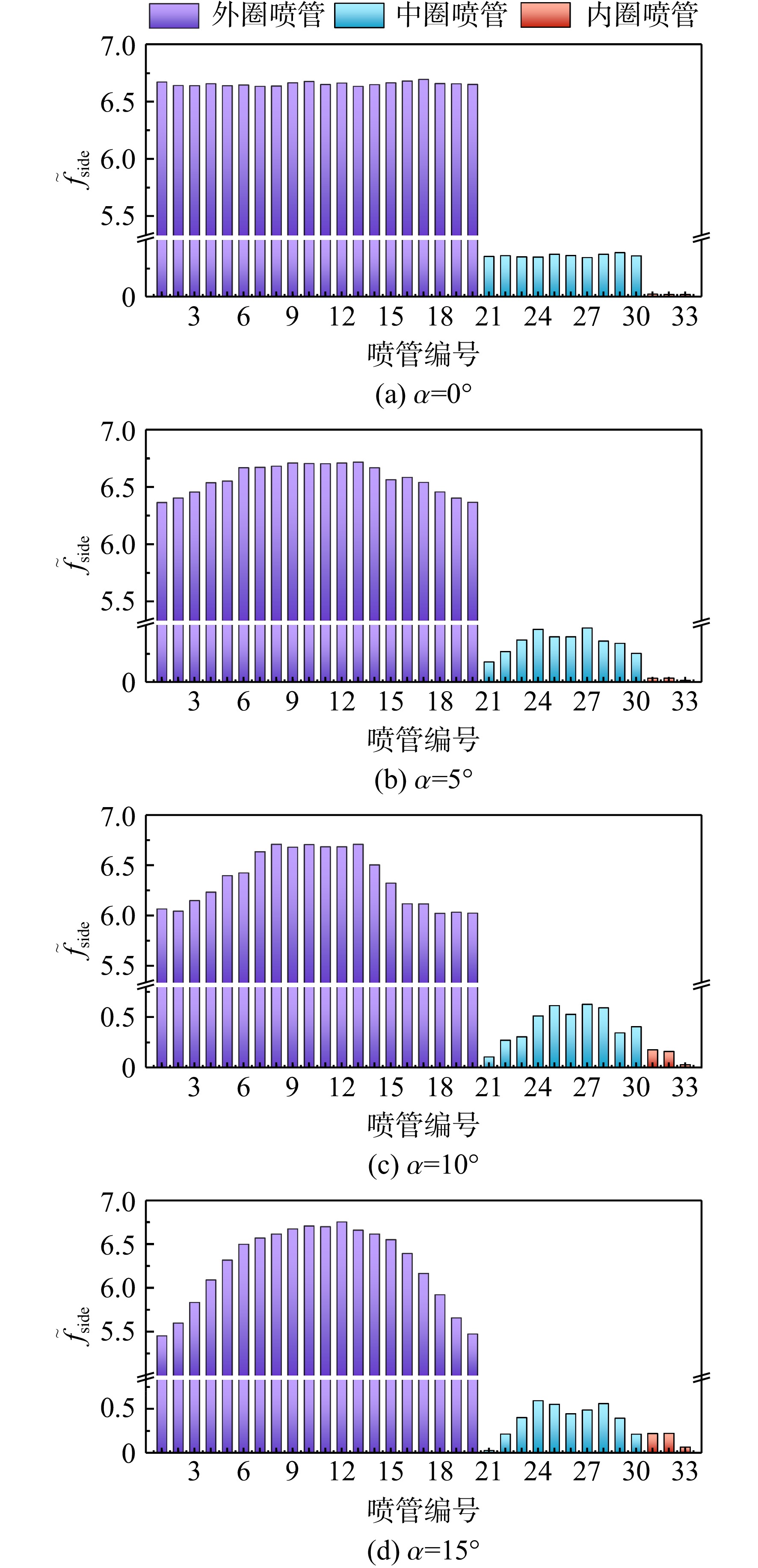
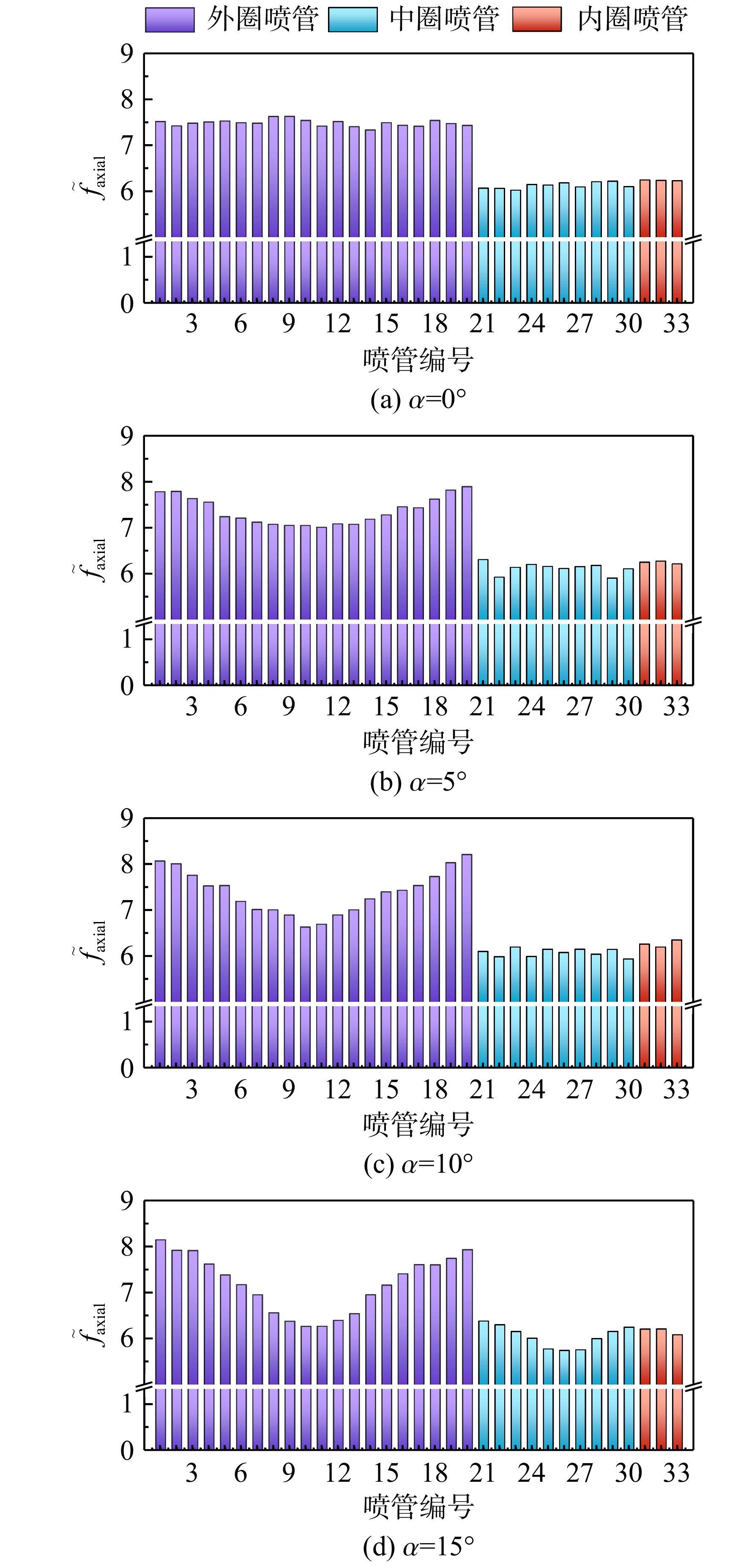
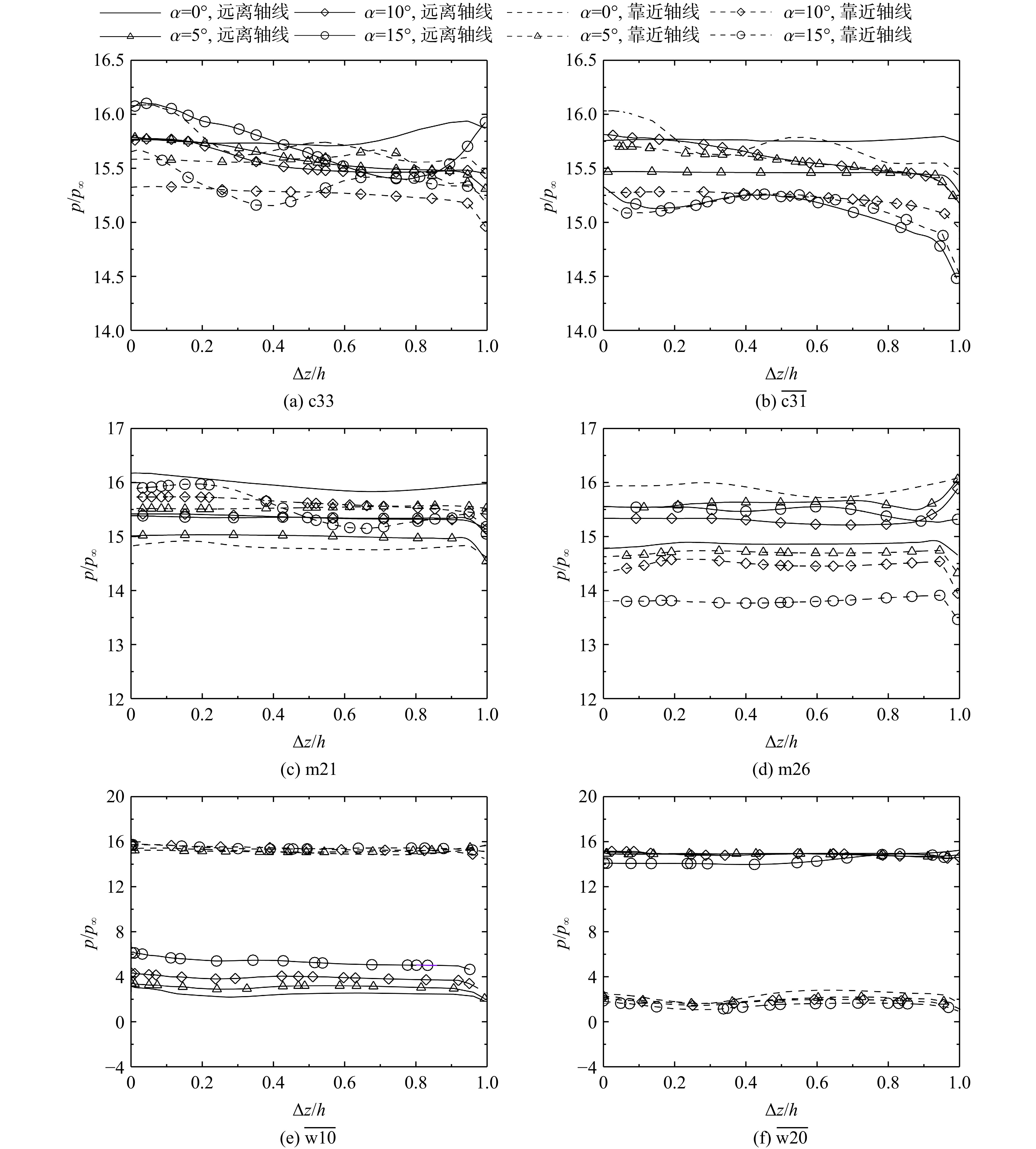
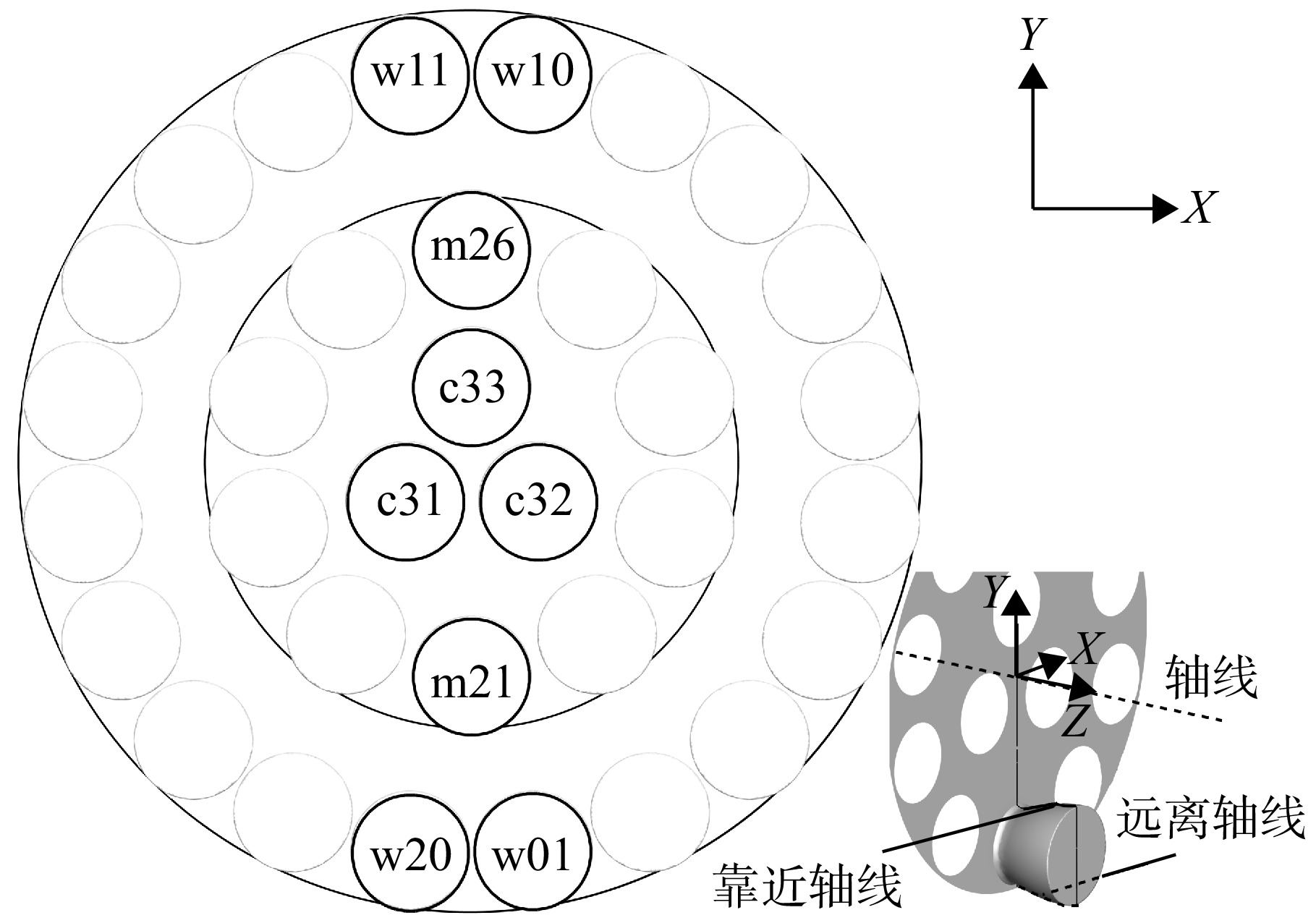
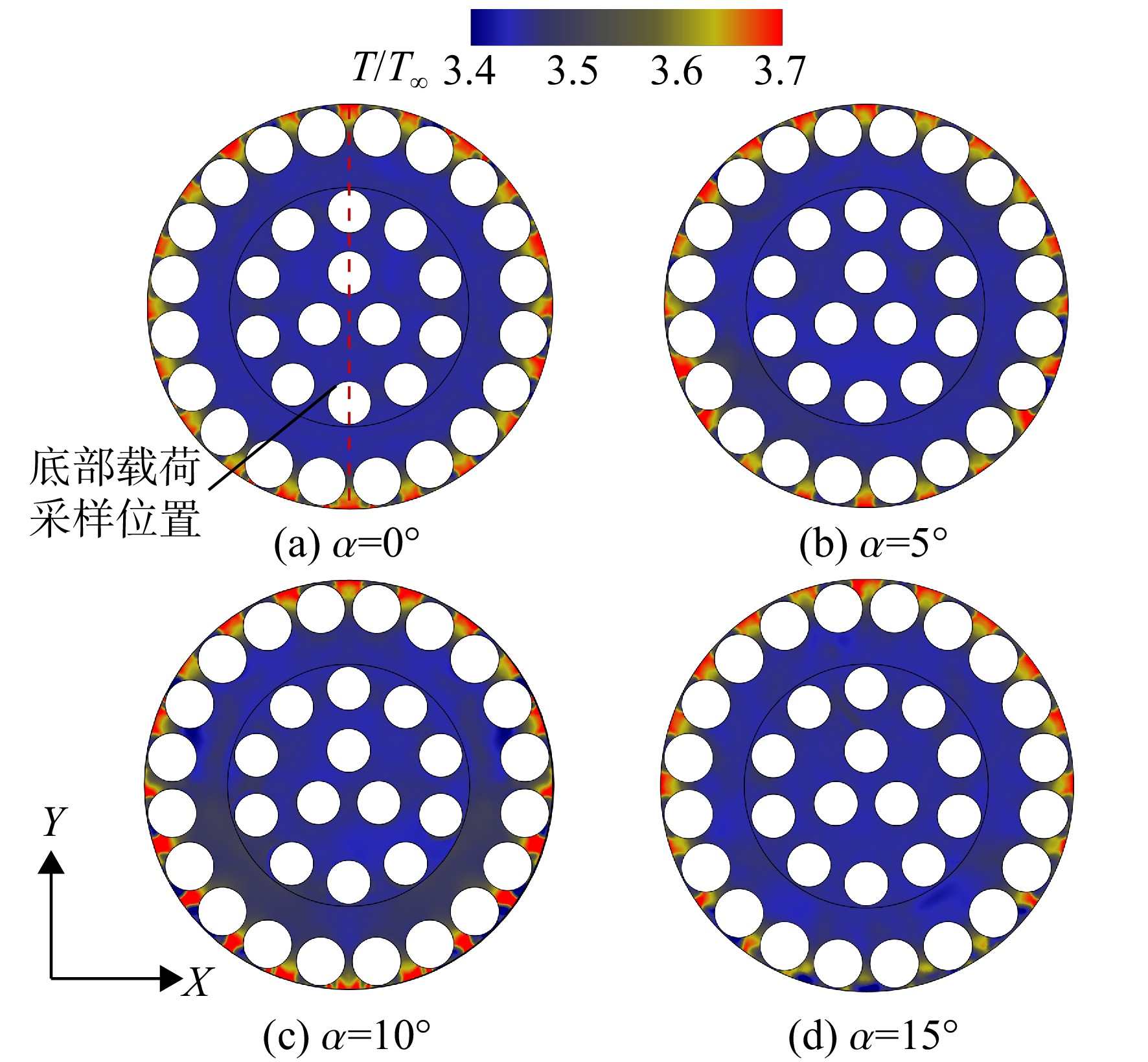
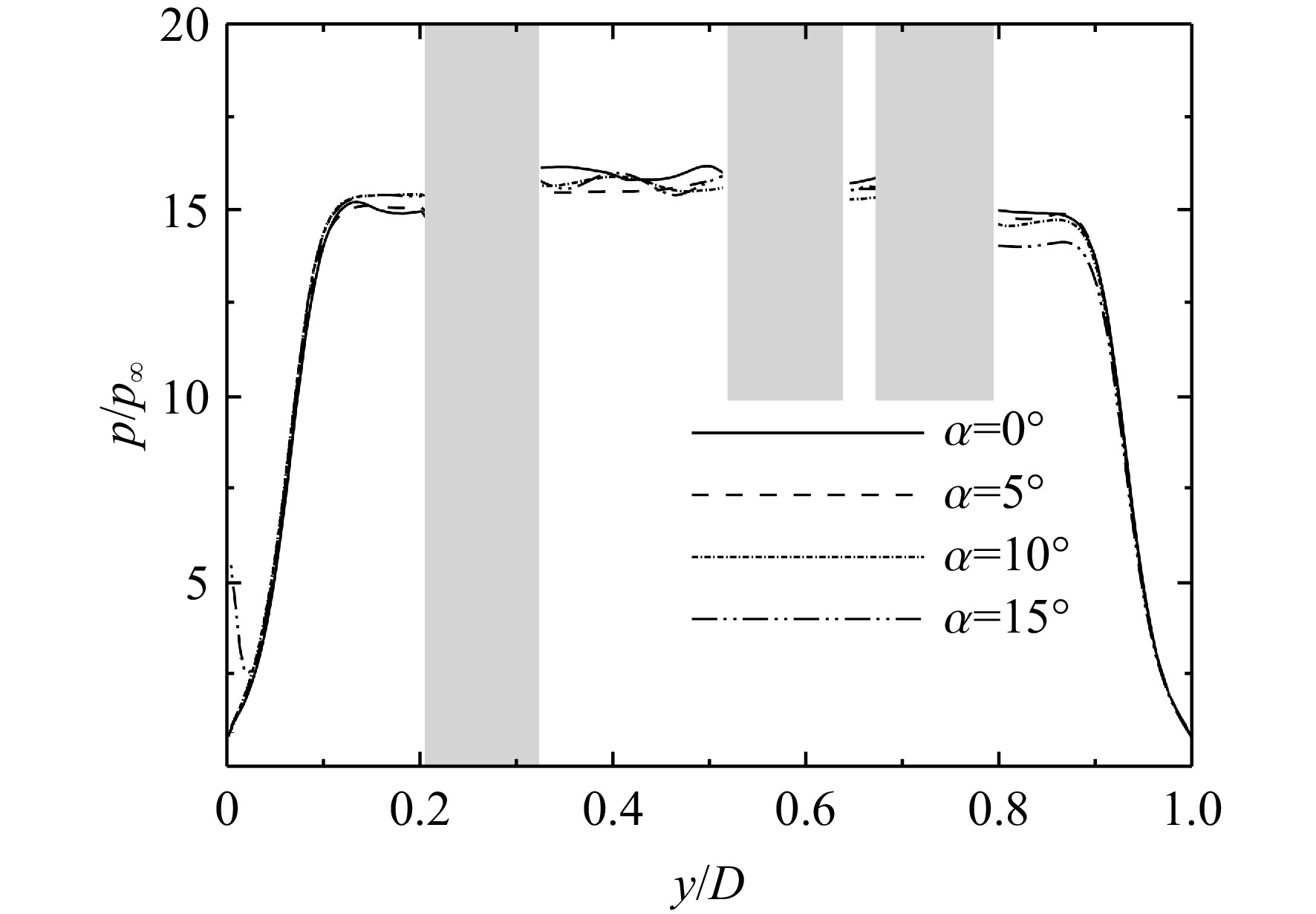
During the aerodynamic deceleration phase of a vertically landing reusable rocket, the vehicle’s base serves as the windward surface, exerting a significant influence on thrust, nozzle side forces, and the thermal environment of the bottom-mounted engines. The reentry flow field is highly complex. Computational fluid dynamics (CFD) simulations were conducted to investigate the flow characteristics of the Starship lower stage, while the flow structure together with the pressure and thermal loads on the base nozzles was analyzed for Mach number of 3.5 at attack angles ranging from 0° to 15°. The side loads acting on the outer, middle, and inner nozzles exhibited an exponential decay, with a ratio of approximately 335∶19∶1. As the attack angle increased, the side load on the windward nozzles decreased, whereas that on the leeward nozzles increased. The base region and outer nozzles were strongly affected by aerodynamic heating. These results provide a theoretical guidance for the layout of base-mounted engines in vertical-landing rockets and for attitude control strategies during the aerodynamic deceleration phase.

Study on dynamic characteristics of gas-liquid internal mixing injector under backpressure
LYU Xiuwen, ZHAO Nannan, QIAO Wentong, ZHANG Bingbing, SHI Jingyan, FU Qingfei
2026, 41(5): 20250228. doi: 10.13224/j.cnki.jasp.20250228
Abstract:
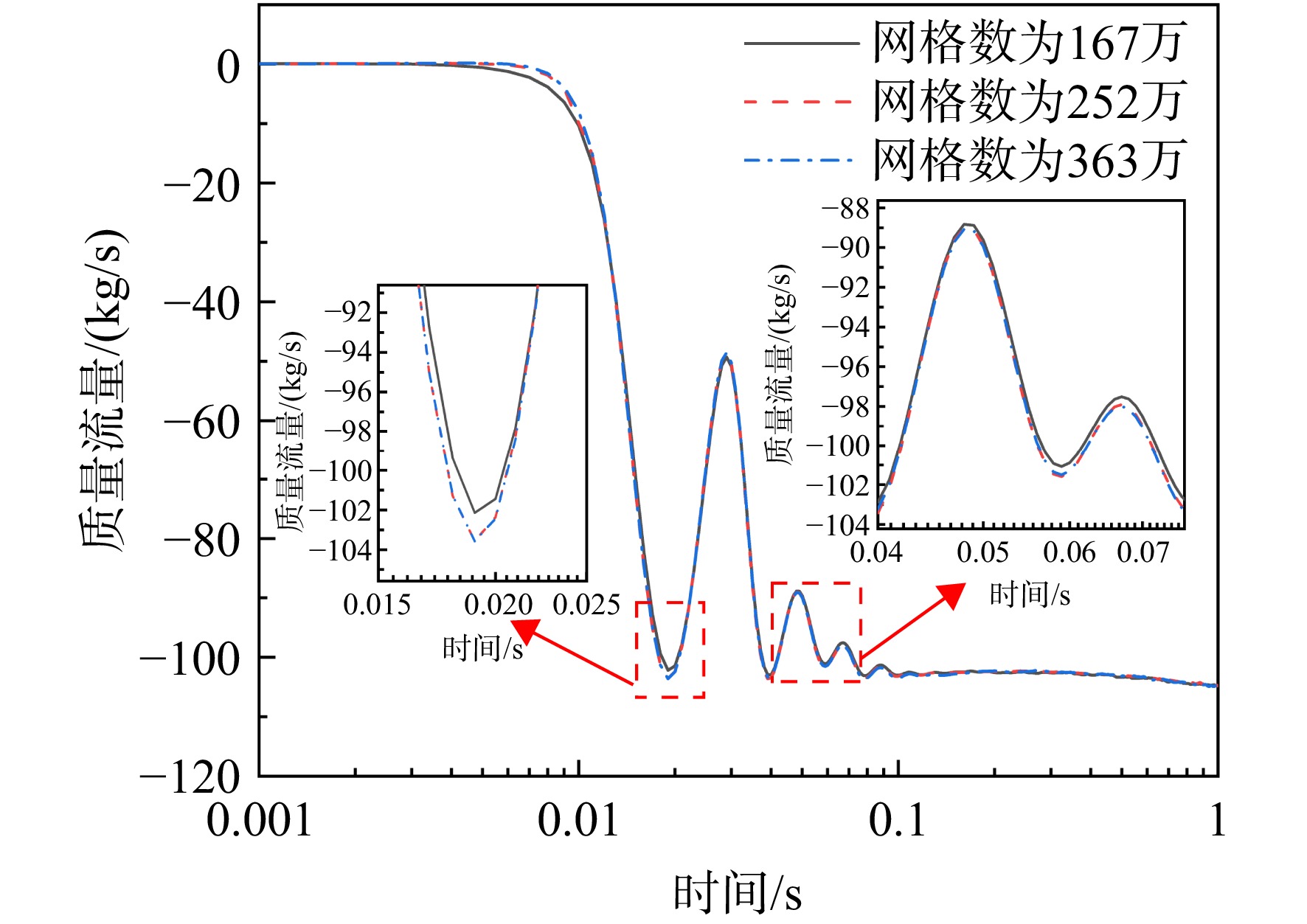
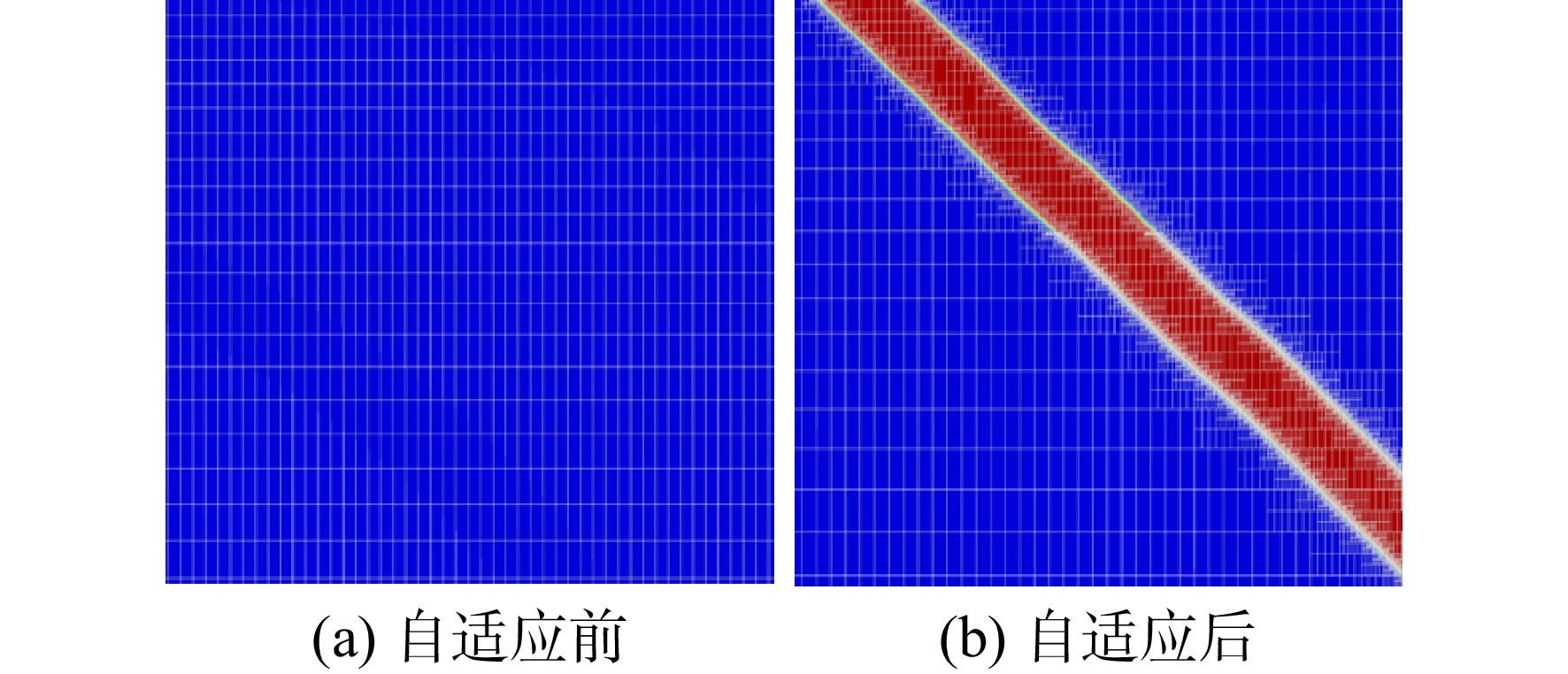
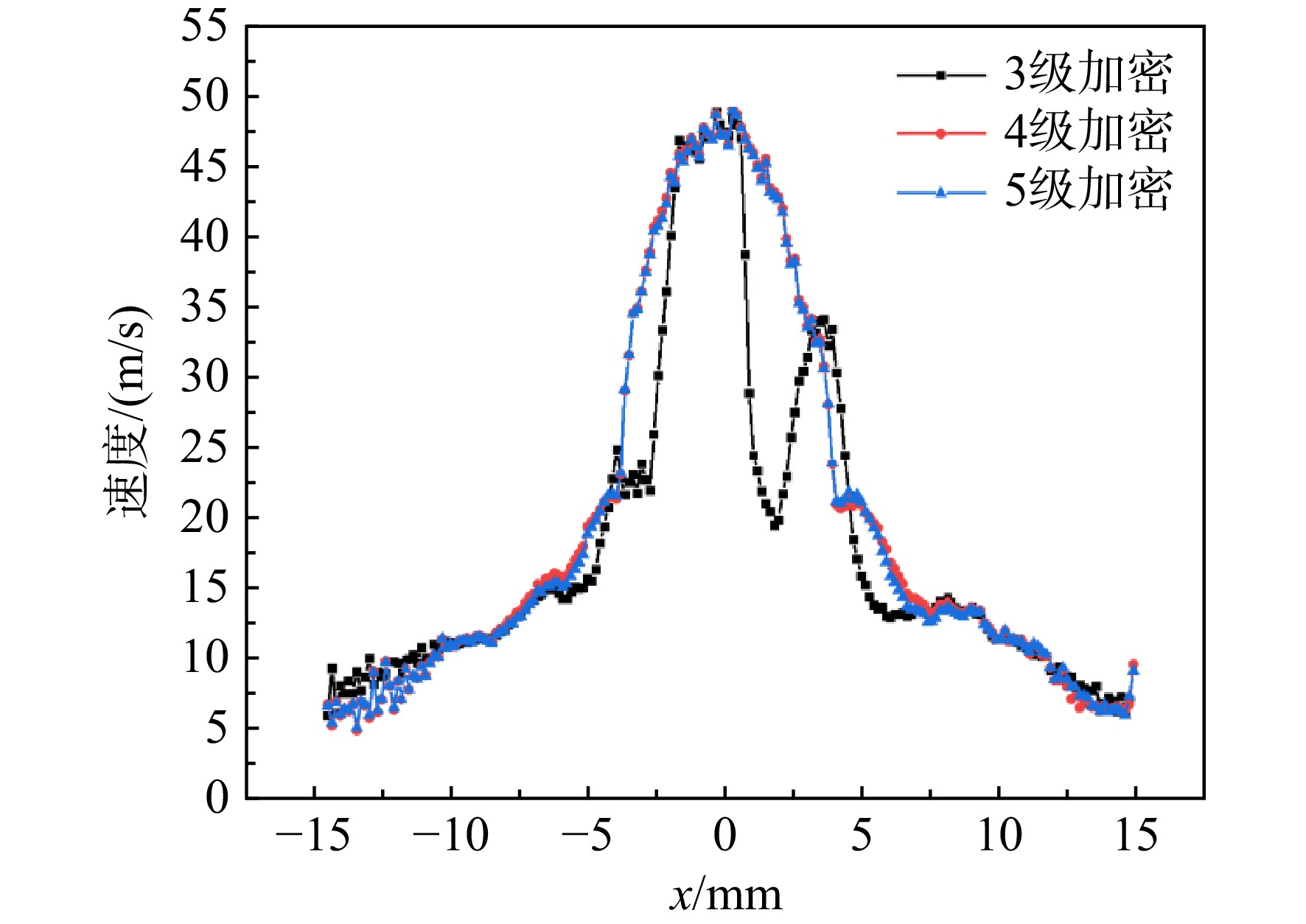
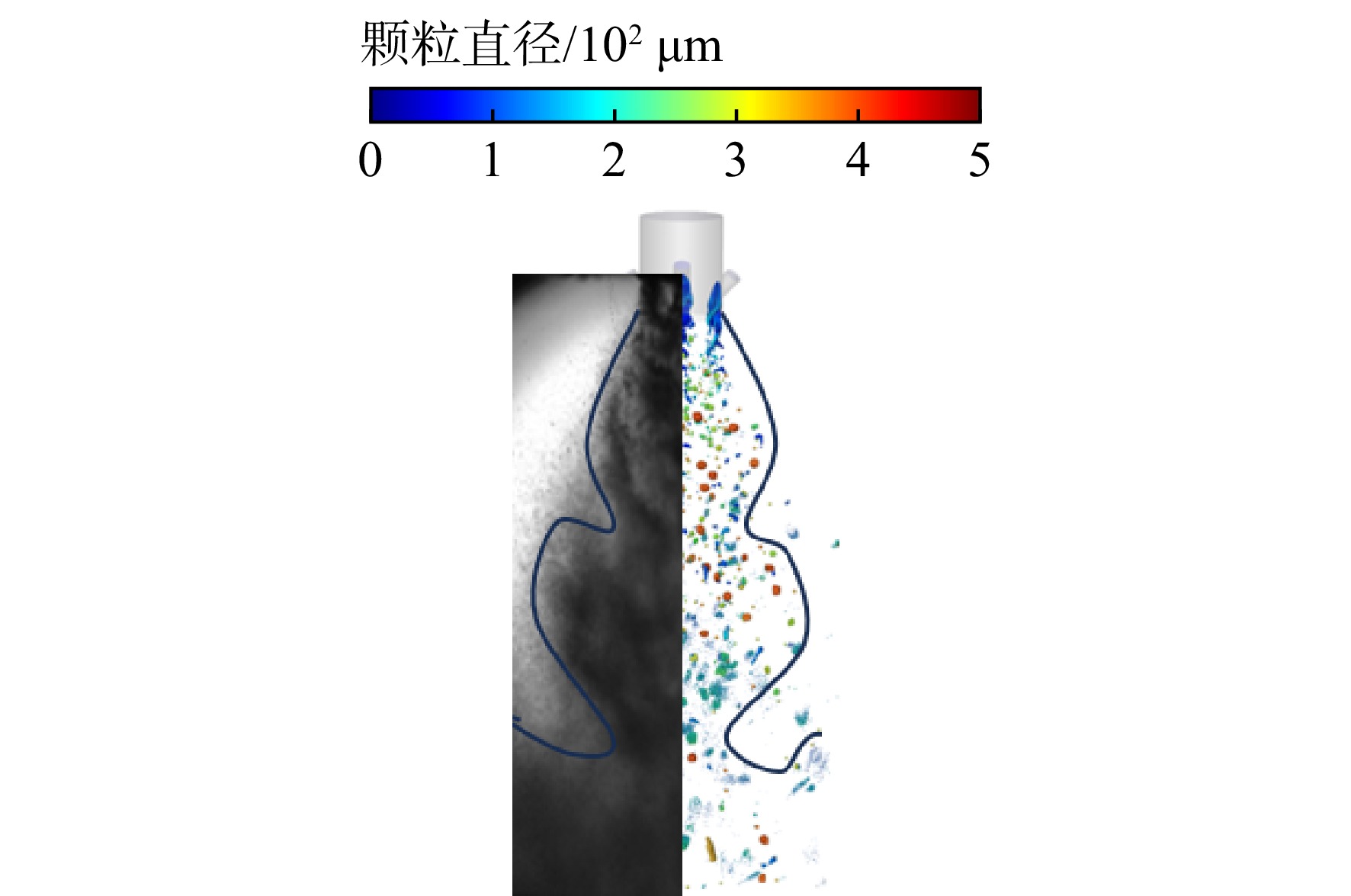
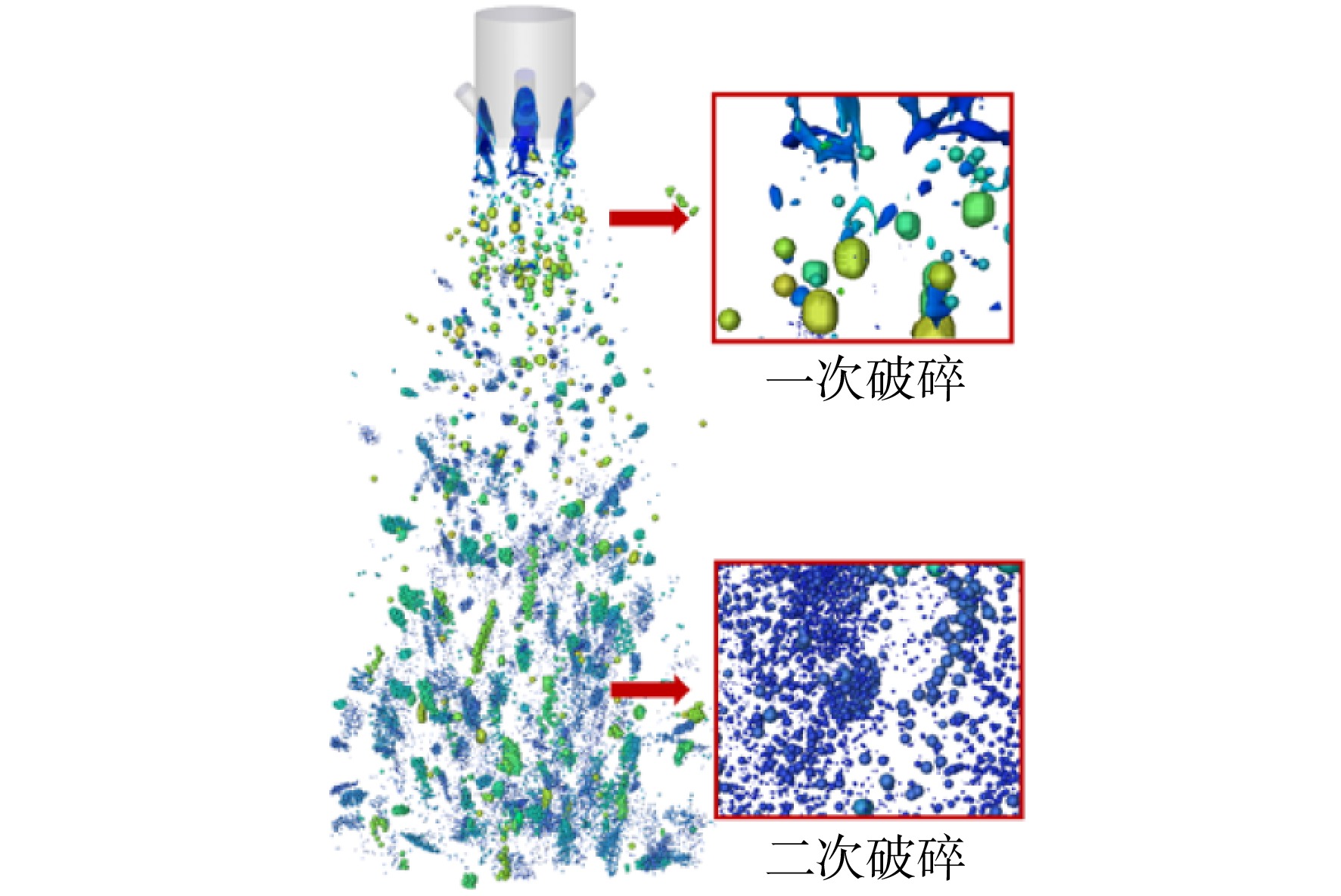
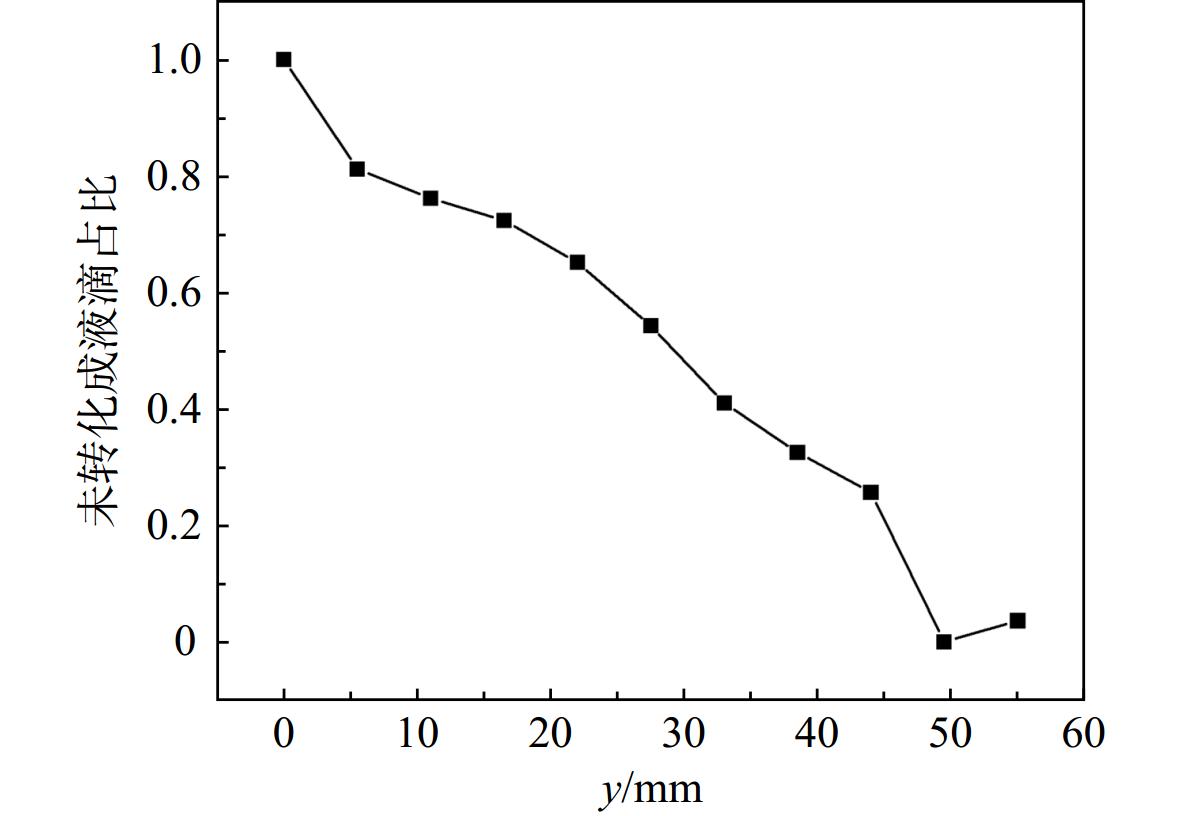
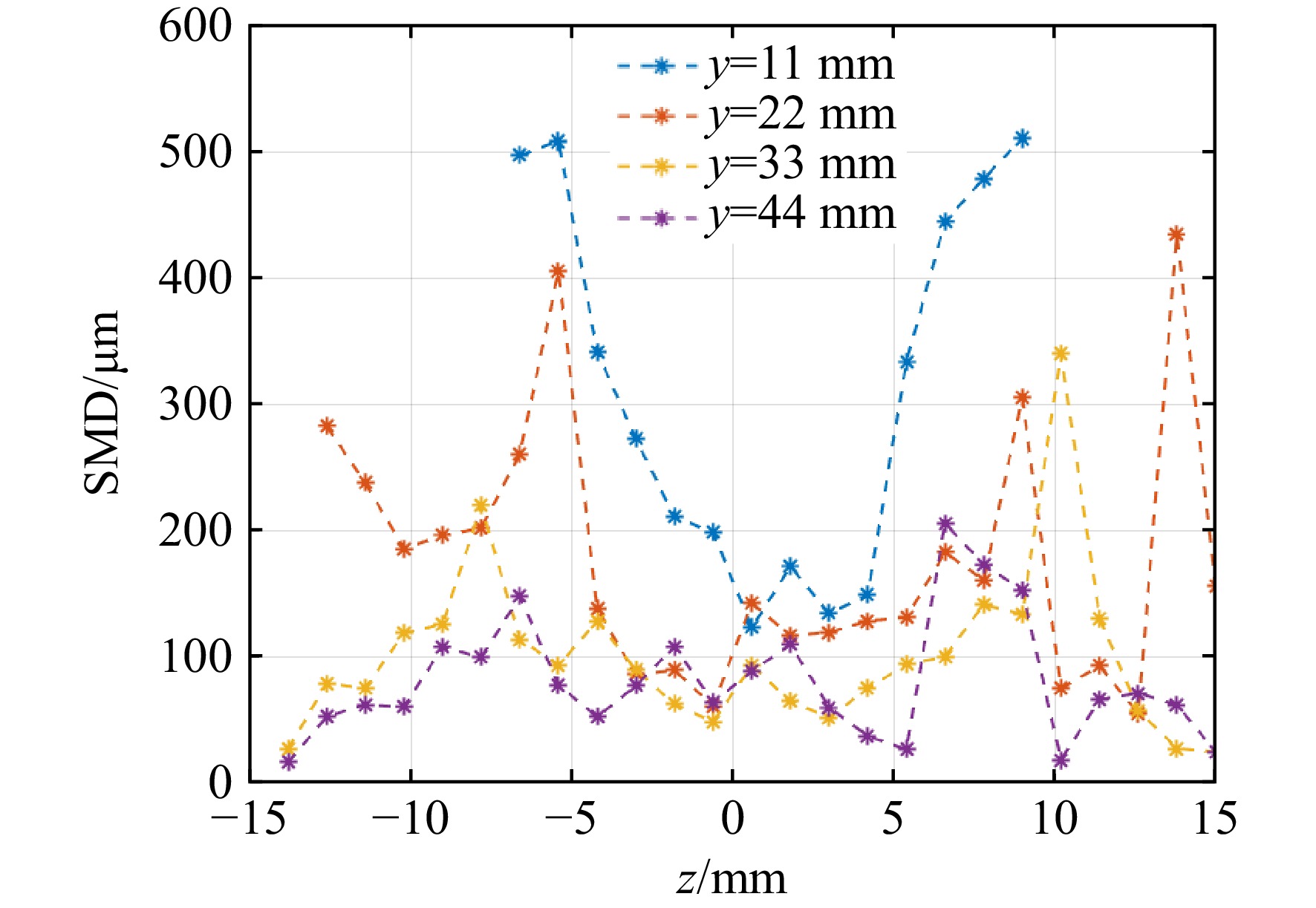
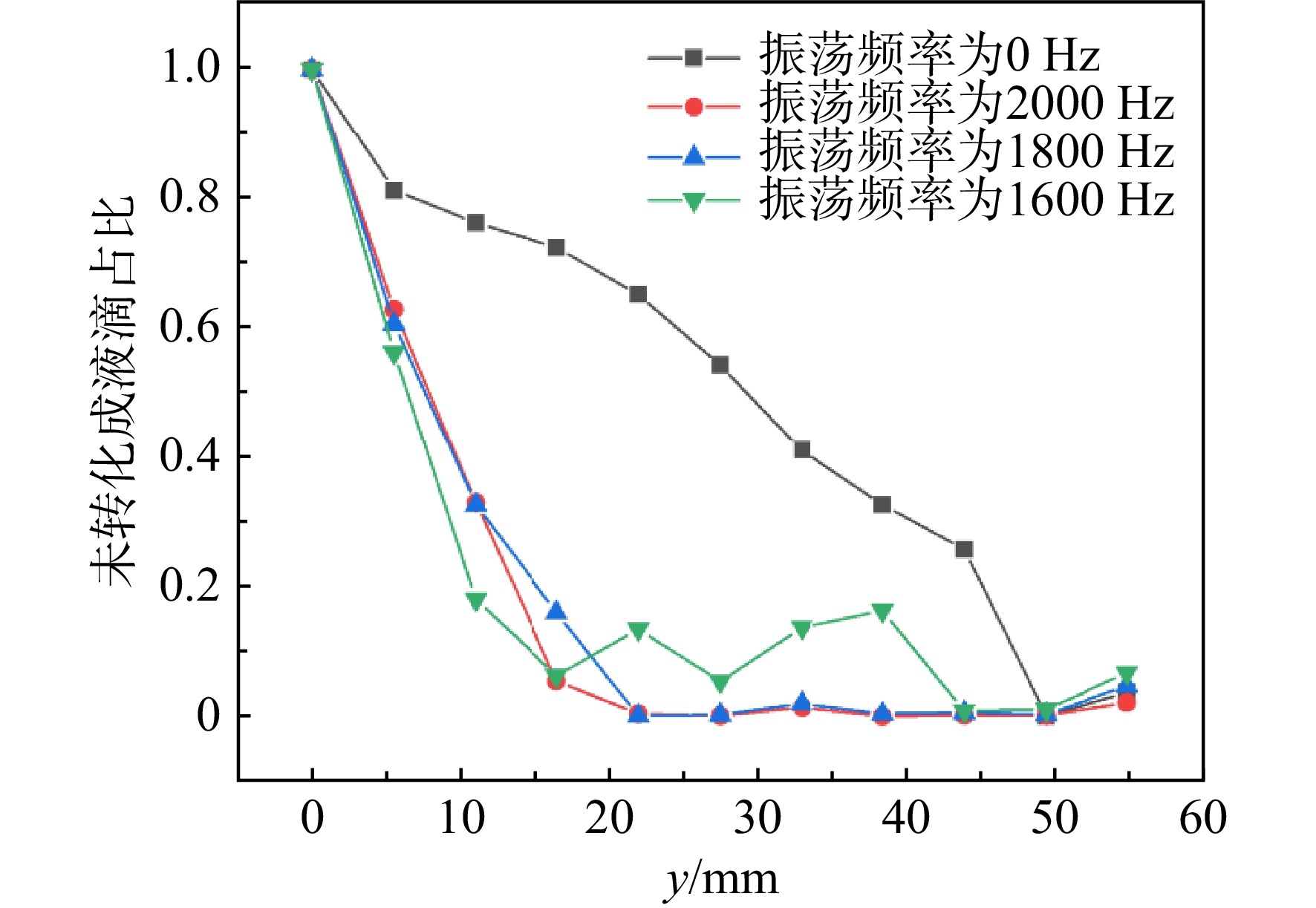
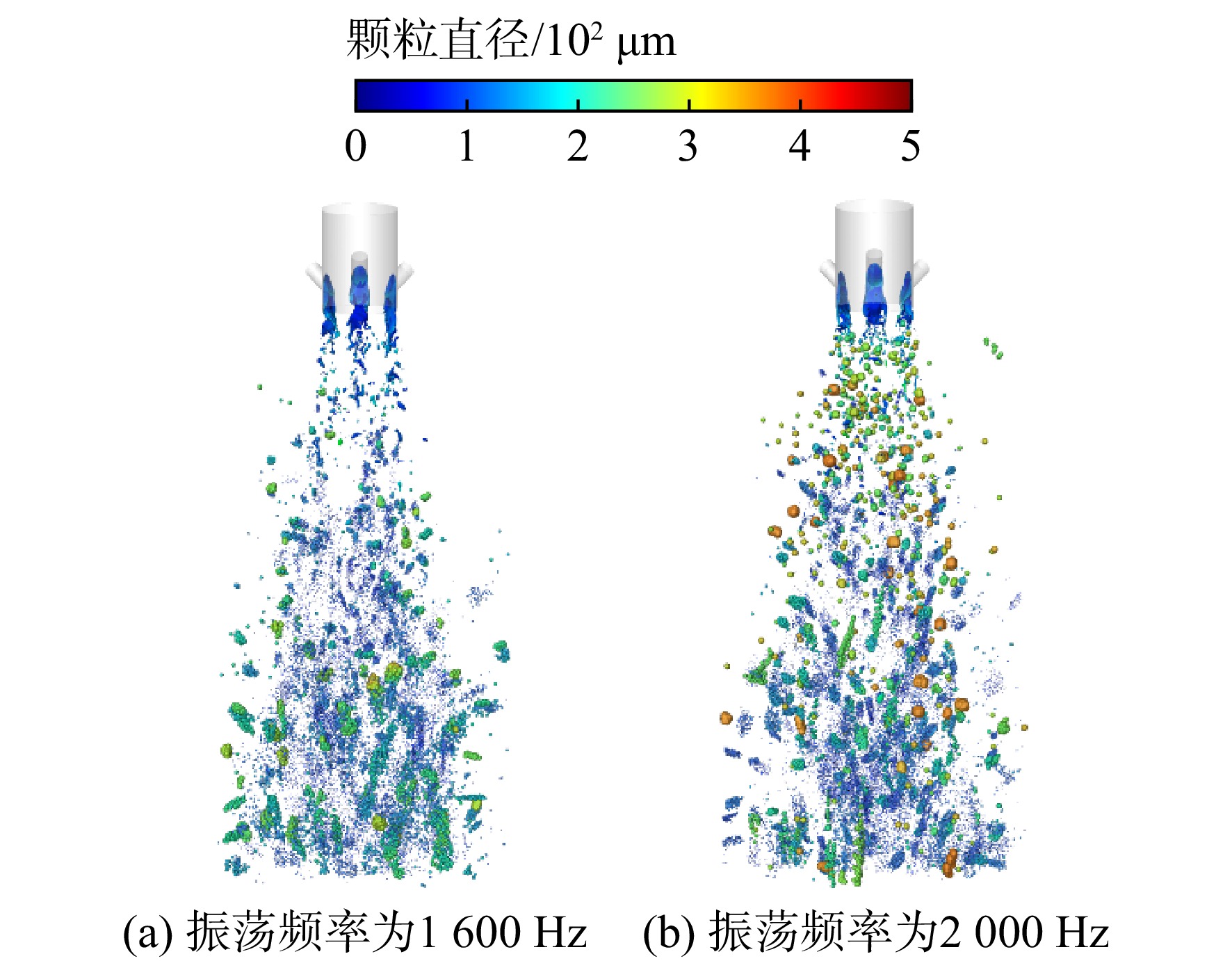
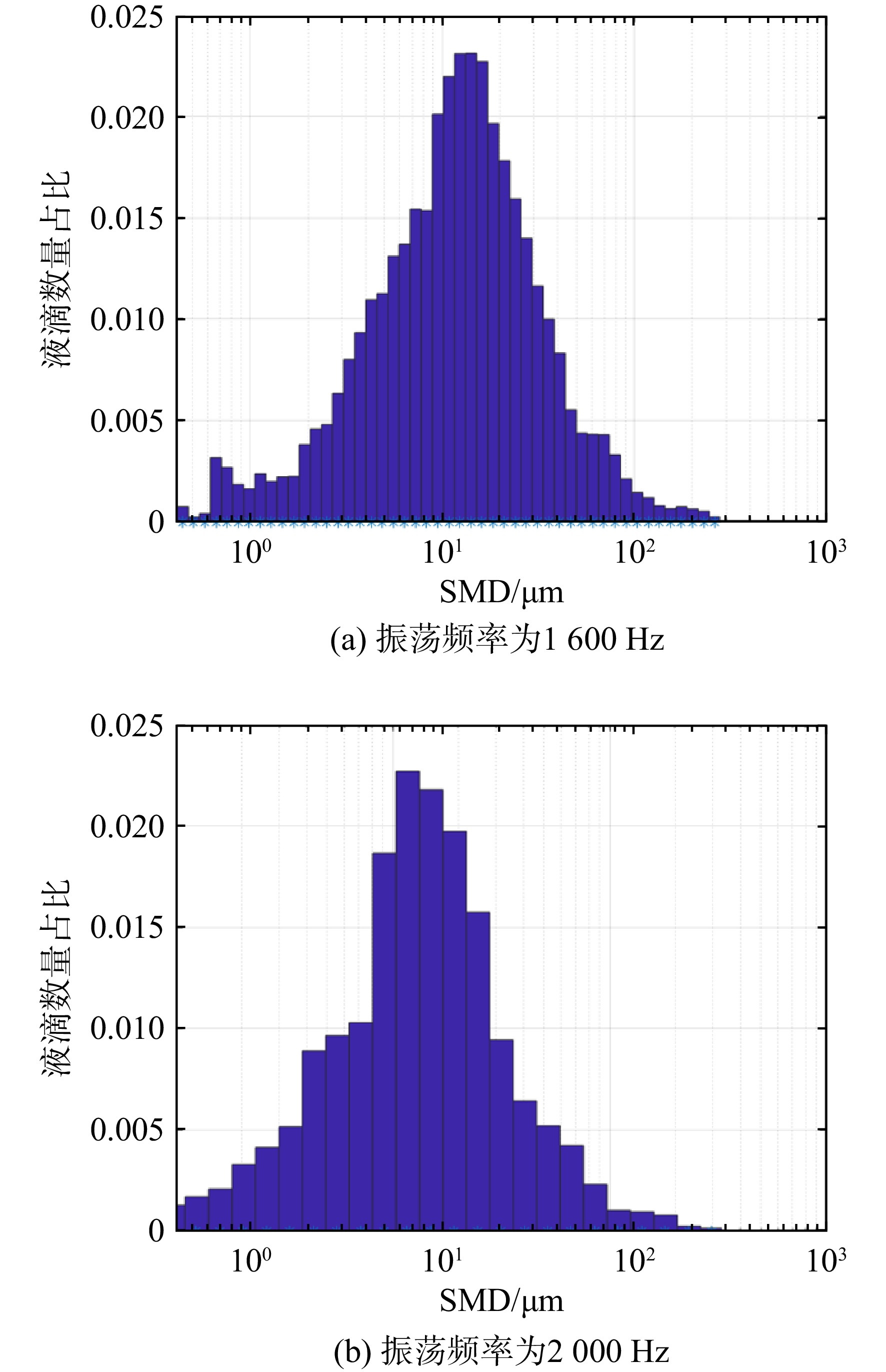
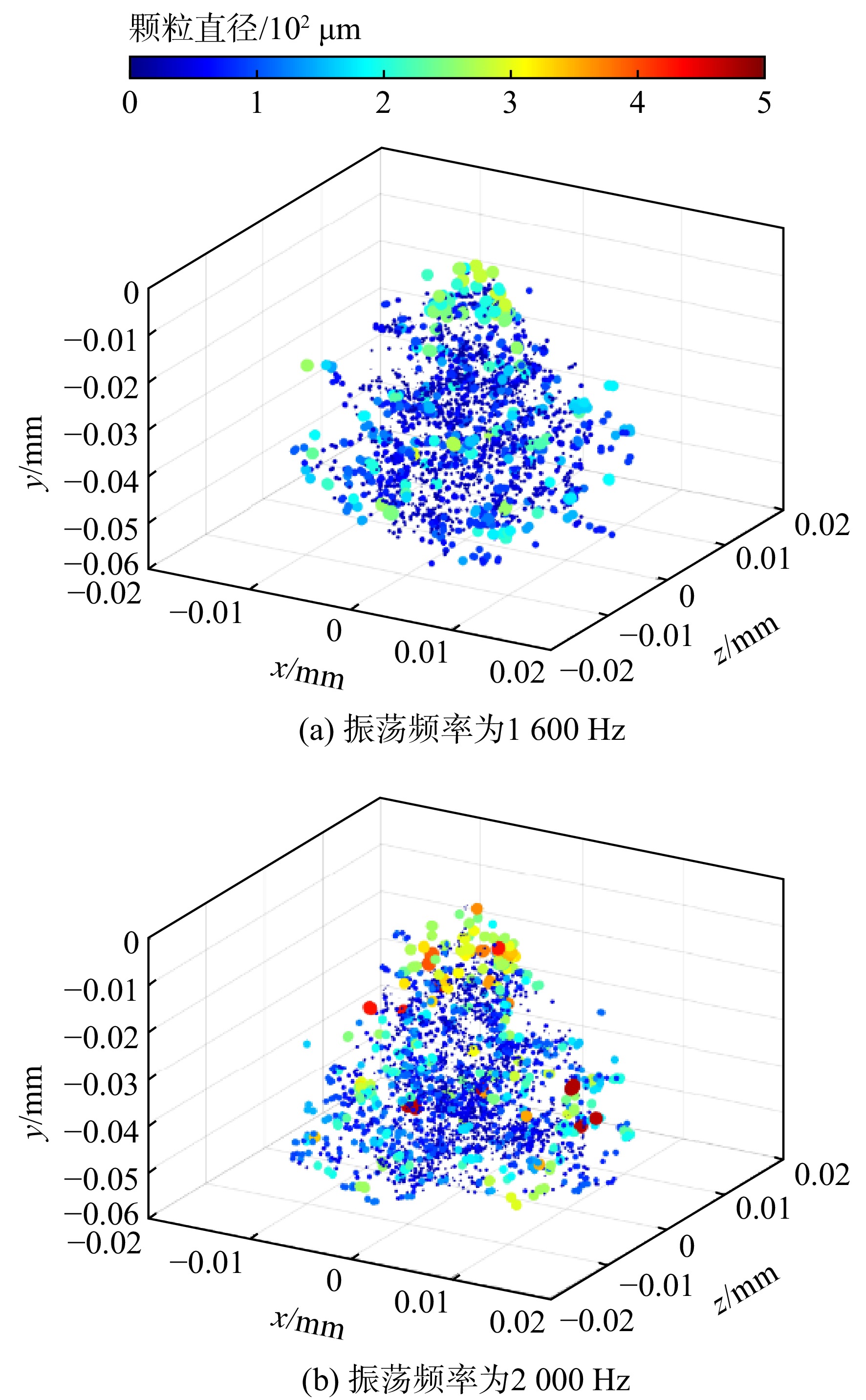
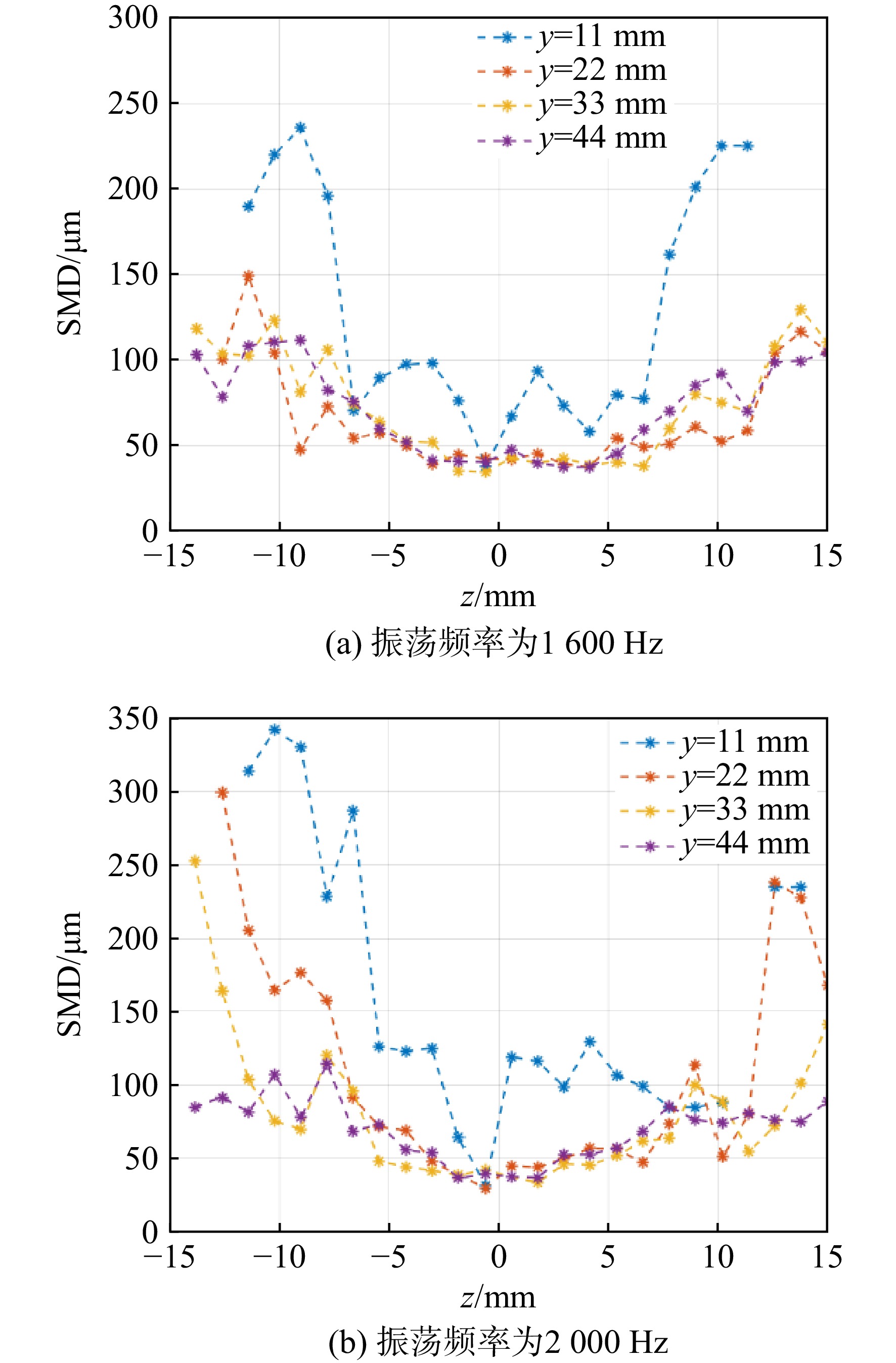
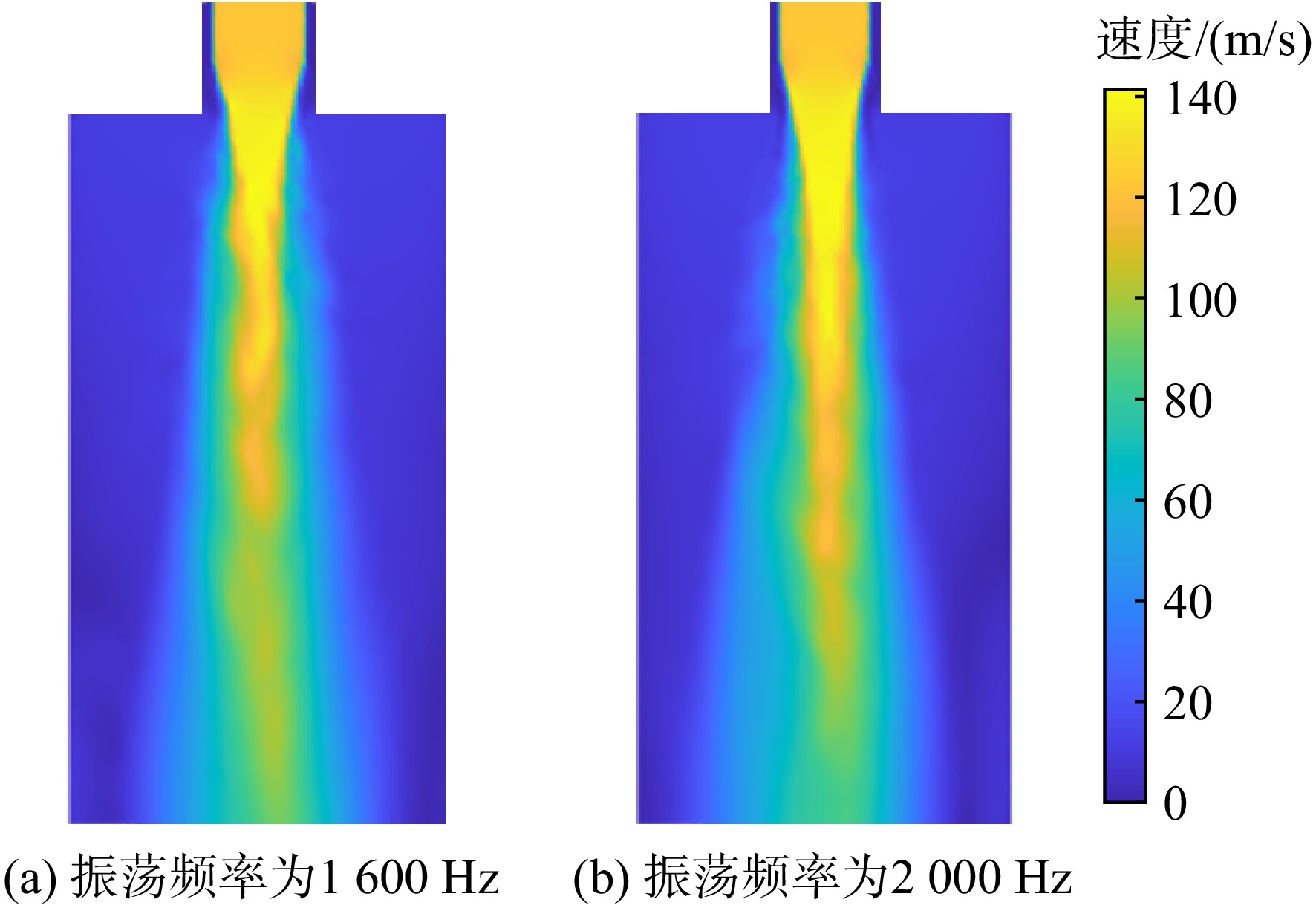
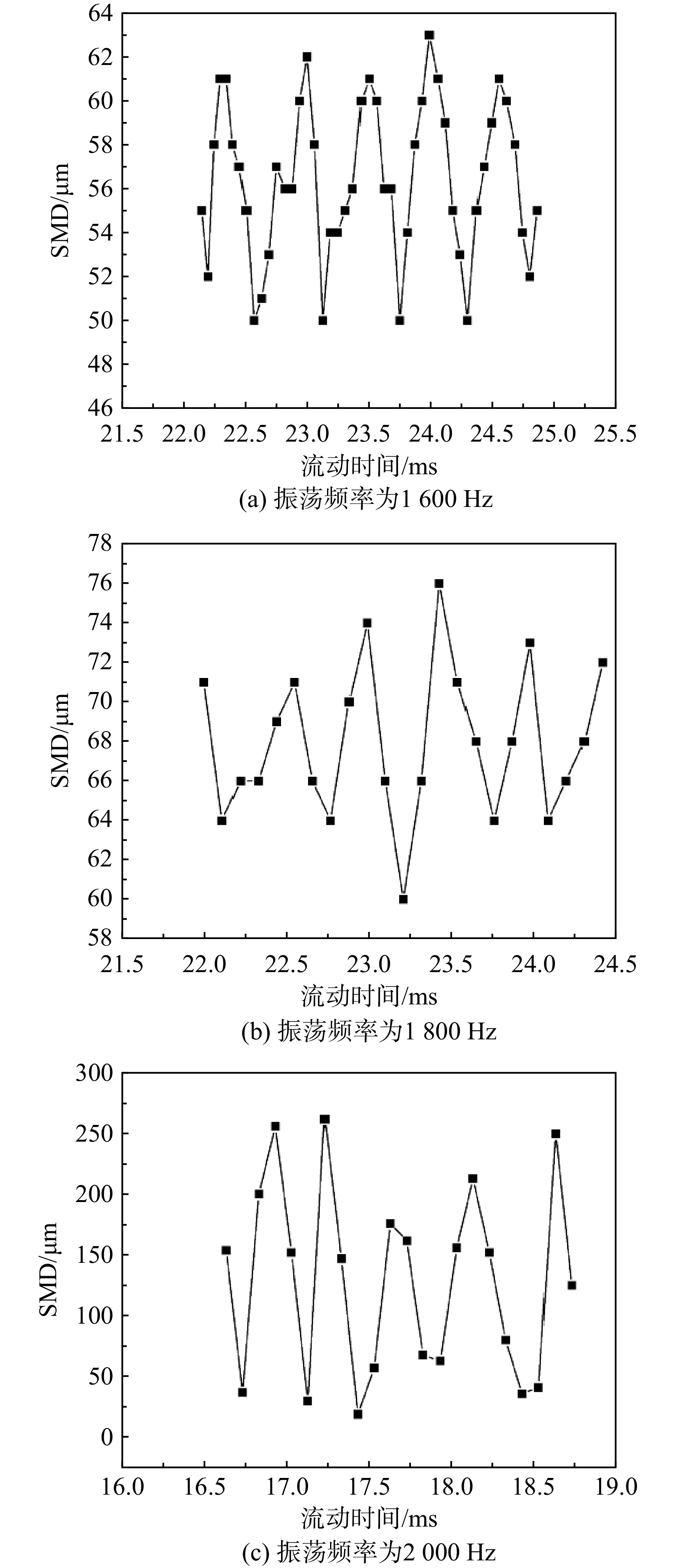
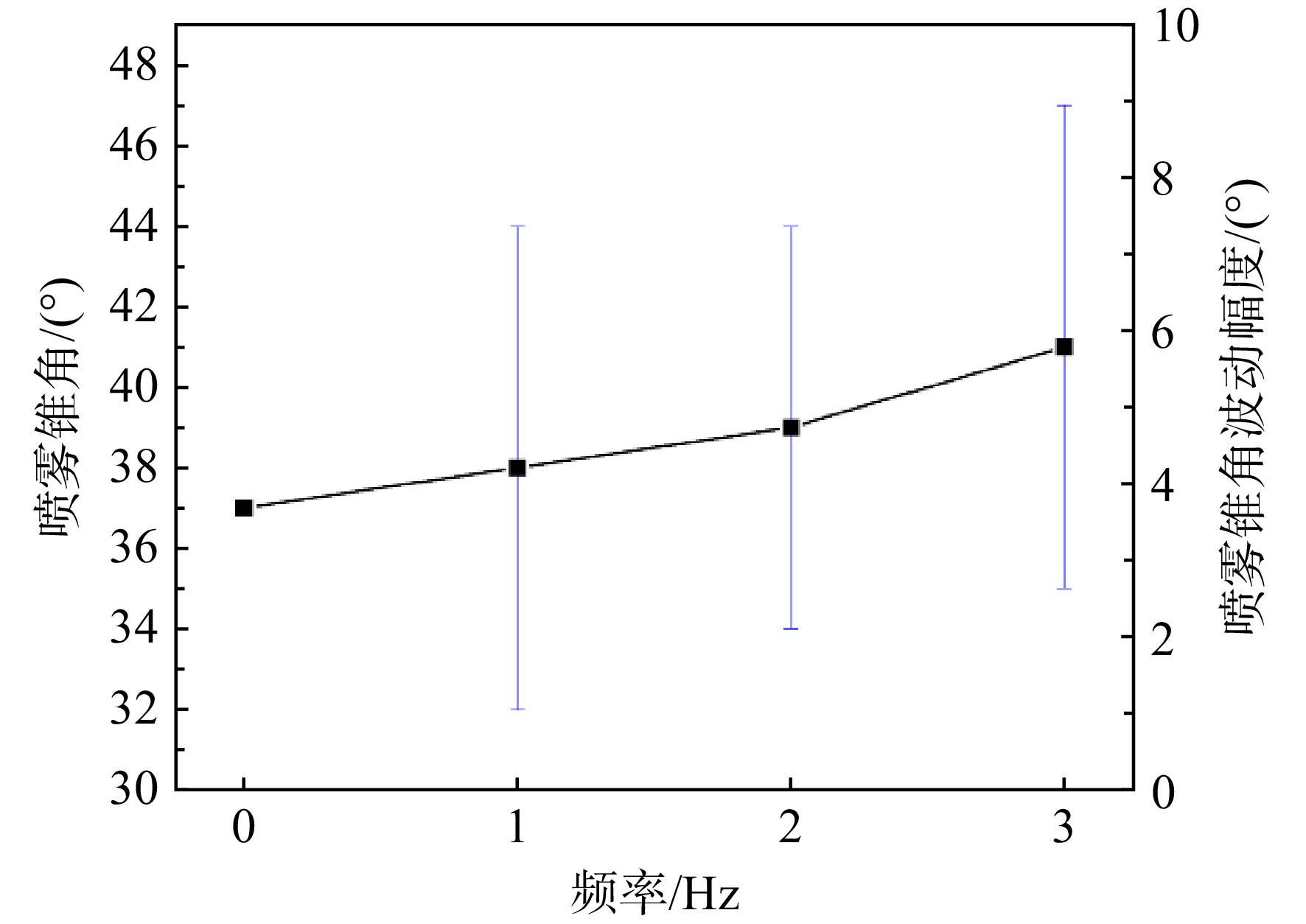
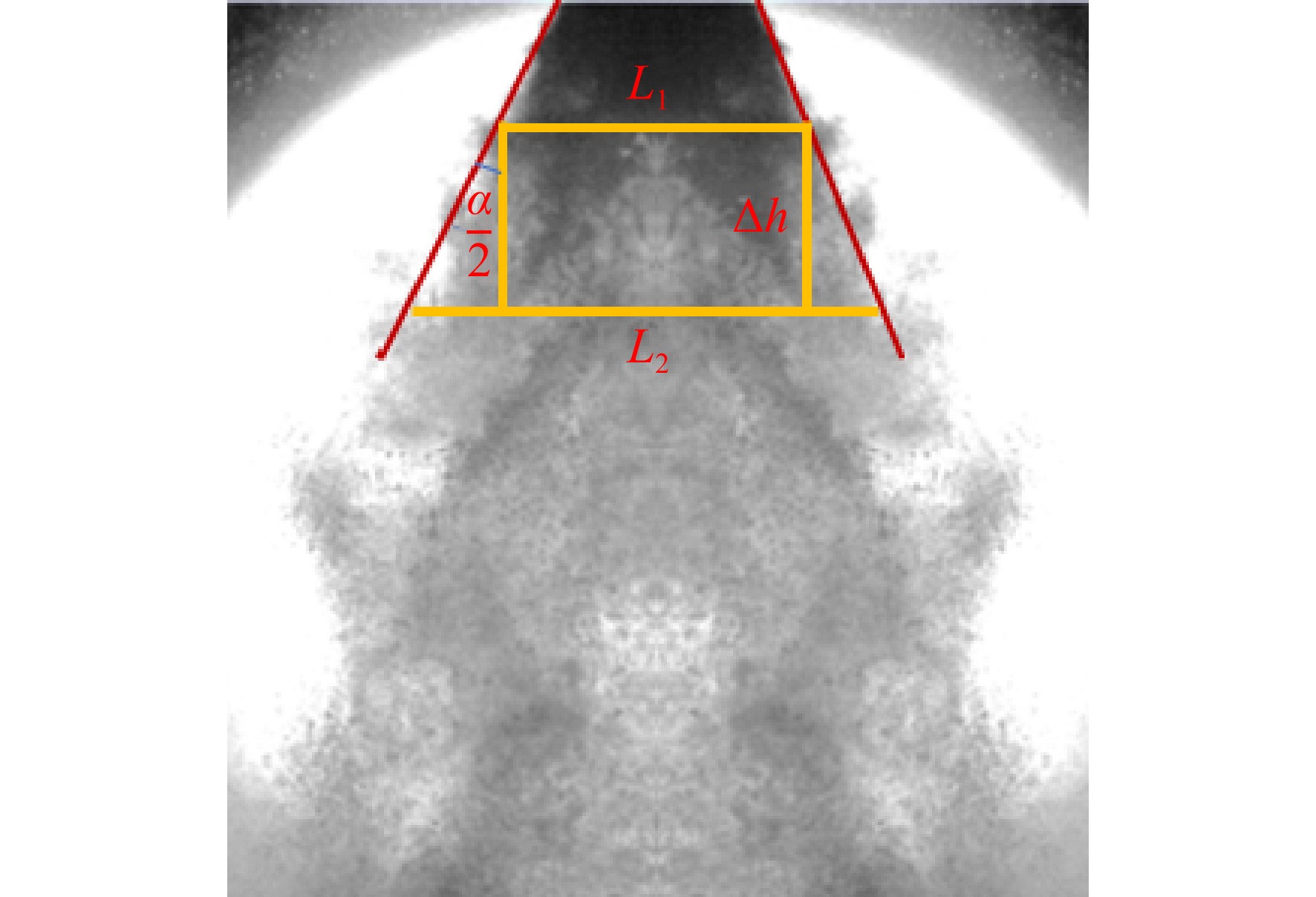
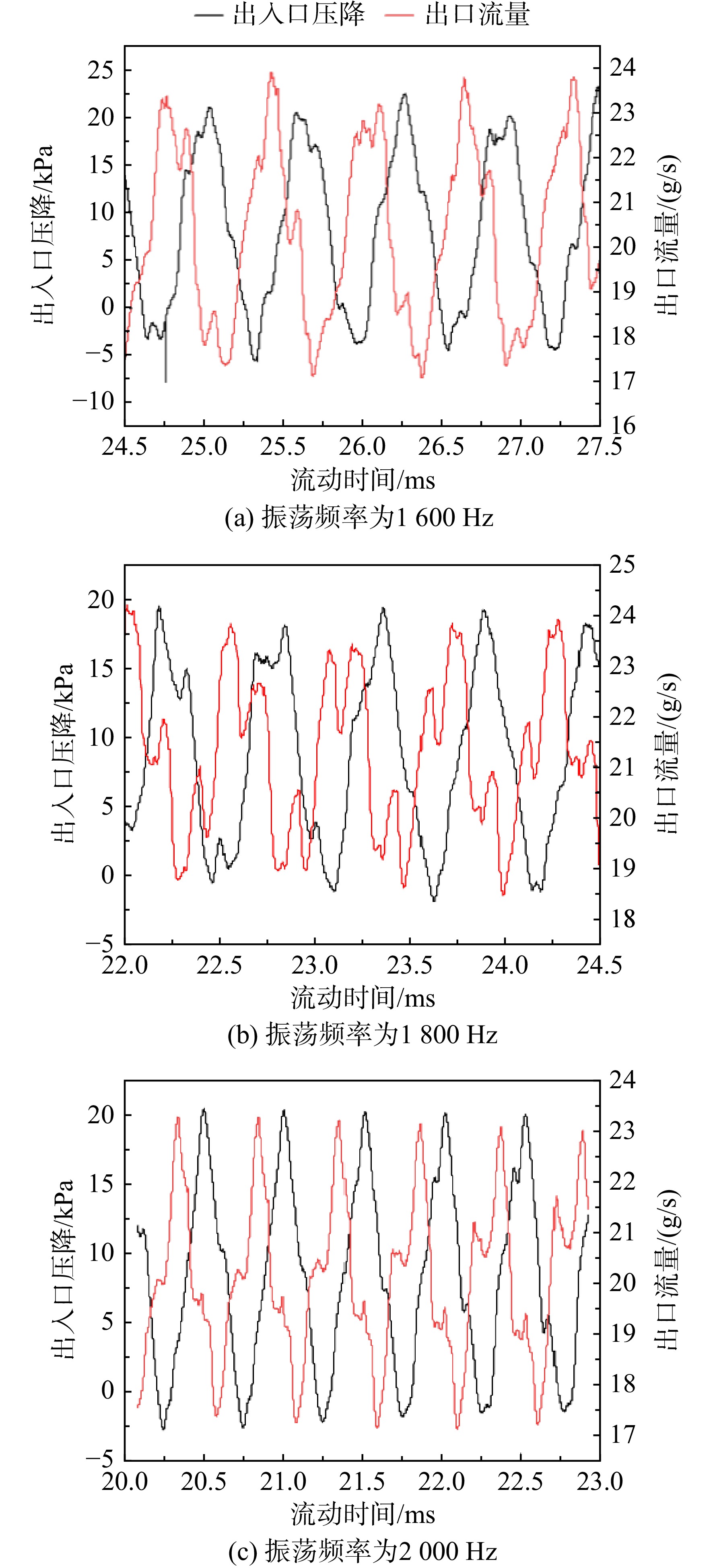
The dynamic atomization characteristics of gas-liquid internally mixed injectors under backpressure conditions was investigated through numerical simulations, with a focus on the influences of different frequencies on the atomization field. A volume of fluid to discrete particle method (VOF-to-DPM) model combined with adaptive mesh refinement (AMR) was employed to simulate the atomization process of gas-liquid two-phase flow inside the injector. The results indicated that under certain backpressure conditions, excitations at the inlet can significantly improve the atomization performance. However, excessively high frequencies led to an increase in the diameter of some droplets, though the overall atomization effect remained superior to steady-state operation. Additionally, the spray cone angle increased with frequency variation, while the average Sauter mean diameter (SMD) exhibited periodic fluctuations-higher frequencies result in larger overall SMD values. Furthermore, increasing the frequency enhanced flow oscillation at the injector exit and introduced phase lag. This study could provide valuable insights for optimizing the dynamic characteristics of internally mixed injectors in liquid rocket engines.

Autocontrol
Aircraft fuel flow prediction based on NBEATS-MARS and calculation methods for aviation emission
CHEN Cong, LI Haojie, SHI Lizhong, CHEN Zhongqing
2026, 41(5): 20250218. doi: 10.13224/j.cnki.jasp.20250218
Abstract:
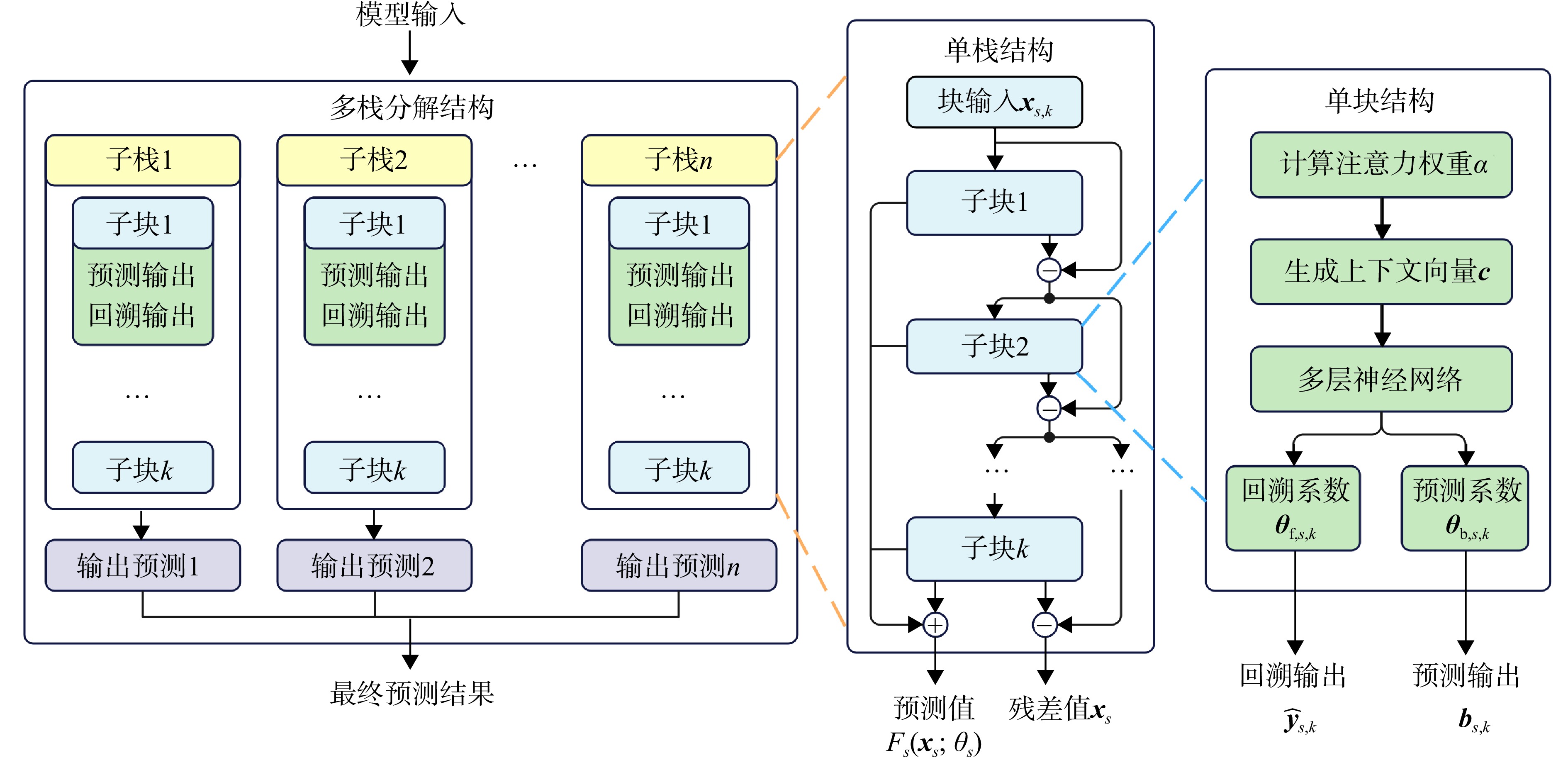
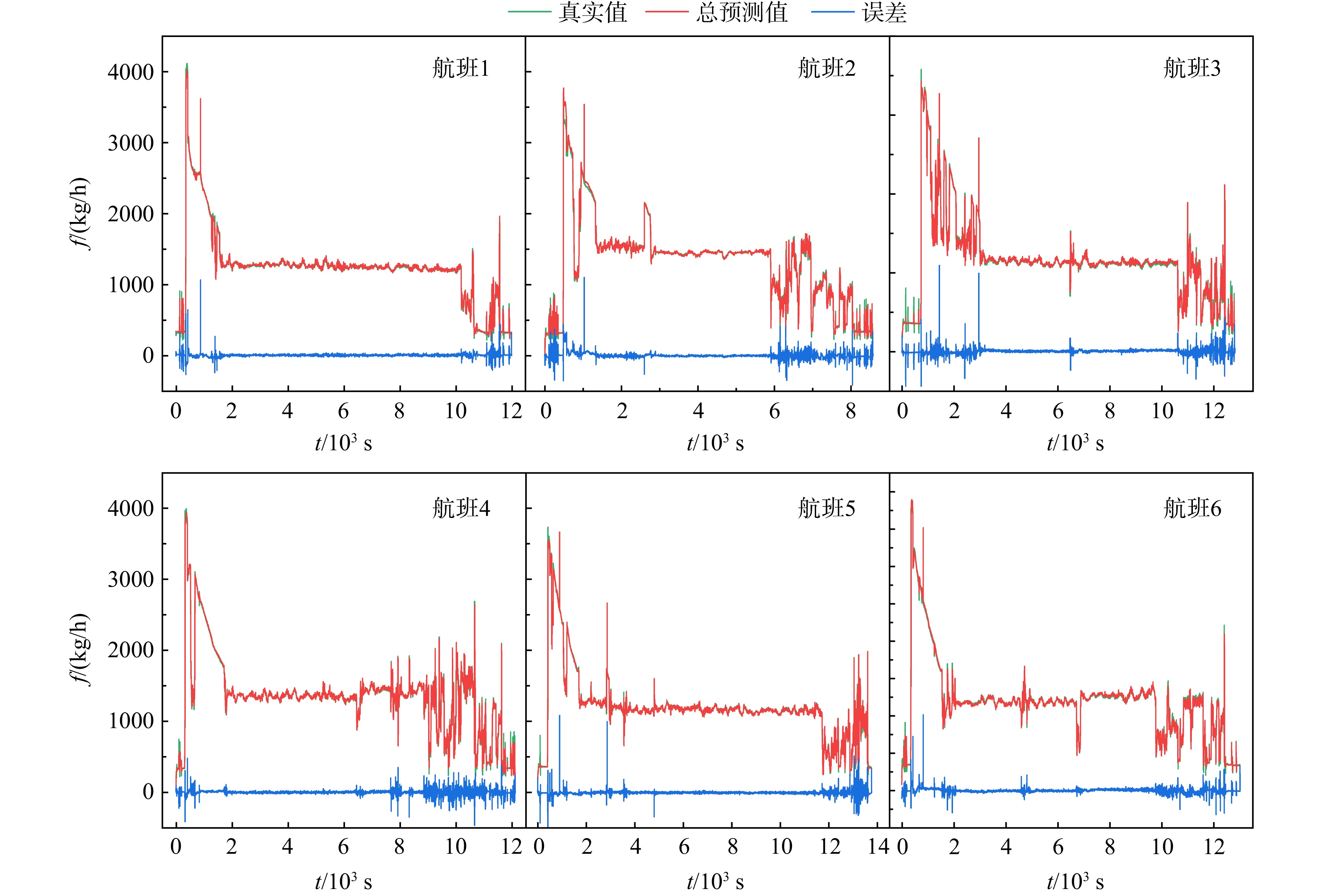
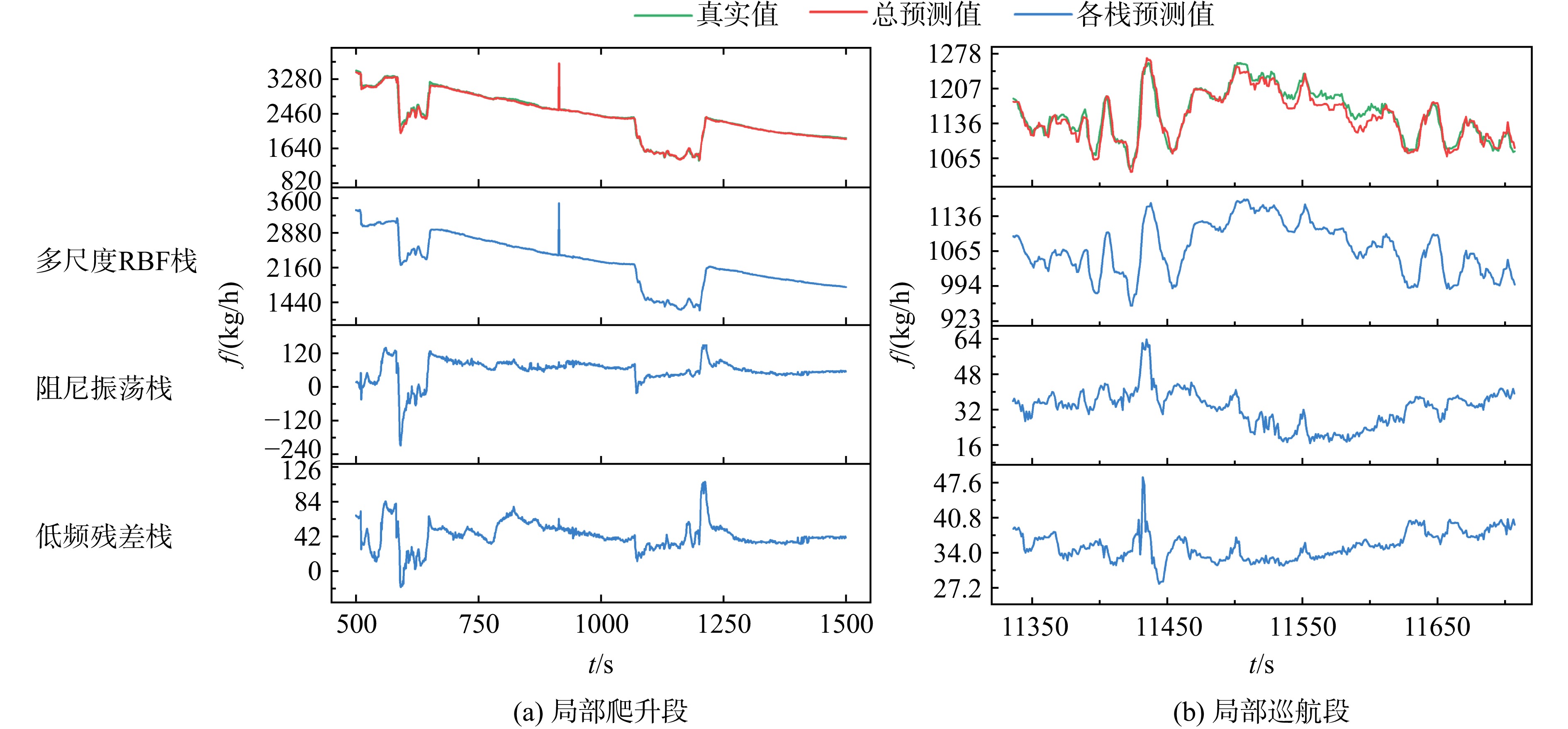
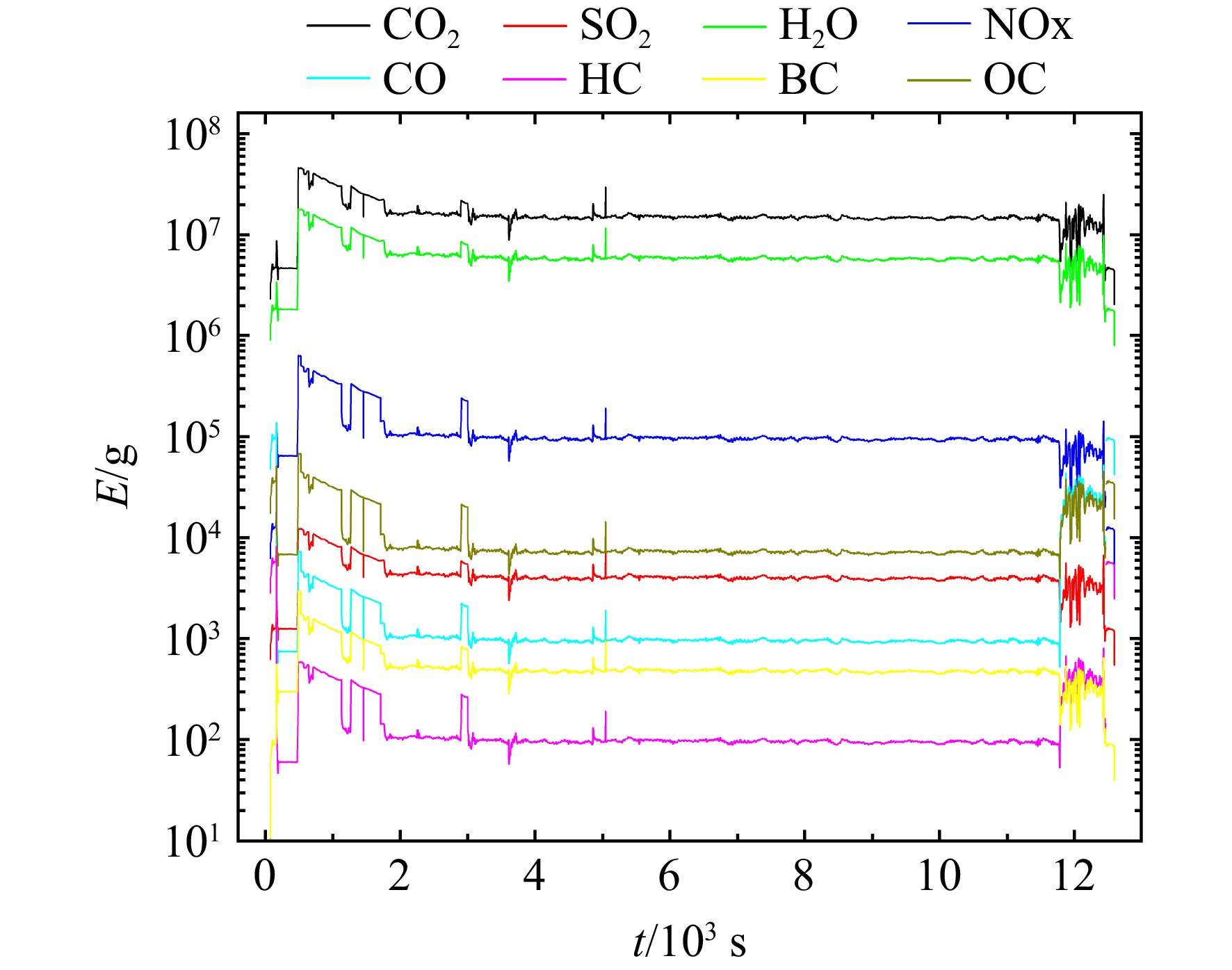
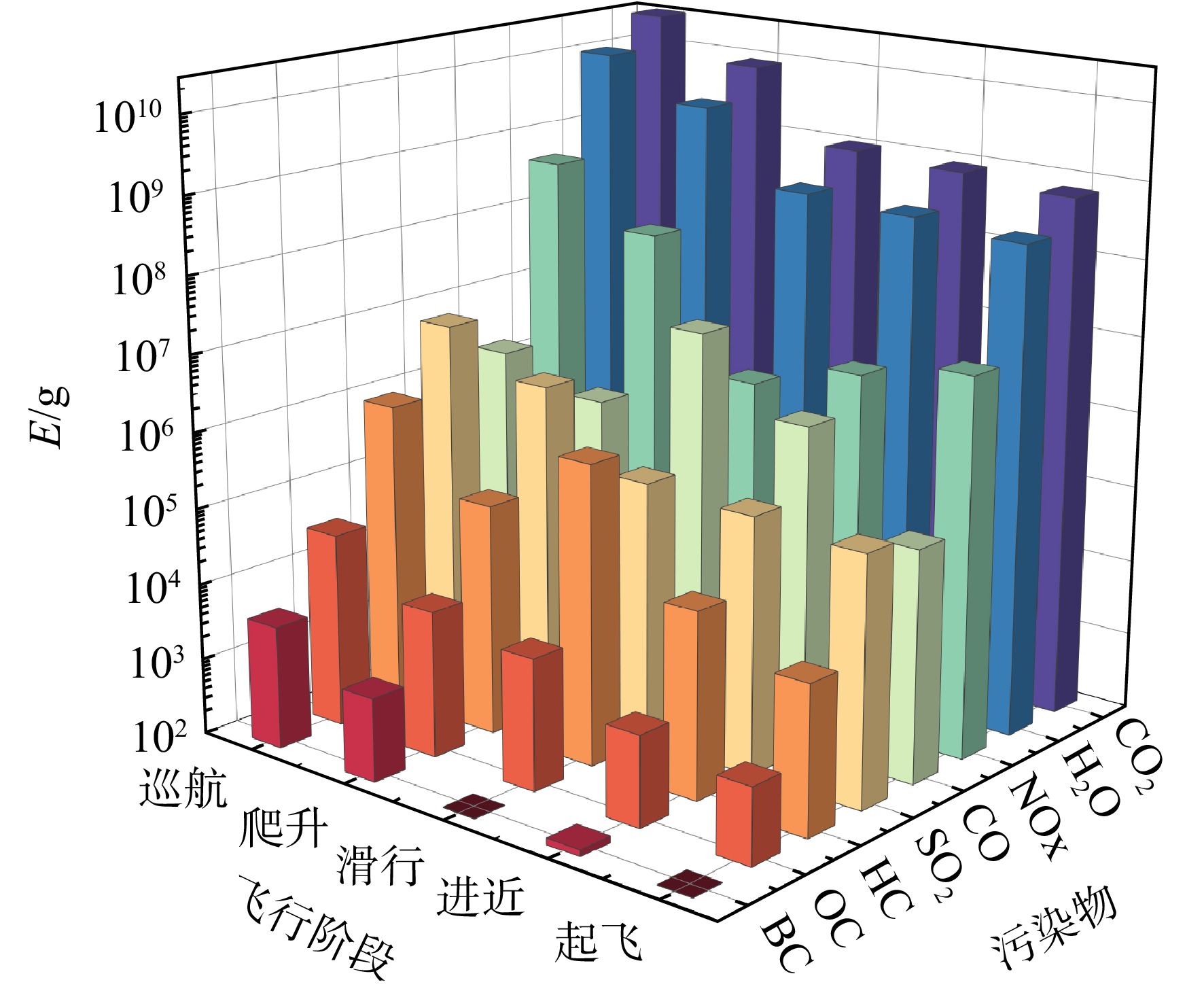
To address the challenge of accurately predicting fuel flow under complex operating conditions that affects emission calculation precision, a NBEATS-MARS (Neural Basis Expansion Analysis for Time Series with Multi-variable Adaptive Rapid State-transition) model based on neural network basis function decomposition was proposed for aircraft fuel flow prediction. The model employed a multi-stack decomposition structure and designed multiple types of basis function systems to achieve interpretable high-precision prediction through basis function decomposition. Experiments demonstrated that the NBEATS-MARS model achieved a root mean square error of 59.49, a symmetric mean absolute percentage error of 5.75%, and a median error of only 0.29%. The model performed optimally during the climb-cruise-descent phase with a root mean square error of 32.75 and a symmetric mean absolute percentage error of 1.87%. Based on this, a comprehensive aviation emission calculation method was constructed by using predicted fuel flow data as the core input and combining engine exhaust temperature and other health status parameters to achieve precise quantification of various aviation emissions, including carbon dioxide, nitrogen oxides, black carbon, and organic carbon. The reduction in fuel flow prediction error significantly cut down the emission calculation uncertainty, with cruise phase emission calculation accuracy improved to within ±2%. The method effectively enhanced the accuracy and spatial resolution of downstream aviation emission assessment by improving the upstream fuel flow prediction precision.