2026 Vol. 41, No. 6

Aerothermodynamics and Aeroengine Design
Analysis on the static and dynamic aerodynamic characteristics of the logarithmic spiral airfoil
YANG Jian, FU Lihua, LIU Xiaolong, GUAN Shixue, WANG Yang, SONG Hua
2026, 41(6): 20240660. doi: 10.13224/j.cnki.jasp.20240660
Abstract:

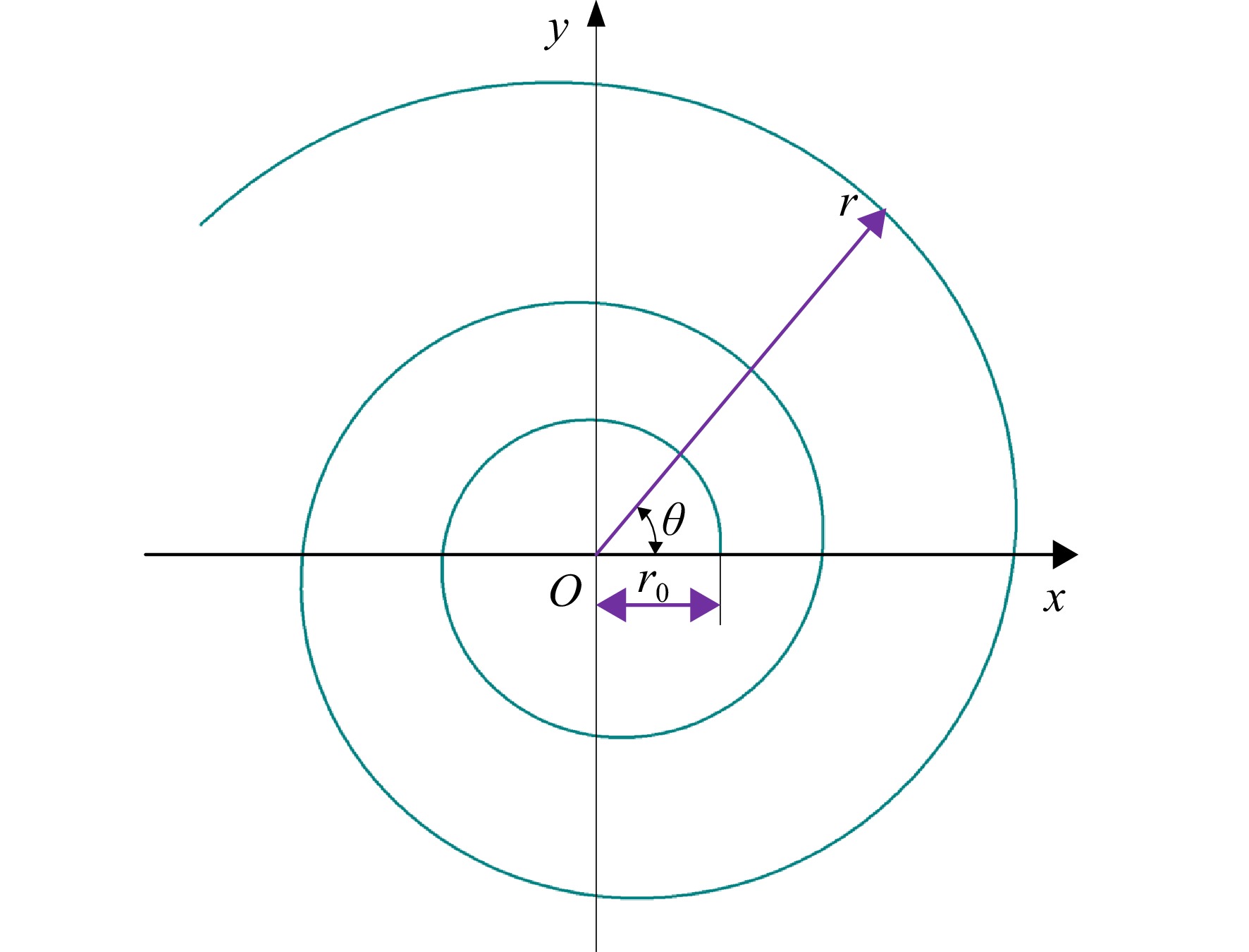
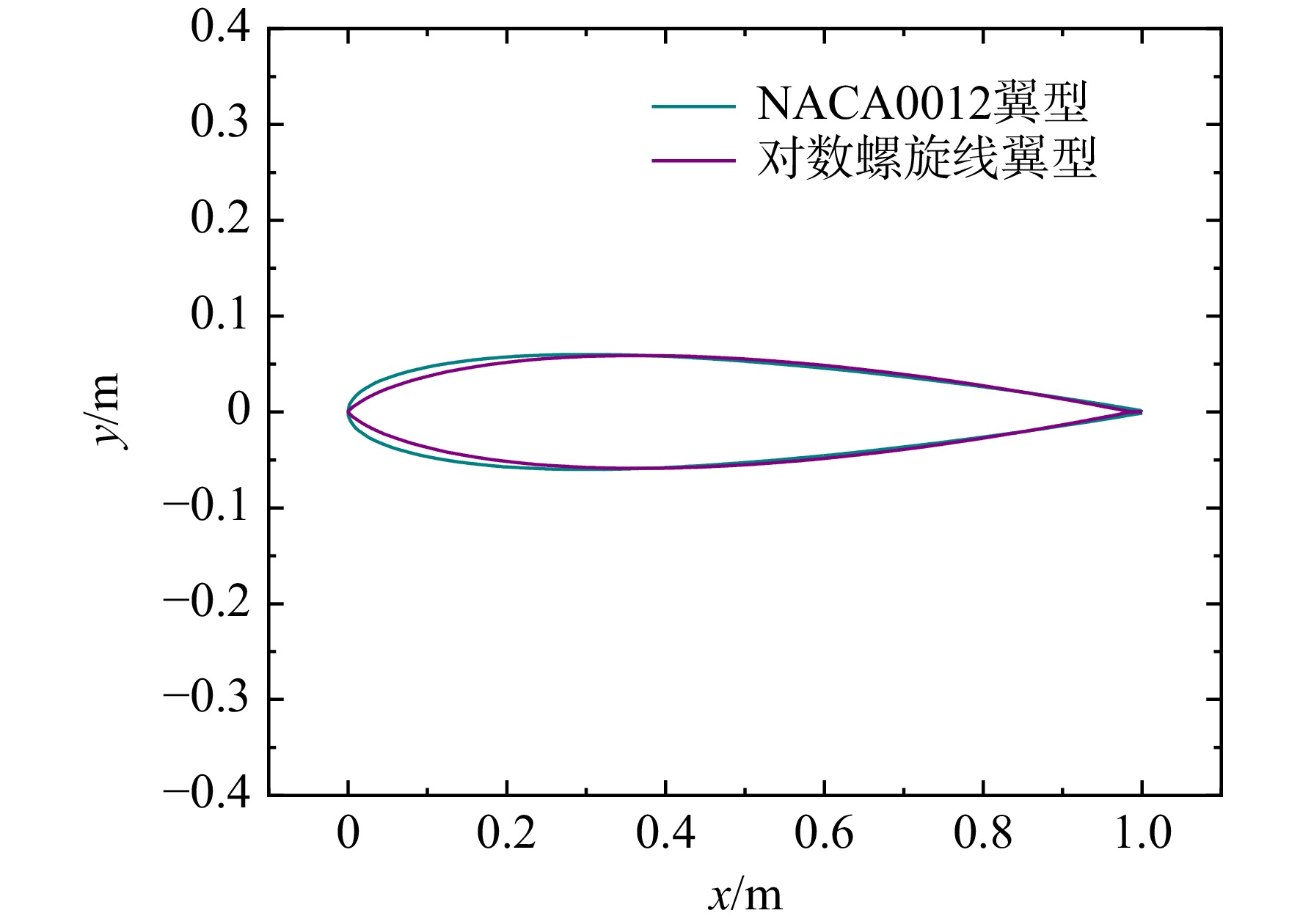
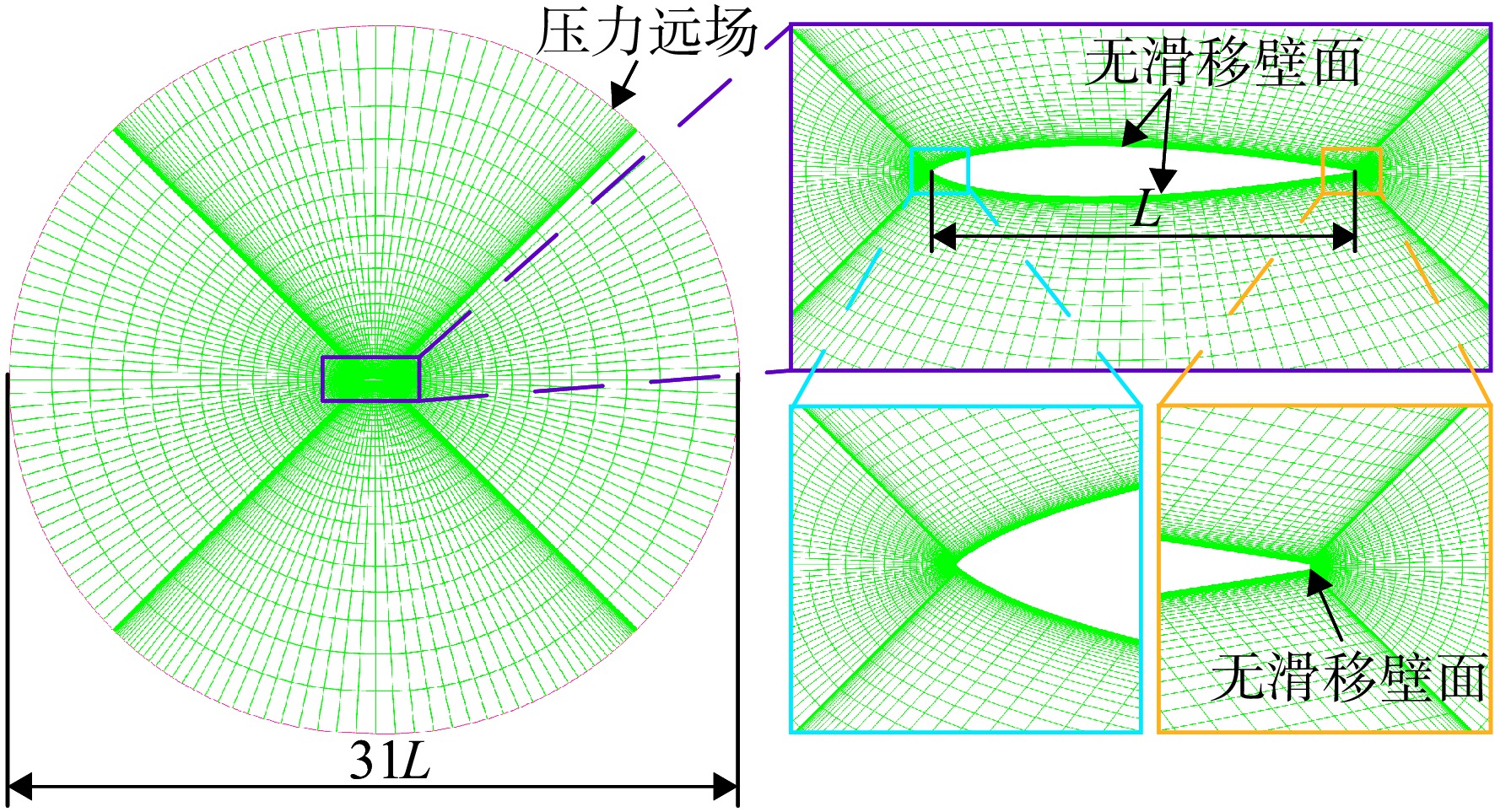
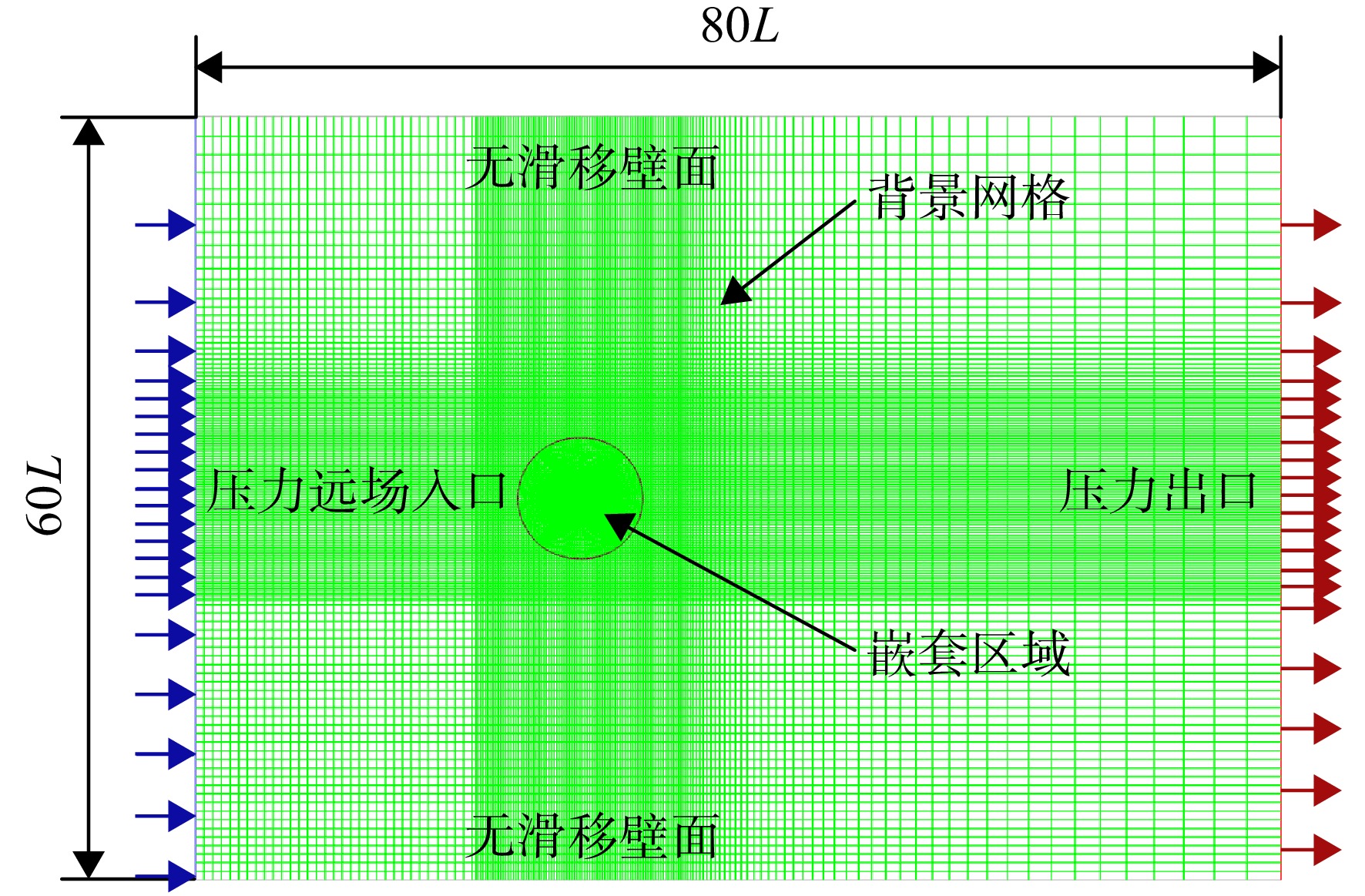
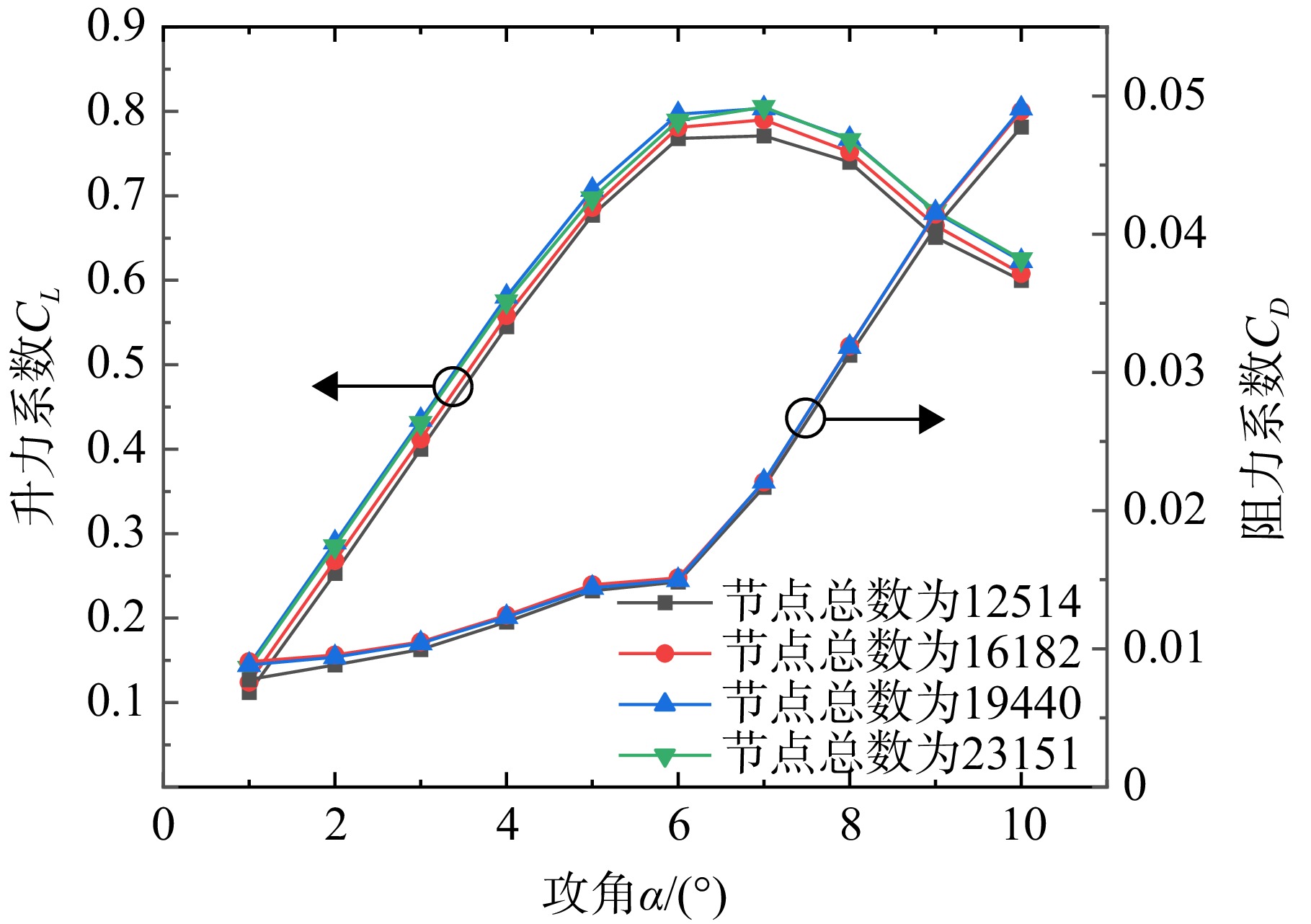
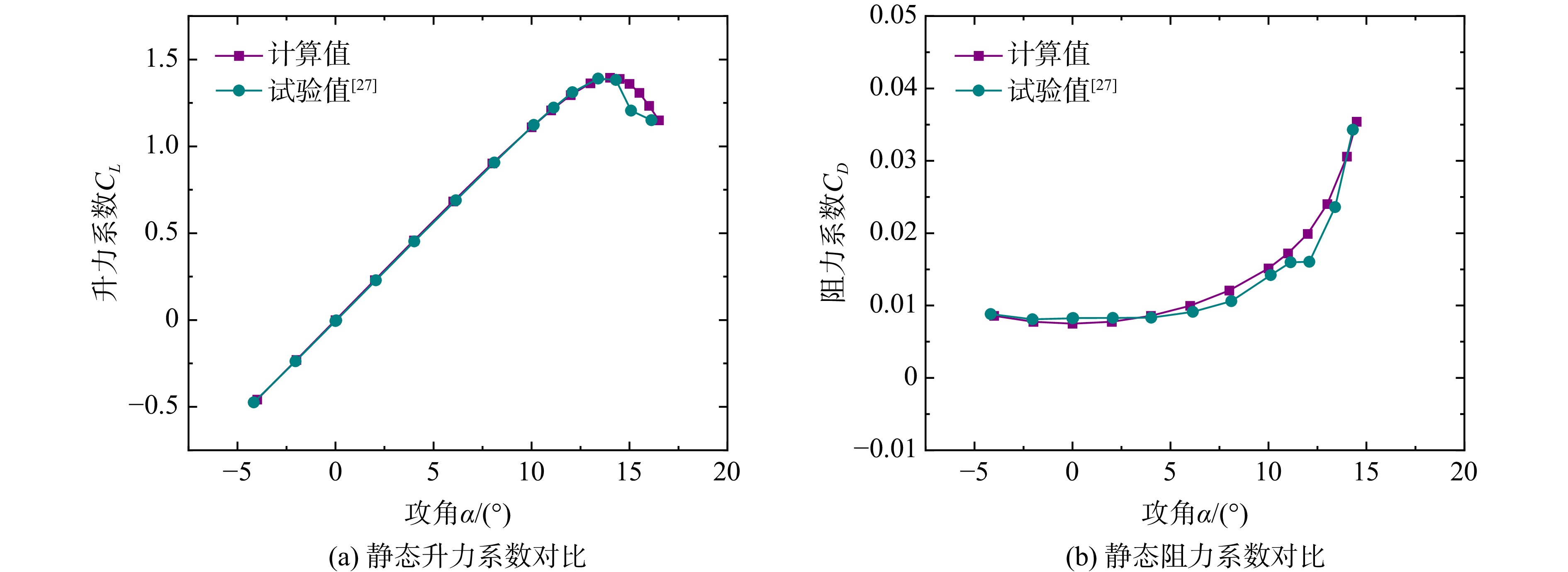
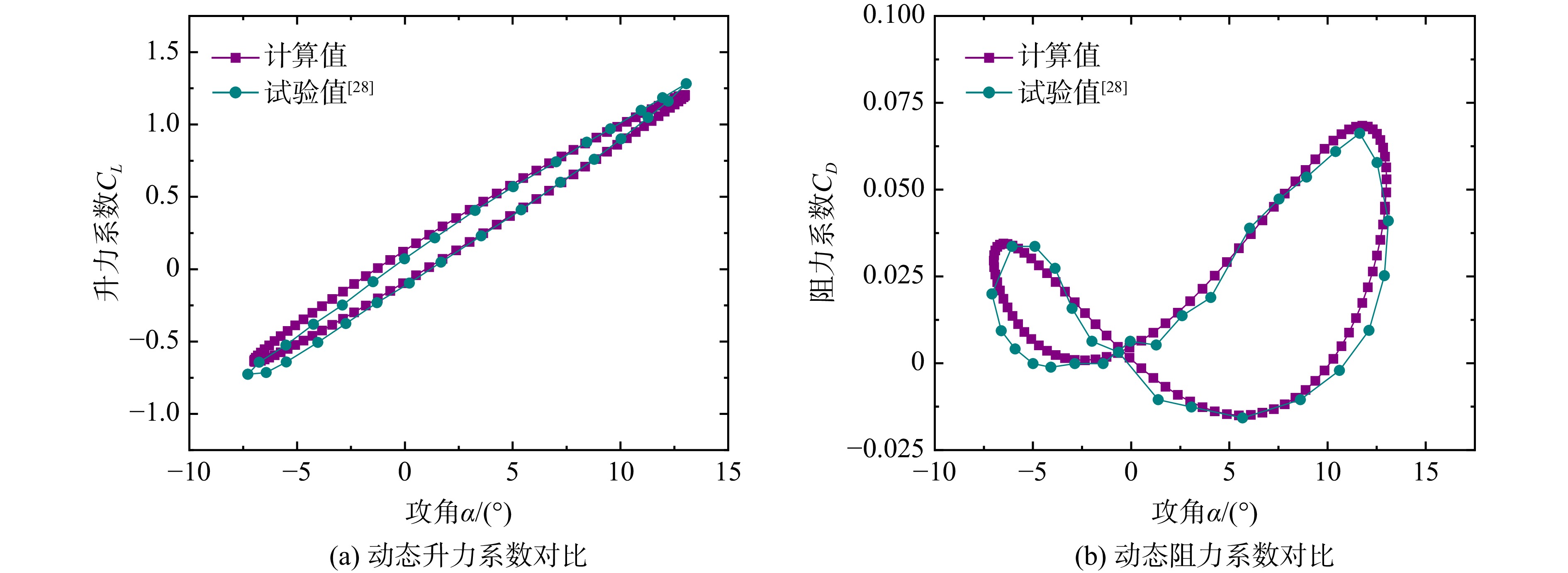
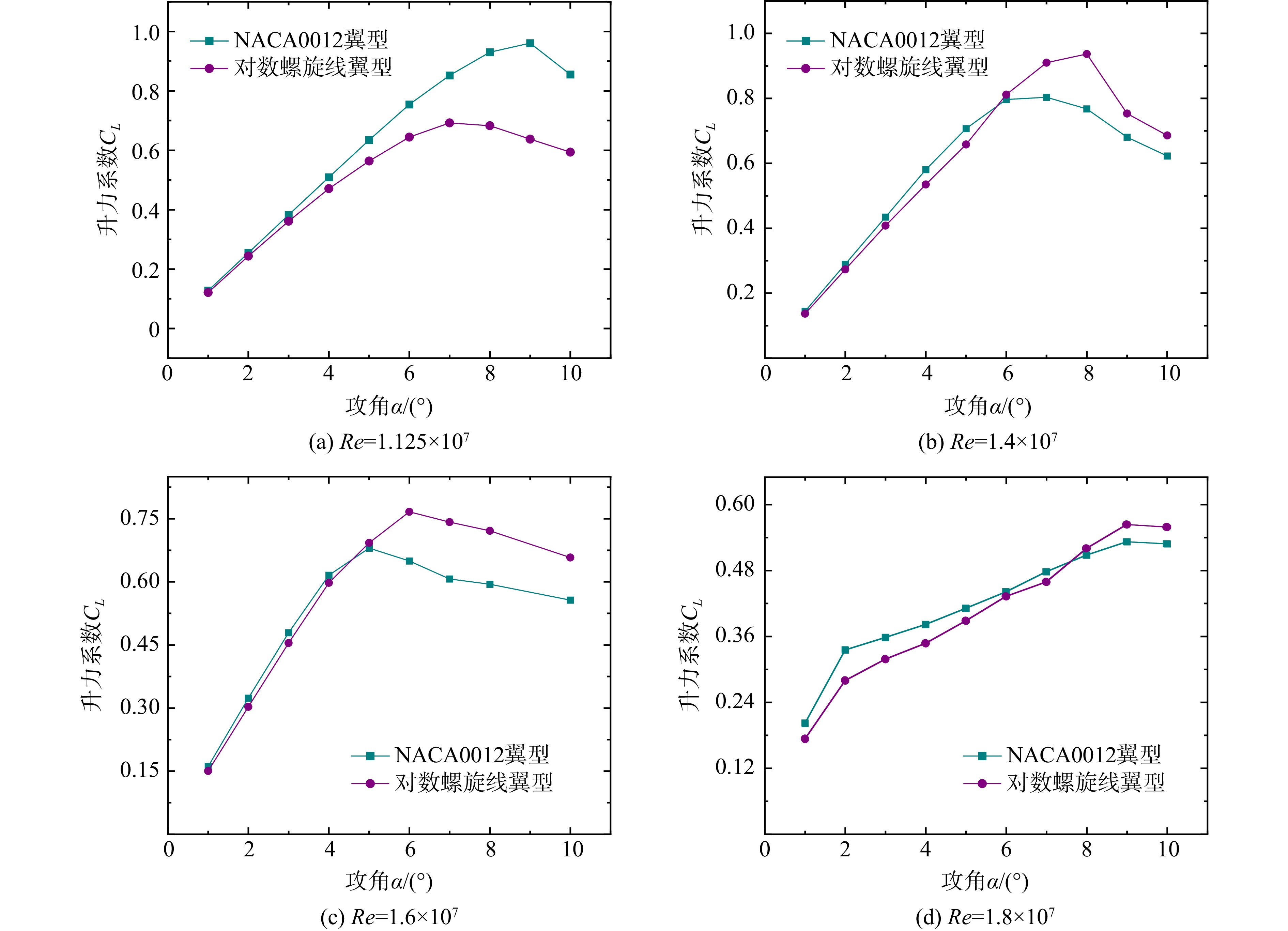
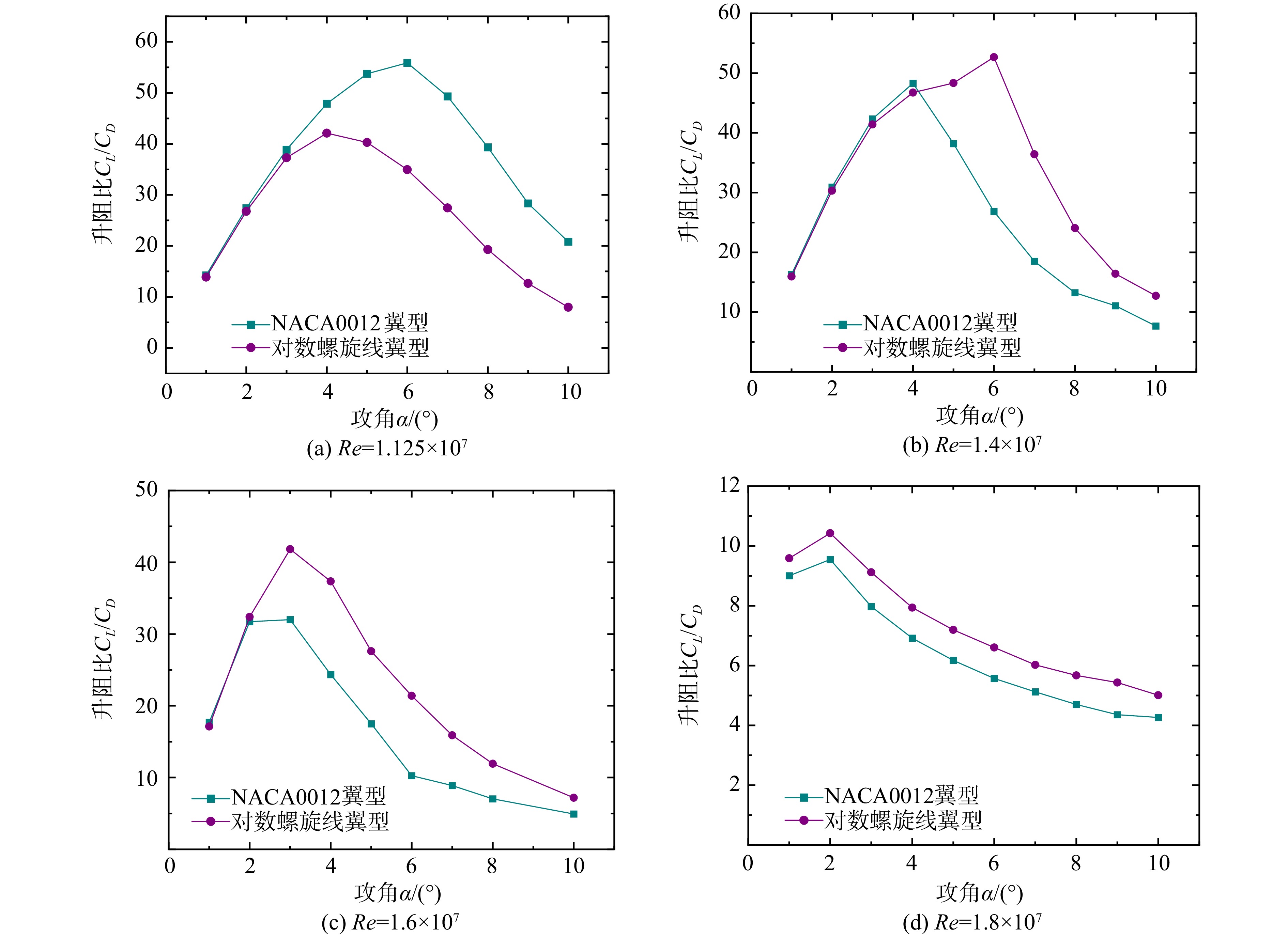
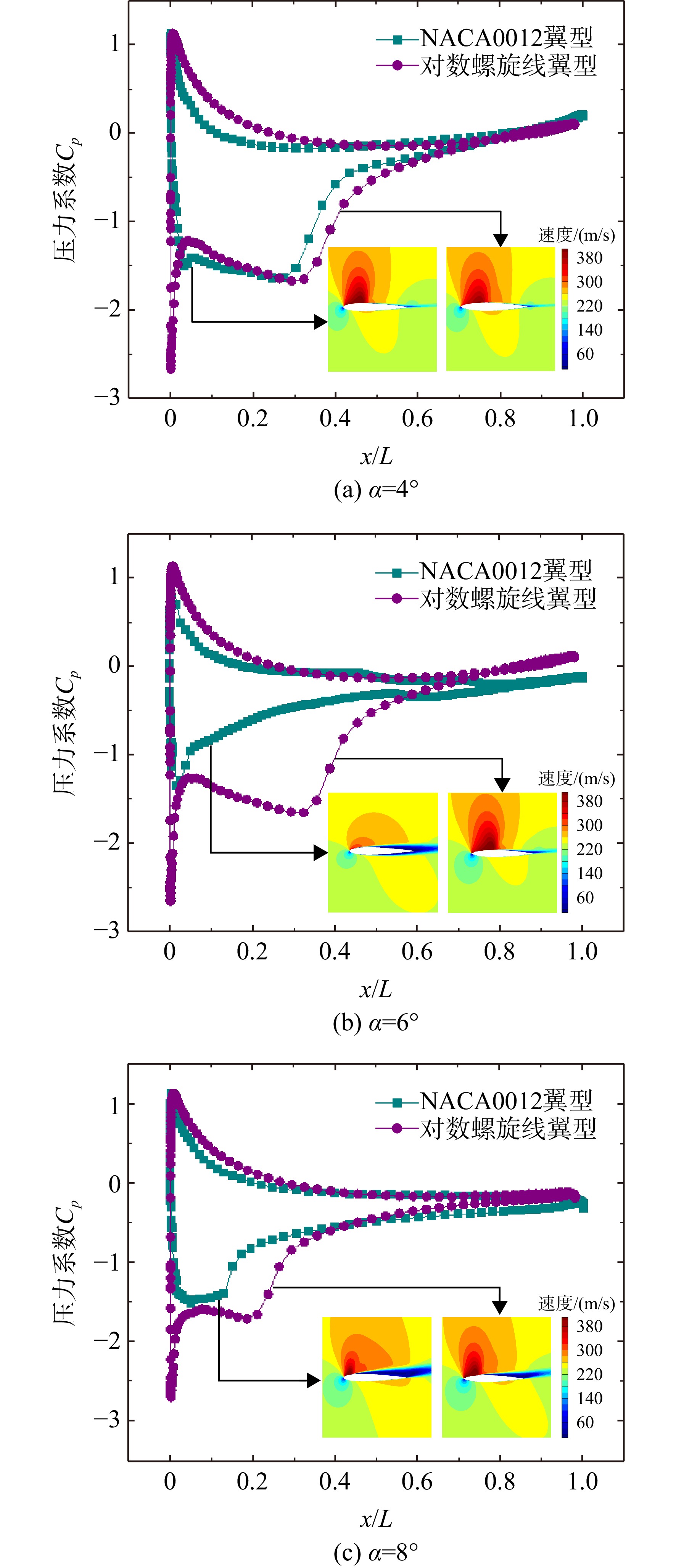
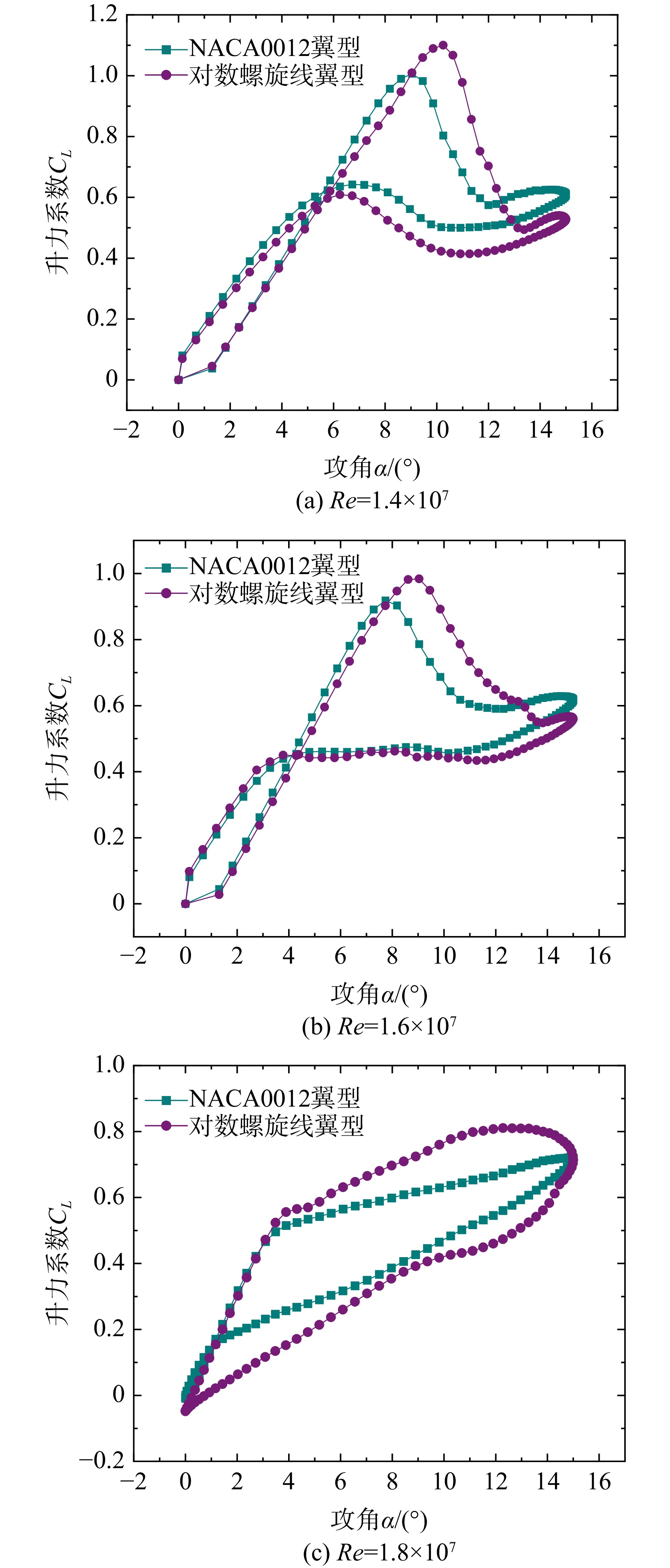
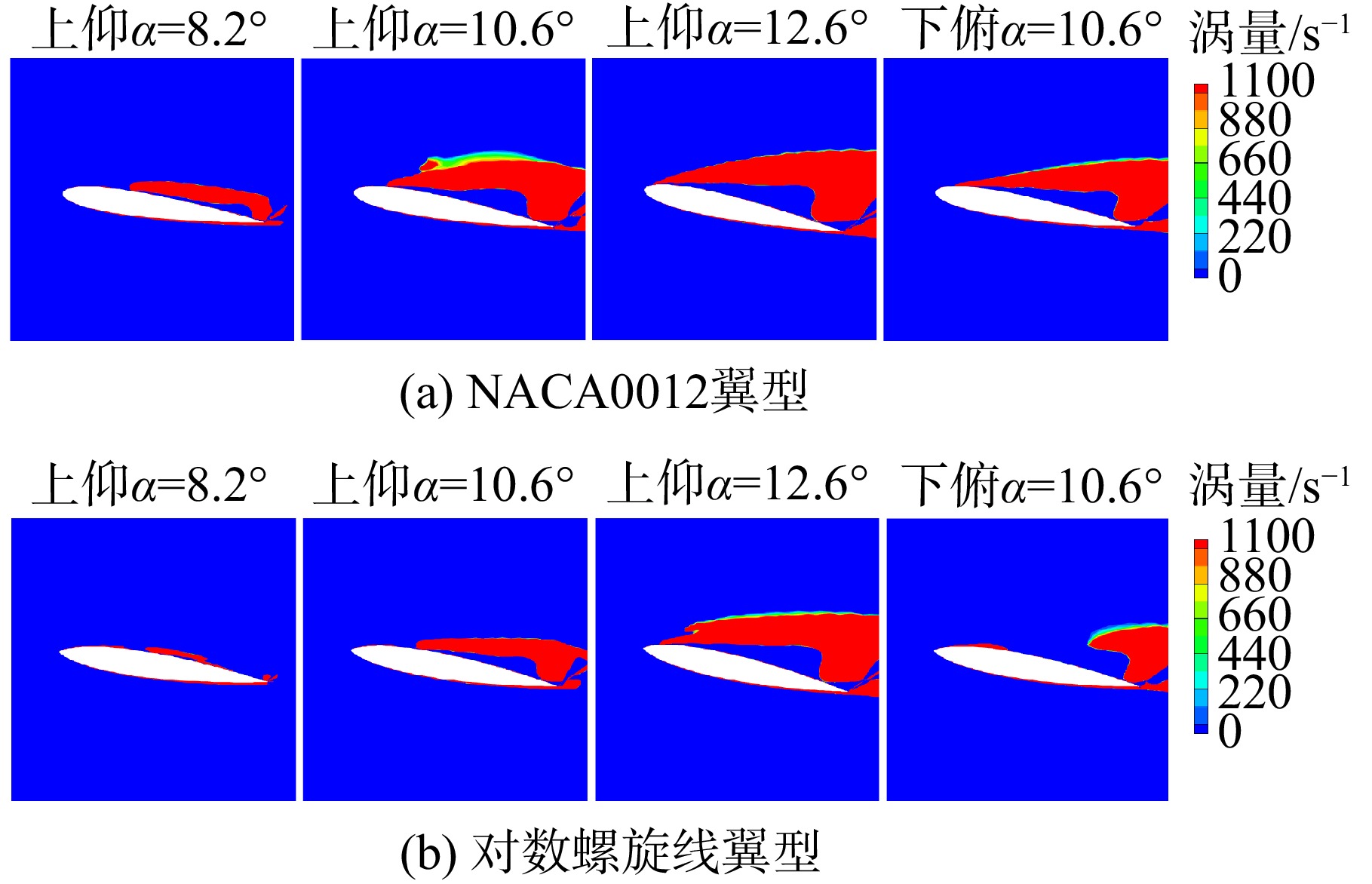
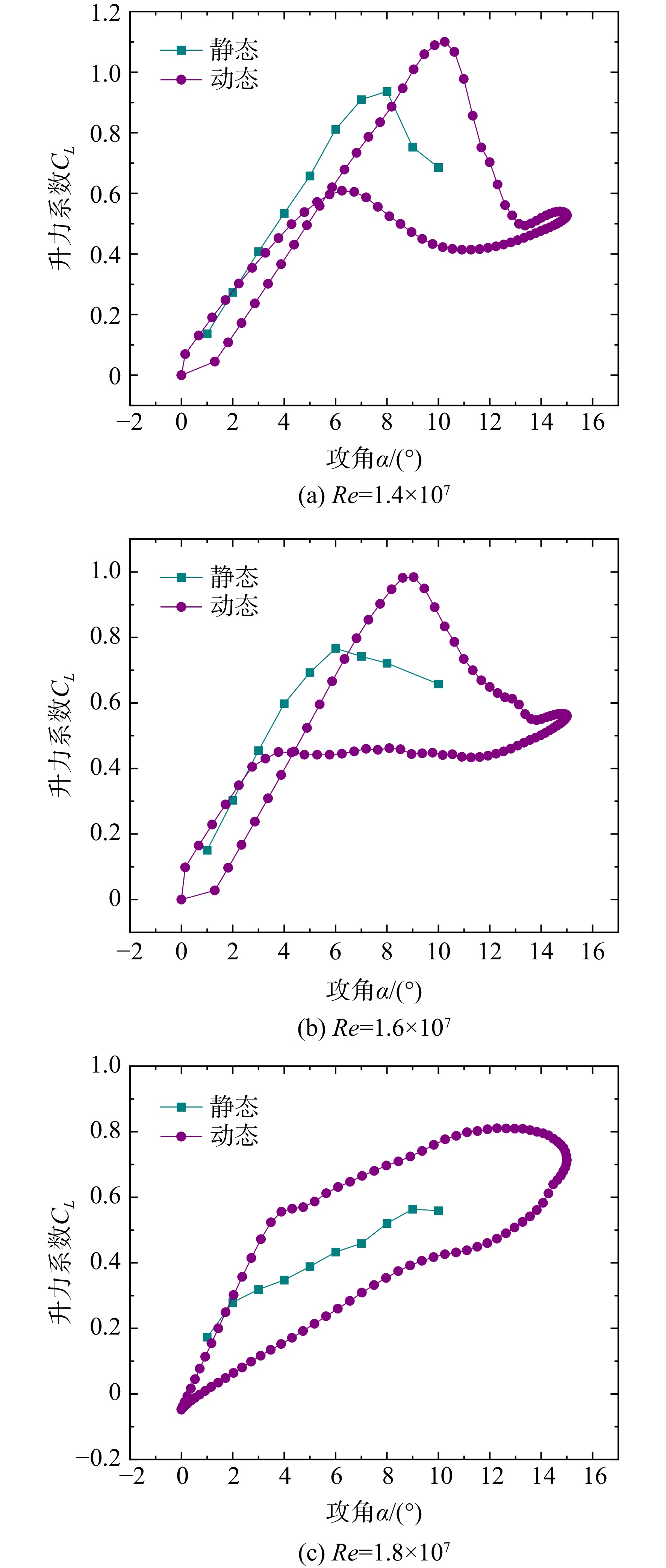
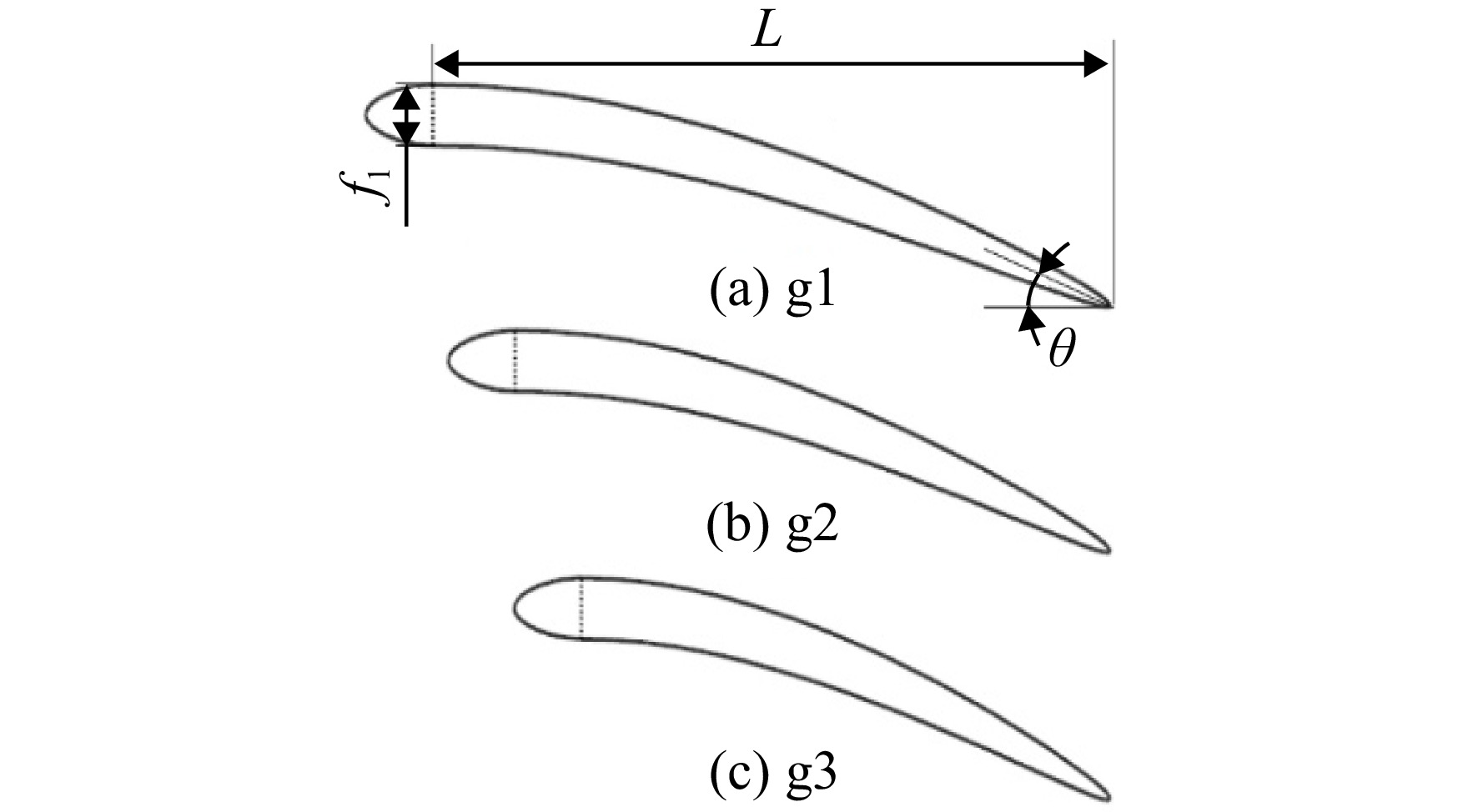
The logarithmic spiral airfoil exhibits high flow efficiency and low flow resistance, making it highly practical to develop new profiles and their design methods. The nonlinear least squares method was employed to perform parameter inverse identification on the relevant coefficients of the logarithmic spiral airfoil for constructing a theoretical model of the logarithmic spiral airfoil profile, by using the characteristic points, maximum thickness, and its position of NACA0012 baseline airfoil as constraints. Meanwhile, a finite volume calculation model for the static and dynamic aerodynamic characteristics of the logarithmic spiral airfoil was constructed based on nested grid and dynamic grid methods. Subsequently, the mesh-independence validation, experimental validation, and static and dynamic aerodynamic characteristics analysis were carried out. The findings demonstrated that the calculated results agreed well with the experimental data. Under varying Reynolds number conditions, the logarithmic spiral airfoil demonstrates the capacity to attain commendable static and dynamic aerodynamic characteristics, with a notable enhancement in the peak dynamic lift coefficient and dynamic stall angle compared with the static conditions (Up to 44.6% and 50% respectively). The logarithmic spiral airfoil exhibited substantial potential for application, and the research outcomes can serve as a valuable reference for novel airfoil design.

Numerical simulation and experimental investigation on swirl distortion generator with variable curvature blade
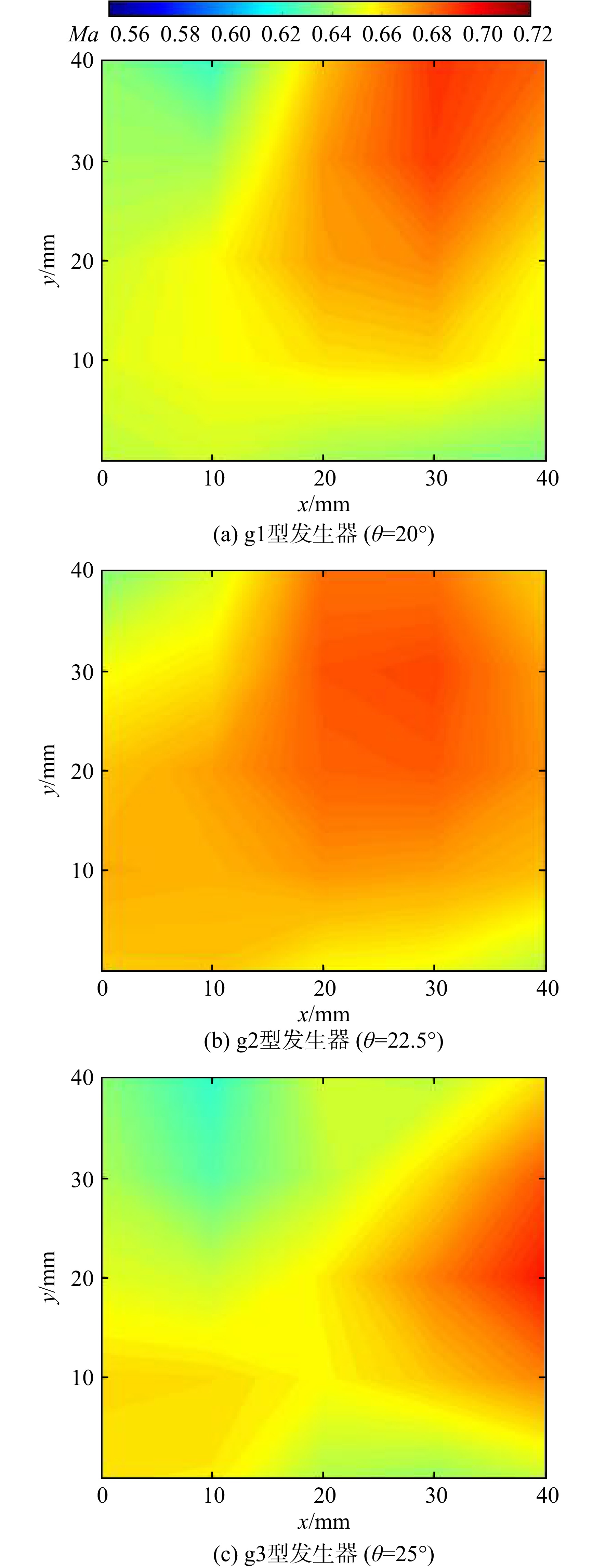
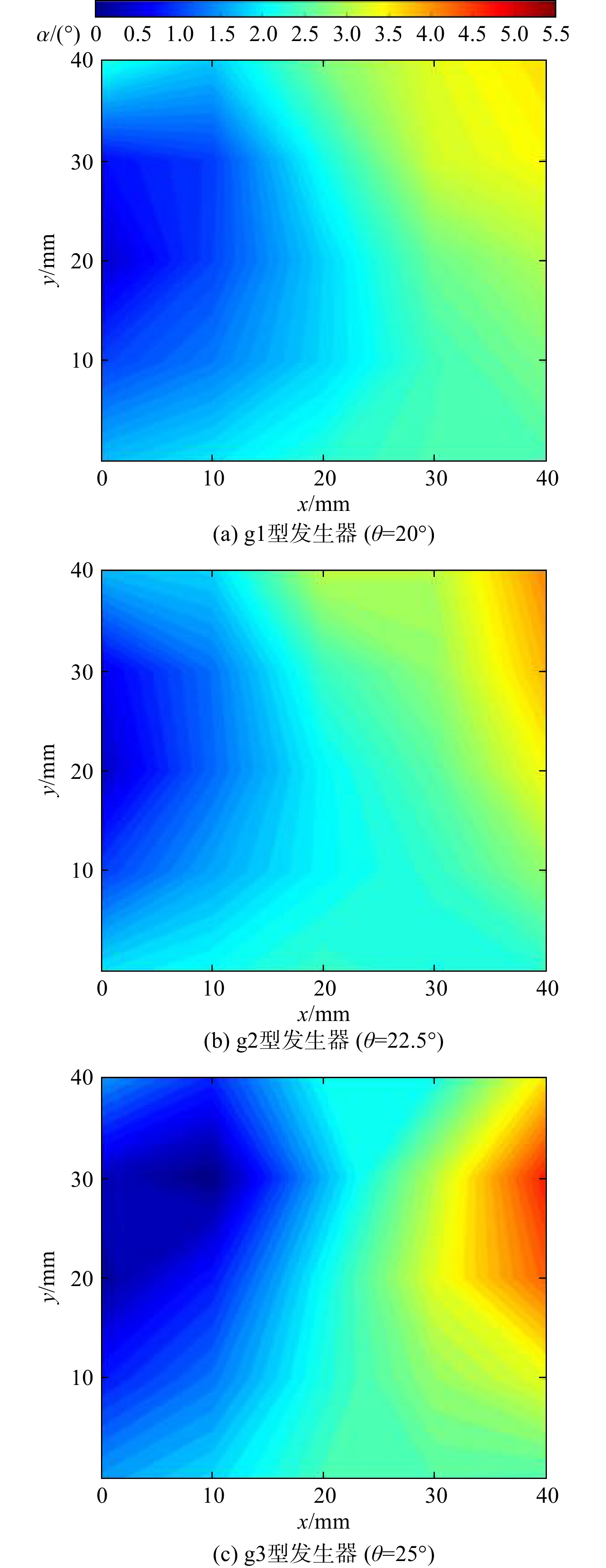
TU Baofeng, TIAN Wentao, YE Wei, XIA Aiguo, TUO Wei, LYU Yongzhao
2026, 41(6): 20240653. doi: 10.13224/j.cnki.jasp.20240653
Abstract:

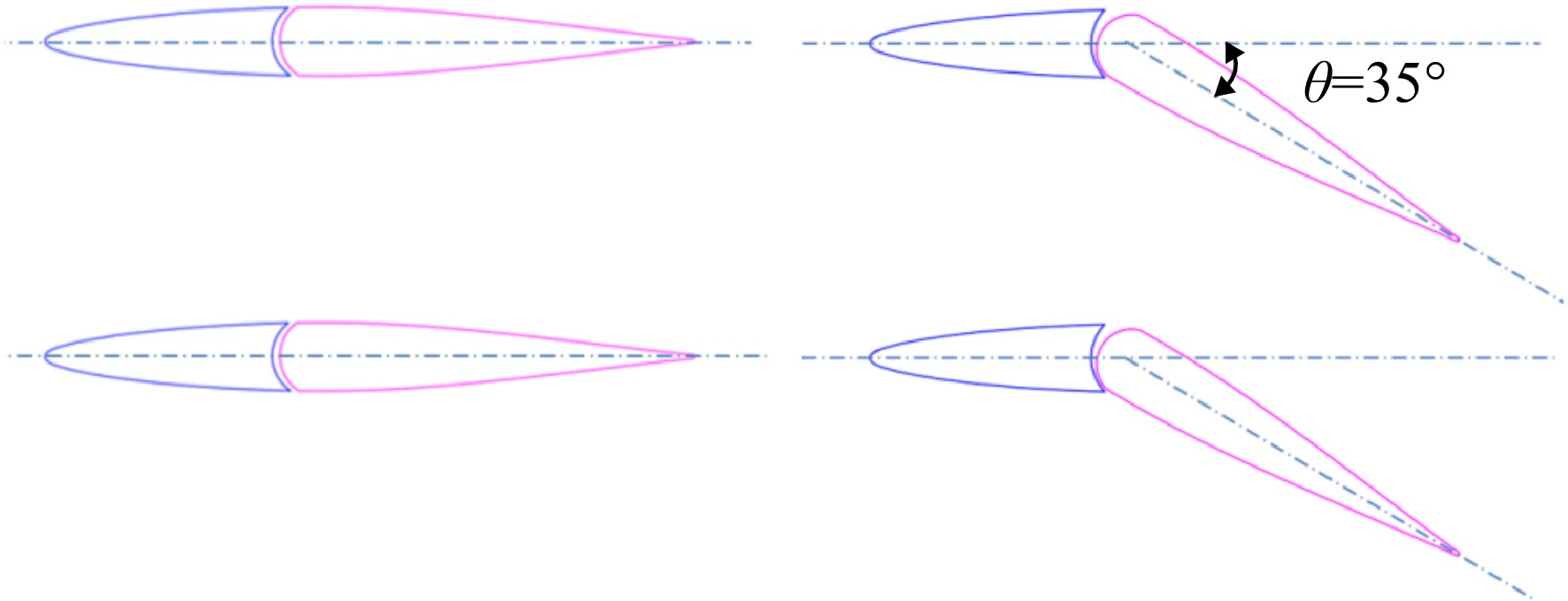
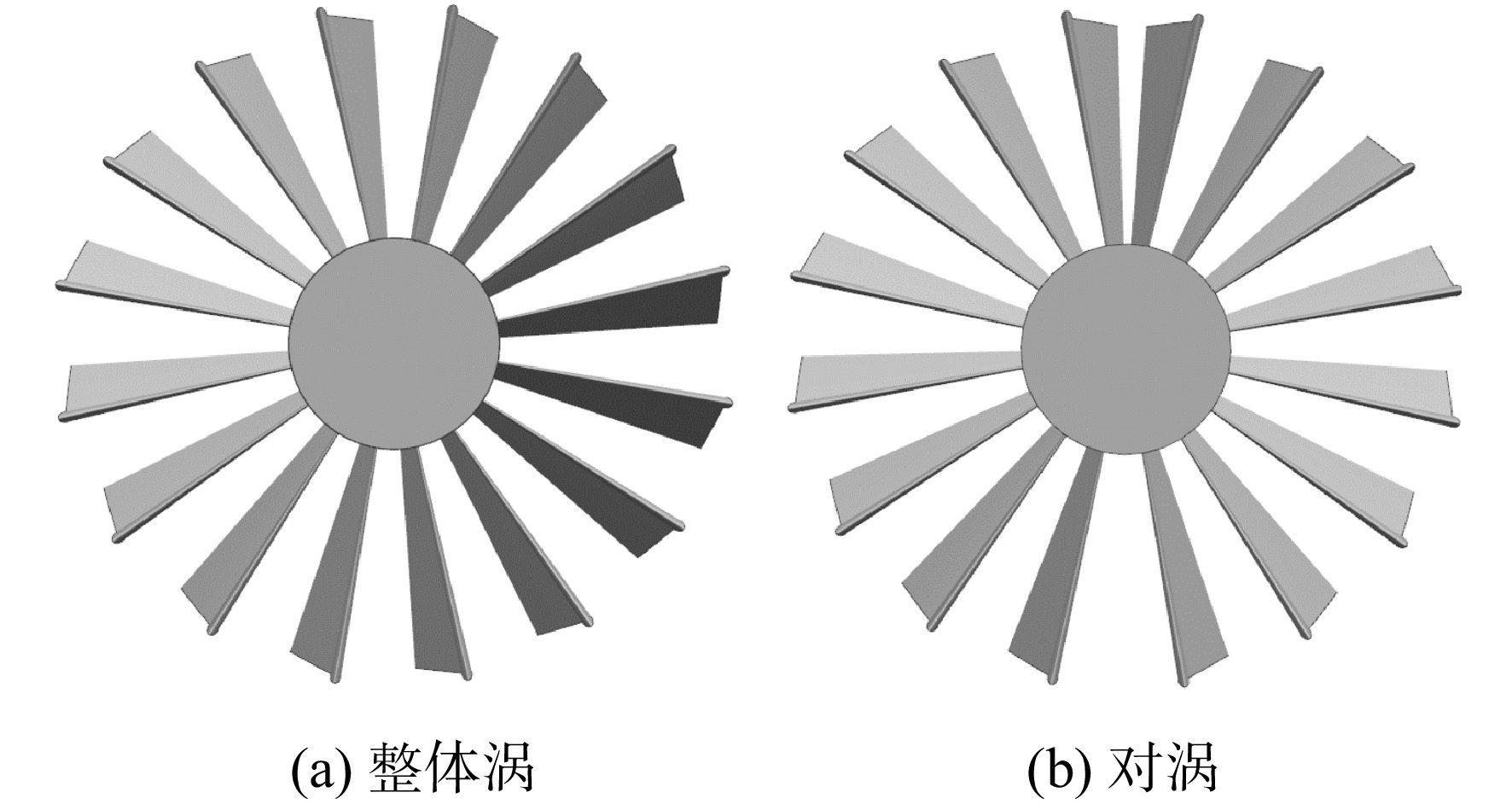
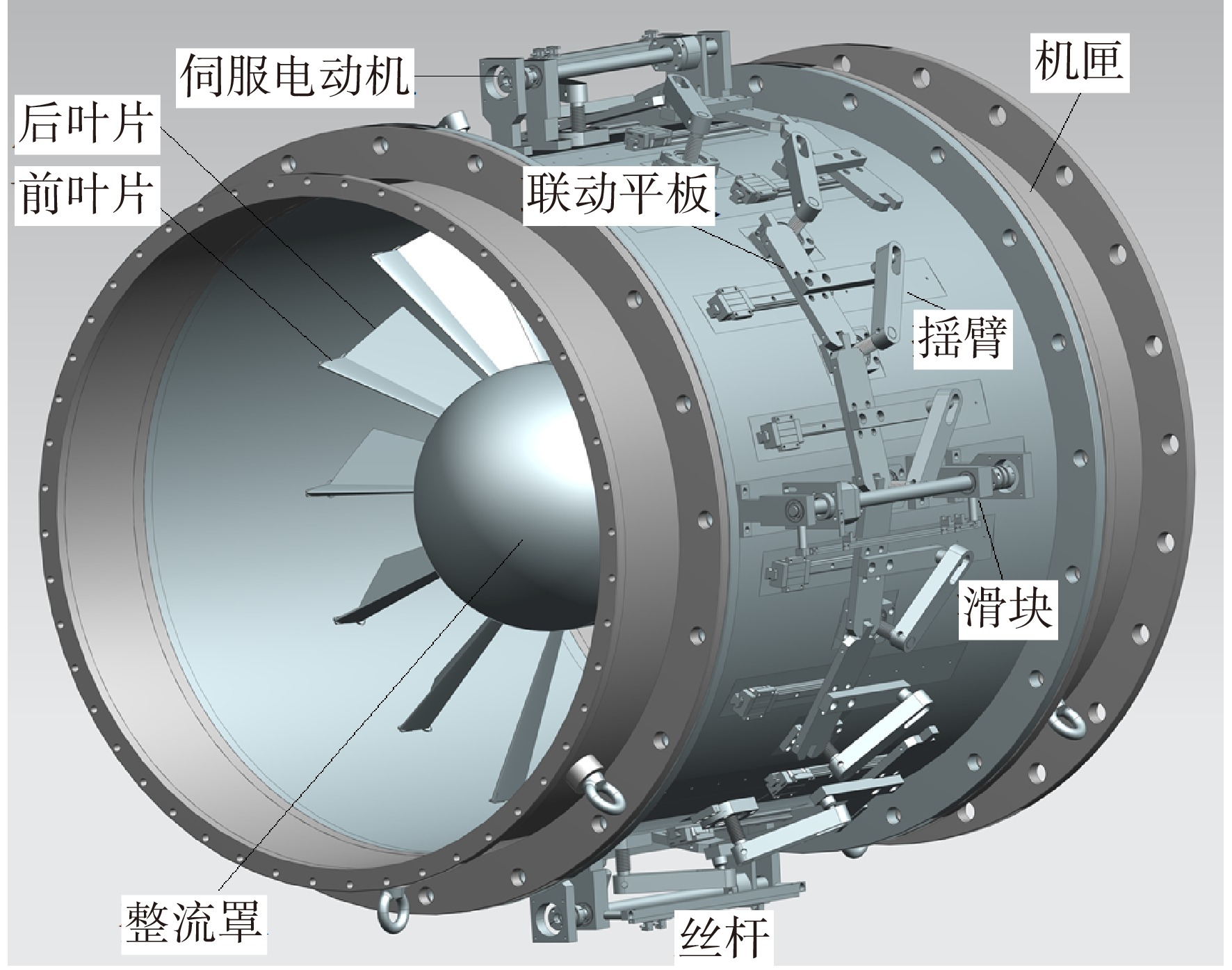
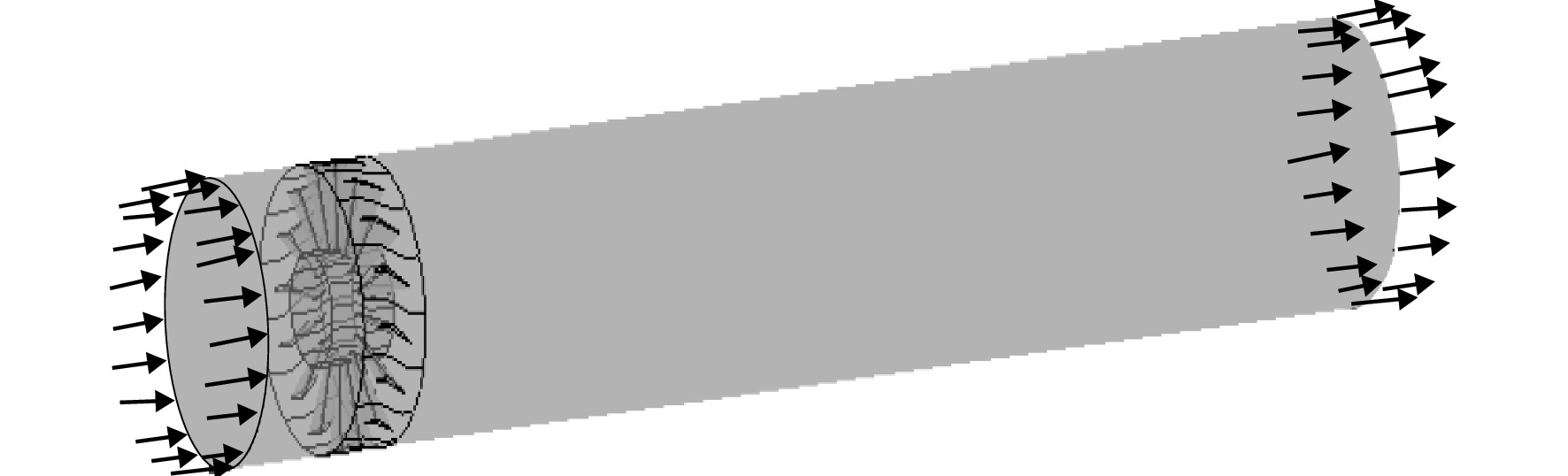
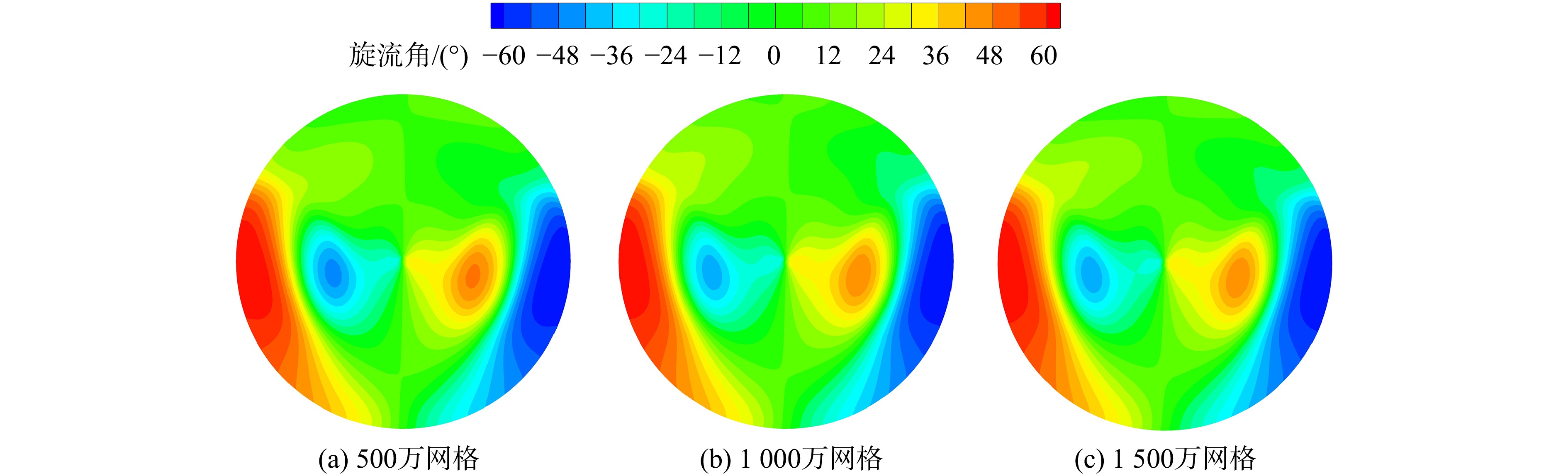
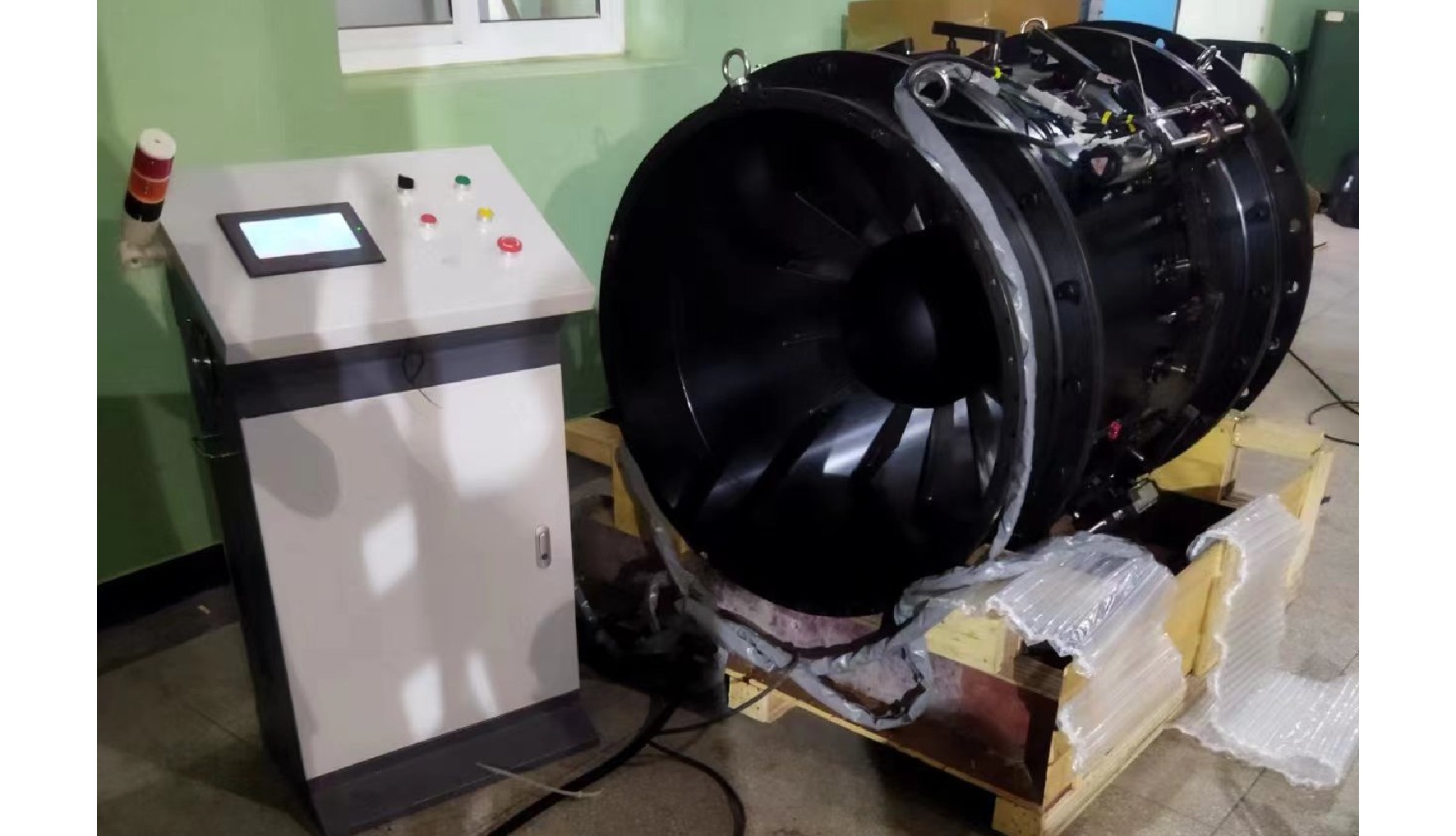
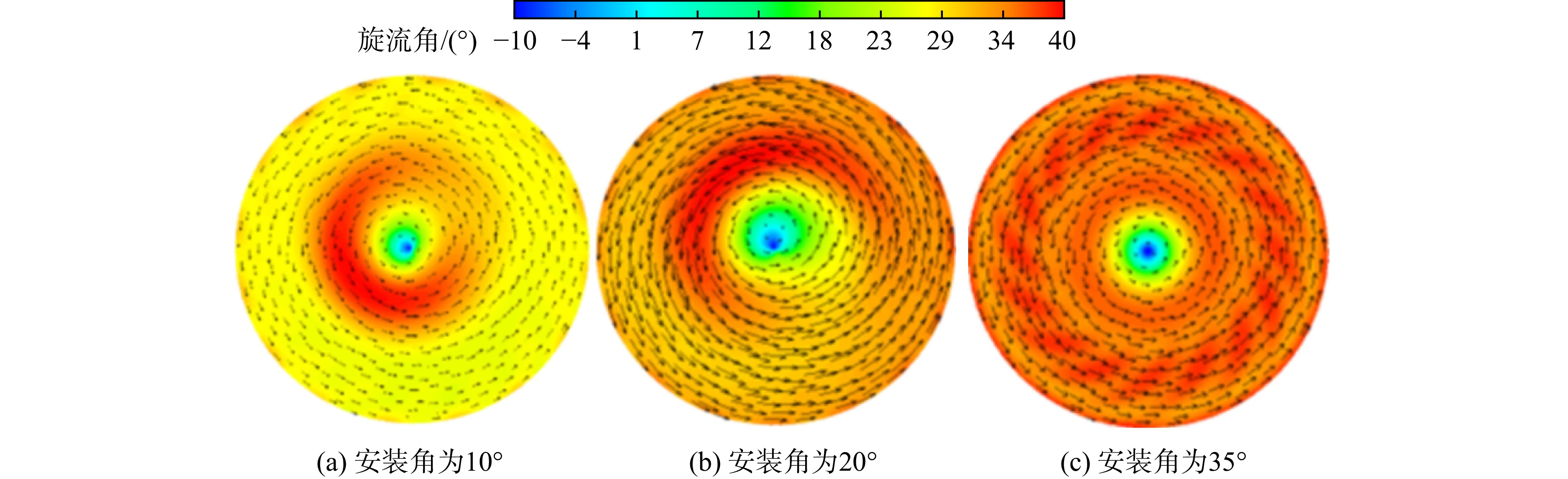
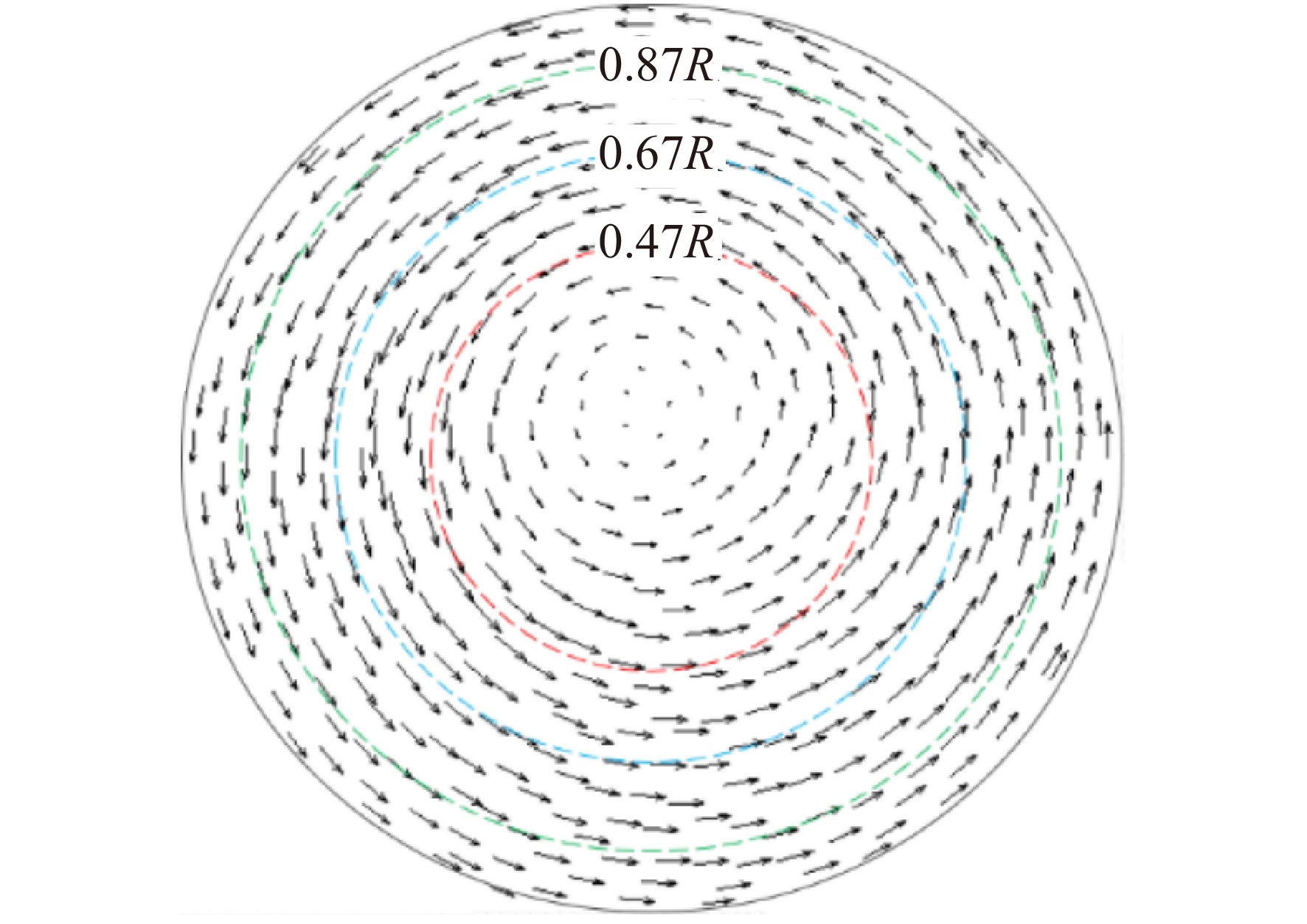
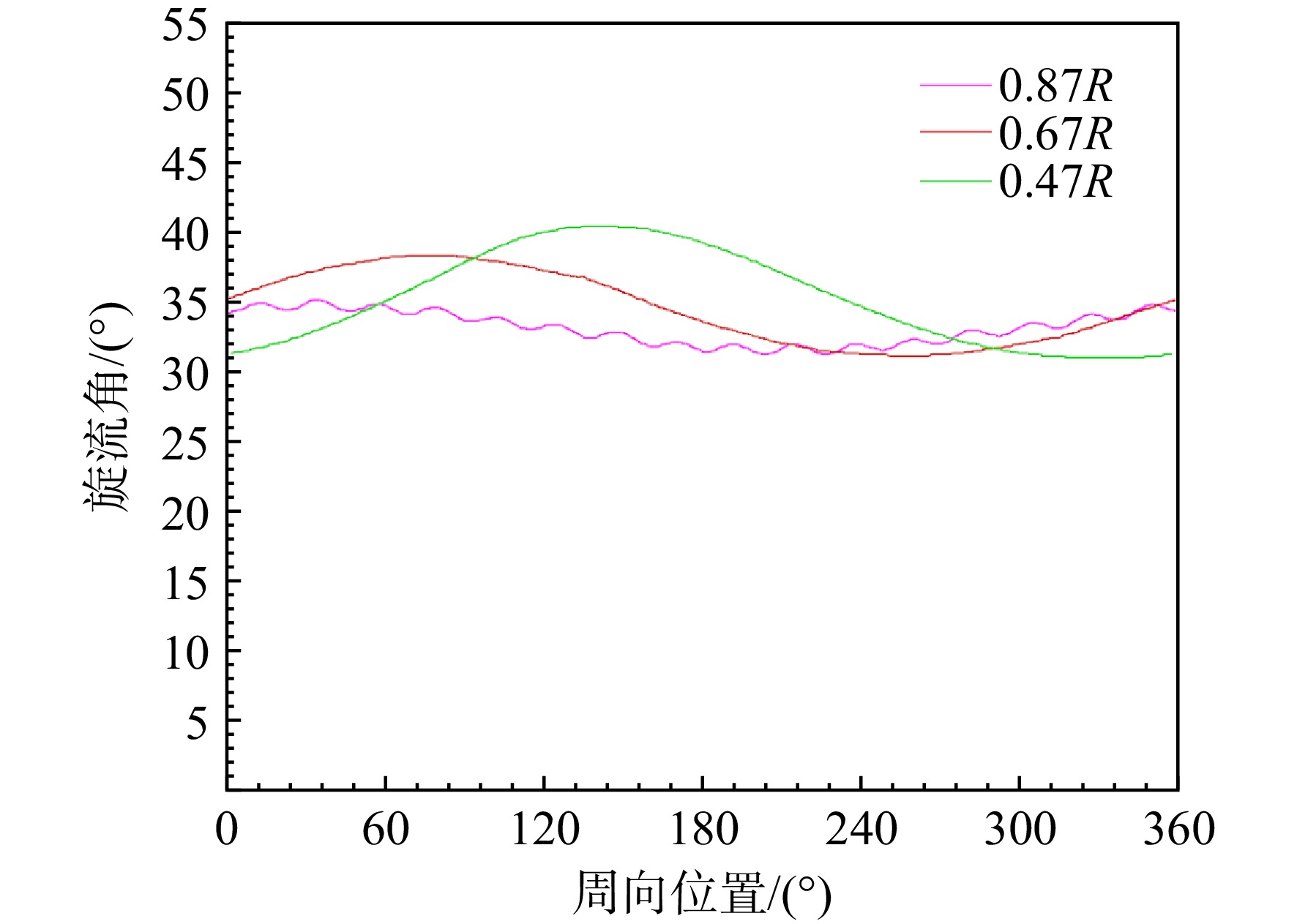
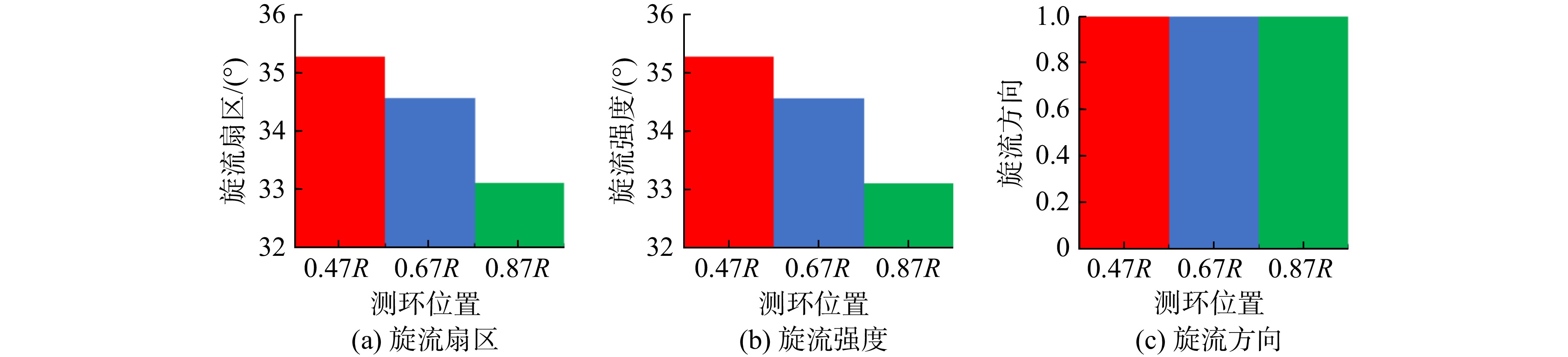
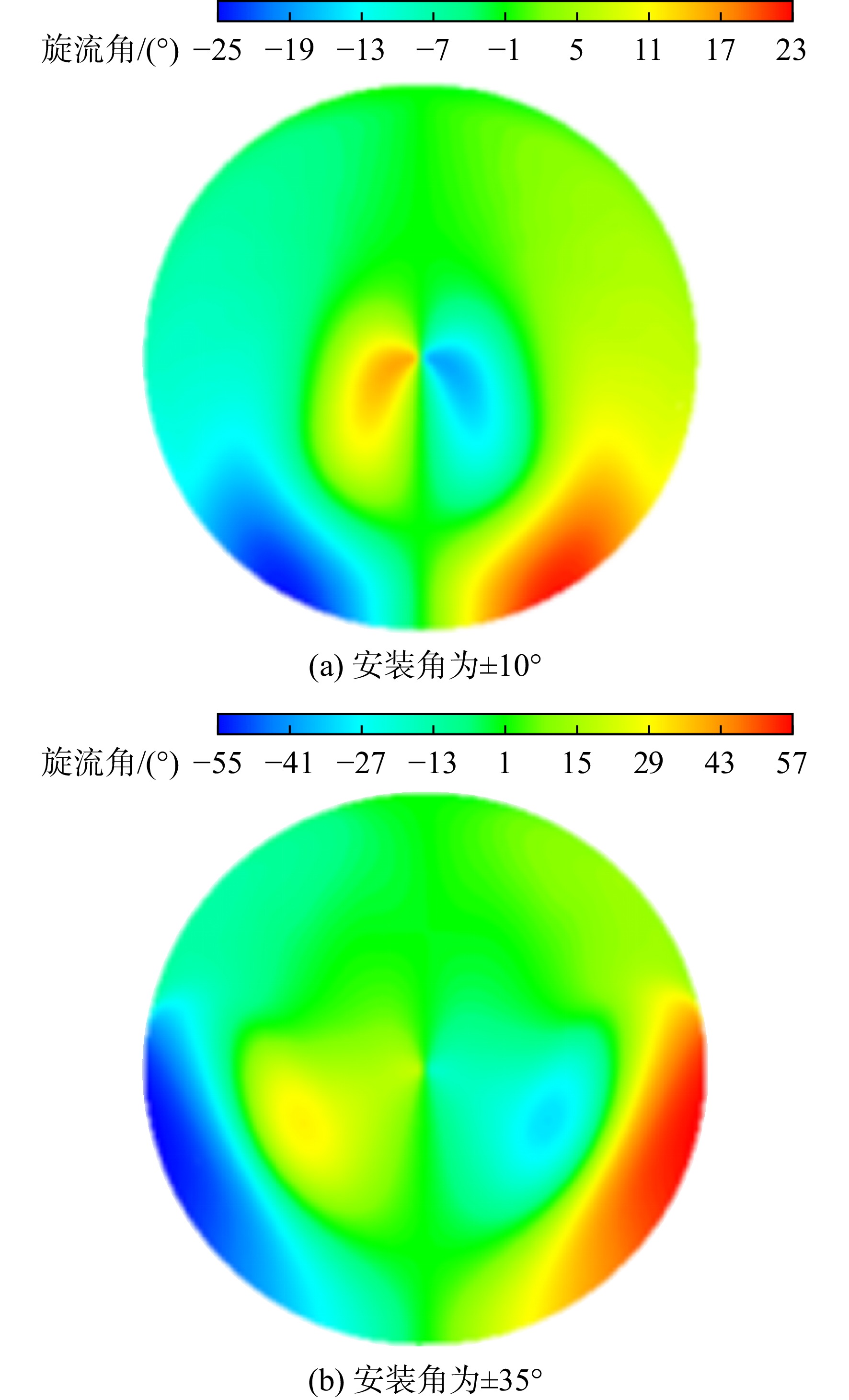
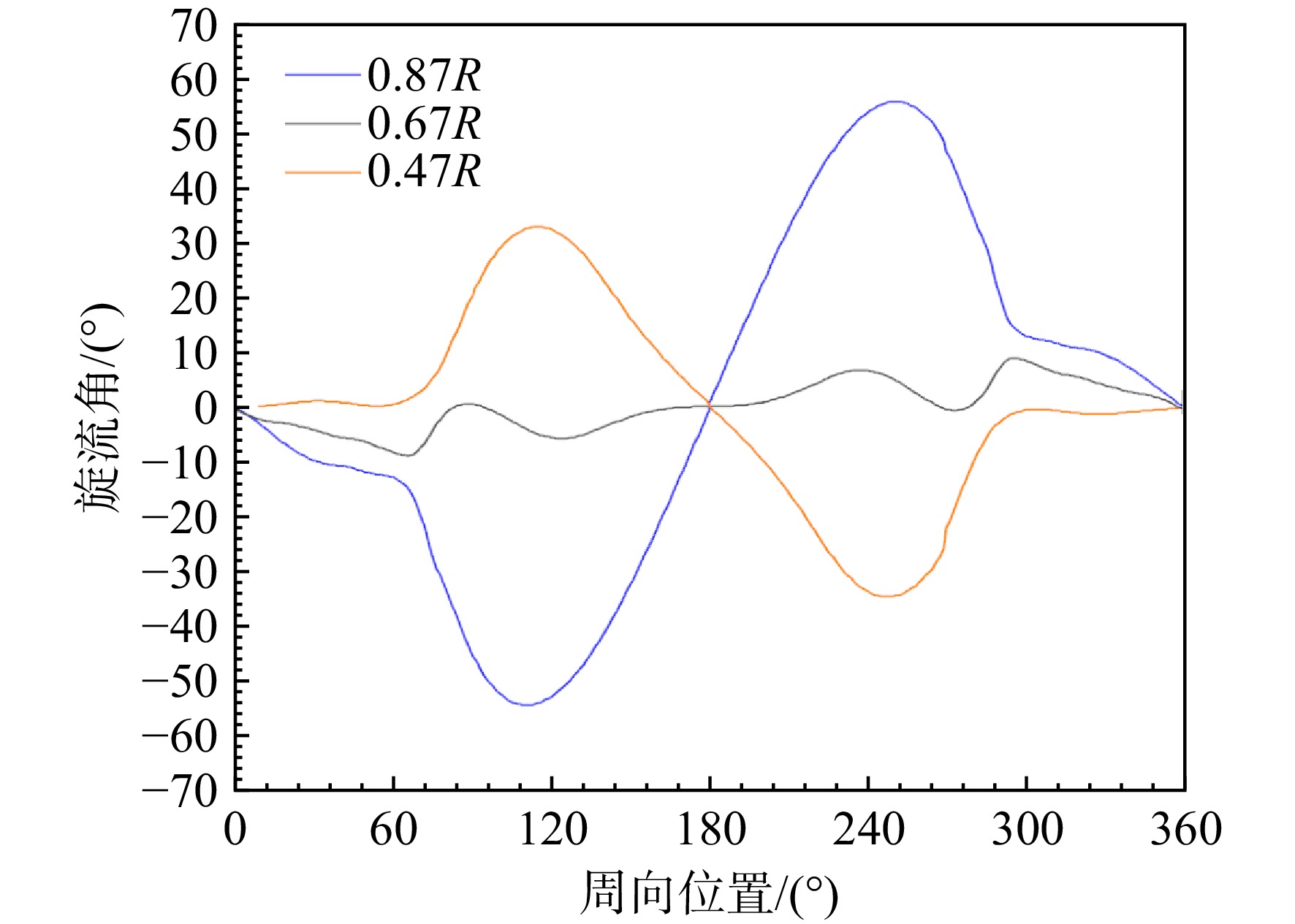
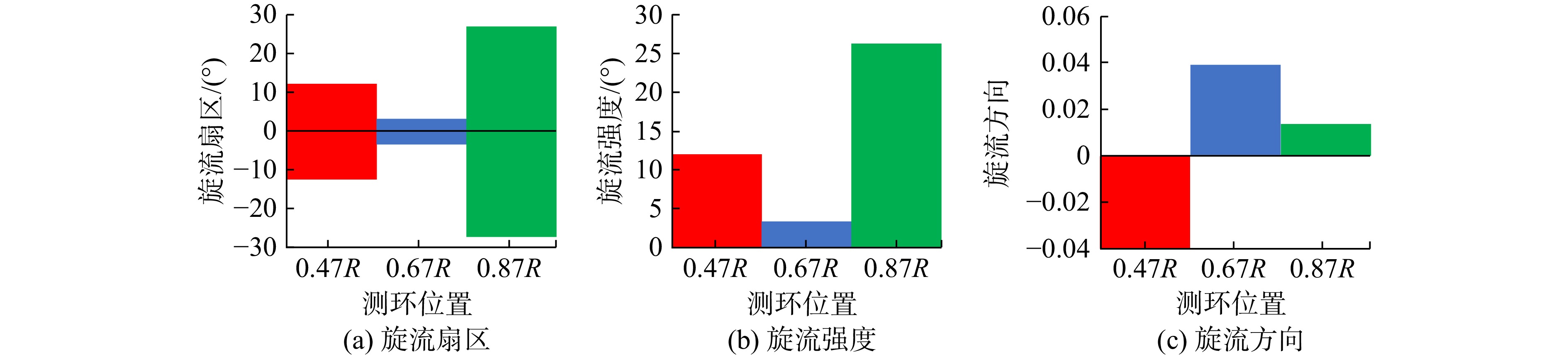
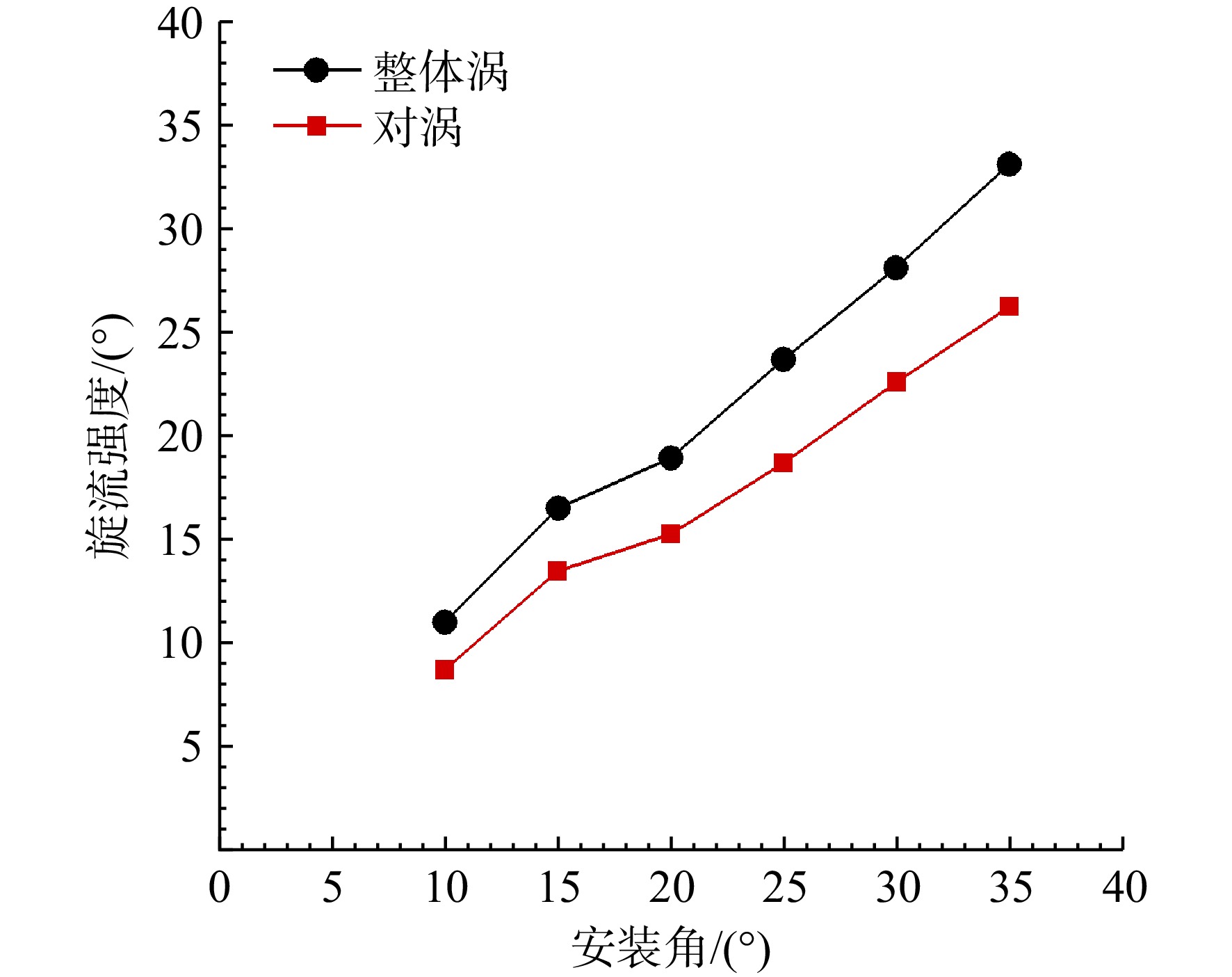
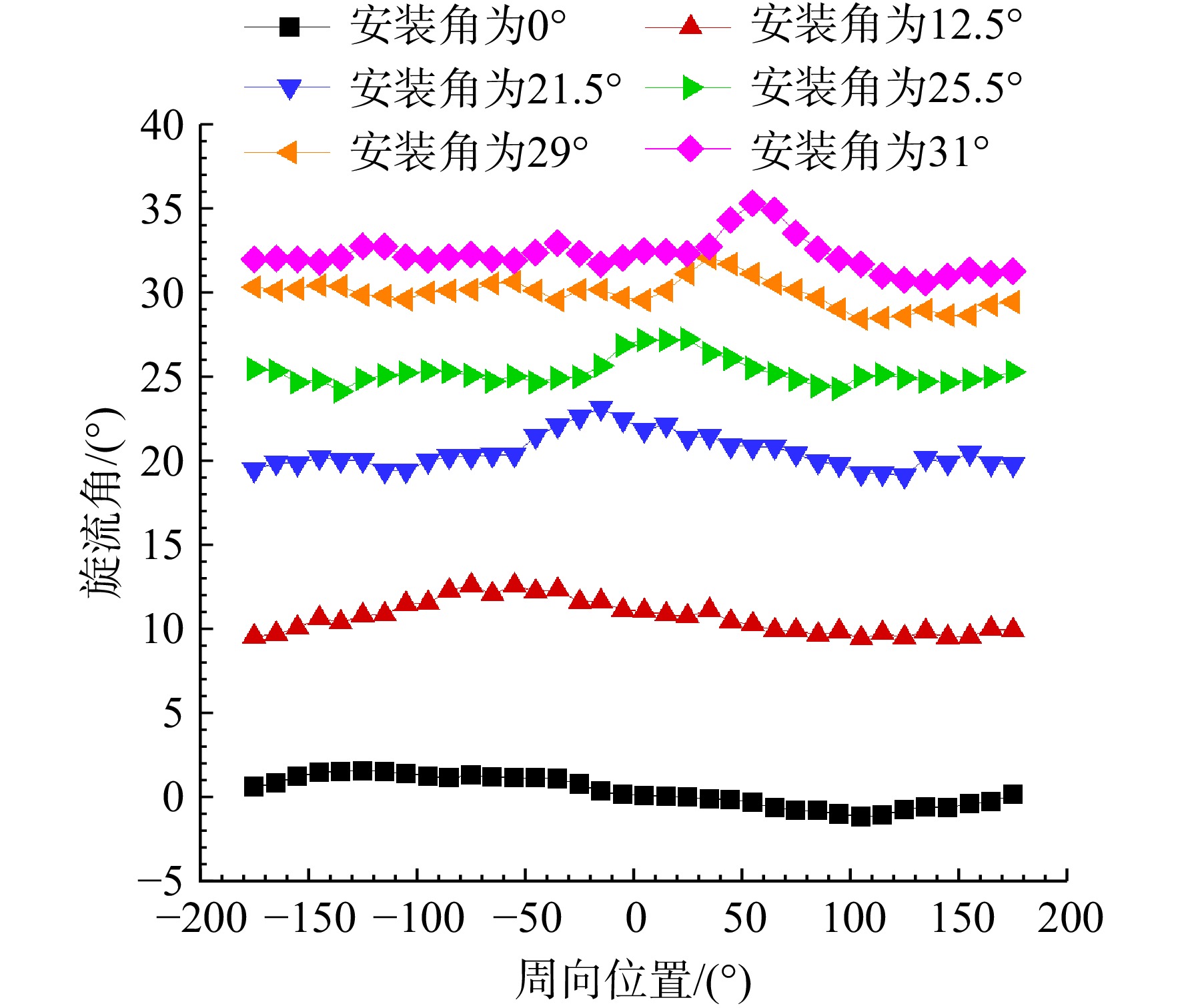
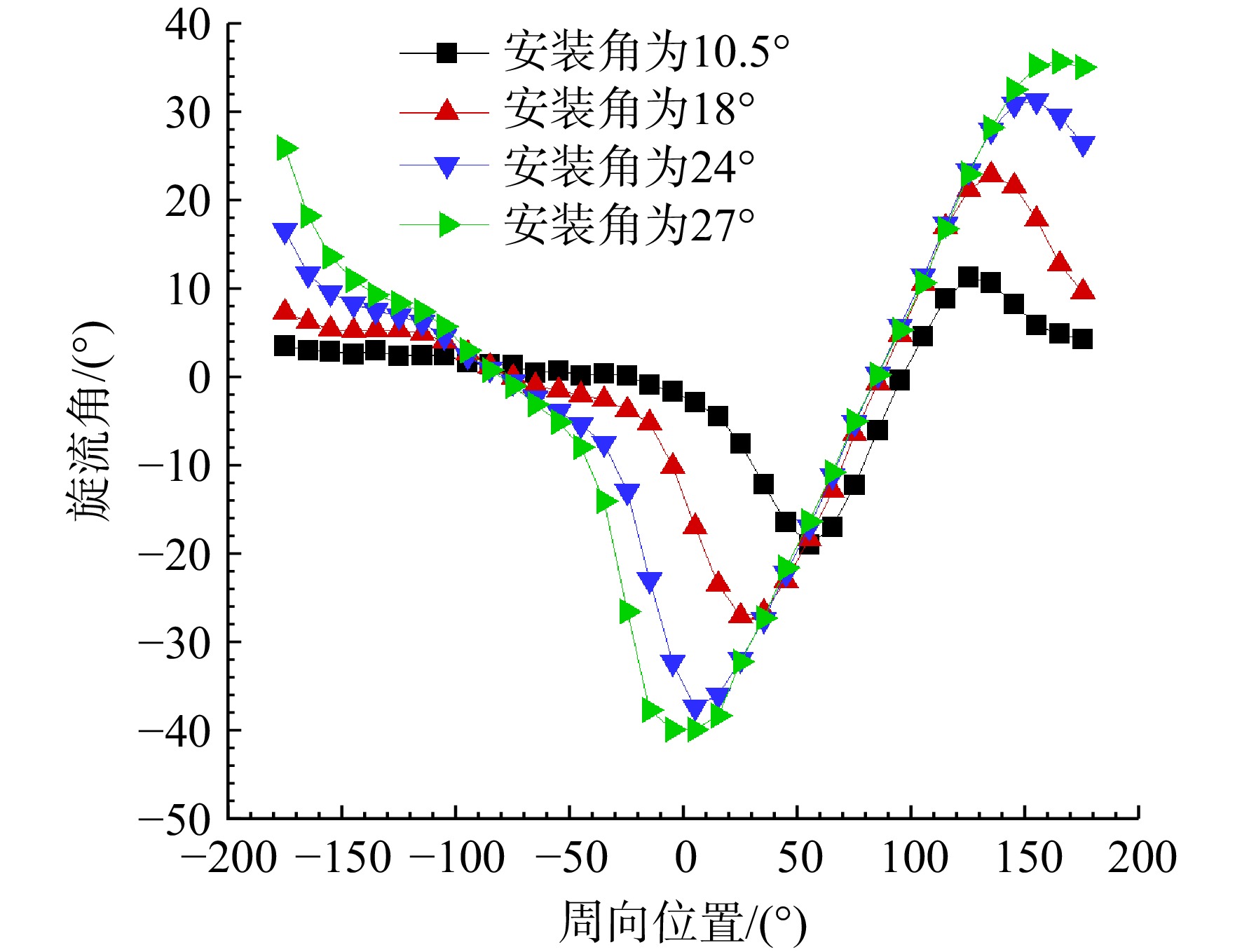
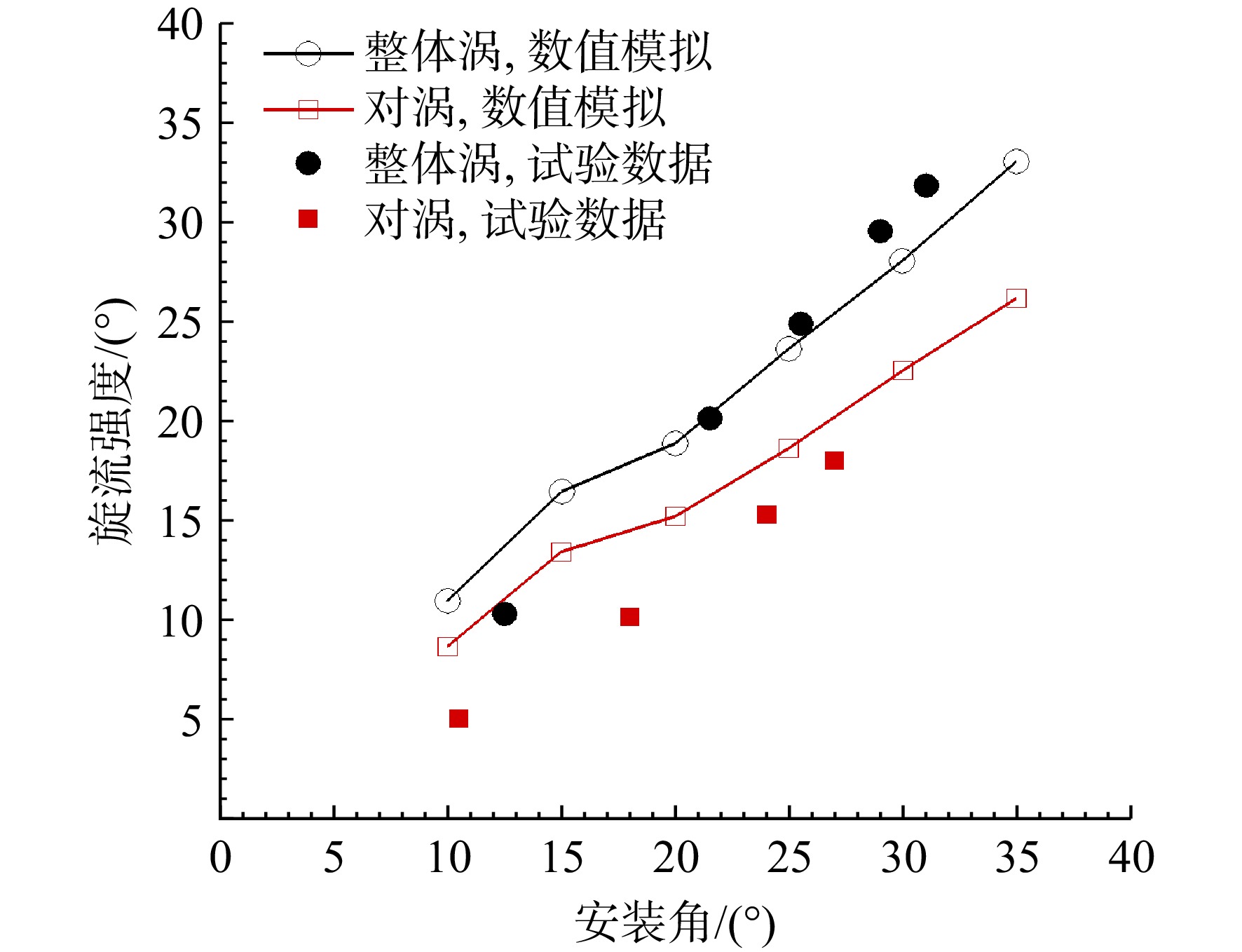
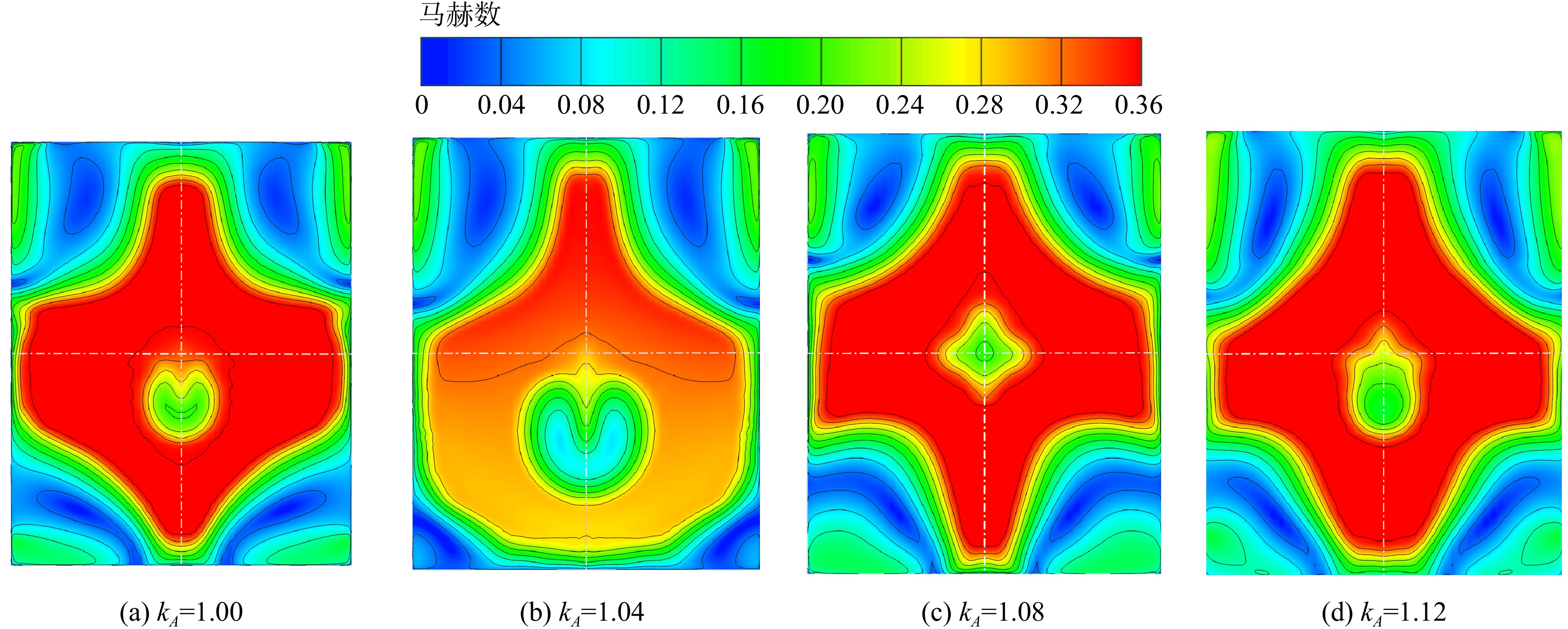
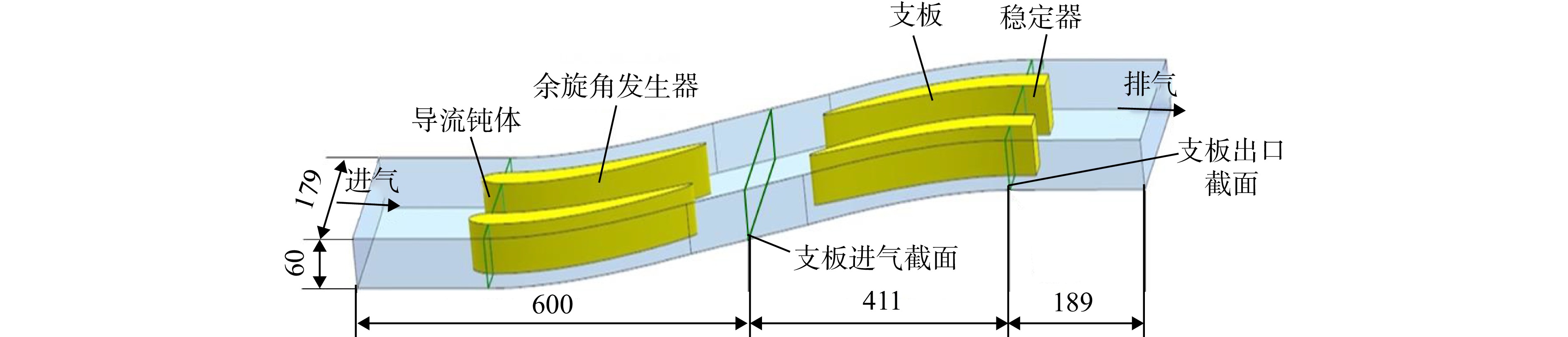
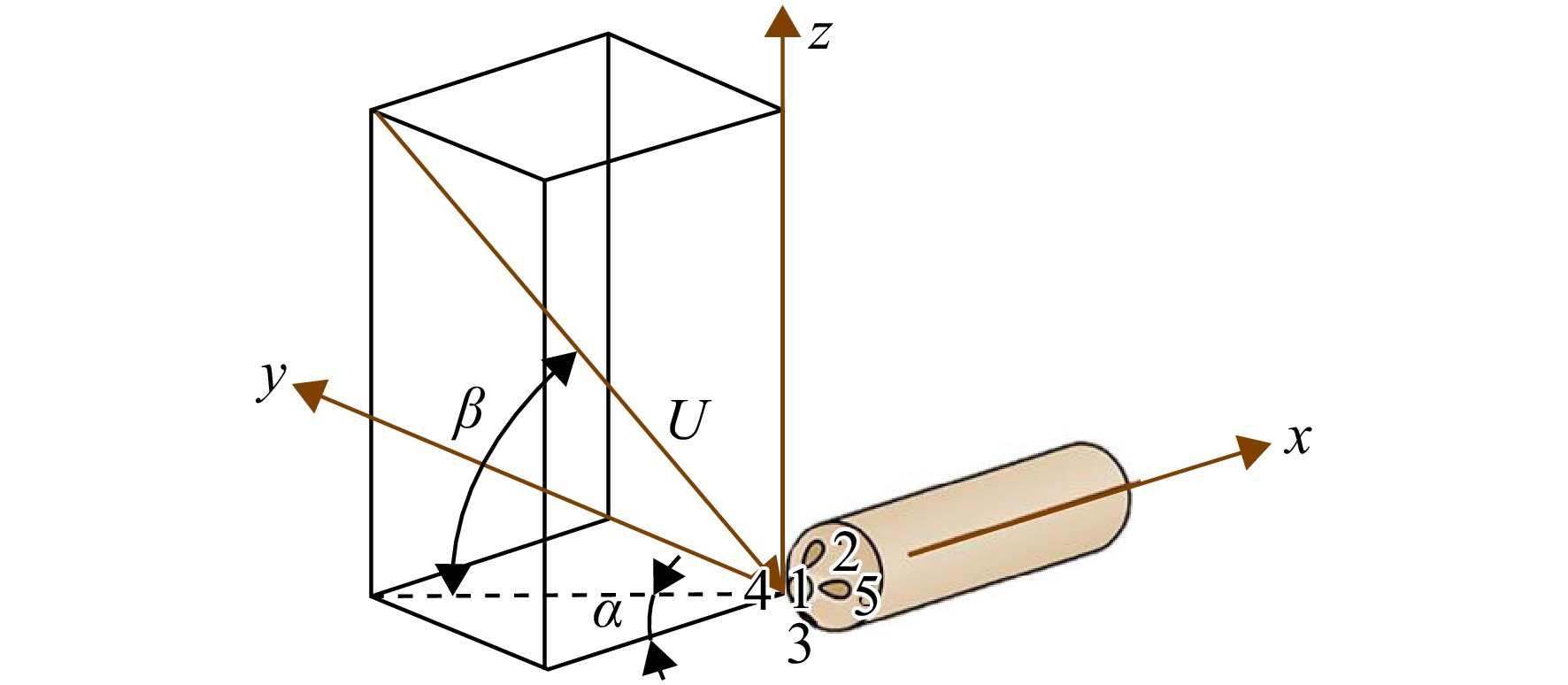
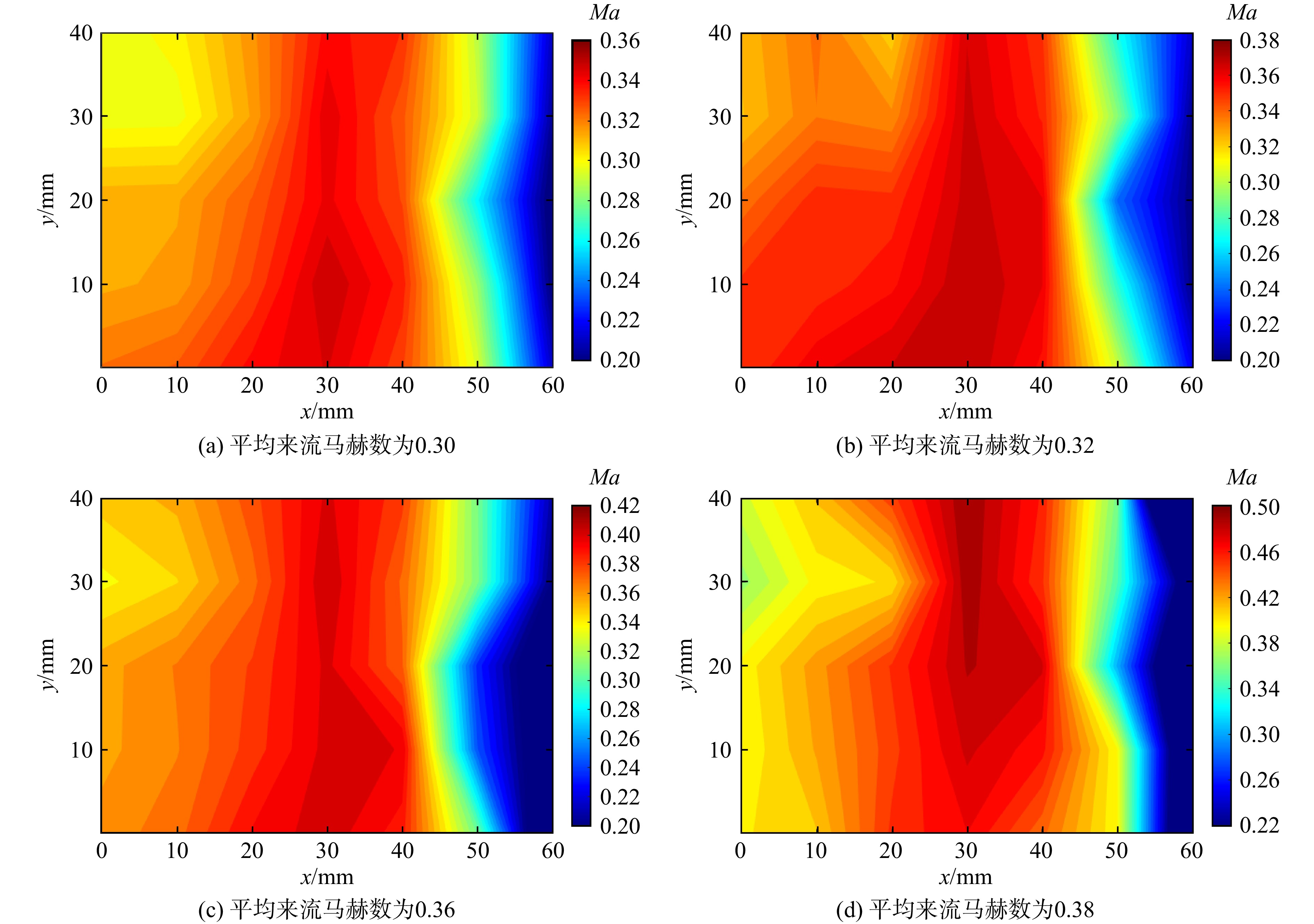
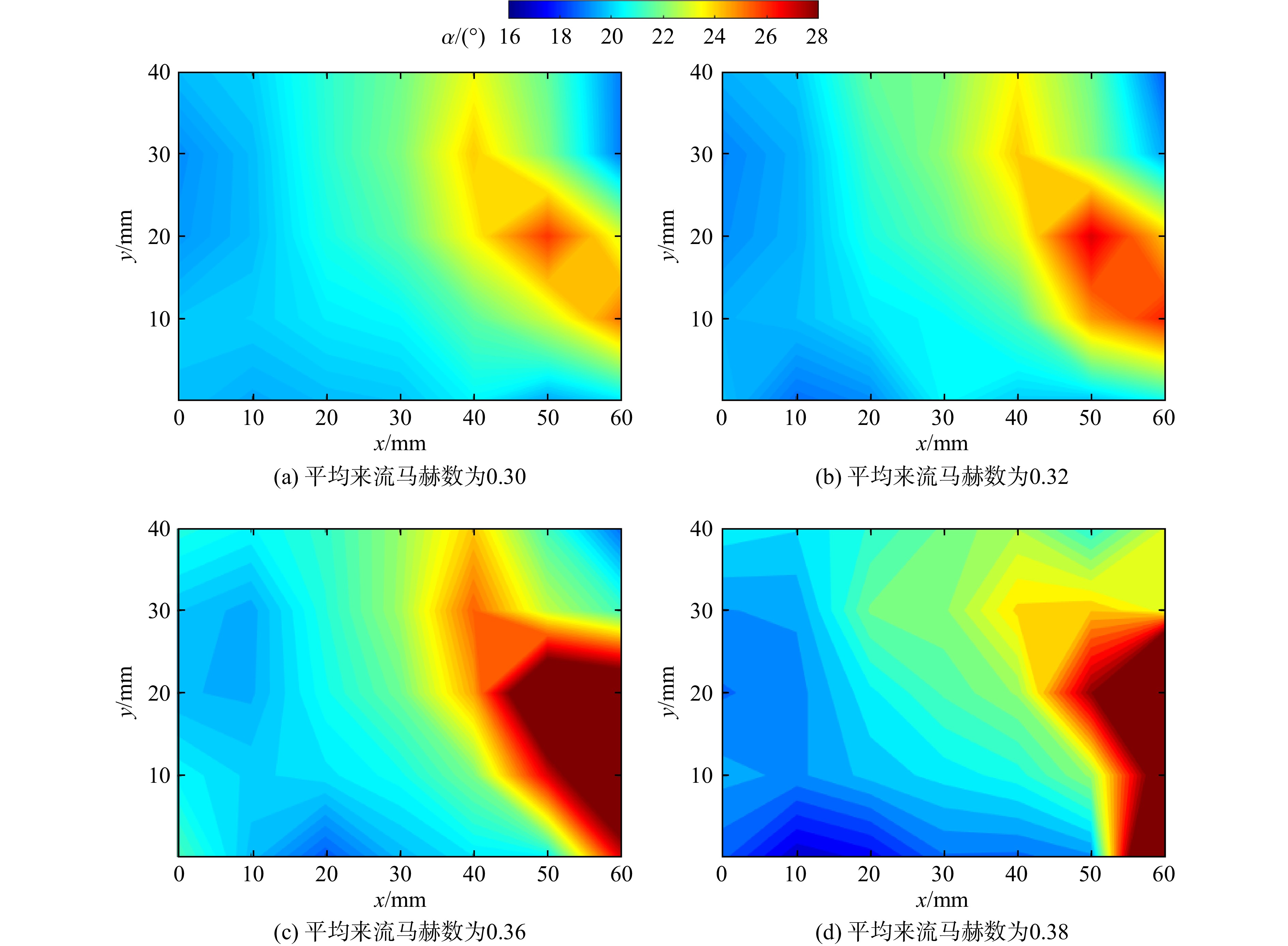
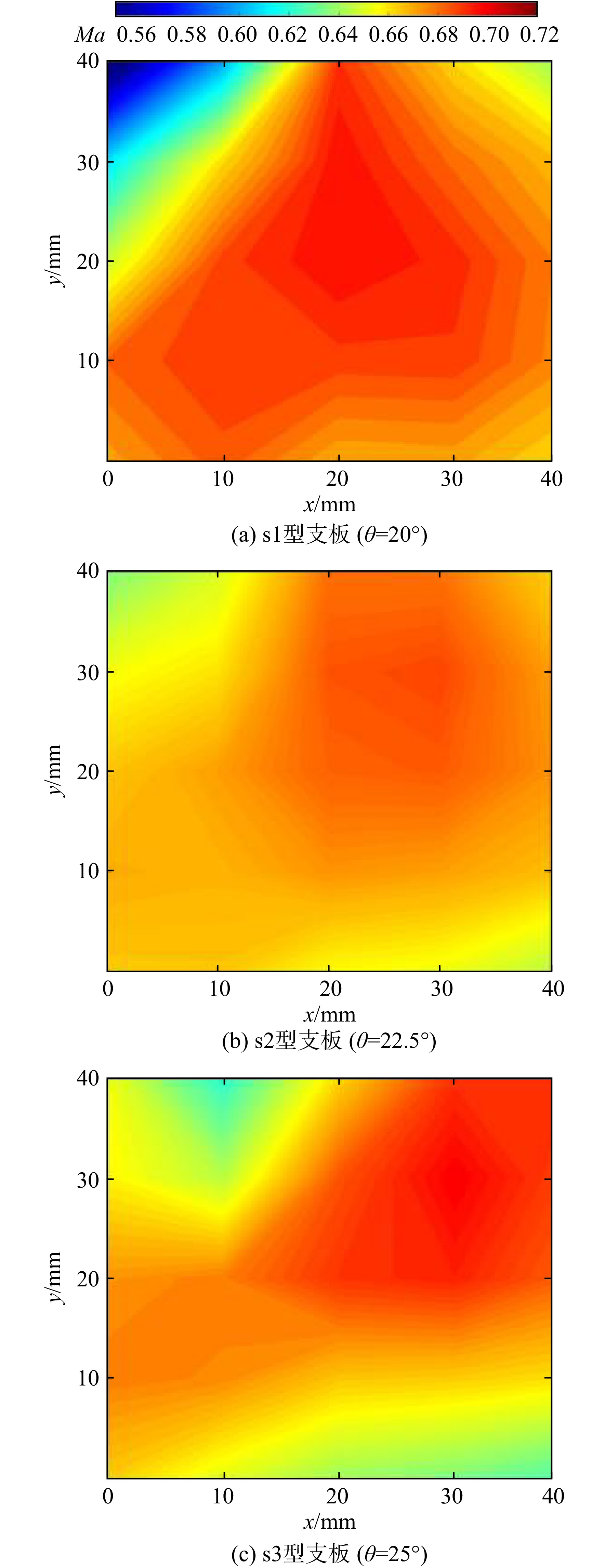
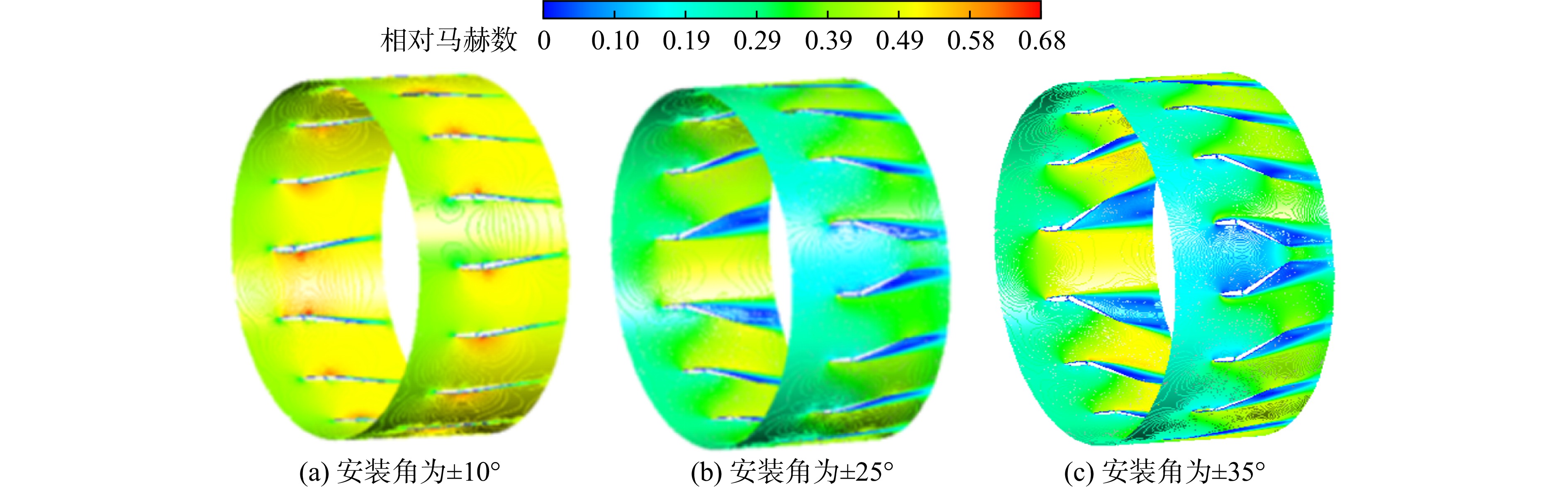
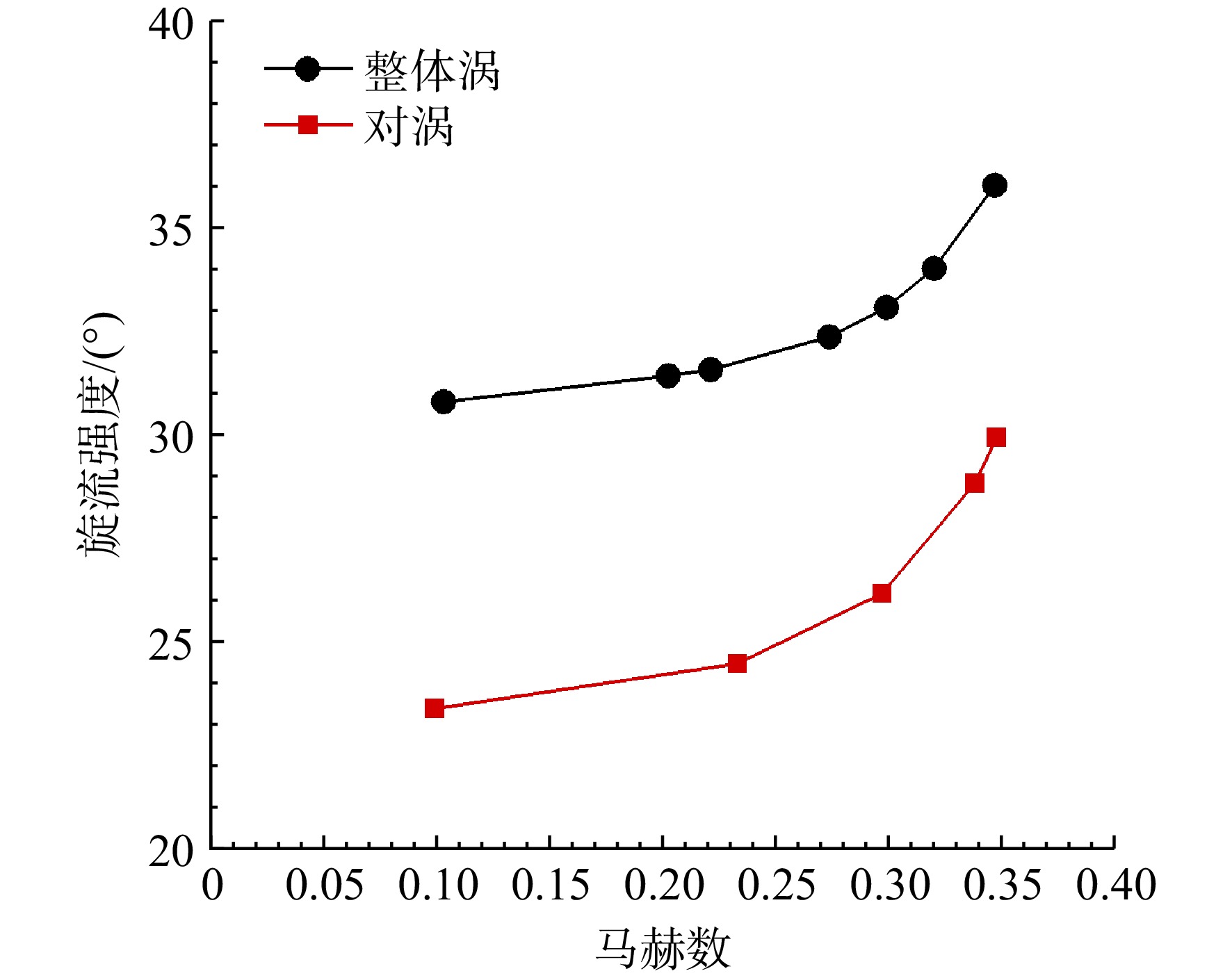
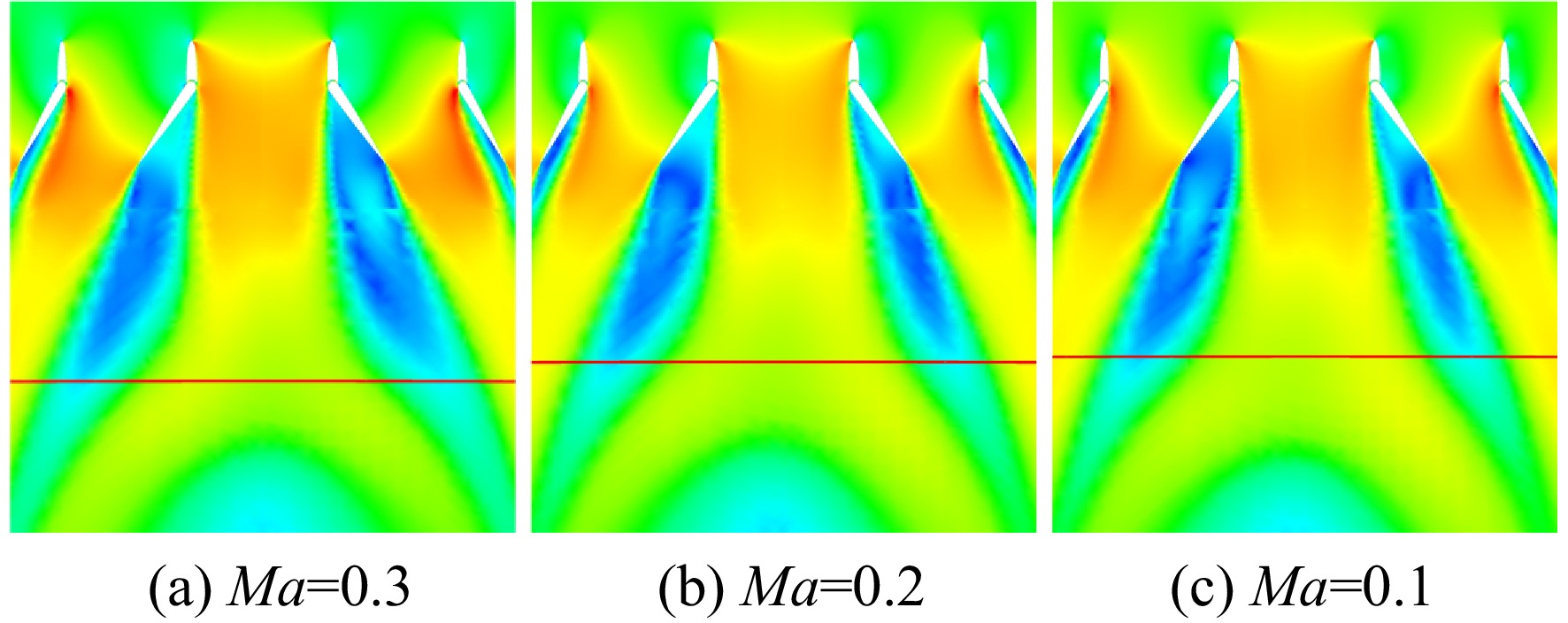
To study the effect of inlet swirl distortion on the aerodynamic performance and stability of the entire engine and its fan/compressor components, a swirl distortion generator with variable curvature blades was designed. By combining computational fluid dynamics (CFD) numerical simulation with experimental methods, the characteristics of the flow field downstream the swirl distortion generator were analyzed in depth, and the swirl evaluation indicators at the aerodynamic interface were assessed. The research results show that by adjusting the blade combination of the swirl distortion generator, significant bulk swirl and twin swirl can be formed downstream. As the blade stagger angle at the rear section increased and the incoming flow Mach number rose, the swirl intensity gradually increased. The maximum value of swirl intensity of the bulk swirl generator at the aerodynamic interface can reach 36.04°, and that of the twin swirl generator can reach 29.95°, when the incoming flow Mach number is 0.35.

Numerical simulation study of a bypass dual throat thrust vectoring nozzle for micro turbojet engines
LI Yi, XU Jinglei, PAN Ruifeng, ZHANG Yuqi, HUANG Shuai
2026, 41(6): 20240649. doi: 10.13224/j.cnki.jasp.20240649
Abstract:

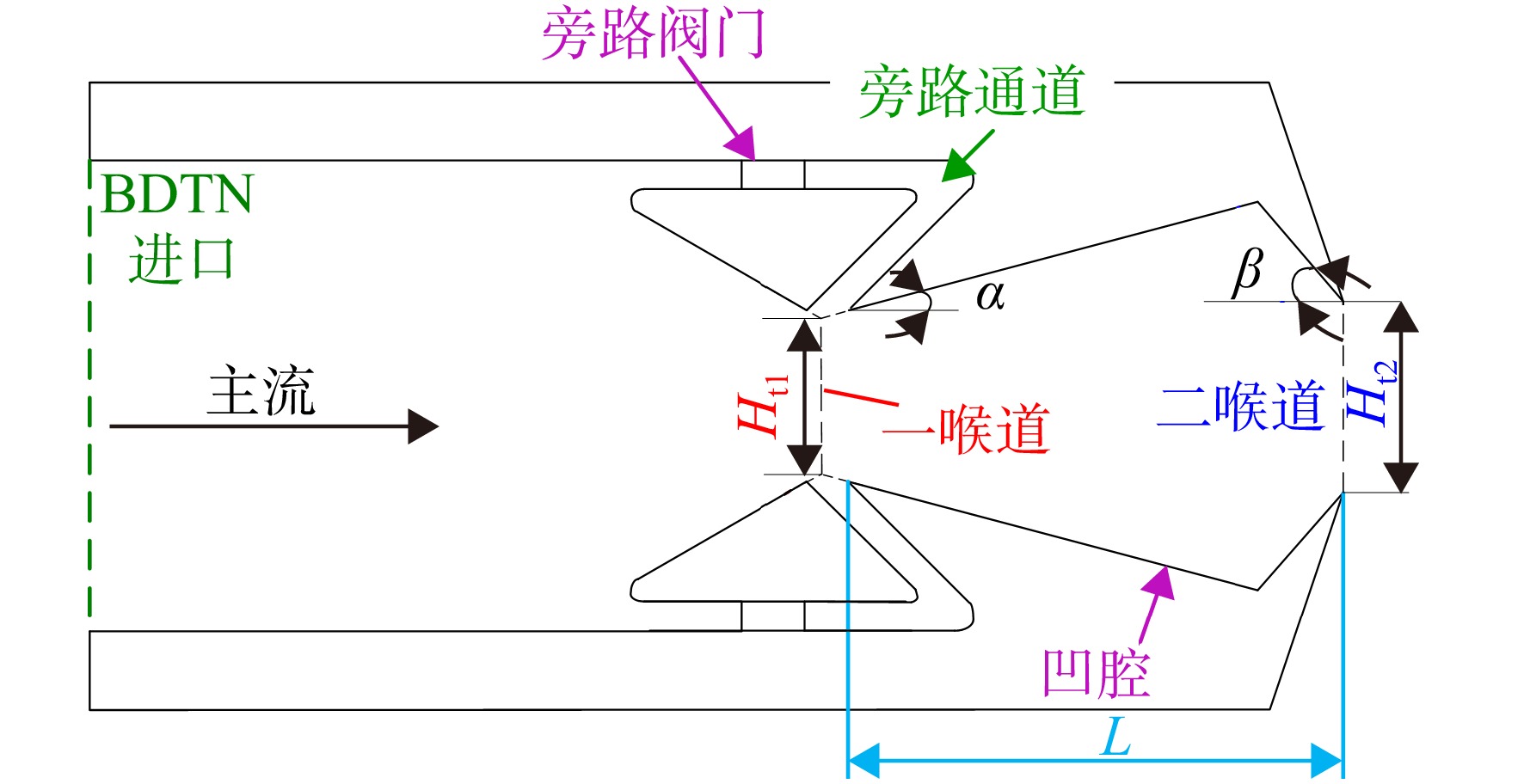
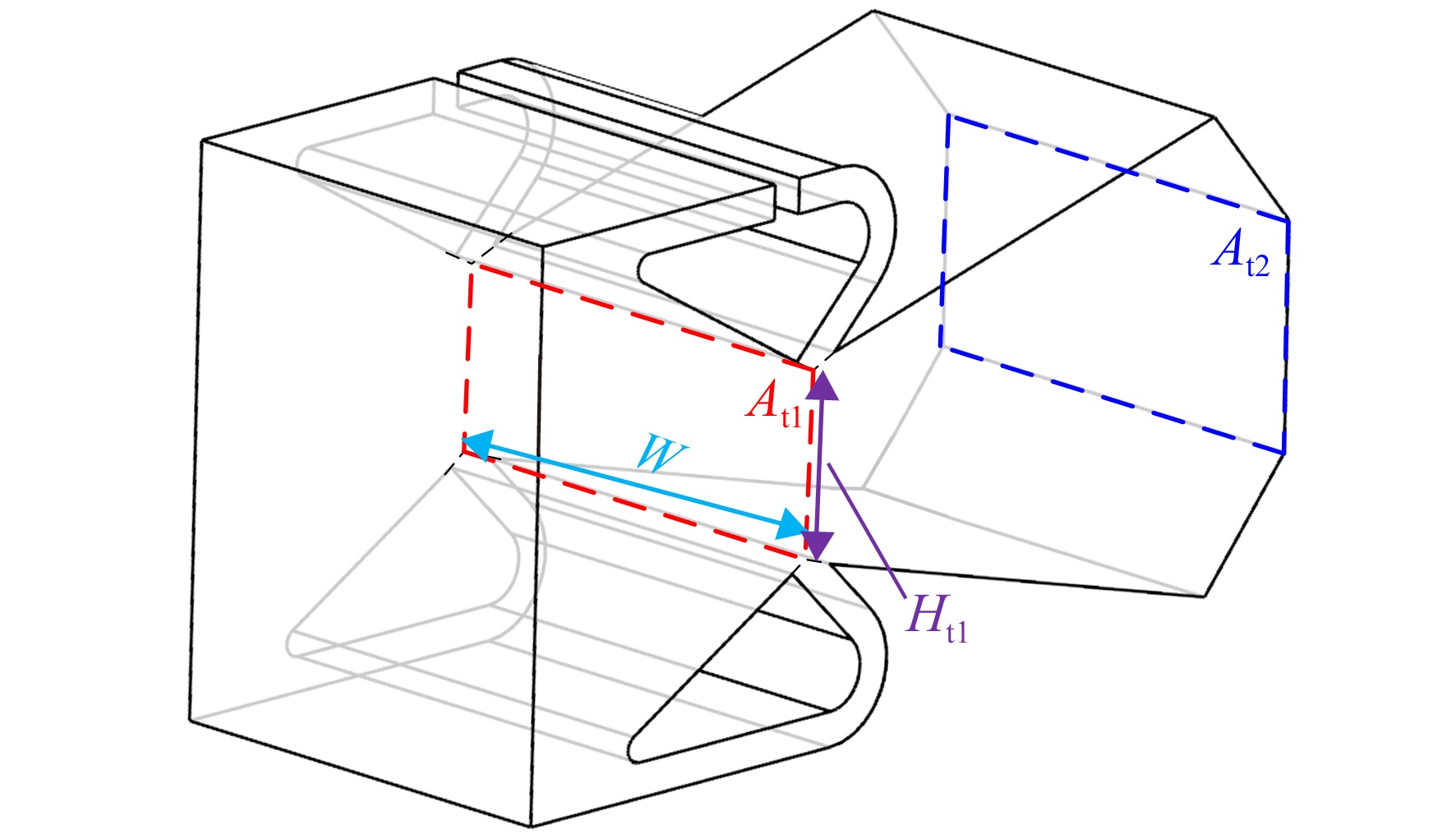
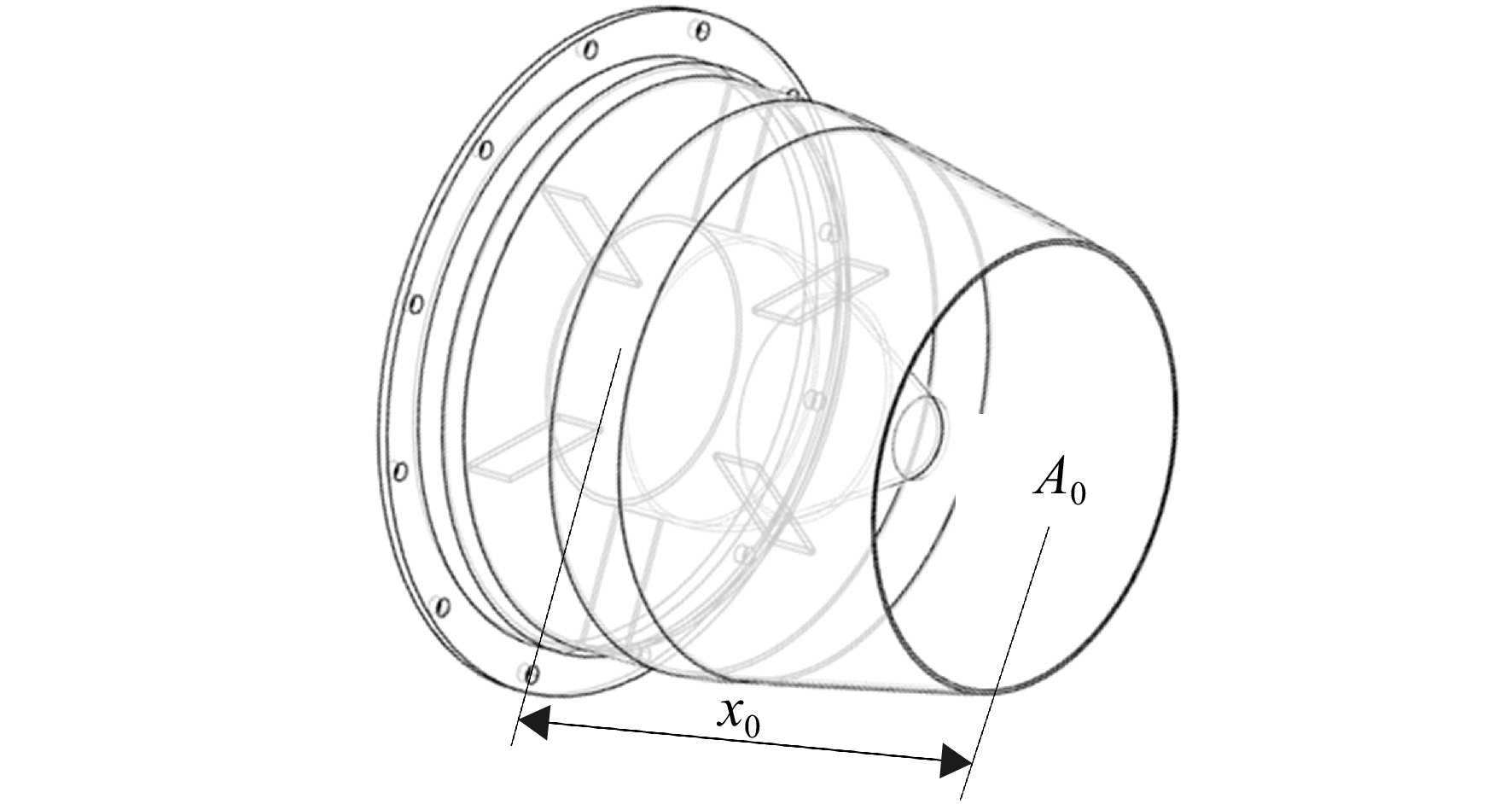
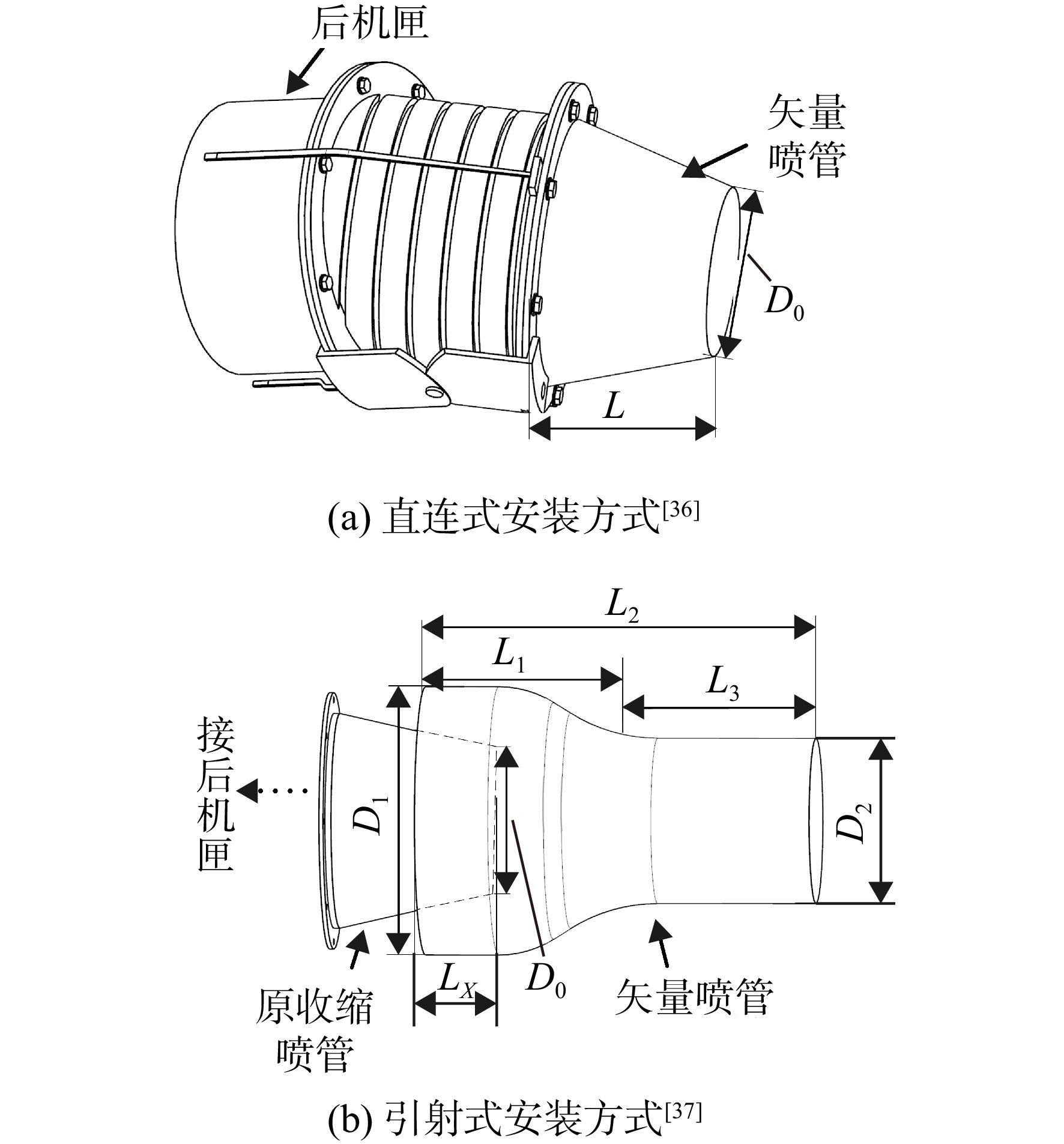
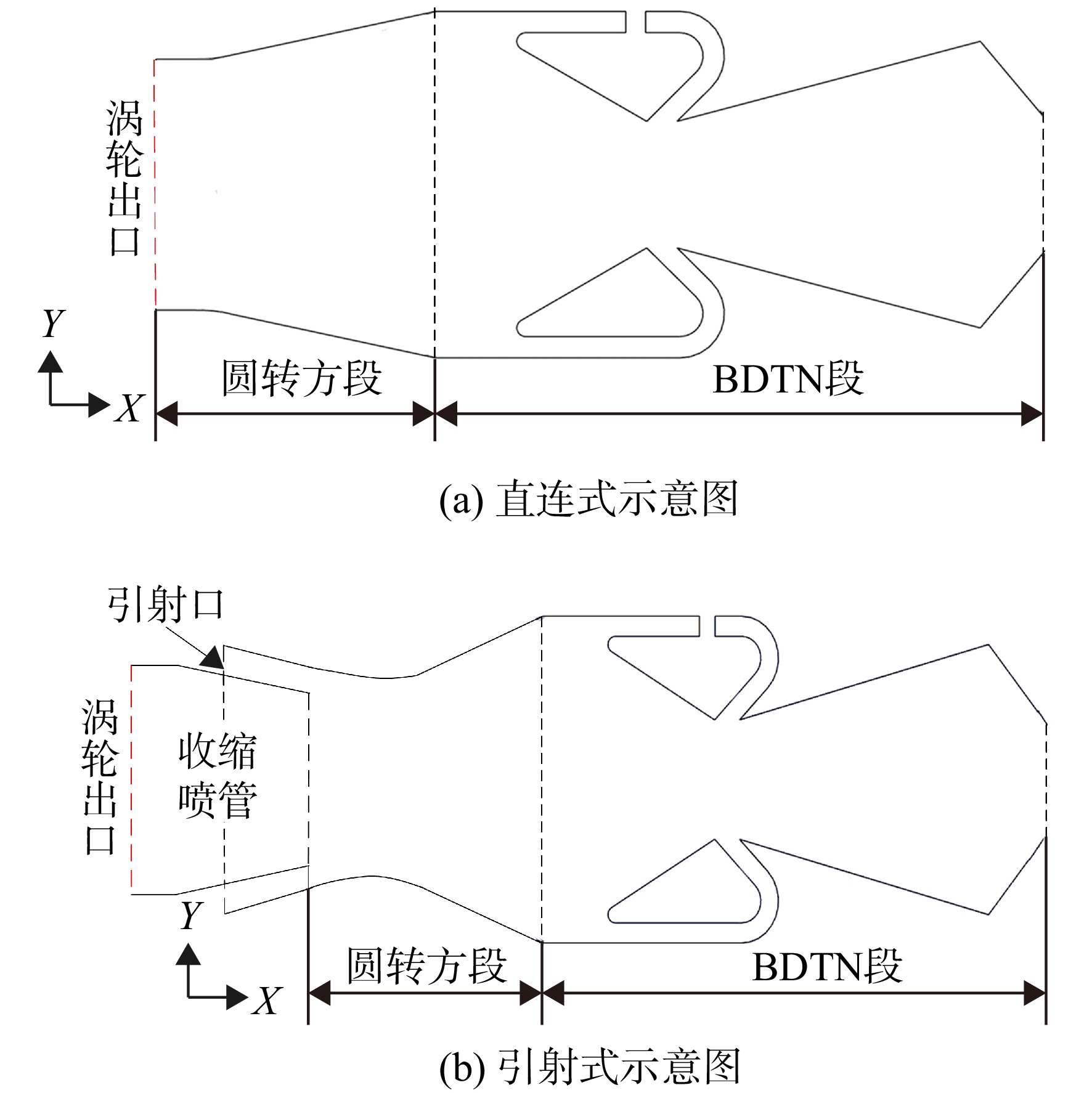
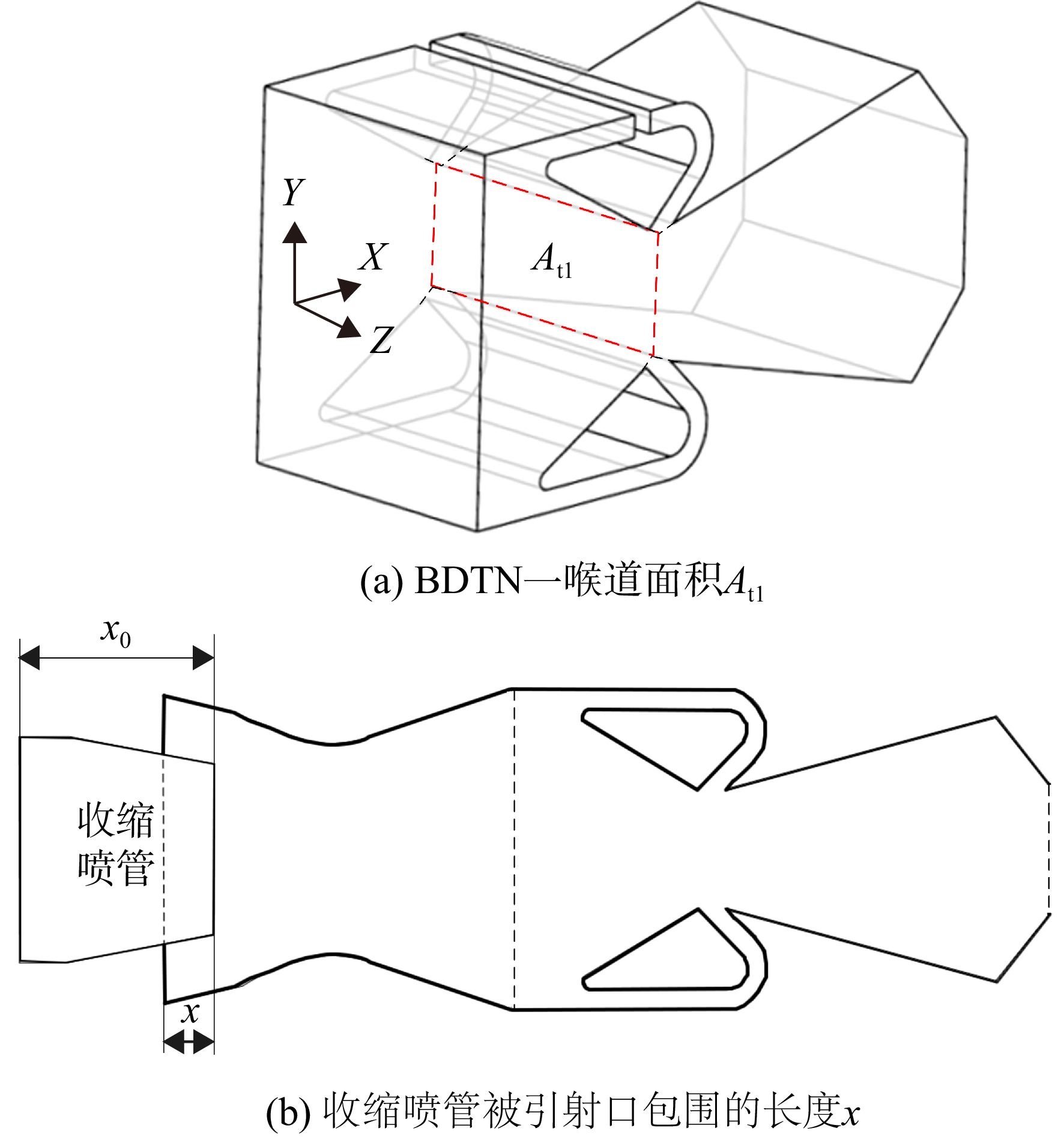
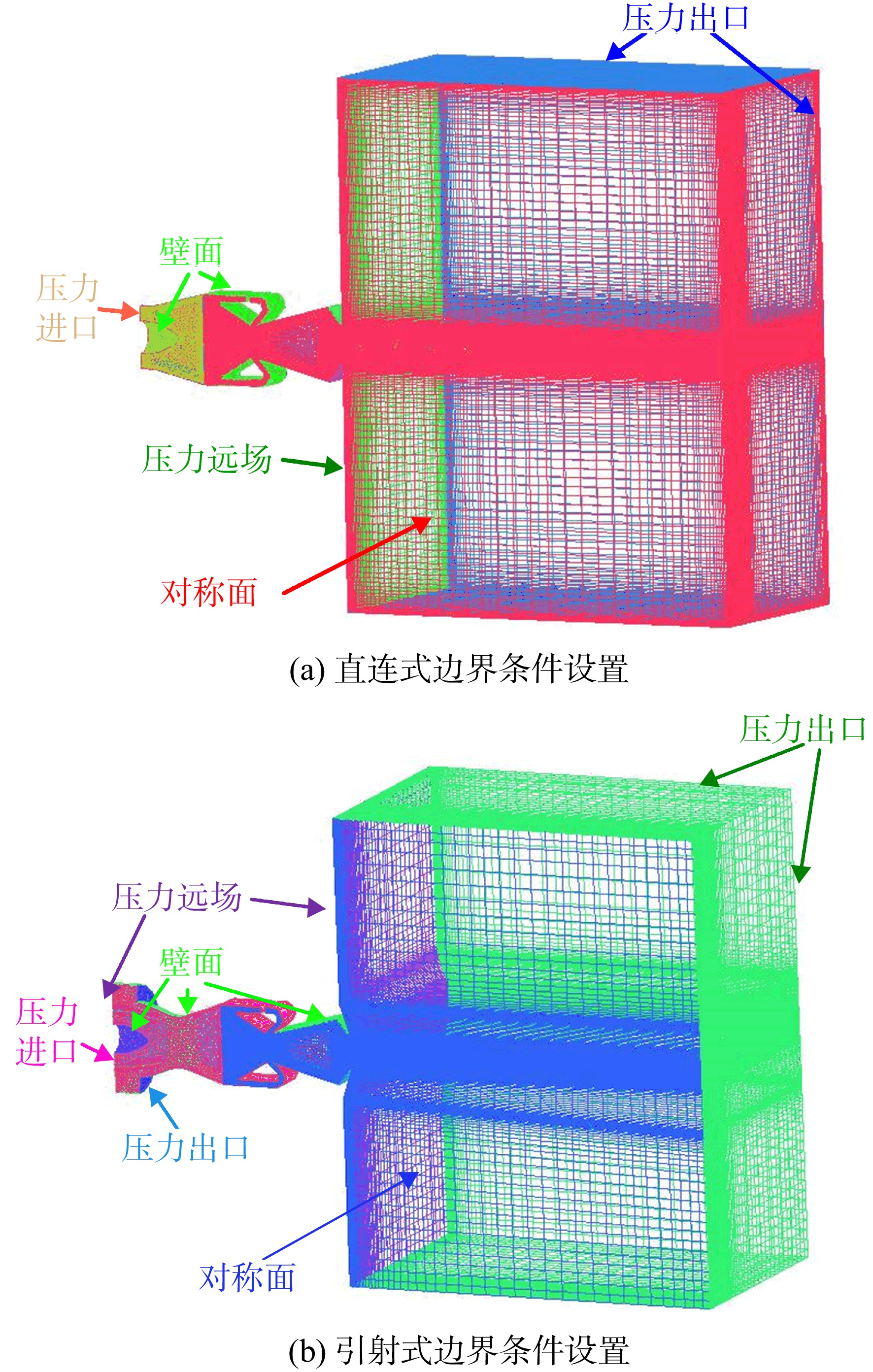
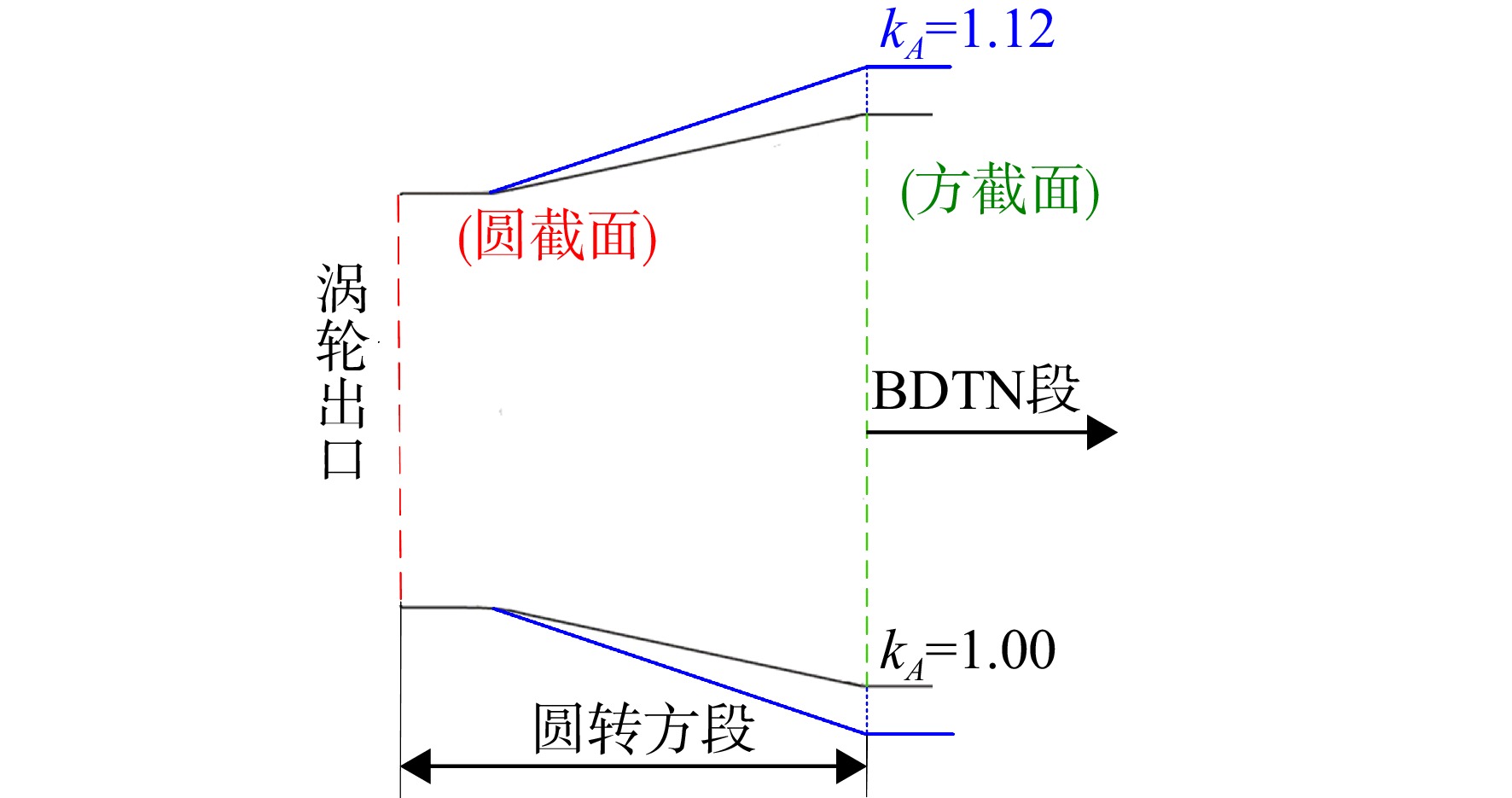
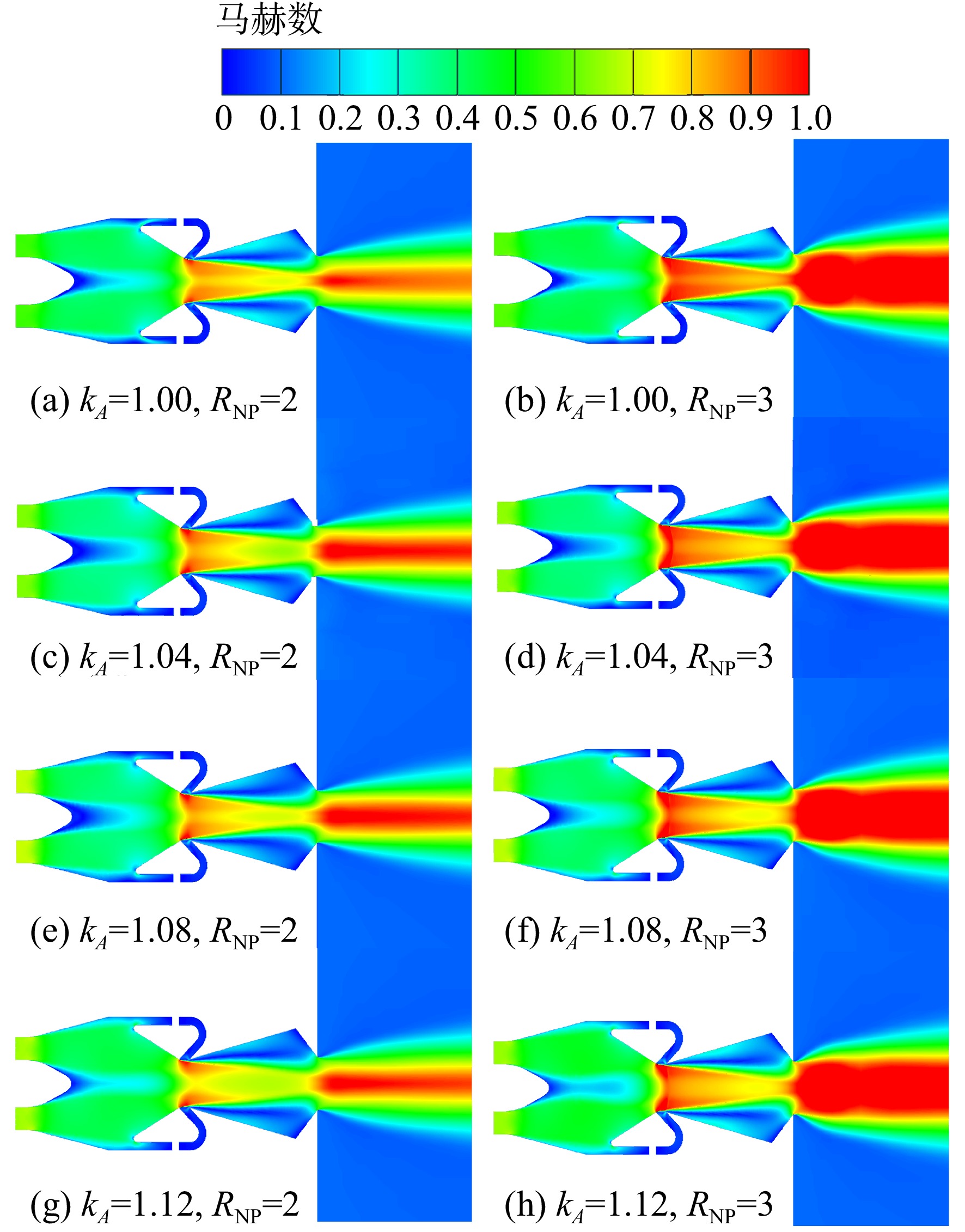
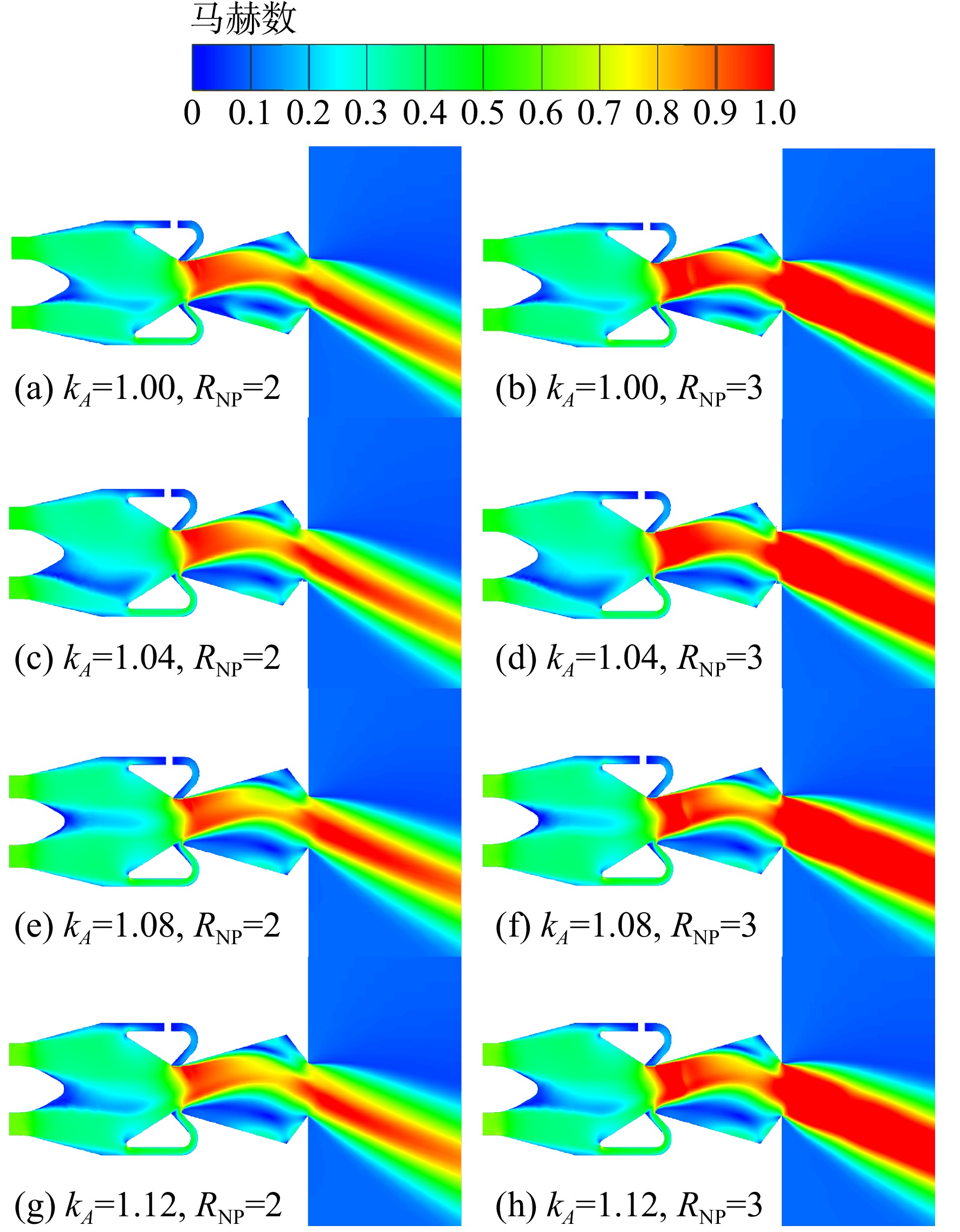
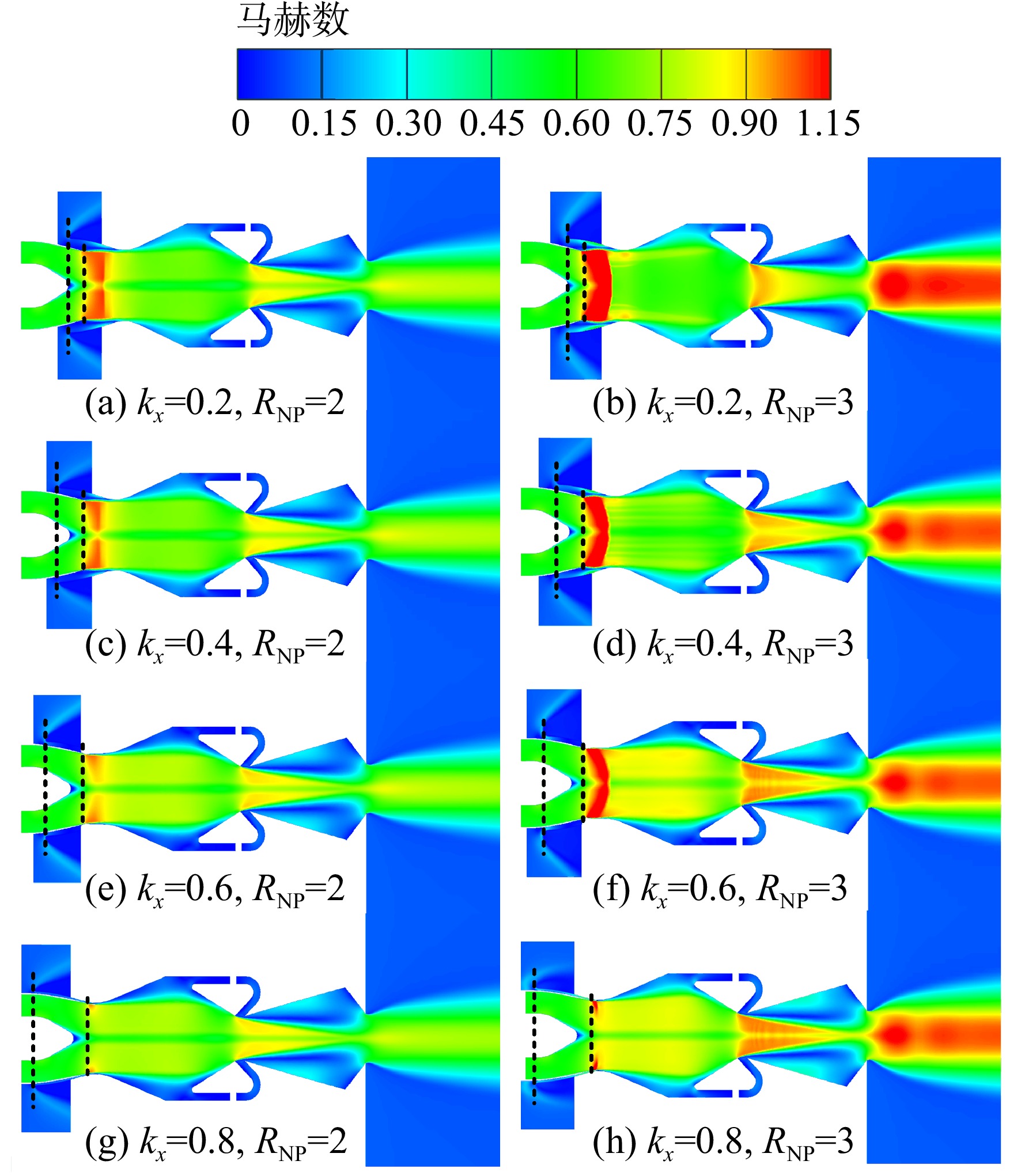
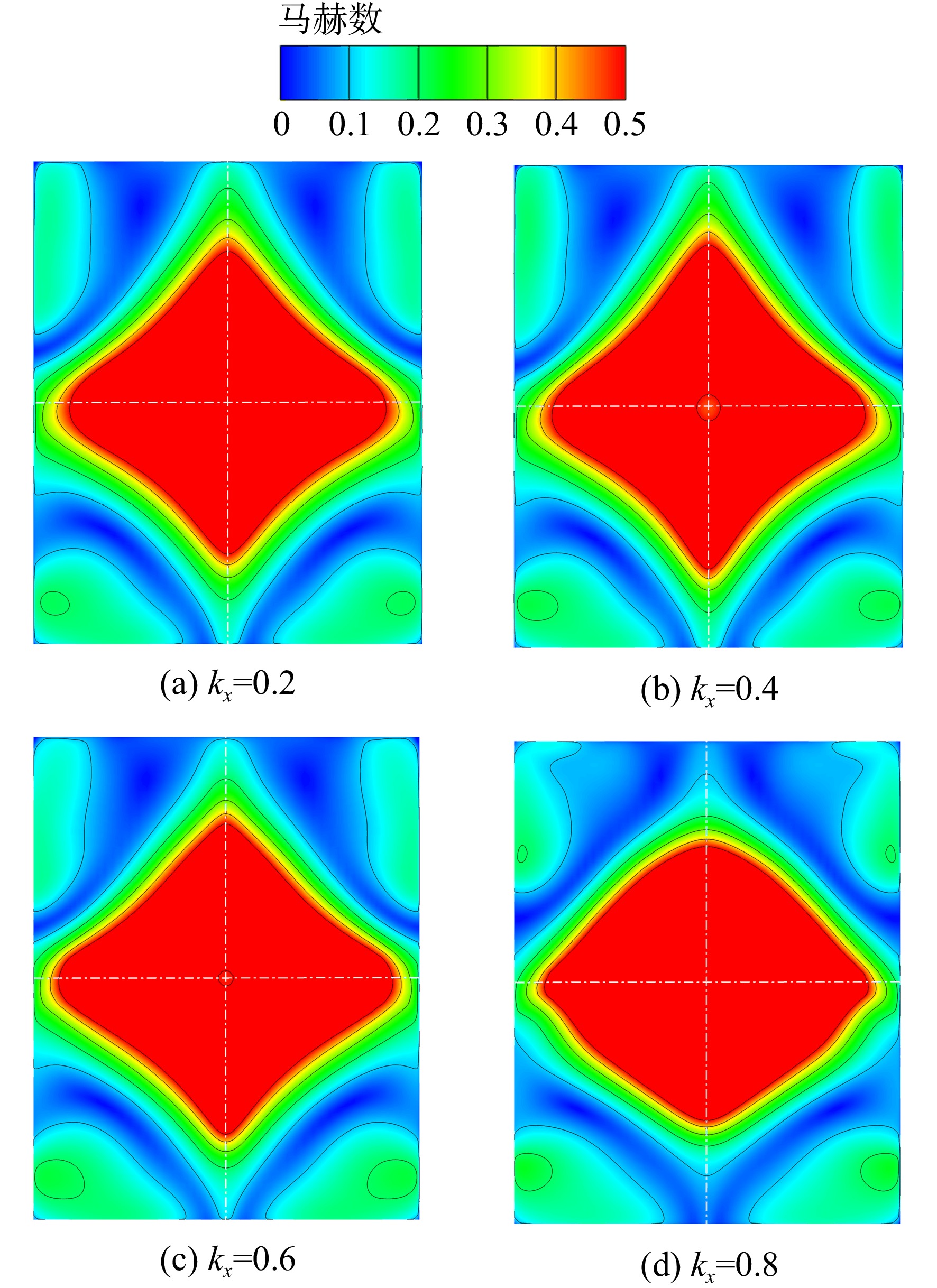
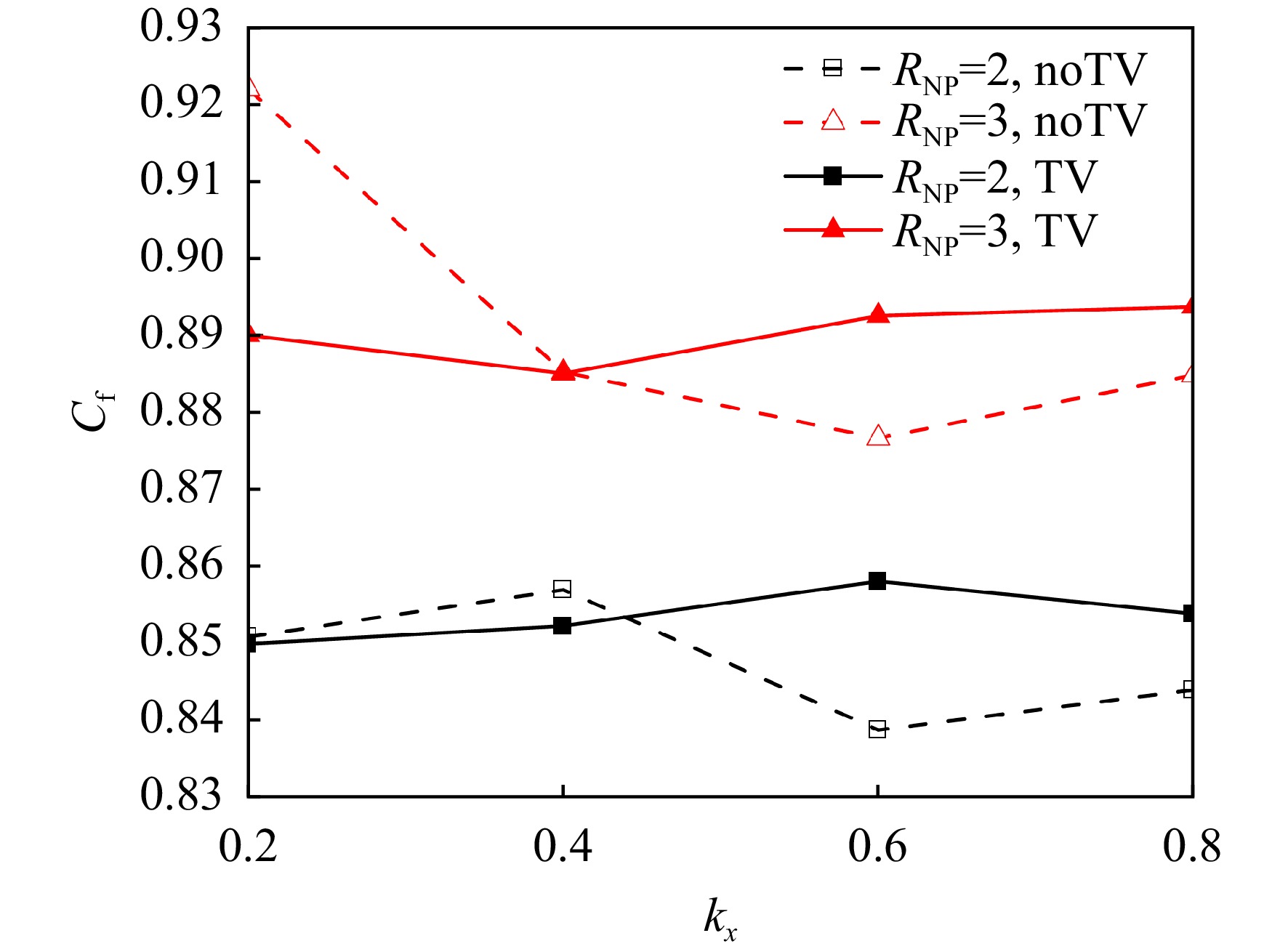
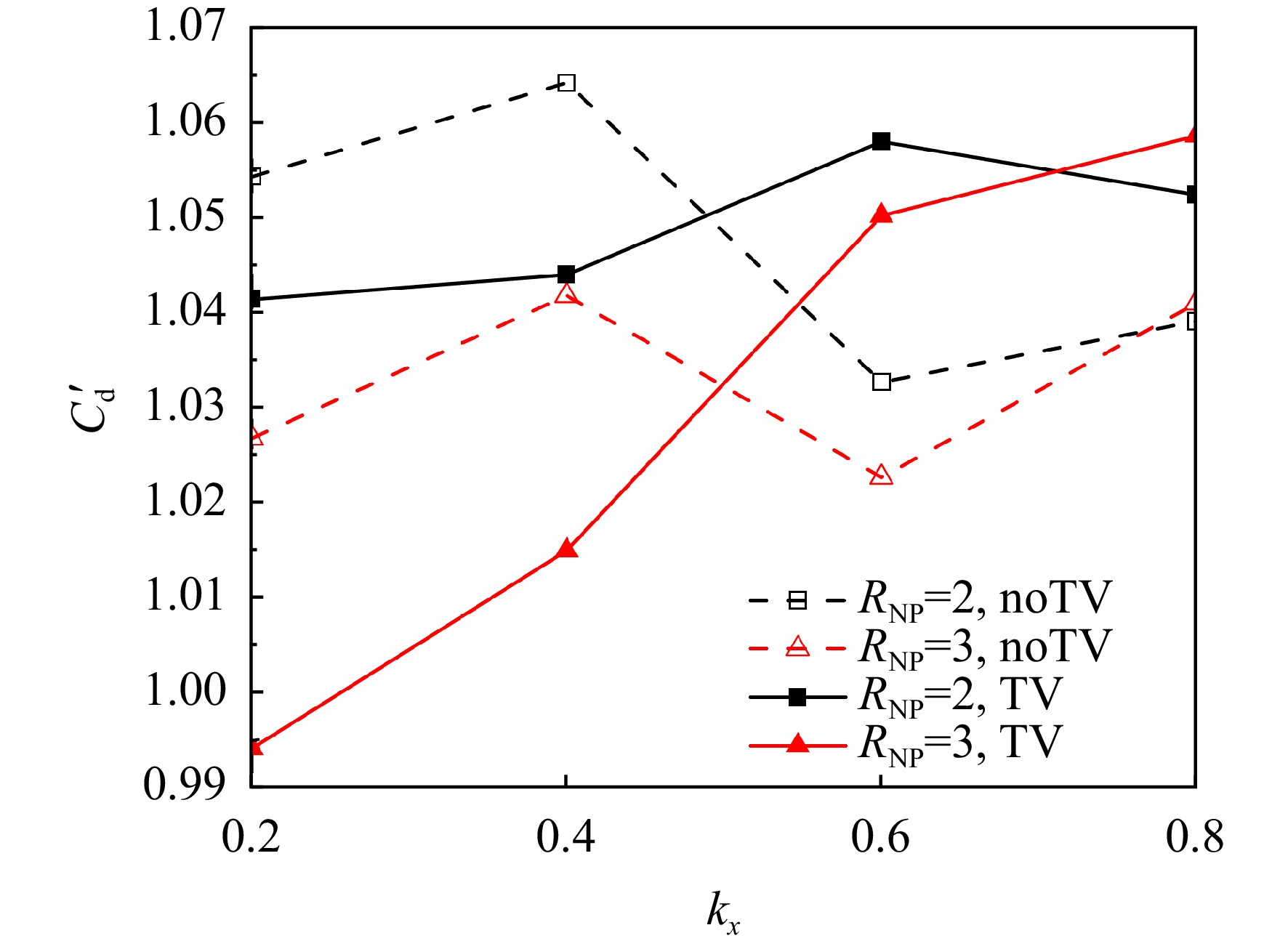
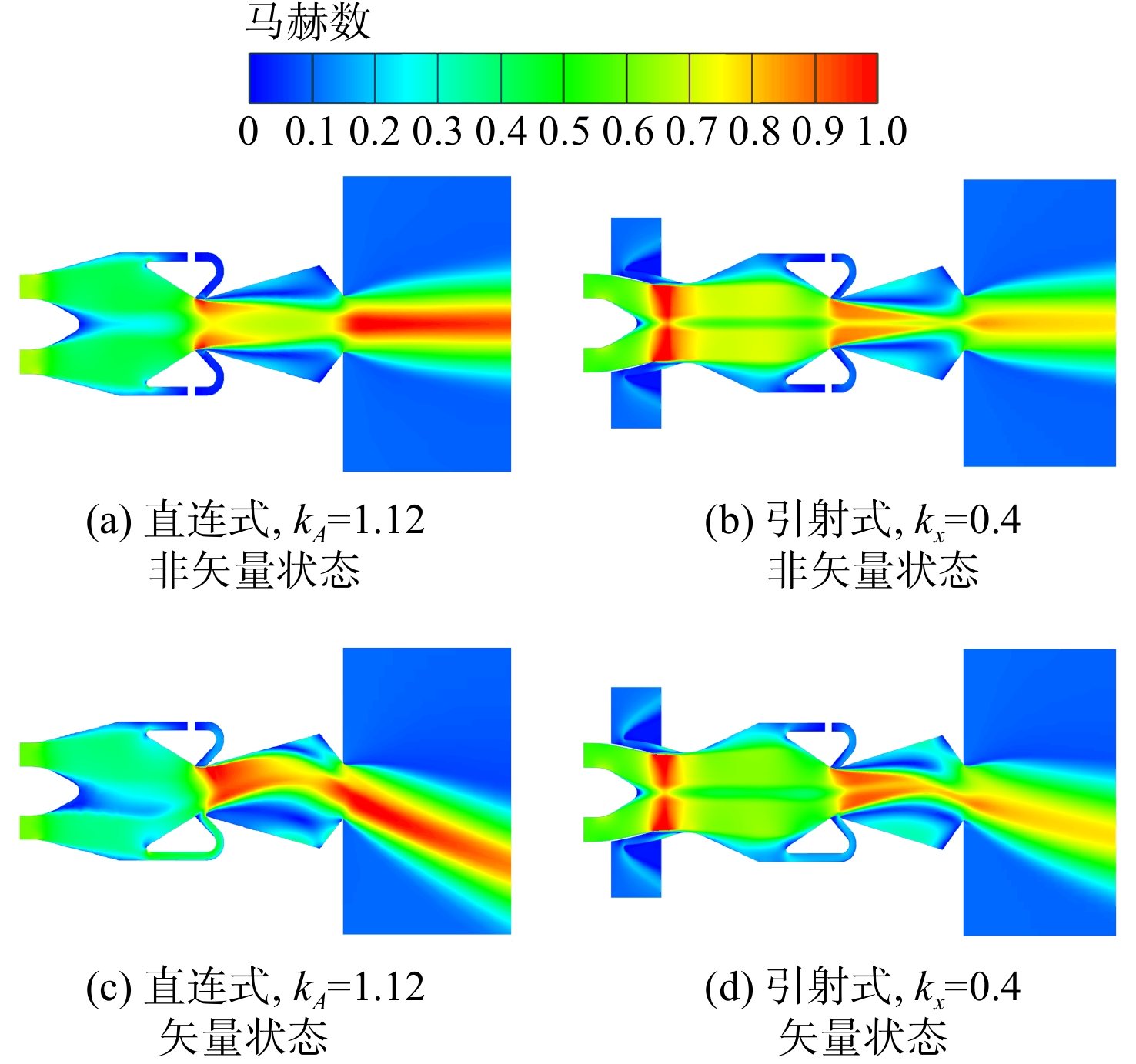
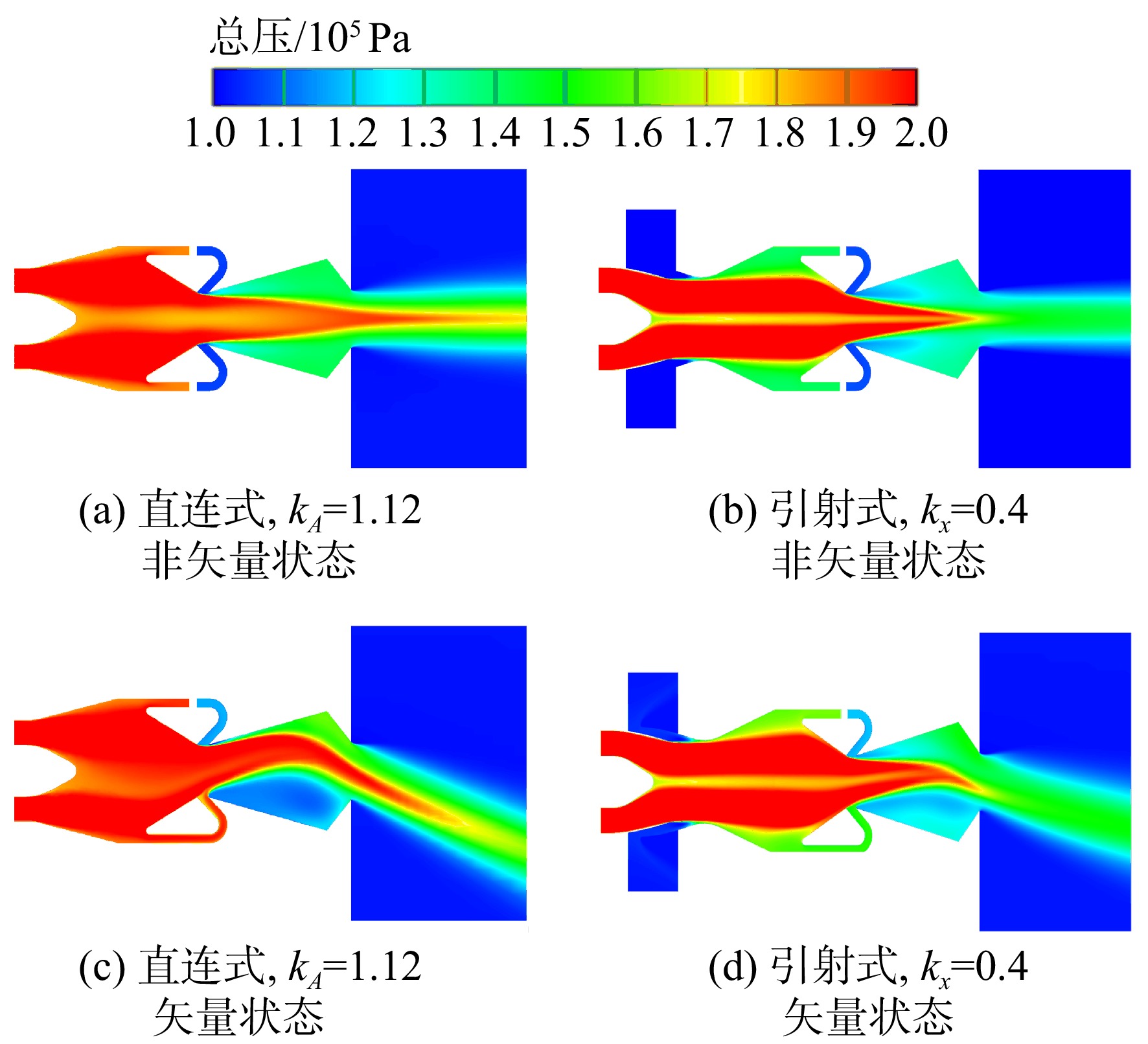
Targeting the problem about installation of bypass dual throat thrust vectoring nozzle (BDTN) on micro-turbojet, the size characteristic parameters were established respectively according to the characteristics of the two common installation methods on micro-turbojet. The corresponding models of BDTNs were designed to carry out numerical simulation research. The numerical simulation results of the direct connection installation method showed that the flow capacity of BDTN was sufficient, indicating less negative effects on the normal operation of the turbojet, with thrust vectoring angle reaching more than 20° and the isentropic thrust coefficient rising above 0.89. The numerical simulation results of the injection installation method showed that air ejected from the environment caused severe mixing near the injection port, resulting in significant thrust loss, and thrust vectoring angle was smaller than 20°. The transformation laws of performance under different installation methods were obtained, thus providing a solution for application of bypass dual throat thrust vectoring nozzle on micro turbojet engine.

Research on the deflection control of supersonic jet under the constraint of 0° wall angle
ZHOU Yuhang, GU Yunsong, LI Linkai
2026, 41(6): 20240659. doi: 10.13224/j.cnki.jasp.20240659
Abstract:

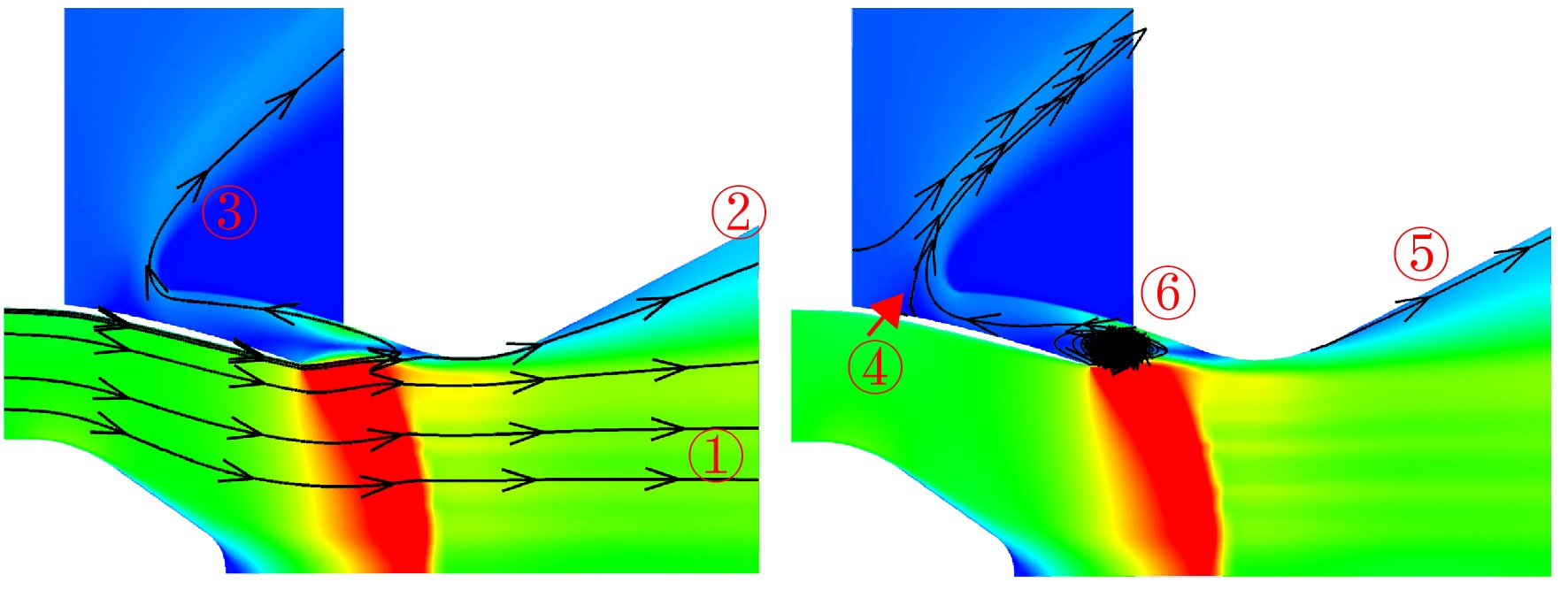
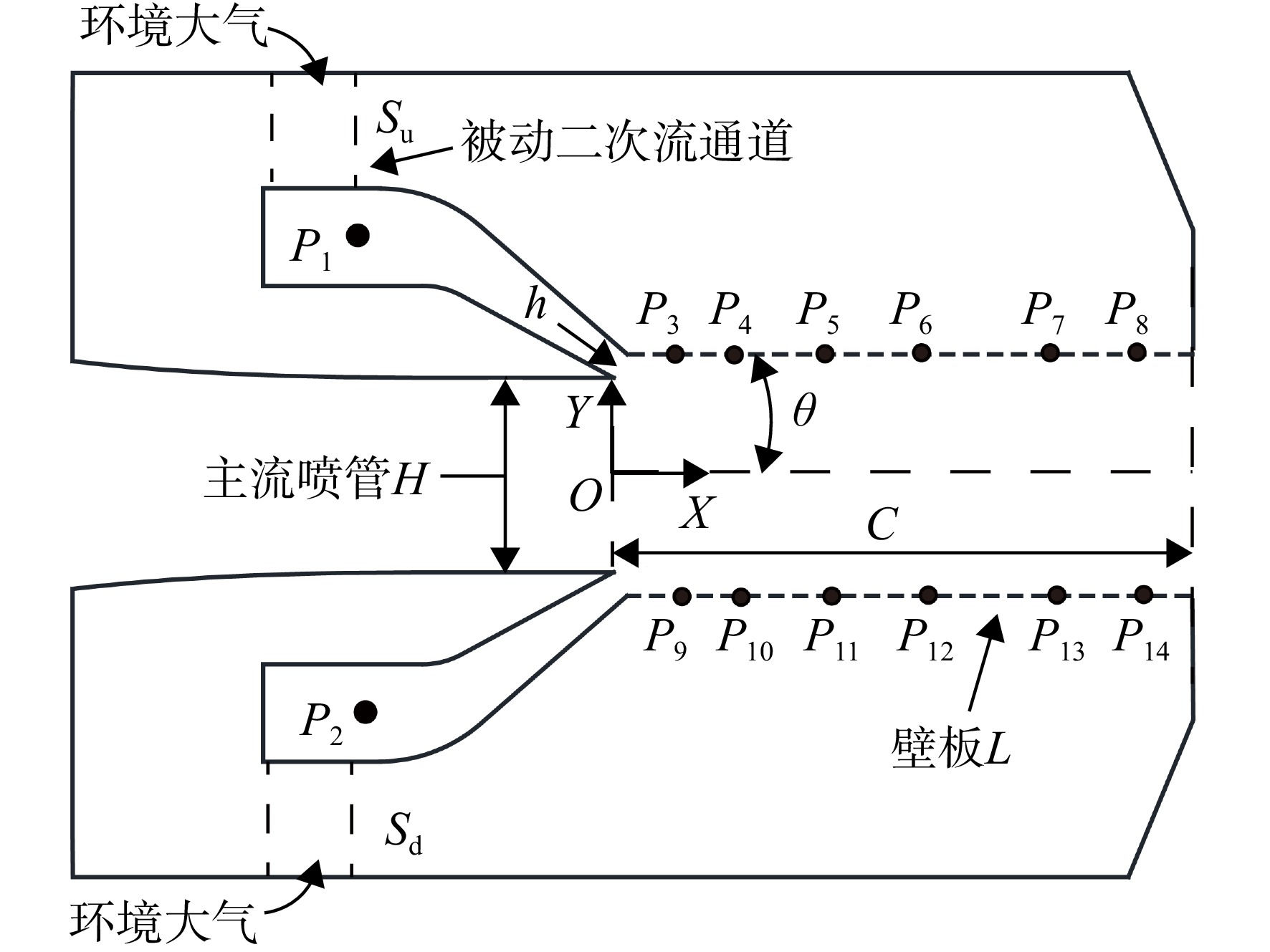
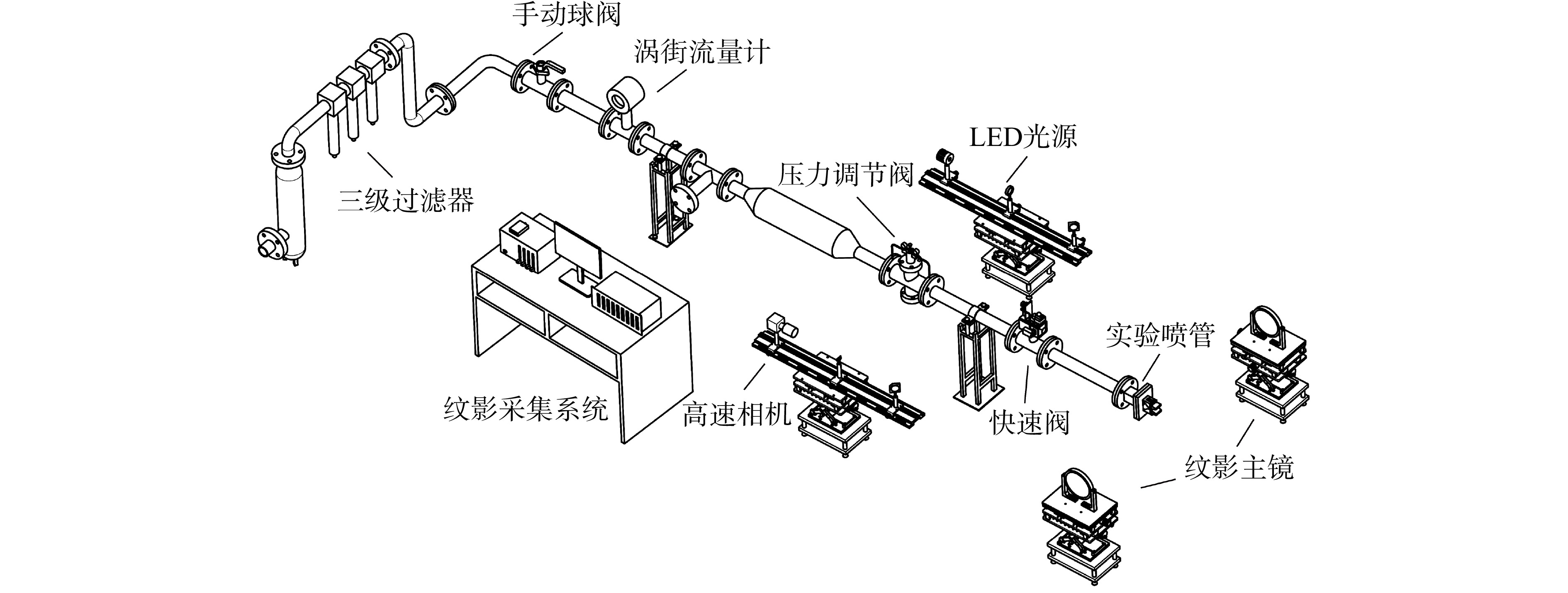
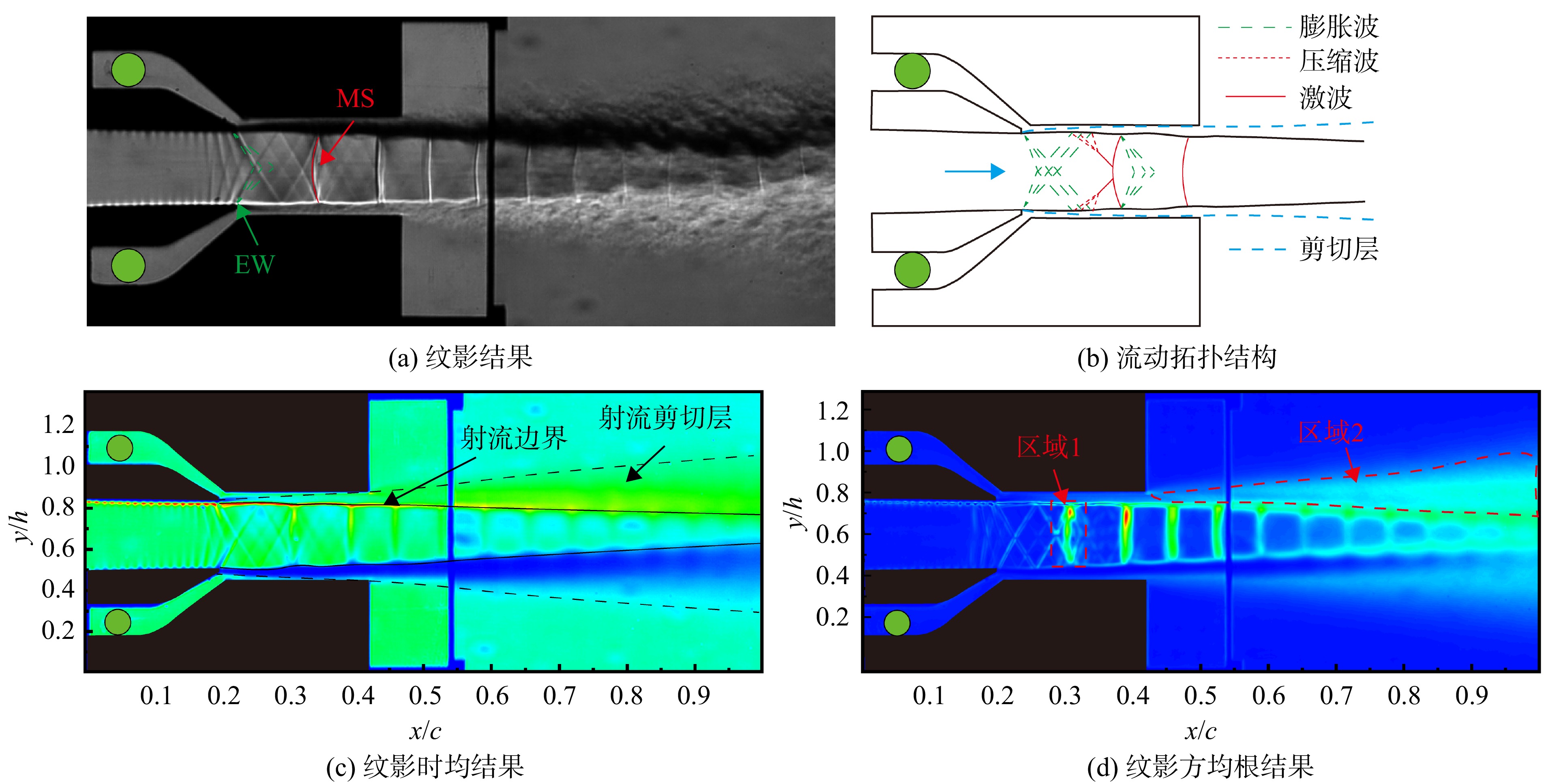
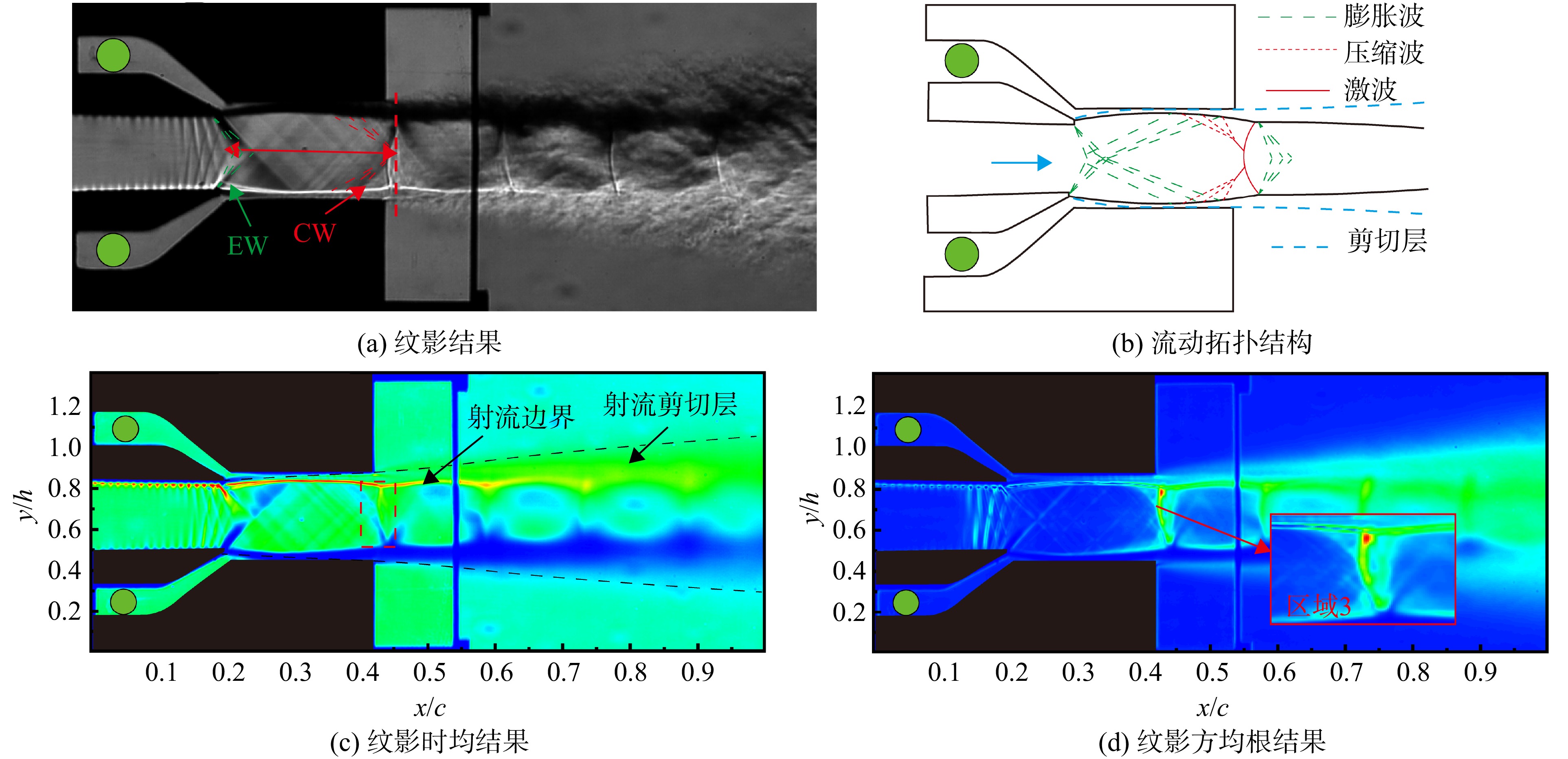
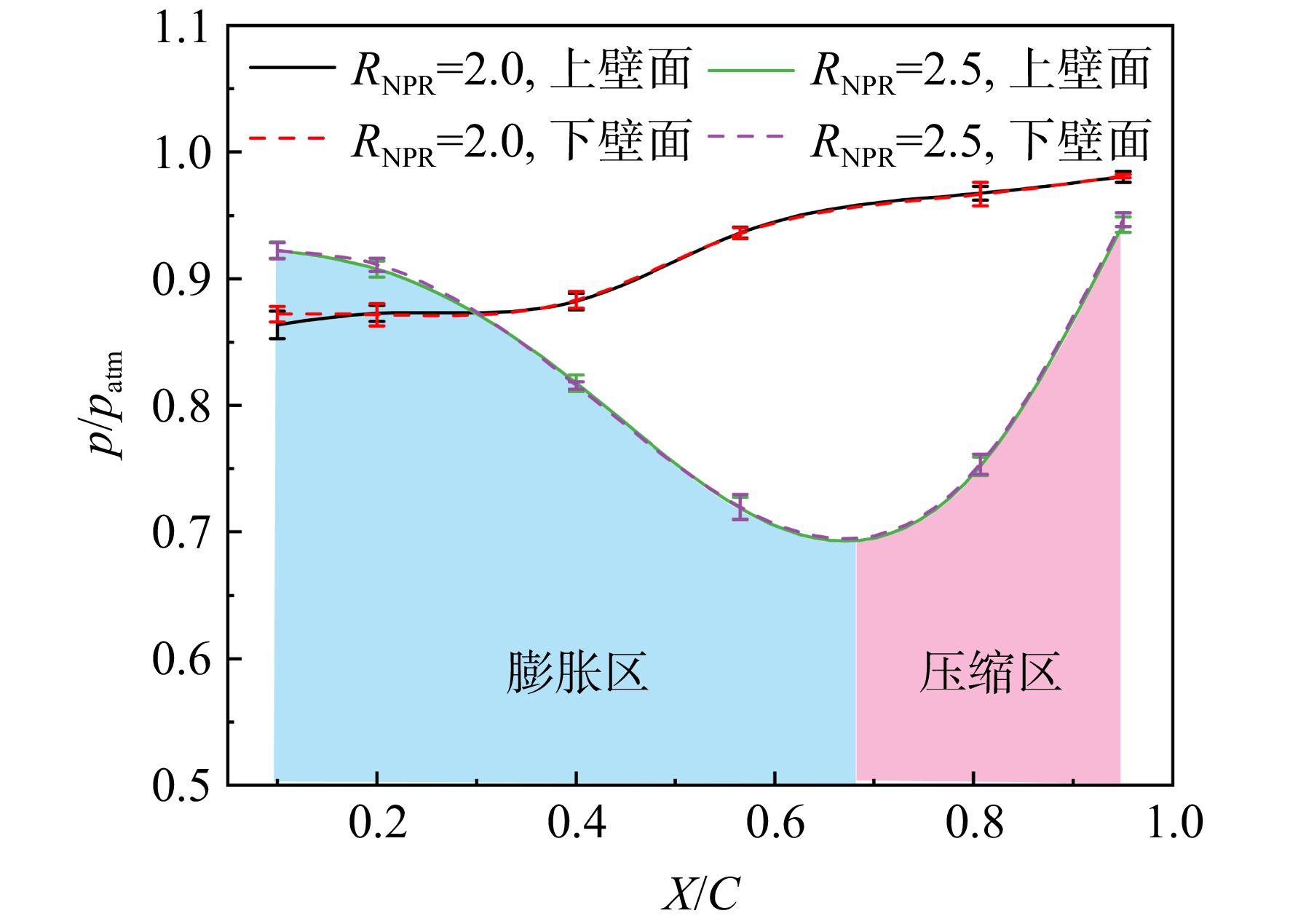
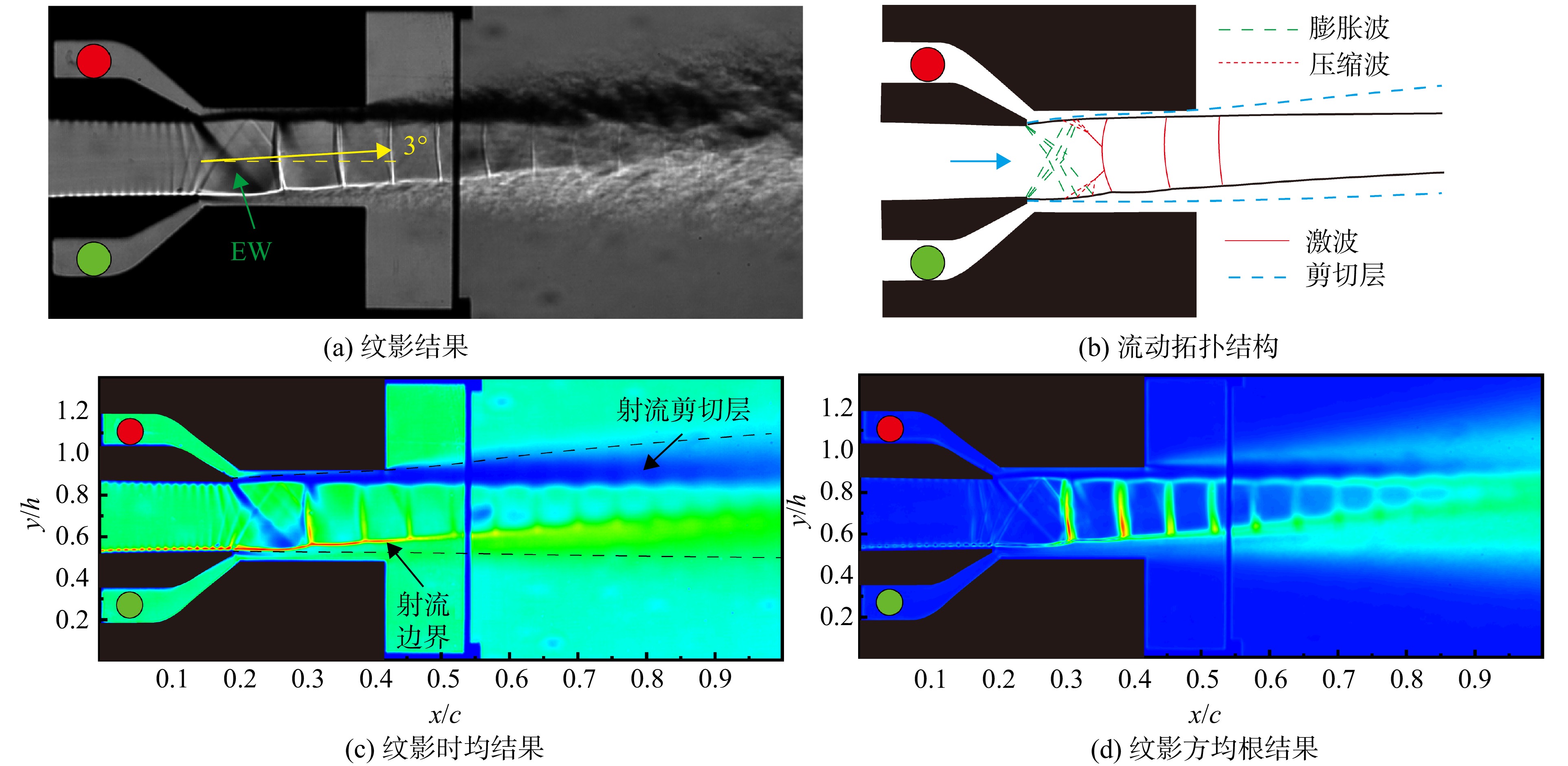
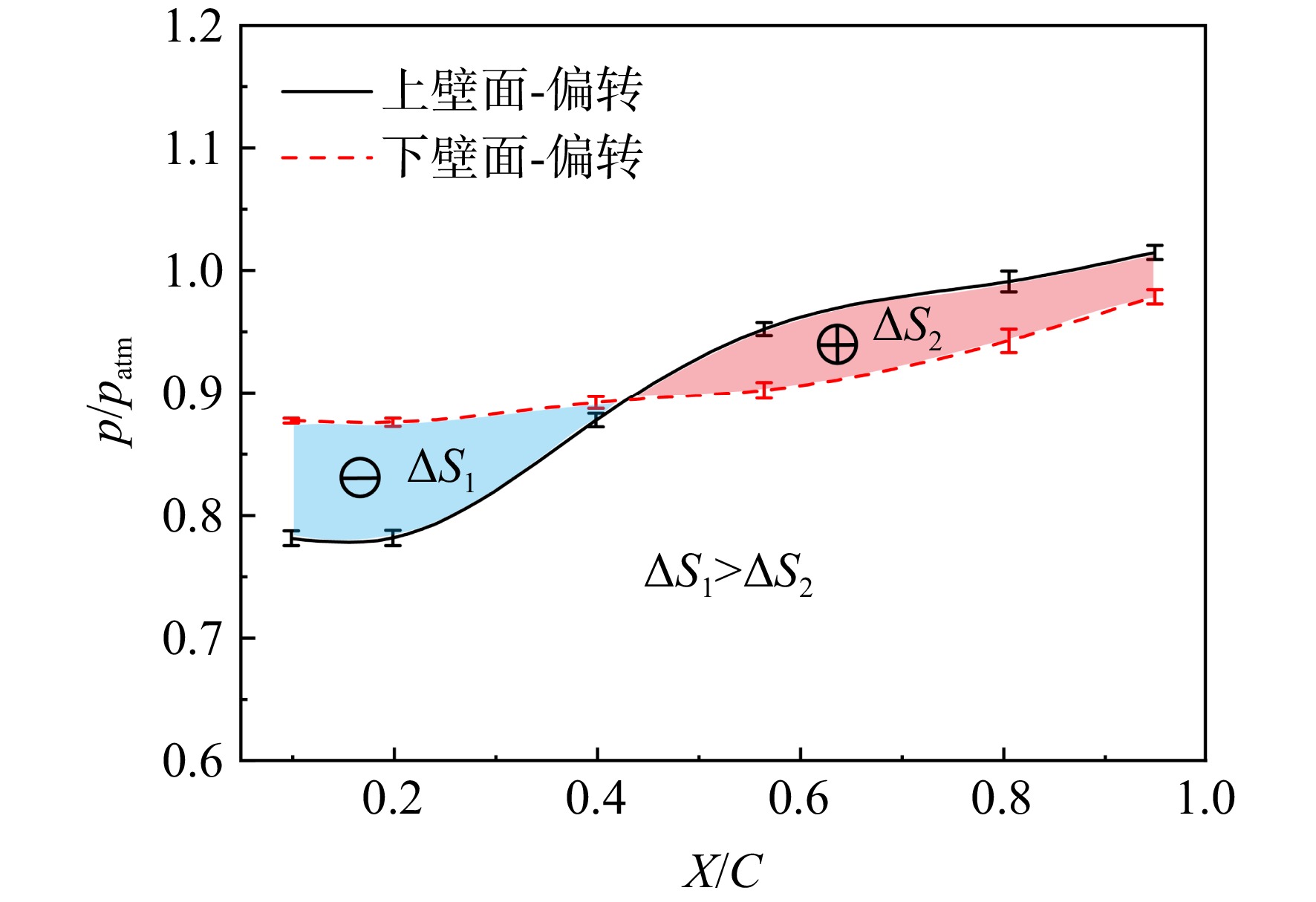
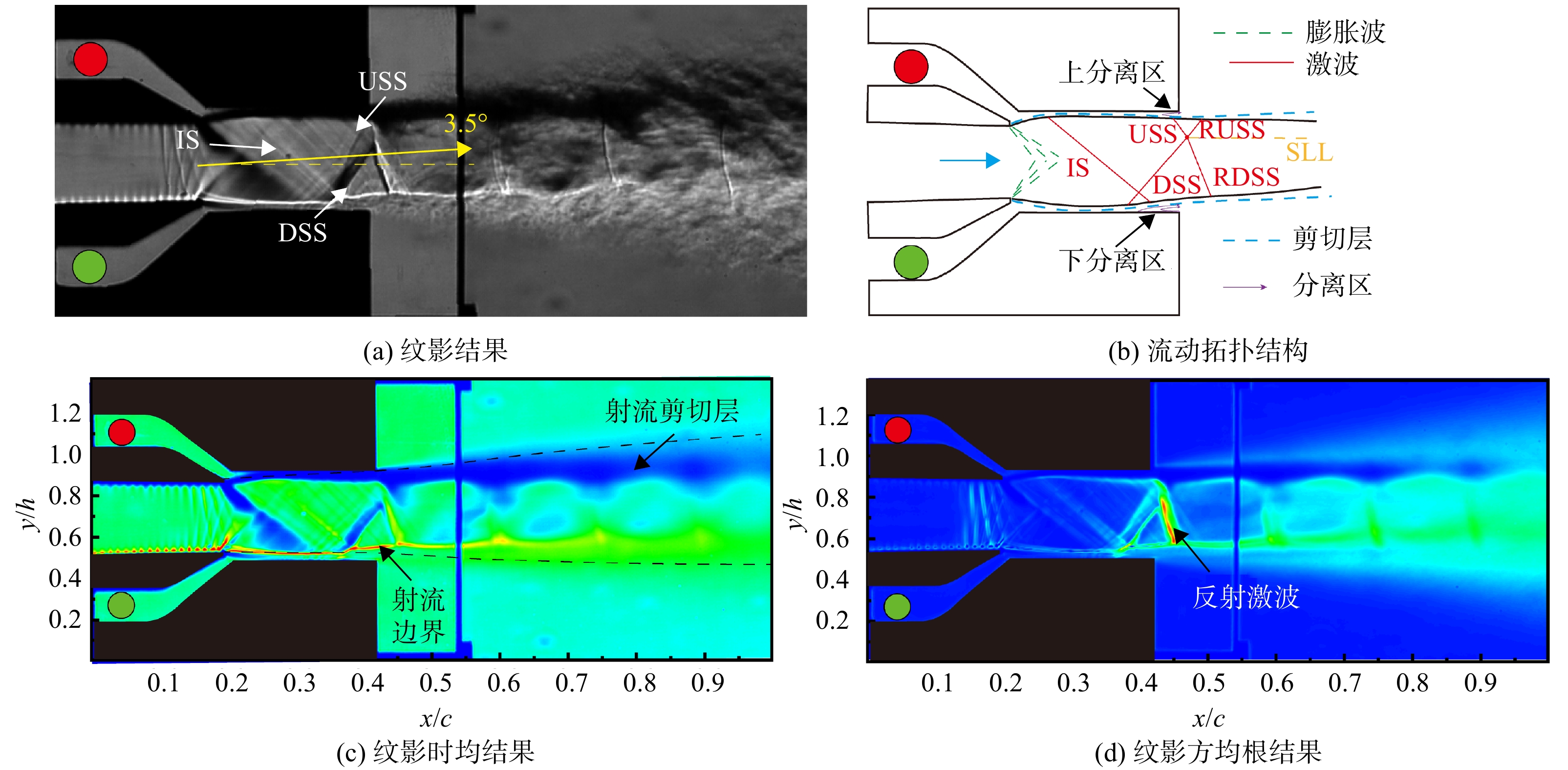
Owing to its simple structure, light weight, fast response, and stealth performance, the fluidic thrust vectoring nozzle has become one of the key components for low detectable aircraft. The vectoring control of the jet is often dependent on the expansion section or curved surface of the nozzle, which inevitably leads to additional structural weight and drag on the aircraft, as well as a decrease in stealth. Therefore, this study focused on the passive fluidic thrust vectoring nozzle with the angle of the surface equal to 0°, and explored the evolution laws of the wave structure under a confined solid wall constraint through experimental method. The study showed that at a surface angle of 0° and a nozzle pressure ratio (NPR) of 2.0, the primary jet exhibited a shock wave string structure with multiple Mach stems. When the jet was controlled, the jet can be deflected to 3°. When the nozzle pressure ratio was 2.5, asymmetric expansion of the jet boundary appeared under controlled condition, which led to asymmetric separation of the jet on the upper and lower walls. The jet can be deflected by up to 3.5°. The research results can help to clarify the influence of the surface angle constraint on the wave structure of the supersonic jet, thus providing a new method of vector-assisted stabilization control for stealth wing layout aircraft.

Coupled flow characteristic of inlet and tail-mounted propeller in tail-propelled unmanned aerial
REN Jiahao, WU Zhenlong, TAN Huijun, WANG Ziyun, LI Dongpo
2026, 41(6): 20250205. doi: 10.13224/j.cnki.jasp.20250205
Abstract:

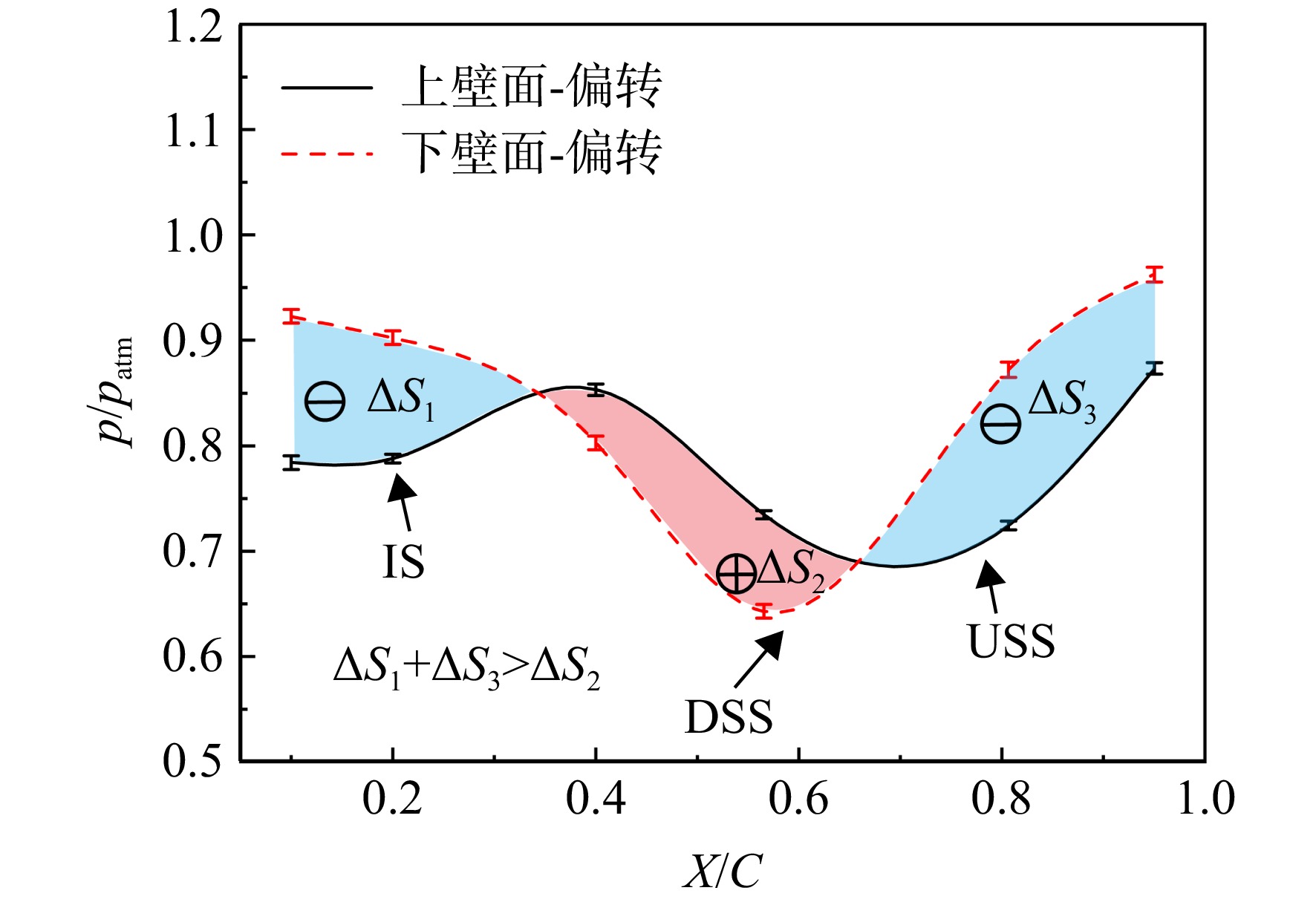
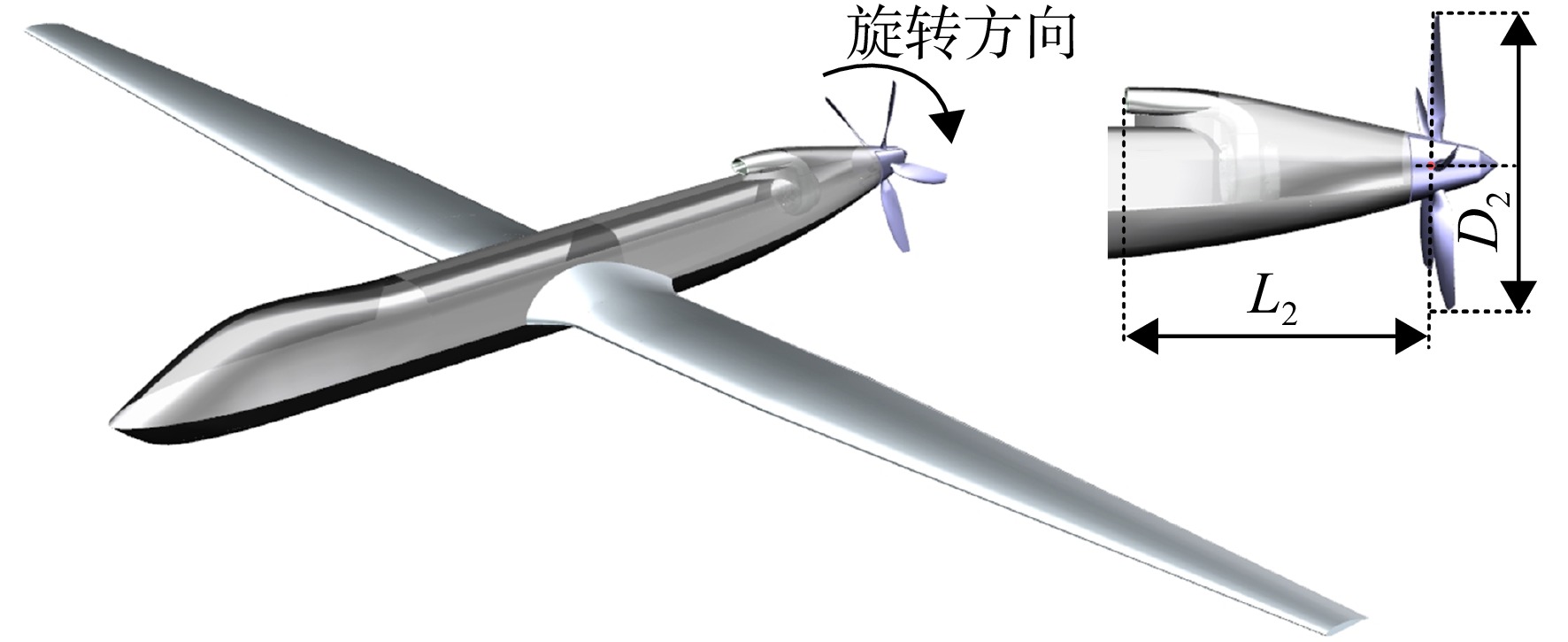
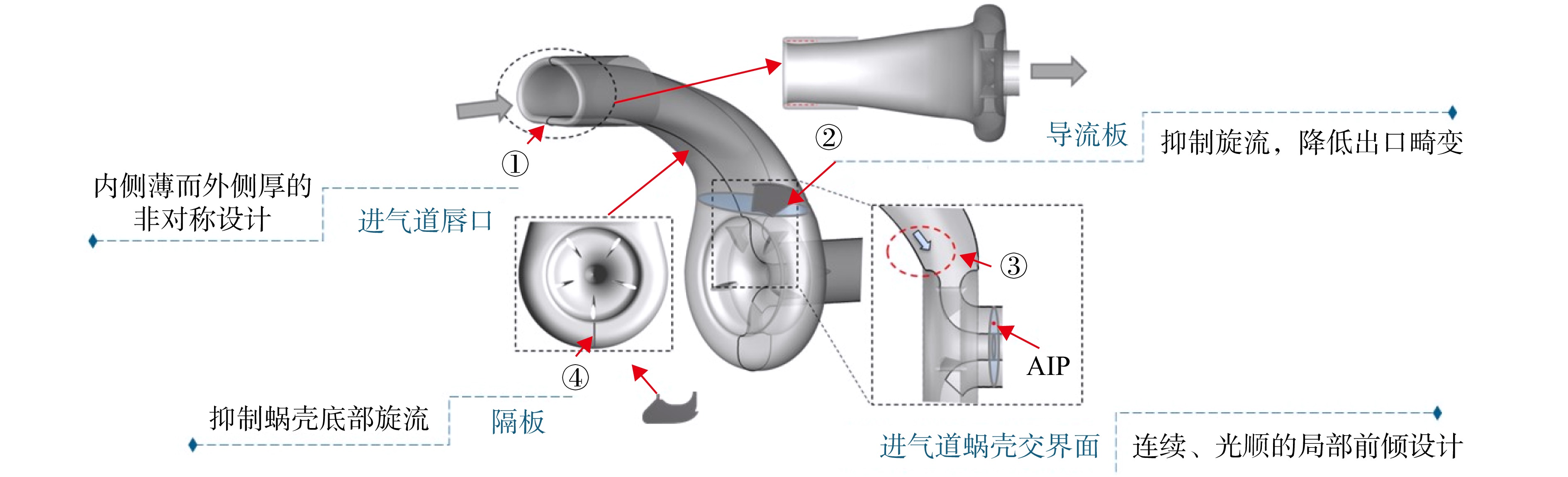
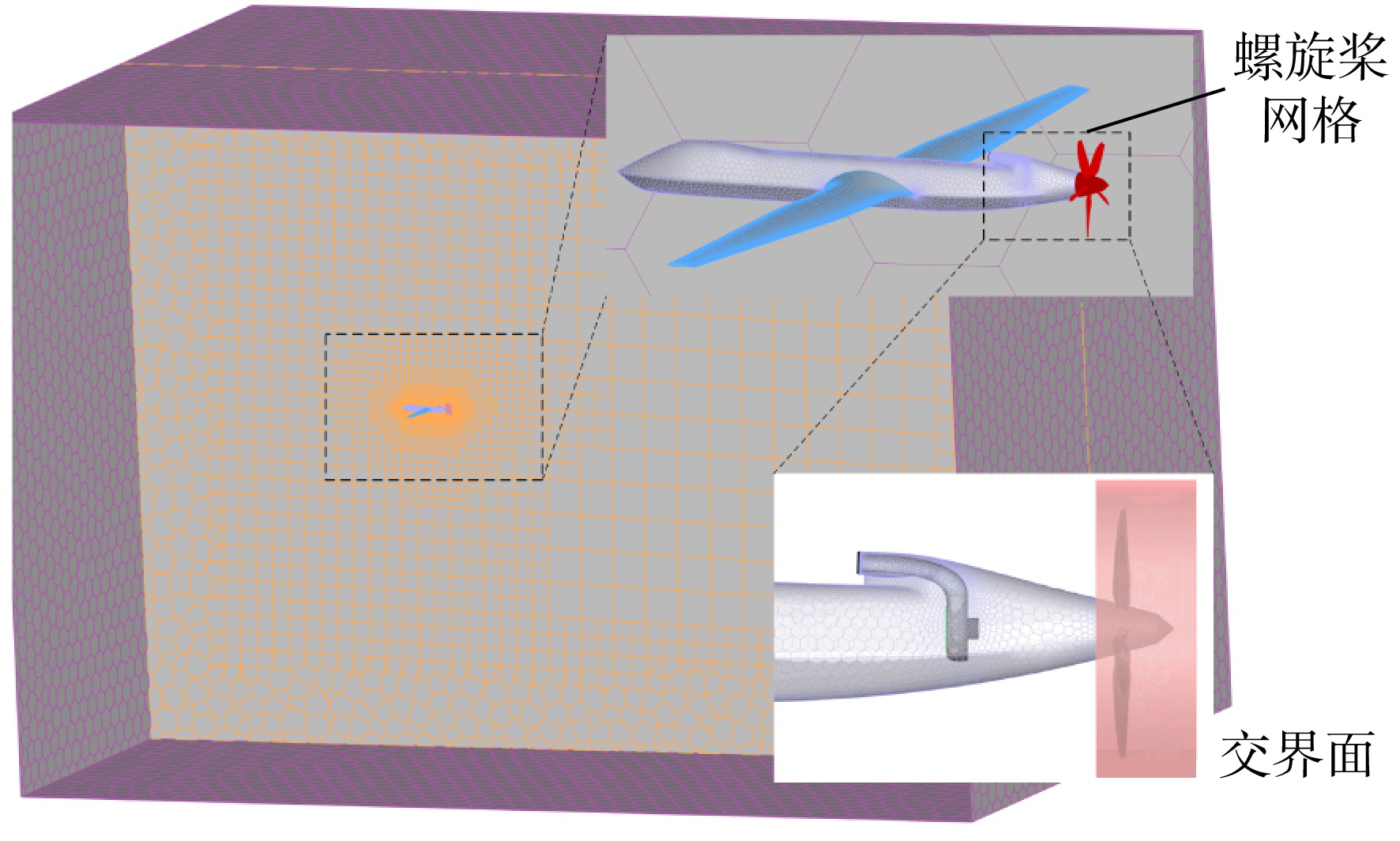
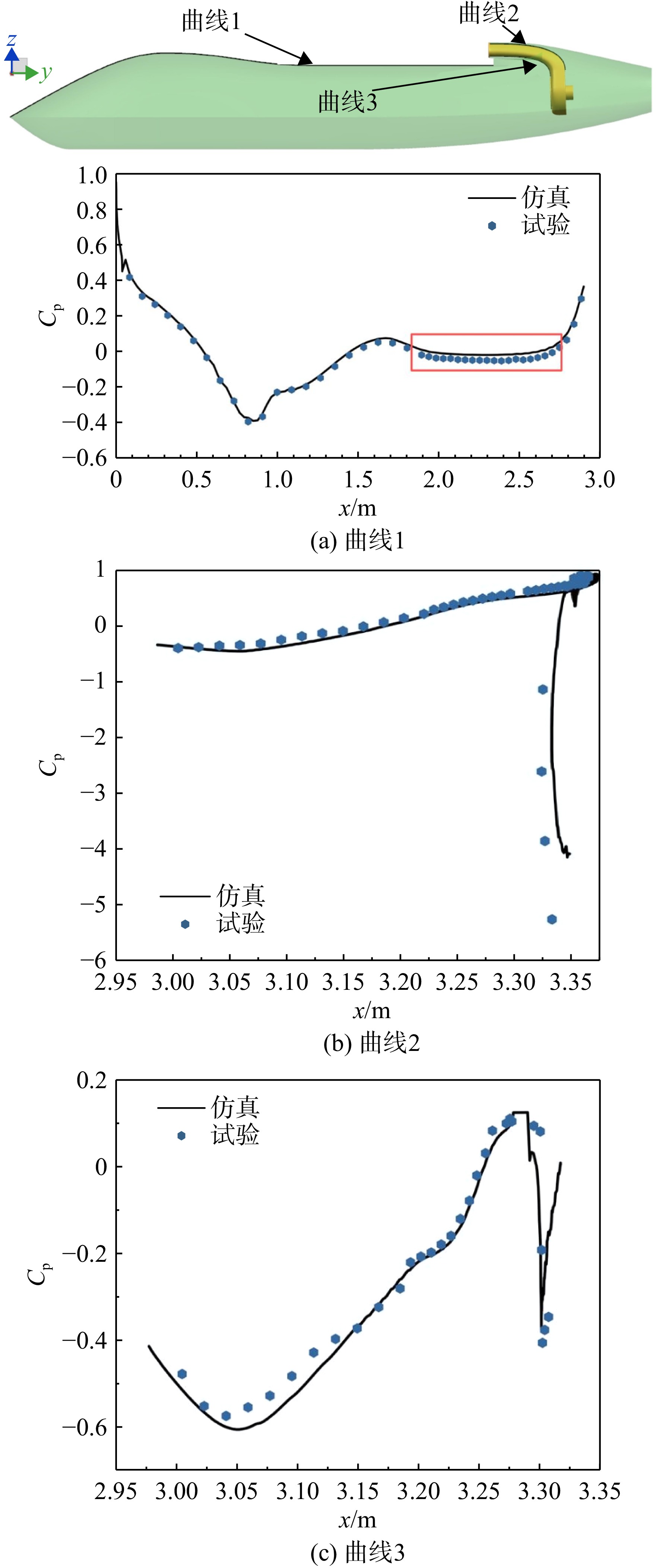
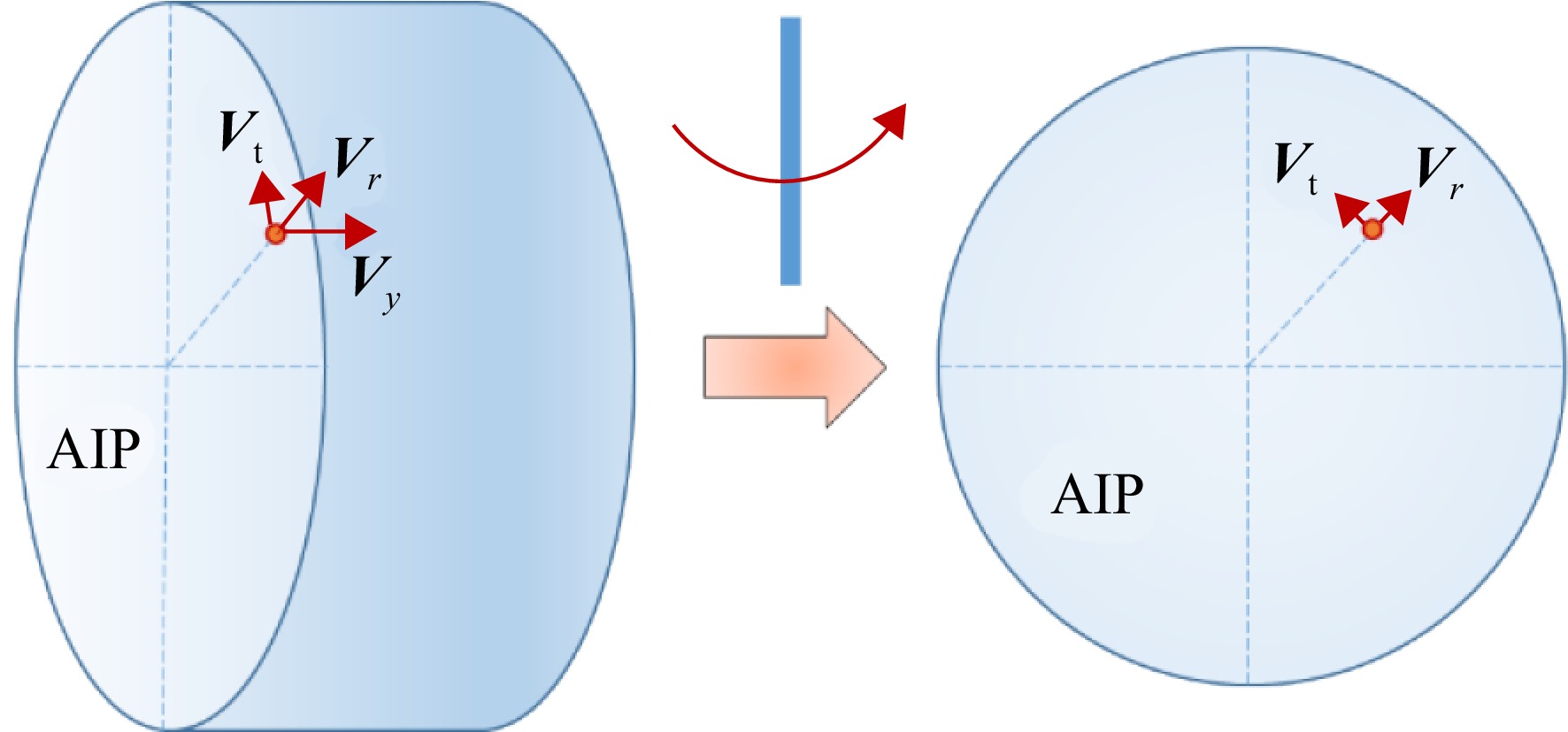
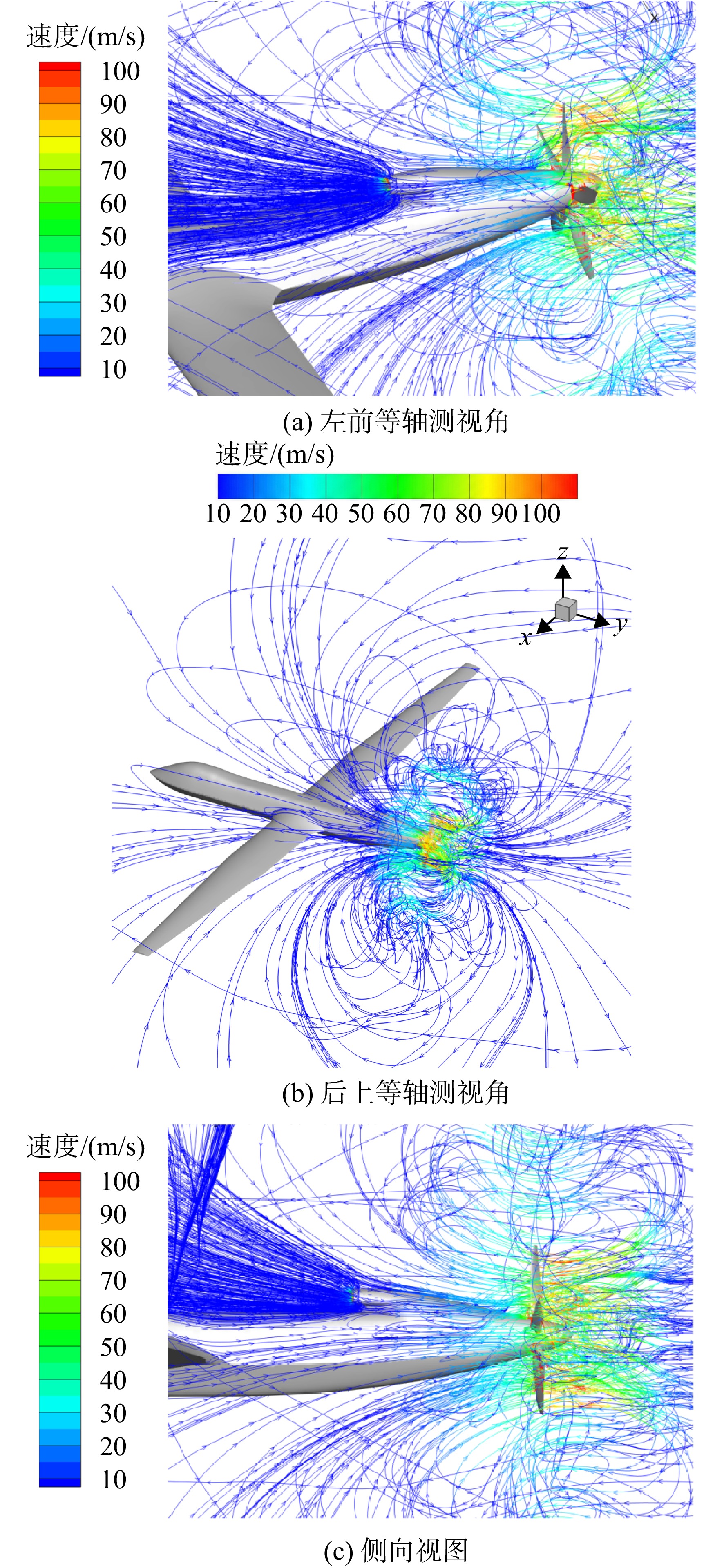
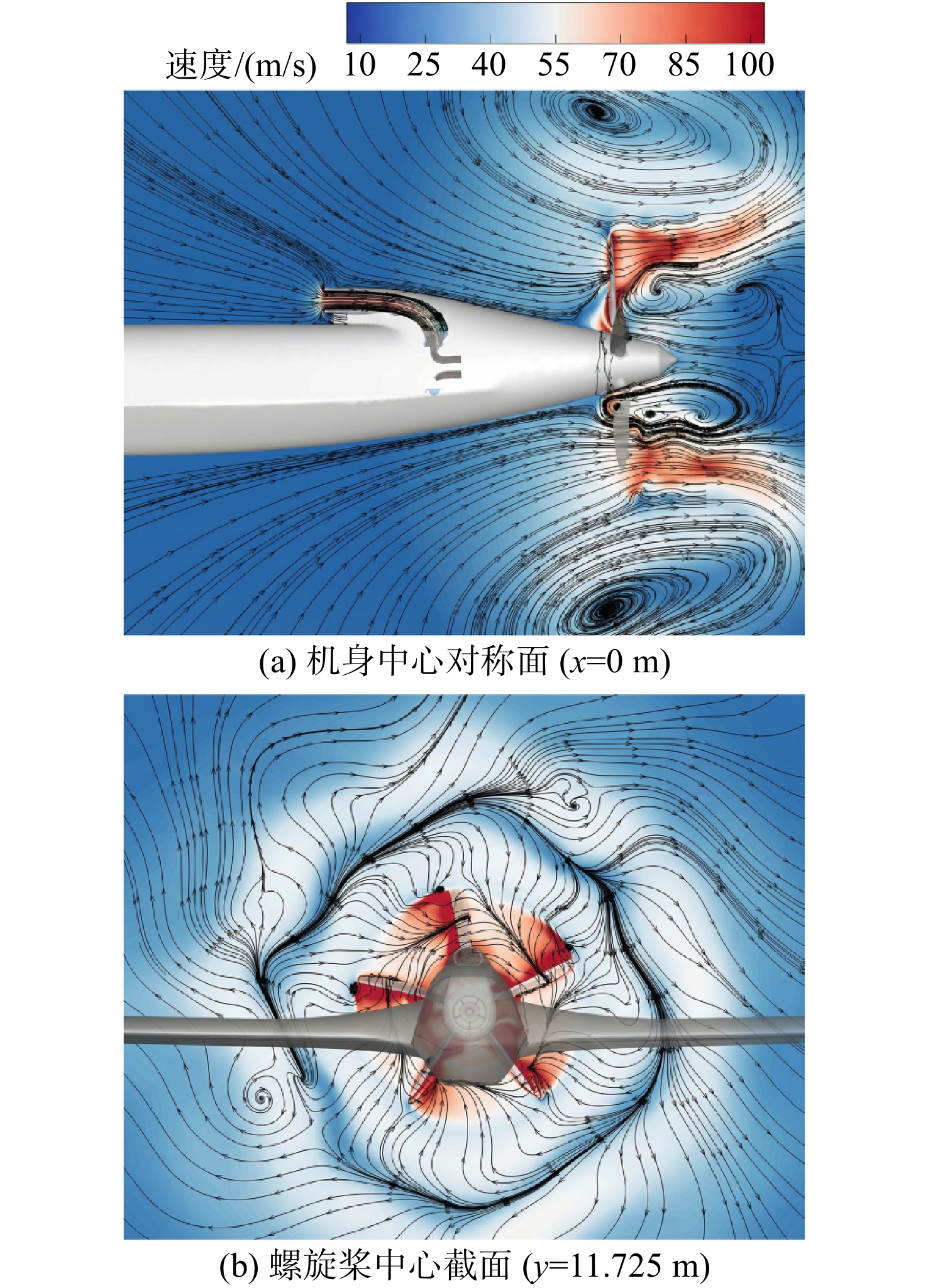
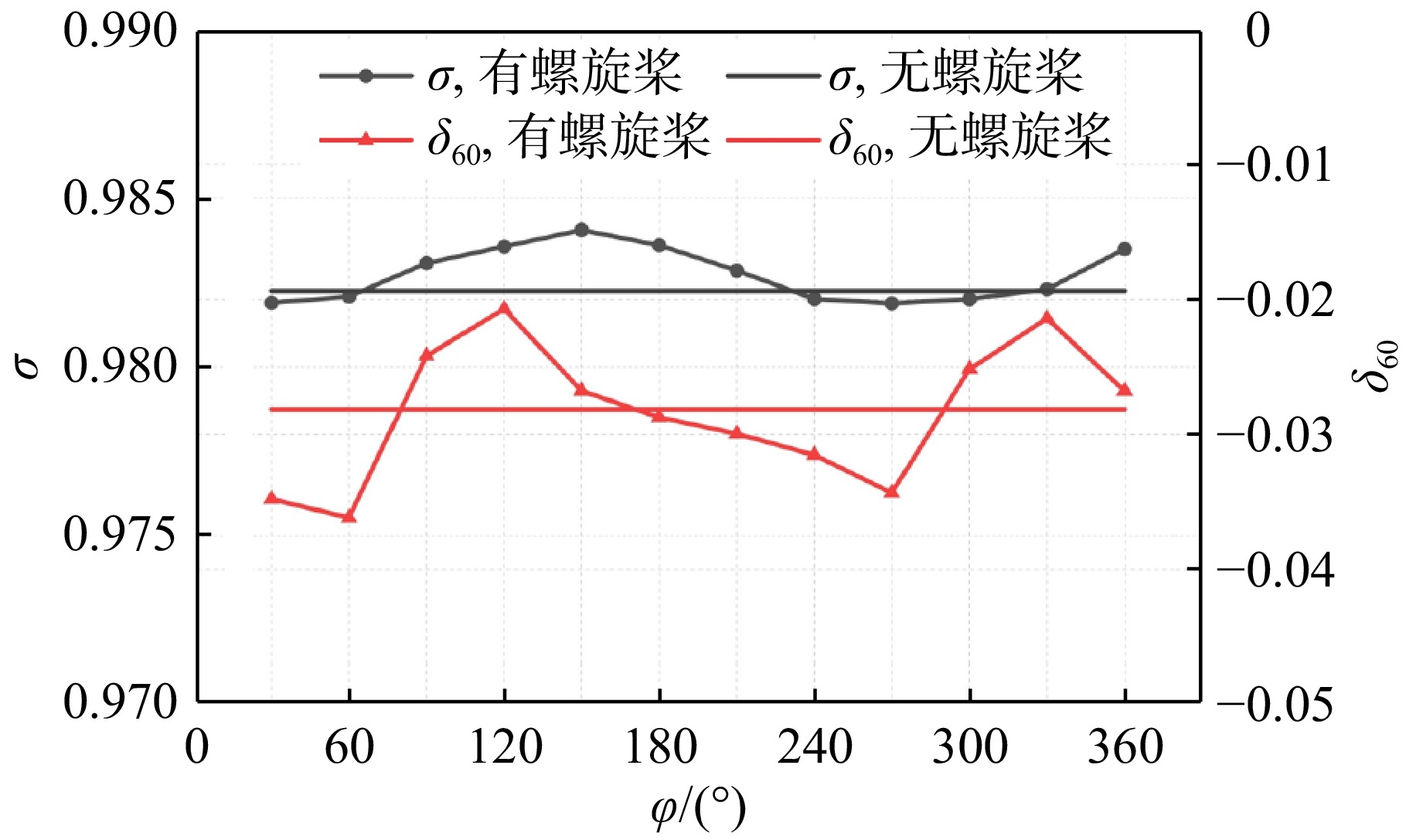
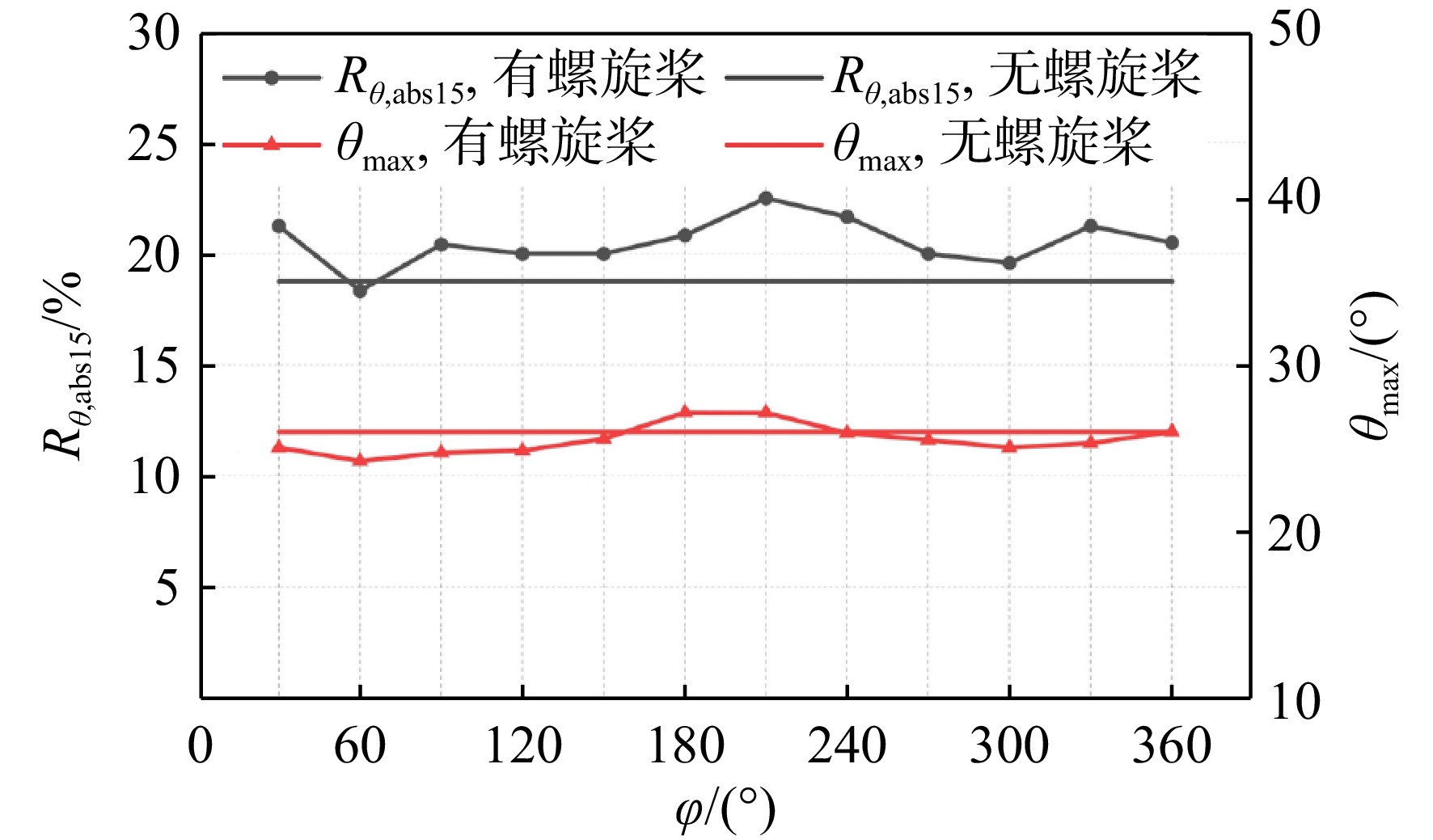
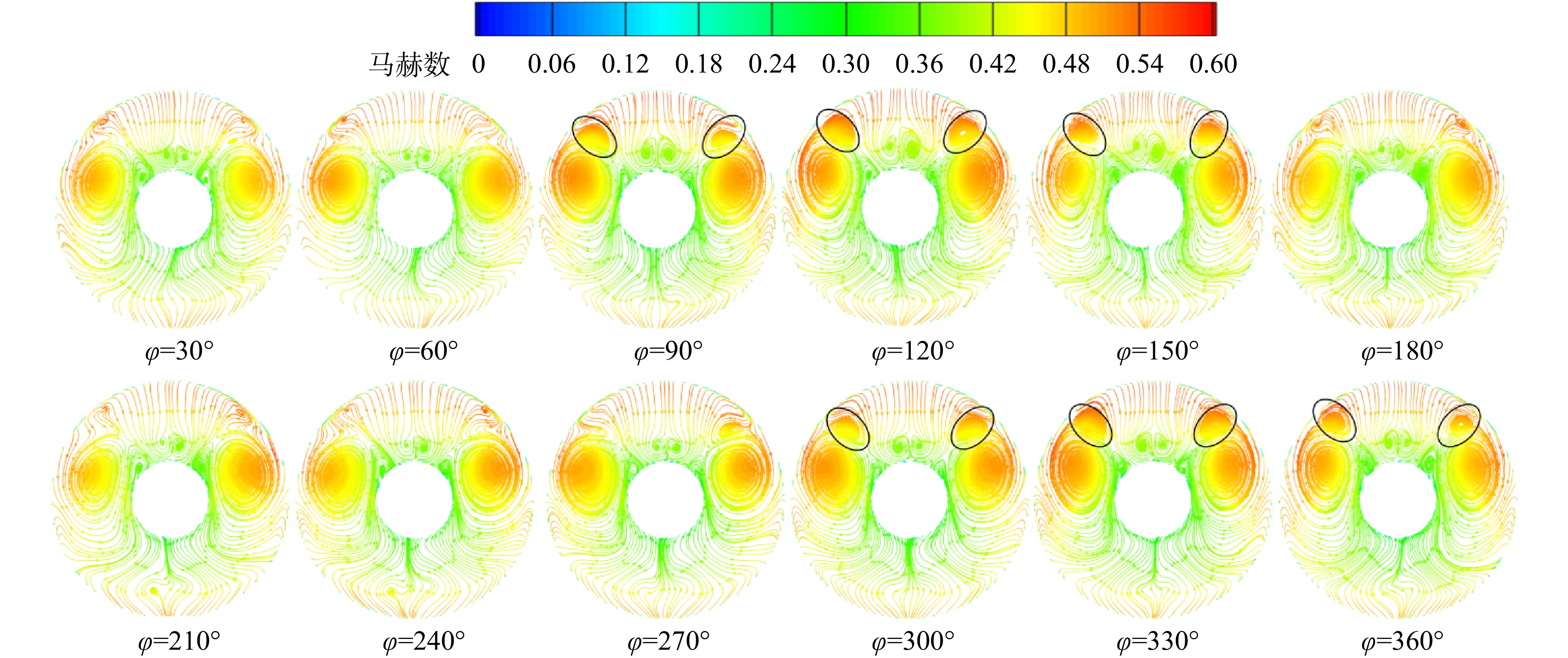
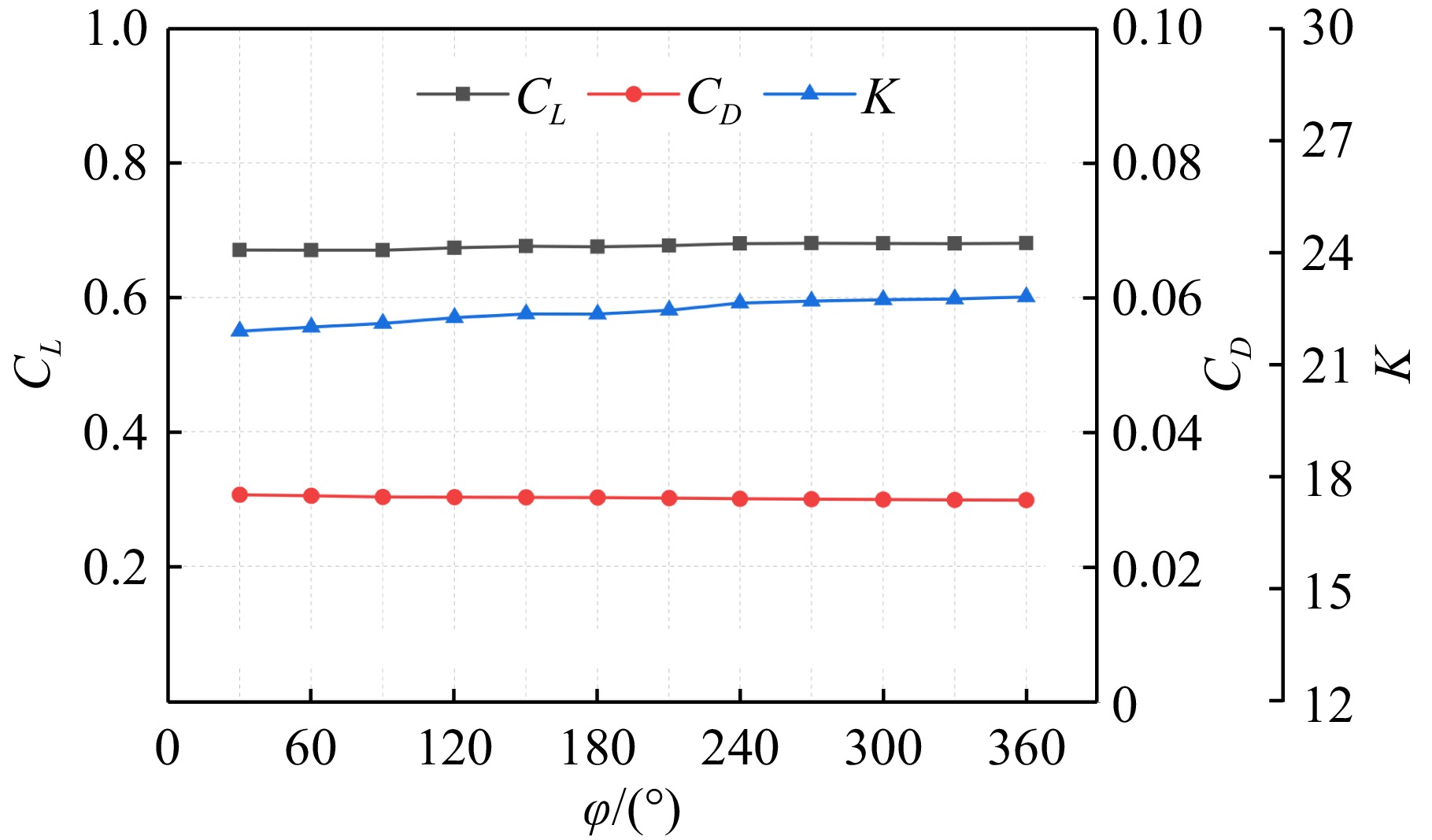
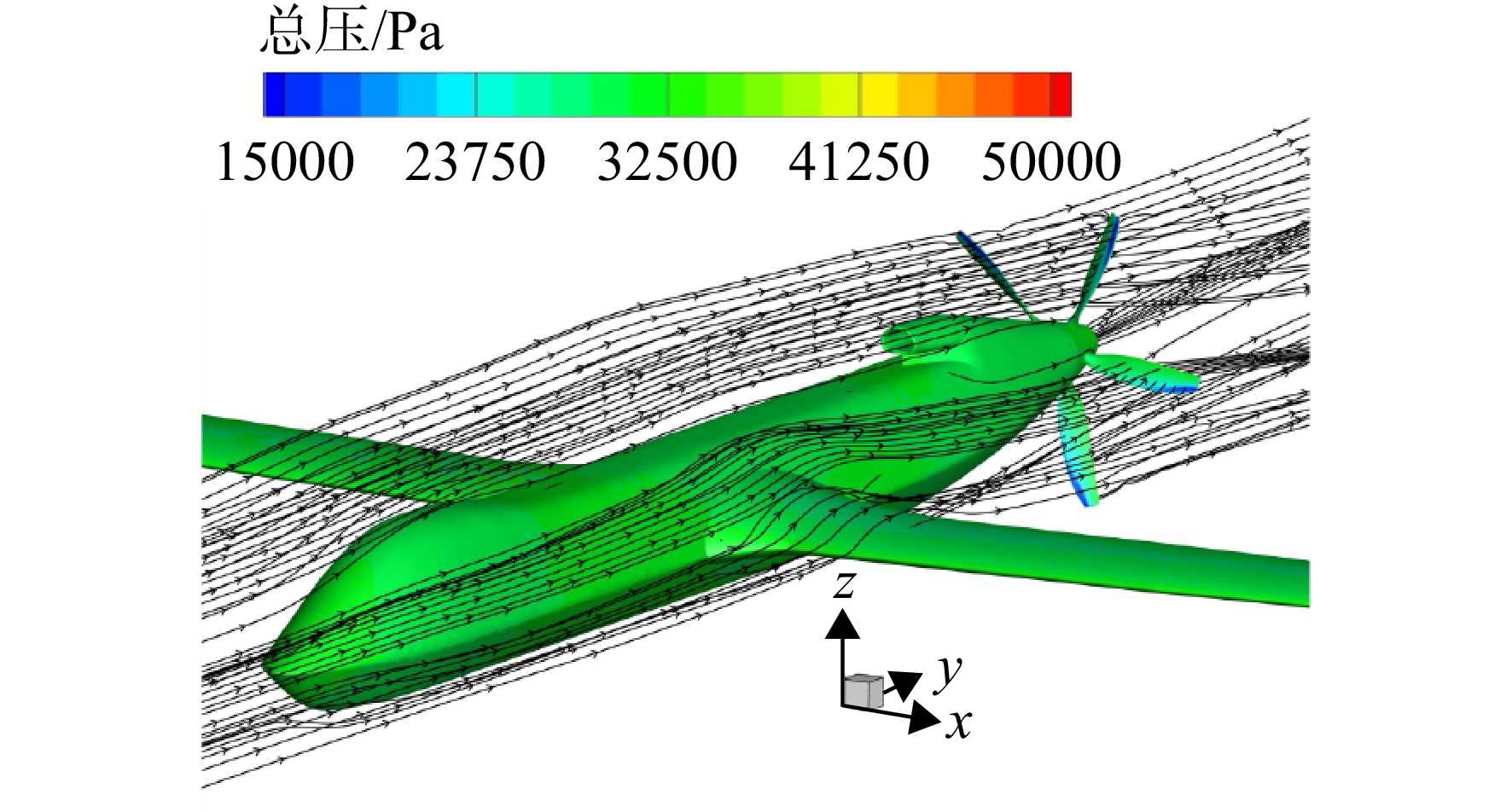
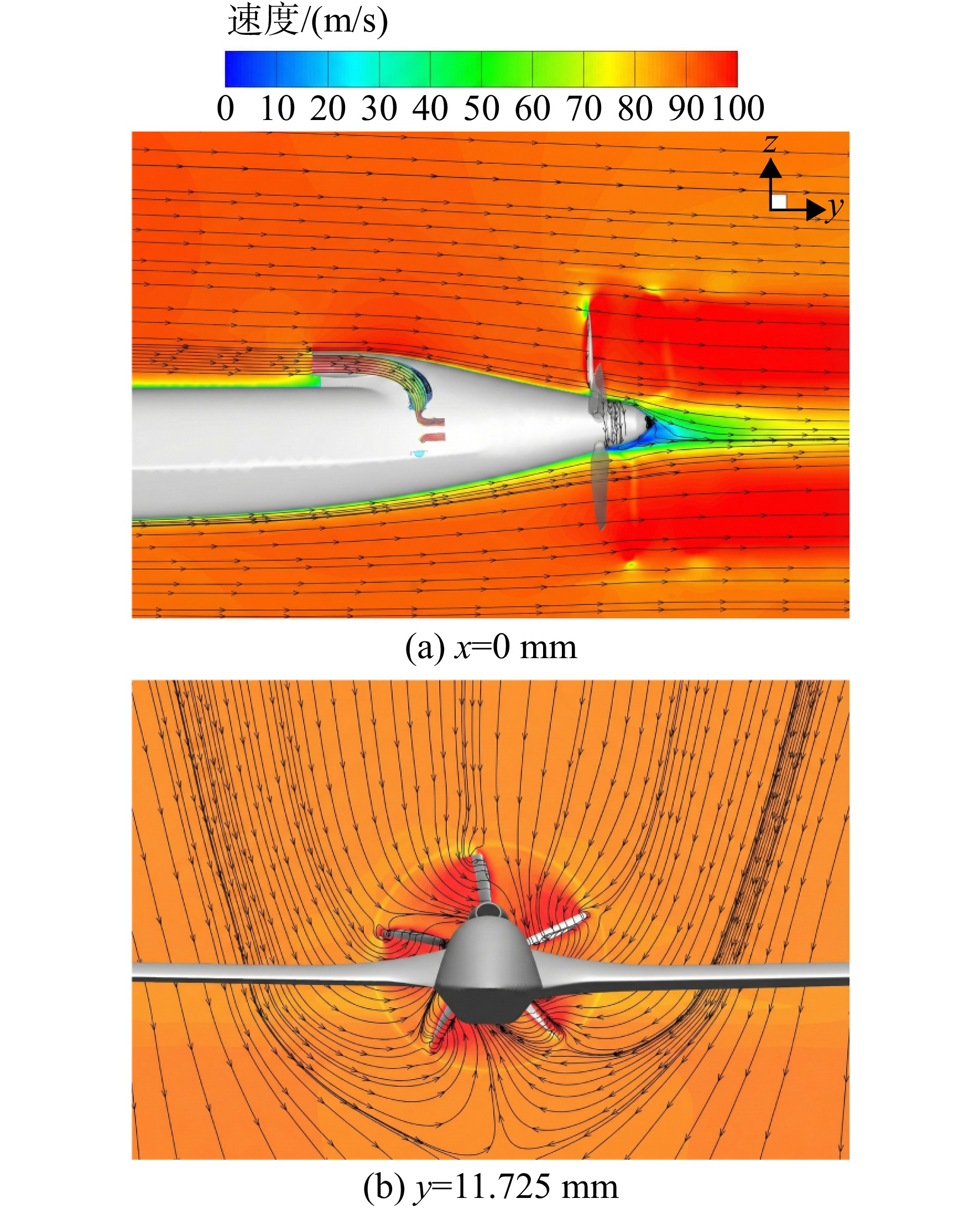
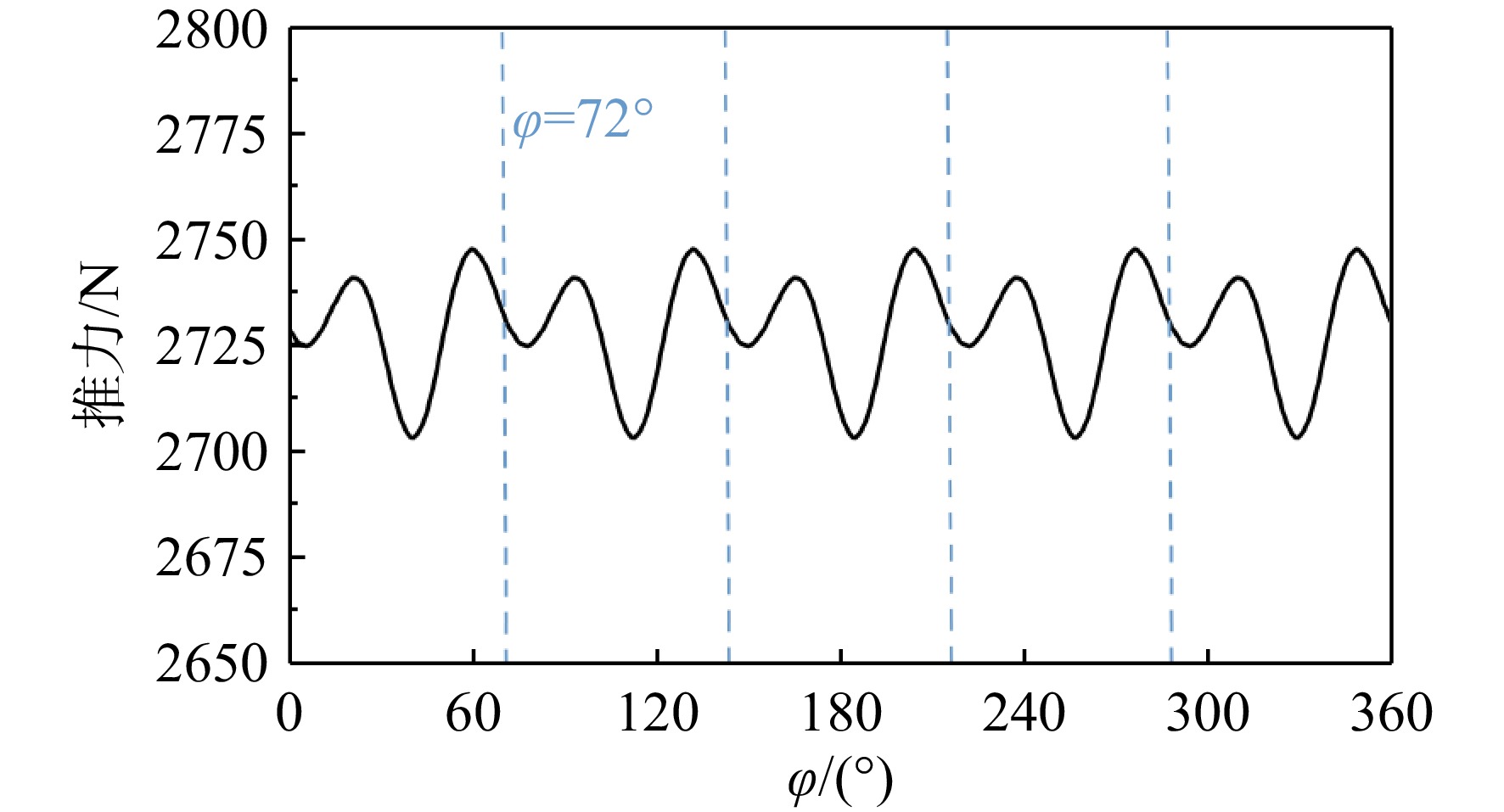
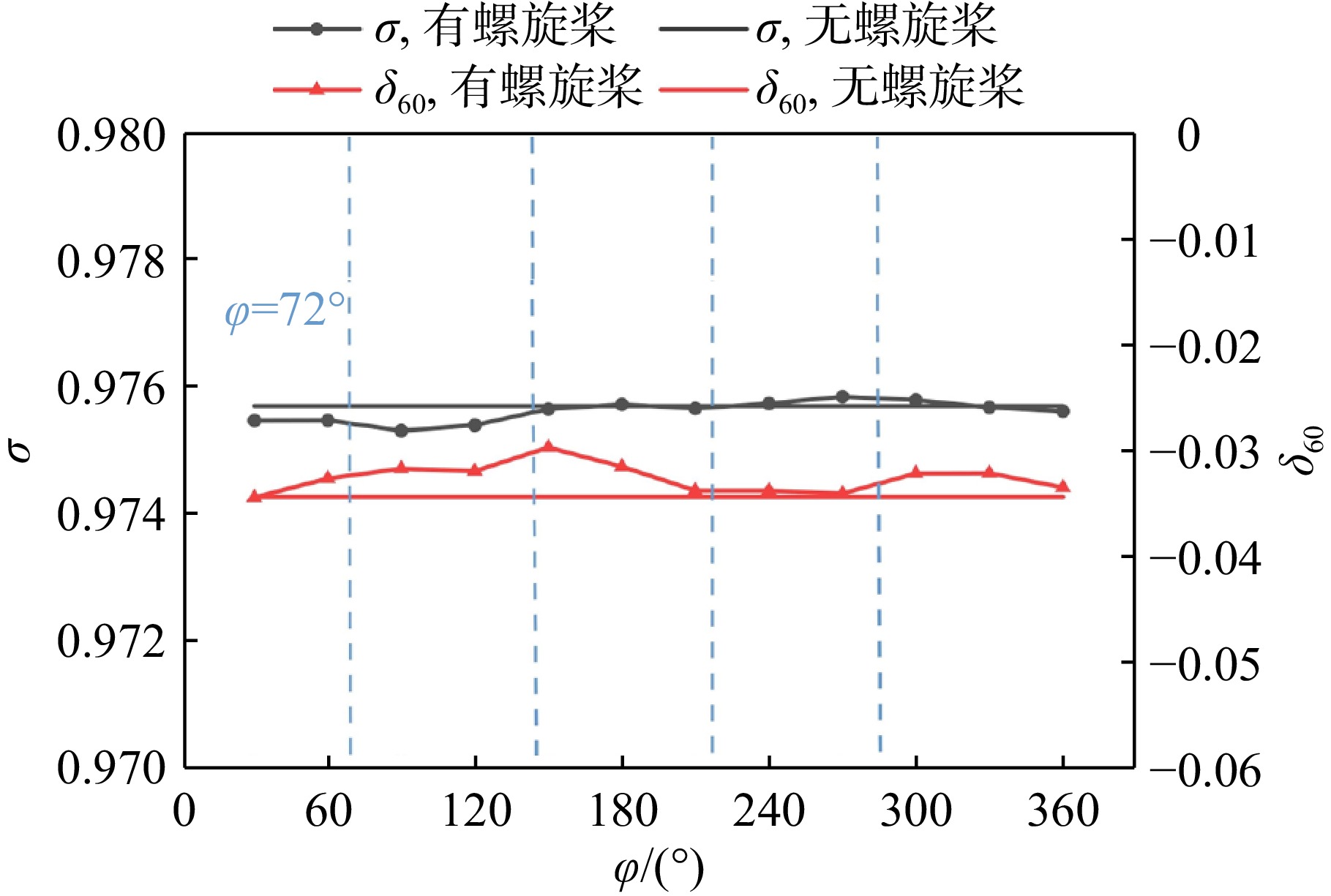
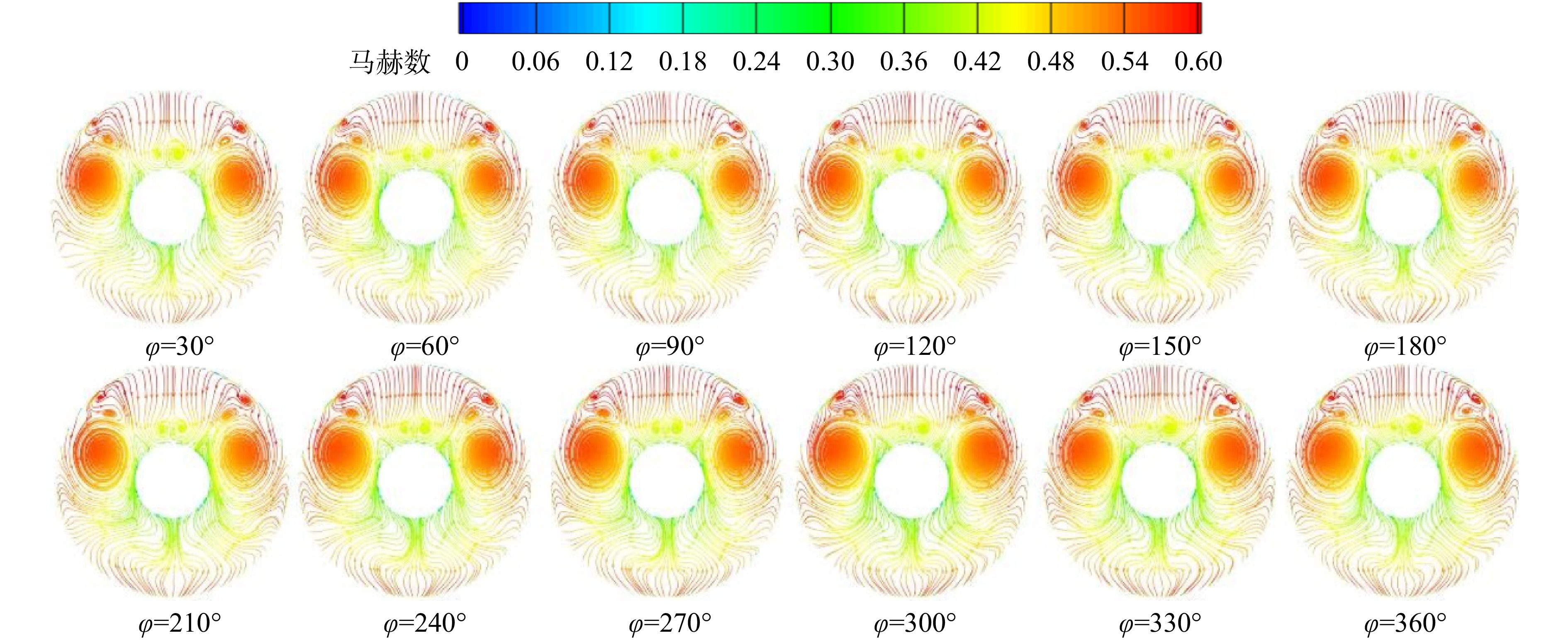
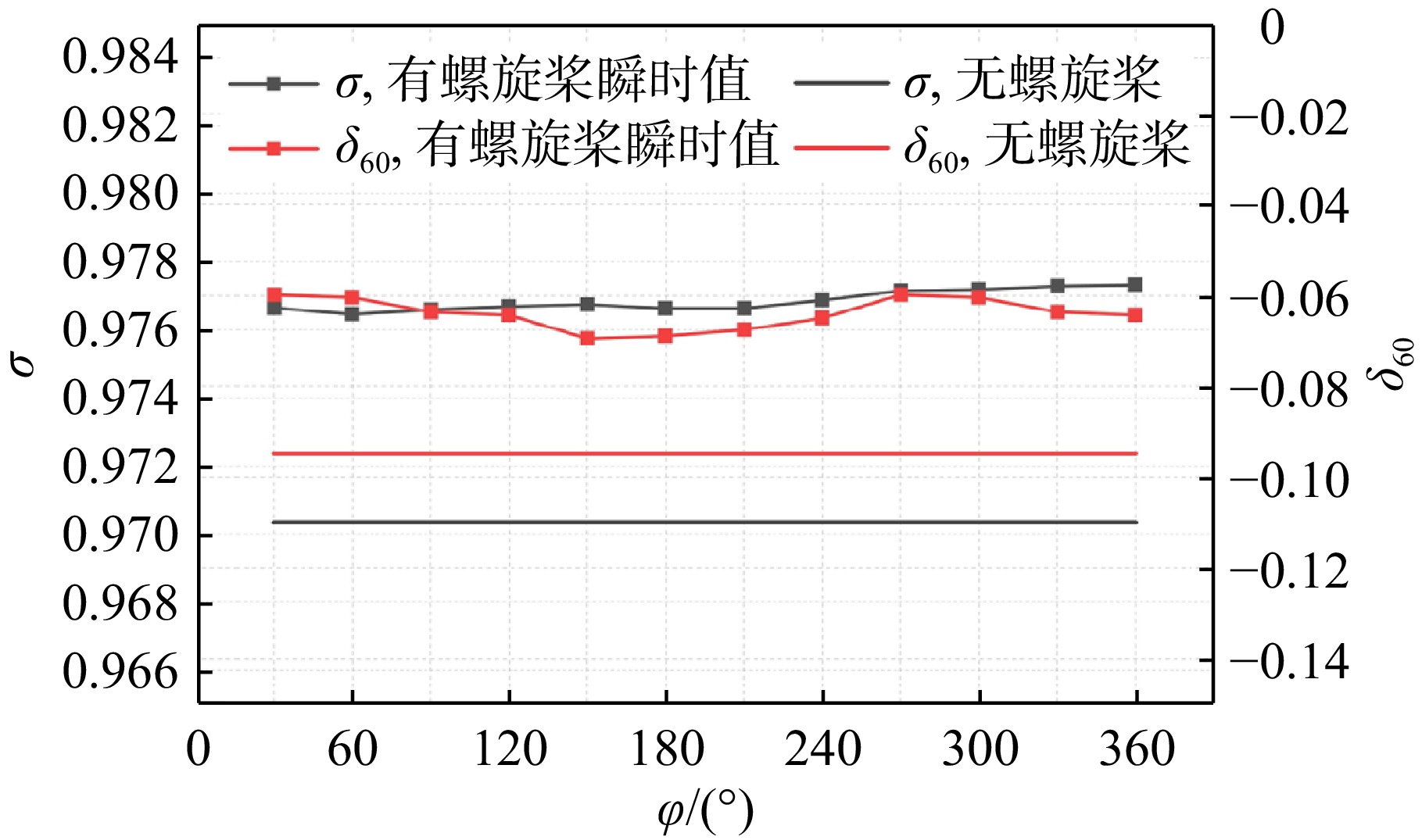
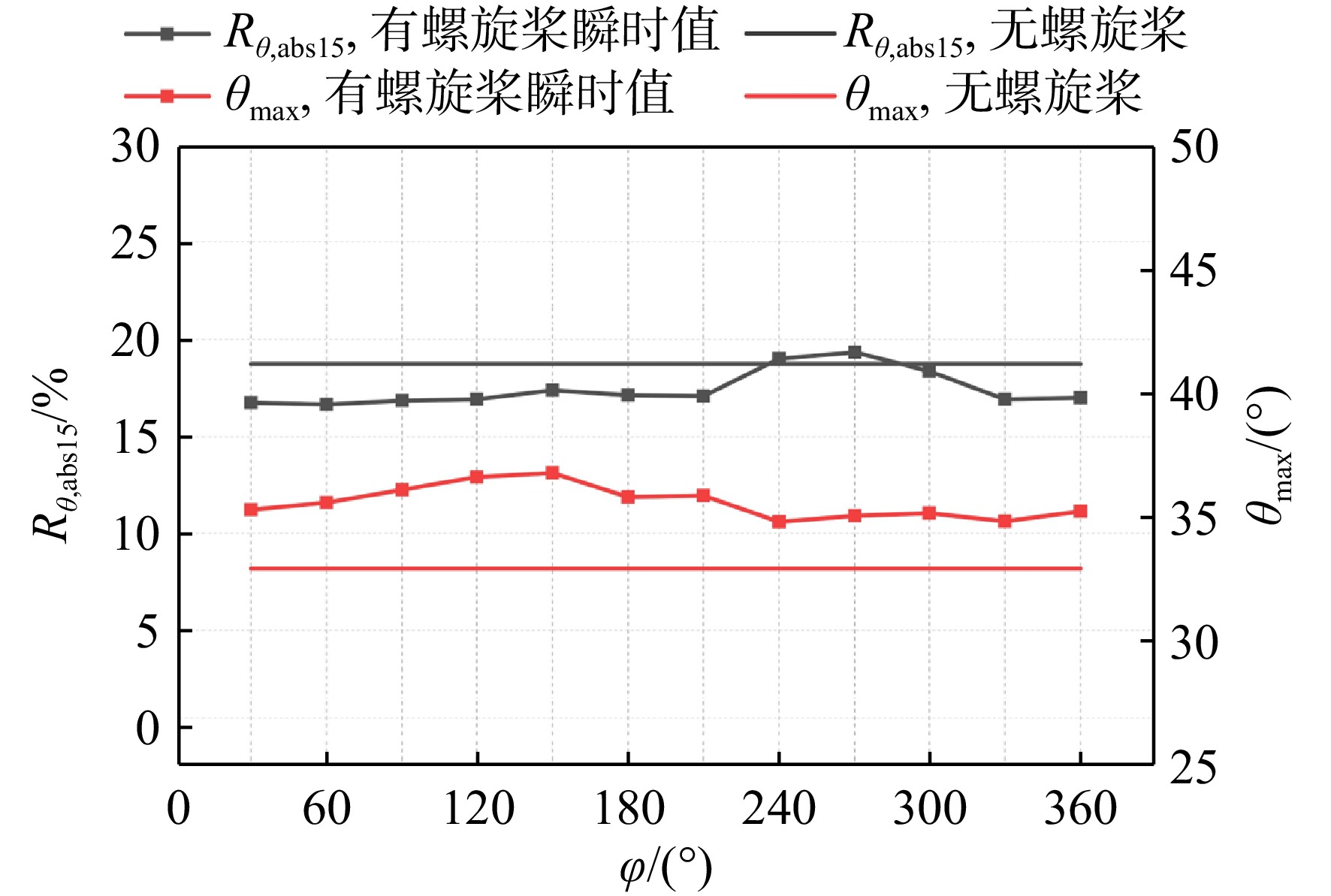
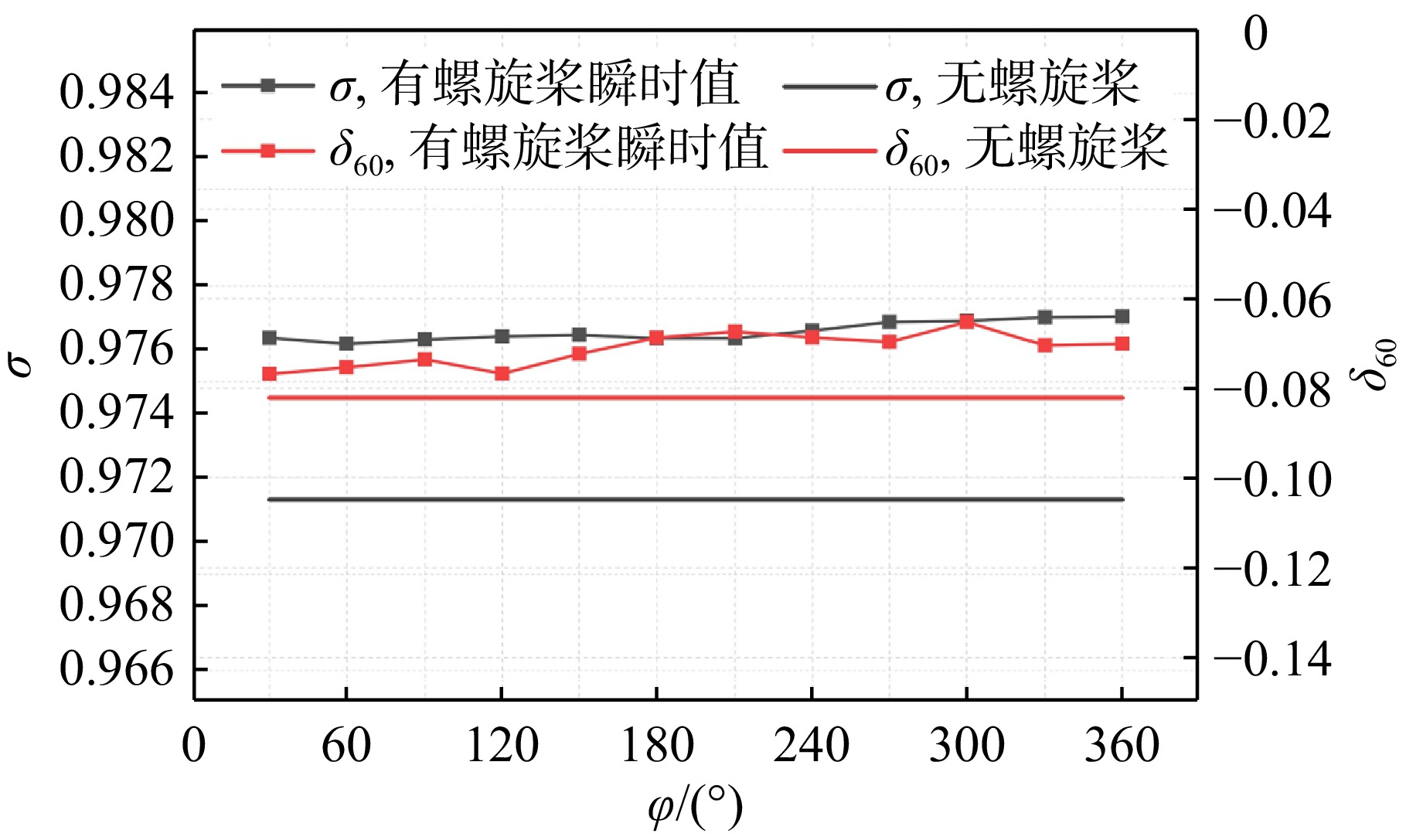
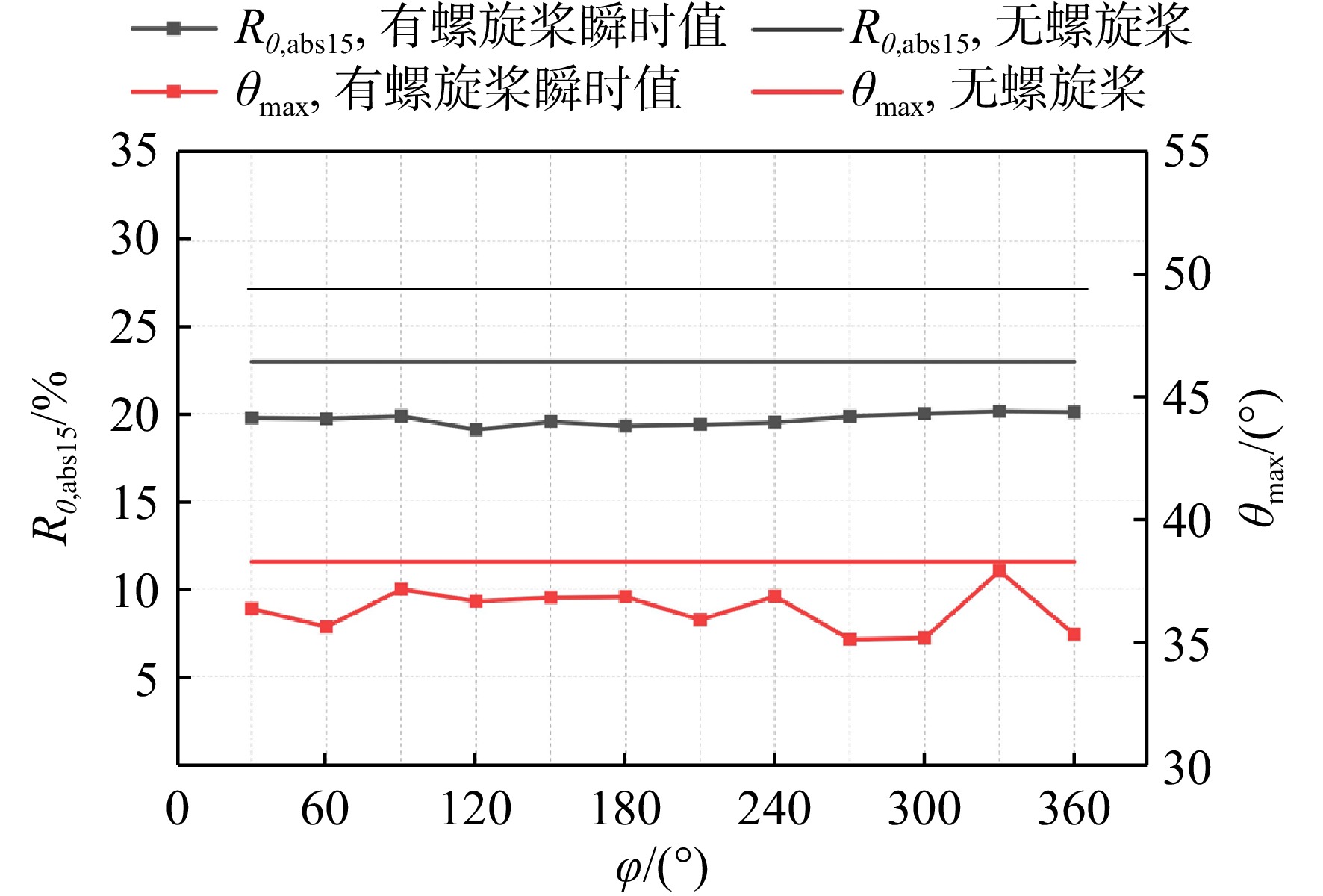
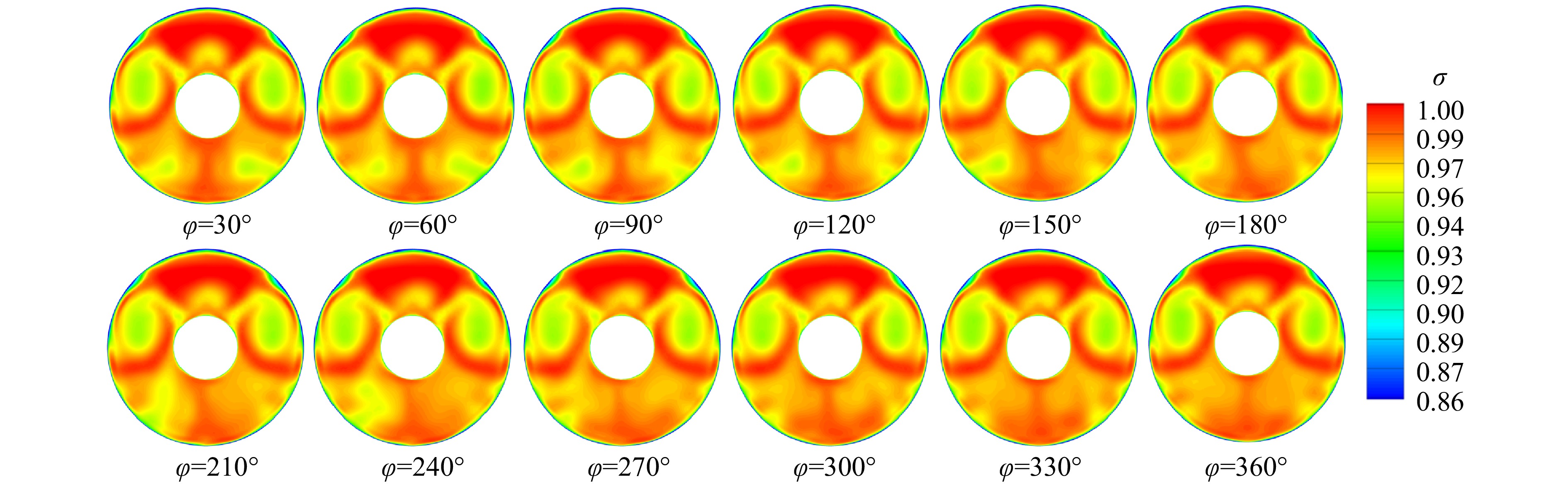
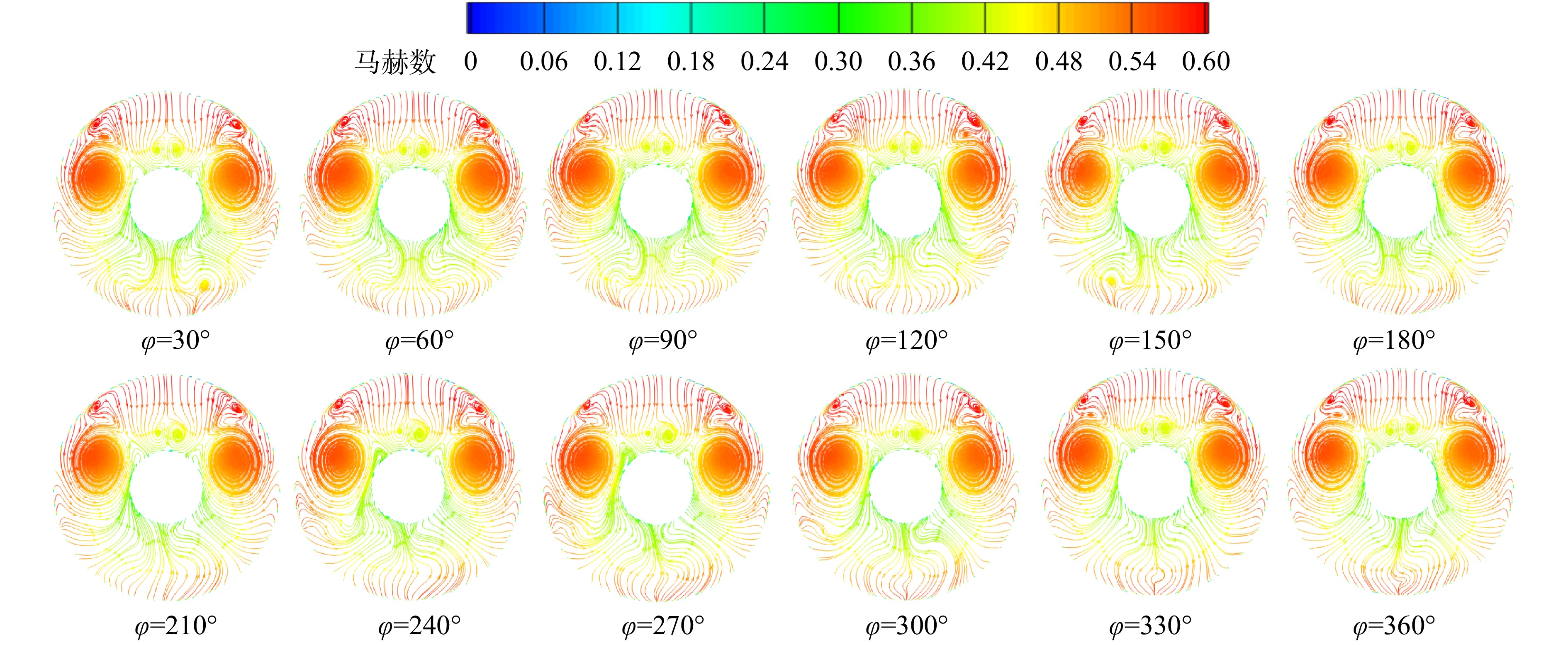
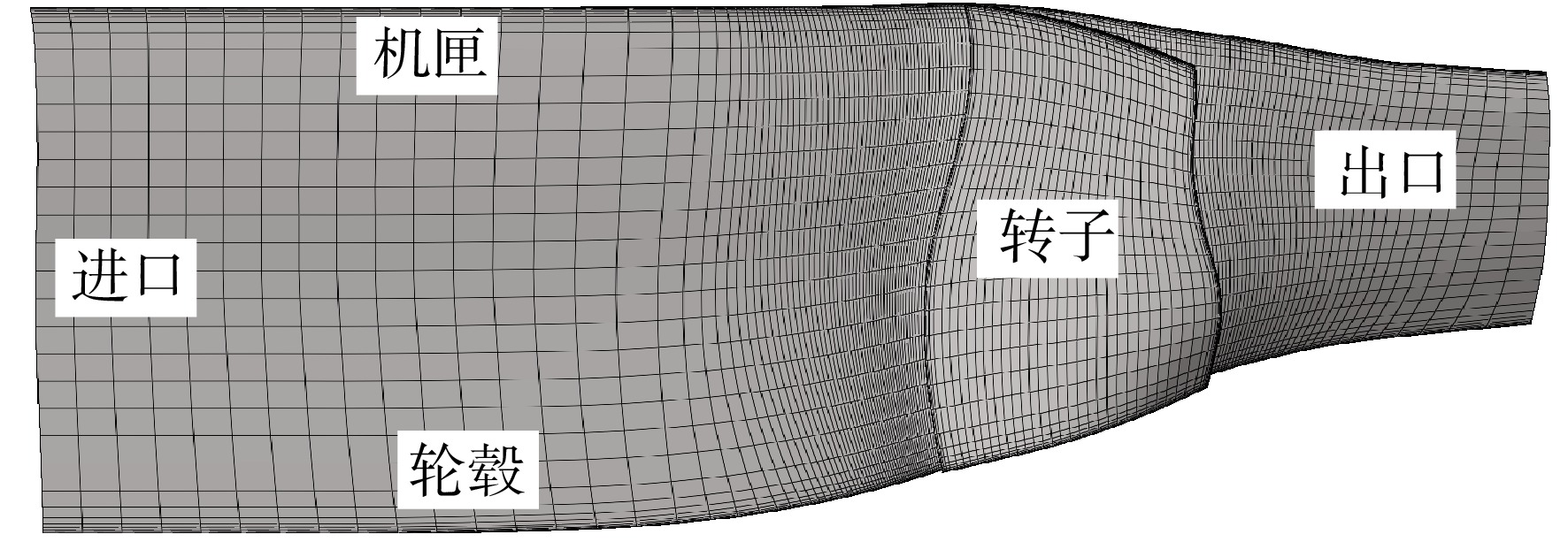
The coupled flow between an inlet and a tail-mounted propeller in unmanned aerial vehicles was examined using unsteady simulations with a sliding mesh technique. The influence of propeller rotation on the inlet flow field was analyzed in ground and cruise states. An integrated model of the airframe, inlet, and five-blade propeller was established with a hybrid hexahedral/polyhedral mesh. Results showed that in ground state, the propeller slipstream increased the total pressure recovery coefficient by 0.17% due to flow twisting and contraction, while the total pressure distortion index δ60 fluctuated periodically. During cruise, propeller effects on the inlet were negligible, with total pressure recovery varying within 0.05% and swirl angle at the aerodynamic interface plane (AIP) changing less than 1.6°. Under high angles of attack or sideslip, the slipstream suppressed flow separation, improved pressure recovery and reduced distortion, but had limited effect on swirl patterns. The findings revealed the evolution of slipstream-inlet interactions, providing a support for integrated propulsion system design.

Influence of circumferential propagation of pressure waves on aeroelastic stability of fan rotors
YU Yongbo, WANG Yanrong, HAN Le
2026, 41(6): 20240762. doi: 10.13224/j.cnki.jasp.20240762
Abstract:

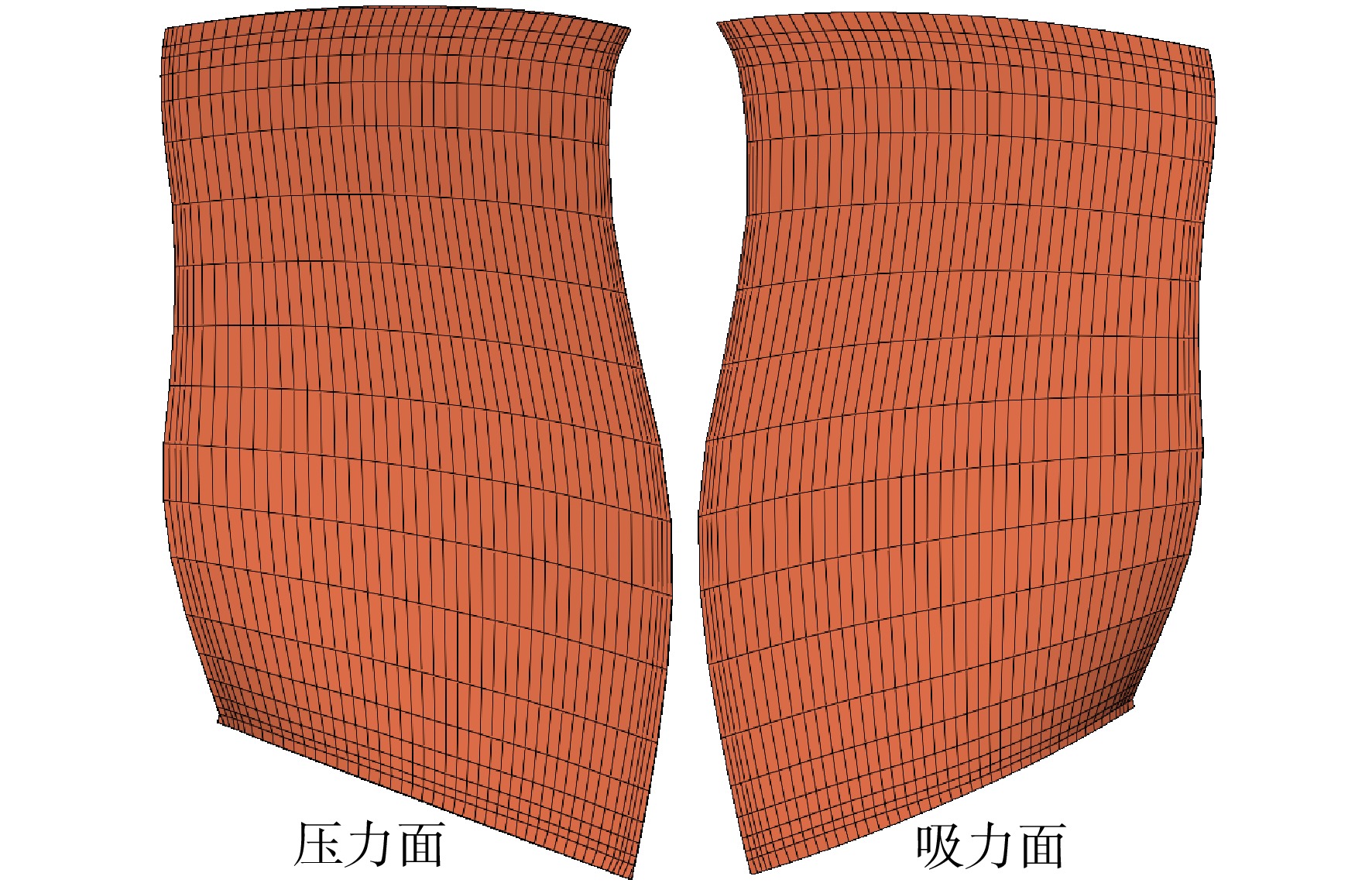
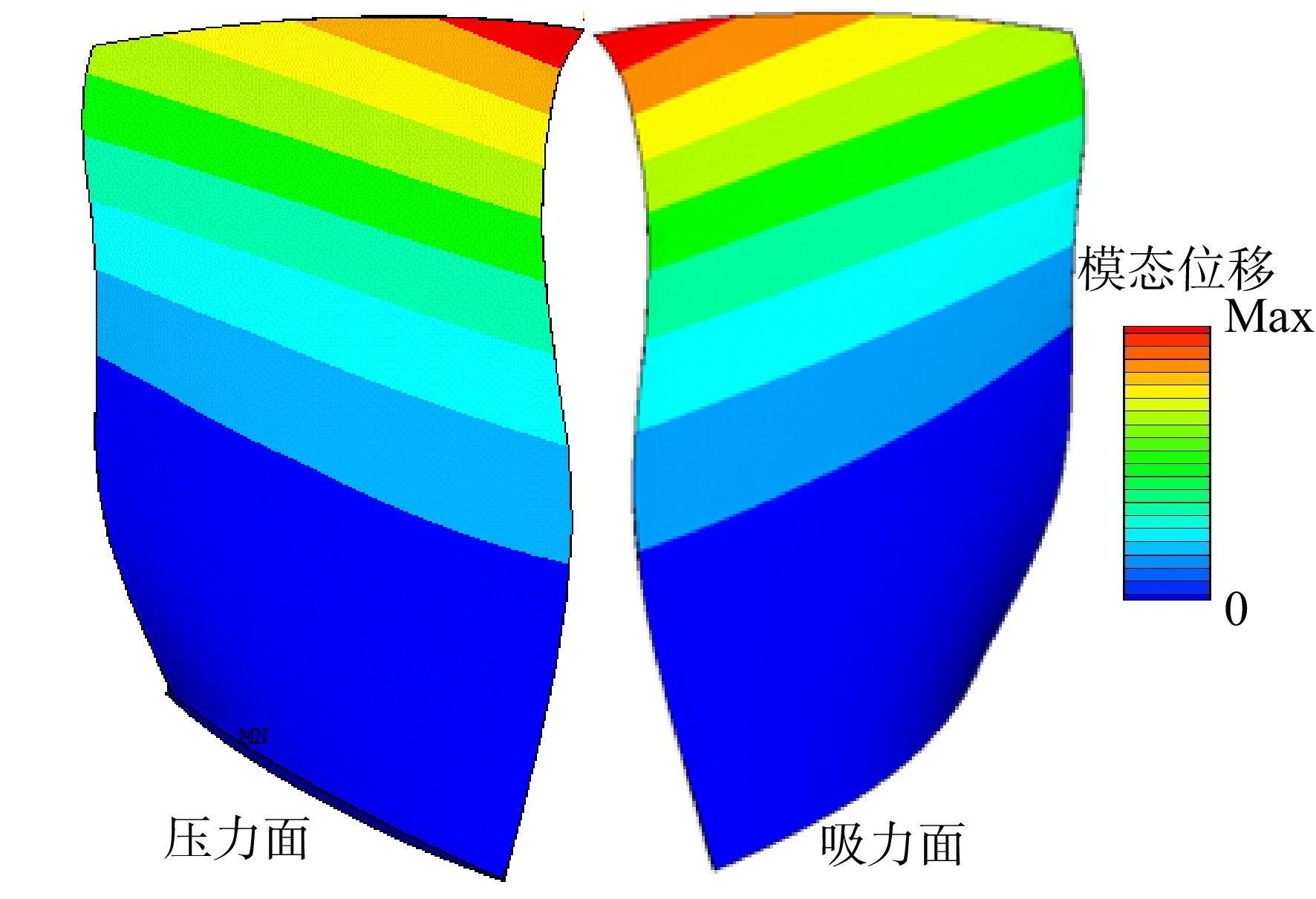
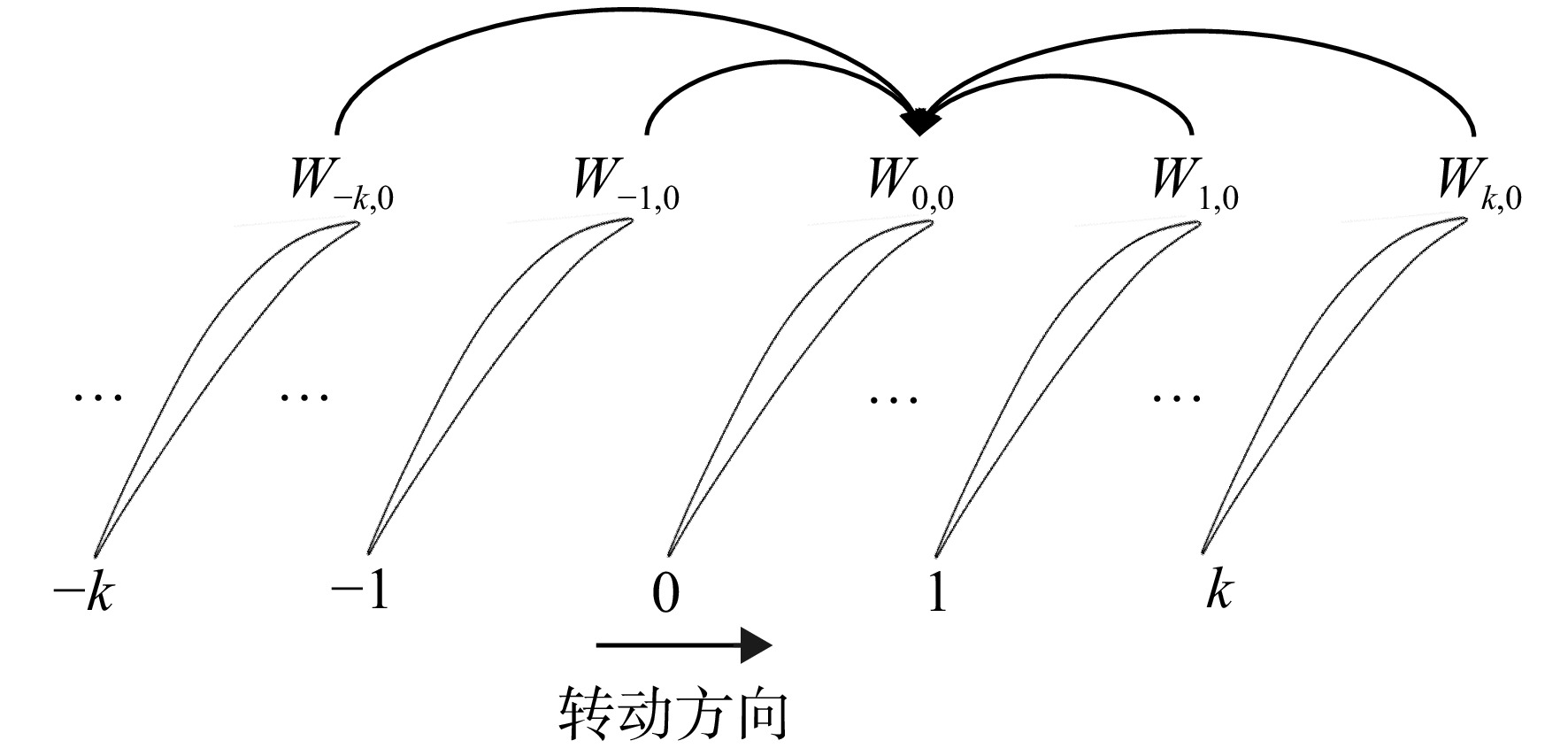
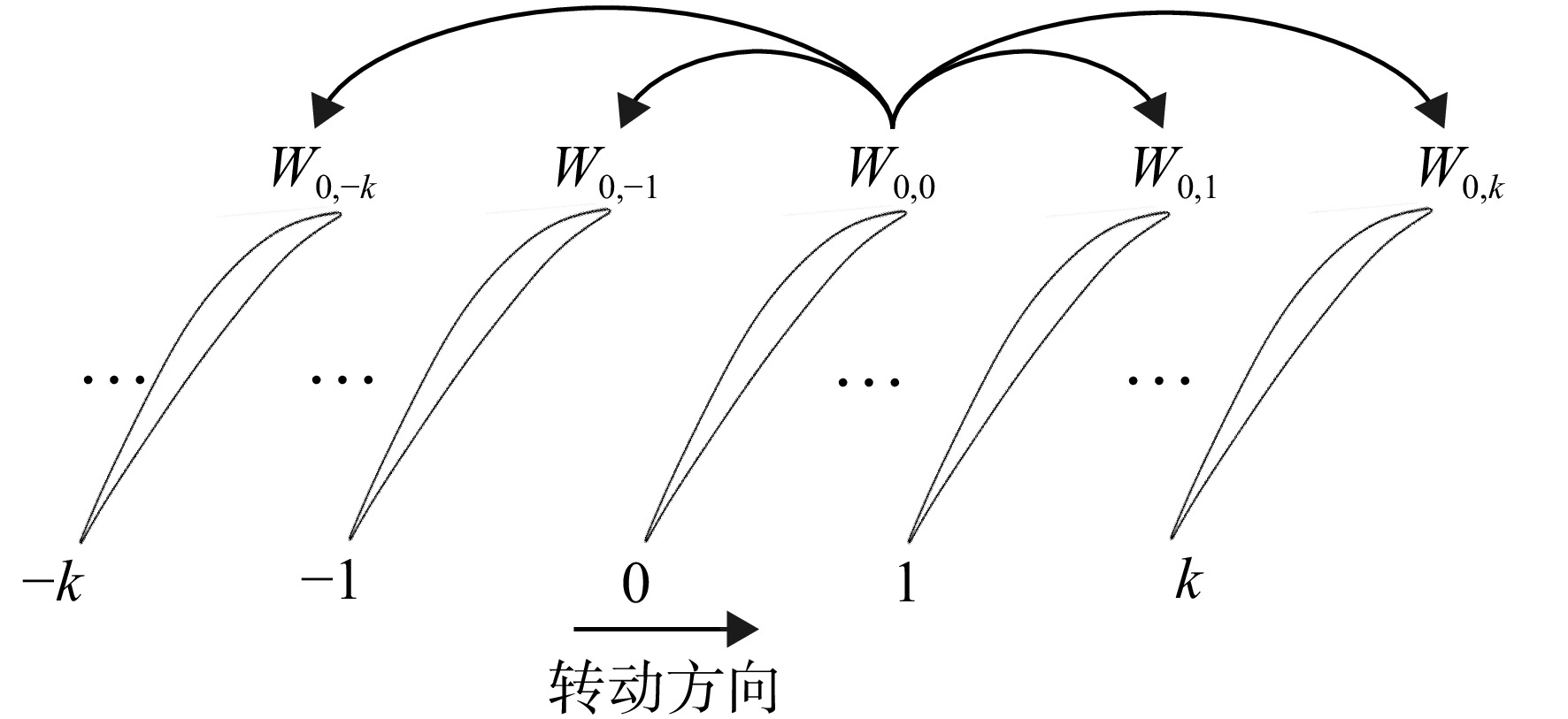
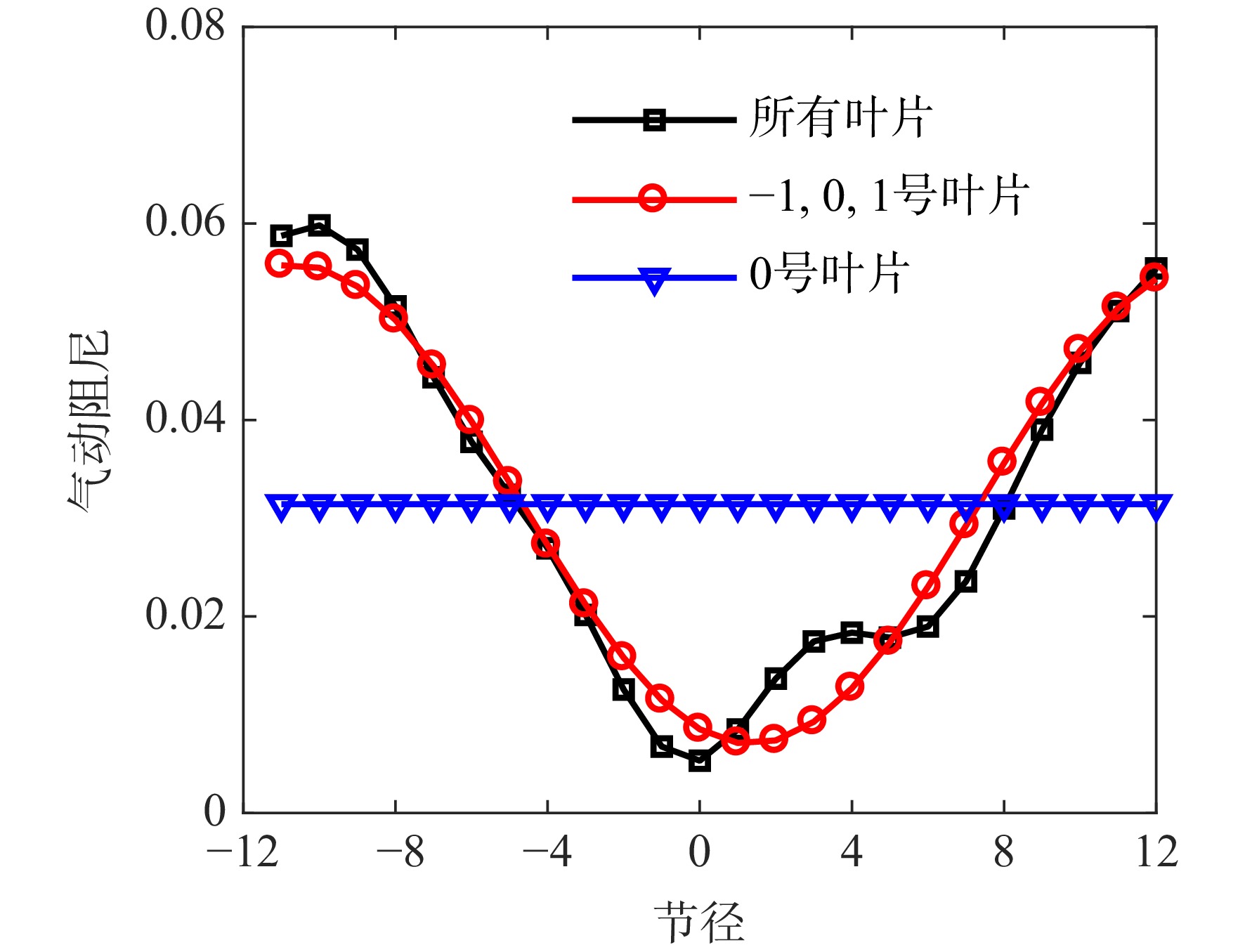
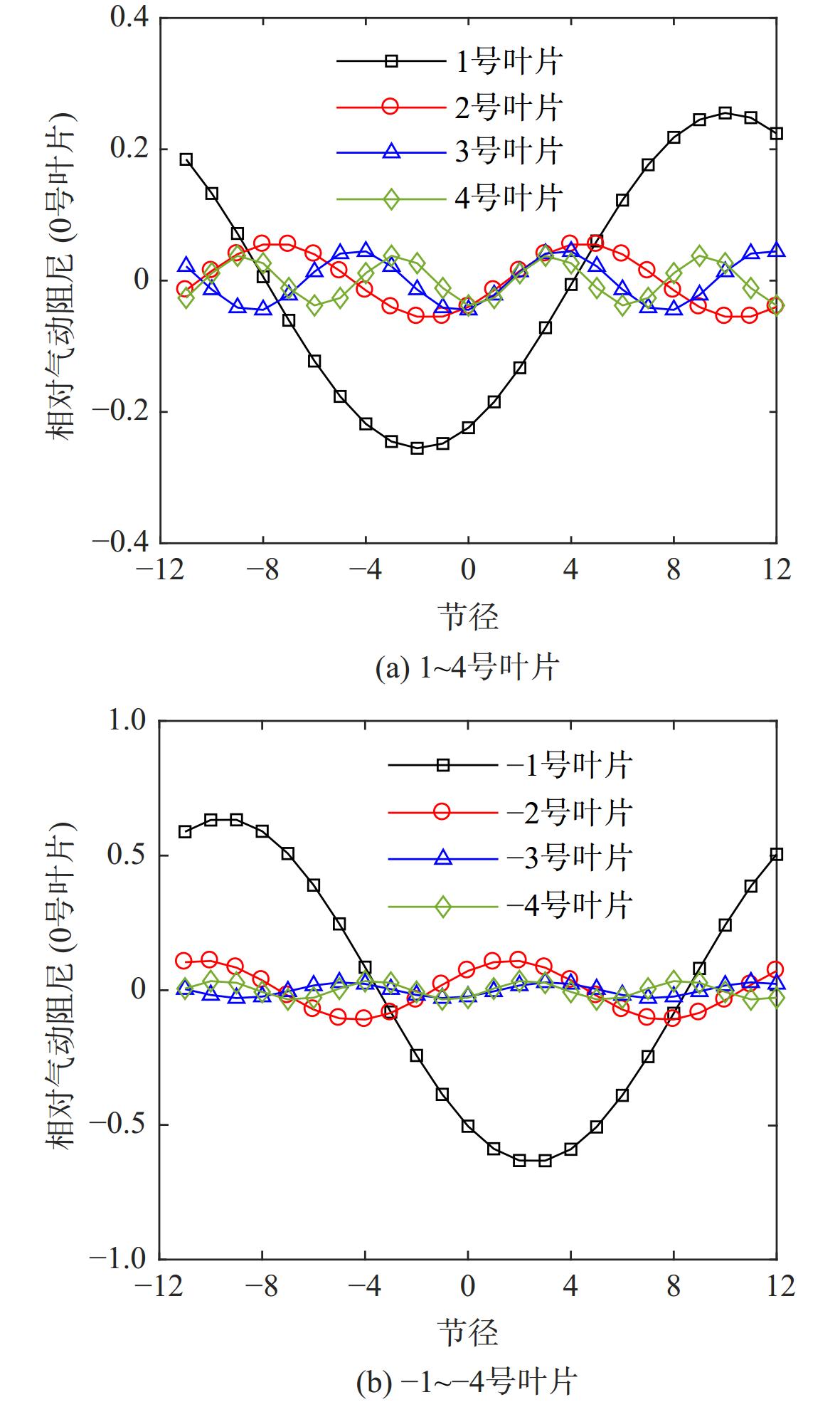
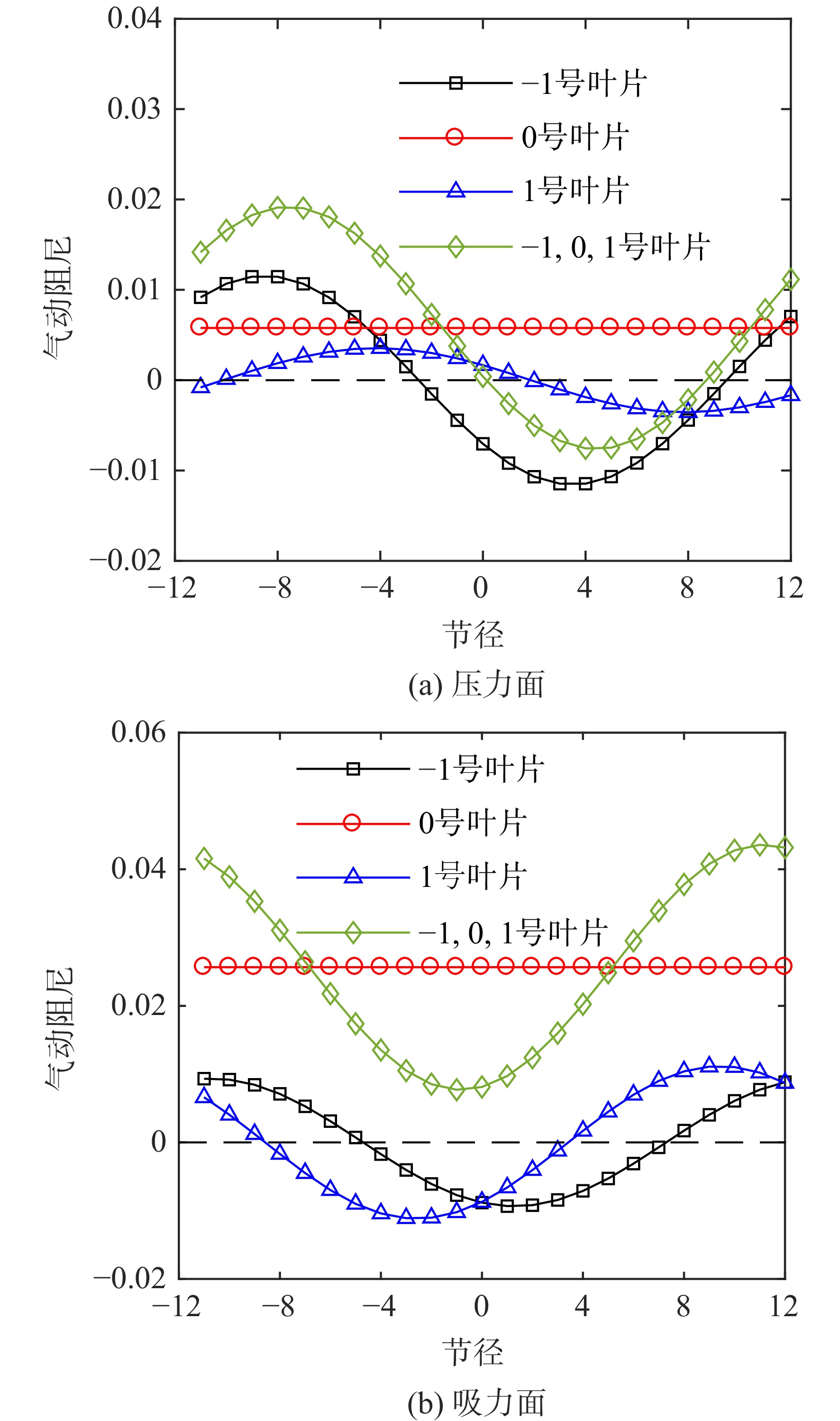
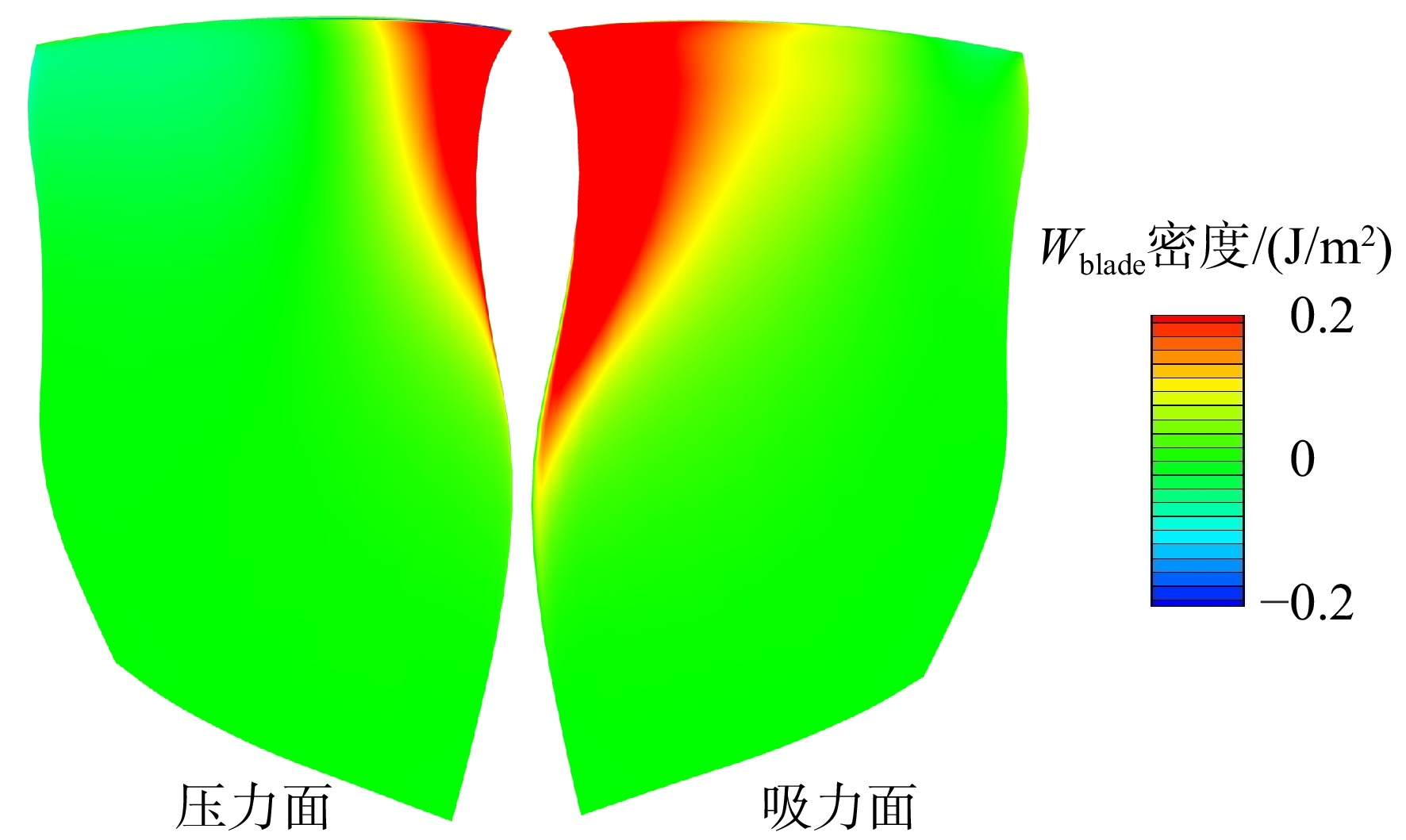
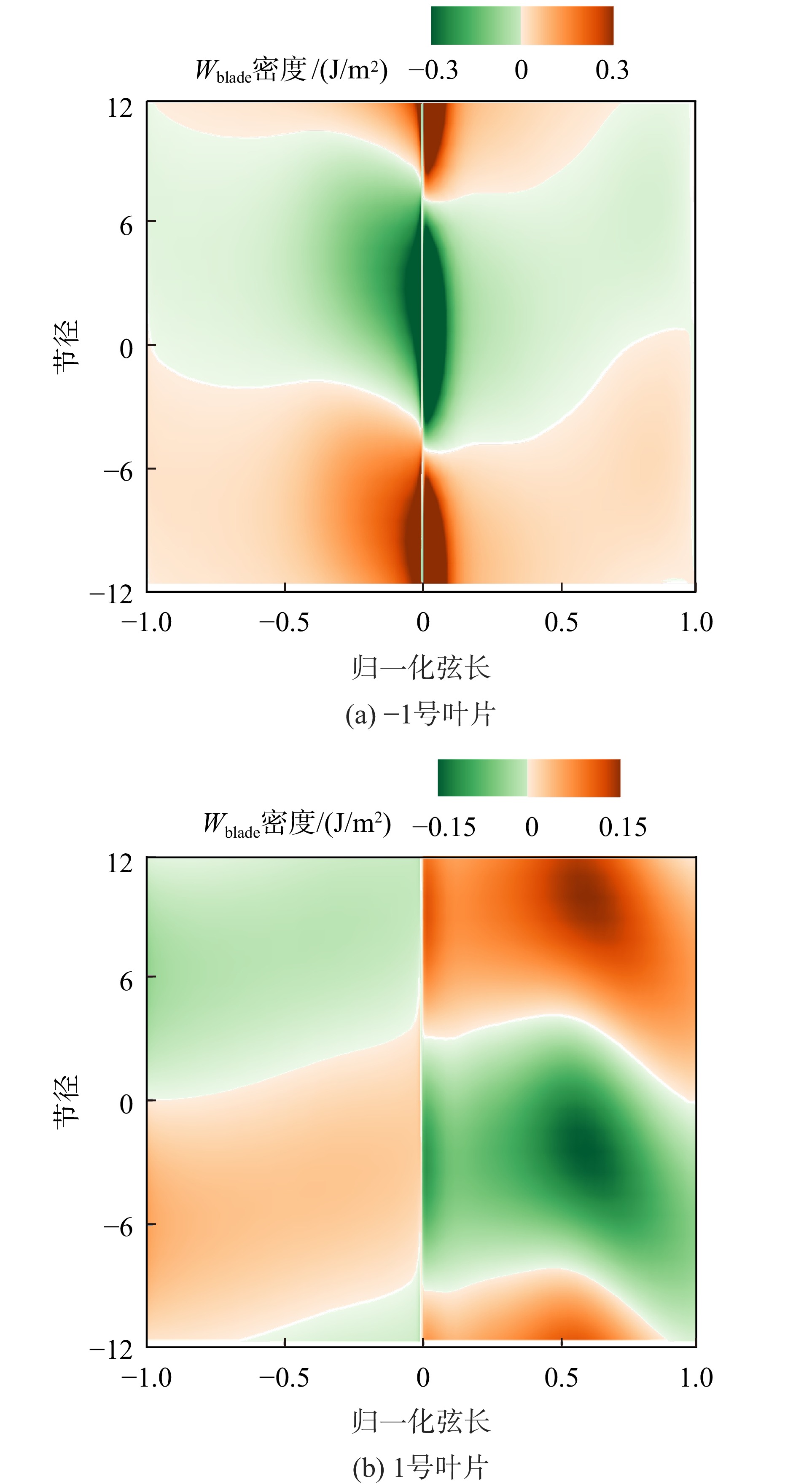
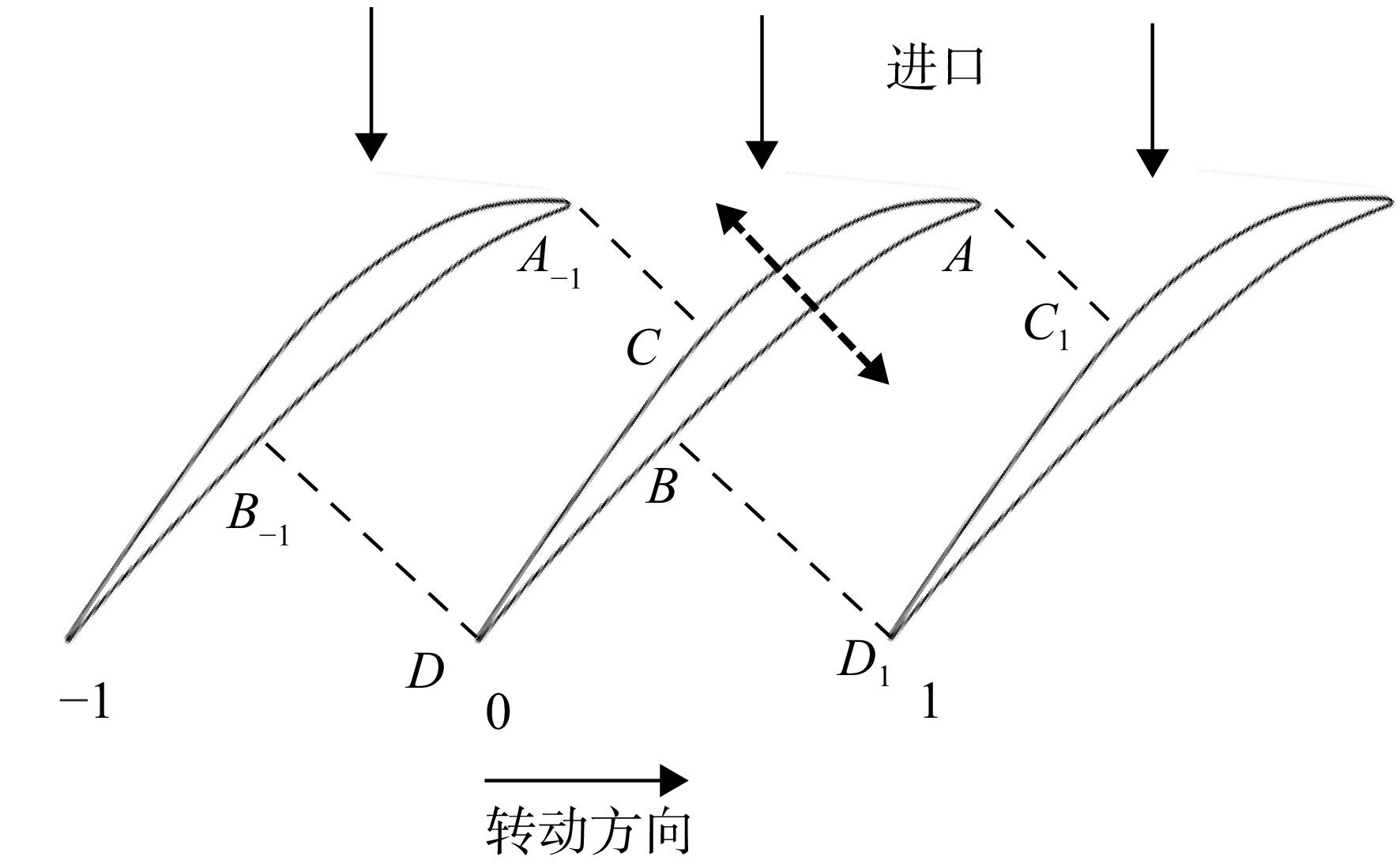
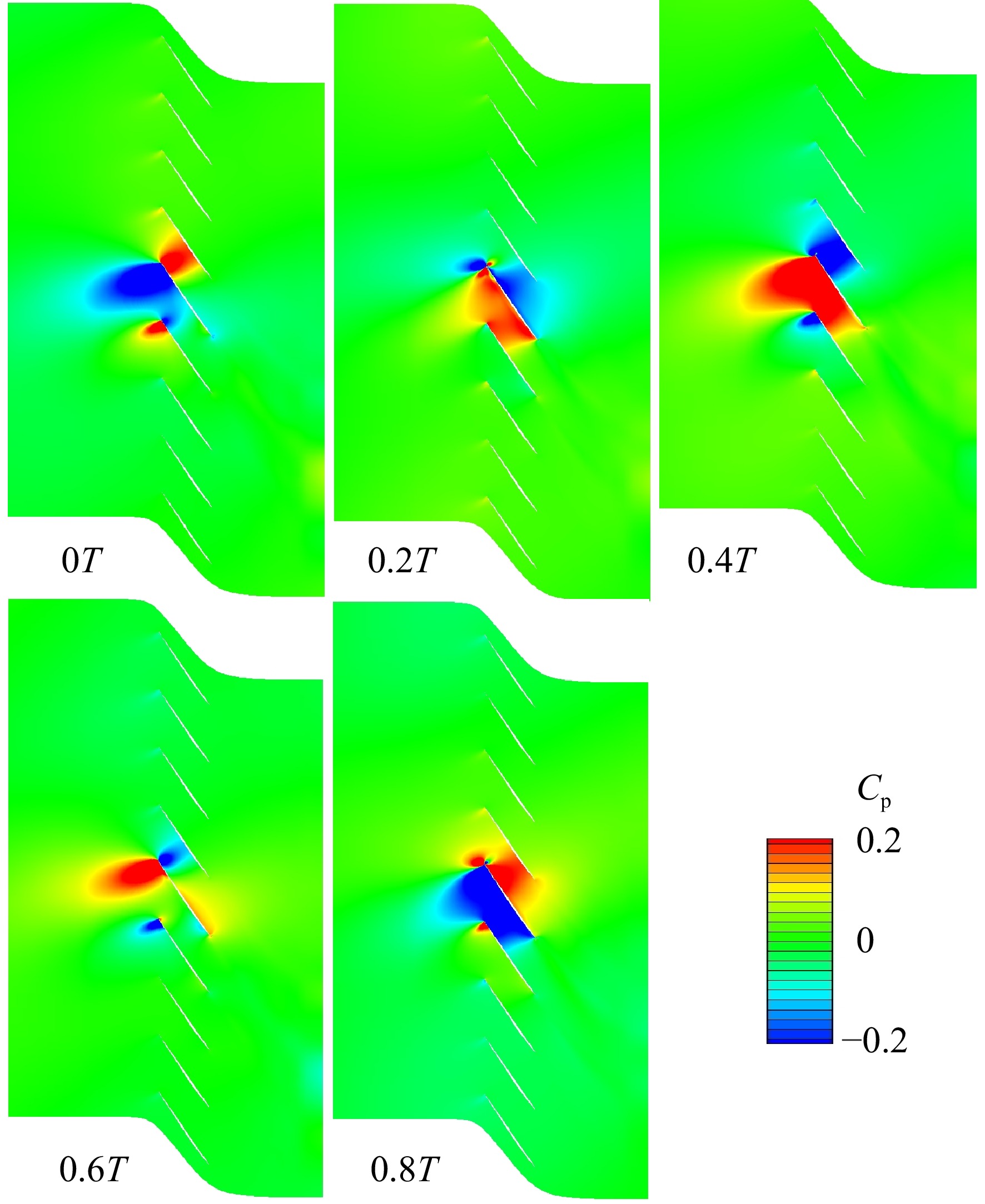
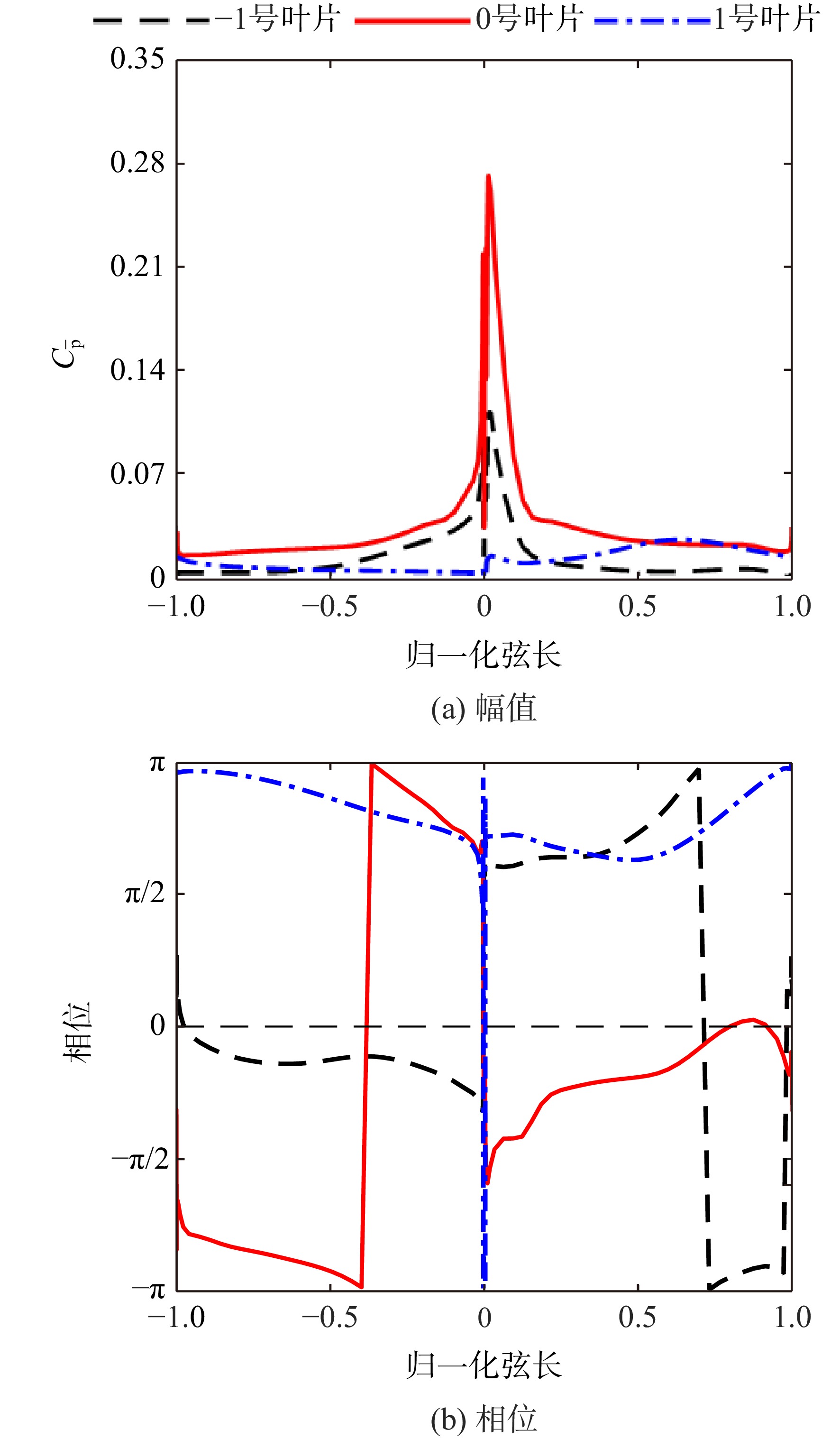
Based on a multi-channel computational model, the aeroelastic stability of fan rotor blades in the first bending mode was analyzed using the energy method. The circumferential propagation characteristics of unsteady pressure disturbances induced by blade vibration were examined, and the sources of negative damping in rotor blades were investigated from an energy perspective using the influence coefficient method. The results indicated that unsteady pressure disturbances caused by blade vibrations decayed rapidly in the circumferential direction, with significant disturbances being present only on adjacent blade surfaces. The unsteady aerodynamic pressure generated by the vibrating blade consistently performed positive work on the fluid, contributing to aeroelastic stability. Negative damping in rotor blades primarily originated from the unsteady aerodynamic pressure induced by adjacent blade vibrations. Minimum aerodynamic damping typically occurred at low nodal diameters, where the unsteady aerodynamic pressure on the rotor blade surface caused by adjacent blade vibrations was in phase with the blade’s vibration displacement, resulting in positive work on the blade and thereby providing negative damping.

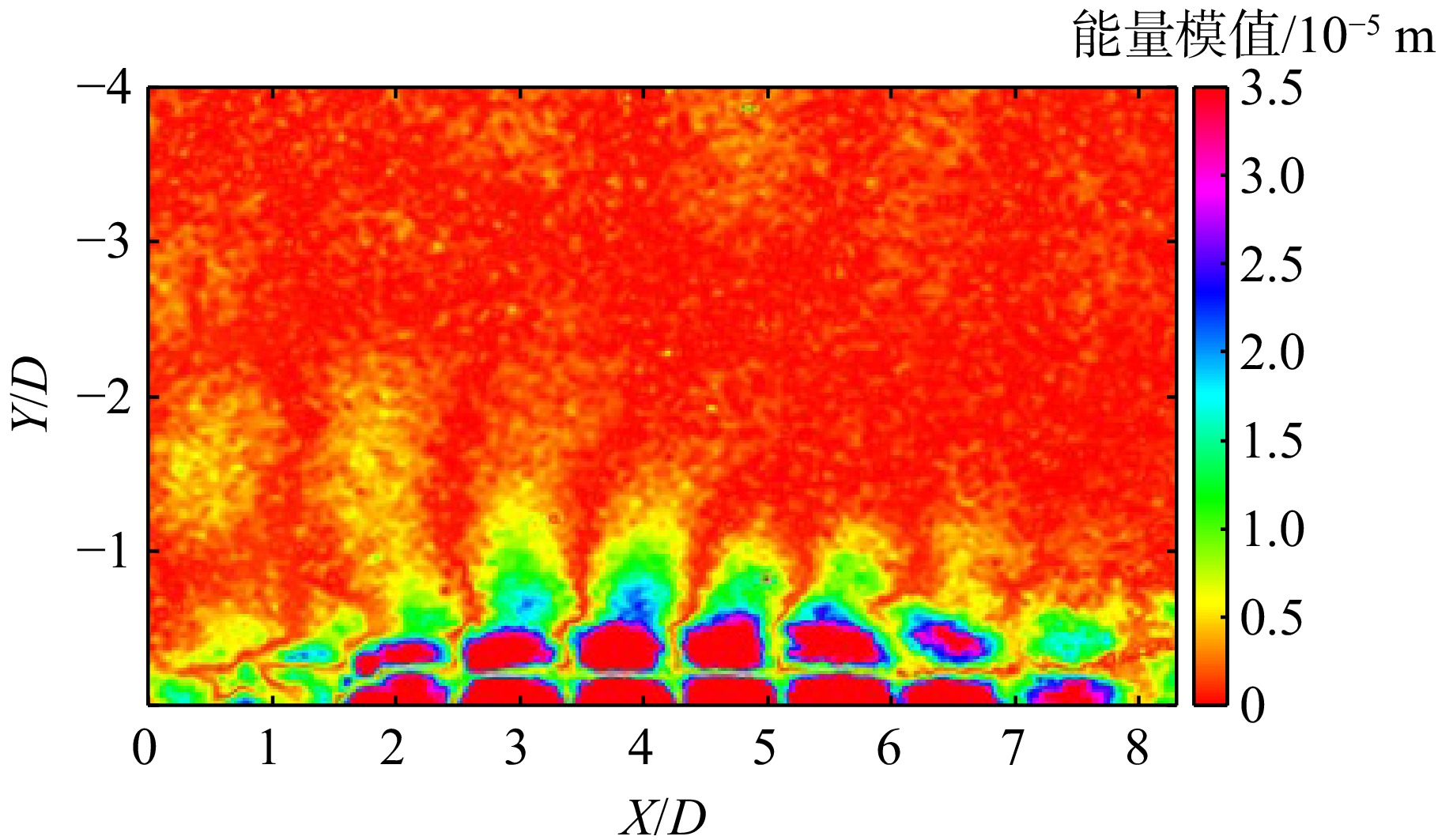
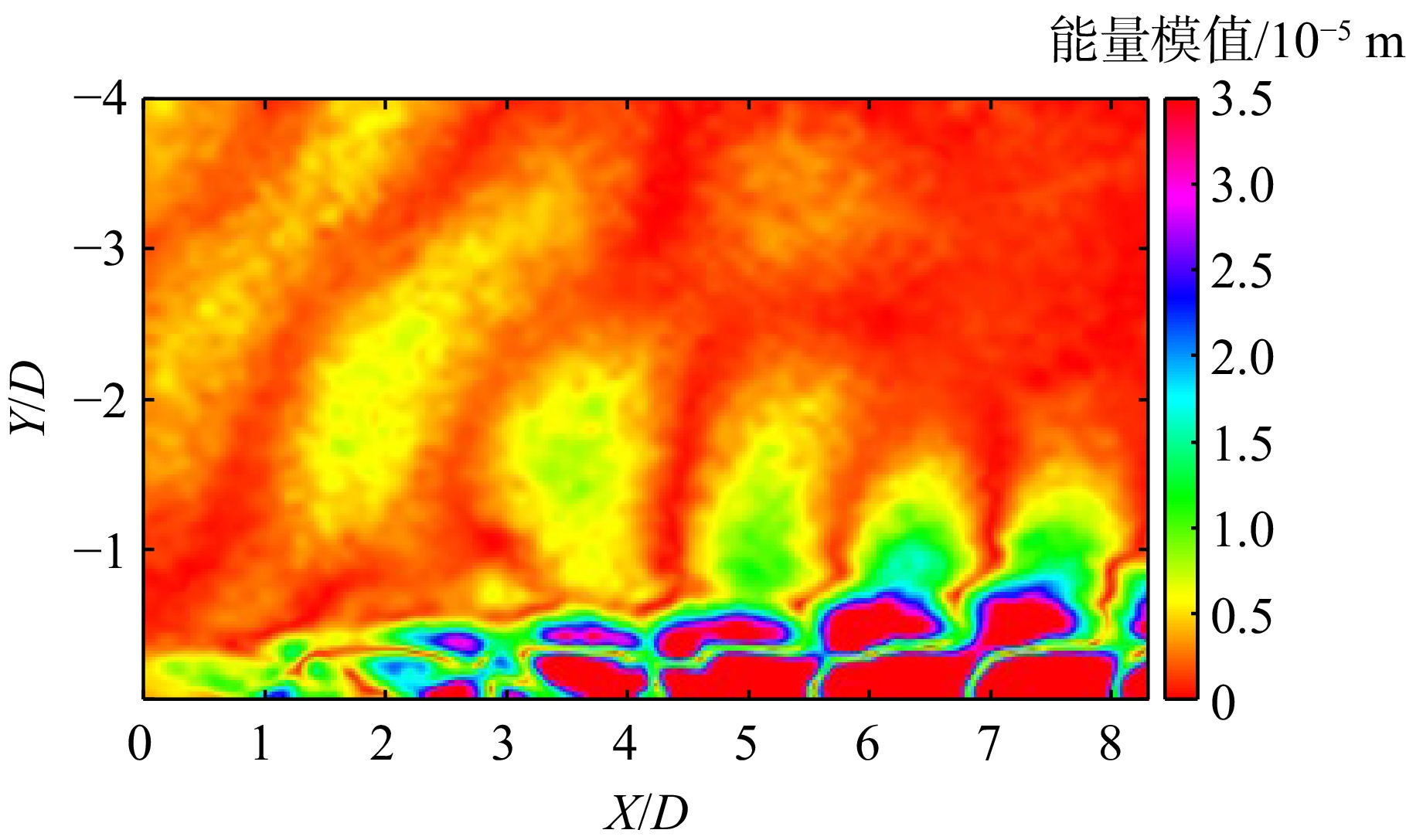
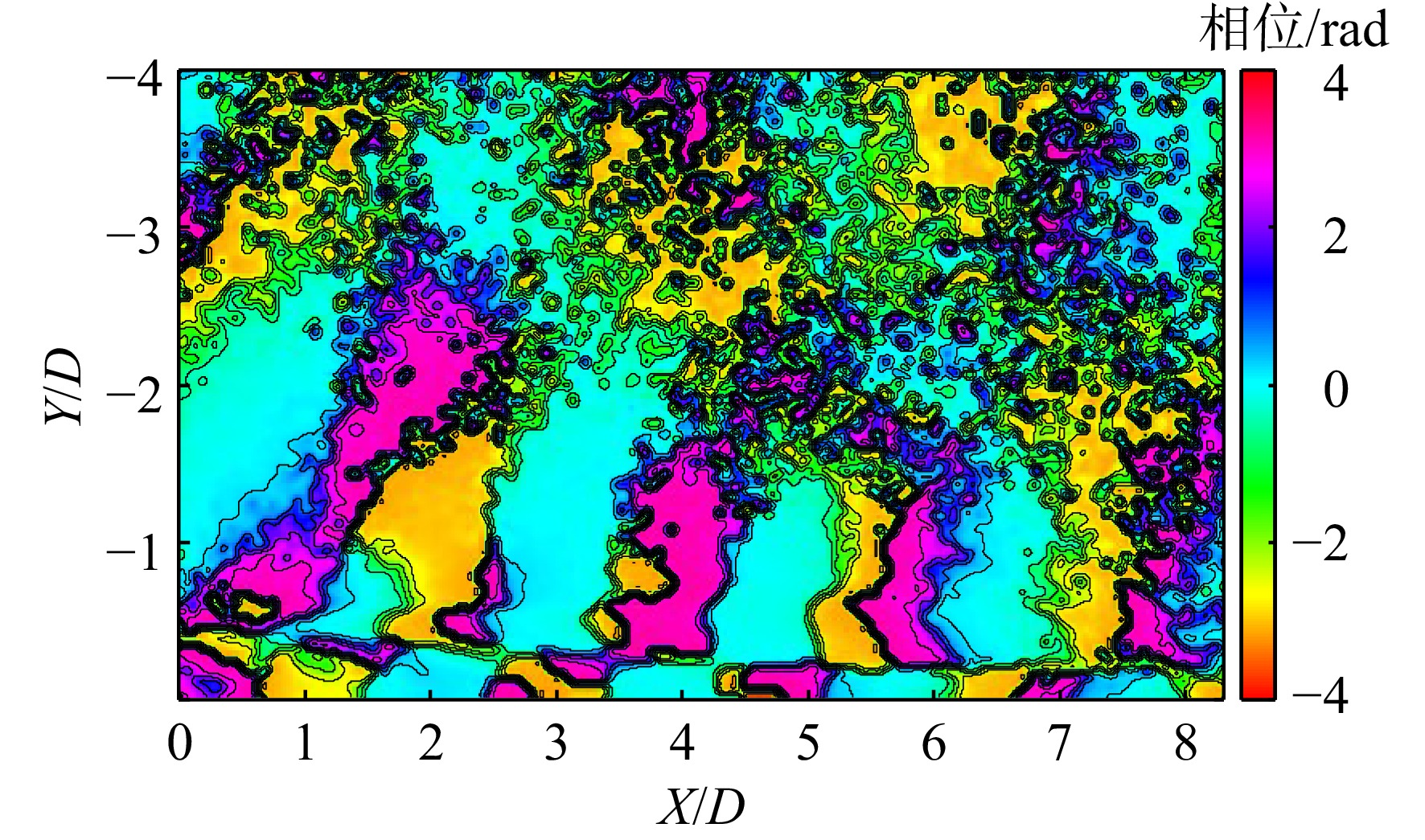
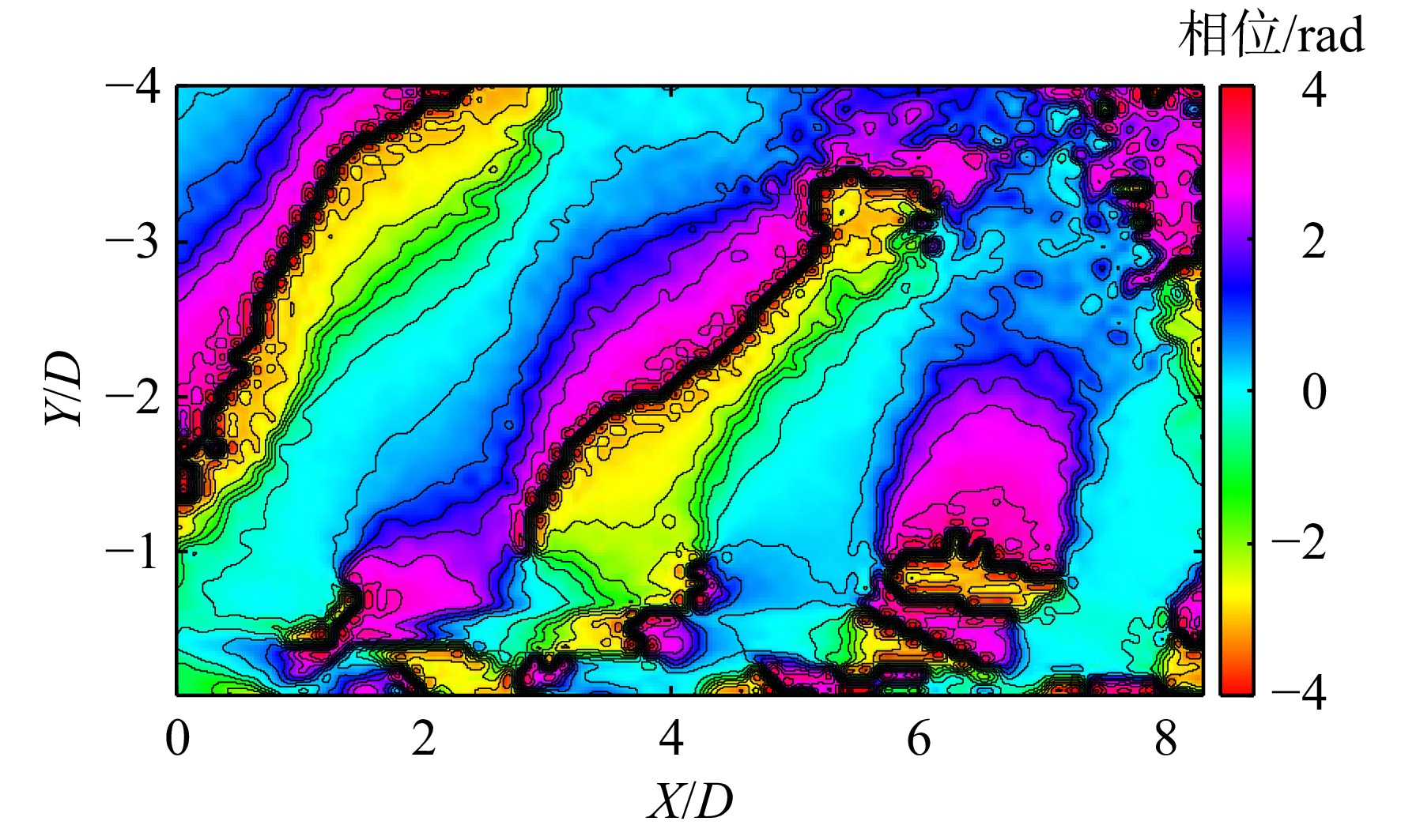
Modal diagnostics and nonlinear interaction mechanisms of supersonic jets based on TBOS
WANG Liyuan, XU Xihai, YANG Shawei, GAO Junhui
2026, 41(6): 20250235. doi: 10.13224/j.cnki.jasp.20250235
Abstract:

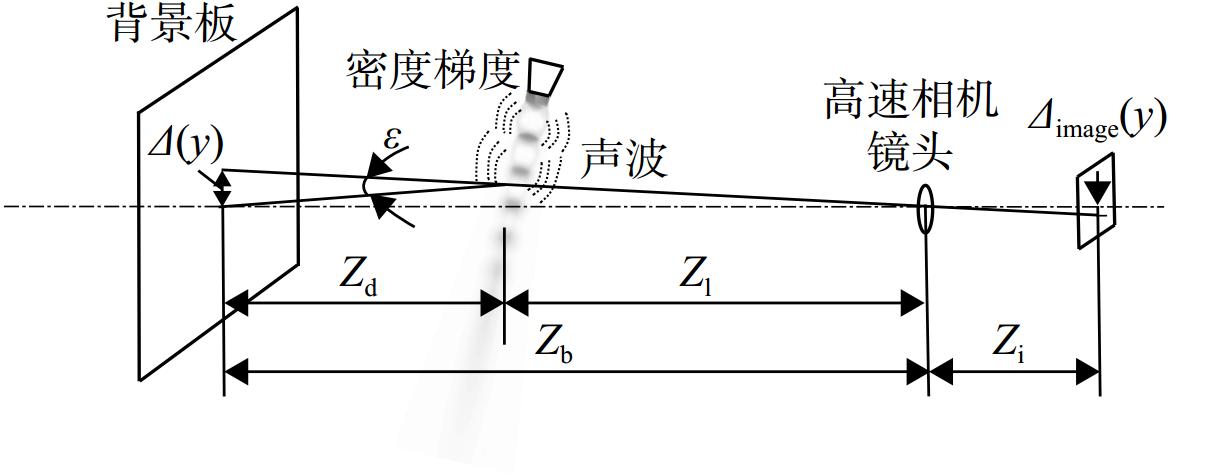
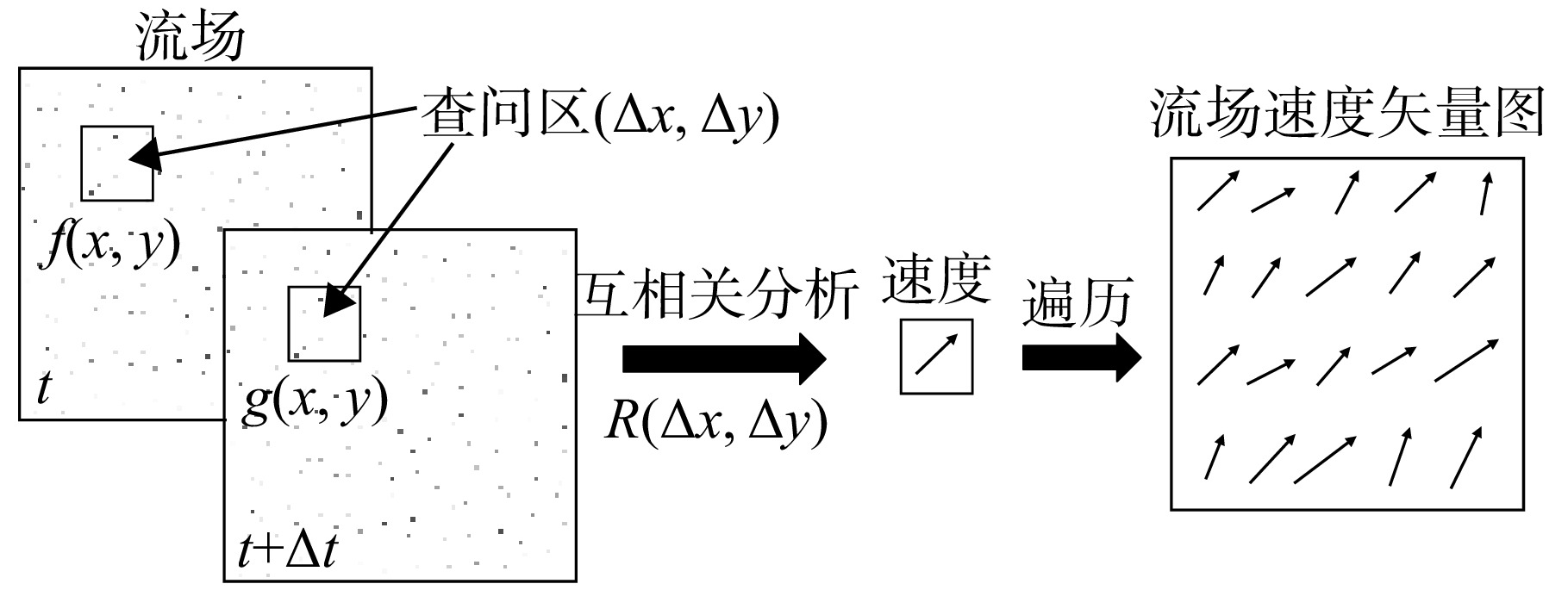
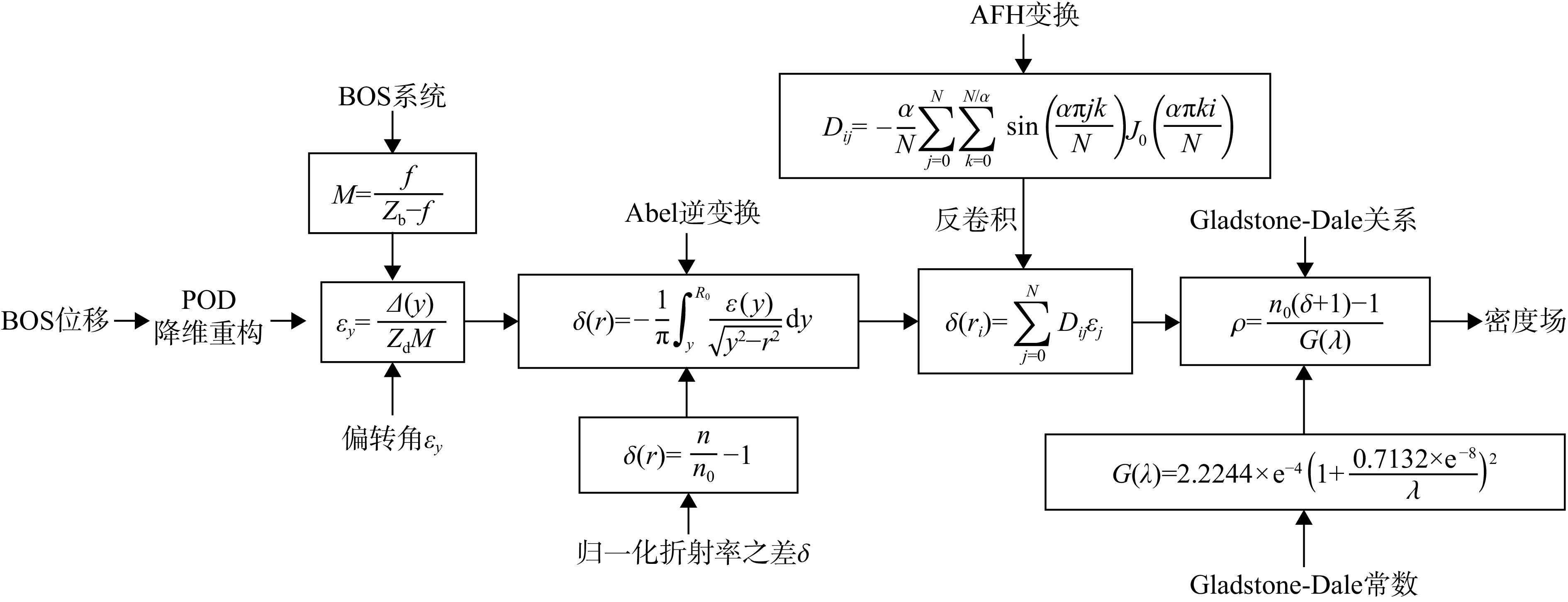
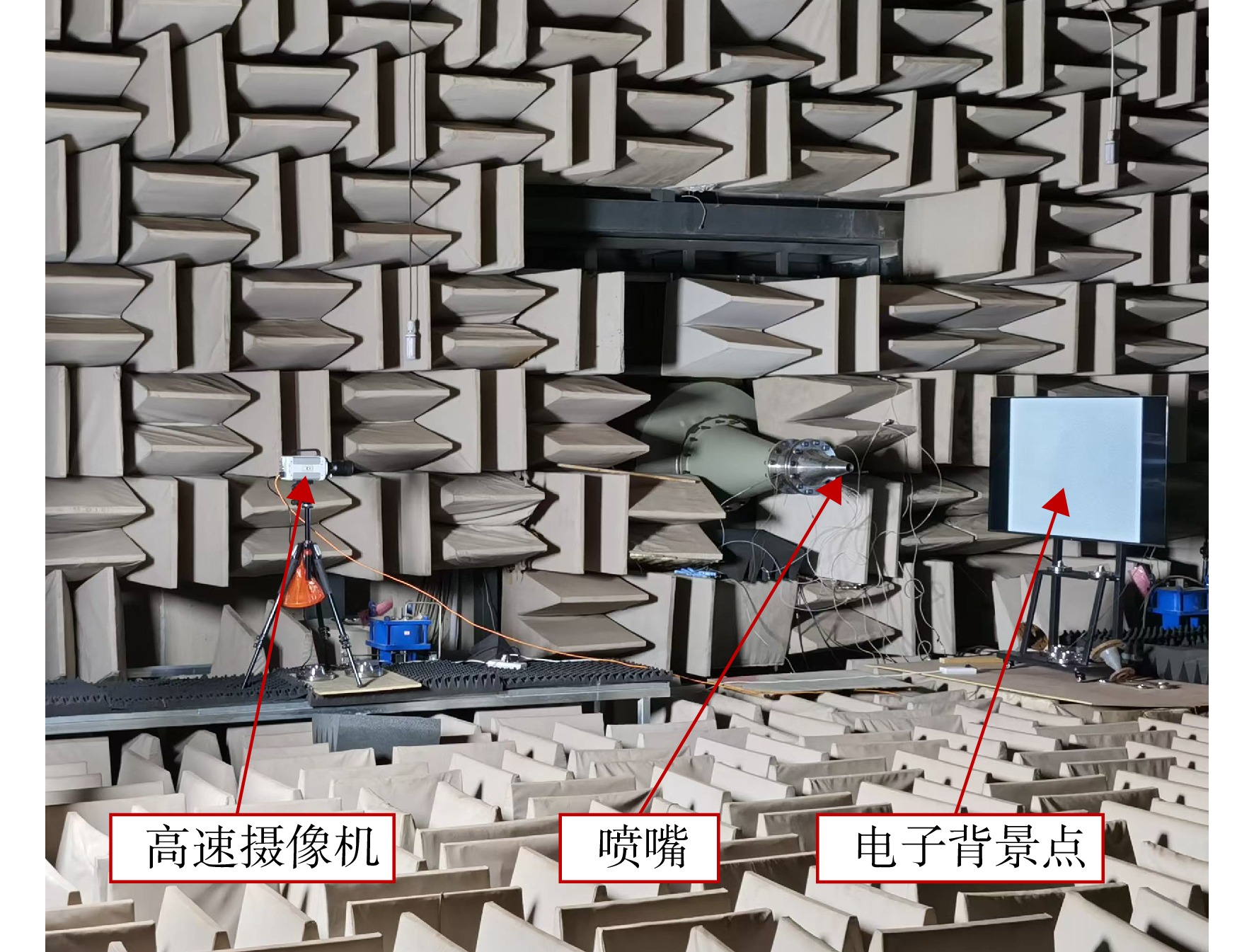
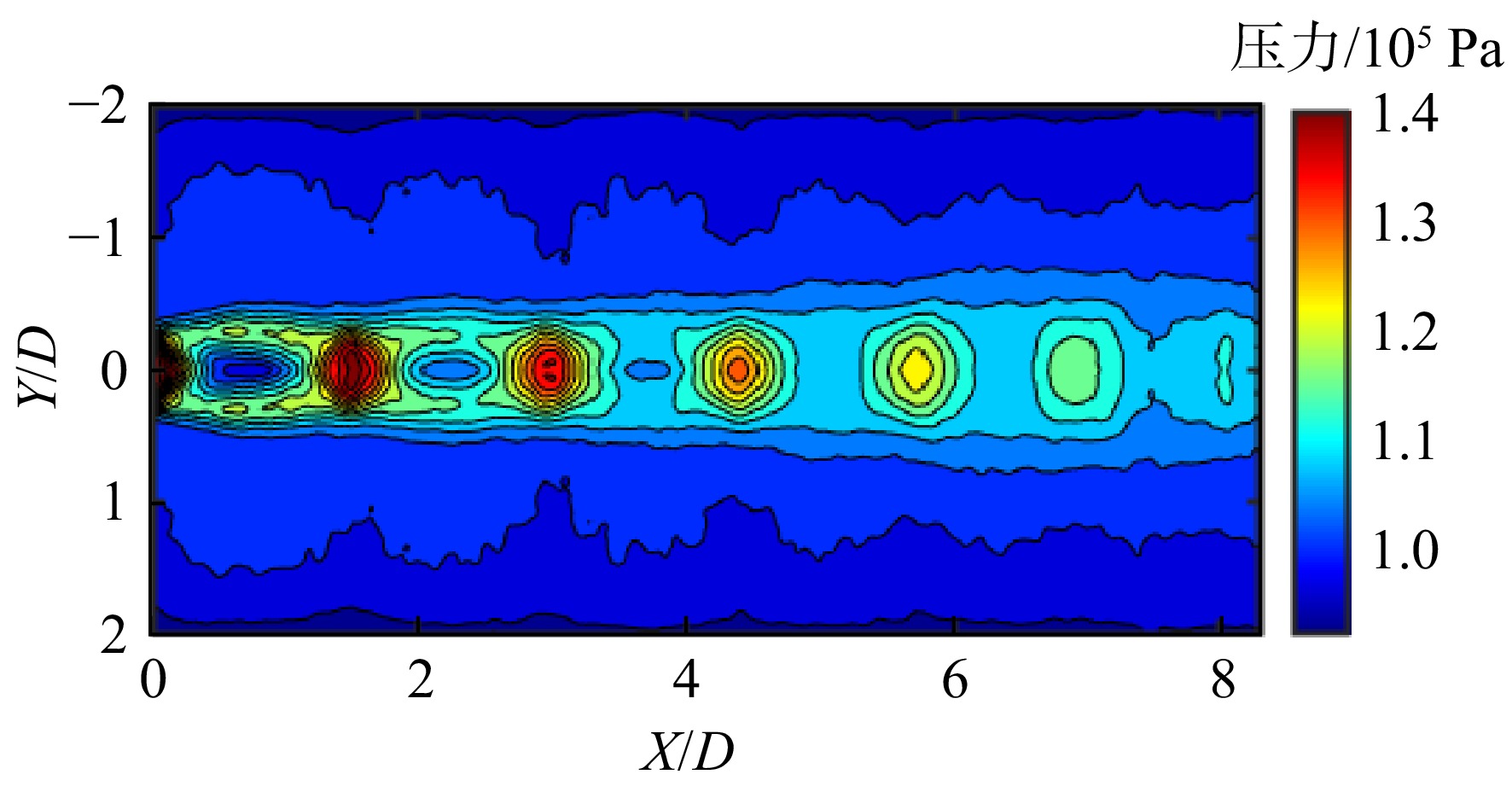
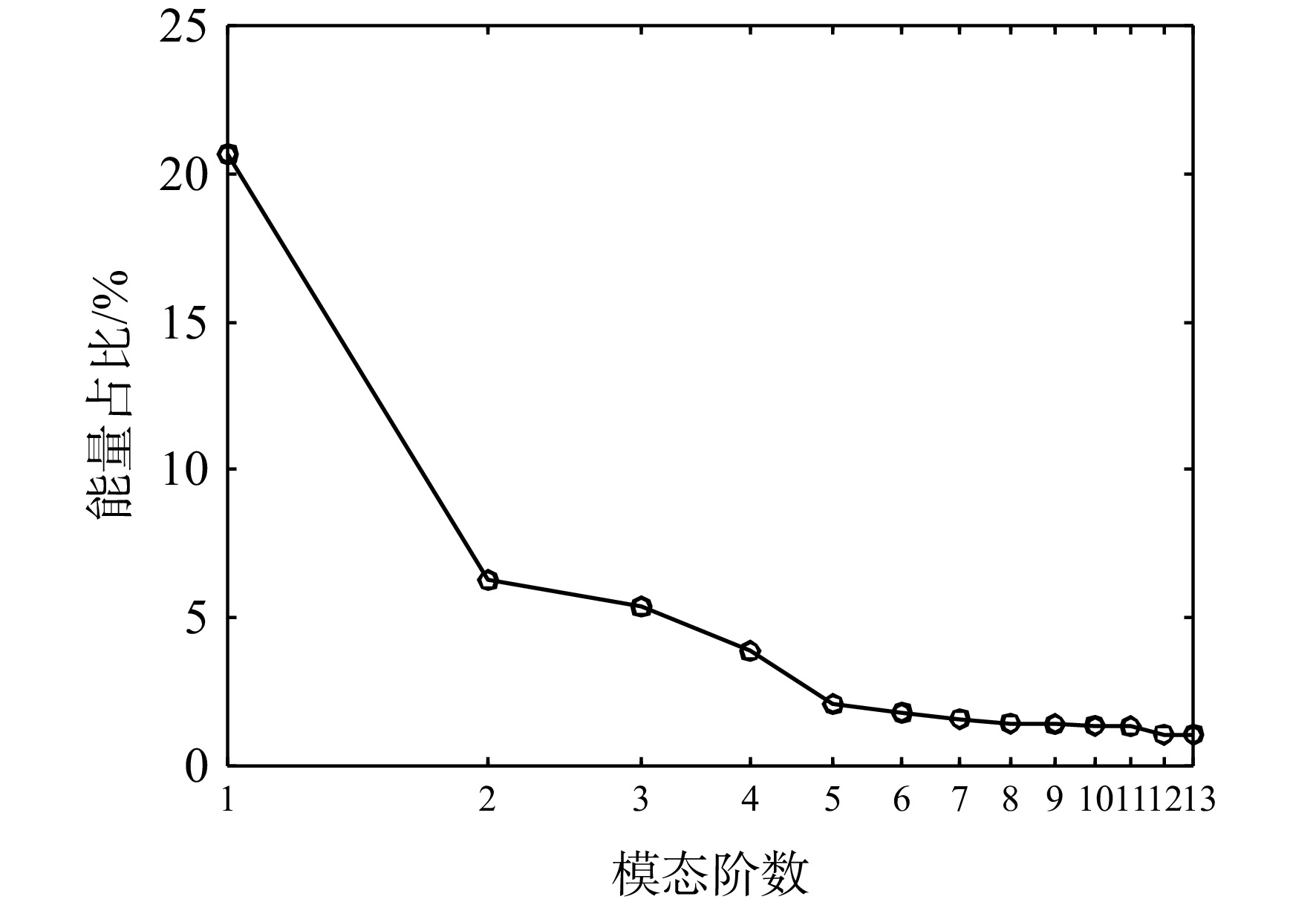
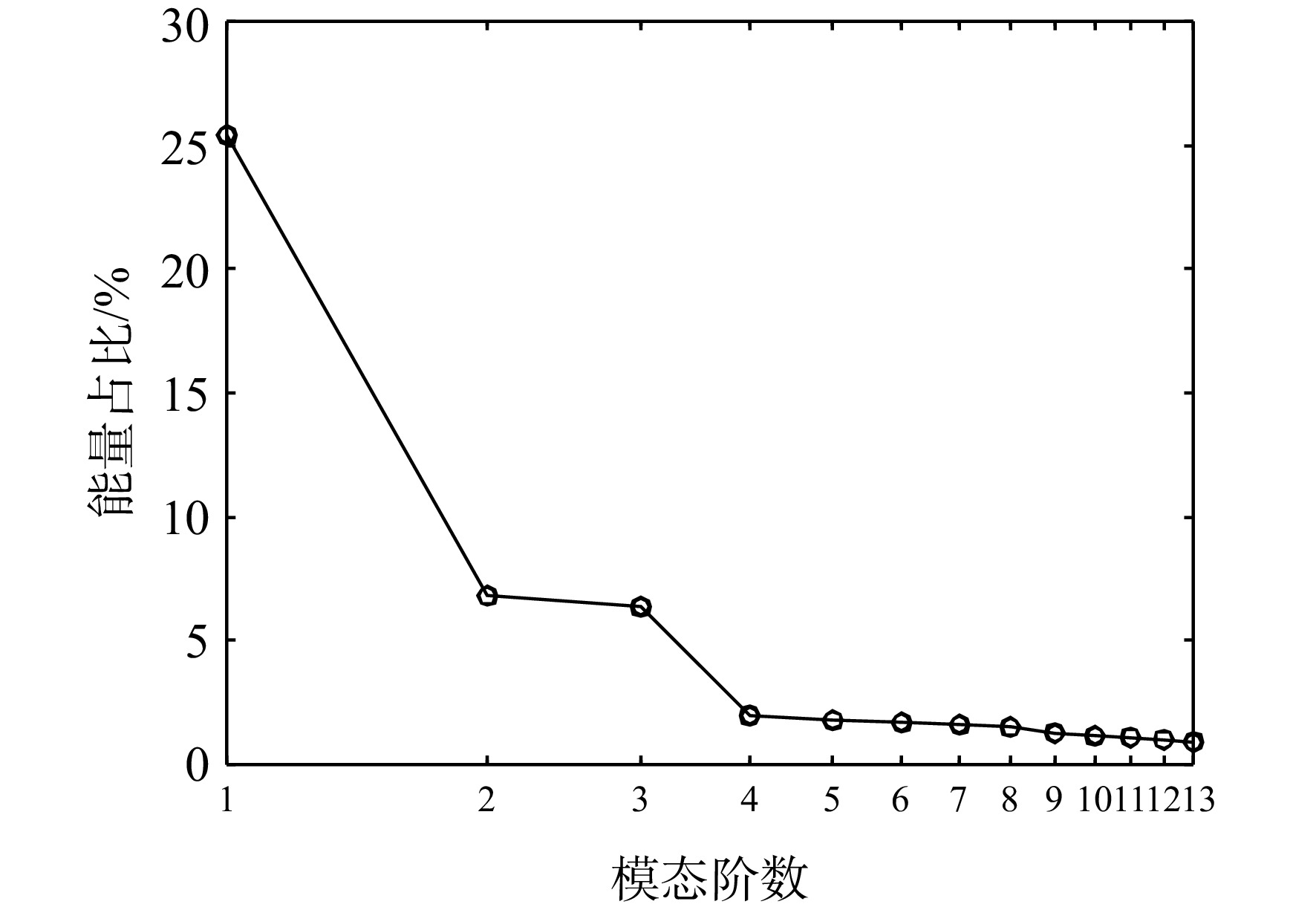
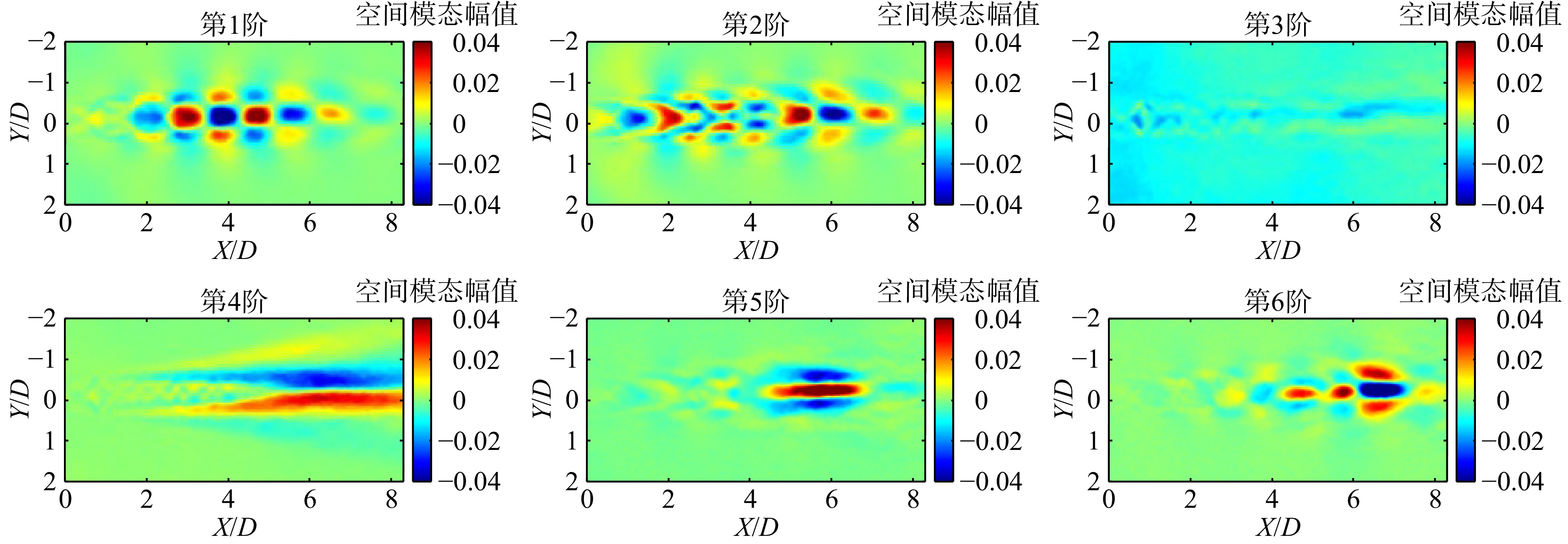
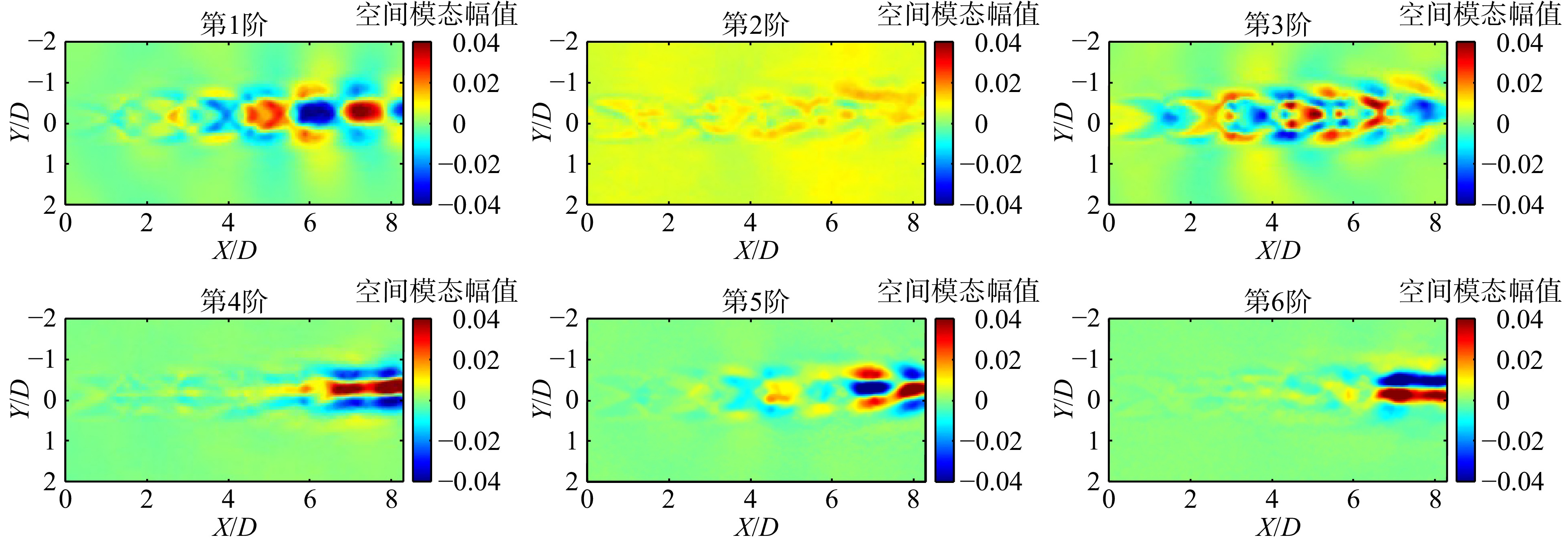
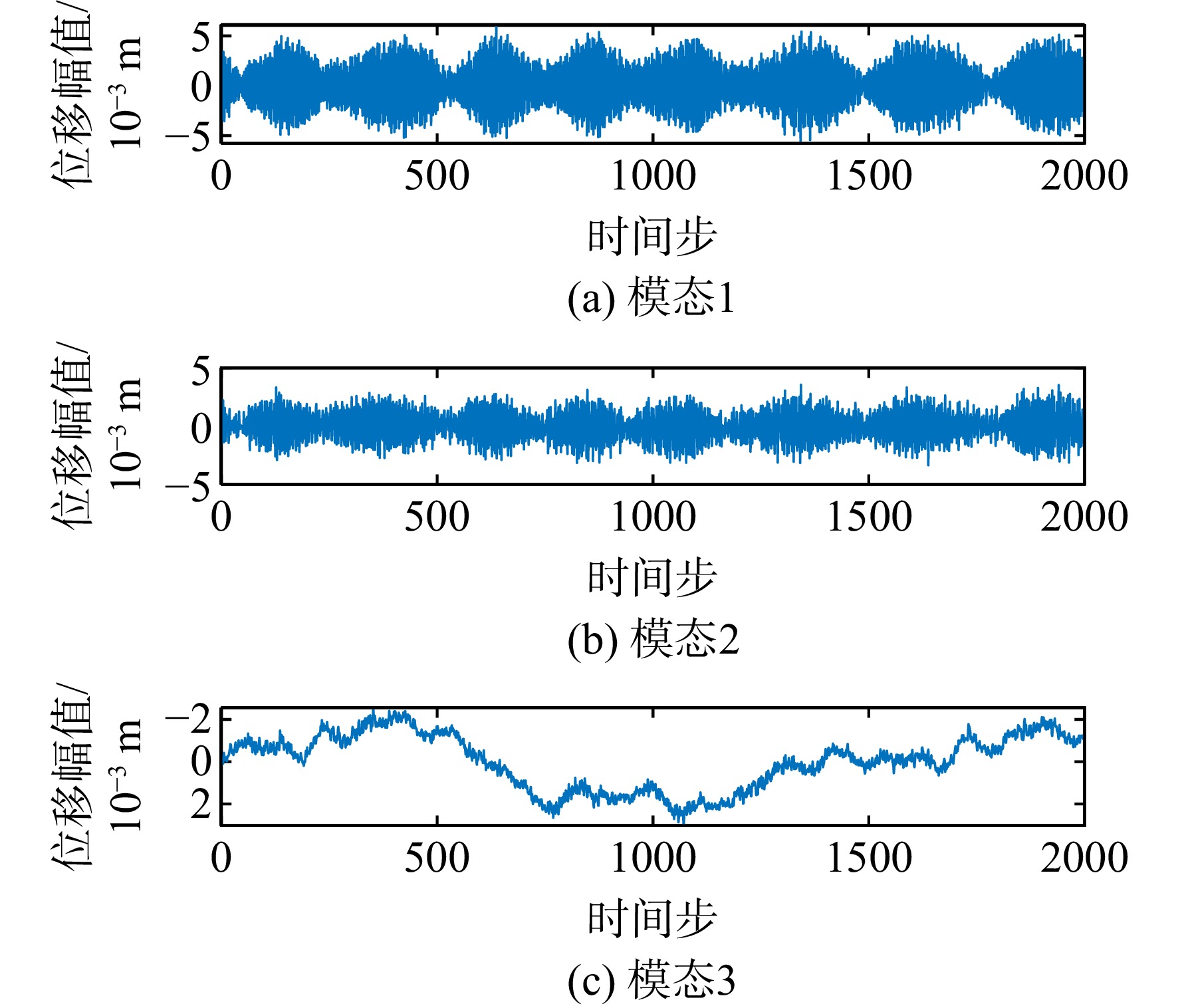
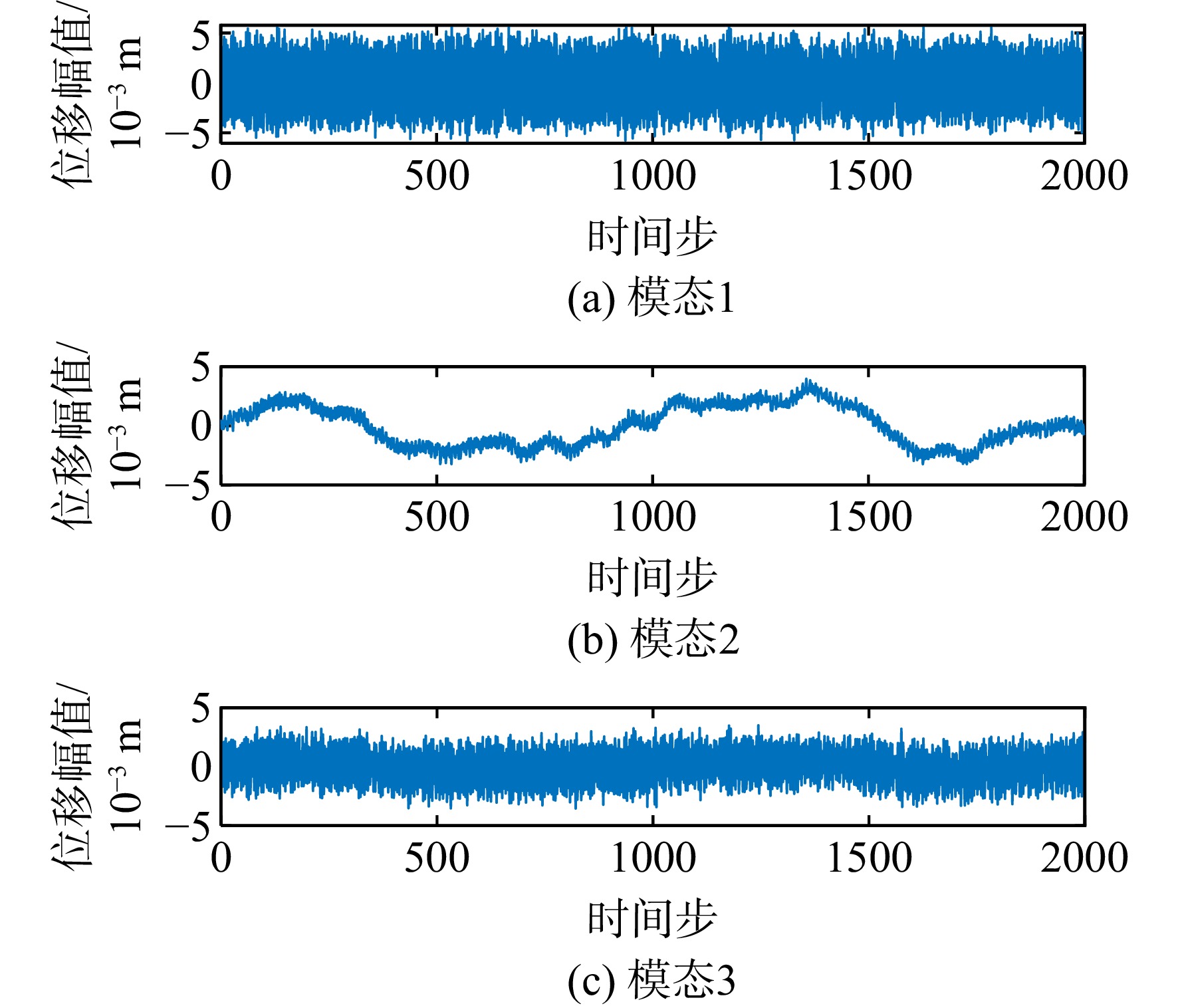
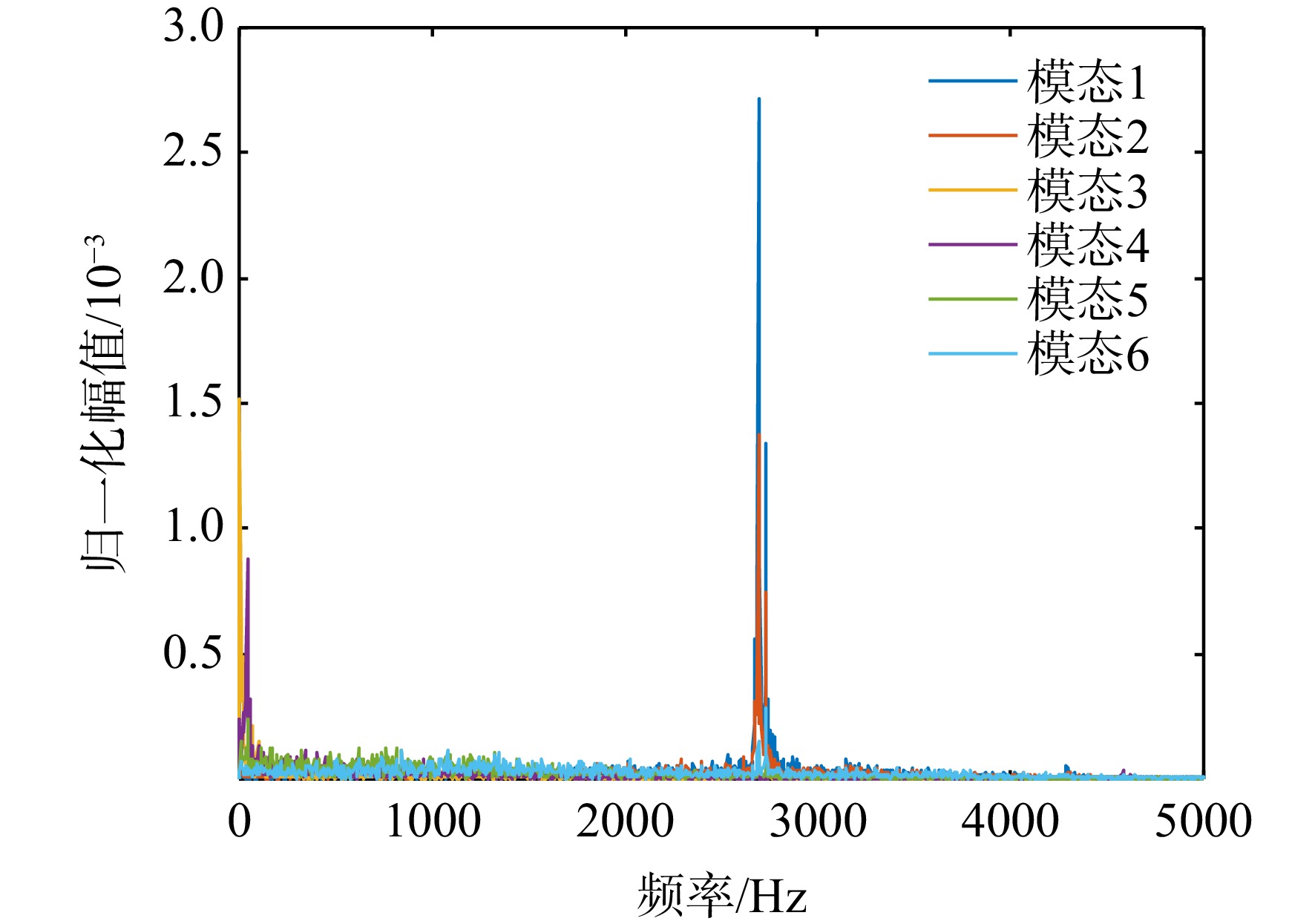
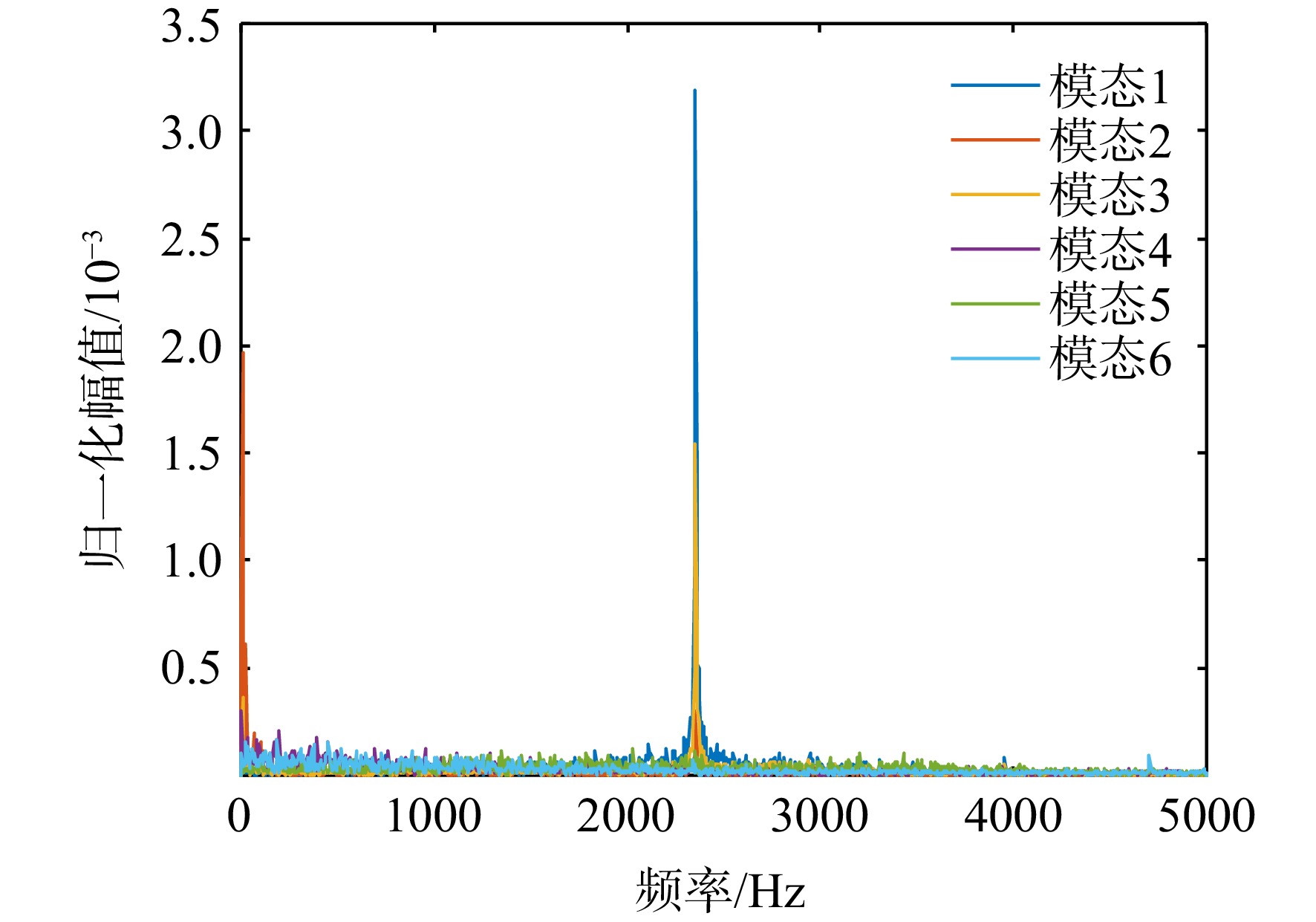
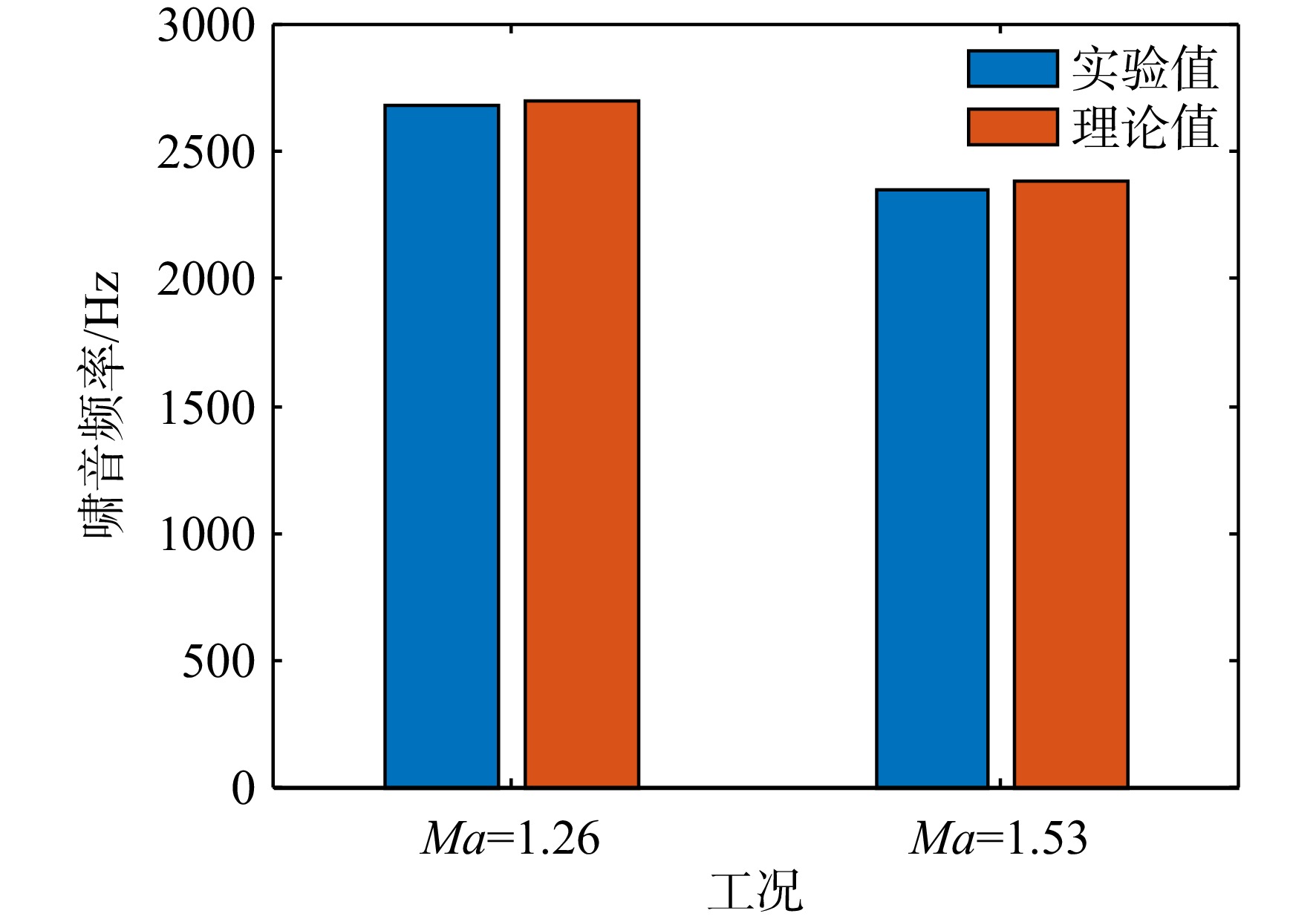
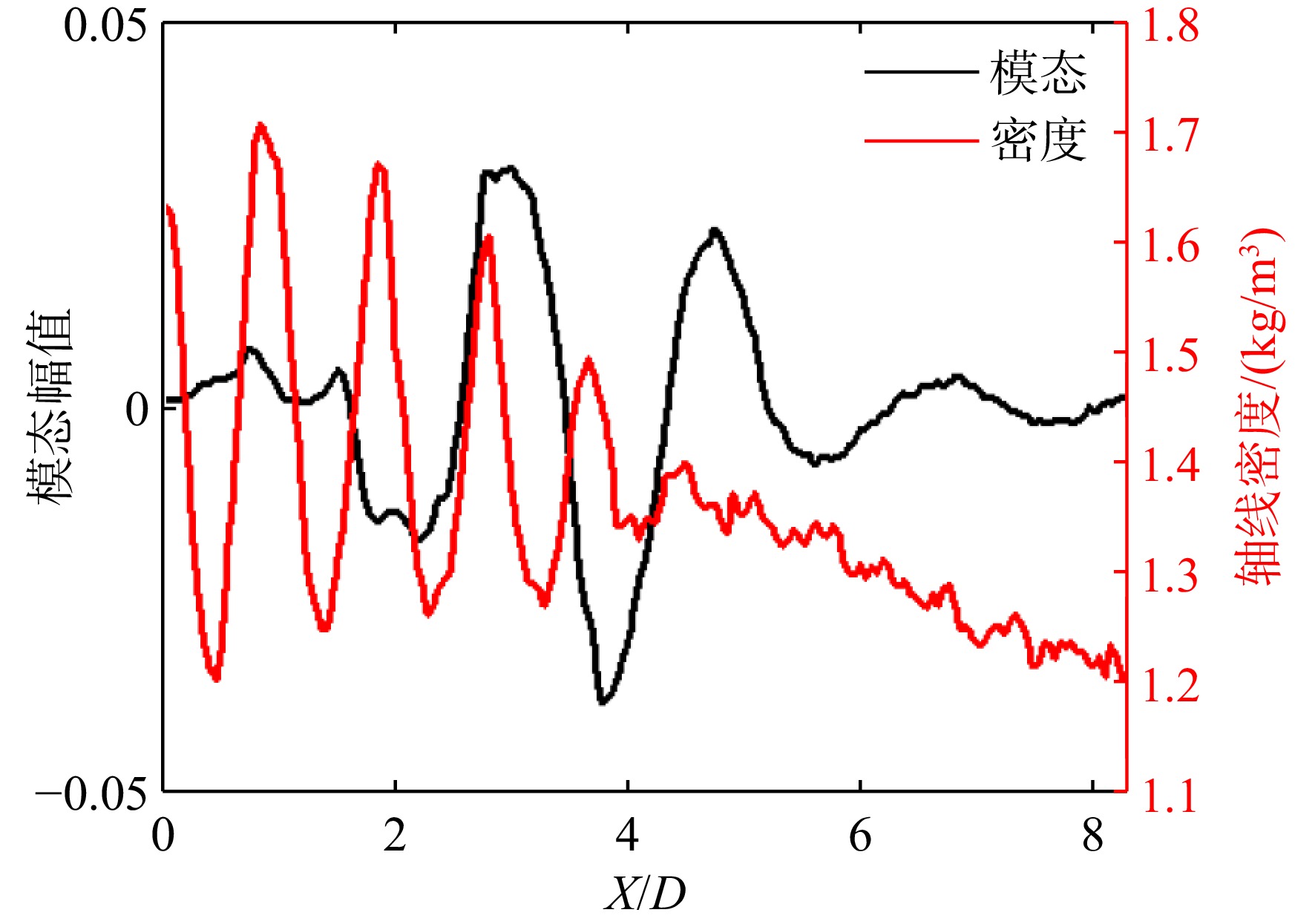
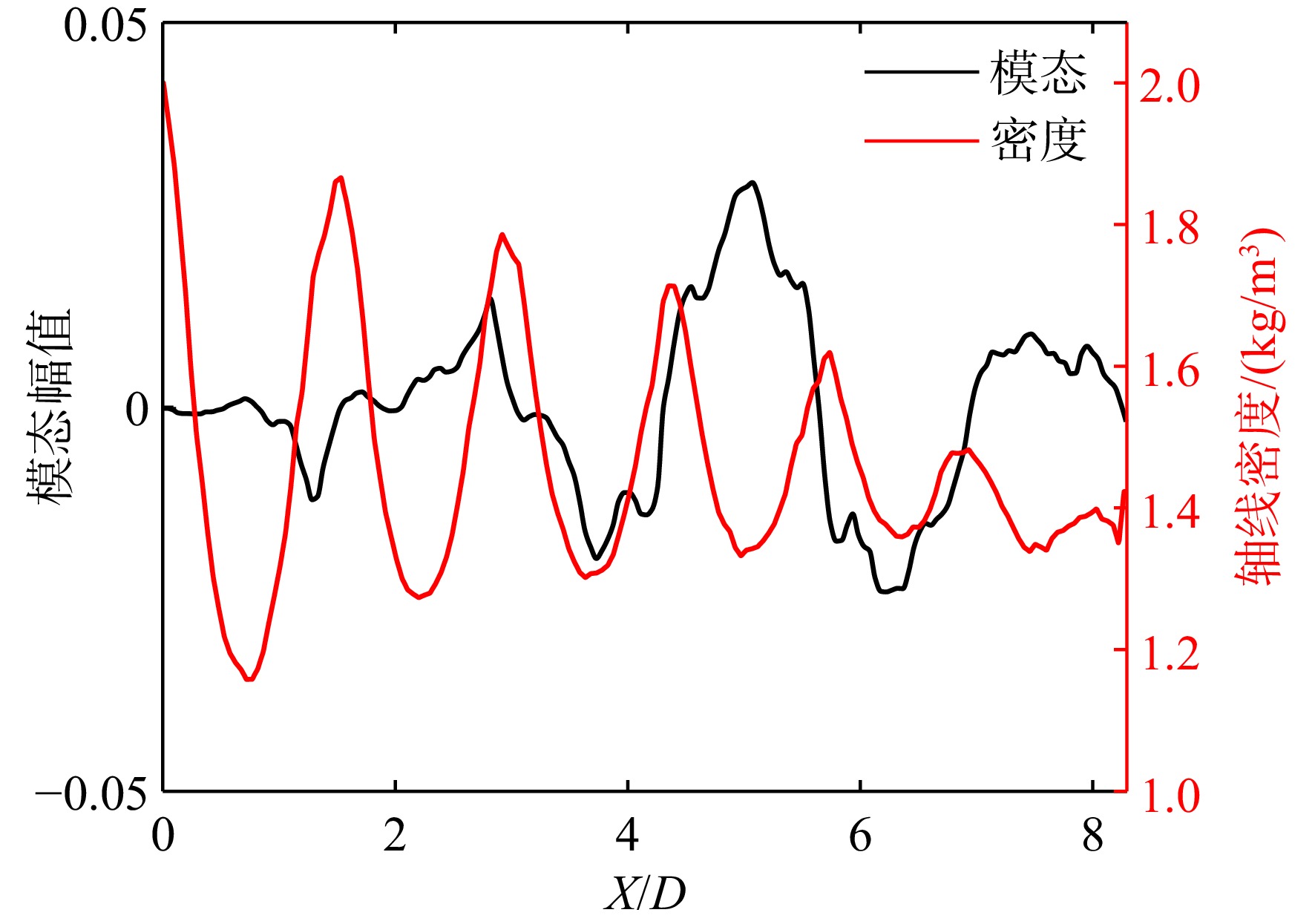
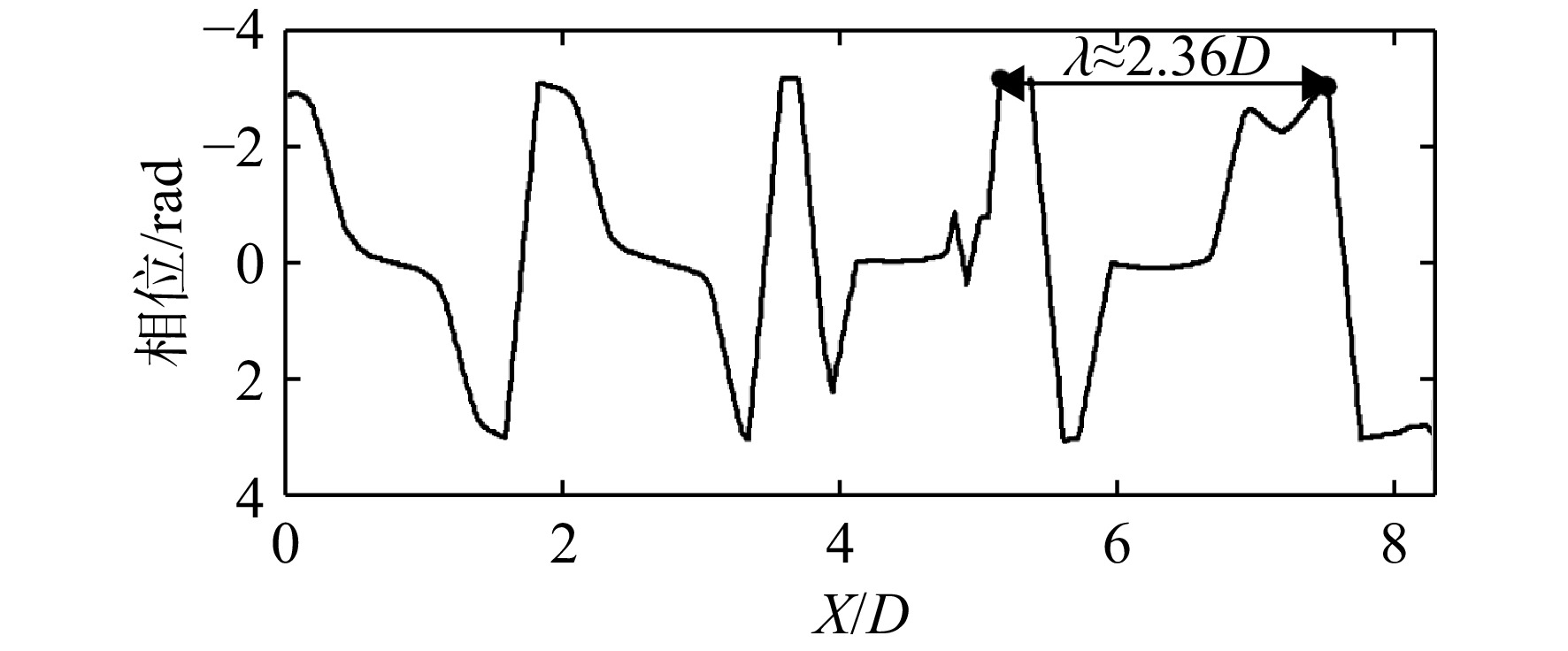
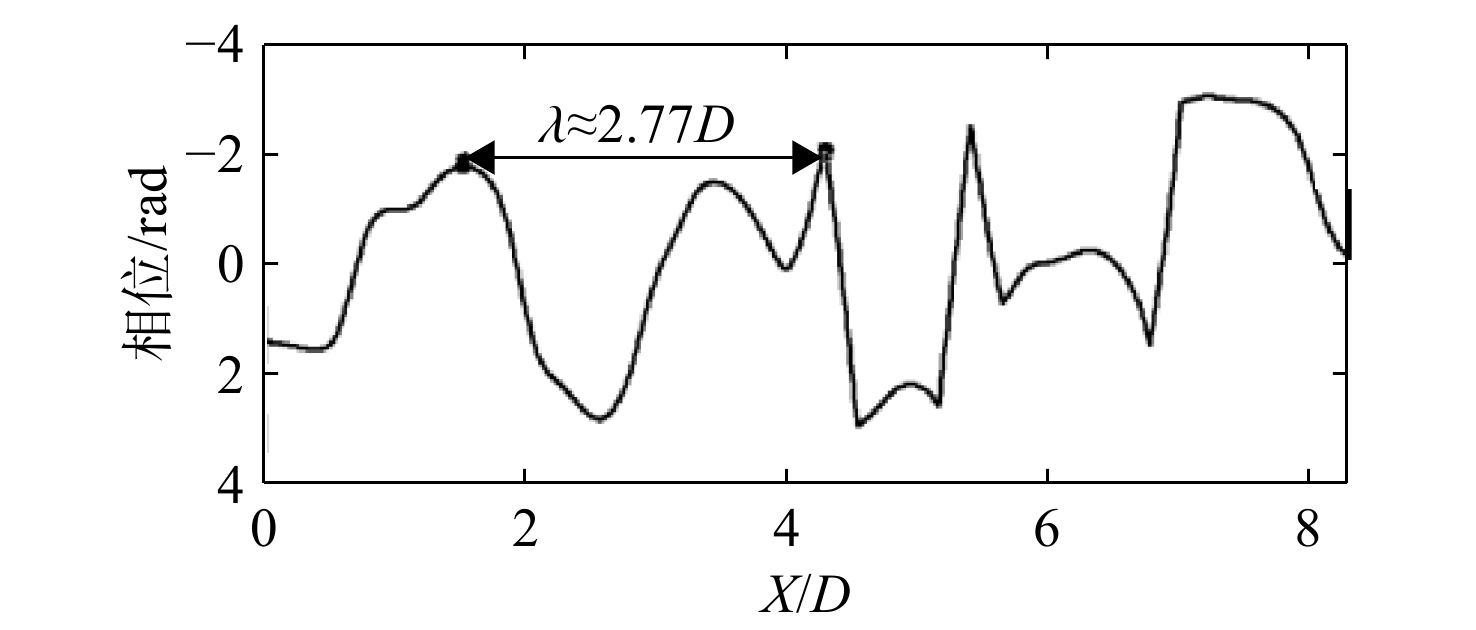
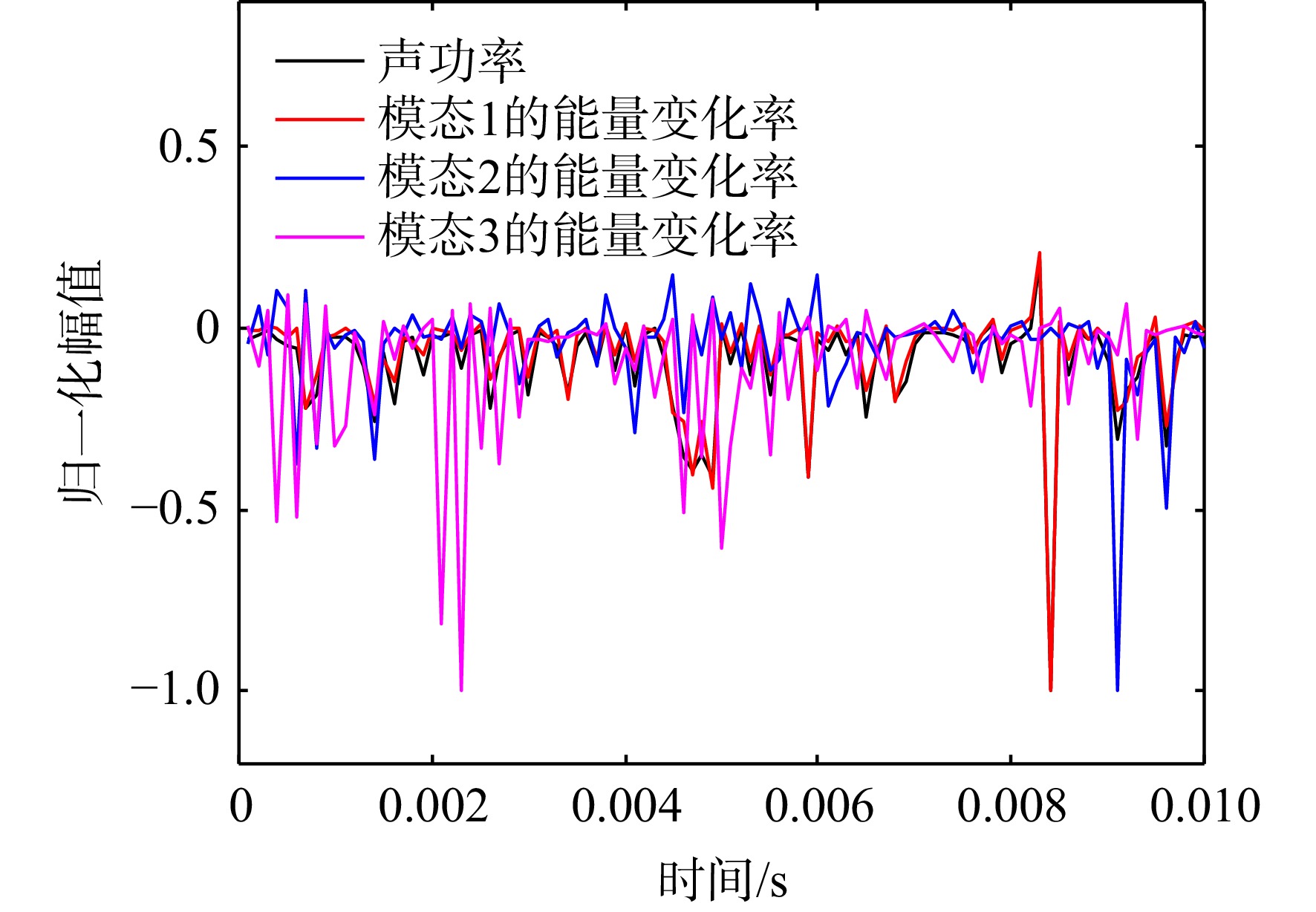
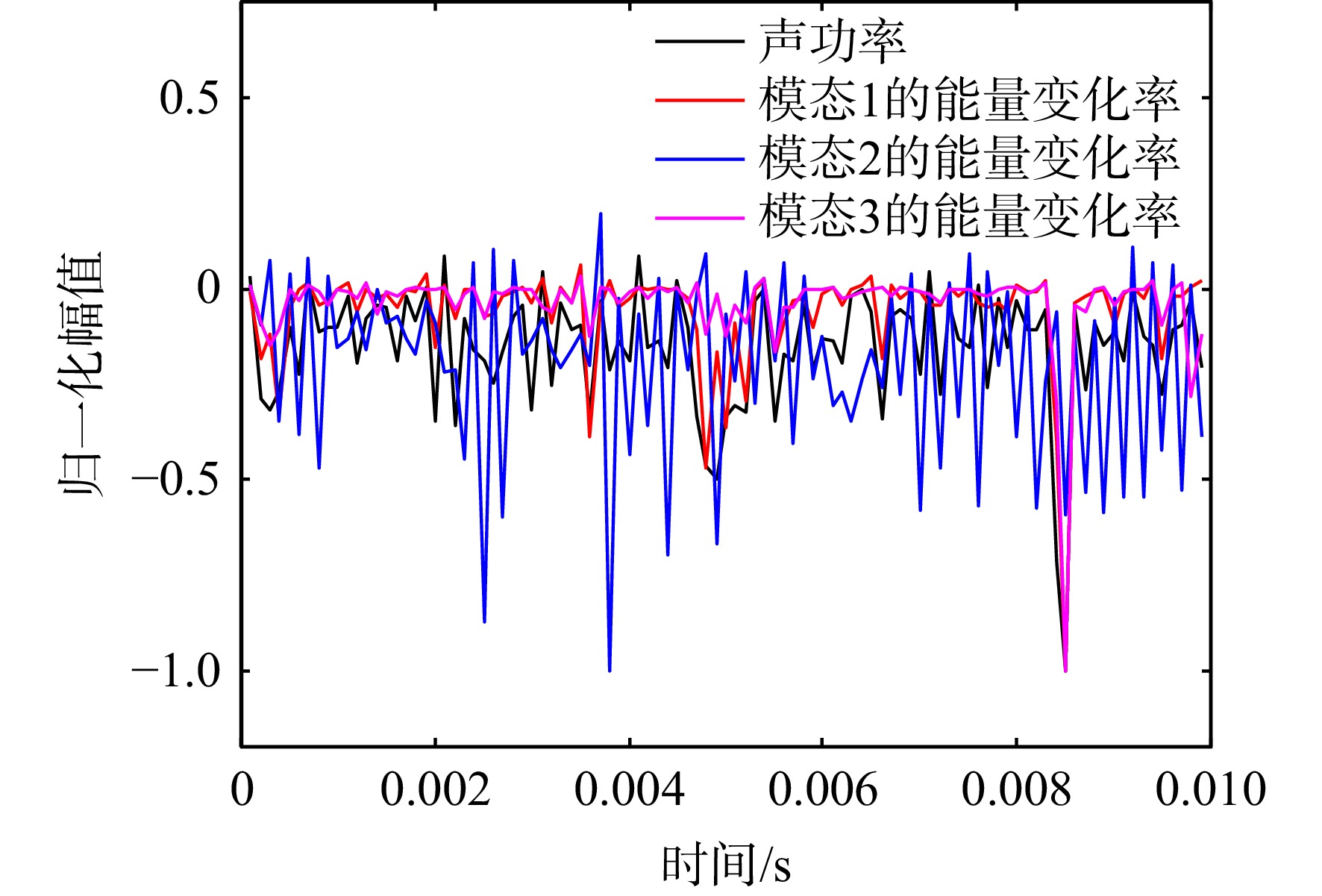
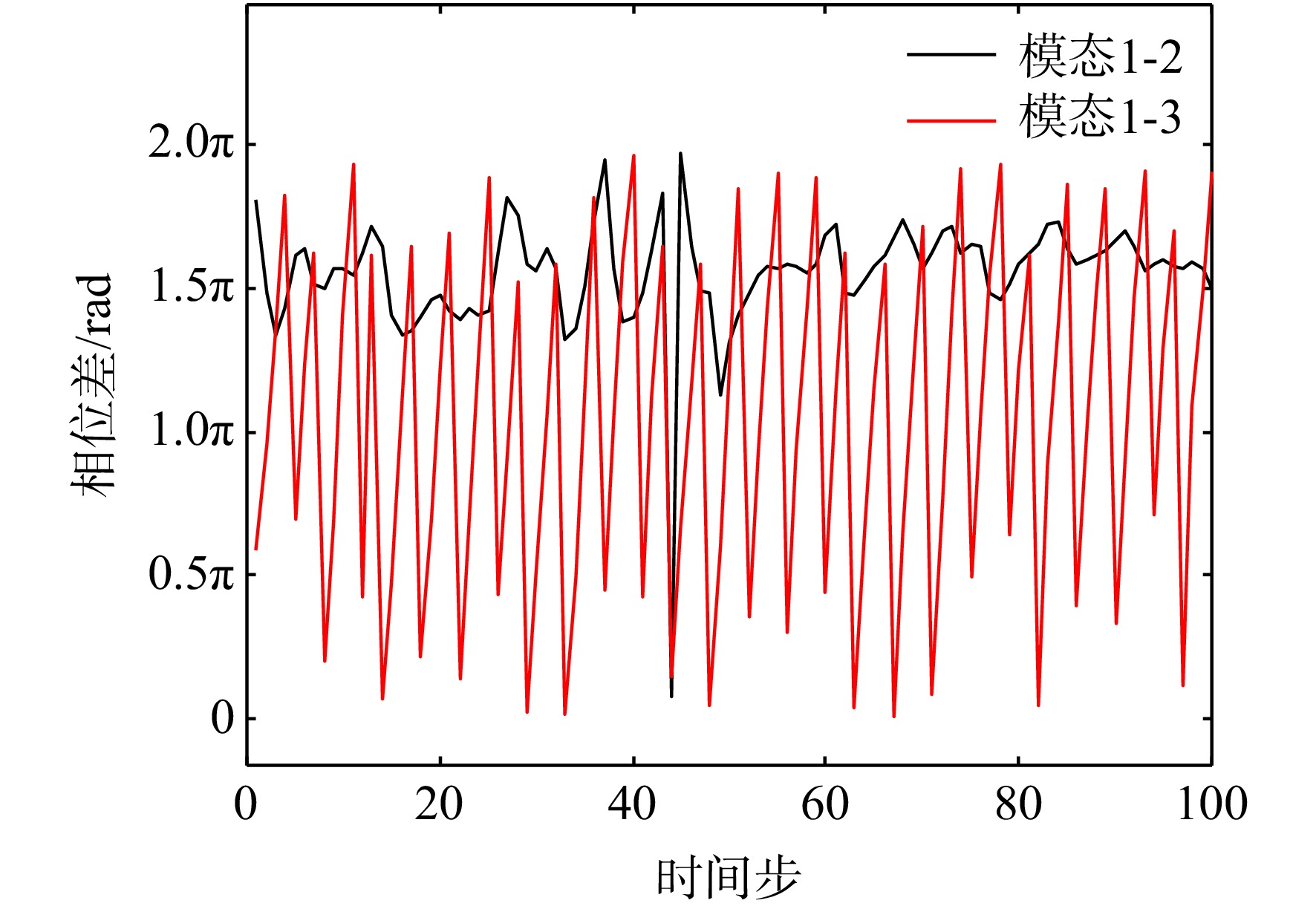
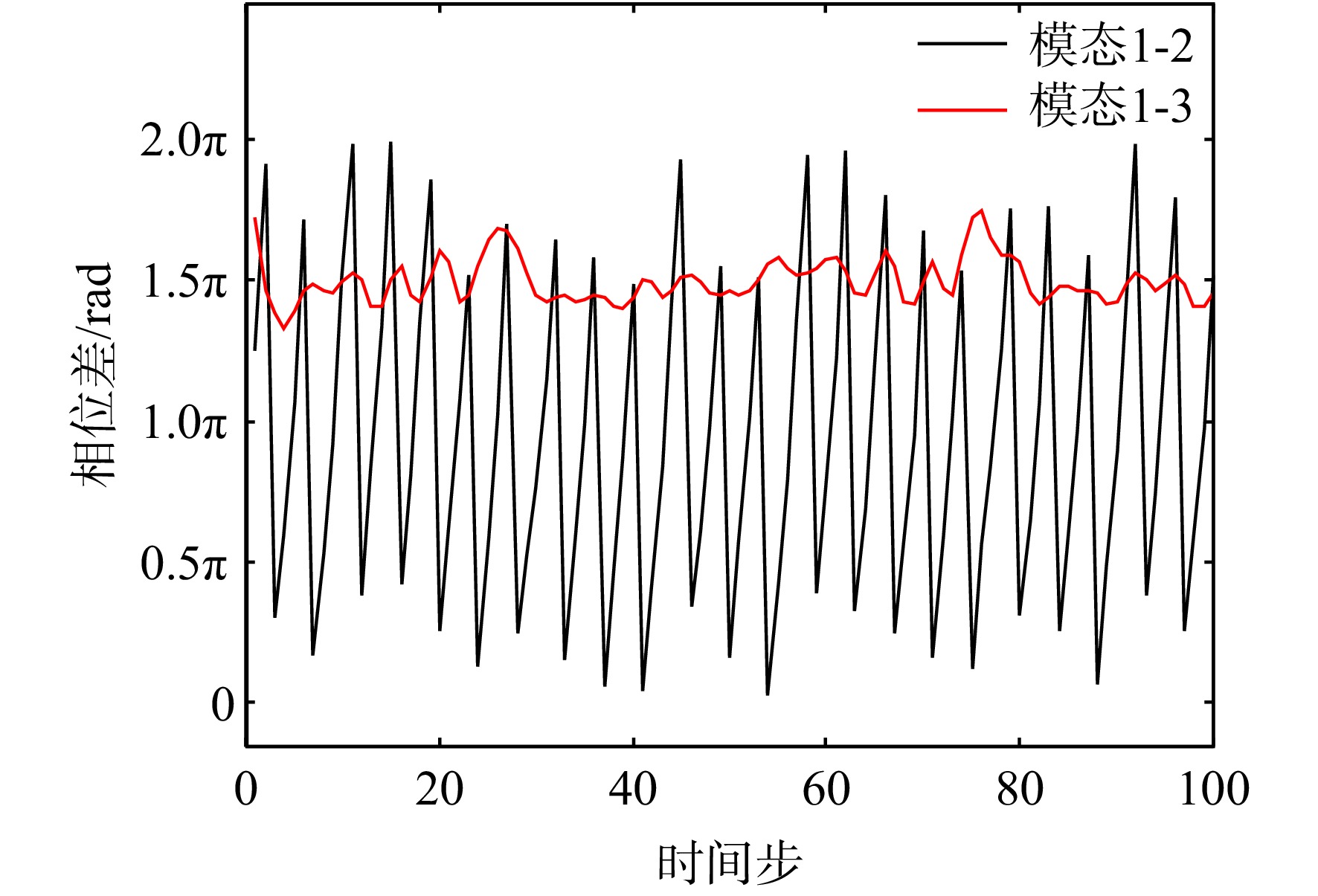
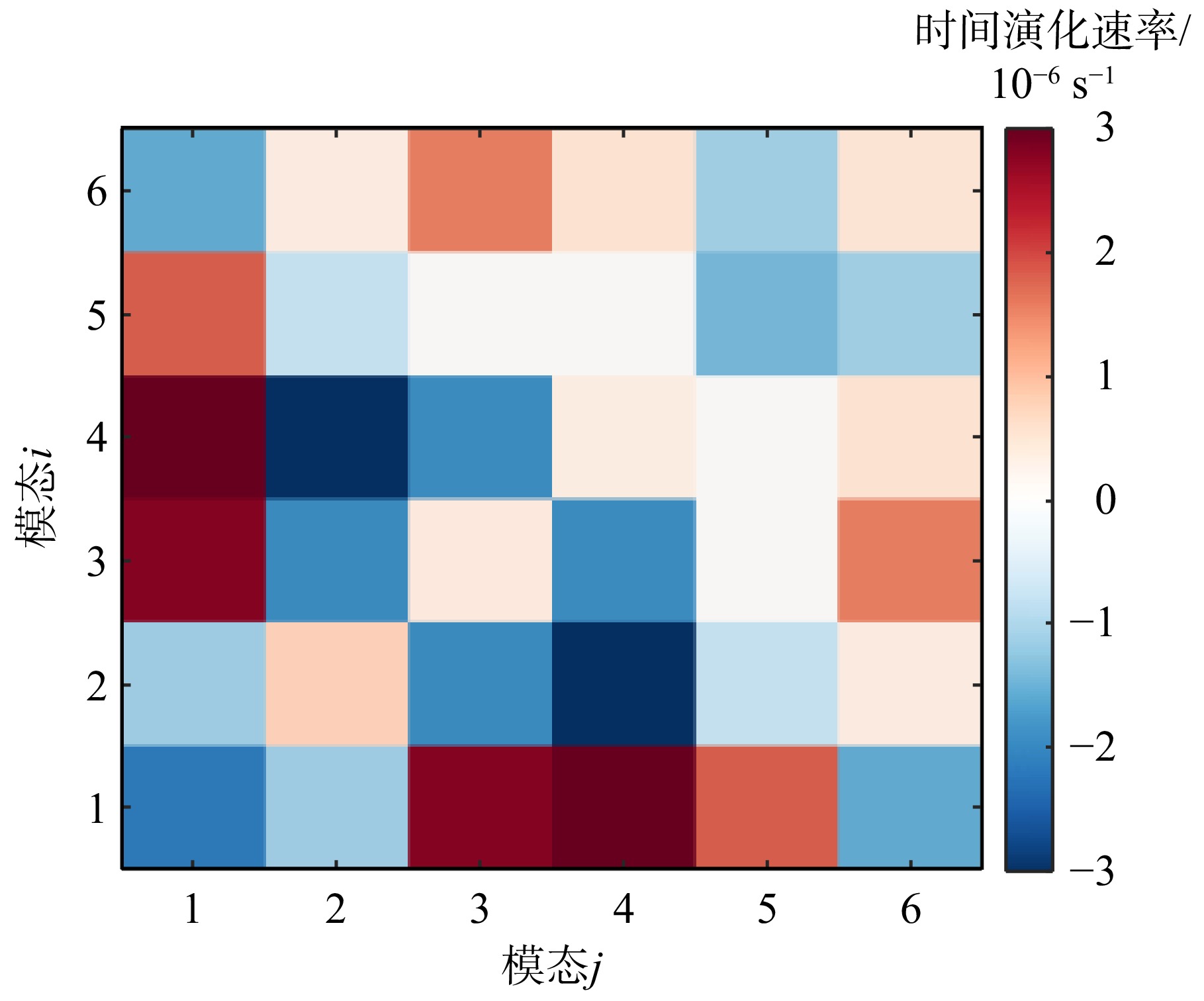
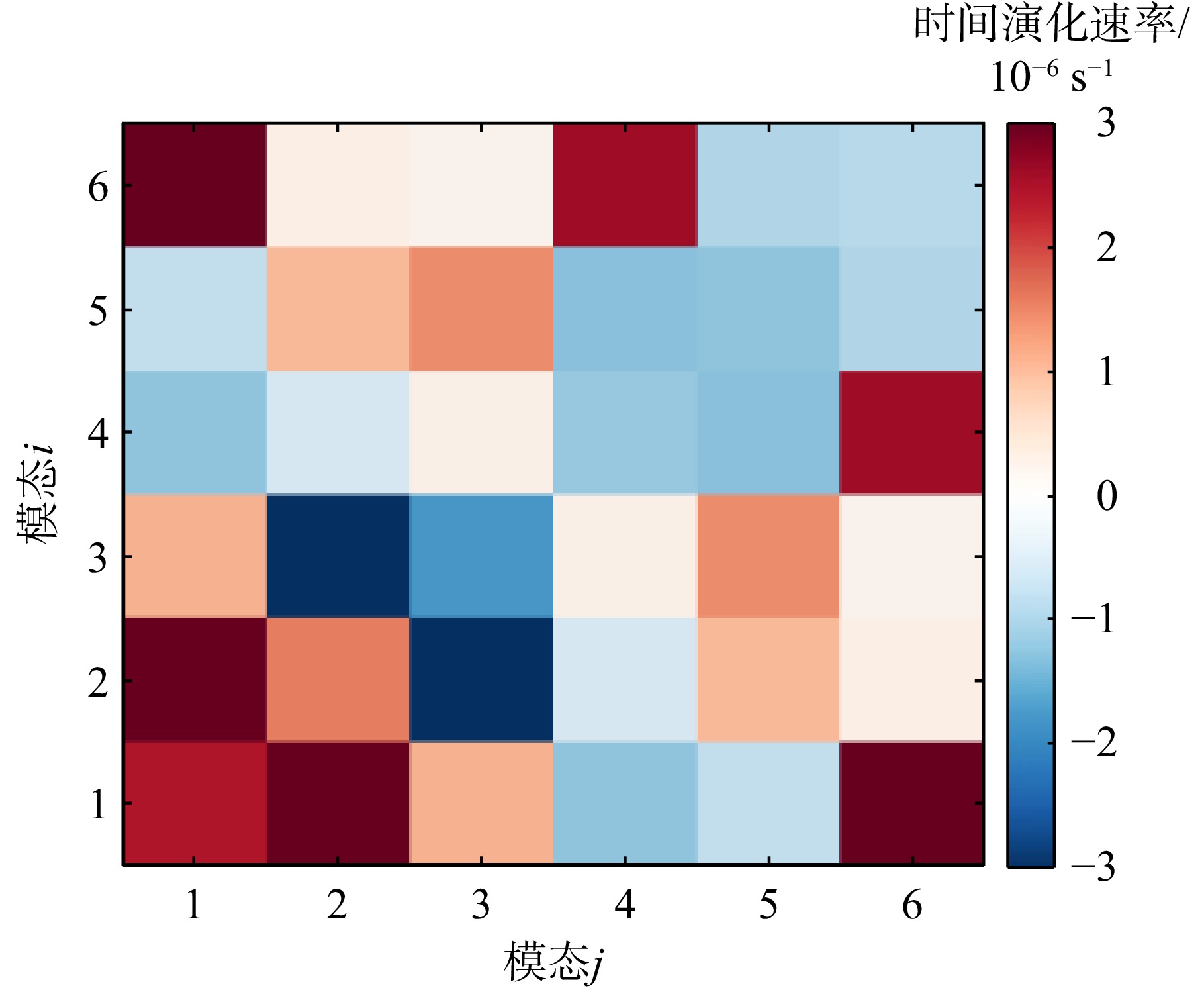
To address the challenges of unclear identification of dominant disturbance structures, ambiguous far-field radiation mechanisms of sound sources, and the lack of quantification for nonlinear interaction paths in high-Mach-number jet flows, a multiphysics modal identification framework integrating tomography-integrated background-oriented schlieren (TBOS) experiments, density-pressure tomographic inversion, proper orthogonal decomposition (POD), complex mode construction, and nonlinear interaction tensor analysis was proposed. Taking Mach number of 1.26 and 1.53 screeching jet conditions as typical cases, the framework tomographically reconstructed the axisymmetric flow field’s density and pressure structures via TBOS, revealing the coupling evolution process between shear layers and shock cells. By constructing the complex mode fields and quantifying the dominant wavelength, it was found that at higher Mach numbers, the dominant wavelength increased by 17%, which explicitly characterized the ordering of far-field acoustic radiation structures induced by shear-shock coupling. The dominant frequencies extracted from POD spectra matched theoretical models with 99.7% accuracy, validating the existence of acoustic feedback paths. Furthermore, Hilbert transform and triadic modal energy transfer tensors revealed that as the Mach number increased, the phase-locking structure of dominant modes transitted from Mode 1-2 coordination to strong Mode 1-3 coupling, accompanied by a shift in energy transport from concentrated single-path feedback to multi-modal distributed interaction. This revealed the reconstruction of dominant modal systems and multi-scale energy cooperative modulation mechanisms in high-Mach-number jets. Utilizing single-camera projection combined with TBOS visualization technology, a three-layer coupling path “structural identification-propagation extraction-nonlinear interaction analysis” was establishes which overcame the limitation of conventional POD to some extent in resolving the evolution of main-lobe acoustic sources. This framework can provide a paradigm and technical support for screech mode identification, jet modulation, and far-field acoustic modeling in supersonic flows.

Fault feature extraction method of rolling bearing based on adaptive MOMEDA
LYU Zhongliang, LI Lingfeng, JIA Xiangyu, XU Youwei, AN Zhiwei, PENG Linhao
2026, 41(6): 20240646. doi: 10.13224/j.cnki.jasp.20240646
Abstract:

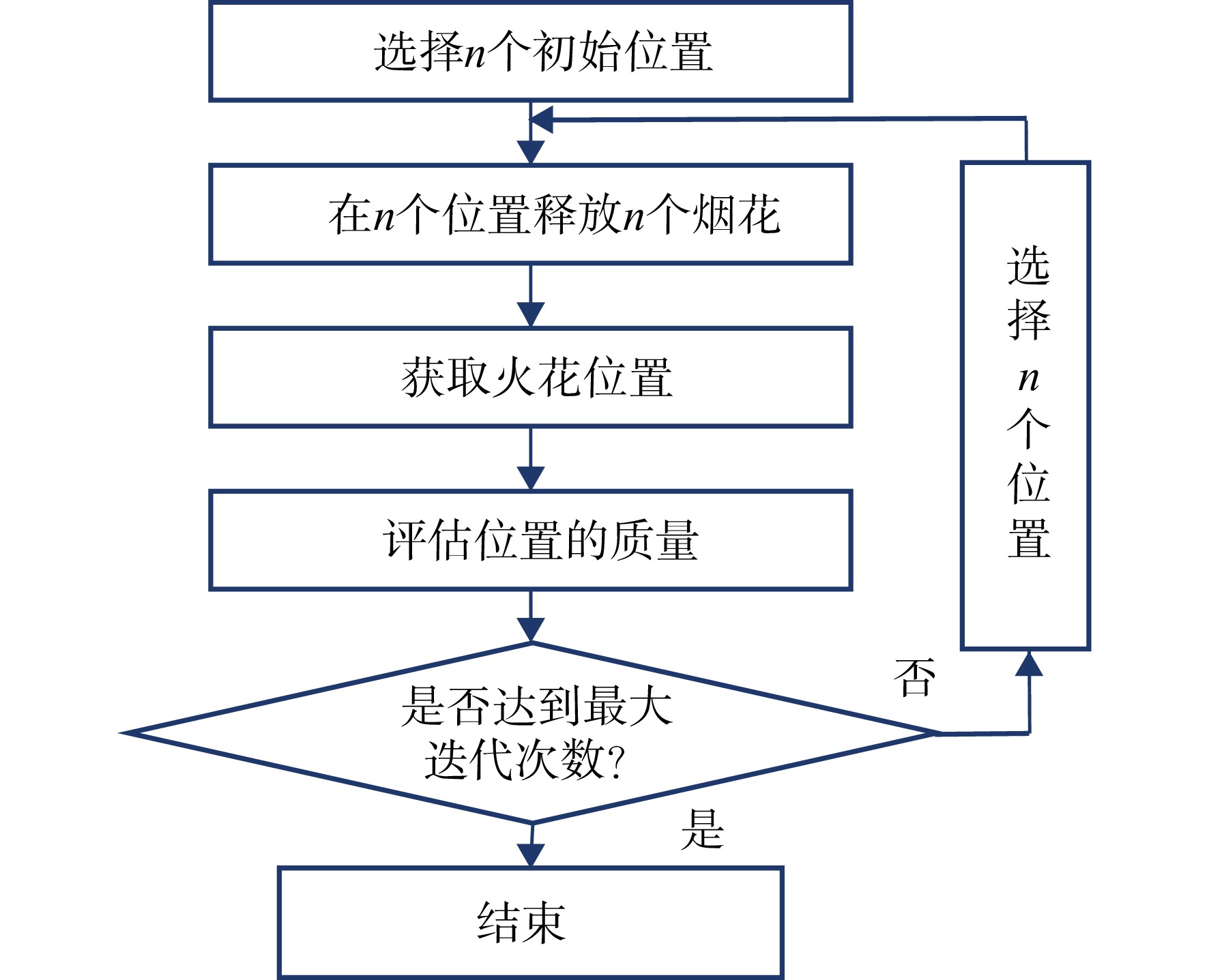
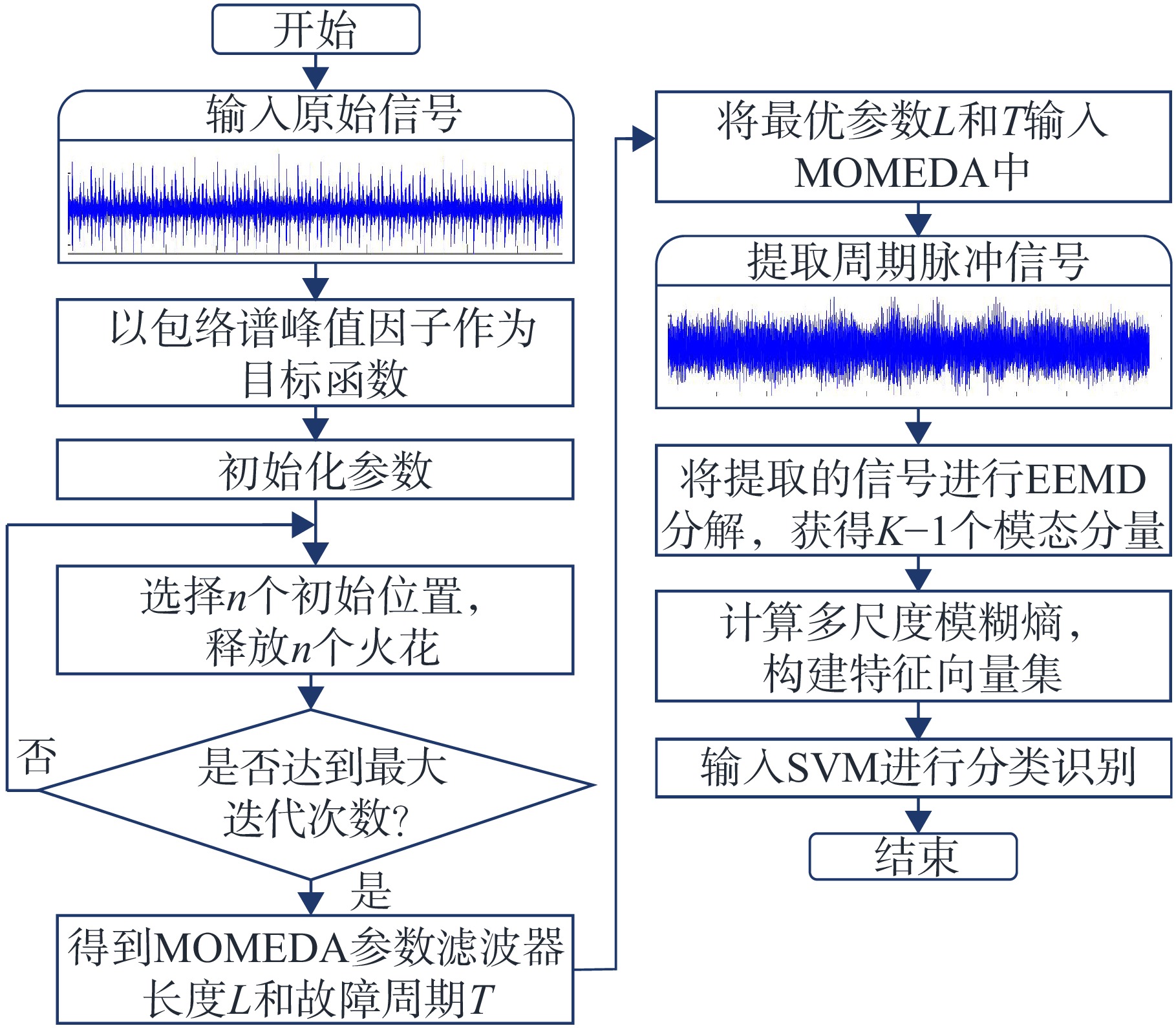
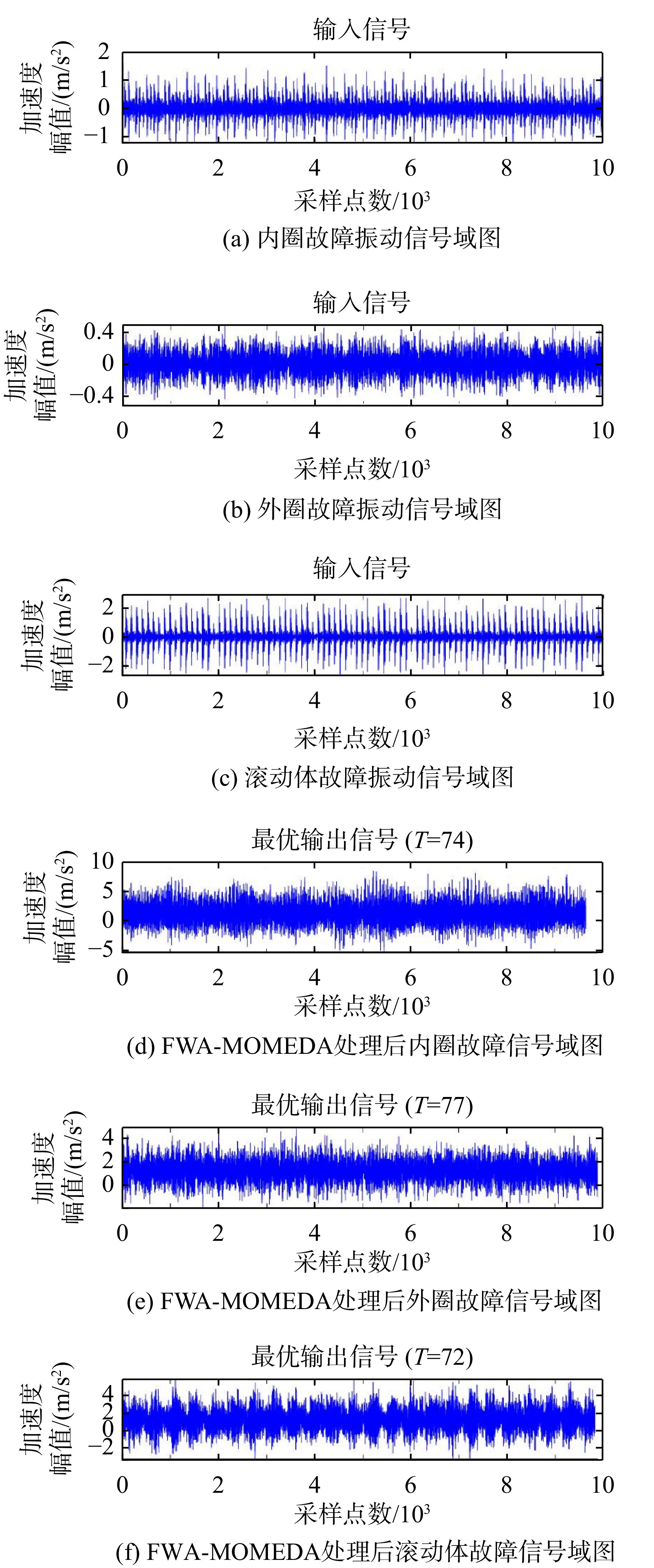
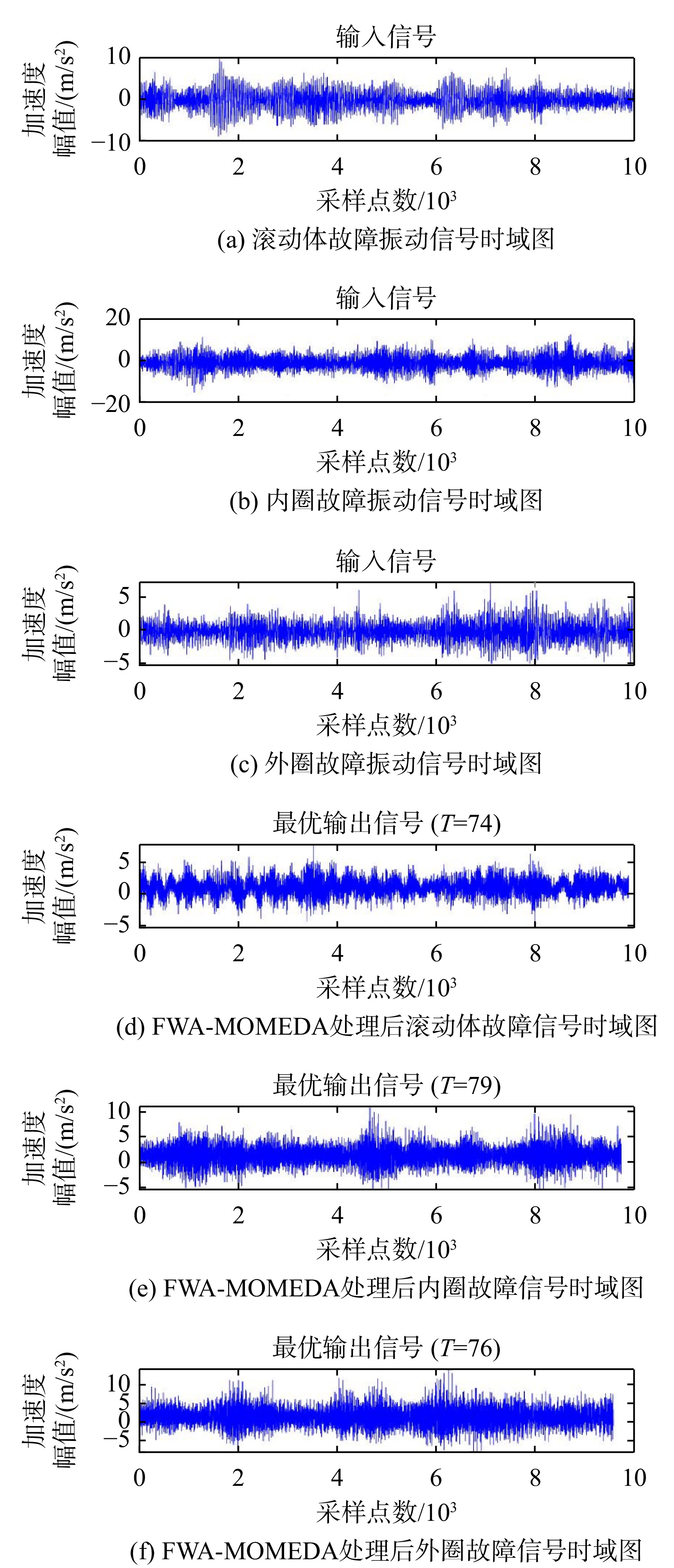
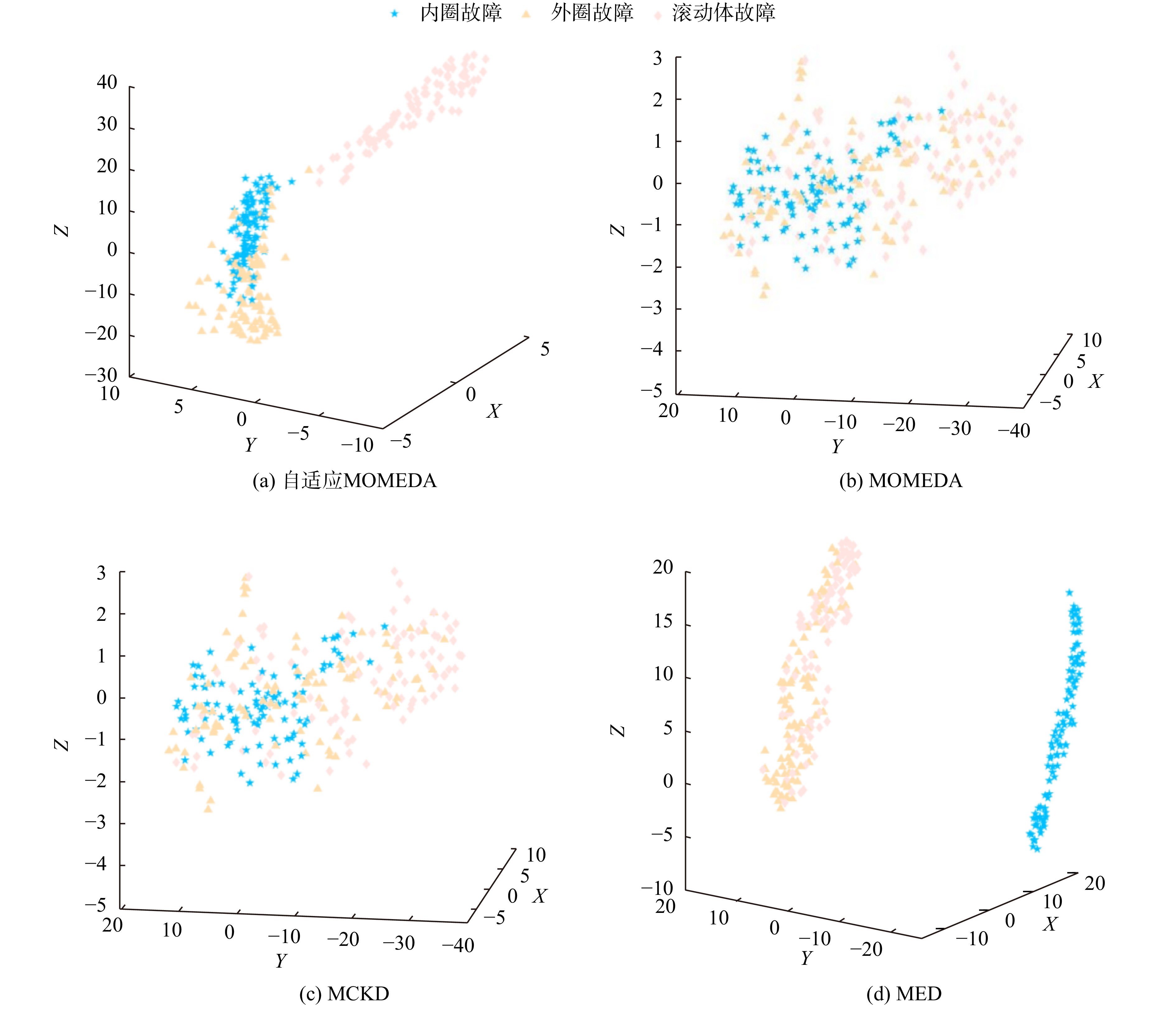
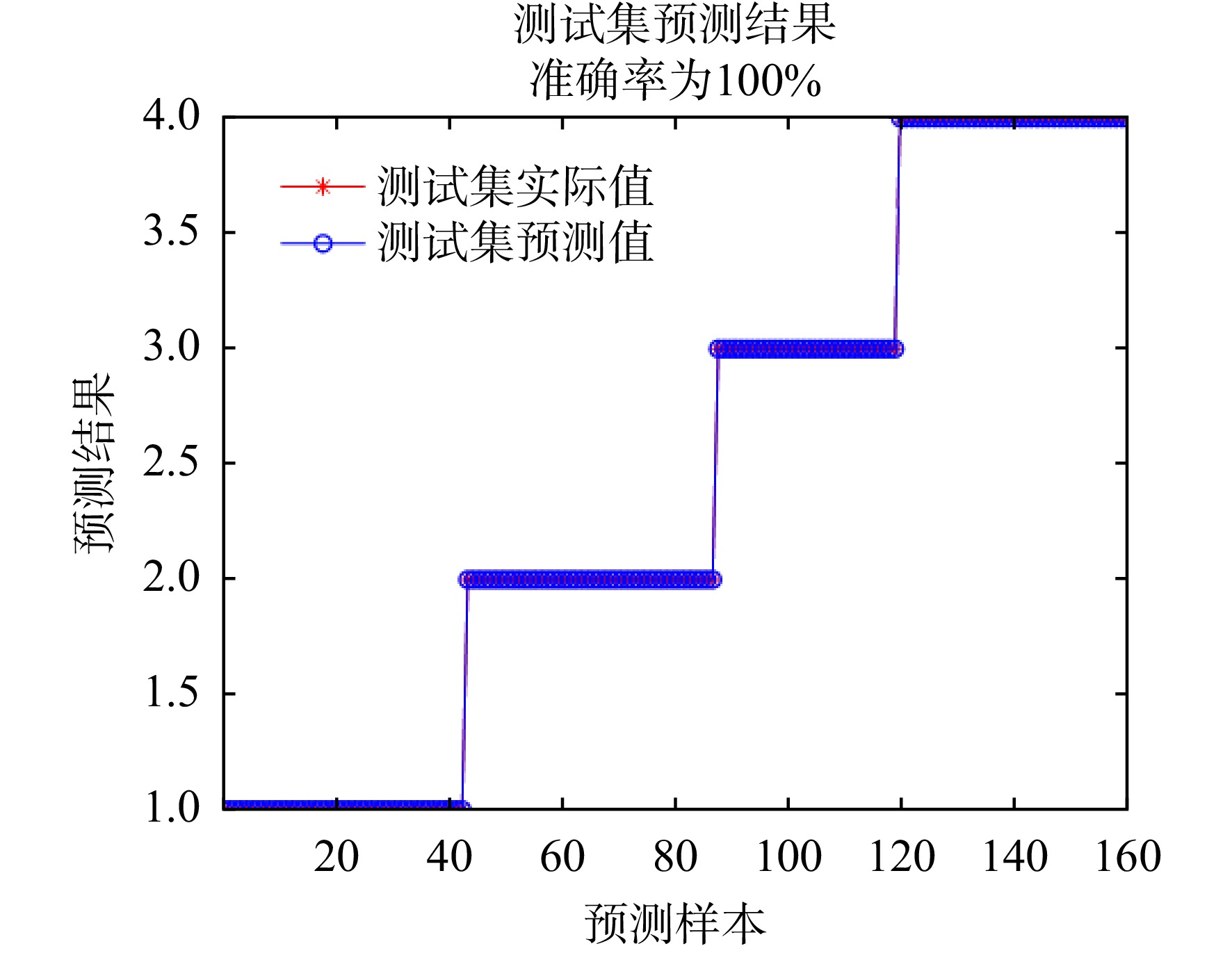
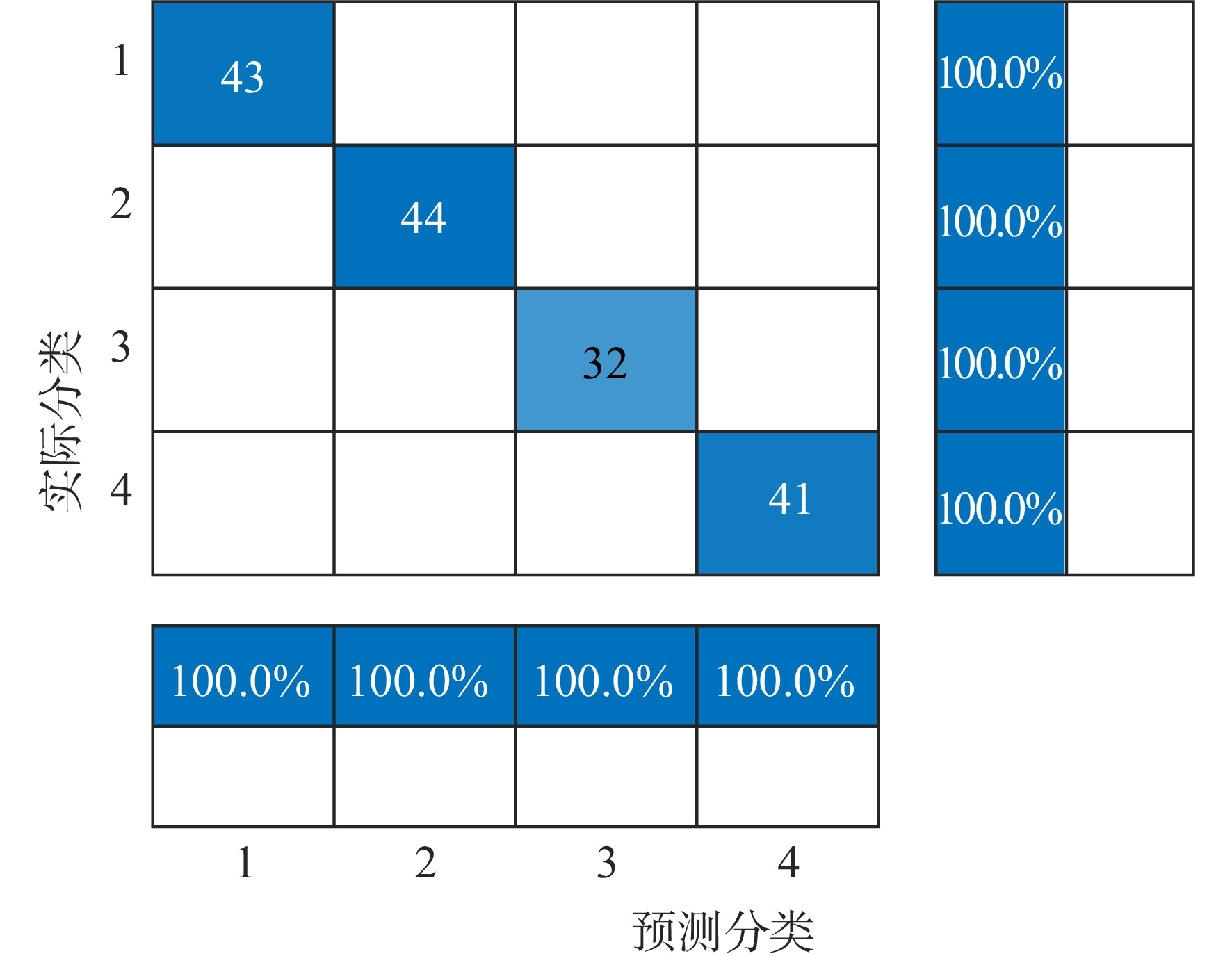
Because the environmental noise will mask the fault signal of the rolling bearing, it is arduous to extract the fault feature. To address this issue, a fireworks optimization algorithm (FWA) based on multi-point optimal minimum entropy deconvolution algorithm (MOMEDA) was presented to optimize the early fault feature extraction method of the rolling bearing under intense noise interference. In this approach, the peak factor of the envelope spectrum was regarded as the fitness value, and the global search capacity of FWA was utilized to adaptively select the optimal parameter combination of the MOMEDA method. Subsequently, the MOMEDA algorithm was employed to enhance the early fault signal. The enhanced signal was decomposed by ensemble empirical mode decomposition (EEMD), and the multi-scale fuzzy entropy feature set was constructed. Finally, the classification was identified by support vector machine (SVM). The experimental results indicated that, compared with minimum entropy deconvolution (MED) and maximum correlated kurtosis deconvolution (MCKD), the classification accuracy of this method increased by 12.5% and 21.7% respectively.

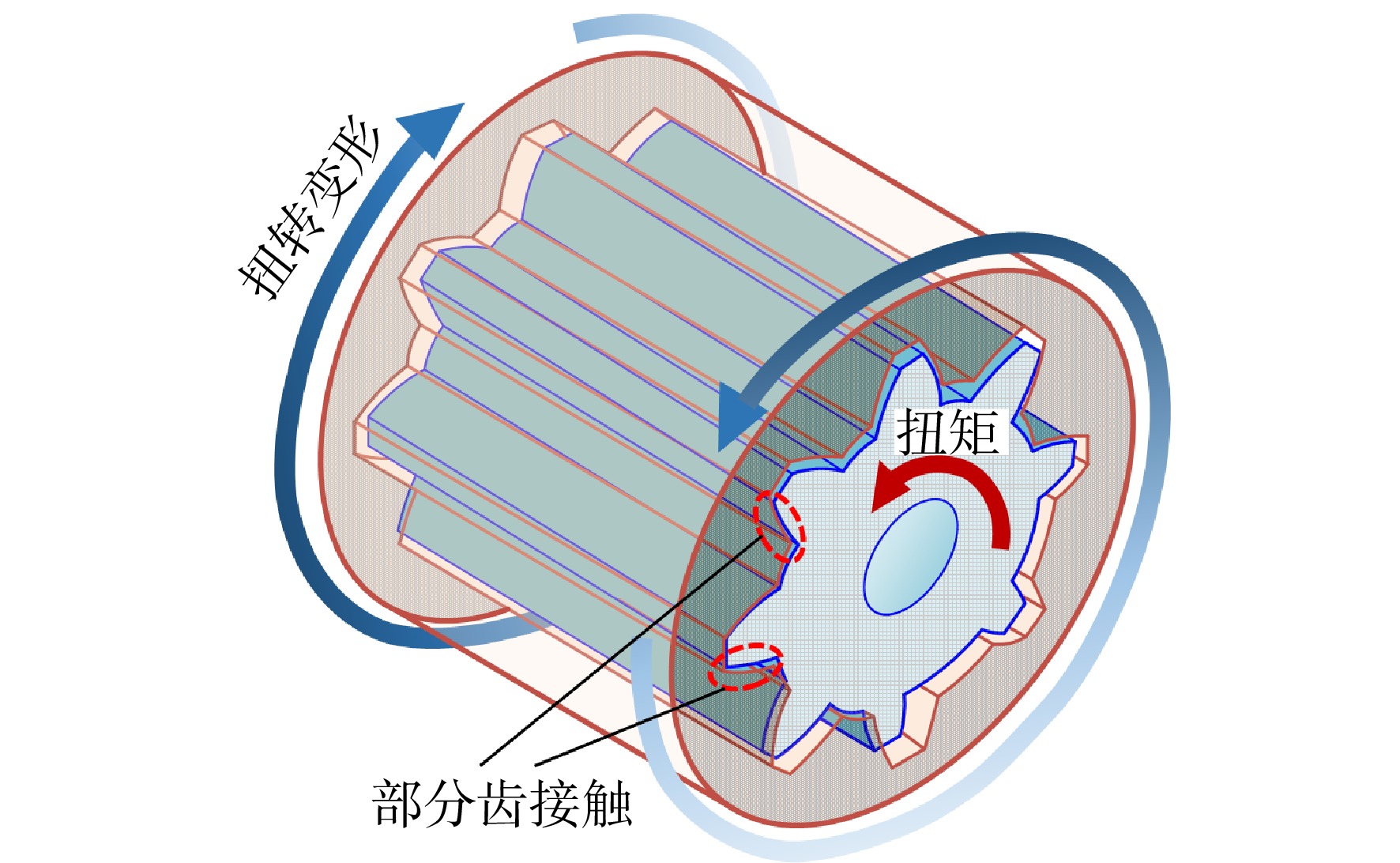
Research on analytical modeling of spline coupling based on three-dimensional contact friction unit
YU Pingchao, JIANG Ke, TAO Xuanjun, LI Shuang, XIANG Zhenyang
2026, 41(6): 20240764. doi: 10.13224/j.cnki.jasp.20240764
Abstract:

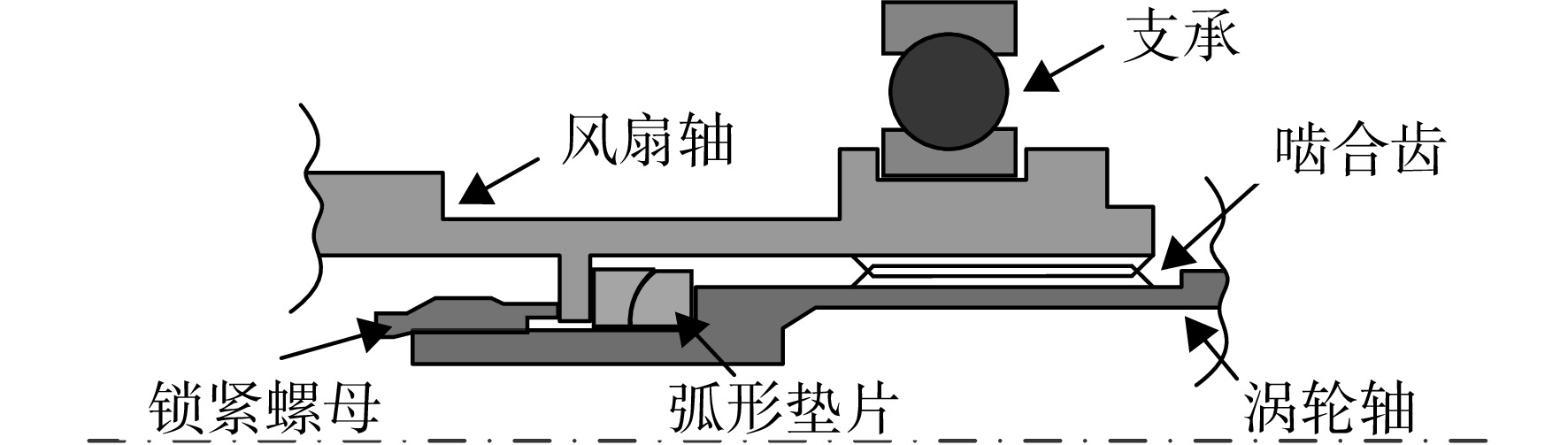
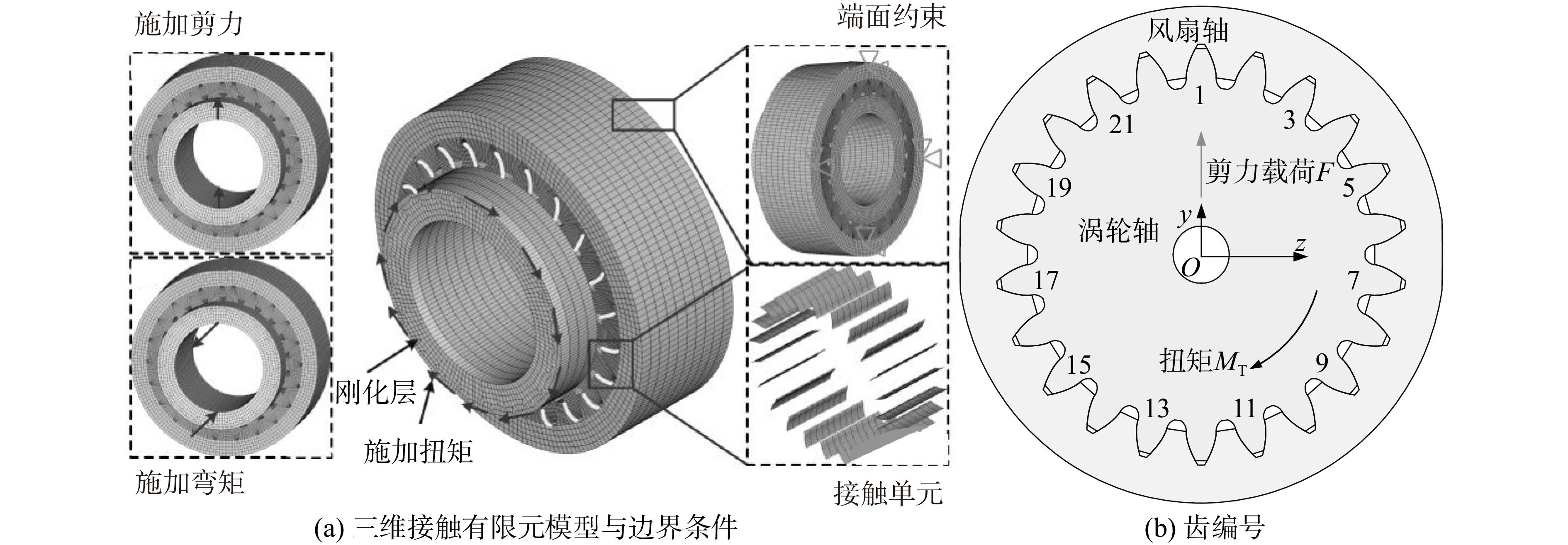
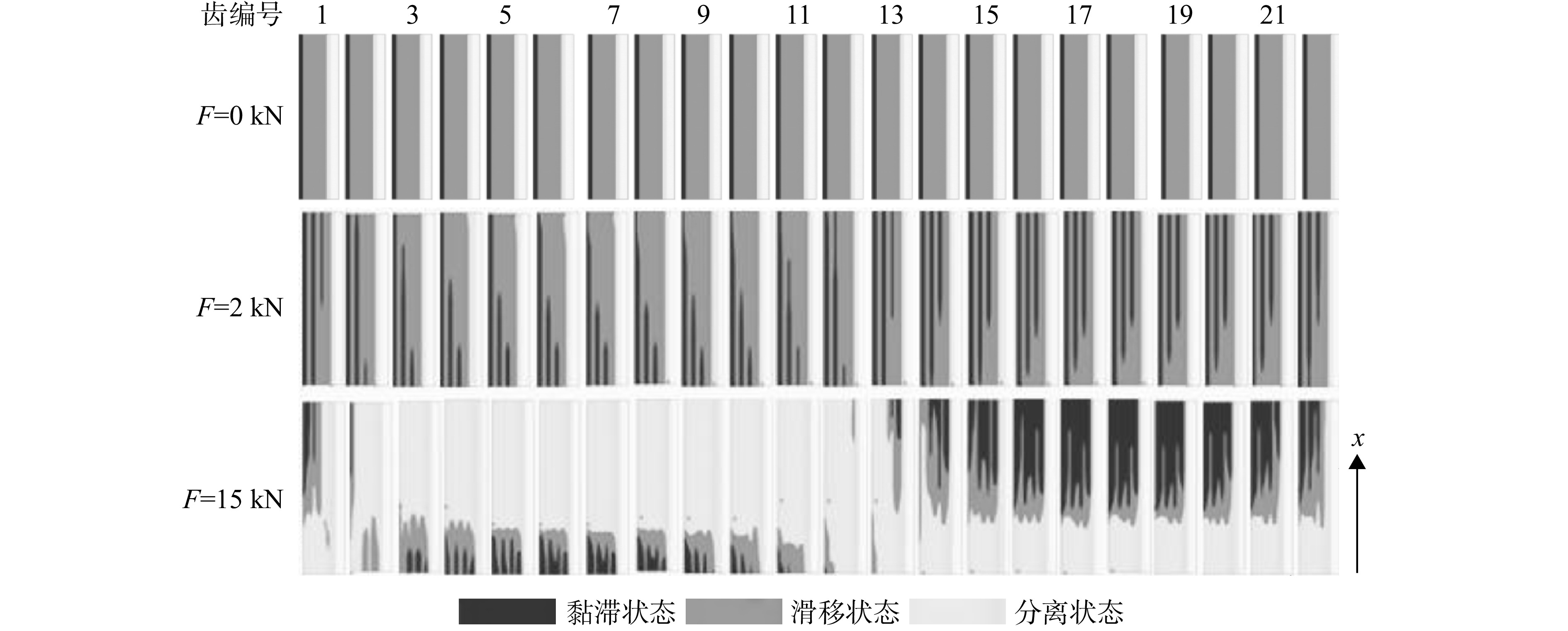
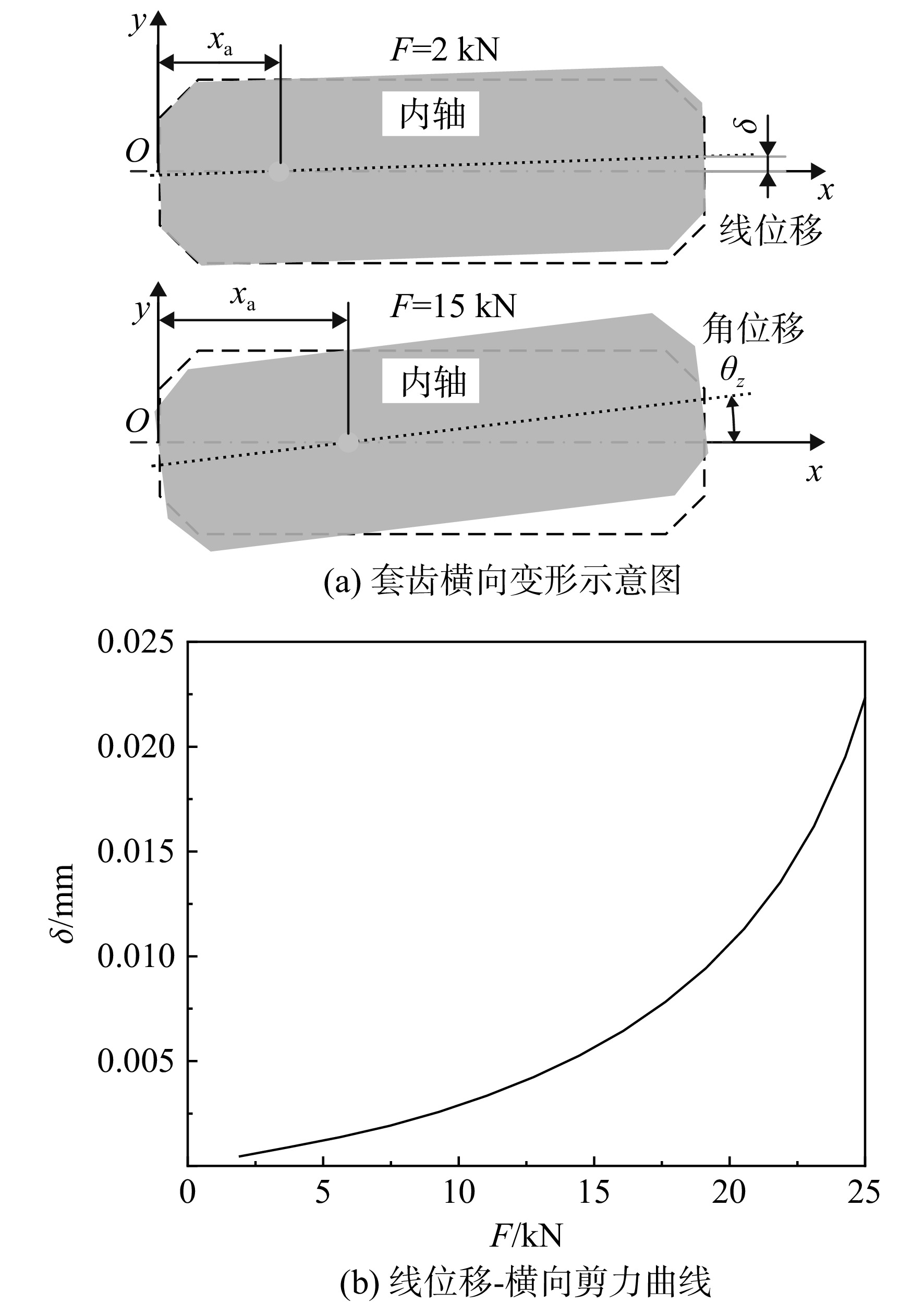
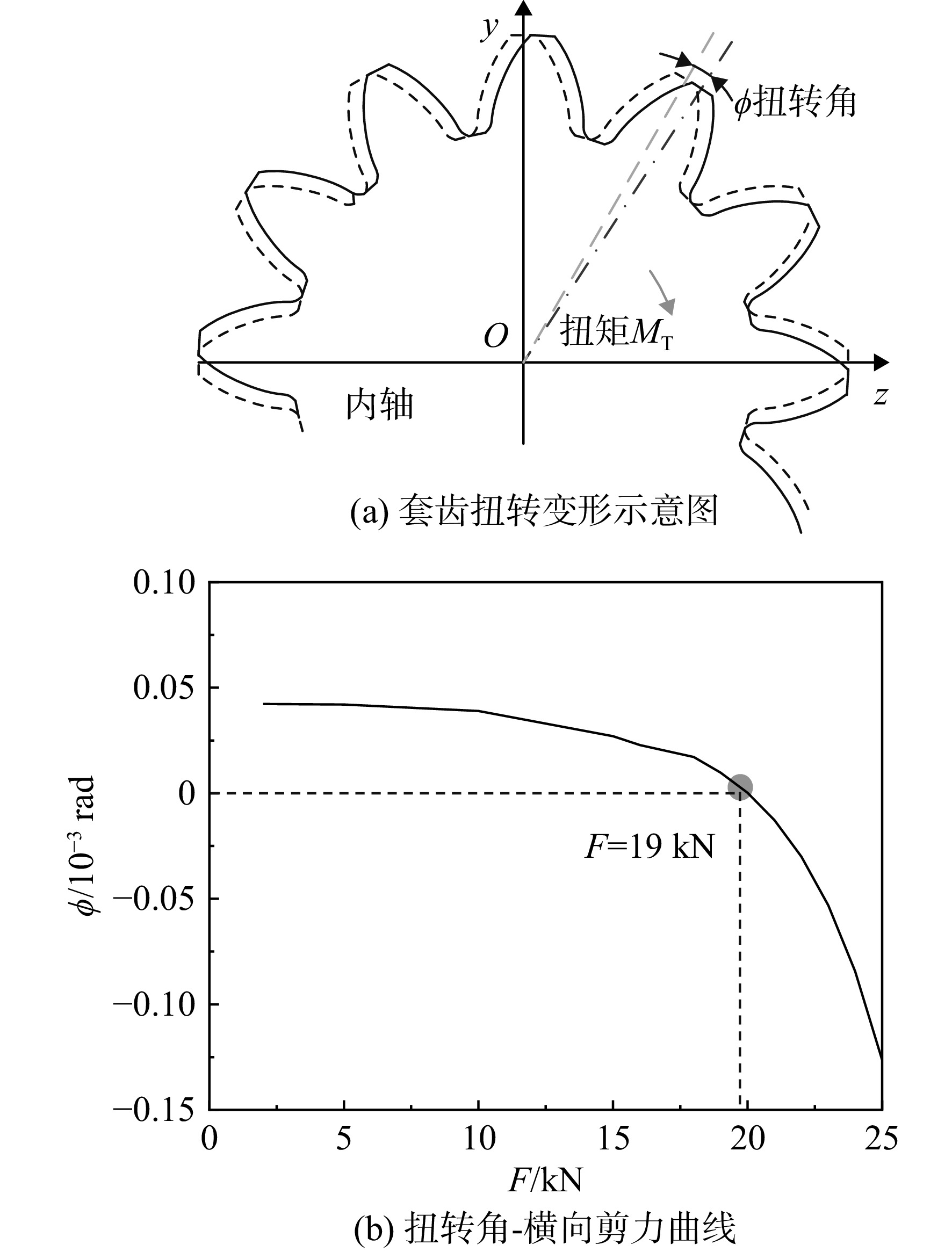
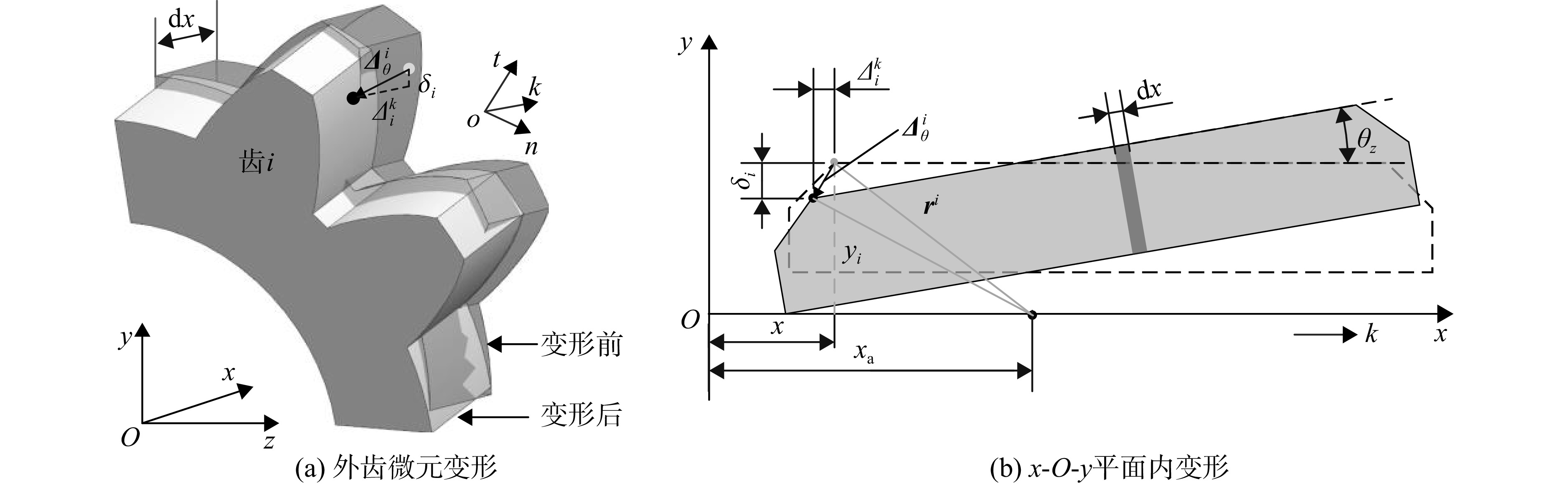
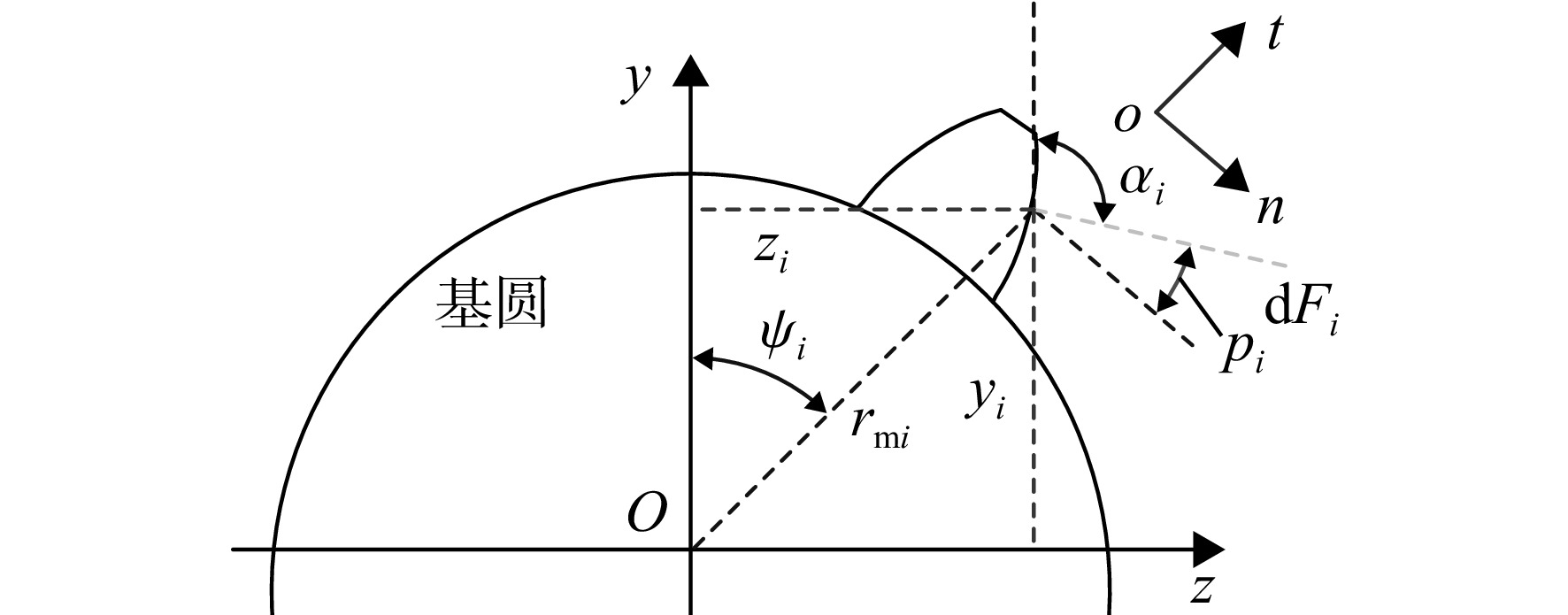
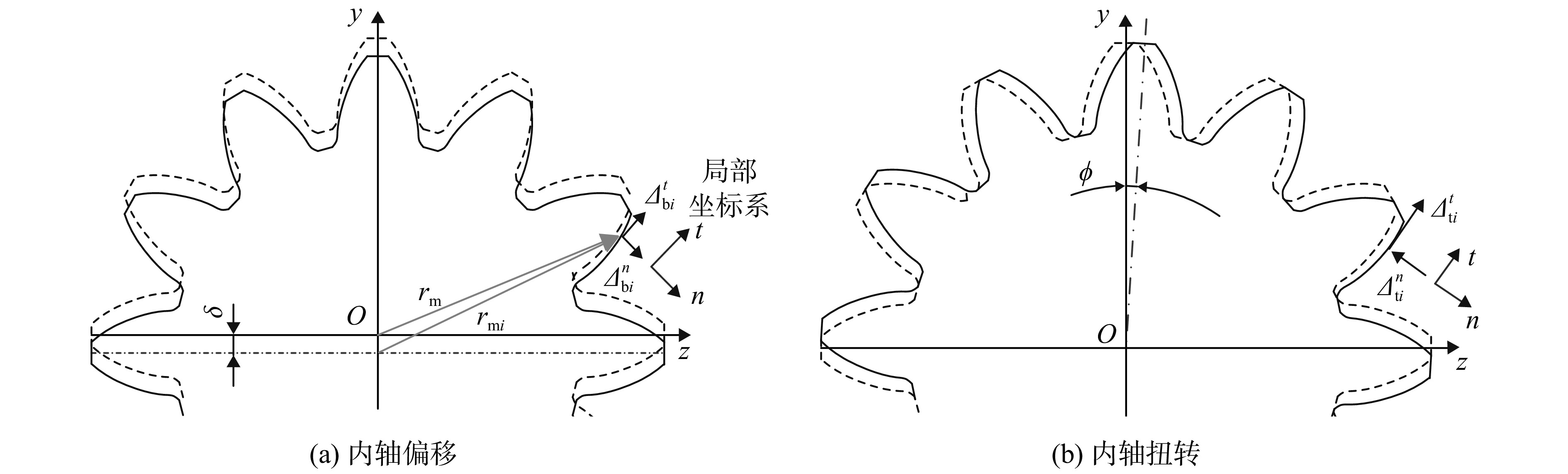
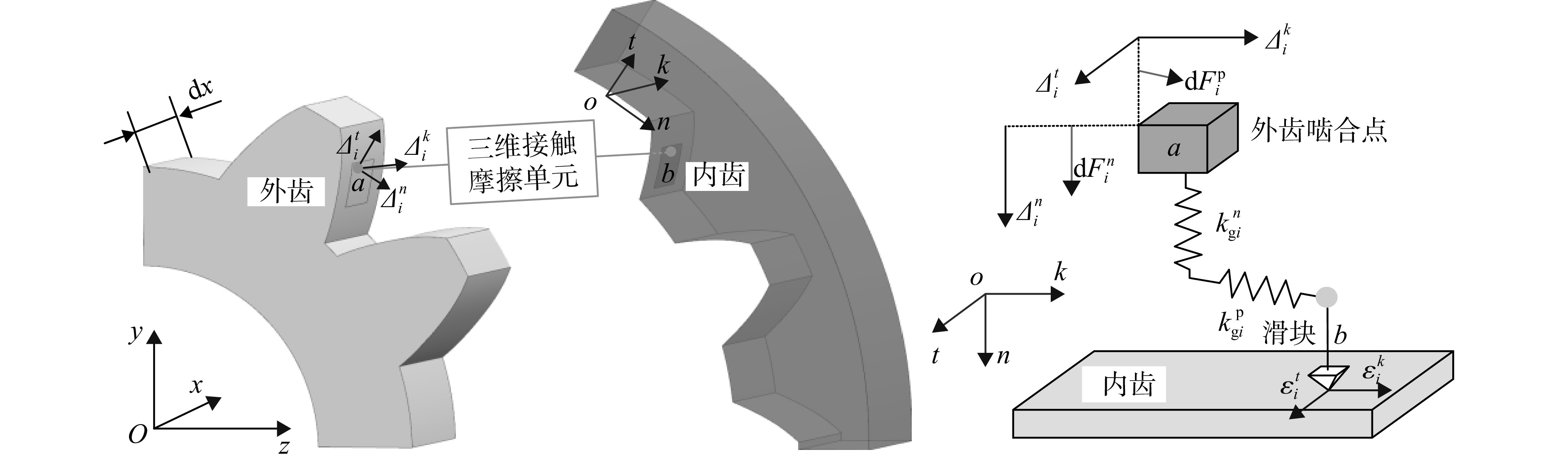
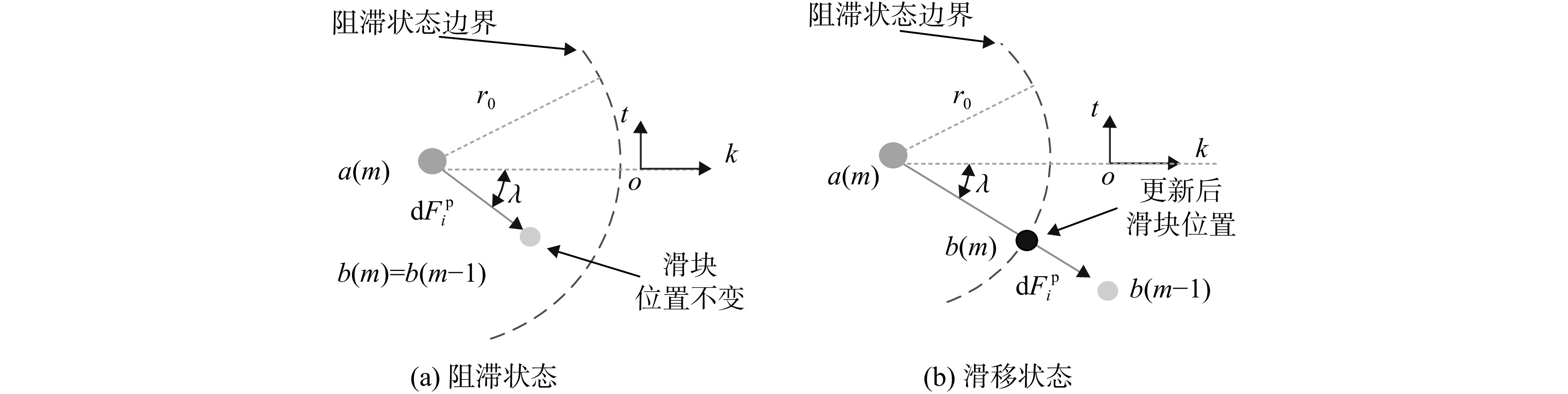
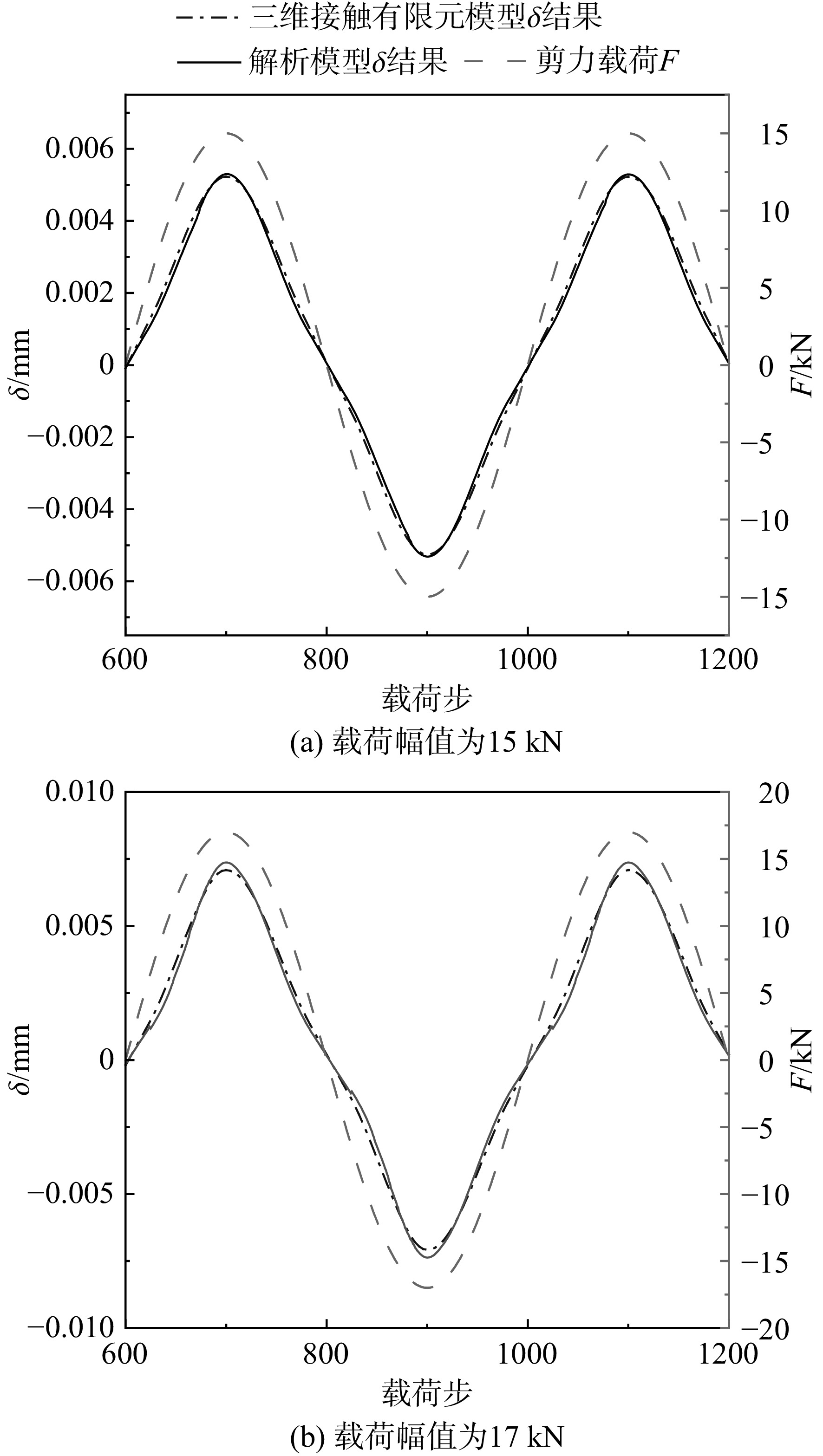
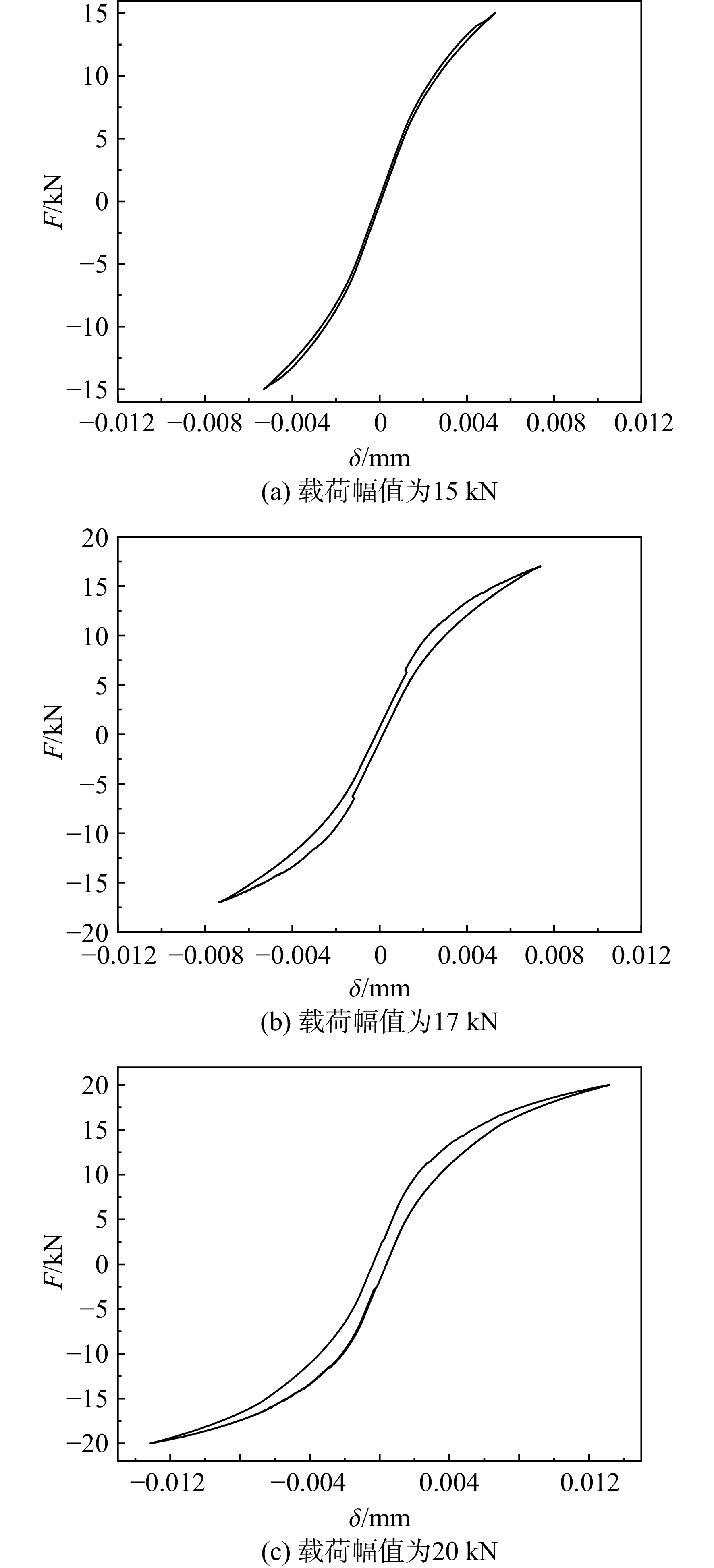
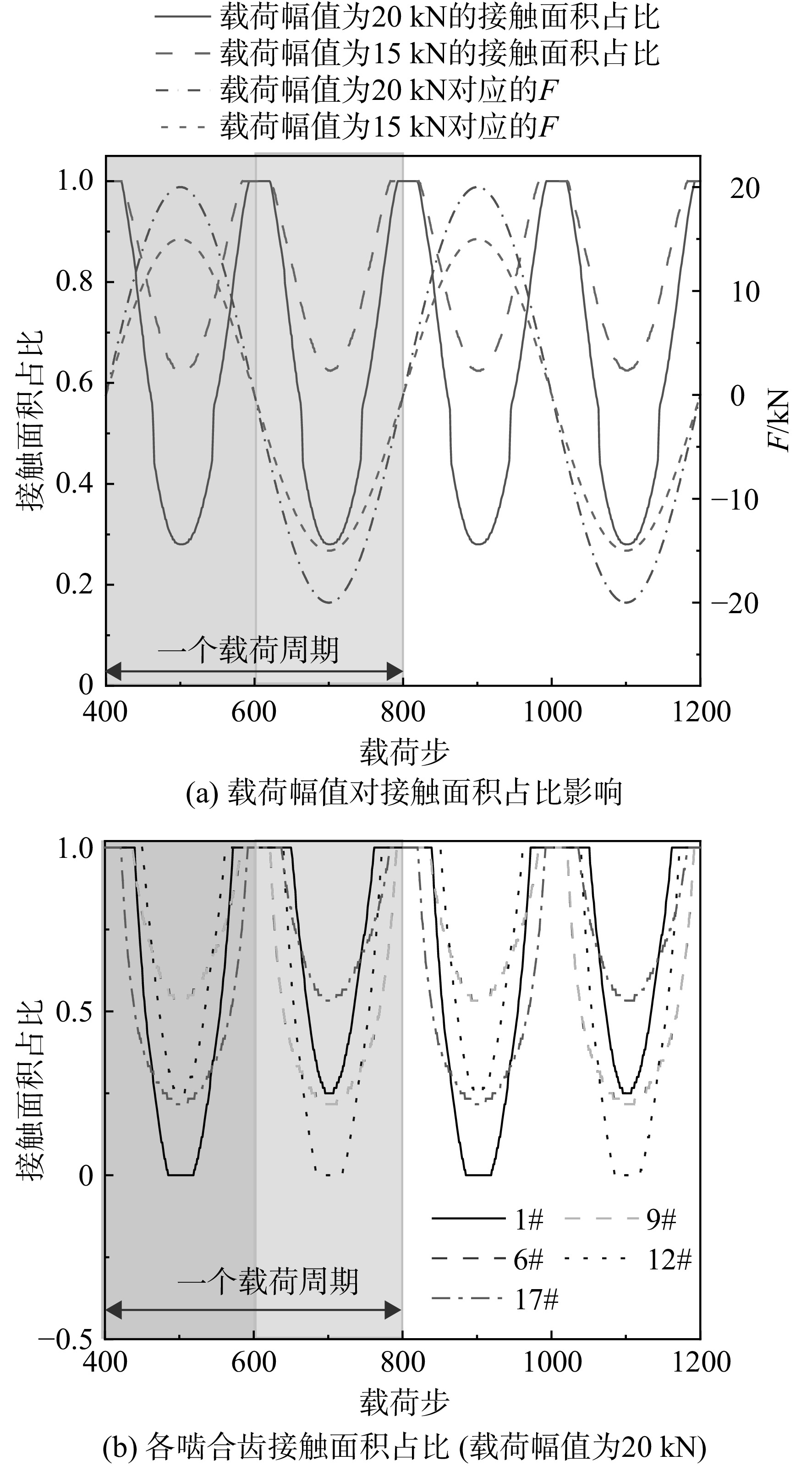
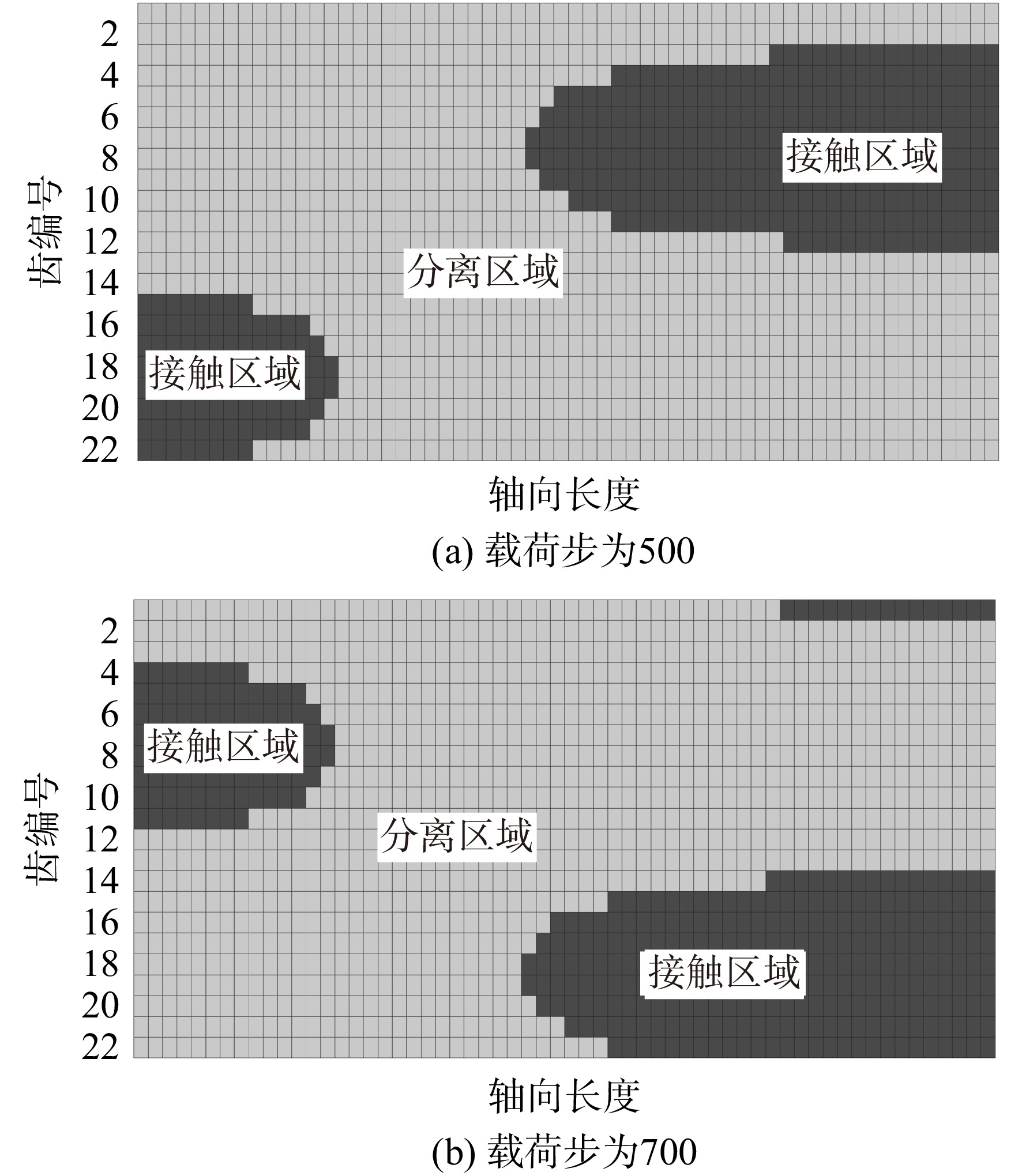
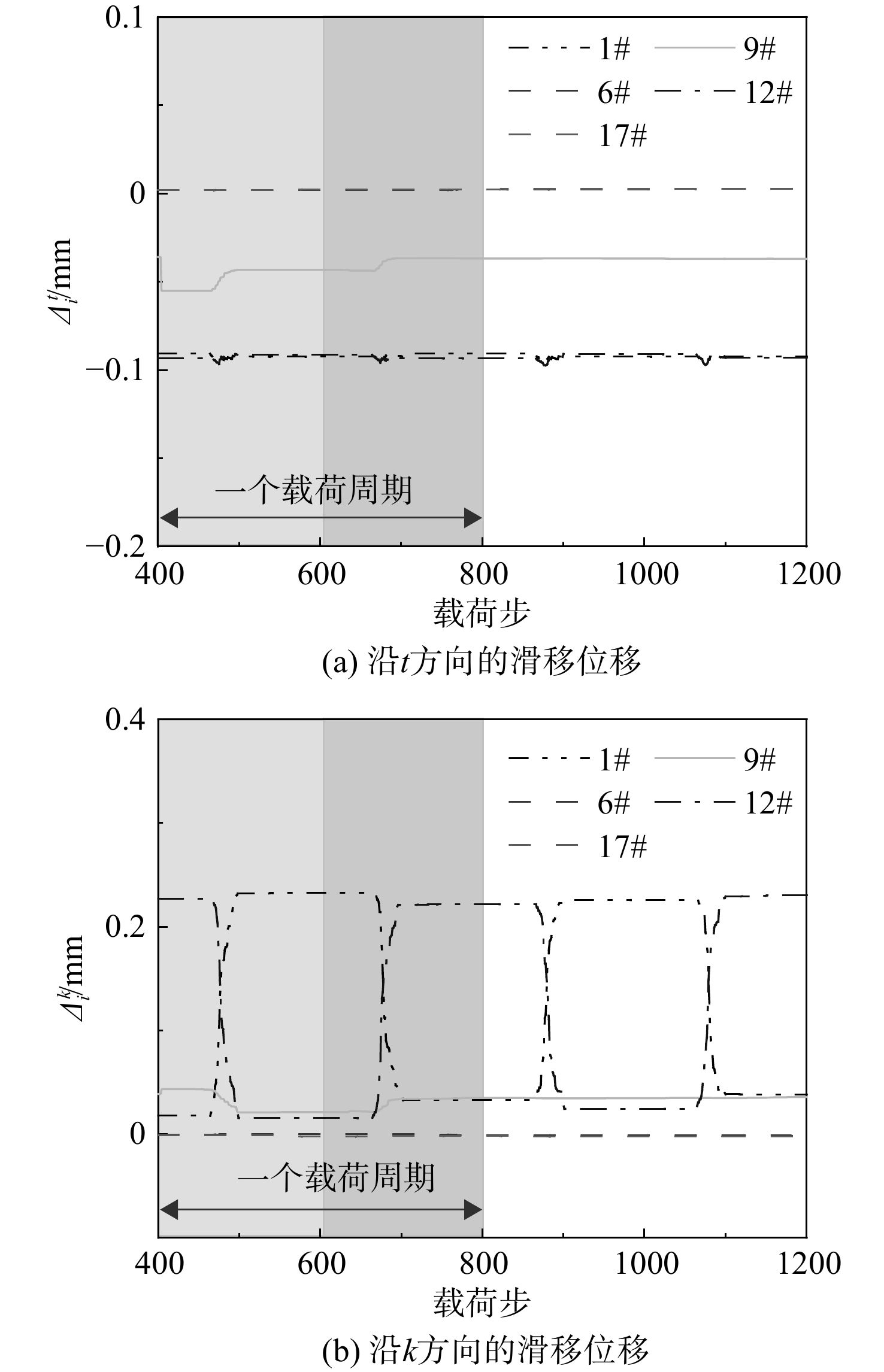
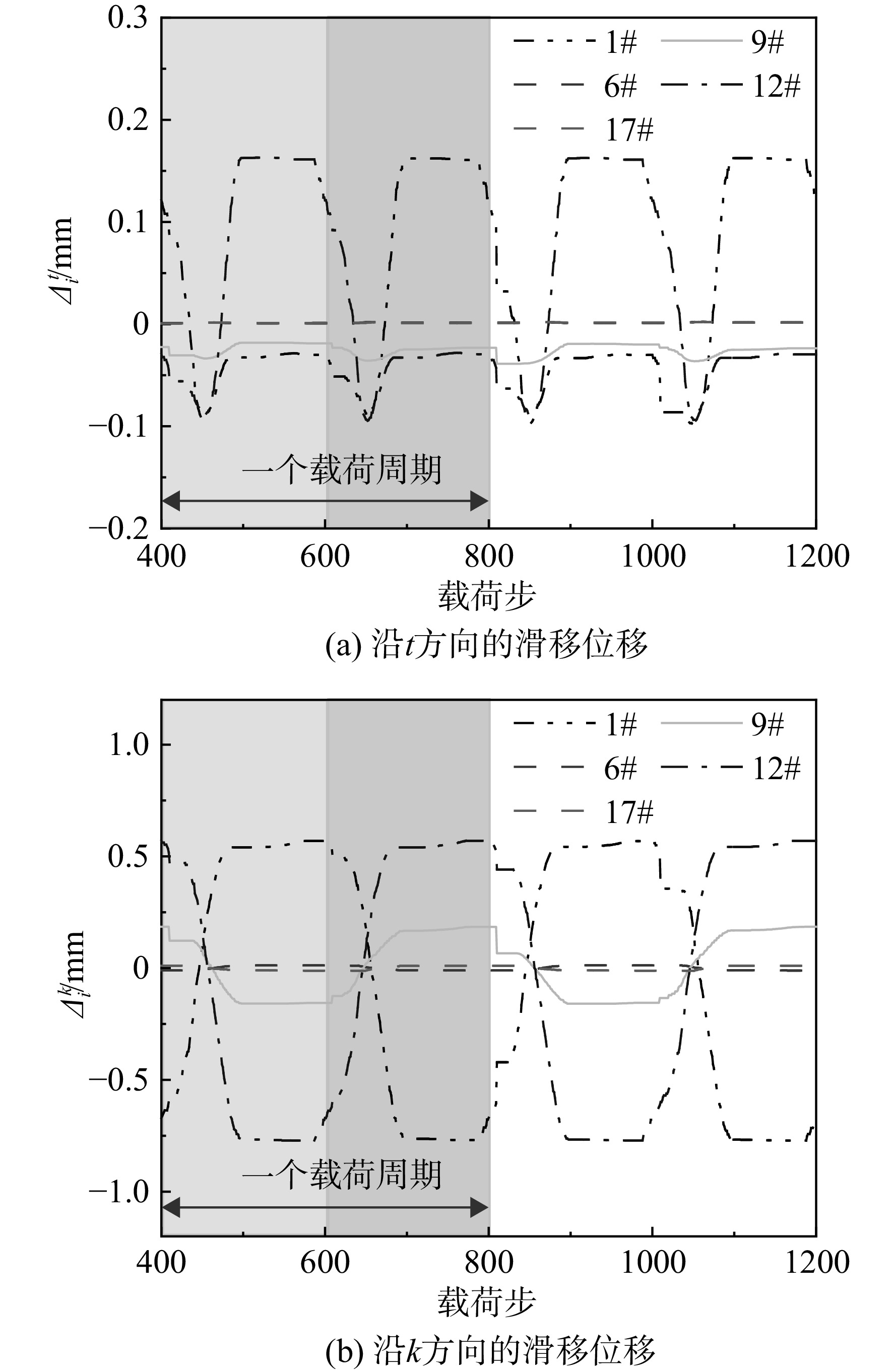
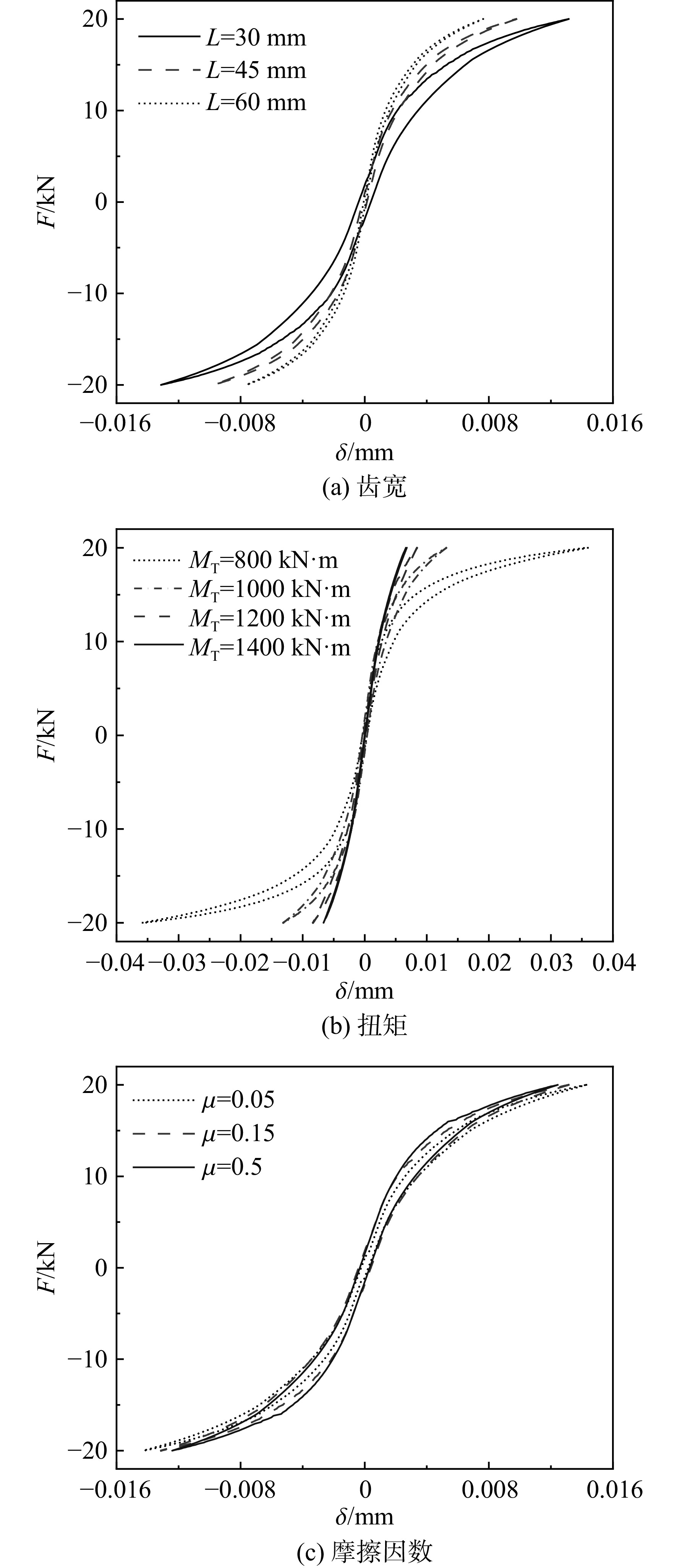
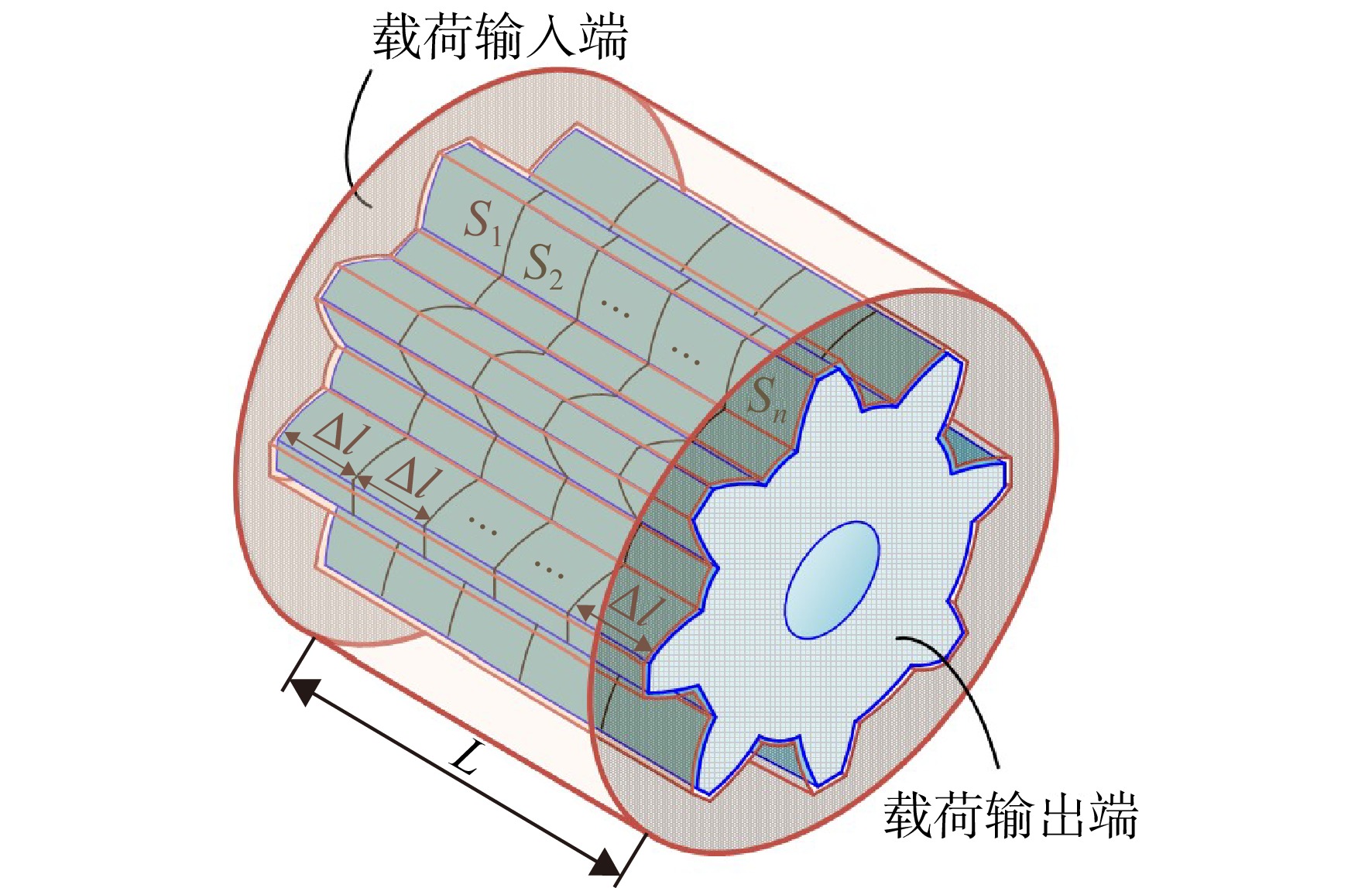
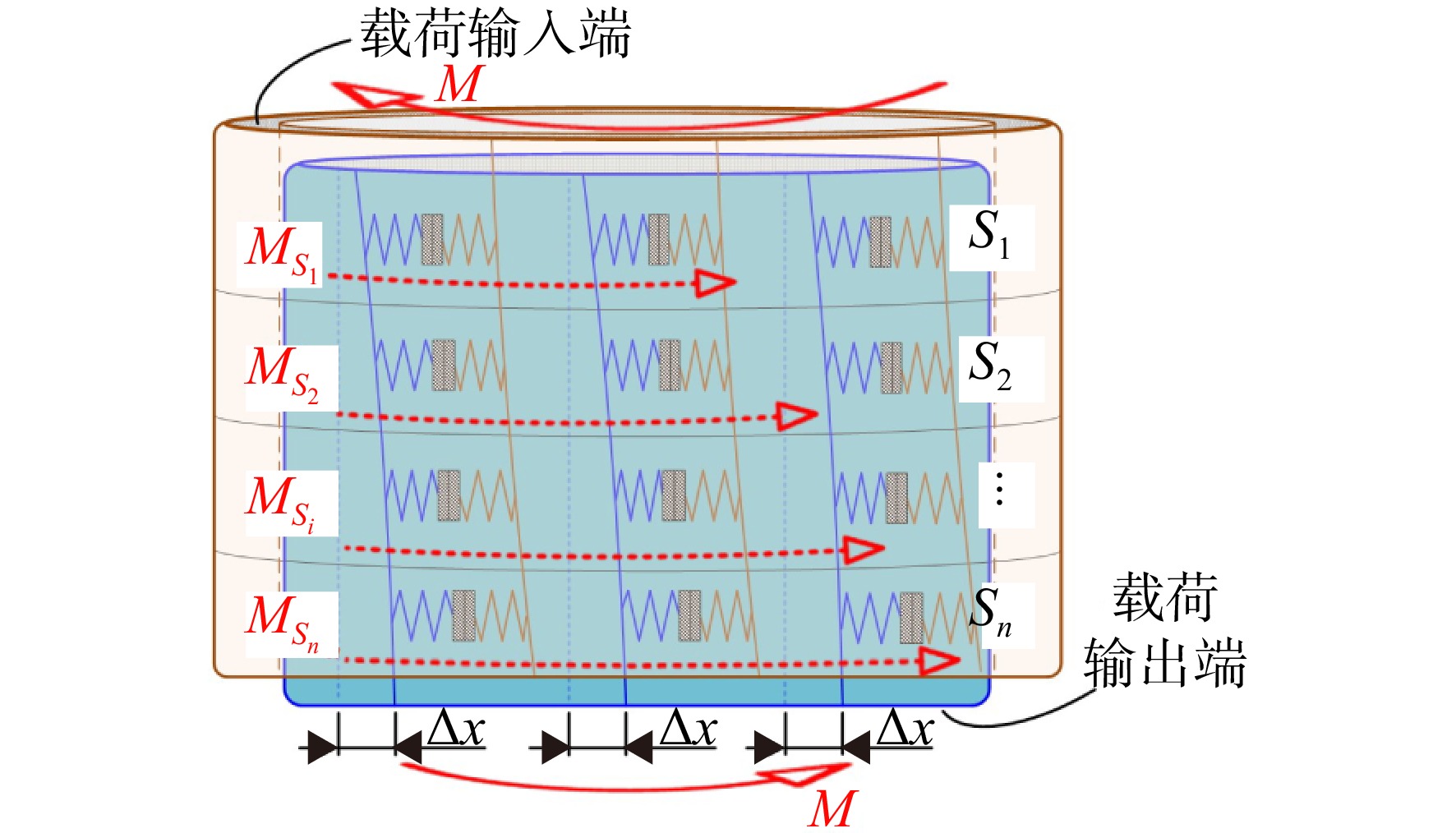
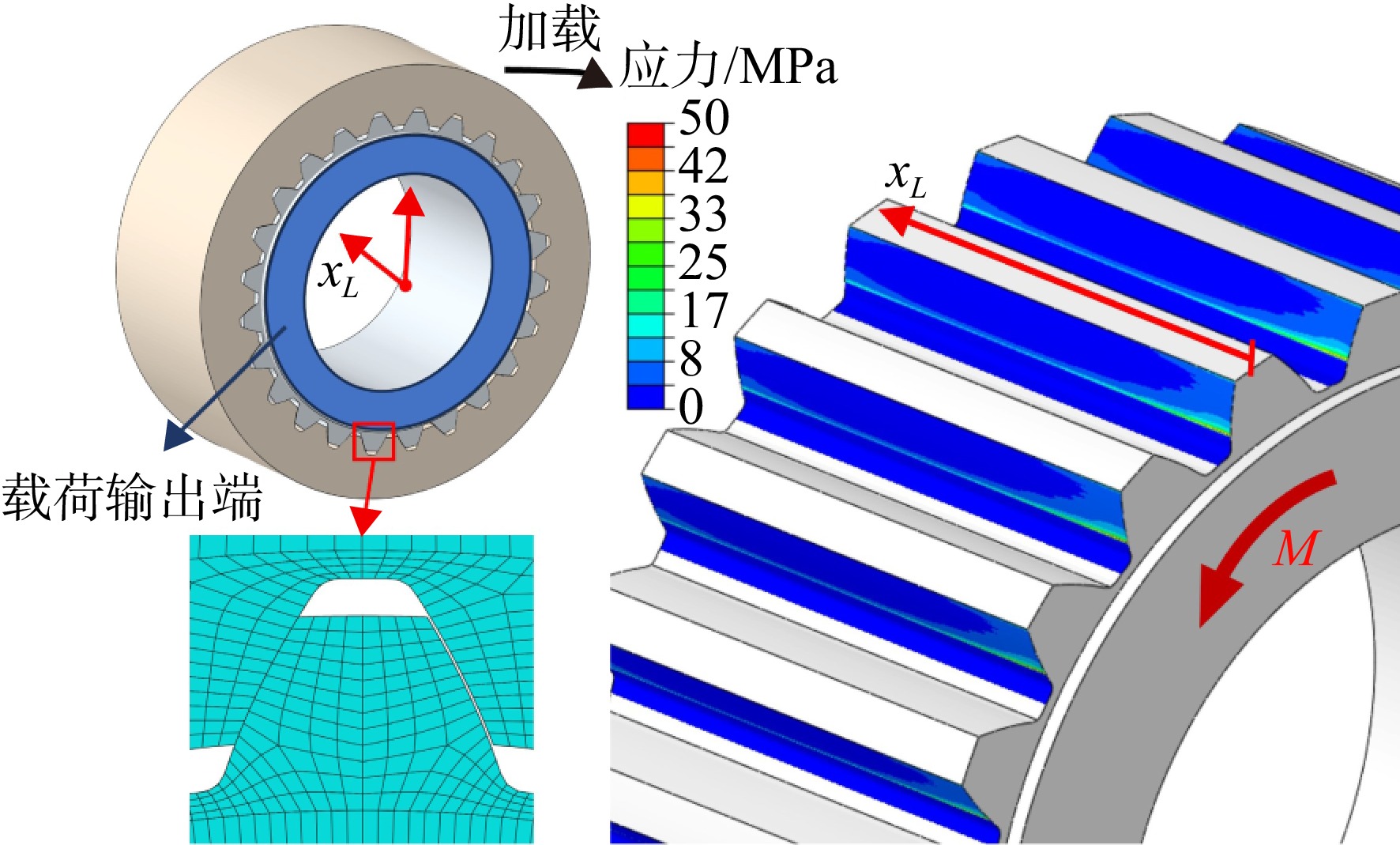
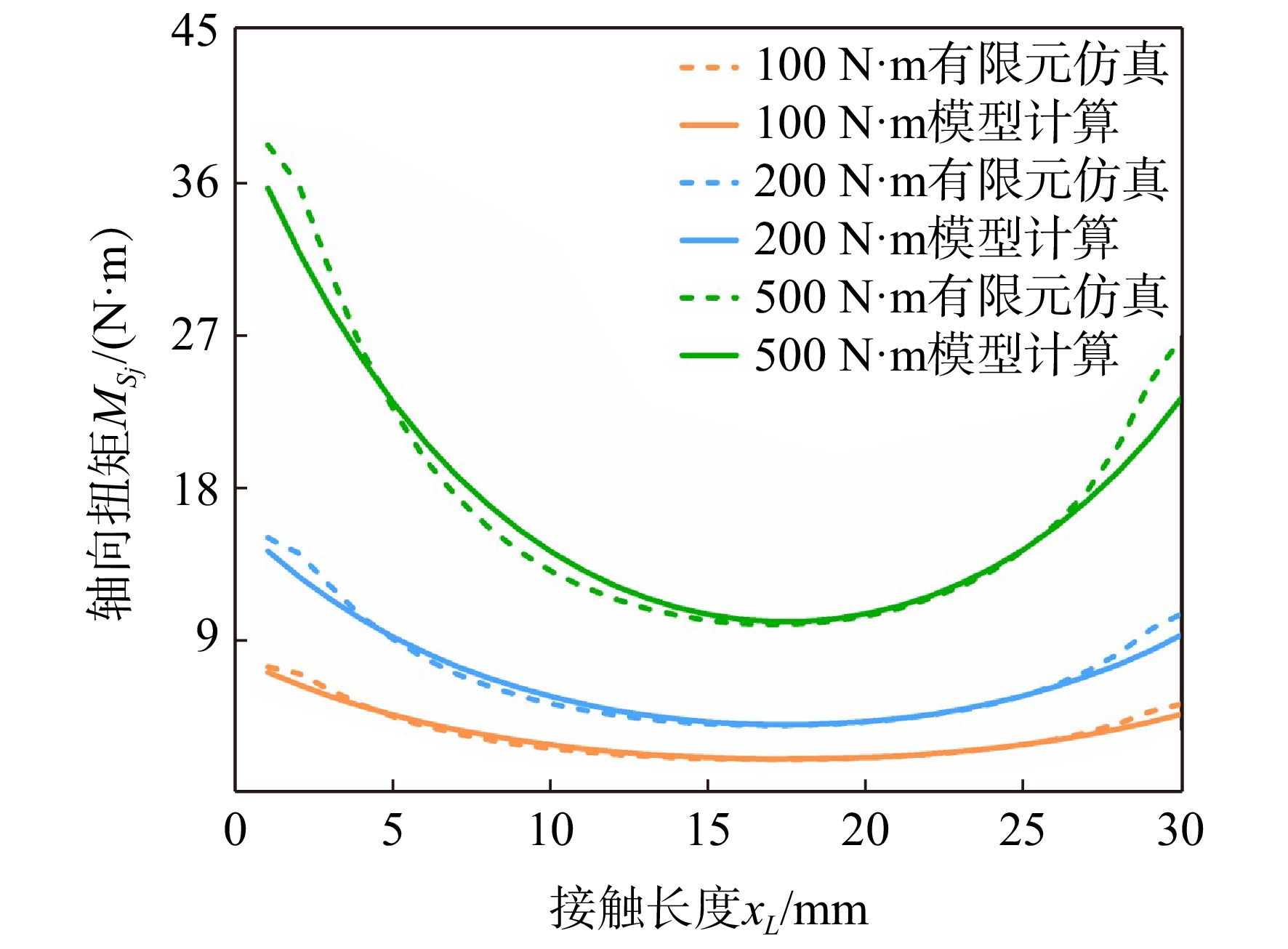
Taking the flexible spline coupling as the object, a three-dimensional contact finite unit model was used to simulate the deformation characteristics and contact state changes of the spline. Guided by the simulation results, an analytical model for predicting the hysteresis behavior of tooth coupling was proposed by introducing three-dimensional contact friction unit at the meshing points of each tooth surface and using the force balance relationship and numerical iteration method. The proposed model was verified, and the hysteresis behavior and contact characteristics of the coupling structure were analyzed by using the proposed model. The results showed that the proposed model can fully consider the contact-separation, viscous-slip and their axial distribution characteristics. Compared with the finite element model, the proposed model can accurately predict the hysteresis characteristics of the structure and improve the computational efficiency by 3 orders of magnitude. The reduction of structural stiffness was attirbutable to the reduction of contact area of meshing tooth under shear load. And, the sliding of contact surface led to the internal damping, of which axial sliding had the most significant contribution. The hysteresis characteristic of spline coupling was more sensitive to the change of tooth width and torque, and was less affected by the friction coefficient.

High cycle fatigue failure probability assessment including multi source uncertainties with application to composite fan blades
TANG Xu, CHEN Yong, OUYANG Hua, TIAN Jie
2026, 41(6): 20240654. doi: 10.13224/j.cnki.jasp.20240654
Abstract:

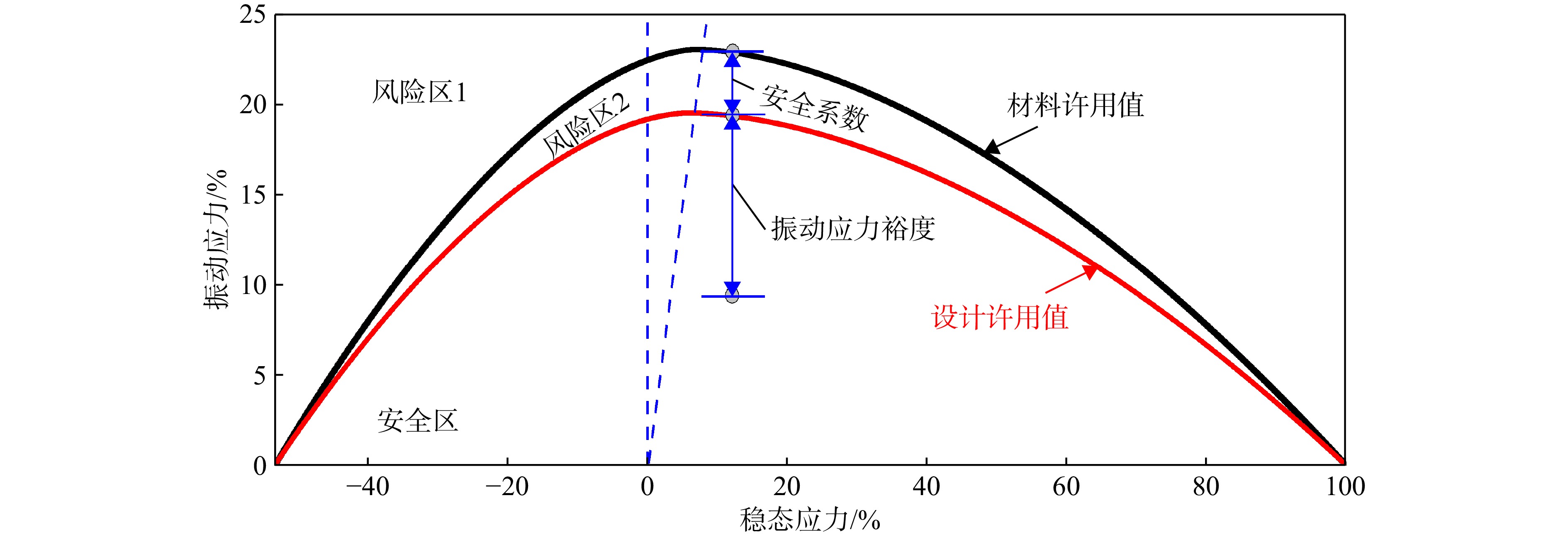
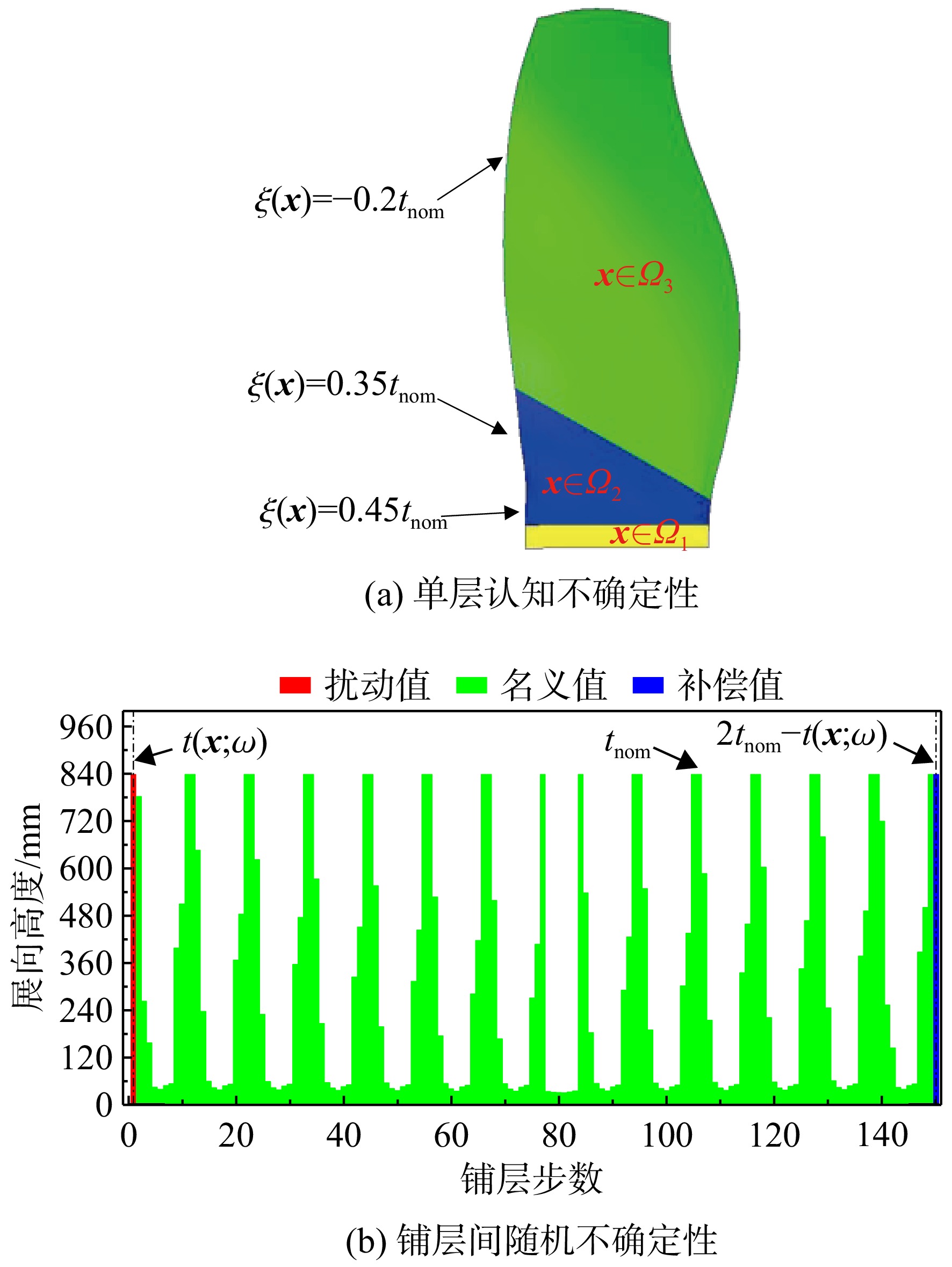
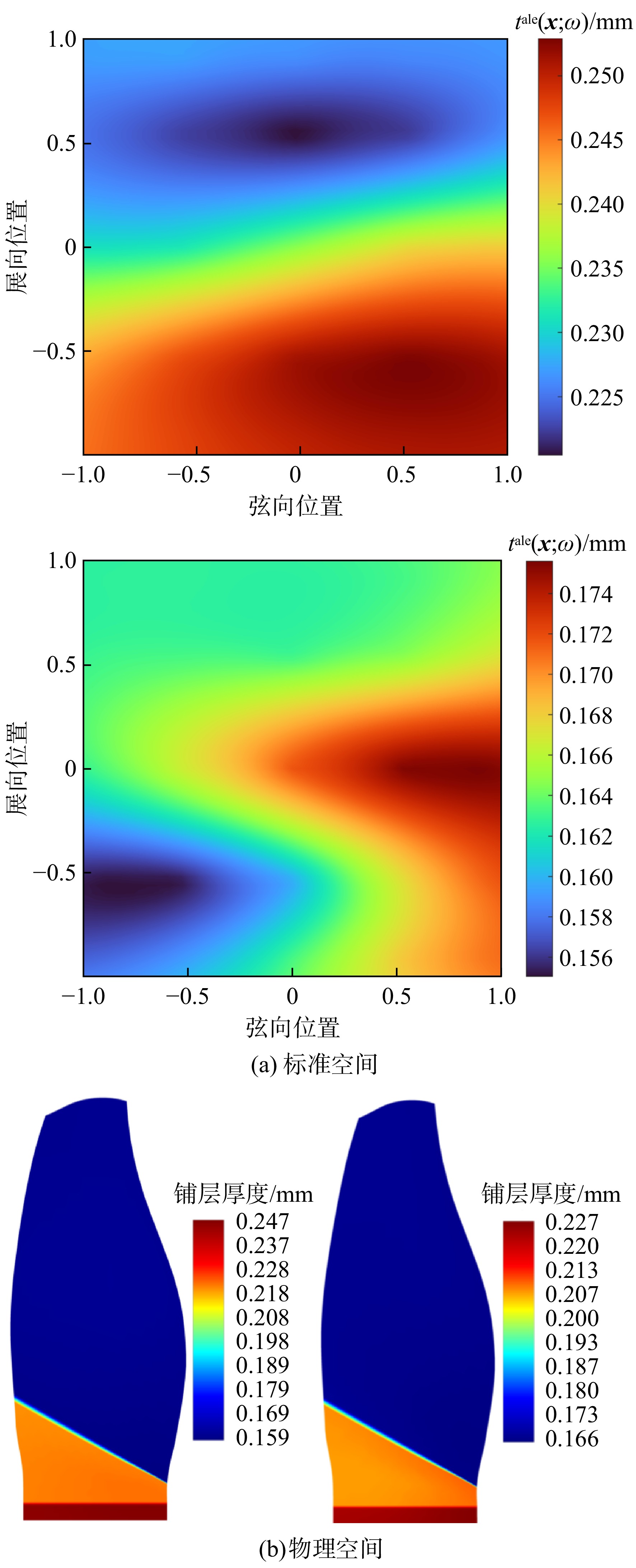
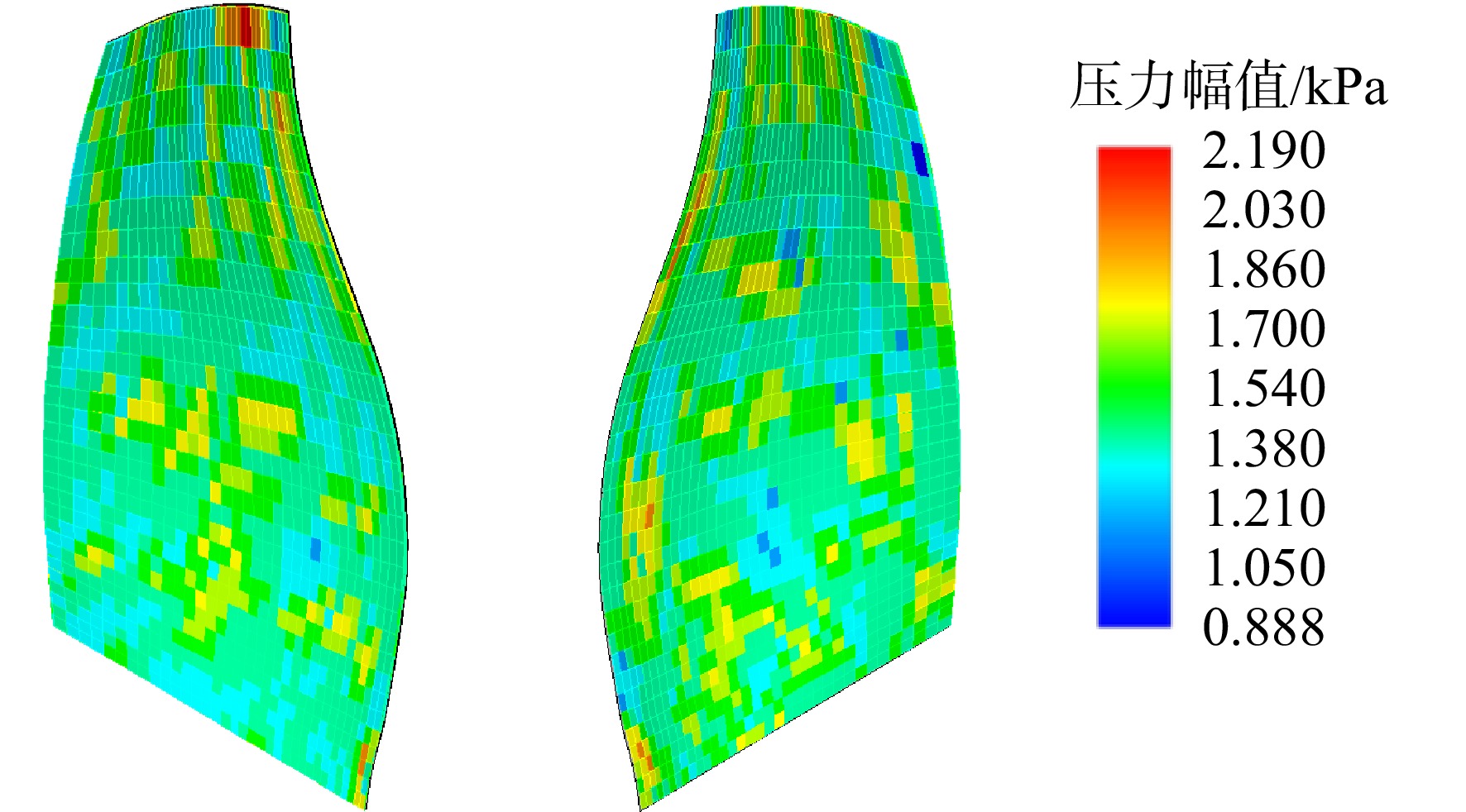
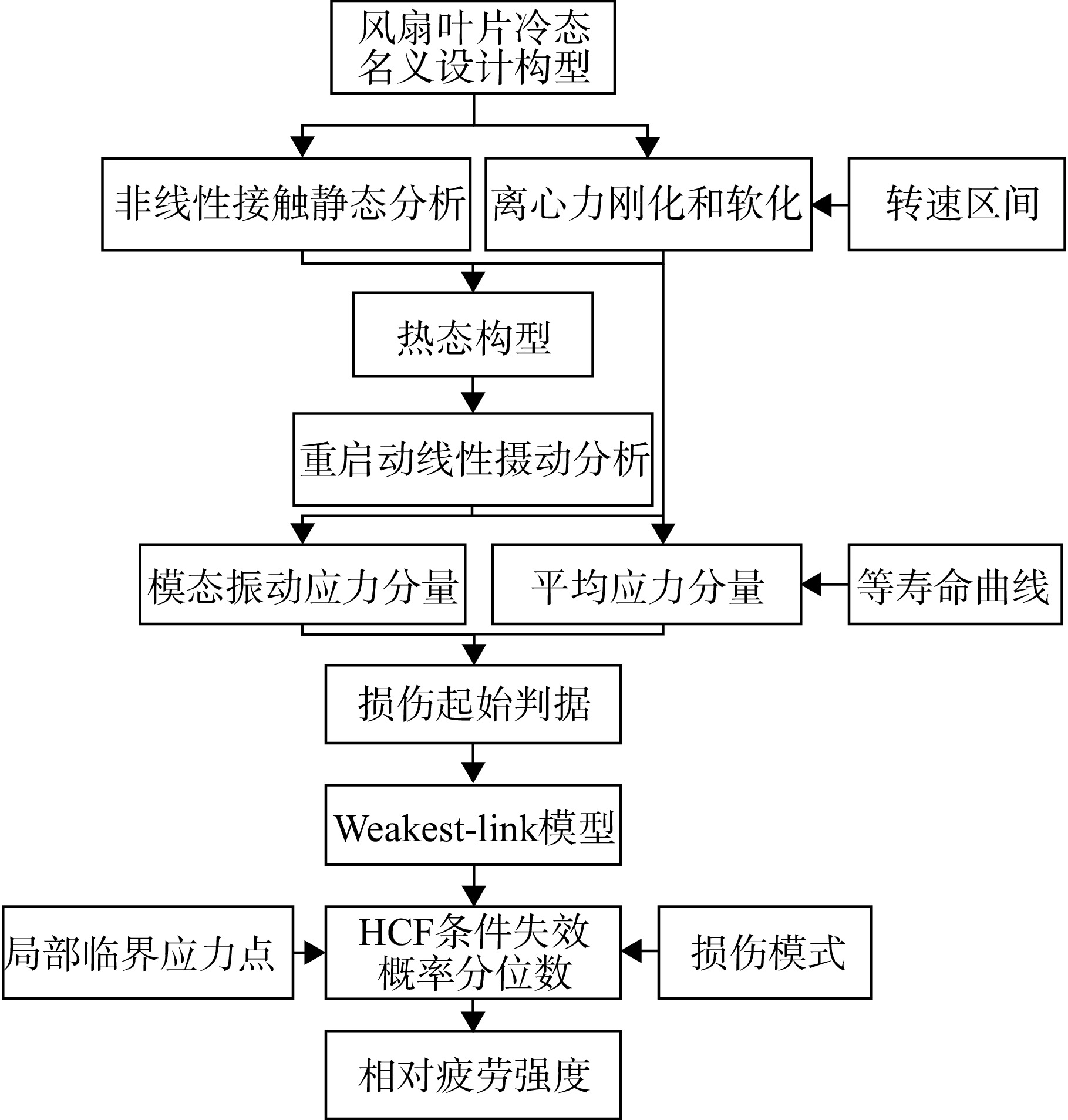
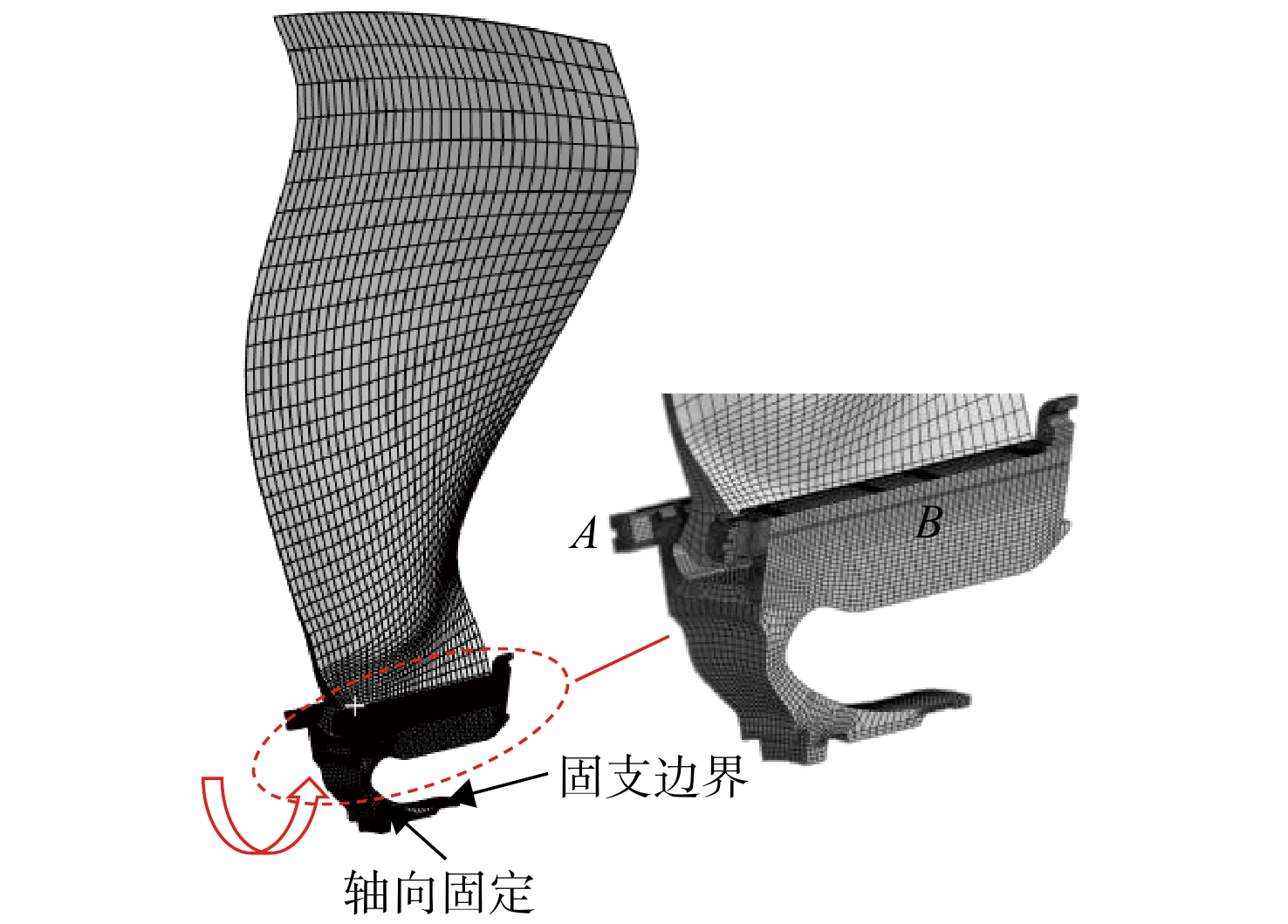
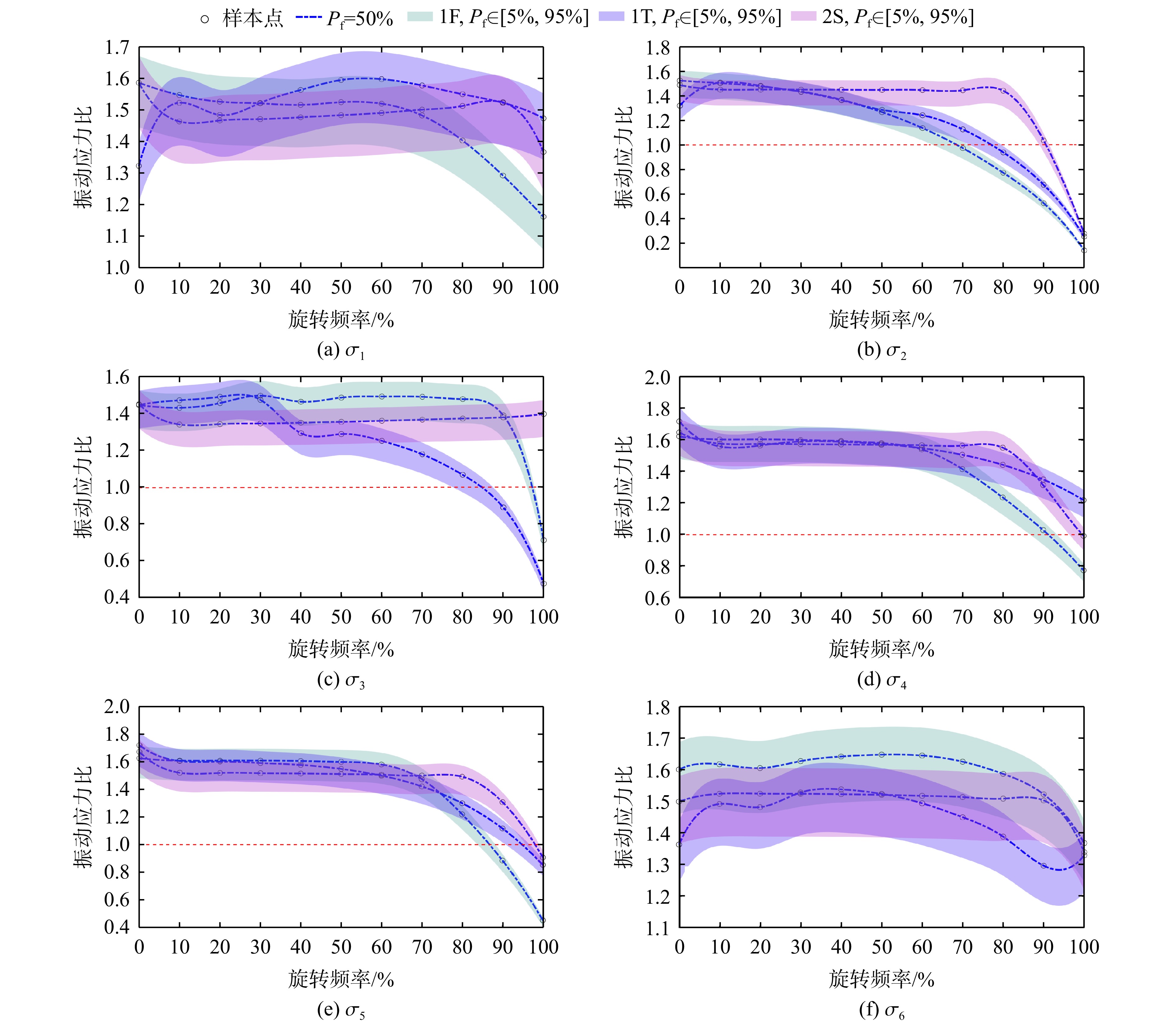
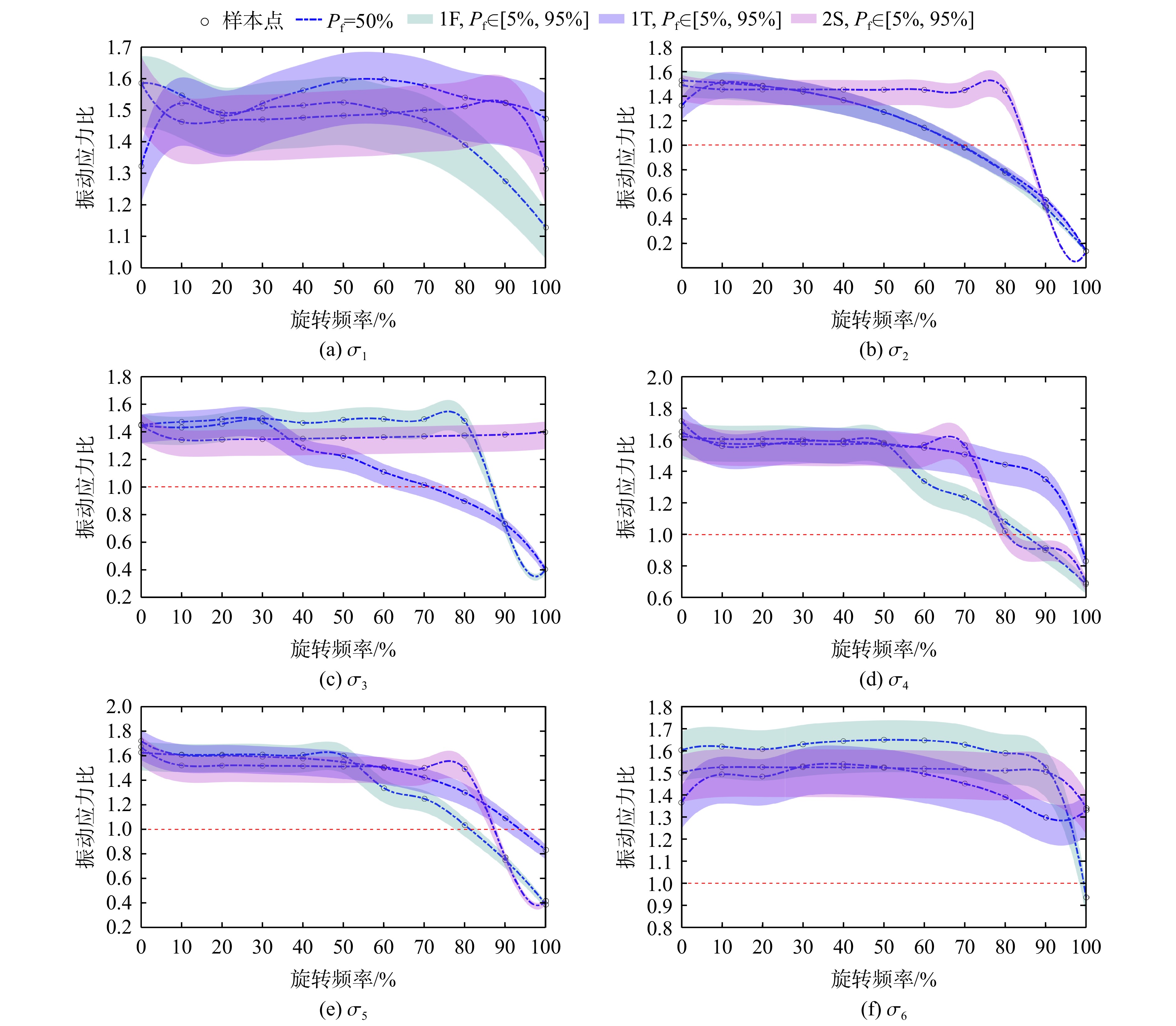
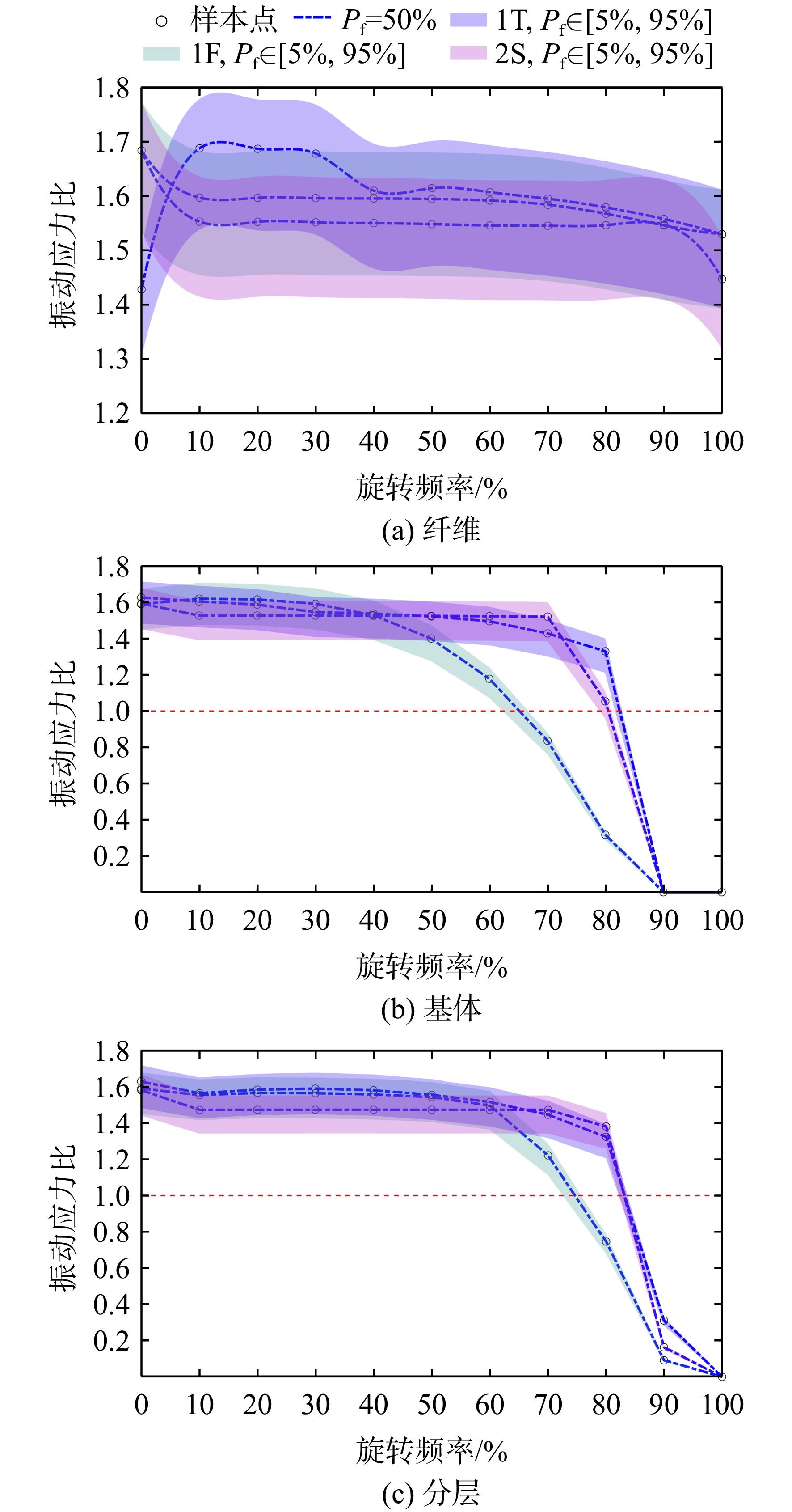
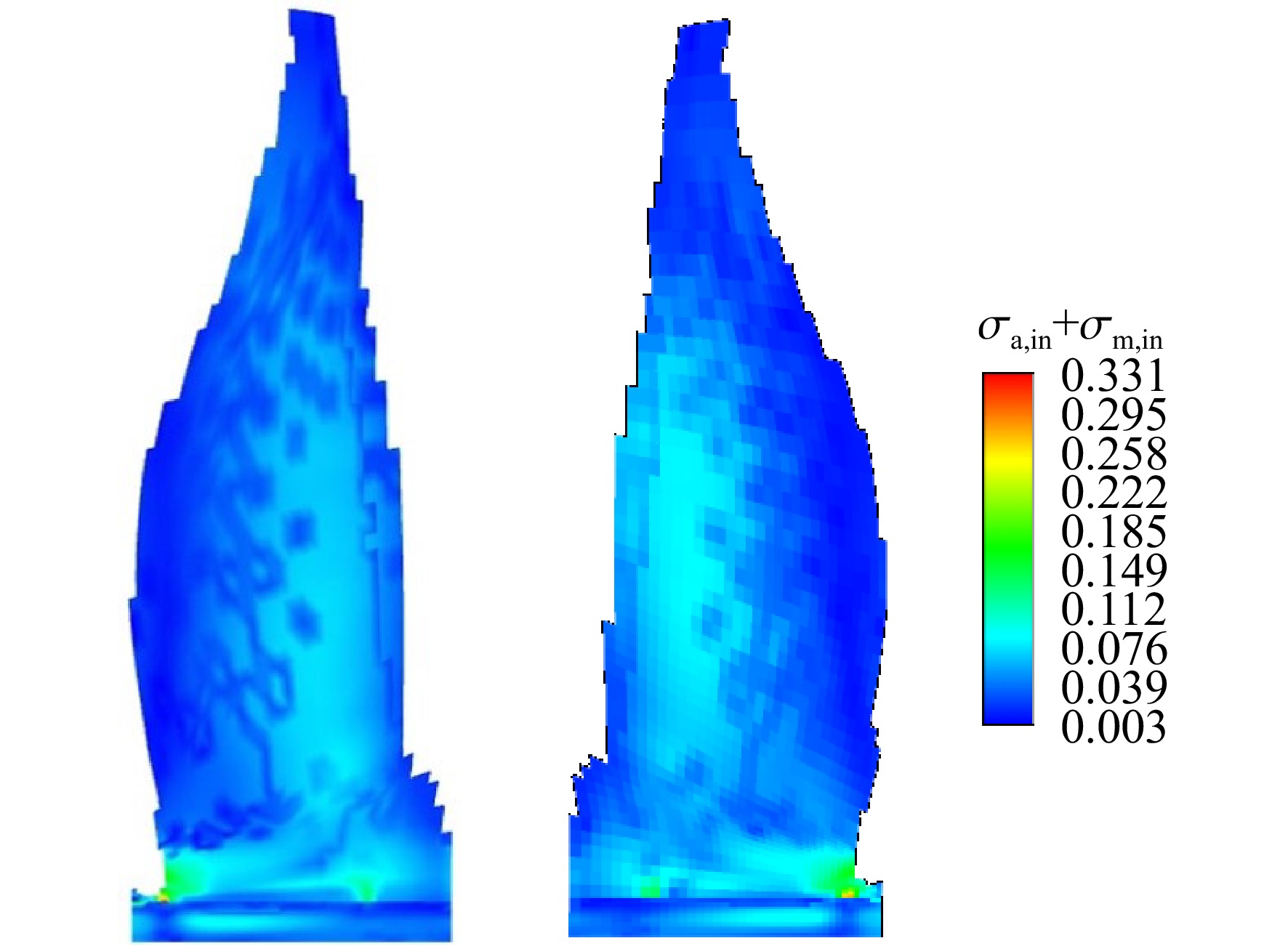
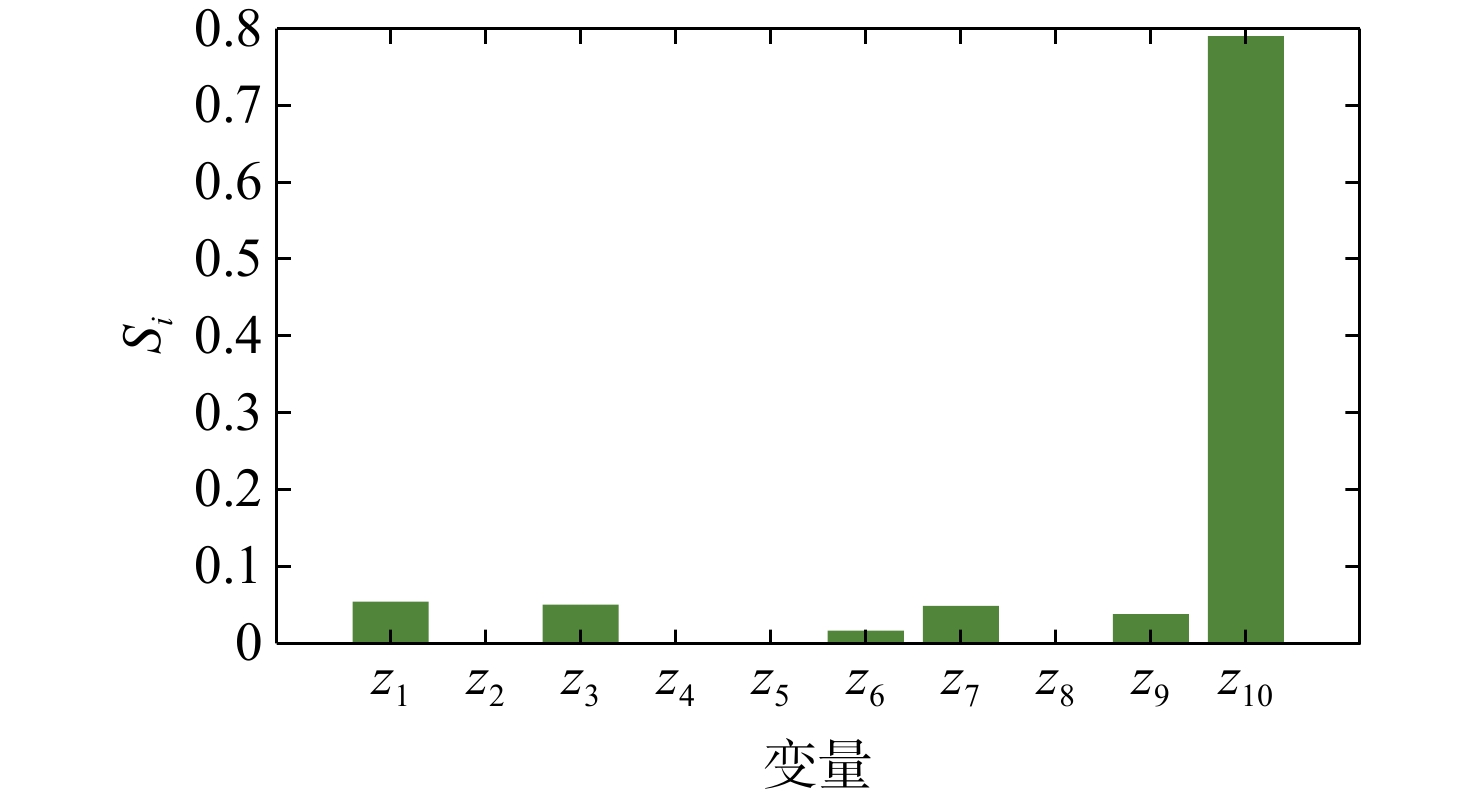
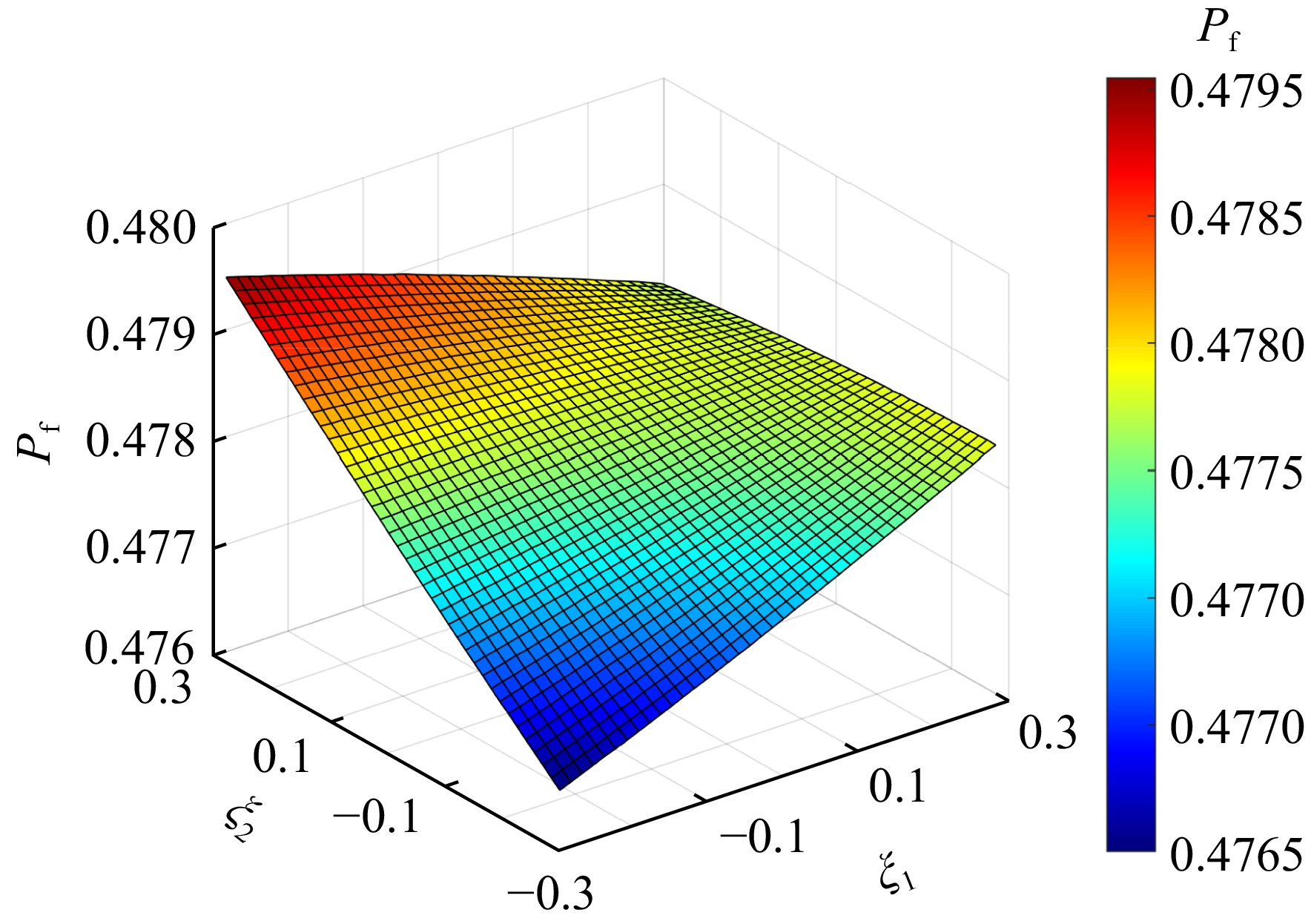
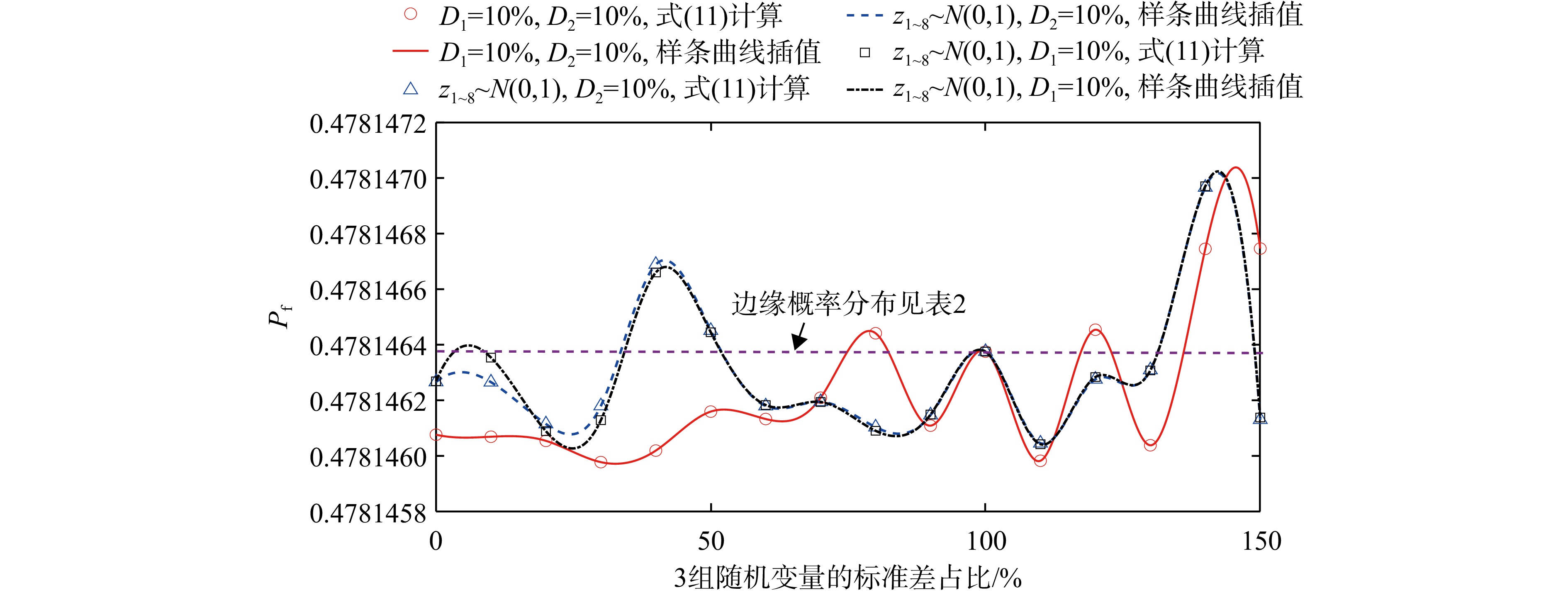
To investigate the influence of multi-source uncertainties on failure probability of high cycle fatigue of laminated composite fan blade in response to the forced vibrations, and to capture the competing damage modes of laminas, aleatory uncertainty of material fatigue limit was evaluated by non-local Weakest-link model. Non-stationary Gaussian random field was employed to represent manufacturing defects. Surrogate model between stochastic input vector and conditional failure probability was constructed, and failure probability was computed by drawing samples of the joint probability density function using Monte Carlo method. Then, sensitivity indices by Sobol’s decomposition were obtained. All design curves with weak-link points as references of critical modal vibratory stresses showed that 95% quantiles of fatigue strength ratio at design rotation speed was 0.142 after considering typical vibration modes, and the failure mechanism was inter-fiber damage mode, in which the bending mode had the lowest value than torsional and chordwise shapes. The first-order Sobol’s indices indicated that the total damping ratio exerted the most significant effect on conditional failure probability, followed by unsteady aerodynamic pressure. Moreover, result from robustness analyses illustrated their uncertainties, and also had a significant influence on total probability of inter-fiber damage. Probability was approximate to the same level when the coefficient of variation for ply thickness increased.

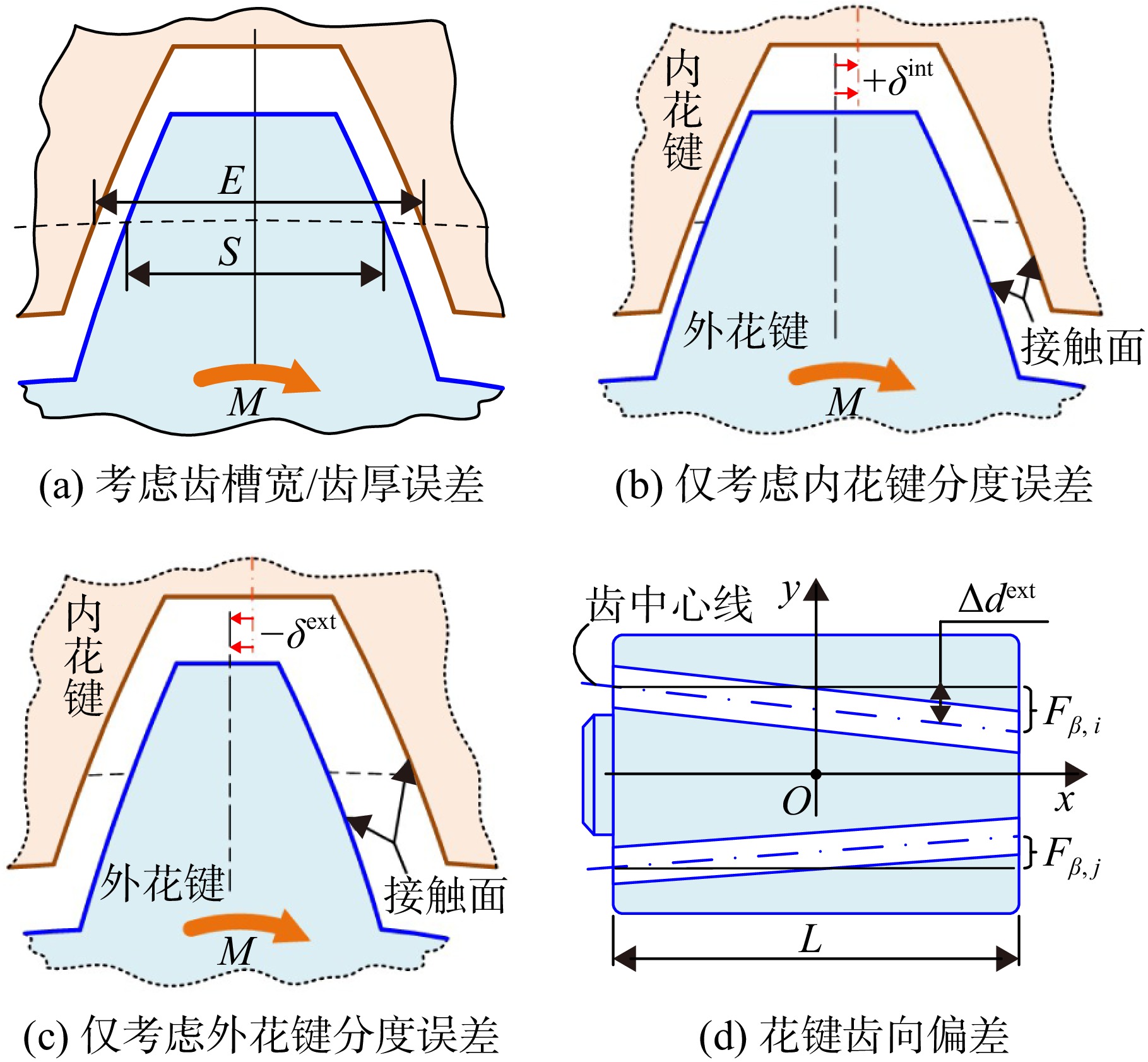
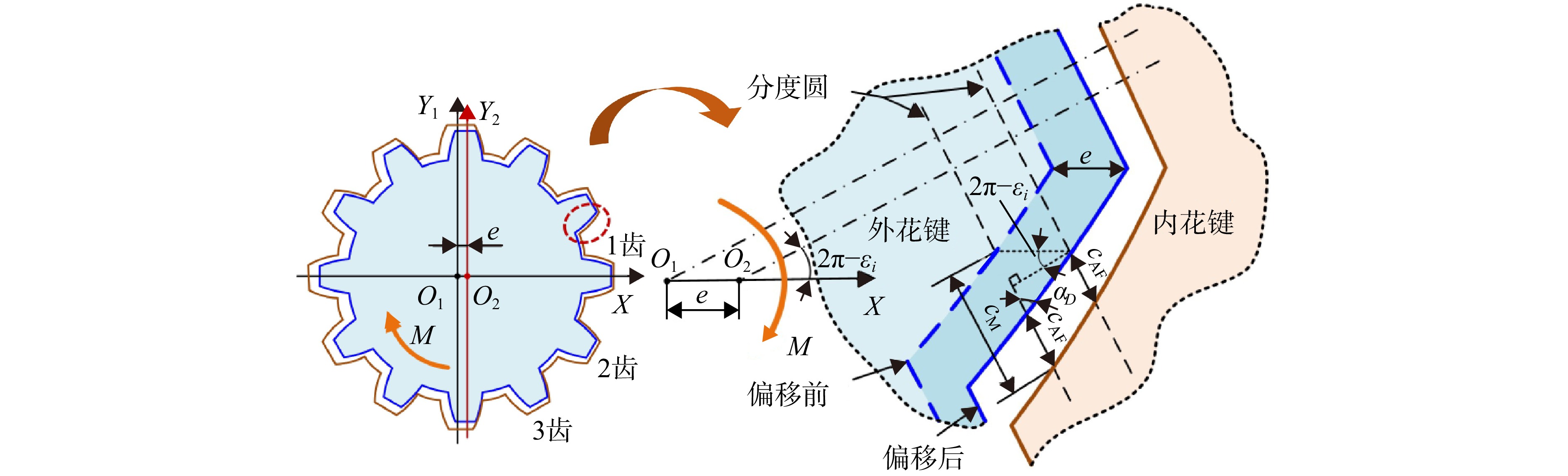
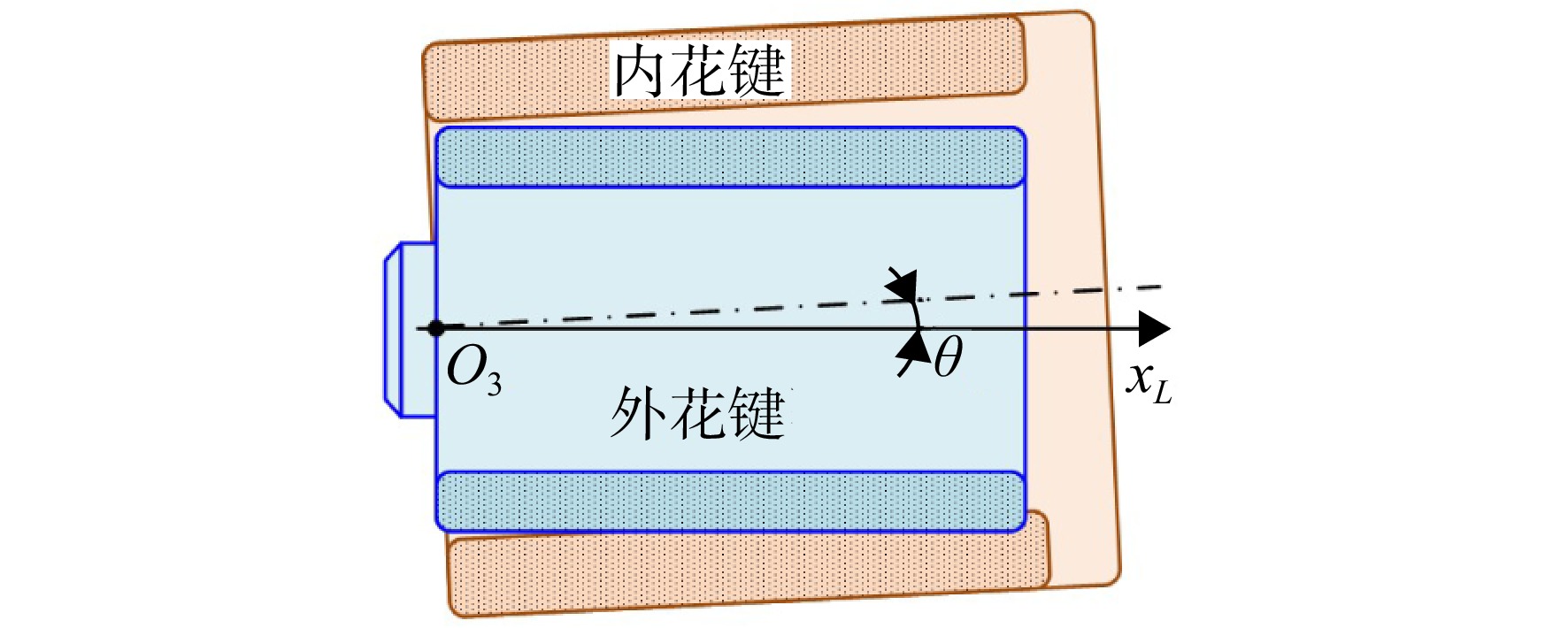
Load distribution and reliability analysis of splines under multiple errors
ZHAO Qingyan, ZHAO Zhihao, LU Tingting, ZHUANG Xinchen, YU Tianxiang
2026, 41(6): 20240771. doi: 10.13224/j.cnki.jasp.20240771
Abstract:

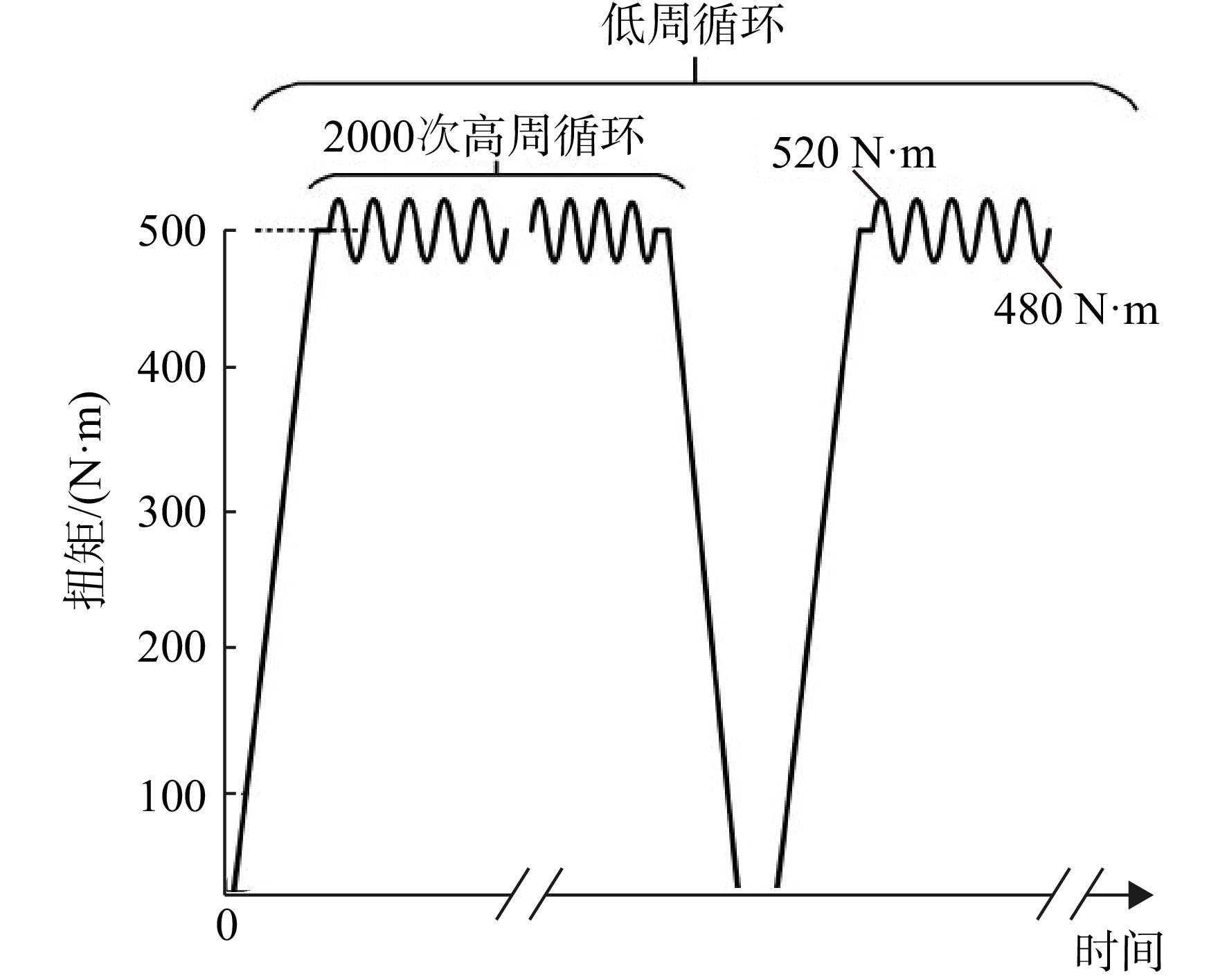
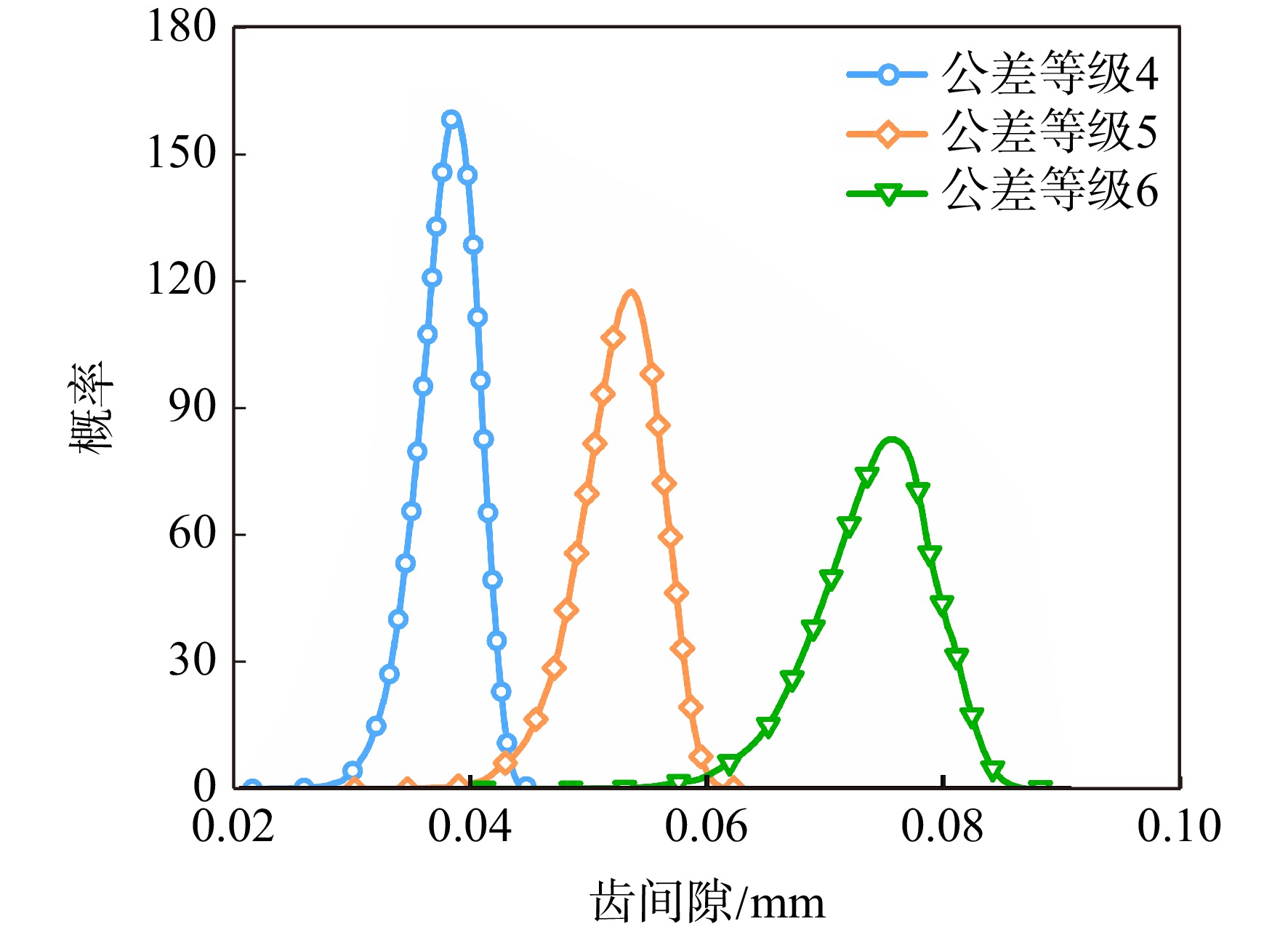
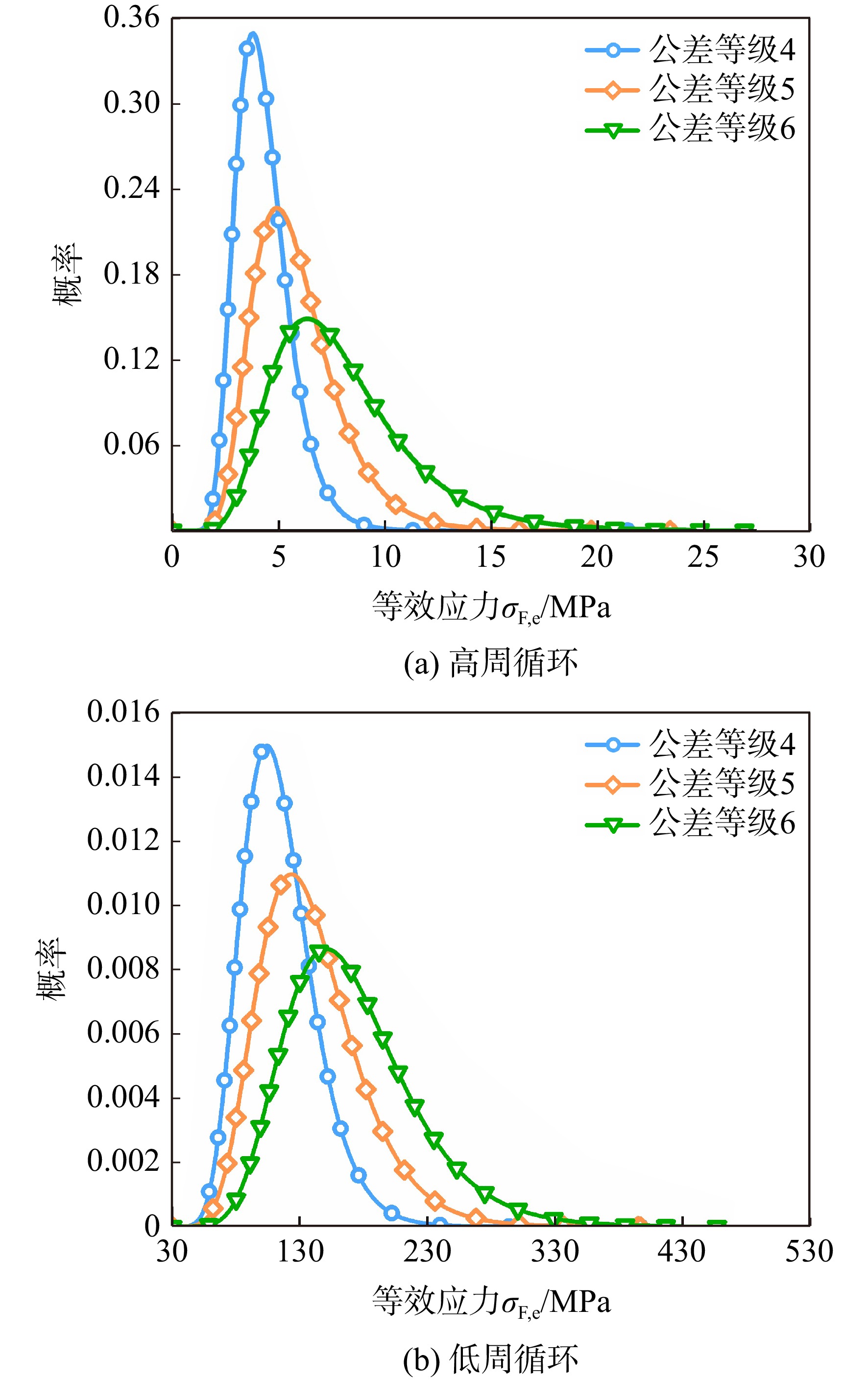
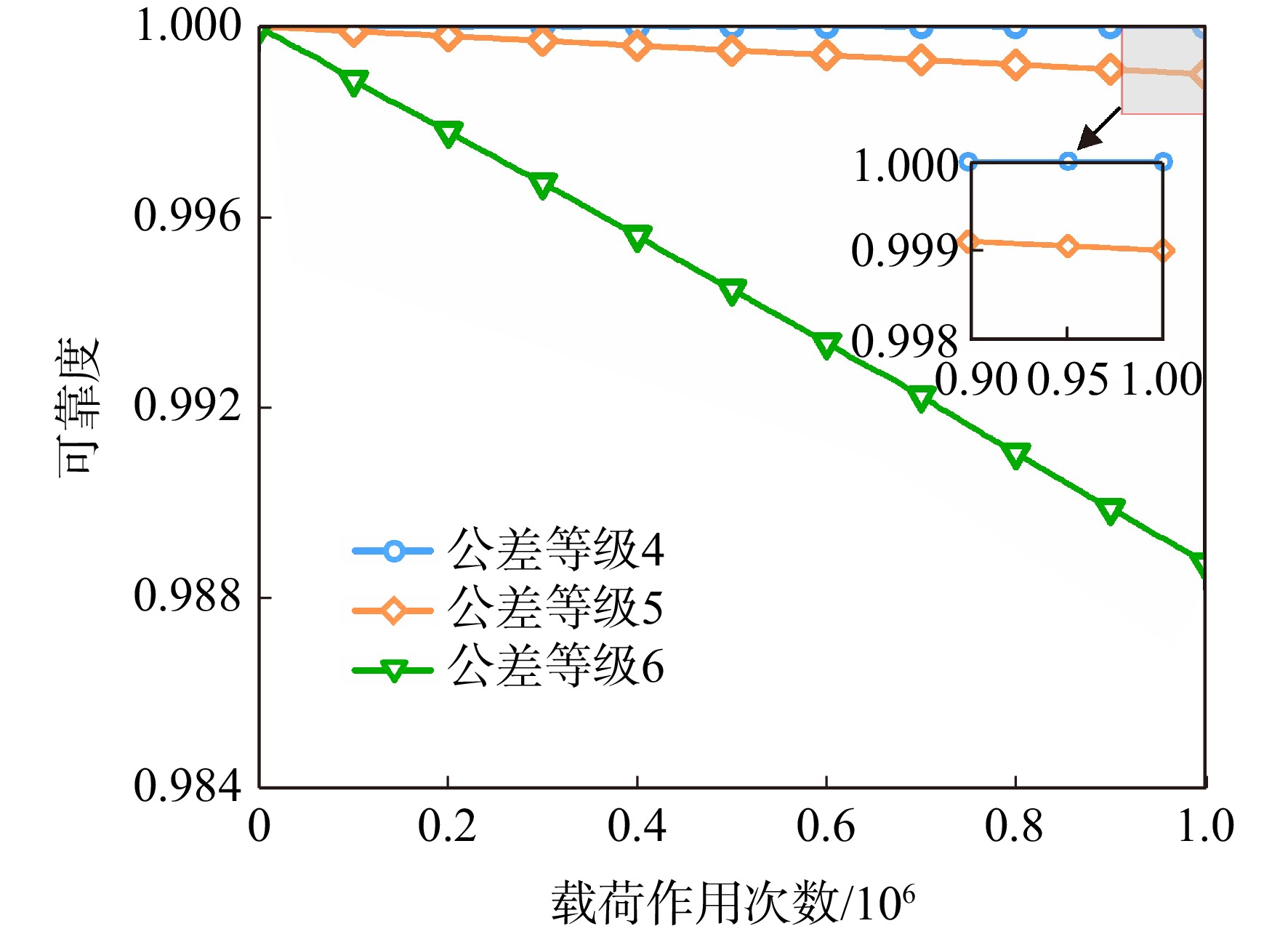
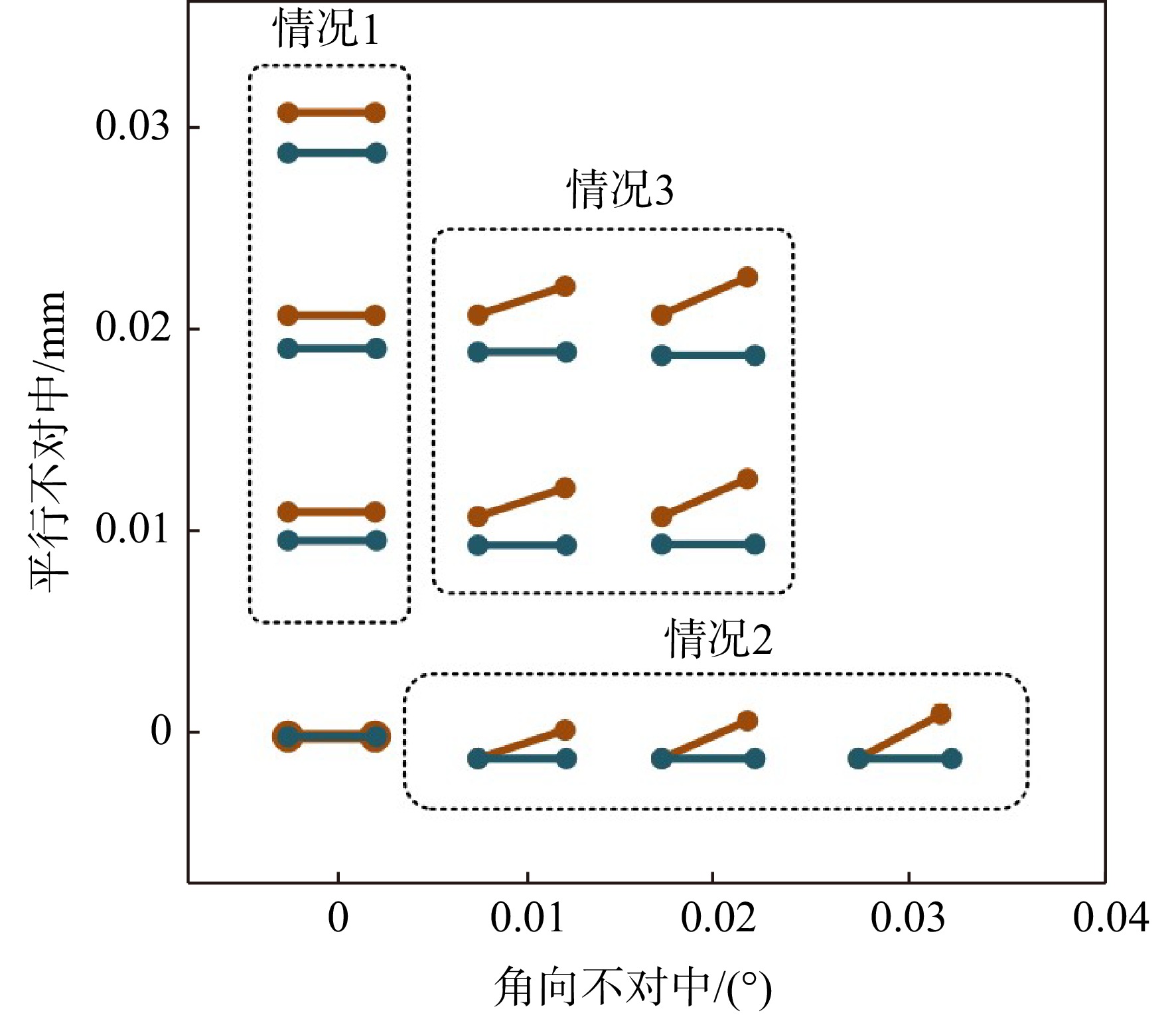
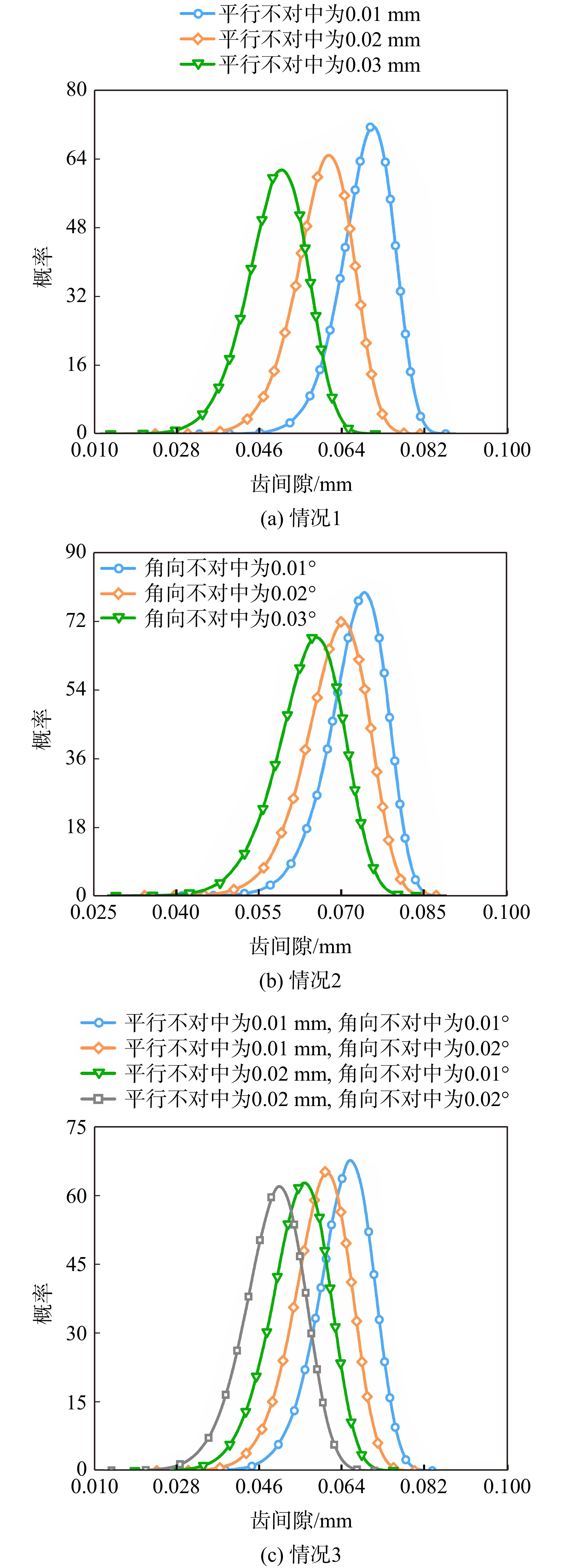
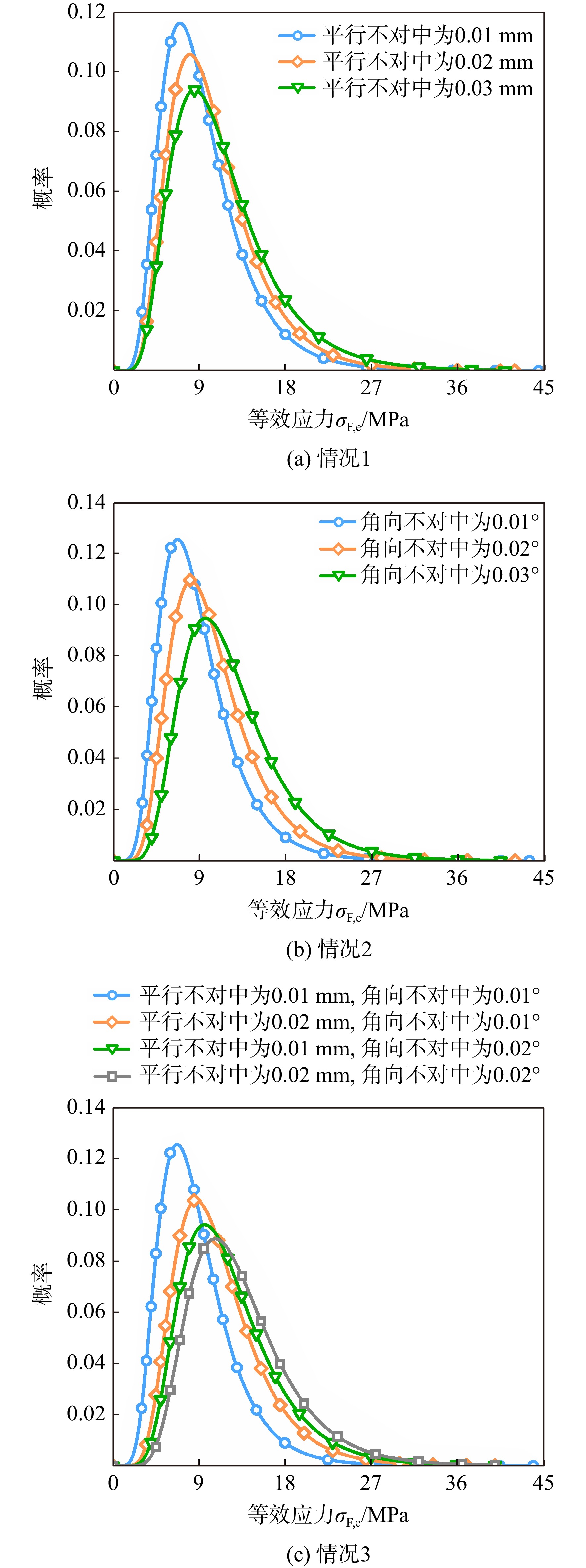
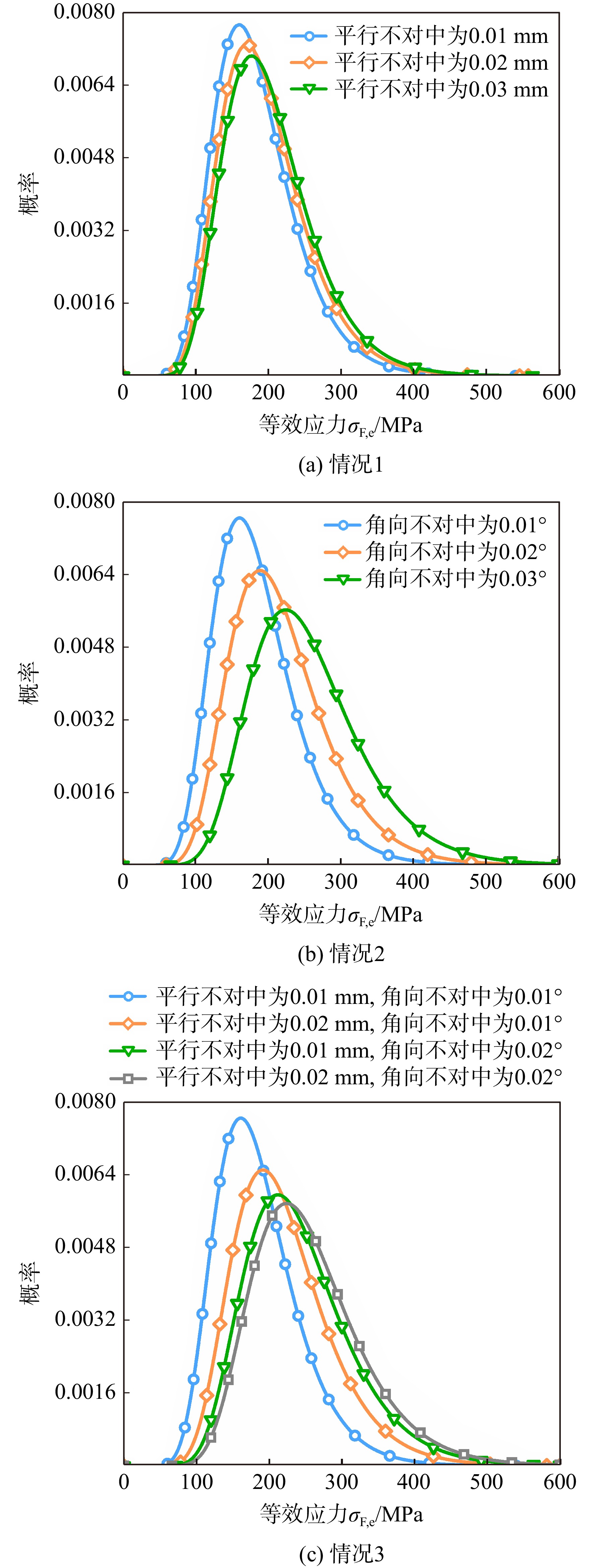
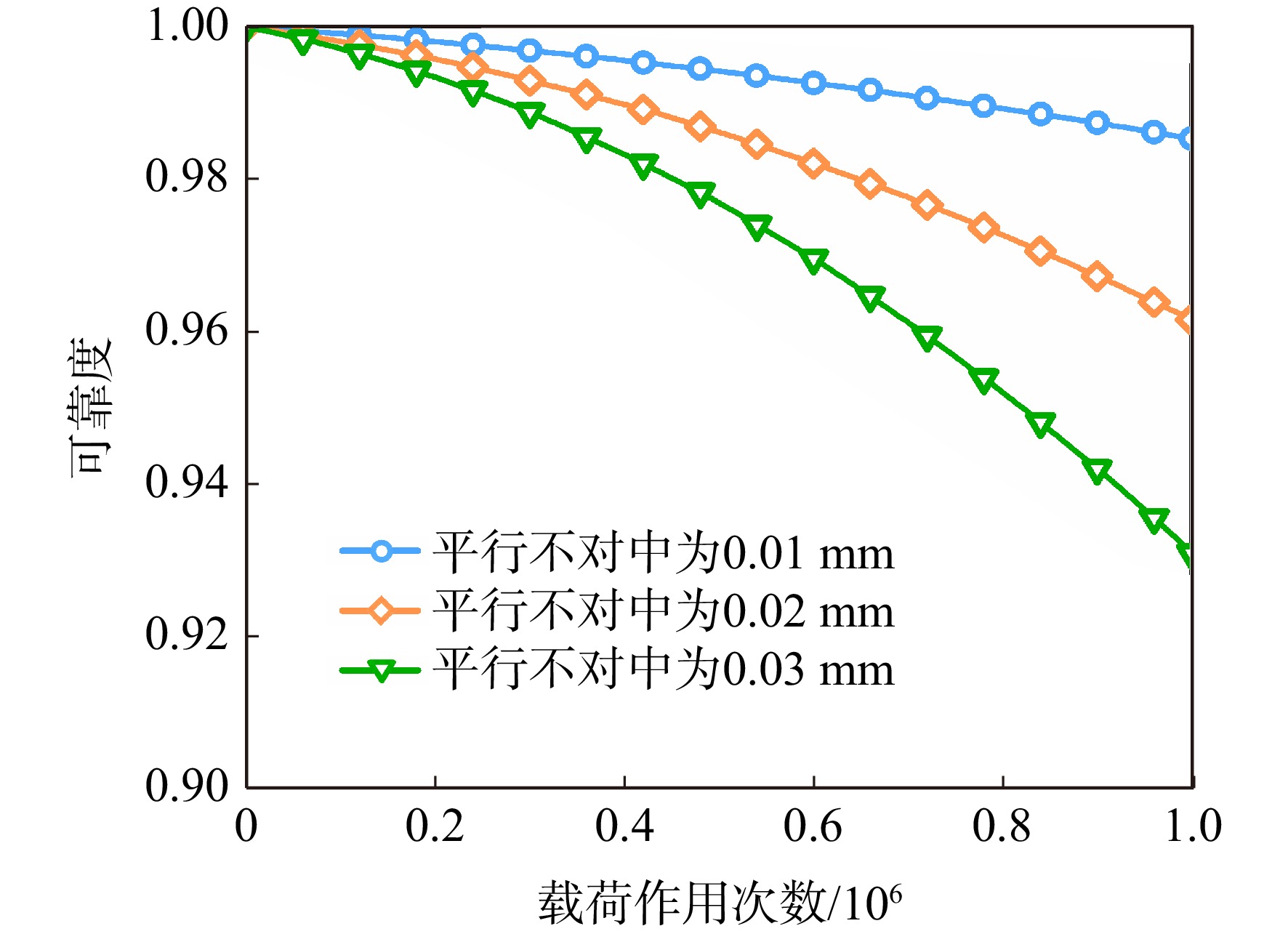
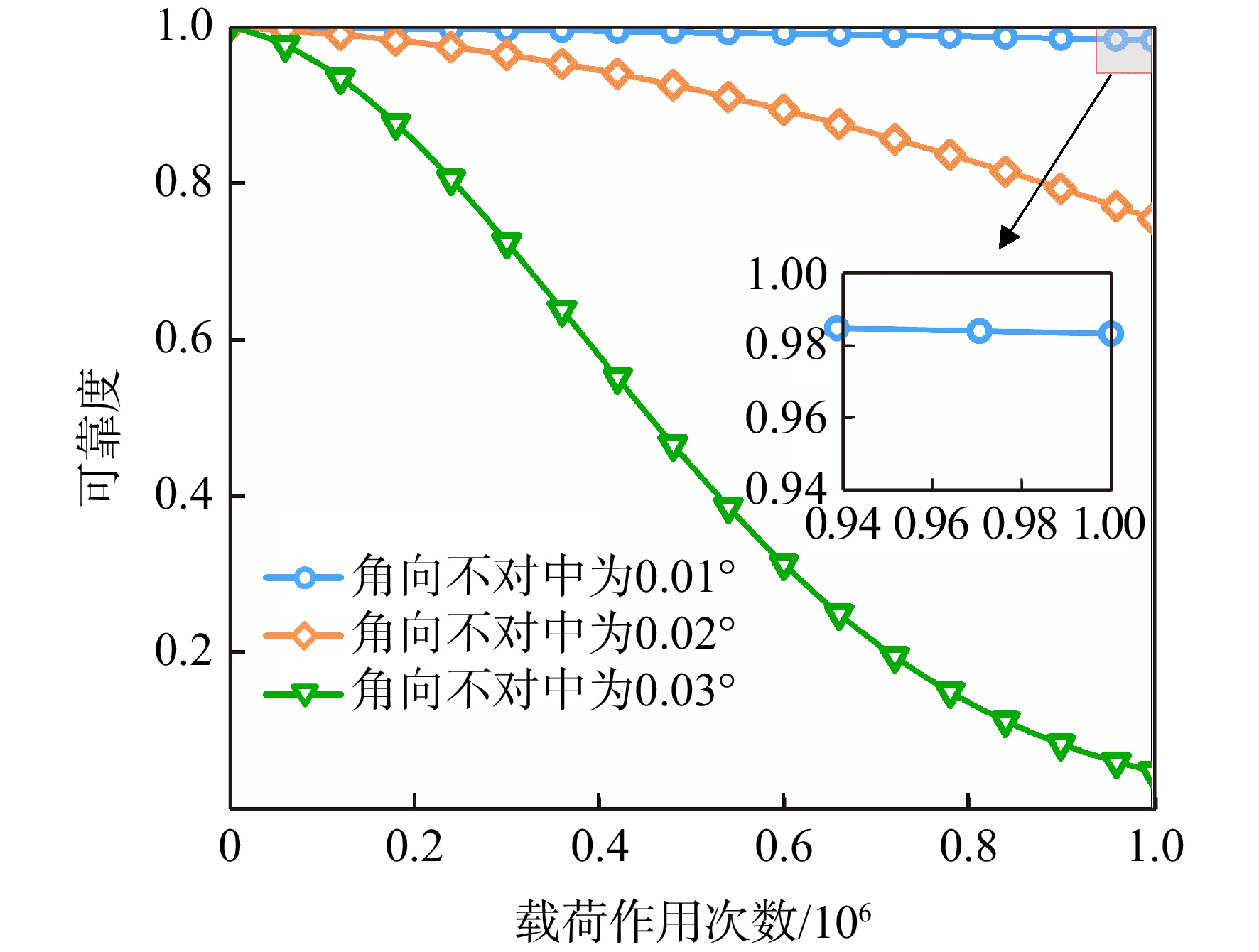
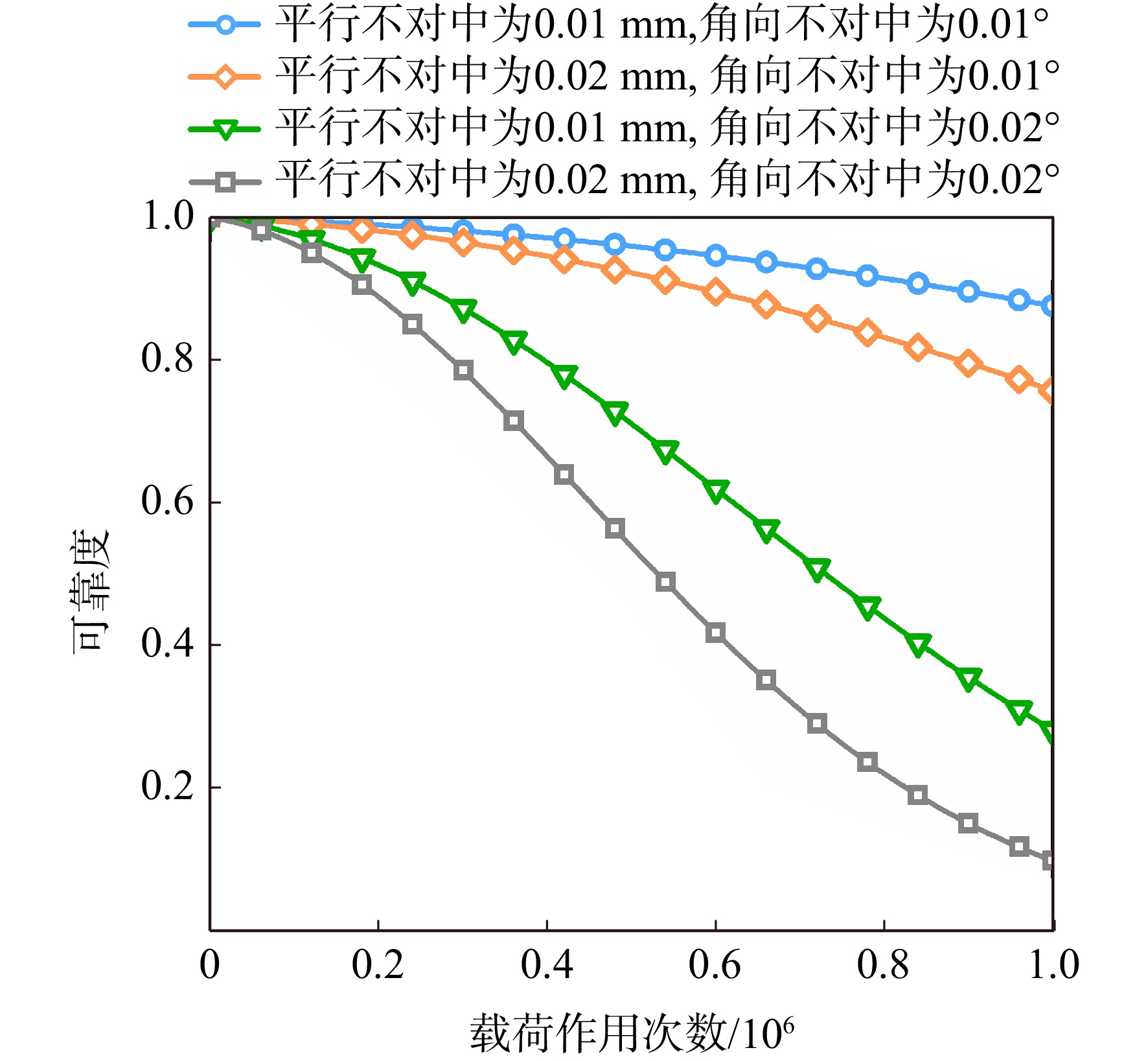
Machining errors, parallel misalignment, and angular misalignment lead to uneven load distribution on spline teeth, significantly impacting their life and reliability. To address these issues, a spline load distribution model and reliability analysis method accounting for multiple errors were proposed. First, the effects of different errors on the shape and position of spline teeth were analyzed, and the uneven tooth clearance was derived. Based on this, a model for uneven torque distribution along the axial direction was developed, which incorporated the effects of torque on the torsional deformation of the spline shaft and the elastic deformation of the teeth. The accuracy of the proposed model was validated through finite element analysis. Finally, a spline fatigue reliability model was developed using classical fatigue damage criteria. Case analysis showed that after 106 cycles of load, when the tolerance class decreased from 4 to 6, the spline reliability decreased by 0.011; when the parallel misalignment increased from 0.01 mm to 0.03 mm, the spline reliability decreased by 0.054; and when the angular misalignment increased from 0.01° to 0.03°, the spline reliability decreased by 0.935. The influence of misalignment on spline reliability was significant, especially the increase of angular misalignment led to a significant decrease in spline reliability.

Experimental study on leakage characteristics and structural optimization of combined elastic metal seal
WEN Shuaifang, HUANG Chanyuan, LAI Daogui, SUN Dan, YANG Zemin, LI Yu, REN Guozhe
2026, 41(6): 20240443. doi: 10.13224/j.cnki.jasp.20240443
Abstract:

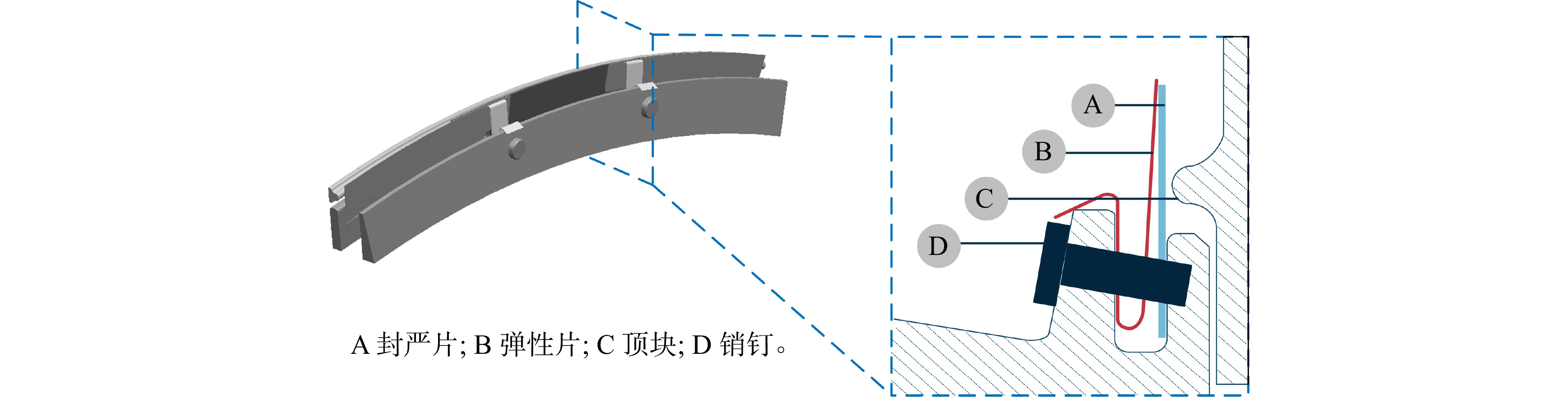
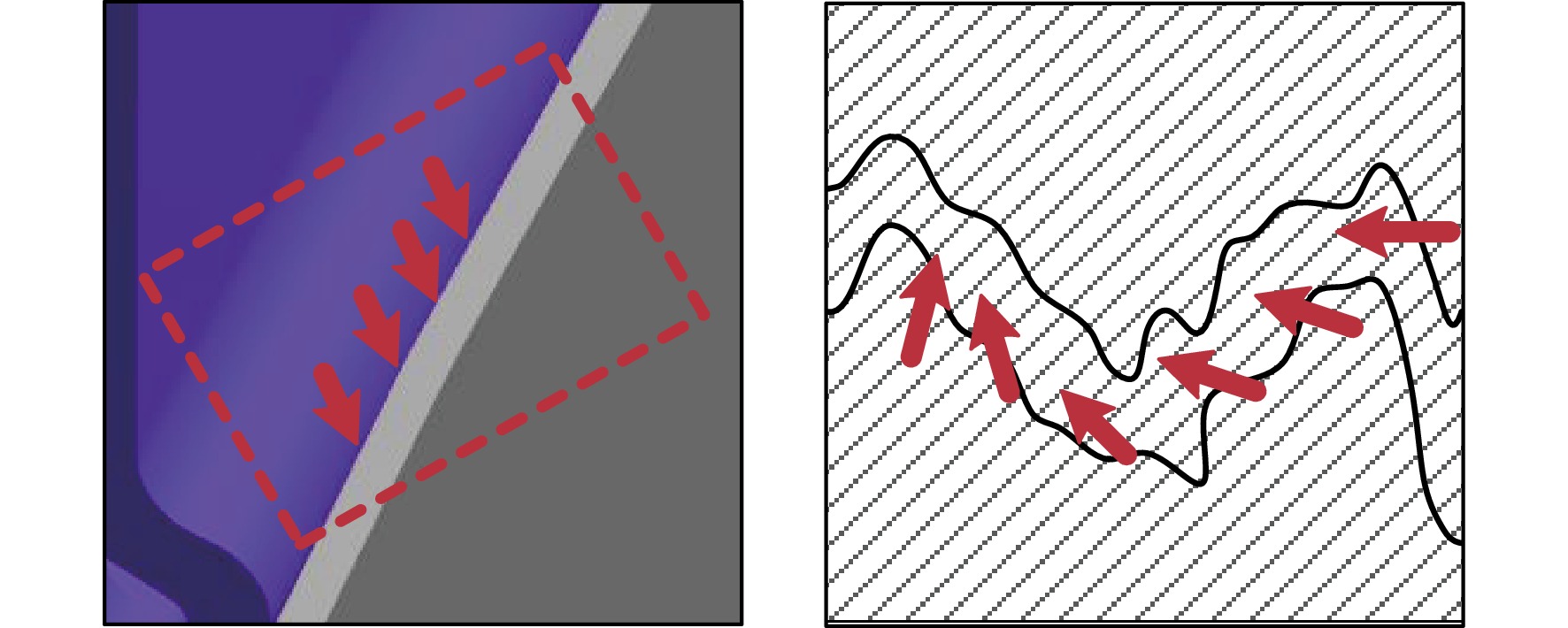
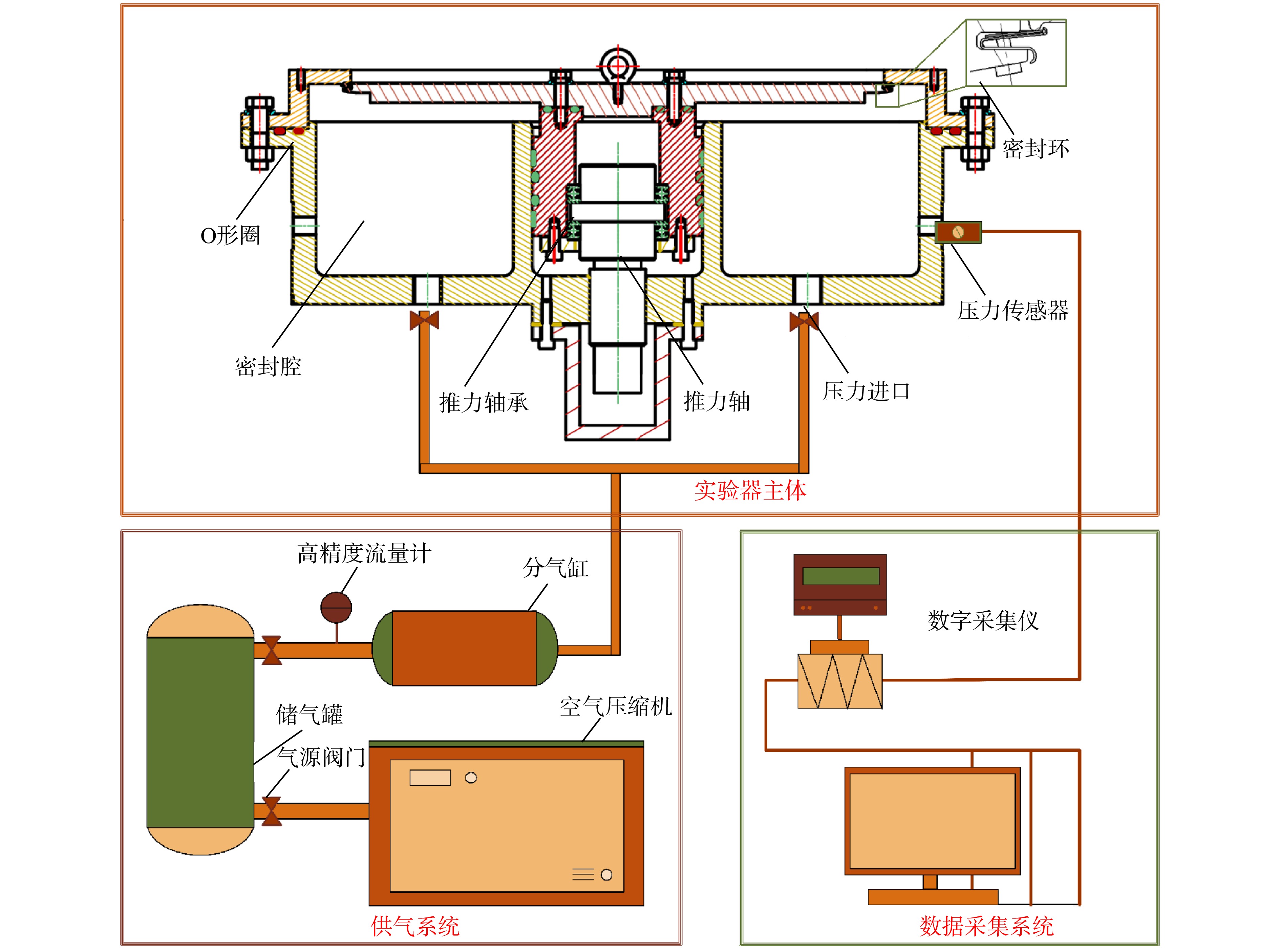
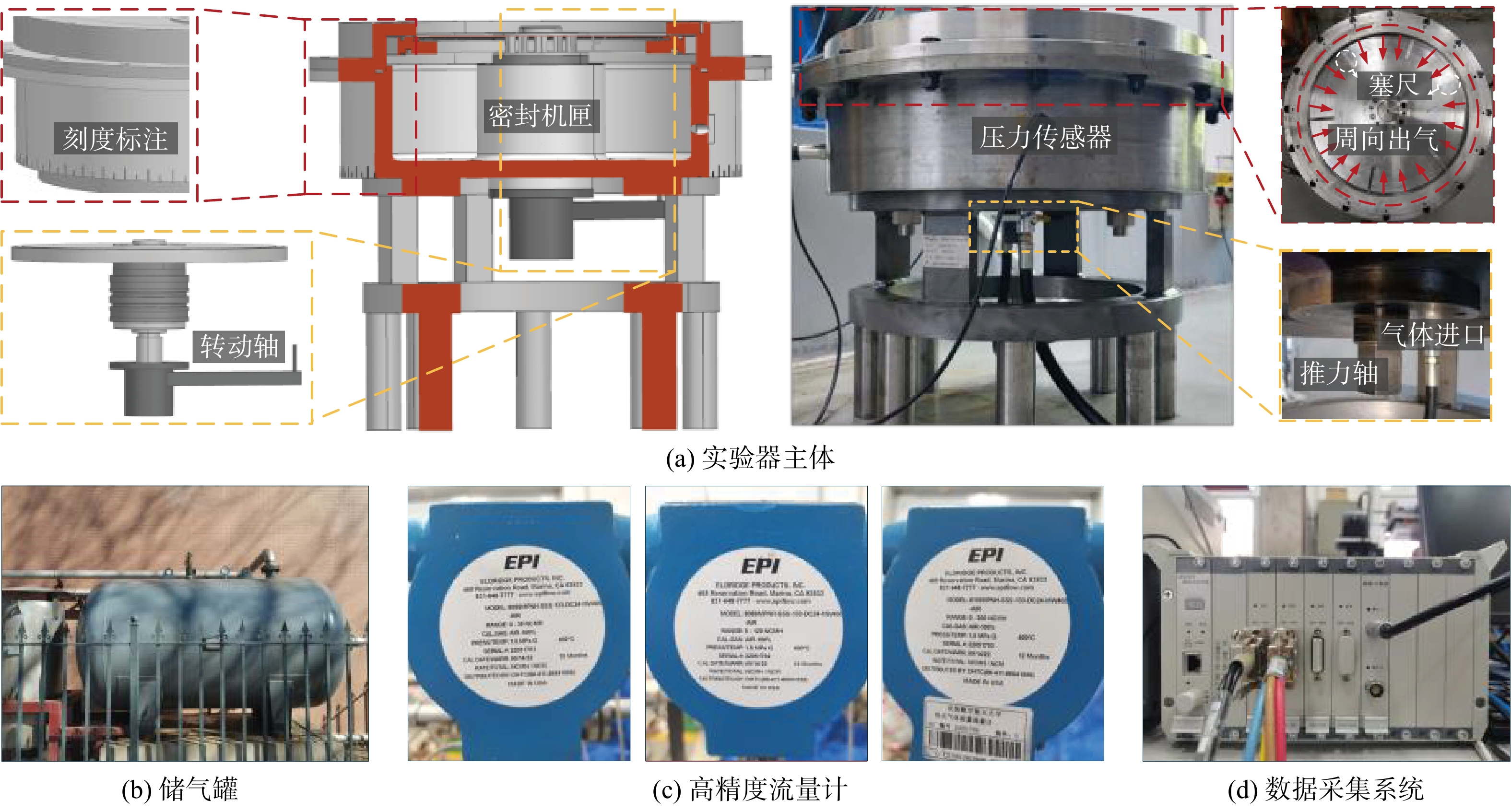
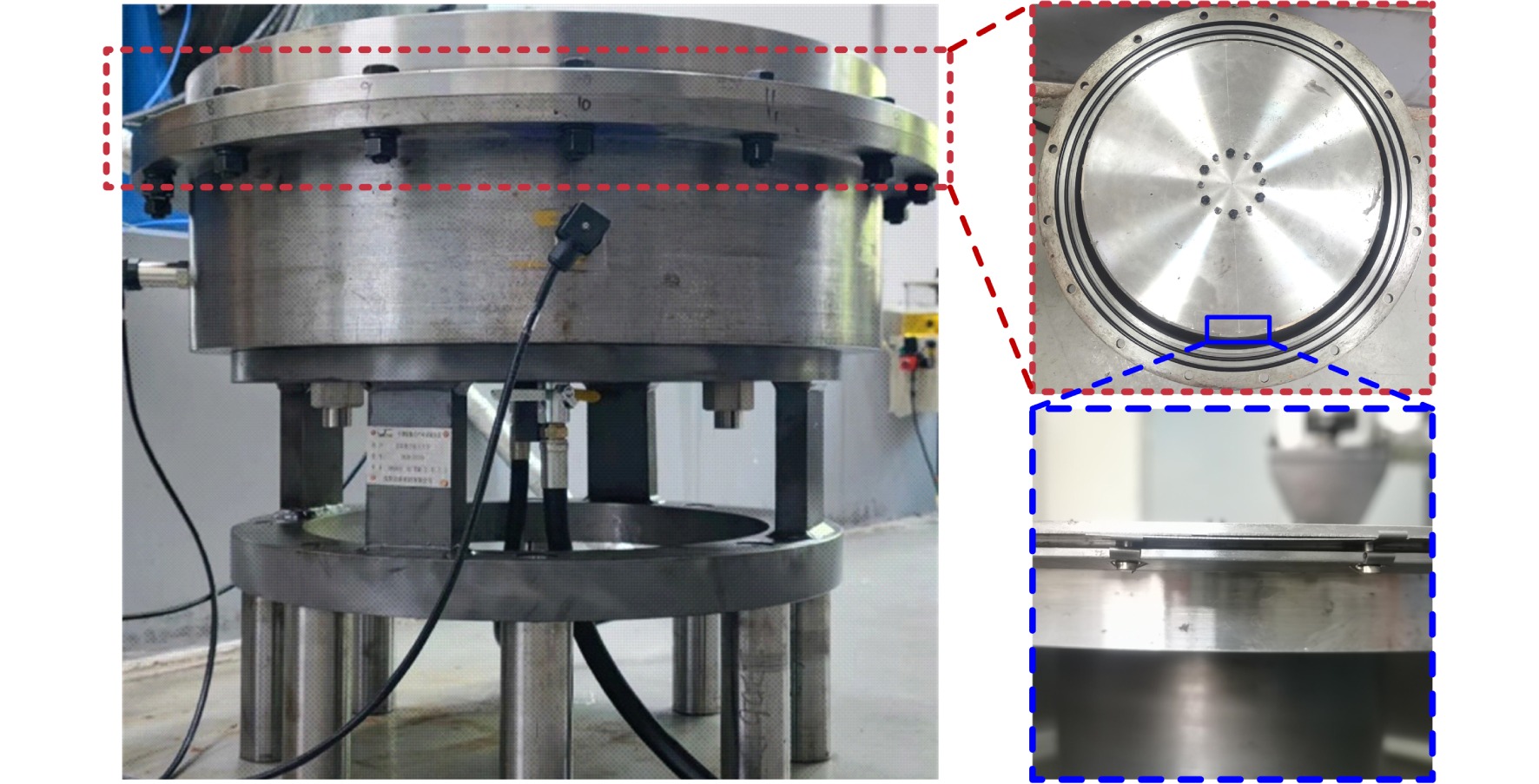
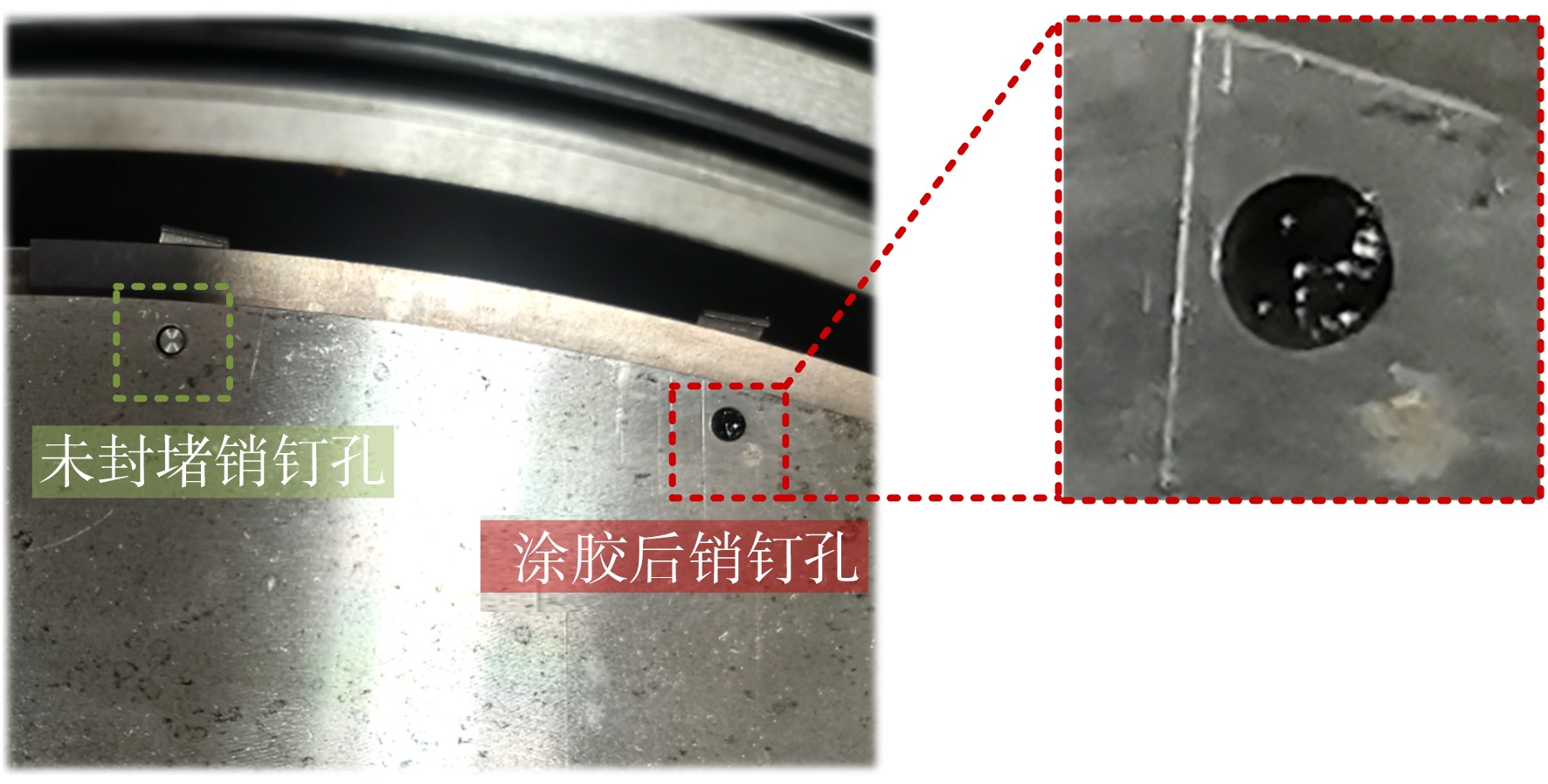
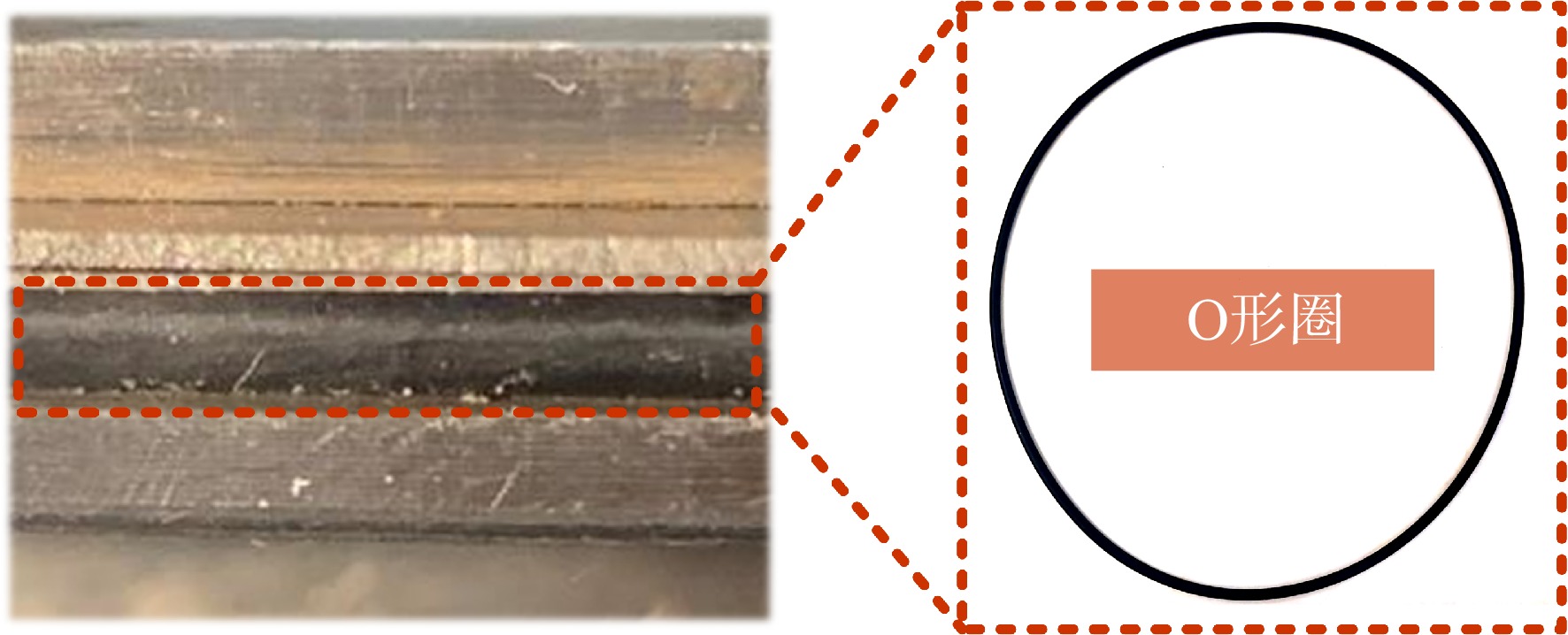
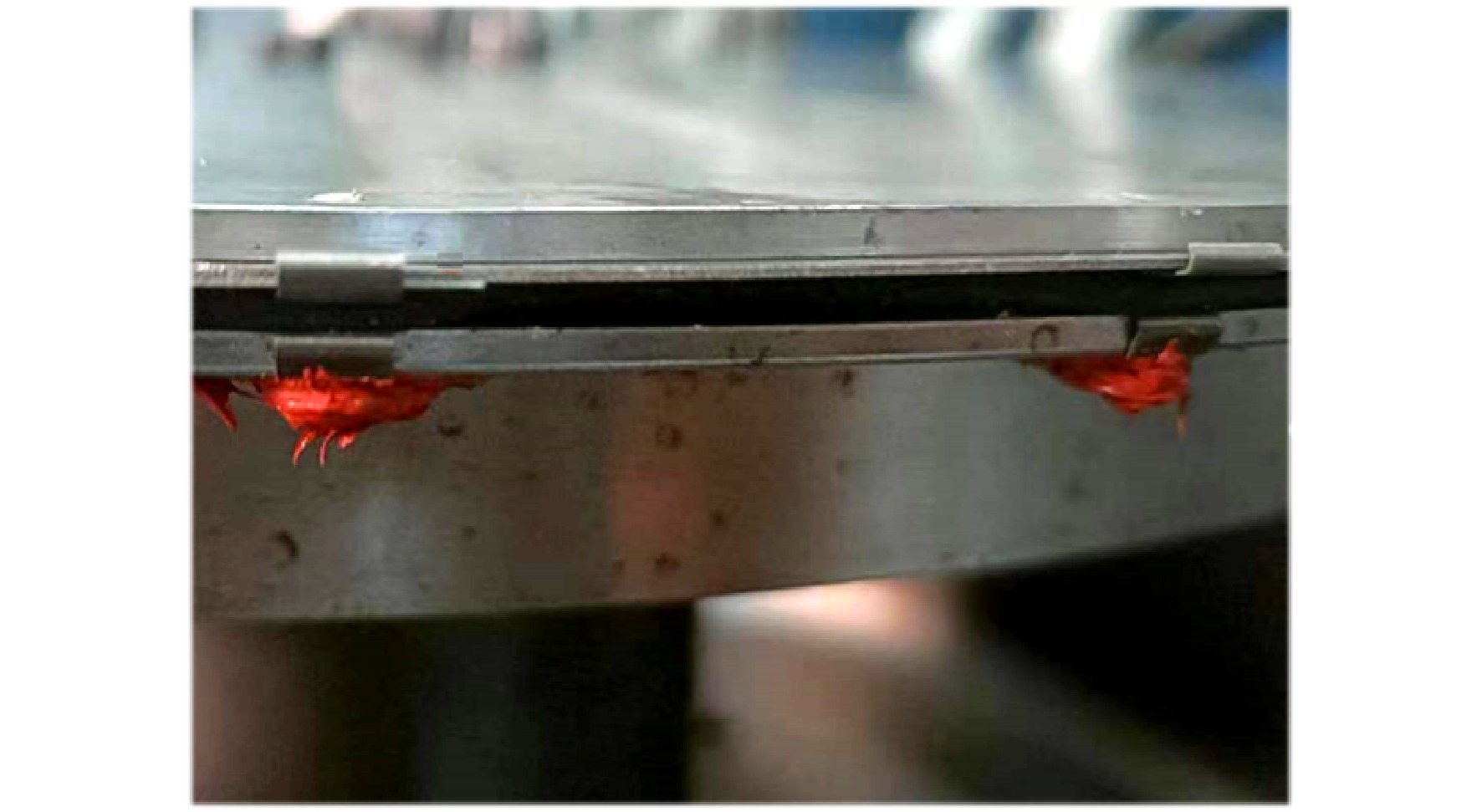
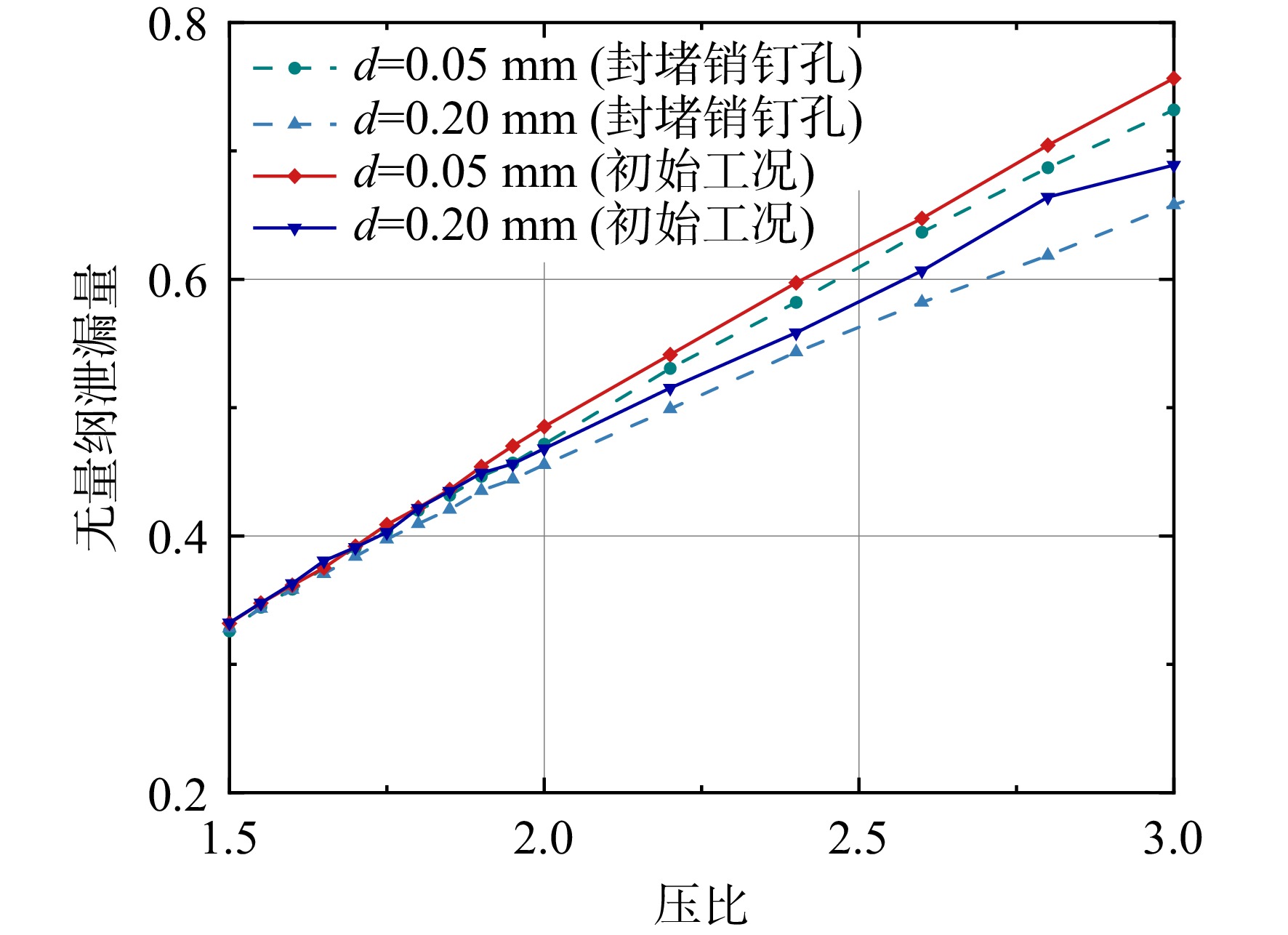
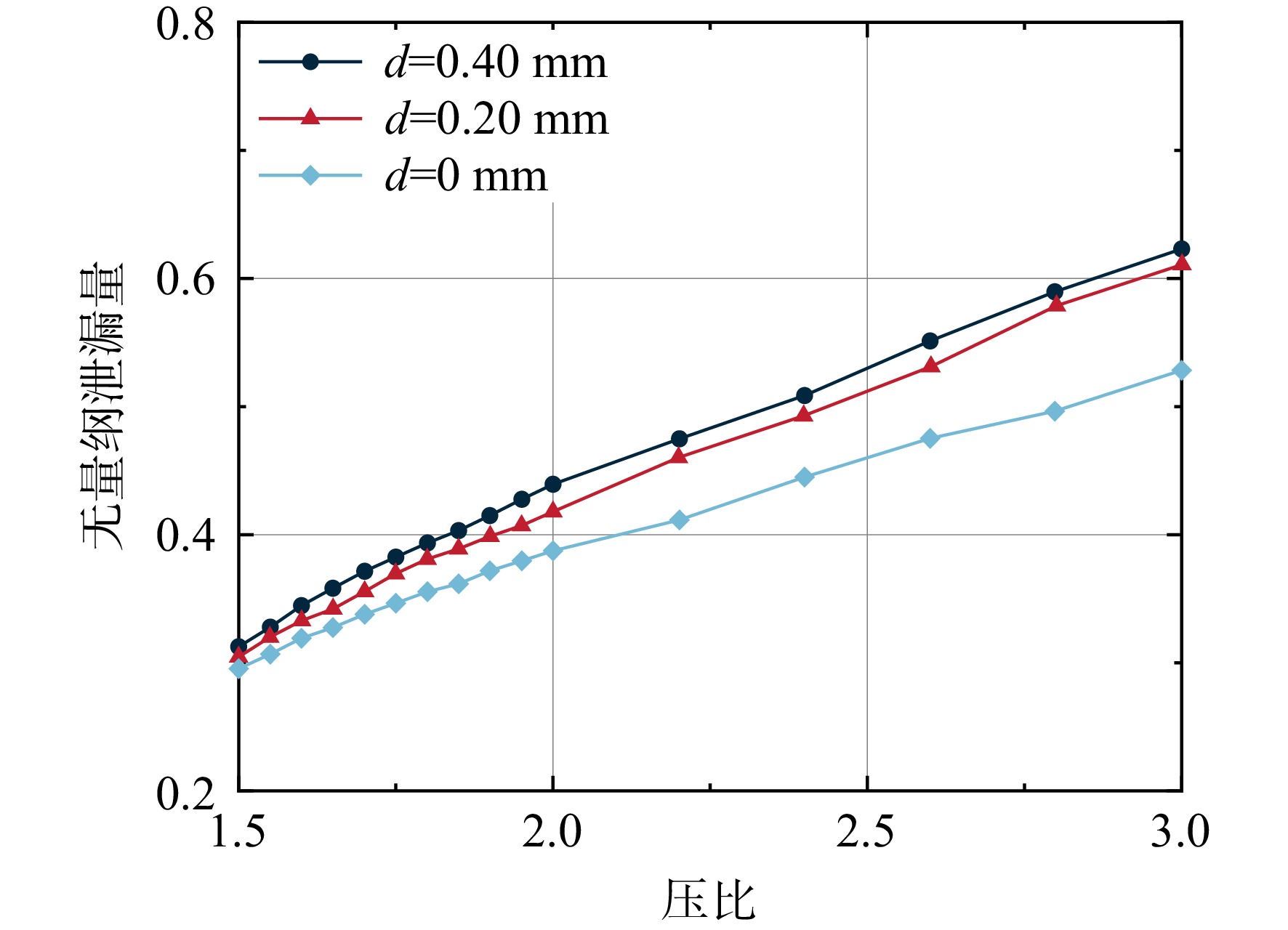
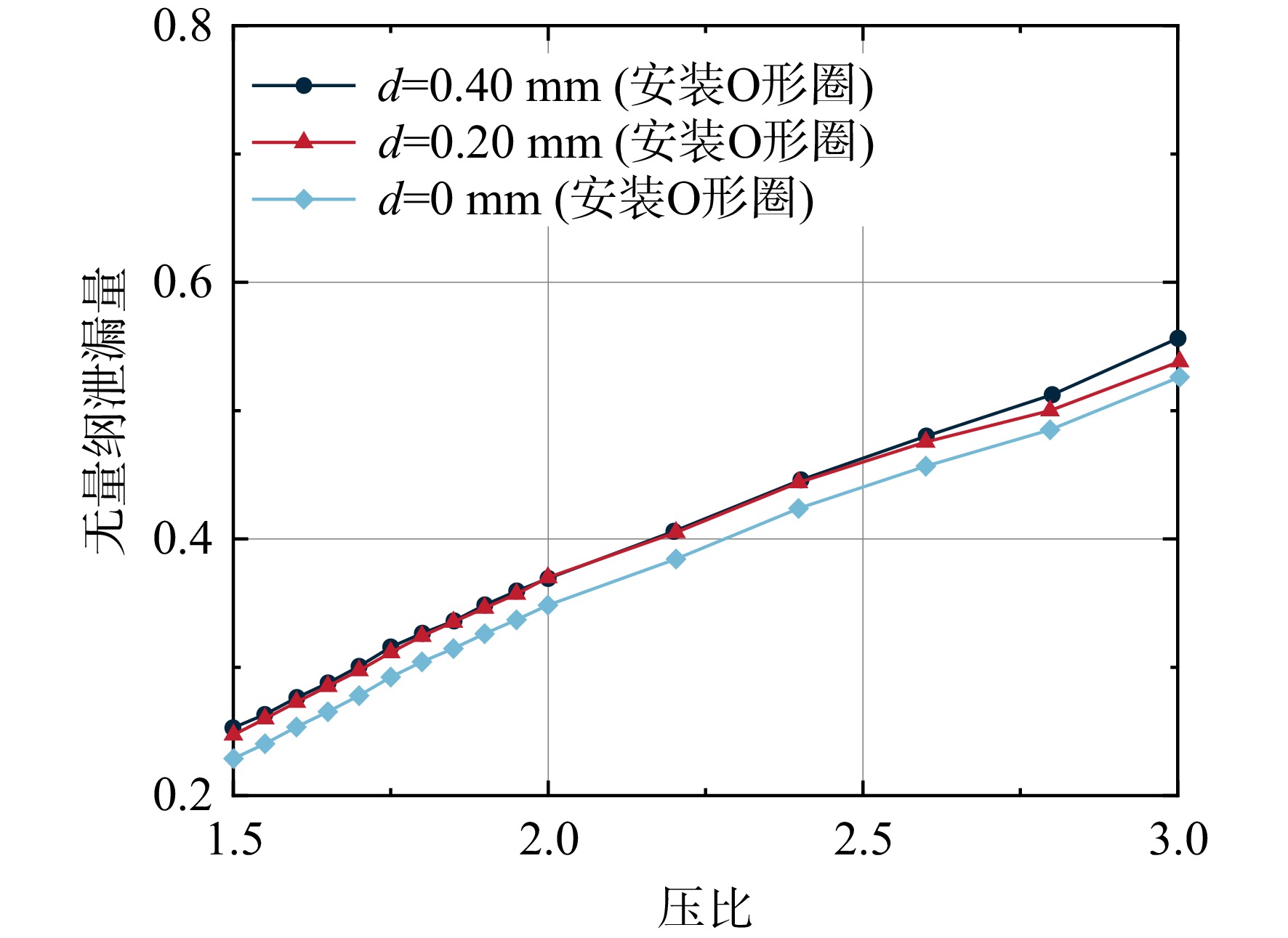
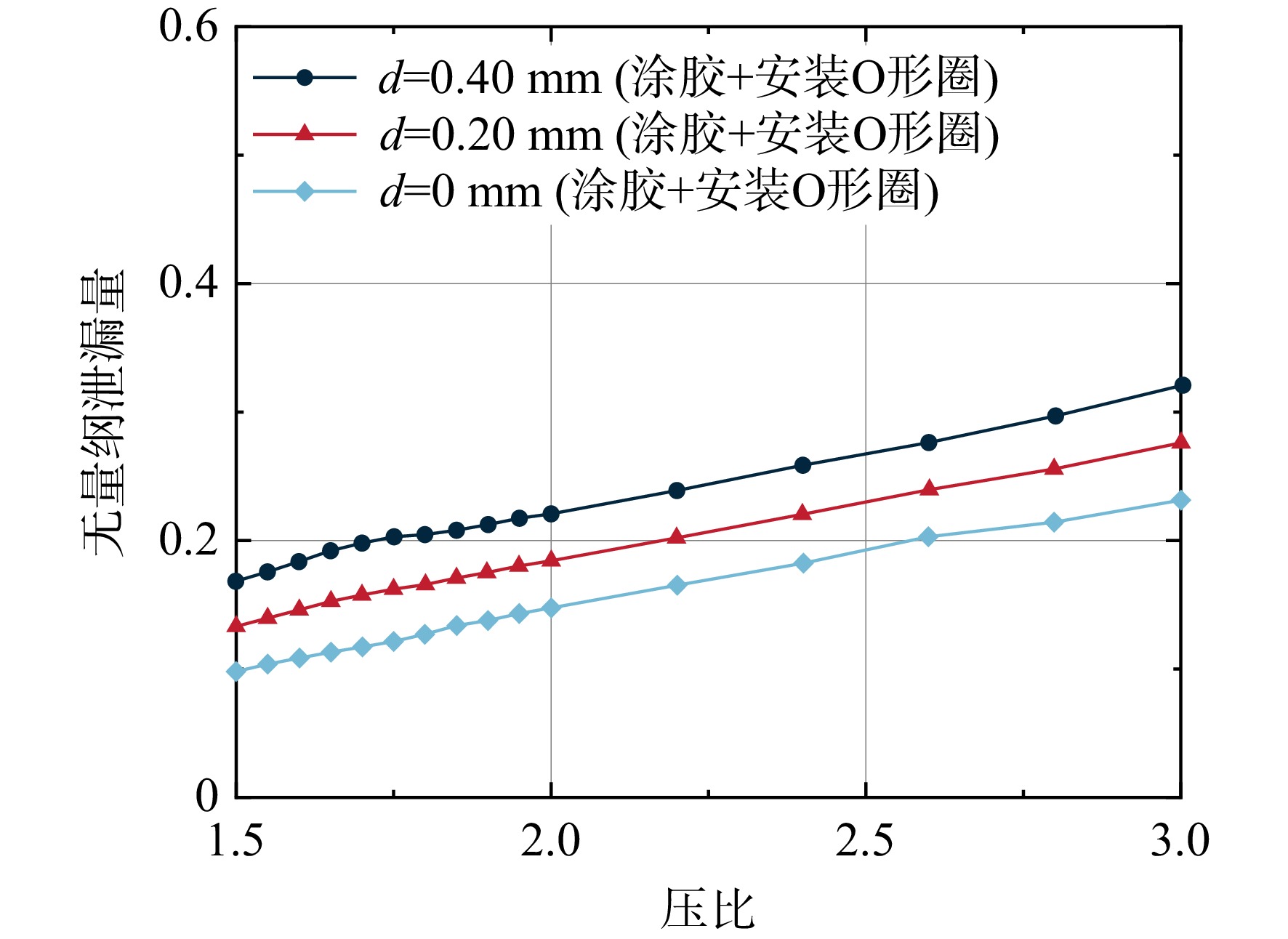
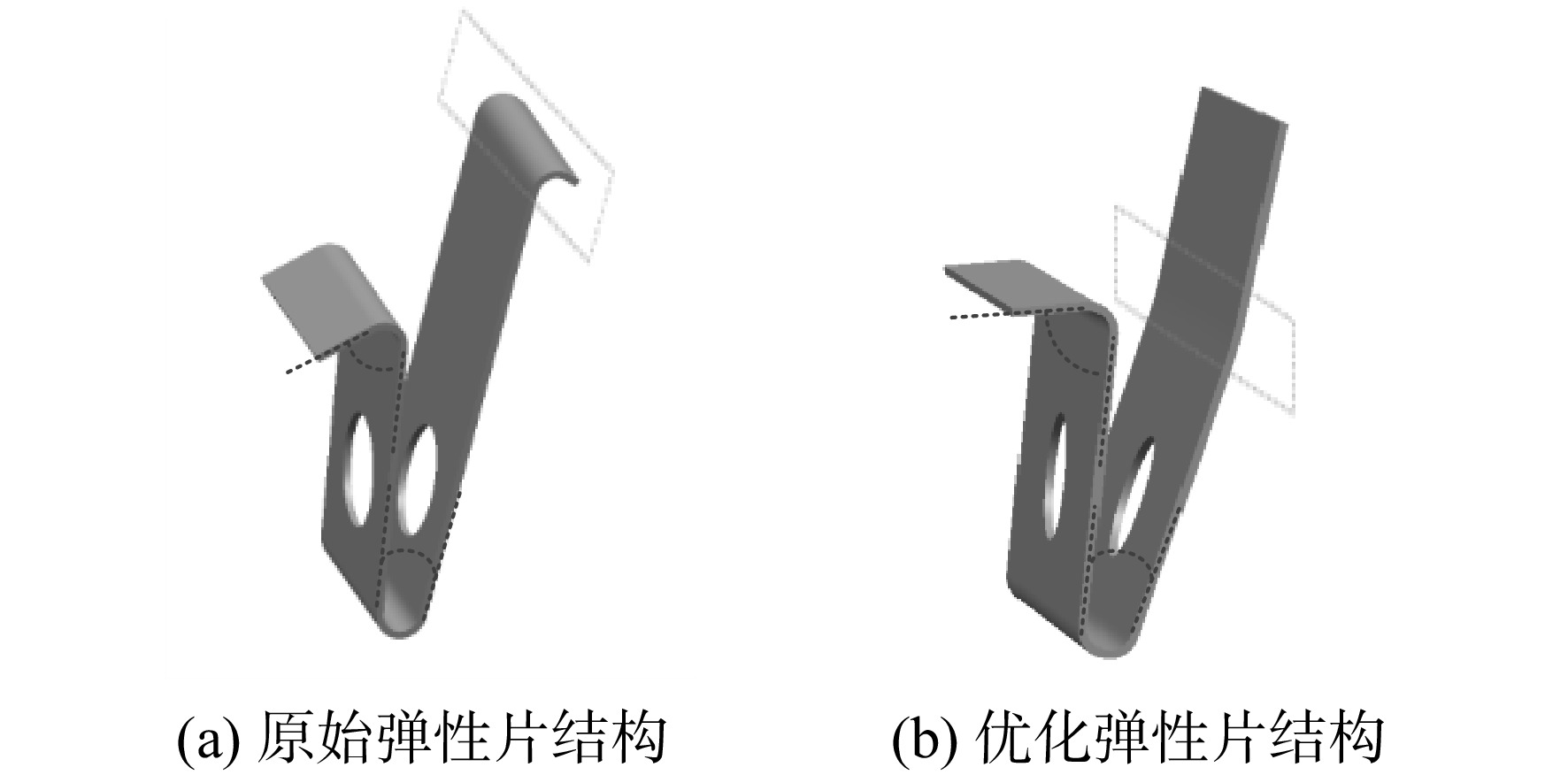
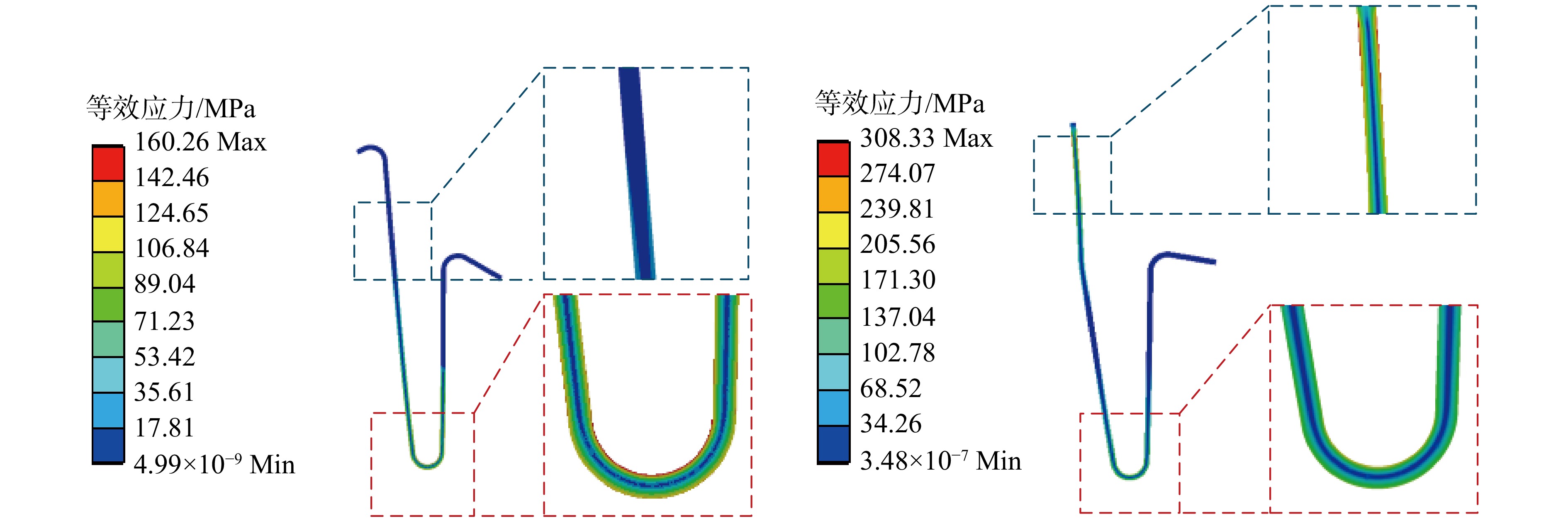
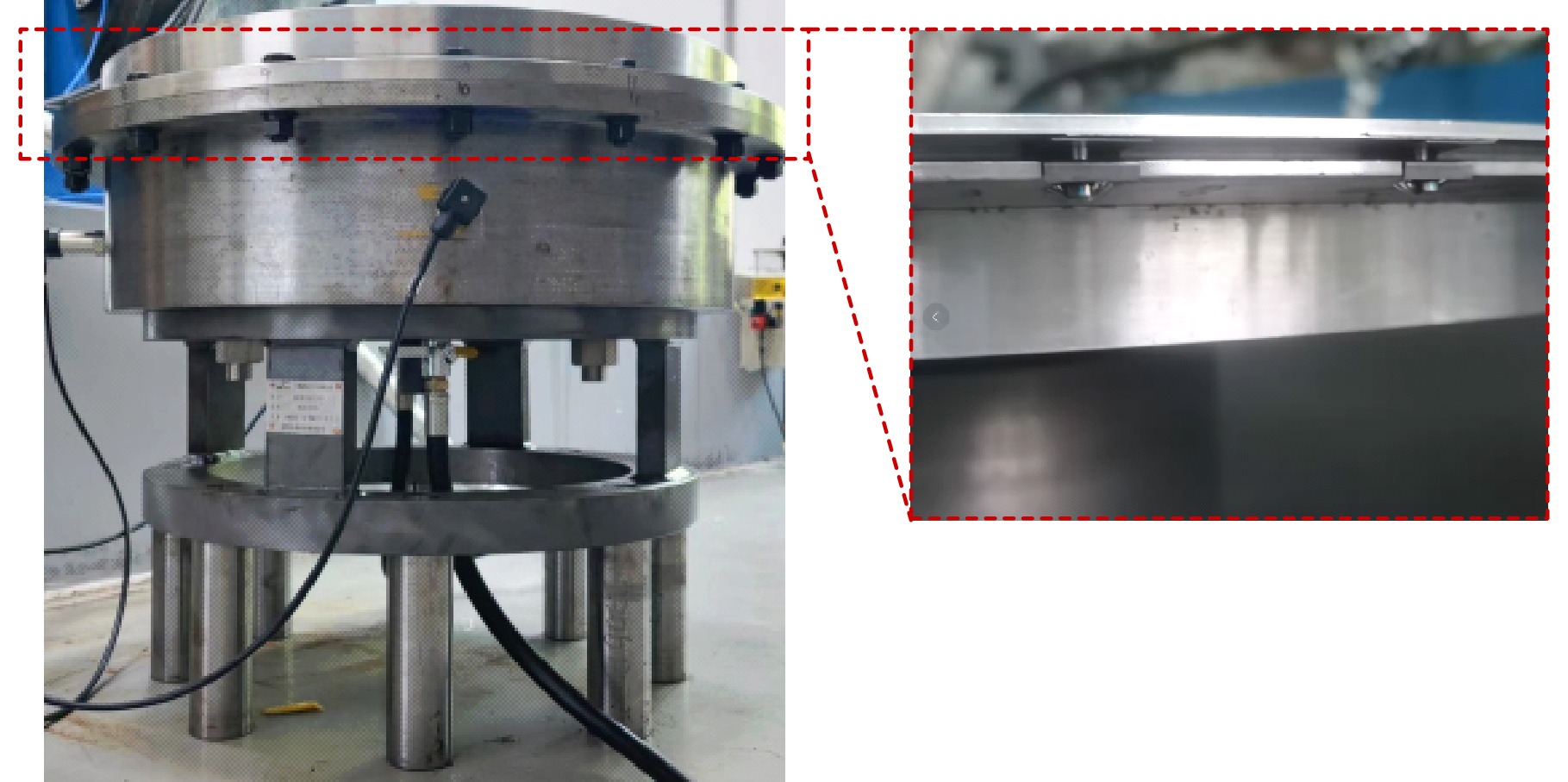
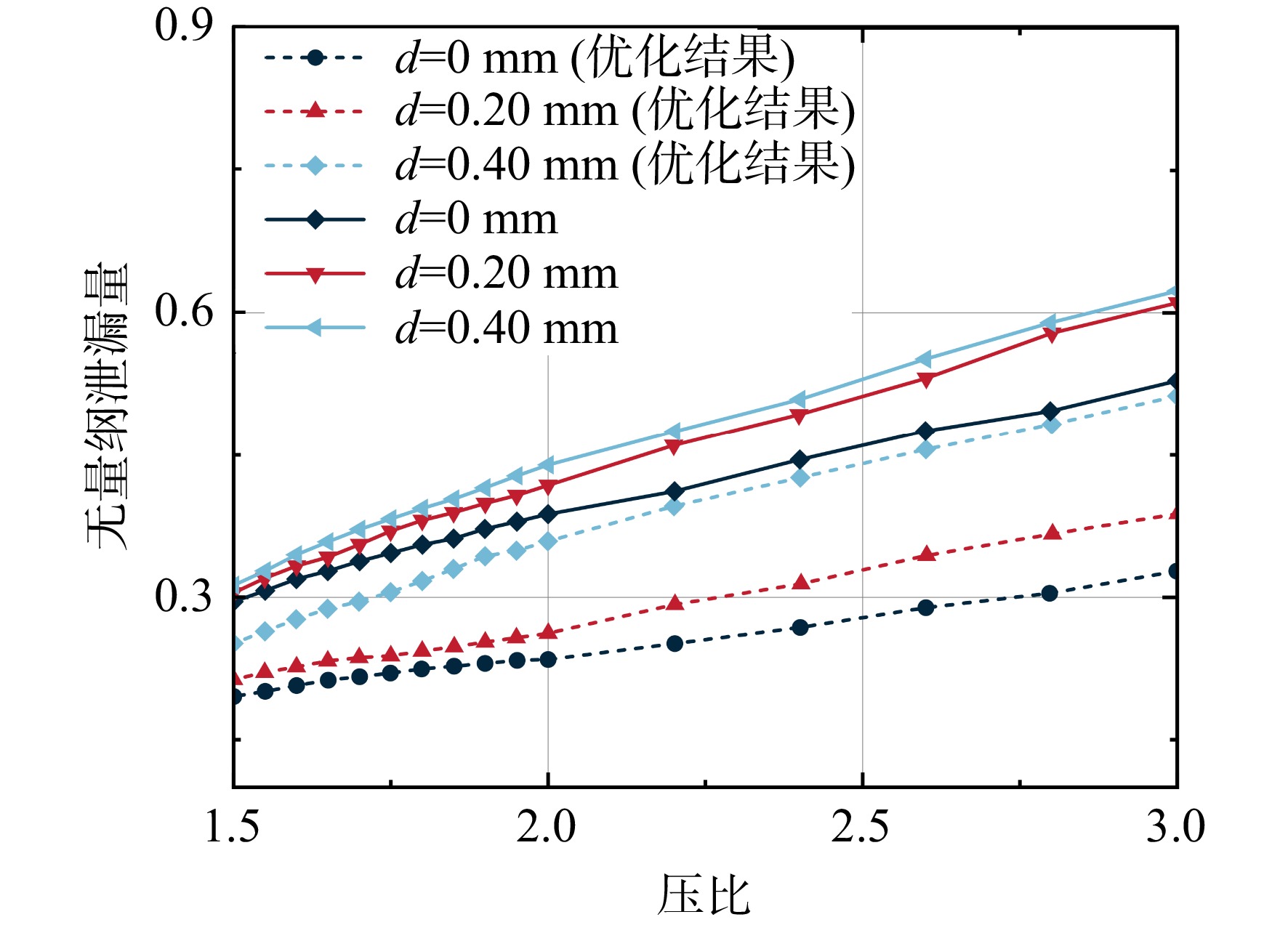
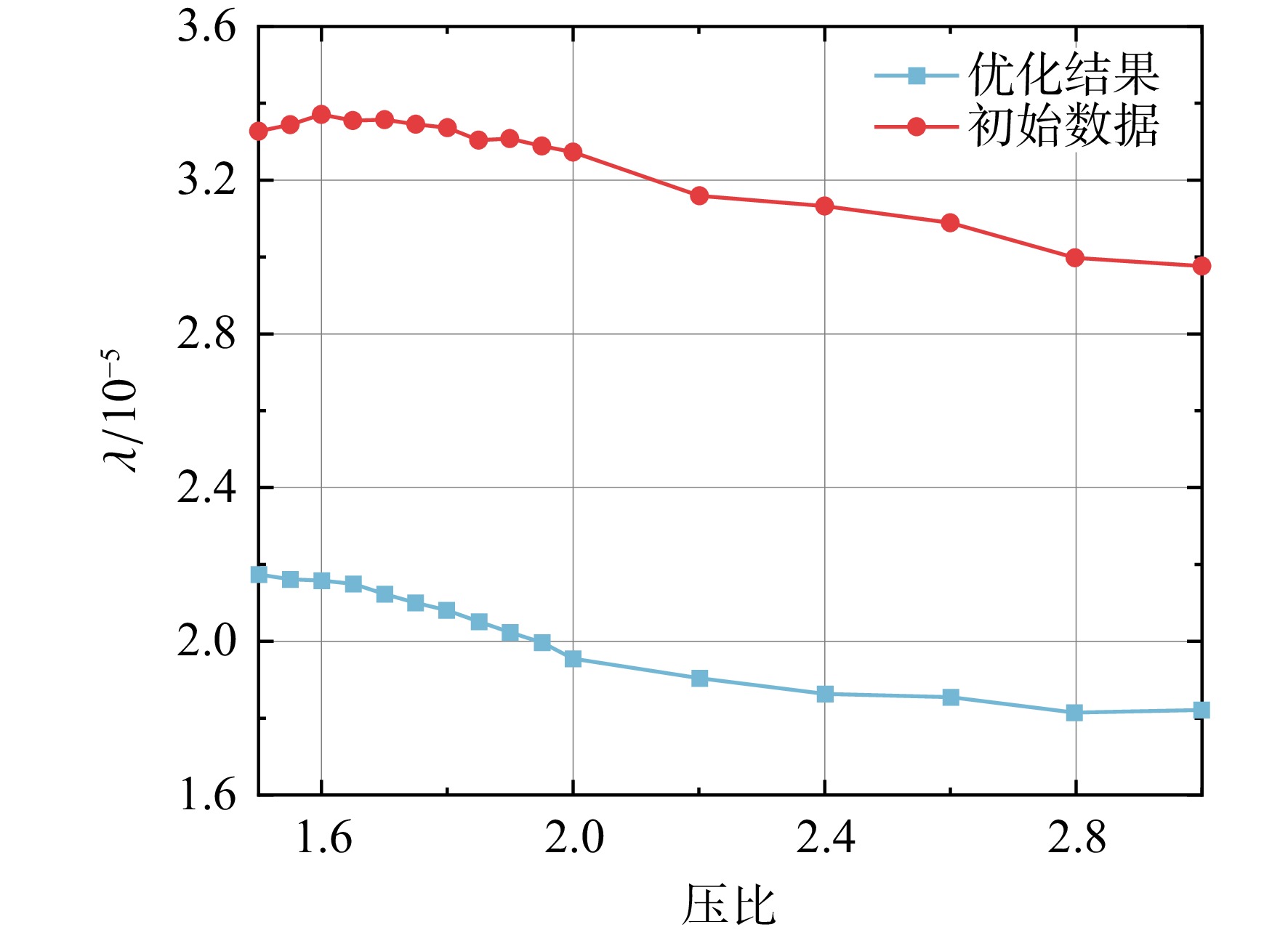
In order to explore the related factors affecting the leakage characteristics of the combined elastic metal seal, the working principle and leakage characteristics of the combined elastic metal seal were theoretically analyzed, a combined elastic metal seal leakage characteristics experiment platform was designed and built to explore the factors affecting the leakage characteristics of the combined elastic metal seal, and the structure of the combined elastic metal seal was optimized according to the influencing factors. The optimized structure was further verified by experiments. The results showed that the leakage of the combined elastic metal seal increased with the increase of compression and chamber pressure. The calculation of engine characteristic curve showed that the internal flow field of the combined elastic metal seal changed obviously at the pressure ratio of 1.5—2.0, and gradually became stable after the pressure ratio of 2.0. Based on the experimental results of the original structure, the combined elastic metal seal structure can be optimized by improving the elastic potential energy of the elastic sheet and the gap between the pin and the U-shaped groove. The optimized structure was improved from the width of the elastic sheet, the thickness of the sealing sheet and the contact point between the pin and the U-shaped groove. The optimized leakage was reduced by 29.87% and the optimized effective flow area was reduced by 22.98% compared with the initial experimental results, indicating that the optimized combined elastic metal can significantly reduce the leakage and achieve better sealing effect.

Fault diagnosis of the Hybrid ceramic bearing in whole life cycle based on HO-LSSVM
WEN Jinpeng, LI Junning, LUO Wenguang, BAI Mengsha, ZHANG Fang
2026, 41(6): 20240545. doi: 10.13224/j.cnki.jasp.20240545
Abstract:

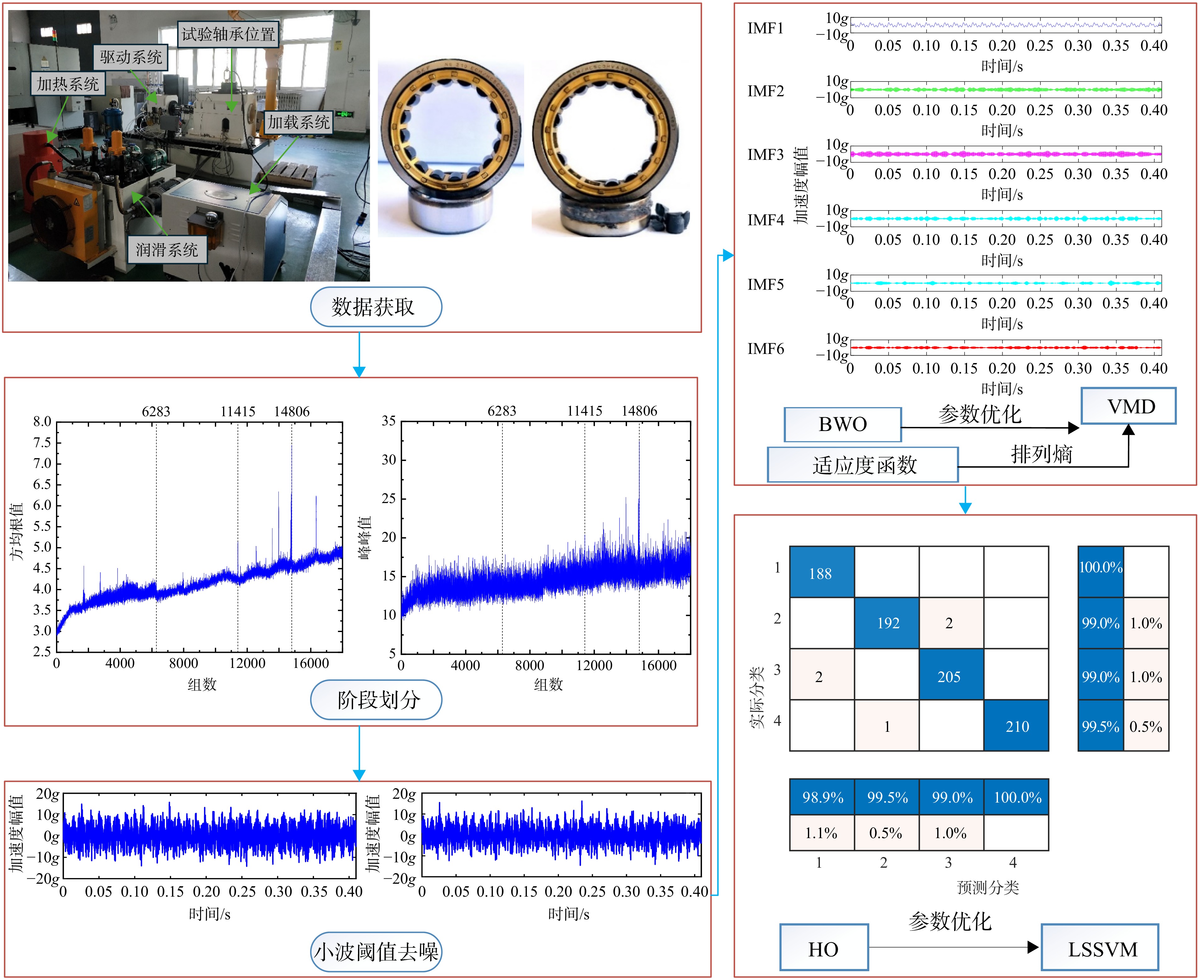
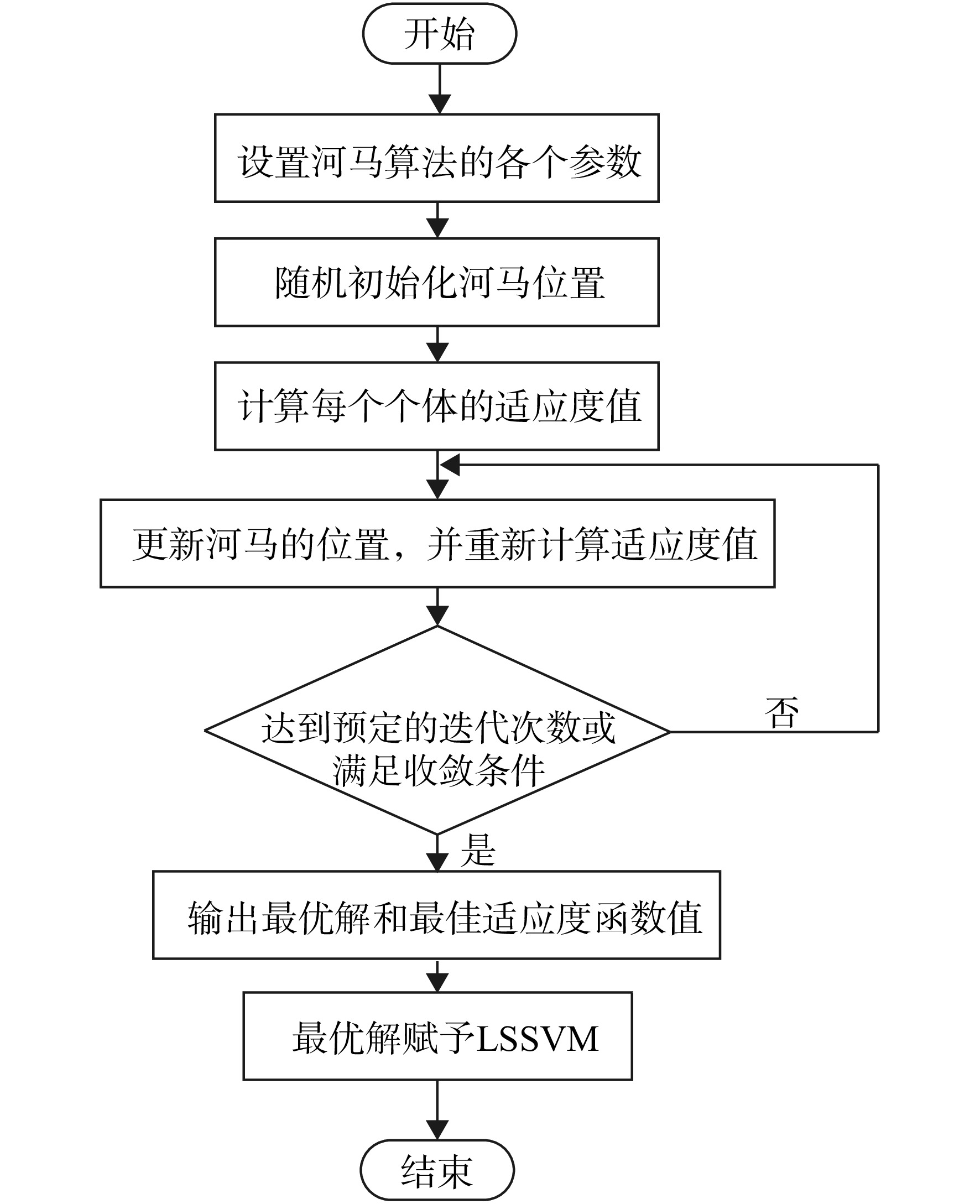
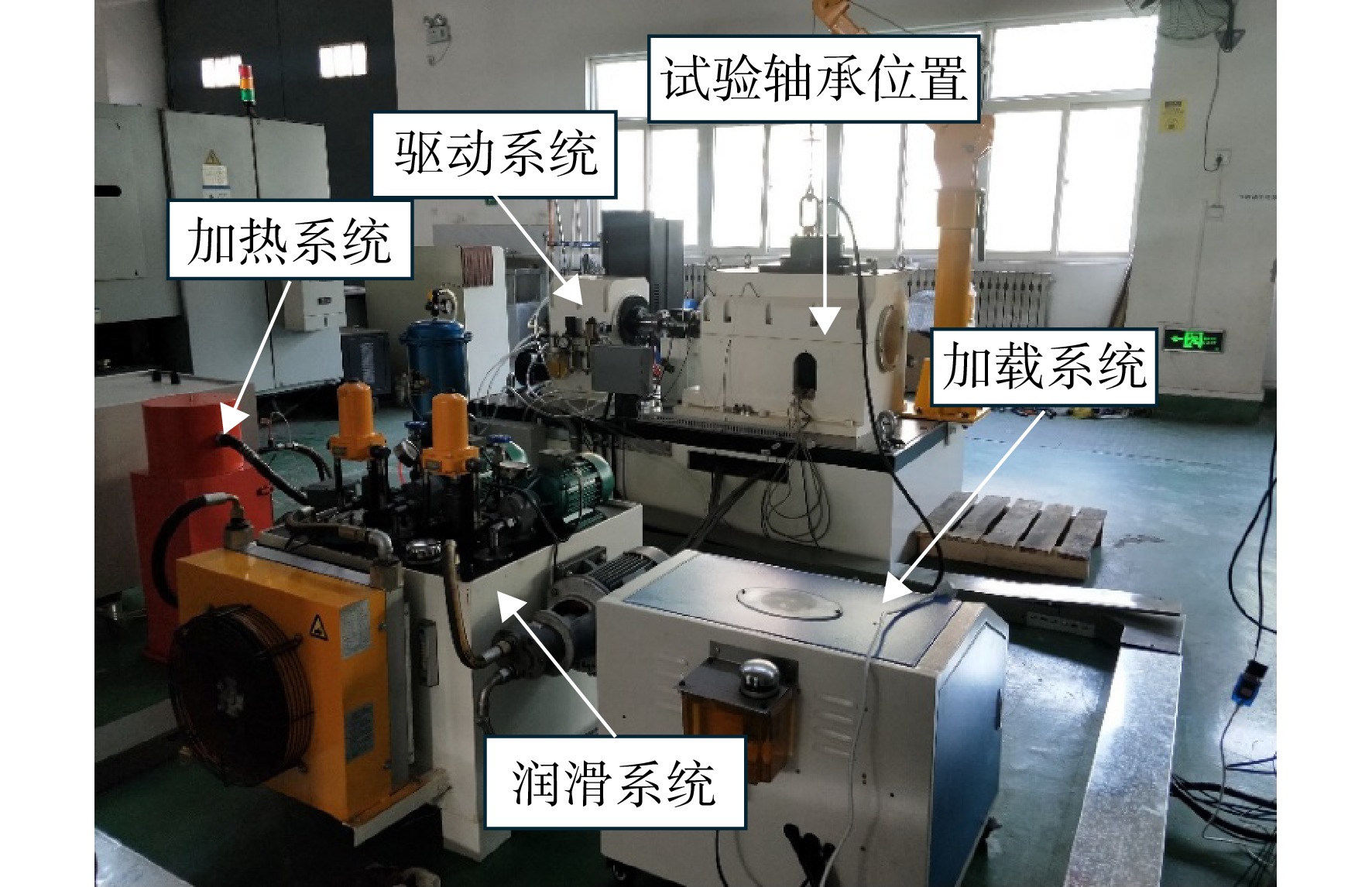
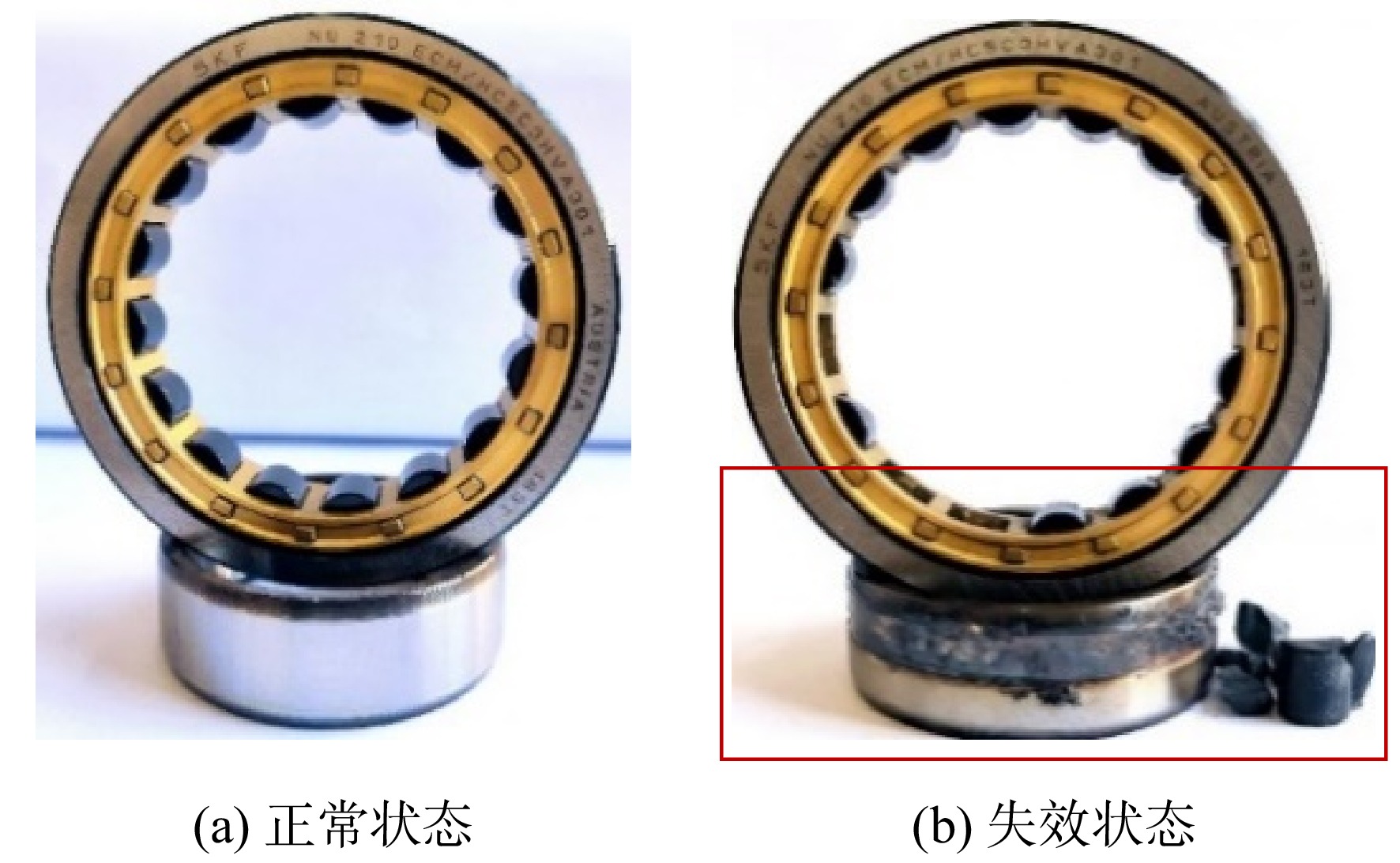
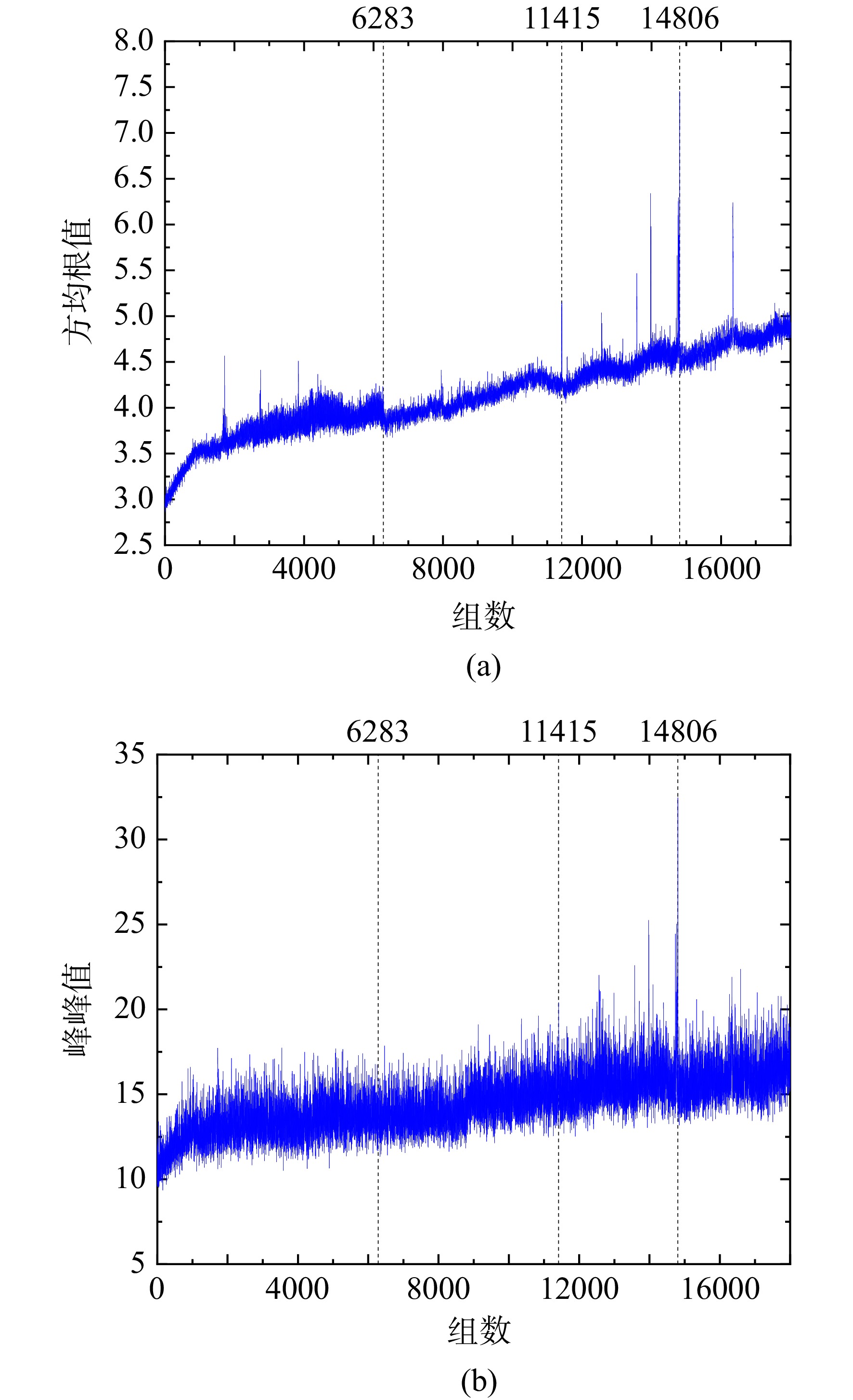
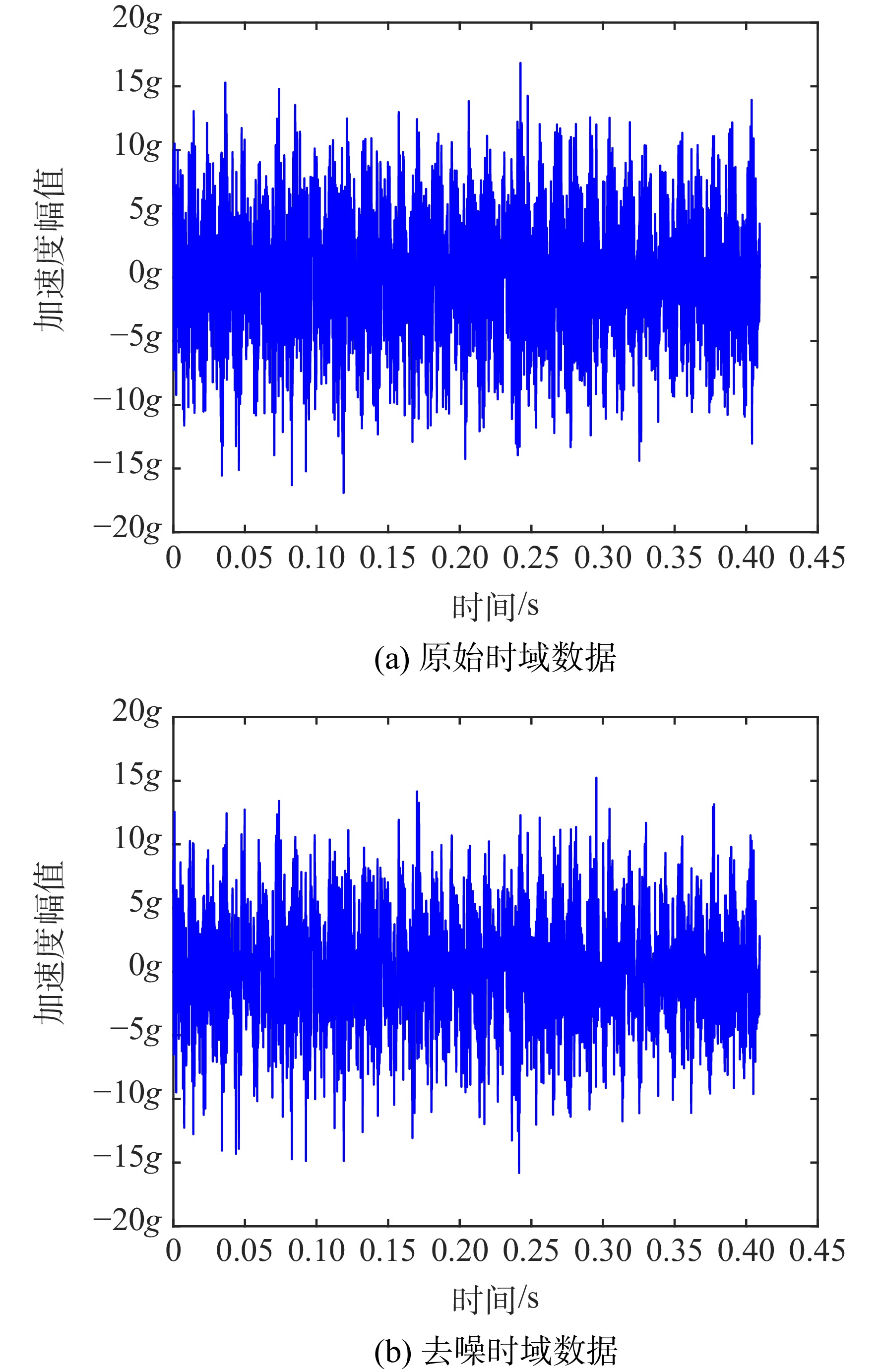
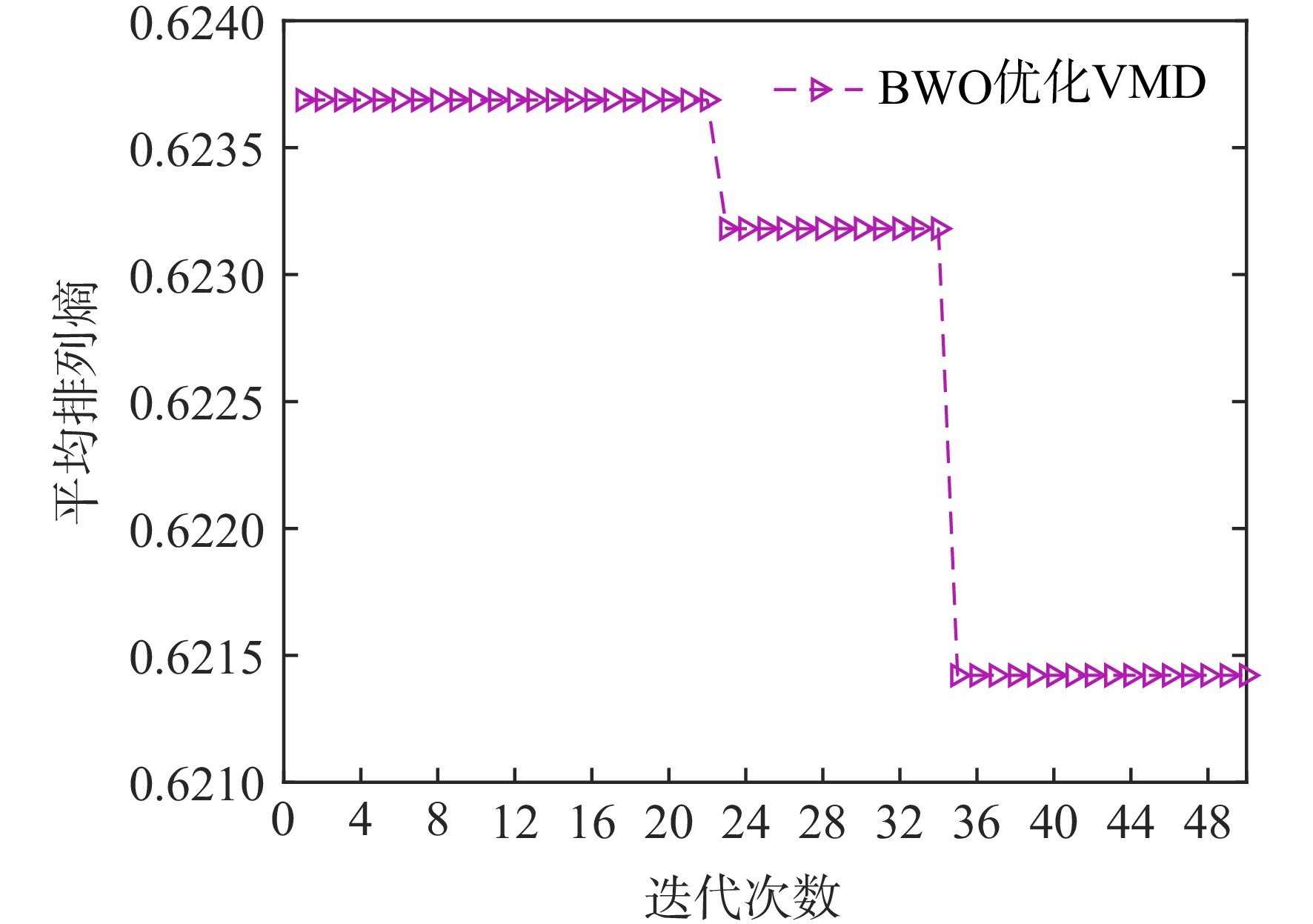
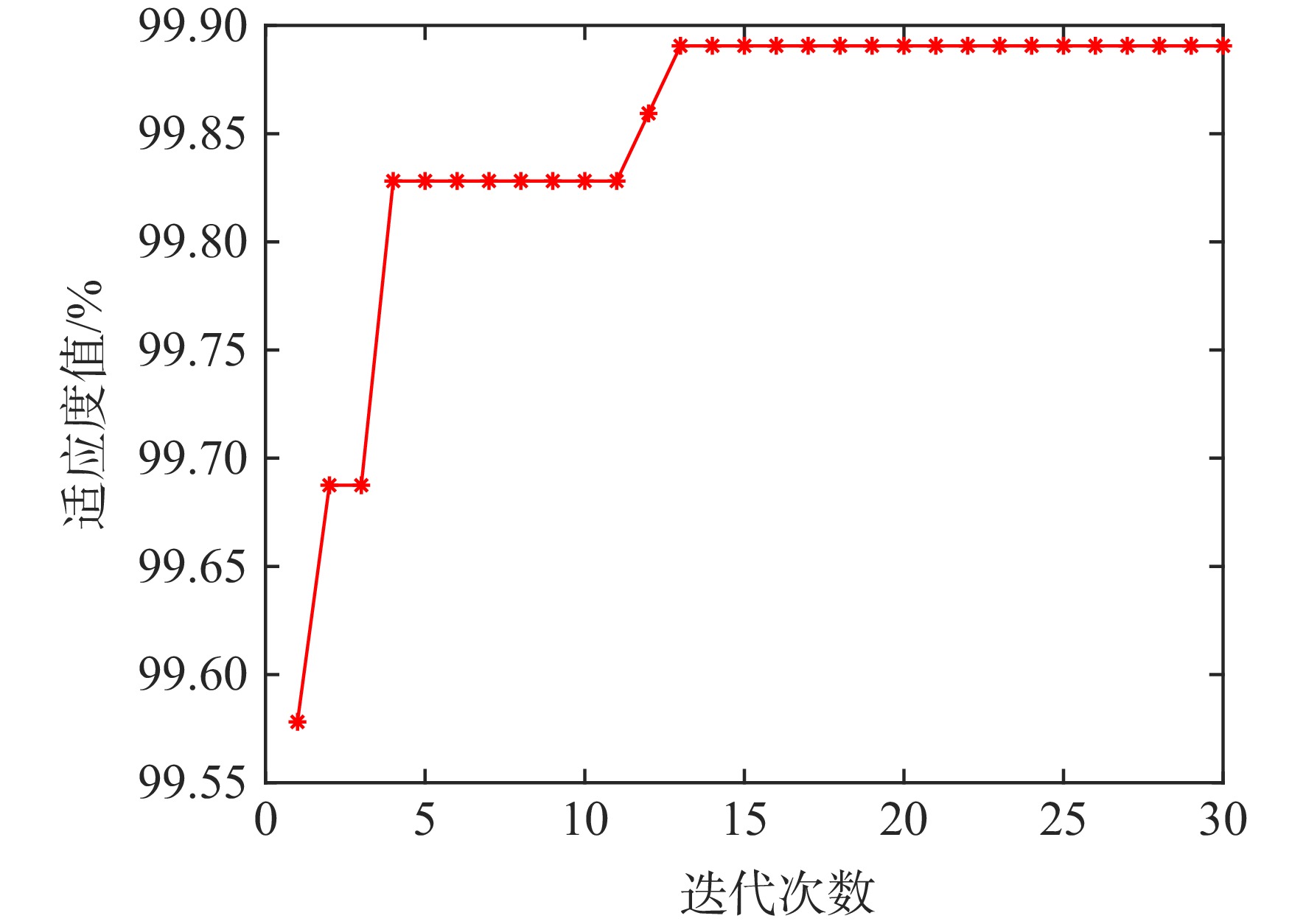
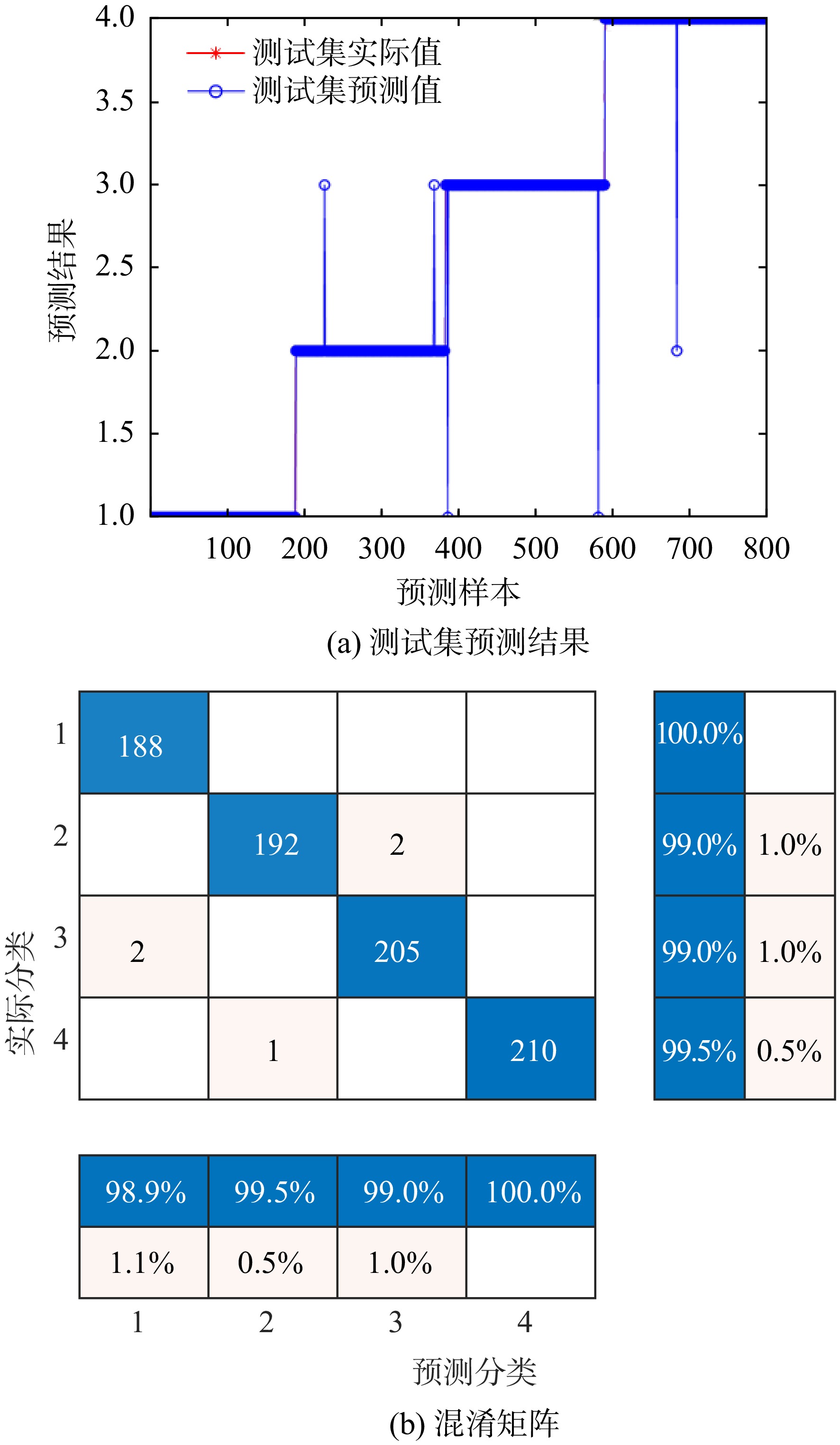
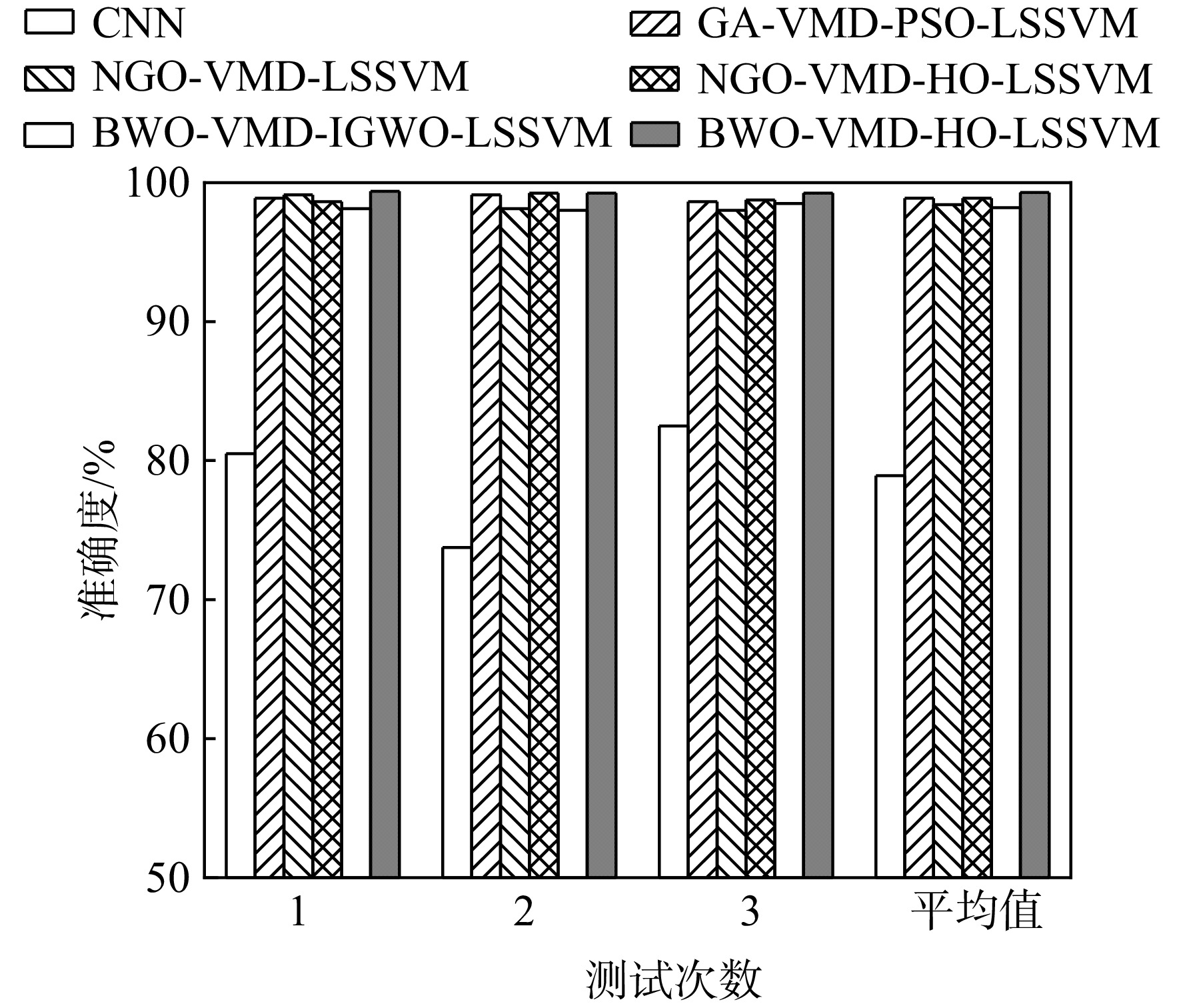
In order to solve the problem of low accuracy of the Least squares support vector machine (LSSVM) classification model in the whole life cycle fault diagnosis of rolling bearings, a whole life cycle fault diagnosis method of hybrid ceramic bearings was proposed based on wavelet threshold denoising, beluga whale optimization-variational mode decomposition (BWO-VMD), and hippopotamus optimization algorithm-least squares support vector machine (HO-LSSVM). The wavelet threshold denoising method was adopted to denoise the vibration signal. The Beluga Whale Optimization algorithm was used to optimize the parameters of the Variational Mode Decomposition. The Hippo Optimization algorithm was used to optimize the parameters of the least squares support vector machine to construct the fault diagnosis model. Based on the whole life cycle vibration data collected by the high-performance rolling bearing comprehensive performance experimental bench of the research group, the root mean square value and peak-to-peak value were used as the basis for the division of the whole life cycle fault stage, and the whole life cycle fault state identification of the hybrid ceramic bearing was realized. The results showed that the recognition accuracy of the proposed method was higher than that of traditional methods such as the Convolutional Neural Network (CNN), up to 99.38%.

Research on aircraft engine maintenance strategy considering mixture distribution of random failures under special operating conditions
GUAN Zefei, LIU Qinming, YE Chunming, WANG Yujie
2026, 41(6): 20250290. doi: 10.13224/j.cnki.jasp.20250290
Abstract:

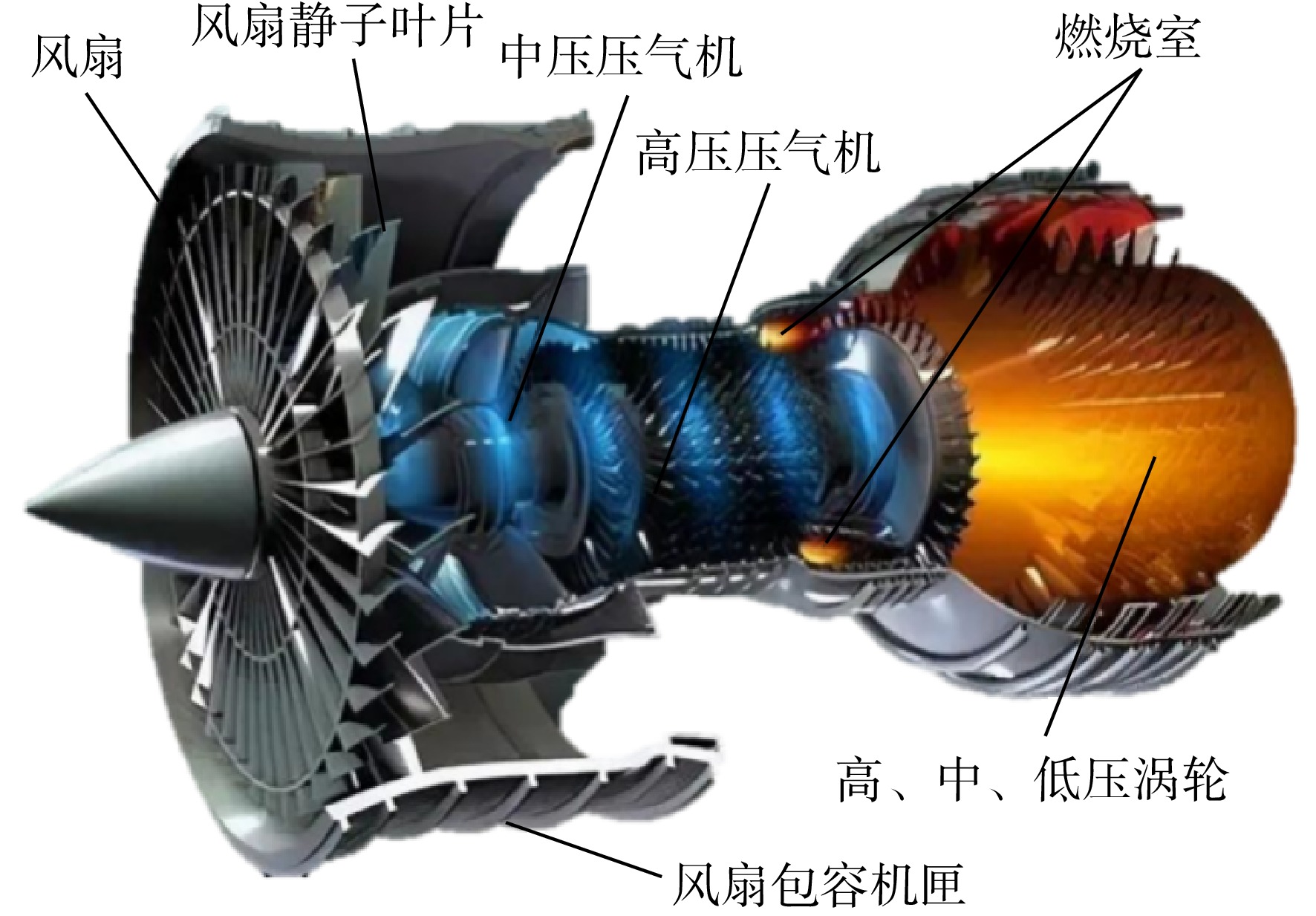
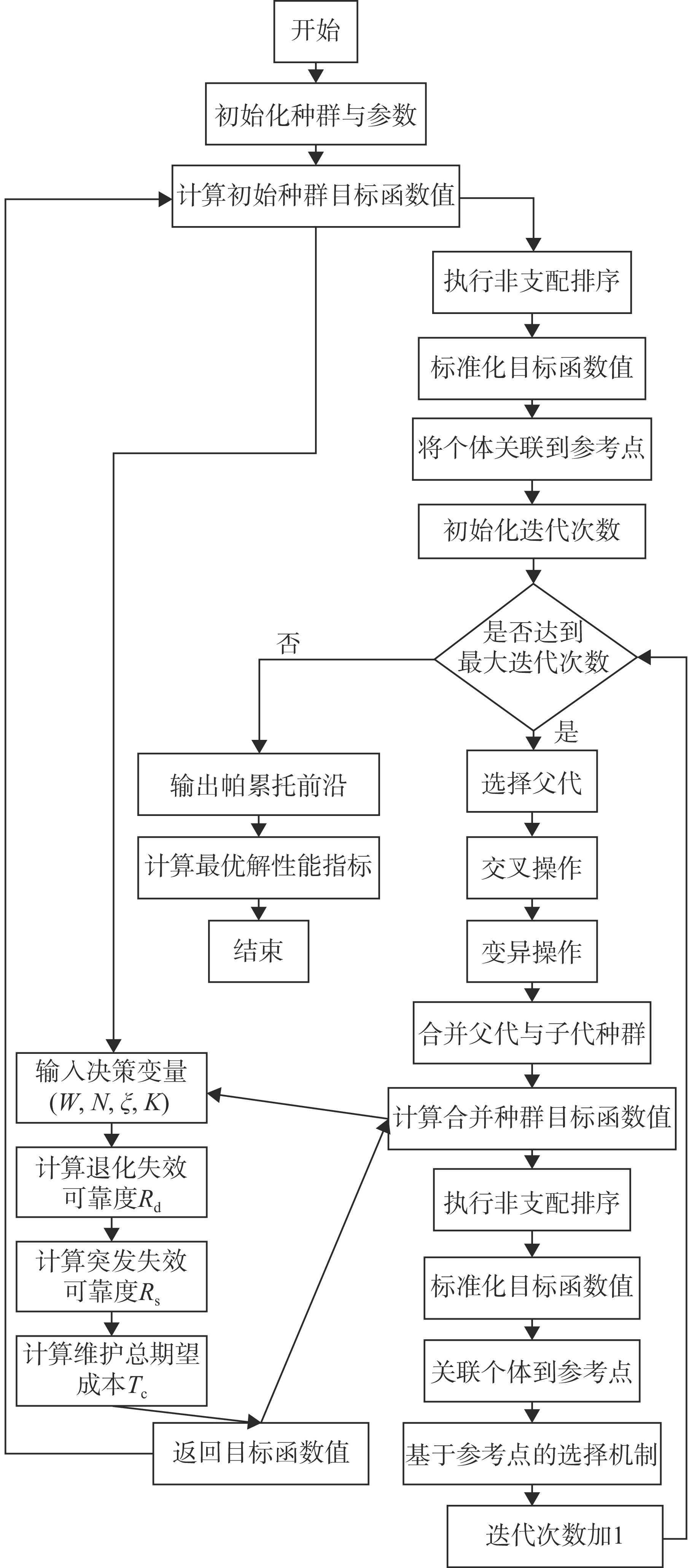
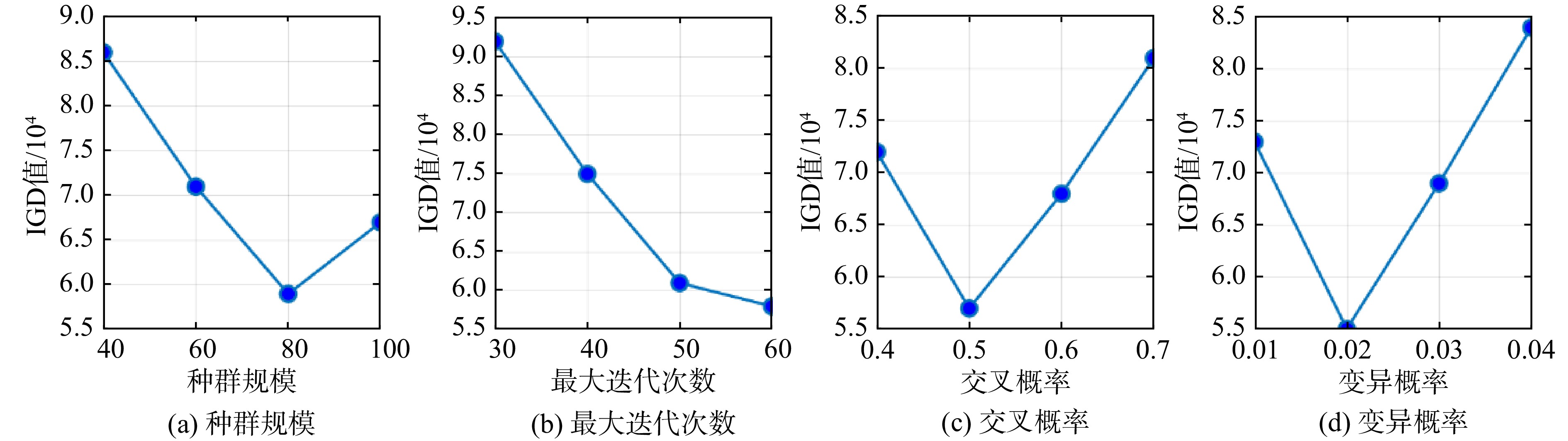
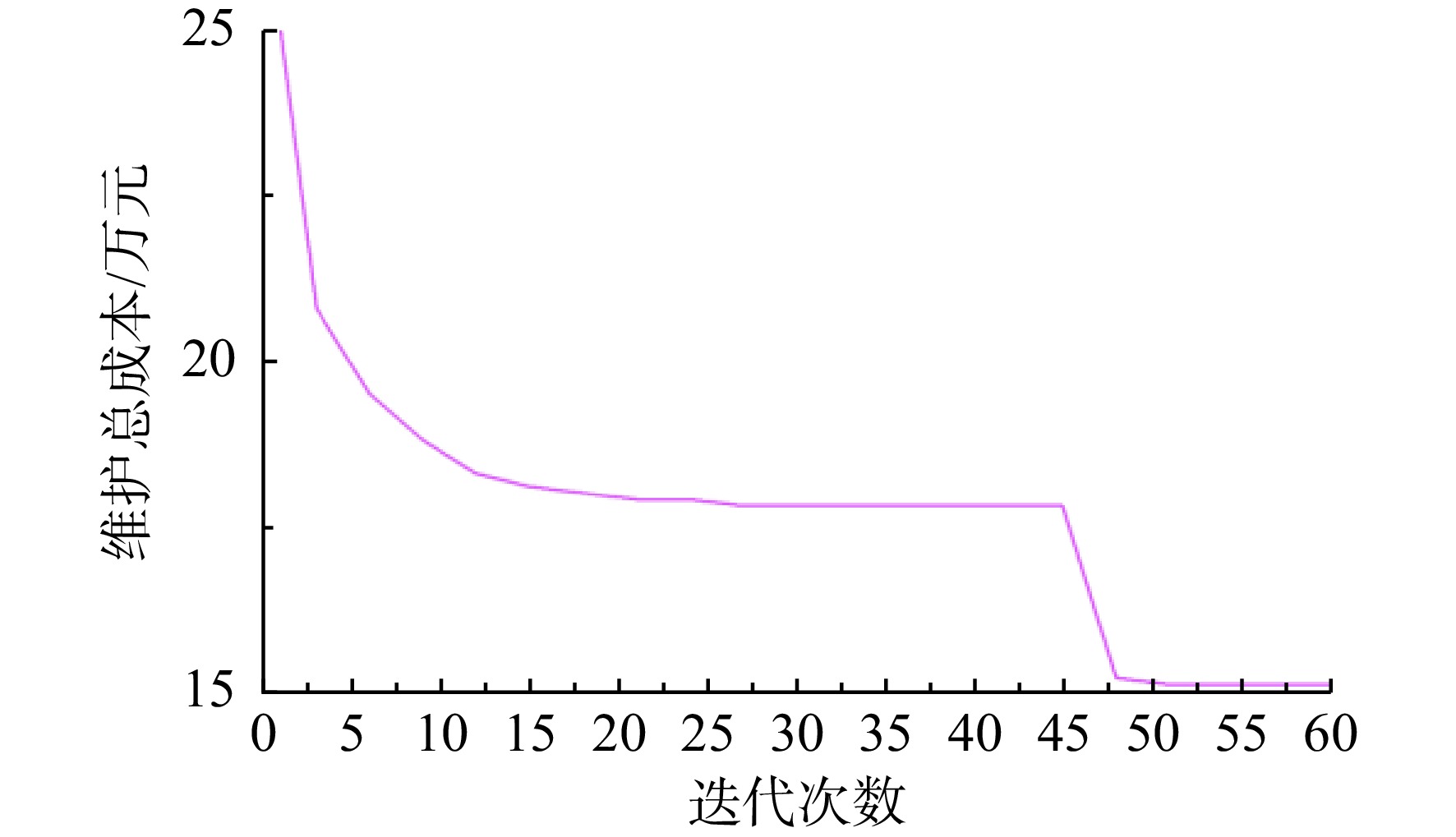
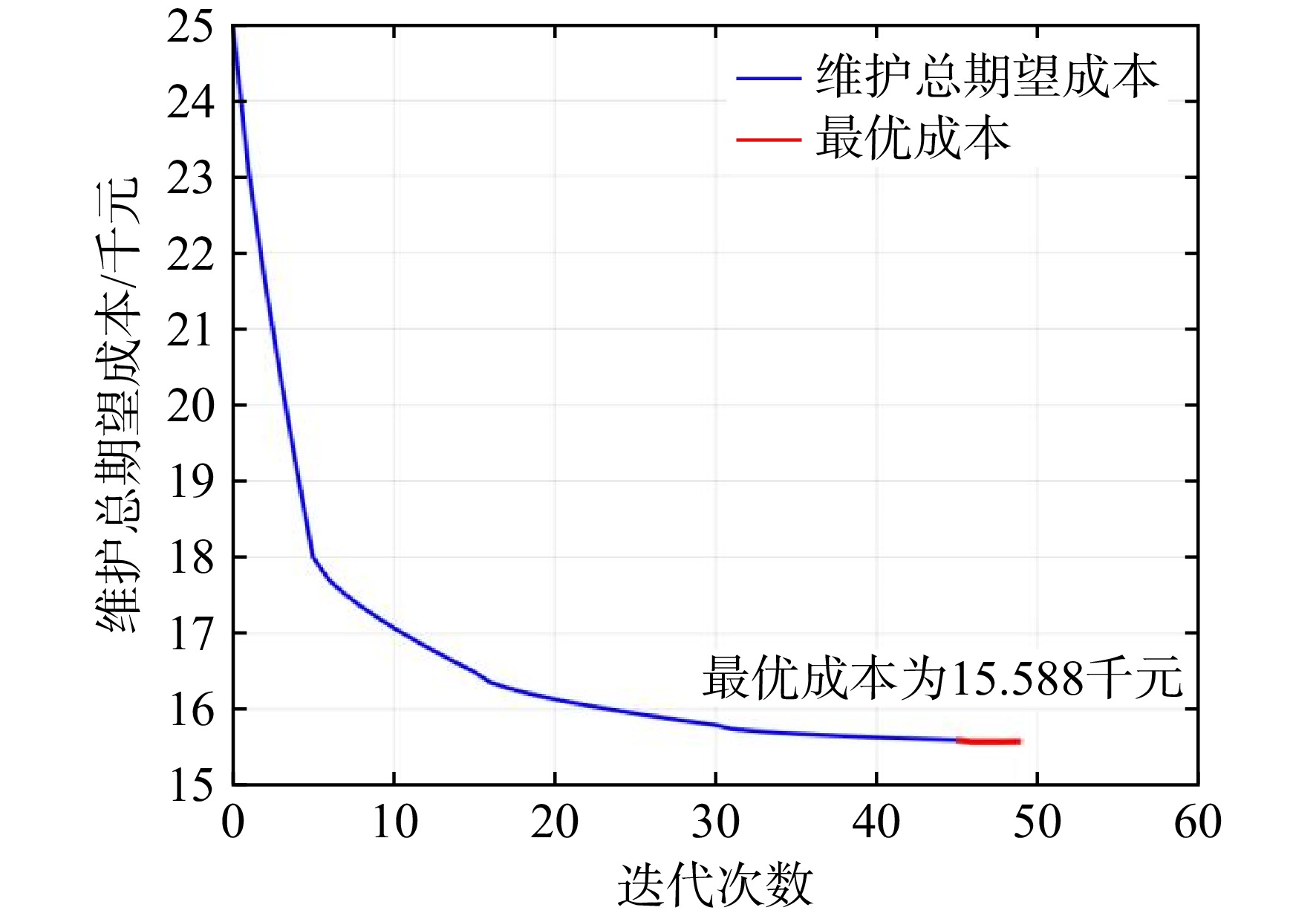
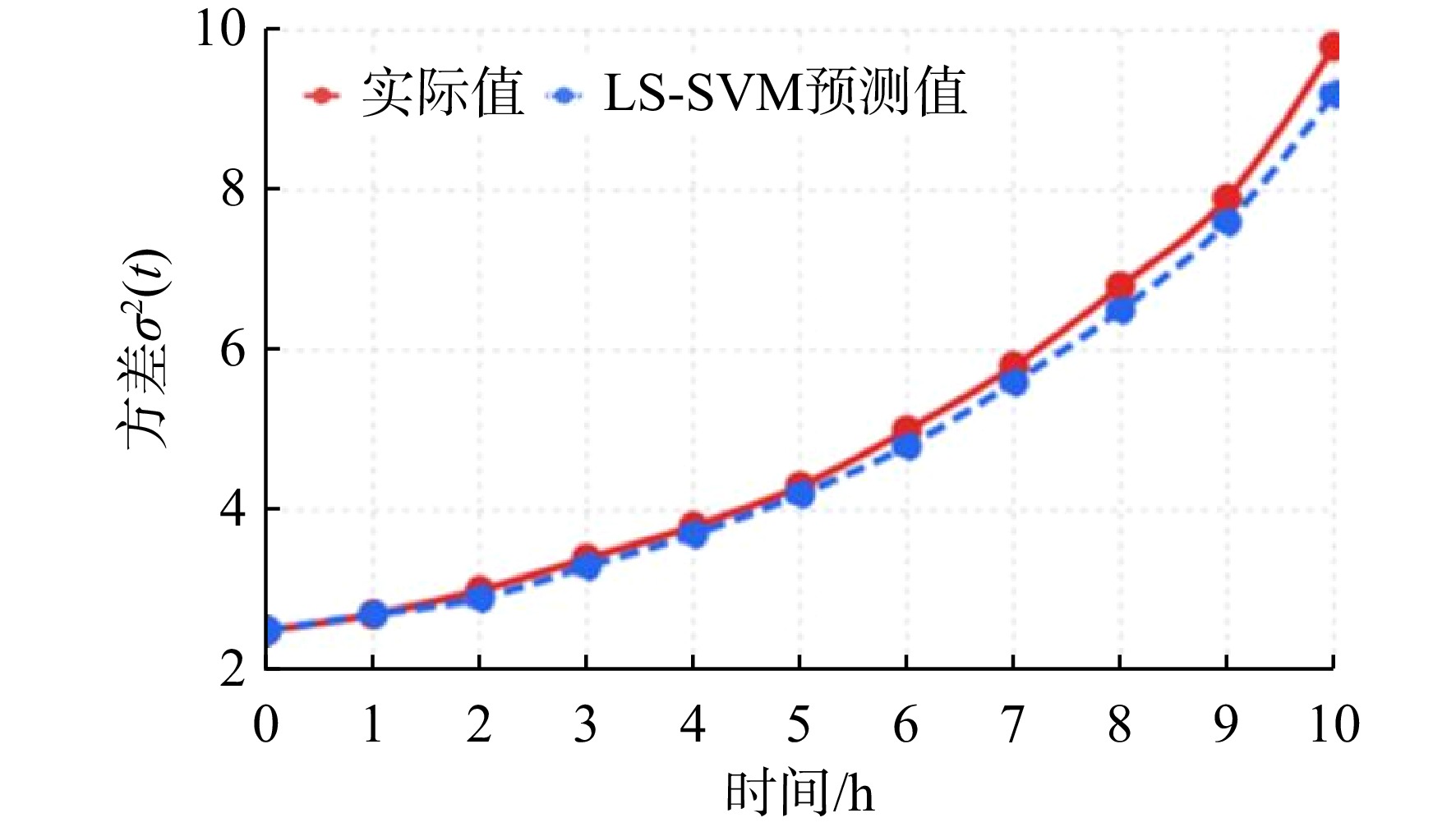
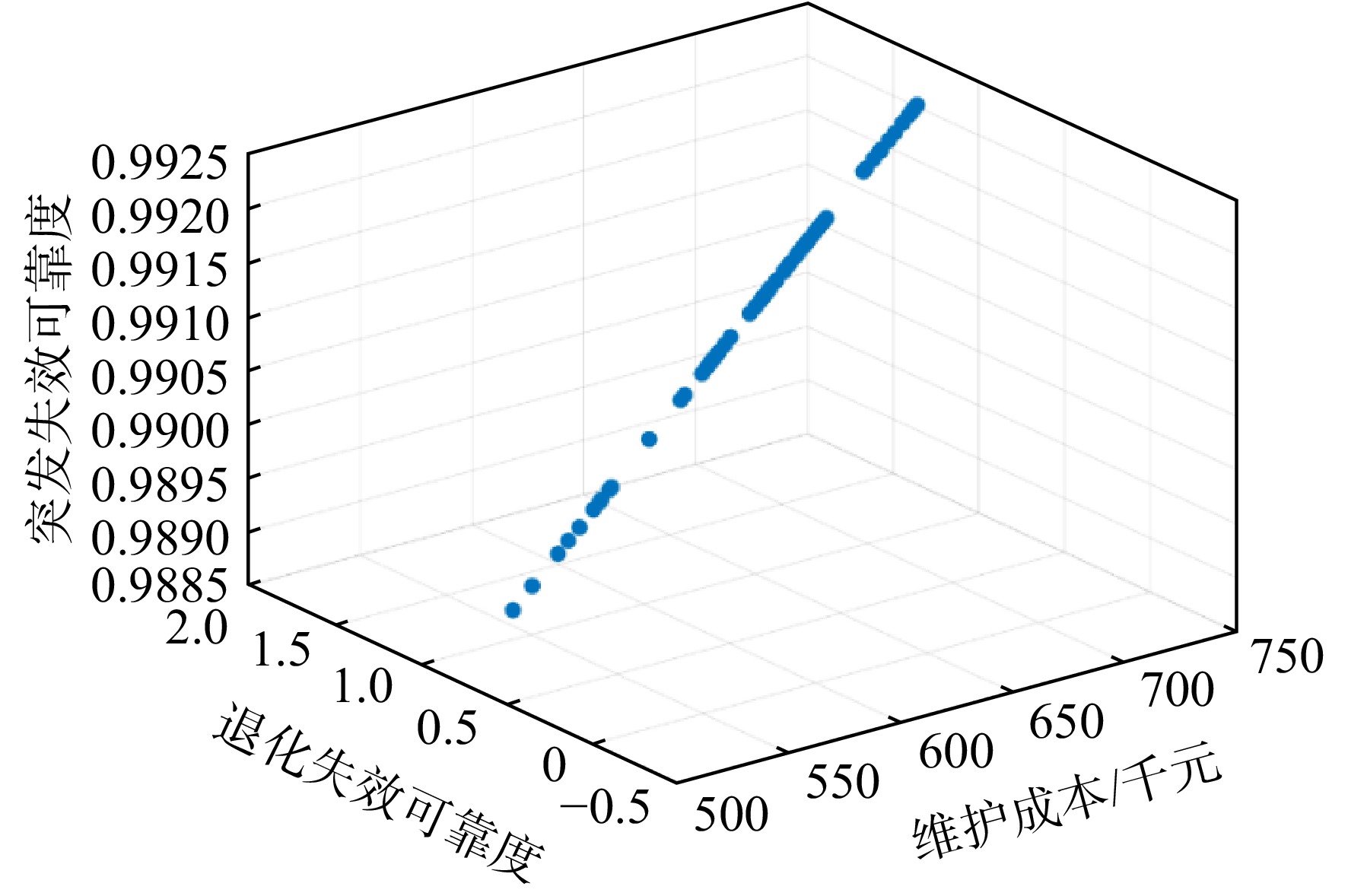
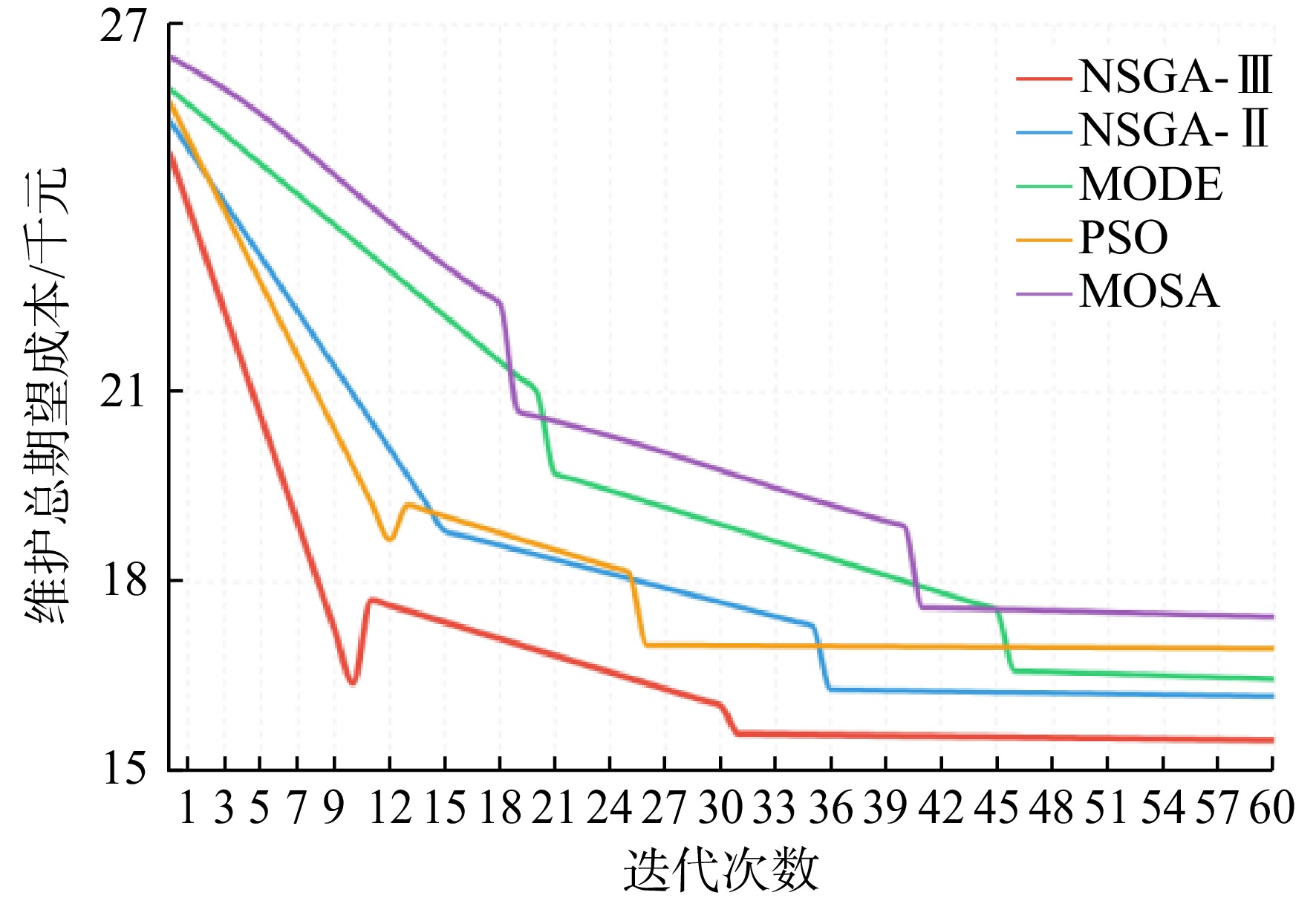
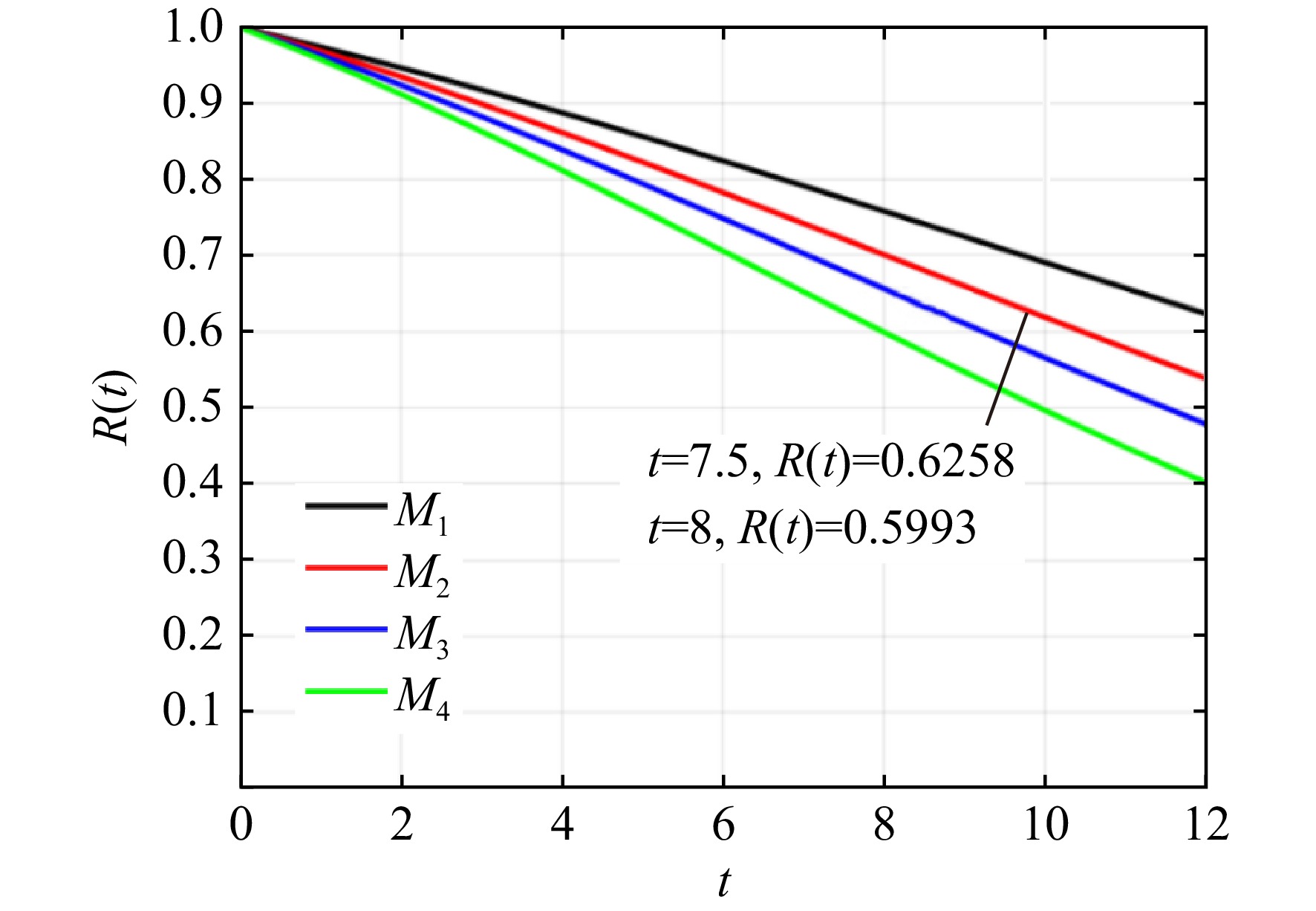
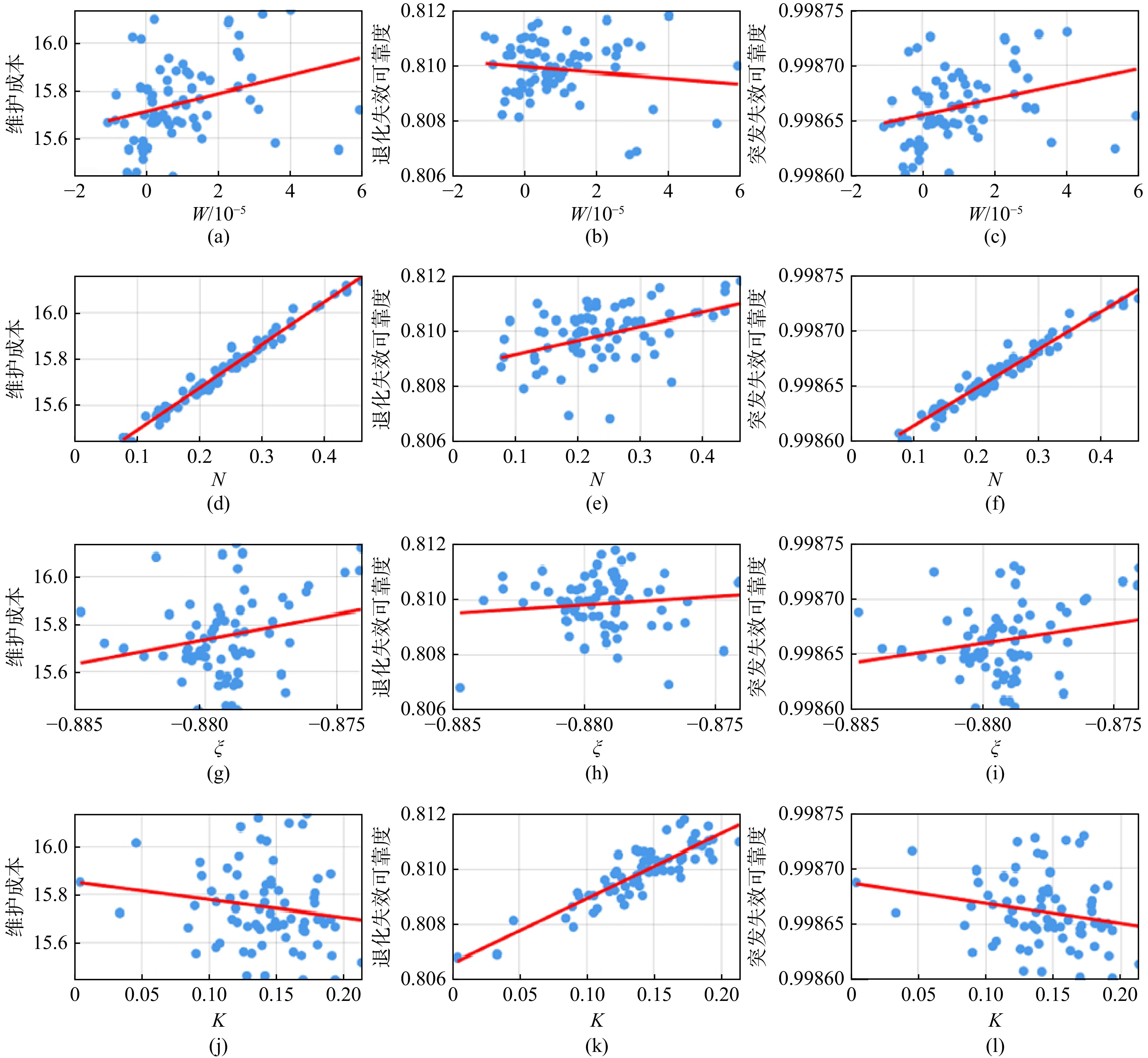
Considering the coupled failure risks of aero-turbofan engines under special operating conditions such as adverse meteorological conditions, bird strikes, and foreign object damage (FOD), a hybrid-distribution maintenance optimization model integrating degradation failures and sudden failures was developed. At the model construction stage, the Weibull distribution was employed to characterize the statistical behavior of sudden failures, while a joint probability distribution framework for multivariate degradation failures was established by integrating the Gamma process and the Clayton Copula function based on shared latent risk factors. Subsequently, a multi-objective optimization model was formulated with objectives of minimizing maintenance cost, maximizing degradation failure reliability, and maximizing sudden failure reliability. The NSGA-Ⅲ algorithm was then adopted to obtain the Pareto optimal solution set. Validation results based on the NASA turbofan engine degradation simulation dataset demonstrated that, under the optimal maintenance strategy, the total expected maintenance cost was CYN 15 749.6, while the overall system reliability reached 0.950 6. The NSGA-Ⅲ algorithm achieved an IGD (inverted generational distance) value of 5.8×10⁻⁴, representing performance and convergence improvements of 13.4% and 29.3%, respectively, compared with the NSGA-Ⅱ algorithm. In Addition, the LS-SVM (least squares support vector machine) prediction model yielded a mean relative error of 6.676%. The hybrid distribution model can accurately quantify compound failure risks and achieve optimal maintenance cost control while ensuring system reliability, thereby providing theoretical support for intelligent maintenance decision-making of aero-engines.

Comparison of optimized design and sealing performance of beam seal structure with two types of female connectors
XU Yuhan, CUI Ying, FENG Wenxuan, WU Haojie, SUN Han
2026, 41(6): 20250202. doi: 10.13224/j.cnki.jasp.20250202
Abstract:

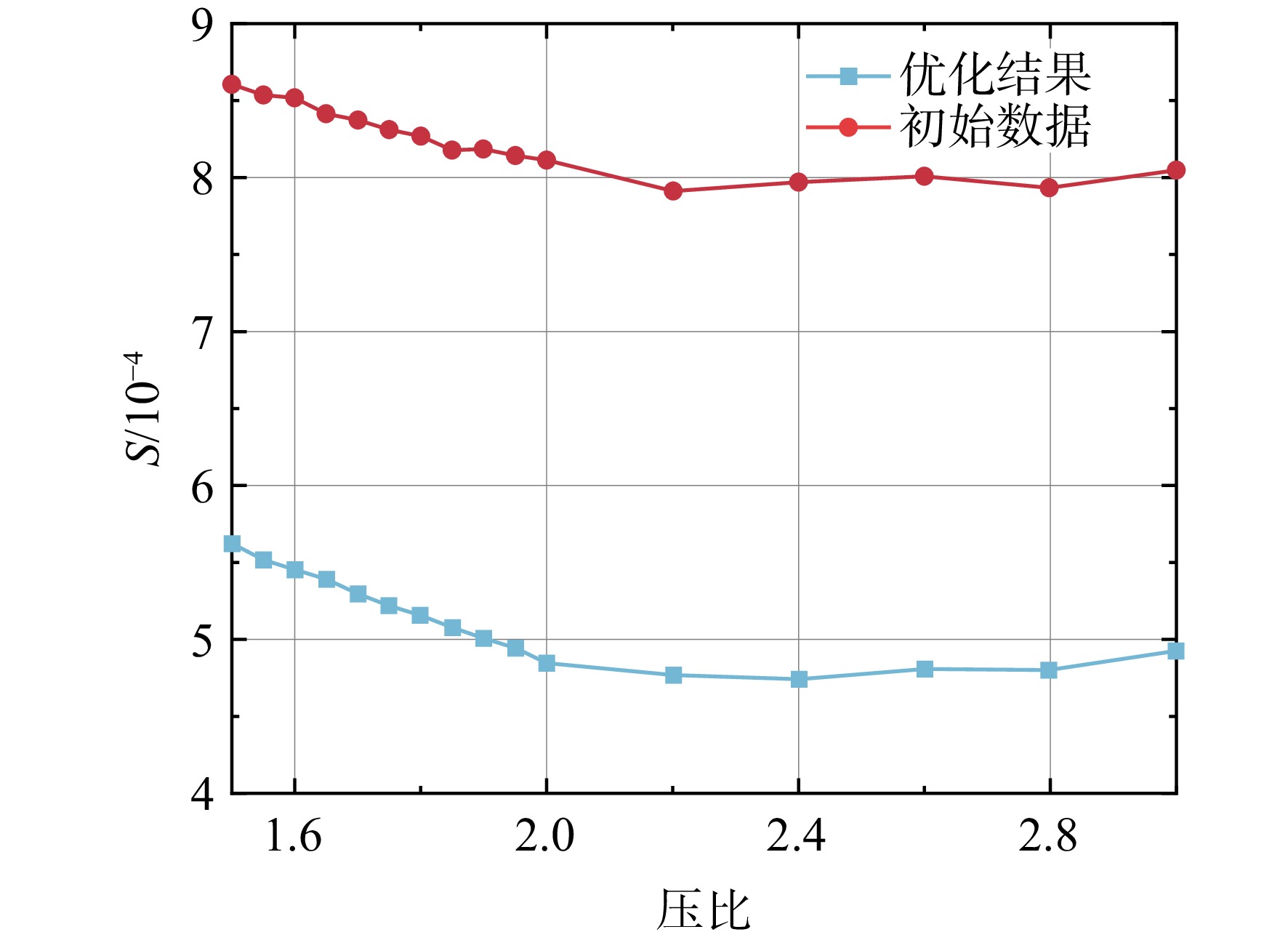
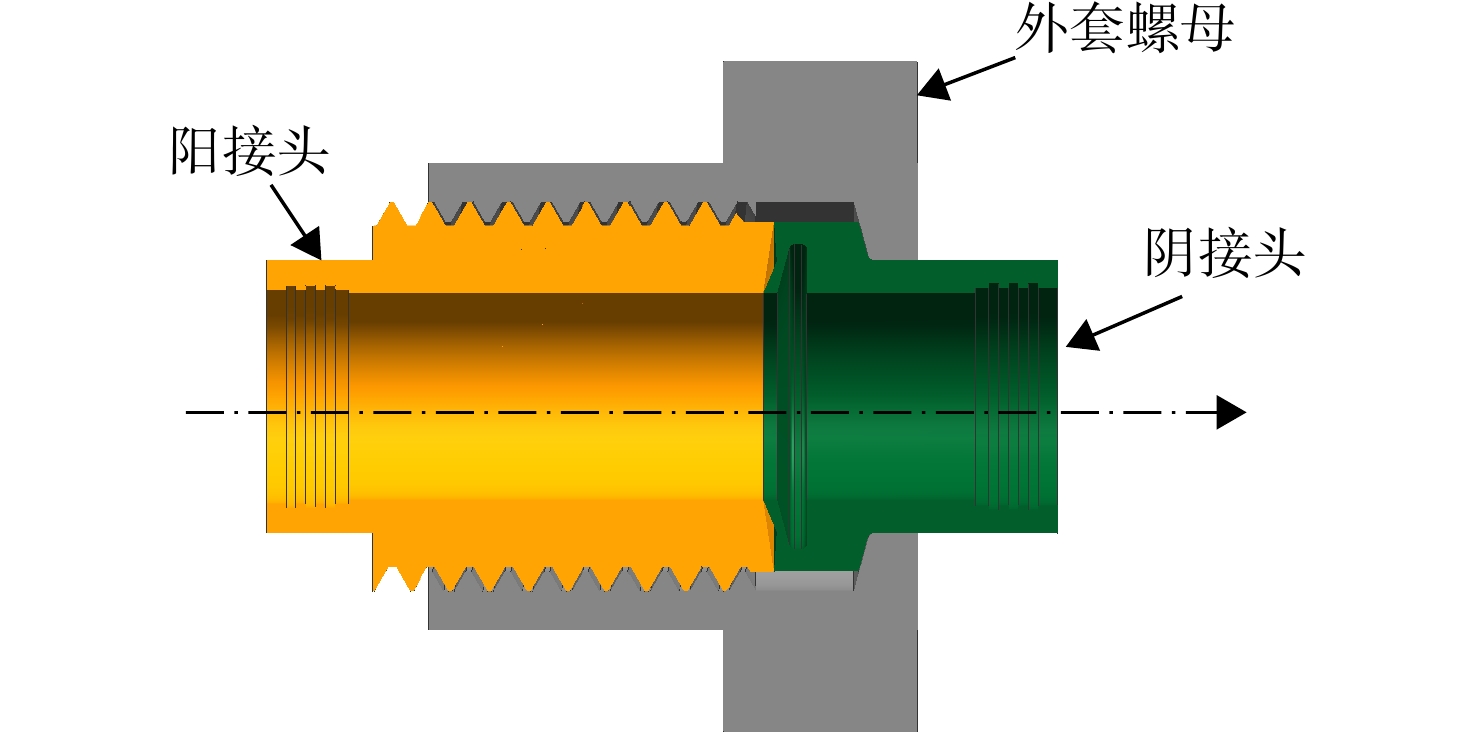
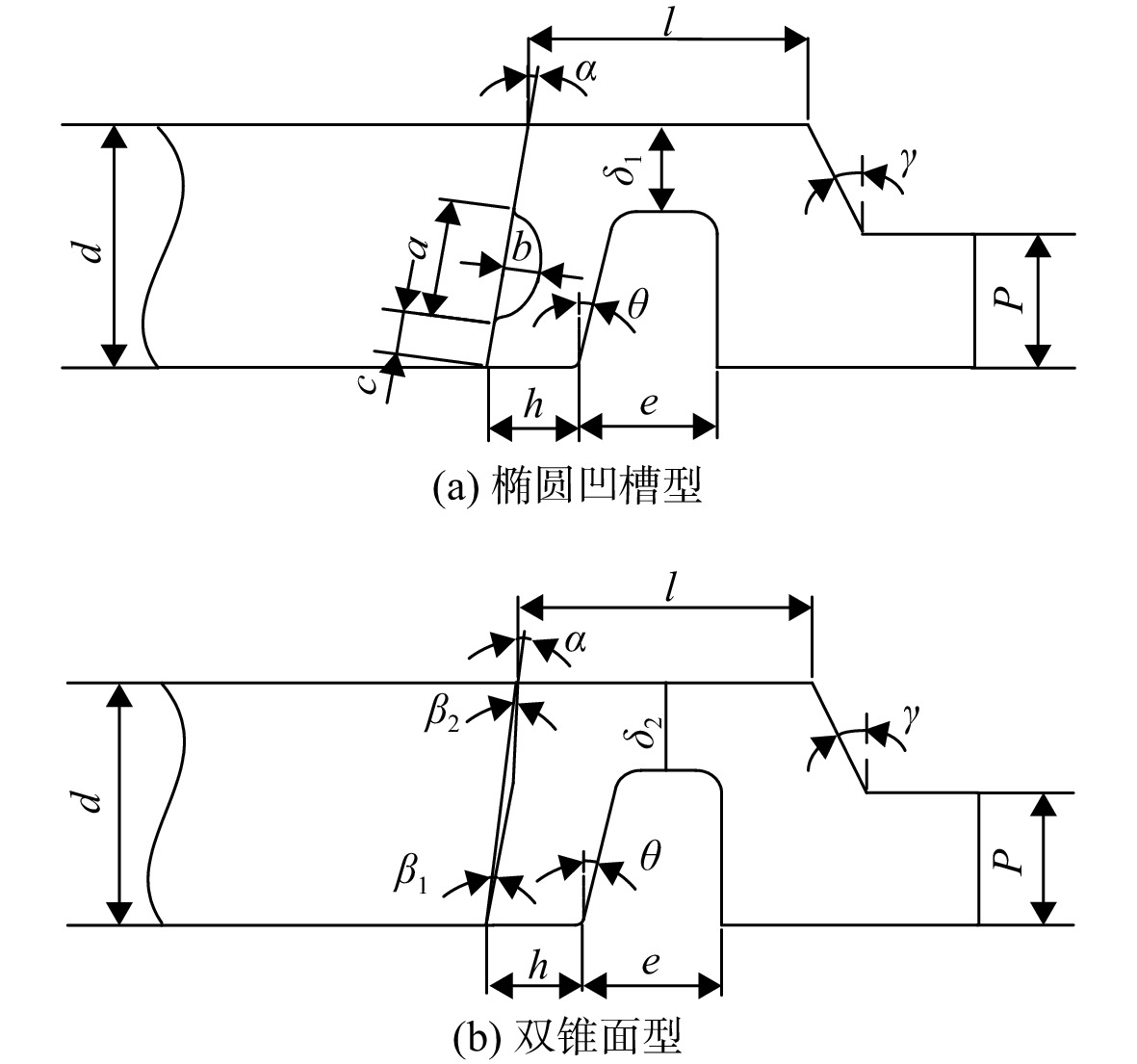
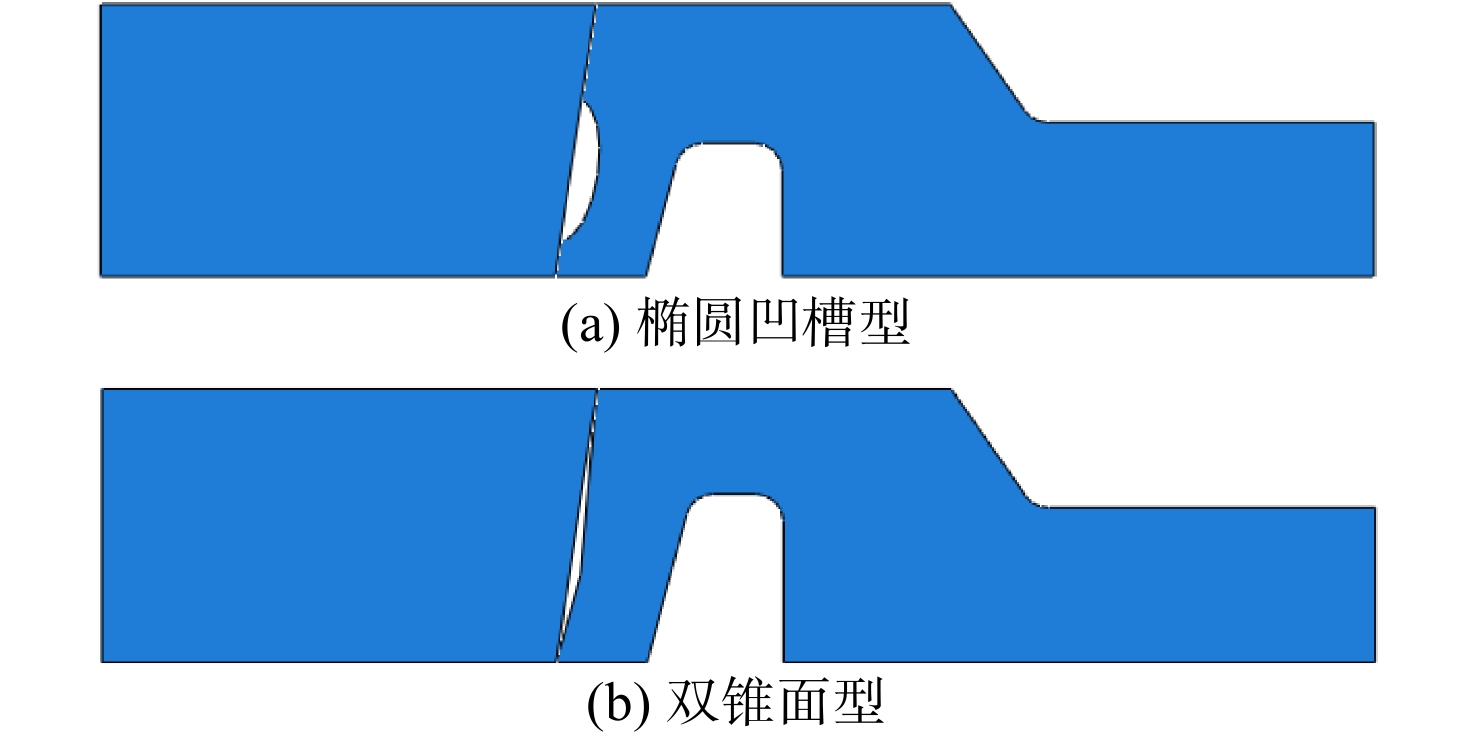
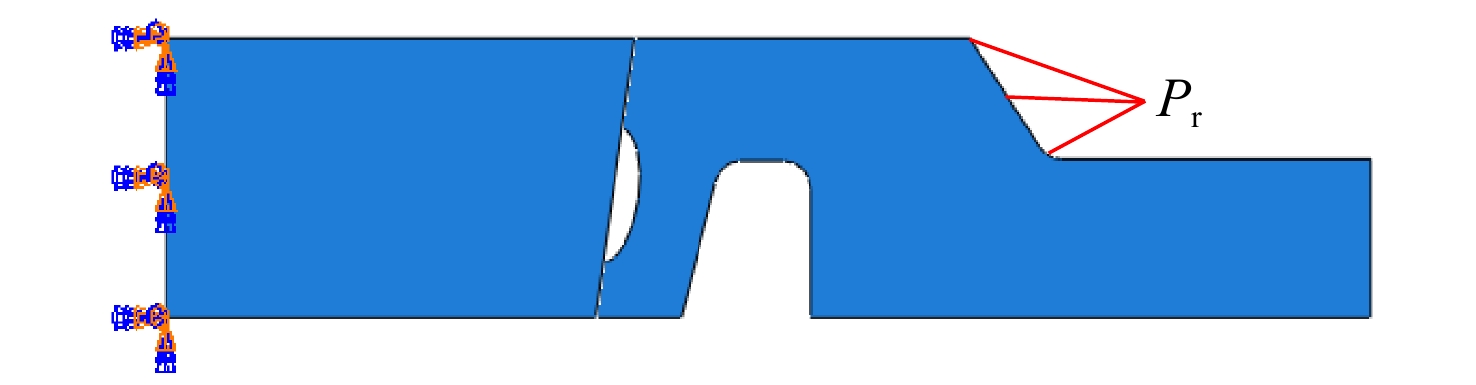
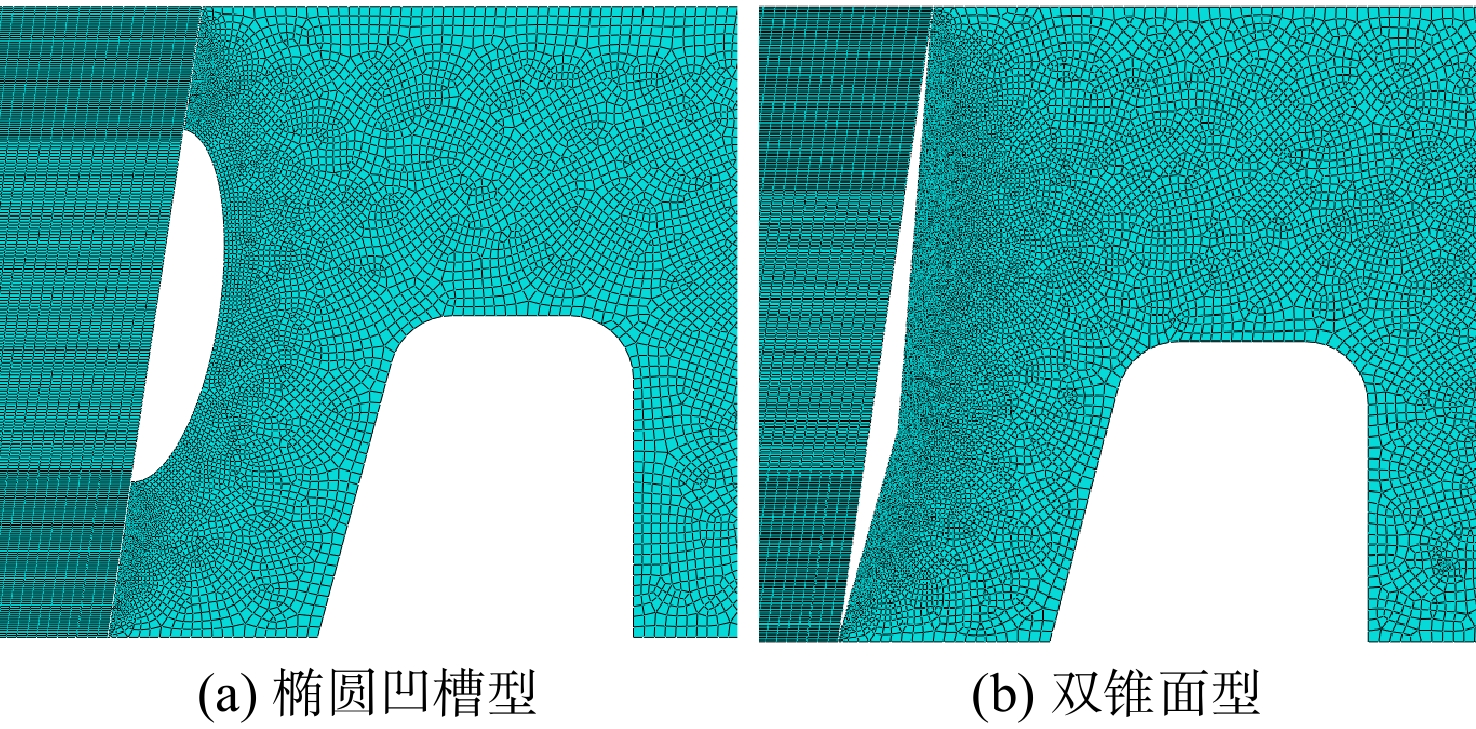
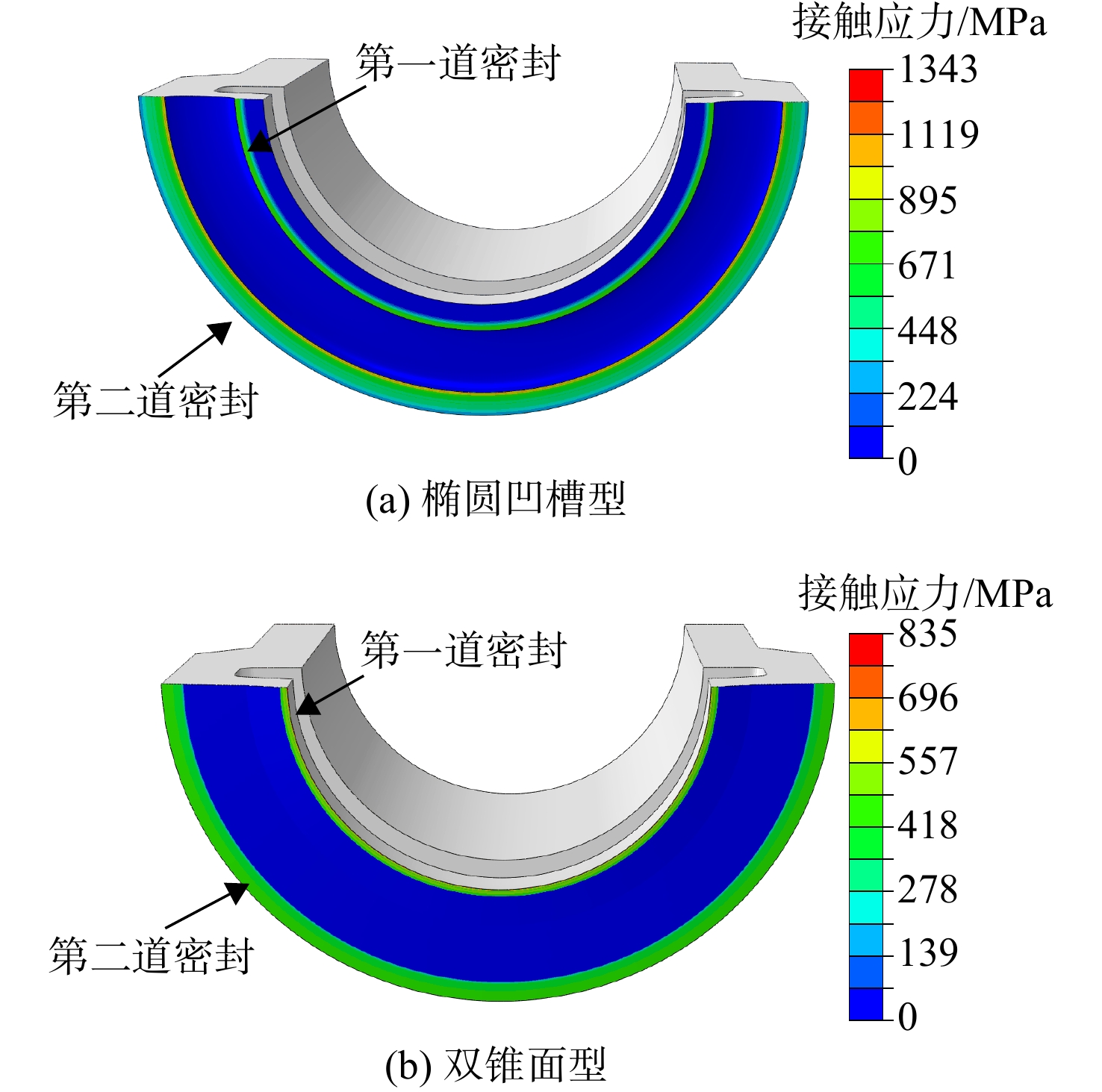
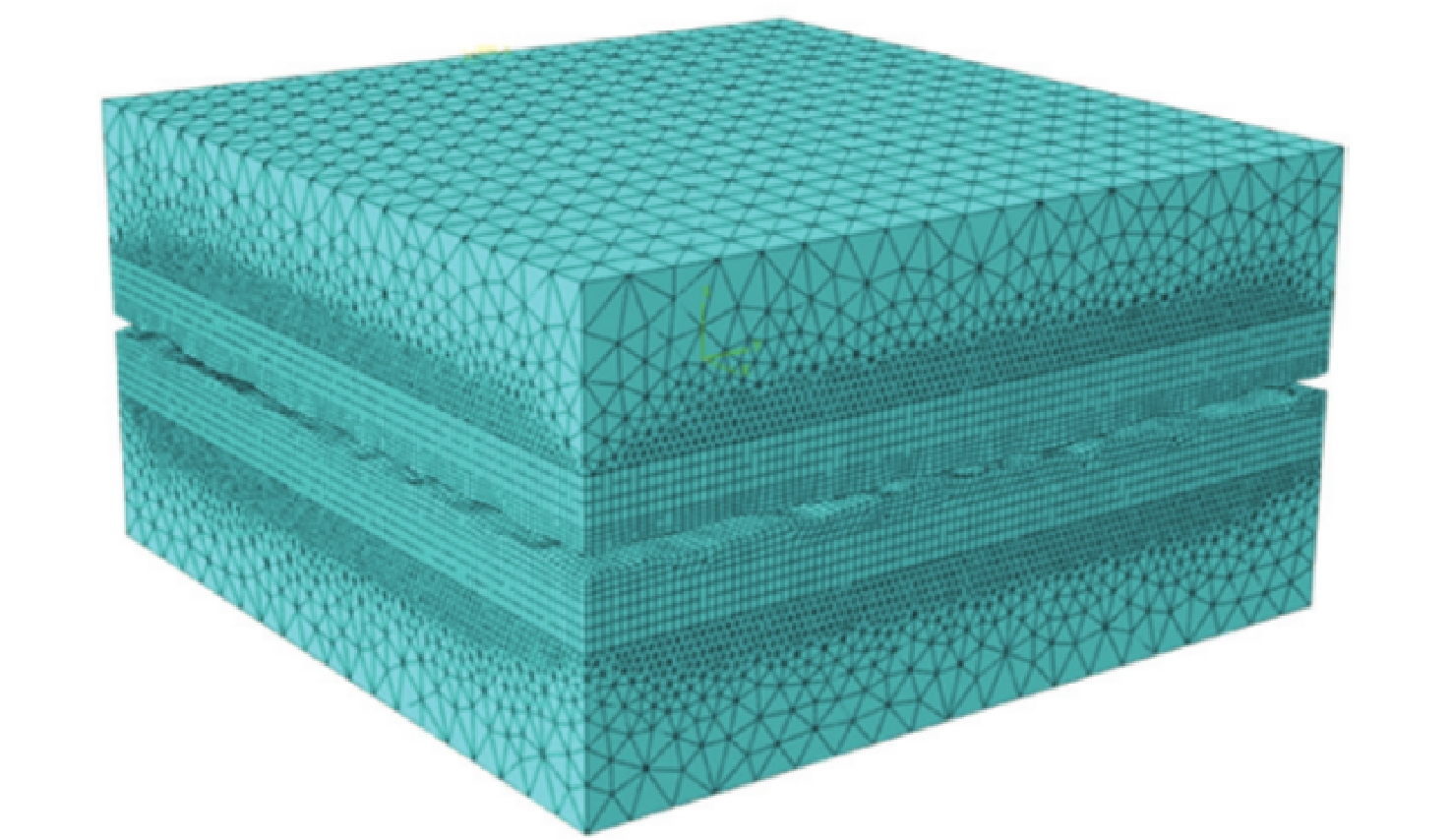
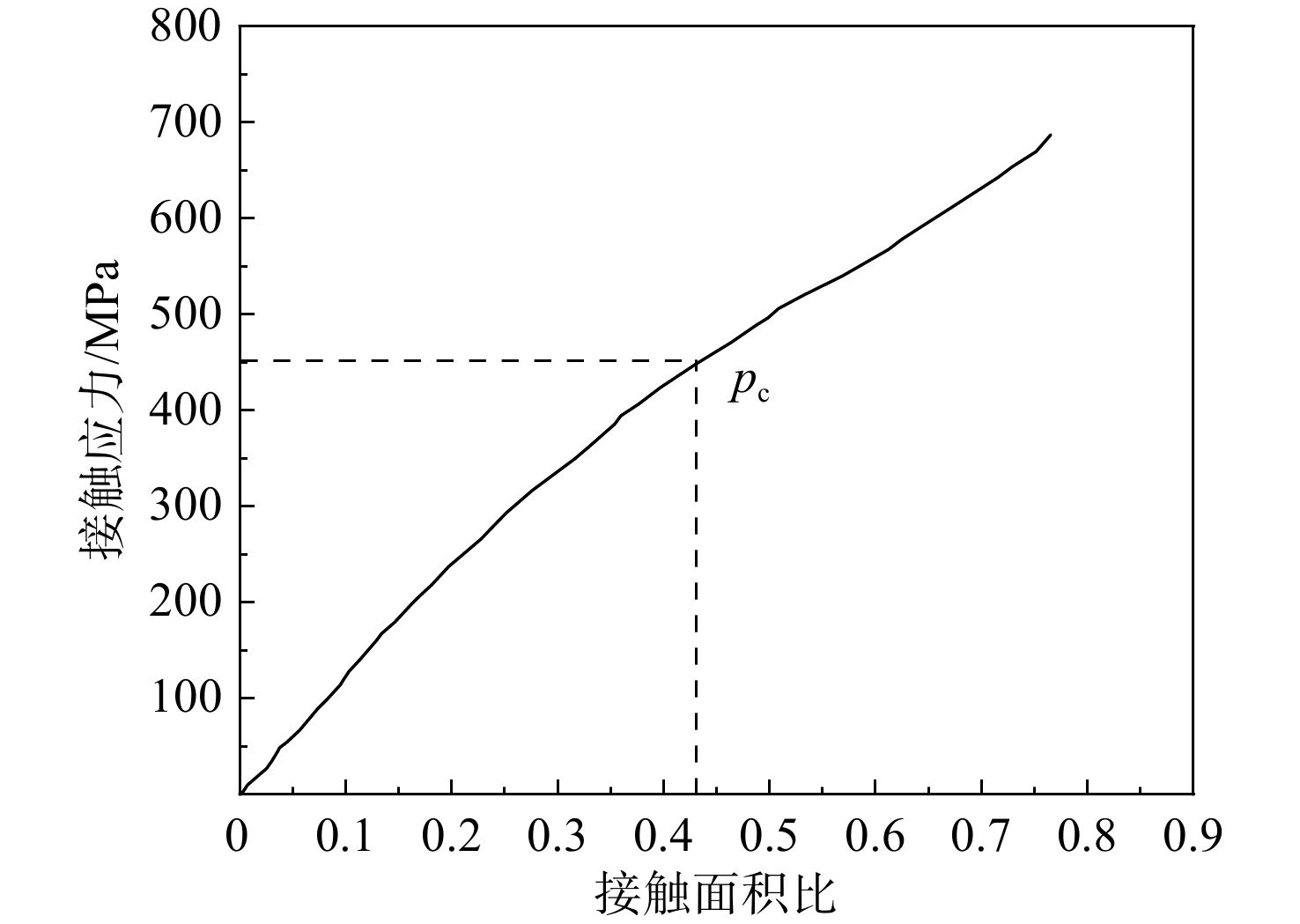
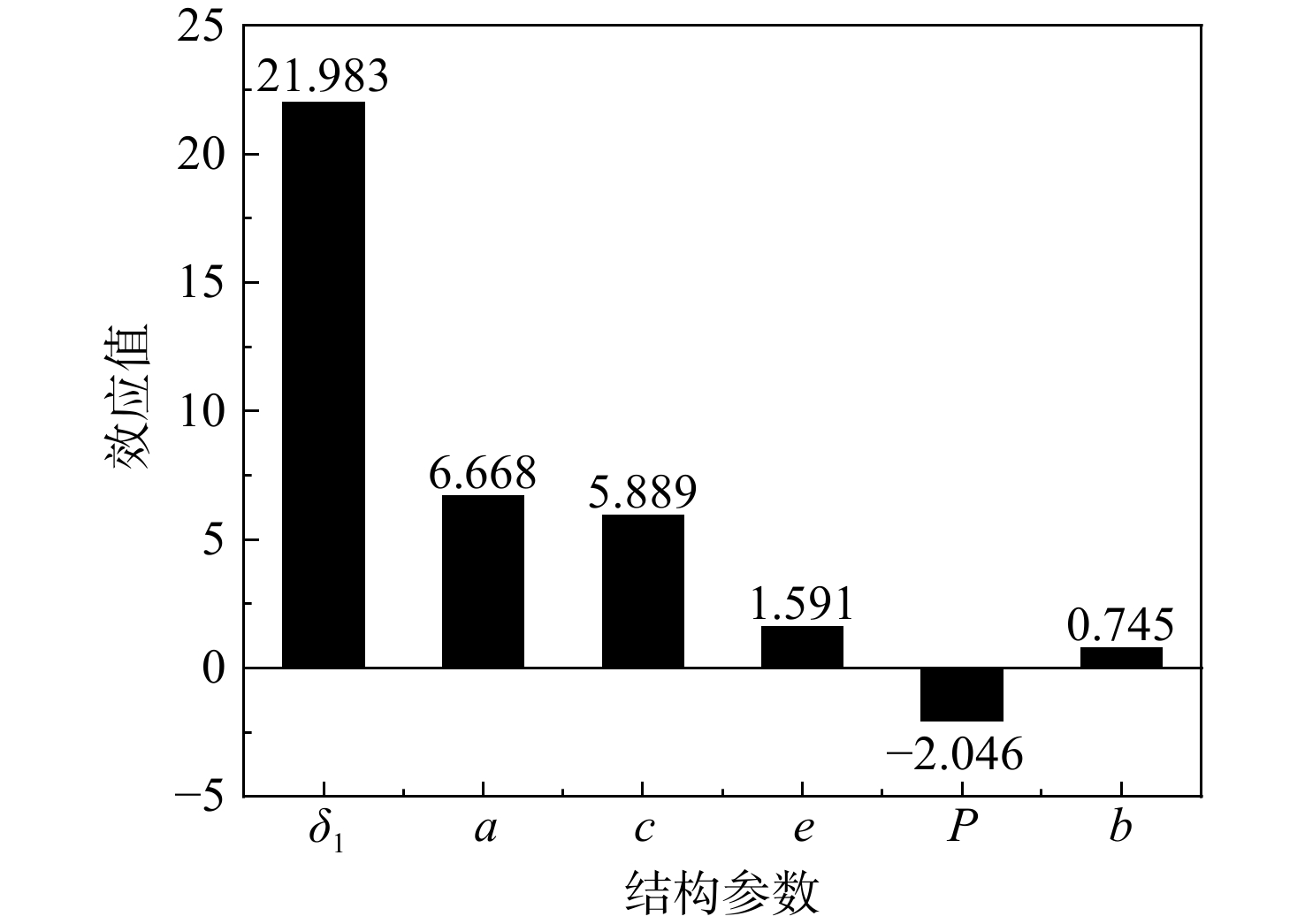
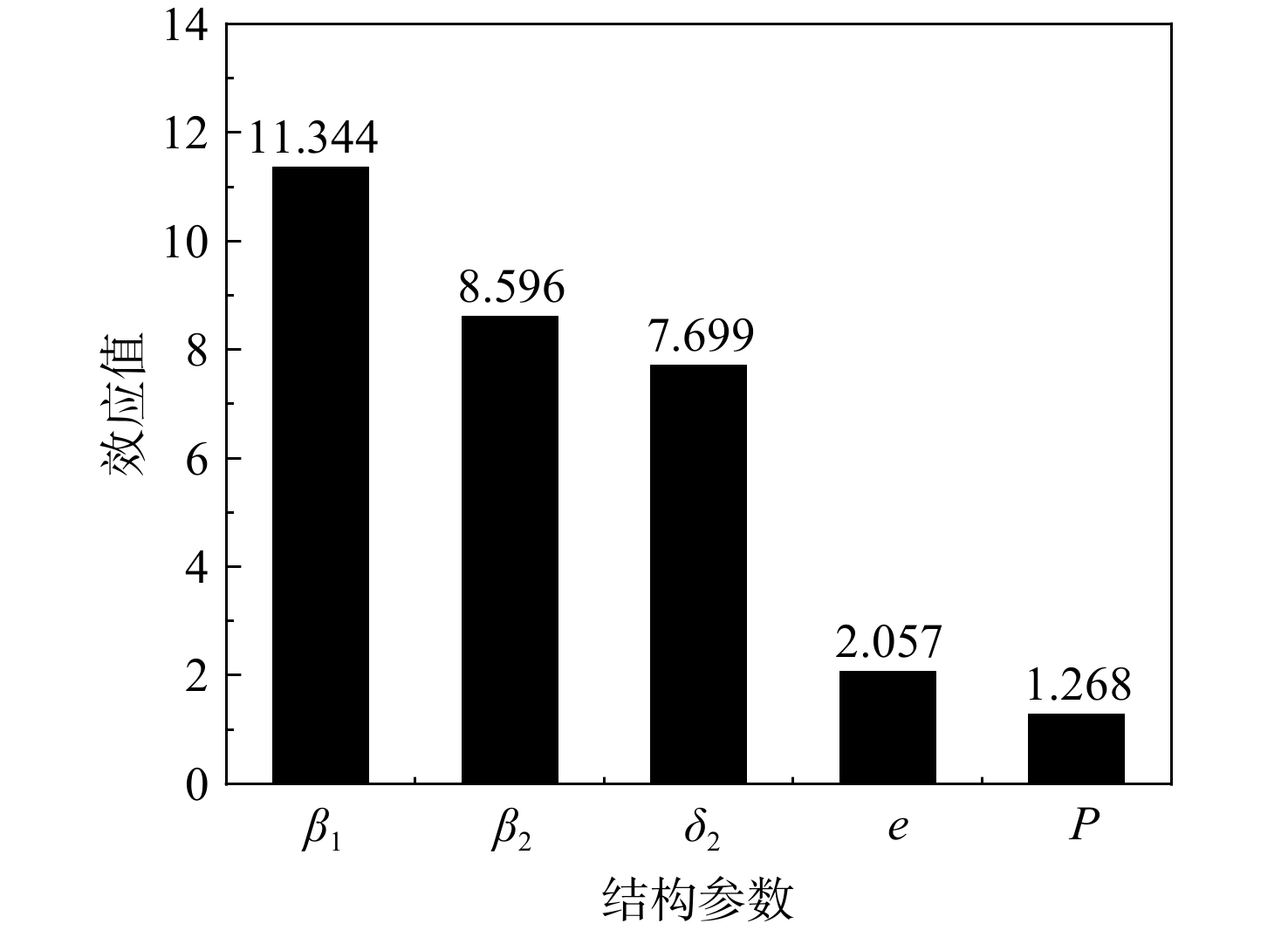
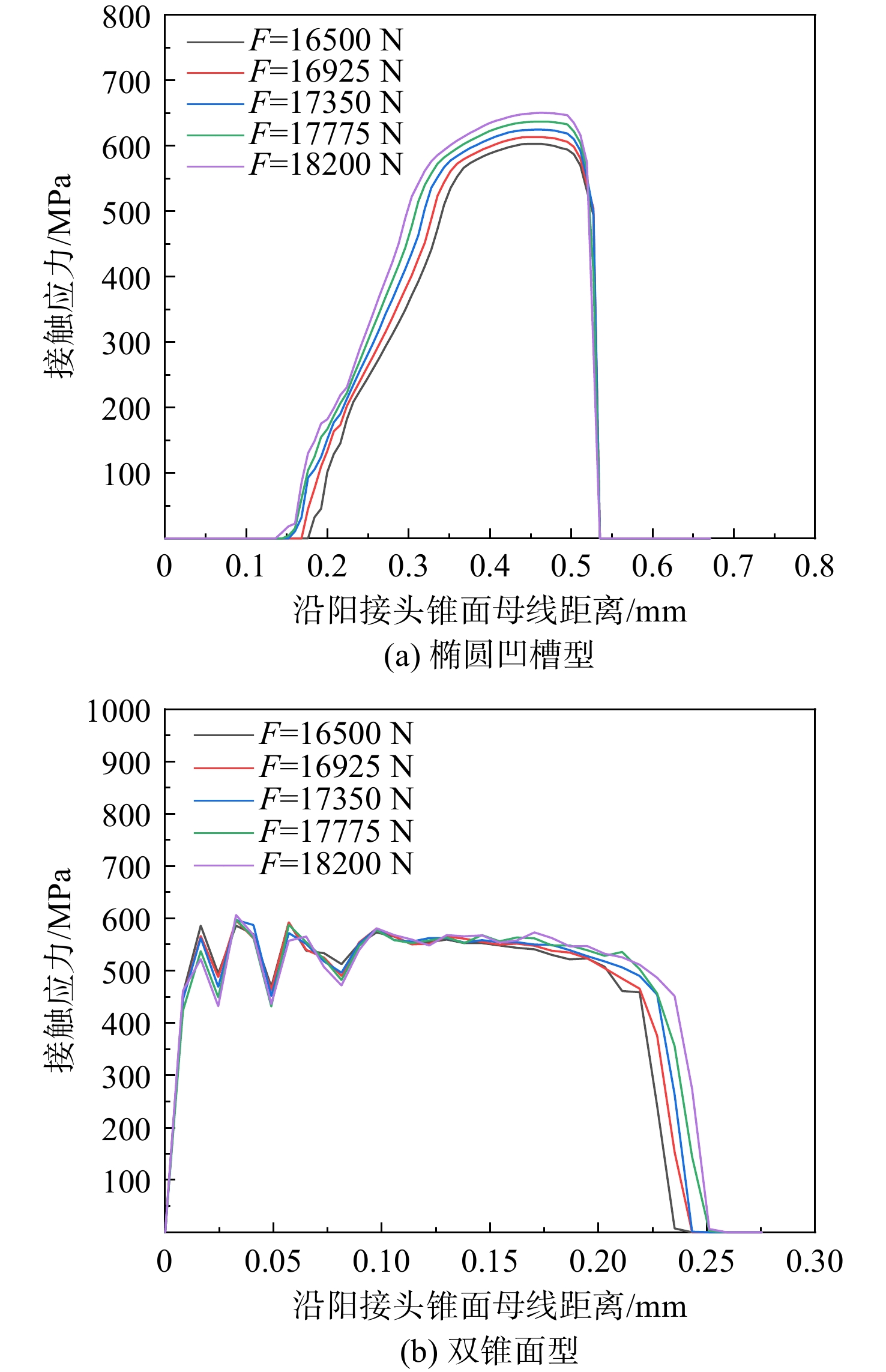
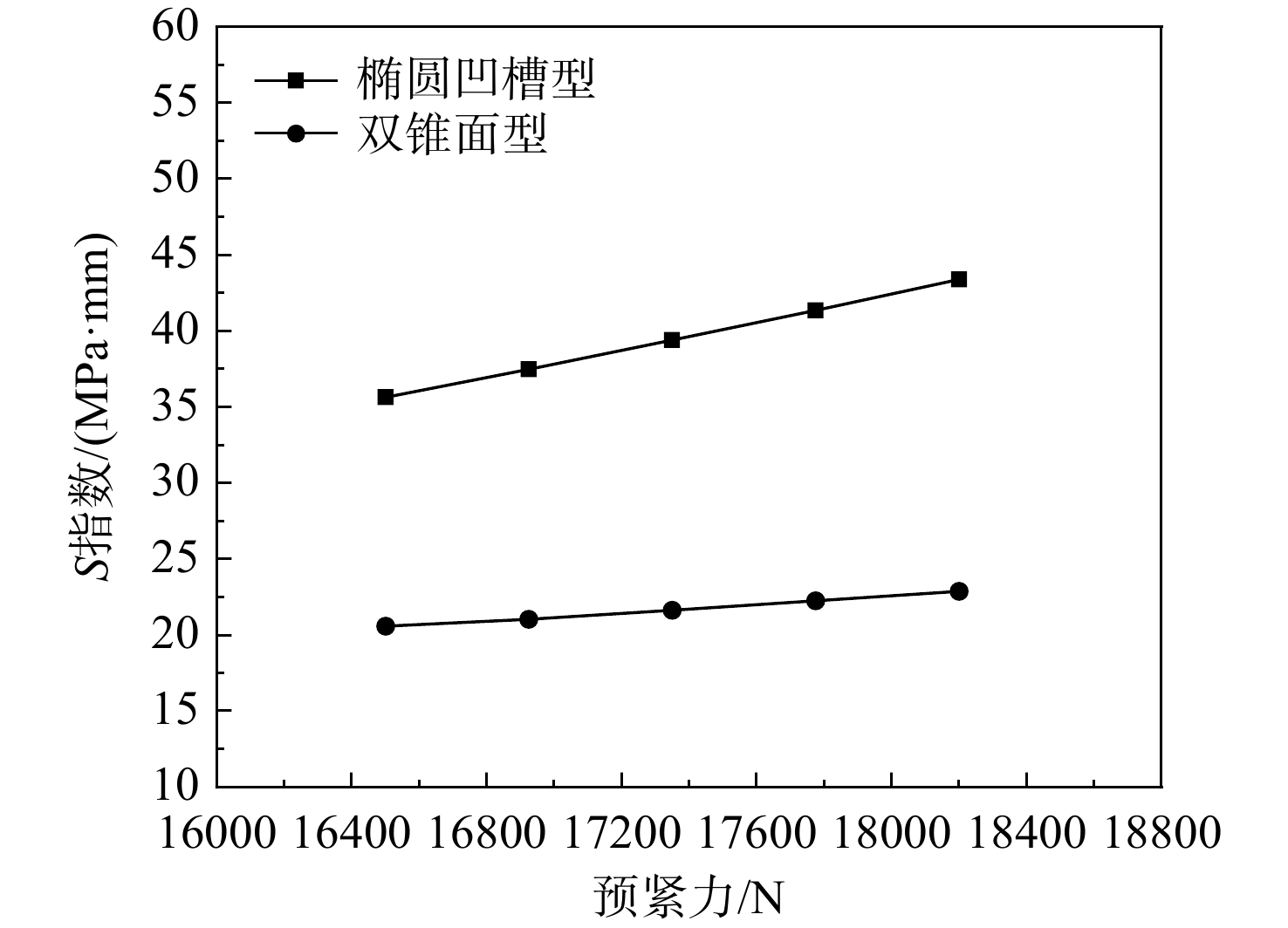
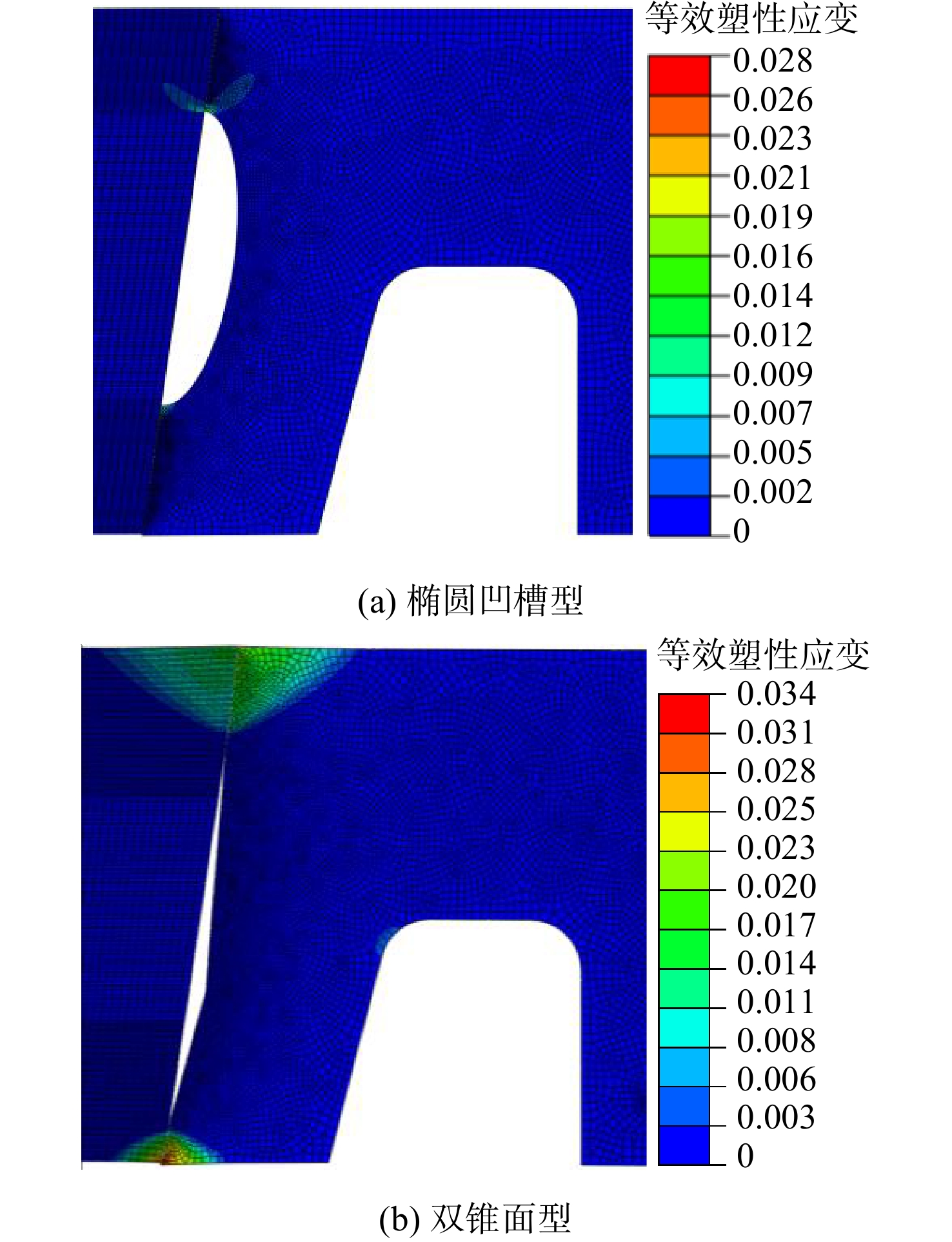
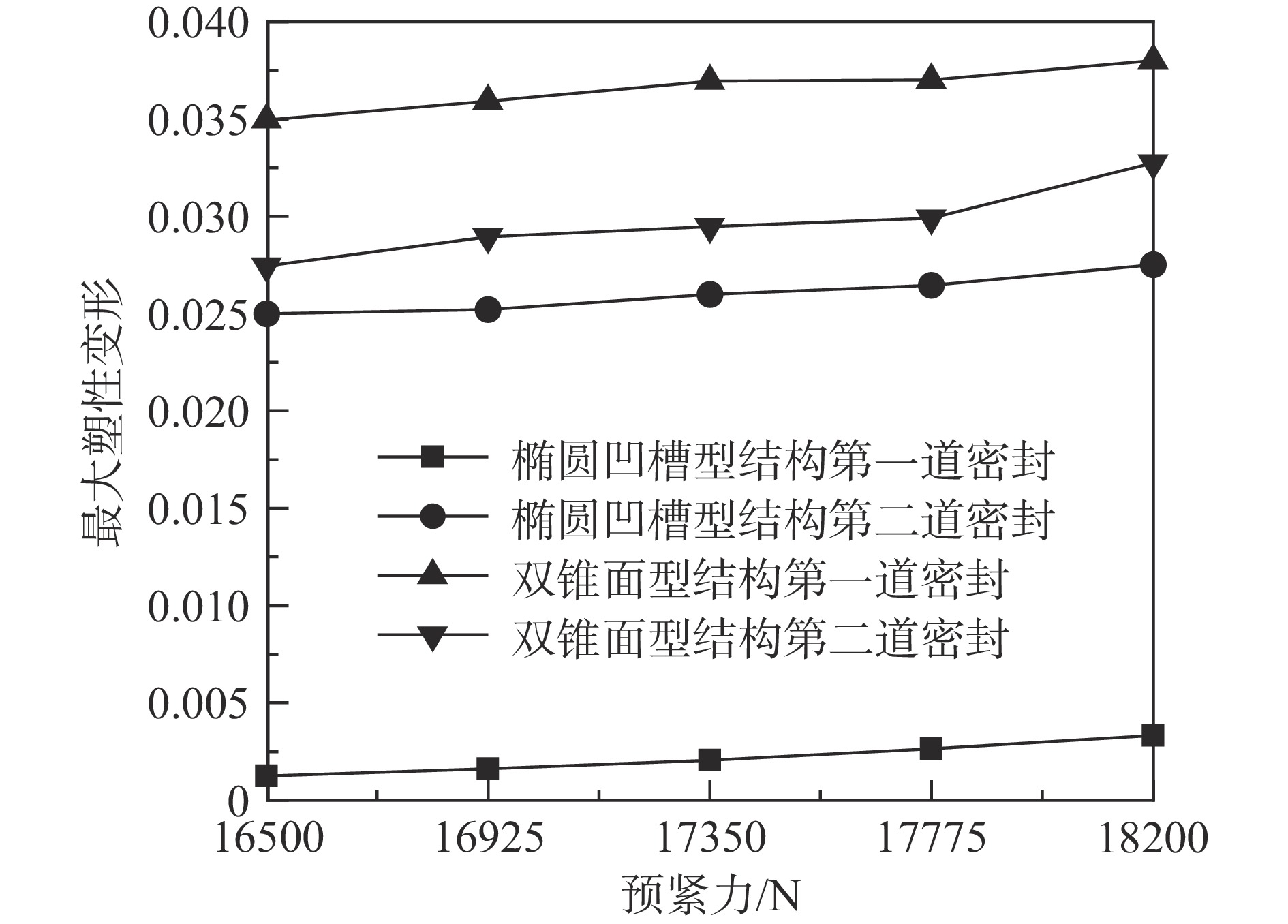
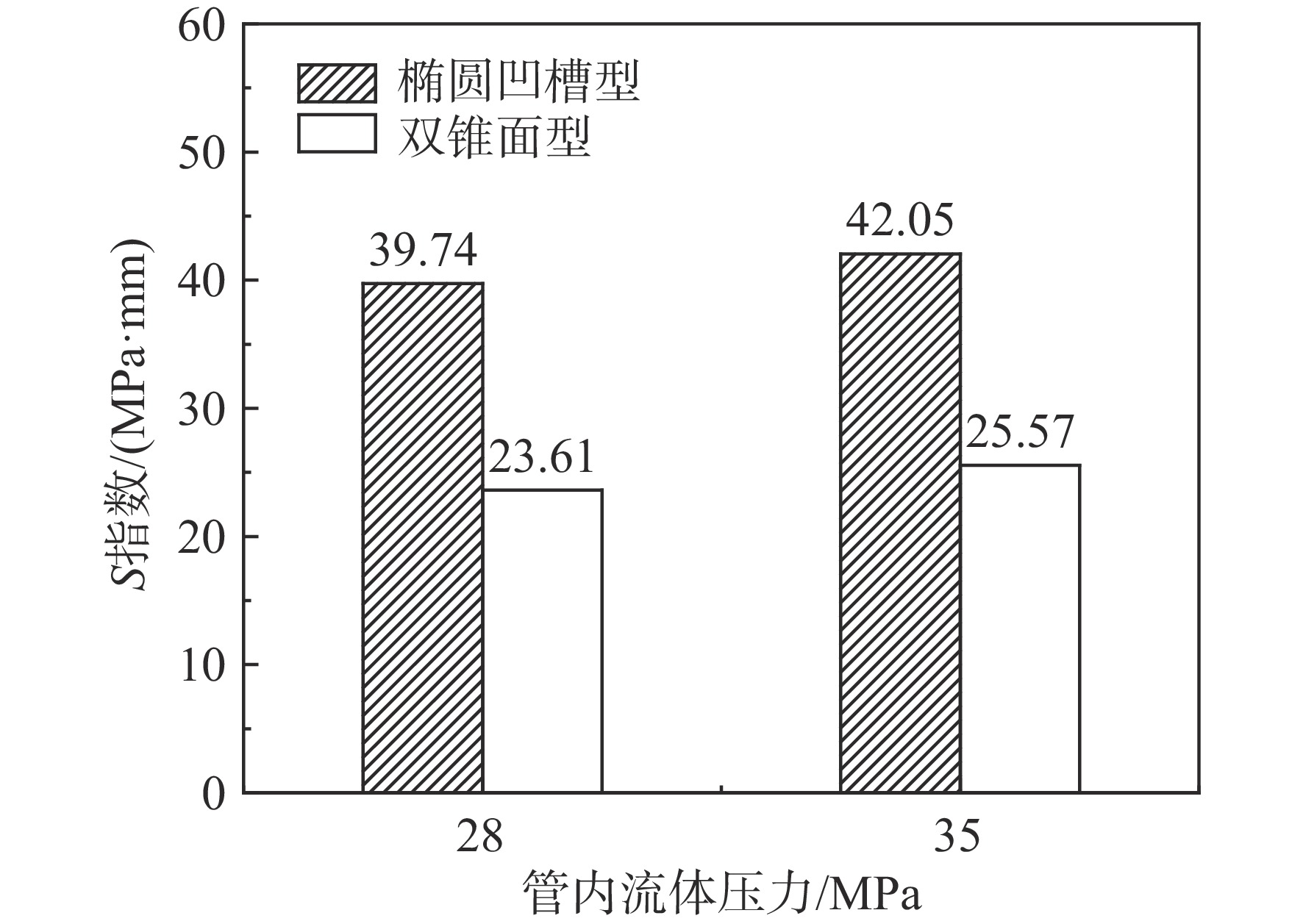
The structural design of the female connector in aerial beam seal structure is critical to ensuring high-pressure sealing performance. The S-index, which integrates the contact stress and the leakage characteristics of the microscopic rough sealing interface, was used as the criterion for sealing performance evaluation, and based on the macroscopic contact finite element model, the structural sensitivity parameters affecting the sealing performance of two types of female connectors (elliptical-grooved and double-tapered), were identified using the Sobol global sensitivity method. Further, the optimized design structure of two types of female connectors was obtained by using radial basis function neural network model with multi-island genetic algorithm. On this basis, numerical simulation was conducted to obtain the variation of contact stress and plastic strain at the sealing interface of the two types of female connectors with the preload force. Comparative studies revealed that under internal fluid pressures of 28 MPa and 35 MPa, the elliptical-grooved female connector exhibited an S-index value exceeding that of the double-tapered female connector by over 64%, indicating significantly enhanced sealing performance. Moreover, its relatively limited plastic deformation rendered it more suitable for ensuring reliable sealing in demountable pipe connectors subjected to repeated assembly cycles.

Combustion,Heat and Mass Transfer
Investigation on the ignition characteristics of trapped vortex cavity hyper-burner under multi-modes
ZHONG Shilin, PENG Weikang, KANG Yudong, DENG Yuanhao, ZHANG Fei, ZENG Rong, HOU Lingyun
2026, 41(6): 20250603. doi: 10.13224/j.cnki.jasp.20250603
Abstract:

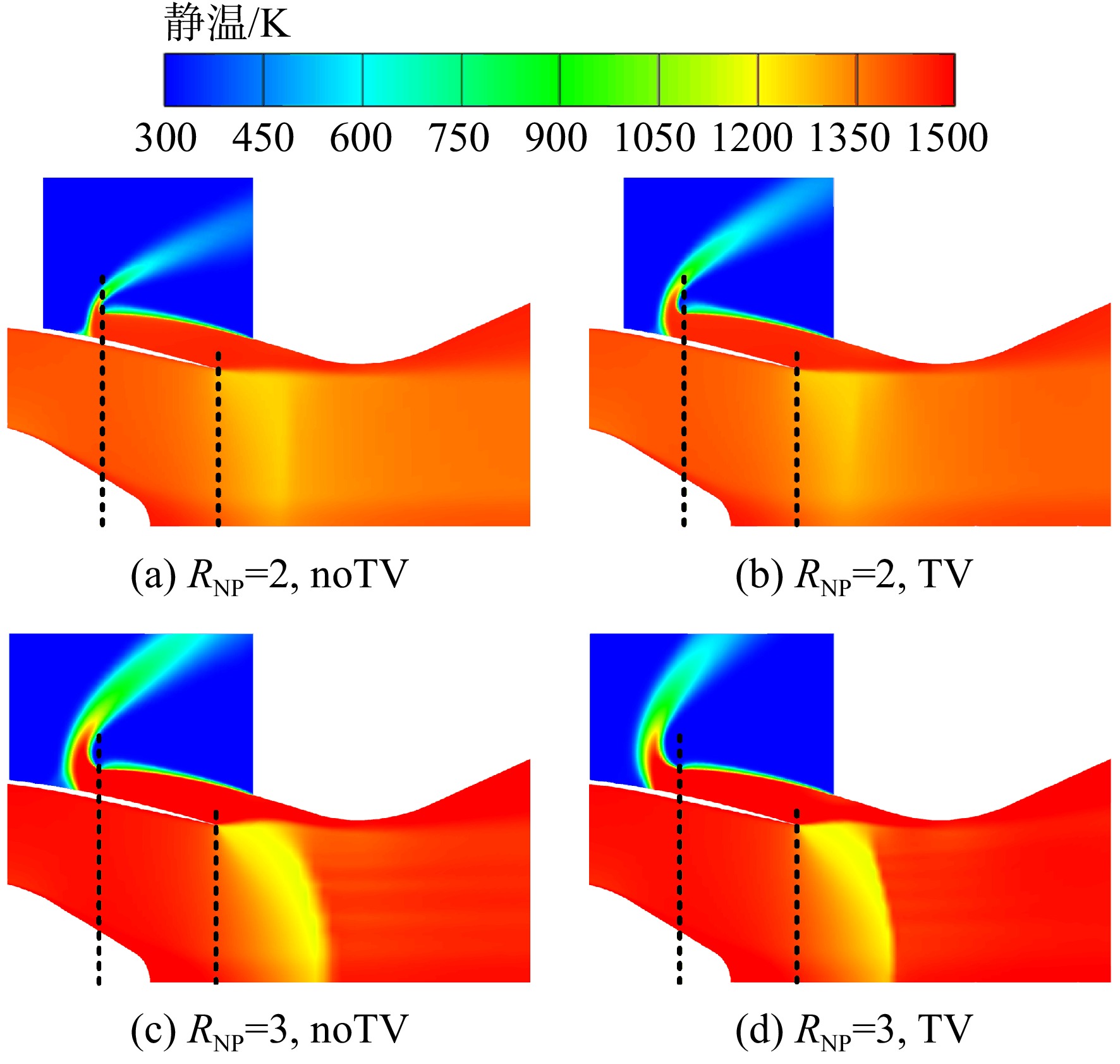
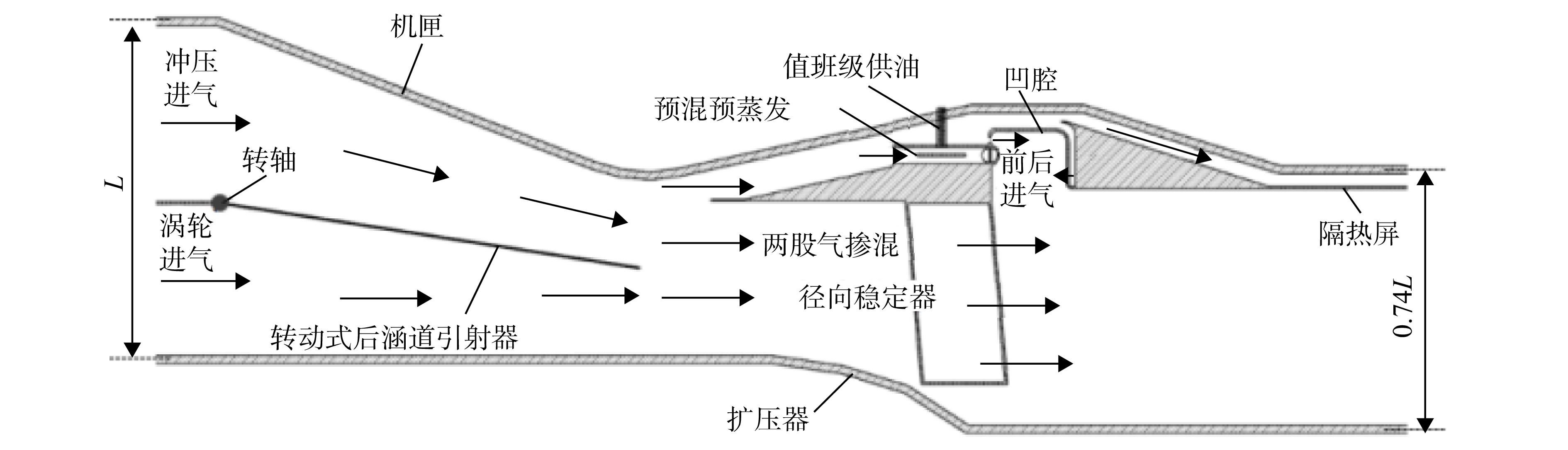
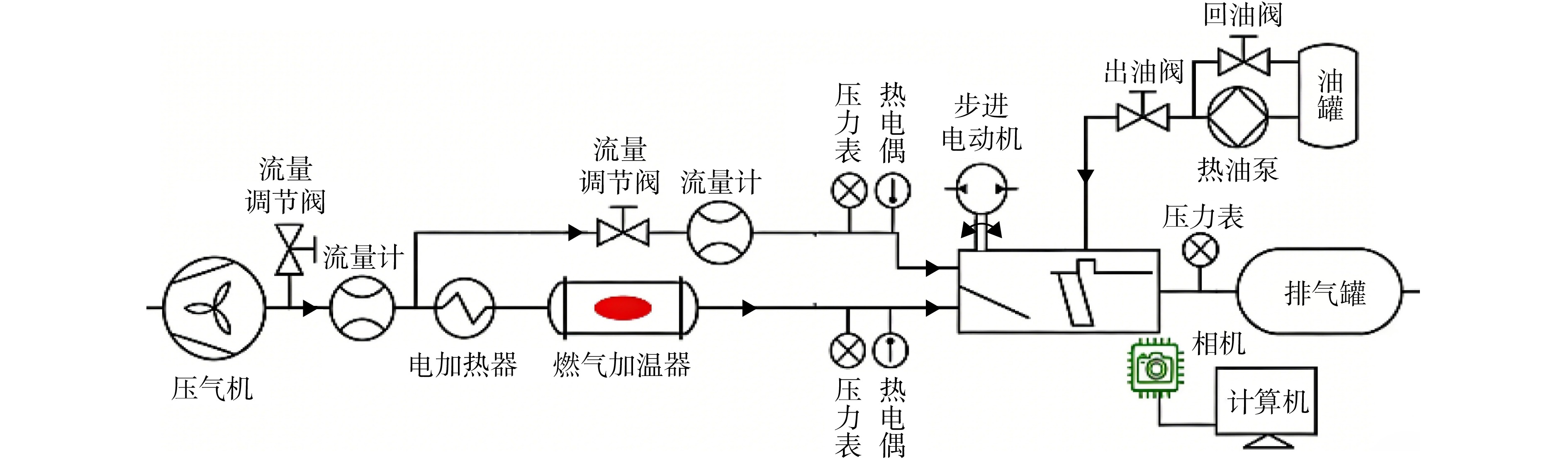
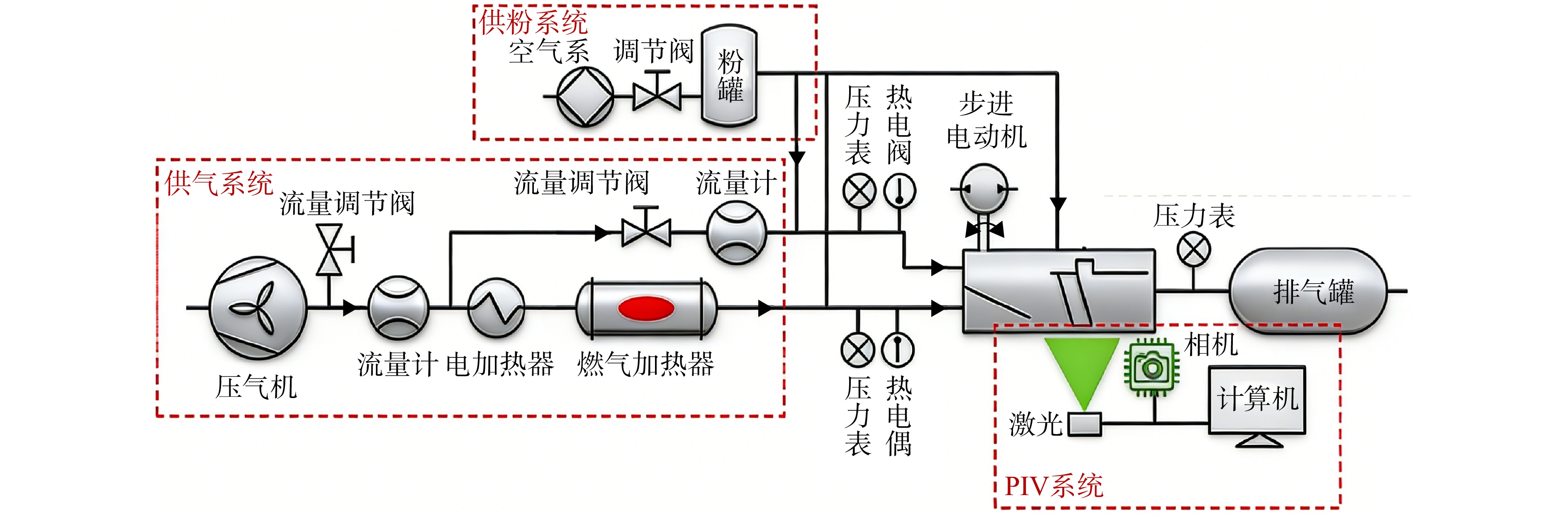
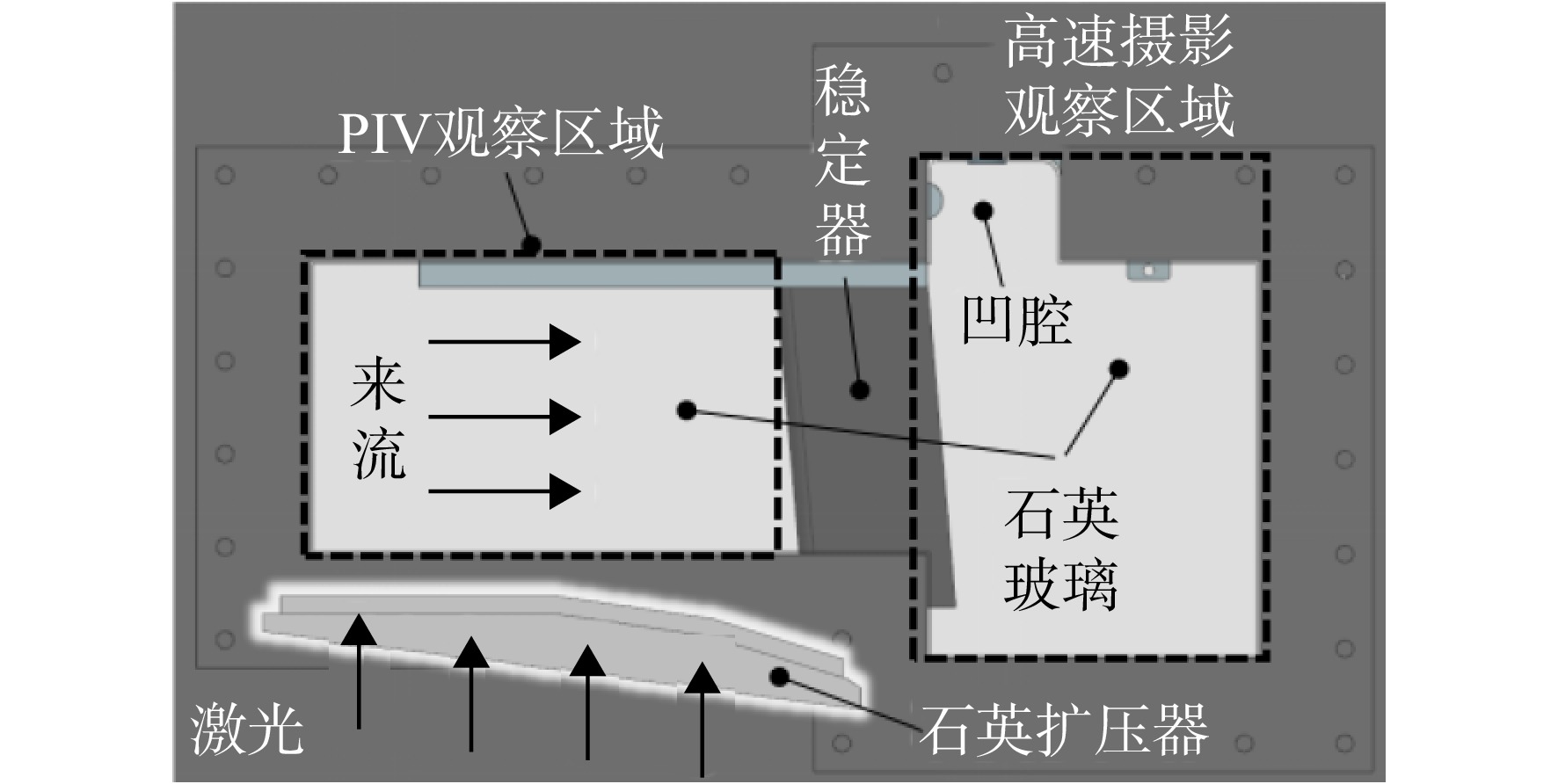
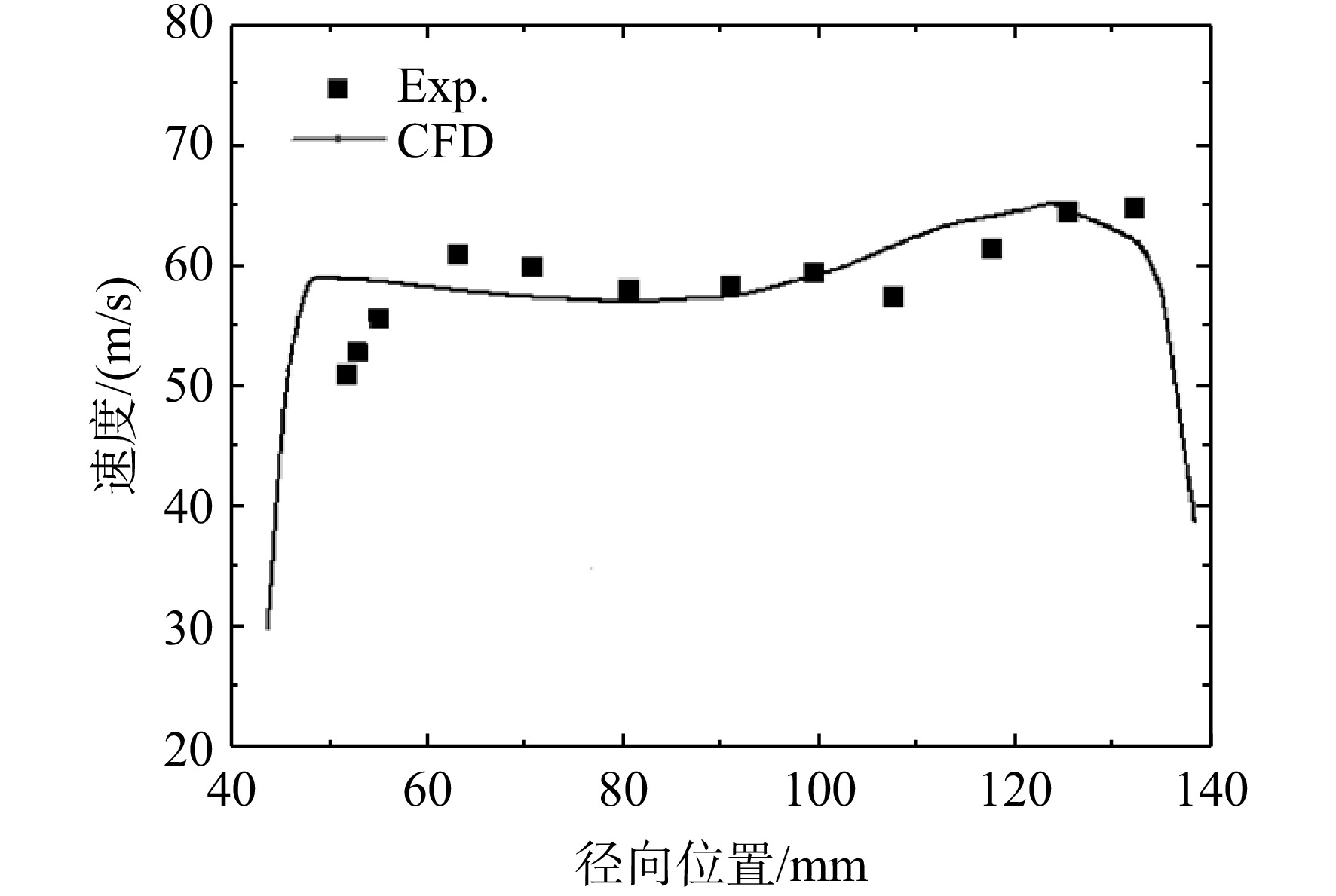
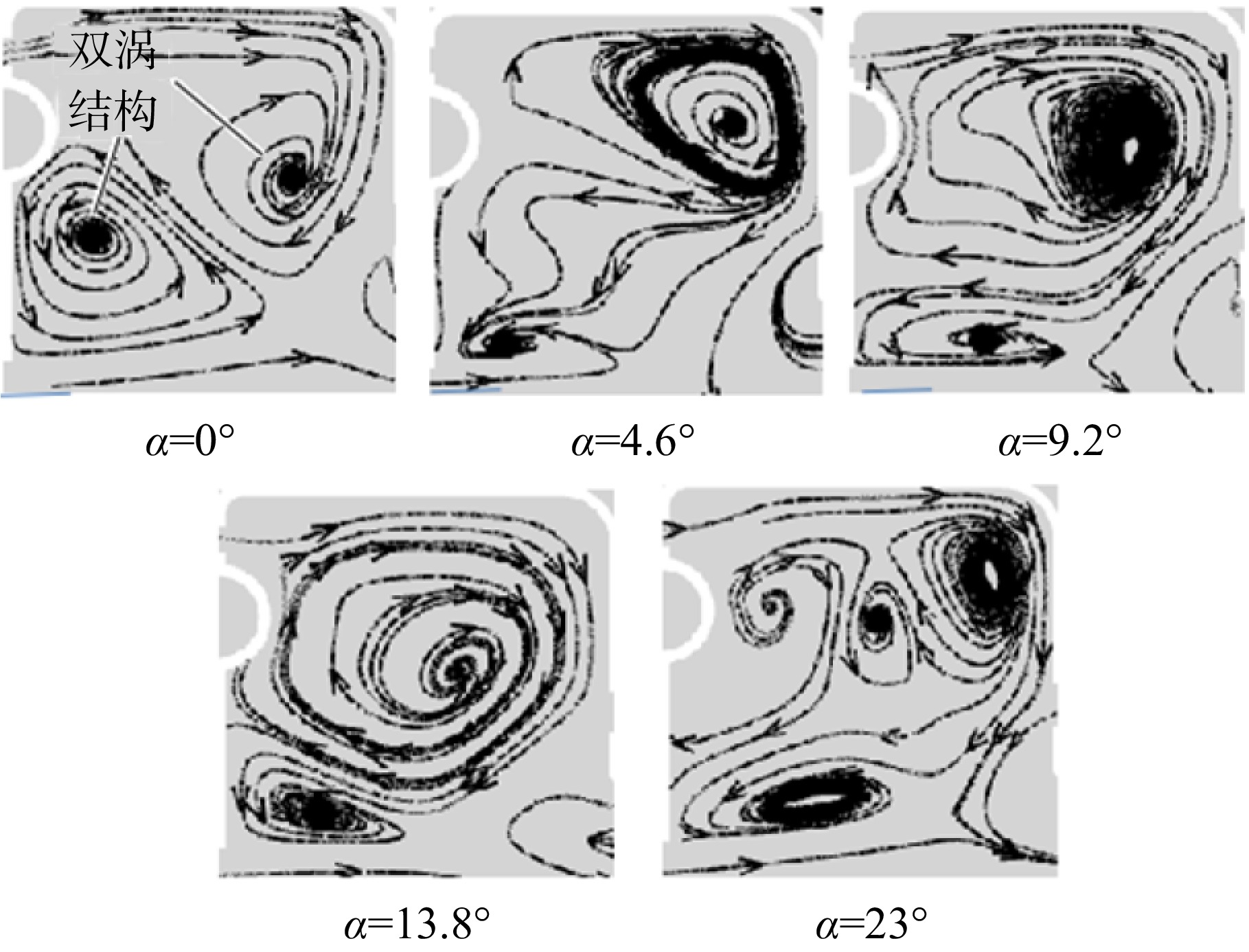
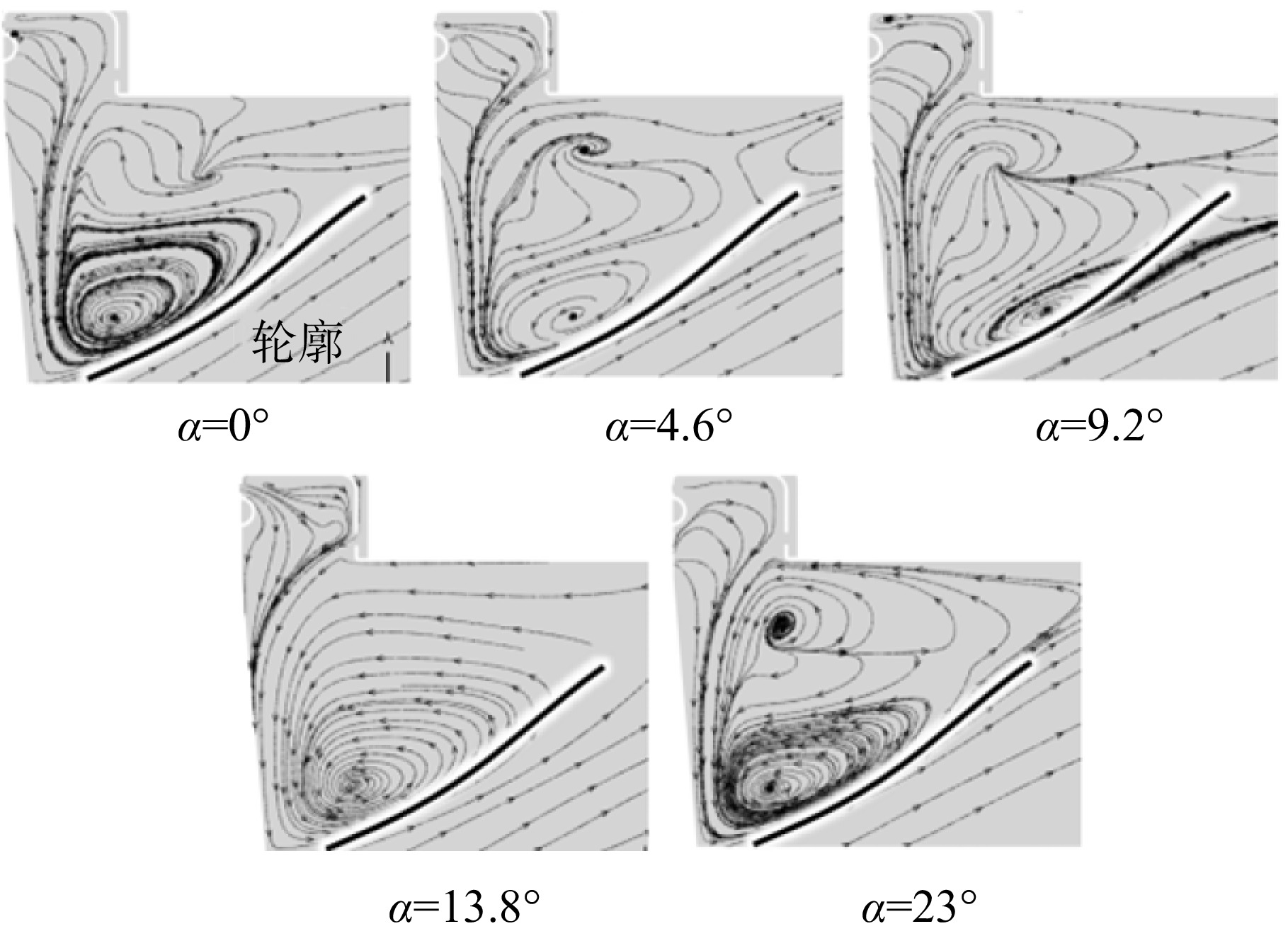
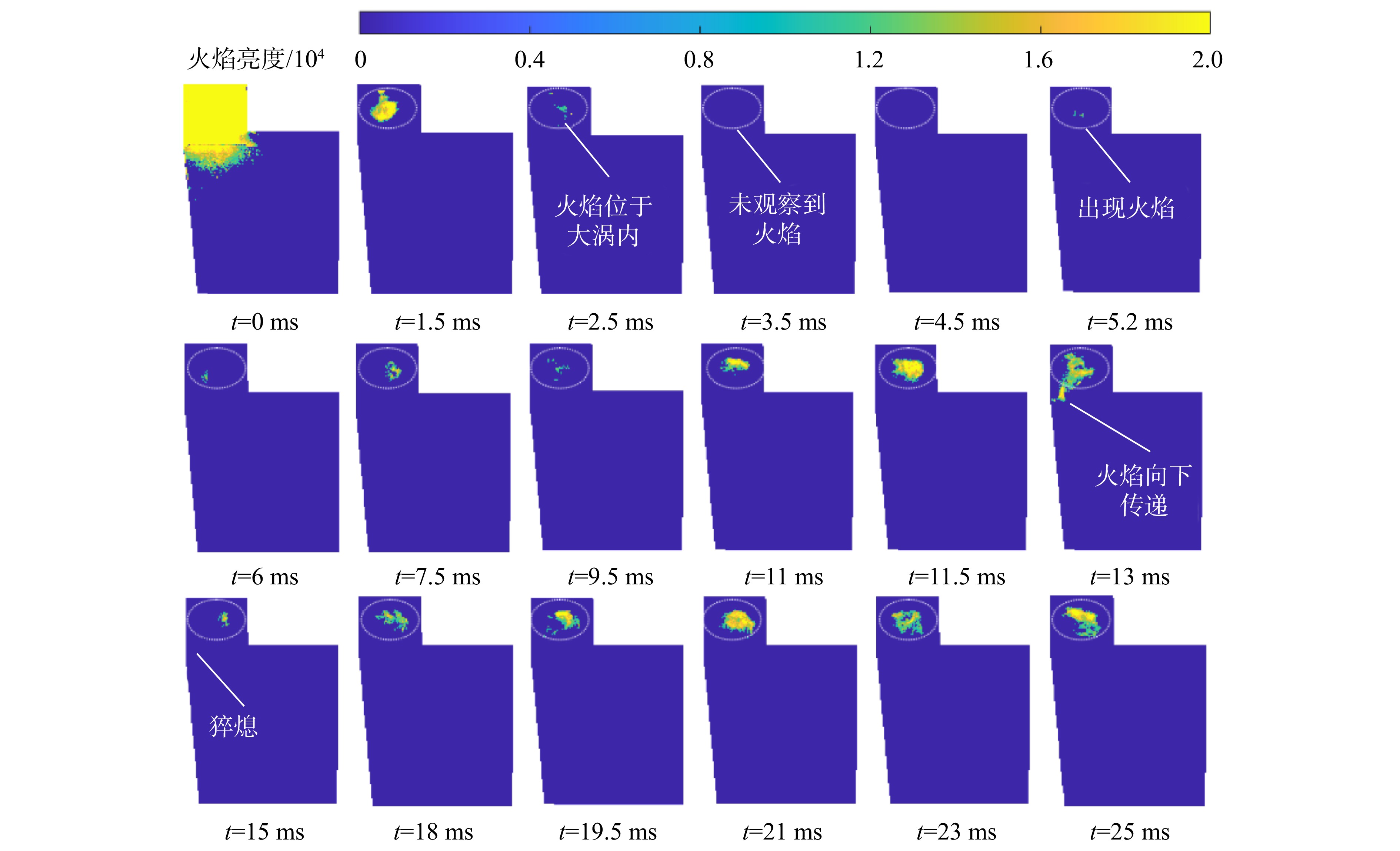
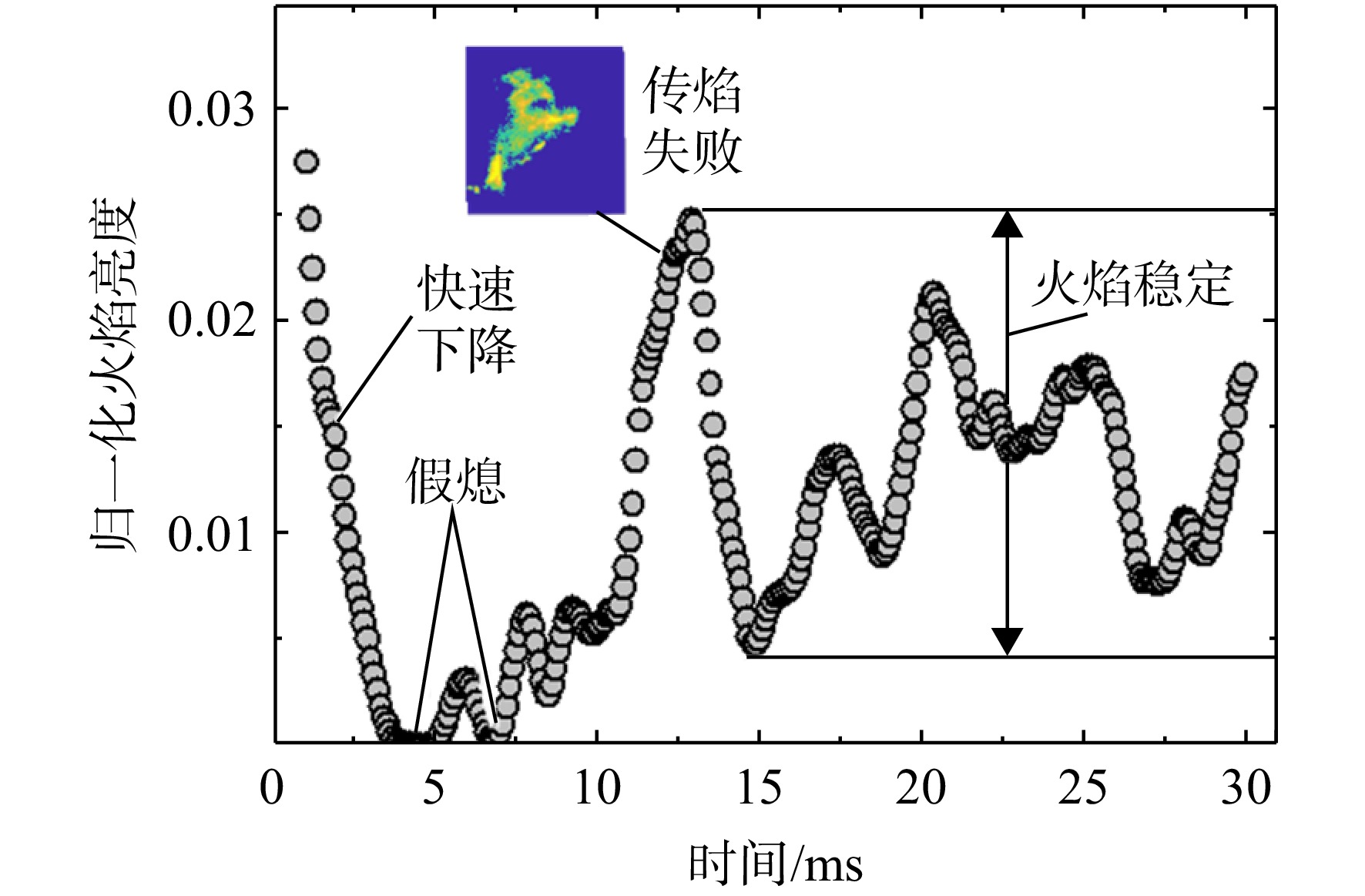
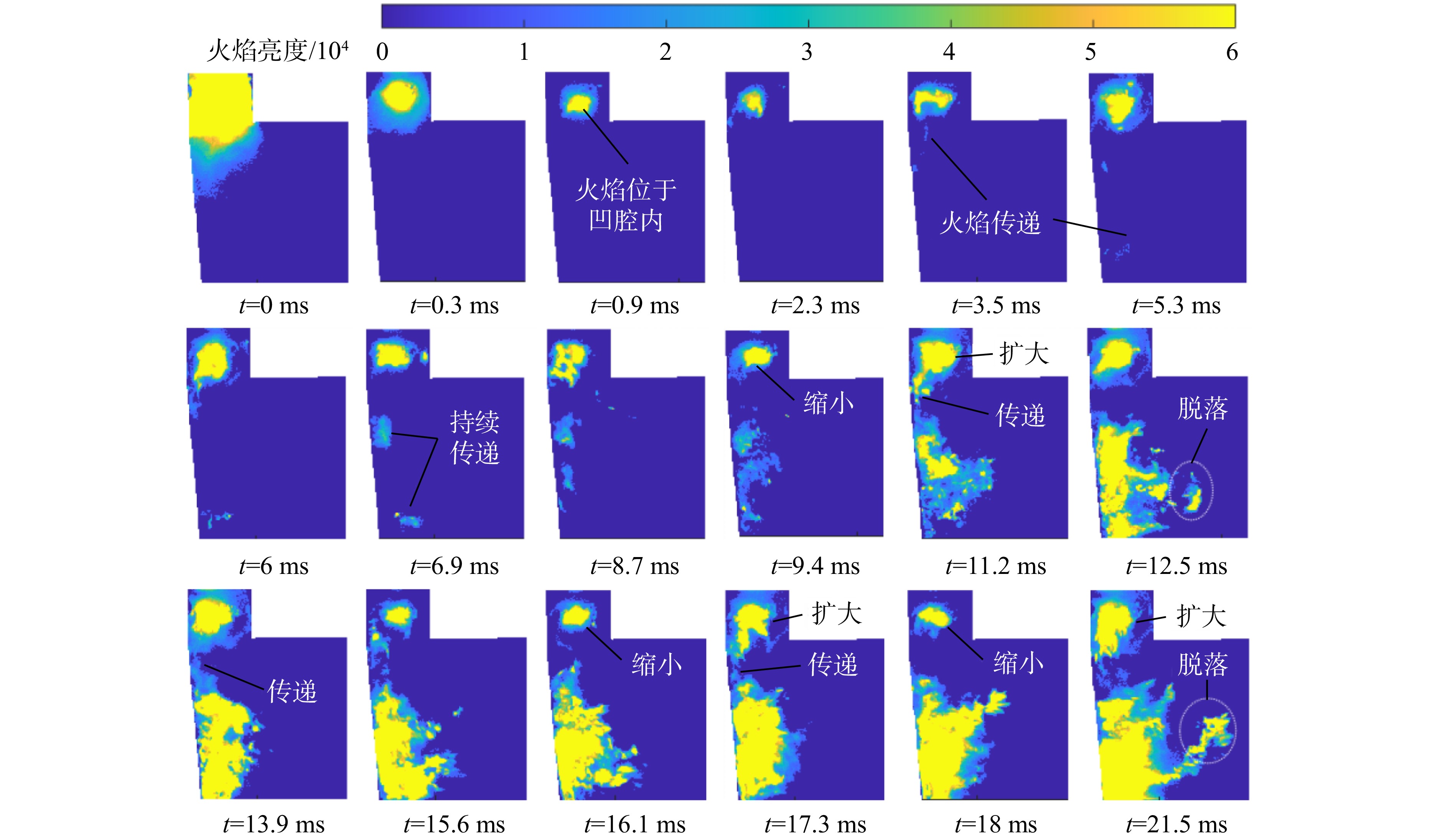
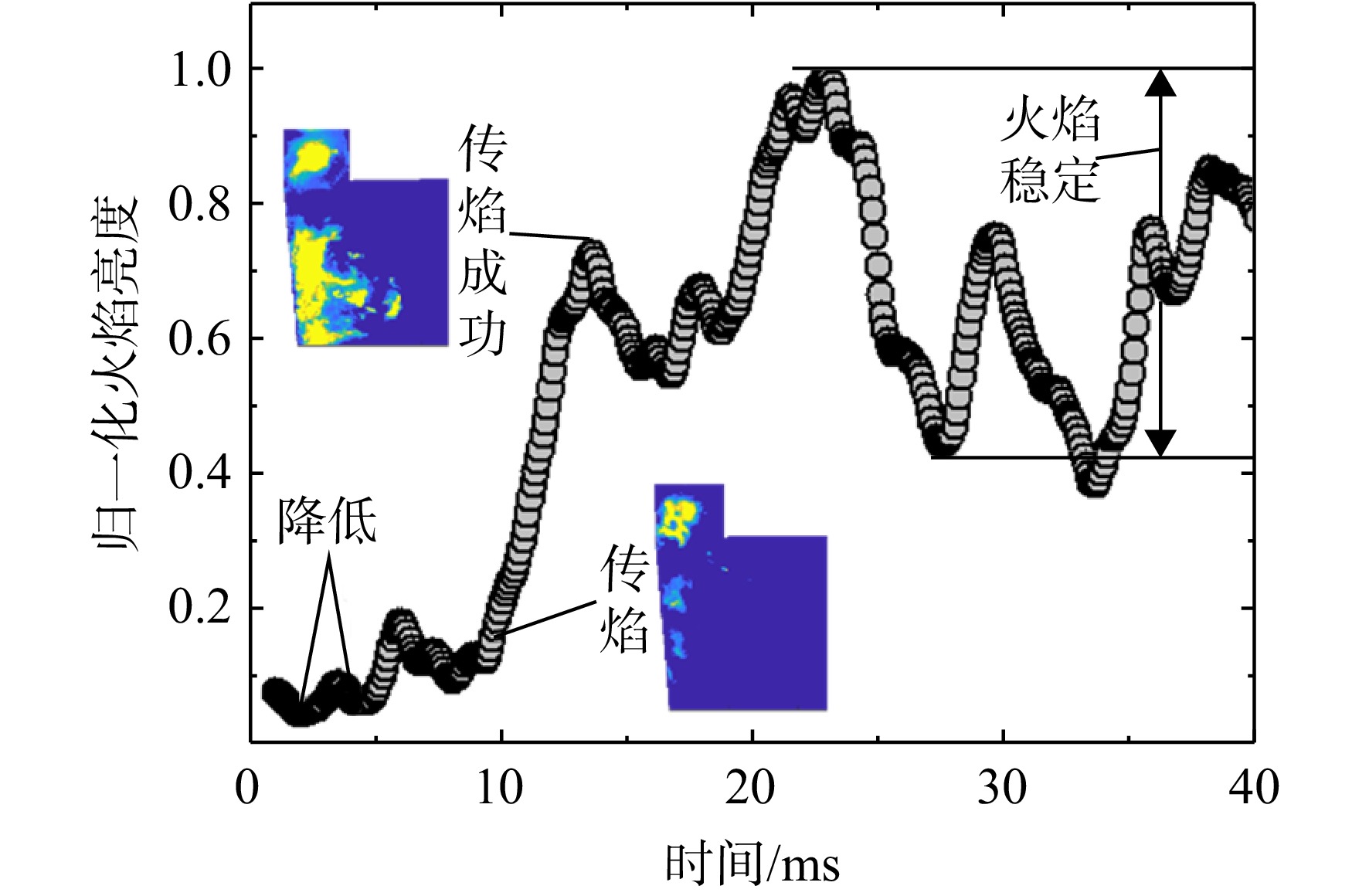
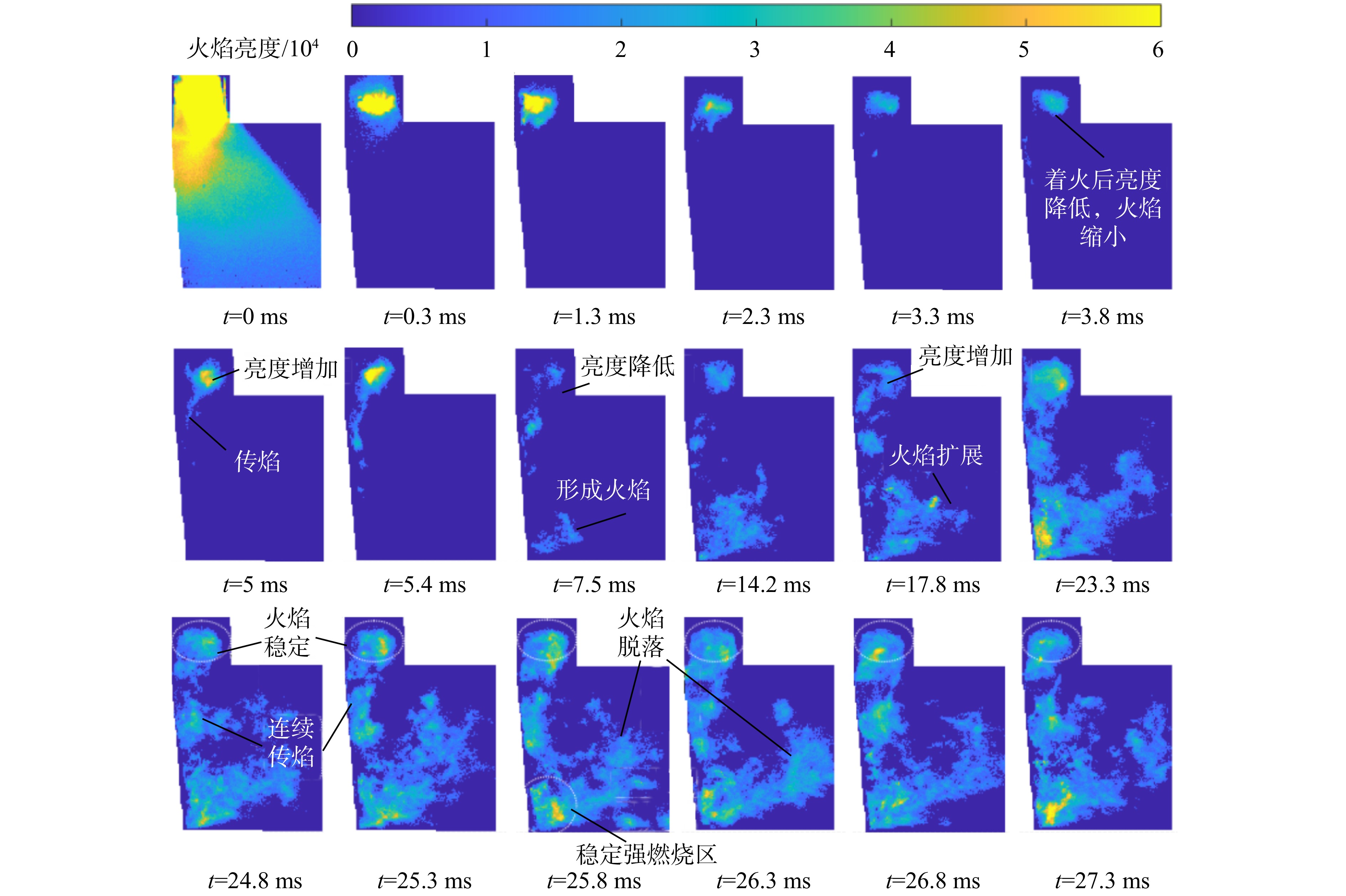
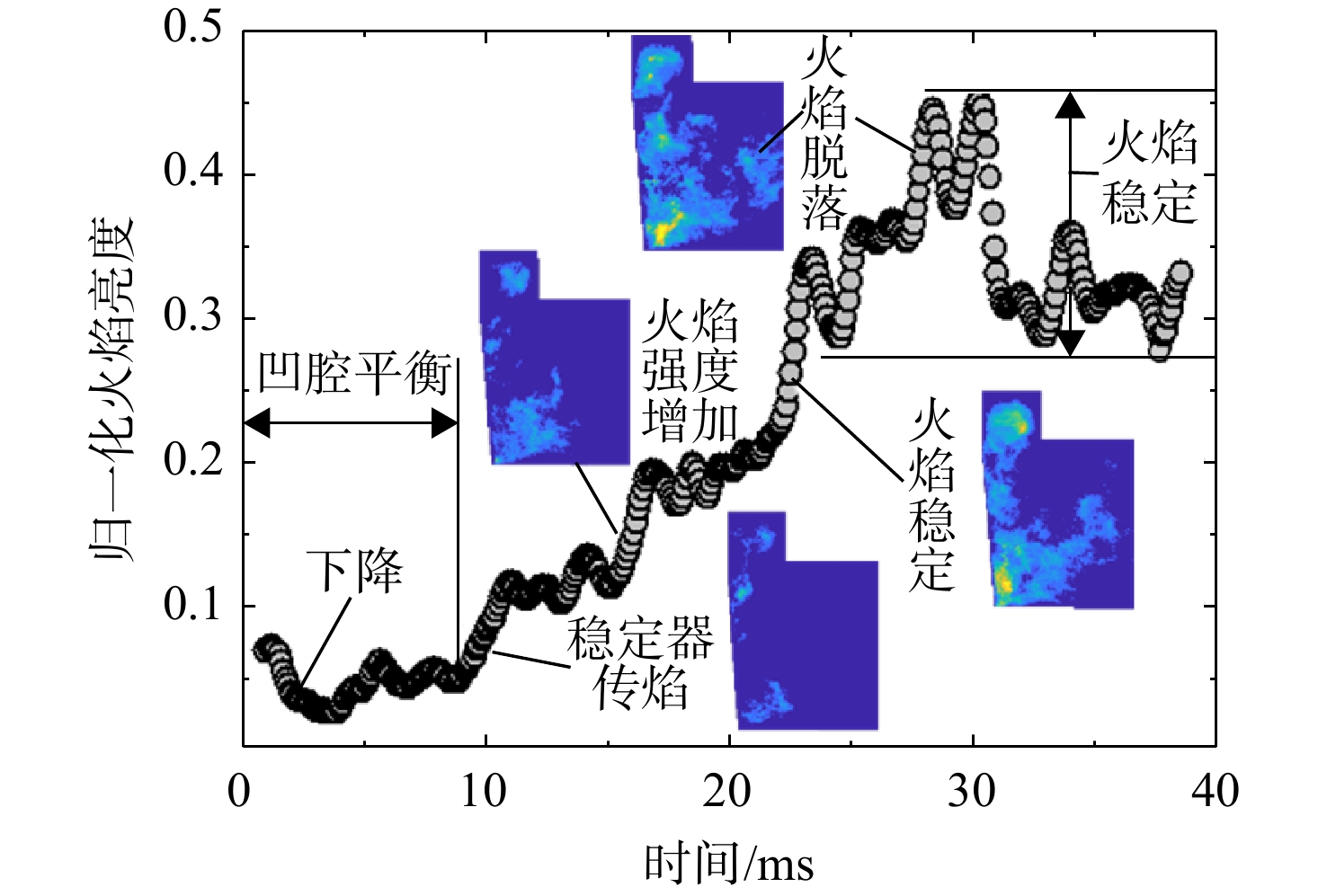
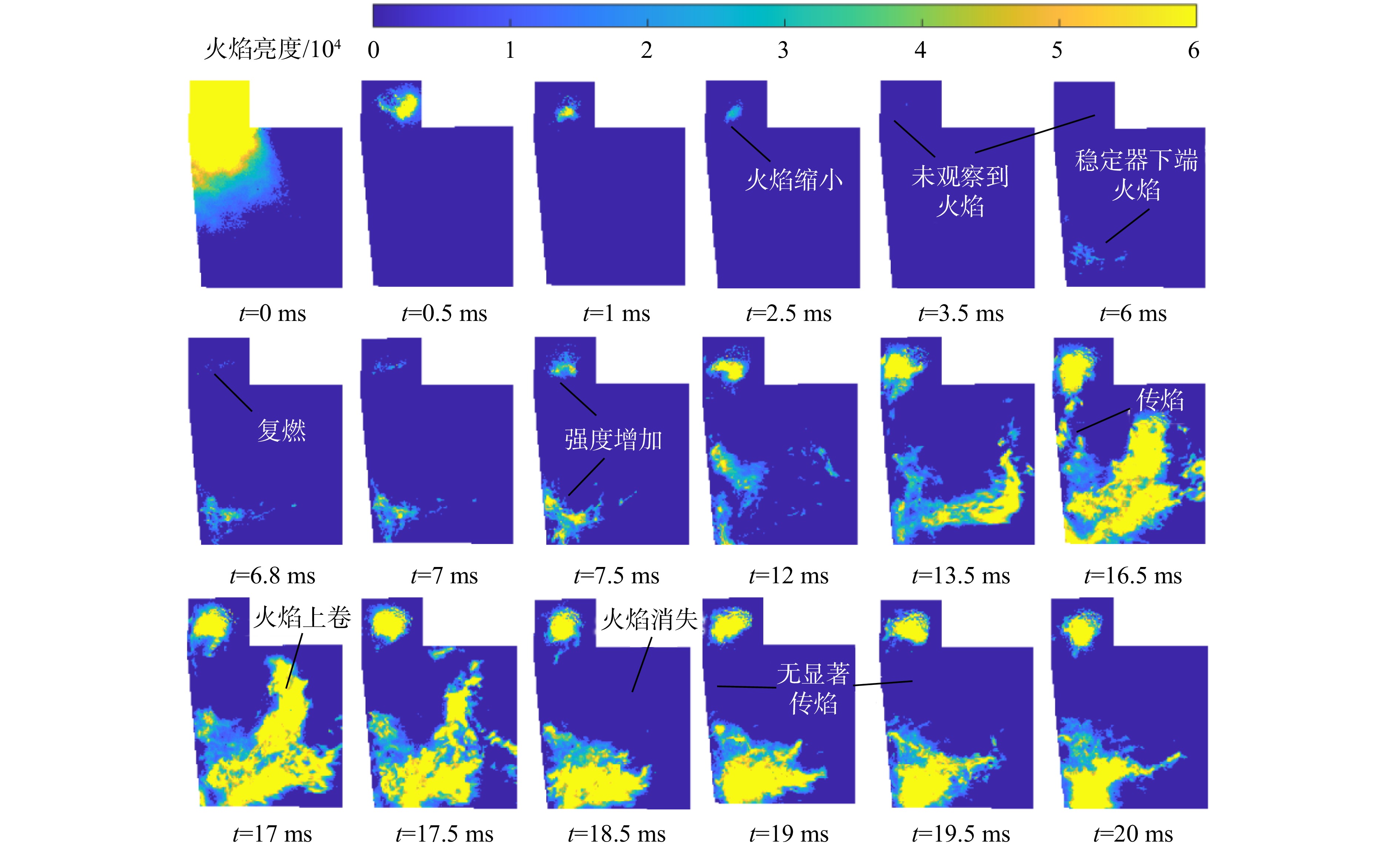
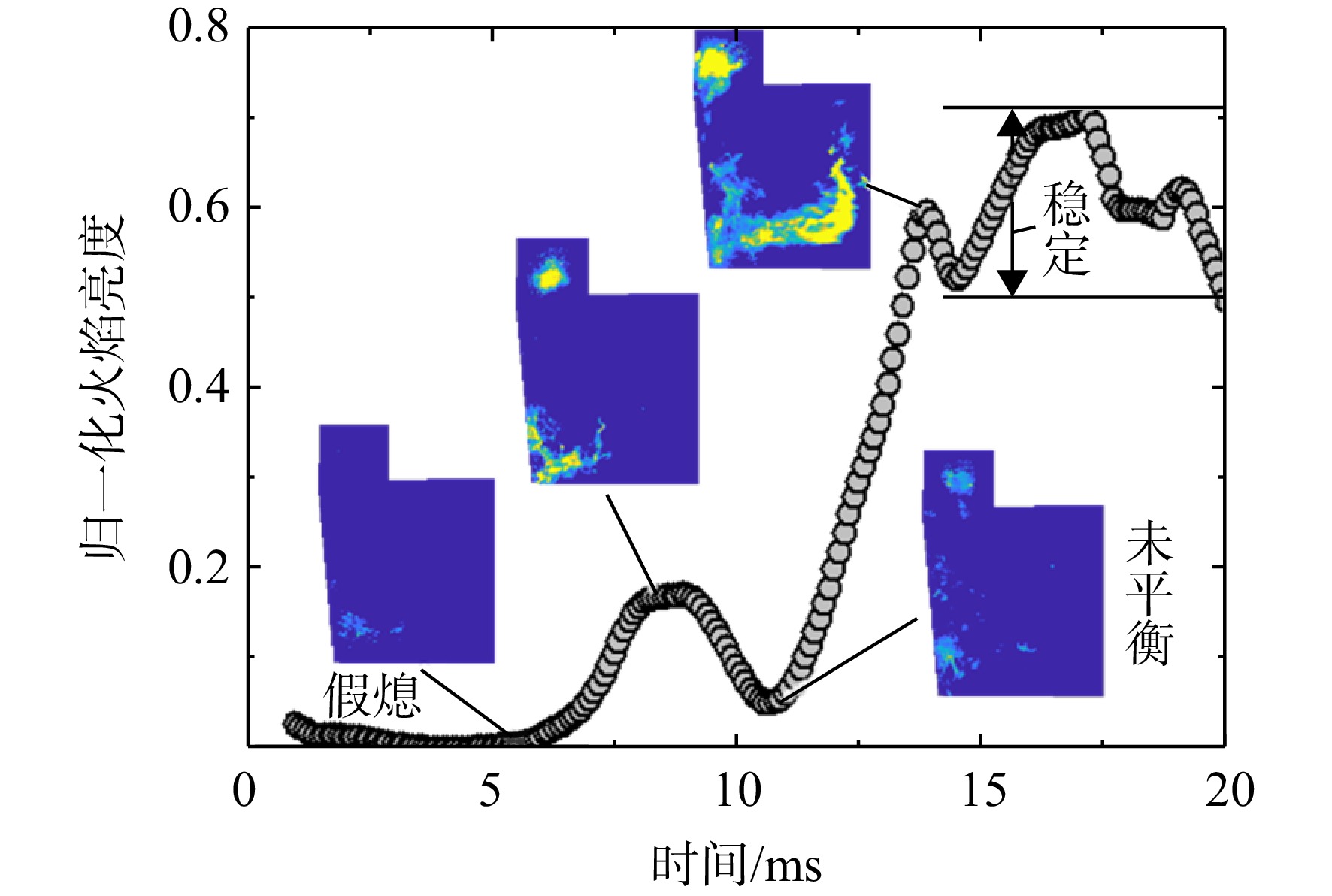
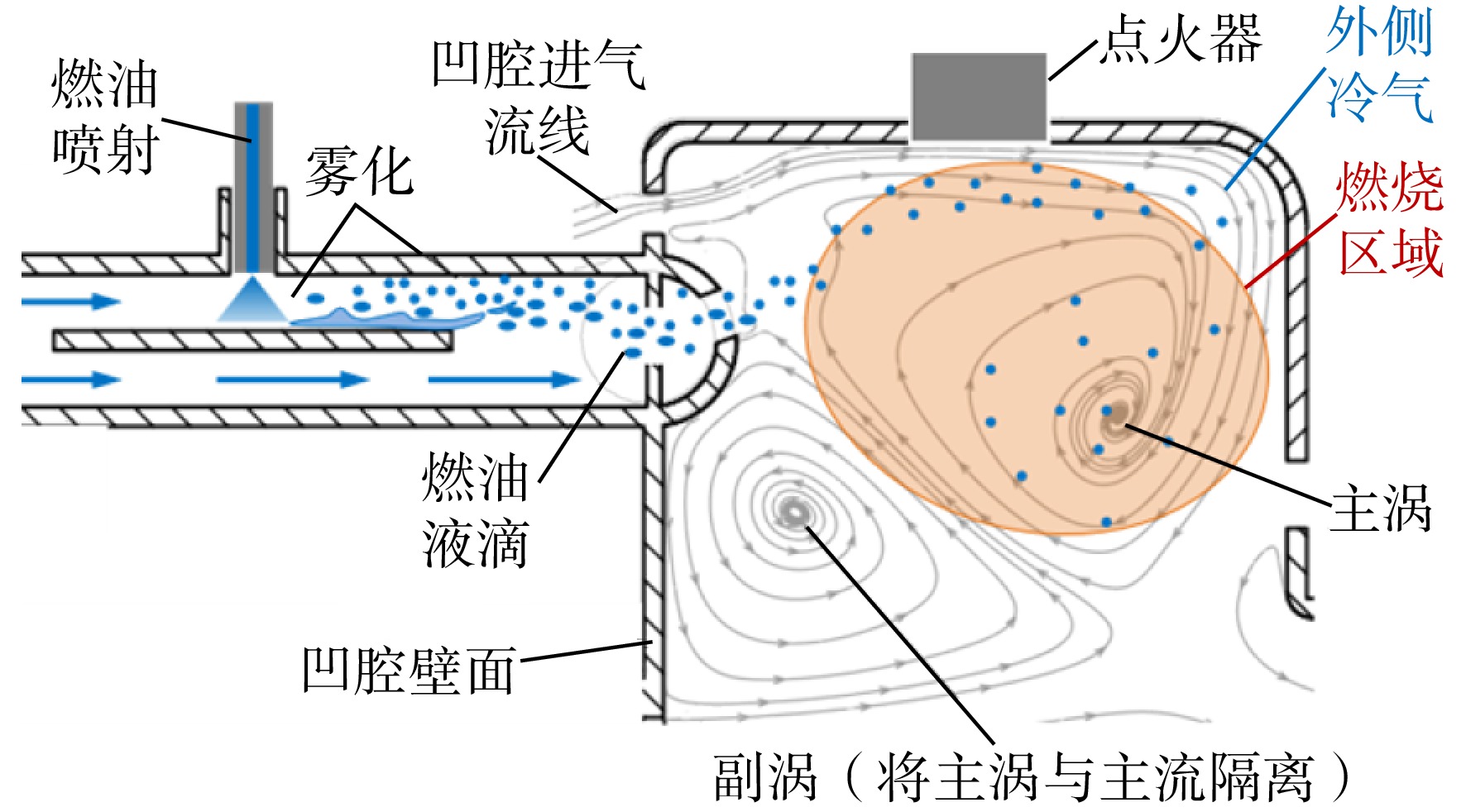
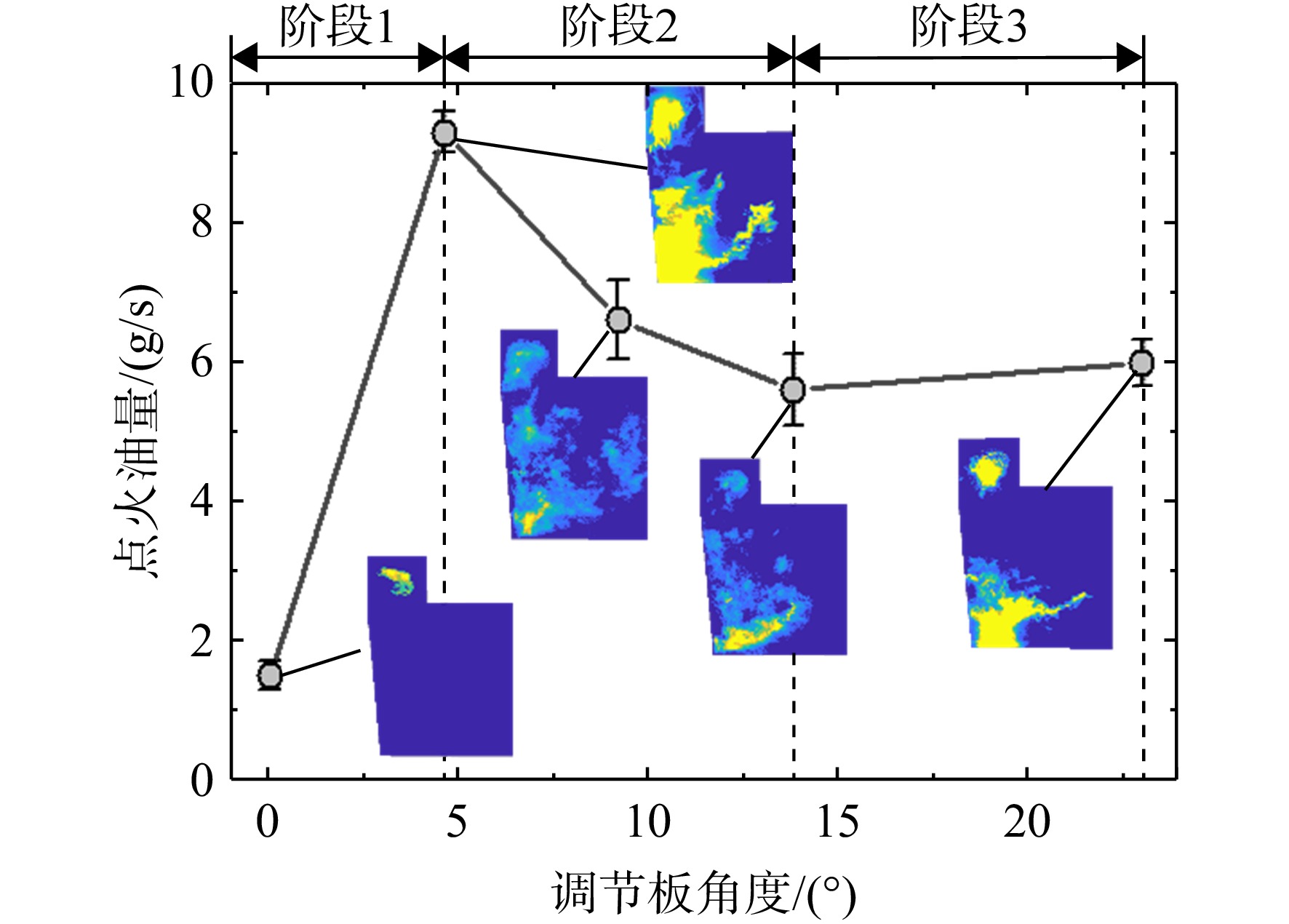
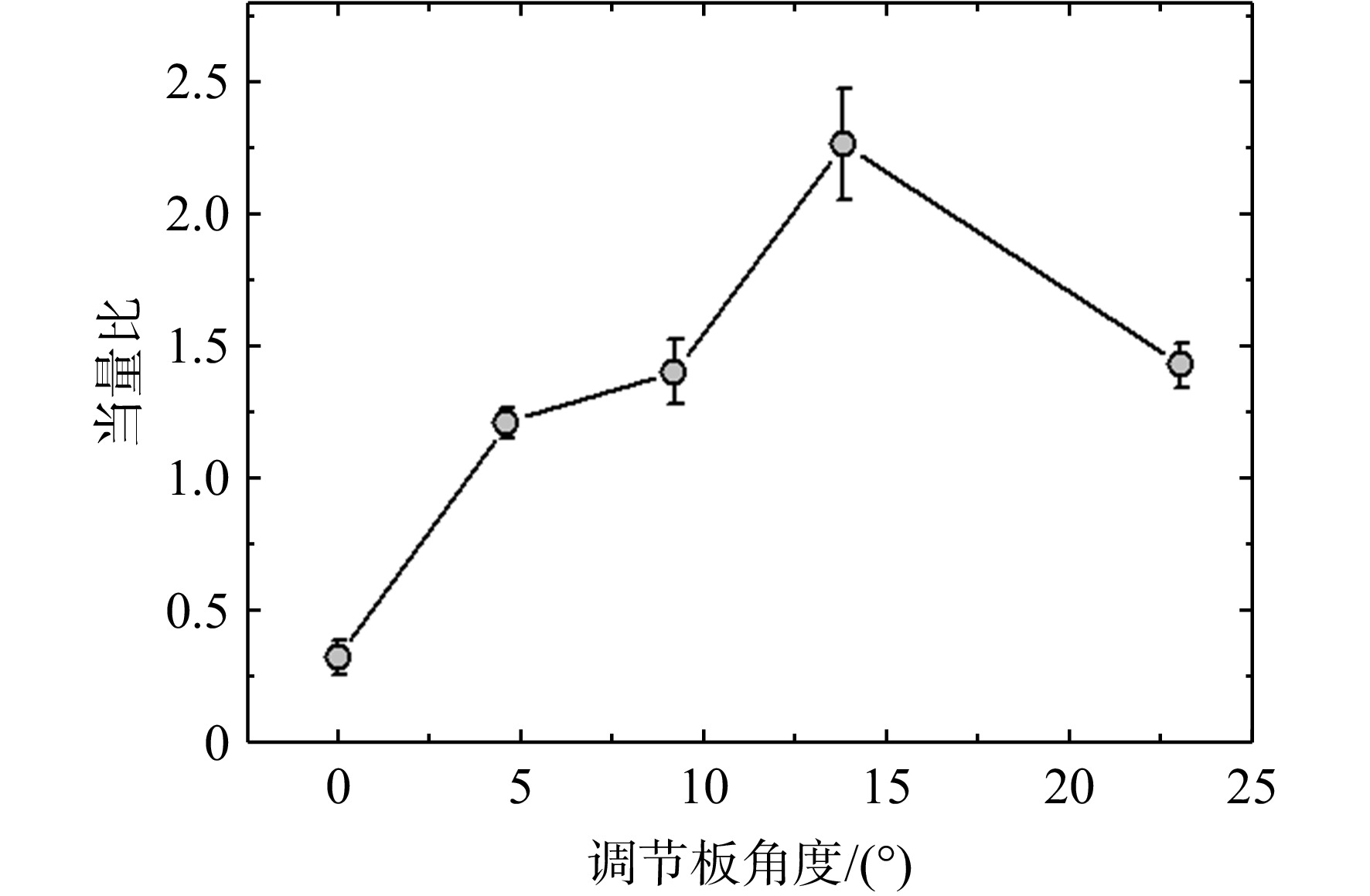
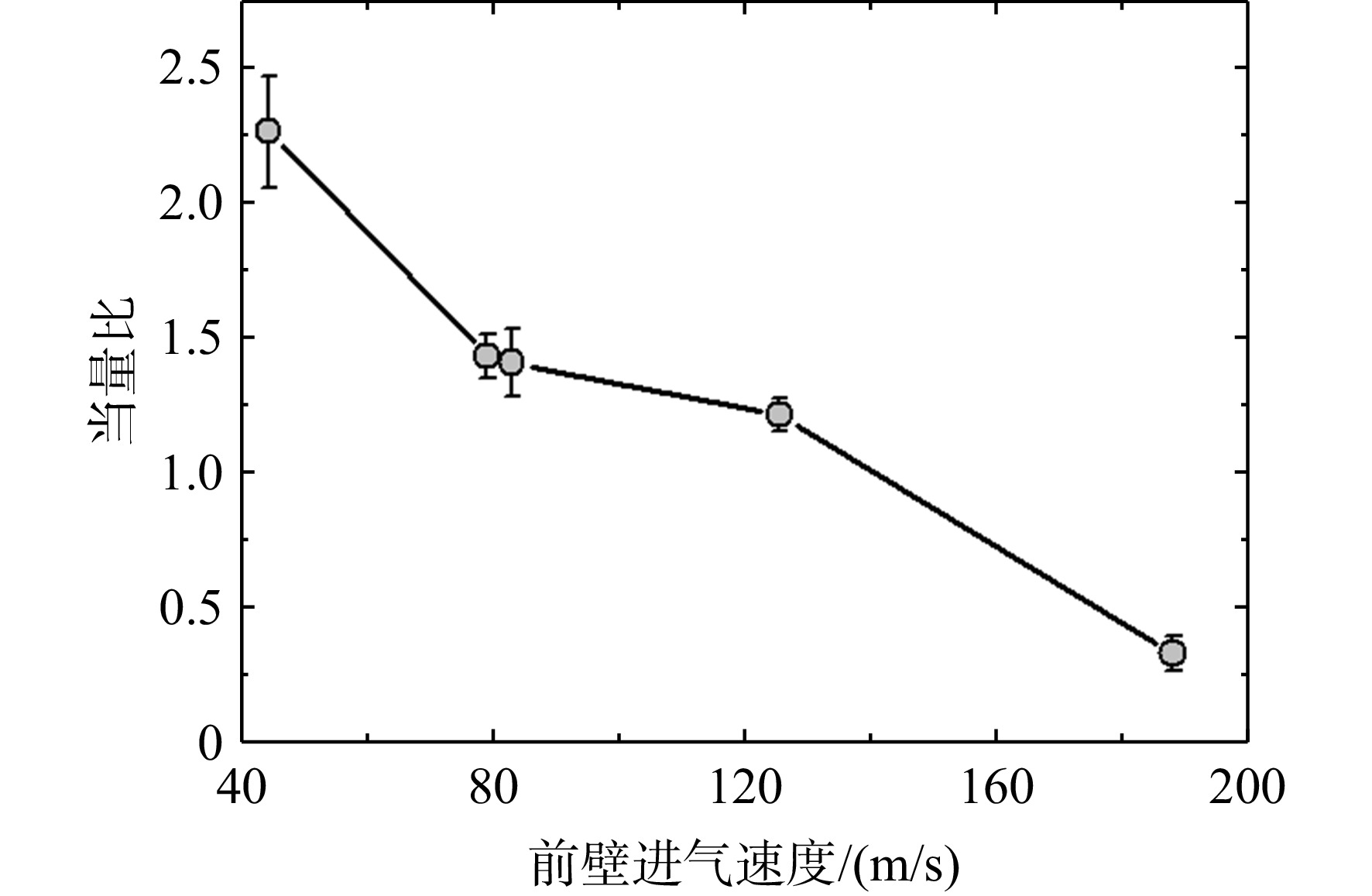
Ignition experiments and numerical simulations were conducted on a trapped vortex cavity hyper-burner using a rectangular test rig with rotating rear variable area bypass injector, covering turbine, transition, and ramjet modes. The study involved ejector exit Mach numbers ranging from 0.21 to 0.32, with inlet temperatures of 700 K for the turbine mode and 310 K for the ramjet mode. The results indicated that following ignition, the lag in the combustor temperature rise affected fuel evaporation, leading to a stepwise increase in flame intensity. The flame in the cavity achieved stabilization between 5 and 10 ms, while the global flame in the combustor stabilized within 35 ms. Flame intensity was positively correlated with the fuel flow rate; at low fuel flow rates, the flame was stabilized solely by the cavity, whereas at high flow rates, it was stabilized by both the cavity and the radial stabilizer. Regarding the influence of the ejector angle: from 0° to 4.6°, the cavity air temperature dropped from 700 K to 310 K, requiring the equivalence ratio to increase from 0.33 to 1.21 to achieve ignition with fixed ignition energy; from 4.6° to 13.8°, the cavity inlet velocity decreased while the Sauter mean diameter (SMD) increased, necessitating a further increase in the equivalence ratio to 2.26 to maintain the quenching distance; from 13.8° to 23°, the cavity inlet velocity increased and the SMD decreased, allowing the equivalence ratio to drop to 1.43. It was concluded that the lean ignition limit was negatively correlated with the cavity inlet velocity. Consequently, the design of the regulation control law should prioritize the stabilization of the cavity inlet velocity.

Linear stability analysis of three dimensional perturbations on a swirling liquid sheet subjected to swirling gas flows
SUN Xiaoqiang, YAN Hong, CHEN Fuzhen
2026, 41(6): 20240562. doi: 10.13224/j.cnki.jasp.20240562
Abstract:

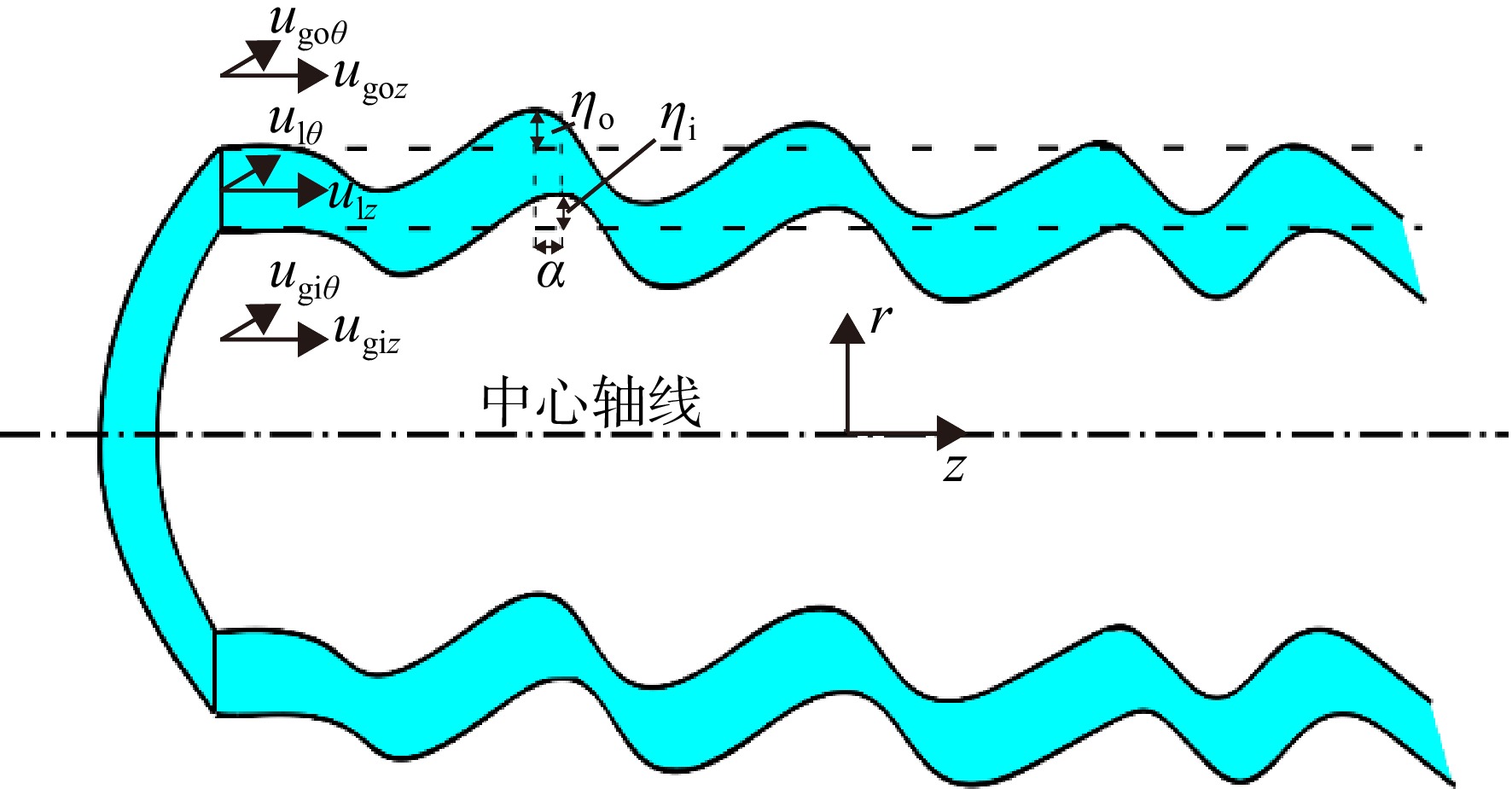
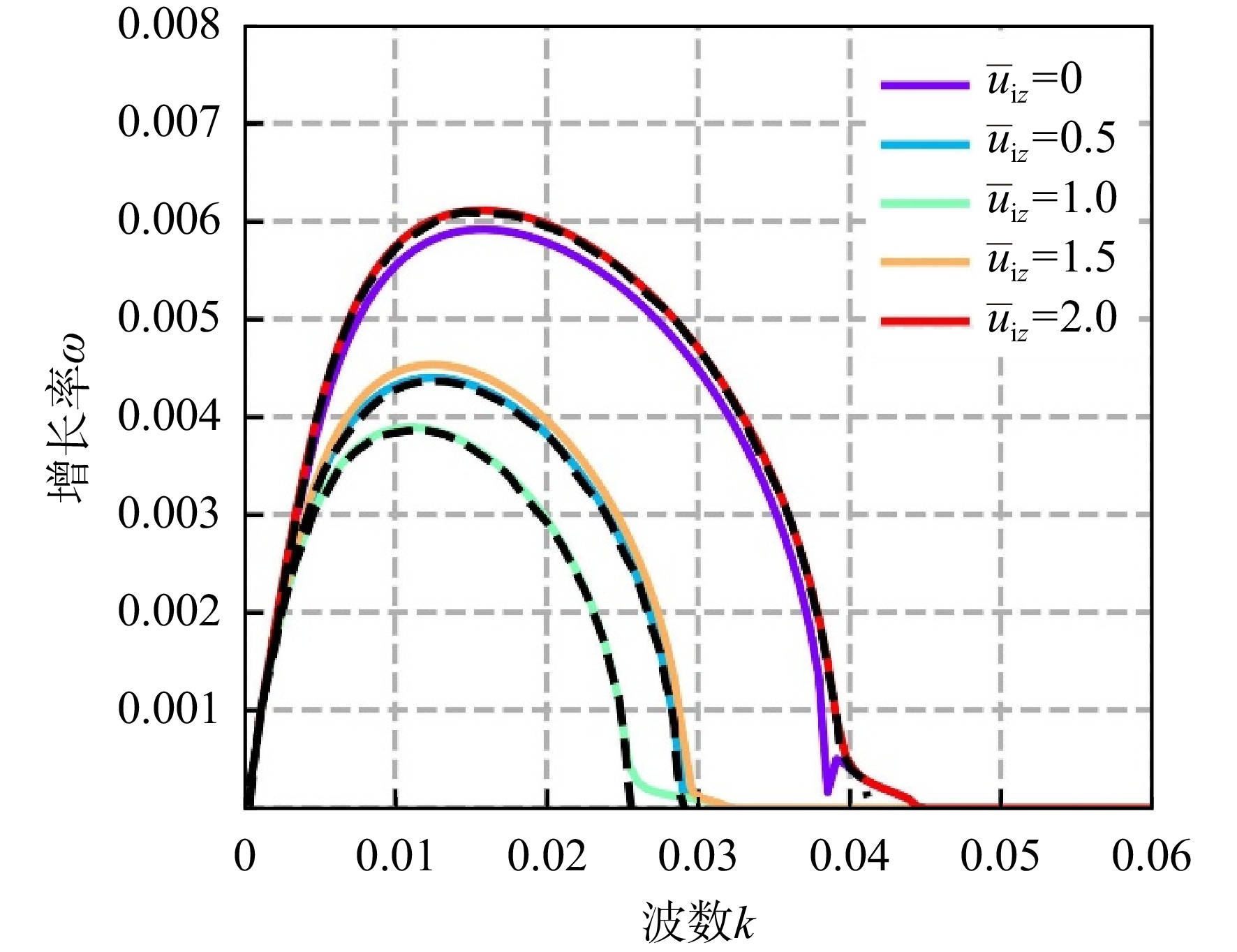
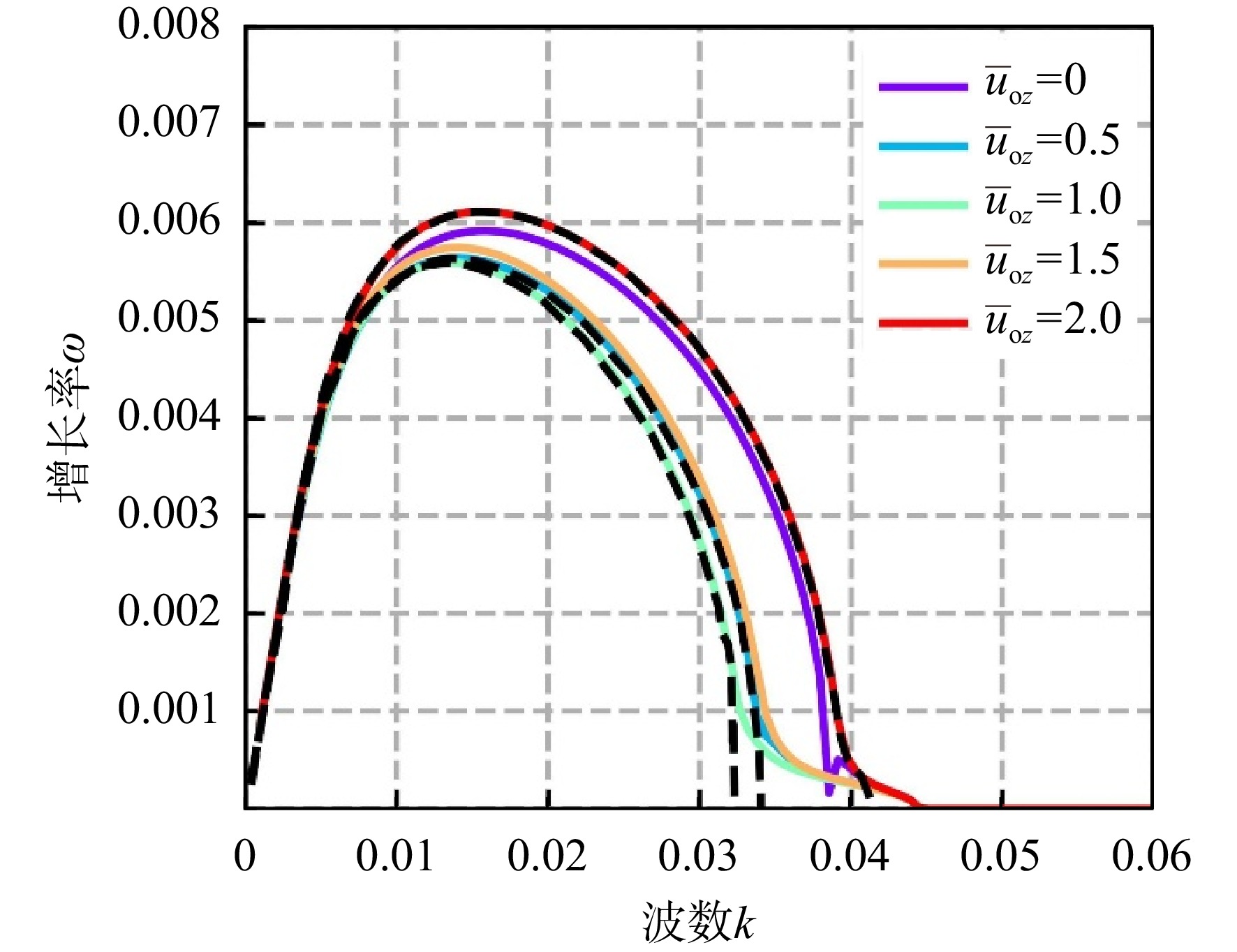
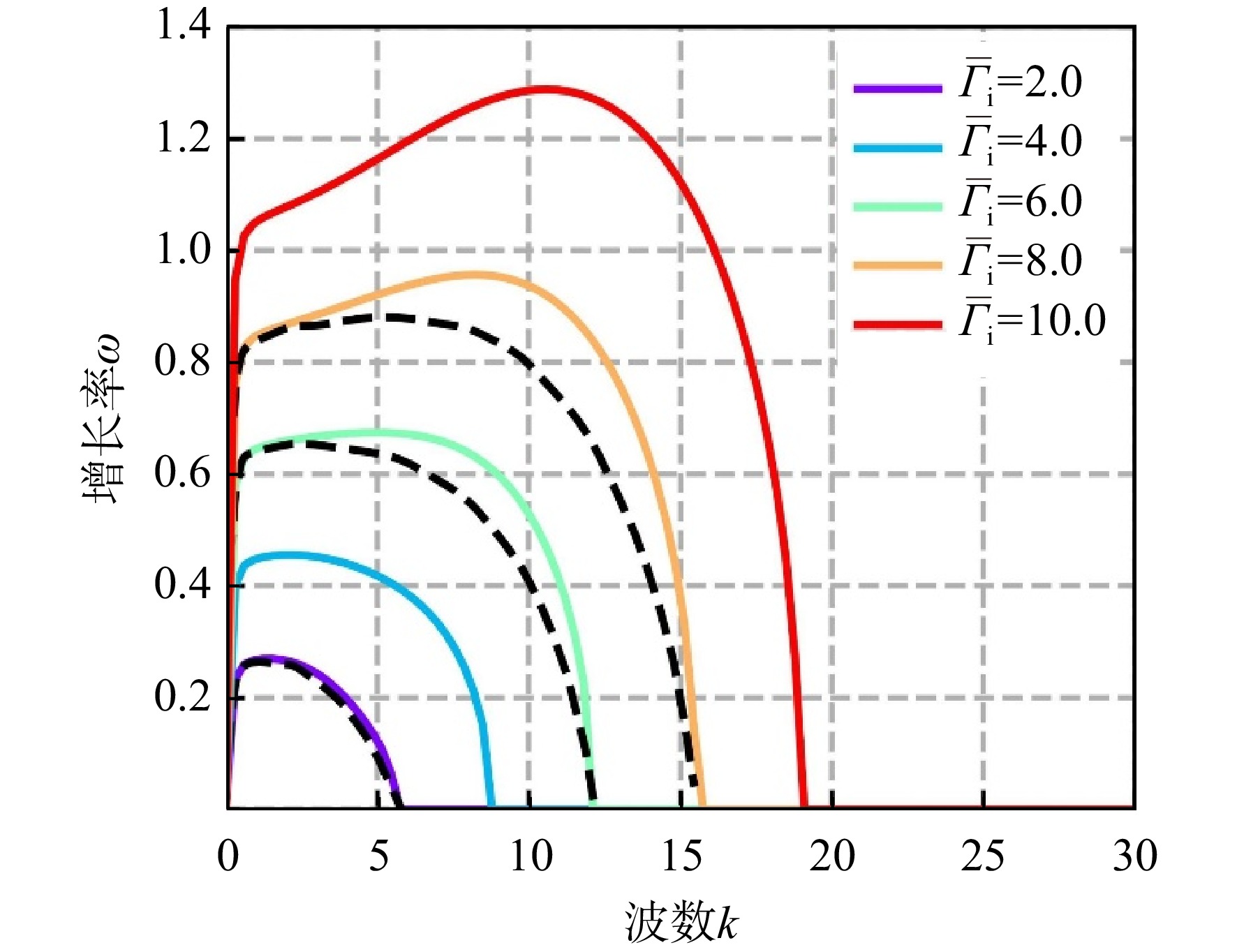
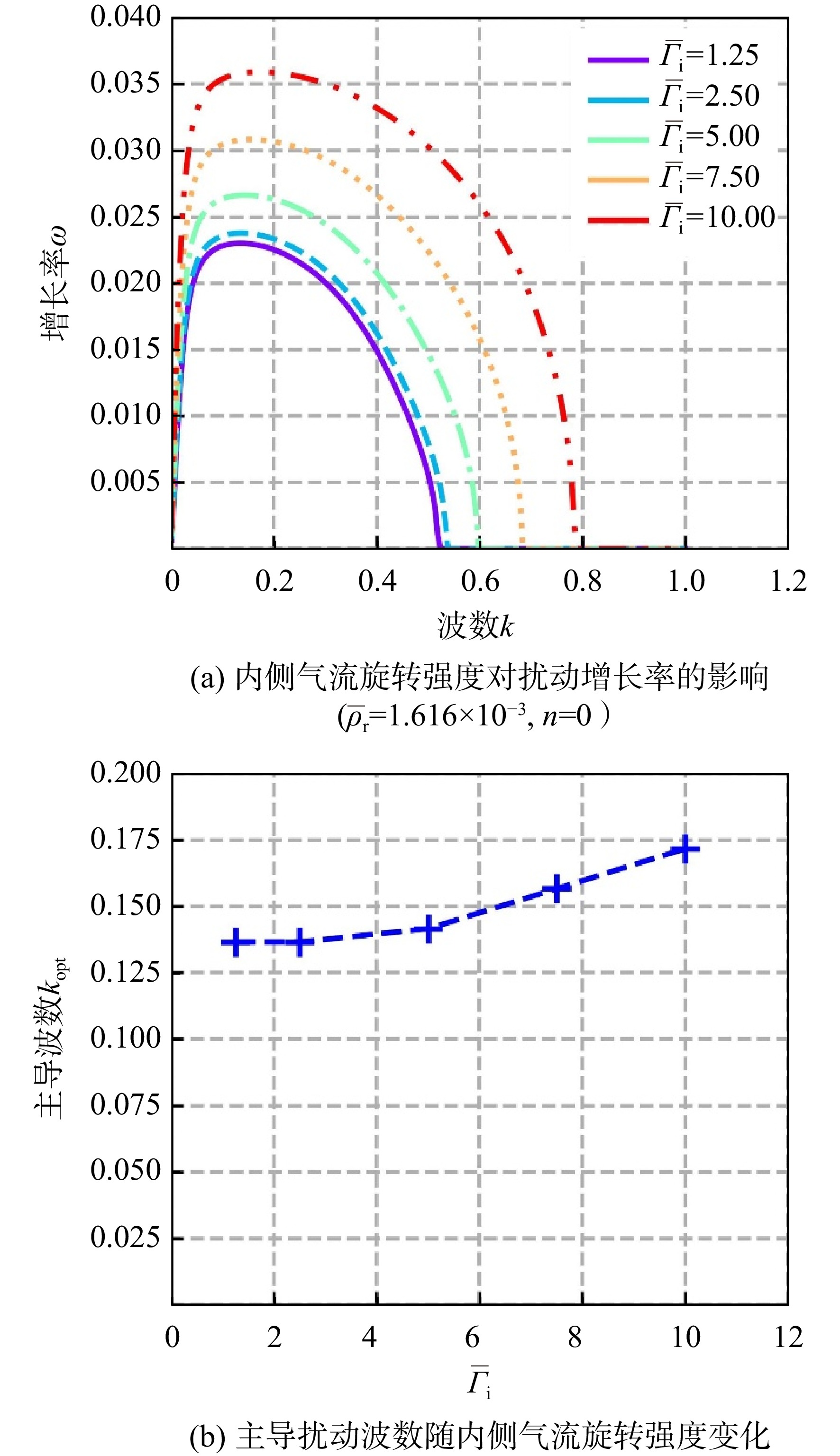
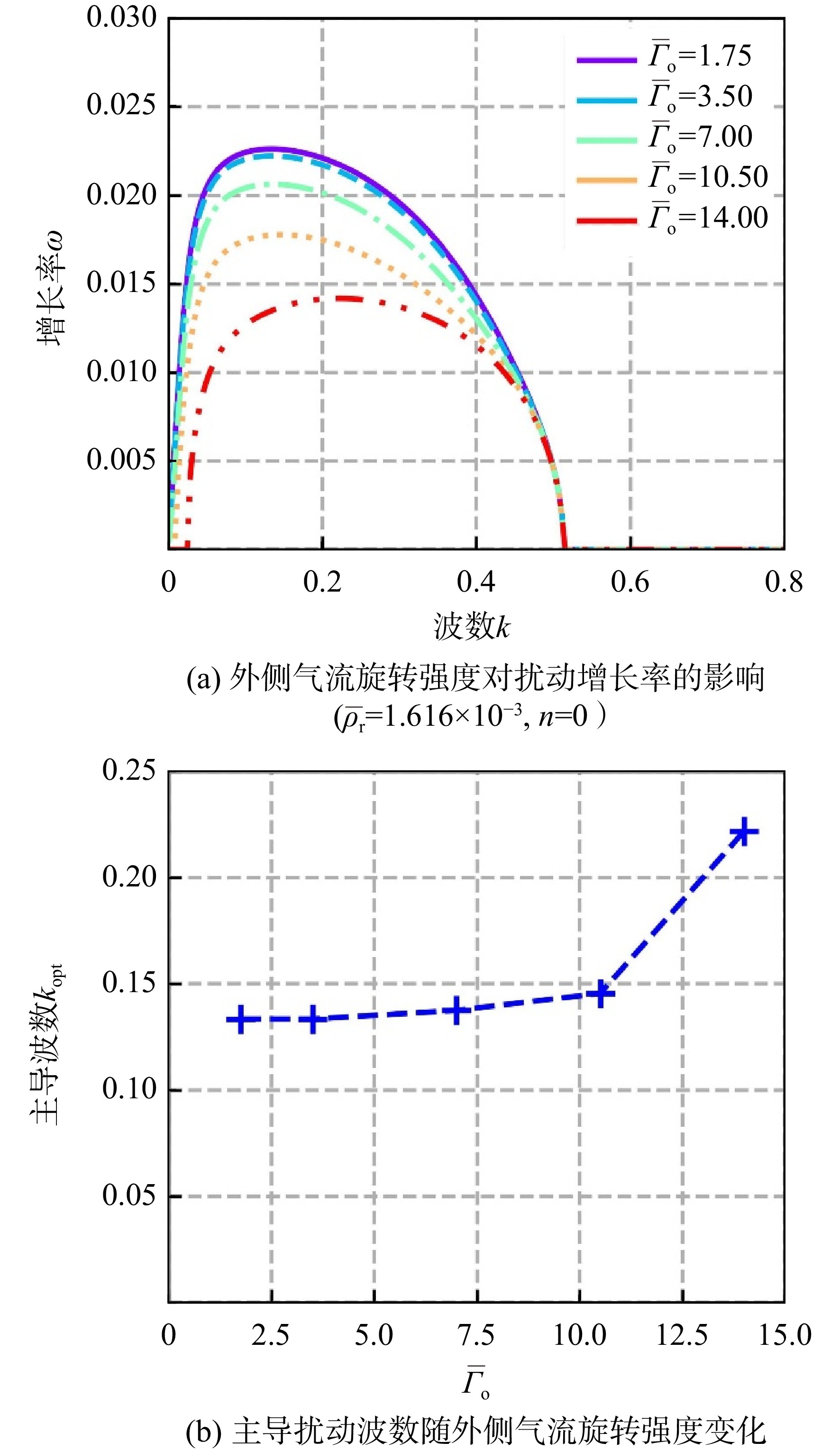
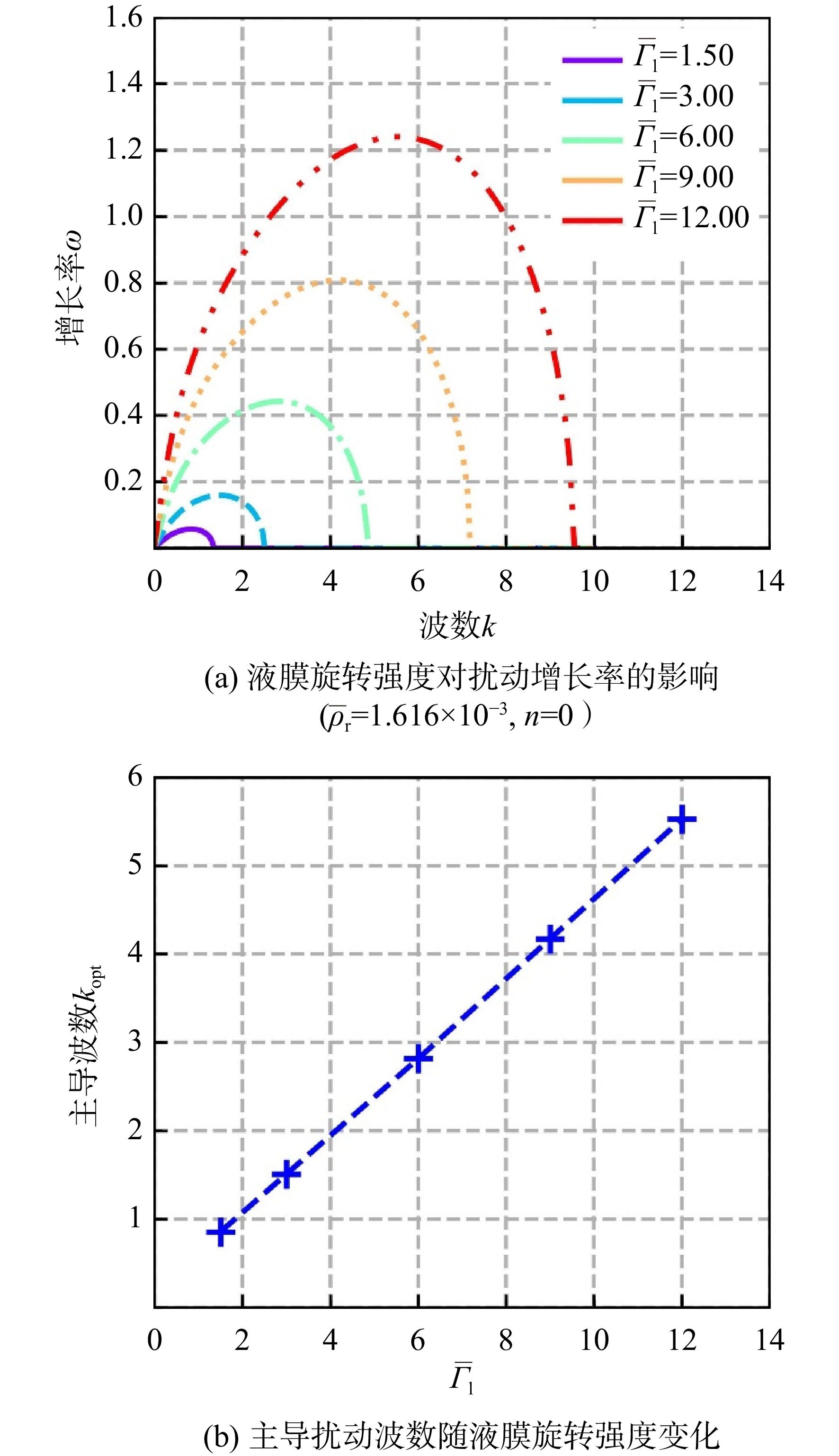
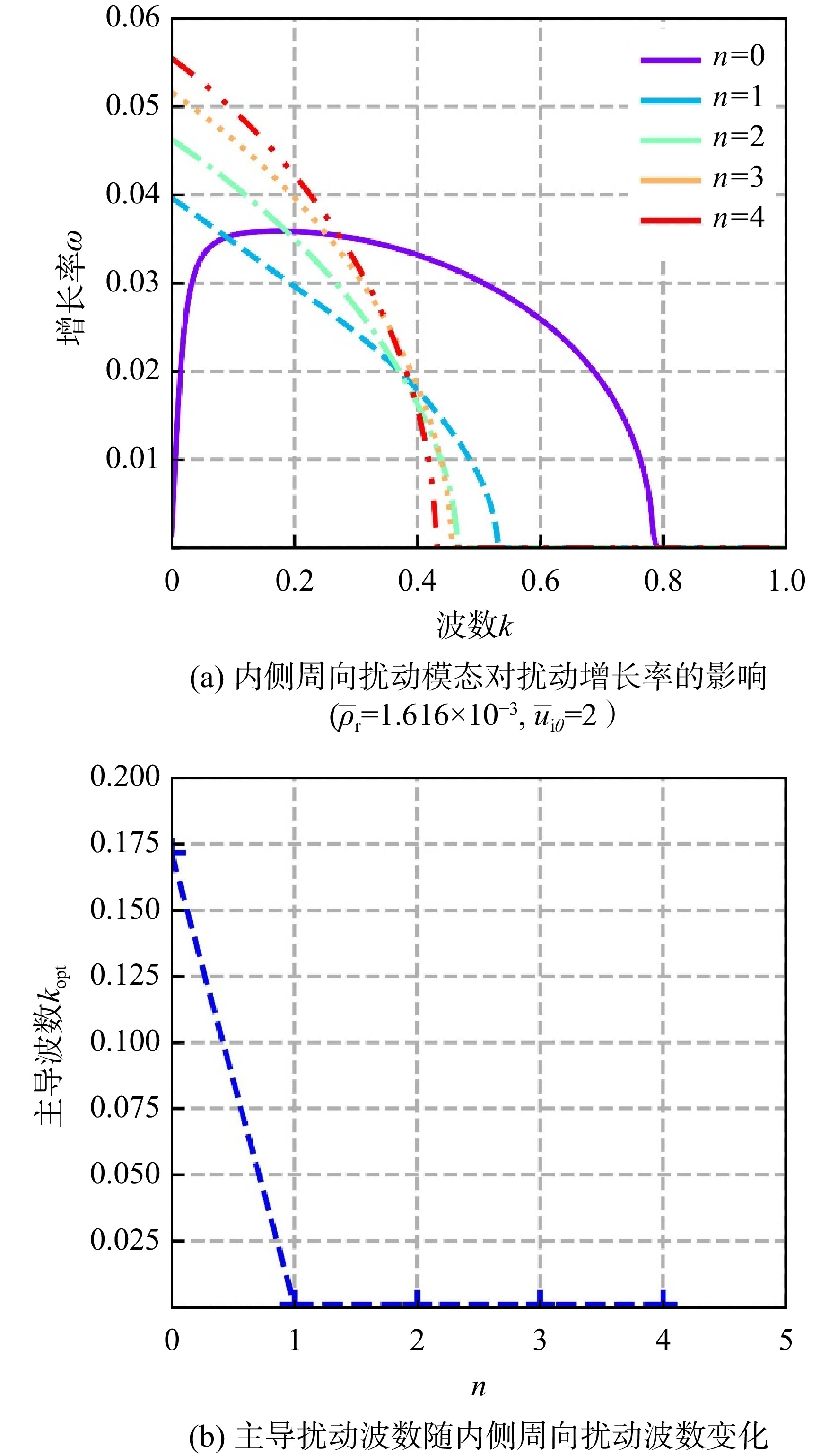
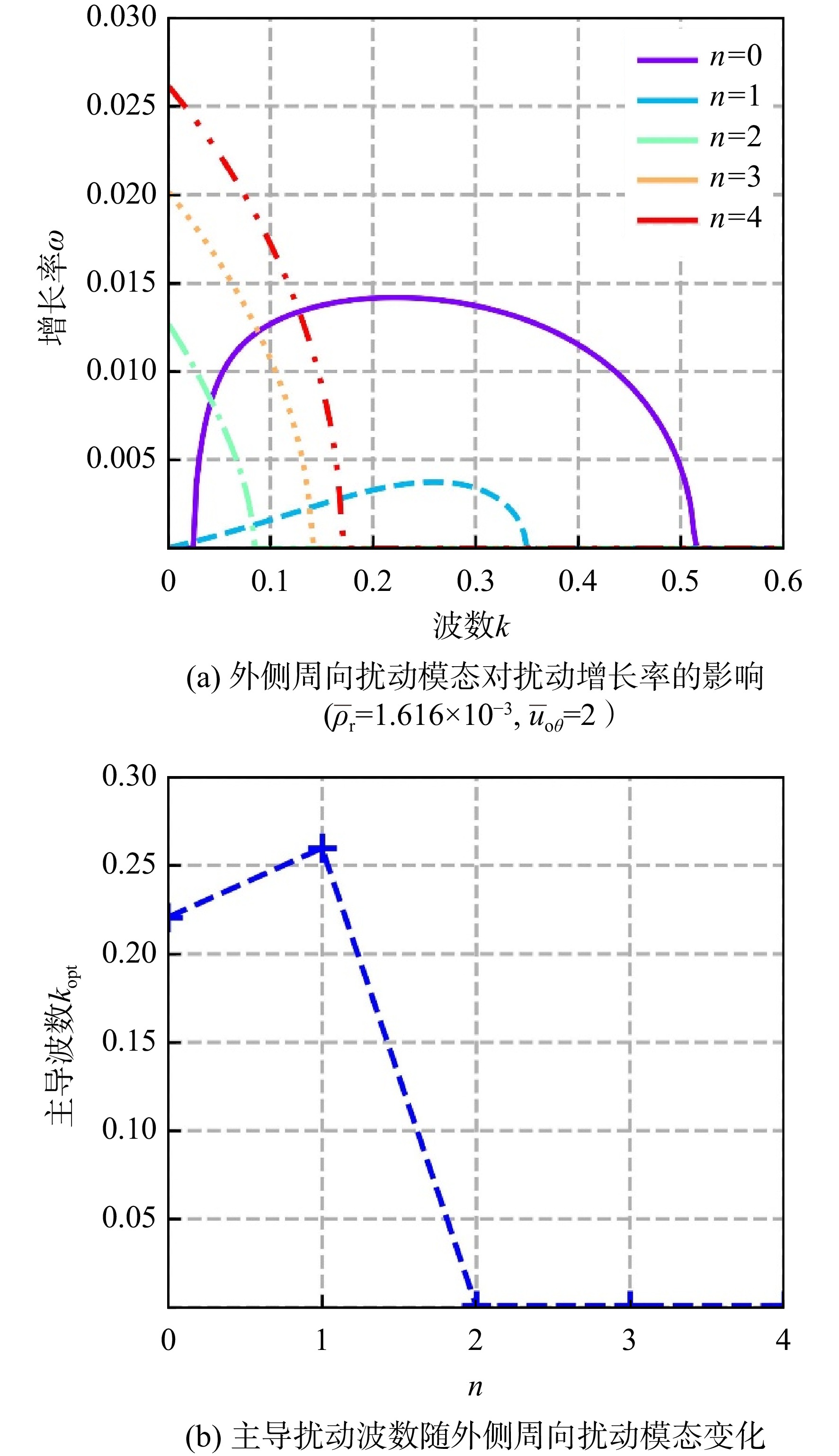
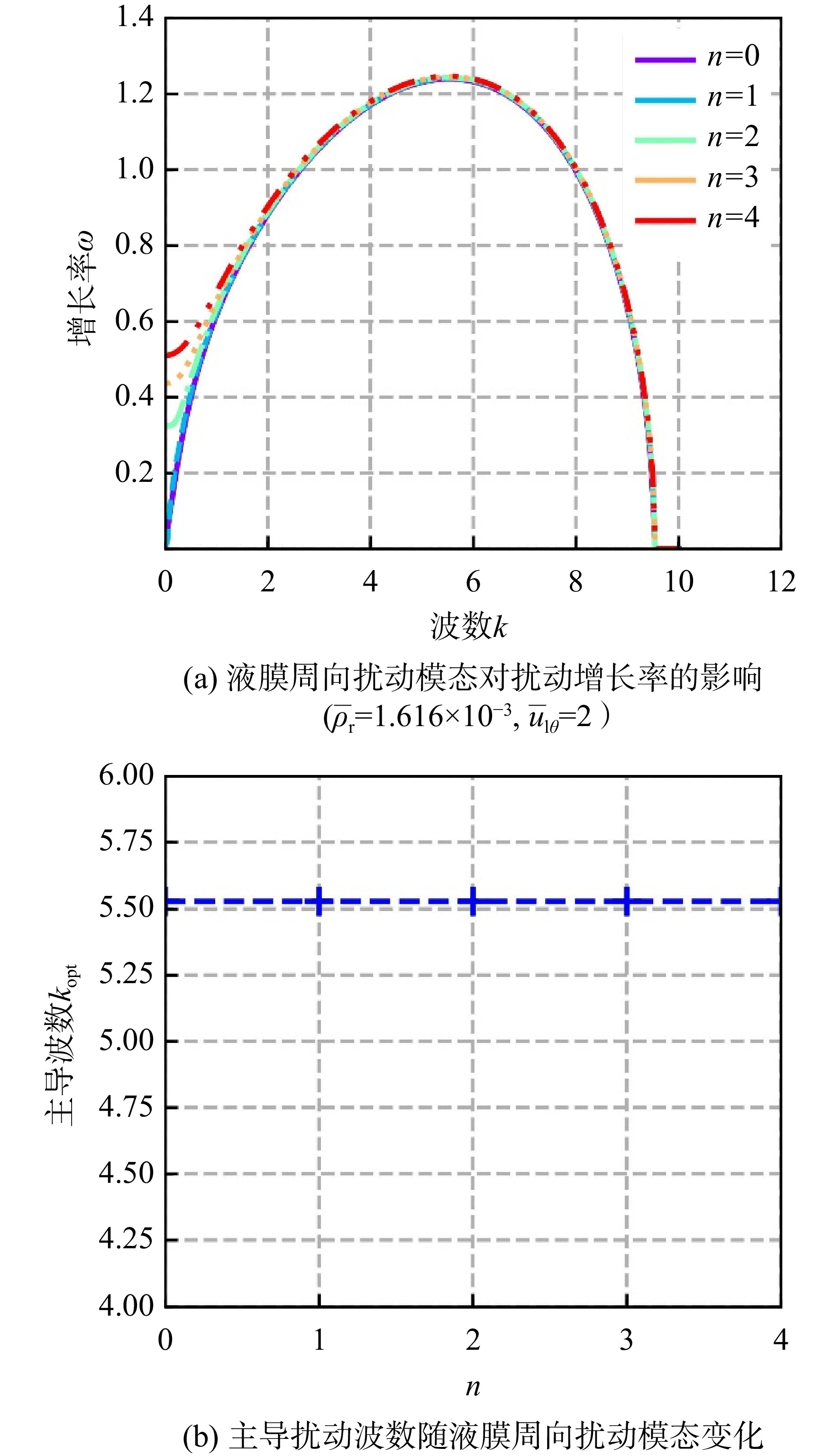
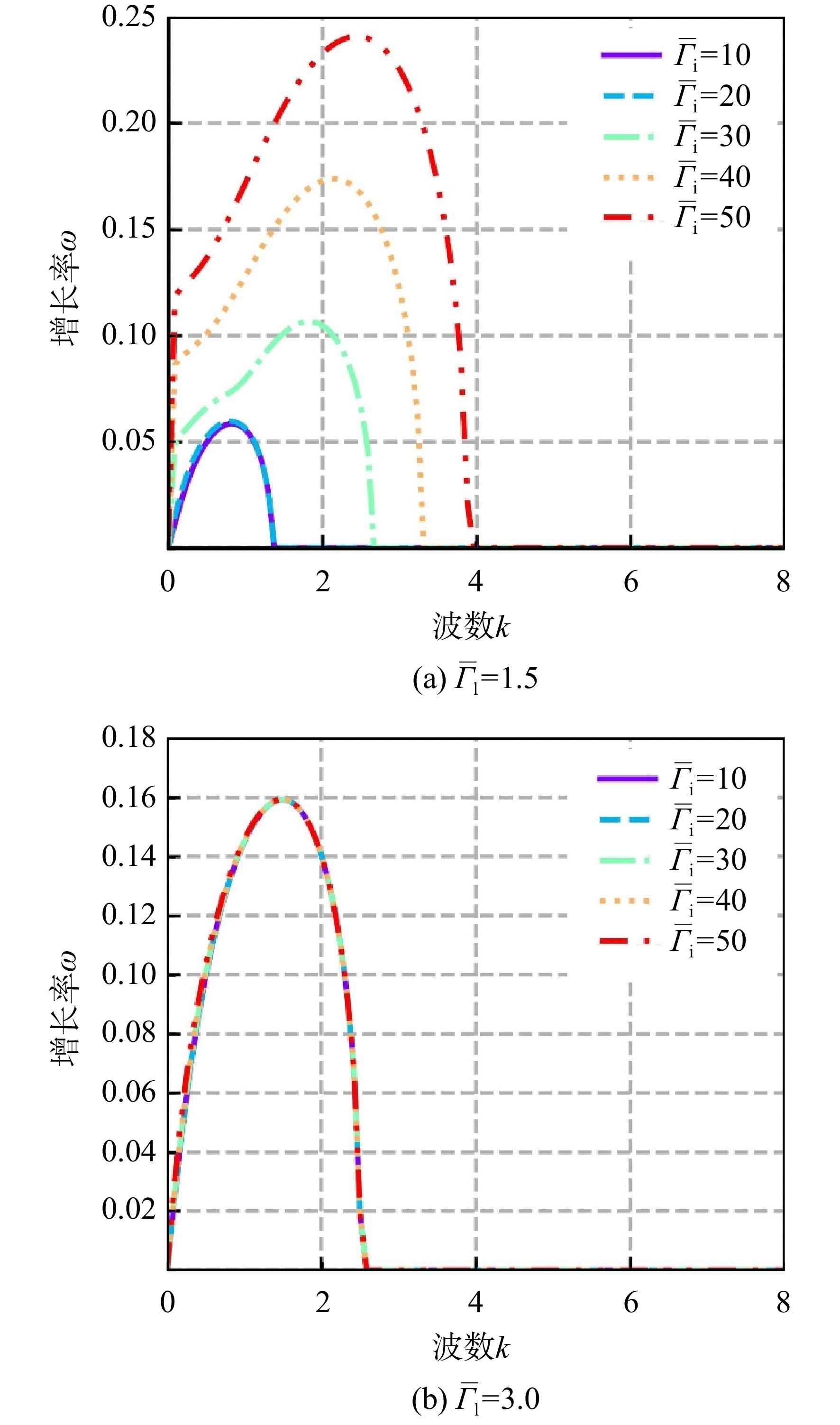
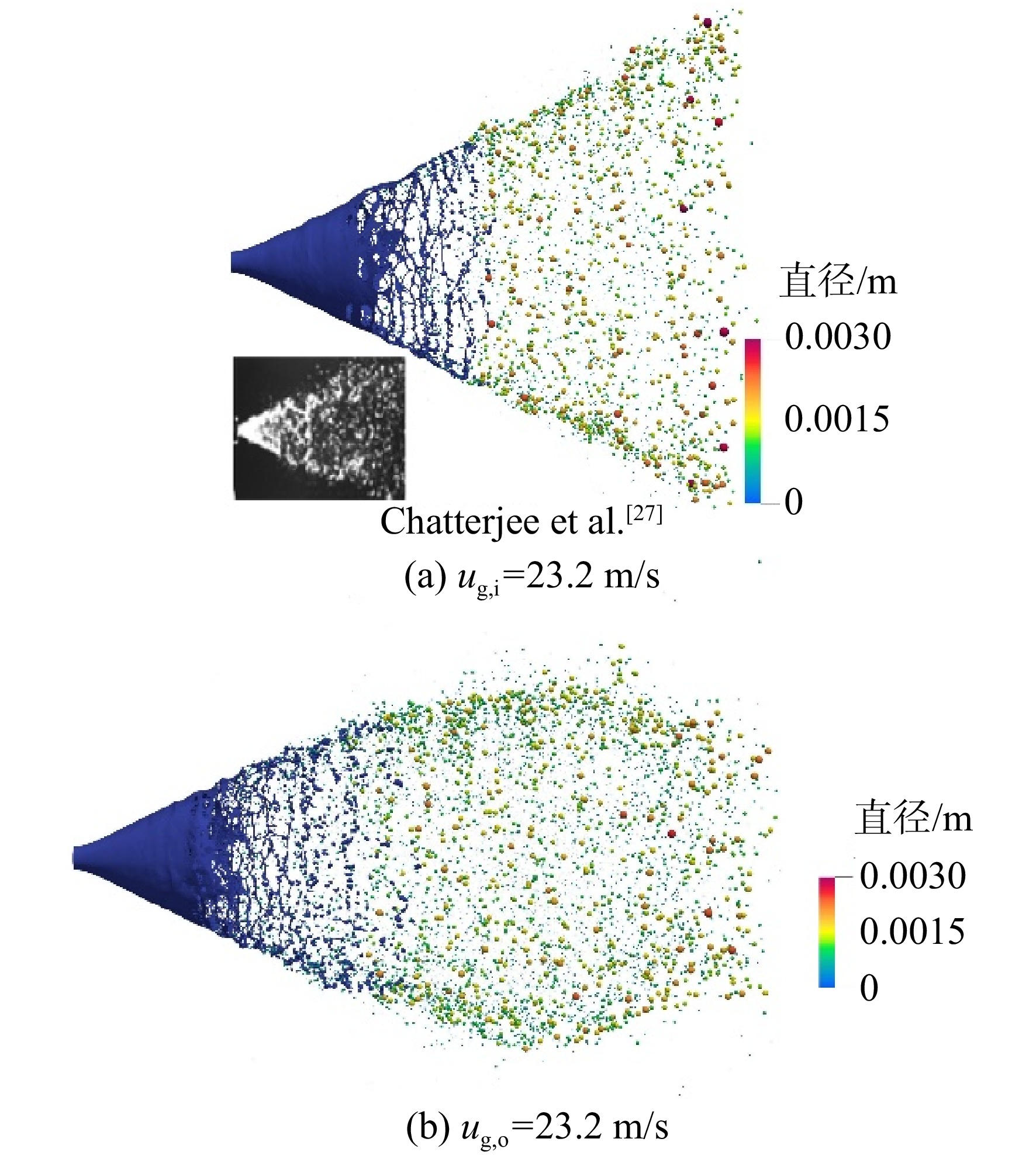
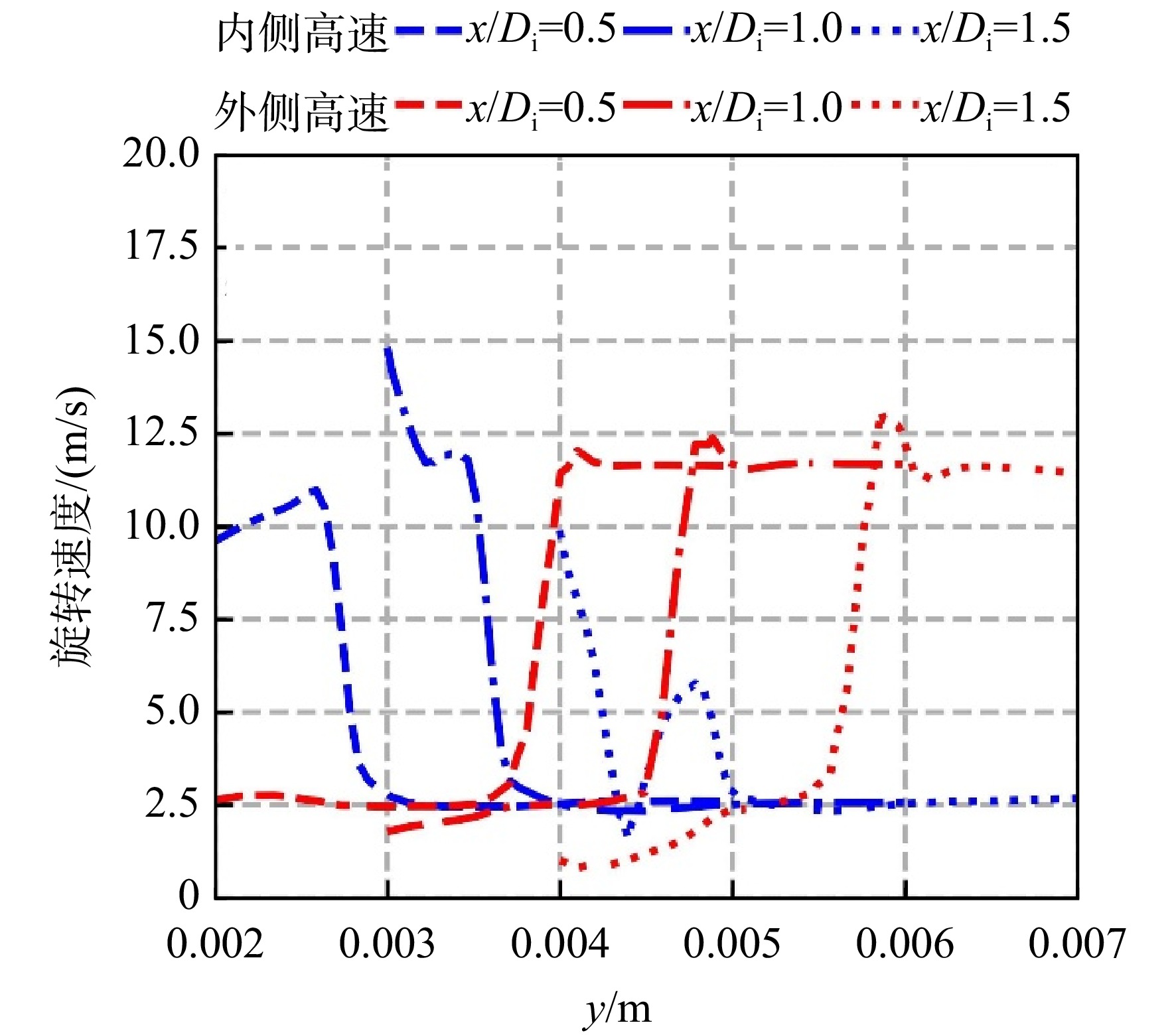
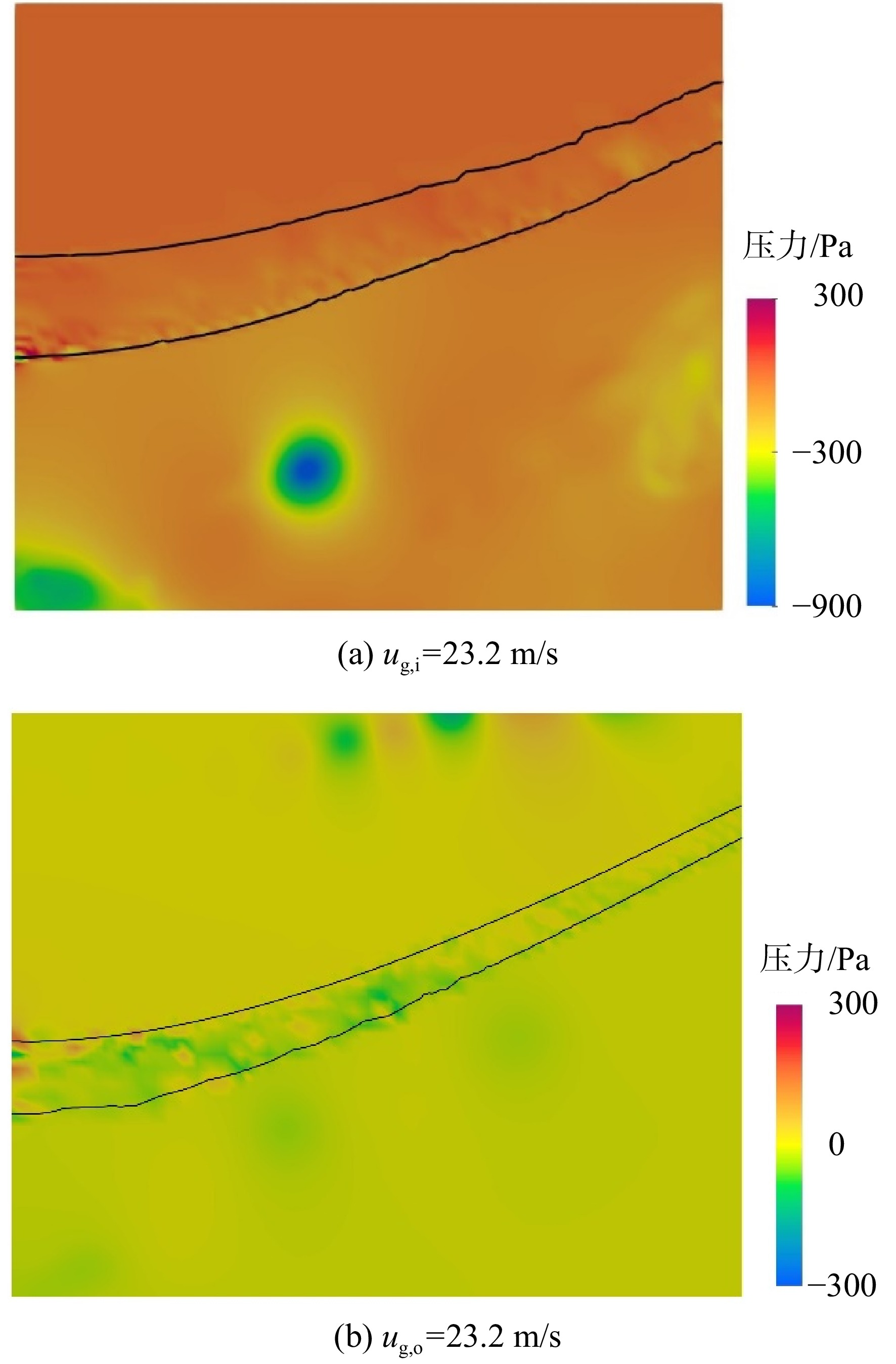
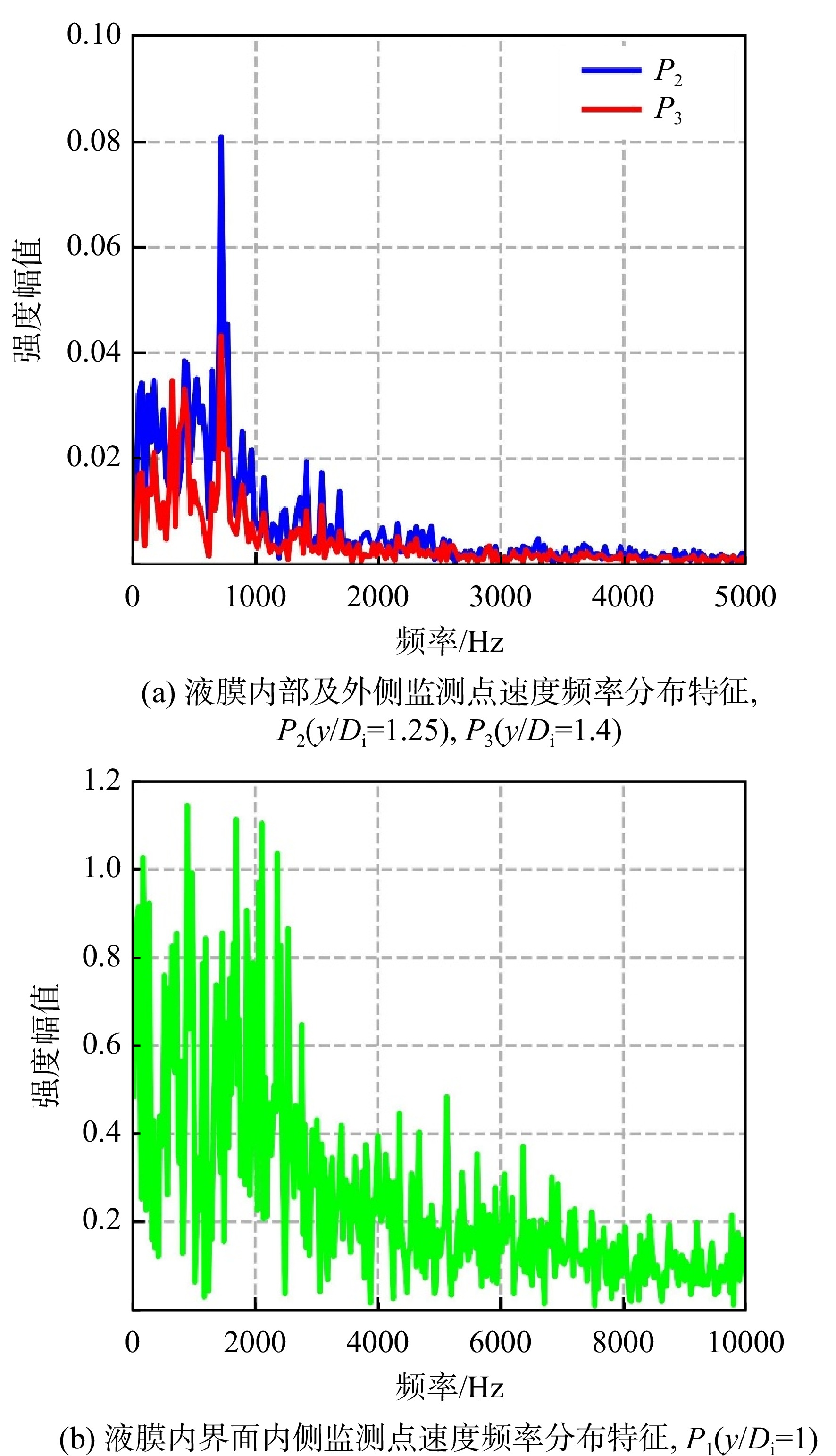
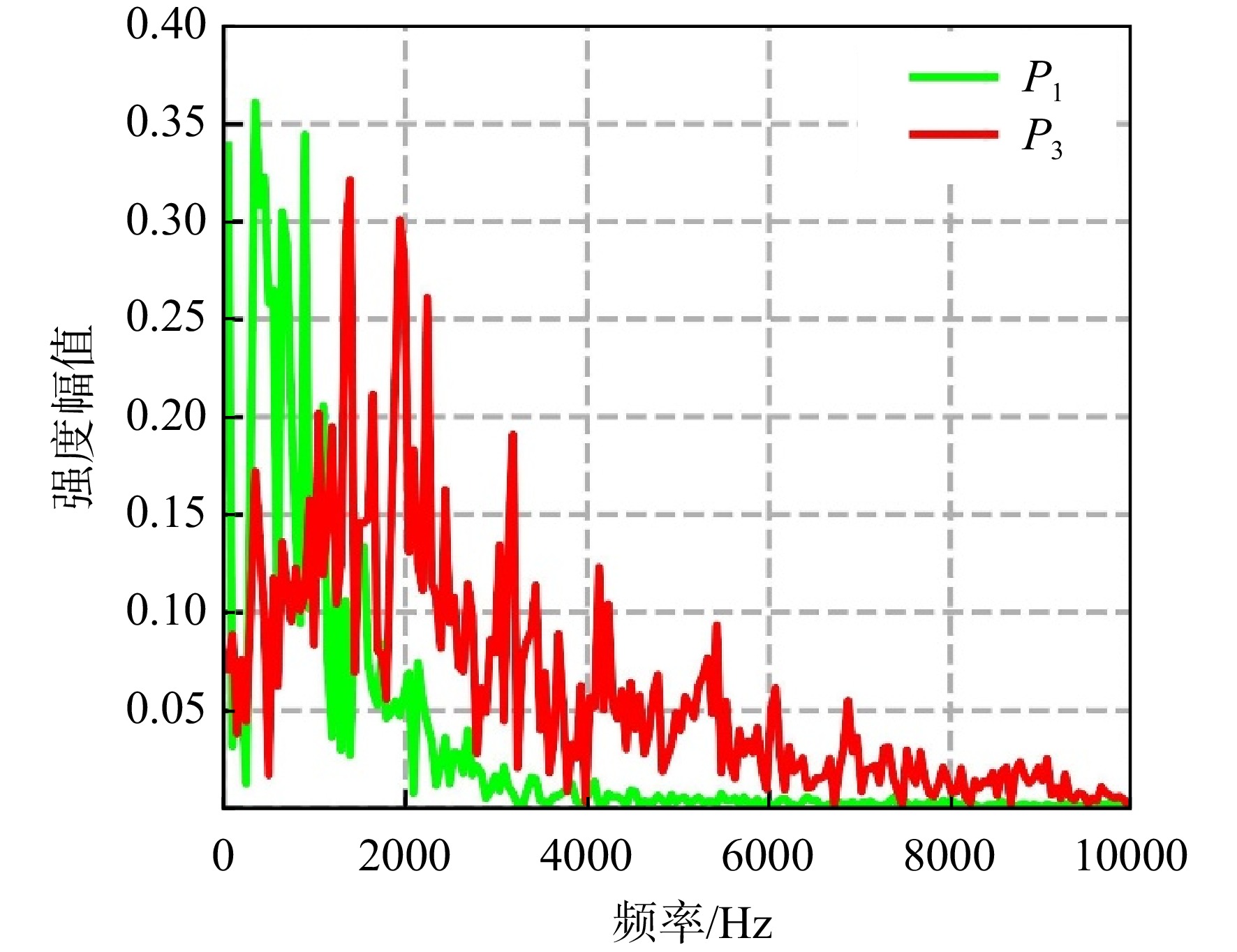
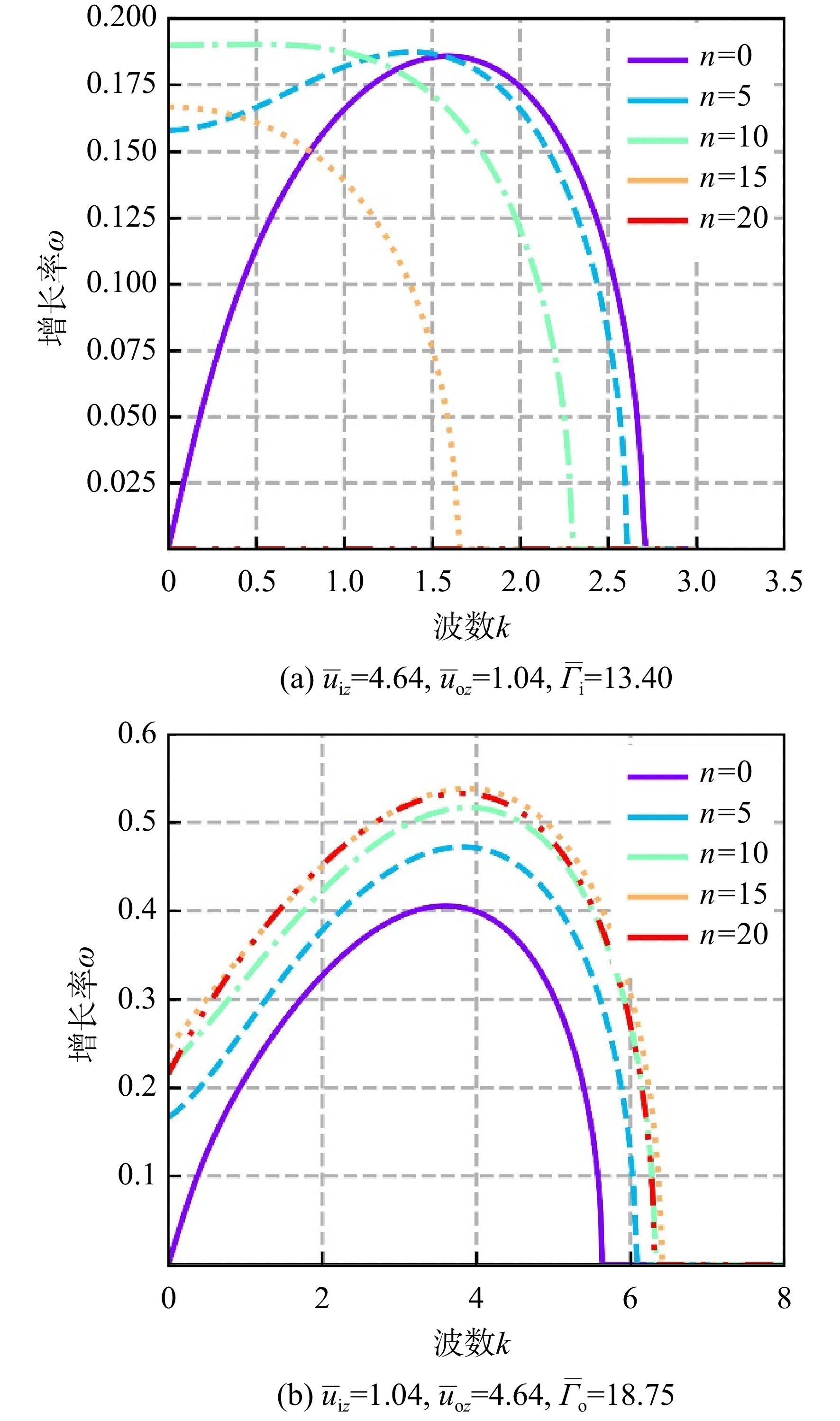
Considering the form of airblast atomization widely applied in advanced aeroengine combustor, the key physical phenomena were reduced to the perturbation and breakup of swirling liquid sheet under the influence of inner and outer swirling gas flows. Linear stability analysis was applied to this process from theoretical perspective, with detailed derivation and numerical solving steps presented. The influence on the characteristics of interfacial perturbations from two-phase swirling motions of experimental physical parameters was discussed. The swirling motions of inner gas flow promoted the axisymmetric perturbations, whereas the swirling outer gas had a suppressing effect. The dominant perturbation wavenumber increased linearly with the increase of swirling strength of the liquid sheet. For the high-order circumferential modes, the perturbation growth ranges activated by inner and outer swirling gas were 54.6% and 35.1% of the axisymmetric modes separately. The theoretical results were compared with the implicit large eddy simulations of airblast atomization under similar conditions. For a high-velocity inner gas flow, the dominant perturbation frequency from stability analysis was 2546.5 Hz, matching the numerical results. For a high-velocity outer gas flow, the stability analysis correctly predicted the trends of perturbation development. The mechanisms of gas-liquid interaction under swirling conditions were further understood through theoretical computations.
Study on flame-flame interaction based on simultaneous PIV/PLIF test
WEI Wei, HUI Xin, AN Qiang, XUE Xin, YU Shiyang
2026, 41(6): 20250160. doi: 10.13224/j.cnki.jasp.20250160
Abstract:

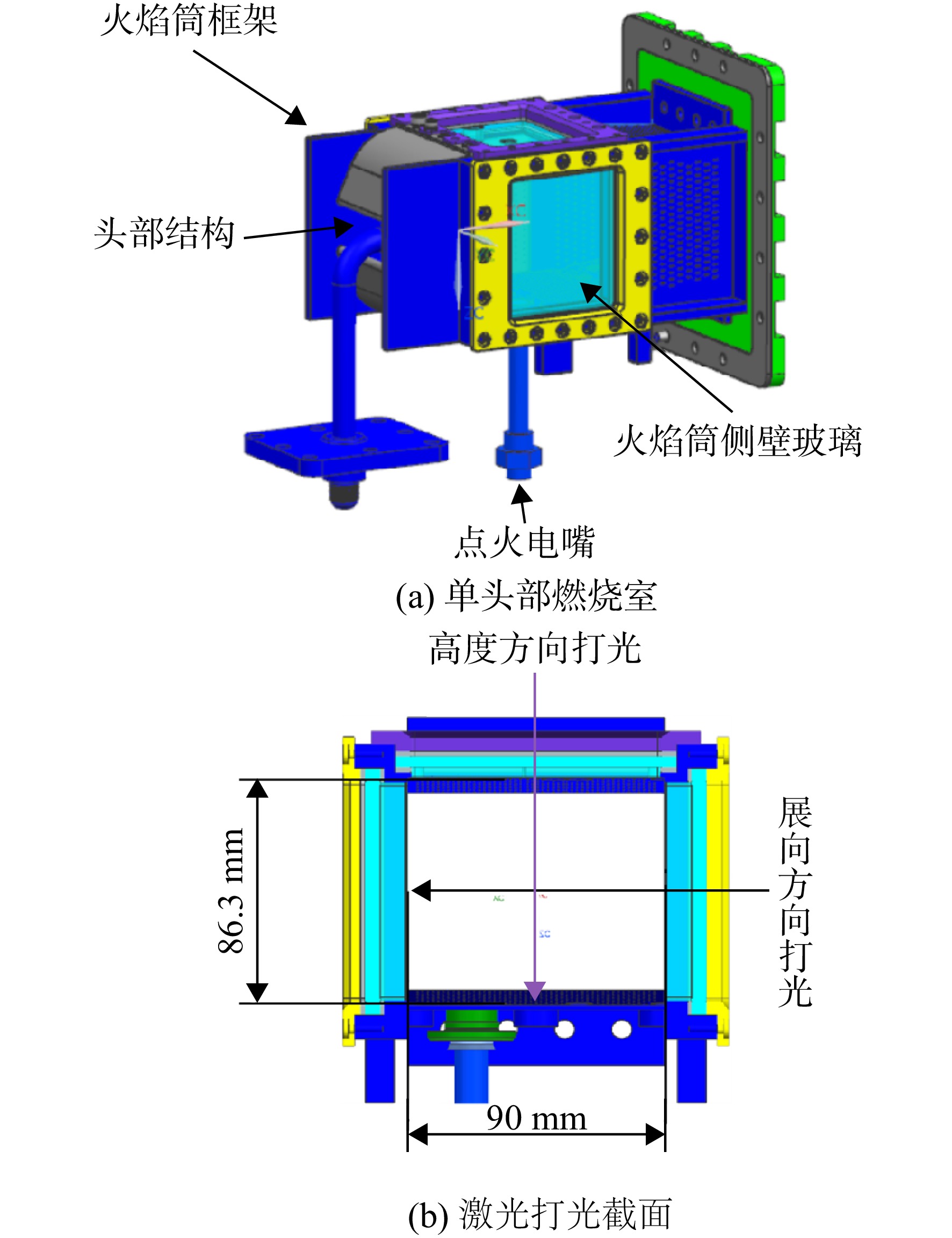
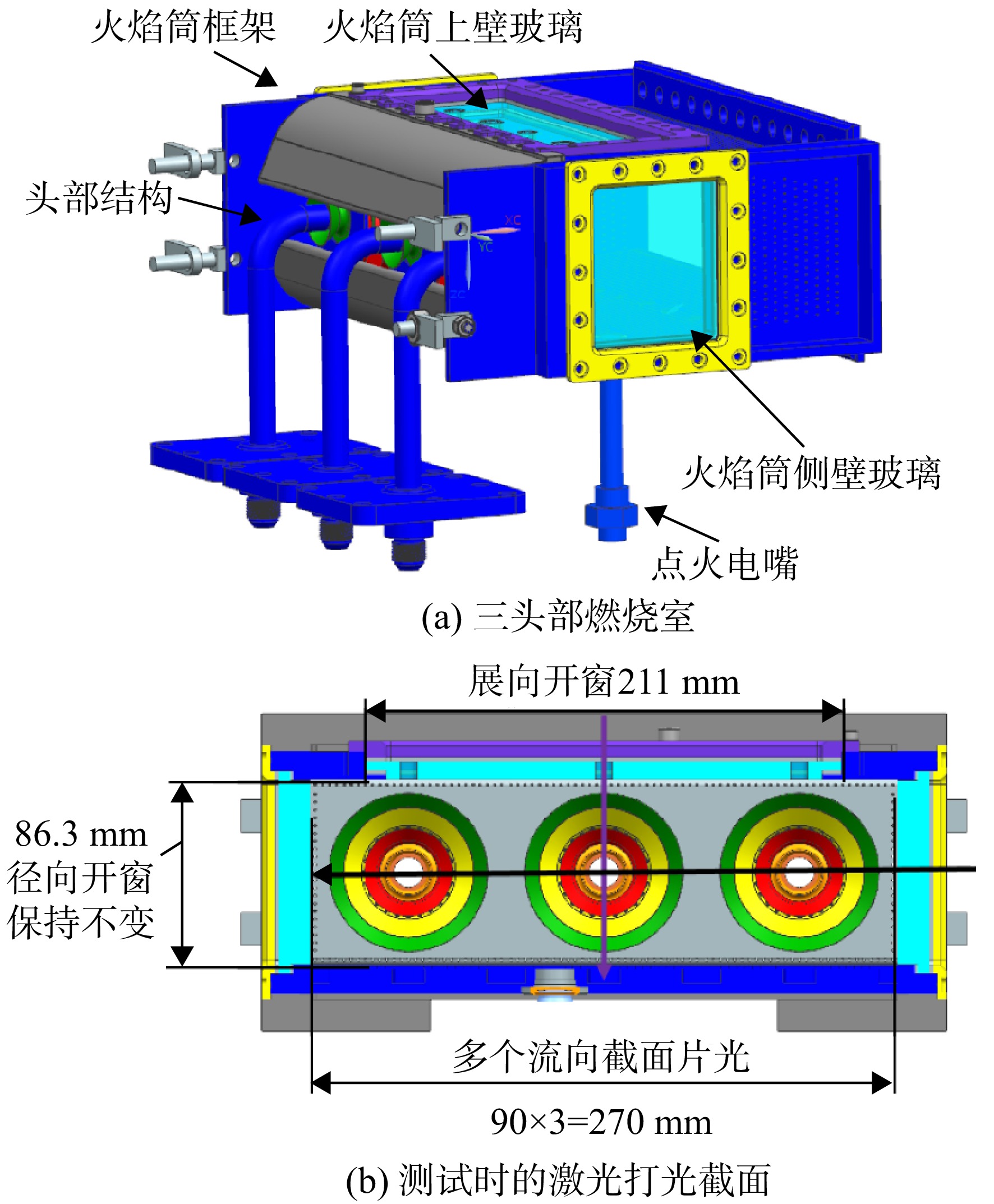
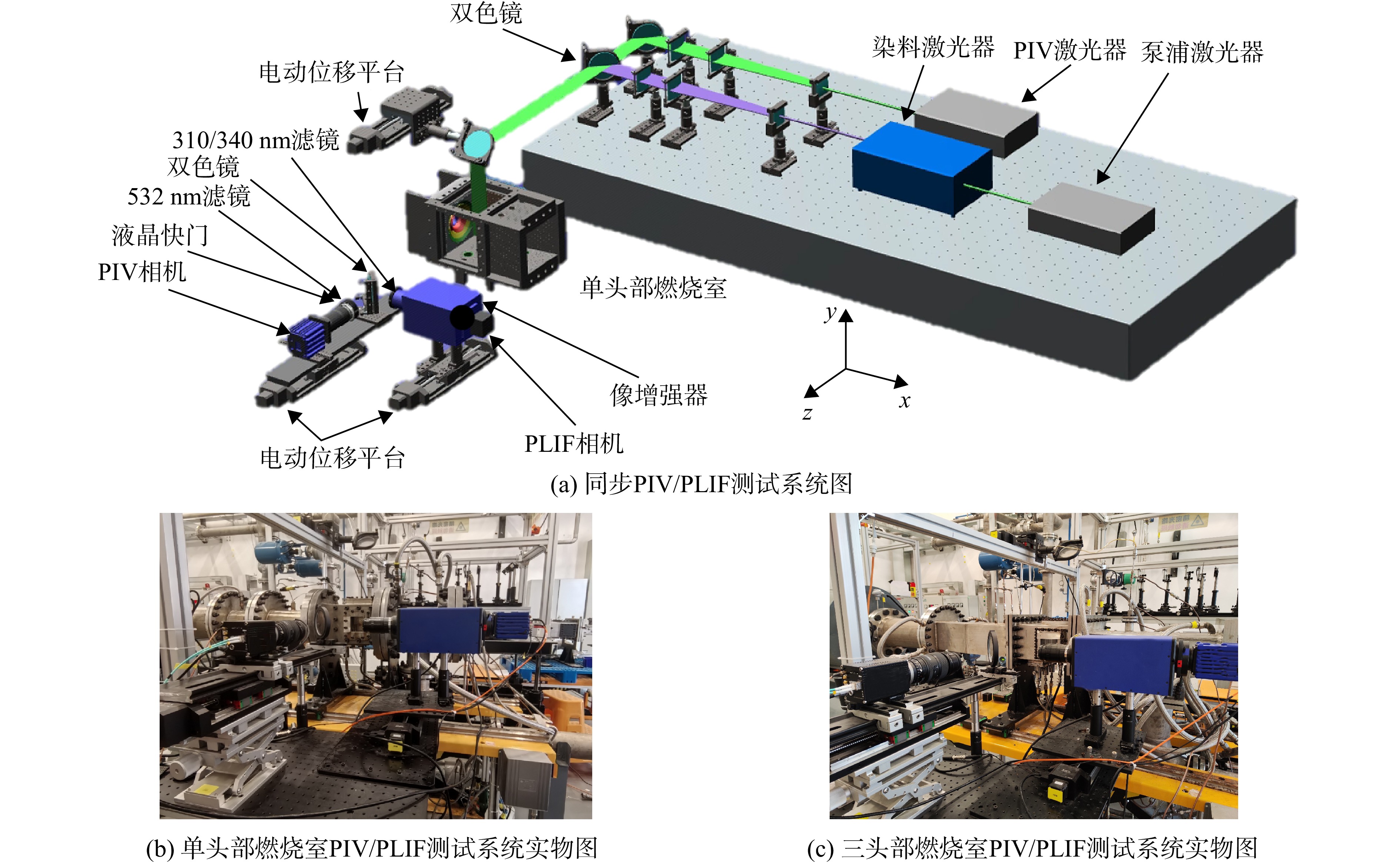
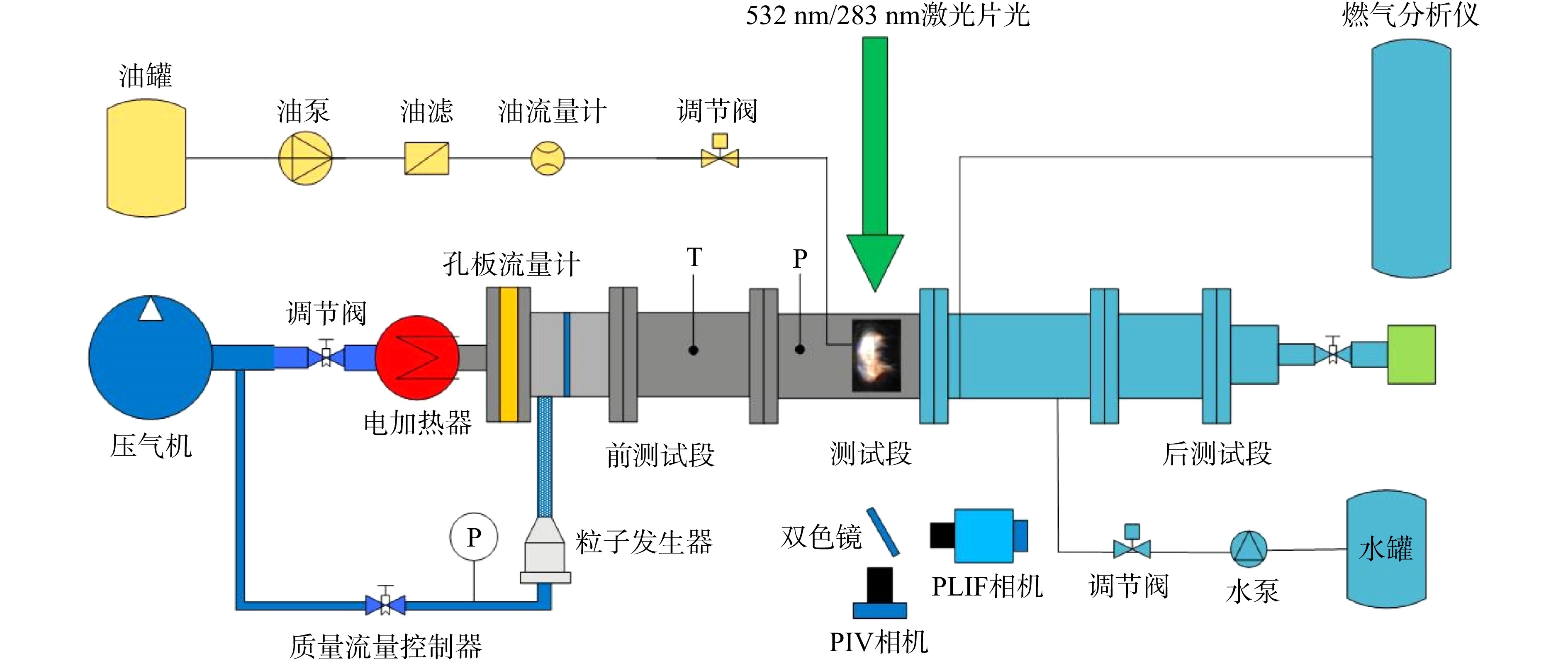
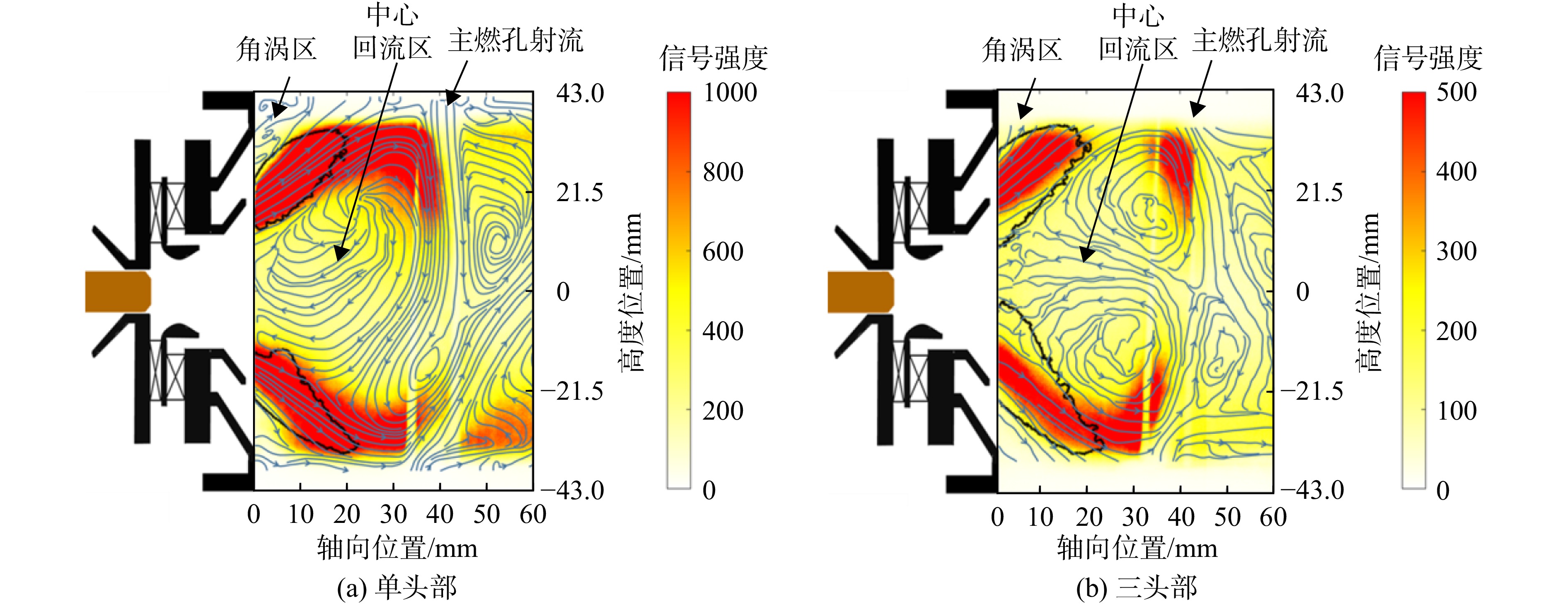
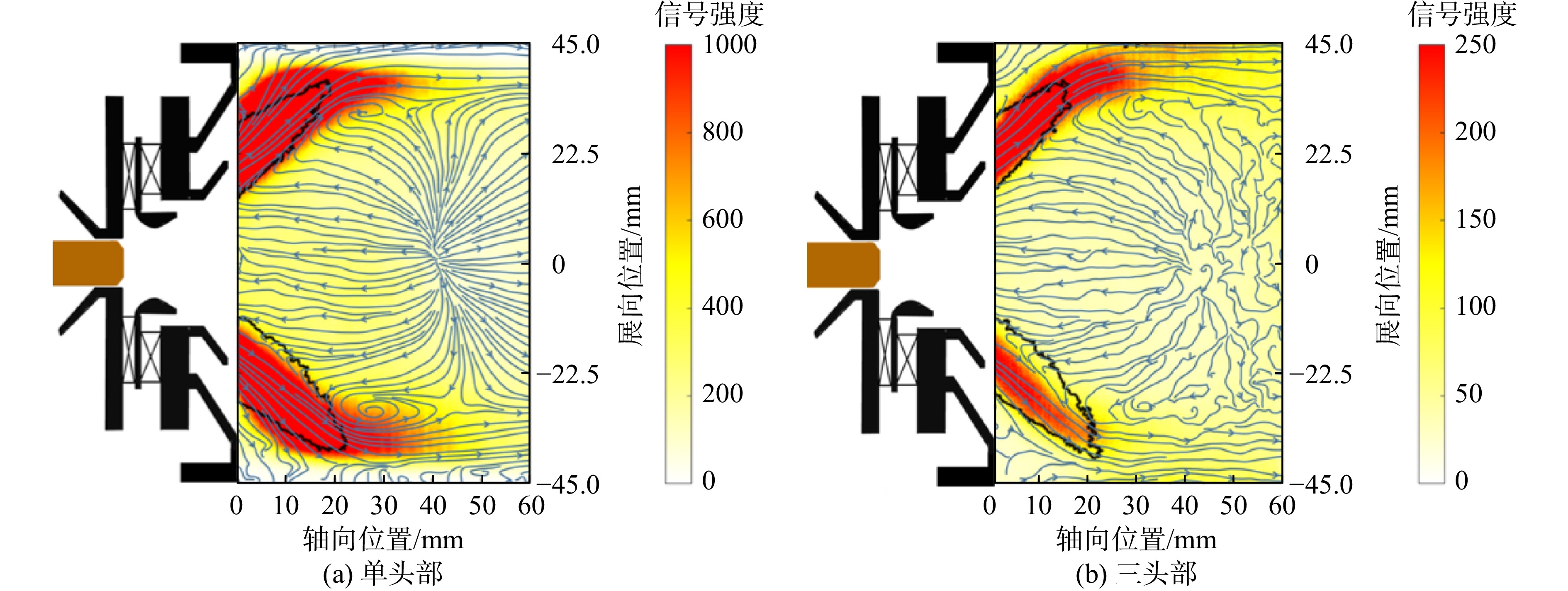
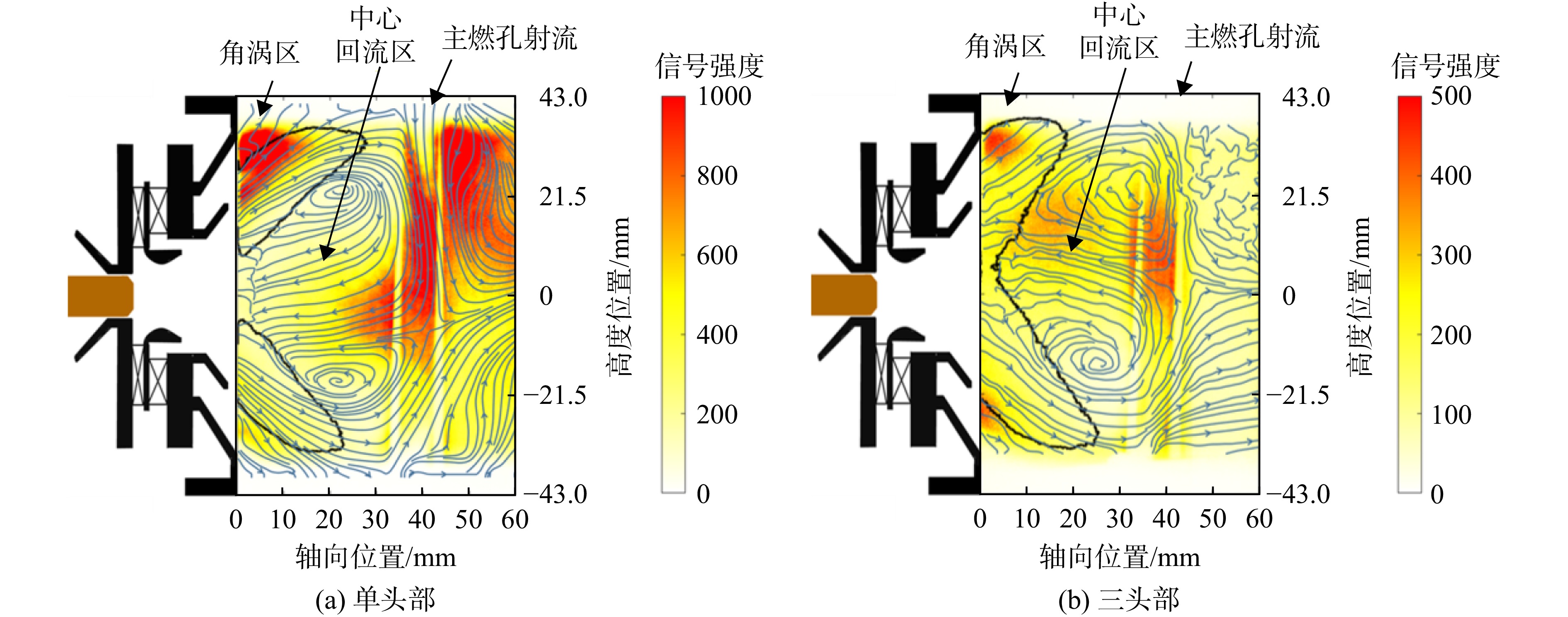
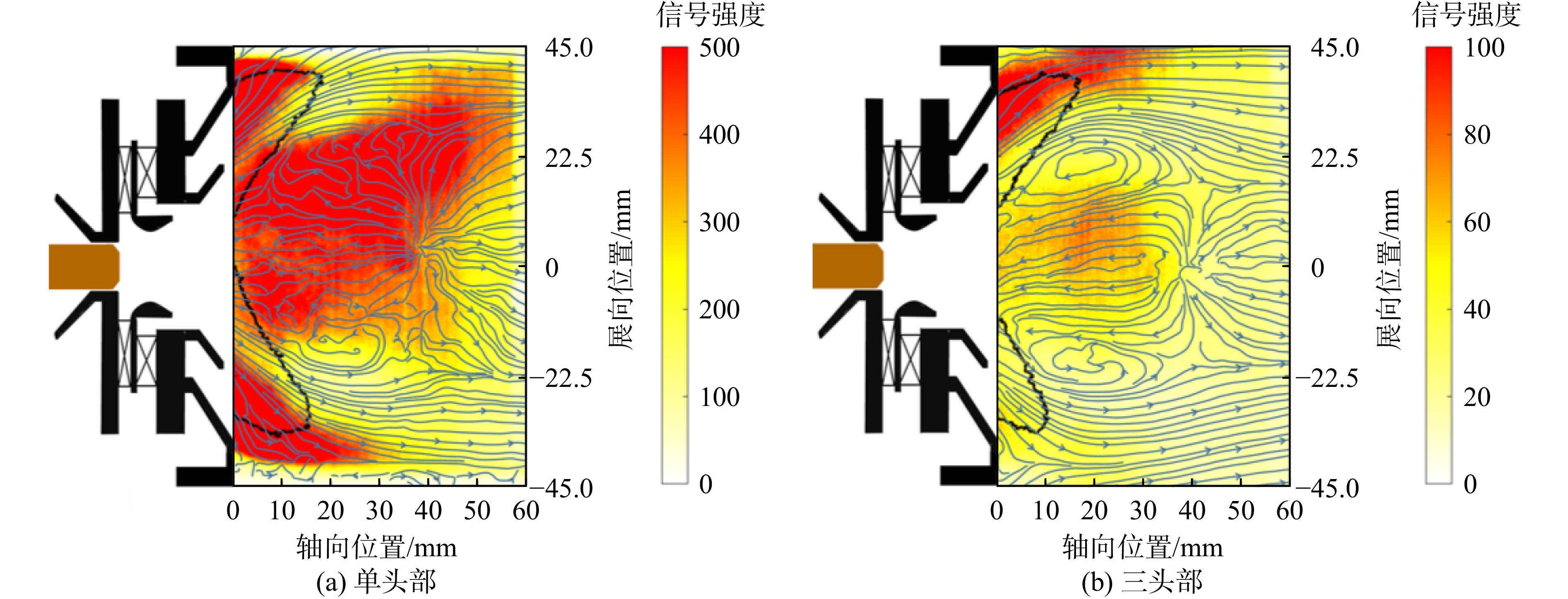
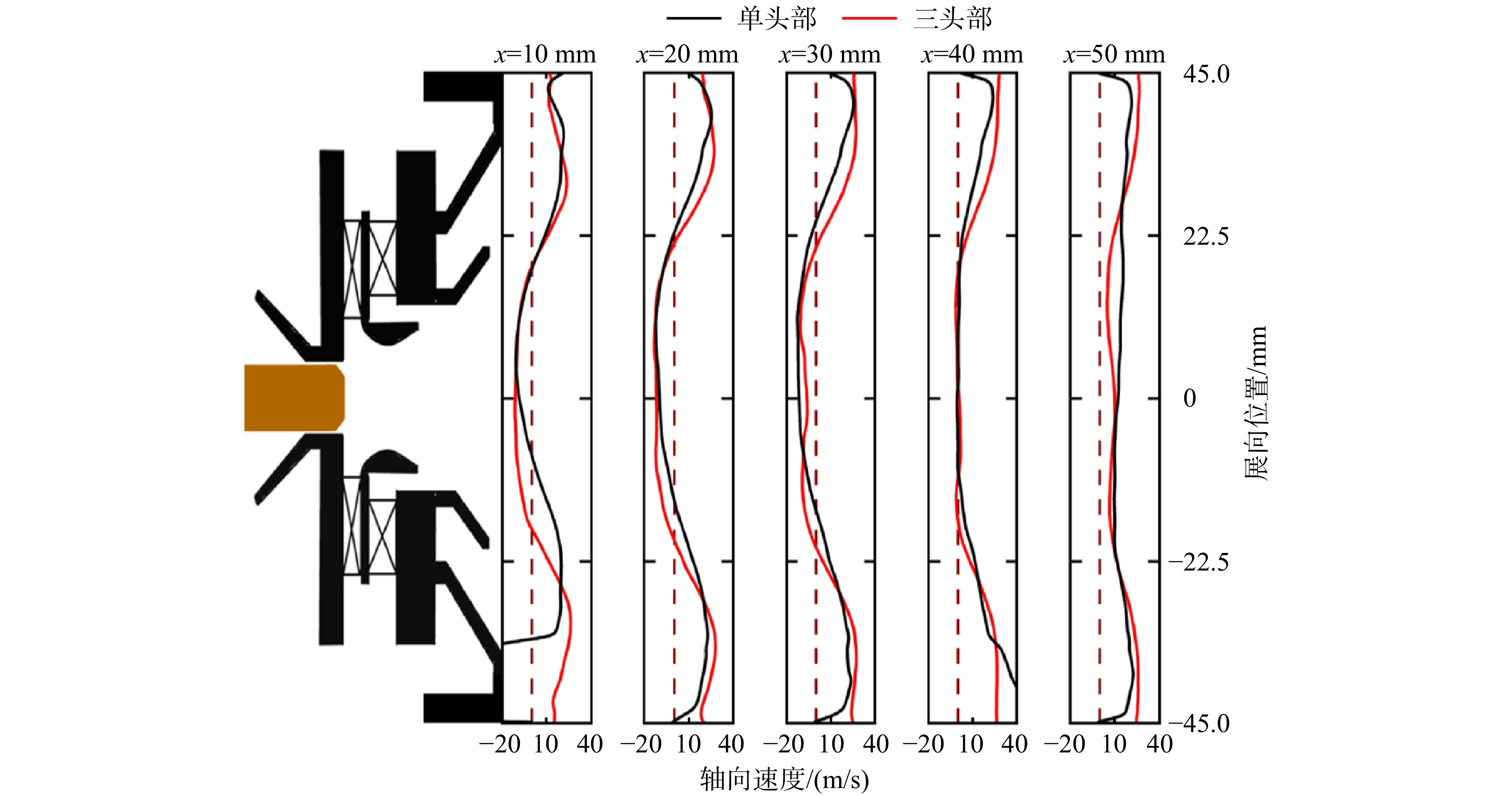
The particle image velocimetry (PIV) and planar laser-induced fluorescence (PLIF) were employed simultaneously to investigate the flow field, spray characteristics, and species distribution in both single-dome and triple-dome combustors from two distinct directions. The experimental results demonstrated that under low fuel-air ratio (FAR) conditions, the flame exhibited a distinct V-shaped structure stabilized within the shear layer at the interface between the corner recirculation zone and primary recirculation zone. At high FAR conditions, alterations in flame morphology and stabilization mechanisms were observed. The emission index of nitric oxide (EINOx) increased from 2 g/kg to 4.57 g/kg in the single-dome combustor, showing a more substantial rise from 1.28 g/kg to 9.99 g/kg in the triple-dome combustor results from the aerodynamic-thermal coupling induced by flame-flame interactions that promoted superposition of adjacent flow fields and flame. Conversely, the production of incomplete combustion products, including carbon monoxide (CO) and unburned hydrocarbons (UHC), remained statistically invariant. The experimental results conclusively established that flame-flame interactions in multi-dome combustor constituted a critical determinant of pollutant emission characteristics by modulating flow velocity, high-temperature zone volume, and high-temperature zone area, helping to provide valuable insights for the development of advanced aero-engines.

Experimental testing on influence of aromatic hydrocarbon content on exhaust emission of turboshaft engine
ZI Hailin, ZHAO Teng, HUANG Kaiming, ZHANG Yang, MA Ying, LI Wei, LYU Shiyu
2026, 41(6): 20250230. doi: 10.13224/j.cnki.jasp.20250230
Abstract:

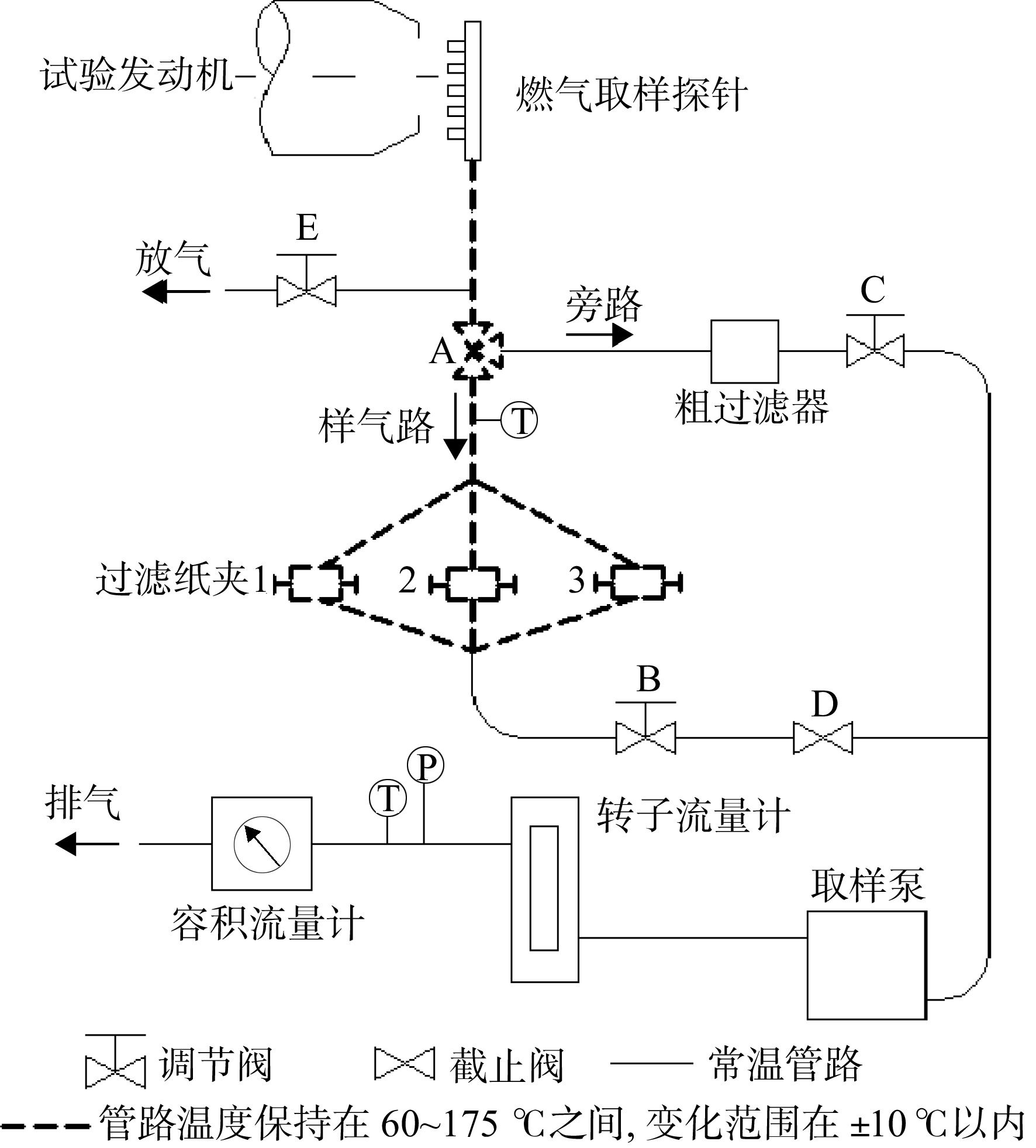
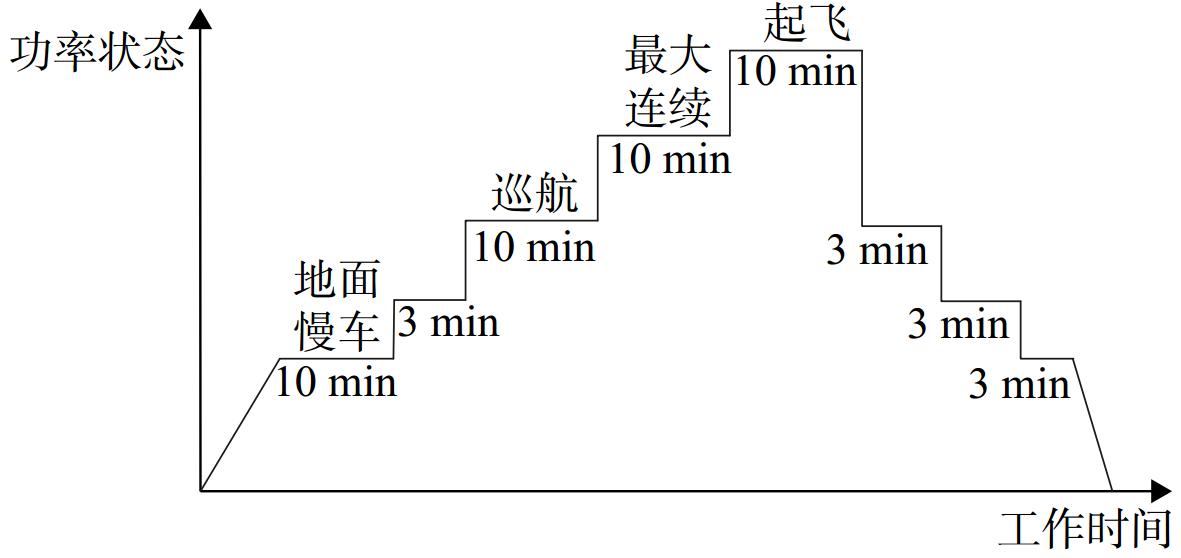
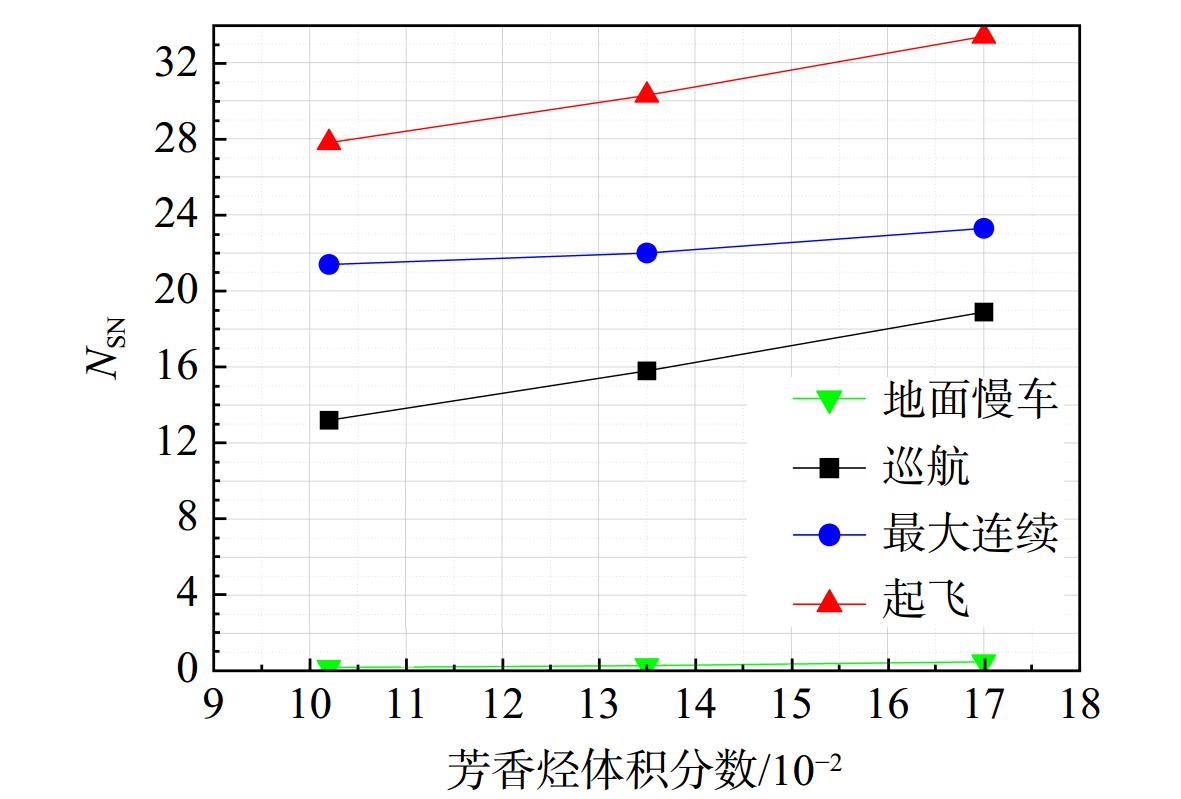
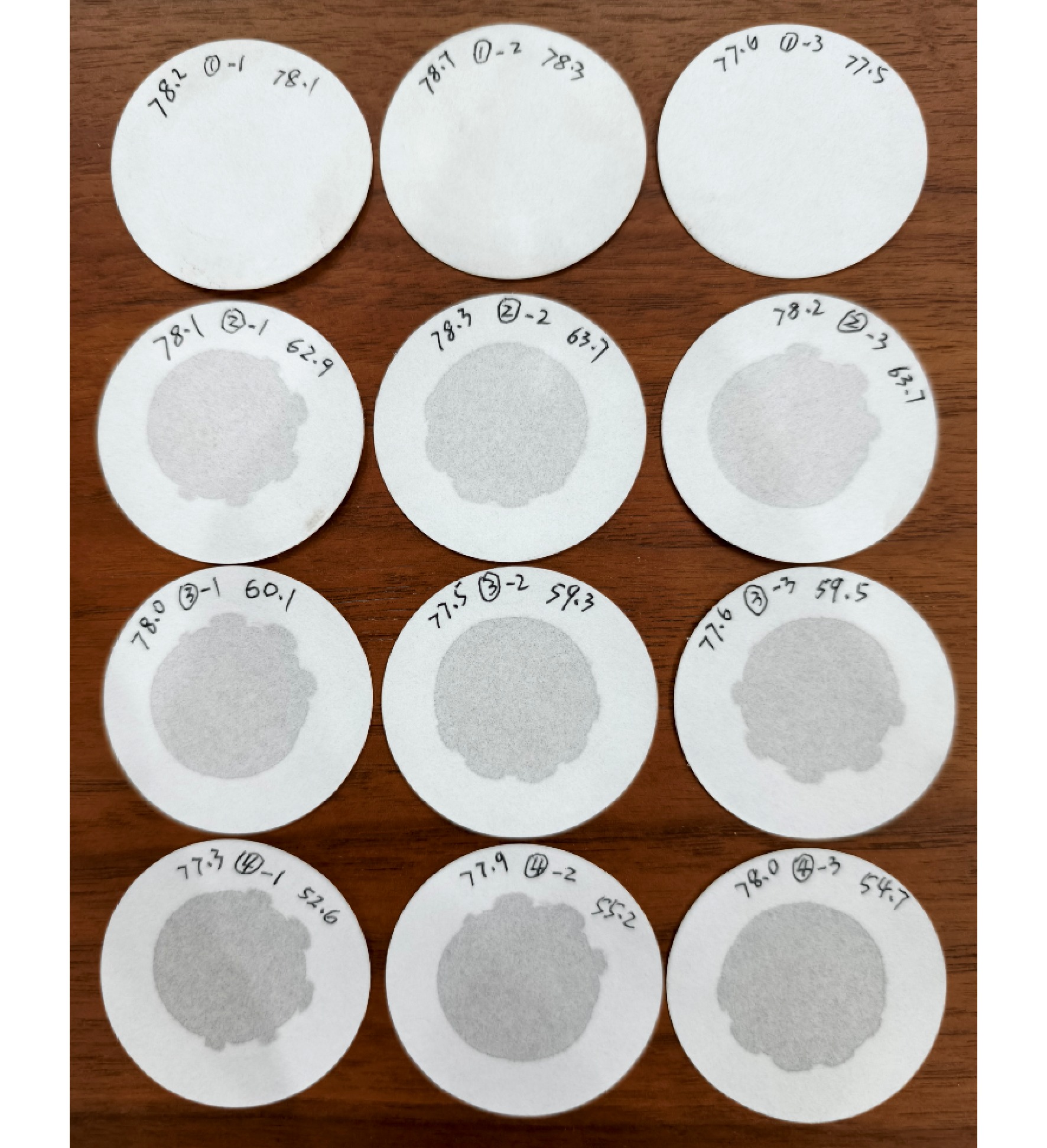
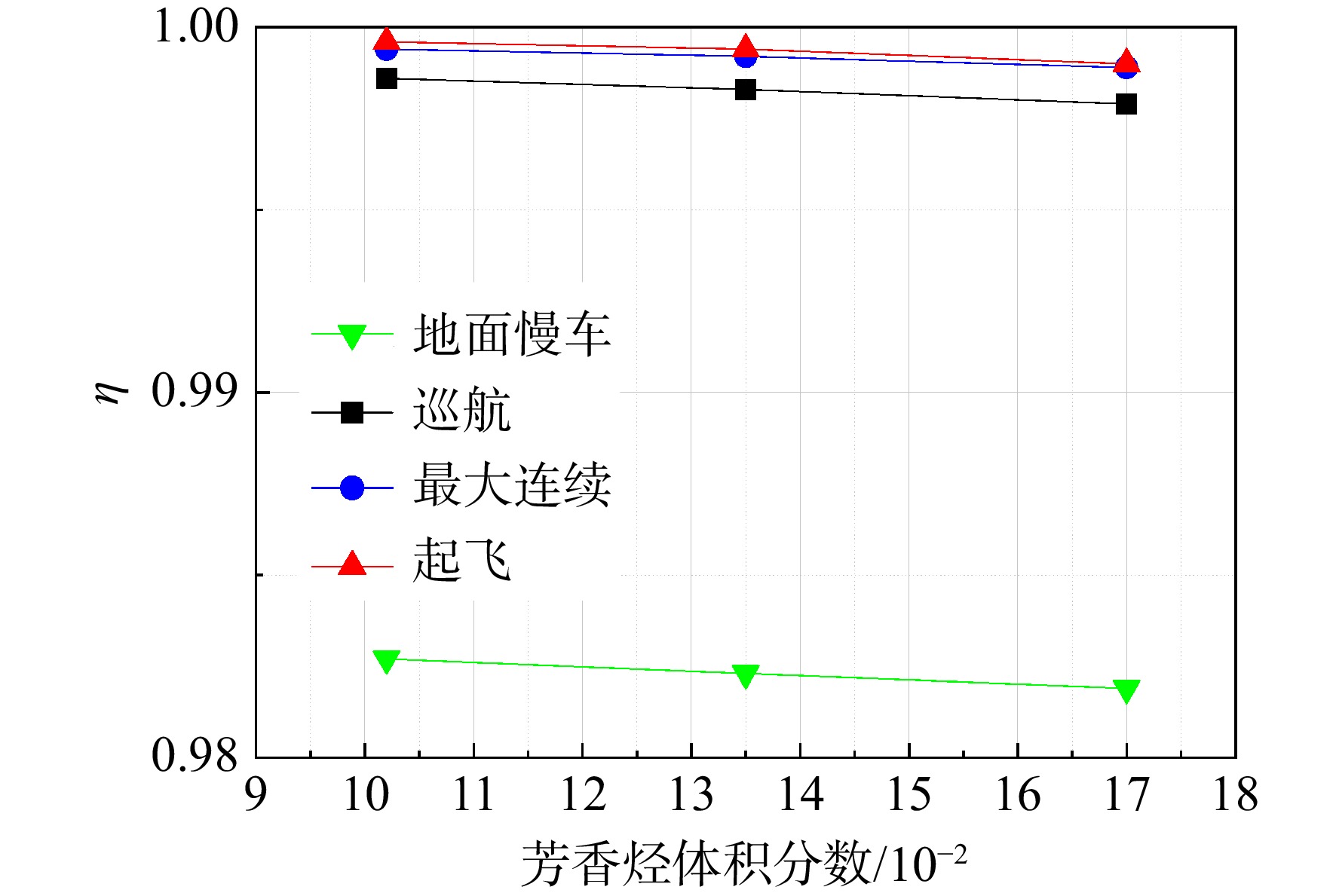
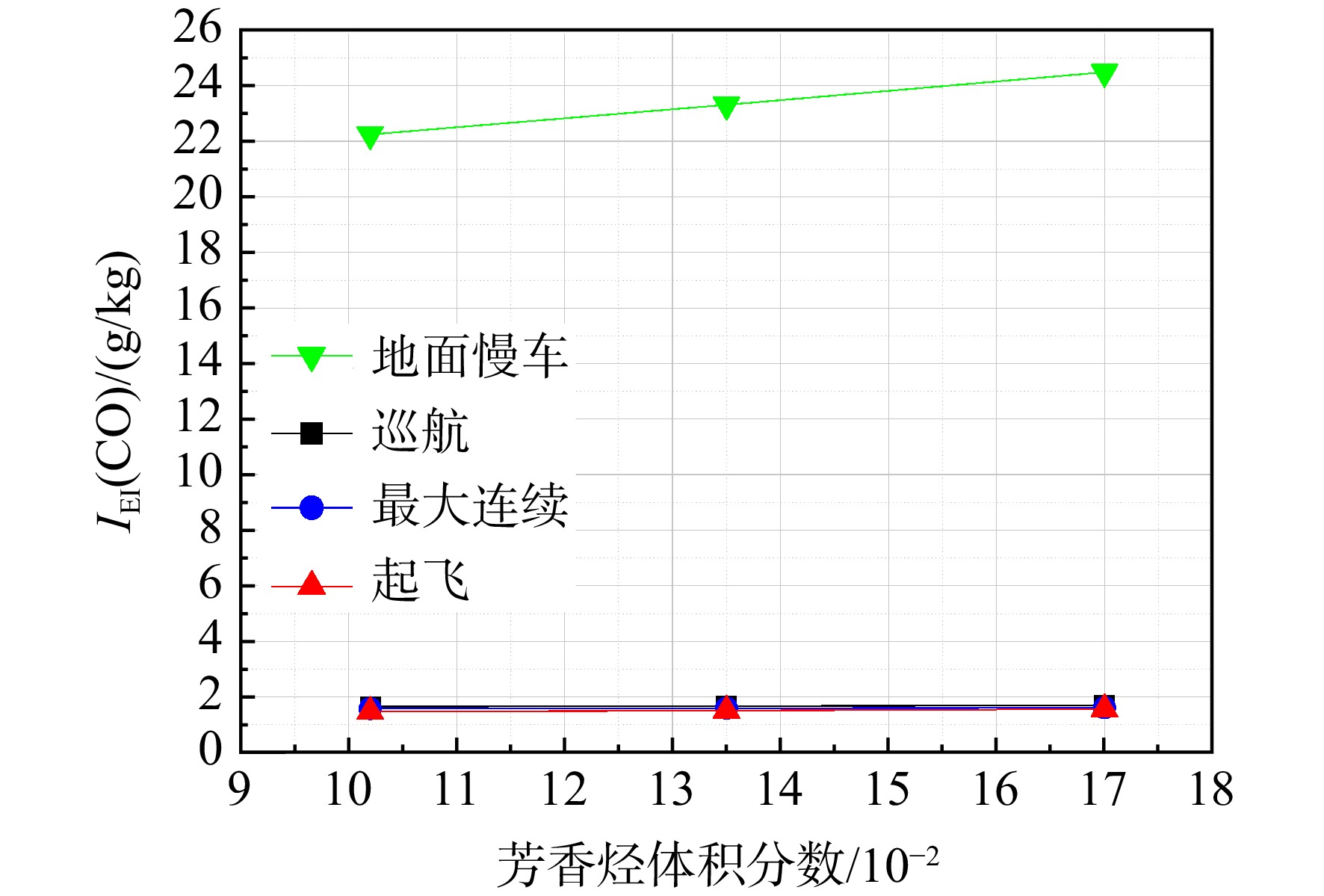
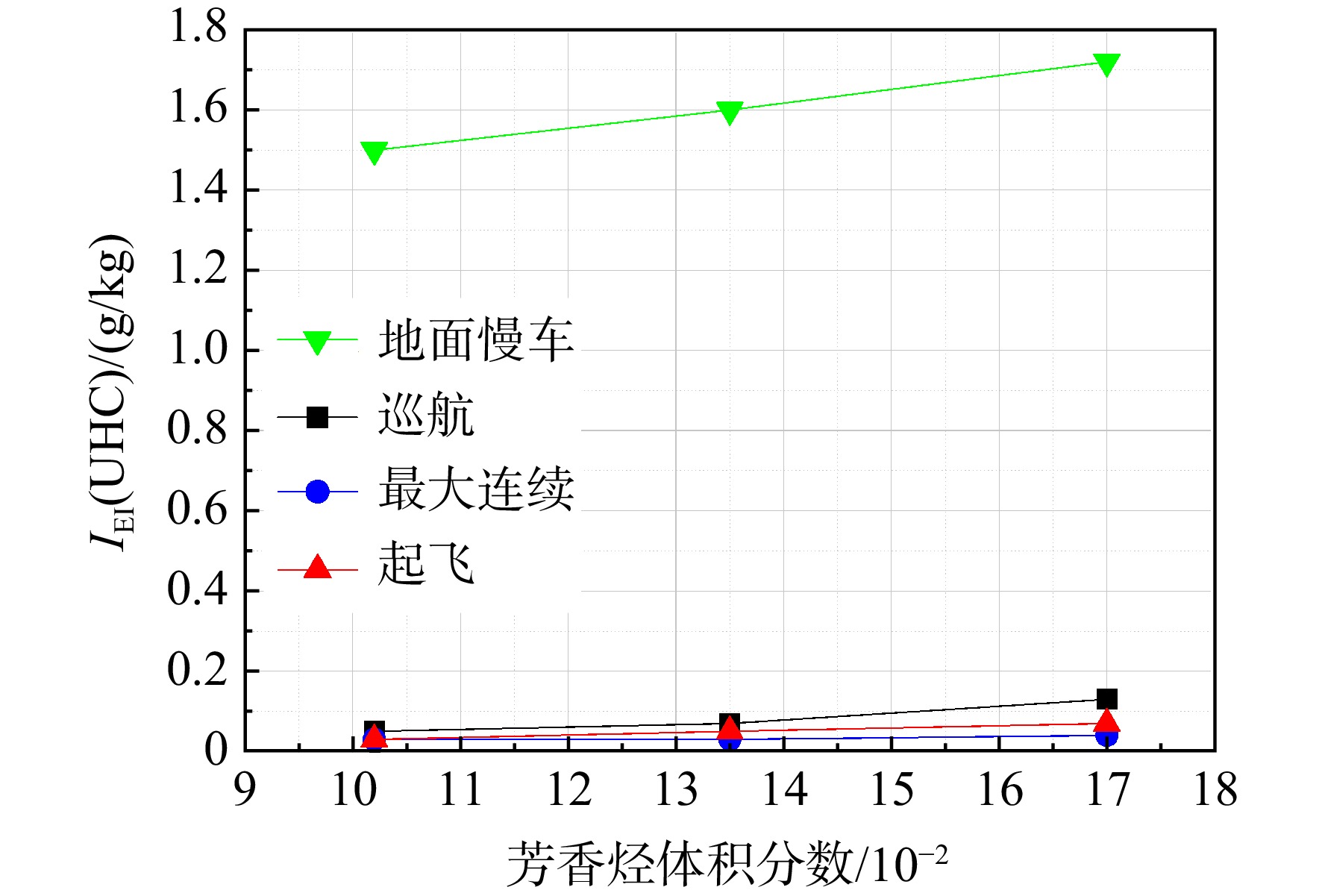
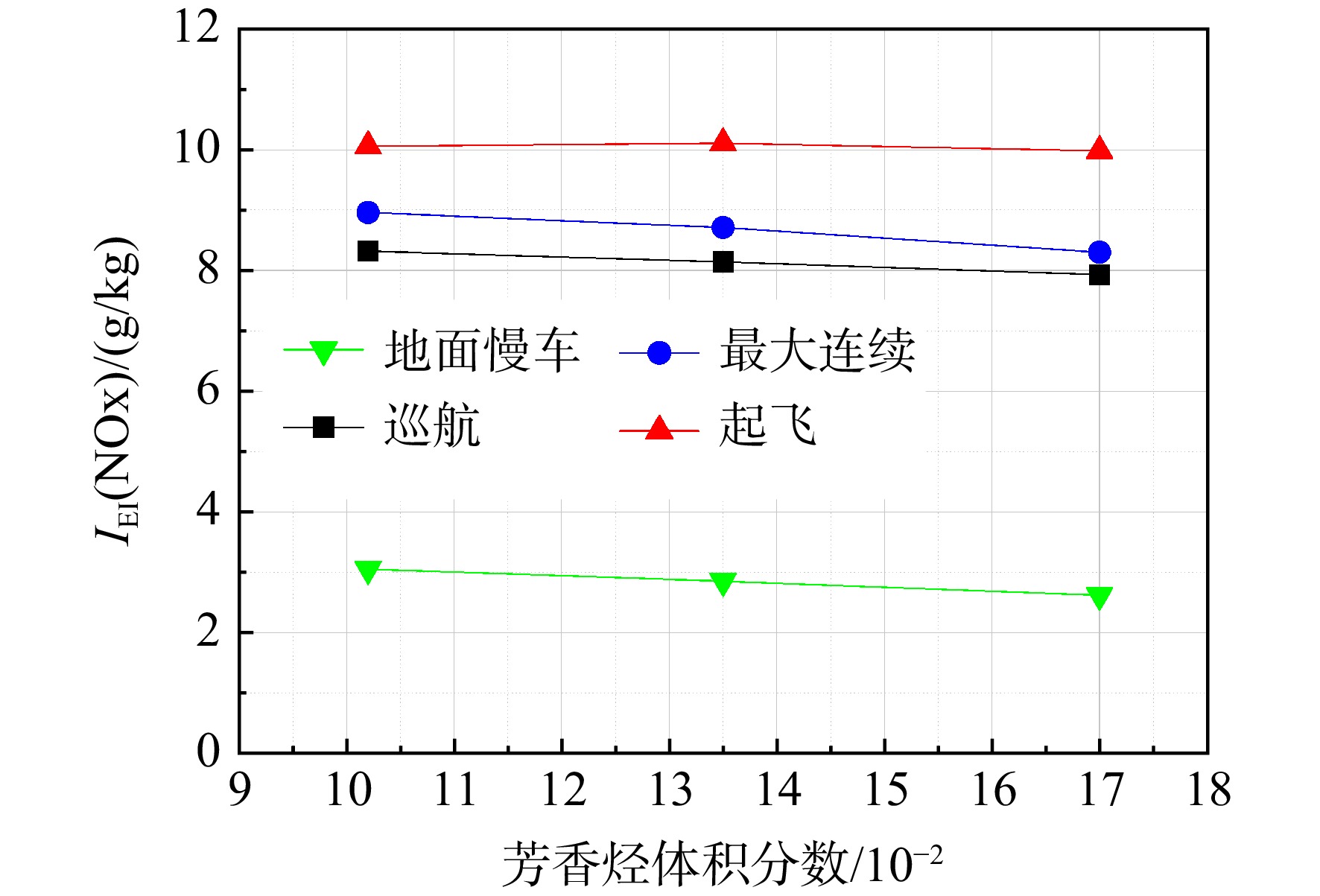
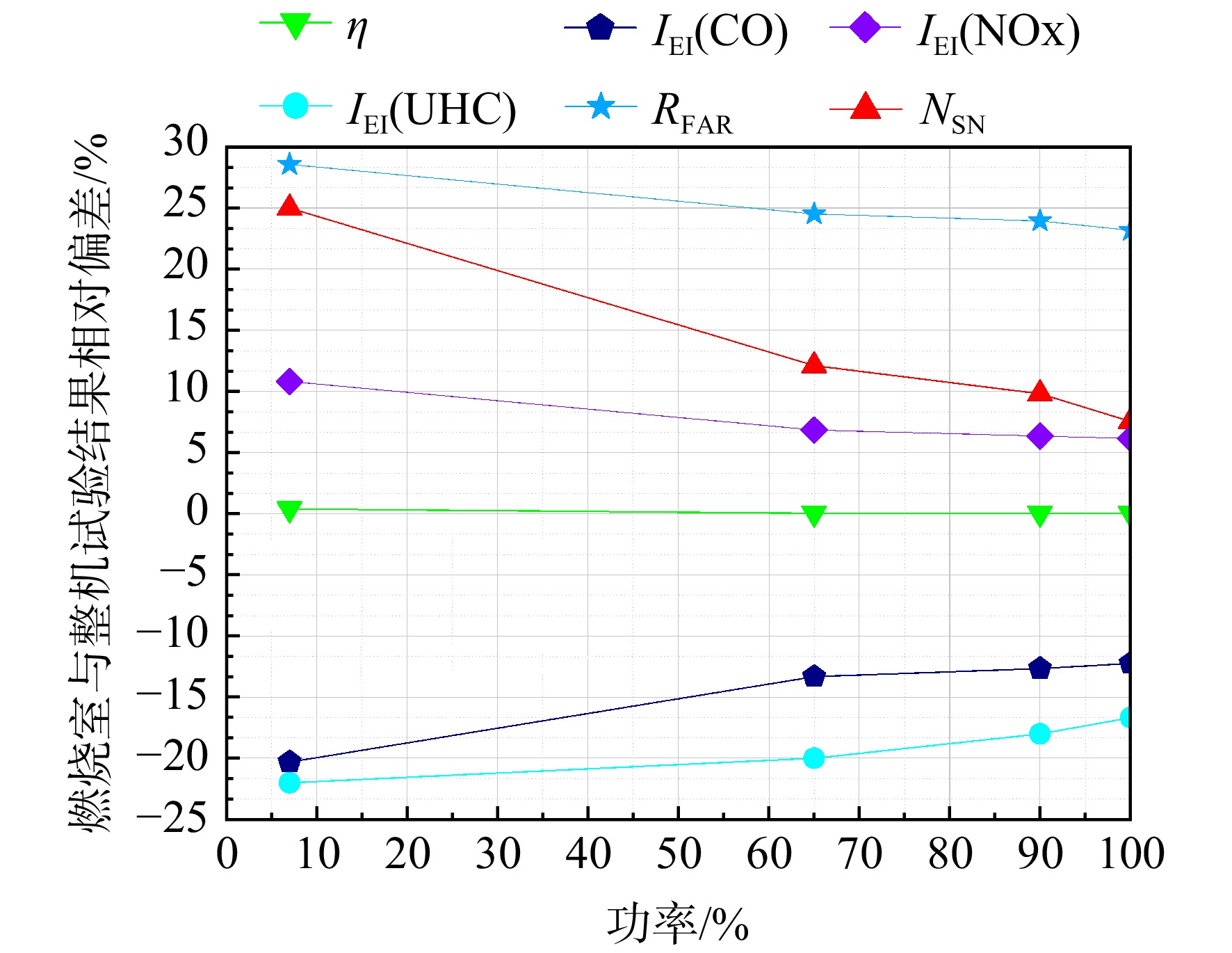
In order to obtain the exhaust emission level and the influence of aromatic hydrocarbon content on exhaust emission of turboshaft engine, different aromatic hydrocarbon contents were obtained by adding toluene (C6H5CH3) to RP-3 aviation kerosene, and the exhaust emission measurement experiment of the turboshaft engine was carried out. Result showed that, with the increase of engine power state, the emission index of CO decreased significantly, the emission index of UHC approached to 0, the emission index of NOx gradually increased, and the smoke number increases gradually. The volume fraction of aromatic hydrocarbons increased by 3.5%, in the take-off state and the maximum continuous state, the degree of change in Smoke Number was less than 10.3%, and the variation degree of combustion efficiency and emission index of CO and NOx was less than 5%. Through the analysis of data credibility, the maximum relative deviation of the oil-gas ratio was 4.2%, which was better than the specification requirements. This verified the reliability of the designed and built exhaust emission measurement system and test, providing a basis for evaluating the impact of aromatic hydrocarbon content in fuel on the exhaust emission of aero engines.

Experimental study on influence of coating thickness on characteristics of temperature sensitive paint
OUYANG Bo, GAO Limin, ZHANG Jun, WANG Lei, LIU Bo
2026, 41(6): 20240629. doi: 10.13224/j.cnki.jasp.20240629
Abstract:

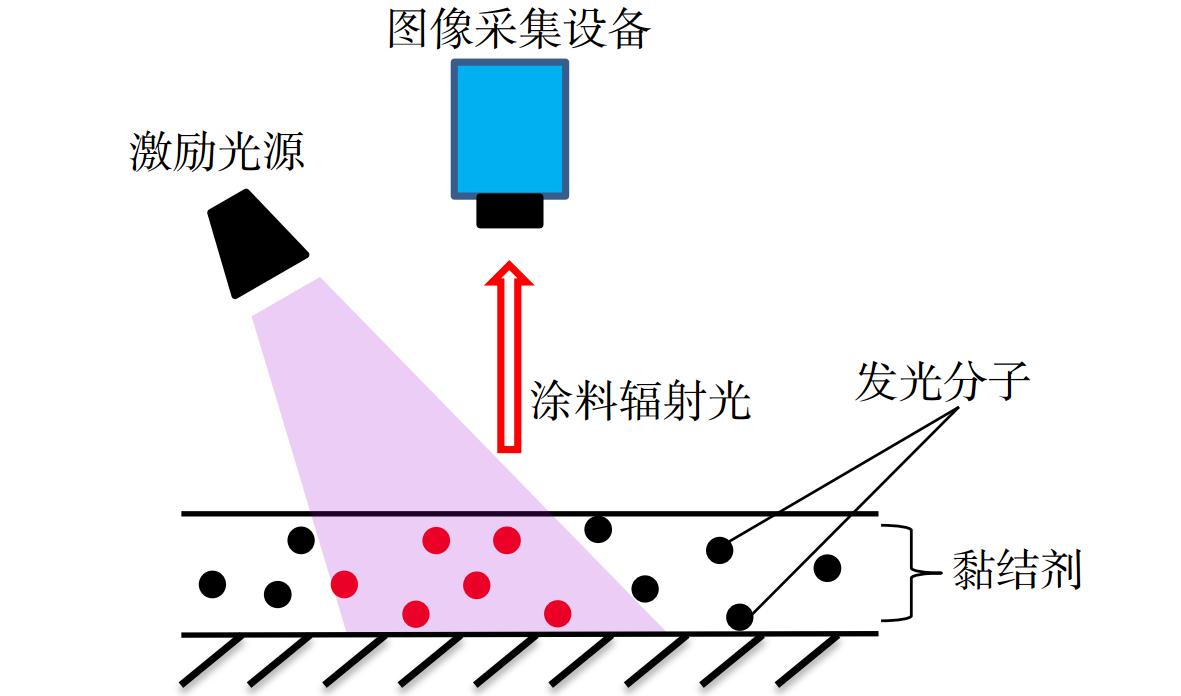
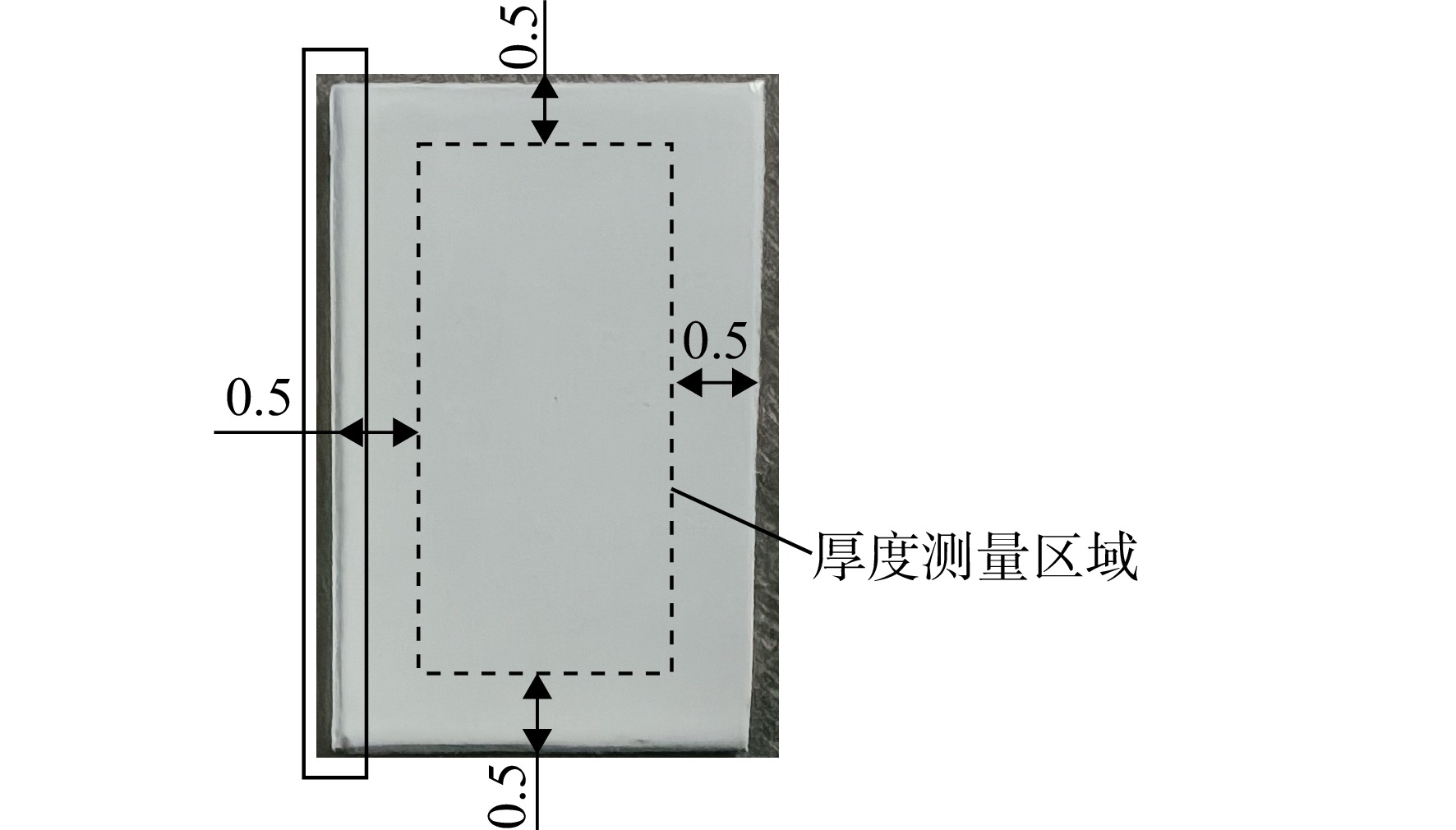
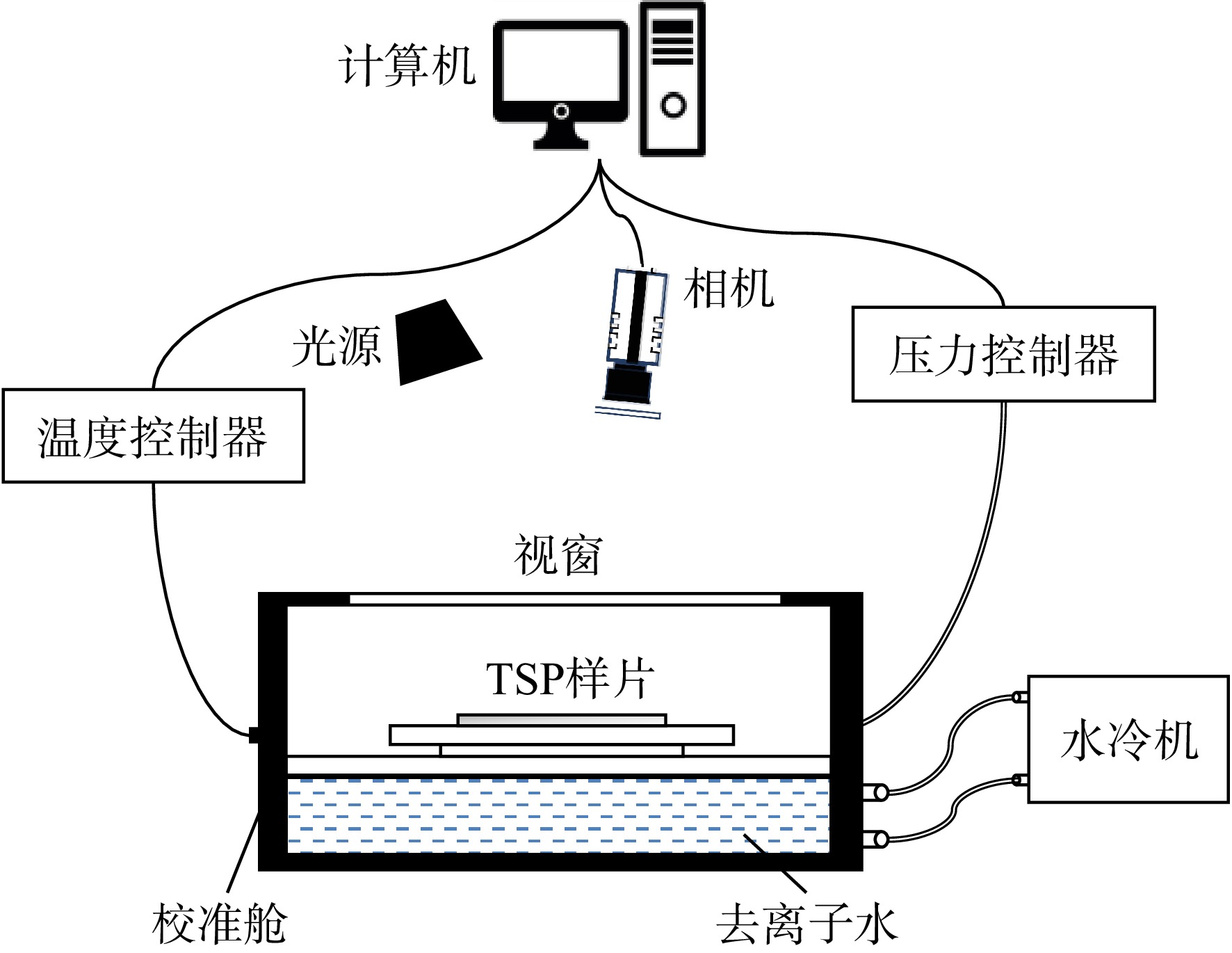
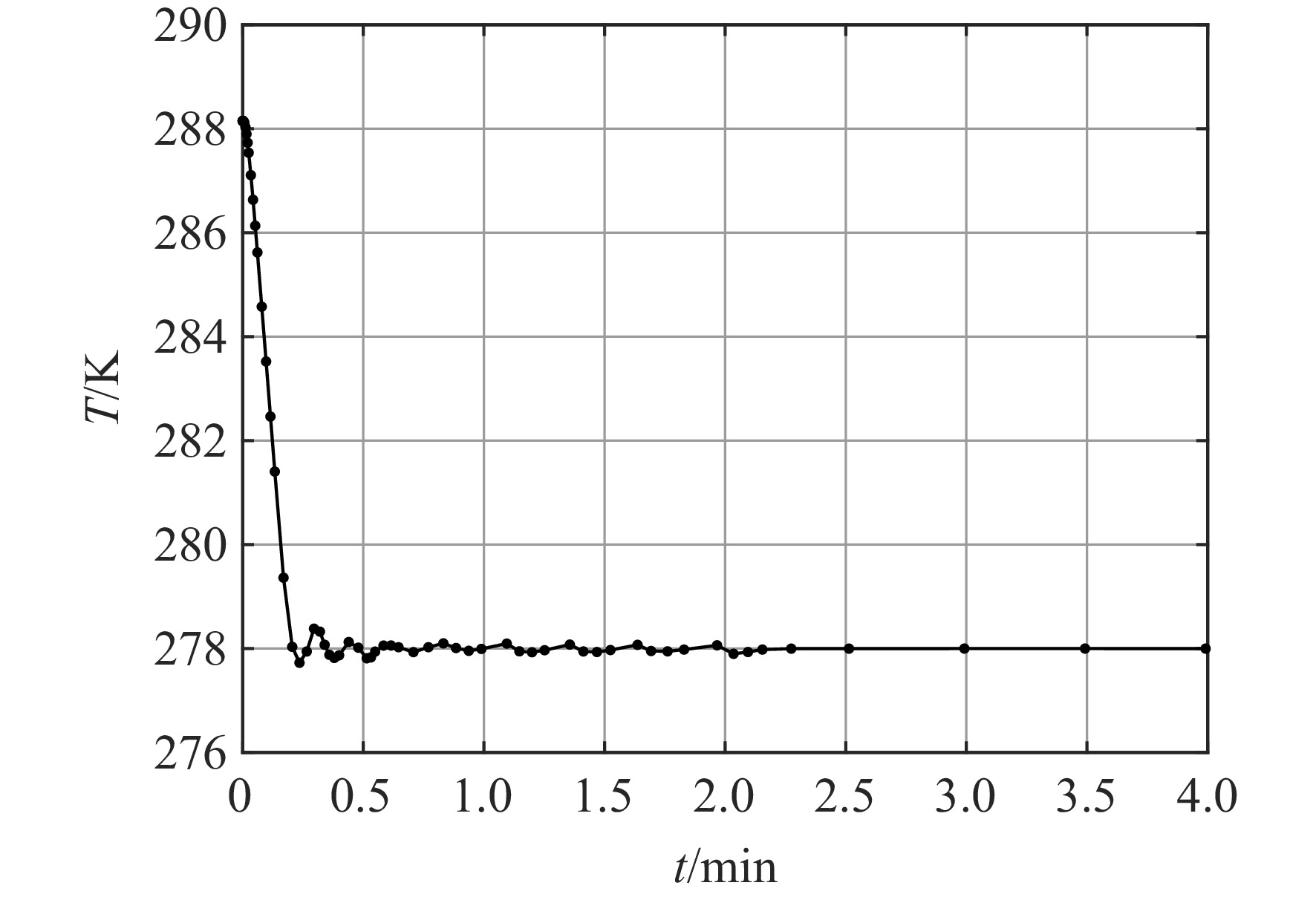
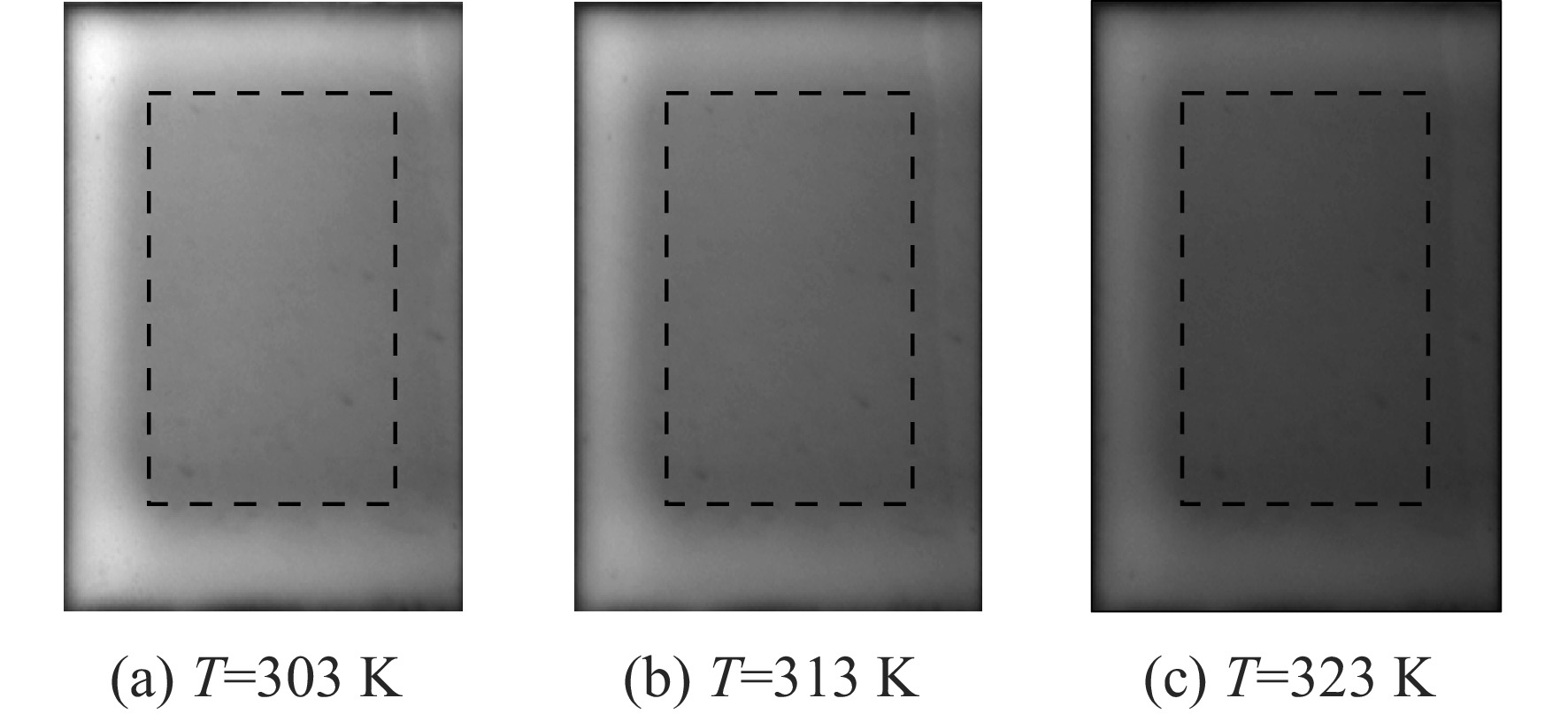
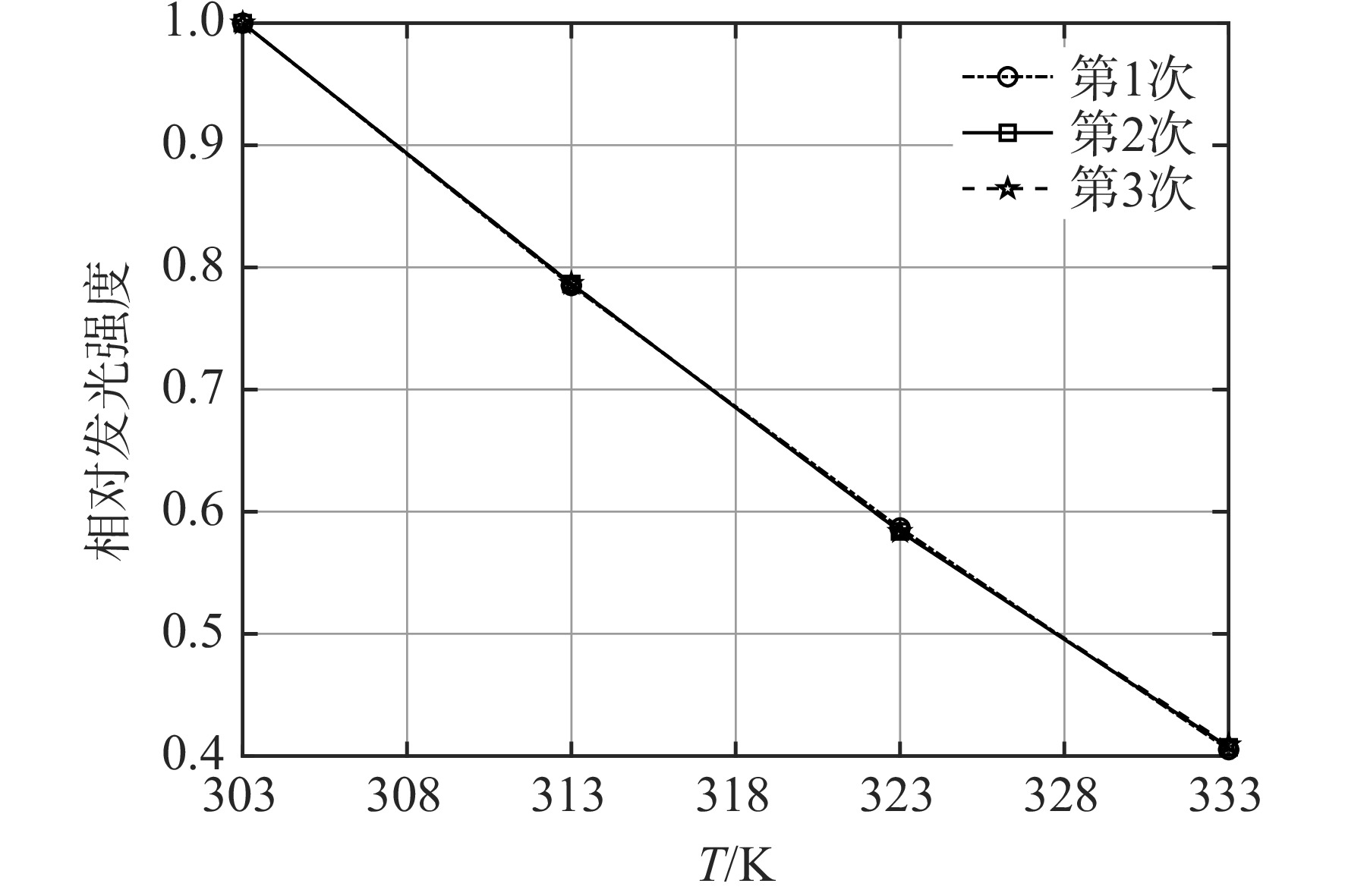
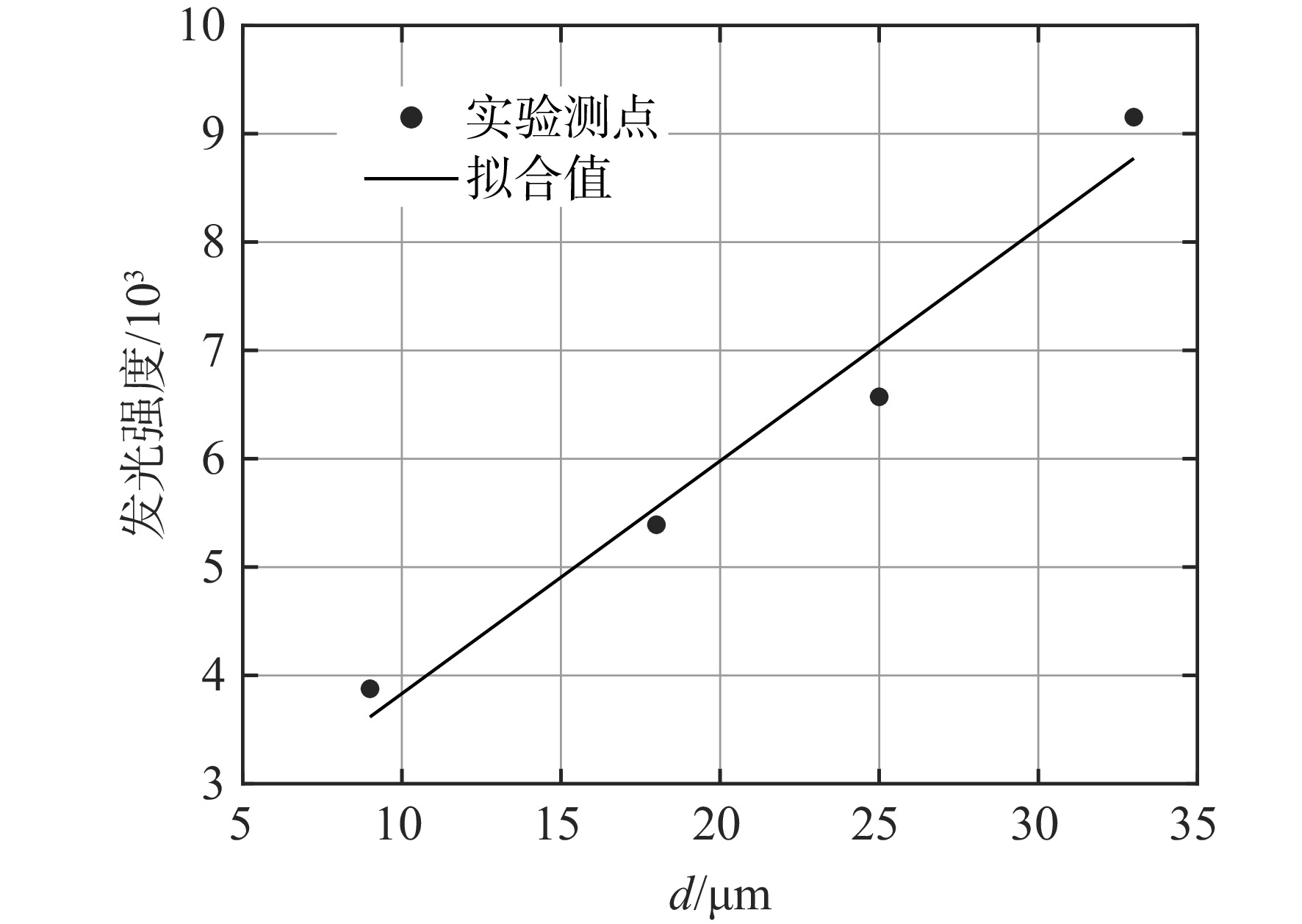
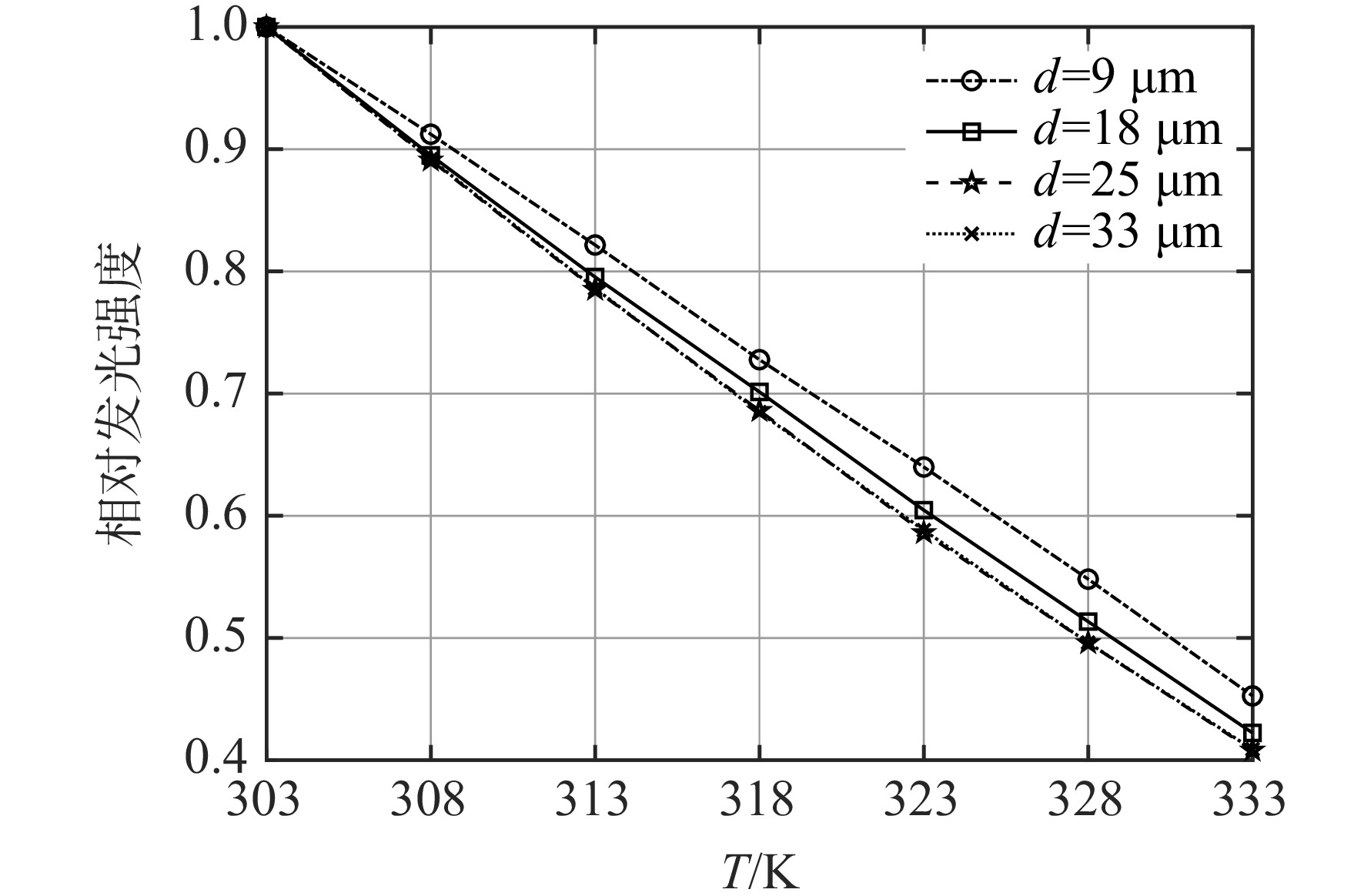
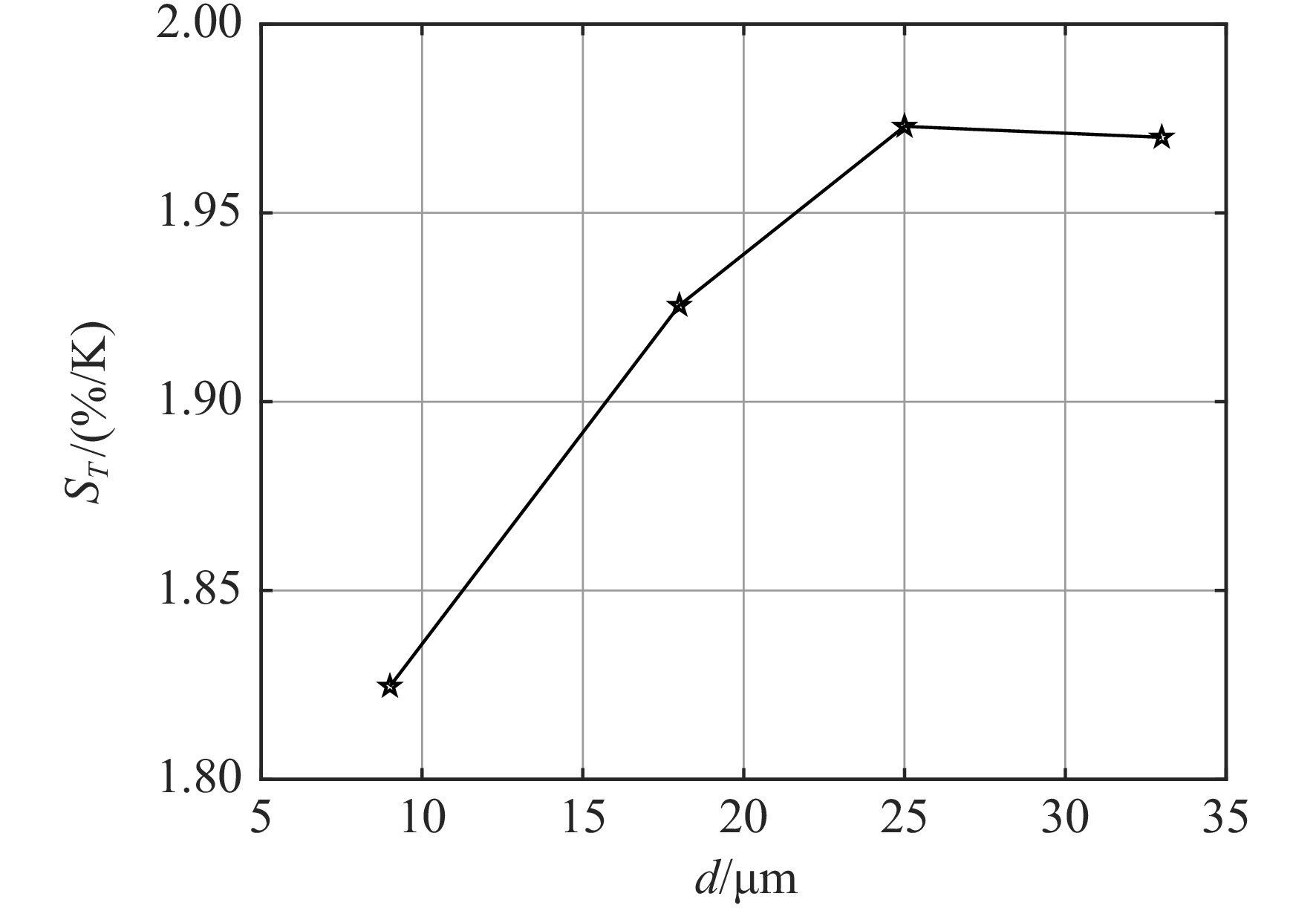
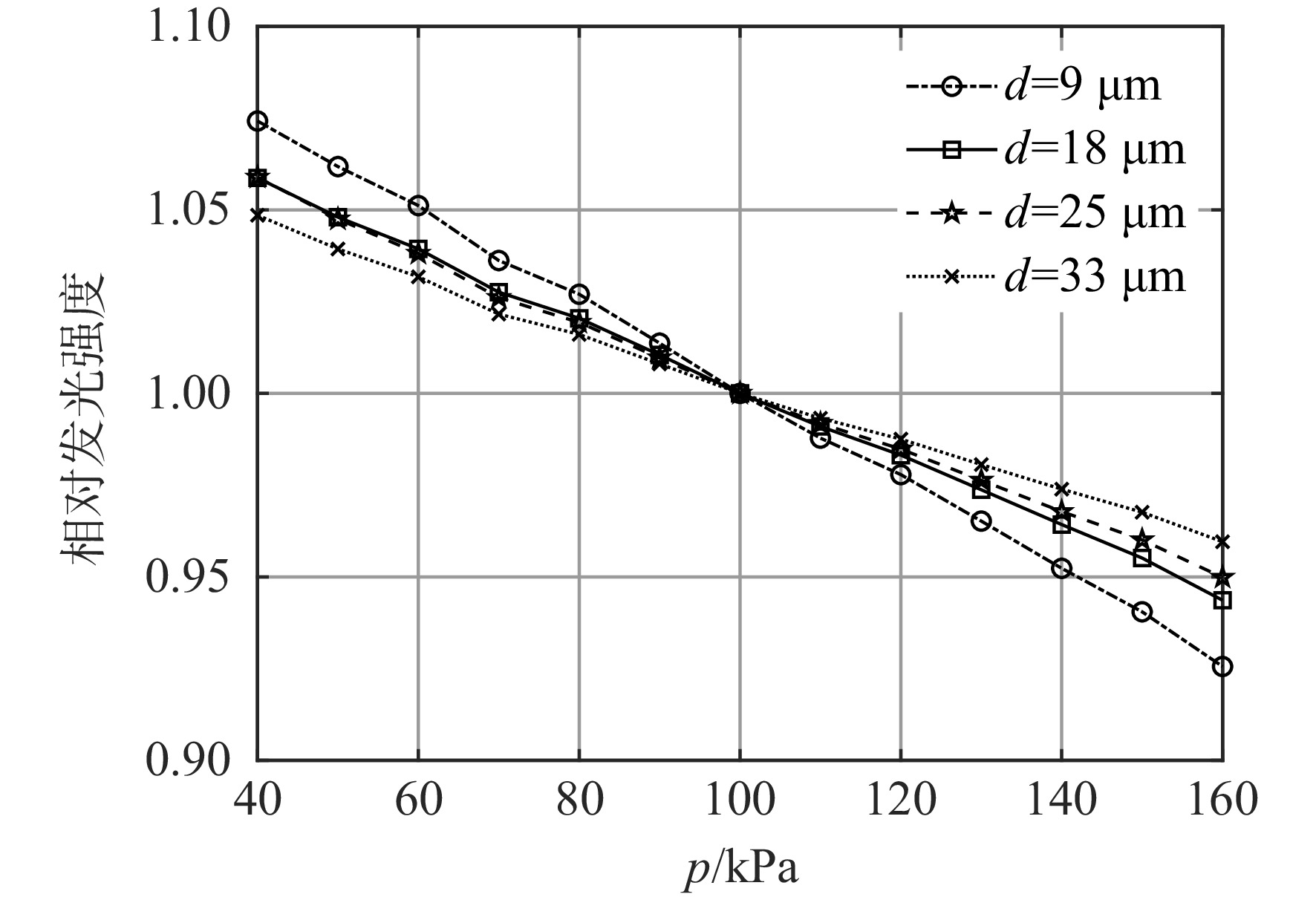
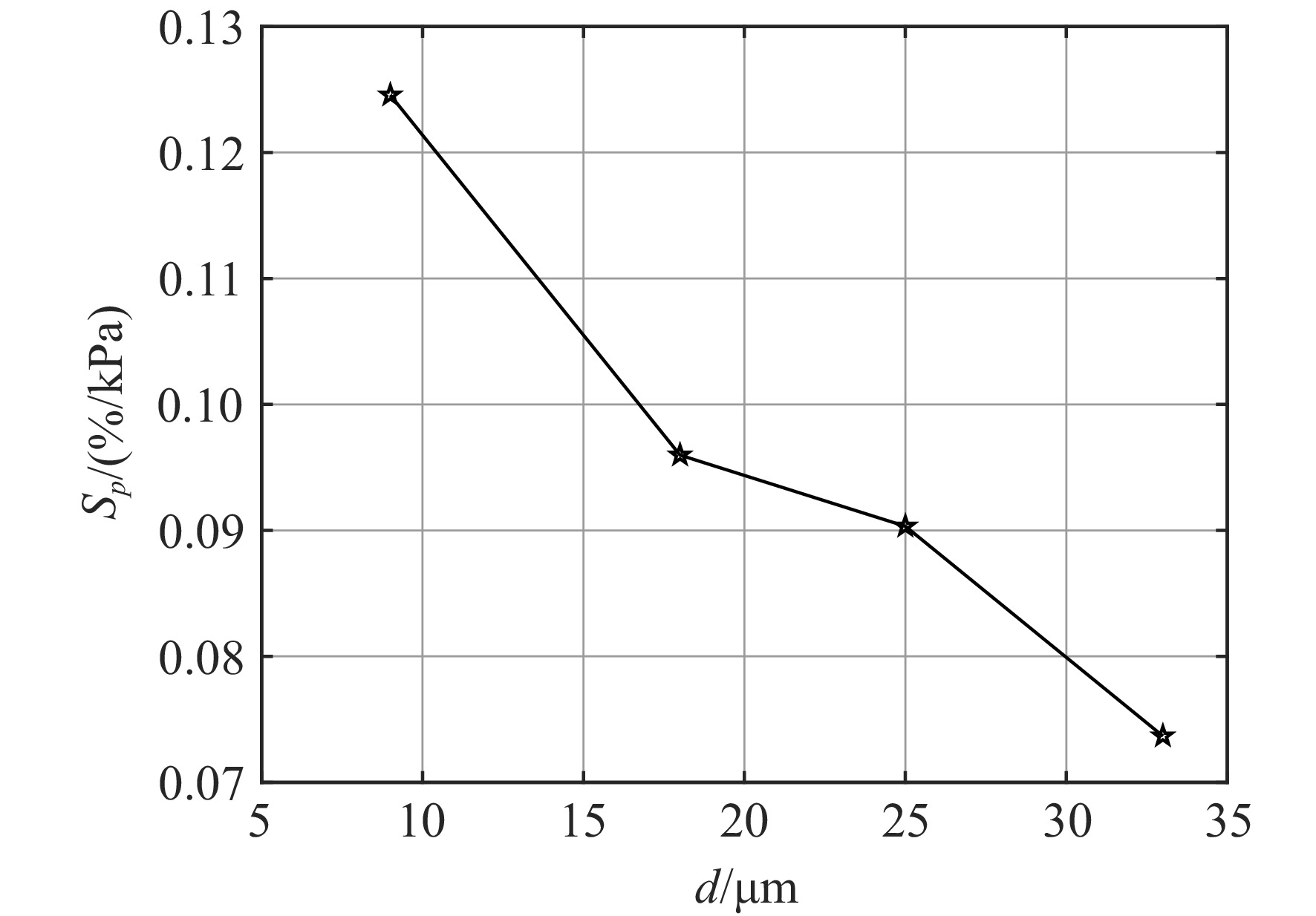
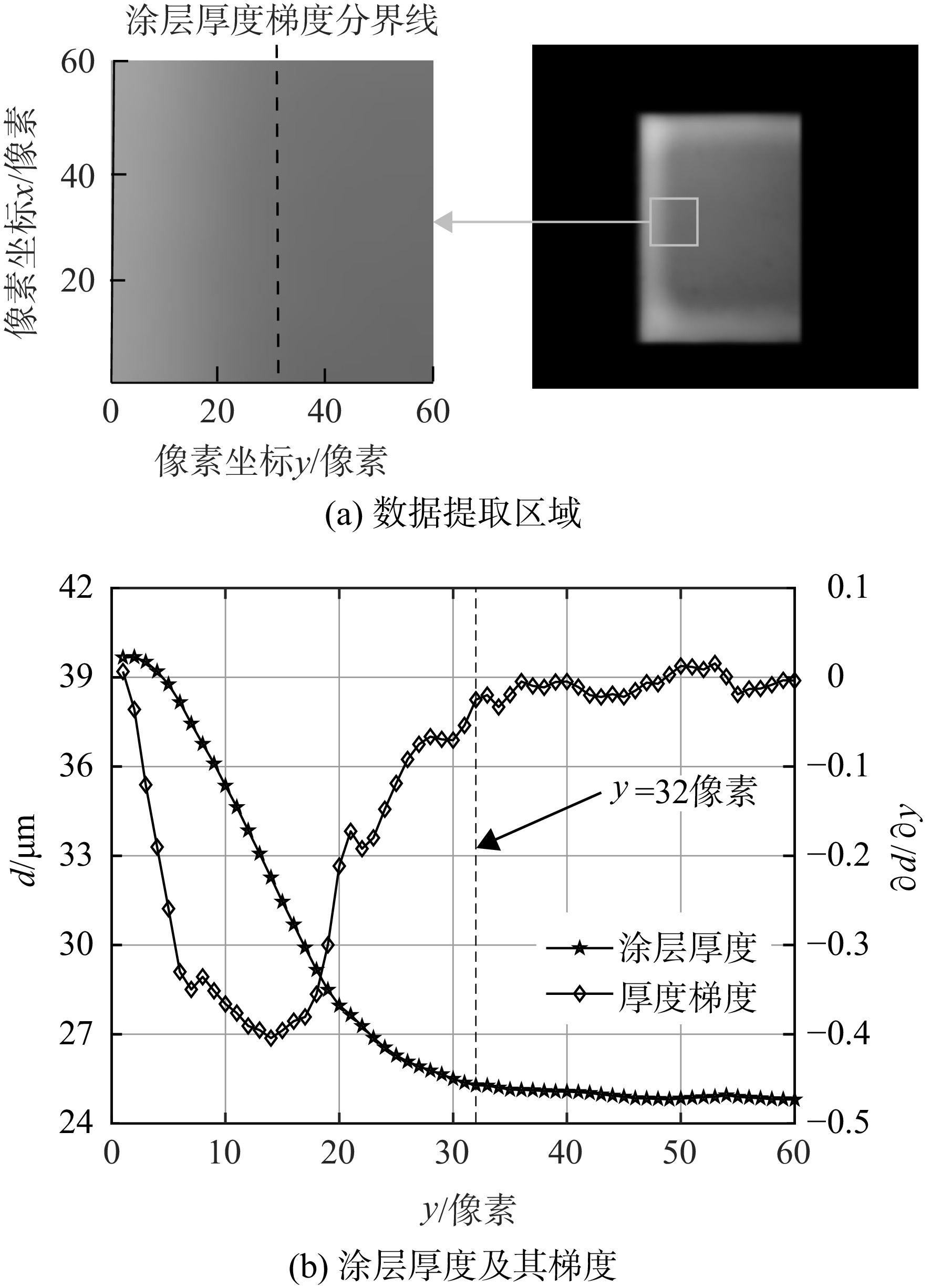
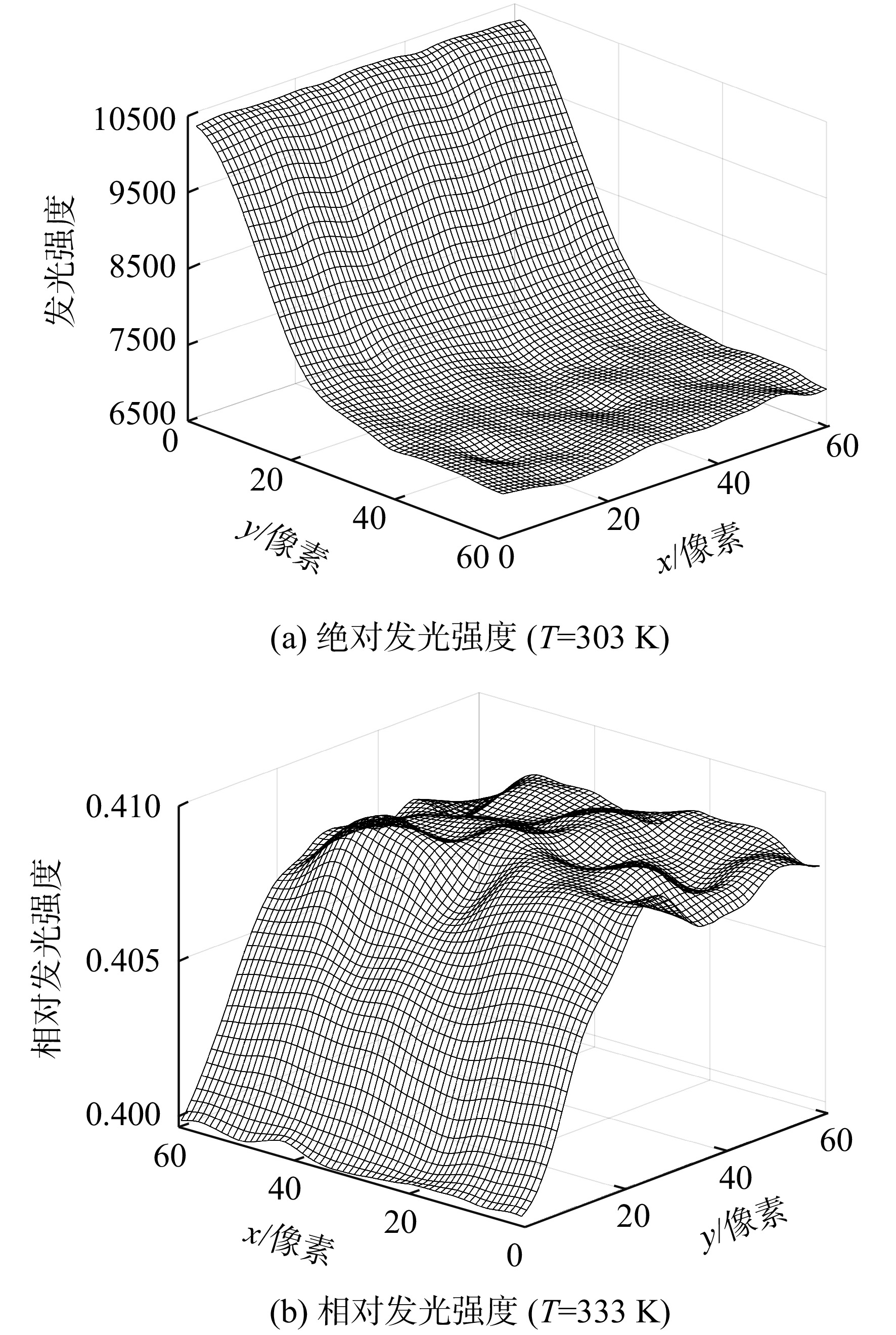
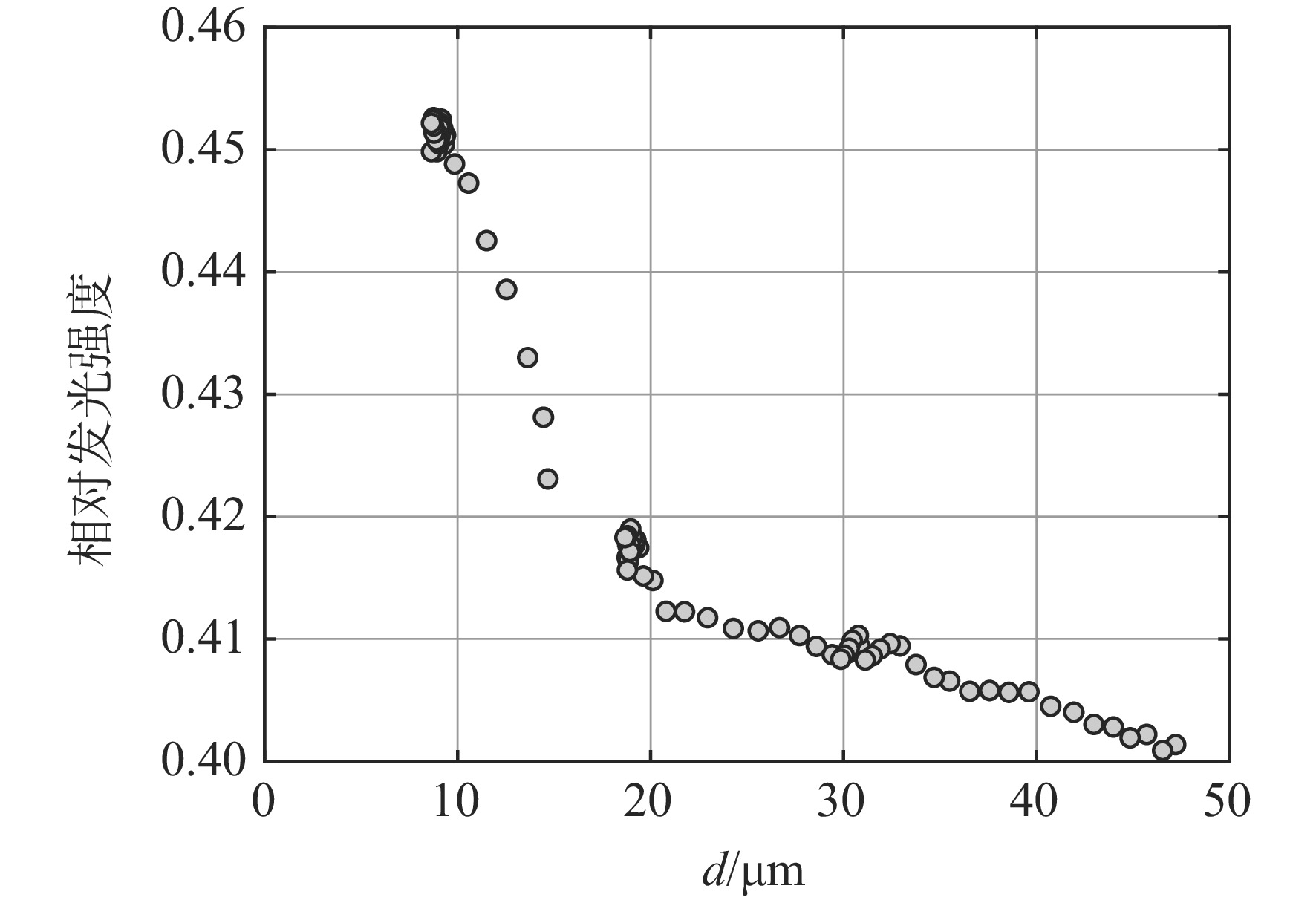
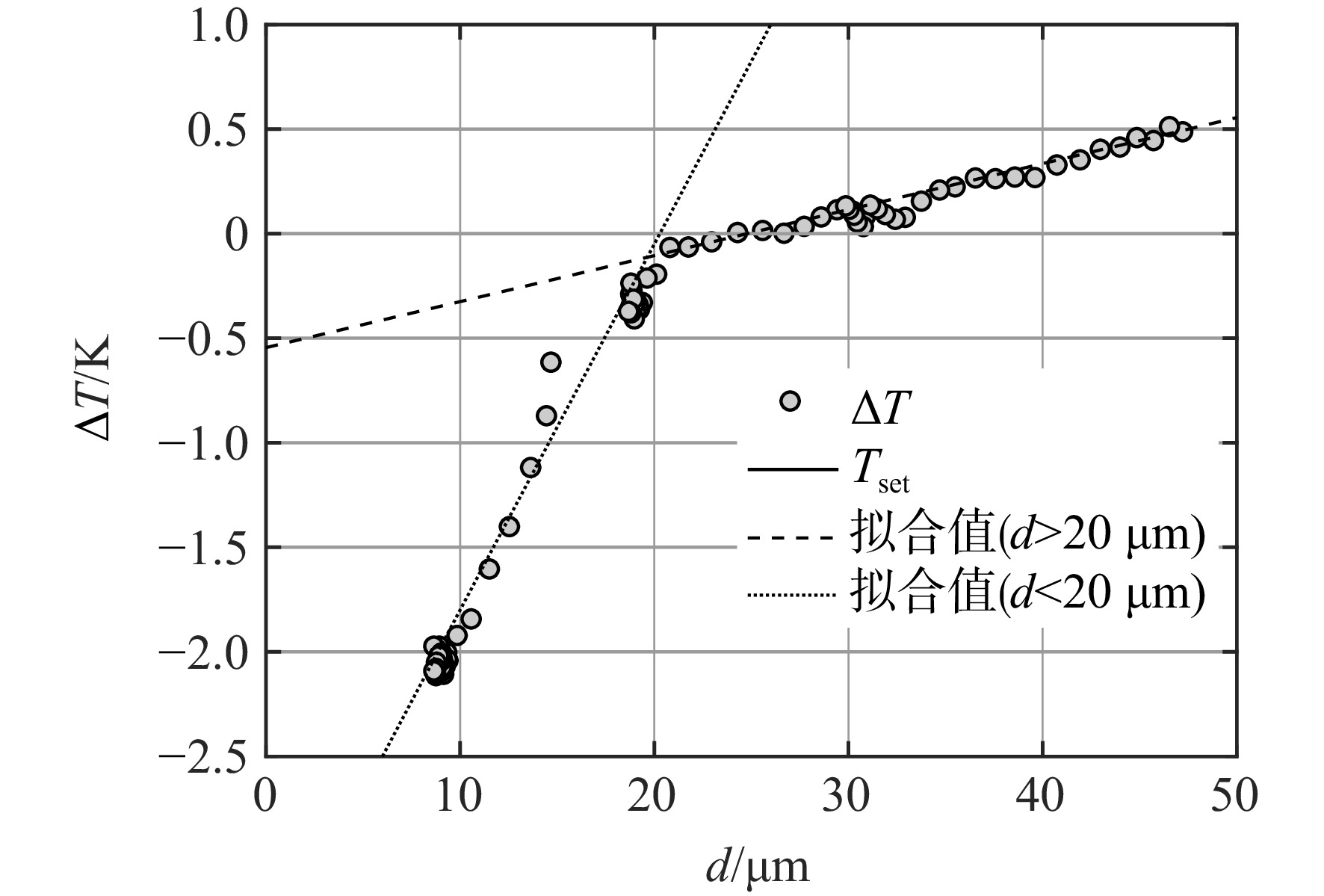
Considering the problem that the coating thickness and its uniformity are uncontrollable when the TSP (temperature sensitive paint) is sprayed on the model surface, the influence of coating thickness on the TSP characteristics was studied. Based on a type of TSP, four samples with different coating thicknesses were prepared. The pressure sensitivity and temperature sensitivity of TSP samples were measured by intensity method in the self-built TSP characteristic measurement system. Based on the thick edge phenomenon, the influence of coating thickness on the uncertainty of temperature measurement was quantitatively analyzed. The results showed that the coating thickness exerted a significant impact on both the temperature sensitivity and pressure sensitivity of TSP. The maximum relative changes in temperature sensitivity and pressure sensitivity caused by coating thickness were 7.7% and 53.0%, respectively. The measurement uncertainty caused by the coating thickness can be significantly reduced when the coating thickness was greater than 20 μm. During the experiment, special attention should be paid to the coating thickness and its consistency with the calibration experiment. The optimal spraying range should be clarified to guarantee measurement accuracy.

Influence of alternative fuels on the main combustion performance of RP-3 aviation kerosene and its blended fuels
LIU Wenjie, CHEN Chunxiang, LU Wei, YU Binbin, LIANG Binlan
2026, 41(6): 20250320. doi: 10.13224/j.cnki.jasp.20250320
Abstract:

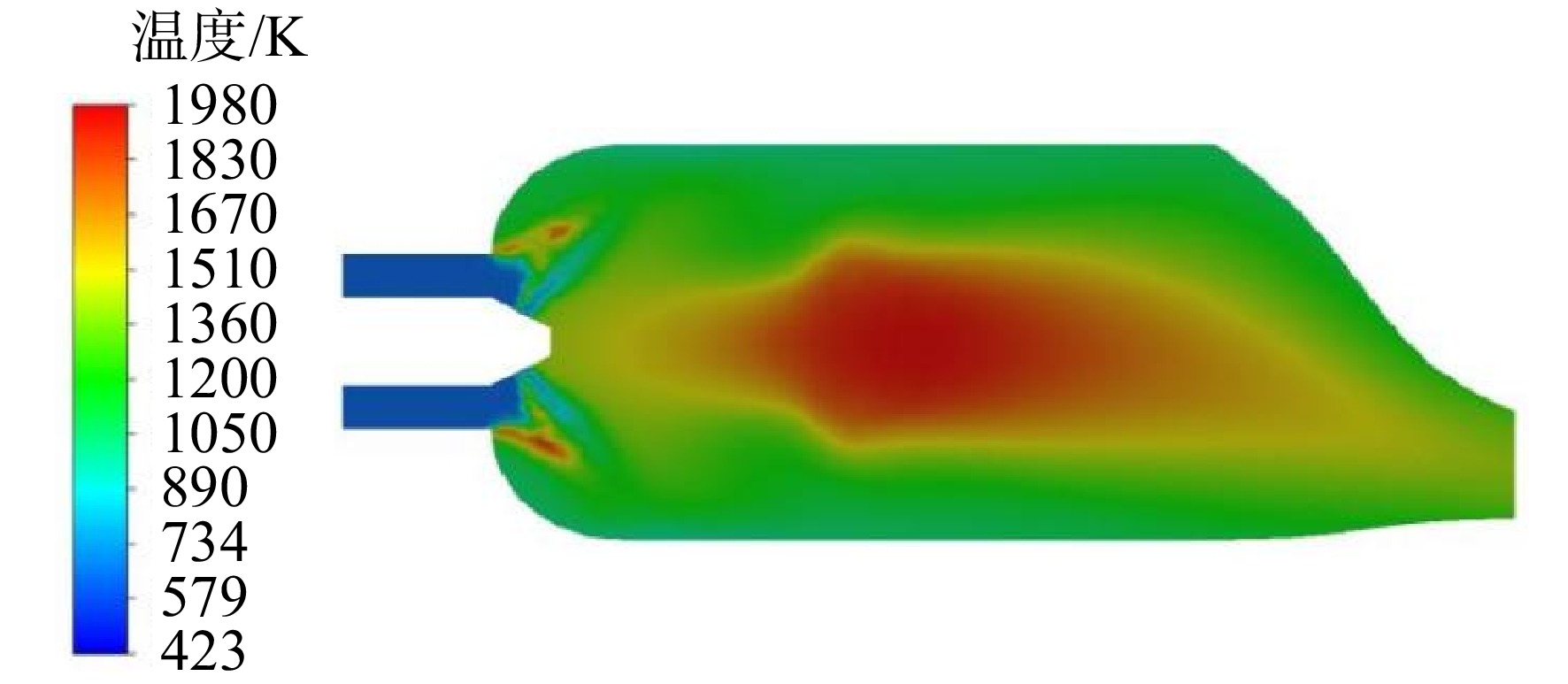
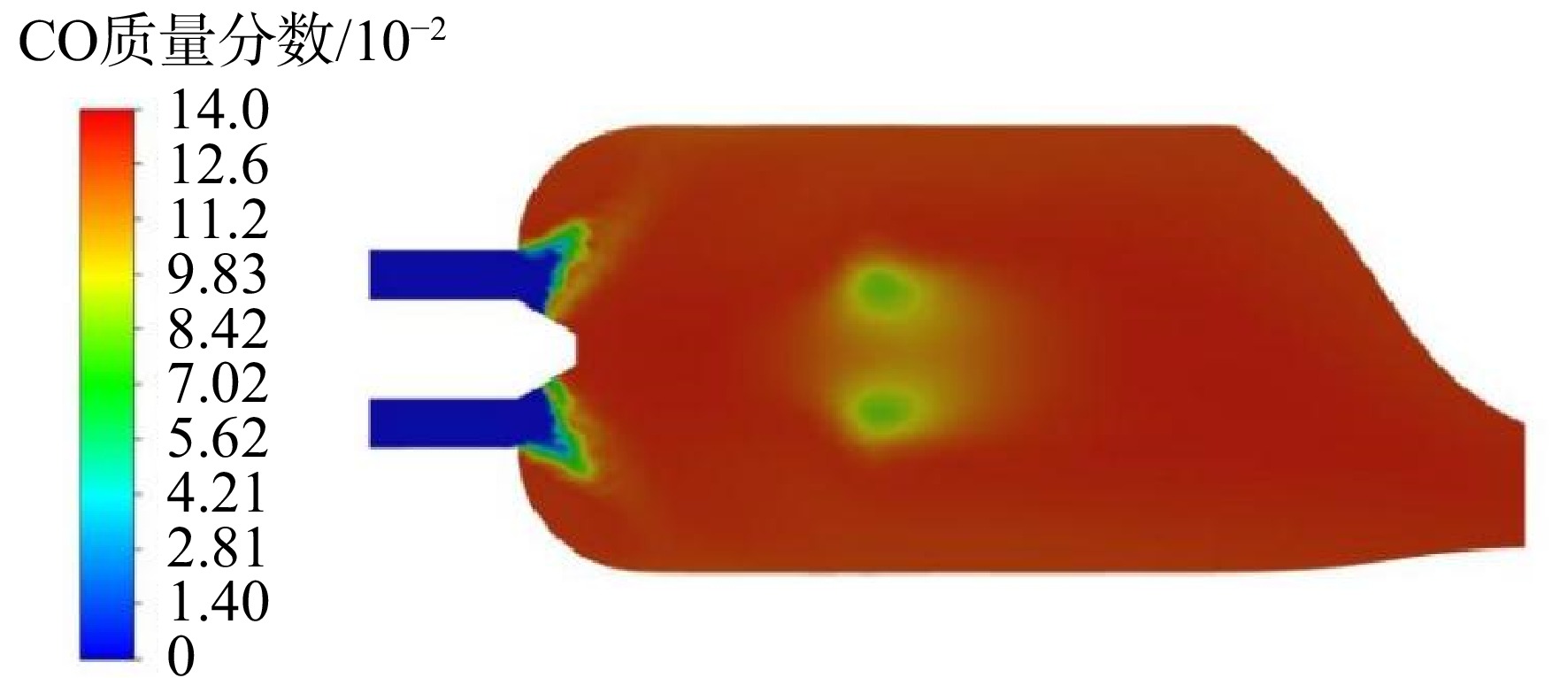
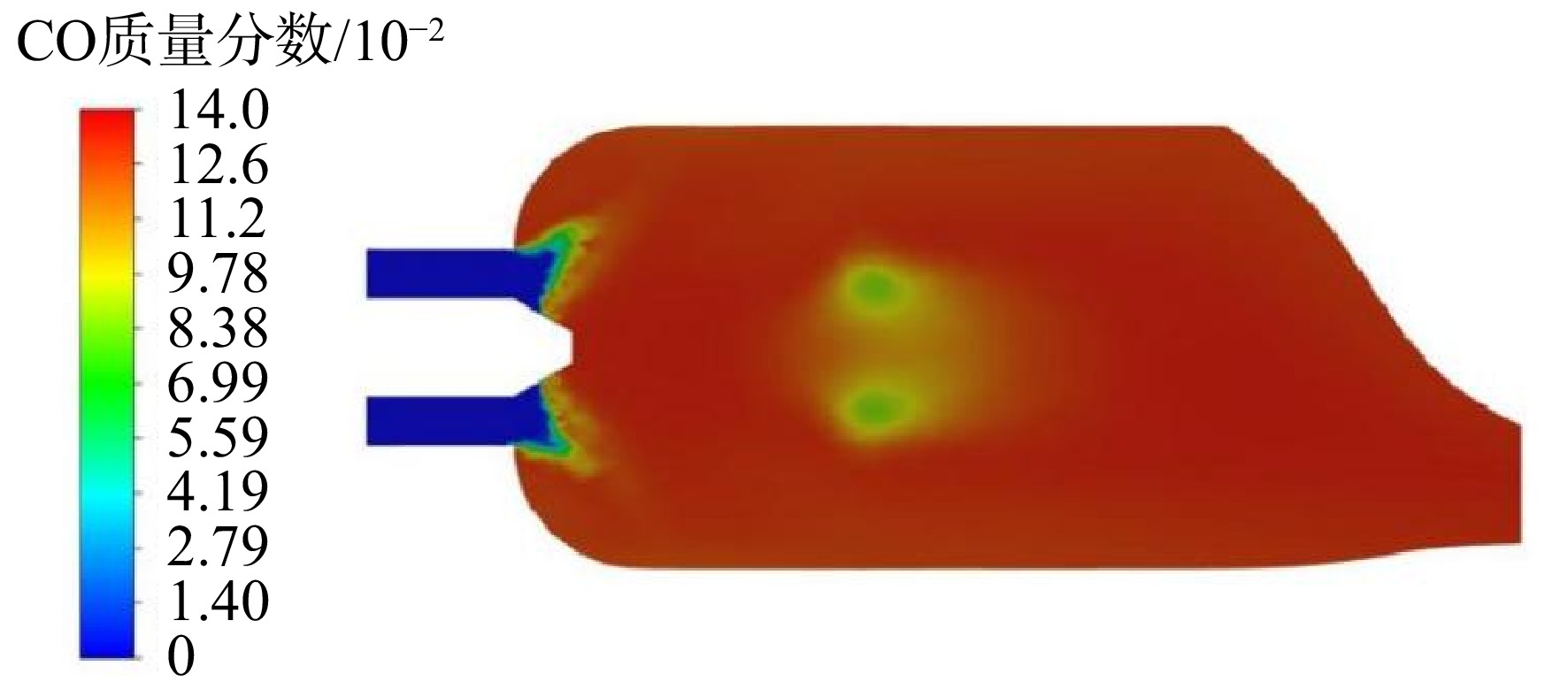
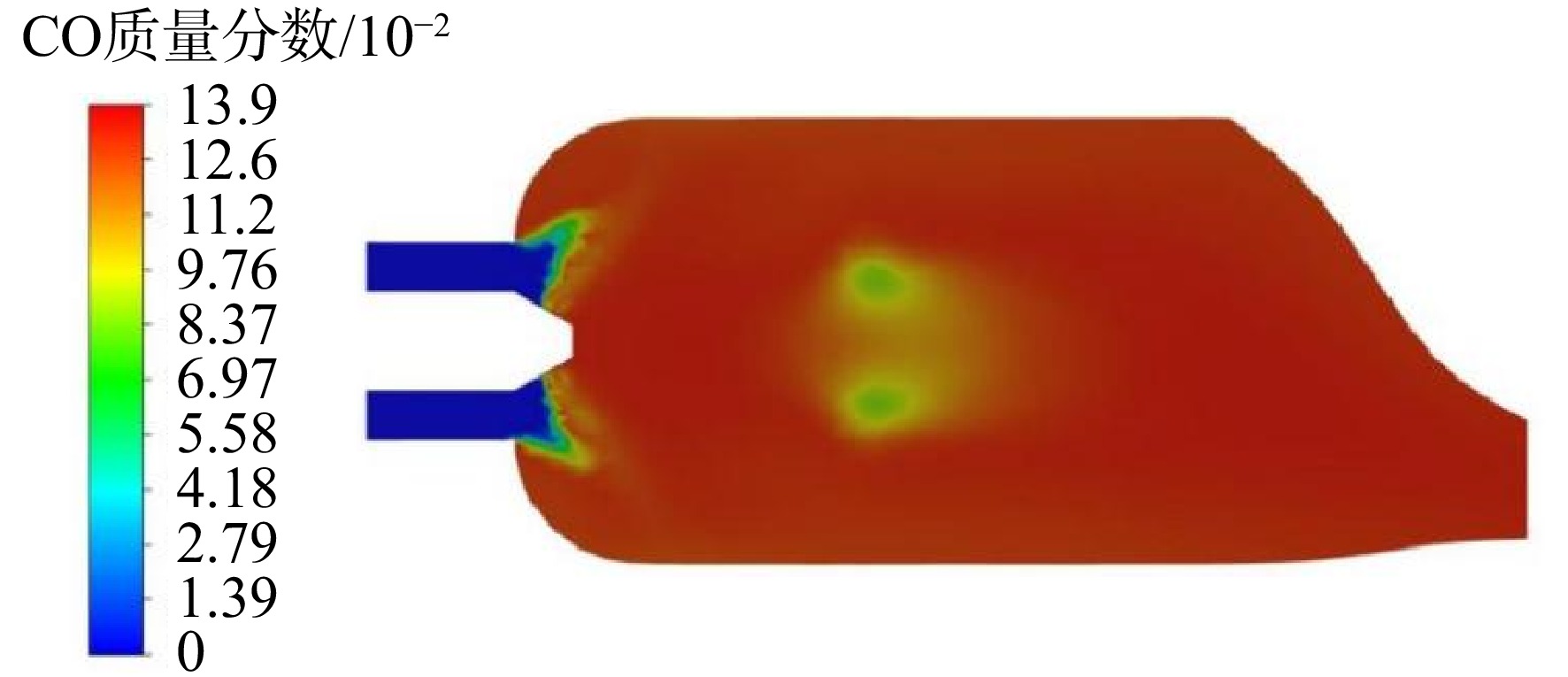
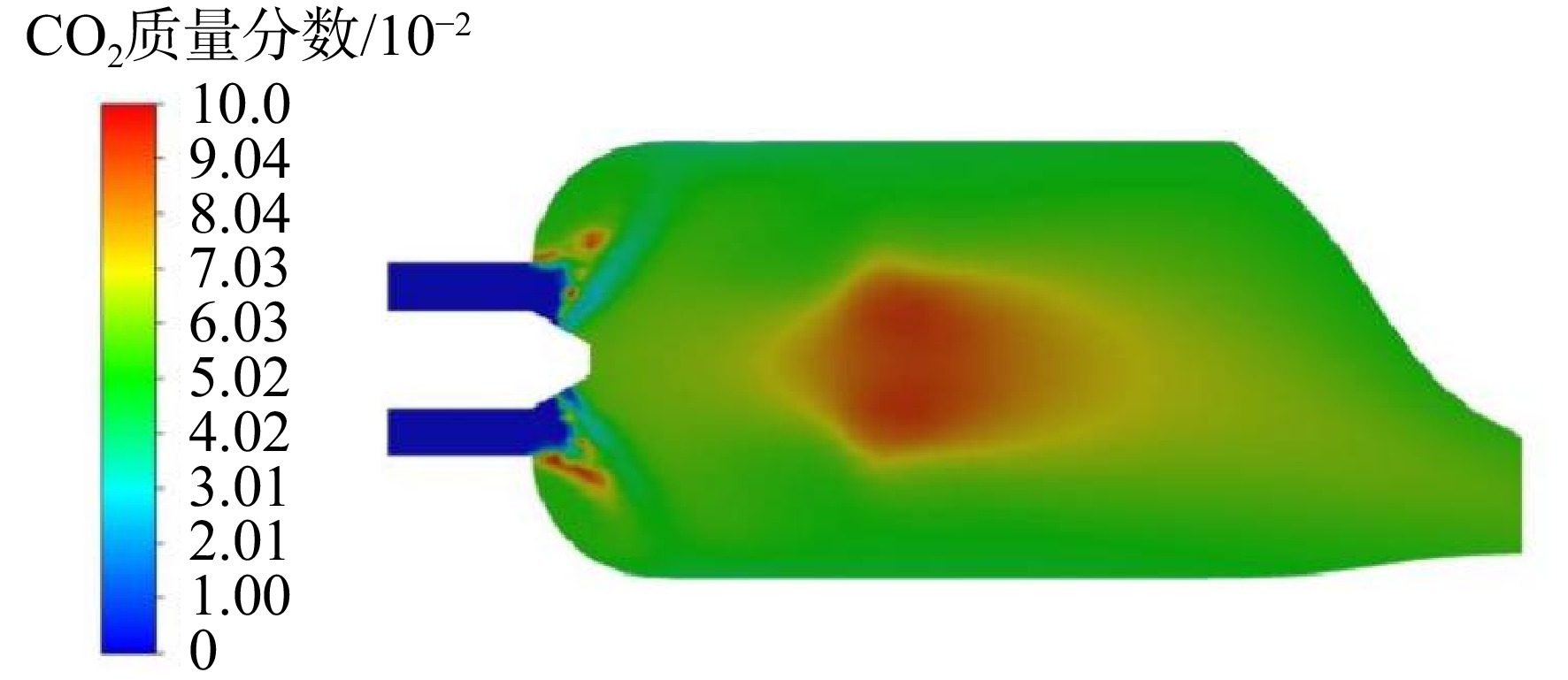
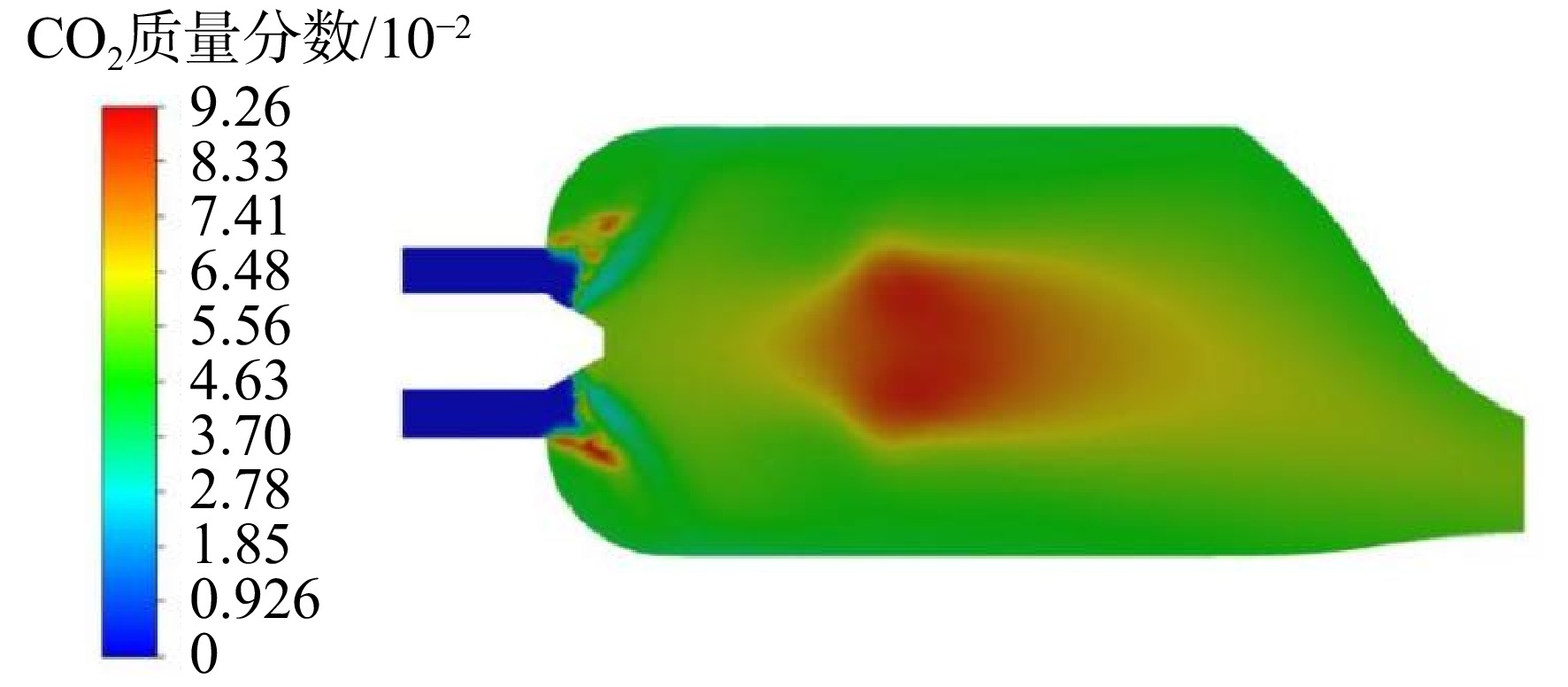
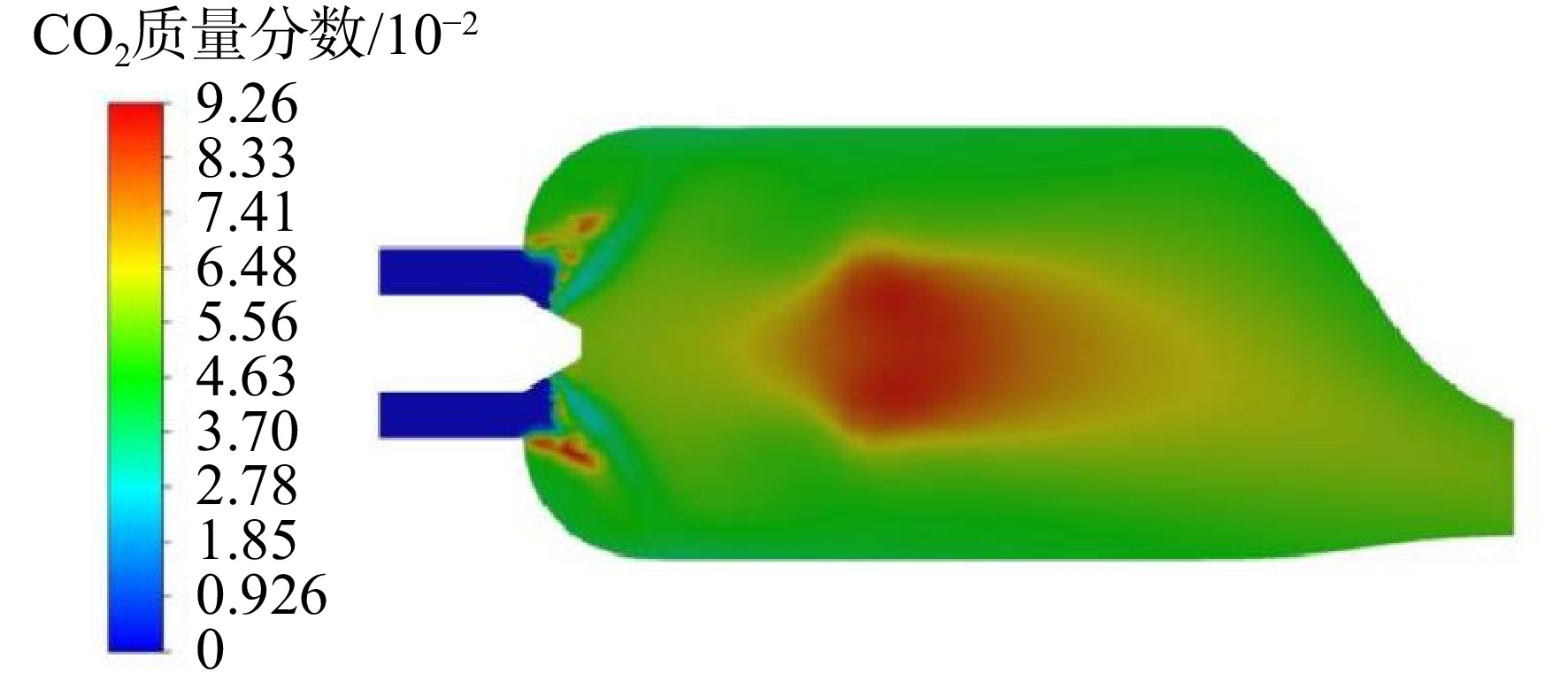
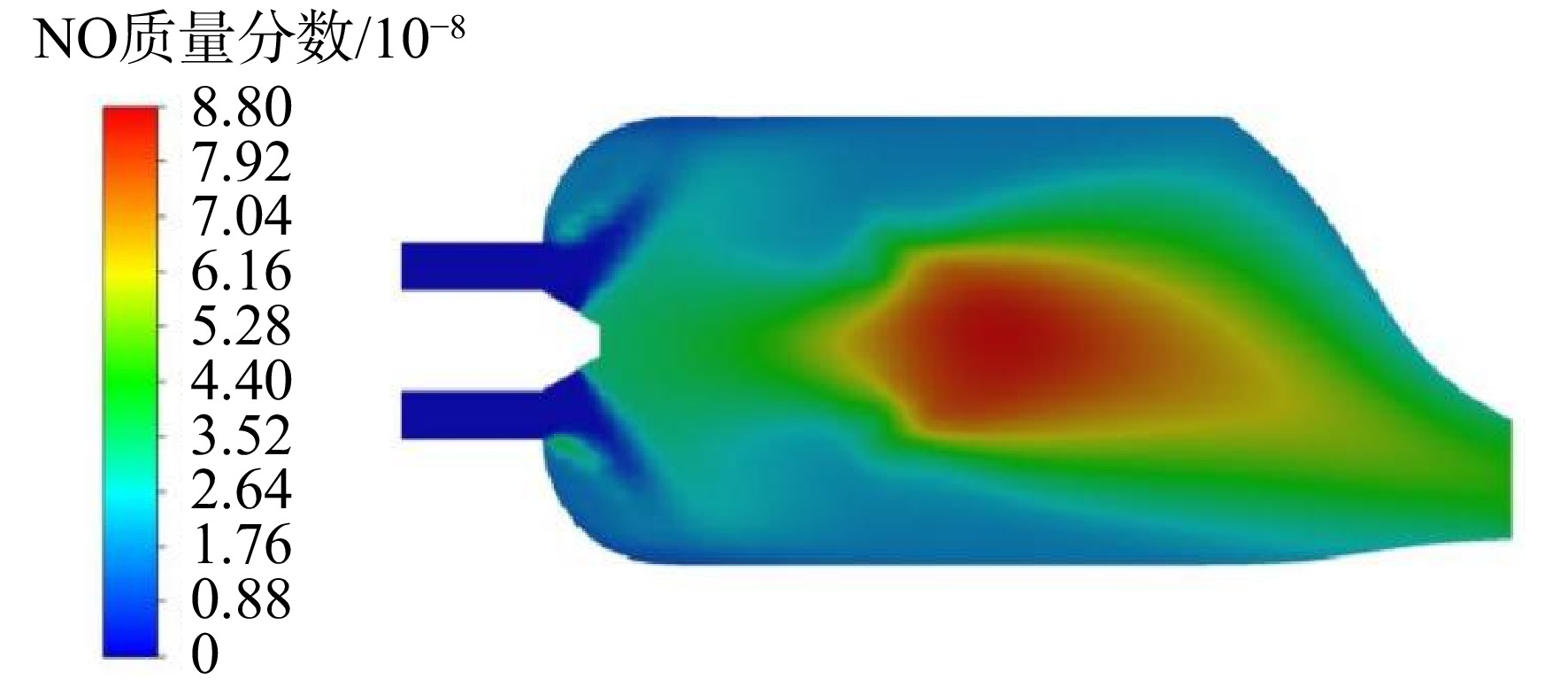
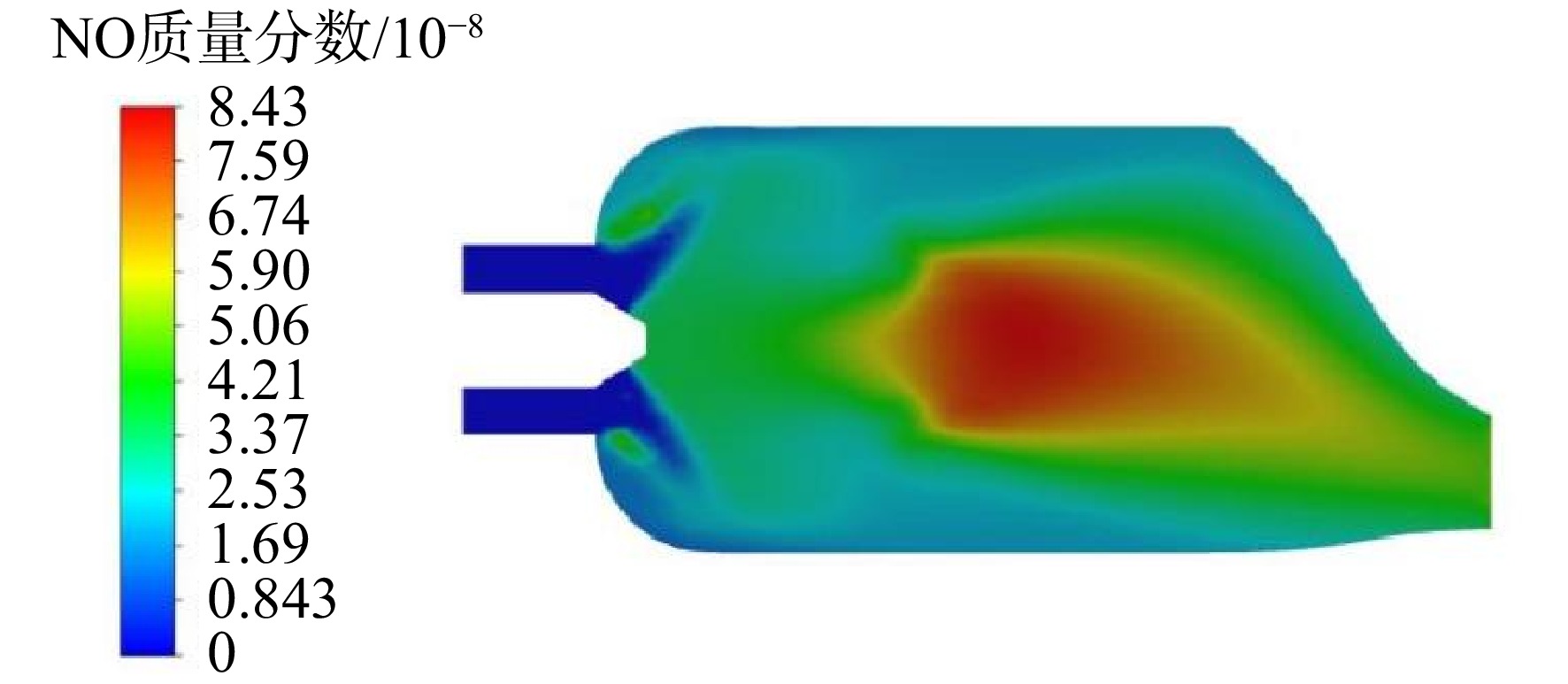
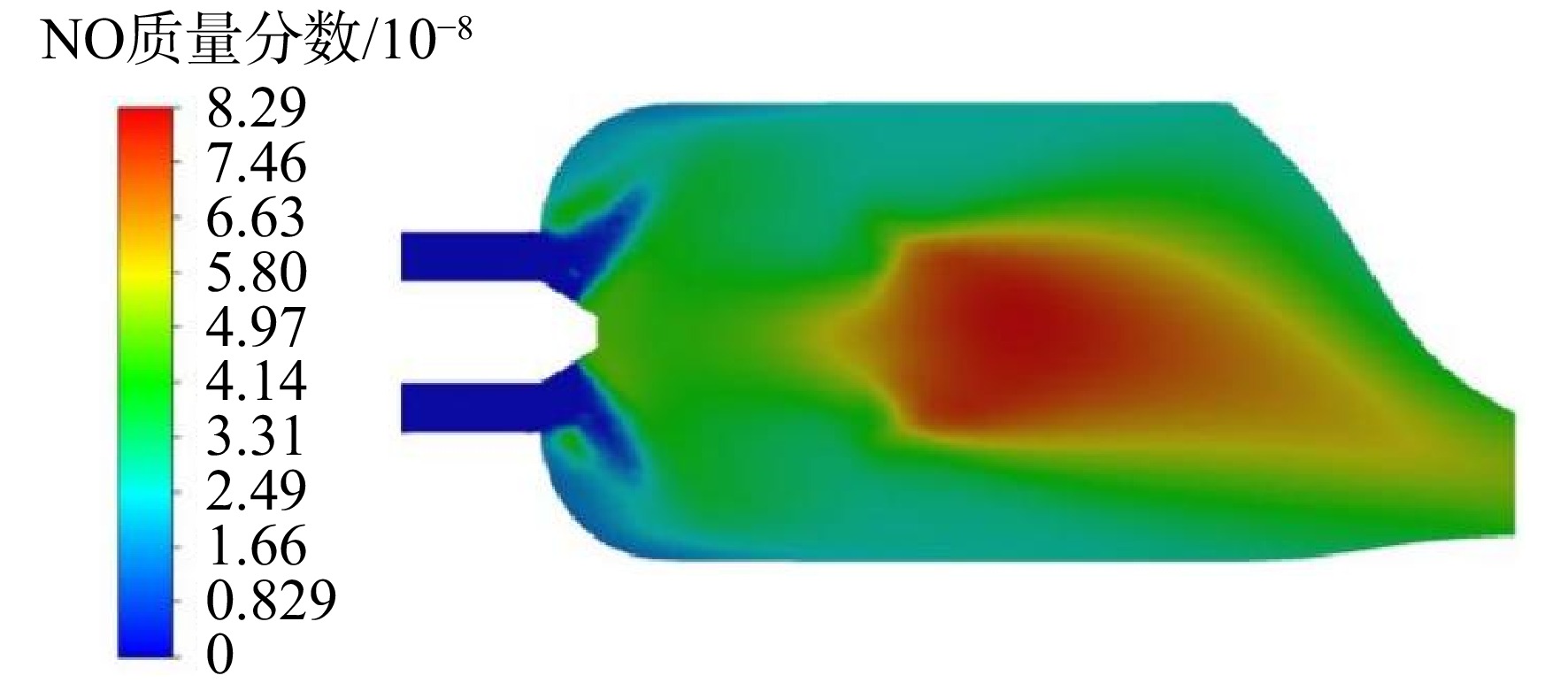
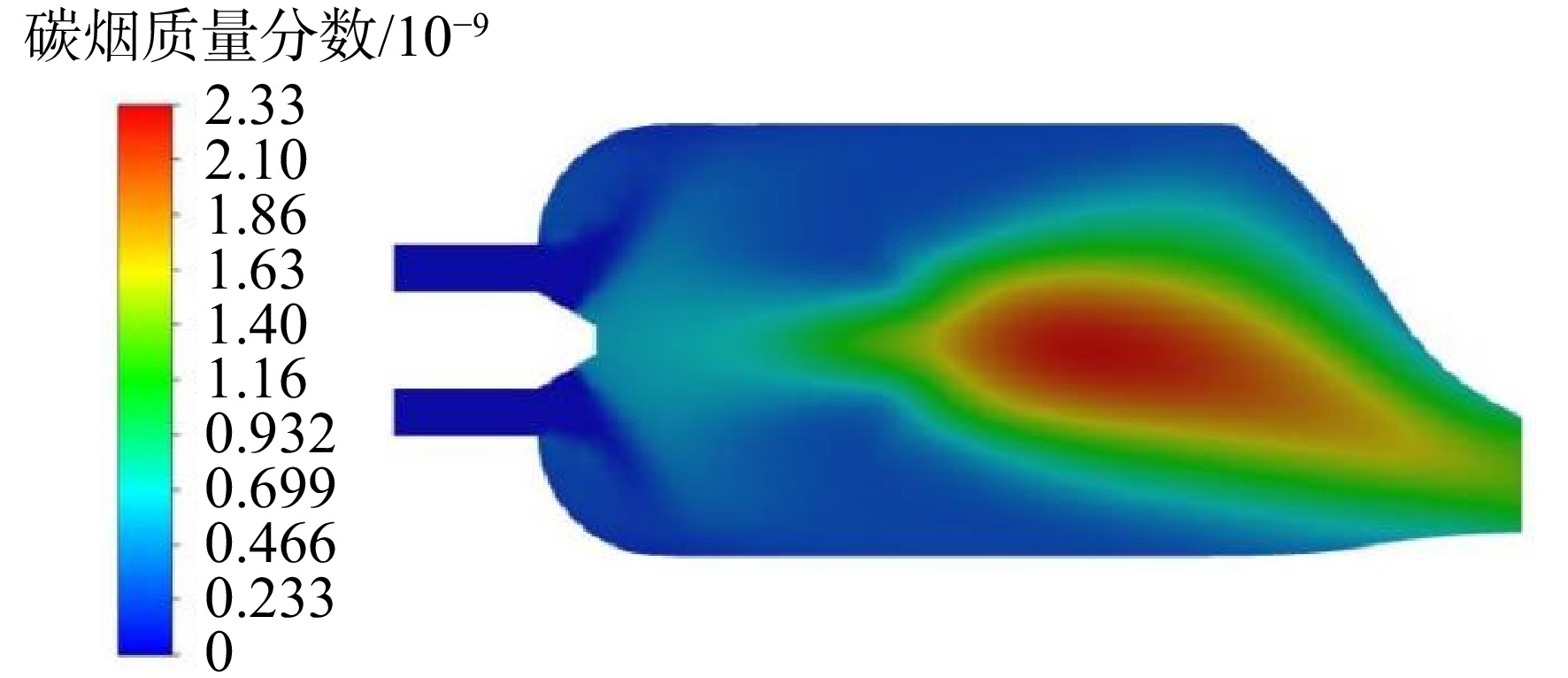
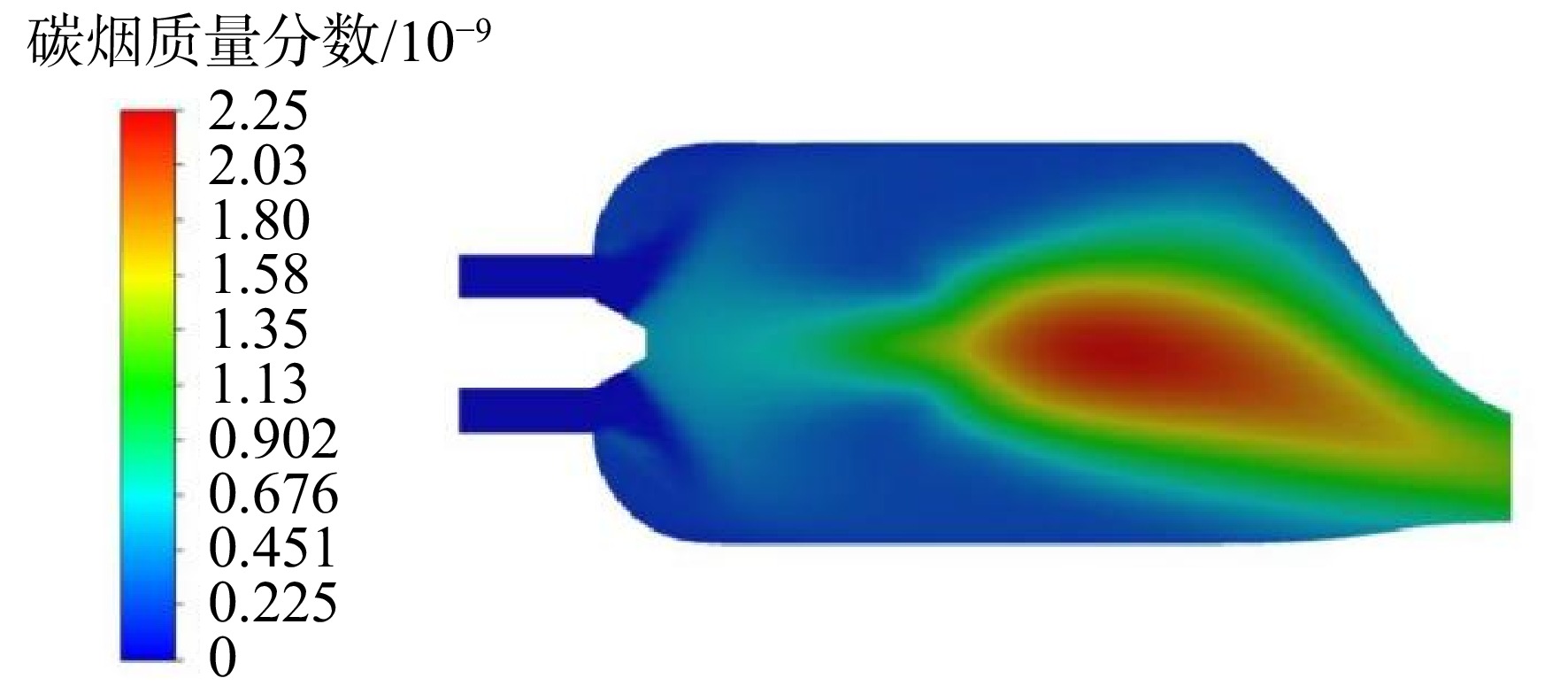
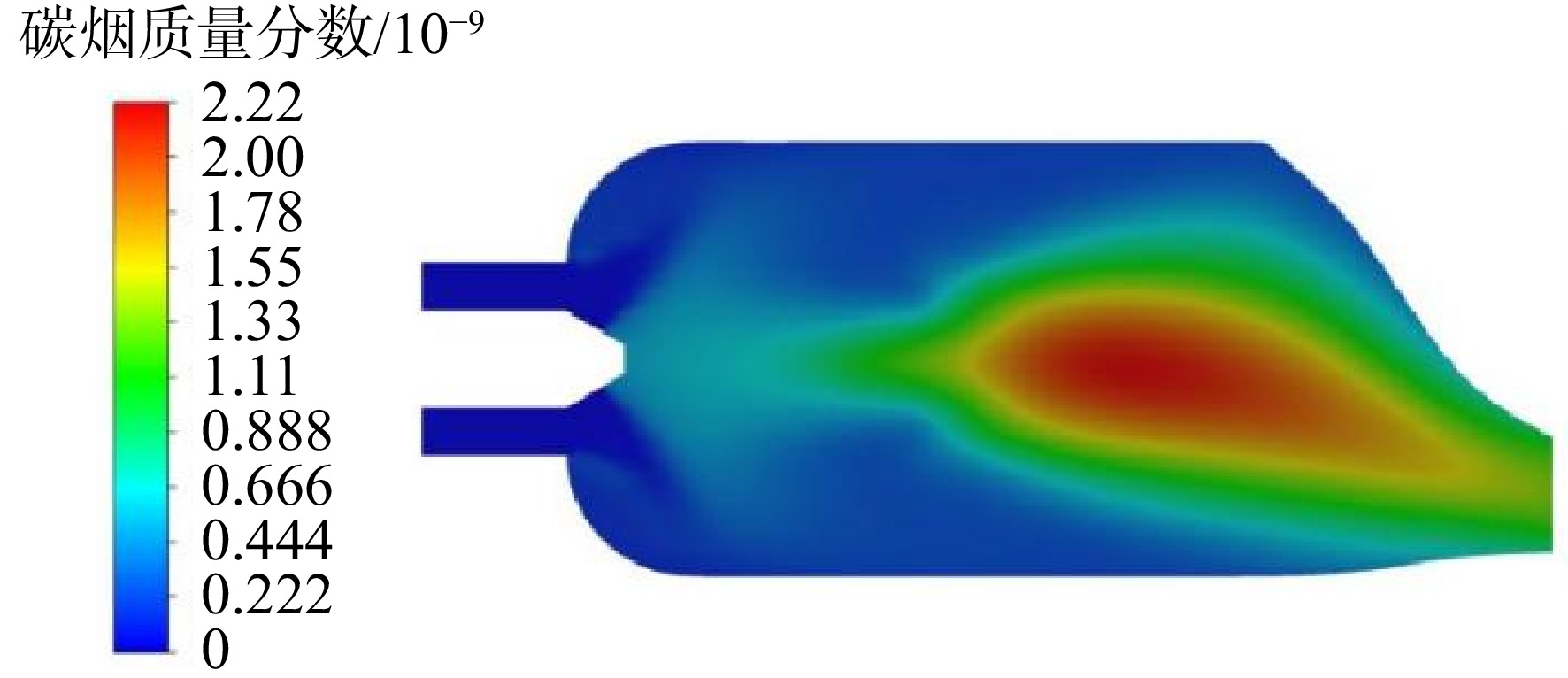
In order to reduce the emission of pollutants, meet the increasingly strict environmental requirements, and reduce the dependence on RP-3 aviation kerosene, the development of aviation alternative fuels is emerging as an urgent necessity for the global aviation industry. To investigate the combustion mechanisms of RP-3 aviation kerosene blended with hydrogenated catalytic biodiesel at varying blending ratios, numerical simulations of the combustion process of a certain type of aero-engine burning three kinds of fuels (RP-3 aviation kerosene, 70% RP-3 aviation kerosene/30% hydrogenated catalytic biodiesel, and 50% RP-3 aviation kerosene/50% hydrogenated catalytic biodiesel) were carried out to compare and analyze the combustion and emission characteristics of the combustion chambers when different fuels were burned. The results showed that, compared with RP-3 aviation kerosene, the flow field distribution characteristics in the combustion chamber were basically the same when the two blended fuels were burned, the high temperature region of the main combustion zone was obviously extended, the maximum temperature in the combustion chamber decreased by 9 K and 13 K, respectively, the average temperature of the combustion chamber outlet cross-section rose by 1 K and 4 K, and the exit temperature distribution coefficients of the three fuels were compliant with the regulations; the pollutant emission distribution characteristics in the combustion chamber were basically the same, in which the CO emissions were reduced by 5% and 6.4%, CO2 emissions reduced by 2.9% and 7.8%, NO emissions reduced by 4.2% and 5.8%, and carbon smoke emissions reduced by 3.2% and 4.7%.

Research on rectification strut characteristics of an integrated afterburner with strong cosine non-uniform inflow
XI Yuru, WANG Chengqi, TIAN Zemin, LI Jinghua, YAN Yingwen
2026, 41(6): 20240758. doi: 10.13224/j.cnki.jasp.20240758
Abstract:

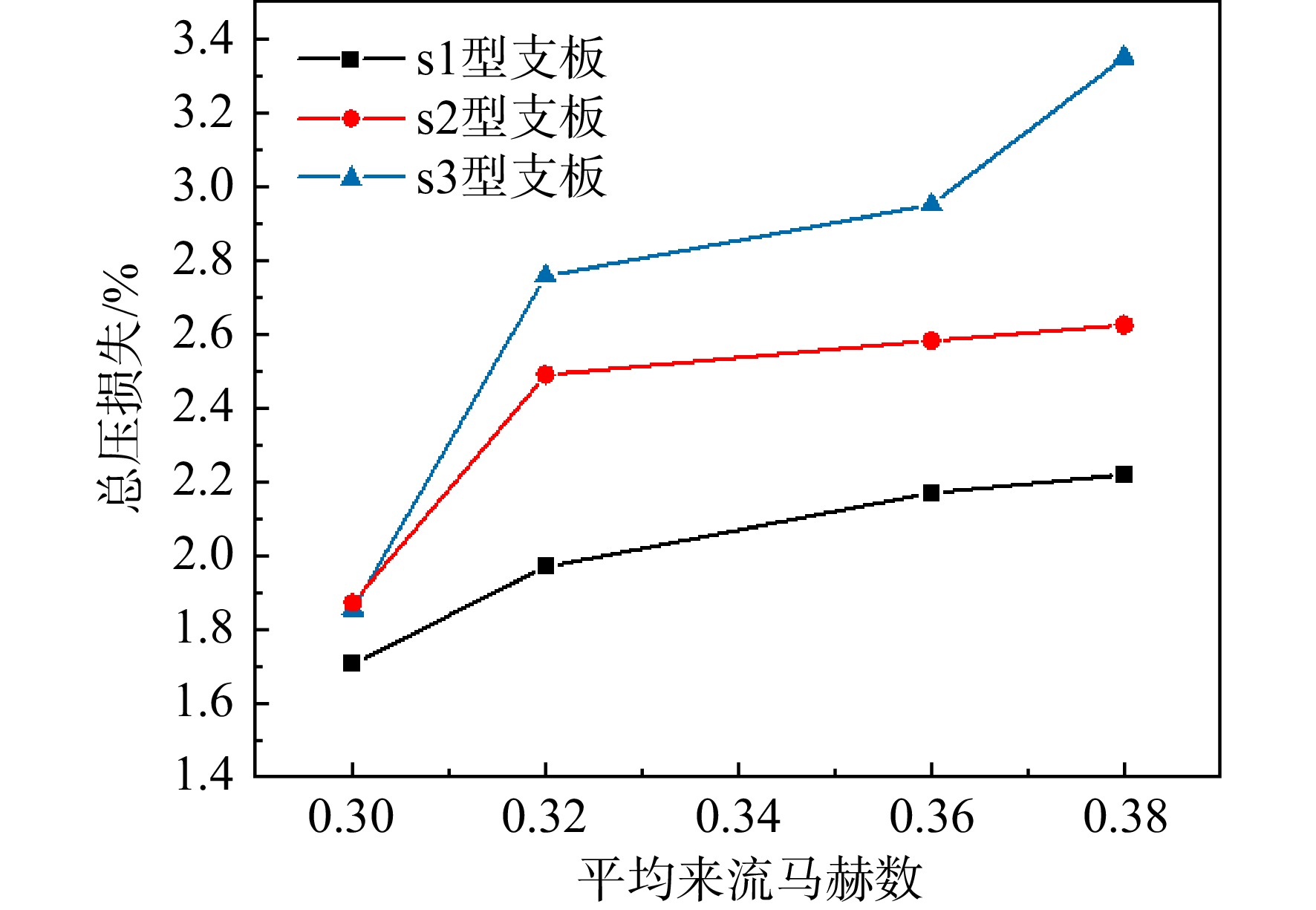
In order to optimize the design of strut in the integrated afterburner, the rectification characteristics of the strut under the non-uniform inlet of strong cosine rotation were investigated. Different structures of cosine rotation generator were designed to reproduce the non-uniform inlet of strong cosine rotation. The rectification effects of different struts and their flow loss were analyzed. The results showed that the generators could reproduce the non-uniform inlet of strong cosine rotation; the designed strut had the best rectification effect when its bending angle matched the cosine rotation angle of inlet; the mismatching of angle led to the worse rectification effect, especially in terms of non-uniform Mach number; the flow loss of strut increased with the increase of Mach number of inlet, the flow loss of strut with best rectification increased slowly with Mach number, which was within 2.6%.

Turbomachinery
Research on the influence and mechanism of diffusers on the aerodynamic performance of high-load axial compressors
LI Litao, LI Ziliang, CHANG Yaxin, HUANG Jinhe, QU Zonglei, WU Yanhui
2026, 41(6): 20250081. doi: 10.13224/j.cnki.jasp.20250081
Abstract:

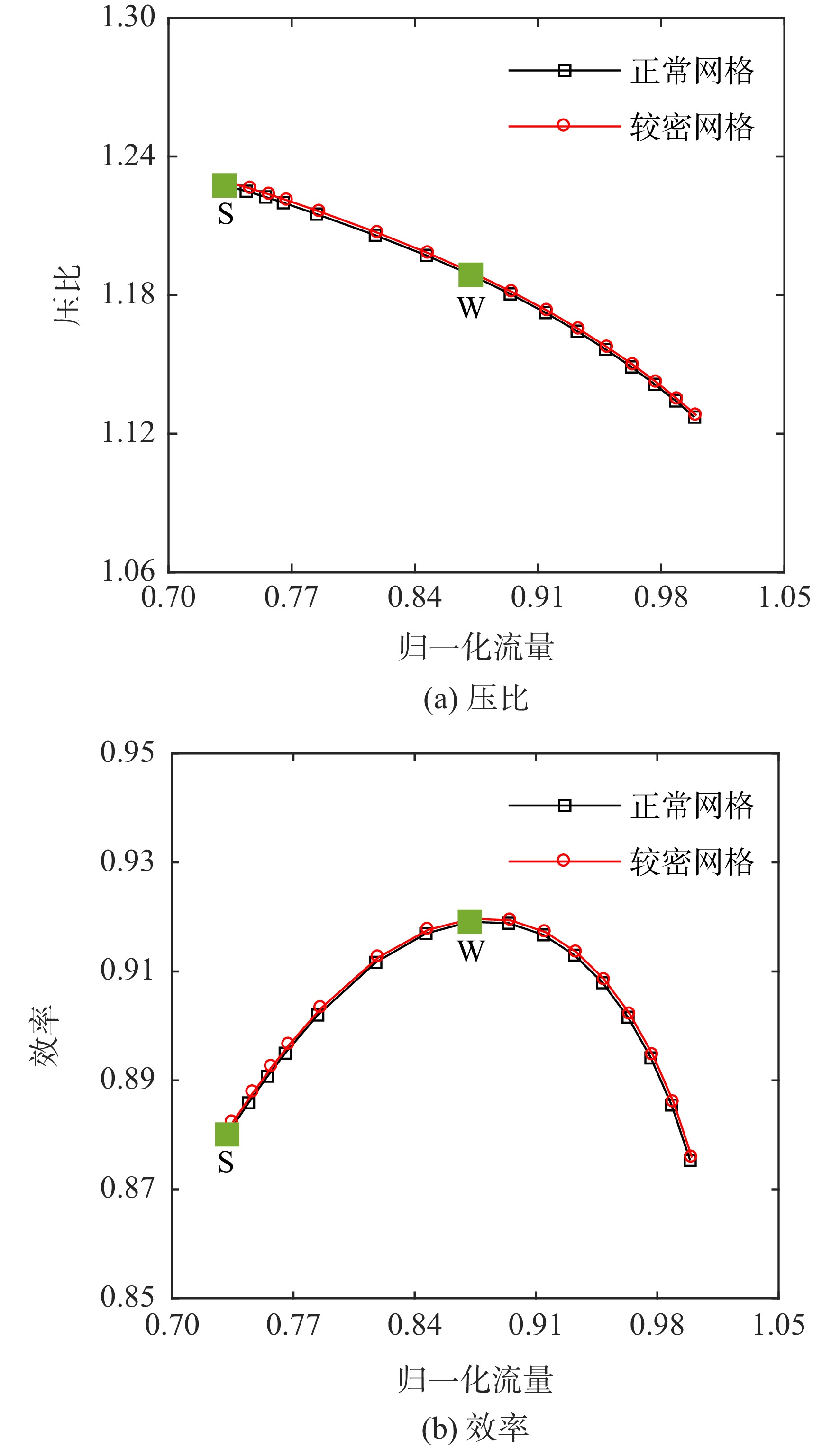
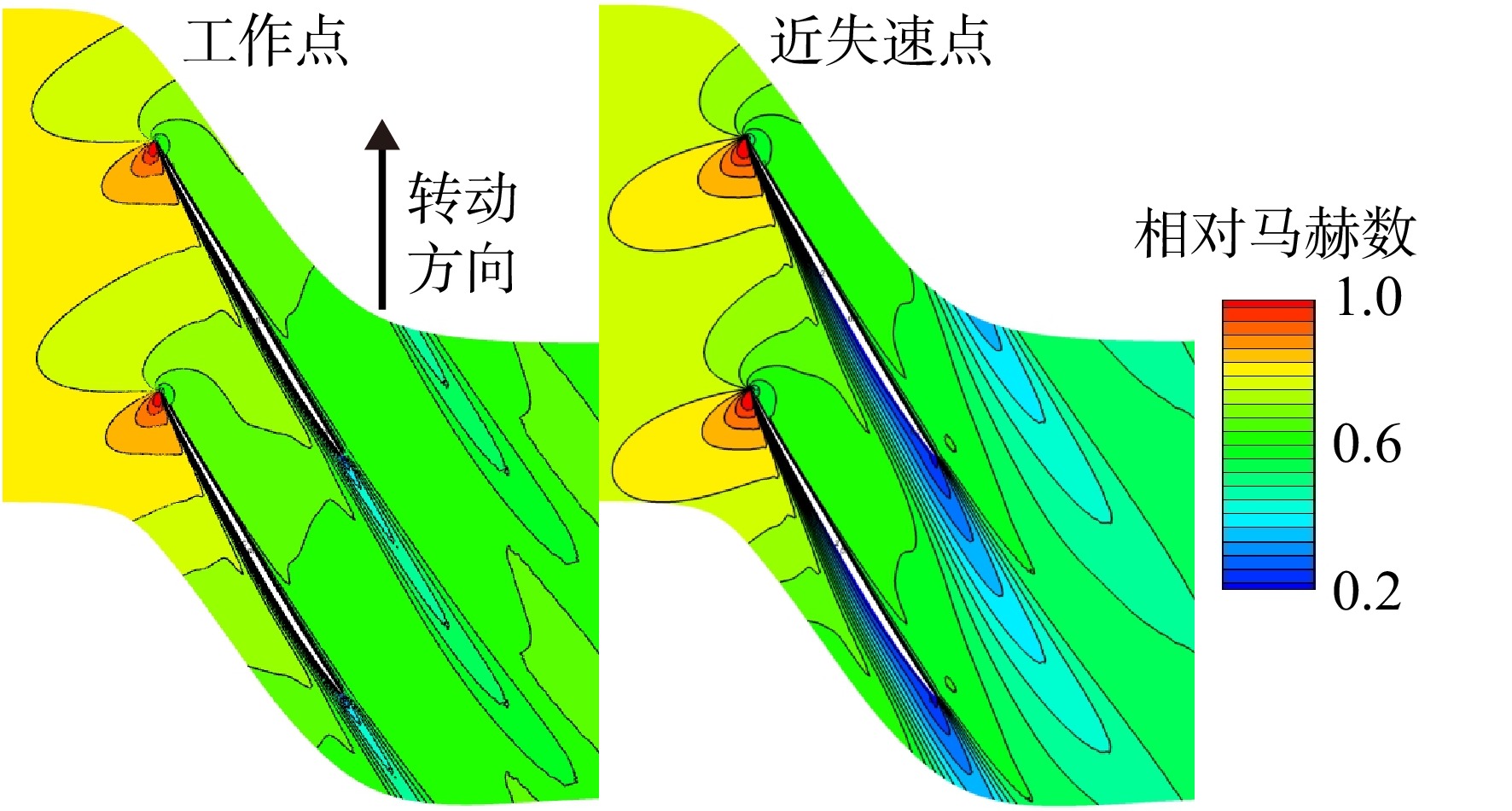
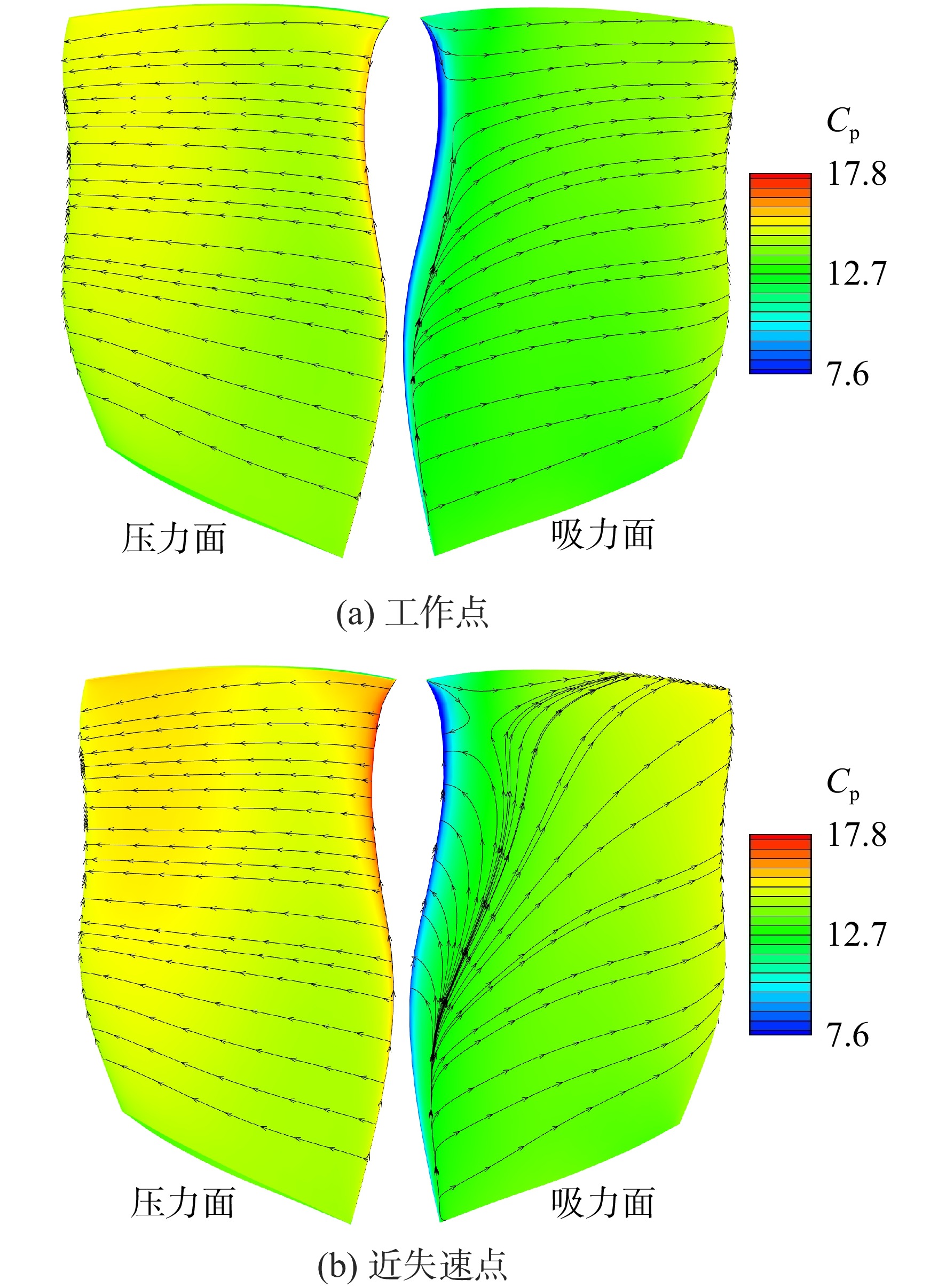
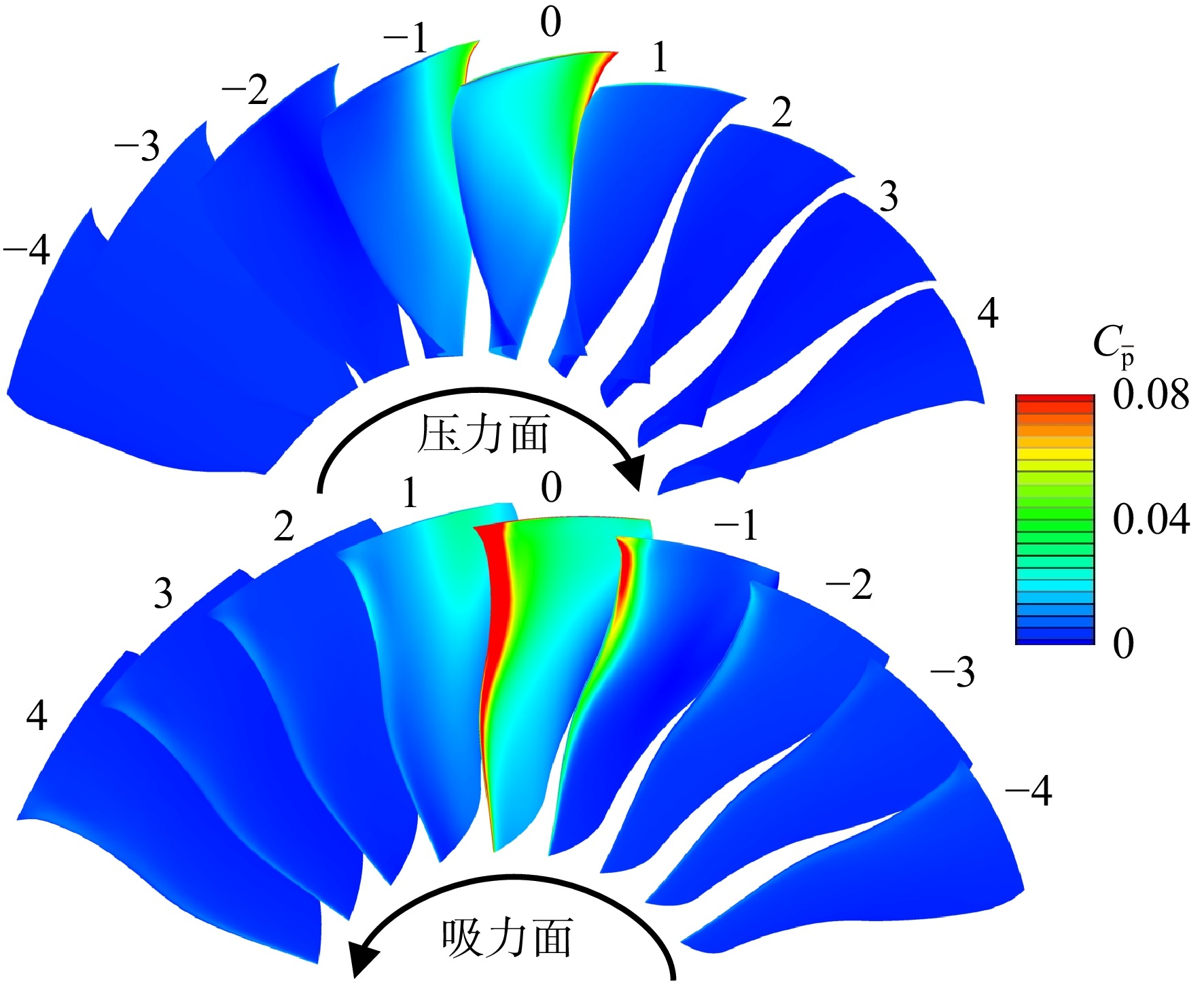
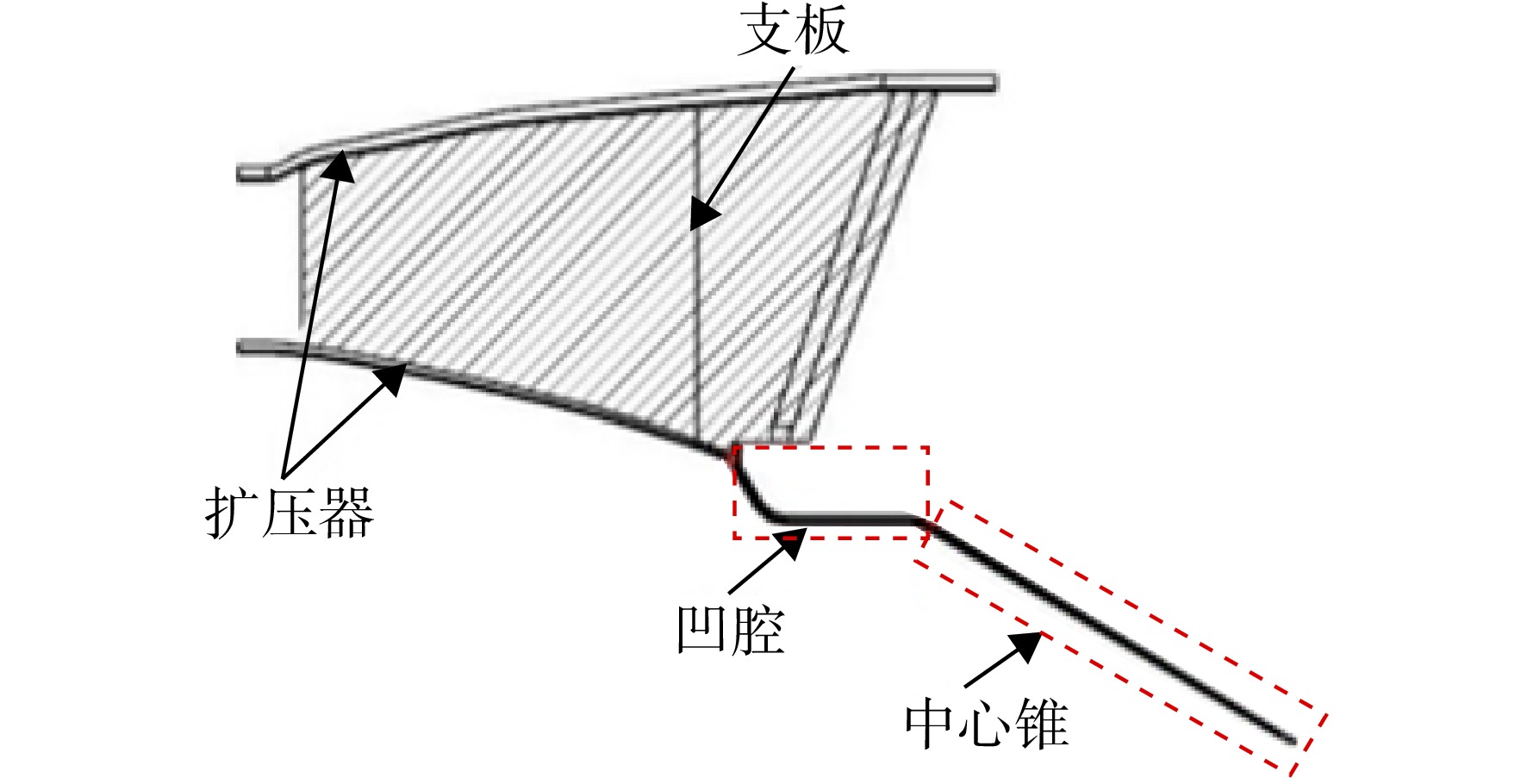
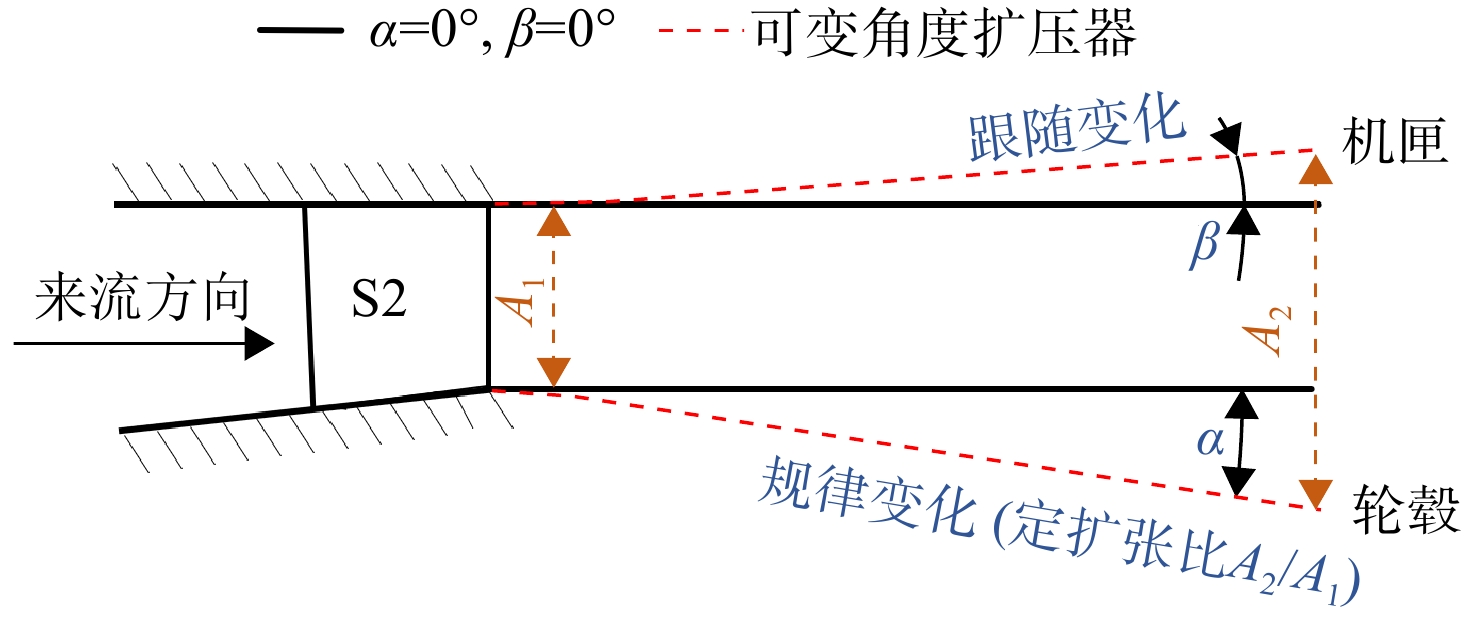
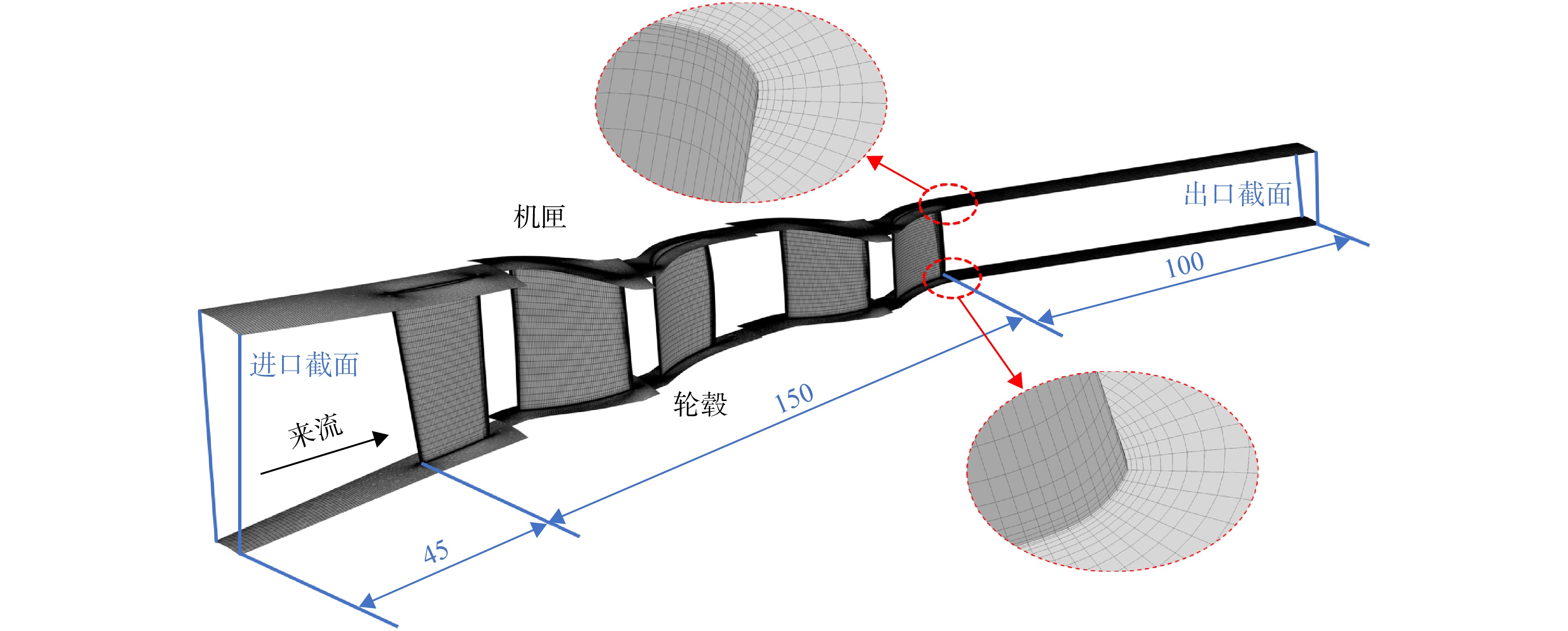
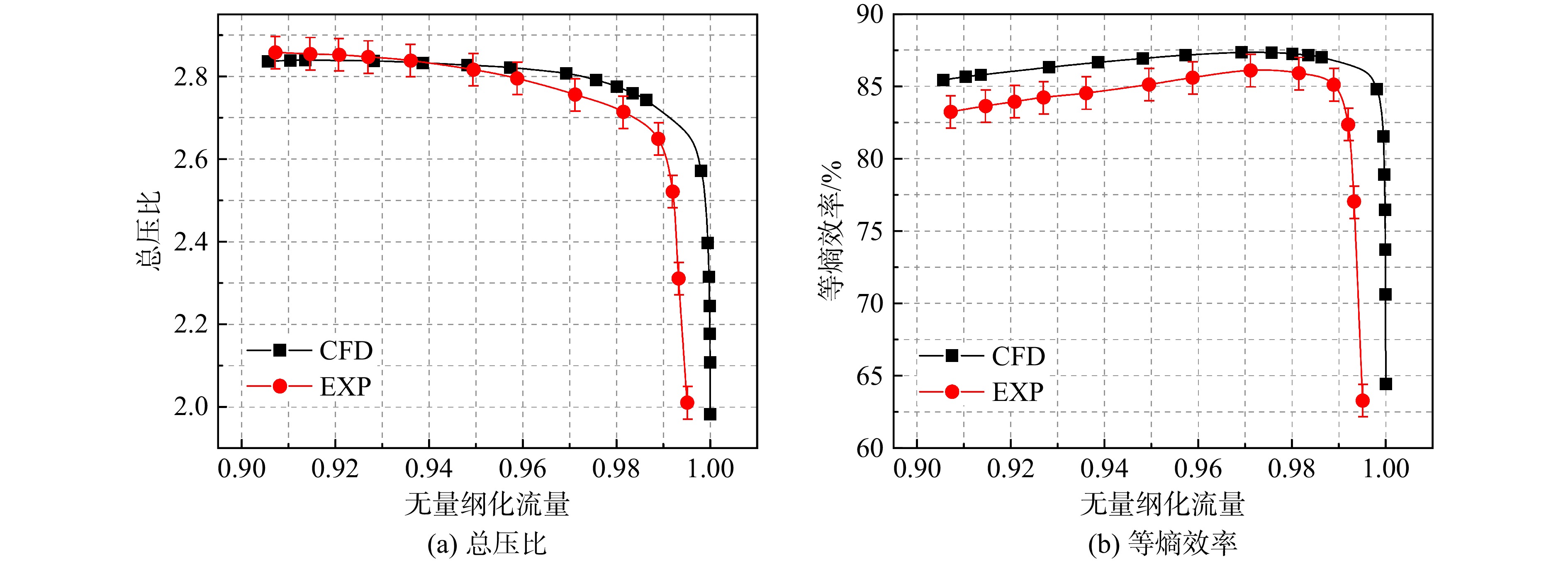
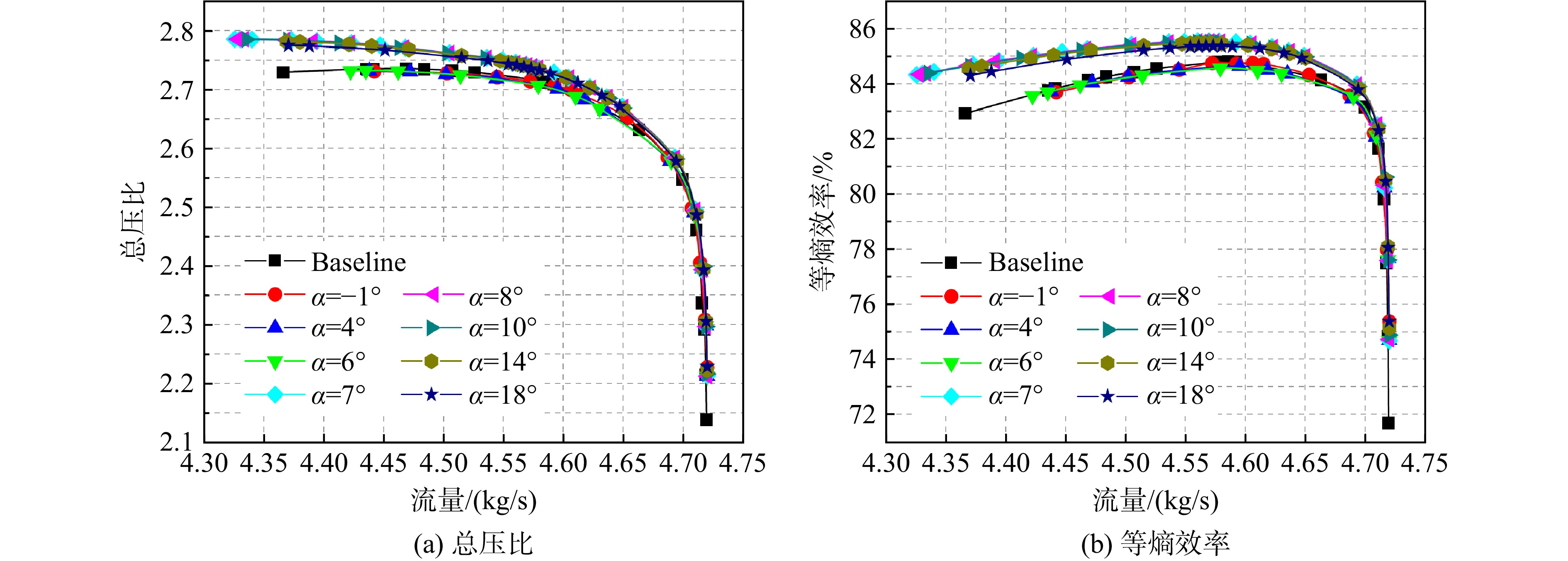
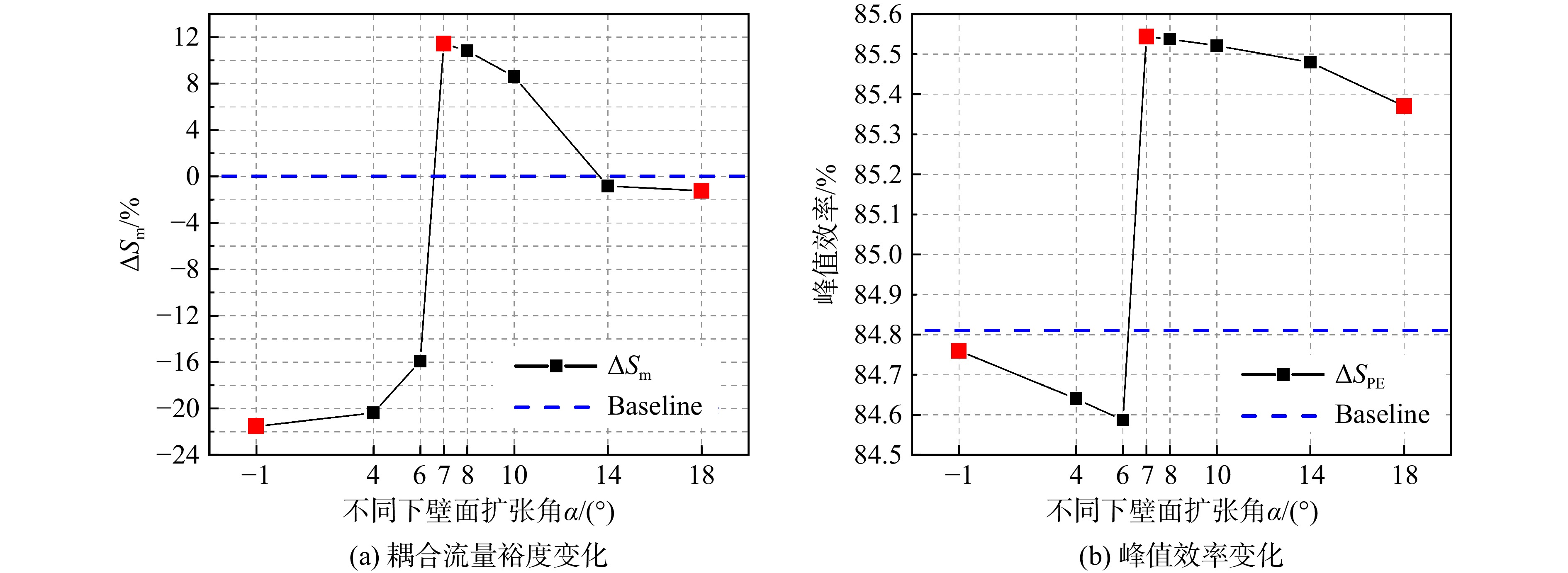
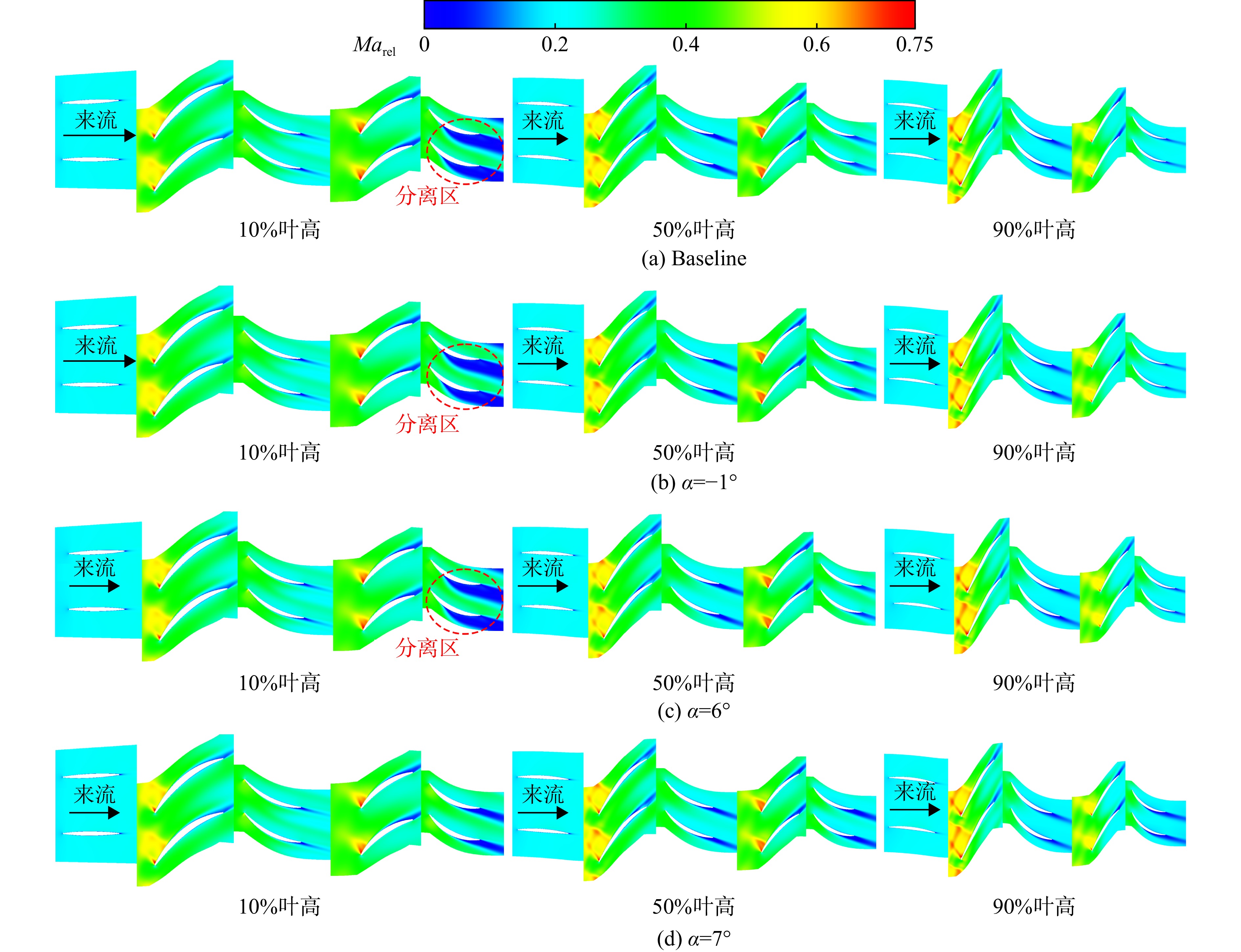
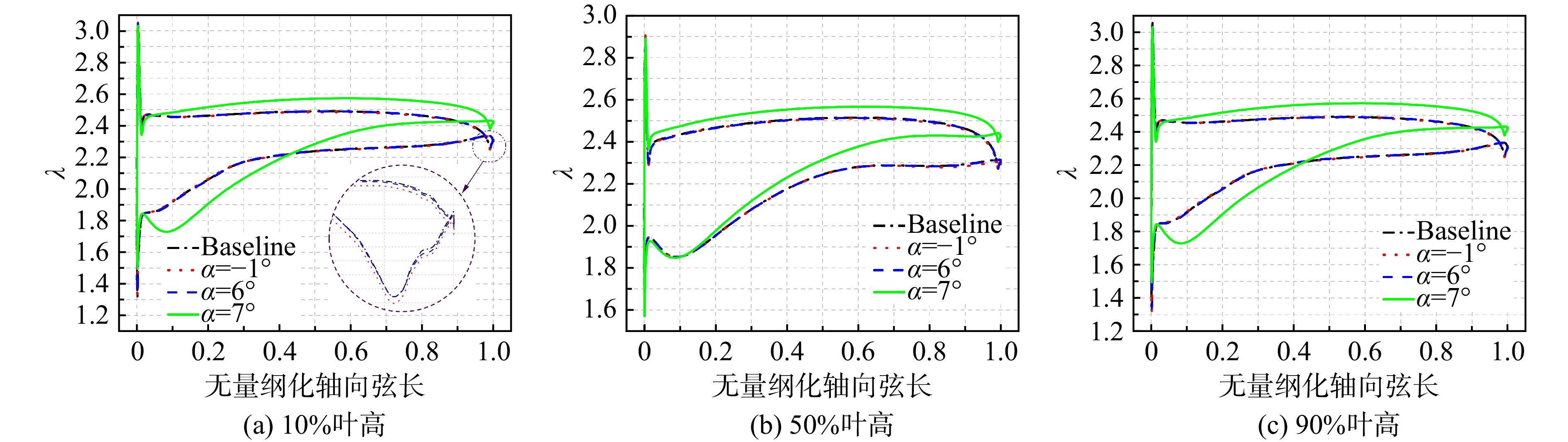
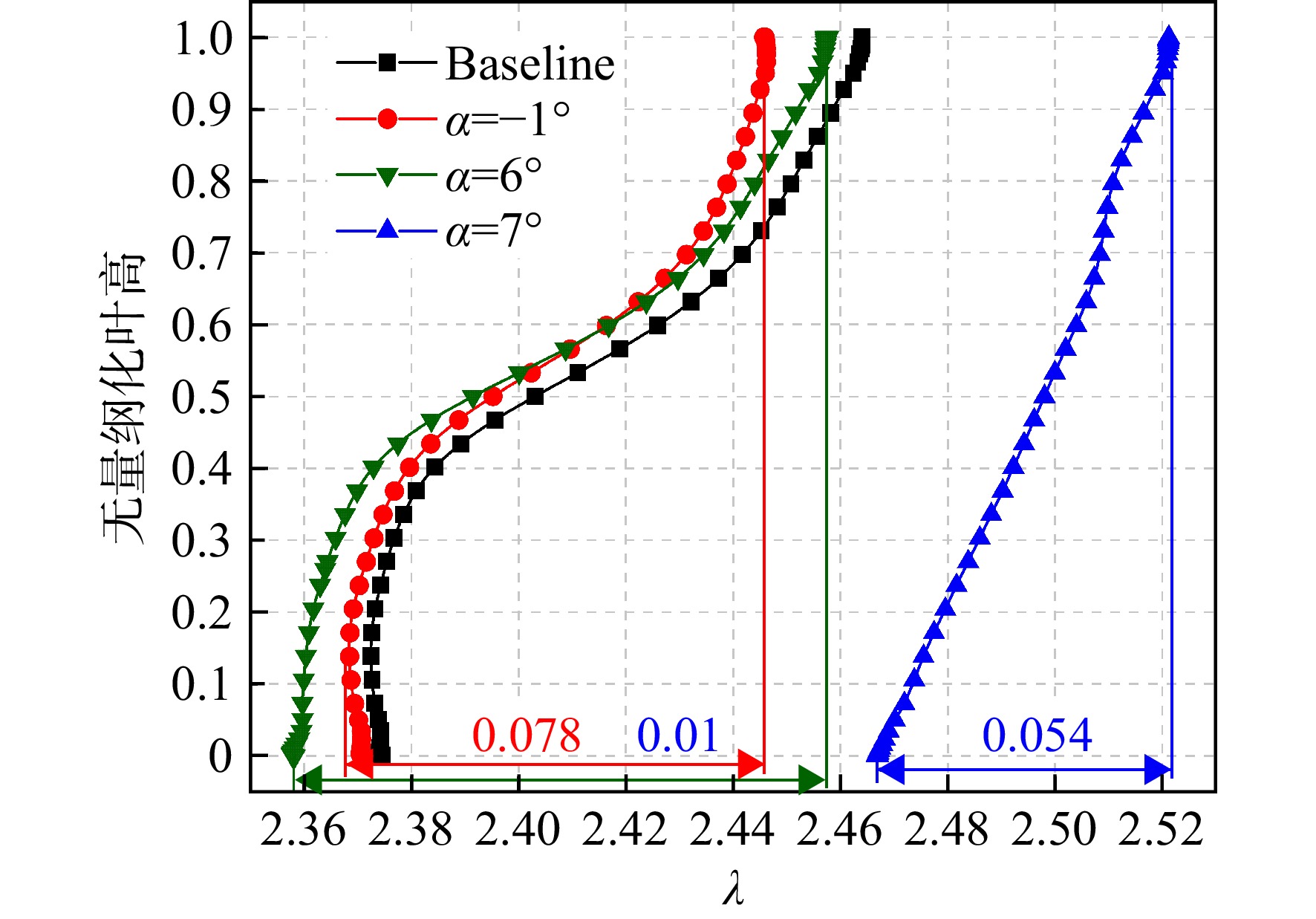
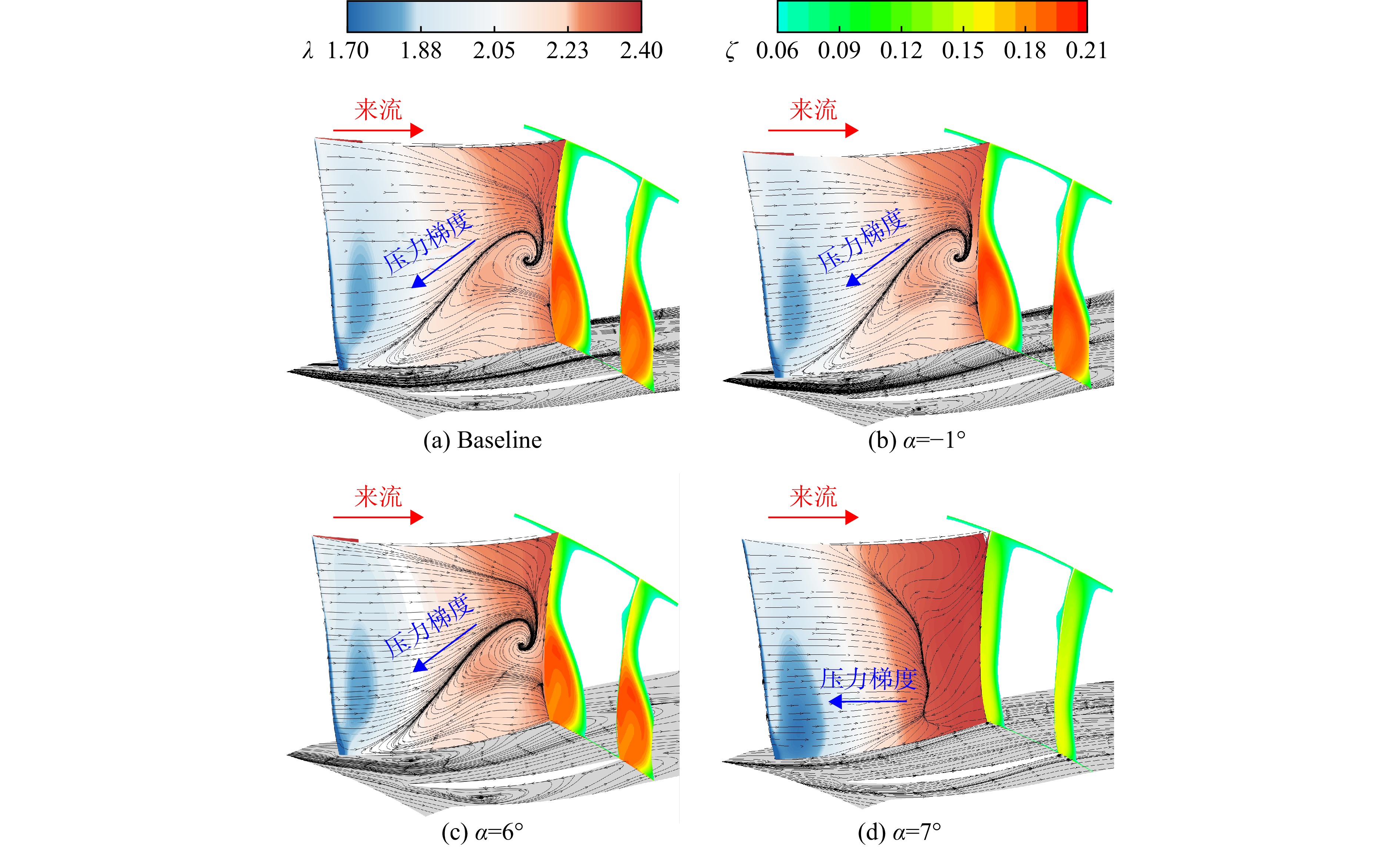
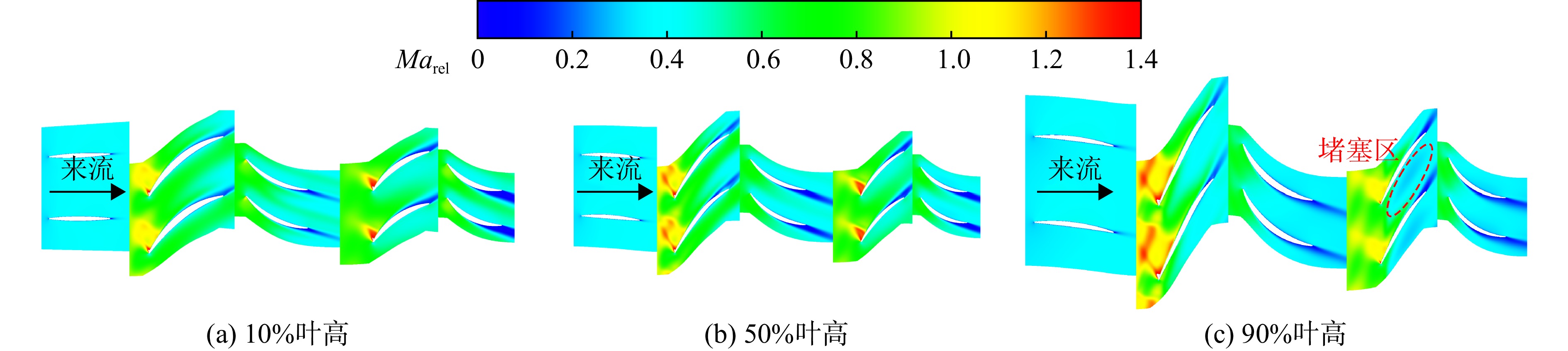
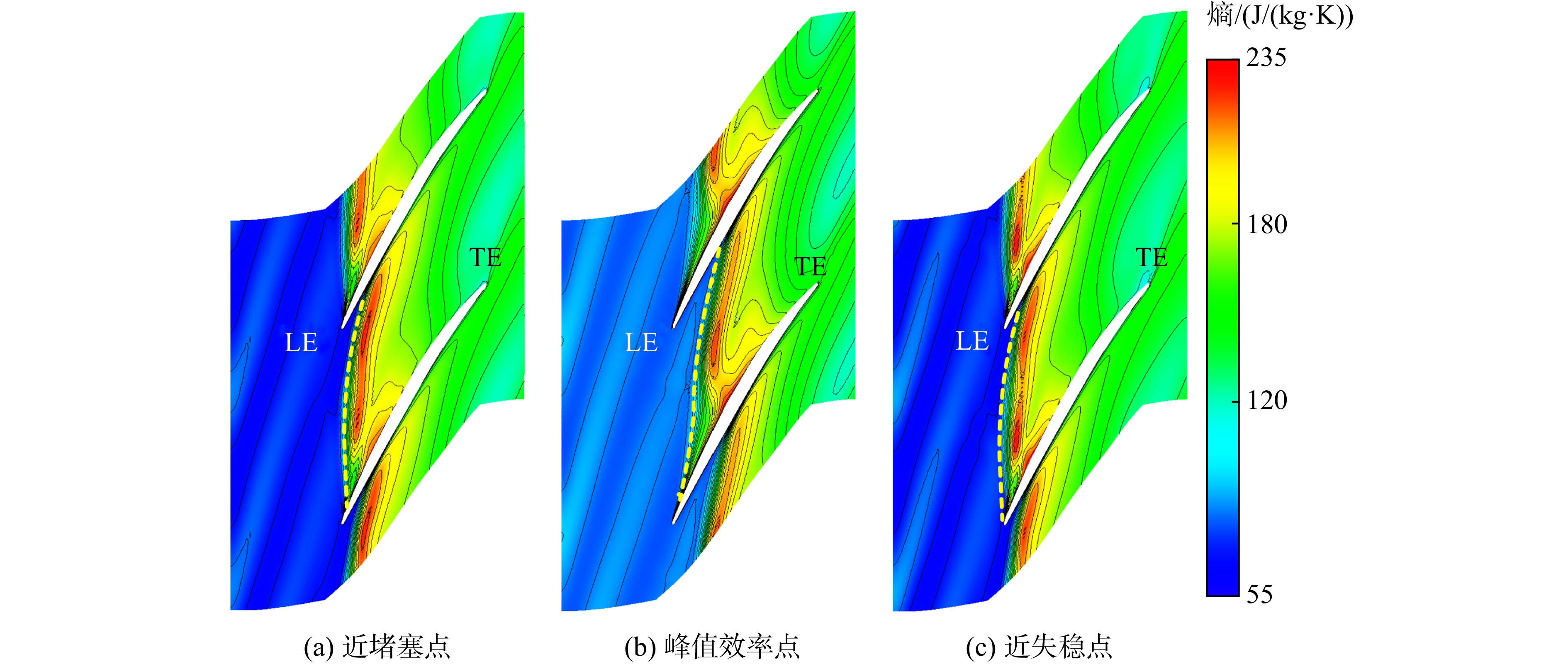
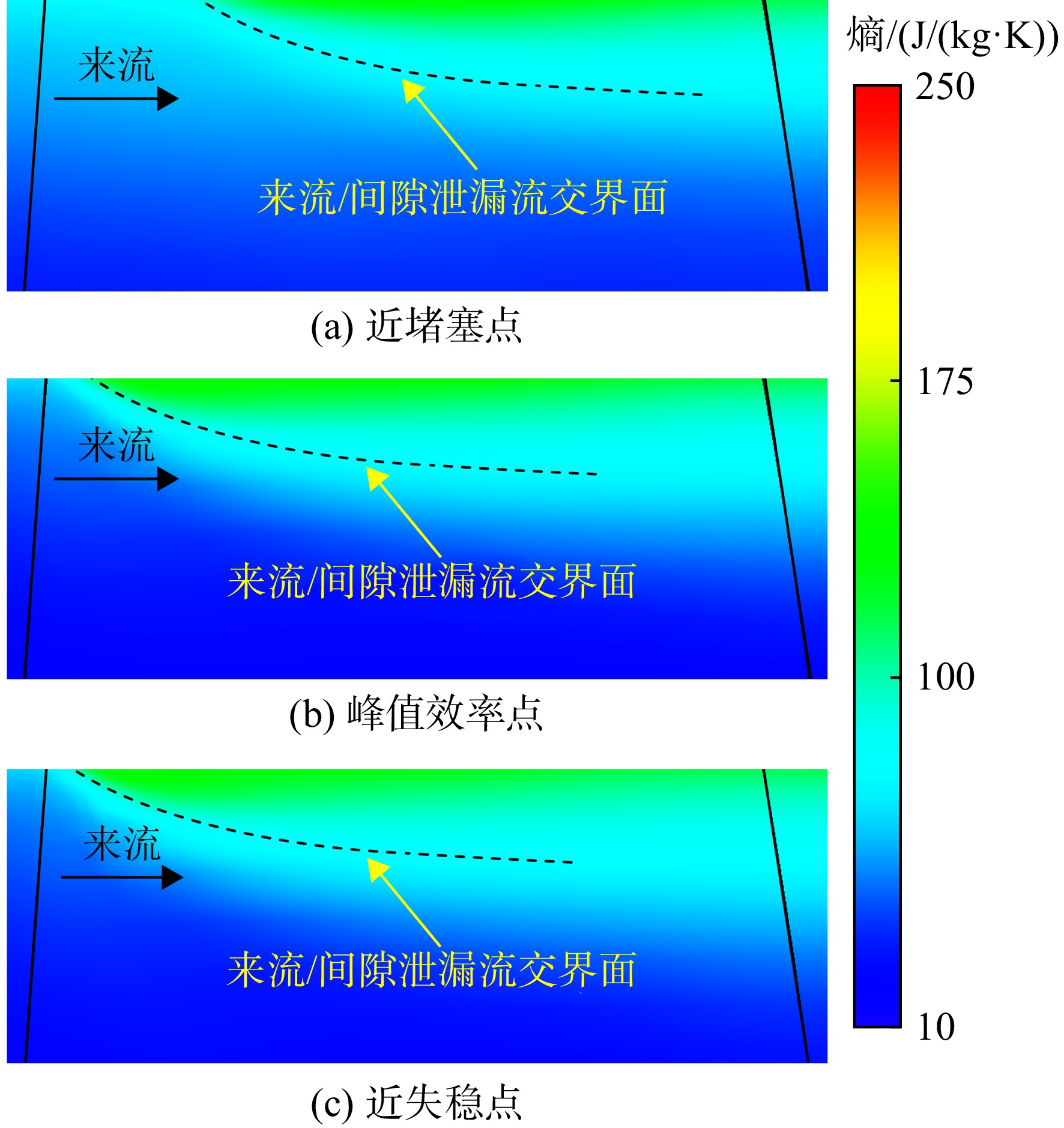
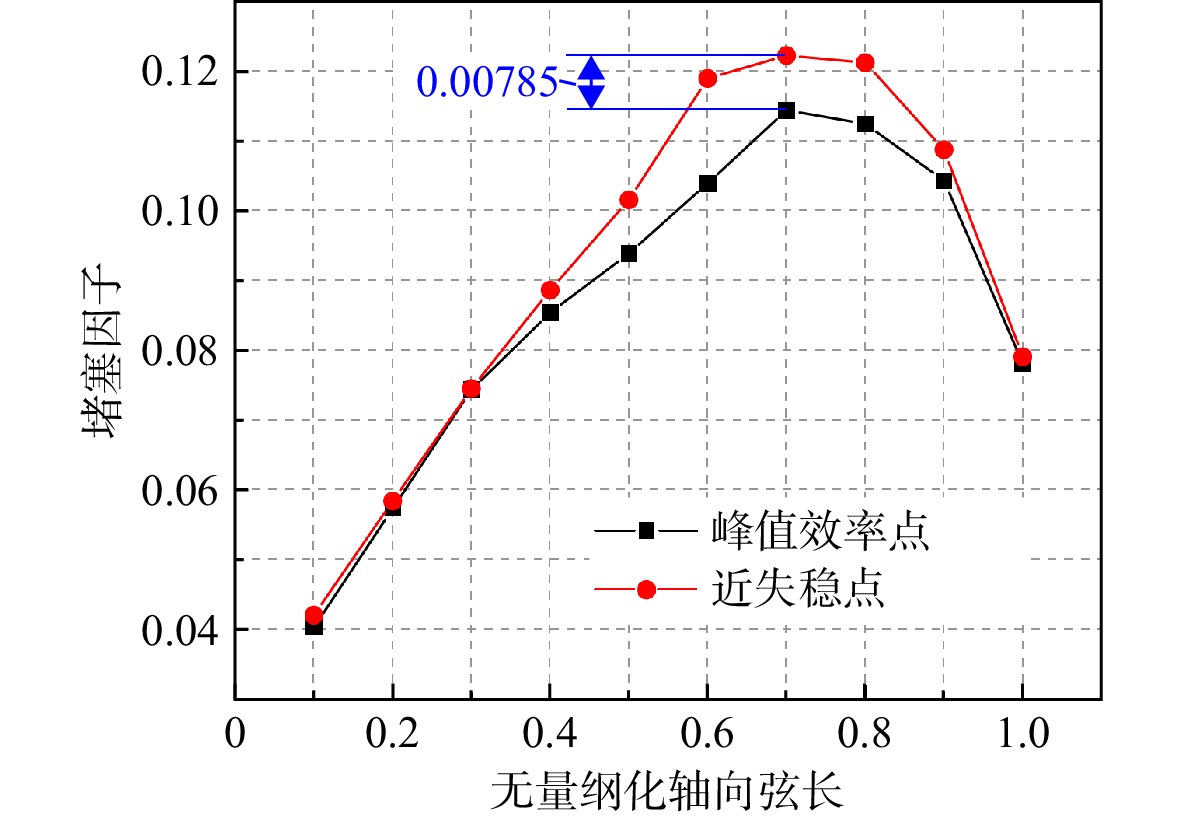
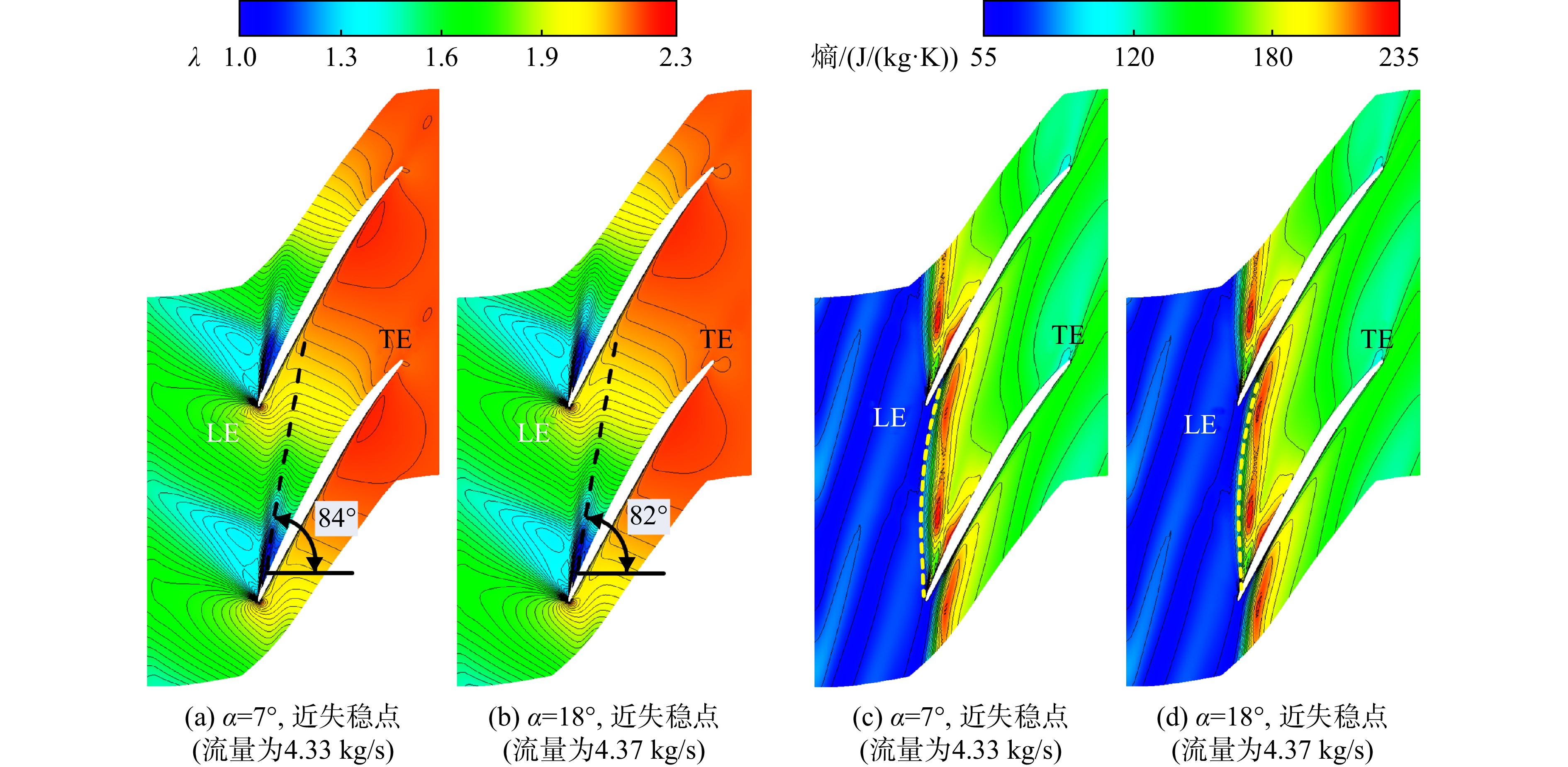
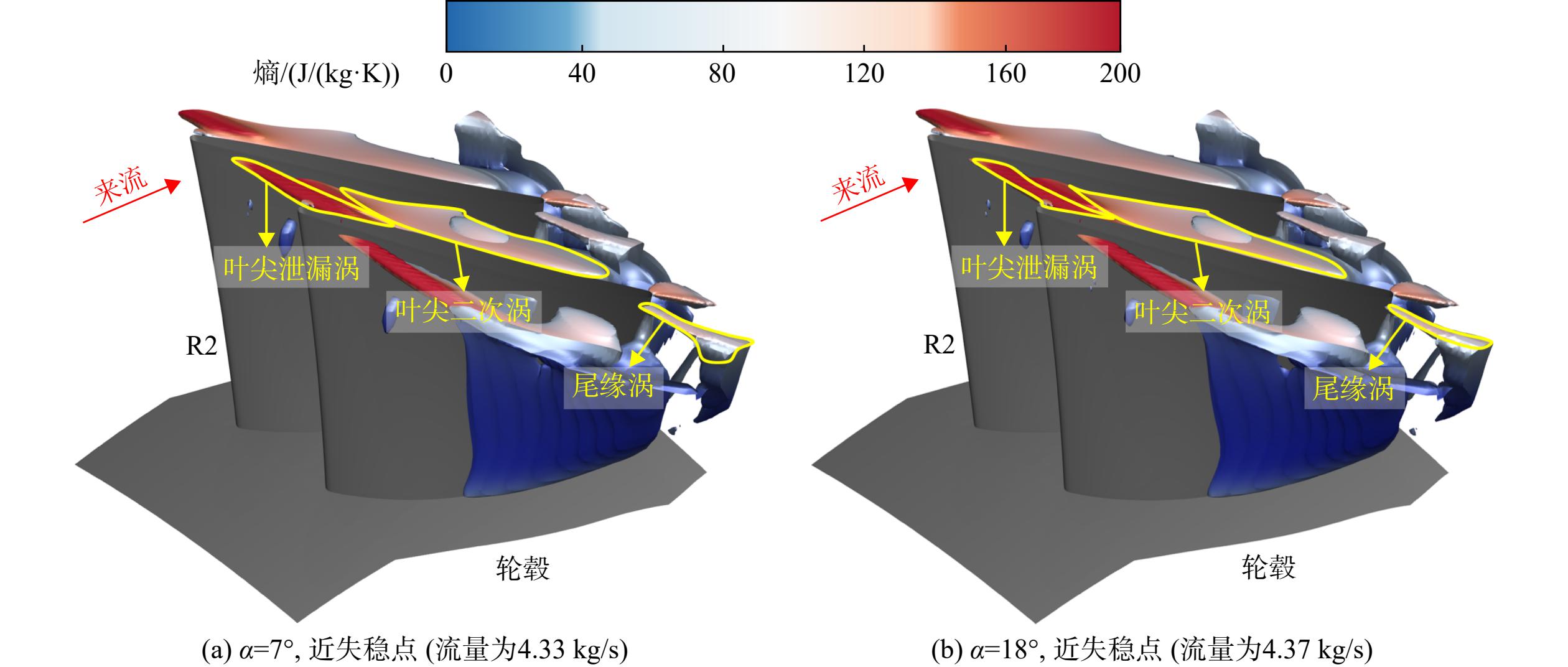
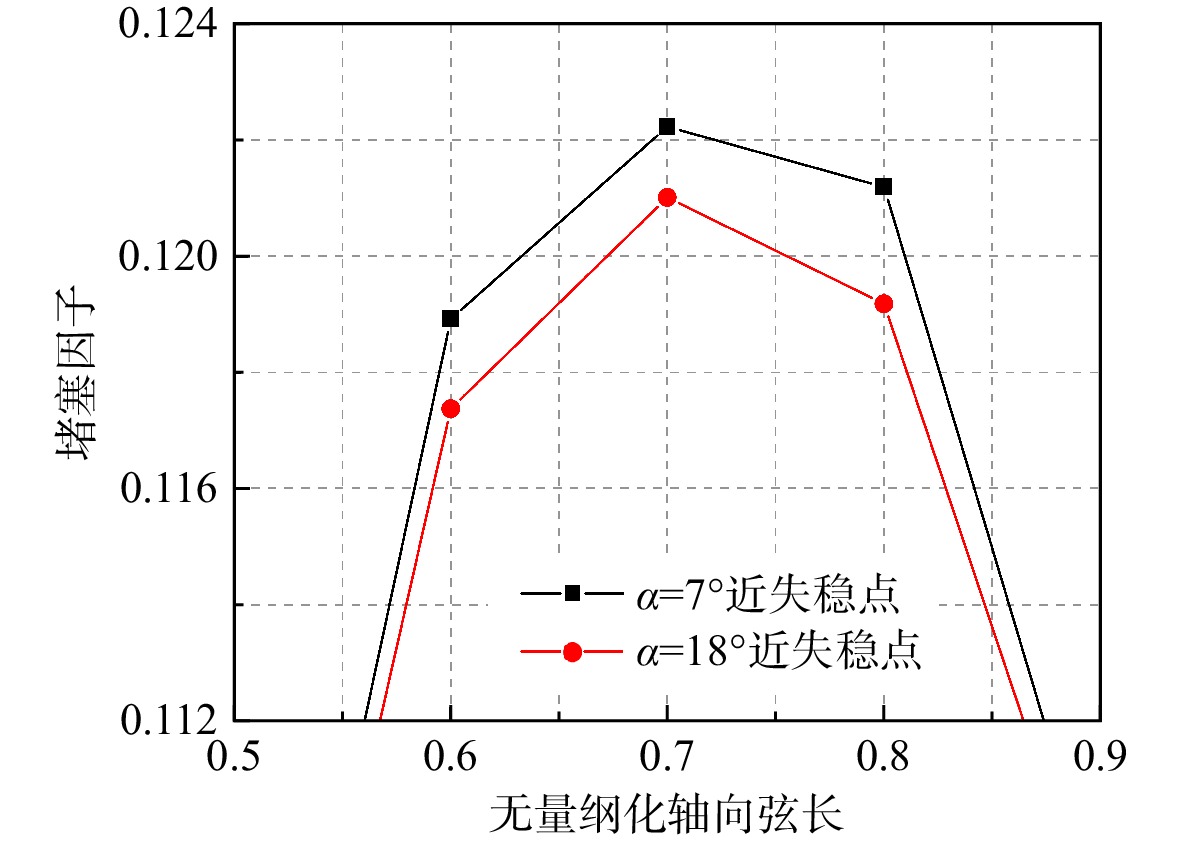
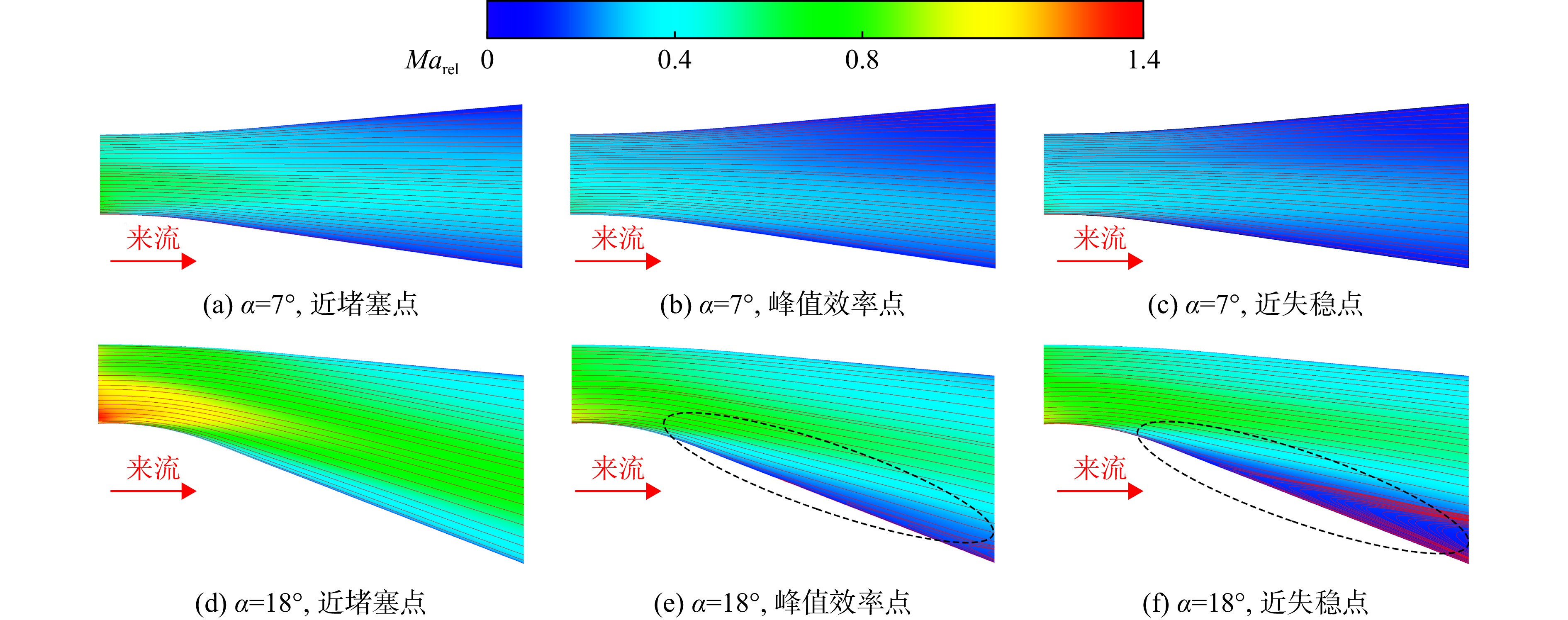
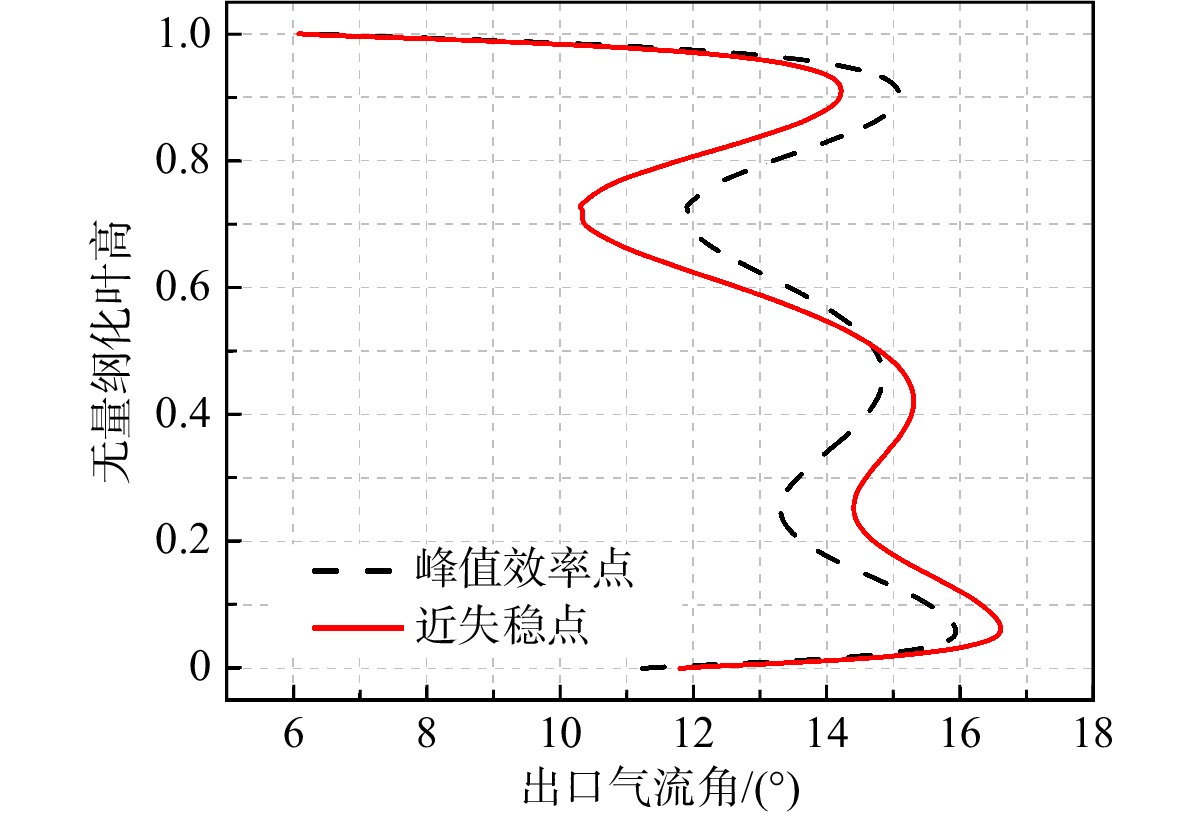
To investigate the influence and mechanisms of the diffuser on the aerodynamic performance of an advanced high-load axial flow compressor, a 2.5-stage high-load axial flow compressor coupled with a diffuser was selected as the research subject, using validated numerical simulation methods. A systematic and deep study was carried out on the impact and mechanism of the introduction of the diffuser and divergence angle distribution on the performance of the compressor/diffuser coupling matching. The results showed that the divergence angle distribution of the diffuser upper/lower wall can significantly affect the aerodynamic performance of the high-load axial flow compressor. Under a constant area ratio, as the divergence angle α of the diffuser lower wall changed from small to large, the coupled stall margin of the compressor and diffuser initially increased and then decreased. There was an optimal lower wall divergence angle (α ≈ 7°), which increased the coupling stall margin by 11.5%. The divergence angle distribution of the diffuser upper/lower wall adjusted the first unstable part of the flow and the coupled stall margin by changing the radial distribution of the compressor outlet airflow parameters. When the lower wall divergence angle α was smaller, the compressor final stage stator blade root was the first to become unstable due to angle zone separation, and the increase in α could inhibit the migration and accumulation of low fluid at the root of the final stator blade and improve the inflow incidence, thereby continuously improving the compressor/diffuser coupled stall margin until the final stage rotor of the compressor became unstable before the final stage stator due to tip flow separation blockage when α ≈ 7°; further increasing the lower wall divergence angle α could induce intensified flow separation in the diffuser, causing the diffuser to become unstable before the compressor, leading to a gradual decrease in the coupling stall margin of the compressor and diffuser.

Application of compressibility corrected γ-Reθt transition model in turbomachinery
SUN Shuxian, WANG Liang, WEI Gang, TIAN Xiaopei, ZHU Huiling, ZHOU Ling, JI Lucheng
2026, 41(6): 20240657. doi: 10.13224/j.cnki.jasp.20240657
Abstract:

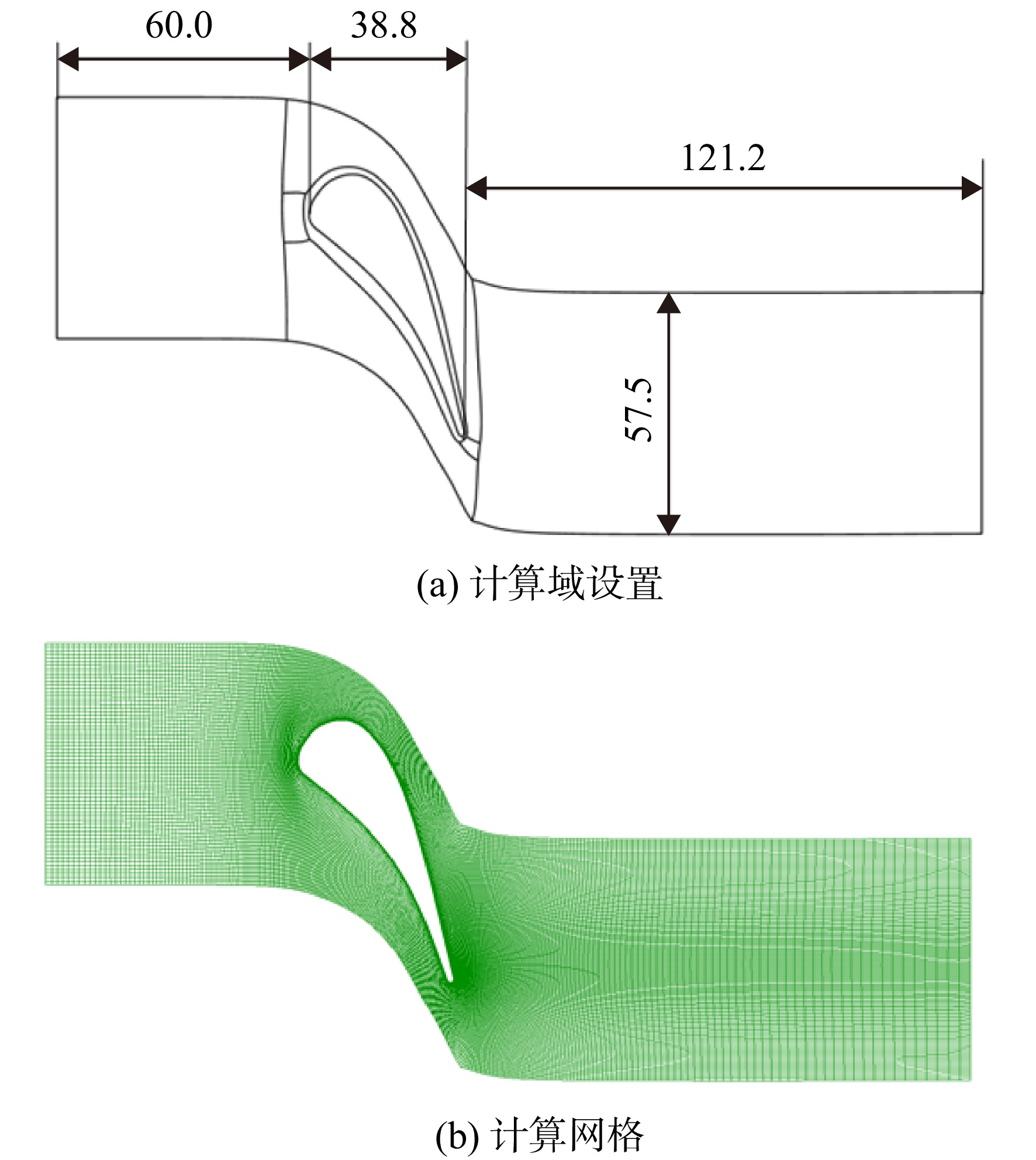
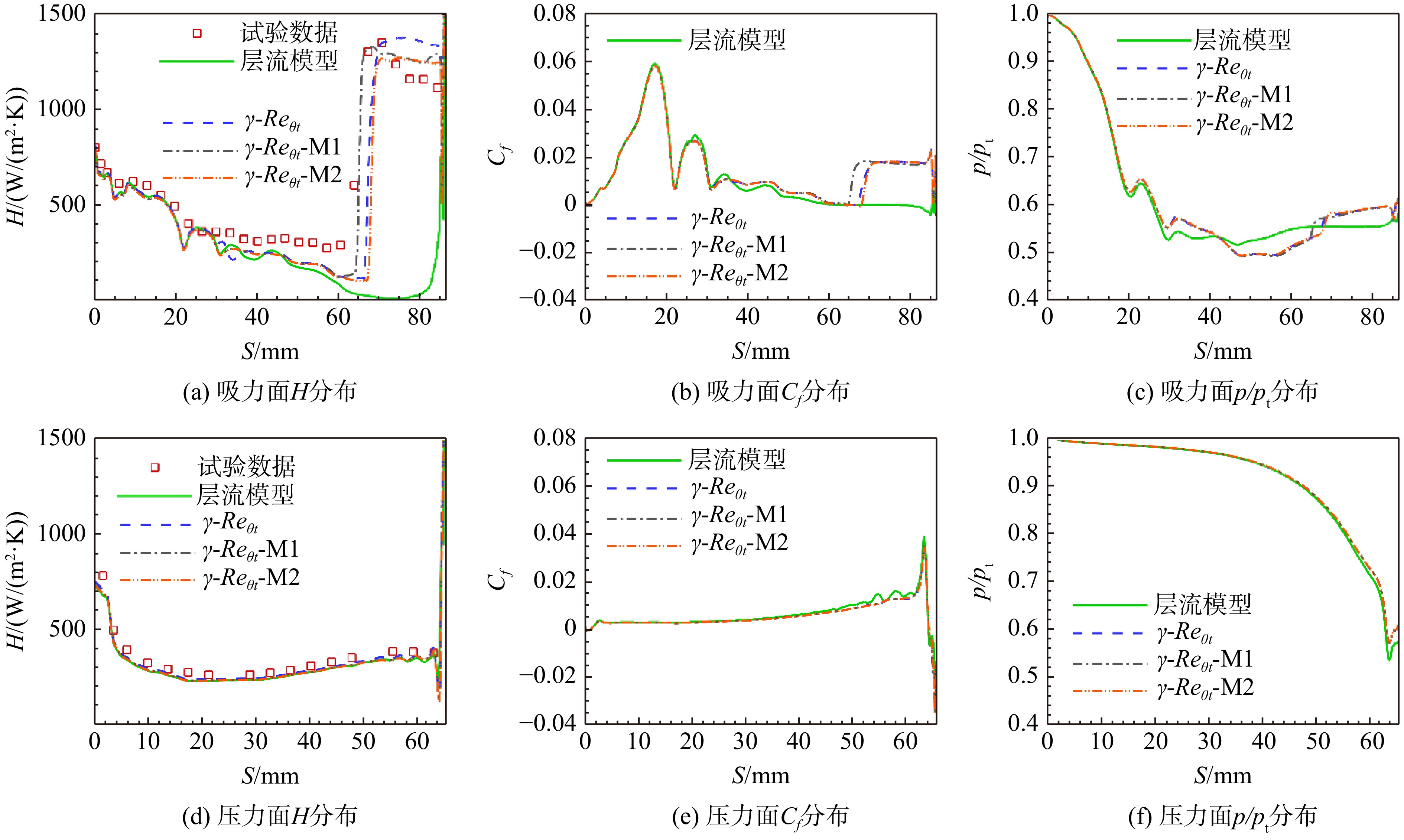
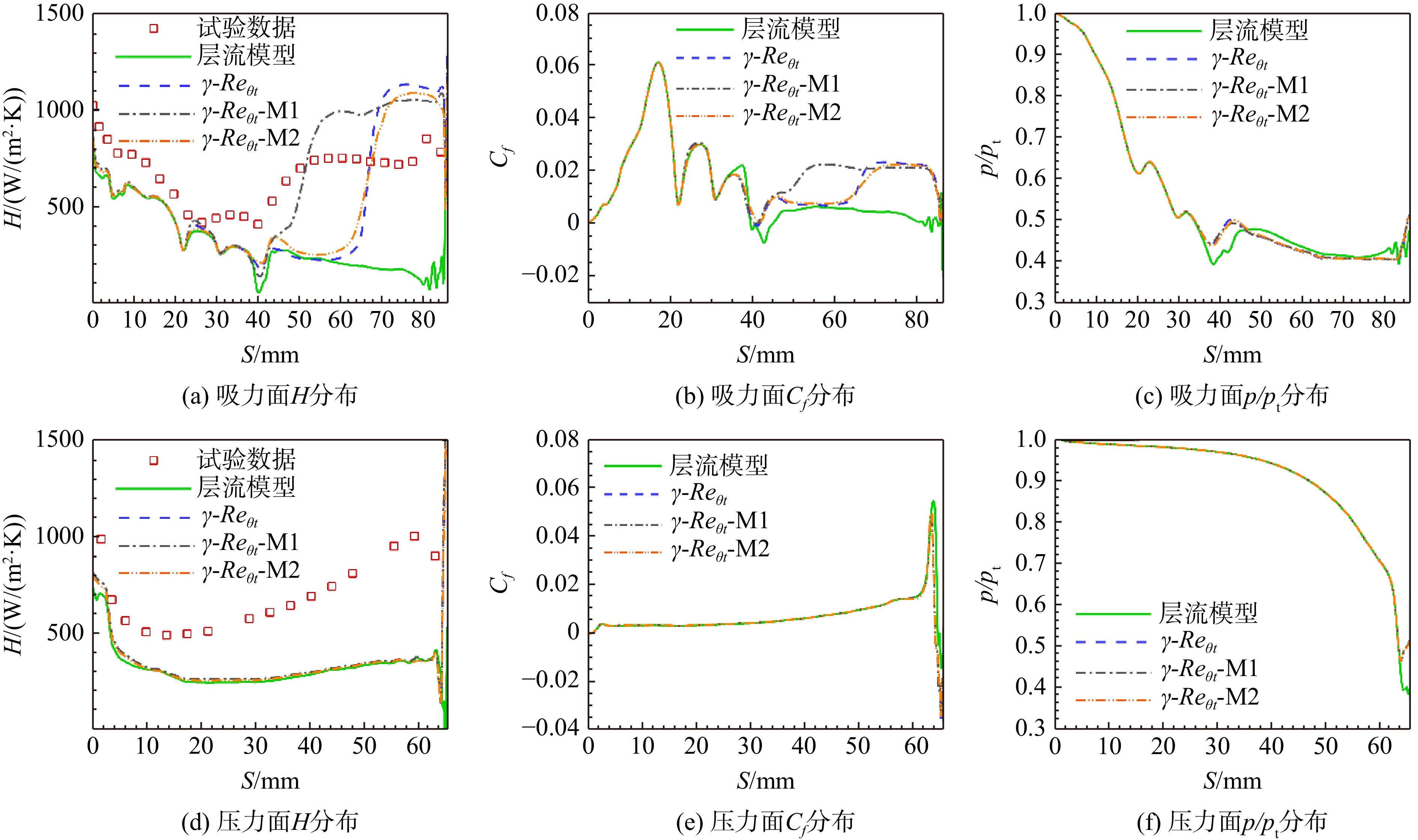
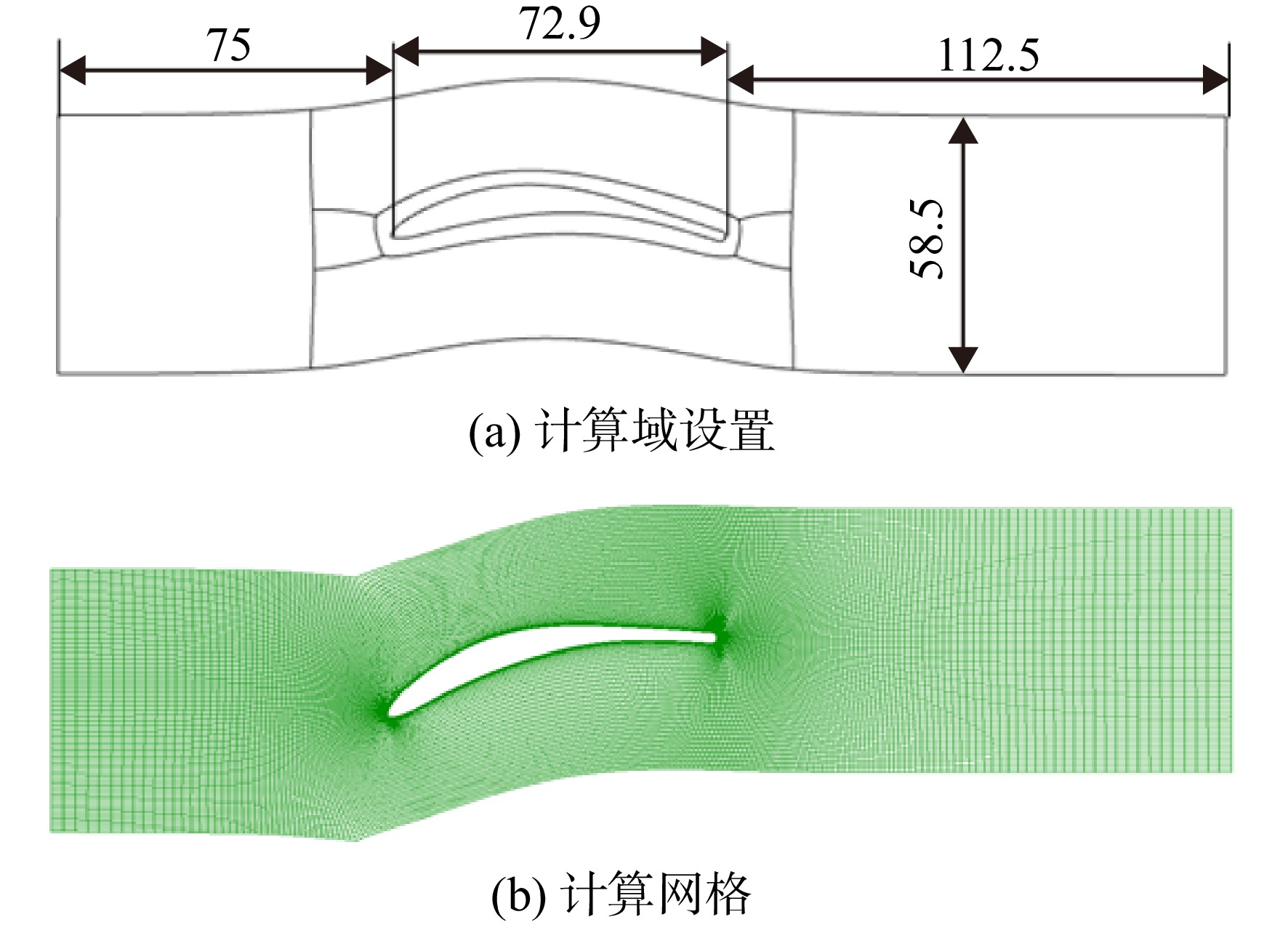
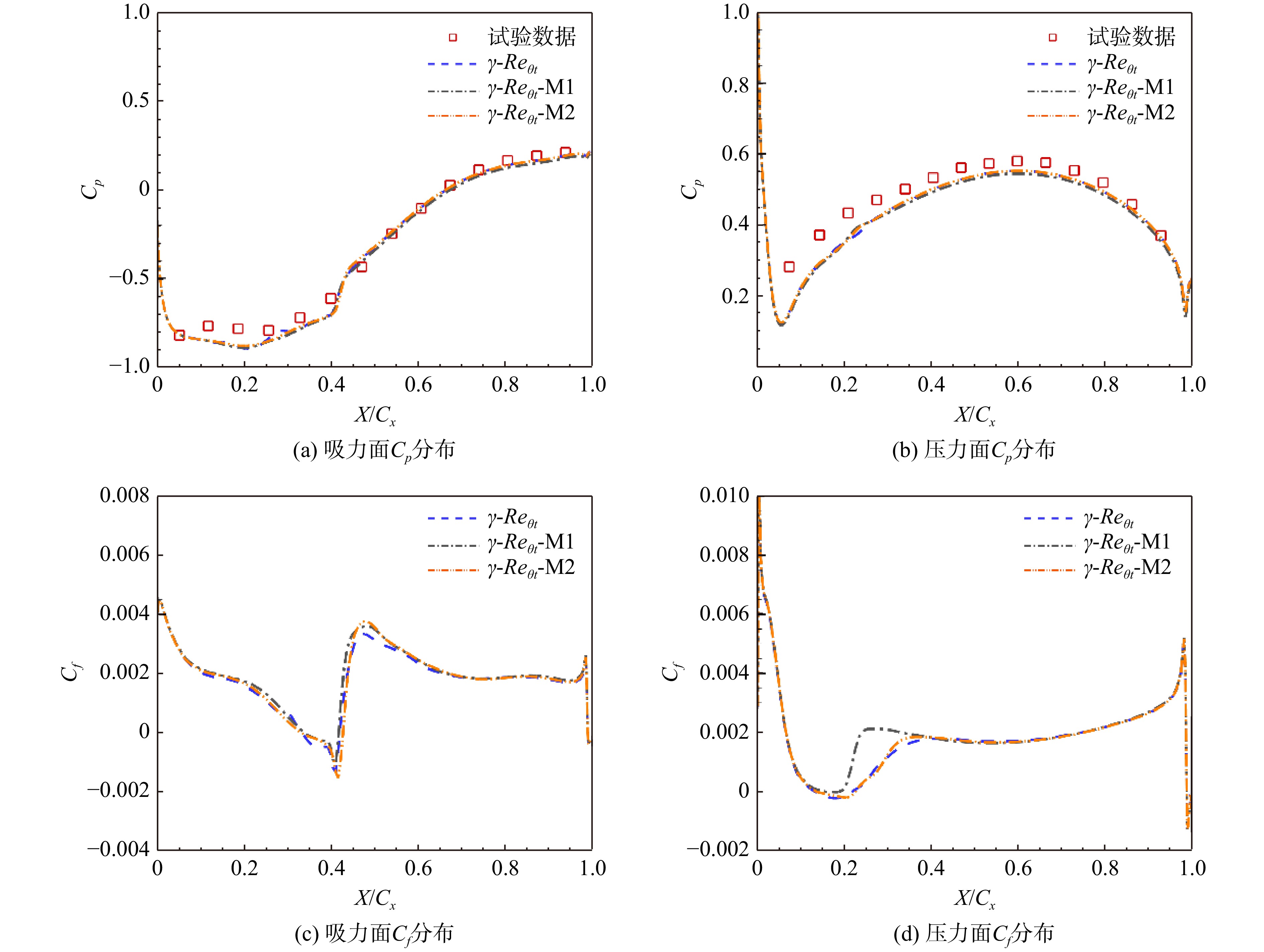
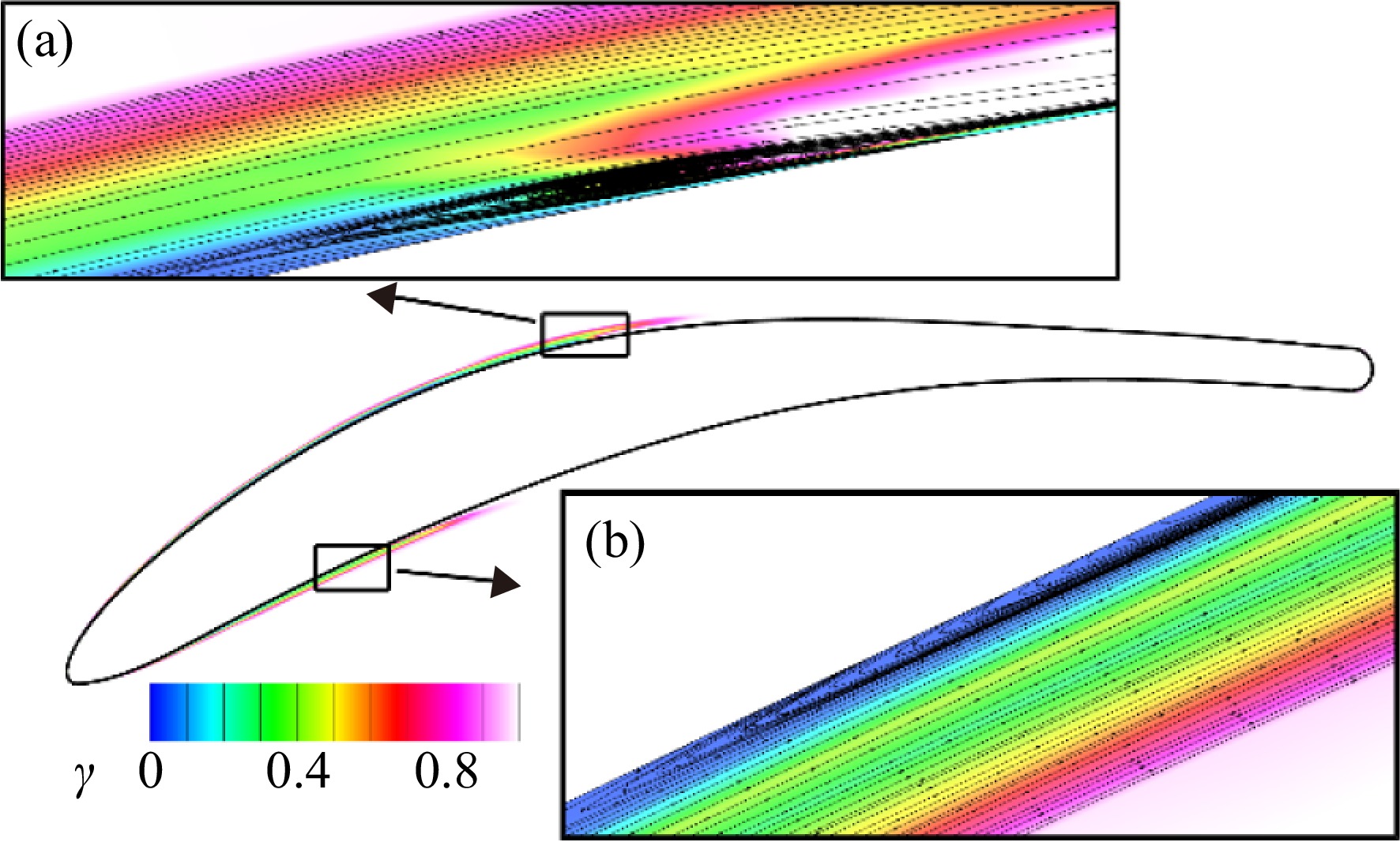
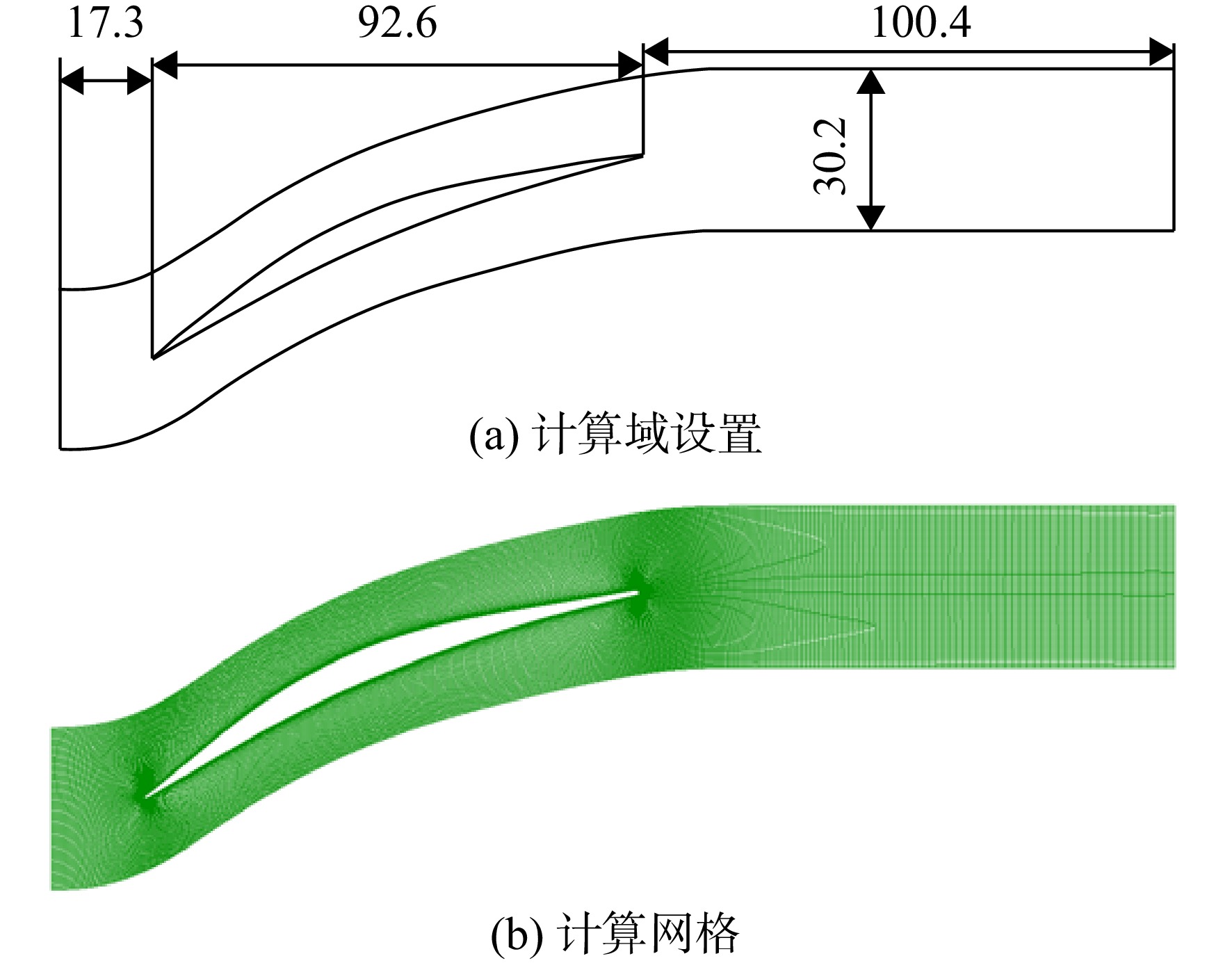
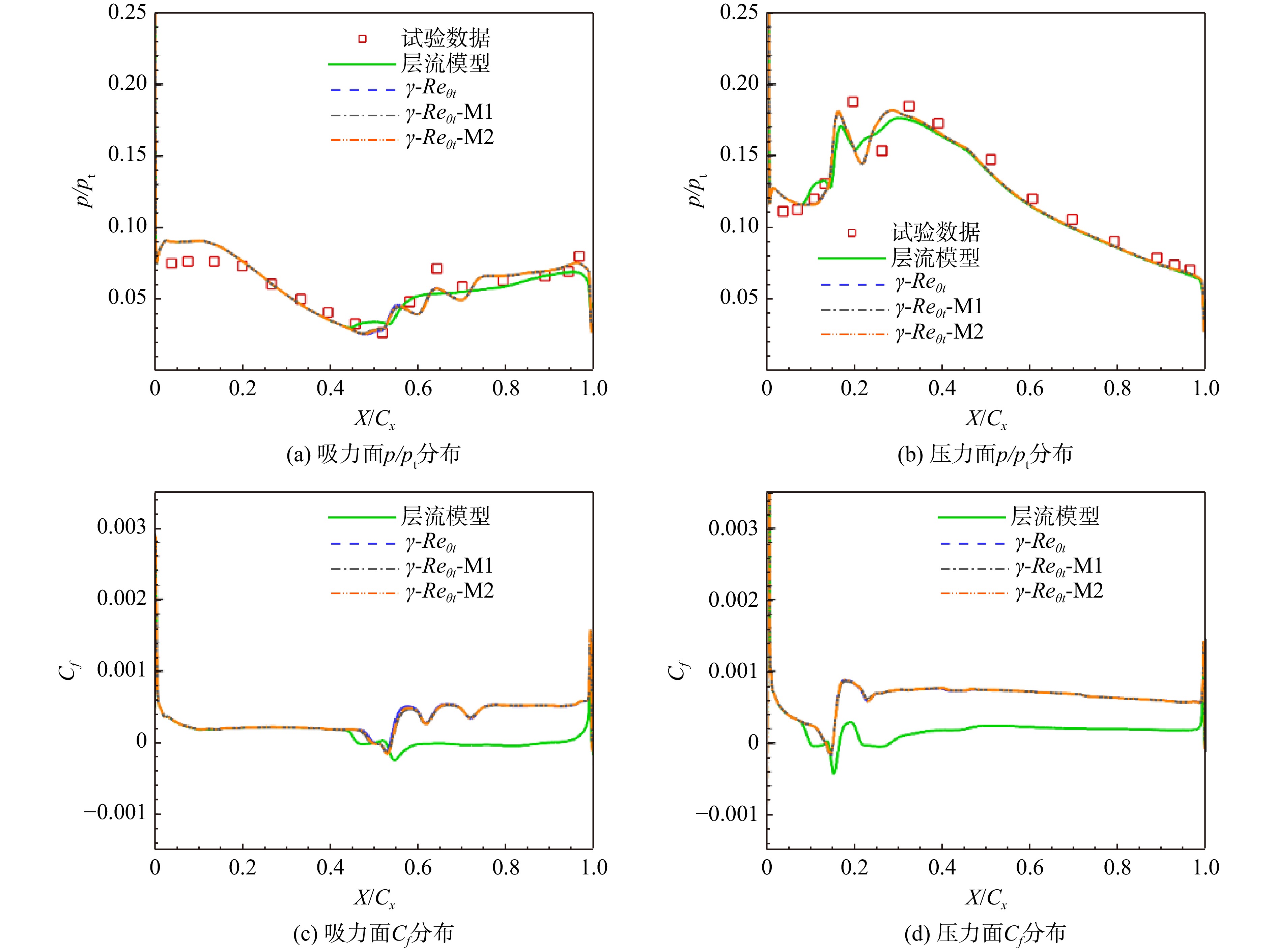
Two compressibility corrected methods developed from the original γ-Reθt transition model were applied to predict the boundary layer transition in the internal flow of turbomachinery. Considering the Mach number and temperature, the first method corrected the functional relationship between the vorticity Reynolds number (Rev) and the momentum thickness Reynolds number (Reθ) in the boundary layer. Subsequently, it employed the compressible Reynolds number analogy relation fRe to correct the original incompressible transition correlation function. The second method accounted for the influence of high-Mach number effects on the pressure gradient parameter and the variability of turbulent Prandtl number in real flow, and corrected these two parameters accordingly. The two corrected methods were implemented on our team's in-house solver, and transition predictions were conducted using three typical turbomachinery cases, followed by a comparative analysis with the original transition model. The results indicated that in the internal flow of turbomachinery, the first correction method showed a significant improvement, while the second one exhibited little difference from the original model. However, when dealing with the boundary layer transition induced by flow separation, both methods yielded predictions that were nearly identical to those of the original model.

Rocket Engine
Prediction model for wall energy exchange in solid rocket motor nozzles based on coupled heat transfer
YANG Bo, CHANG Fei, LI Yingkun, HE Zhenchuan, CHEN Xiong
2026, 41(6): 20250506. doi: 10.13224/j.cnki.jasp.20250506
Abstract:

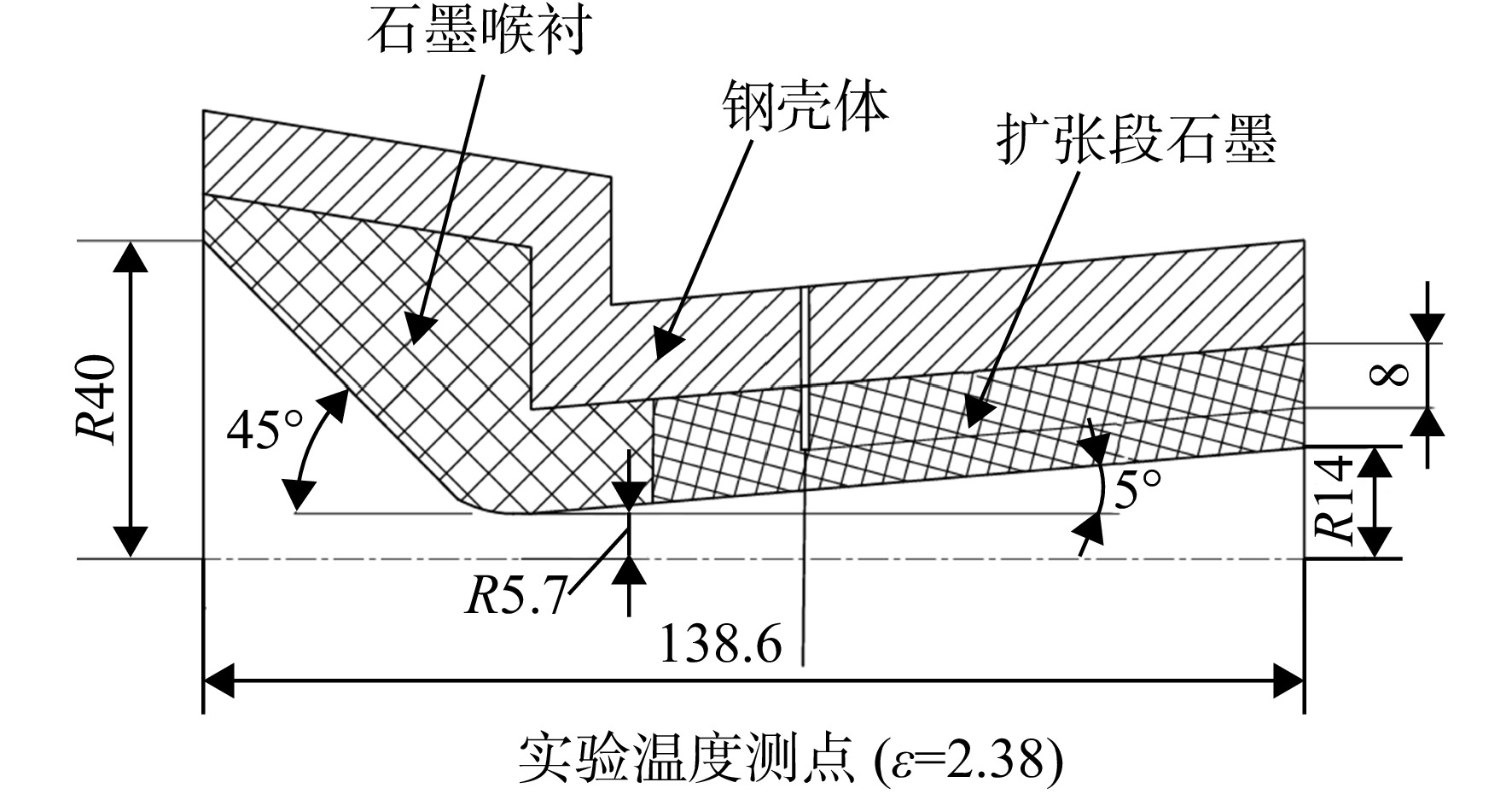
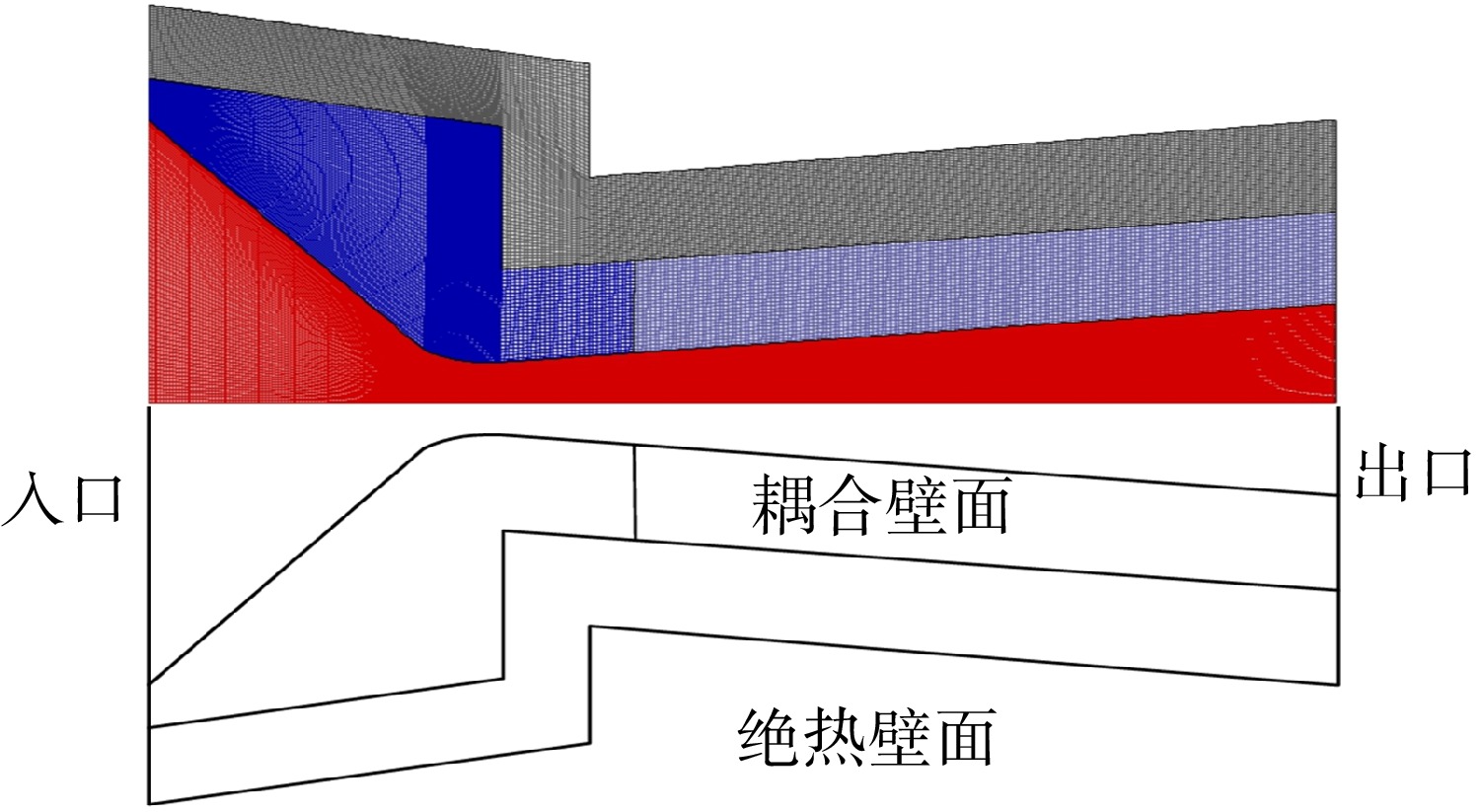
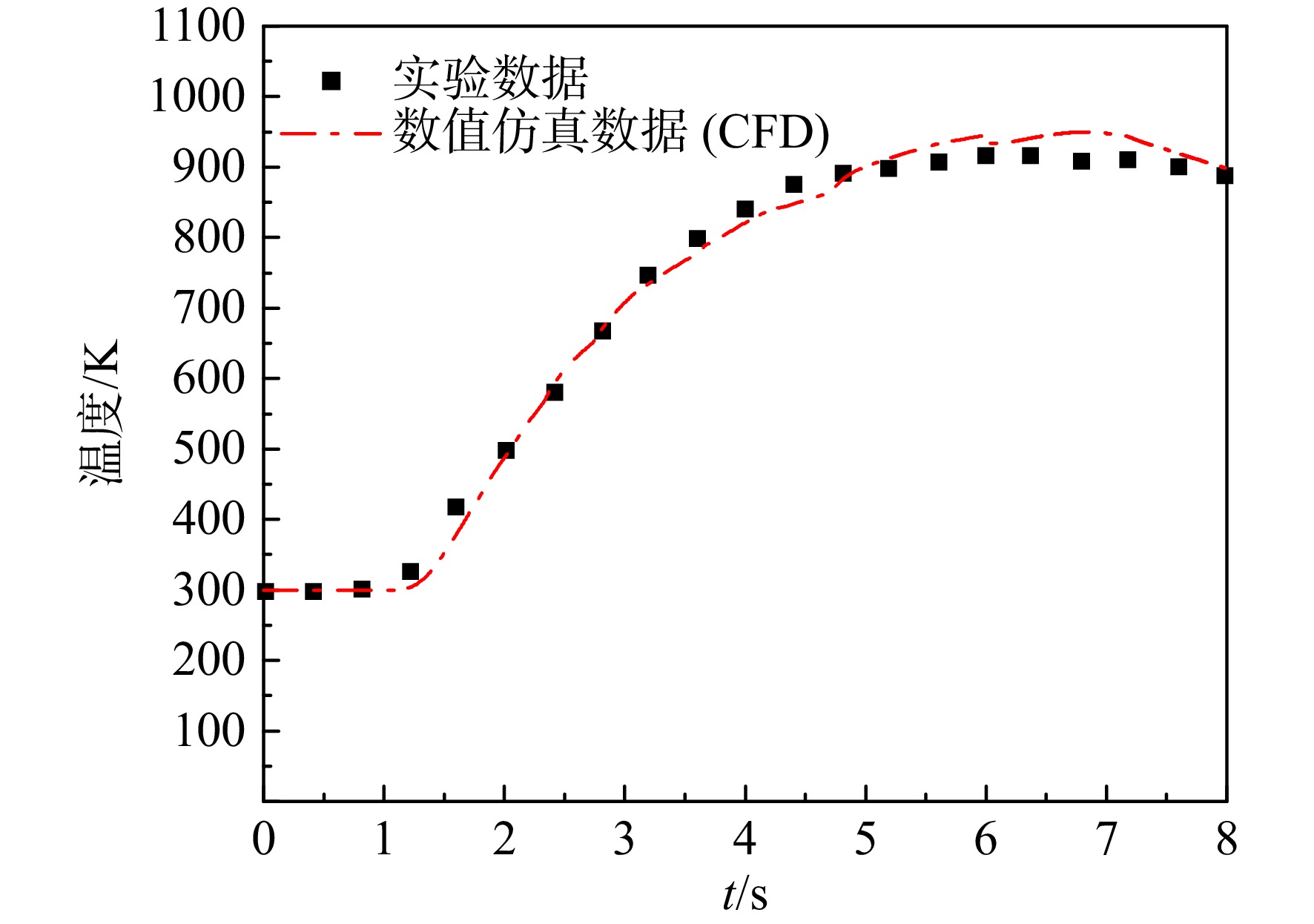
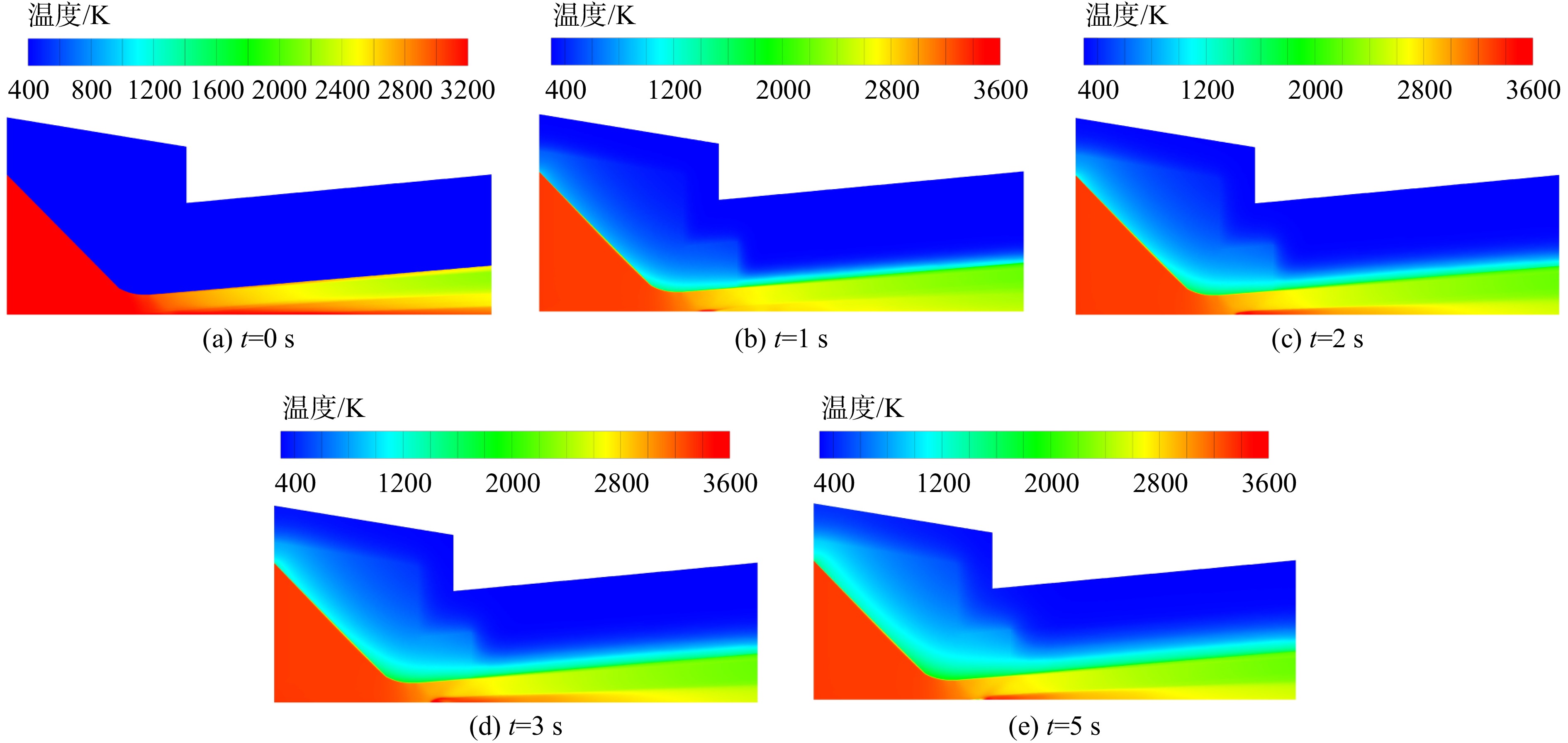
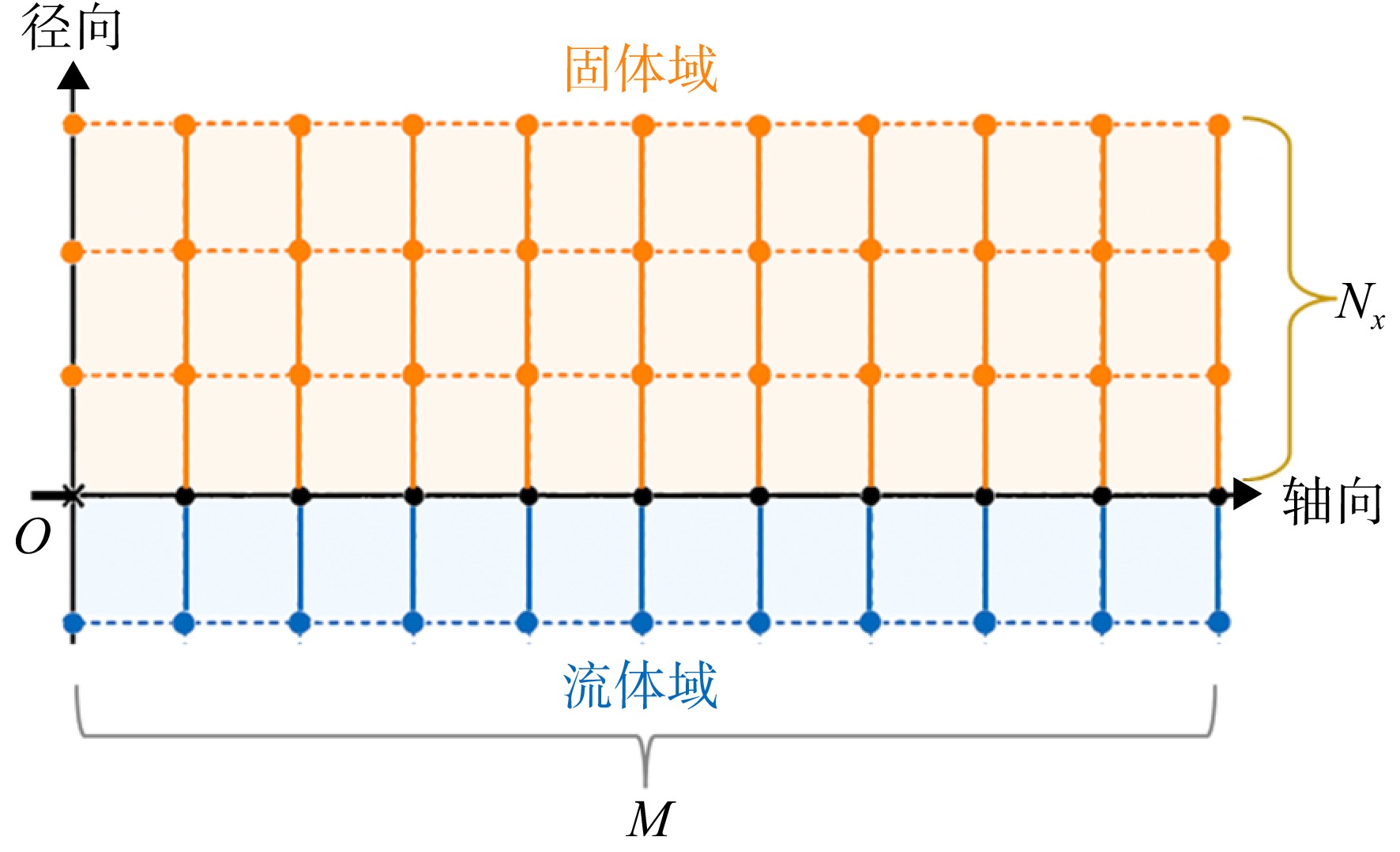
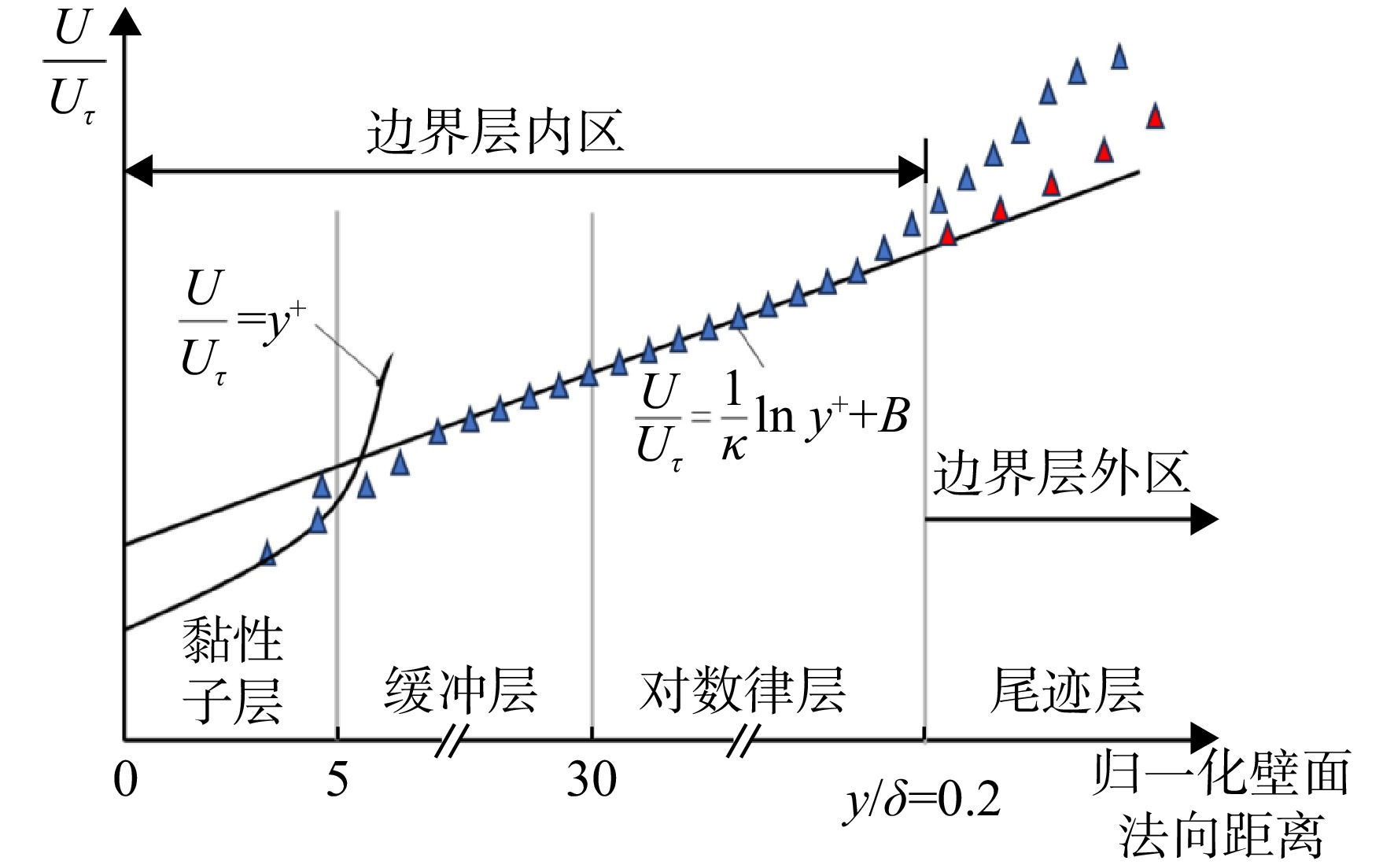
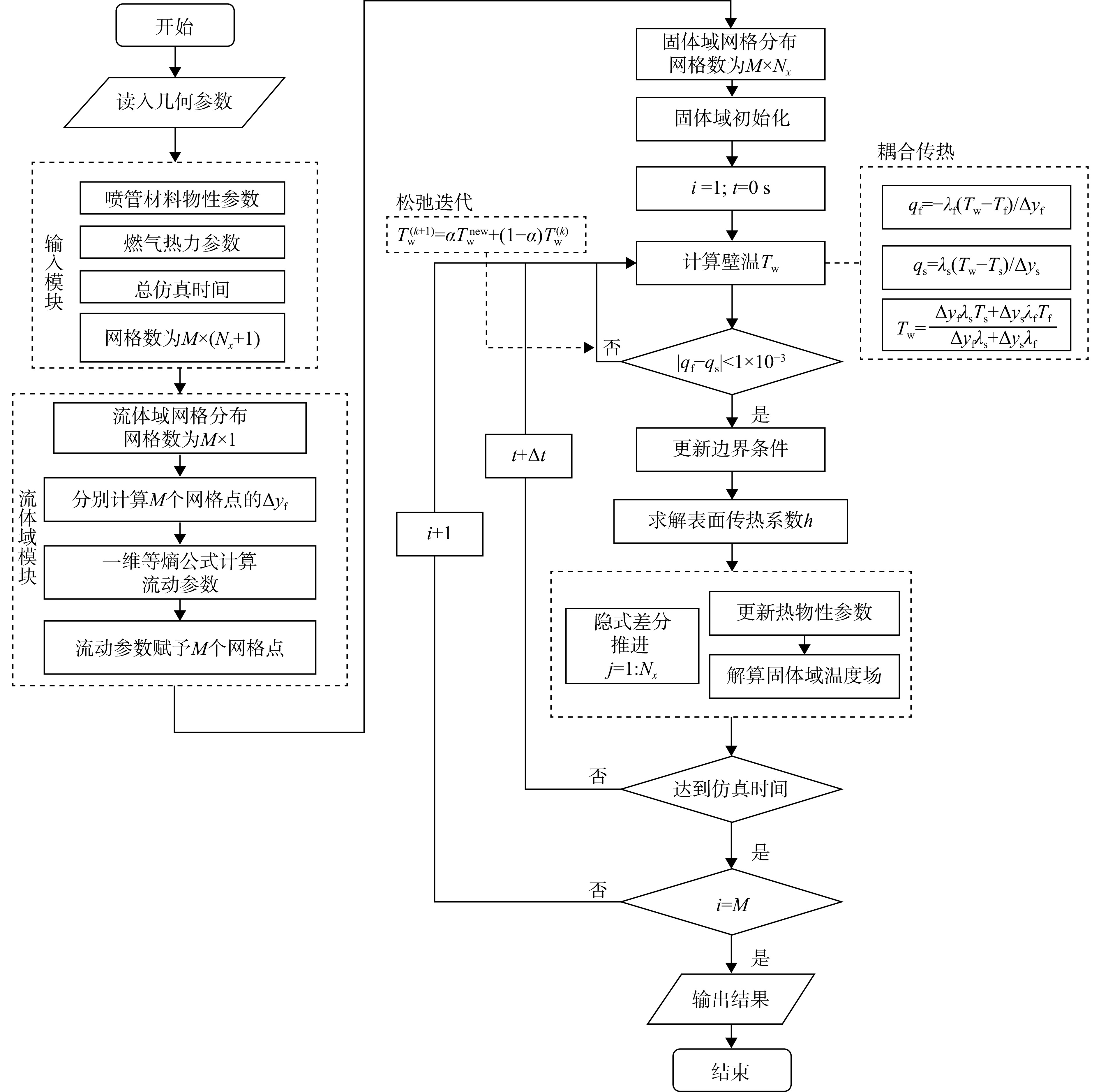
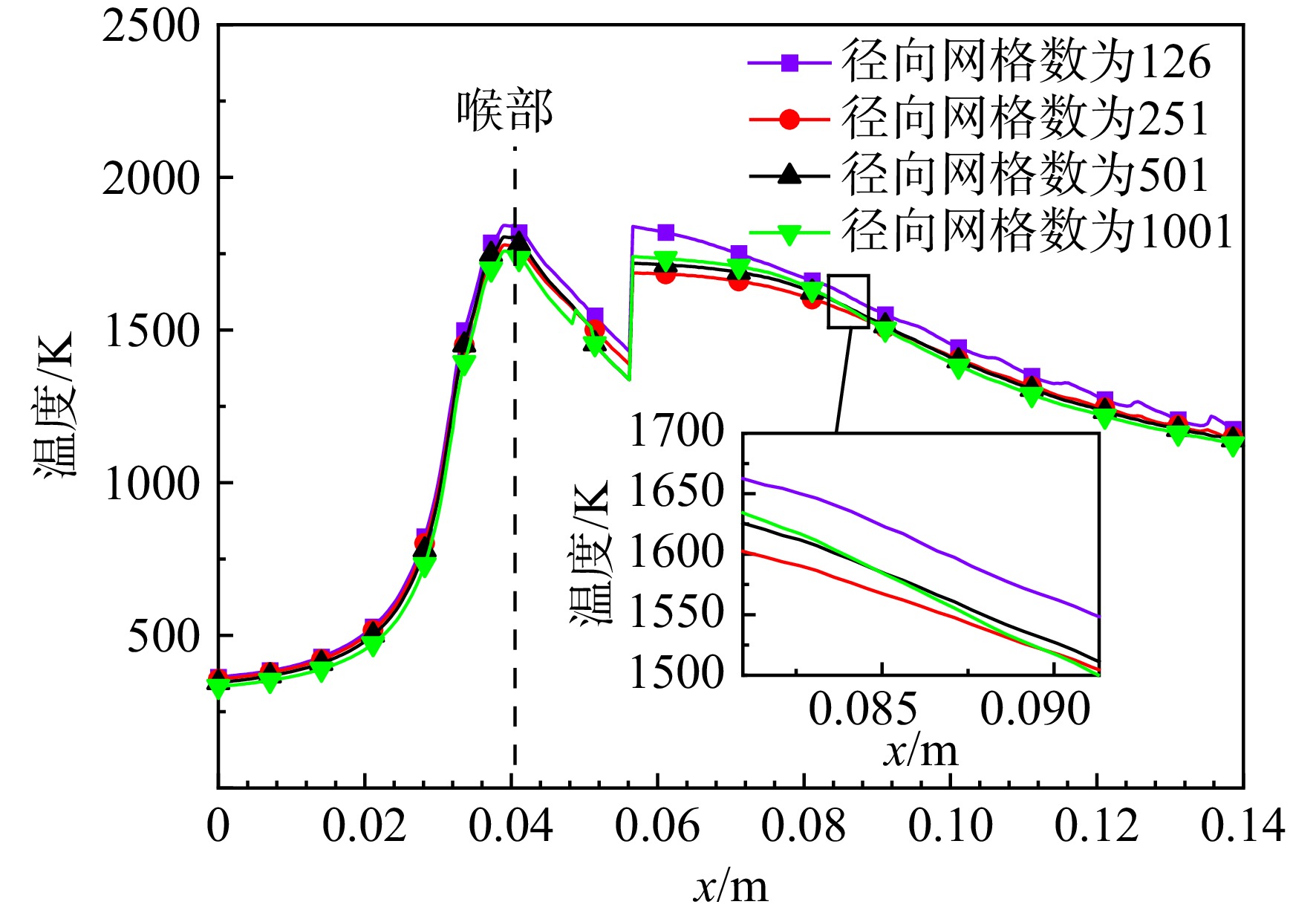
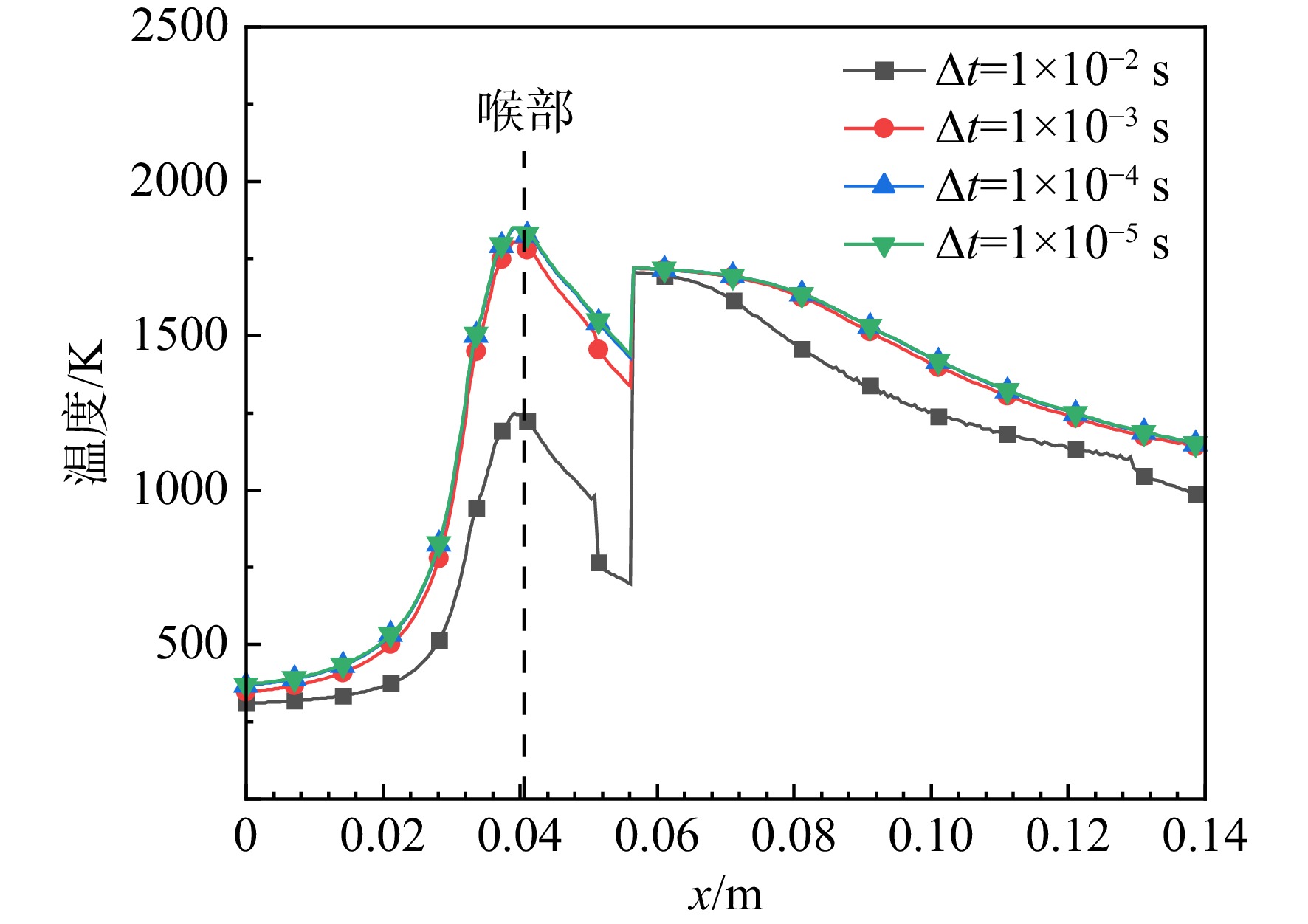
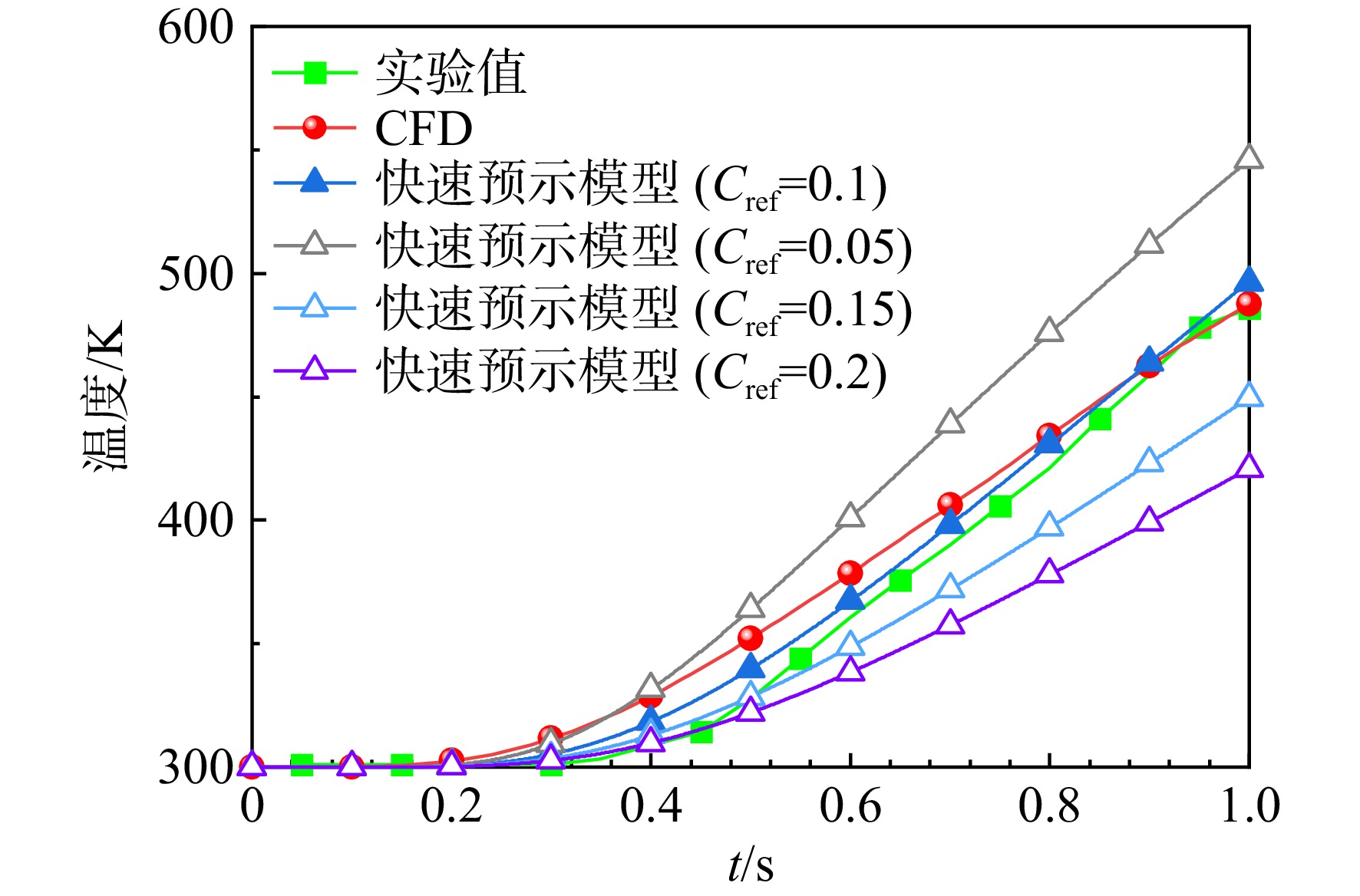
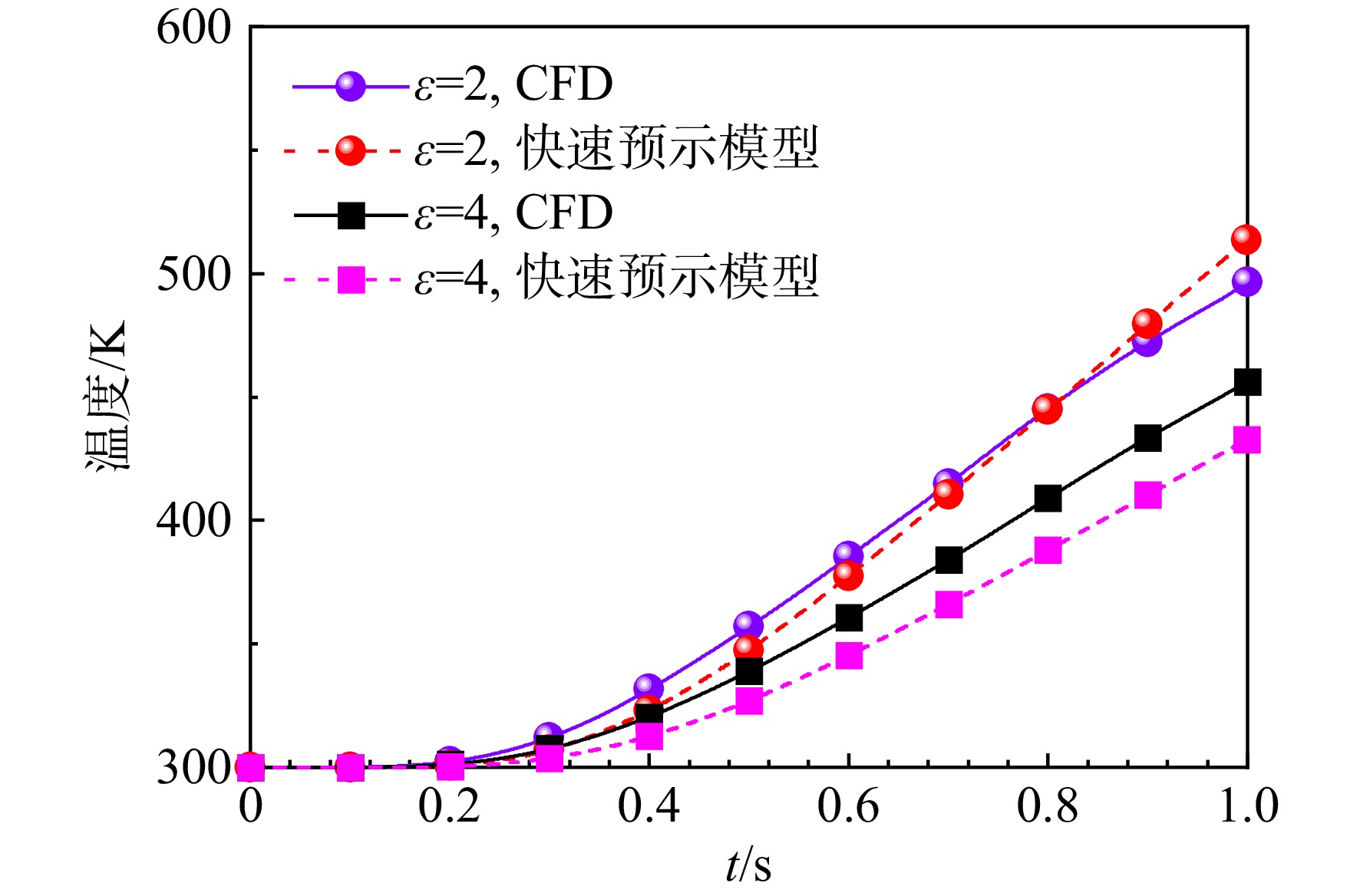
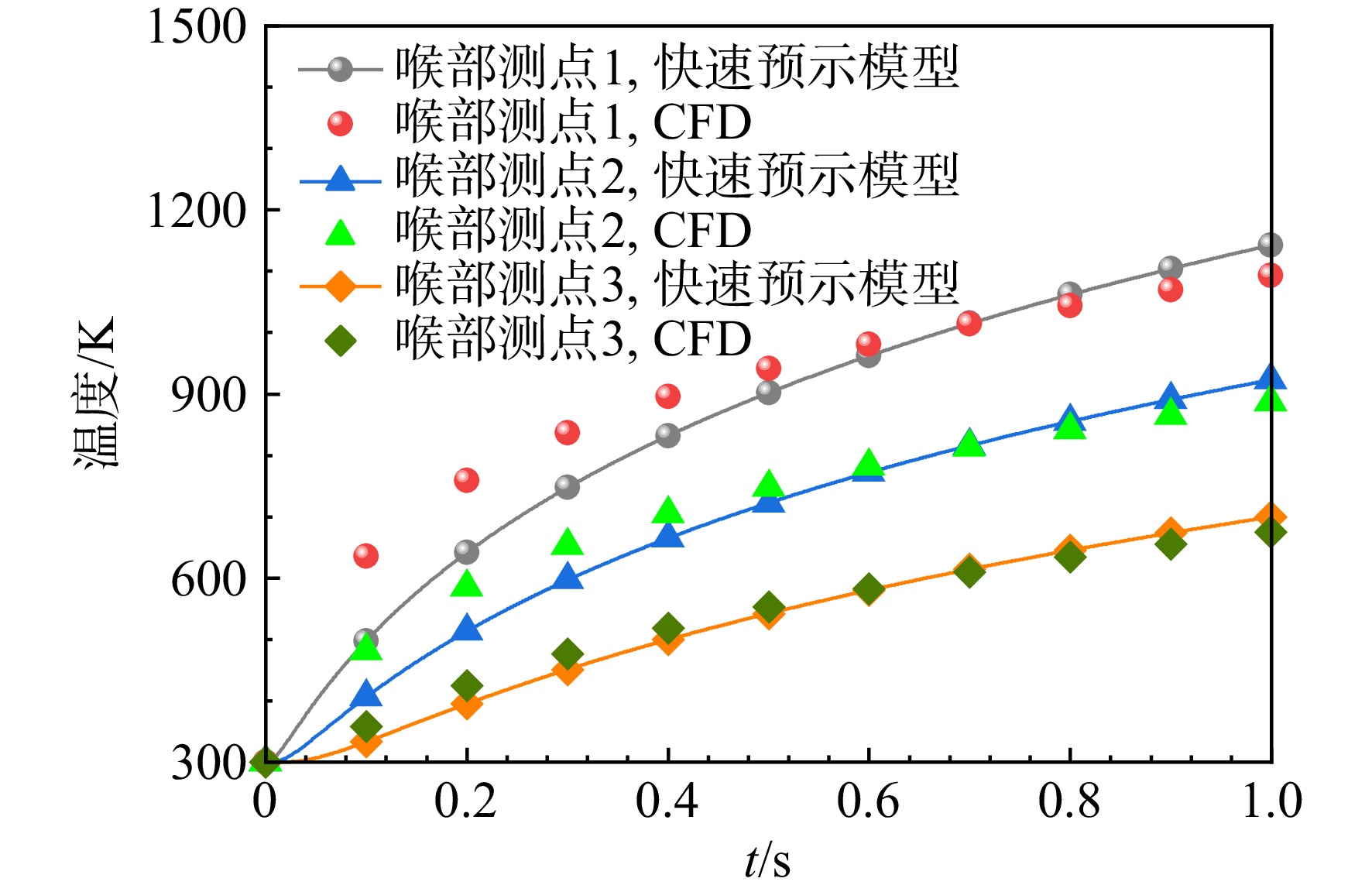
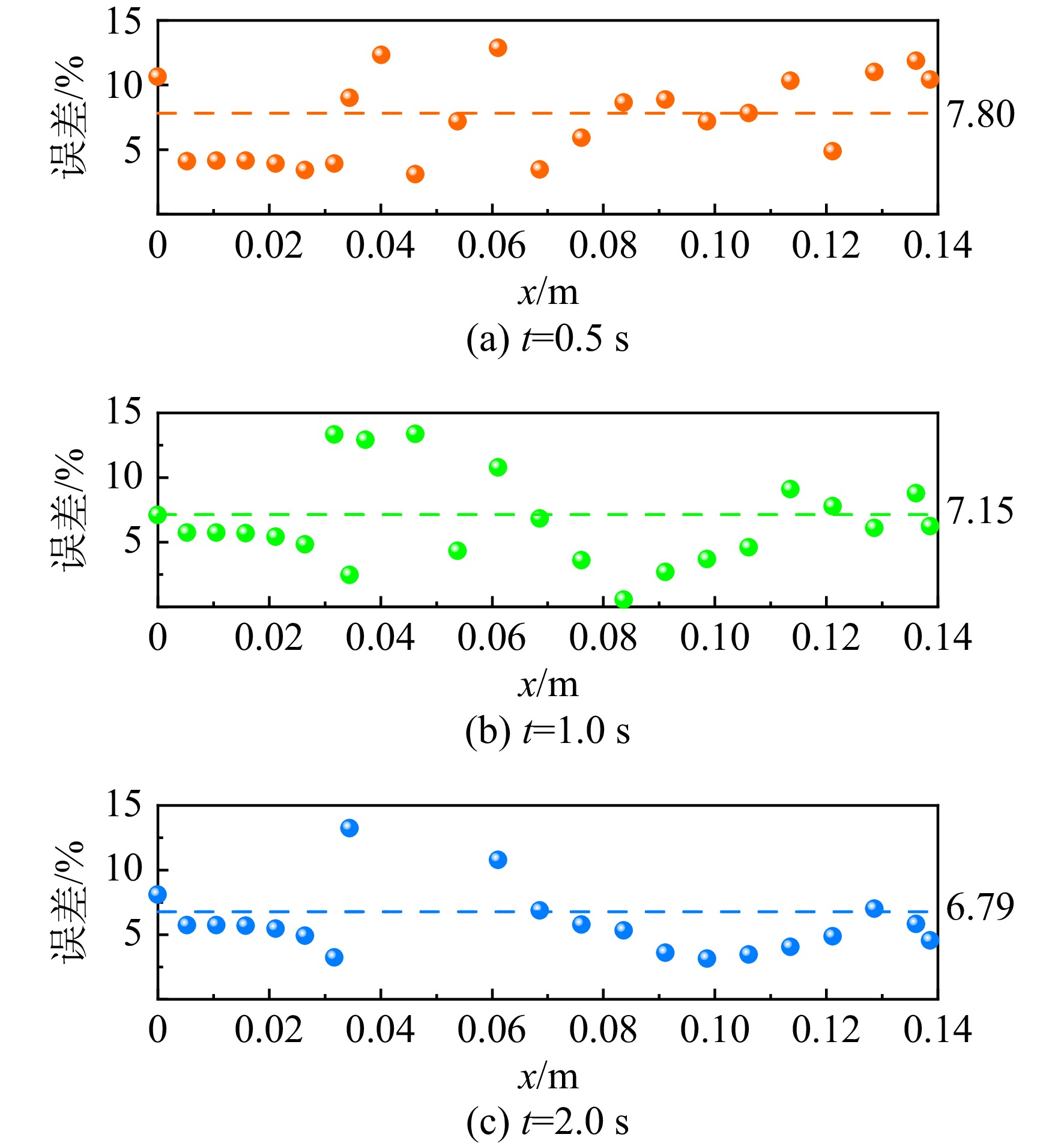
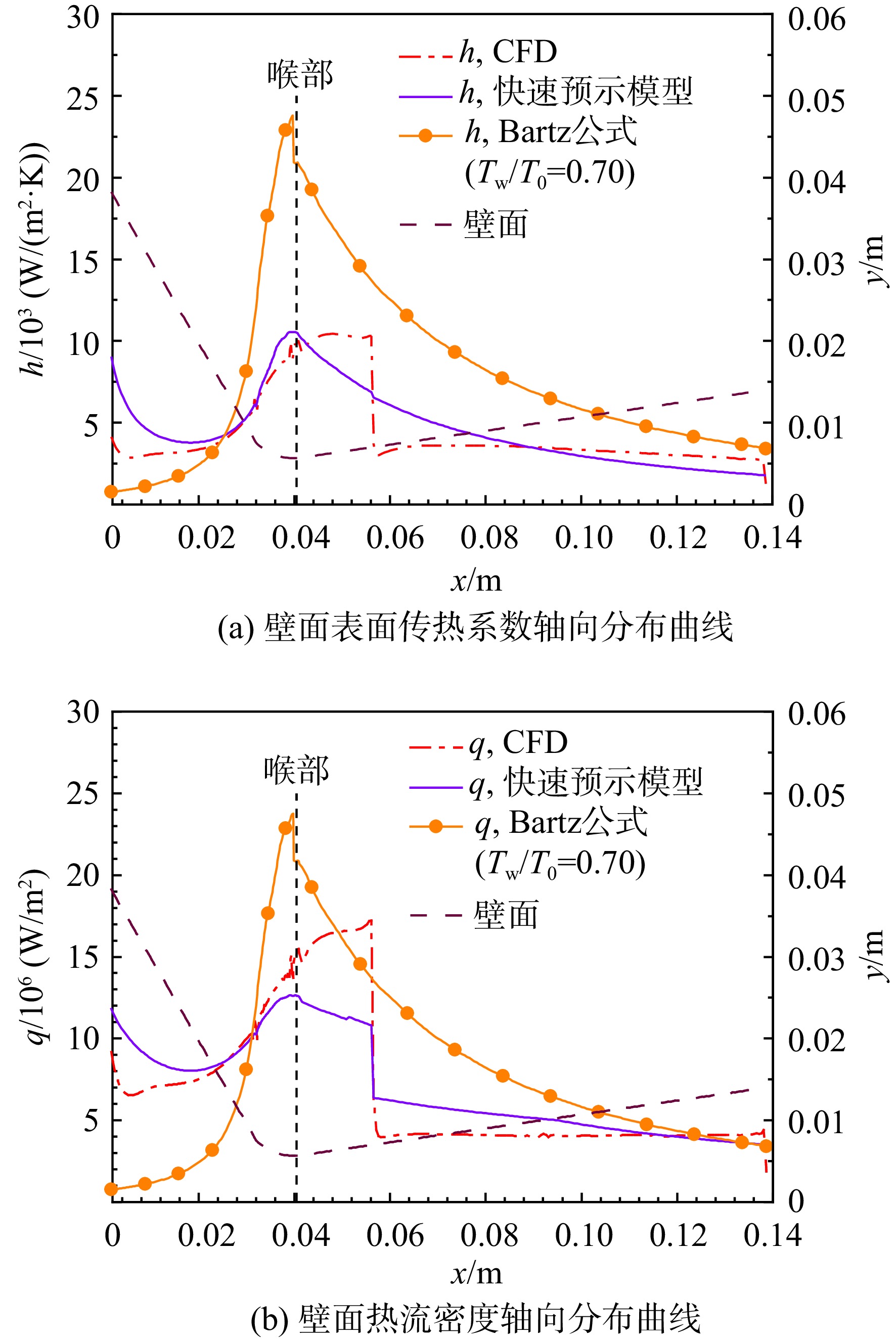
The internal thermal environment of solid rocket engine nozzles plays a critical role in optimizing the design of thermal protection structures. To rapidly predict forced convection heat transfer in the nozzle, an energy exchange prediction model for the nozzle wall was established and solved using an implicit finite difference method. The coupling of heat transfer was achieved through the conditions of equal heat flux density and continuous temperature. A dimensionless wall distance was introduced to characterize the velocity distribution of the turbulent boundary layer, which was then converted into thermal boundary layer parameters to participate in the heat transfer calculations. The convective heat transfer coefficient, heat flux density, and temperature variations of the thermal protection structure were computed and compared with the results from traditional numerical simulation methods and Bartz’s empirical formula. The results showed that the temperature variation at the monitoring points in the nozzle’s thermal protection structure calculated by the rapid prediction model deviated by a maximum of 5.63% from the numerical simulation results. The predicted average convective heat transfer coefficient and heat flux density were 3.56 and 3.04 times more accurate than those obtained using Bartz’s formula. At the nozzle throat, where forced convection heat transfer was most intense, the average error of the predicted results compared with the numerical simulation method was 9.19%. Under the same computational resource conditions, the prediction model’s computational efficiency was two orders of magnitude higher than that of the numerical simulation method.

Low frequency oscillation characteristics of deep throttled staged combustion LOX/kerosene engine
LIAO Yinquan, WANG Chunmin, ZHANG Xiaoguang
2026, 41(6): 20240650. doi: 10.13224/j.cnki.jasp.20240650
Abstract:

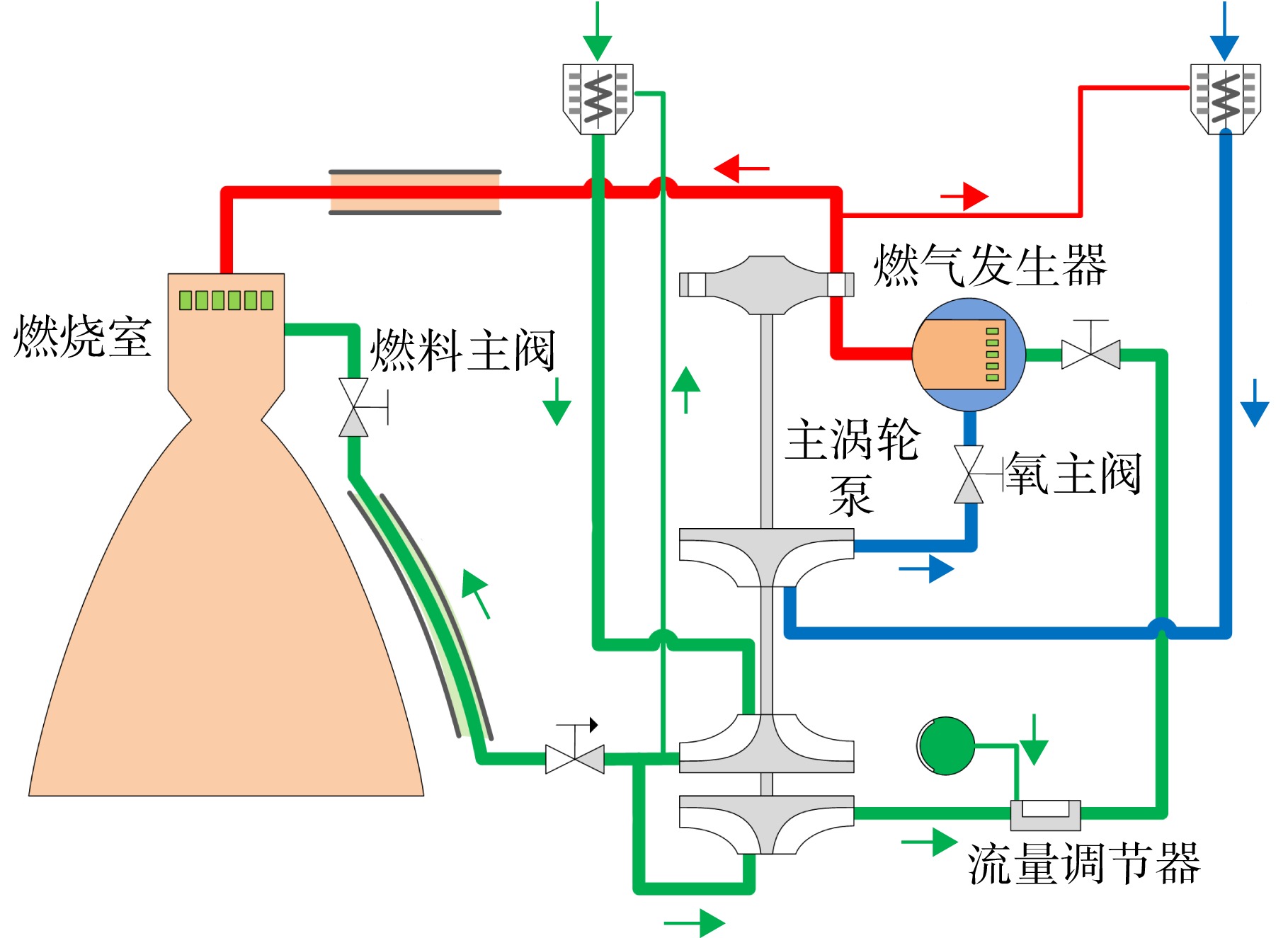
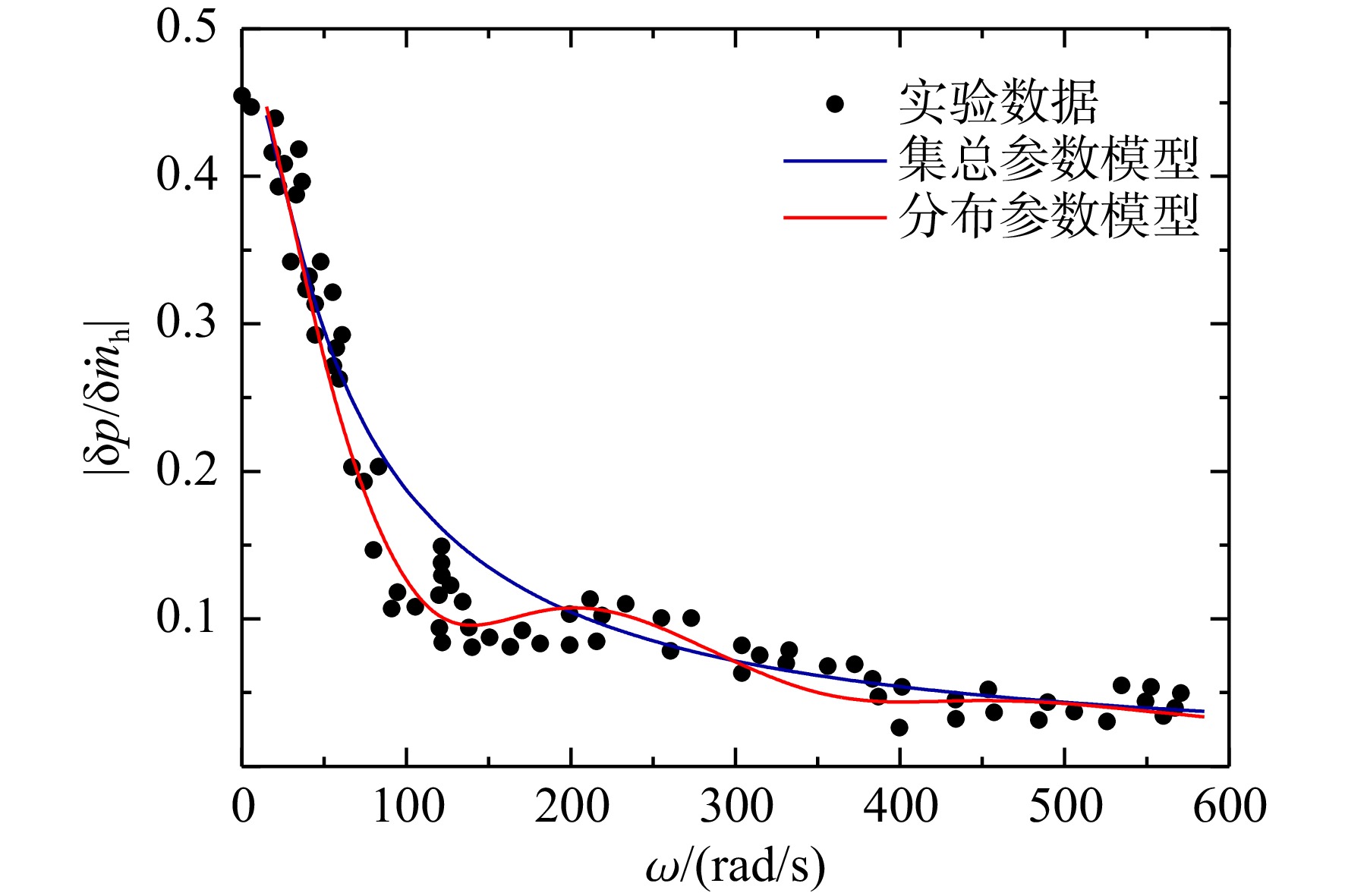
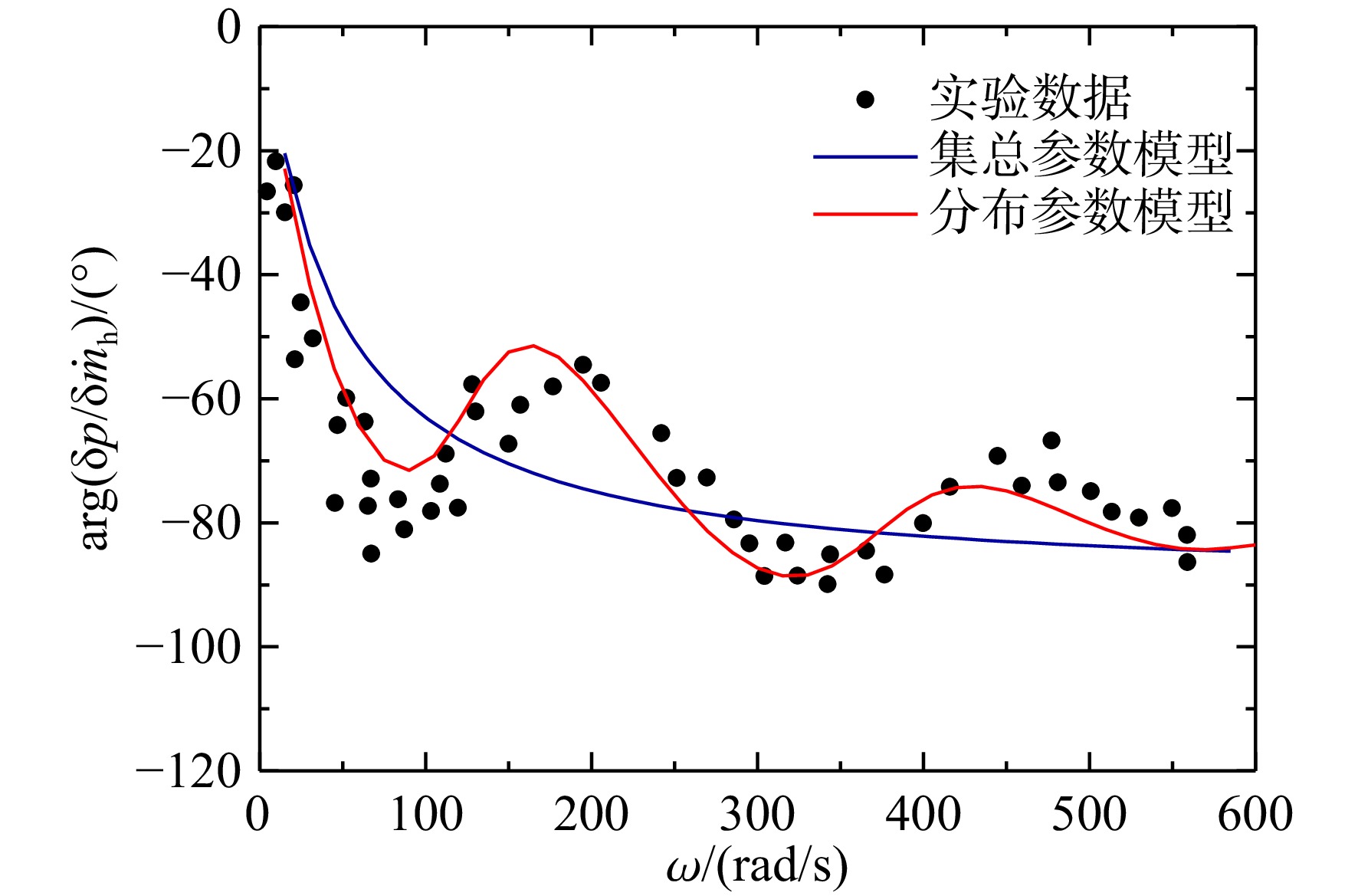
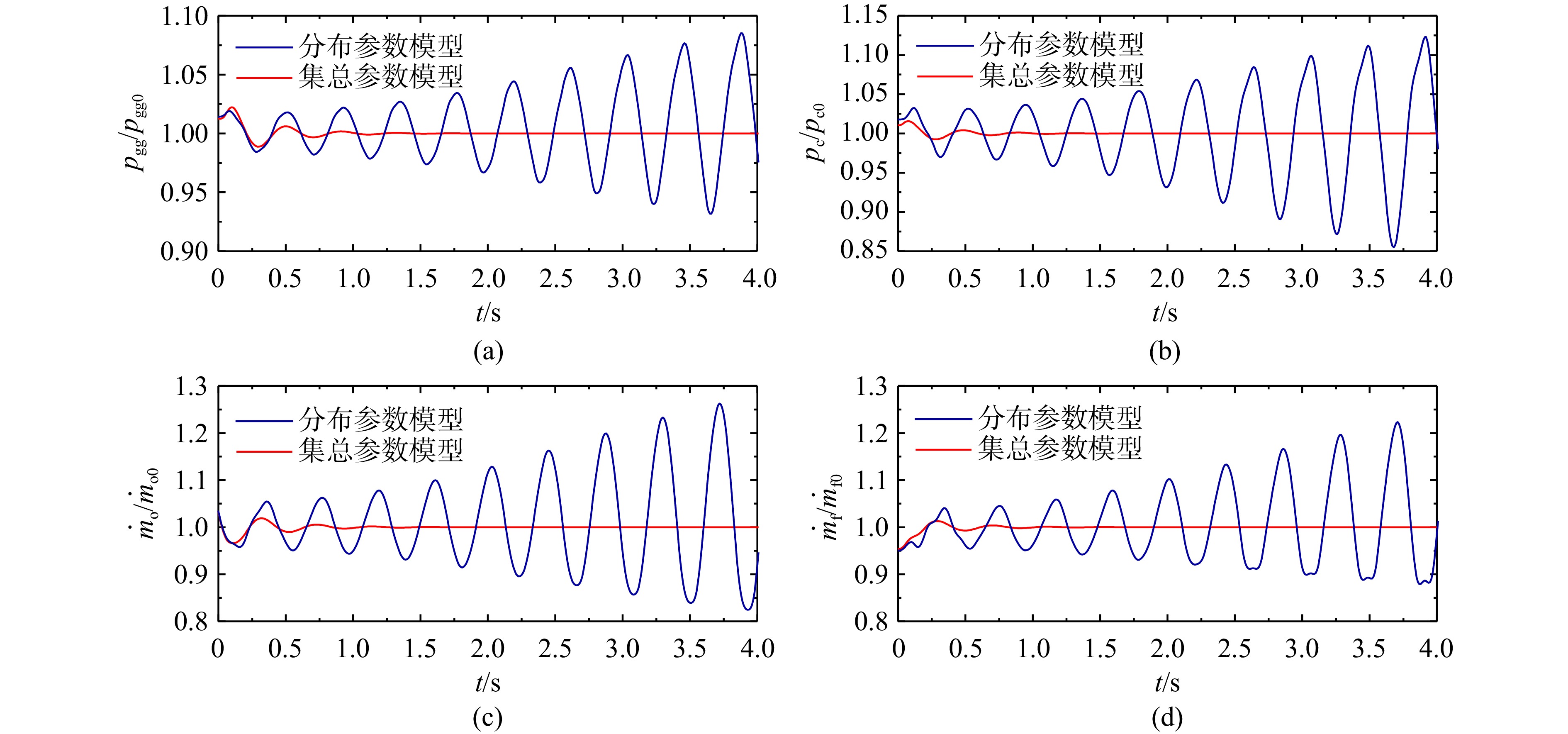
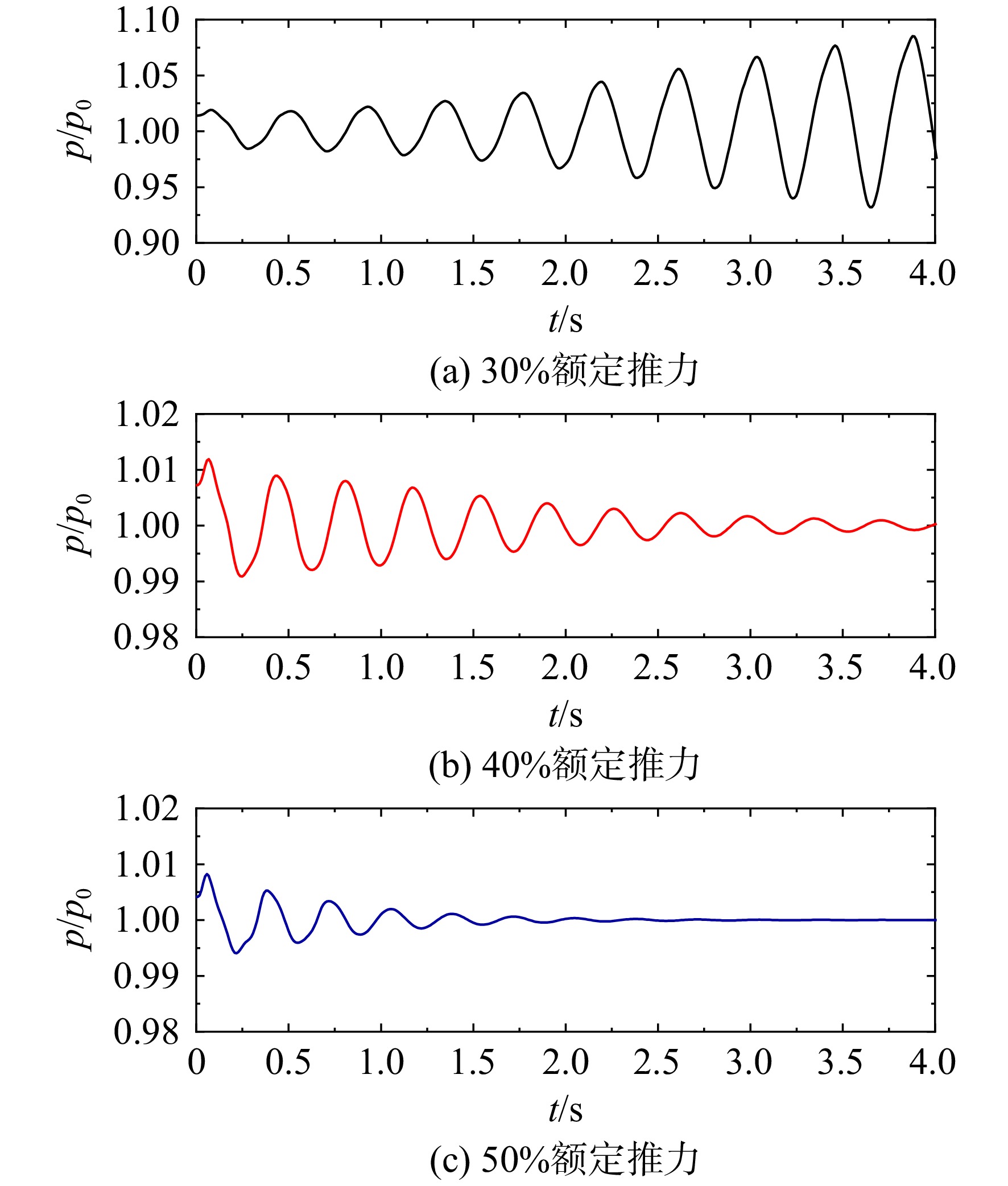
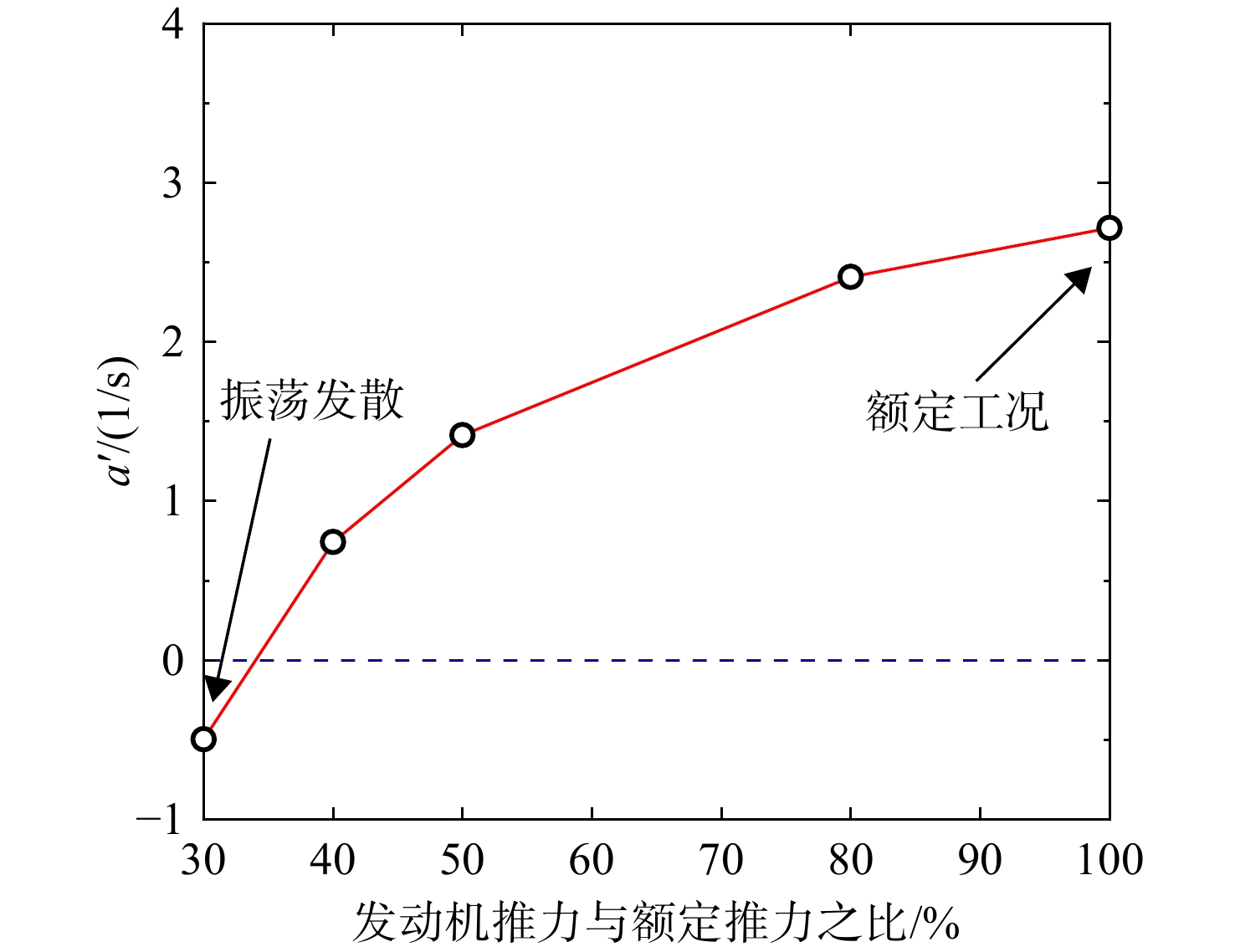
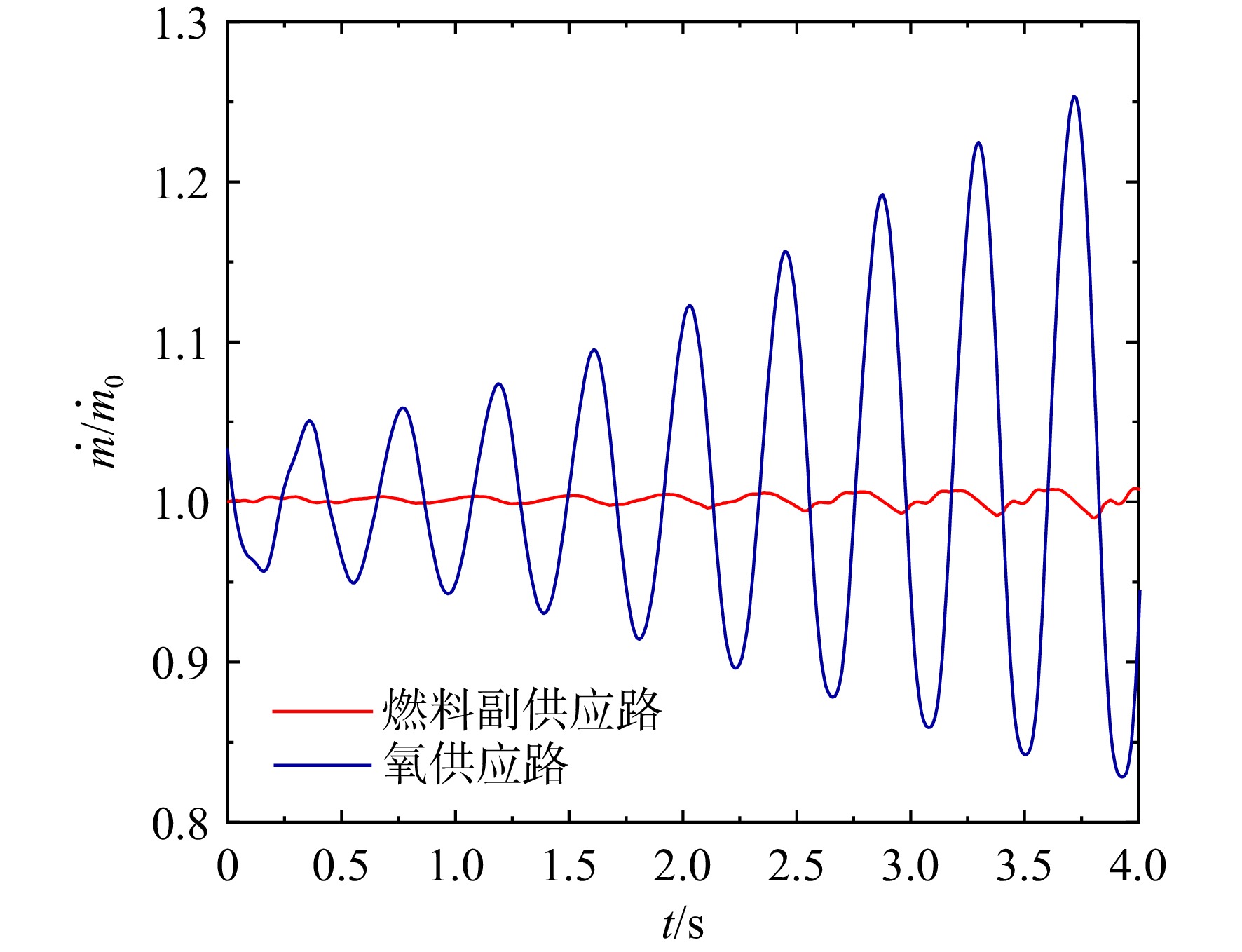
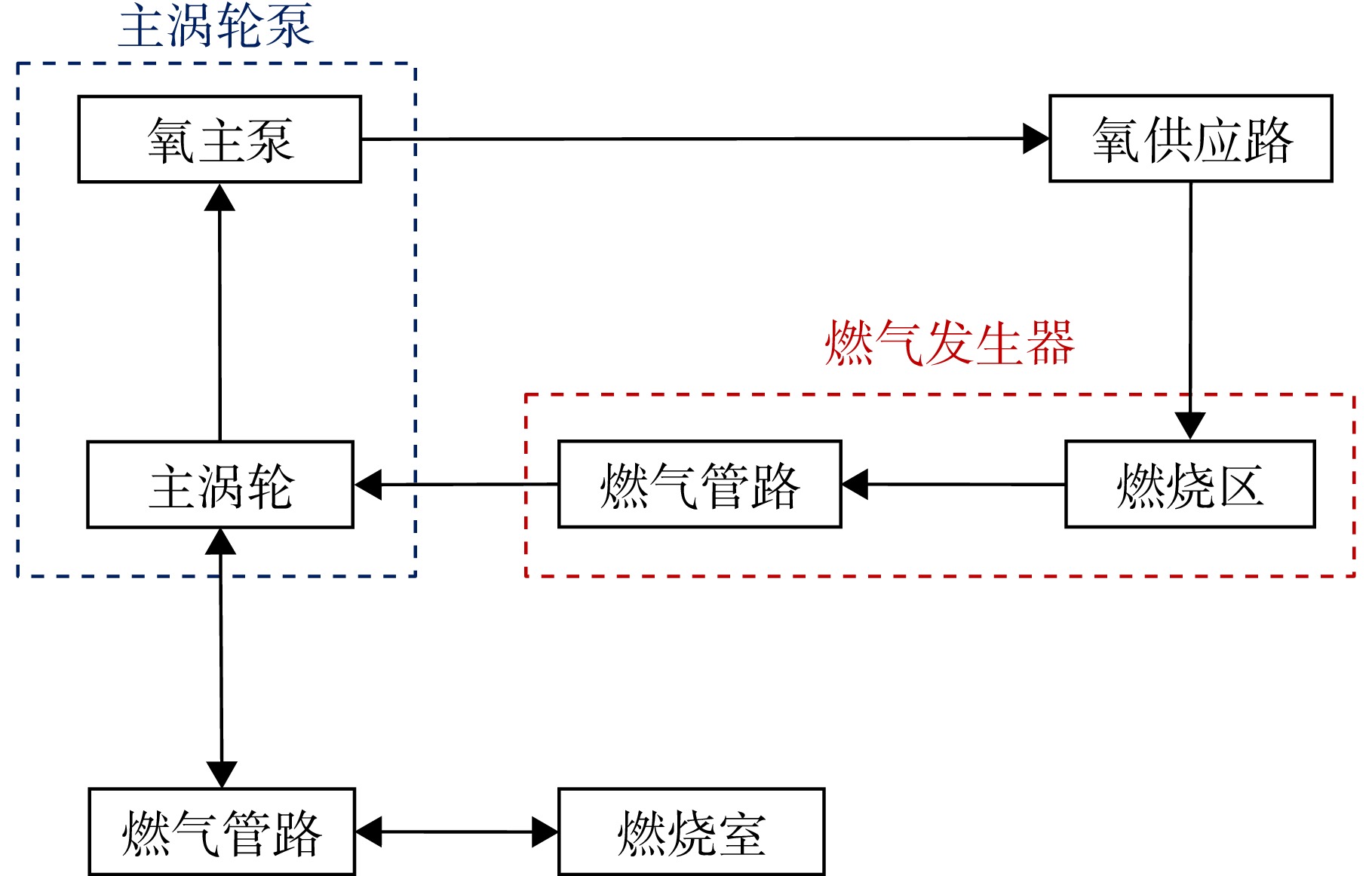
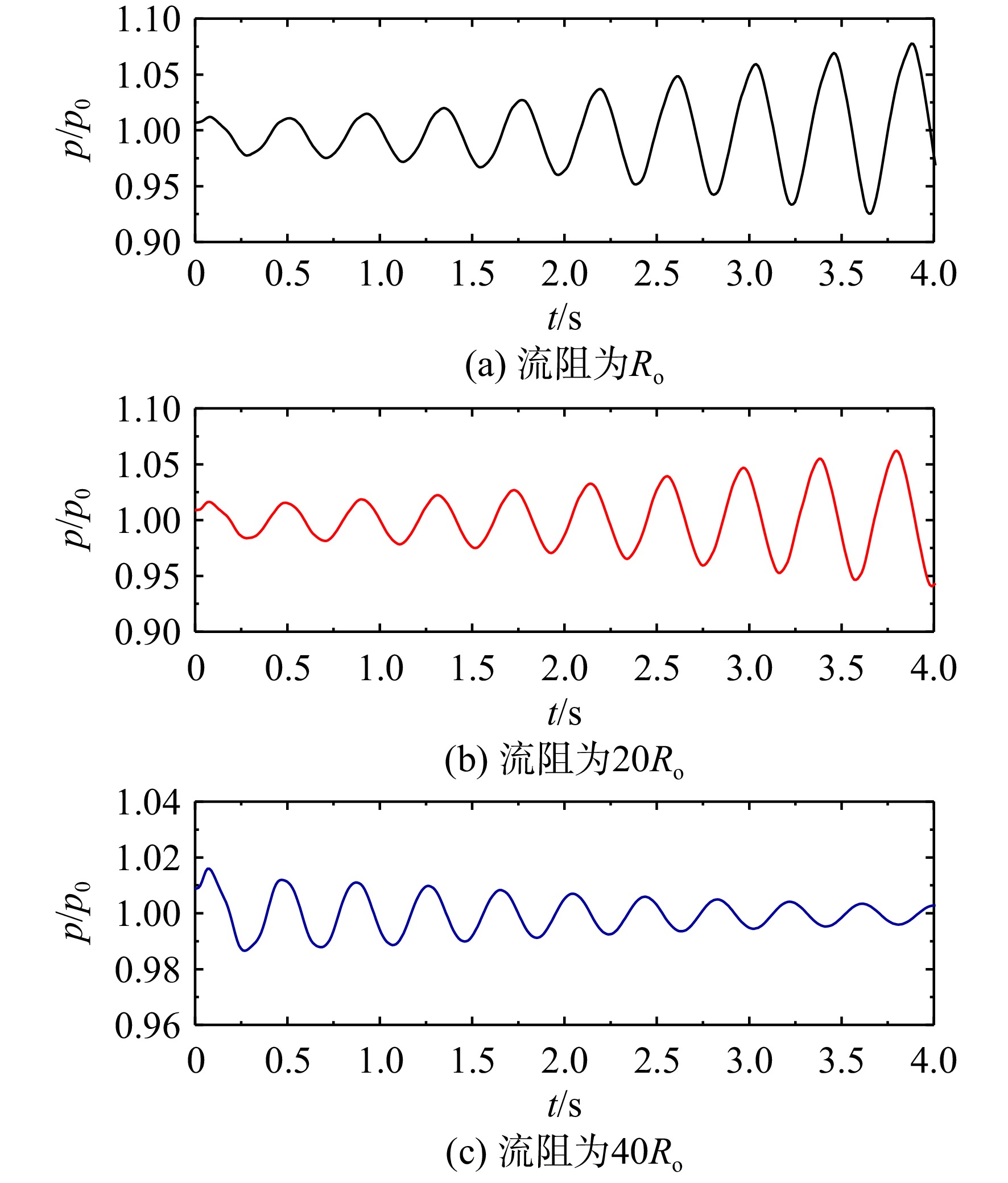
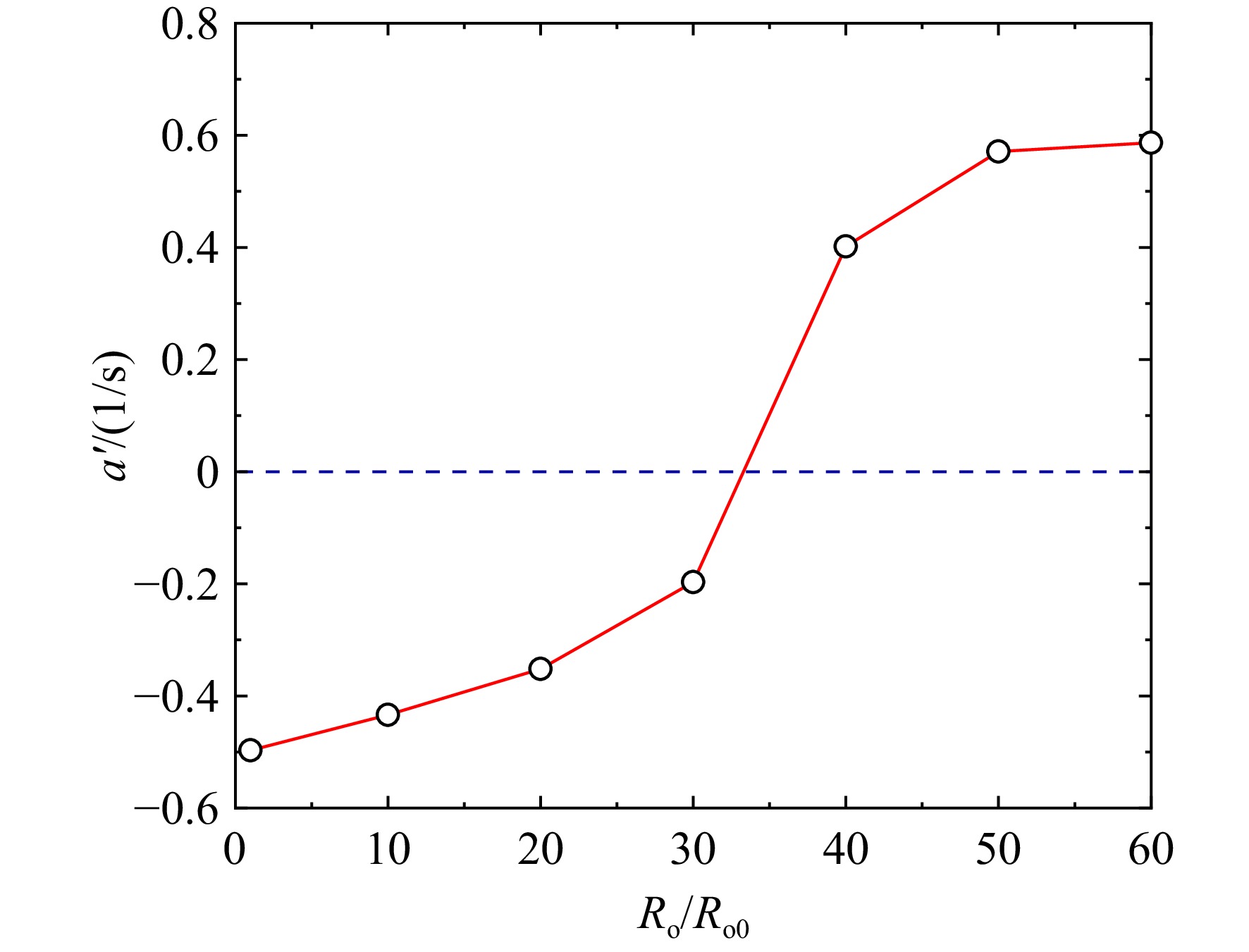
In view of the problem of low frequency oscillation on deep throttled staged combustion LOX/kerosene engine, system simulation model based on lumped parameter gas manifold was unable to obtain this kind of oscillation, and literature was seldom devoted to oscillation mechanism and oscillation suppression method. Based on distributed-parameter gas manifold model, the simulation model of staged combustion engine system was established, the low frequency oscillation of deep throttled engine was acquired by simulation, the mechanism of oscillation was analyzed, and oscillation suppression method was studied. Results showed that, compared with the existing model, engine system simulation model covering distributed-parameter gas manifold model could better simulate a deep-throttled rocket engine, based on which 2.5 Hz low-frequency oscillation at 30% nominal thrust with increasing amplitude can be obtained. Oscillation decayed at 40% or higher thrust levels. Feedback circuit consisting of gas manifold, turbopump, and oxidizer feeding line as well as gas generator acting as energy source in engine system motivated the oscillation. Throttling the oxidizer feeding line increased damping on feedback circuit. Oxidizer feeding line resistance not less than 40 times of original value suppressed the oscillation with effect.

Autocontrol
Research on real-time hierarchical energy management systems for hydrogen fuel cell drones
WU Yu, LI Ruizhen, JIA Bicong, JIANG Xue, YAN Hao, LI Weilin
2026, 41(6): 20240558. doi: 10.13224/j.cnki.jasp.20240558
Abstract:

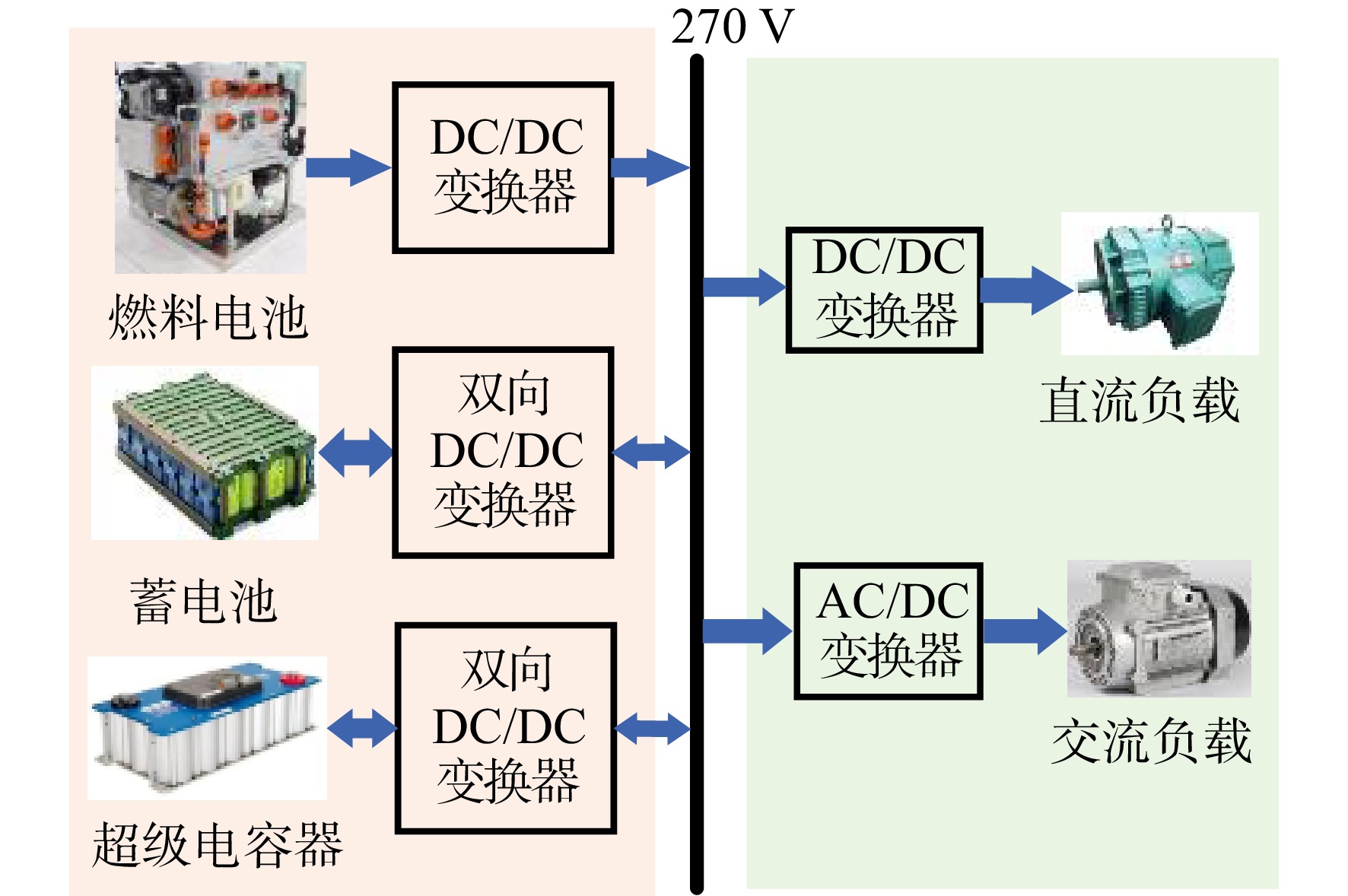
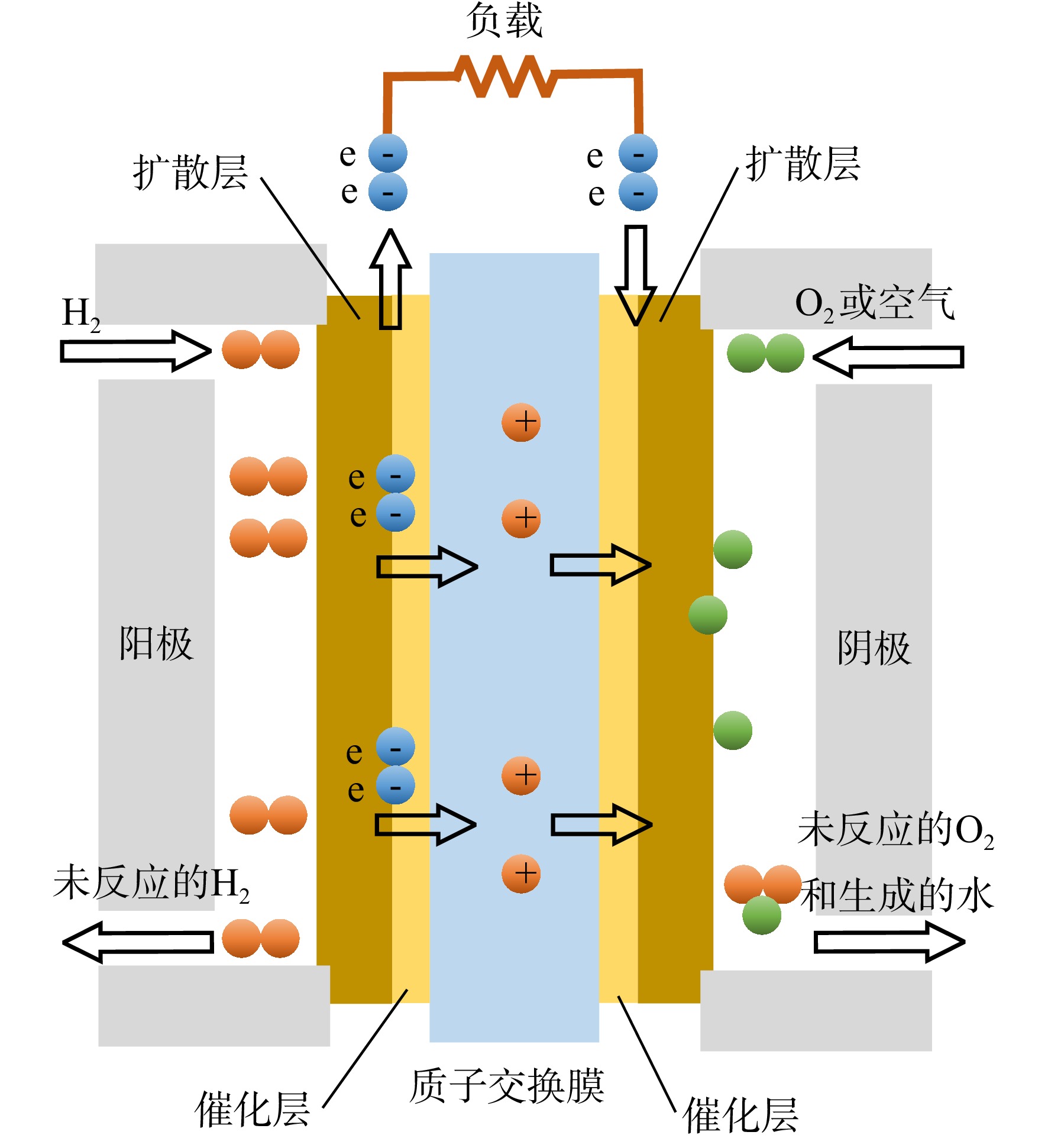
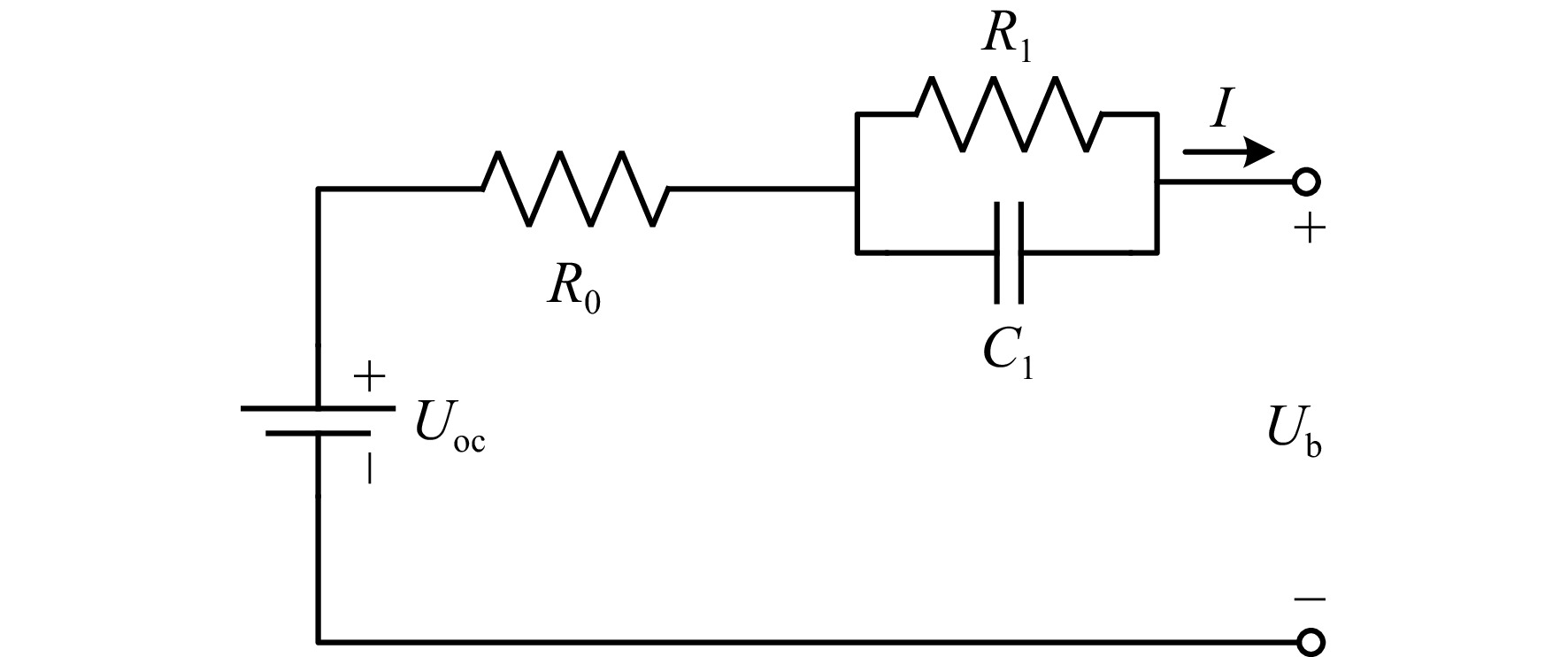
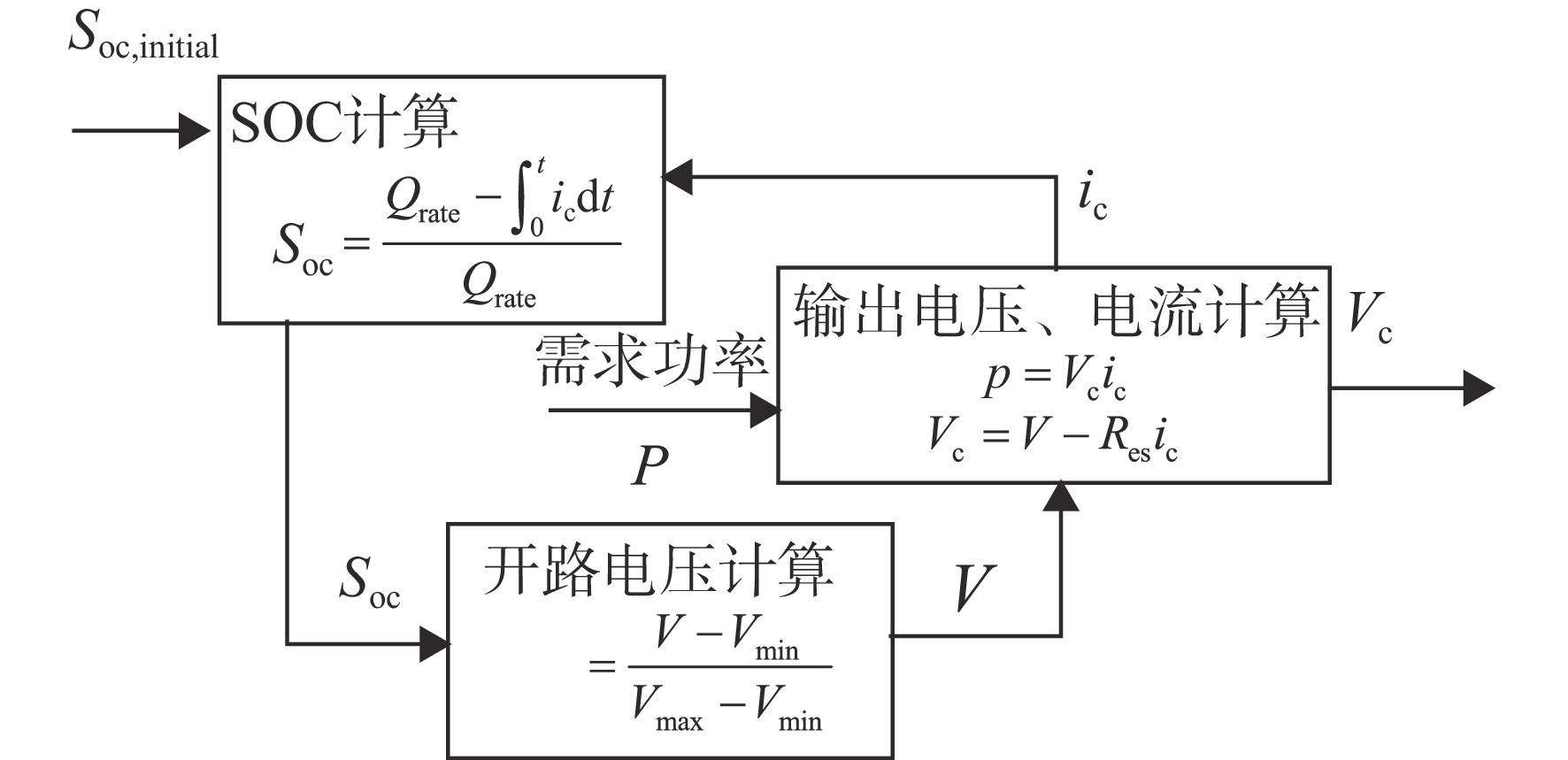
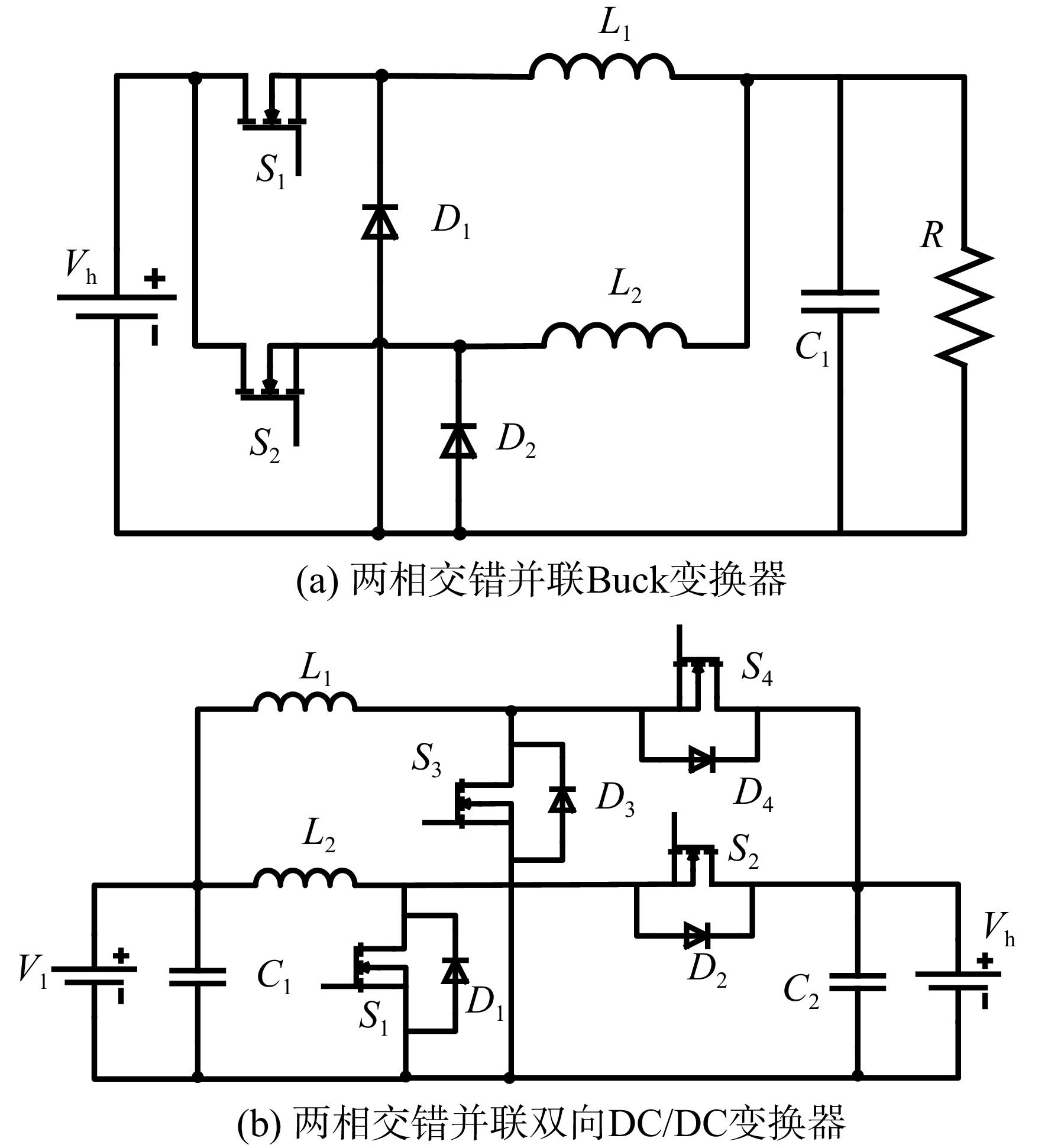
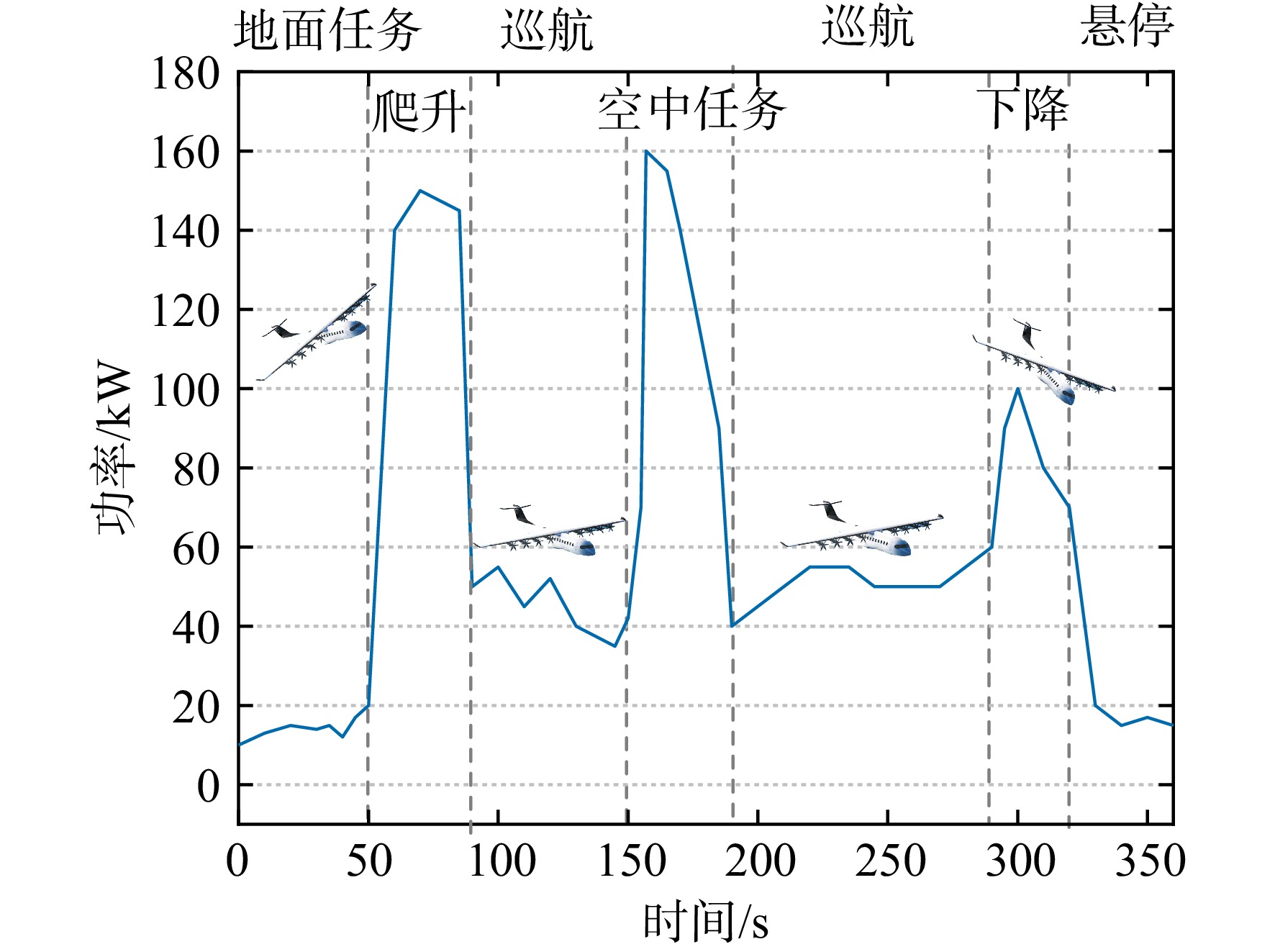
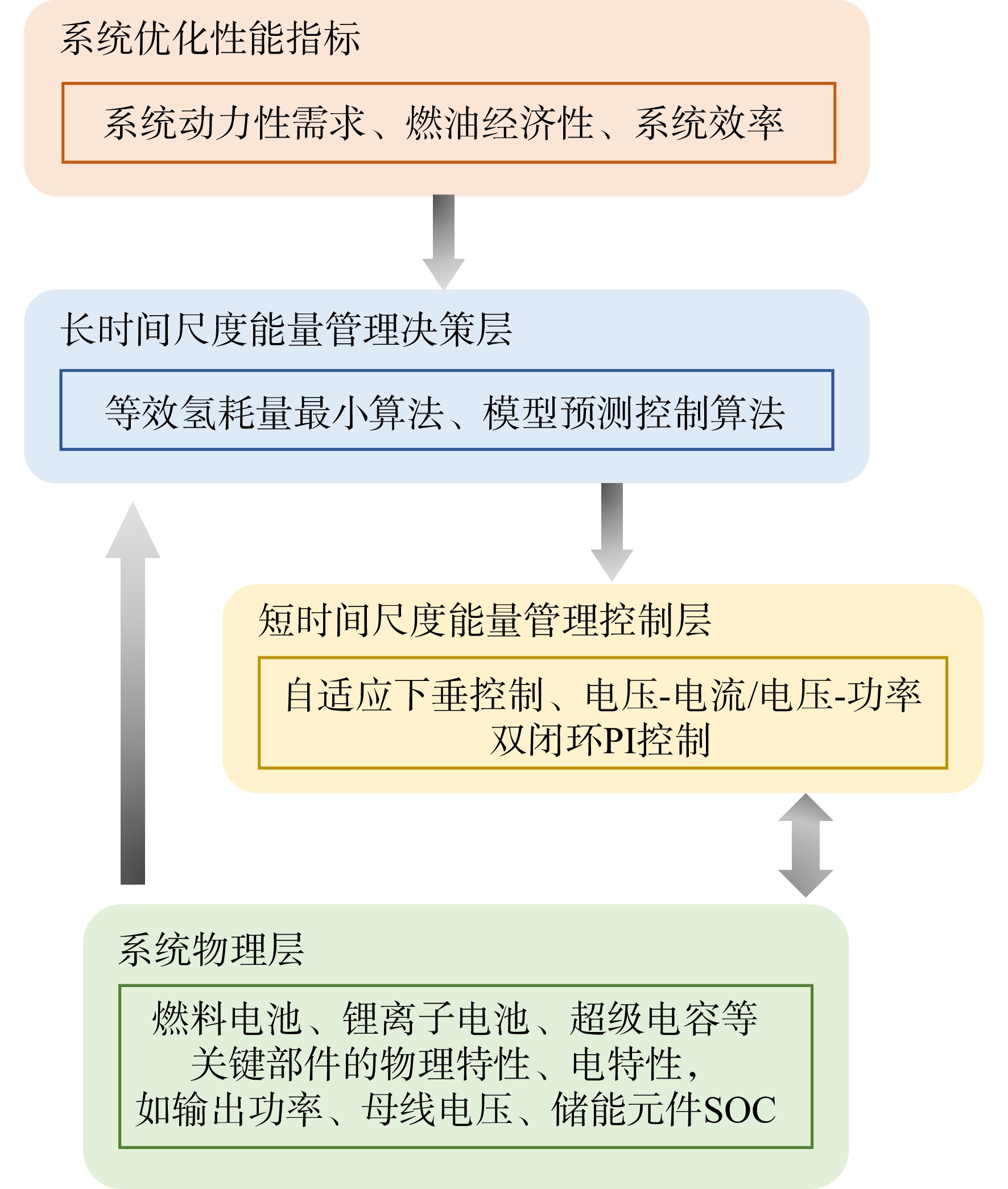
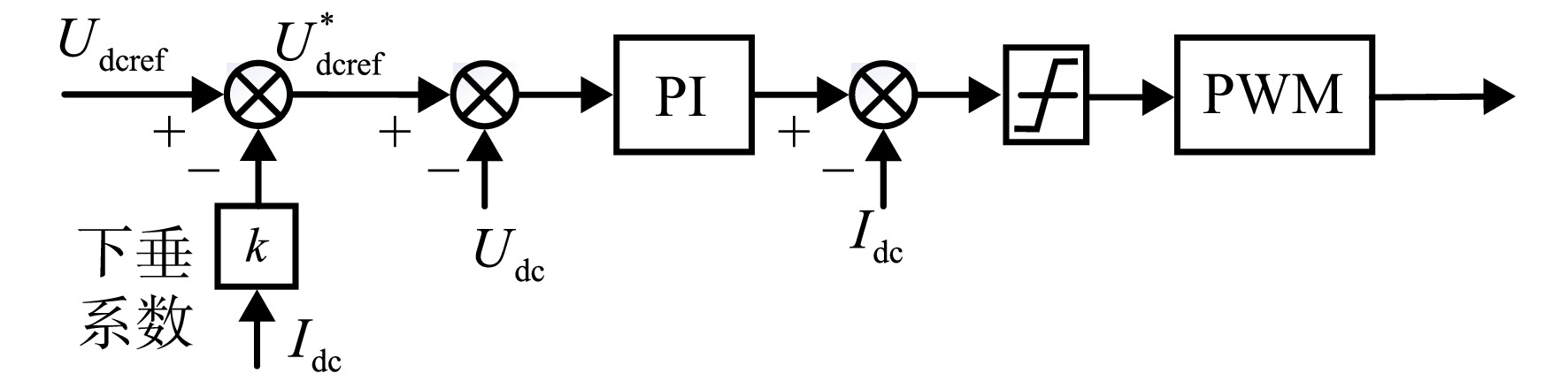
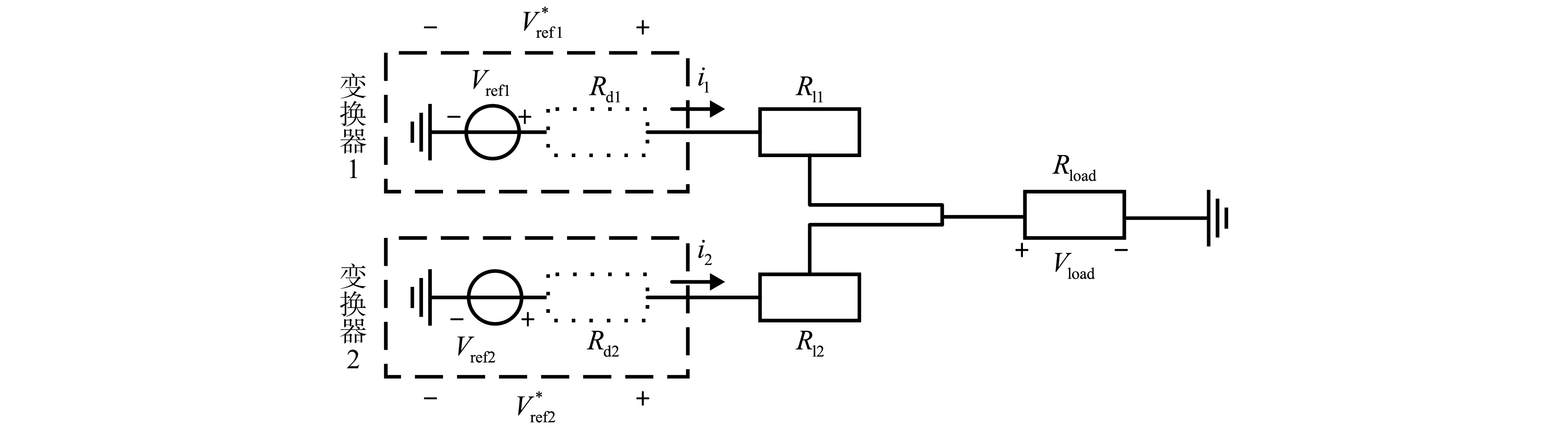
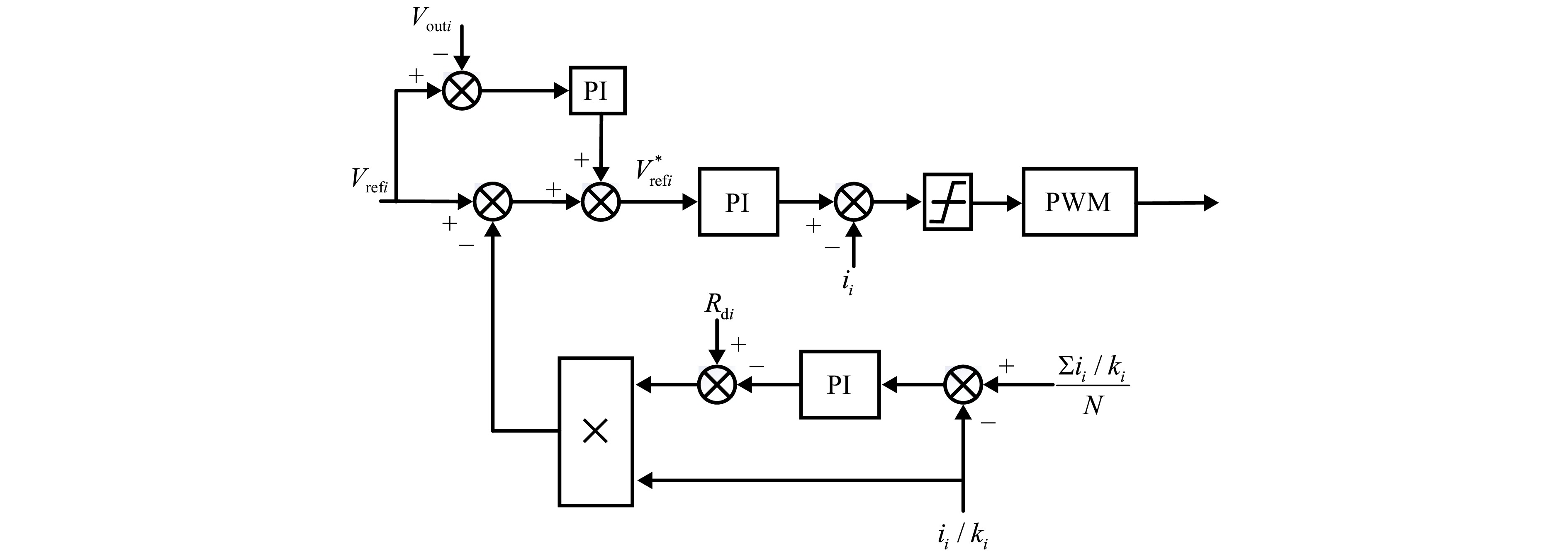
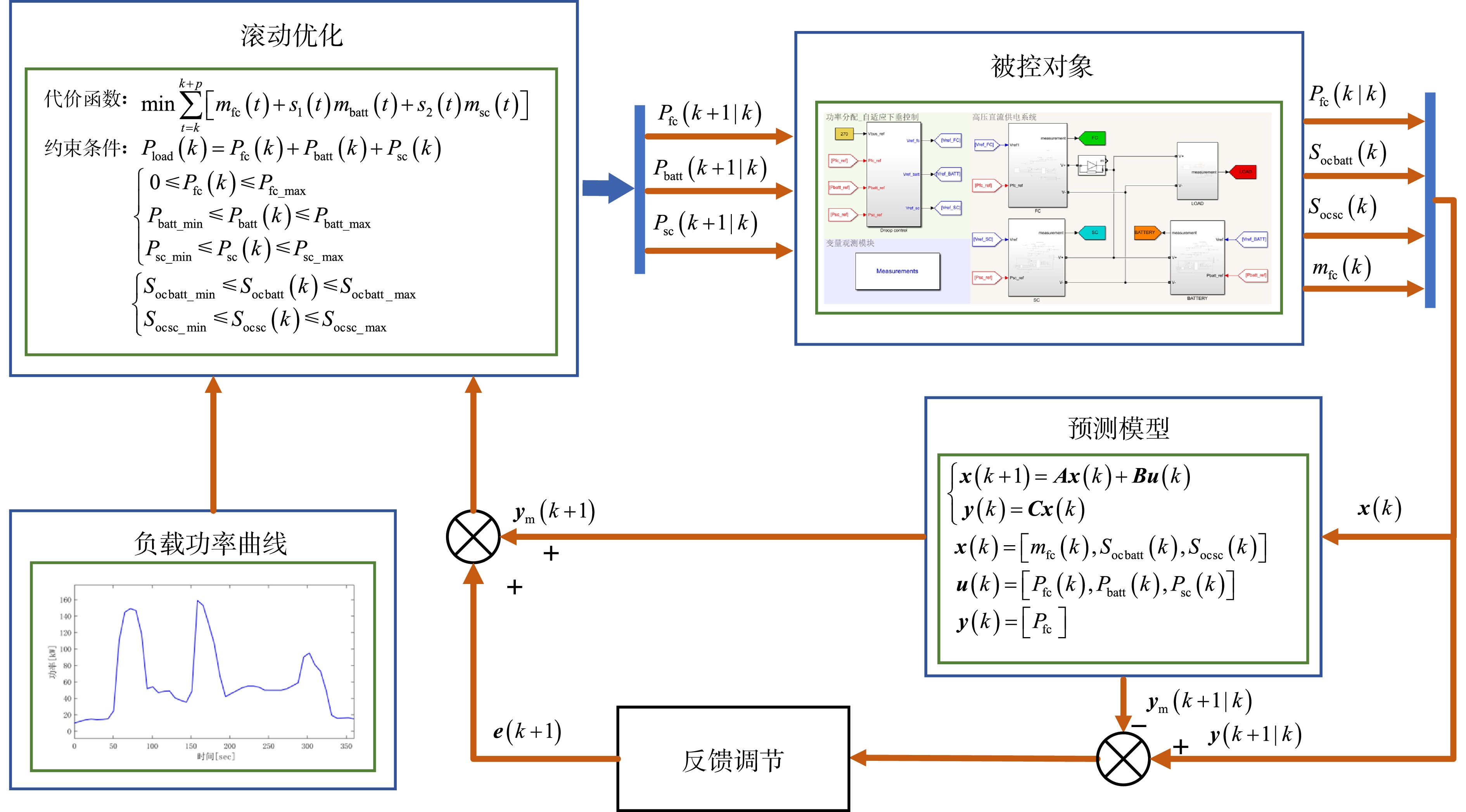
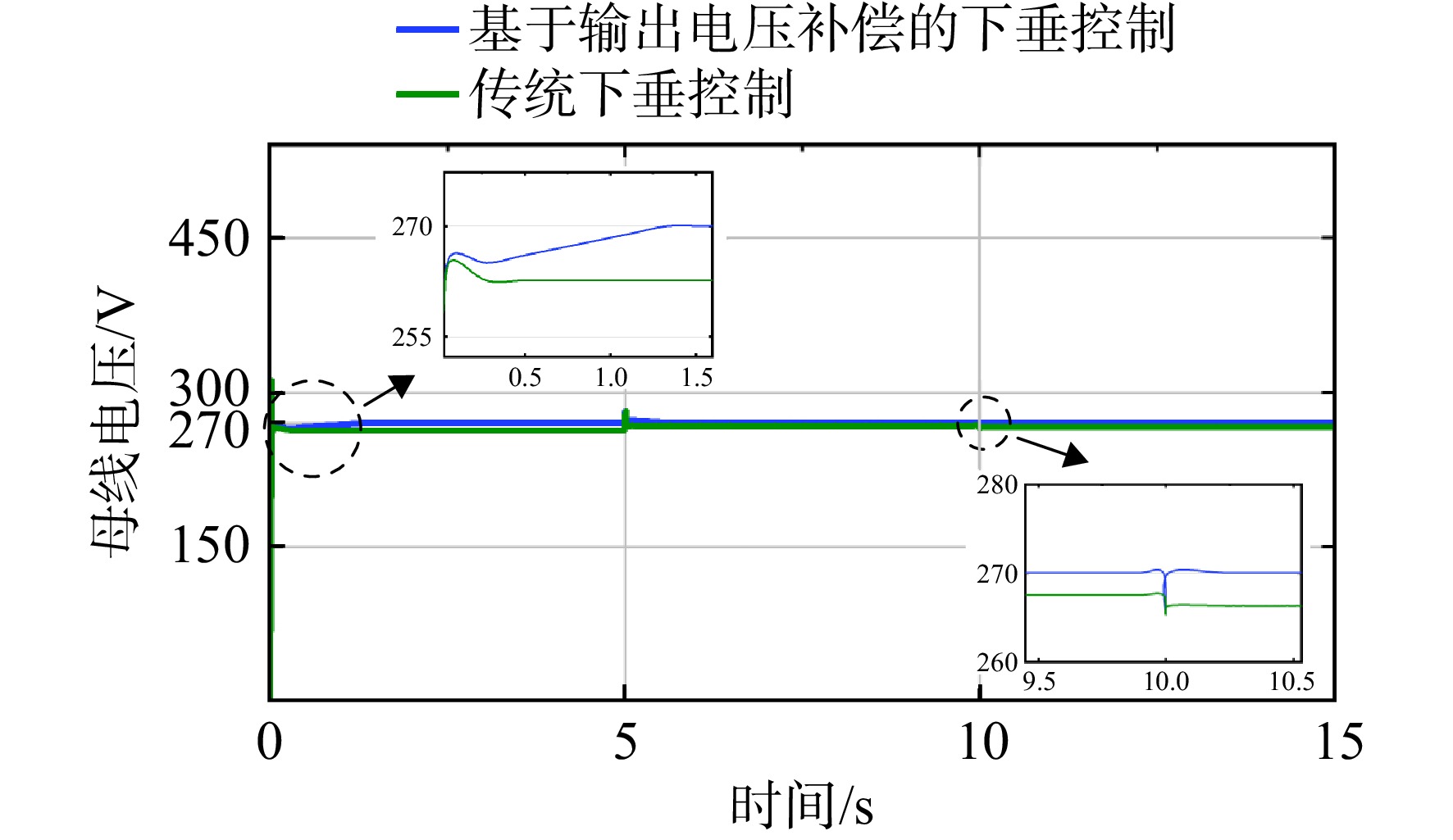
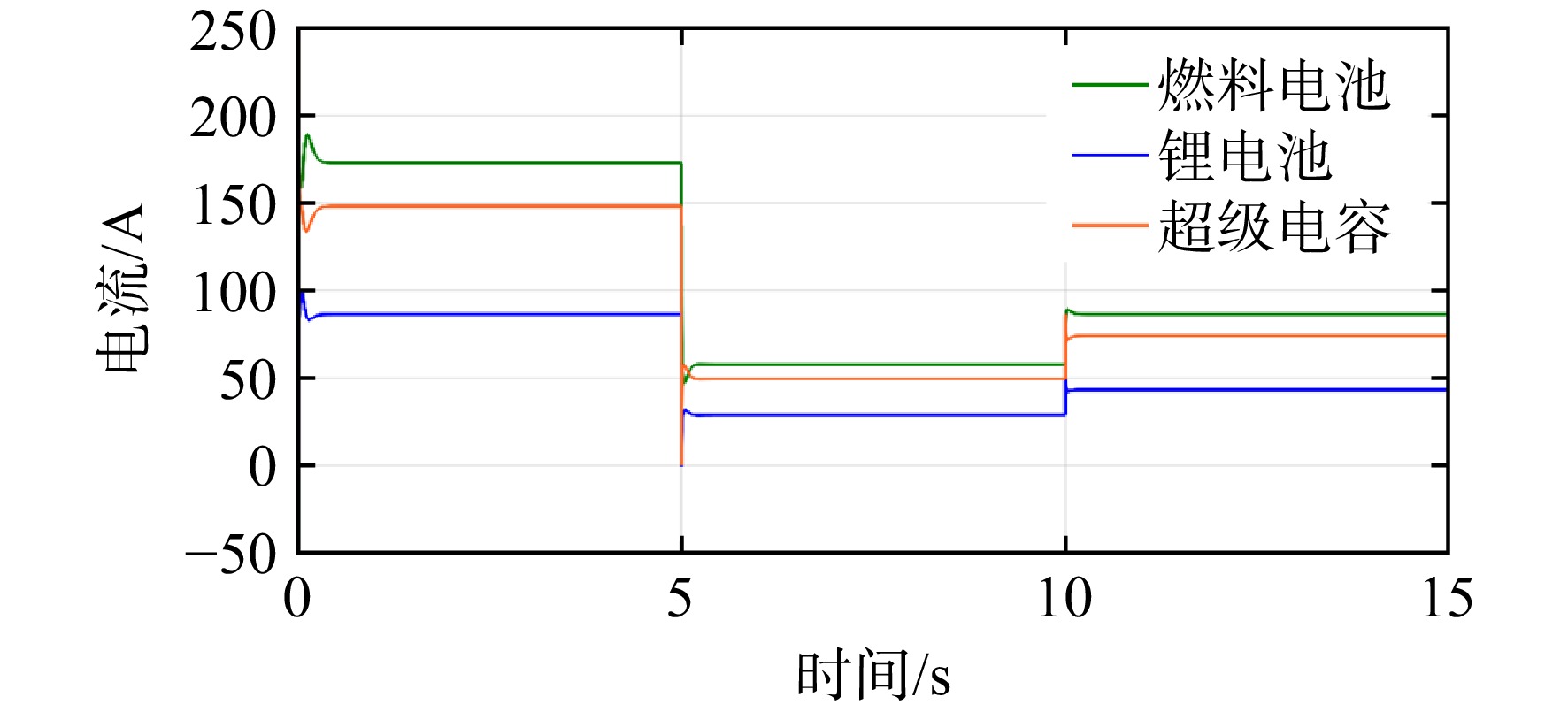
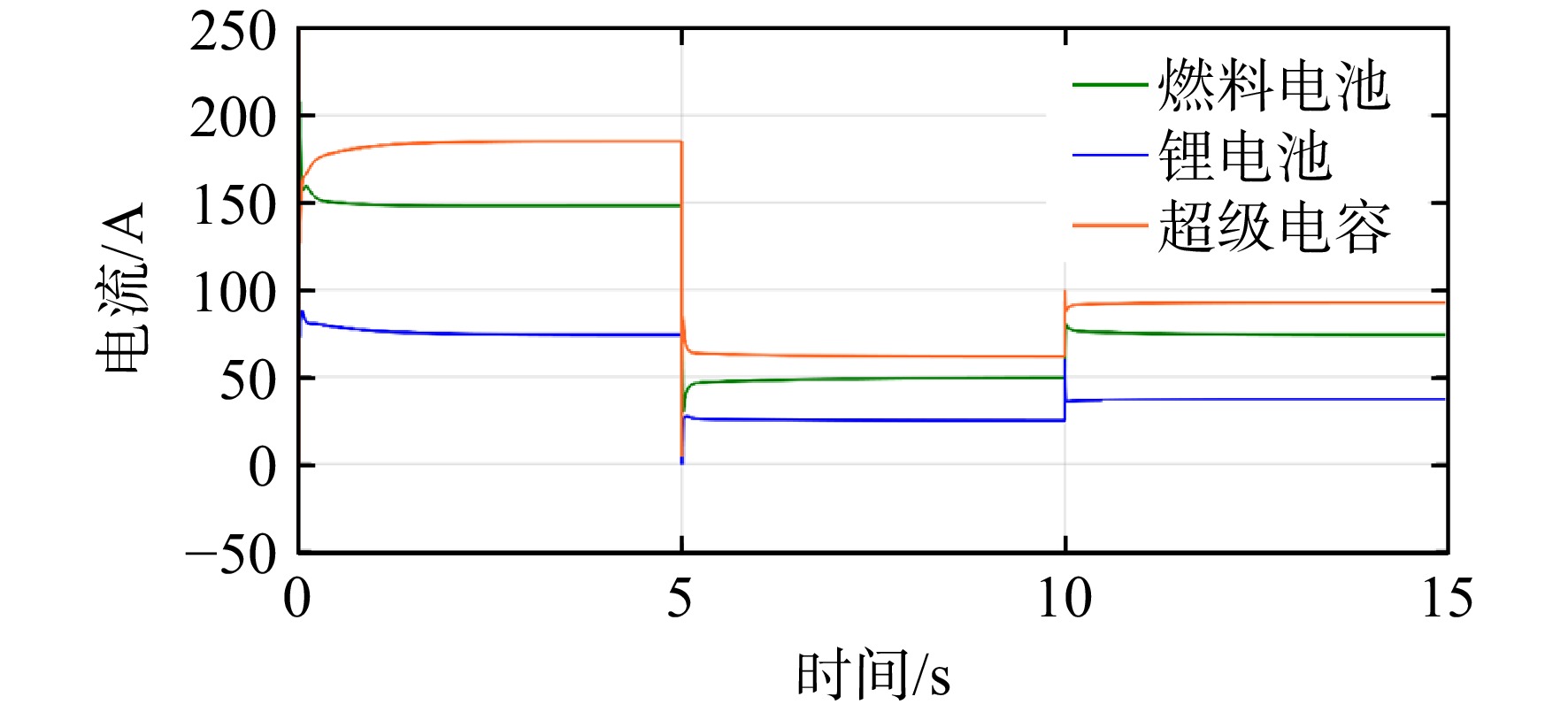
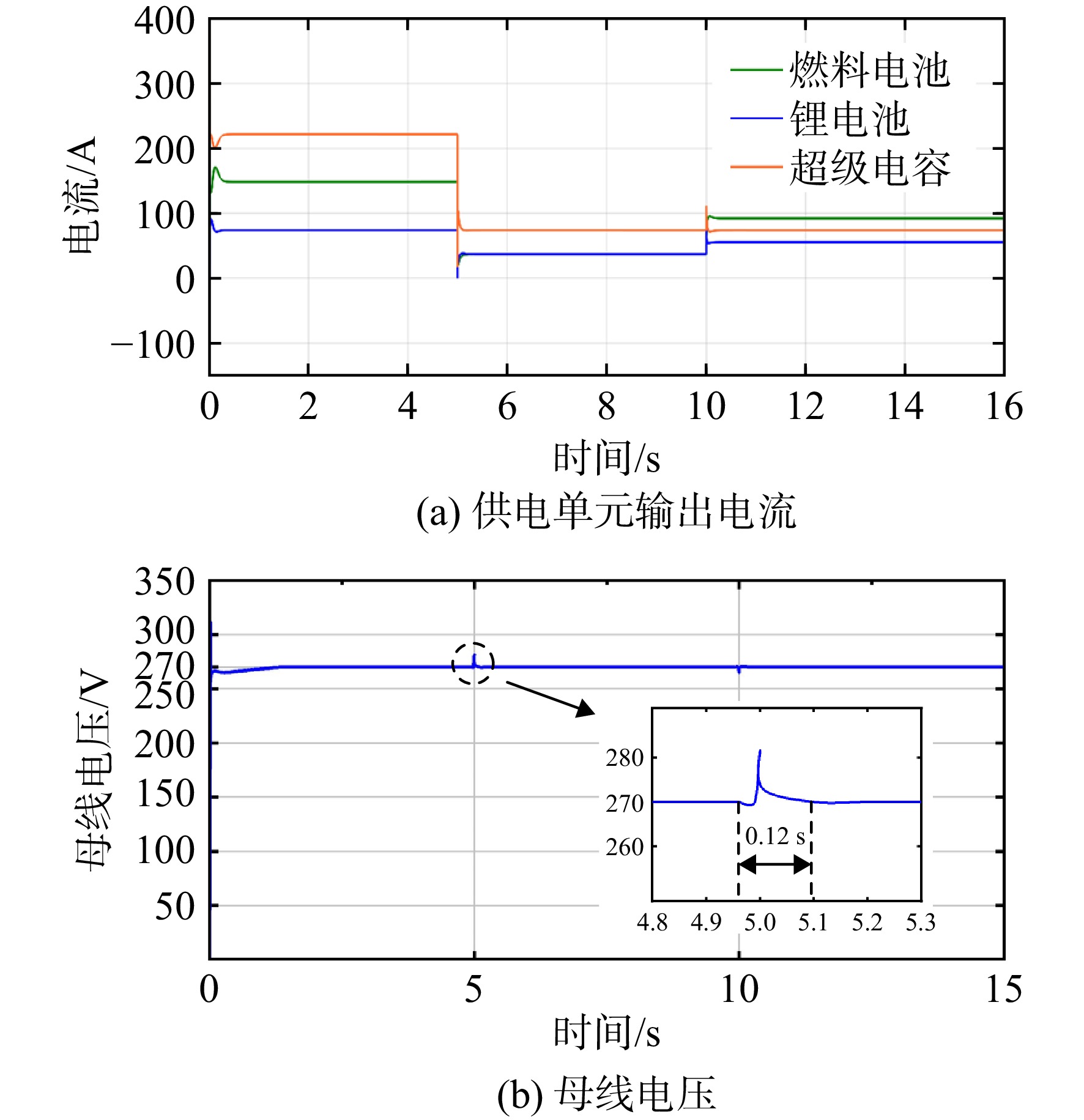
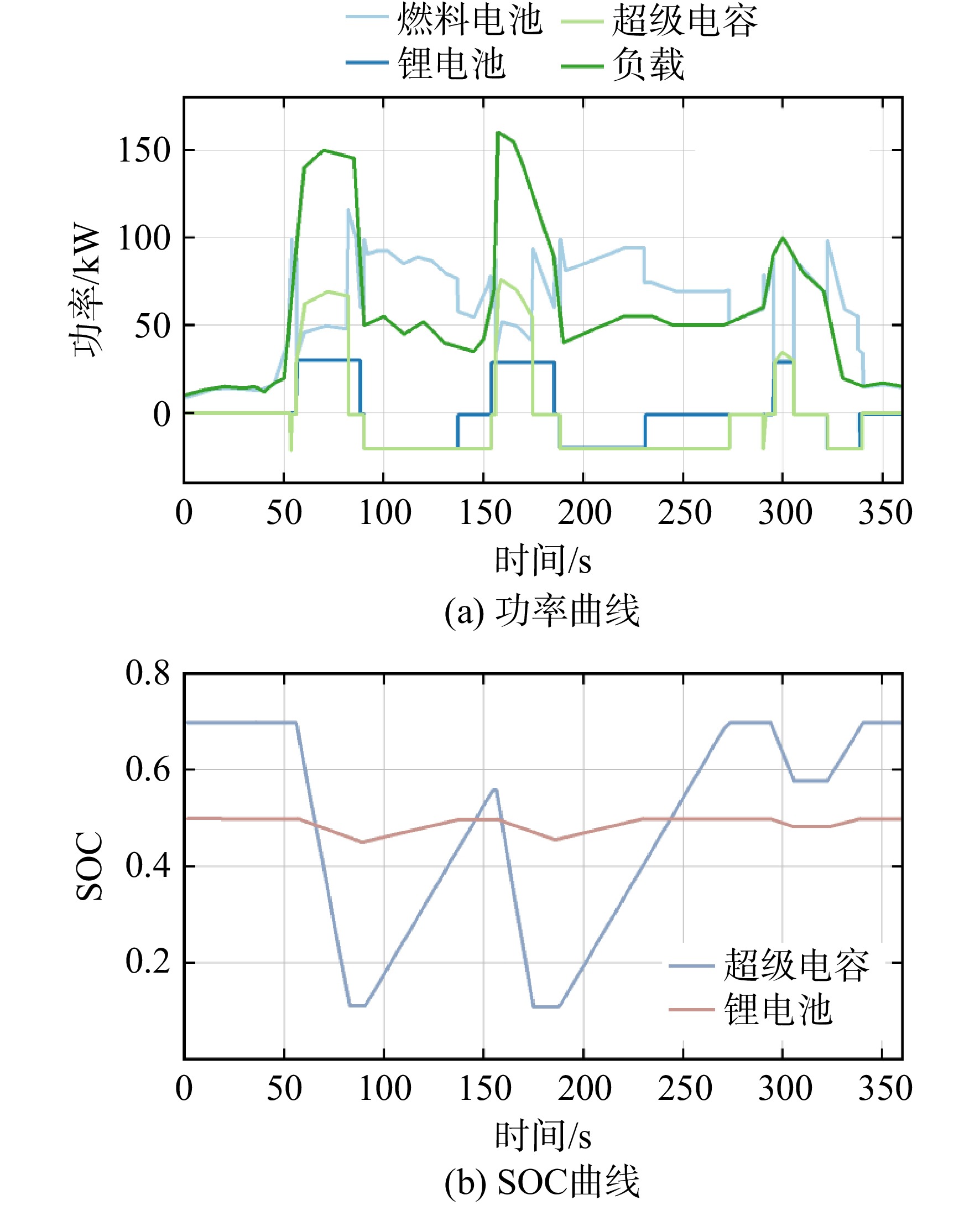
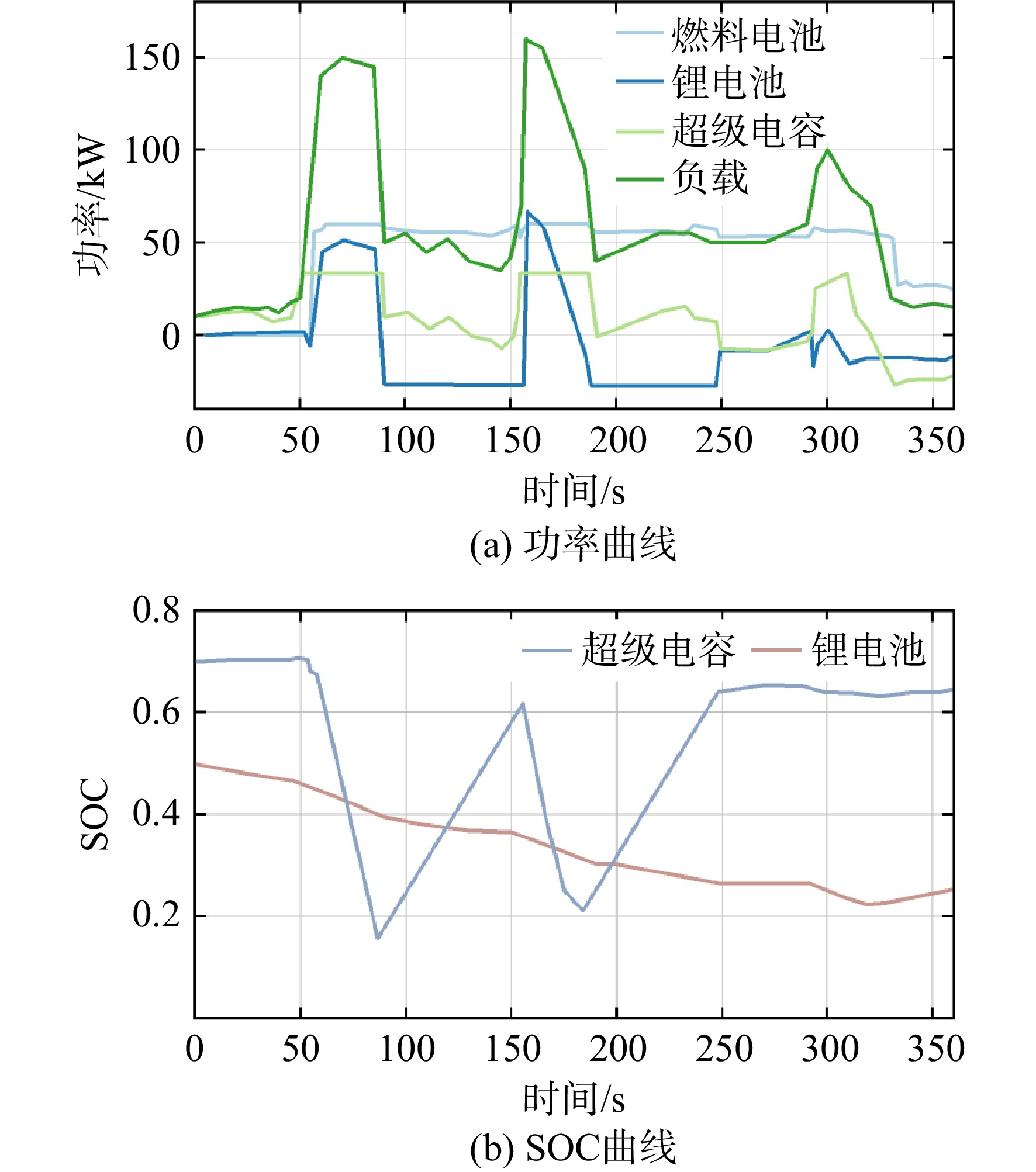
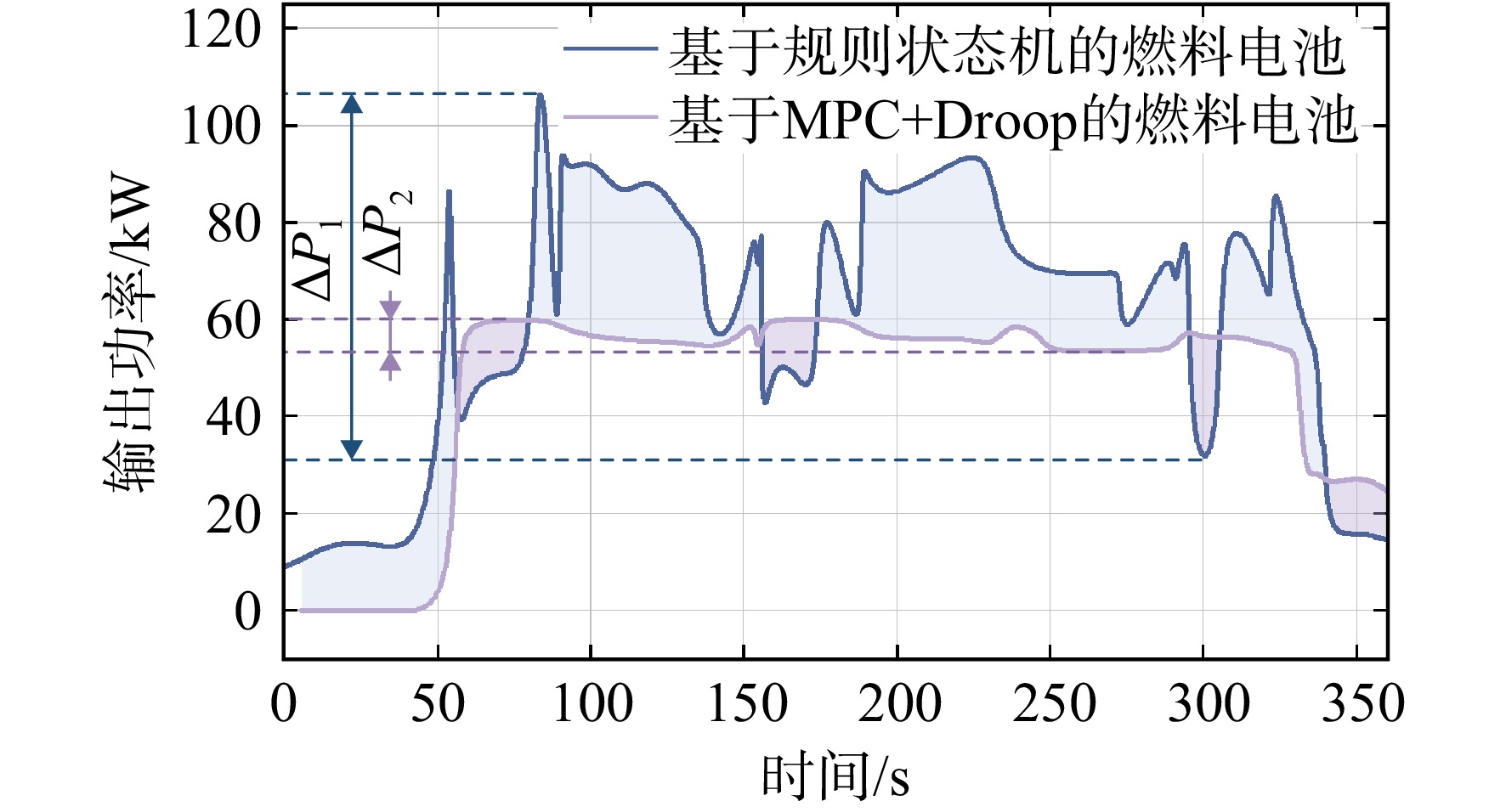
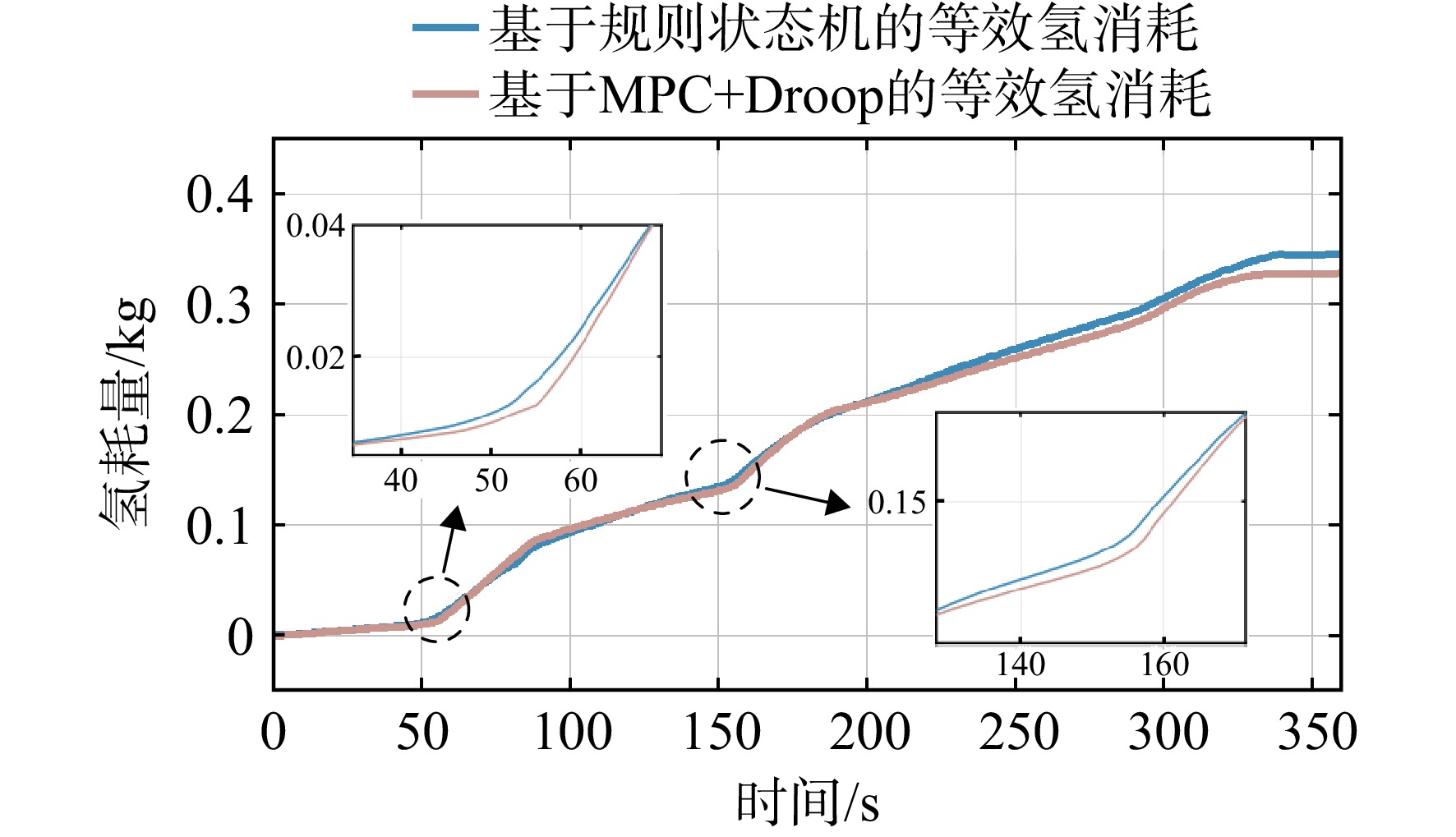
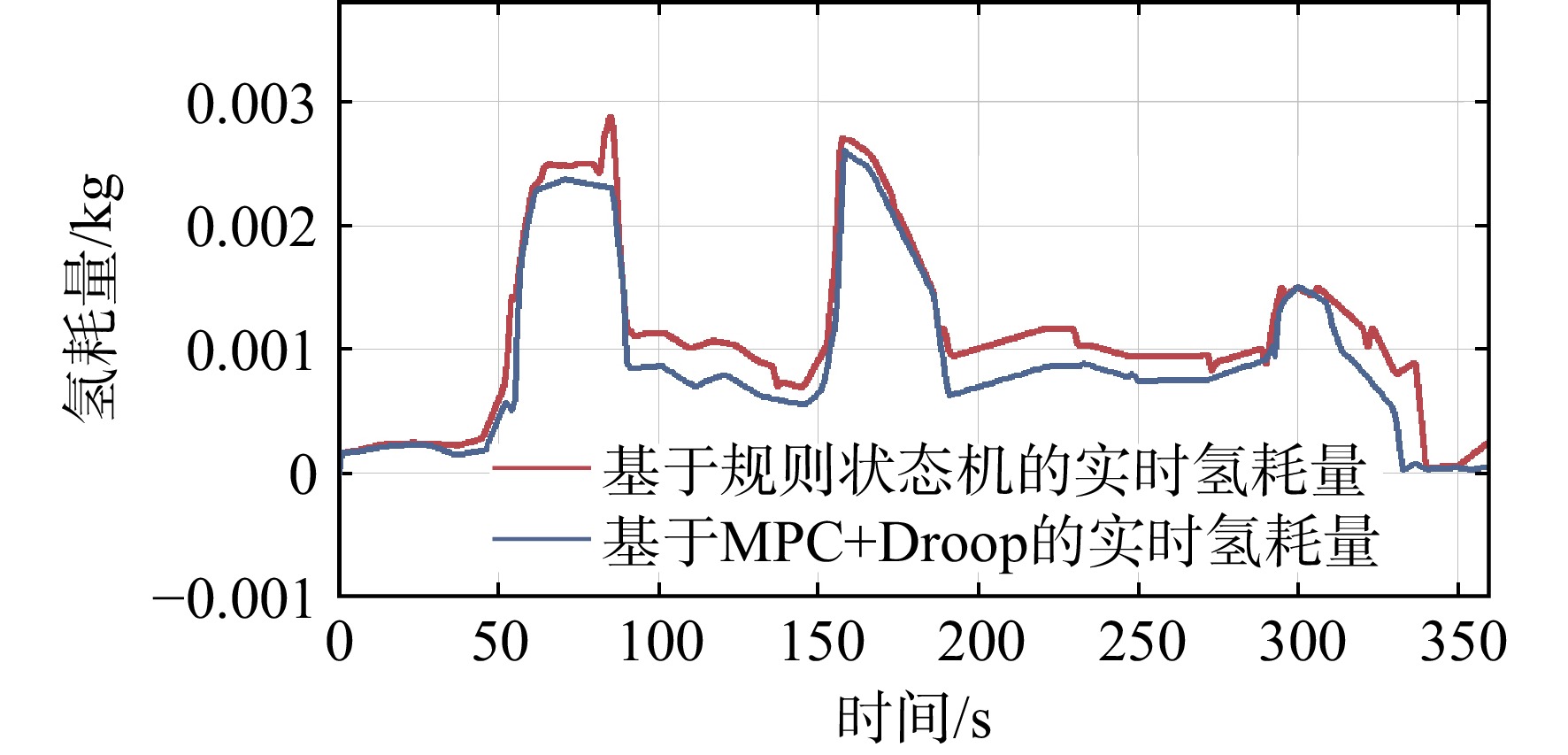
A hybrid power system topology based on fuel cells, lithium batteries, and supercapacitors for hydrogen-fueled unmanned aerial vehicles (UAVs) was designed to address the challenge of enhancing UAV endurance. A multi-time-scale hierarchical energy management framework was proposed, which can achieve the requirements of decision-making real-time performance and minimal fuel consumption for UAV hybrid power systems. At the short-time scale, an adaptive droop control algorithm suitable for UAV hybrid power systems was designed to solve the issues of insufficient accuracy in traditional droop control and bus voltage drop. At the long-time scale, a real-time hierarchical energy management strategy based on the minimum equivalent hydrogen consumption using model predictive control was designed. This strategy can make dynamical adjustments according to the instantaneous state and demands of the system, and perform graded management and optimized coordination among different types of energy storage devices internally, achieving optimal energy distribution of the system. The efficacy and reliability of the system were verified through simulation experiments and computational analysis. The results indicated that the strategy can reduce hydrogen consumption by 5.2% and increase the average working efficiency of the fuel cell by approximately 10% compared with state machine control strategies, while also reducing peak-to-valley power fluctuations by 92.8%.

Safety,Airworthiness
Health management method of helicopter turbine engine based on Caps-BiGRU-Attention
ZHANG Zhenliang, BI Junxi, HE Rongrong, CUI Zhe, ZHOU Xiangzhi
2026, 41(6): 20240775. doi: 10.13224/j.cnki.jasp.20240775
Abstract:

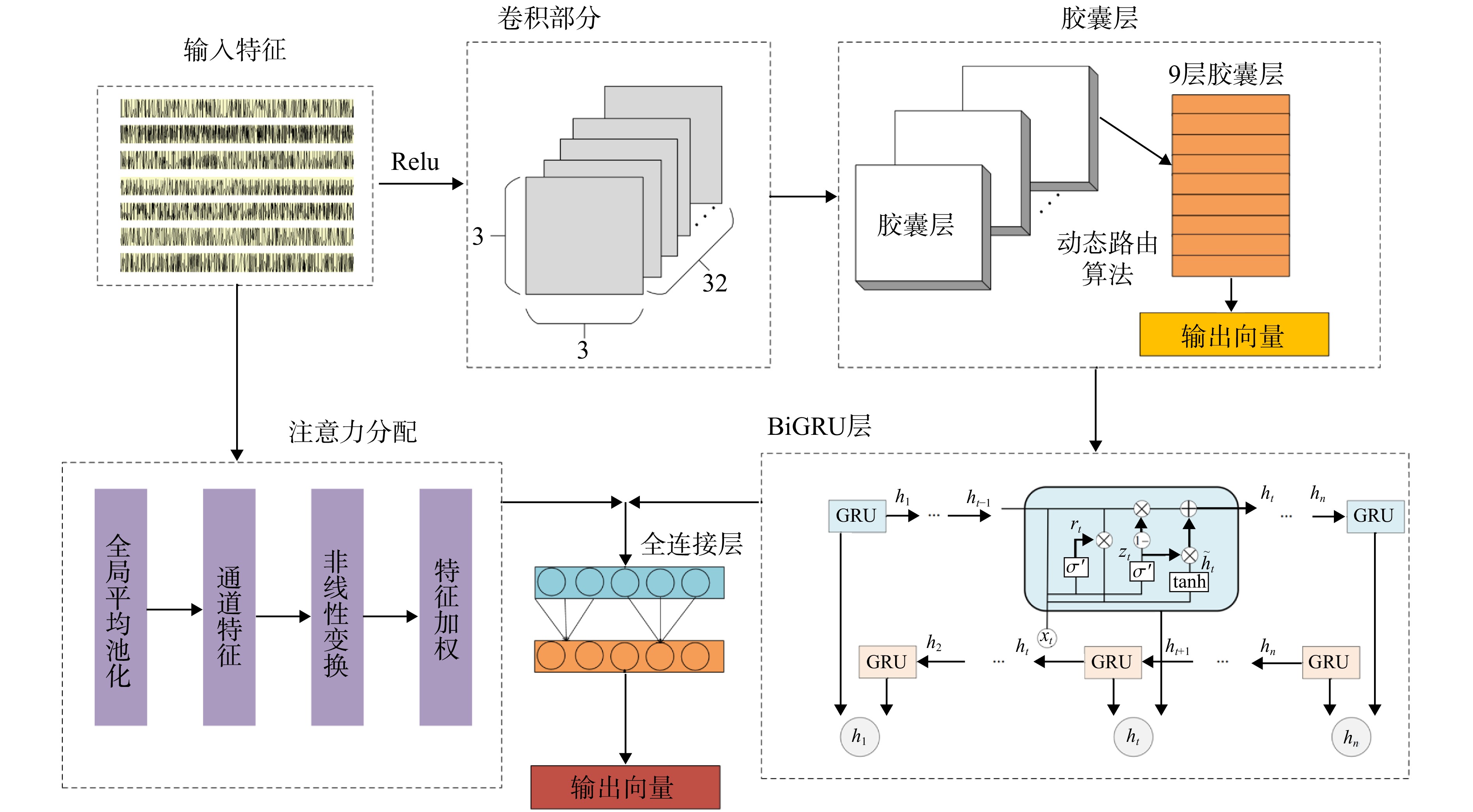
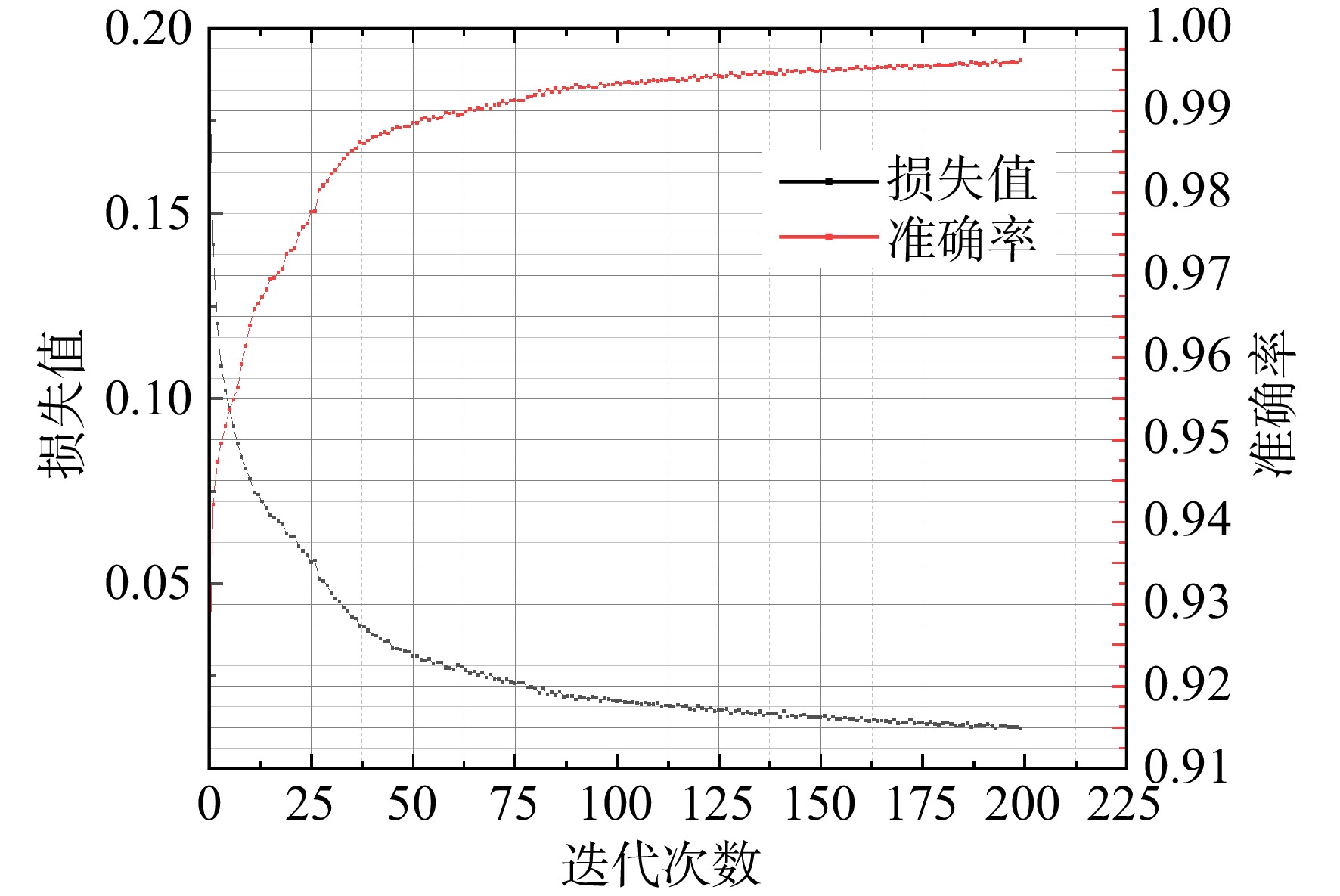
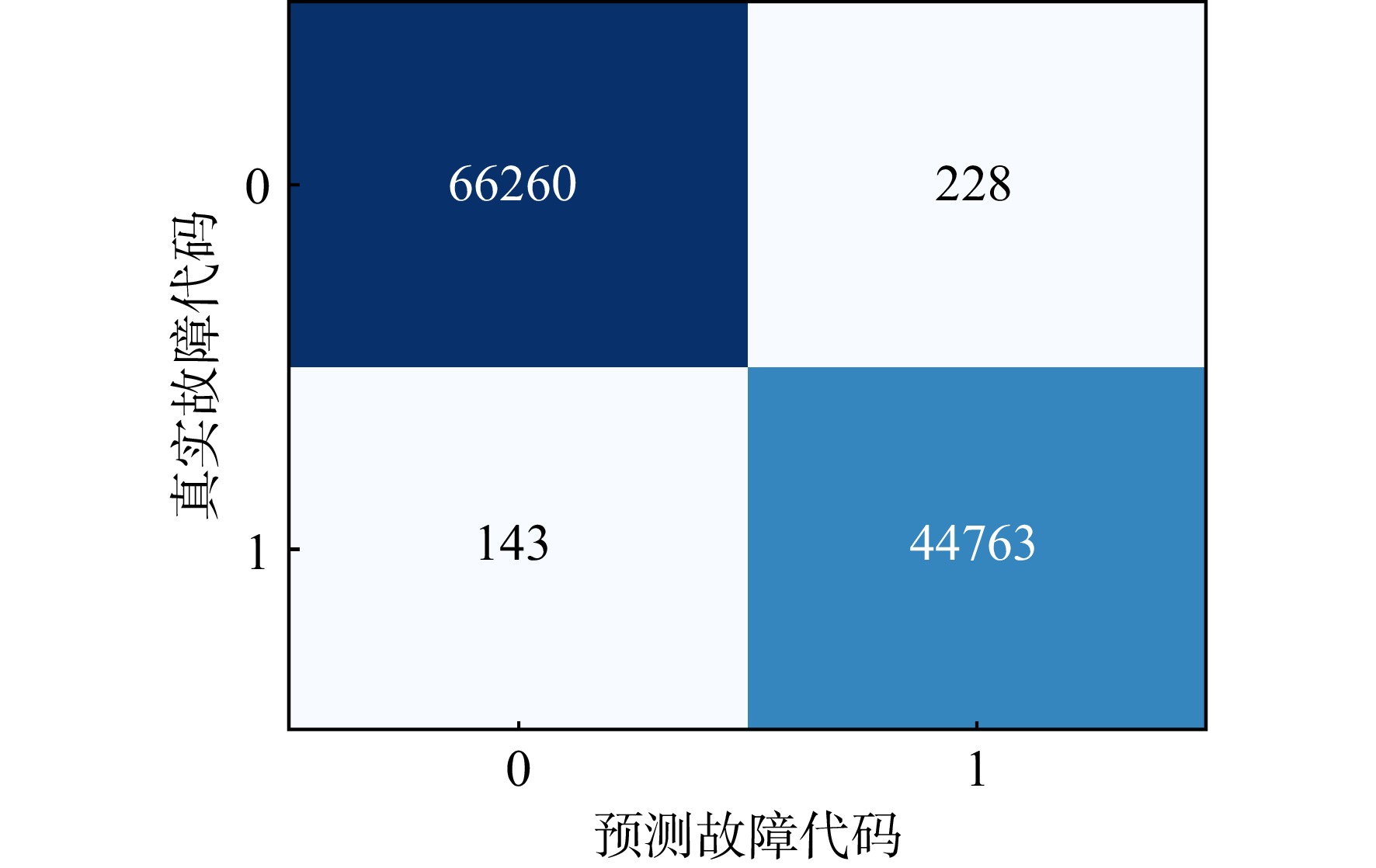
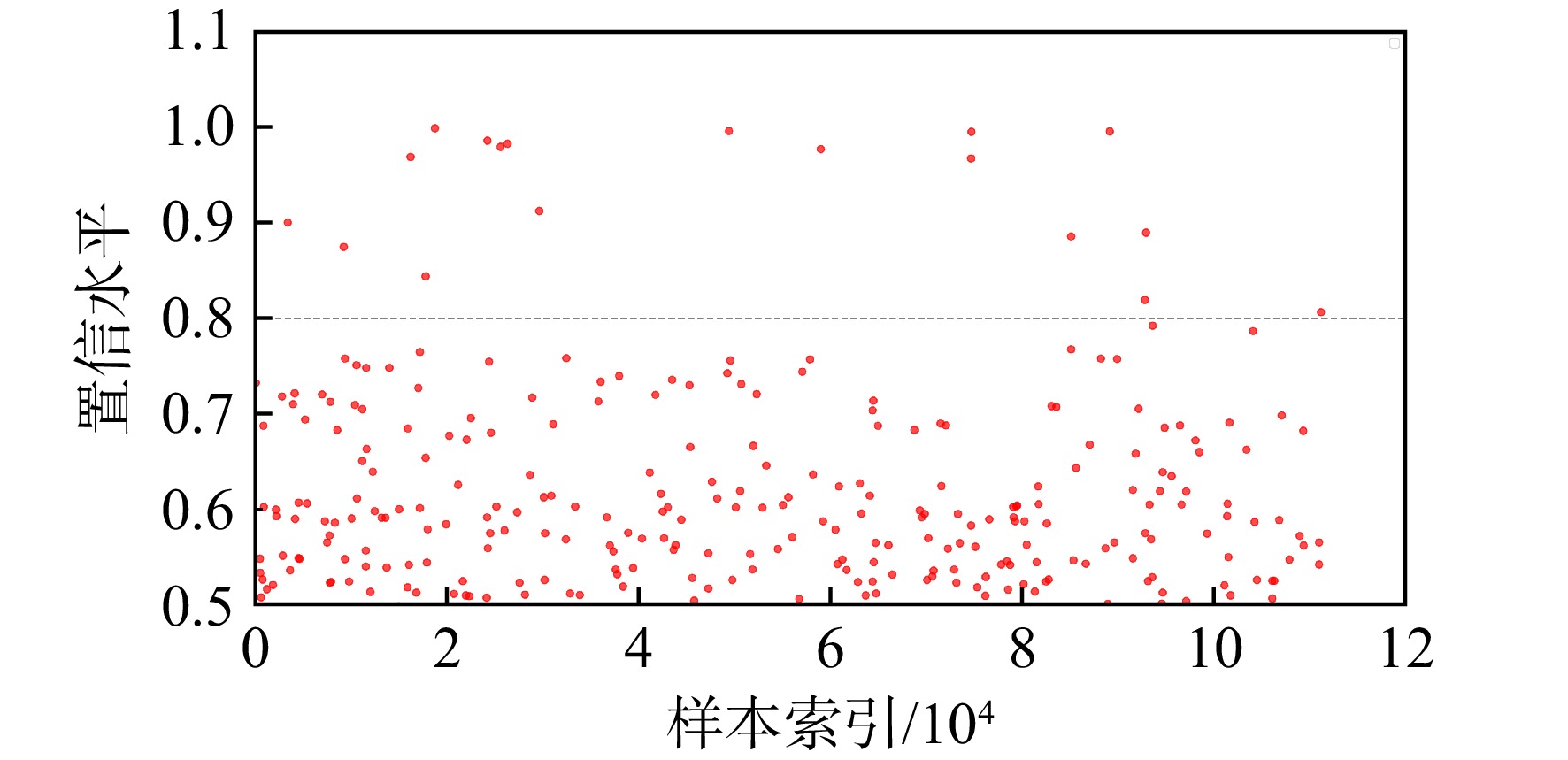
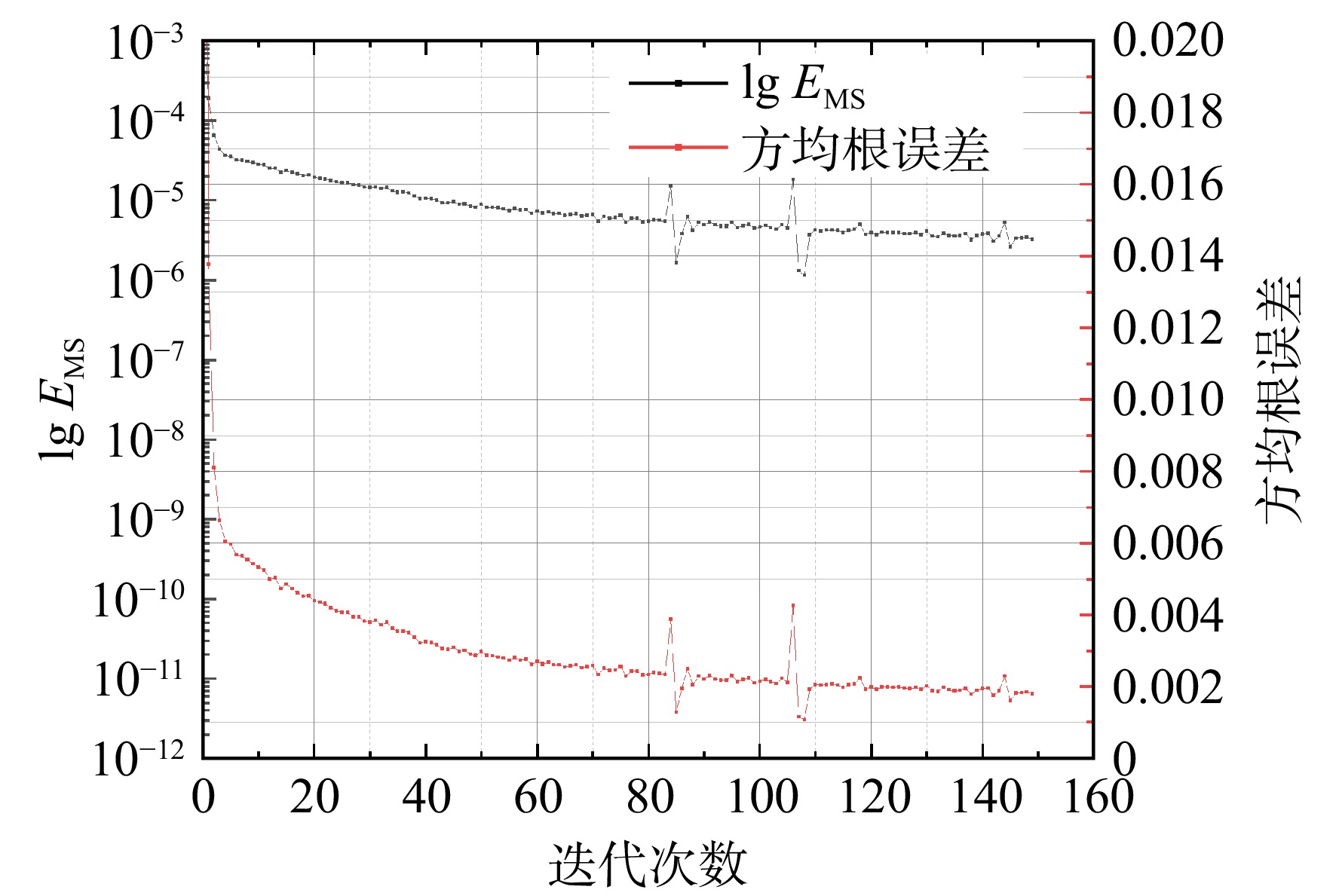
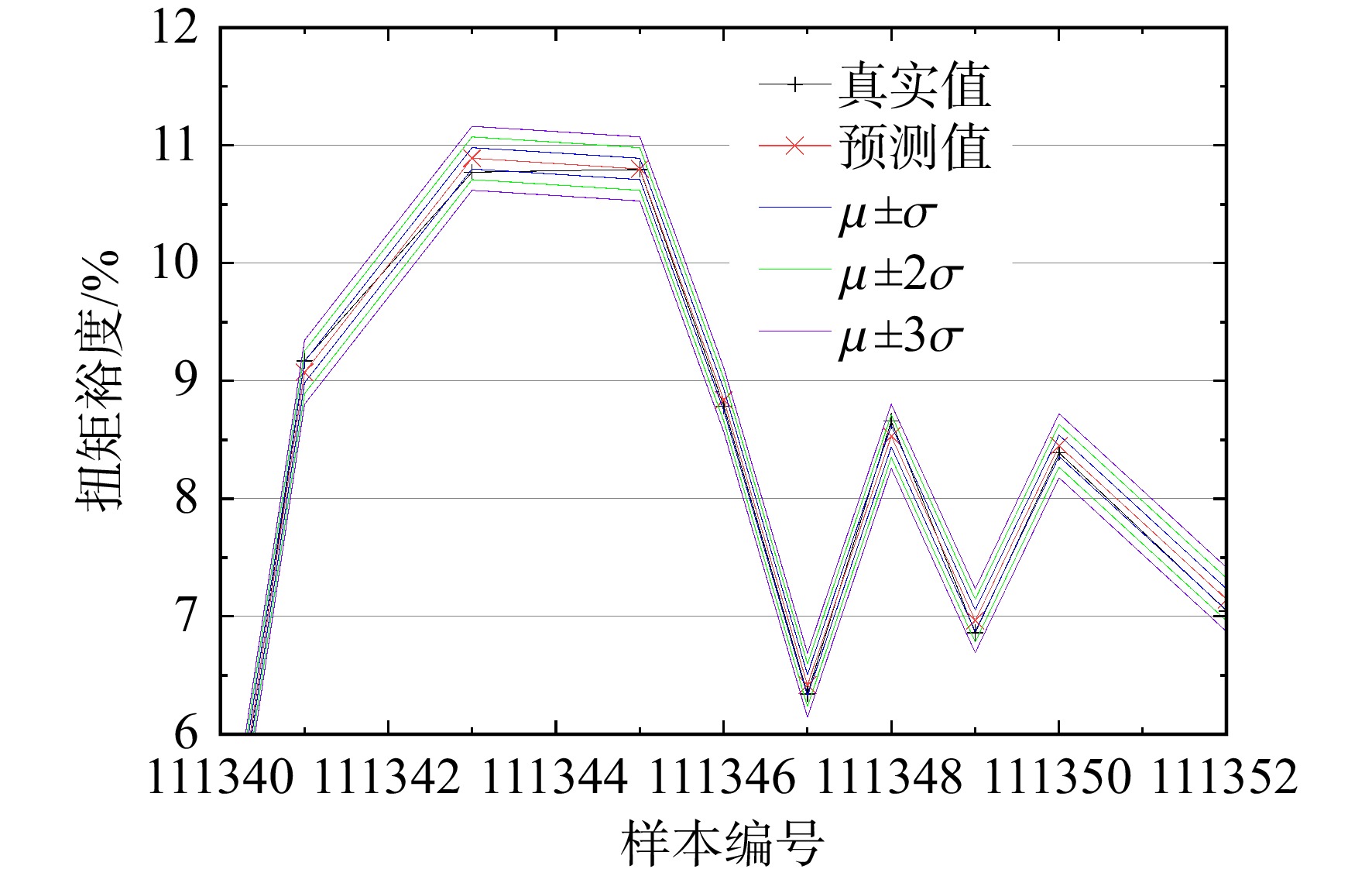
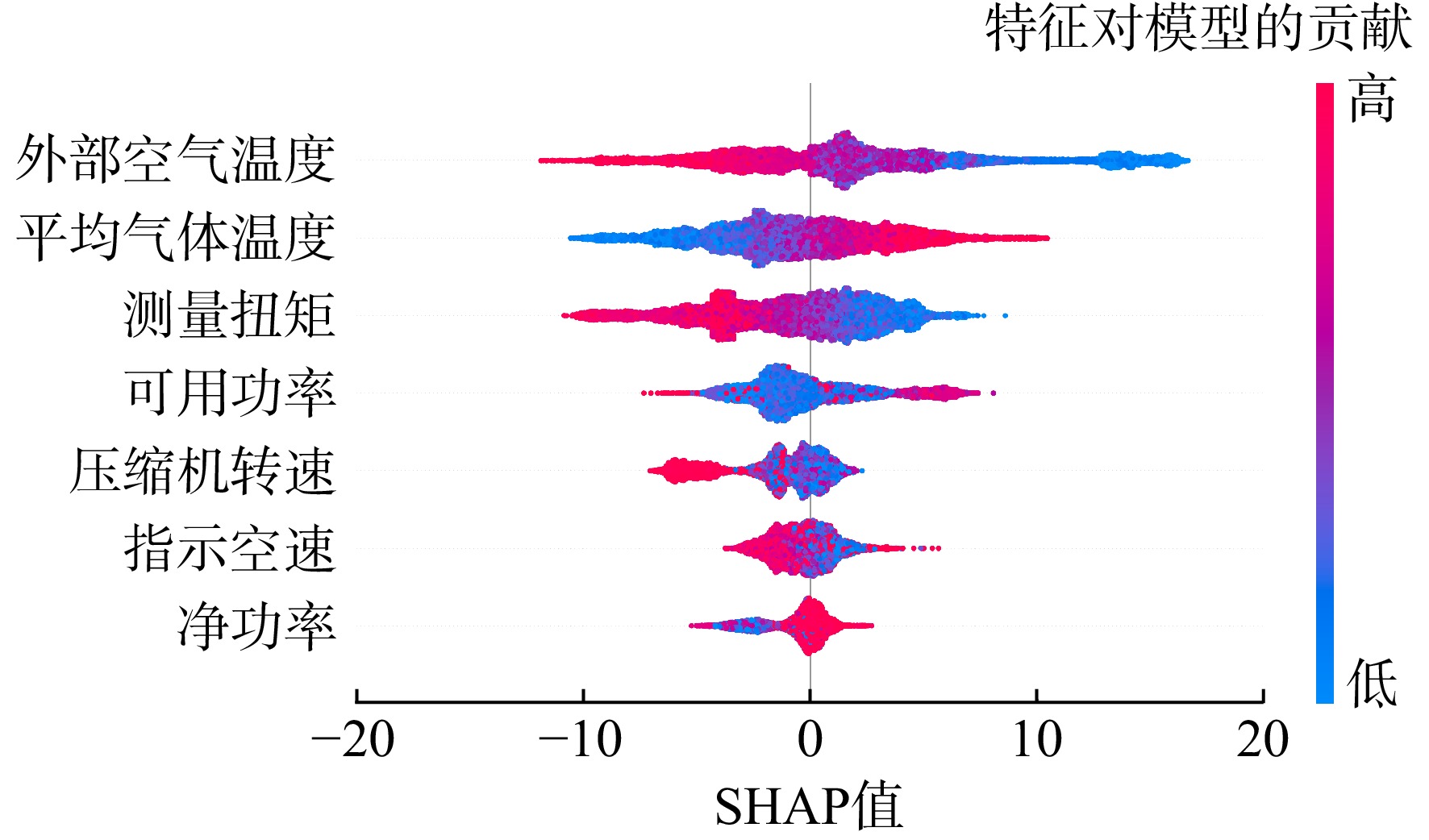
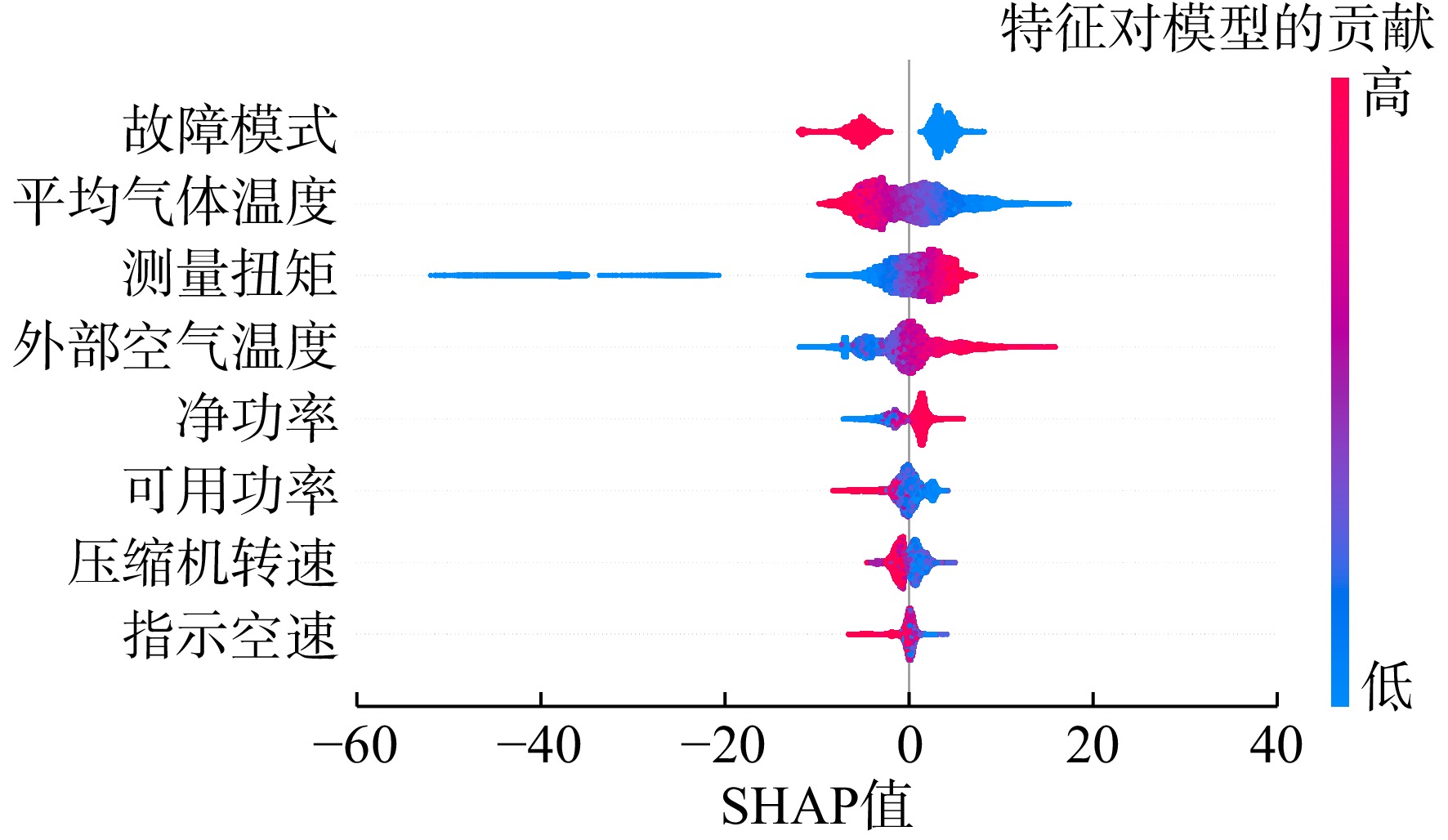
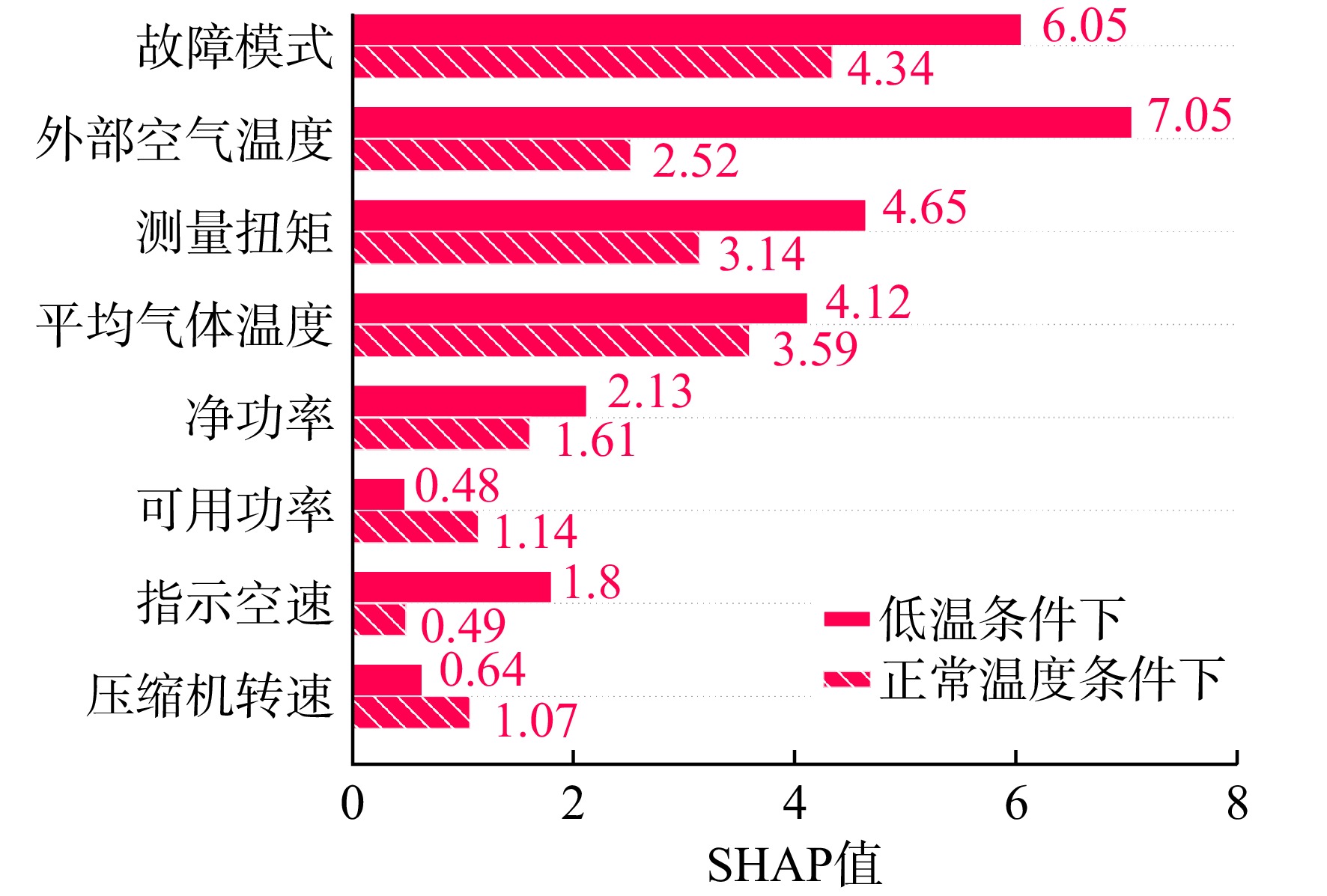
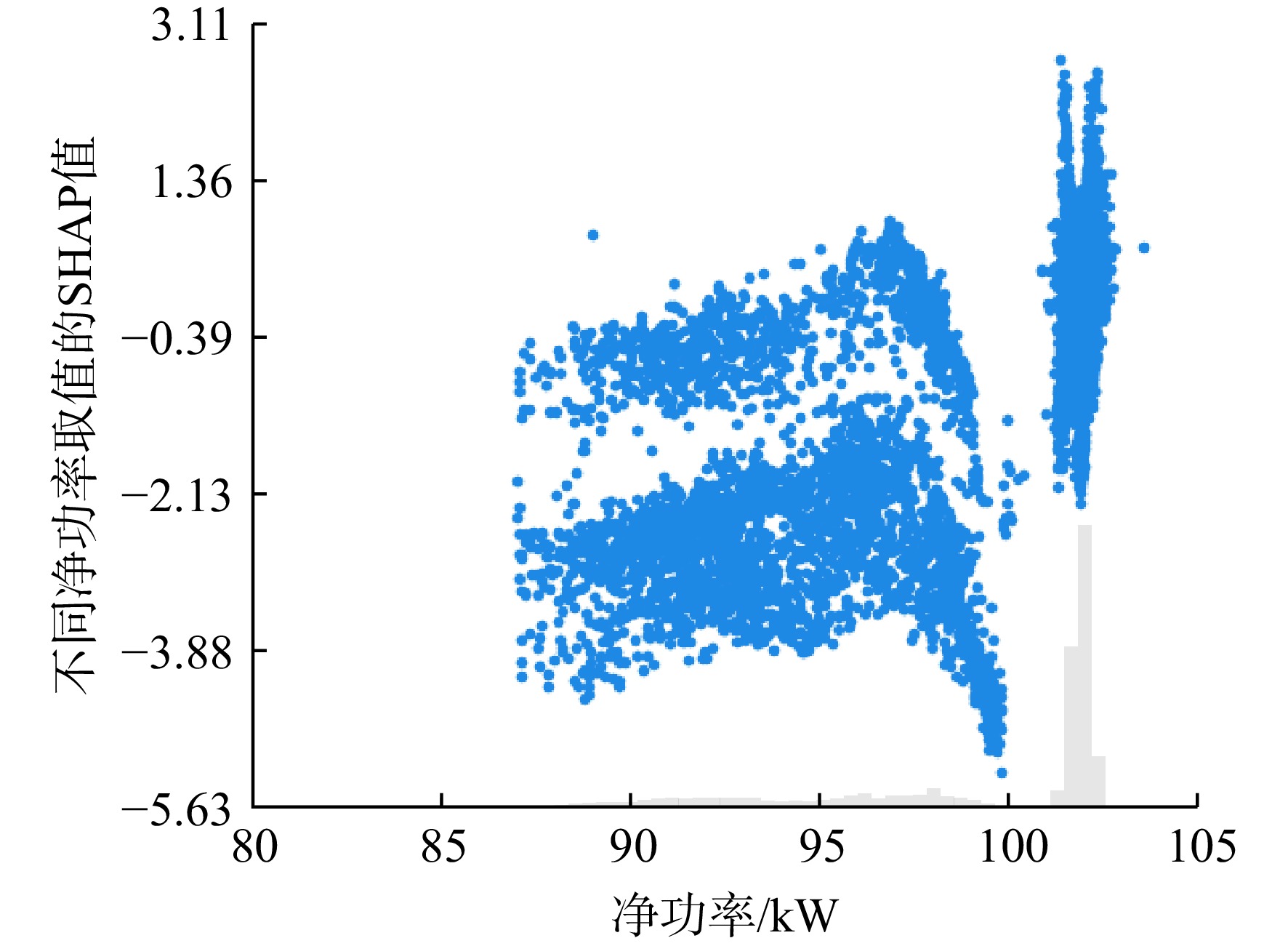
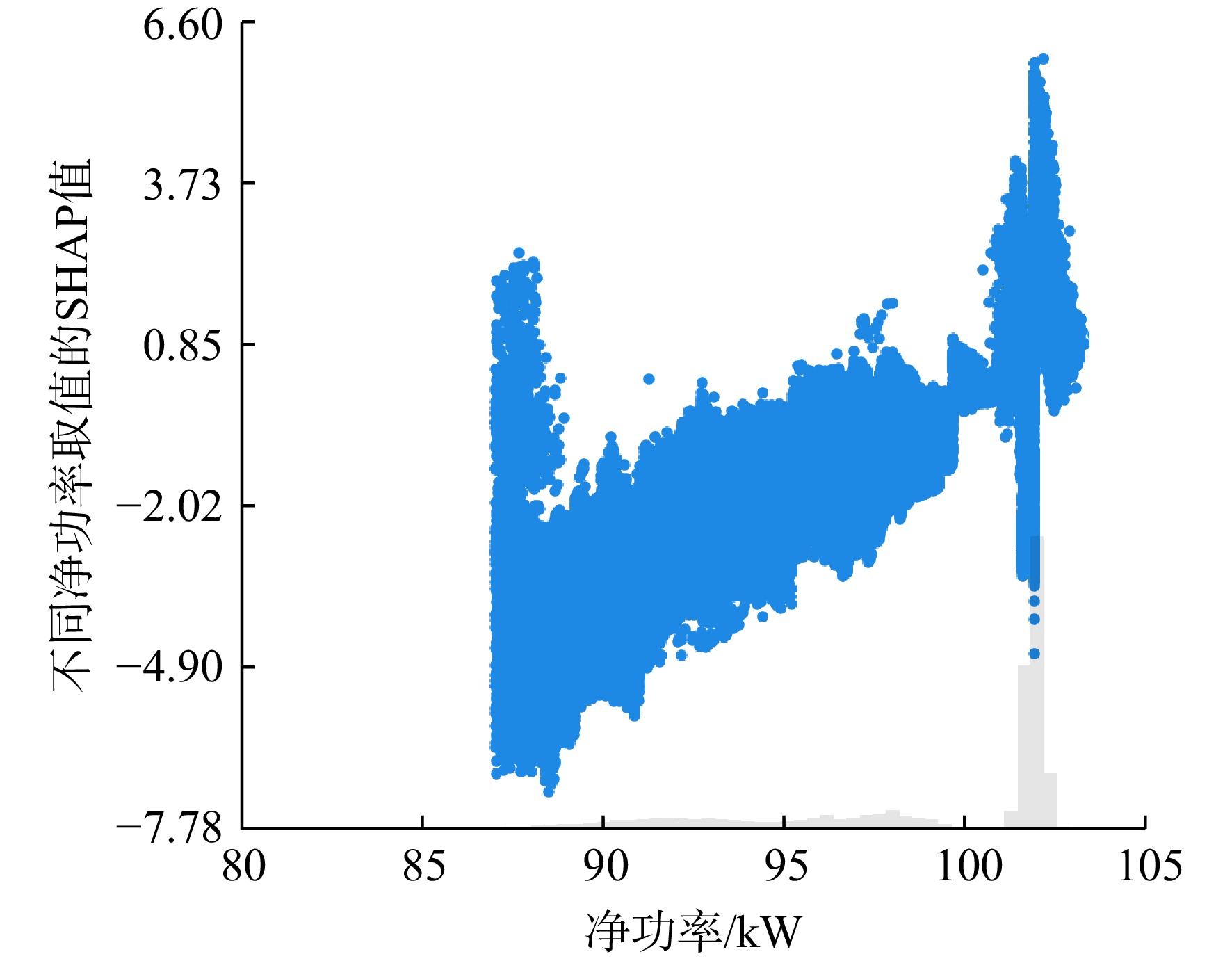
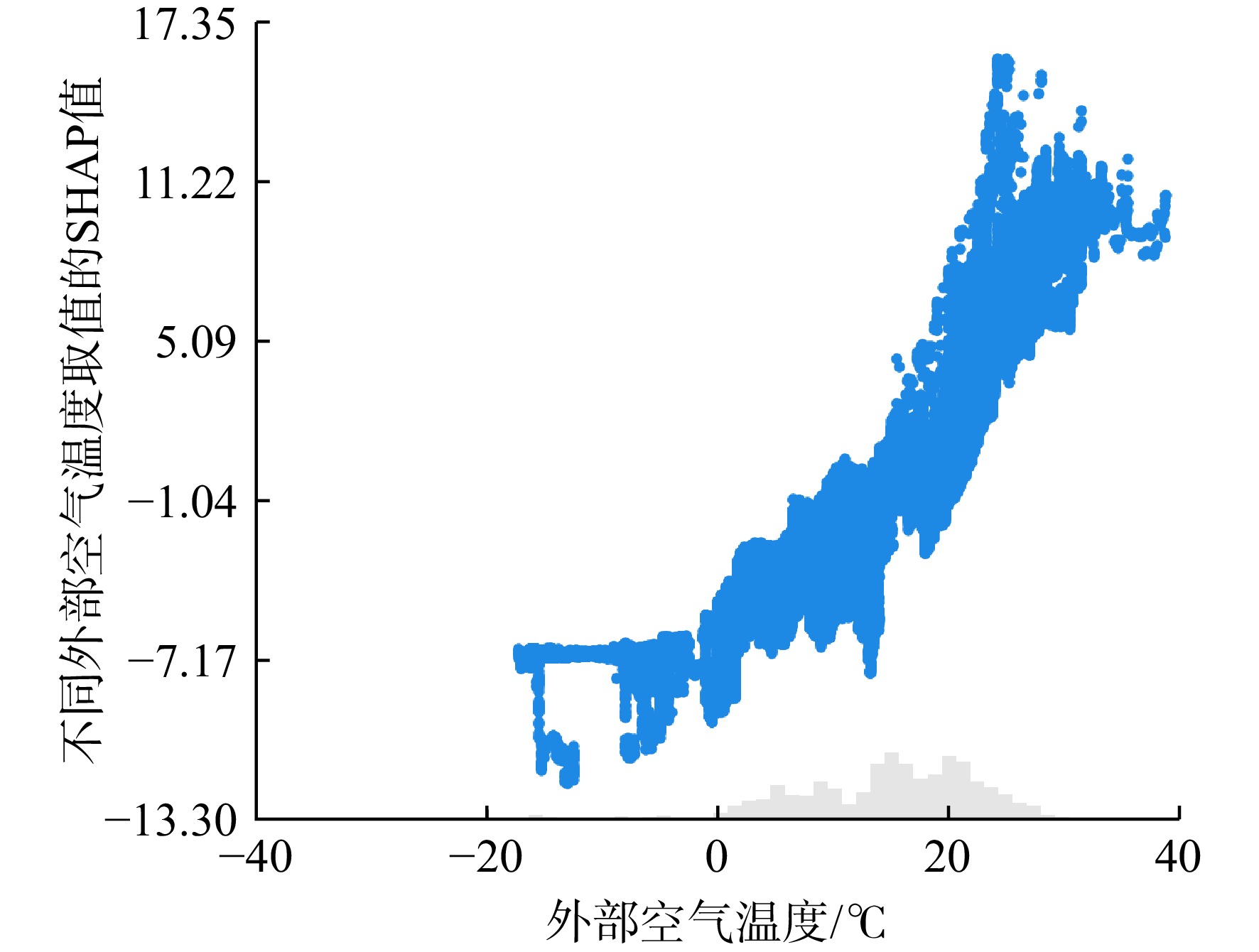
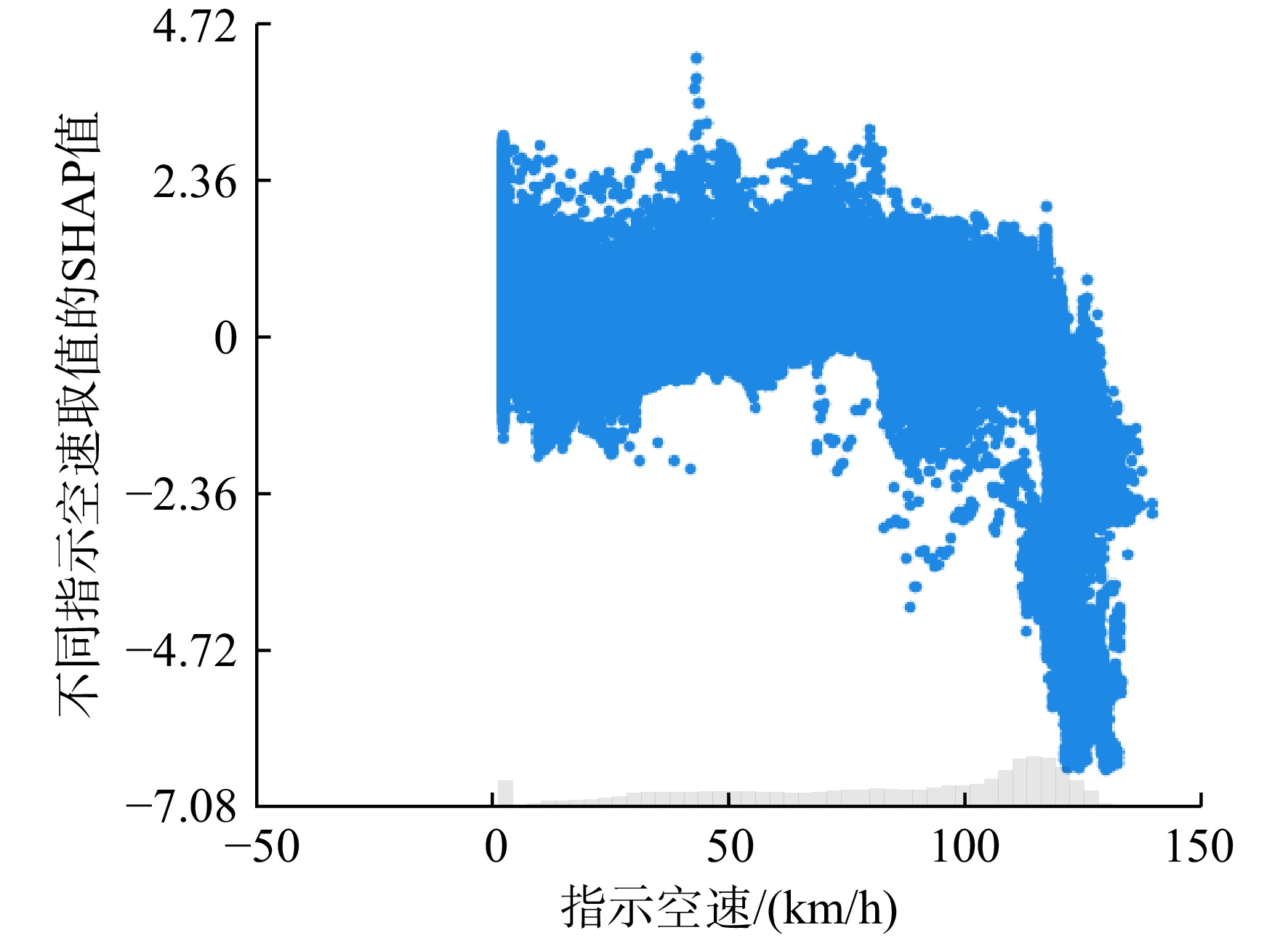
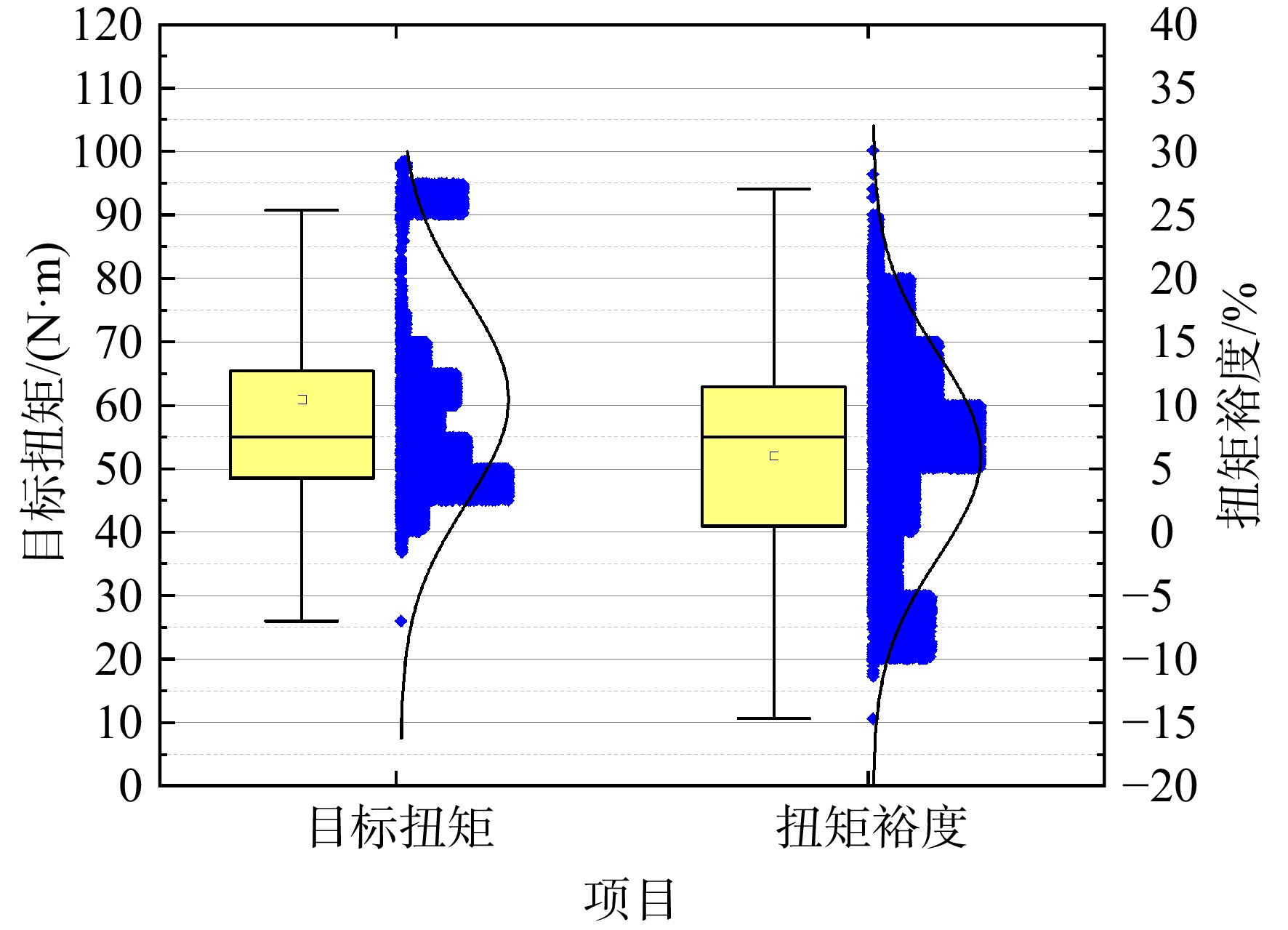
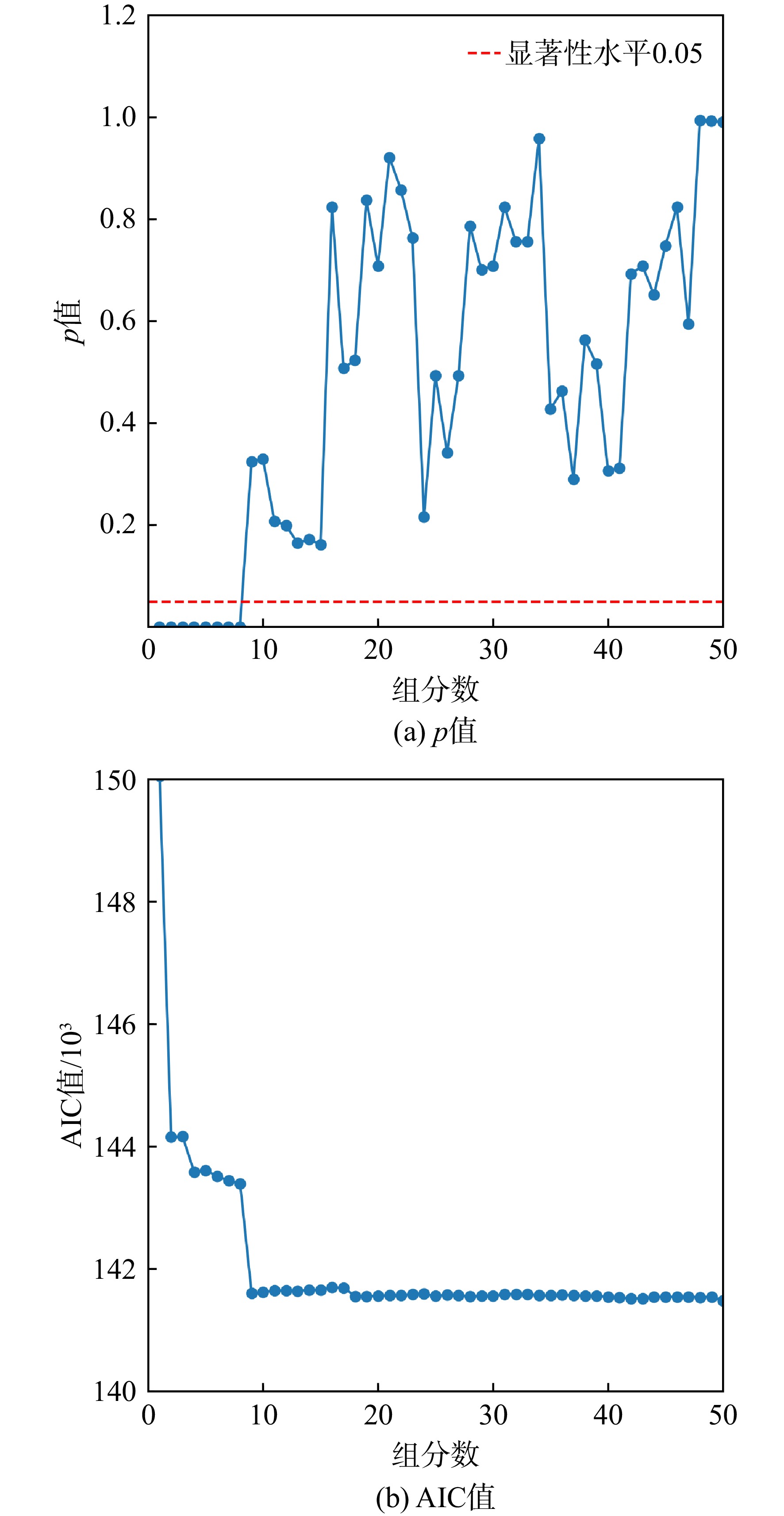
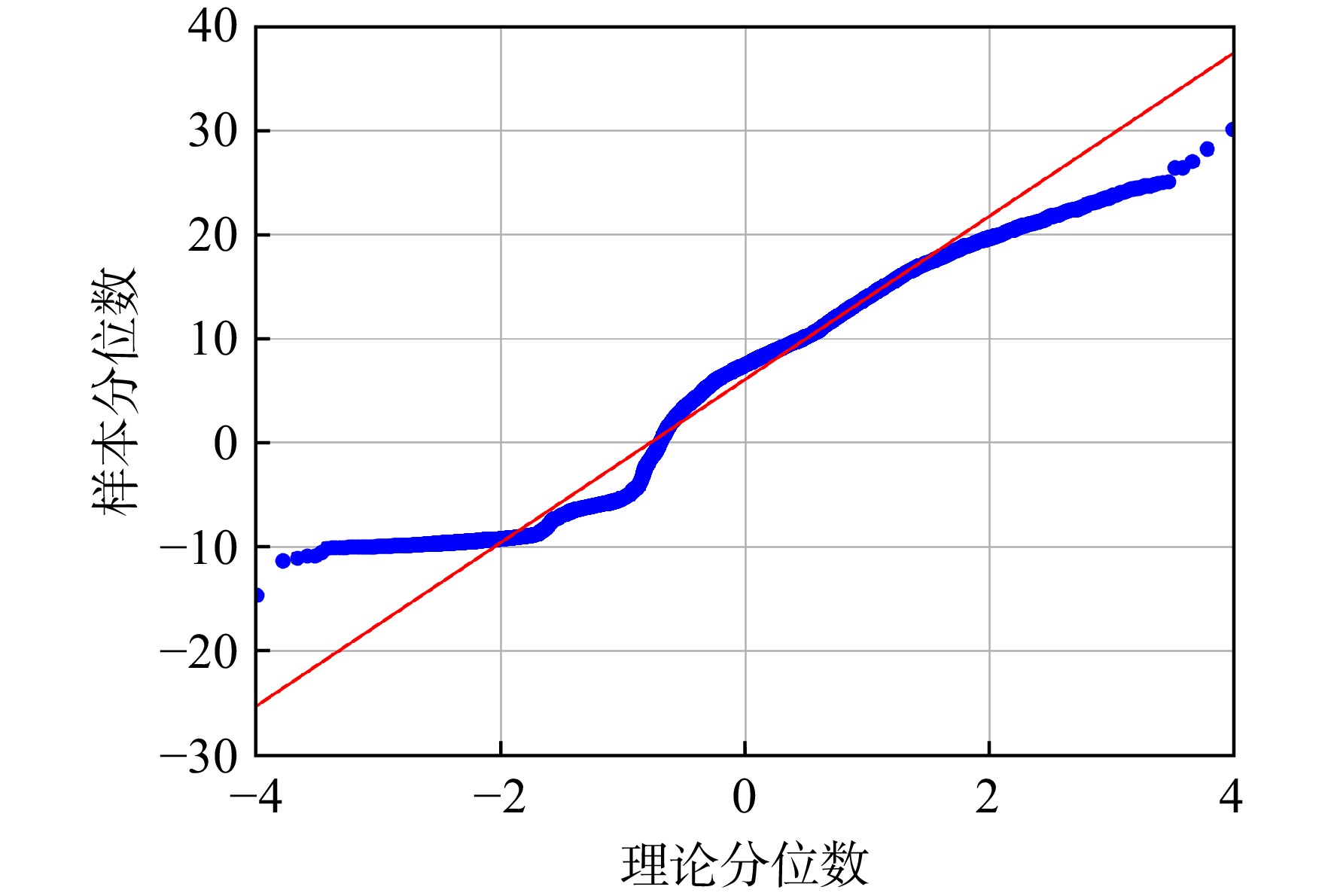
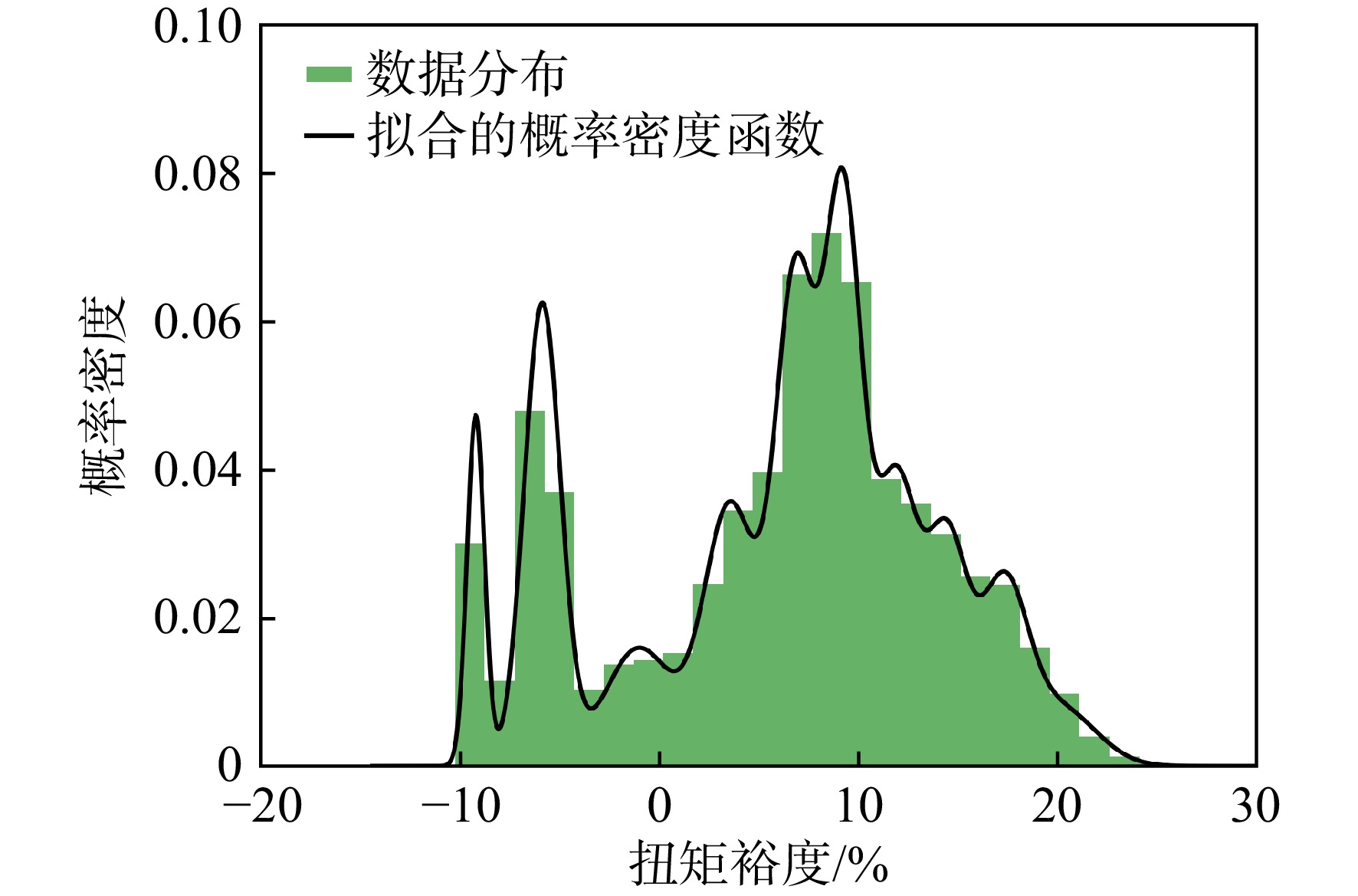
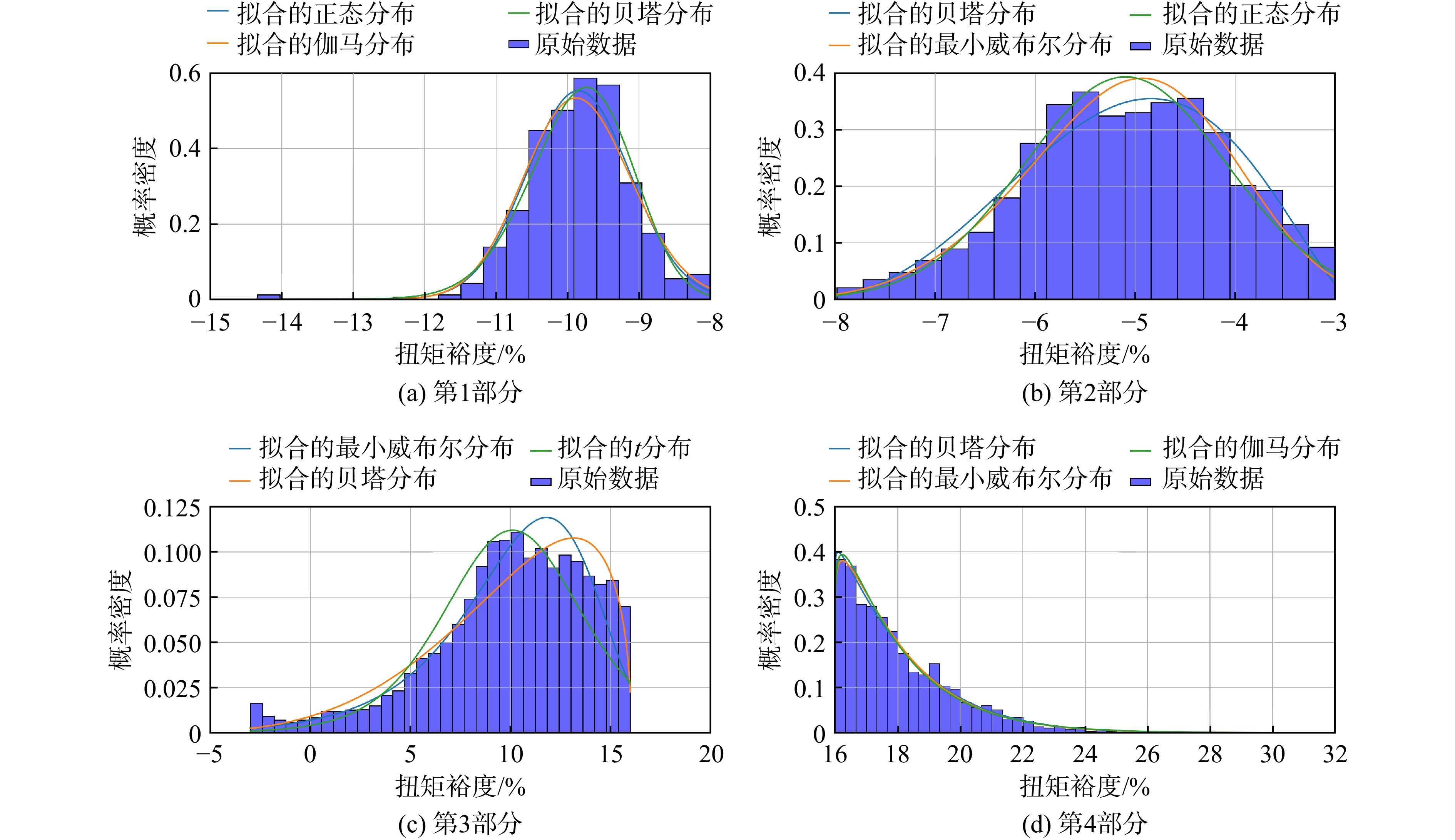
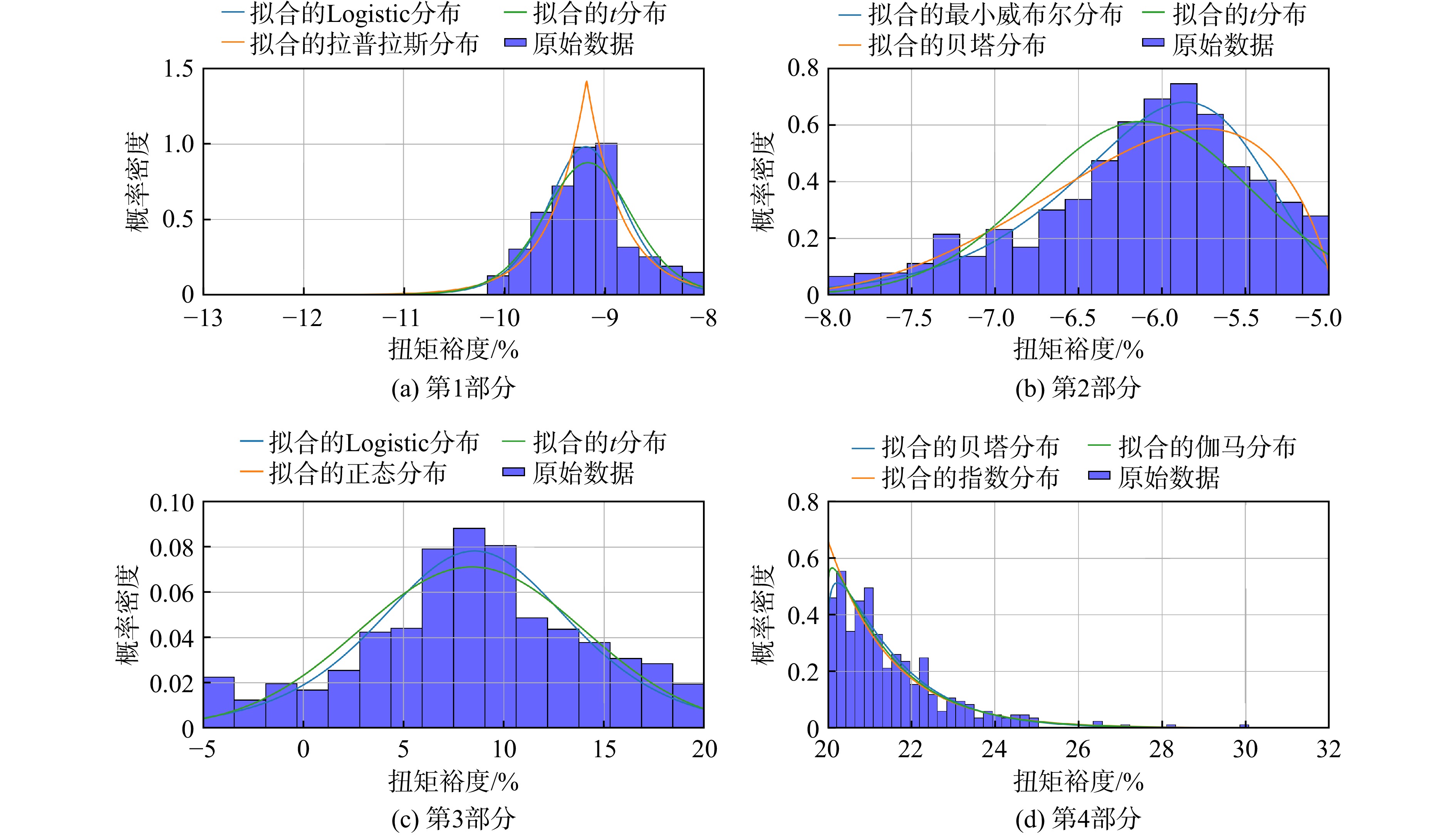
In response to the issues of difficulties in identifying faults and quantifying the health status of helicopter turbo engines, a Caps-BiGRU-Attention model based on the attention mechanism for fault mode recognition and torque margin prediction of turbo engines was proposed. The model consisted of three main components: capsule layer used to capture the intrinsic relationships of the input data, bidirectional gated recurrent unit (BiGRU) layer used to extract time series features and outputs results, and the squeeze-and-excitation attention mechanism (SE) used to weight the features to highlight important information. Experimental validation on a helicopter turbo engine dataset demonstrated that the model achieved an accuracy exceeding 99.7% in fault diagnosis and reduced the mean absolute error in torque margin prediction to 0.027. Additionally, feature analysis was conducted during the diagnosis and prediction processes to identify favorable ranges of feature values for the engine’s health status. Finally, probability distribution fitting was performed on the distribution of torque margin, determining that the optimal distributions for severe failure, minor failure, and healthy states of the engine were Beta distributions.