






Study on mechanism of ice separation flow control of unmanned aerial vehicle wing profiles based on off-surface cylinders
-
摘要:
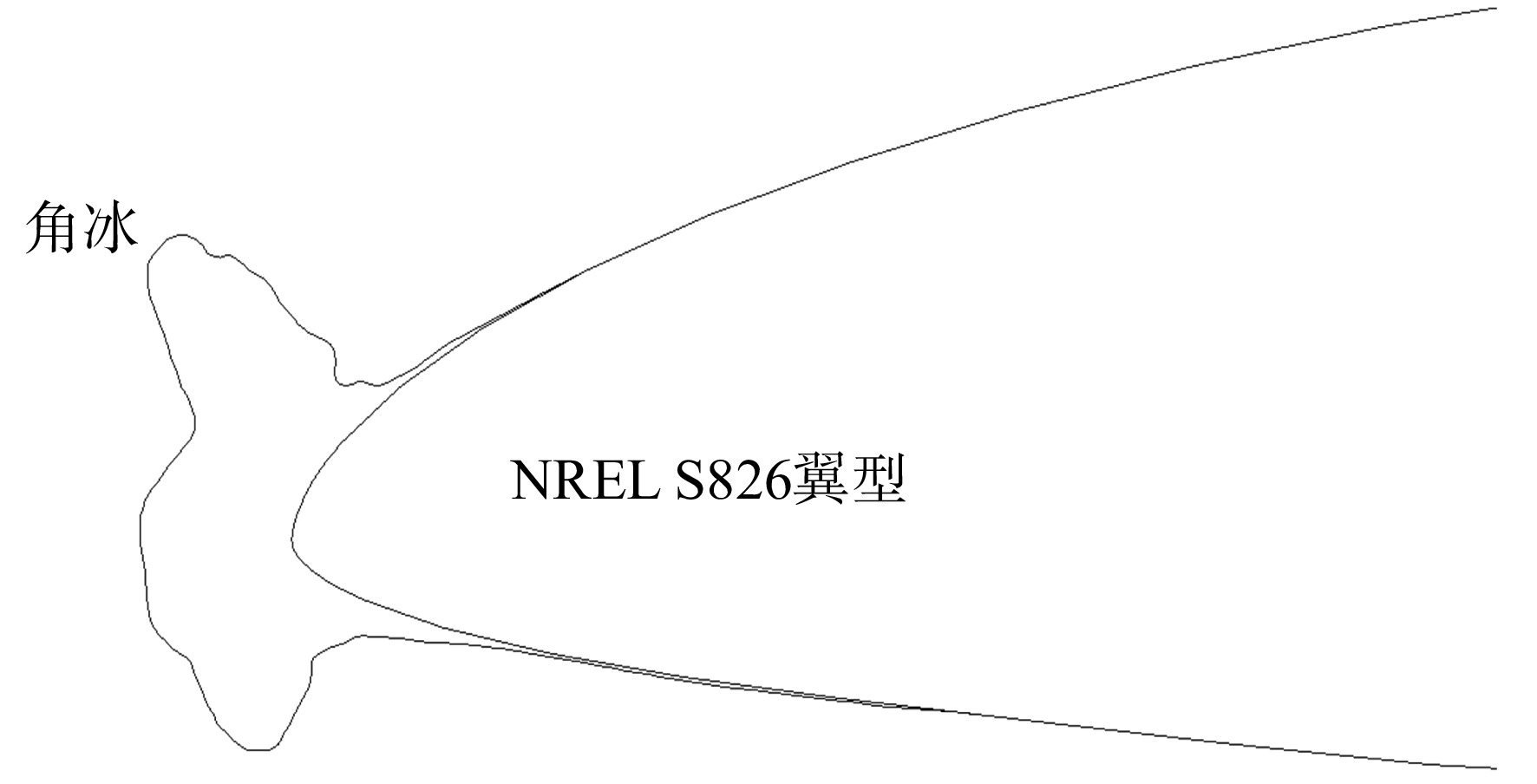
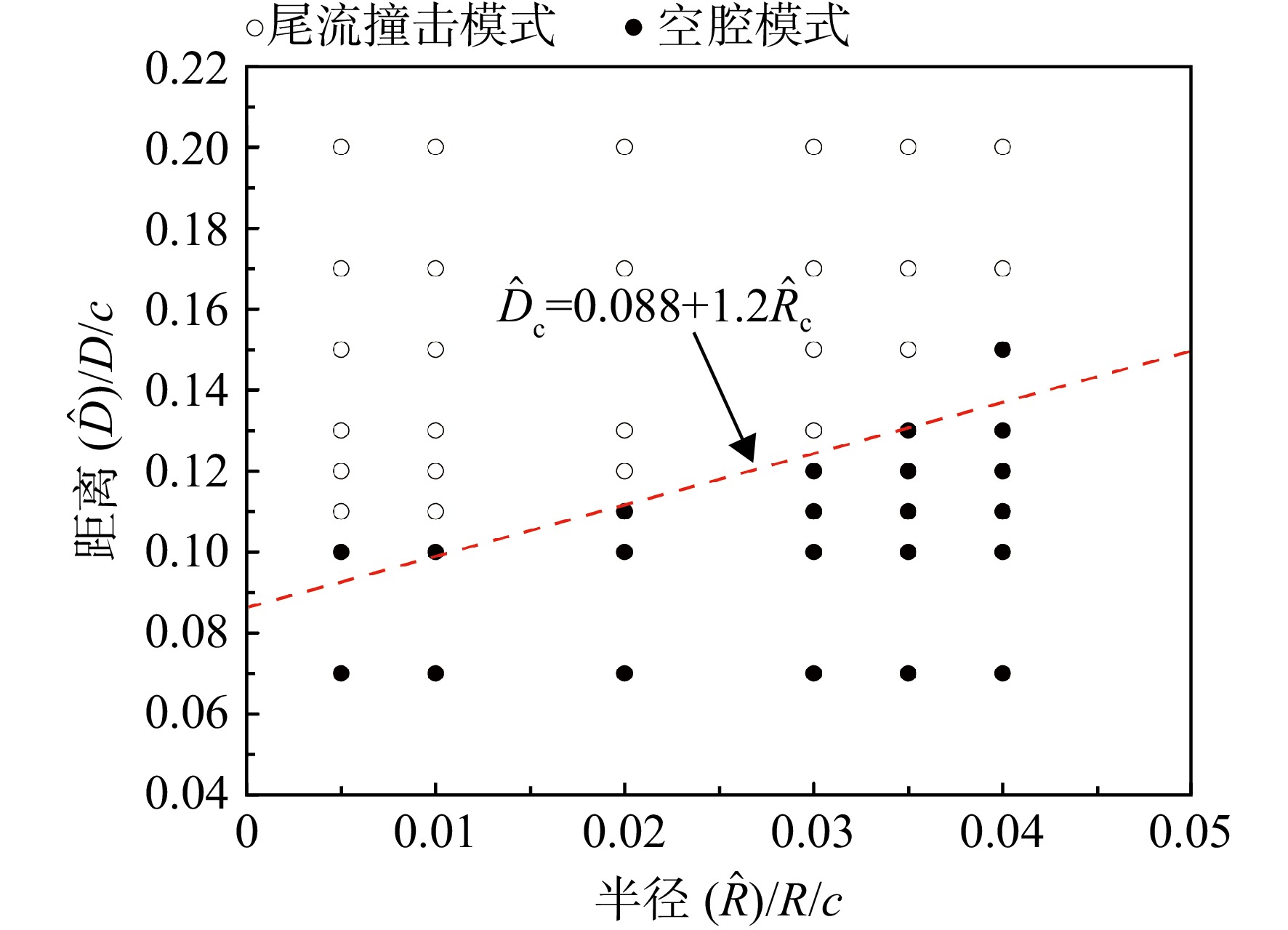
由于无人机的储能和质量要求,现有的主动防除冰与被动防除冰技术很难用于其上。依据圆柱被动流动控制来流的思路提出了一种能够有效减缓积冰导致的流动分离方法。针对NREL S826积冰翼型的典型积冰分离泡状态开展了基于SA(Spalart-Allmaras)以及改进延迟分离涡模拟(improved delayed detached eddy simulation,IDDES)方法的离面圆柱被动控制前后积冰流场影响分析,离面圆柱控制效果高度依赖圆柱半径和圆柱与翼型间安装距离,通过变参分析,研究半径、安装距离对控制效果的影响,以确定最优控制效果。在变参分析过程中发现离面圆柱控制存在两种不同的控制状态:空腔模式和尾流撞击模式,并且建立了两种模式的临近函数。从不同工况下气动力结果来看,安装离面圆柱控制前后主要呈现升力特性恢复、阻力大幅降低的特点,造成这一现象的主要原因是由于离面圆柱后方的尾流区影响翼型前方的自由来流结构;通过分析离面圆柱控制下的流场特性发现角冰后回流区域减小,流动分离再附过程提前,积冰分离泡几何尺寸缩小使原本的大尺度分离涡演变为更多更小的涡系结构。
-
关键词:
- 离面圆柱 /
- 被动控制 /
- 改进延迟分离涡模拟(IDDES) /
- 积冰流动分离 /
- 分离泡
Abstract:Due to the energy storage and weight requirements of drones, existing active and passive anti-icing technologies are difficult to be applied to them. Therefore, based on the concept of passive flow control around a cylinder, a method was proposed to effectively mitigate flow separation caused by ice accumulation. An analysis of the ice accumulation flow field before and after passive control of the off-surface cylinder was conducted using the SA (Spalart-Allmaras) and IDDES (improved delayed detached eddy simulation) methods, targeting the typical ice accumulation separation bubble state of the NREL S826 icing airfoil. The effectiveness of the passive control of the off-surface cylinder flow field was highly dependent on the cylinder radius and the distance between the cylinder and the airfoil. Through parametric analysis, the effects of radius and distance on control effectiveness were investigated to determine the optimal control parameters. During the parametric analysis, it was found that the control of the detached cylinder exhibited two distinct control states: cavity mode and wake impingement mode, and proximity functions for both modes were established. From the aerodynamic results under different operating conditions, it was observed that the installation of the detached cylinder control primarily resulted in the restoration of lift characteristics and a significant reduction in drag. The primary cause of this phenomenon was the influence of the wake region behind the off-surface cylinder on the free flow structure in front of the airfoil. Analysis of the flow field characteristics under the control of the off-surface cylinder revealed that the recirculation region behind the ice block decreased, the separation and reattachment process of the flow occurred earlier, and the geometric dimensions of the ice separation bubbles shrunk, causing the original large-scale separation vortices to evolve into more numerous smaller vortex structures.
-
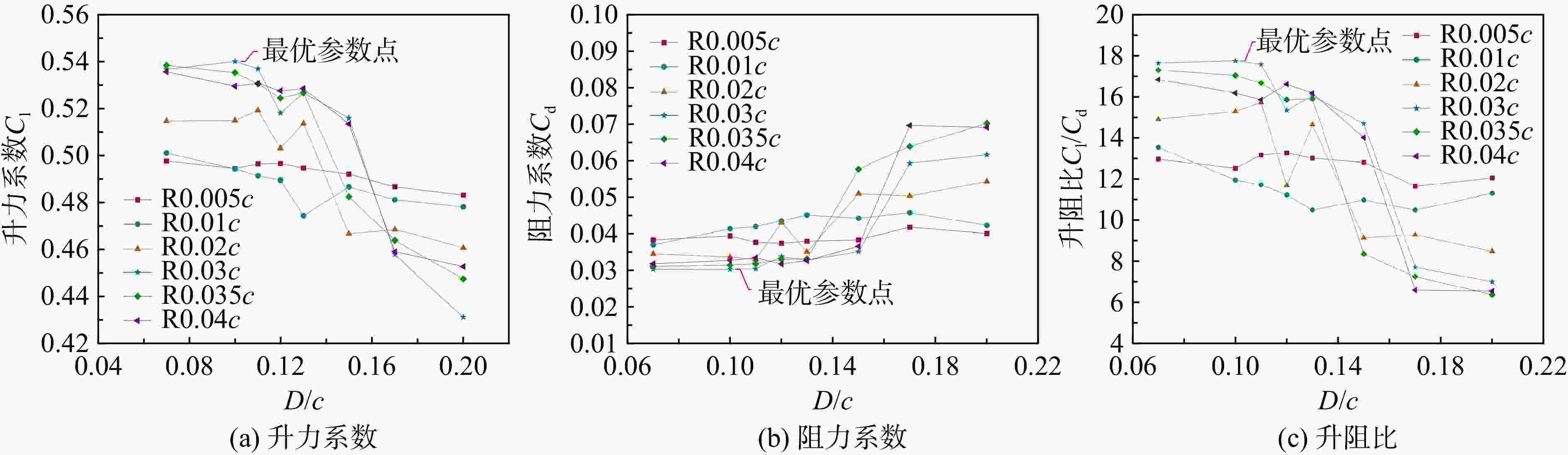
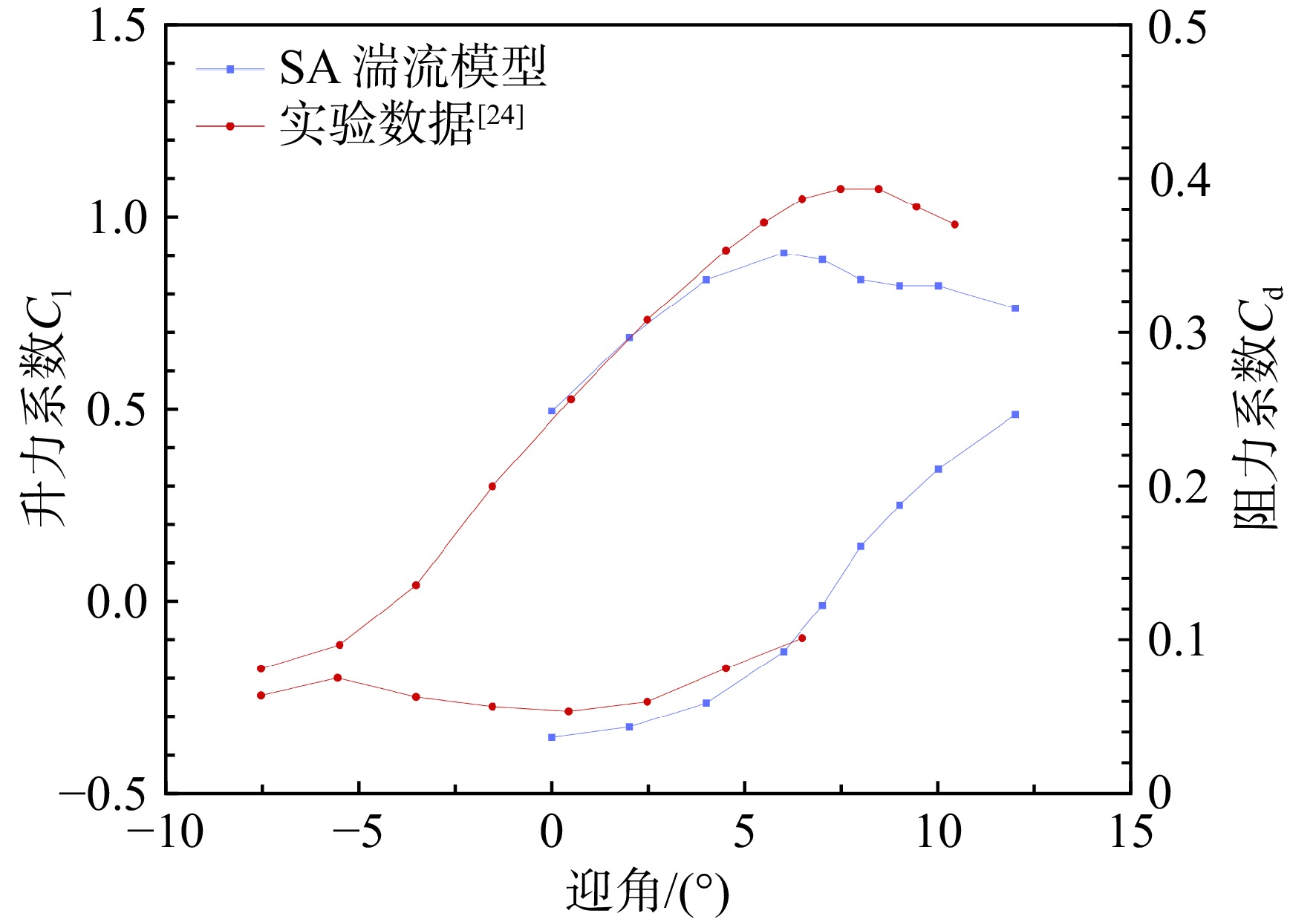
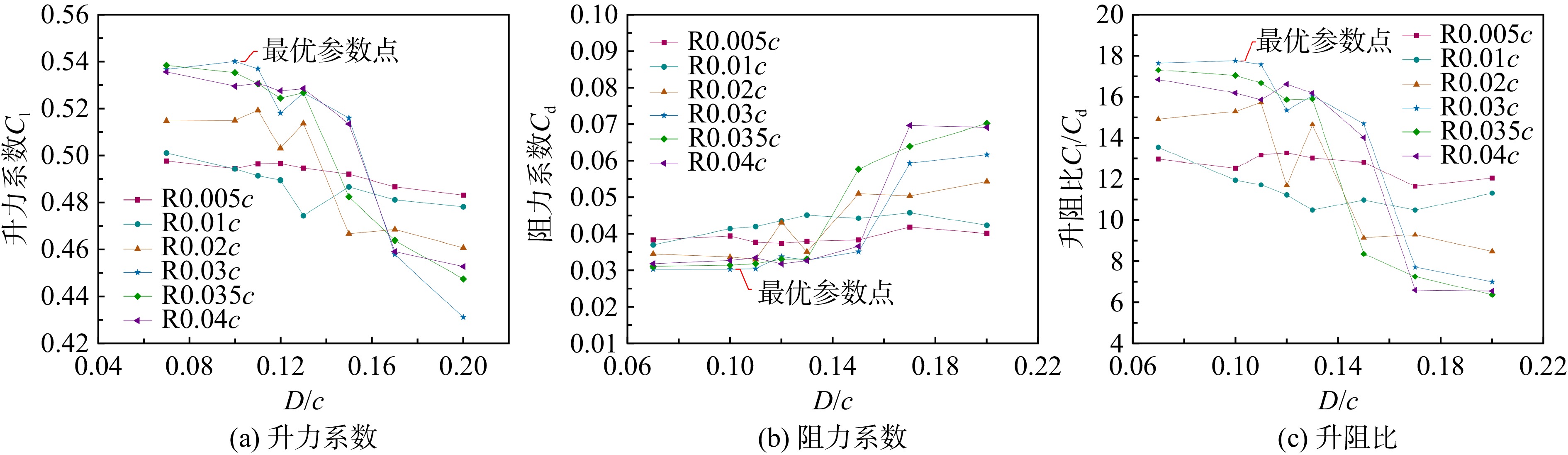
图 8 各工况气动力系数对比
Figure 8. Comparison of aerodynamic coefficients under various operating conditions
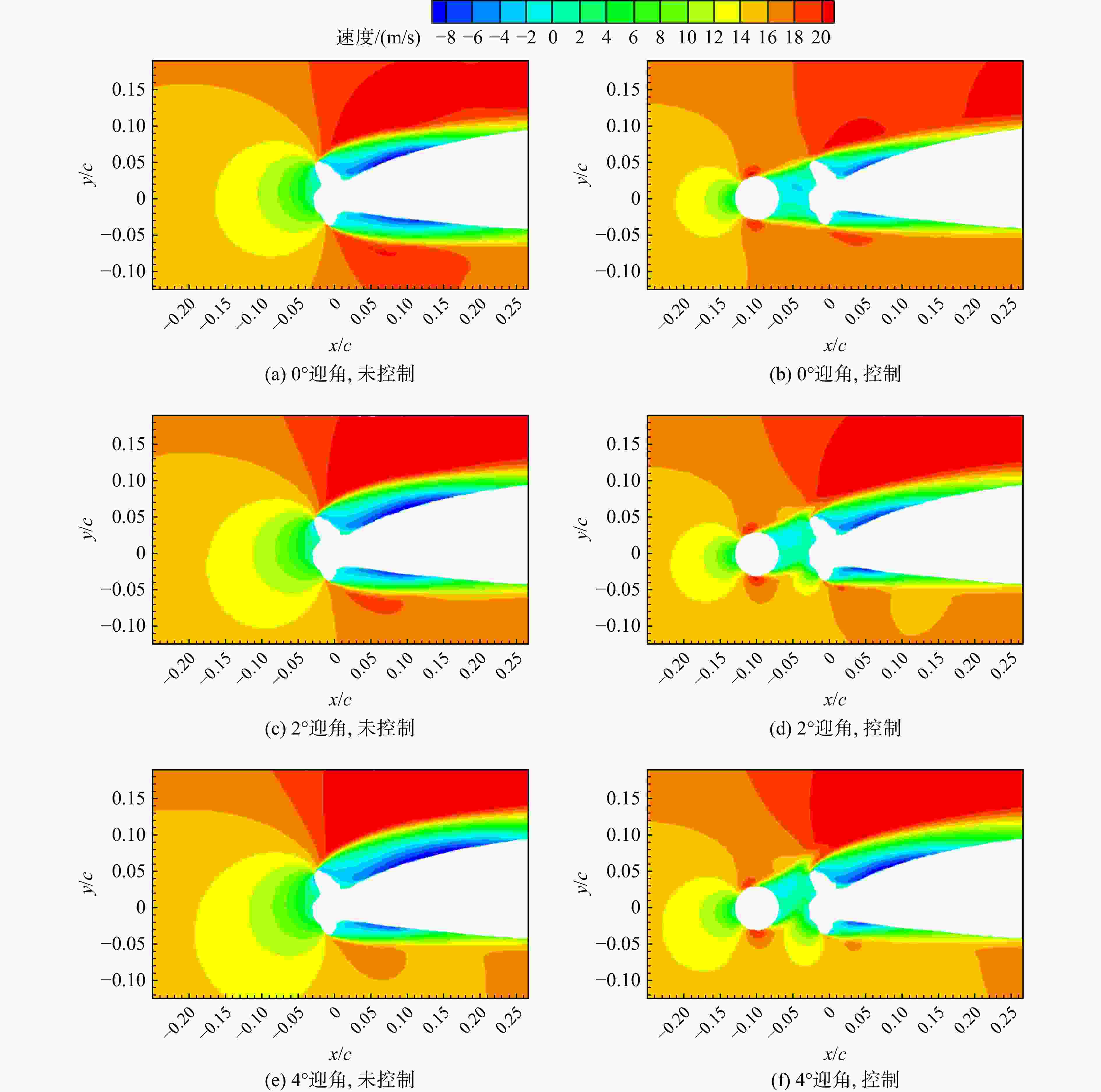
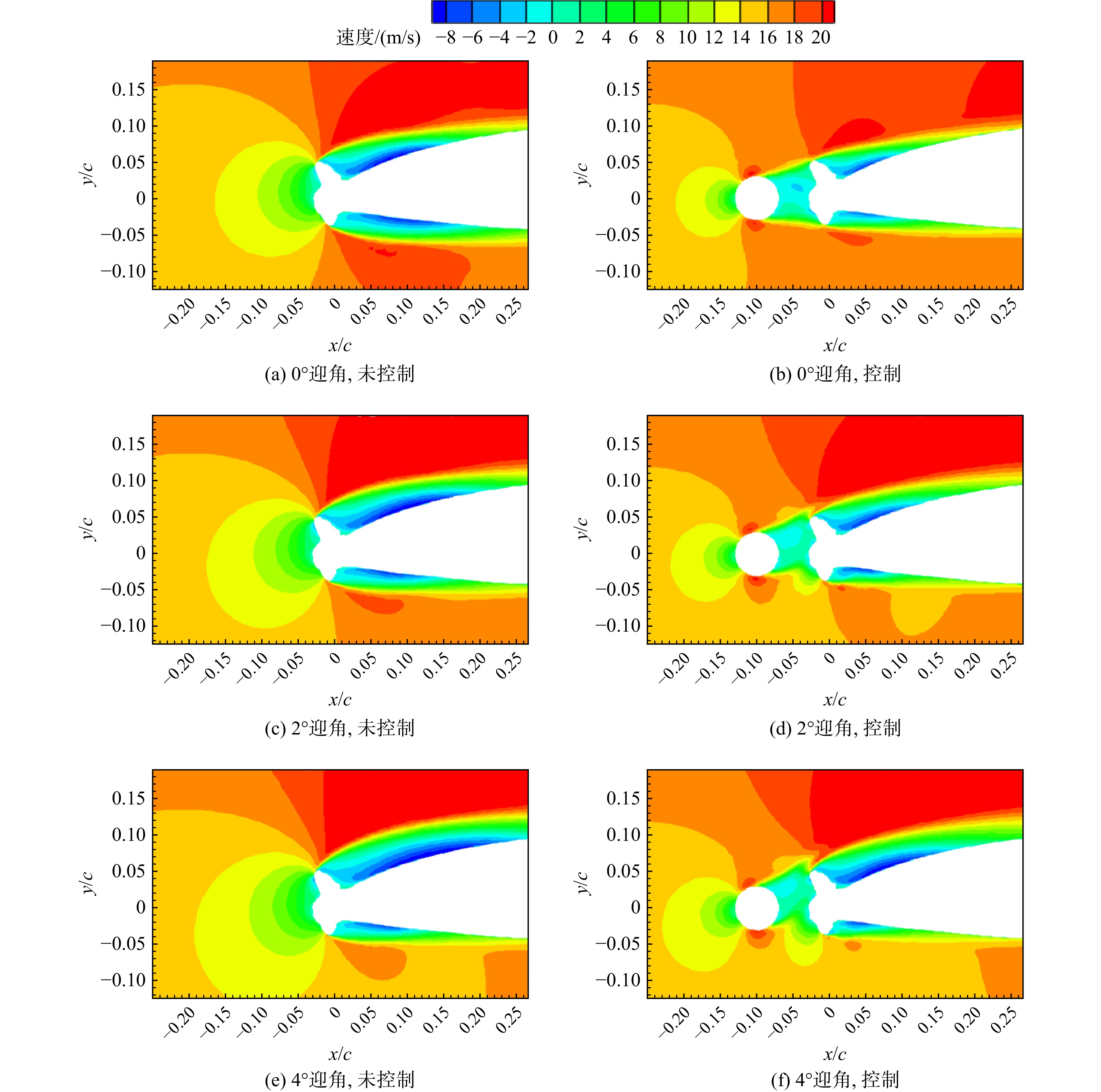
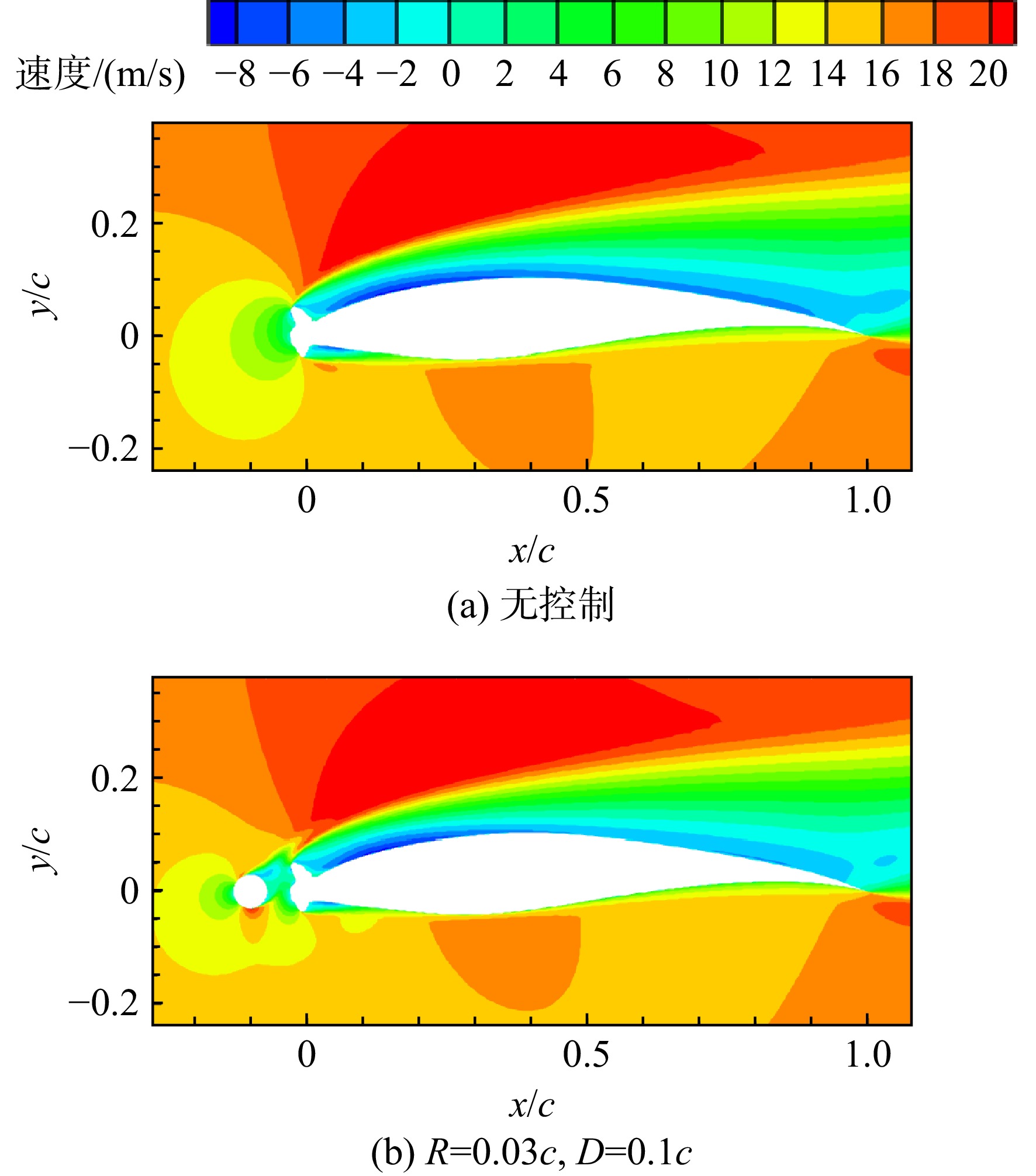
图 10 最优离面圆柱参数控制前后x方向速度云图
Figure 10. x-direction velocity cloud map with optimal off-surface cylinder parameters before and after control
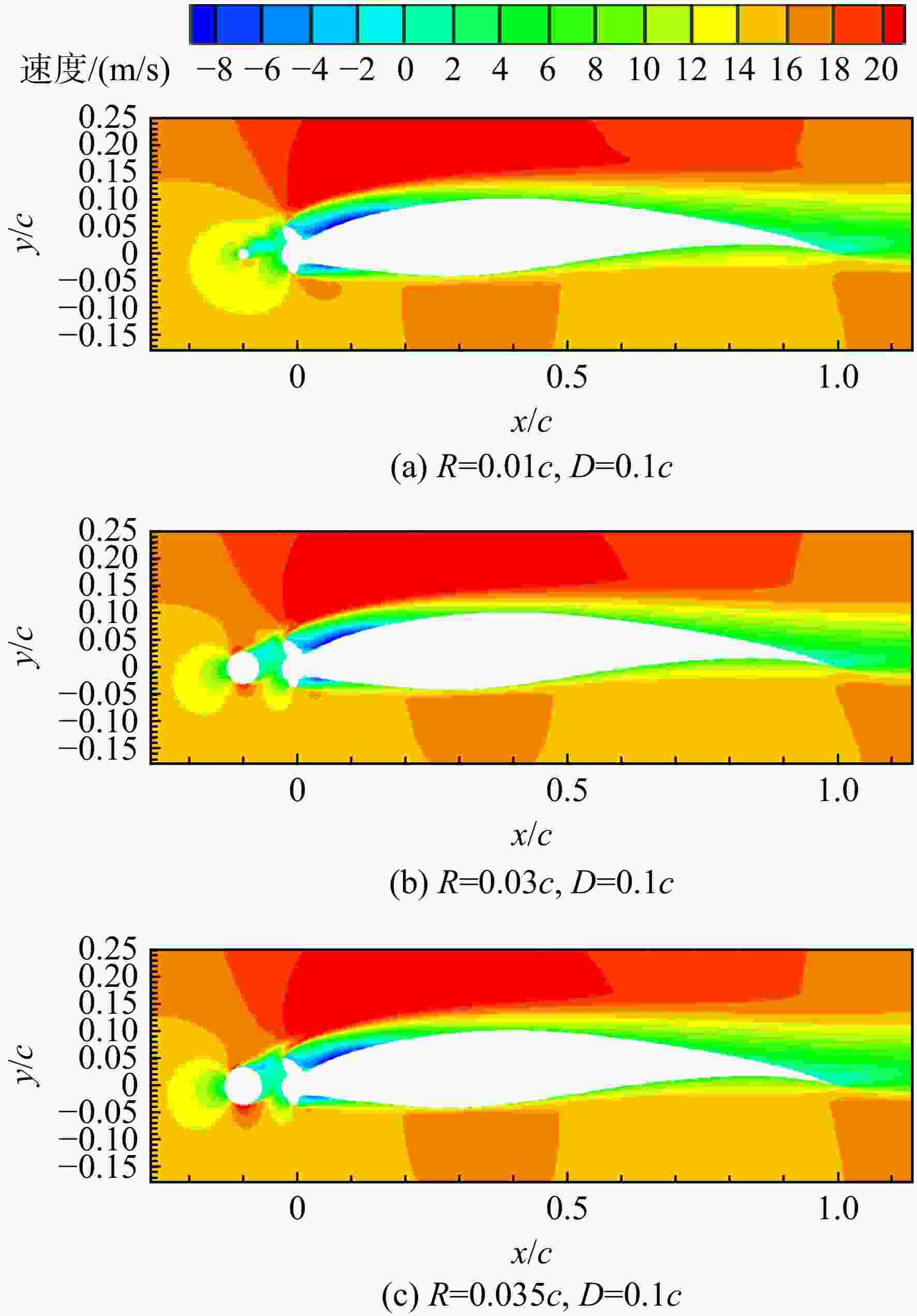
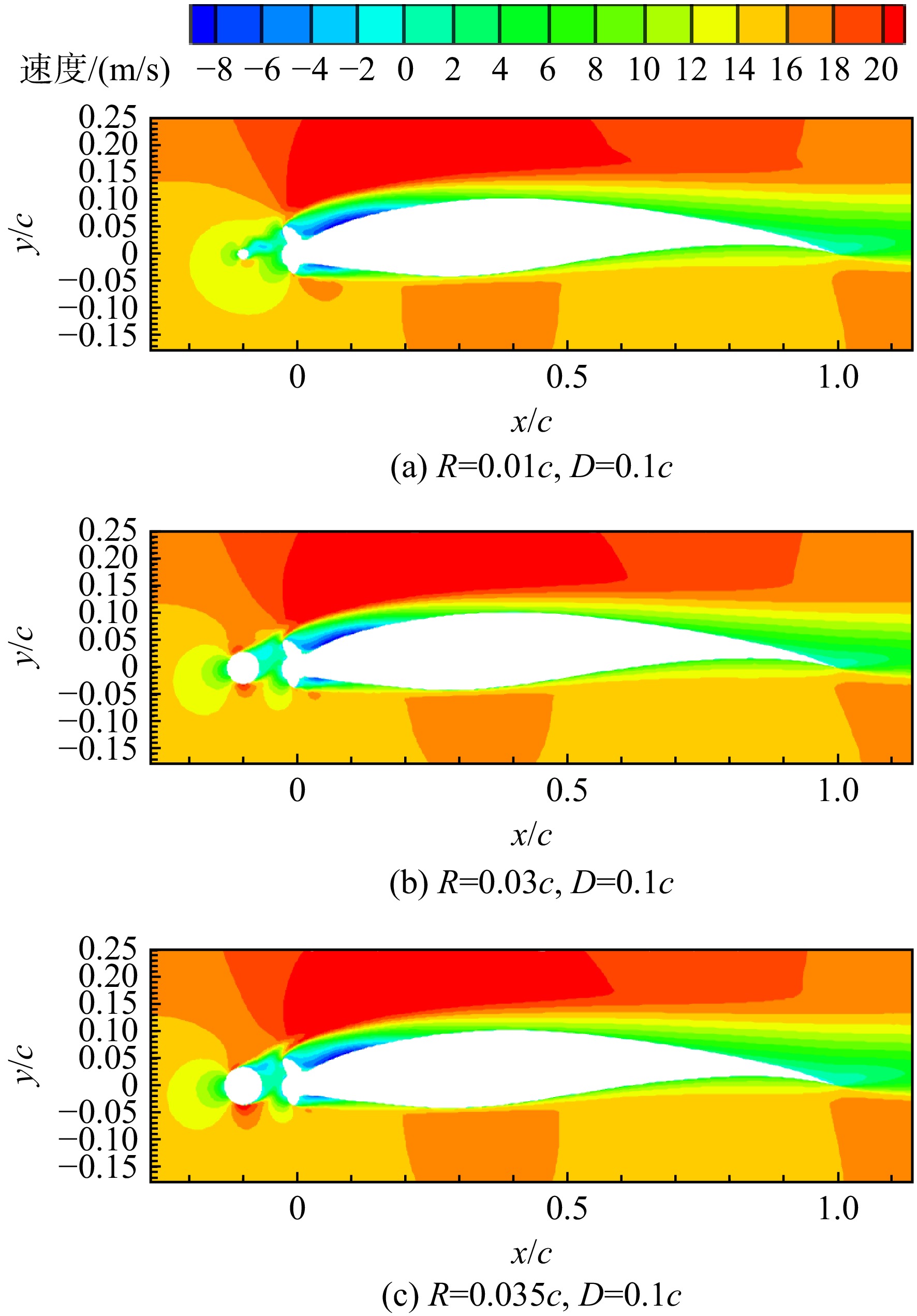
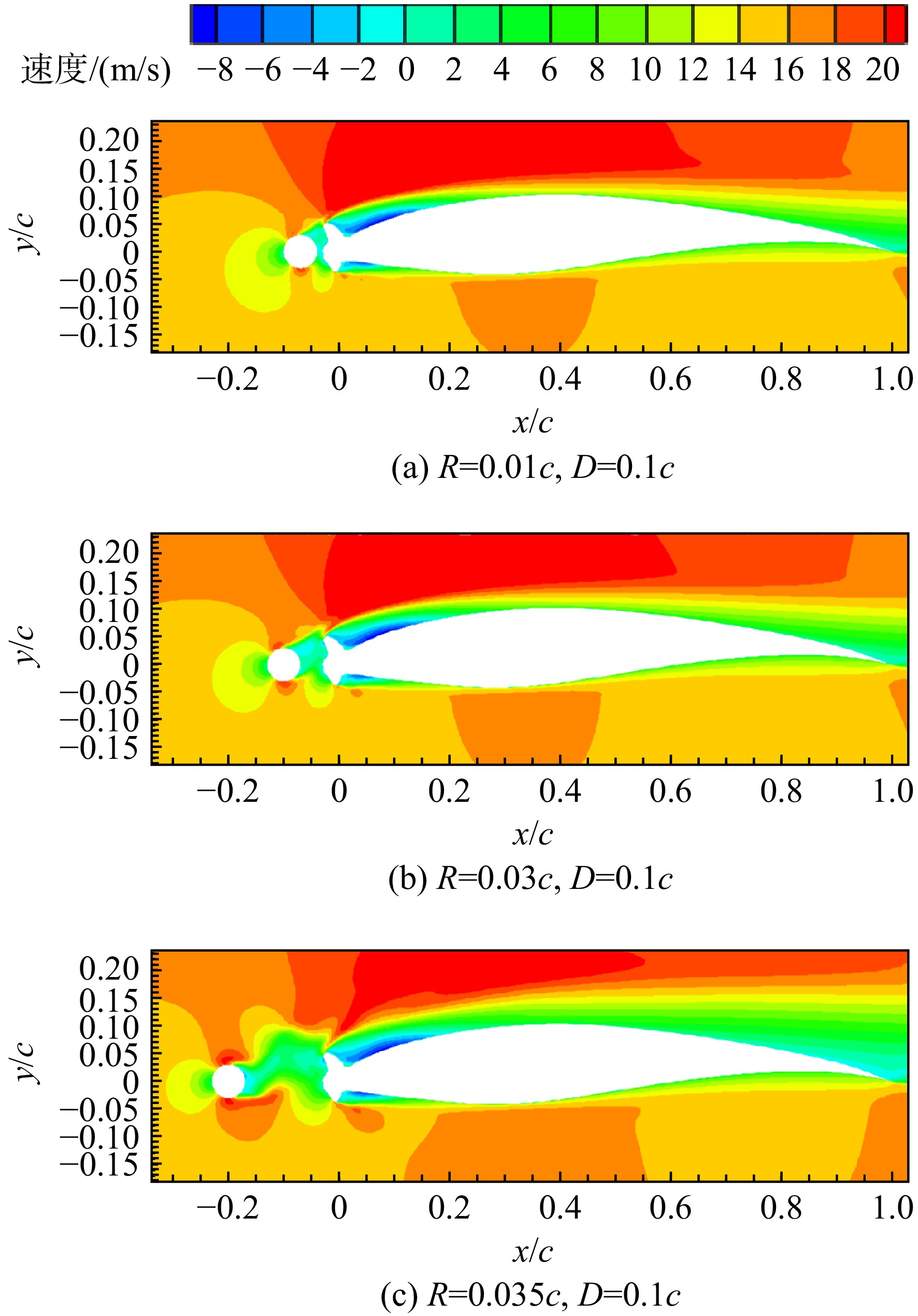
图 14 4°迎角时不同半径x方向速度云图
Figure 14. x-direction velocity cloud map with different radii at 4° angle of attack
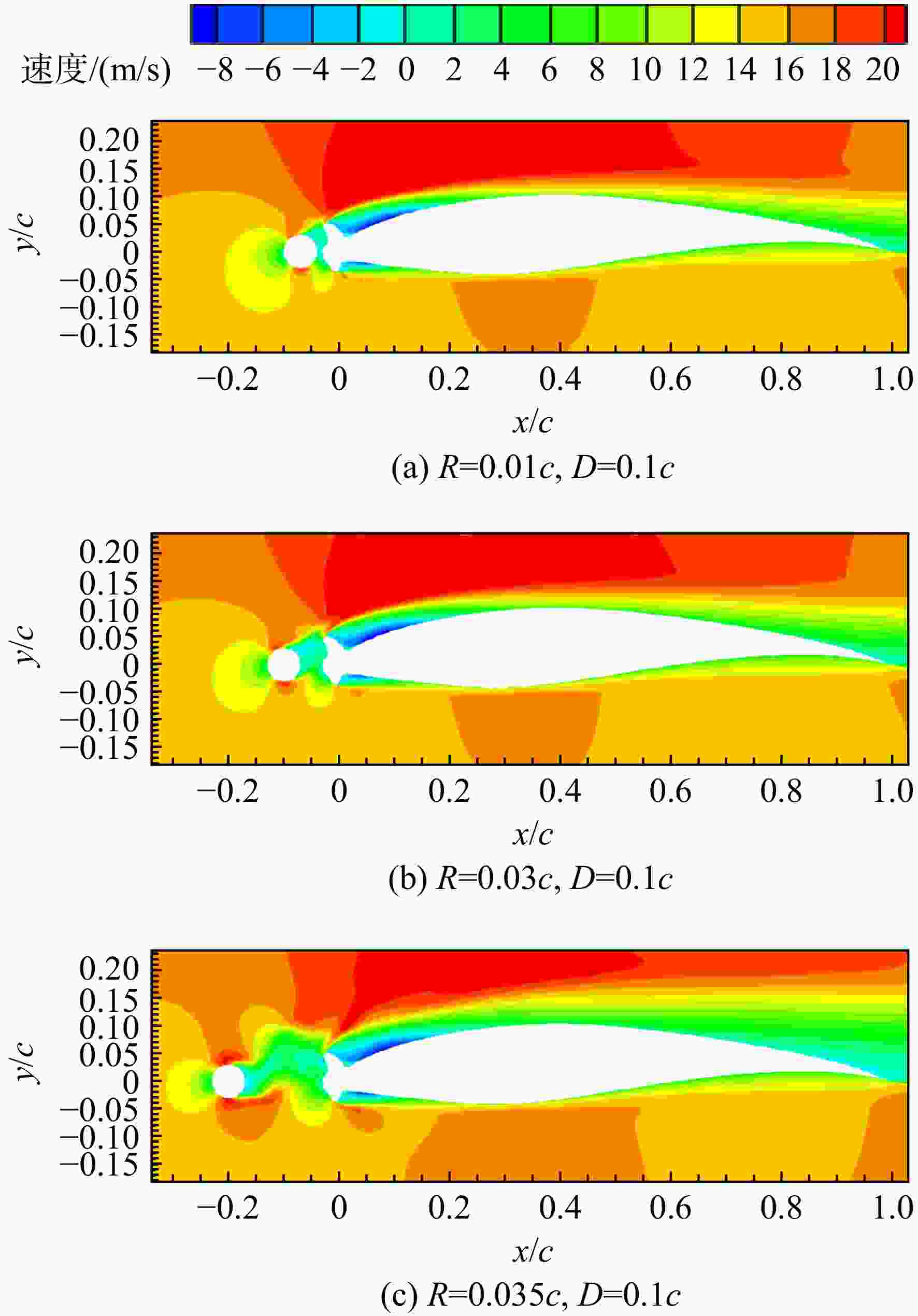
图 15 4°迎角时不同安装距离x方向速度云图
Figure 15. x-direction velocity cloud map with different distances at 4° angle of attack
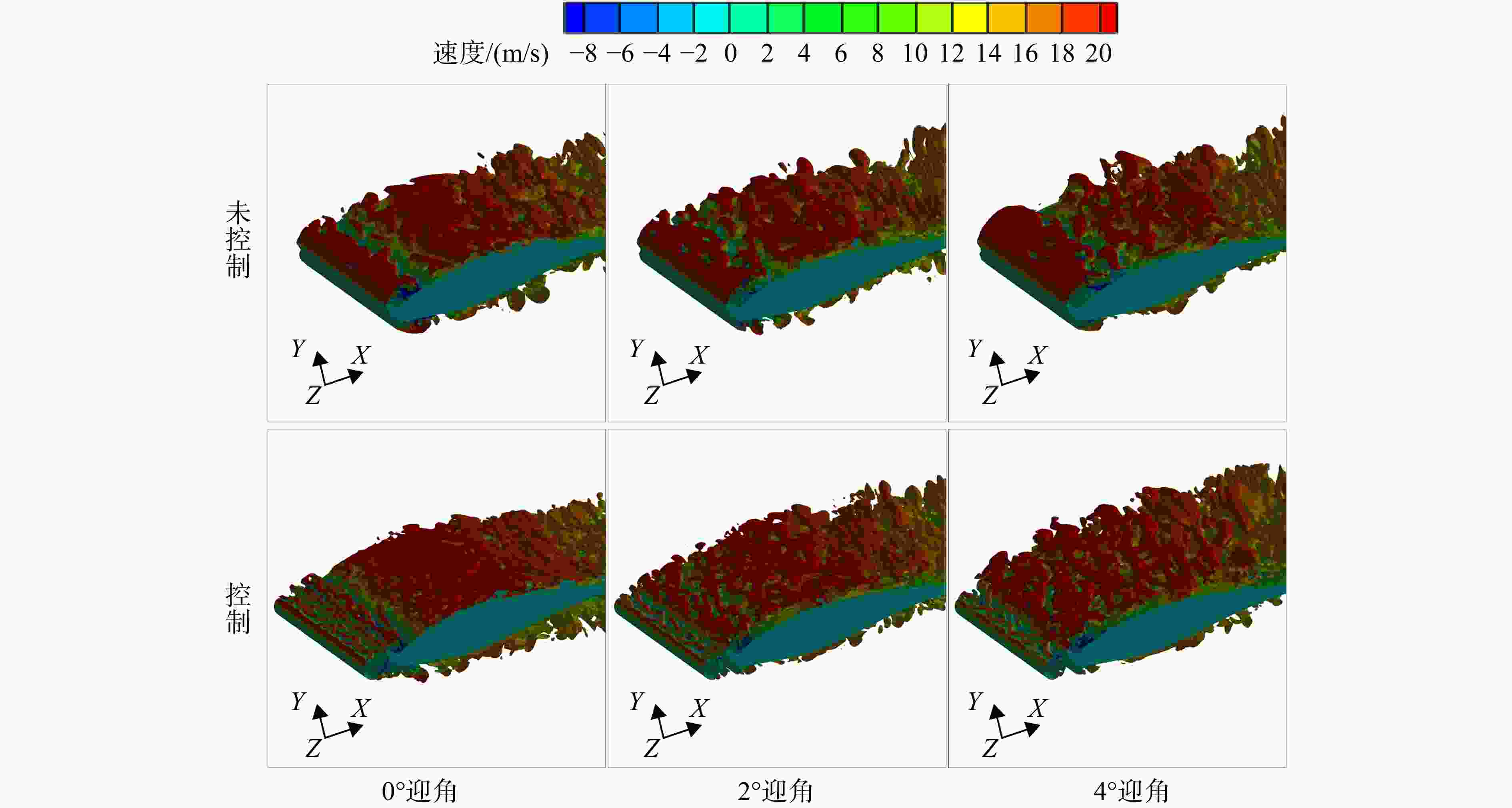
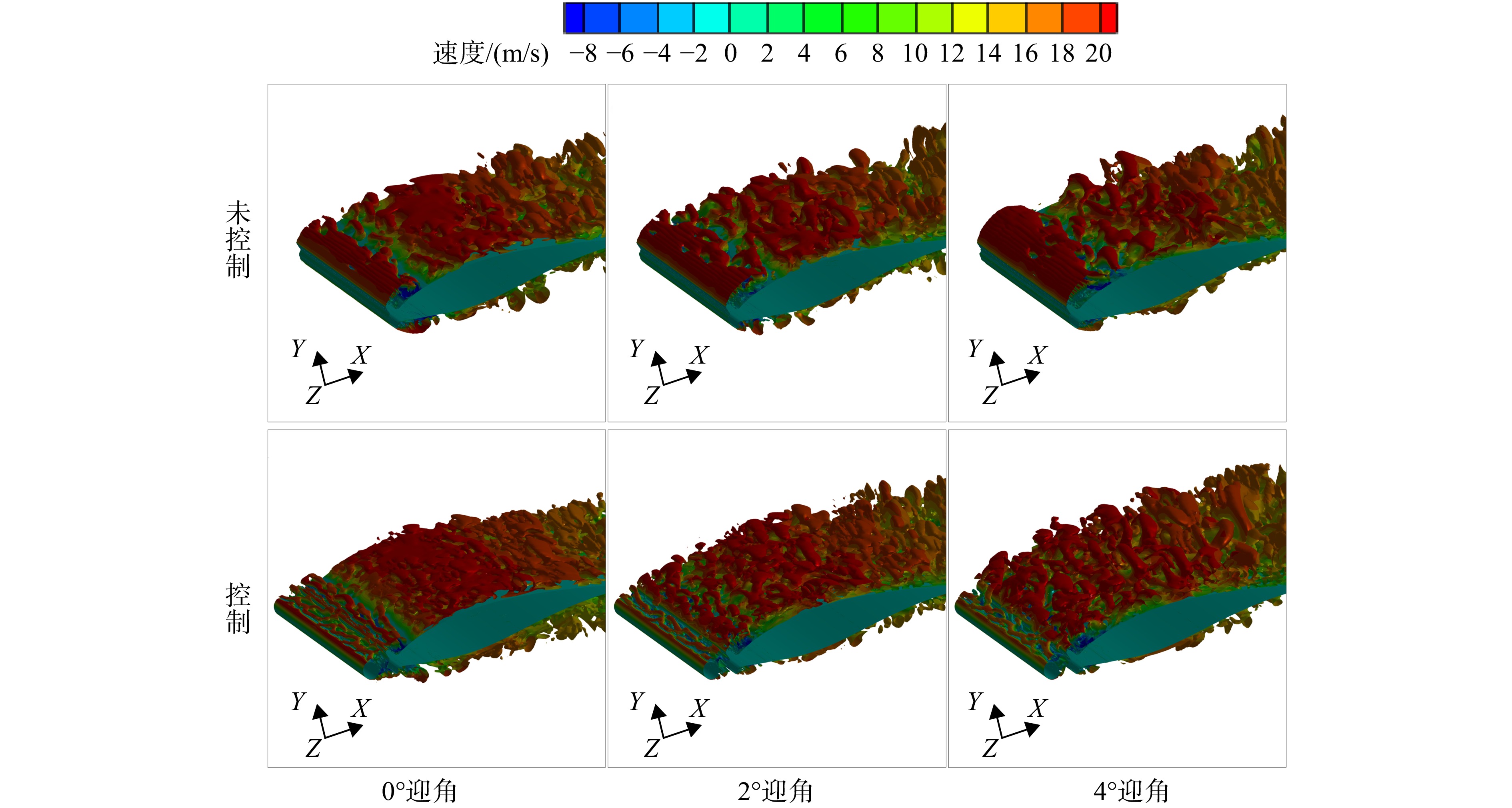
图 17 不同迎角Q准则等值面x方向速度着色图
Figure 17. Colored graph of velocity in x-direction of Q criterion isosurface with different angles of attack
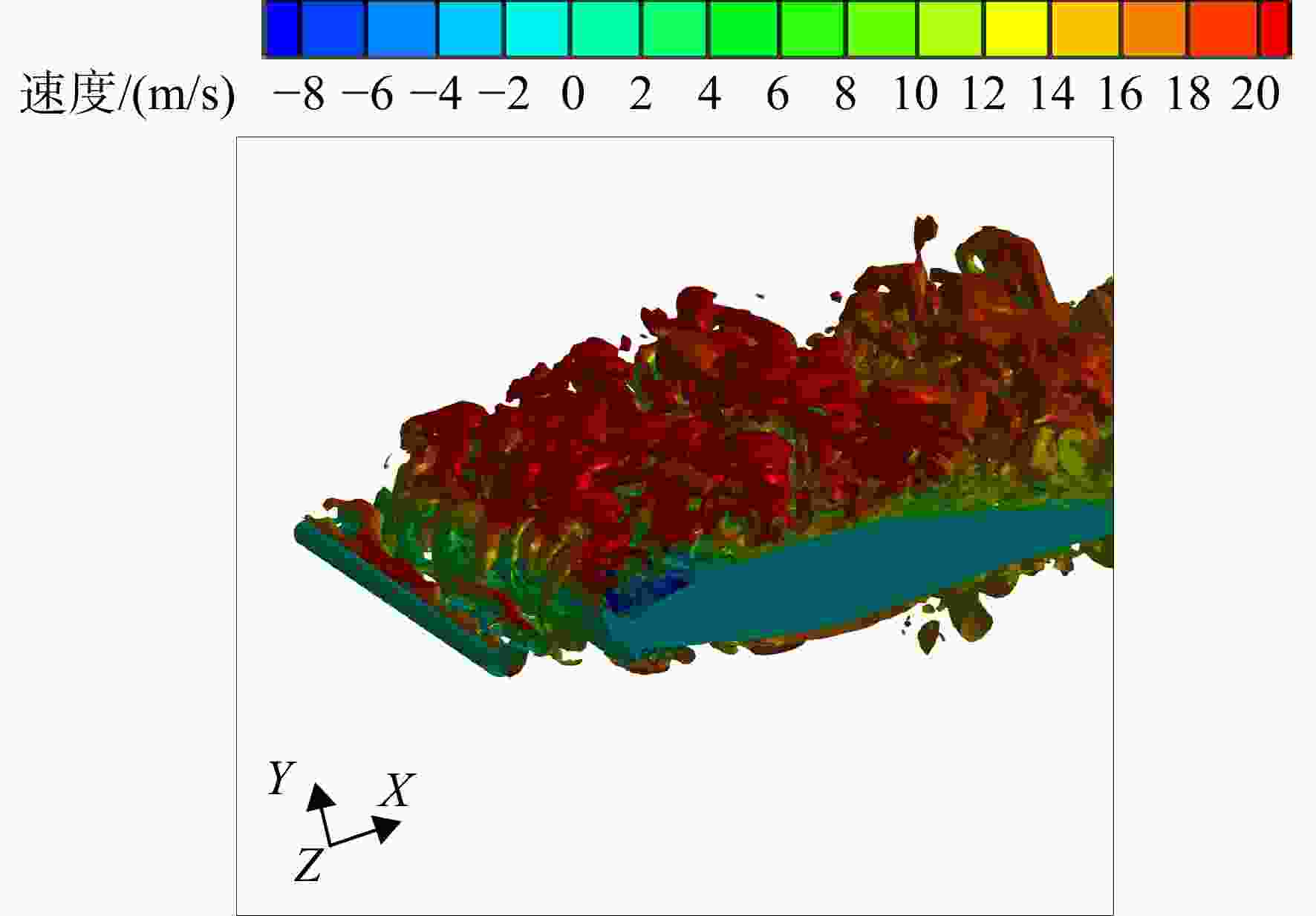
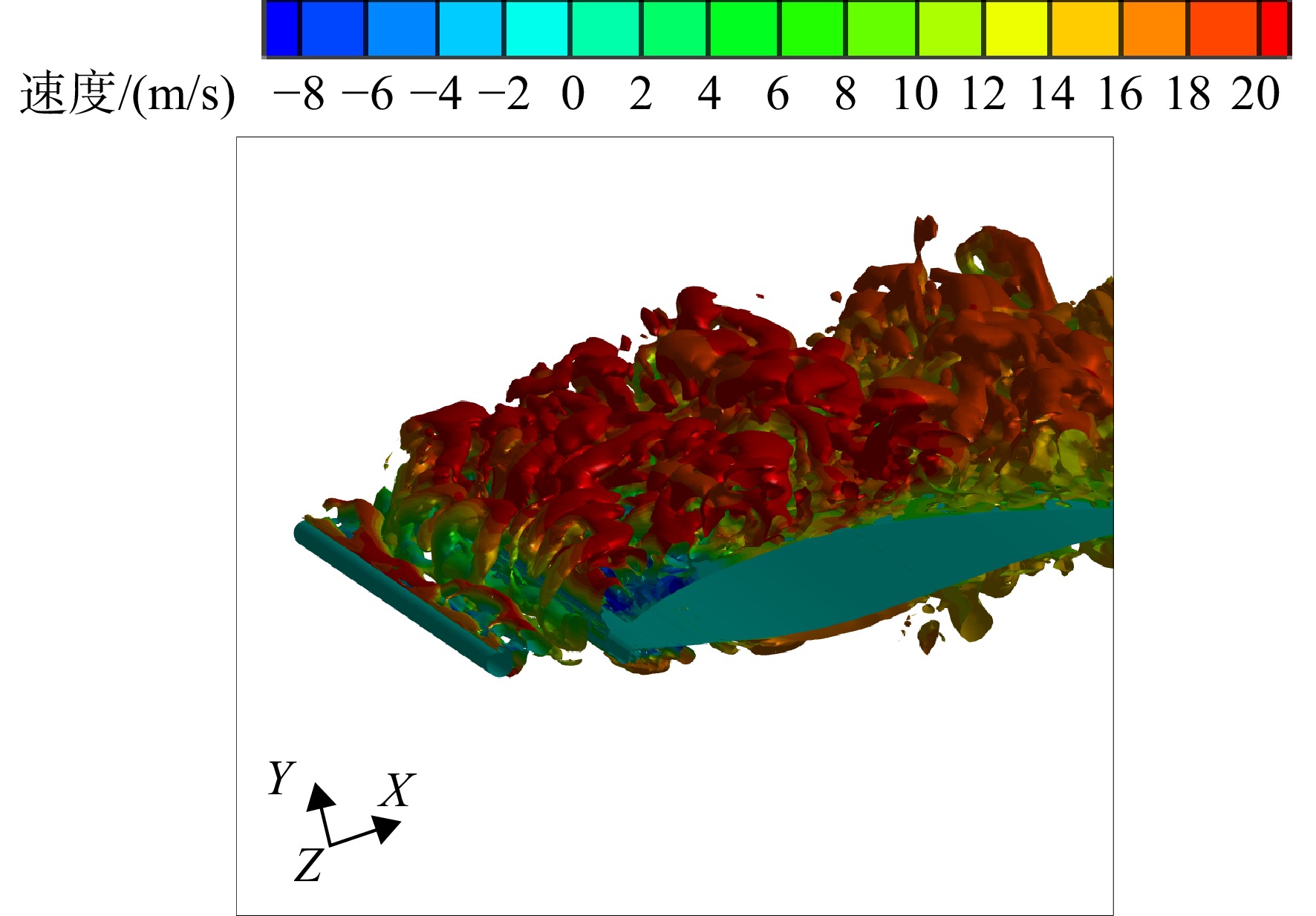
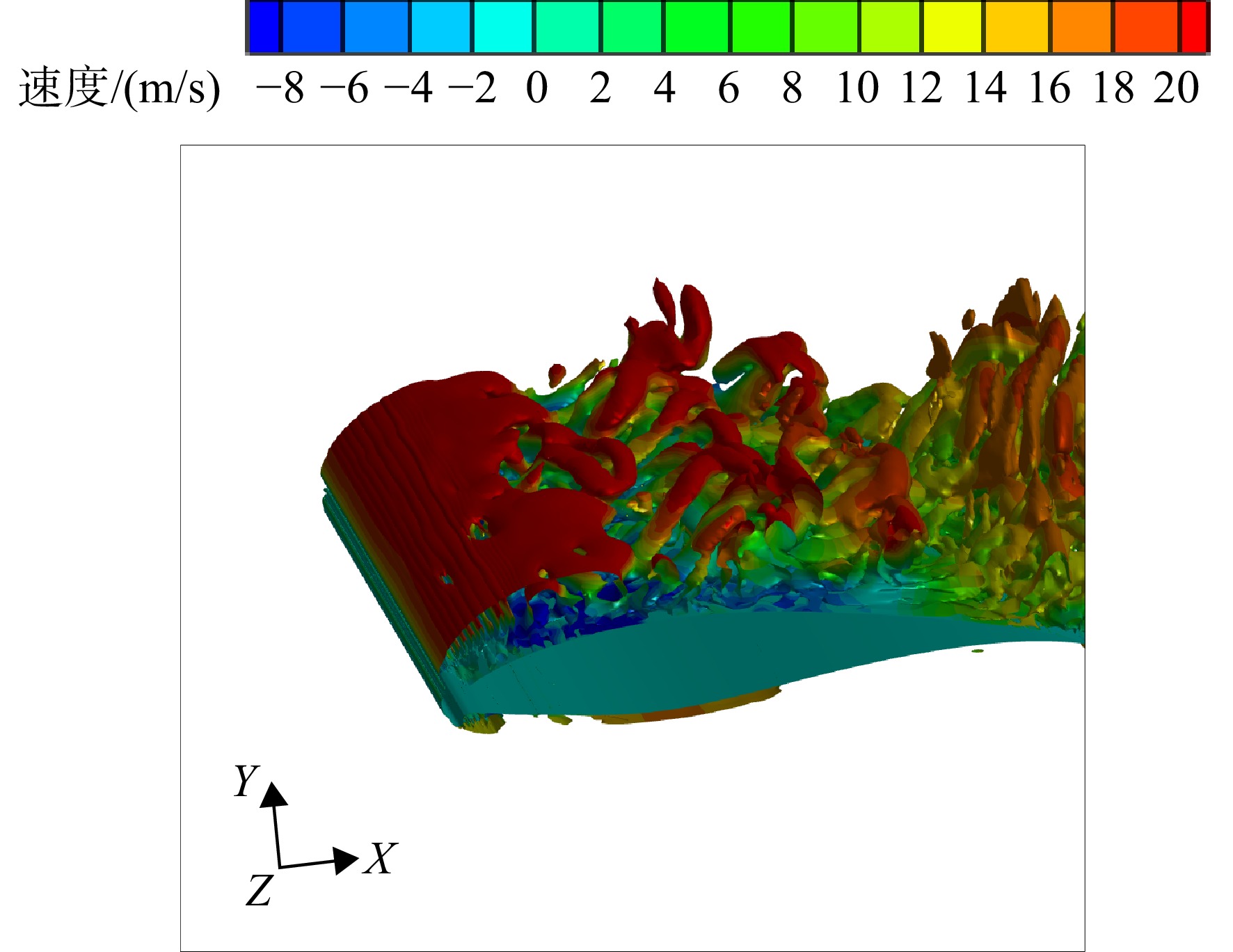
图 18 4°迎角尾流撞击模式Q准则等值面x方向速度着色图
Figure 18. Colored graph of velocity in x-direction of Q criterion isosurface with 4° angle of attack and wake impingement mode
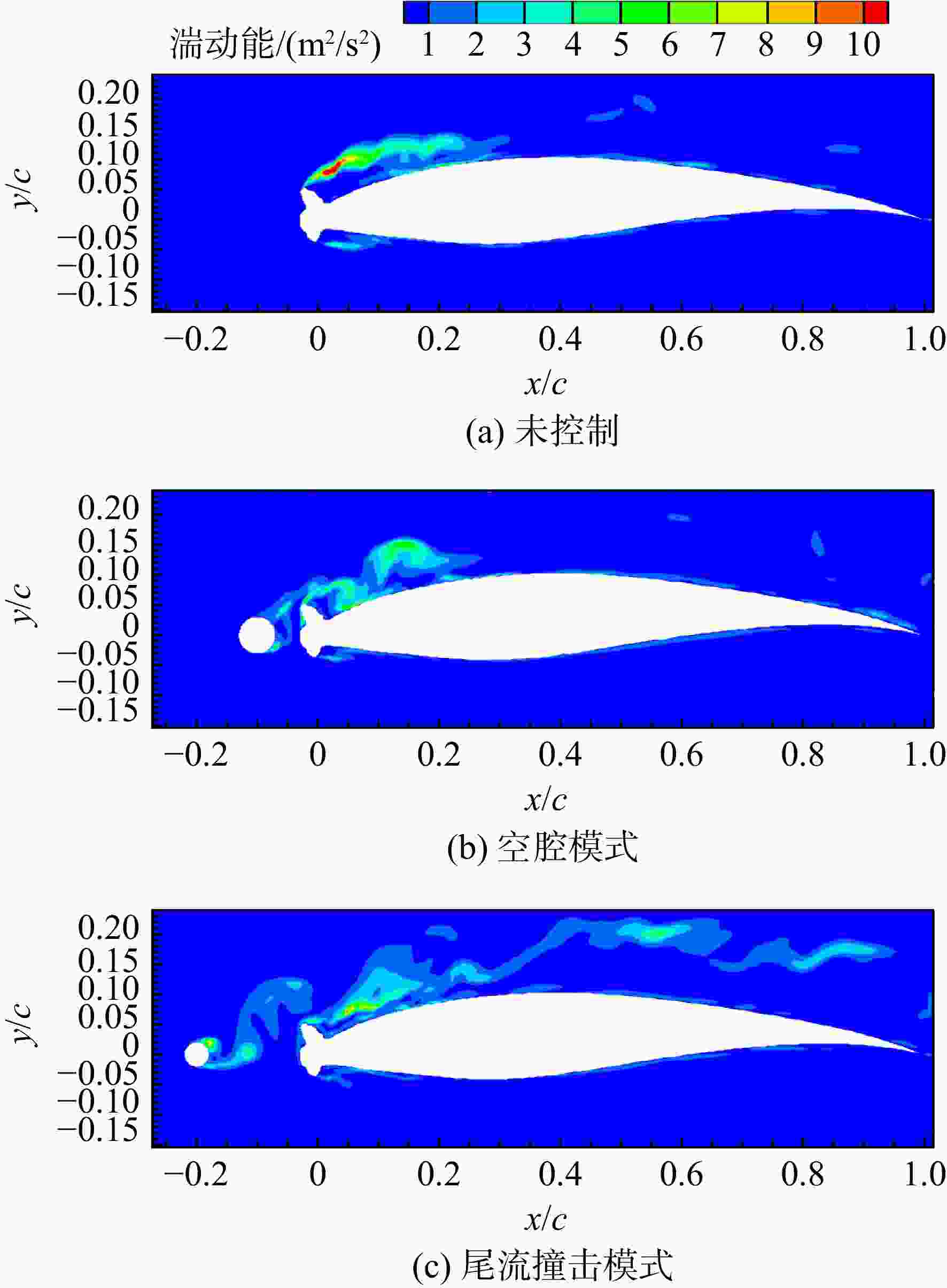
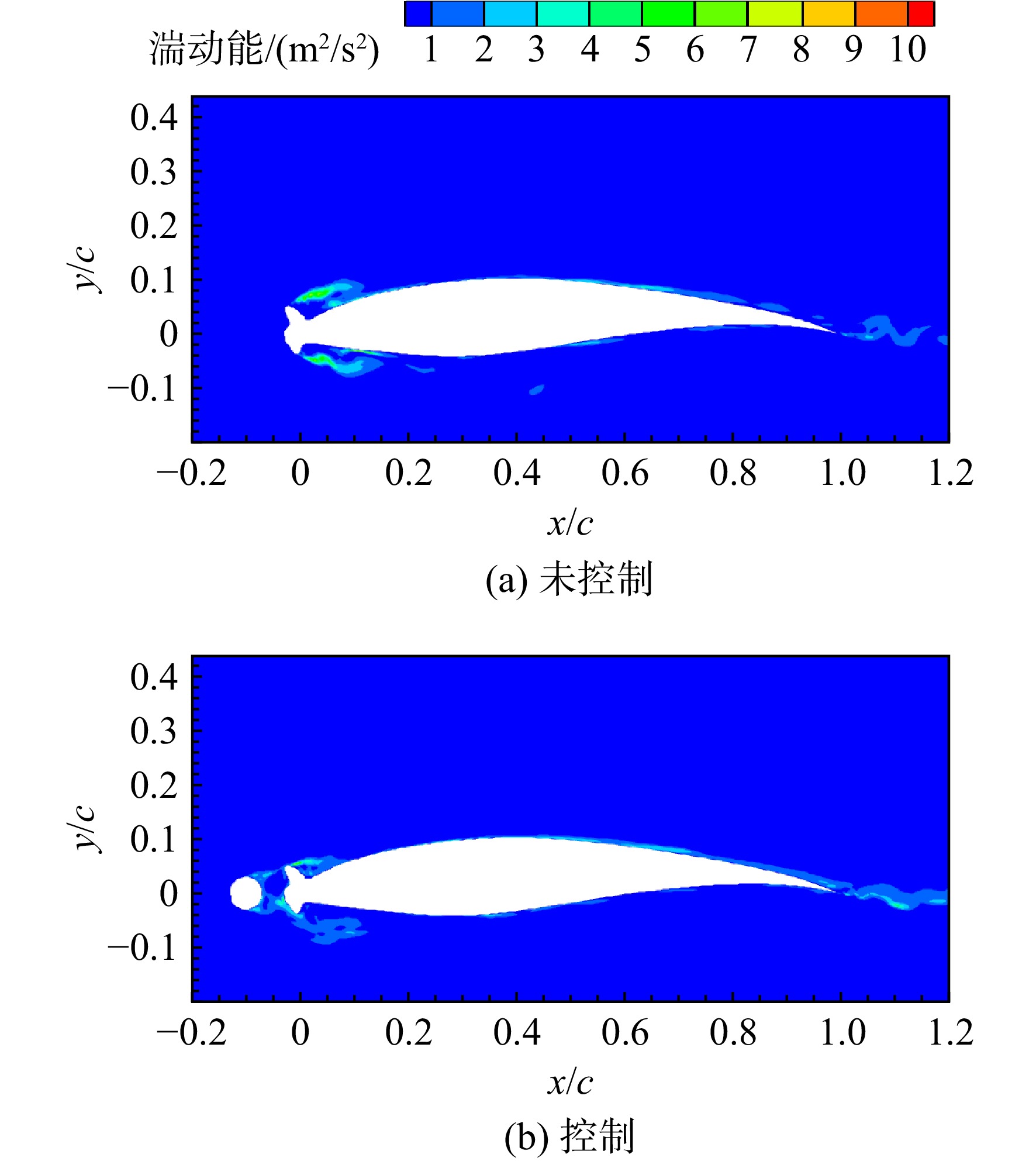
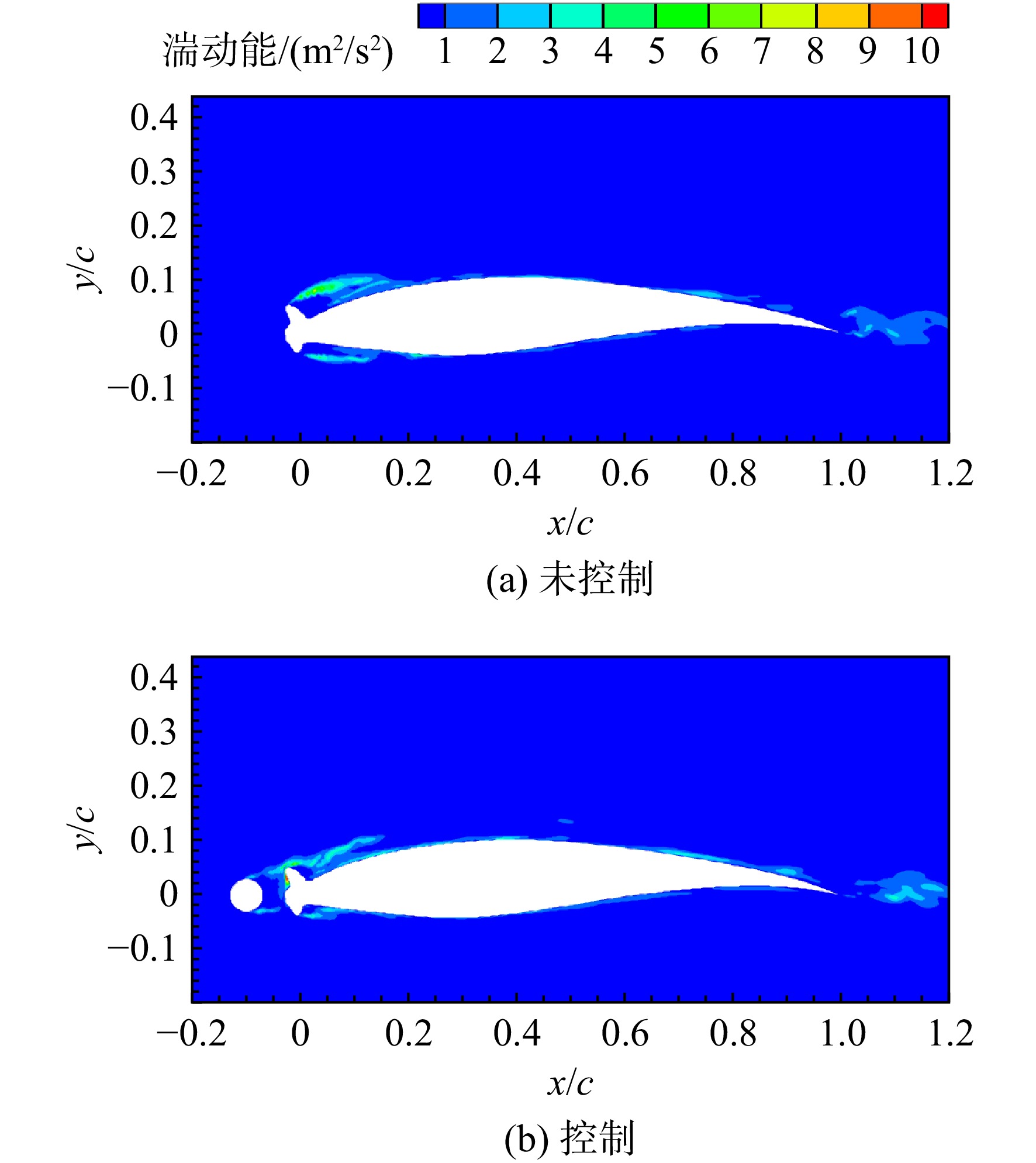
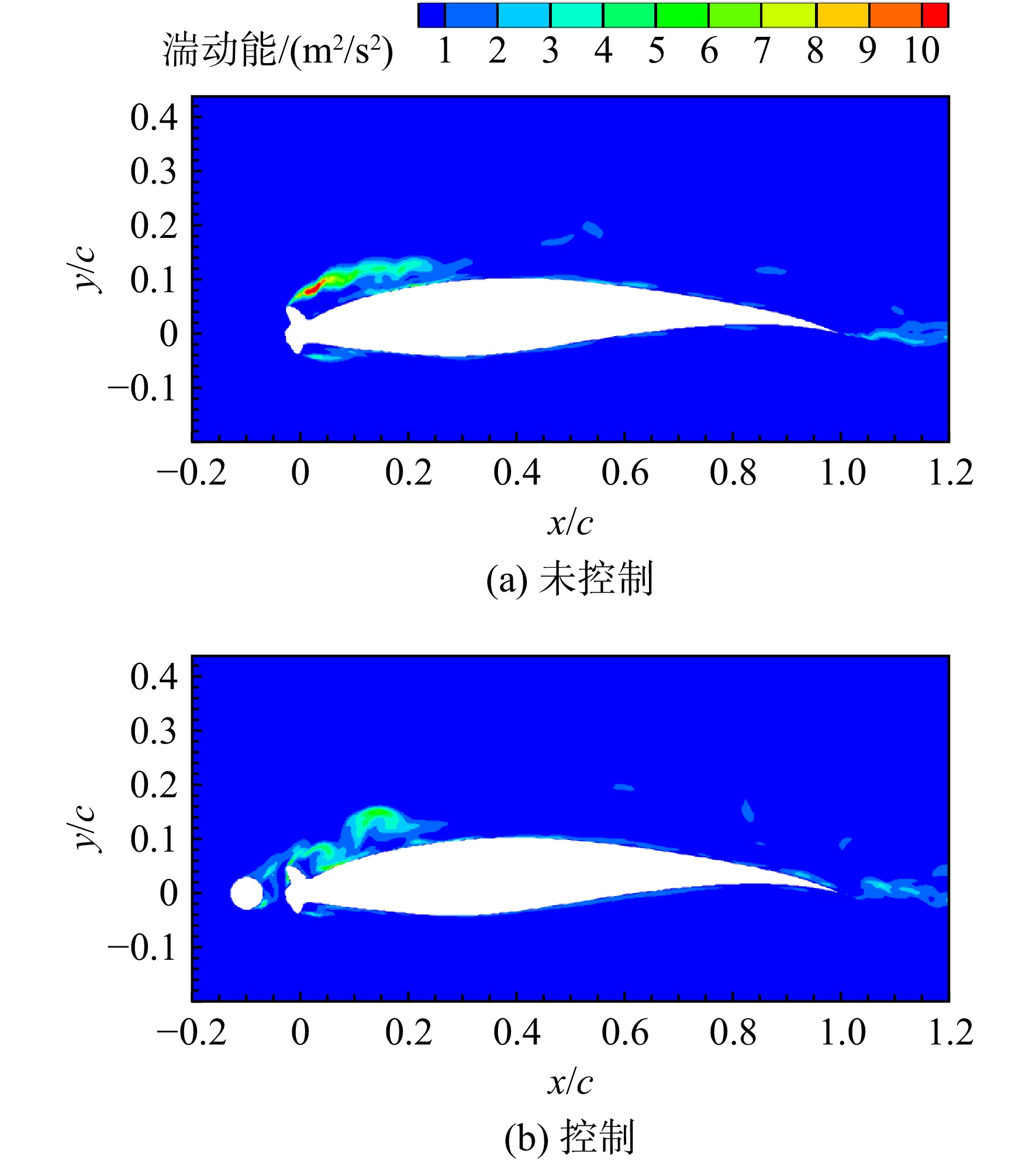
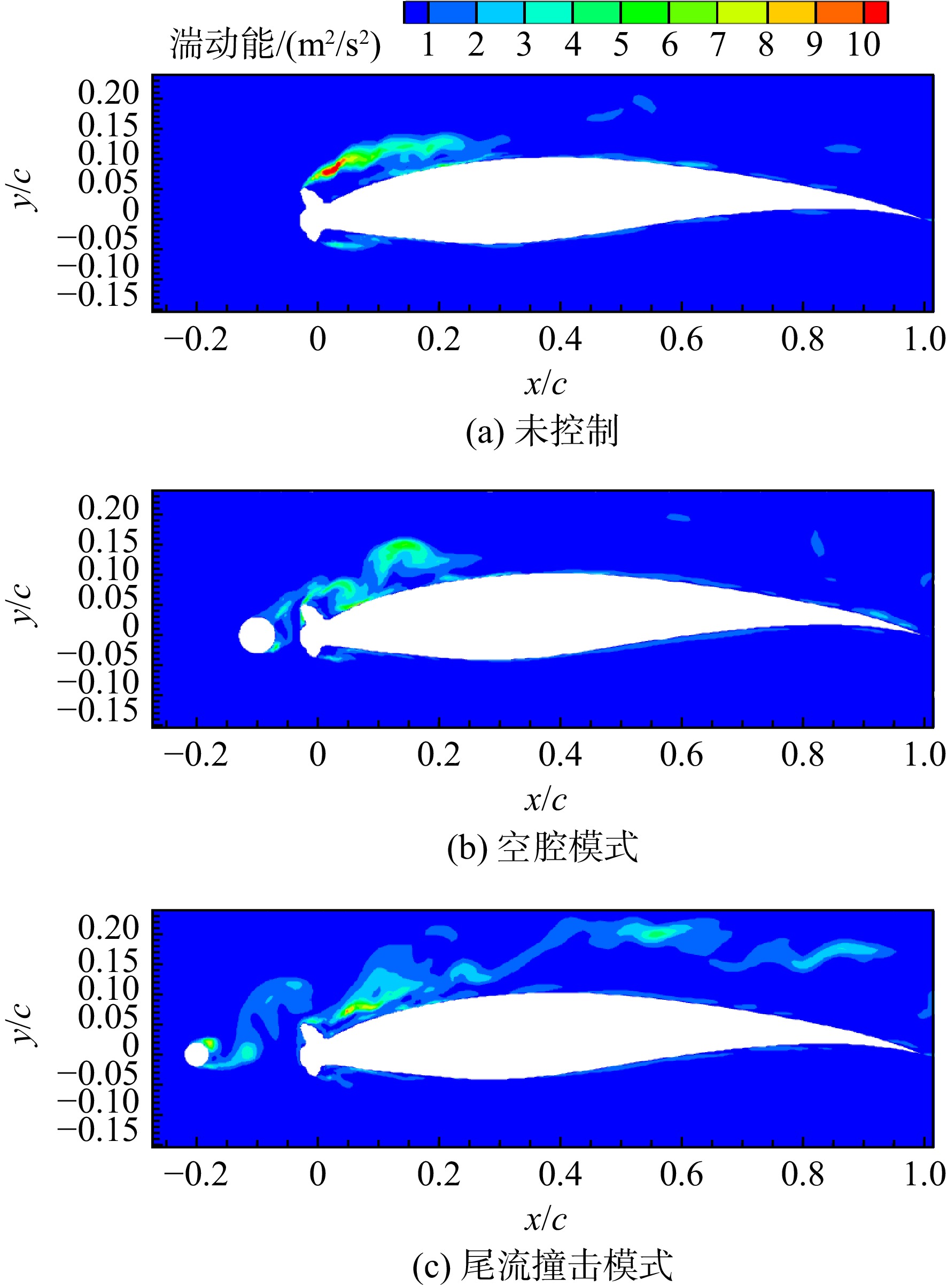
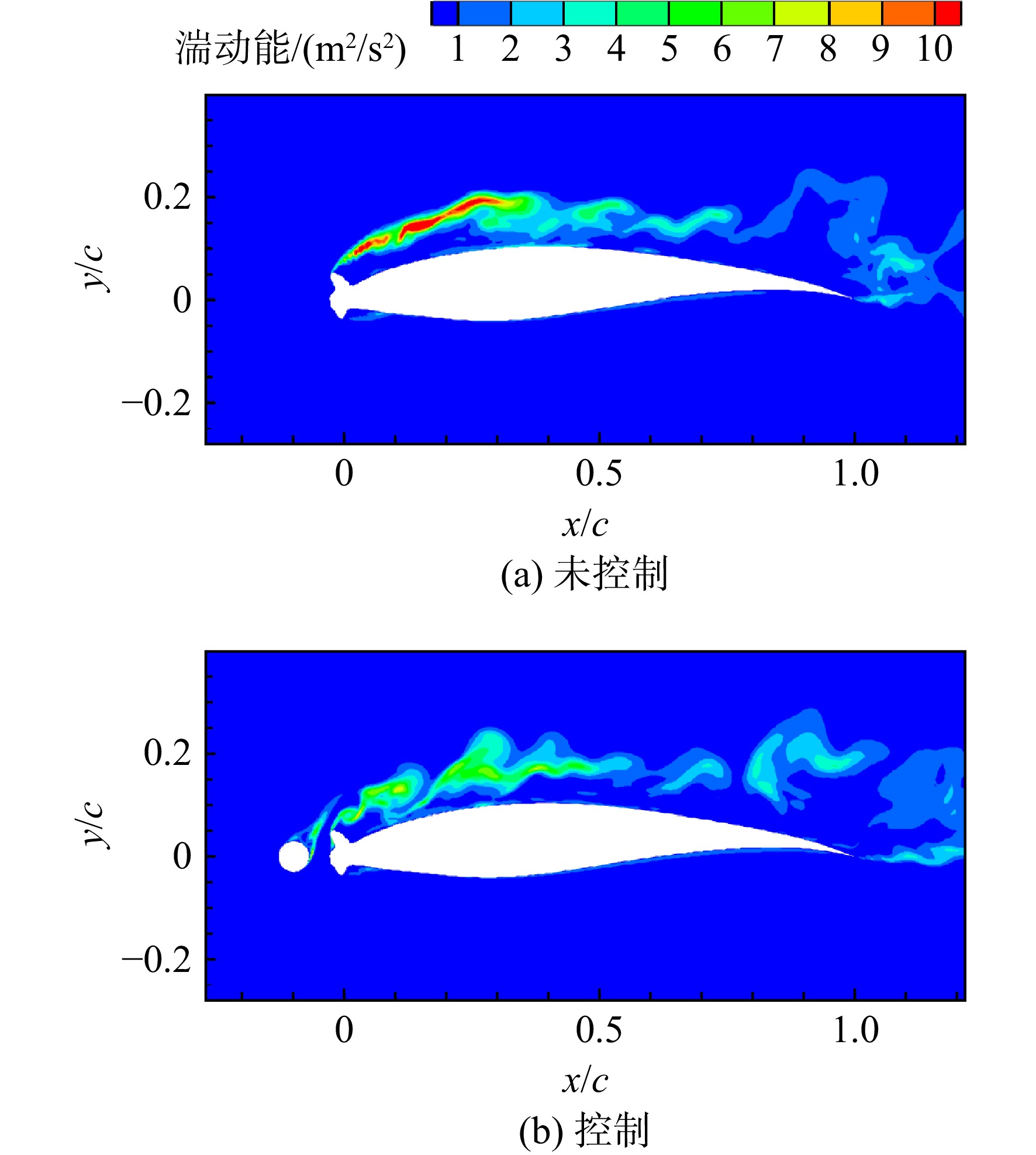
图 19 不同控制模式湍动能分布
Figure 19. Turbulent kinetic energy distribution with different control modes
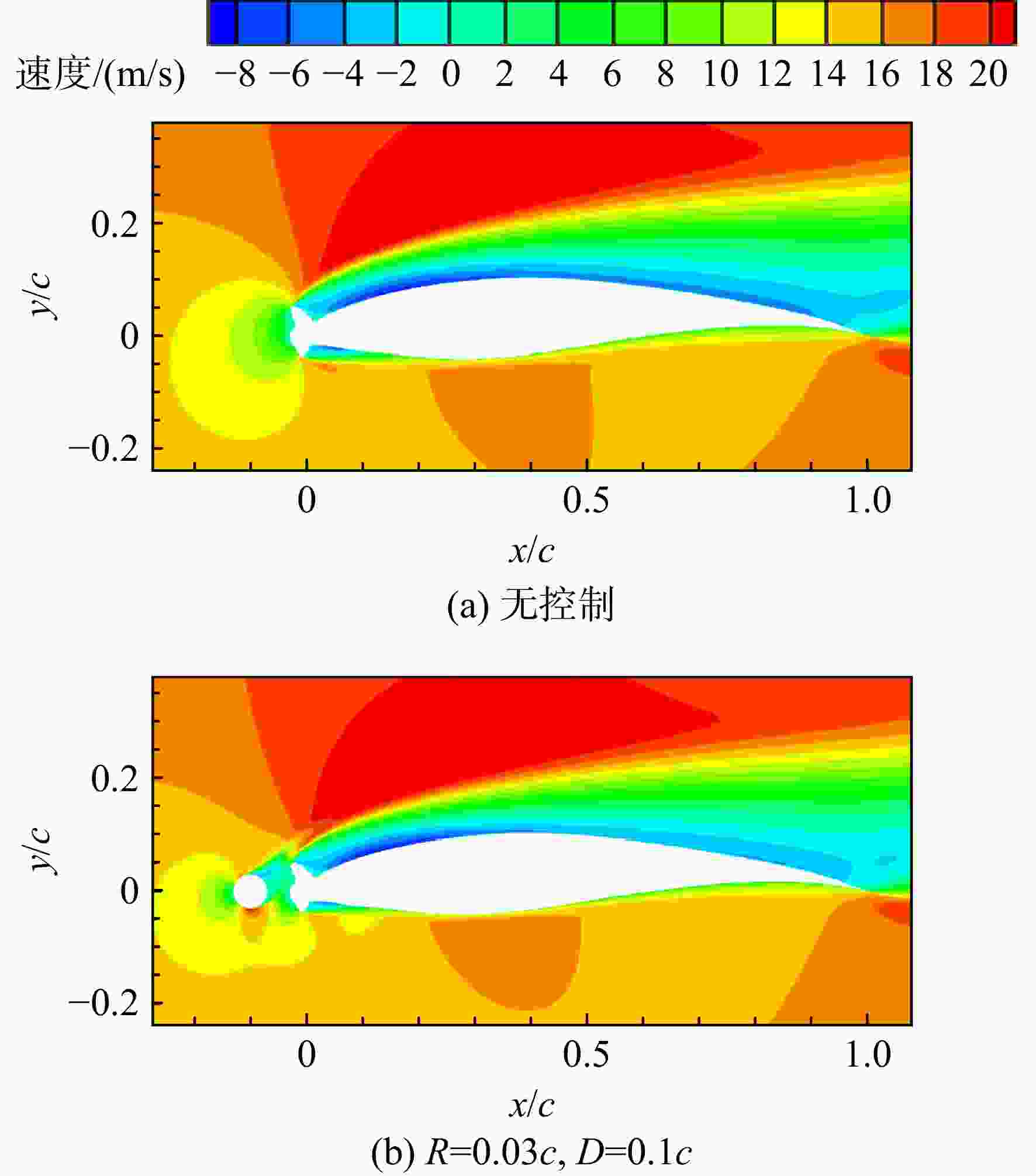
图 20 8°迎角控制前后x方向速度云图
Figure 20. x-direction velocity cloud map with 8° angle of attack before and after control
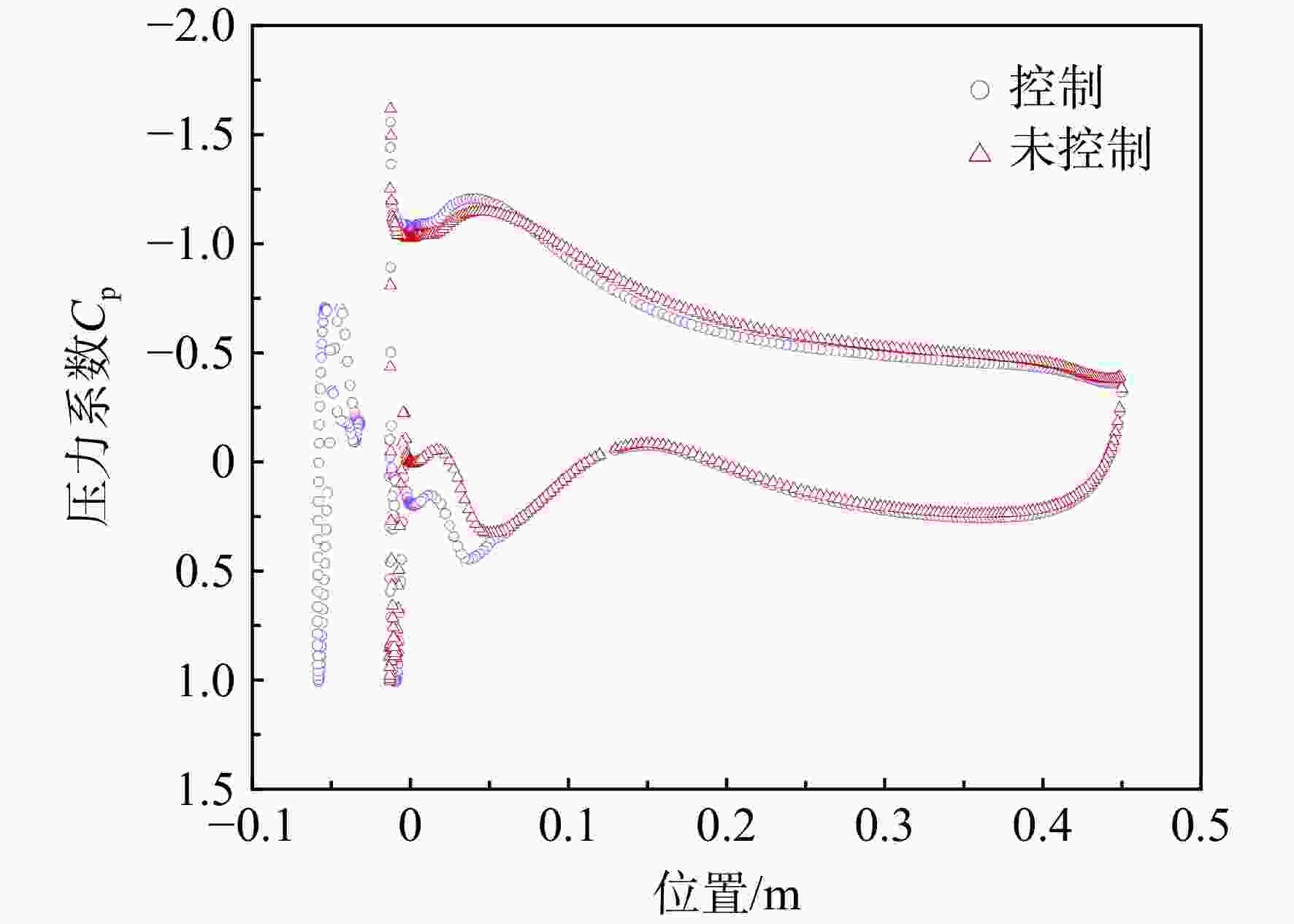
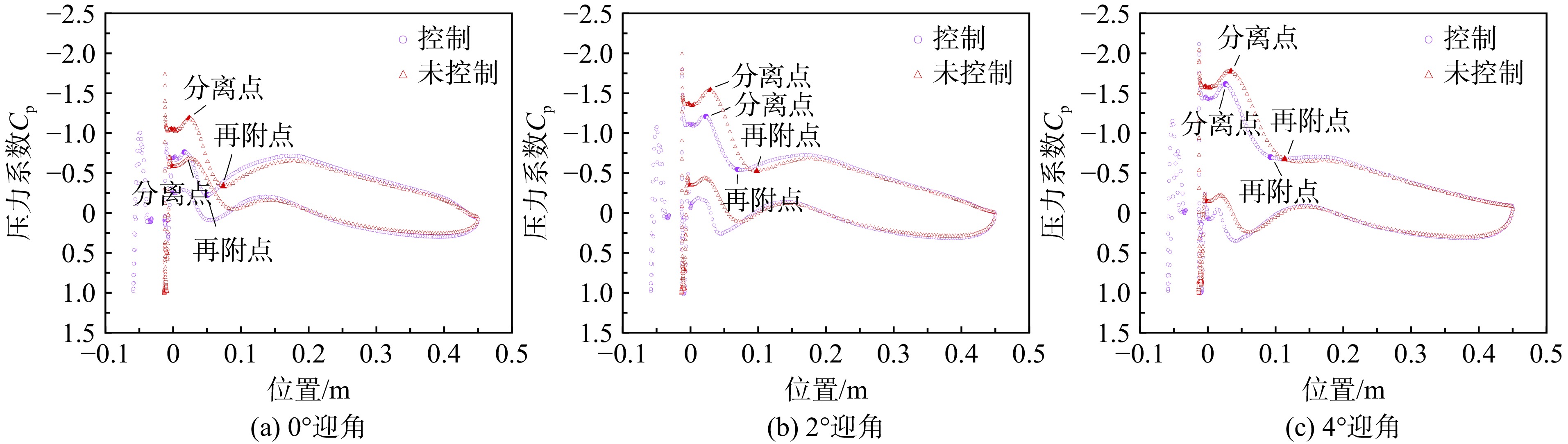
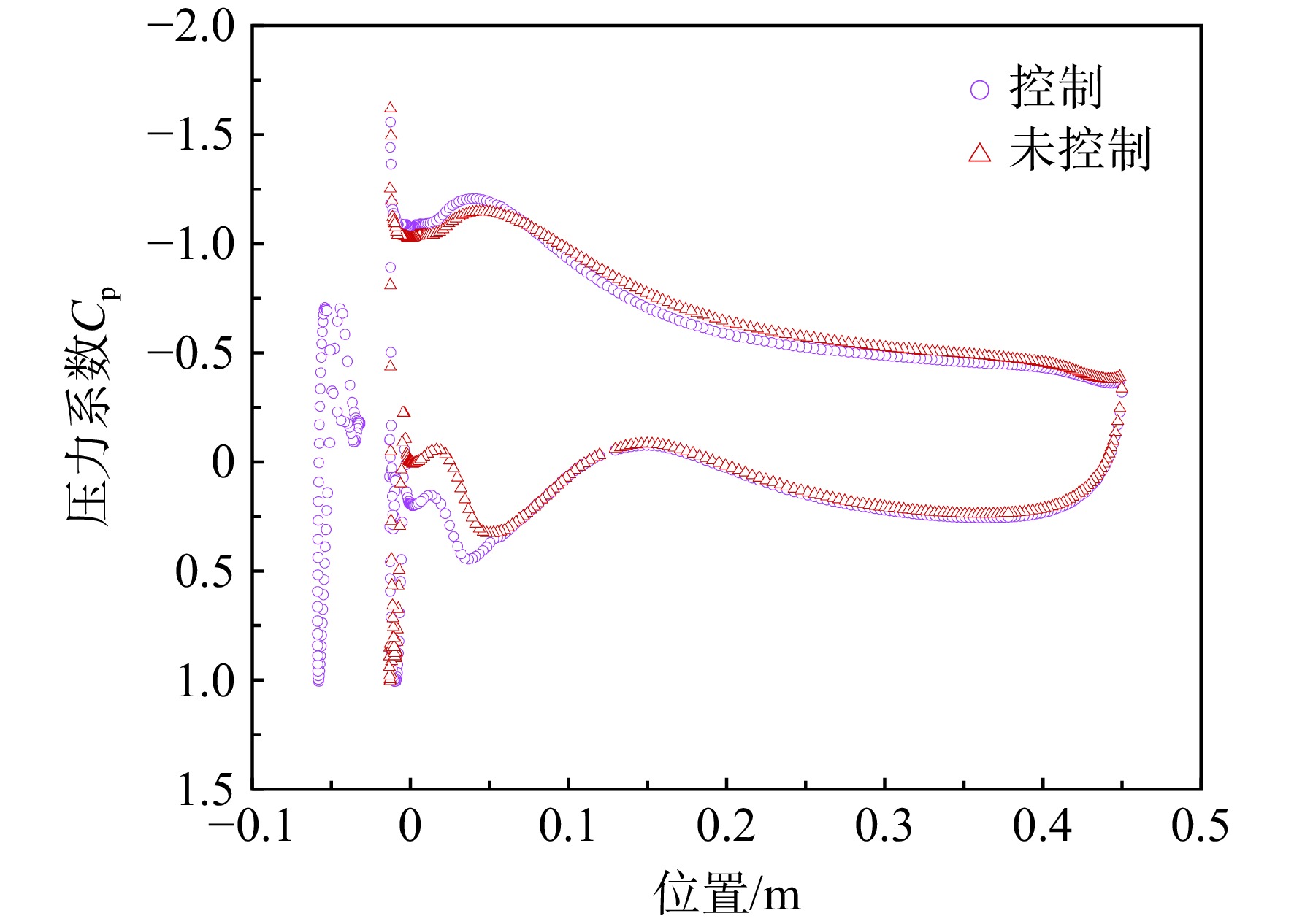
图 21 8°迎角控制前后压力系数
Figure 21. Pressure coefficient with 8° angle of attack before and after control
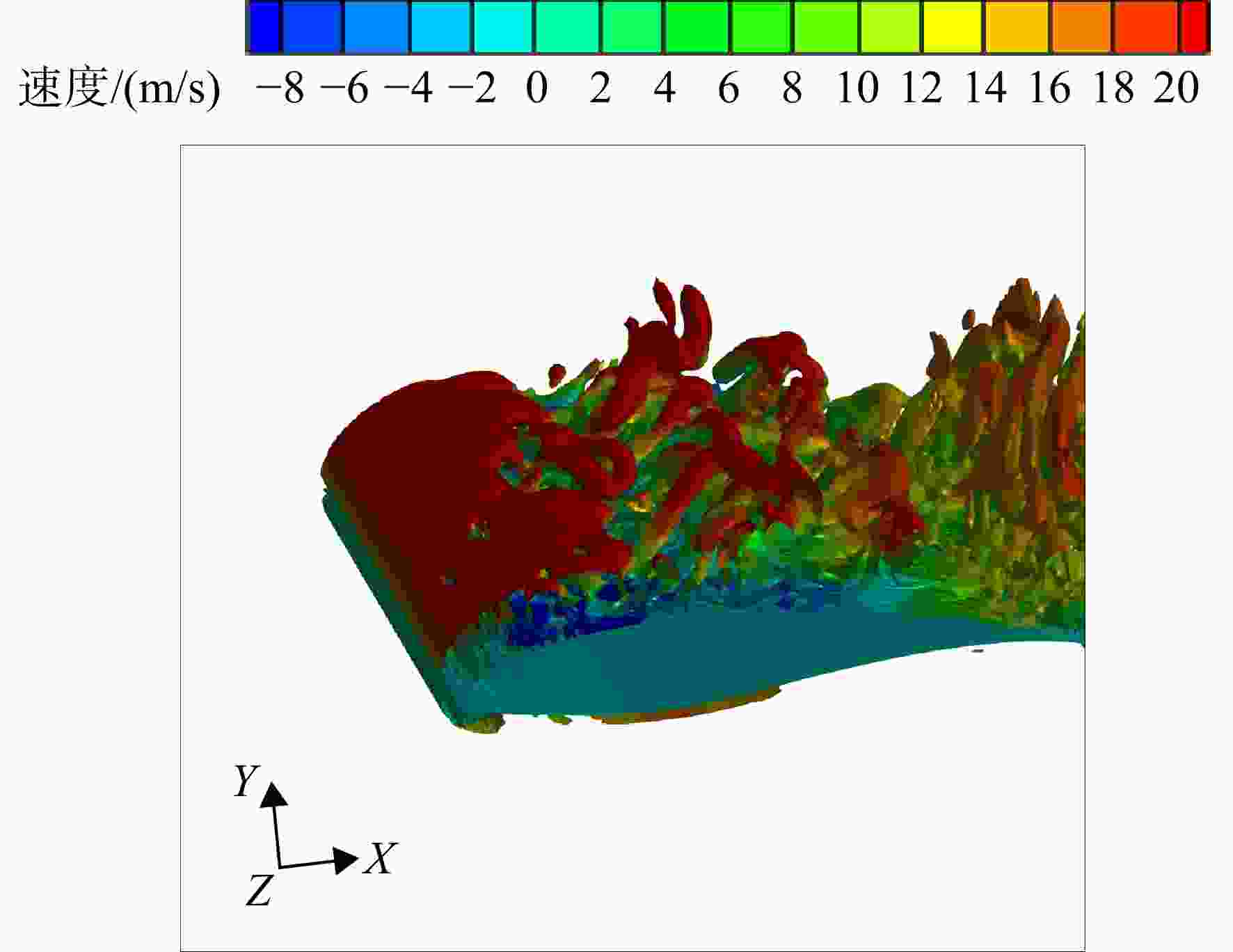
图 23 8°迎角无控制Q准则等值面x方向速度着色图
Figure 23. Colored graph of velocity in x-direction of Q criterion isosurface with 8° angle of attack and uncontrolled condition
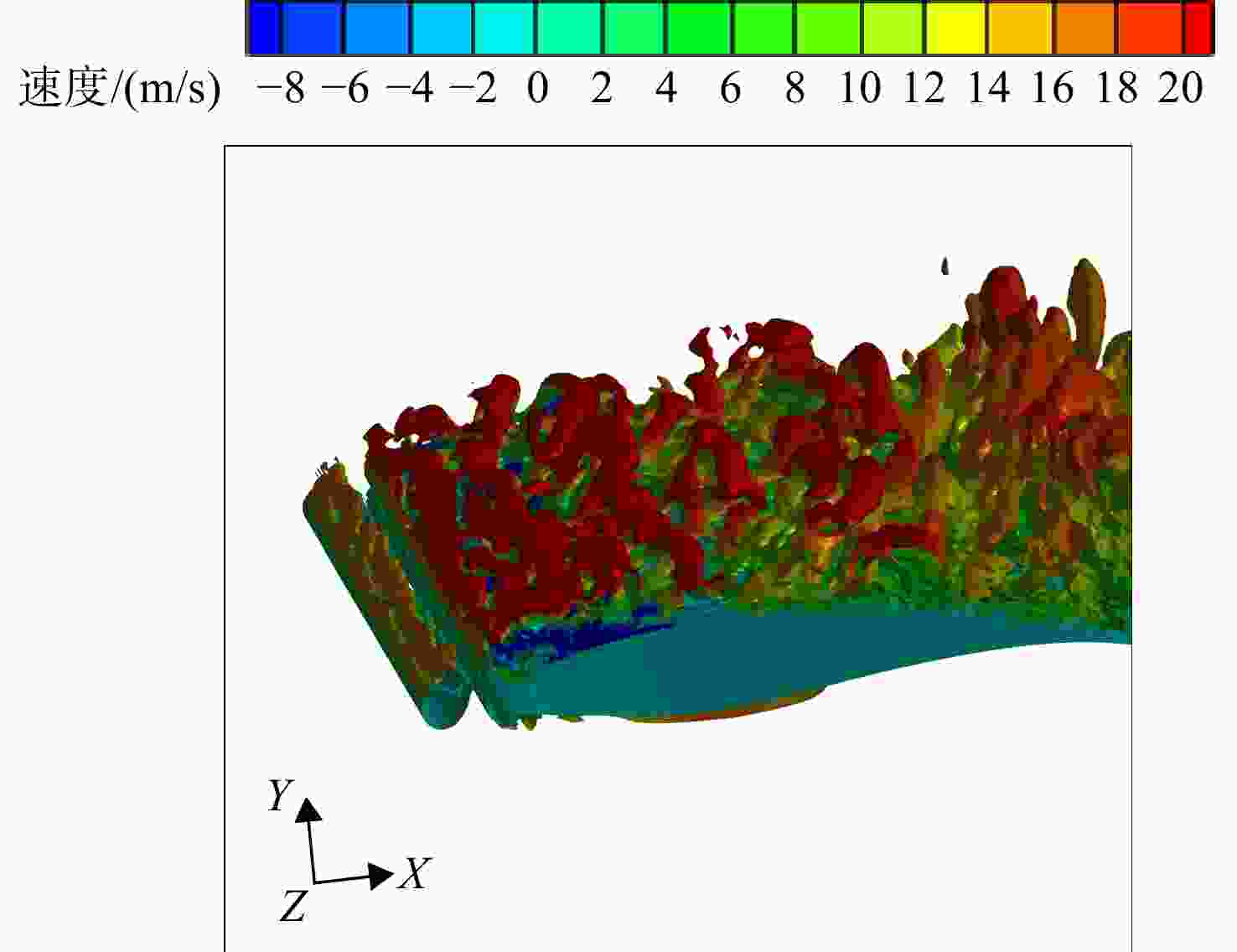
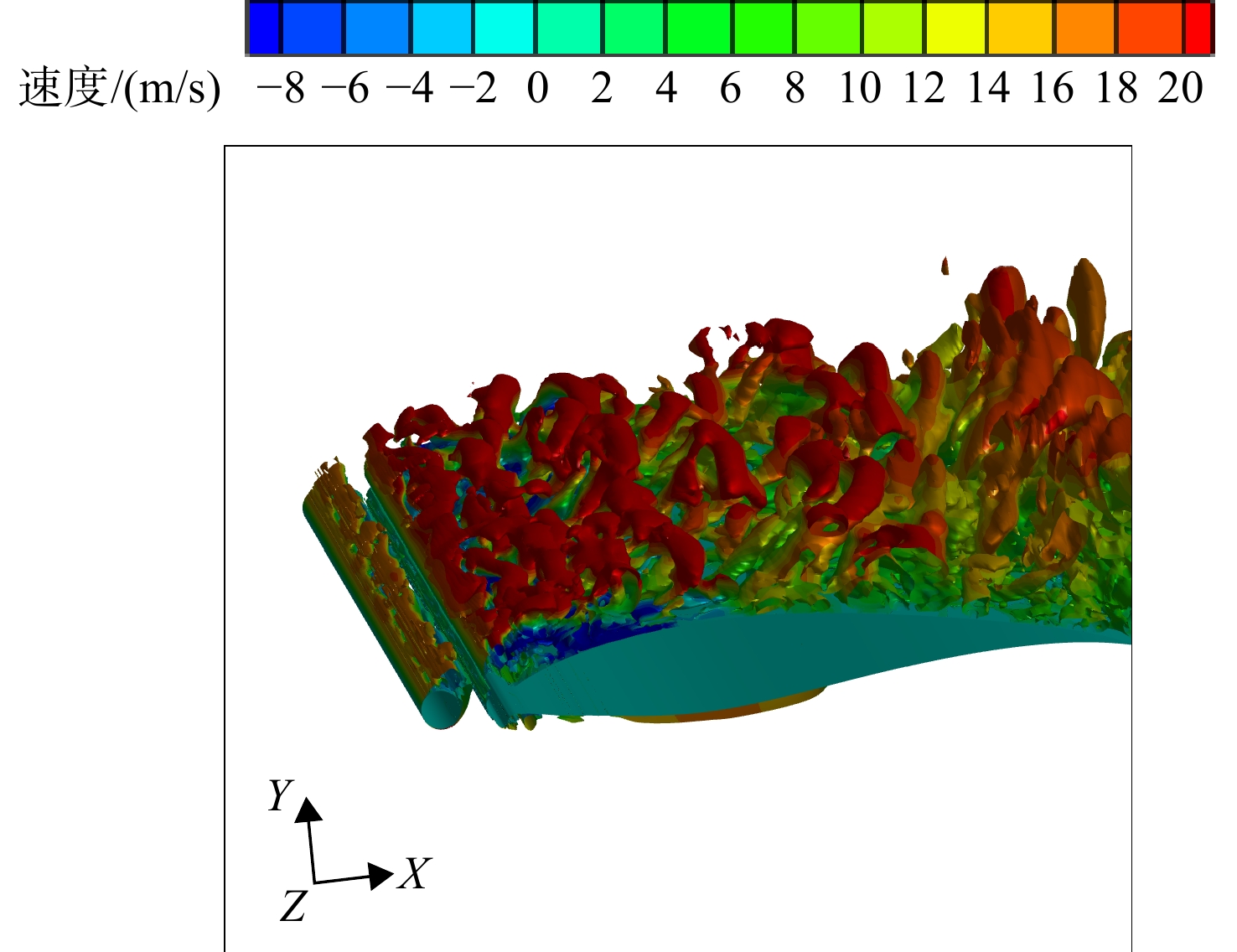
图 24 8°迎角最优圆柱参数Q准则x方向速度着色图
Figure 24. Colored graph of velocity in x-direction of Q criterion isosurface with 8° angle of attack and optimal cylinder parameters
表 1 离面圆柱参数工况
Table 1. Off-surface cylinder parameter operating conditions
半径 R0.005c R0.01c R0.02c R0.03c R0.035c R0.04c 距离 D0.07c D0.07c D0.07c D0.07c D0.07c D0.07c 距离 D0.1c D0.1c D0.1c D0.1c D0.1c D0.1c 距离 D0.11c D0.11c D0.11c D0.11c D0.11c D0.11c 距离 D0.12c D0.12c D0.12c D0.12c D0.12c D0.12c 距离 D0.13c D0.13c D0.13c D0.13c D0.13c D0.13c 距离 D0.15c D0.15c D0.15c D0.15c D0.15c D0.15c 距离 D0.17c D0.17c D0.17c D0.17c D0.17c D0.17c 距离 D0.2c D0.2c D0.2c D0.2c D0.2c D0.2c  下载: 导出CSV
-
[1] Bragg M, Perkins W, Sarter N, et al. An interdisciplinary approach to inflight aircraft icing safety[R]. AIAA-1998-0095, 1998. [2] Zhang Heng, Li Jie, Zhao Binbin. Improvement mechanism of ice-tolerance capacity for iced airfoil with variable camber of drooping leading edge[J]. Acta Aeronautica et Astronautica Sinica, 2023, 44(1): 627114. [3] Weick F E, Shortal J A. The effect of multiple fixed slots and a trailing-edge flap on the lift and drag of a Clark Y airfoil[R]. Washington DC: National Advisory Committee for Aeronautics, 1933. [4] Larabi A, Pereira M, Ravelet F, et al. Numerical study on the effect of an off-surface micro-rod vortex generator placed upstream NACA0012 aerofoil[J]. E3S Web of Conferences, 2021, 321: 01011. doi: 10.1051/e3sconf/202132101011 [5] Larabi A, Pereira M, Ravelet F, et al. Experimental and numerical study on aerodynamics of aerofoils at low Reynolds number controlled by off-surface micro-vortex generators[R]. Nantes, France: 25th Congrès Français de Mécanique, 2022. [6] Lin J C. Review of research on low-profile vortex generators to control boundary-layer separation[J]. Progress in Aerospace Sciences, 2002, 38(4/5): 389-420. doi: 10.1016/s0376-0421(02)00010-6 [7] Veldhuis L, Van der Steen M. Flow separation control by off surface elements[R]. AIAA-2010-4684, 2010. [8] Taneda S. Experimental investigation of vortex streets[J]. Journal of the Physical Society of Japan, 1965, 20(9): 1714-1721. doi: 10.1143/jpsj.20.1714 [9] Luo Dahai, Huang Diangui, Sun Xiaojing. Passive flow control of a stalled airfoil using a microcylinder[J]. Journal of Wind Engineering and Industrial Aerodynamics, 2017, 170: 256-273. doi: 10.1016/j.jweia.2017.08.020 [10] Luo Dahai, Lu Bingxiao, Geng Haichao, et al. Dynamic stall control of an offshore wind turbine airfoil using a leading-edge microcylinder[J]. Ocean Engineering, 2024, 313: 119695. doi: 10.1016/j.oceaneng.2024.119695 [11] Lee S J, Lee S I, Park C W. Reducing the drag on a circular cylinder by upstream installation of a small control rod[J]. Fluid Dynamics Research, 2004, 34(4): 233-250. doi: 10.1016/j.fluiddyn.2004.01.001 [12] Price S J, Sumner D, Smith J G, et al. Flow visualization around a circular cylinder near to a plane wall[J]. Journal of Fluids and Structures, 2002, 16(2): 175-191. doi: 10.1006/jfls.2001.0413 [13] 曹君尧. 基于辅助圆柱的圆柱绕流场被动控制研究[D]. 哈尔滨: 哈尔滨工业大学, 2022. Cao Junyao. Research on passive control of flow field around cylinder based on auxiliary cyclinder[D]. Harbin: Harbin Institute of Technology, 2022. (in ChineseCao Junyao. Research on passive control of flow field around cylinder based on auxiliary cyclinder[D]. Harbin: Harbin Institute of Technology, 2022. (in Chinese) [14] 王志忠. 圆柱绕流被动控制数值研究[D]. 湘潭: 湘潭大学, 2020. Wang Zhizhong. Numerical study on passive control of flow past circular cylinder[D]. Xiangtan: Xiangtan University, 2020. (in ChineseWang Zhizhong. Numerical study on passive control of flow past circular cylinder[D]. Xiangtan: Xiangtan University, 2020. (in Chinese) [15] Bragg M B, Khodadoust A, Spring S A. Measurements in a leading-edge separation bubble due to a simulated airfoil ice accretion[J]. AIAA Journal, 1992, 30(6): 1462-1467. doi: 10.2514/3.11087 [16] Two- and three-dimensional iced airfoil separation bubble measurements by particle image velocimetry[R]. AIAA-2007-88, 2007. [17] Zhang Heng, Li Jie, Jiang Youxu, et al. Analysis of the expanding process of turbulent separation bubble on an iced airfoil under stall conditions[J]. Aerospace Science and Technology, 2021, 114: 106755. doi: 10.1016/j.ast.2021.106755 [18] Spalart P R, Jou W H, Strelets M, et al. Comments on the feasibility of LES for wings and on the hybrid RANS/LES approach[C]//Advances in DNS/LES: Proceedings of the First AFOSR International Conference on DNS/LES. Ruston: Greyden Press, 1997: 137-147. [19] Spalart P R, Deck S, Shur M L, et al. A new version of detached-eddy simulation, resistant to ambiguous grid densities[J]. Theoretical and Computational Fluid Dynamics, 2006, 20(3): 181-195. doi: 10.1007/s00162-006-0015-0 [20] Spalart P R. Detached-eddy simulation[J]. Annual Review of Fluid Mechanics, 2009, 41: 181-202. doi: 10.1146/annurev.fluid.010908.165130 [21] Shur M L, Spalart P R, Strelets M K, et al. A hybrid RANS-LES approach with delayed-DES and wall-modelled LES capabilities[J]. International Journal of Heat and Fluid Flow, 2008, 29(6): 1638-1649. doi: 10.1016/j.ijheatfluidflow.2008.07.001 [22] Gritskevich M S, Garbaruk A V, Schütze J, et al. Development of DDES and IDDES formulations for the k-ω shear stress transport model[J]. Flow, Turbulence and Combustion, 2012, 88(3): 431-449. doi: 10.1007/s10494-011-9378-4 [23] Hann R, Hearst R J, Sætran L R, et al. Experimental and numerical icing penalties of an S826 airfoil at low Reynolds numbers[J]. Aerospace, 2020, 7(4): 46. doi: 10.3390/aerospace7040046 [24] Oo N L, Richards P J, Sharma R N. Ice-induced separation bubble on RG-15 airfoil at low Reynolds number[J]. AIAA Journal, 2020, 58(12): 5156-5167. doi: 10.2514/1.J059257 -

 点击查看大图

计量
- 文章访问数: 42
- HTML浏览量: 16
- PDF量: 1
- 被引次数: 0