Combustion,Heat and Mass Transfer
Investigation on flow boiling characteristics in mini channels of typical discrete fin
WANG Yubing, ZHANG Dalin, Zhan Hongbo, LIU Shirui, ZHU Guangya
2026, 41(10): 20250344. doi: 10.13224/j.cnki.jasp.20250344
Abstract:

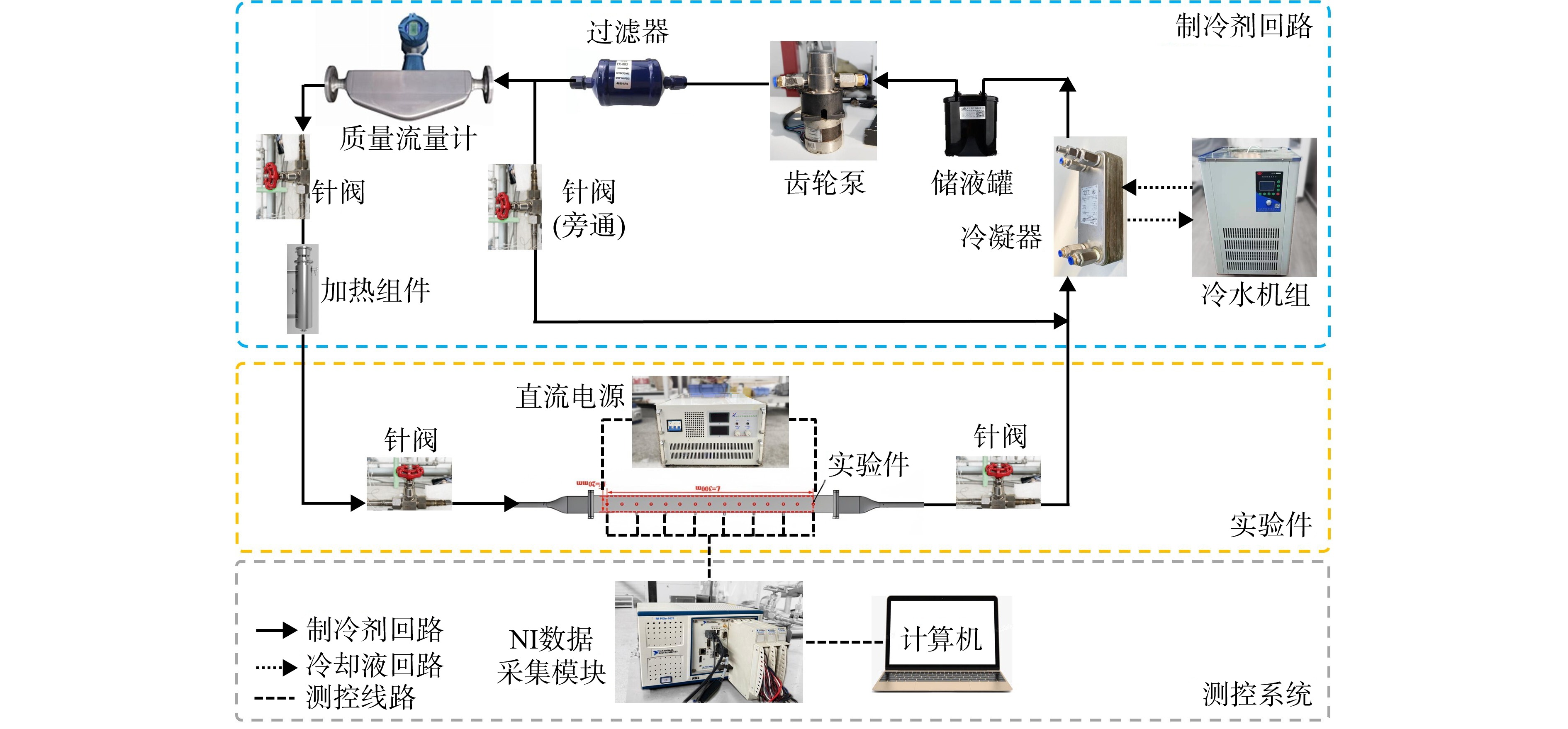
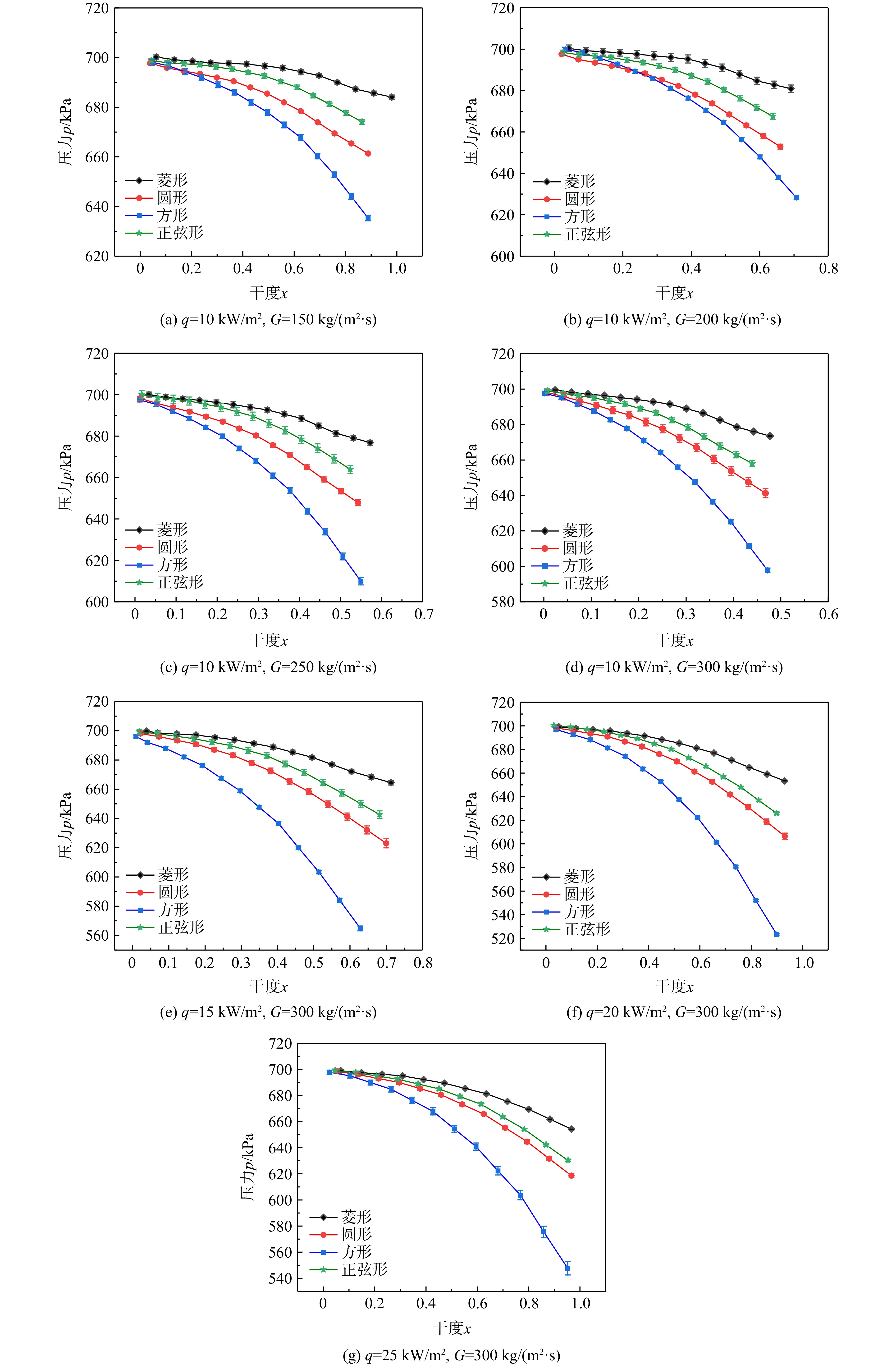
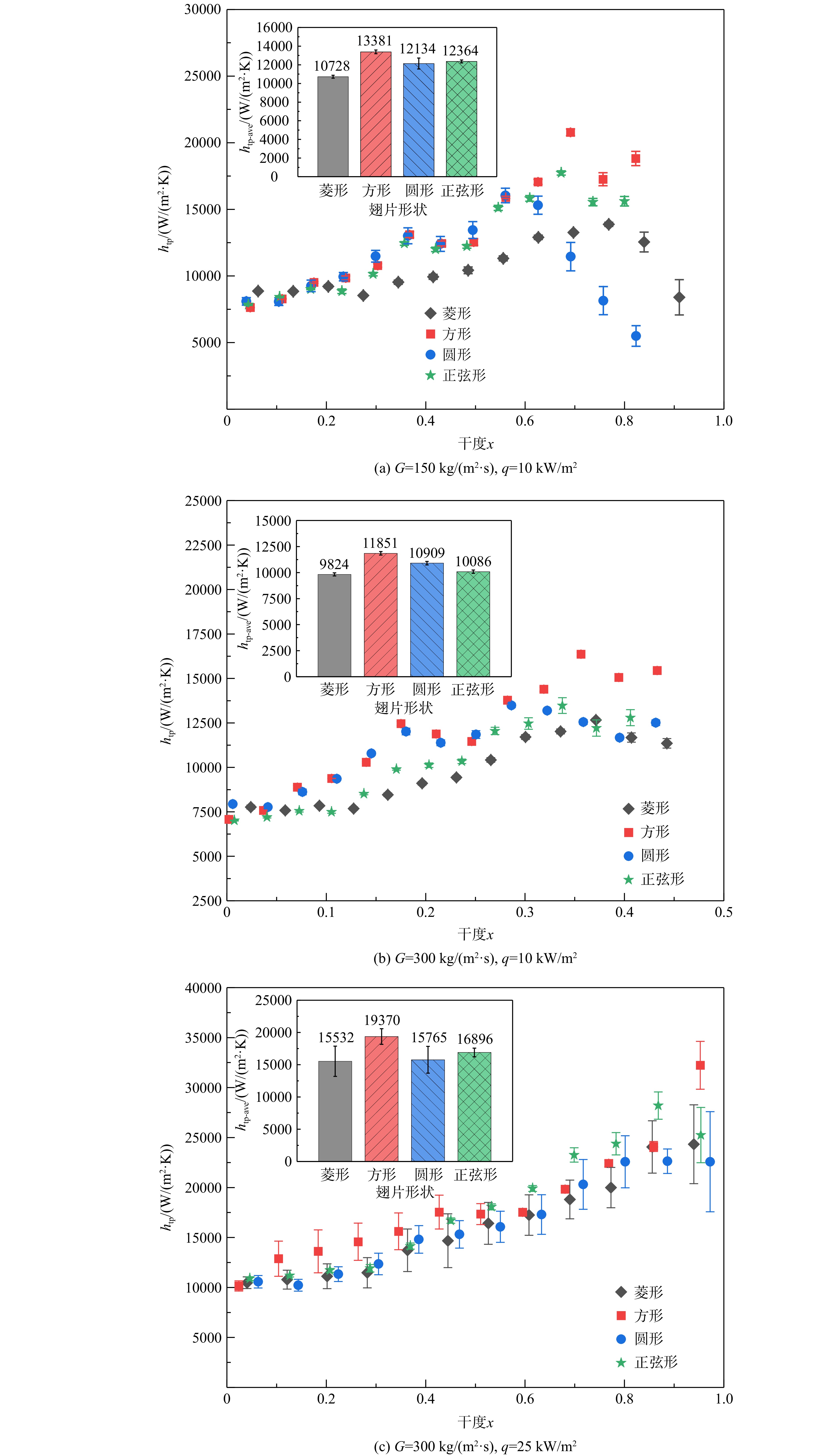
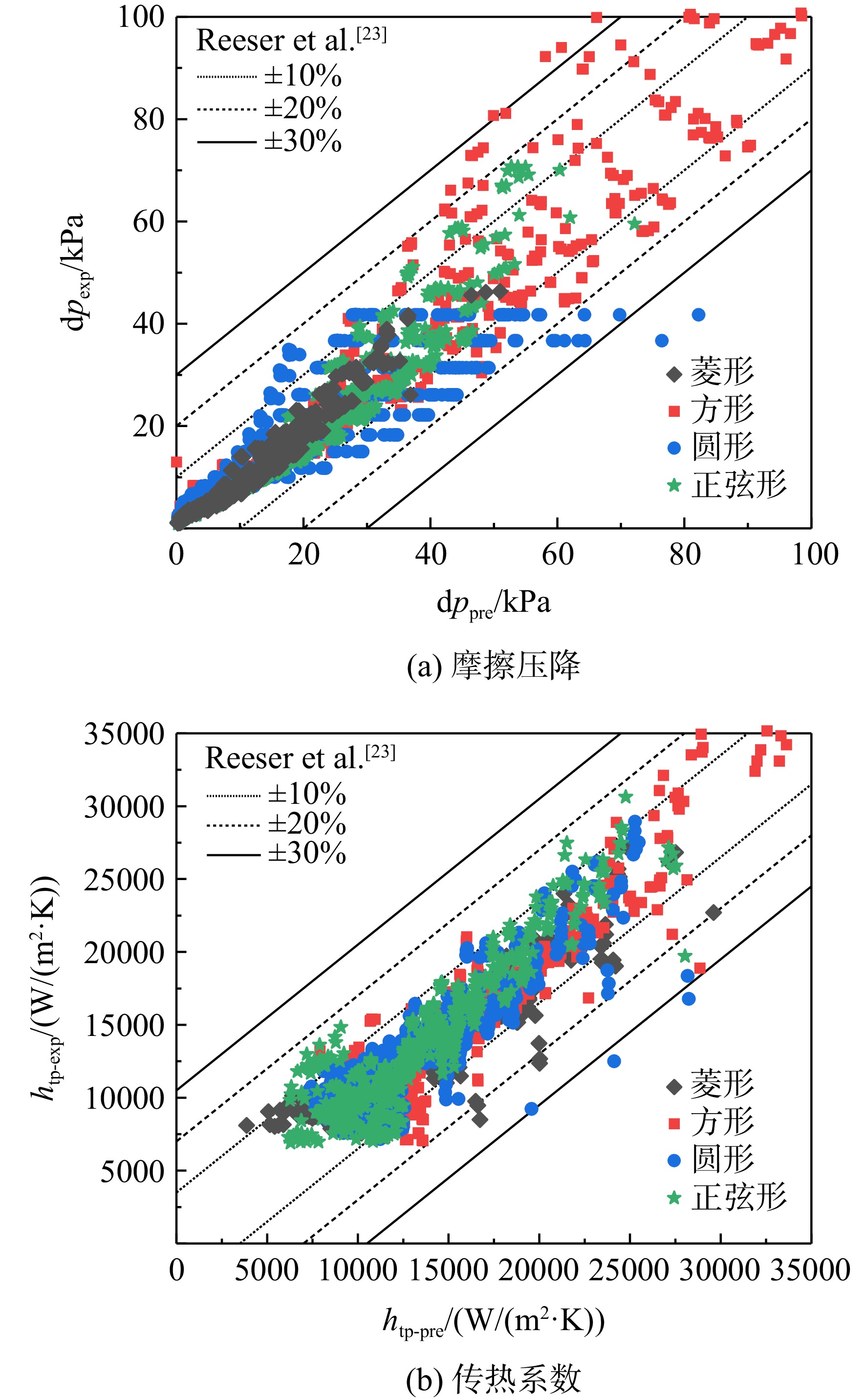
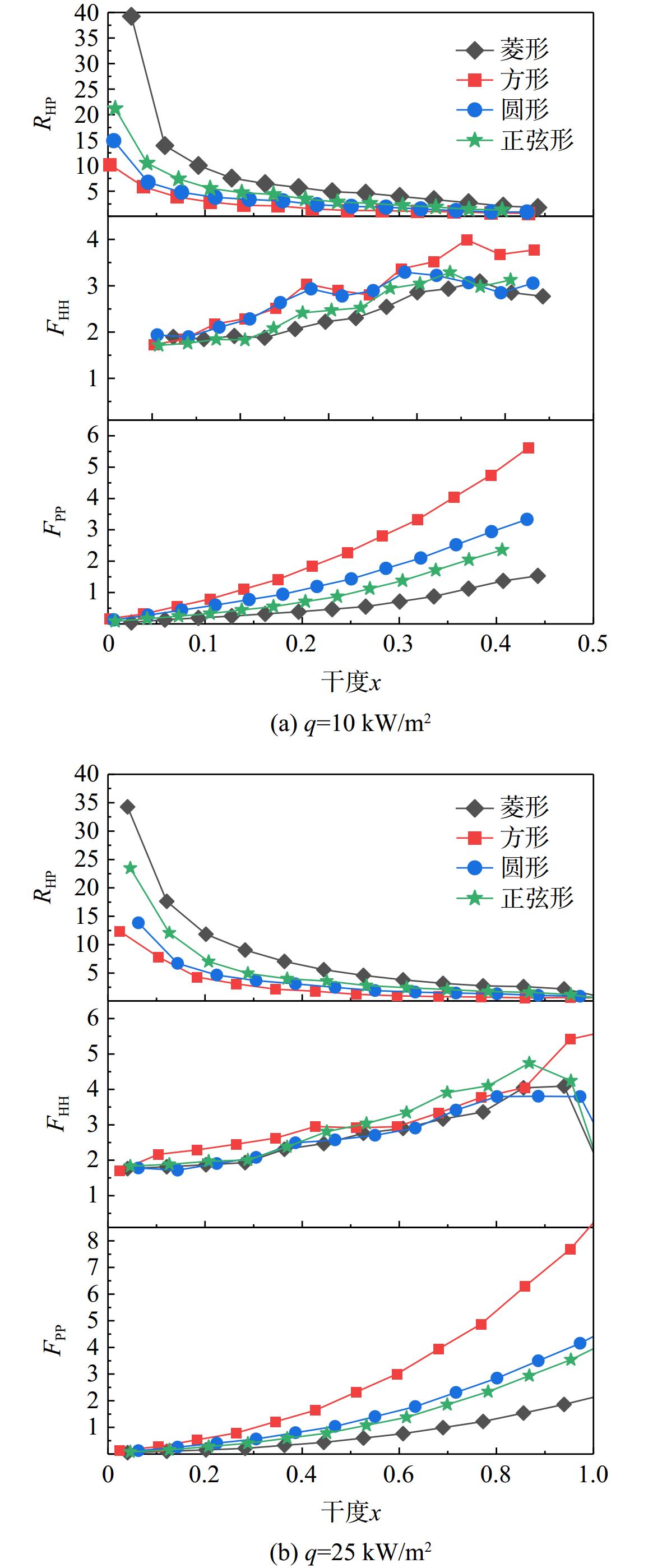
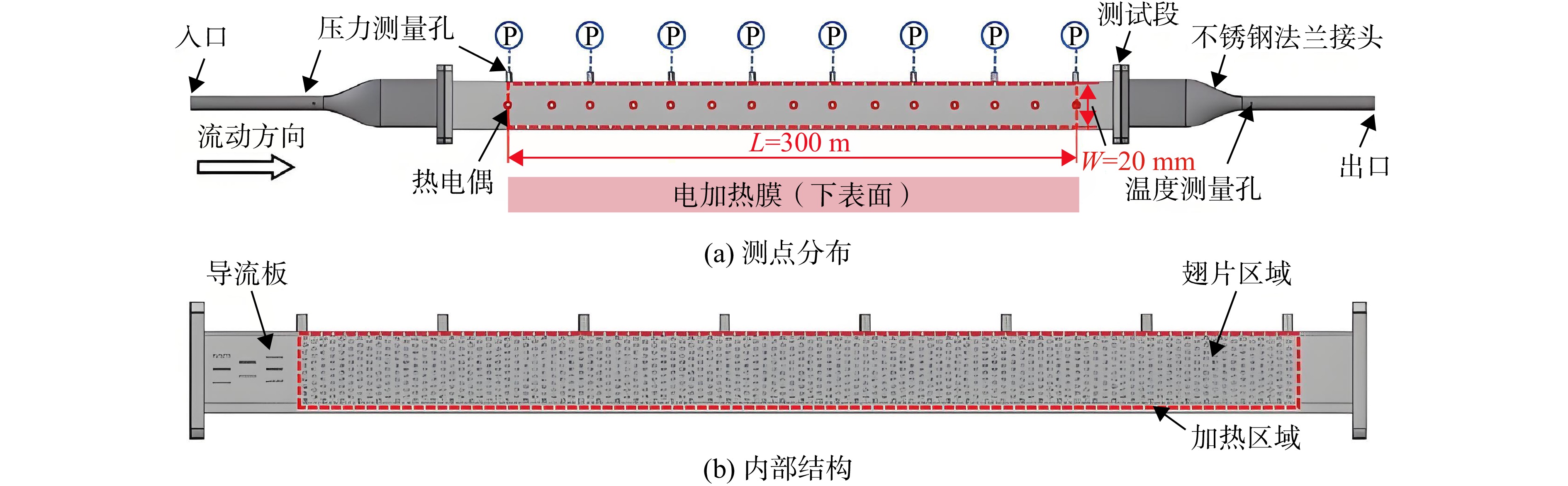
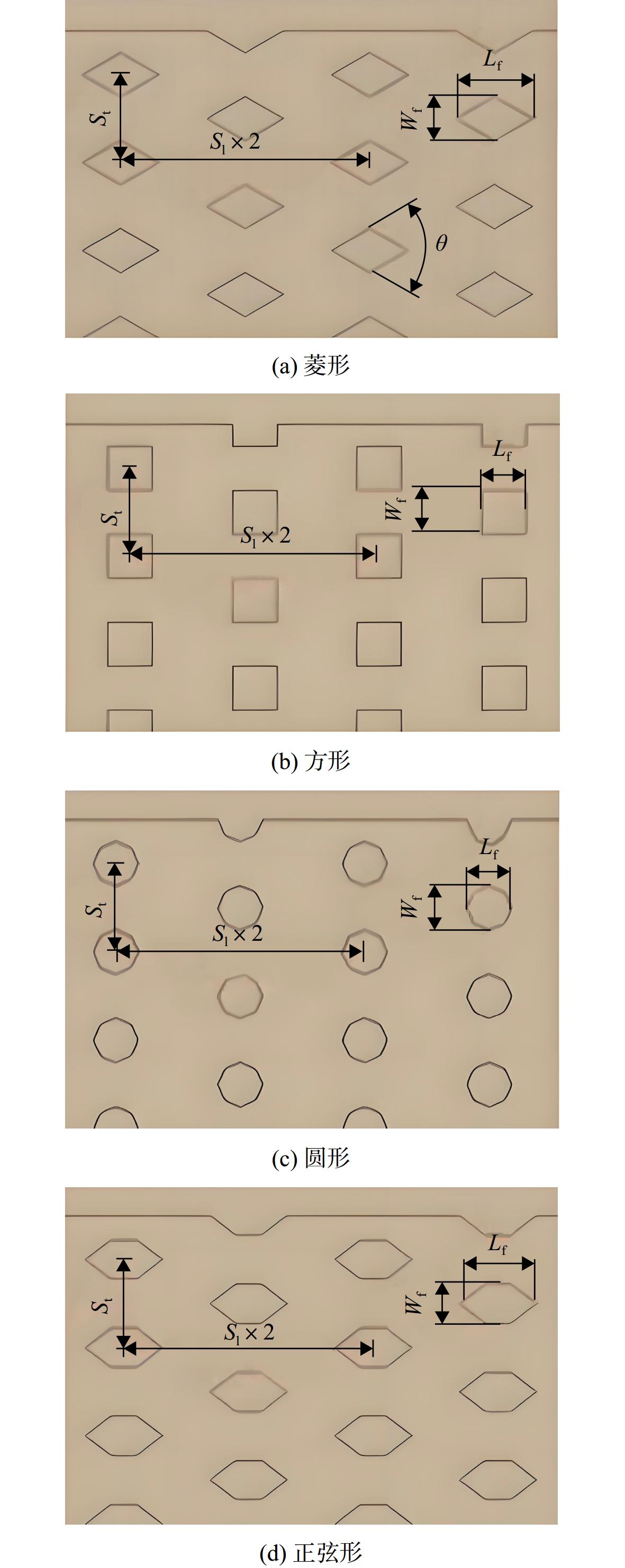
Mini channels with micro pin fins are engineerable heat sinks that can address the high heat flux dissipation for aerospace cooling systems. An experimental investigation of R134a flow boiling heat transfer was conducted in mini channels with circular, square, diamond, and sinusoidal fins, all of which had a hydraulic diameter of 0.67 mm. The experimental parameters covered a dryness range of 0 to 1, mass flux rates ranging from 150 to 300 kg/(m2·s), and heat flux between 10 and 25 kW/m2. Results indicated that both the flow boiling pressure drop and the heat transfer coefficient in mini channels increased with higher mass flux and heat flux. A comparative analysis revealed that fin shape had a more pronounced effect on the pressure drop than on the heat transfer coefficient. e.g., when the mass flux was 150 kg/(m2·s) and the heat flux density was 10 kW/m2, the pressure drops of square, circular, and sinusoidal fins were approximately 272.4%, 116.9%, and 48.7% higher than those of diamond-shaped fins, while the average boiling heat transfer coefficients only increased by 20.6%, 11.0%, and 2.7% compared with diamond-shaped fins. When the mass flux was 300 kg/(m2·s) and the heat flux density was 25 kW/m2, the pressure drops of square, circular, and sinusoidal fins rose by 351.1%, 121.1%, and 94.7% in contrast to diamond-shaped fins, and their average boiling heat transfer coefficients went up by about 24.7%, 11.0%, and 8.8%, respectively, in relative to diamond-shaped fins. Based on the experimental test data, the prediction correlation for discrete fin microchannel flow boiling pressure drop and heat transfer was revised, and a comparative analysis of the overall performance of different fins was carried out. The results demonstrated that diamond-shaped fins had superior overall performance.

Numerical simulation of leading-edge film cooling on the rotating twisted turbine blade
Han Feng, Chen Jiaona, Pu Haotian, Jiang Wentao, Huang Yongjian, Mao Junkui
2026, 41(10): 20250426. doi: 10.13224/j.cnki.jasp.20250426
Abstract:

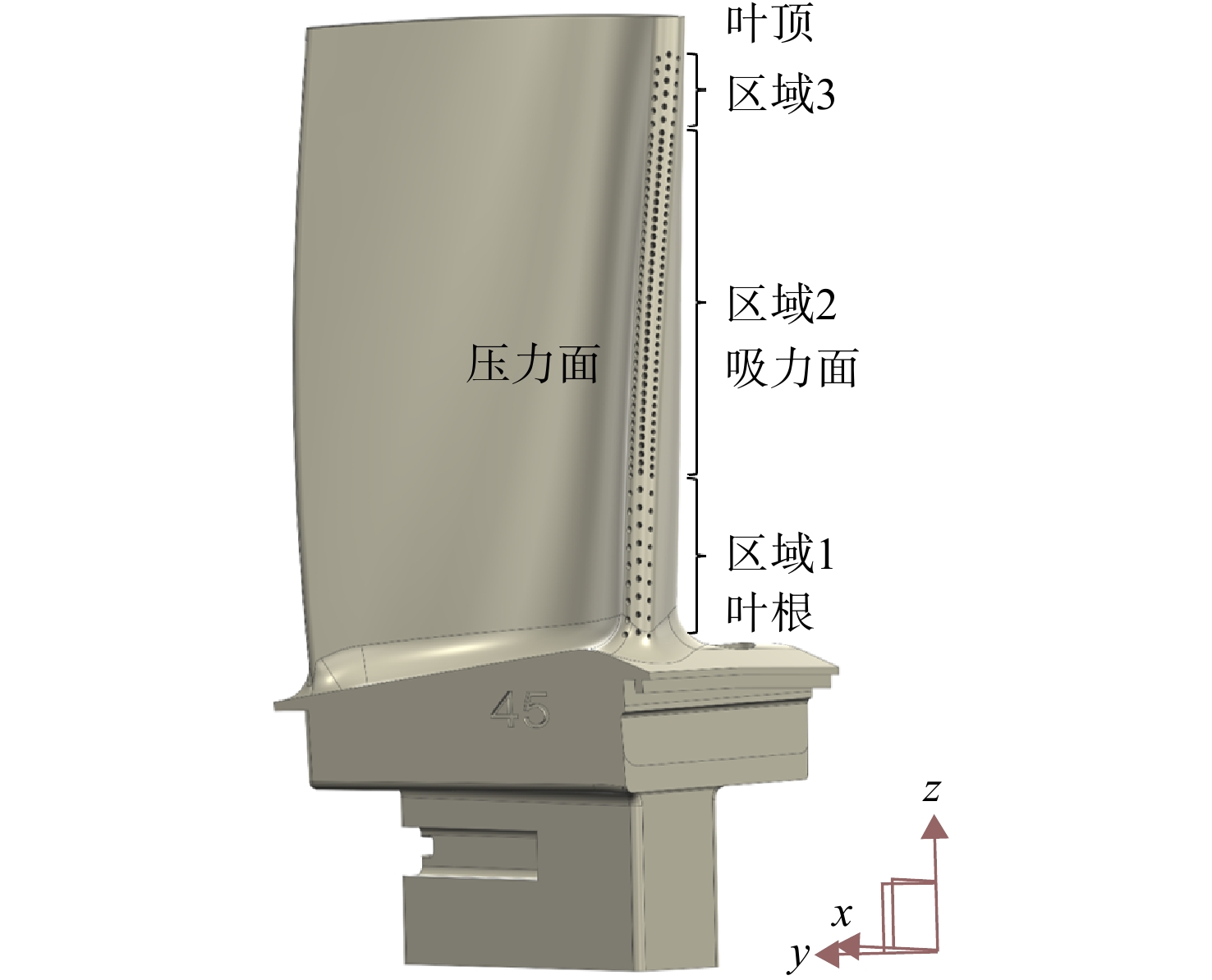
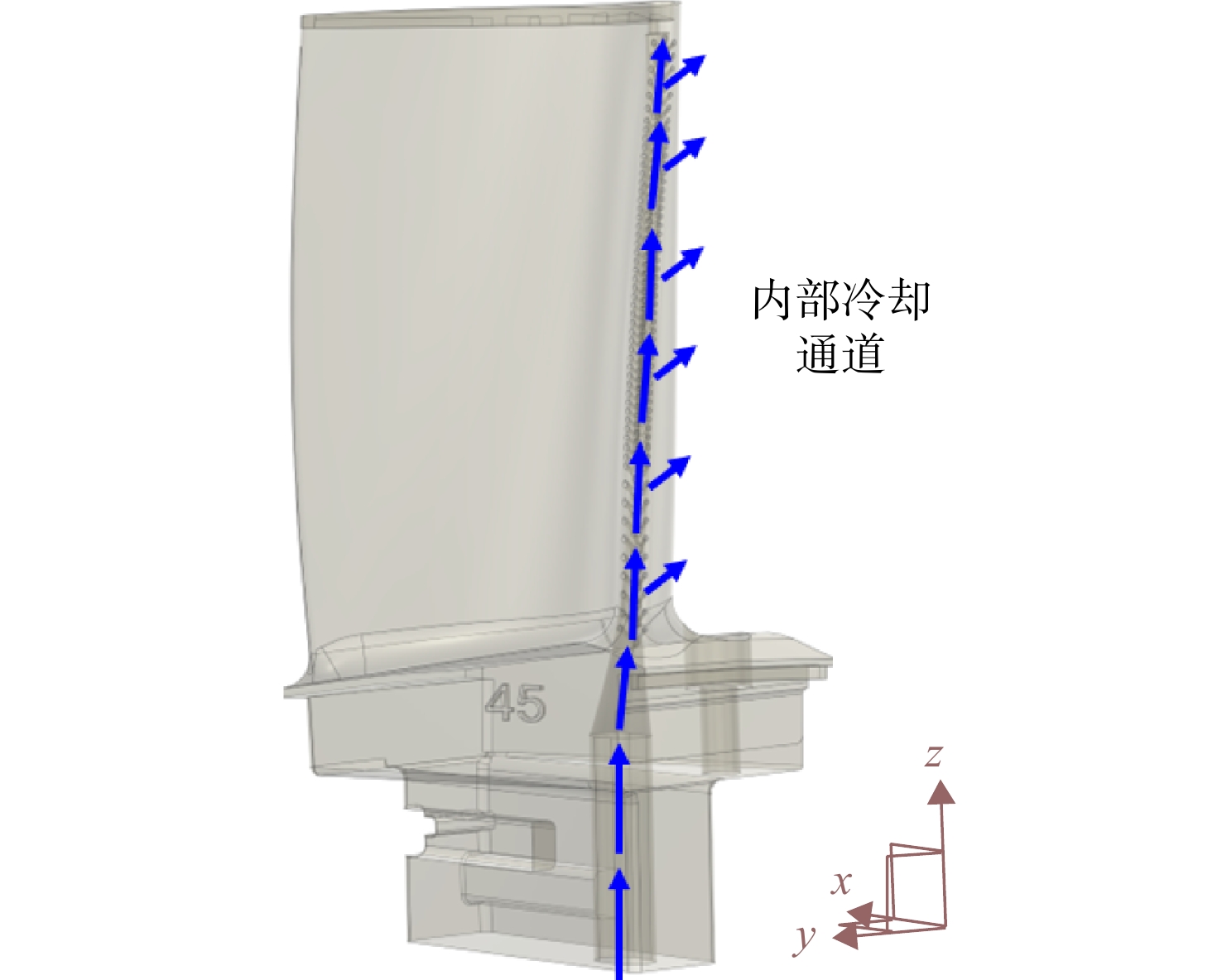
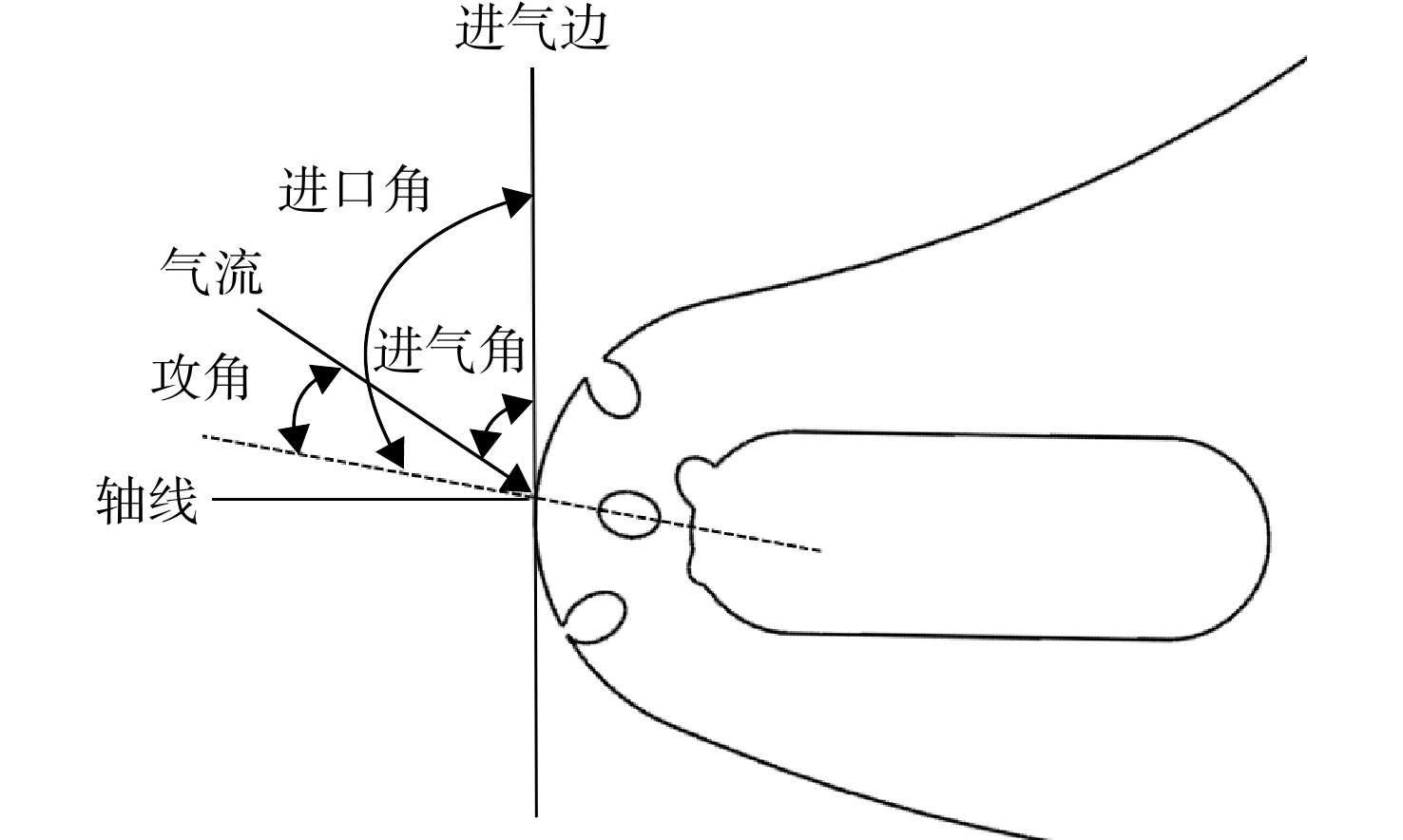
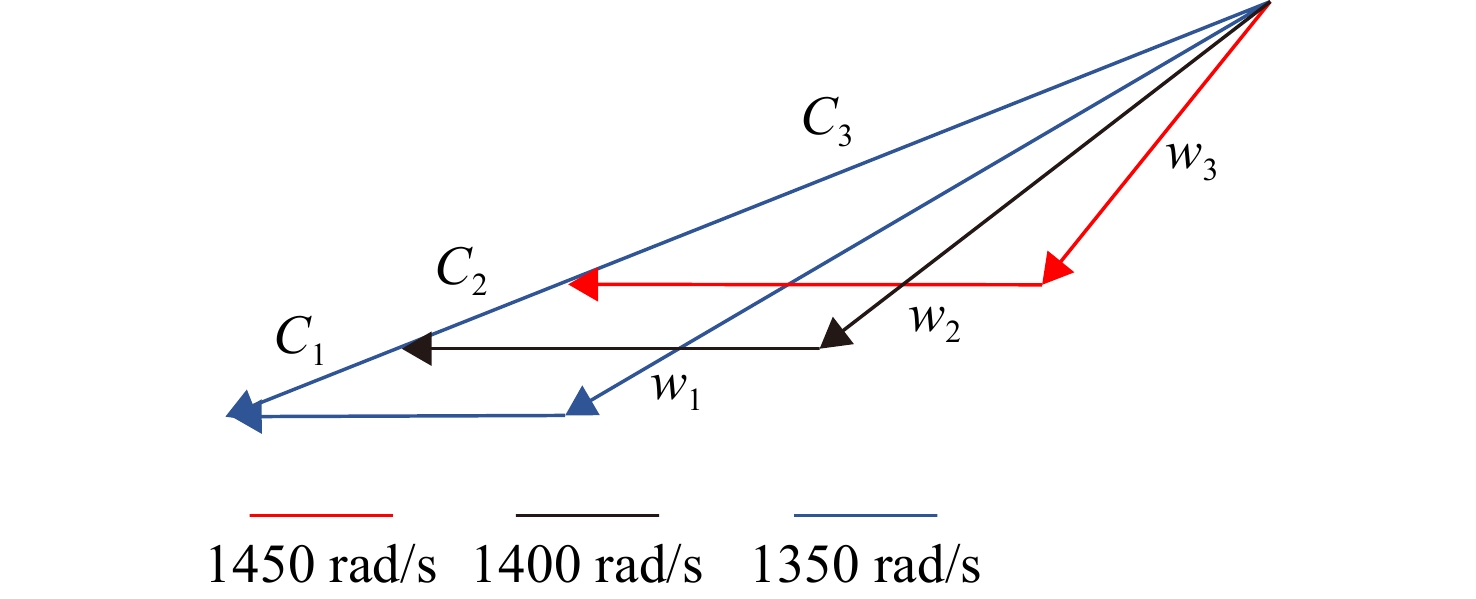
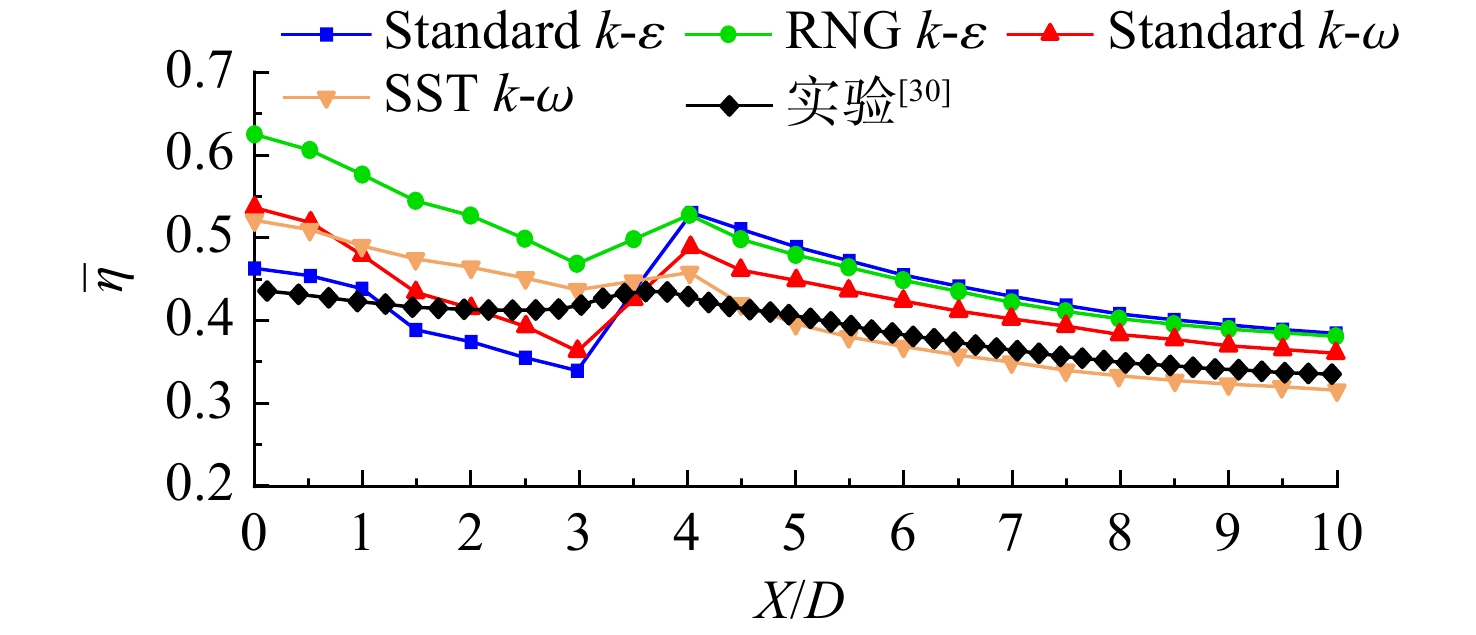
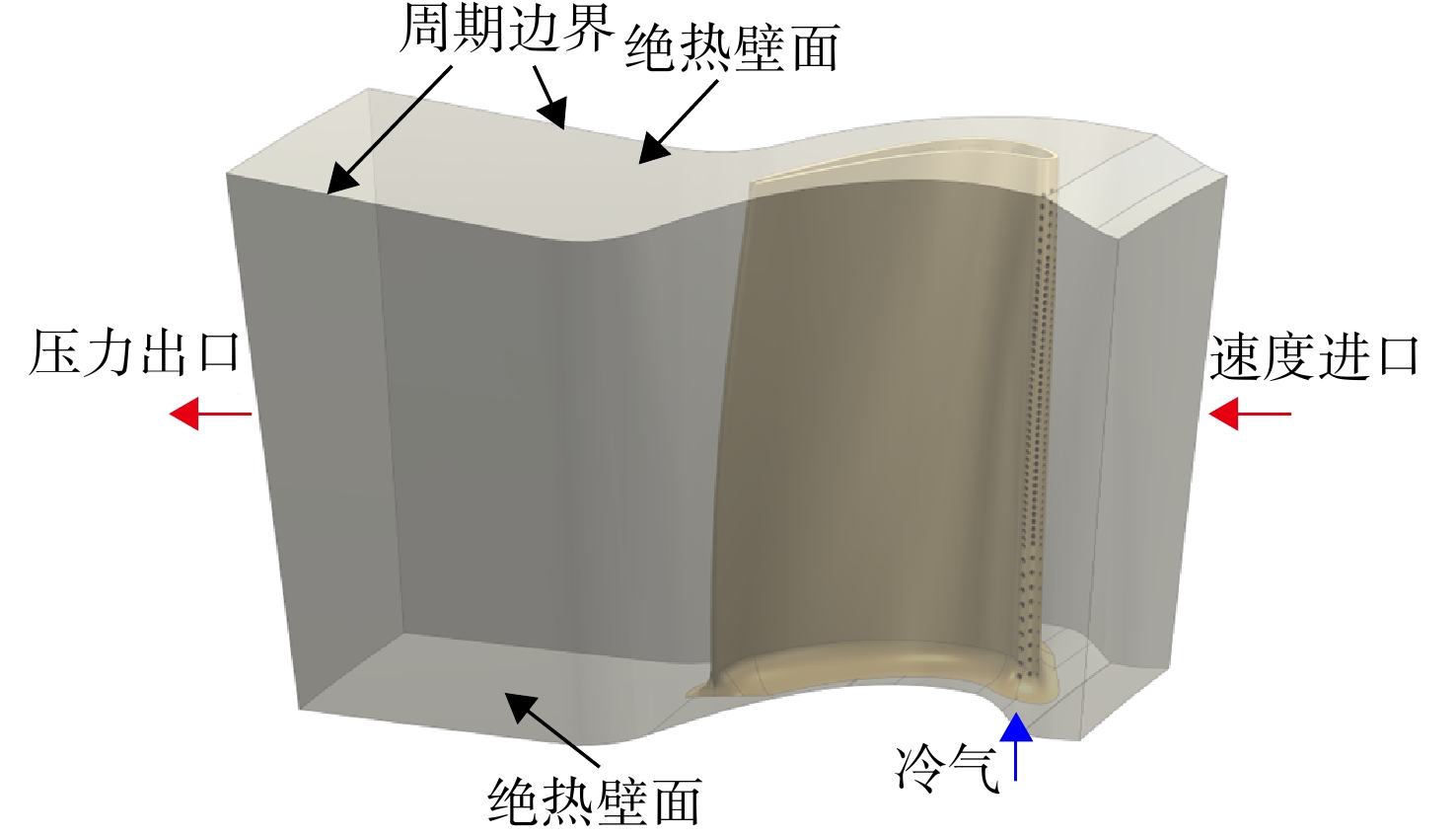
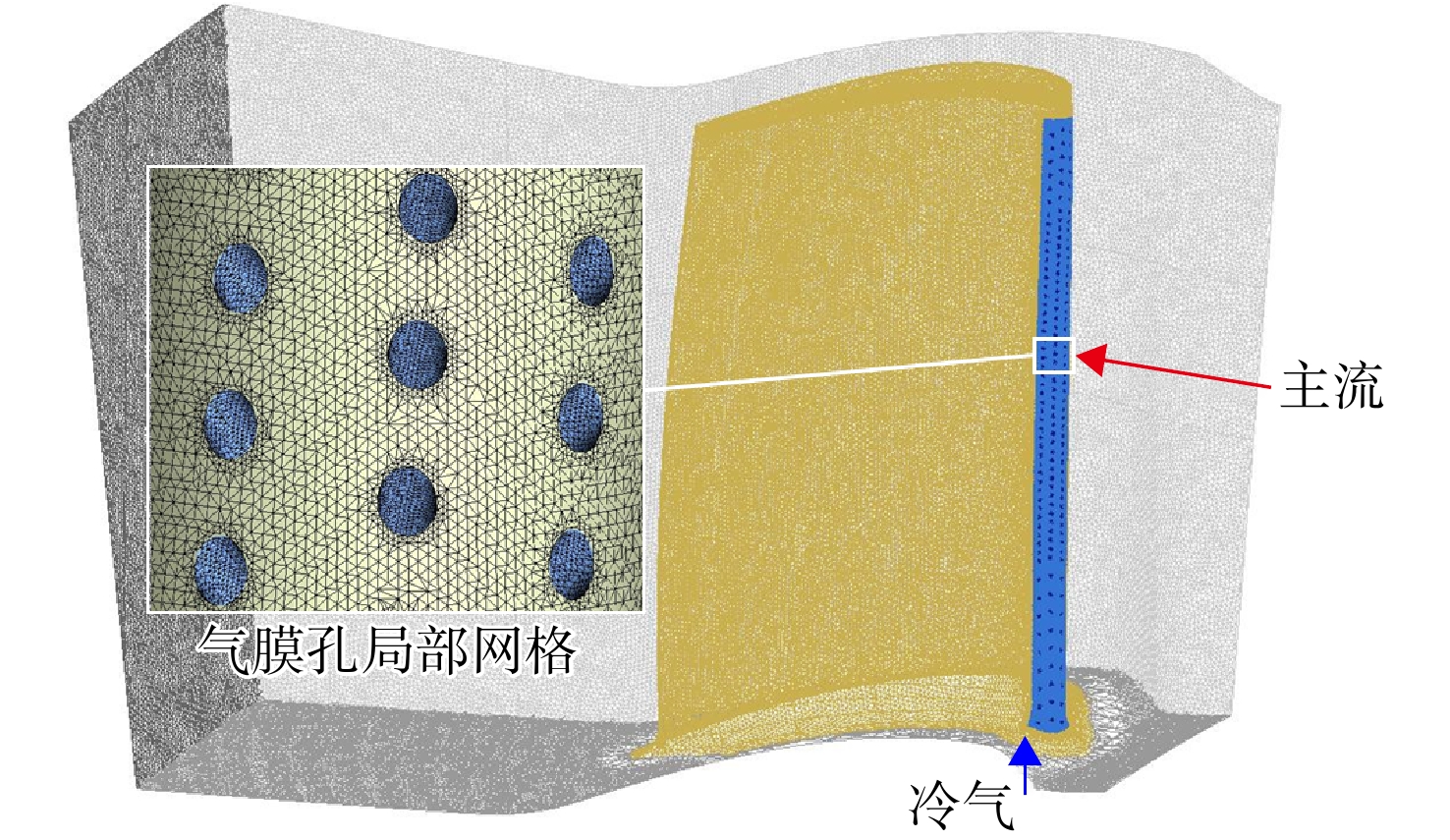
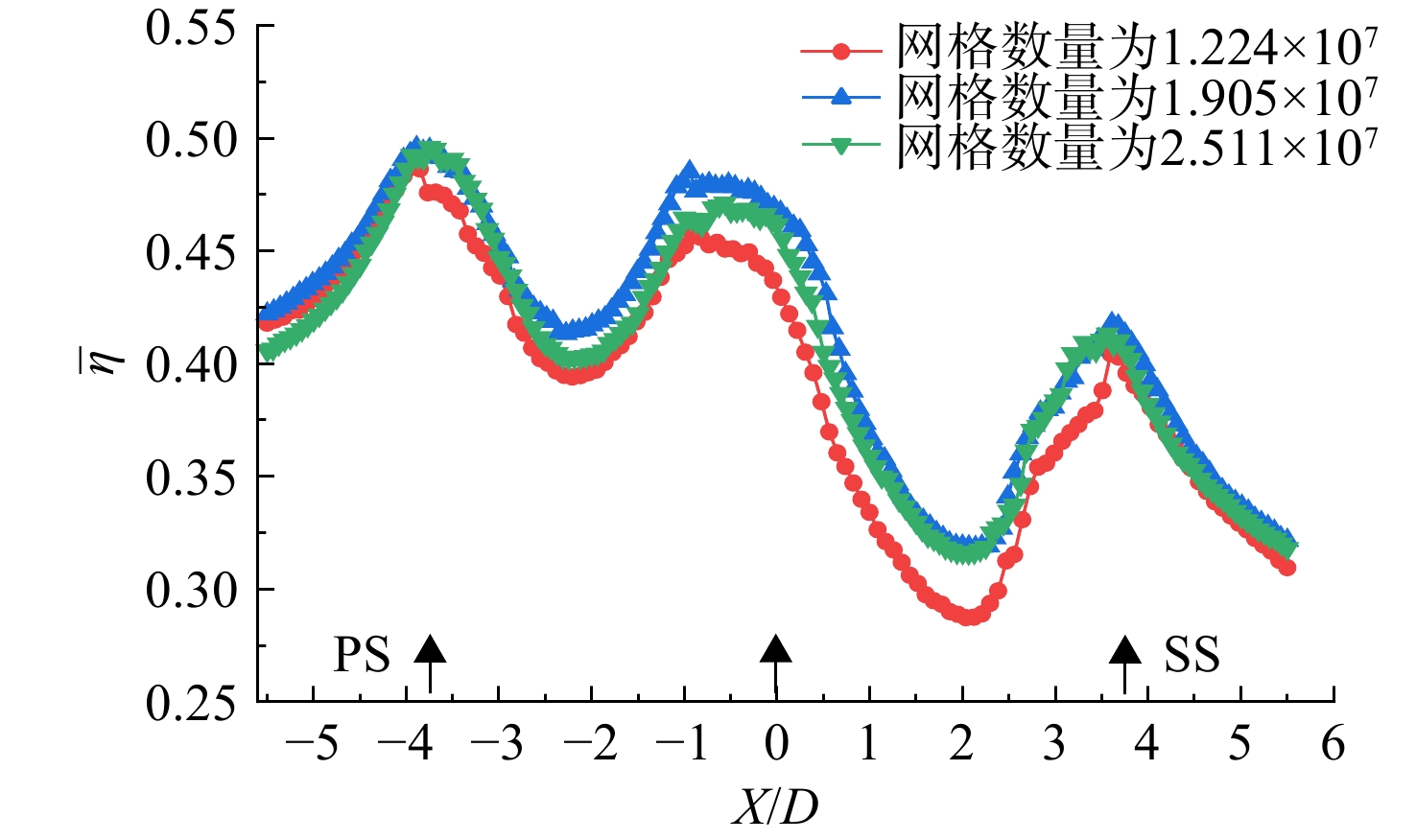
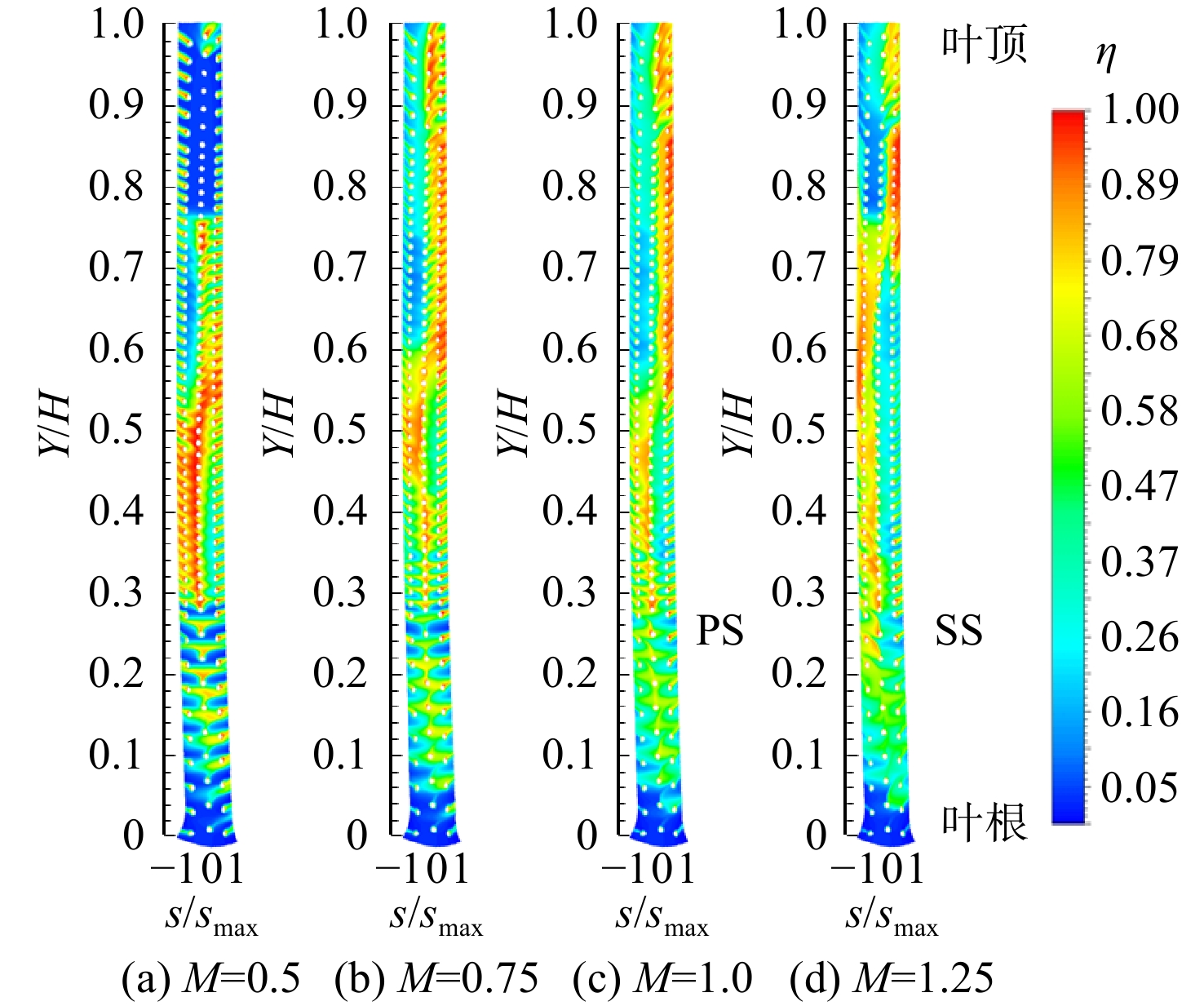
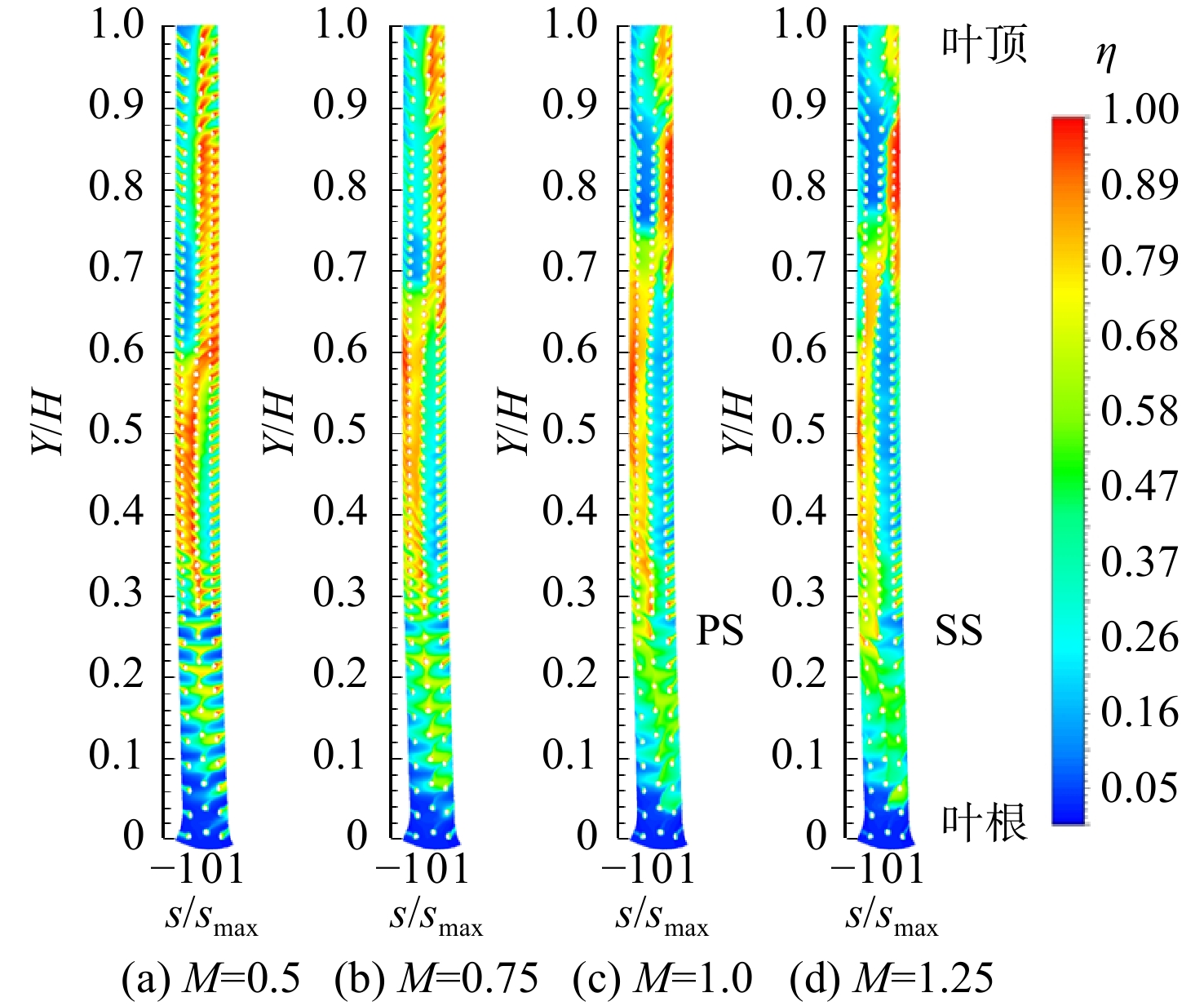
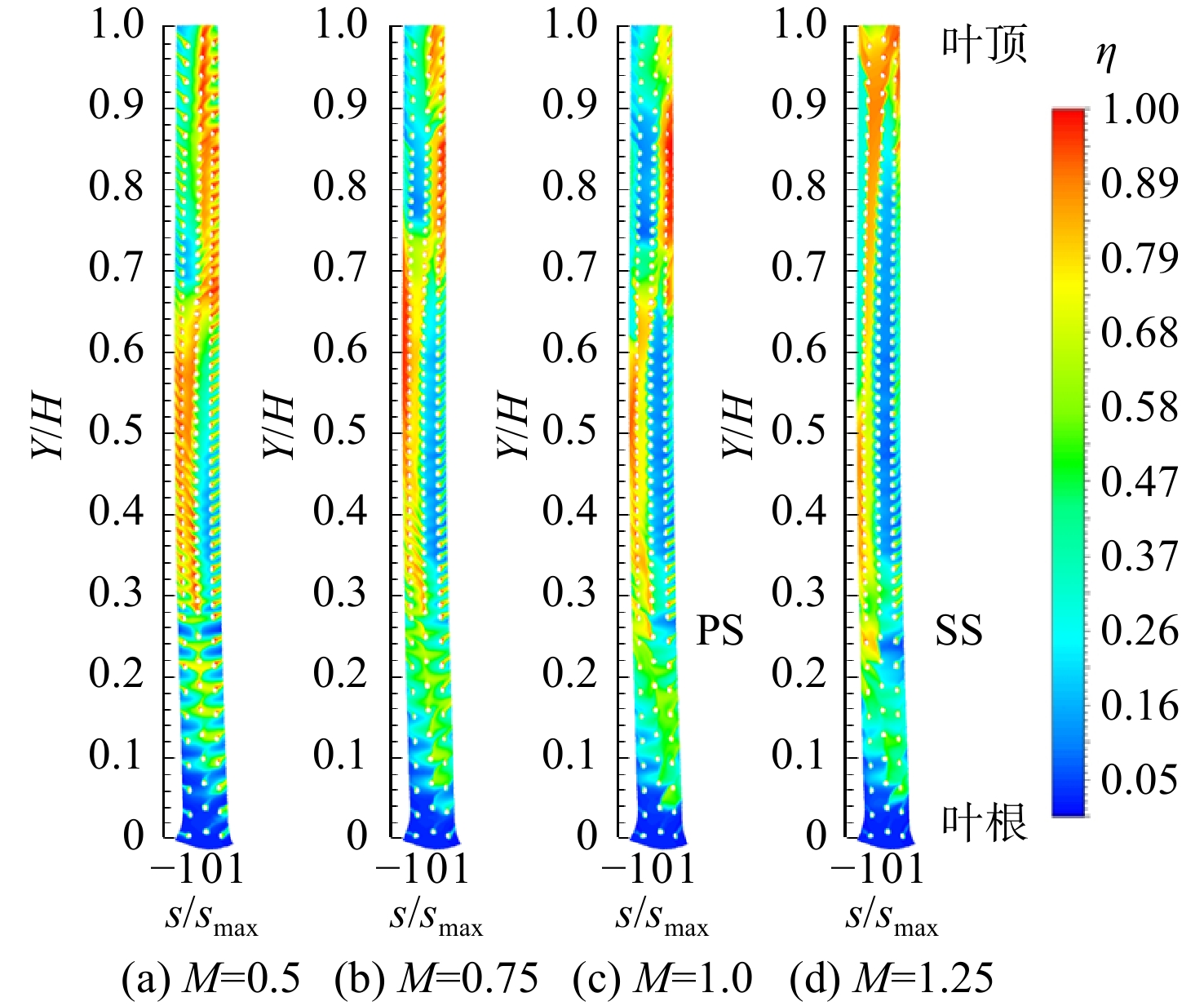
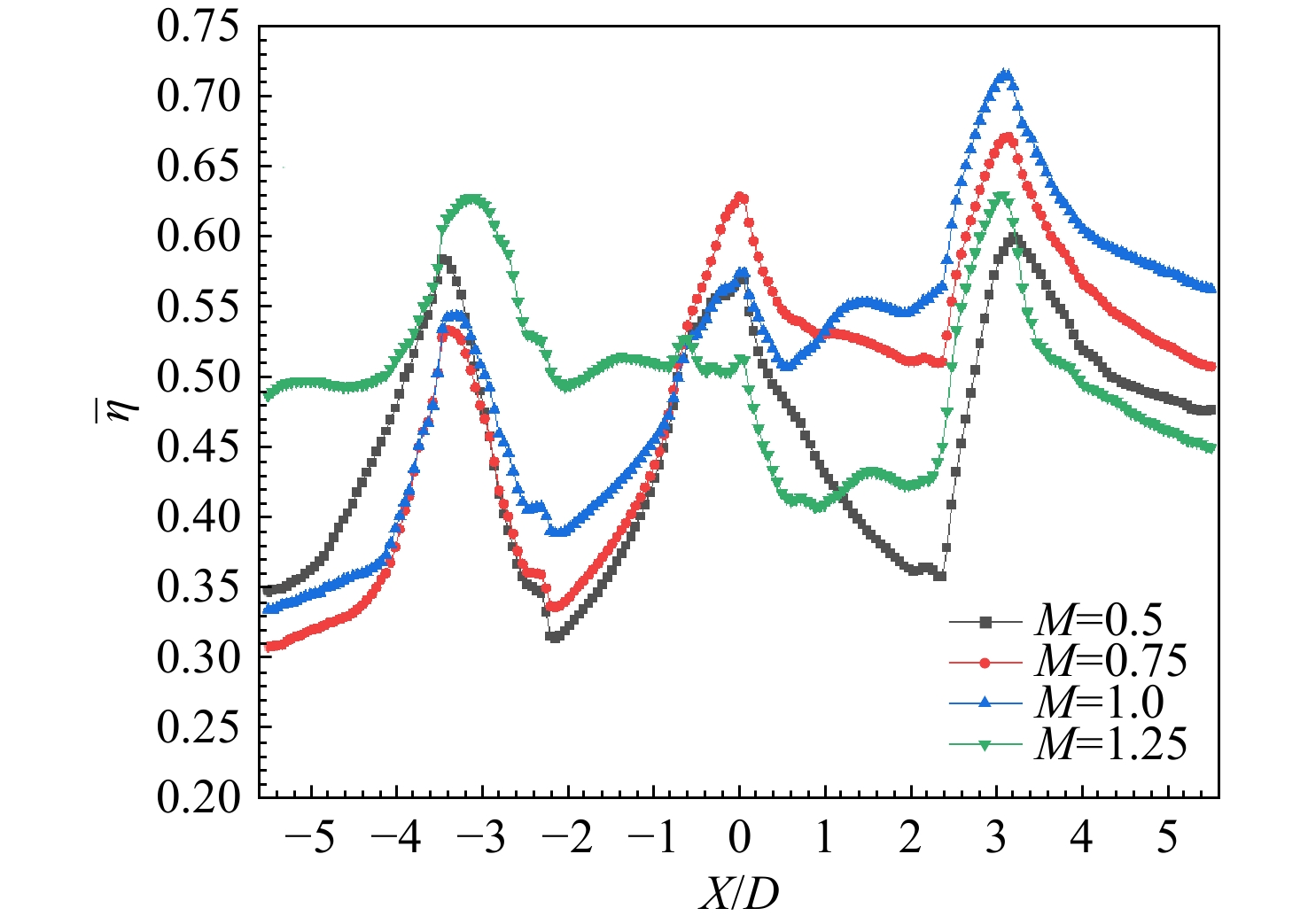
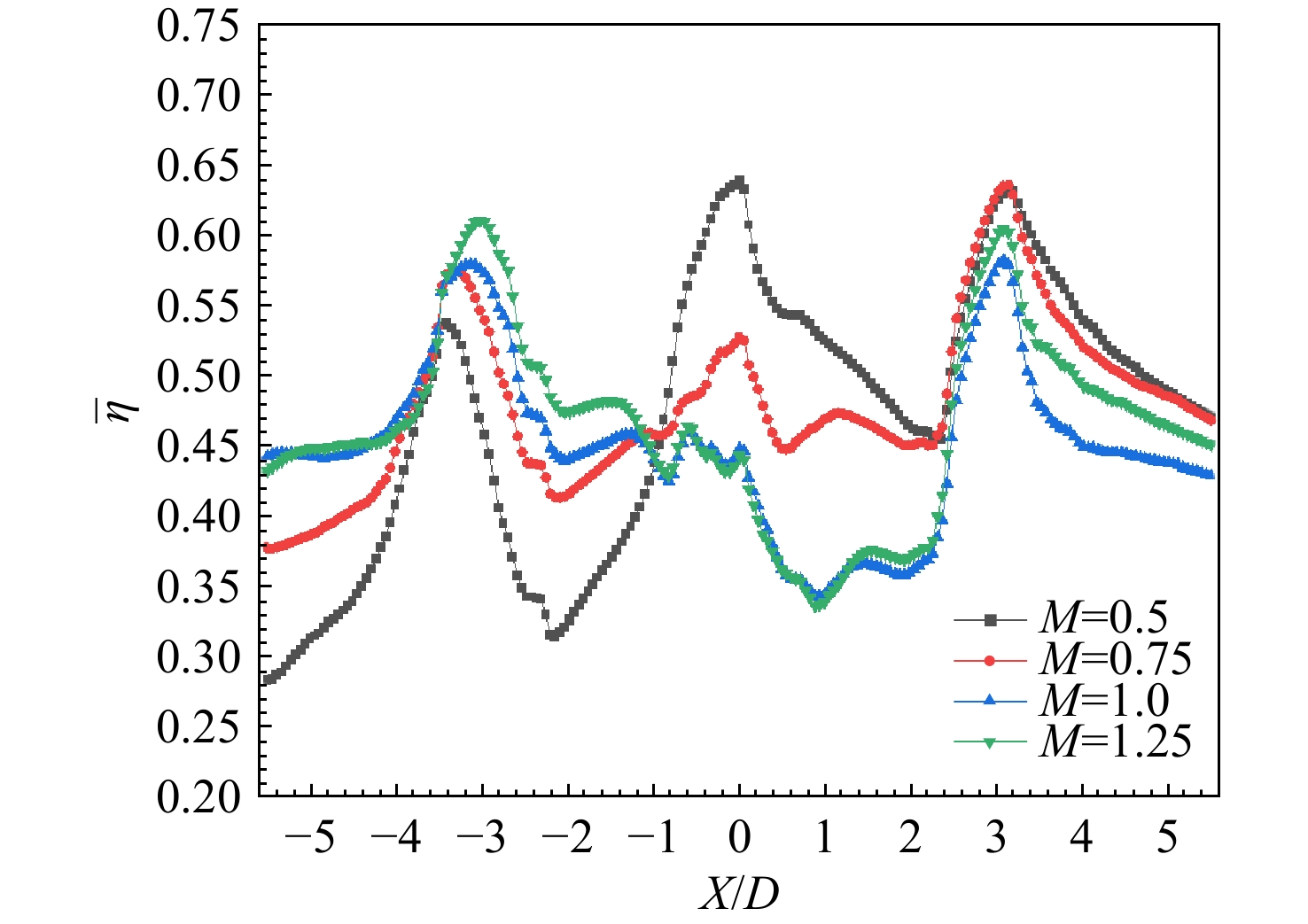
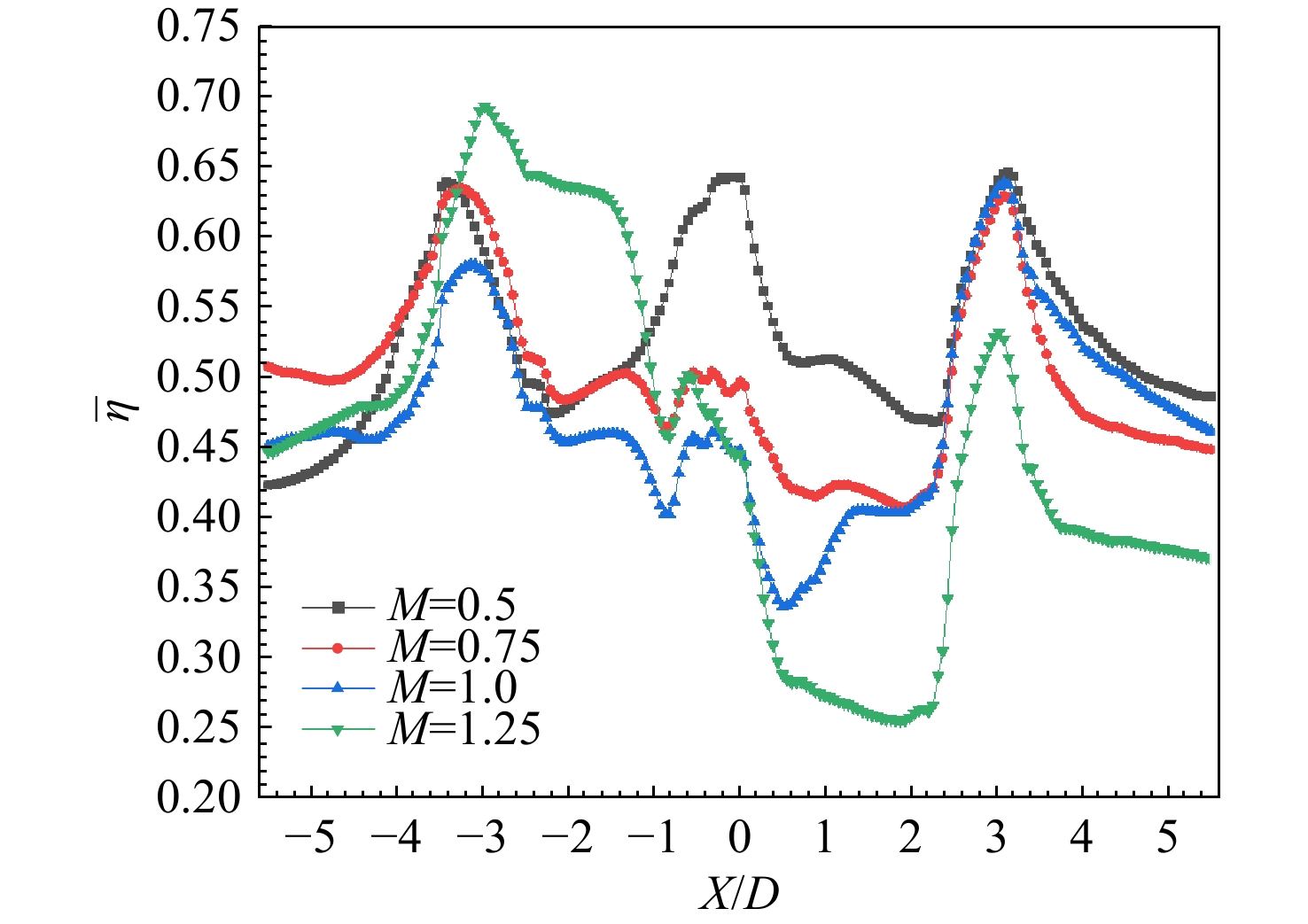
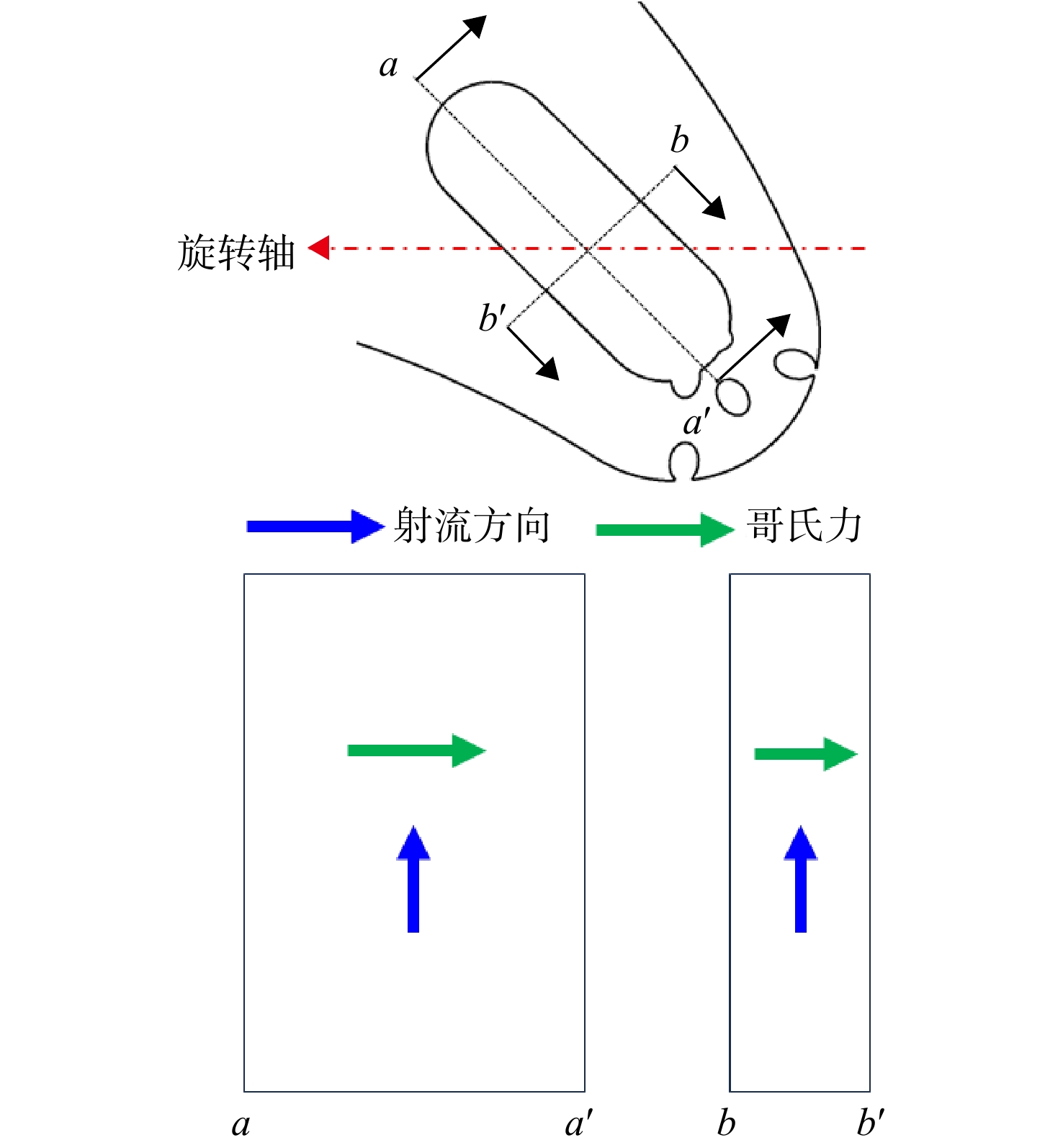
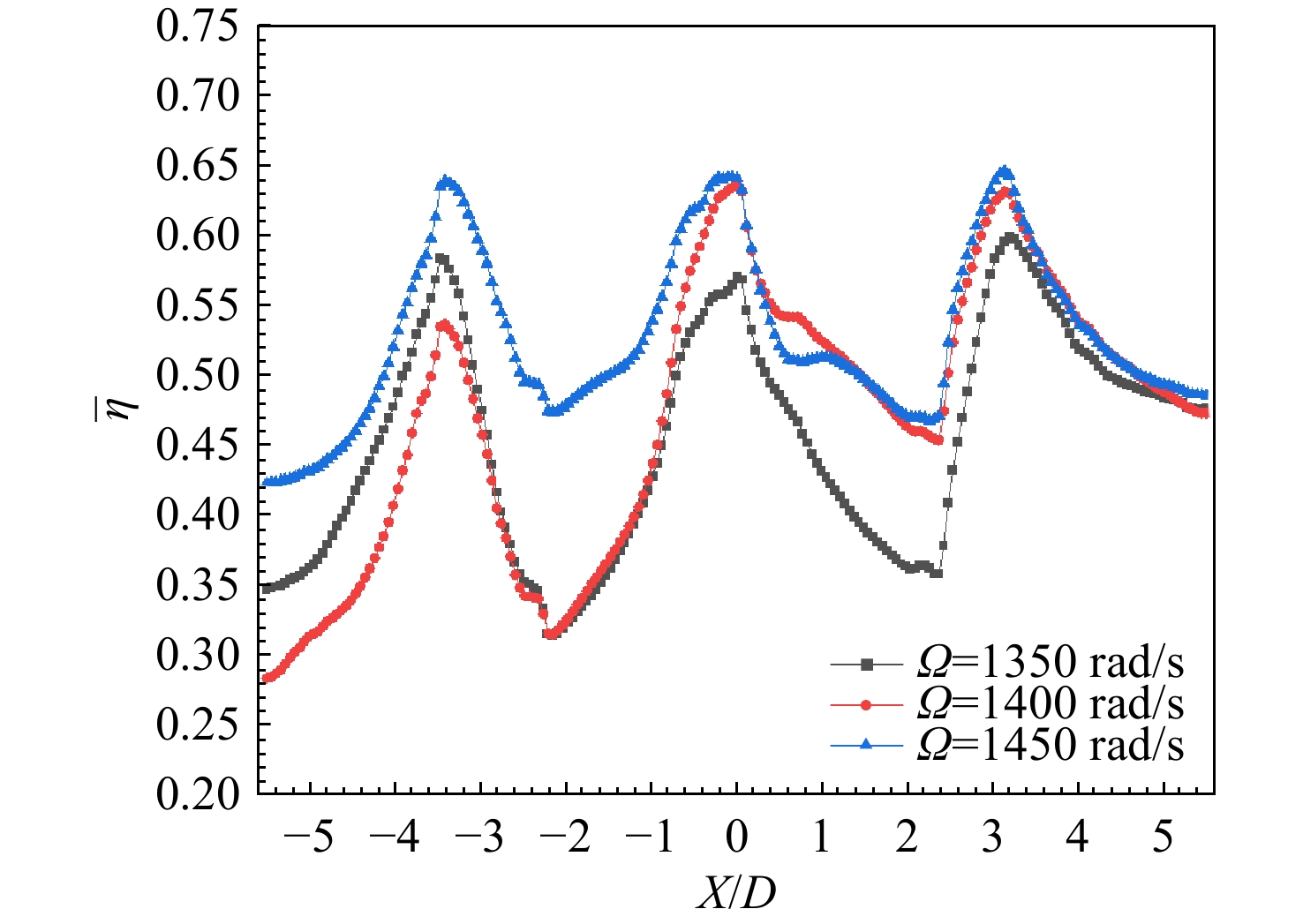
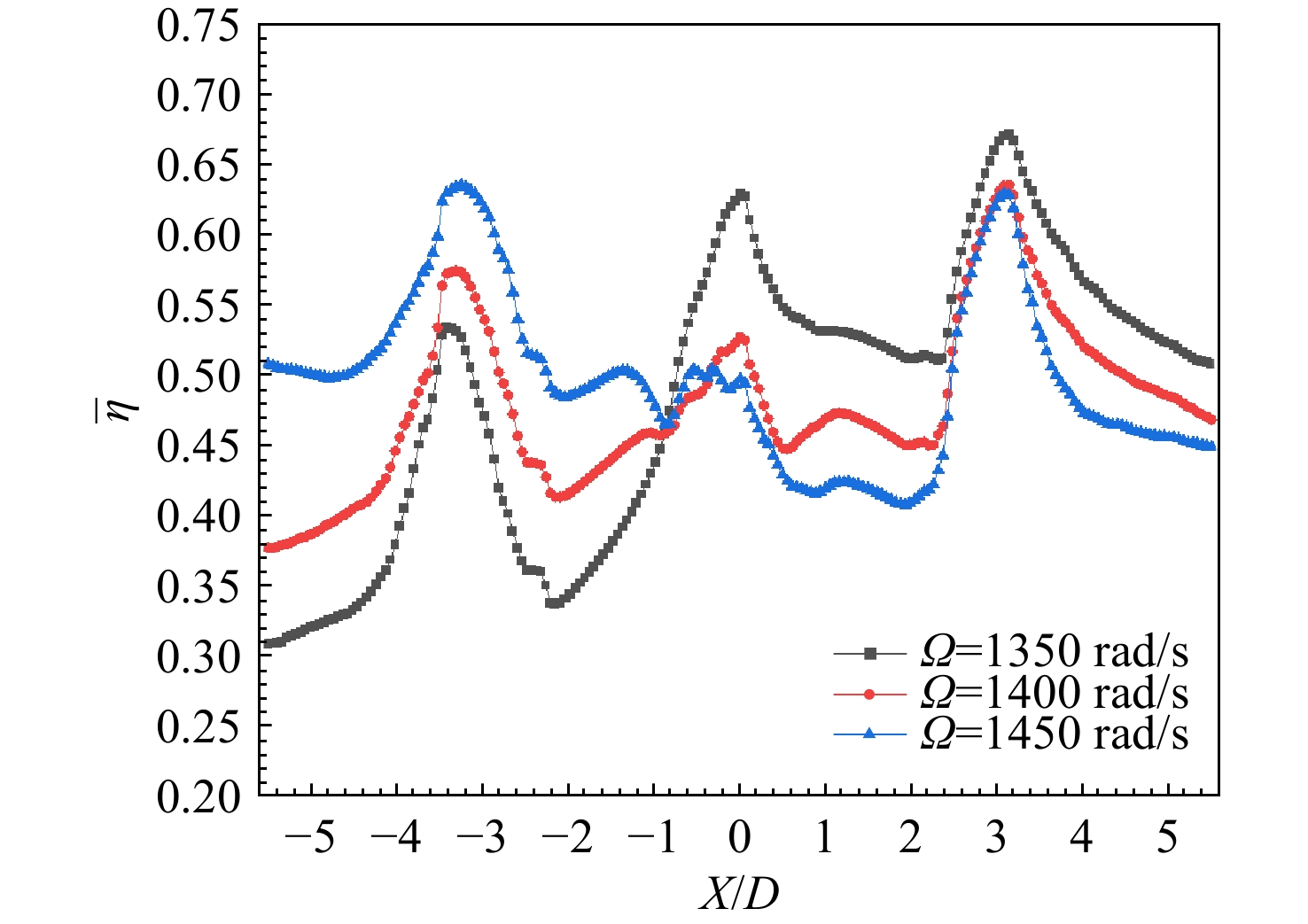
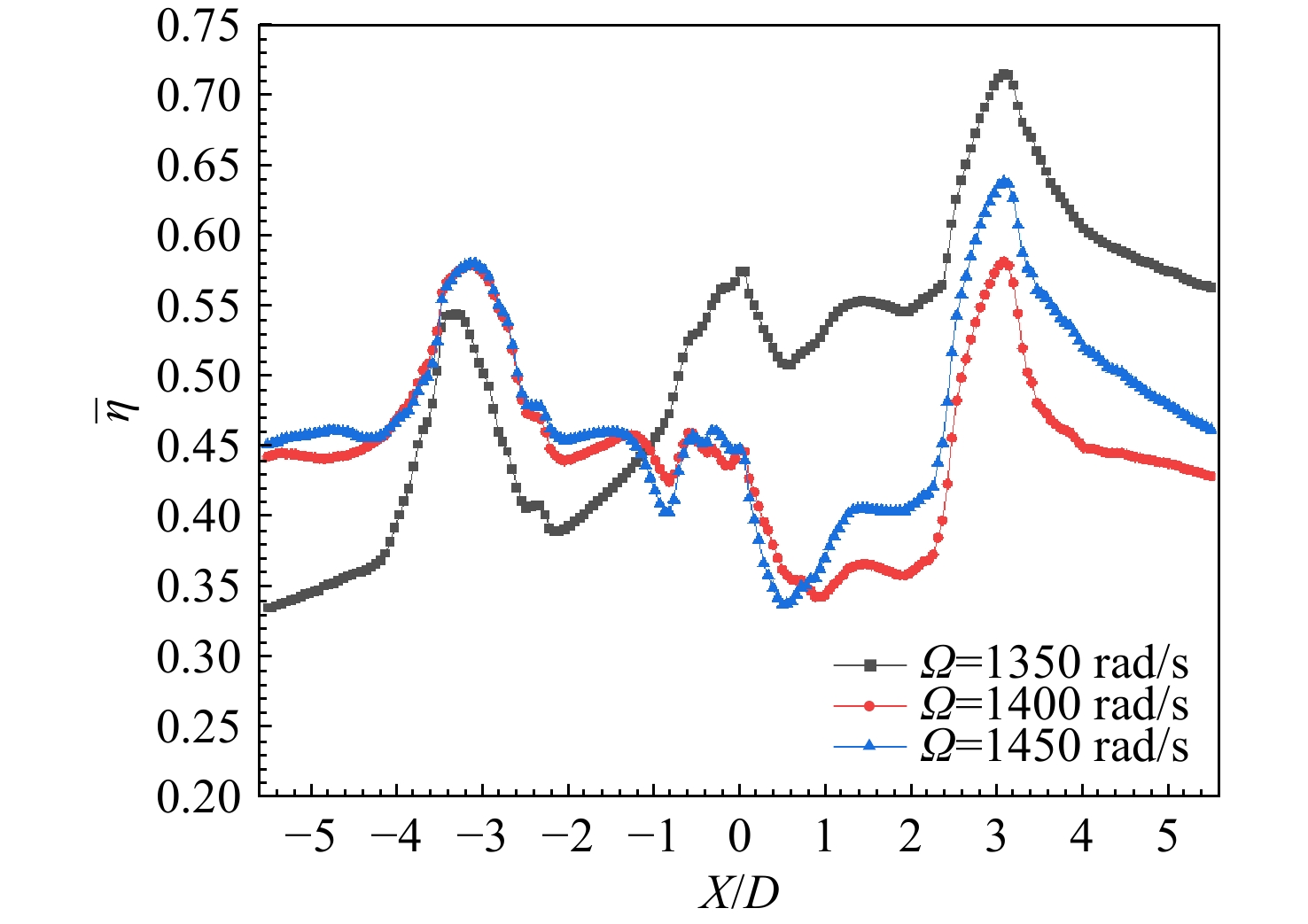
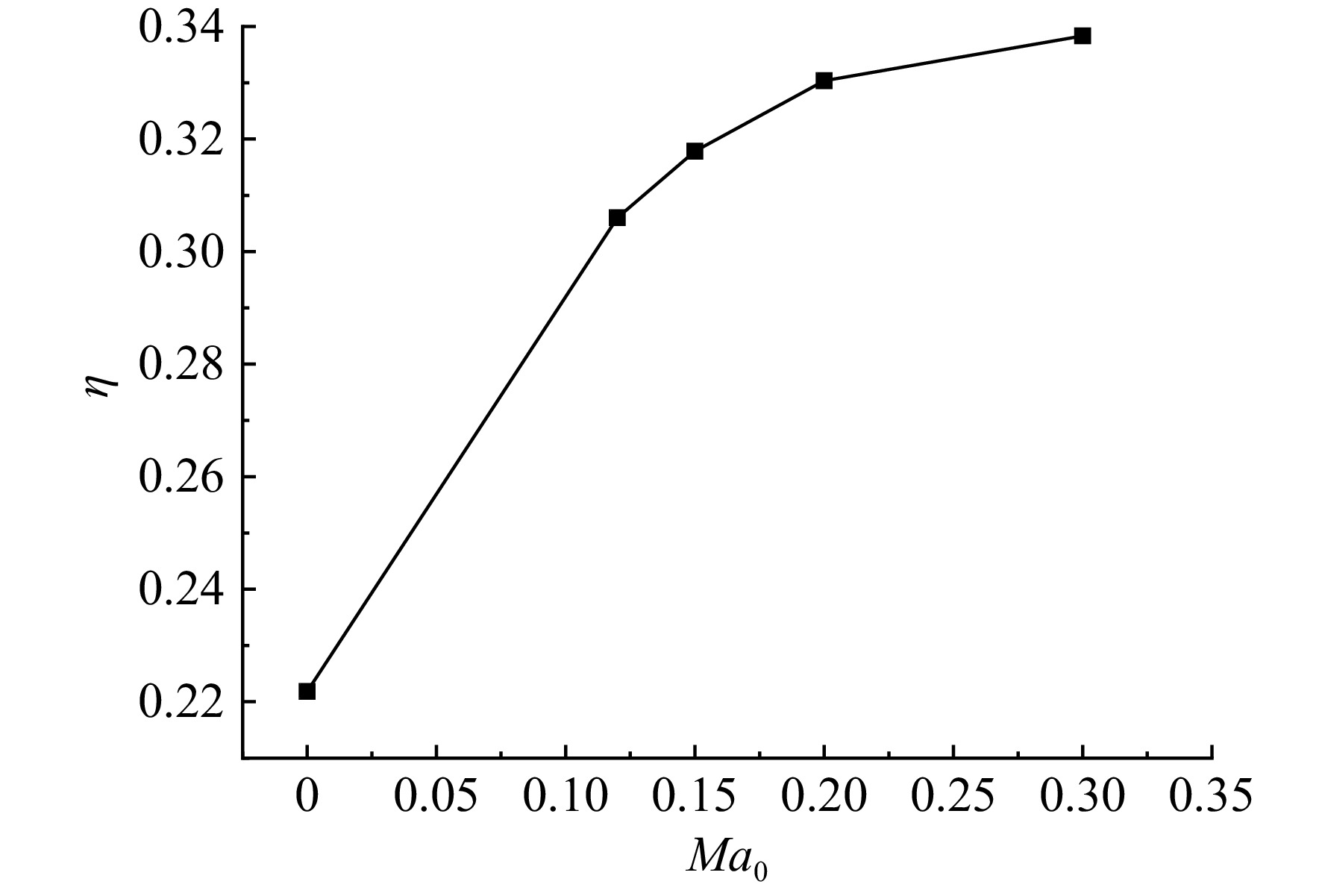
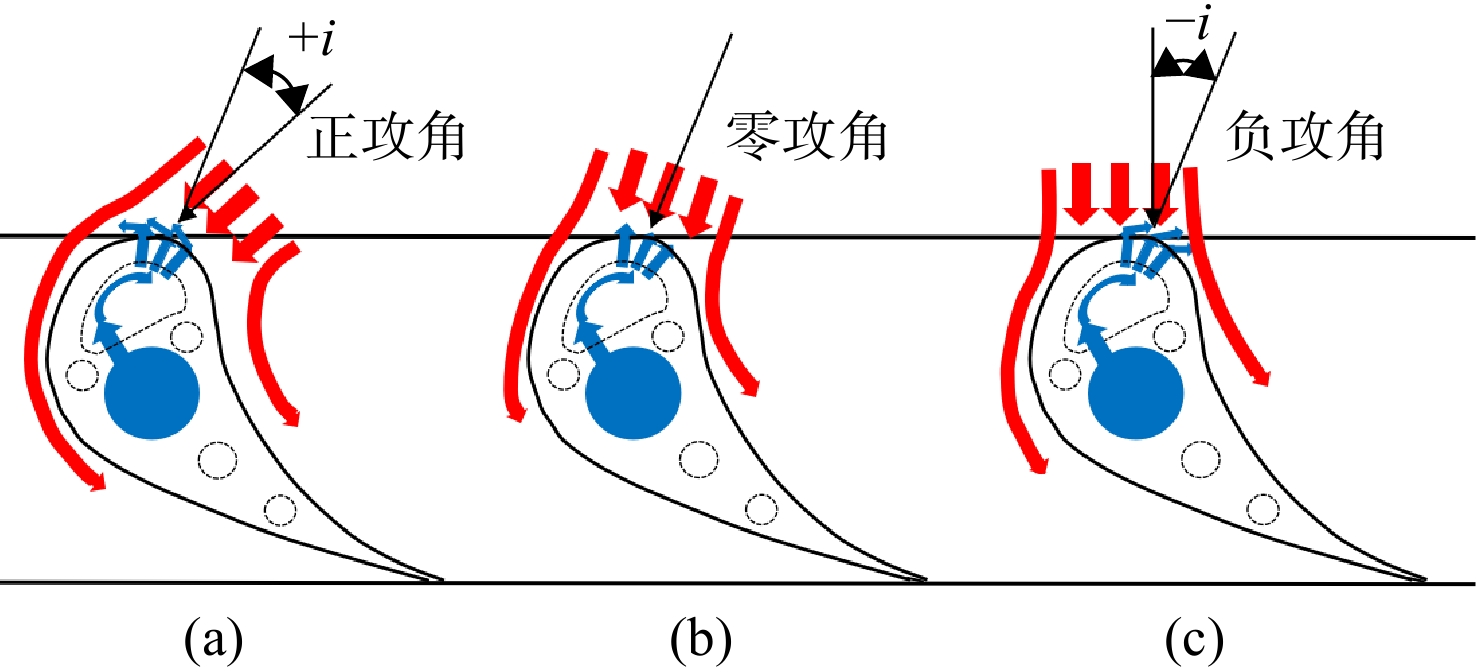
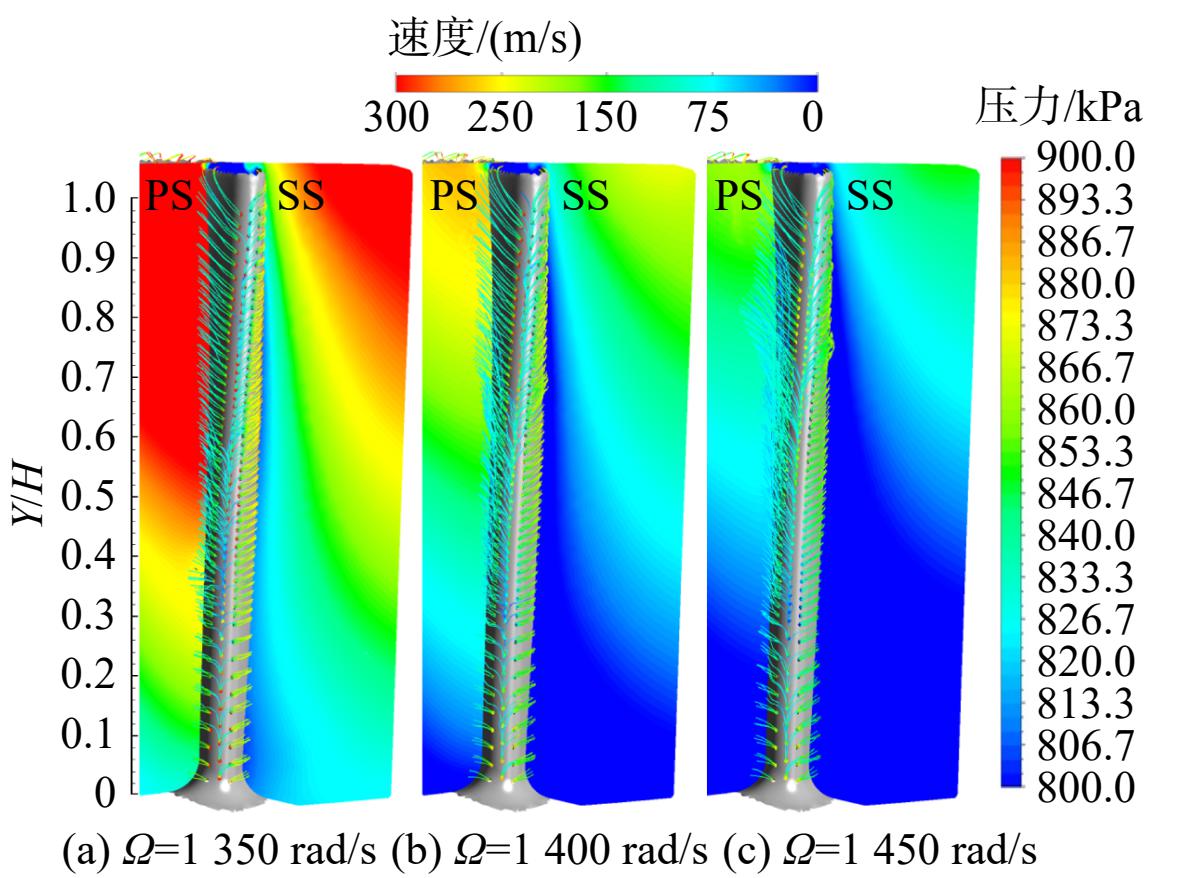
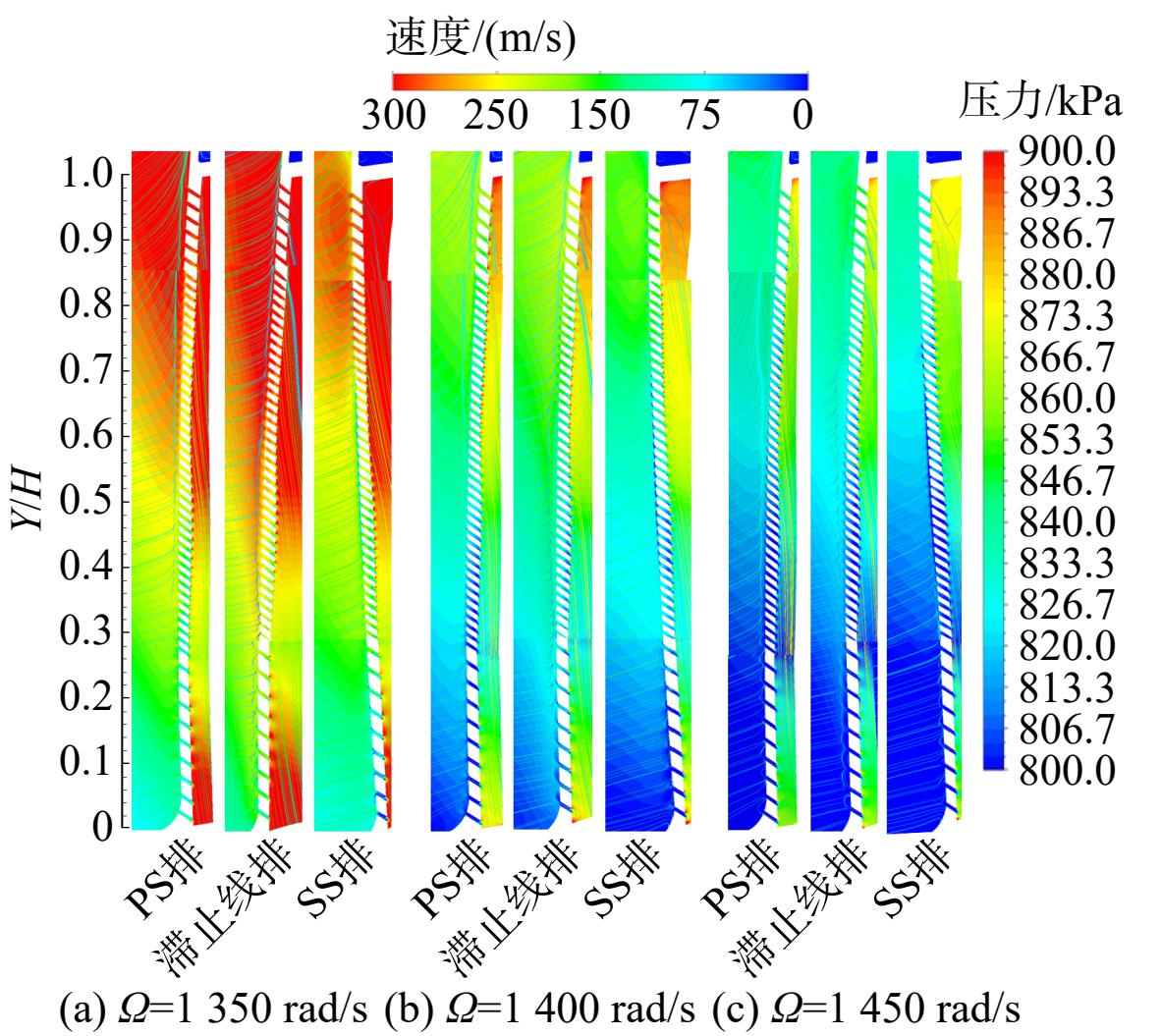
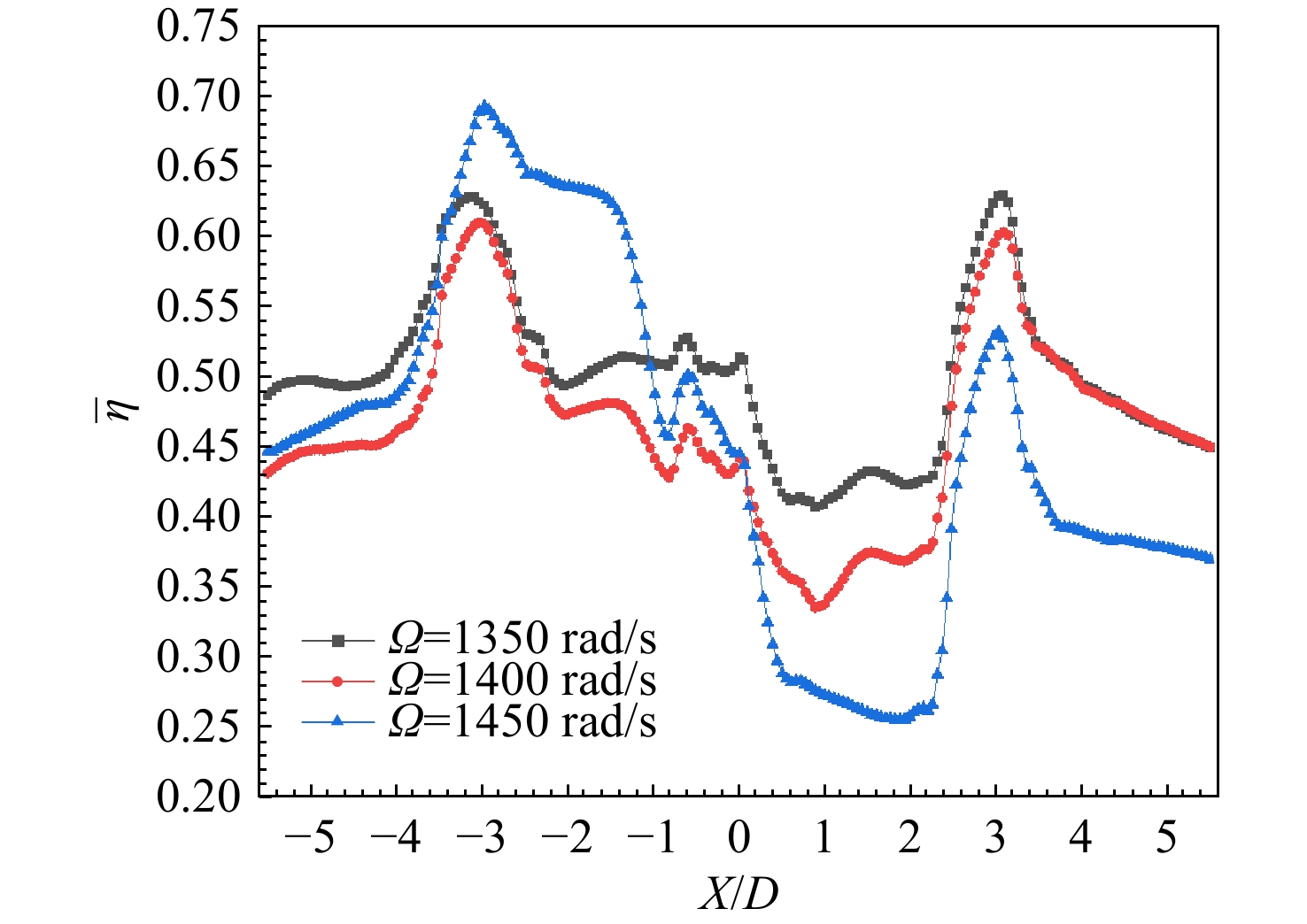
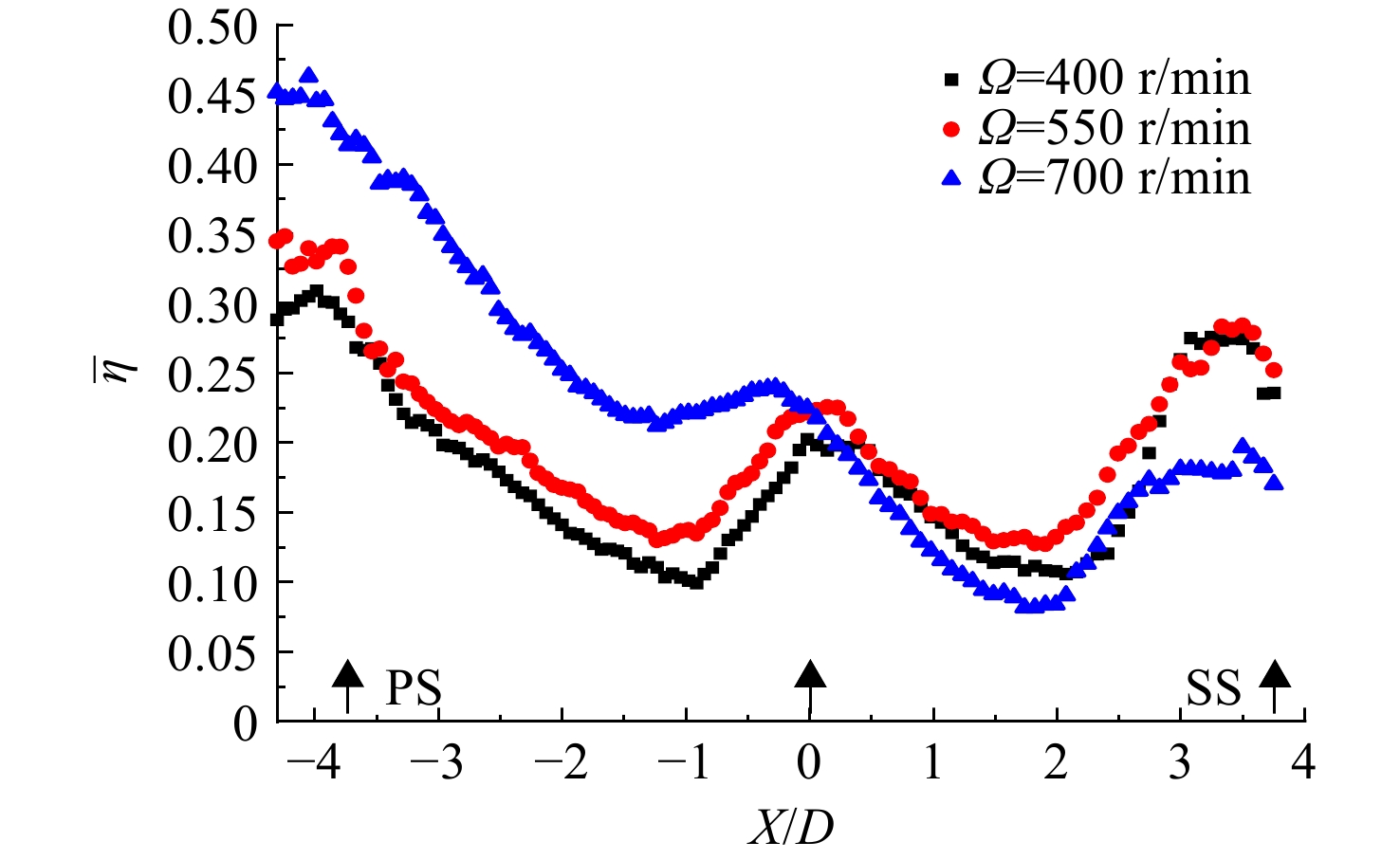
Under actual high-speed rotation conditions of aero-engine and gas turbine, the fluid experienced enhanced effects from rotational forces including Coriolis force, centrifugal force, and buoyancy force. This resulted in differences in how parameters such as rotation (angle of attack) and blowing ratio (M) influenced the film cooling effectiveness (η) on turbine blade leading edges, compared with low-speed experimental conditions. A numerical simulation was performed under real aero-engine high-speed rotation conditions to investigate the effects of rotational angular velocity and M on the film cooling characteristics of an actual twisted turbine blade leading edge. The rotational angular velocities were set to 1350 rad/s (positive angle of attack), 1400 rad/s (zero angle of attack), and 1450 rad/s (negative angle of attack), with a M ranging from 0.5 to 1.25 and a jet-to-mainstream density ratio of 1.04. The mechanism by which rotation (angle of attack) and M affected the of the actual twisted turbine blade leading edge in a high-speed rotating state was revealed. Results indicated that the rotation (angle of attack) is a key factor determining the distribution on the leading edge. The stagnation line position shifted from the region between the pressure-side row and the stagnation row holes, first to near the stagnation row holes centerline, and then to the region between the stagnation row and the suction-side row holes. The spanwise-averaged film cooling effectiveness ($ \overline{\eta } $) on the leading edge region exhibited a nonlinear variation with the increasing M, and differences were observed in specific areas. When no take-off phenomenon occurred on the leading edge (M=0.5), the Coriolis force component acting on the coolant in the leading edge cavity was directly oriented toward the stagnation row of holes. This not only facilitated the outflow of coolant from the stagnation row holes but also promoted a greater flow rate of coolant discharging from lower-radius locations. Another component of the Coriolis force drove the coolant toward the pressure-side, making it beneficial for the coolant outflow from the pressure-side row holes.

Impact of fuel injection schemes on combustion characteristics in supersonic combustors with non-symmetric inflow
Zhang Dongqing, Pei Chongzhi, Shi Wen, Yang Zhiwei, Li Ji
2026, 41(10): 20250286. doi: 10.13224/j.cnki.jasp.20250286
Abstract:

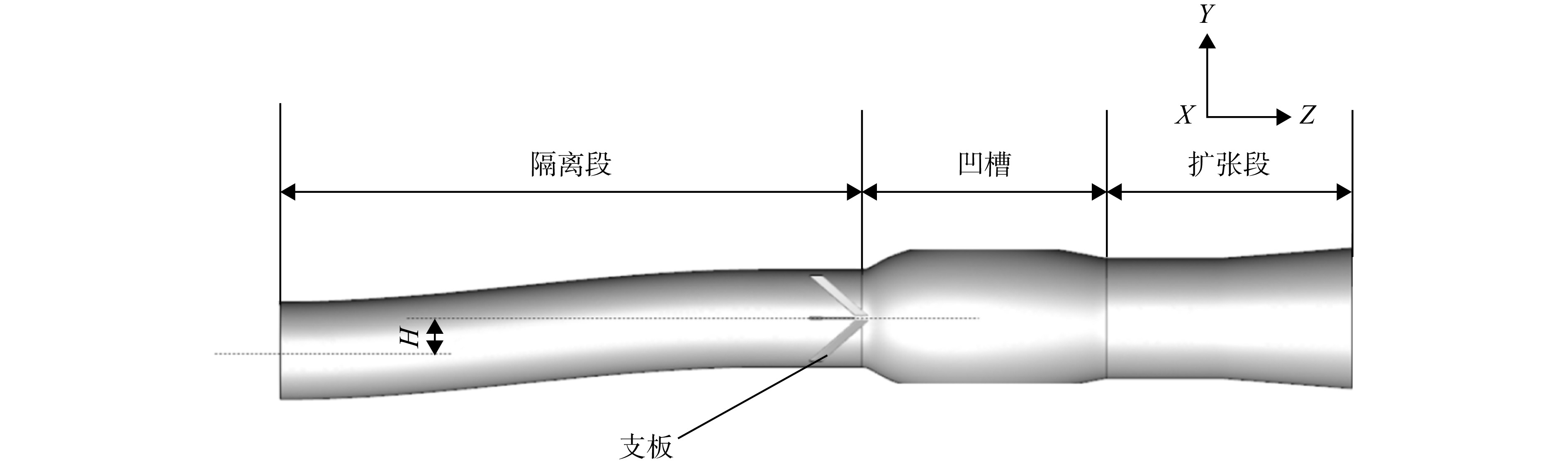
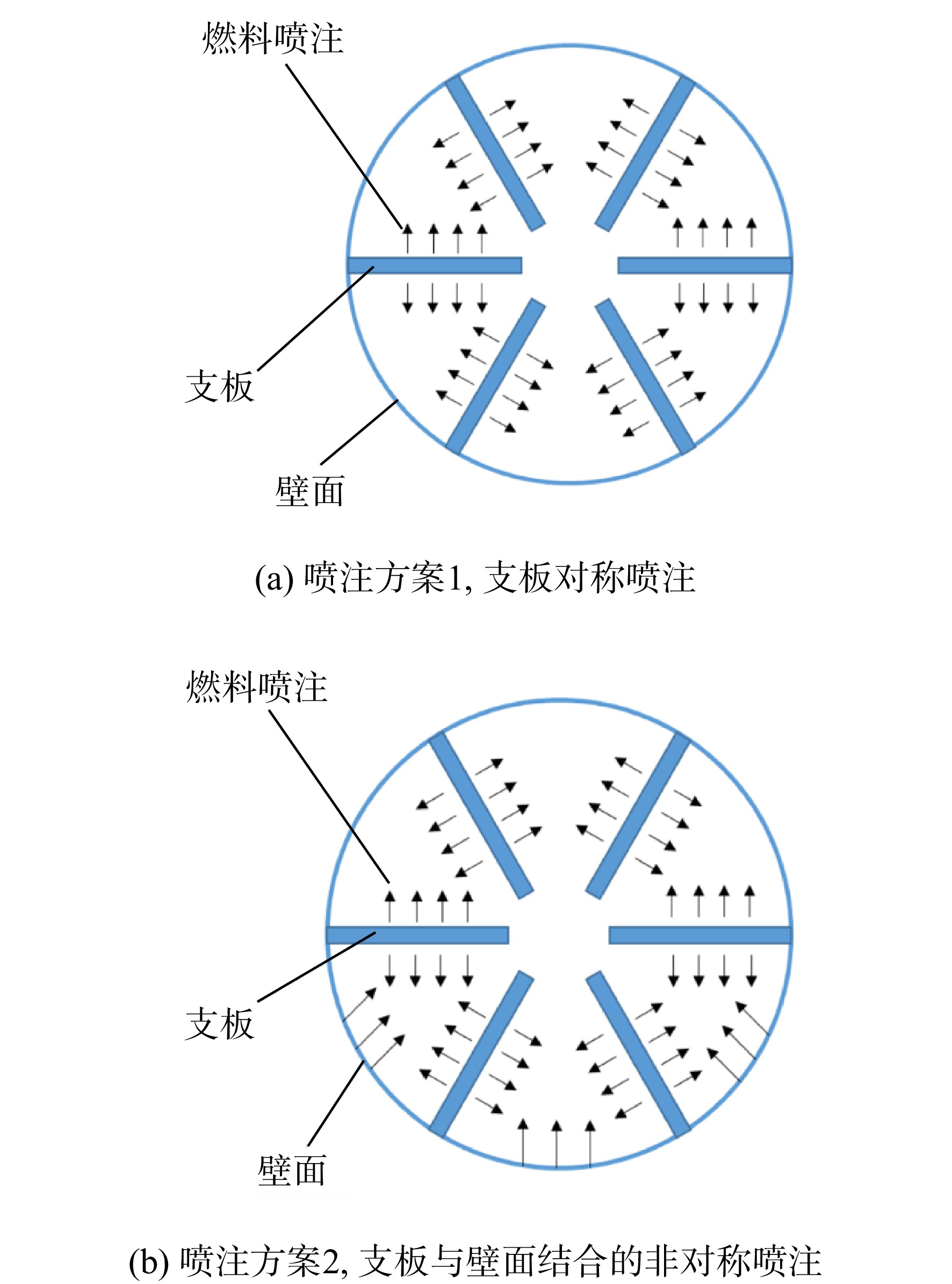
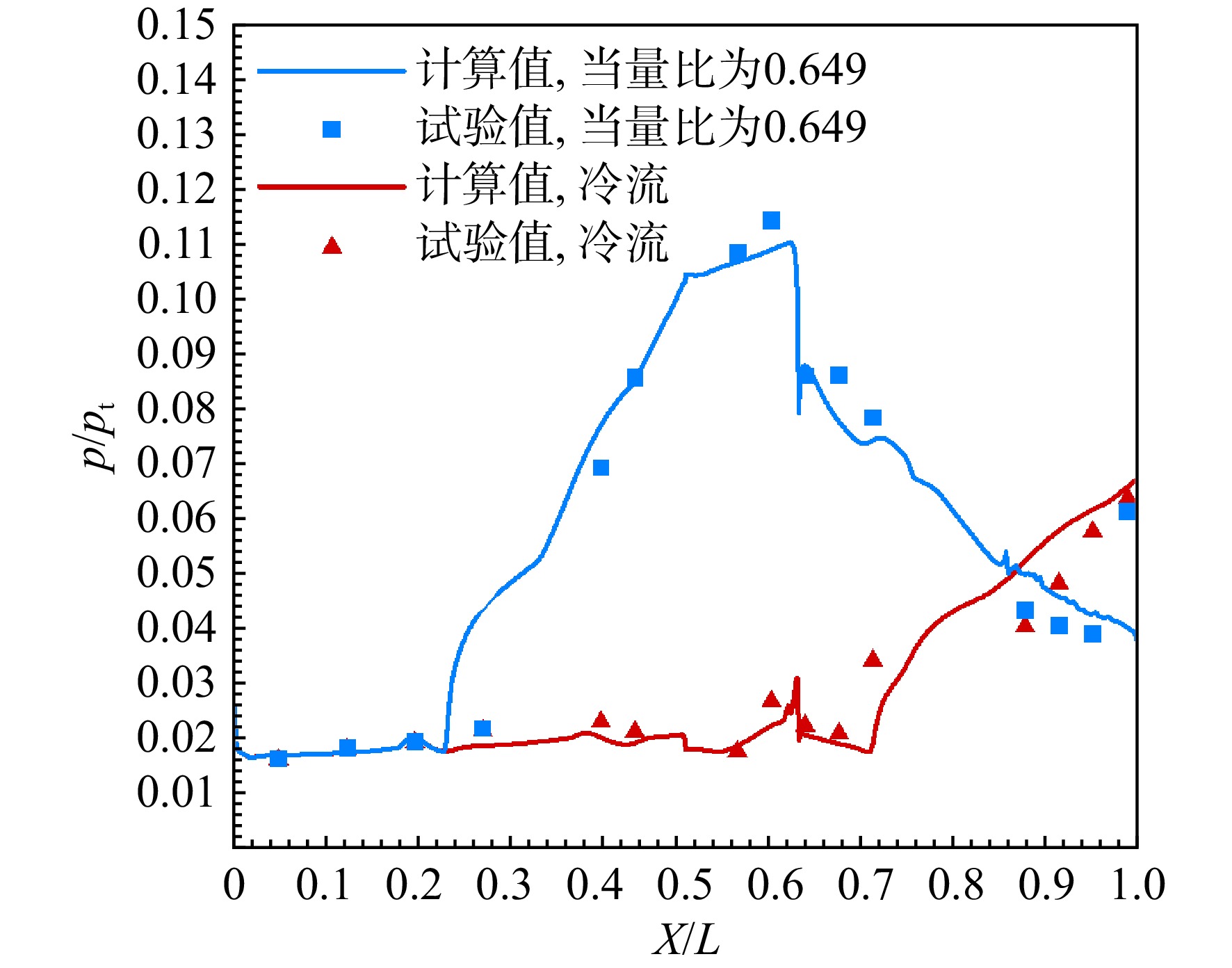
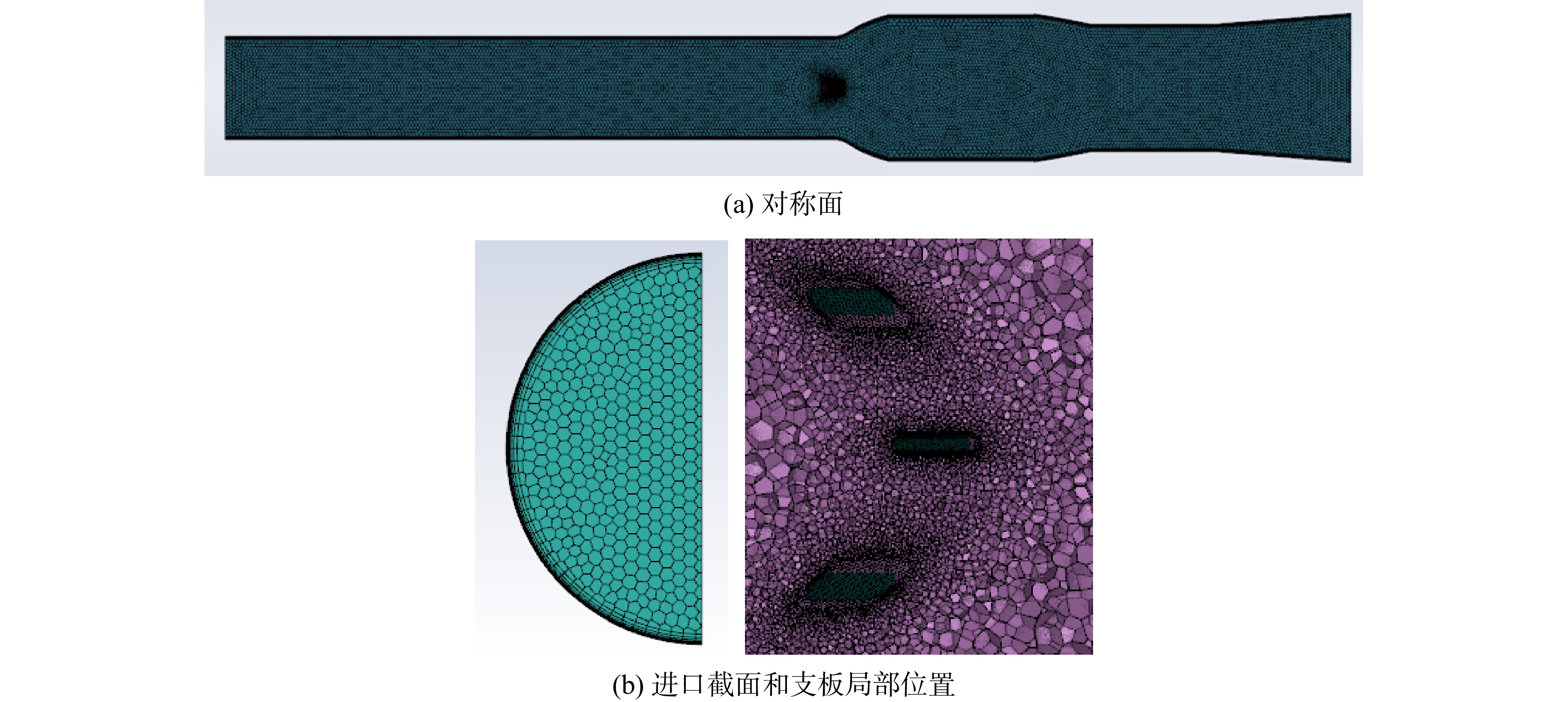
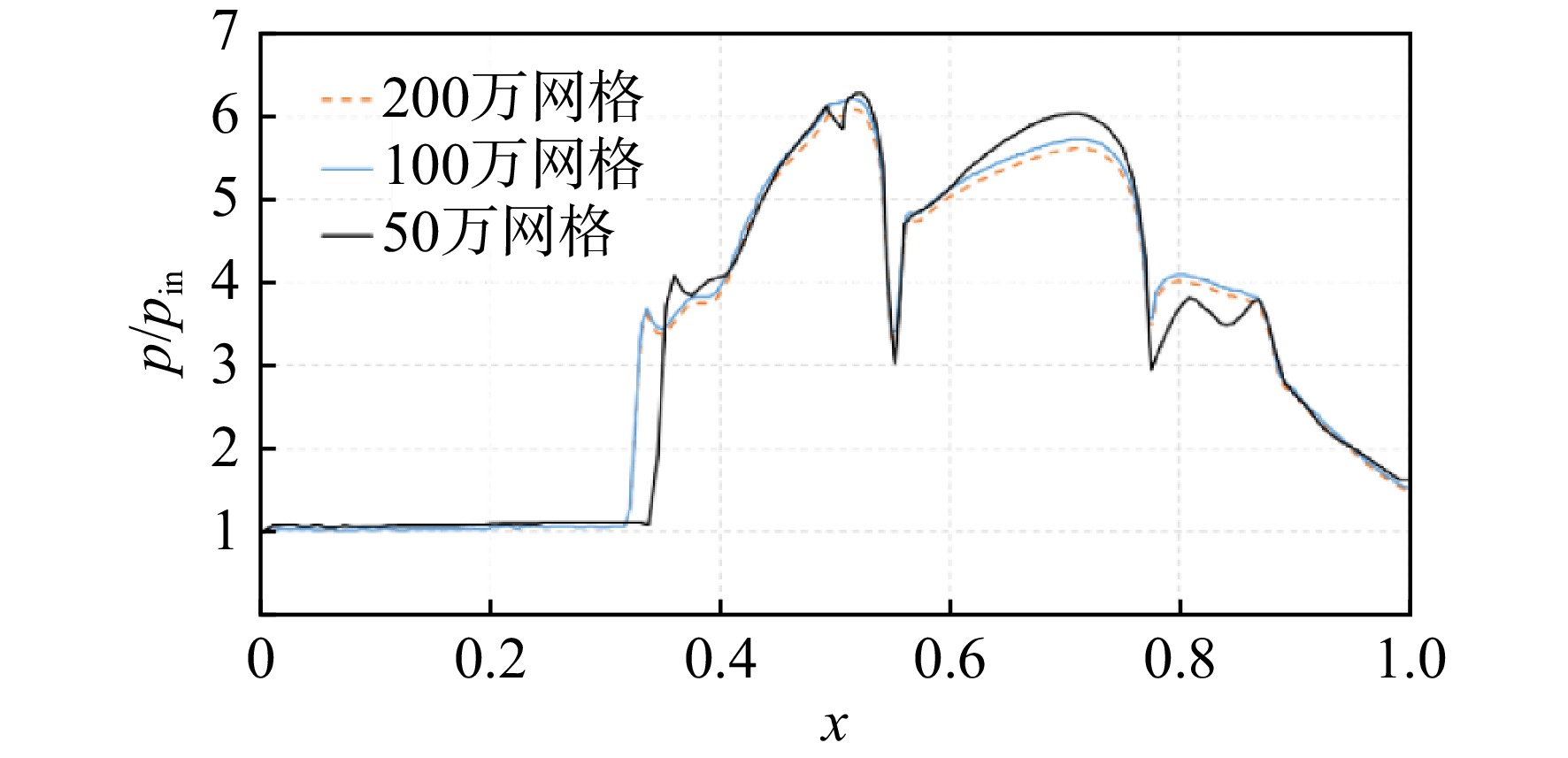
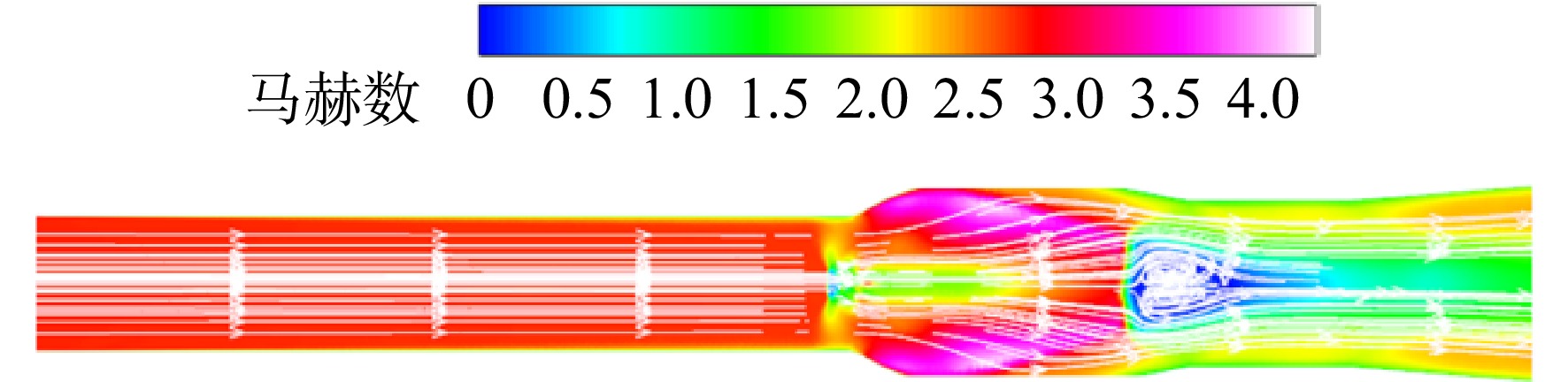
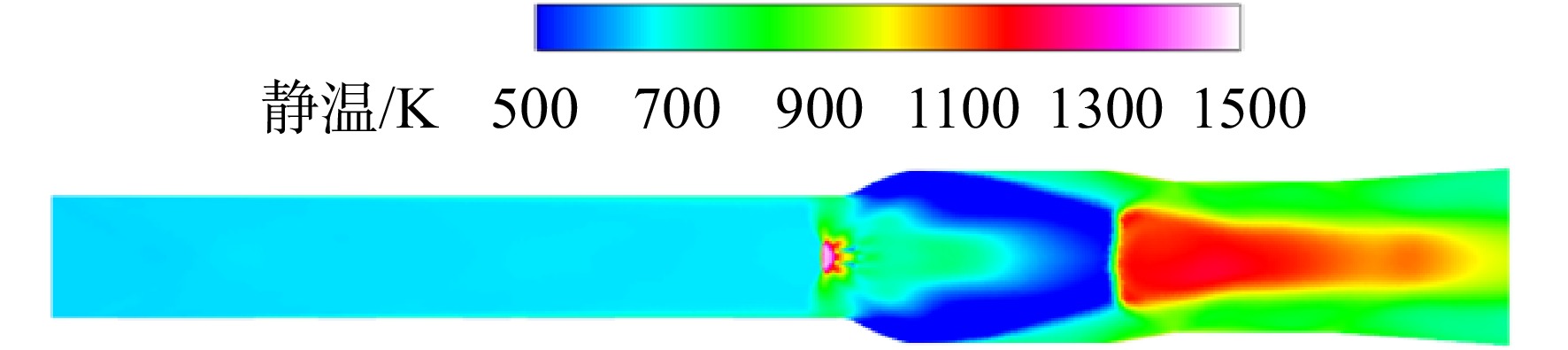
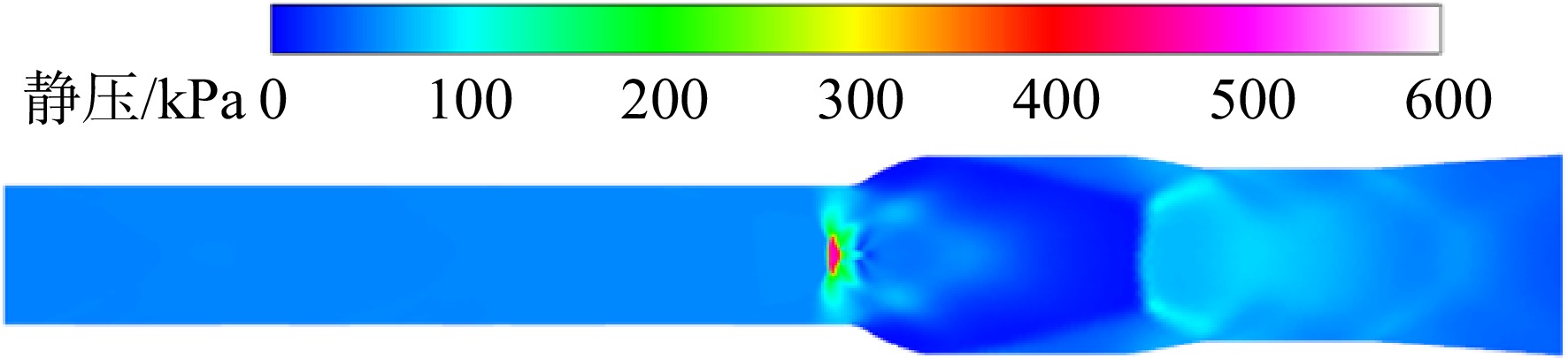
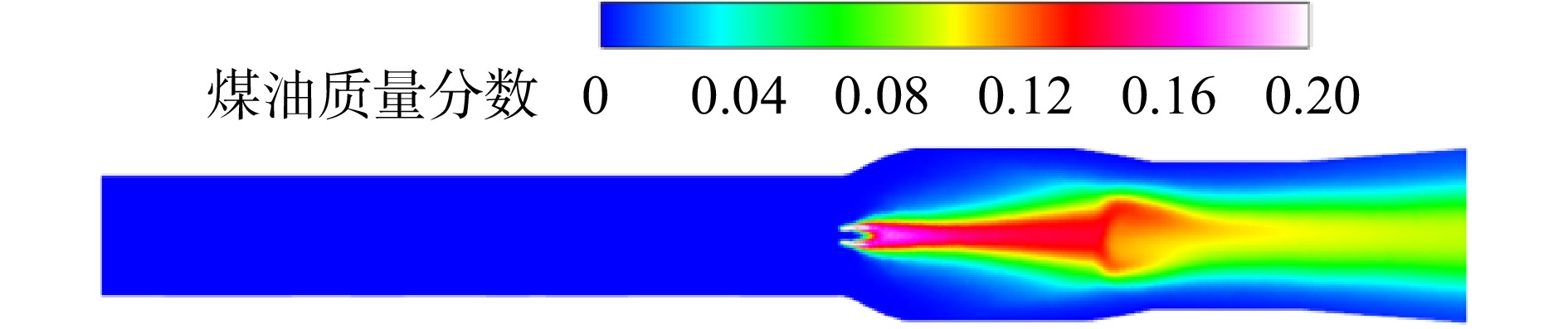
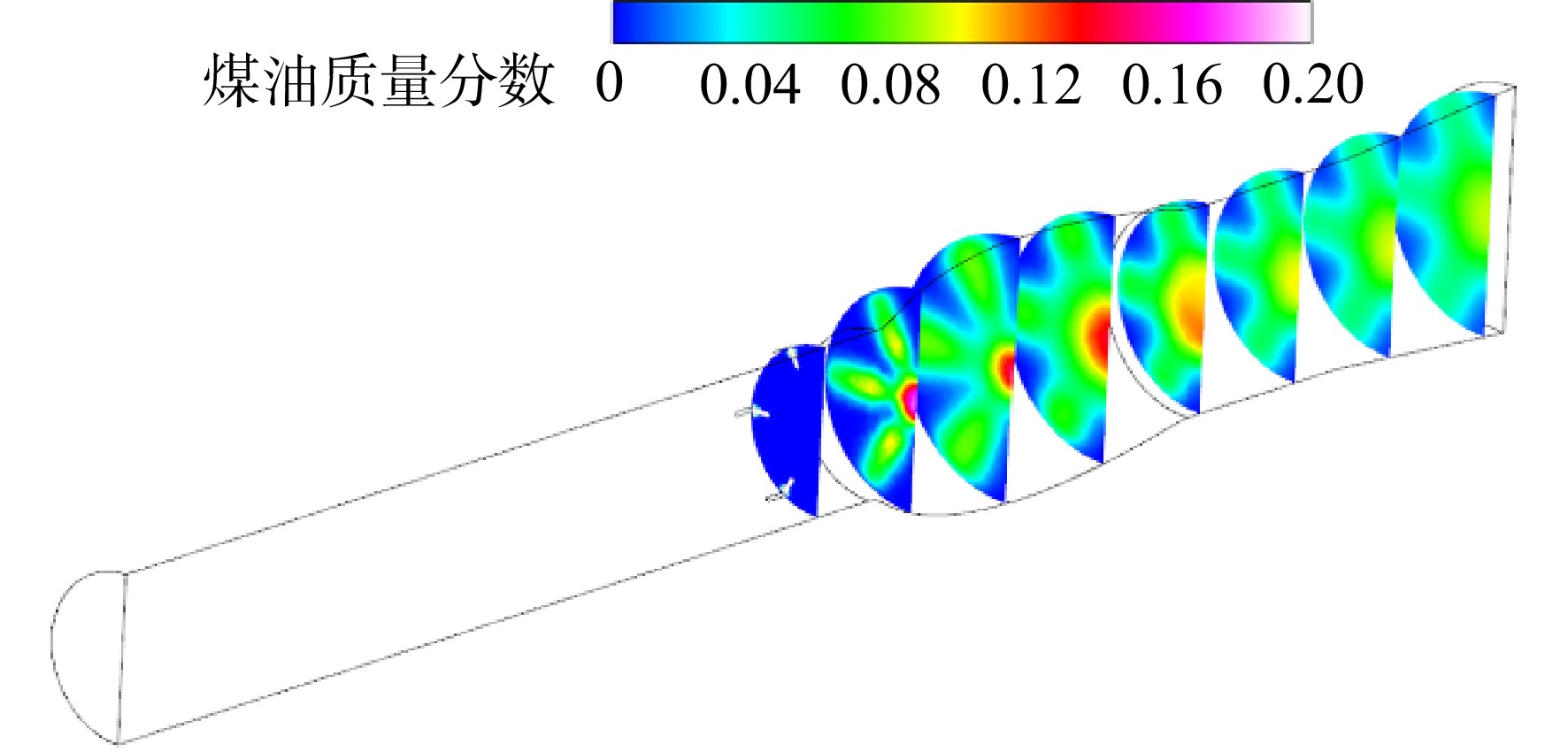
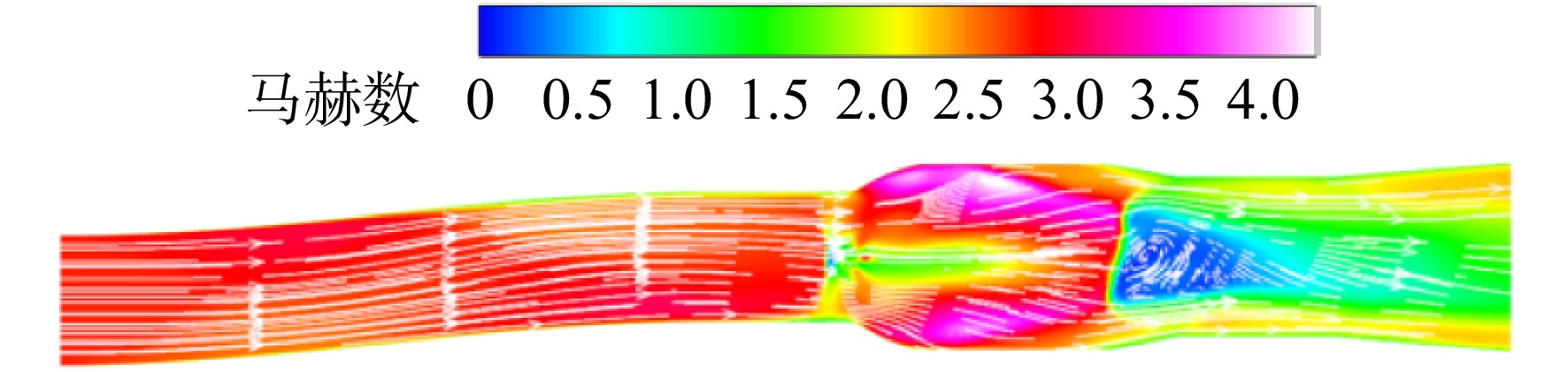
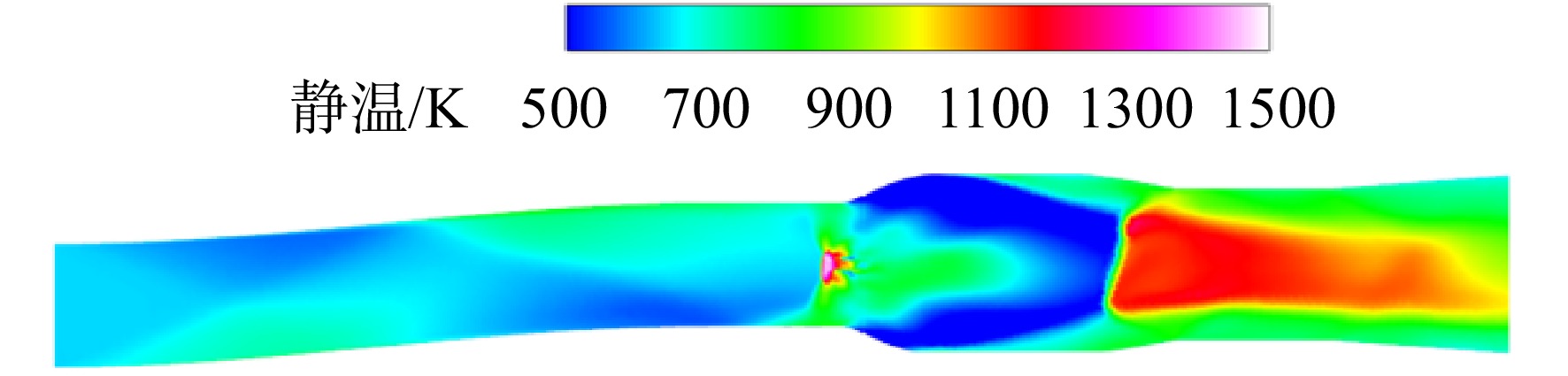
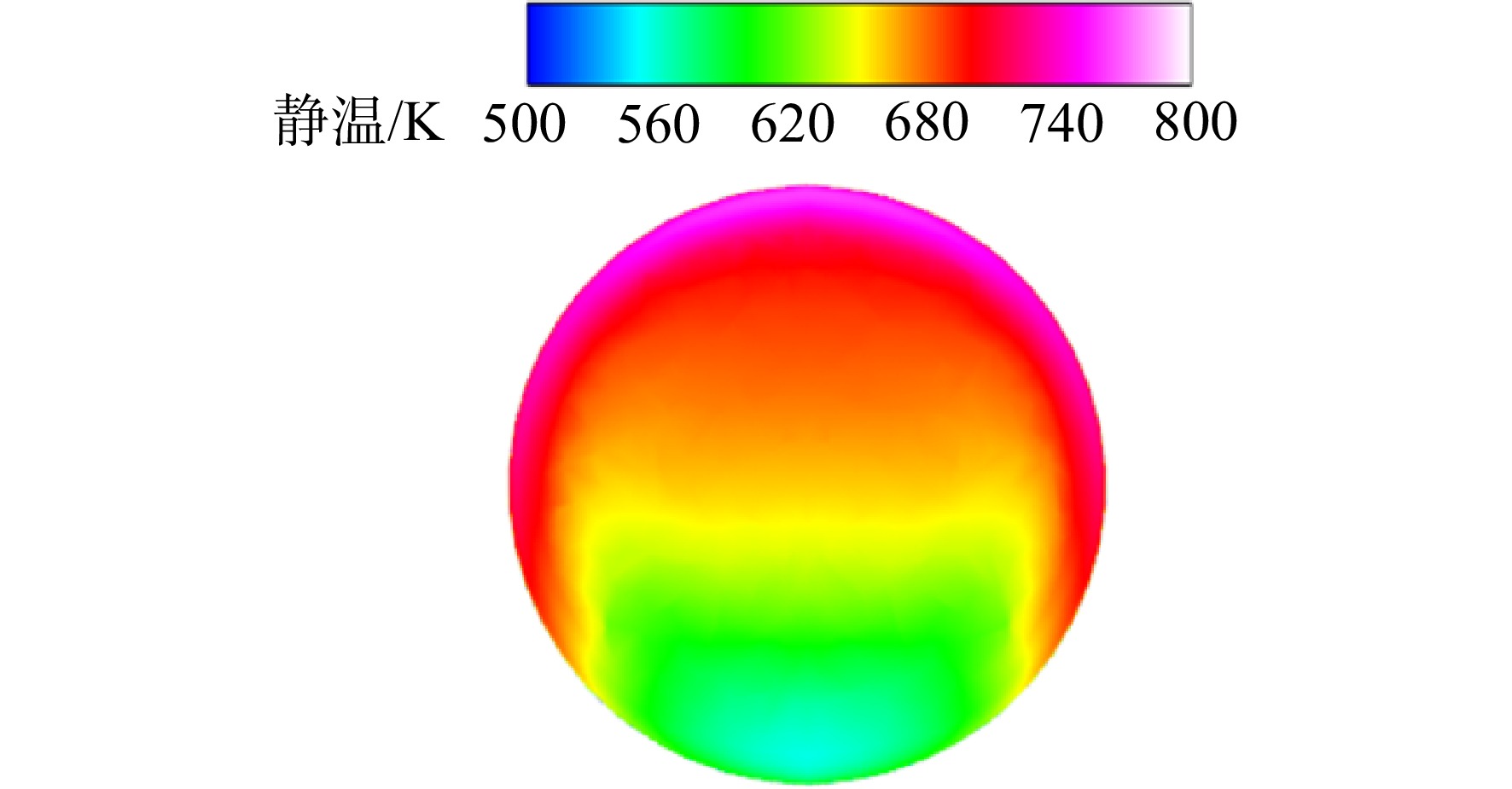
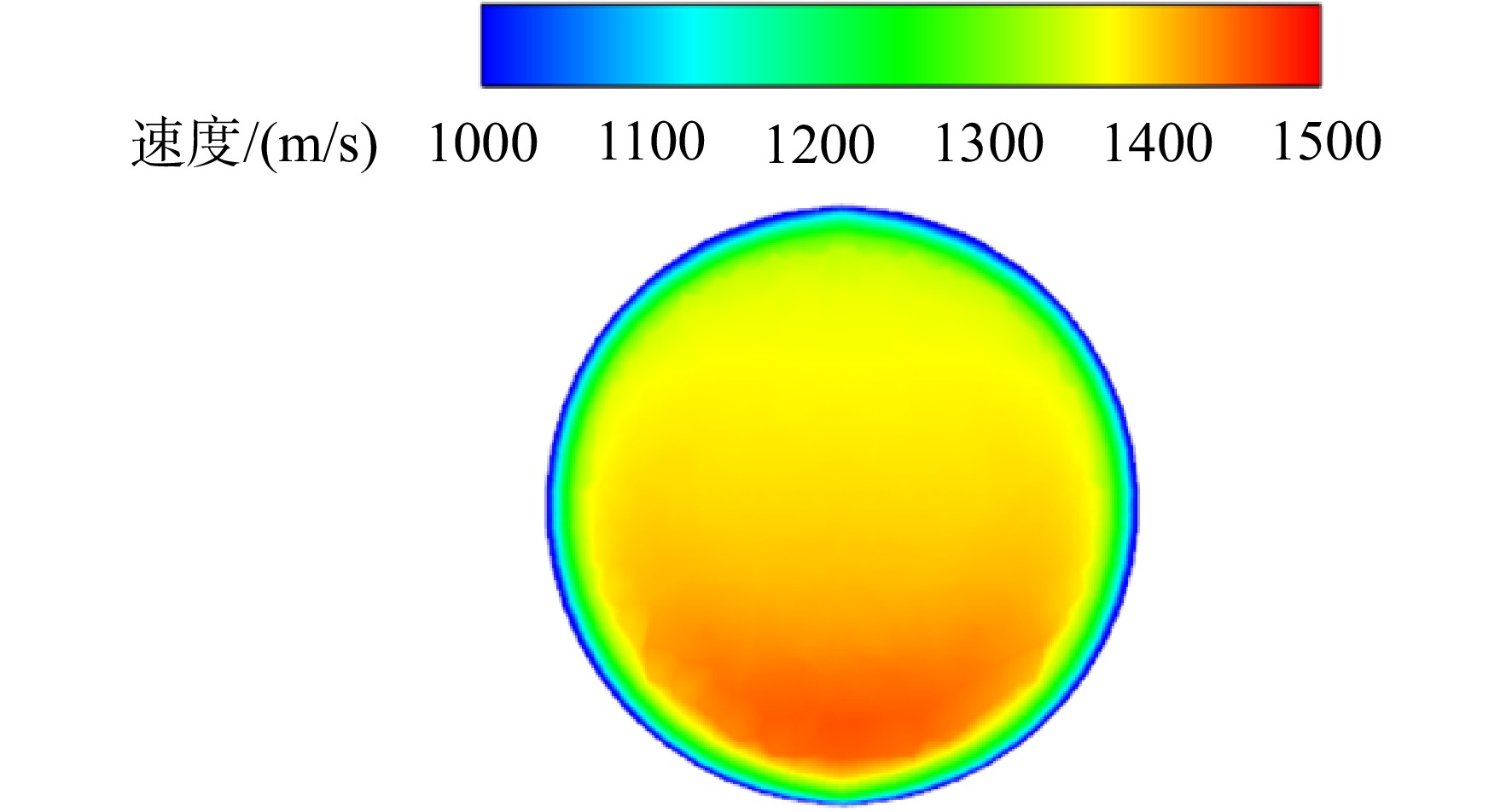
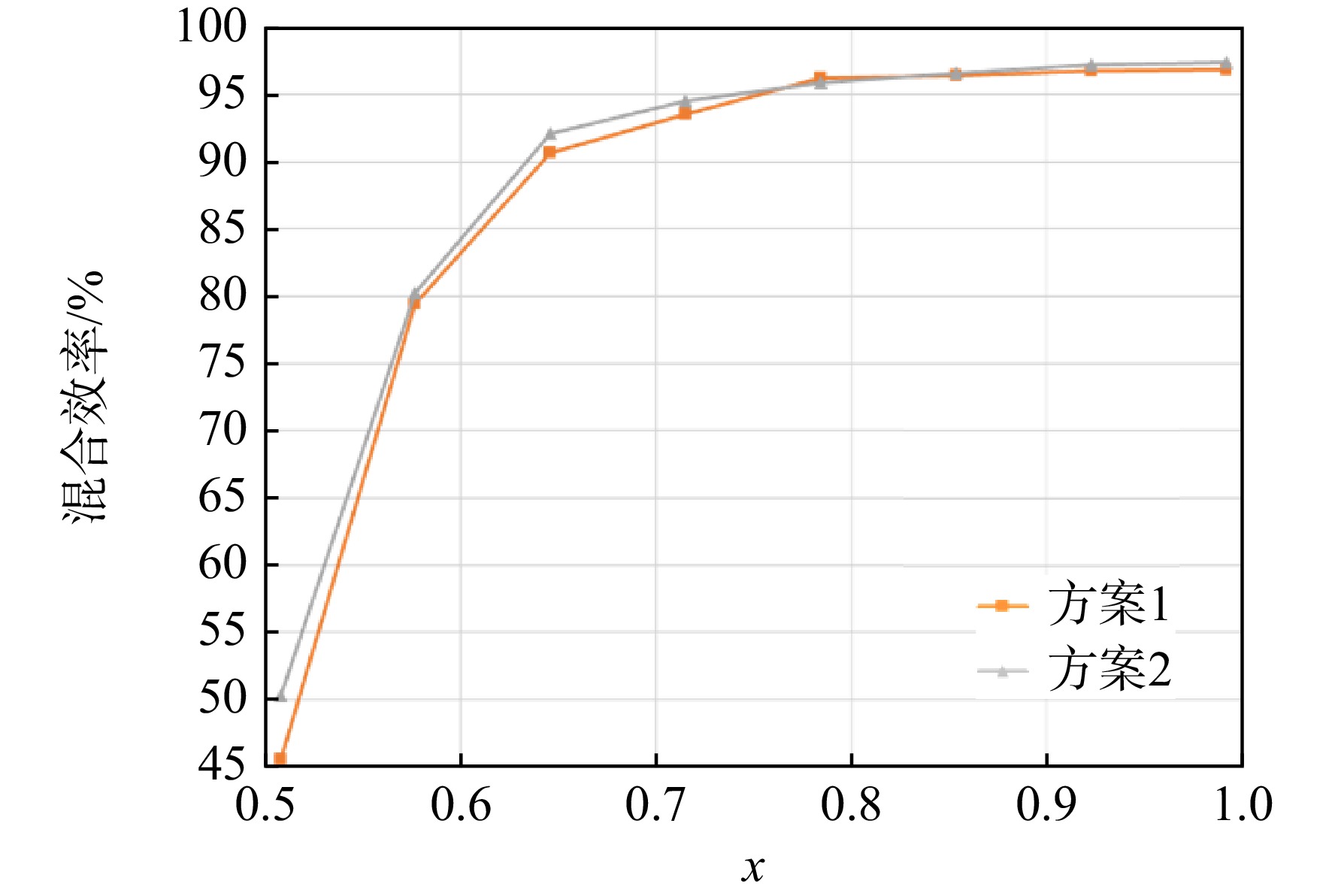
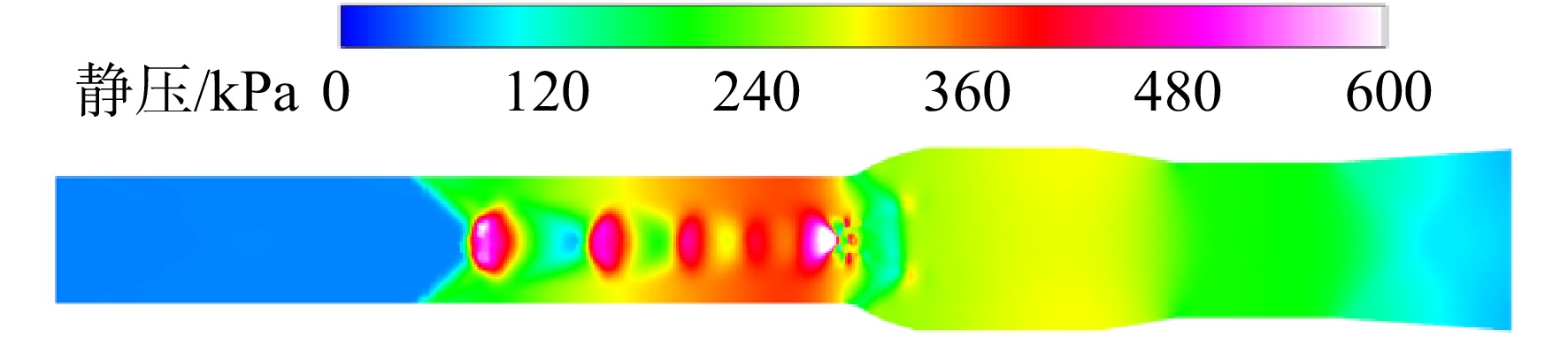
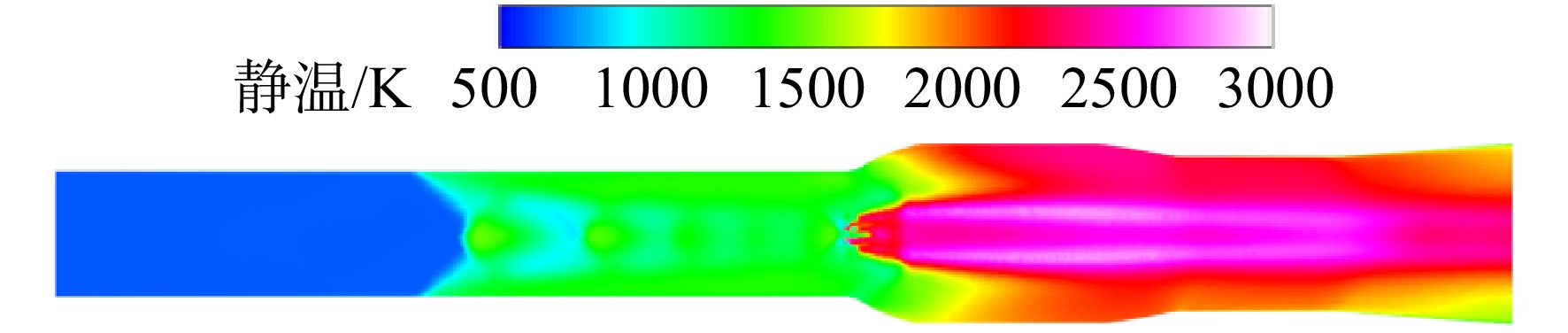
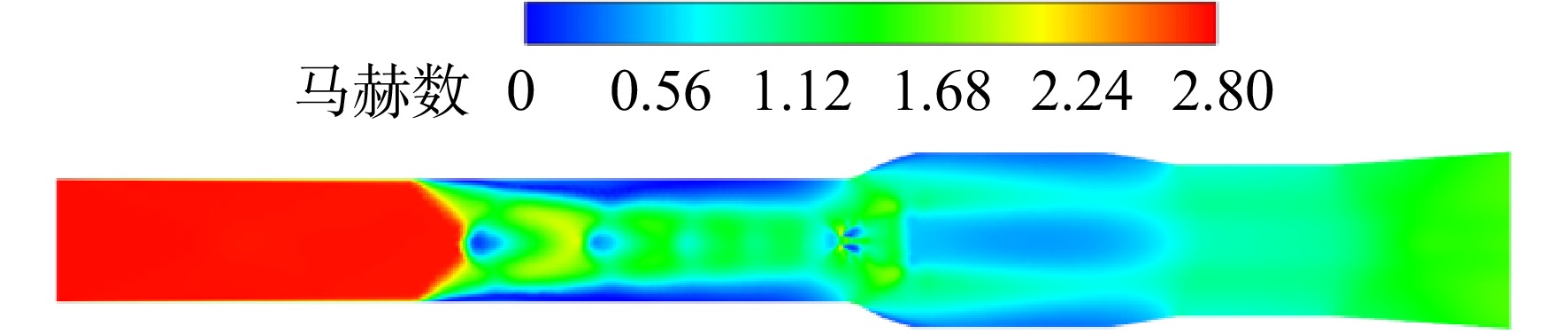
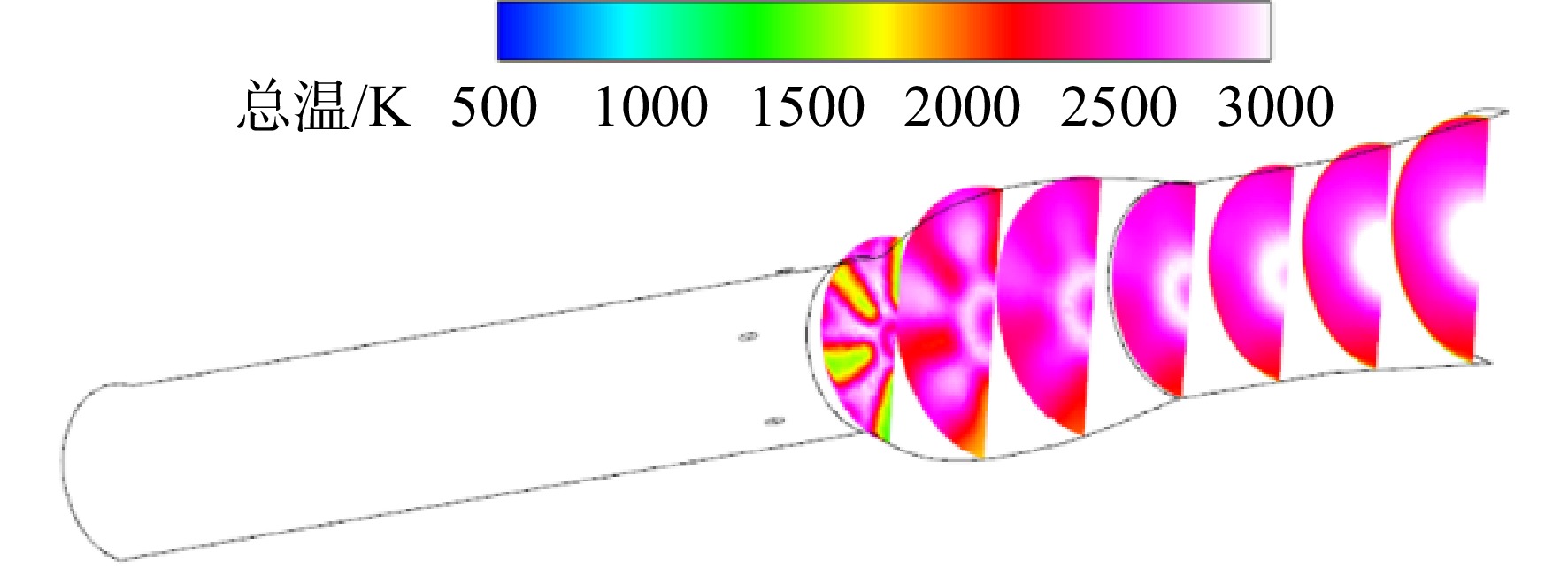
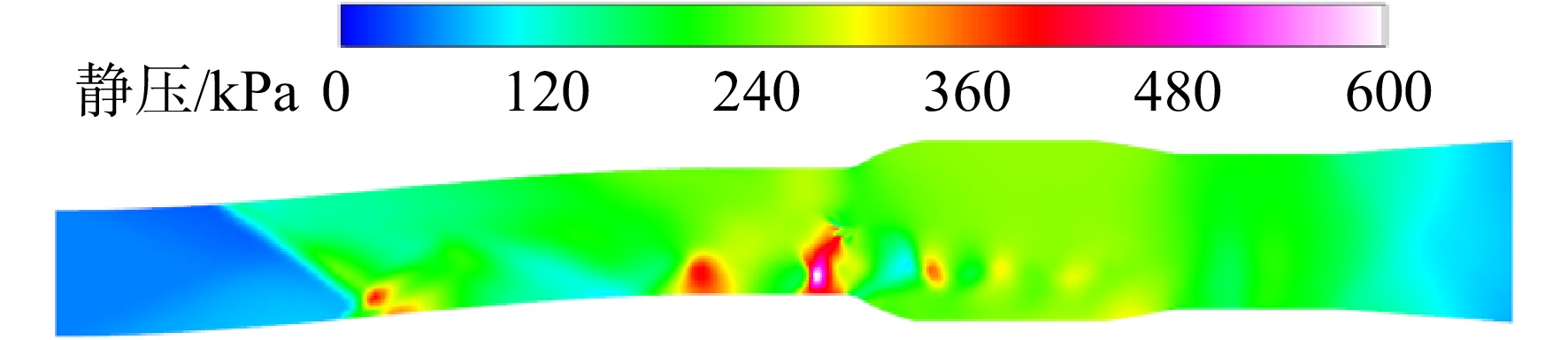
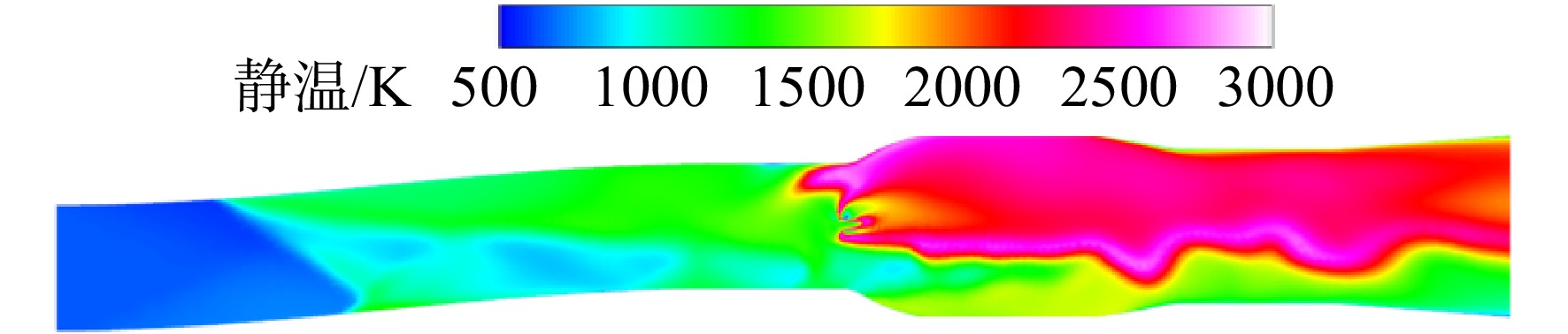
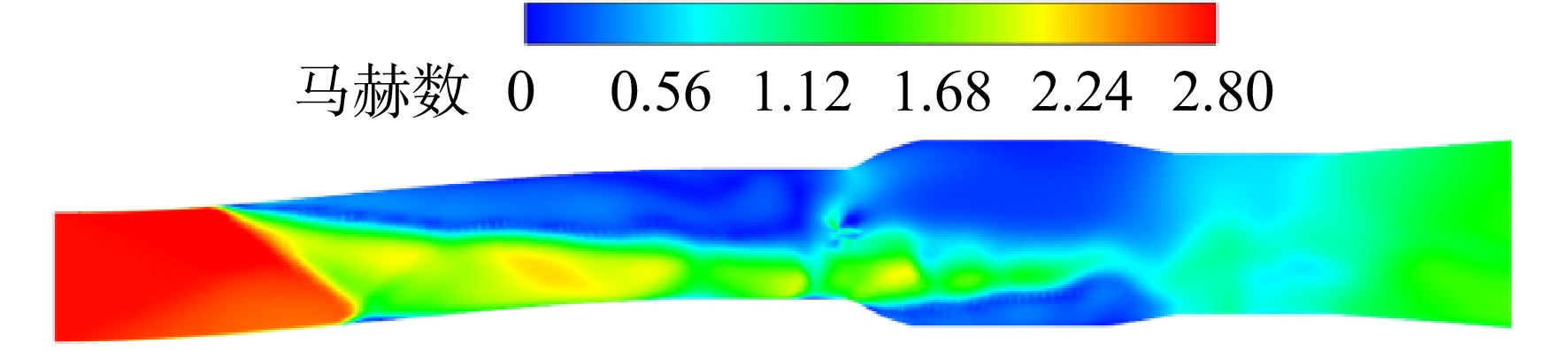
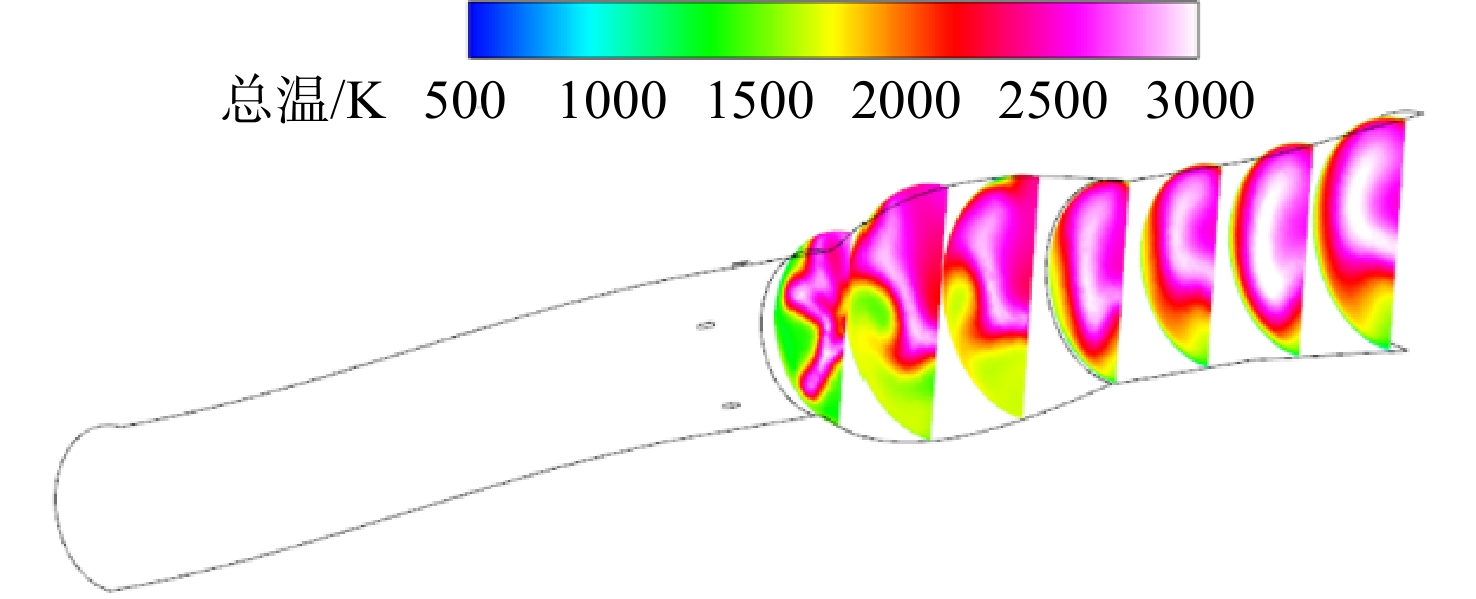
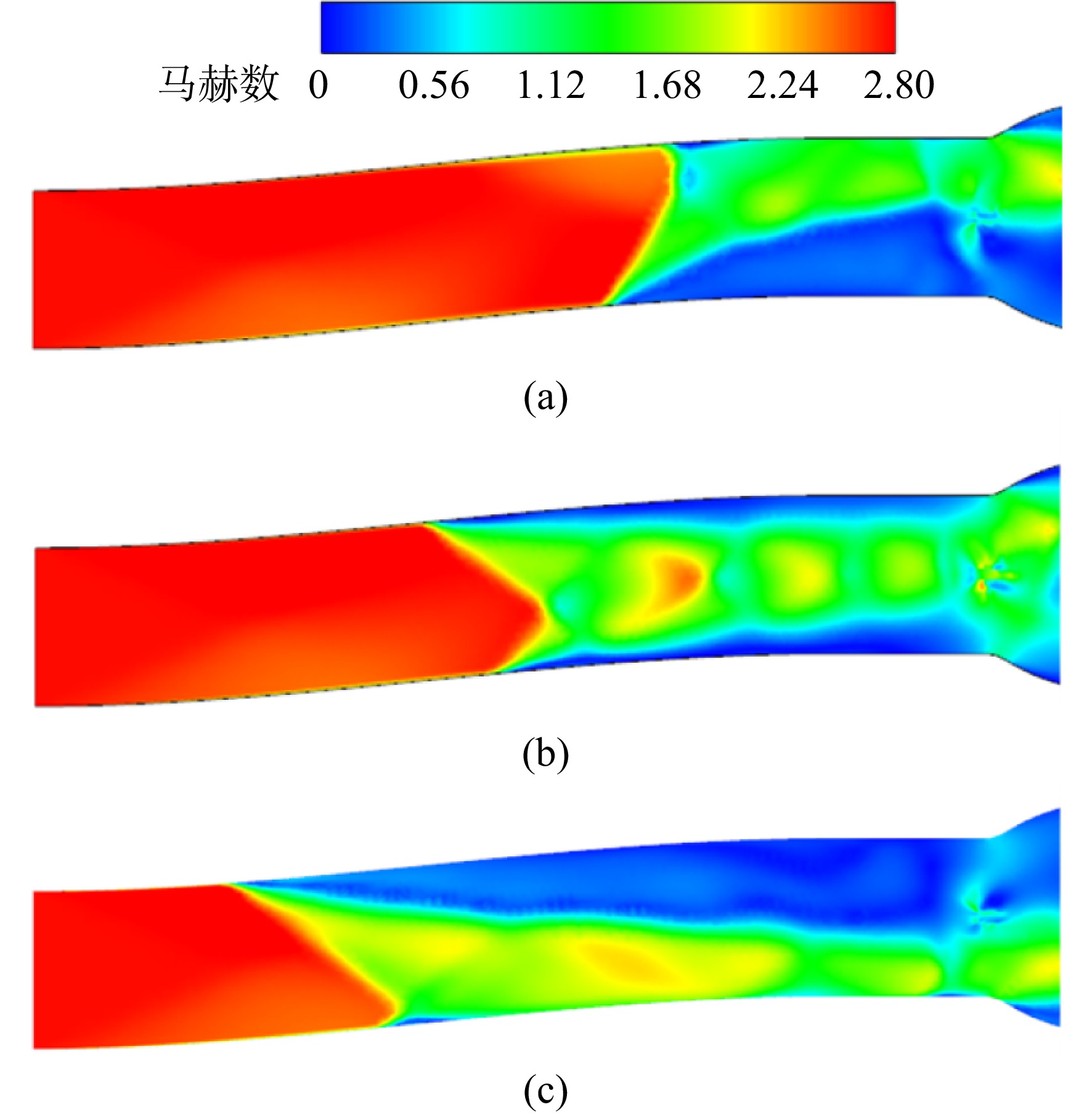
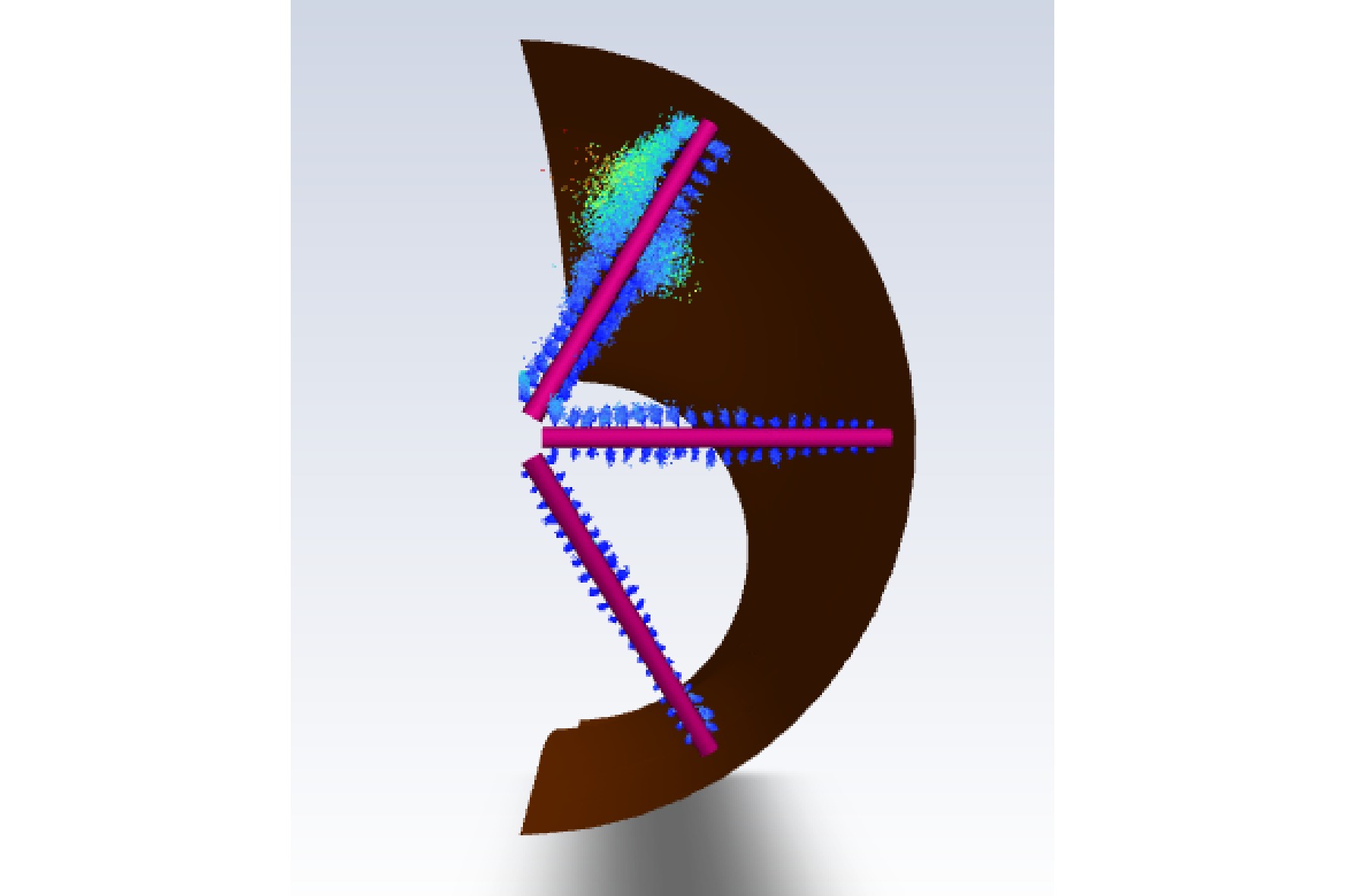
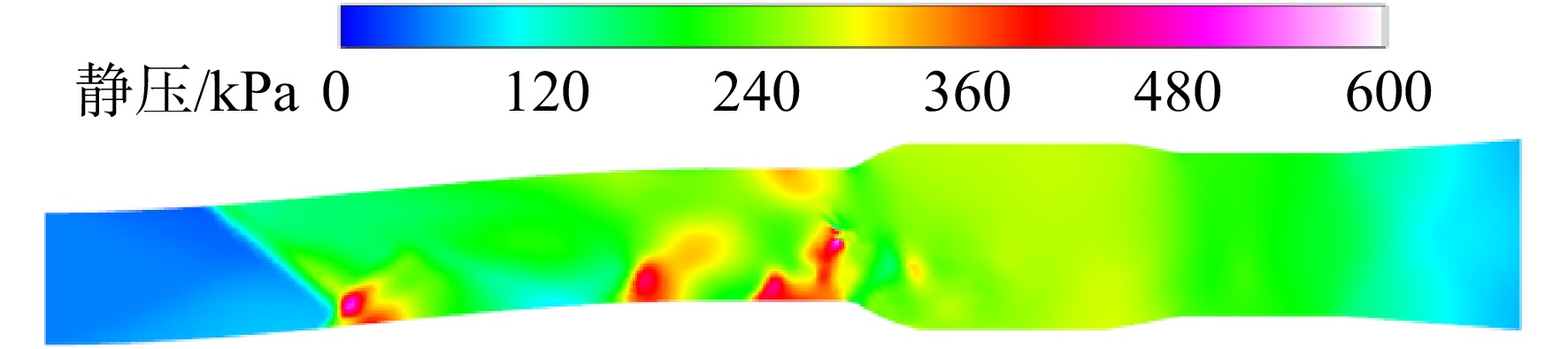
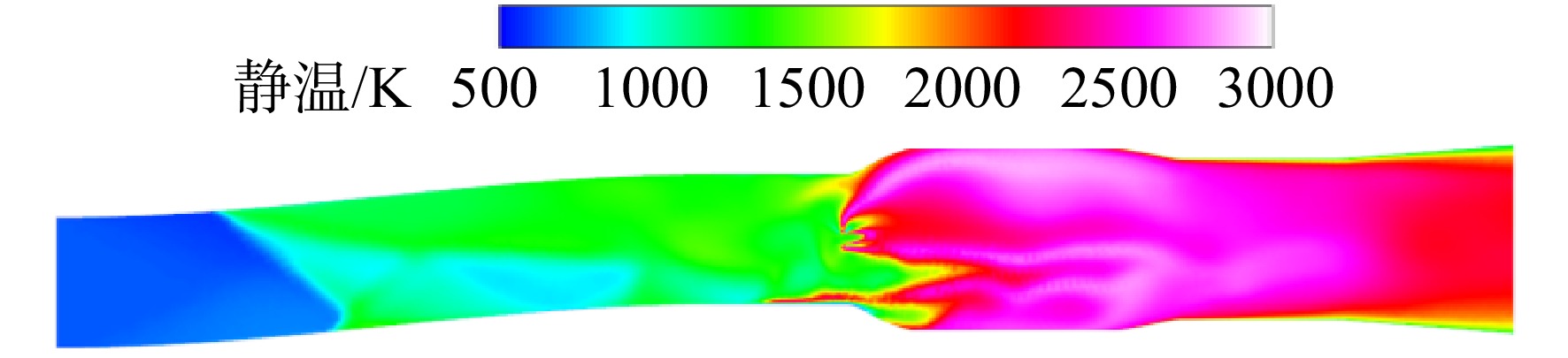
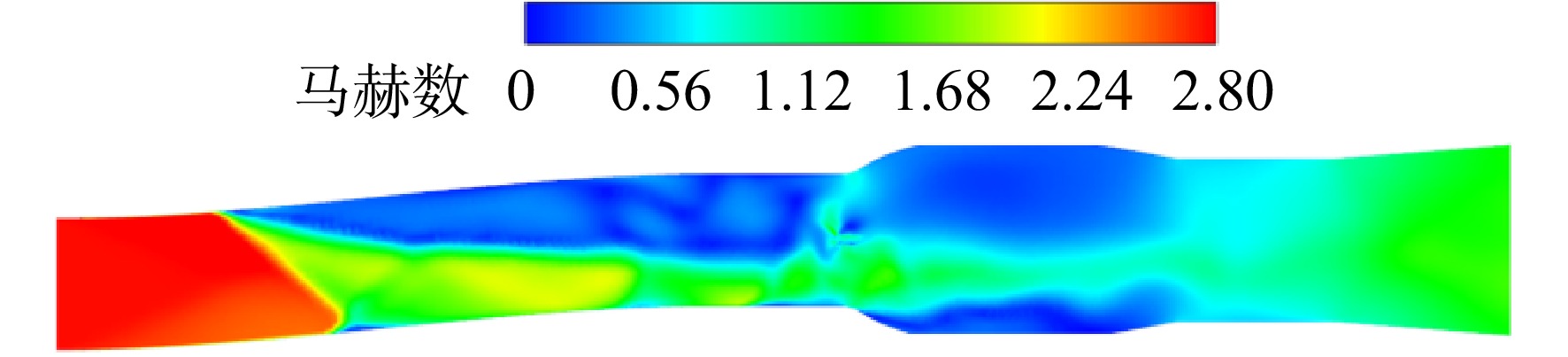
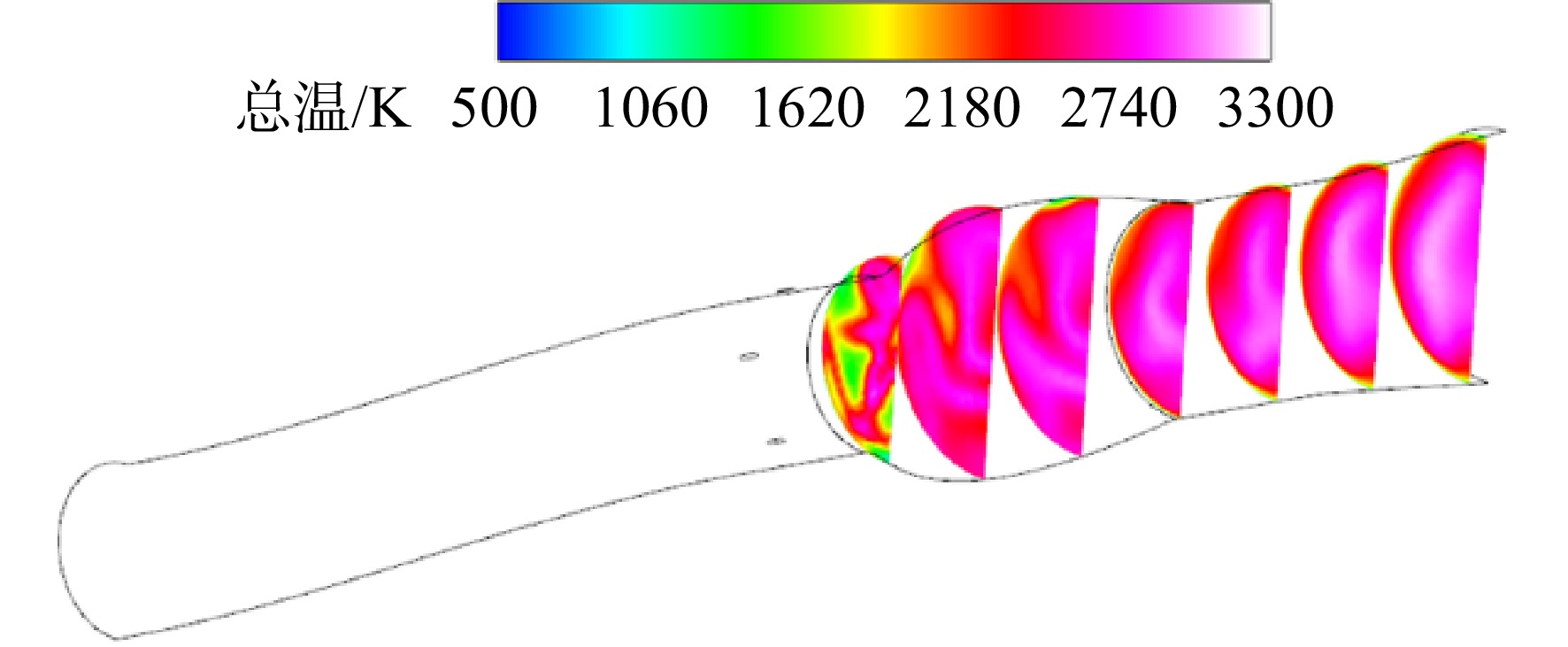
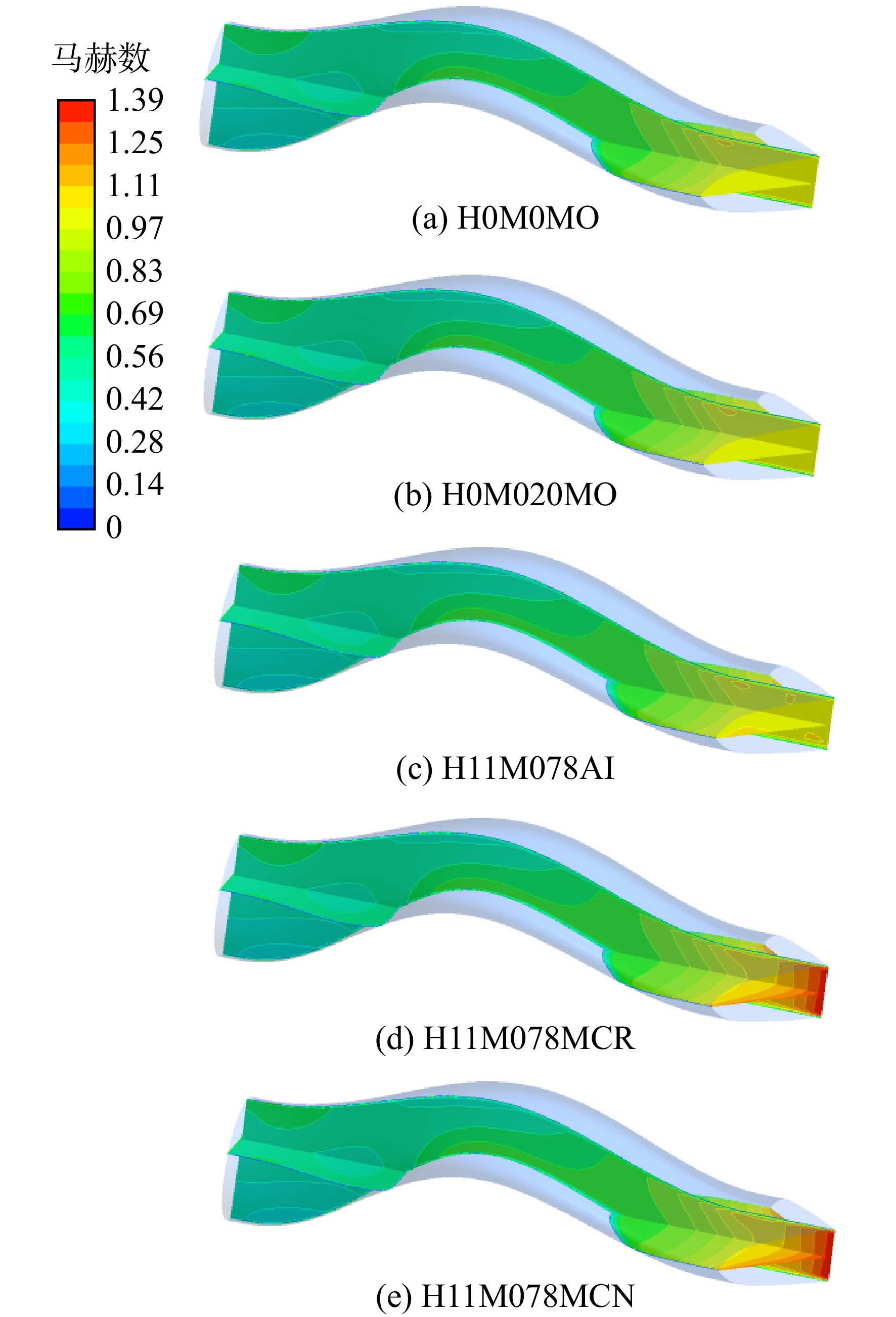
A numerical simulation study of combustion flow fields under different fuel injection schemes was conducted for an S-shaped isolator-supersonic combustor configuration. The results were compared with those of a baseline straight isolator-supersonic combustor to analyze the effects of the S-shaped isolator on combustion characteristics and the backpressure transmission process within the isolator. Additionally, the cold flow fields, combustion flow fields, and combustion performance of different configurations and injection schemes were compared. The study revealed the following: Under cold conditions, the S-shaped isolator had little impact on fuel mixing characteristics; however, under combustion conditions, the strongly coupled nonlinear system amplified the asymmetry of the inflow, leading to significant non-uniformity in the combustion field. At the same time, it reduced the combustion efficiency from 82% to 65%. To address the non-uniform inflow under combustion conditions, the injection scheme was optimized by combining rail injection and adding additional injection positions on the combustor wall. This improved both the uniformity and efficiency of the combustion field. The combustion efficiency at the combustor exit increased from 65% to 85%, and the total temperature distribution coefficient decreased from 64% to 26%, achieving nearly the same combustion efficiency and uniformity as under uniform inflow conditions.

Experimental study on micro-channel bare tube heat exchanger in high-altitude and low-pressure environment
Zhang Jiayu, Wang Kun, Wang Yunxiao, Gong Maoqiong, Zhao Yanxing
2026, 41(10): 20240806. doi: 10.13224/j.cnki.jasp.20240806
Abstract:

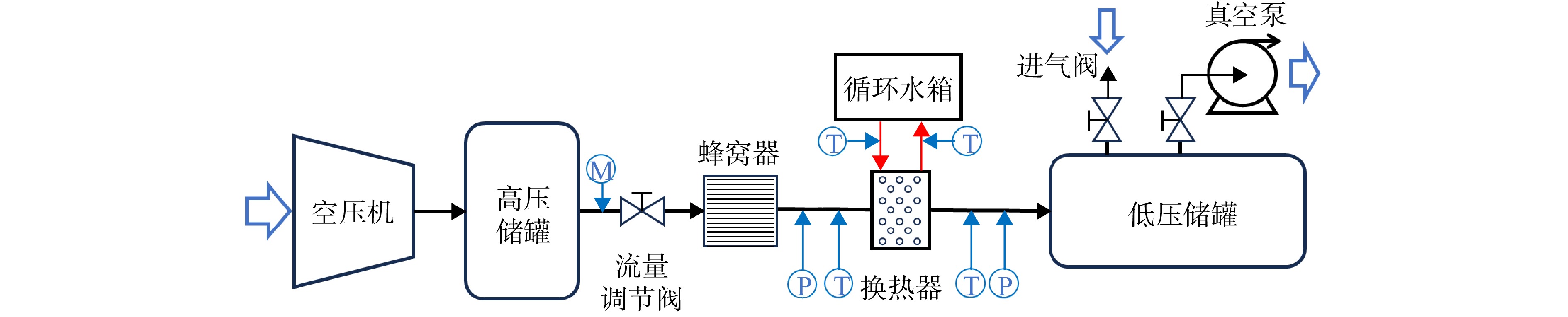
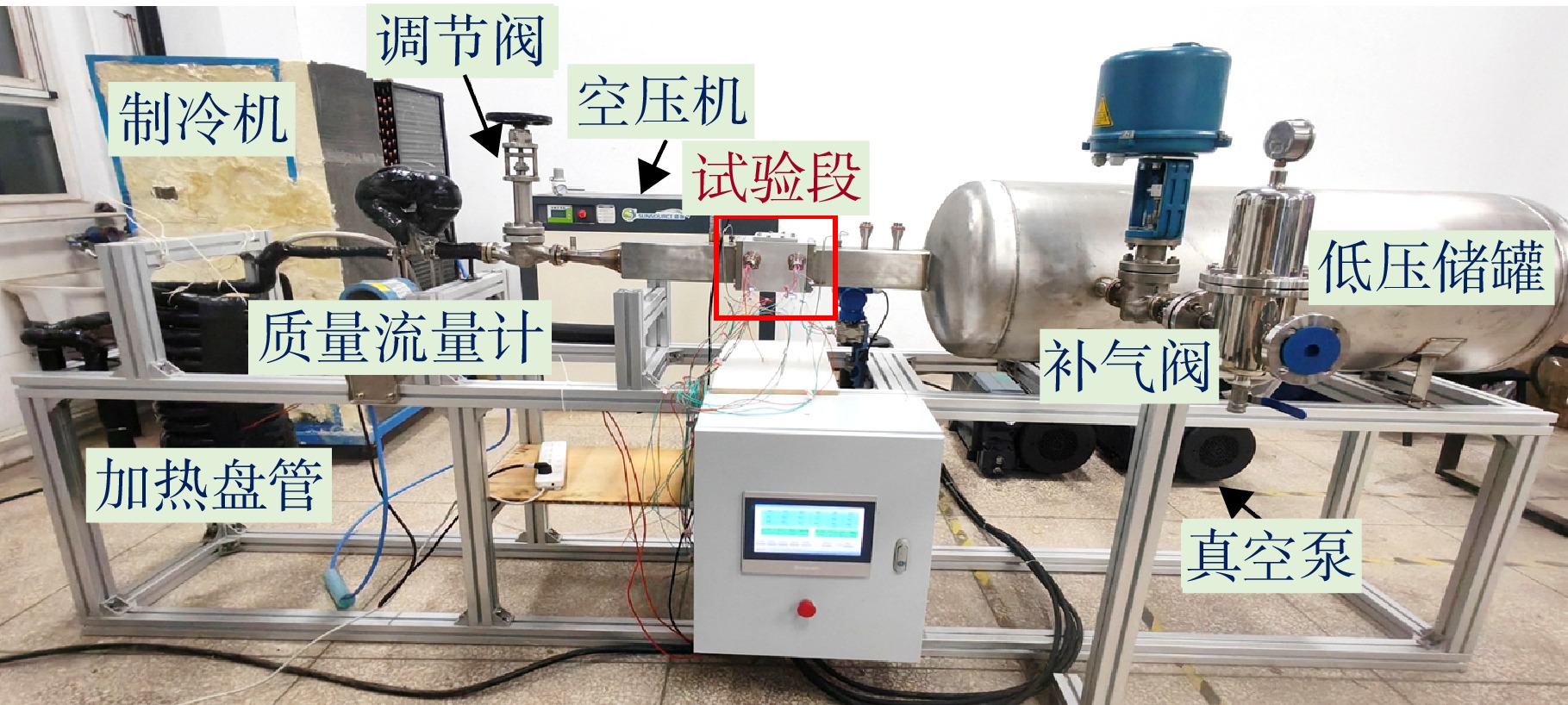
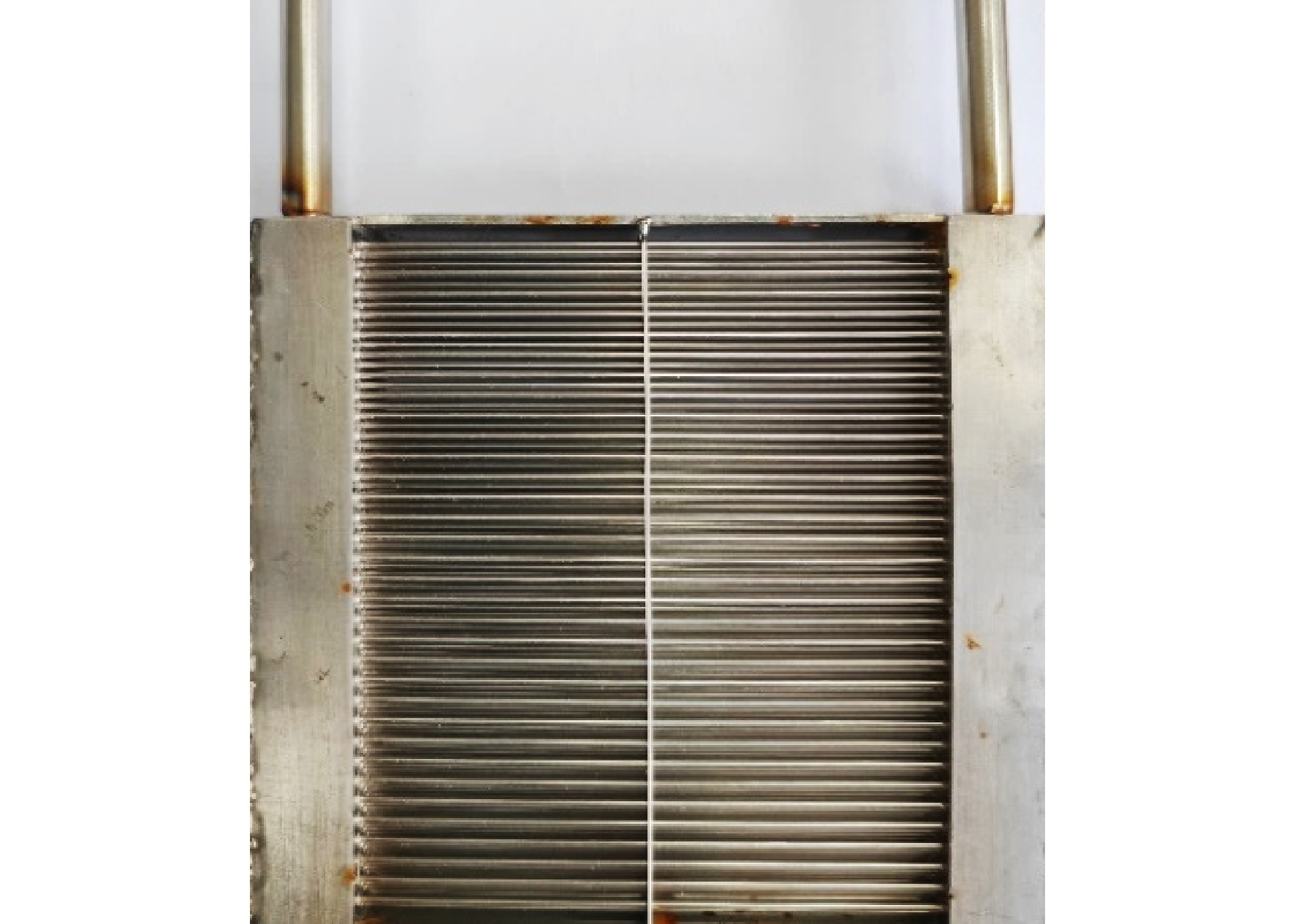
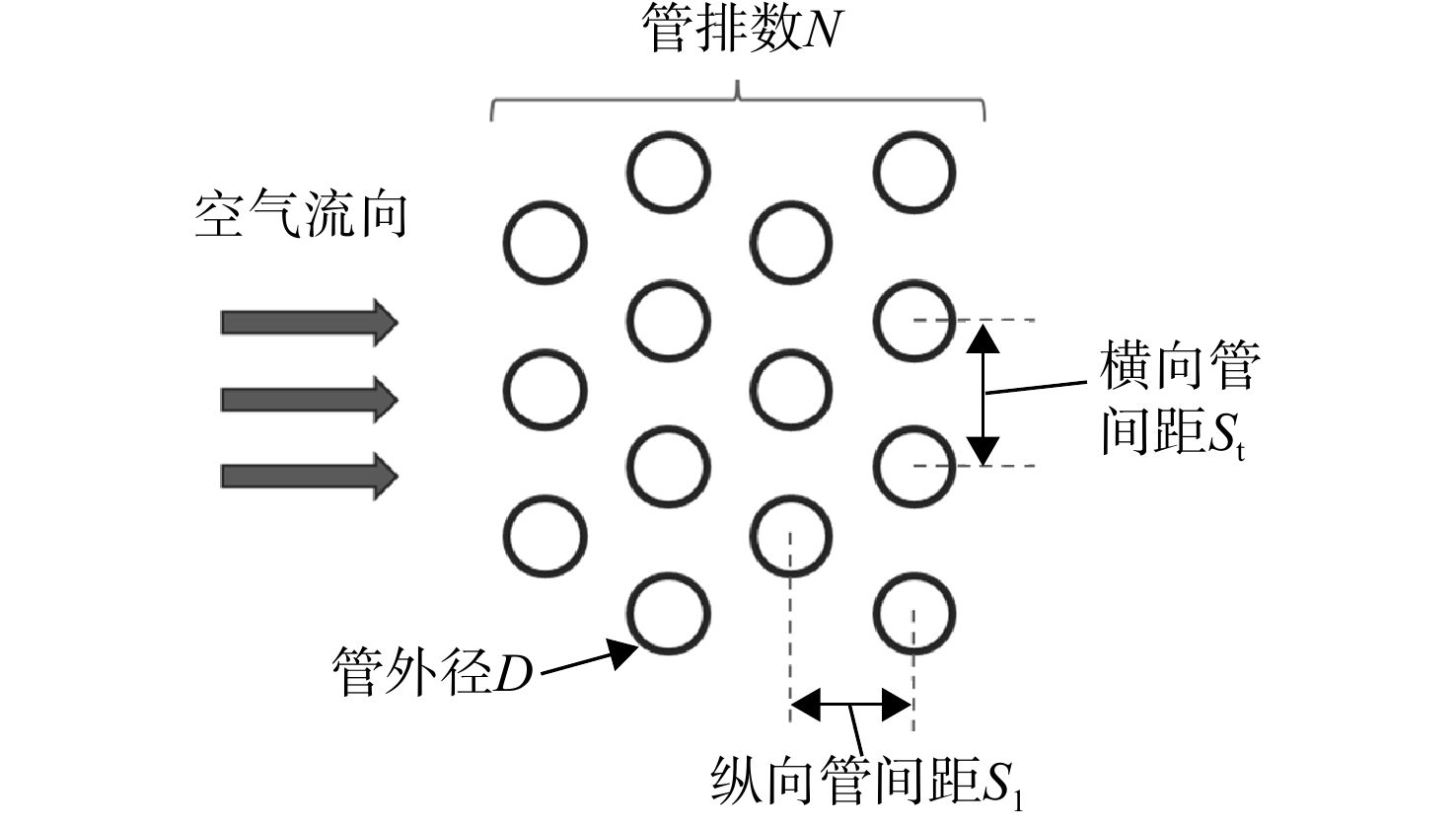
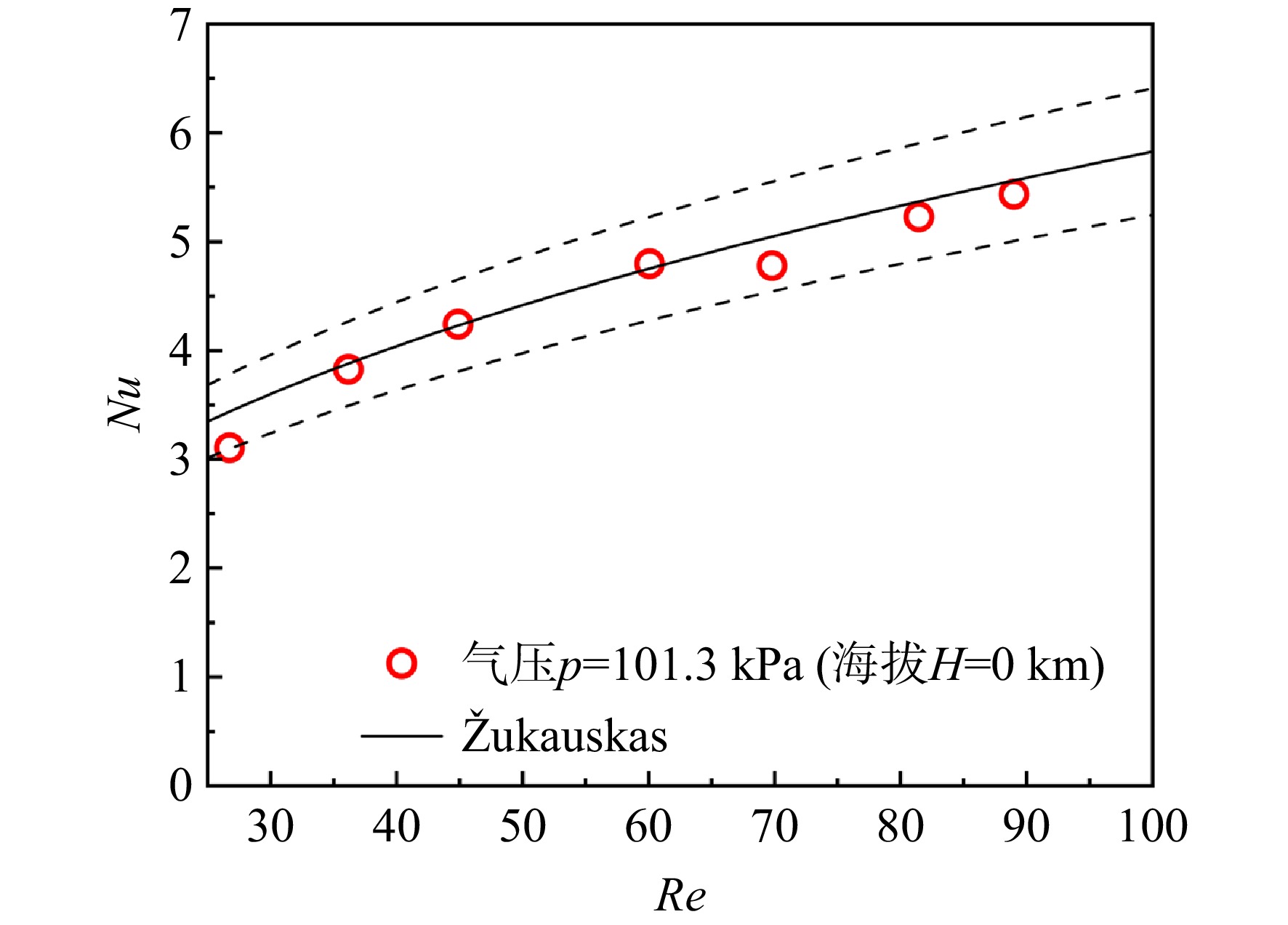
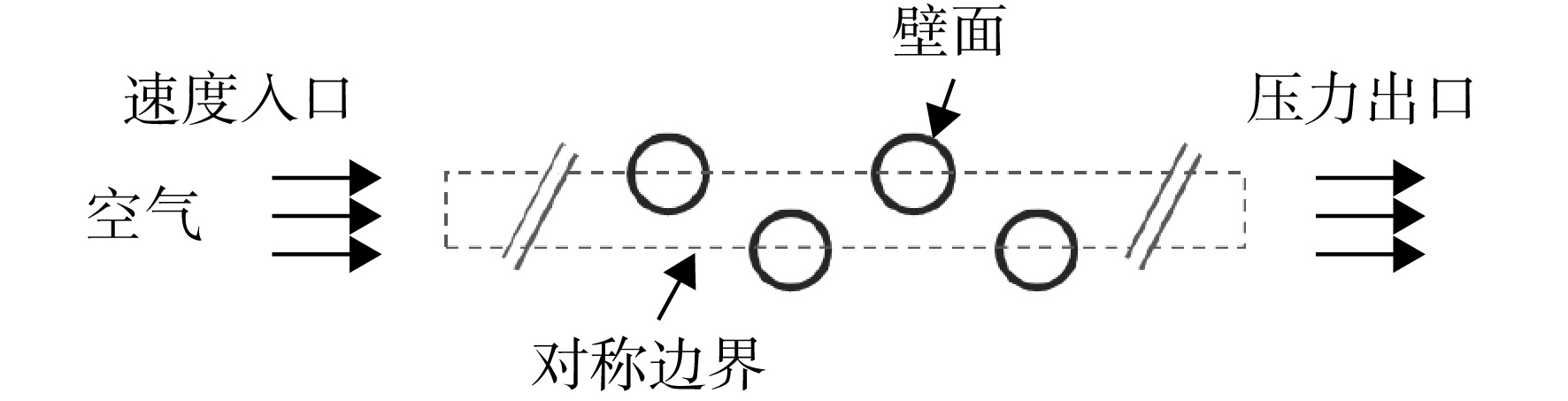
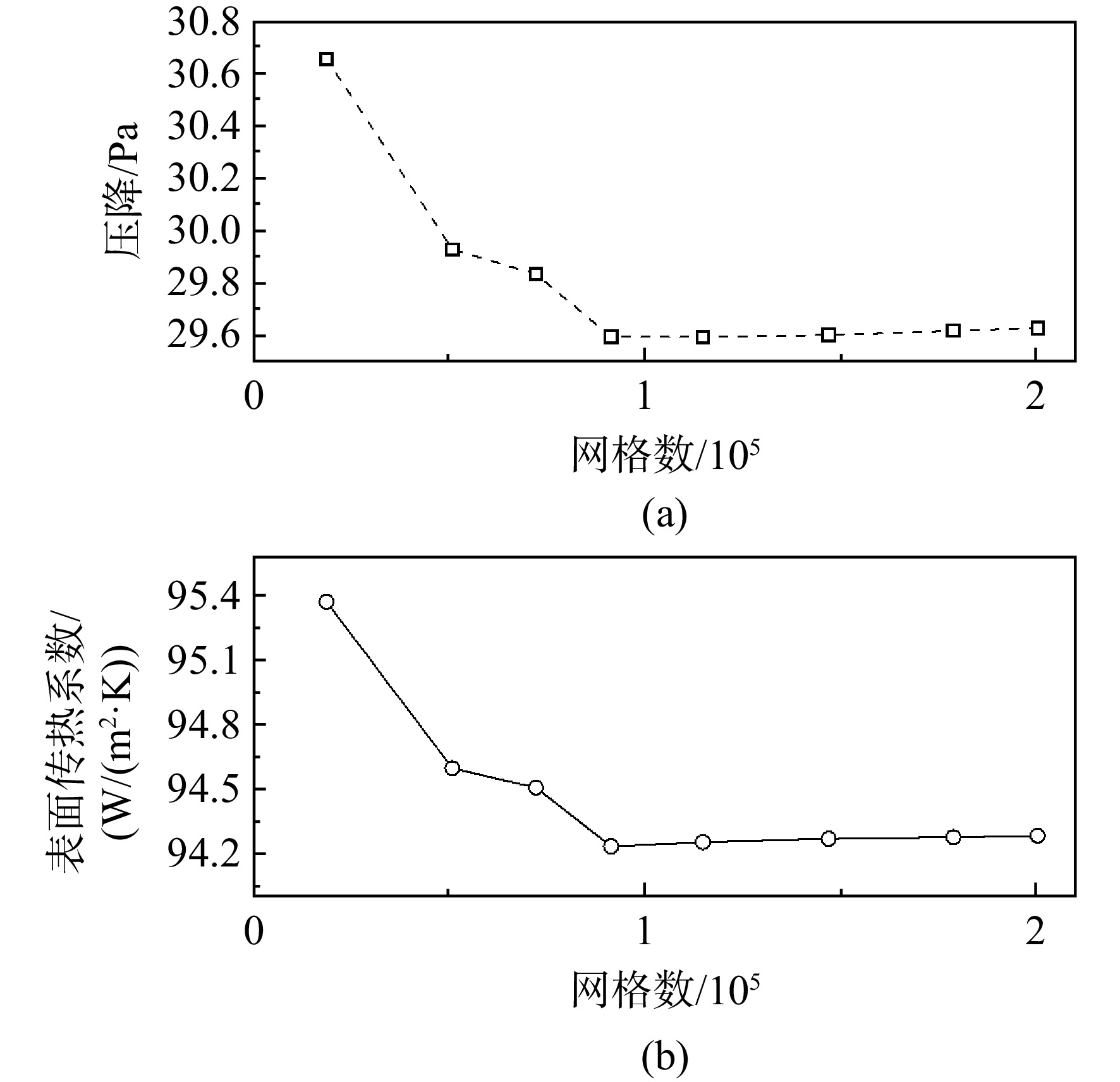
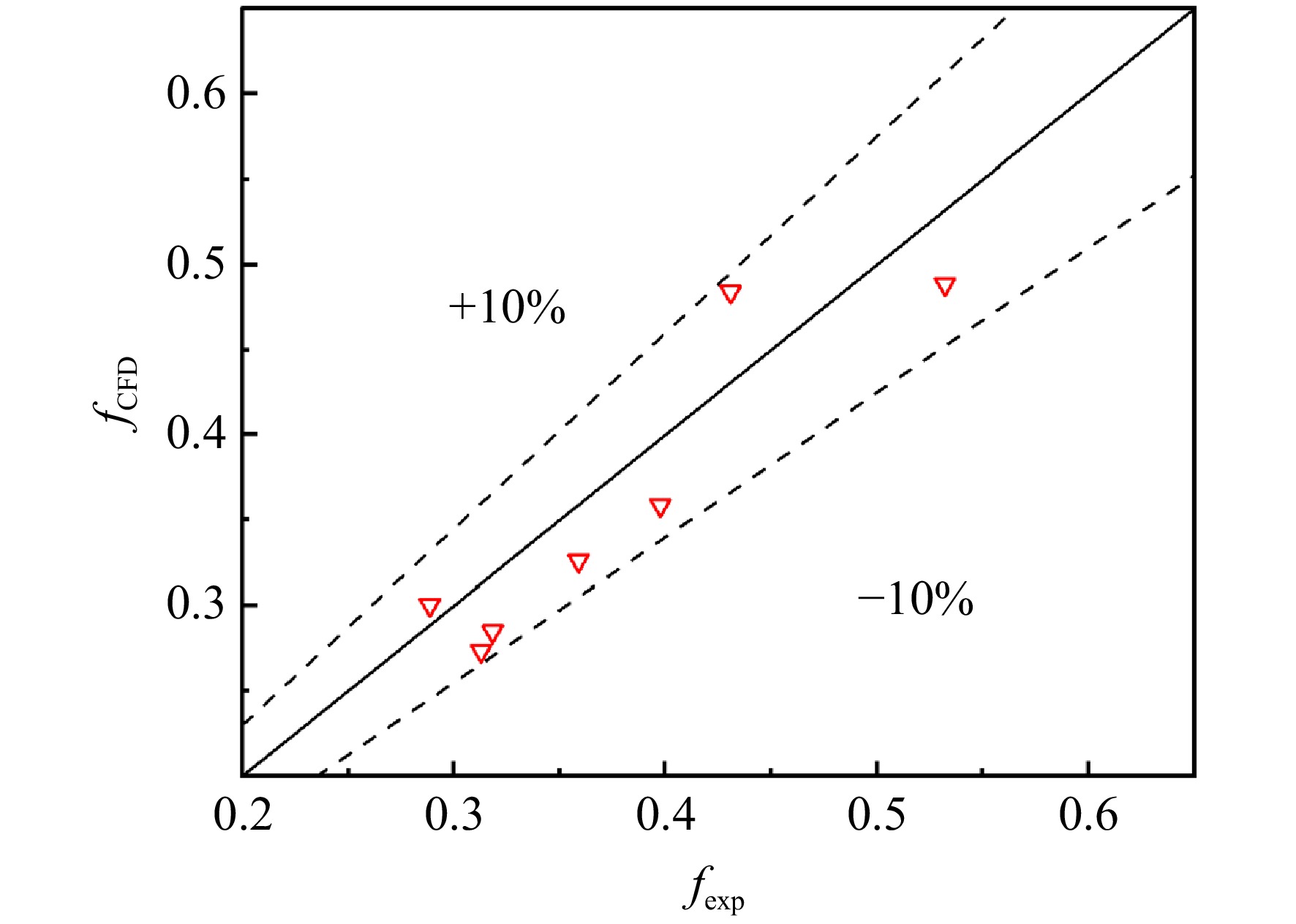
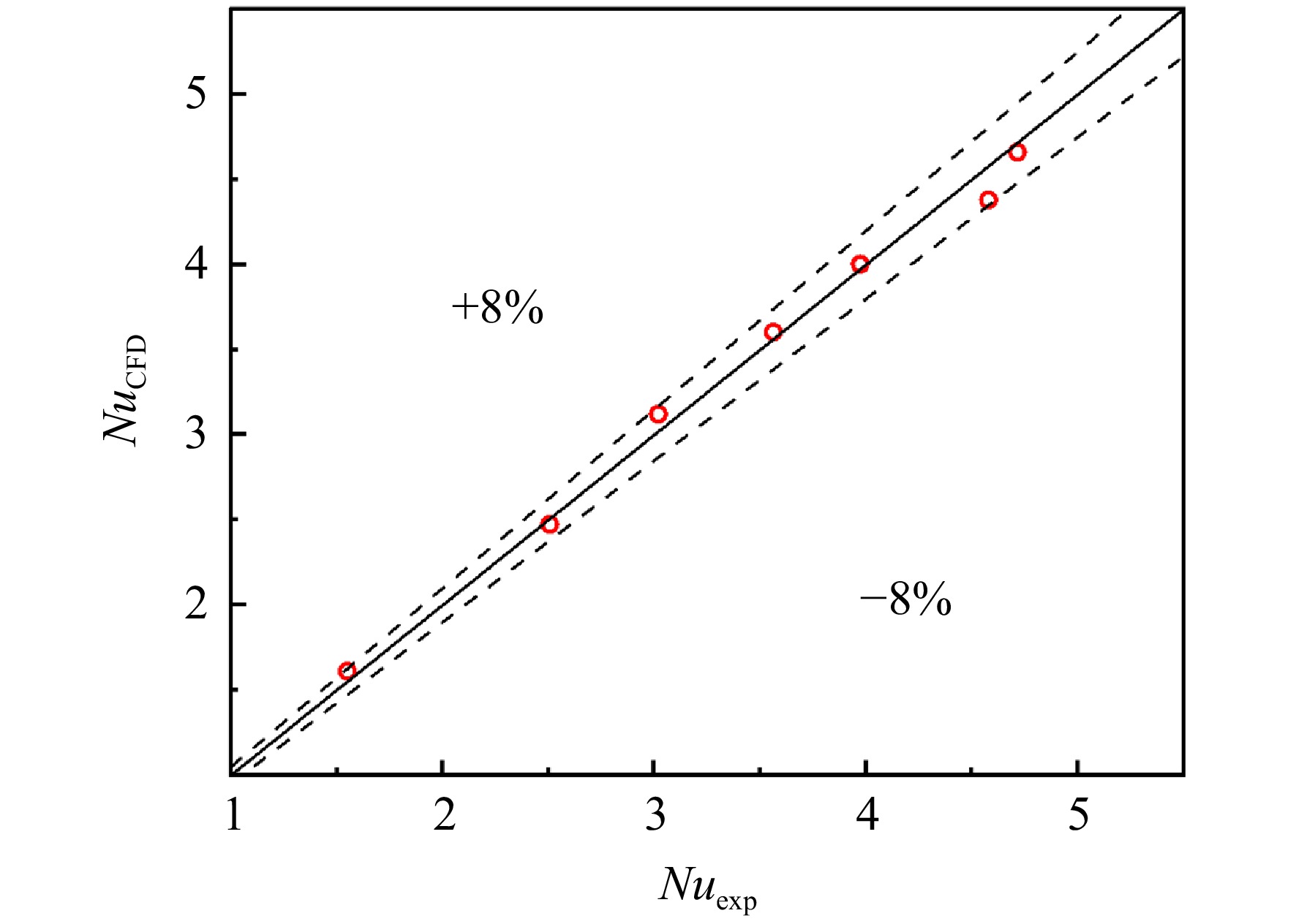
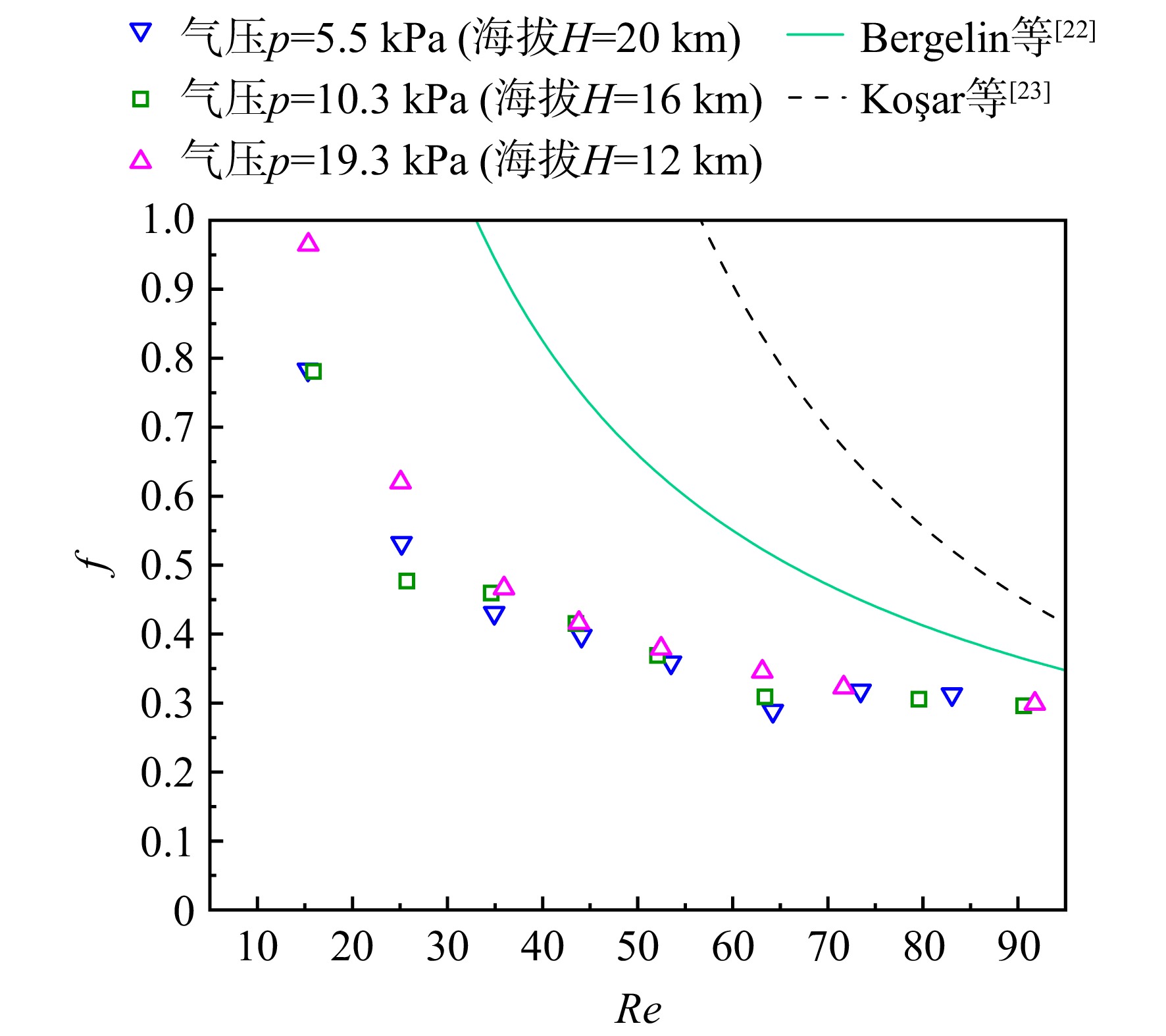
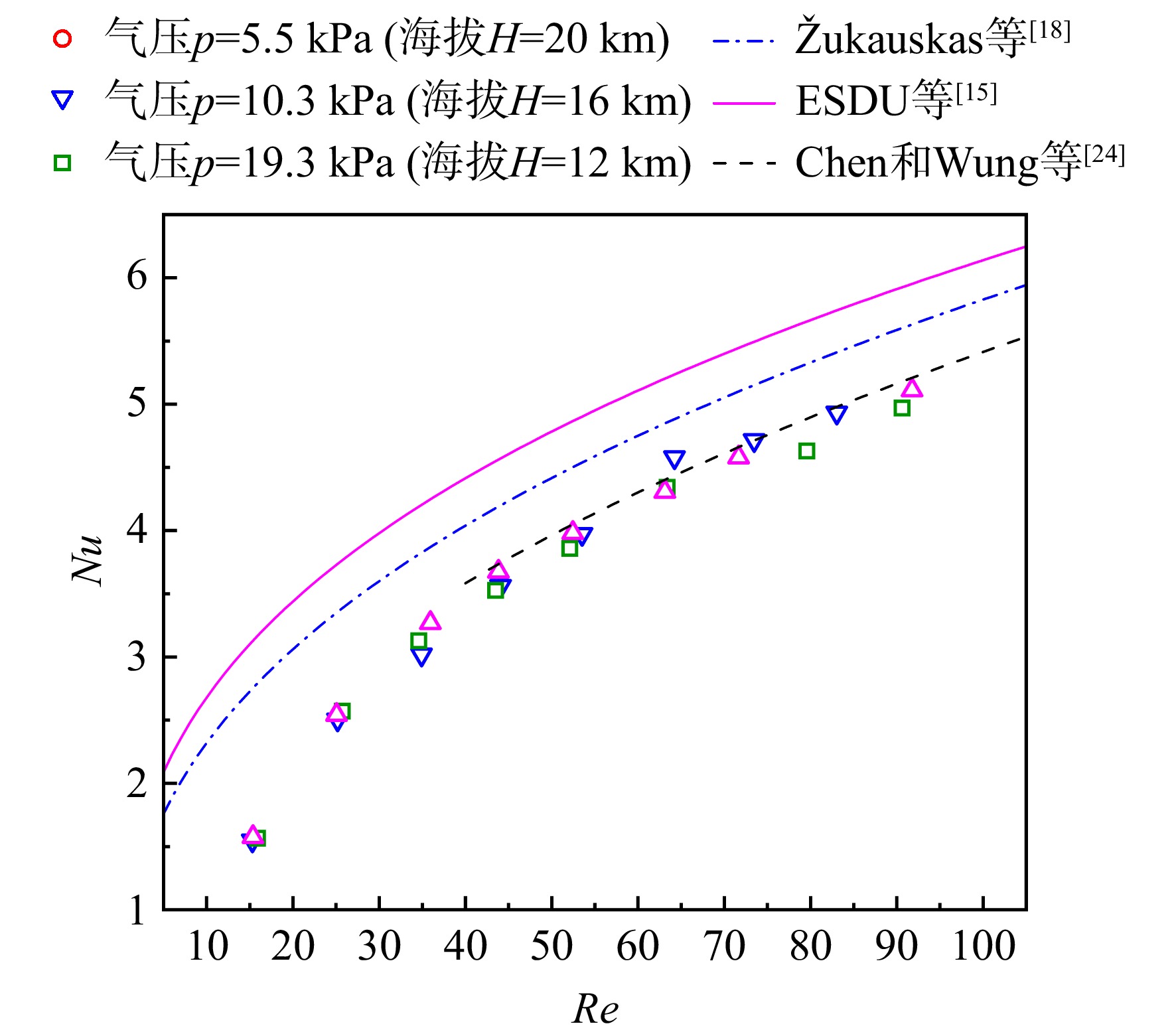
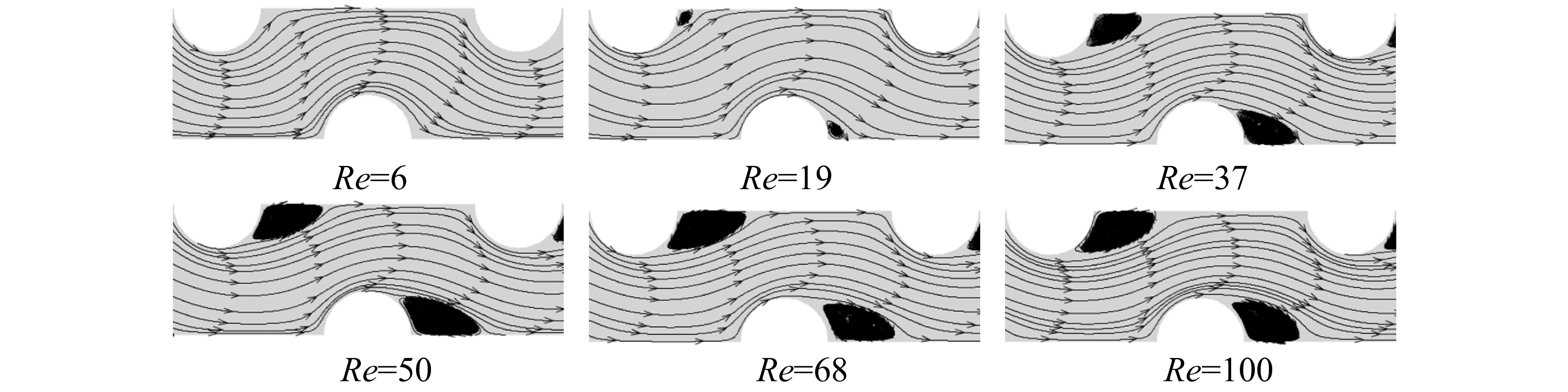
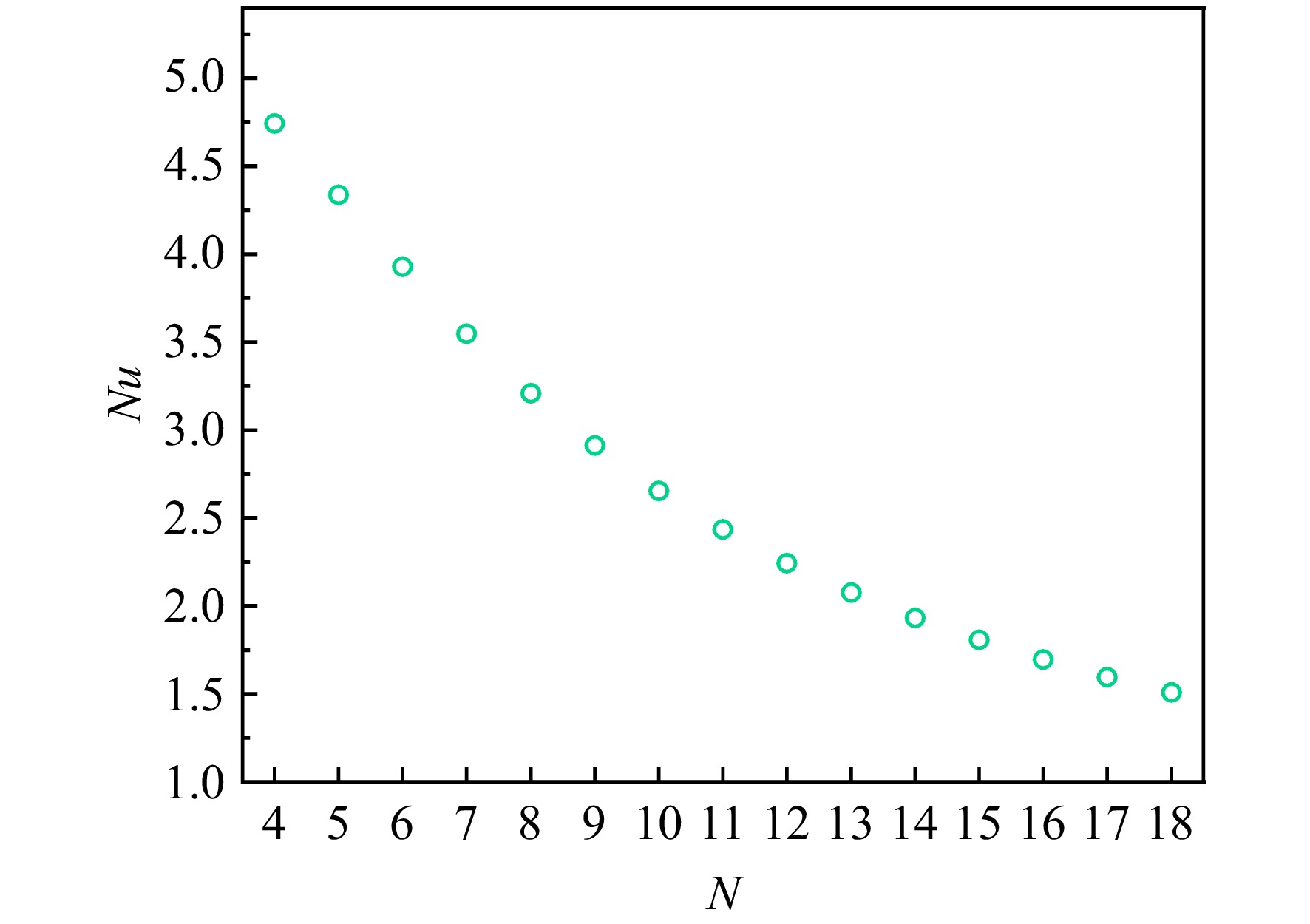
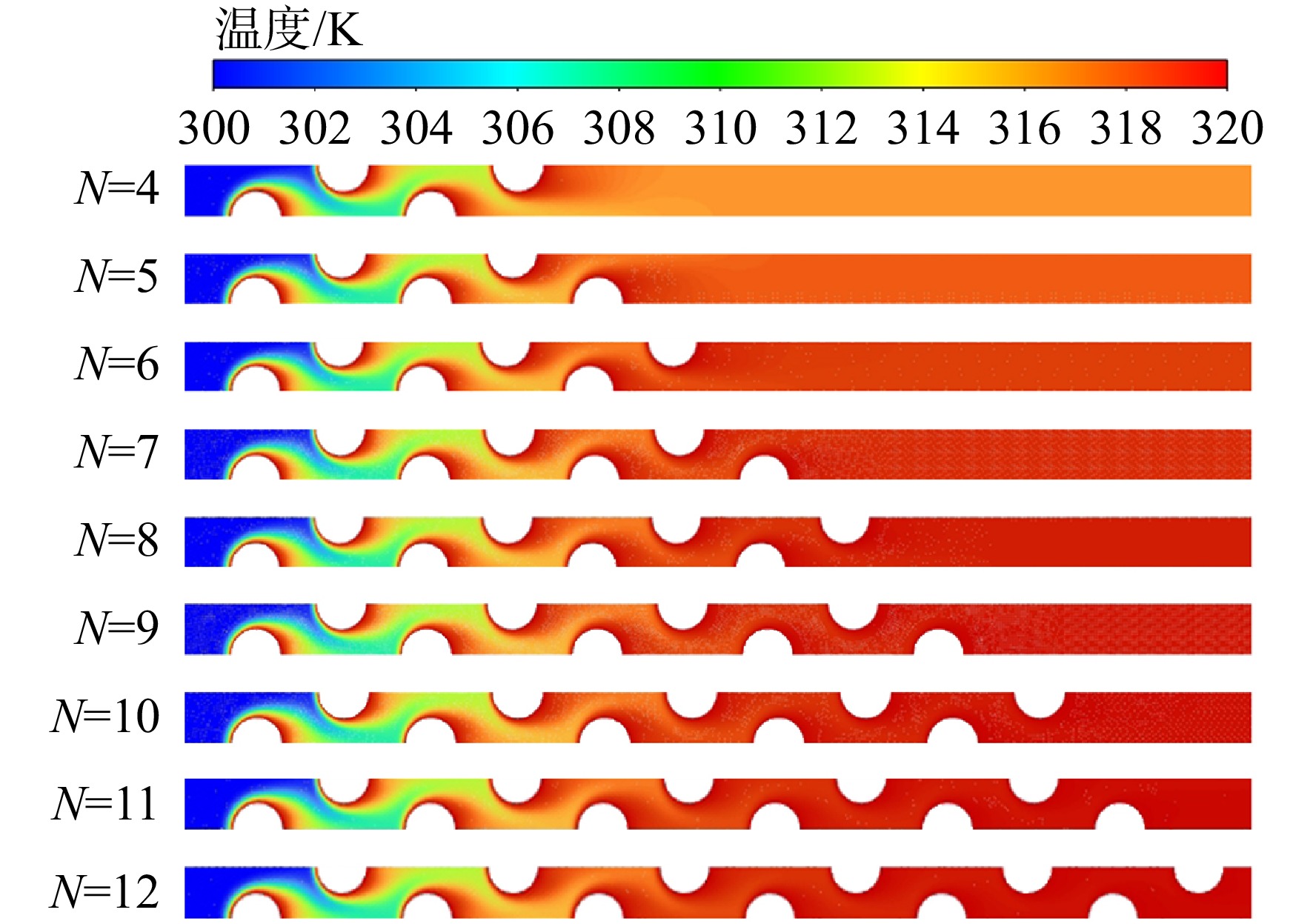
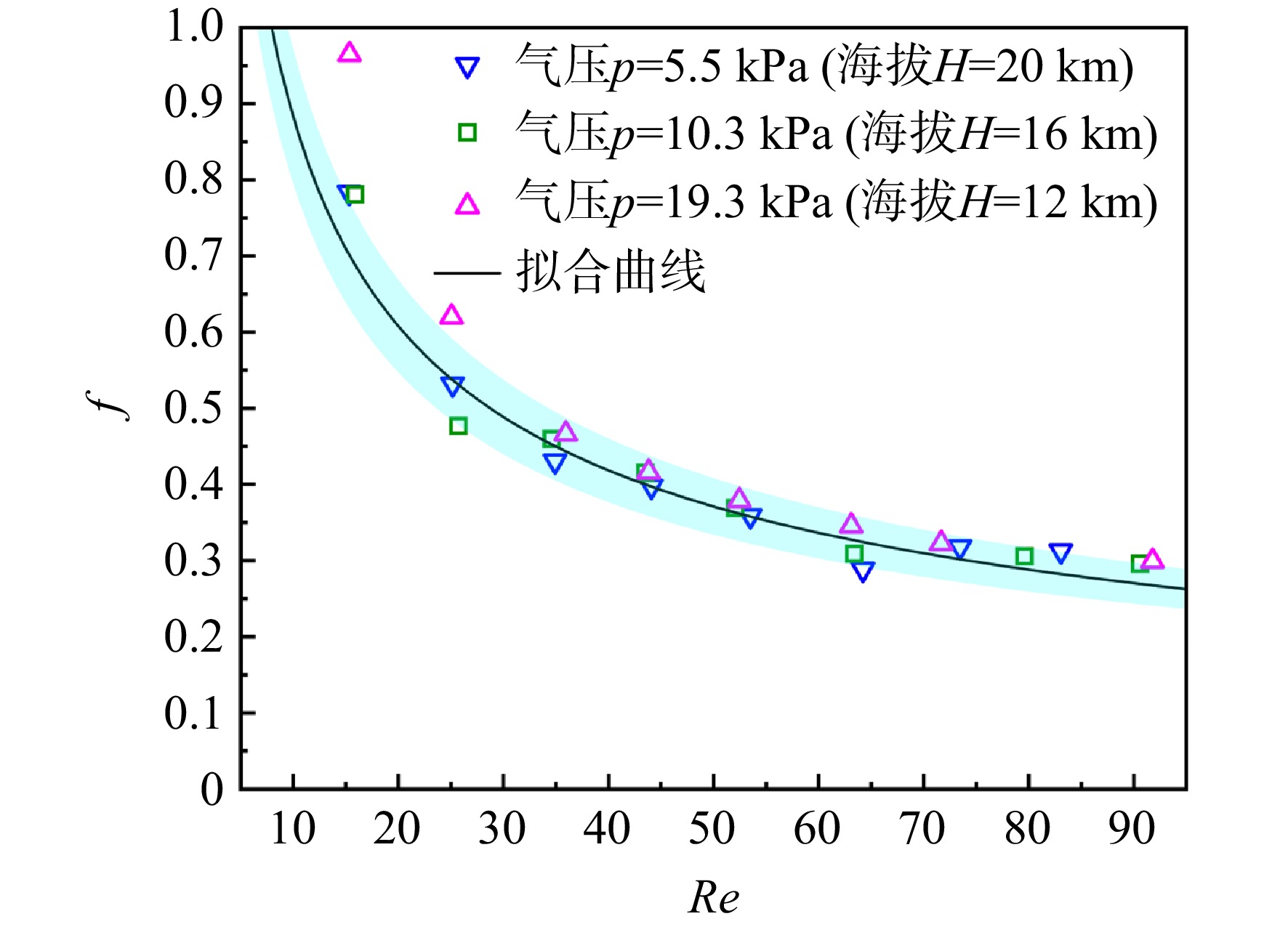
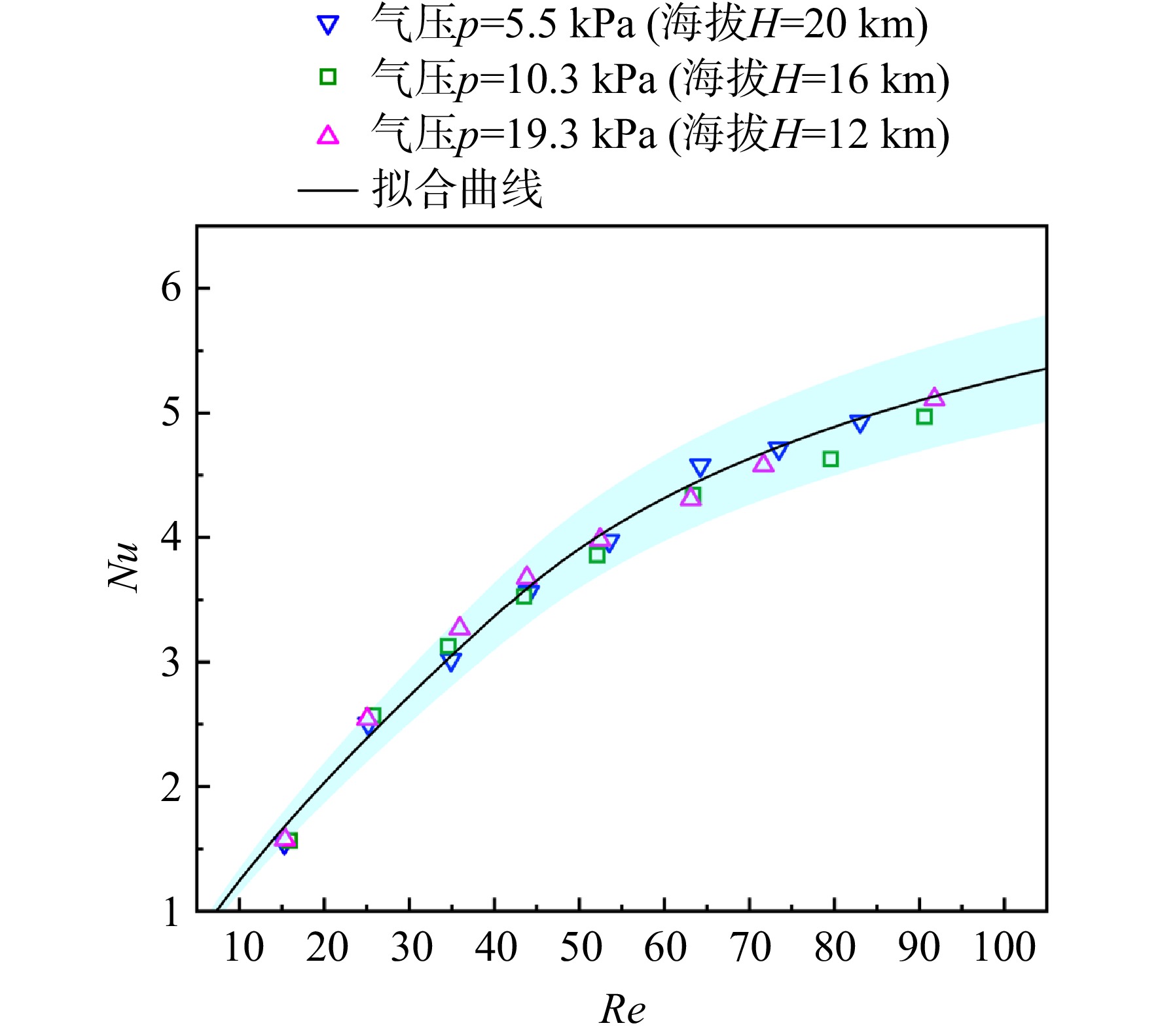
To explore the influence of high-altitude low-pressure environment on the convective flow and heat transfer characteristics of air-cooled heat exchanger, a low-pressure convective heat transfer experimental wind tunnel was established. The wind tunnel operated within a pressure range of 5.5 to 101.3 kPa and a flow rate range of 0 to 13.6 m/s. The flow and heat transfer characteristics of micro-channel bare tube heat exchanger at 12—20 km altitude were studied experimentally and numerically. The results indicate that when the Reynolds number is less than 100, the existing correlations underpredict the friction factor. And when the Reynolds number is less than 40, the Nusselt number is overpredicted. The maximum relative deviation of the Zukauskas correlation for Nusselt number is 72.4%. Additionally, due to the low volumetric heat capacity of airflow, the increase of tube rows significantly weakens the average convective heat transfer coefficient, thereby increasing the heat transfer prediction deviation of the Zukauskas correlation. Consequently, a new correlation was established, which significantly improves the prediction accuracy in the low Reynolds number range, and considers the influence of the number of tube rows on heat transfer. The relative deviation between the prediction of friction coefficient and Nusselt number and the experimental data is within 10%.

Experimental study on impact of kerosene injection position on performance of rotating detonation combustors
Kou Yitao, Guo Shanguang, Wu Yun, Yang Zhao, Feng Pengfei, Chang Yibing, Meng Zhangyi
2026, 41(10): 20250153. doi: 10.13224/j.cnki.jasp.20250153
Abstract:

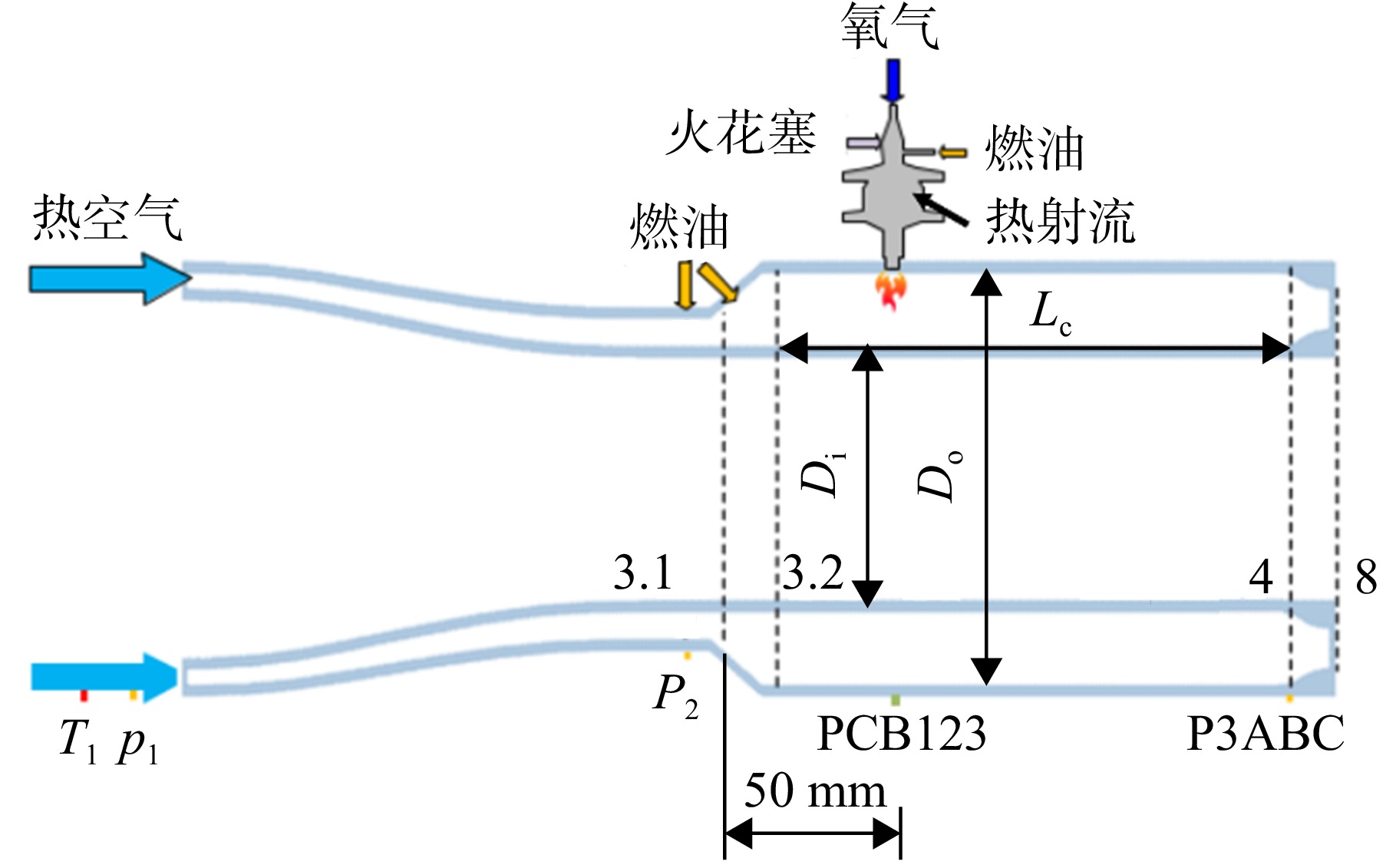
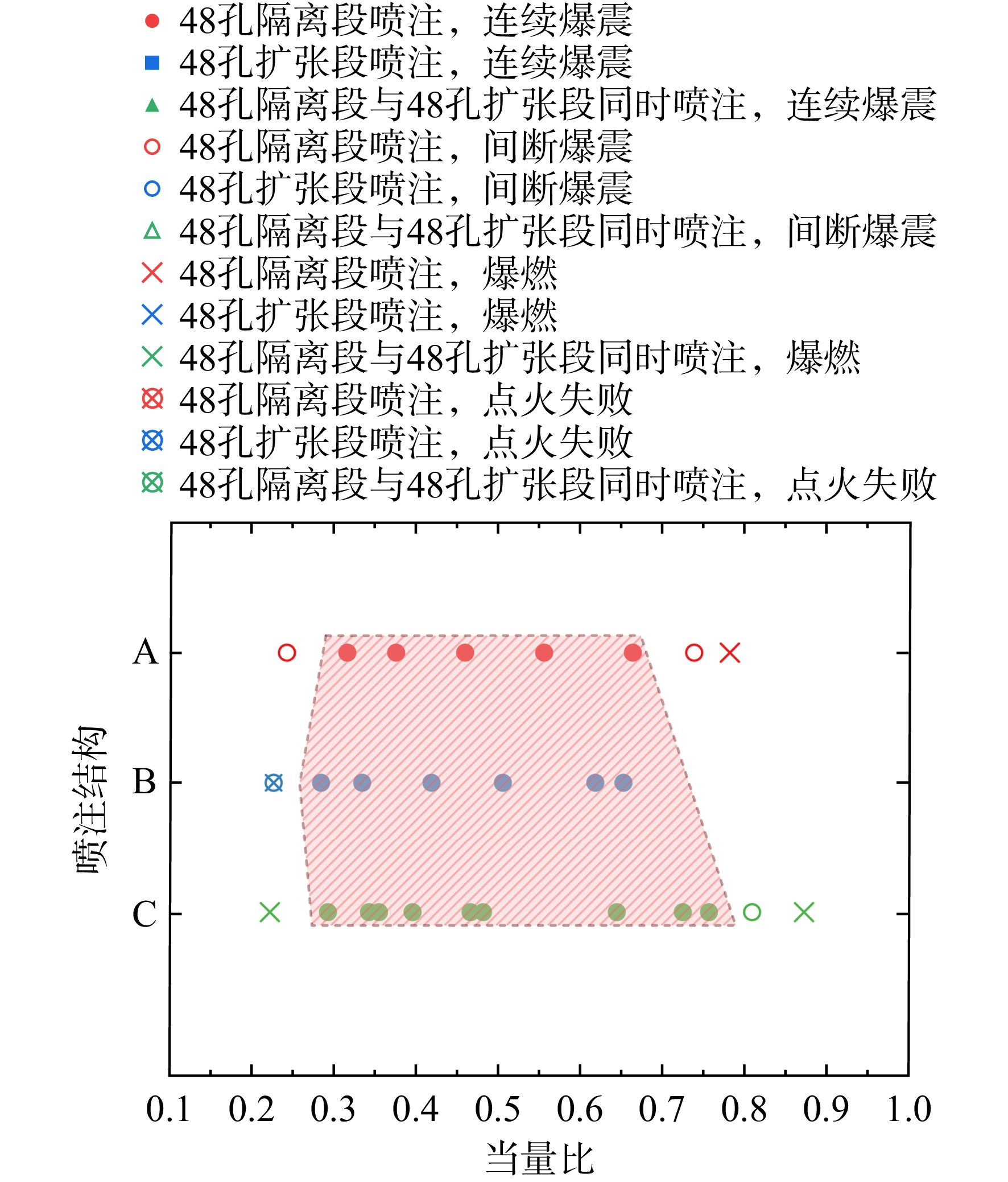
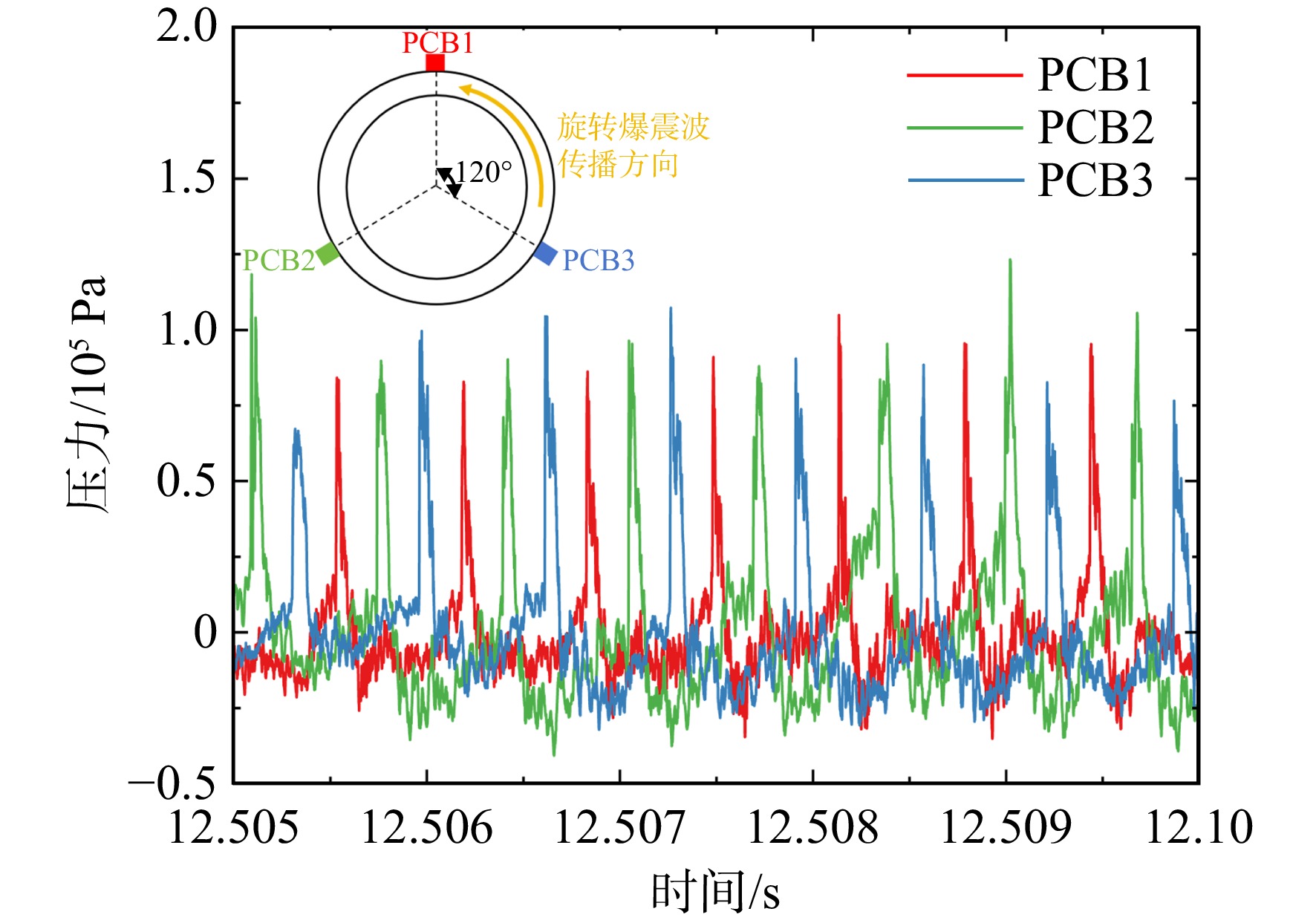
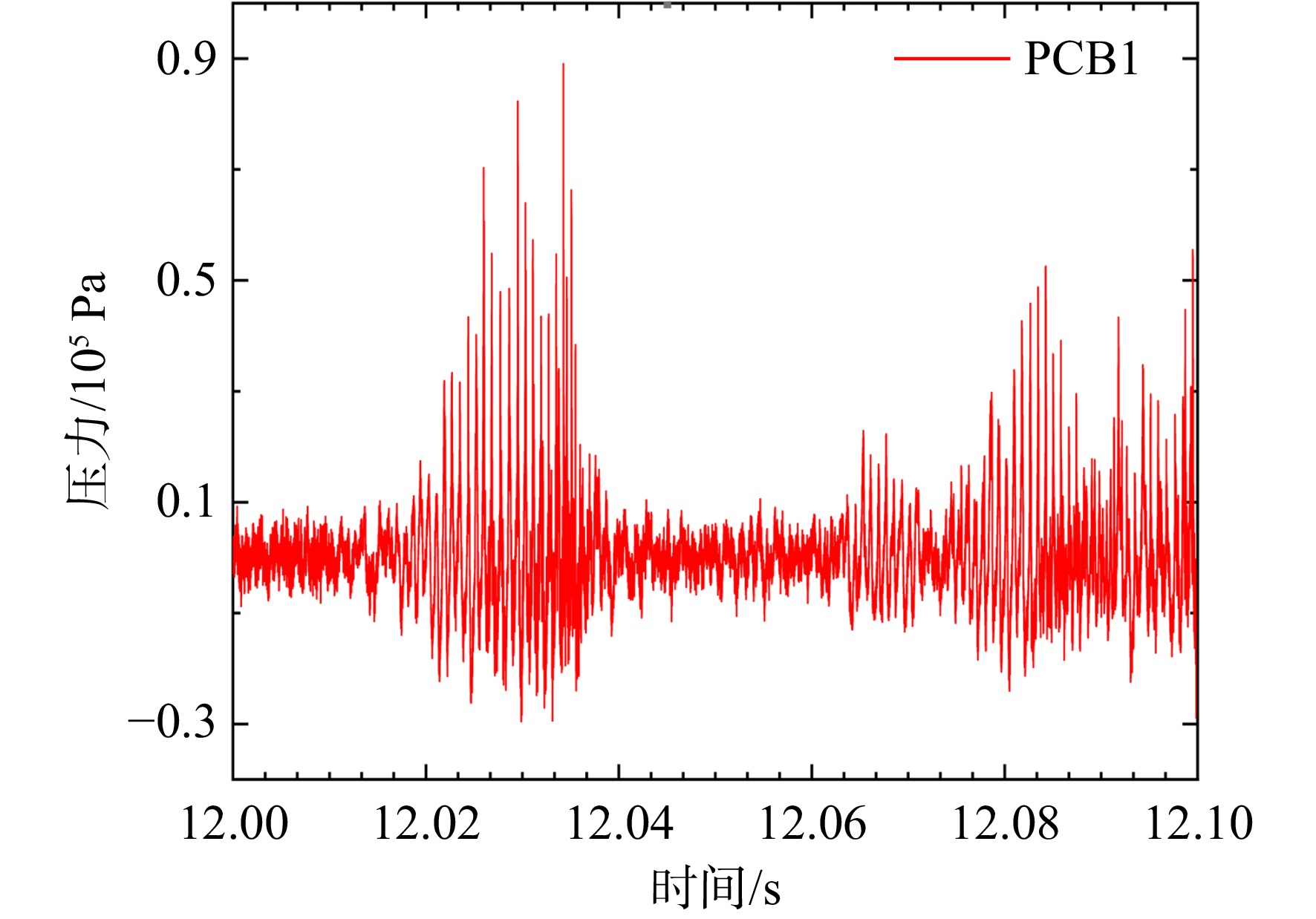
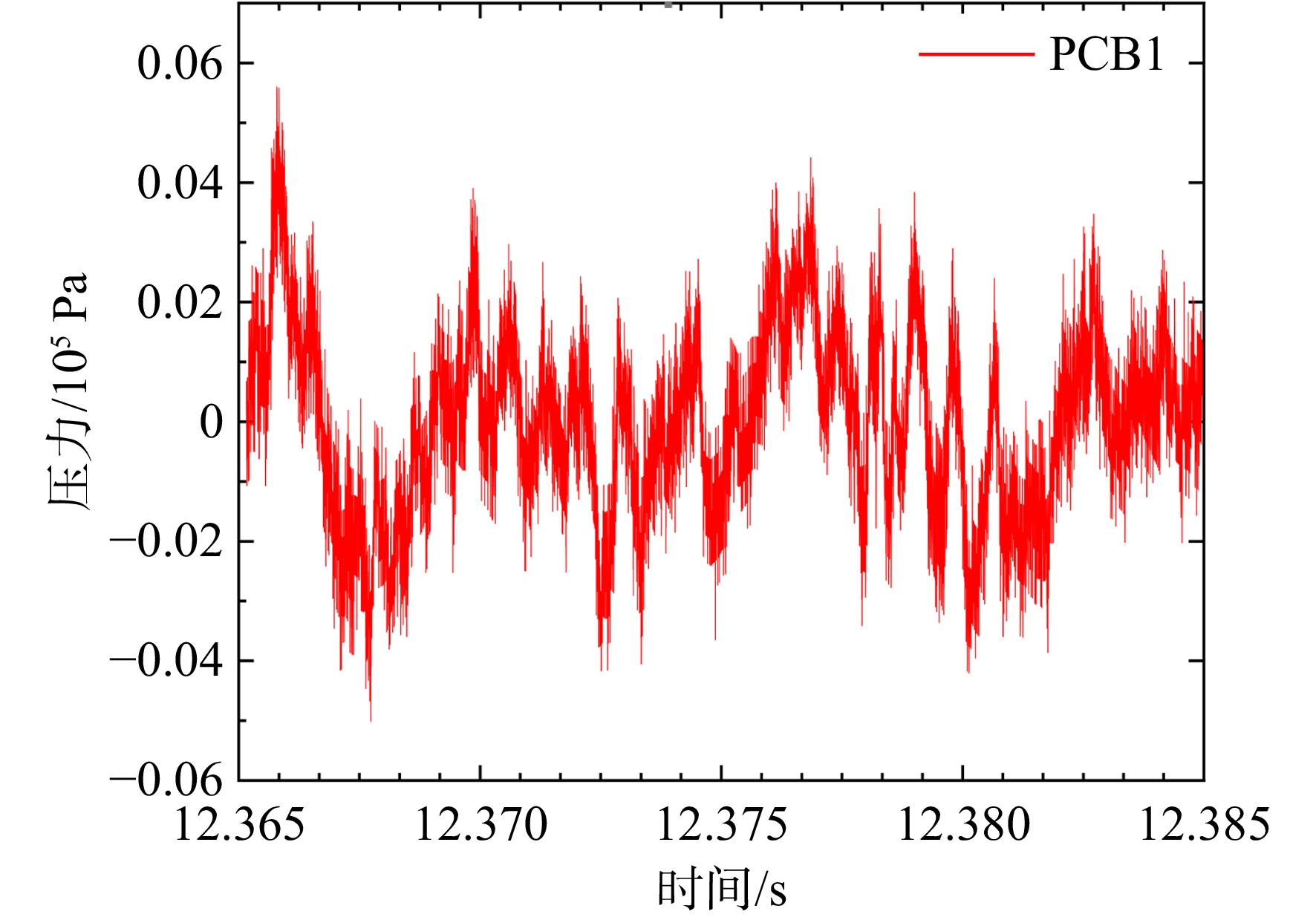
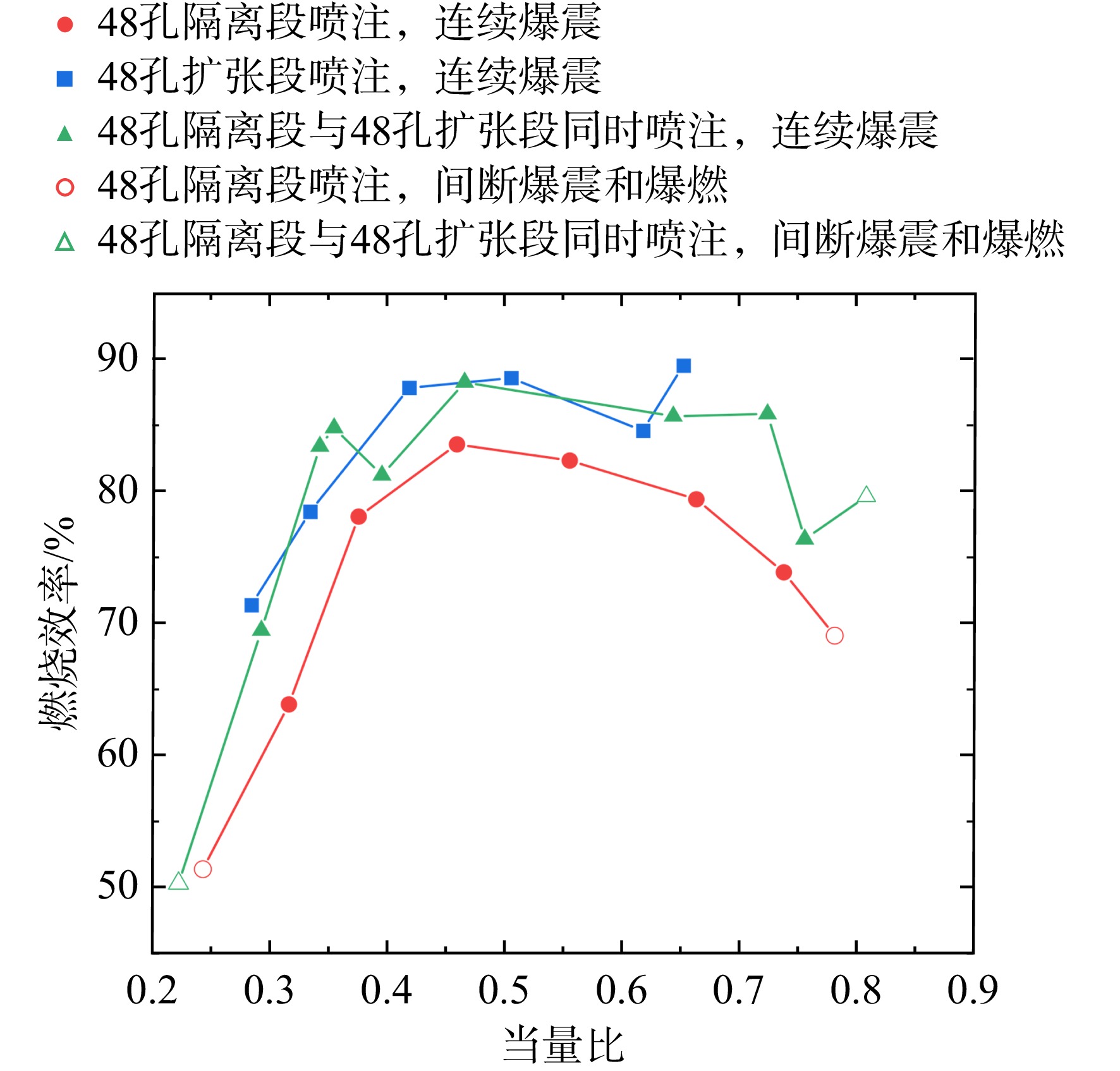
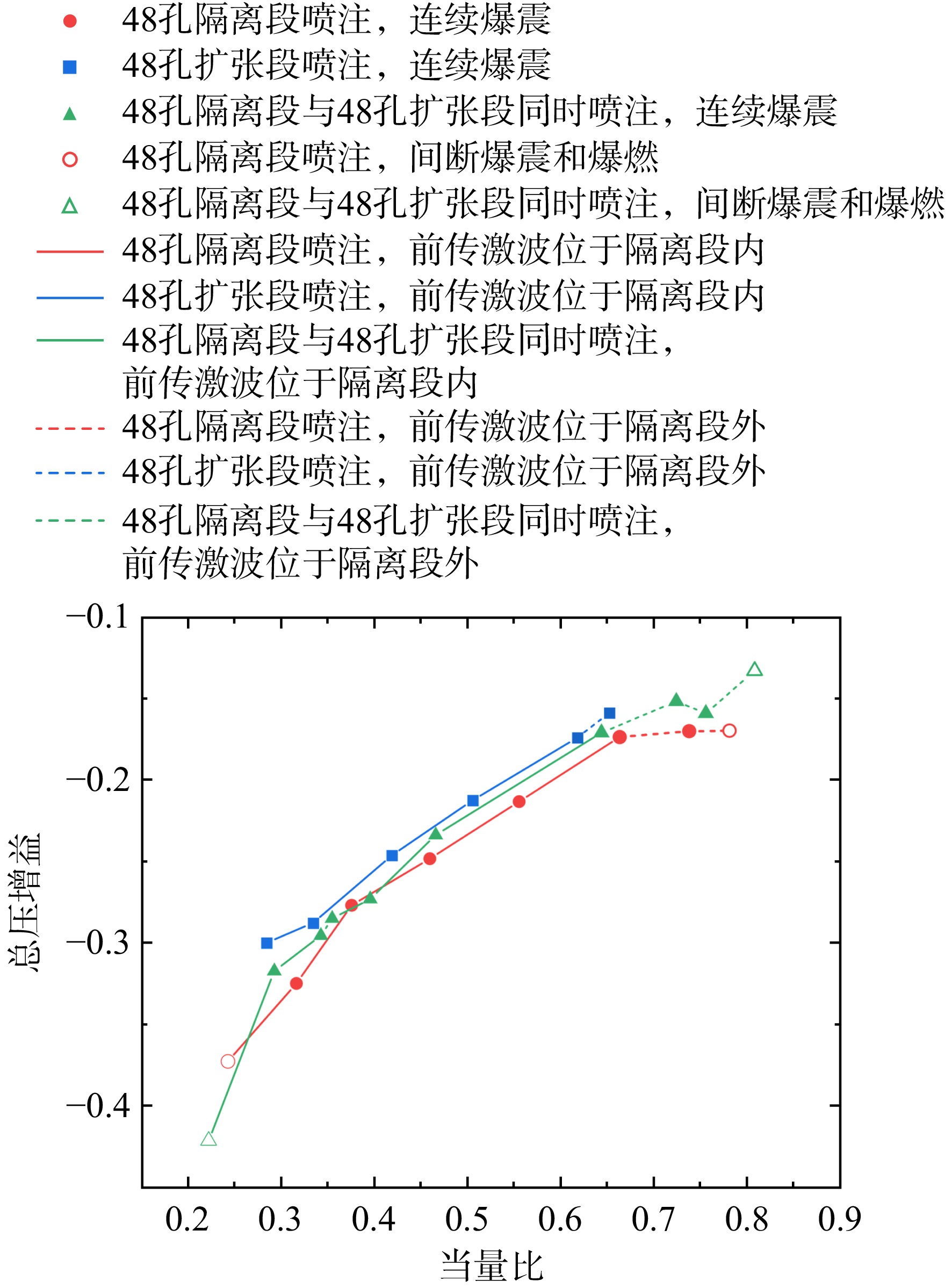
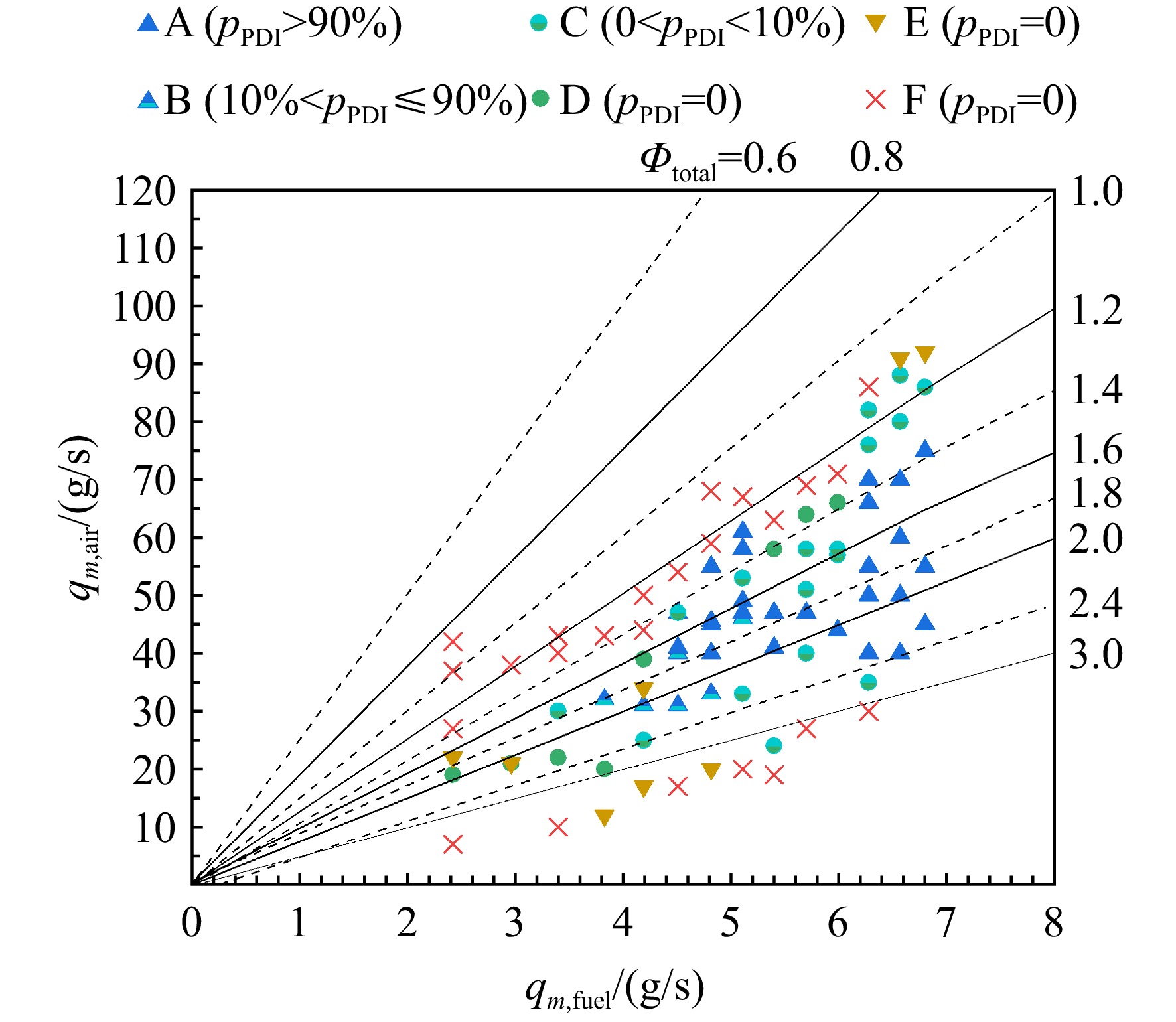
The effects of isolator injection, divergent section injection, and multi-point mixing injection on the propagation and performance characteristics of kerosene/air rotating detonation combustors (RDCs) were investigated. Focusing on typical operating conditions of ramjet RDCs, changes in combustion efficiency and total pressure gain were studied. It was found that with increasing equivalence ratio, different injector configurations influenced the propagation characteristics of detonation waves. Steady detonation, unsteady detonation and deflagration were observed in the experiment. Different injector configurations also had certain impact on the combustion efficiency and total pressure gain. Overall, under varying equivalence ratios, multi-point mixing injection in the isolator and divergent section exhibited superior combustion efficiency. Combustion efficiency showed an initial increase followed by fluctuation with increasing equivalence ratio. In the experiments, the maximum combustion efficiency of 89.5% was observed at an equivalence ratio of 0.653. The total pressure gain of the RDC gradually increased with the increasing the equivalence ratio. The highest effective total pressure gain occurred at an equivalence ratio of 0.644, with a peak effective total pressure gain of −0.171. The injection in the divergent section demonstrated superior overall performance. However, it needs to be combined with auxiliary injection in the isolator to improve the organization of the combustion process, thereby further optimizing the injection configuration.
Experimental study on influences of cavity parameters on flame response characteristics of afterburner
ZHAO Hang, LIU Yong, ZHANG Xiang
2026, 41(10): 20250345. doi: 10.13224/j.cnki.jasp.20250345
Abstract:

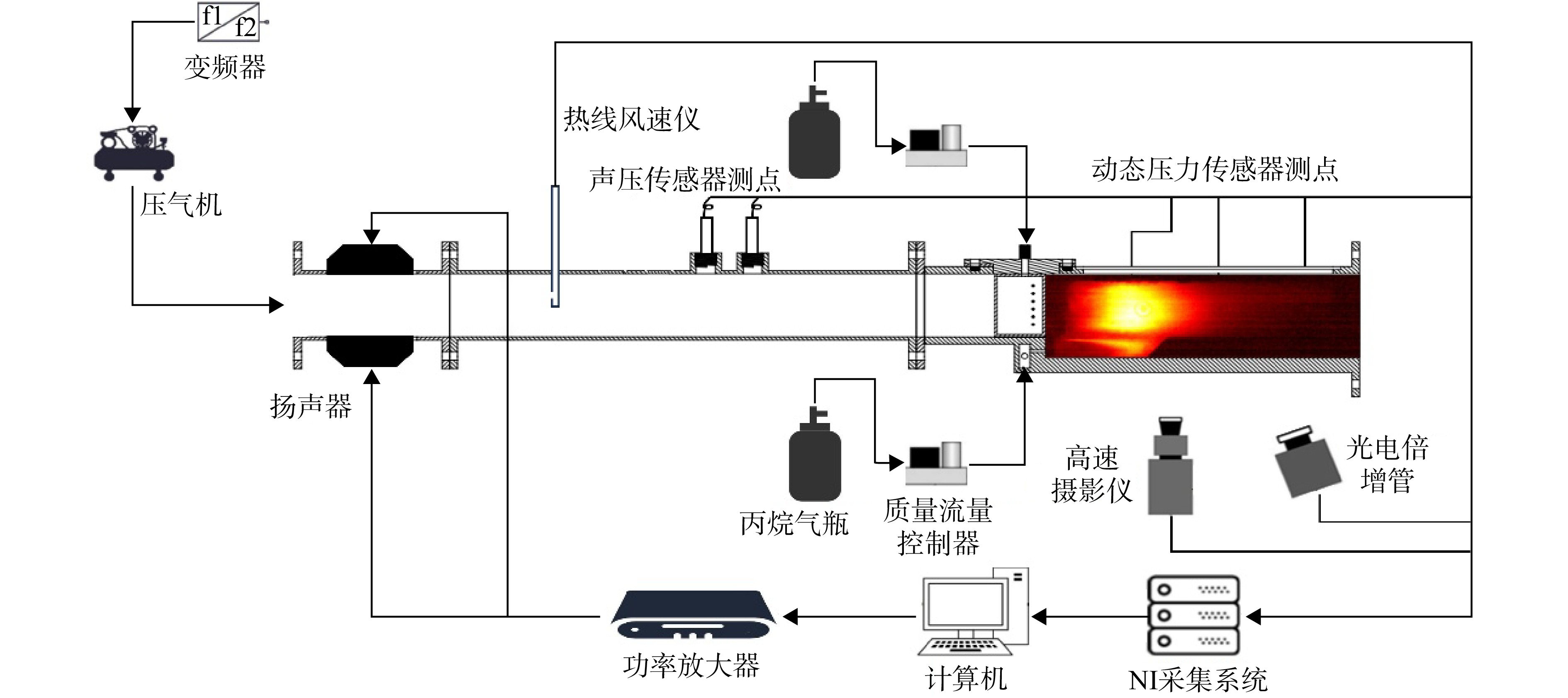
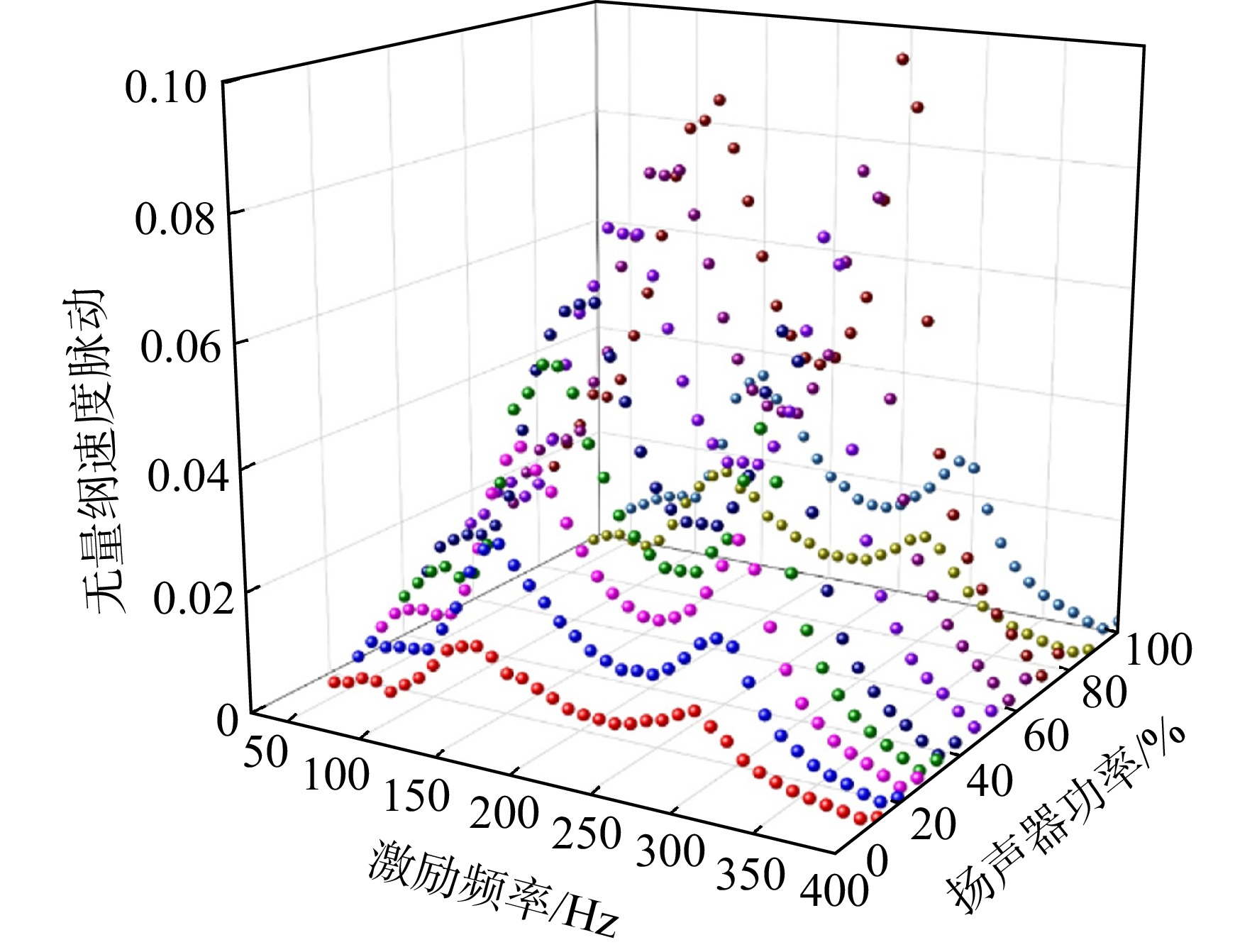
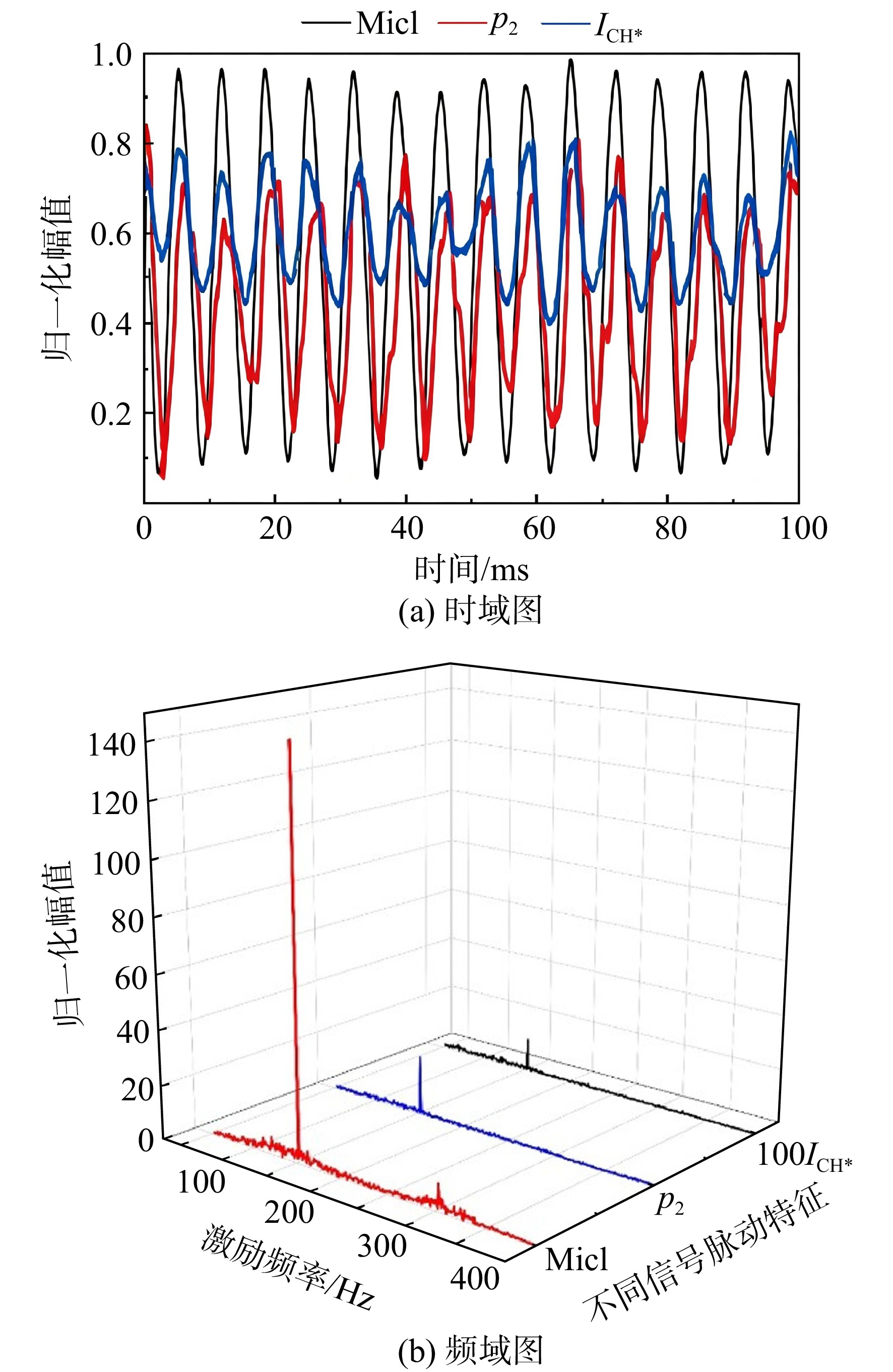
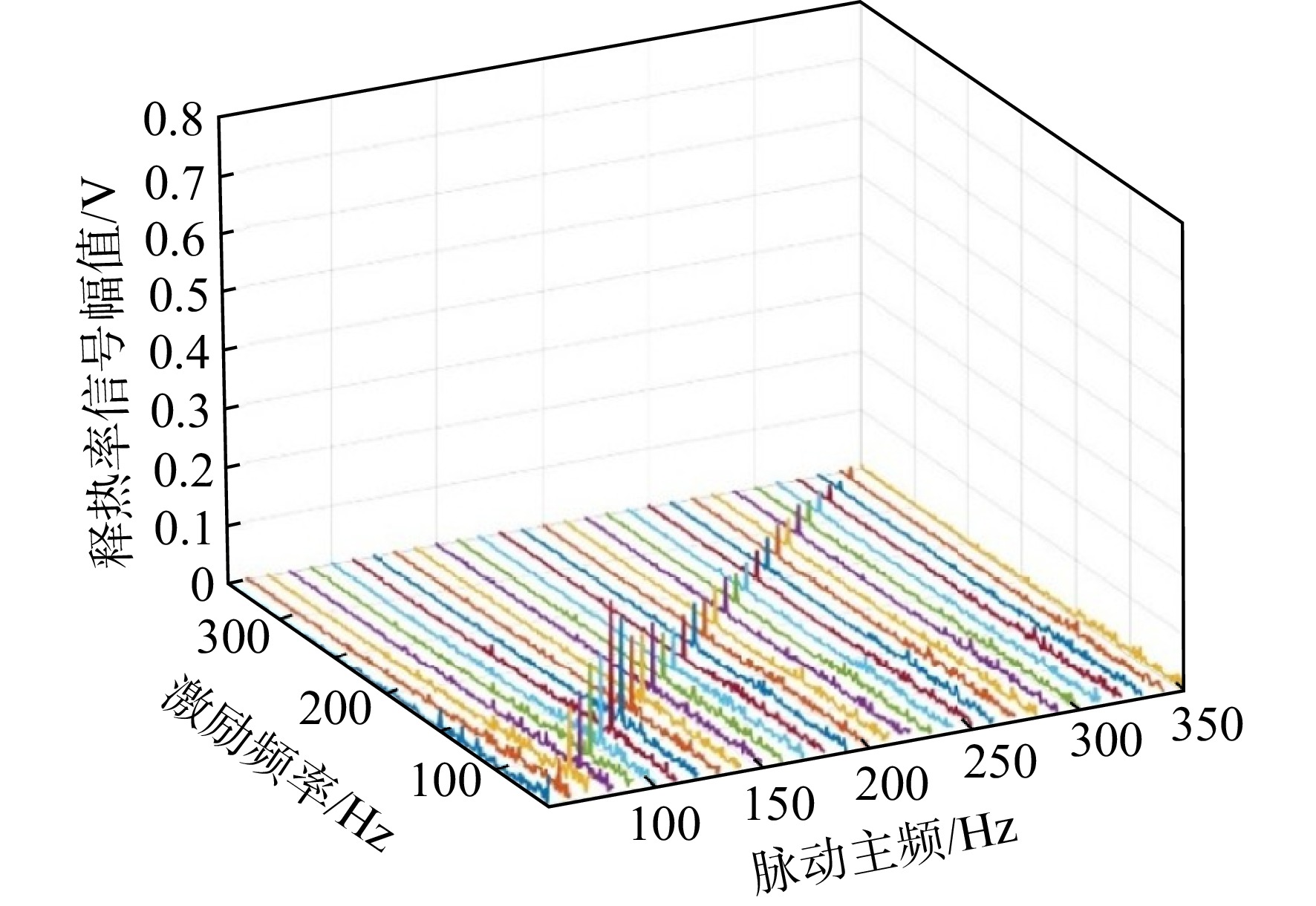
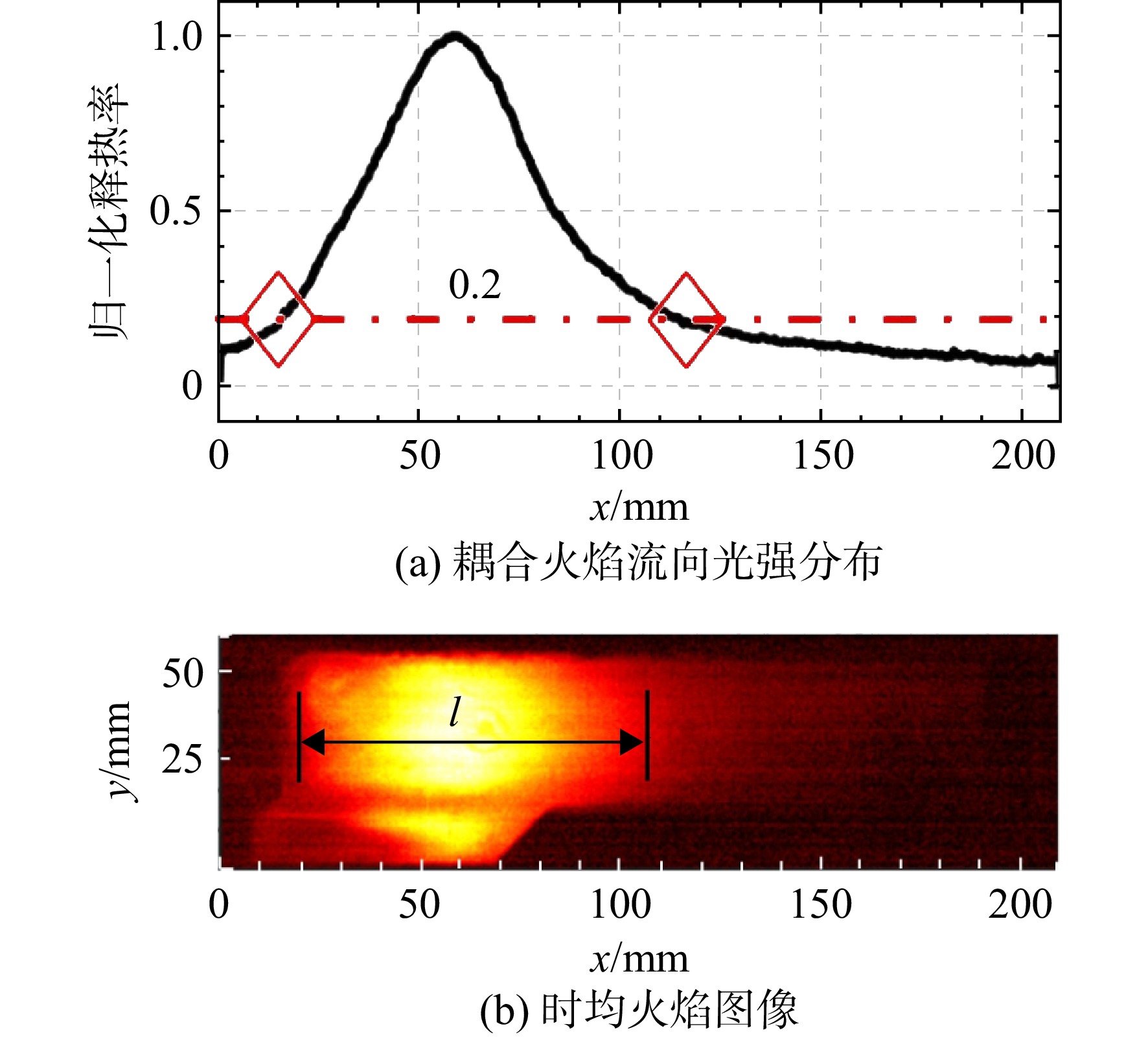
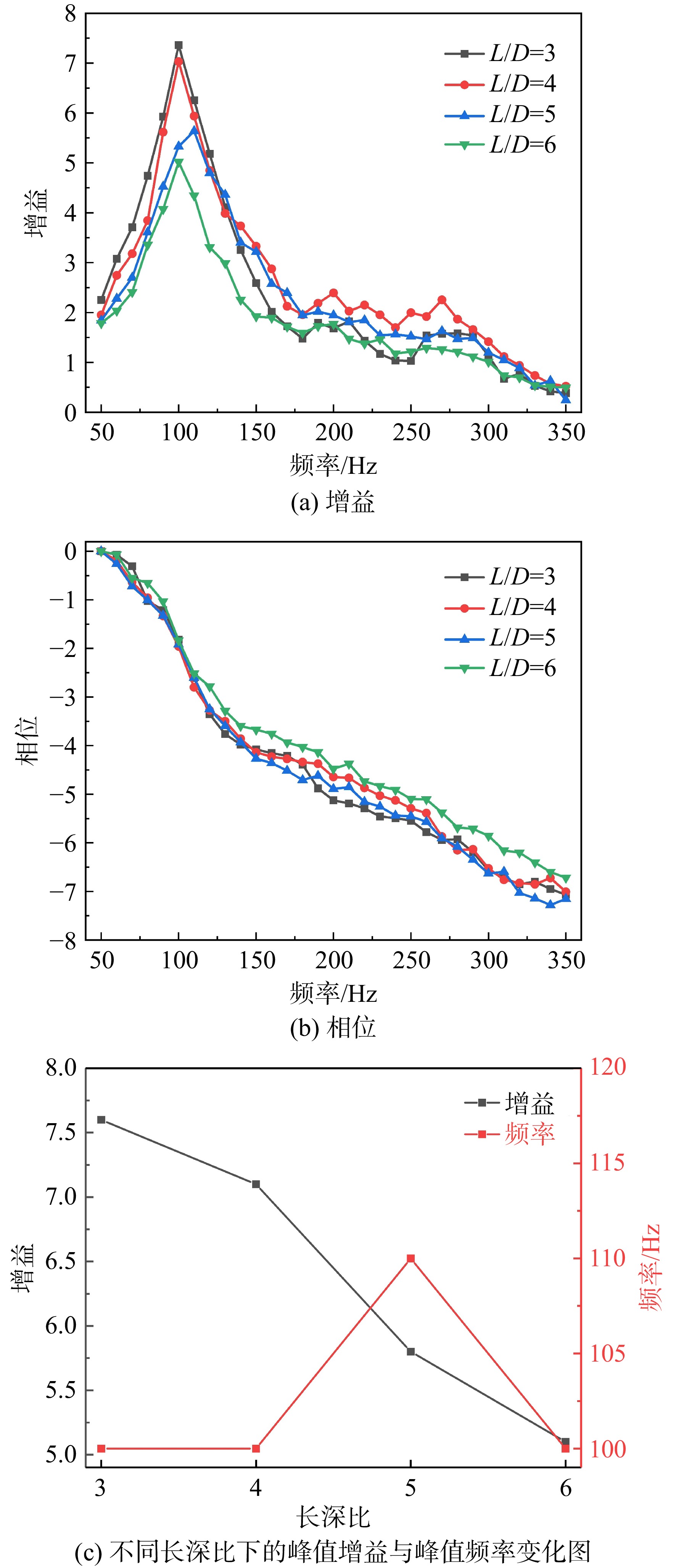
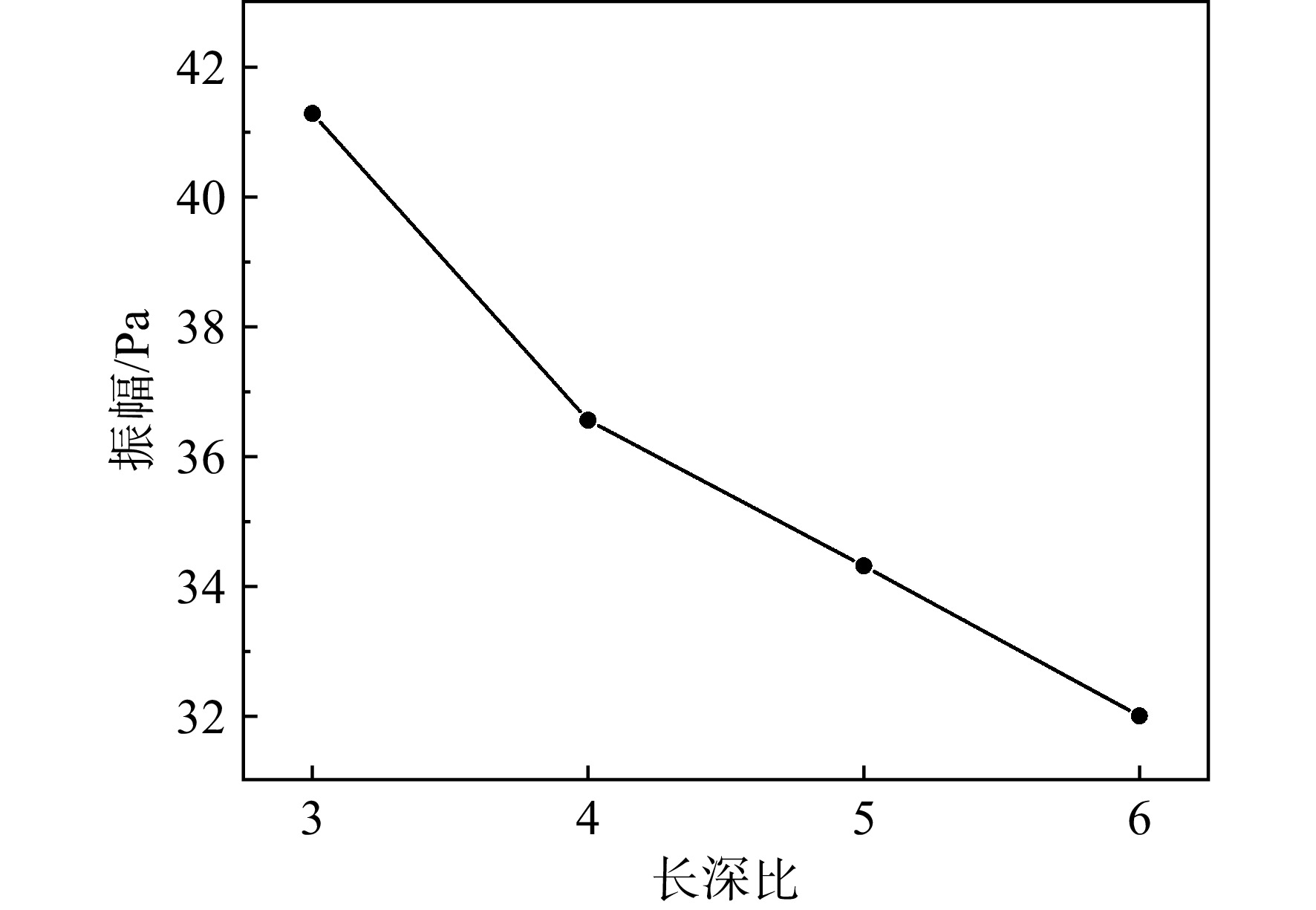
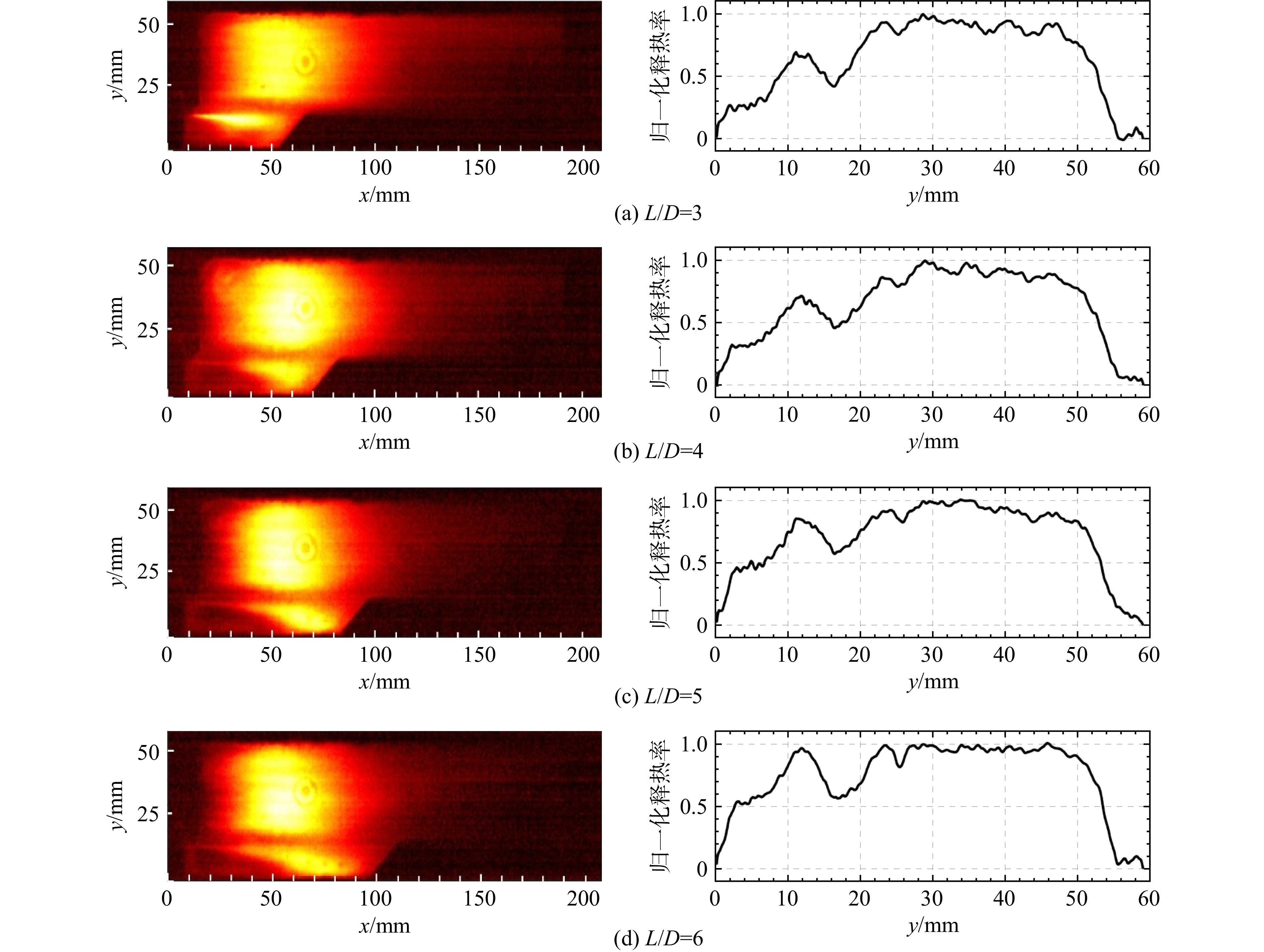
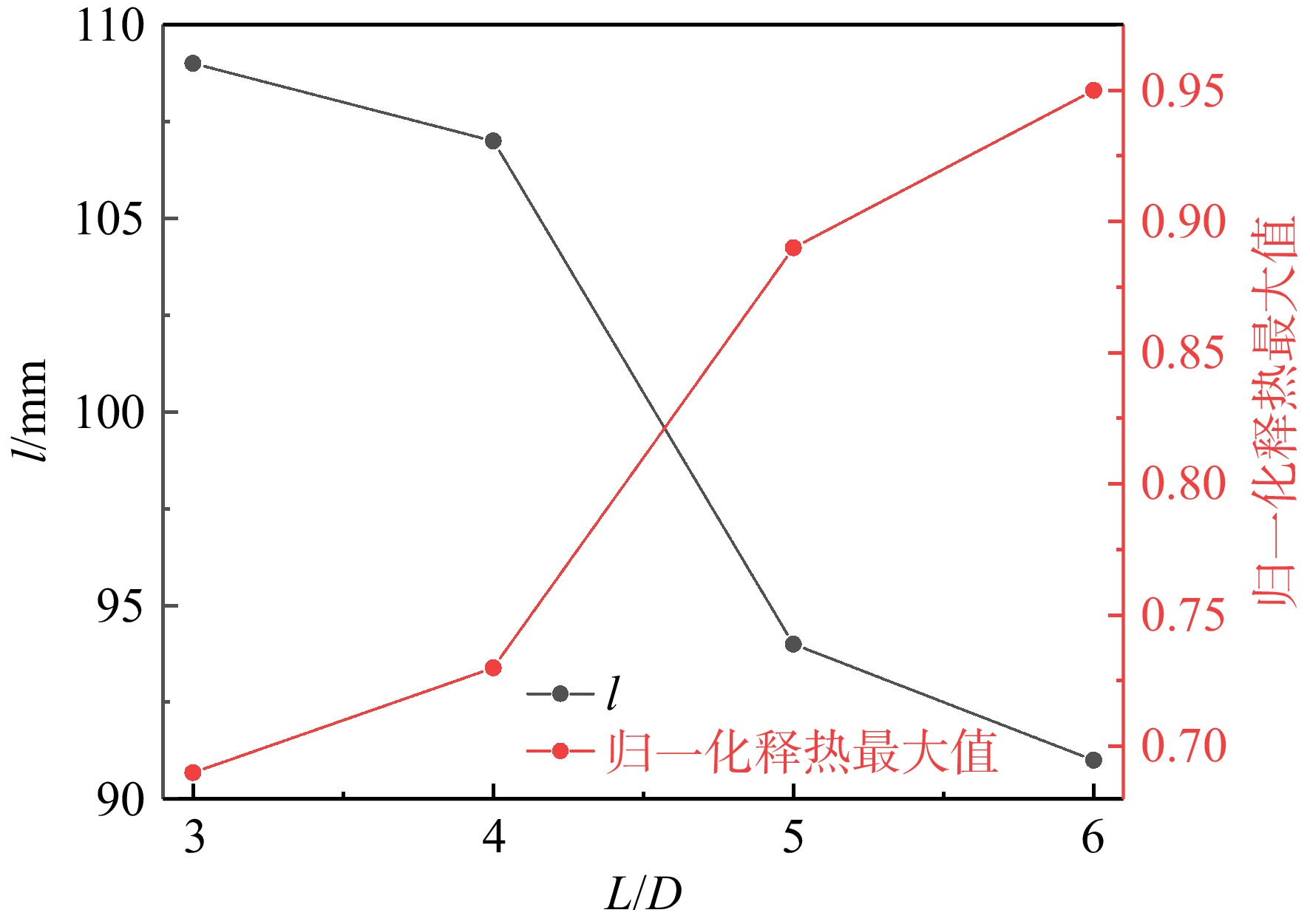
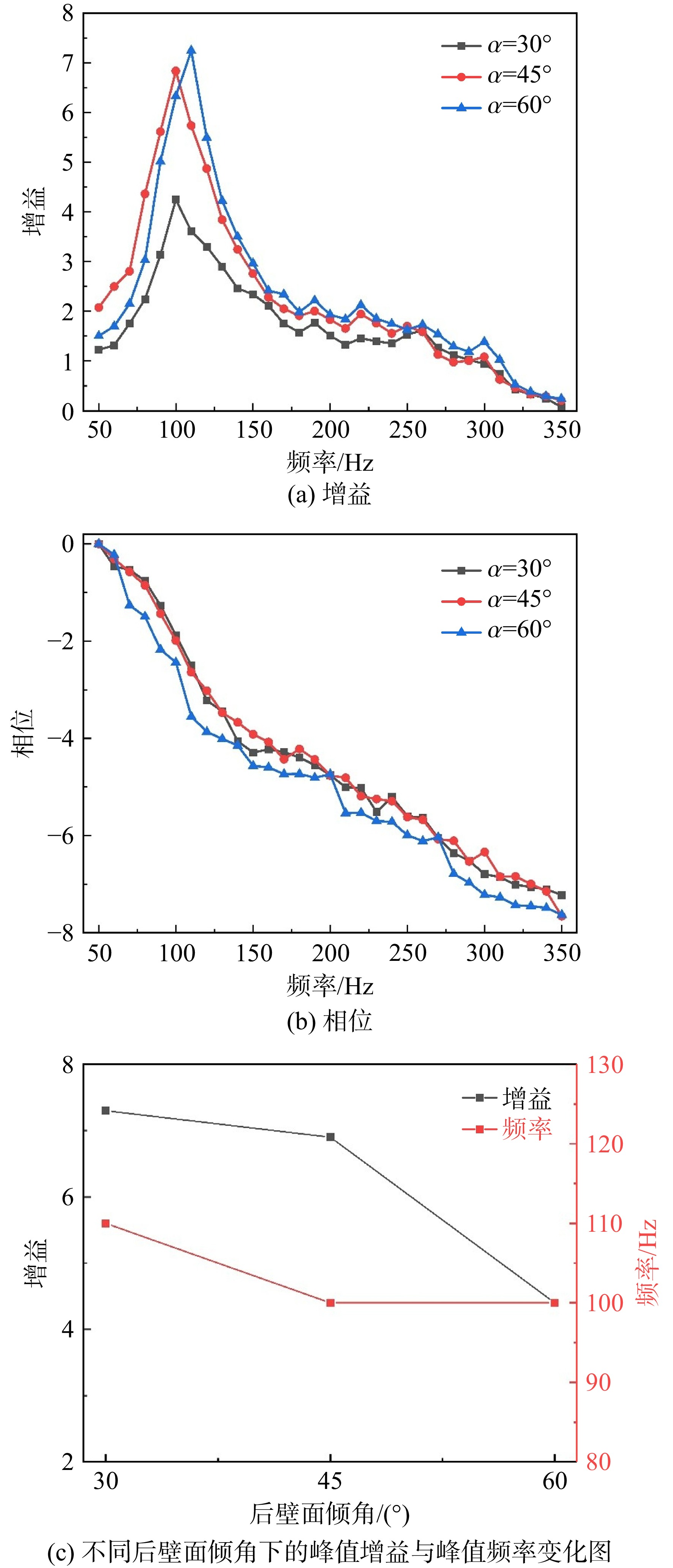
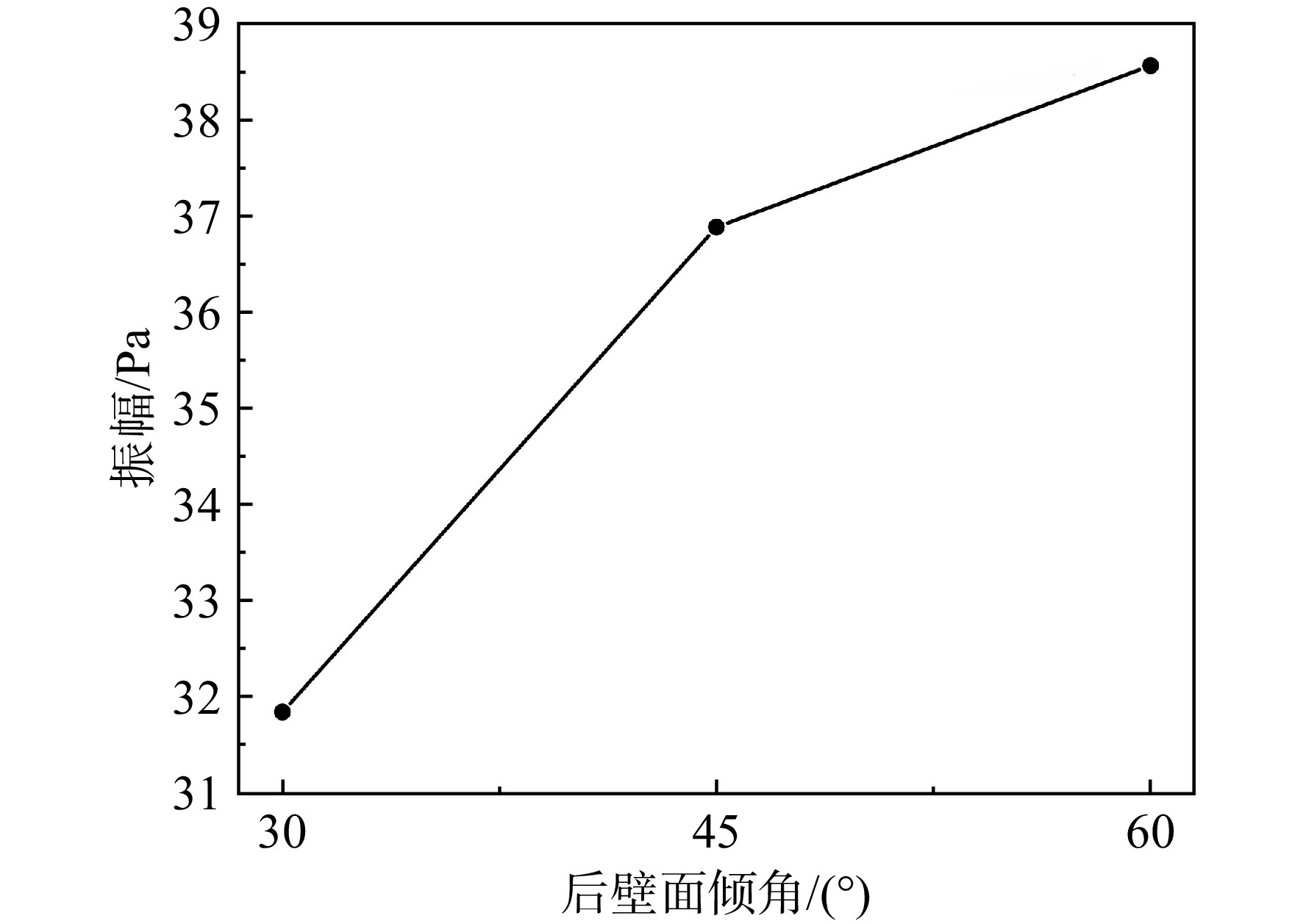
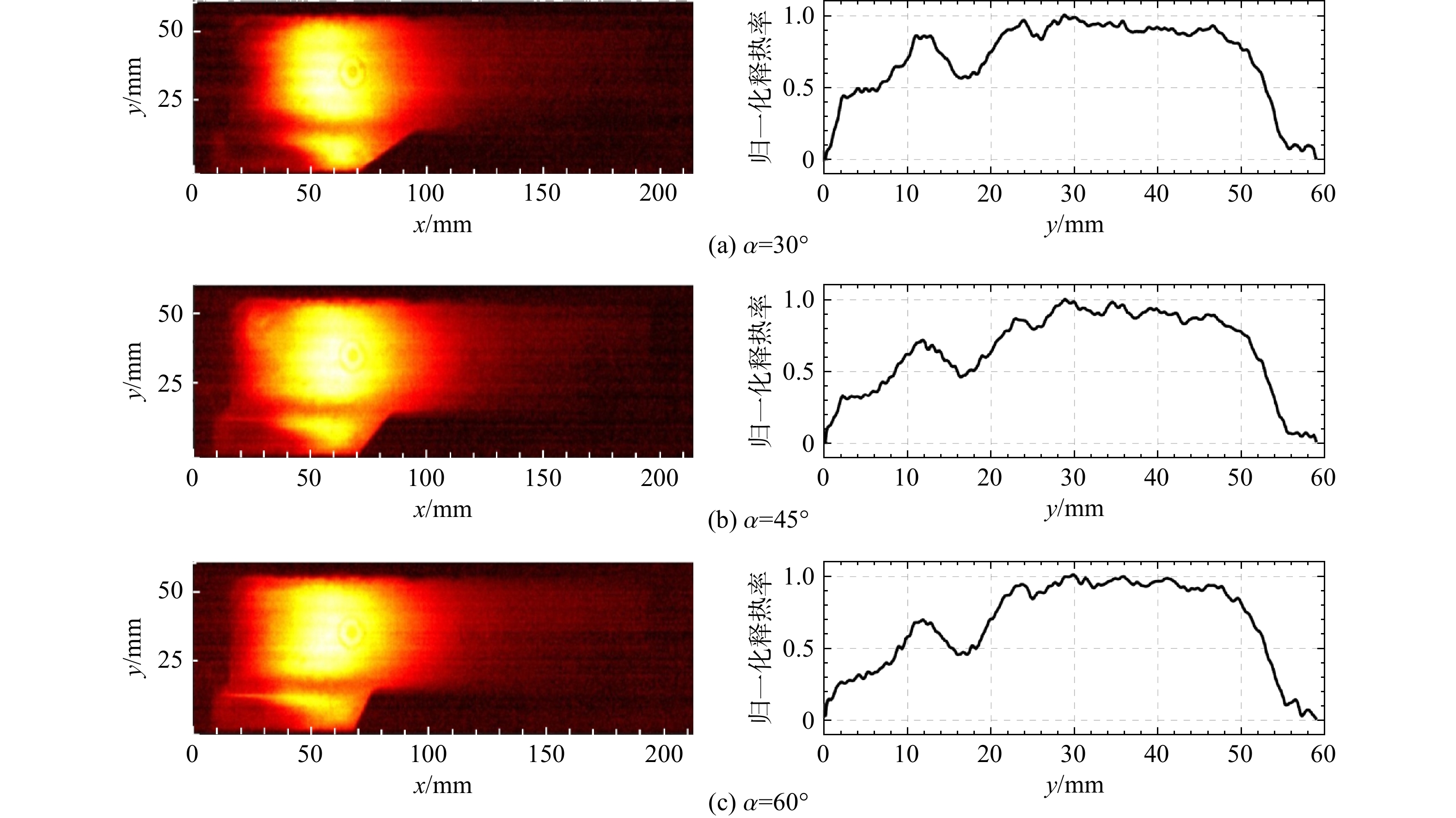
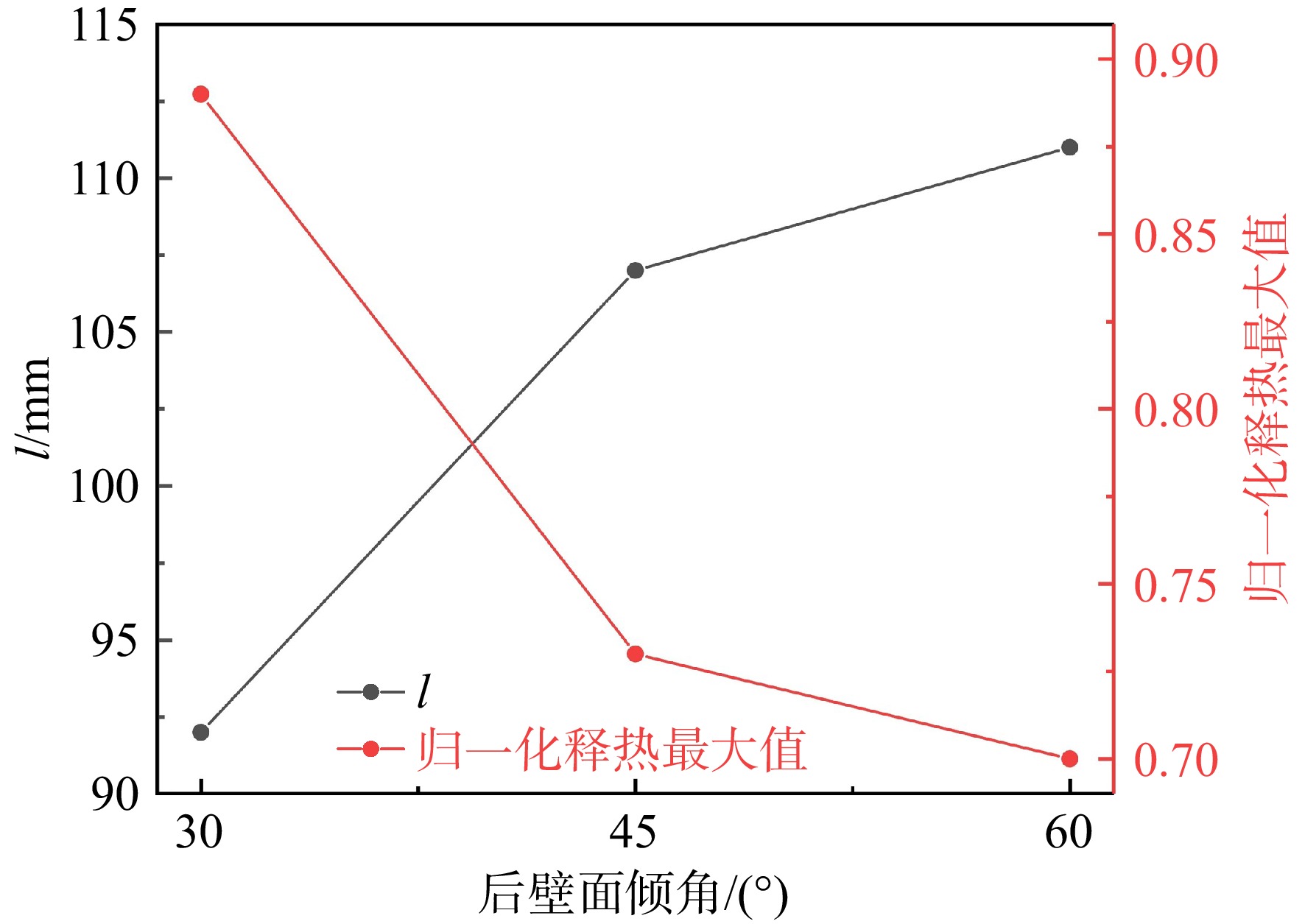
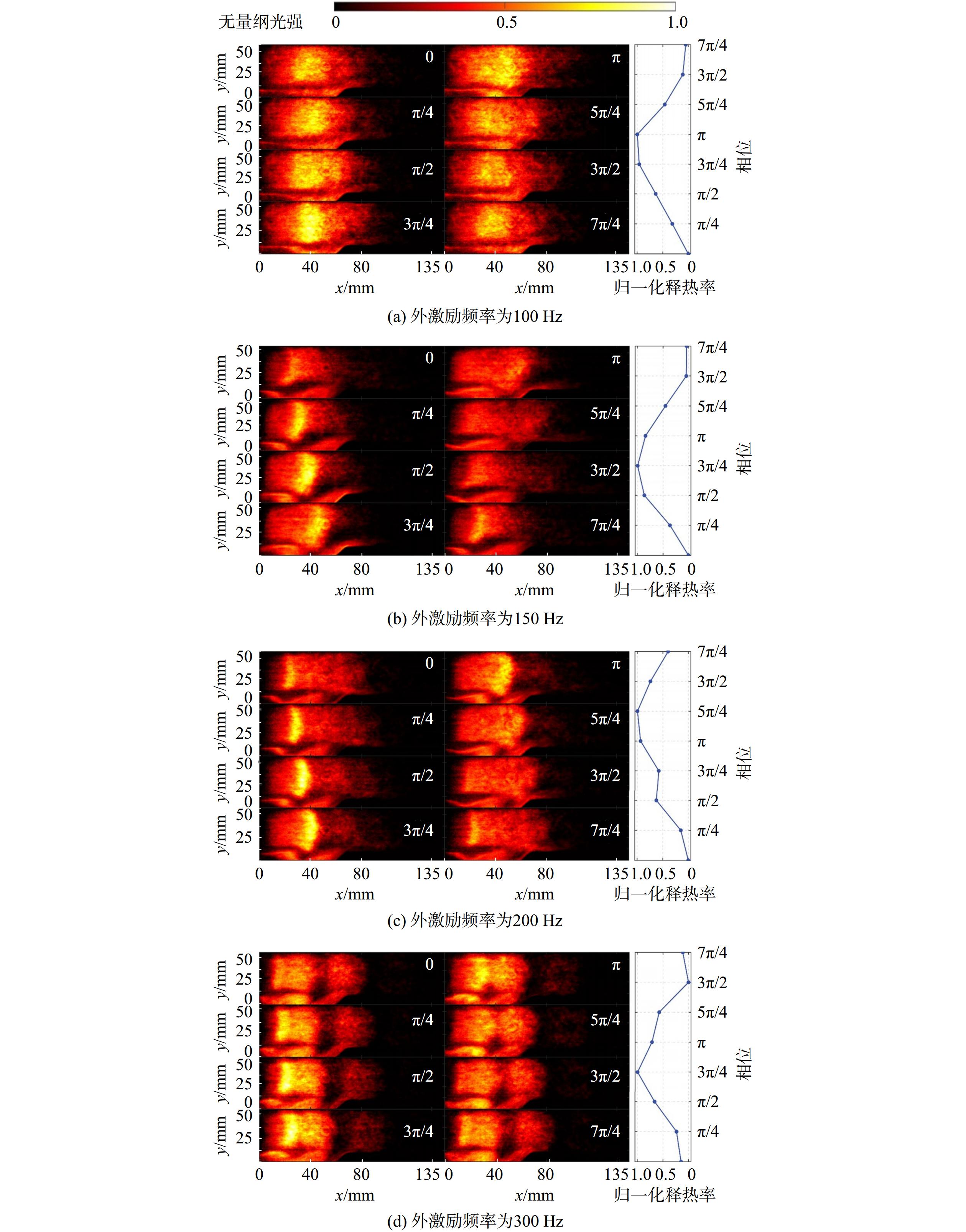
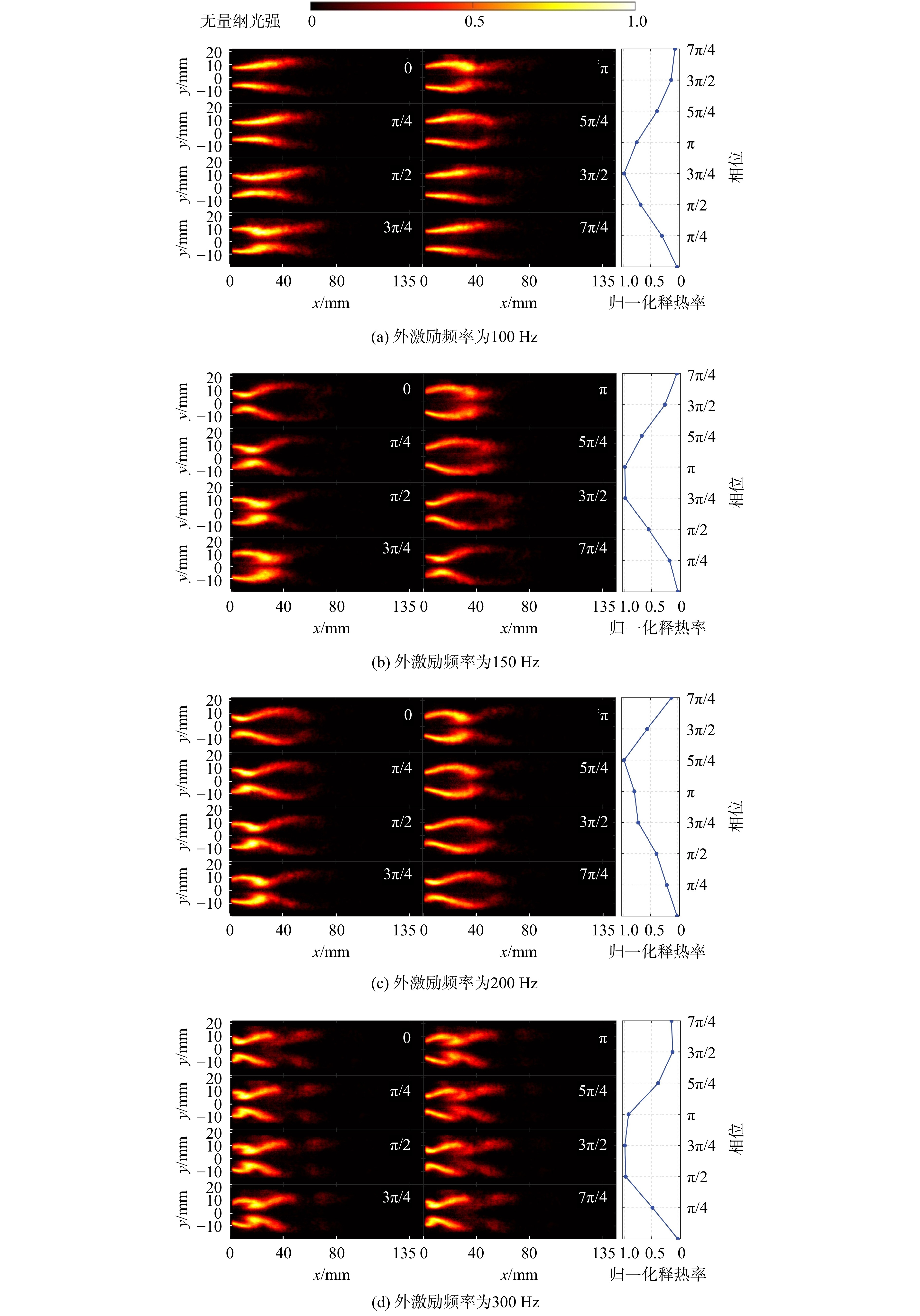
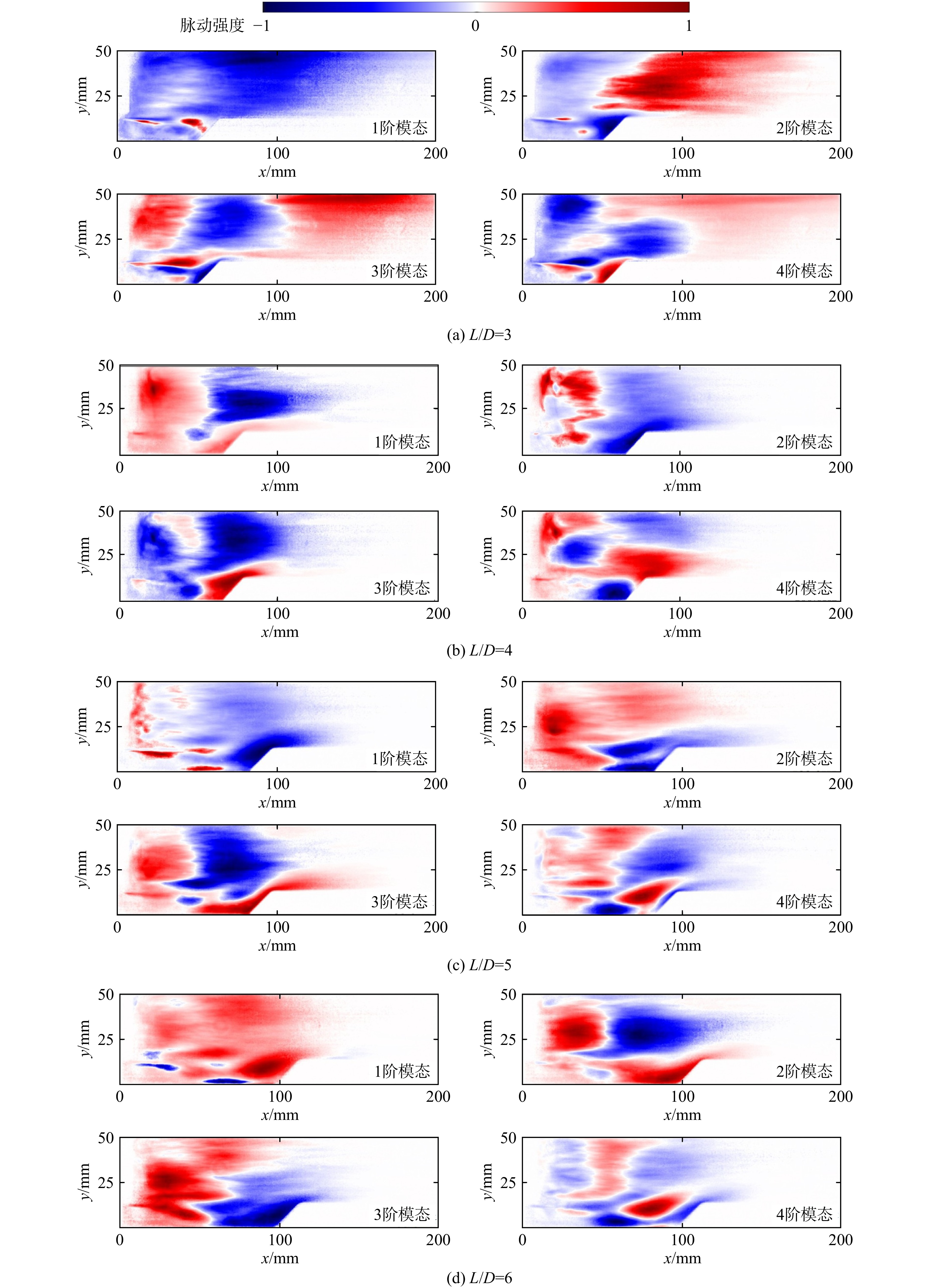
In order to study the influences of cavity parameters on the coupled flame response characteristics of bluff body/cavity in aero-engine afterburner, the model afterburner was taken as the research object, and the coupled flame heat release response characteristics under different cavity length-to-depth ratios and rear wall inclination angles were experimentally studied. The experiment was carried out under normal temperature and pressure conditions, and the flame transfer function (FTF) was established. Based on the dynamic flame image, the response characteristics and dynamic characteristics of the coupled flame under different cavity parameters were studied. The experimental results showed that with the increase of the length-to-depth ratio and the decrease of the rear wall angle, the FTF gain and delay time decreased, and the time delay effect of the system was weakened. In addition, under low frequency disturbance, the coupled flame produced inward curling motion characteristics, and multiple flame surface folds could be generated at higher frequencies, resulting in local flameout. In addition, the change of the cavity parameters may change the distribution of the strong heat release pulsation area in the space, which is also the internal cause of the change of the coupling flame response characteristics.

Evolution of deposition morphology and its influence on heat transfer of the target surface subject to micro-particles entrained by hole matrix jets
Ma Pengbo, Li Guangchao, Xu Zhexuan, Chen Zhubing
2026, 41(10): 20250430. doi: 10.13224/j.cnki.jasp.20250430
Abstract:

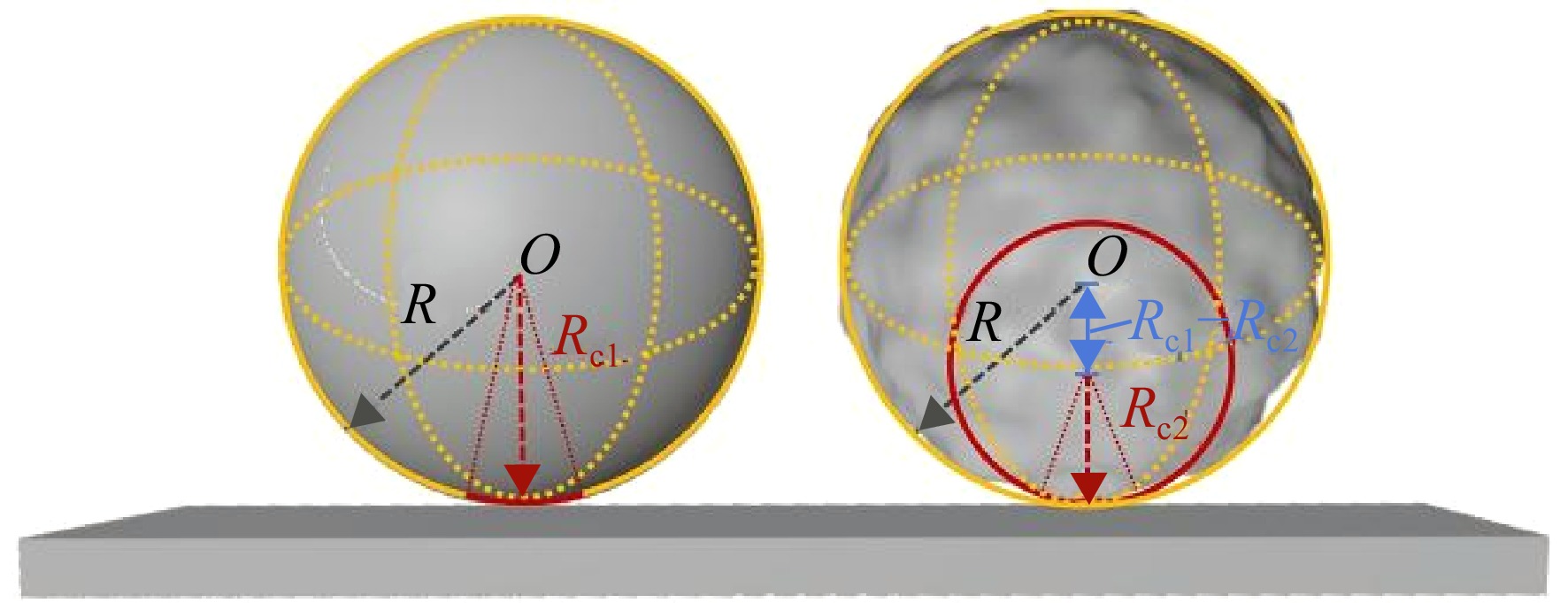
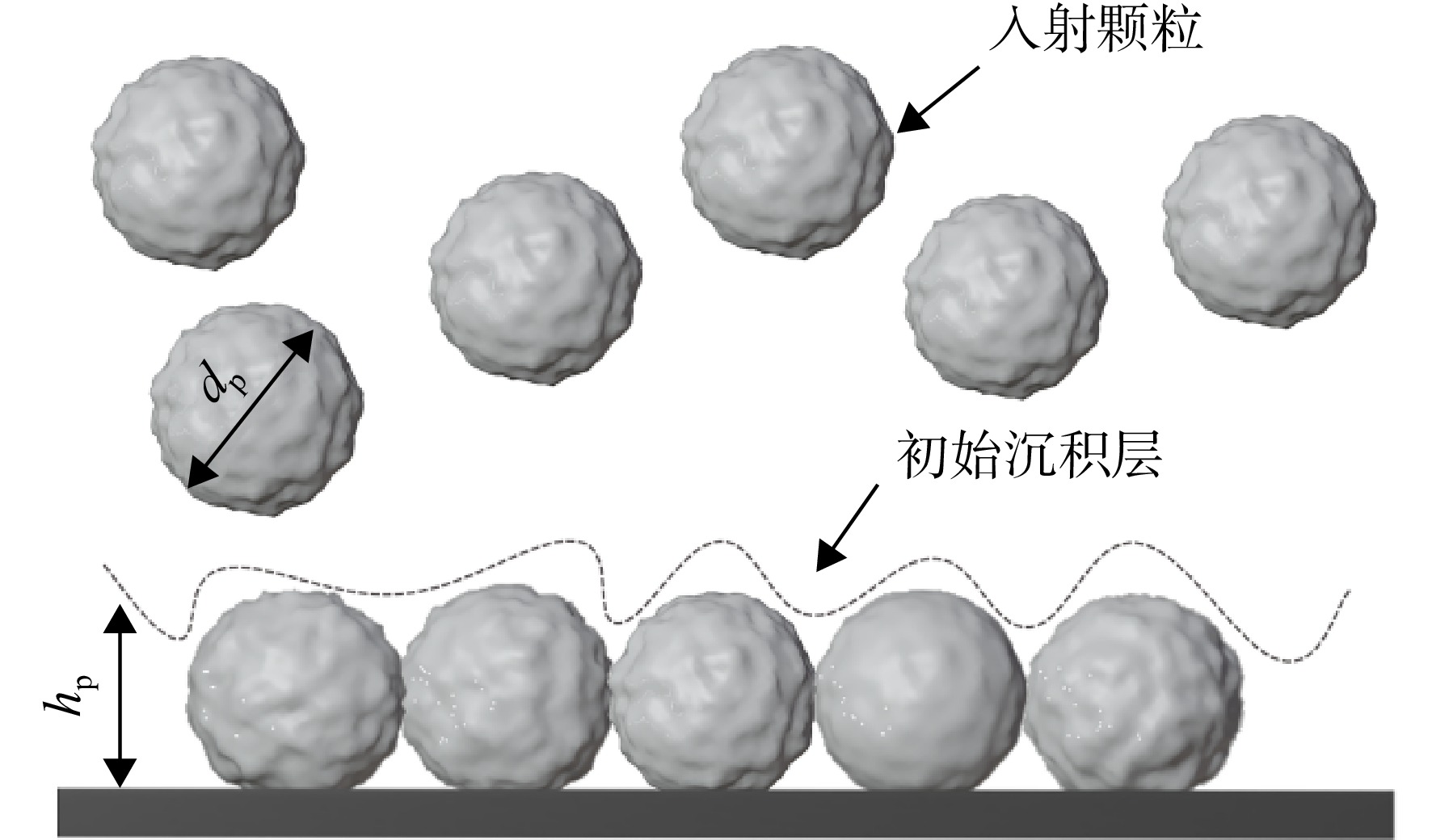
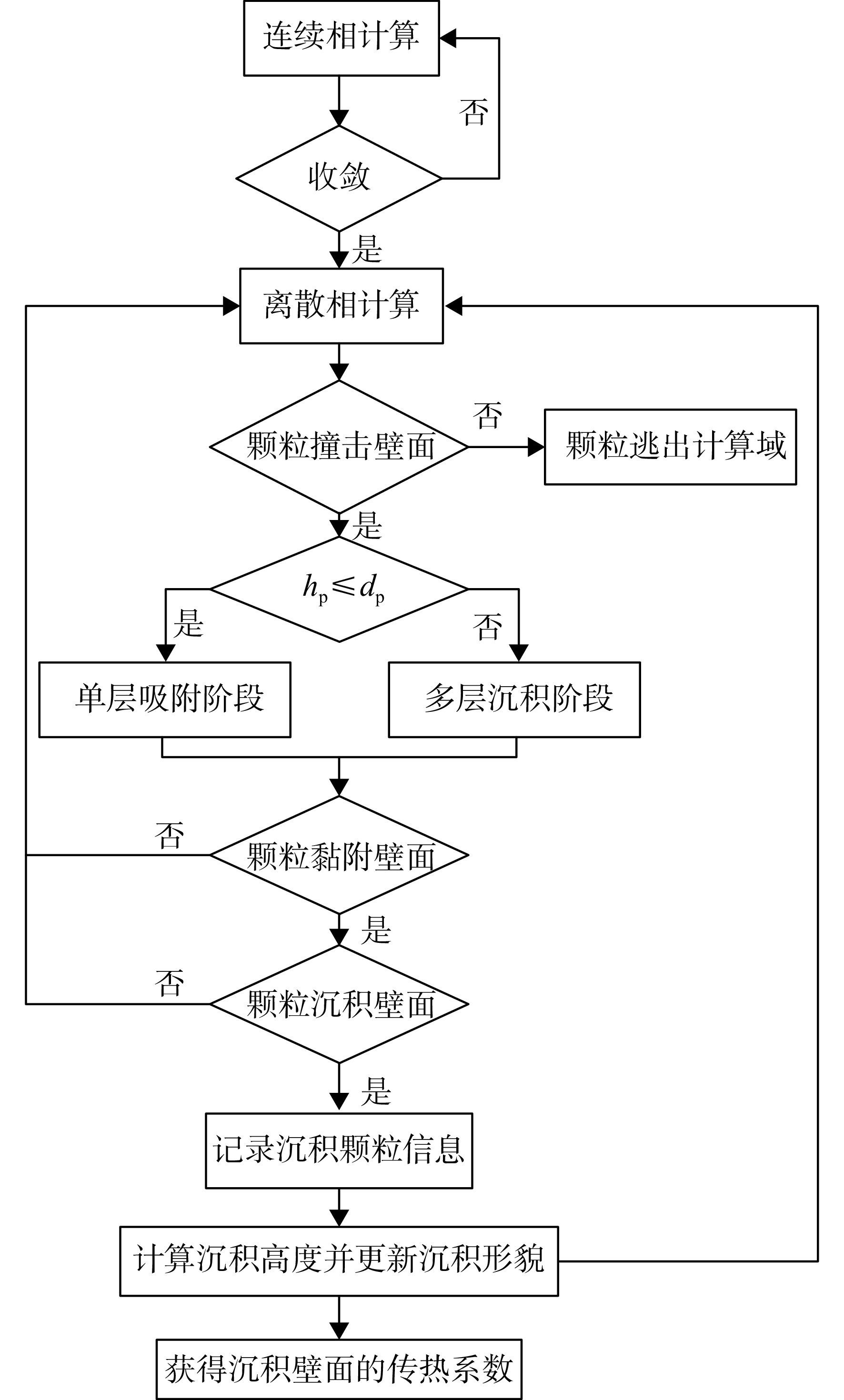
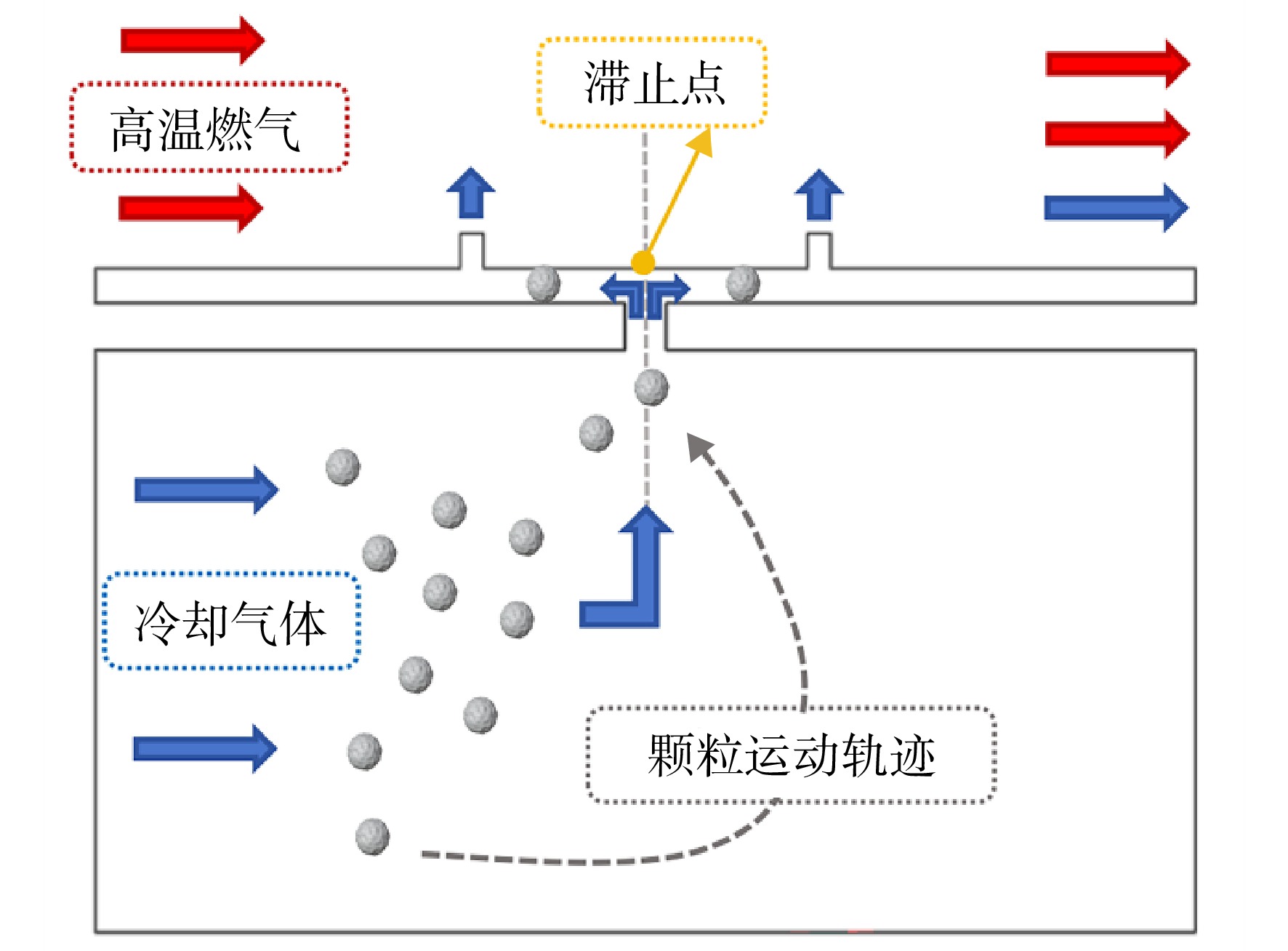
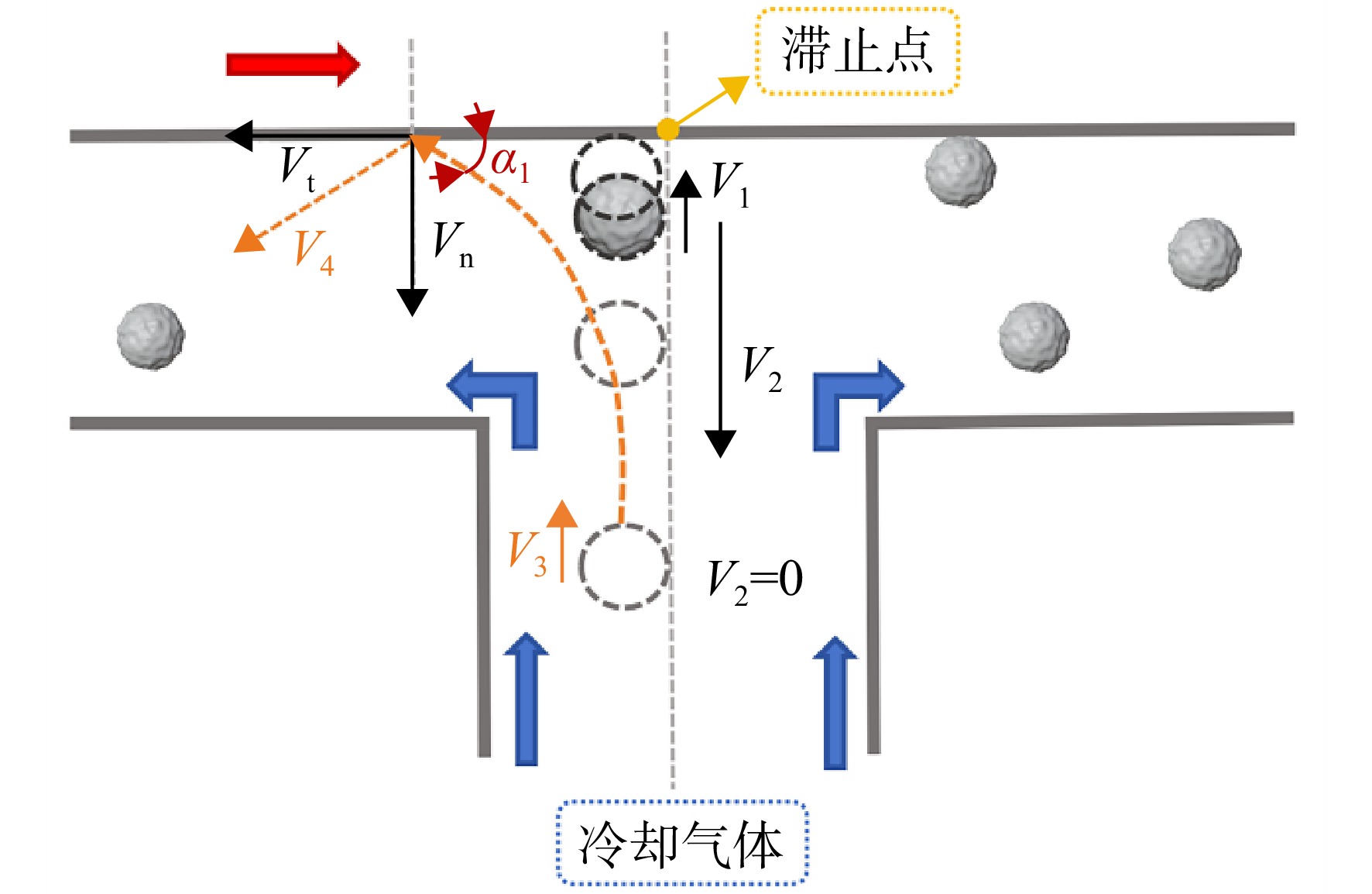
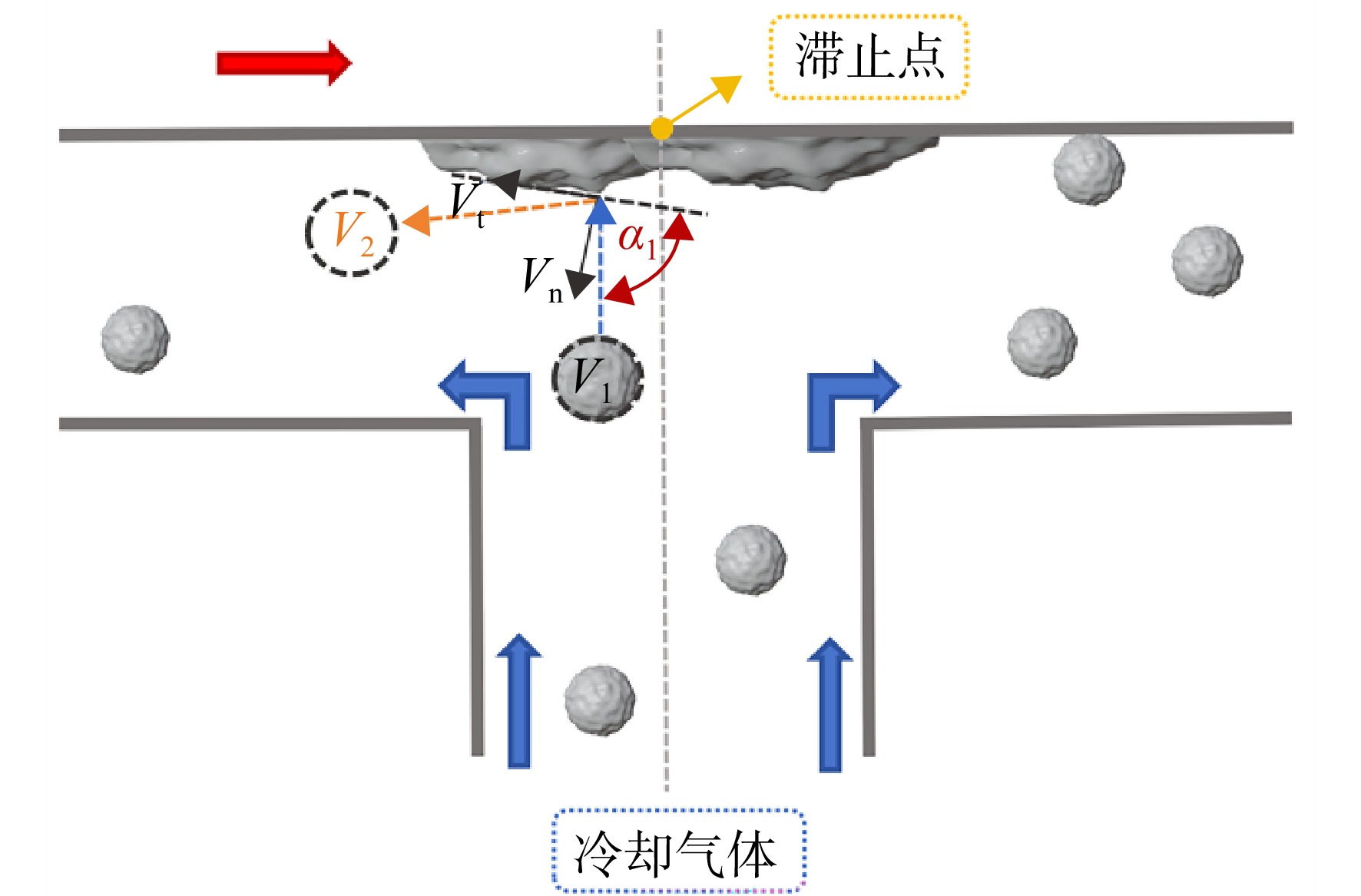
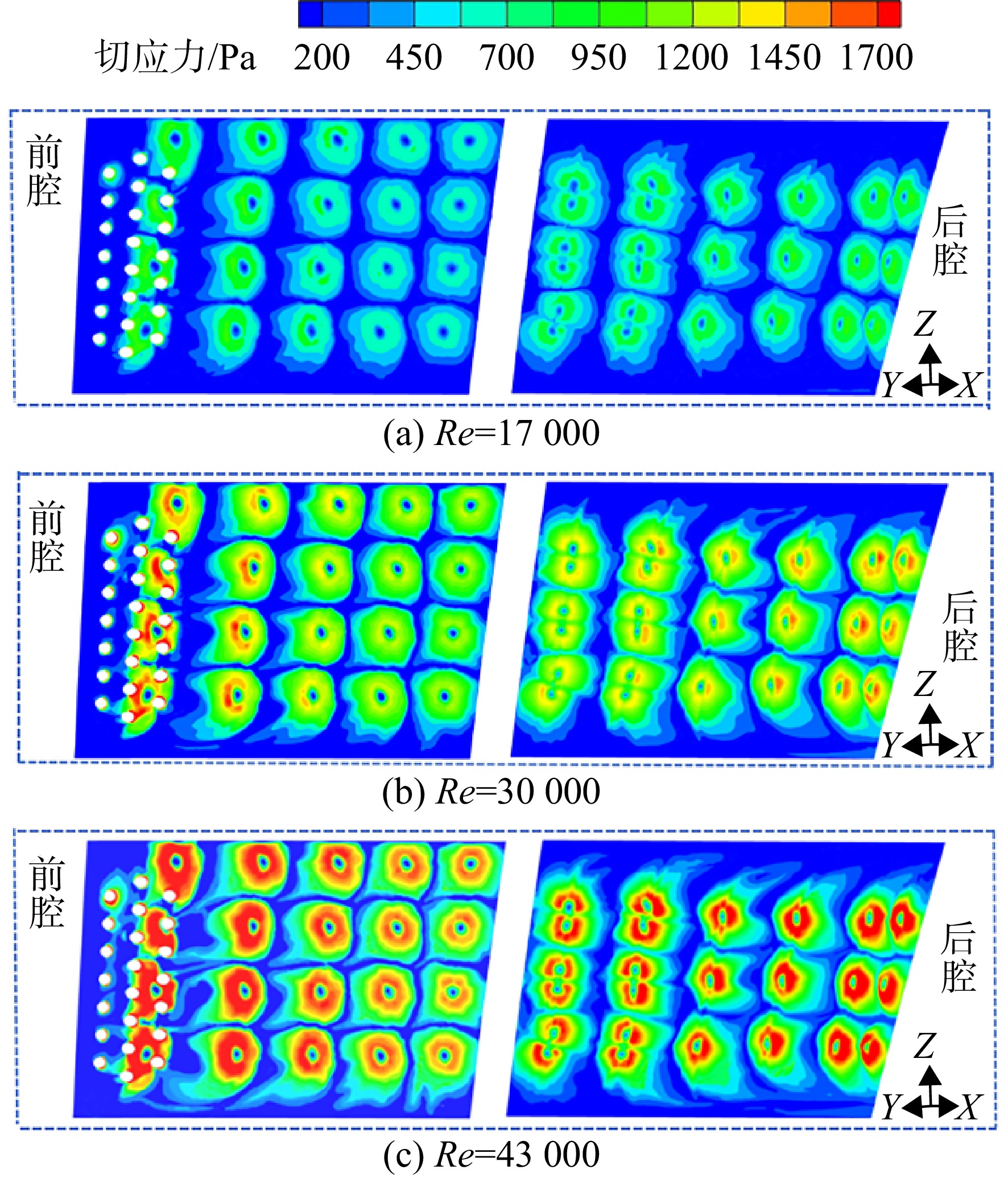
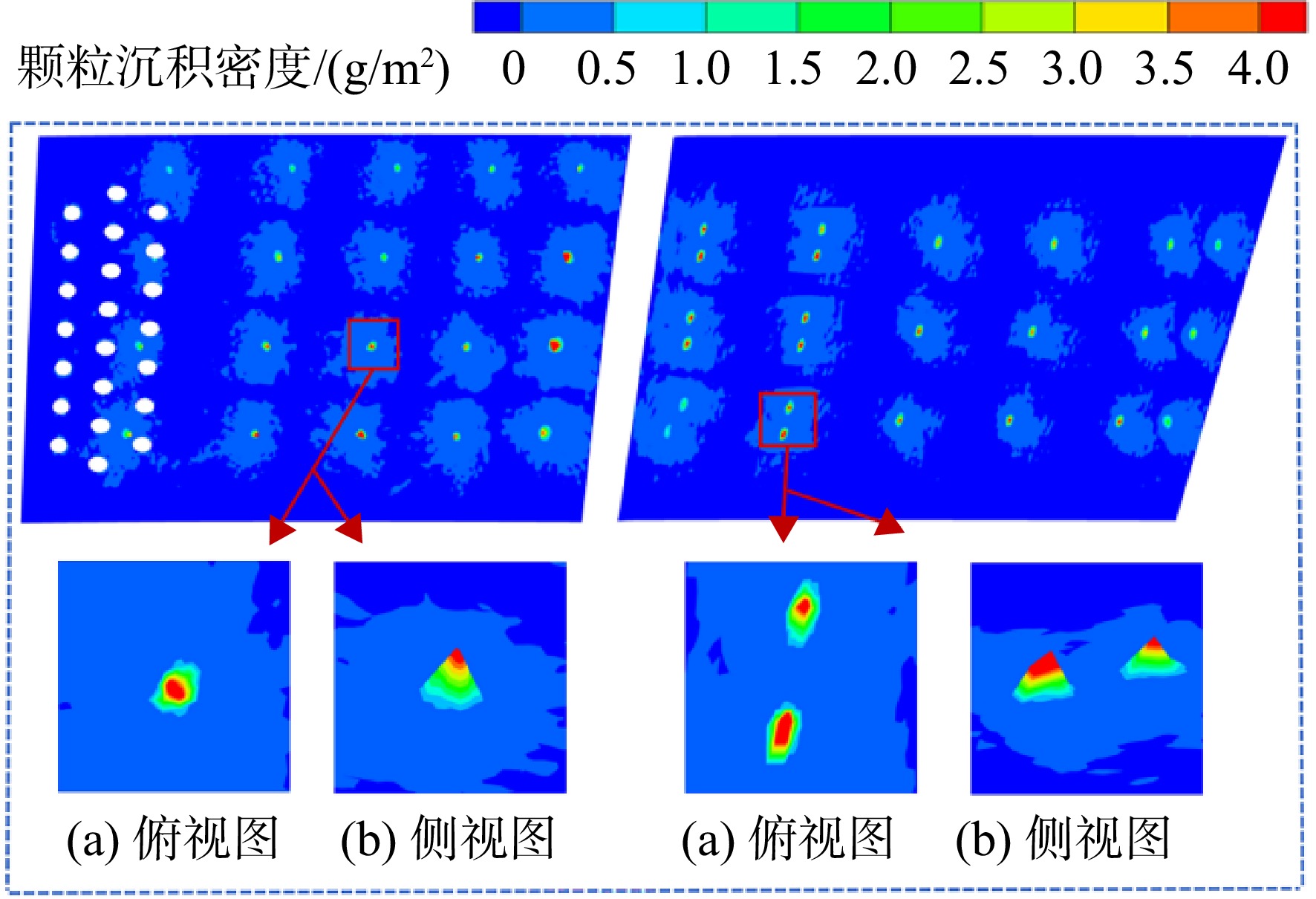
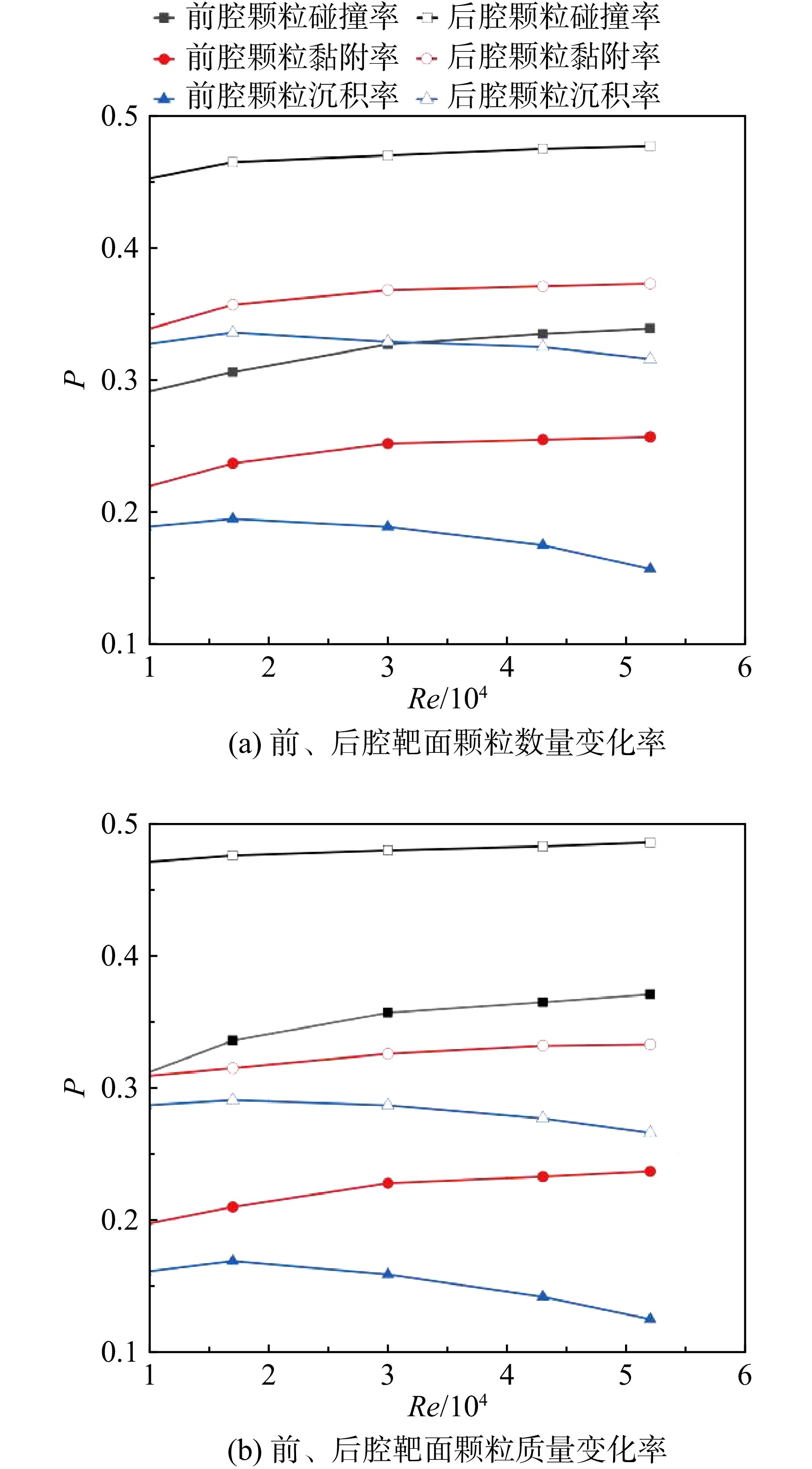
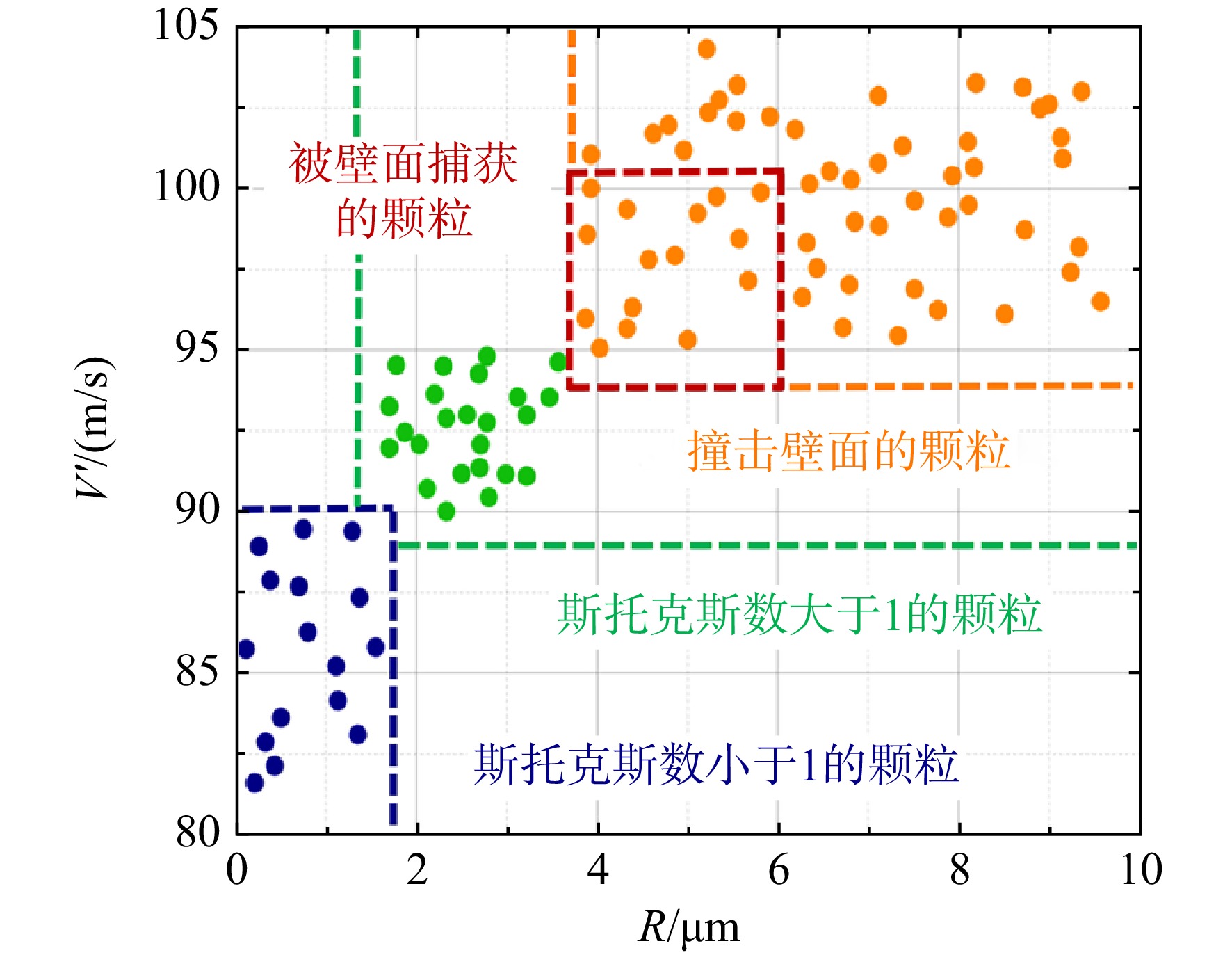
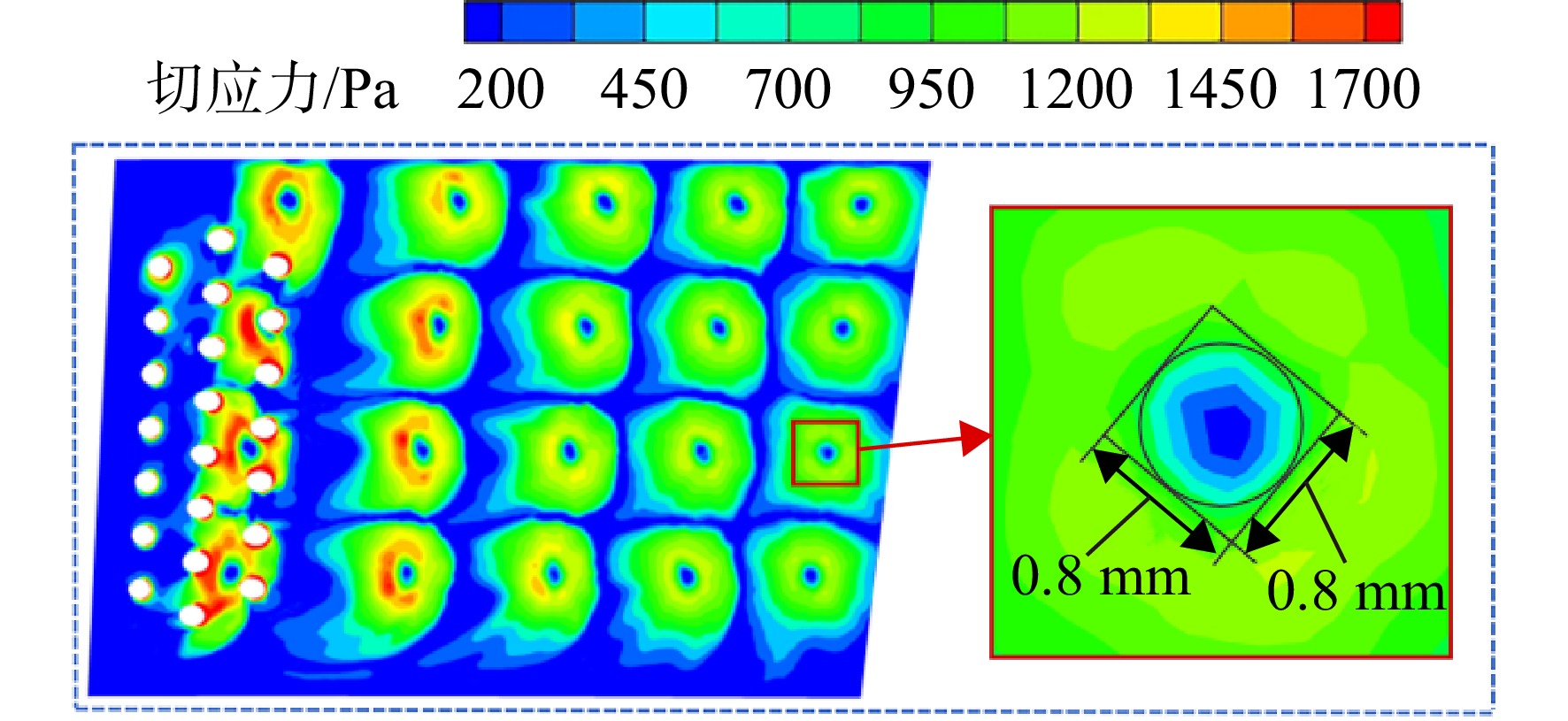
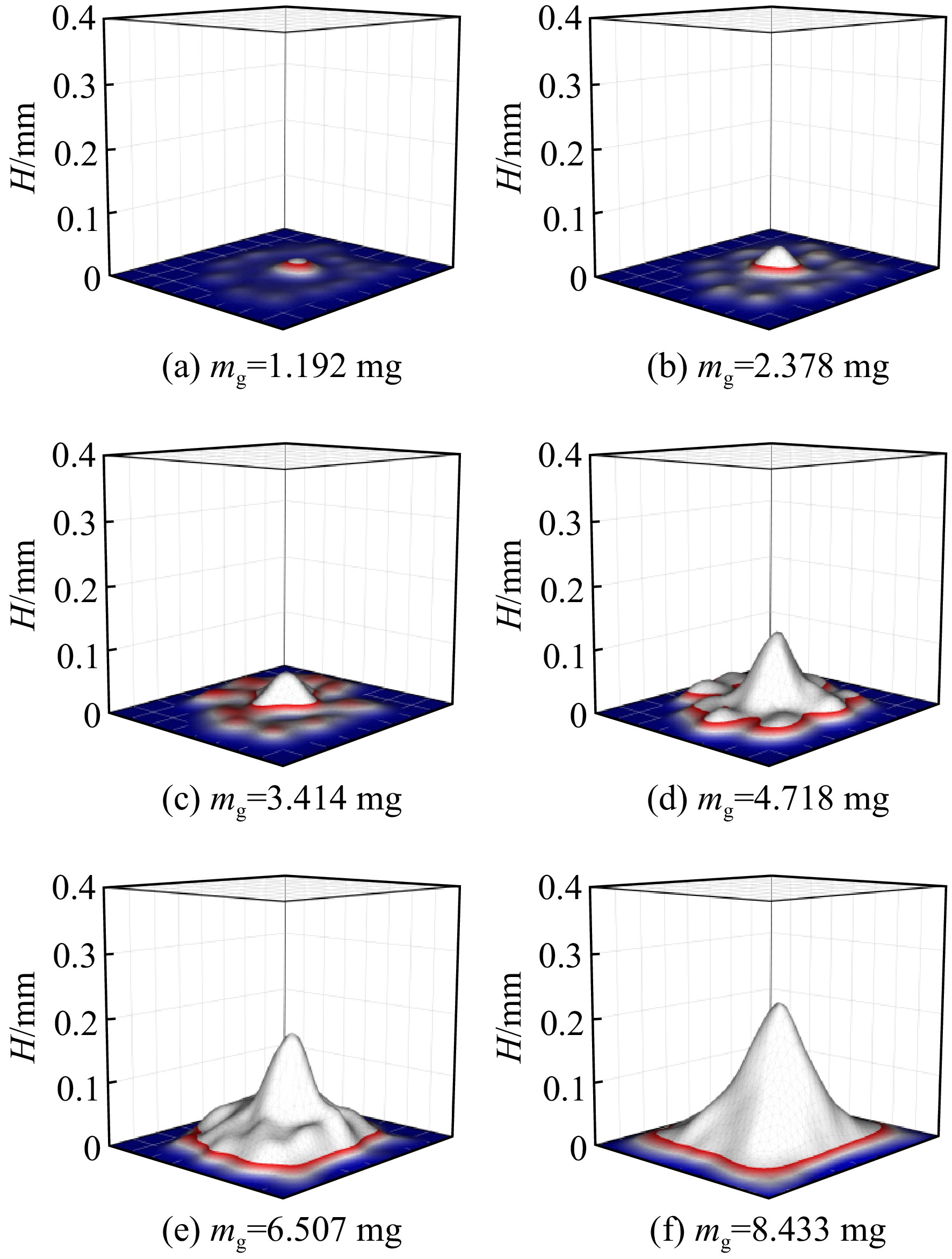
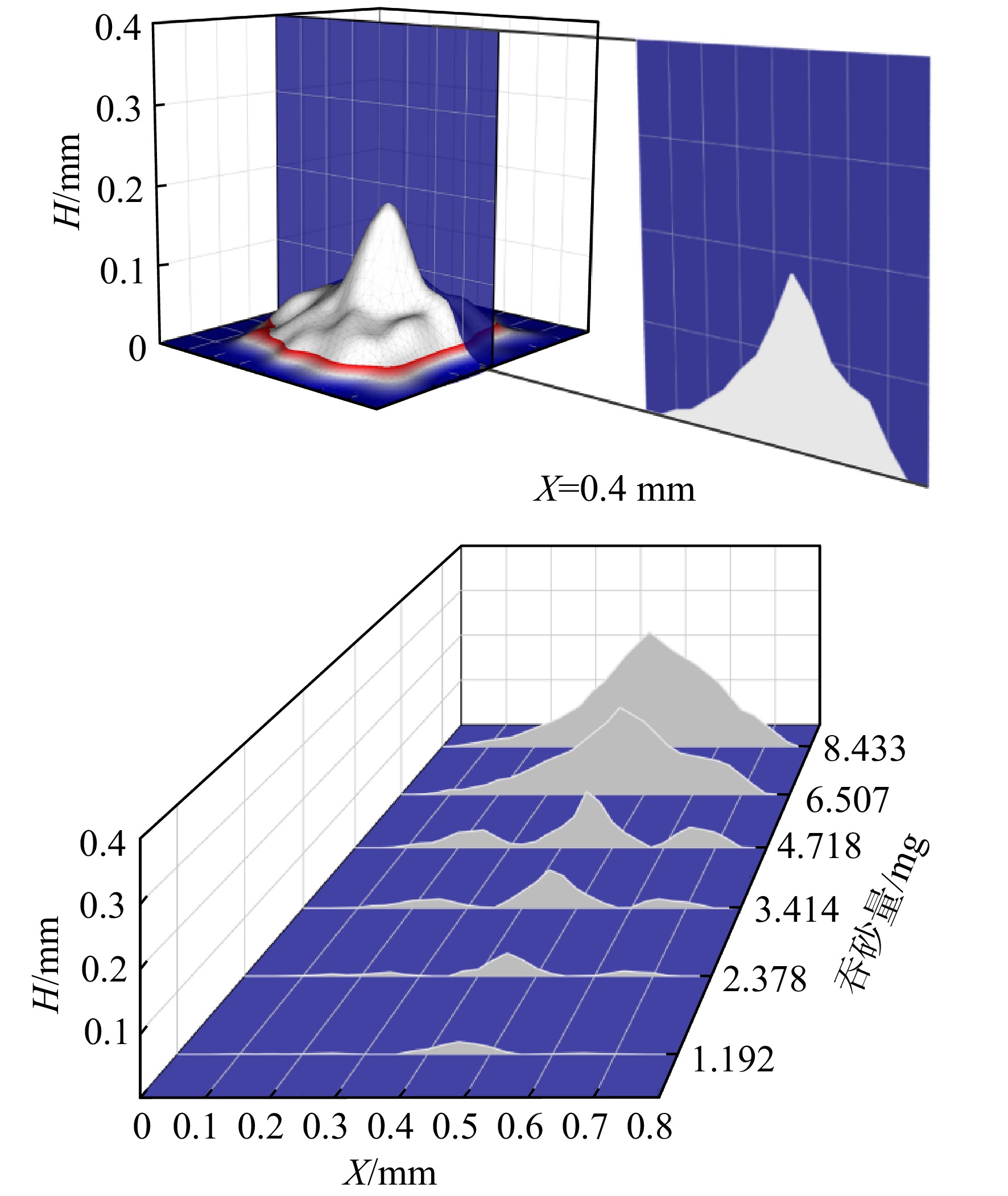
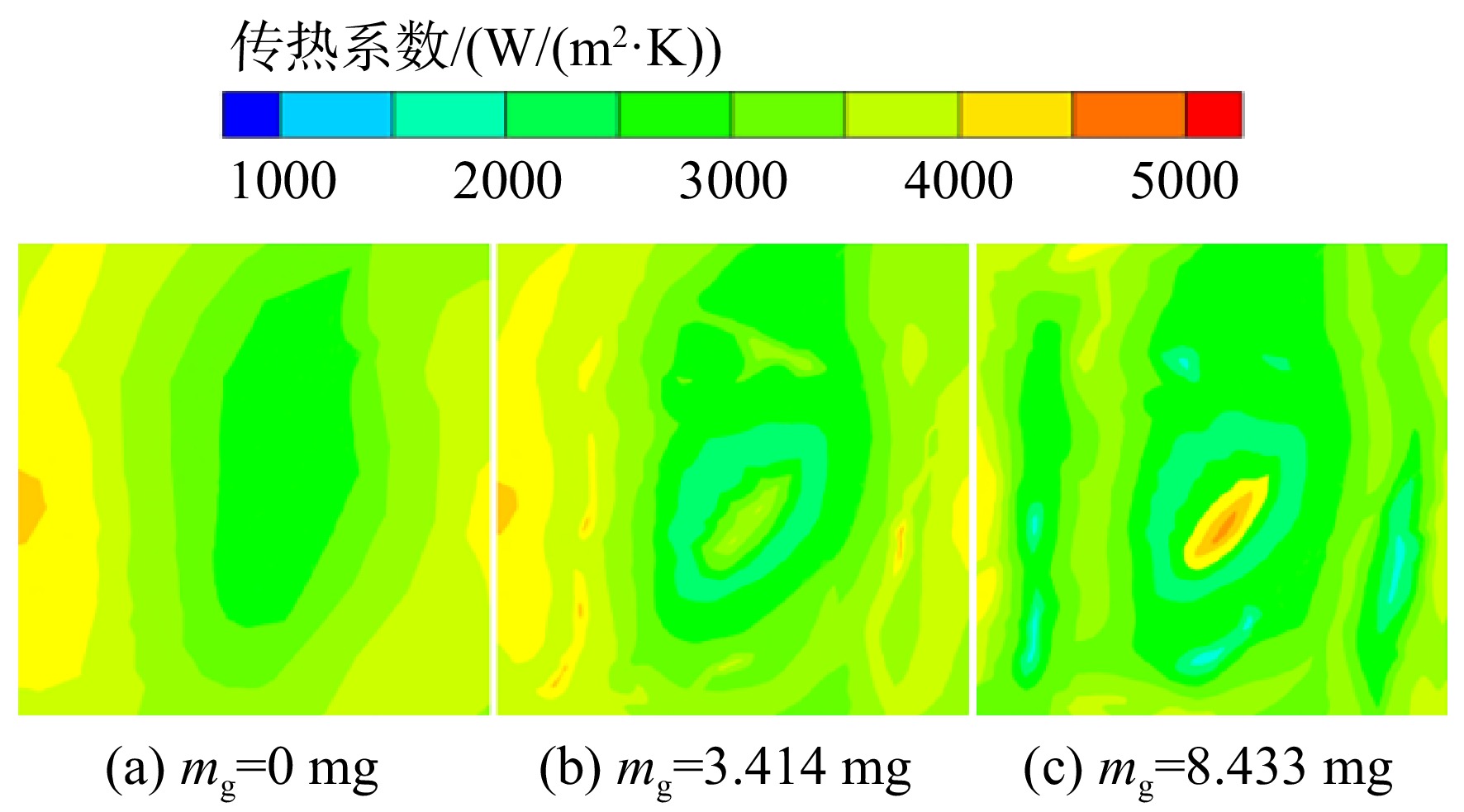
In order to explore the dynamic characteristics of particle deposition in the turbine guide vane of aero-engine and the influence of deposition morphology on heat transfer characteristics, numerical simulation was carried out for the combined cooling structure of single-layer film hole wall on the pressure surface and impingement-film hole overflow on the suction surface. The total pressure of the mainstream inlet of the cascade was 3.09 MPa, the static pressure of the outlet was 1.52 MPa, and the total temperature of the mainstream inlet was 1800 K. The inlet temperature of the cooling air was 800 K, and the pressure range was set to 3.11 to 3.58 MPa. Based on the modified critical velocity deposition model, the Euler-Lagrangian method was used to predict the particle migration trajectory inside the blade. The deposition interface was dynamically reconstructed by dynamic mesh technology, and the deposition morphology characteristics of the target surface at different deposition stages and the change law of the heat transfer coefficient at the corresponding position were quantitatively analyzed. The research showed that the formation of the sedimentary layer exhibited a dynamic evolution process and presented a phased change rule. With the continuous increase of the amount of sand swallowed, the heat transfer coefficient at the top of the mound showed a local maximum, which was 97.1% higher than that before deposition. The heat transfer coefficient at the ‘saddle’ position between some adjacent sedimentary mounds showed a trend of decreasing first and then increasing. The maximum decrease of heat transfer coefficient was 55.6% compared with that before deposition. When the ‘saddle’ was gradually filled with newly deposited particles, the heat transfer coefficient at this position gradually increased, but was still smaller than the heat transfer coefficient at this position before deposition.

Experimental and numerical investigation of core and bypass flow mixing characteristics in variable-bypass-ratio afterburner/ram combustor
DING Jing, DENG Yuanhao, SHAN Yong, ZHANG Fei
2026, 41(10): 20250343. doi: 10.13224/j.cnki.jasp.20250343
Abstract:

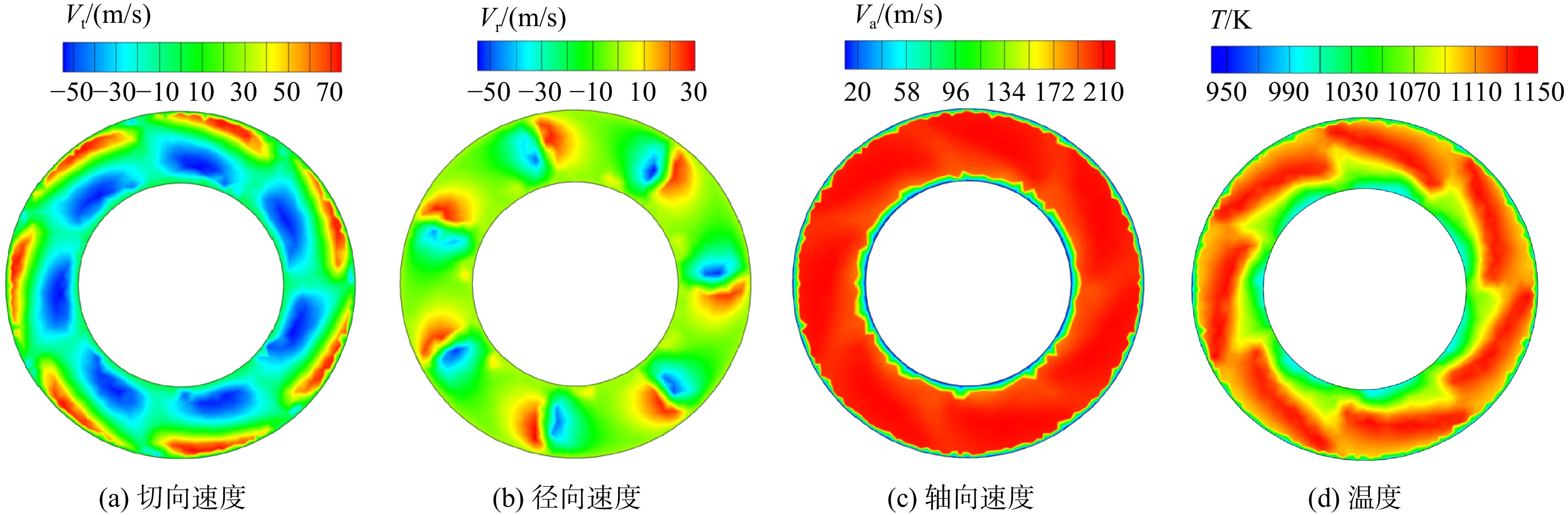
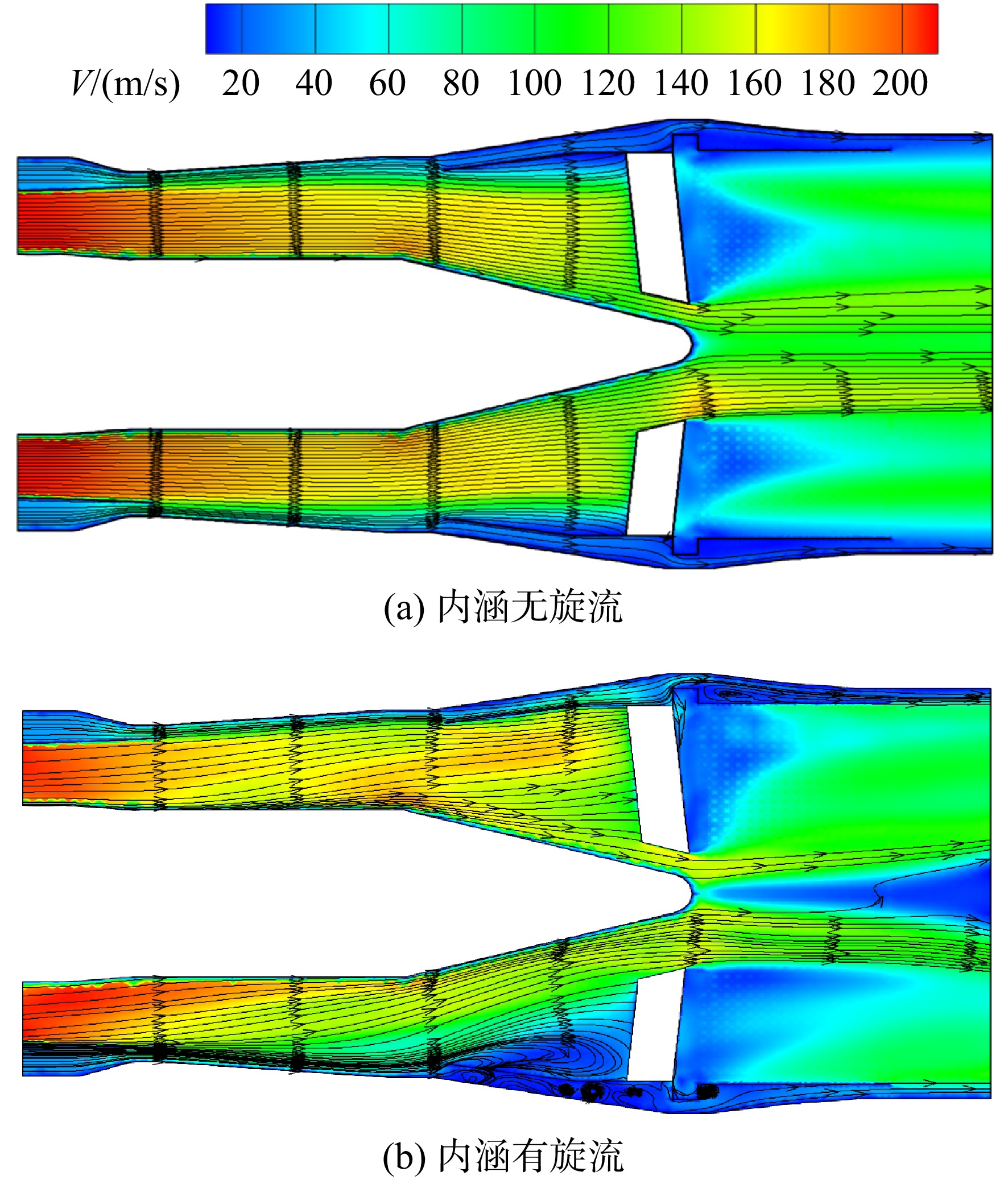
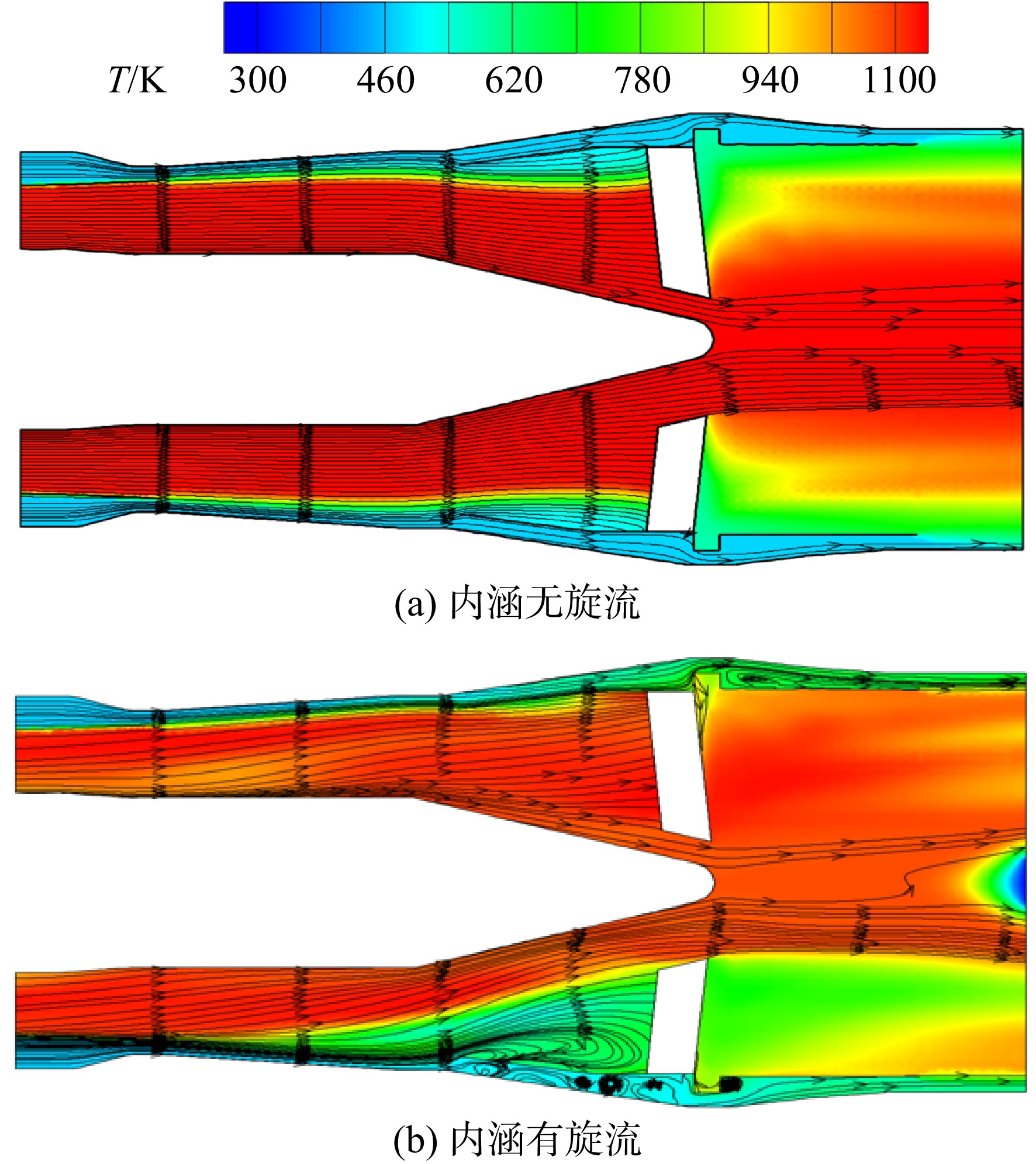
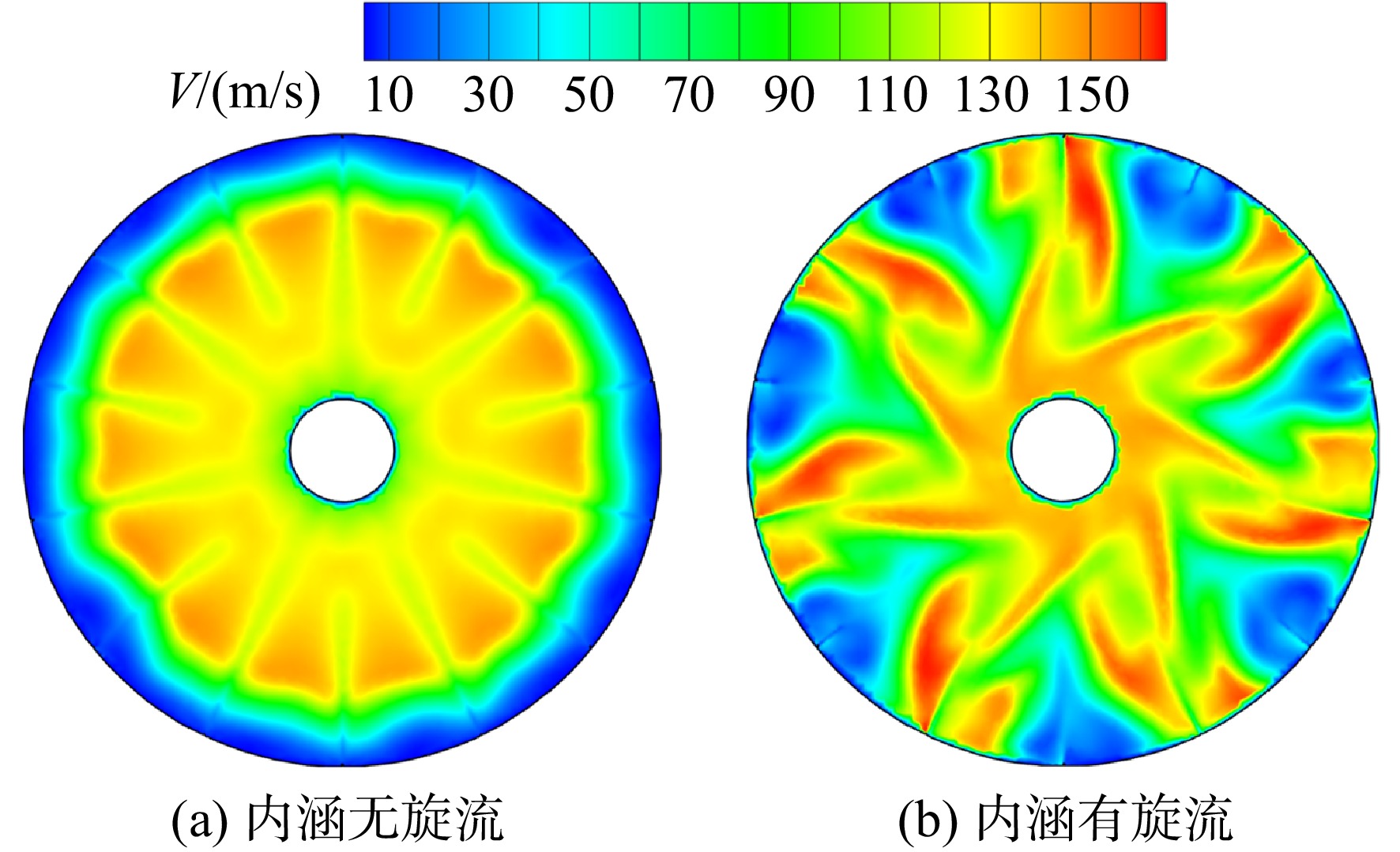
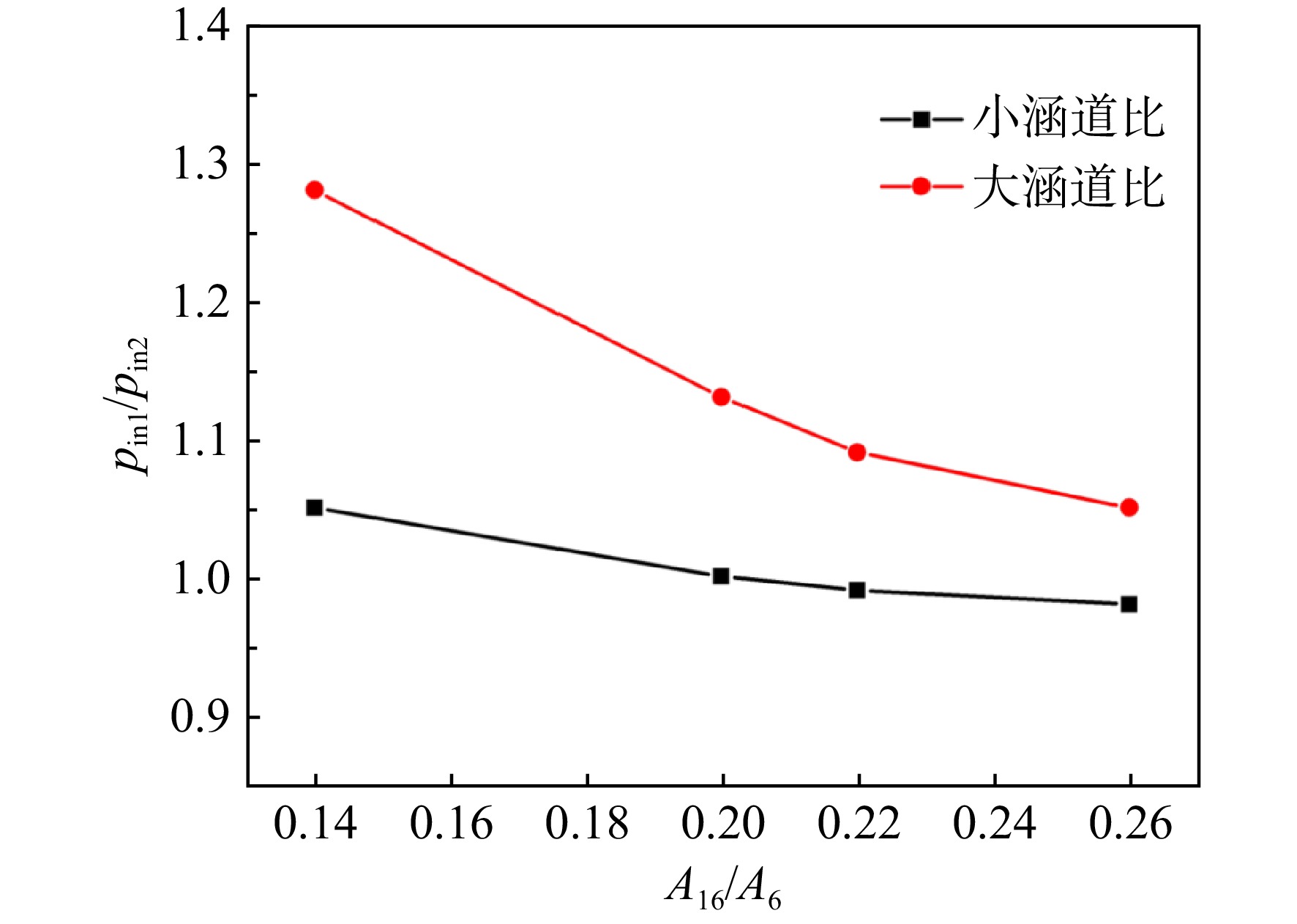
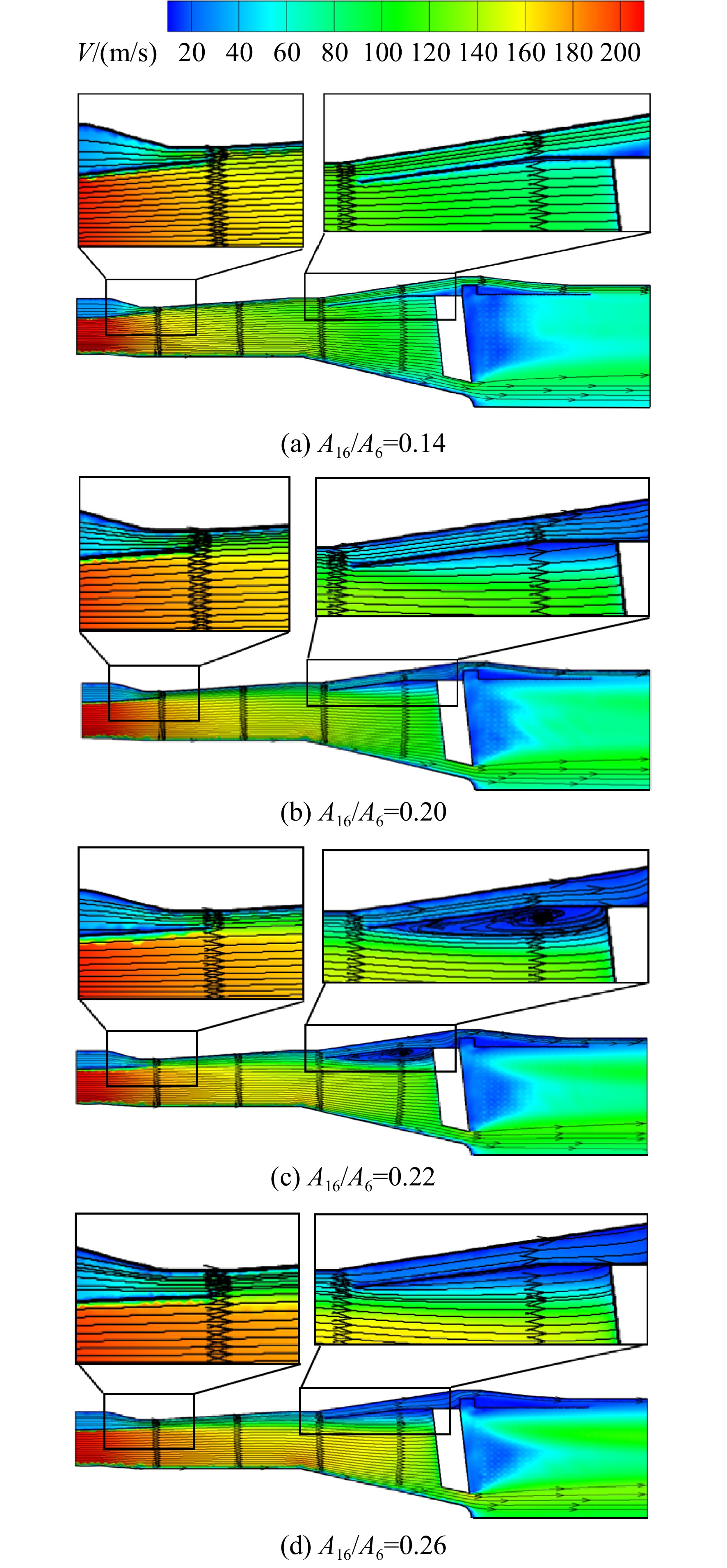
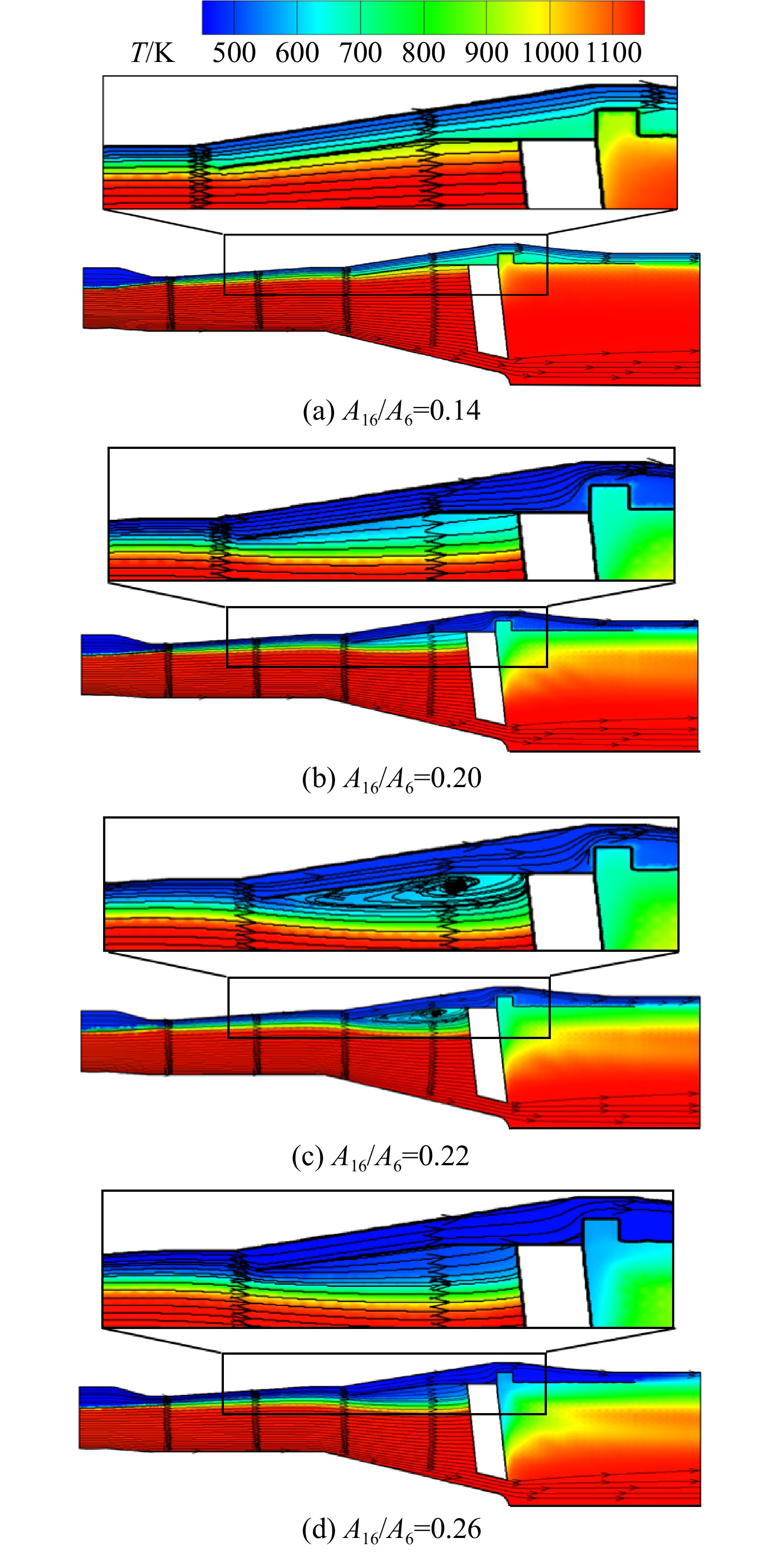
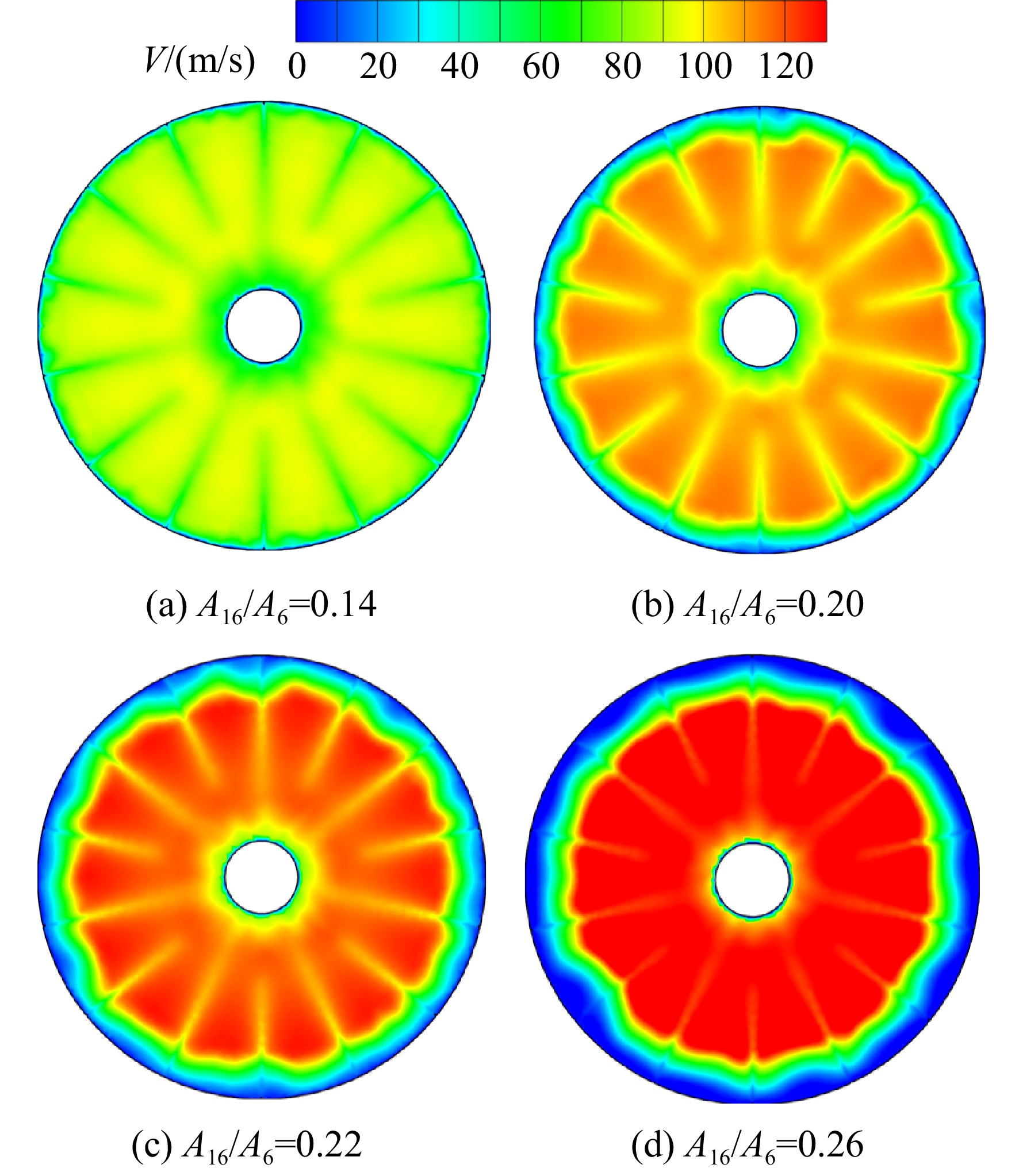
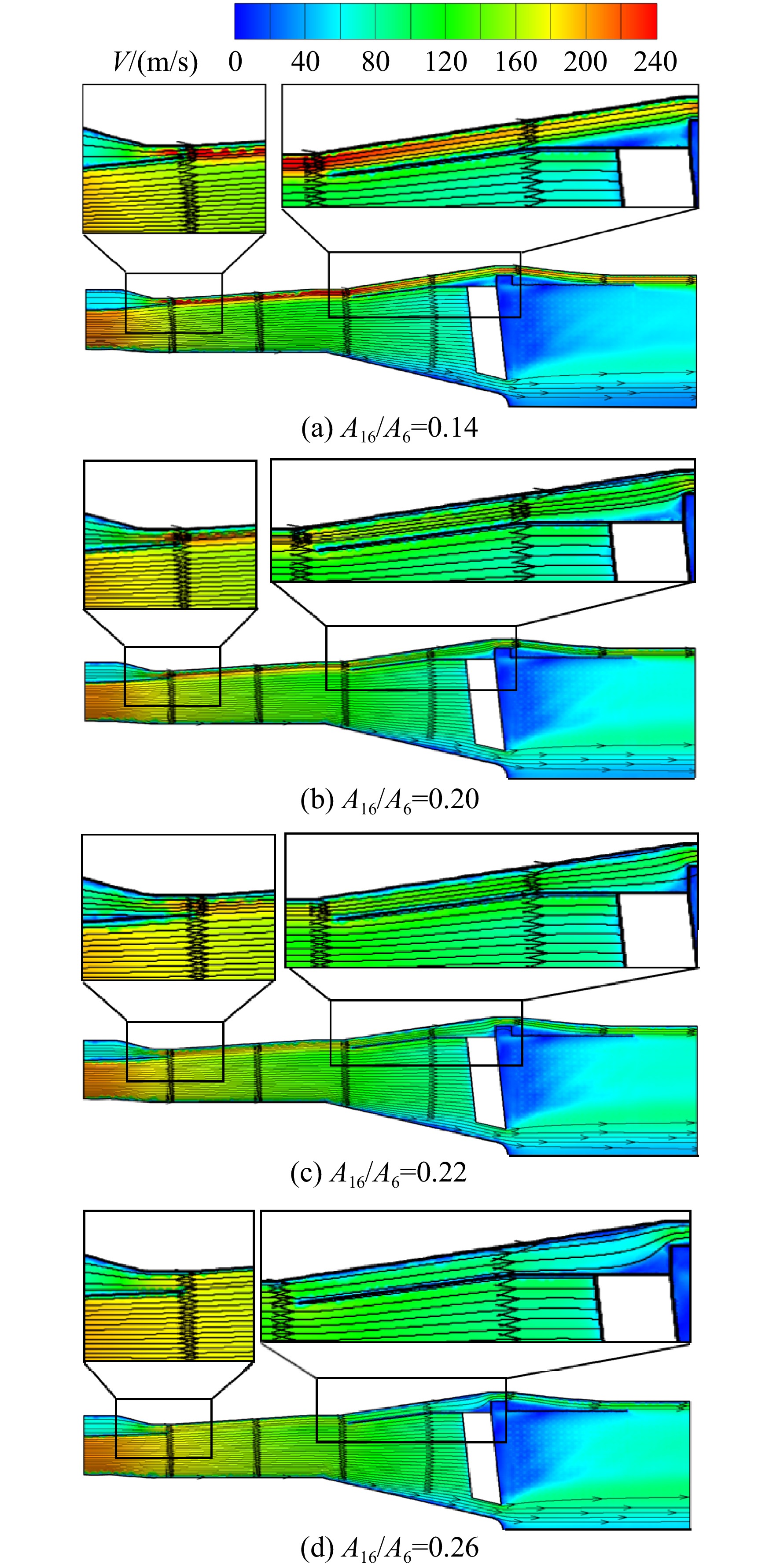
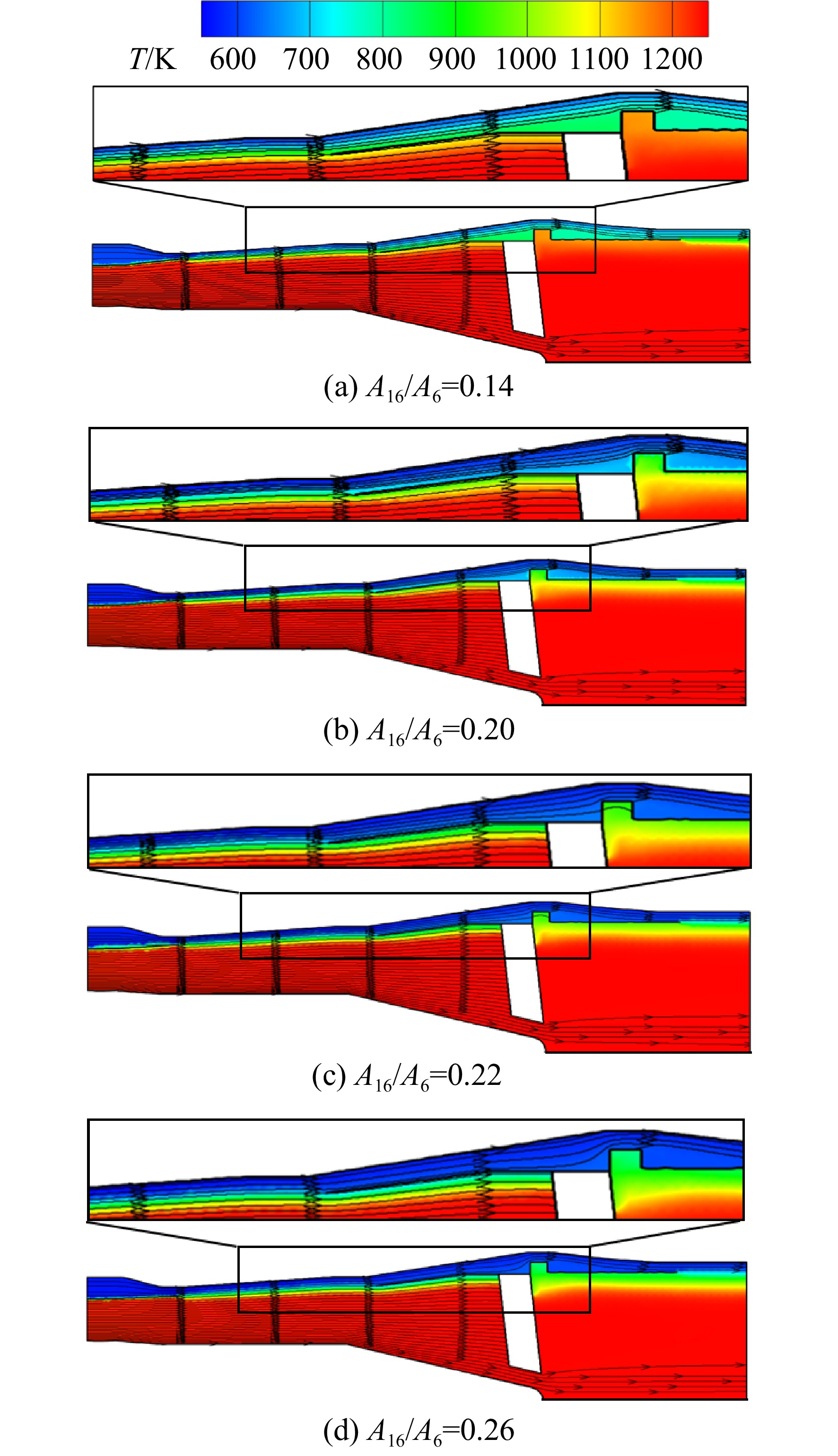
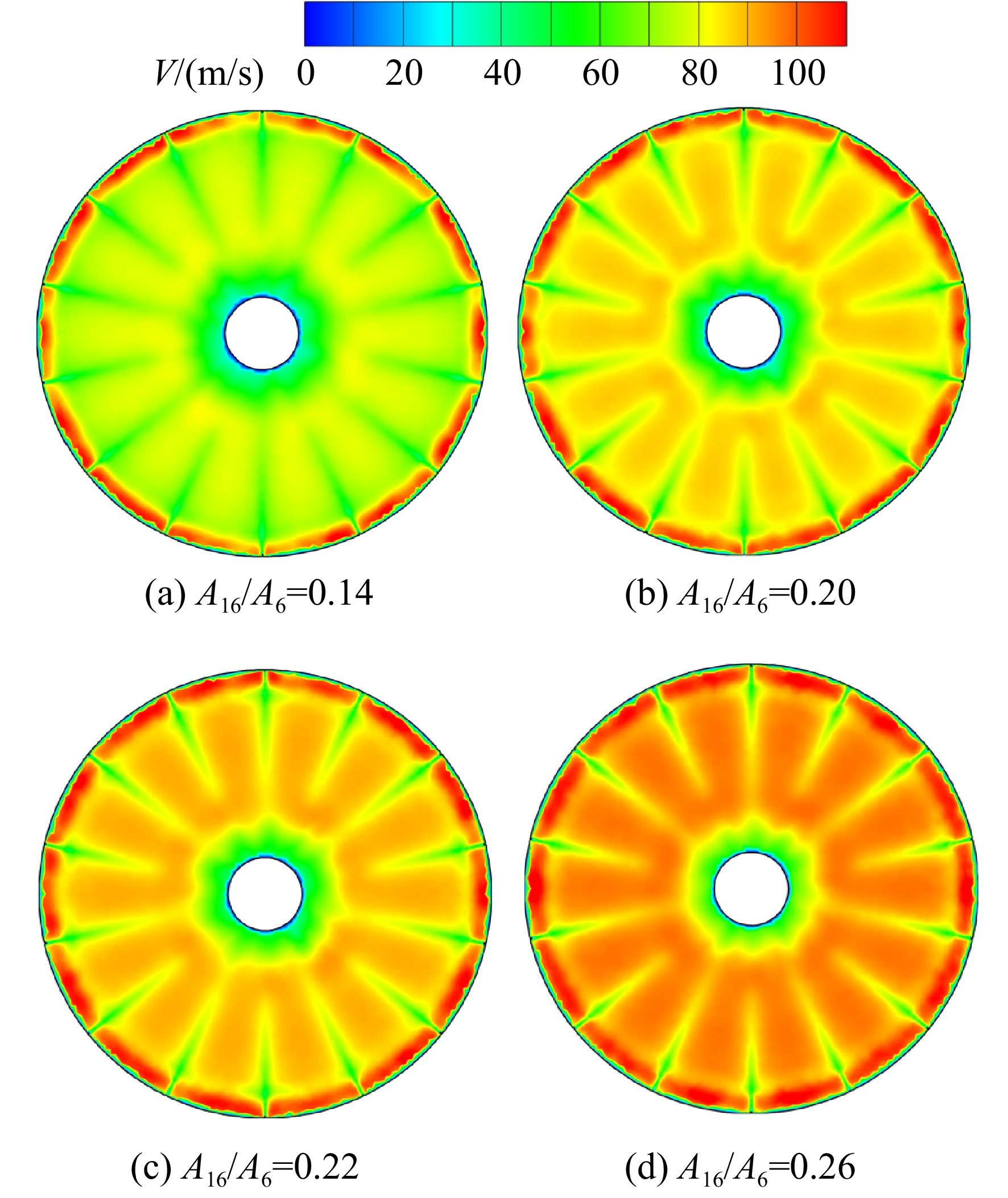
The variable-bypass-ratio afterburner/ram combustor of a variable cycle engine was investigated through scaled-model flow experiments and full-scale three-dimensional numerical simulations. The purpose of the research was to reveal the internal flow characteristics under different bypass ratios (BPR) and parallel mixer exit area ratios, while quantitatively evaluating key parameters including velocity non-uniformity, mixing loss, and peak outer casing temperature of the heat shield cooling channel. The results showed that, compared with the uniform flow at the core flow inlet, the introduction of swirl enhanced shear mixing between the rotating core flow and the bypass stream. Under severe conditions, this caused partial ingress of high-temperature core fluid into the heat shield cooling channel, resulting in localized temperatures as high as 812.97 K on the outer casing. The use of a parallel mixer effectively controlled the total pressure loss in the afterburner/ram combustor, maintaining it within 3.5%. The bypass-to-core exit area ratio served as a critical parameter. An appropriate area allocation ensured sufficient bypass airflow entered the cooling passage while providing adequate momentum to suppress flow separation at the inner side of the heat shield inlet. Under small bypass ratio conditions, increasing the bypass-to-core exit area ratio reduced the cooling flow rate by approximately 20%, which can impair the cooling effectiveness of the heat shield. Additionally, the low-momentum bypass flow struggled to overcome the adverse pressure gradient, leading to the formation of a recirculation zone on the inner side of the heat shield and worsening the radial velocity non-uniformity upstream the flame holder to a range of 0.10—1.20, adversely affecting afterburner performance. In contrast, under large bypass ratio conditions, an excessively small bypass-to-core exit area ratio increased the mixing loss to 3.16%. As the bypass-to-core exit area ratio increased, the matching between the core and bypass flows improved, and the velocity non-uniformity narrowed to a range of 0.85—1.07, demonstrating superior overall performance.
Study on influence of mixing structure on pulse detonation wave initiation and propagation characteristics
SHAO Kaiyuan, WANG Yongjia, ZHANG Yonghui, HUANG Junjie, CHEN Duan, FENG Zaijie, ZHANG Qibin, FAN Wei
2026, 41(10): 20250337. doi: 10.13224/j.cnki.jasp.20250337
Abstract:

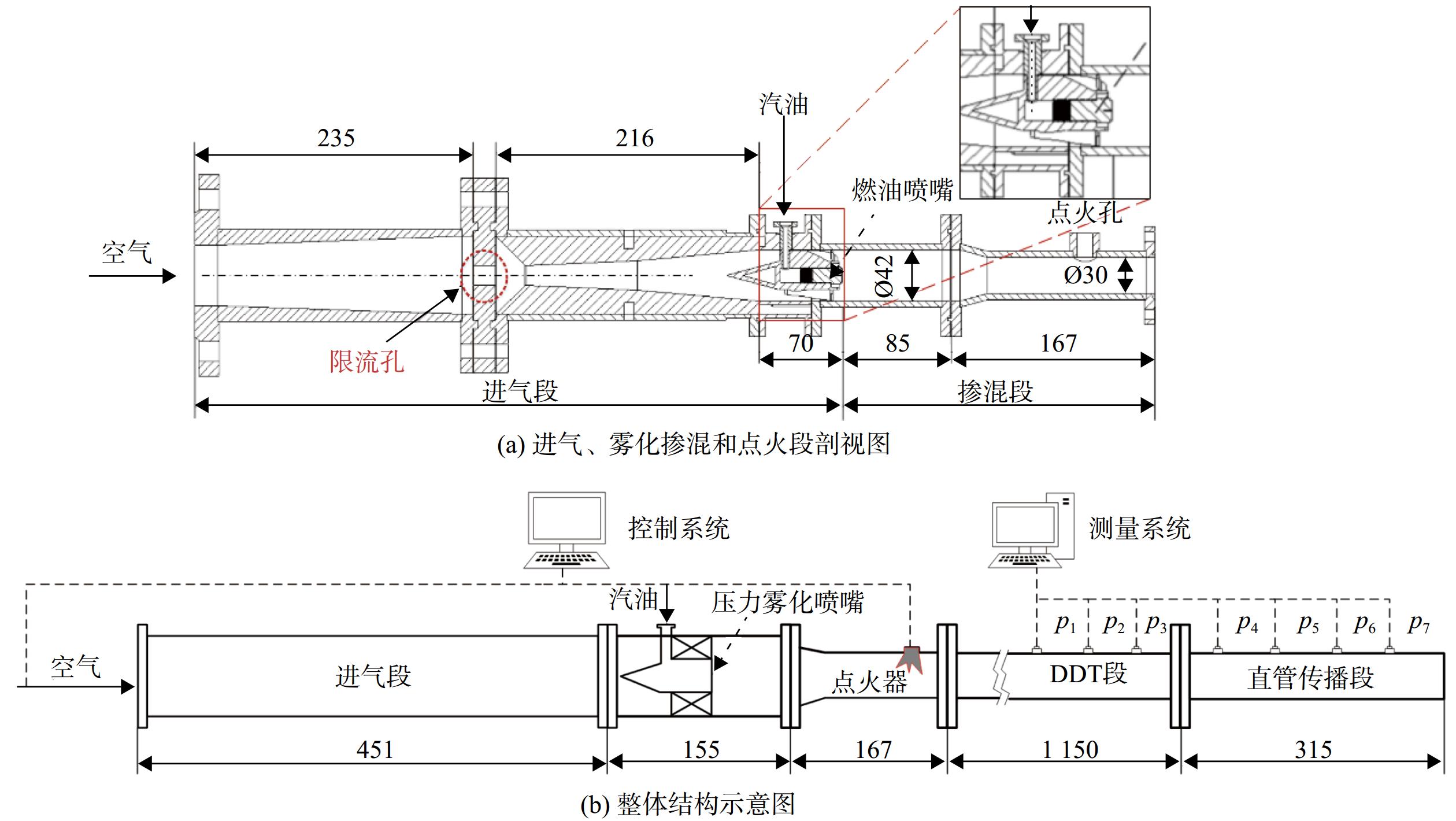
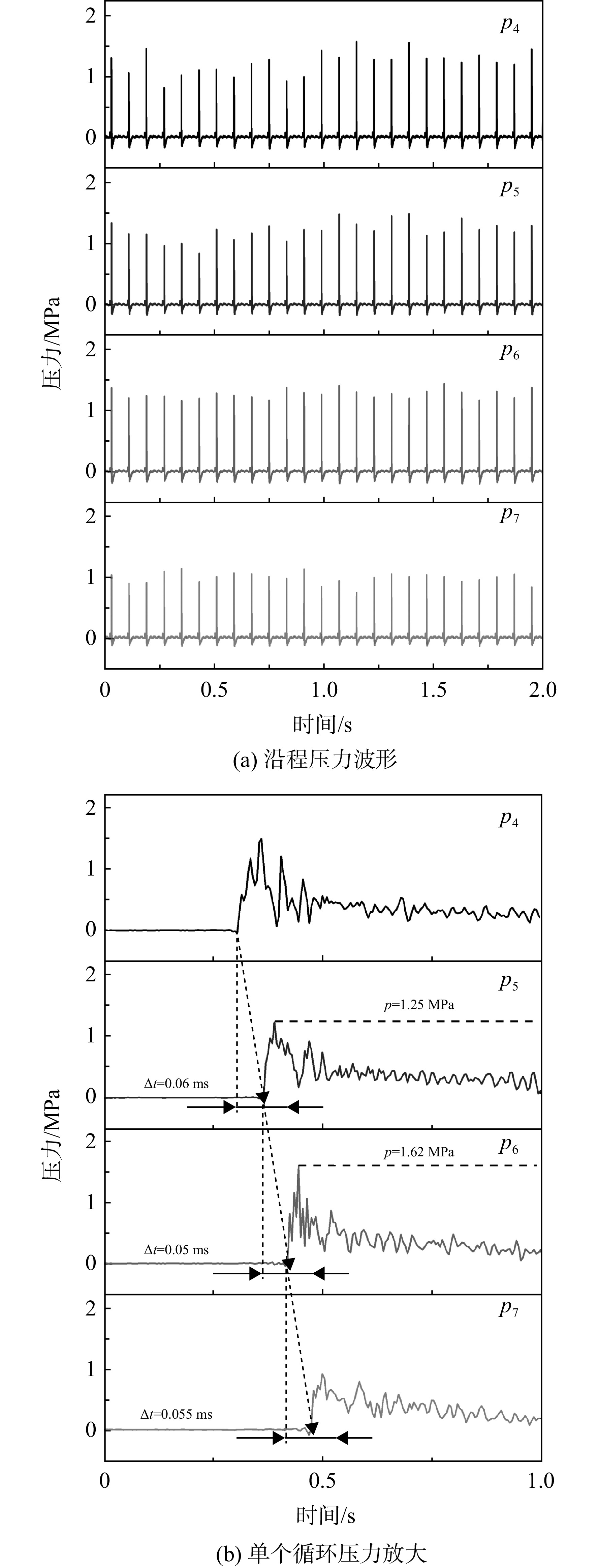
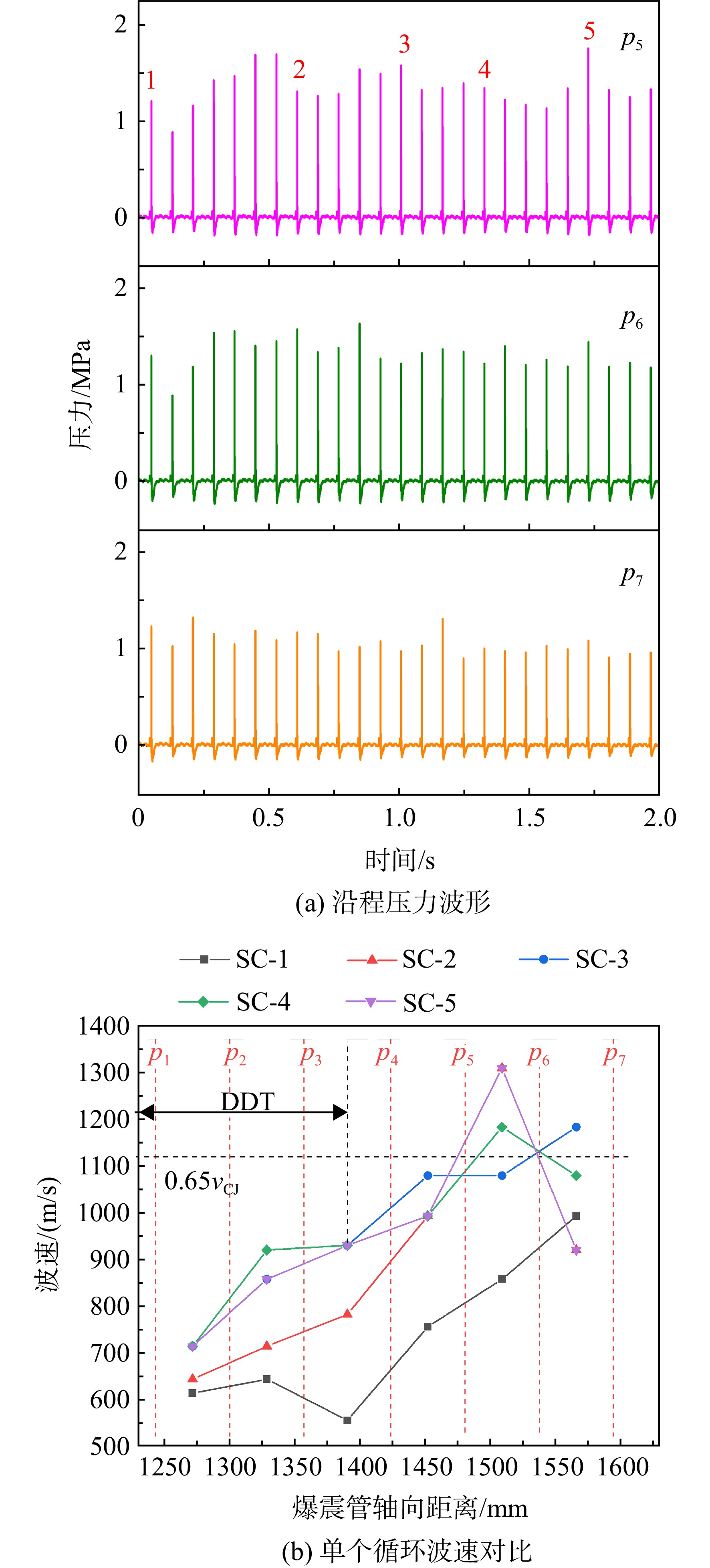
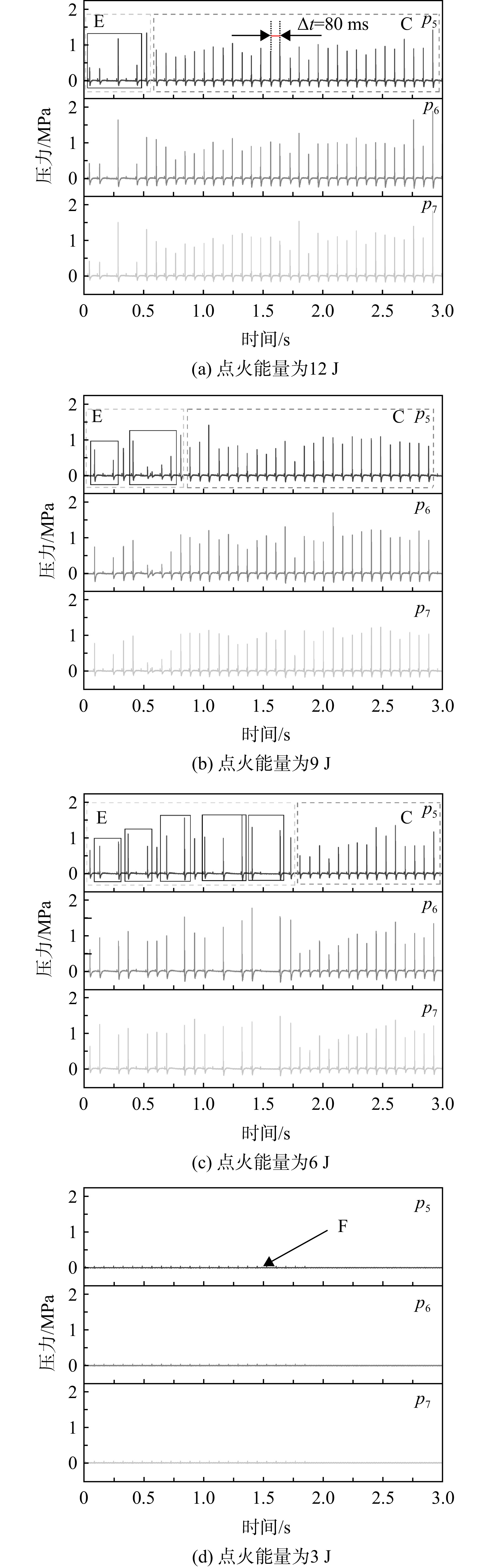
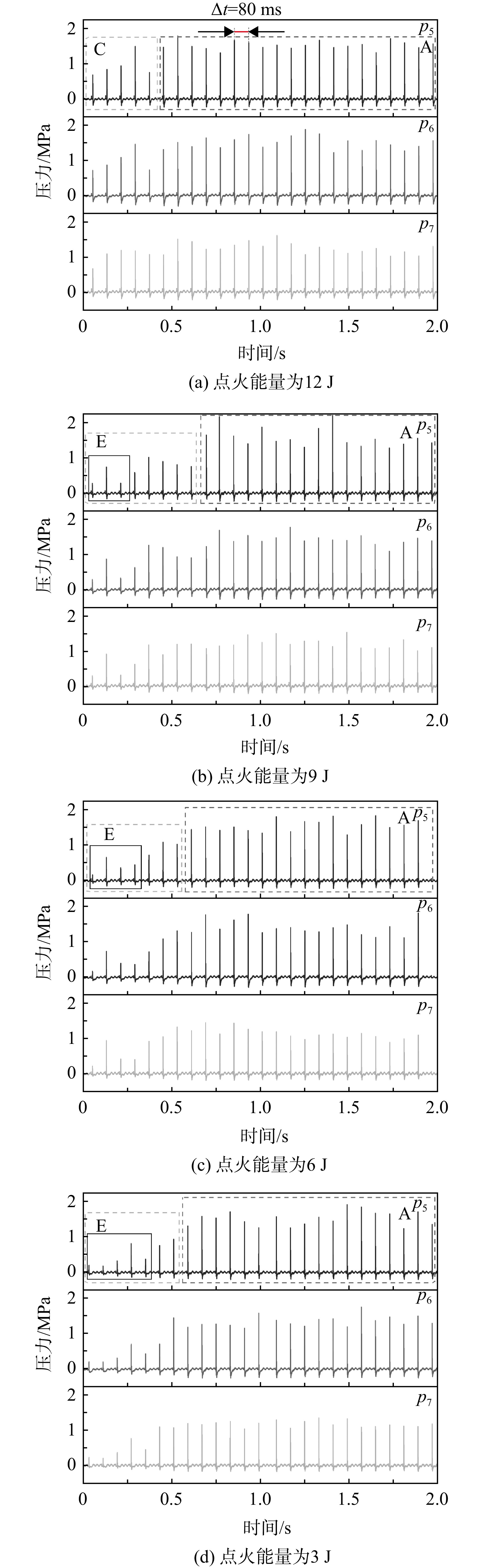
In order to obtain the influences of the mixing structure of air-breathing pulse detonation engine head on the working characteristics in the ramjet mode, gasoline was used as fuel and air was used as oxidizer. The influences of the mixing structure on the detonation initiation and propagation characteristics were explored through experiments. A stable detonation with a frequency of 12.5 Hz was achieved, and six combustion modes were summarized. The results showed that compared with the non-swirl structure, the swirl structure was more sensitive to the total pressure of air flow, gasoline flow and ignition energy. As the ignition energy decreased, the duration of unstable combustion increased. When the ignition energy decreased to 3 J, it may lead to ignition failure and a narrower range of stable equivalence ratio. However, the swirl structure can further shorten the detonation distance, and increasing the blockage ratio of the mixing structure can broaden the equivalence ratio range of stable detonation.

Aerothermodynamics and Aeroengine Design
Upstream wake wave identification based on reduced order model
Zhang Jun, Li Lizhou
2026, 41(10): 20250043. doi: 10.13224/j.cnki.jasp.20250043
Abstract:

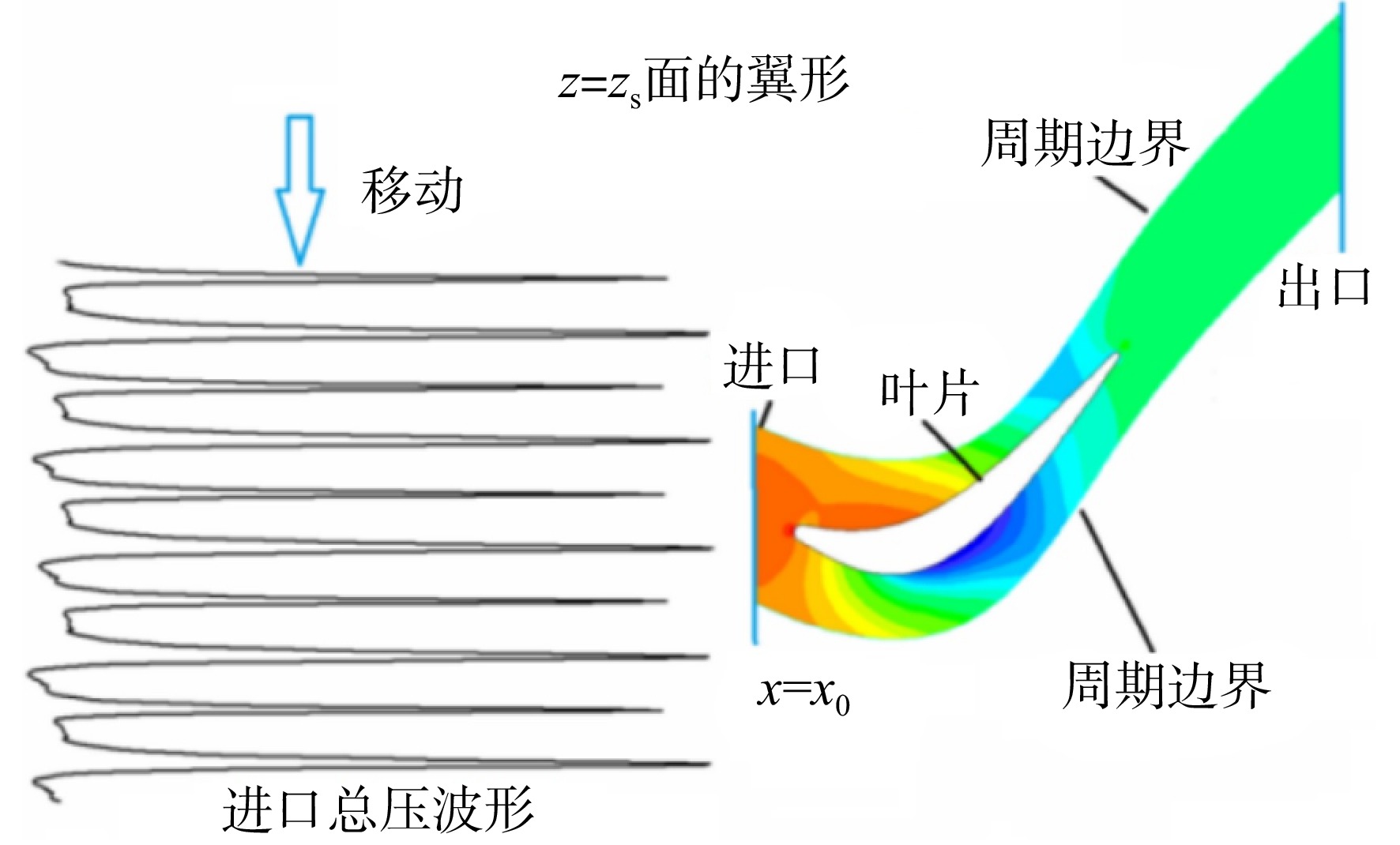
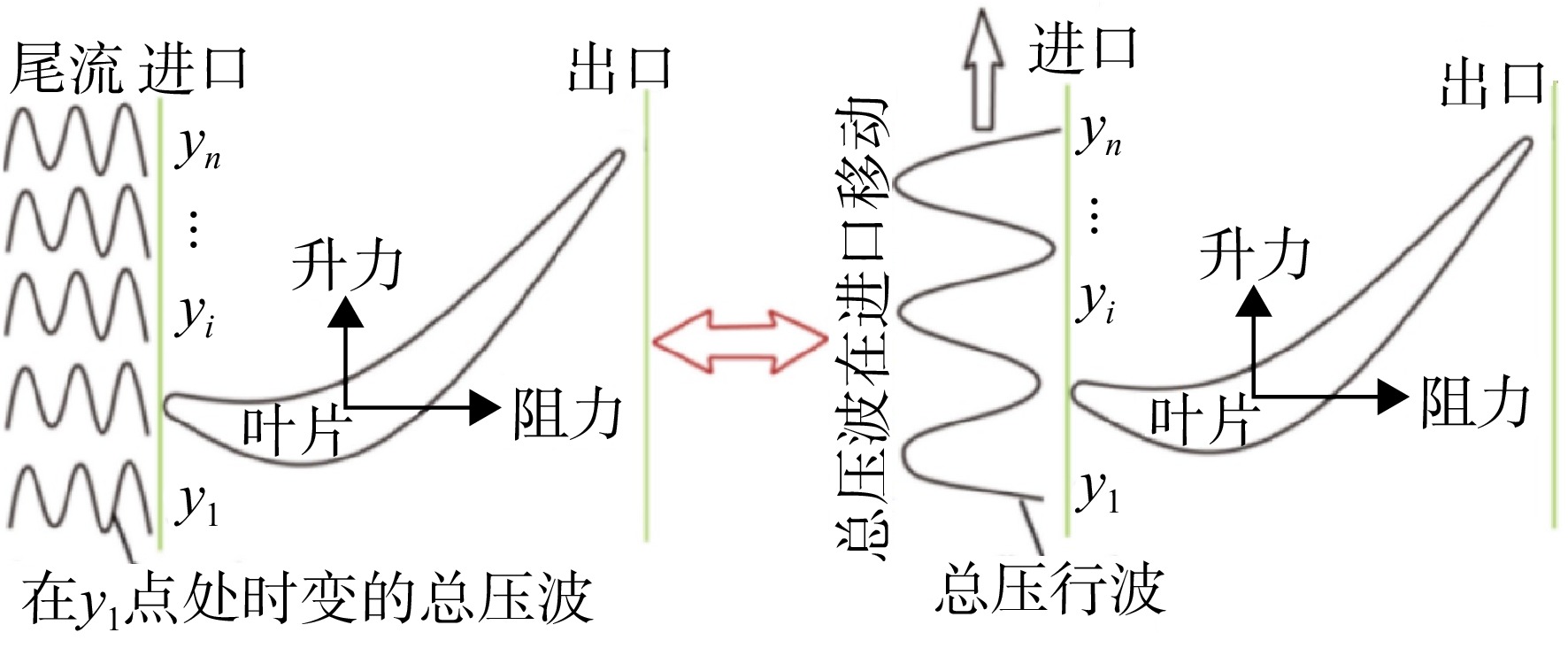
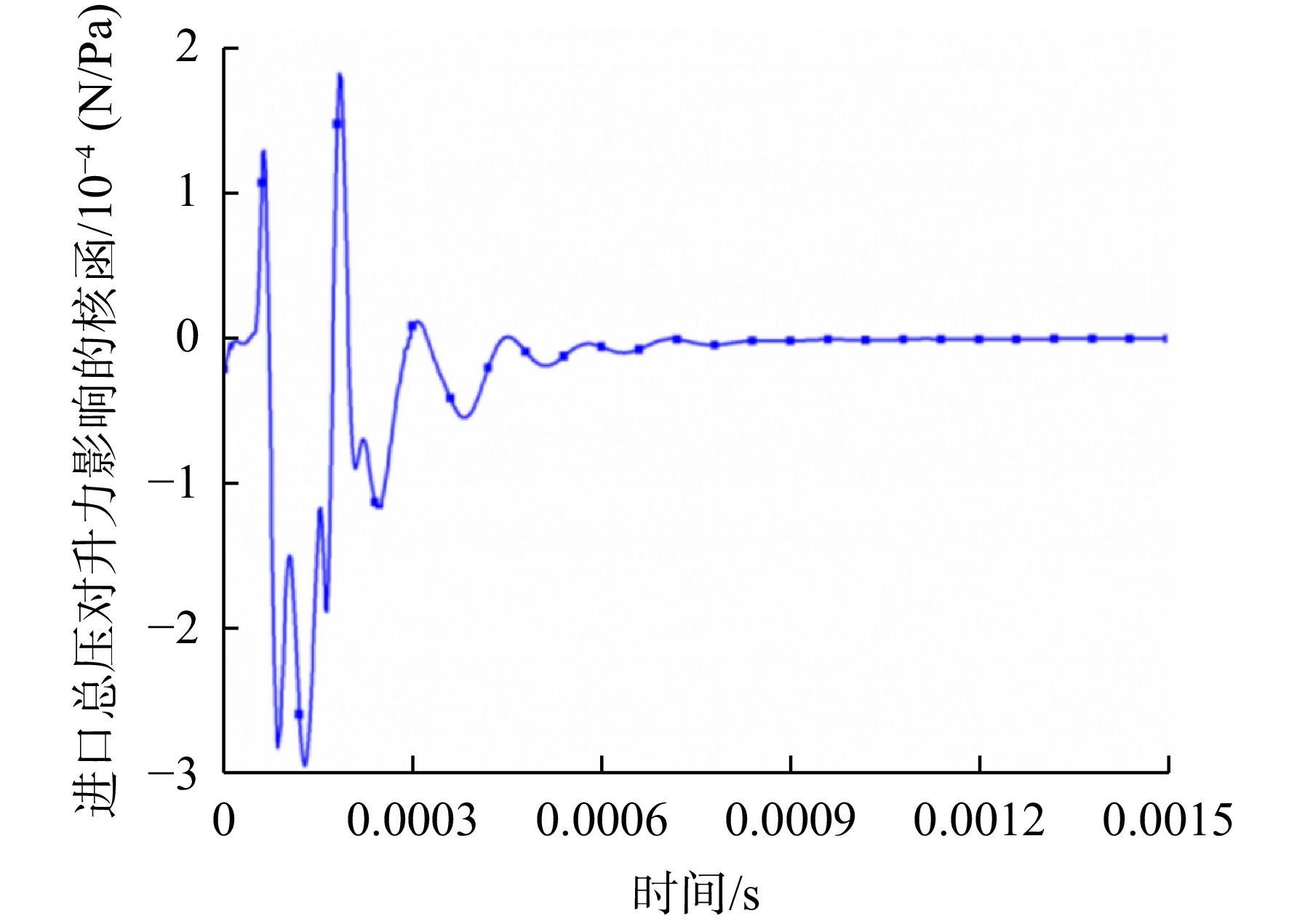
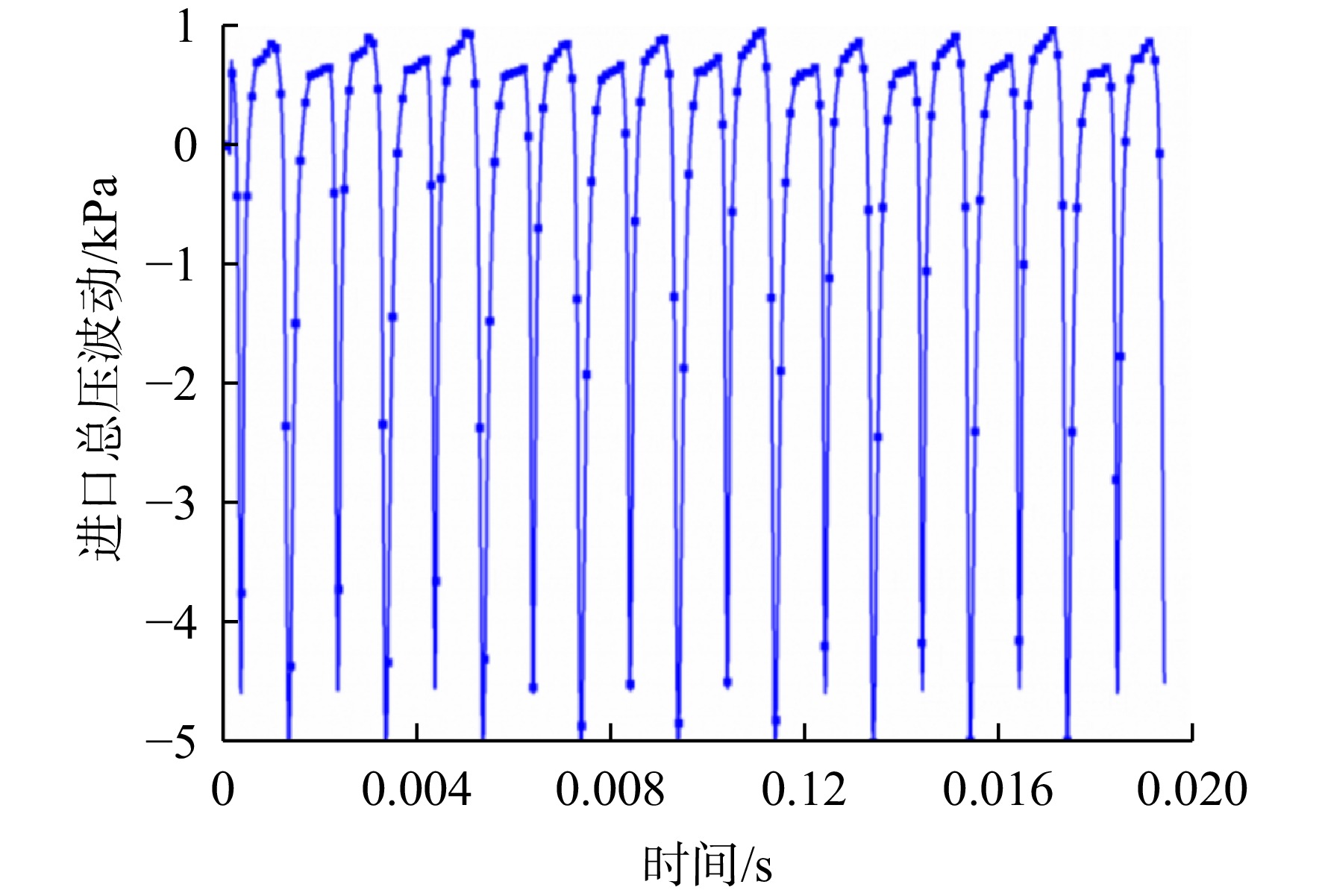
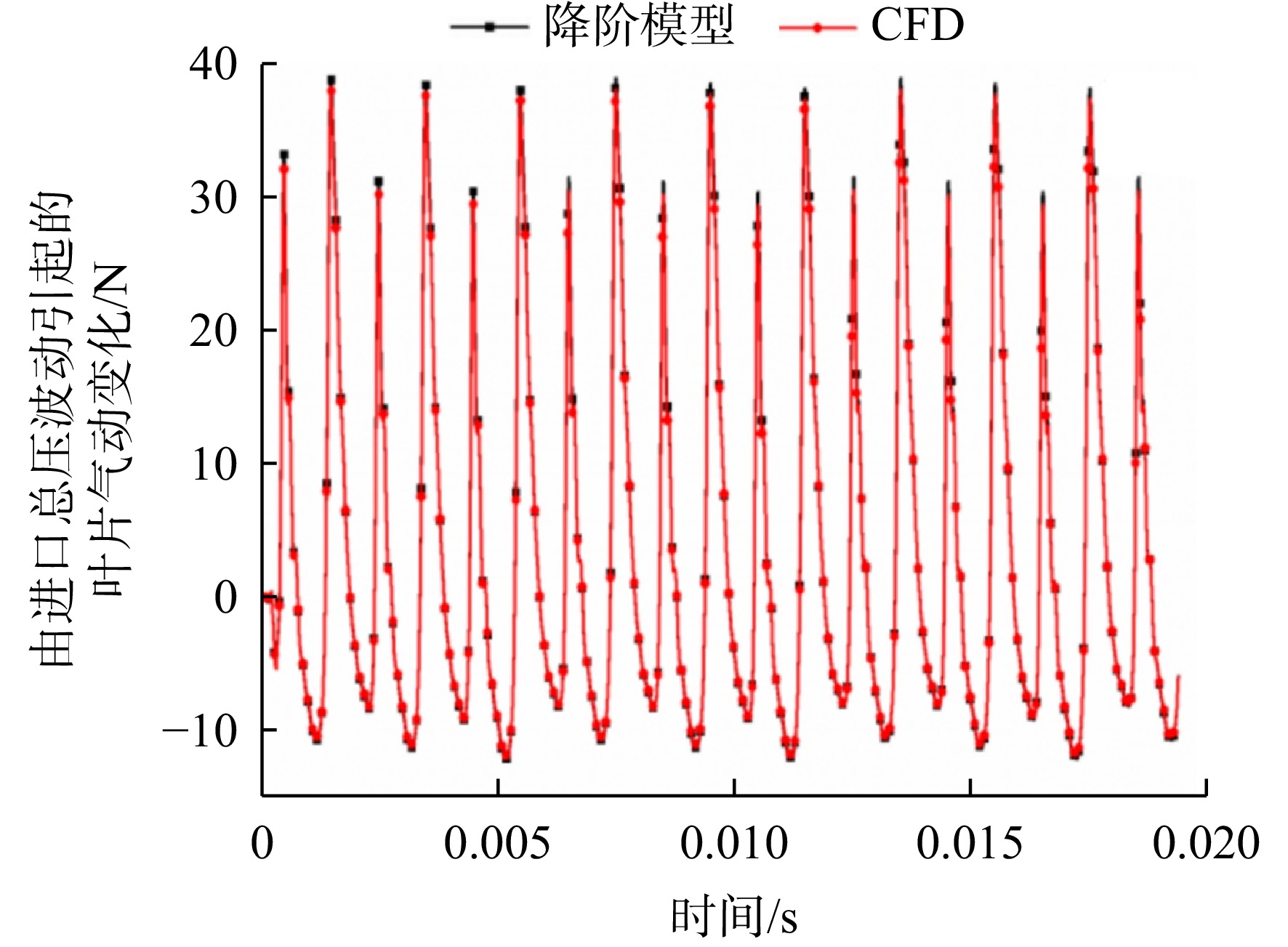
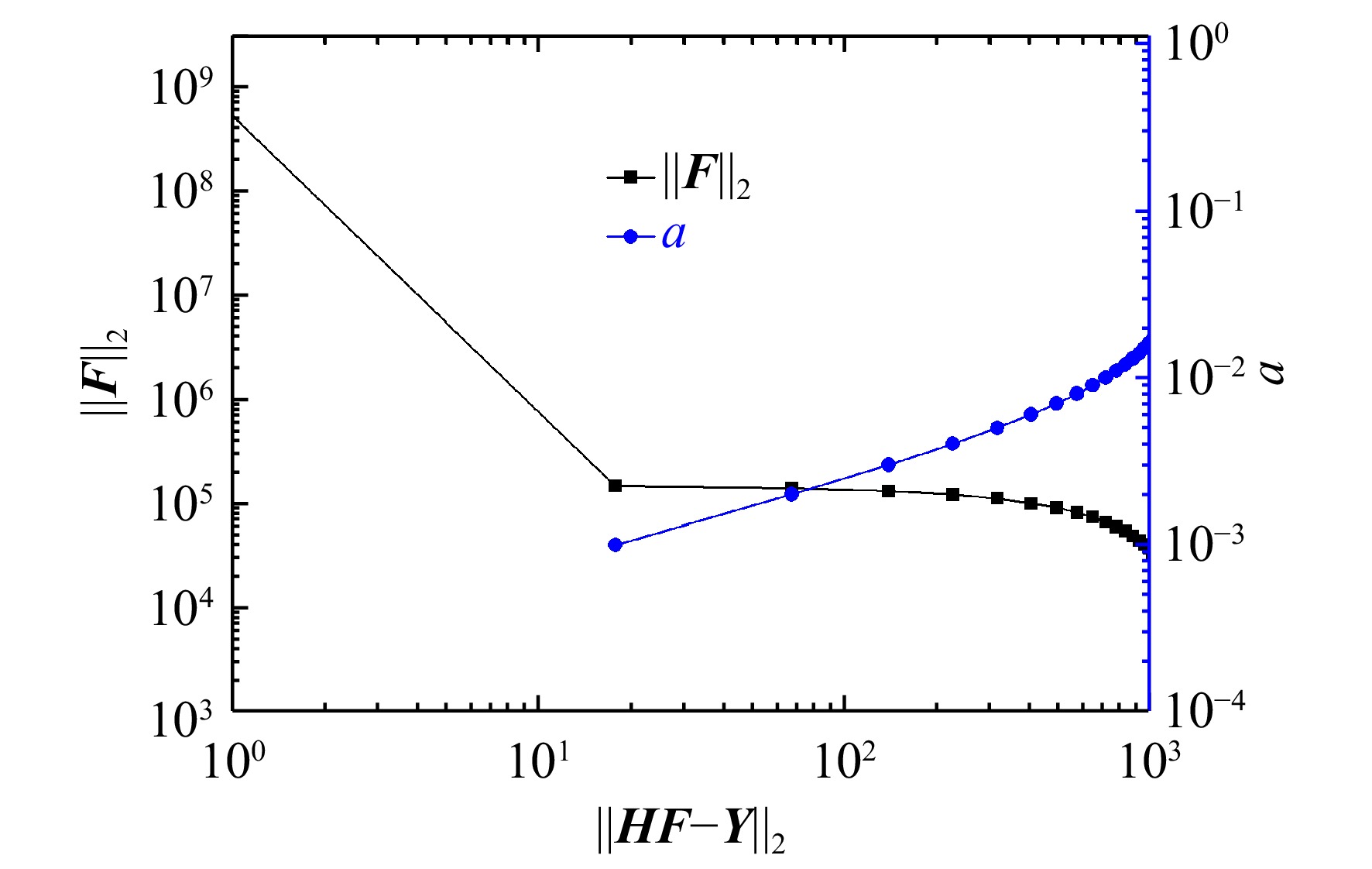
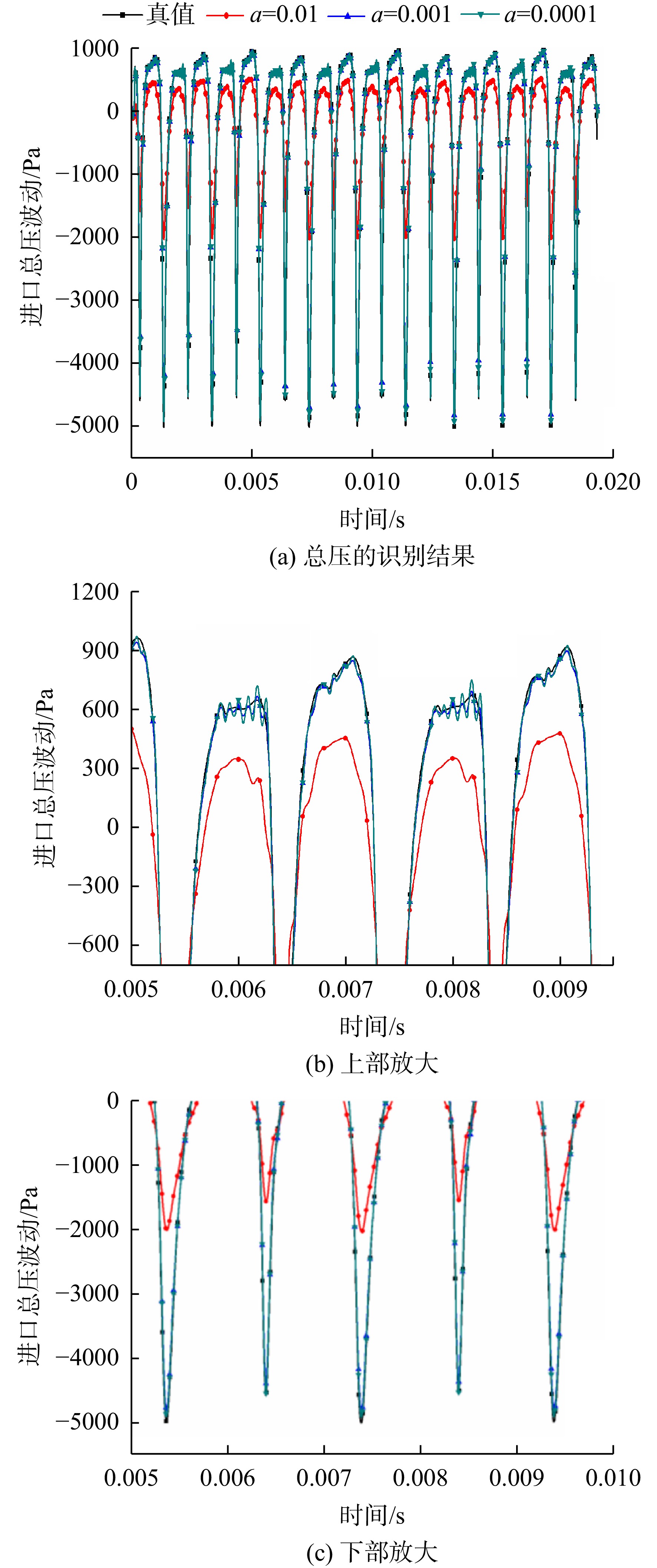
When turbine engines work, the rotating upstream wake and downstream back pressure waves force blades to fluctuate, which is a key factor of the engine's performance. Therefore, it is important to study the wake and backpressure waves and their effects. However, as the structures of engines are so complex, it is difficult to directly measure the fluctuations of upstream and downstream flows when engines is working. It is found that the aerodynamic ROM of the blades force to the upstream wakes and downstream pressure waves has the time domain deconvolution, which is widely used in structural load identification. Therefore, an indirect measurement method for identifying upstream wake and downstream pressure waves is proposed here based on the aerodynamic ROM. An identification example of a 2D blade indicates that the first-order Volterra ROM can predicate the aerodynamic force of the blade under wake excitation. The Tikhonov regularization method based on the Volterra ROM can identify the total pressure wave of the upstream wake.
Calculation method of loading of complex aerodynamic profile nozzle based on NLI factor
Zhang Hui, Lei Wutao
2026, 41(10): 20250146. doi: 10.13224/j.cnki.jasp.20250146
Abstract:

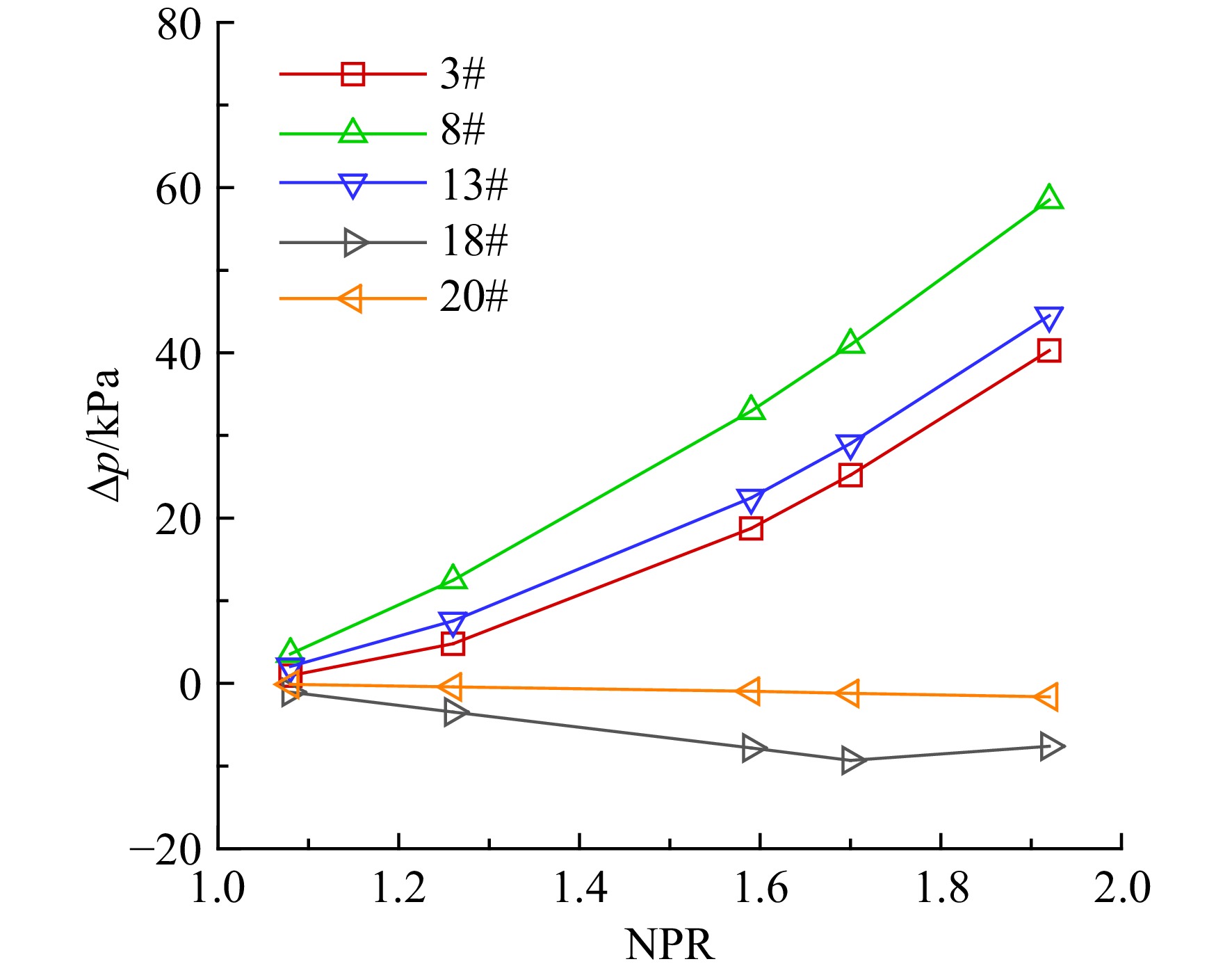
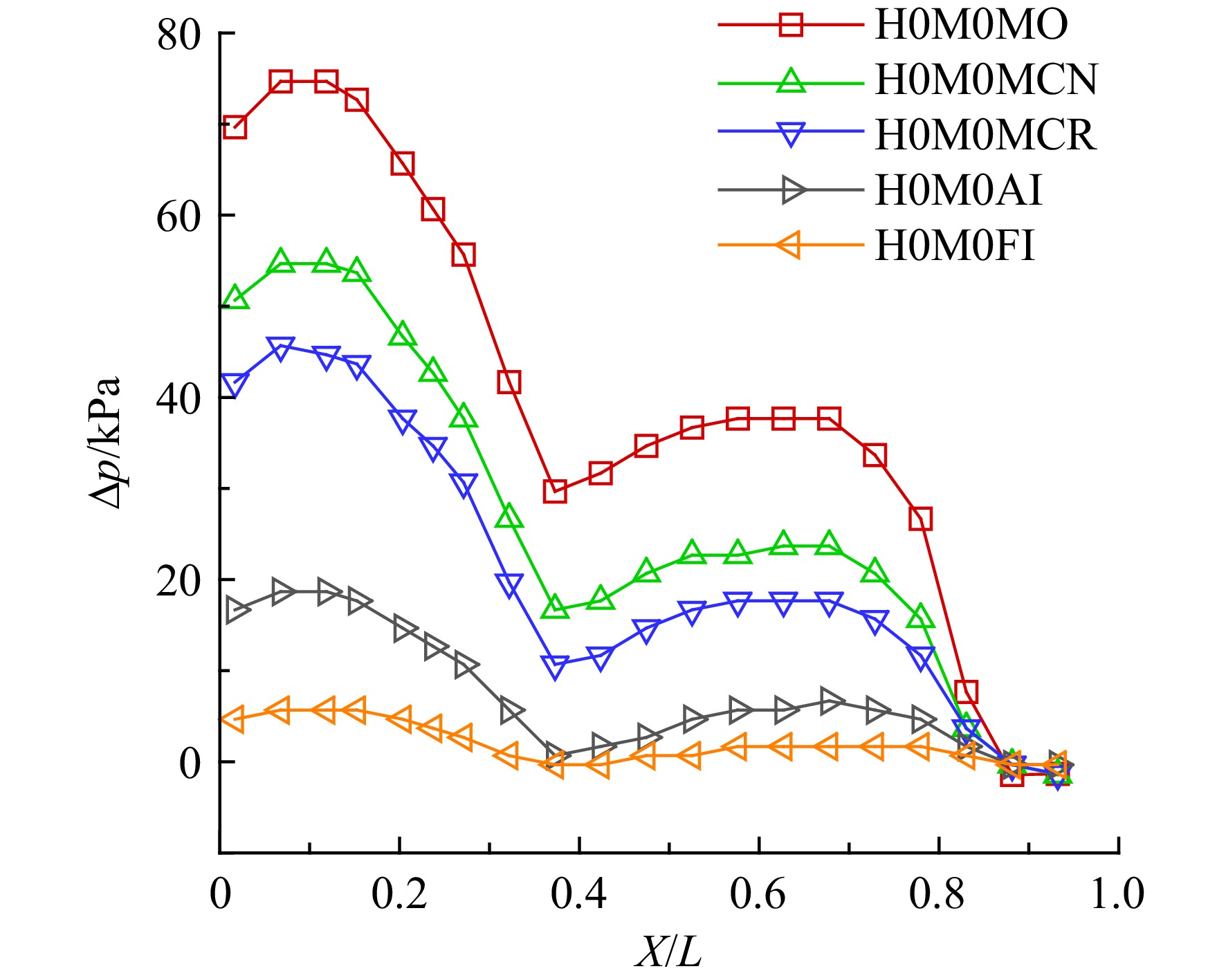
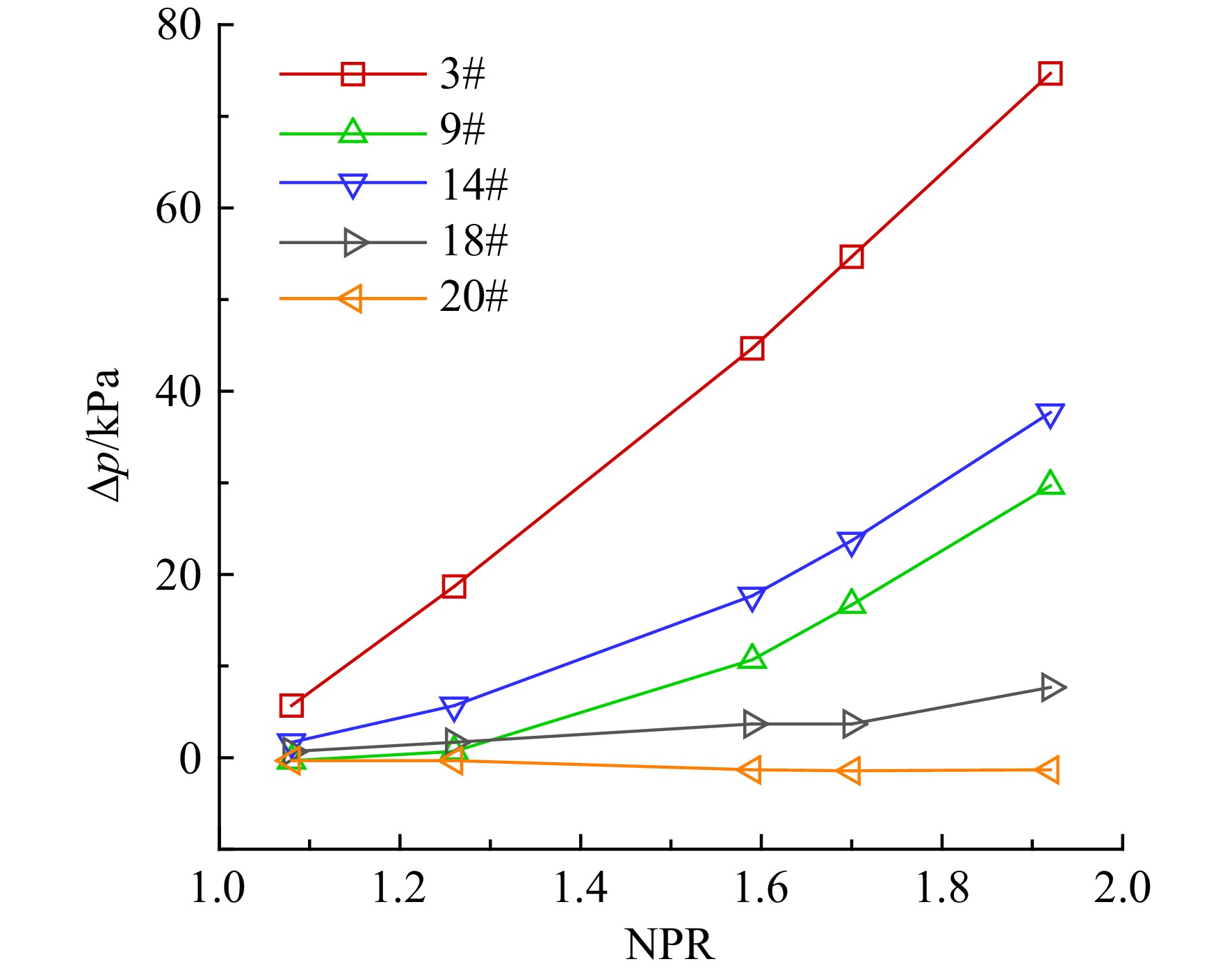
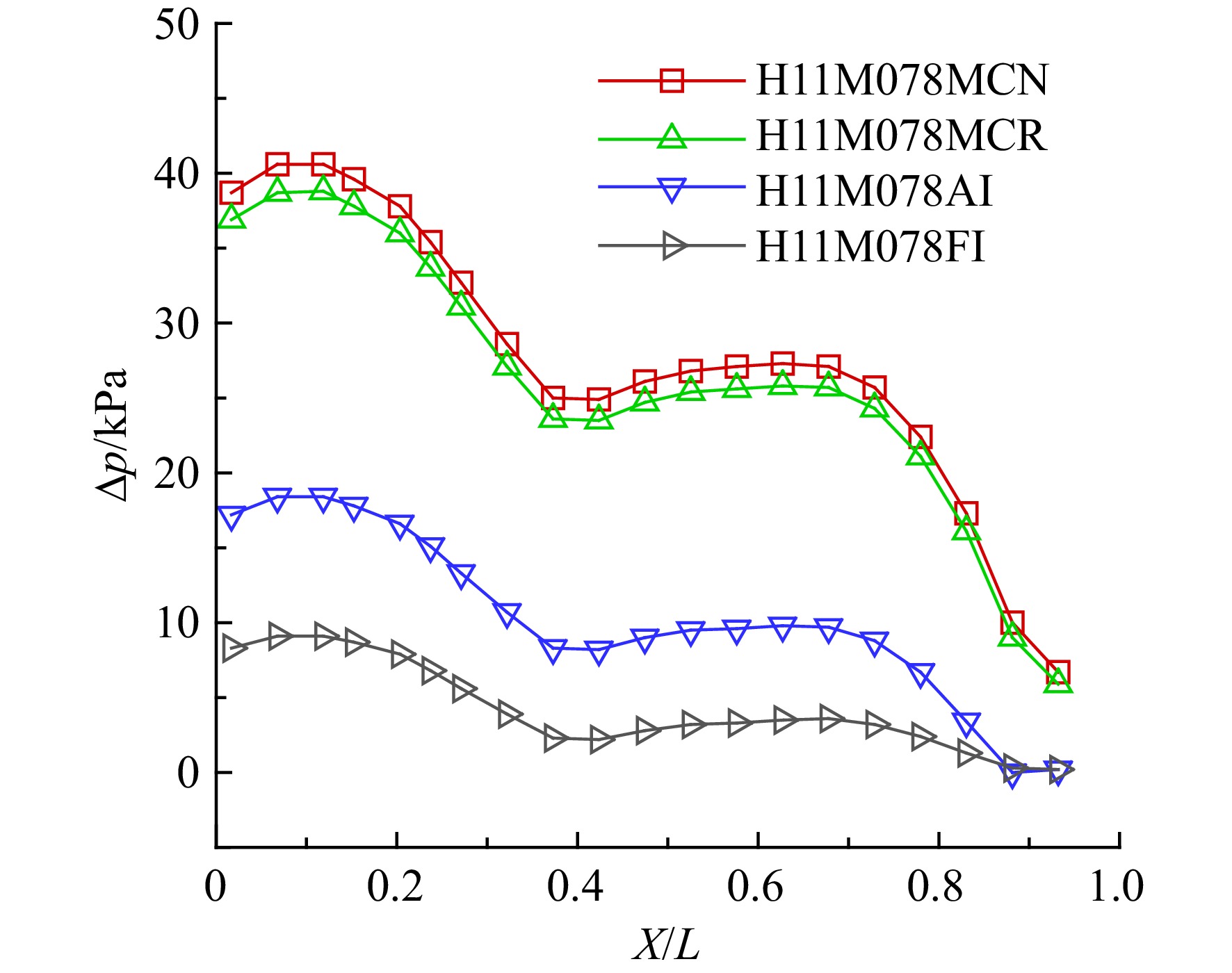
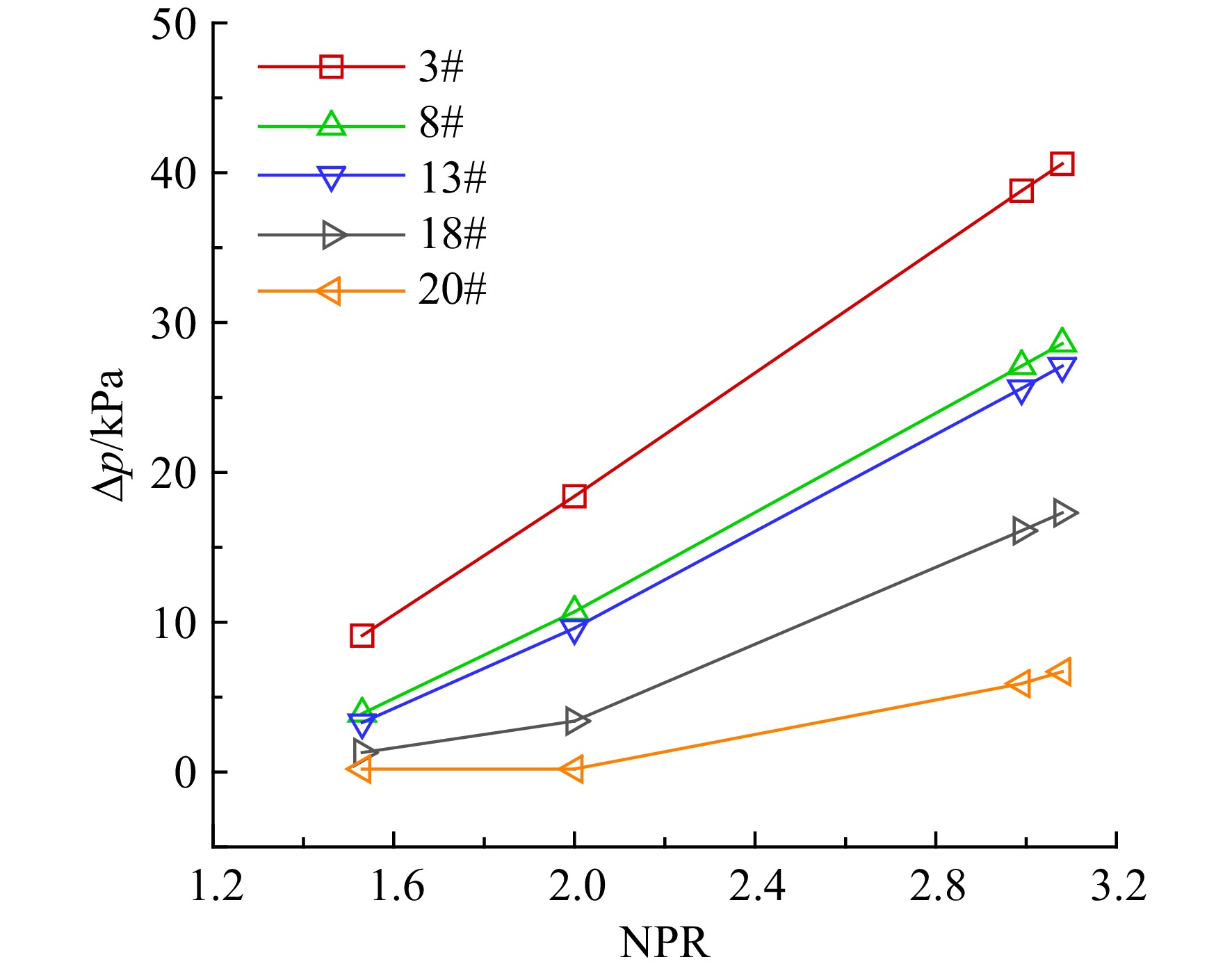
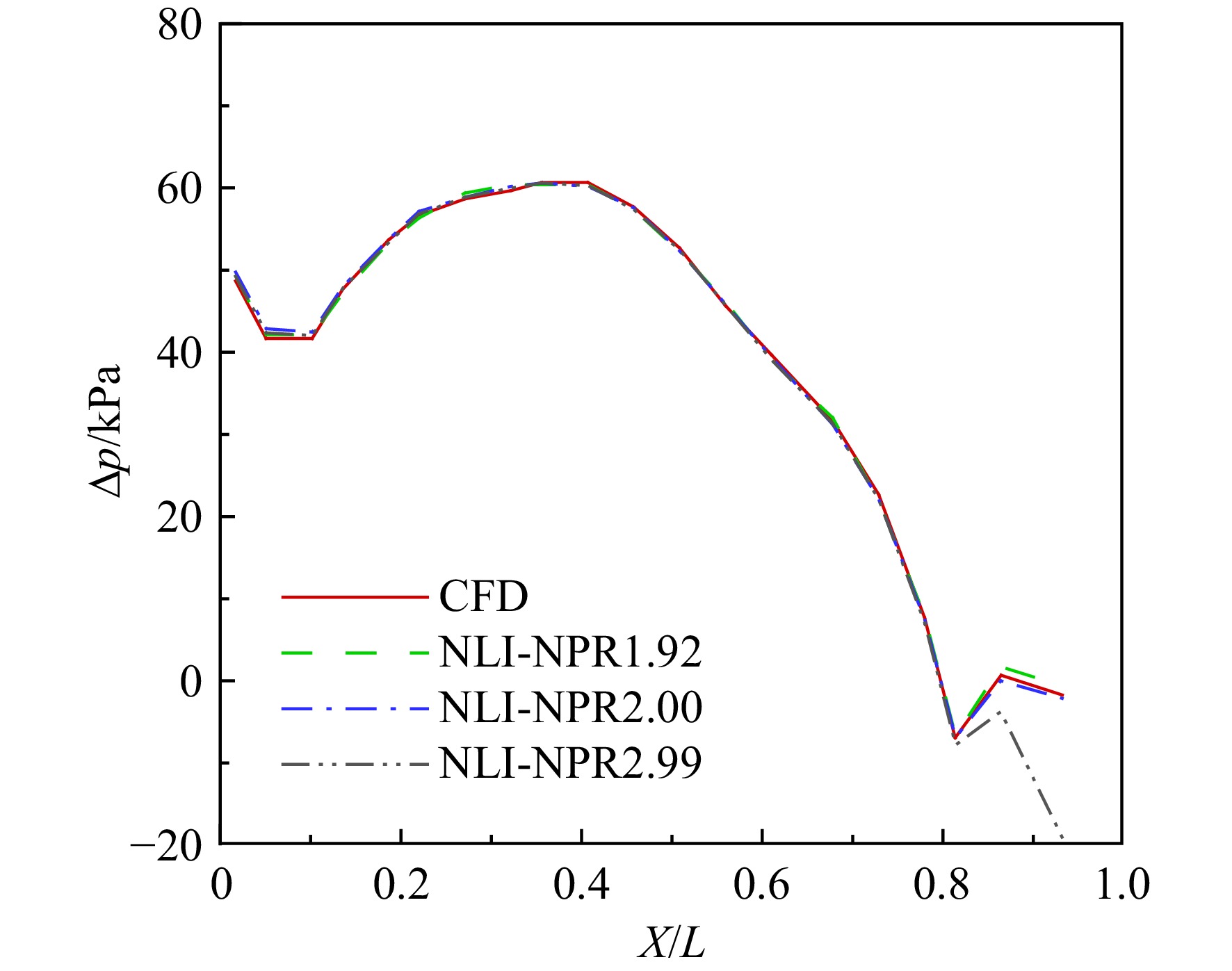
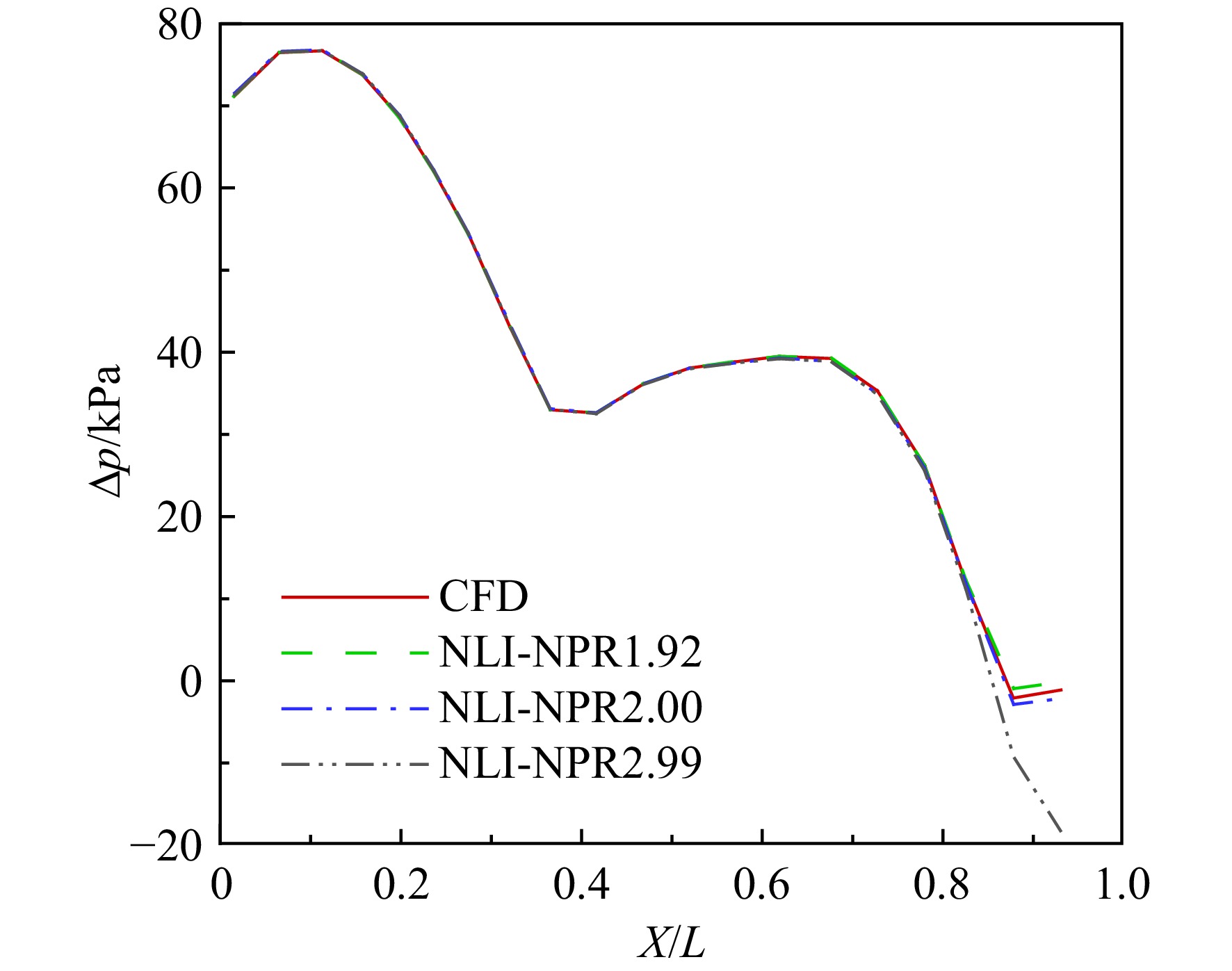
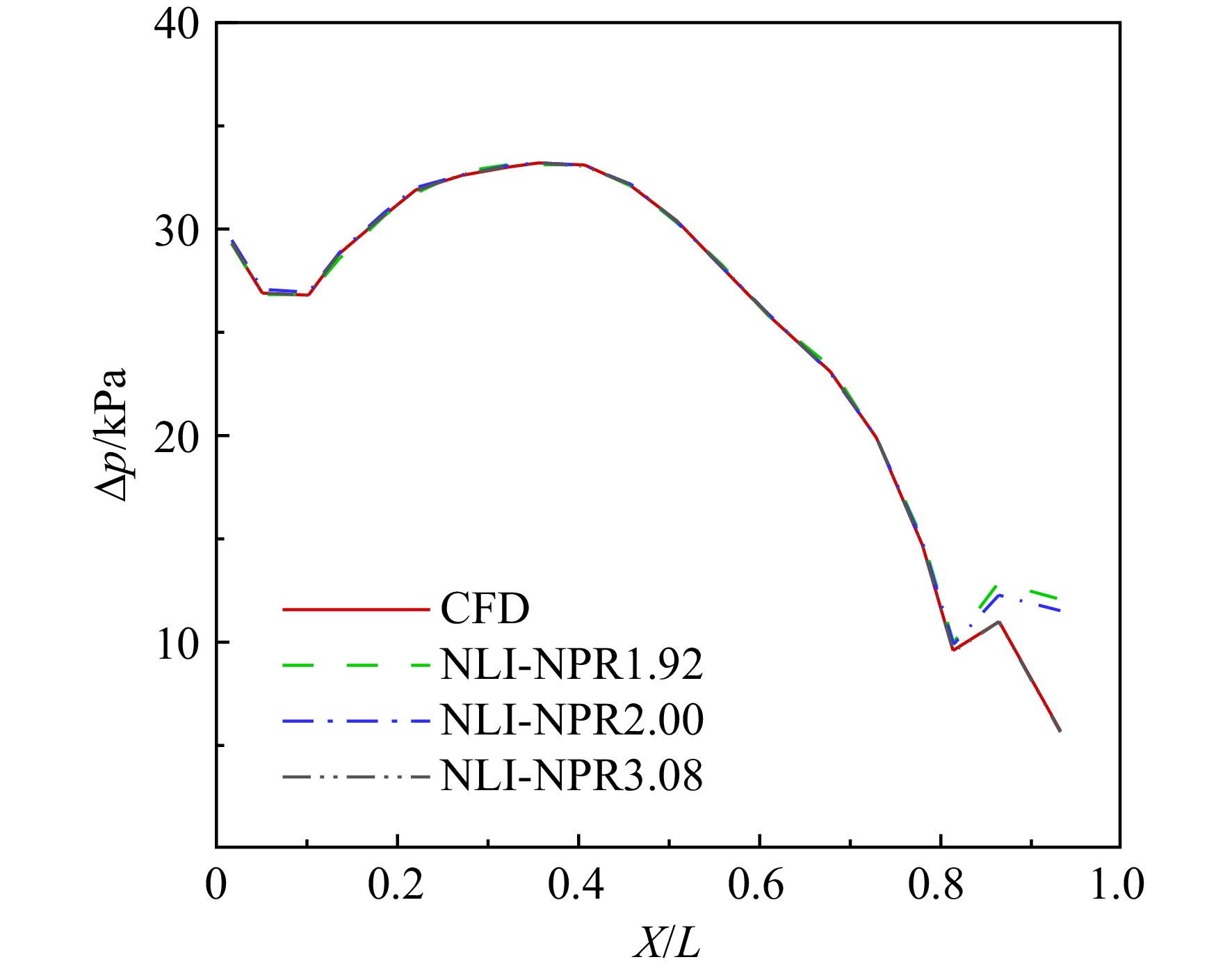
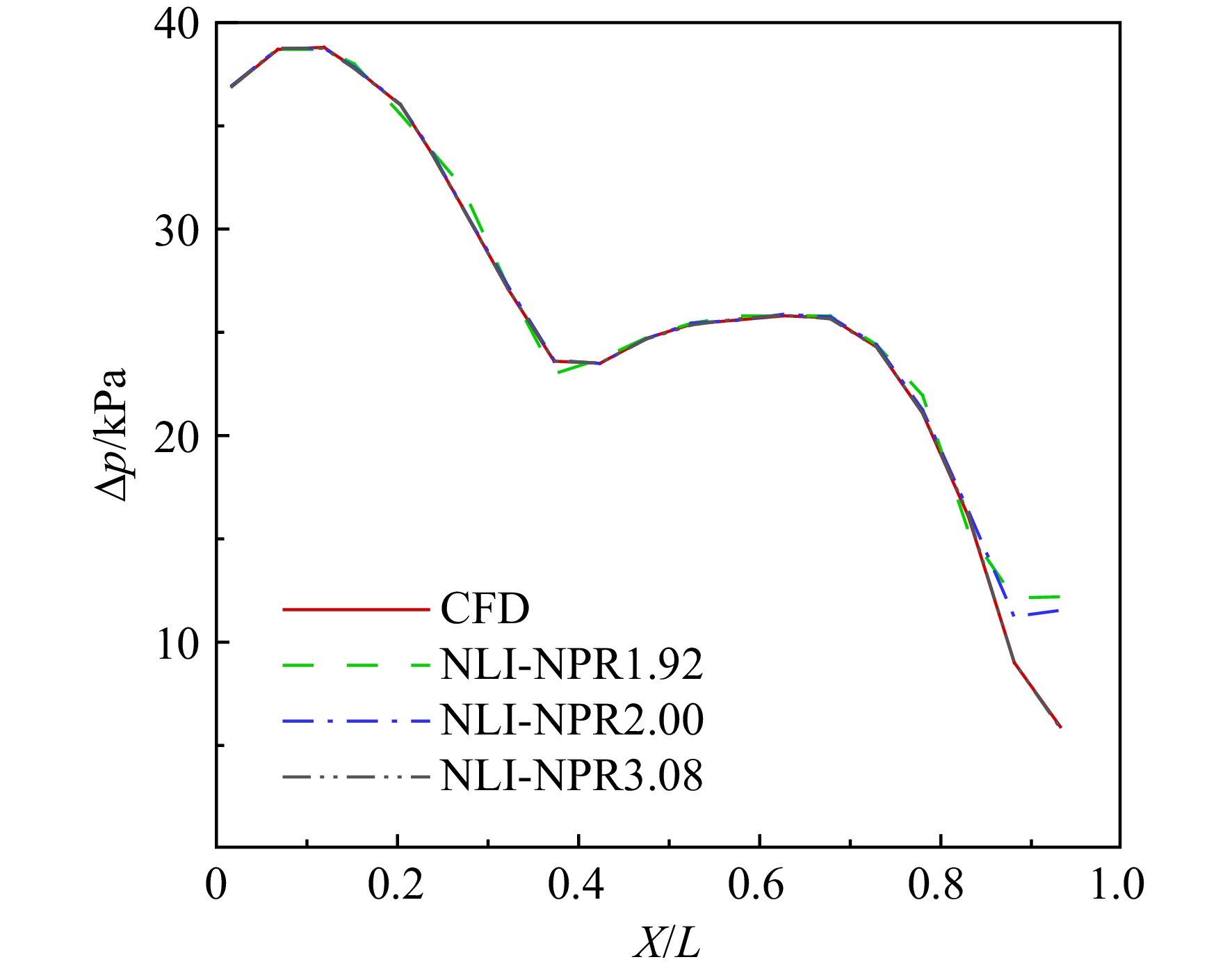
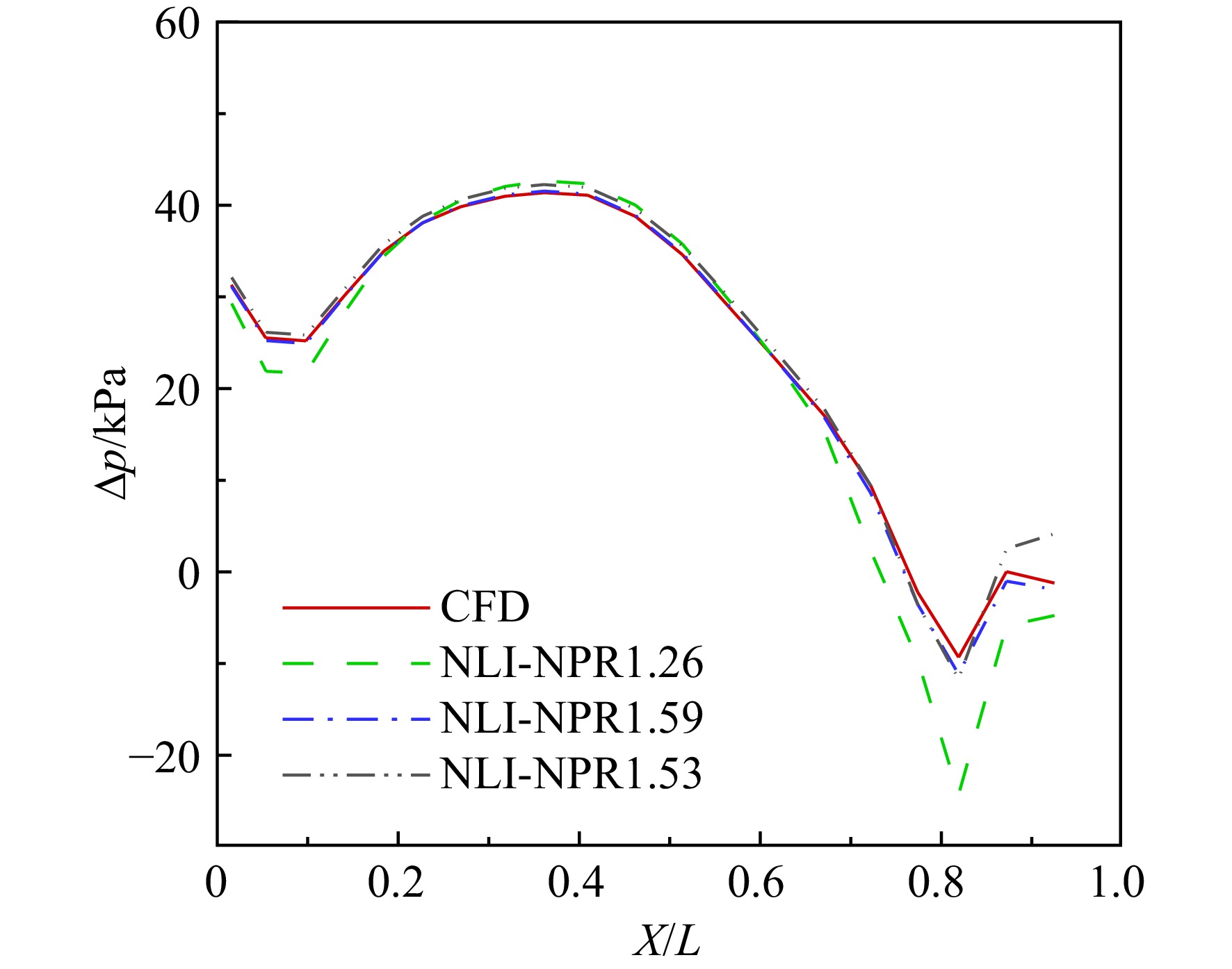
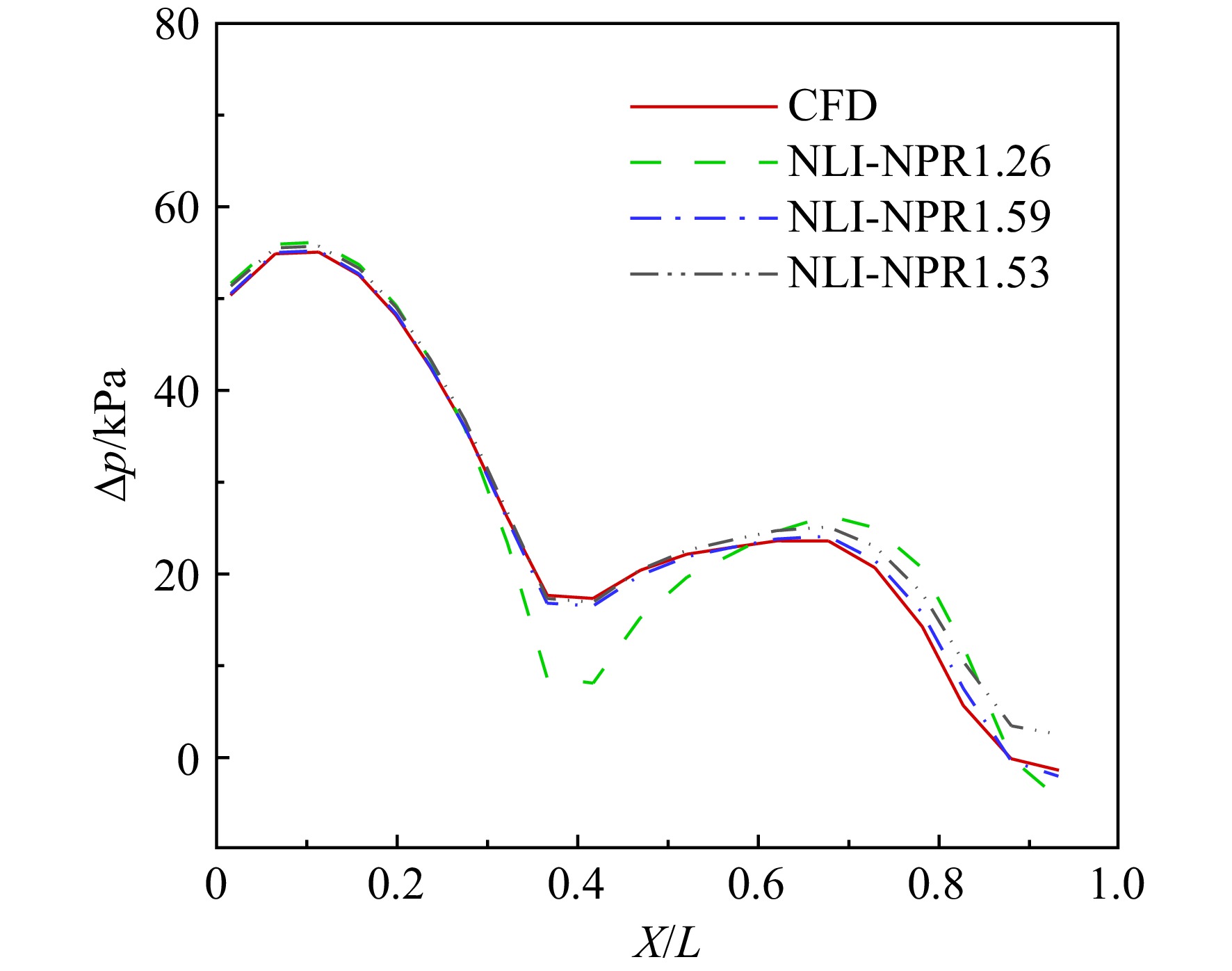
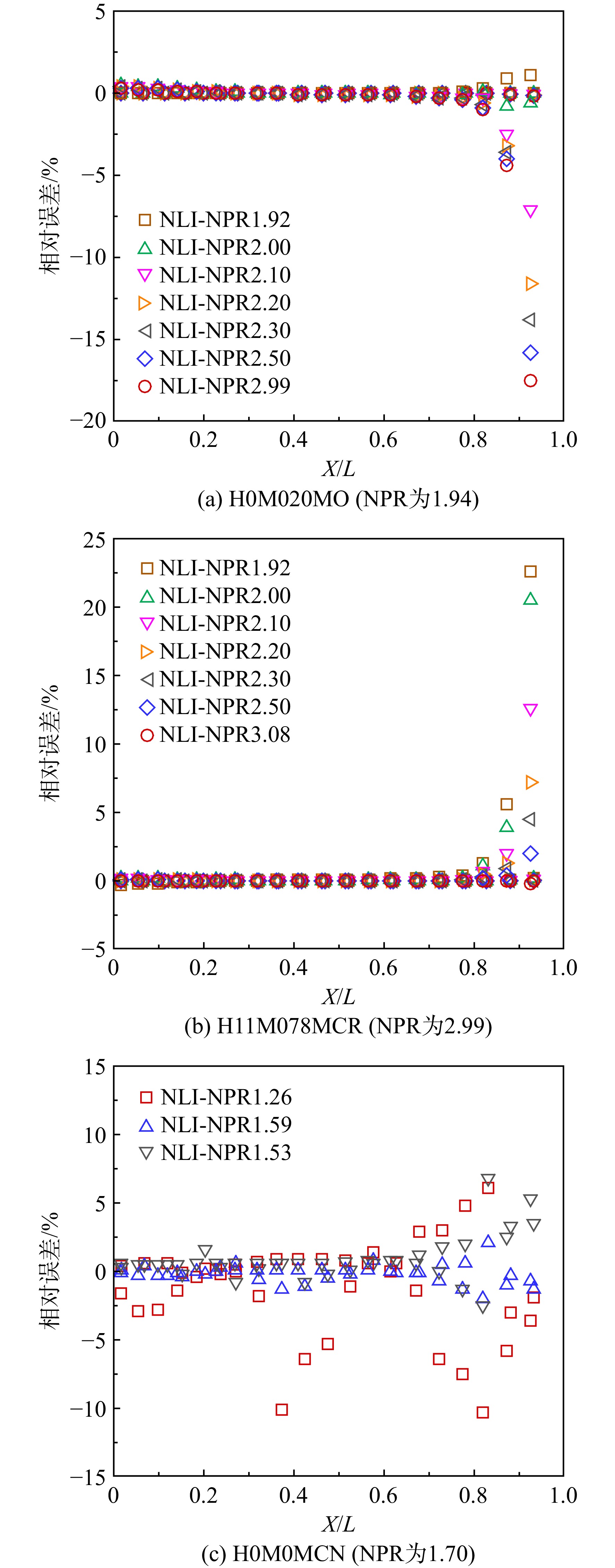
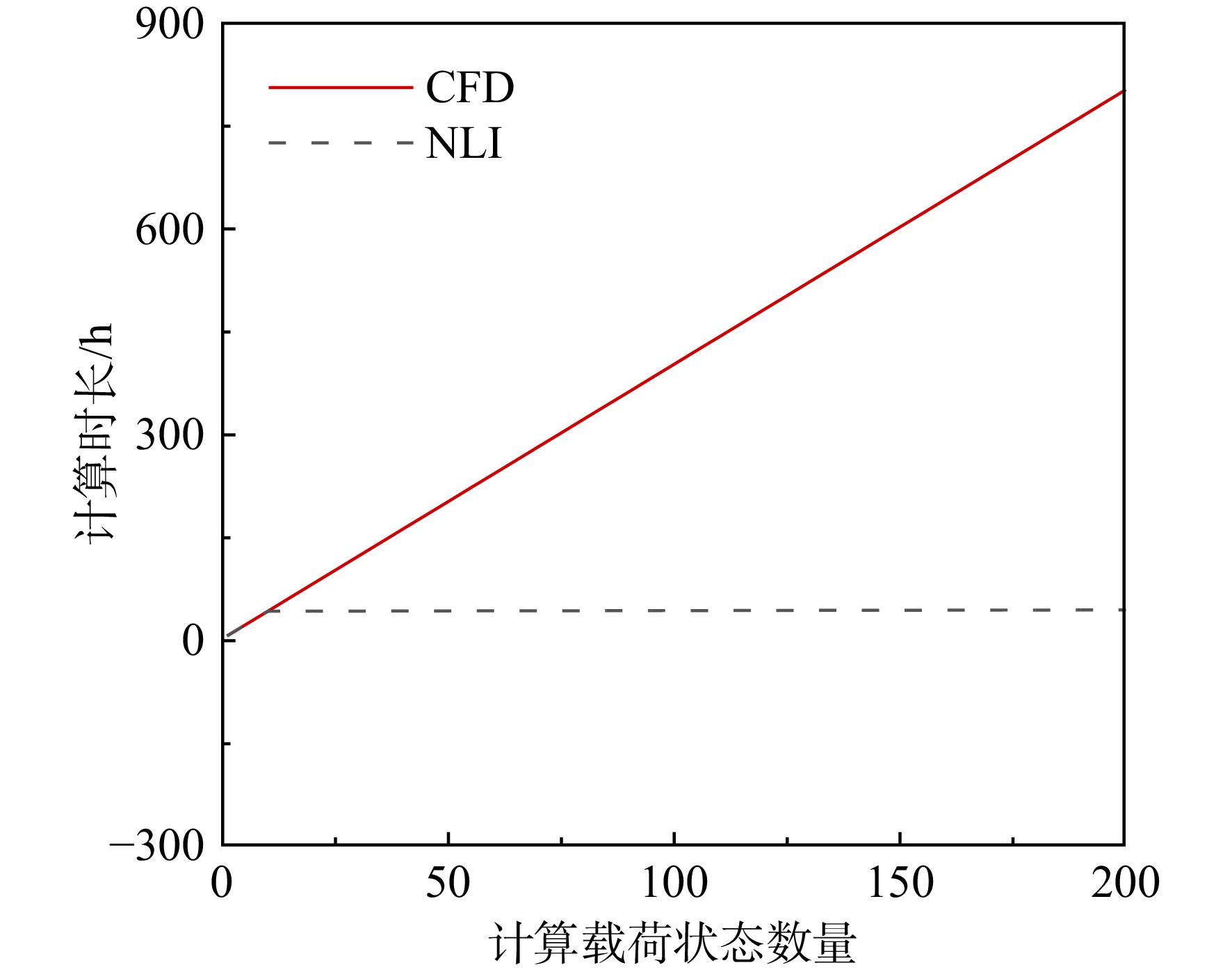
In order to quickly obtain a large number of load data of complex aerodynamic profile nozzle in flight envelope to meet the needs of fatigue life assessment, the load calculation theory of complex aerodynamic profile nozzle was developed by introducing the factor of complex aerodynamic profile nozzle load influence (NLI), and the calculation method of nozzle load based on the influence factor of complex aerodynamic profile nozzle load was proposed. Based on the computational fluid dynamics (CFD) and numerical calculation method, the basic characteristics of the load distribution of the nozzle with complex aerodynamic profile were obtained, and the load influence factors of the complex aerodynamic profile nozzle were also acquired. The nozzle load theoretical formula derived from the one-dimensional isentropic internal flow theory was used to calculate the variation of the nozzle load caused by the flight height, flight Mach number and engine state. The results showed that the wall load distribution was complicated due to the variation of the flow area and the superposition of the local profile characteristics, but there was a linear or approximately linear relationship between the load at the given position of the nozzle and the nozzle pressure ratio. The calculation method of nozzle load based on the nozzle load influence factor can obtain the nozzle load data under different height, Mach number and engine conditions. The calculation accuracy can inherit the load calculation precision of CFD, and the calculation efficiency was greatly improved with the increase of the load state to be calculated.

Study on evolution mechanism and performance impact of swirl distortion in intake system of TBCC engine
MIAO Huihui, ZHANG Zhaobo, WANG Yi, ZHU Donghua, MA Yuan, LIU Jinxin
2026, 41(10): 20250357. doi: 10.13224/j.cnki.jasp.20250357
Abstract:

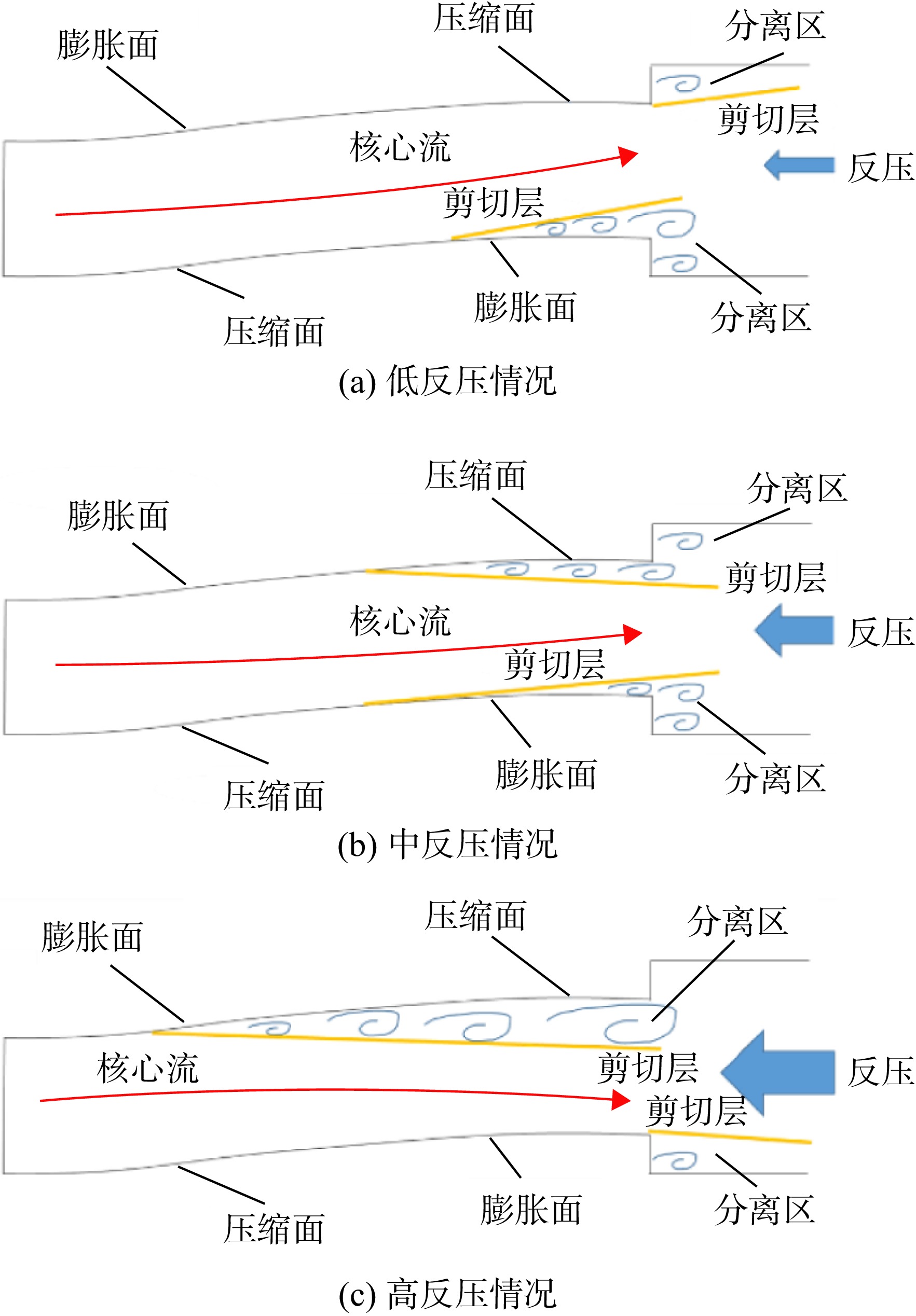
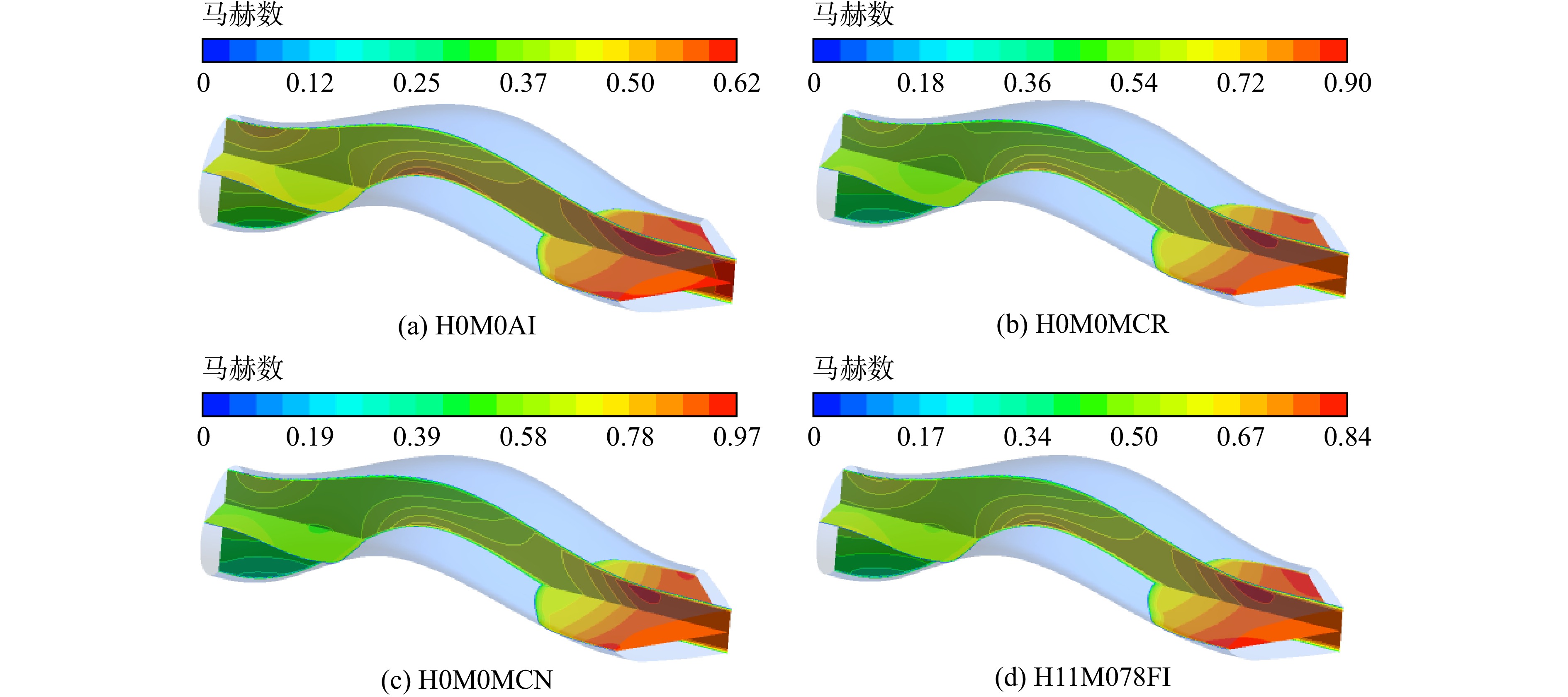
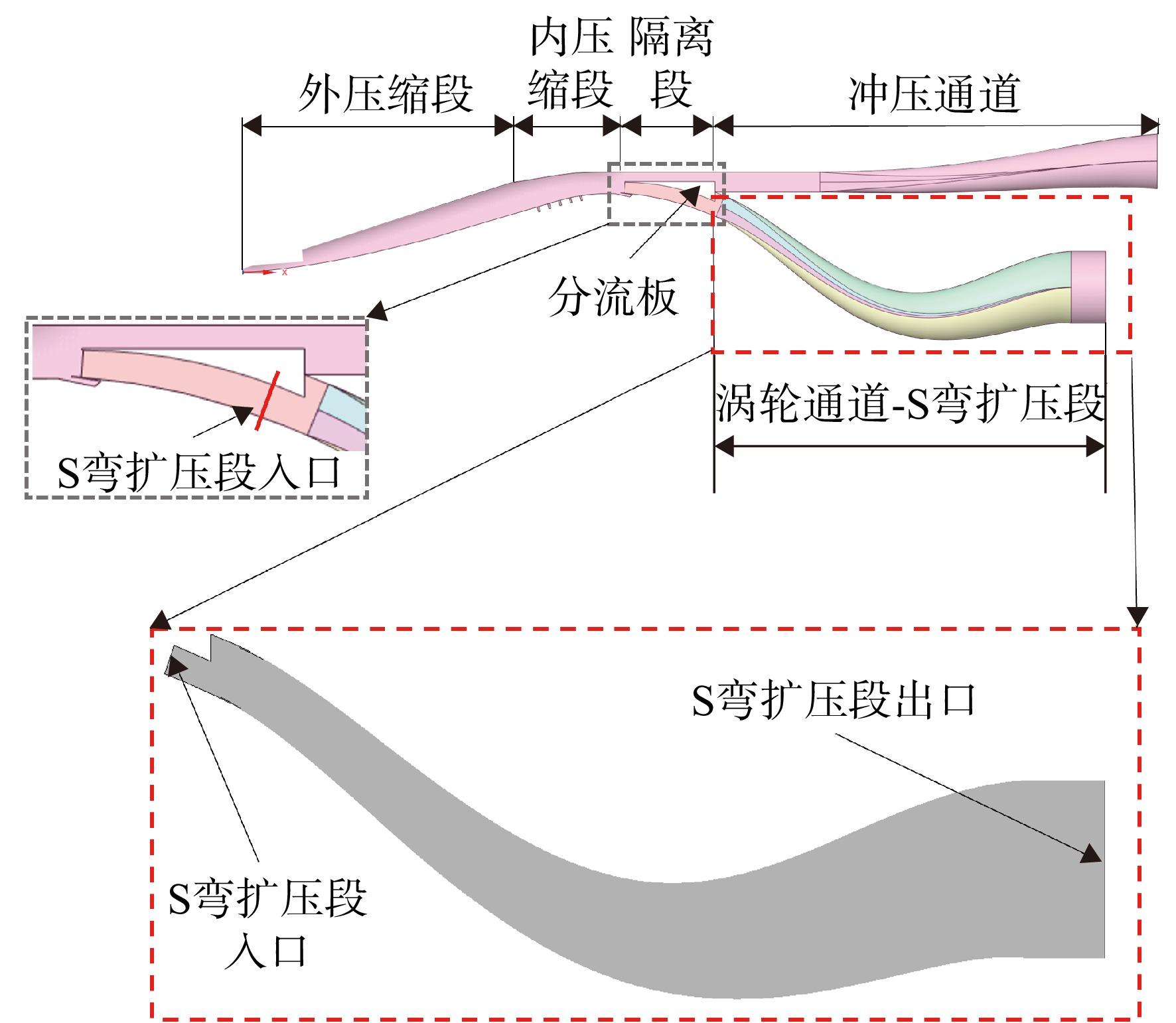
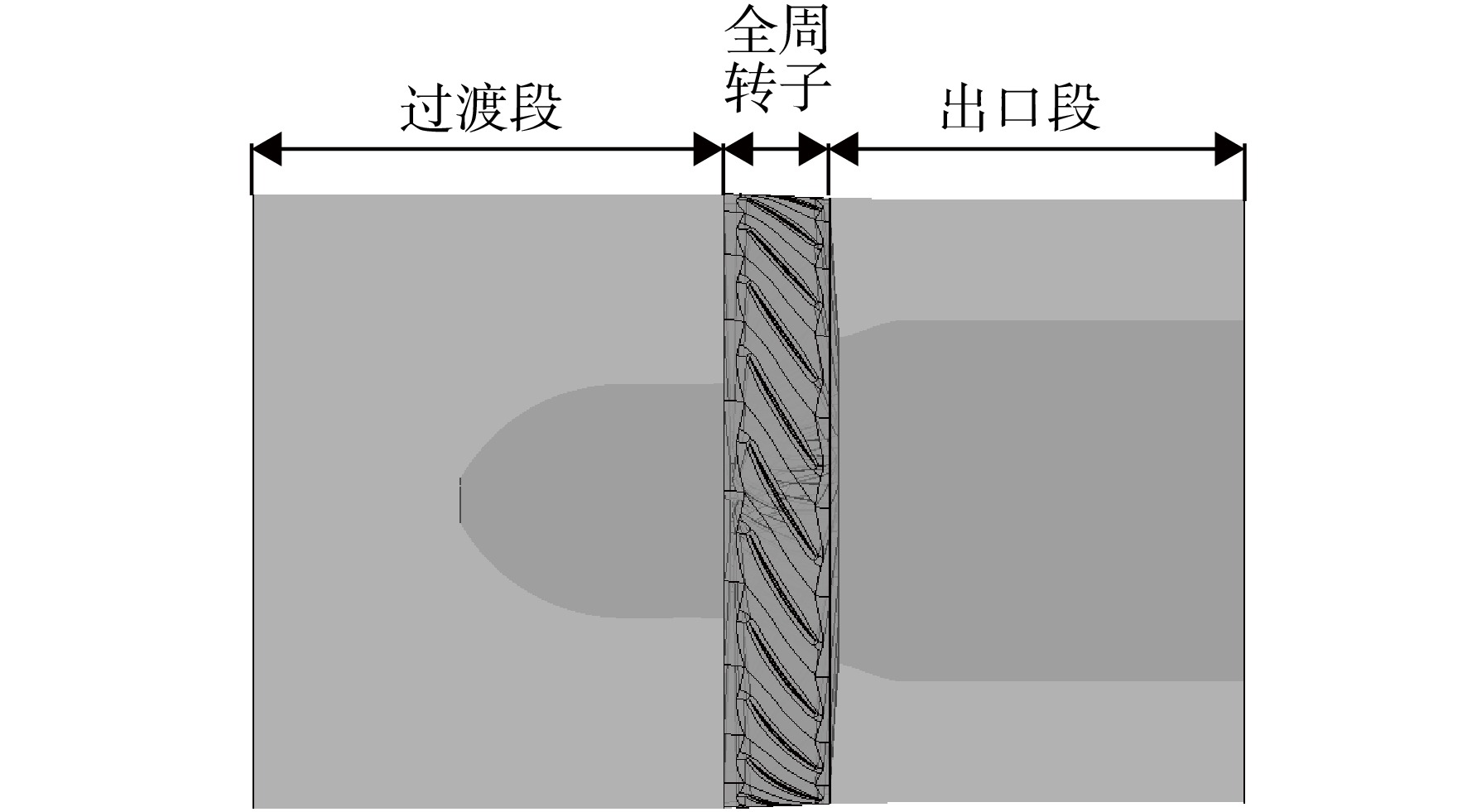
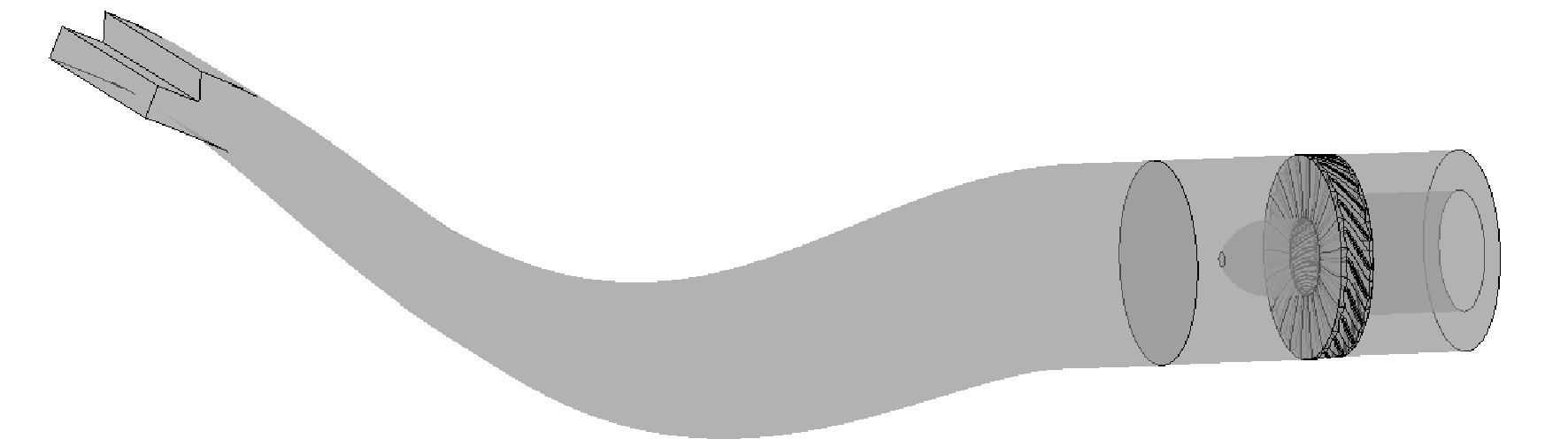
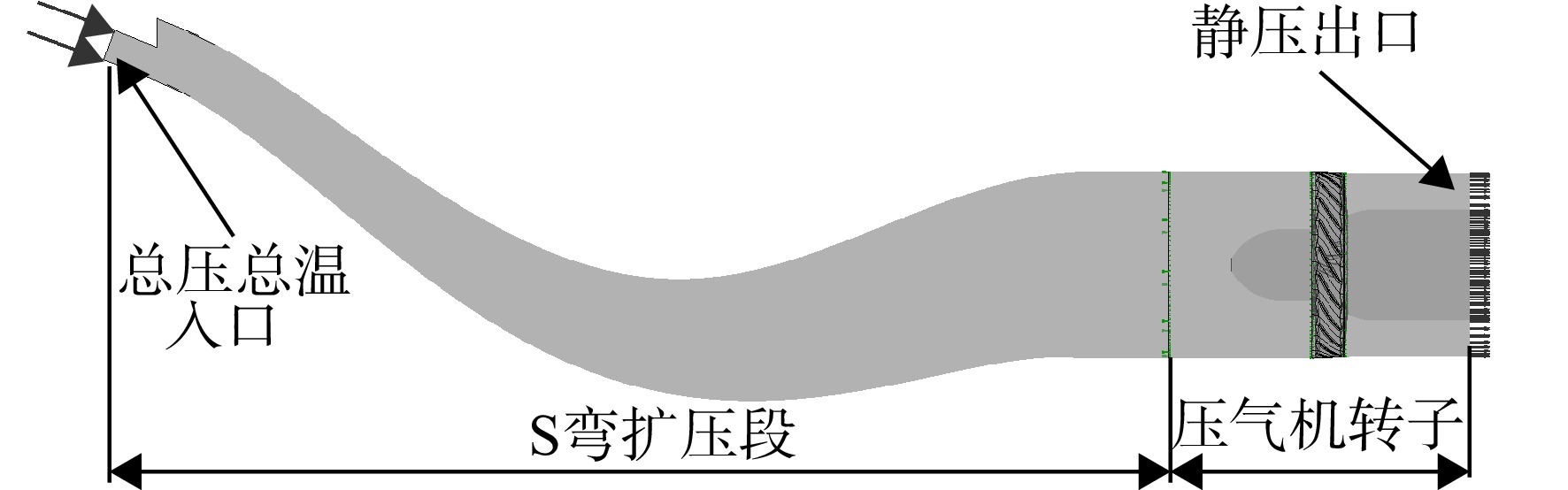
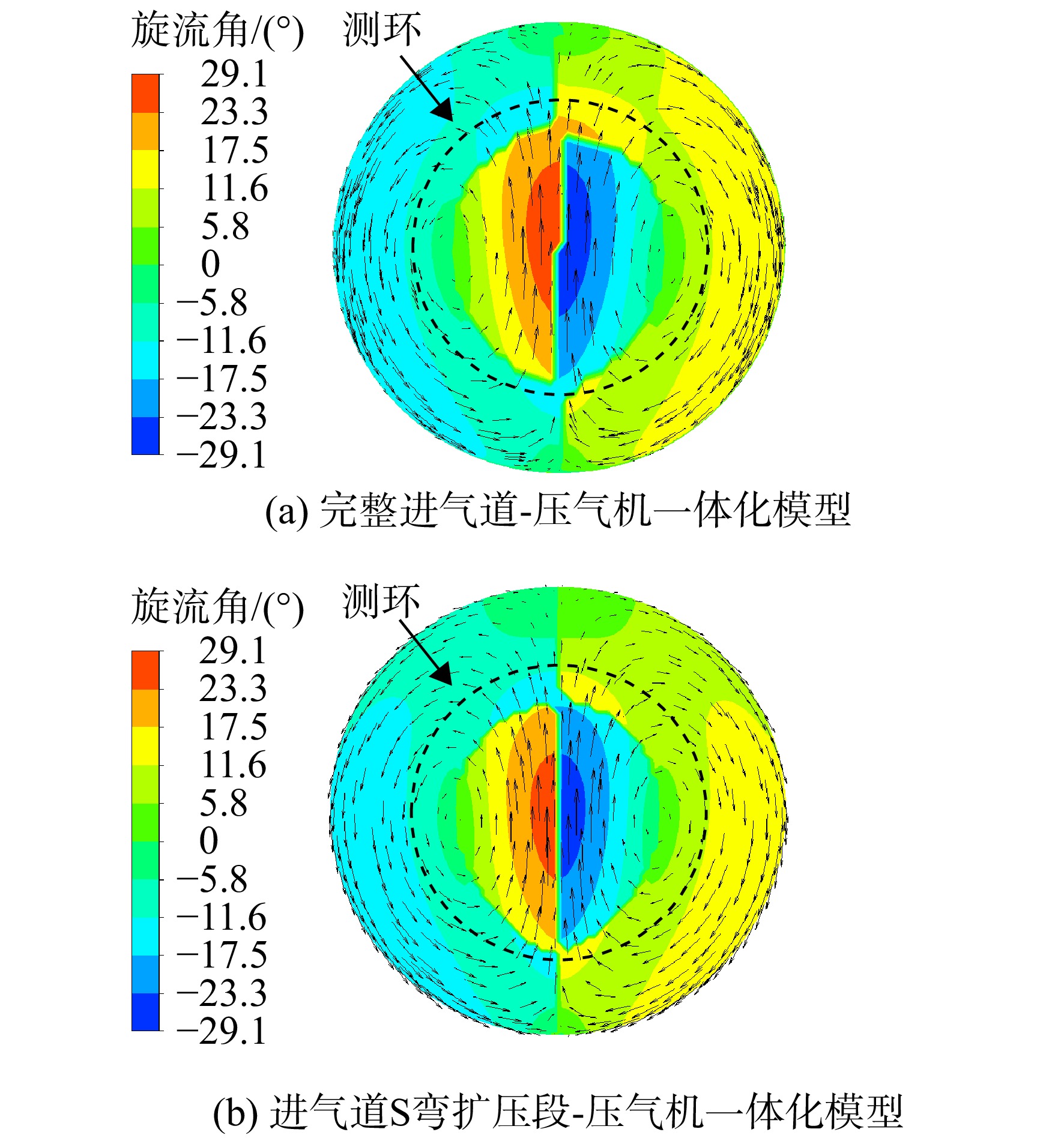
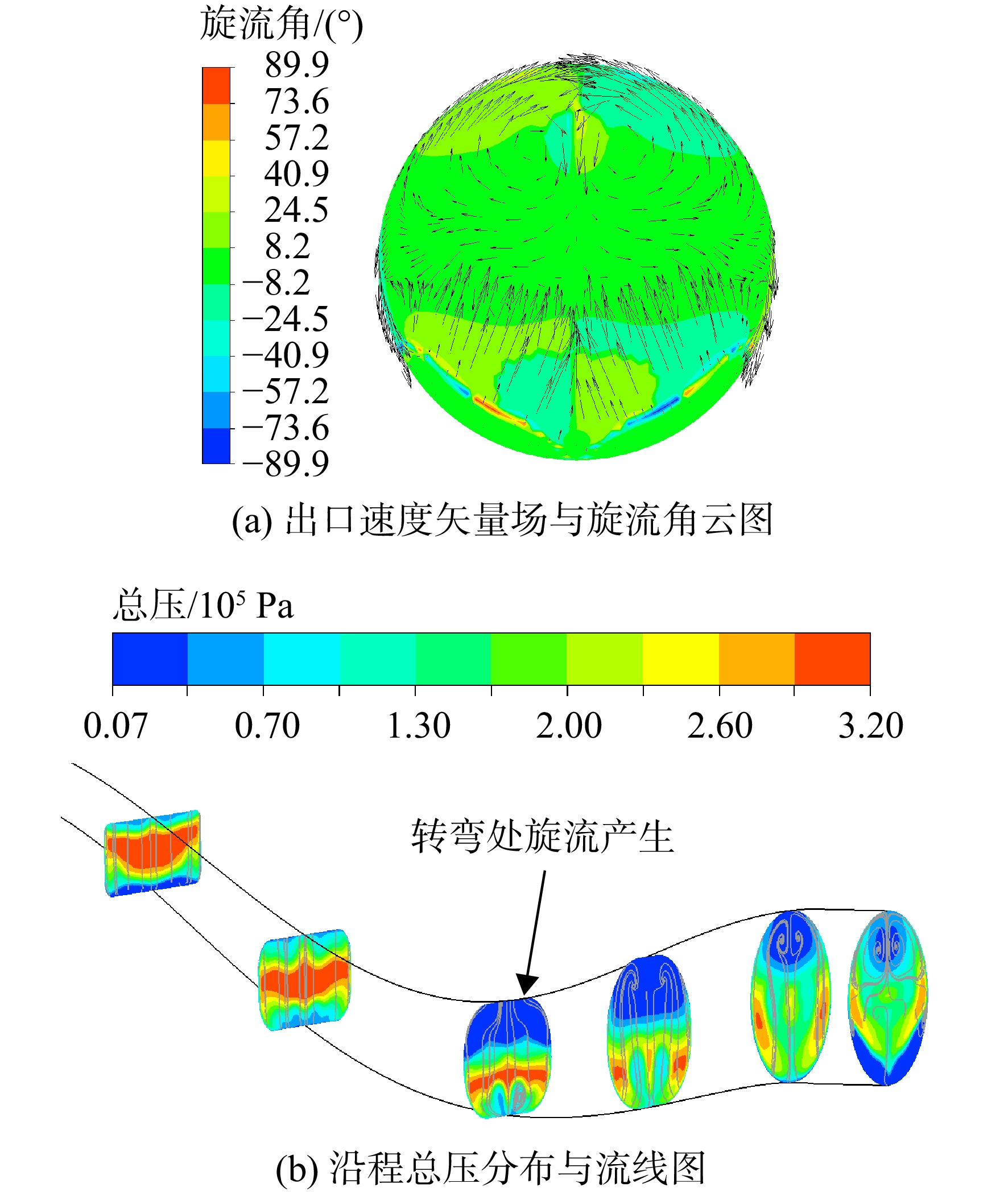
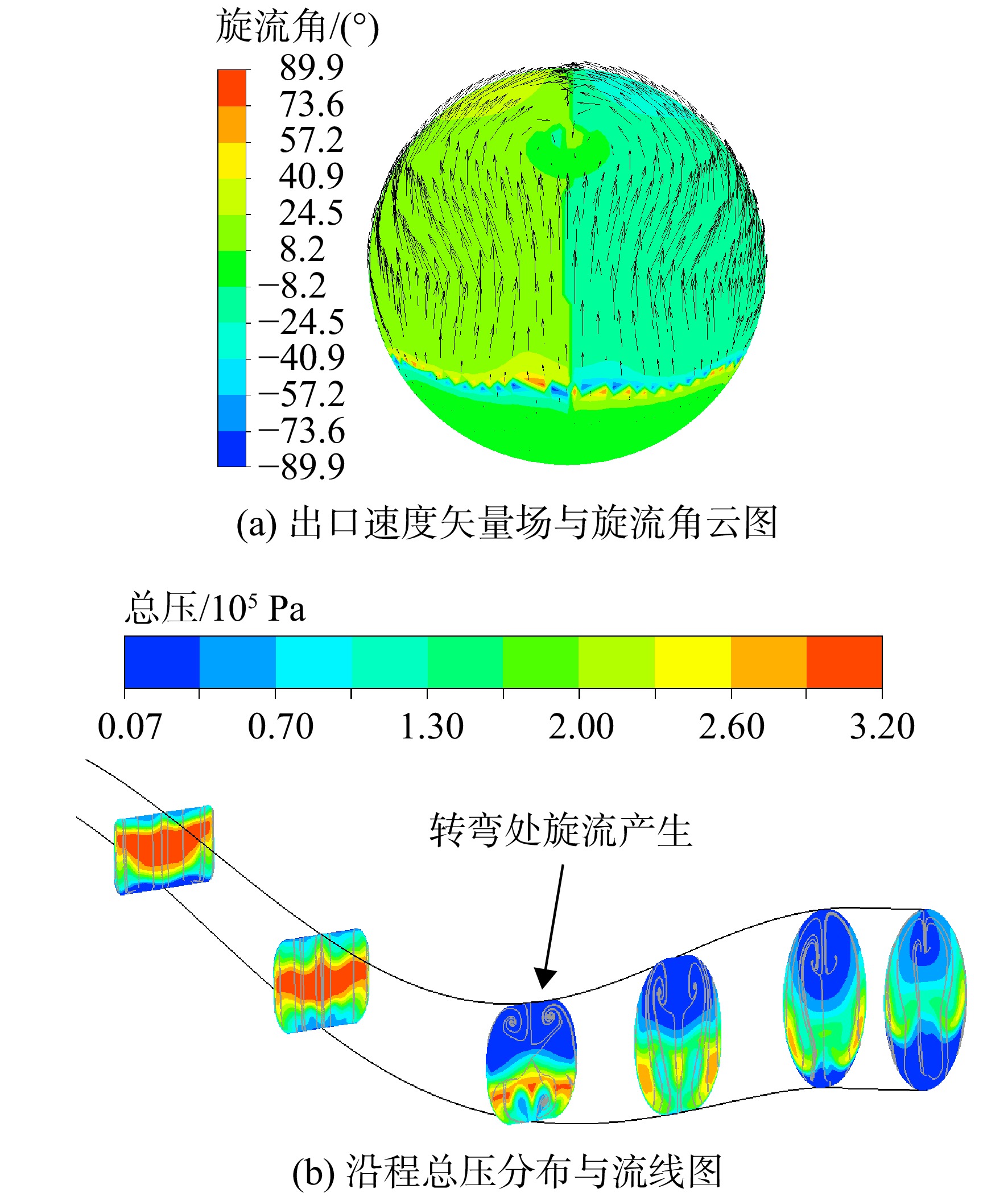
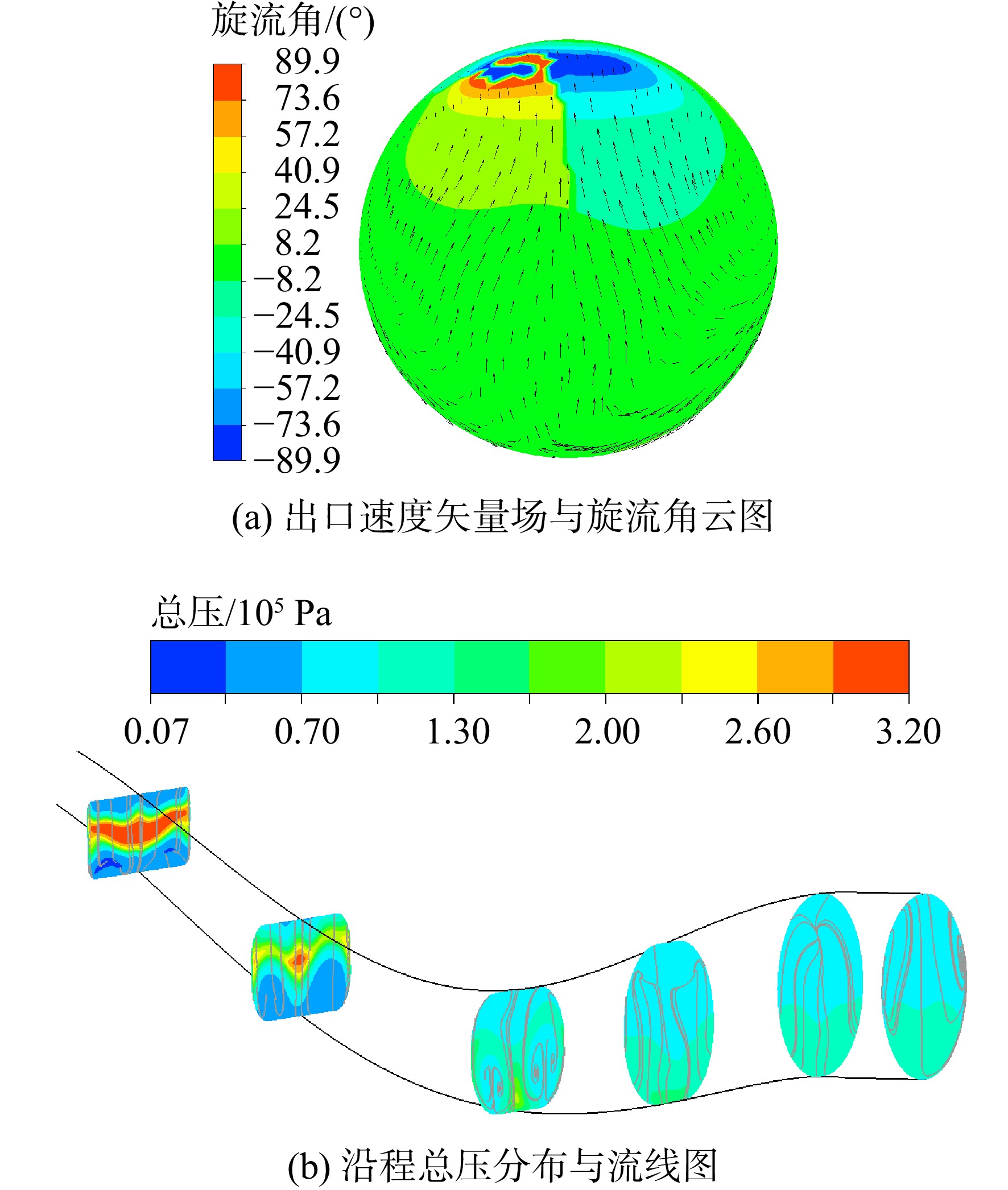
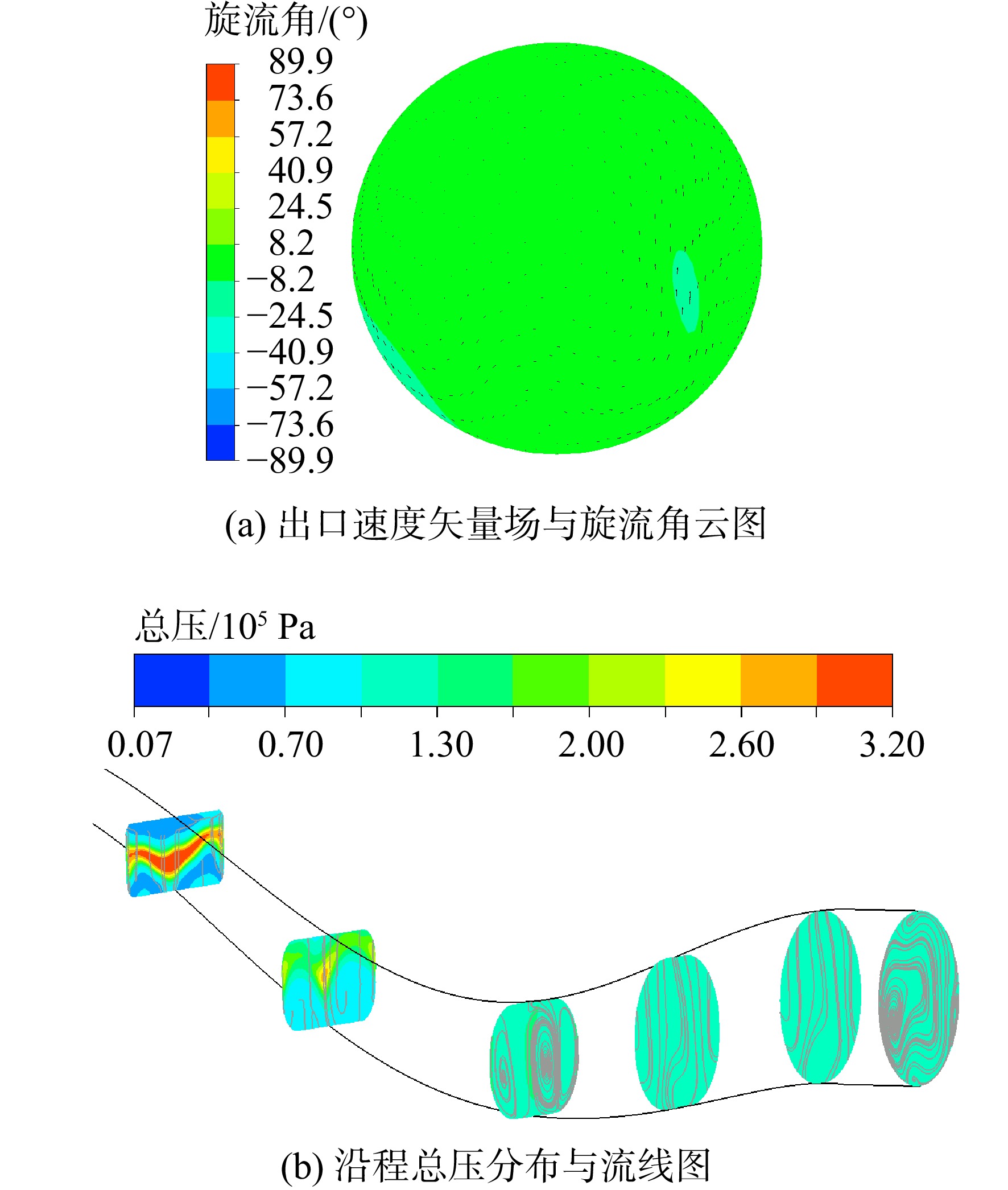
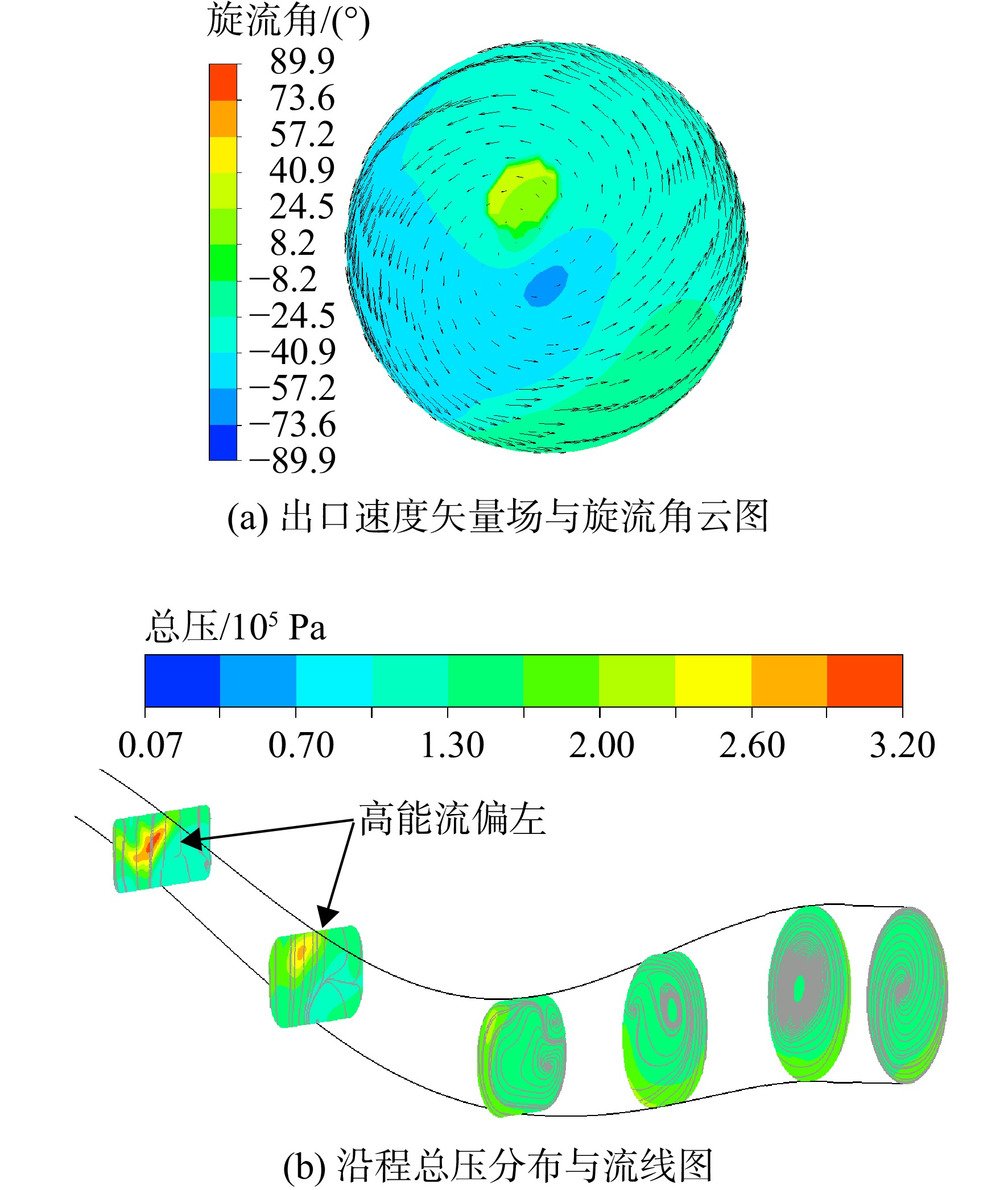
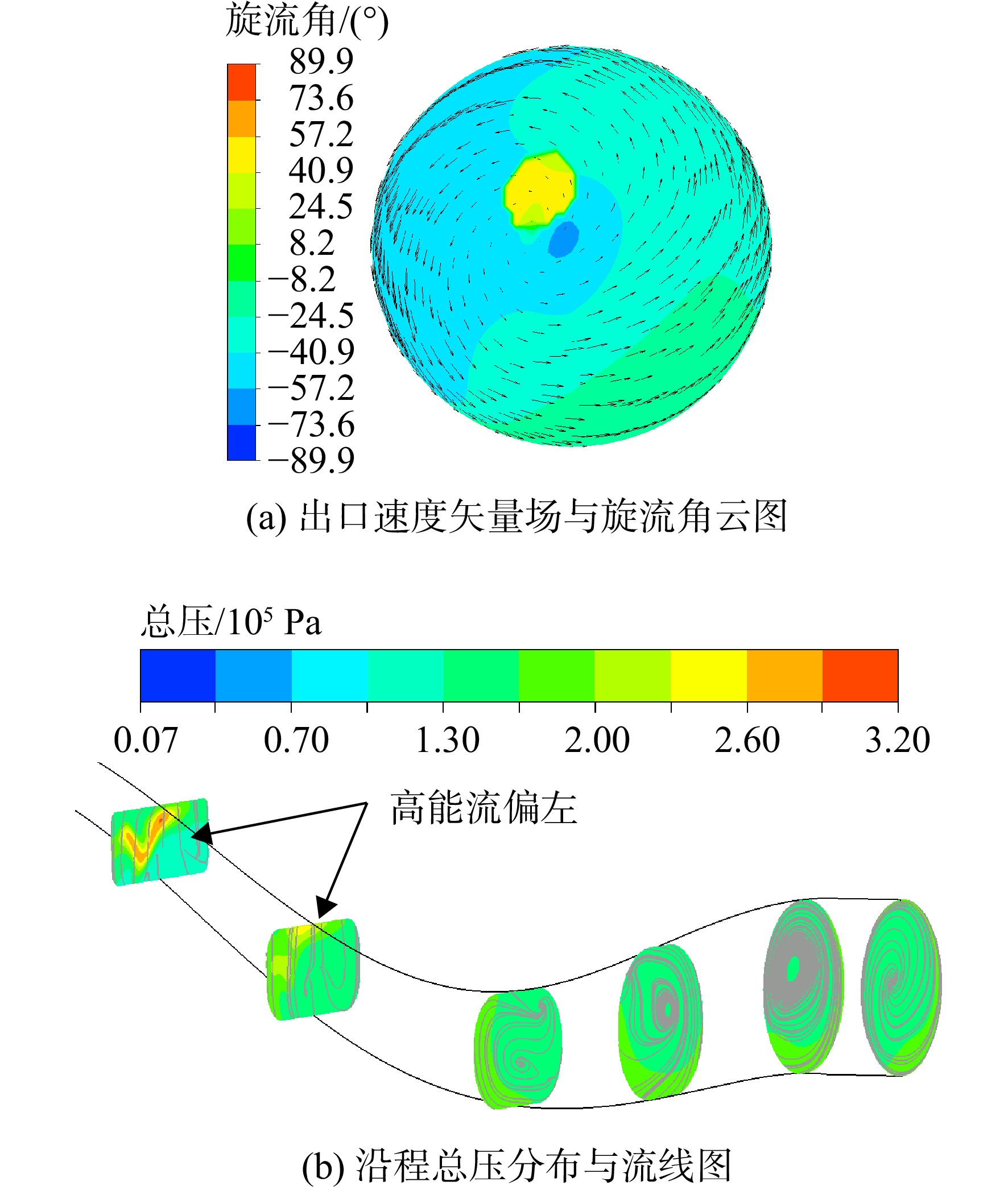
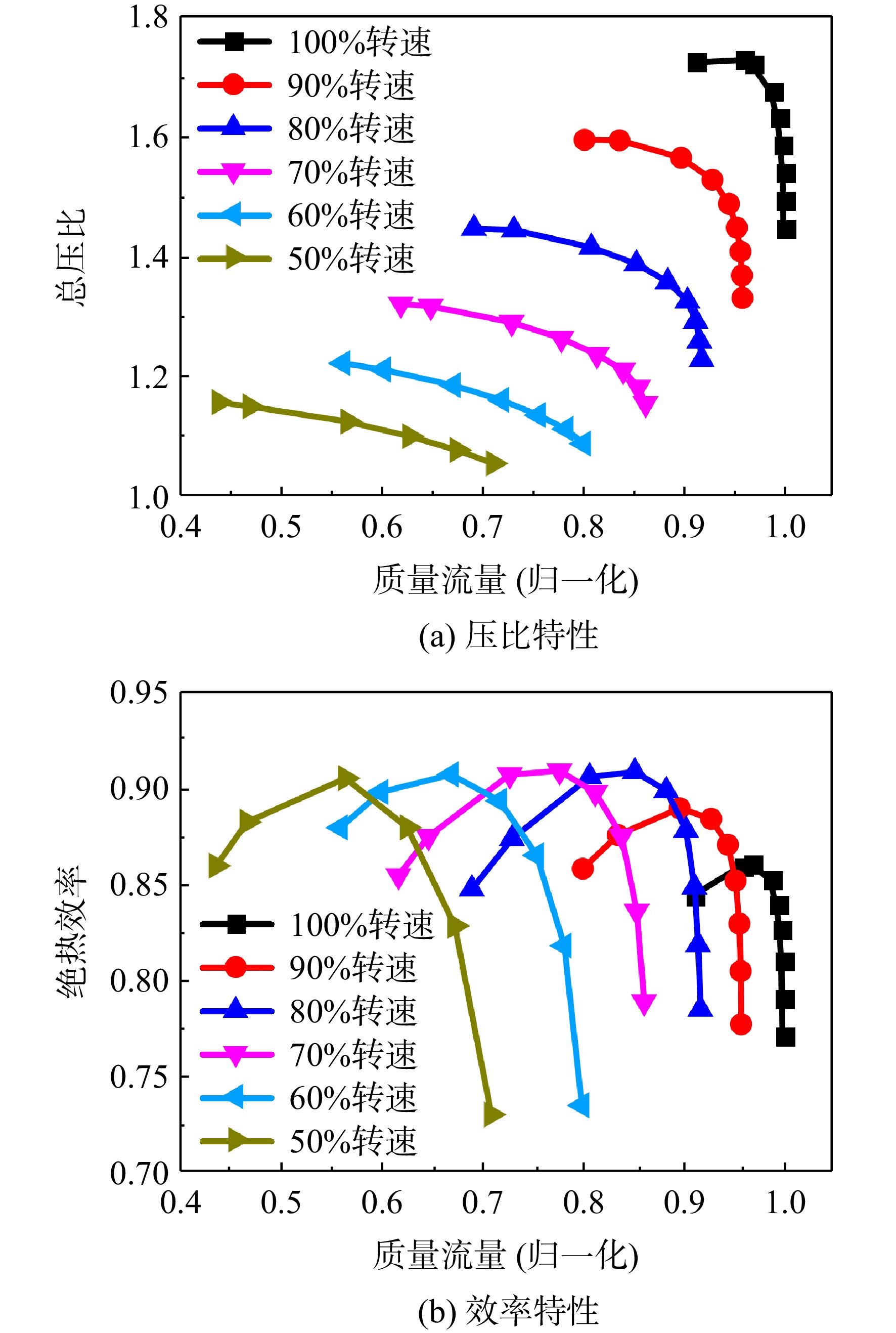
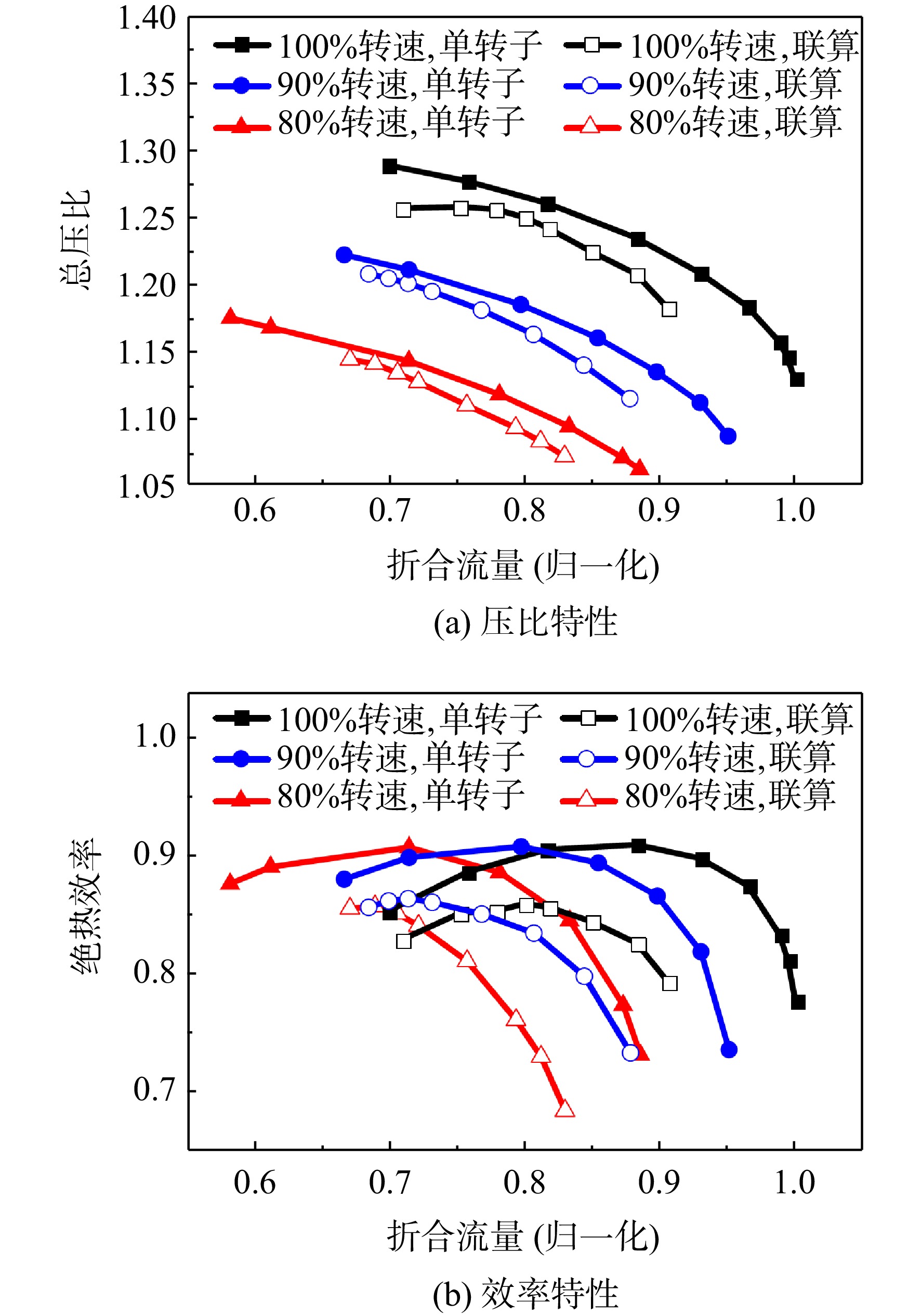
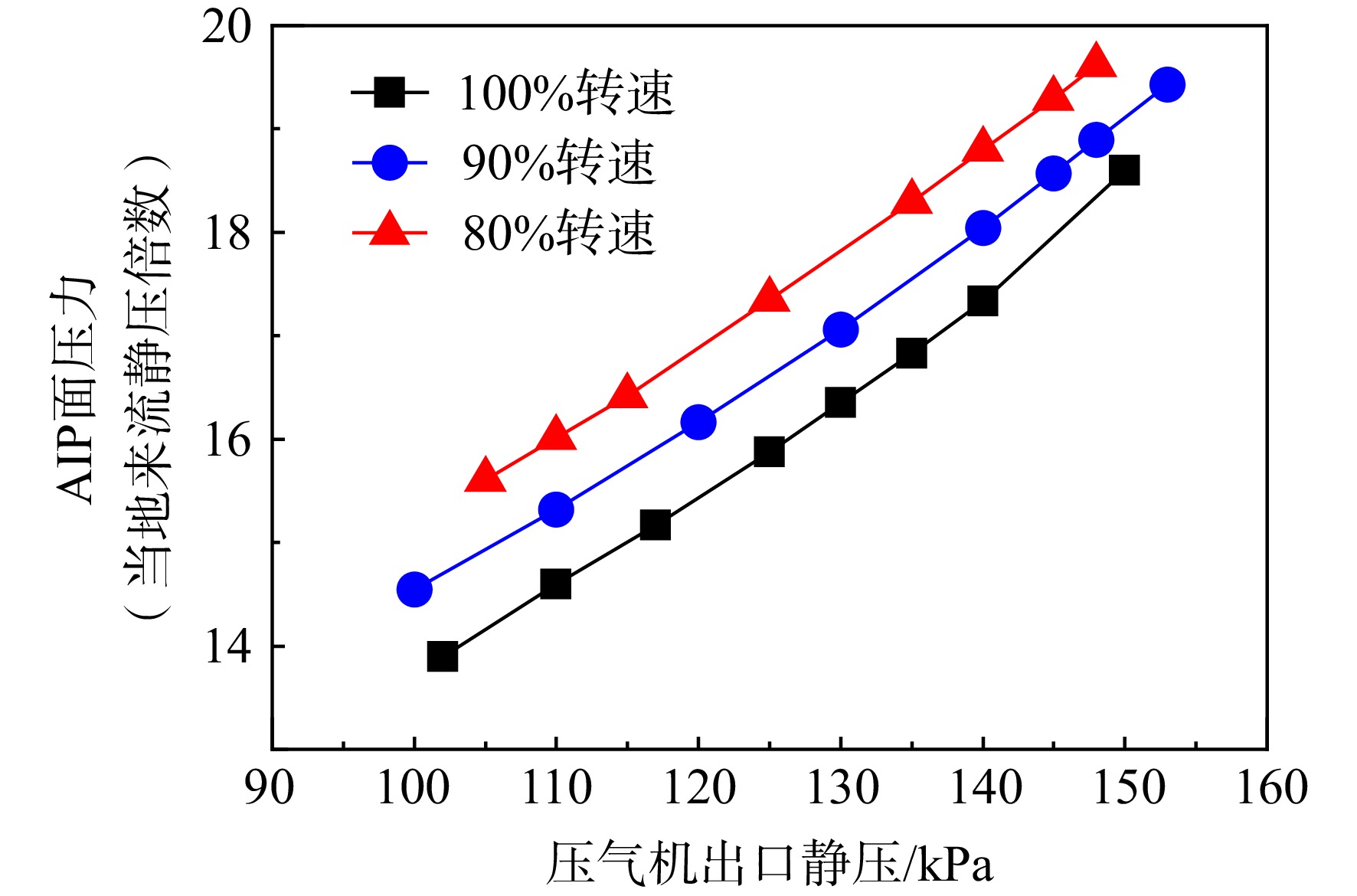
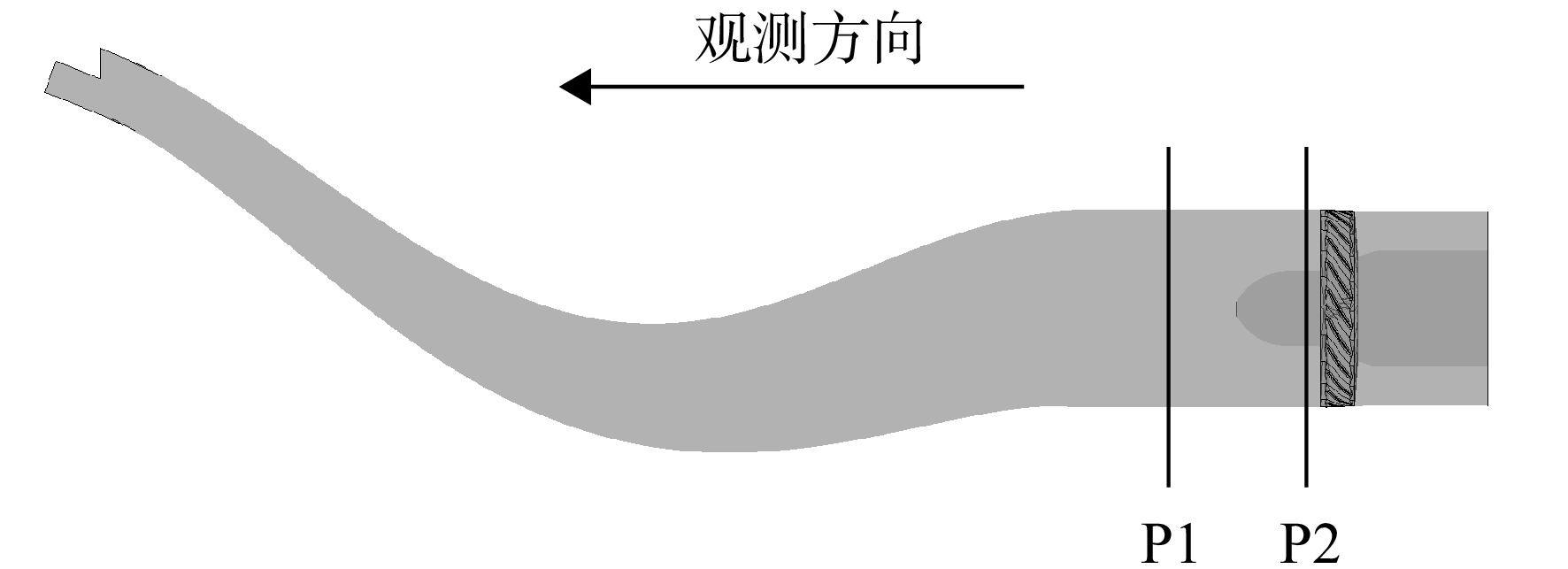
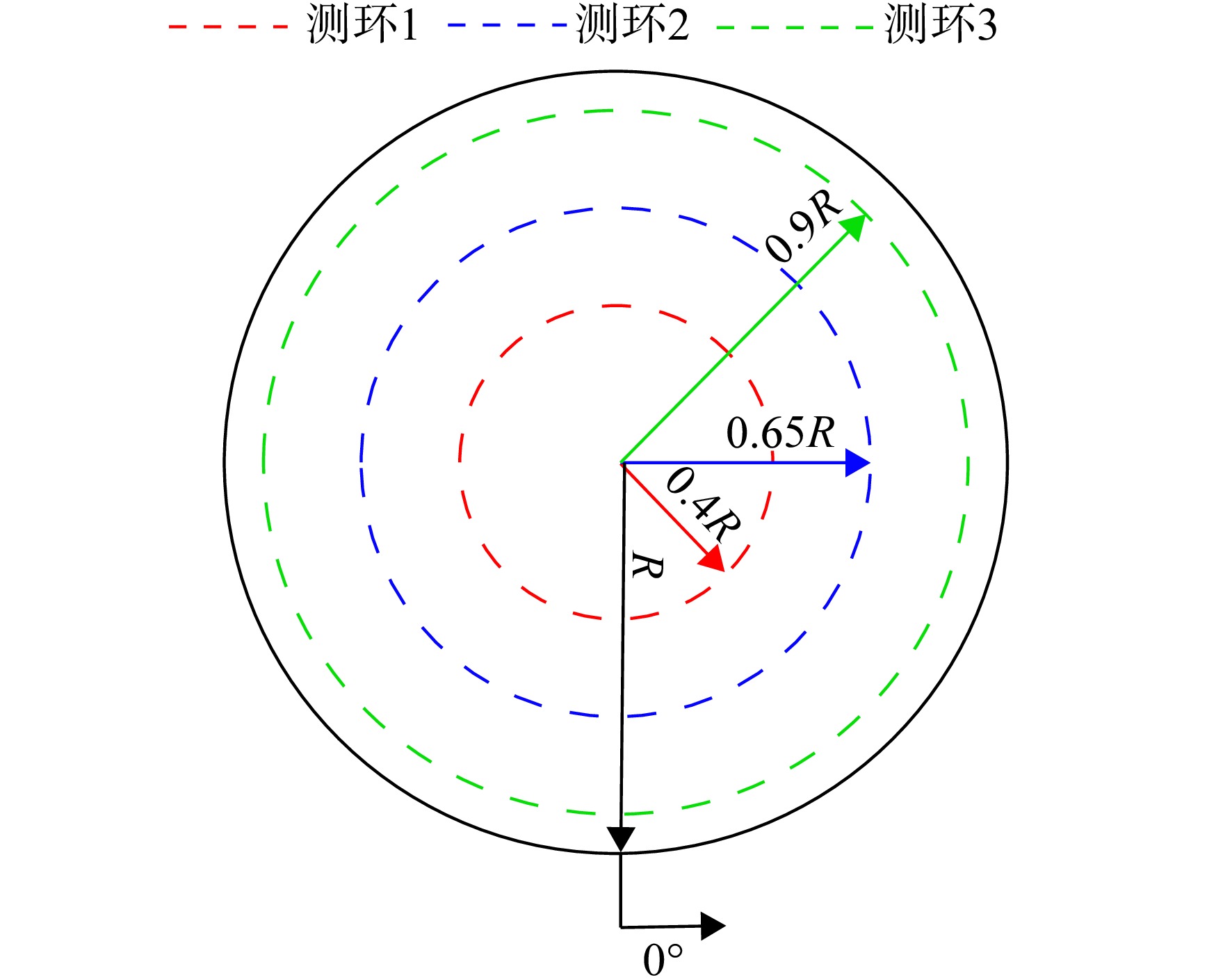
To investigate the generation law of swirl distortion in a turbine combined engine and its influence on the performance of axial flow compressors, an integrated model of a supersonic inlet S-bend diffuser section and axial flow compressor rotor was constructed to carry out numerical simulation calculations under a typical operating condition. The generation mechanism and law of swirl distortion were analyzed in detail, and the influence of swirl distortion on the performance of the compressor system was studied. The results indicated that the back pressure at the outlet of the supersonic S-bend inlet influenced the terminal shock wave position, thereby changing the energy distribution of the airflow in the diffuser section and consequently affecting the type and intensity of swirl distortion. Specifically, a strong paired swirl formed at low back pressure; the flow became nearly uniform with very weak swirl at medium back pressure; and a strong bulk swirl was generated at high back pressure. For system-level calculations under high-altitude uniform inflow conditions, the average static pressure at the aerodynamic interface plane remained below the inlet’s critical back pressure at 80%, 90%, and 100% compressor speeds across various outlet static pressures. This indicated that the inlet operated in a supercritical state, resulting in a symmetric energy distribution at the S-bend diffuser inlet and the formation of a paired swirl downstream. Under the above system-level calculation conditions, the compressor exhibited a narrowed operating flow range across all rotational speeds, along with reductions in both pressure ratio and efficiency at identical operating points, compared with its isolated component performance. Specifically, the maximum efficiency of the compressor rotor decreased by 5.49%, the flow rate at the maximum efficiency point decreased by 8.82%, and the stability margin decreased by 57.82%.
Recent developments in aircraft starter/generator and its embedding technology
Zhou Zhou, Liu Chuang, Zhu Xuezhong, Zhu Shushu
2026, 41(10): 20250326. doi: 10.13224/j.cnki.jasp.20250326
Abstract:

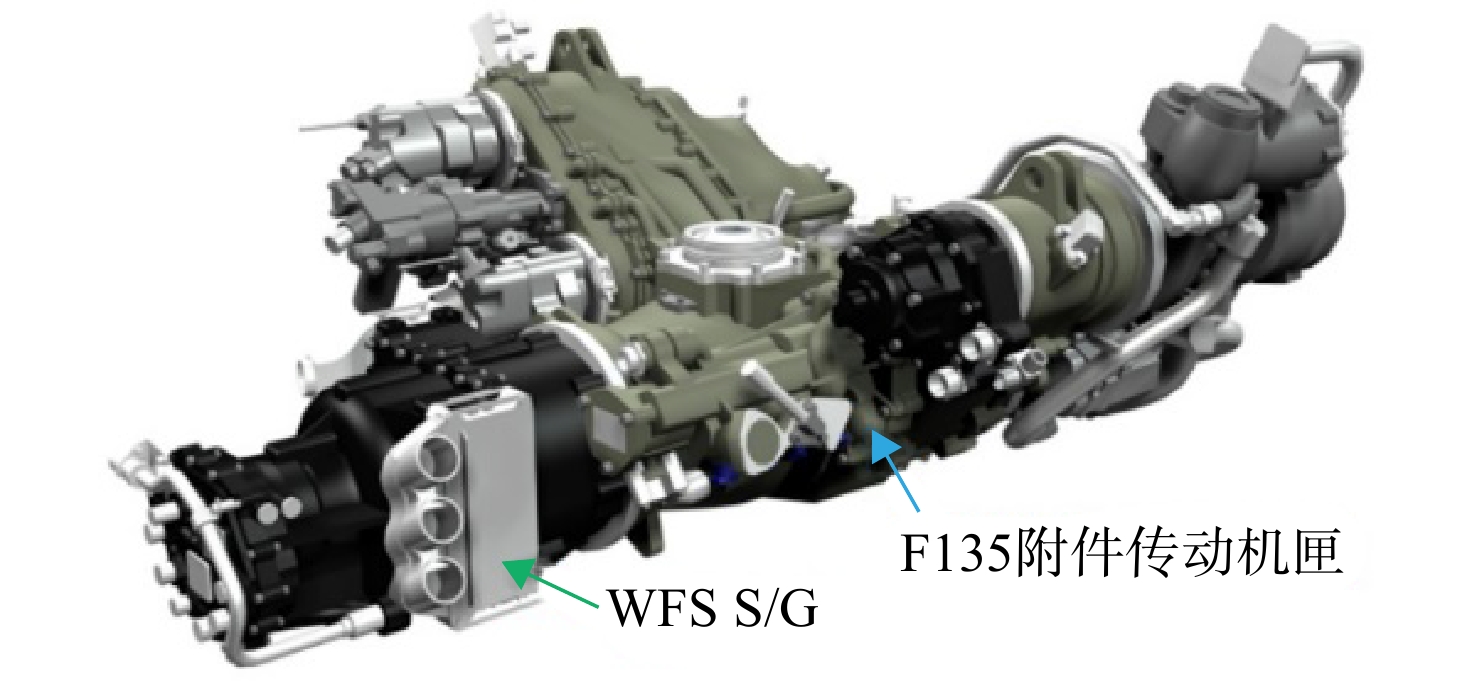
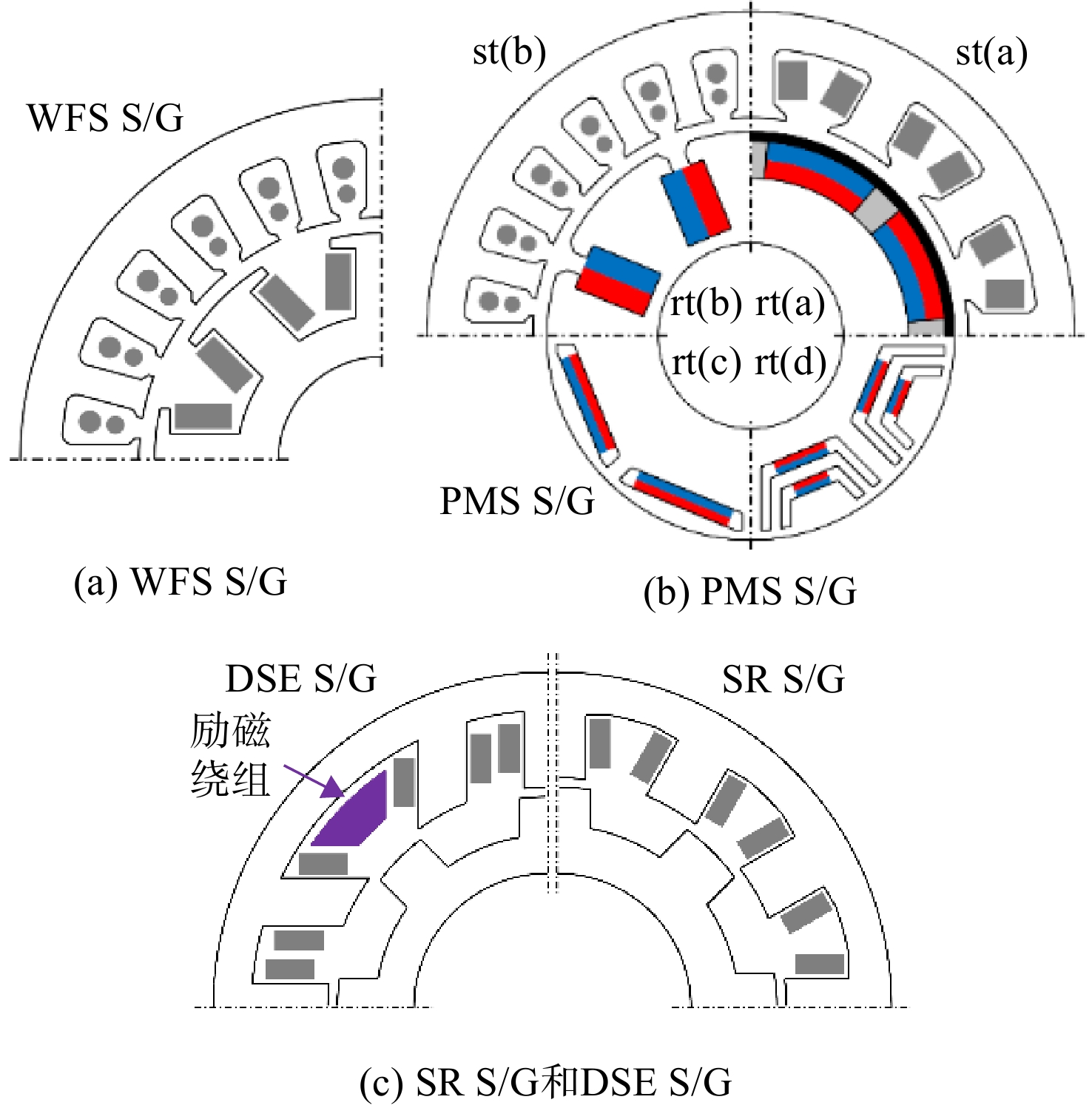
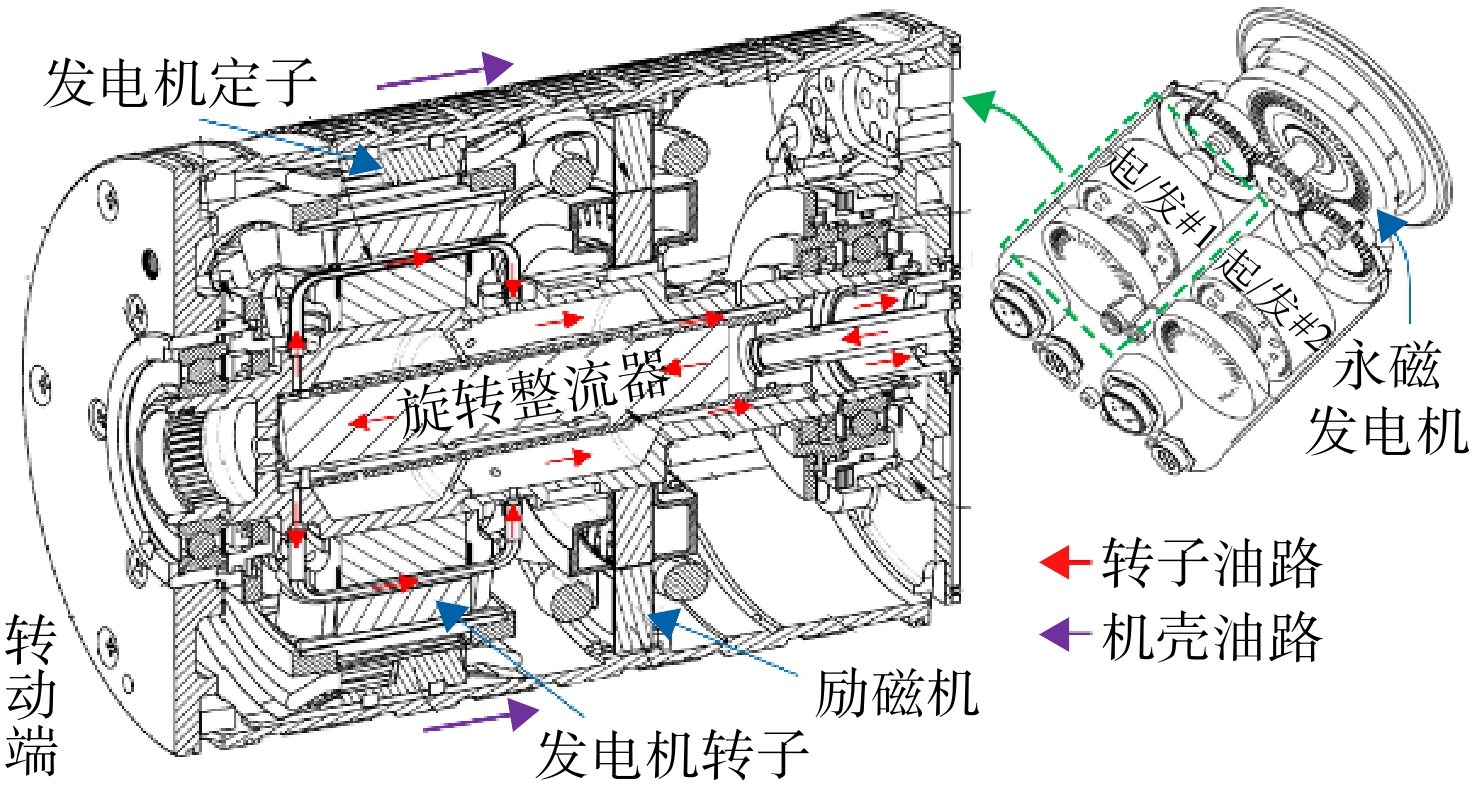
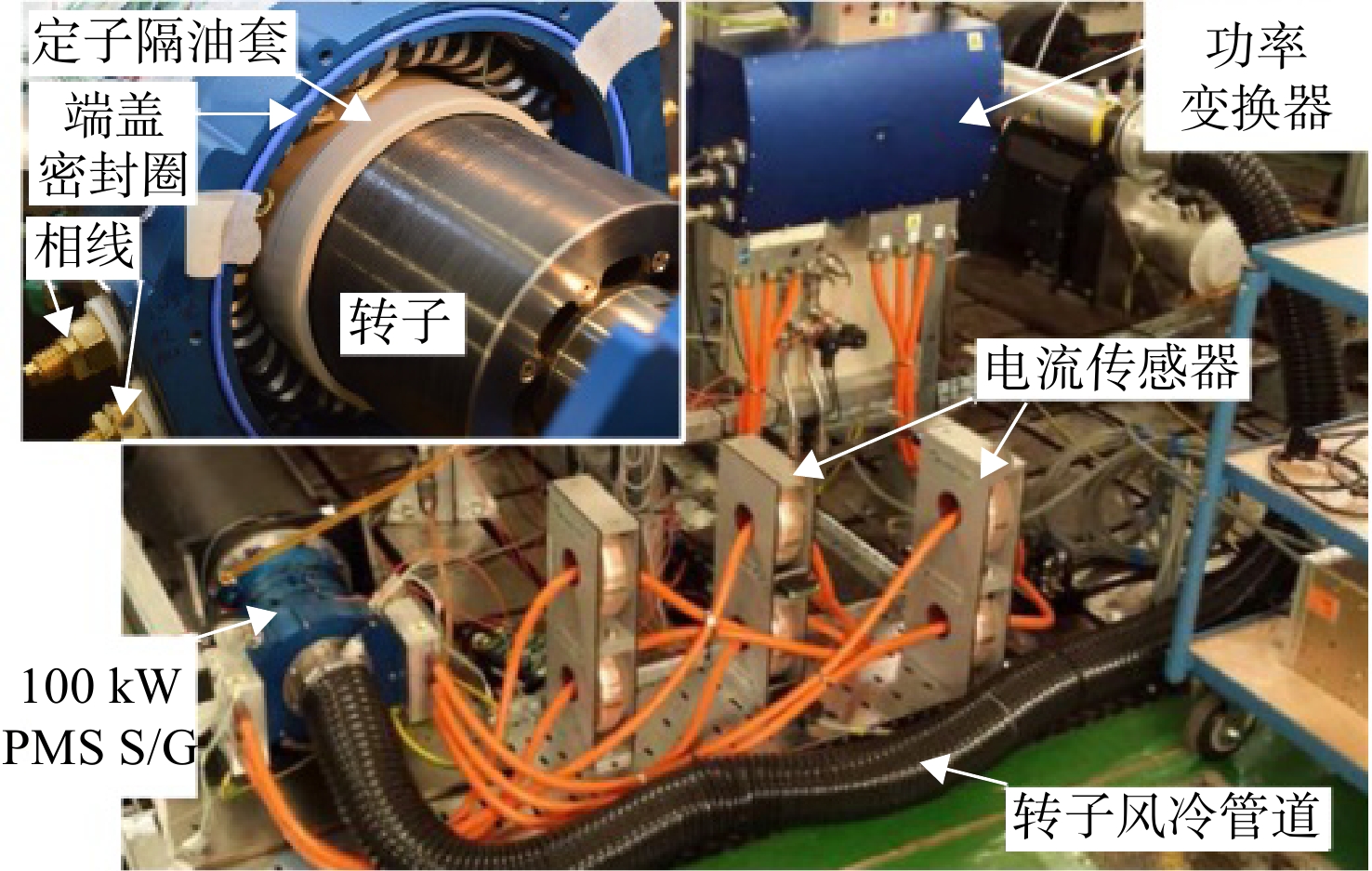
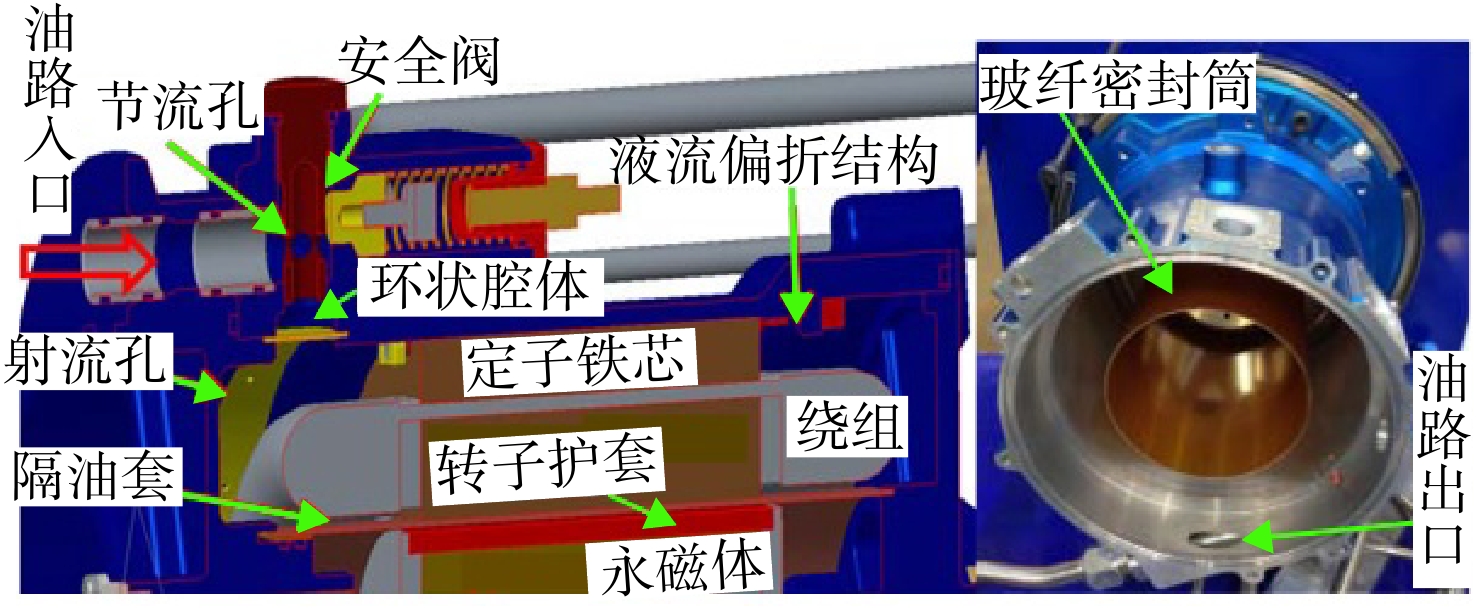
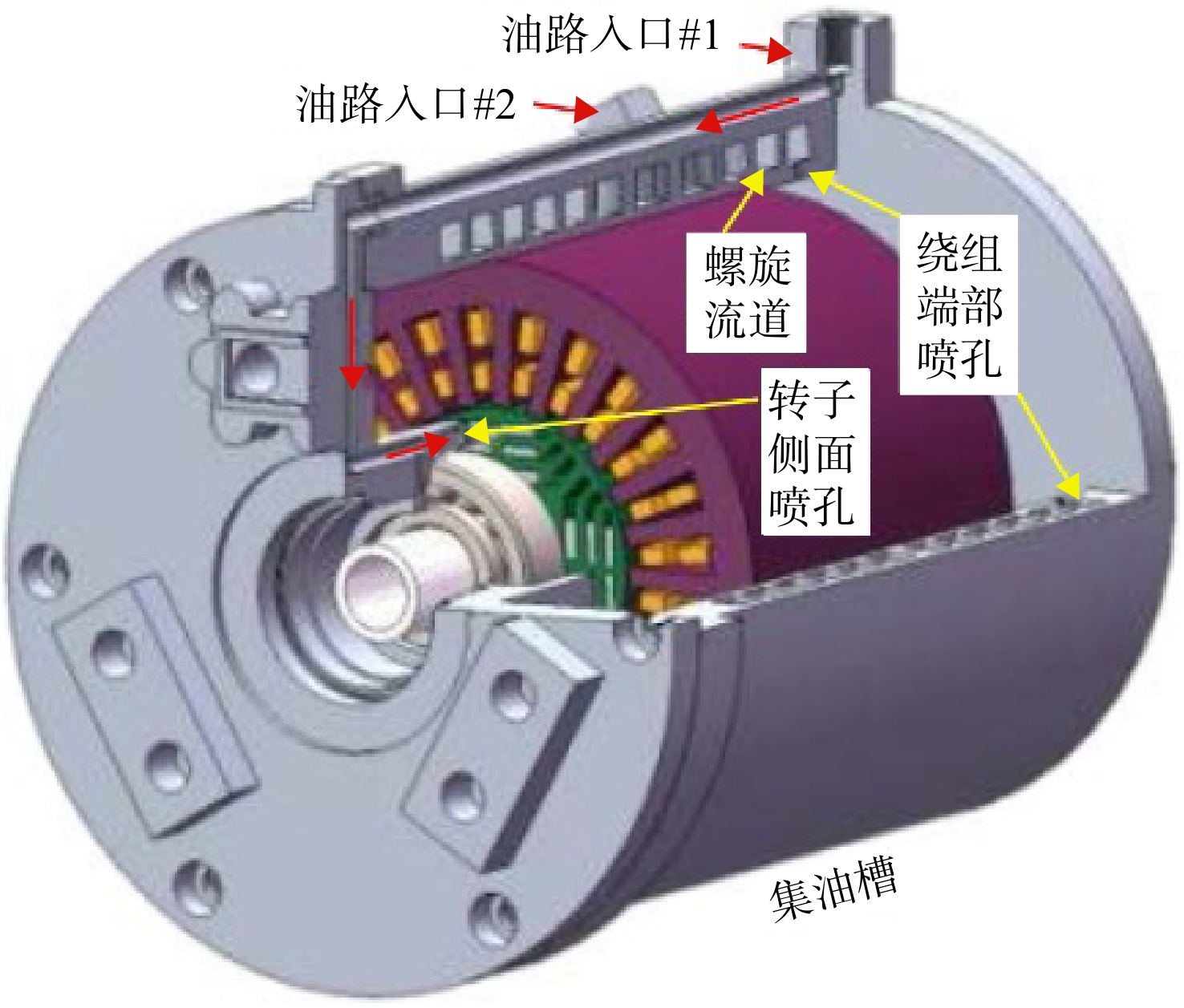
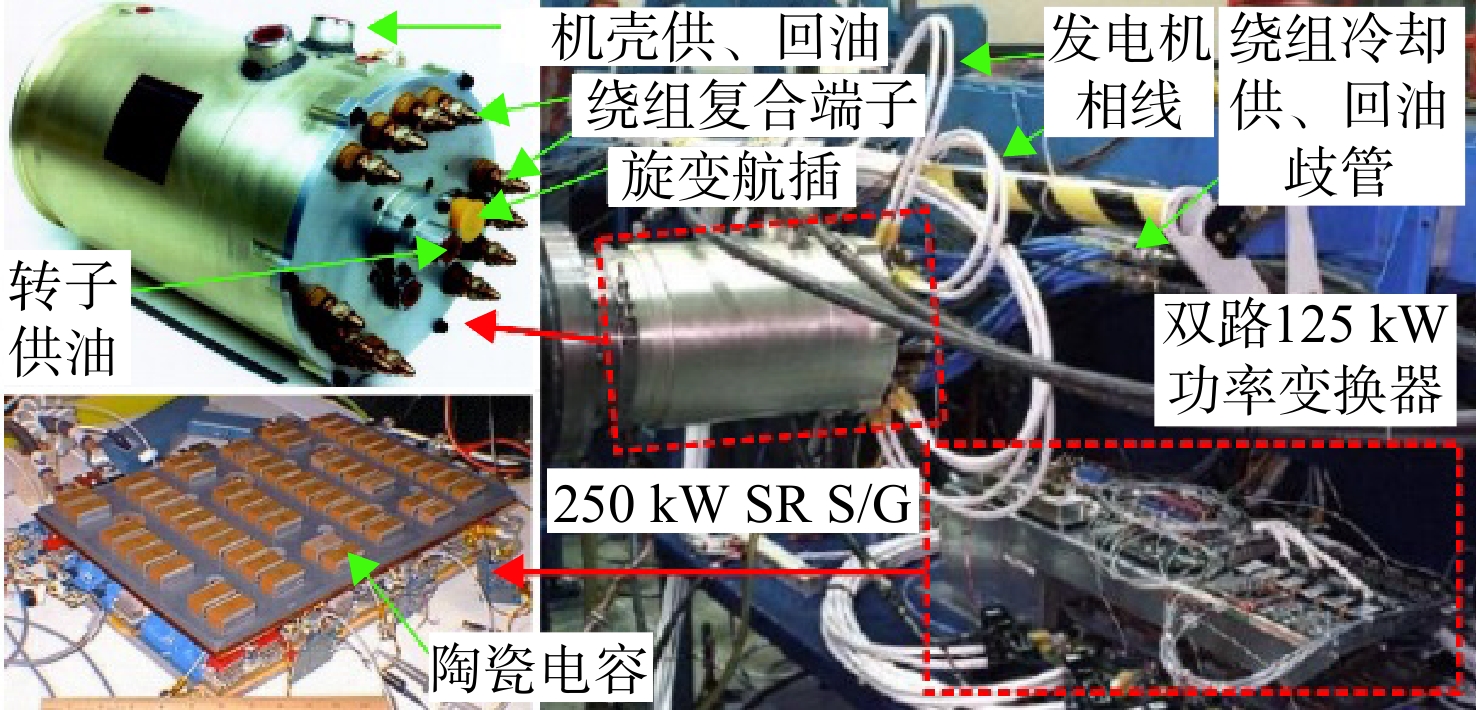
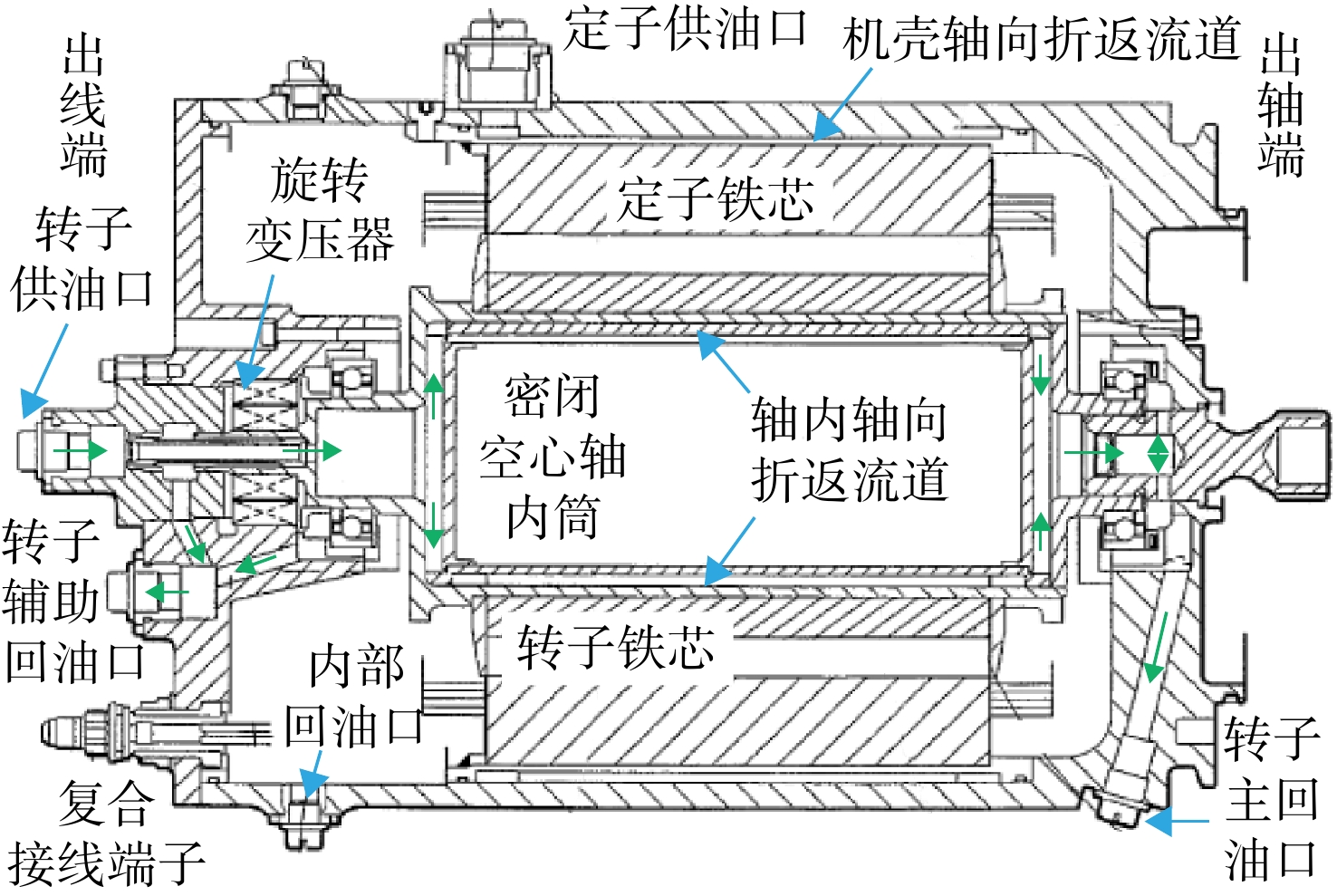
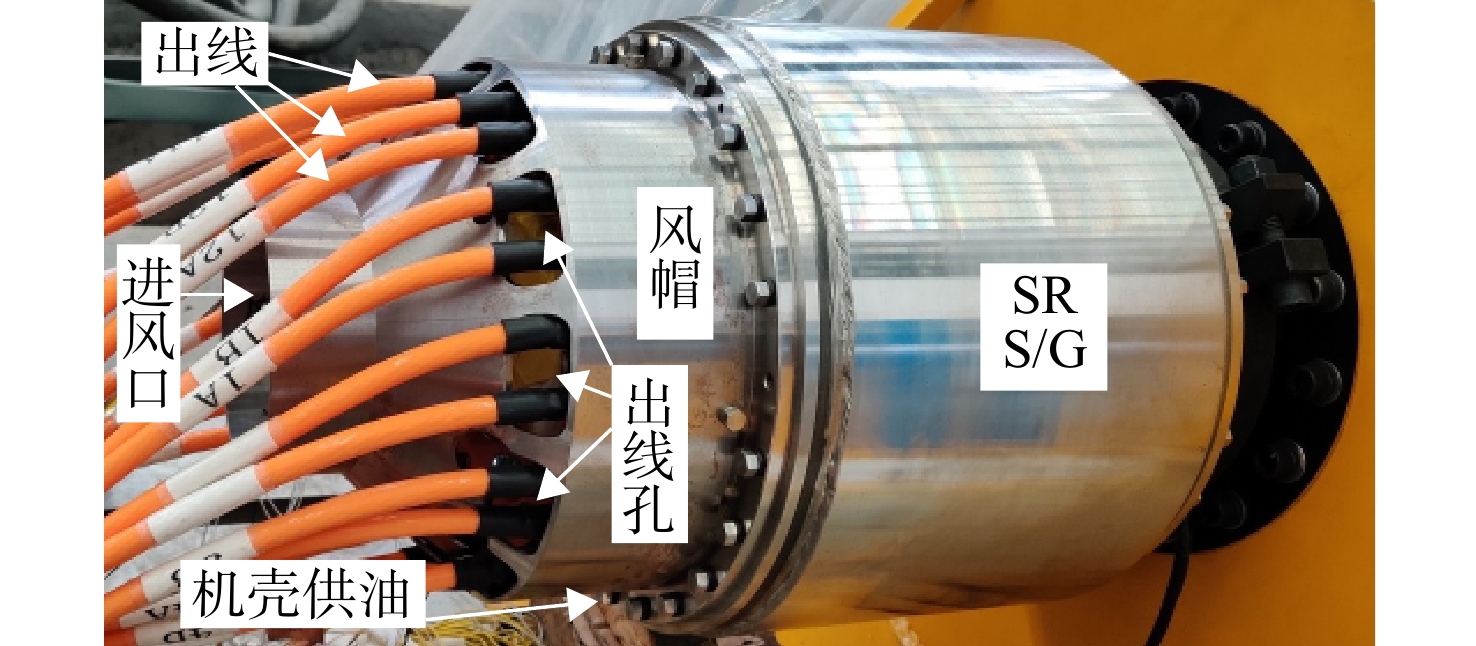
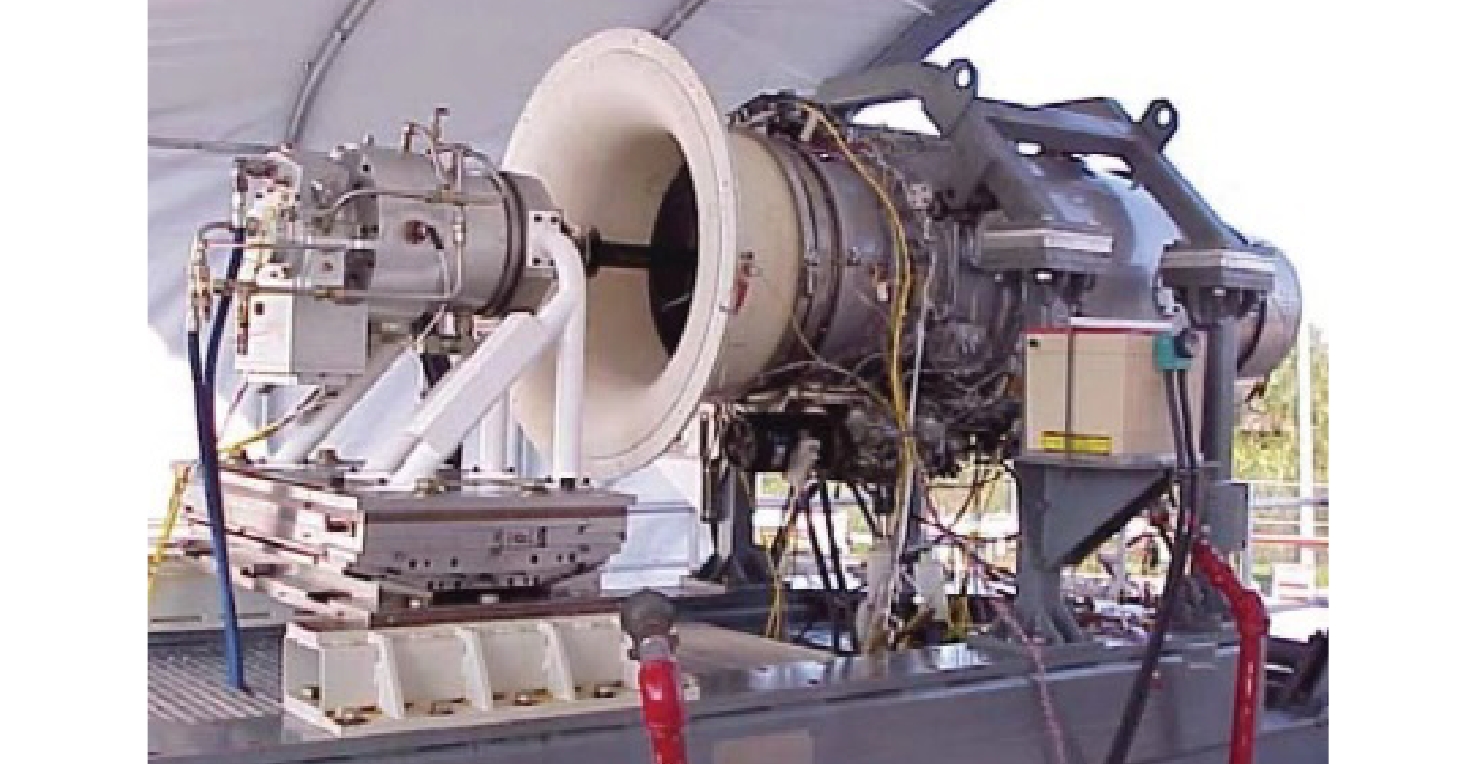
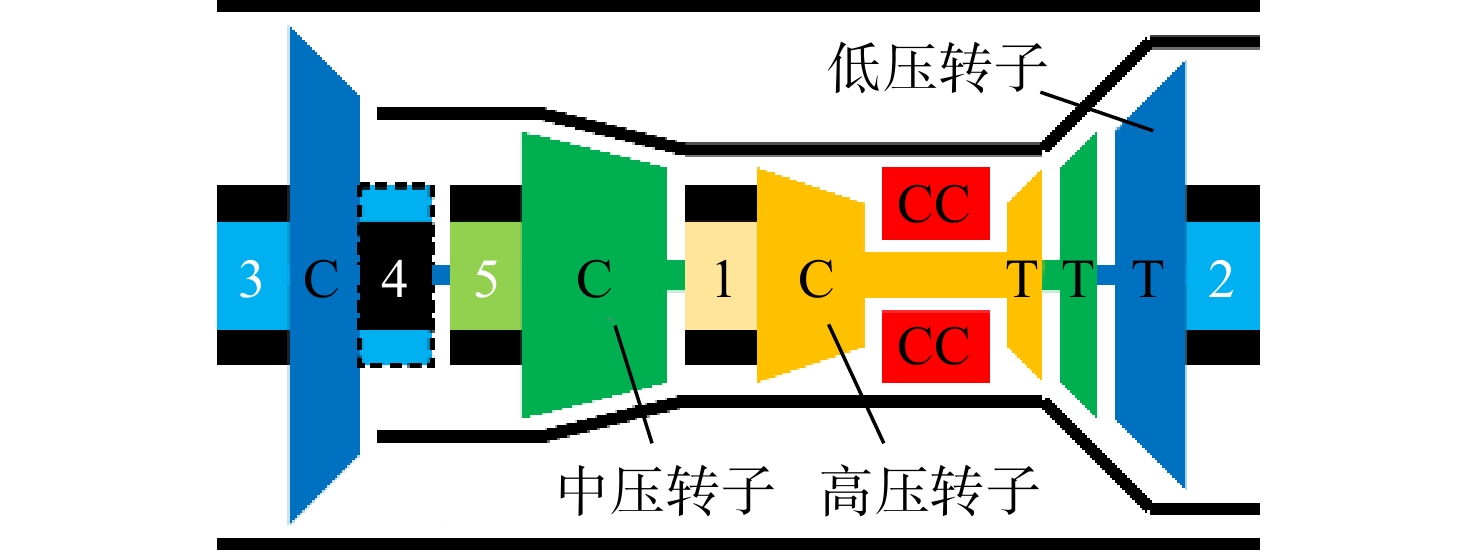
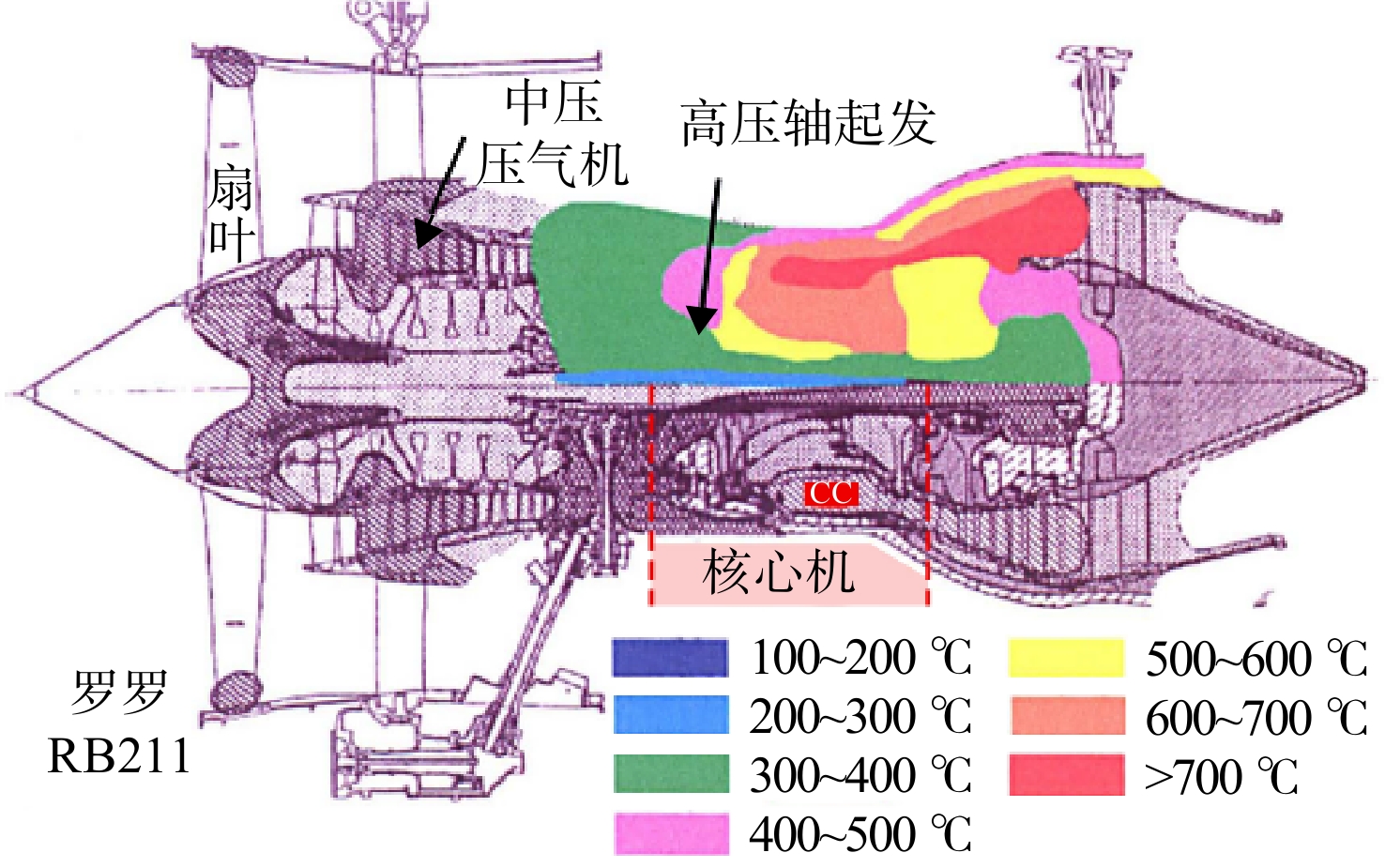
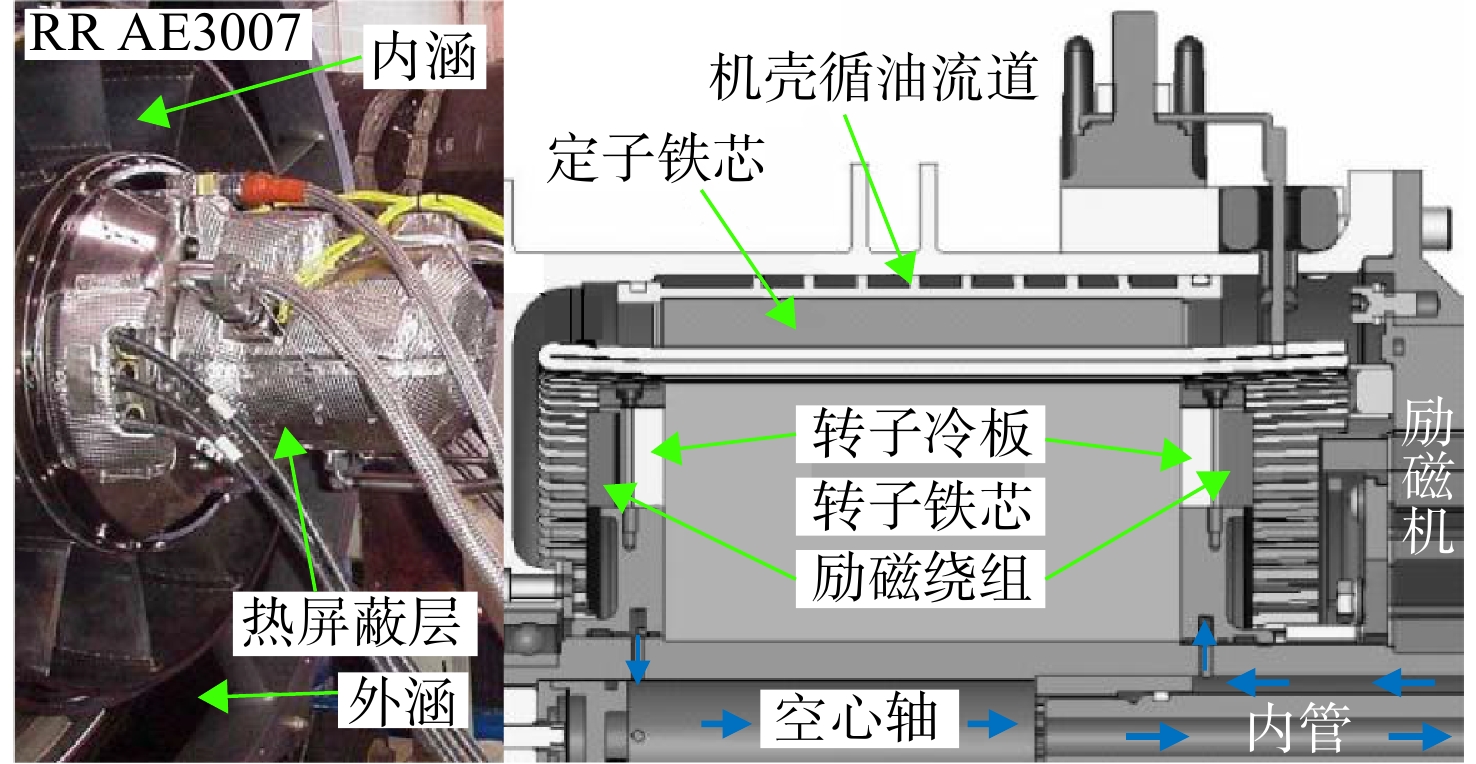
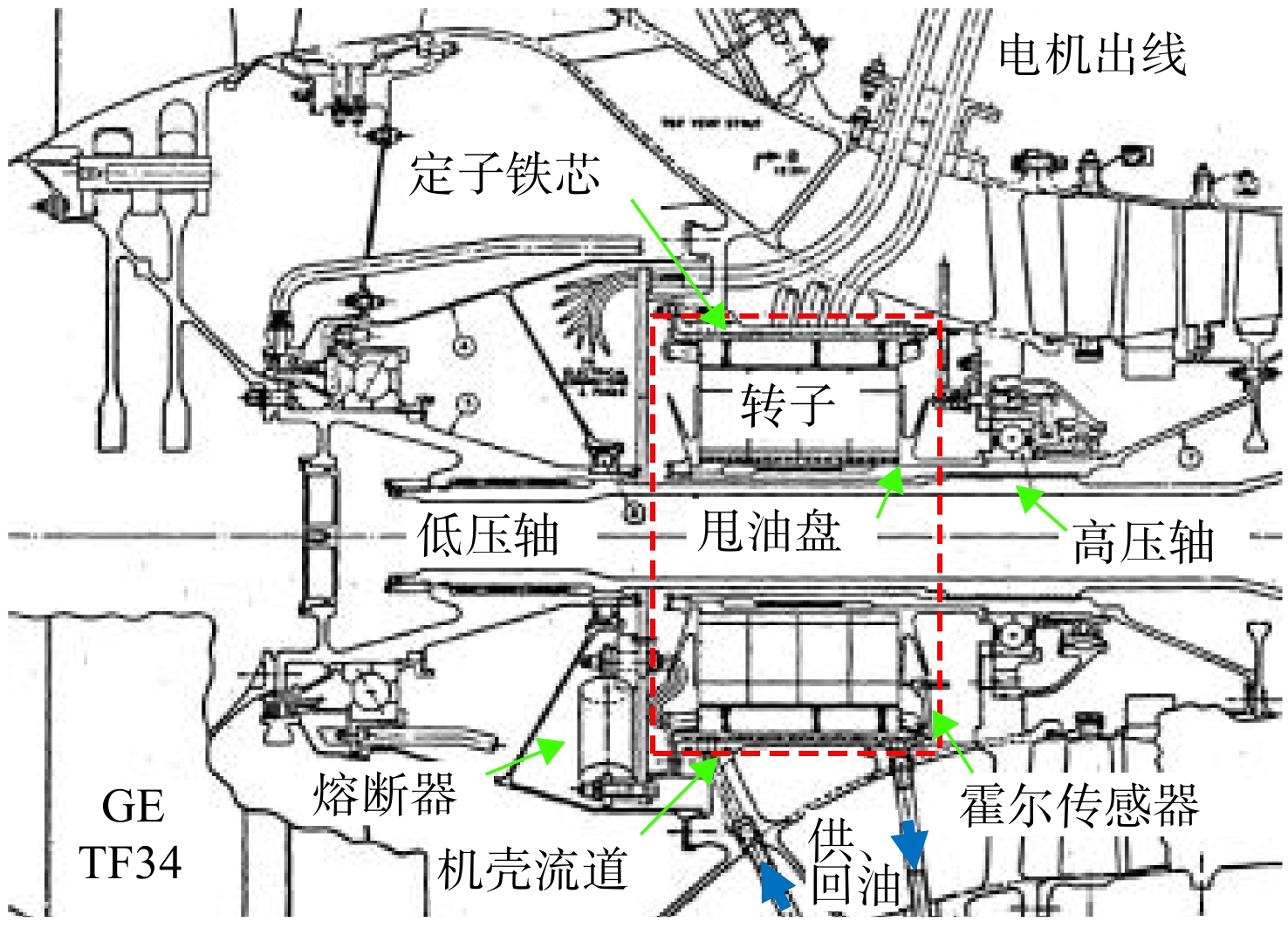
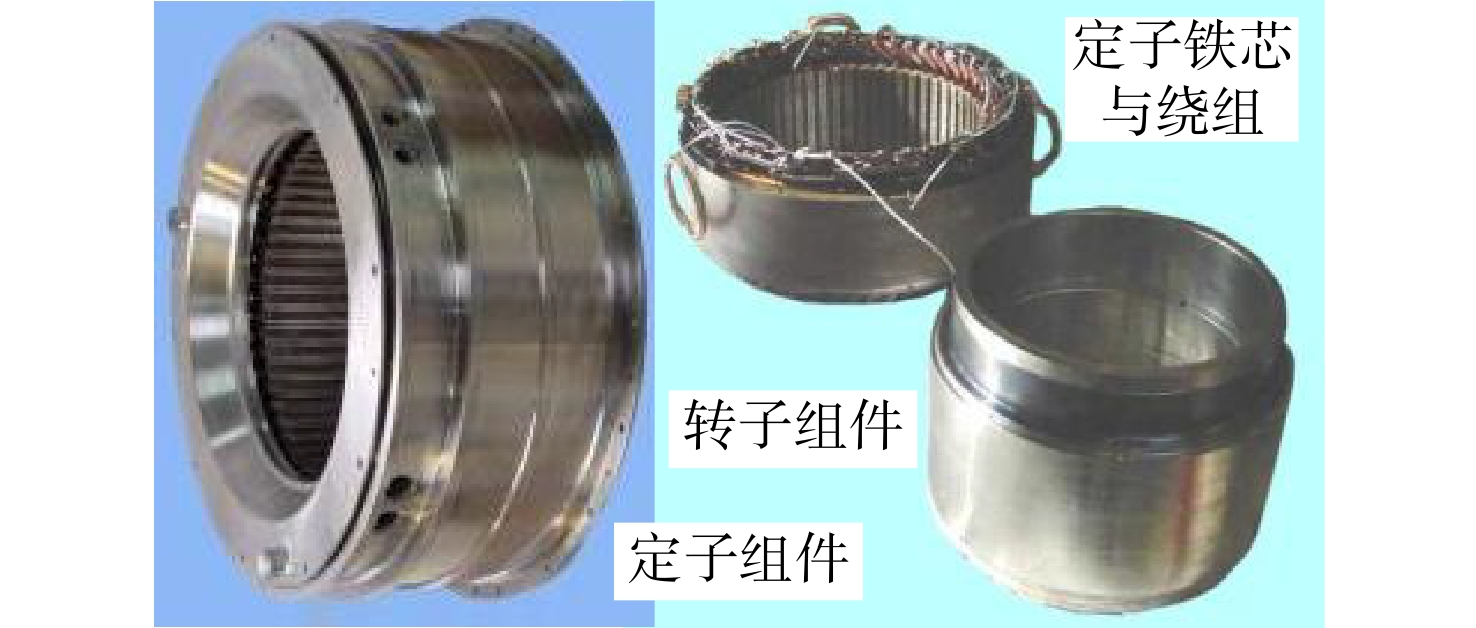
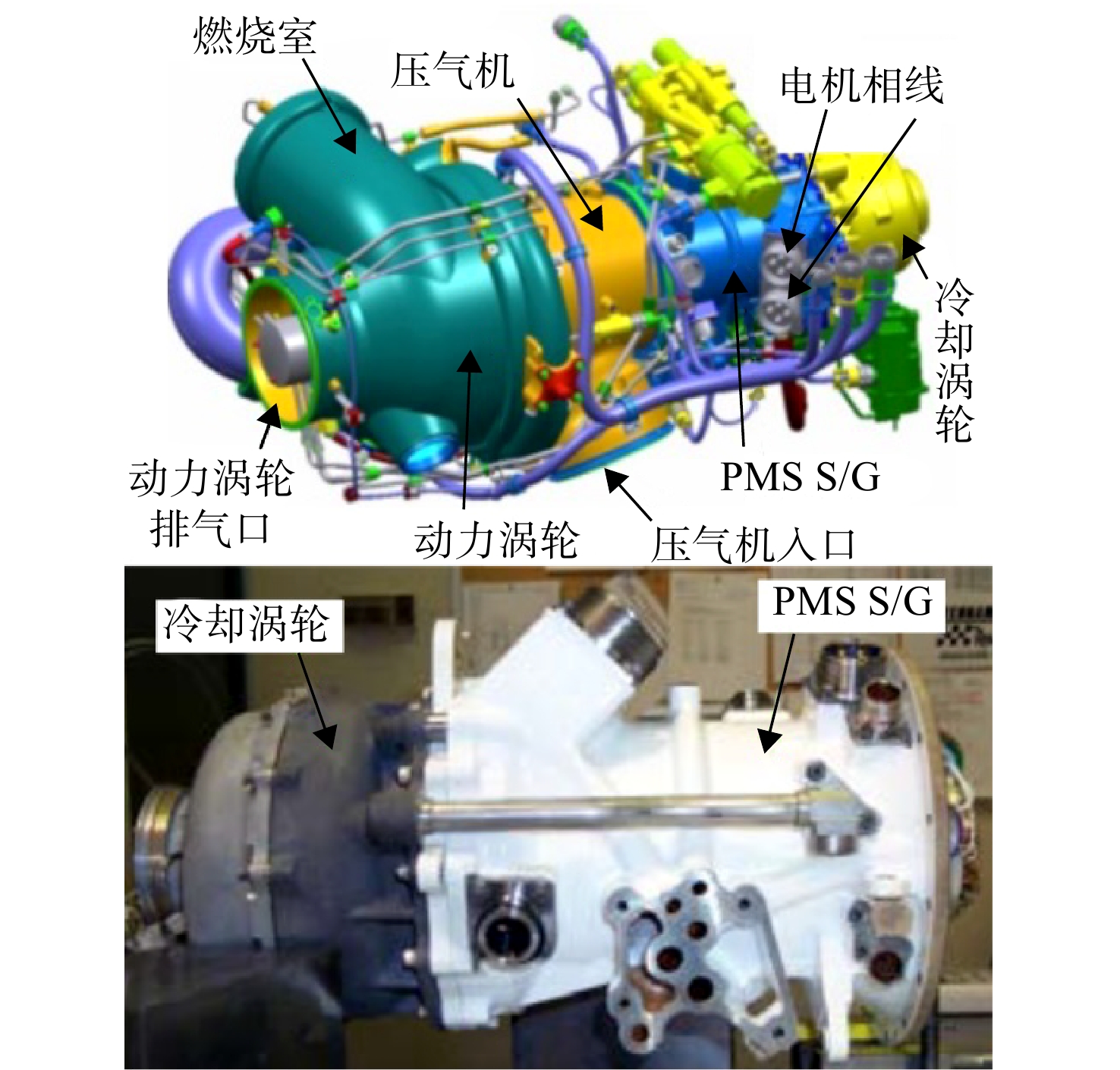
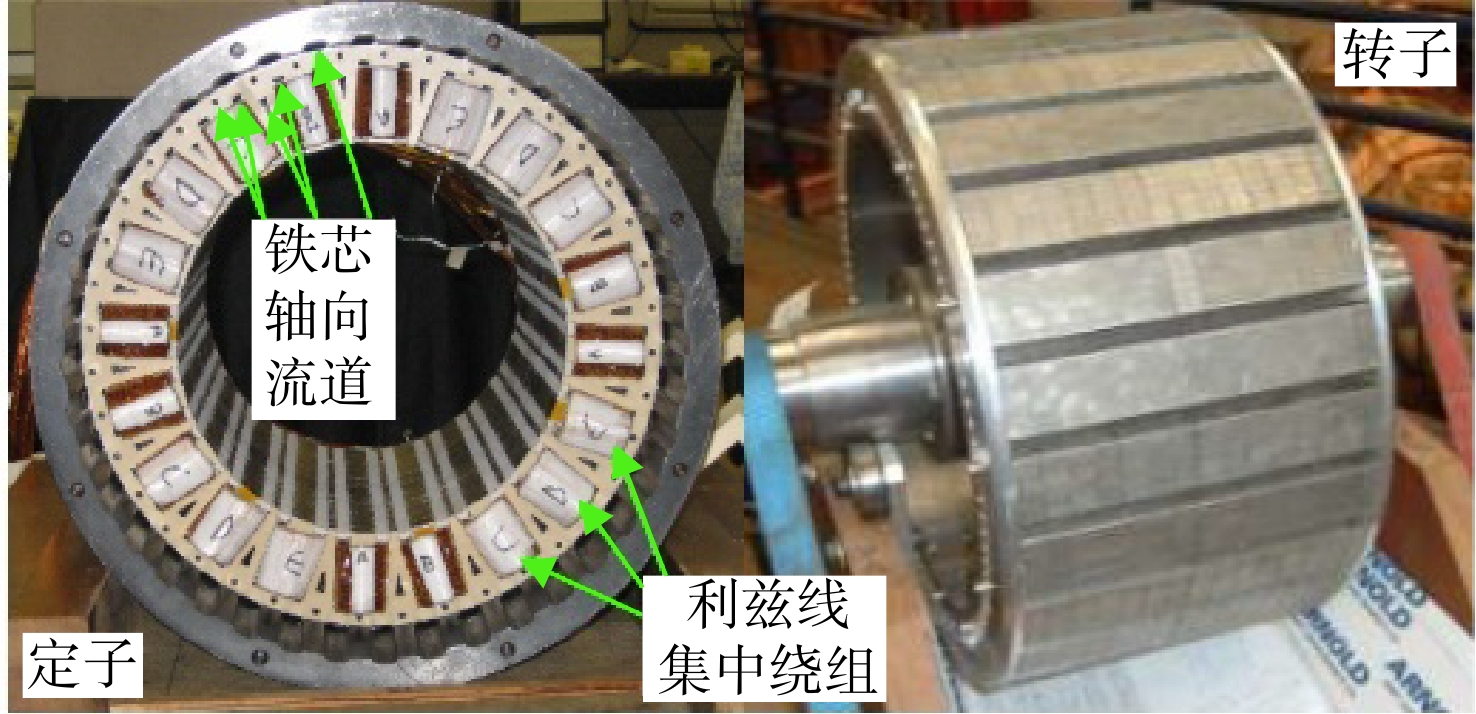
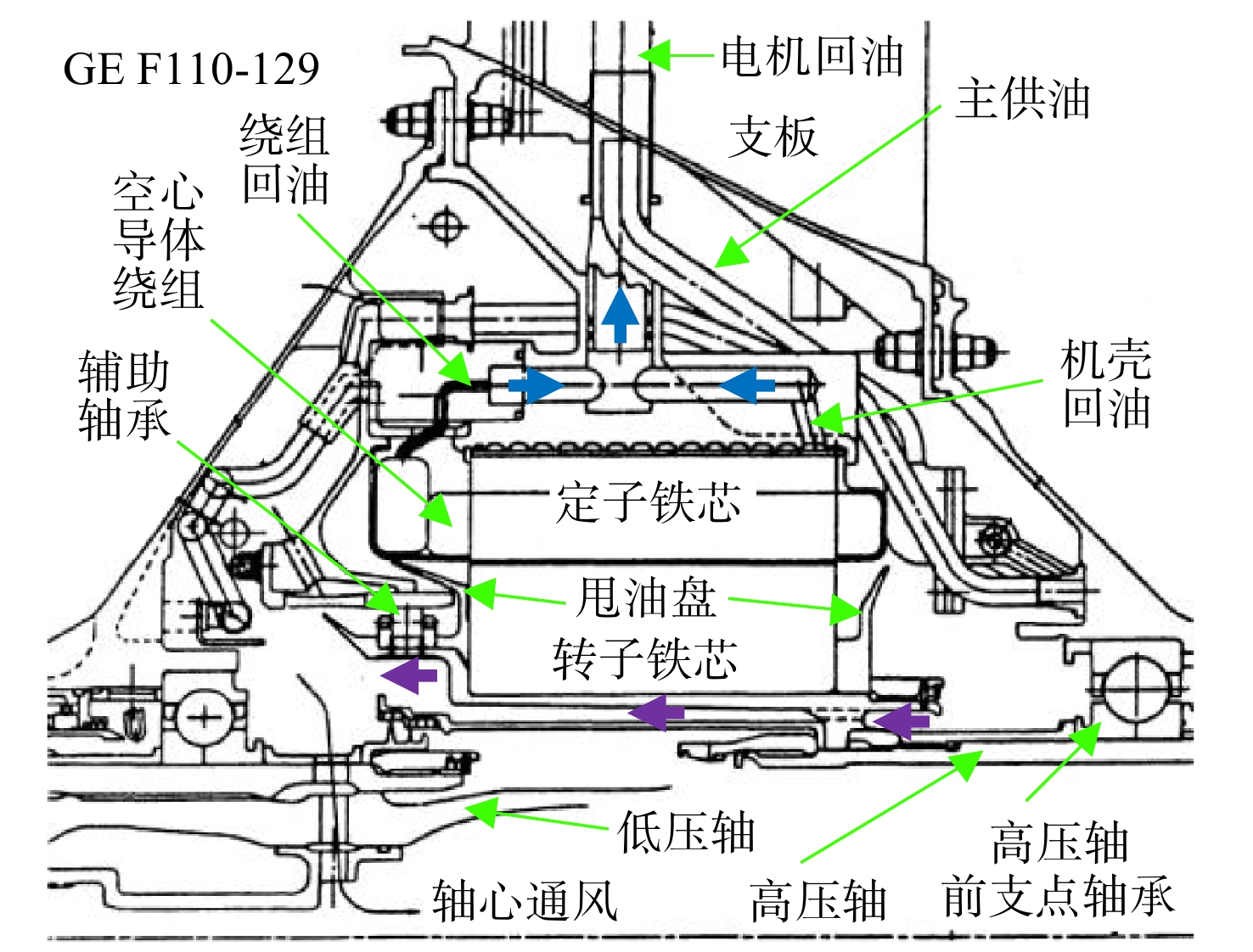
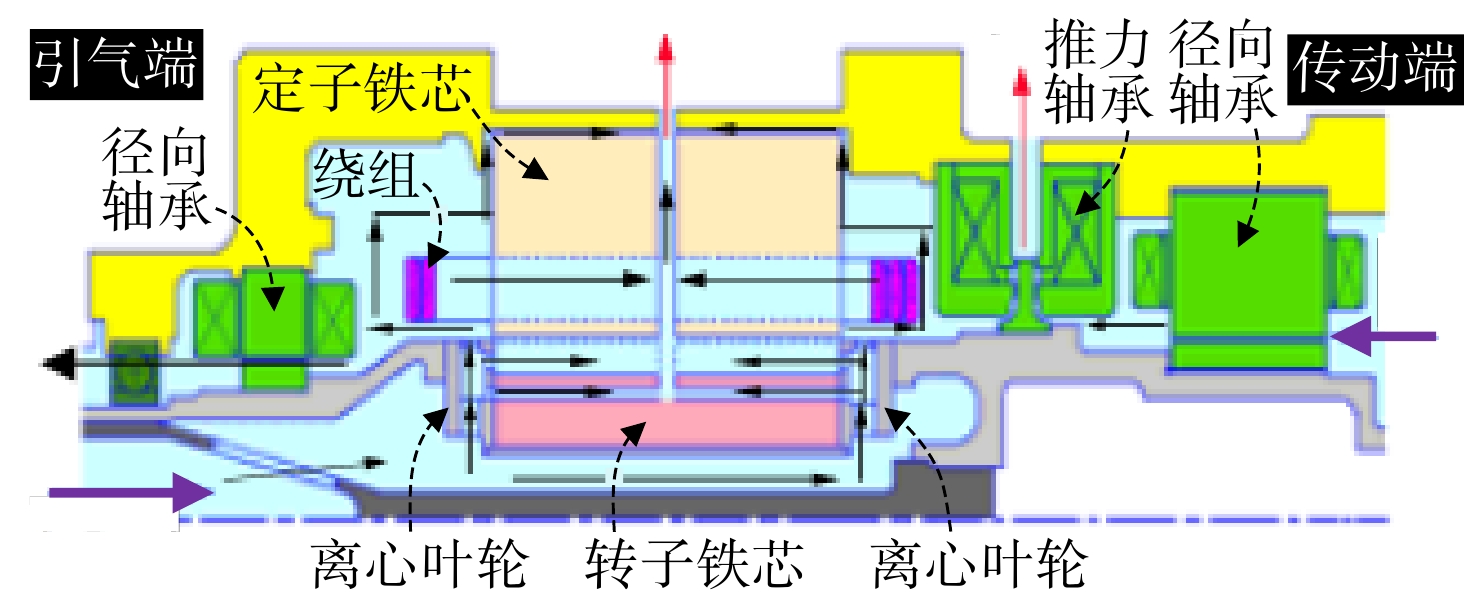
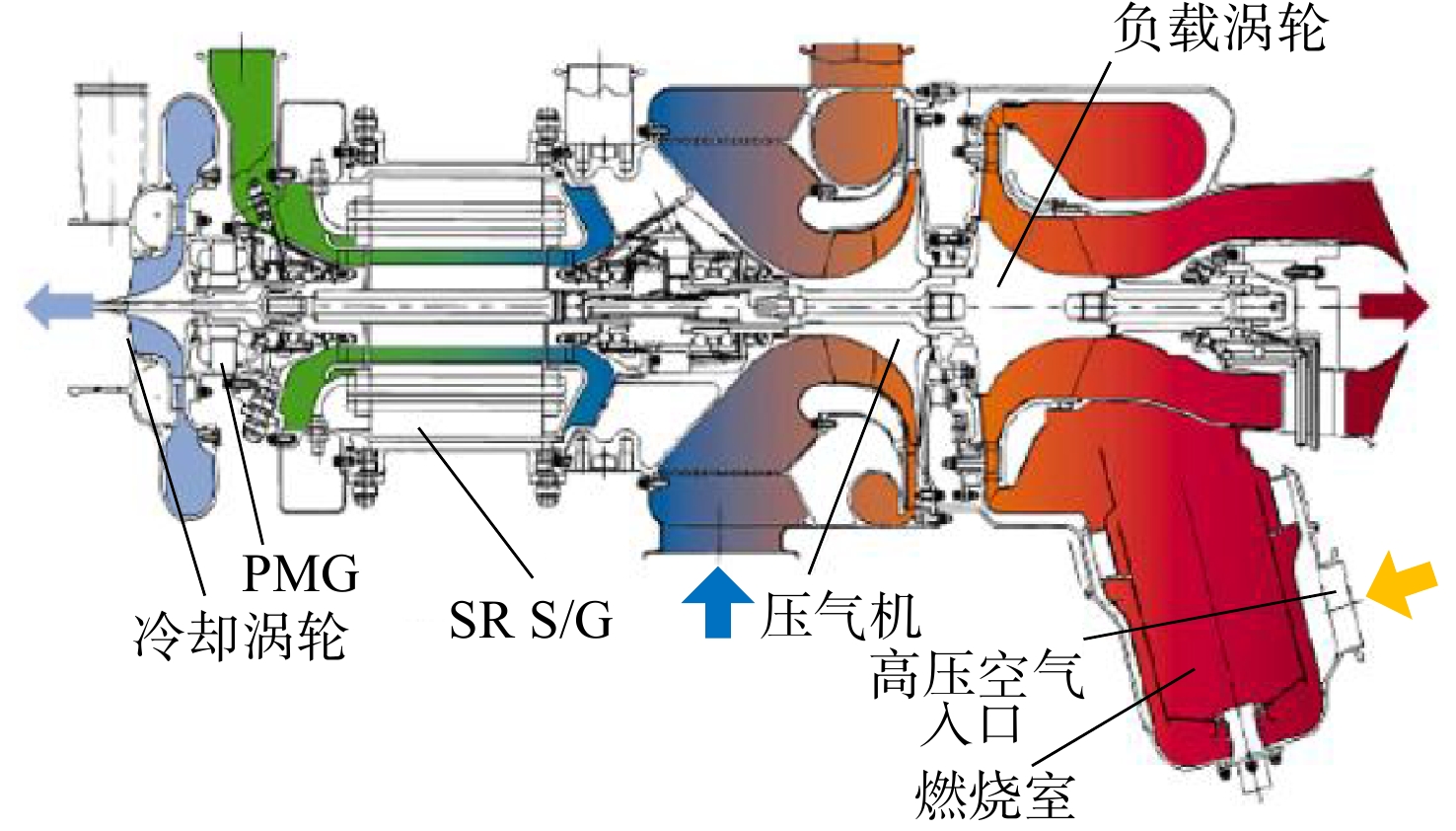
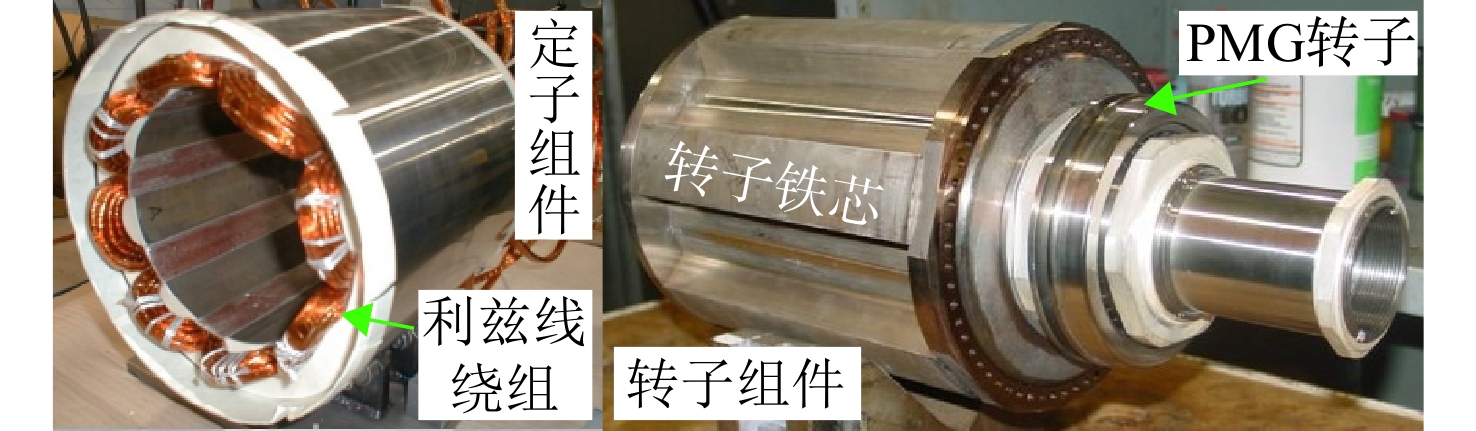
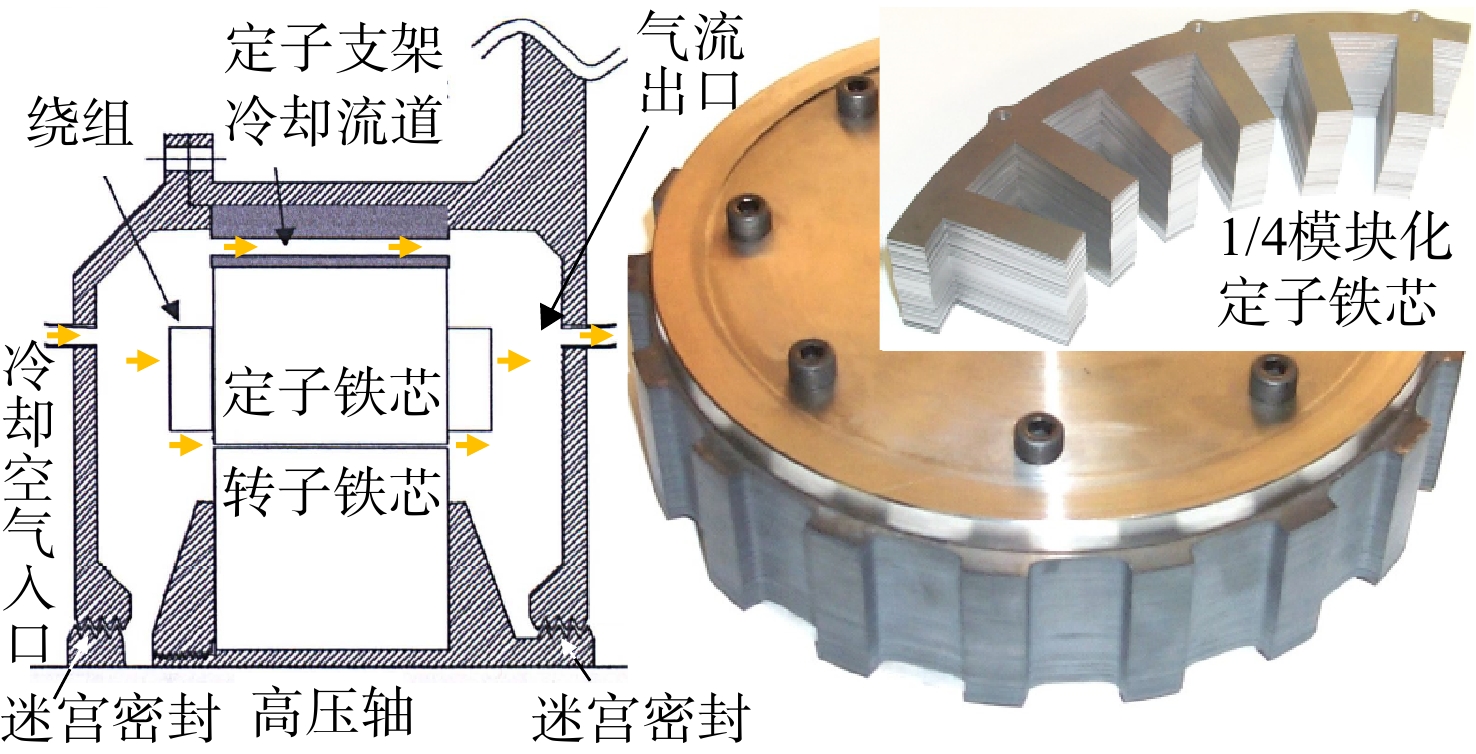
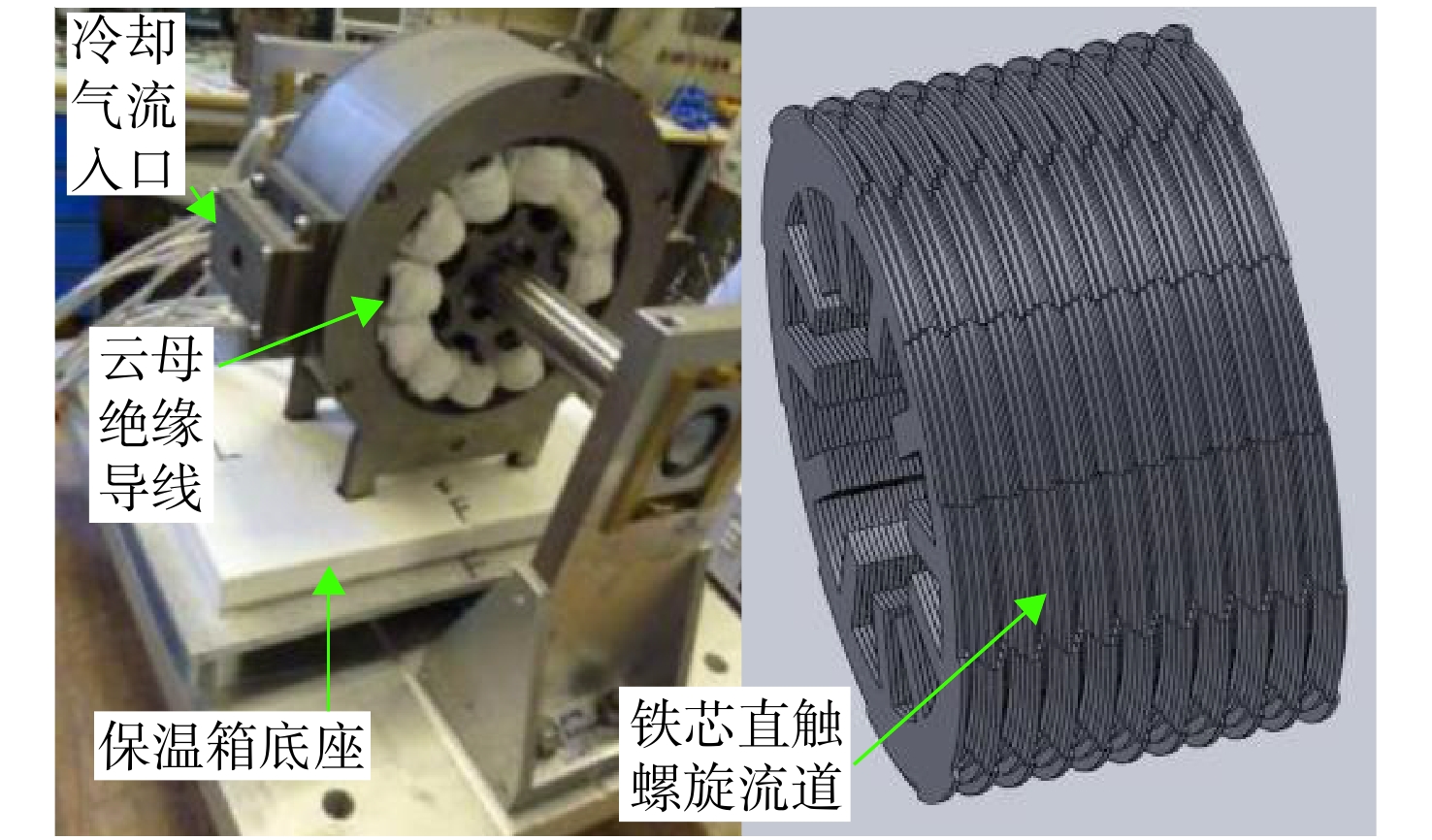
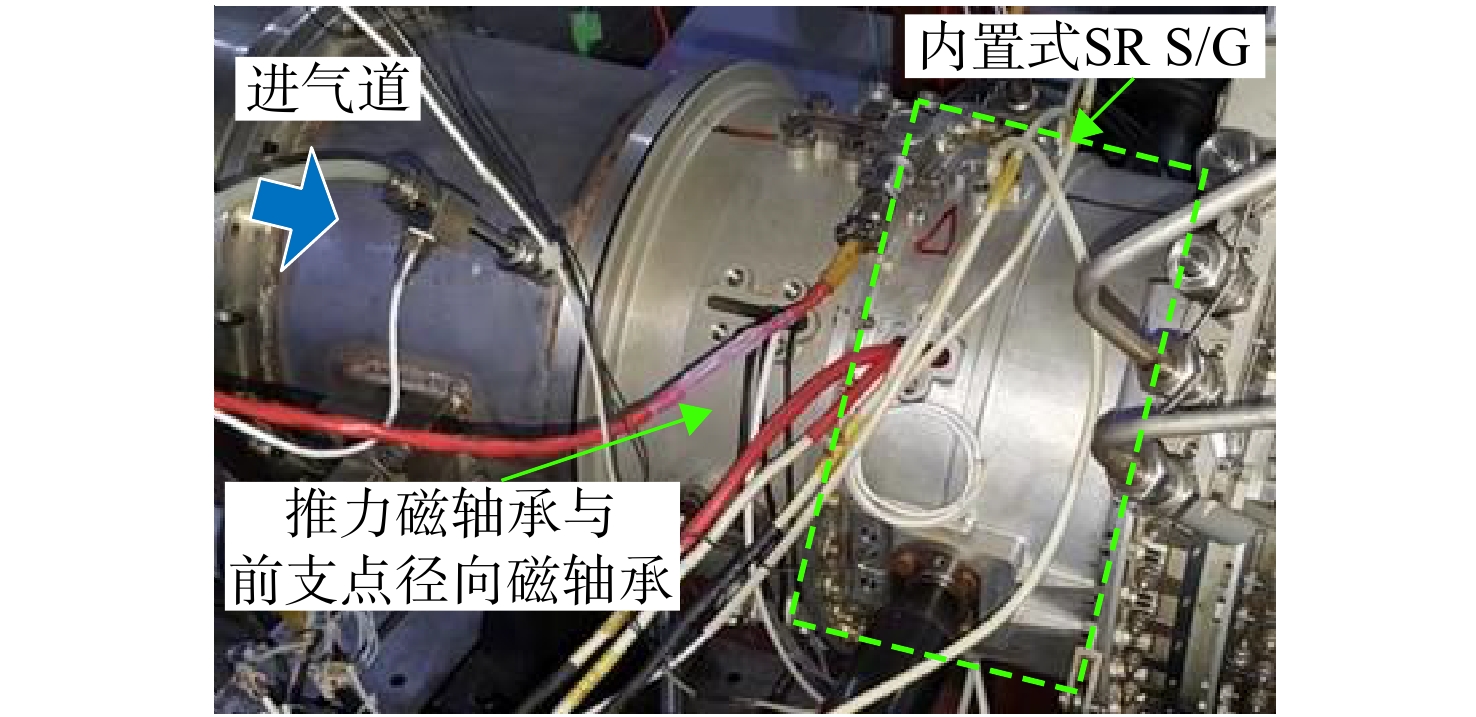
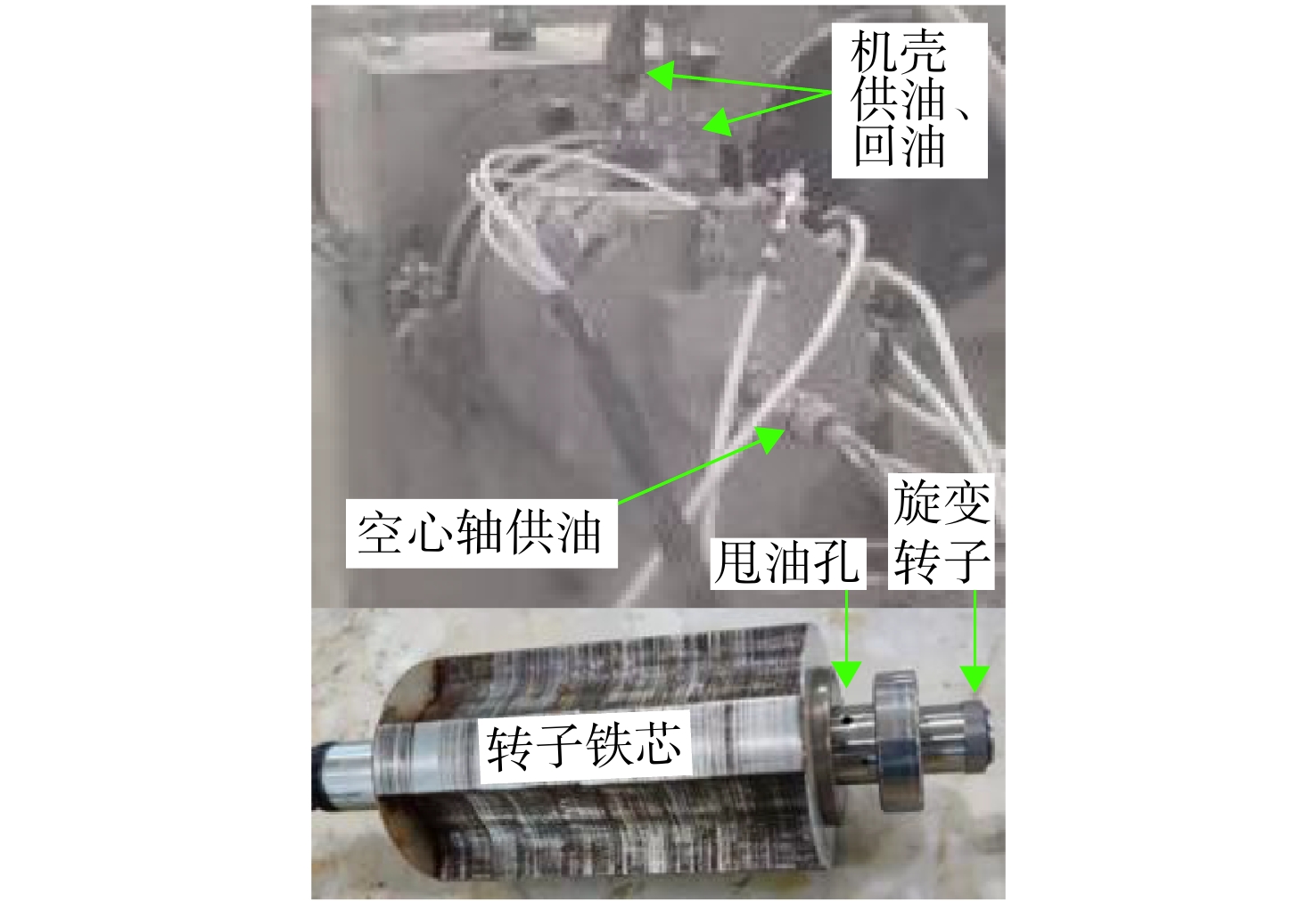
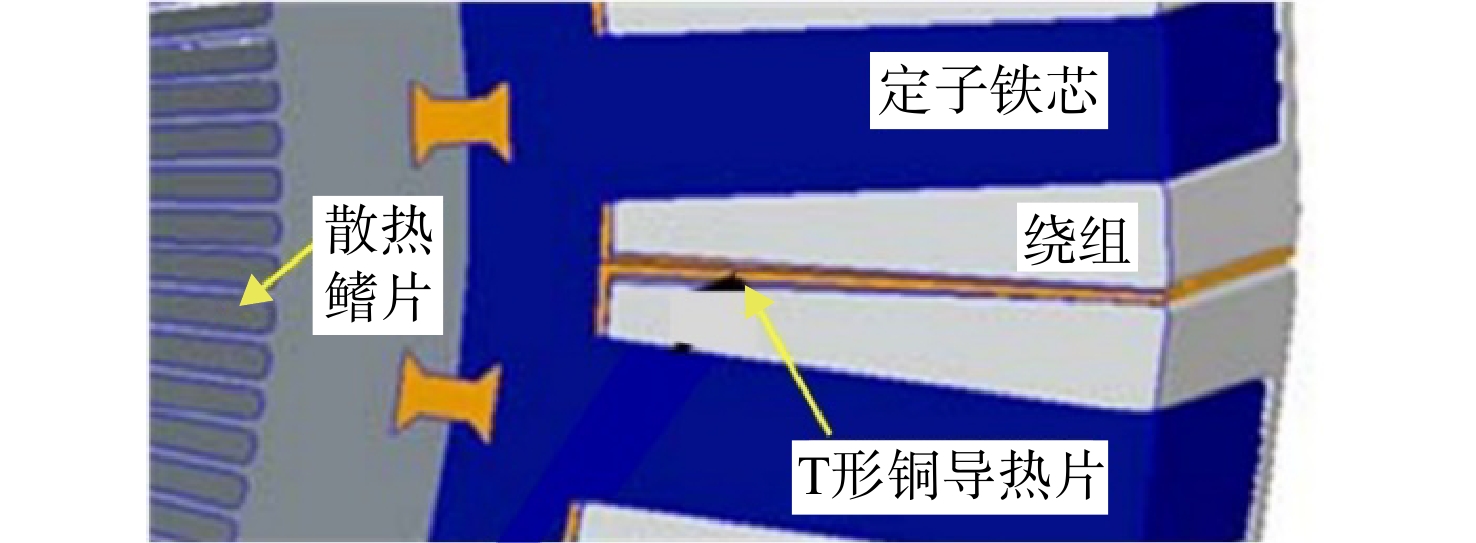
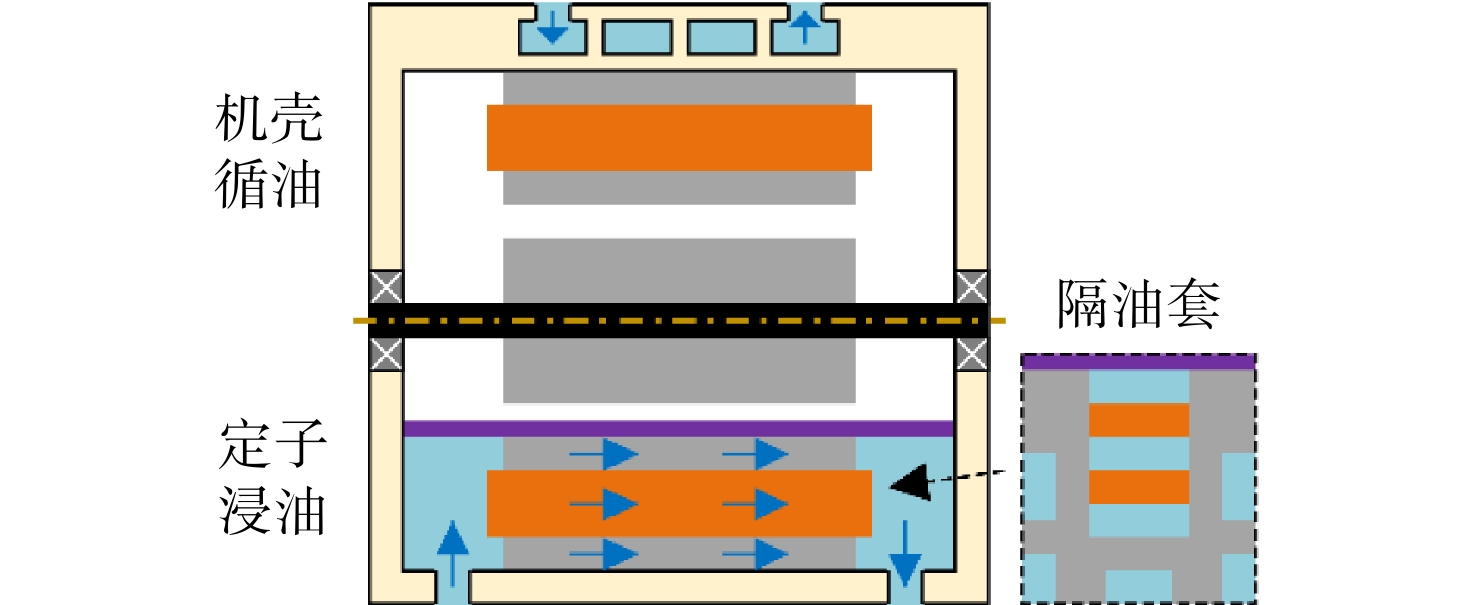
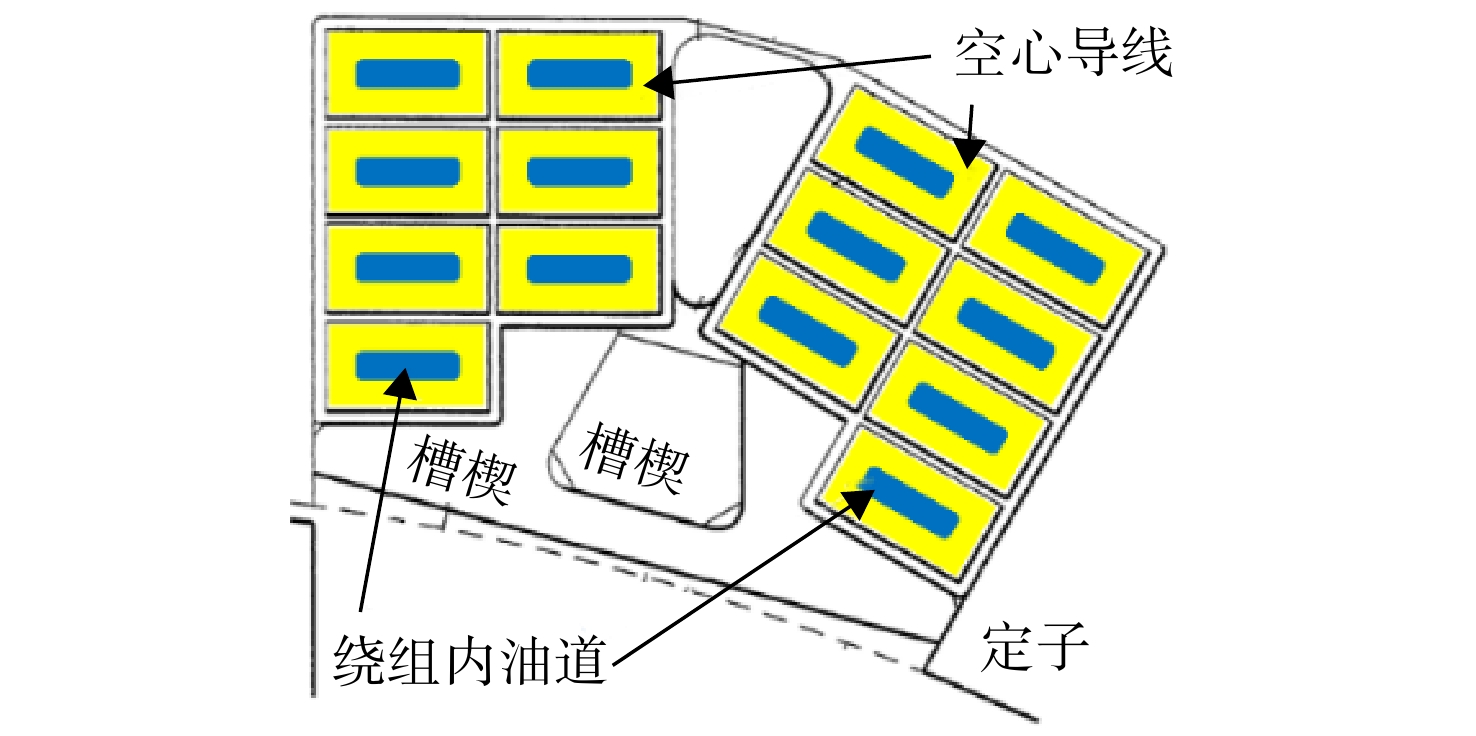
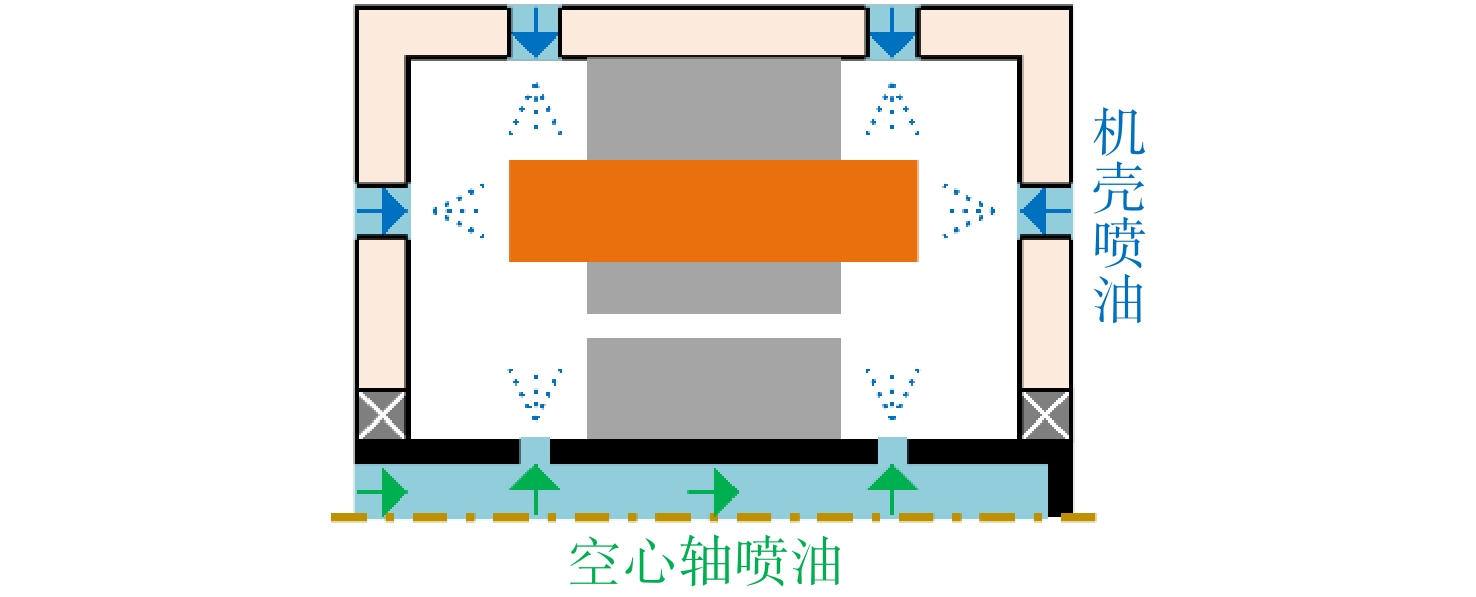
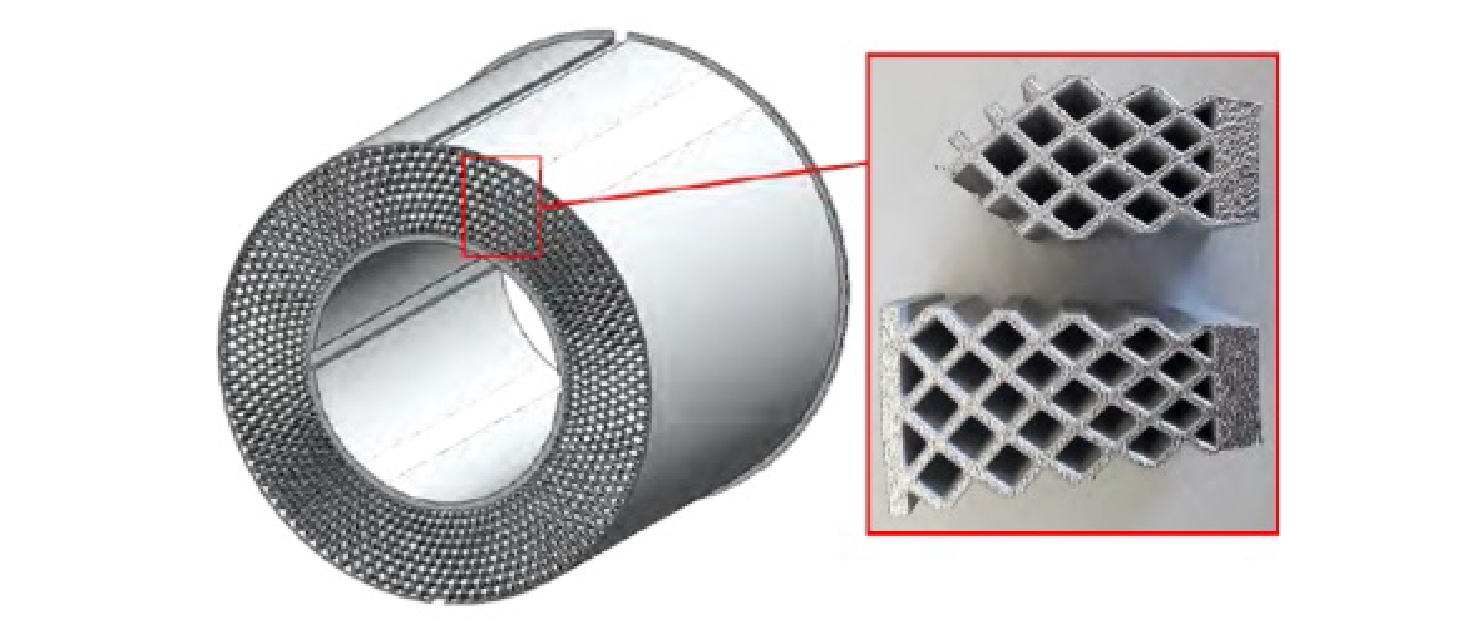
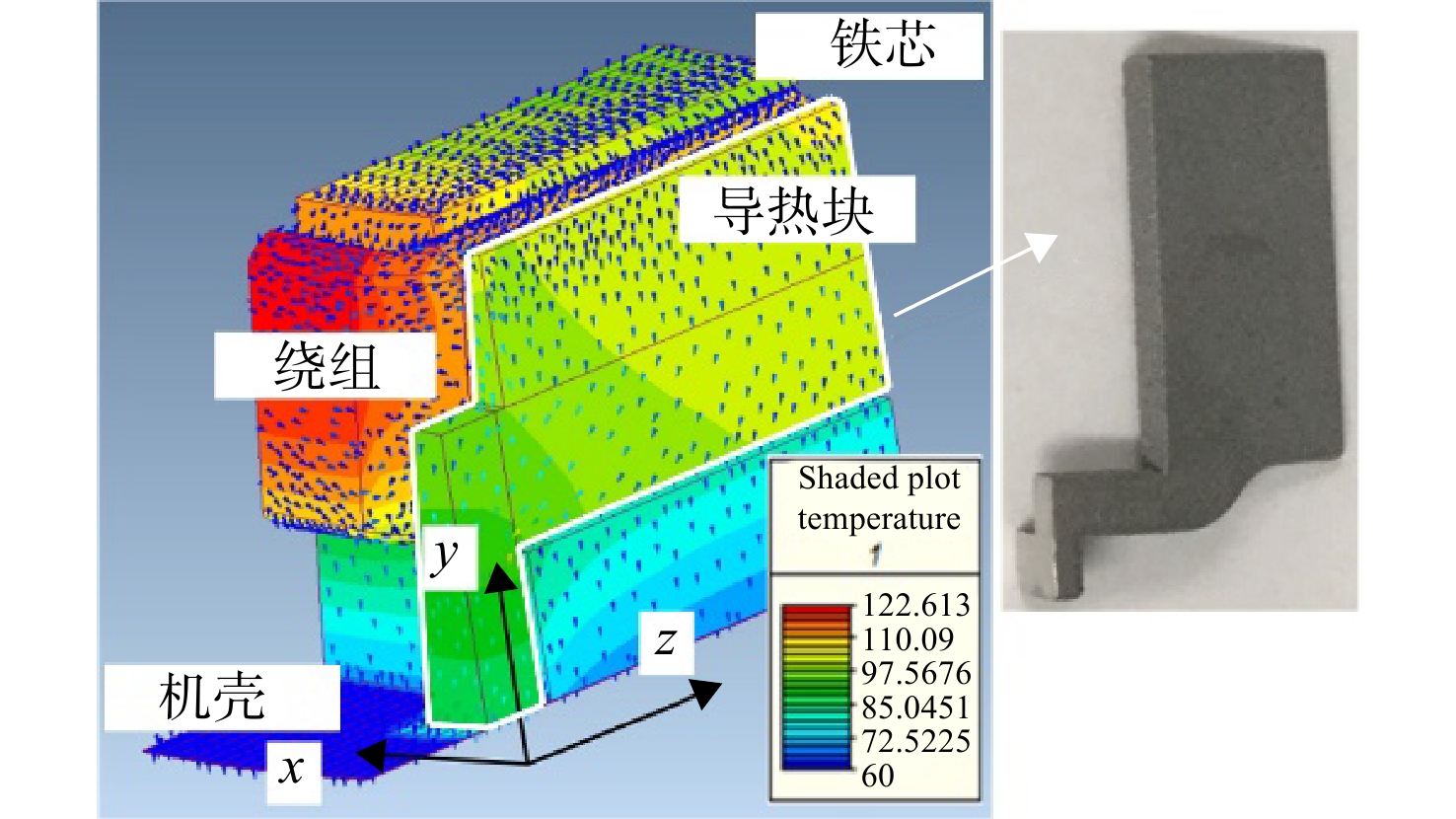
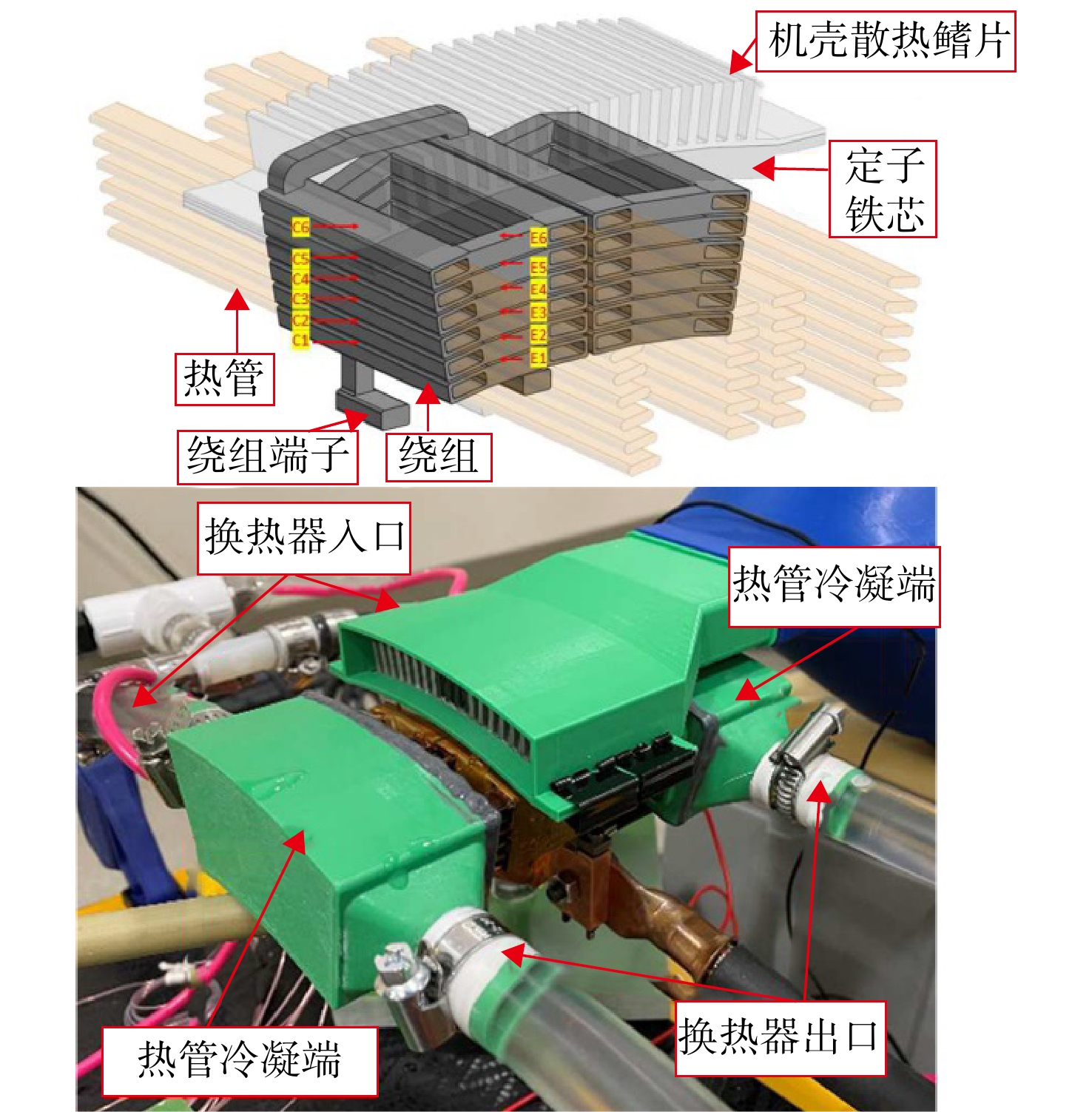
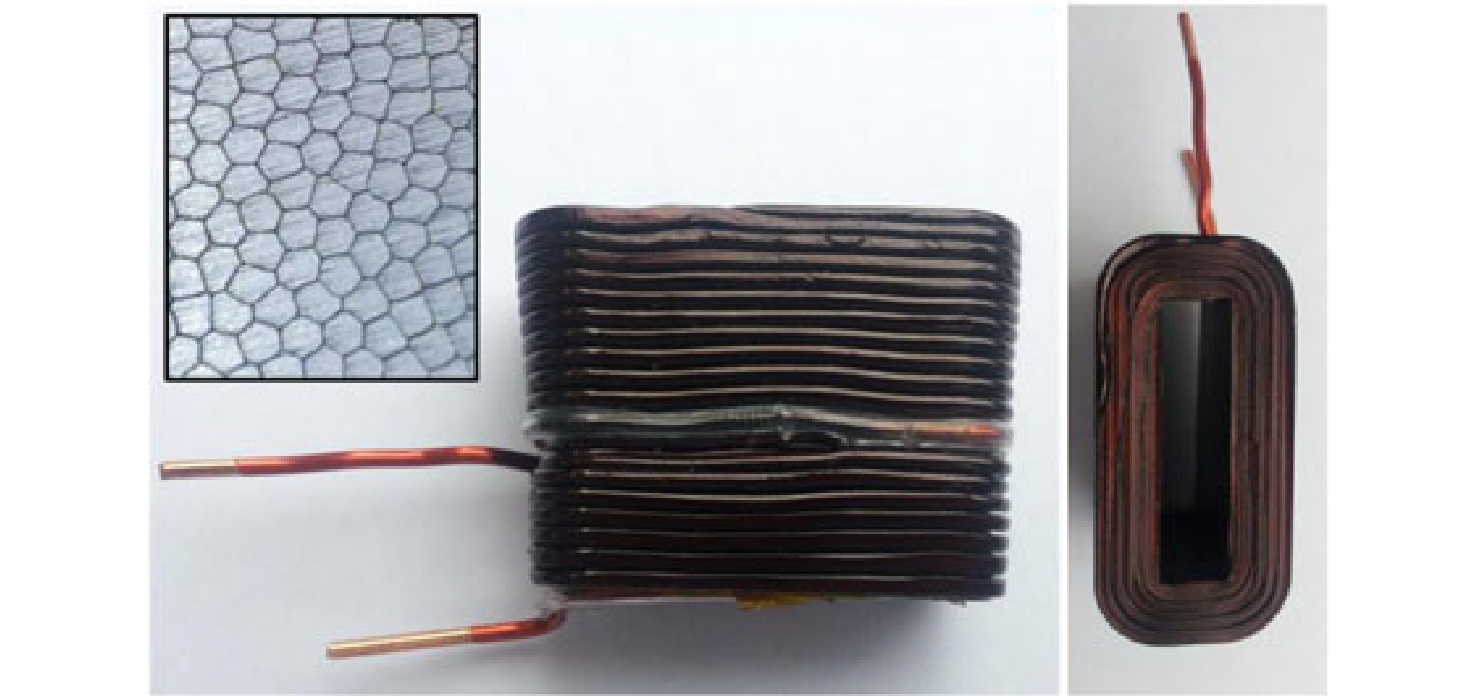
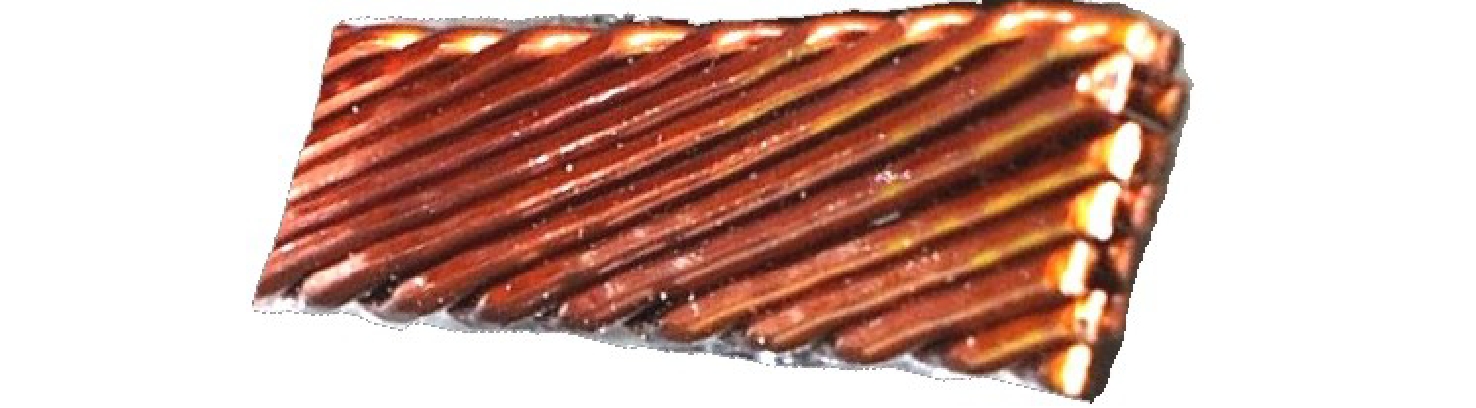
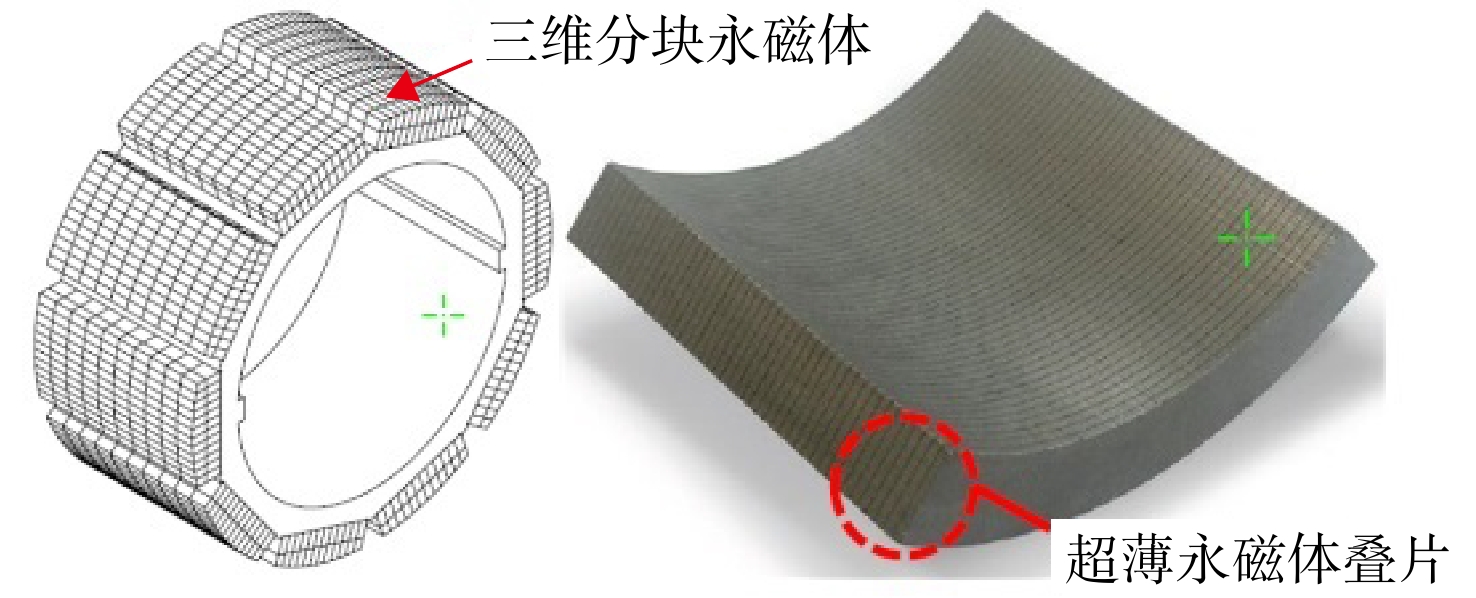
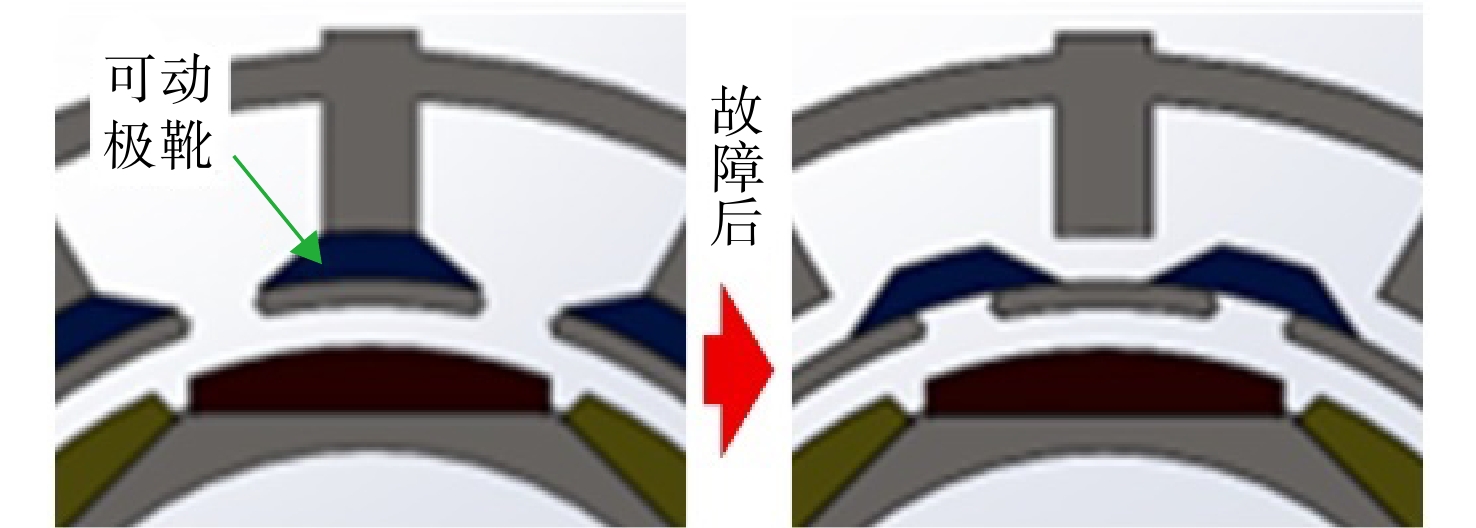
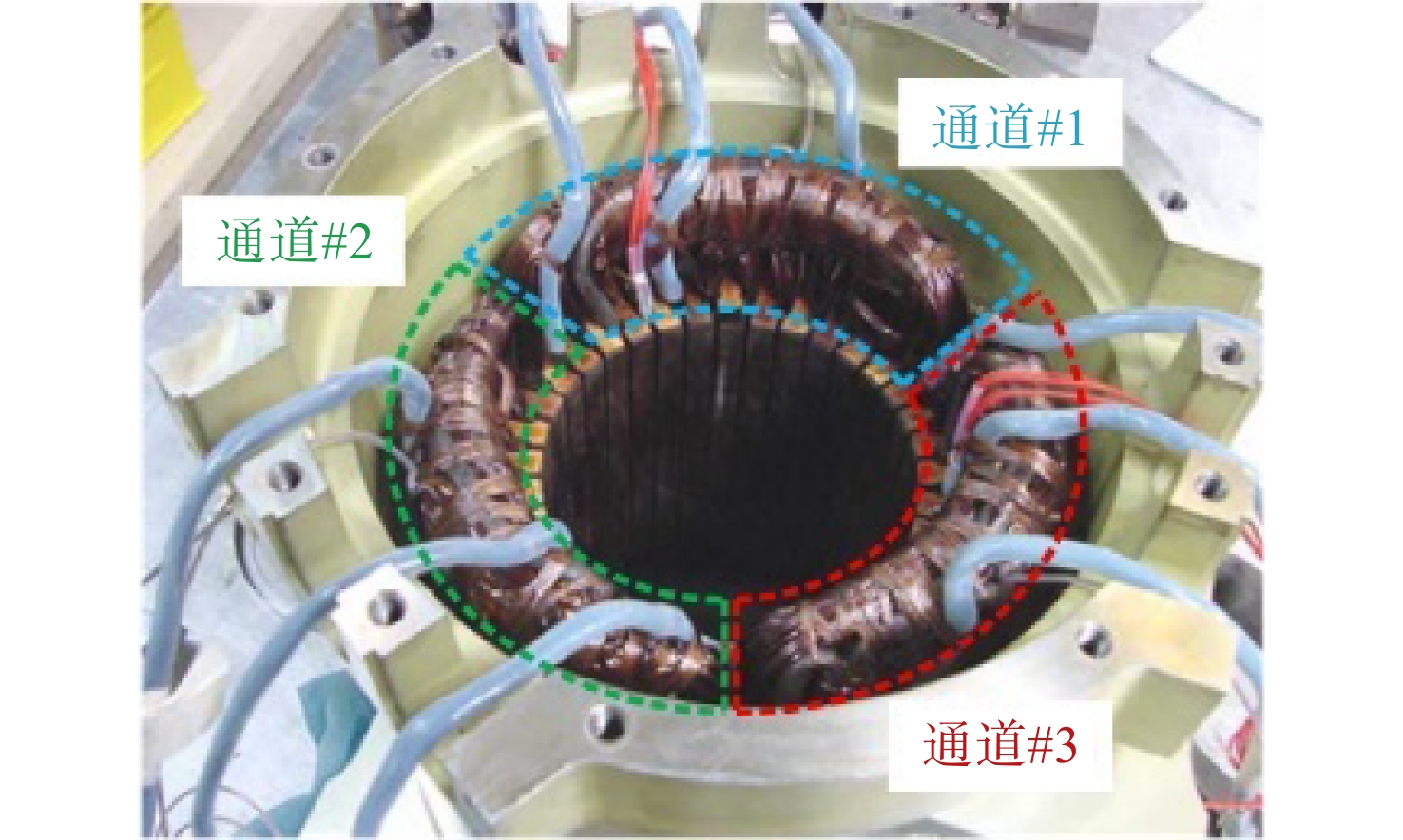
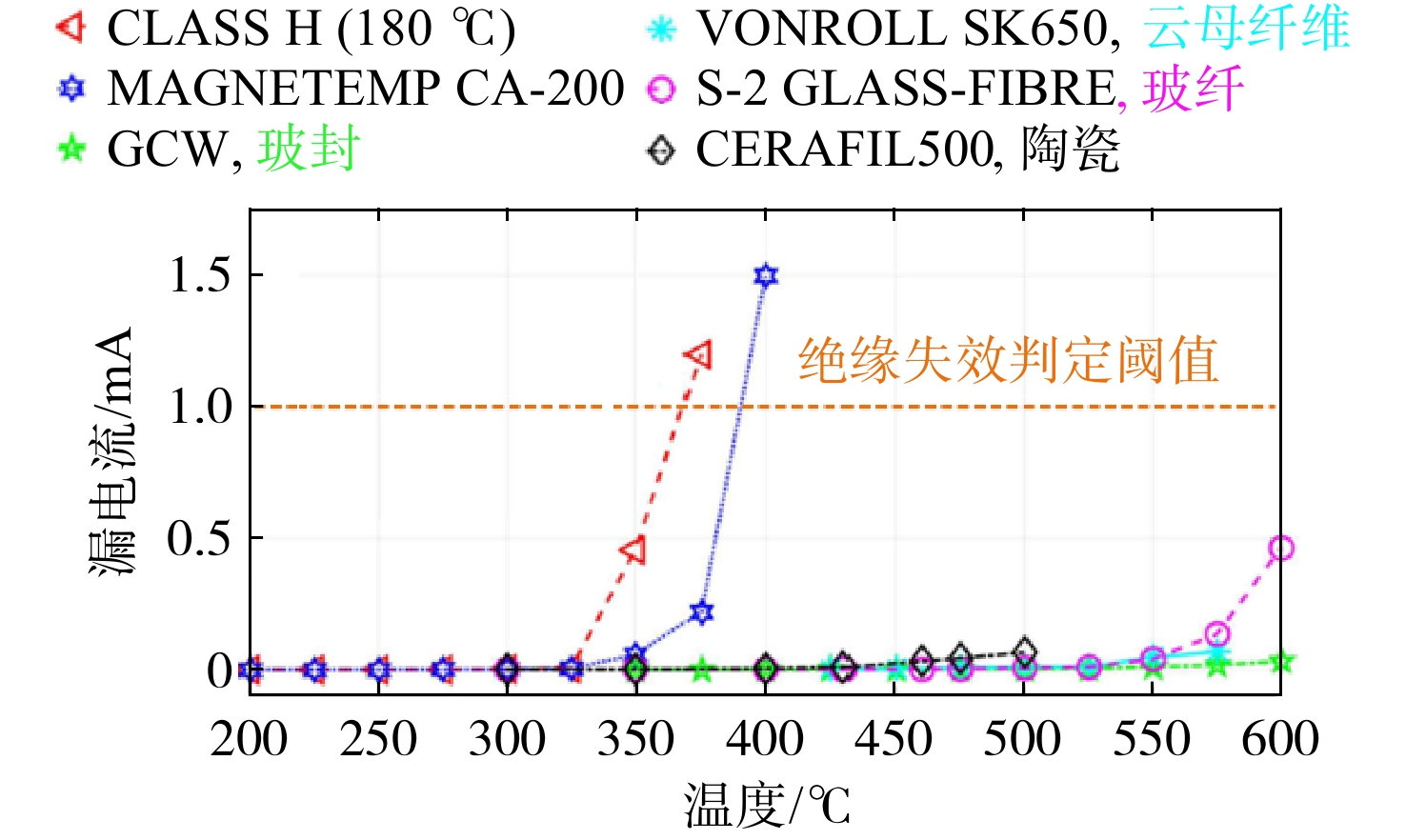
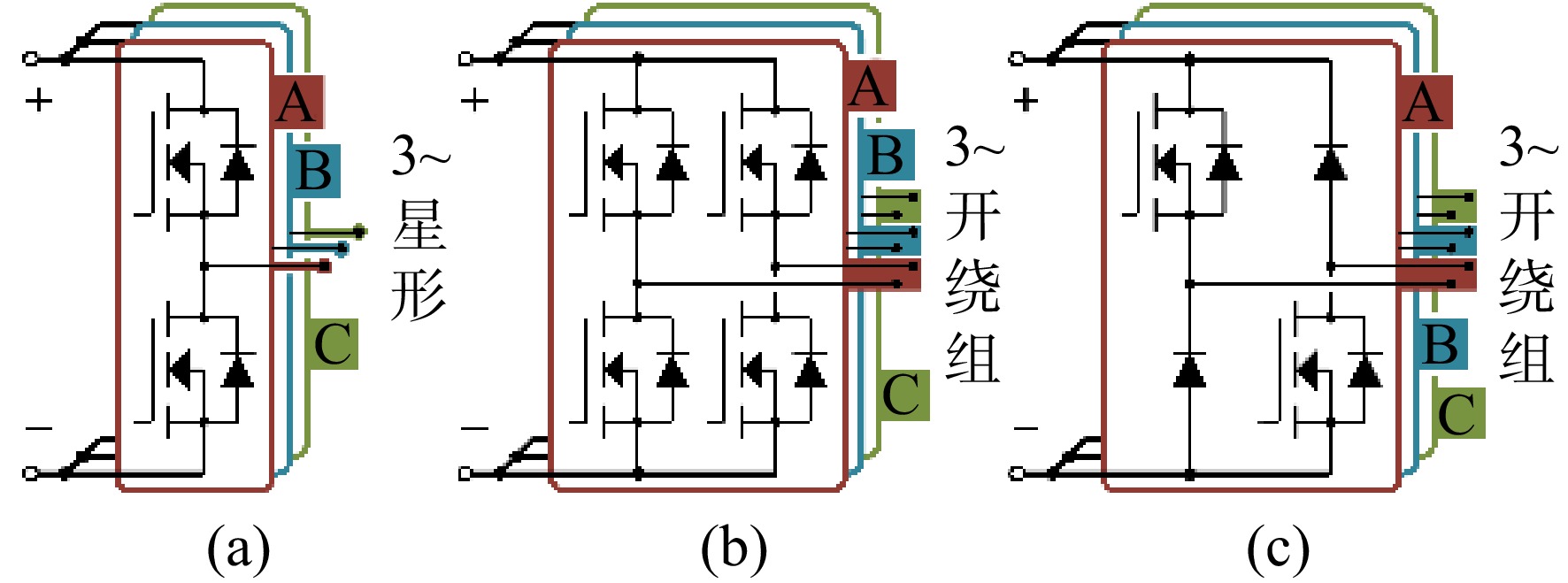
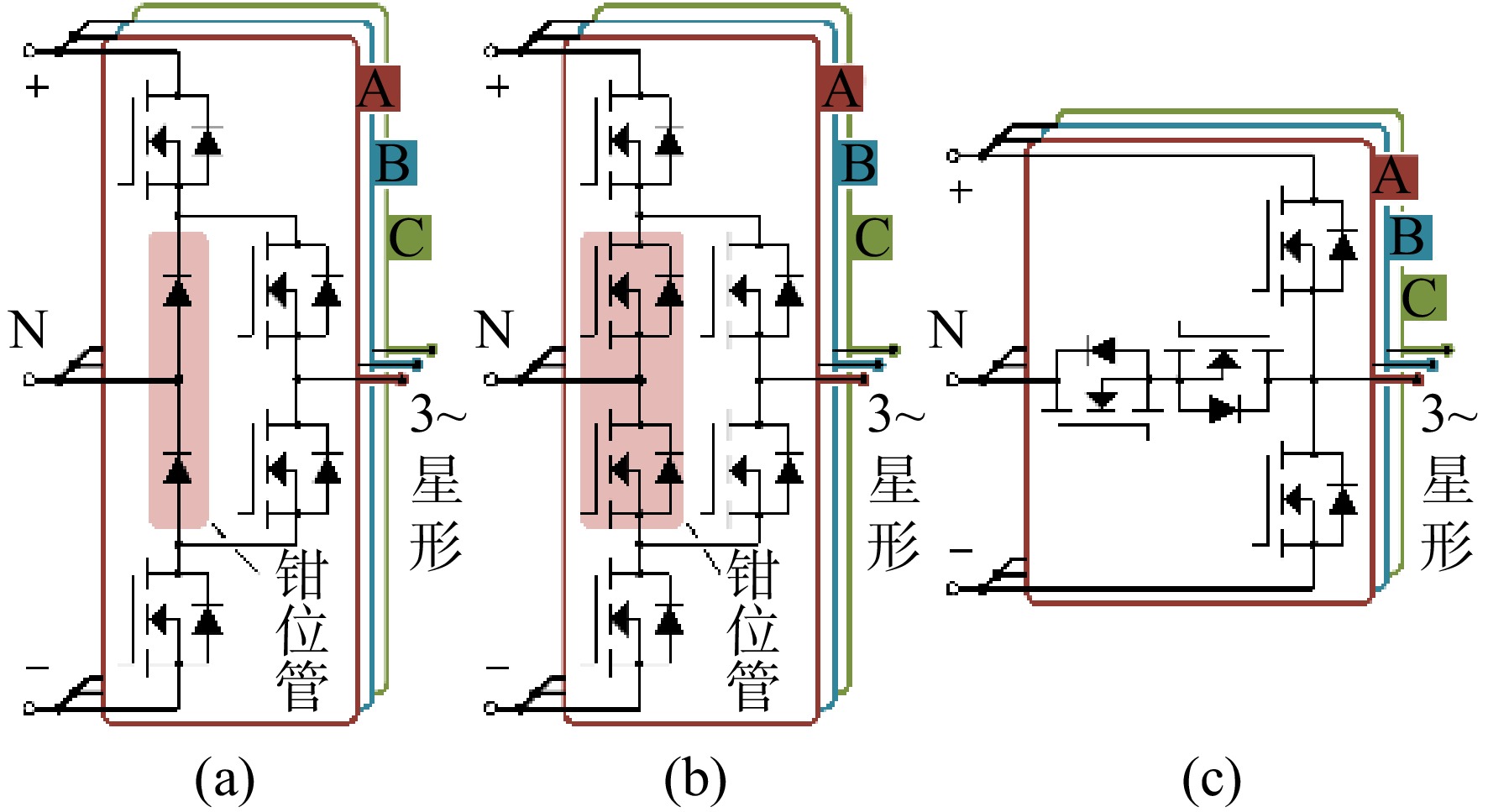
Aircraft starter/generator is a core component of the modern more electric aircraft (MEA) secondary power system. An overview of the mostly used generator type for starter/generator system was presented. Starter/generators were categorized according to whether the generator was embedded within the engine, and the development status of both categories was reviewed, together with typical structural layout schemes for embedded starter/generators. Five key technologies of starter/generator were analyzed: efficient cooling technology, light-weight and high-efficiency generator technology, fault-tolerant generator technology, high-temperature-tolerant generator technology and high-performance converter technology. Evolving trends towards structural integration, collaborative design and multi-task were envisioned. Result show that, common types of generators play essential roles in the application of starter/generators, and the realization of fully embedded starter/generators hinges on further breakthroughs in key figures of merit such as thermal management, power density, fault tolerance, and high-temperature endurance.

Parallel DSMC algorithm for unstructured grids on CUDA platform
WANG Zhi, WANG Xuede
2026, 41(10): 20250348. doi: 10.13224/j.cnki.jasp.20250348
Abstract:

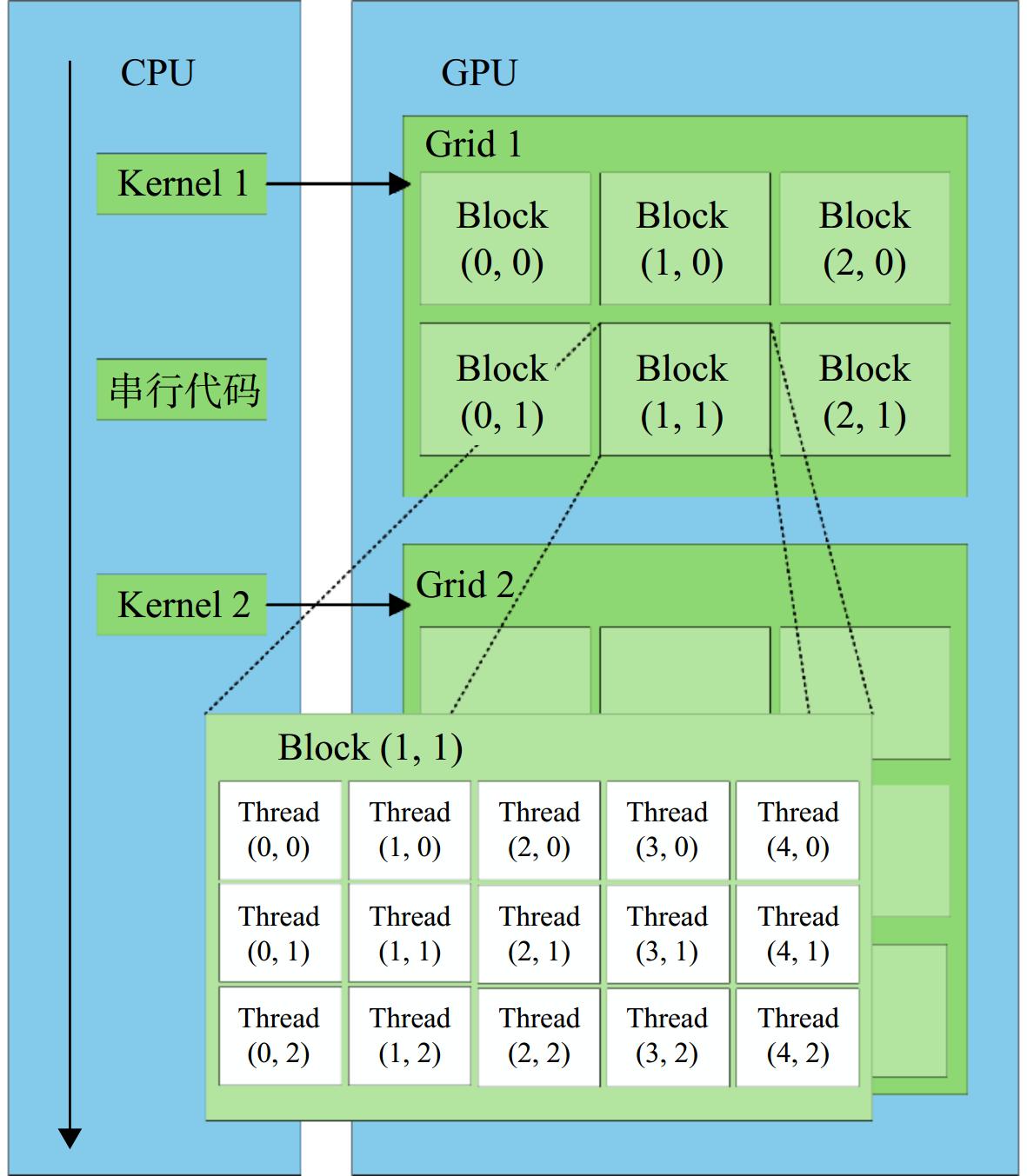
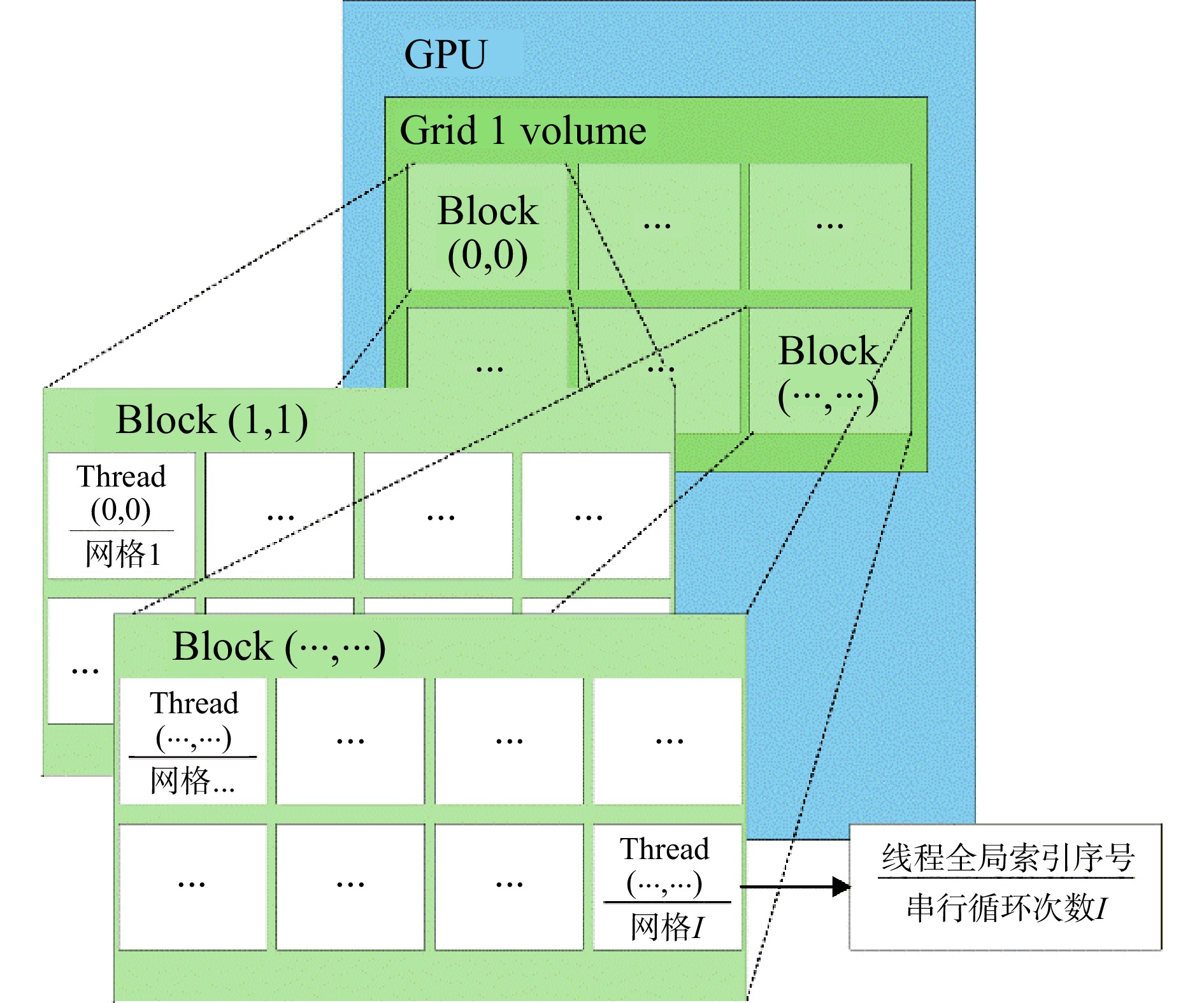
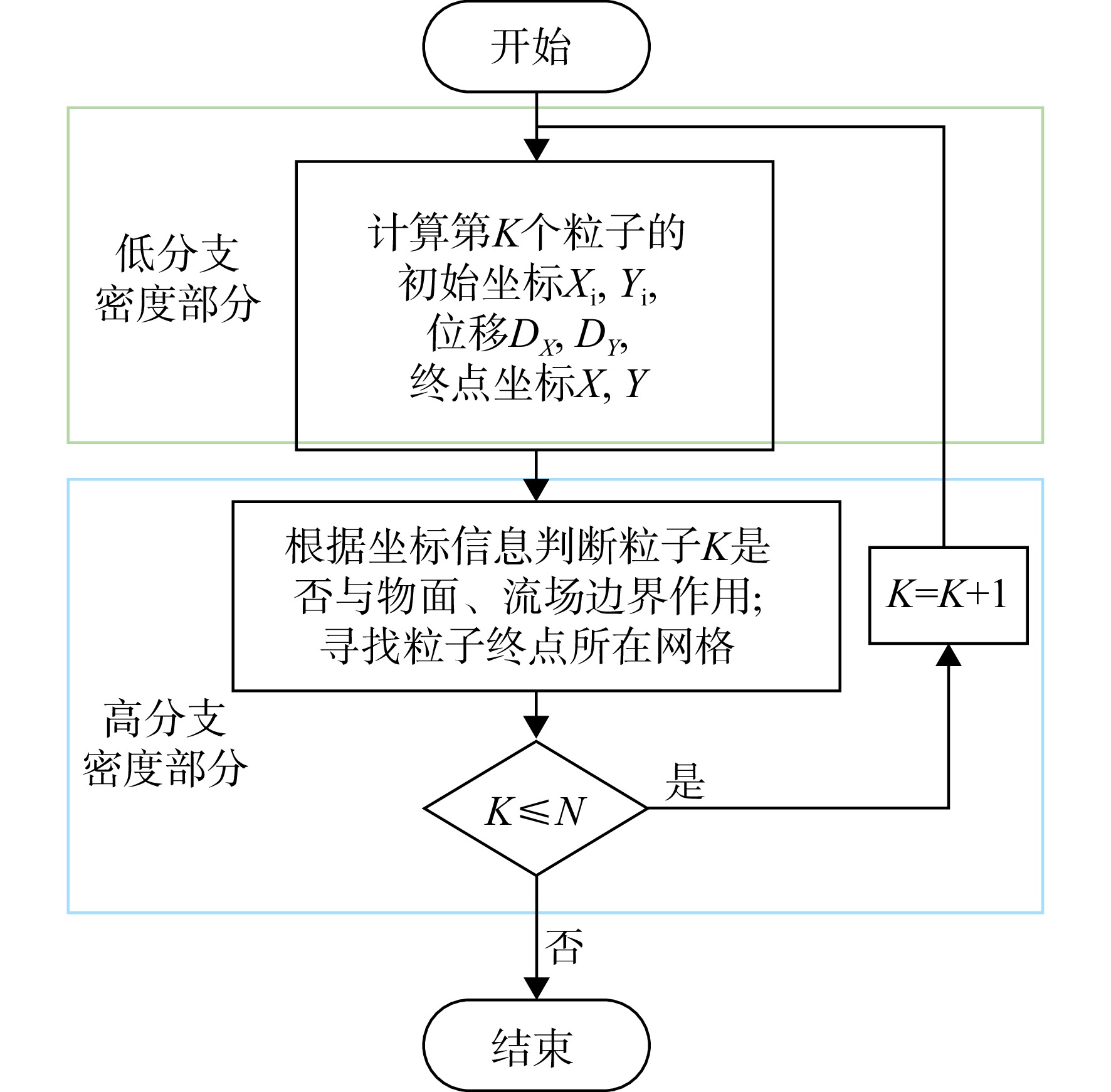
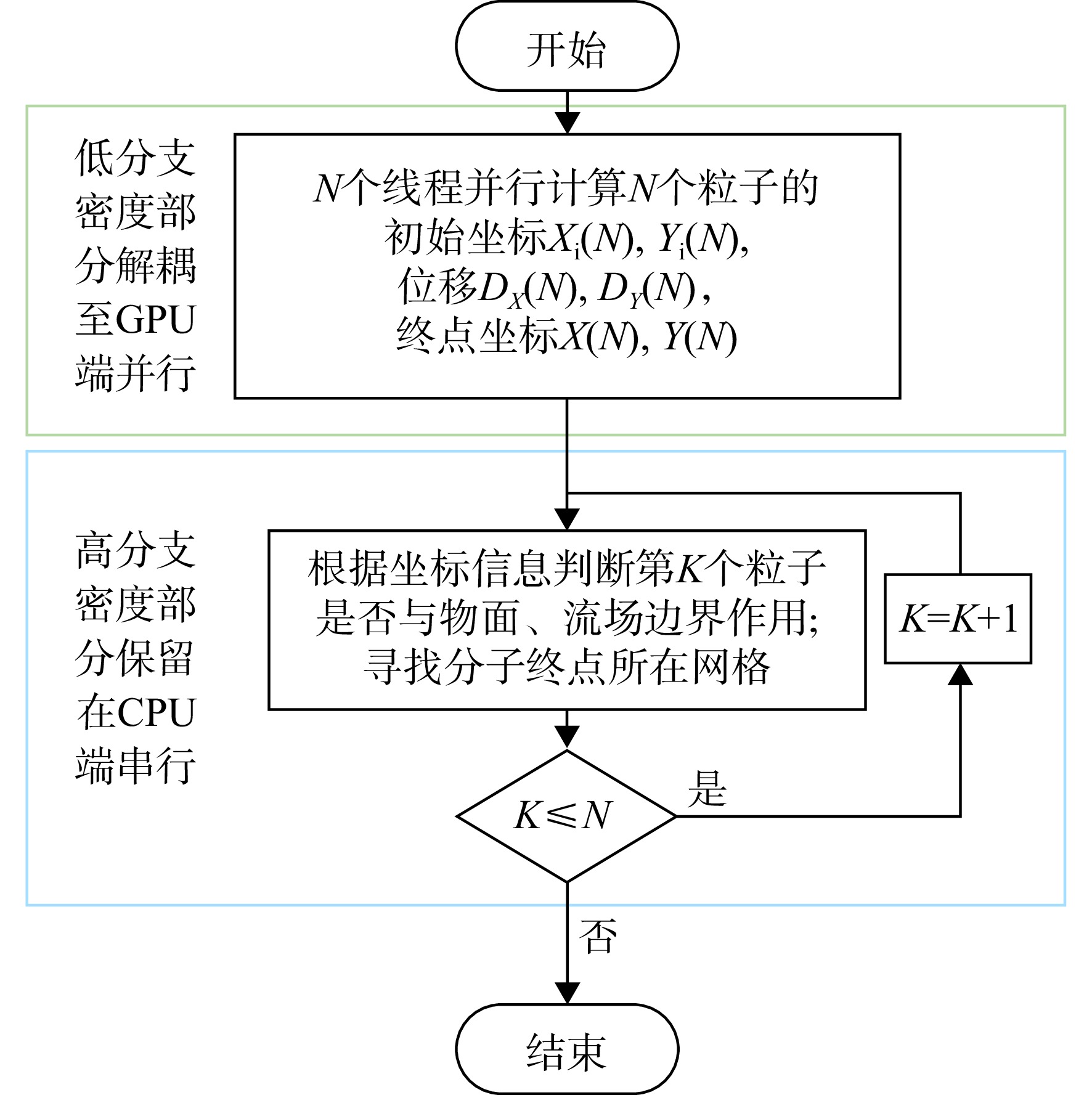
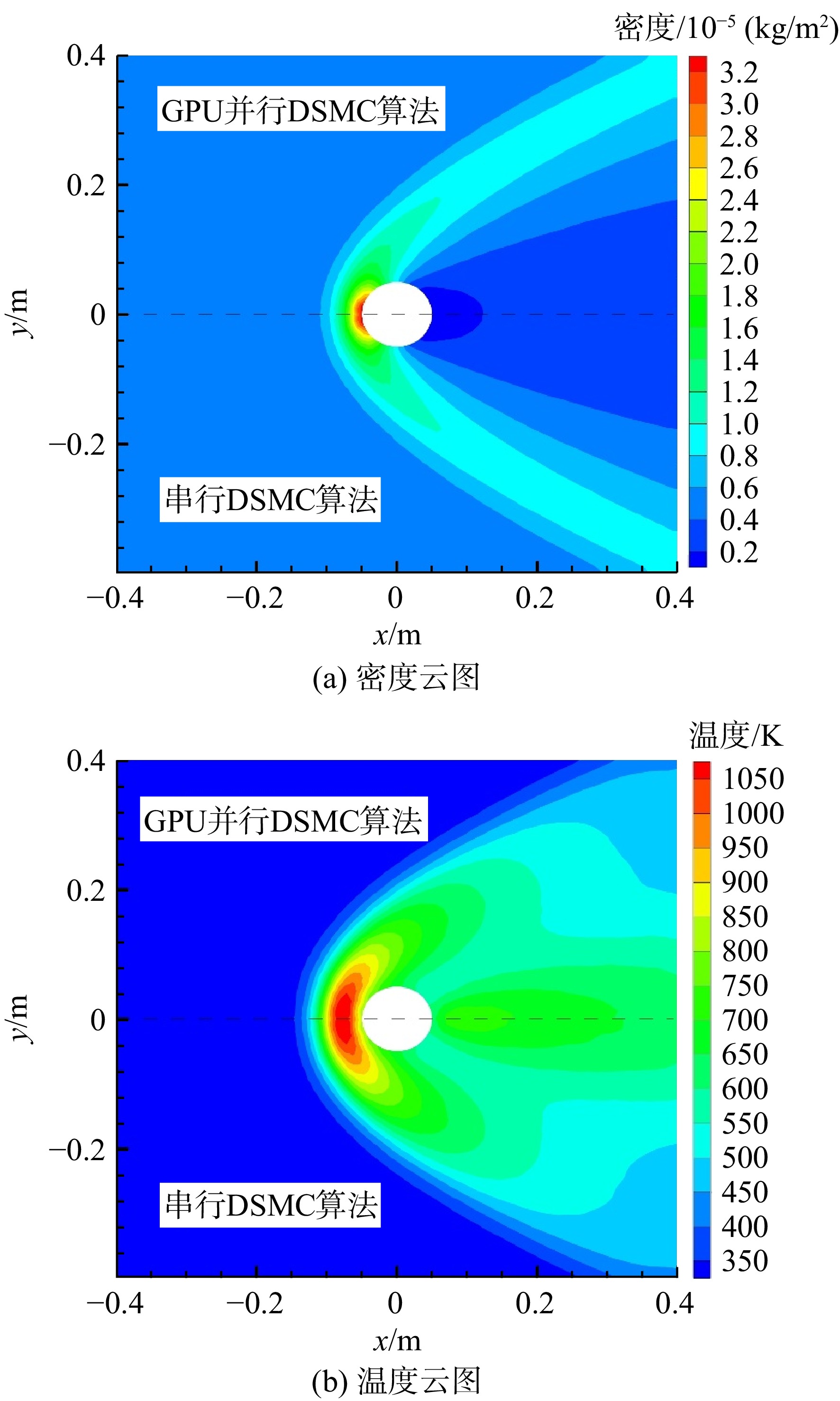
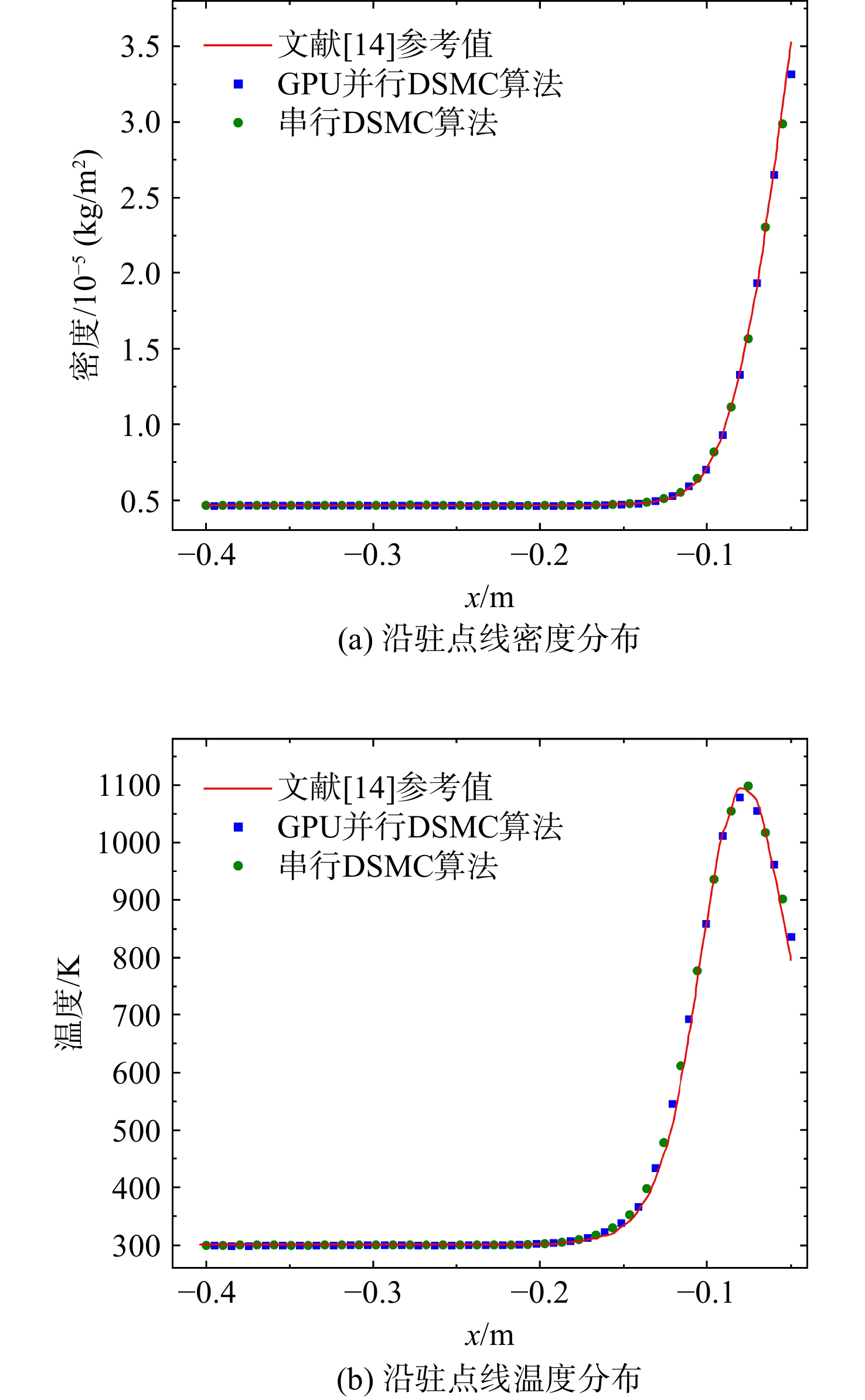
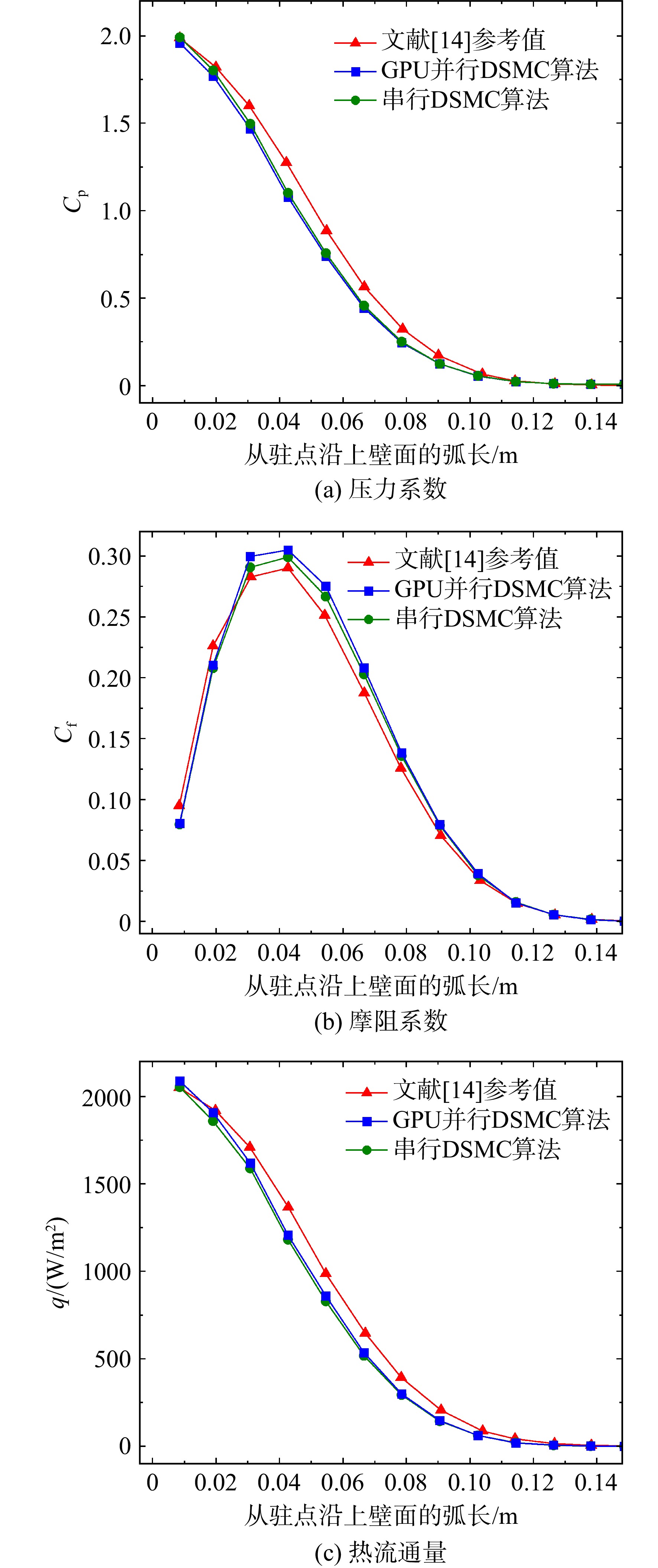
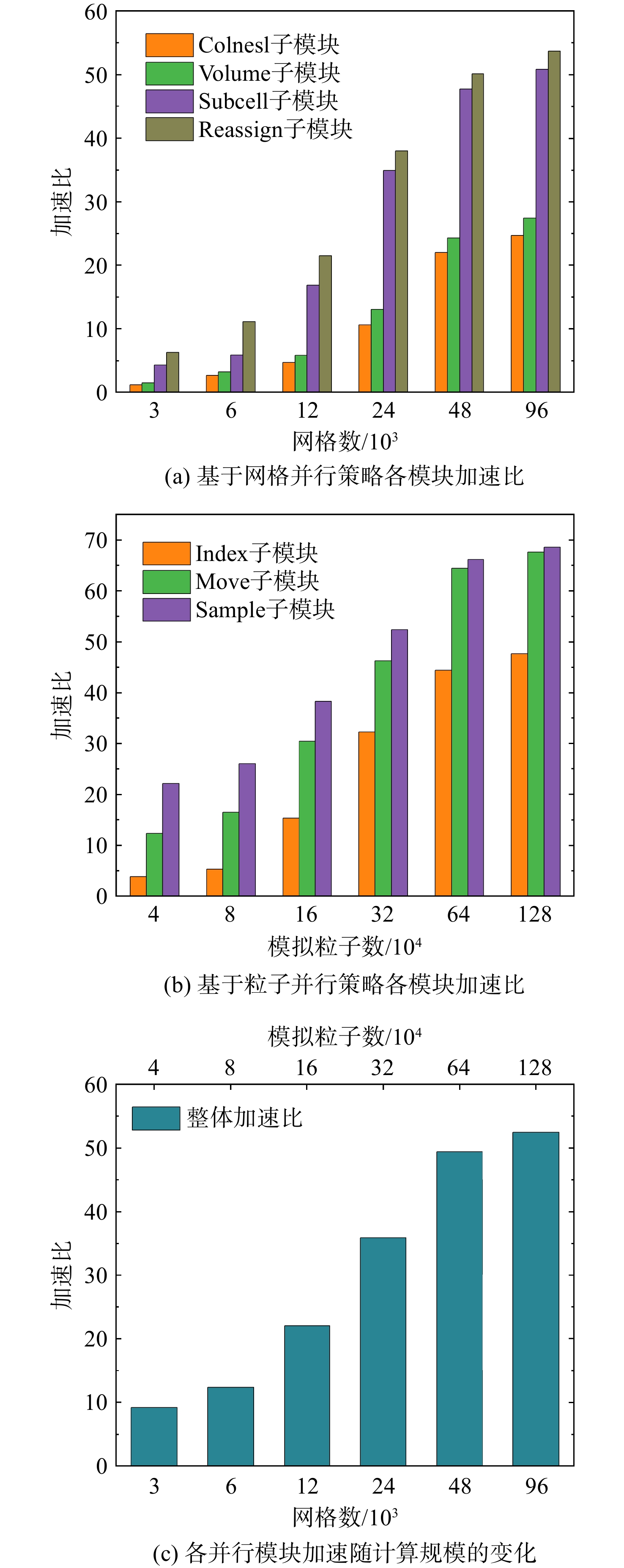
To enhance the computational efficiency of rarefied gas flow simulations, a compute unified device architecture (CUDA) platform-based parallel direct simulation Monte Carlo (DSMC) algorithm for unstructured grids was developed considering the adaptability of unstructured meshes to complex geometries. A general DSMC framework was established, and efficient grid-search and particle-tracking mechanisms were designed. The core computational modules—including flow-field initialization, particle movement, collision, sorting, and sampling—were parallelized and optimized on the CUDA platform. By rationally allocating threads and memory resources, issues such as data consistency, thread divergence, and load imbalance in graphics processing unit (GPU) computing were effectively addressed. The algorithm was validated through simulation of supersonic flow over a circular cylinder. Results showed that the overall speedup on a single GPU reached 52.5; the speedups of individual modules based on the grid-parallel strategy ranged from 24.7 to 53.7, while those based on the molecule-parallel strategy ranged from 47 to 68. The proposed algorithm significantly improved the parallel performance of DSMC simulations on unstructured grids, thus providing a feasible approach for efficient numerical simulation of high-Mach-number rarefied gas flows.

Structure,Strength and Vibration
Constitutive modelling for additive manufacturing superalloys considering the porosity and anisotropy
FAN Yongsheng, MA Xiaobo, WANG Menglei, SHI Duoqi, YANG Xiaoguang, DONG Chengli
2026, 41(10): 20250352. doi: 10.13224/j.cnki.jasp.20250352
Abstract:

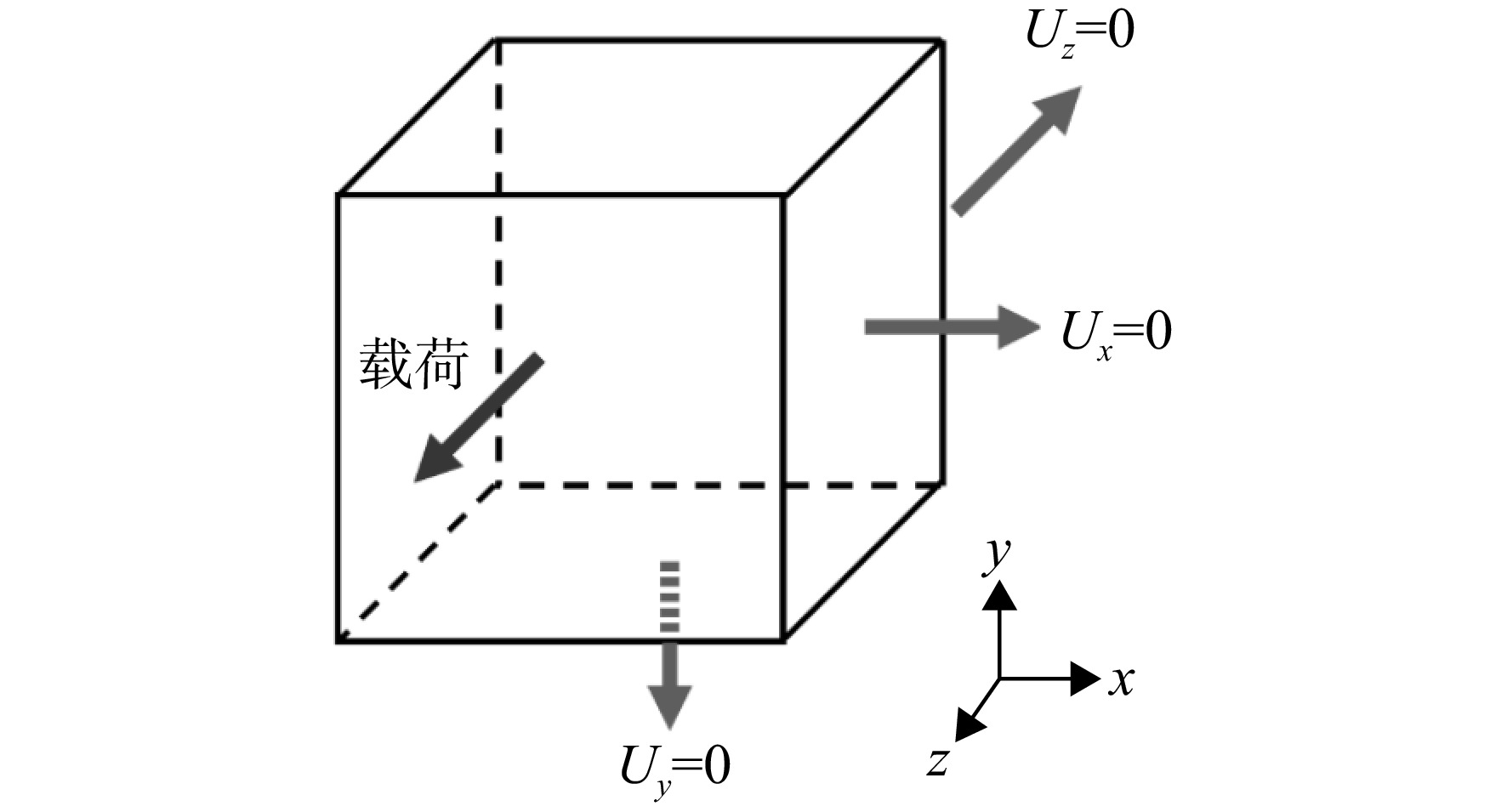
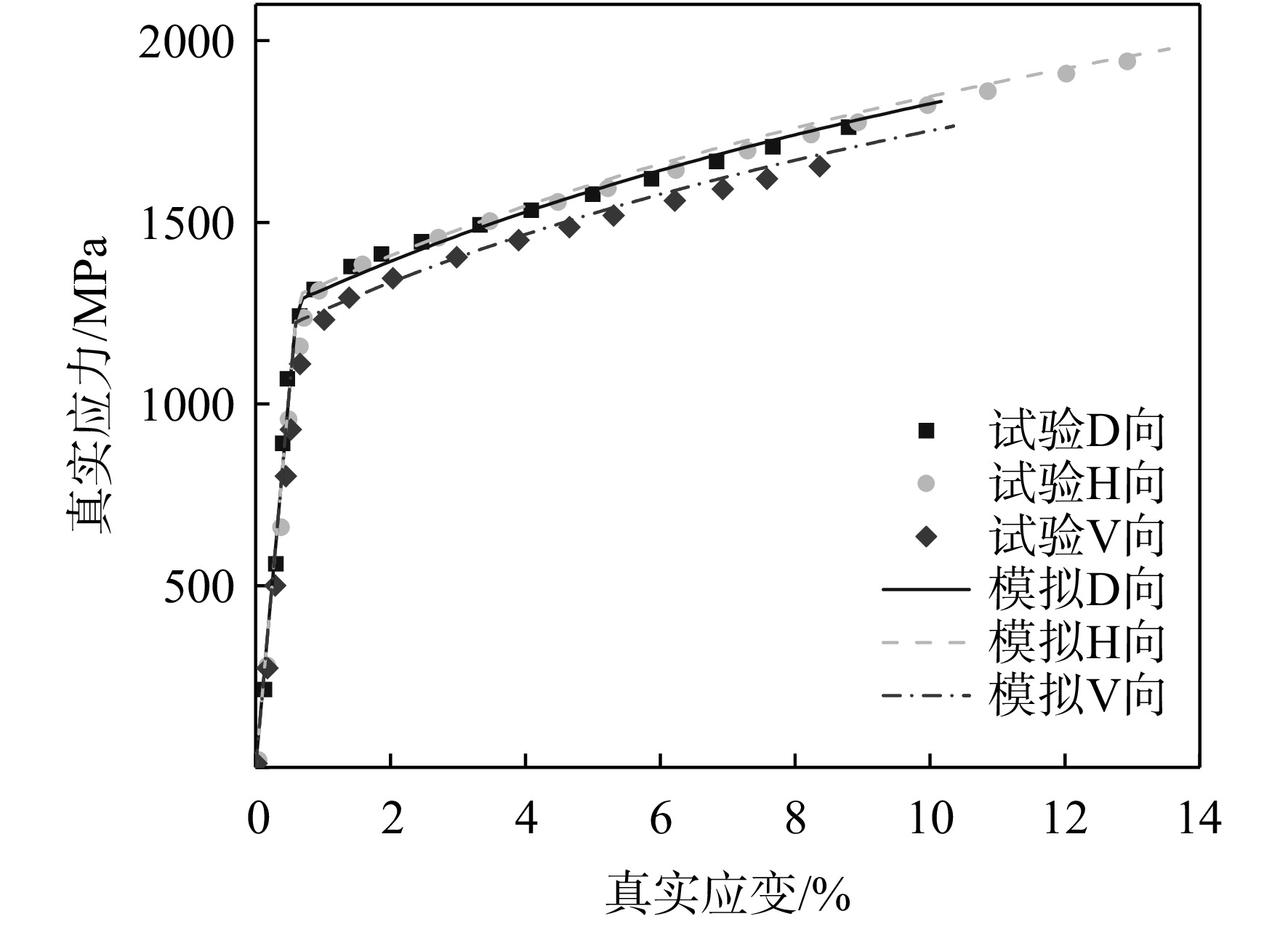
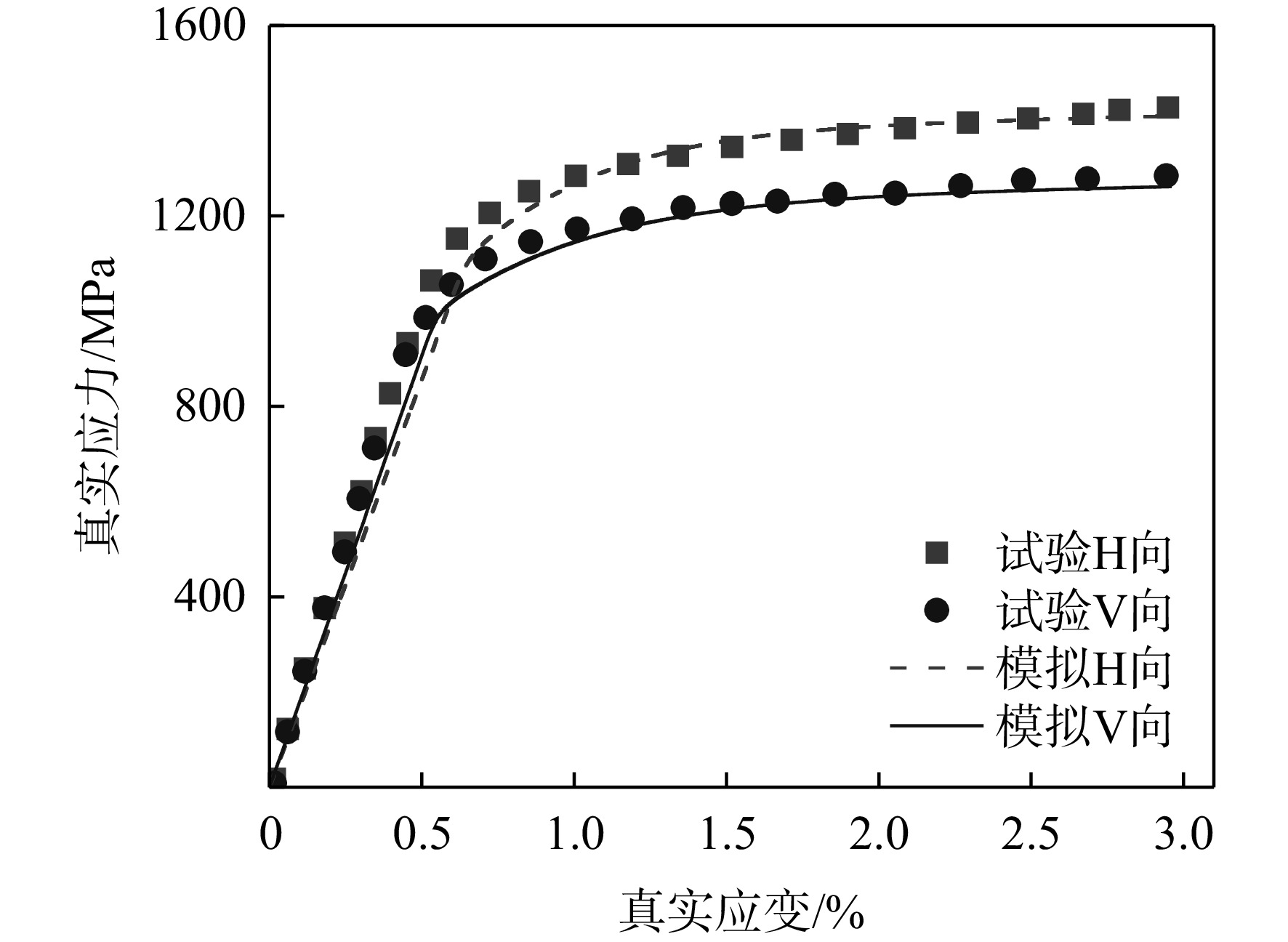
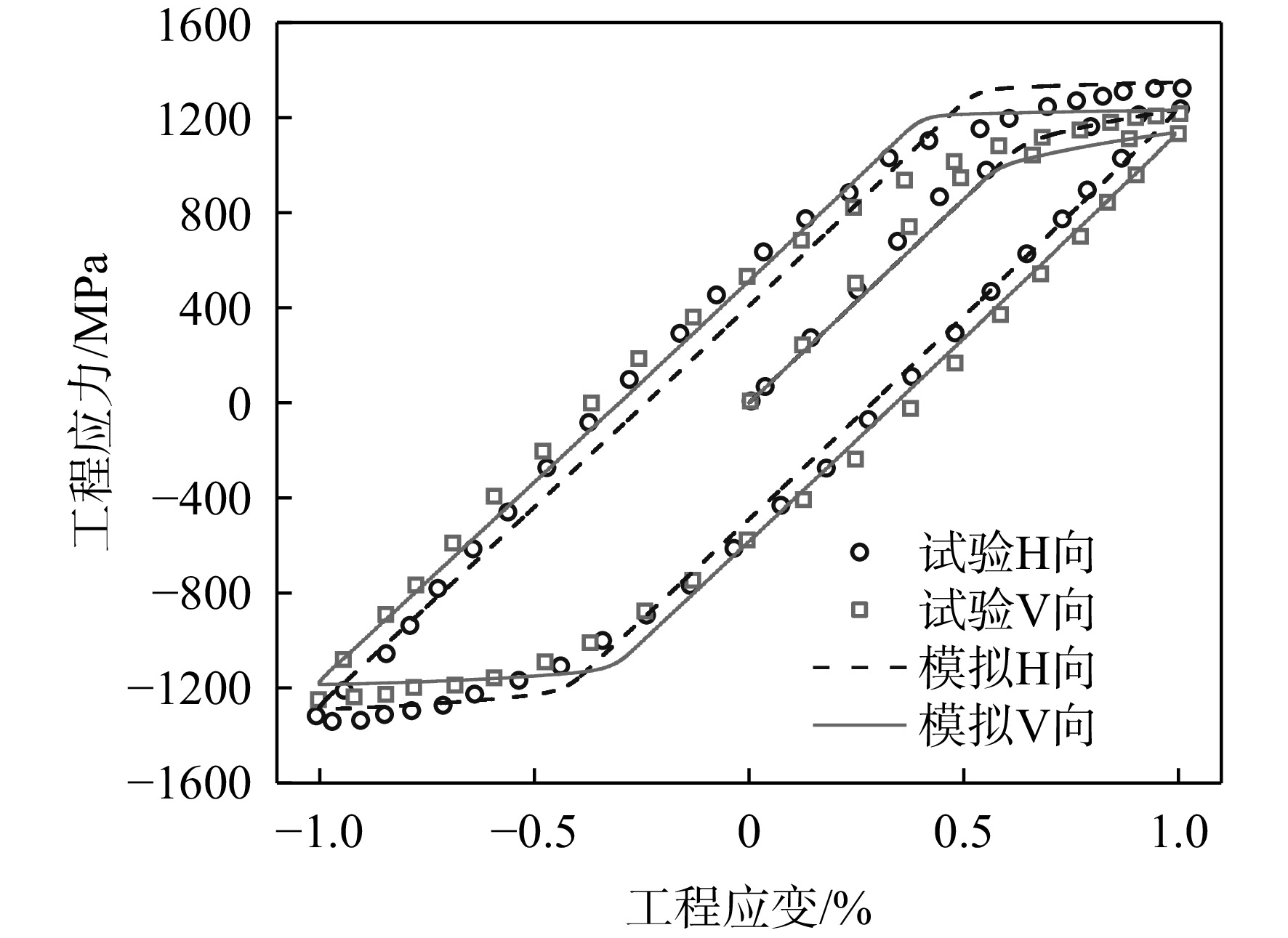
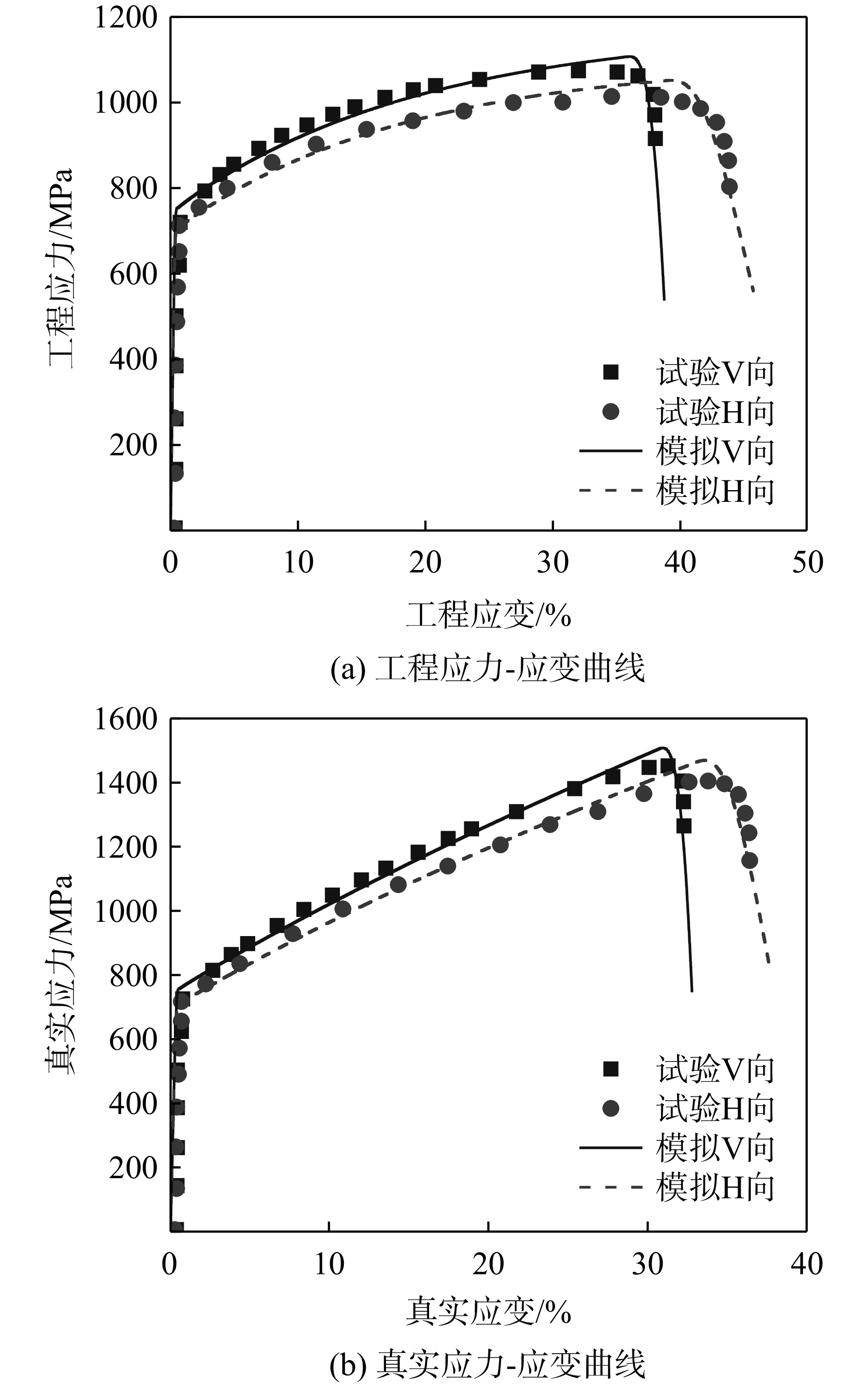
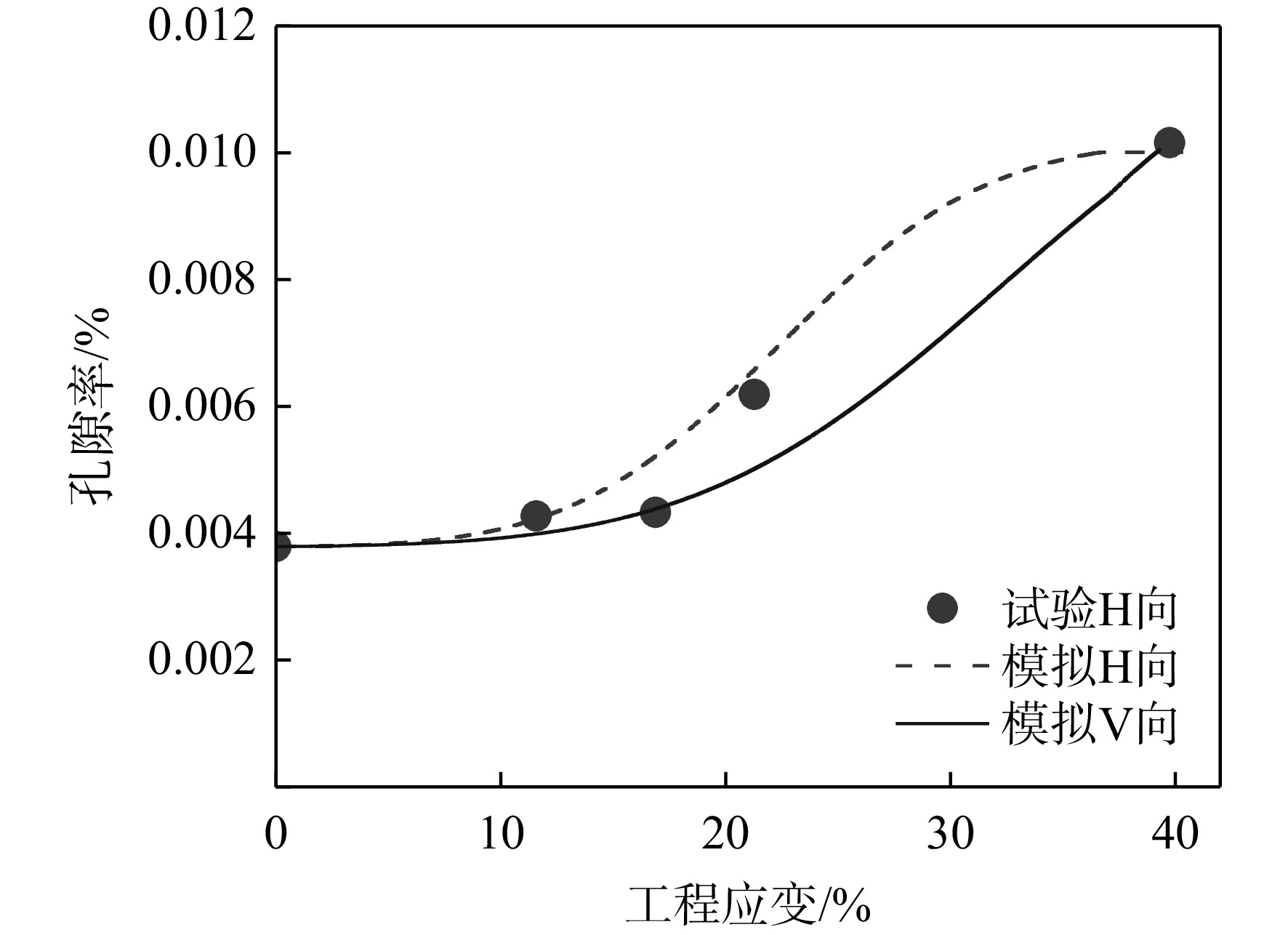
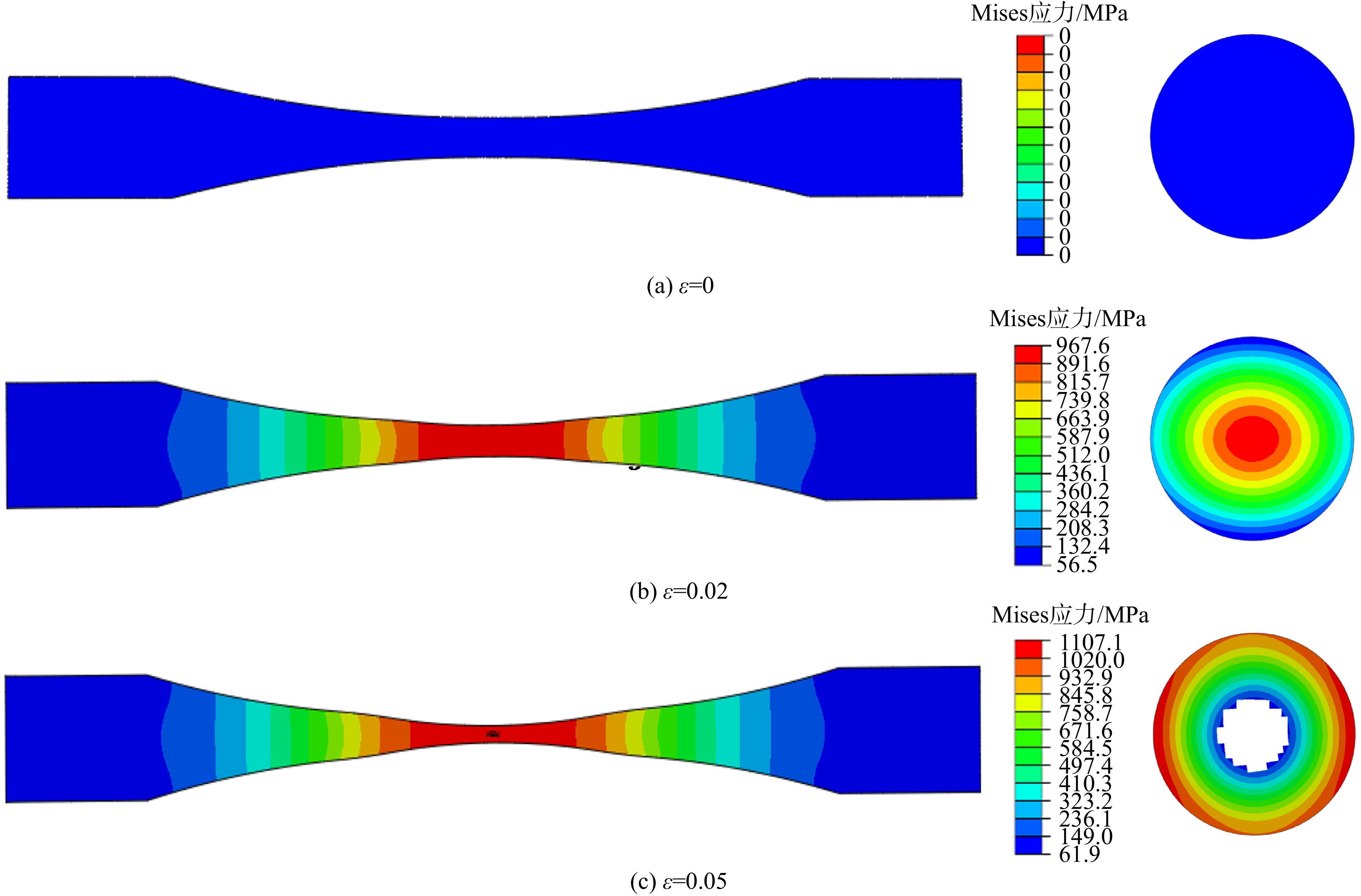
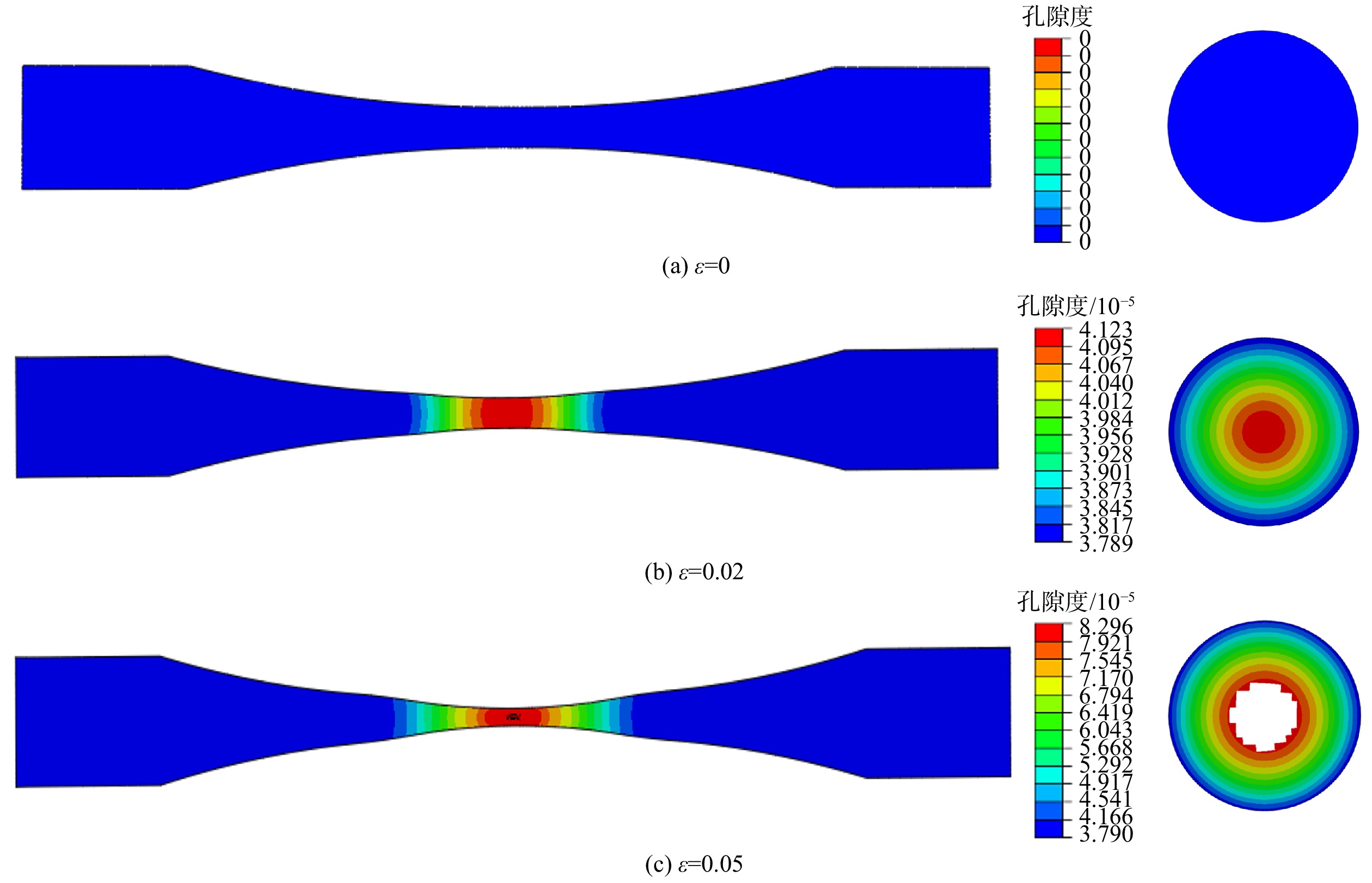
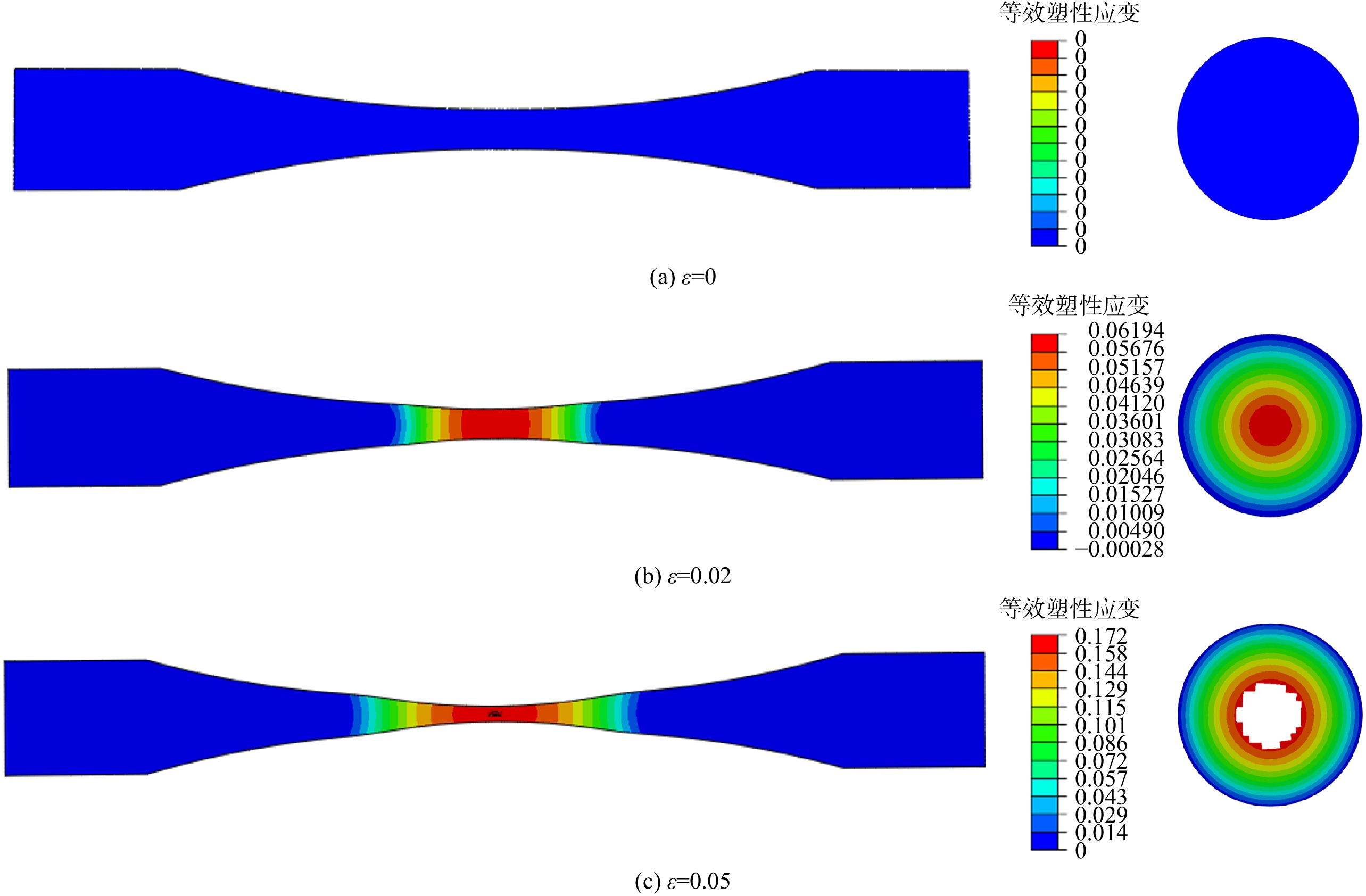
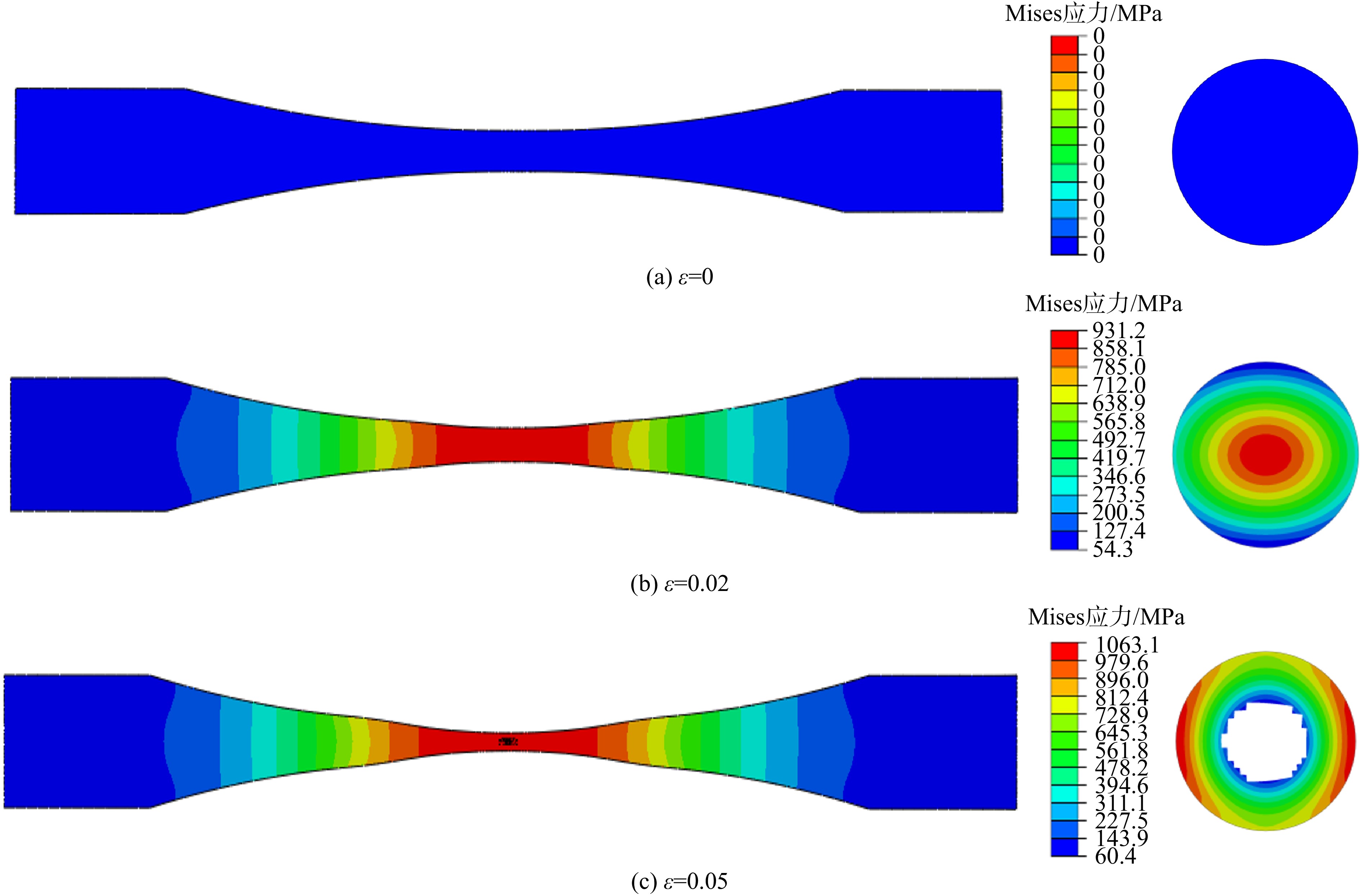
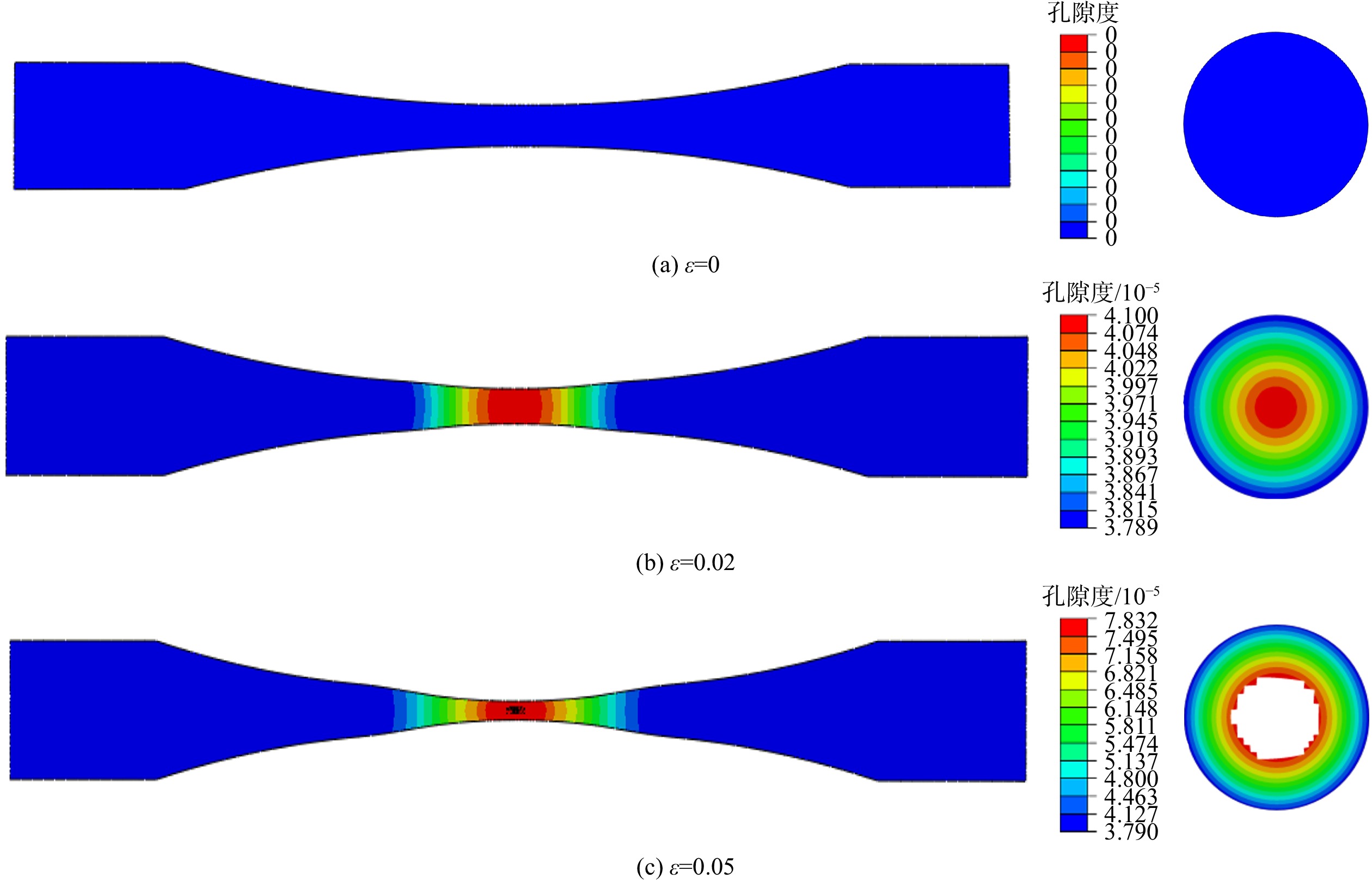
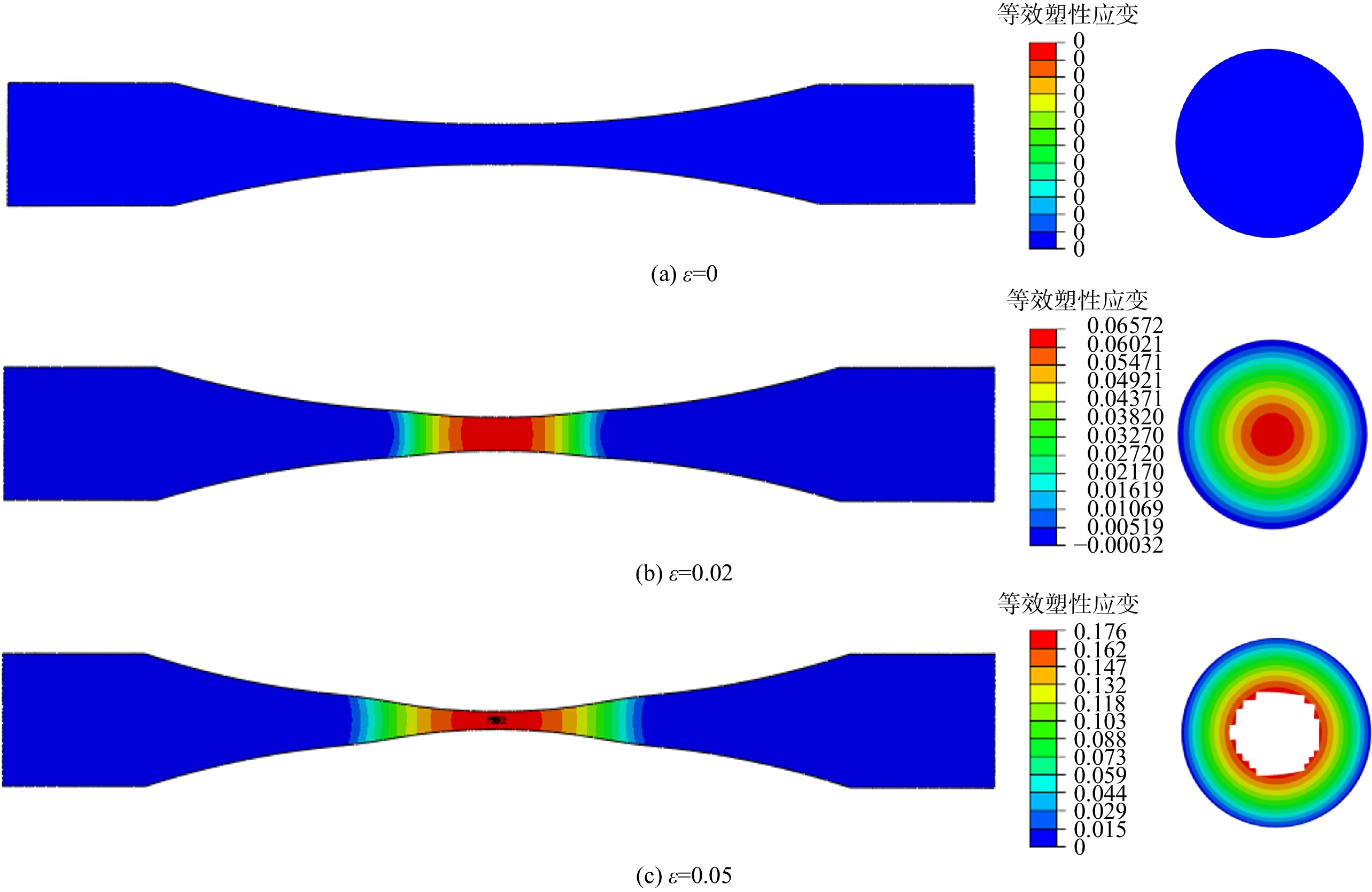
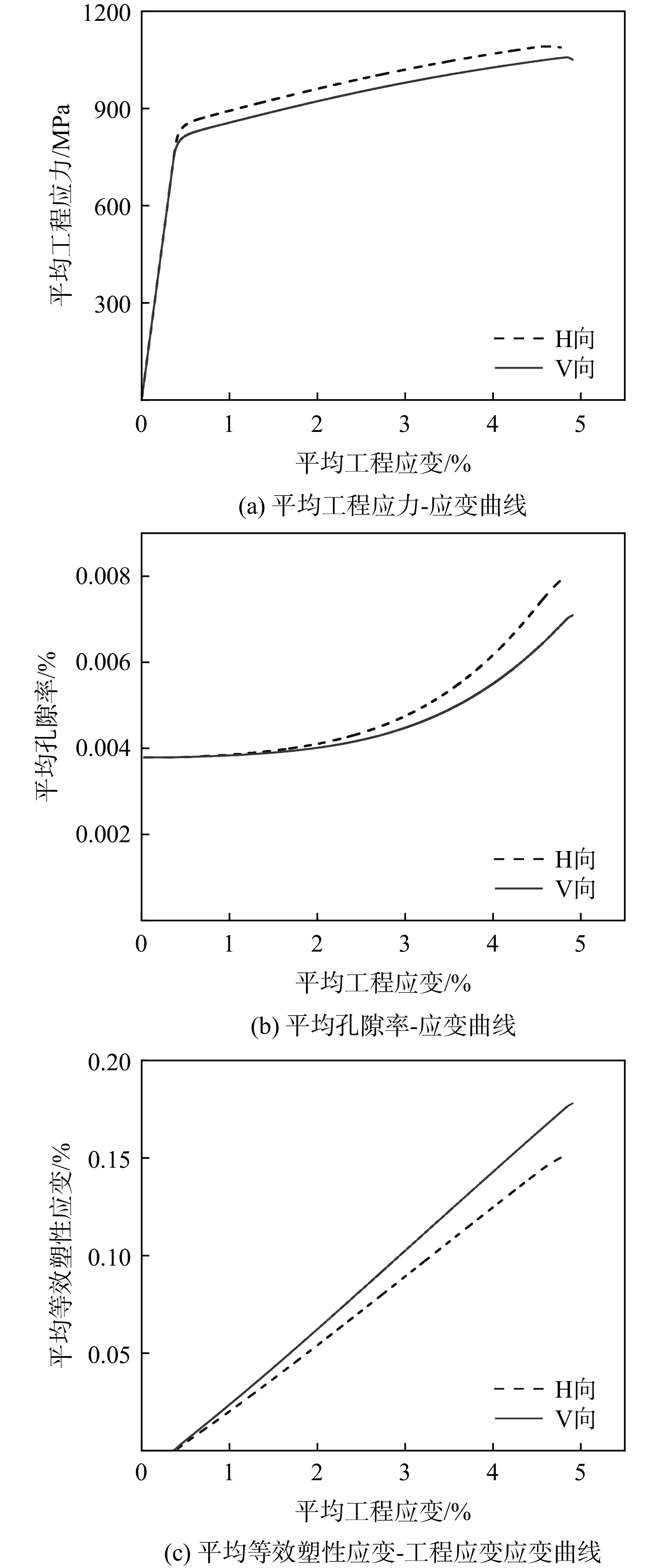
A macroscopic constitutive model was developed to characterize the coupled evolution of anisotropy and porosity-induced damage in the mechanical response of metal additive manufacturing (AM) components. The model integrated an anisotropic yield criterion, a nonlinear mixed hardening mechanism, and a porous media damage theory to systematically describe the yield behavior, strain hardening, and damage evolution under complex loading paths. Numerical simulations were performed and compared with experimental data under monotonic tension, cyclic loading, and various build orientations. The results demonstrated that the model exhibited prediction errors of less than 5% for monotonic tensile responses of both H and V-oriented specimens made of additively manufactured high-temperature alloy, with stress amplitude deviations under cyclic loading not exceeding 4%. Furthermore, it effectively quantified the influence of pore evolution on the mechanical properties, predicting approximately 15% reduction in material ductility when porosity increased from 0.004% to 0.010%. The proposed model demonstrated strong potential for engineering application and broader implementation.

Effects of overload on the overturning behavior of metal diaphragm
Feng Mingyu, Zhao Heming, Fan Kai, Lu Siyuan, Xu Haiyang
2026, 41(10): 20250052. doi: 10.13224/j.cnki.jasp.20250052
Abstract:

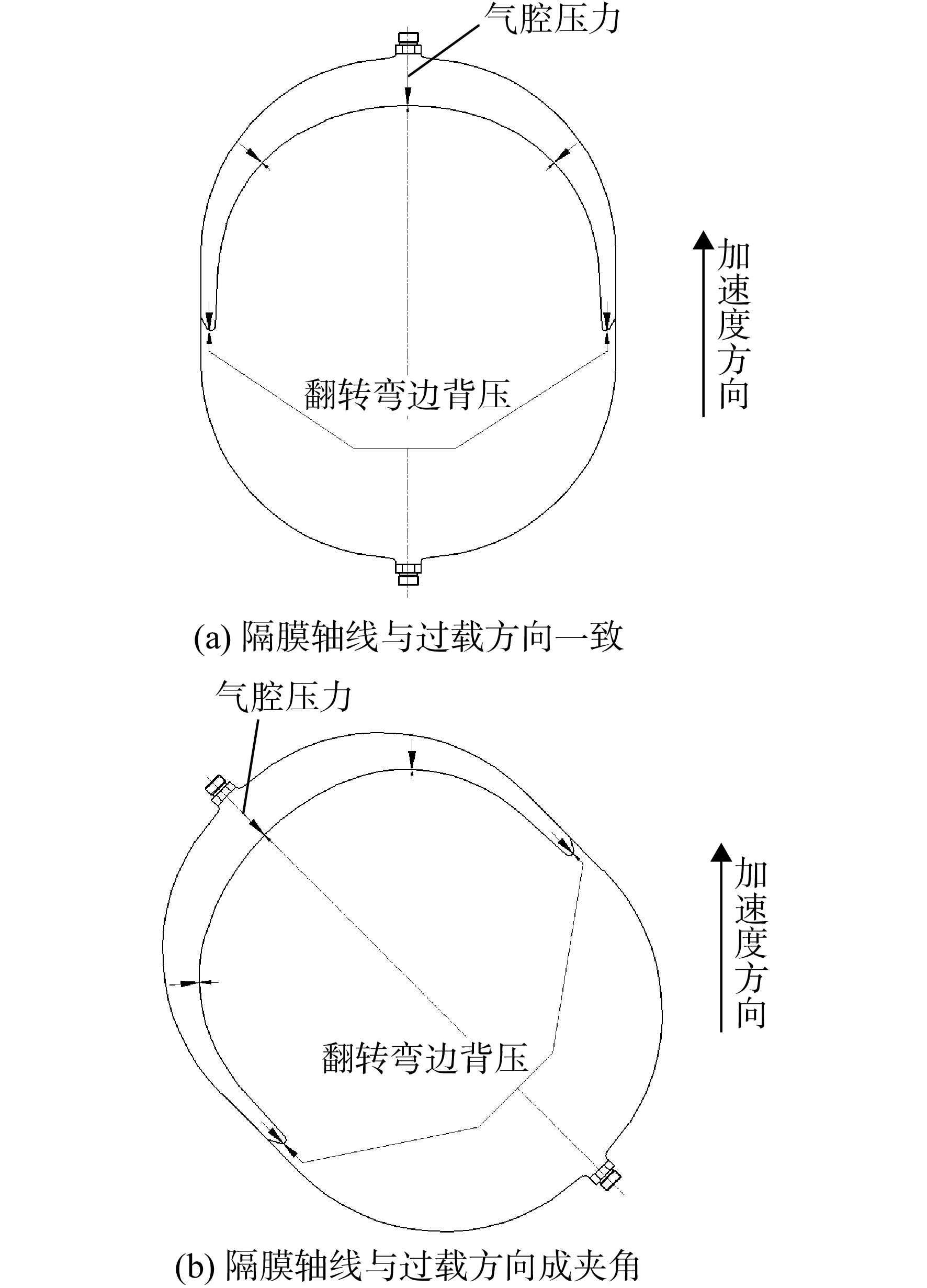
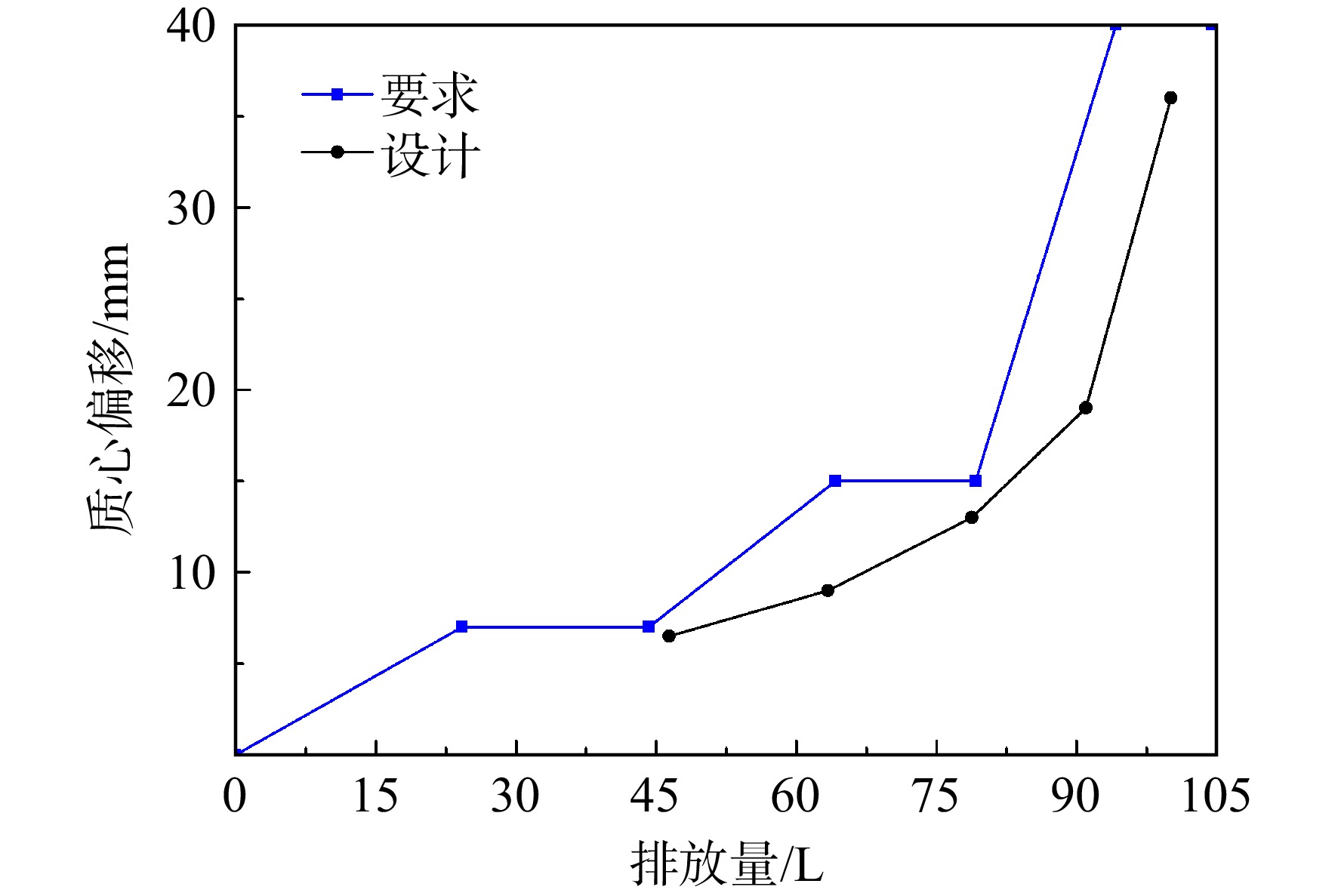
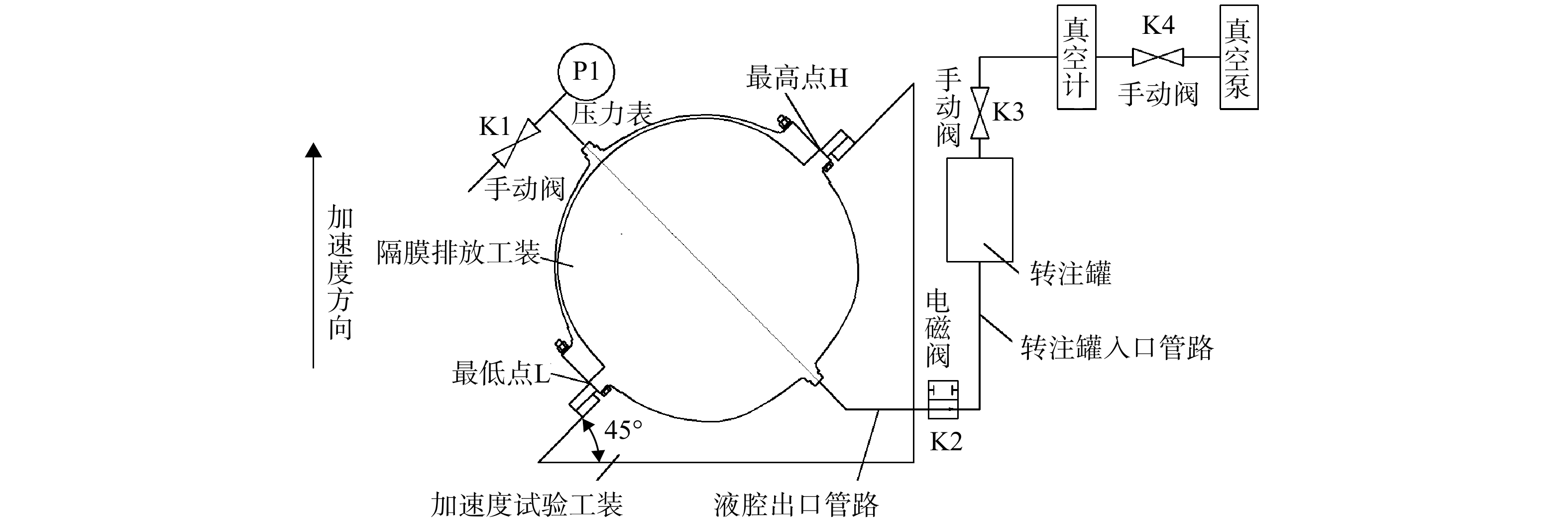
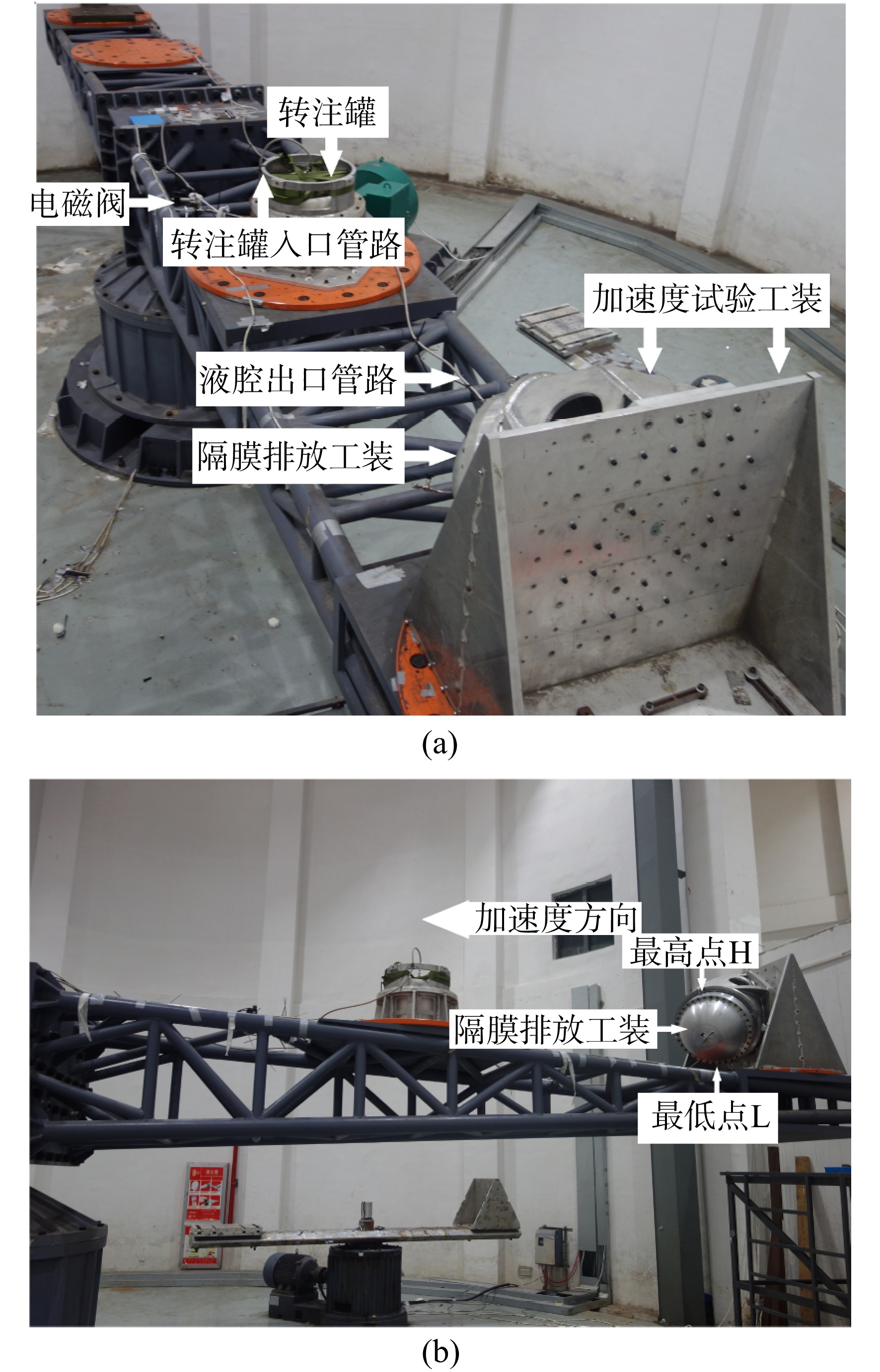
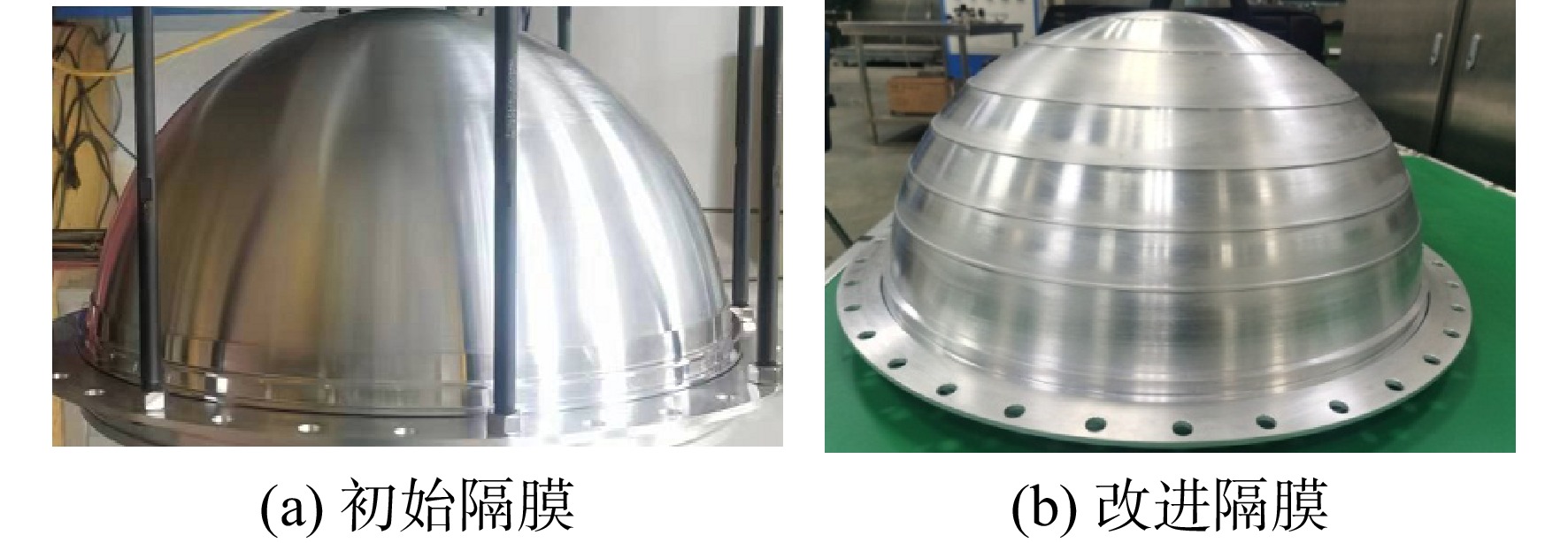
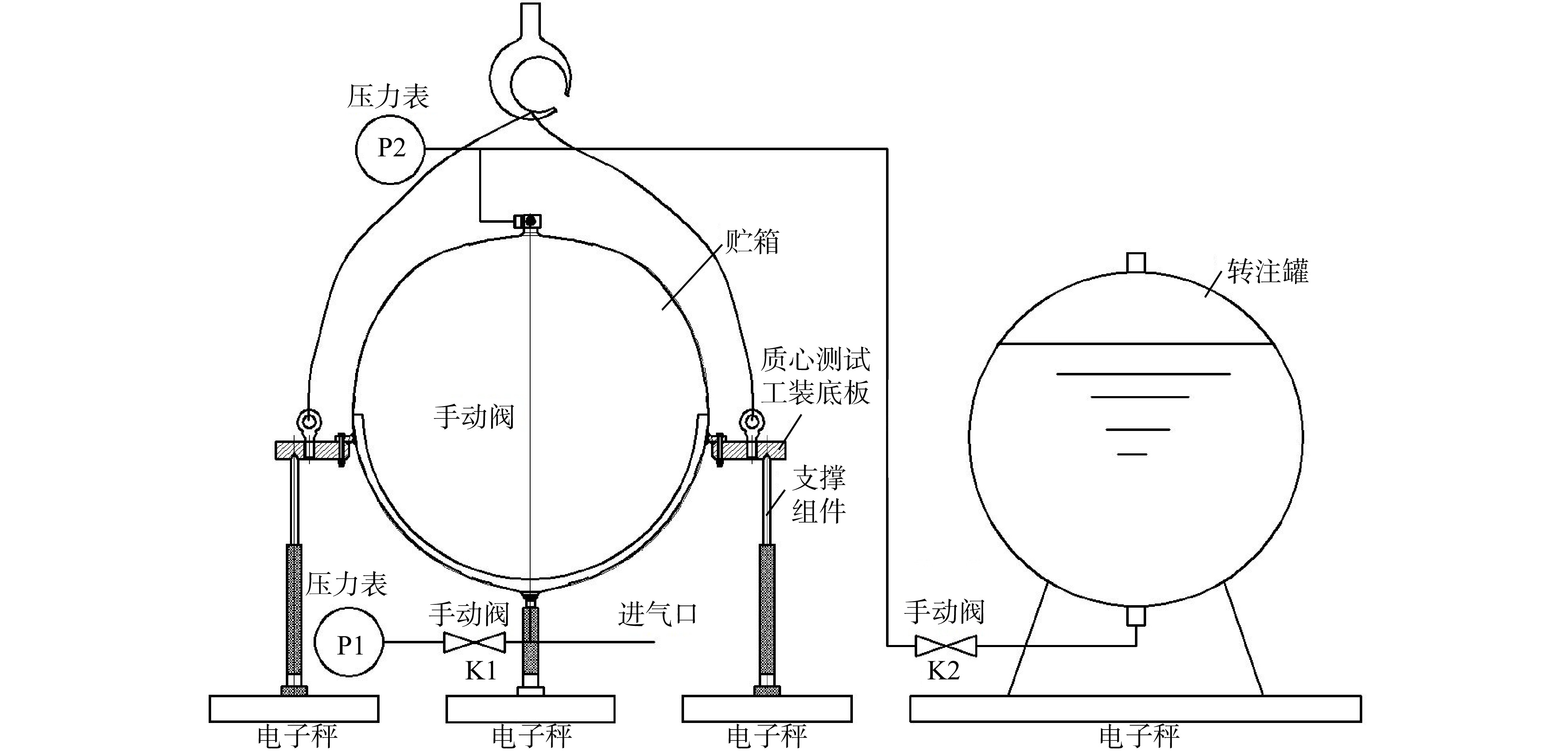
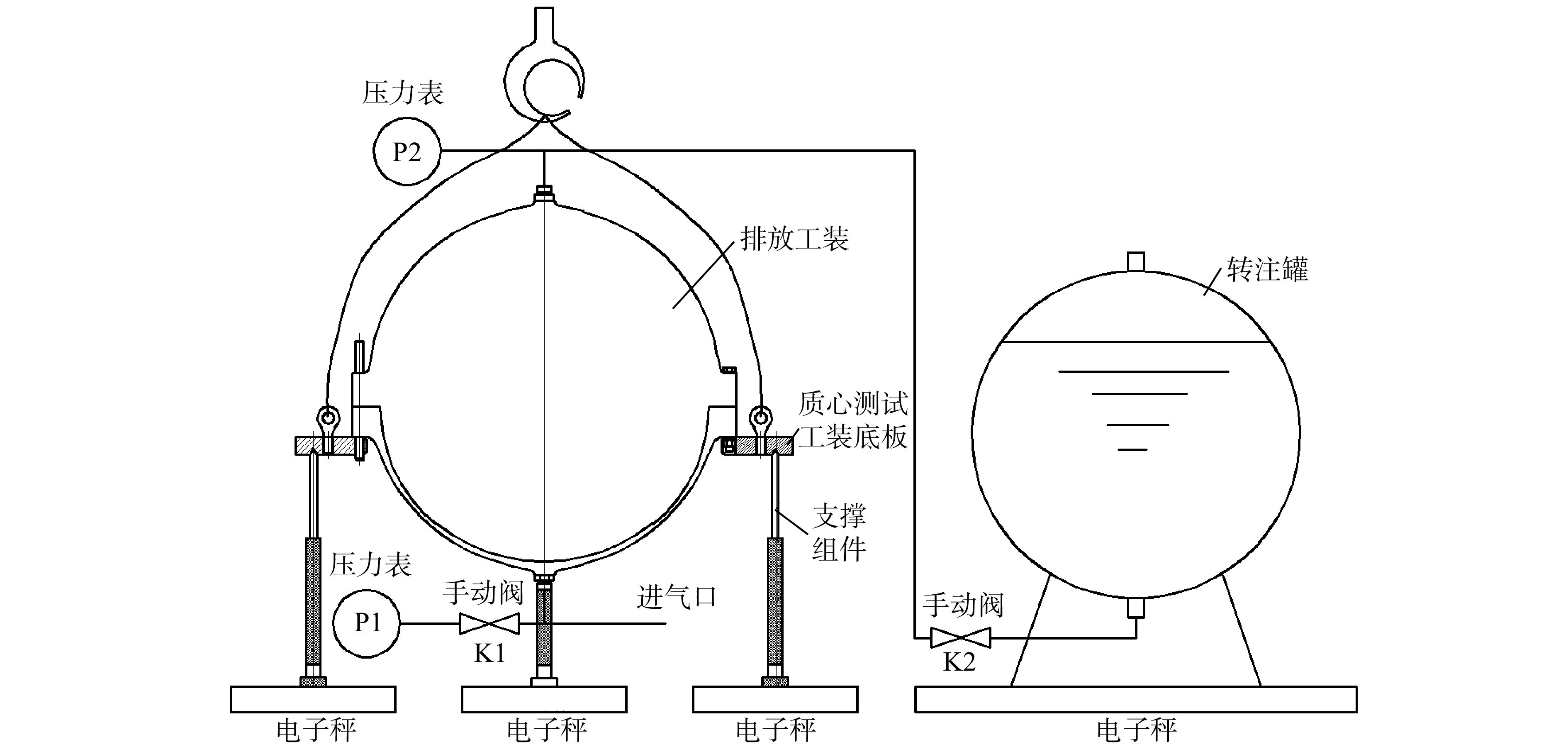
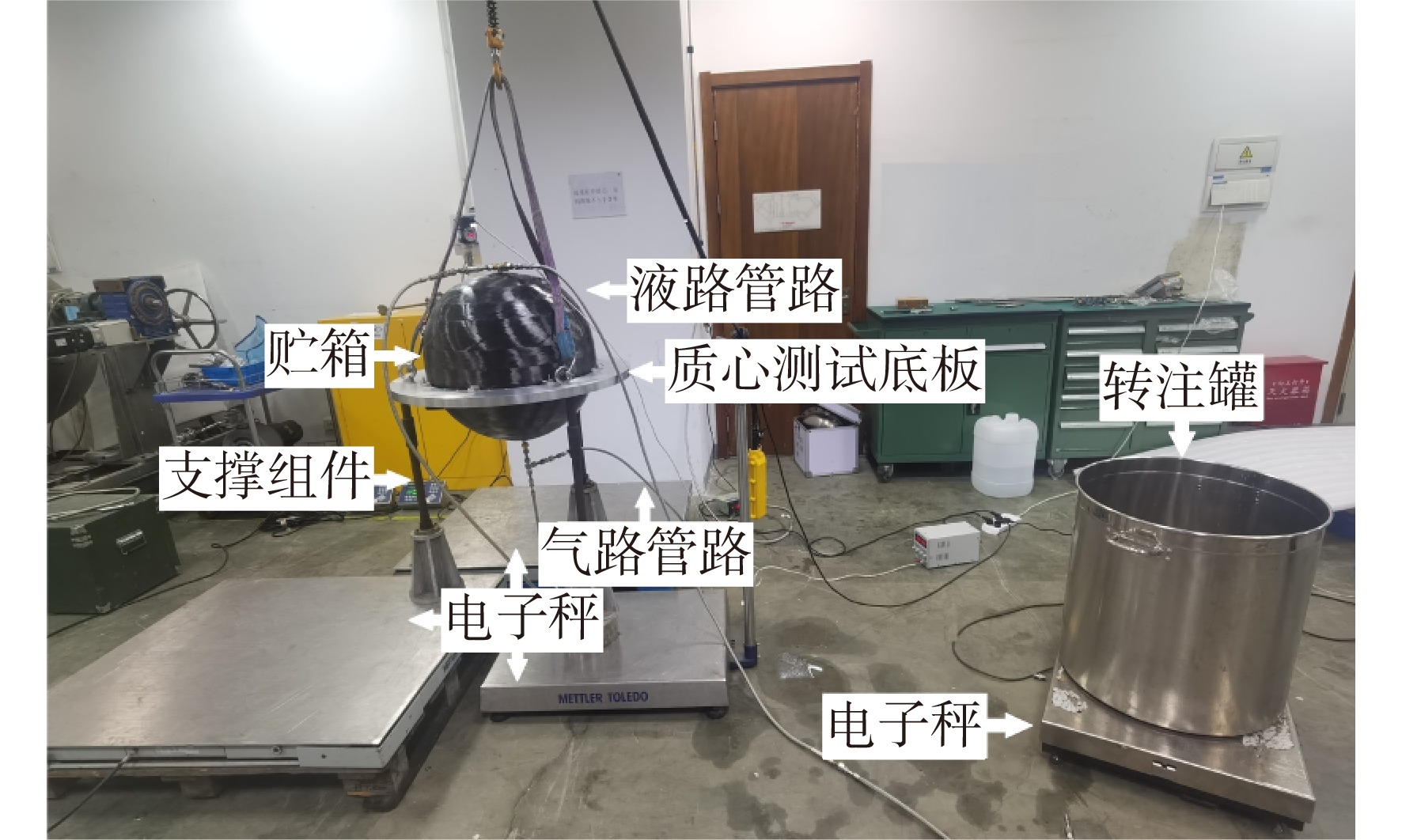
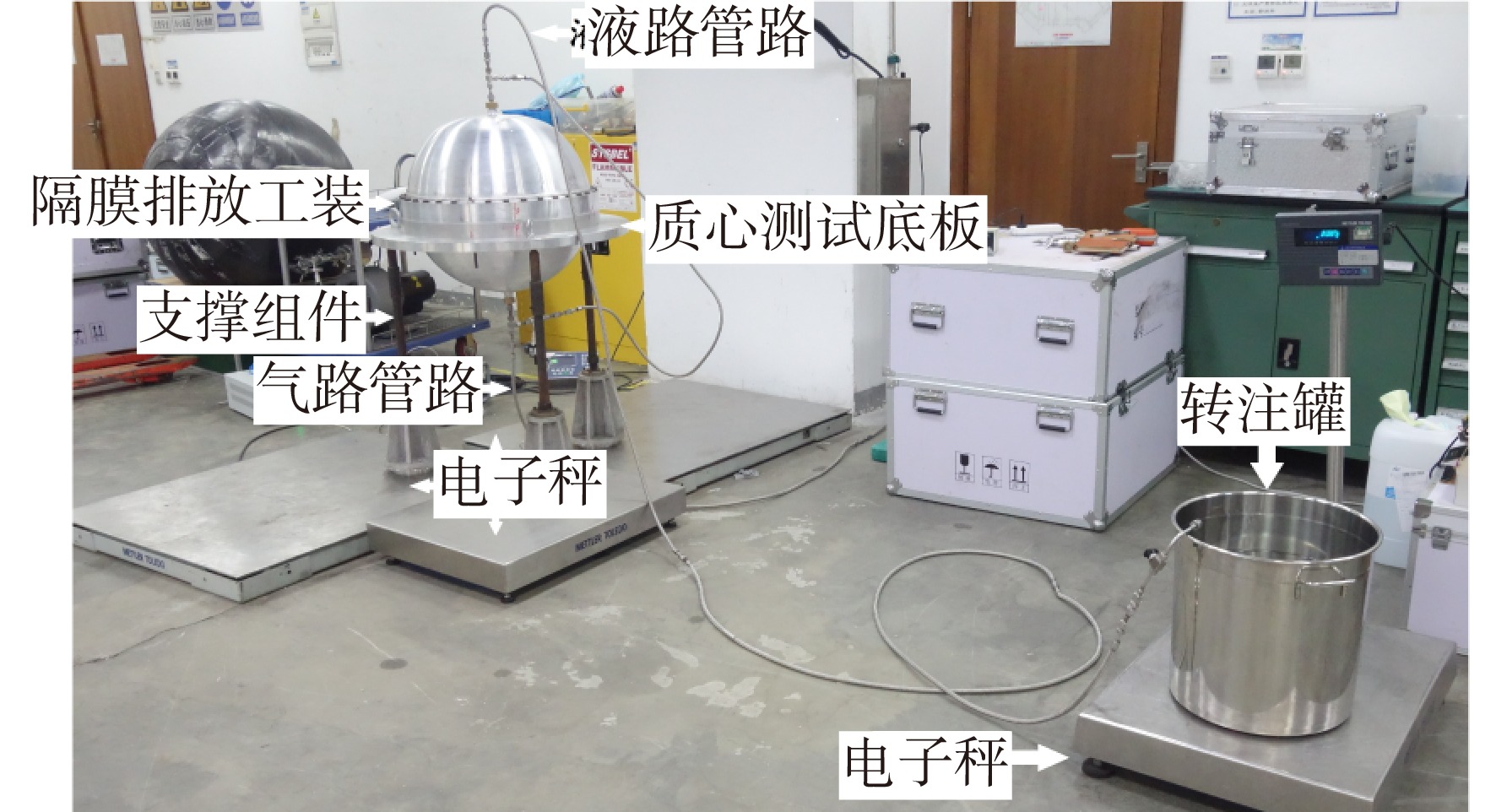
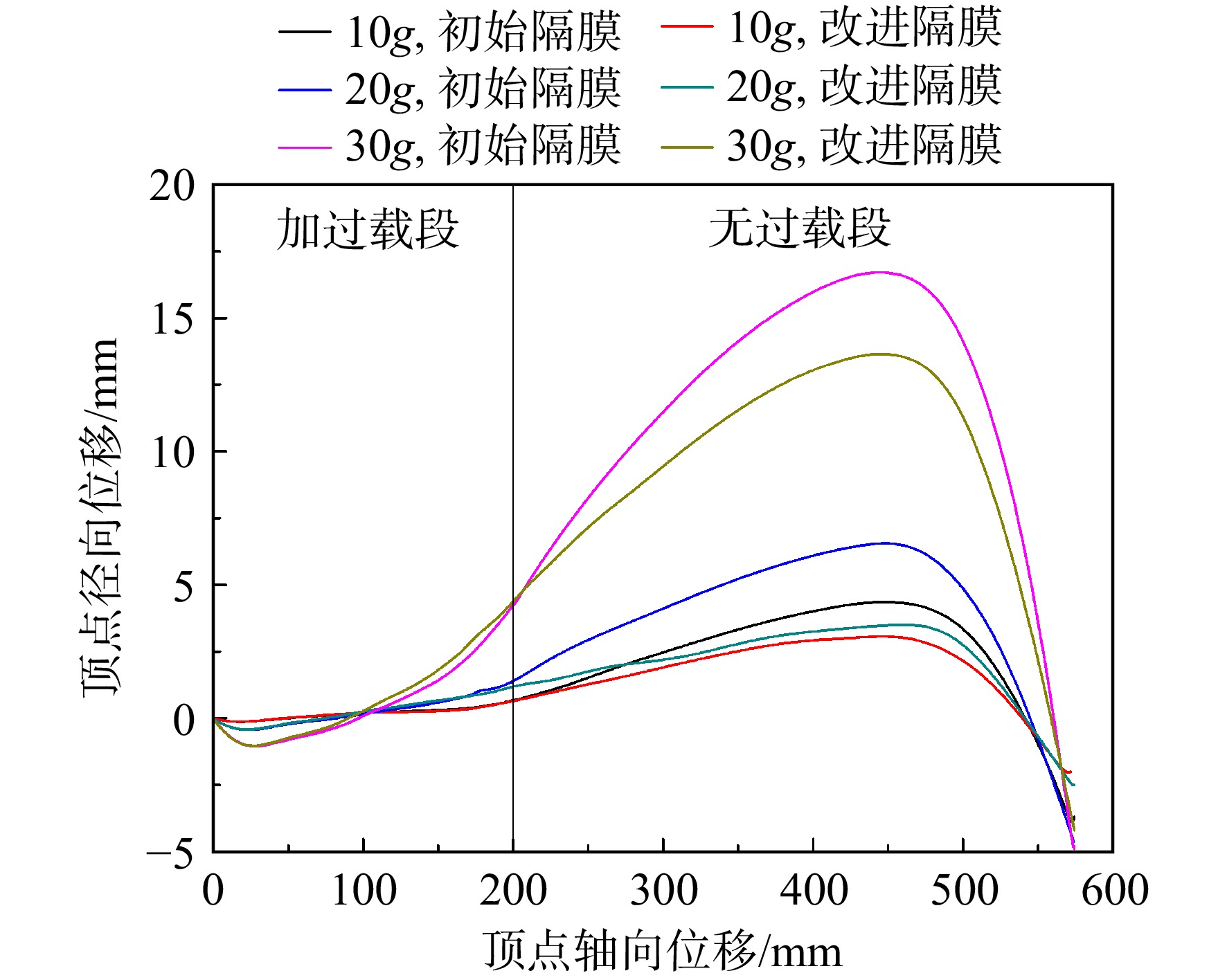
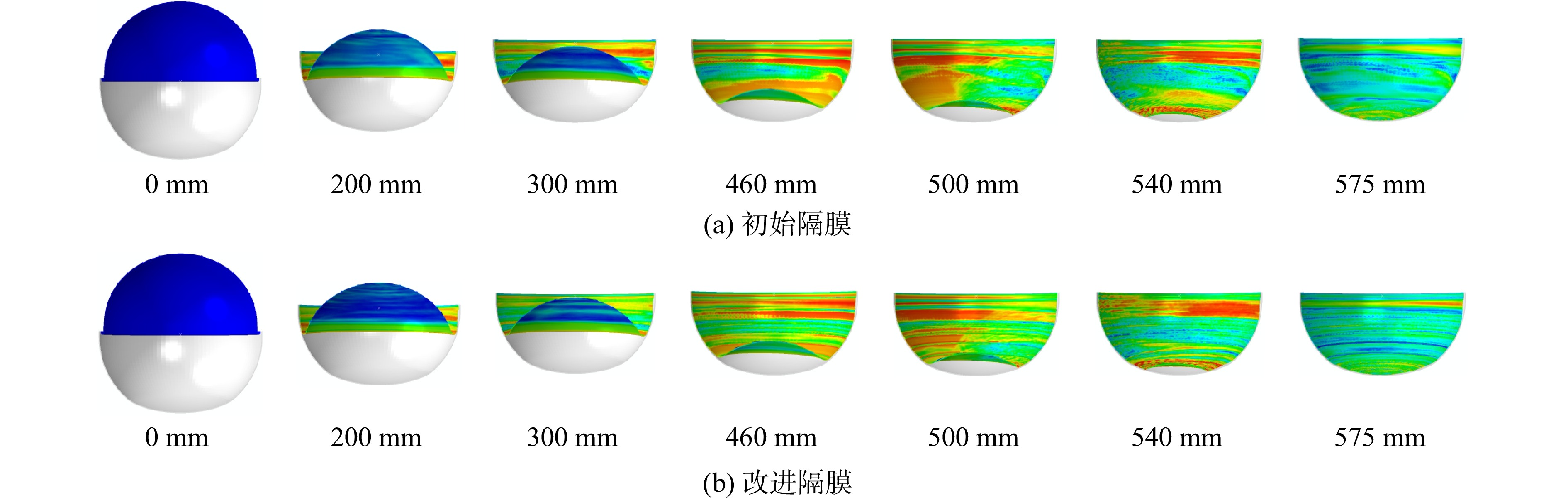
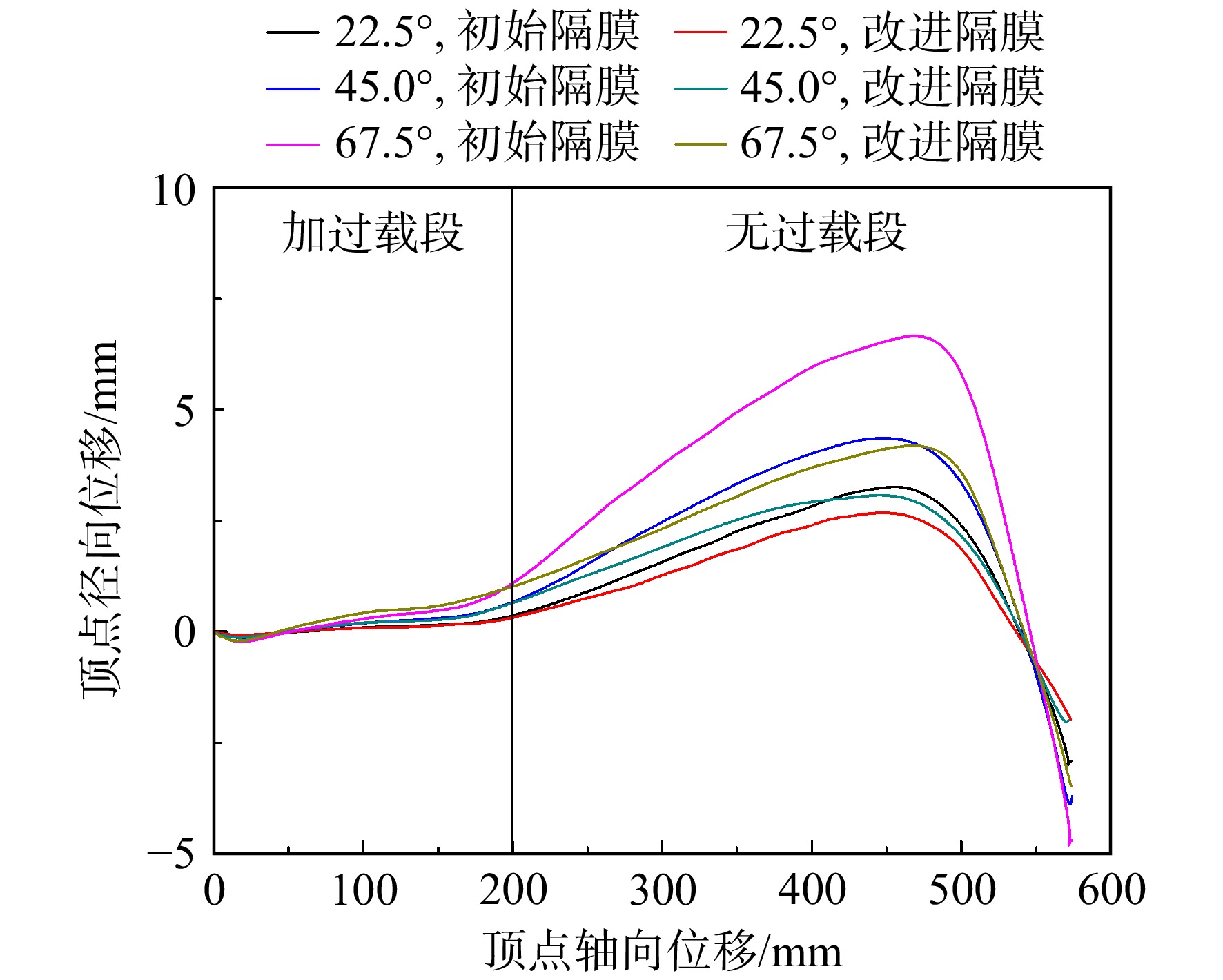
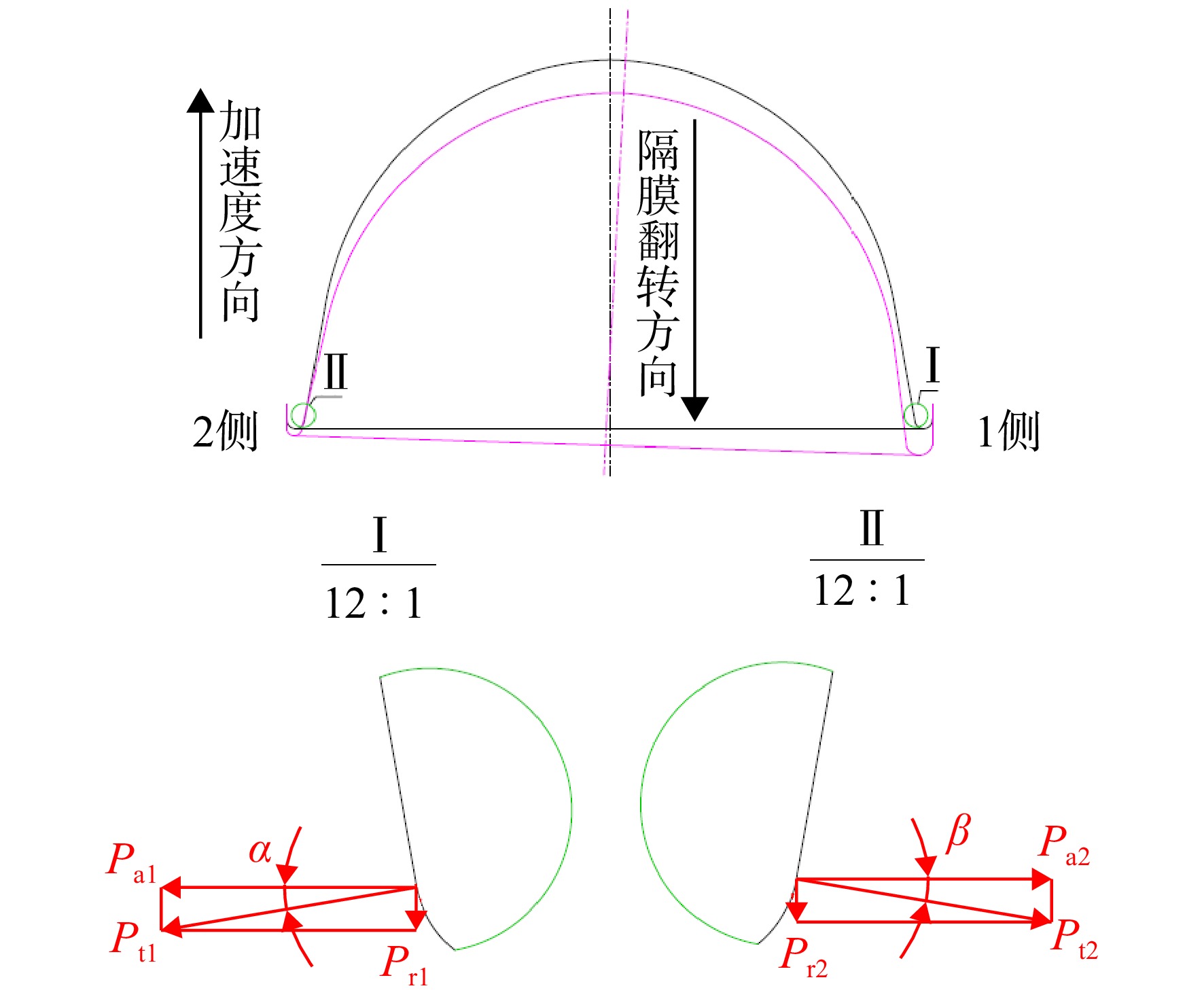
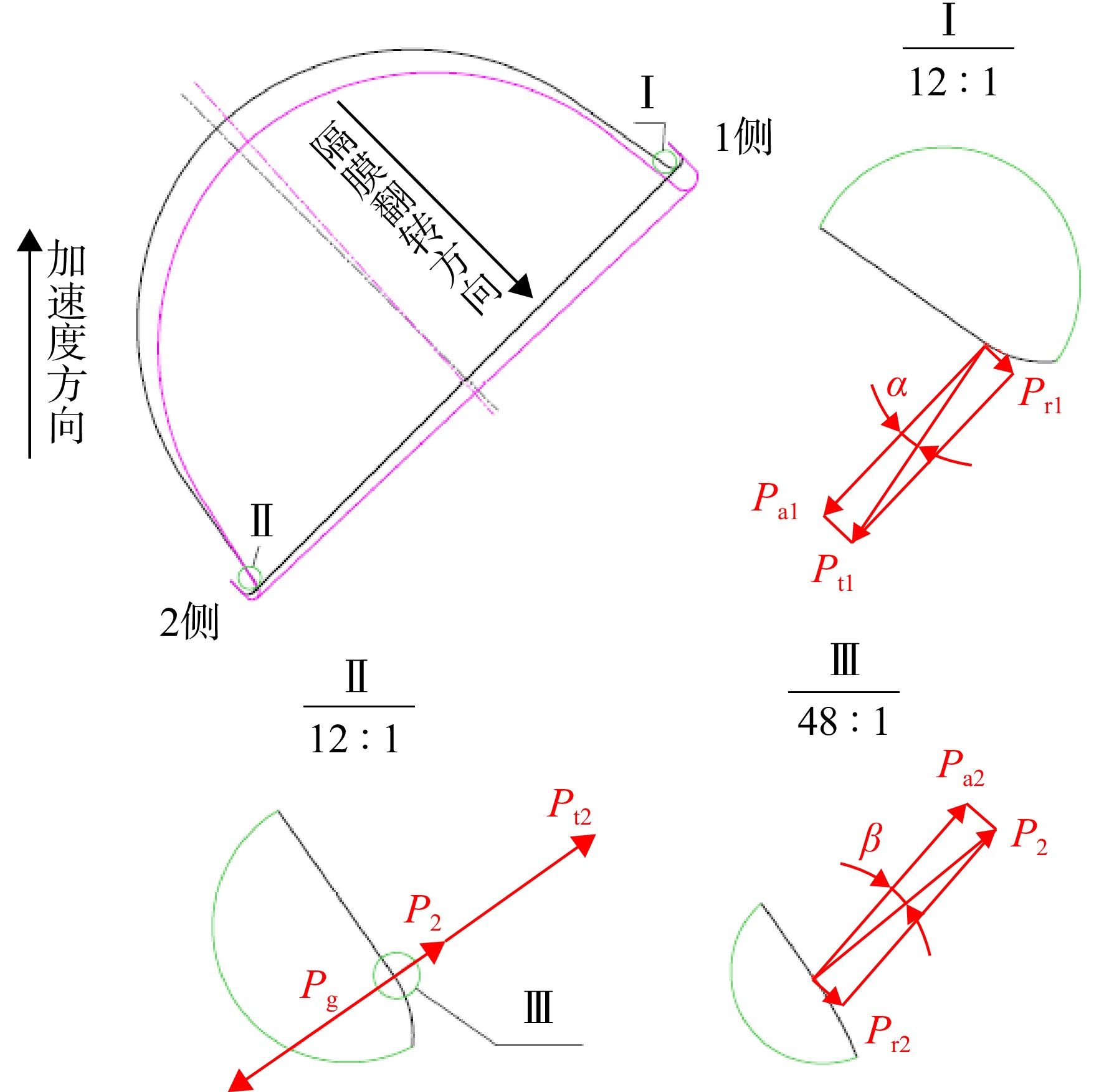
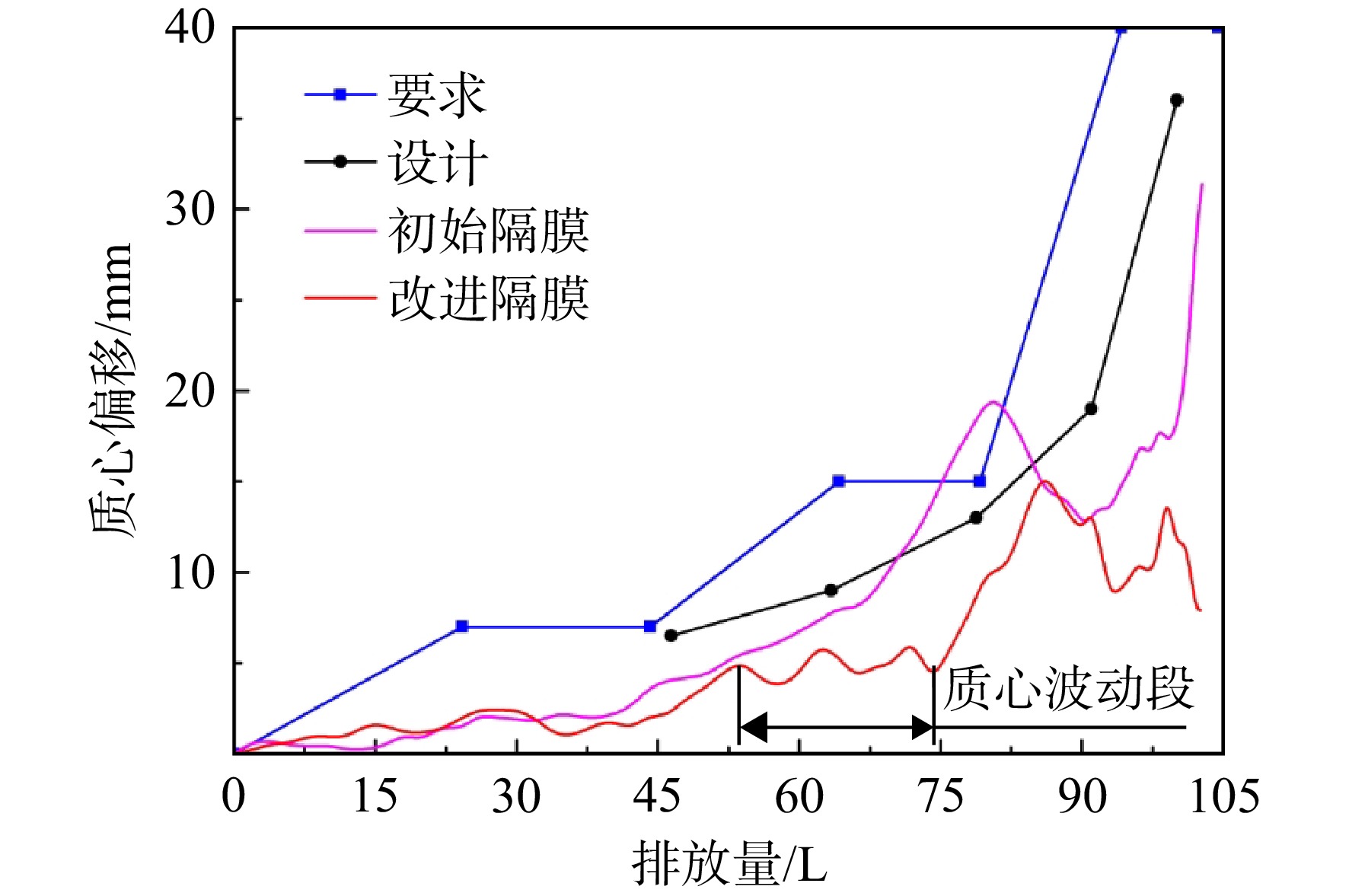
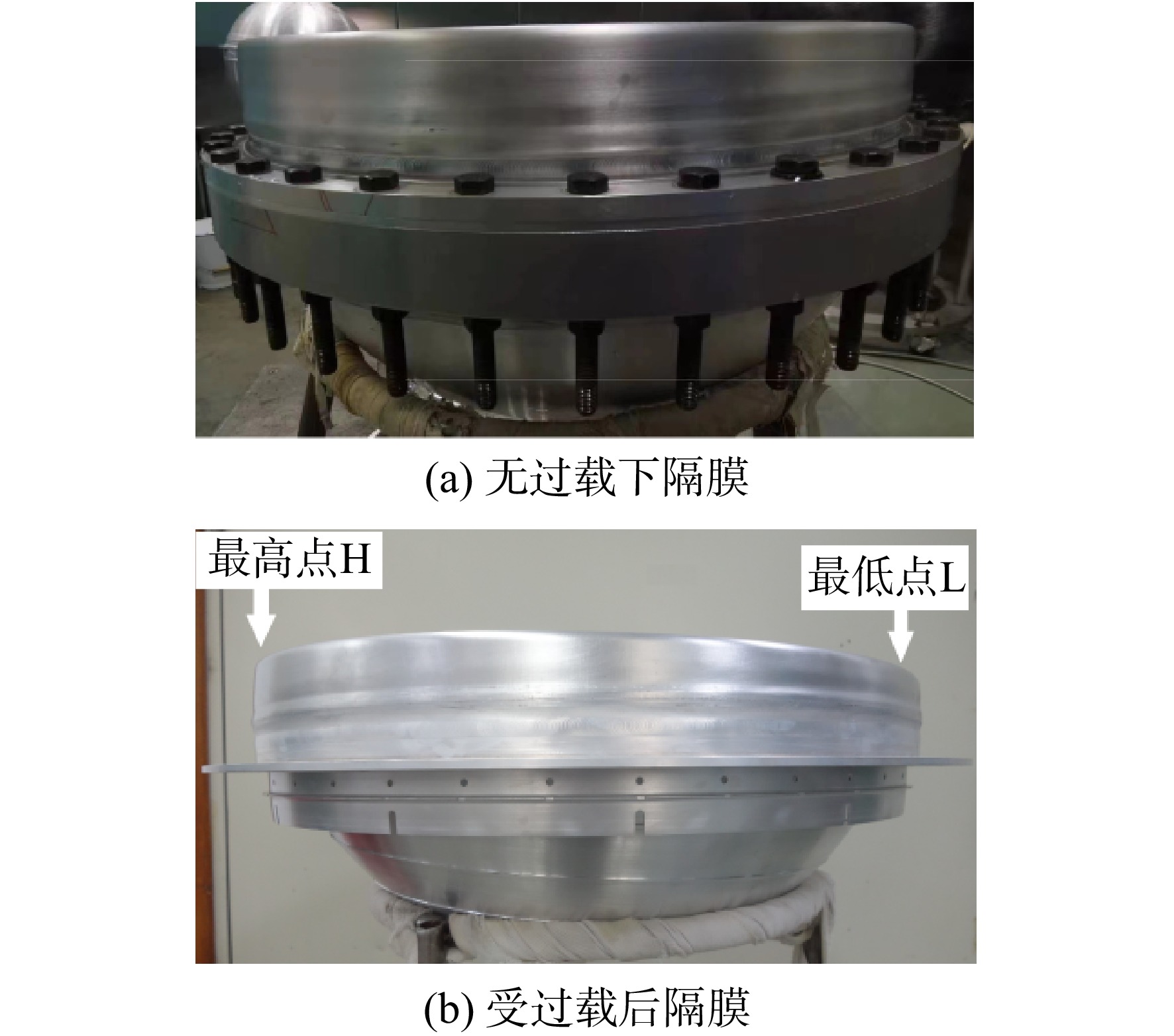
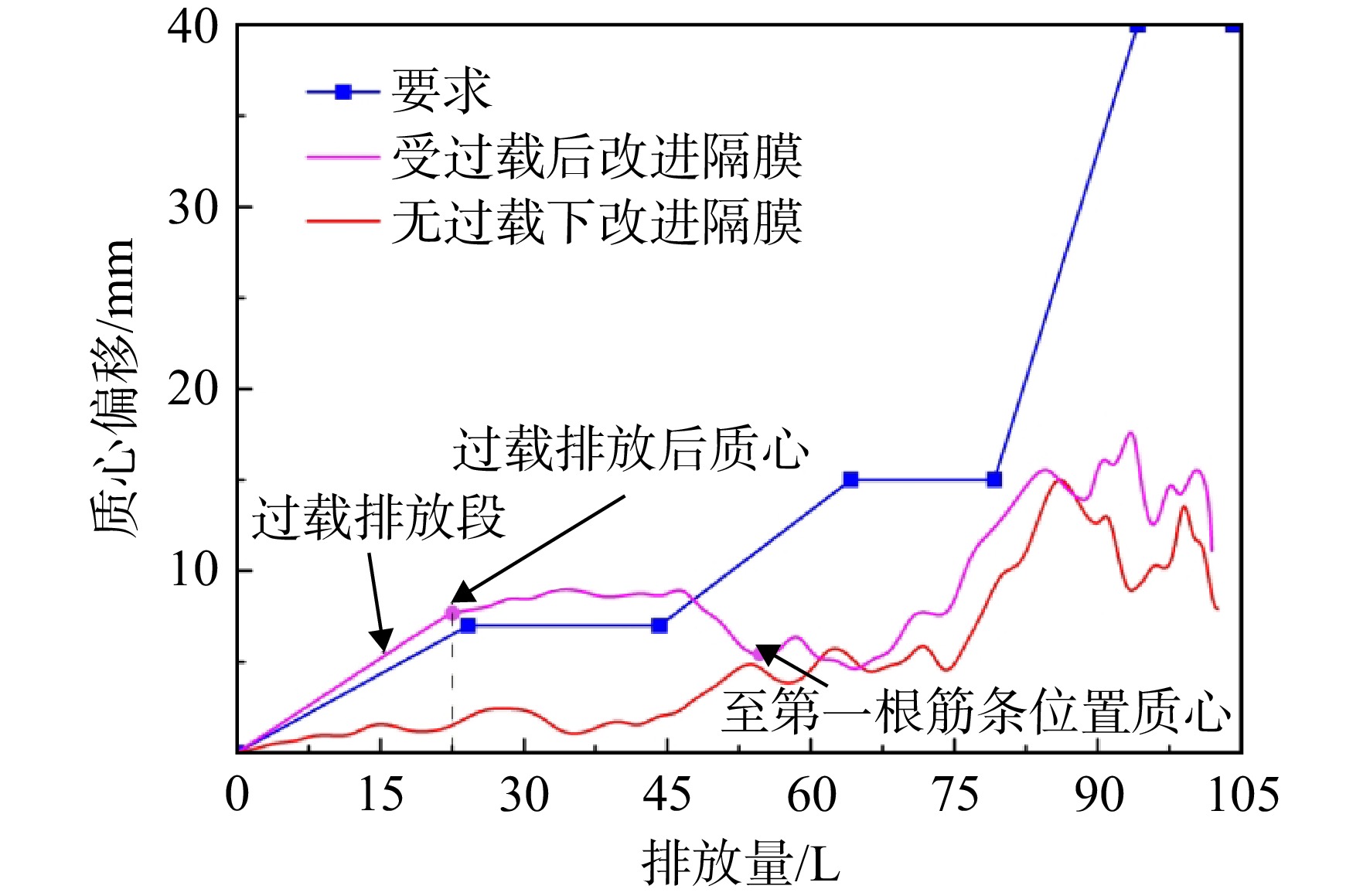
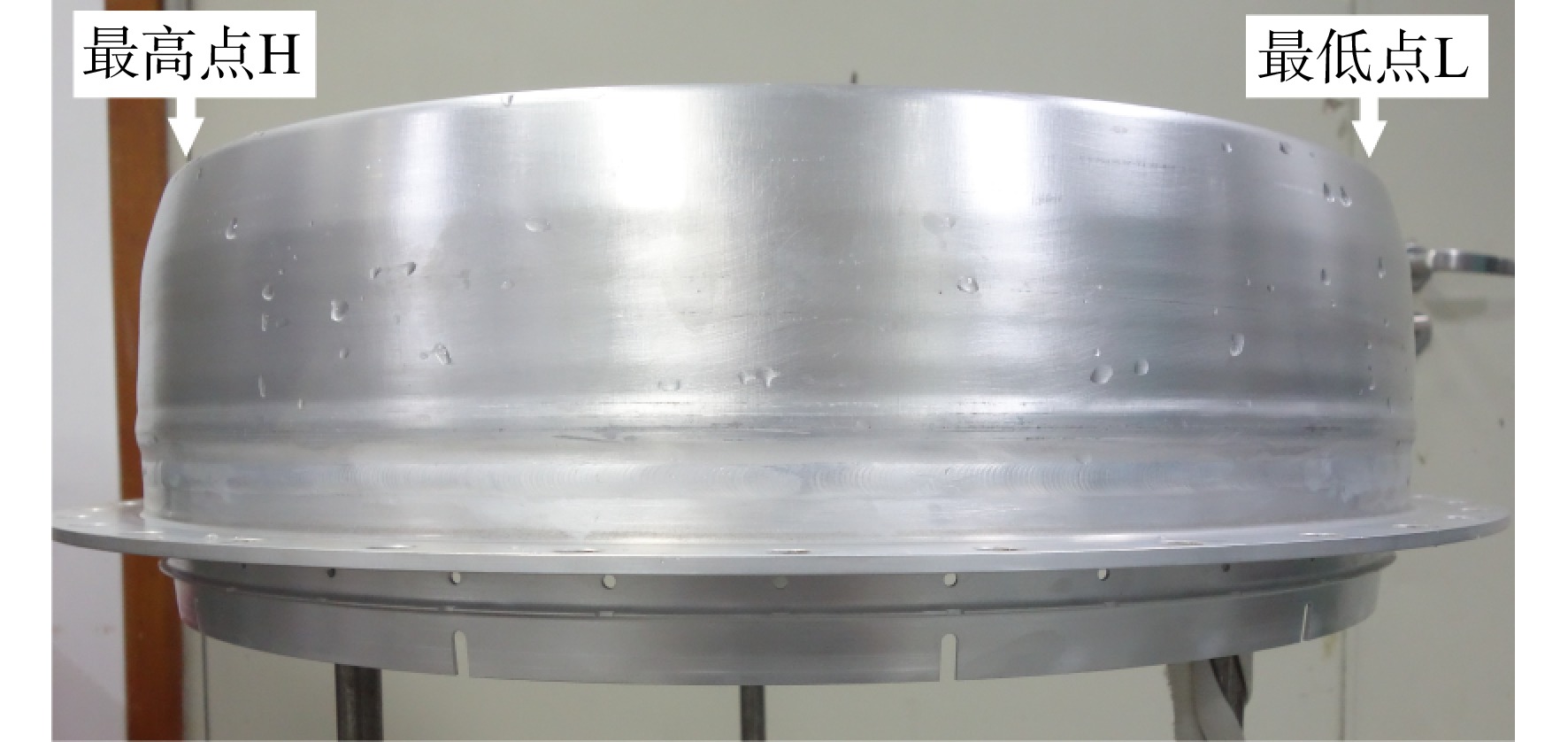
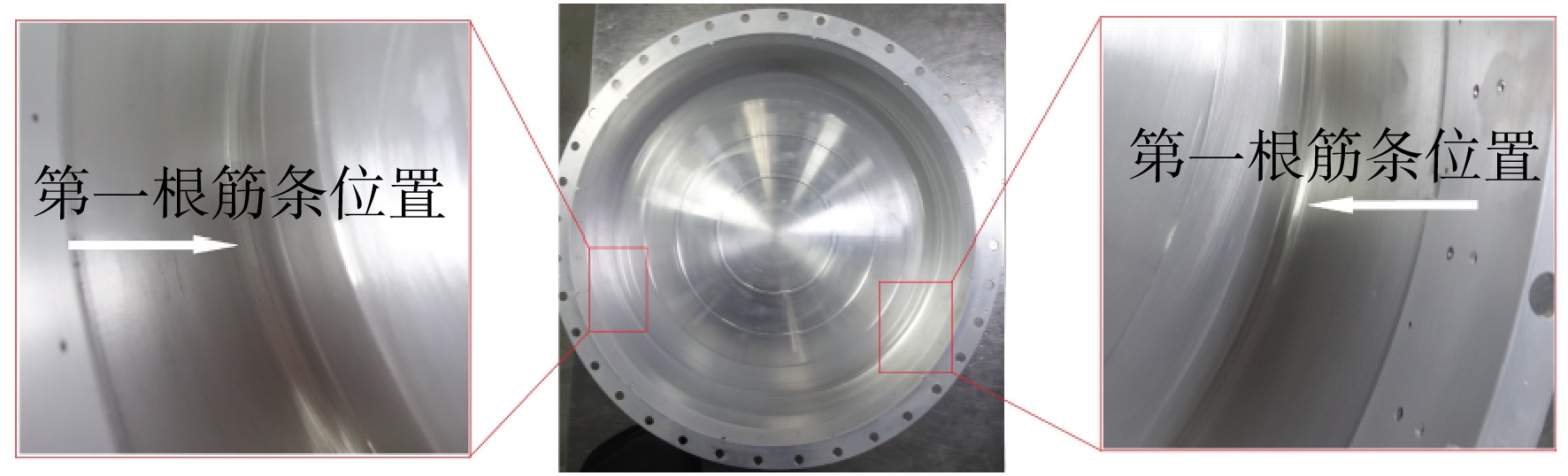
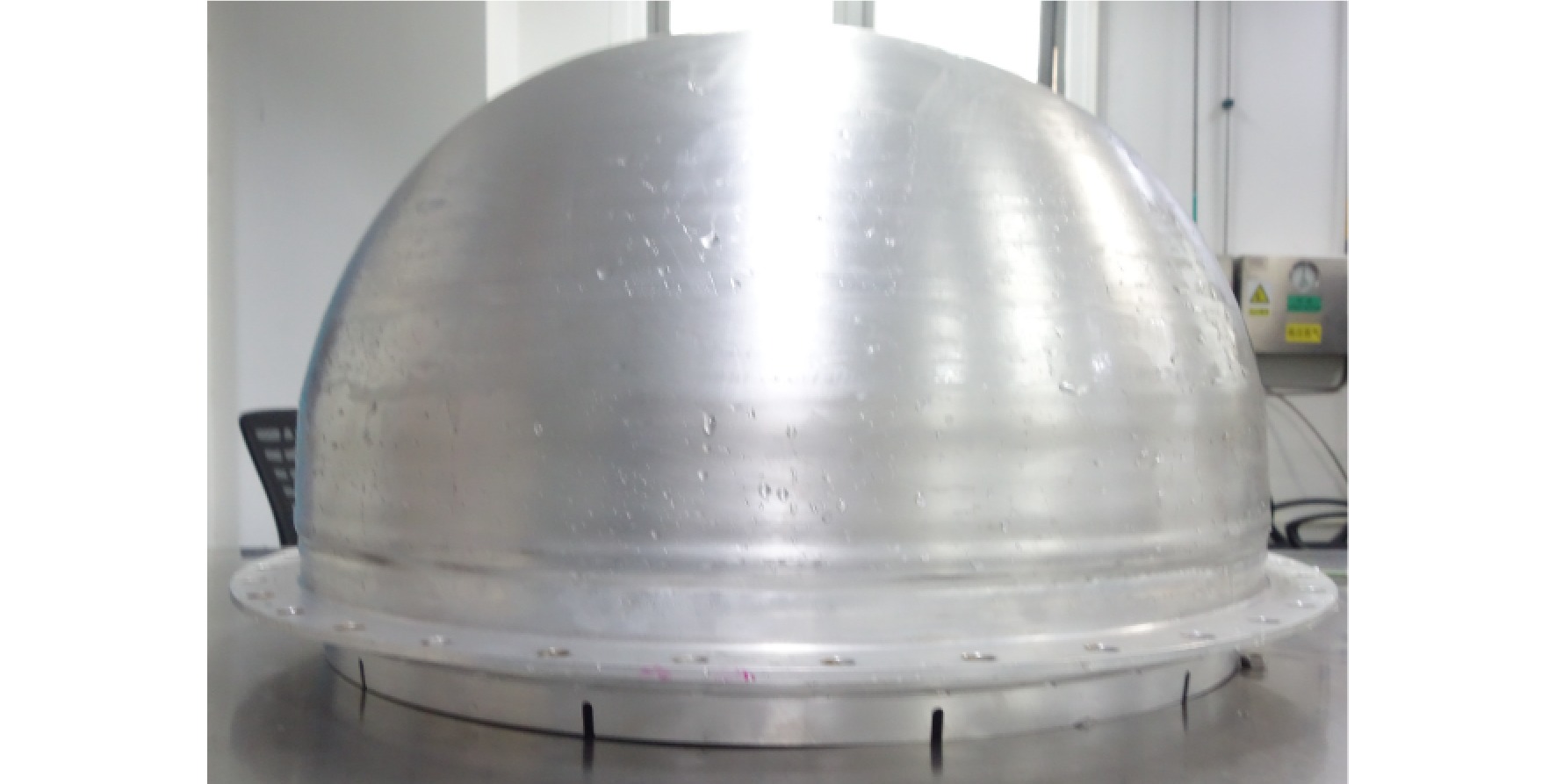
To study the effect of overload on the overturning behavior of metal diaphragm, the rule of centroid offset during the overturning process of metal diaphragm was deeply investigated by numerical simulations and experimental verification, and a stiffened-structure diaphragm which can control centroid offset was designed. According to the research in the study, the following conclusions can be drawn: when the axis of the diaphragm is consistent with the direction of overload, the turning edge of the diaphragm is subject to uniform back pressure, resulting in no significant centroid offset of the diaphragm when the diaphragm turns to the cone section, but a centroid offset will occur when it flips to the spherical section. When there is an angle between the axis of the diaphragm and the overload direction, the turning edge of the diaphragm is subjected to inconsistent back pressure, resulting in centroid offset of the diaphragm when the diaphragm flips to the cone section, and the centroid offset is further aggravated when it turns to the the spherical section. In addition, an increase in the acceleration value or angle will result in a greater degree of centroid offset for the diaphragm. Compared with the traditional diaphragm, the stiffened-structure diaphragm can correct centroid offset caused by the overload discharge through the additional initial pressure provided by its stiffened structure, thereby demonstrating superior centroid control capability.

Stiffener layout design method for serpentine nozzles using topology optimization
SONG Longlong, FANG Pingchu, HU Huiyu, GUO Wenjie, GAO Tong, ZHANG Shaoping, ZHANG Weihong
2026, 41(10): 20250354. doi: 10.13224/j.cnki.jasp.20250354
Abstract:

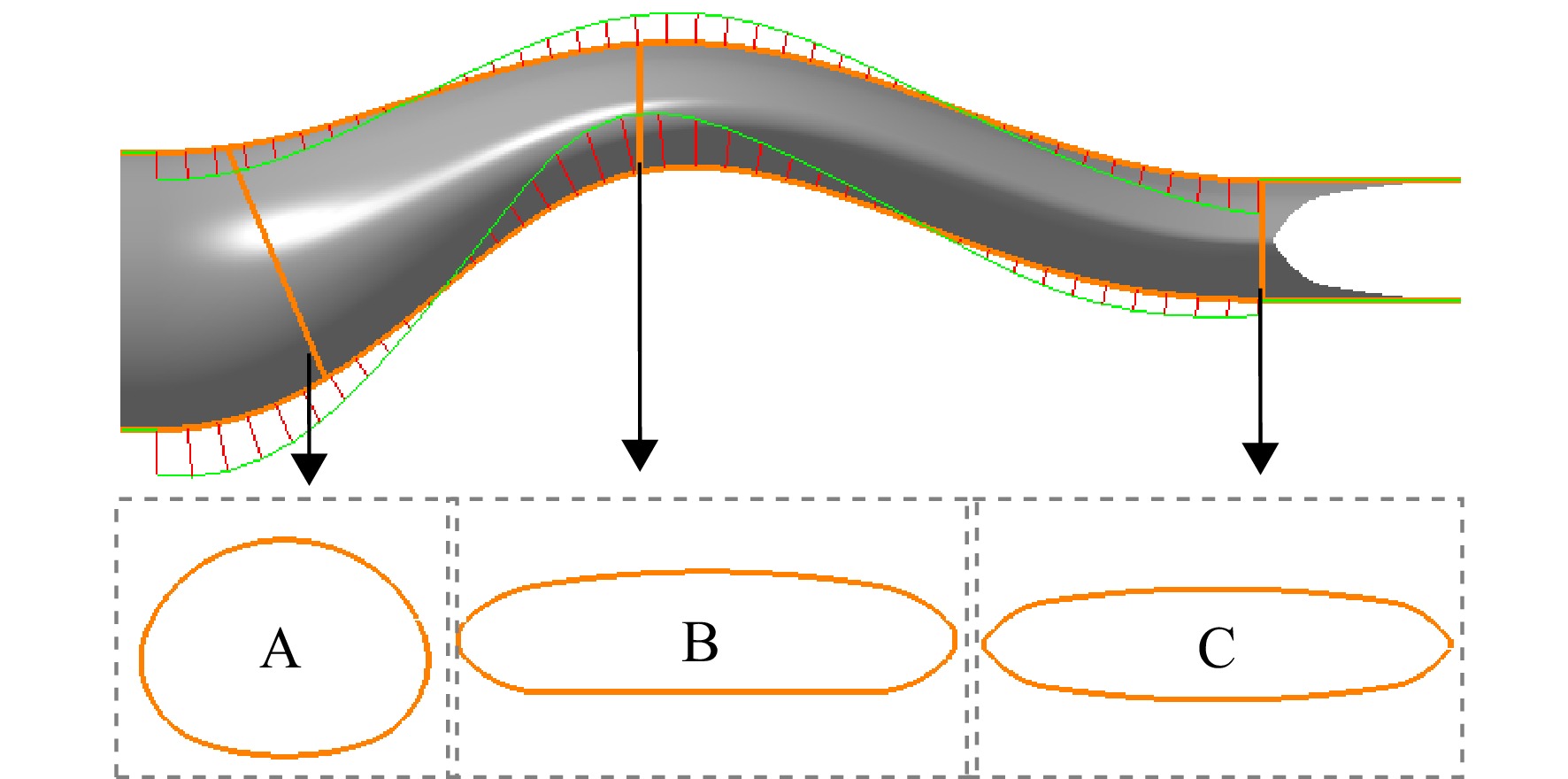
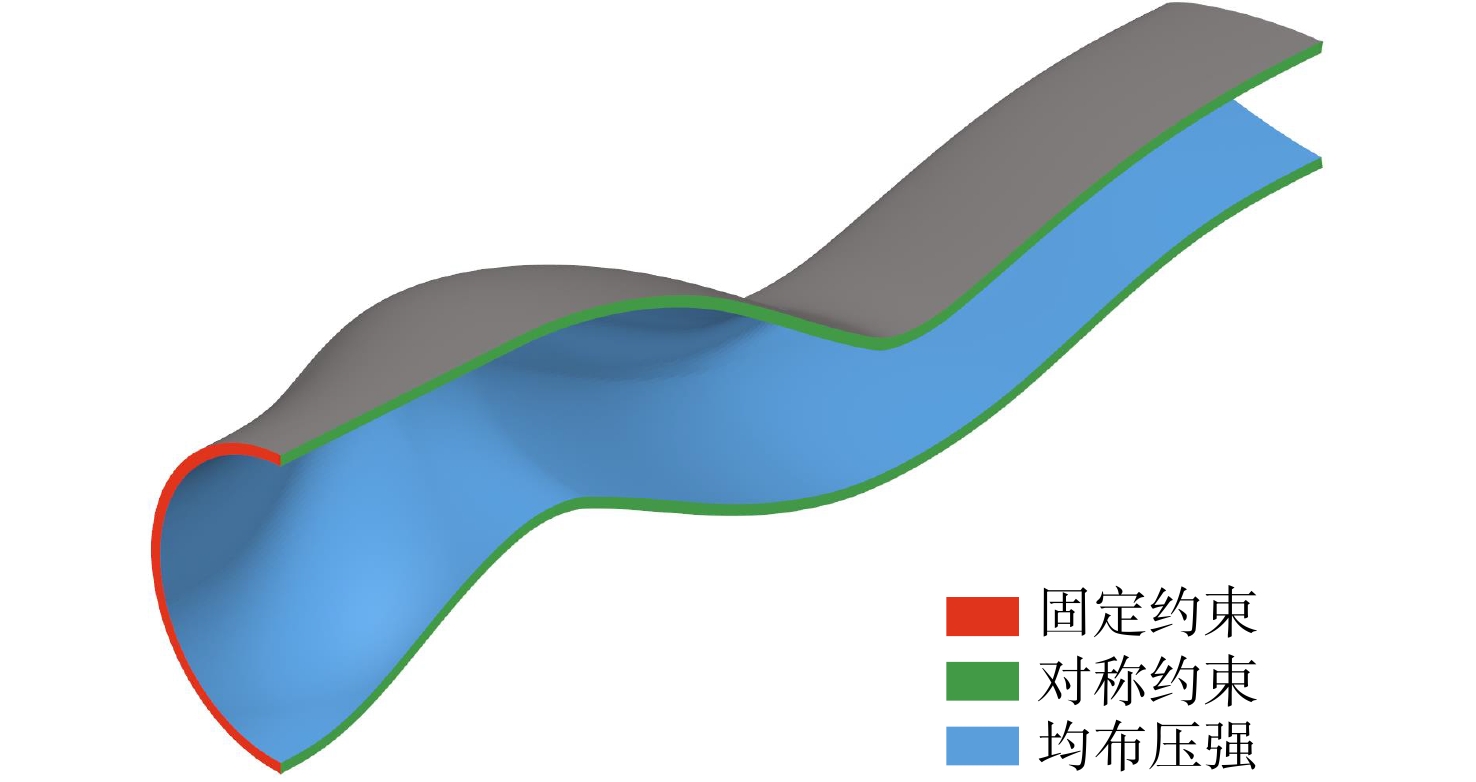
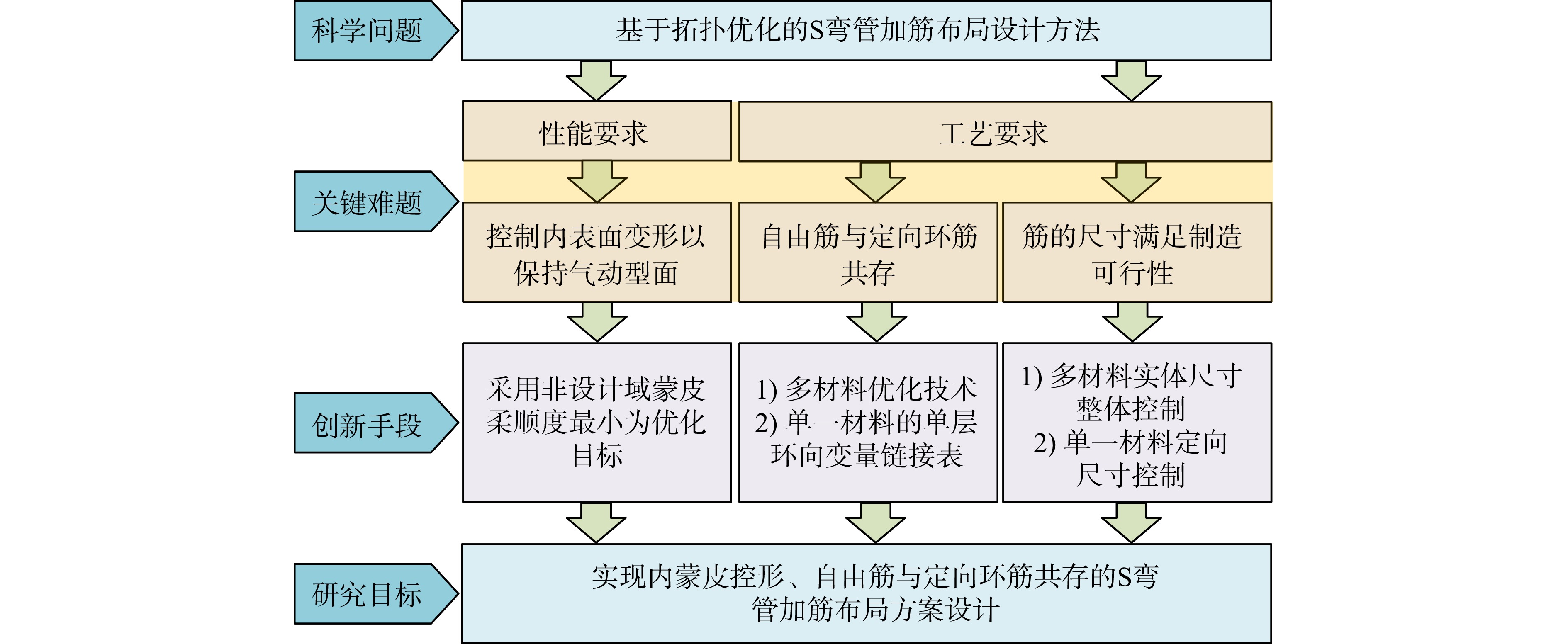
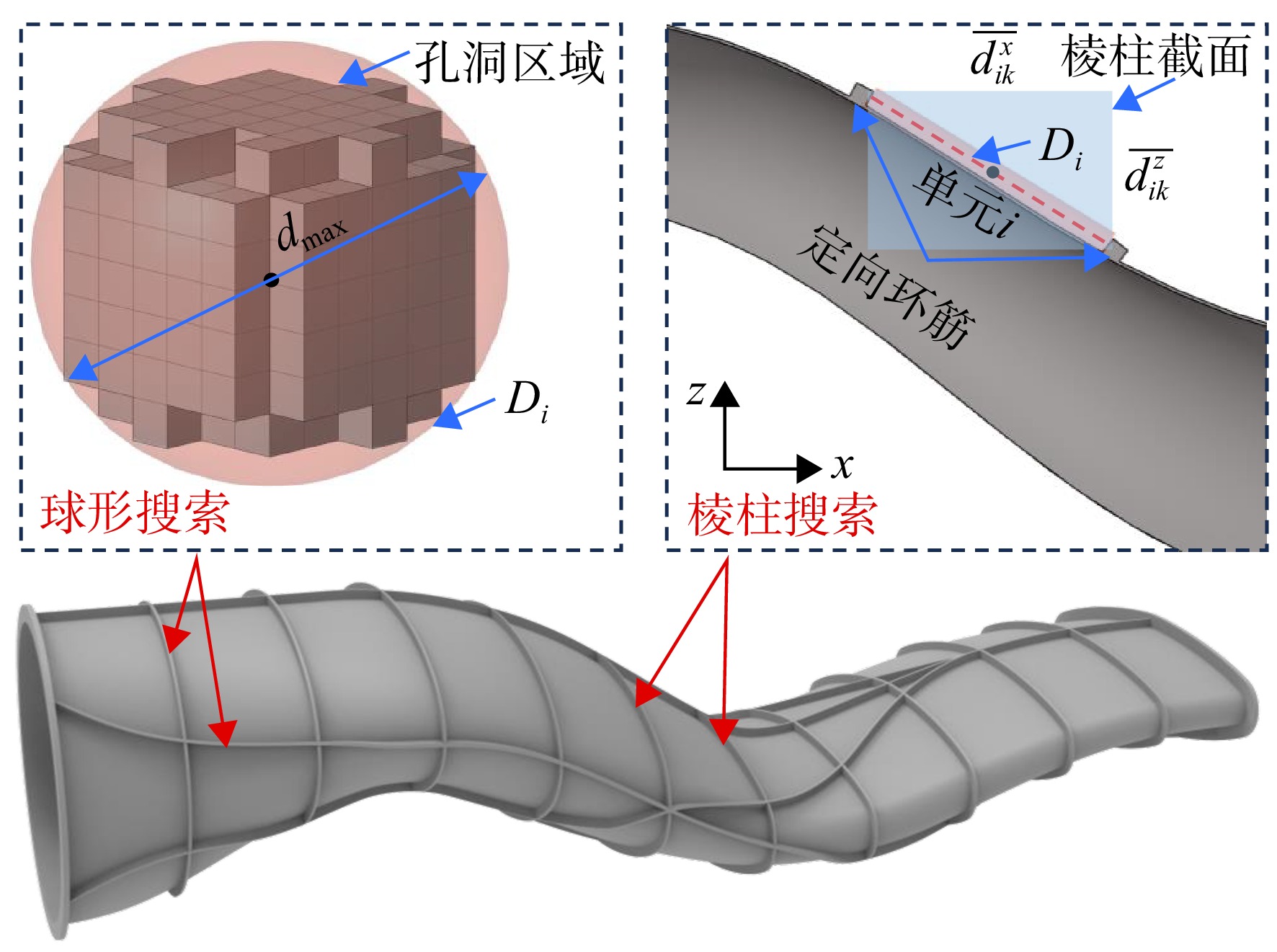
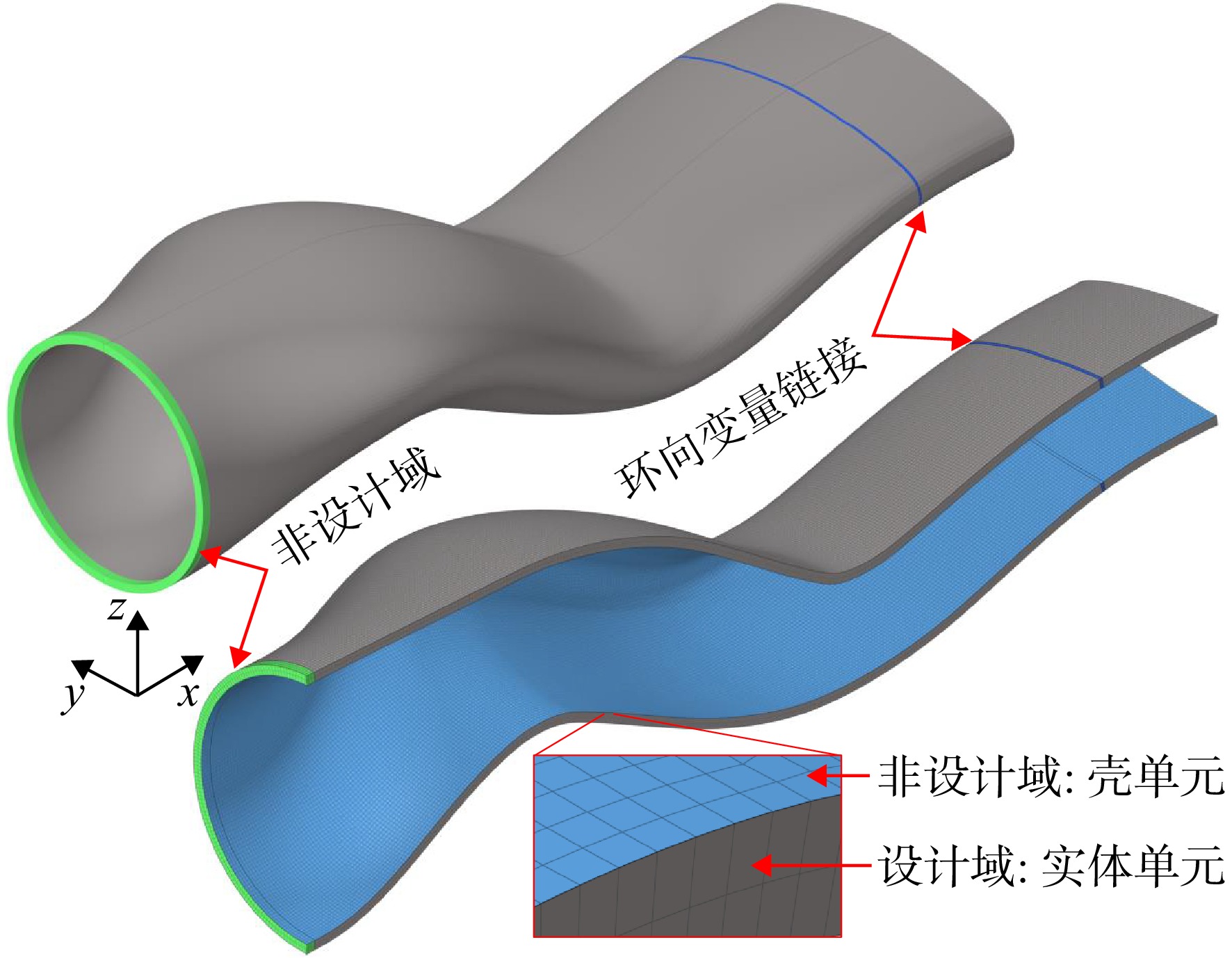
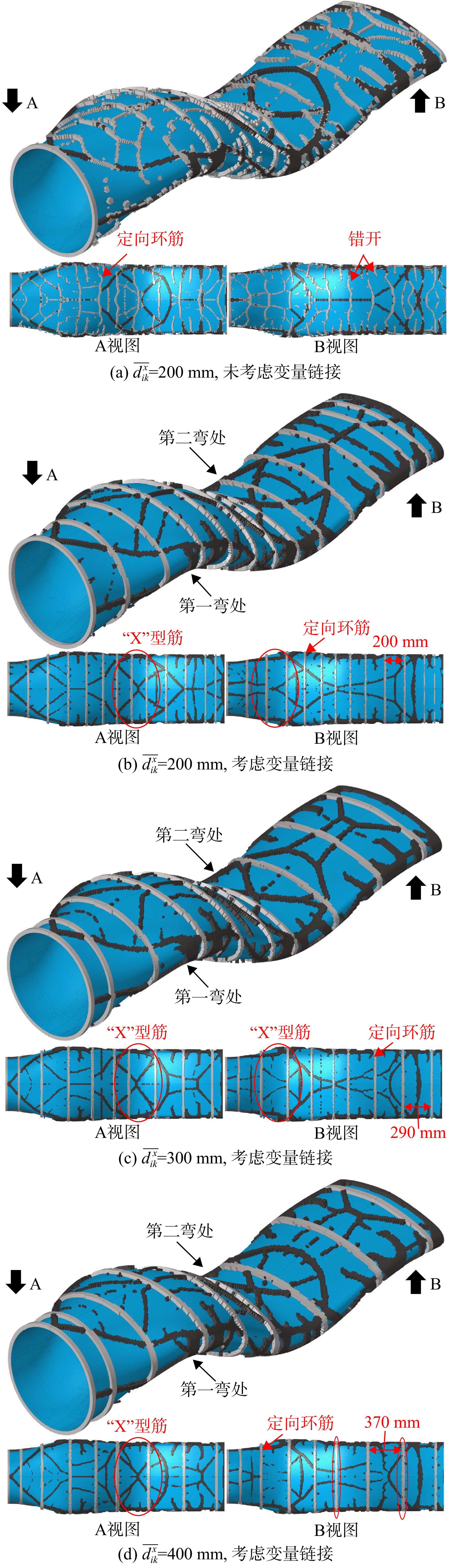
A stiffener layout design method for serpentine nozzles based on thermo-elastic coupling multi-material topology optimization was presented. The virtual material concept was introduced, and multi-material length scale control was utilized to achieve the collaborative optimization design of free and directional ring stiffeners on arbitrary curved surfaces. Within the framework of the thermo-elastic coupling multi-material topology optimization three-field method, a circumferential variable linking model for a single material was established using local search to achieve a regular directional ring stiffener morphology. Furthermore, a global control method for the maximum solid length scale of both free and directional ring stiffeners, and a control method for the spacing of the directional ring stiffeners were constructed. The minimization of non-design domain skin compliance was employed as the optimization objective to meet the inner surface shape control requirements. The proposed method was used to complete the collaborative optimization design of free and directional ring stiffener layouts in serpentine nozzles. Various serpentine nozzle designs were obtained by controlling the ring stiffener spacing. The reconstructed designs from the optimized configurations achieved a maximum deformation reduction of up to 17.1% compared with conventional, regularly stiffened designs under the same structural mass.

Design of test rig and wear characterization of planetary sliding bearing under high-frequency start-stop conditions
Zhang Guang’en, Jiang Wenxun, Wang Wen
2026, 41(10): 20250248. doi: 10.13224/j.cnki.jasp.20250248
Abstract:

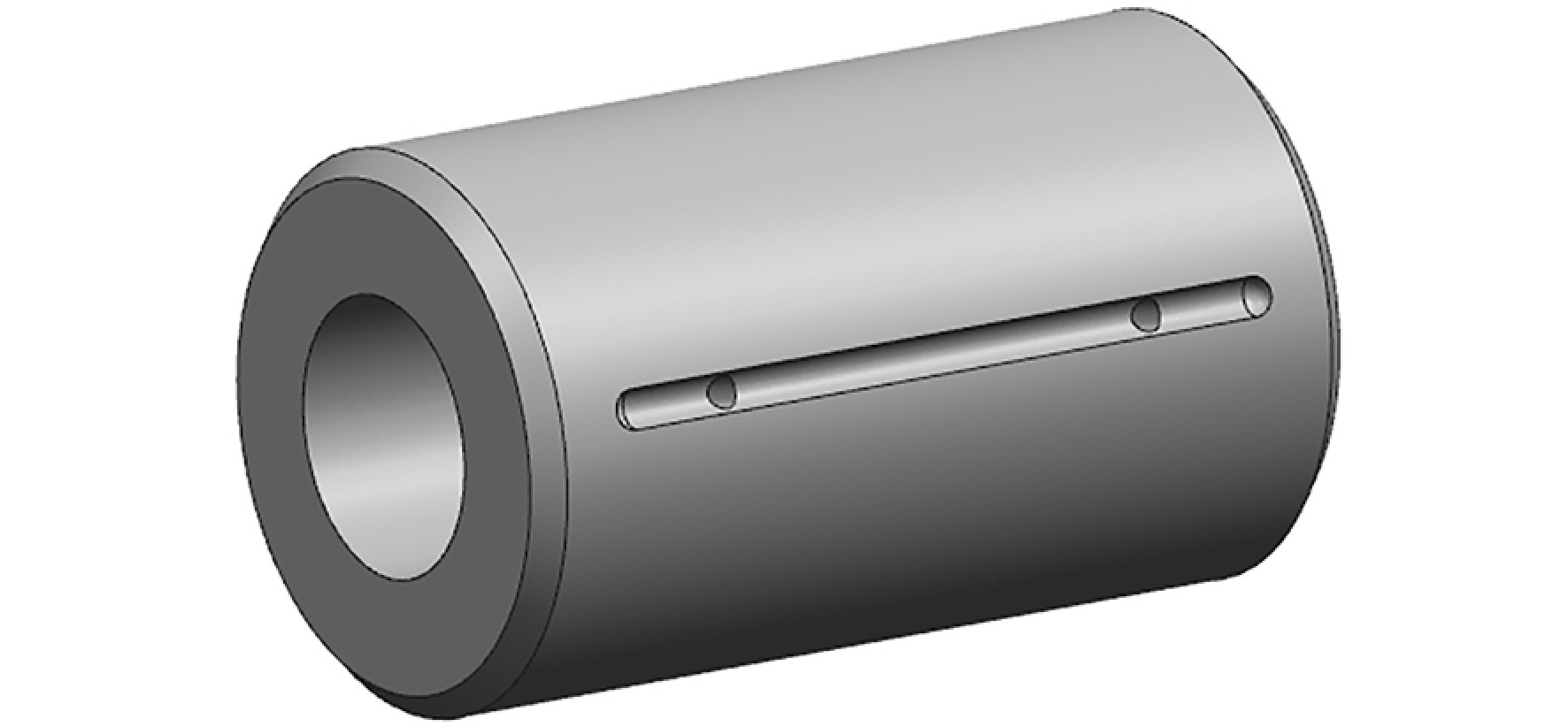
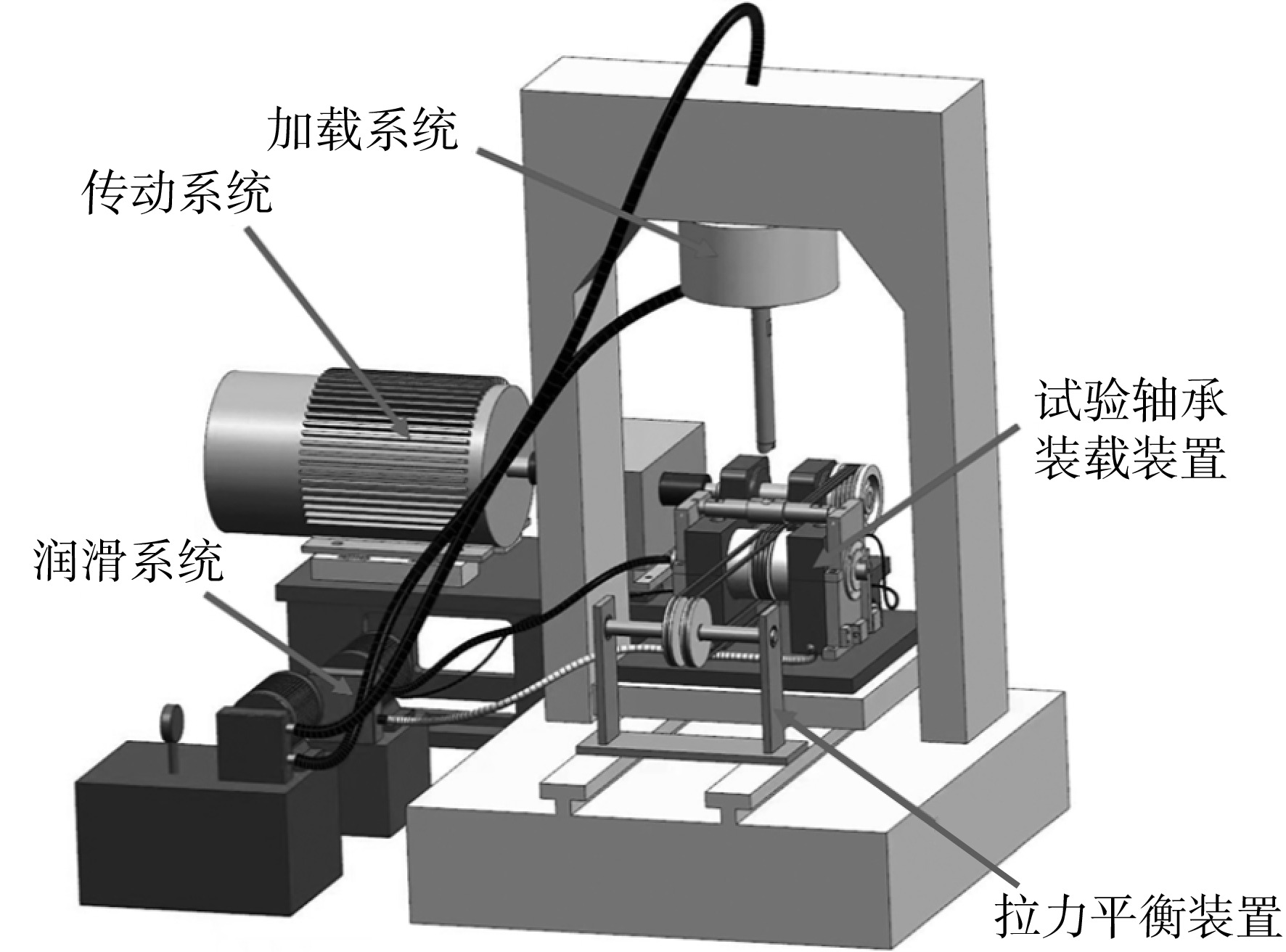
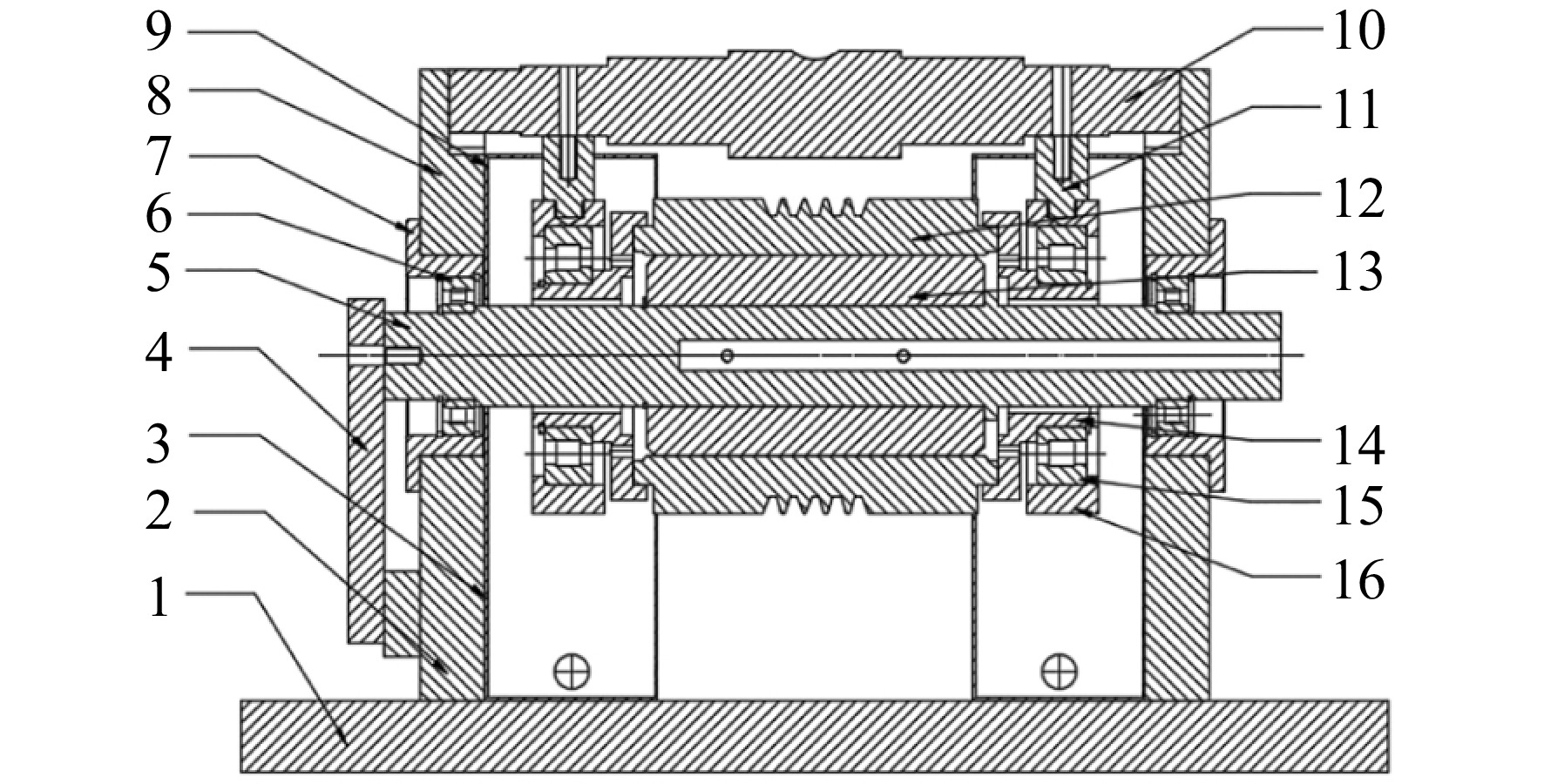
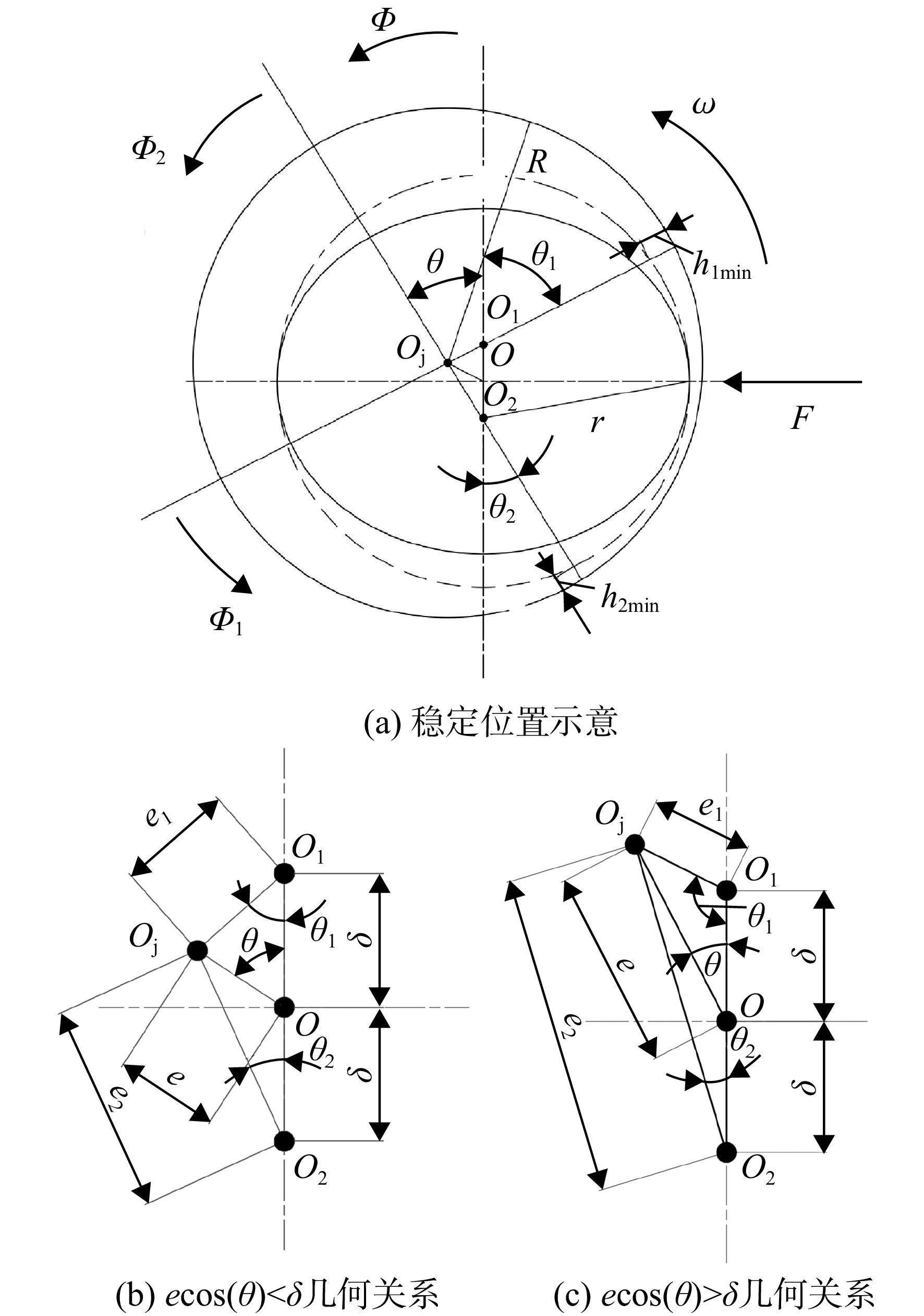
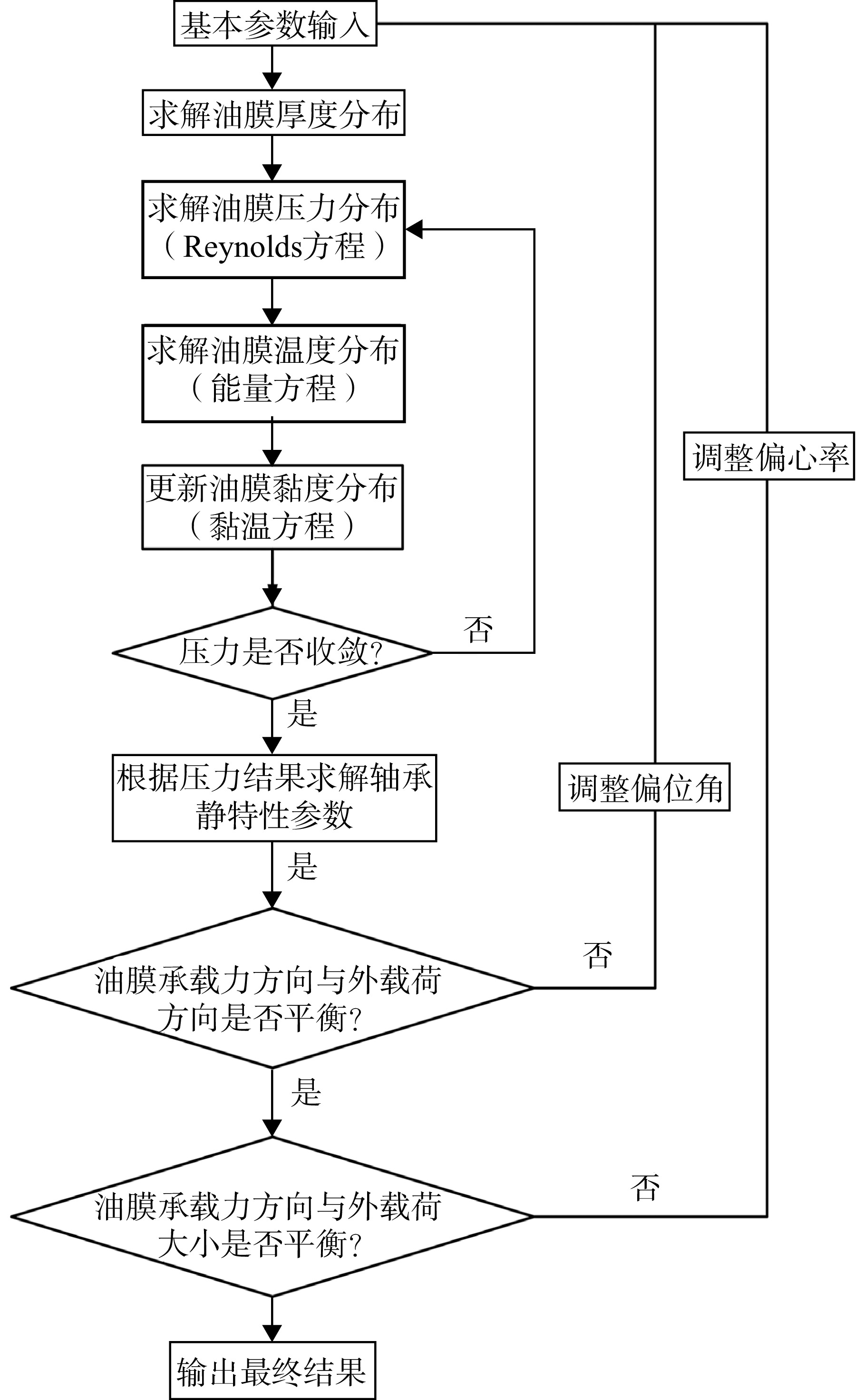
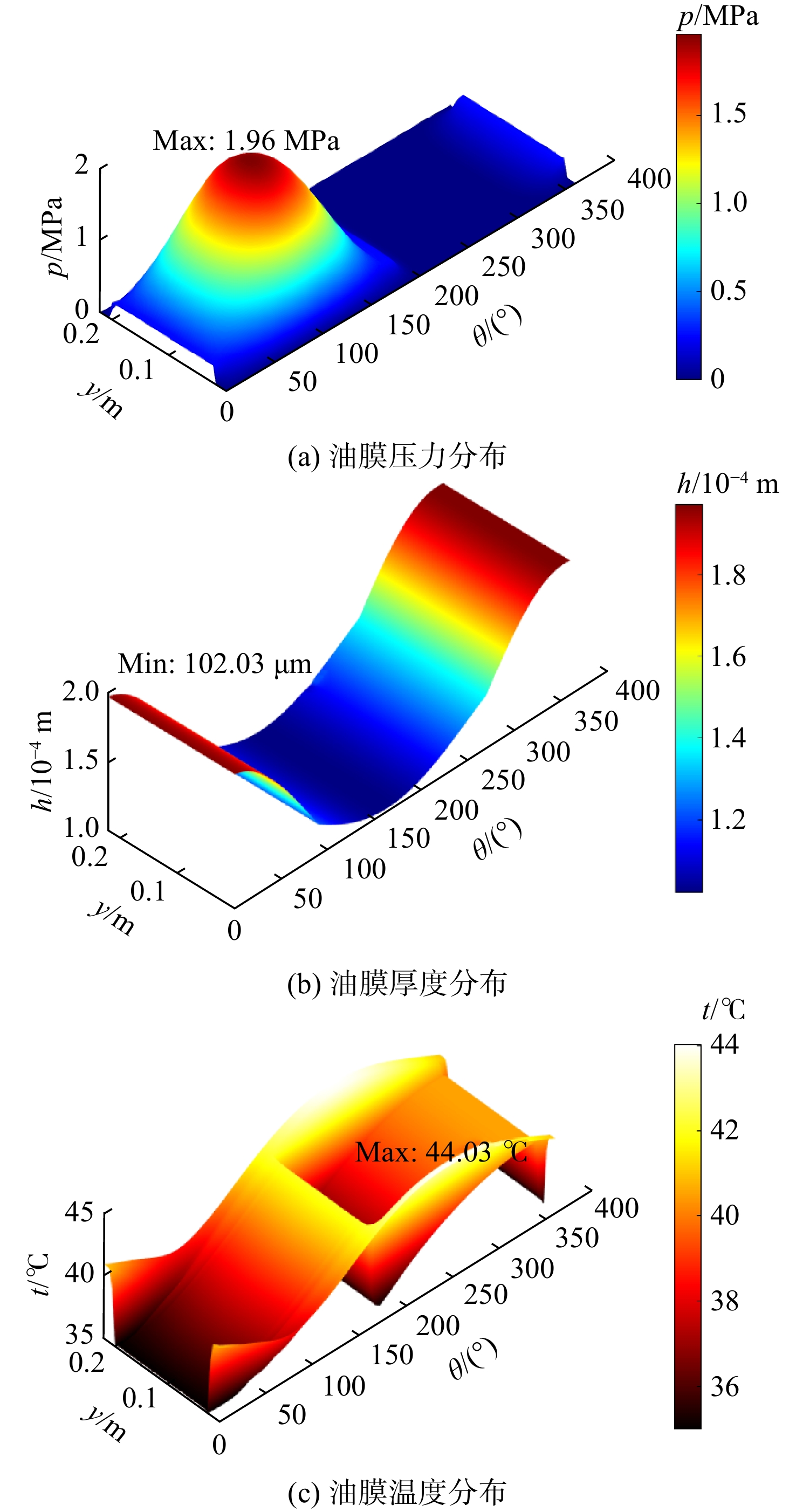
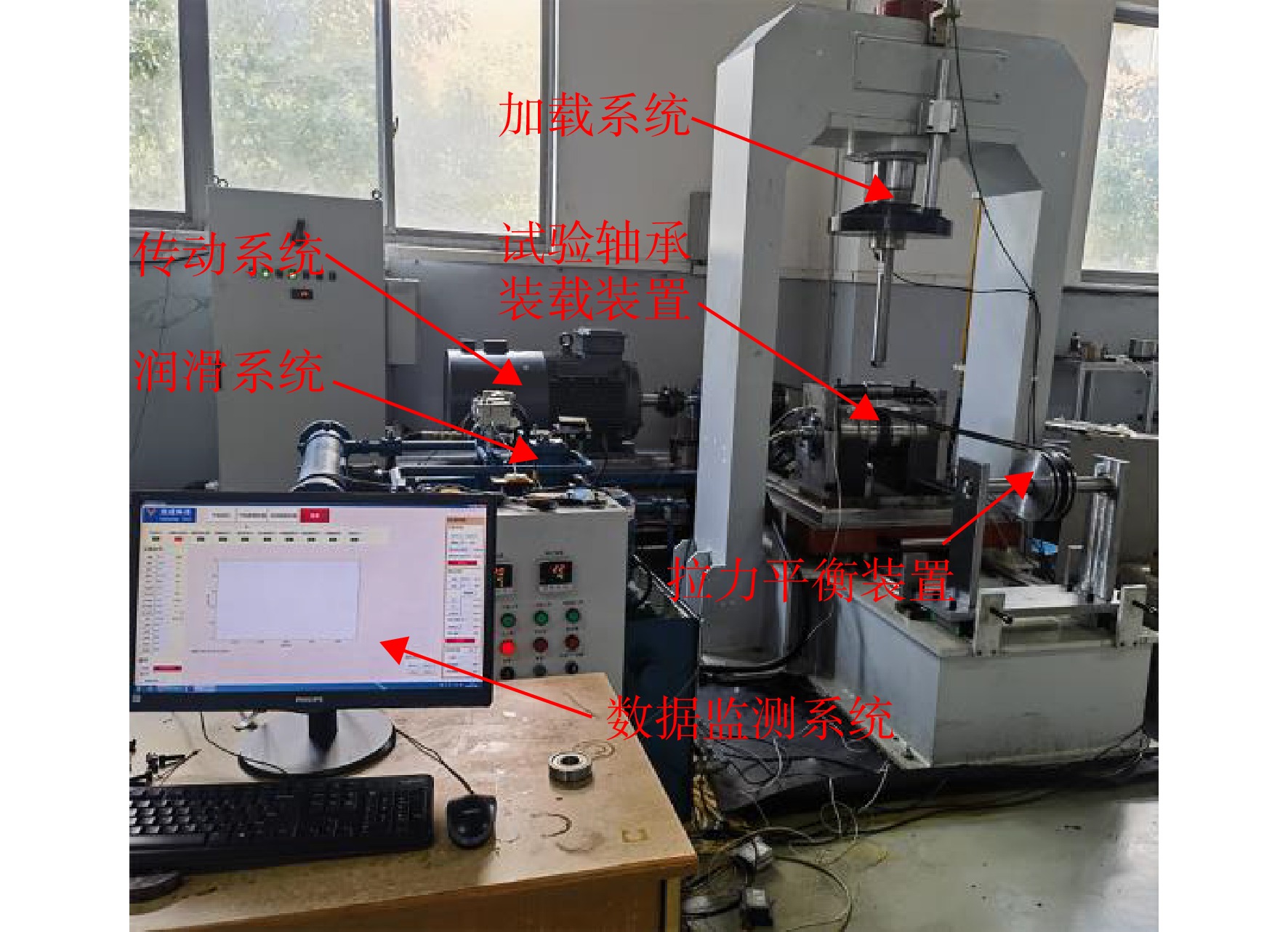
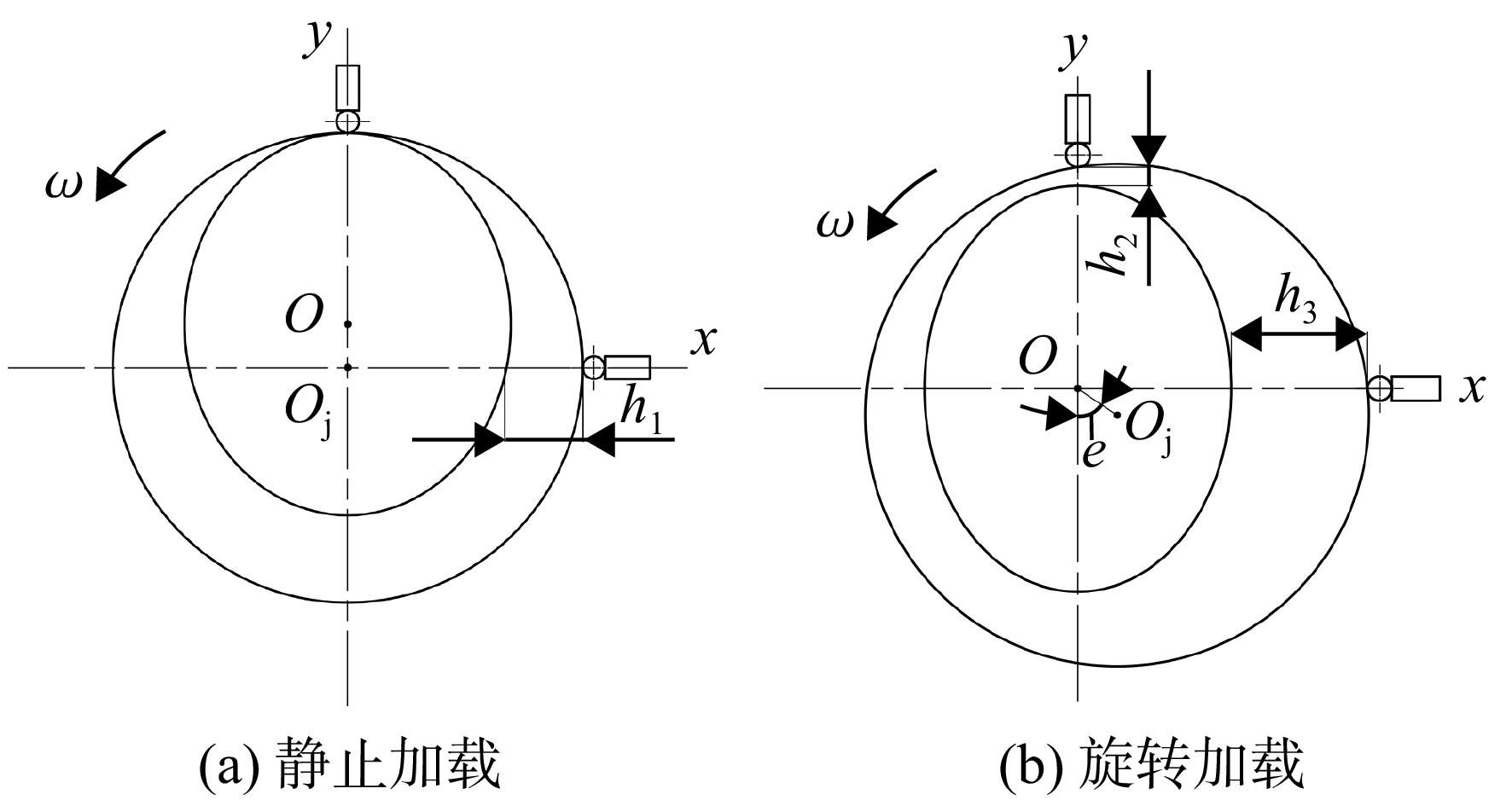
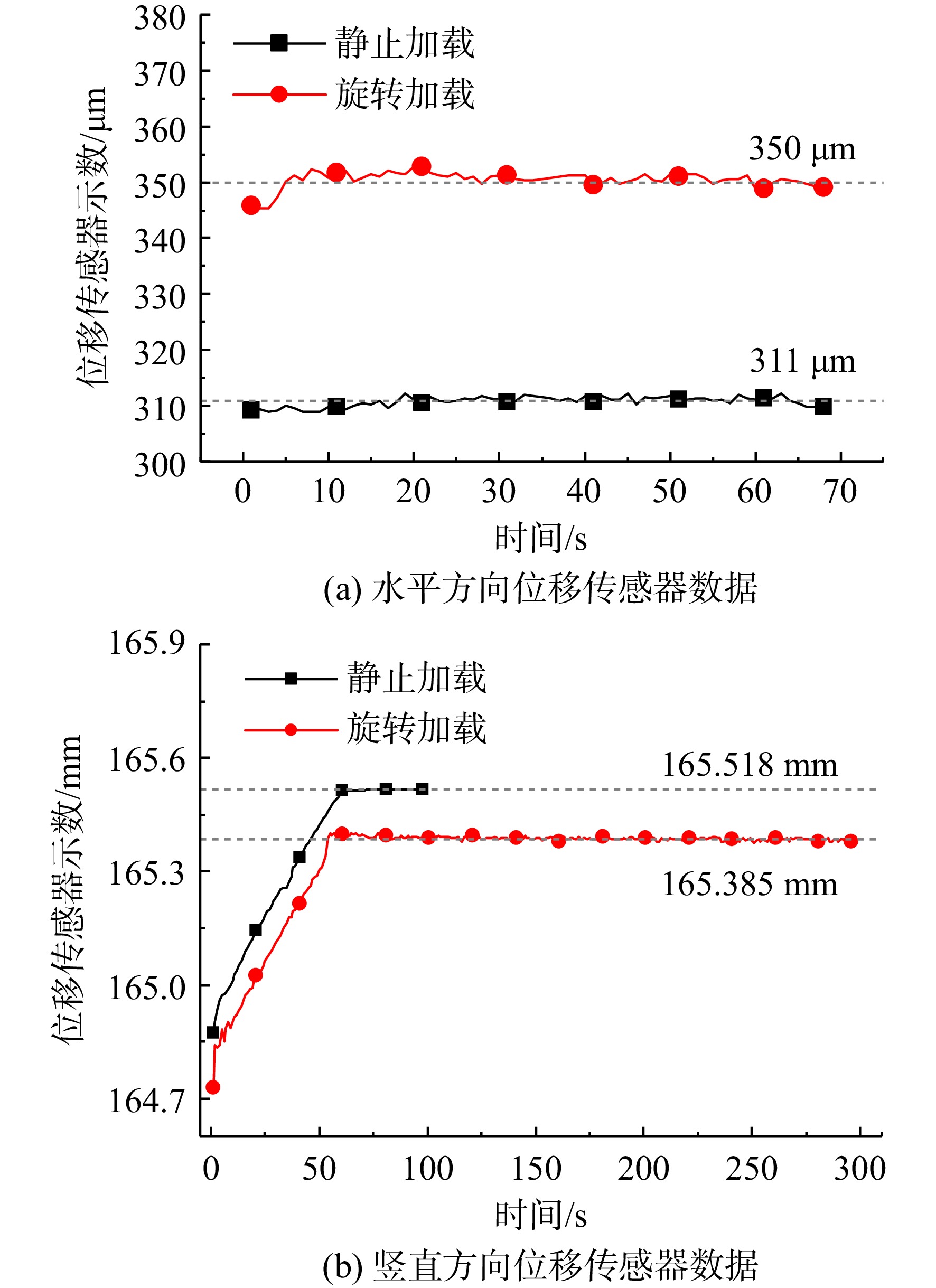
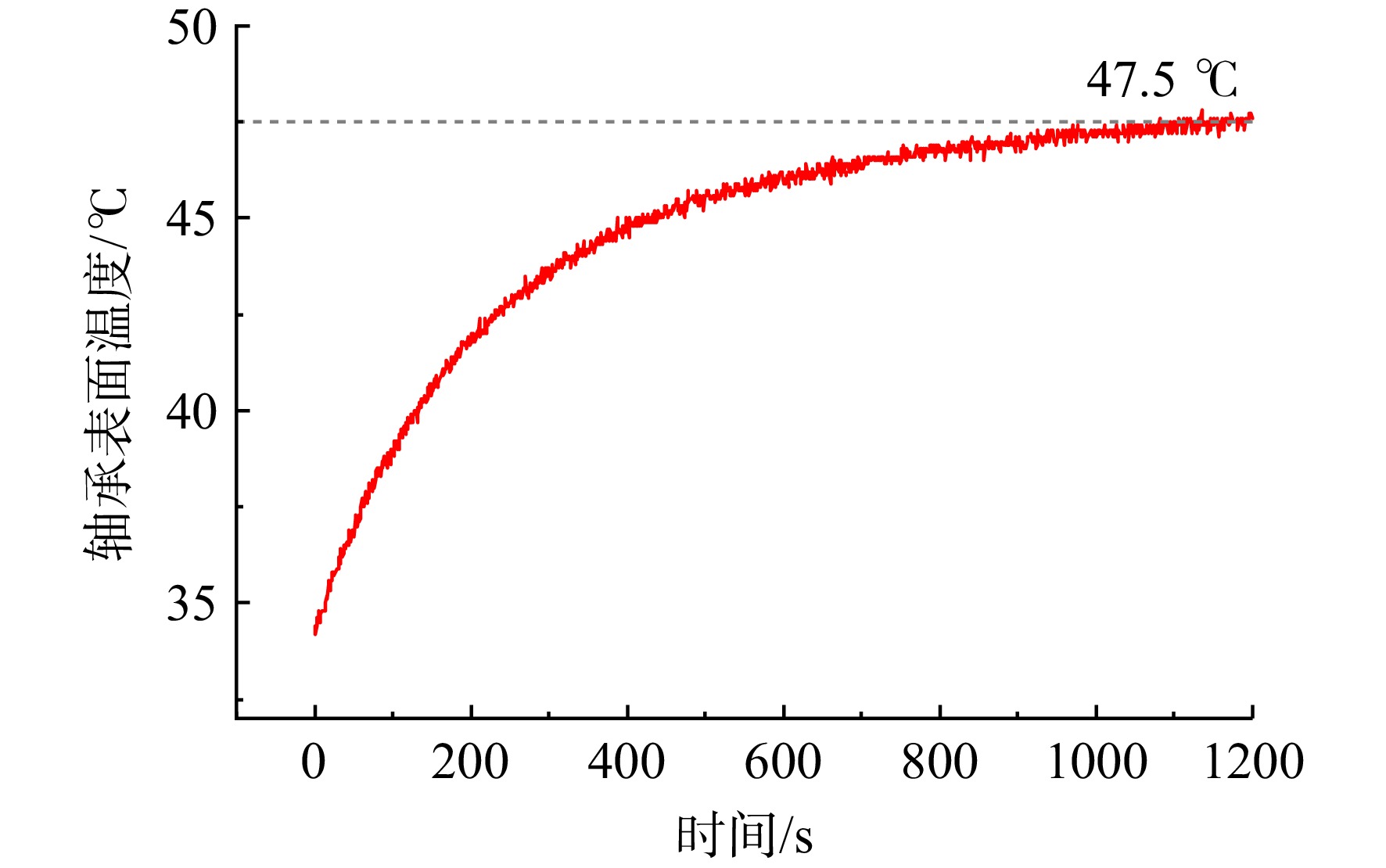
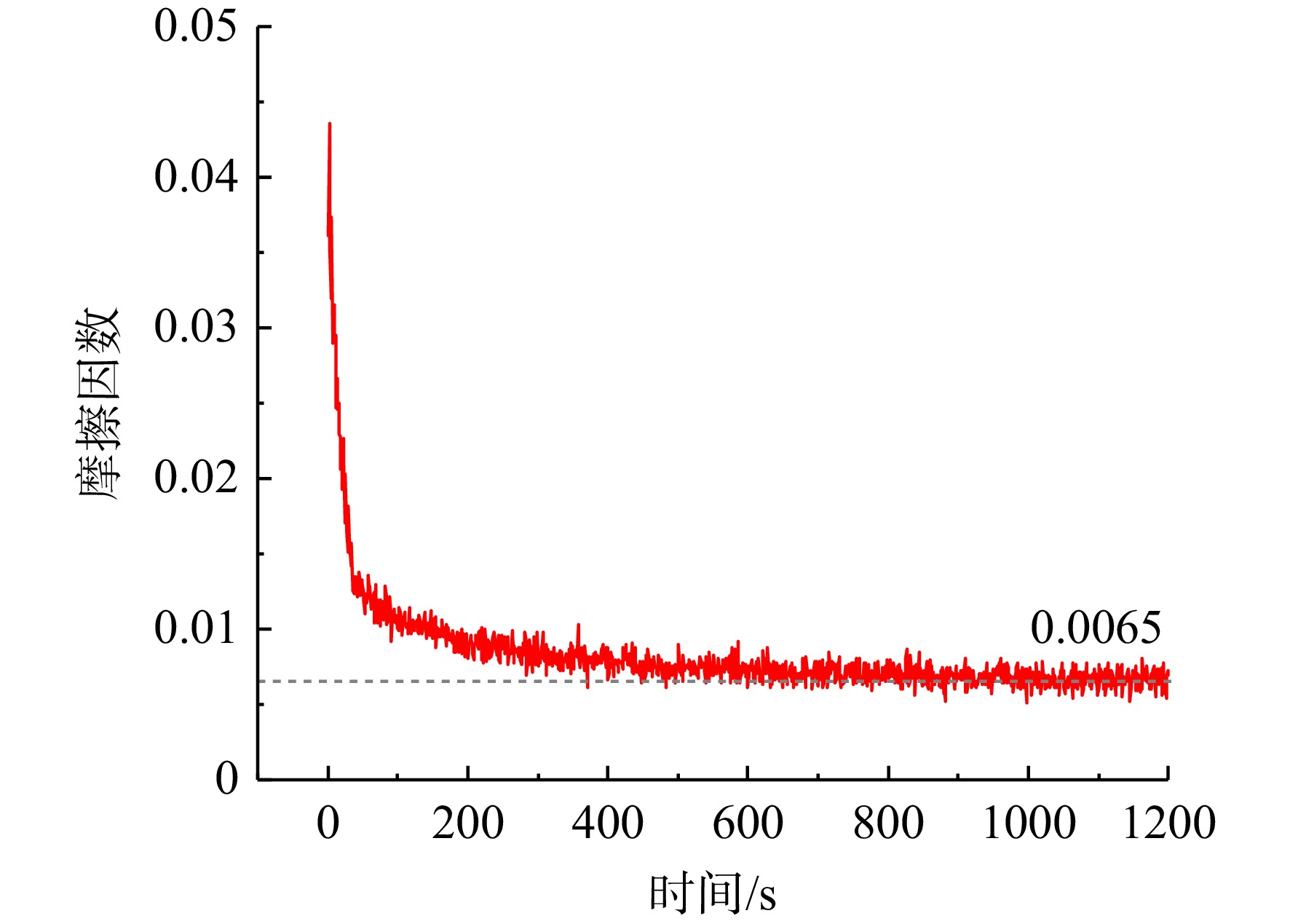
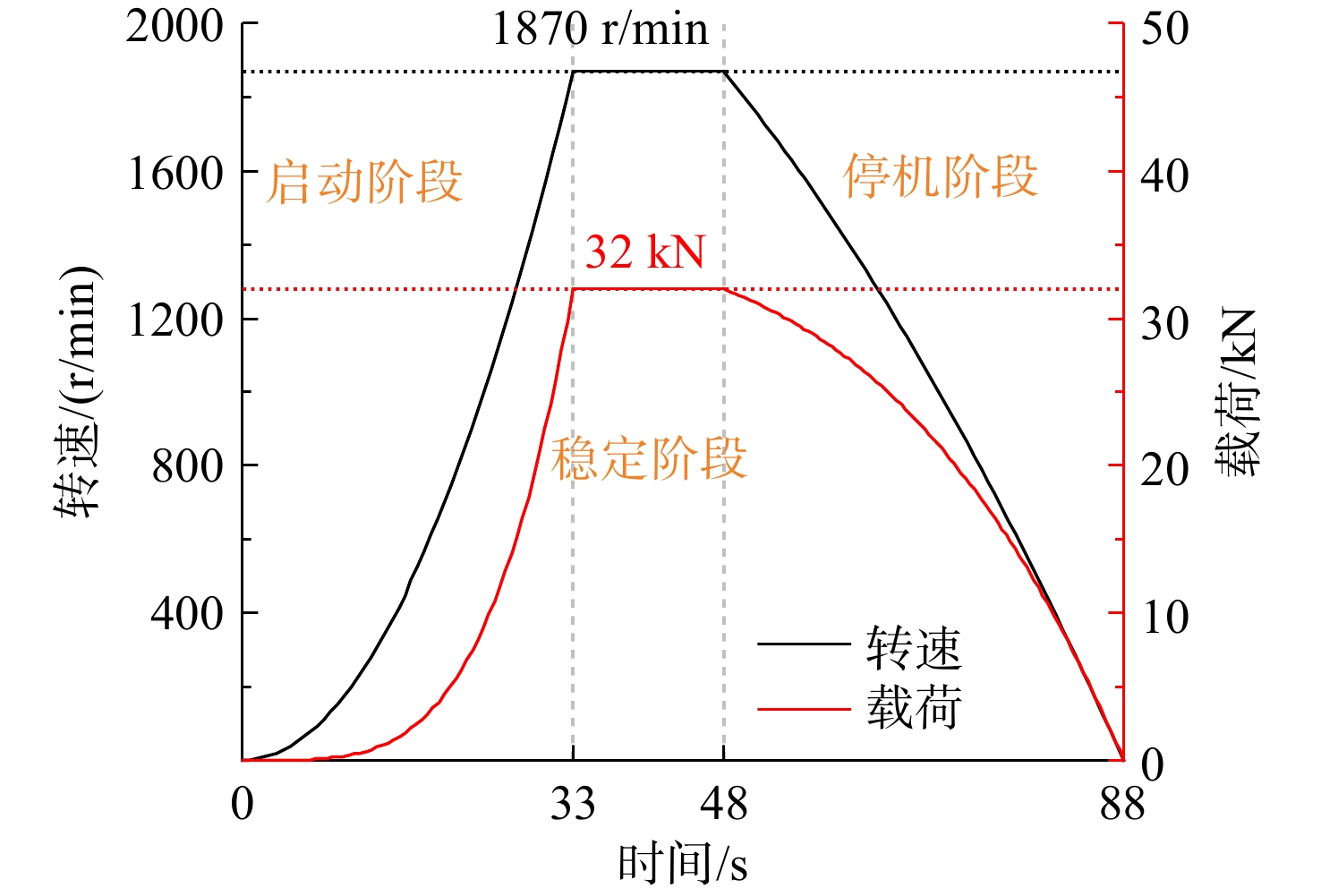
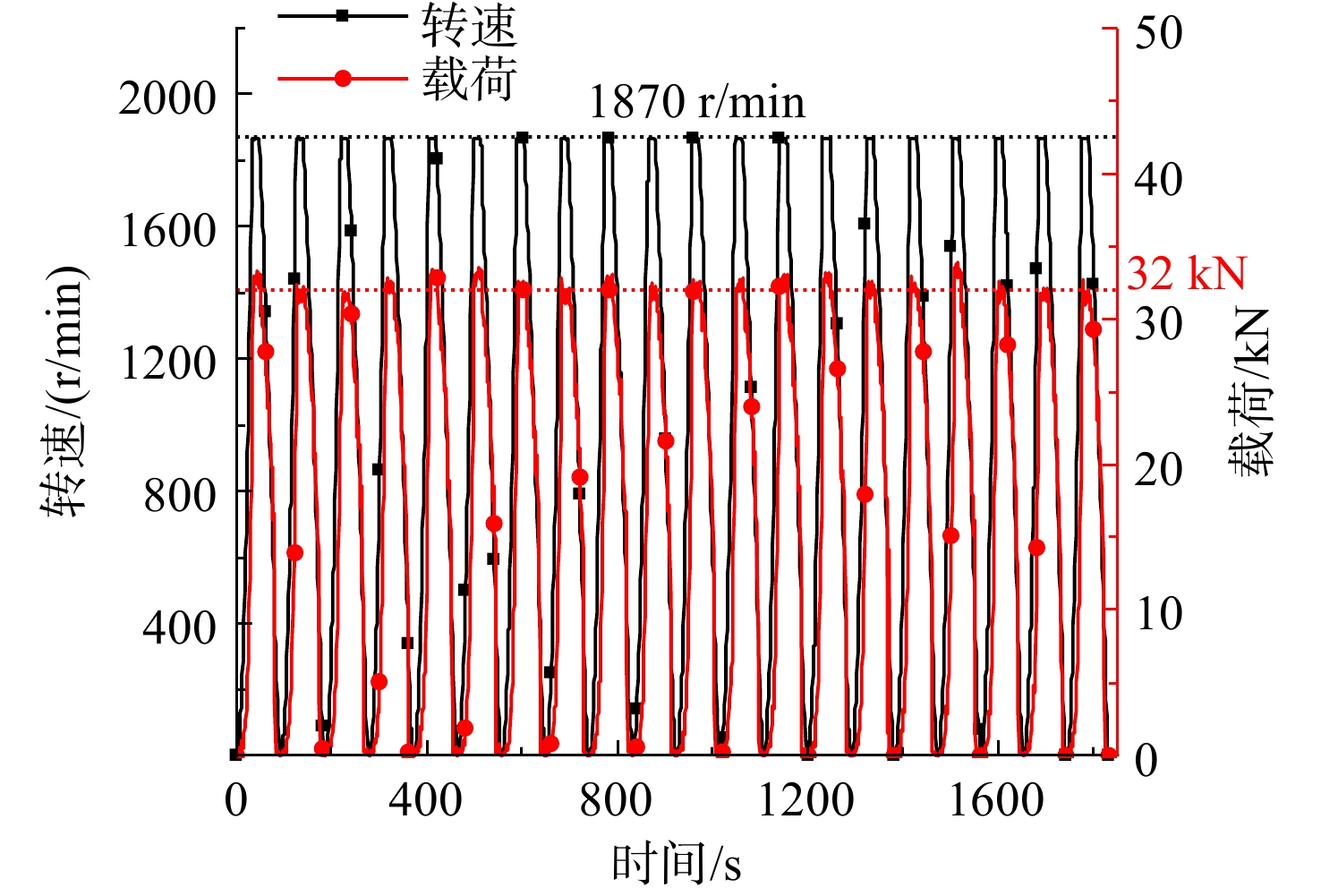
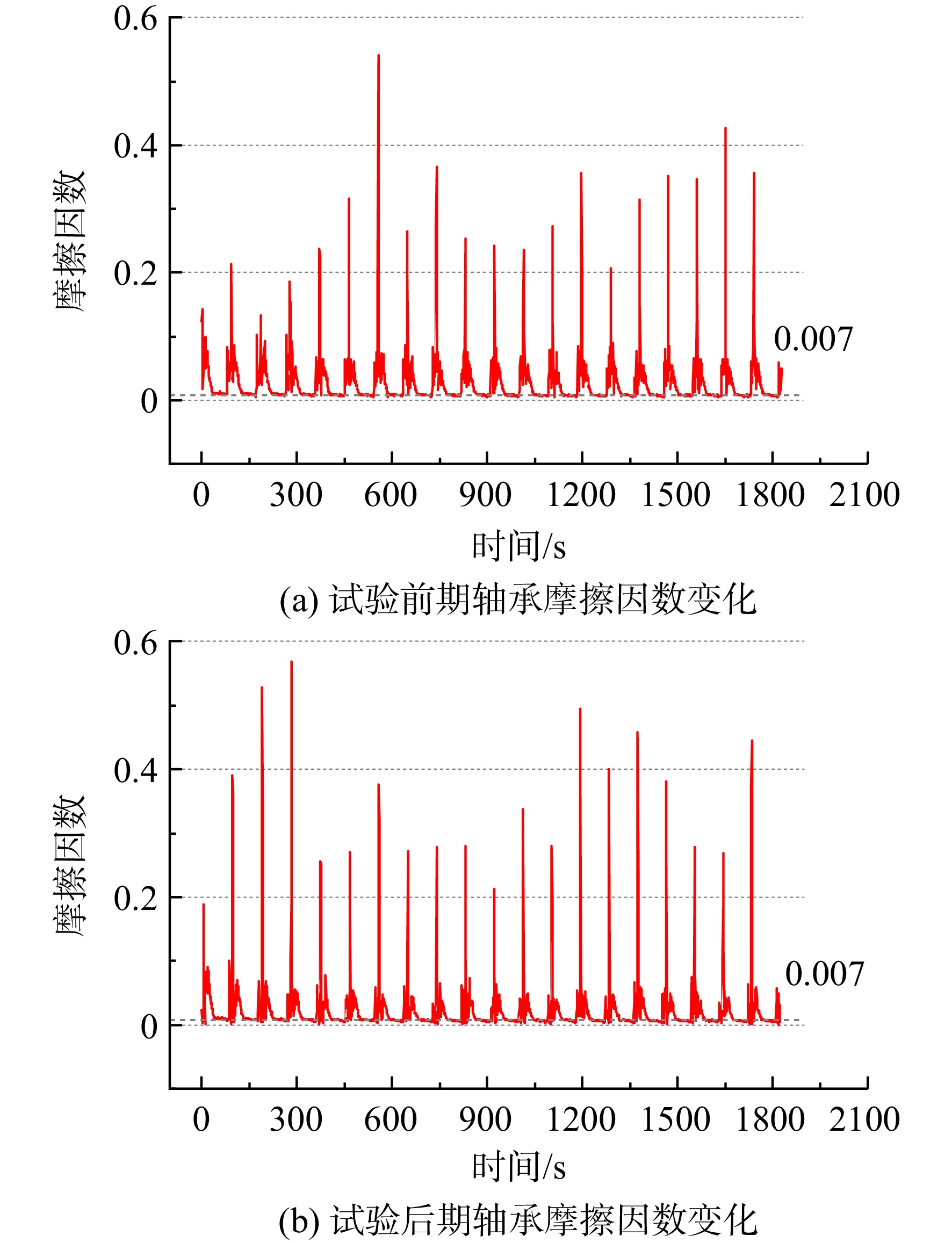
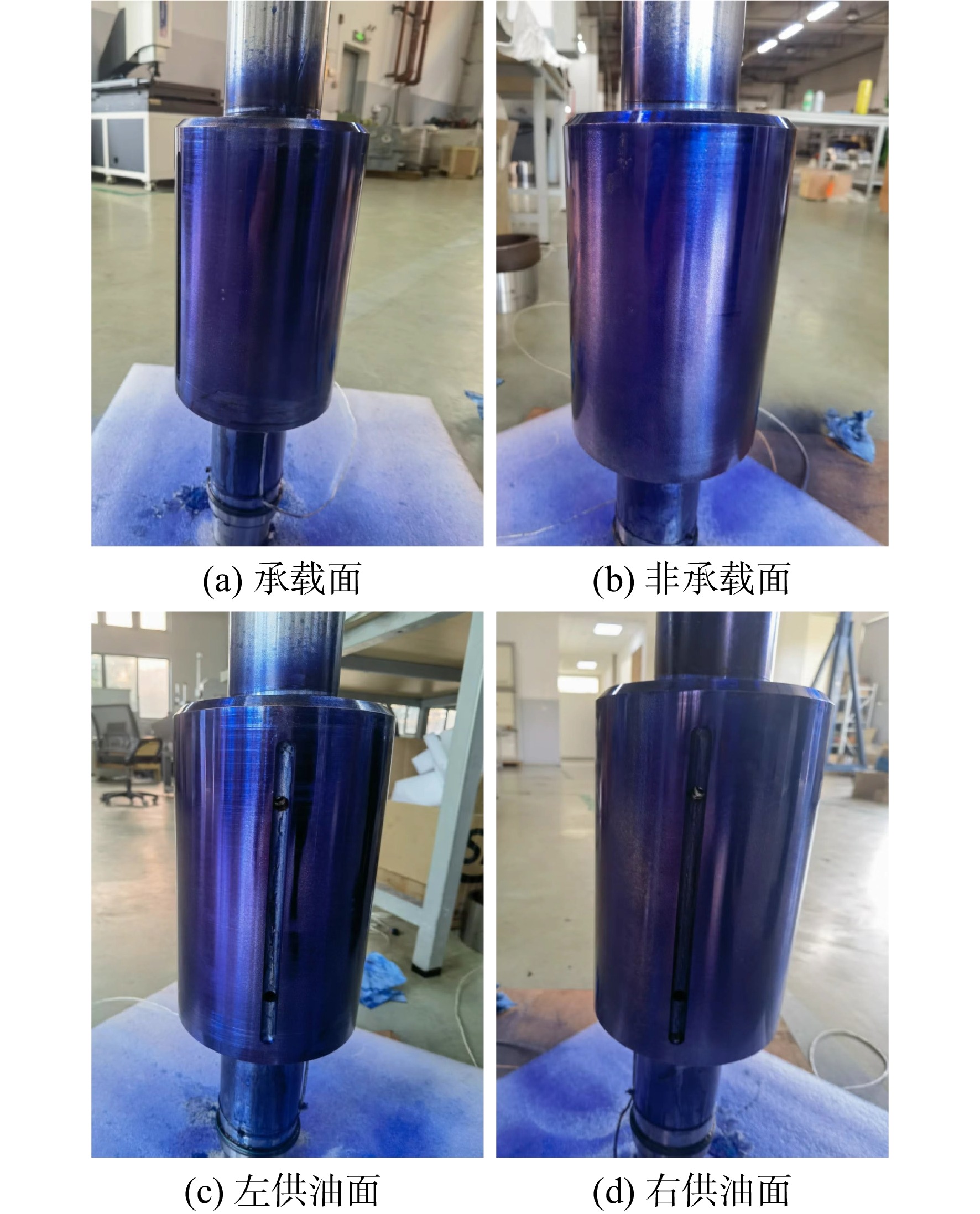
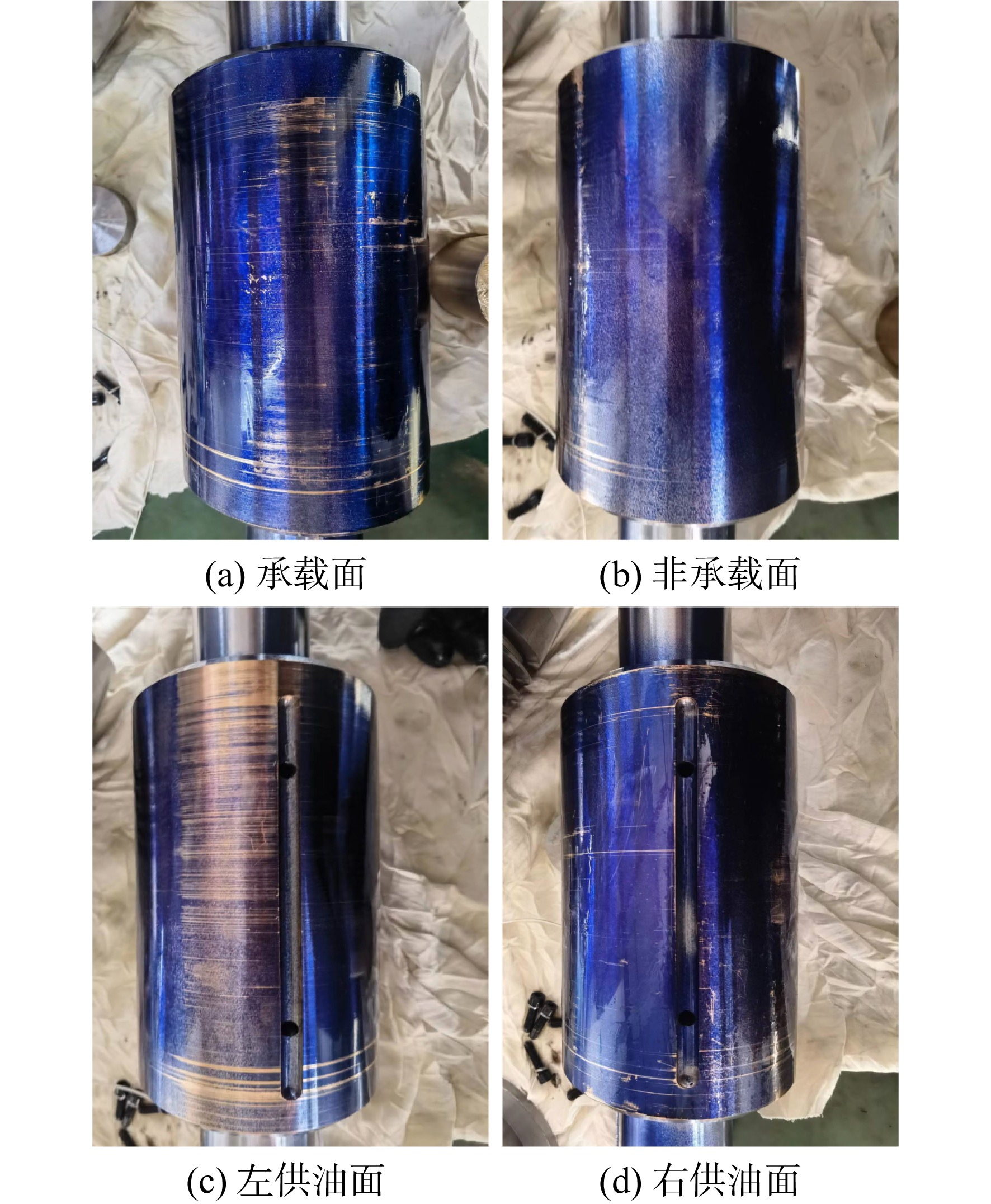
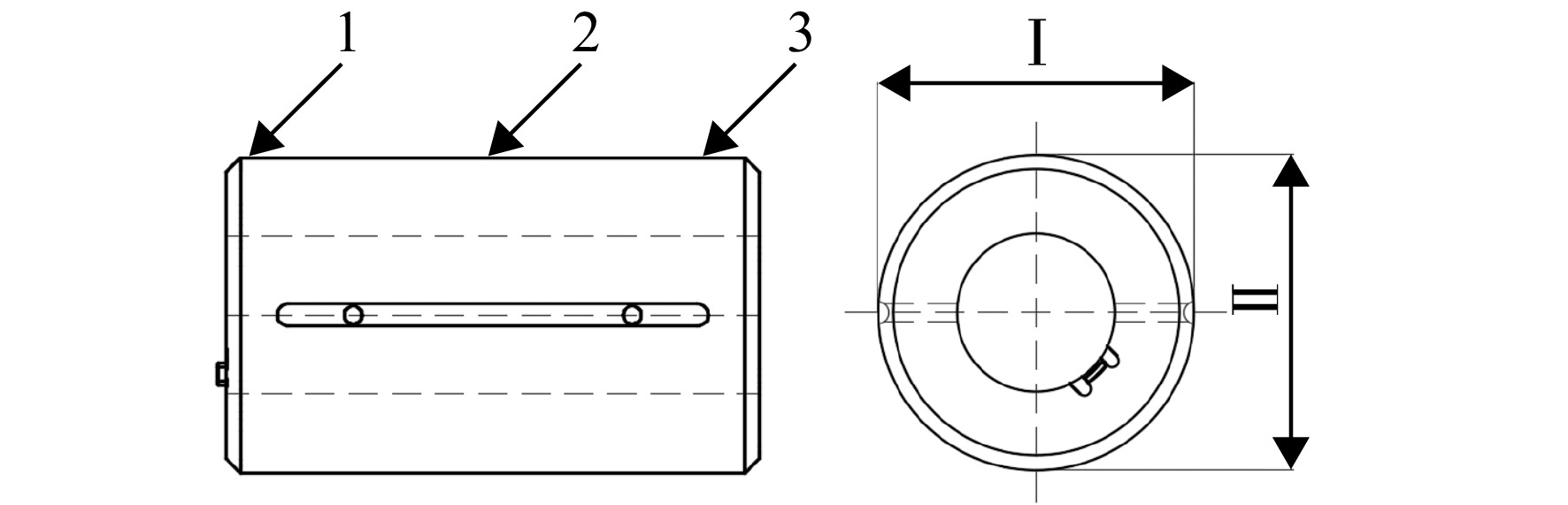
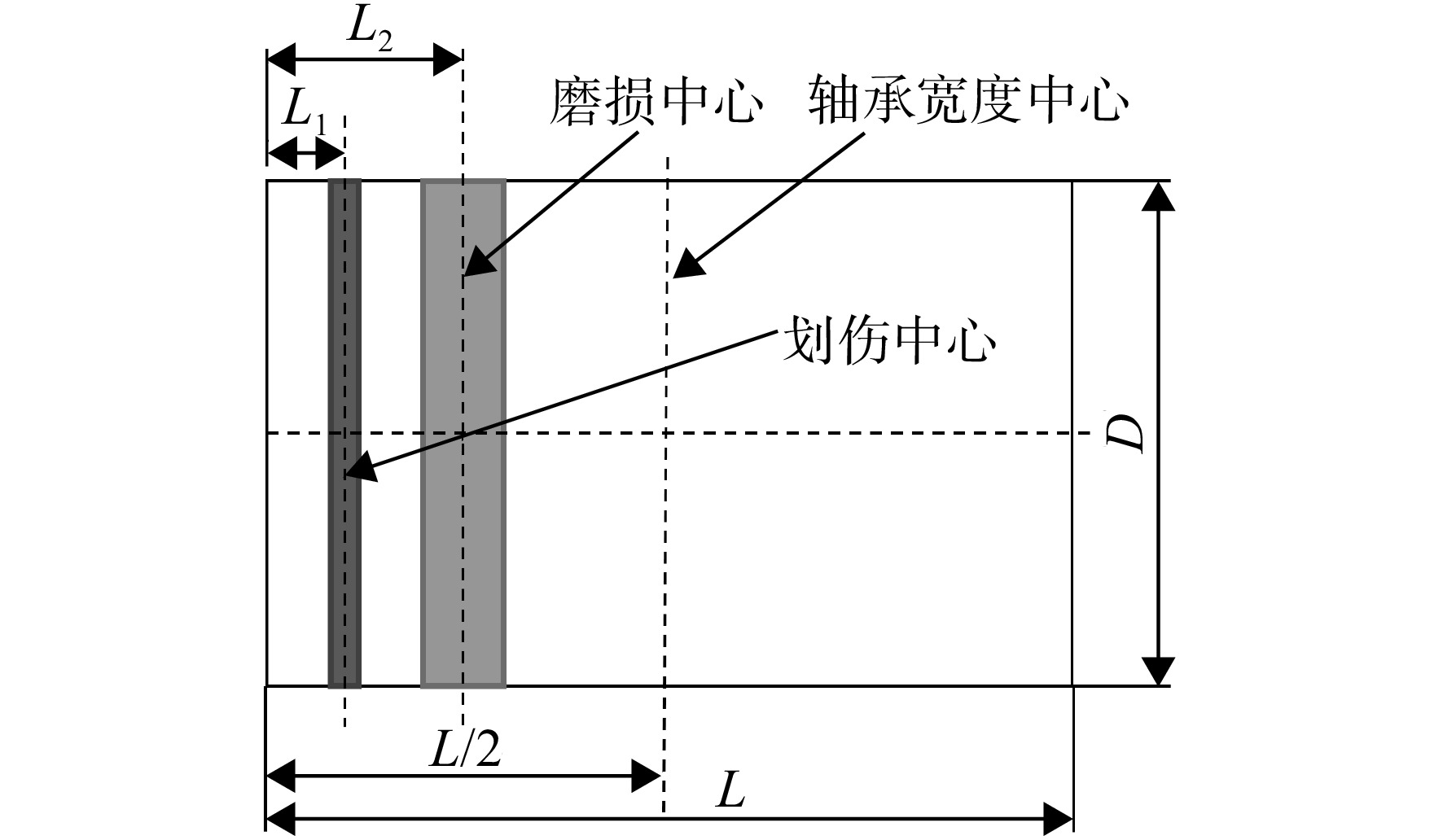
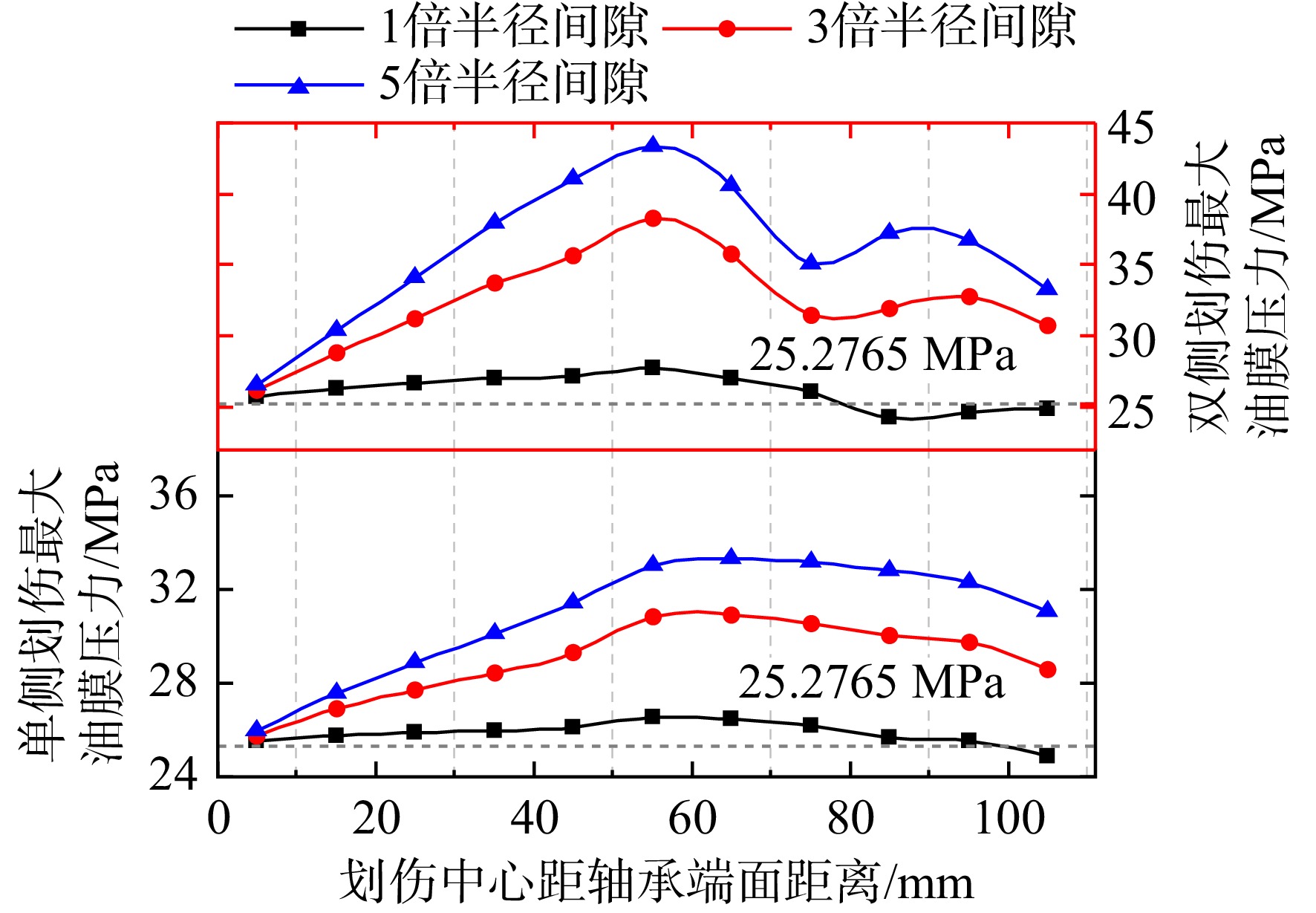
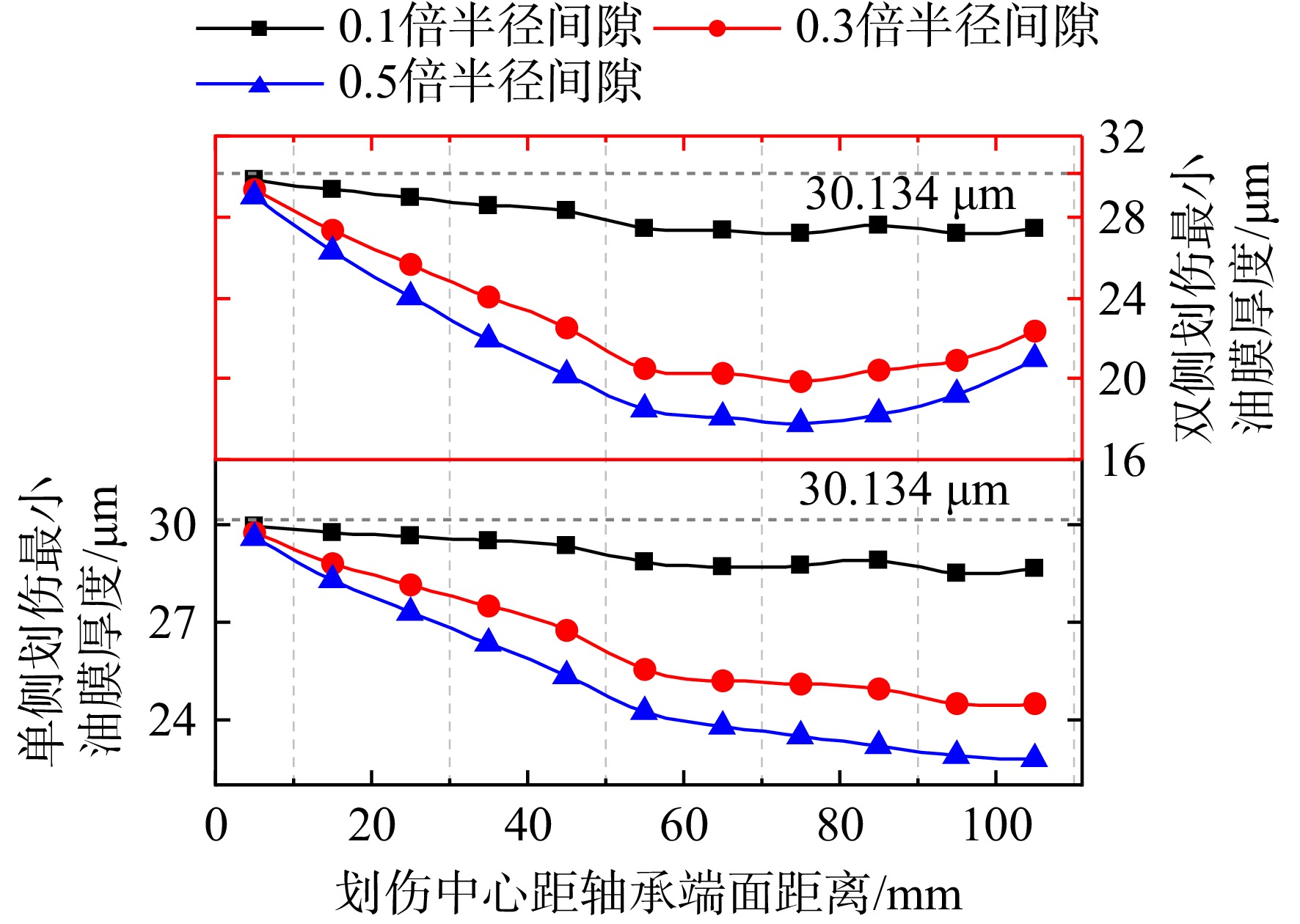
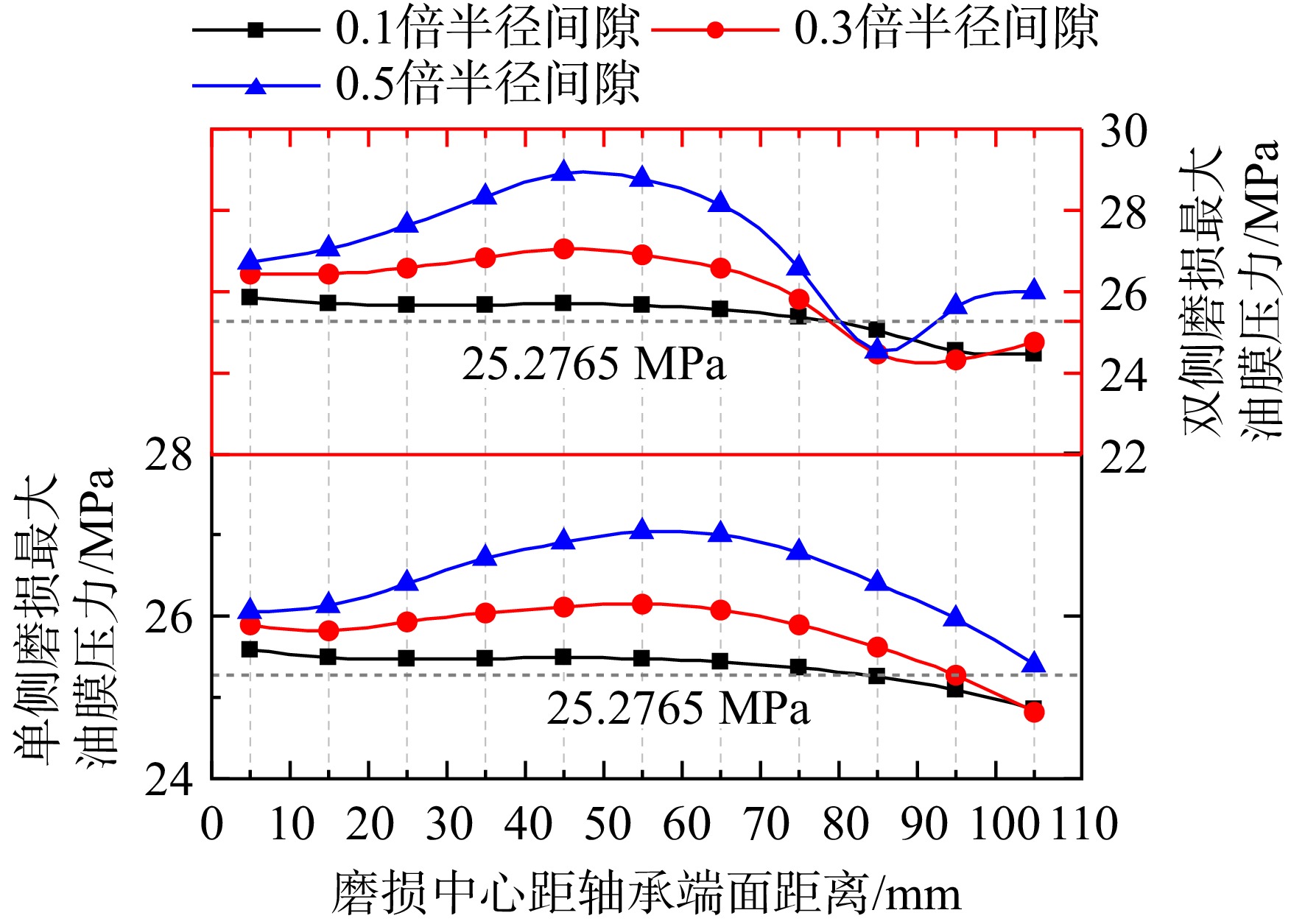
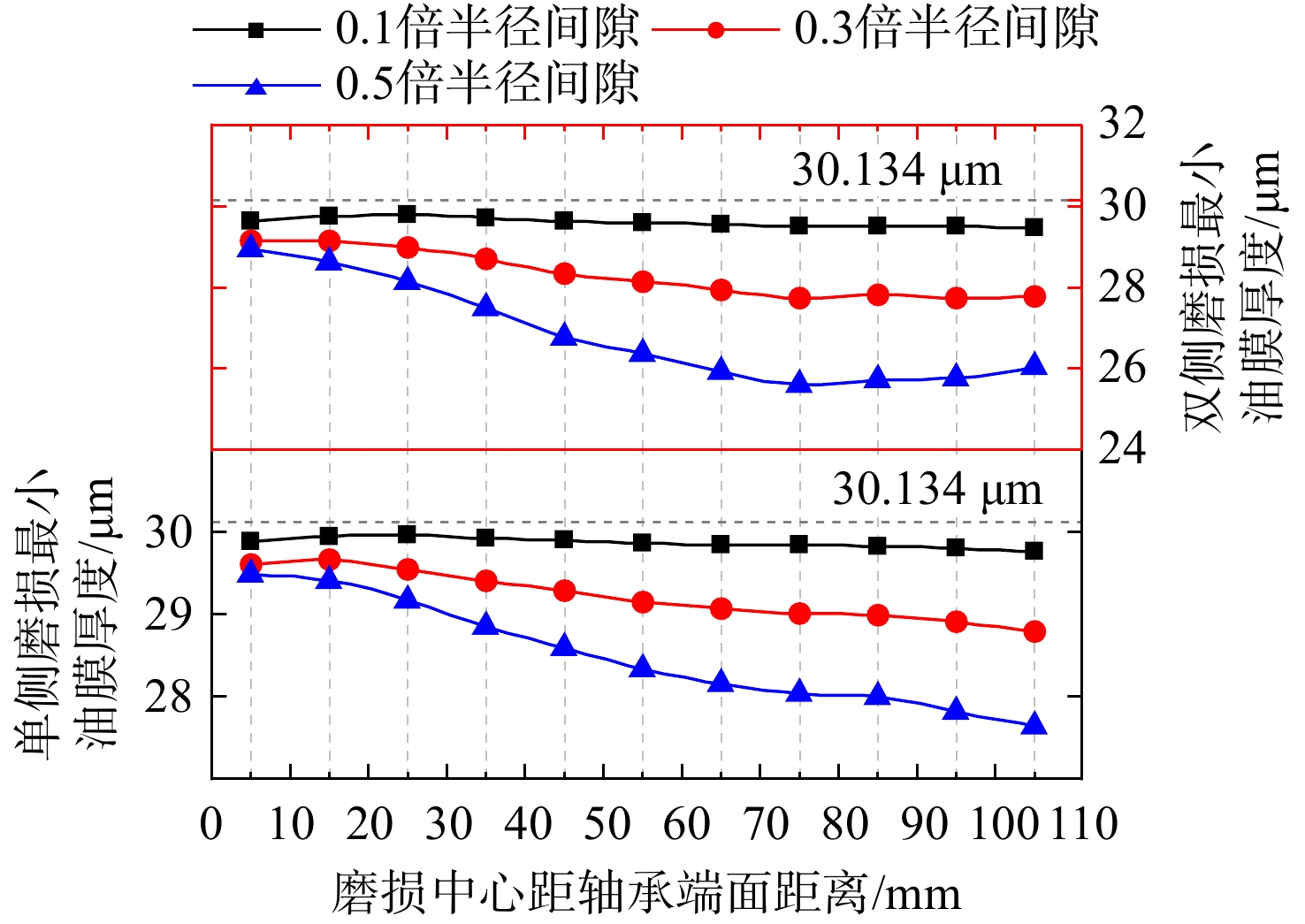
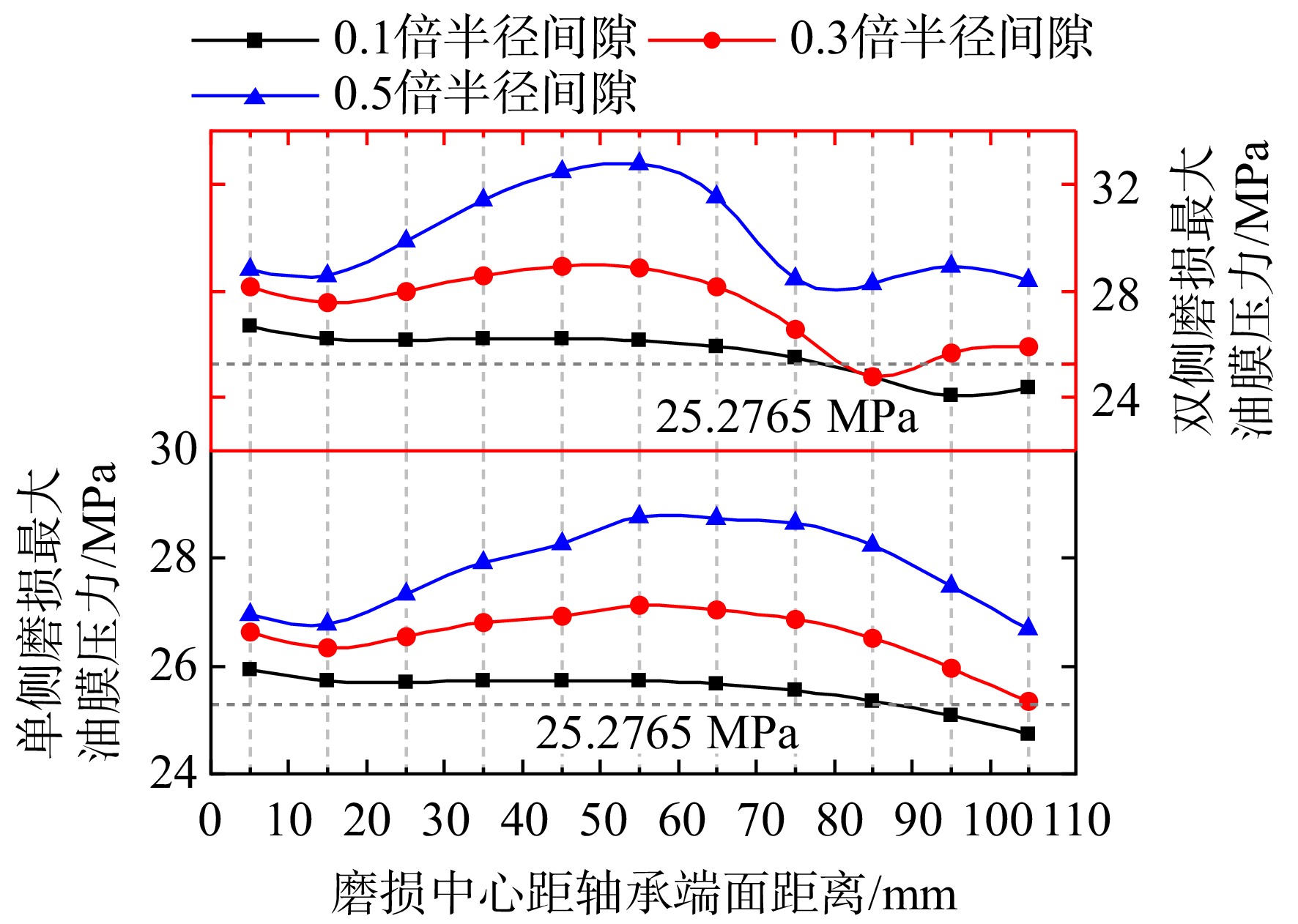
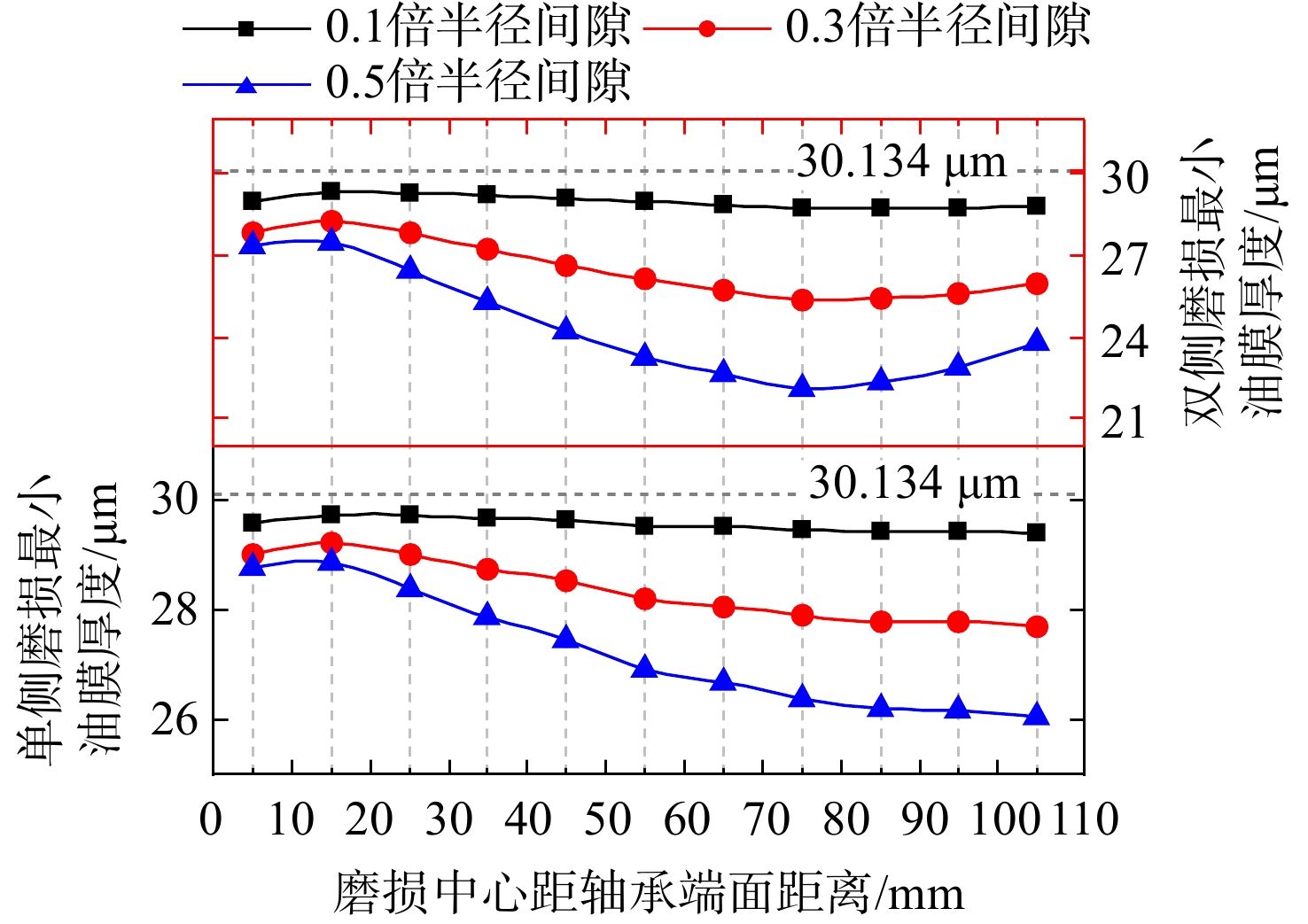
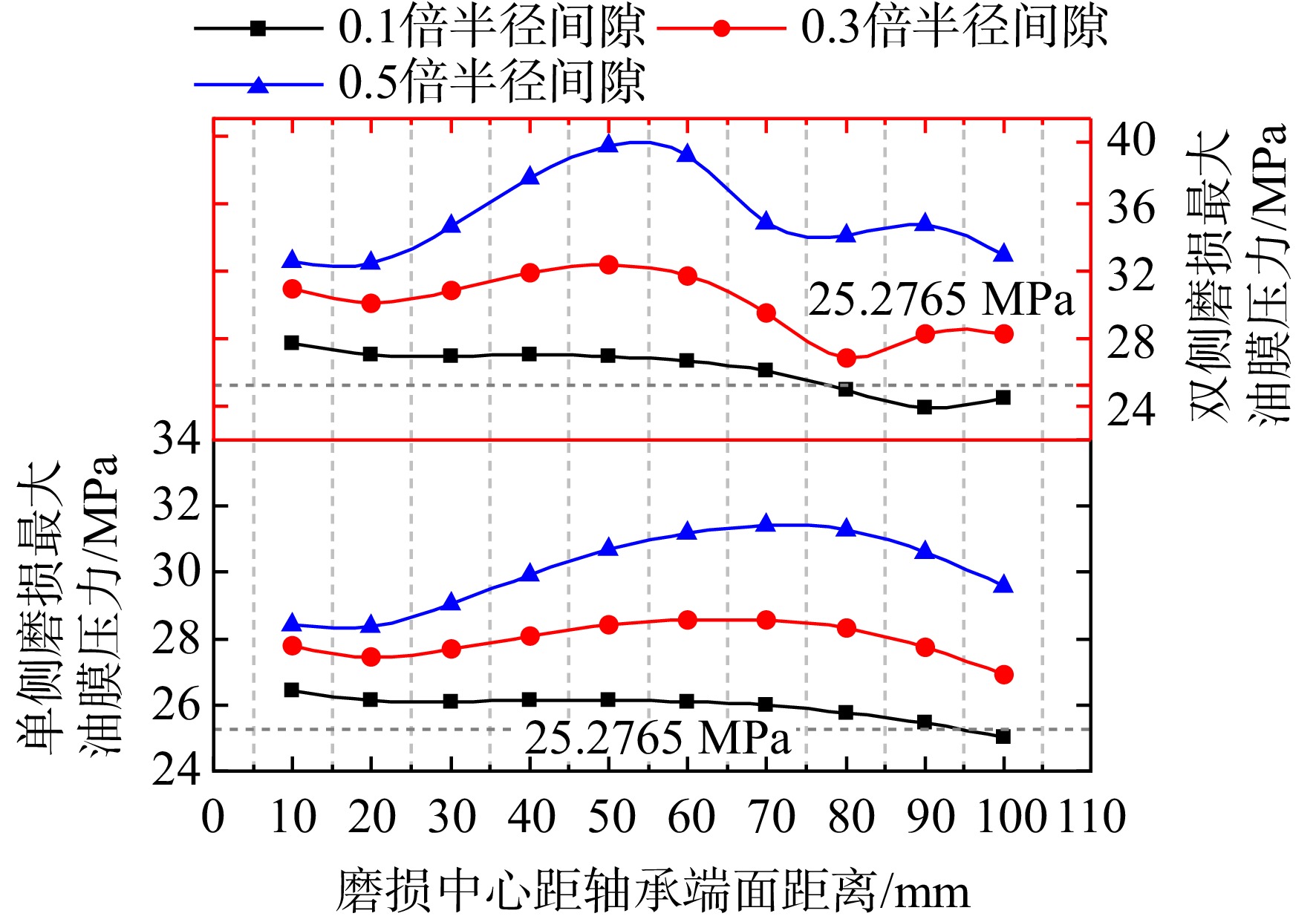
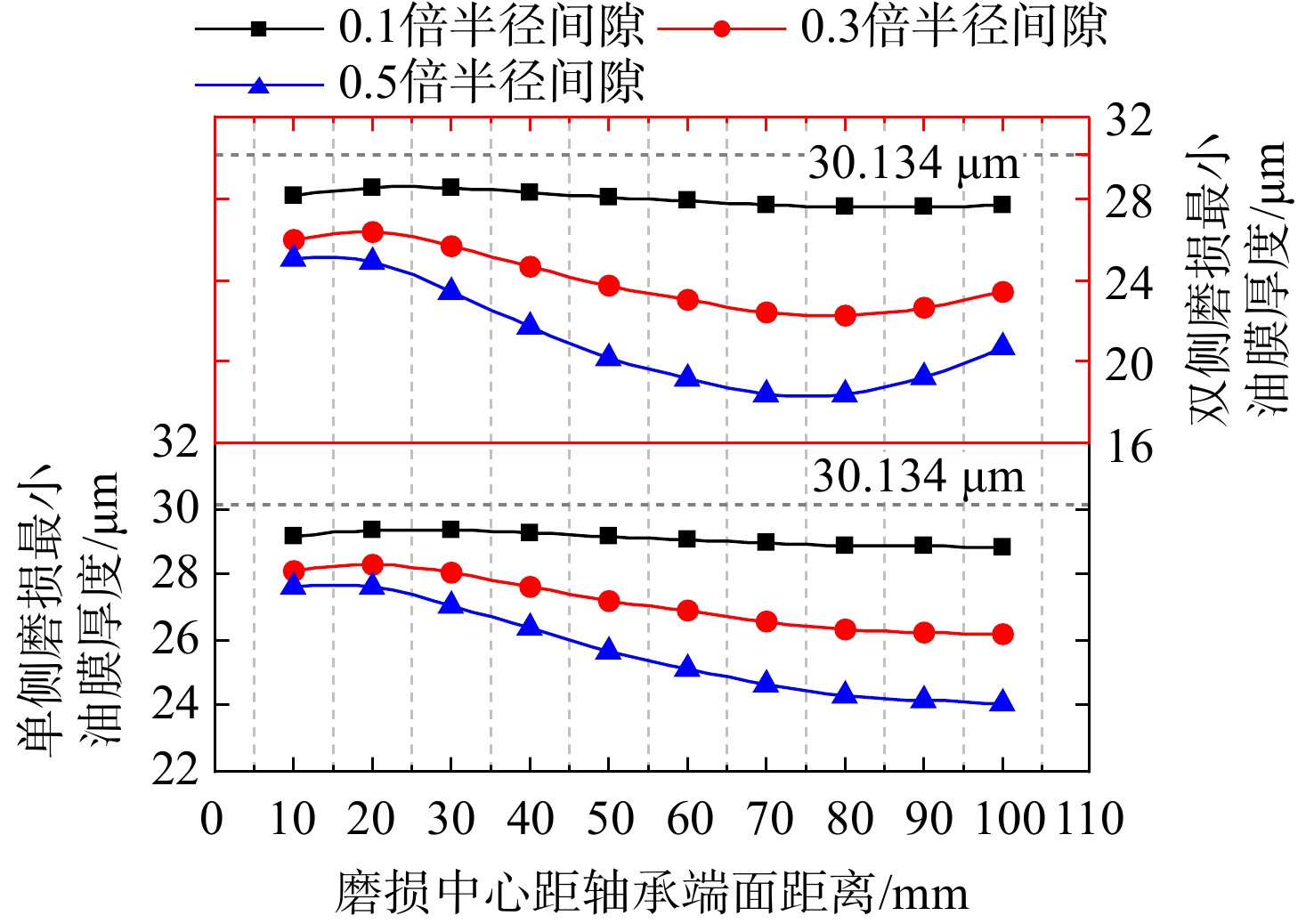
To investigate the wear behavior of the sliding bearing in aero-engine planetary gearboxes under high-frequency start-stop operating conditions, a dedicated test rig was constructed. This test rig enabled independent control of rotational speed and load, as well as combined loading, while simultaneously monitoring the static parameters of the bearing. By integrating numerical simulation with experimental validation, the theoretically derived static parameters were compared with measured data, confirming the reliability of the simulated conditions provided by the test rig. A total of 12 000 start-stop cycles were conducted according to actual flight conditions, capturing the evolution of surface topography and dimensional changes. The influence of surface wear on bearing performance was subsequently analyzed. Results indicated that after 12000 start-stop cycles, the loaded-surface radial clearance increased by 15.4% and the oil-film load capacity decreased by 7.4%. For bilateral surface damage, the greatest performance degradation occurred when the damage centers were located at 1/4 of the total width from the end face. For unilateral surface damage, the maximum performance loss occurred when the damaged edge was situated at 1/4 of the total width from the corresponding end face.

Dynamic characteristics and fatigue life analysis of U-shaped pocket cylindrical roller bearings
Ling Jinbo, Liu Yanbin, Yang Kun, Yan Wenxin, Bai Ang
2026, 41(10): 20250150. doi: 10.13224/j.cnki.jasp.20250150
Abstract:

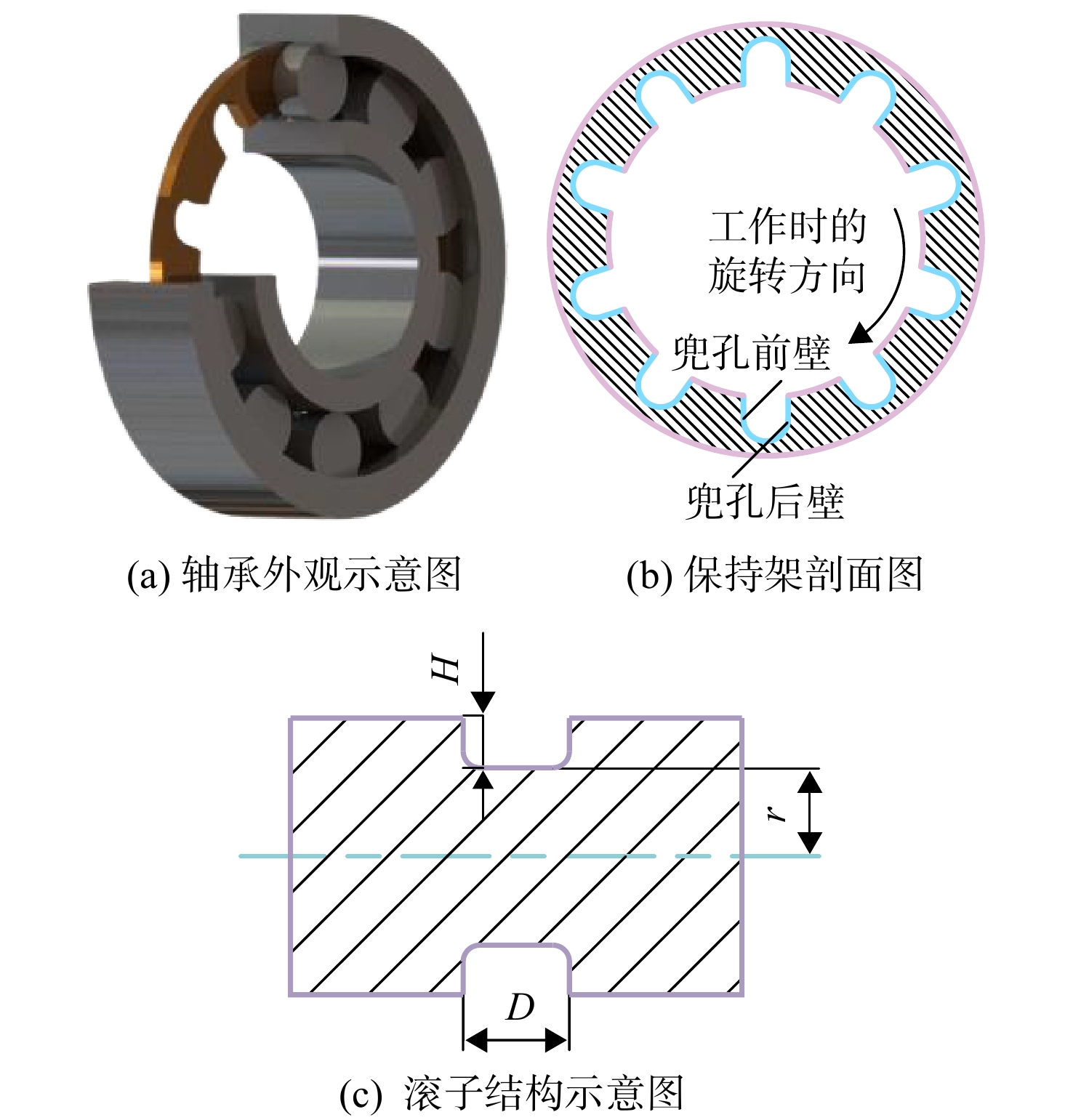
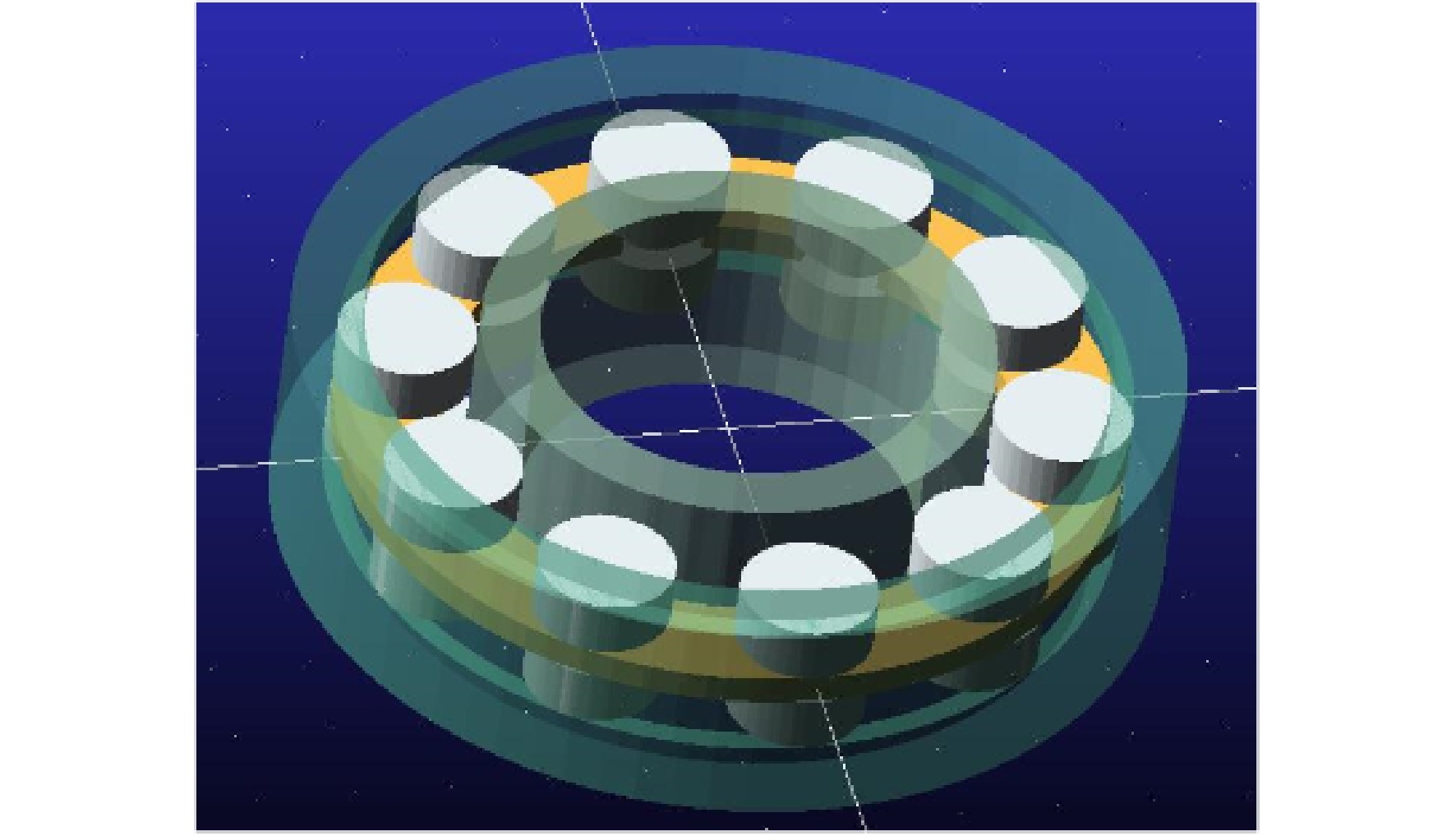
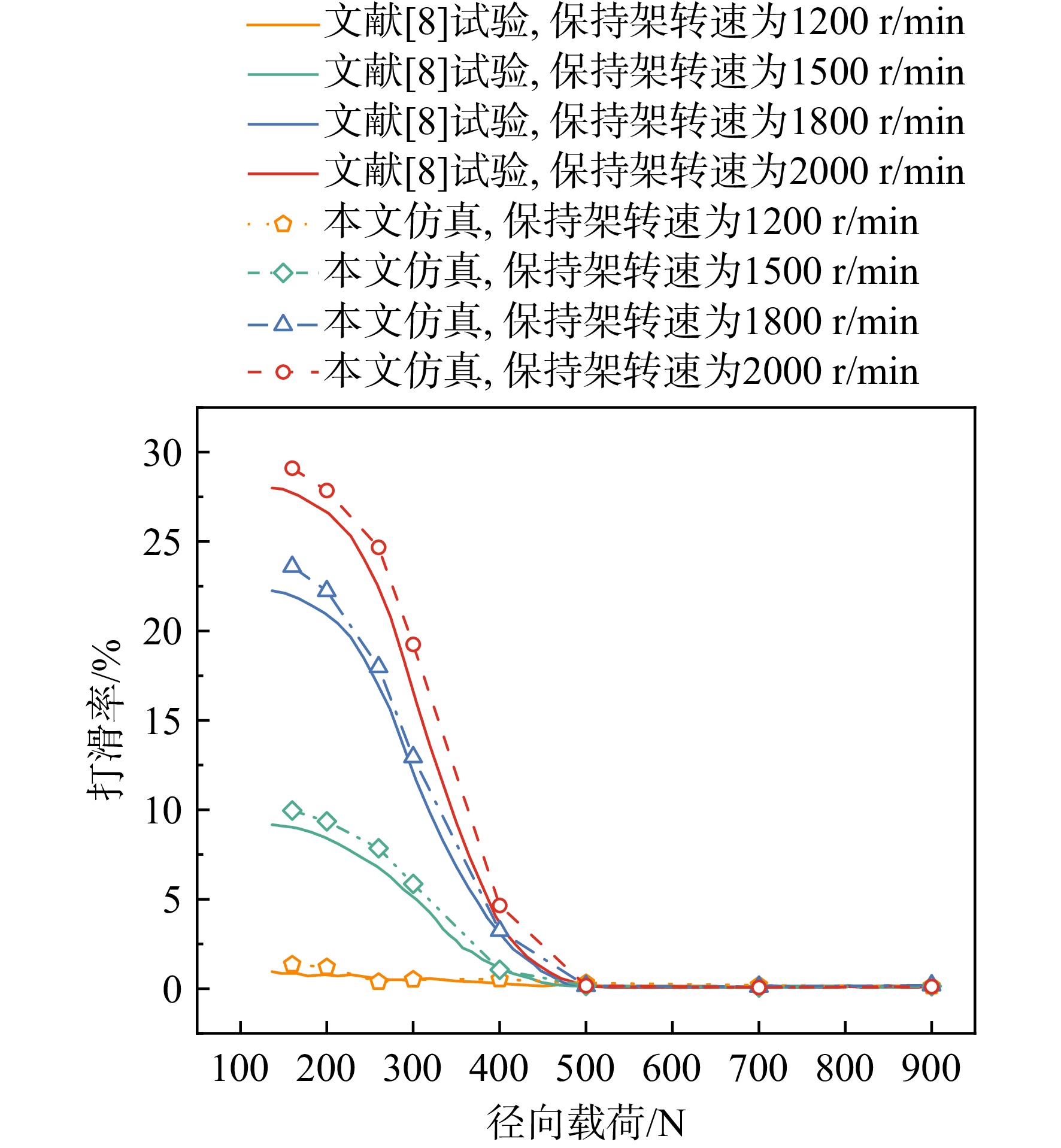
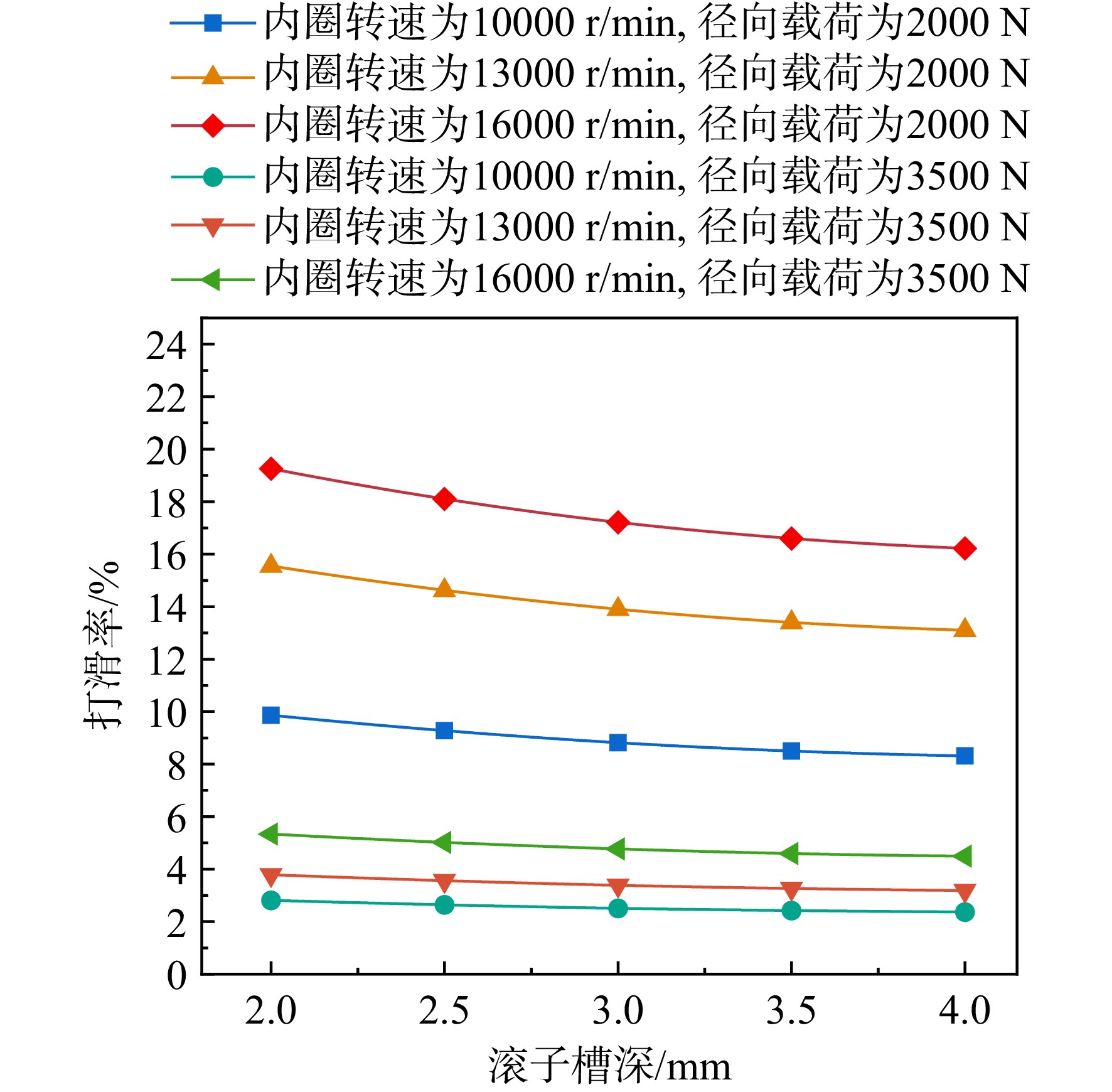
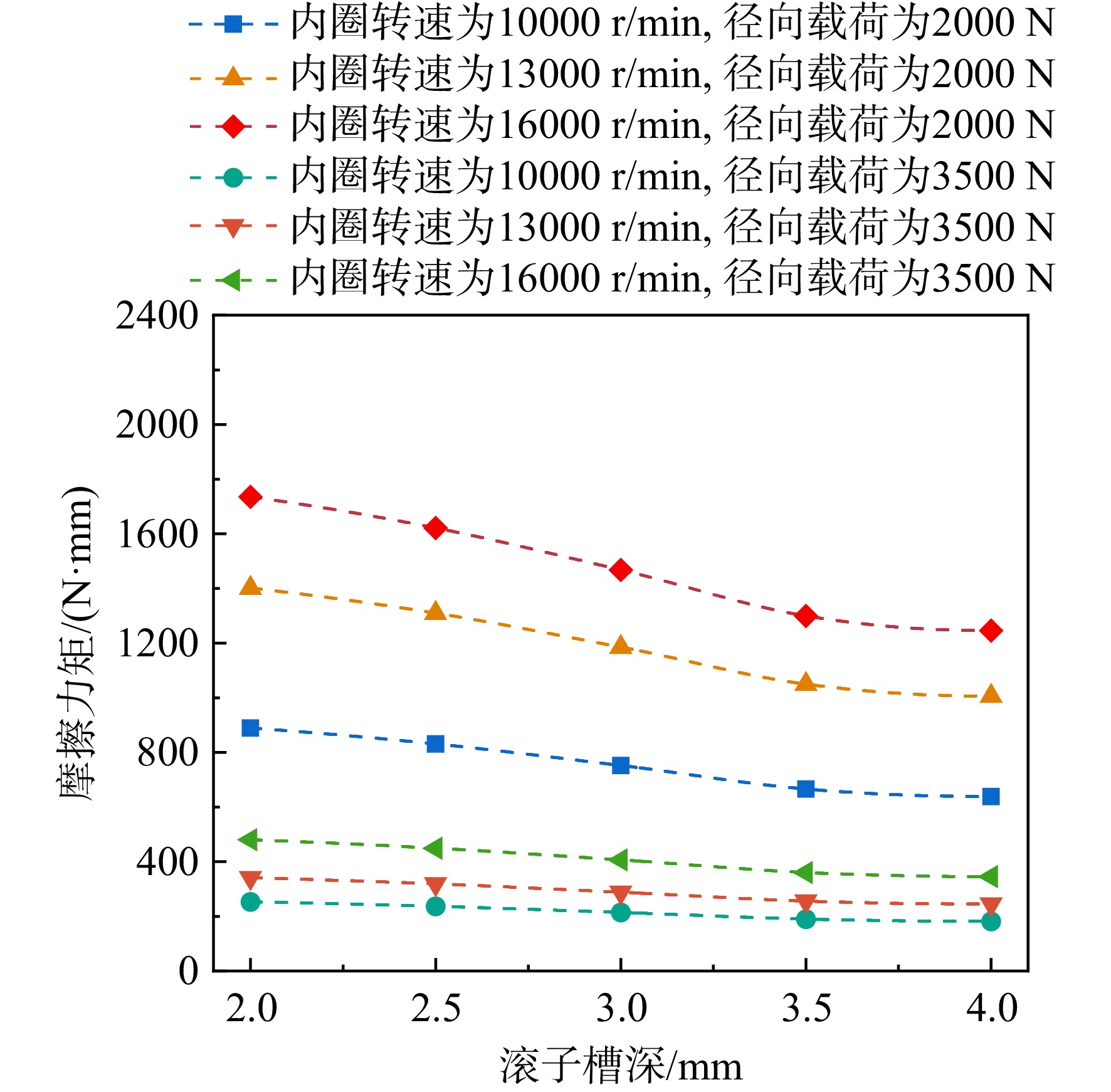
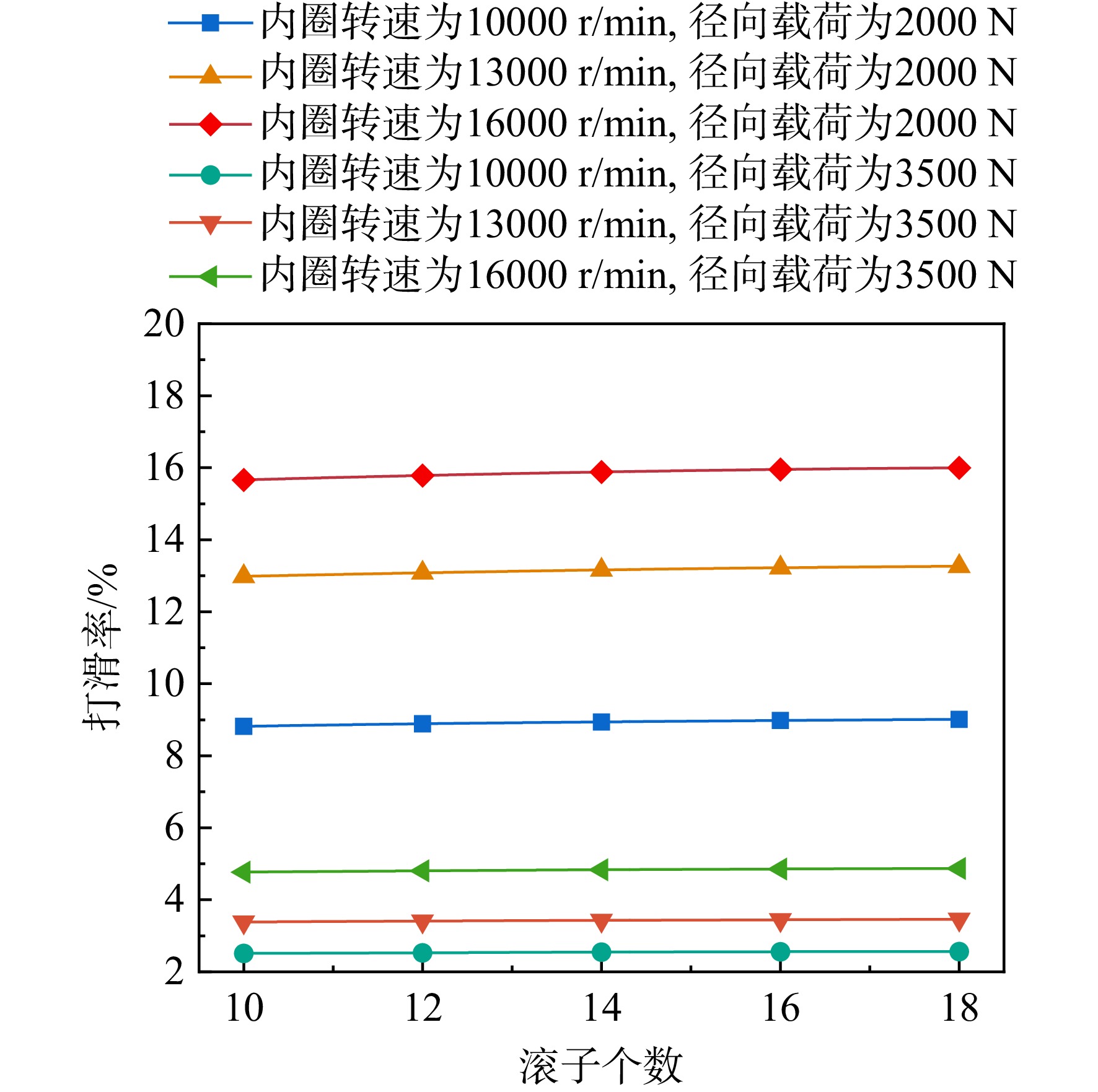
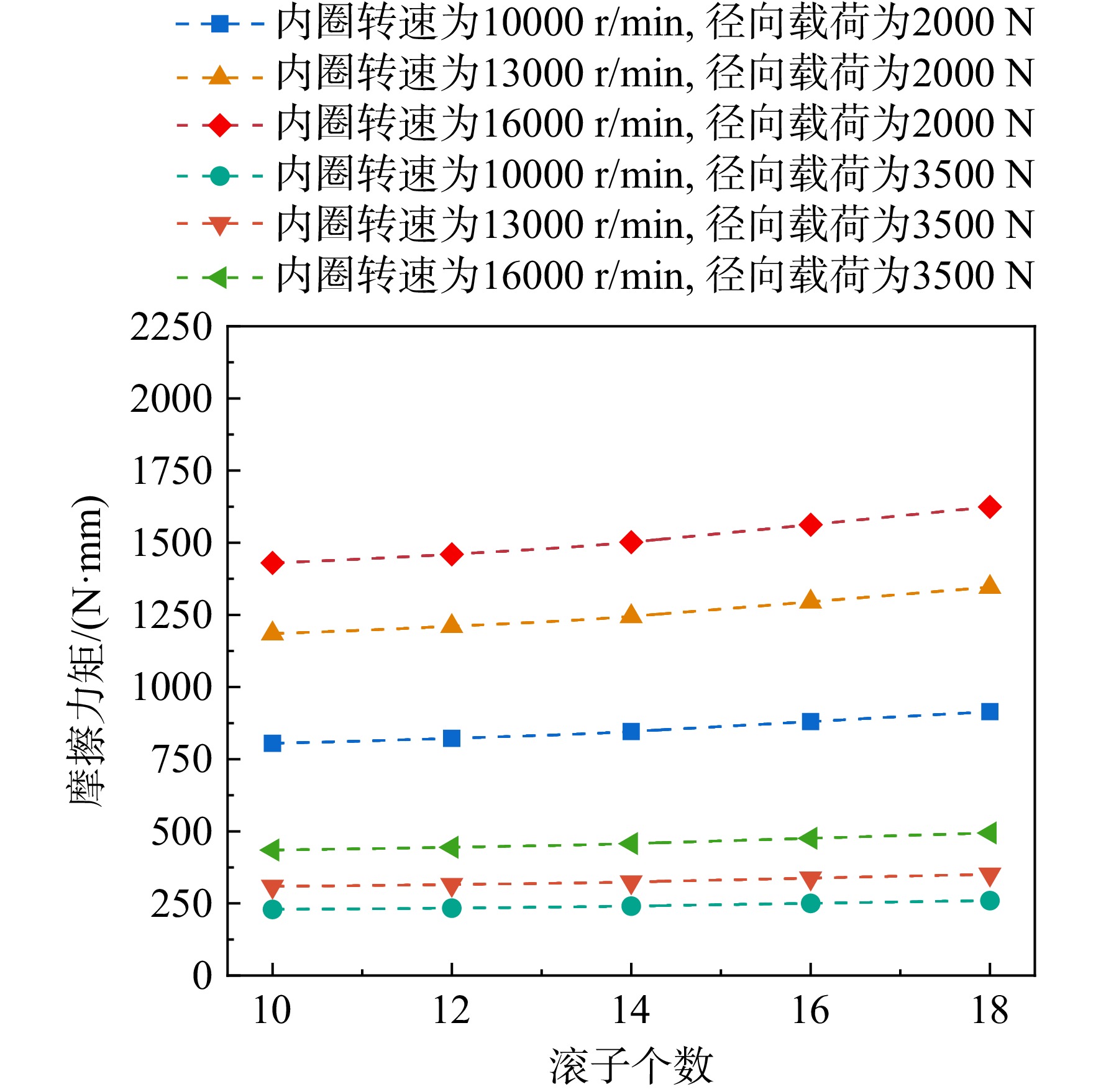
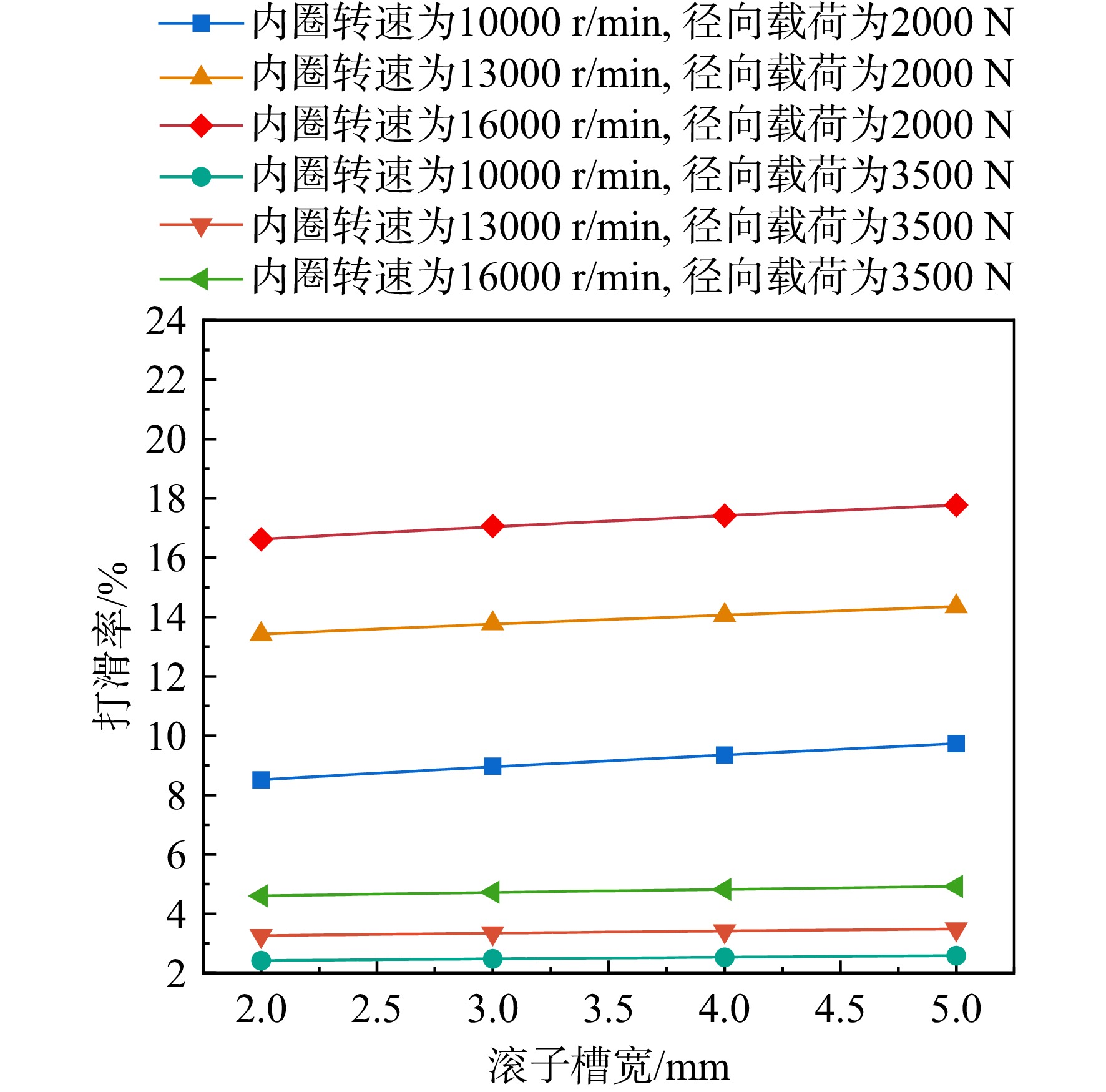
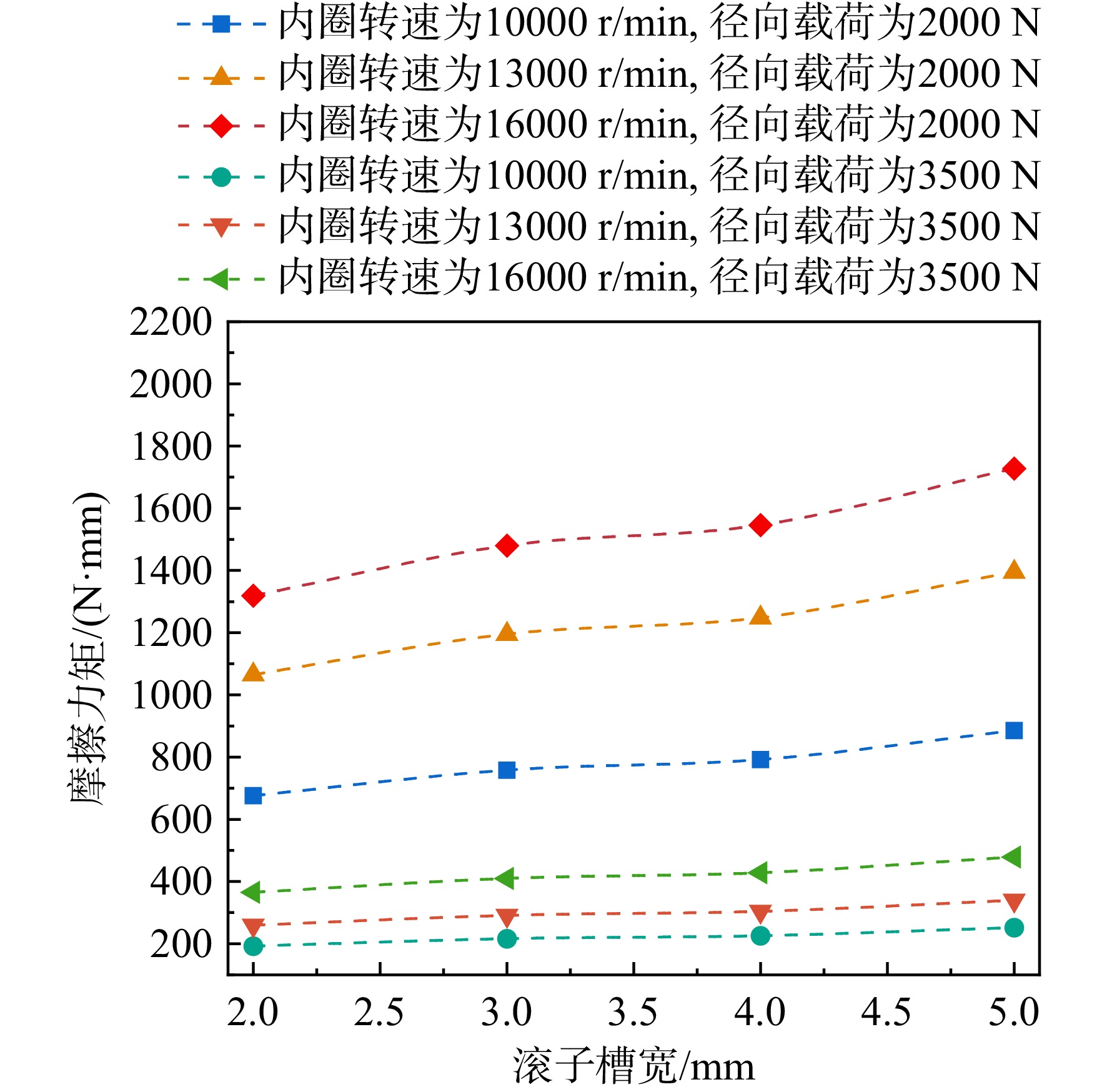
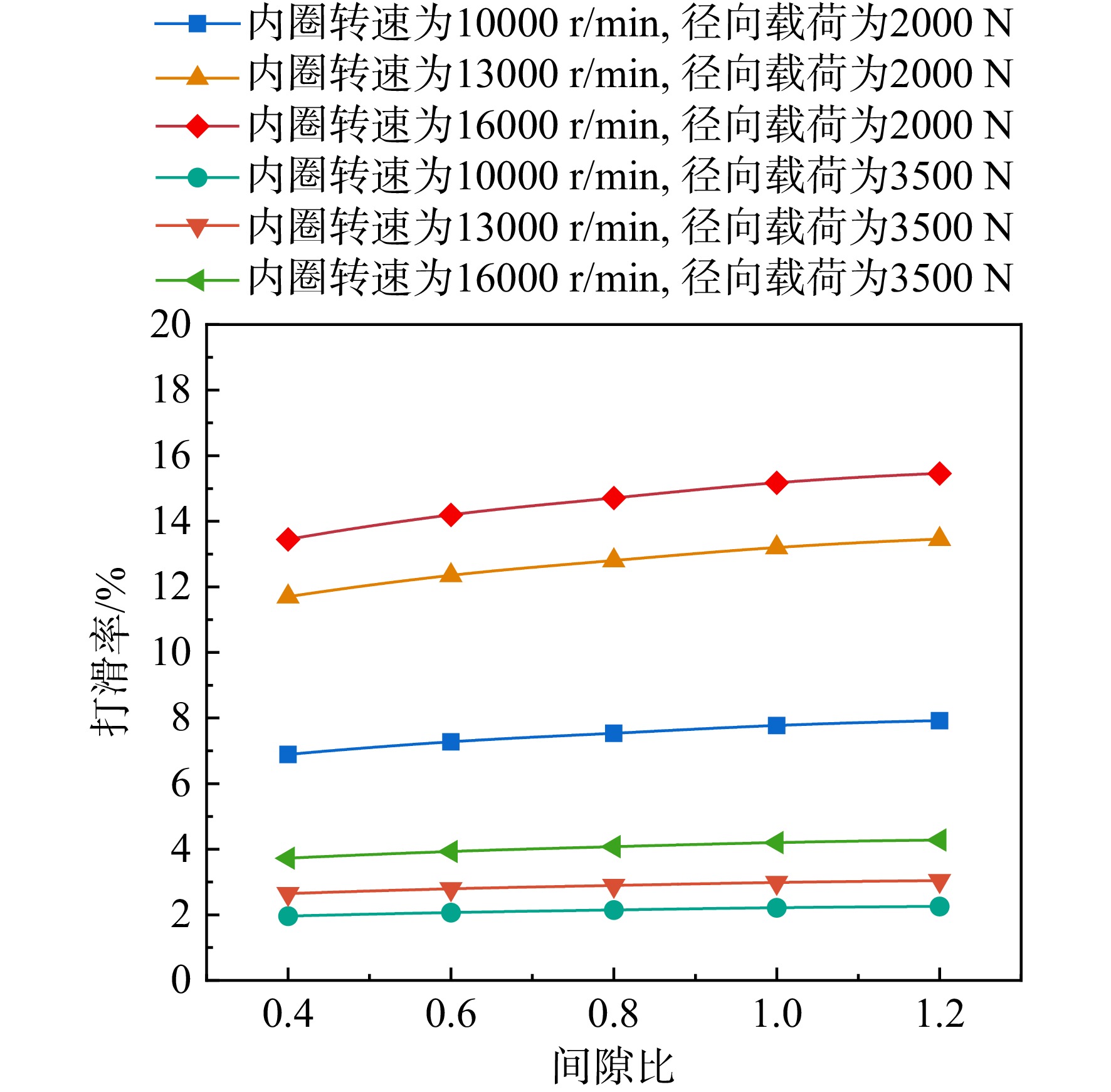
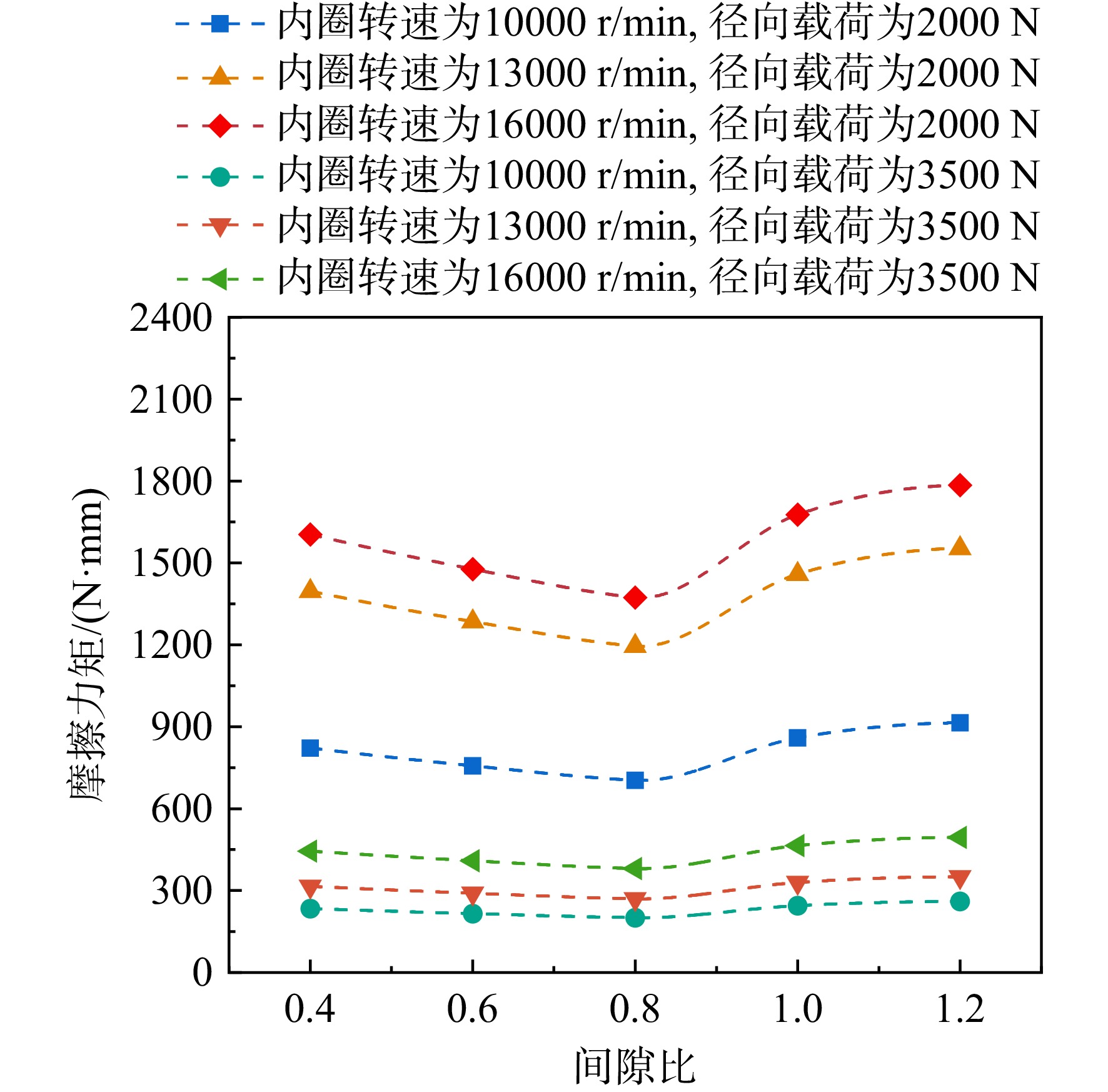
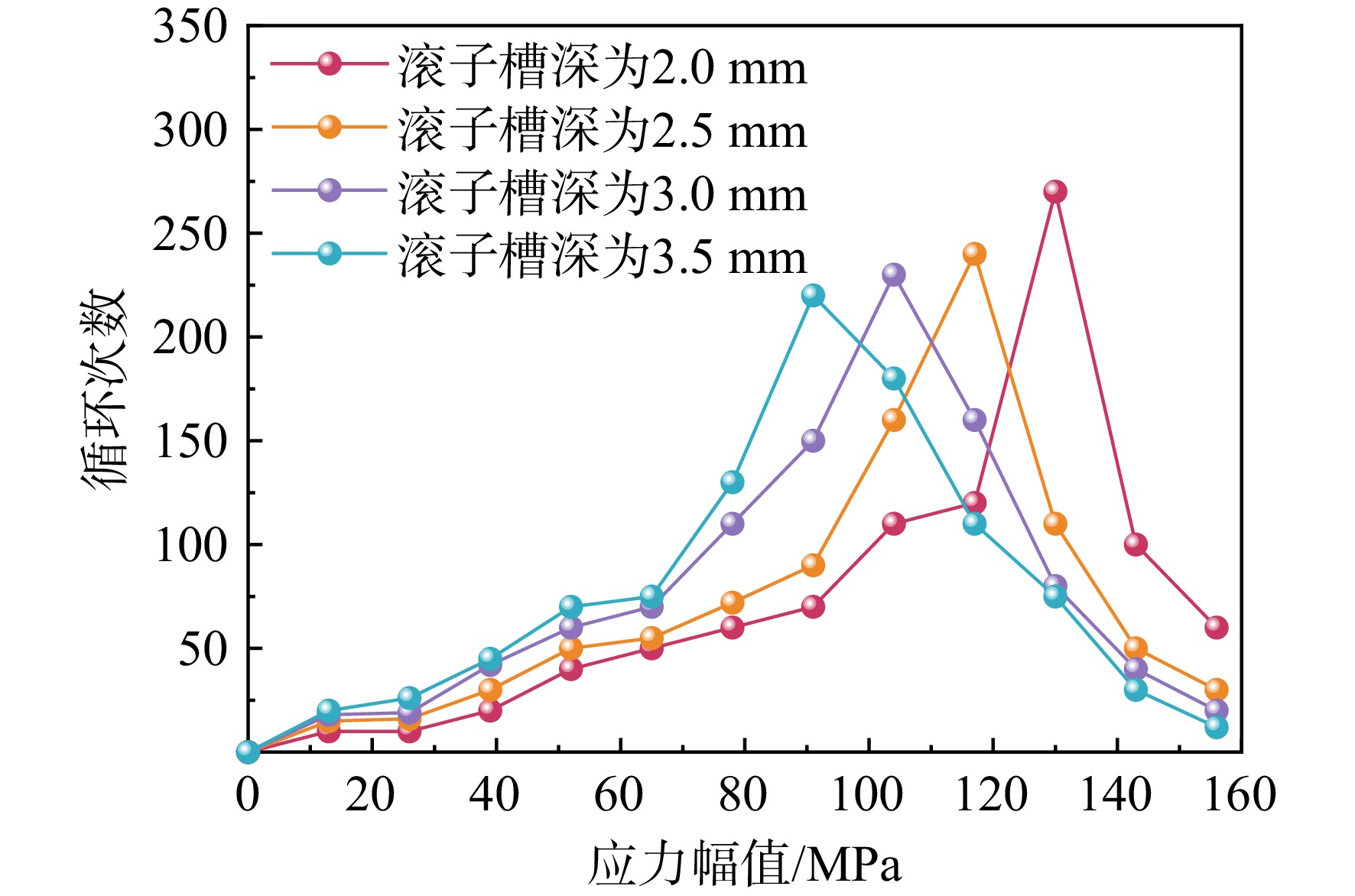
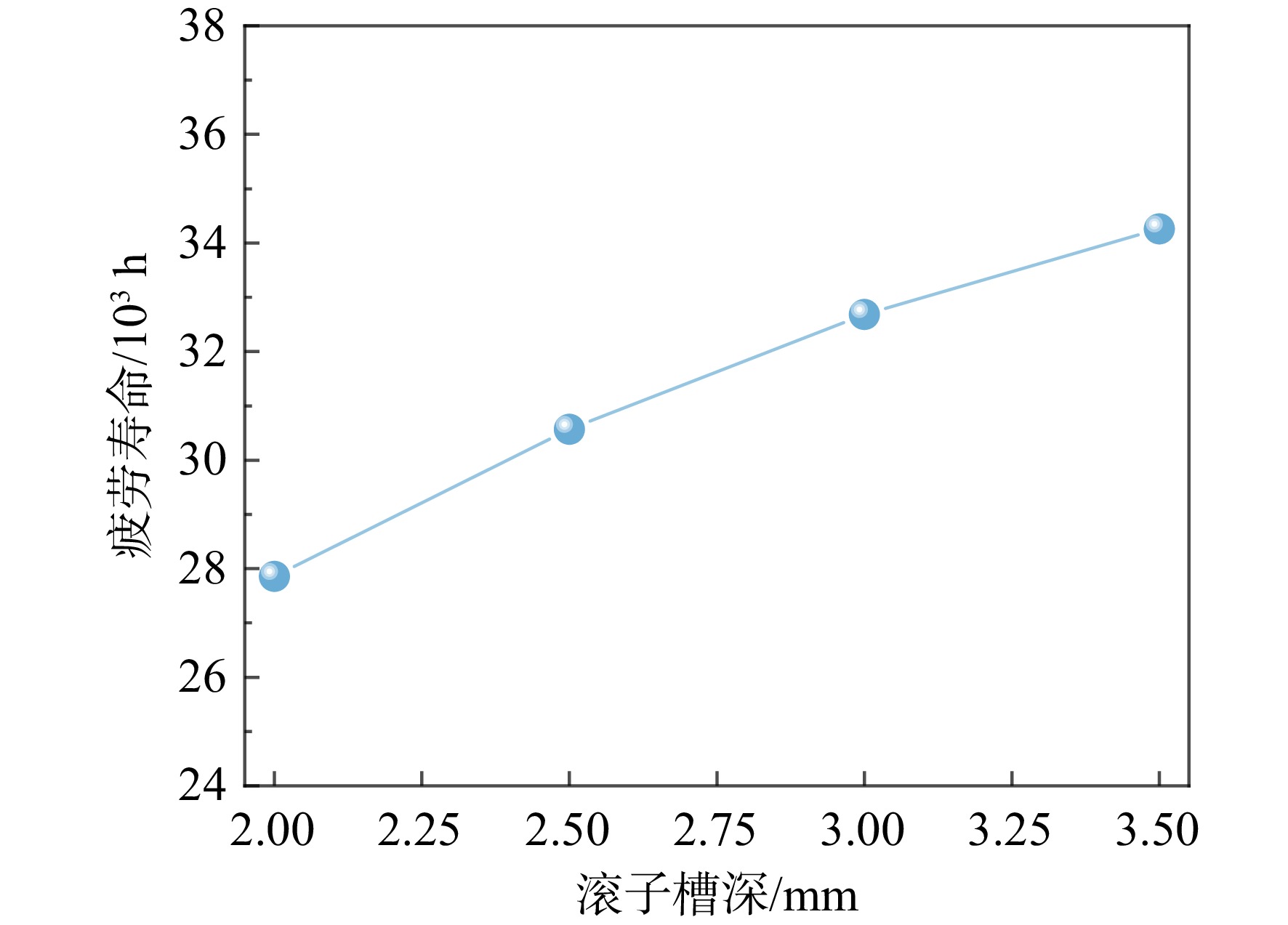
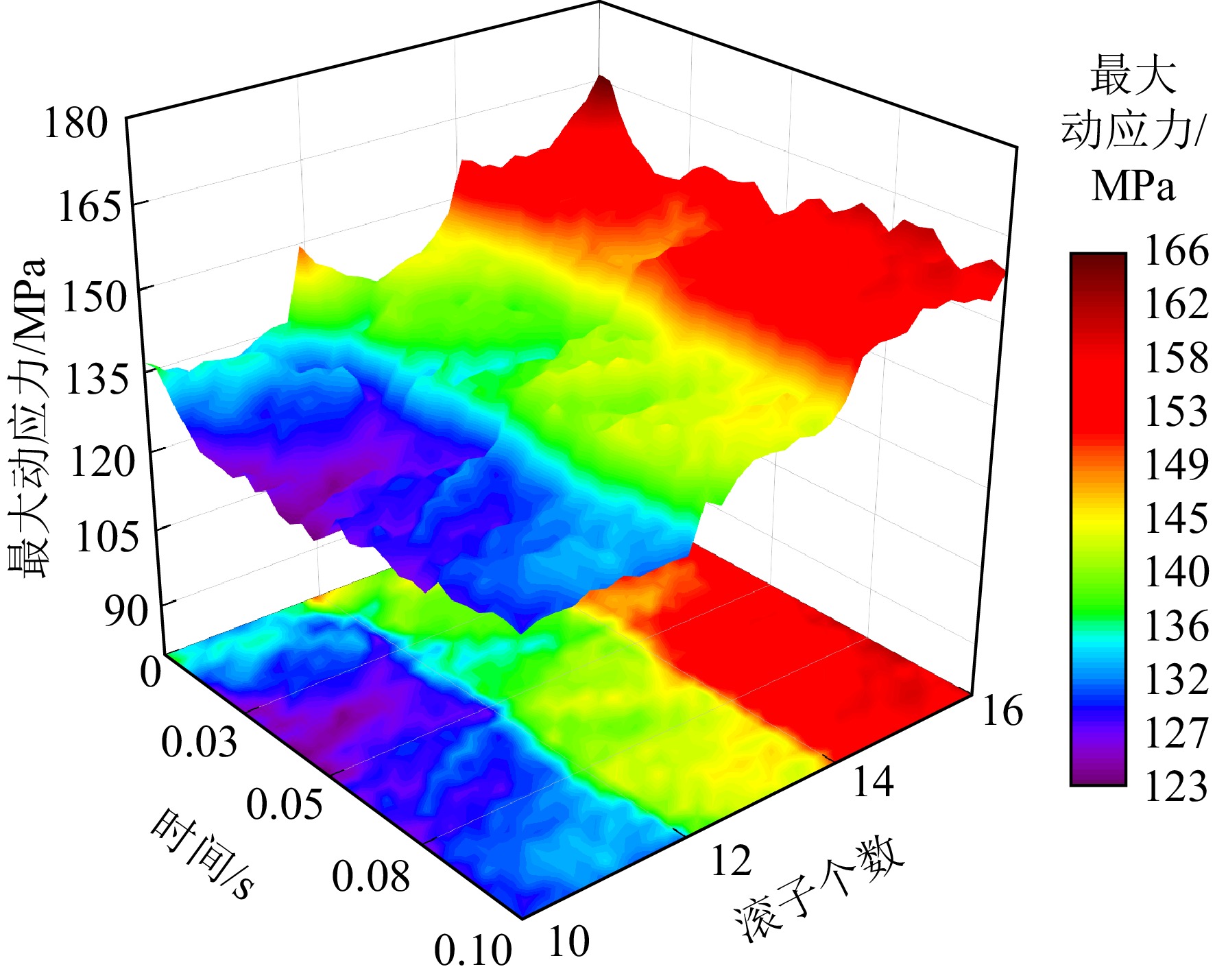
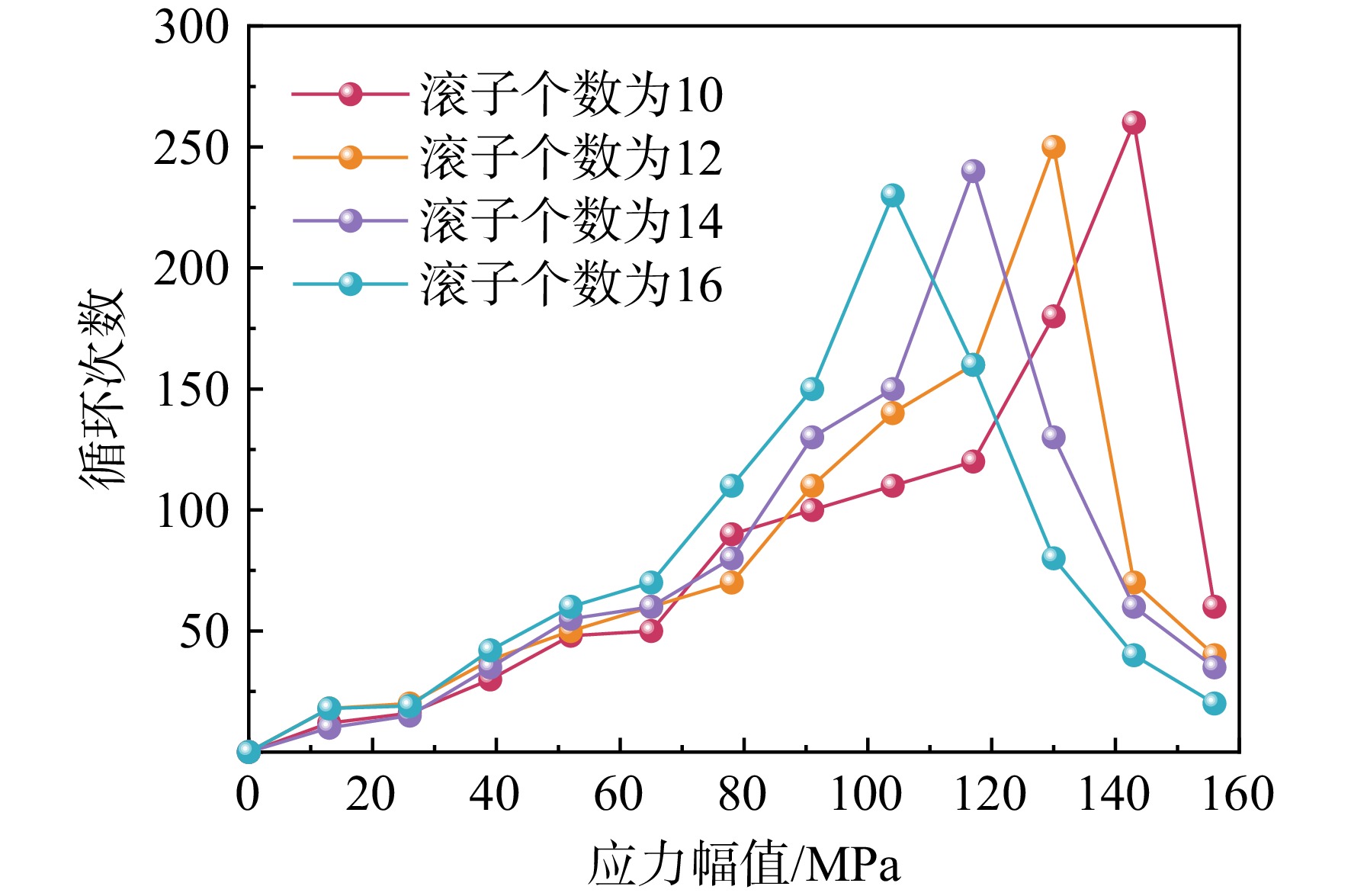
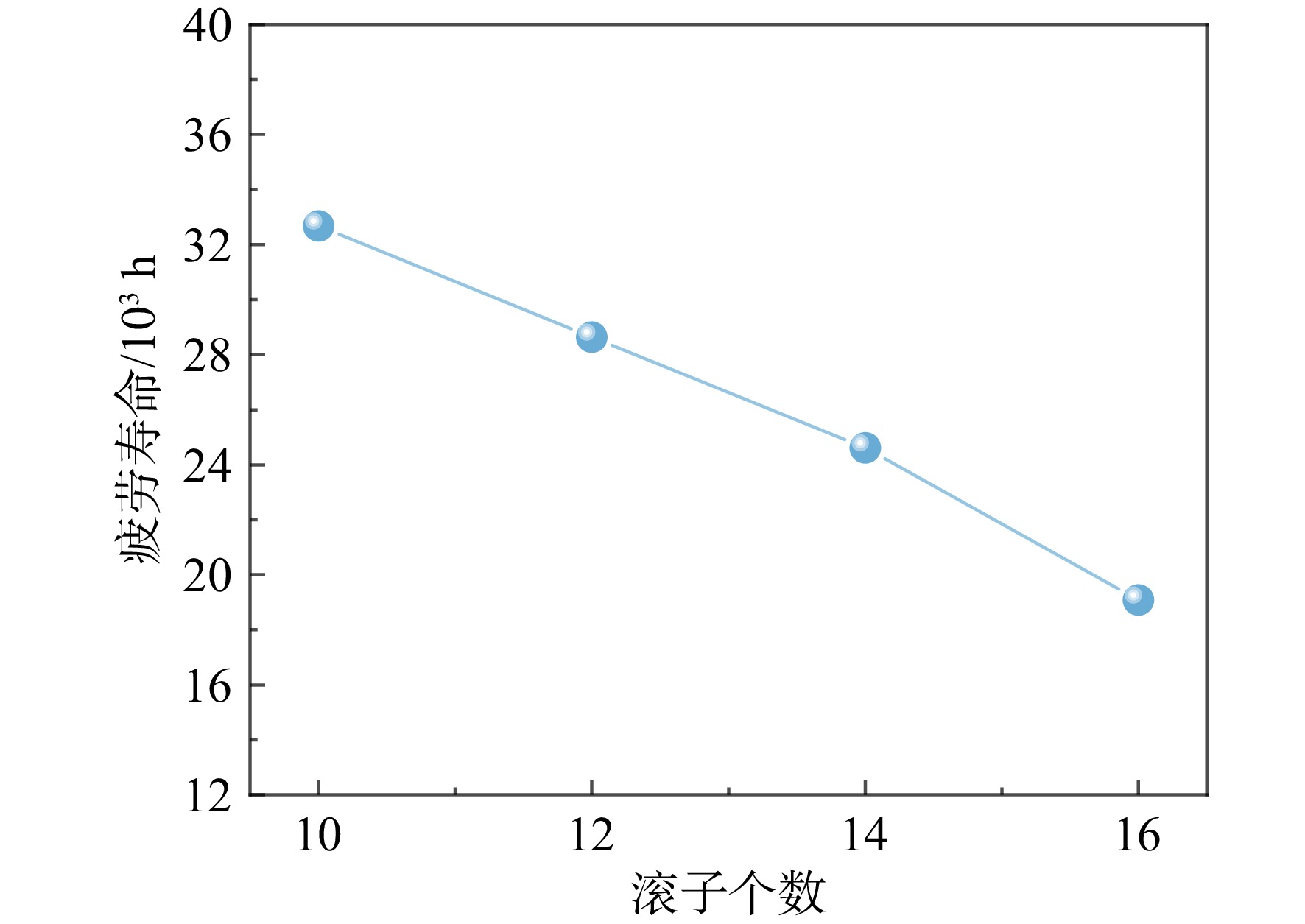
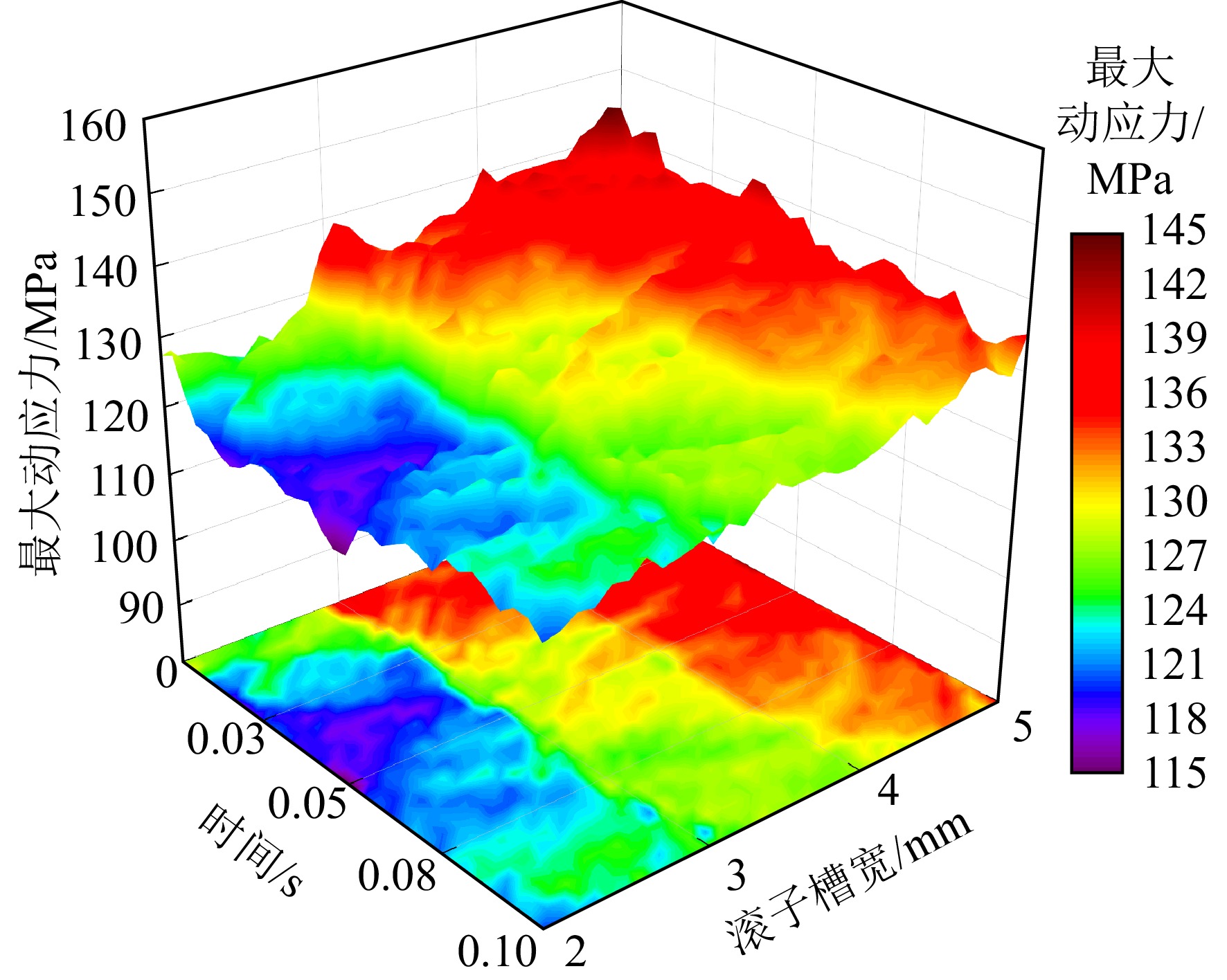
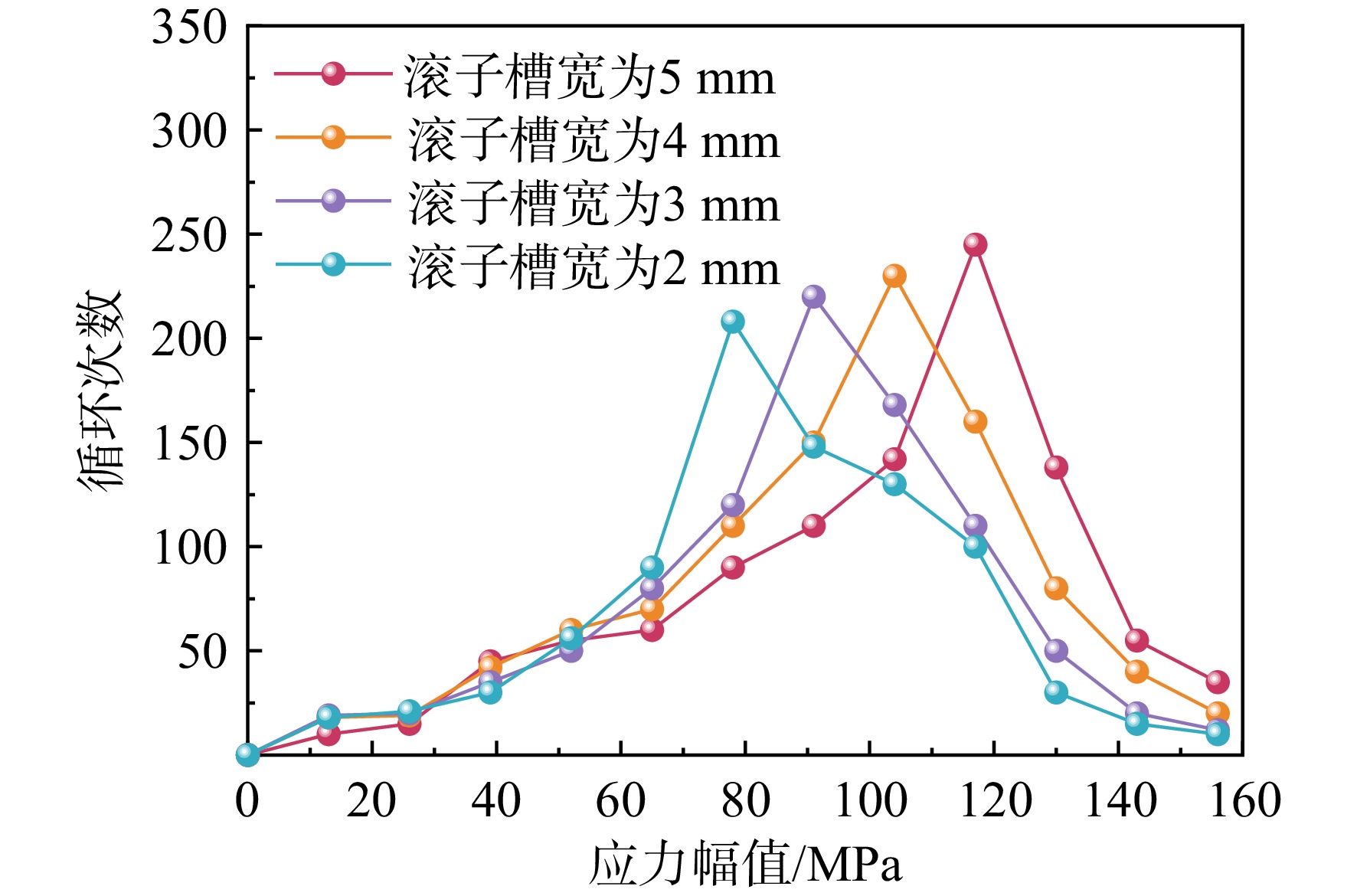
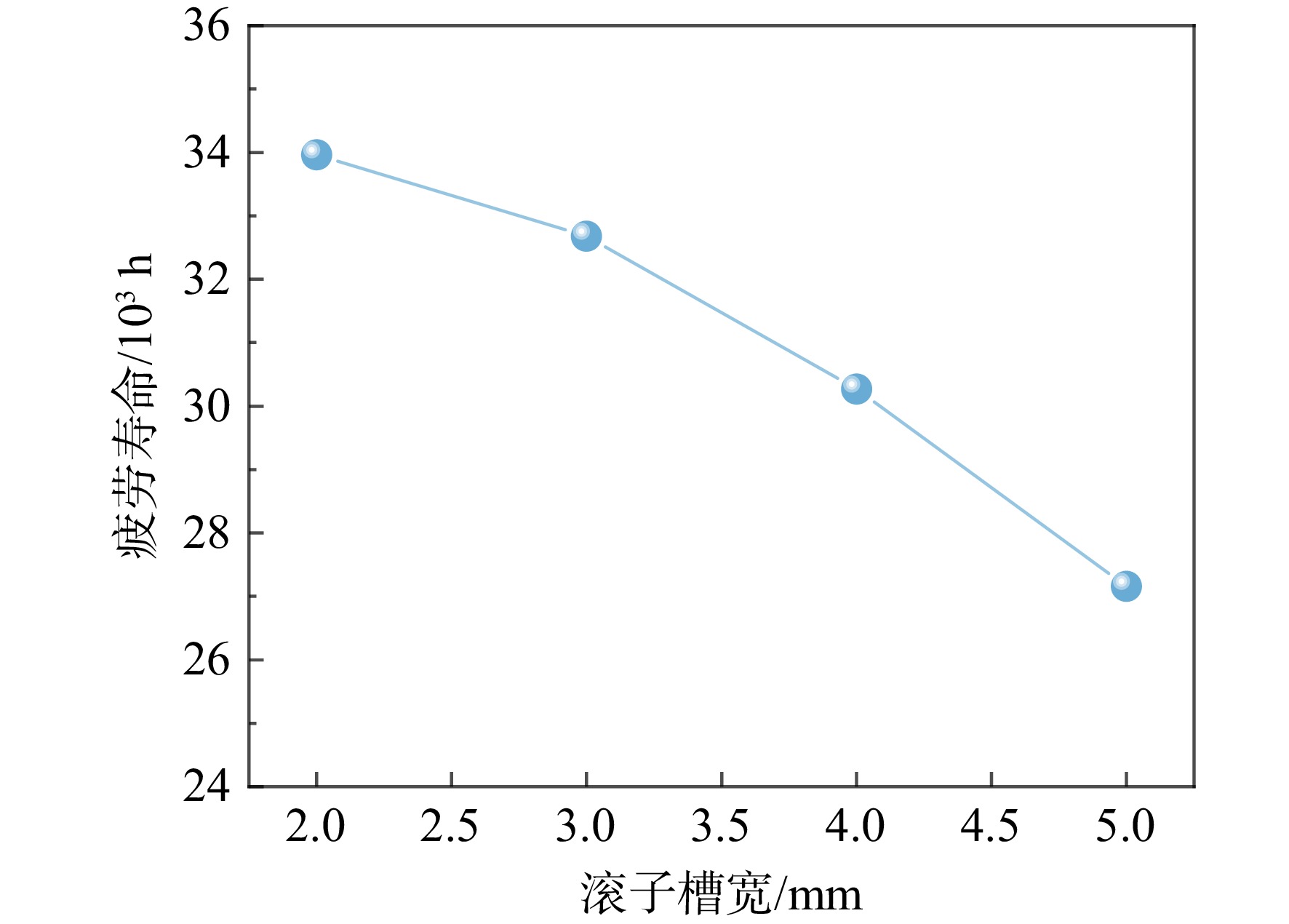
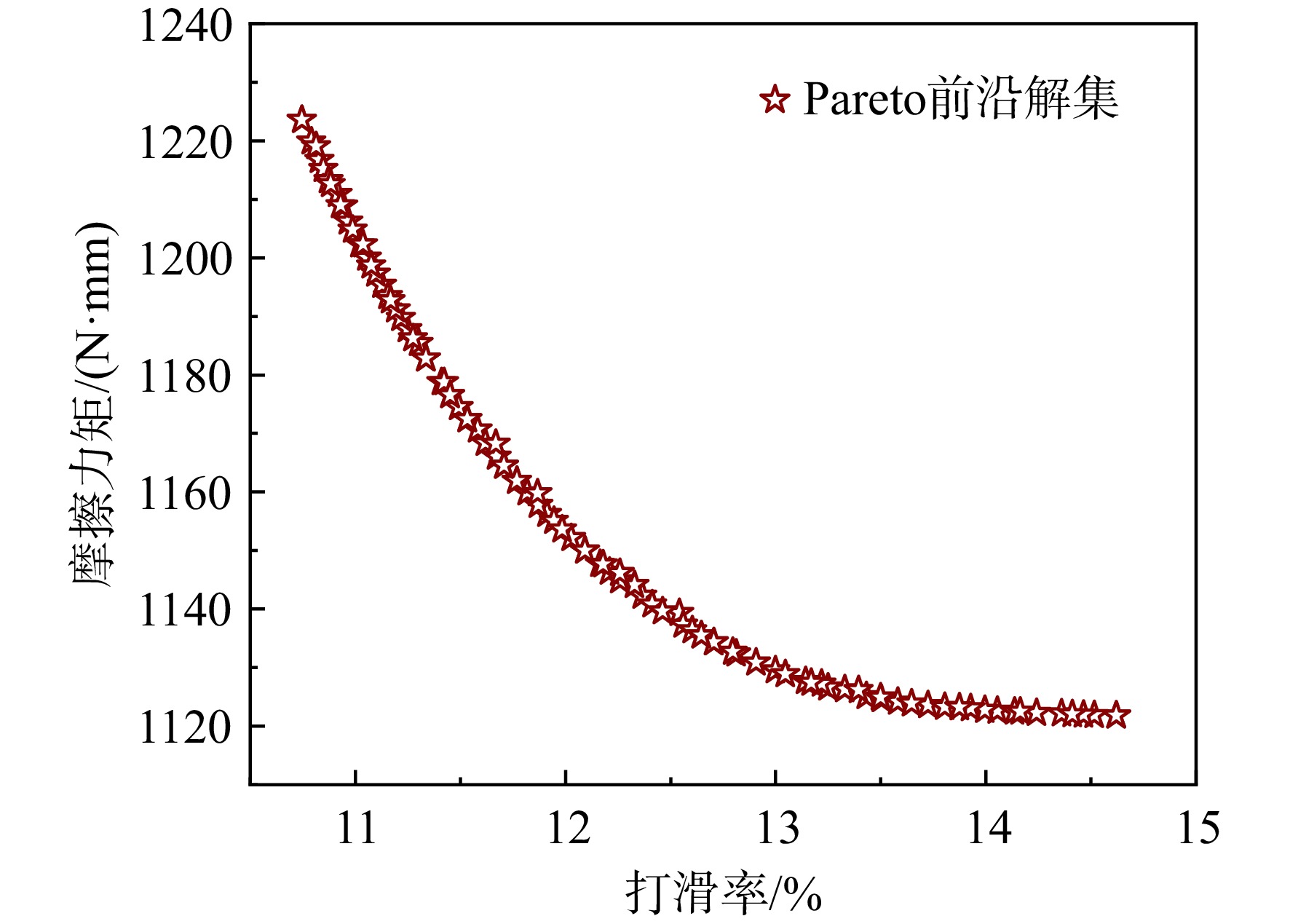
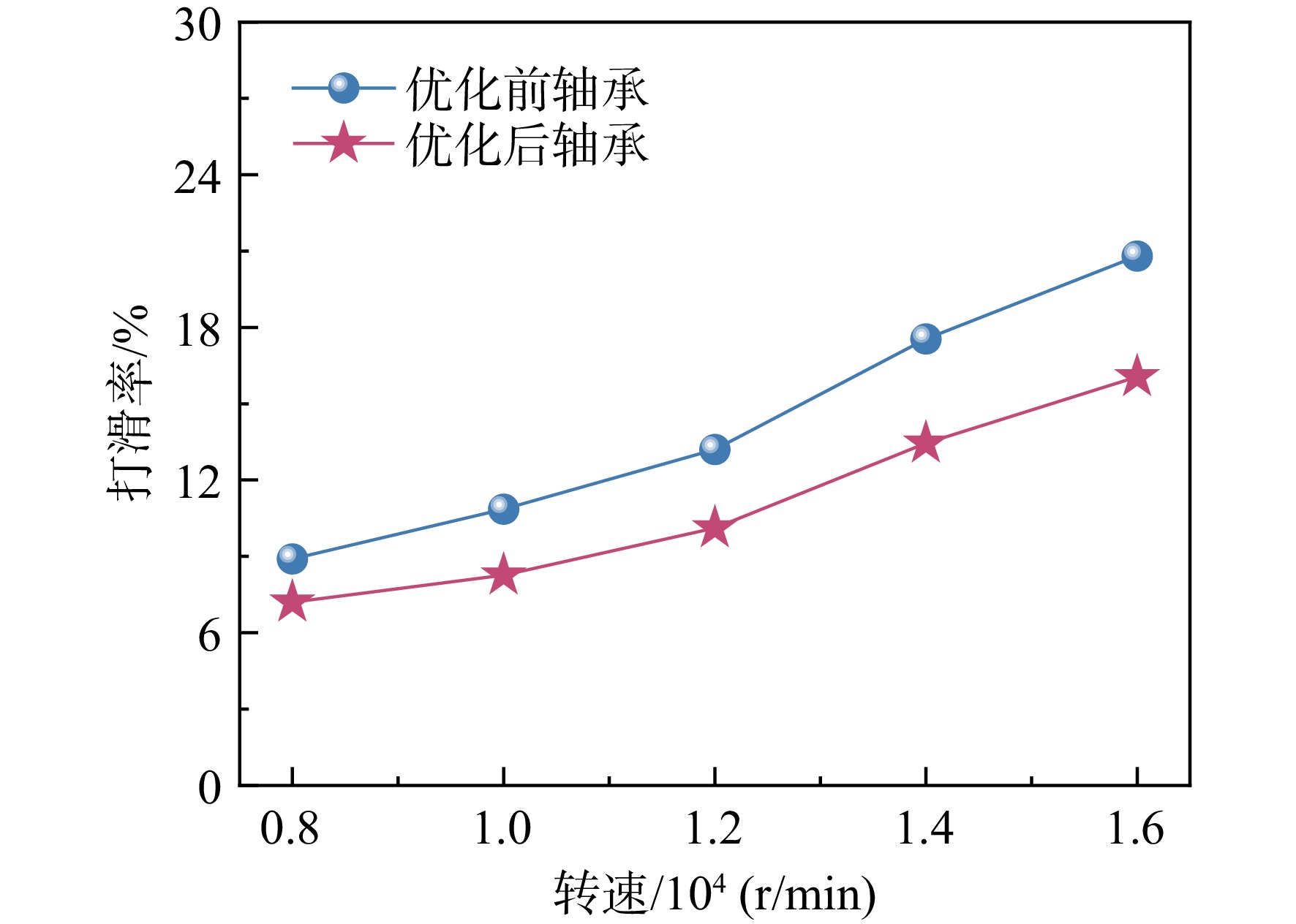
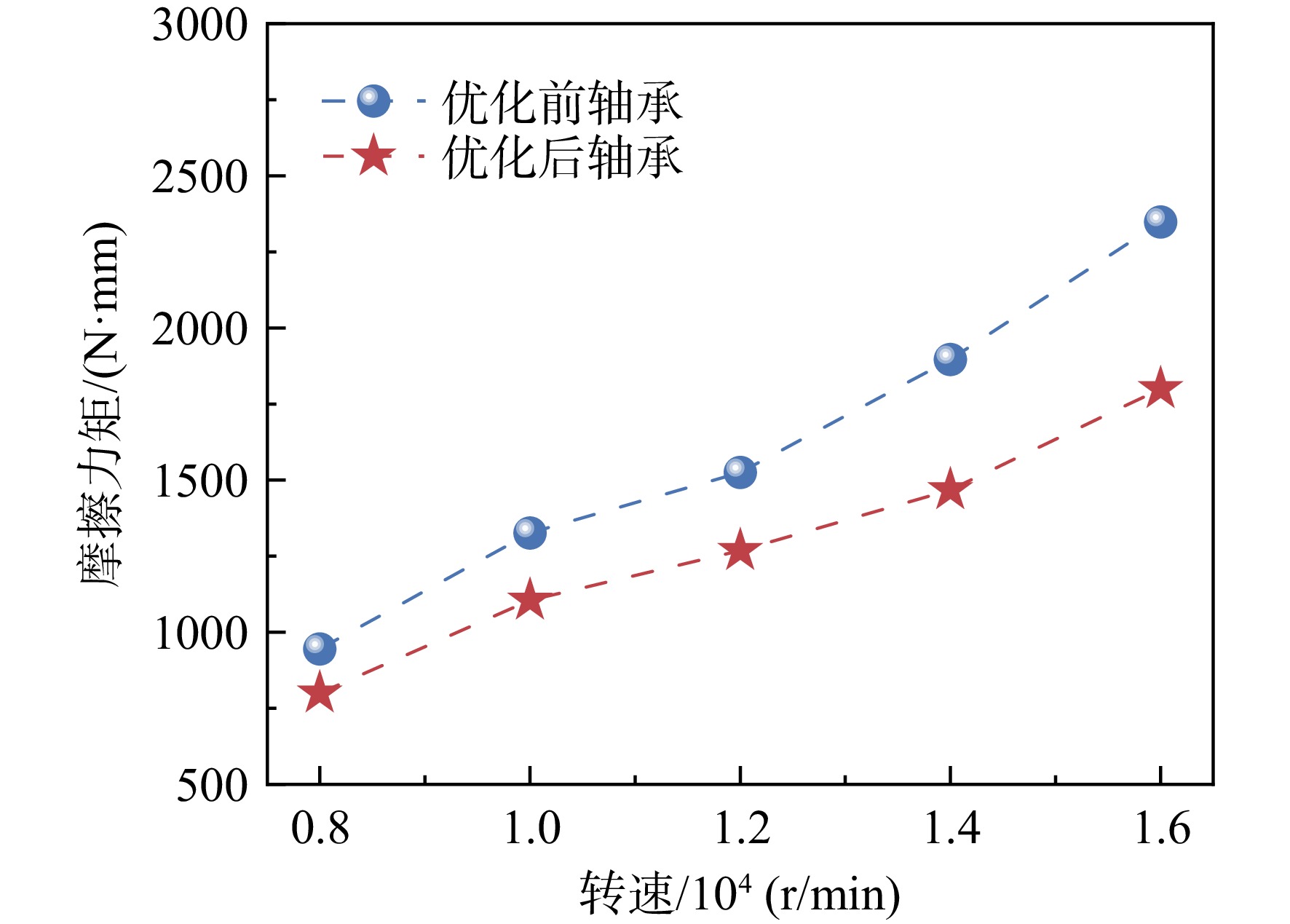
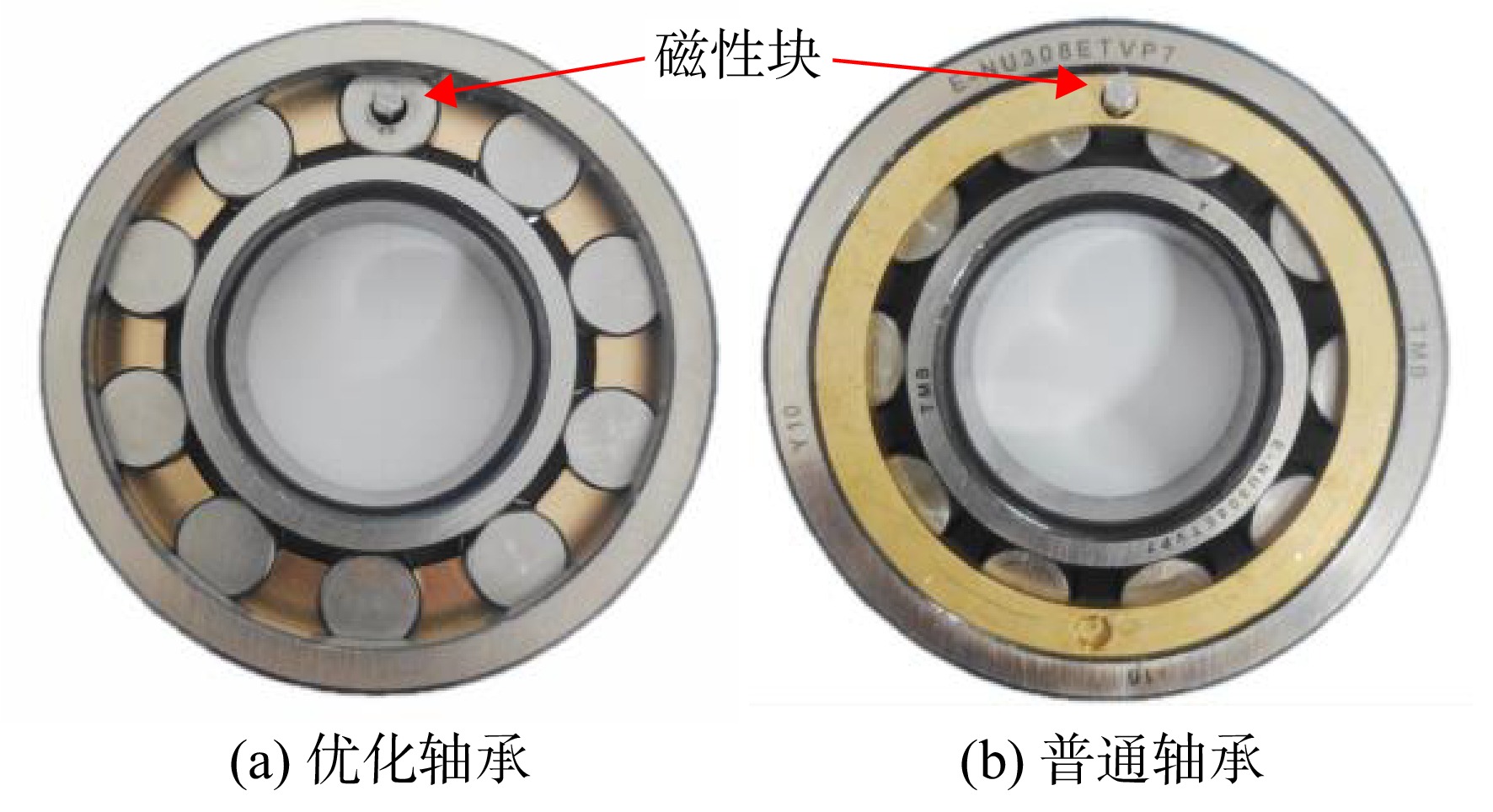
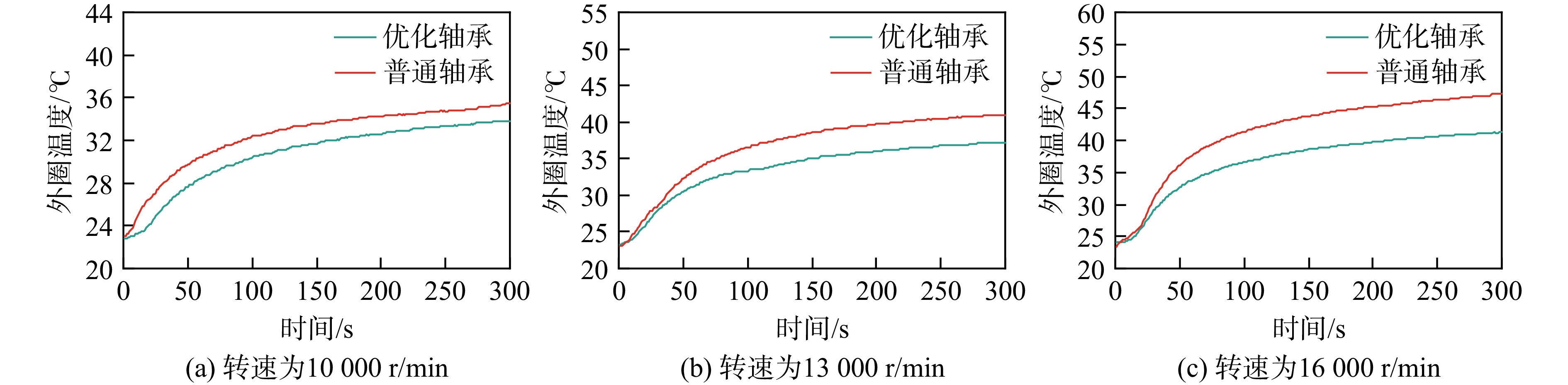
A U-shaped pocket cylindrical roller bearing was proposed to solve the problems of sliding, frictional heating and fatigue failure of cylindrical roller bearing retainer of aero-engine. The sliding, frictional moment and fatigue life of the retainer were analyzed. A rigid-flexible coupling dynamics simulation model of U-shaped pocket cylindrical roller bearings was subsequently established, leveraging Hertz contact, fluid lubrication, and bearing dynamics theories; Based on the Miner linear cumulative damage theory, the fatigue life model of the retainer was established. Based on this, the influences of the bearing structure parameters on the slip, friction moment and fatigue life of the retainer were studied. The response surface method and NSGA-Ⅱ (nondominated sorting genetic algorithm Ⅱ) were combined to optimize the bearing structure parameters. The slip rate and friction moment of the bearing retainer before and after optimization were compared and analyzed. The results showed that the bearing structure parameters had a significant impact on the bearing performance. Under the same working condition, the maximum difference between the cage slip rate and the bearing friction moment corresponding to different bearing structure parameter combinations reached 3.65% and 1203 N·mm, respectively; under different working conditions, the maximum sliding rate of the optimized bearing retainer was reduced by 4.74%, and the maximum friction moment of the bearing was reduced by 548 N·mm; the optimised bearings showed lower cage slip and friction torques than the plain bearings under different operating conditions.
Turbomachinery
Review of aero-engine blade tip timing: measurement, monitoring, diagnosis, and evaluation
Qiao Baijie, Zhou Kai, Fu Yu, Liu Meiru, Wen Bi, Yang Zhibo, Chen Xuefeng
2026, 41(10): 20250250. doi: 10.13224/j.cnki.jasp.20250250
Abstract:

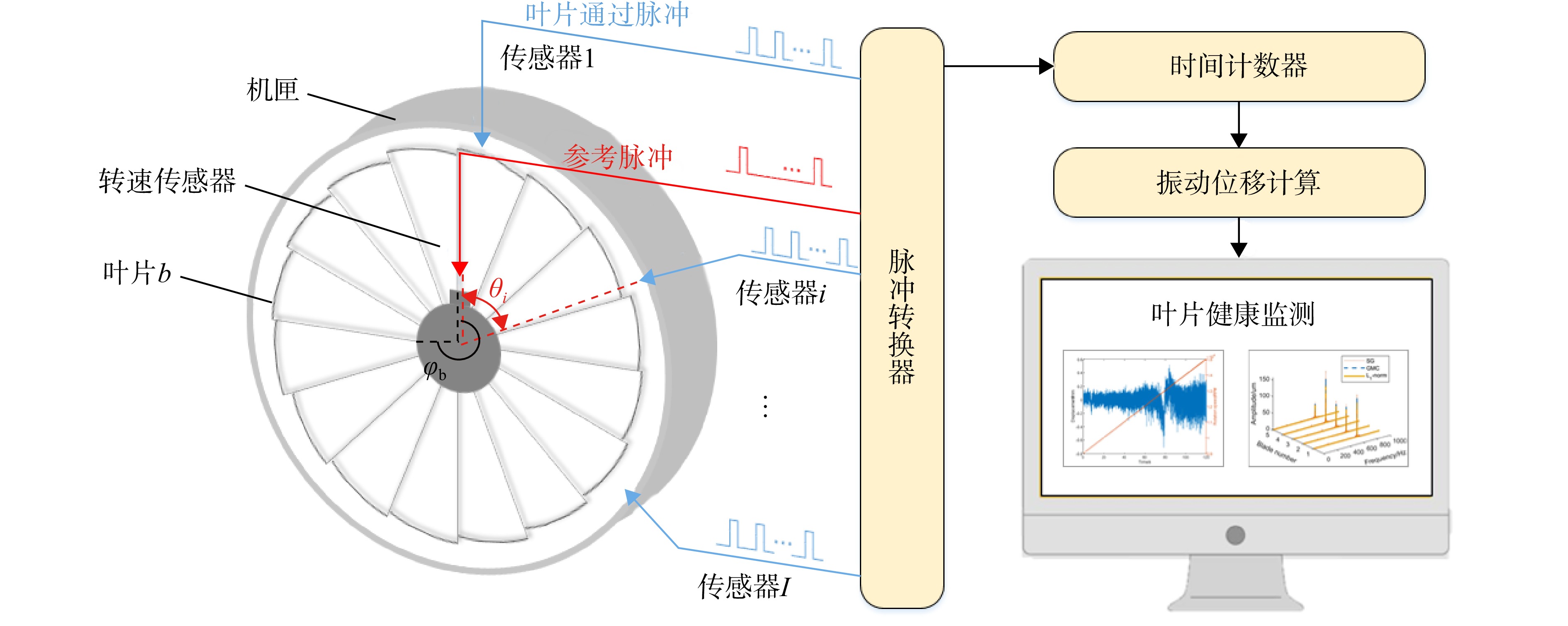
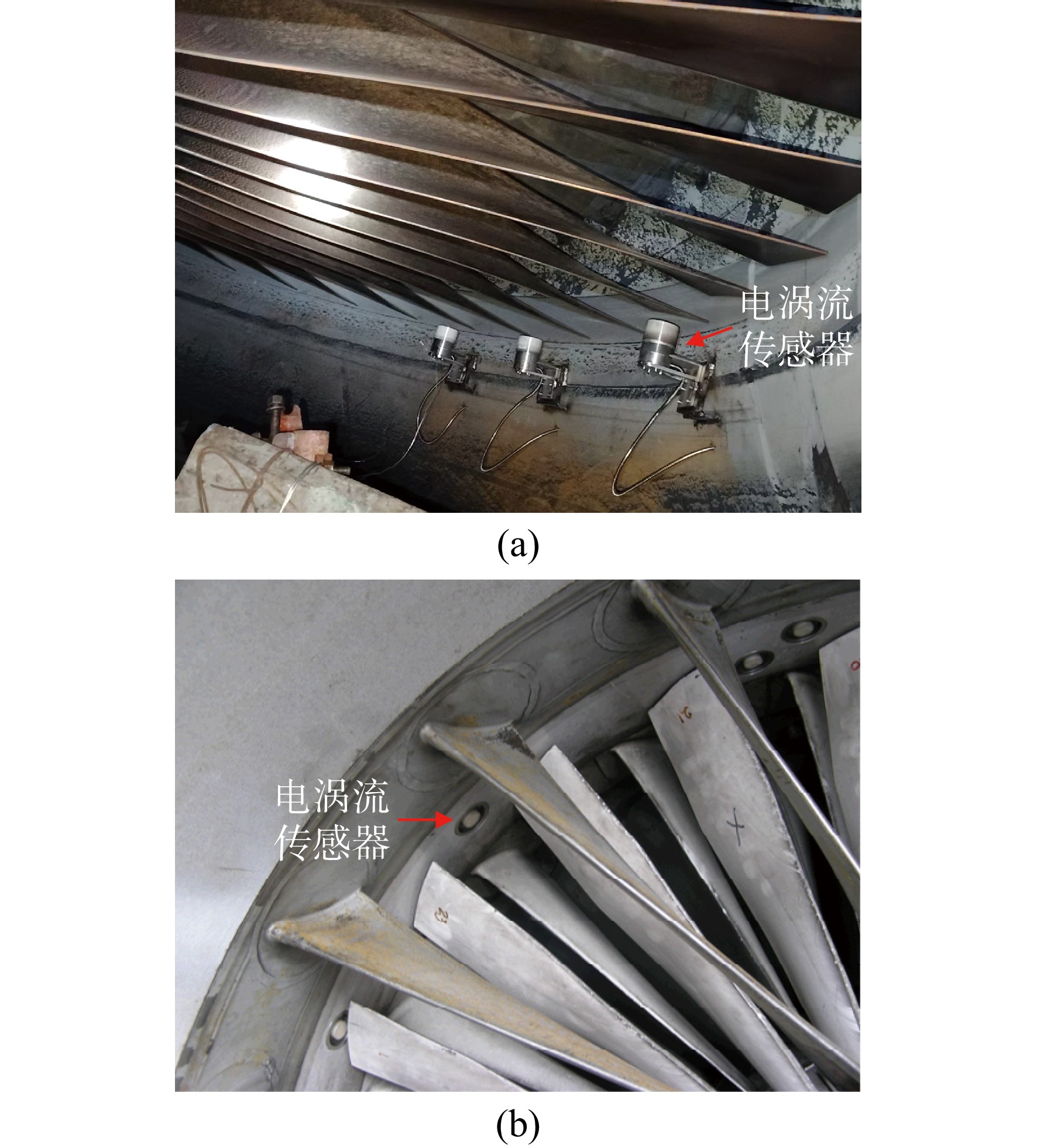
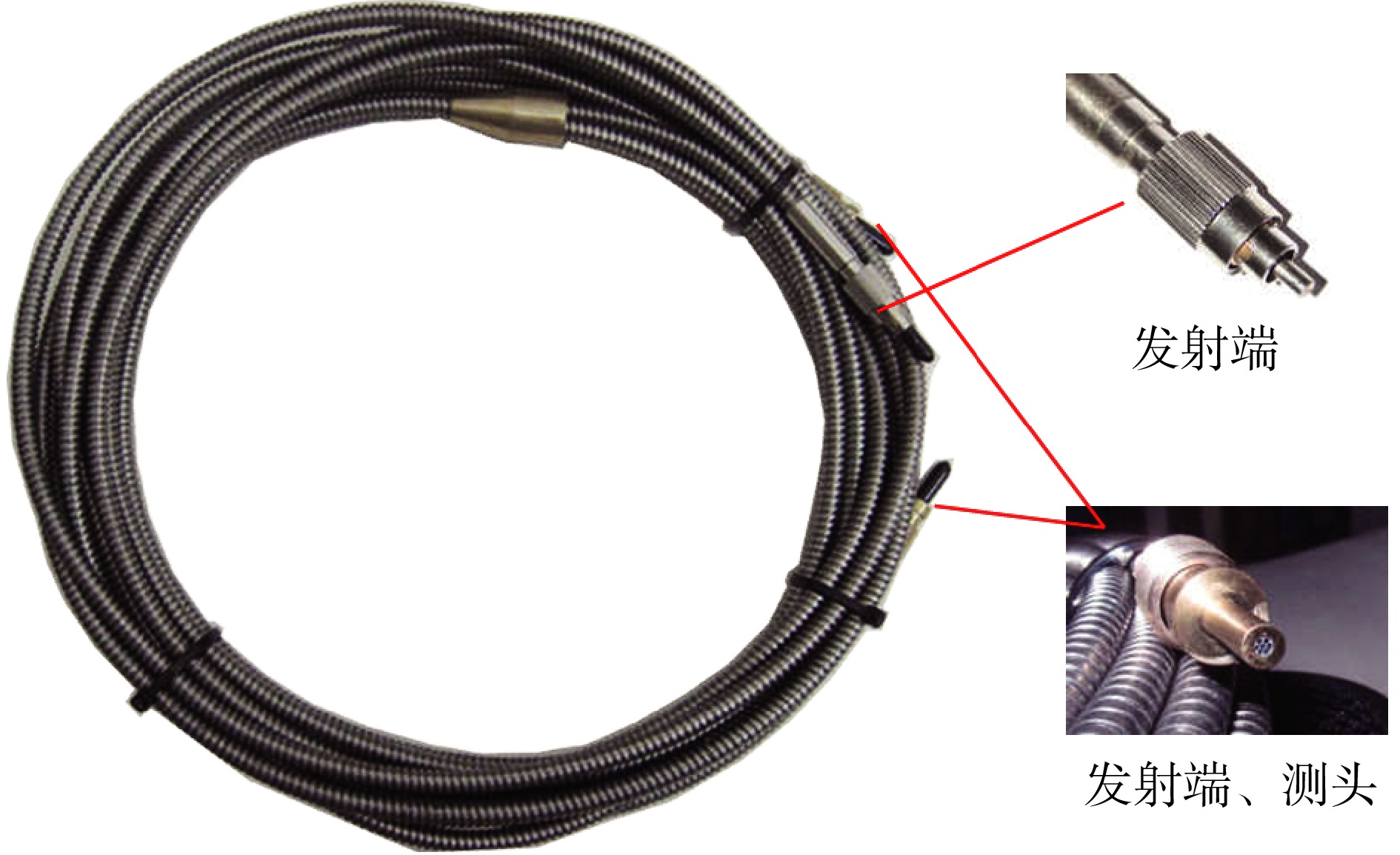
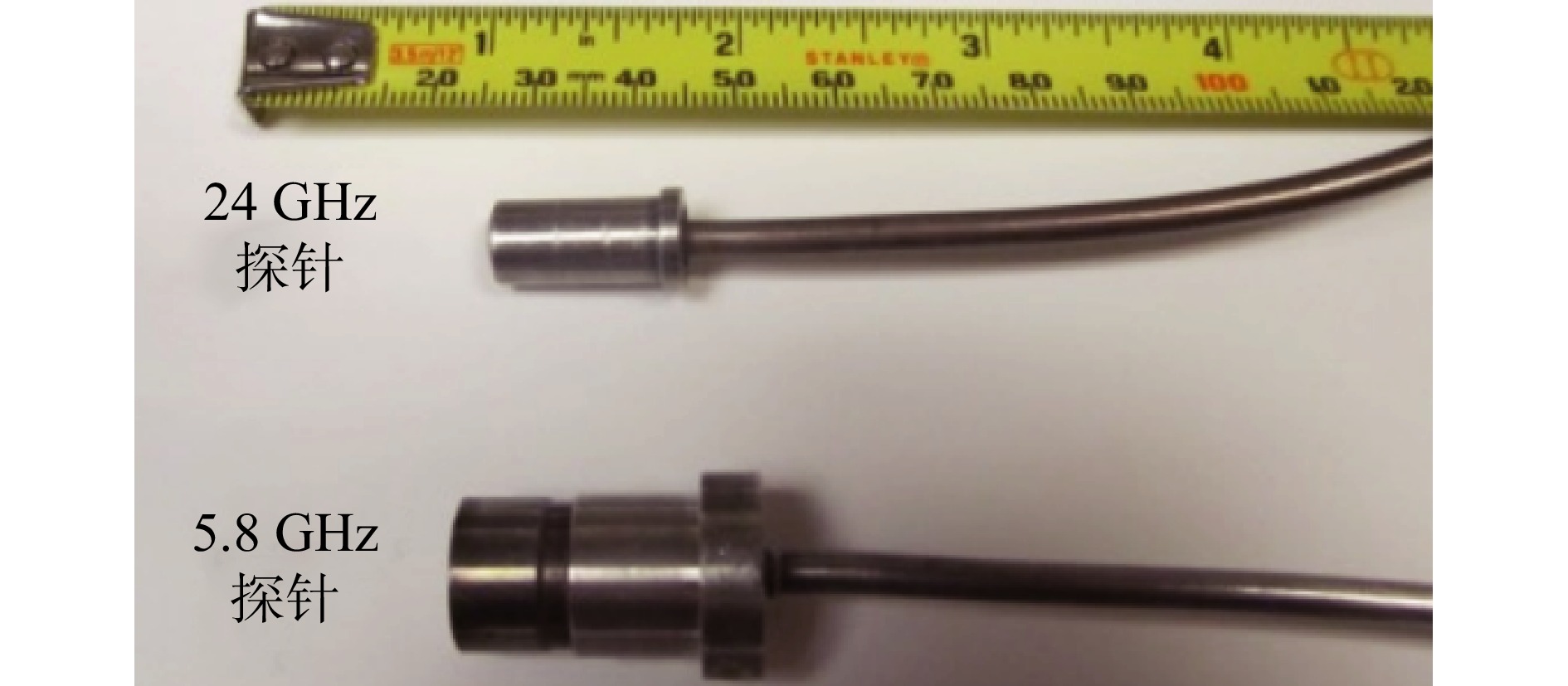
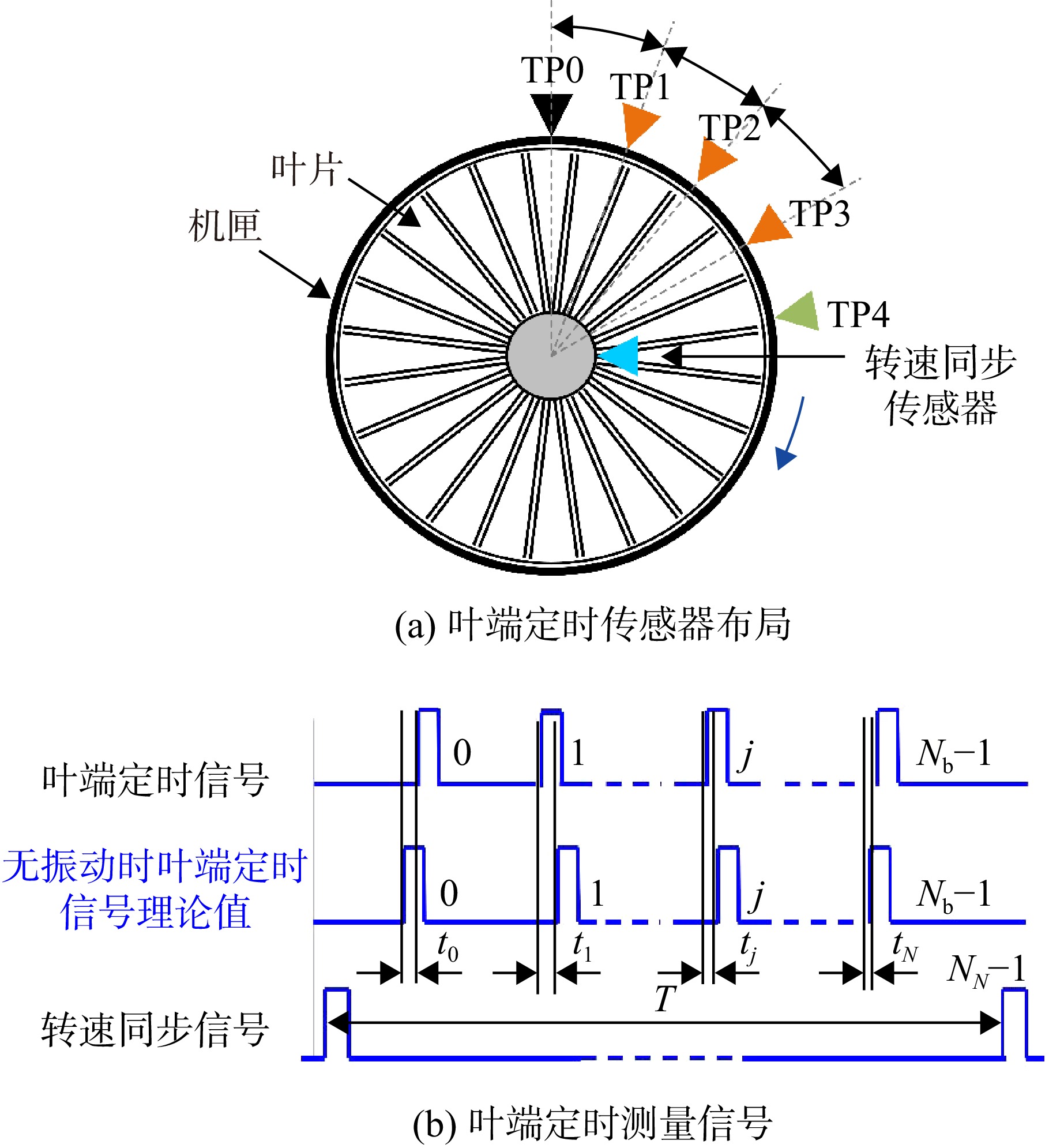
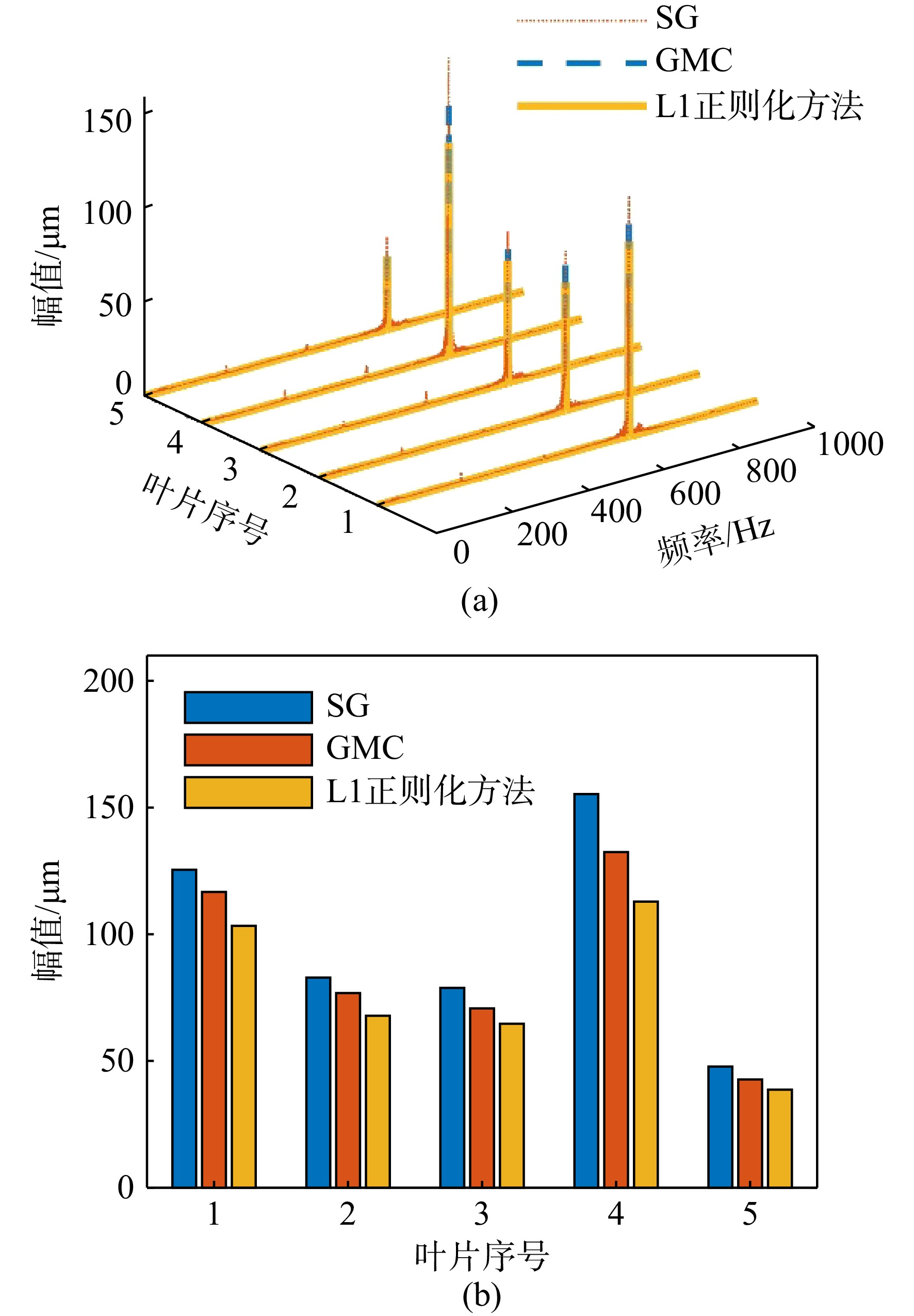
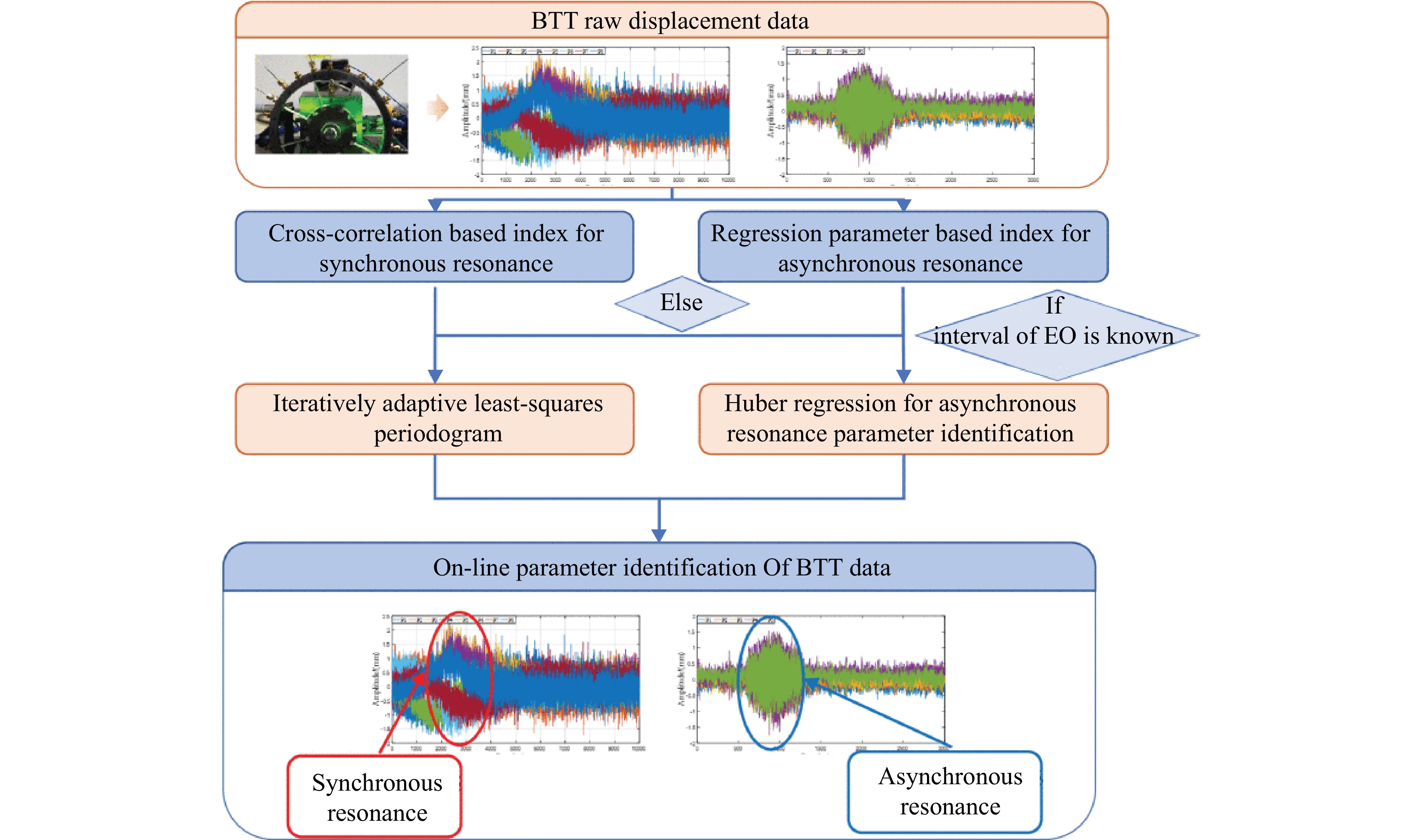
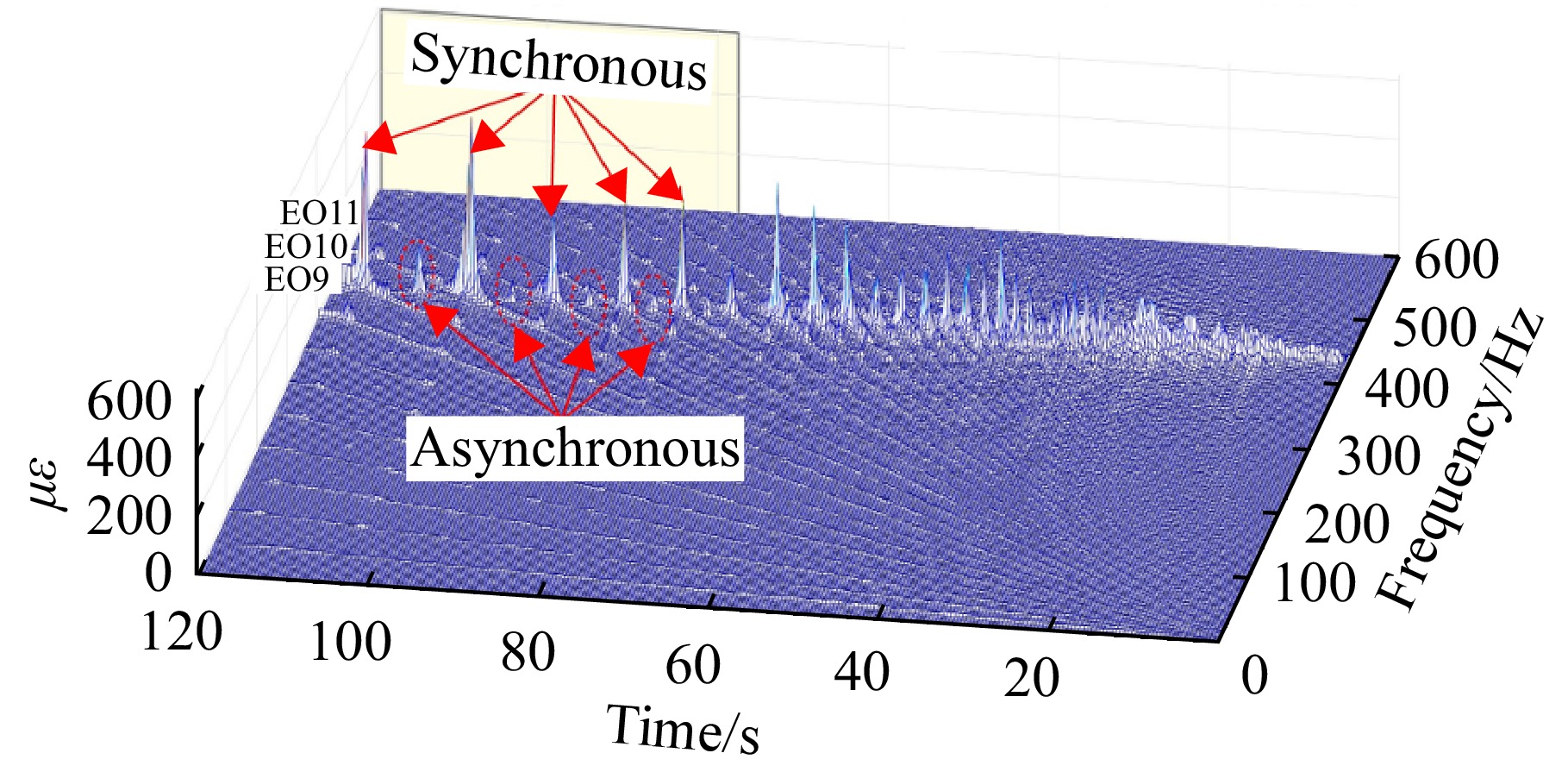
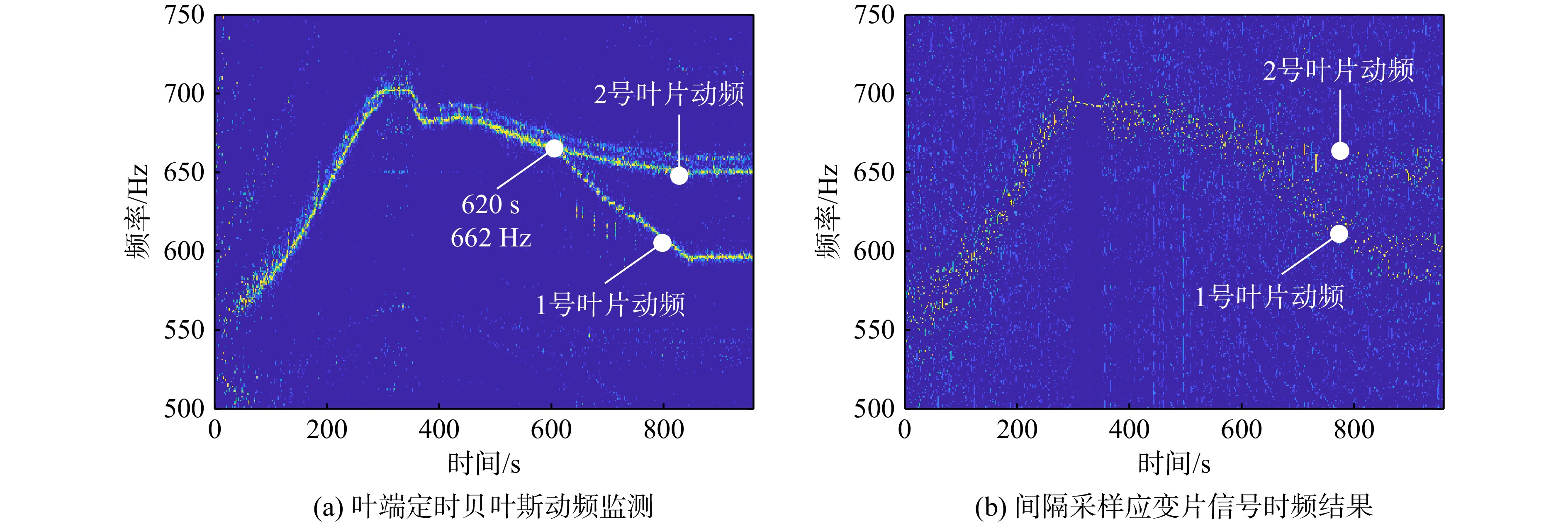
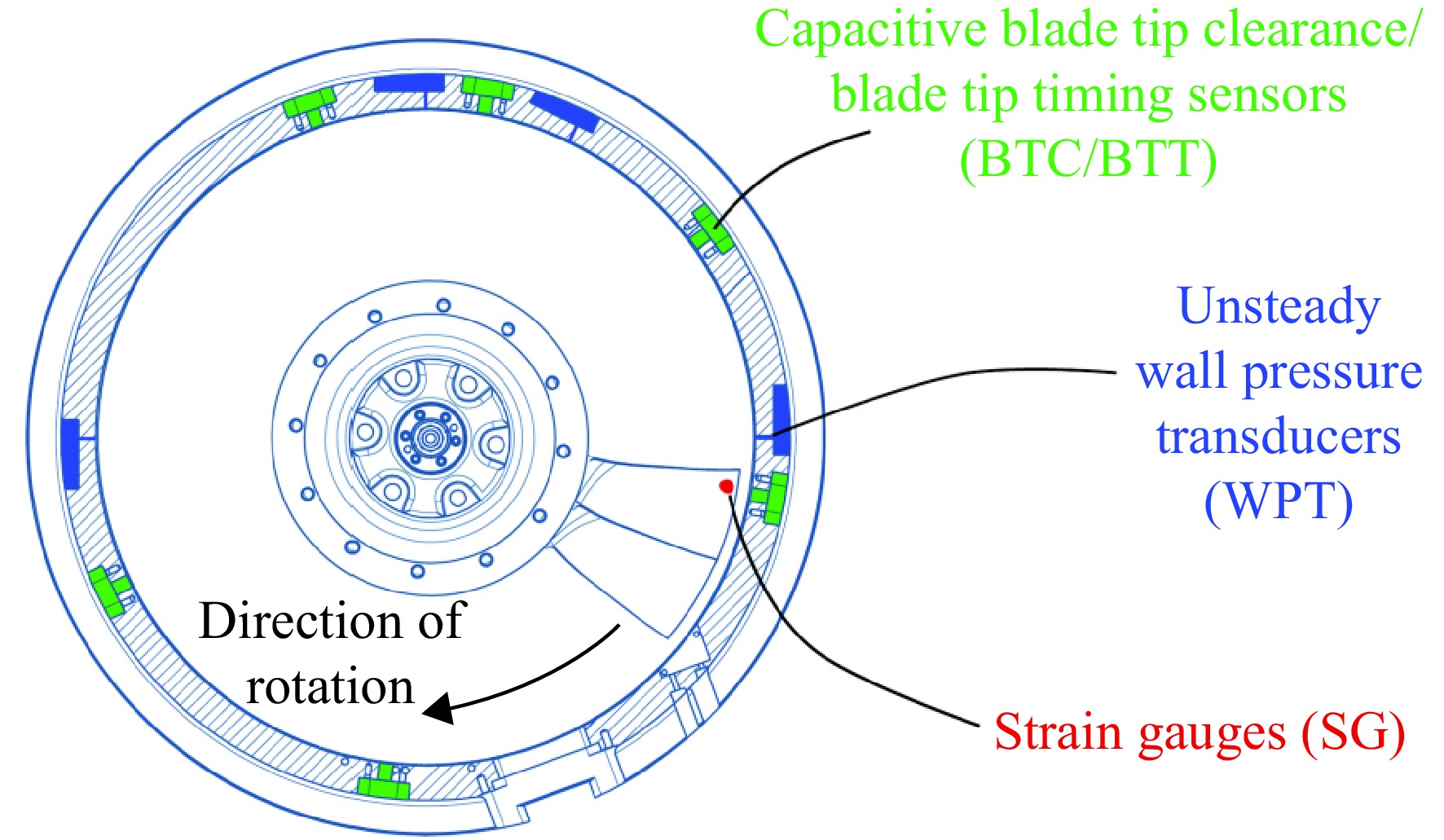
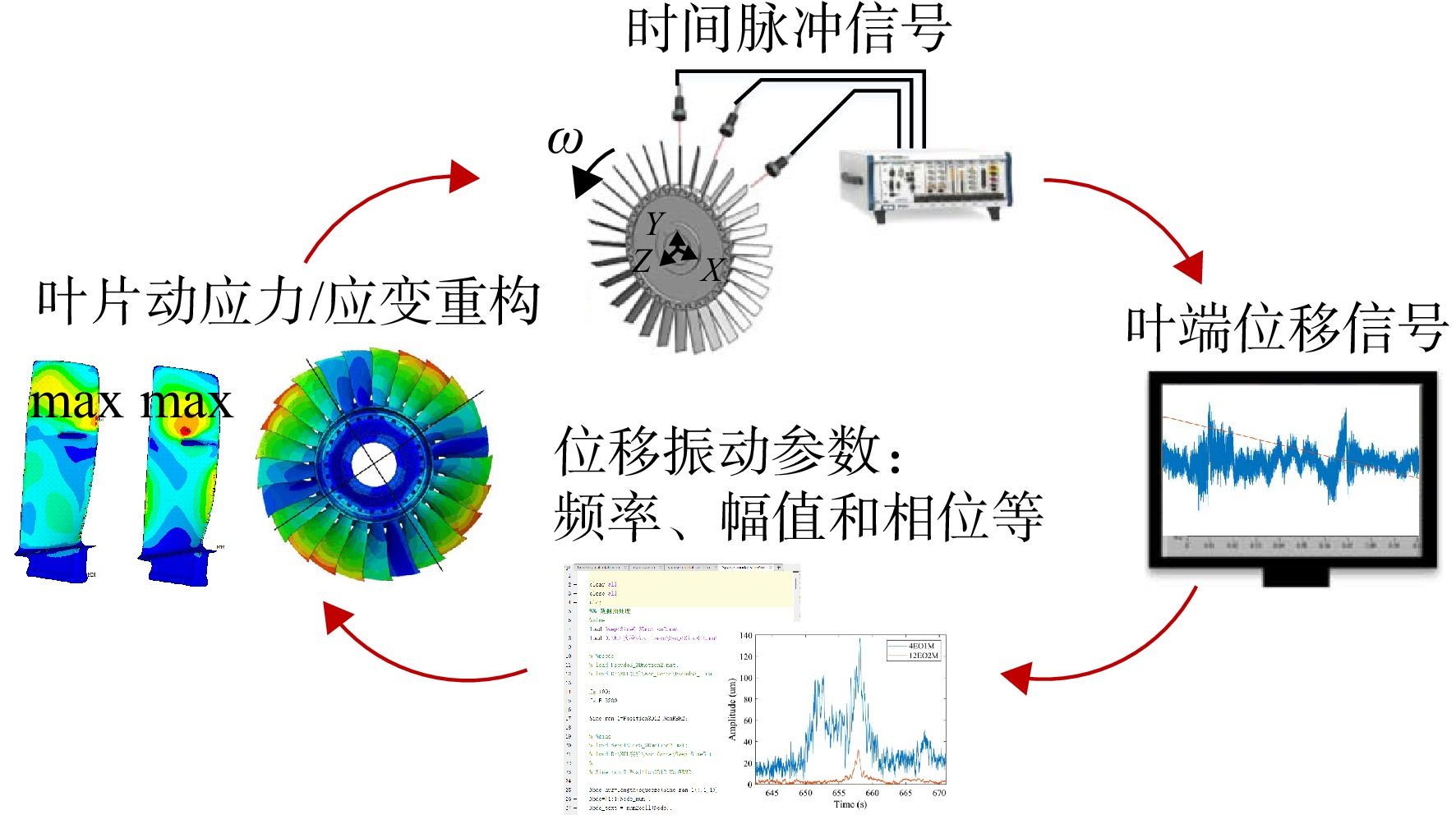
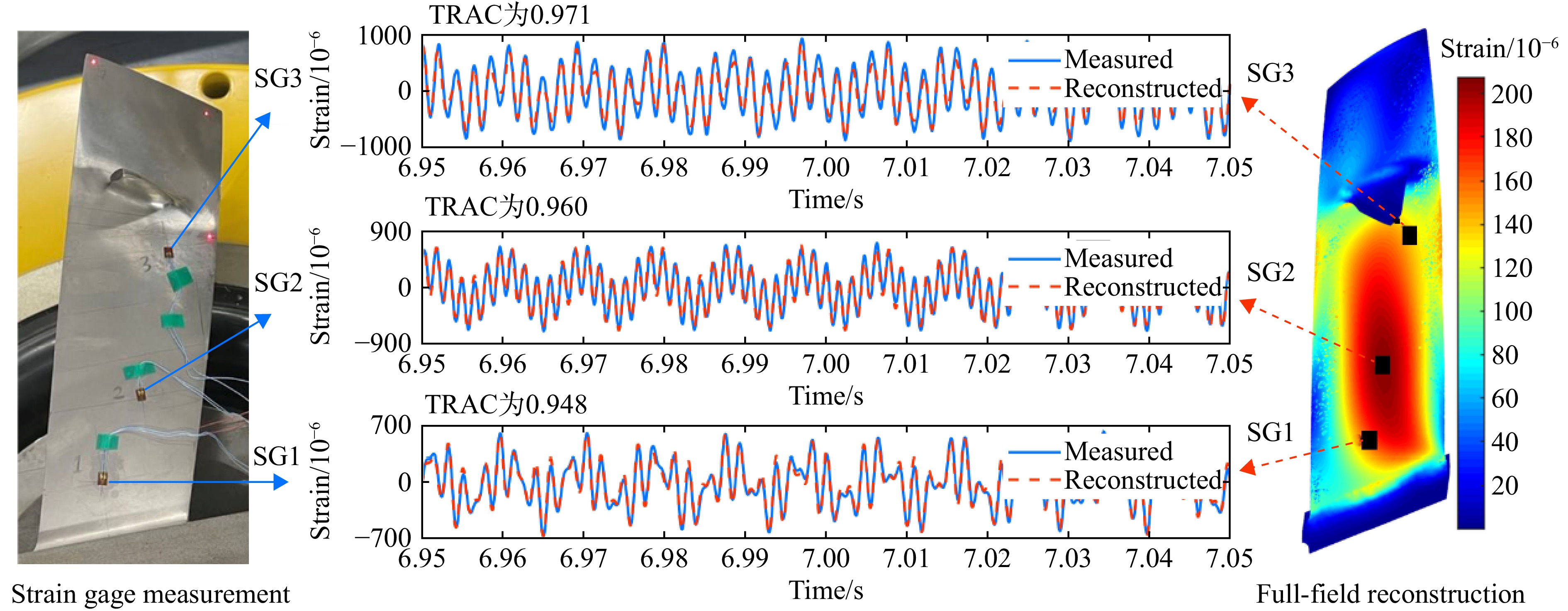
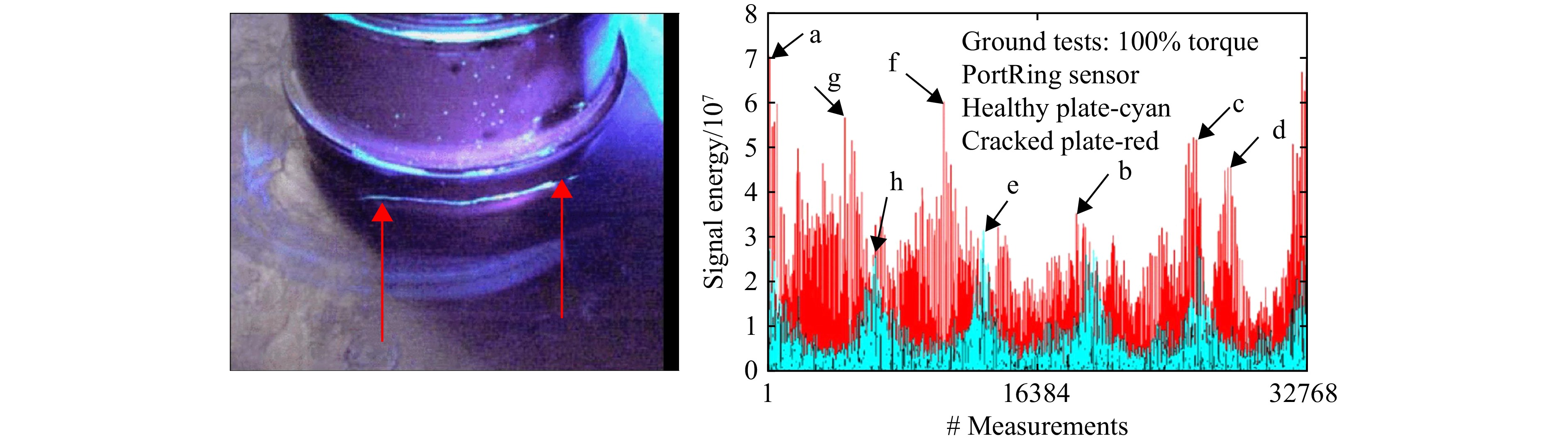
A comprehensive review of aero-engine blade tip timing (BTT) technology was conducted from four perspectives: blade vibration measurement, vibration monitoring, fault diagnosis, and operational condition assessment, and major advancements in key BTT technologies achieved globally in recent years were summarized. Significant progress was made in areas such as blade displacement measurement, vibration parameter identification, crack fault diagnosis, and strain field reconstruction. Looking ahead, future research on BTT is expected to achieve breakthroughs in five key directions: extending its application from fan and low-pressure compressor blades to high- and low-pressure turbine blades; advancing from multi-sensor to single-sensor measurement architectures; expanding monitoring capabilities from low-frequency, low-order modes to high-frequency, high-order modes; transitioning from engine ground testing to in-flight implementation; and evolving from conventional signal processing to intelligent, autonomous BTT-based health monitoring. These advancements could contribute to further enhancing the operational safety and reliability of aero-engines.

Design of multi-stage turbine comprehensive performance test rig and joint commissioning verification of 1.5-stage turbine
Li Fuqing, Shi Yan, Zhou Shengyun, Huang Dan, Peng Shenghong, Di Guangqiang, Song Hang
2026, 41(10): 20250297. doi: 10.13224/j.cnki.jasp.20250297
Abstract:

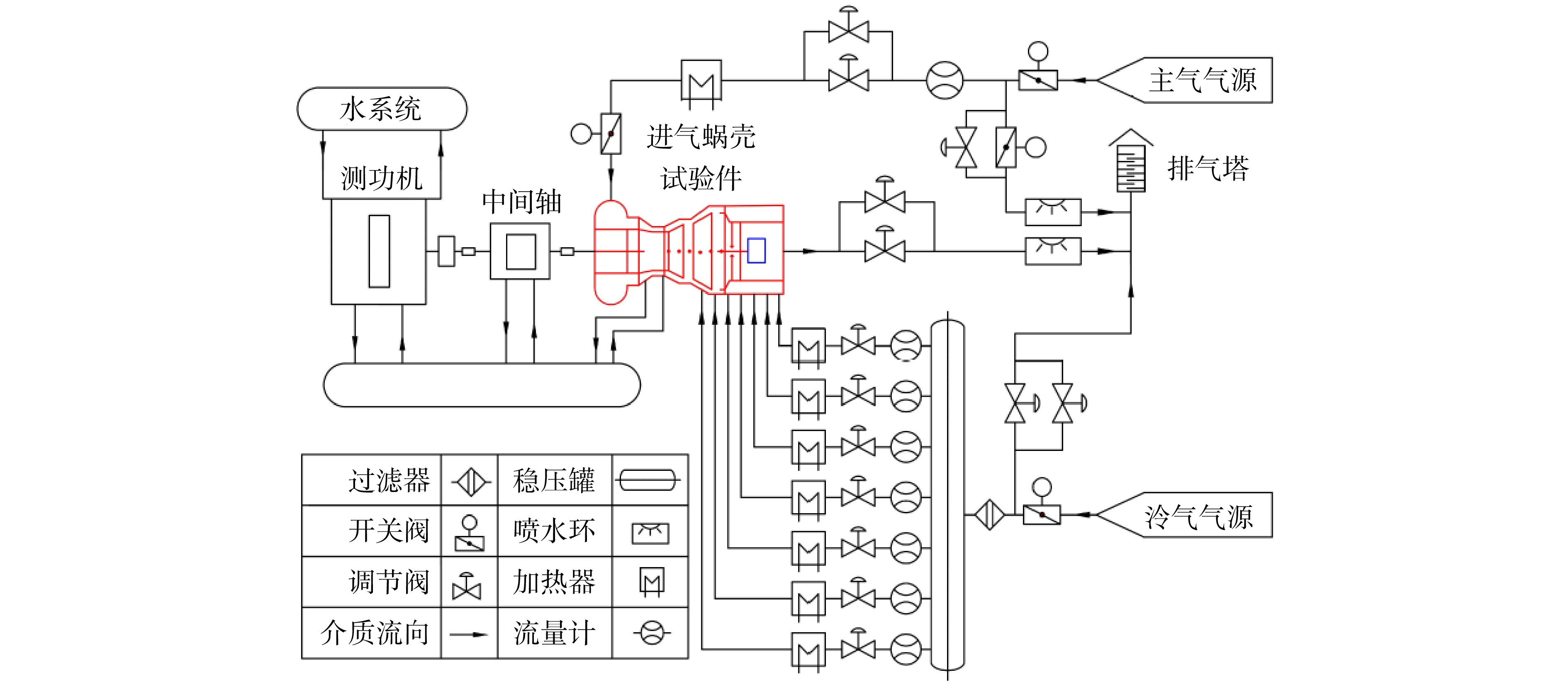
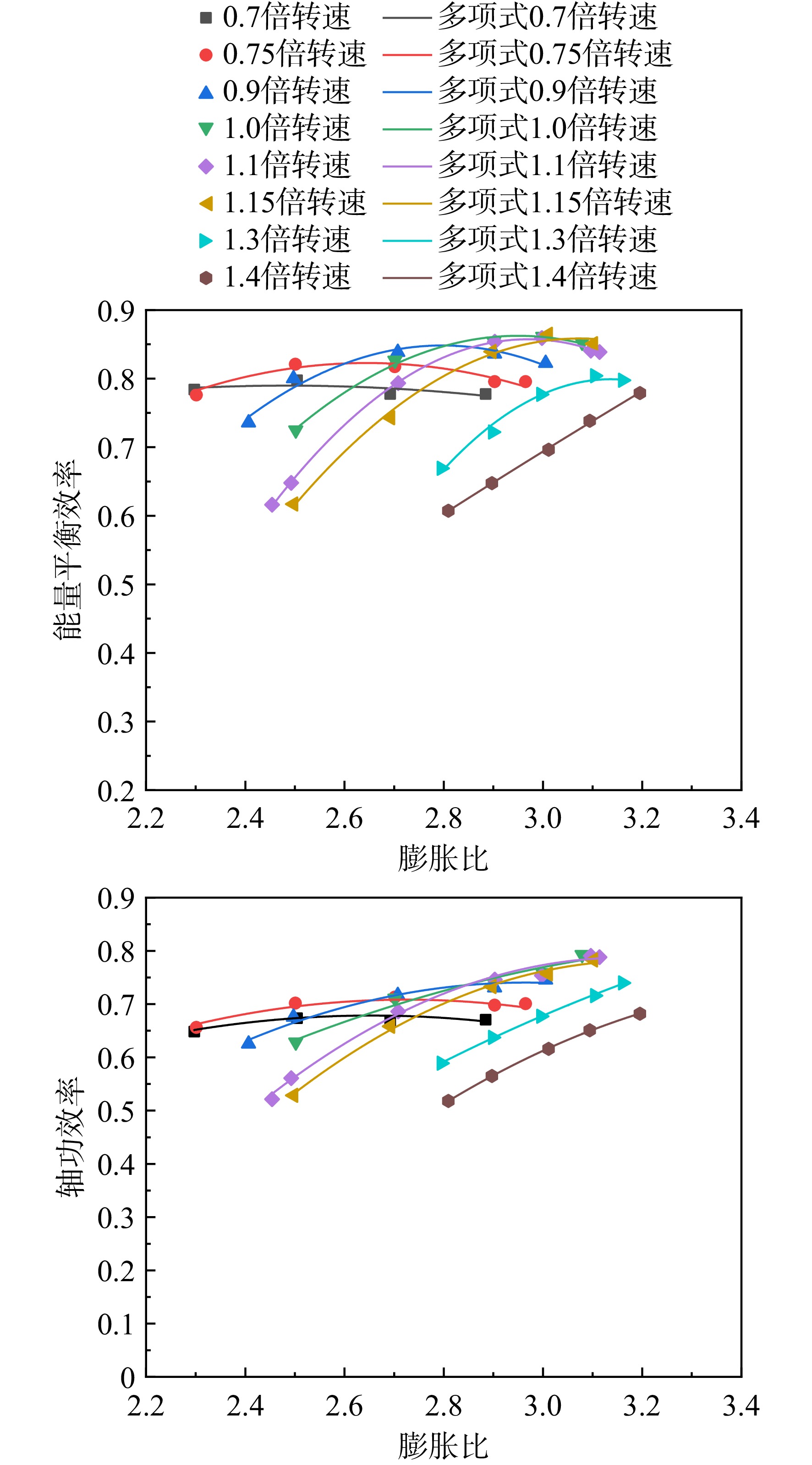
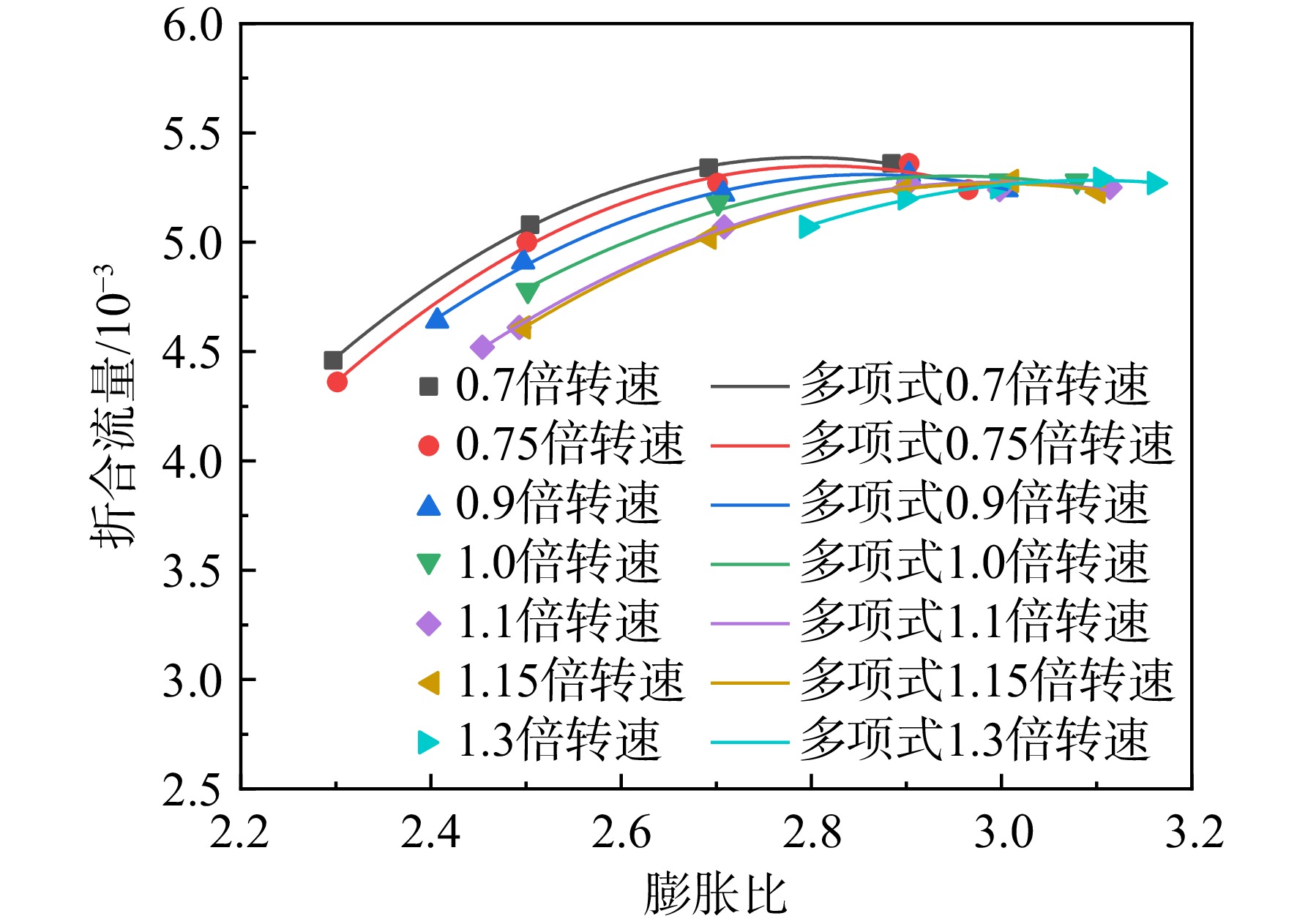
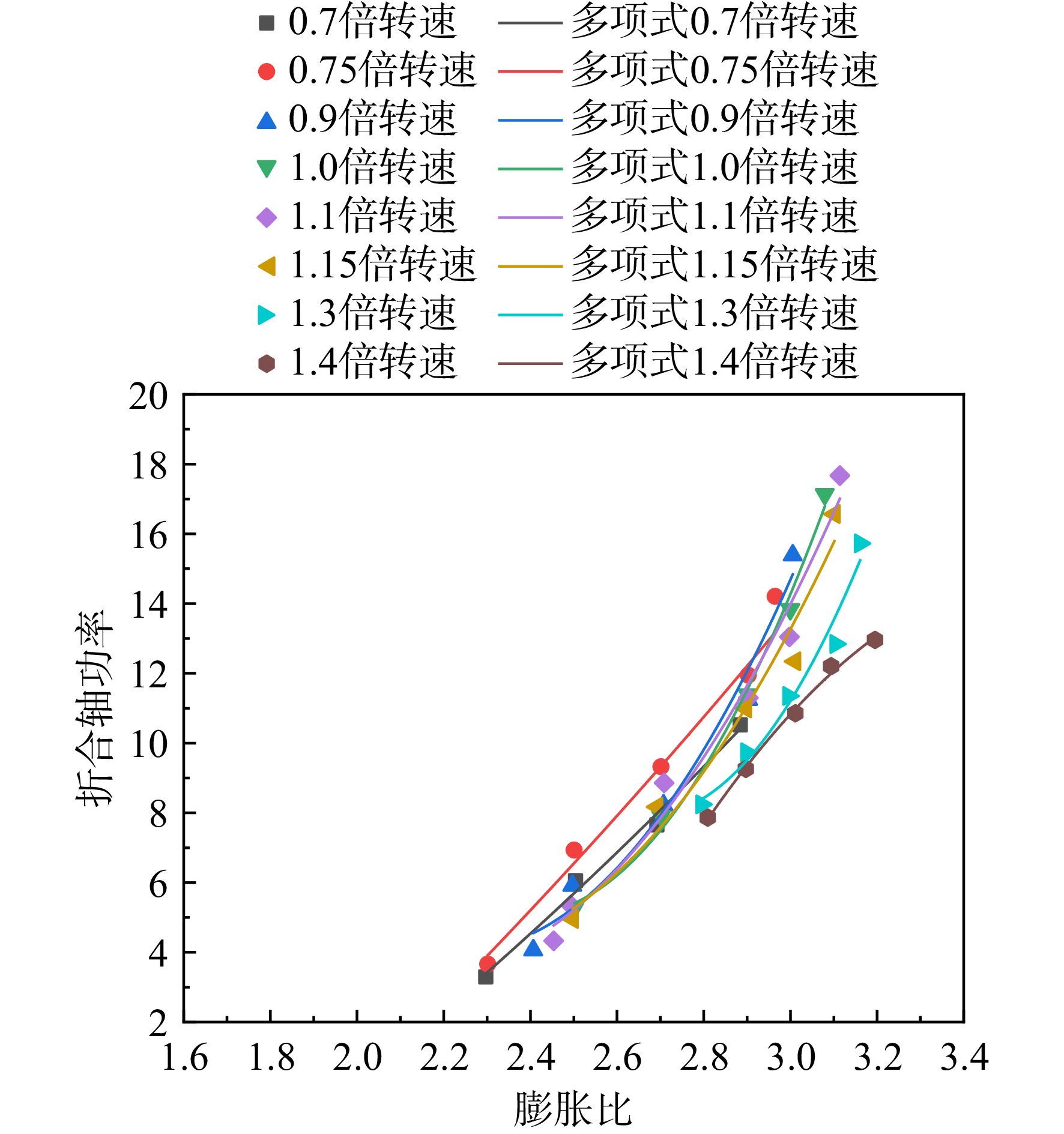
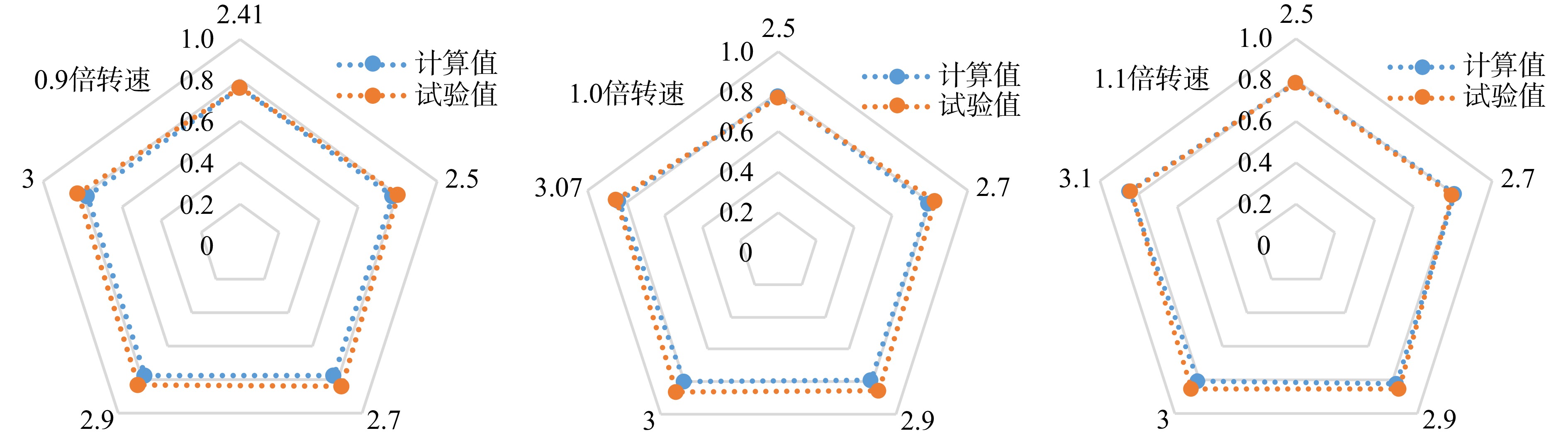
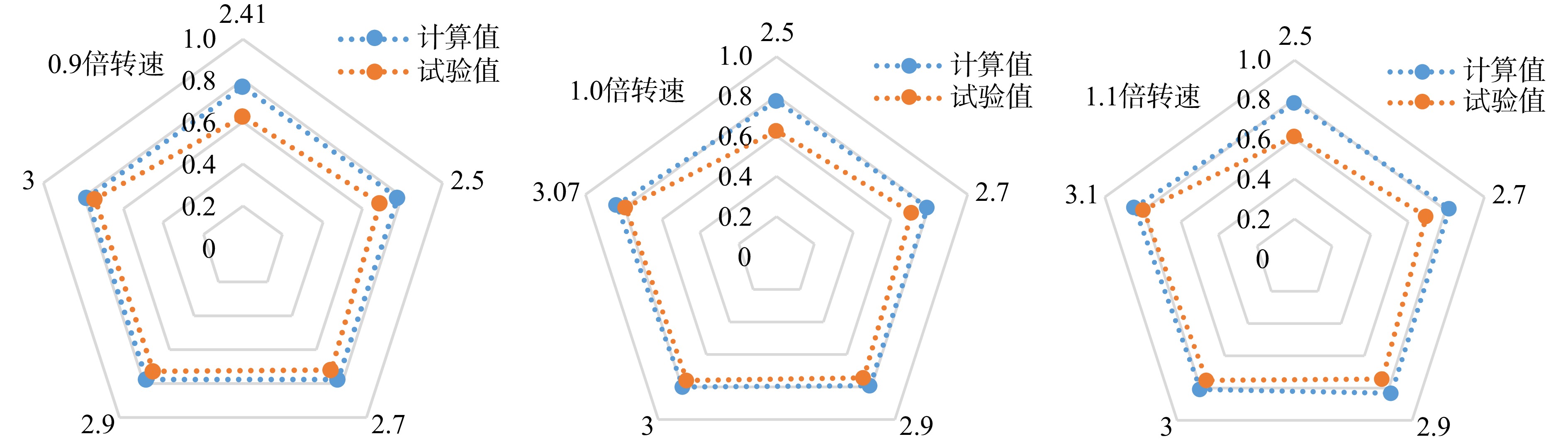
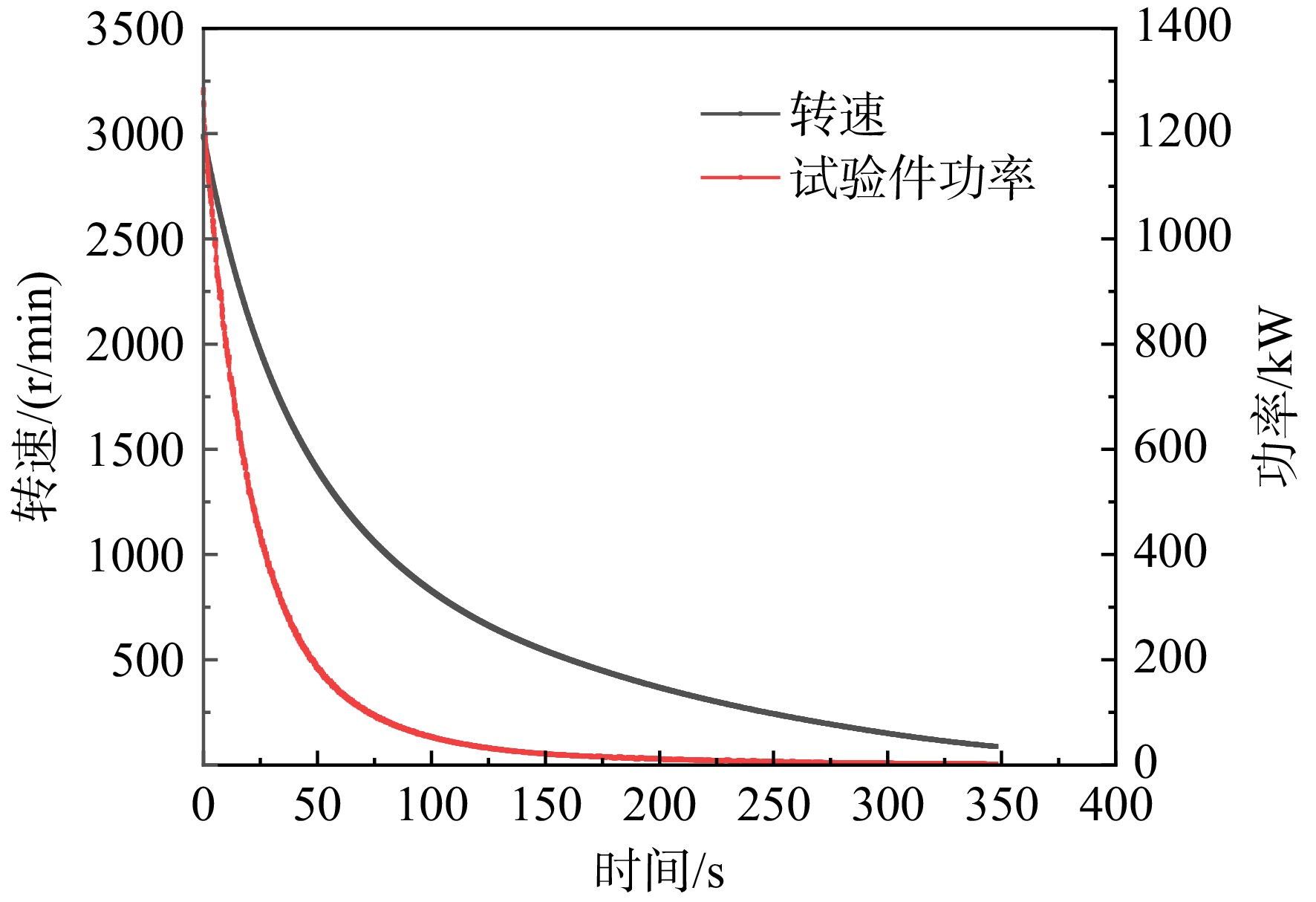
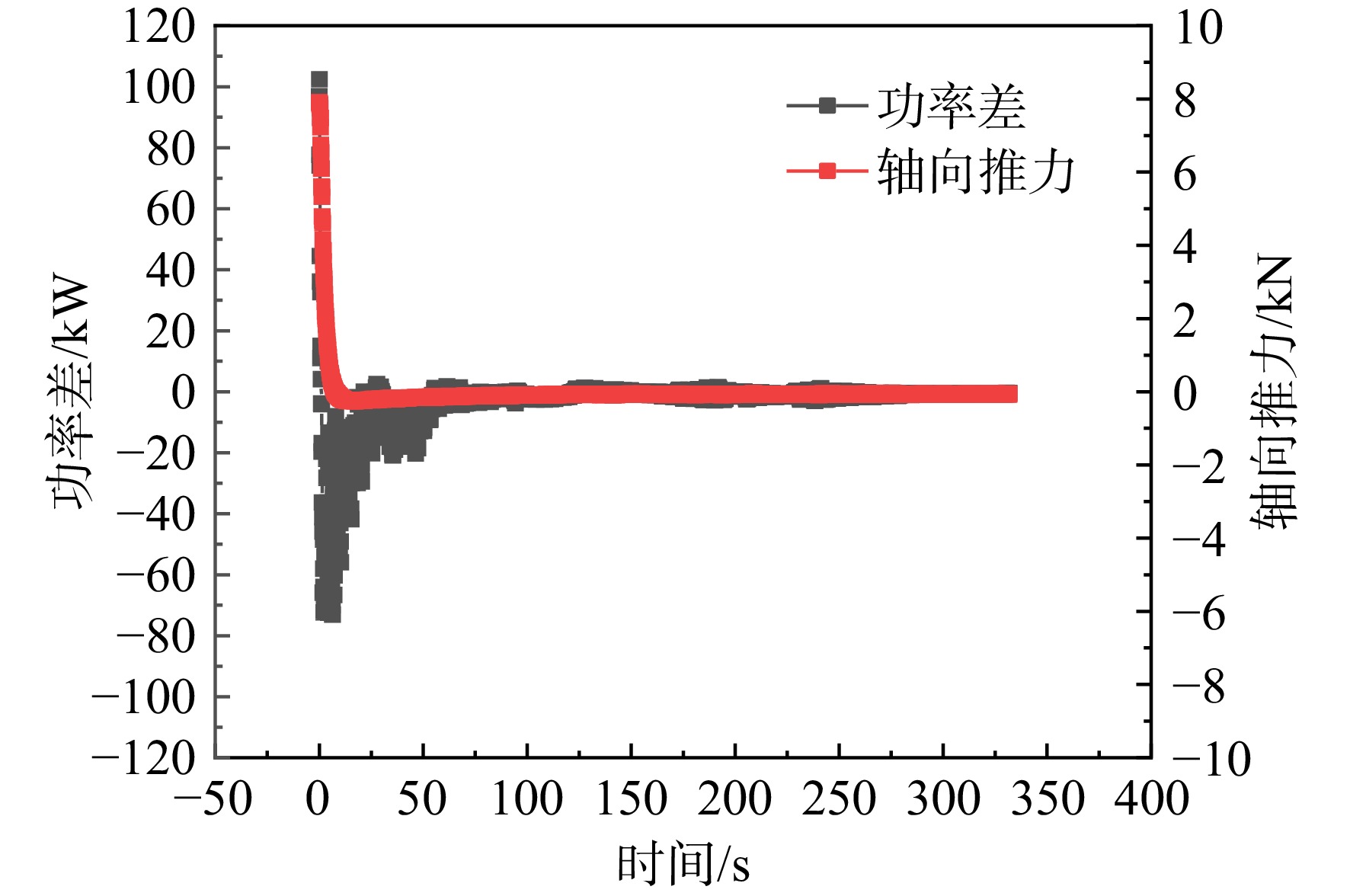
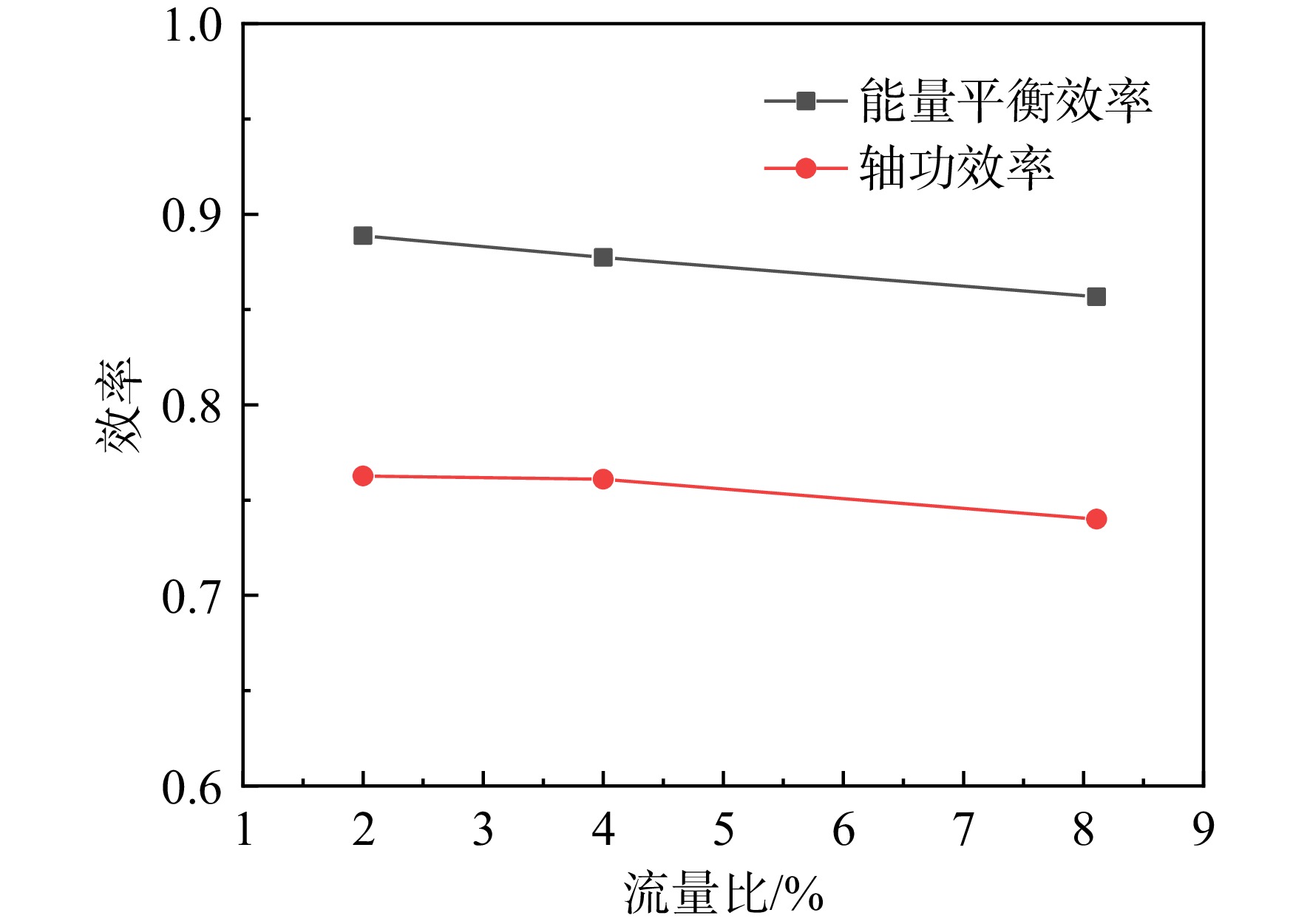
The flow and heat transfer phenomena within the air-cooled turbine of heavy-duty gas turbines are highly complex and coupled. Accurately predicting these phenomena is critical to the successful development of turbine components. To meet the test validation requirements for turbine components, this paper developed a multi-stage turbine comprehensive performance test facility with high mass flow rate, high speed, and high power output. This facility was designed for aerodynamic and cooling performance verification of key turbine components. Based on the specifications of the typical heavy-duty gas turbine and similarity scaling theory, a calculation method for testing requirements was proposed. The test facility operates with inlet total pressures ranging from 0.2 to 0.8 MPa, inlet total temperatures from 573 to 773 K, a maximum mass flow rate of 110 kg/s, a maximum output power of 30 MW, and a maximum speed of 5000 r/min. The facility comprises subsystems including an air supply system, inlet system, exhaust system, cooling air inlet system, and transmission system. Detailed analyses and optimizations were conducted for flow field uniformity, pneumatic hammer effects, exhaust temperature control, cooling air regulation capacity, and rotor dynamic characteristics of the drive train. Design criteria were established, such as limiting the maximum post-shock pressure to ≤1.3 times the design pressure, ensuring post-expansion wave pressures above 0 kPa, and maintaining a temperature variation rate below 20% for air piping design and equipment selection. Commissioning of the test rig was accomplished via test validation with a 1.5-stage turbine test article. The measured energy balance efficiency was 86% and the shaft power efficiency was 76% at the design point, Under different conditions the measured energy balance efficiency exceeded the shaft power efficiency by 4%—13%, which provides a basis for the accurate power loss quantification in turbine design. Analysis of testing power losses, including bearing friction losses, windage losses, and leakage losses, was conducted through testing verification. The commissioning results demonstrated that the test facility exhibits stable structural integrity and smooth operation, meeting the design requirements and possessing the capability to conduct comprehensive performance testing of multi-stage turbines.

Rocket Engine
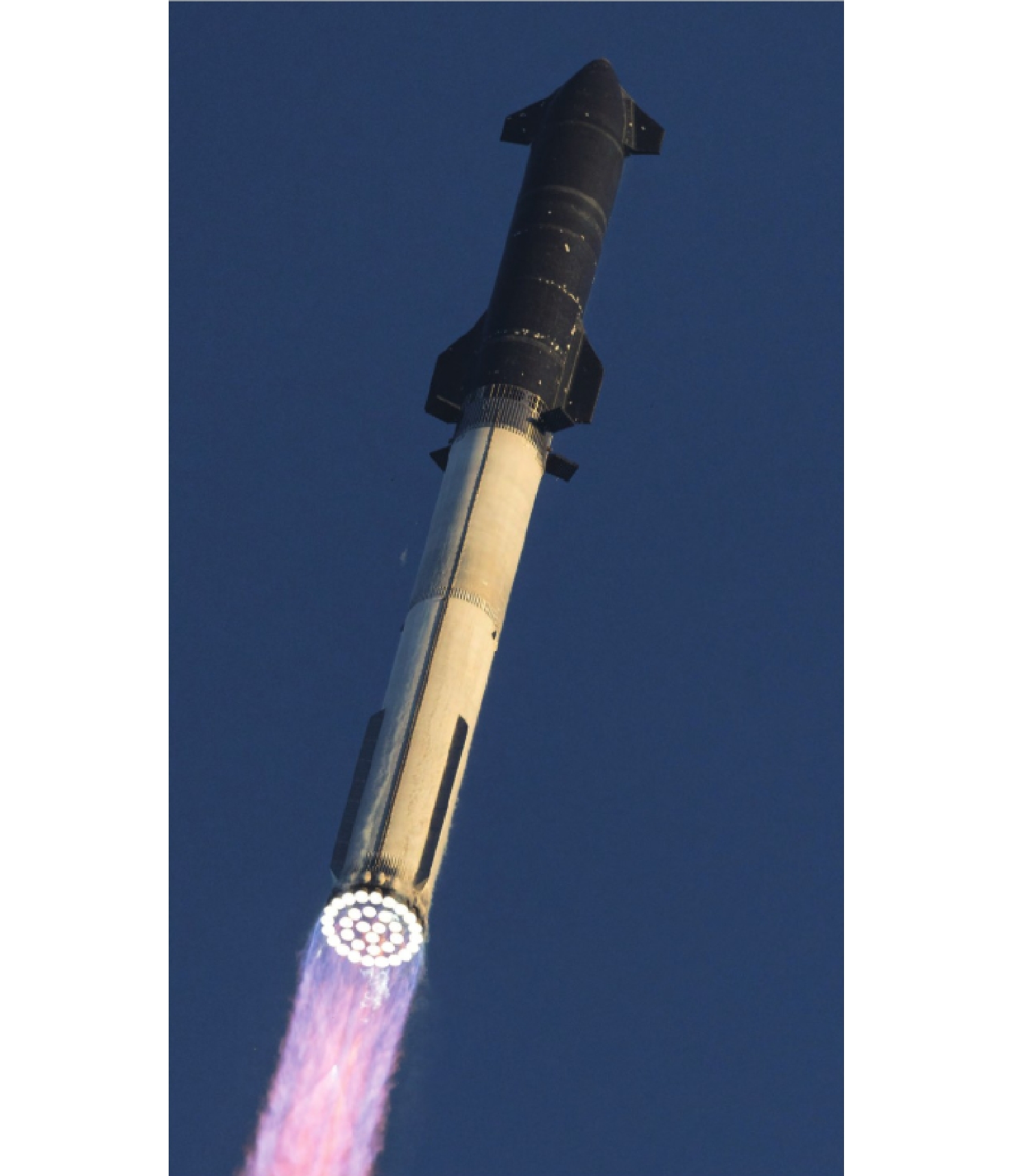
Analysis of “Superheavy Starship” project: technological innovation and references for China’s aerospace
Liu Cechan, Chen Shaojiang, Zou Chenchen, Guo Hongyu, Zhong Wenan
2026, 41(10): 20250055. doi: 10.13224/j.cnki.jasp.20250055
Abstract:

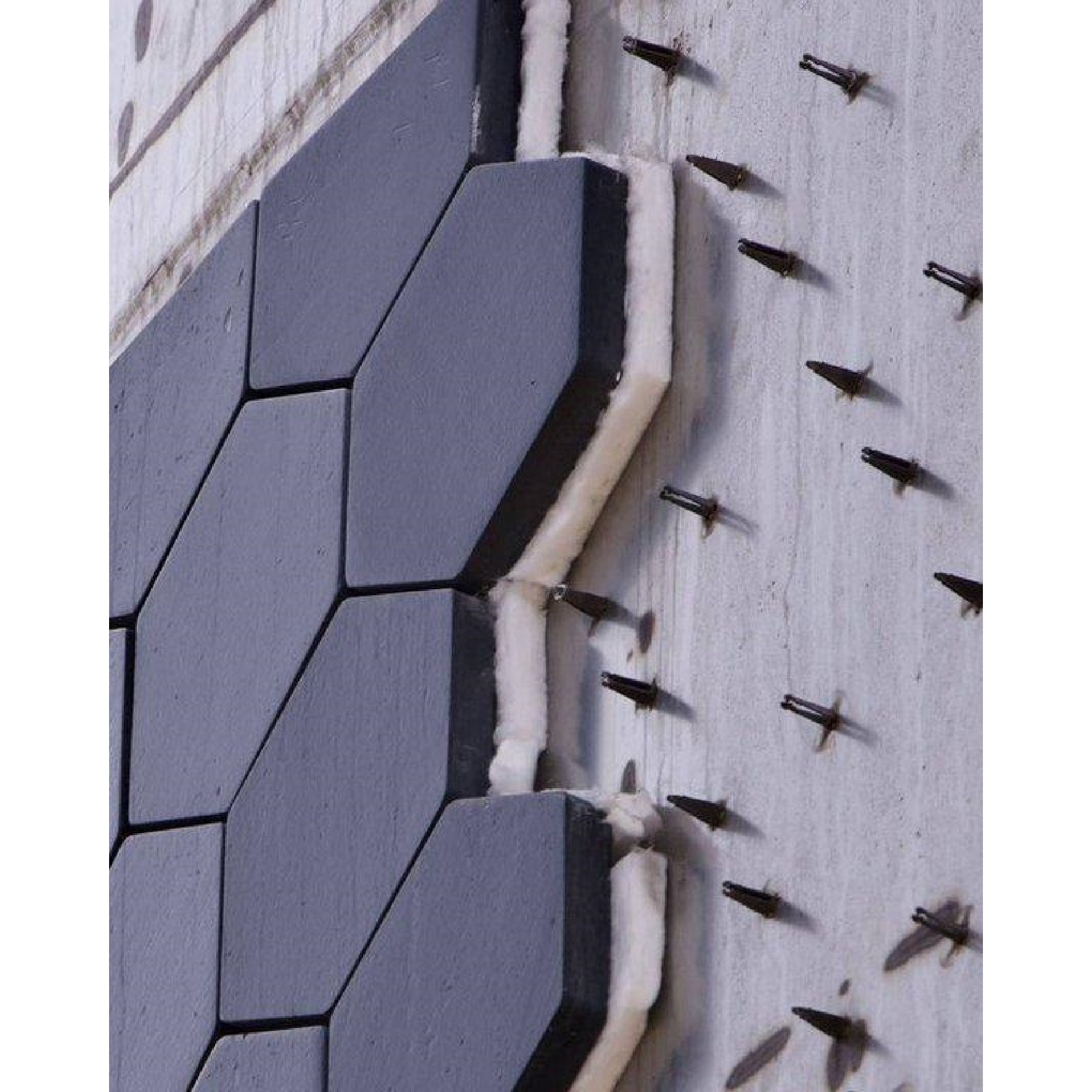
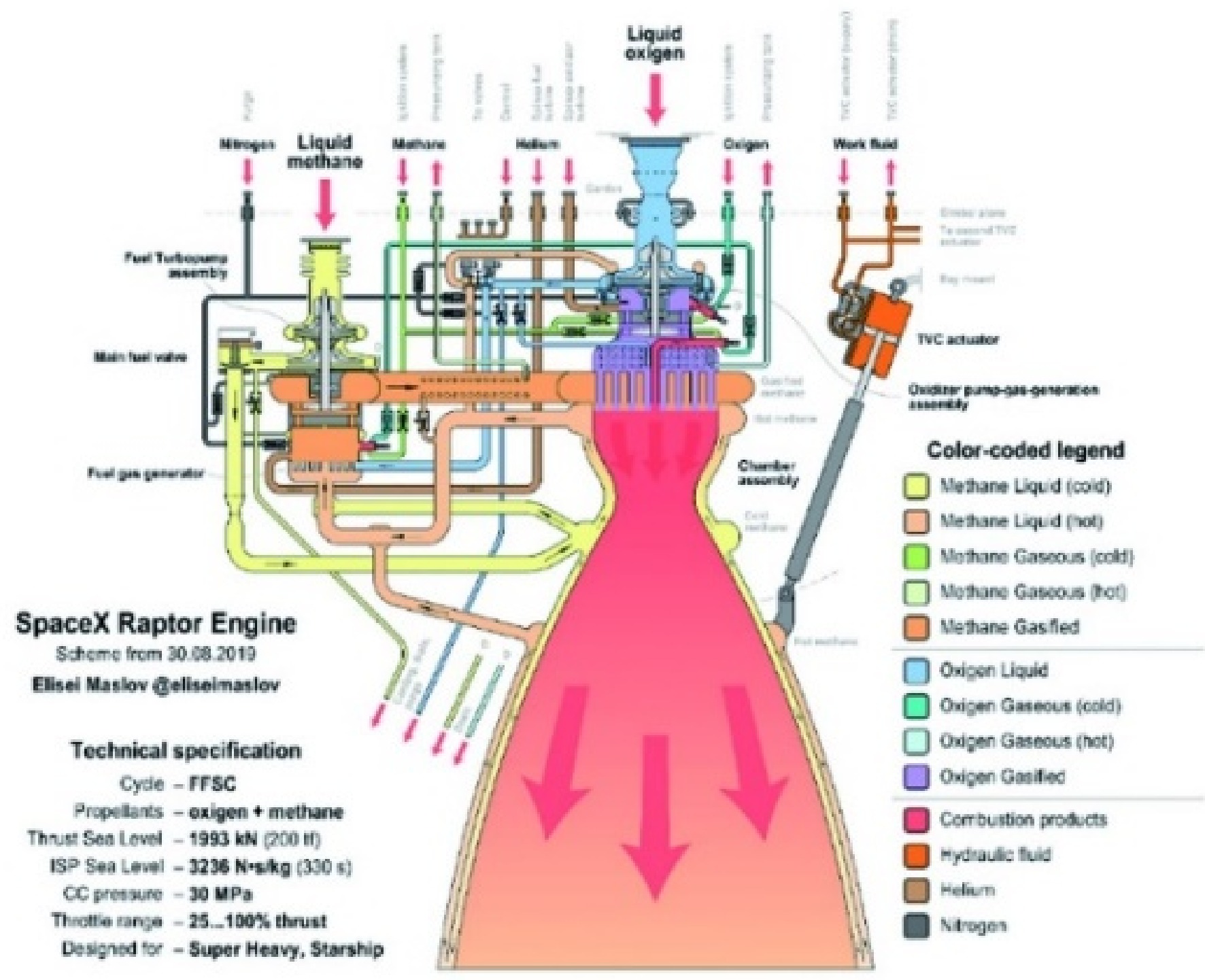
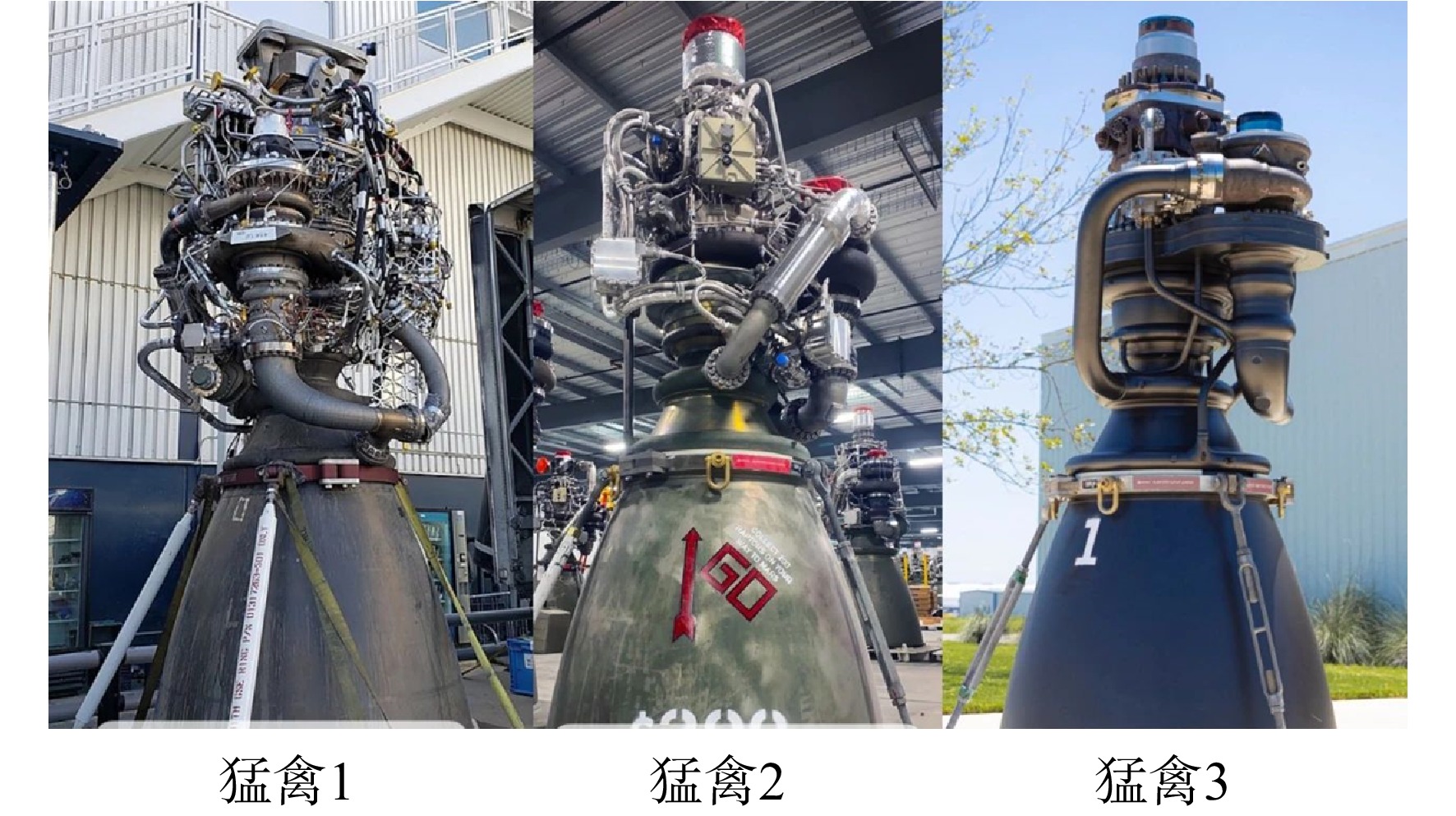
This research focuses on the “Superheavy Starship” project of SpaceX in the United States, deeply analyzing its technological system and development process. The technical details, flight test performances and improvement paths from the first to the ninth flights of Starship are comprehensively sorted out, fully demonstrating its innovative achievements in multiple fields such as reusable technology, propulsion, structural materials, and navigation control, such as the launch tower robotic arm recovery technology and the full-flow staged combustion cycle of the Raptor engine. Meanwhile, the technical problems faced by the project and the corresponding coping strategies are discussed, accurately foreseeing its broad prospects in commercial aerospace, deep space exploration, military applications, etc. Targeted and constructive inspirations and suggestions are put forward from the dimensions of technological breakthroughs, cost management, business expansion, international cooperation and talent cultivation in combination with the current situation of China’s aerospace, so as to facilitate the development of China’s aerospace.
Study on characterization of initial flow of an elliptical jet in crossflow
DONG Yiheng, ZHANG Bin, LYU Keyu, HE Kuai, ZHANG Huanhao, ZHENG Chun
2026, 41(10): 20250358. doi: 10.13224/j.cnki.jasp.20250358
Abstract:

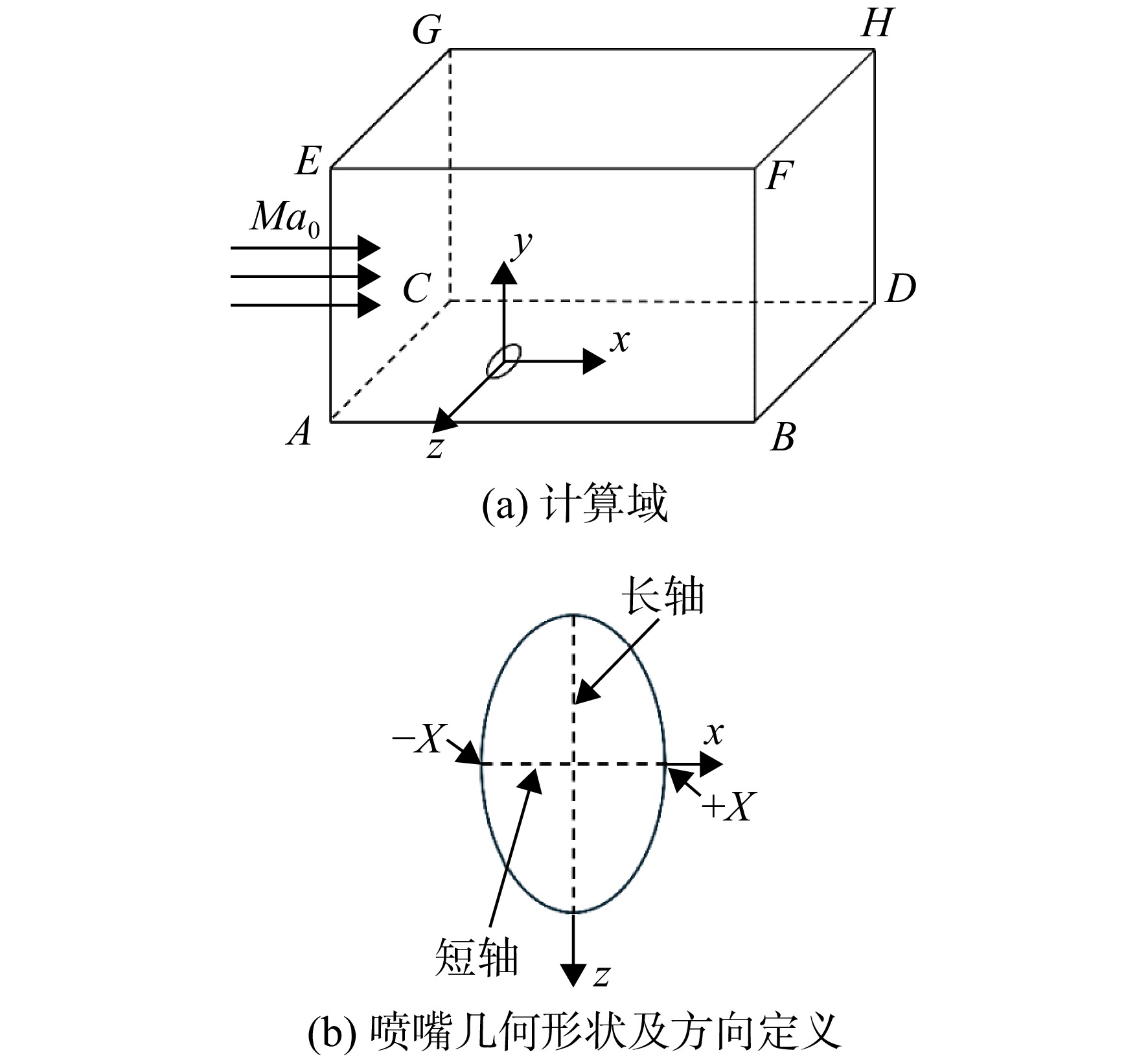
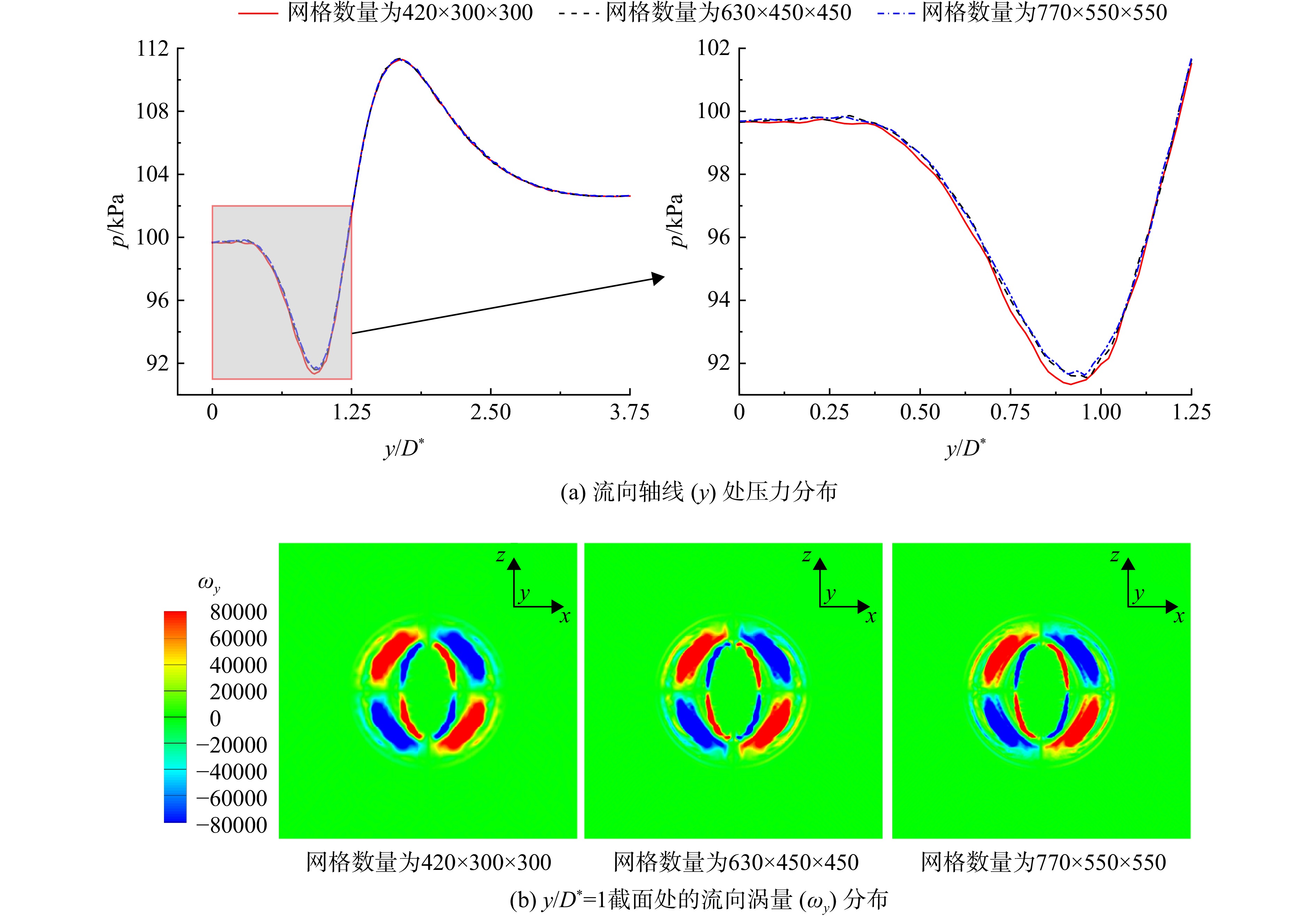
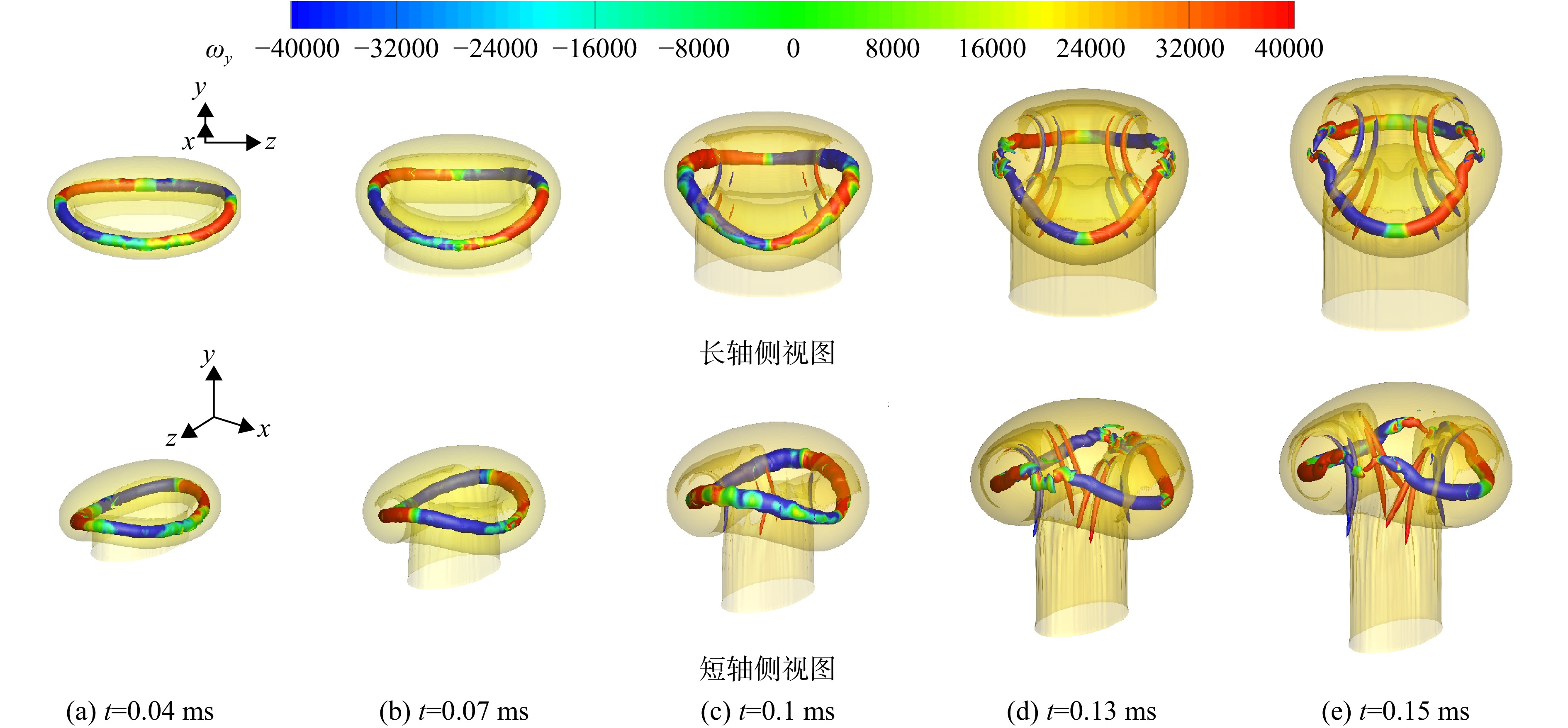
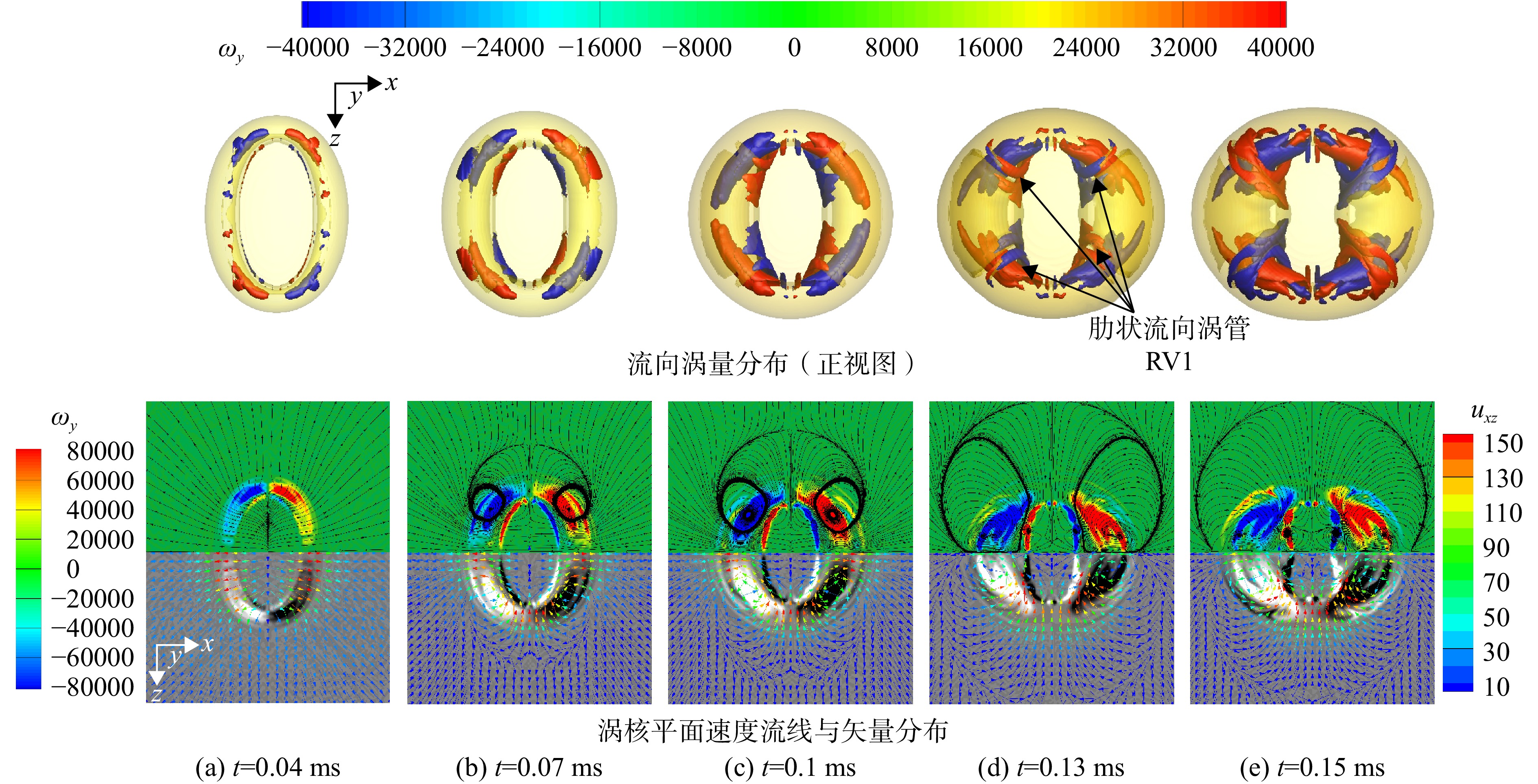
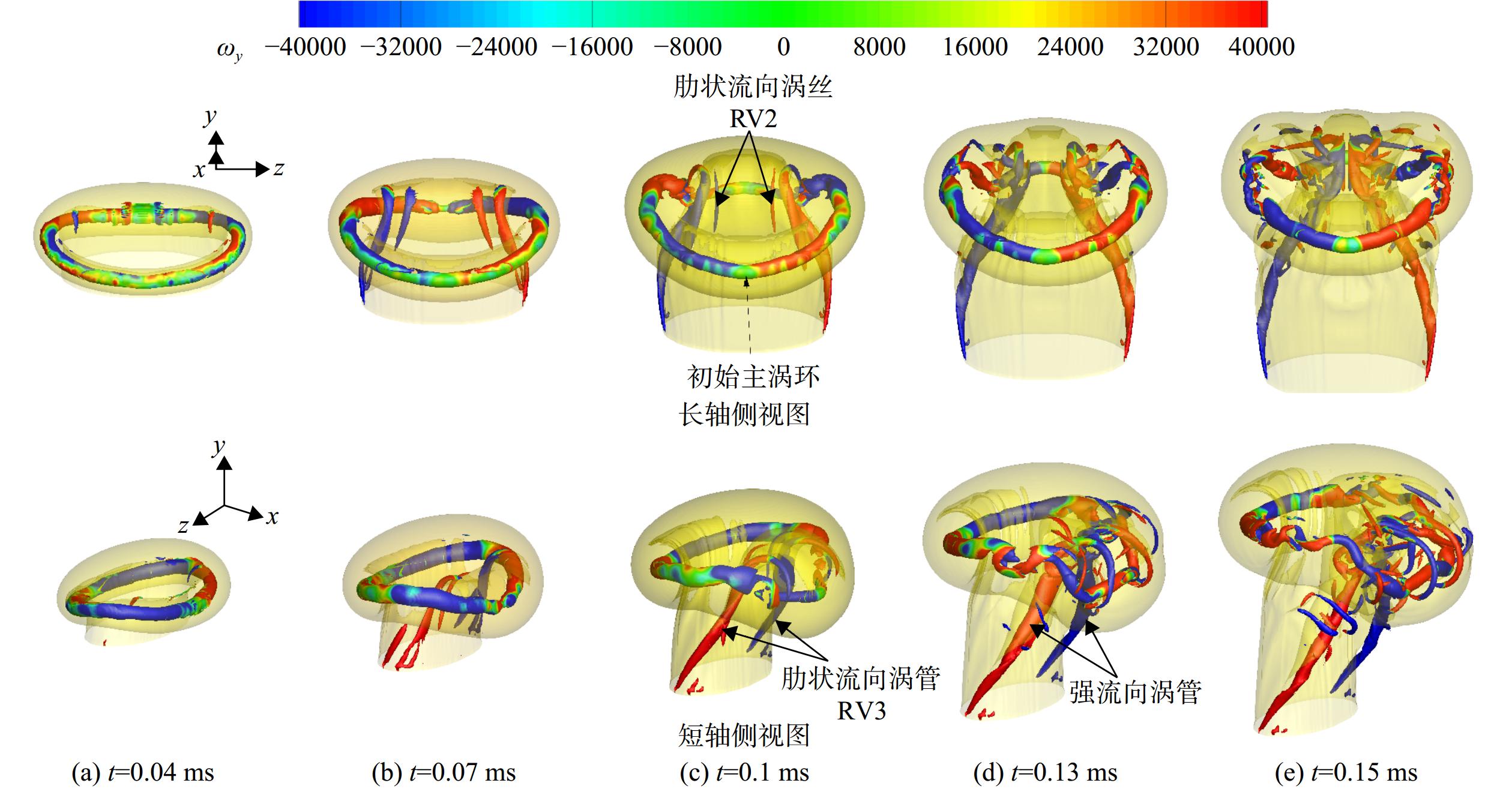
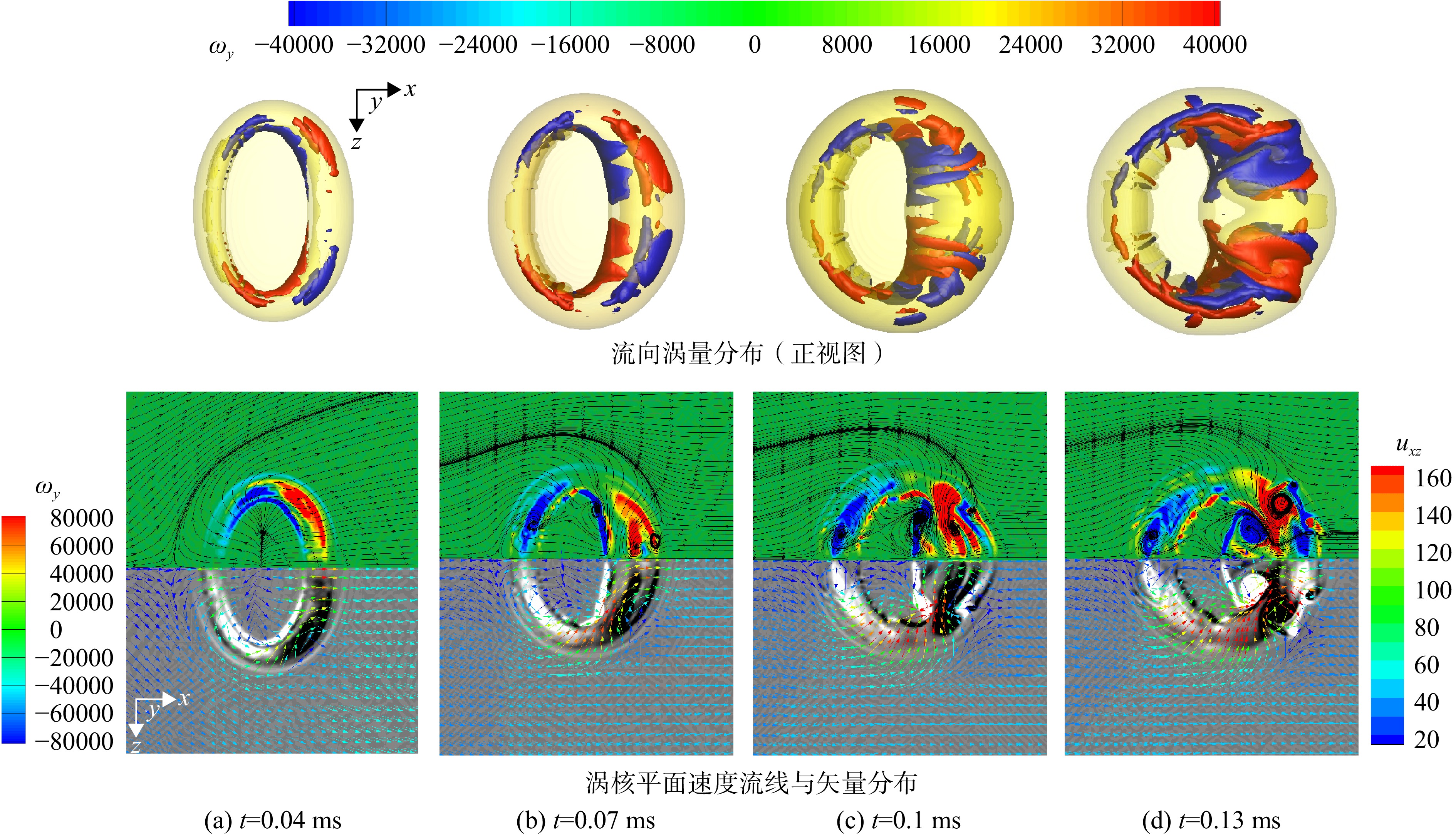
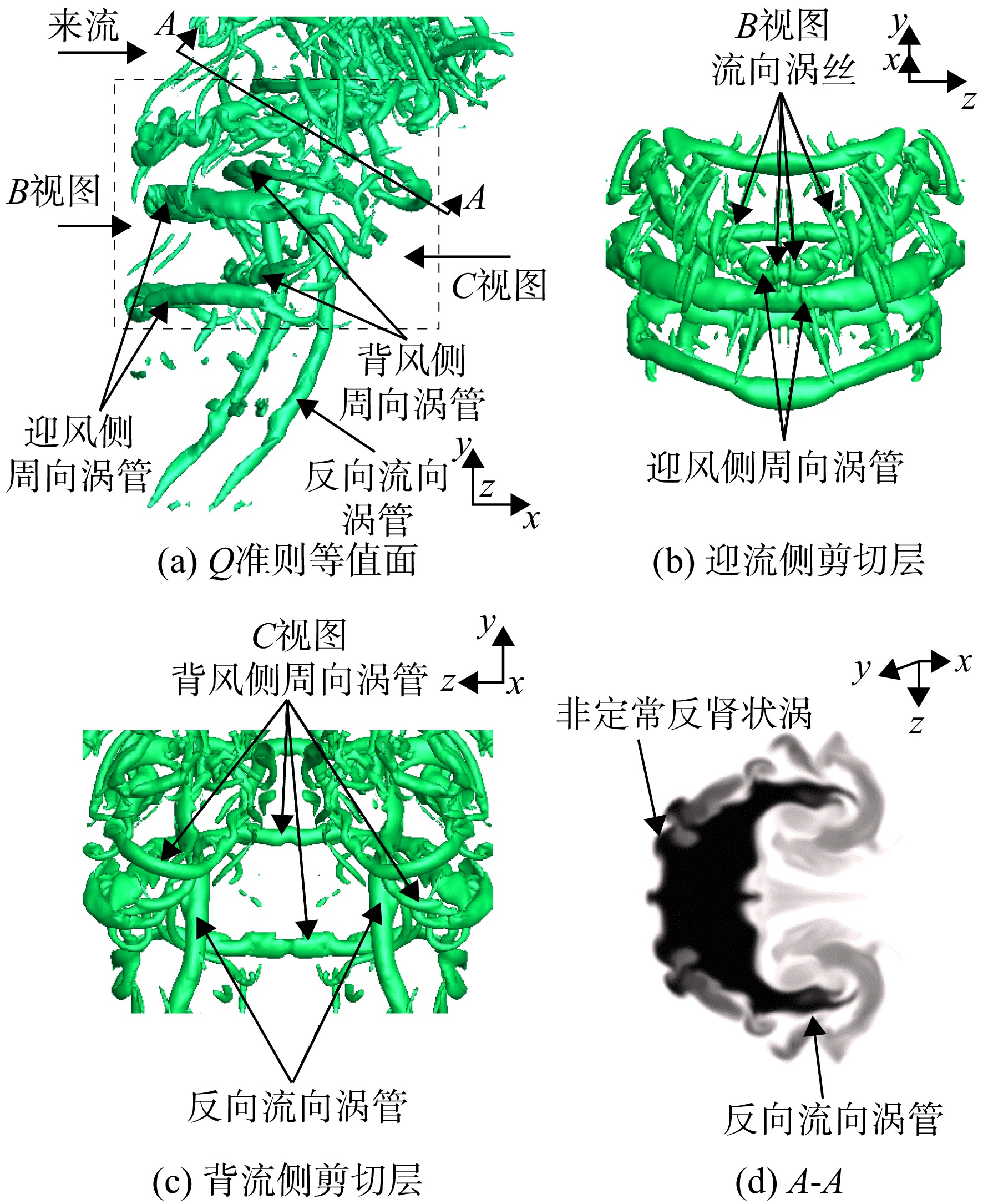
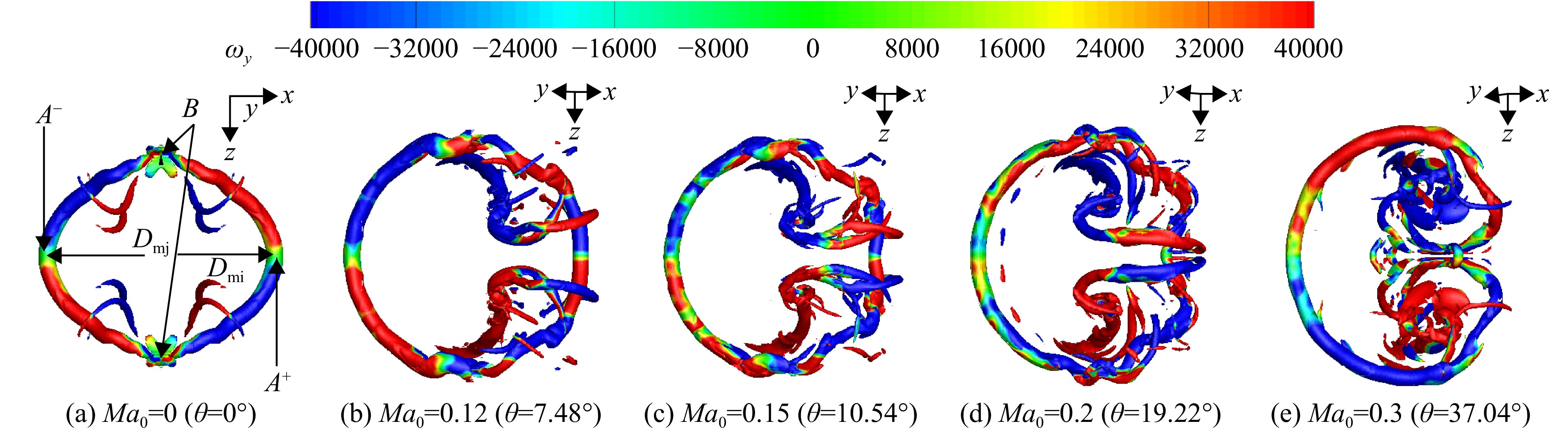
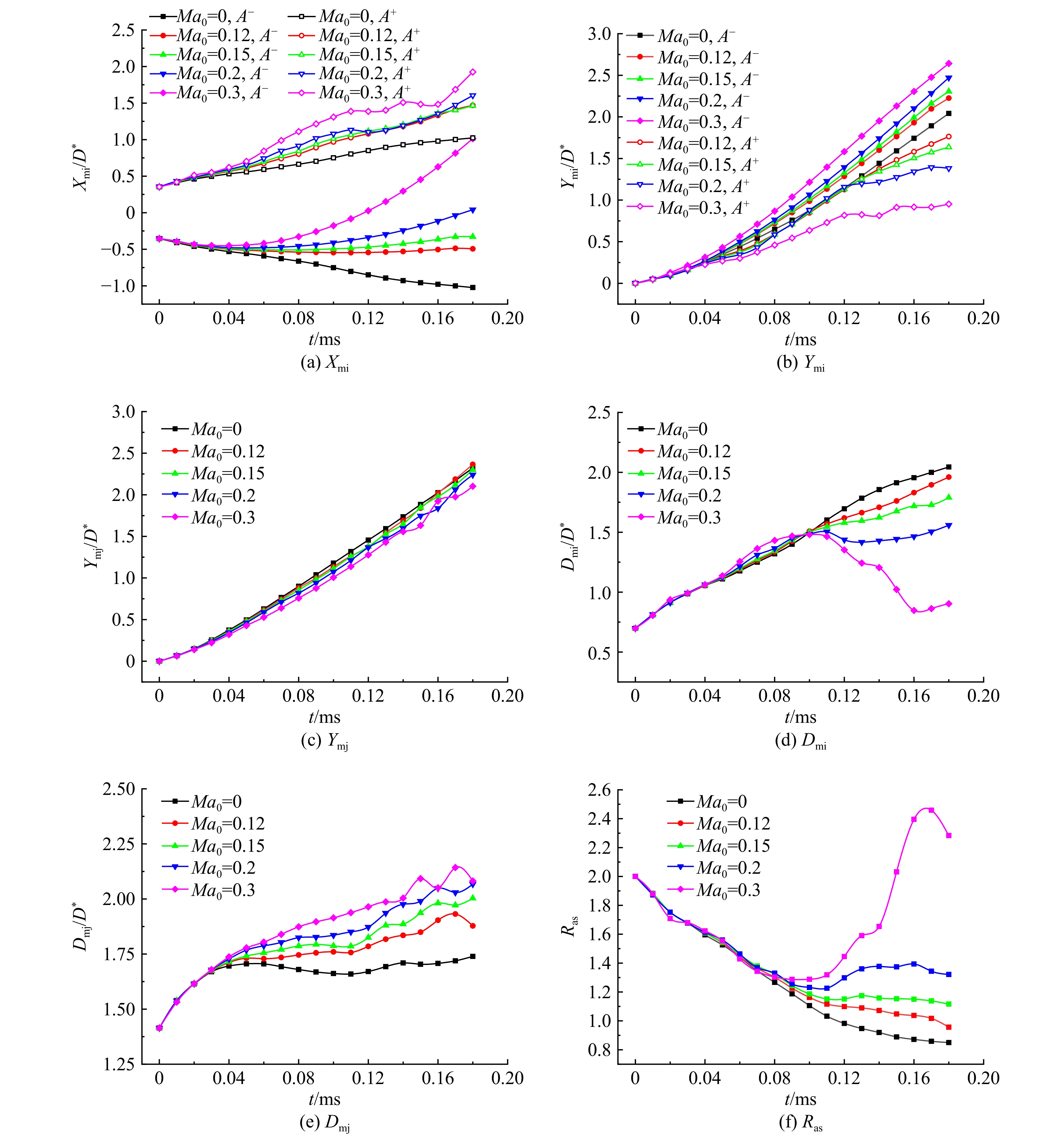
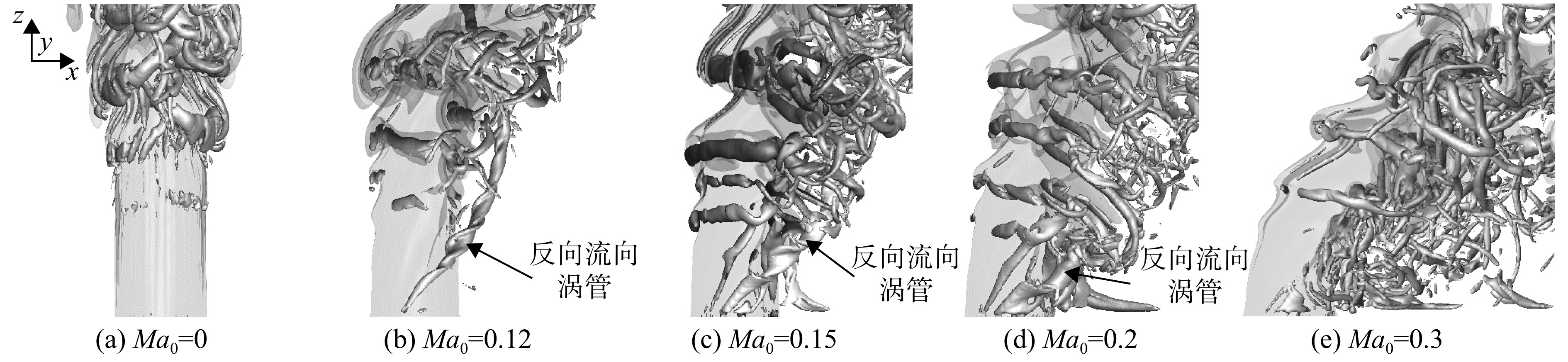
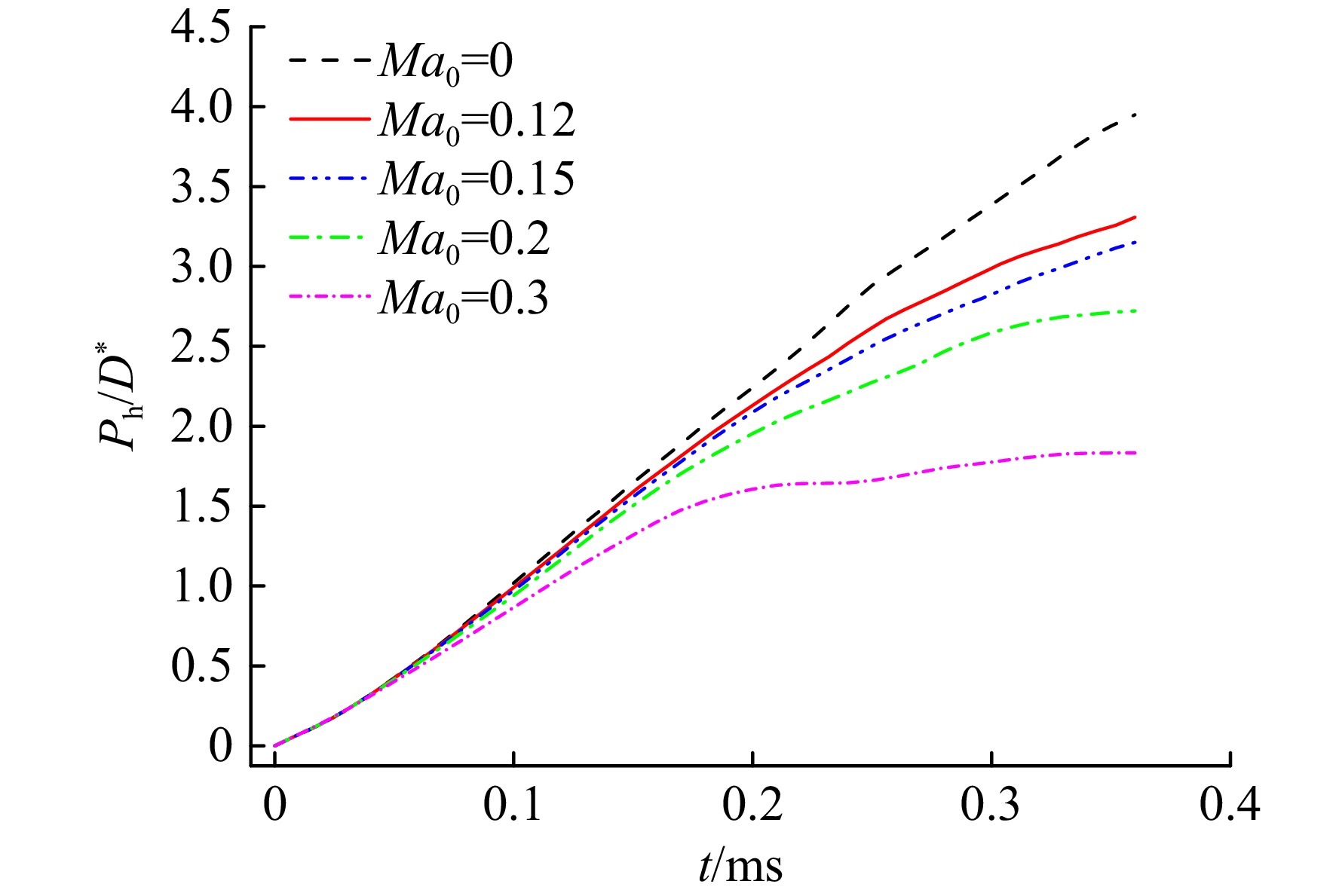
Based on the multicomponent compressible Navier-Stokes equations, the initial flow characteristics of a subsonic elliptical jet under different crossflow velocities were numerically investigated using the large-eddy simulation (LES) method and a high-precision tuned centered-difference (TCD) scheme. This study aimed to elucidate the initial flow characteristics during the interaction between the noncircular jet and the crossflow under flow control conditions. The initial development stage of the primary vortex ring, from its formation and evolution after jet ejection until the first occurrence of axis switching was analyzed. The numerical results clearly described the effects of crossflow velocity on the evolution of the jet vortex structures, penetration depth, and mixing efficiency, and revealed the evolution mechanism of the three-dimensional flow pattern of the primary vortex loop in the noncircular jet under crossflow. It was found that the tangential velocity of the crossflow moving around the jet surface effectively counteracted the self-induced tangential velocity arising from the deformation of the noncircular jet. This counteraction suppressed the generation of rib vortices in the windward shear layer and enhanced the stability of the Leading-edge vortex loops there. When the crossflow moved around the shear layer at both ends of the major axis, the tangential velocity difference between the inner and outer flow paths induced the formation of a strong pair of counter-rotating streamwise vortices (CVP) at these locations. This CVP became dominant in the later stages of jet development, eventually causing the jet cross-section to transform into the typical counter-rotating vortex pair structure.In addition, the coupling between the CVP on the jet shear layer and the vortex ring segment on the leeward side promoted the breakup and destabilization of the primary vortex loops. This process reduced the jet penetration depth while improving the mixing efficiency.
Power Transimission
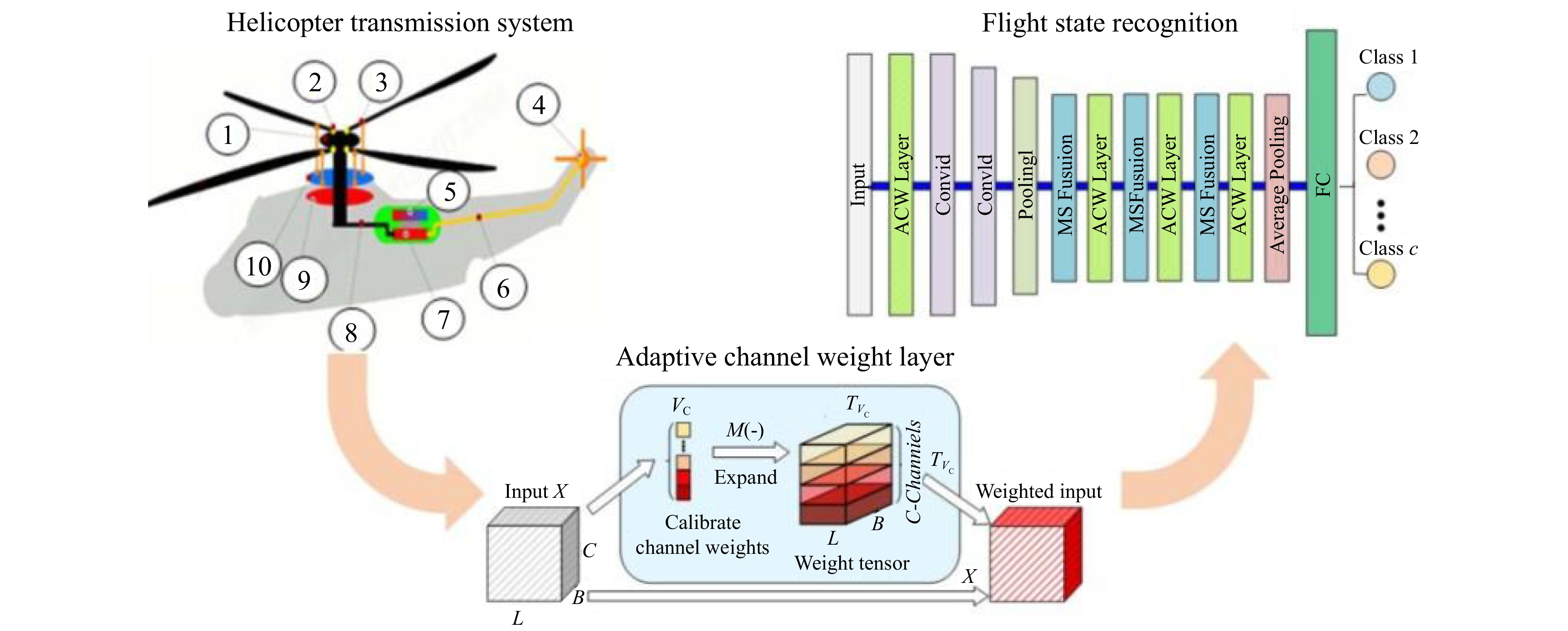
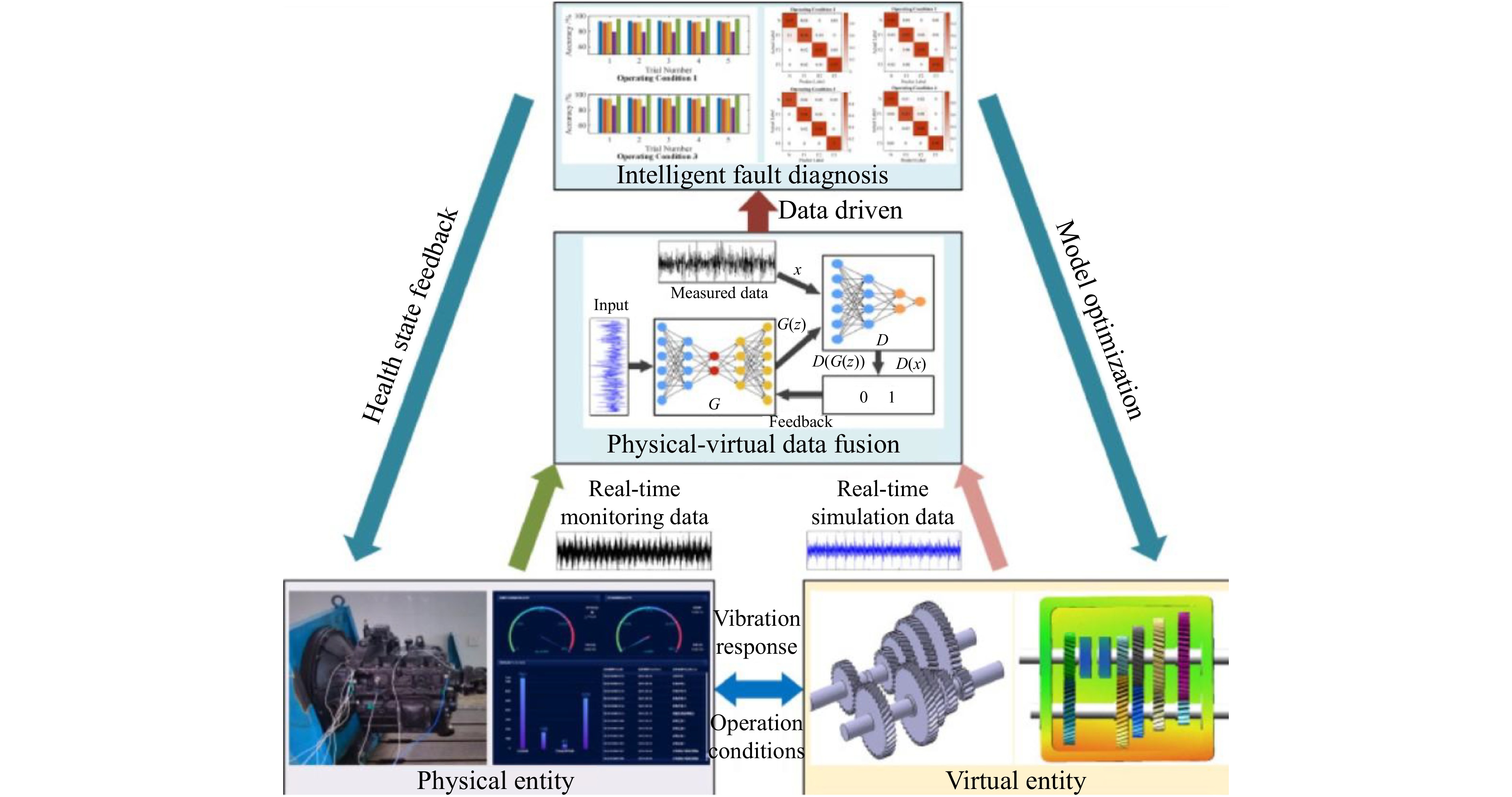
Research progress on health monitoring technology for helicopter main gearbox in transmission systems
Liu Wenzheng, Zhu Rupeng, Zhu Xinhua, Li Miaomiao, Zhou Wenguang, She Yixi
2026, 41(10): 20250064. doi: 10.13224/j.cnki.jasp.20250064
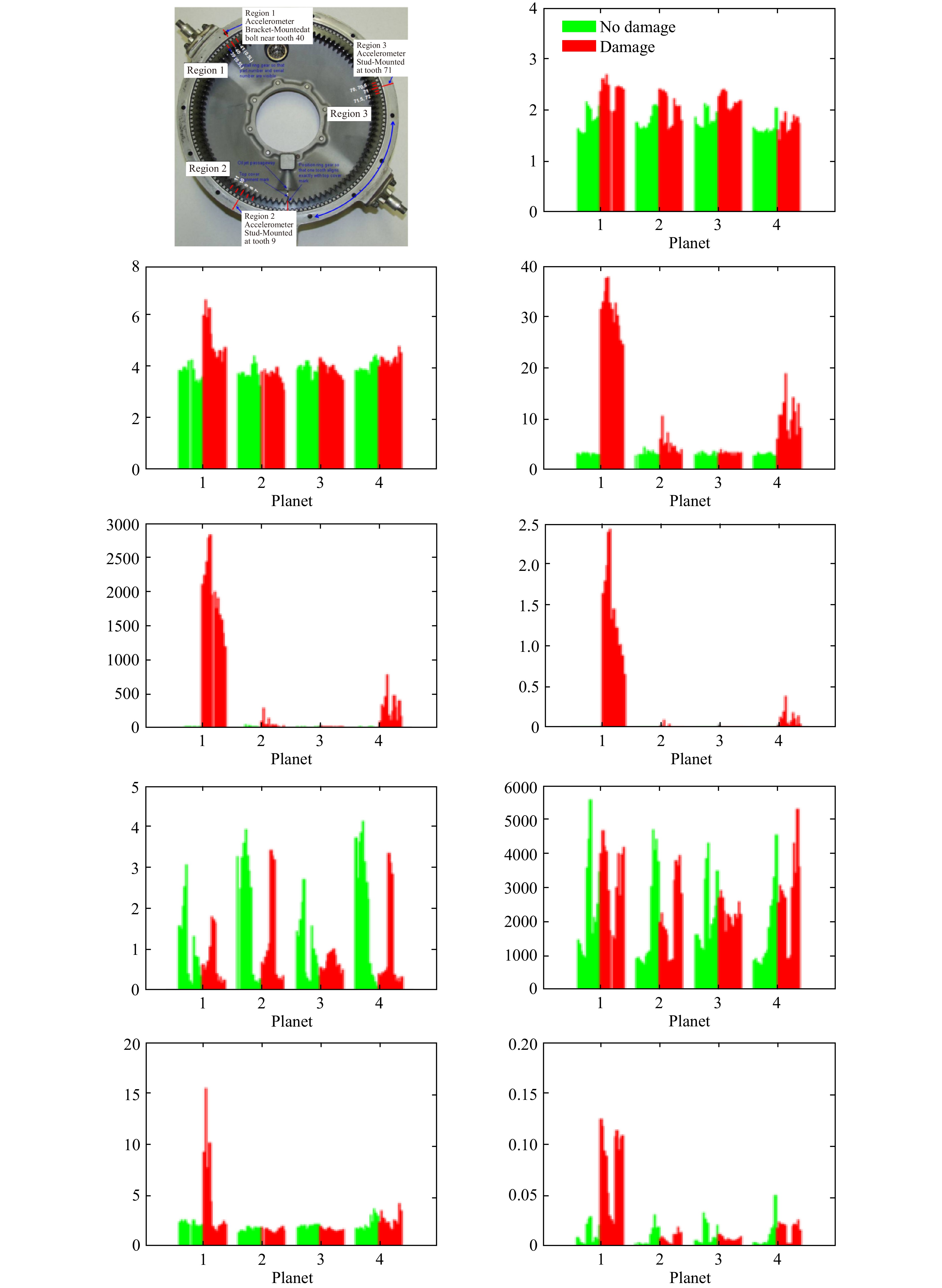
Abstract:

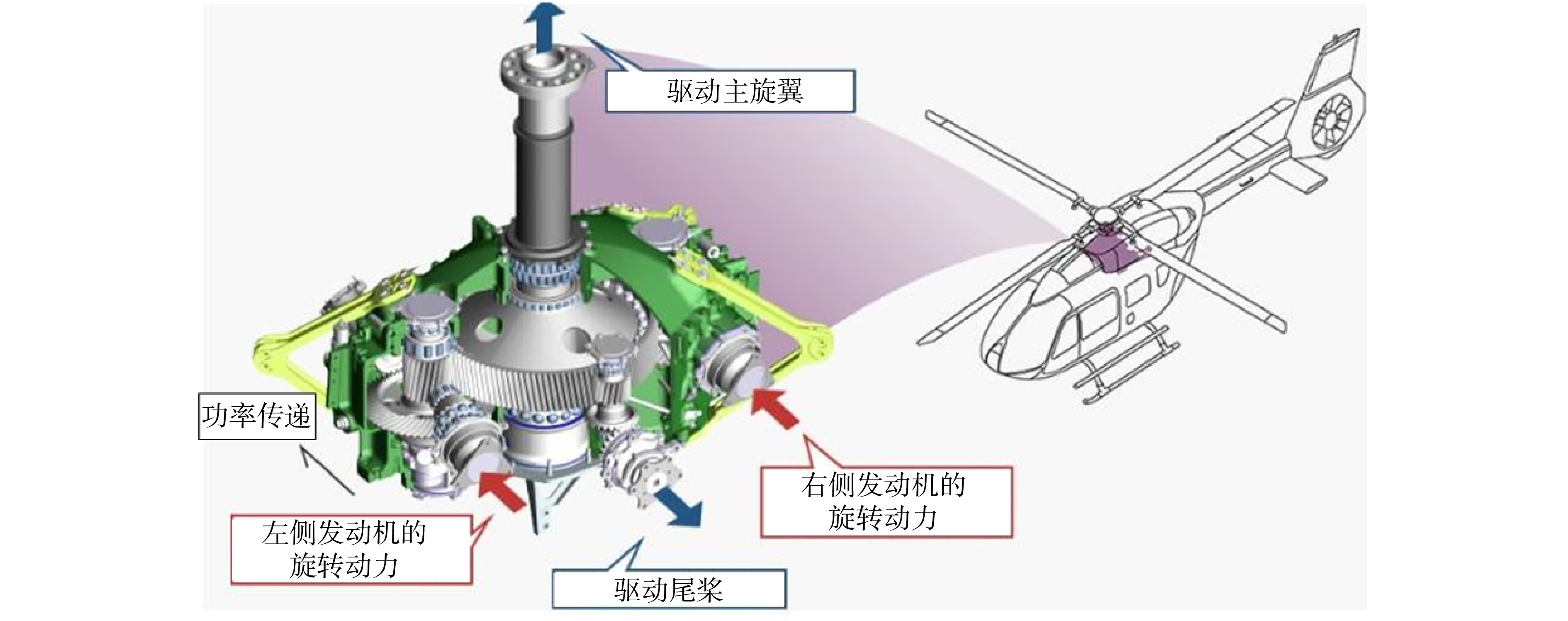
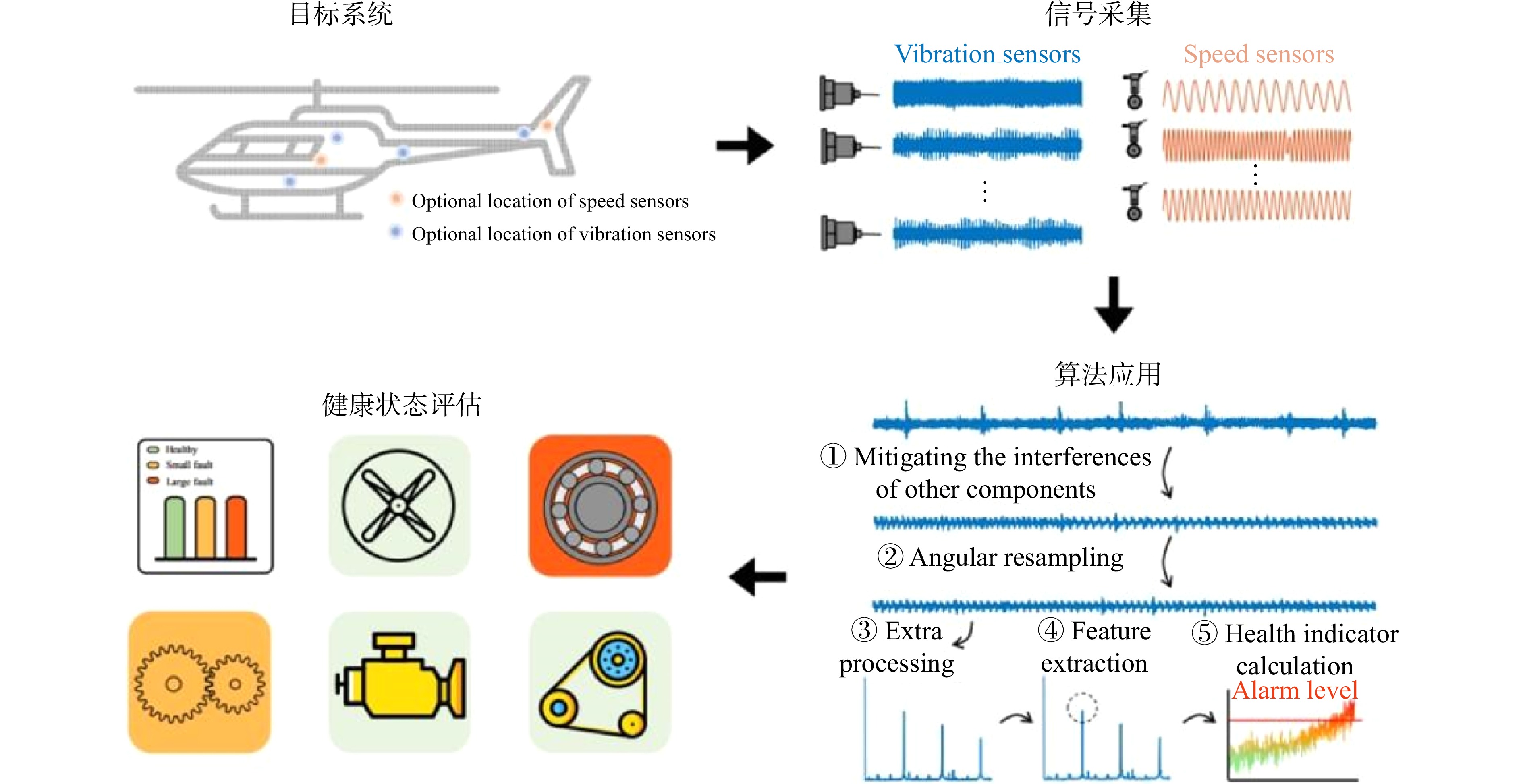
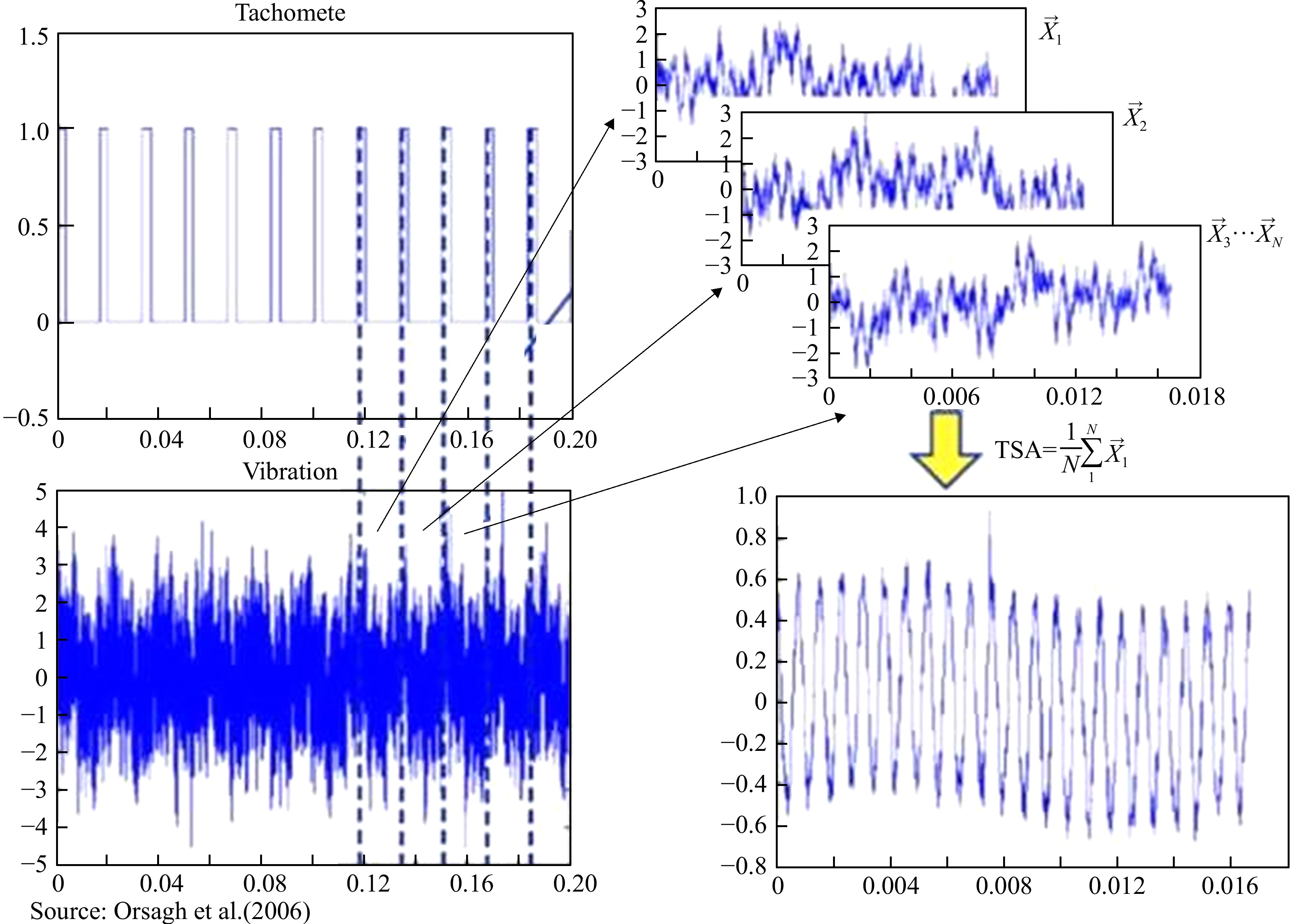
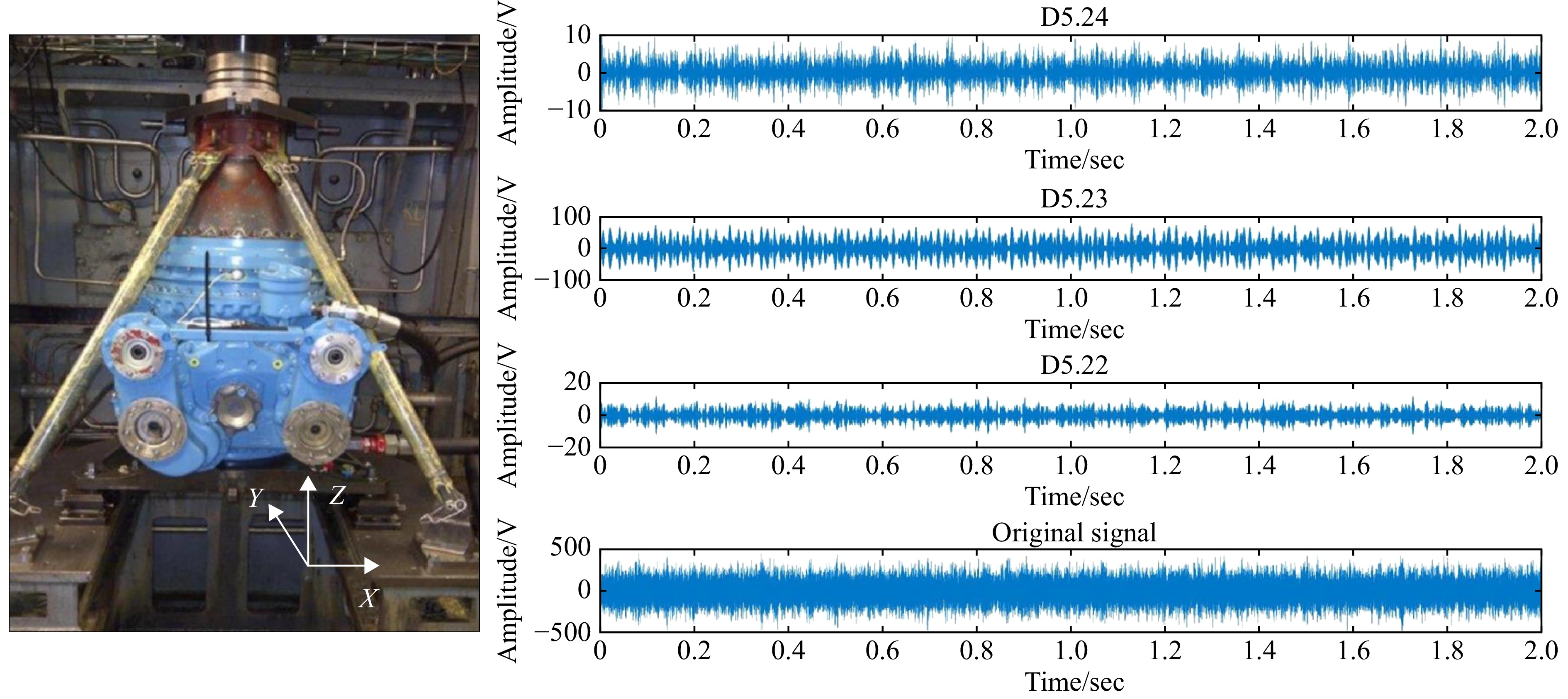
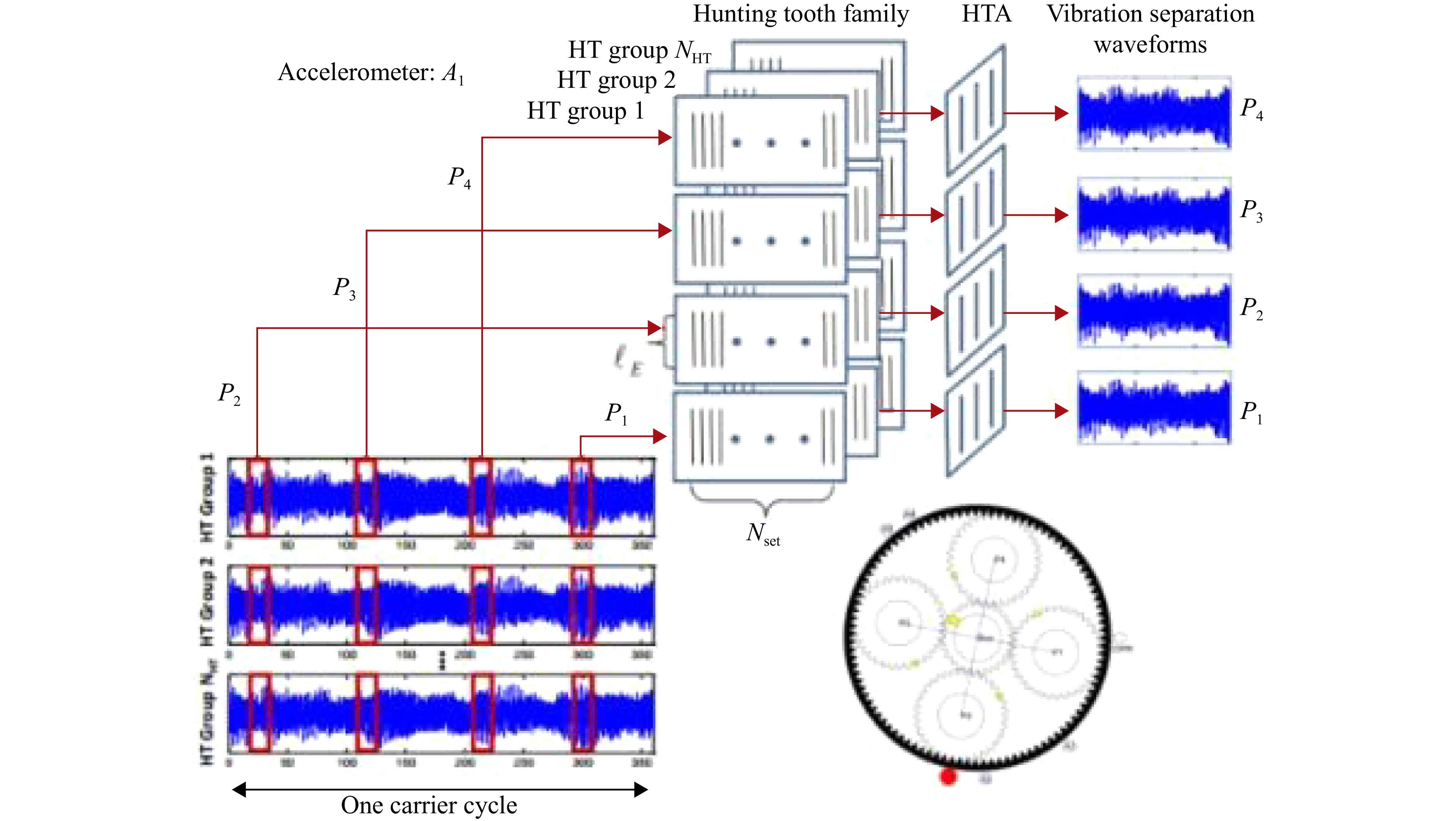
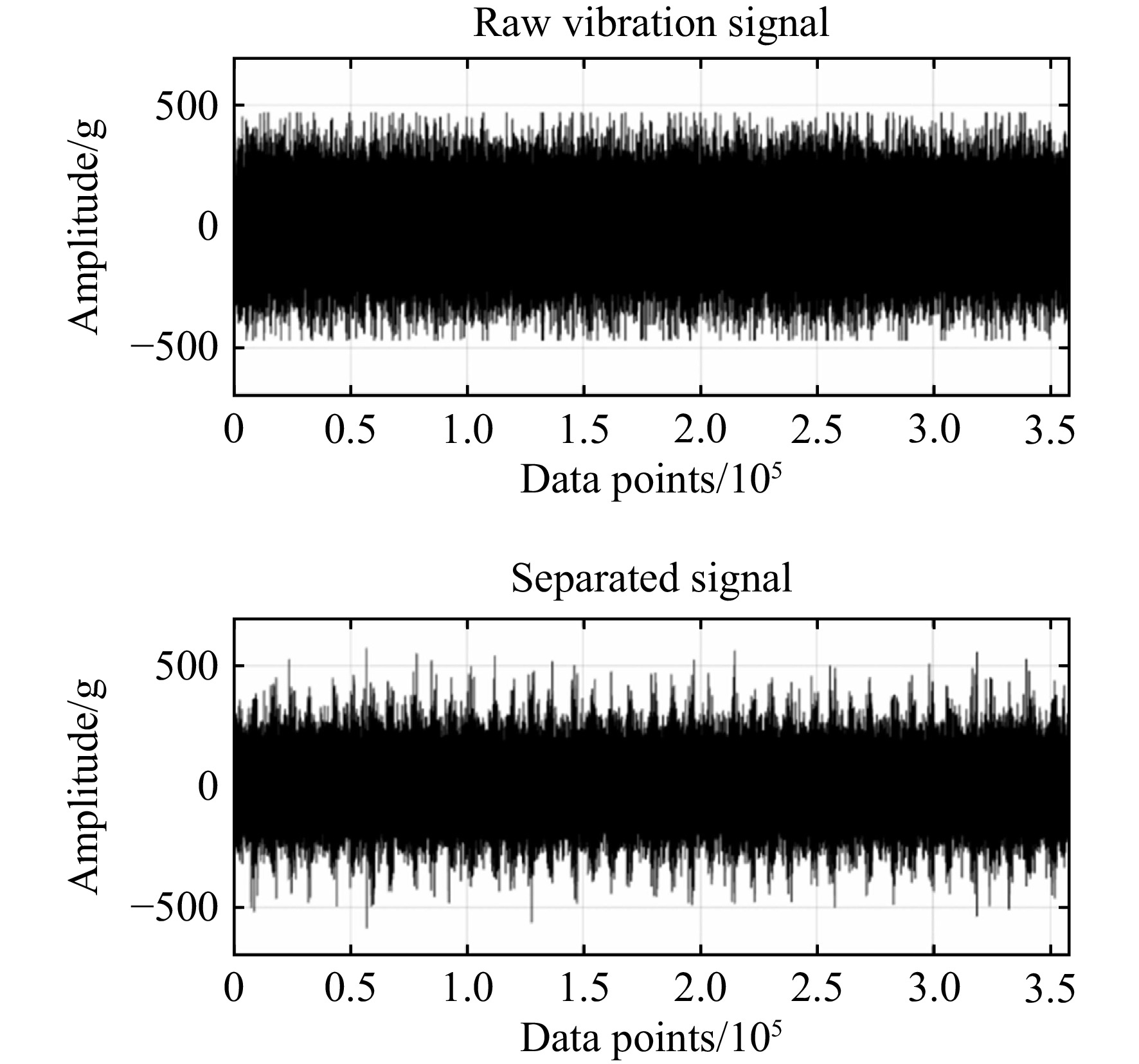
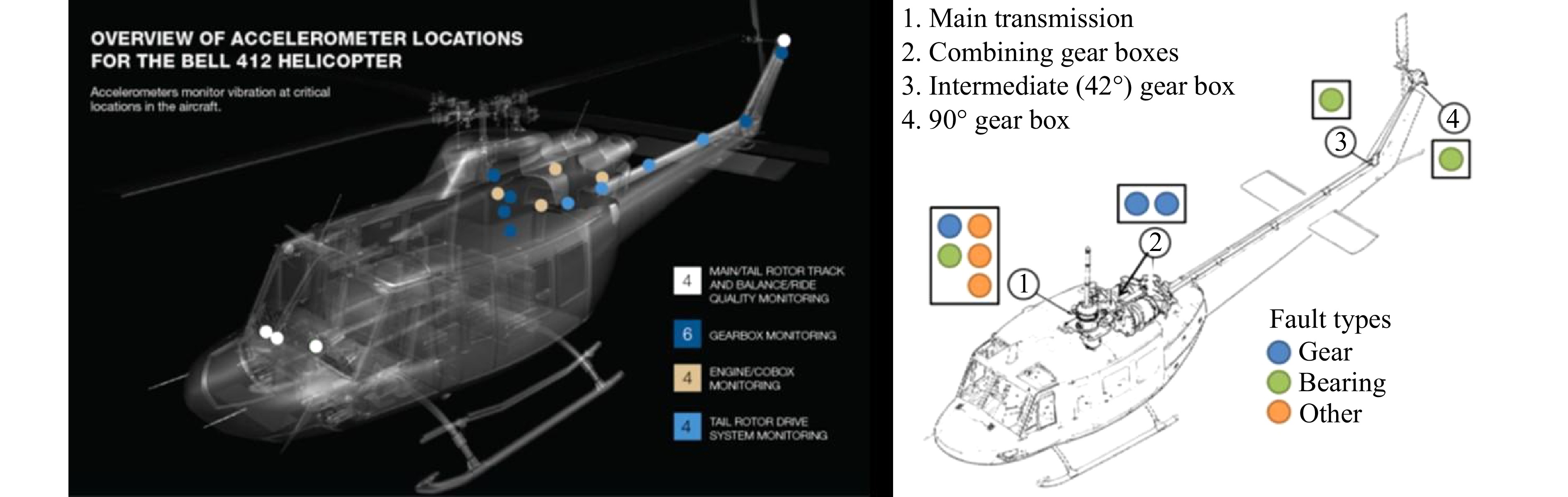
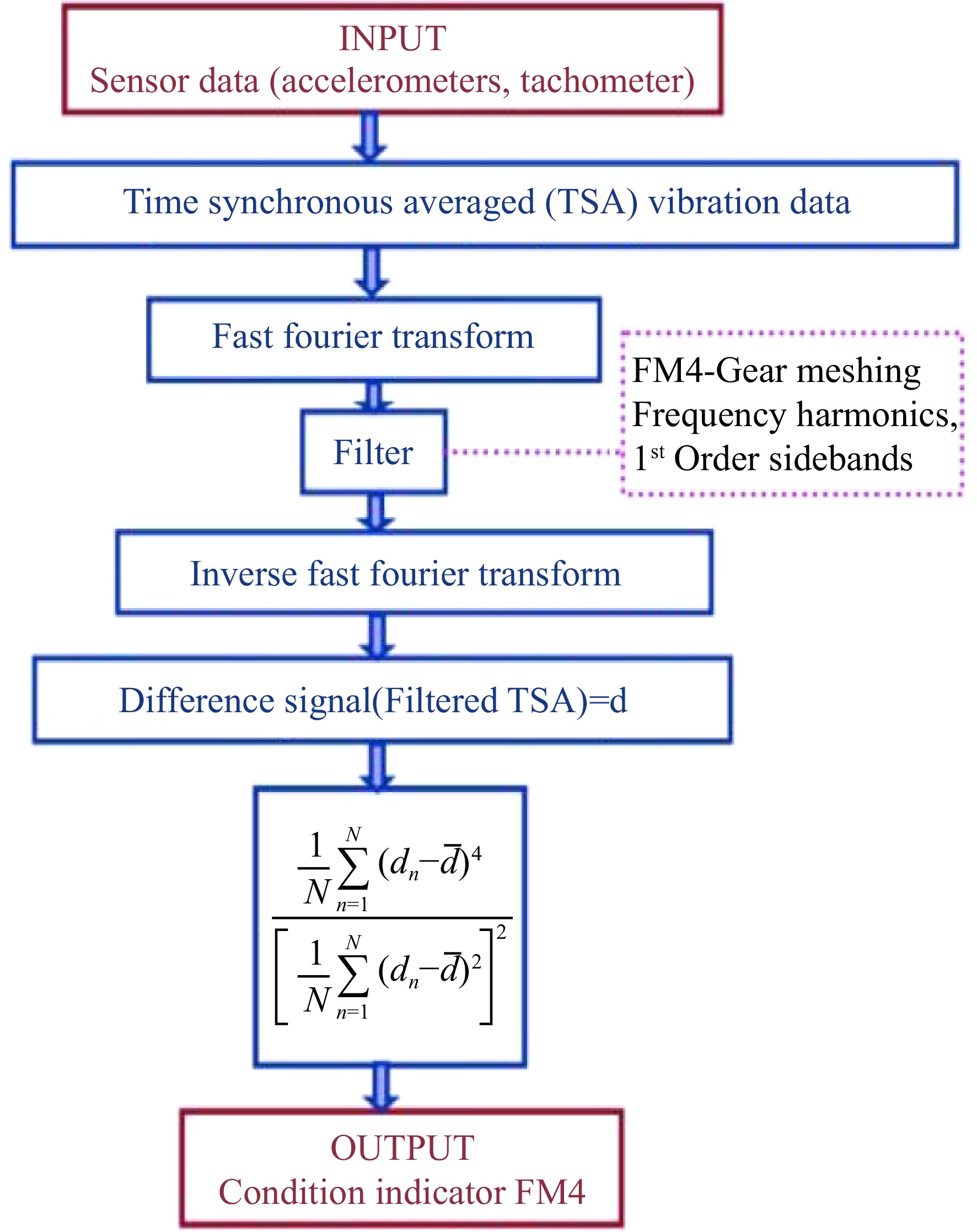
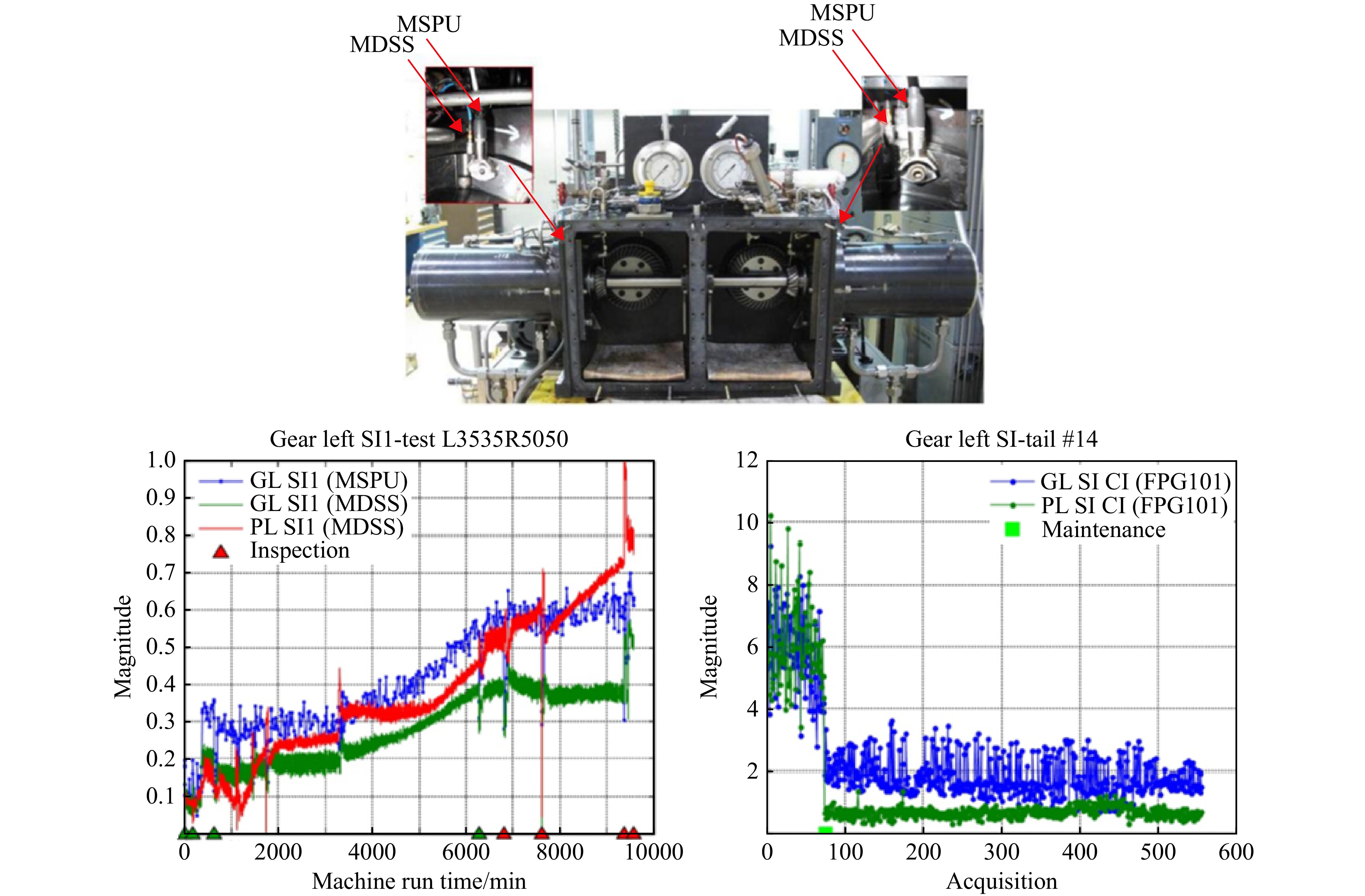
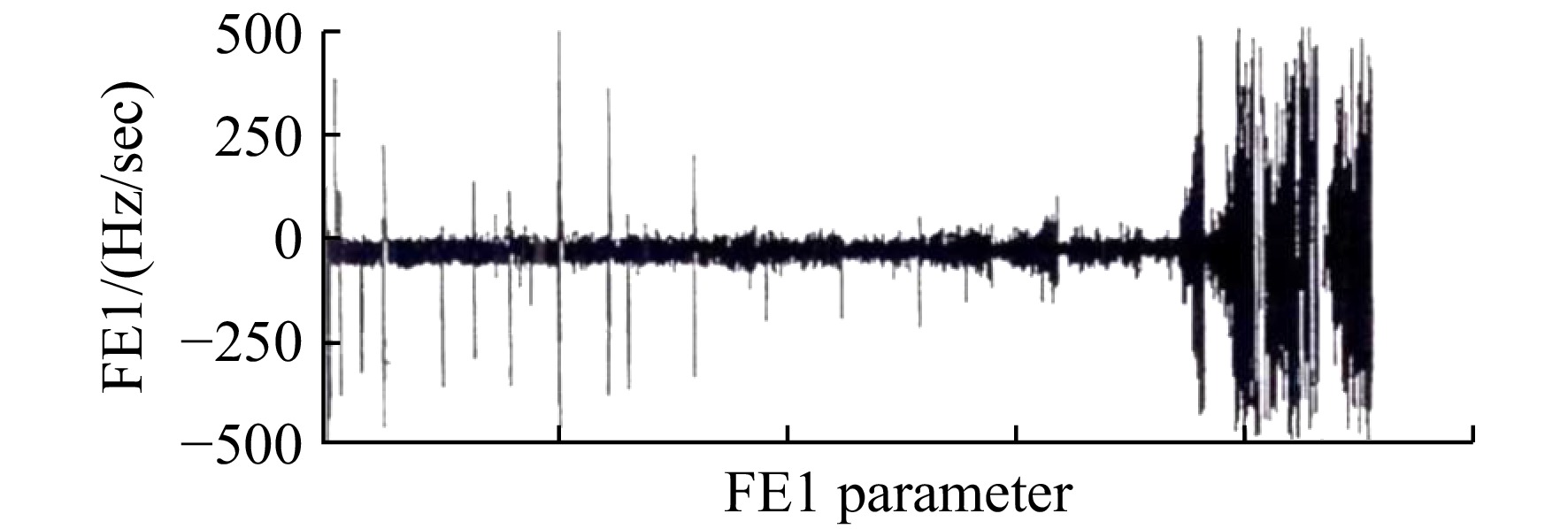
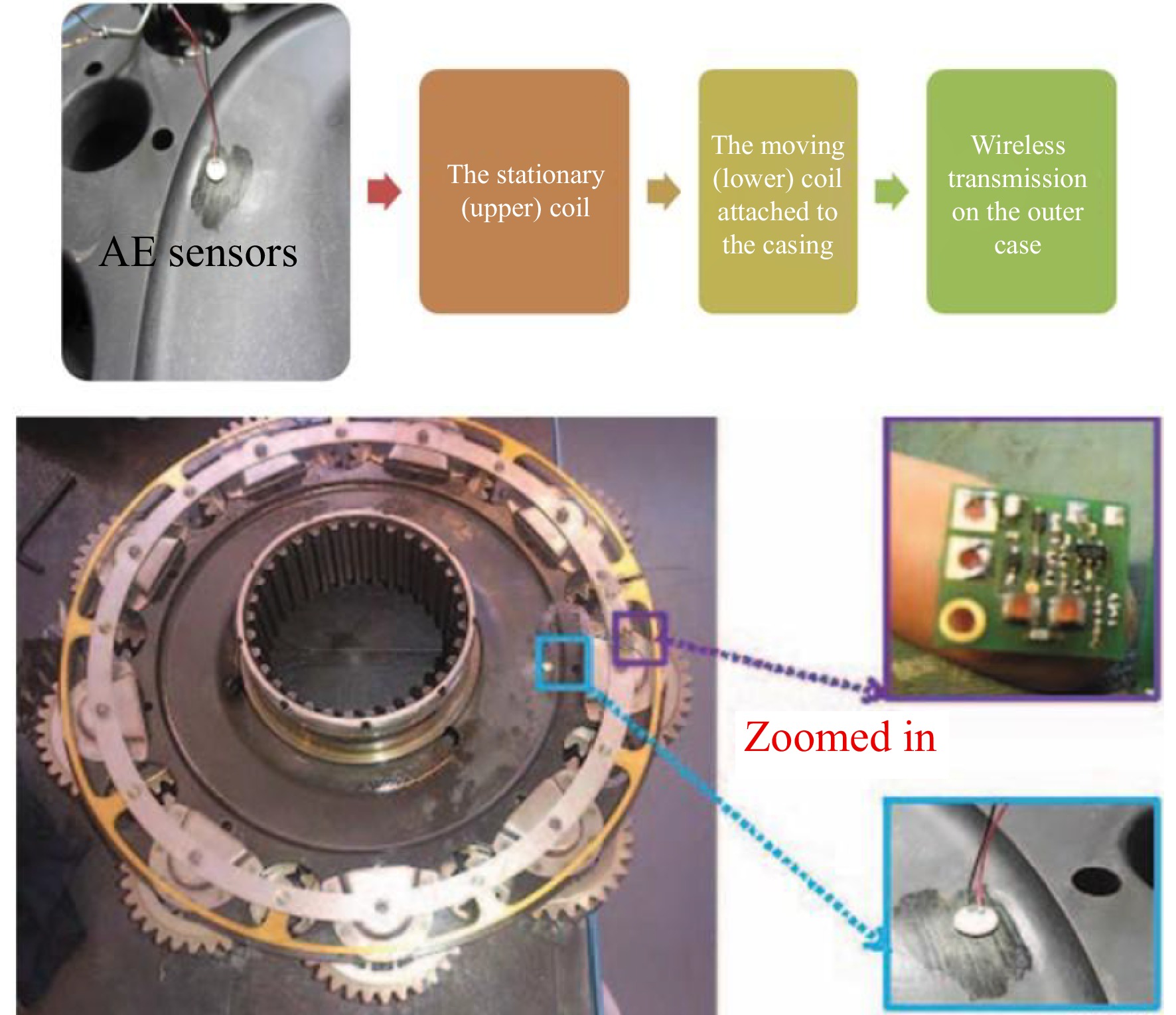
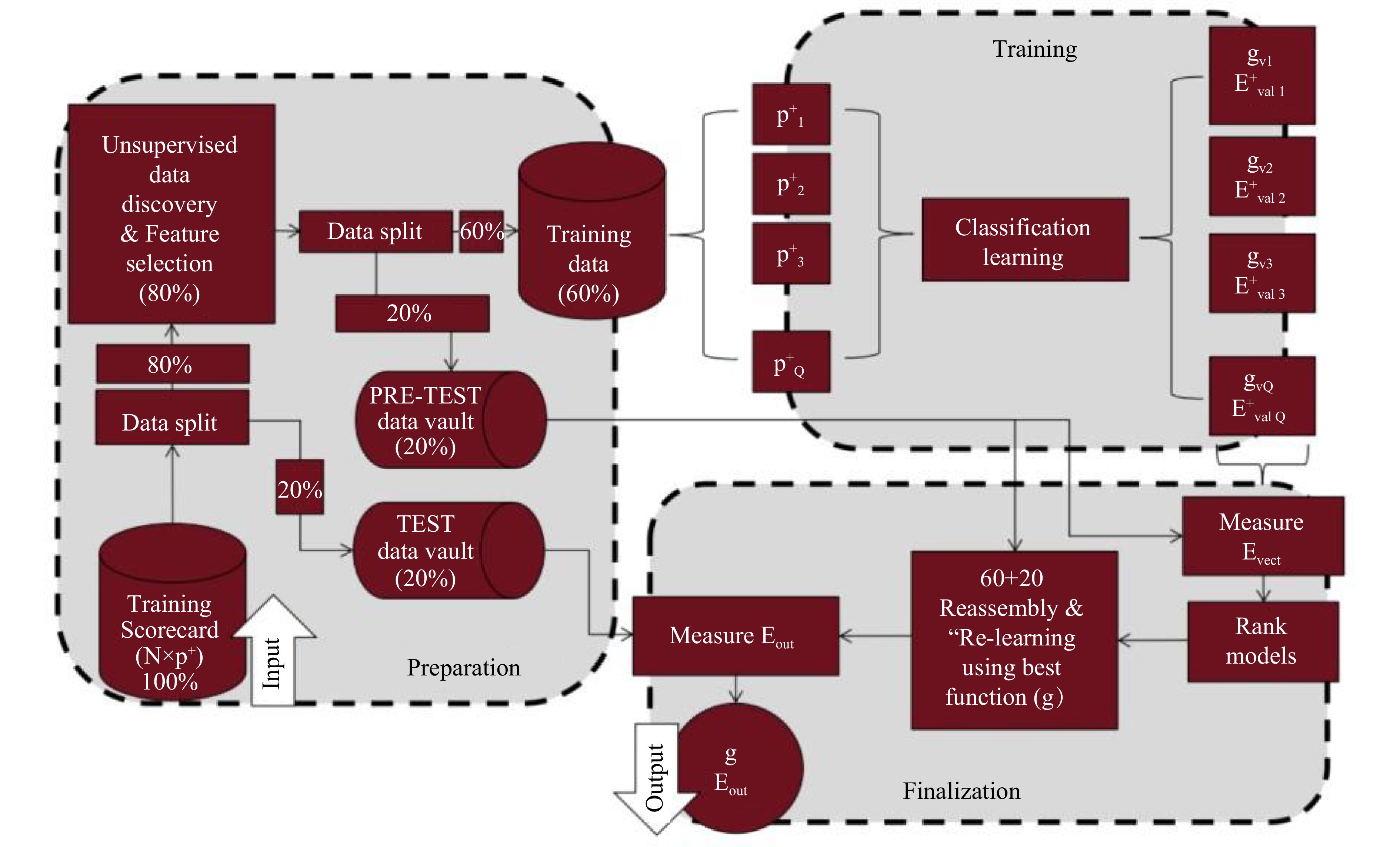
With the rapid growth of the low-altitude economy and expanding helicopter applications, demands for safety, maintainability, and reliability are increasing. As the core of the transmission system, the main gearbox’s health directly impacts service life and flight safety. However, its complex structure and harsh operating conditions pose challenges such as signal complexity, feature extraction difficulties, and sensor placement limitations. Over the past three decades, research on helicopter main gearbox health monitoring has focused on vibration signal processing, condition monitoring indicators, sensor technology, machine learning, and digital twins. Studies have analyzed the advantages and limitations of these technologies. Future efforts should emphasize establishing a systematic research framework, advancing multi-source sensor fusion, enhancing the interpretability of condition monitoring indicators, and promoting the engineering application of digital twins and transfer learning. These findings support optimizing main gearbox health monitoring systems, enhancing helicopter safety, reliability, and maintenance efficiency.