Structure,Strength and Vibration
Review of advances in CT detection technology for defects in aero-engine composite materials
YANG Fuqiang, WANG Le, HUANG Kuidong, LI Zhixiang, JIAO Zhi, GUO Longlong
2026, 41(11): 20250363. doi: 10.13224/j.cnki.jasp.20250363
Abstract:
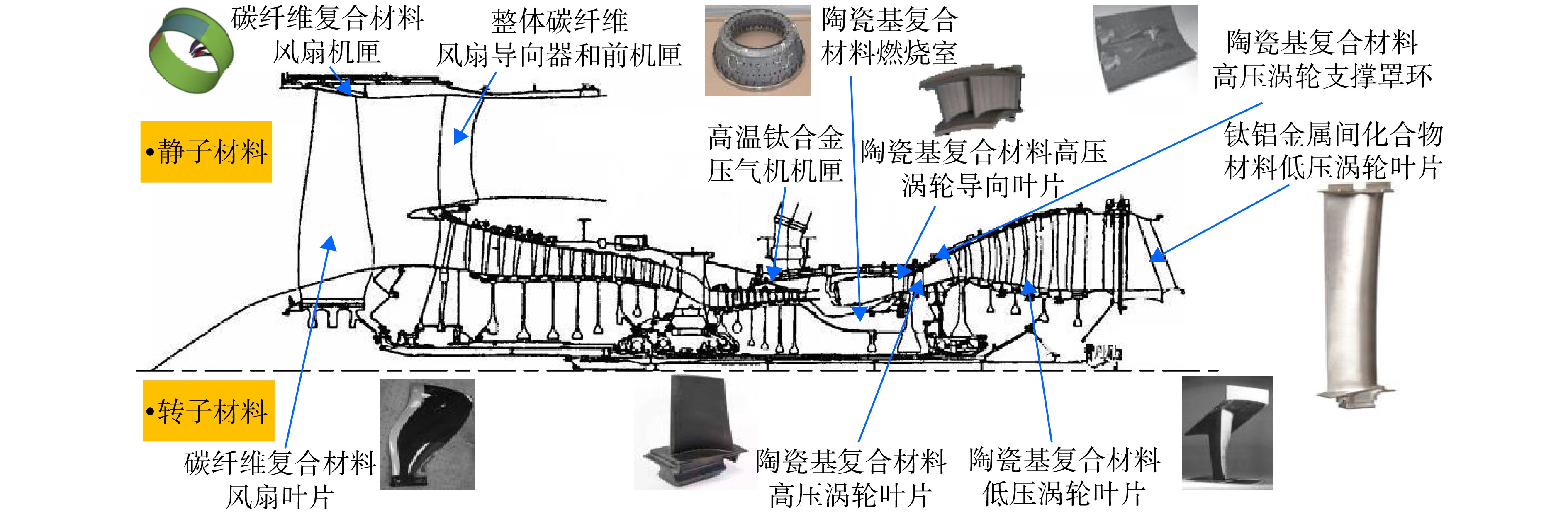
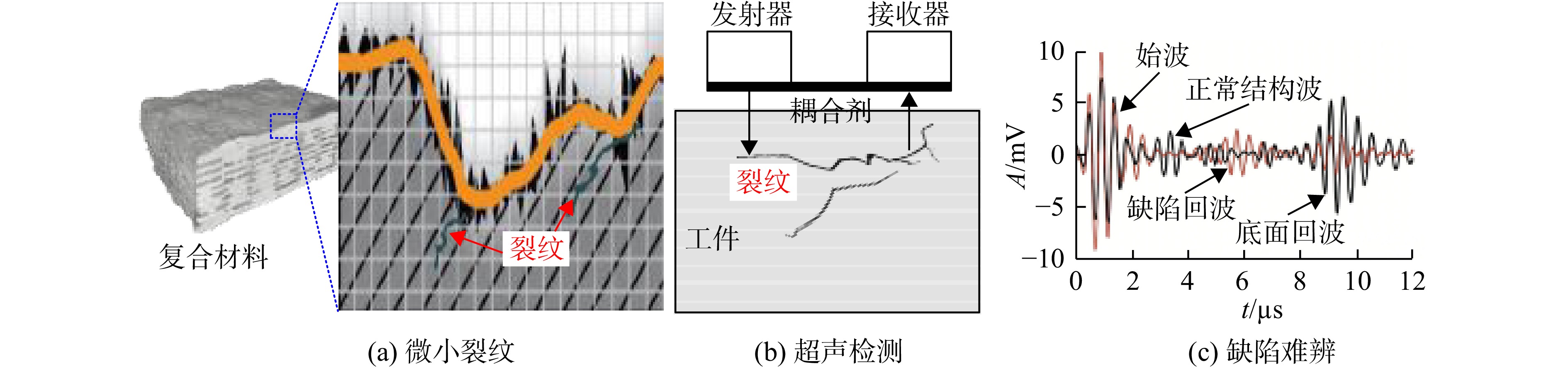
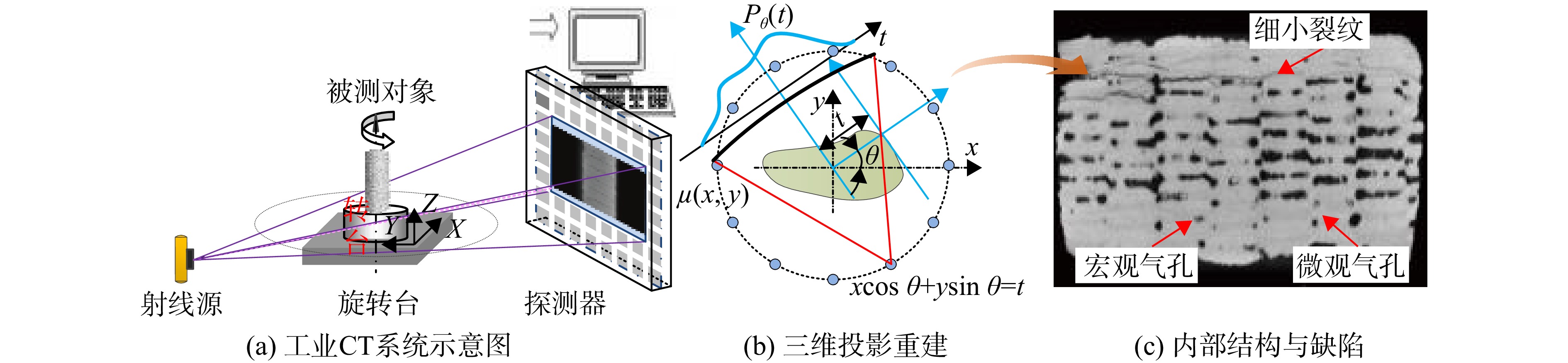
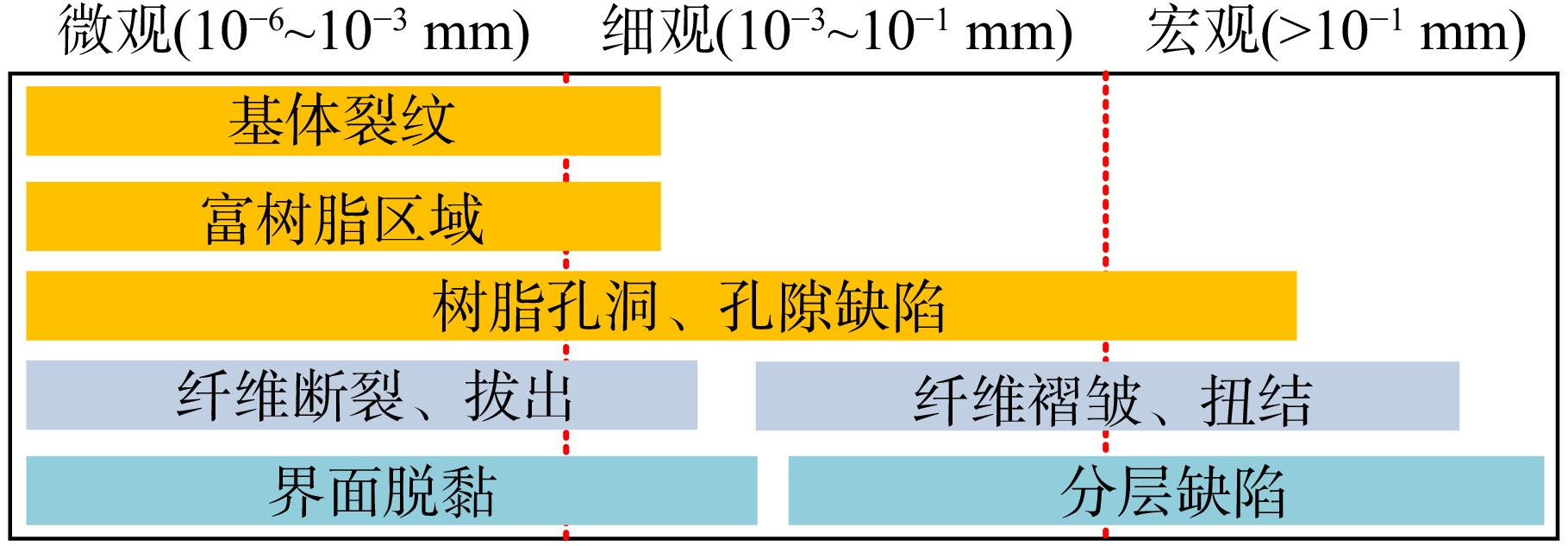
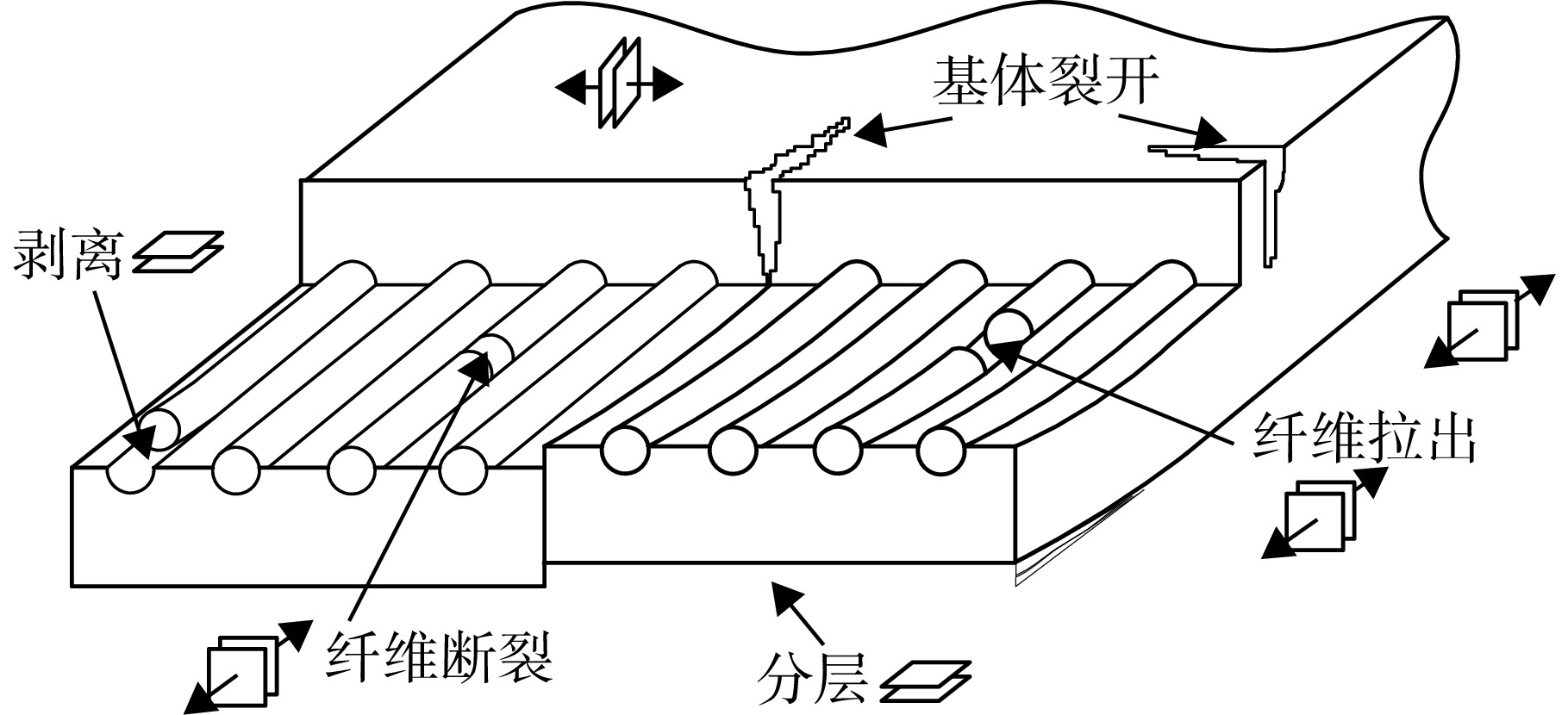
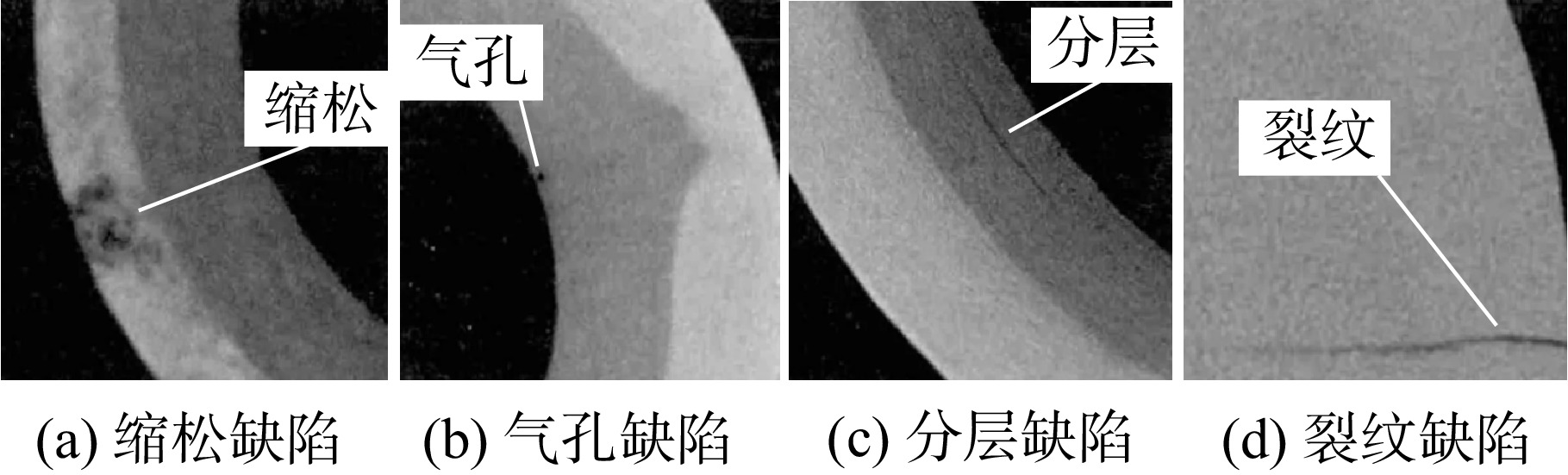
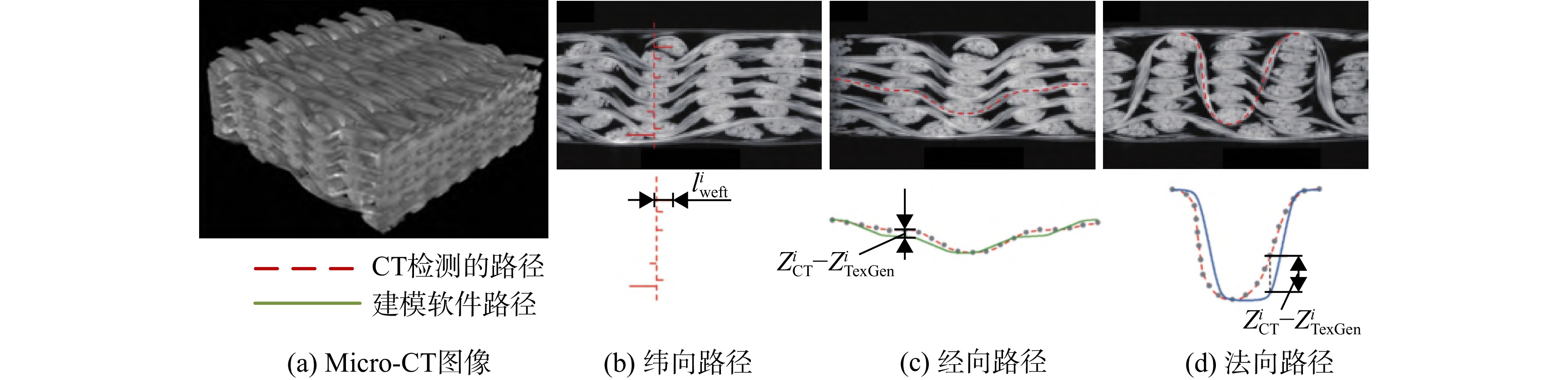
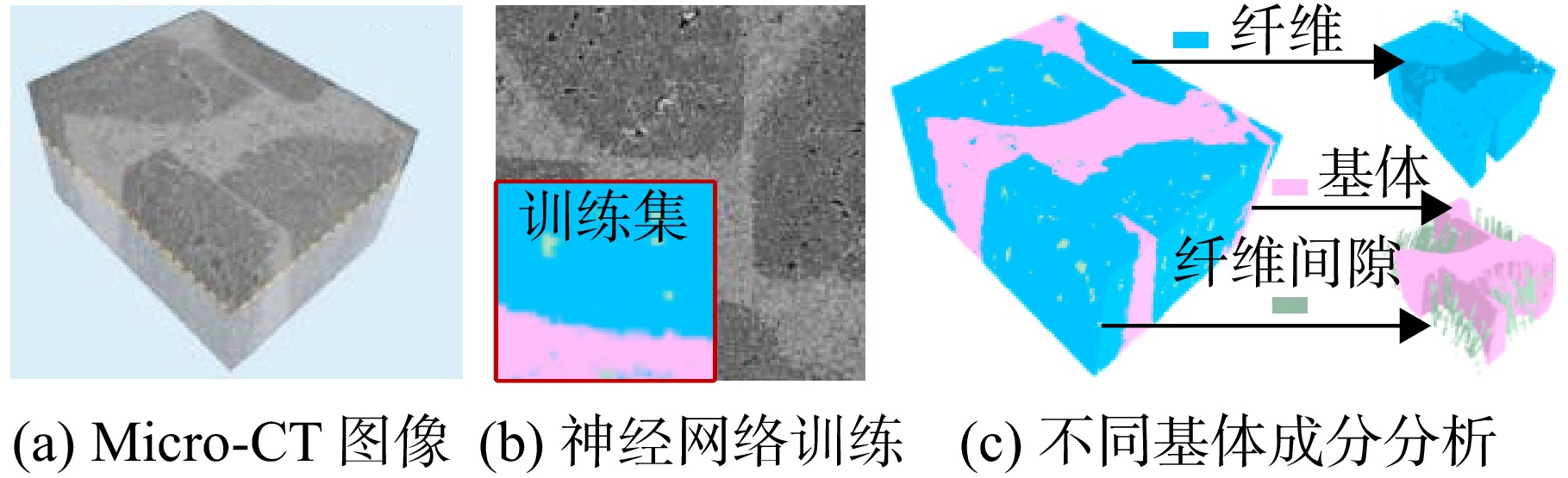
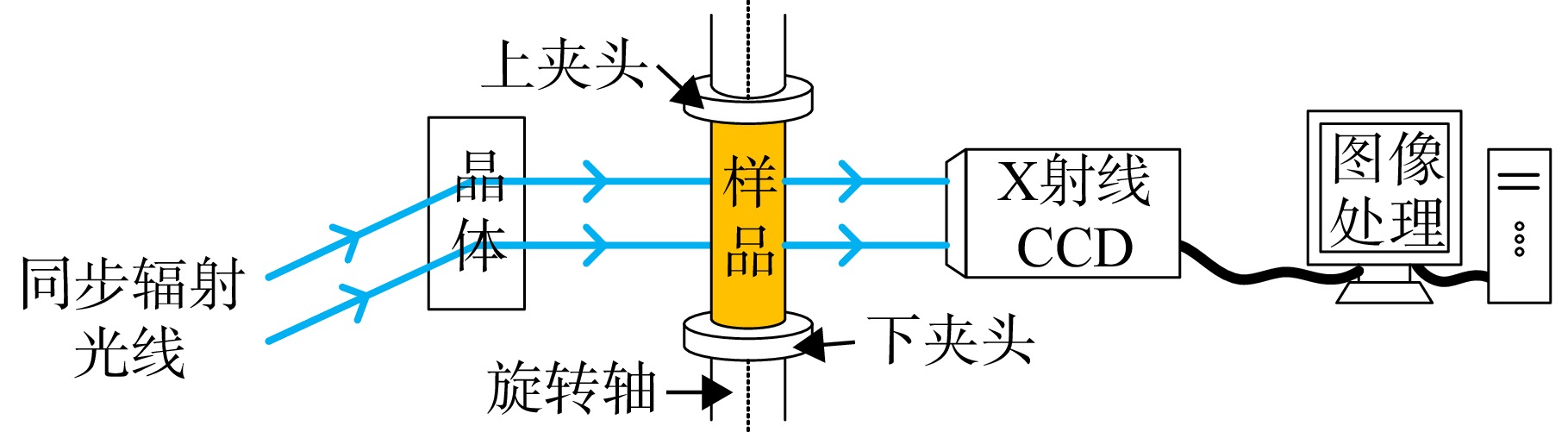
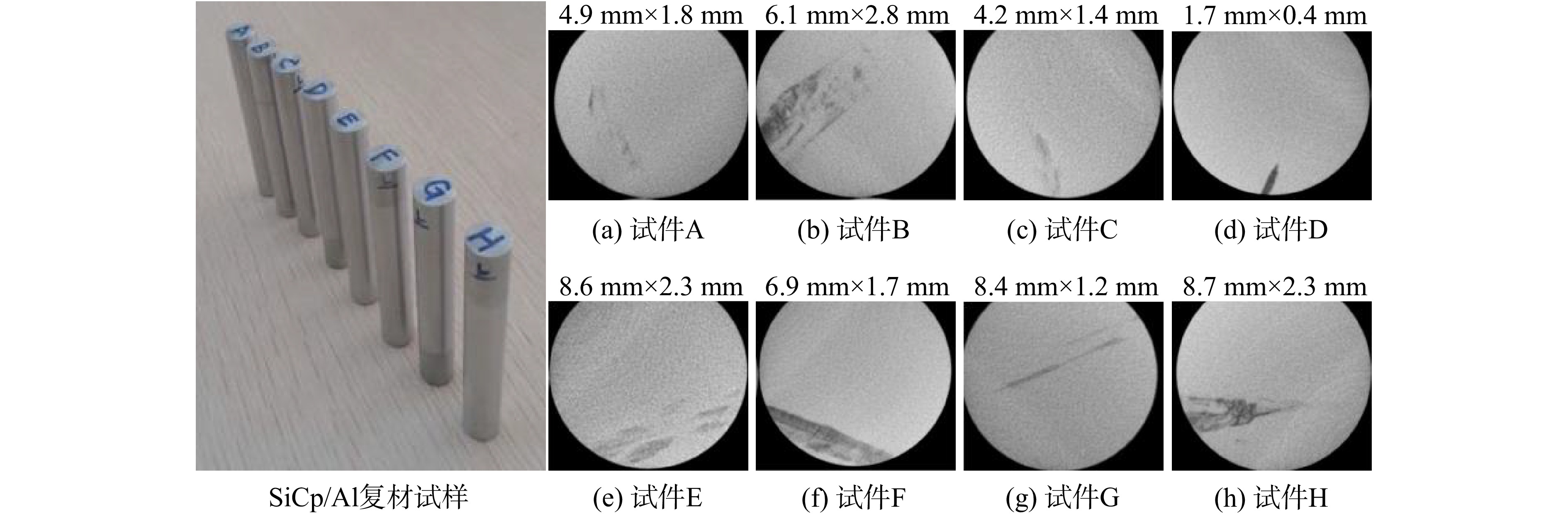
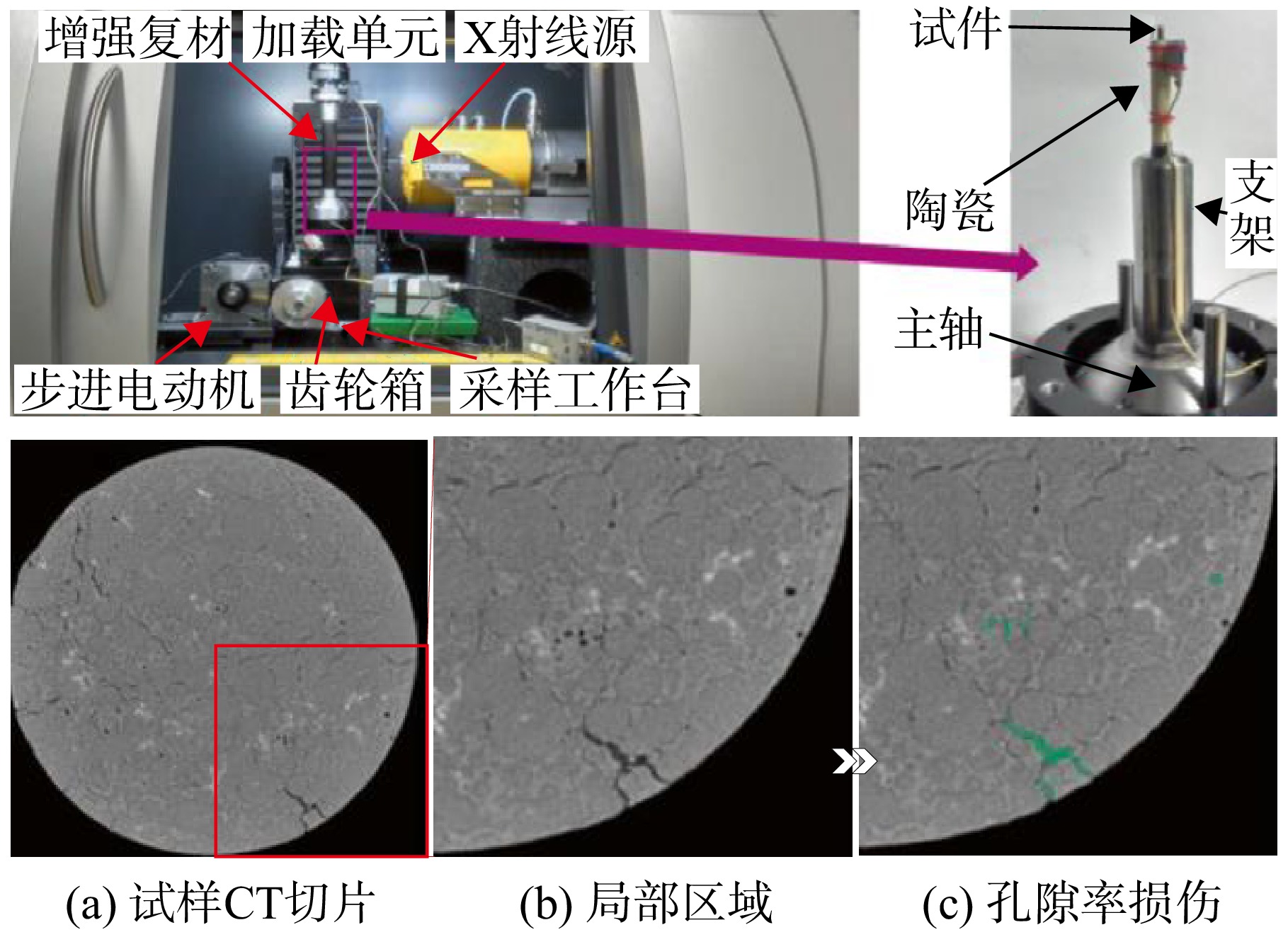
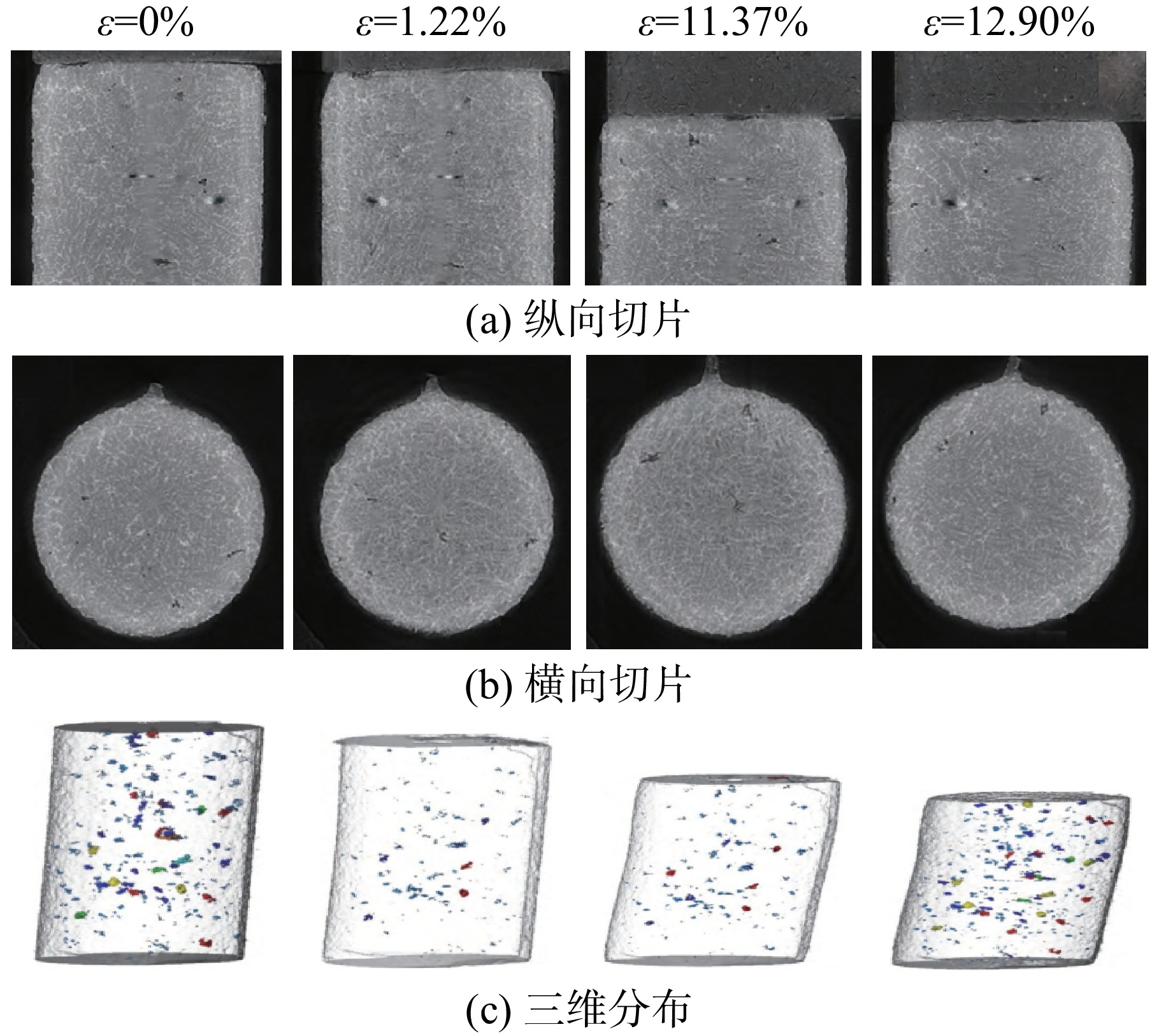
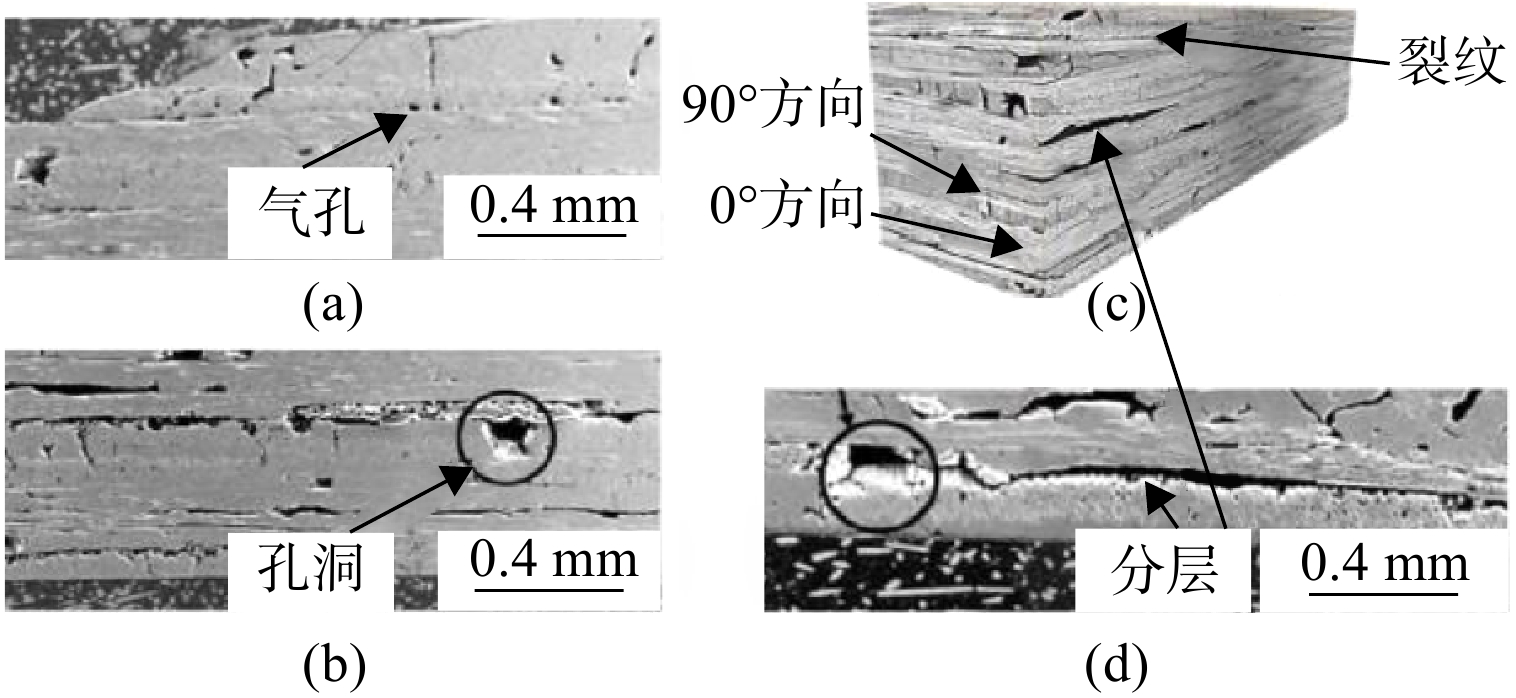
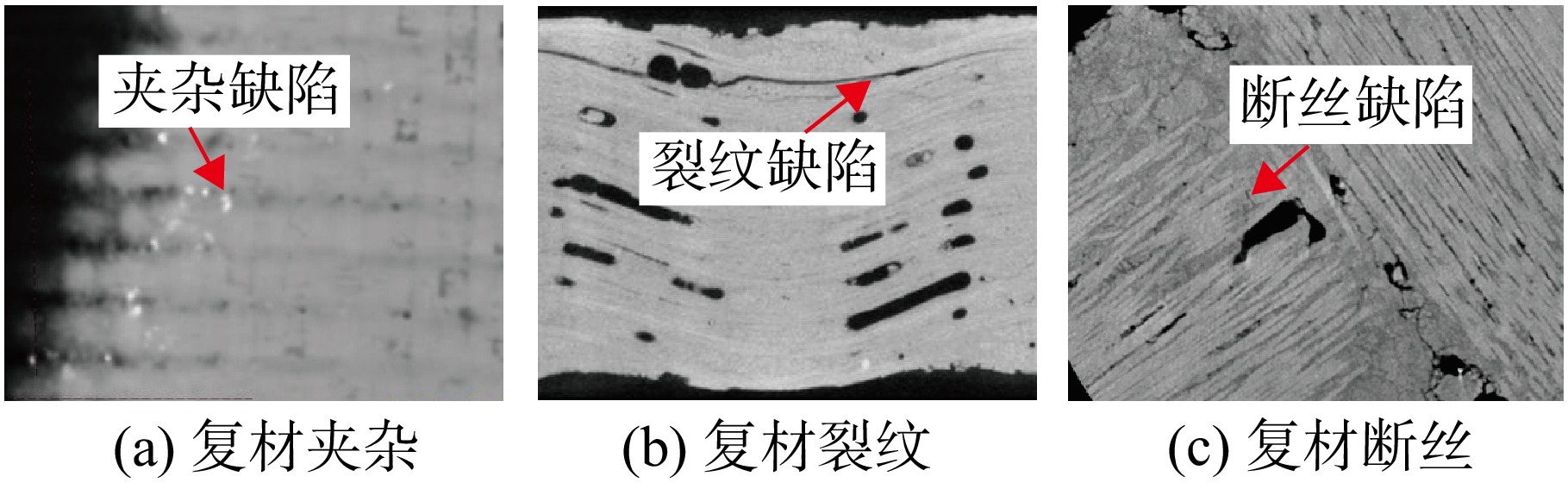
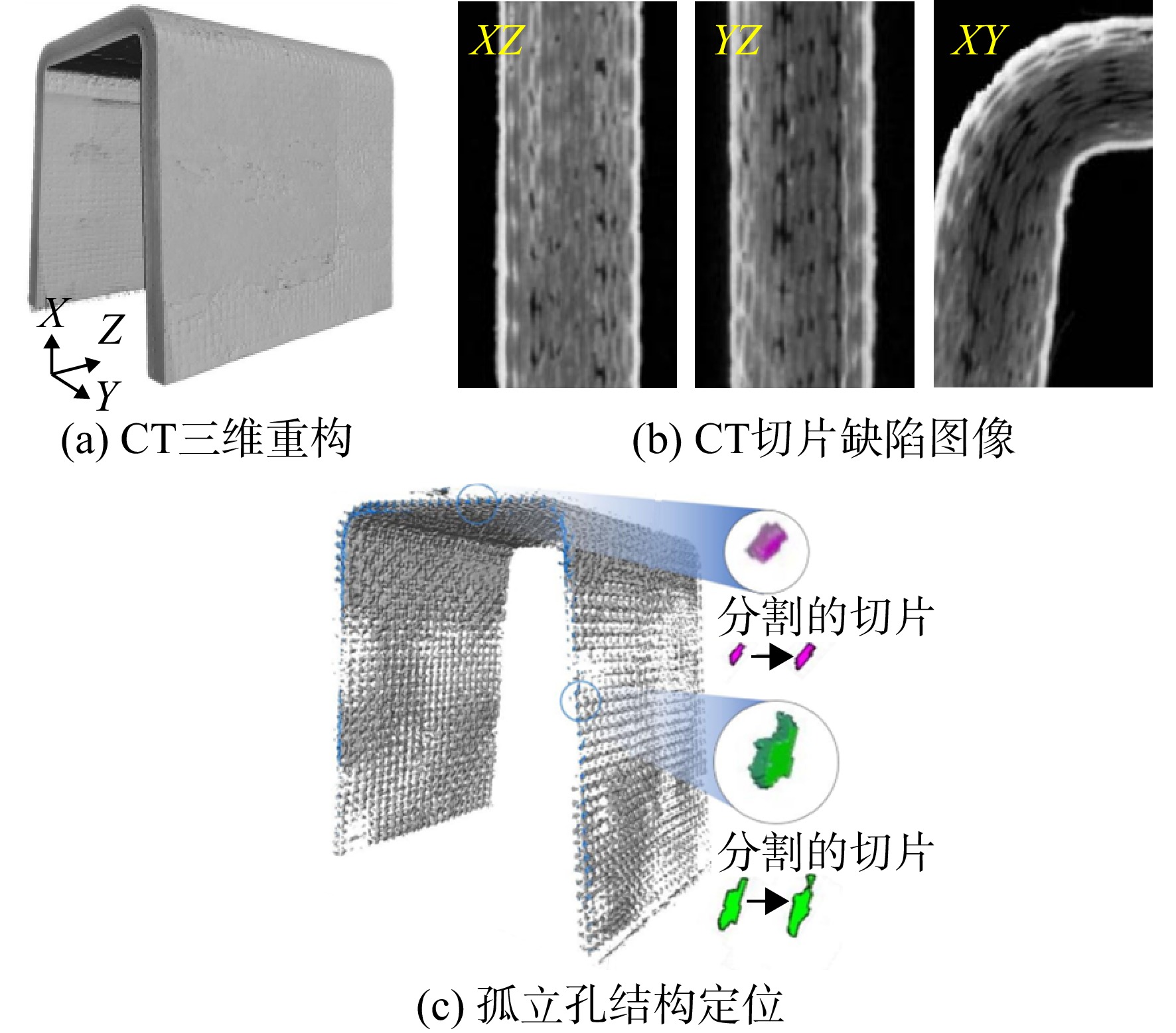
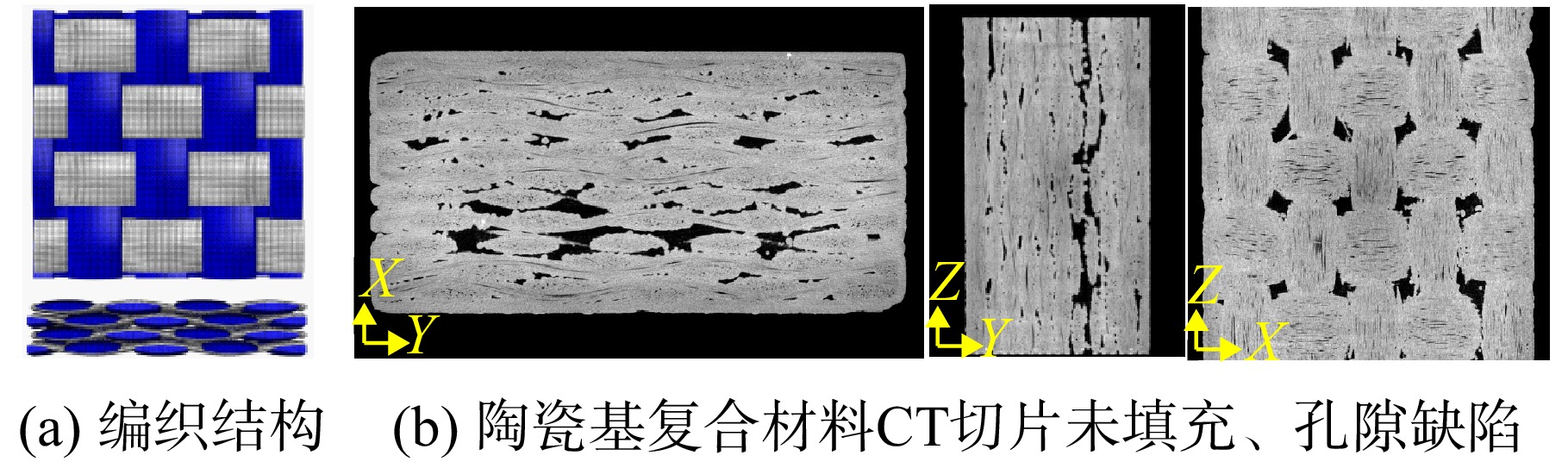
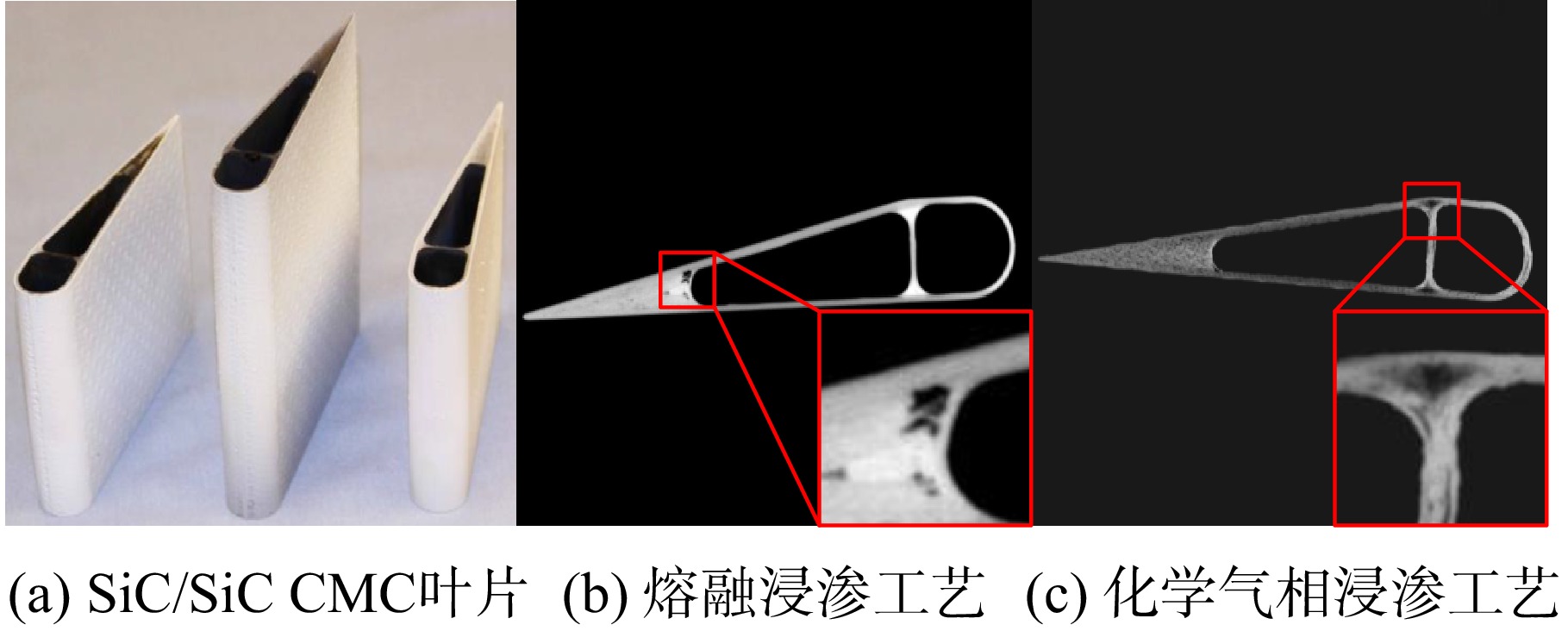
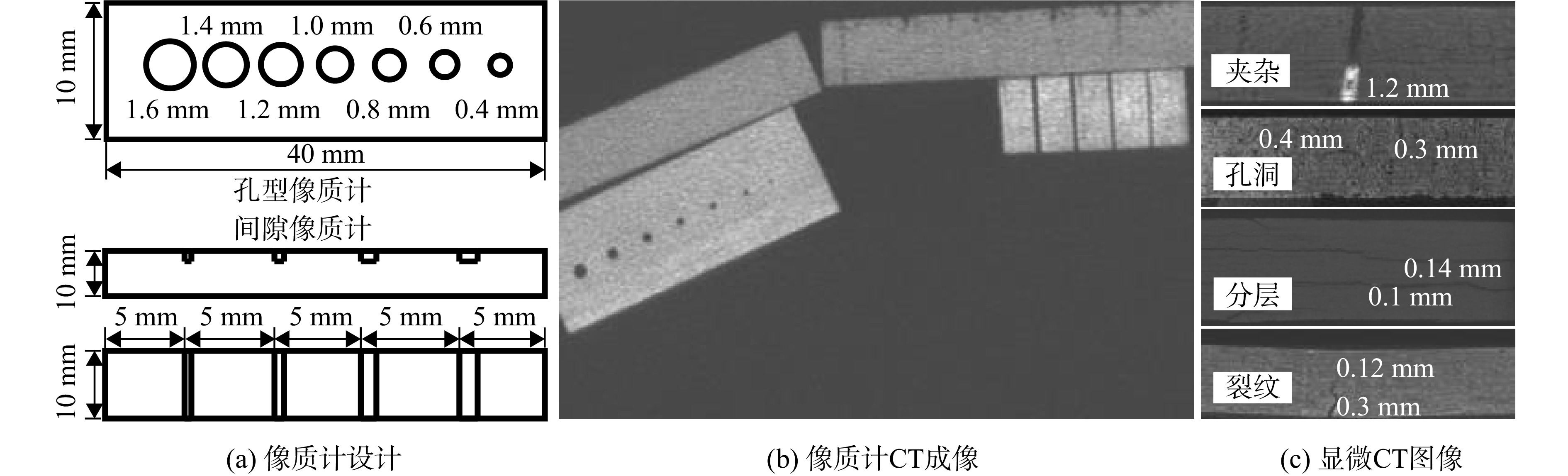
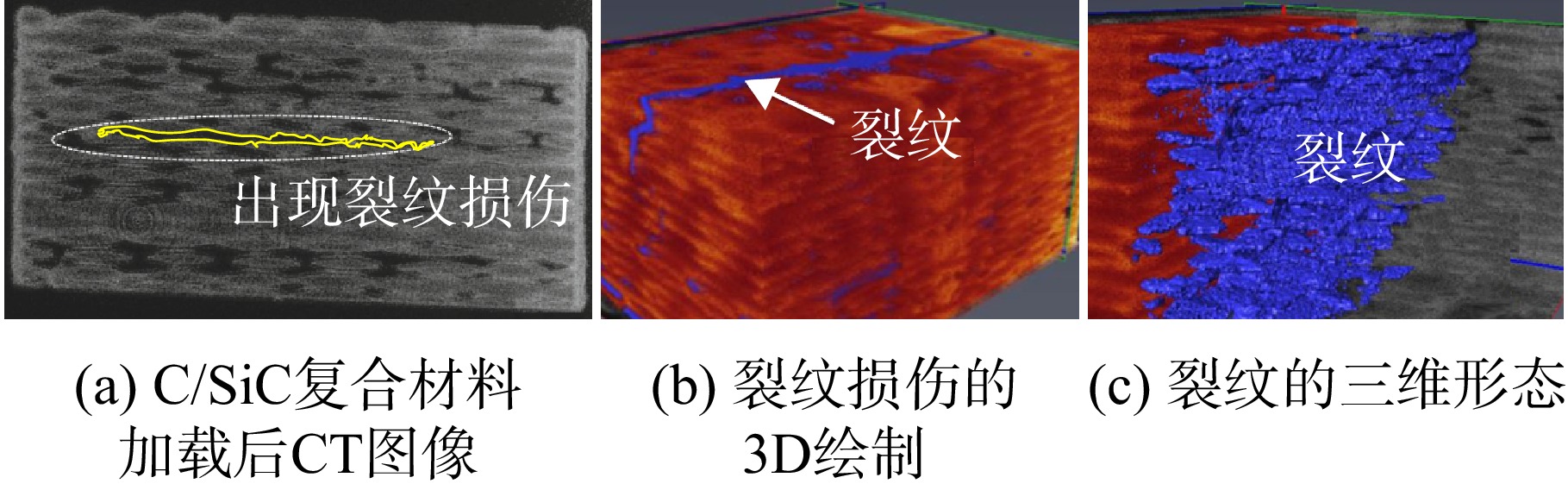
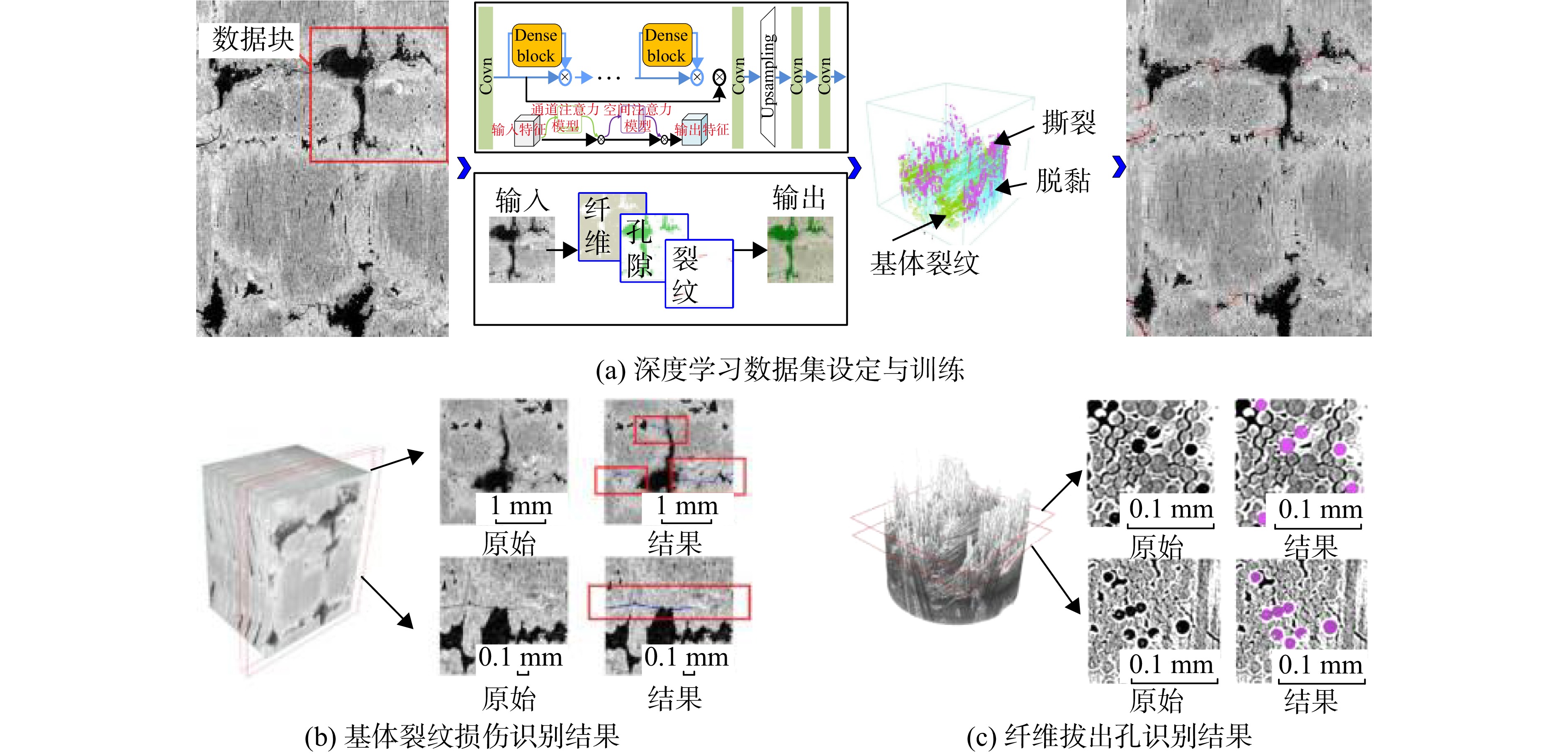
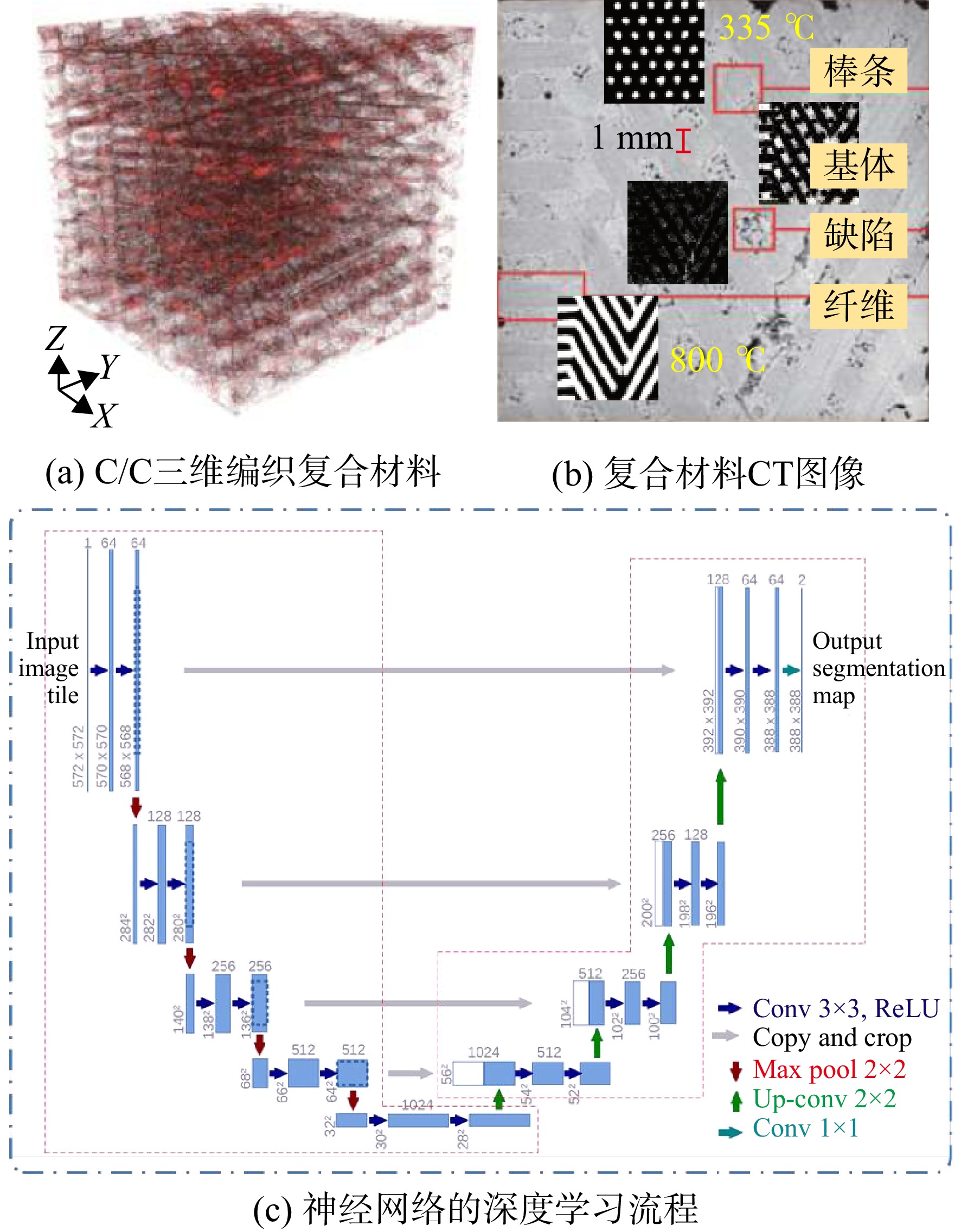
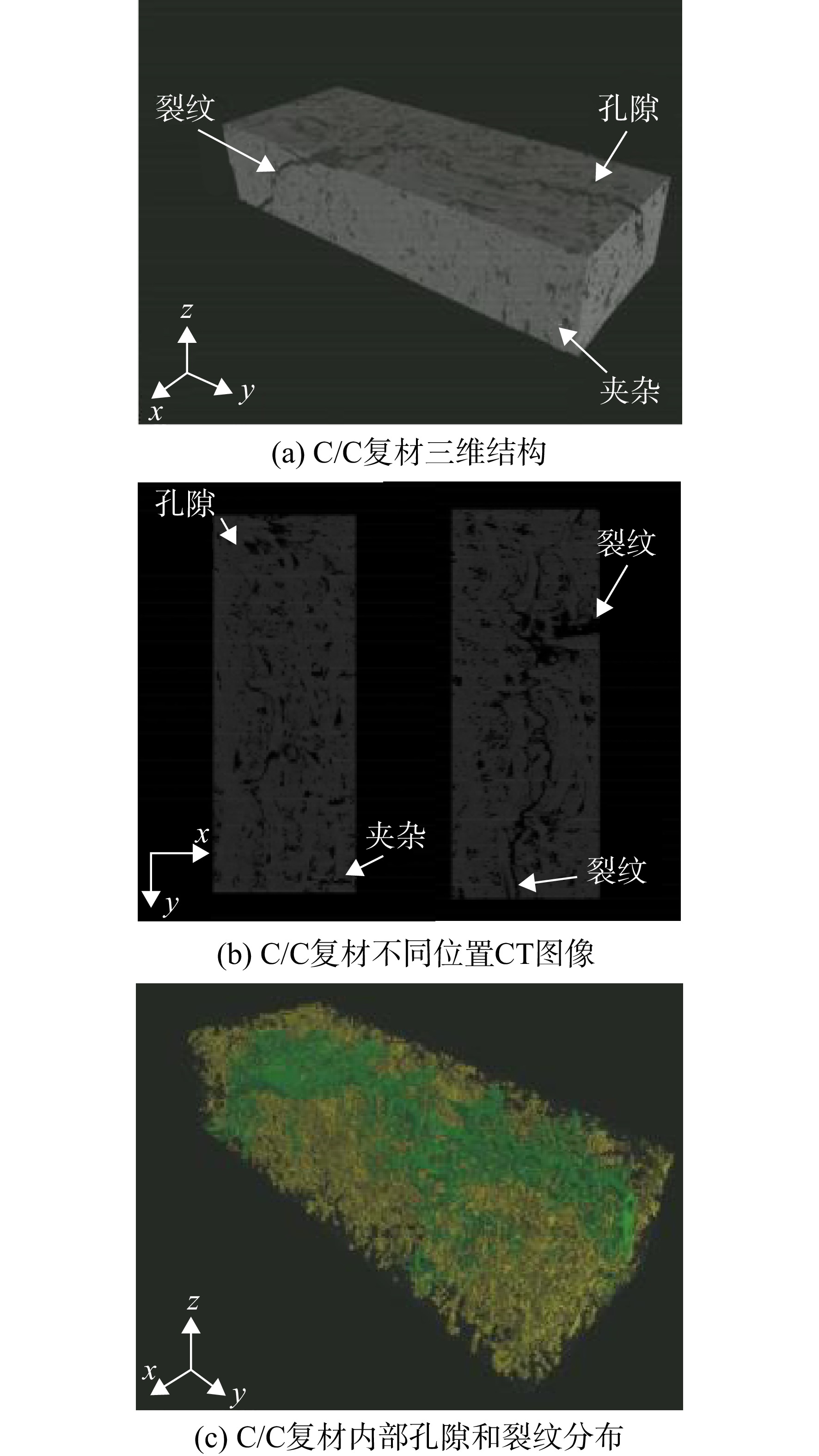
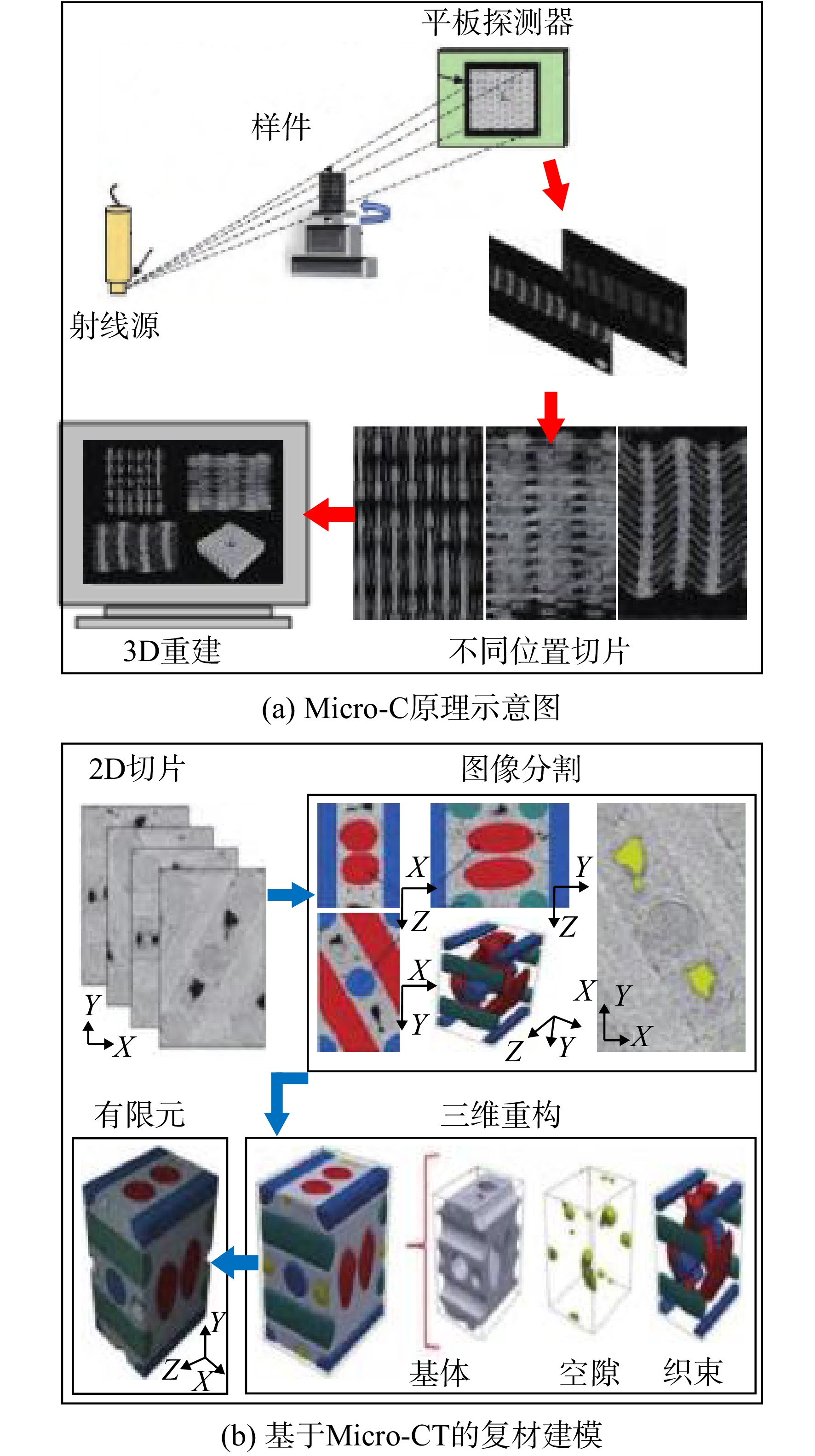
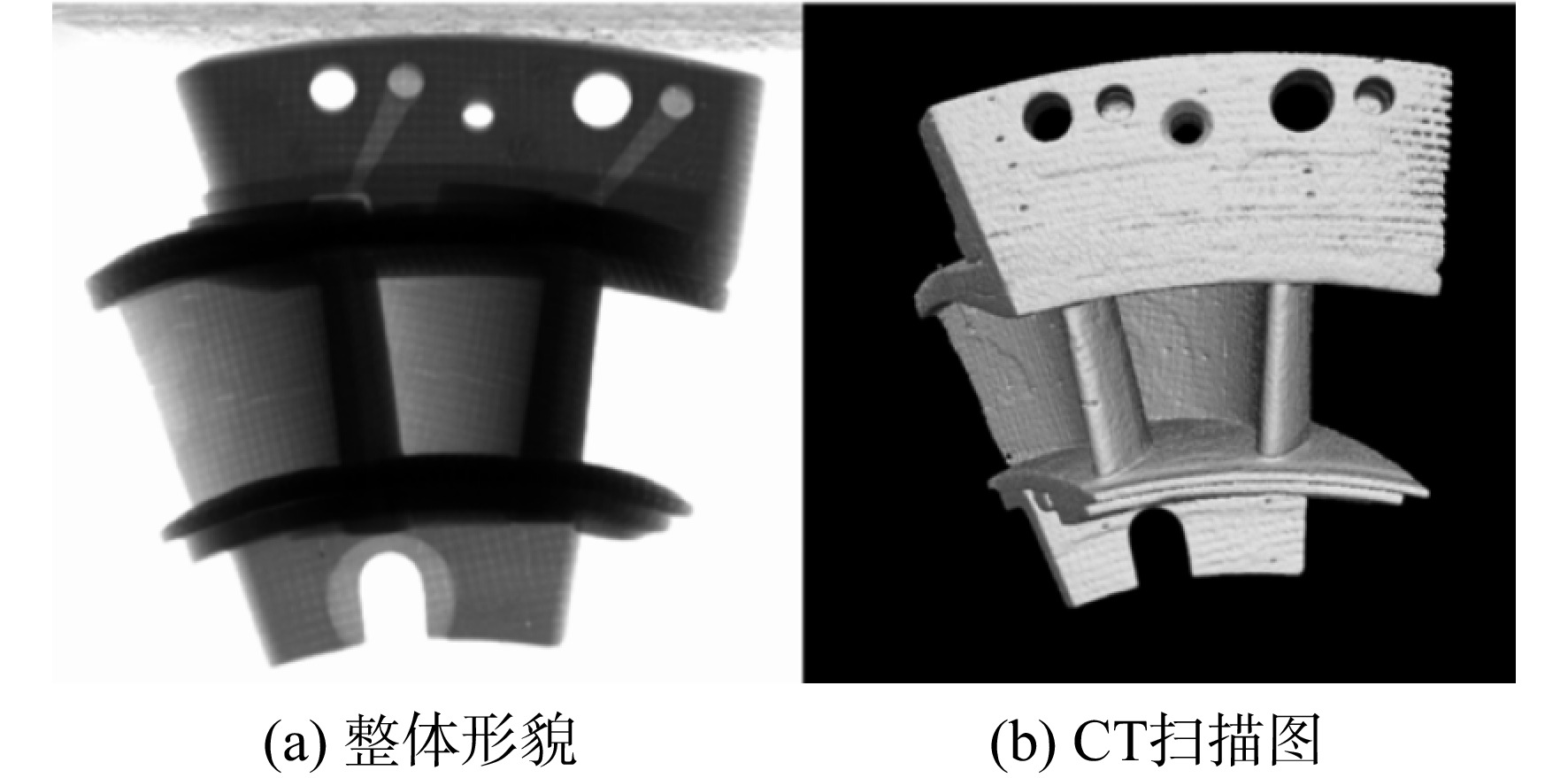
The research progress of computed tomography (CT) technology in defect detection for aero-engine composite components was systematically reviewed. It addressed the bottleneck problem of accurately detecting and evaluating the cross-scale and multi-form defects generated in composites during their application in aero-engines, focusing discussions from the perspectives of the process mechanisms of defect formation, the technical principles of CT detection, and intelligent recognition algorithms. It provided a detailed analysis of typical defects in key components made of resin-based, metal matrix, ceramic matrix, and carbon-carbon composites. By reviewing the application scenarios of CT technology and starting from the typical defect characteristics and structural morphology differences revealed by CT detection, the effectiveness and limitations of different technologies, such as micro-focus CT and synchrotron radiation CT, were compared in identifying various types of defects. The results indicated that intelligent recognition technology based on deep learning is an effective approach for achieving accurate characterization of cross-scale defects, while multi-modal fusion detection is an important development direction for solving the challenge of micro-defect detection in thick-walled components. This review systematically investigated the compatibility of different matrix composites in CT detection, providing a theoretical basis and technical support for the full-lifecycle intelligent detection and reliability assessment of composite components in aero-engines.

Structural strength analysis of twin-web turbine disk for aero-engines
Han Feng, Xu Weijian, Jiang Wentao, Chen Jiaona, Jin Yixuan, Wei Song, Mao Junkui
2026, 41(11): 20250436. doi: 10.13224/j.cnki.jasp.20250436
Abstract:

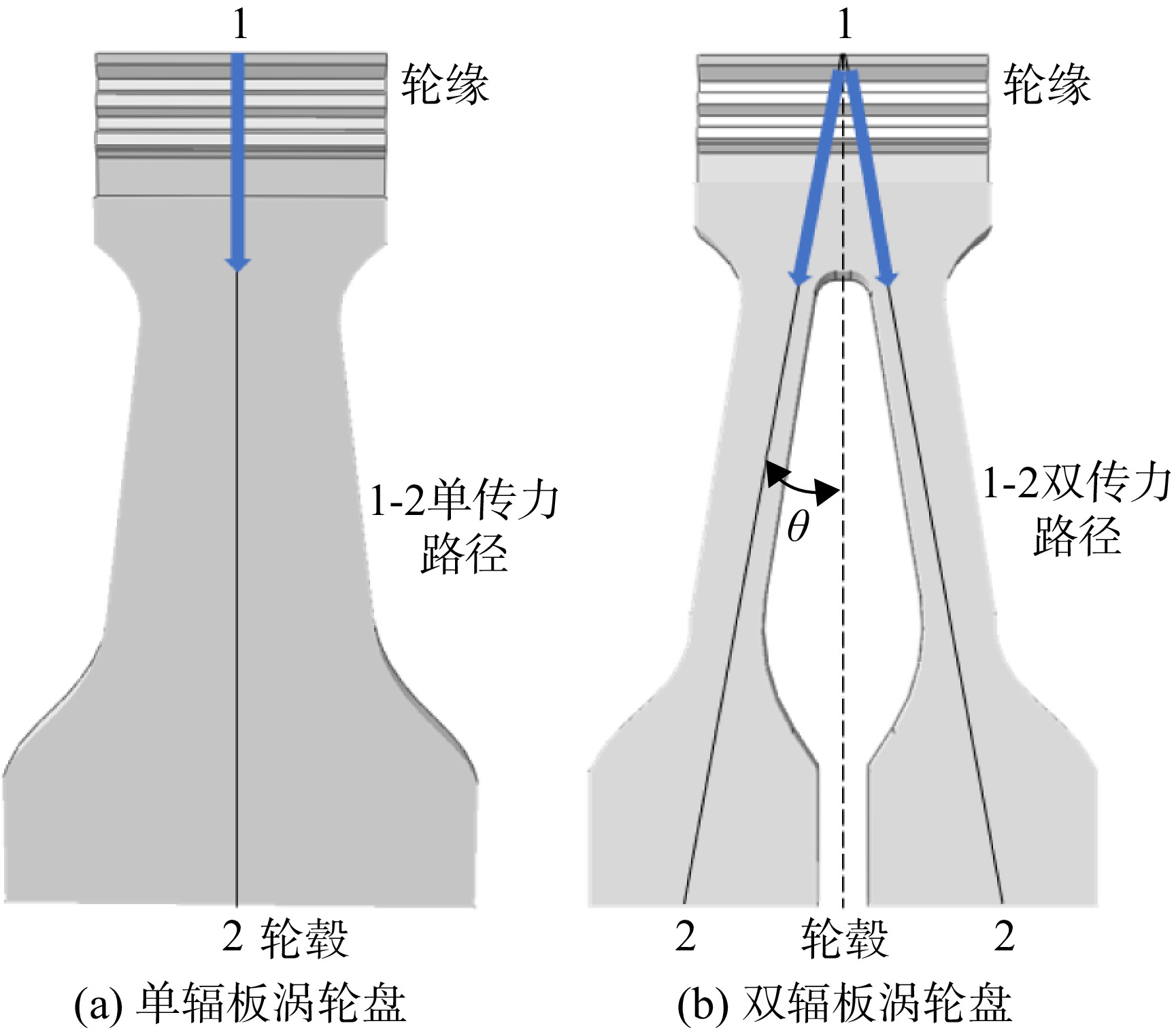
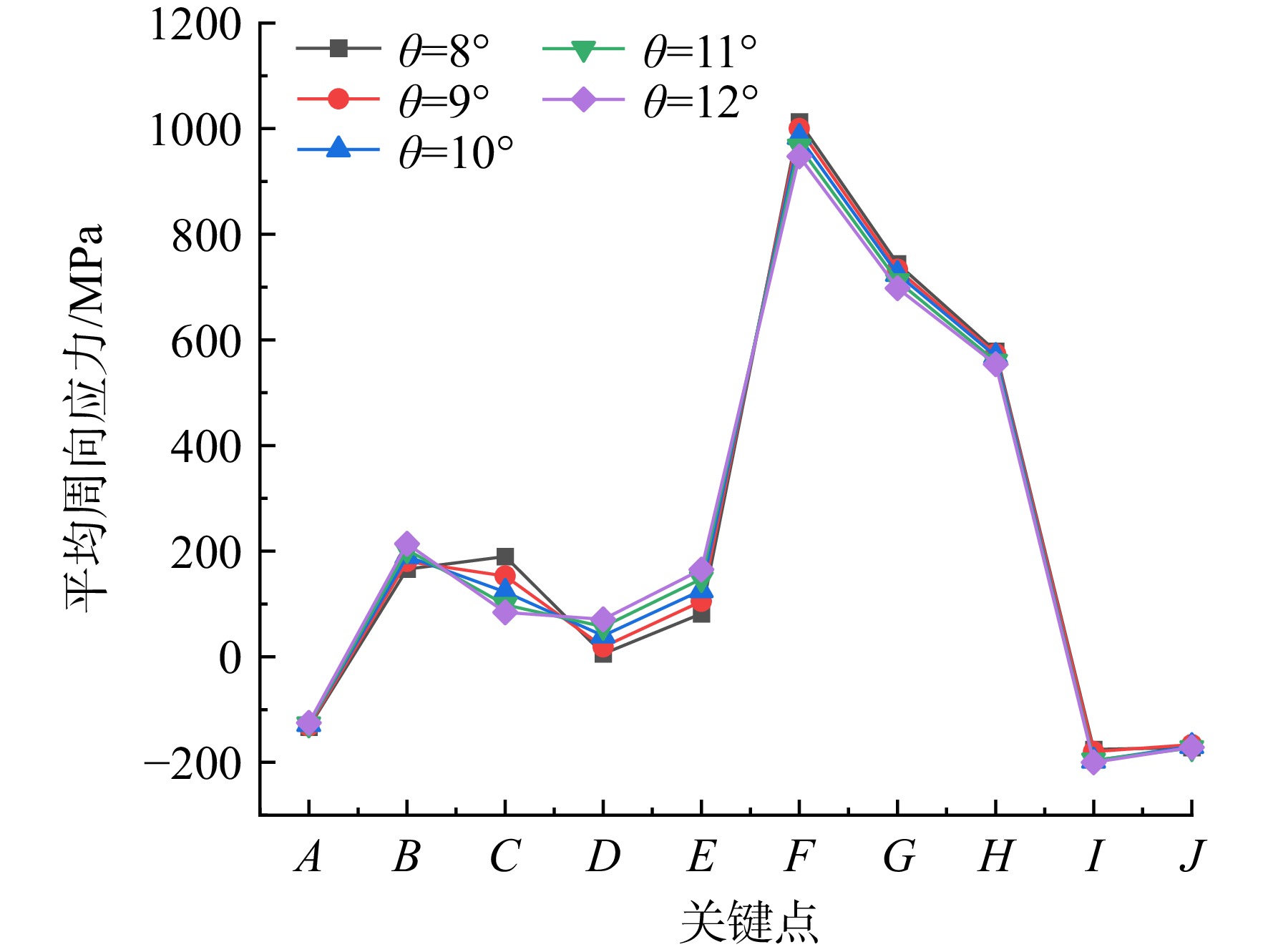
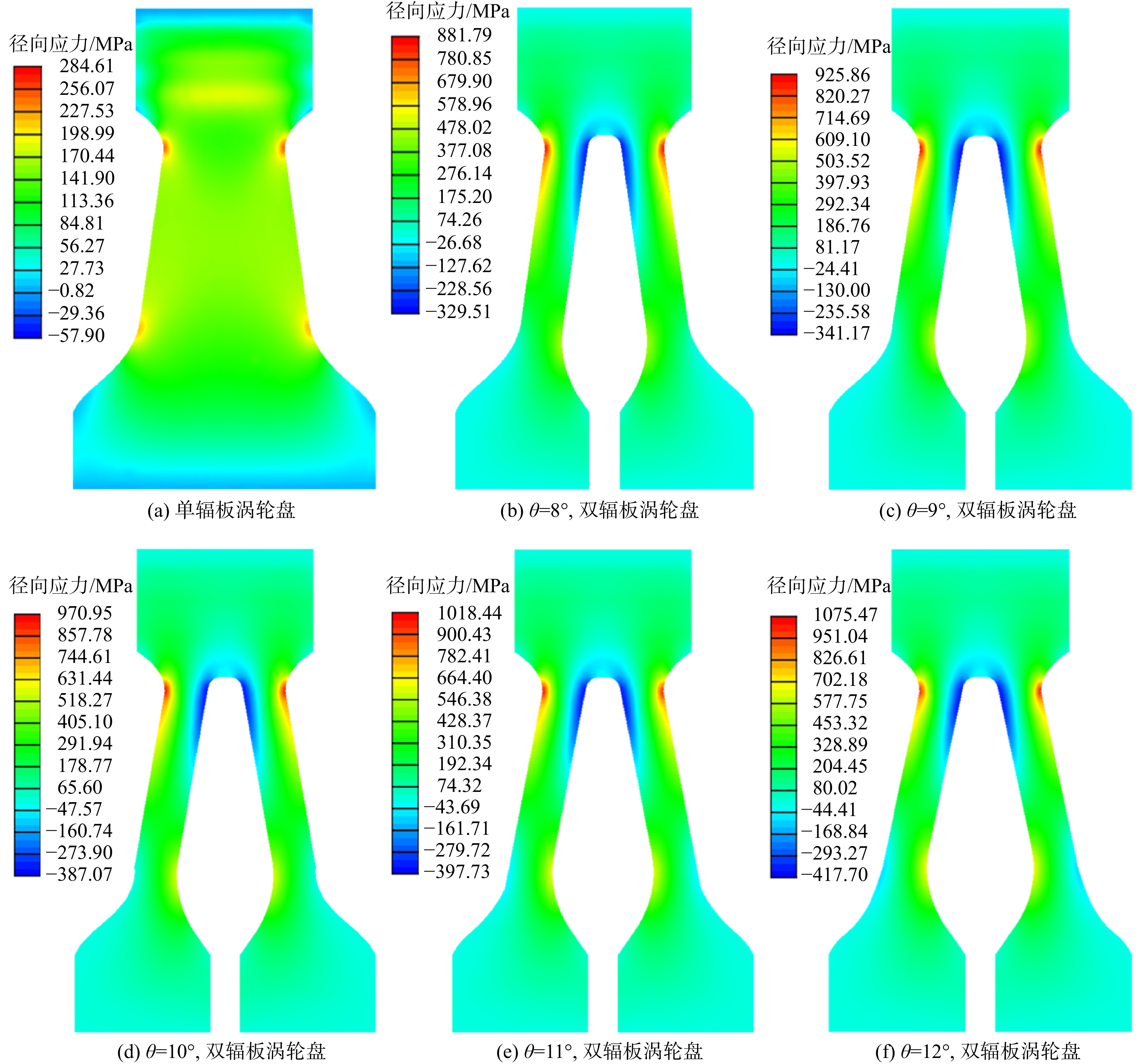
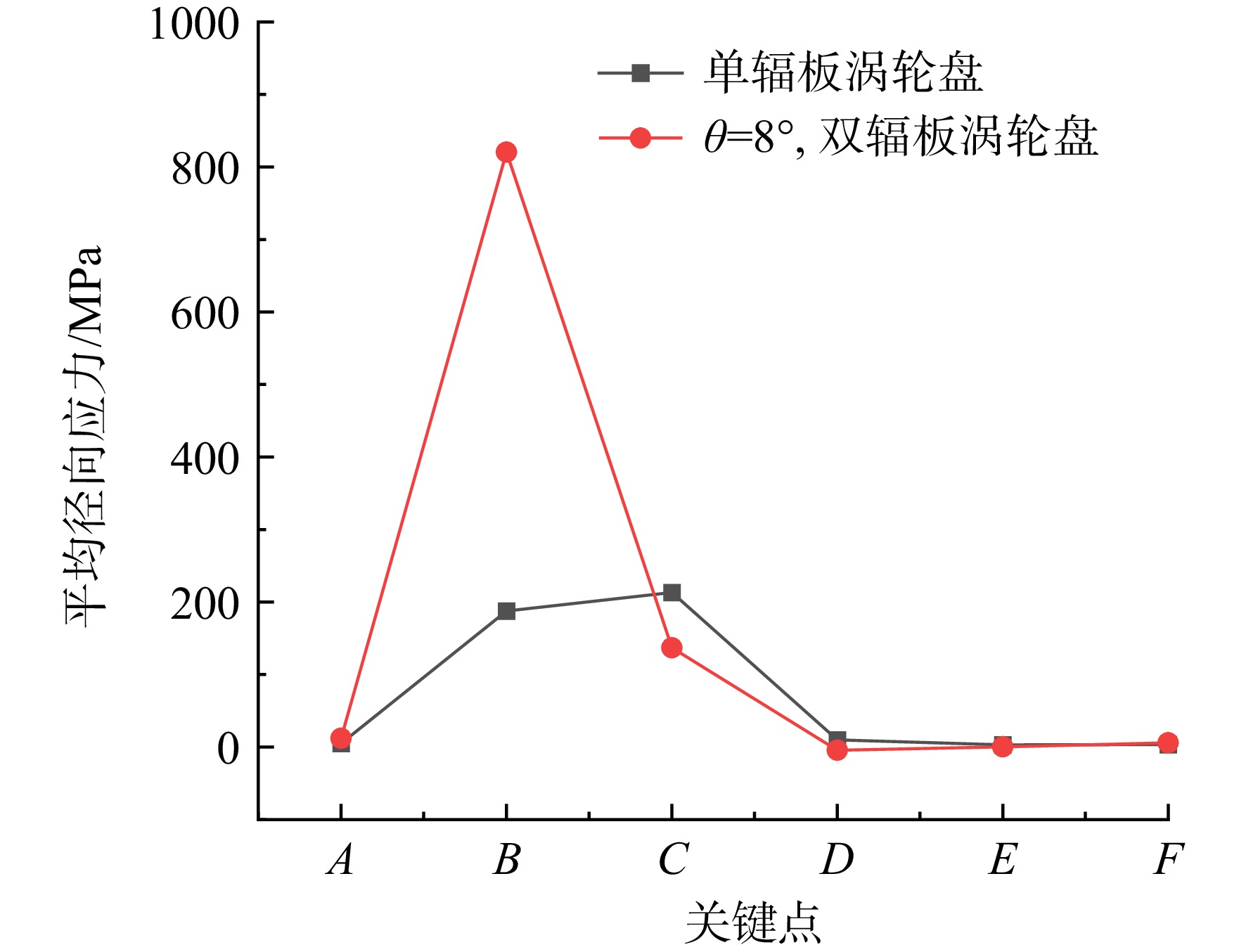
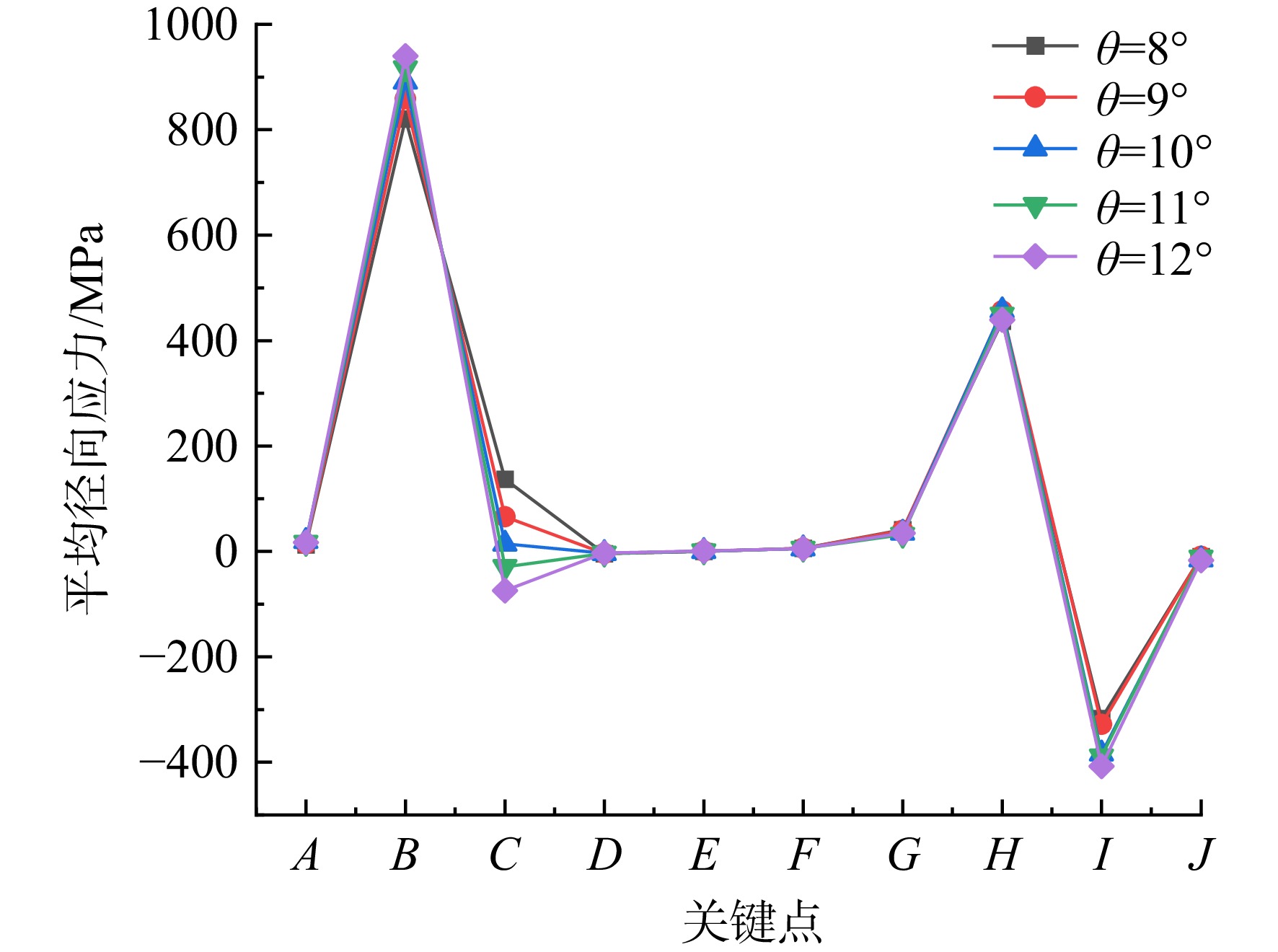
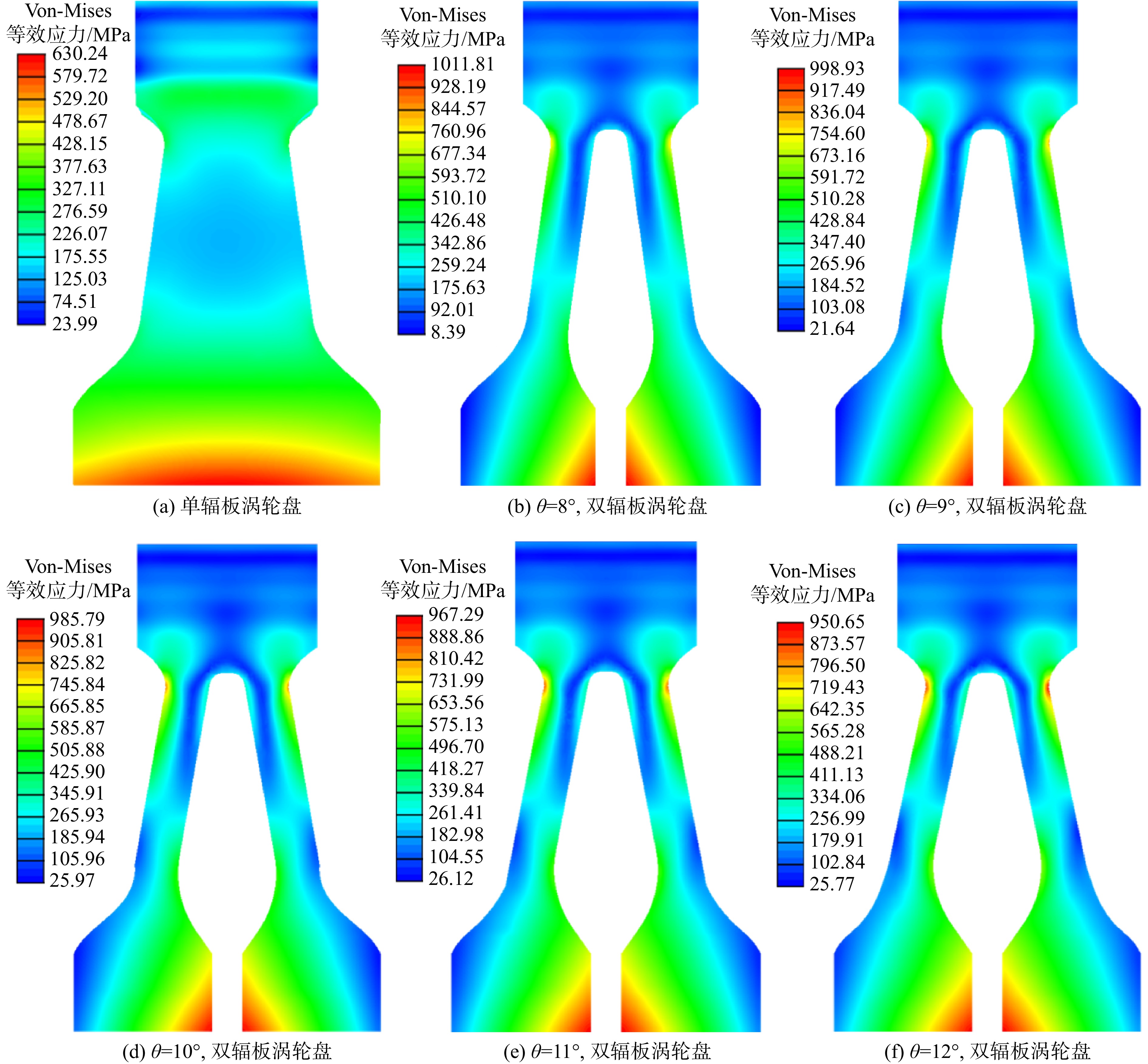
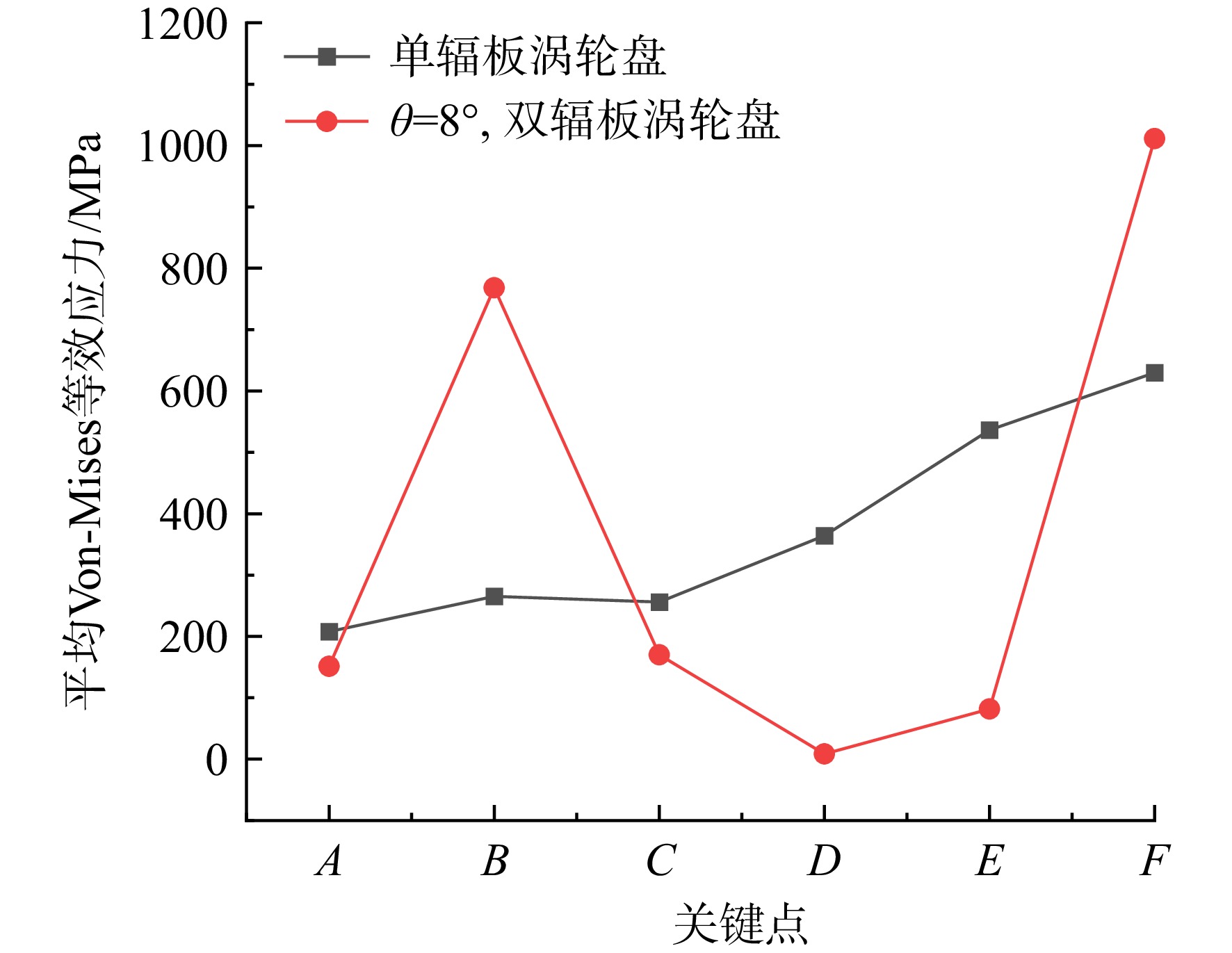
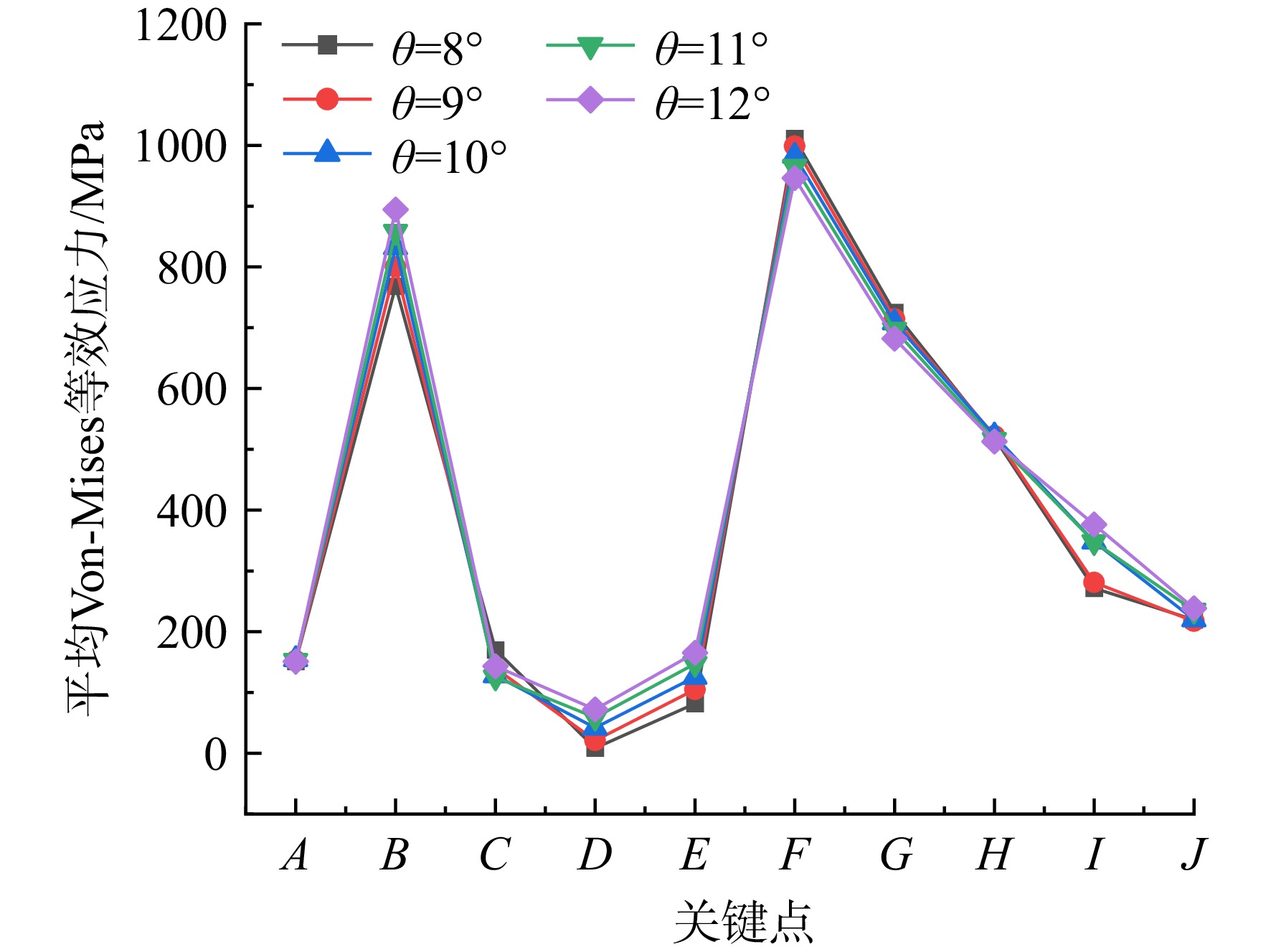
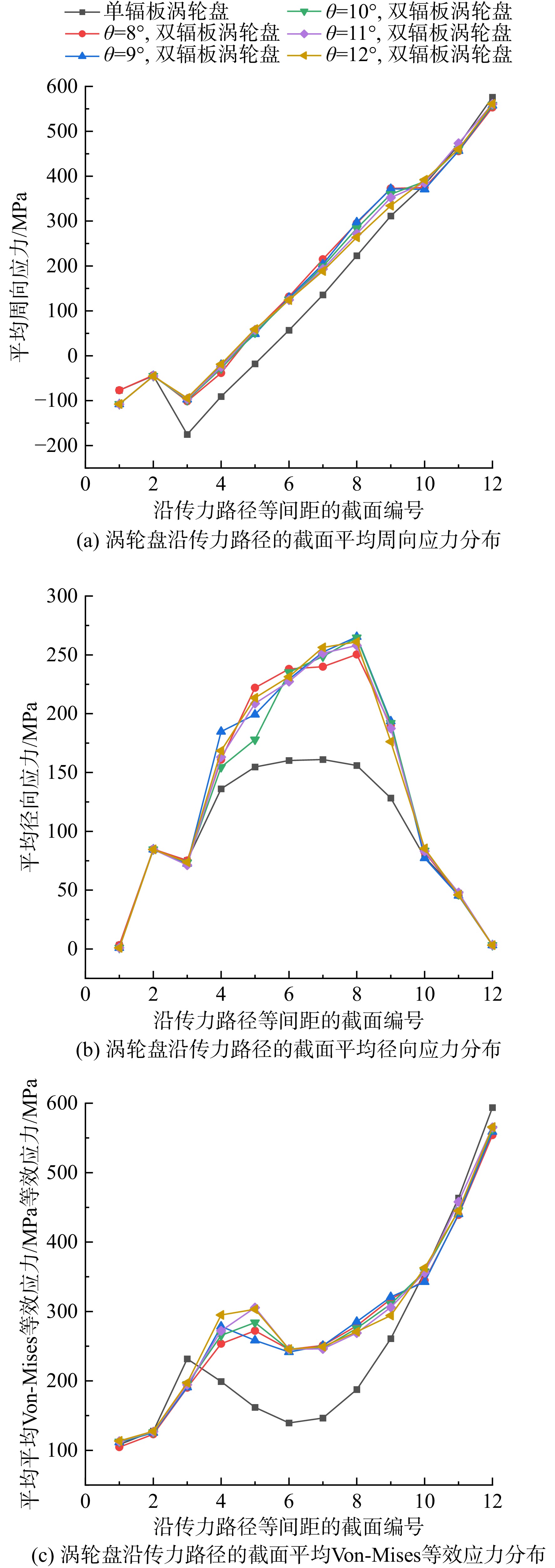
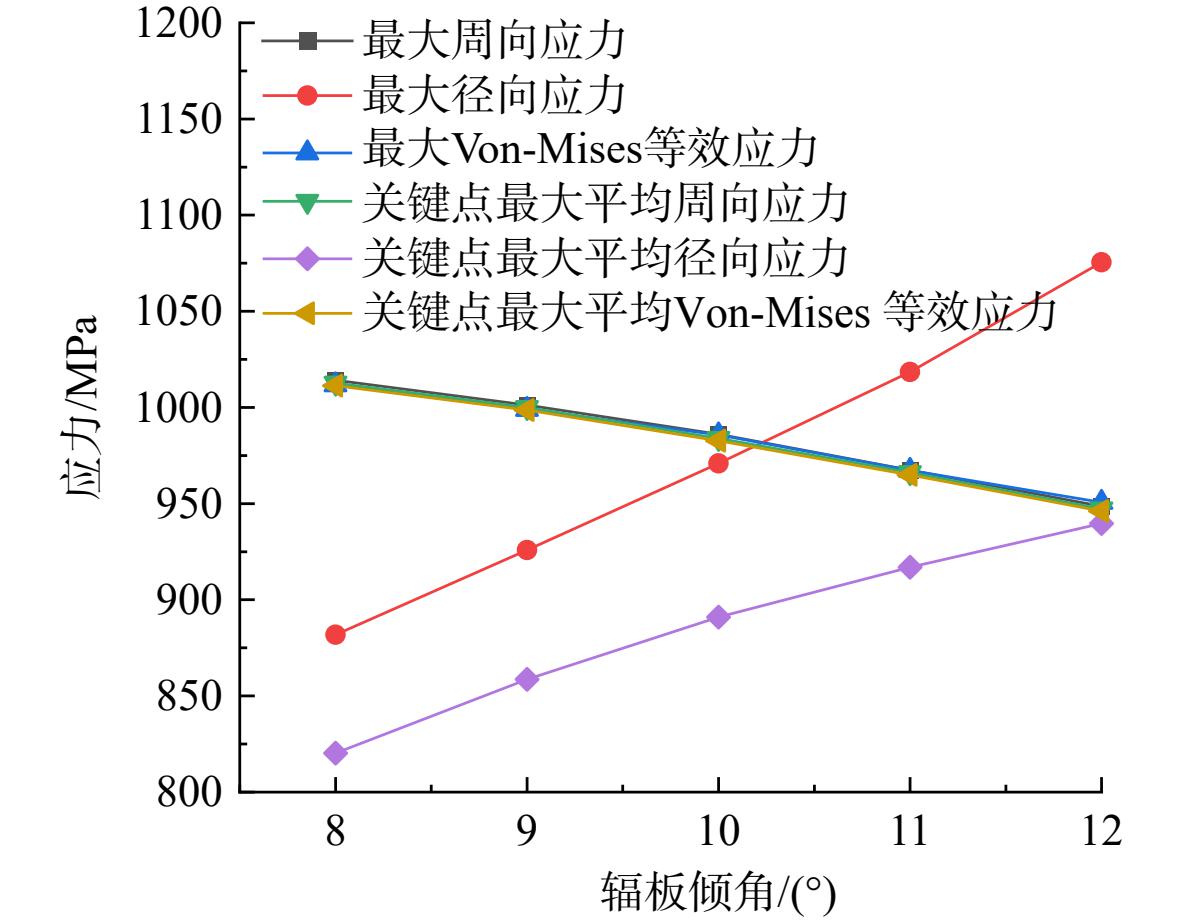
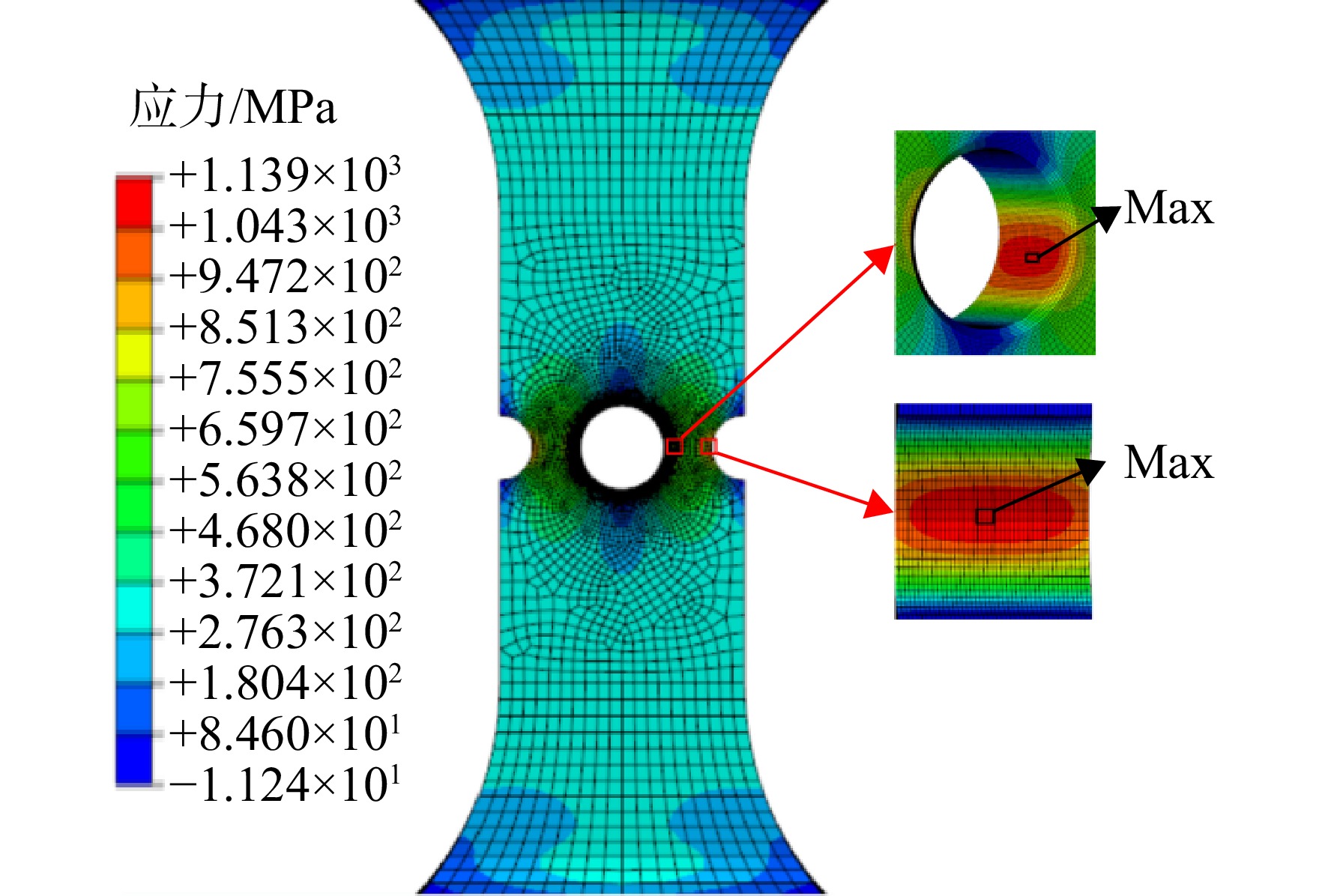
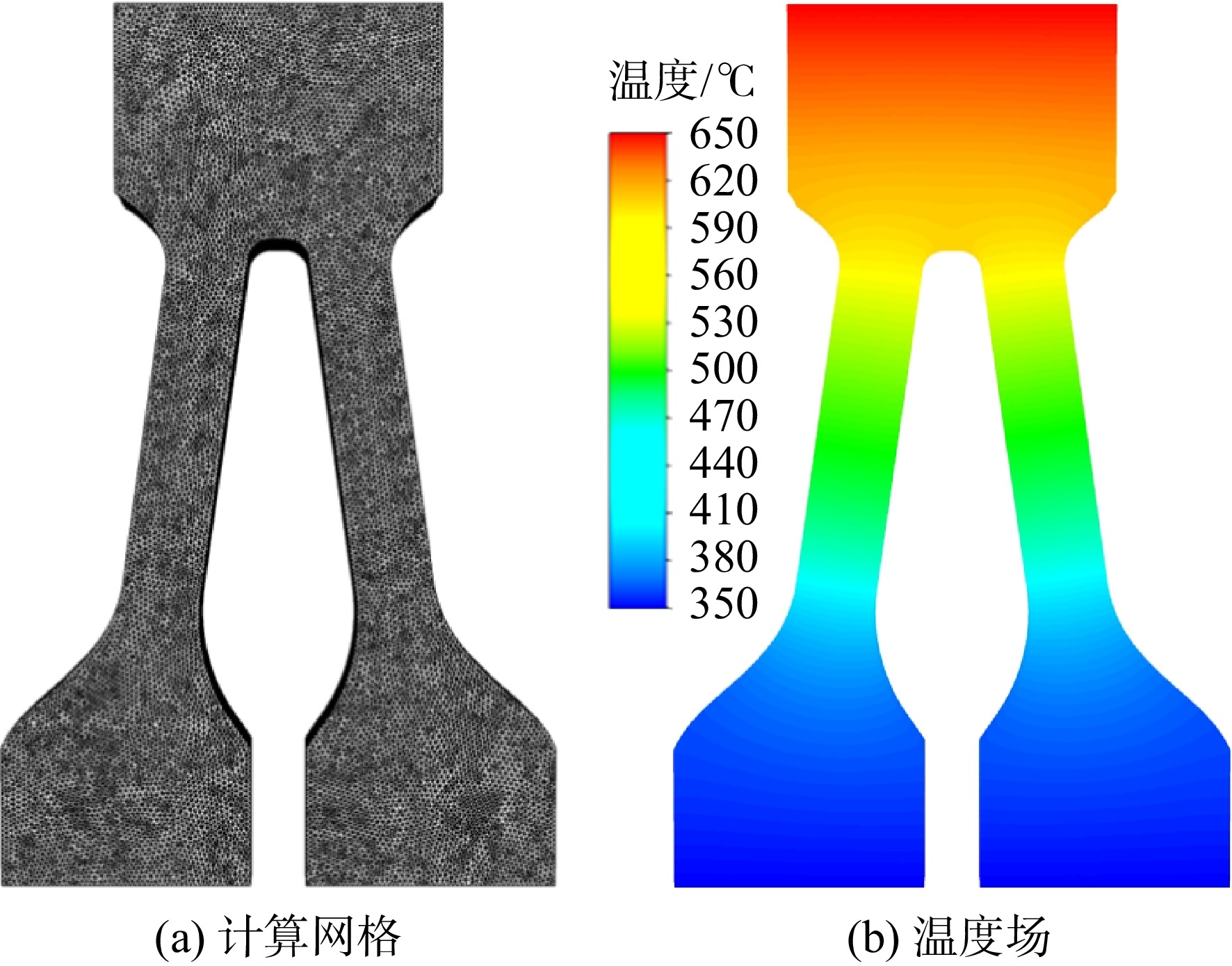
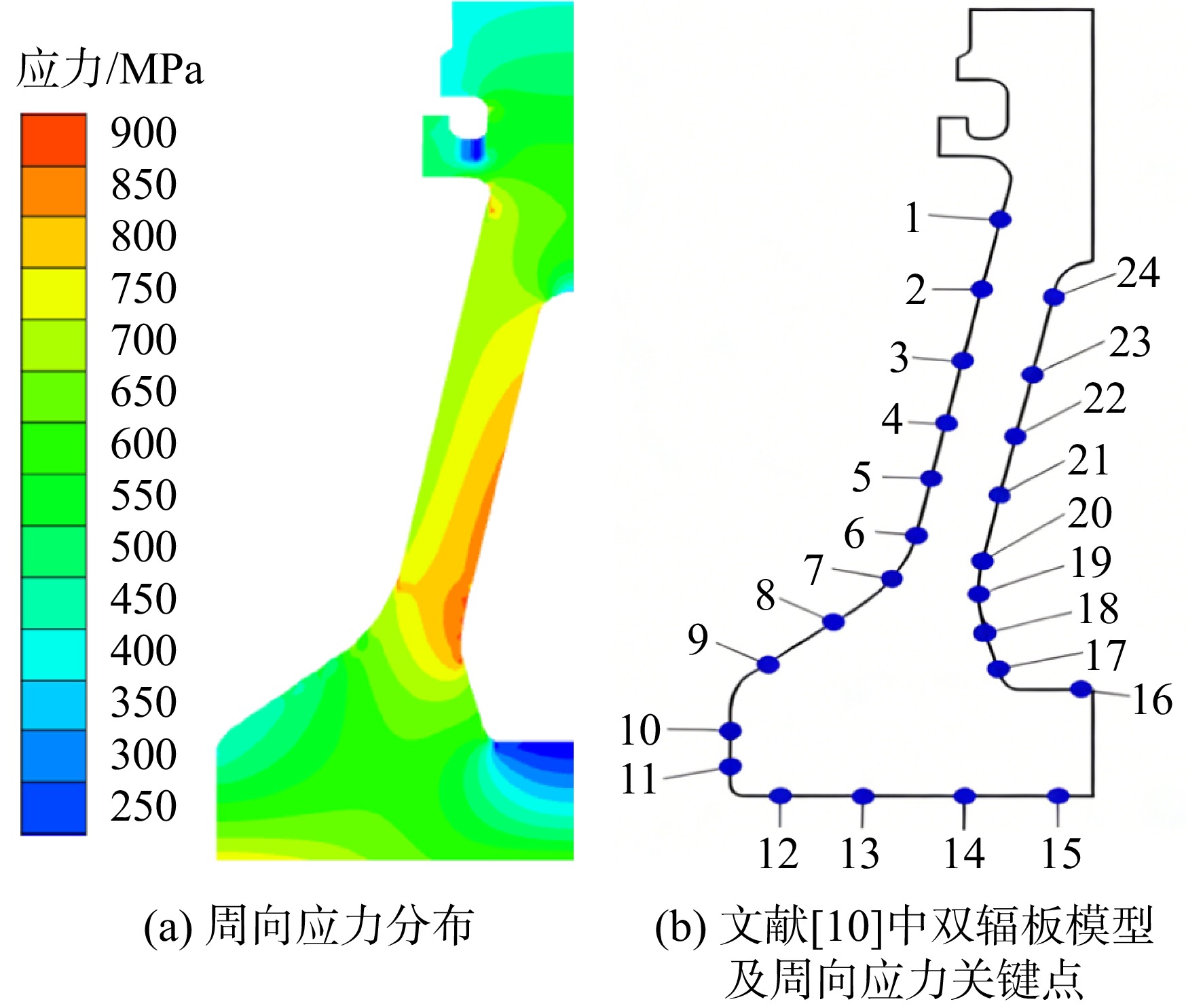
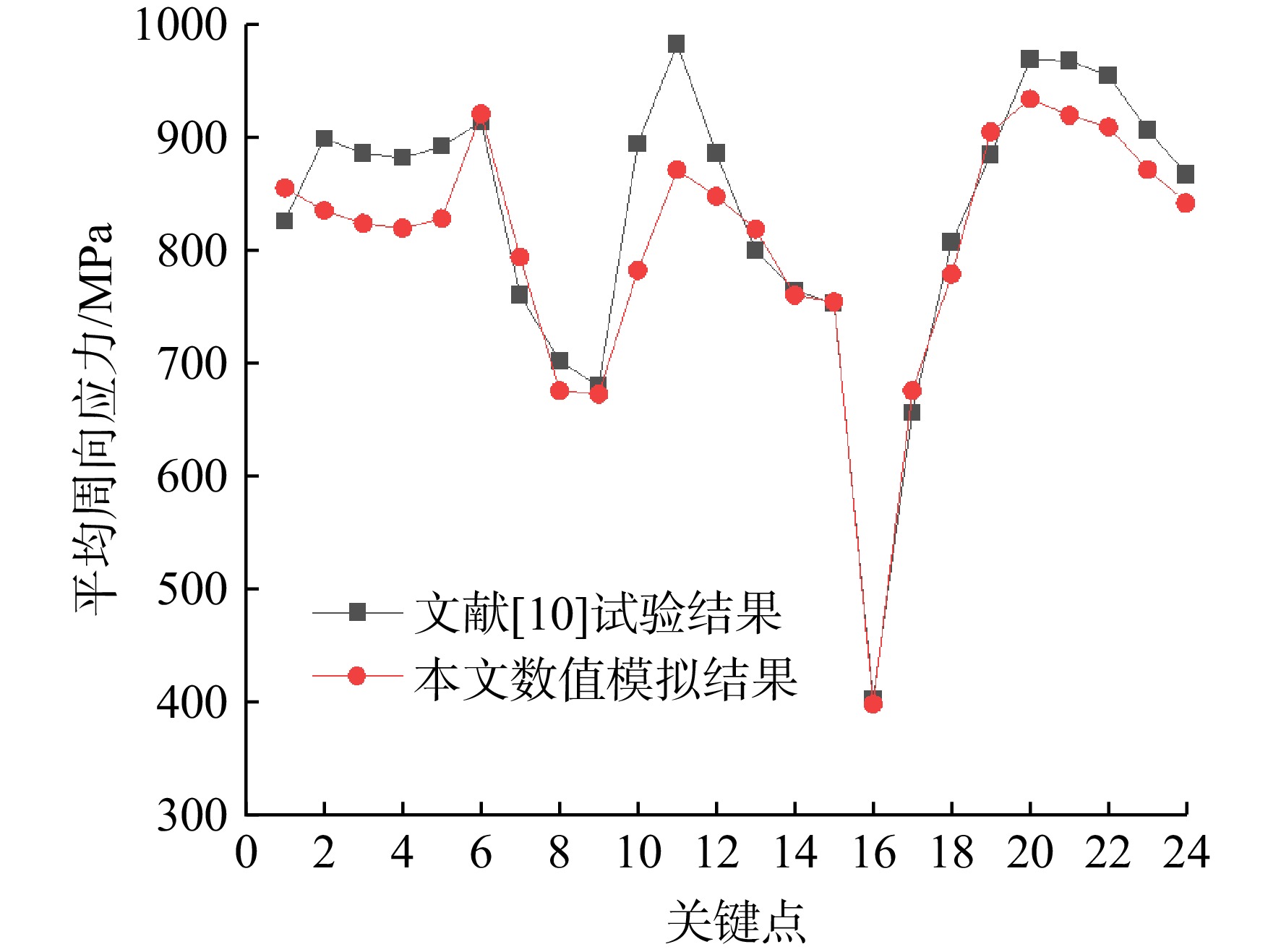
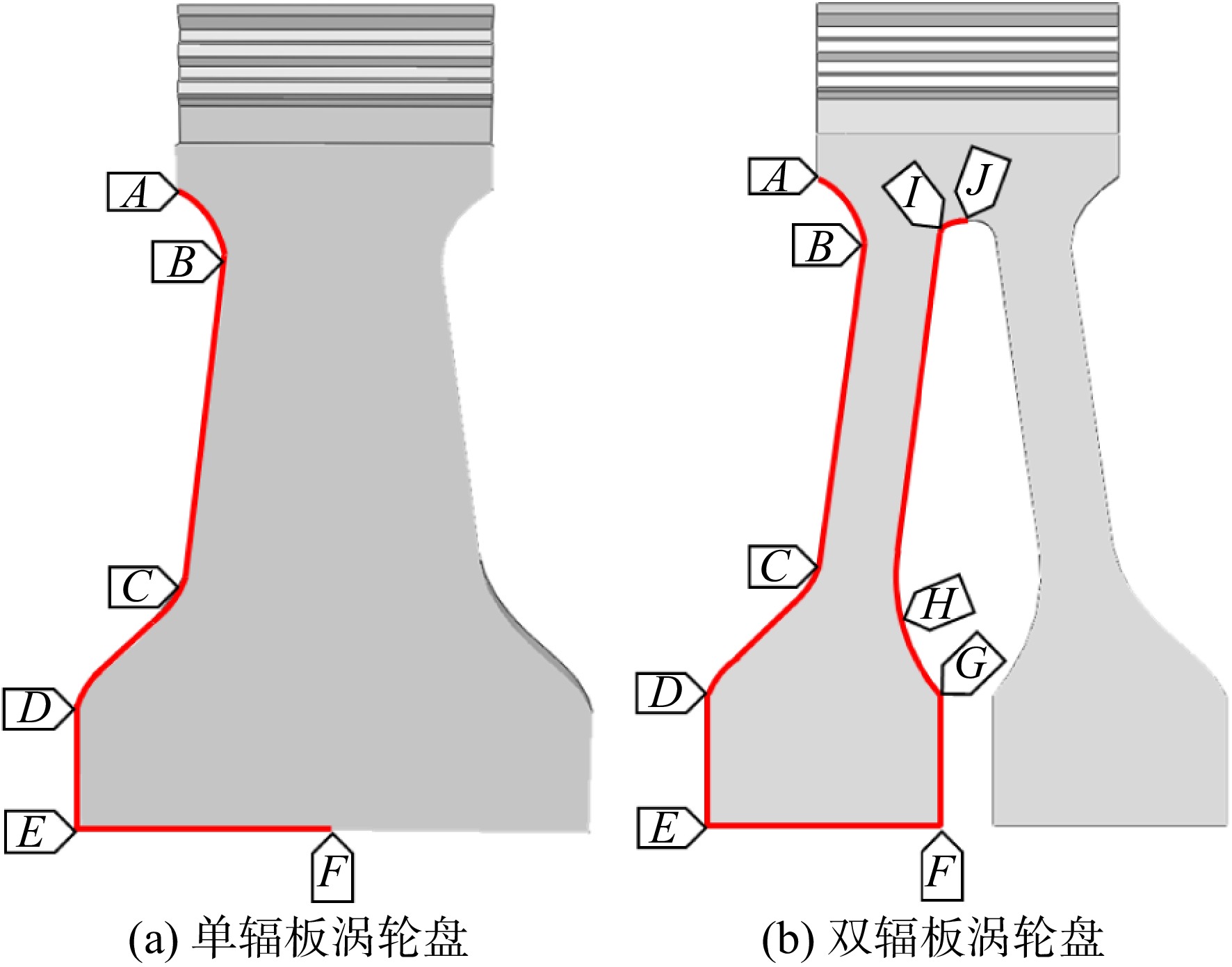
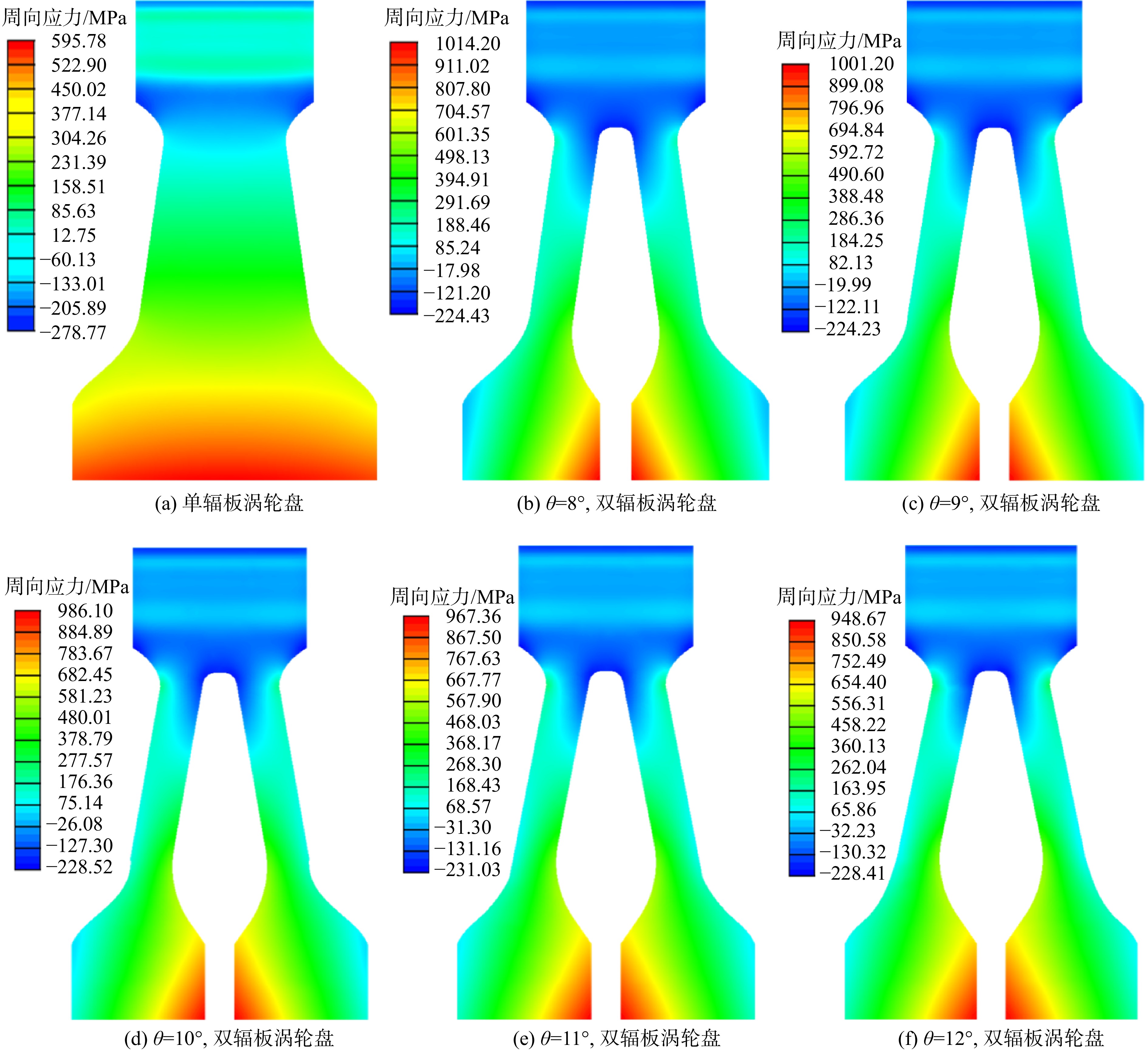
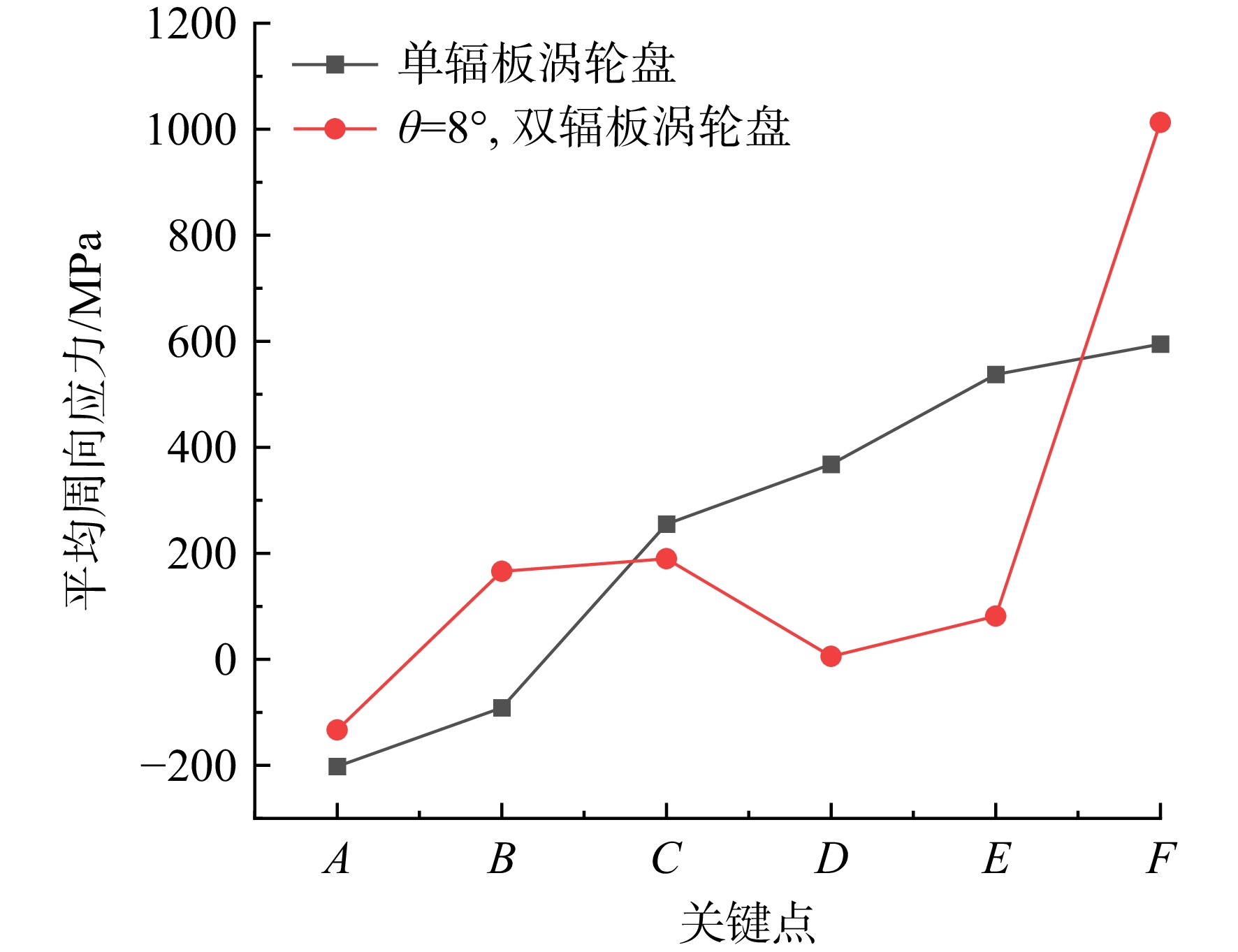
In response to the design requirements of high thrust-to-weight ratio aero-engines, a single-web turbine disk of an aero-engine was selected as the benchmark. The temperature field was numerically calculated using ANSYS Fluent and the stress field was calculated using ABAQUS. The distribution characteristics of circumferential stress, radial stress and Von-Mises equivalent stress of single-web and twin-web turbine disks were compared and analyzed. The influence law of the web inclination angle (θ) variation (range: 8°≤θ≤ 12°) on the stress level of the twin-web turbine disk was mainly studied. Results showed that compared with the reference single-web turbine disk, the structural weight reduction effect of the twin-web turbine disk was obvious. The weights of the twin-web turbine disks with θ=8°, 9°, 10°, 11° and θ=12° were reduced by 22.78%, 23.23%, 23.42%, 23.2% and 23.16%, respectively. The structural characteristics of the twin-web transmission path made the load and stress distribution of the twin-web turbine disk more uniform. The stress level of the twin-web turbine disk with θ = 12° was the best within the study range, and its maximum circumferential stress, maximum Von-Mises equivalent stress, maximum average circumferential stress at the key points and maximum Von-Mises equivalent stress at the key points were respectively reduced by 15.66%, 16.03%, 15.65% and 17.09% compared with the twin-web turbine disk with θ= 8°. In the future, the web inclination angle θ should be regarded as a key factor in the design of the structure of the twin-web turbine disk.

Equivalent vibration simulation model for aerospace bolted joints considering stepped contact stress distribution
Xia Yang, Song Zeyang, Feng Chuhan, Wang Youtao, Yuan Yunbo, Zhao Guang
2026, 41(11): 20250162. doi: 10.13224/j.cnki.jasp.20250162
Abstract:

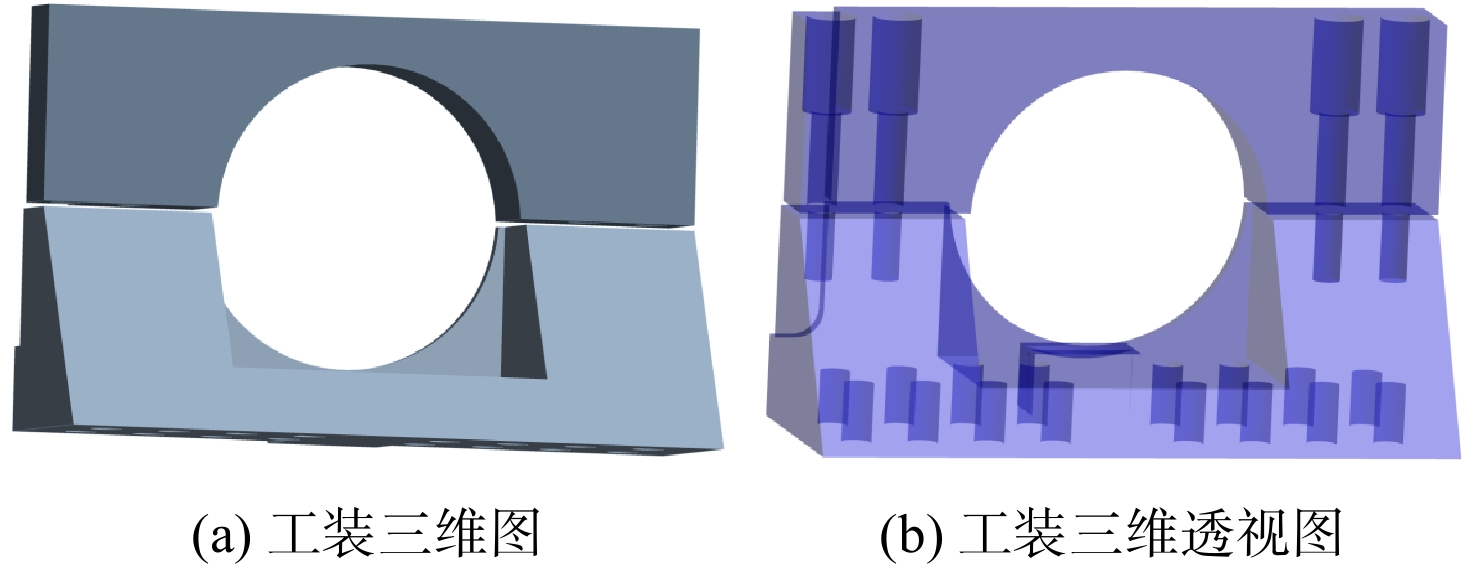
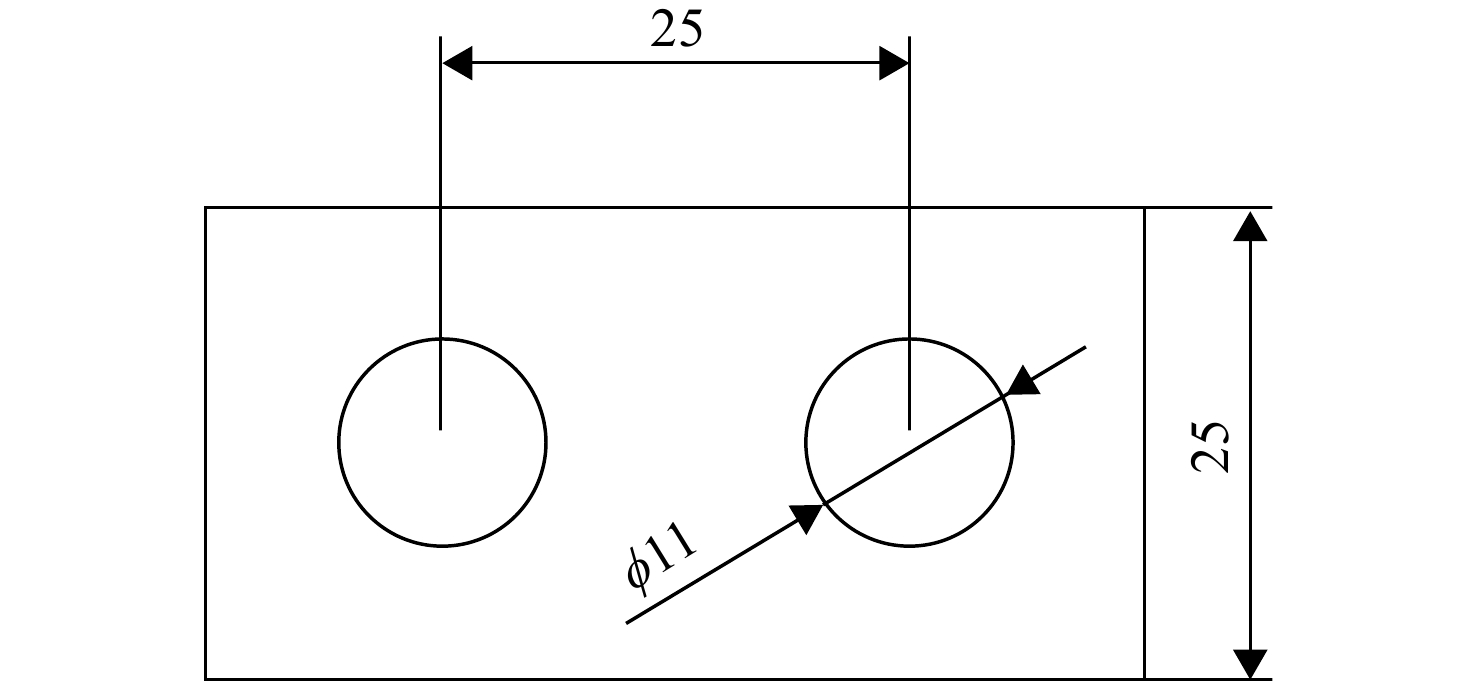
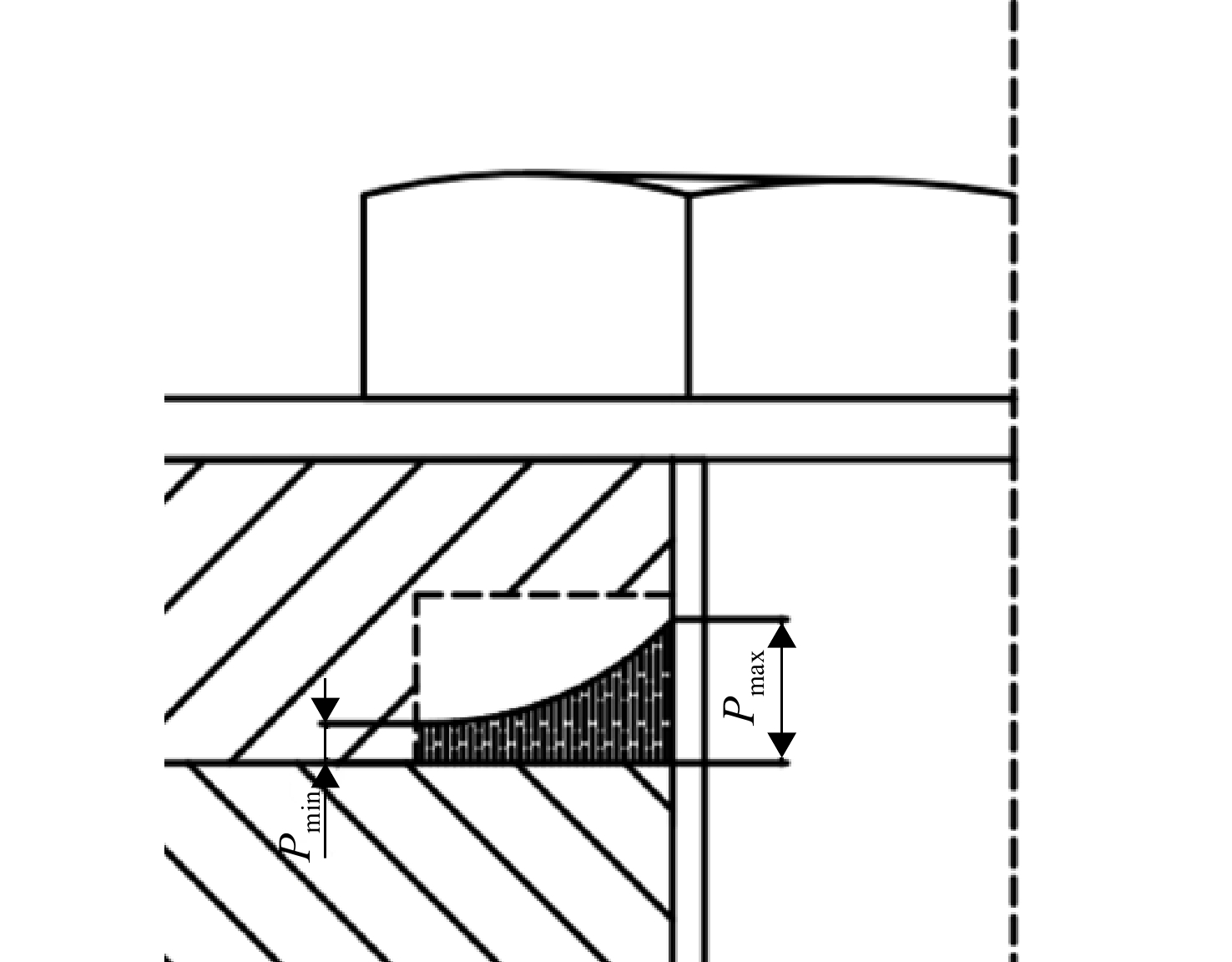
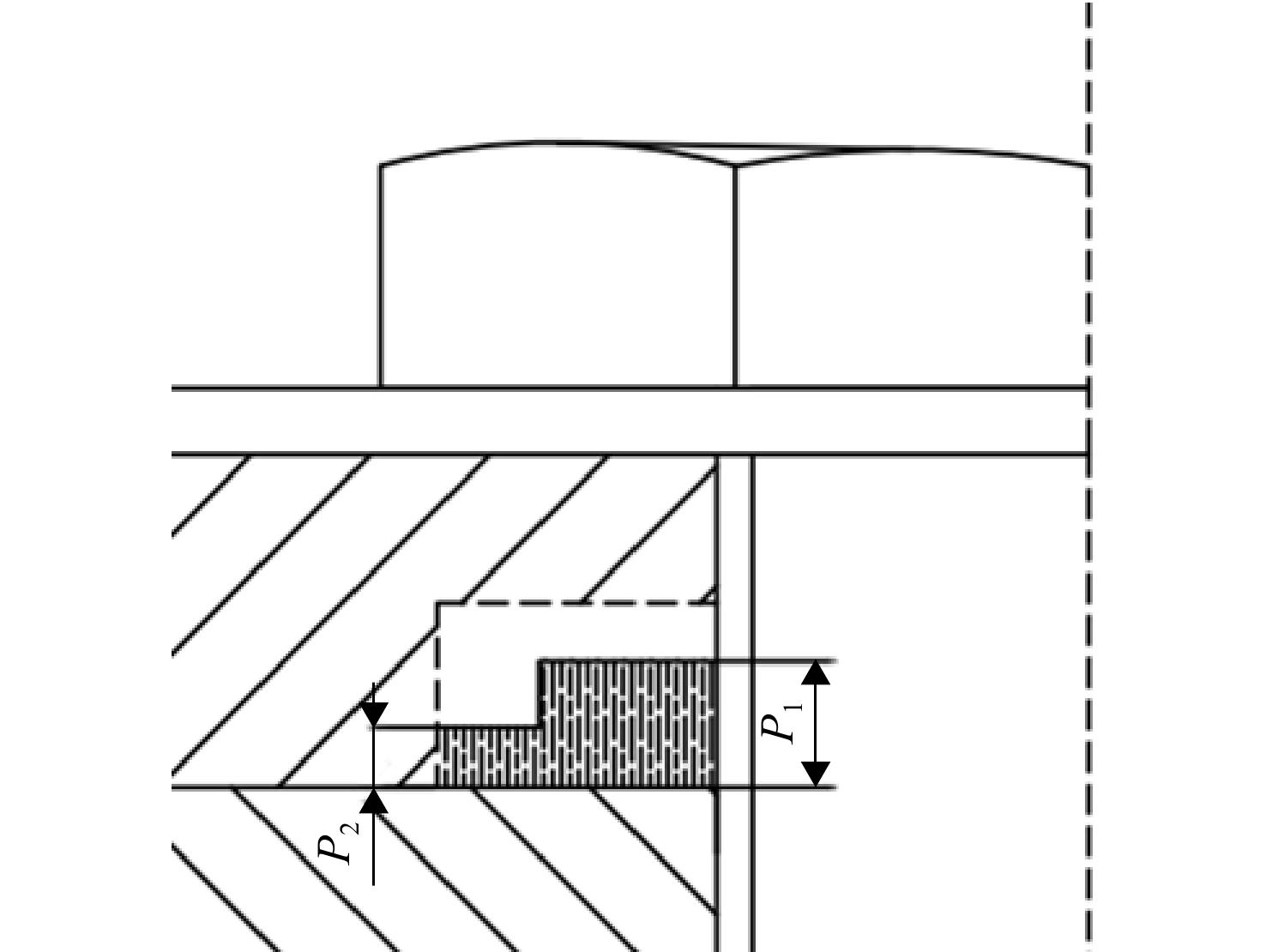
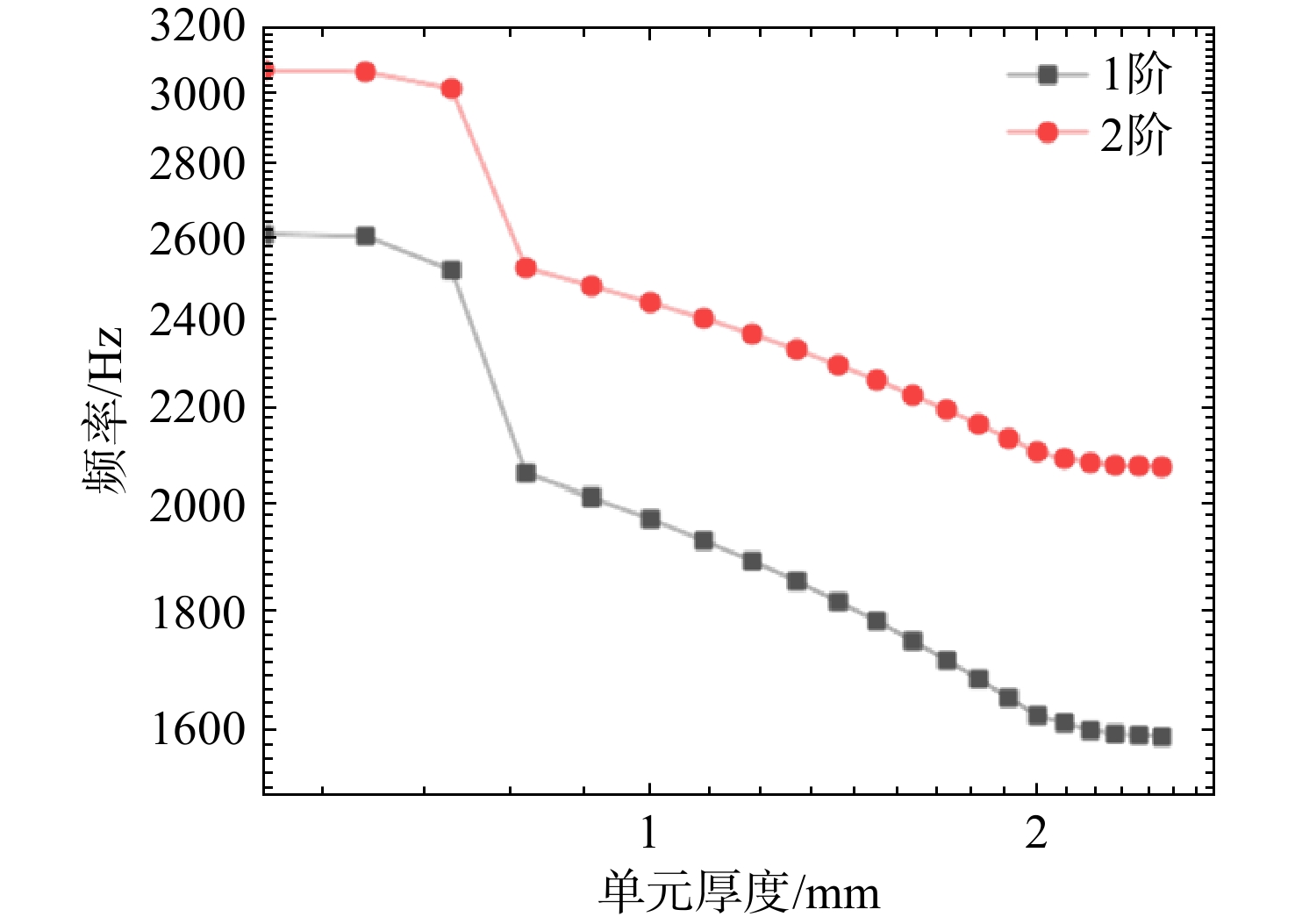
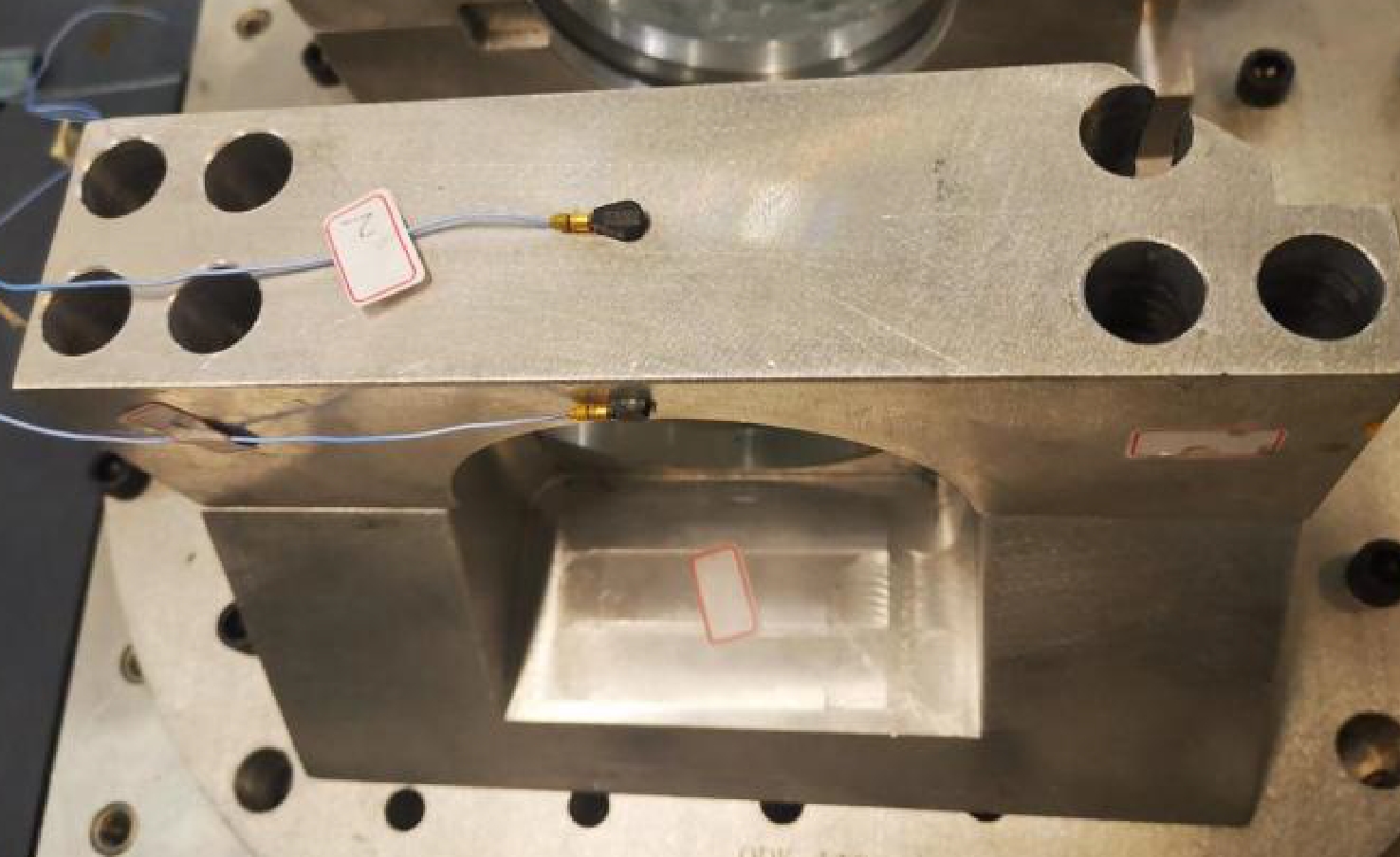
Bolted connections are widely used in aerospace equipment assembly due to their structural simplicity and high reliability. The dynamic characteristics of bolted connections significantly influence the dynamic behavior of assembled structures. While detailed finite element models can analyze vibration characteristics, their computational cost is often prohibitively high, making them unsuitable for analyzing complex bolted assemblies. To address this issue, this study proposes an equivalent bolted connection unit model, which simplifies the bolted connection into a stepped double-ring thin-layer unit to simulate the stress distribution at the bolted interface. The model consists of three parts: the upper joint, the double-ring thin-layer unit, and the lower joint. The size of the thin-layer unit model is determined based on the bolt stress distribution, and key parameters of the ring-shaped thin-layer unit—including thickness, elastic modulus, Poisson’s ratio, and density—are derived using Hertzian contact theory. The accuracy of the proposed model in simulating dynamic characteristics is validated through comparison with vibration experimental data from a typical aerospace tooling structure. The results demonstrate that, compared to the traditional virtual material method, the proposed model significantly improves simulation efficiency while maintaining vibration frequency simulation errors within 10%. This indicates that the model is effective for dynamic simulation analysis of bolted connection structures.

Prediction of low-cycle fatigue life of eccentric holes in disk based on a three-parameter critical distance model
Chen Huanhuan, Hu Dianyin, Wang Guican, Huang Hongyang, Guo Minxin, Qian Zhengming, Mao Jianxing, Wang Rongqiao
2026, 41(11): 20250366. doi: 10.13224/j.cnki.jasp.20250366
Abstract:

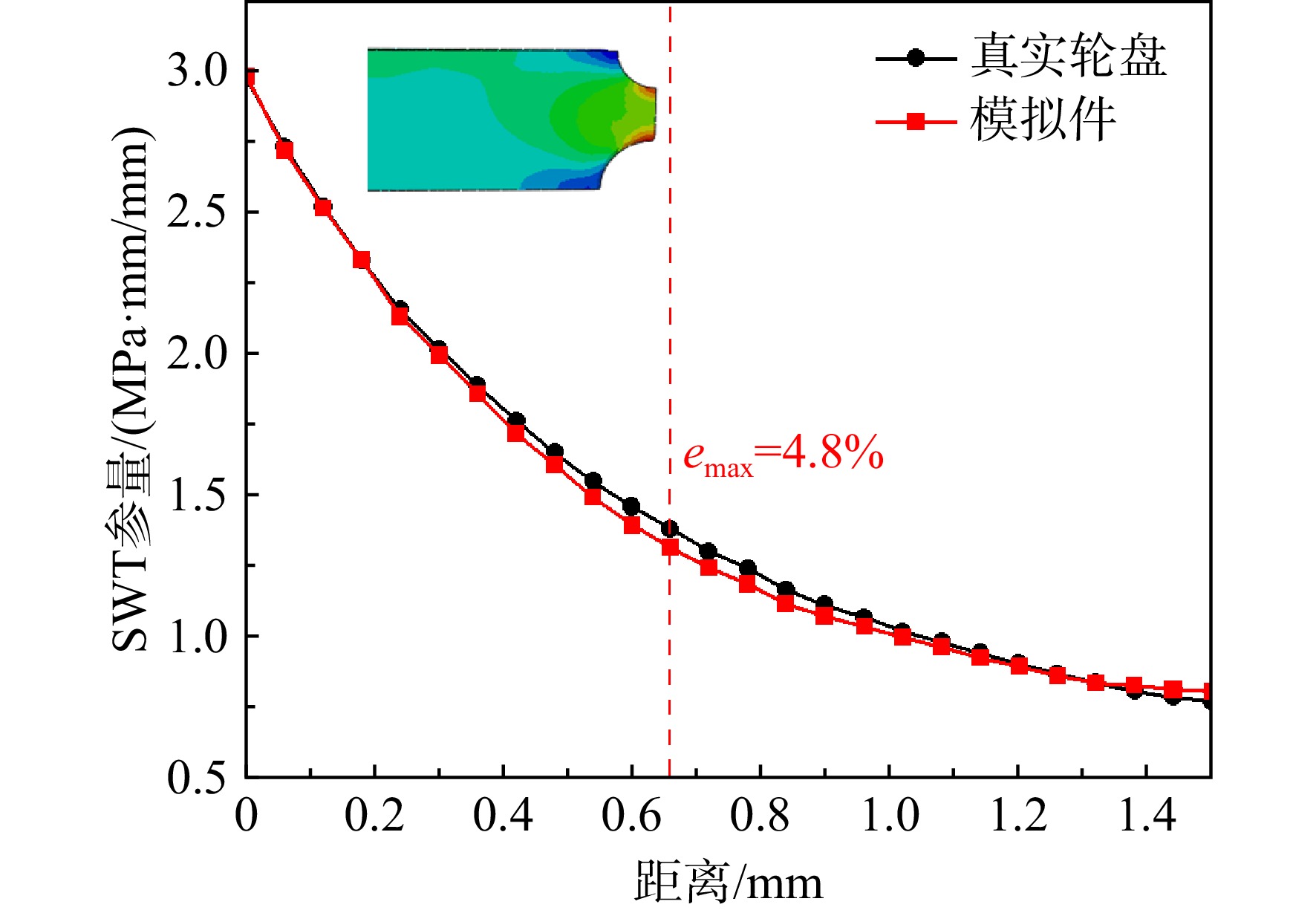
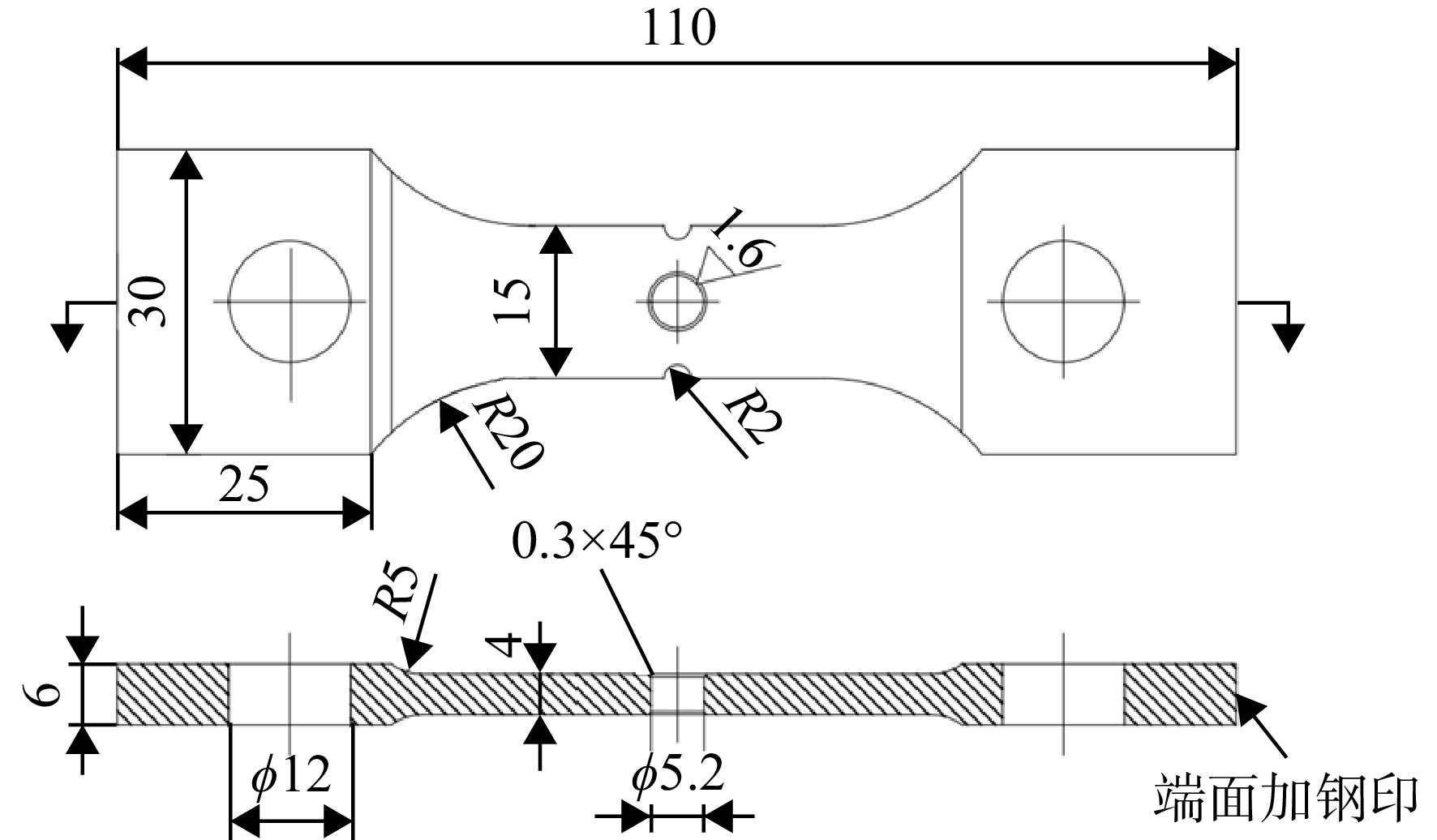
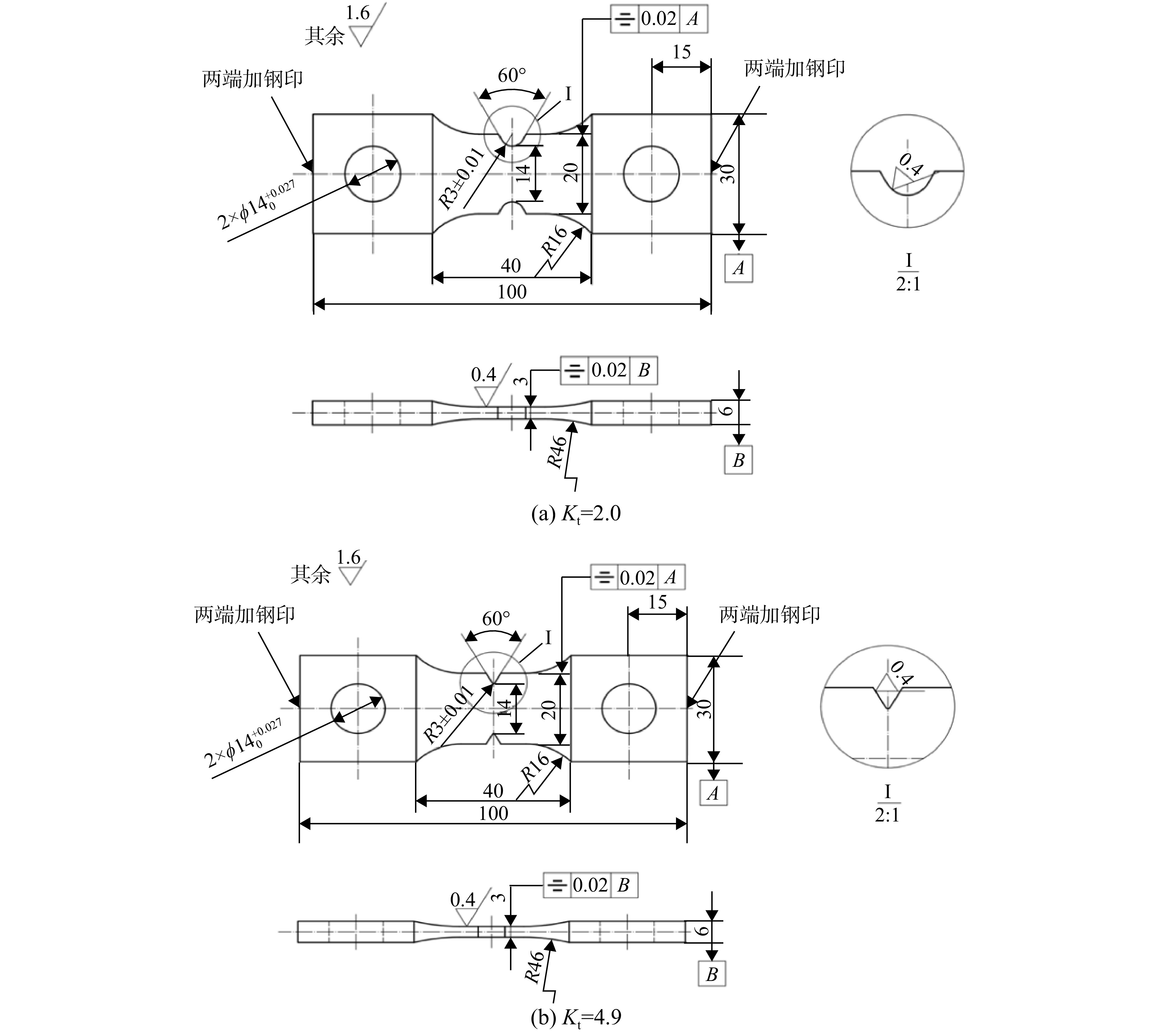
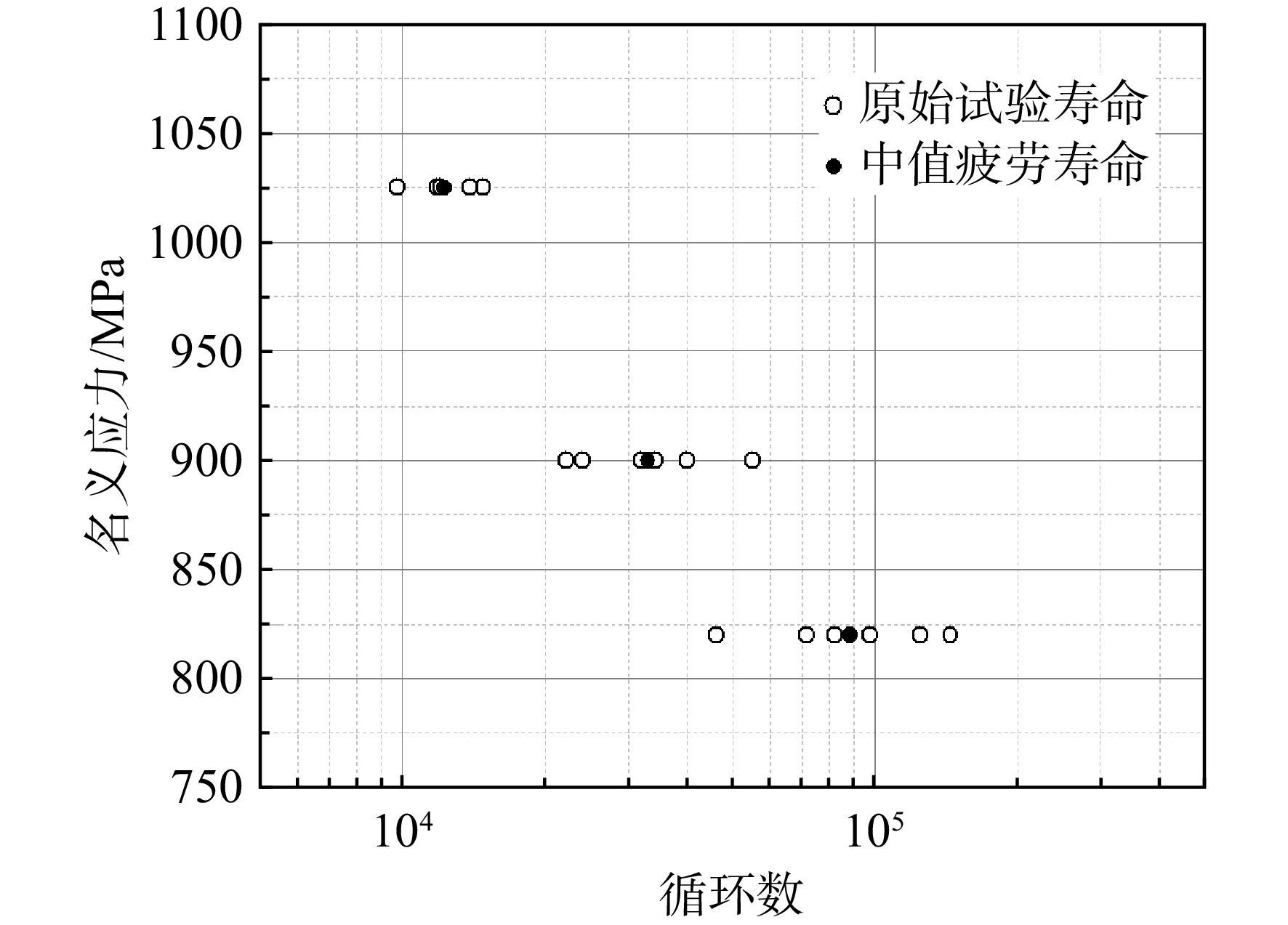
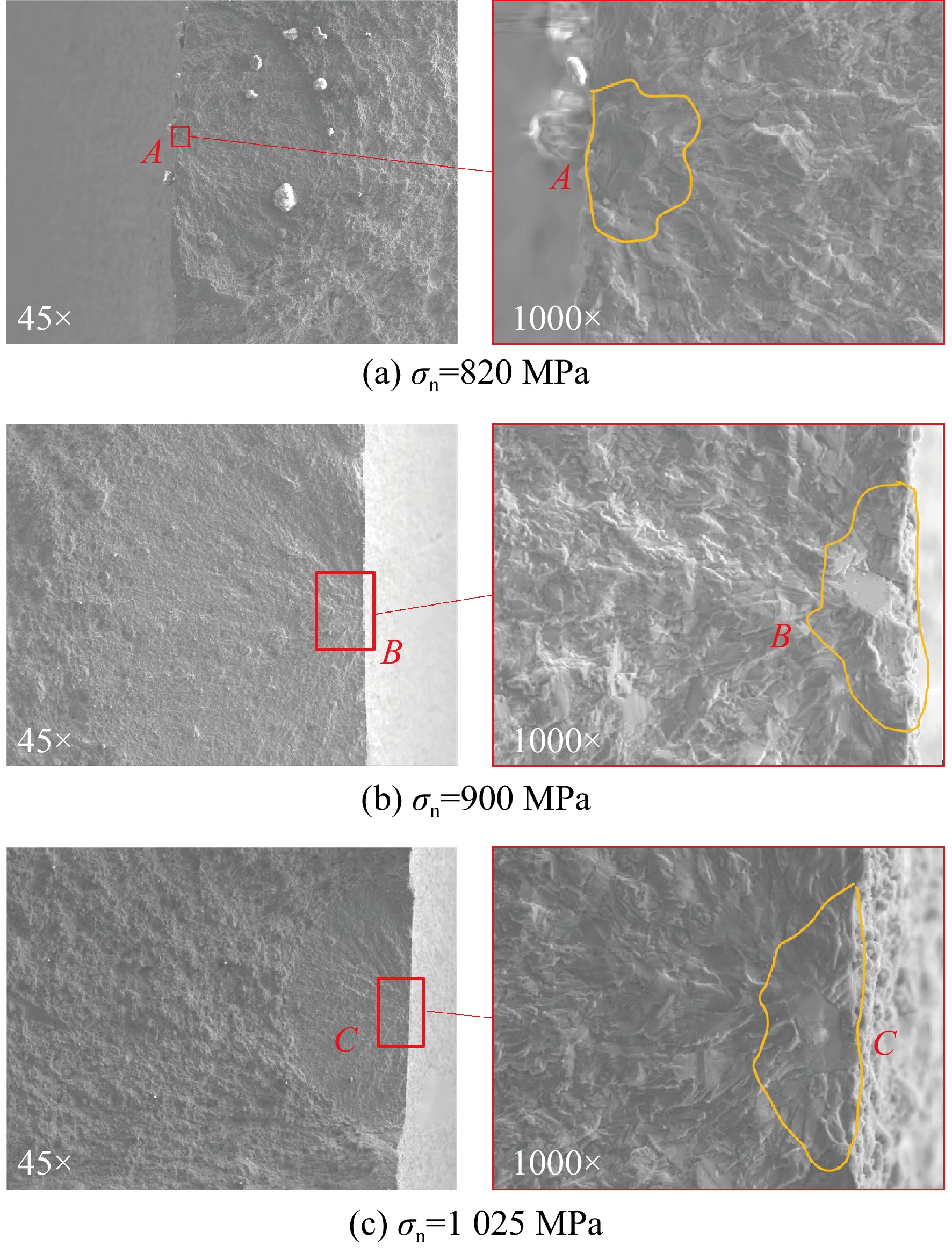
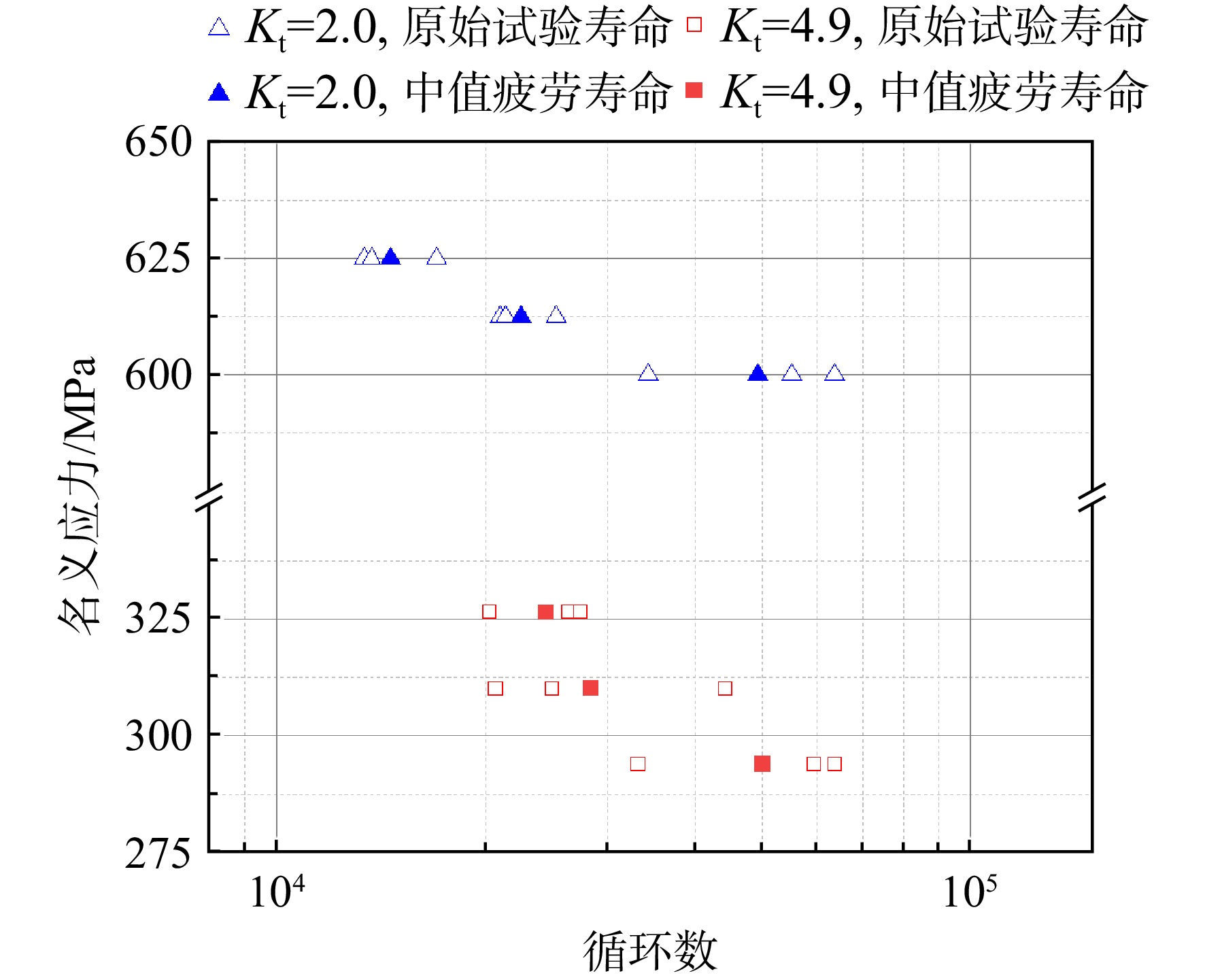
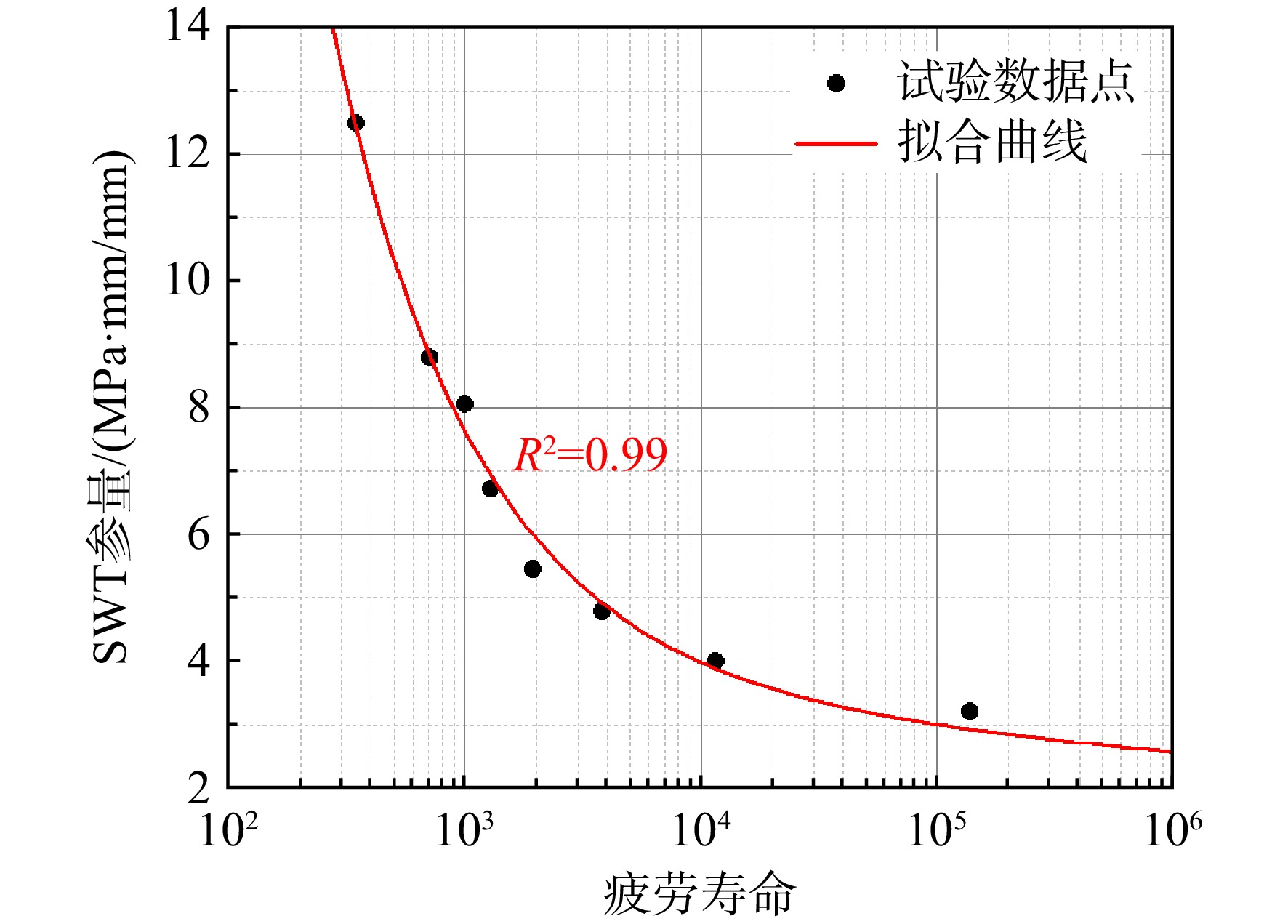
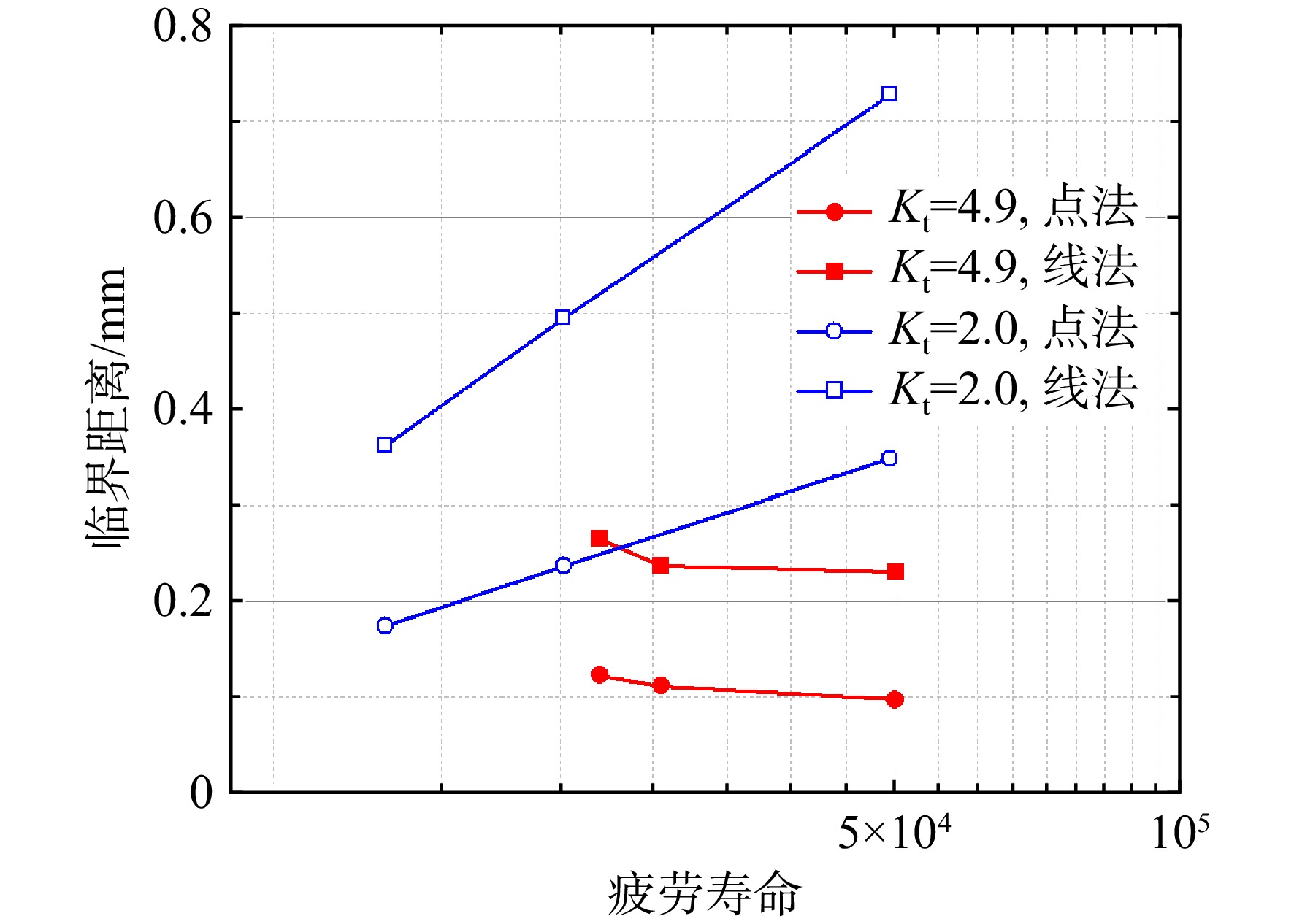
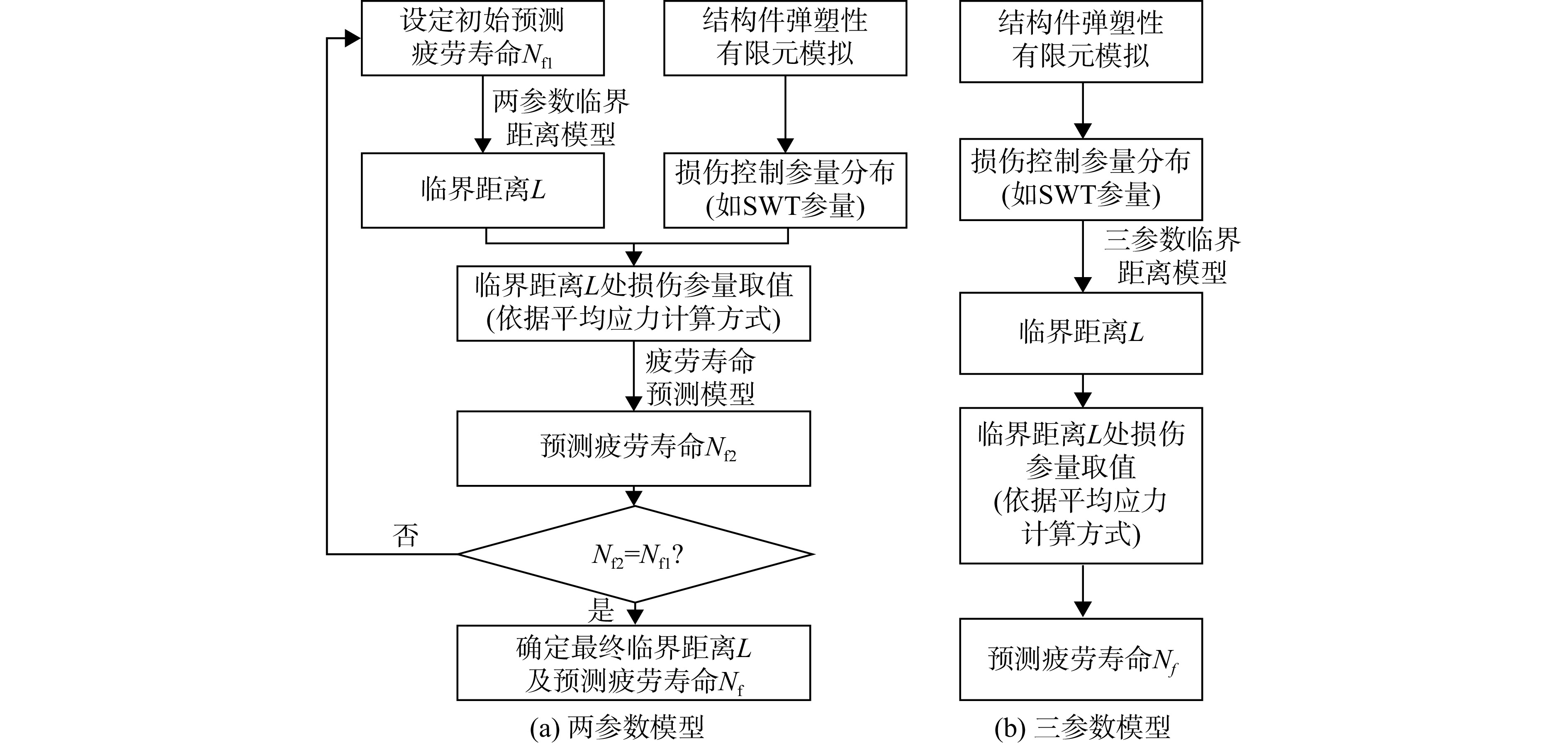
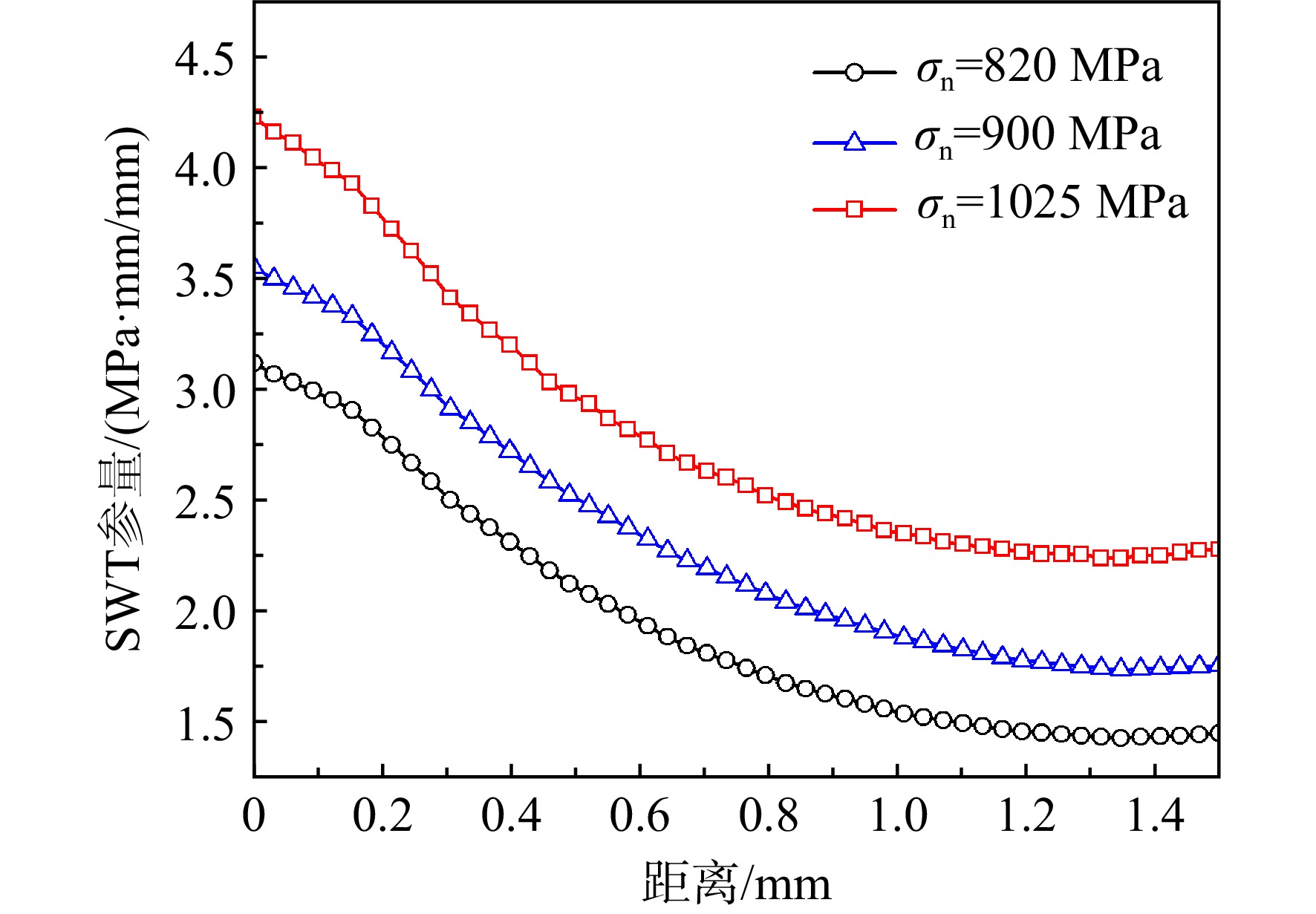
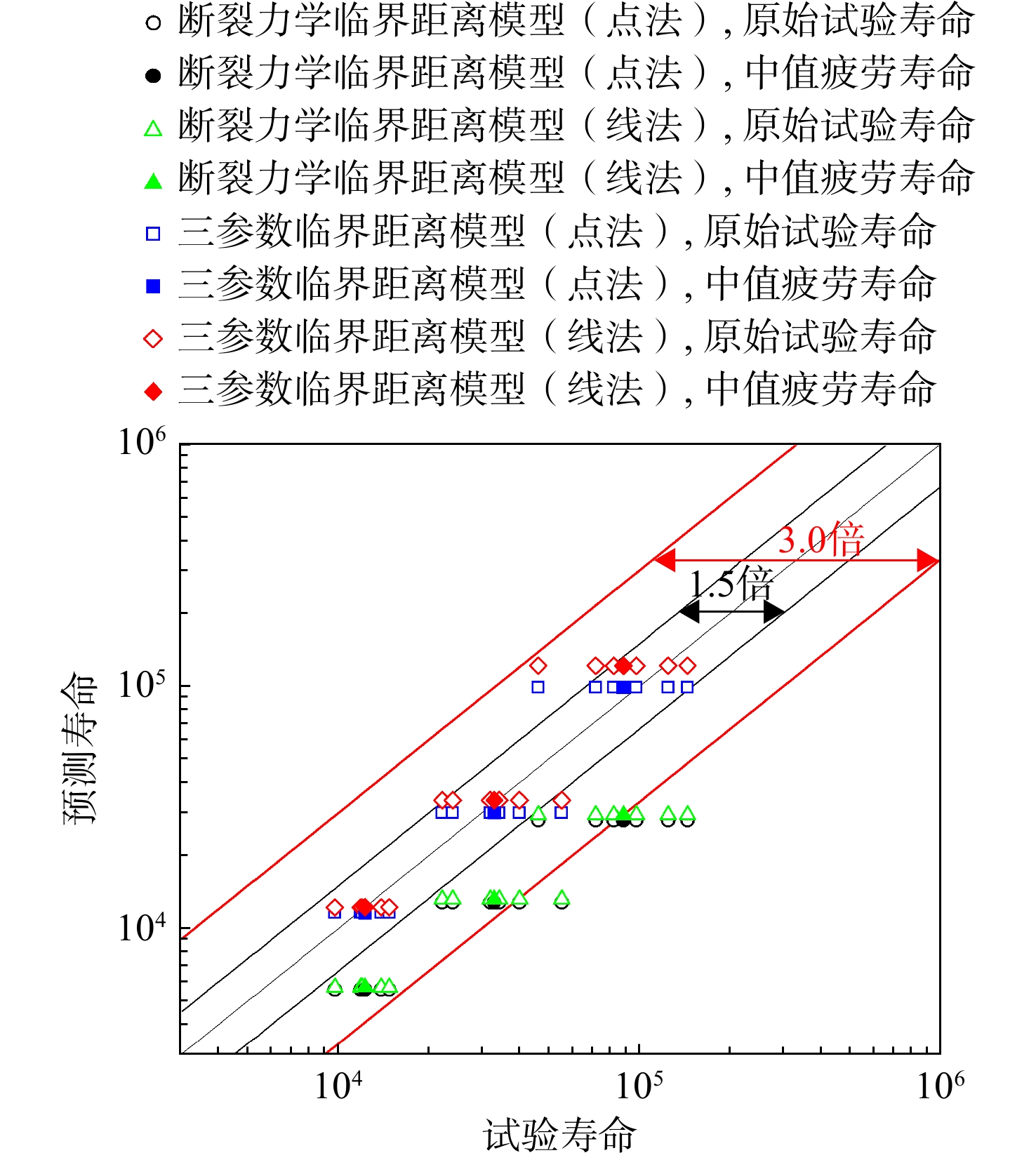
To enhance the fatigue life assessment accuracy for critical regions of aero-engine turbine disks and support high-reliability, long-life disk design, the challenge of accurate low-cycle fatigue (LCF) life prediction for disk eccentric bore structures was addressed. An innovative three-parameter critical distance (TCD) model was proposed to overcome the limitations of traditional TCD models, which suffered from restricted fitting accuracy due to the complex relationship between stress gradients and fatigue life. The core innovations lied in: introducing normalized maximum stress gradient and high-stress zone dimensions to characterize stress gradient effects, establishing the three-parameter critical distance expression; revealing a strong correlation between stress gradients and critical distance, and validating through notch specimen LCF tests demonstrating differential evolution of critical distance with life under contrasting high and low stress gradients; establishing a comprehensive life assessment framework integrating elastoplastic finite element simulation with the Smith-Watson-Topper fatigue life model, enabling direct critical distance calculation and accurate life prediction. Validation via LCF testing on simulated disk eccentric bore specimens demonstrated that the proposed model significantly reduced life prediction error, bringing results from outside the triple error dispersion band of traditional methods to within a 1.5-fold dispersion band. A substantial improvement in prediction accuracy for life-critical regions with stress concentrations was achieved, directly supporting the aero-engine turbine disk strength design, safety margin optimization, and life extension decision-making, and underscoring its significant practical engineering value.

Self-sealing analysis of beam seal fittings in hydrogen pipelines based on multi-scale contact model
Liu Yong, Zhang Jiqiang, Yan Fangchao
2026, 41(11): 20250447. doi: 10.13224/j.cnki.jasp.20250447
Abstract:

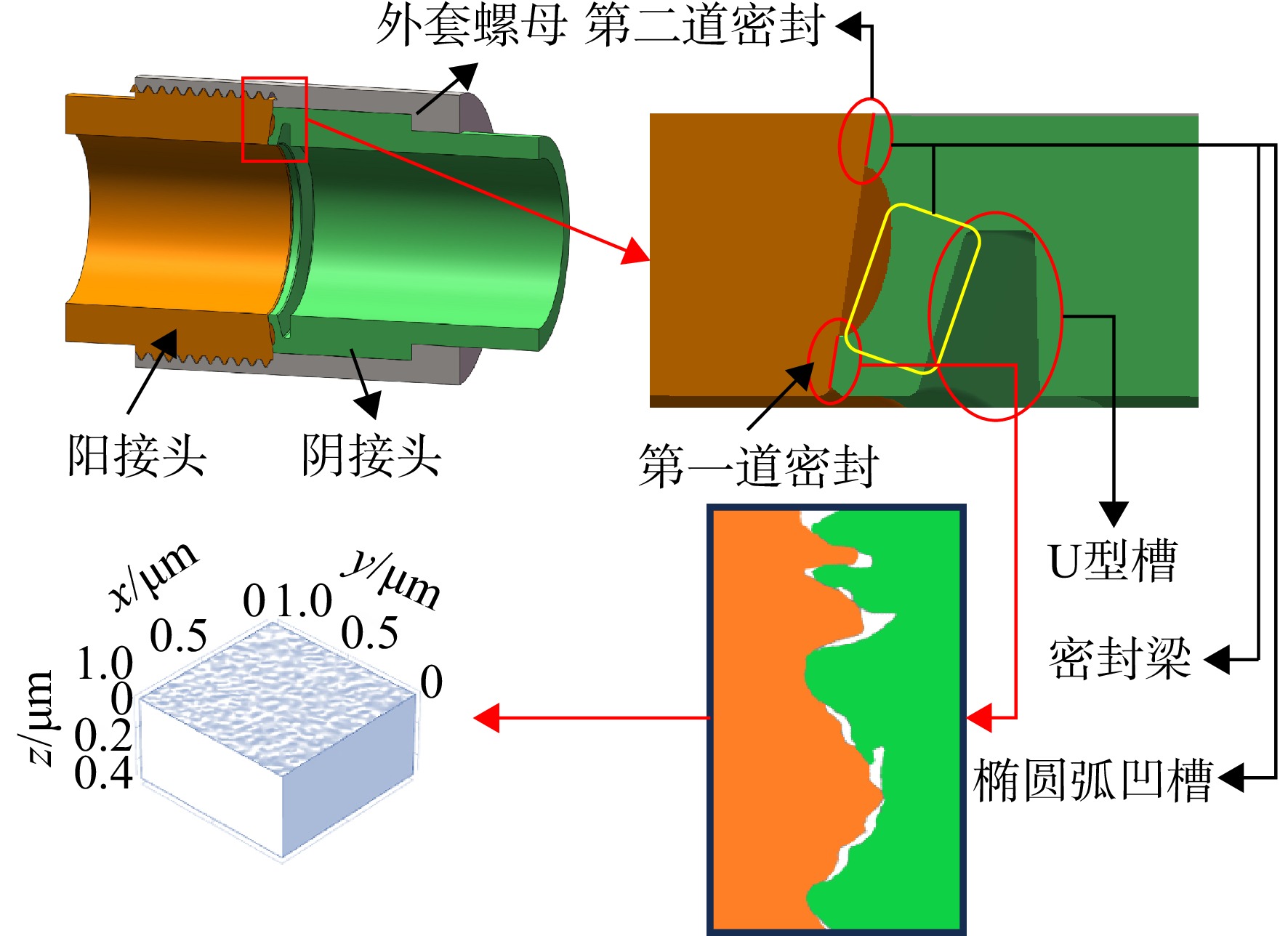
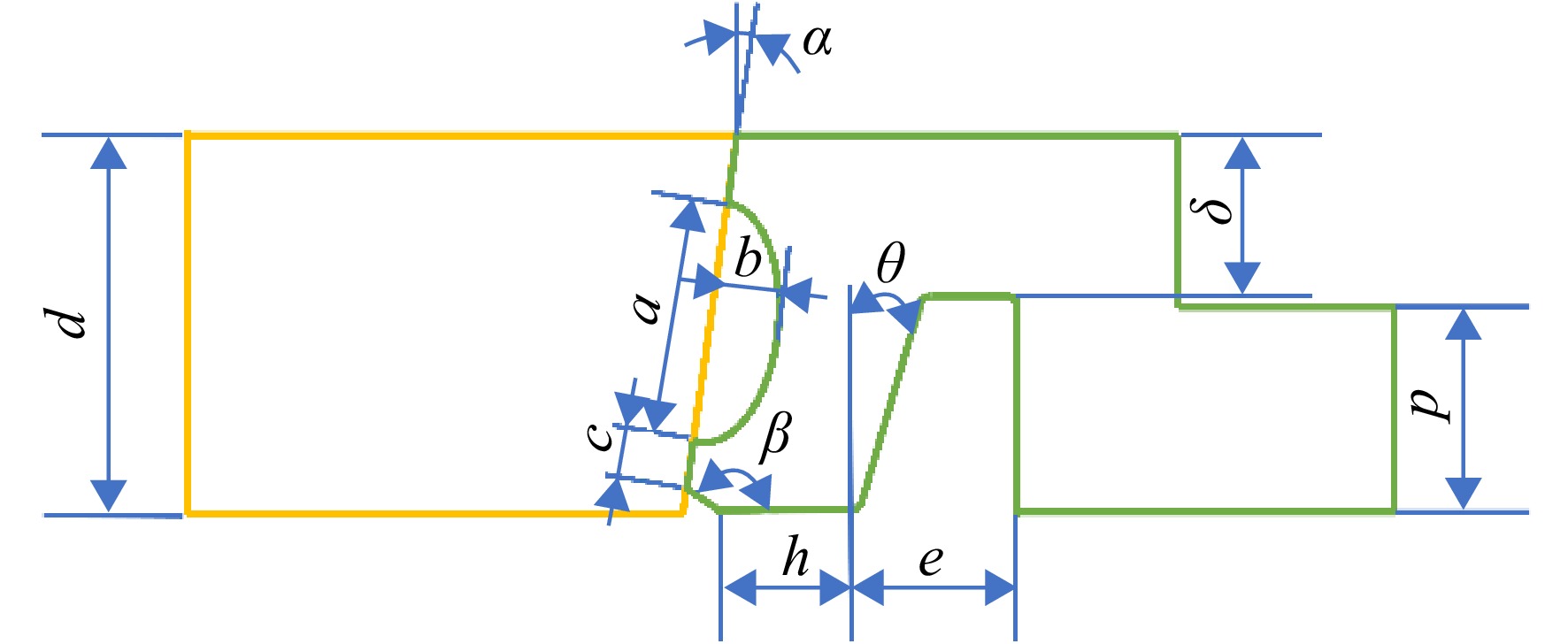
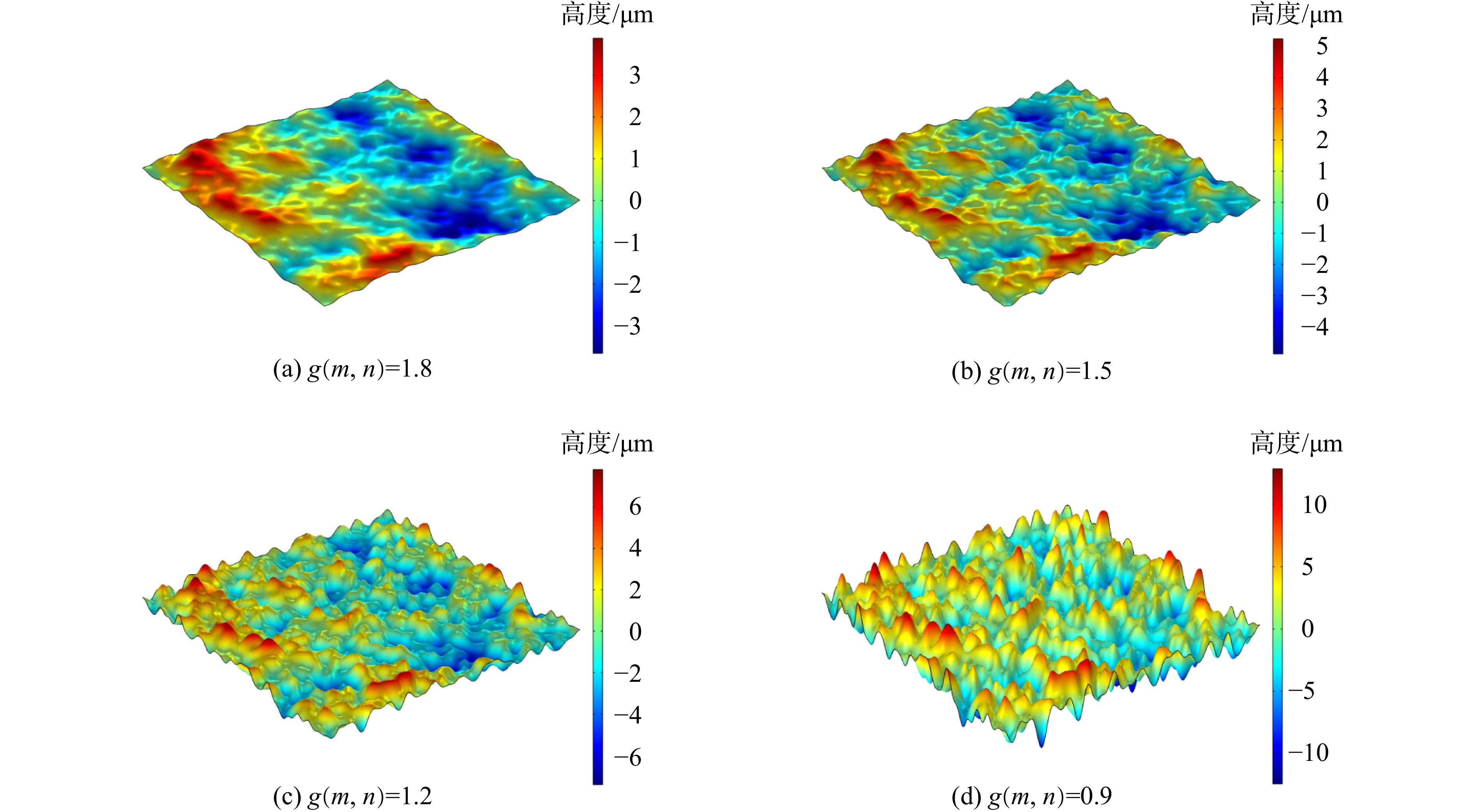
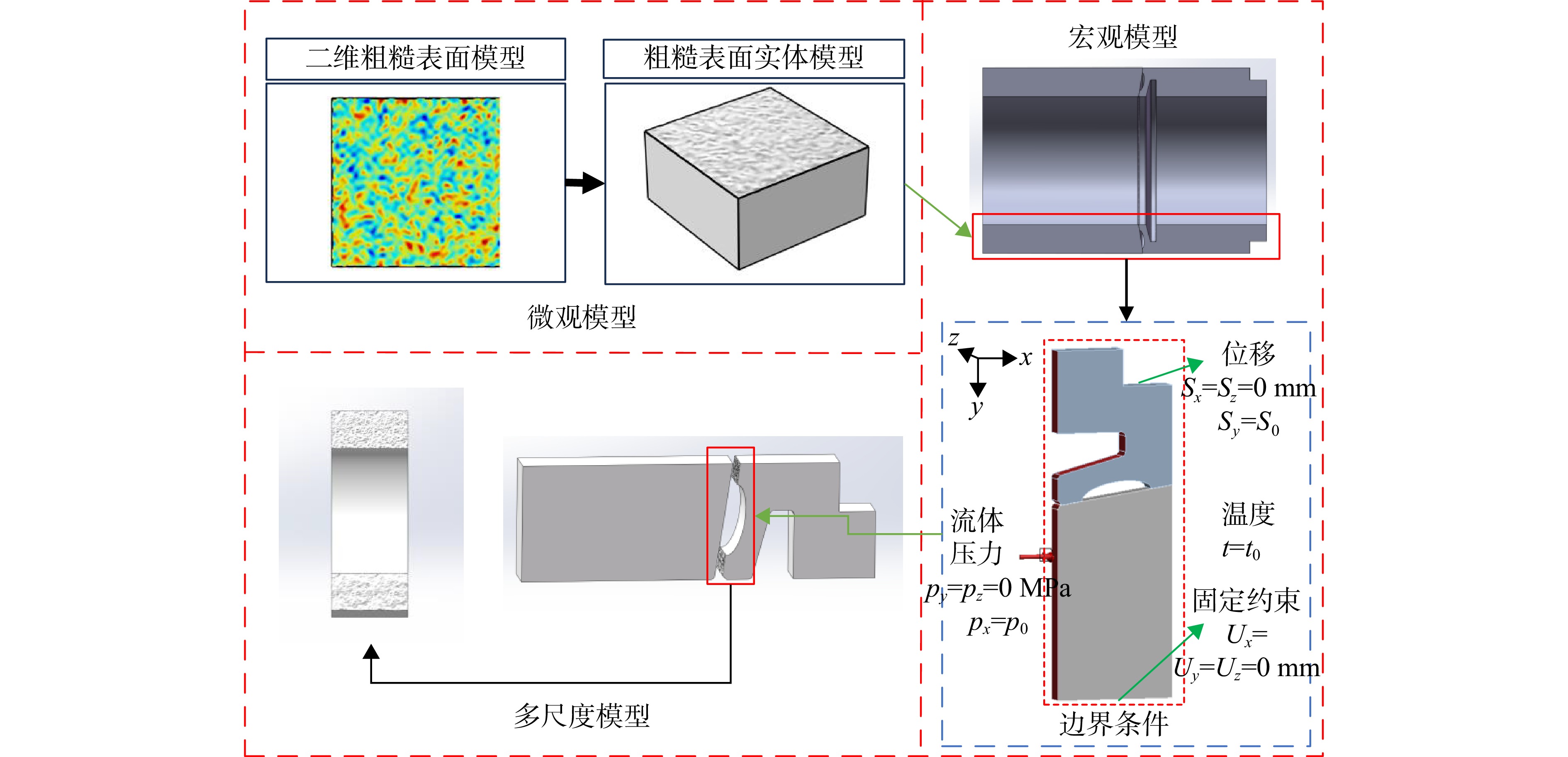
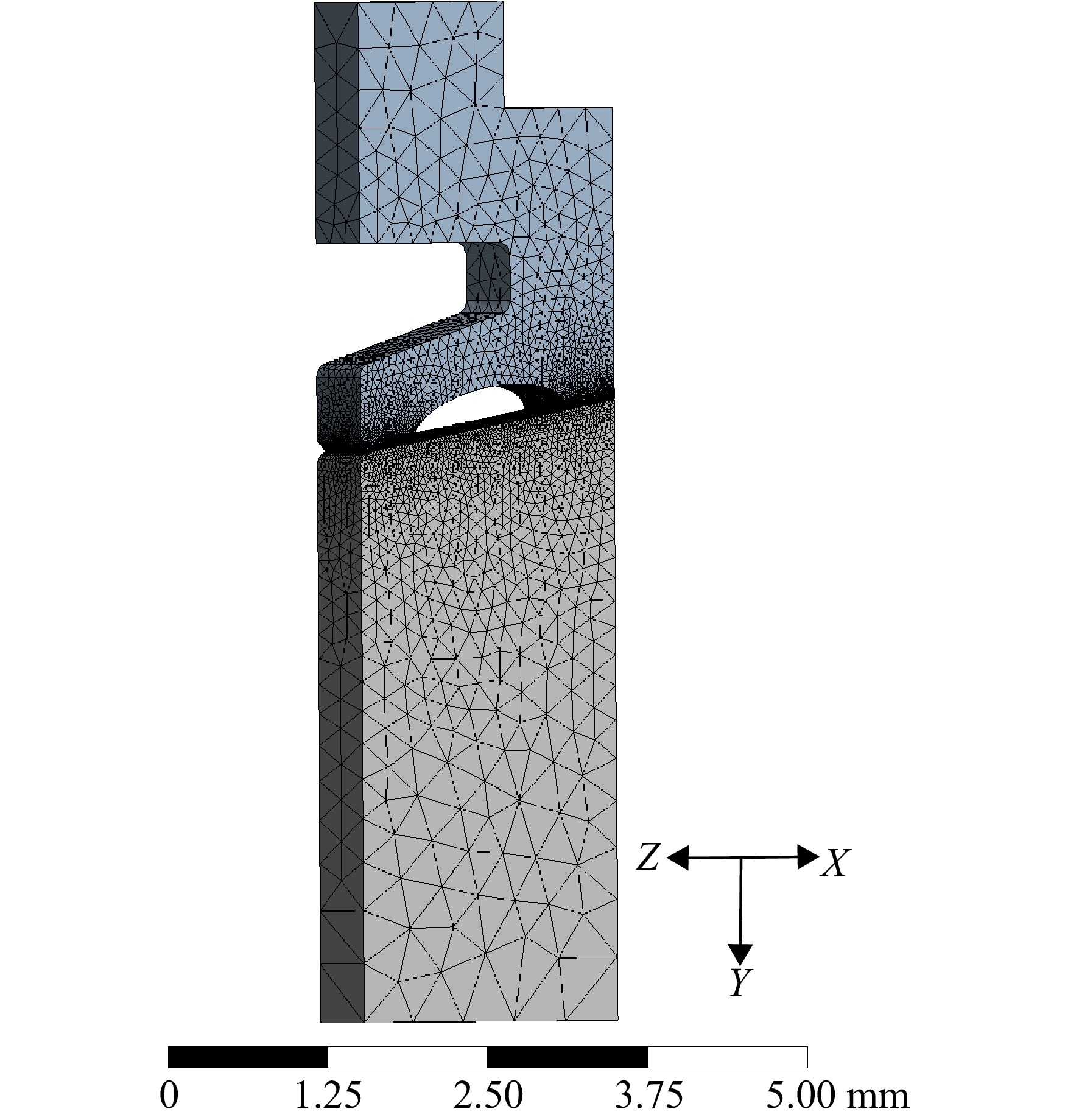
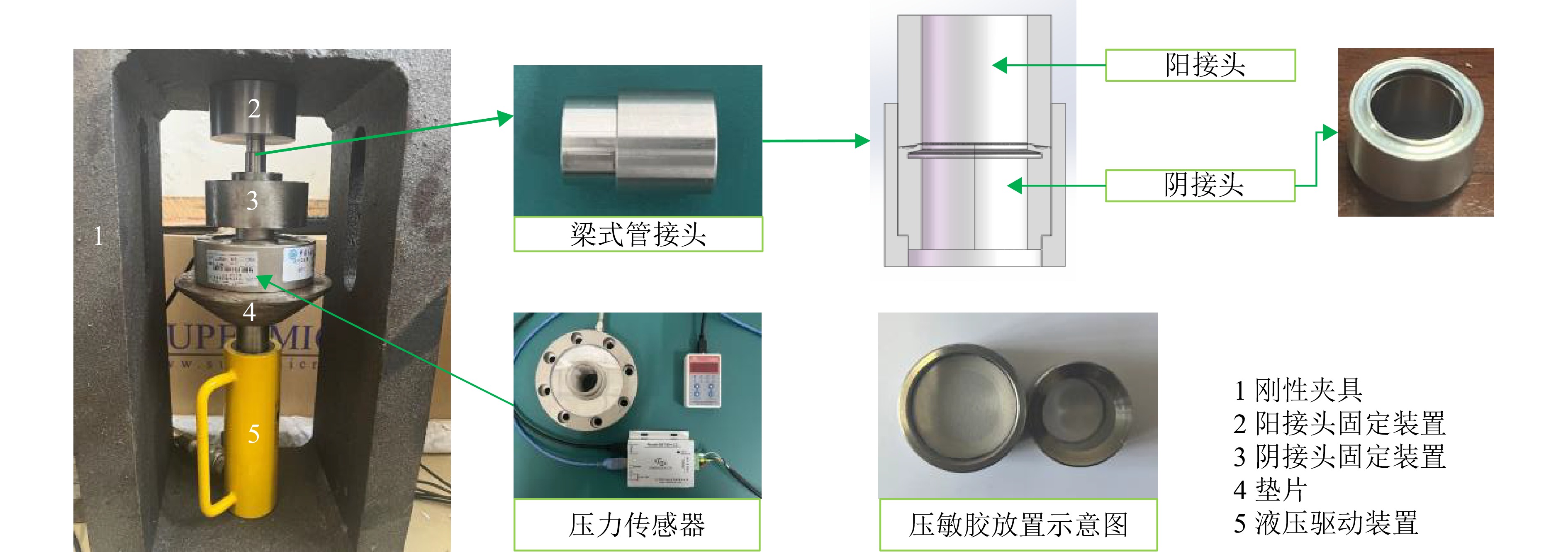
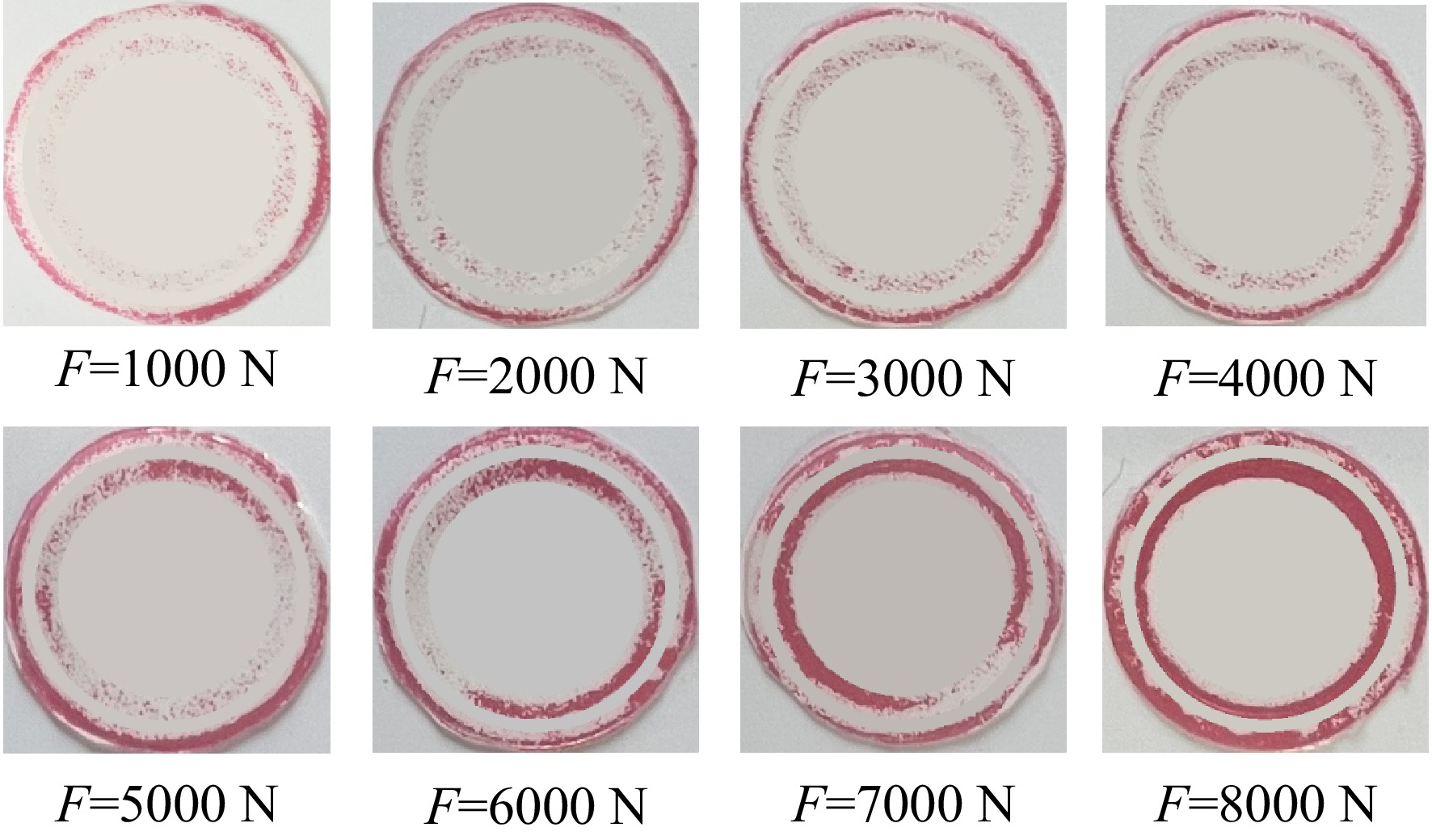
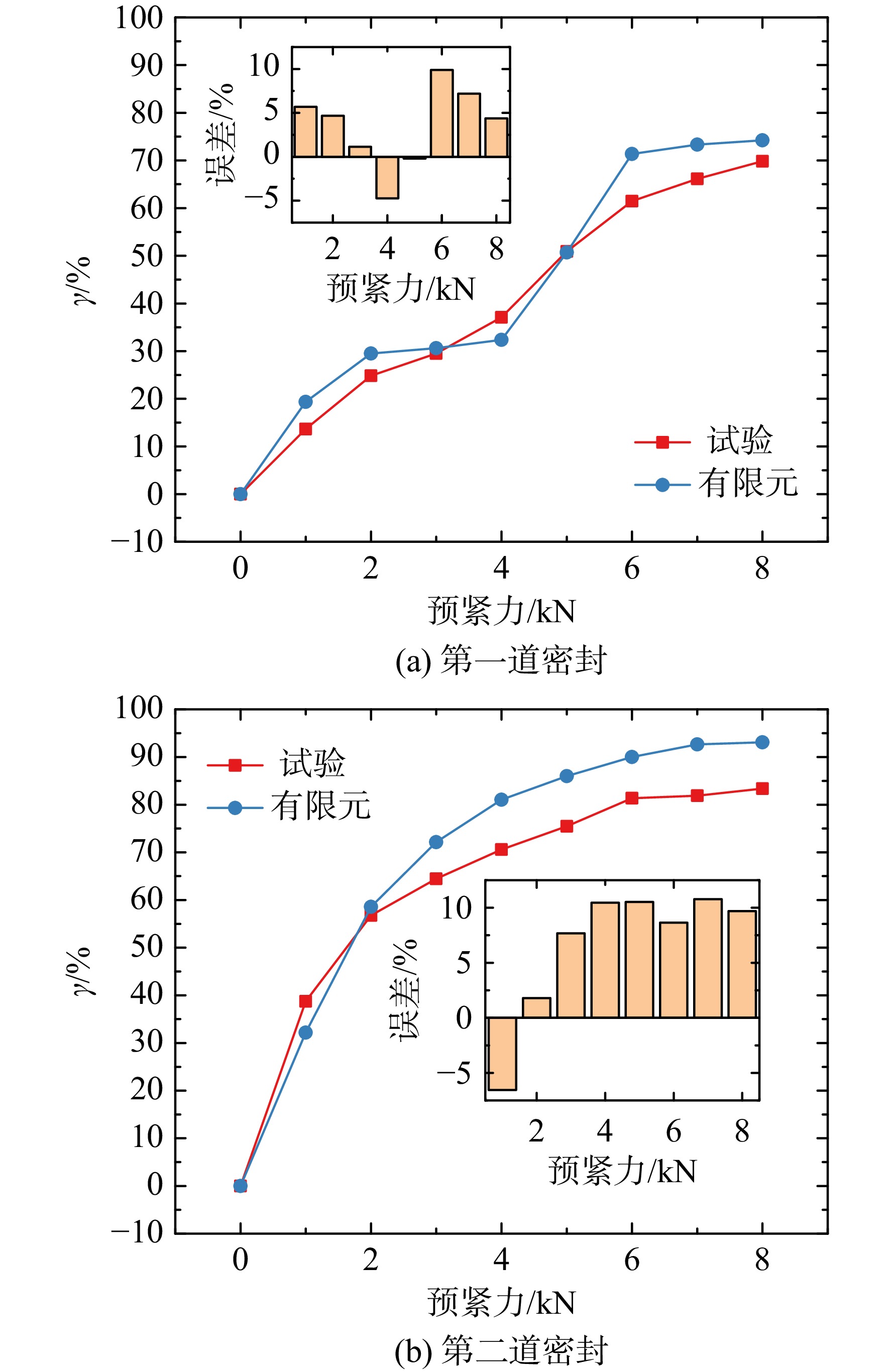
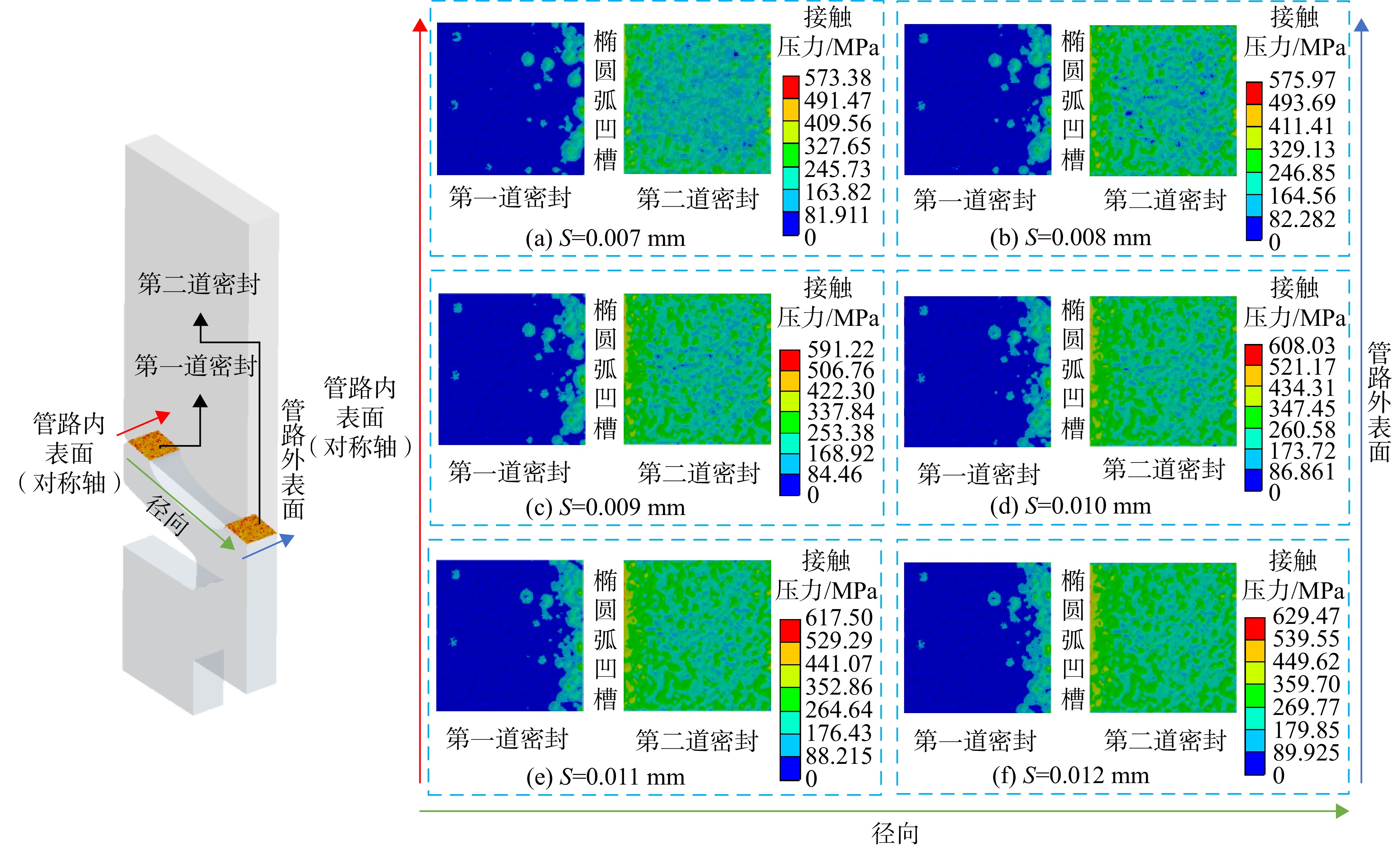
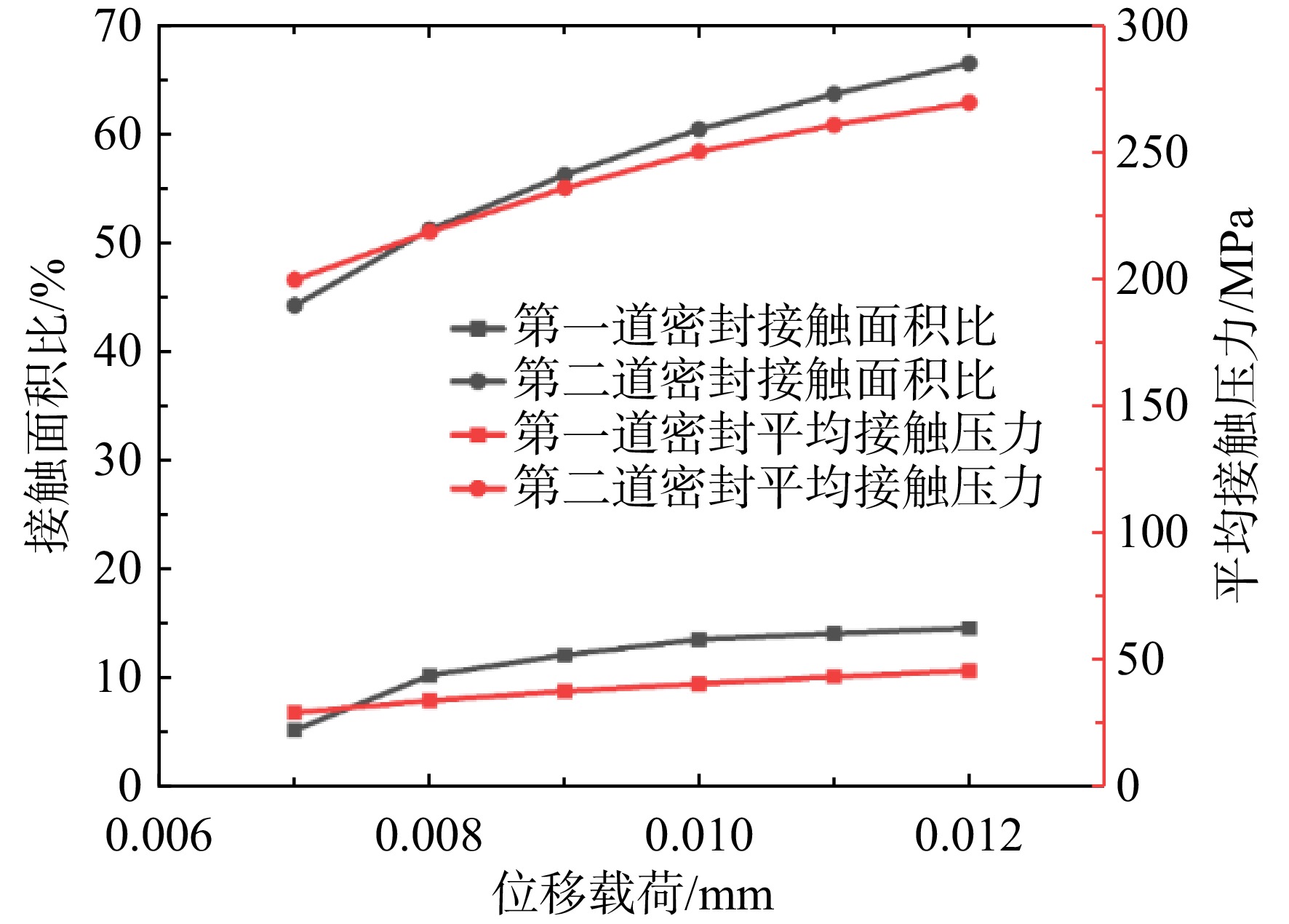
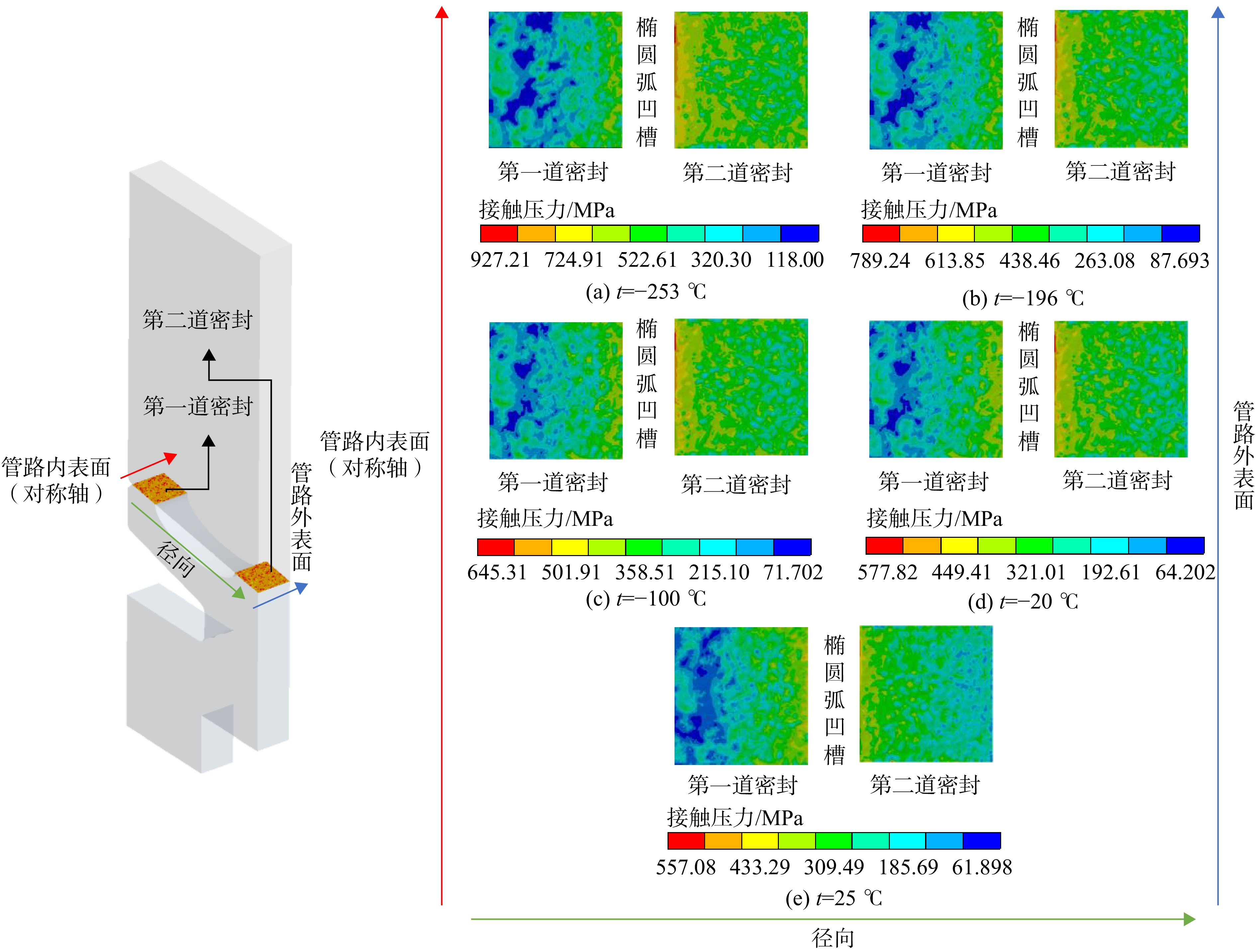
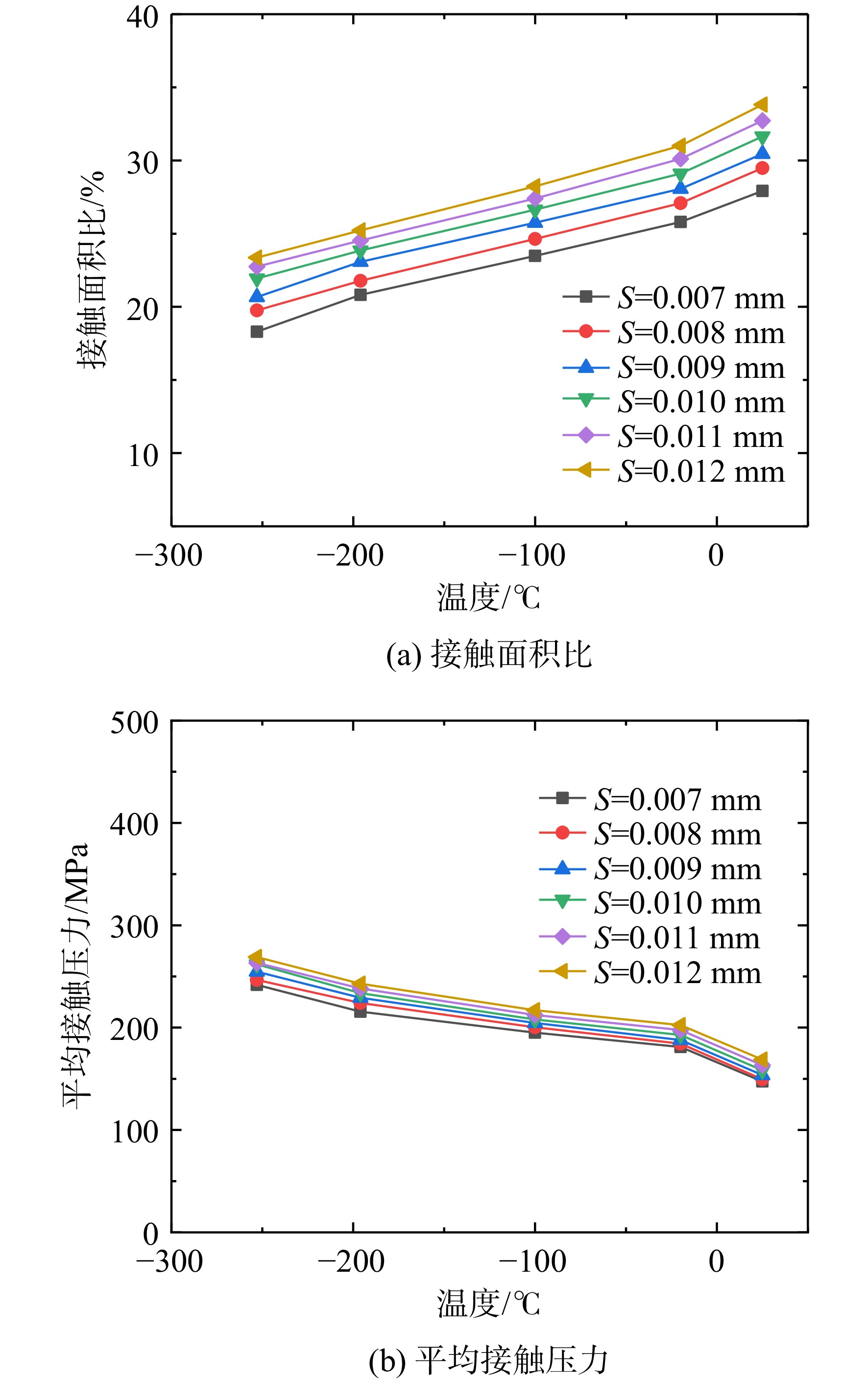
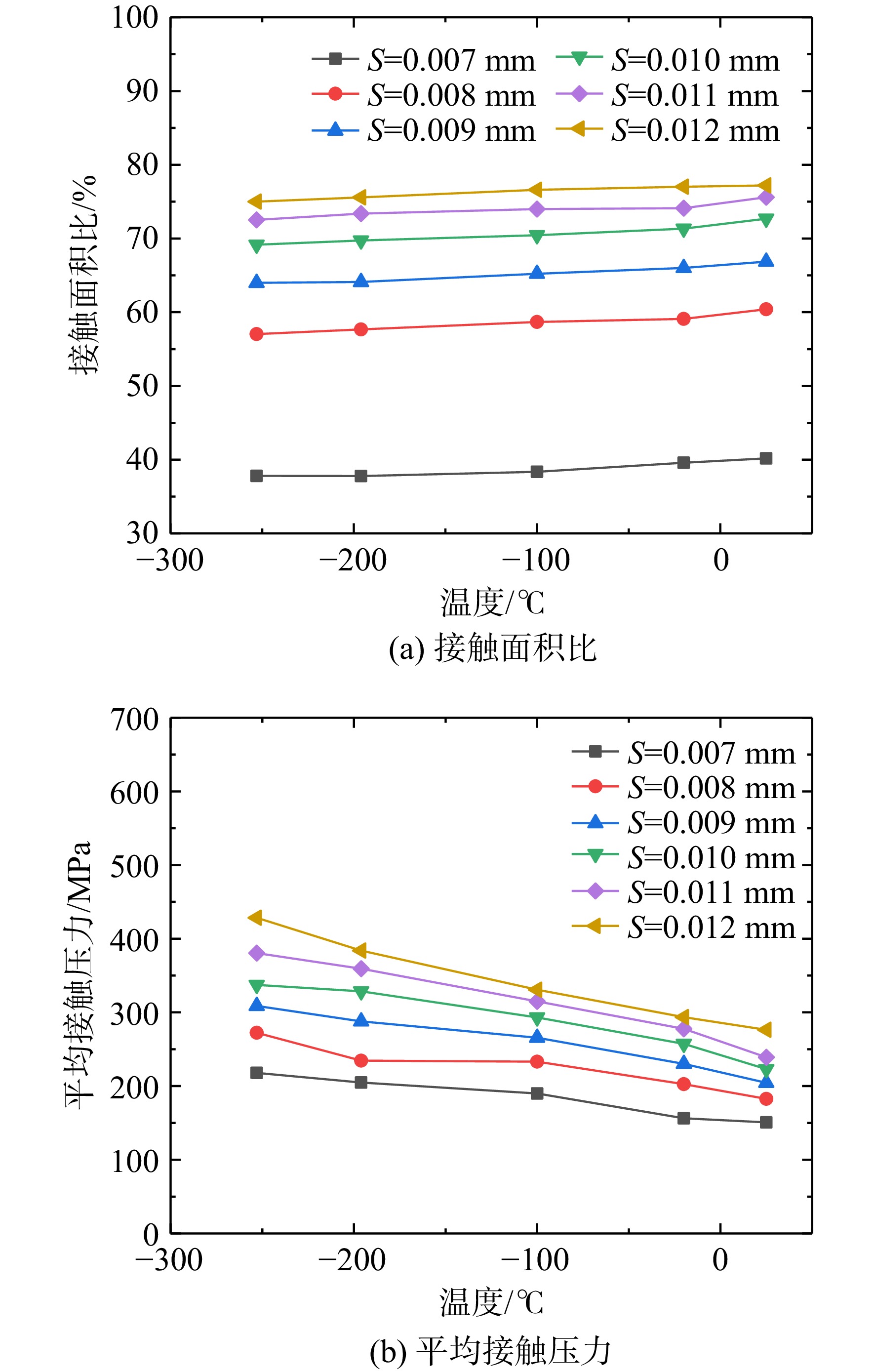
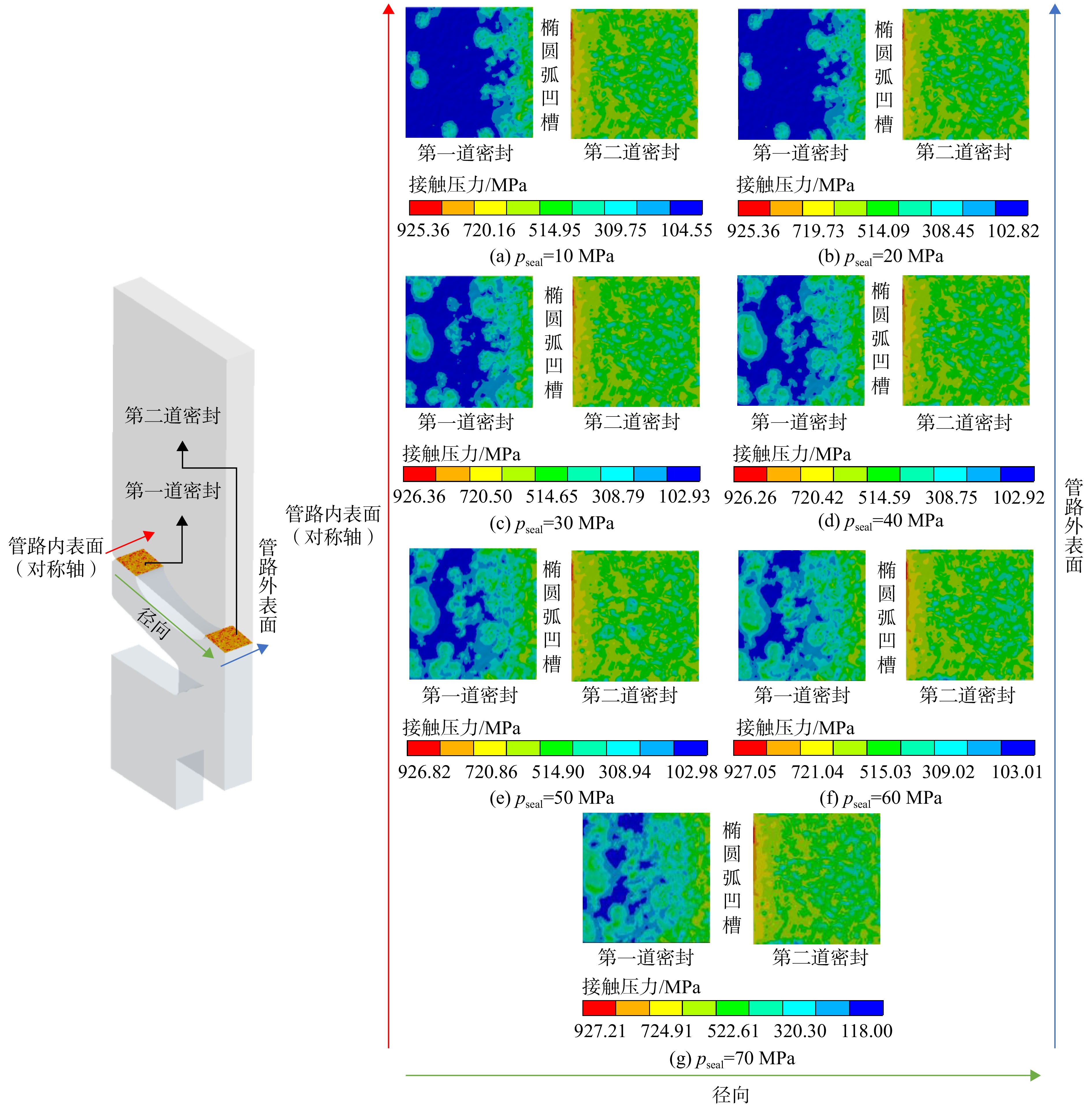
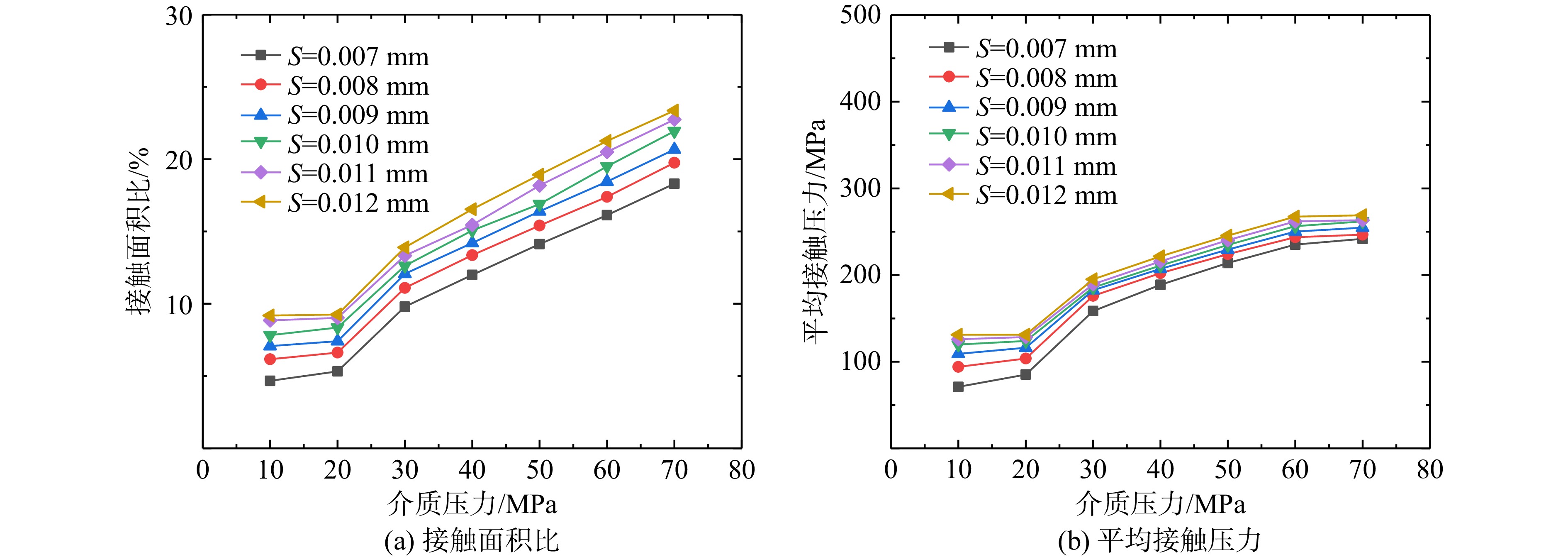
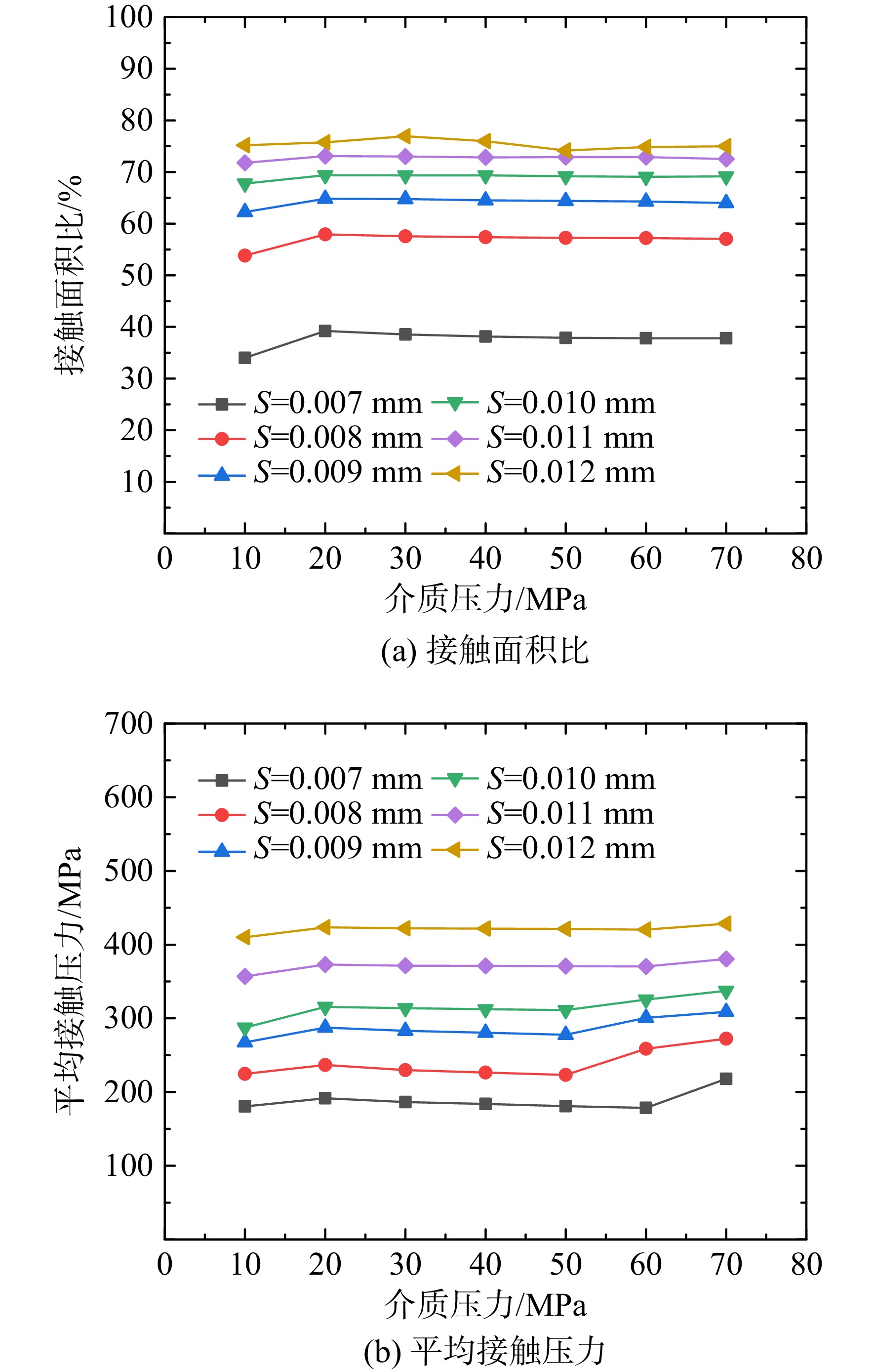
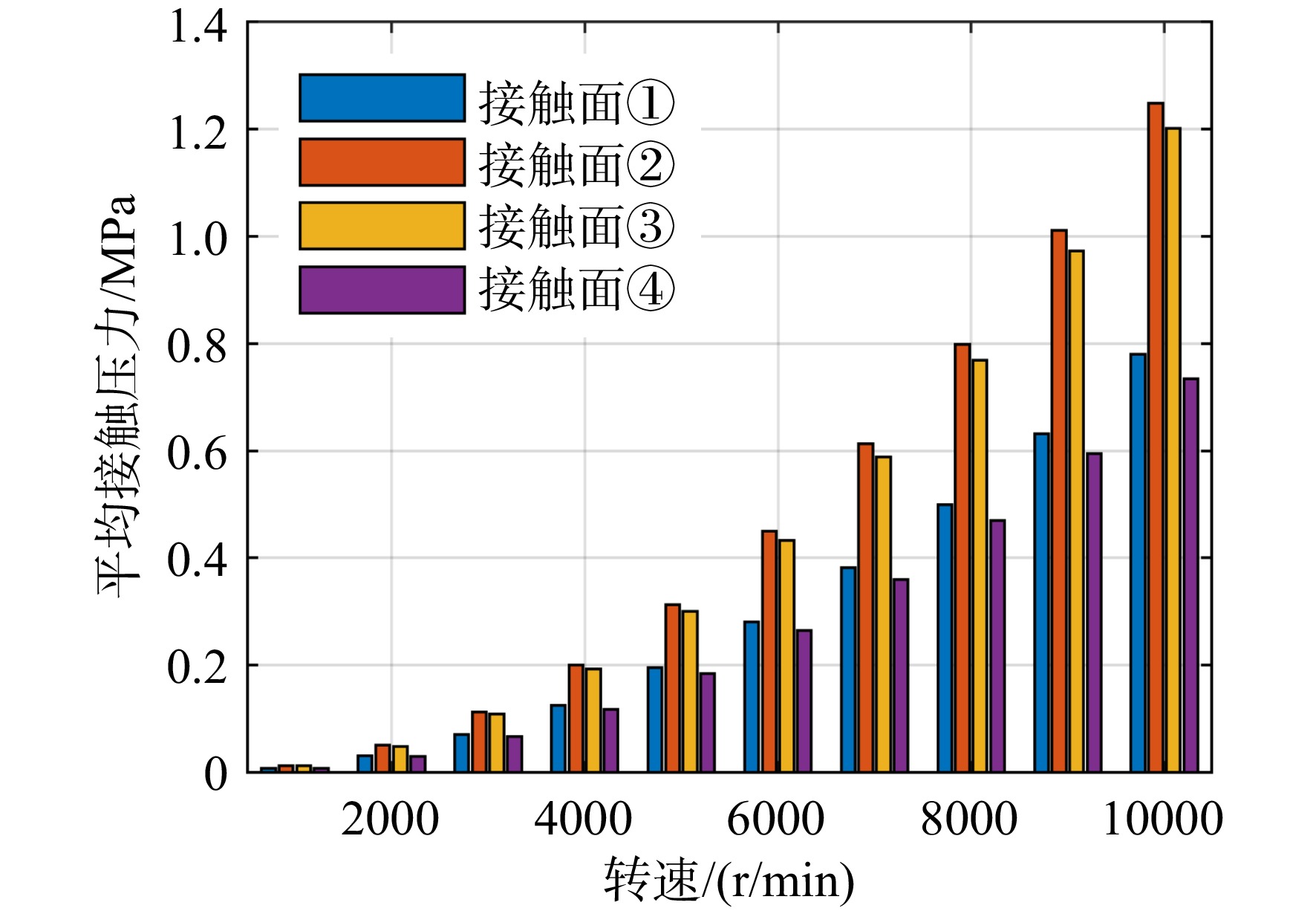
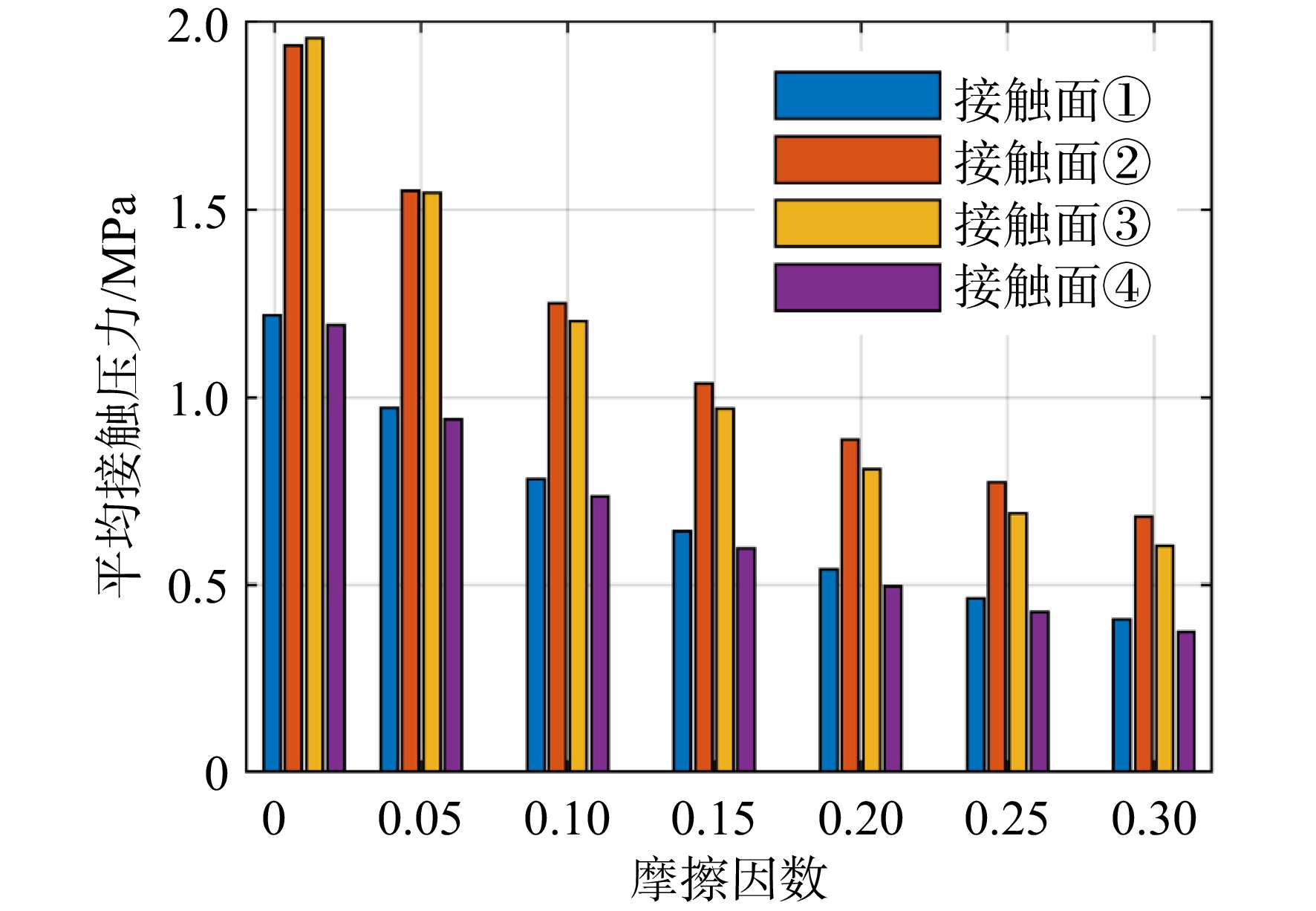
To evaluate the feasibility of beam seal fittings as connectors for aviation hydrogen pipelines, an analysis of the self-sealing performance of beam seal fittings was conducted. A multi-scale finite element model of the beam seal fitting, incorporating the surface topography characteristics of rough sealing surfaces, was established. Based on this model, simulations were performed to calculate the real contact area and contact pressure in the sealing region under various working conditions. The law of the self-sealing performance of beam seal fittings varying with preload force, sealing medium temperature, and medium pressure was investigated. The results indicated that the self-sealing performance of beam seal fittings was primarily attributed to the sealing performance of the first seal. An increase in axial preload force and sealing medium pressure enhanced the self-sealing effect and improved the sealing performance of the first seal. In contrast, the temperature of the fluid medium had no significant impact on self-sealing performance, as the sealing performance of both the first and second seals remained largely unchanged within the investigated temperature range. The findings demonstrated the stability of the sealing performance of beam seal fittings across a wide temperature range and their adaptability to high-pressure environments.

Most critical conditions and damage assessment methods for bird strike on fan blades
Liu Songzheng, Wei Riguang, Zhao Yingchun, Gao Yang, Luo Gang
2026, 41(11): 20240685. doi: 10.13224/j.cnki.jasp.20240685
Abstract:

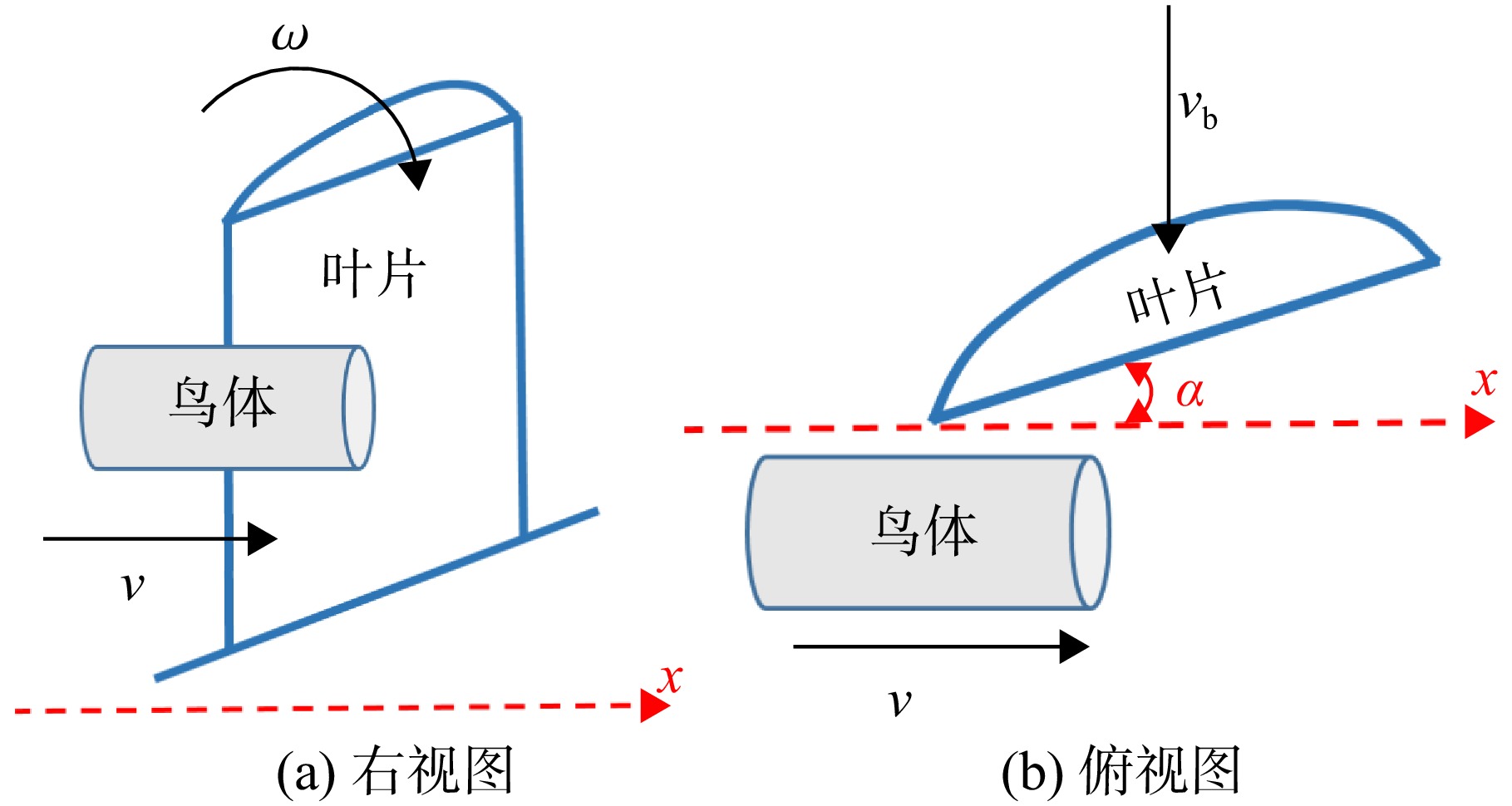
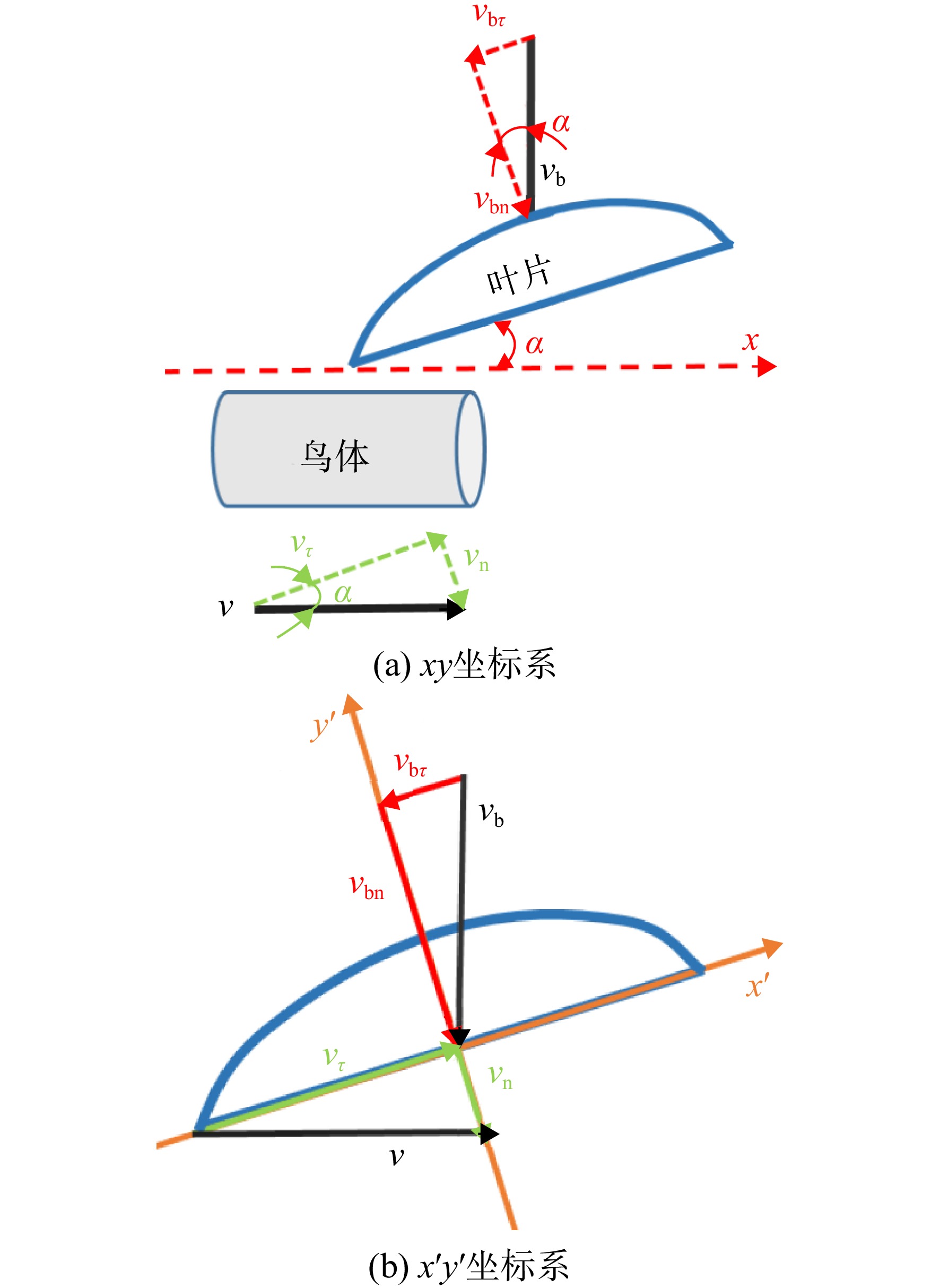
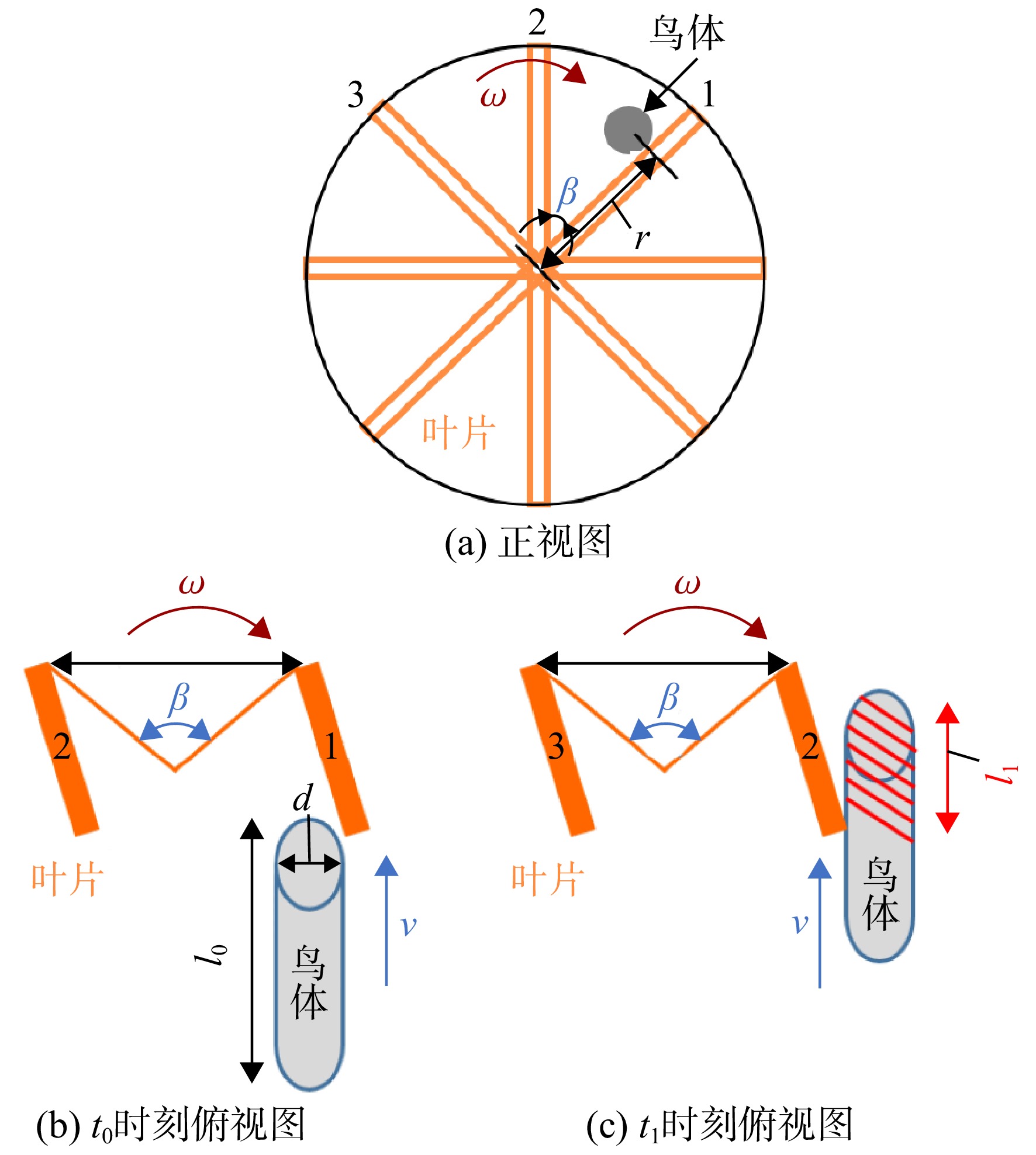
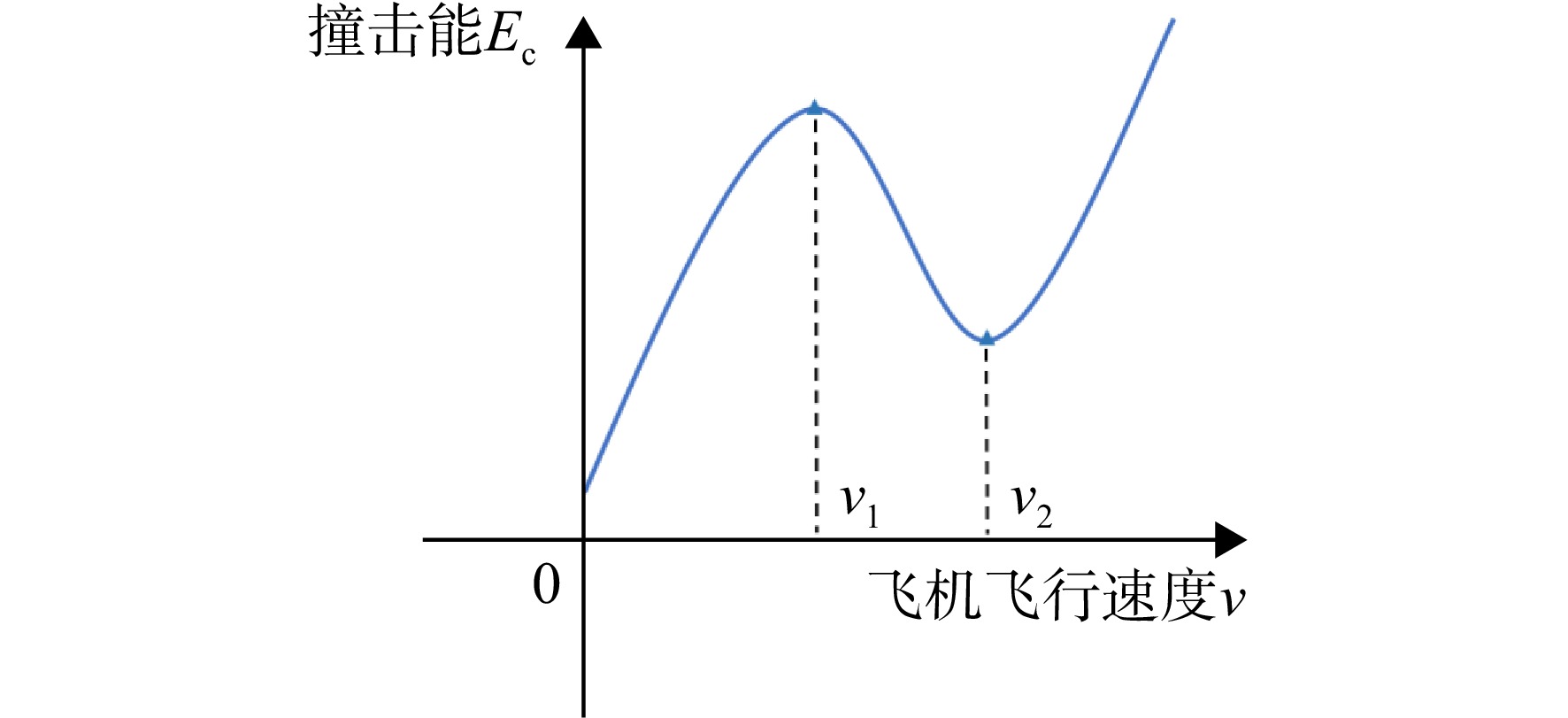
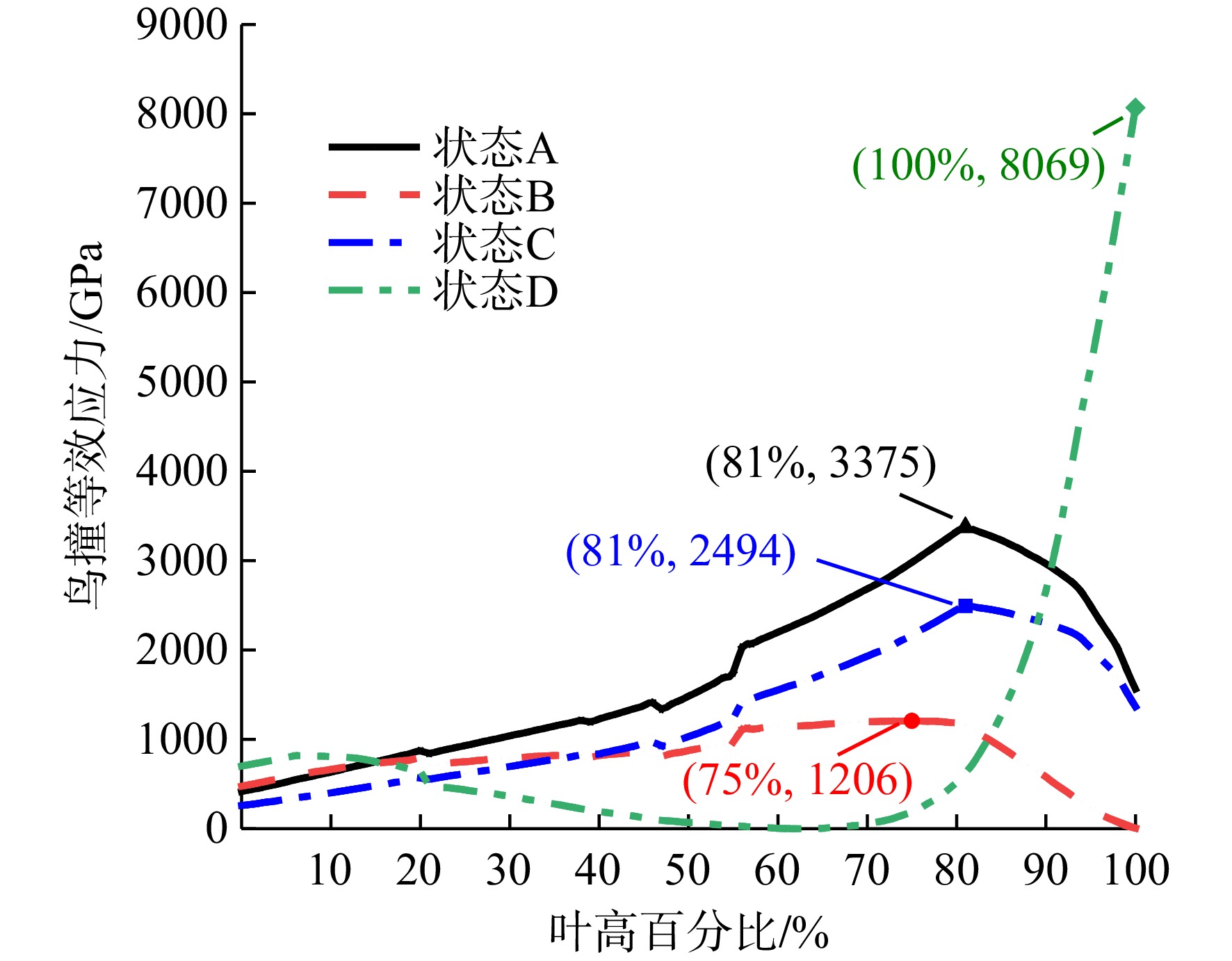
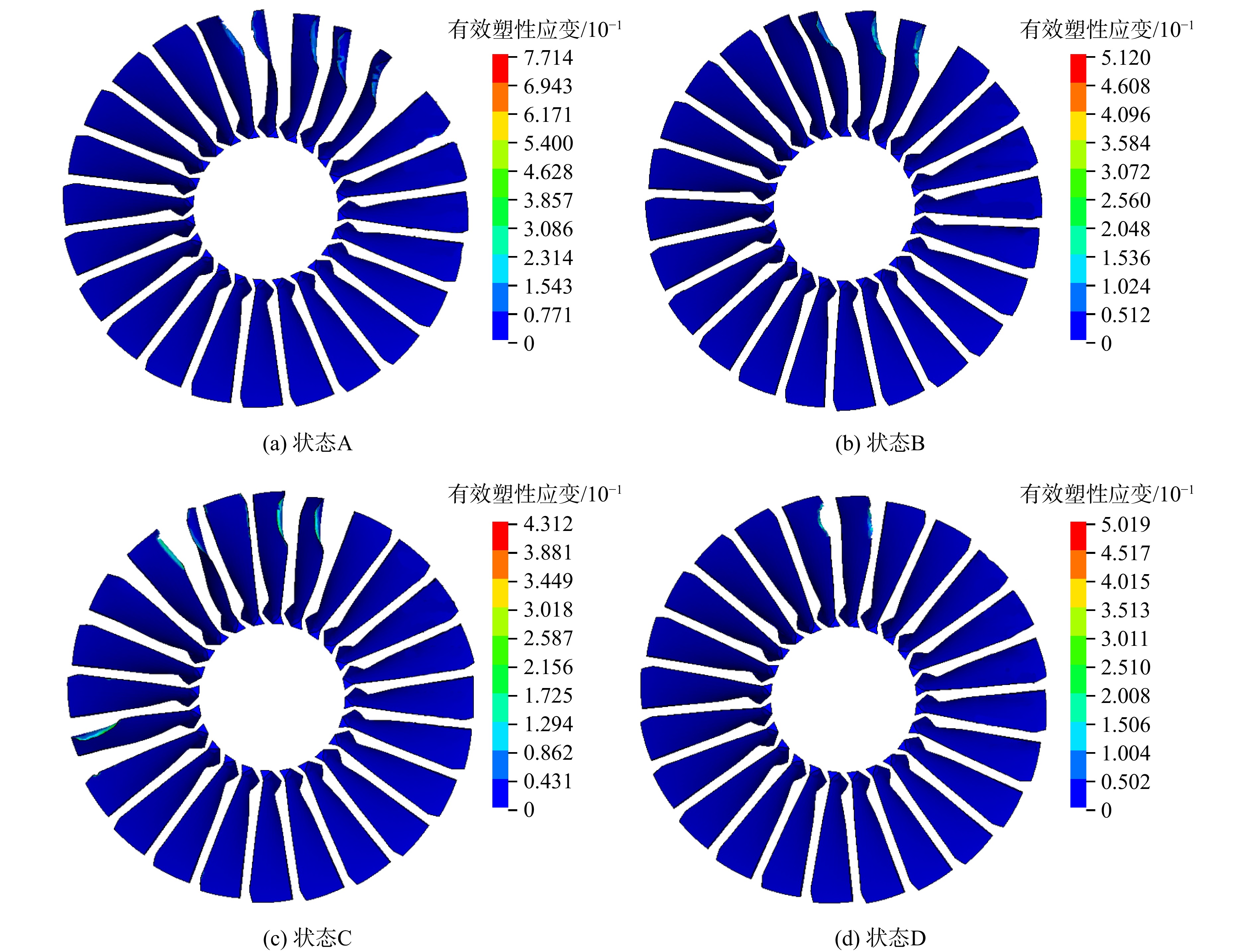
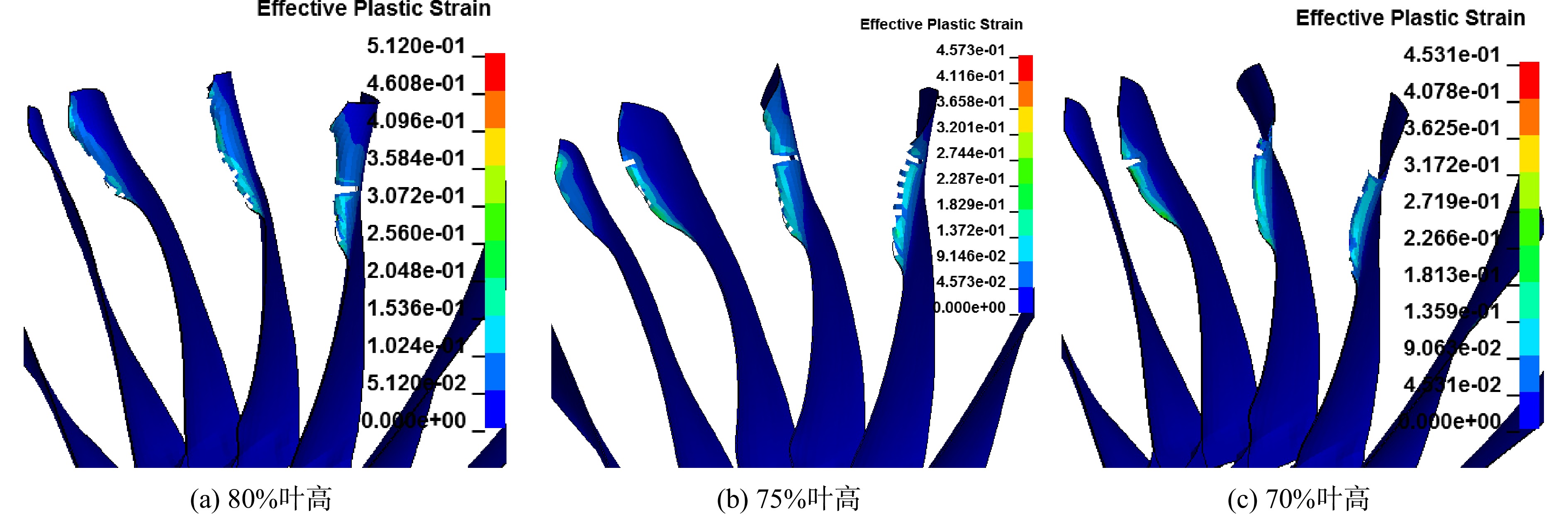
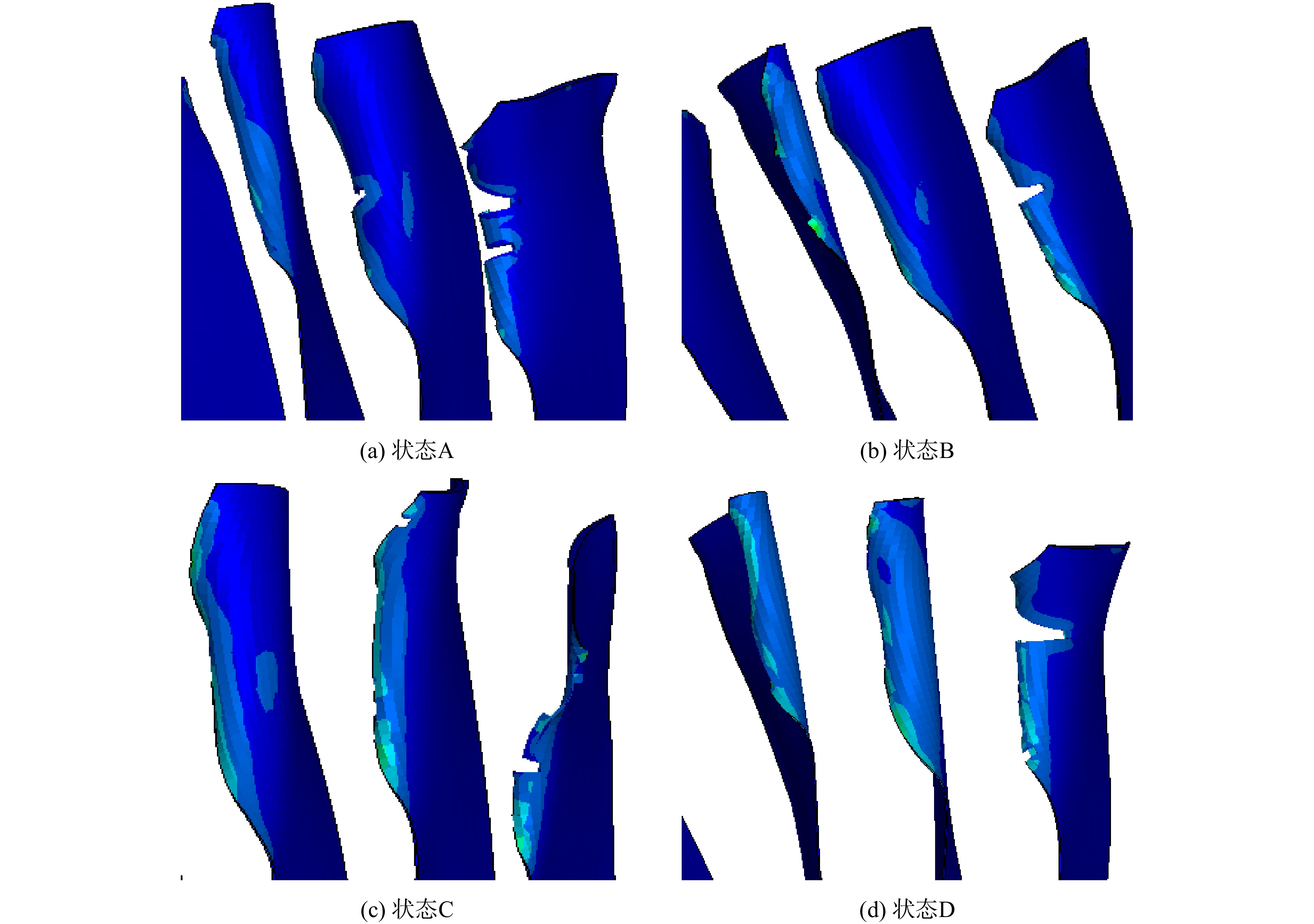
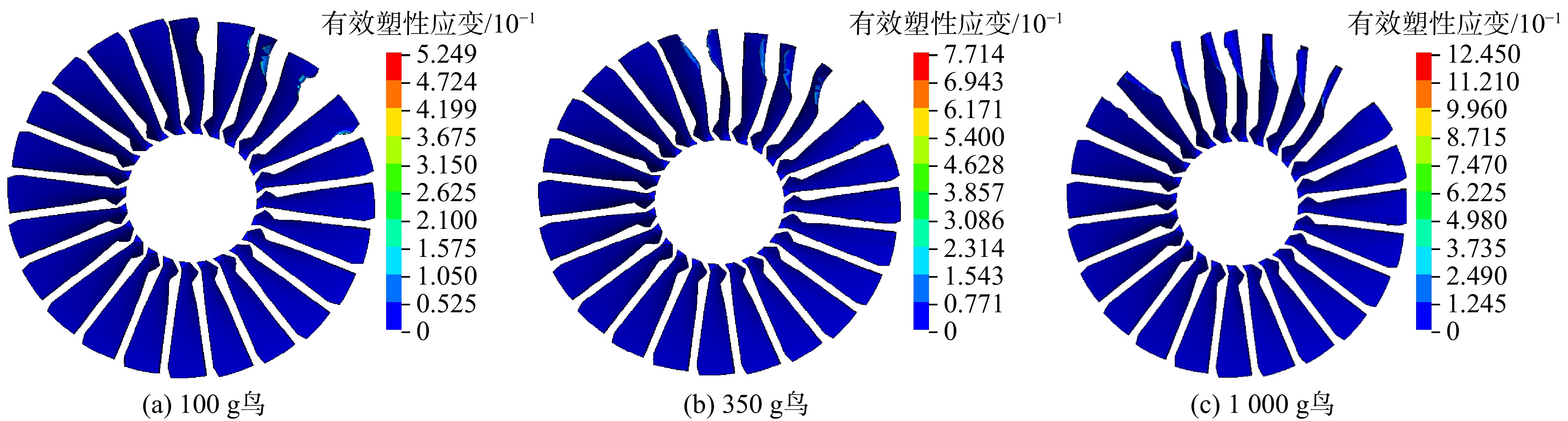
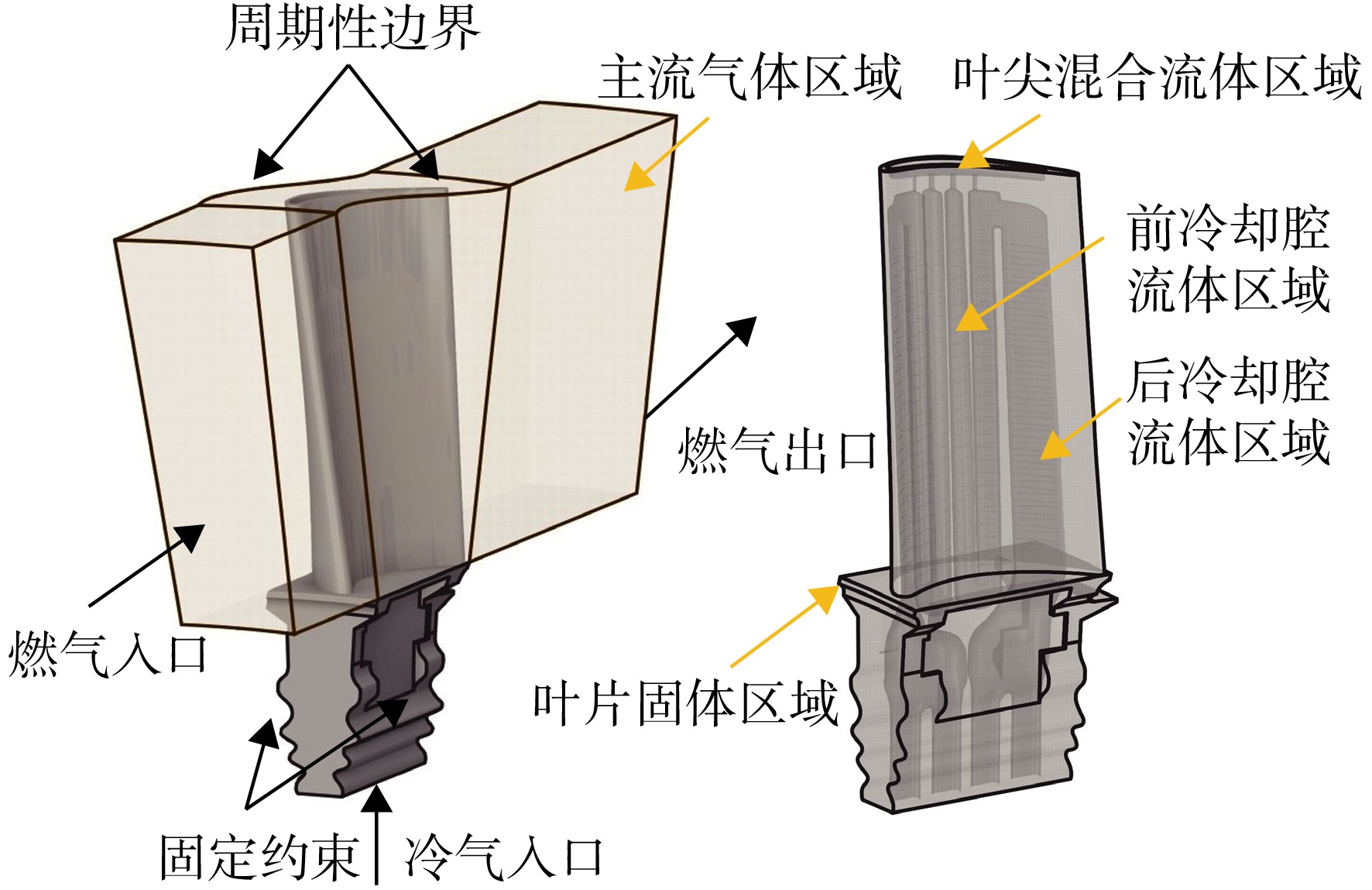
By establishing a mathematical model of the bird strike process of aero engine fan blades, an analytical method to quantify the bird strike damage of fan blades was proposed. Based on the kinetic energy of the bird strike process and the key structural parameters of the blade’s resistance to bird strike, the equivalent stress of bird strike was defined to reflect the damage level of the fan blades and their resistance to bird strike capability. And a systematic analysis of bird strike damage to the actual fan blades of an engine under different working conditions was conducted, clarifying the most critical working conditions for bird strike on fan blades under different engine states. The research shows that the fan rotate speed, aircraft flight speed, as well as the blade leading edge angle and thickness all jointly influence the bird strike damage to fan blades. The most critical impact position under different working conditions may vary. Changes in the mass of the bird do not affect the most critical impact position. The equivalent stress of bird strike can quickly analyze the resistance of fan blades to bird strike and determine the most critical working conditions, providing an efficient analytical tool for the evaluation during the design optimization phase and the selection of test assessment schemes.

Reduced-order modeling method for low-cycle fatigue life prediction of gas turbine rotor blades
Guo Yifan, Gao Zhiyuan, Geng Mingze, Wang Shengbo, Jiang Xiaomo, Liu Haitao
2026, 41(11): 20250453. doi: 10.13224/j.cnki.jasp.20250453
Abstract:
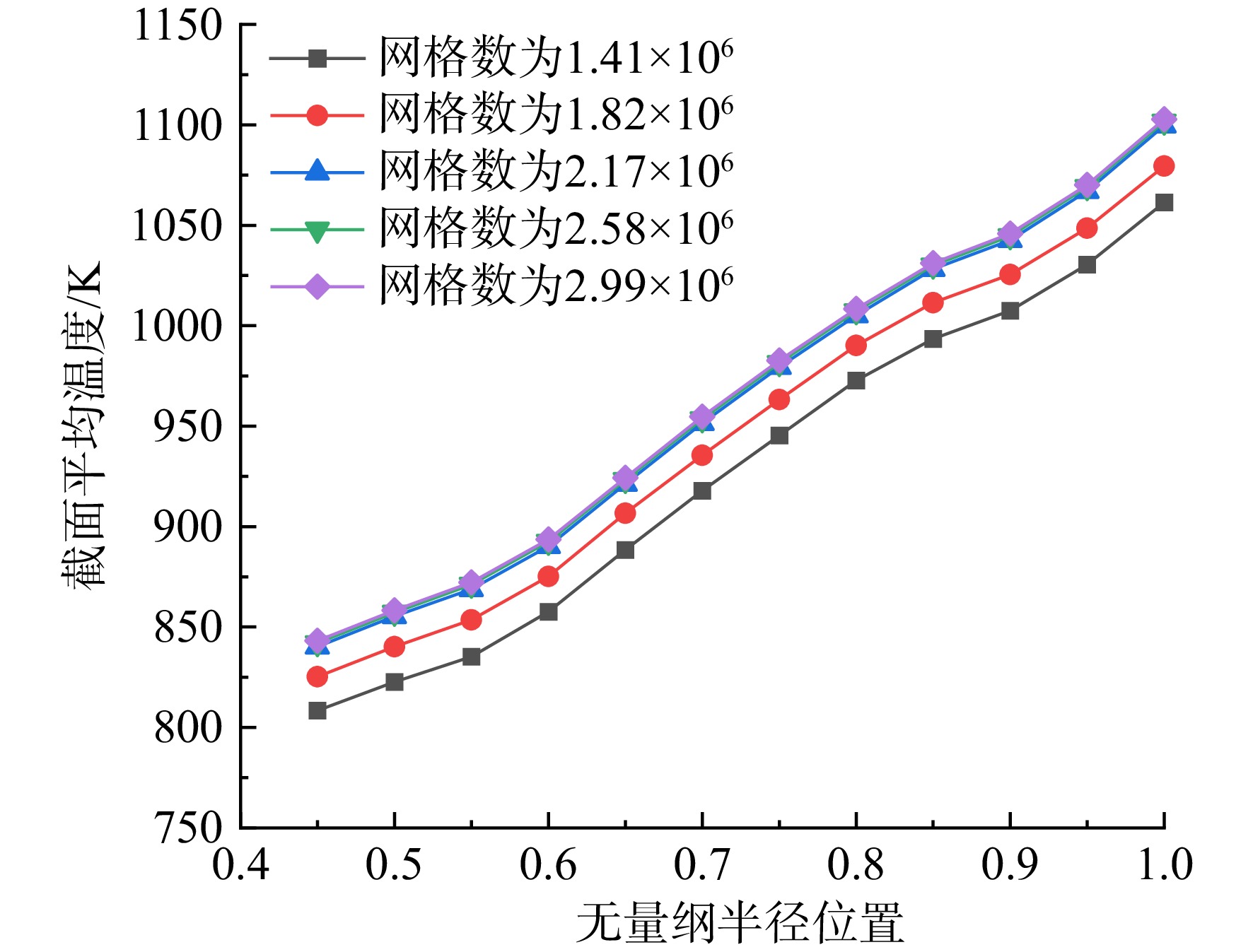
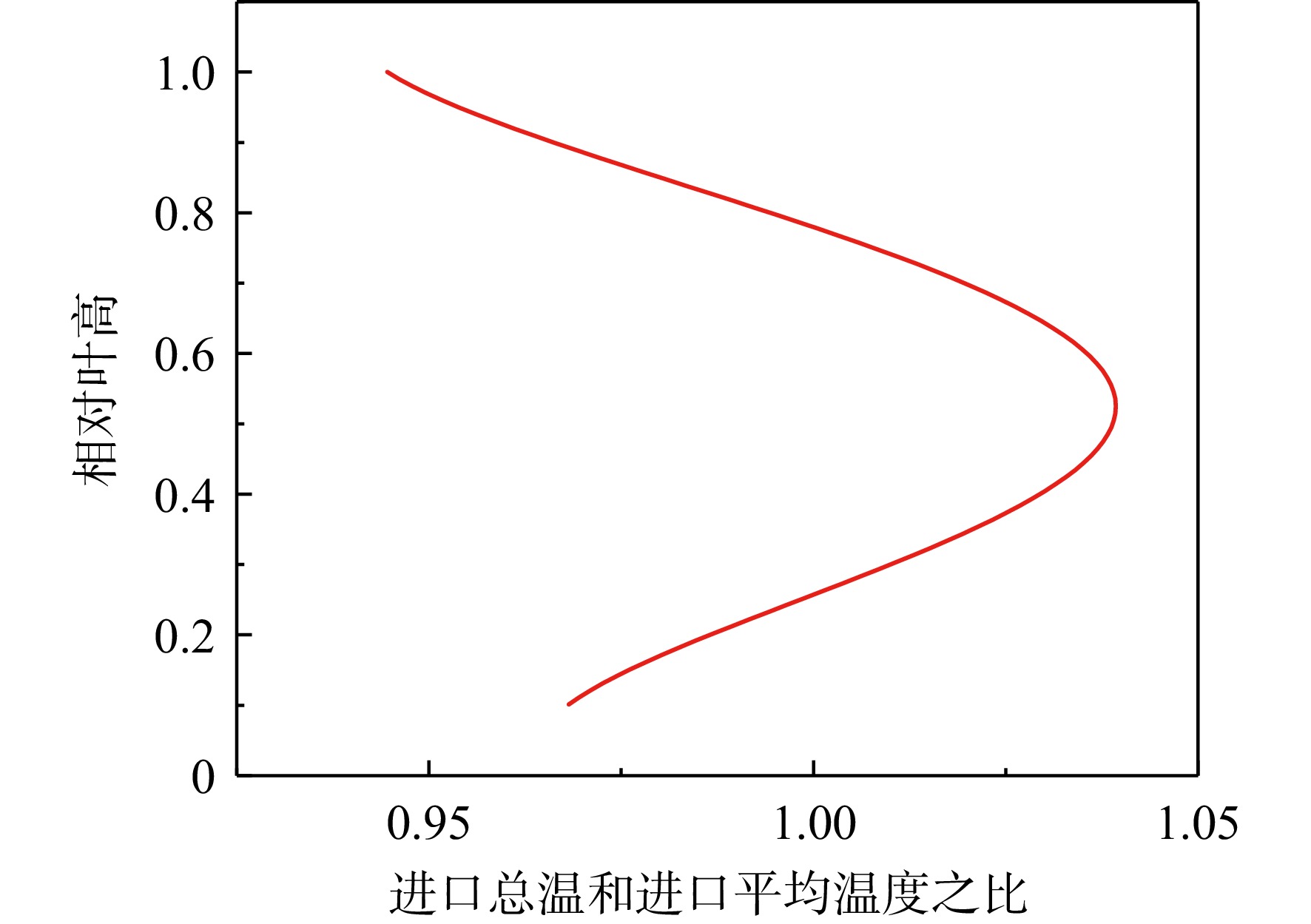
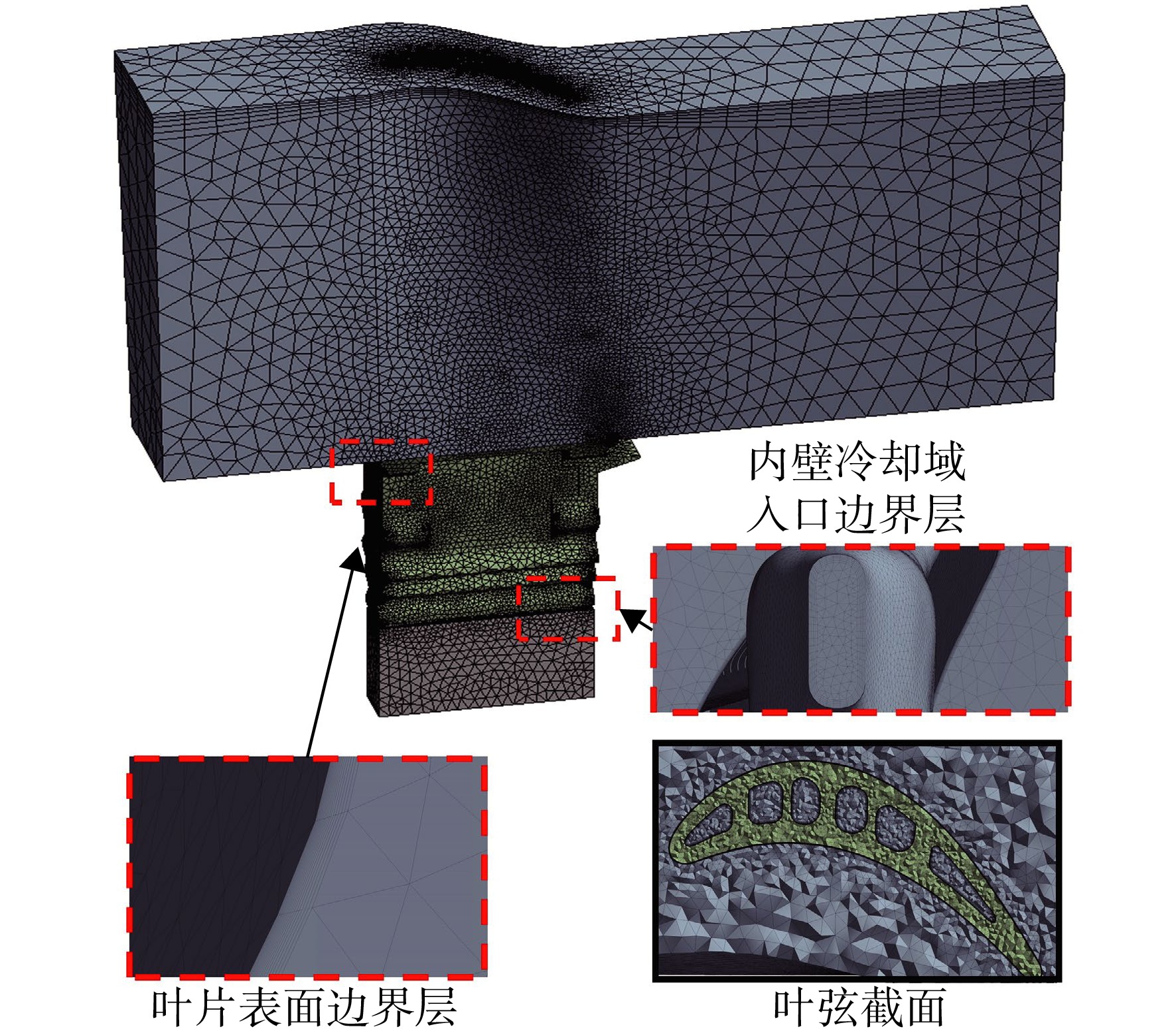
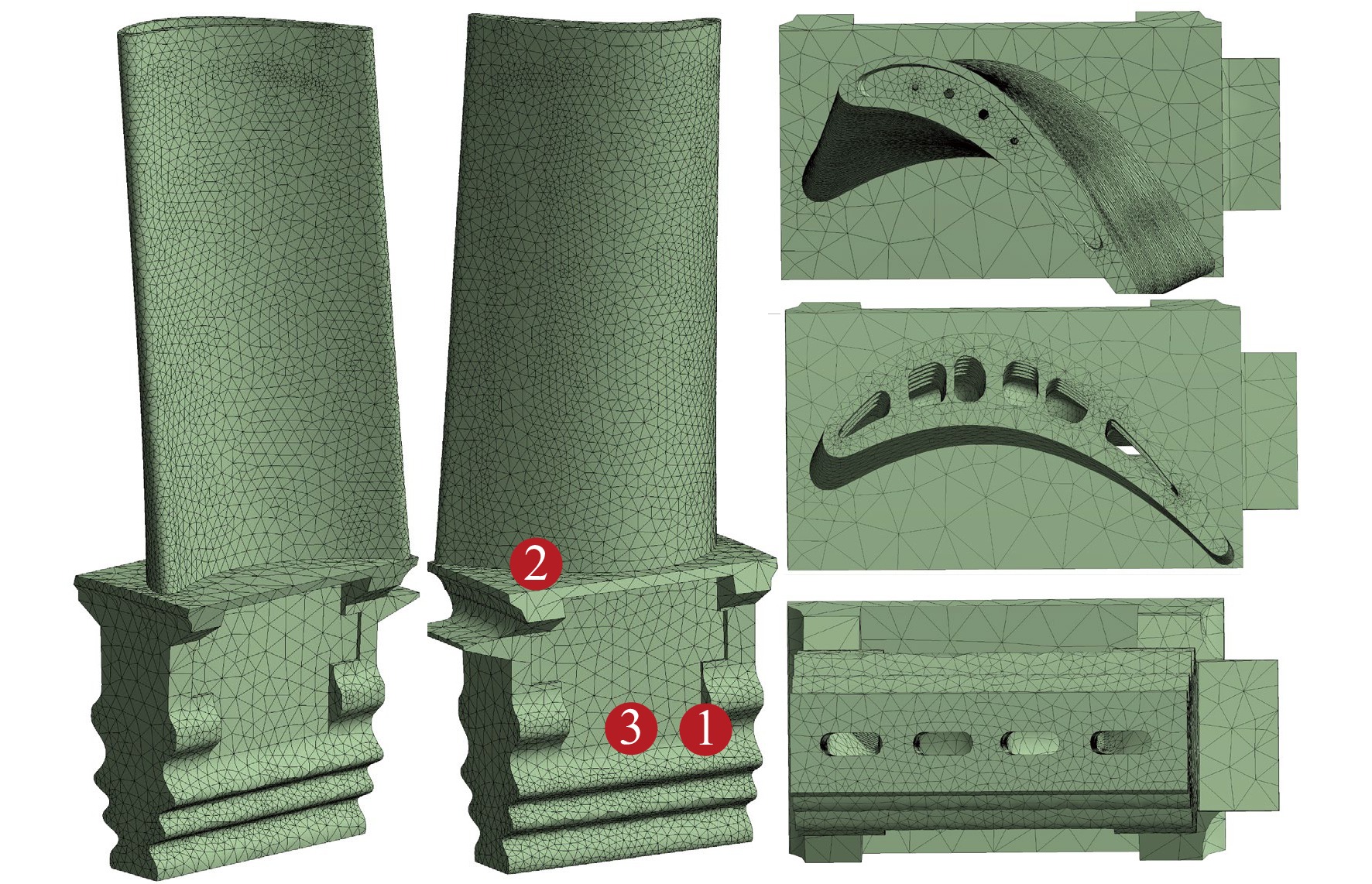
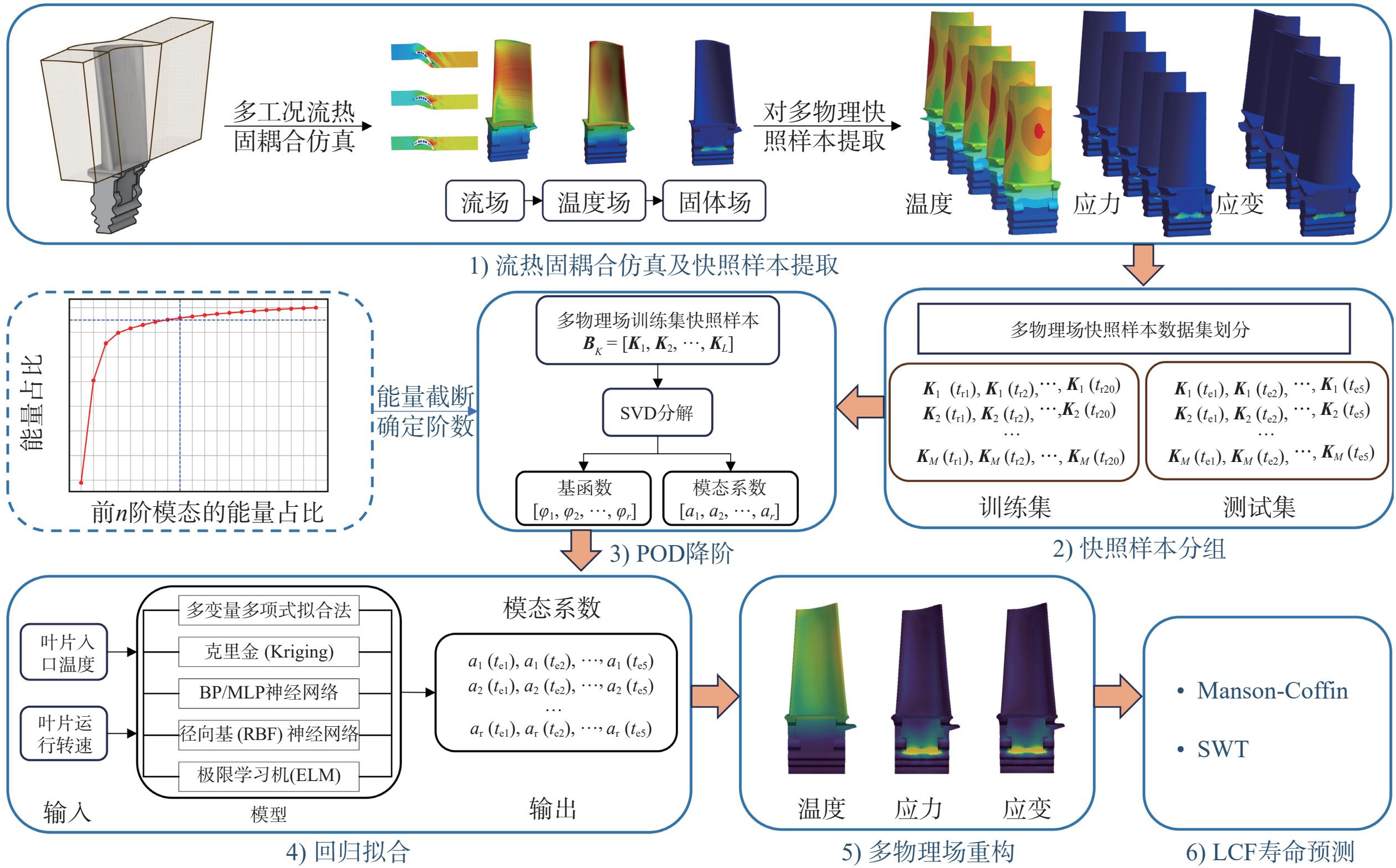
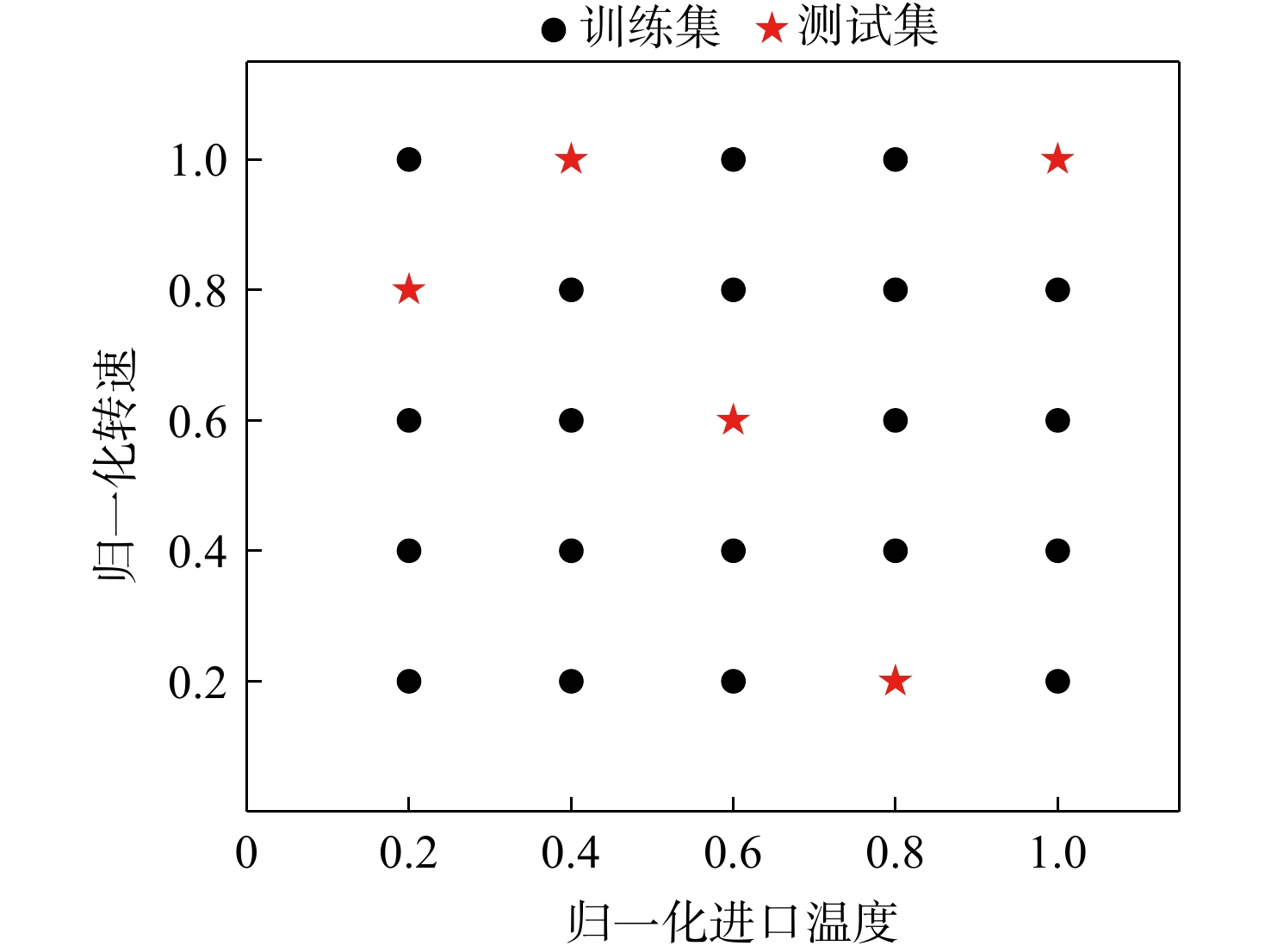
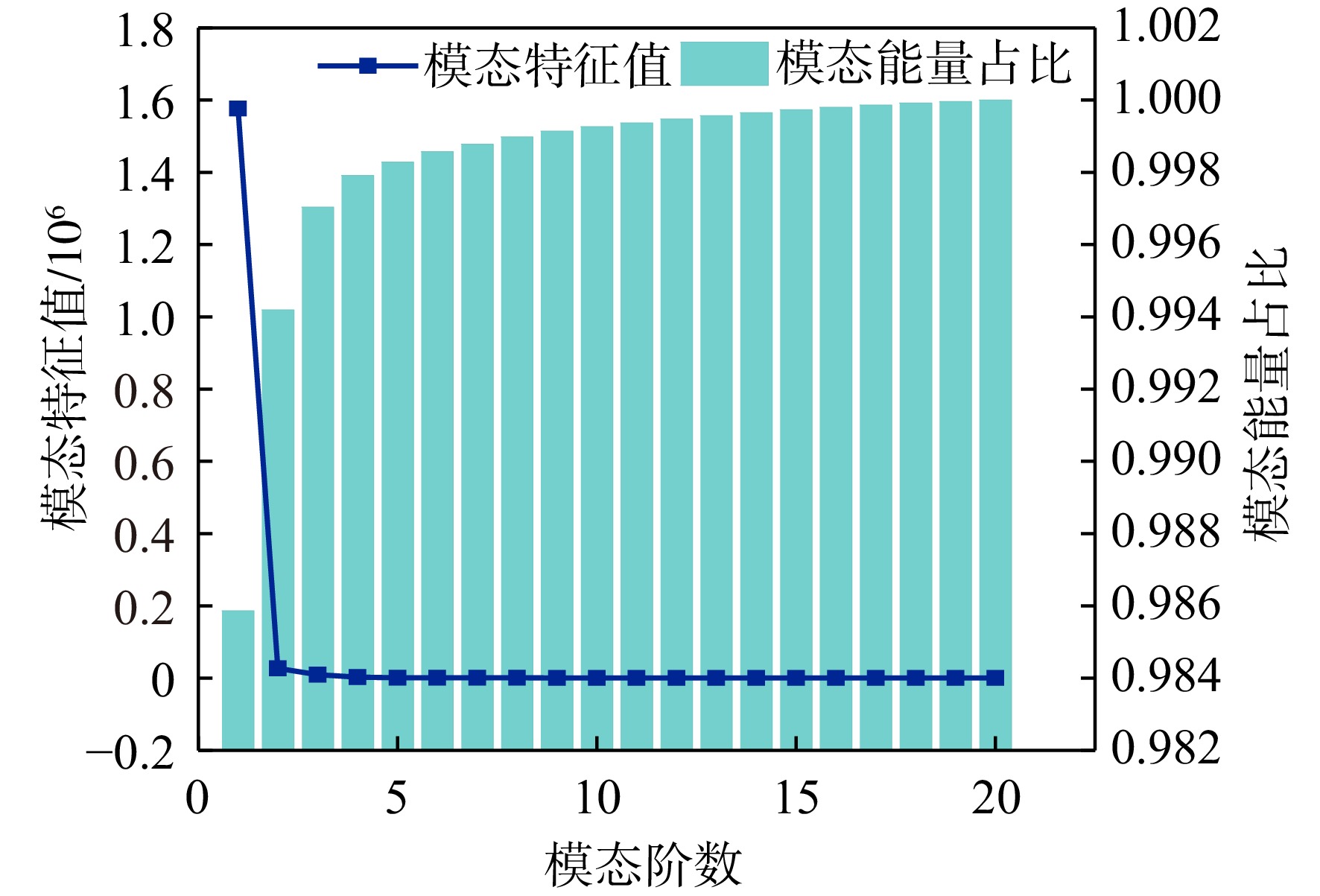
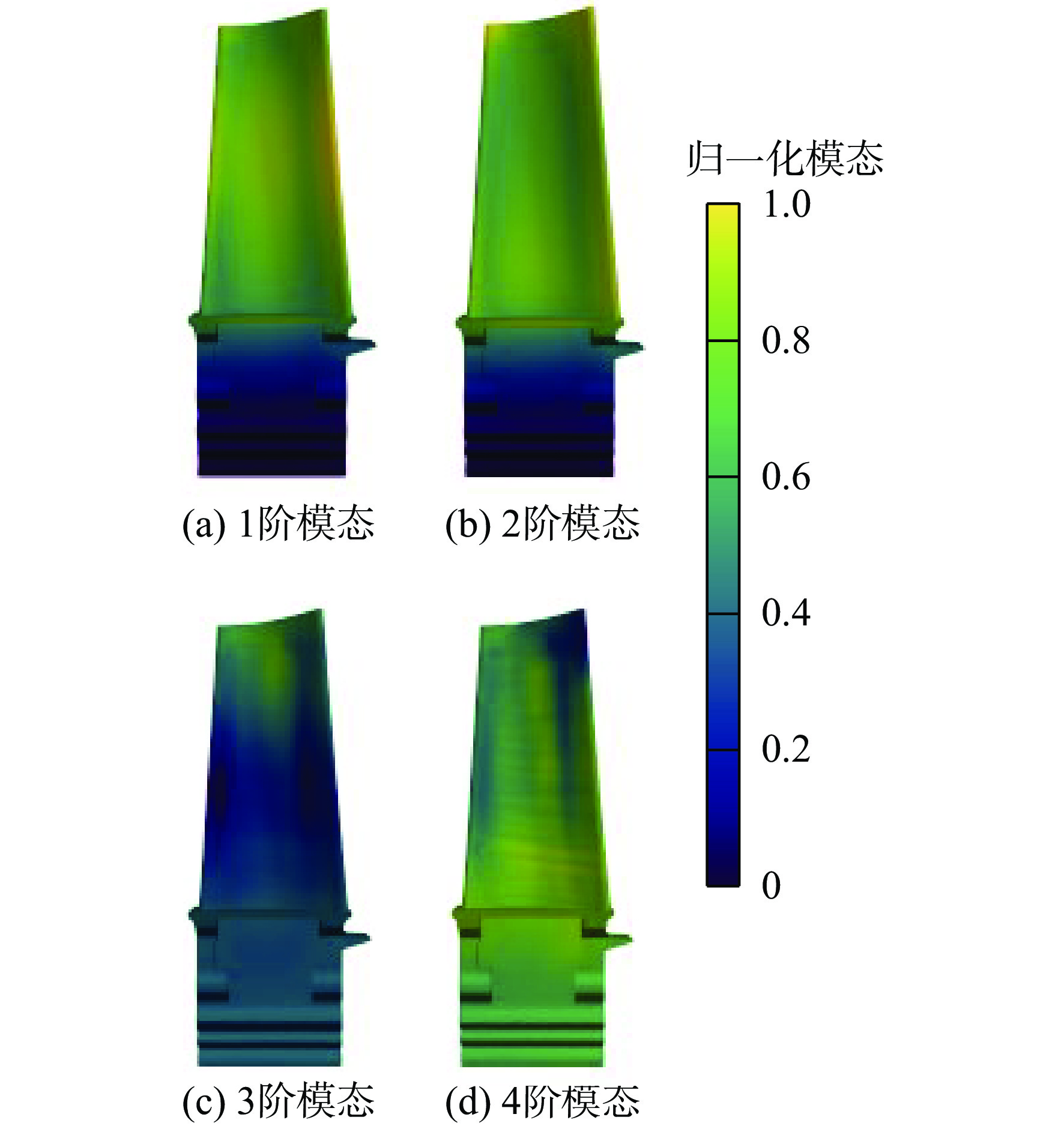
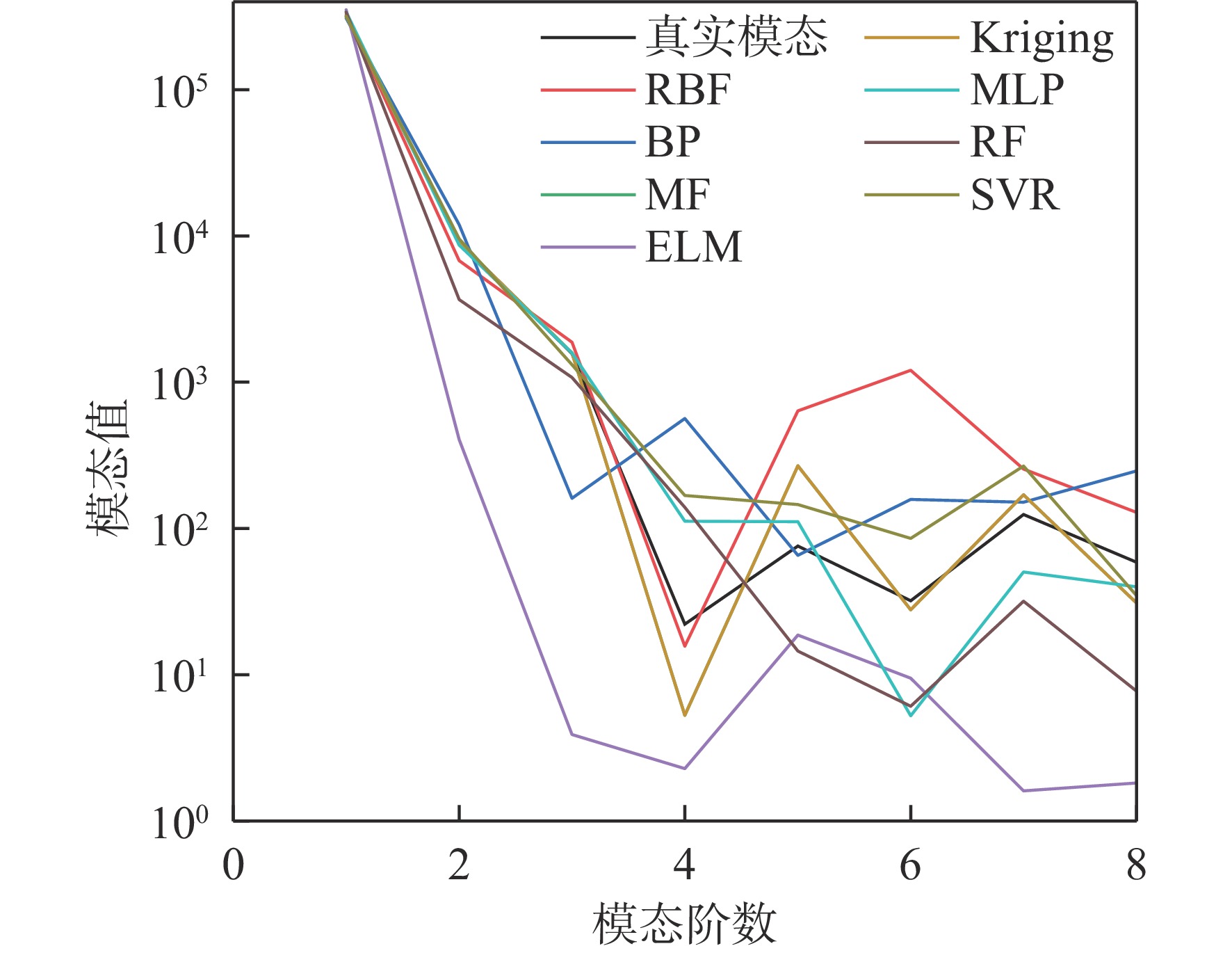
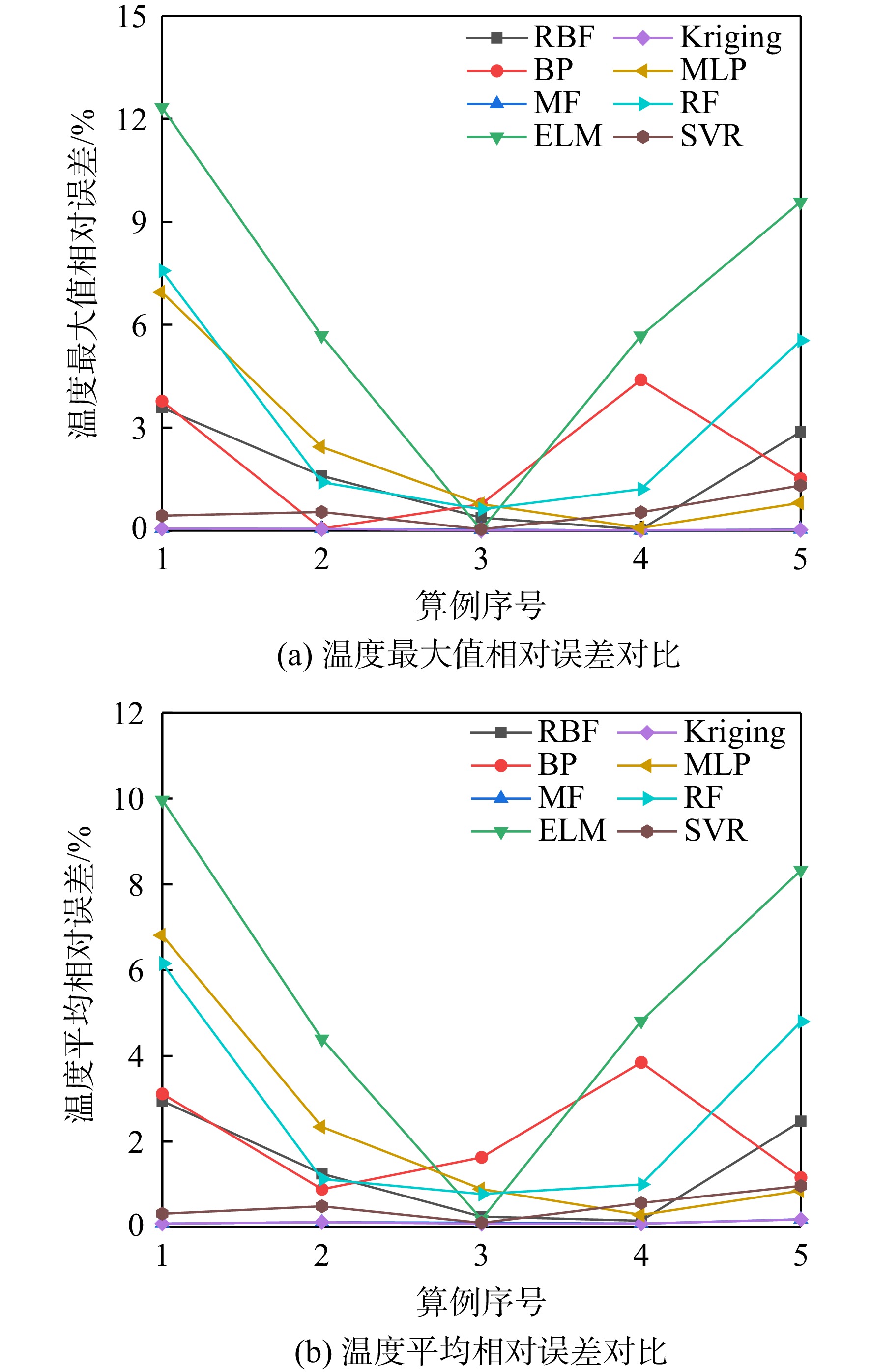
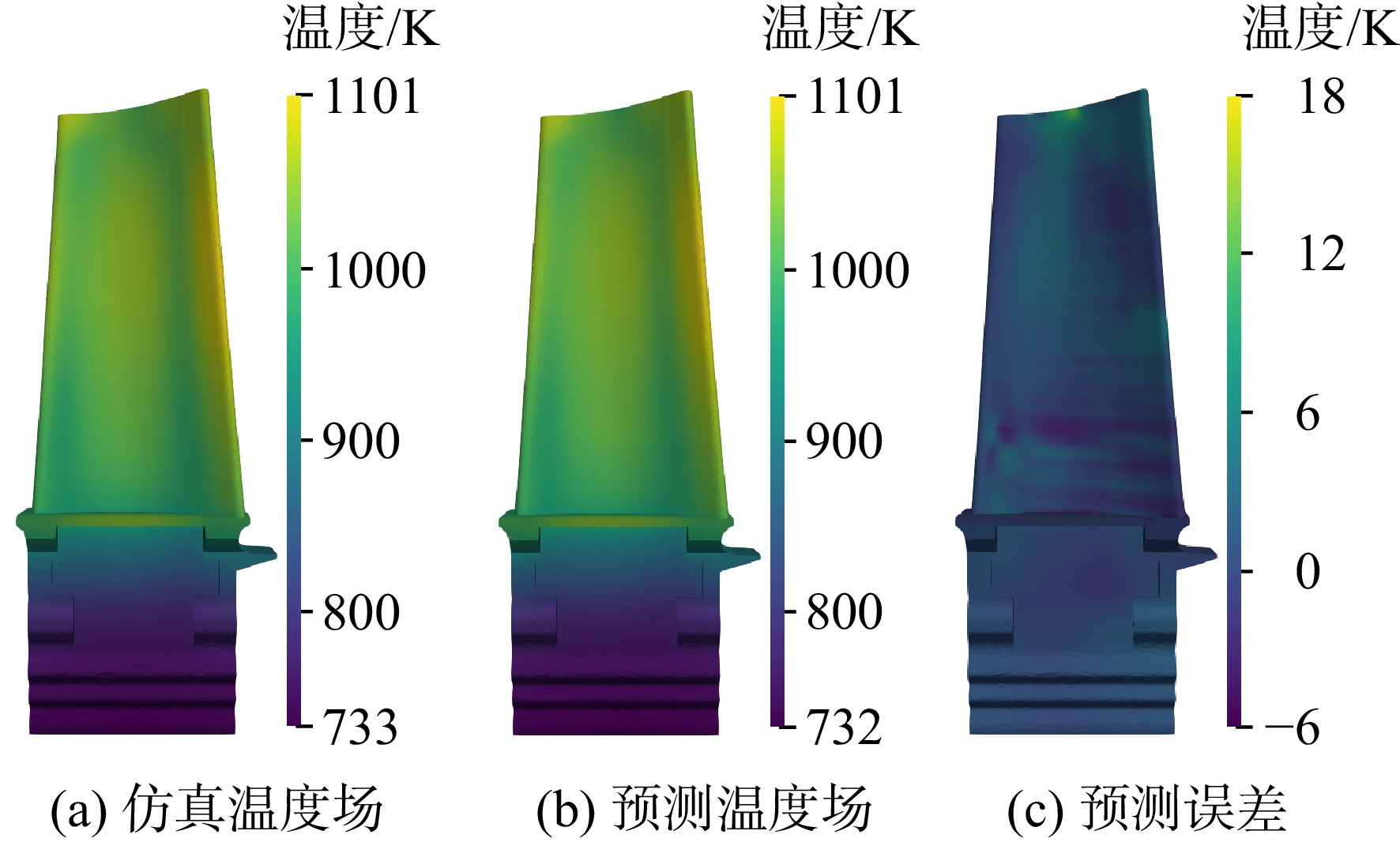
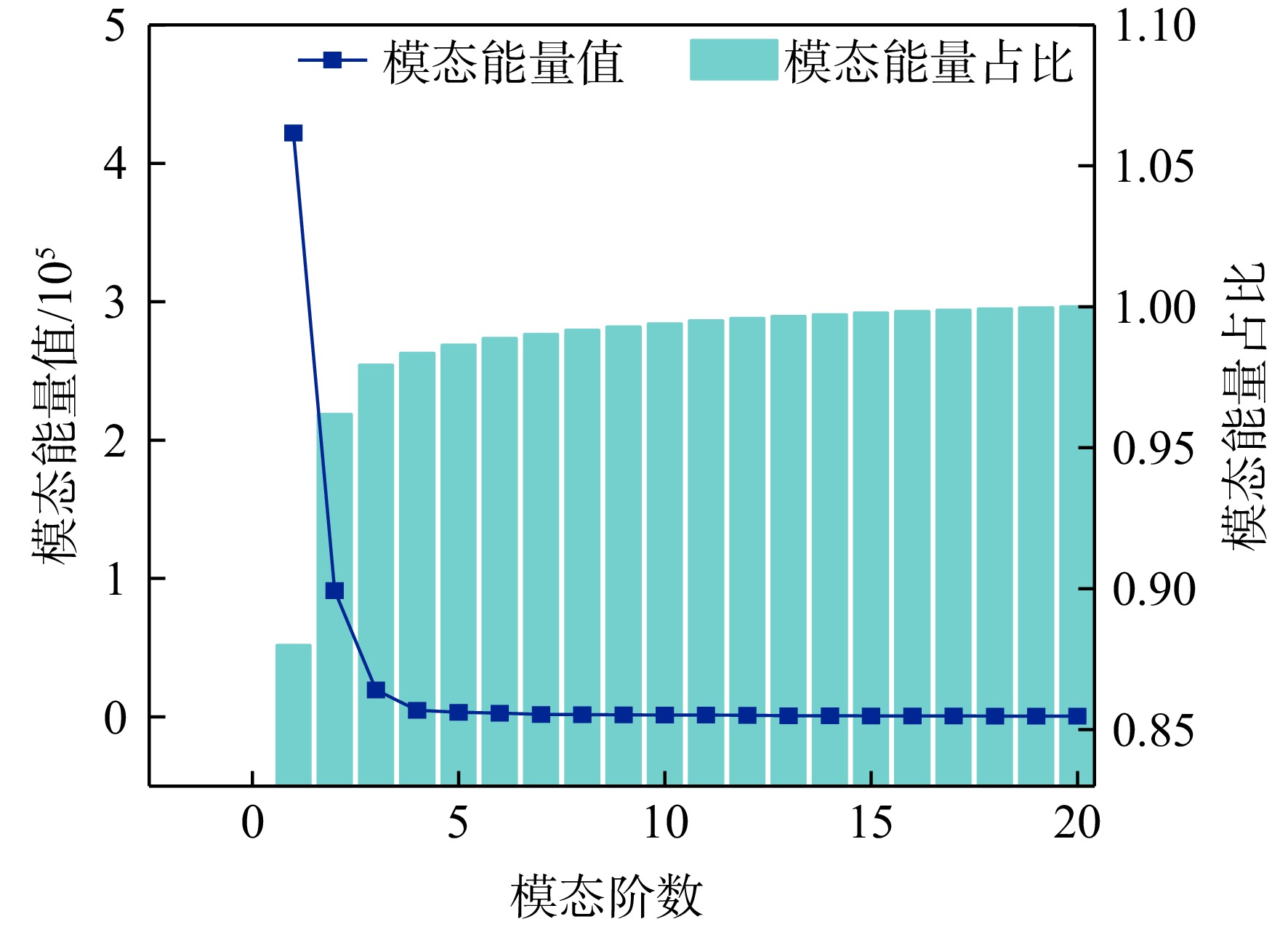
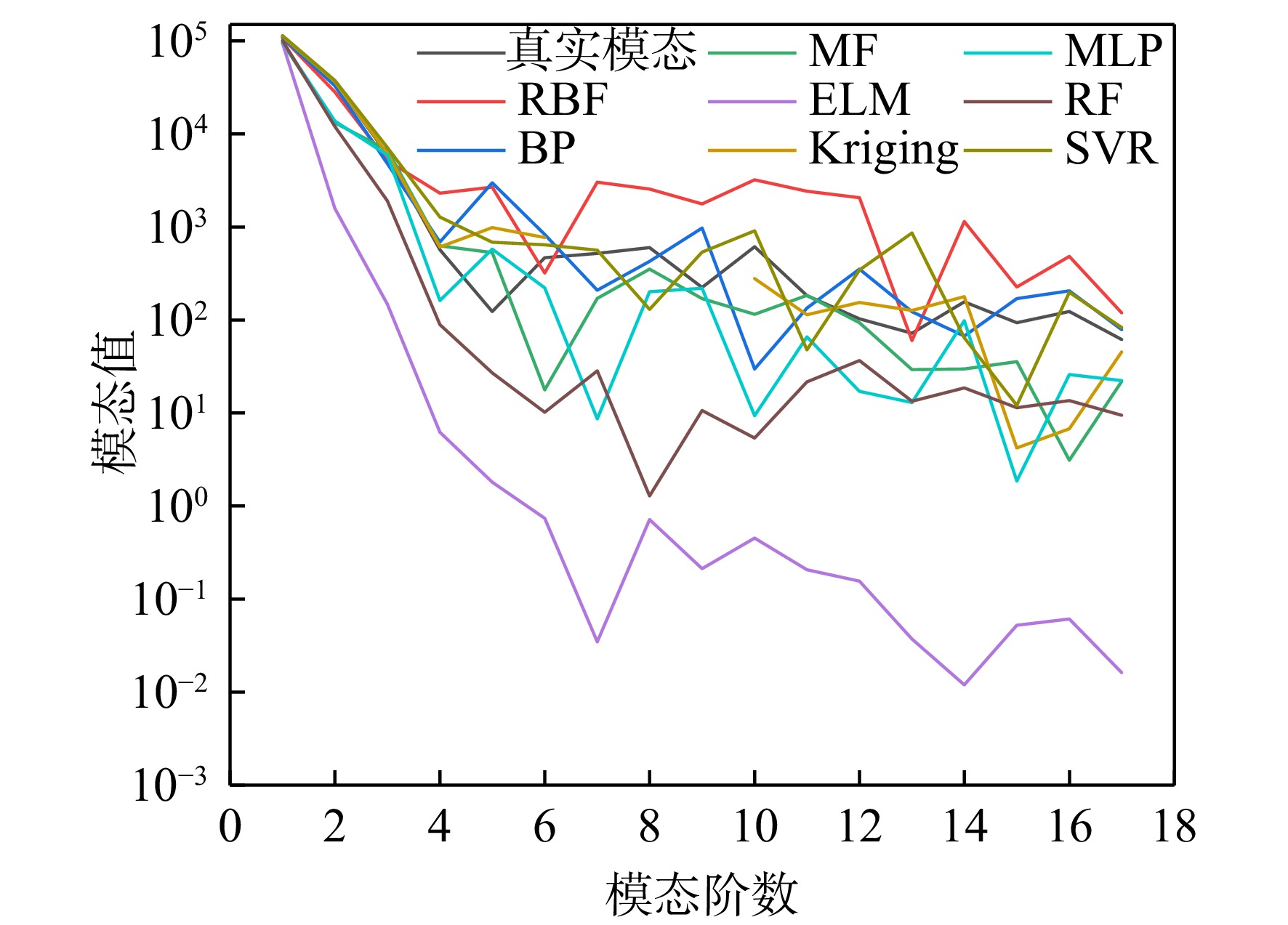
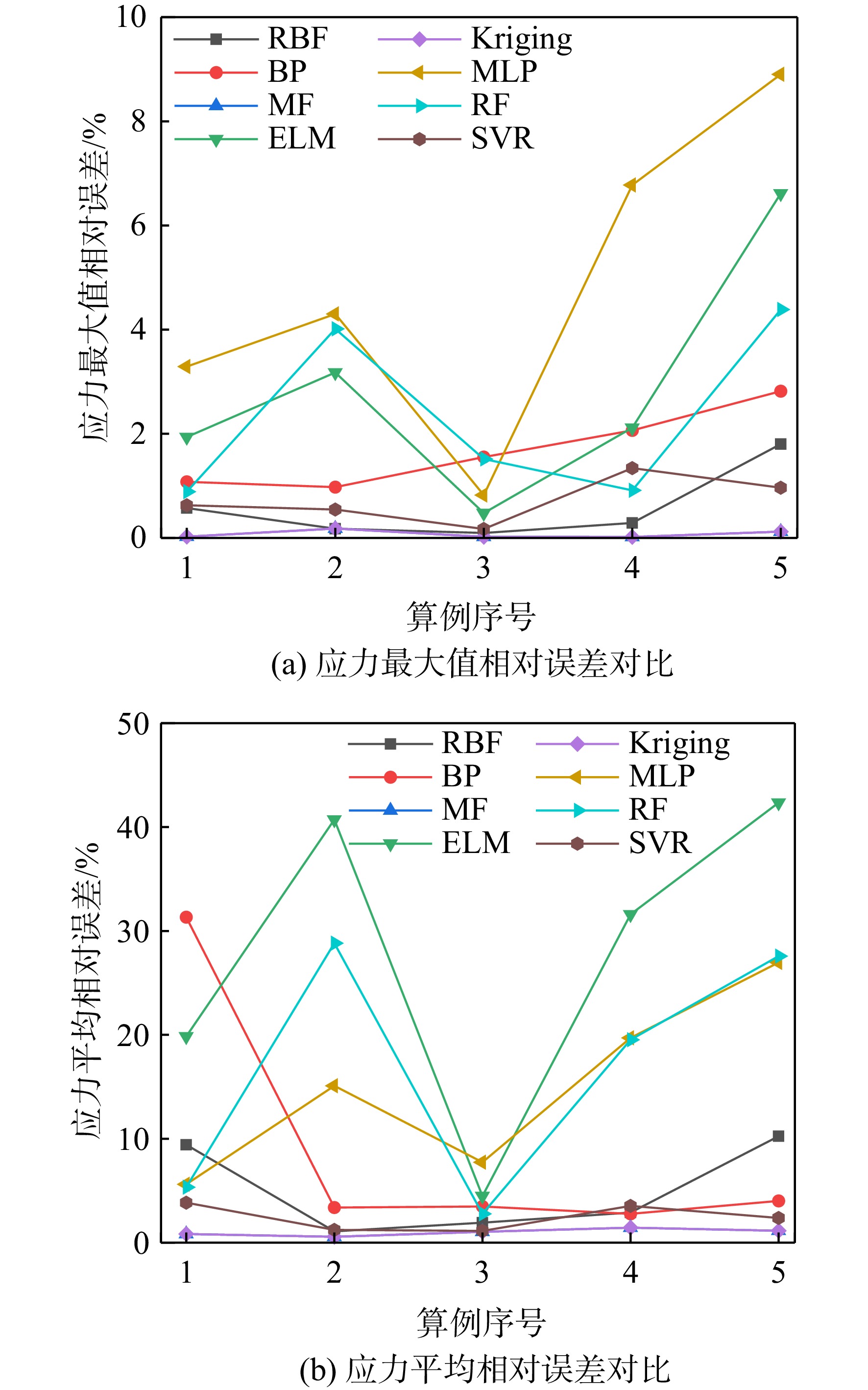
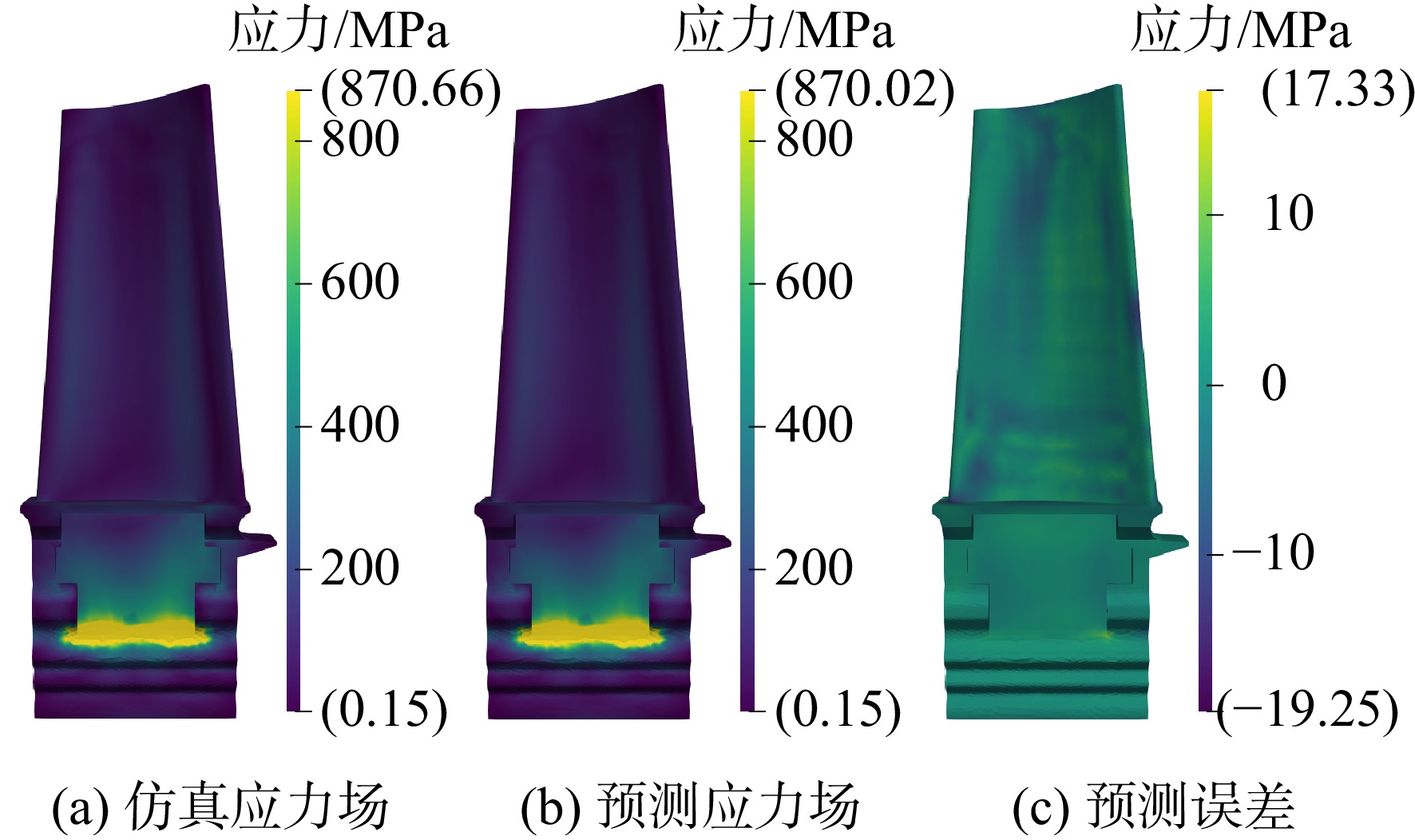
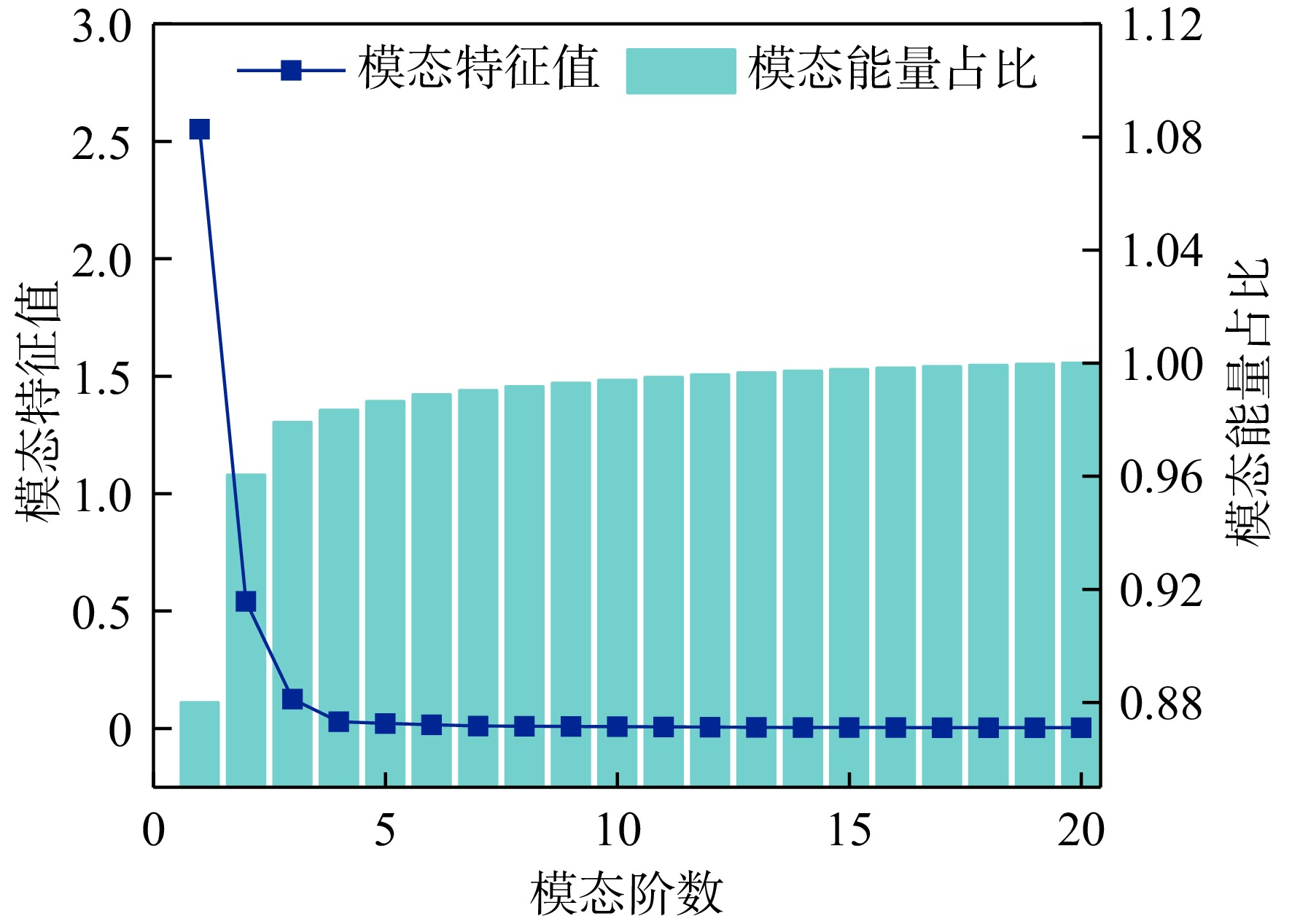
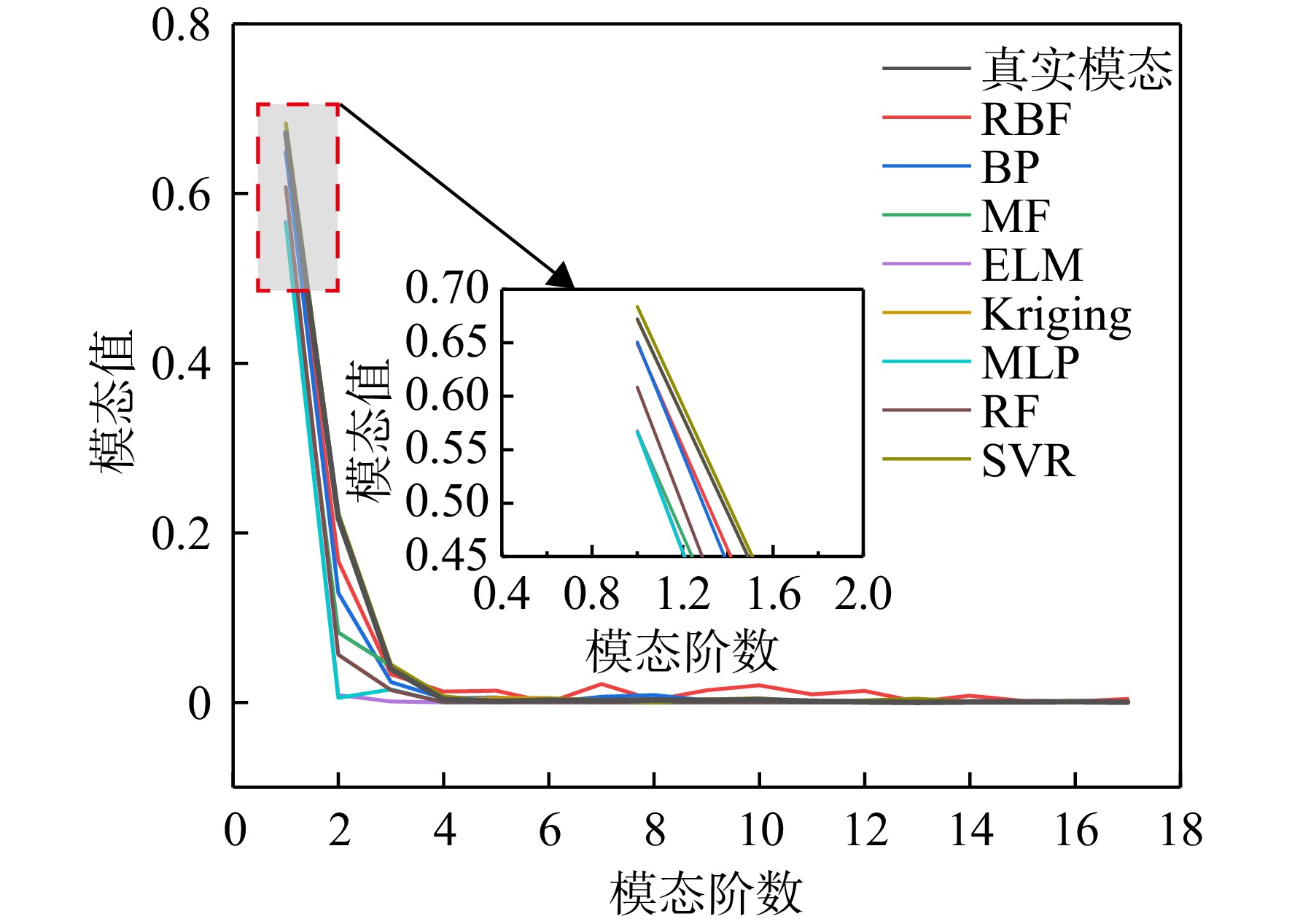
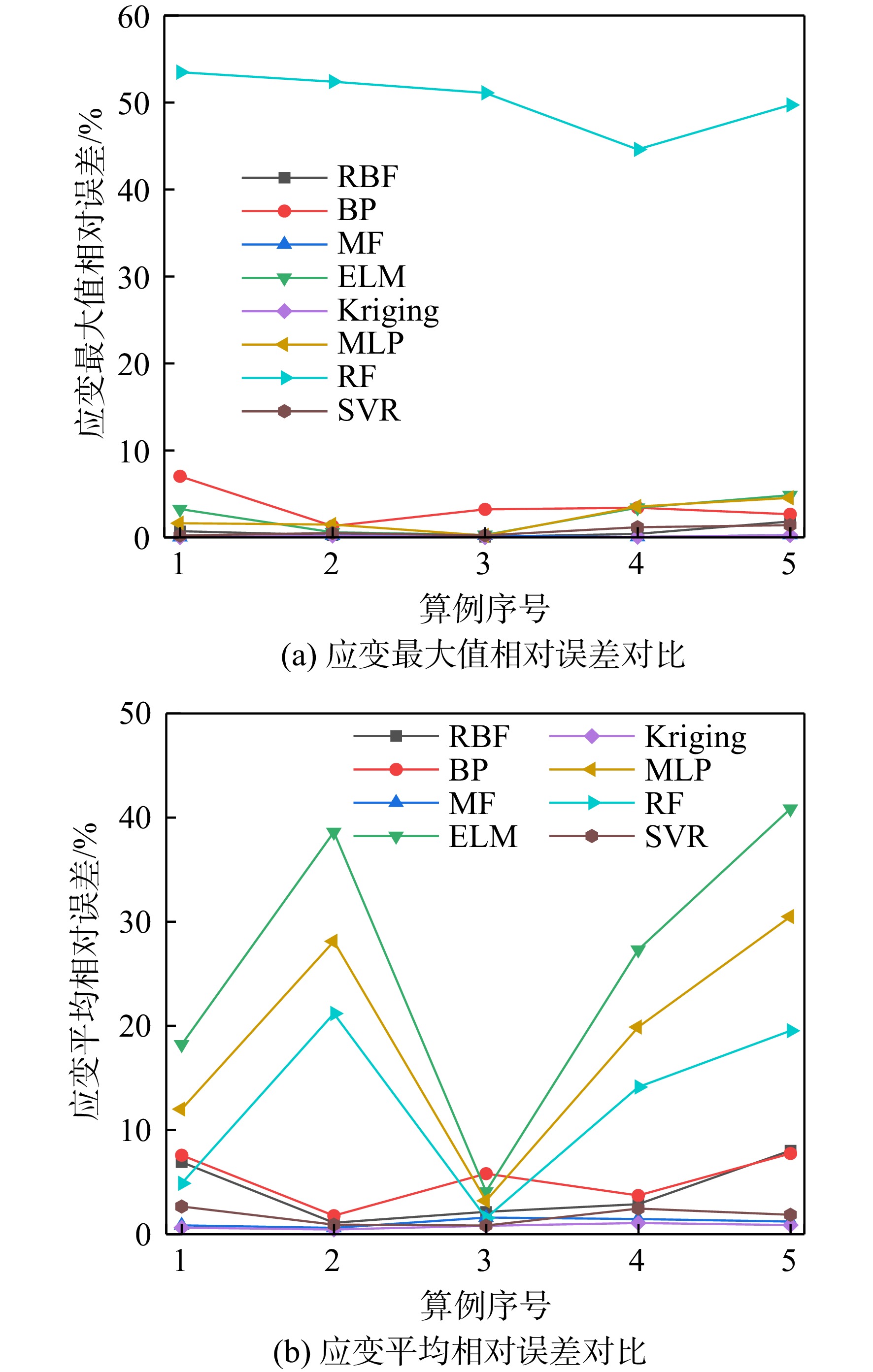
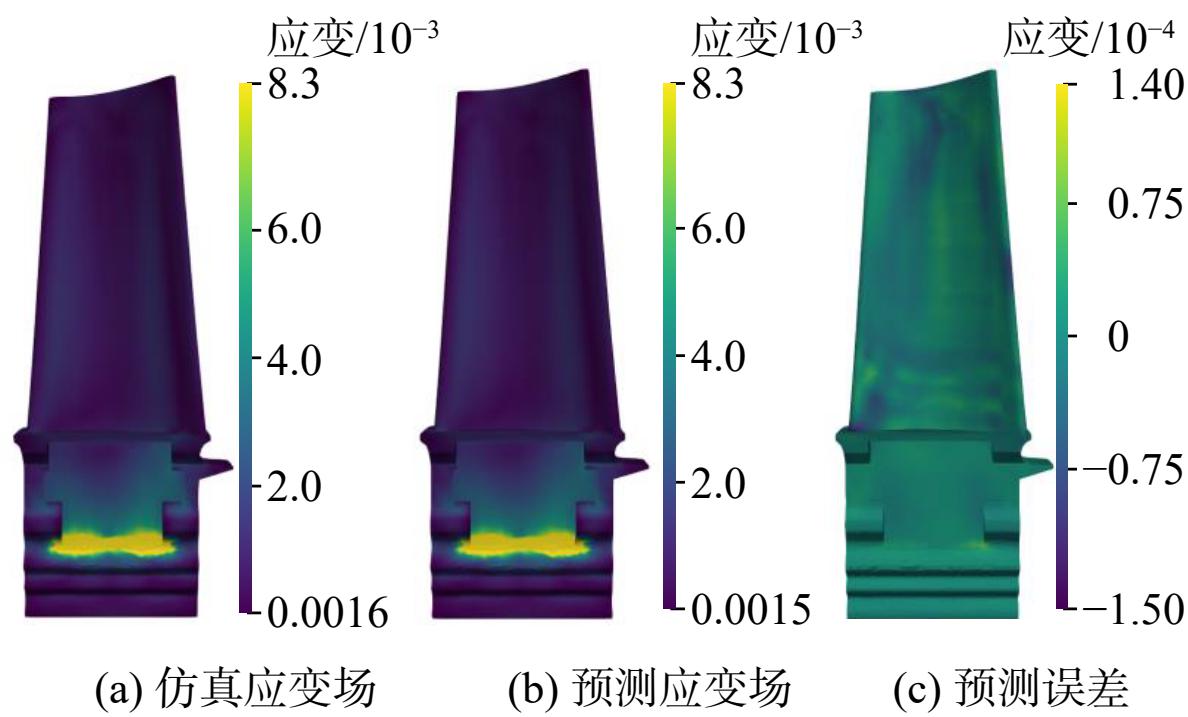
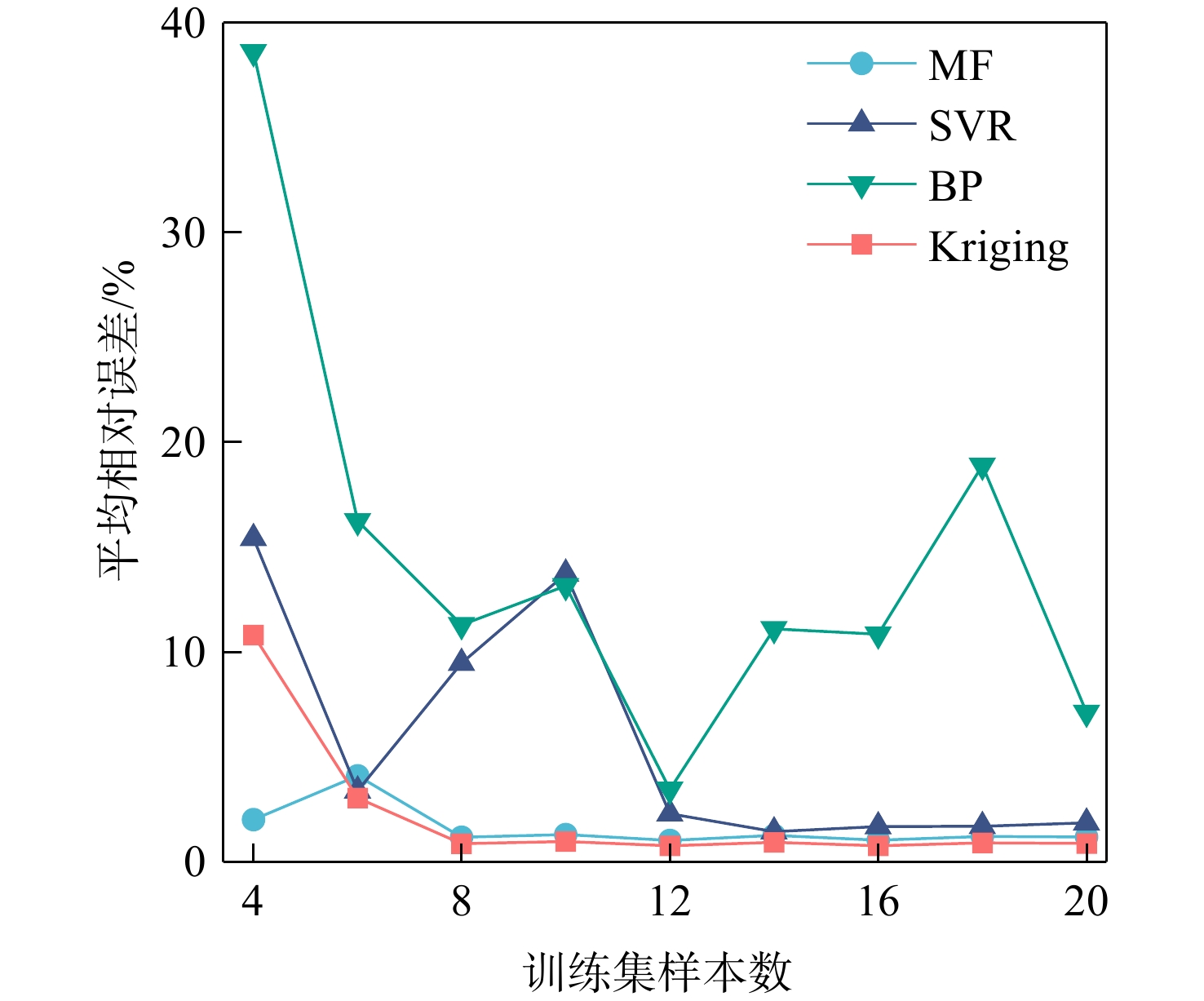
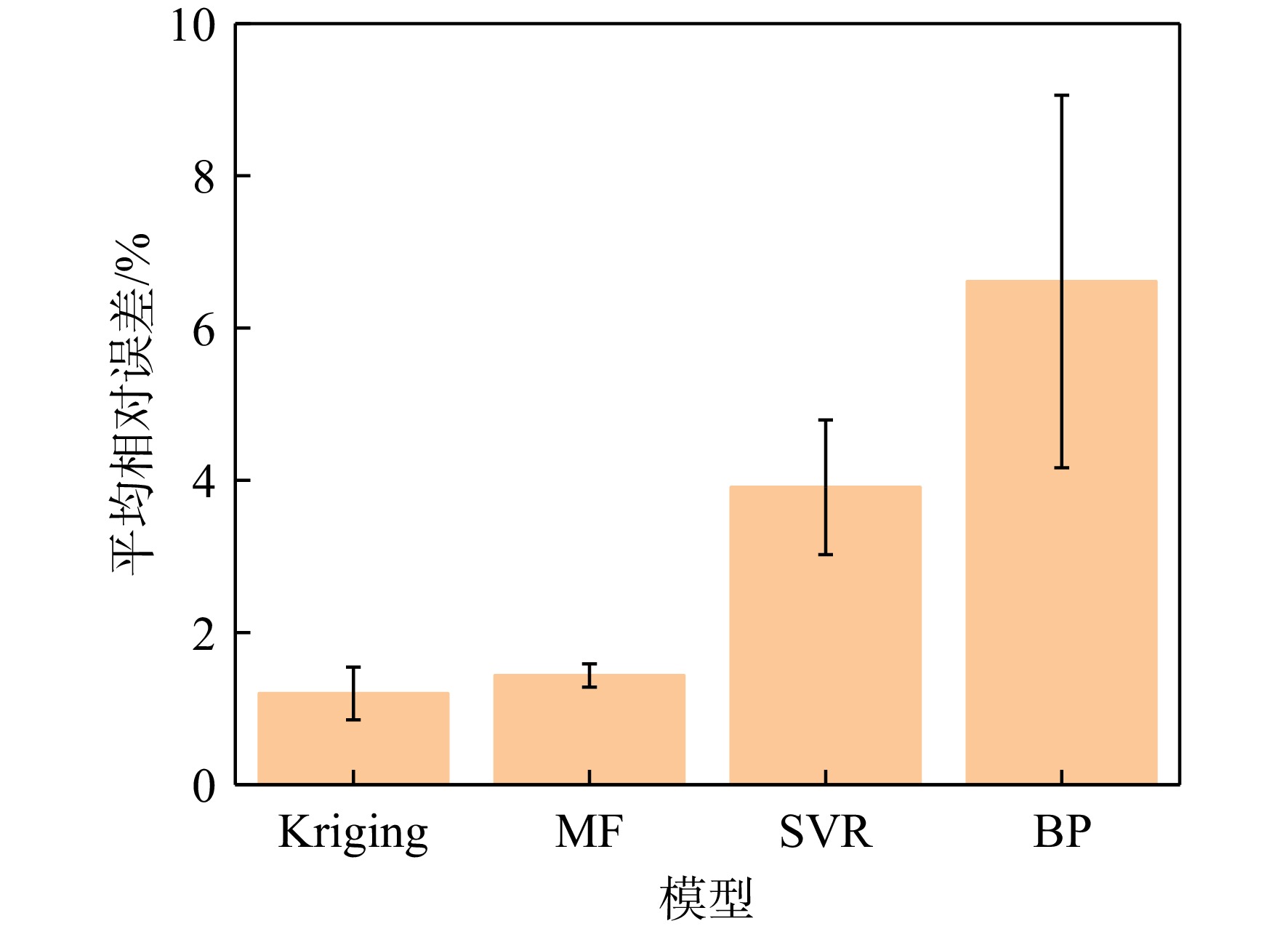
Multi-physics numerical simulations of gas turbine rotor blades are computationally intensive, making it difficult to be directly applied for online condition monitoring and life prediction. In order to address this challenge, a reduced-order modeling method for multi-physics-based low-cycle fatigue life prediction of gas turbine rotor blades was developed, aiming to improve both computational efficiency and prediction accuracy. Based on the multi-physics results of fluid-thermal-solid coupled numerical simulations of turbine blades under representative operating conditions, a reduced-order model was constructed using proper orthogonal decomposition combined with data-driven regression techniques, enabling rapid and accurate prediction of temperature, stress, and strain fields. On this basis, the Manson-Coffin and Smith-Watson-Topper methods were employed for efficient evaluation of the blade’s low-cycle fatigue life. Results showed that the average relative error of the constructed reduced-order model was 0.11% for the temperature field, 1.01% for the stress field, and 0.75% for the strain field. The prediction speed was only 0.005 s for the temperature field, 0.03 s for the stress field, and 0.31 s for the strain field. The average relative error of the low-cycle fatigue life prediction was less than 3.5%, providing important theoretical and methodological support for online condition monitoring and life assessment of gas turbine rotor blades.

Review of ceramic matrix composites and metal junction structures
Chen Xinran, Shen Xiuli, Dong Shaojing, Wang Xichen
2026, 41(11): 20250365. doi: 10.13224/j.cnki.jasp.20250365
Abstract:
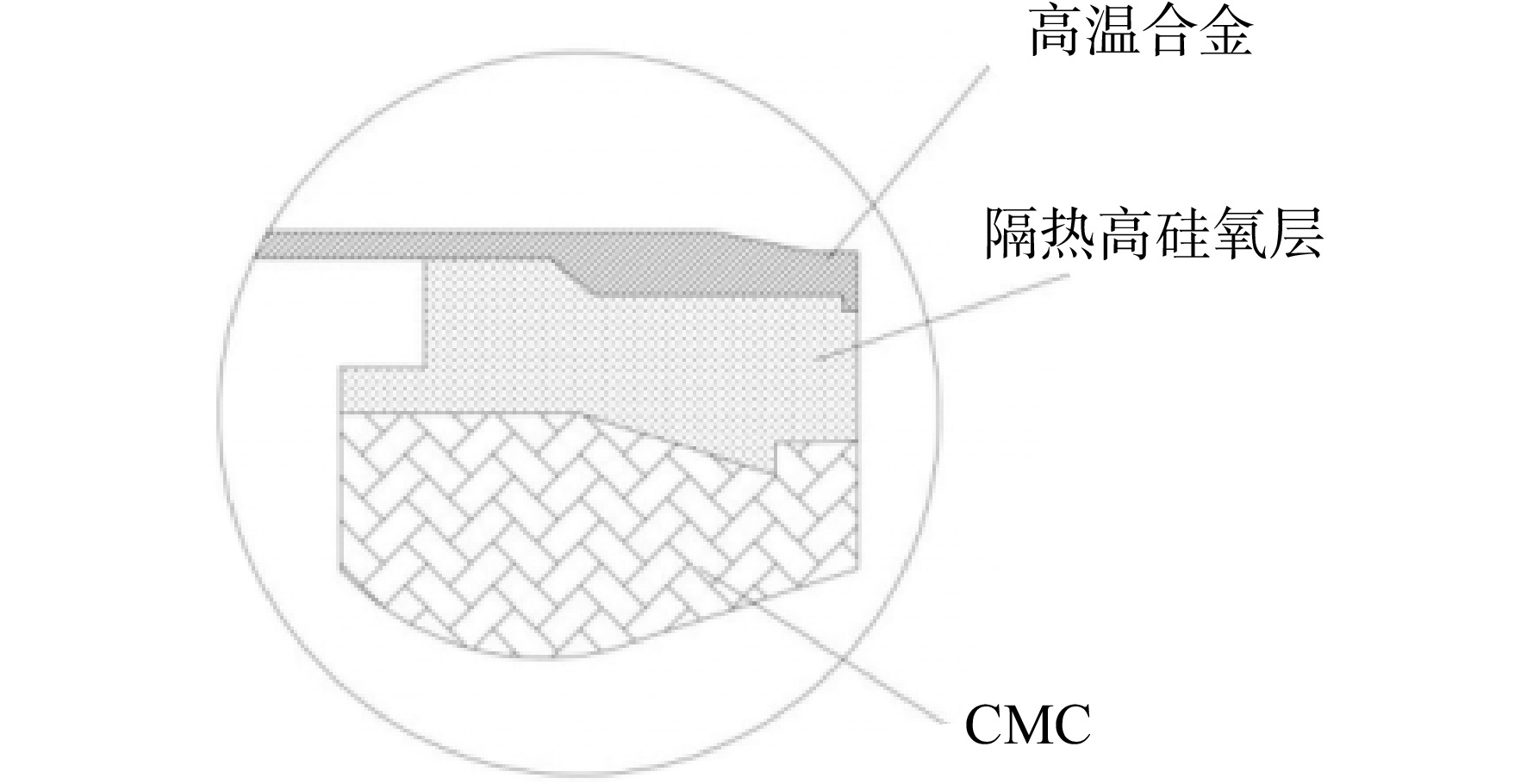
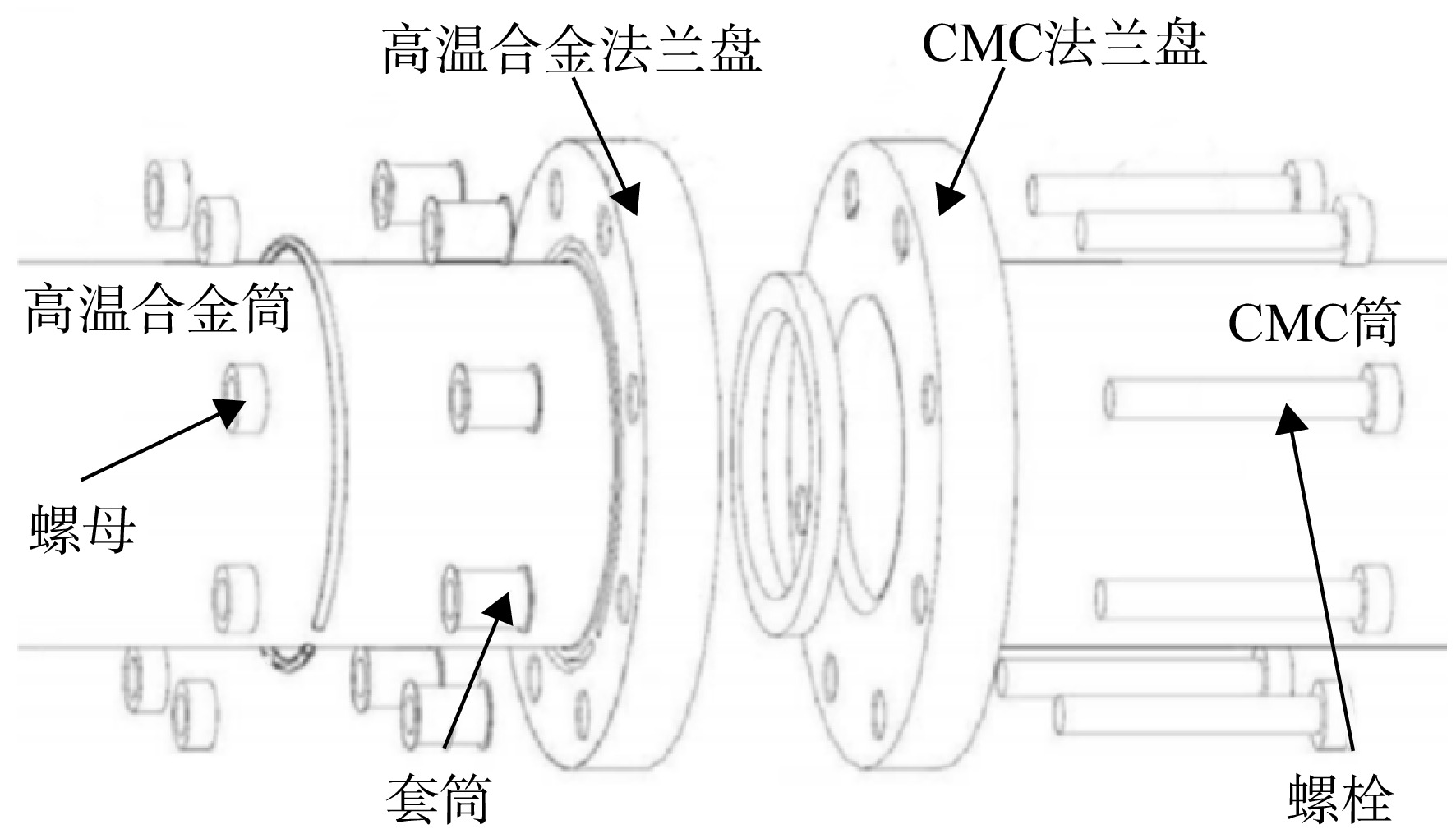
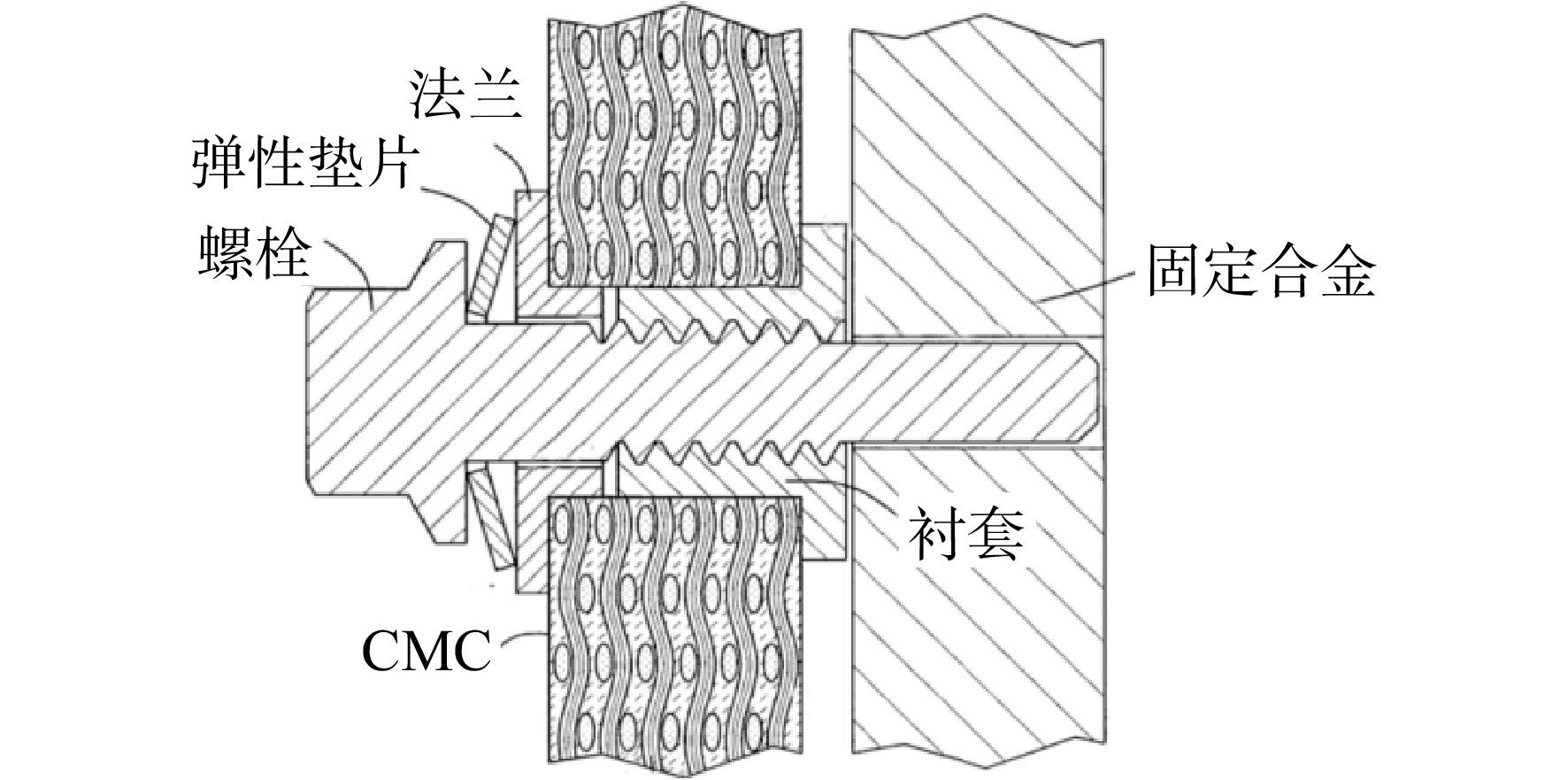
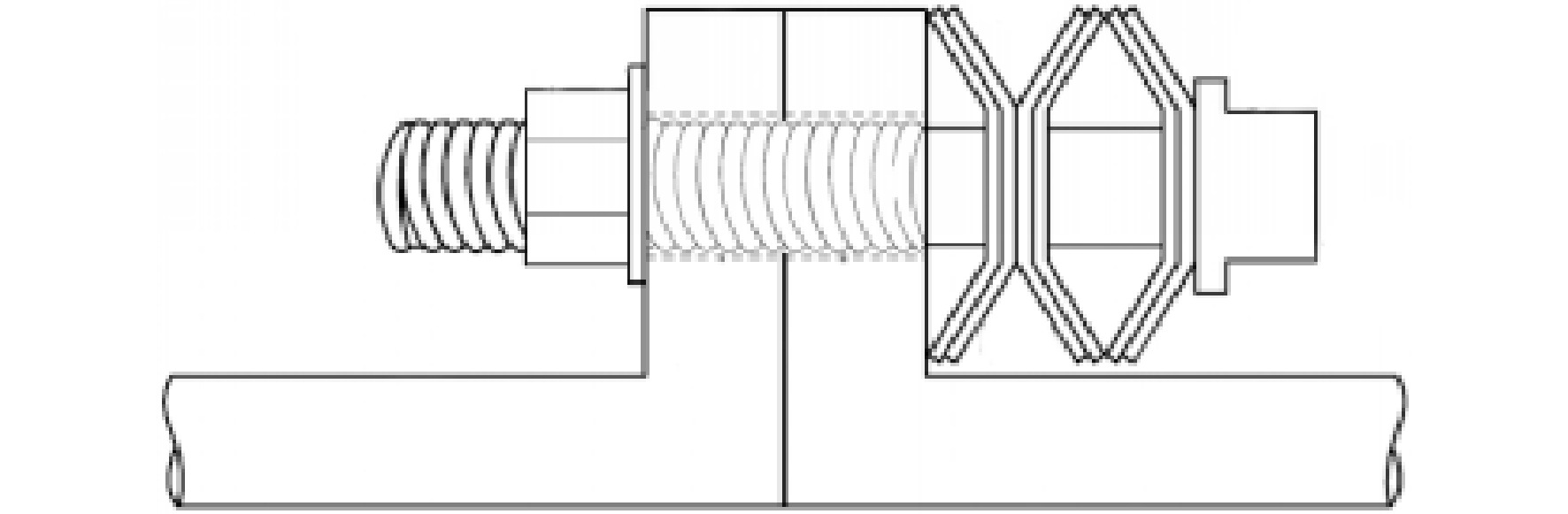
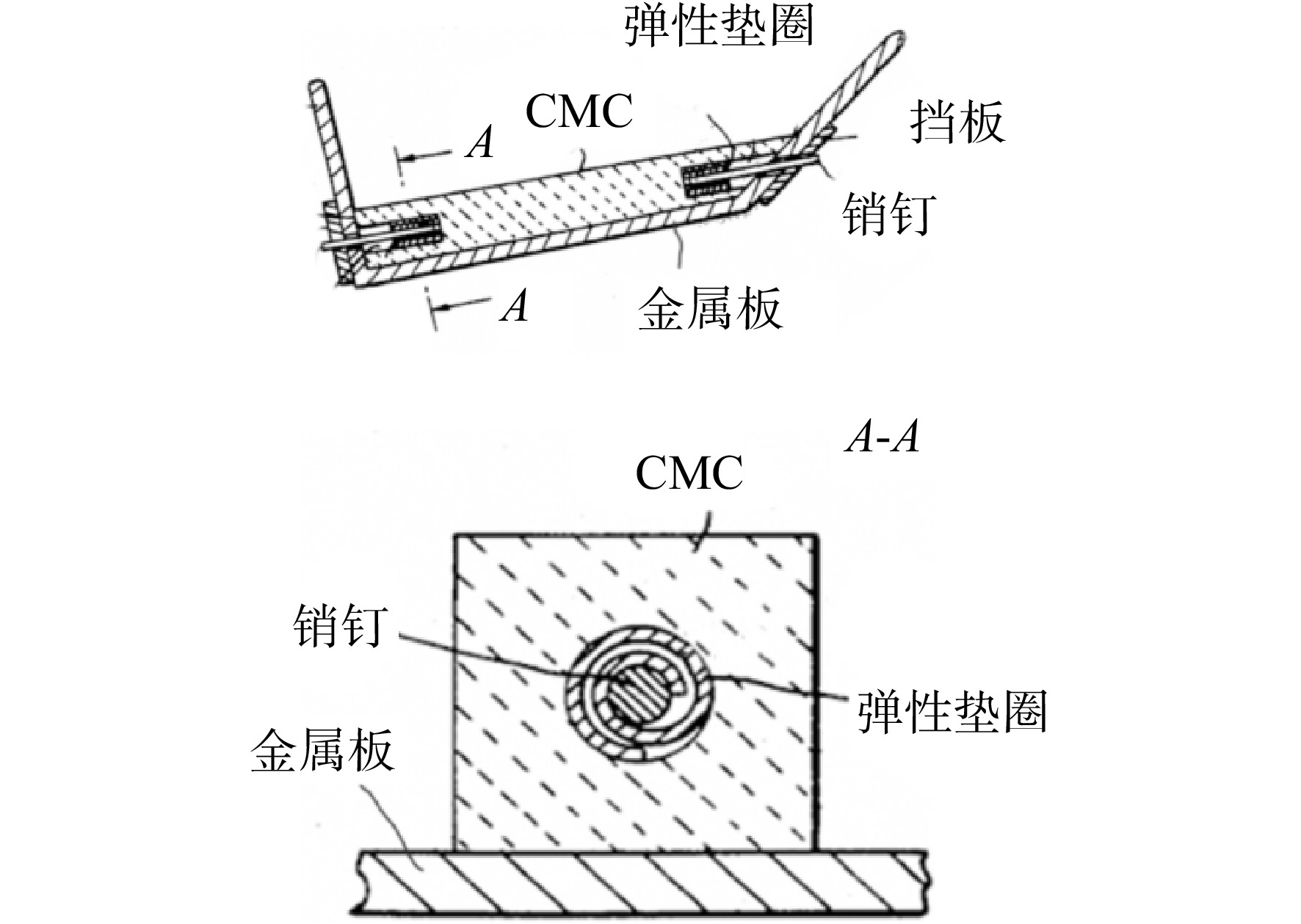
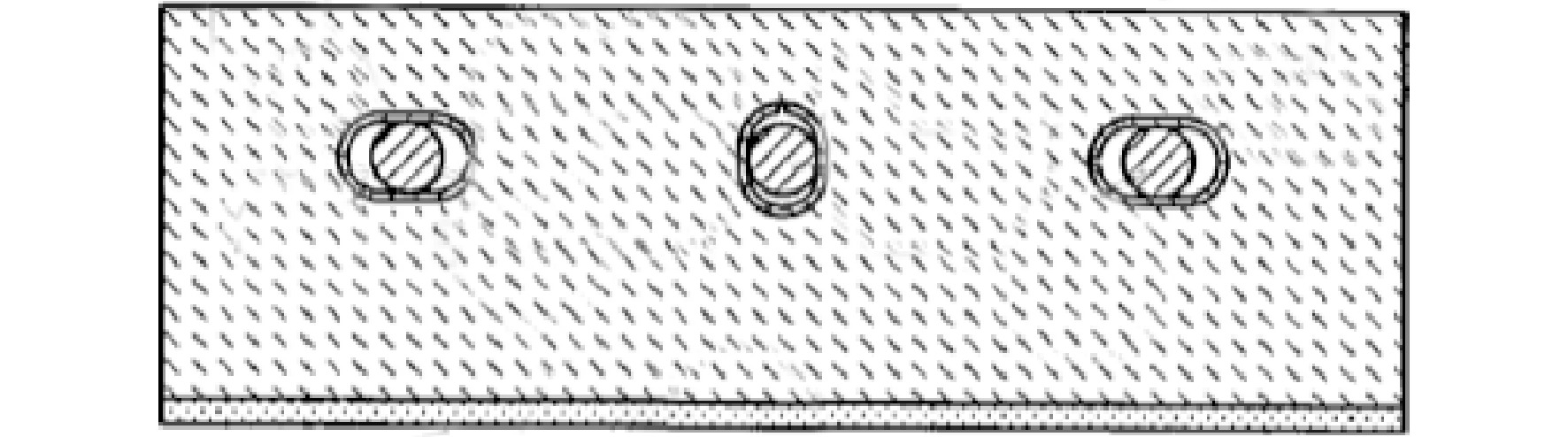
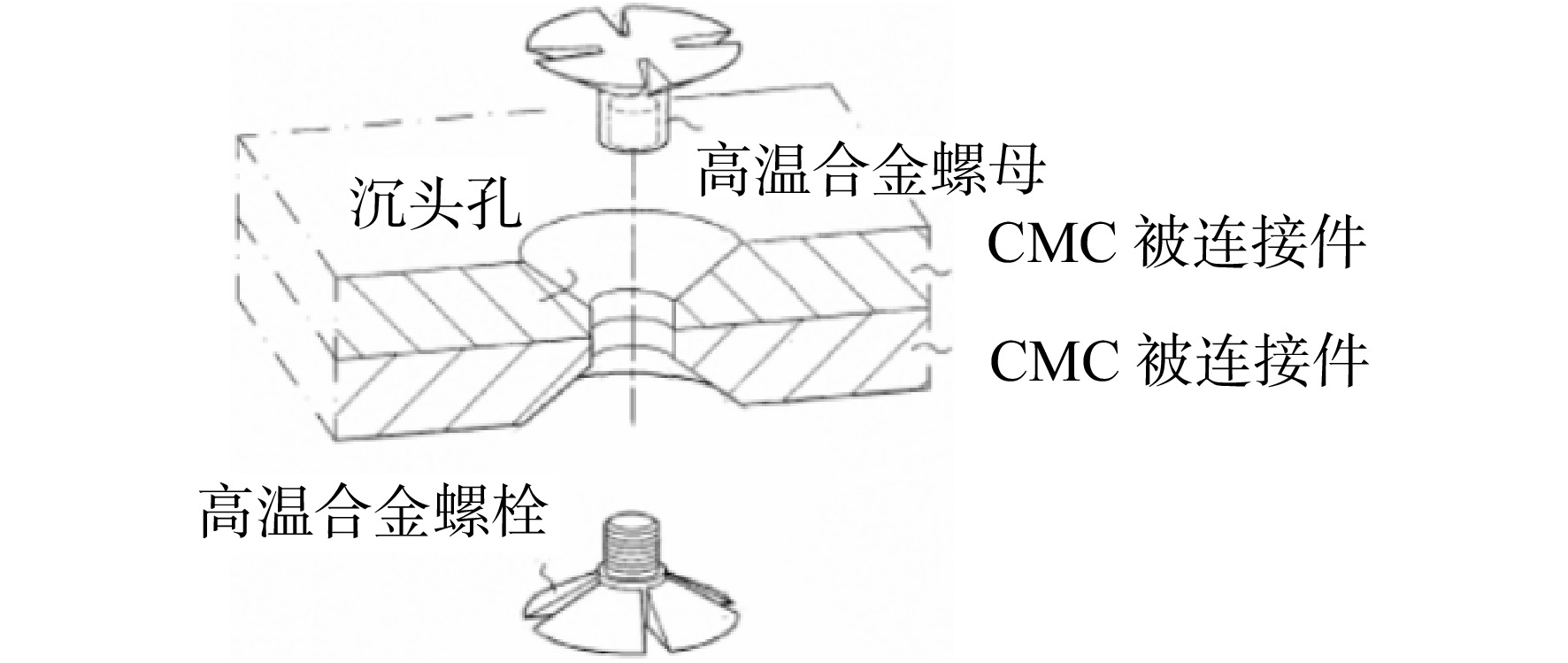
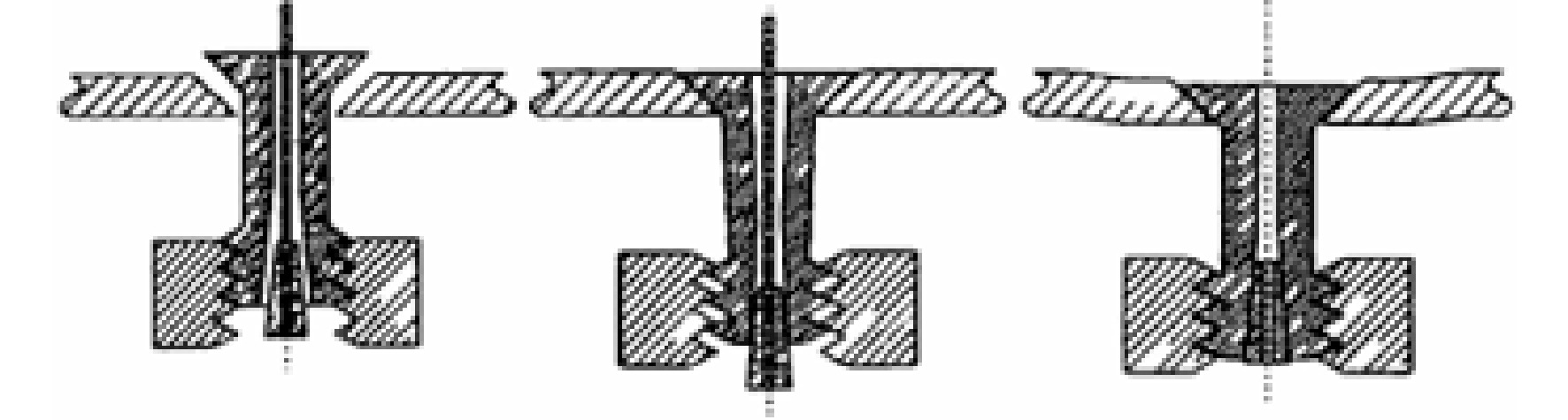
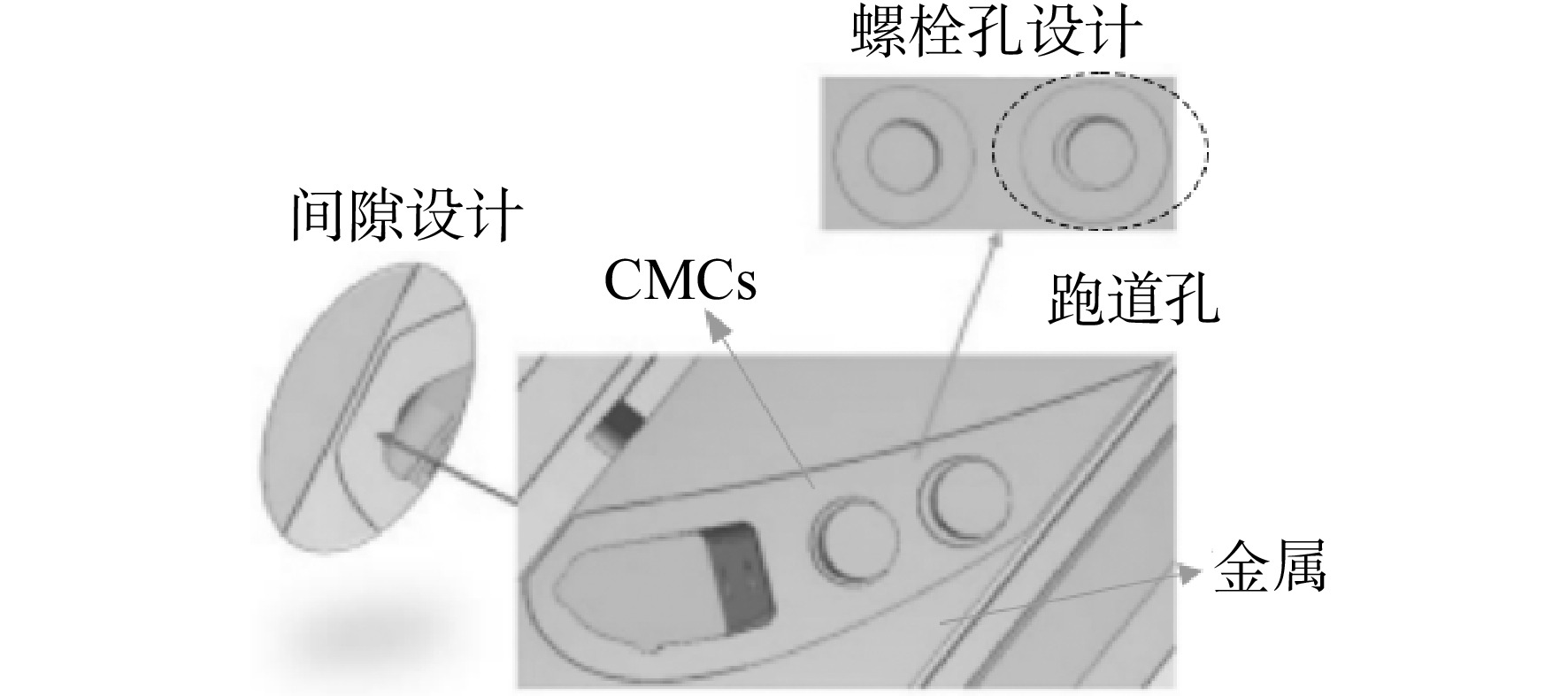
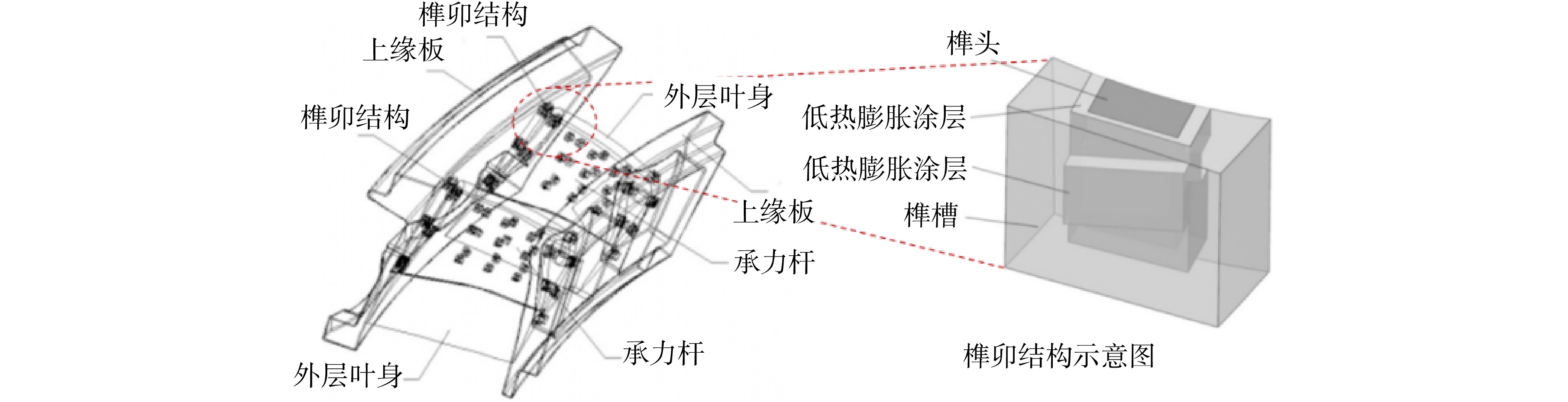
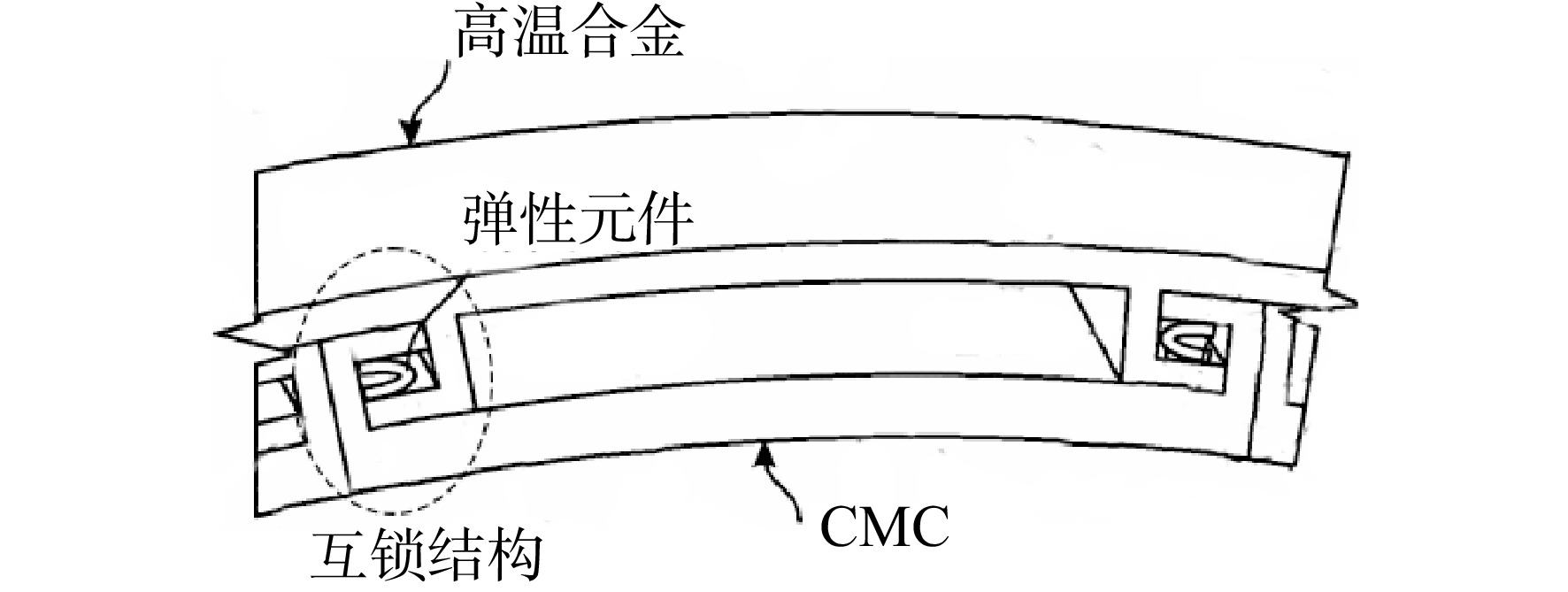
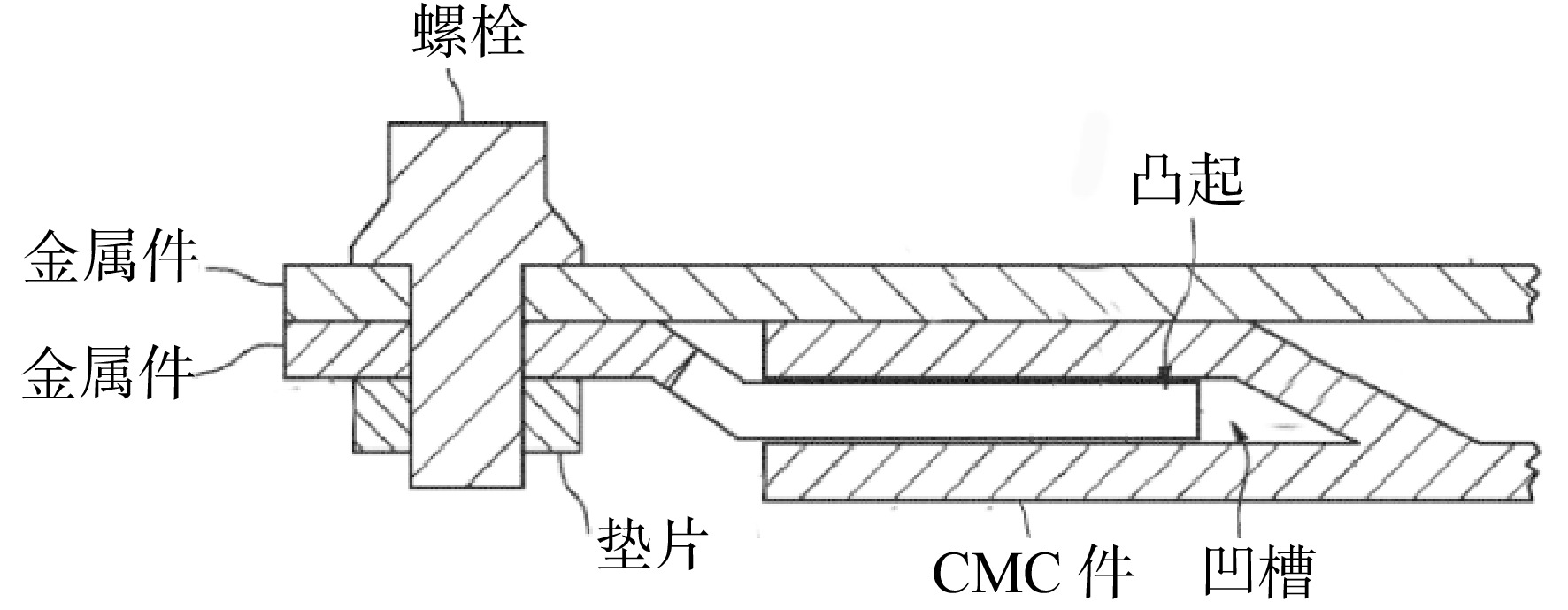
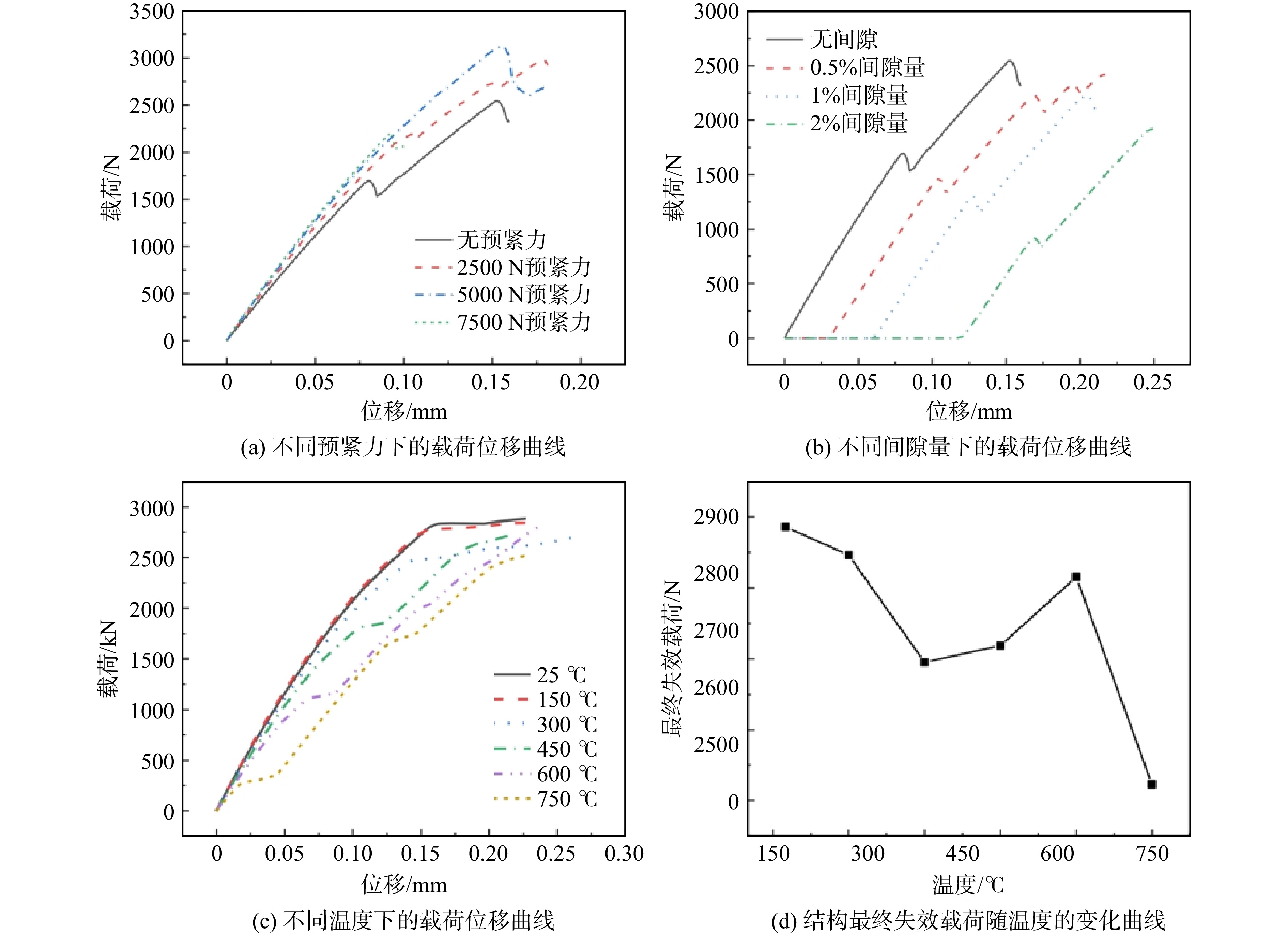
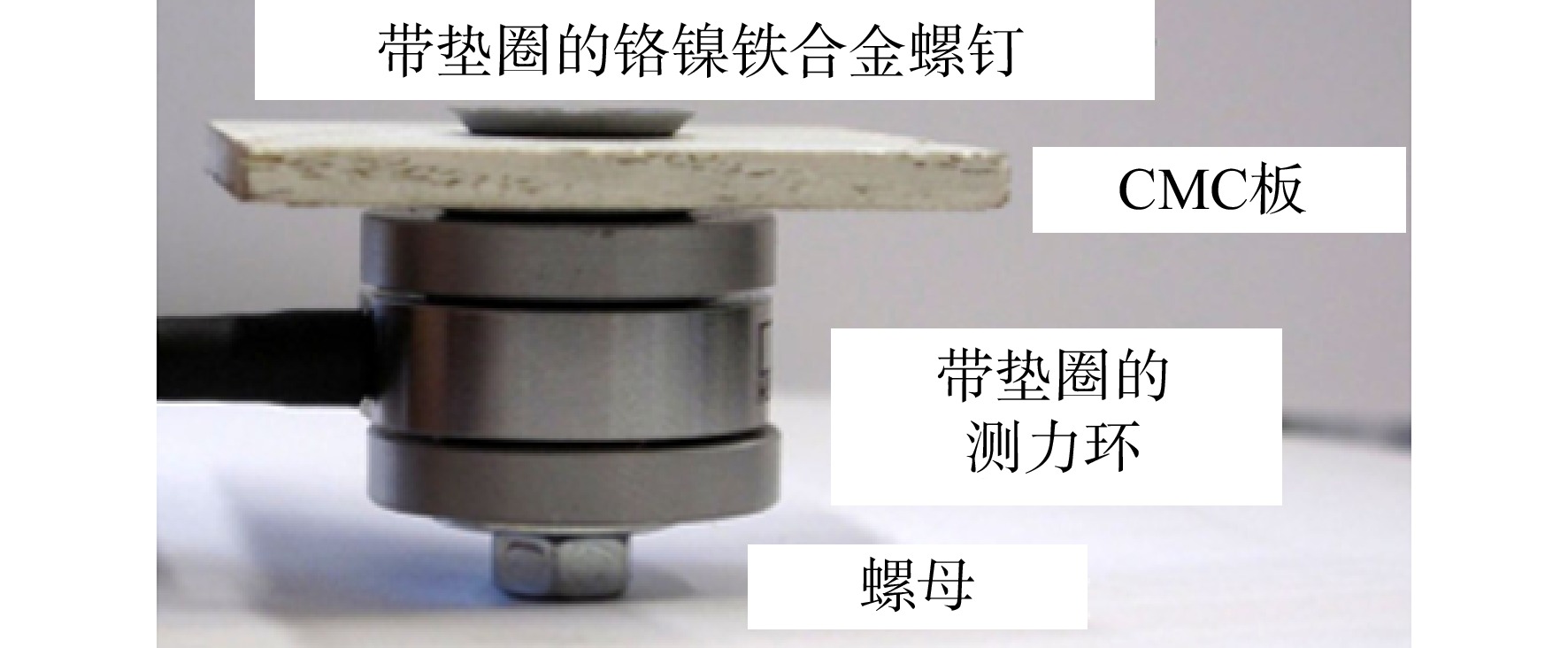
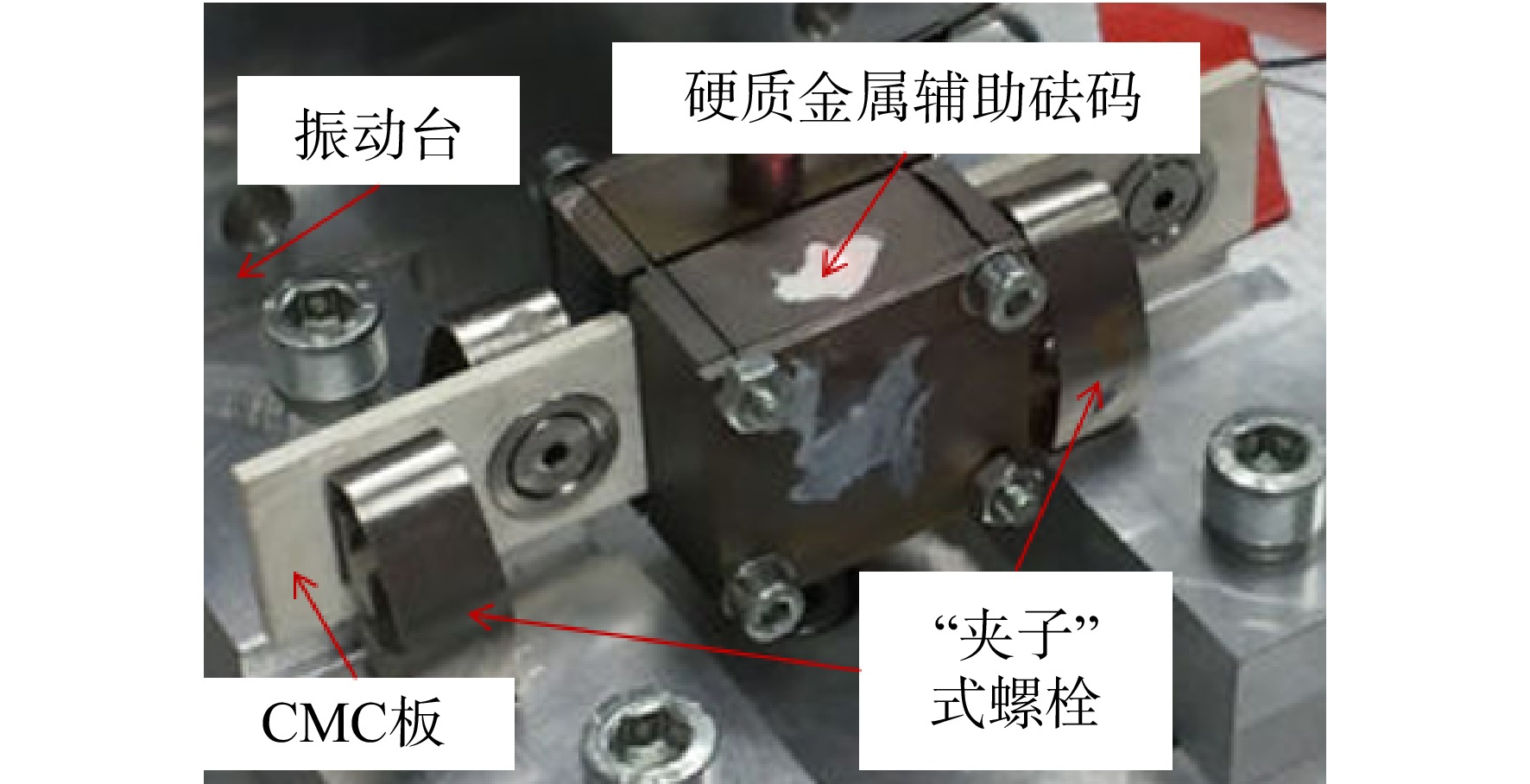
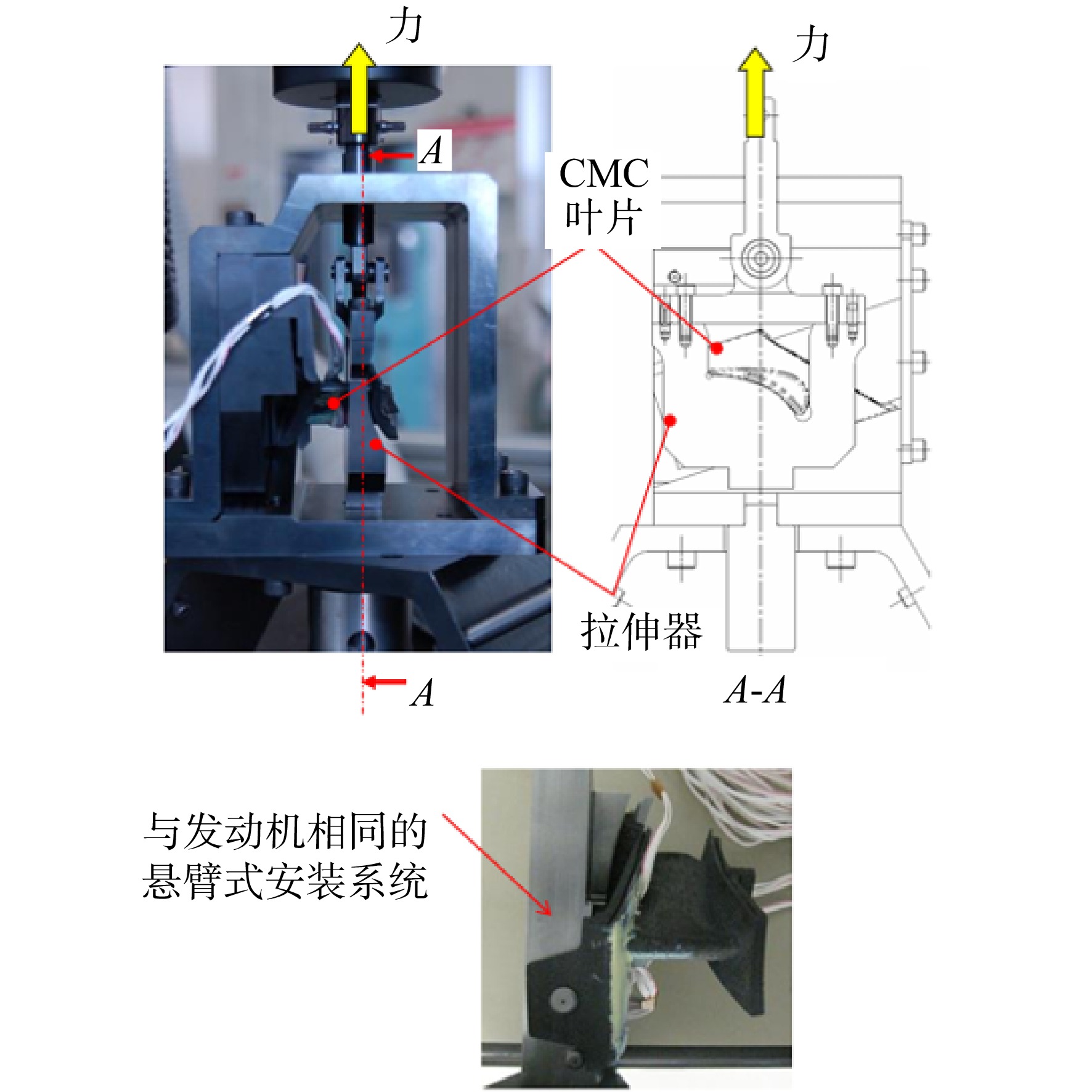
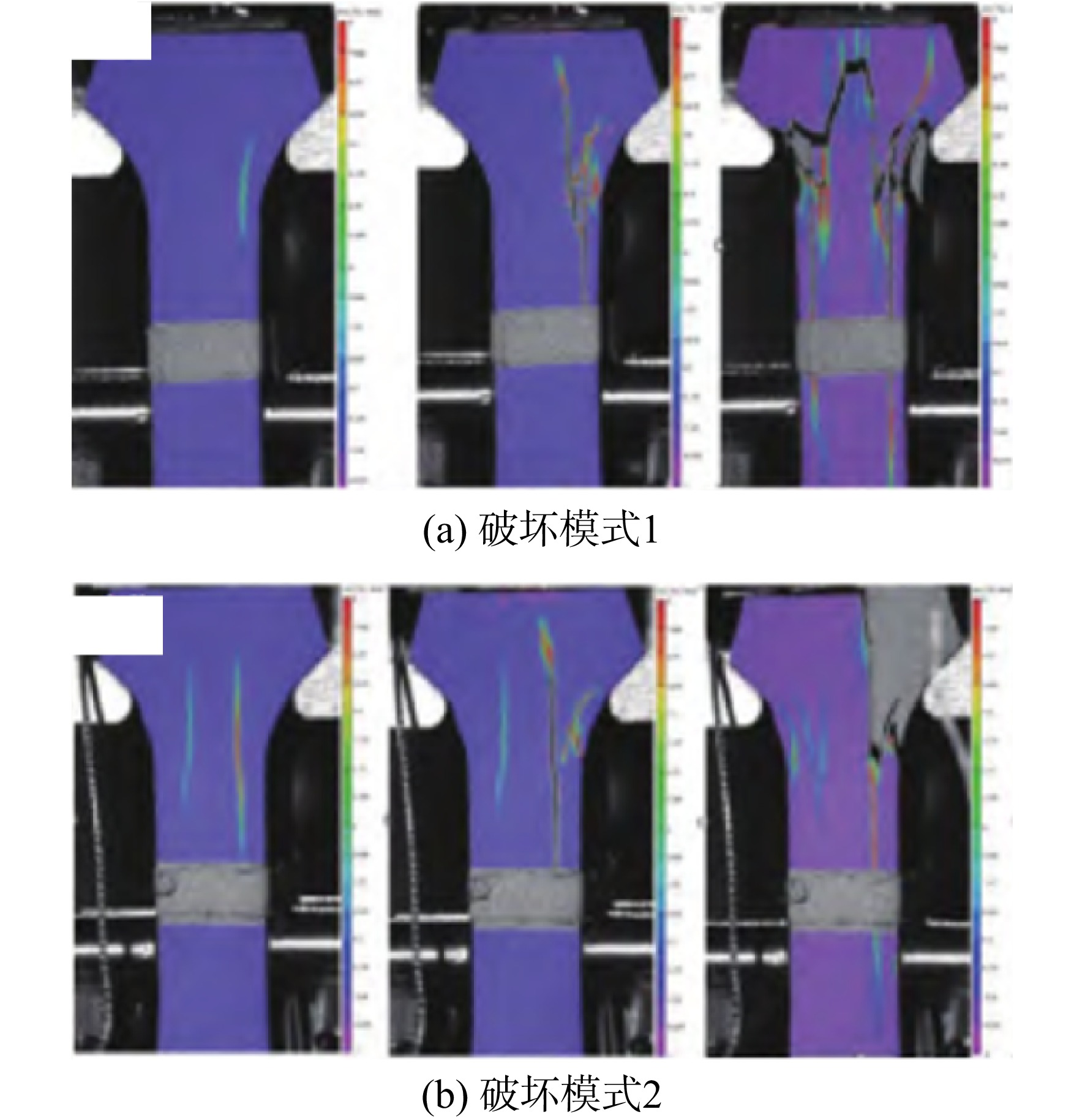
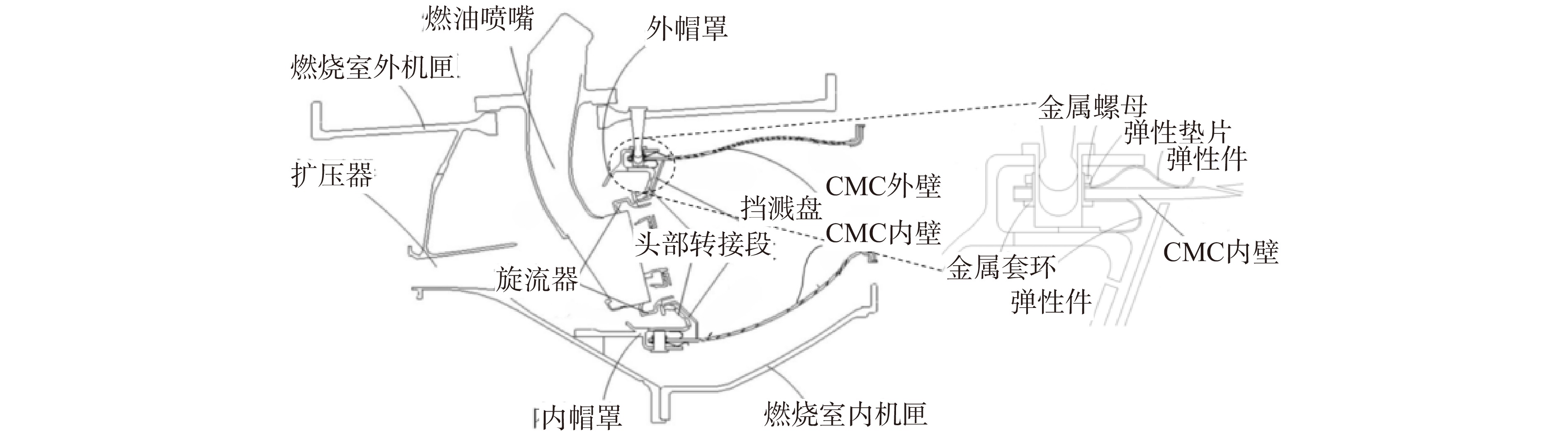
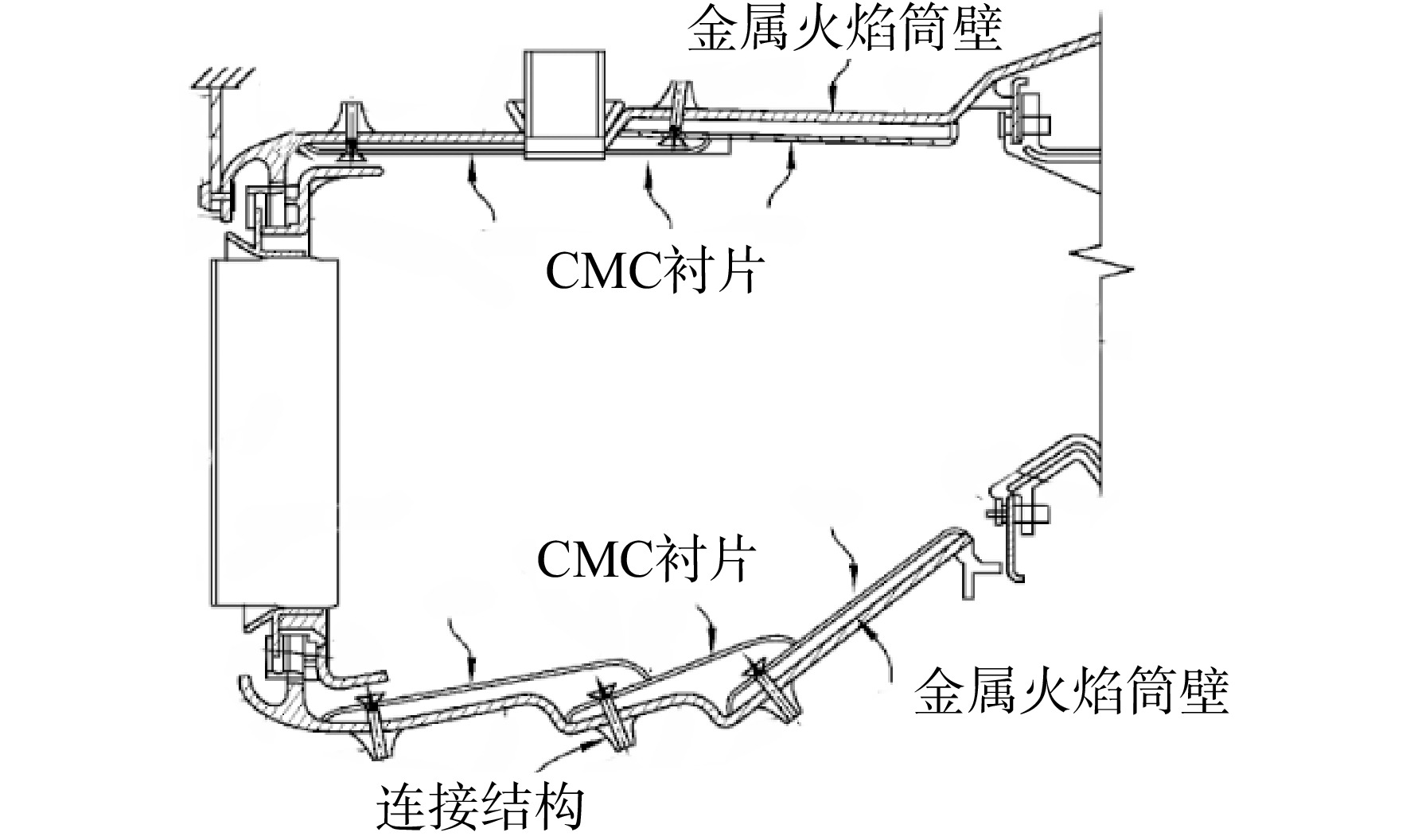
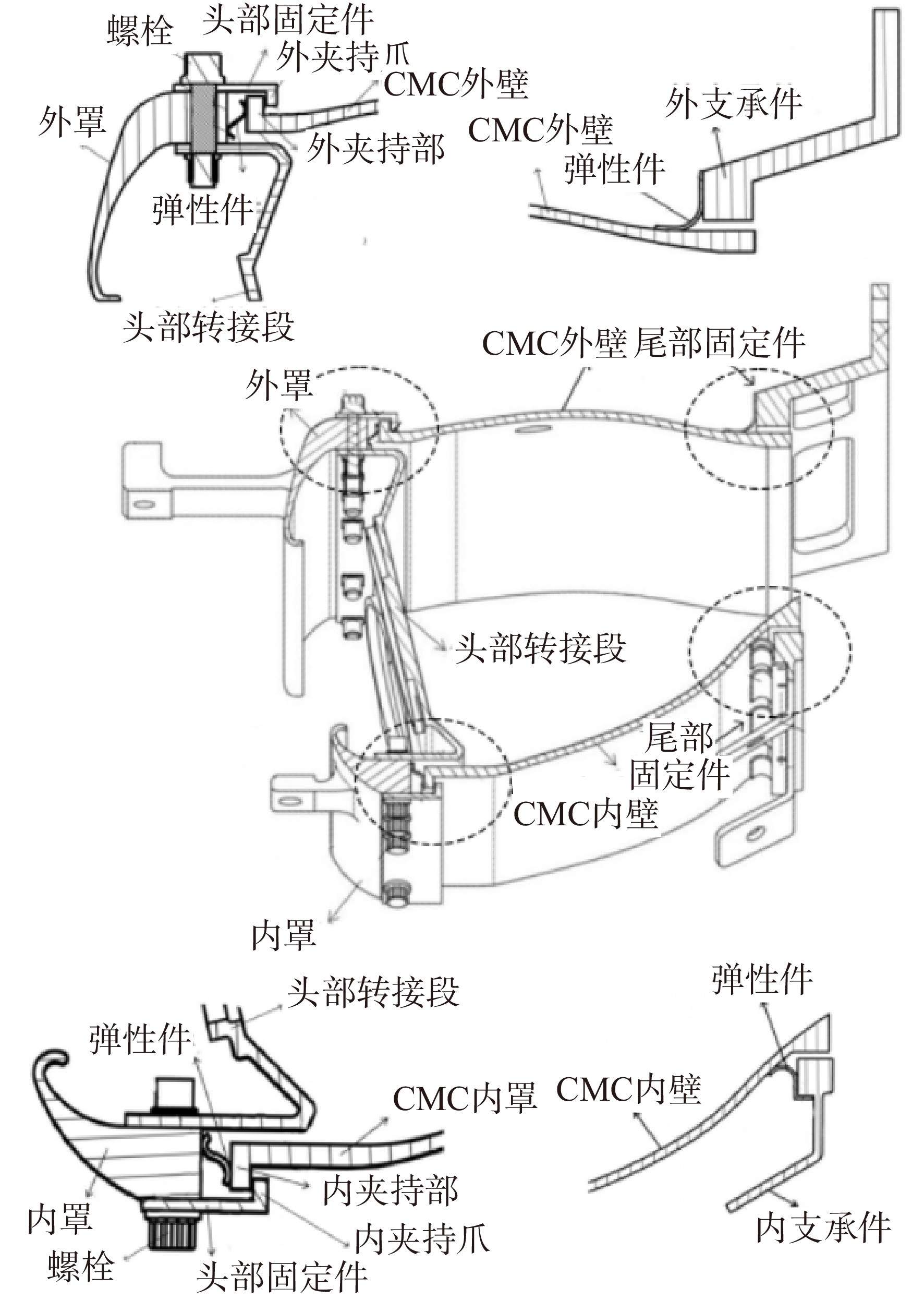
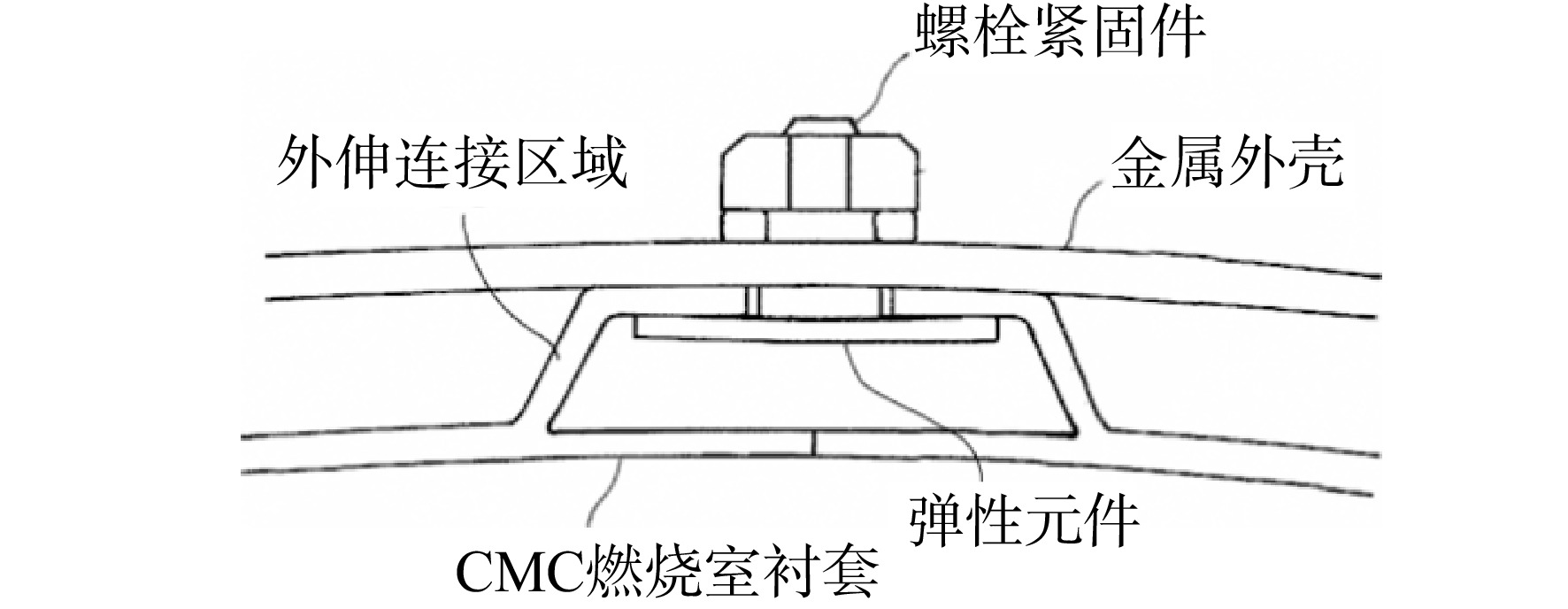
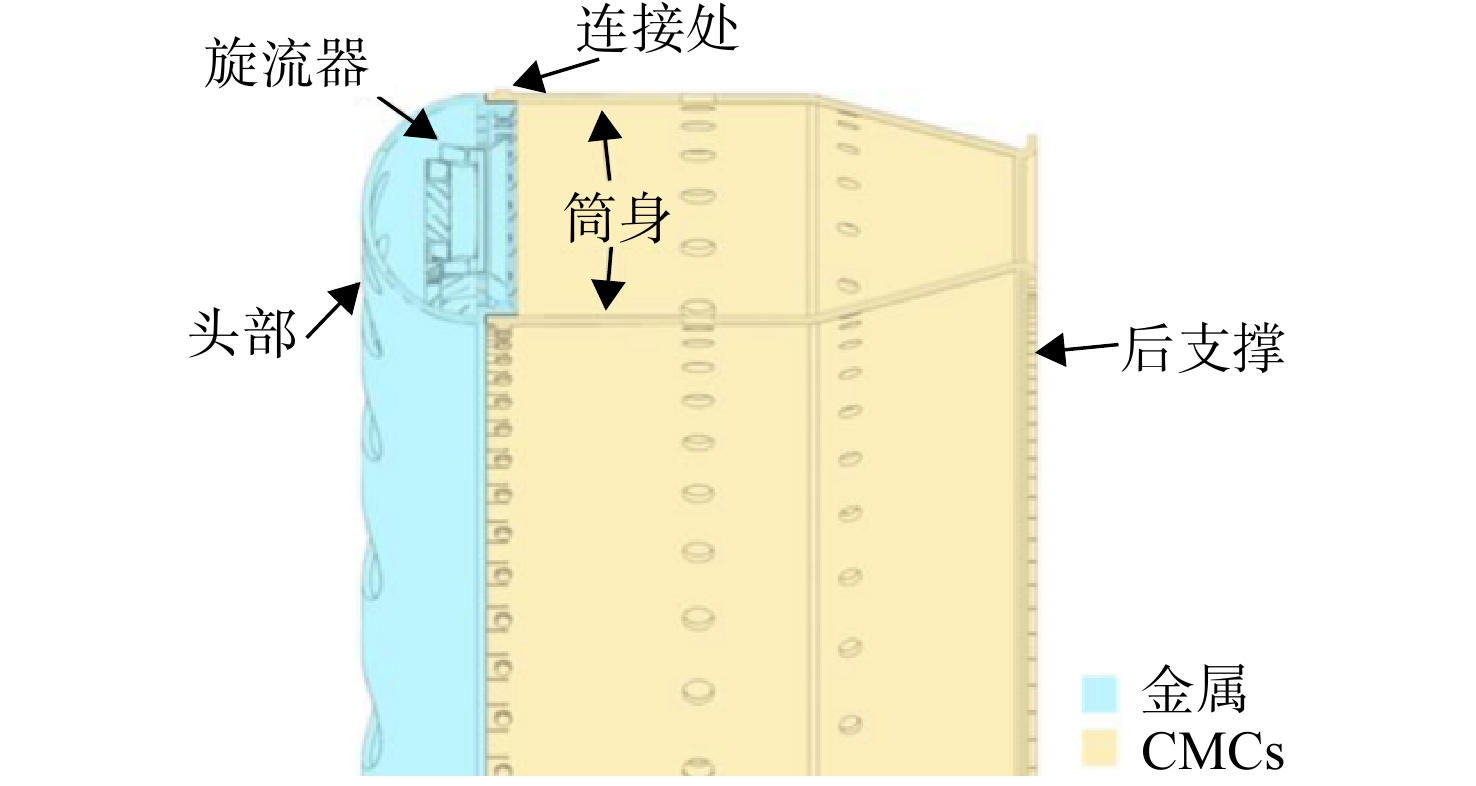
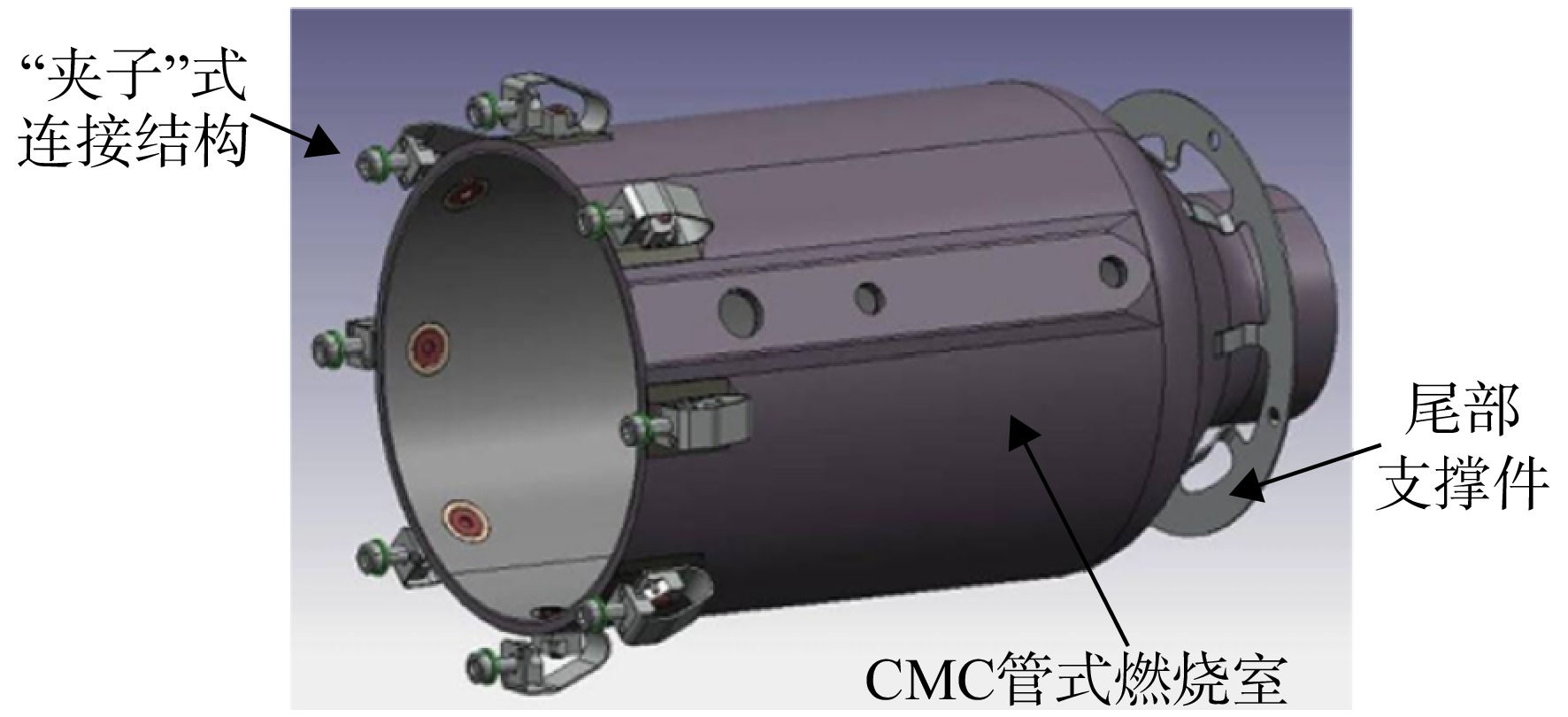
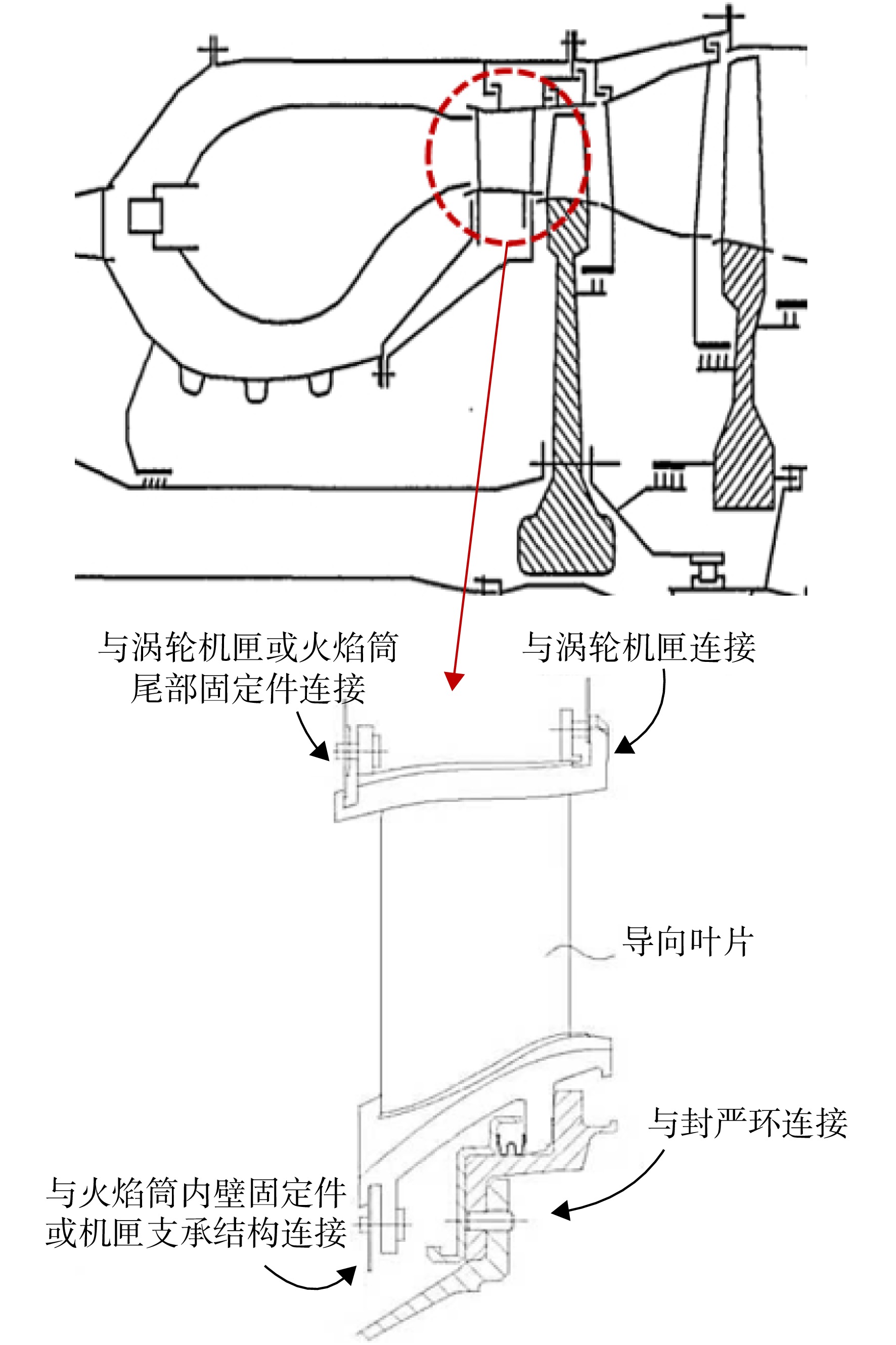
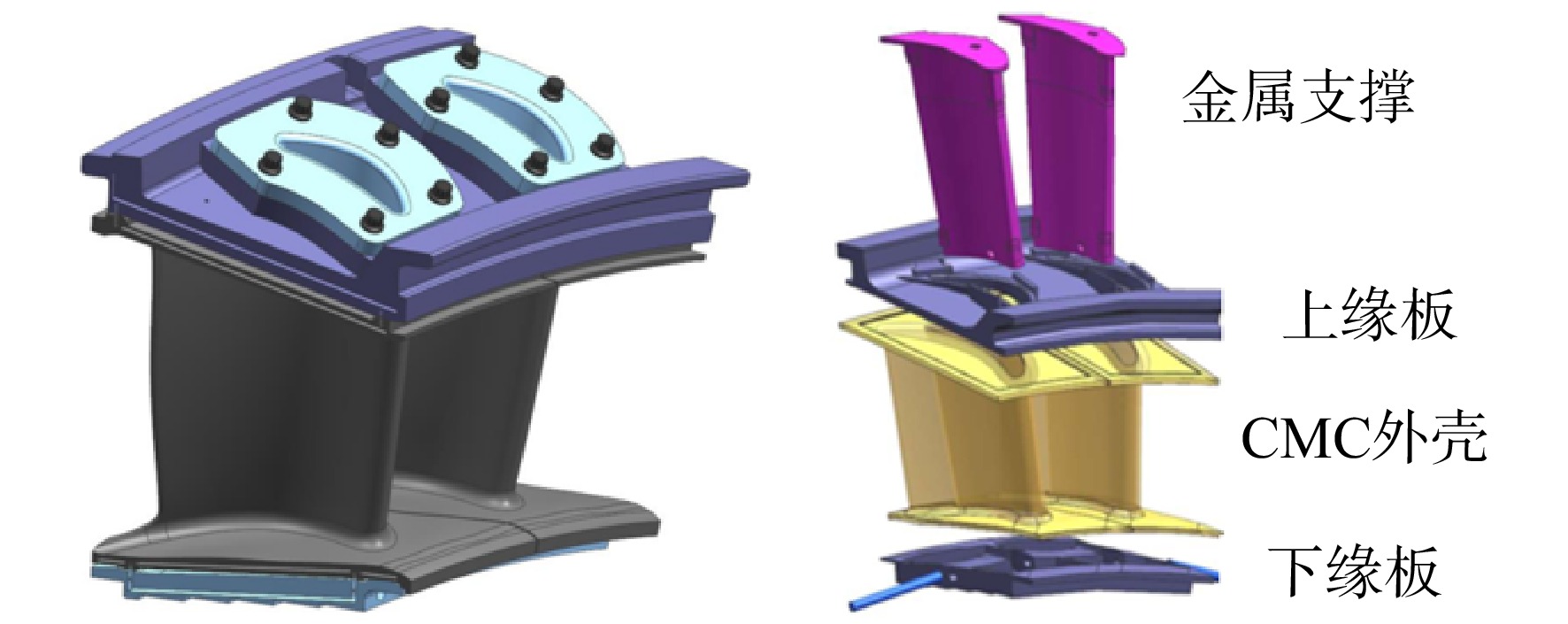
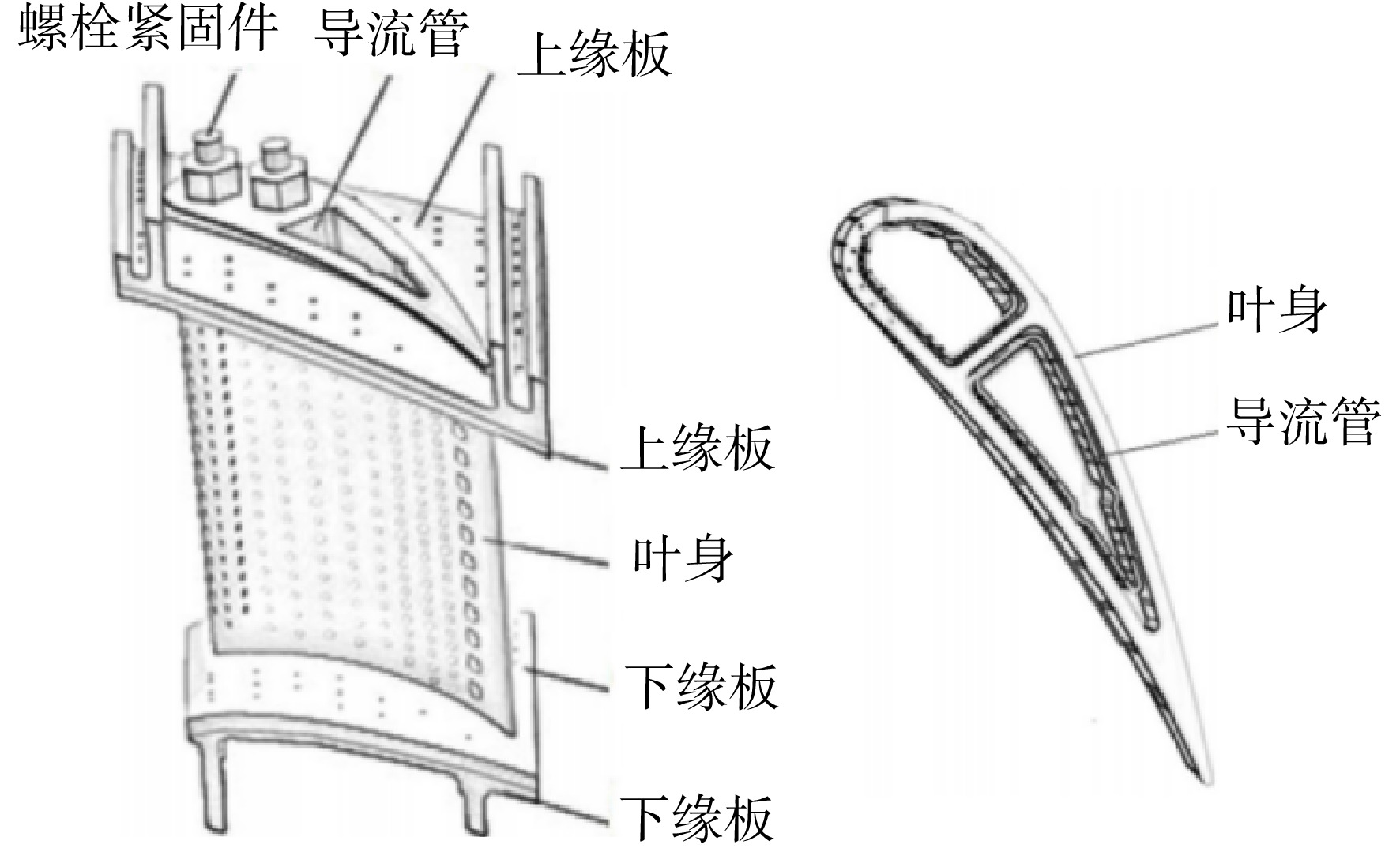
The ceramic matrix composites (CMCs) and metal connection structures in aero-engine combustion chambers and turbine guide vanes were systematically examined, covering structural design, numerical simulation, and experimental validation. Current studies put focus on four thermal mismatch mitigation strategies: transition region coordination, clearance design, interlocking fit, and thermal stress-free fastener. Multi-scale modeling and progressive damage analysis were widely employed in simulations, alongside a stepwise experimental verification framework. Structural configurations varied with specific application scenarios and operational conditions. Future development should combine multiple design strategies and shift from component-level connection design to system-level thermo-mechanical-cooling multifunctional coordinated design, so as to ensure long-term structural reliability under extreme conditions.

Experimental correlation development for thermal contact resistance of IN718 alloy
Zou Qicai, Wang Anliang
2026, 41(11): 20250550. doi: 10.13224/j.cnki.jasp.20250550
Abstract:
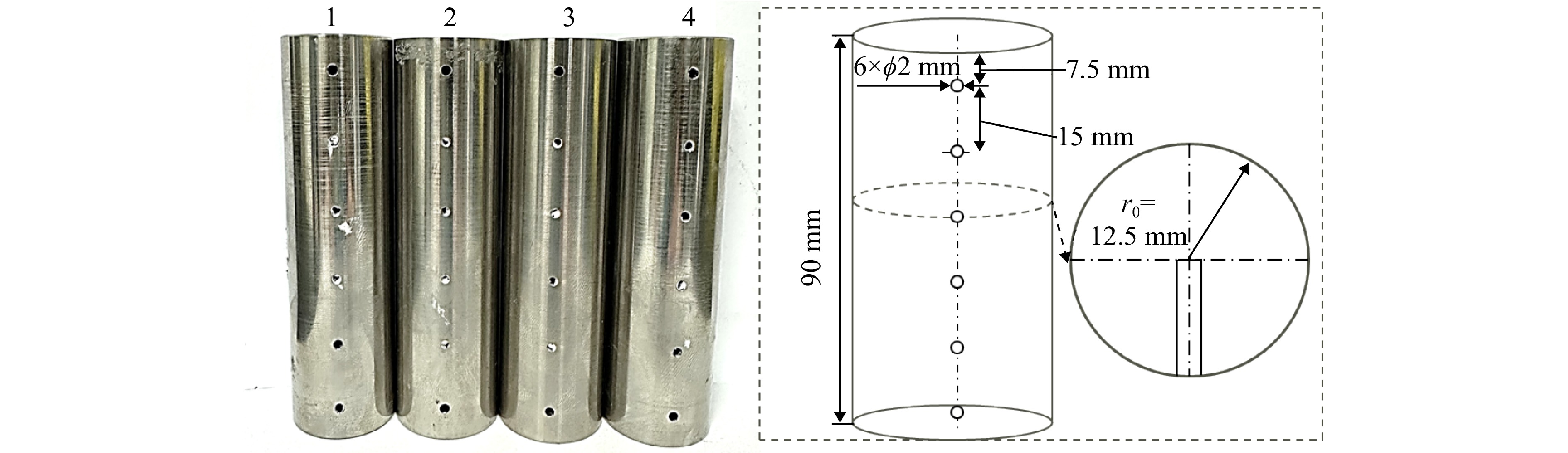
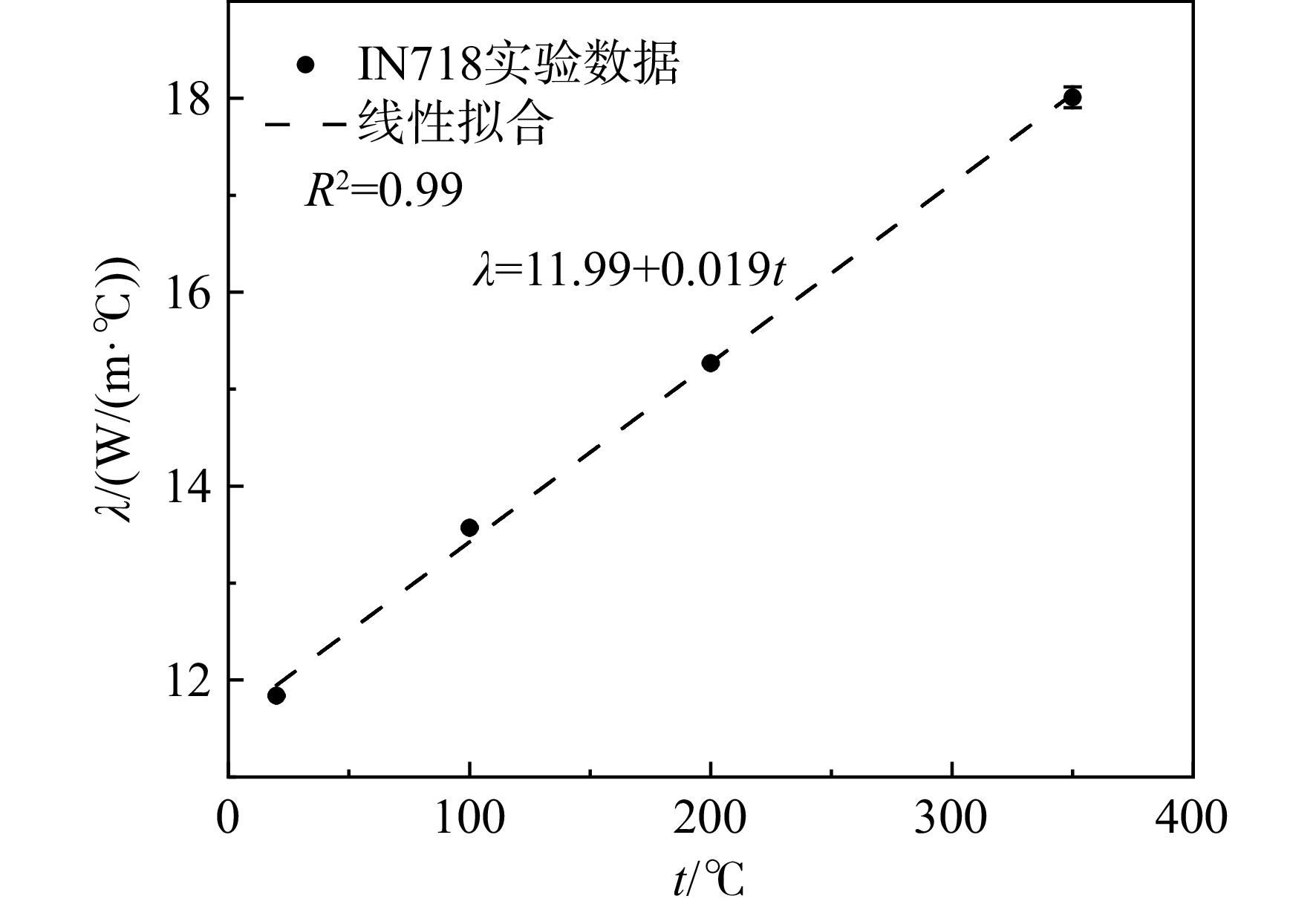
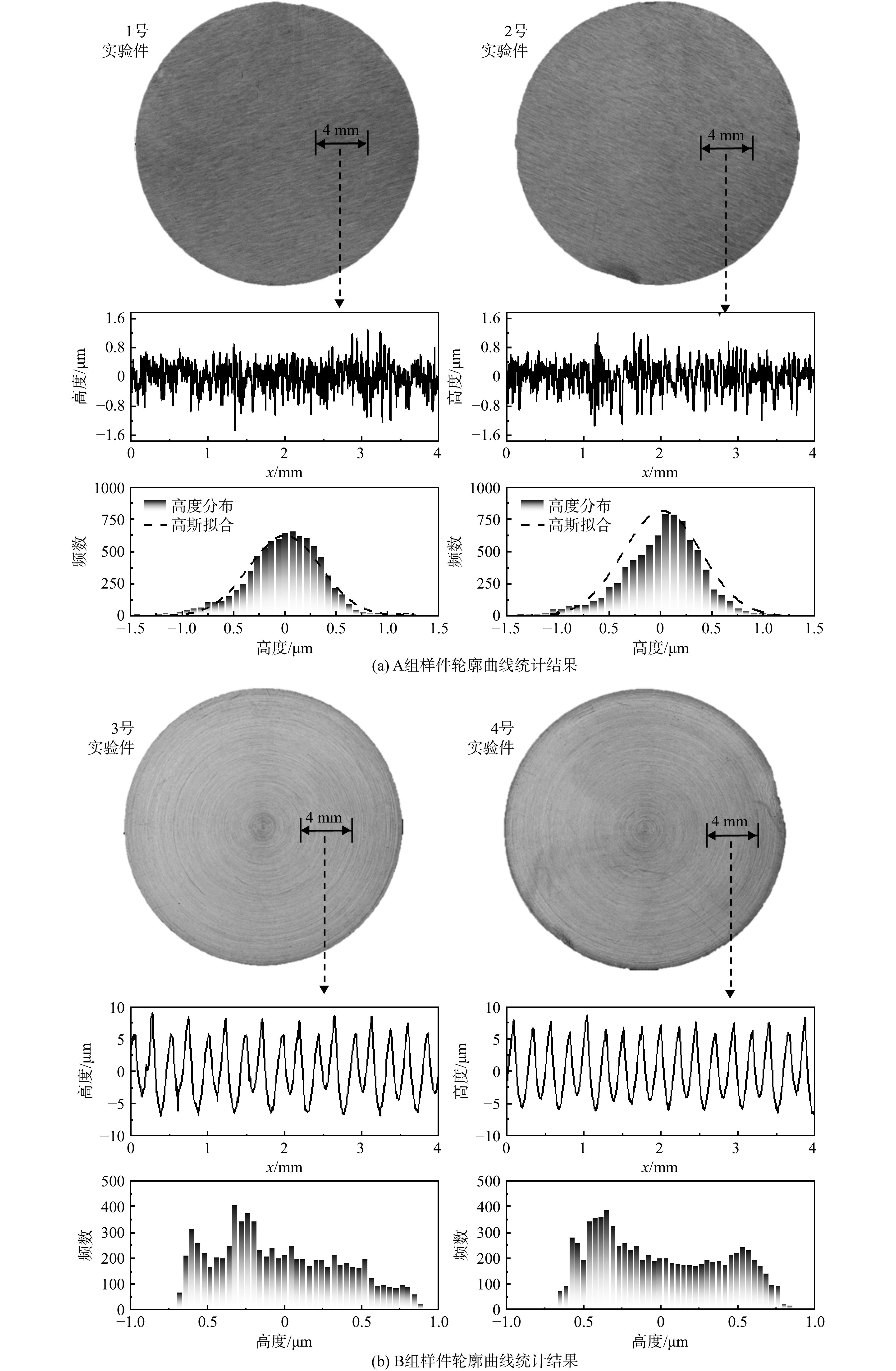
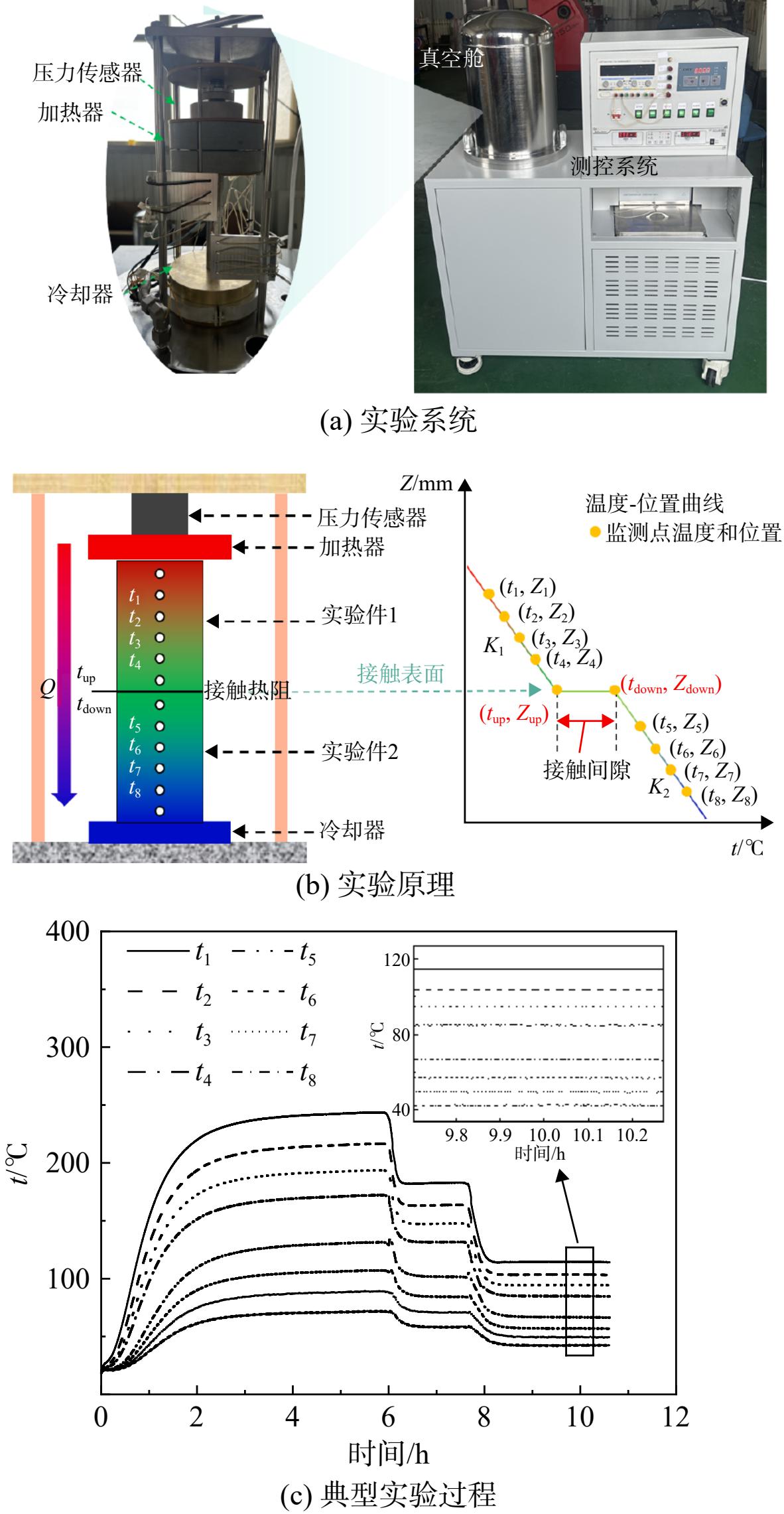
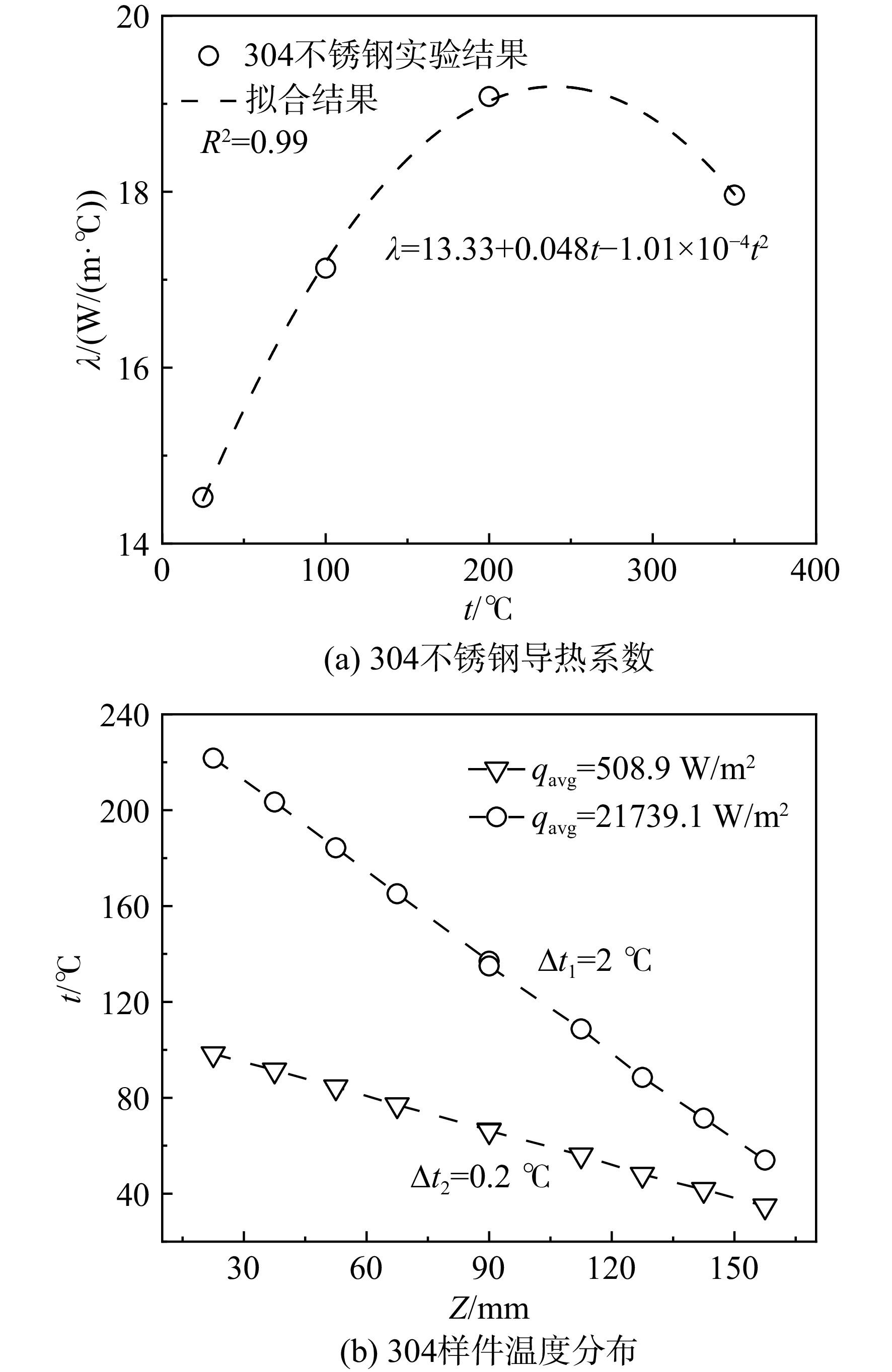
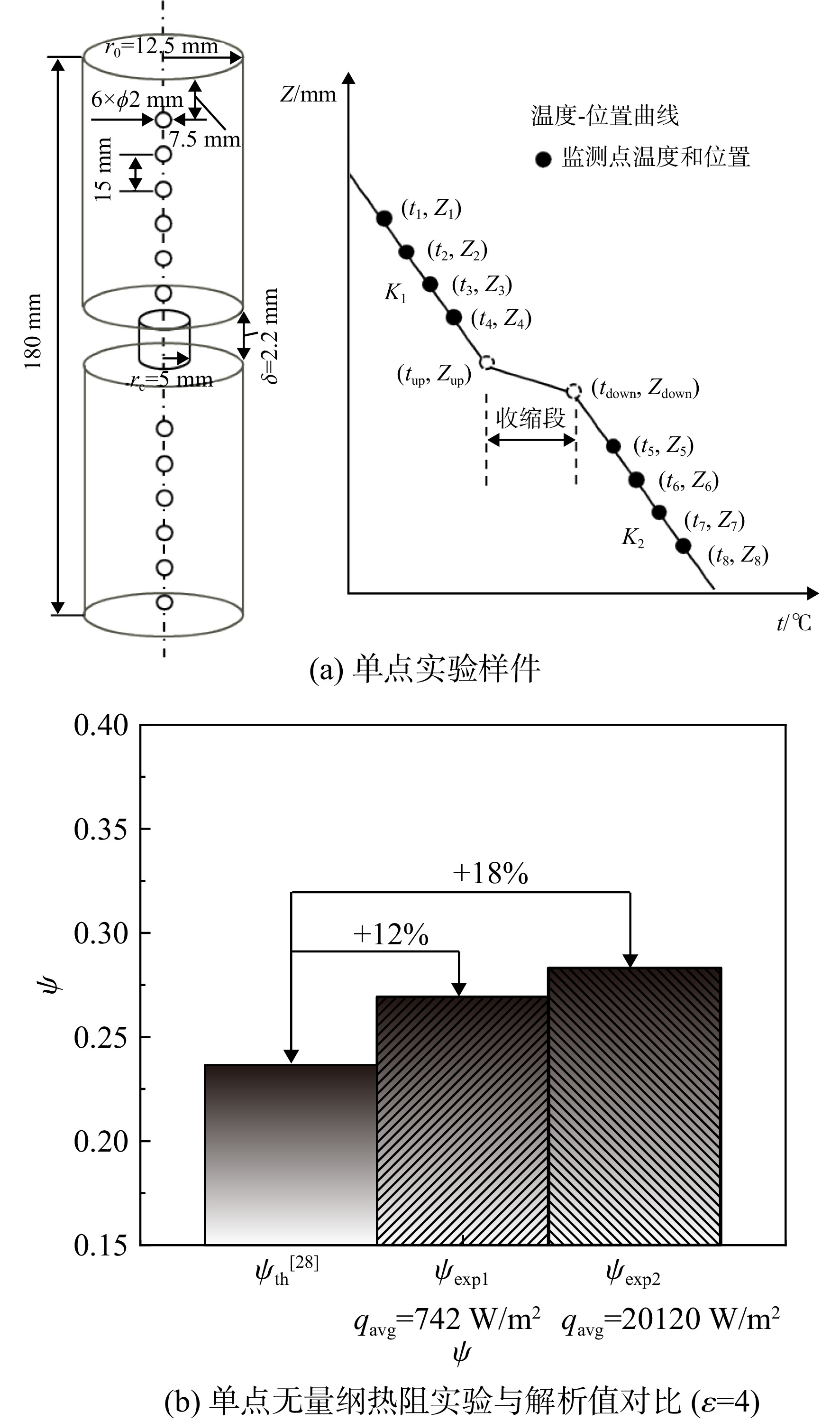
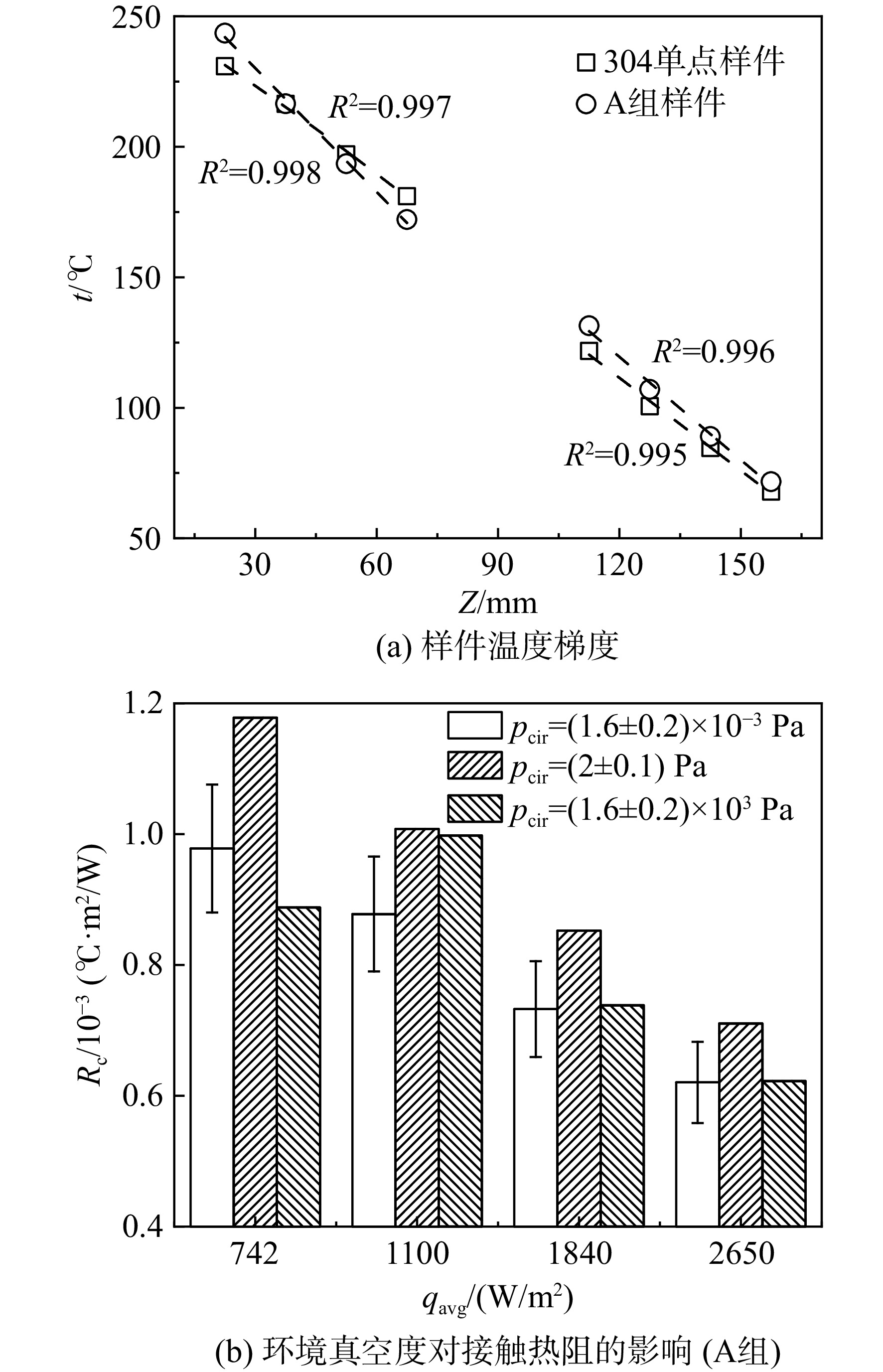
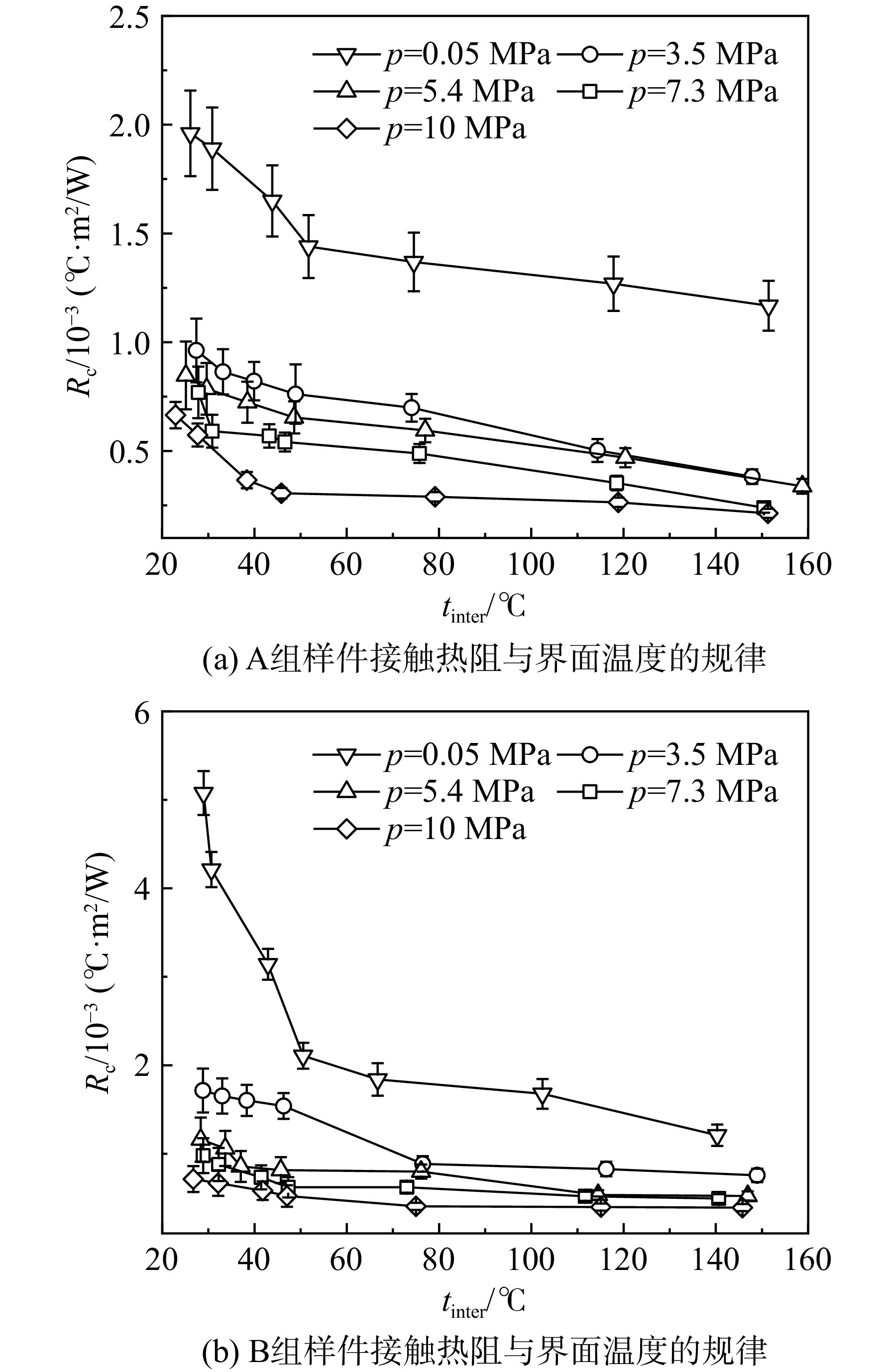
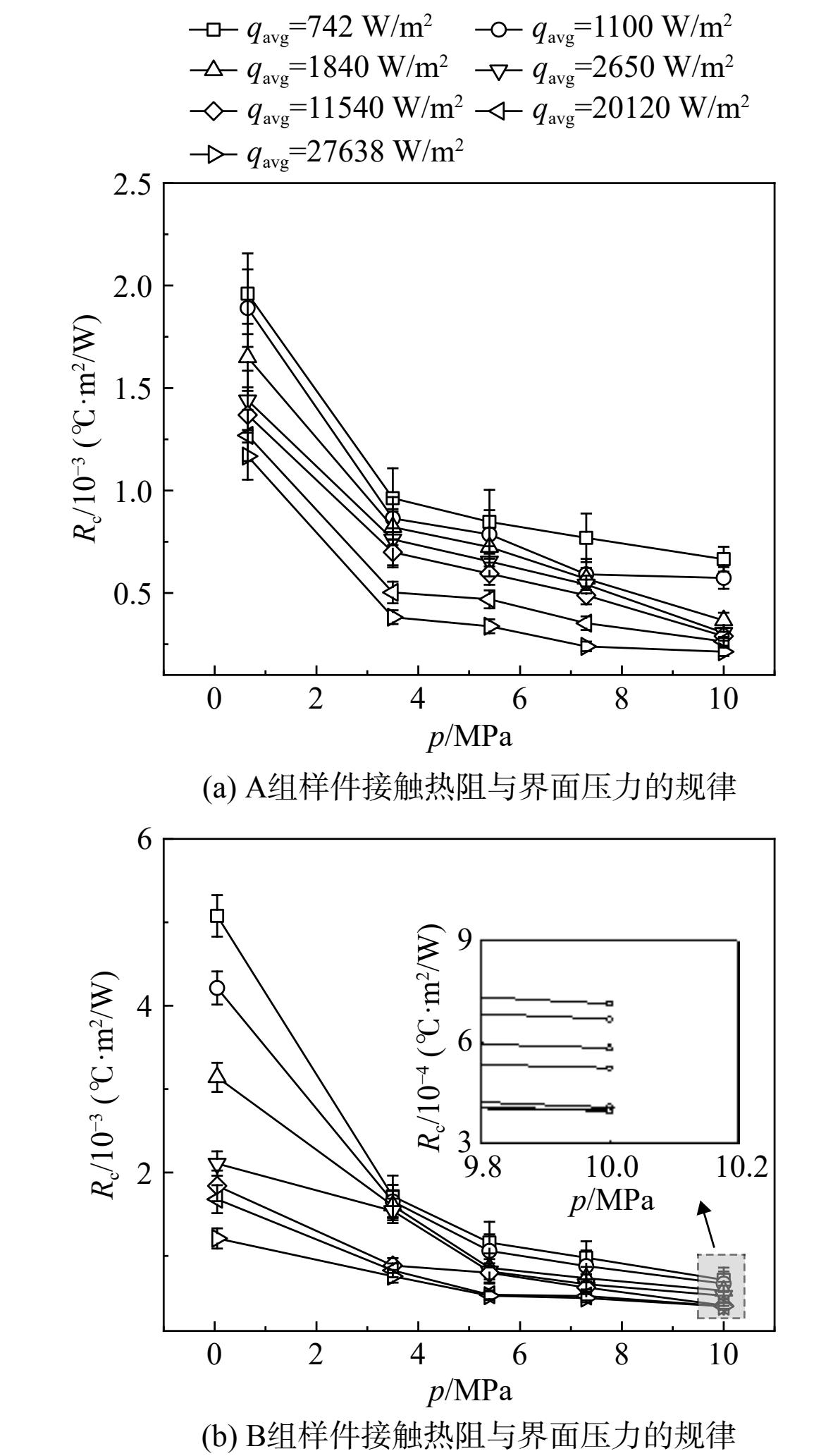
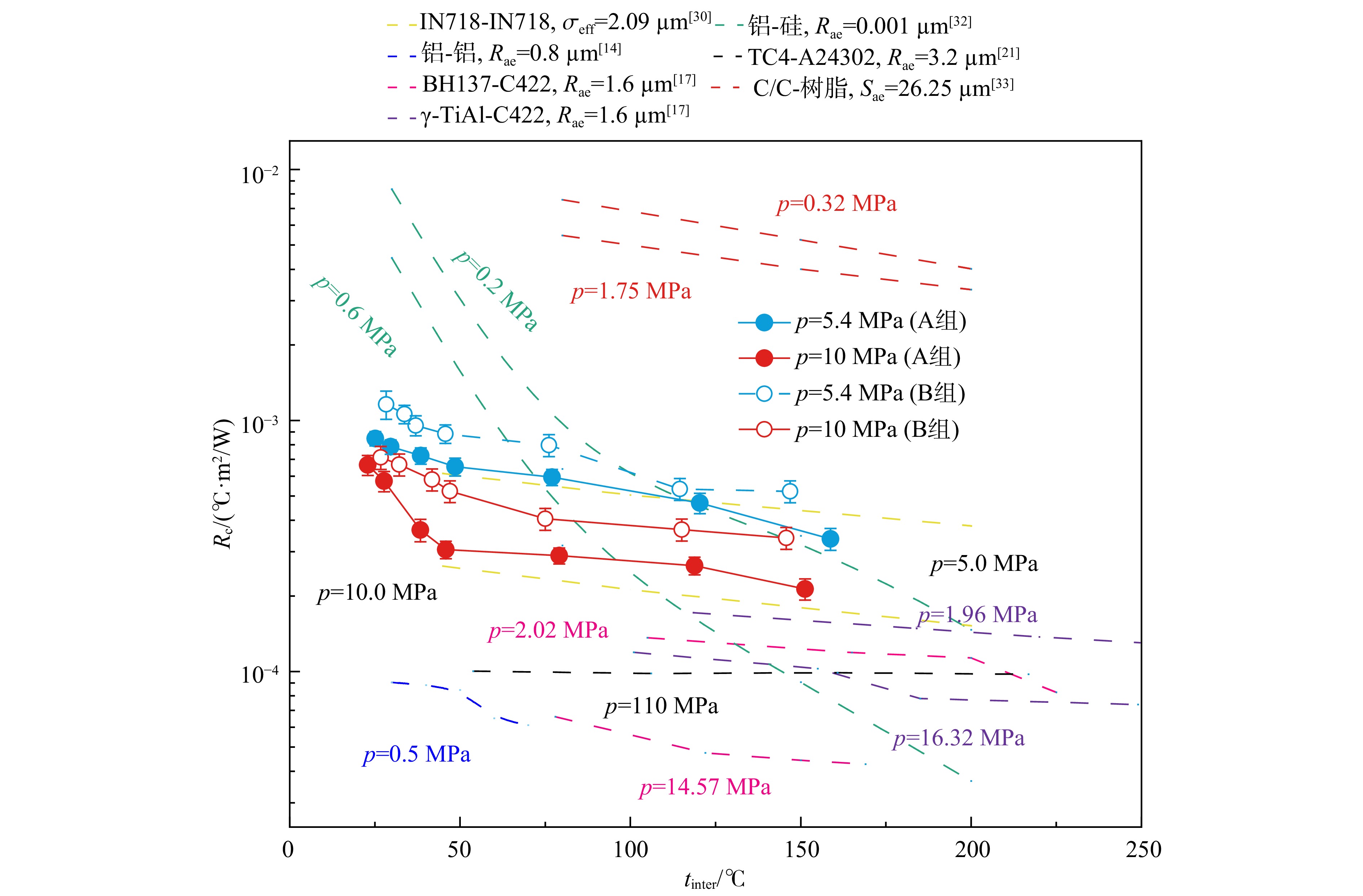
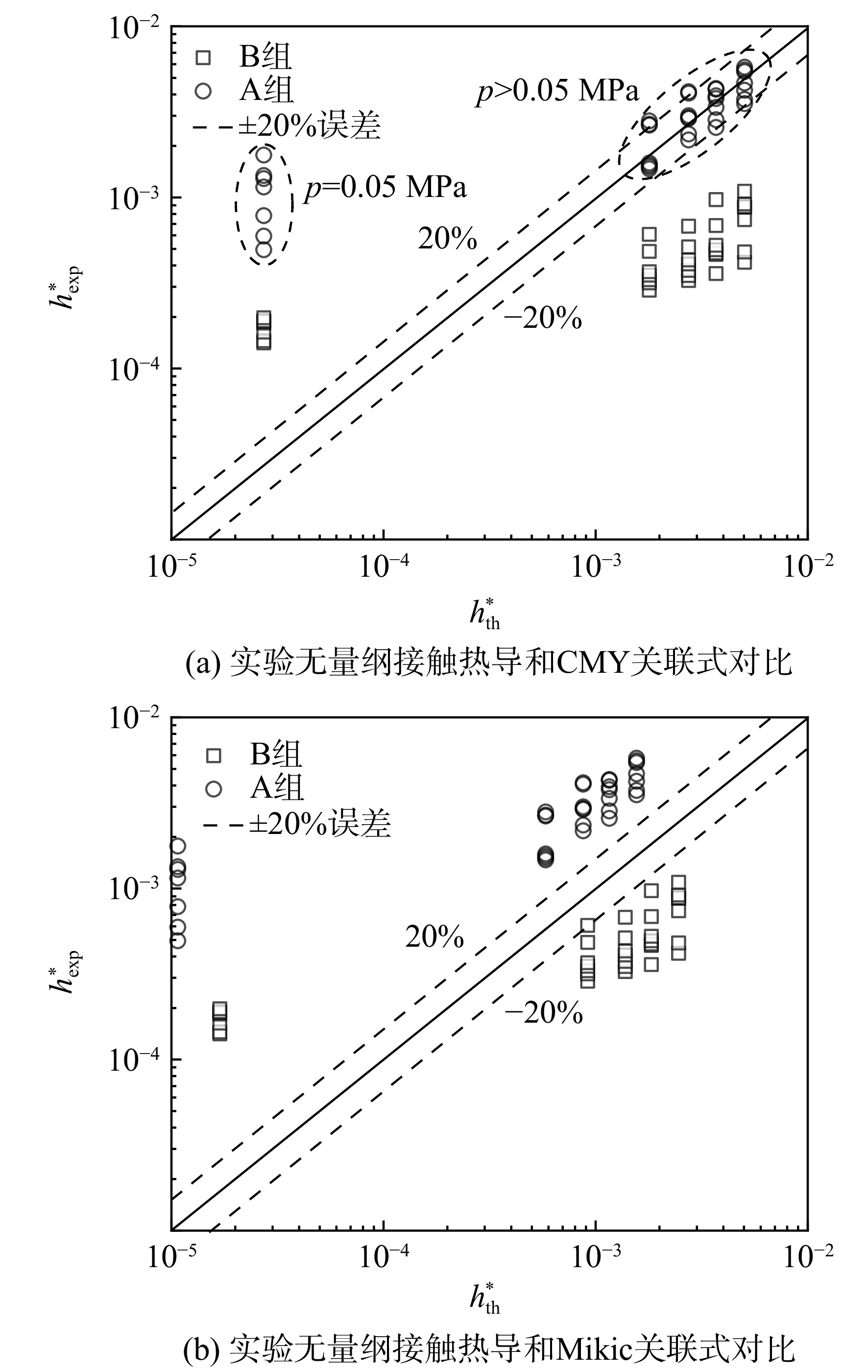
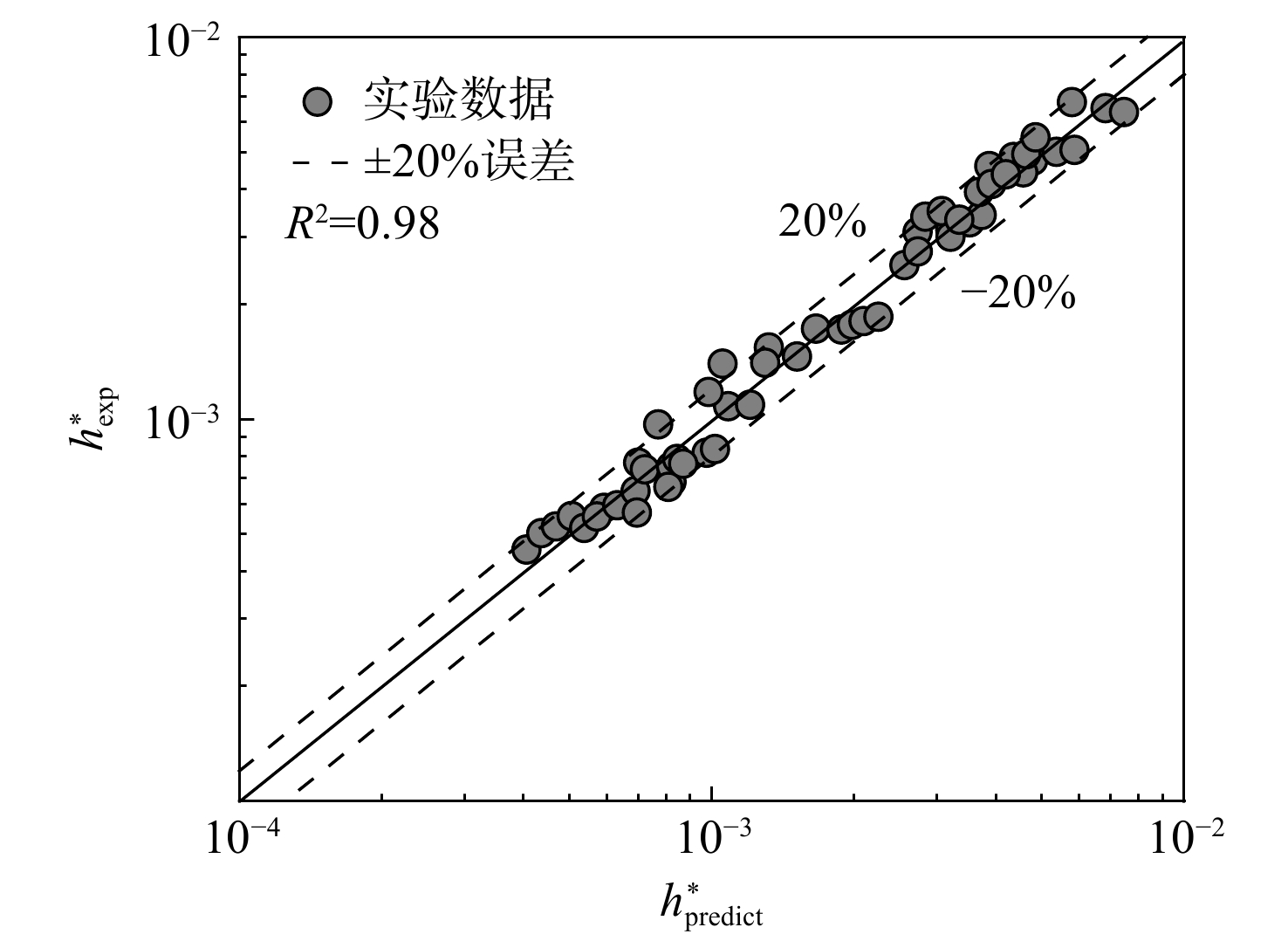
Thermal contact resistance at the interfaces of turbine shafts and blades is critical for the thermal analysis and durability design of aero-engines. Accordingly, an experimental apparatus based on the steady-state heat flux method was developed to measure thermal contact resistance in IN718 superalloy contacts. The measurement uncertainty of the setup was first evaluated using a single-point thermal contact resistance method, demonstrating that the relative errors for dimensionless single-point thermal contact resistance were within 18%. Subsequently, experimental investigations were conducted to examine the effects of two levels of surface roughness, interface pressure (0.05~10 MPa), and average interface temperature (20~160 °C) on the thermal contact resistance of IN718 specimens. The results indicated that thermal contact resistance decreased with the increasing pressure and temperature, but increased with higher surface roughness. A comparison of the experimental data with existing classical semi-empirical models revealed significant prediction inaccuracies, particularly within specific pressure and roughness ranges. Consequently, considering both the Gaussian and non-Gaussian distribution characteristics of the surface profile, a dimensionless empirical correlation was proposed. The maximum error between the predicted values from this correlation and the experimental data was less than ±20%.

Combustion,Heat and Mass Transfer
Effects of structural parameters on the flow characteristics of feedback-free self-excited sweeping nozzles
Ma Liang, Dong Yuelu, Han Zhixuan, Wang Shiqi, Jia Zhigang, Wen Quan
2026, 41(11): 20250061. doi: 10.13224/j.cnki.jasp.20250061
Abstract:
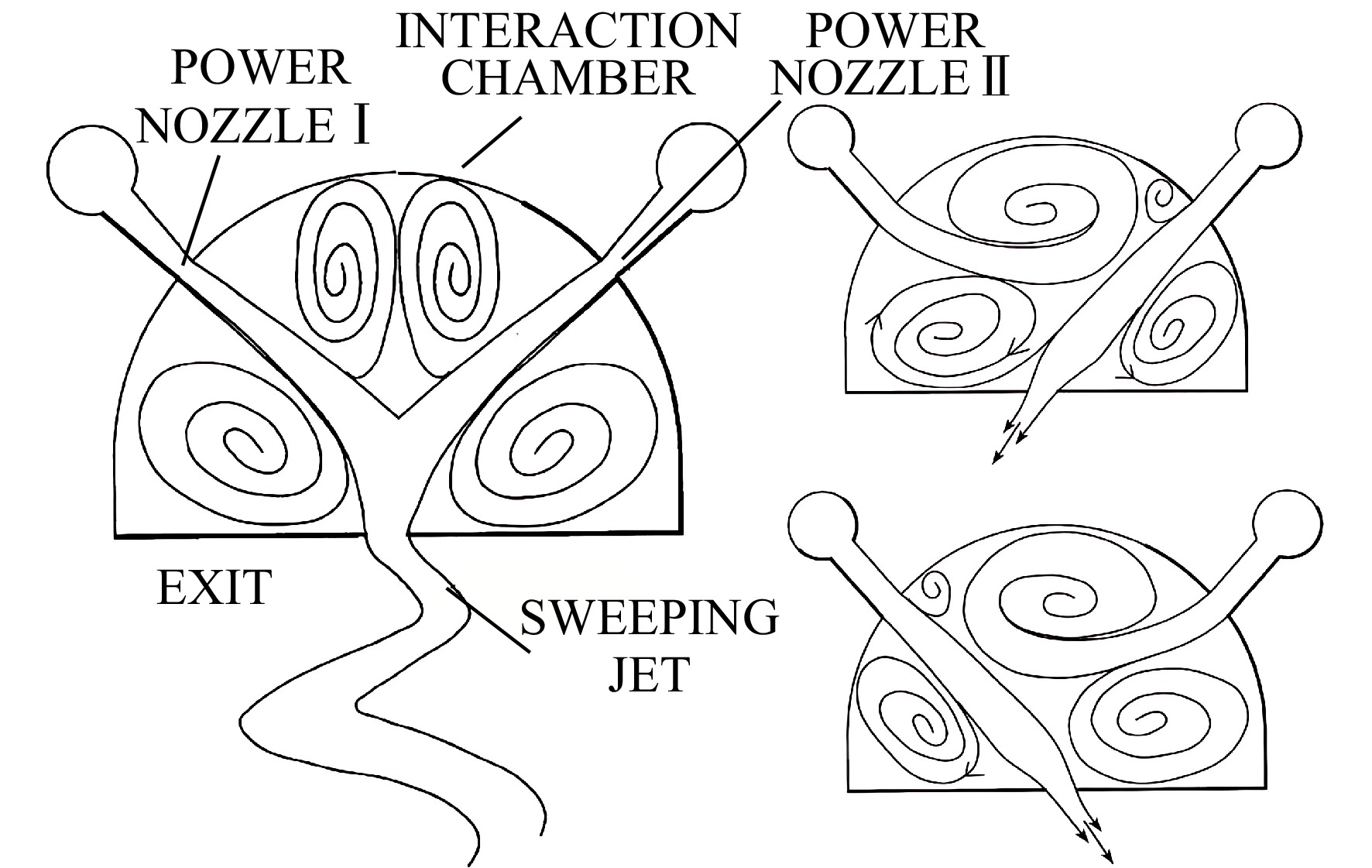
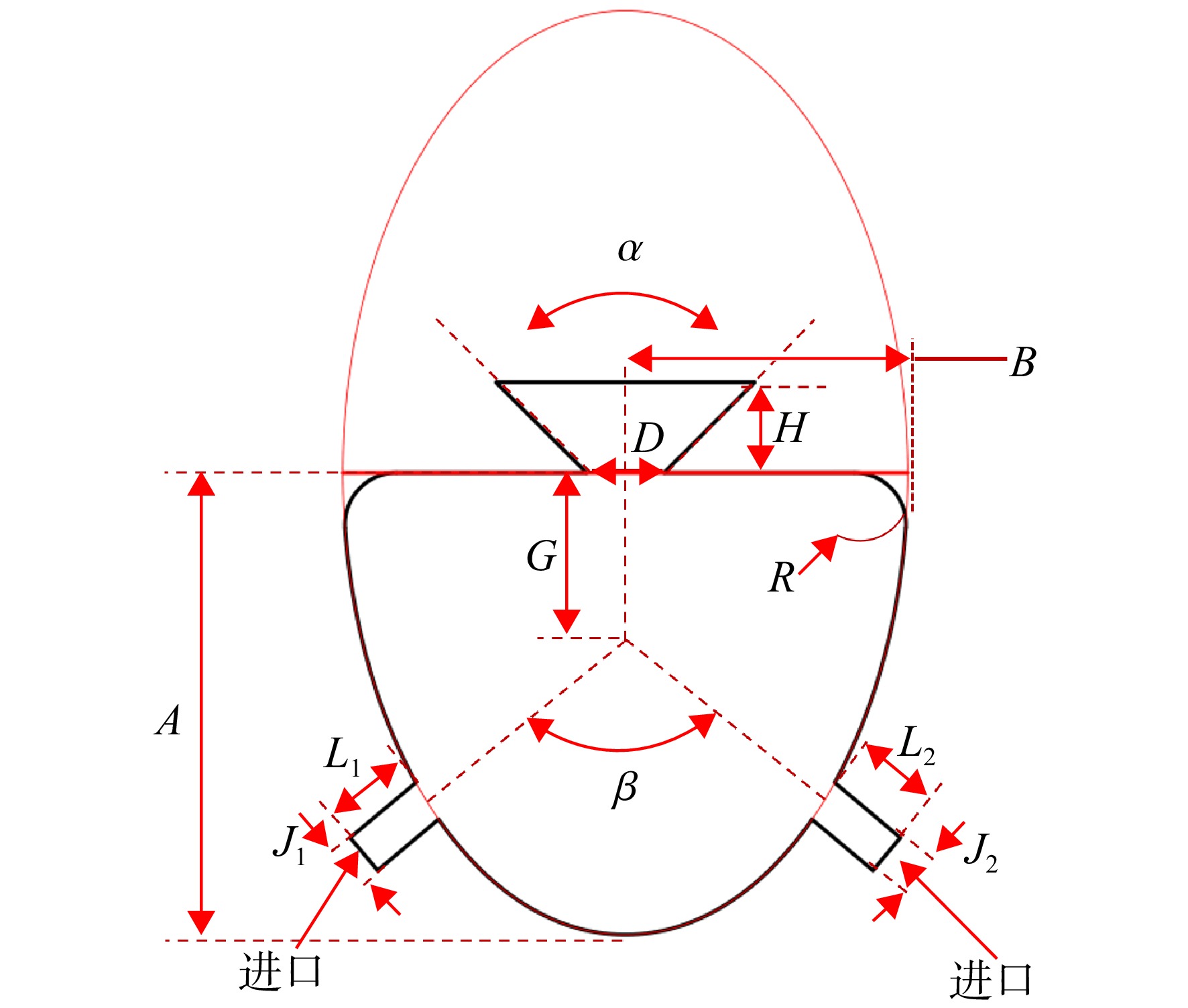
To meet the regulatory requirements for the operational performance of feedback-free self-excited sweeping nozzles across various application scenarios, this paper proposes a parametric design method for such nozzles. A two-dimensional numerical simulation approach was employed to elucidate the effects of structural parameters on the internal flow mechanisms and macroscopic operating characteristics of the nozzle. The study revealed that the formation of self-excited oscillatory flow within the nozzle critically depended on the optimization of three key parameters: the impingement angle, the inlet-to-outlet ratio, and the distance between the impingement point and the outlet. Frequency control exhibited a strong correlation with the impingement angle, impingement point position, and the chamber length-to-width ratio. The frequency characteristics were primarily governed by vortices formed at the geometric dome; reducing the chamber length-to-width ratio, adjusting the impingement angle, and modifying the distance between the impingement point and the nozzle exit enhanced the sweeping frequency. Furthermore, the inlet-to-outlet ratio significantly impacted the sweeping angle and flow characteristics. A decrease in this ratio led to an increase in the sweeping angle and amplified gas-liquid phase velocity gradients. However, it also resulted in increased flow loss.

Autocontrol
Pipe segmentation technology for aircraft engines based on point cloud data
Sun Longhui, Shen jianxin, Xu jianguo
2026, 41(11): 20250060. doi: 10.13224/j.cnki.jasp.20250060
Abstract:
Aero-engine usually has a large number of freely-bent and interlaced pipes. To avoid faults caused by friction or resonance between pipes during operation, the pipe spacing must be strictly controlled during assembly. However, the existing detection methods rely on manual operation and have problems such as high labor intensity, low efficiency, and unstable measurement accuracy. Using a laser scanner to collect point cloud data of aero-engine pipes and calculate the pipe spacing can significantly improve the degree of automation and efficiency of pipe spacing measurement. However, the point cloud data of aero-engine pipes is huge and difficult to segment, which brings challenges to the subsequent pipe spacing measurement. Therefore, a hierarchical multi-feature-based pipe segmentation algorithm is proposed by taking curvature, normal vector angle, and normal vector cross product as the segmentation judgment conditions. The calculation results show that this algorithm can accurately segment the pipe point cloud through a layer-by-layer refinement method, improving the over-segmentation and under-segmentation problems of existing algorithms, with an accuracy rate of 94.65%, which lays a foundation for subsequent pipe spacing calculation.

Power Transimission
Flow and flow-rate distribution characteristics of axial under-race lubrication with oil dam structure
Gai Zepeng, Qin Jingwen, Jiang Huiqing, Cao Yitao, Hu Jianping, Lyu Yaguo, Liu Zhenxia
2026, 41(11): 20250427. doi: 10.13224/j.cnki.jasp.20250427
Abstract:
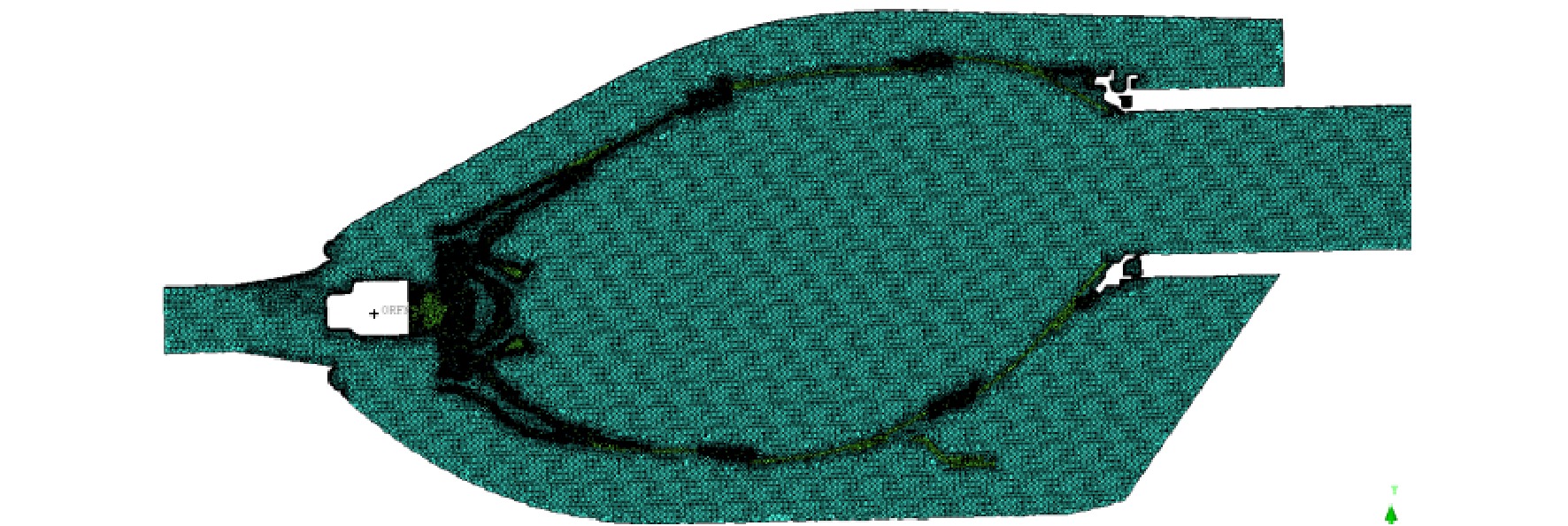
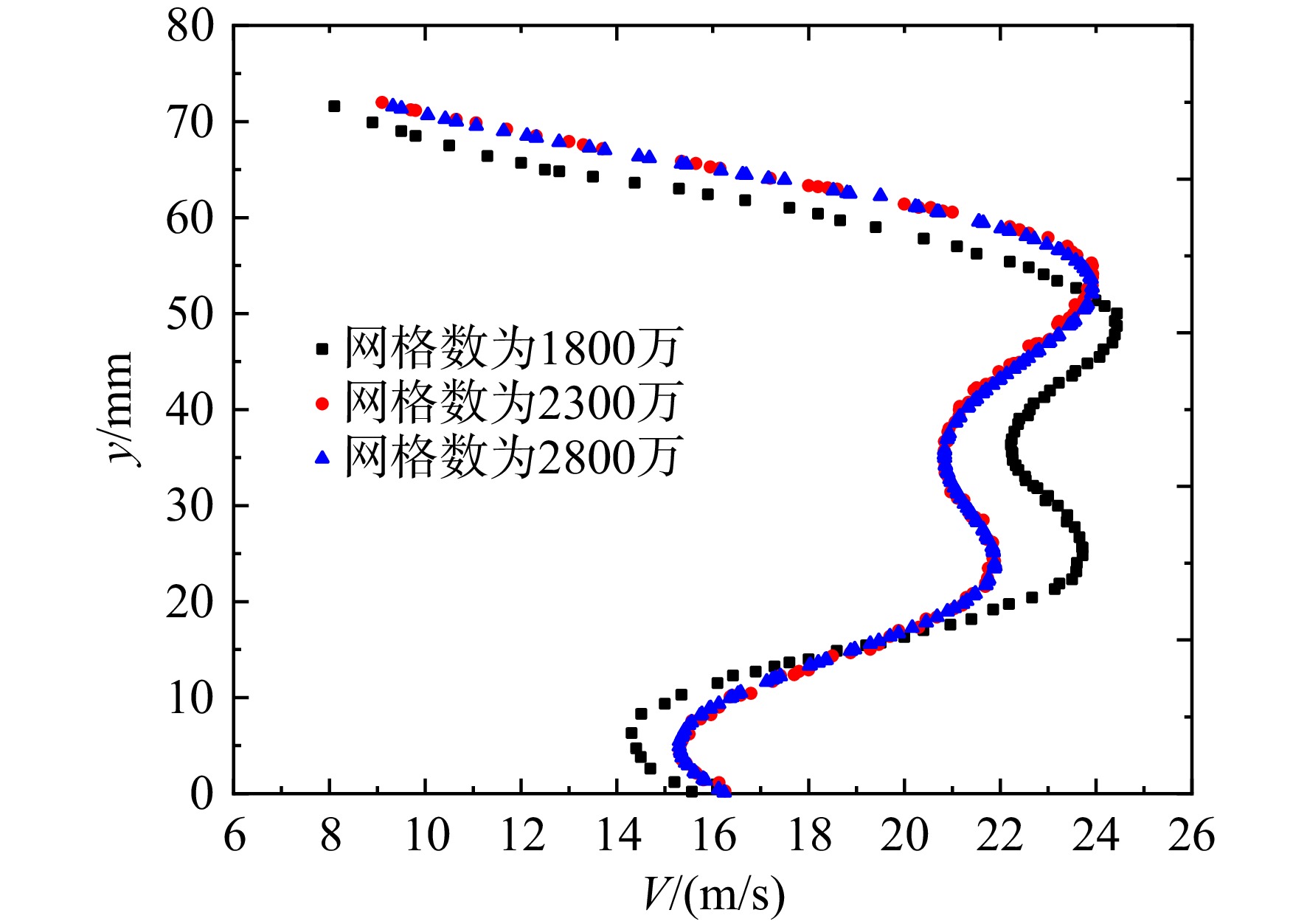
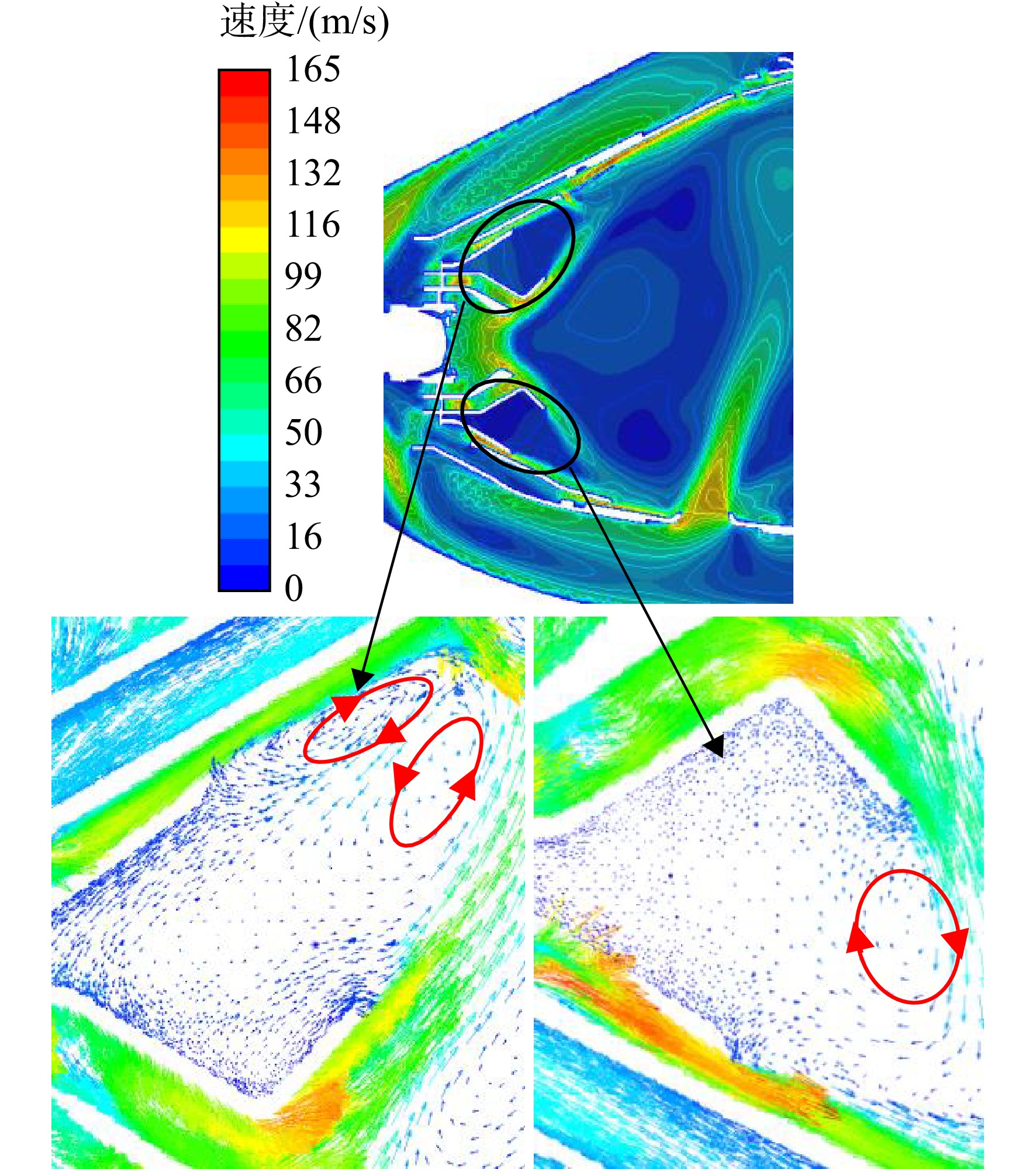
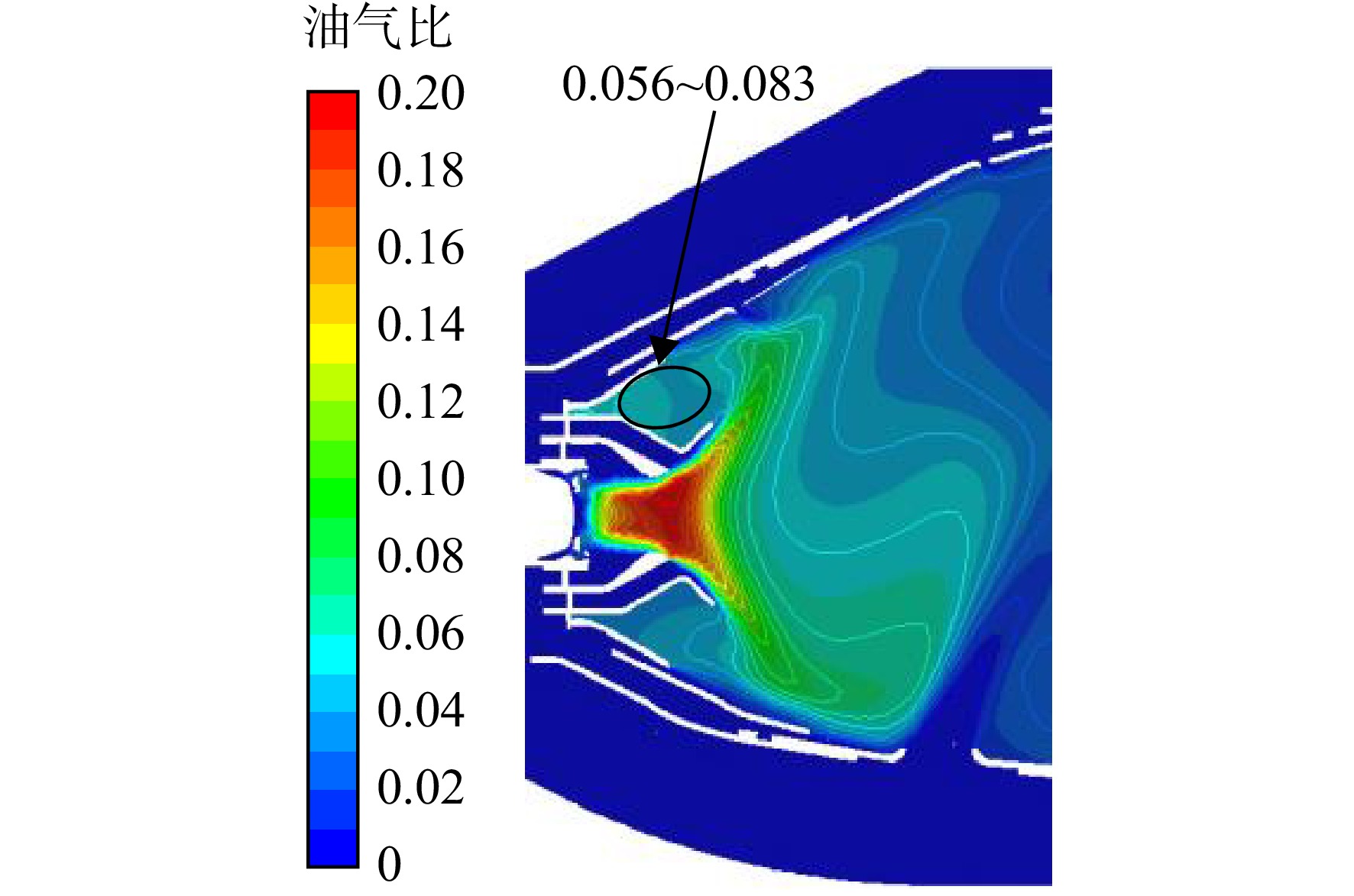
To study the design approaches for enhancing lubrication effect of aero-engine lubrication system and achieving precise, on-demand lubrication at multiple locations, an axial under-race lubrication structure with oil dam was presented. Numerical study was conducted on the internal oil-gas two-phase flow process and oil flow-rate distribution characteristics. Based on verifying the accuracy of the numerical methods, the influences of oil flow-rate, rotational speed, oil temperature, and the circumferential angle of oil dam on the oil flow-rate and distribution ratio of the lubricated spline and bearing were analyzed, and the mechanism of the factors was also revealed. The results indicated that the oil formed a continuous film with marked phase-separated flow characteristics under rotational centrifugation, and was delivered to the bearing and spline after being segregated by the oil dam. The relative deviation between the lubrication flow-rate of spline and bearing and the circumferential angle ratio of oil dam under different conditions remained within 6%, showing good consistency. The larger circumferential angle ratio of oil dam indicated the more oil trapped in the oil collection chamber during the initial state, resulting in reduced outlet flow-rate. The outlet flow-rate varied approximately linearly with the circumferential angle ratio of oil dam during the steady state, with a maximum deviation of 4.72%. Relevant studies validated the effectiveness of controlling flow-rate distribution by adjusting the circumferential angle of oil dam under varying conditions, achieving precise lubrication requirements for both bearing and spline as needed.

Production mechanism and critical conditions definition of multi-point contact for three-point contact ball bearings
Zhang Yili, Qiu Ming, Zhou Dawei, Bi Minglong
2026, 41(11): 20250179. doi: 10.13224/j.cnki.jasp.20250179
Abstract:
To address the failure caused by multi-point contact between steel balls and raceways in three-point contact ball bearings, this study took a specific model of three-point contact ball bearing as the research object, and a dynamic model was adopted to analyze the production mechanisms of multi-point contact under variations in structural and operating parameters. And then change rule of the number of contact points between steel balls and the non-main loading inner-half ring (NMLIHR) was obtained. The results reveal that under the basic working conditions, multi-point contact occurs when the inner ring groove curvature coefficient drops below 0.5058 or the outer ring groove curvature coefficient rises above 0.5134, or the gasket thickness exceeds 0.60 mm. Under non-basic working conditions, the multi-point contact phenomenon can disappear when the load ratio is more than 0.35. Further, higher load ratios are required to prevent multi-point contact under conditions of elevated rotational speeds and large radial loads. In addition, the quantitative maps of critical conditions under multi-parameter influences were developed, which could determine the critical threshold values of inner and outer groove curvature coefficients corresponding to different gasket thicknesses, and the critical threshold values of load ratio and rotational speed corresponding to different radial loads. The research findings provide the guidance for avoiding multi-point contact and wear failure in three-point contact ball bearings from both design and service perspectives.