2023 Vol. 38, No. 10

Combustion,Heat and Mass Transfer
Parametric analysis of cooling process with load in large-space thermal cycle system
LIAO Daxiong, ZHANG Wanyu, LI Chunyu, WU Jingyi
2023, 38(10): 2305-2316. doi: 10.13224/j.cnki.jasp.20210661
Abstract:

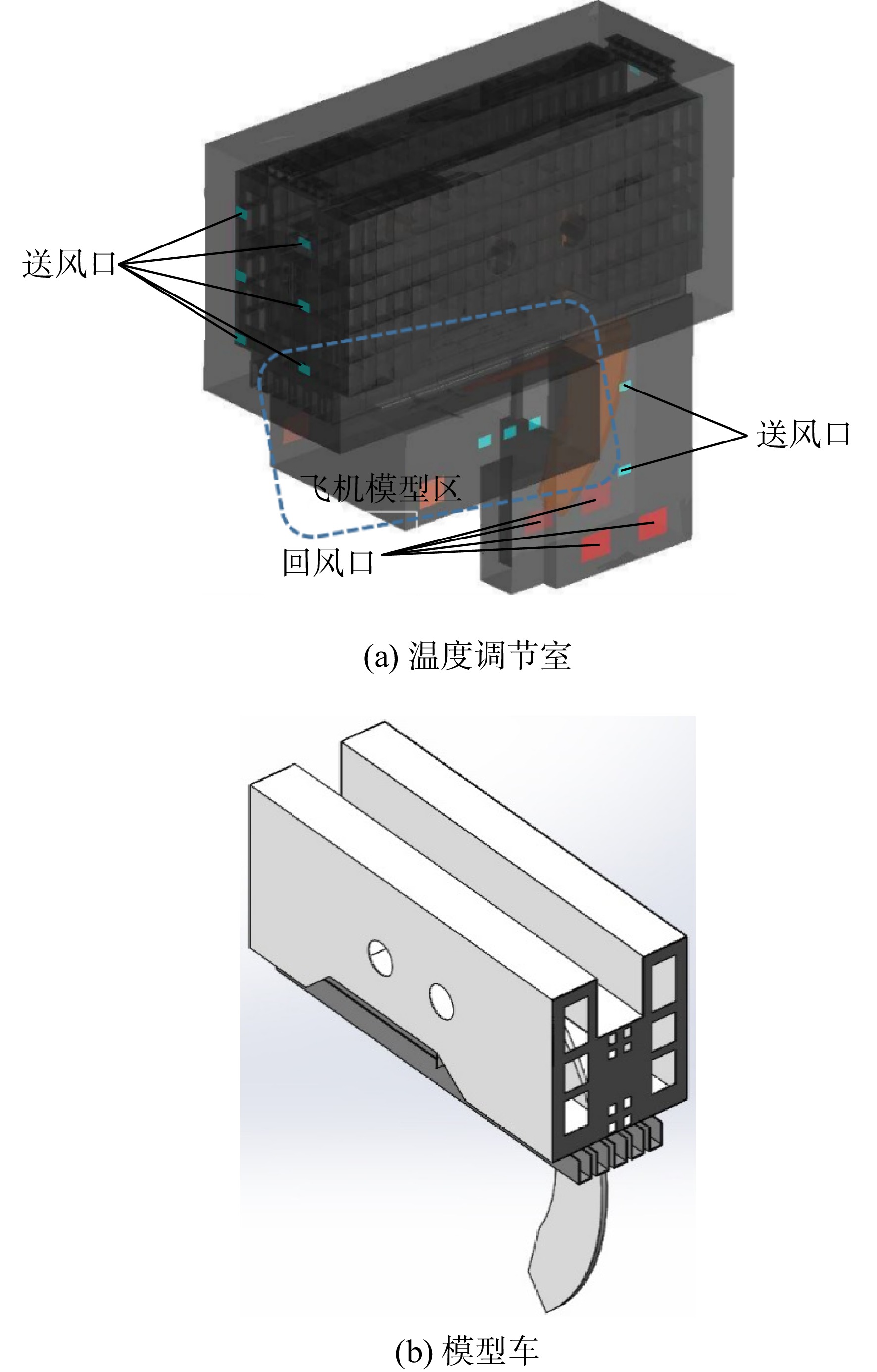
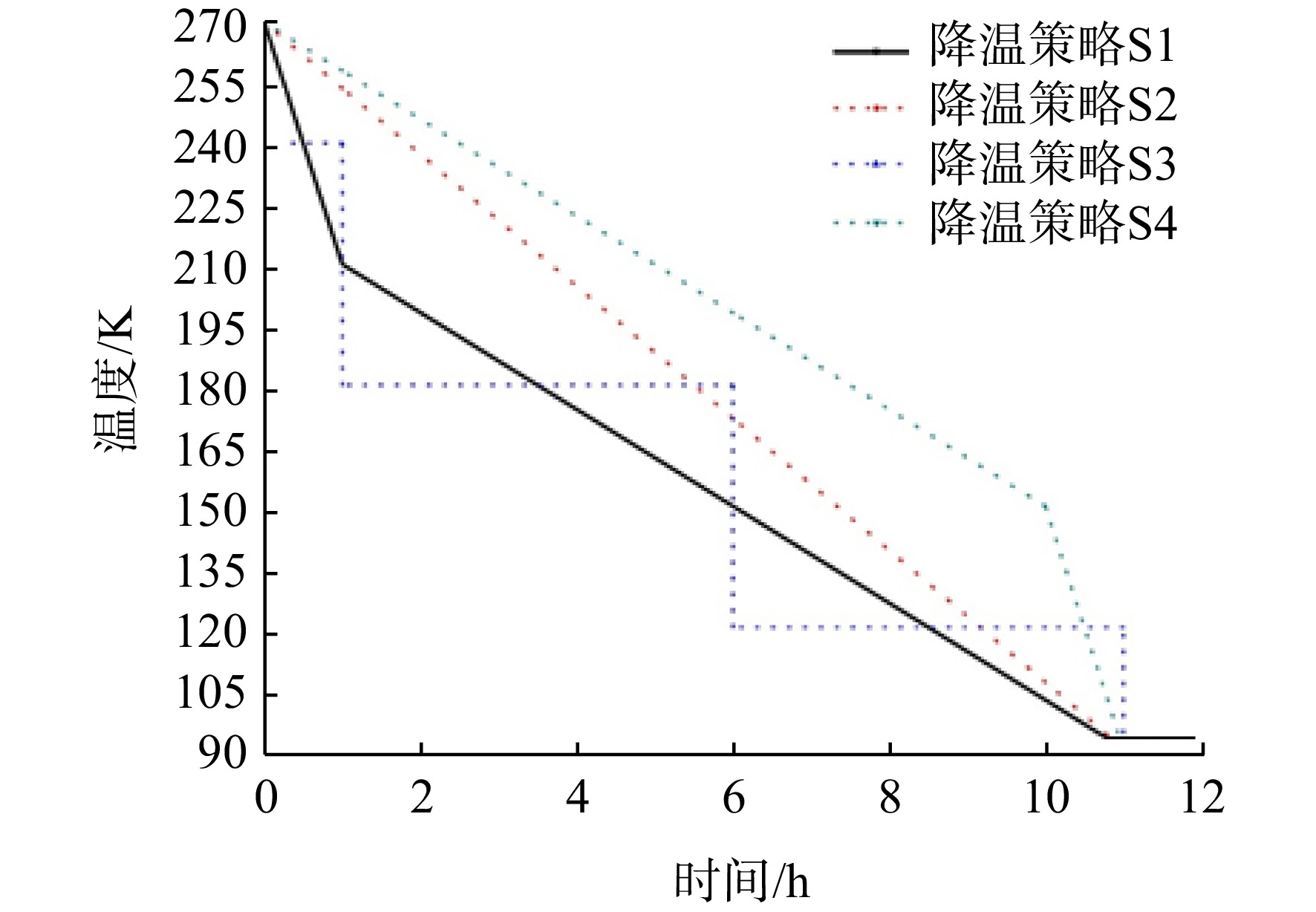
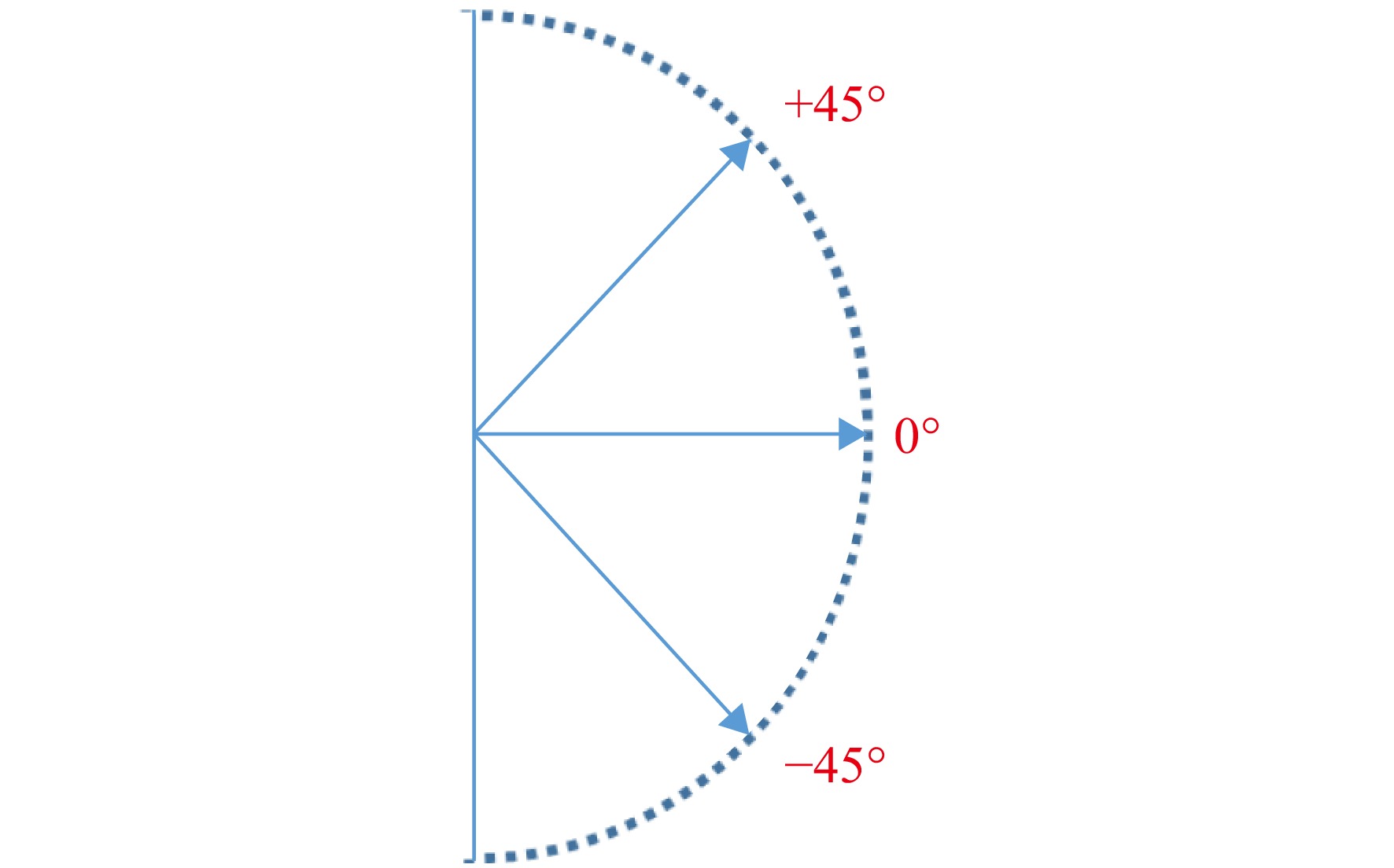
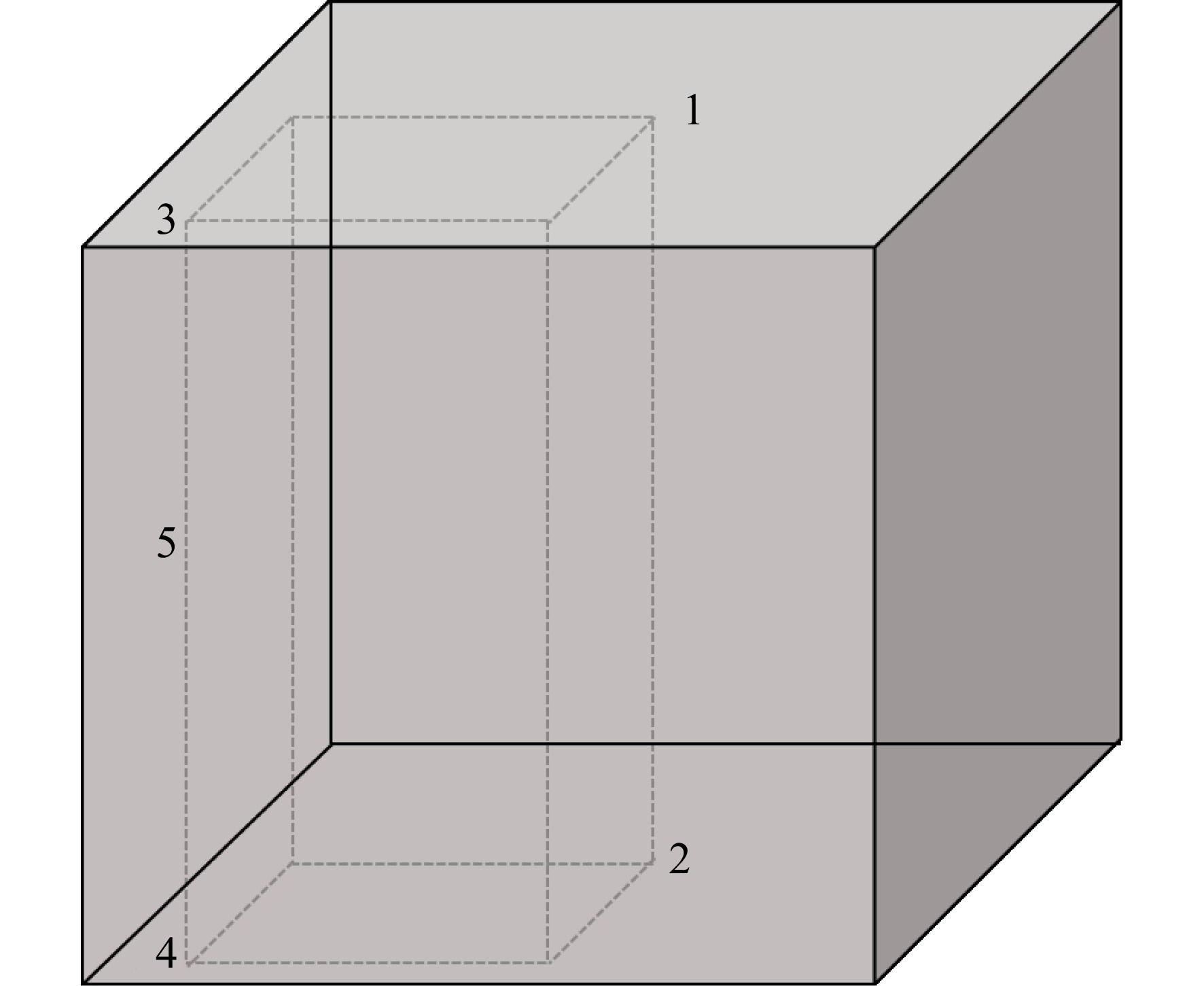
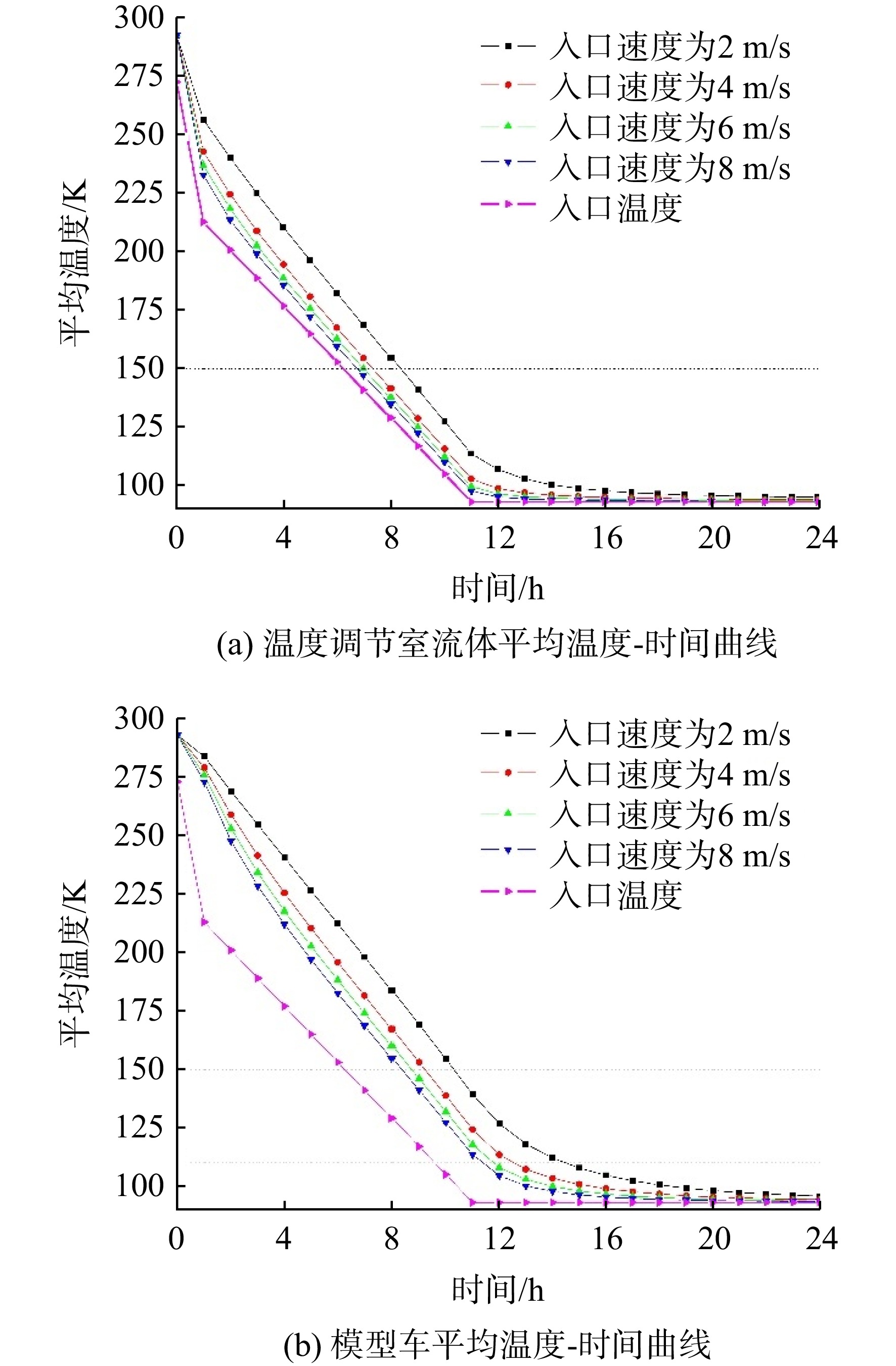
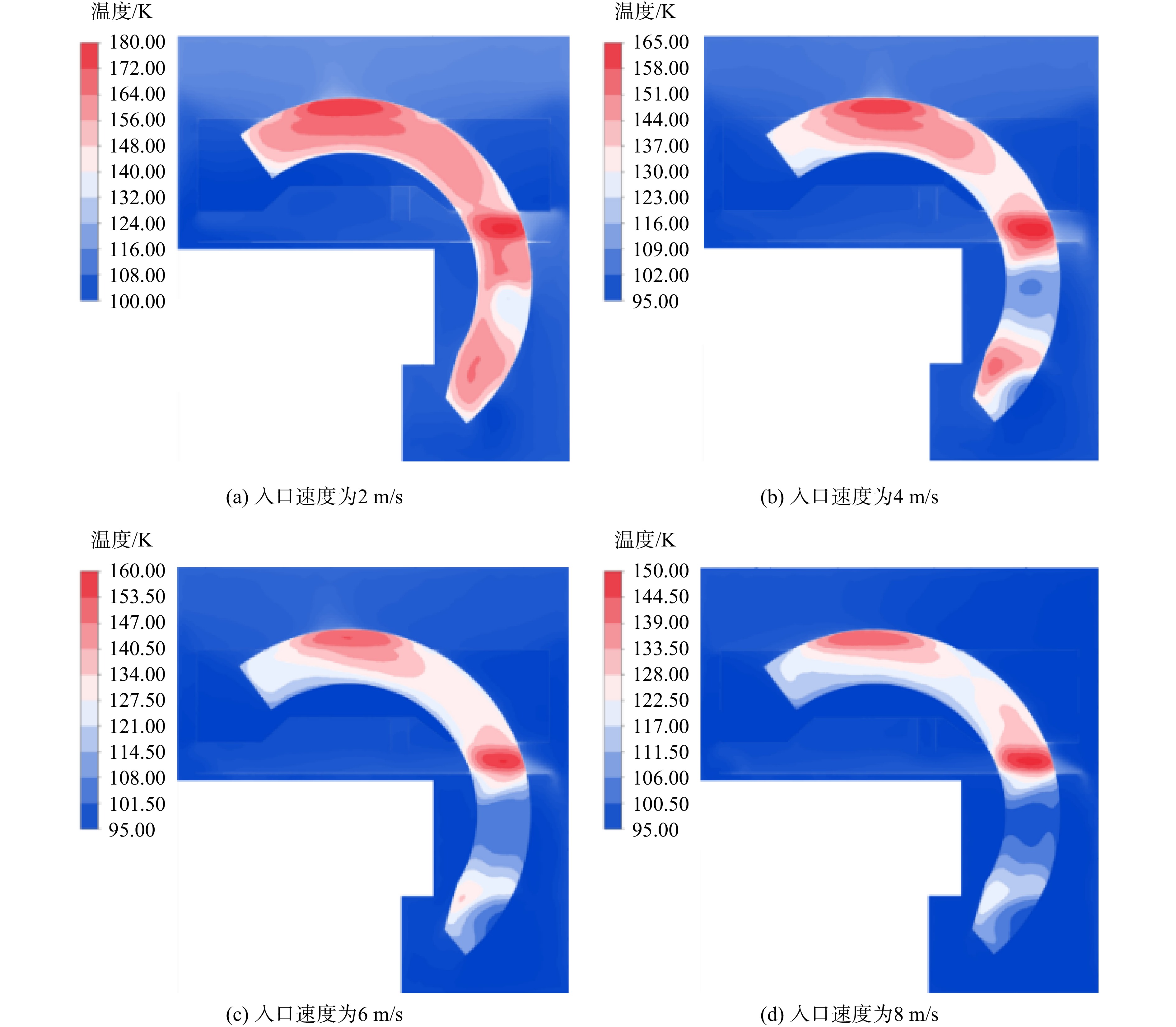
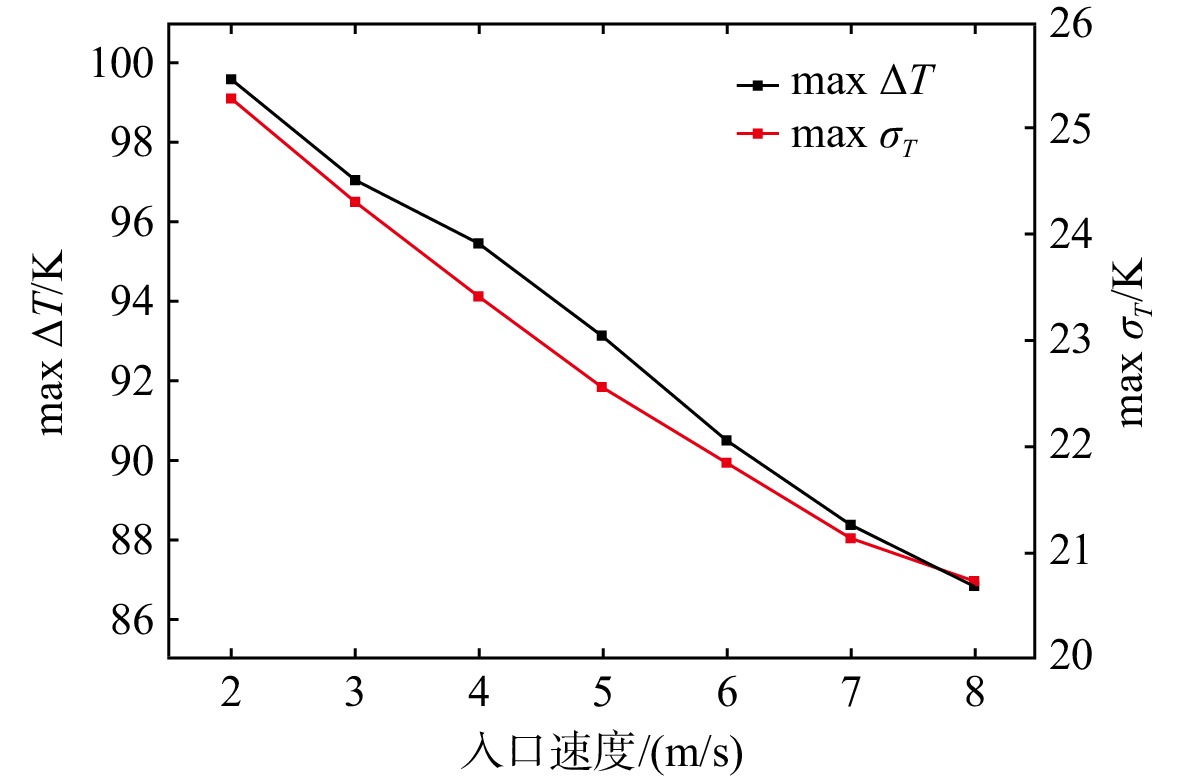
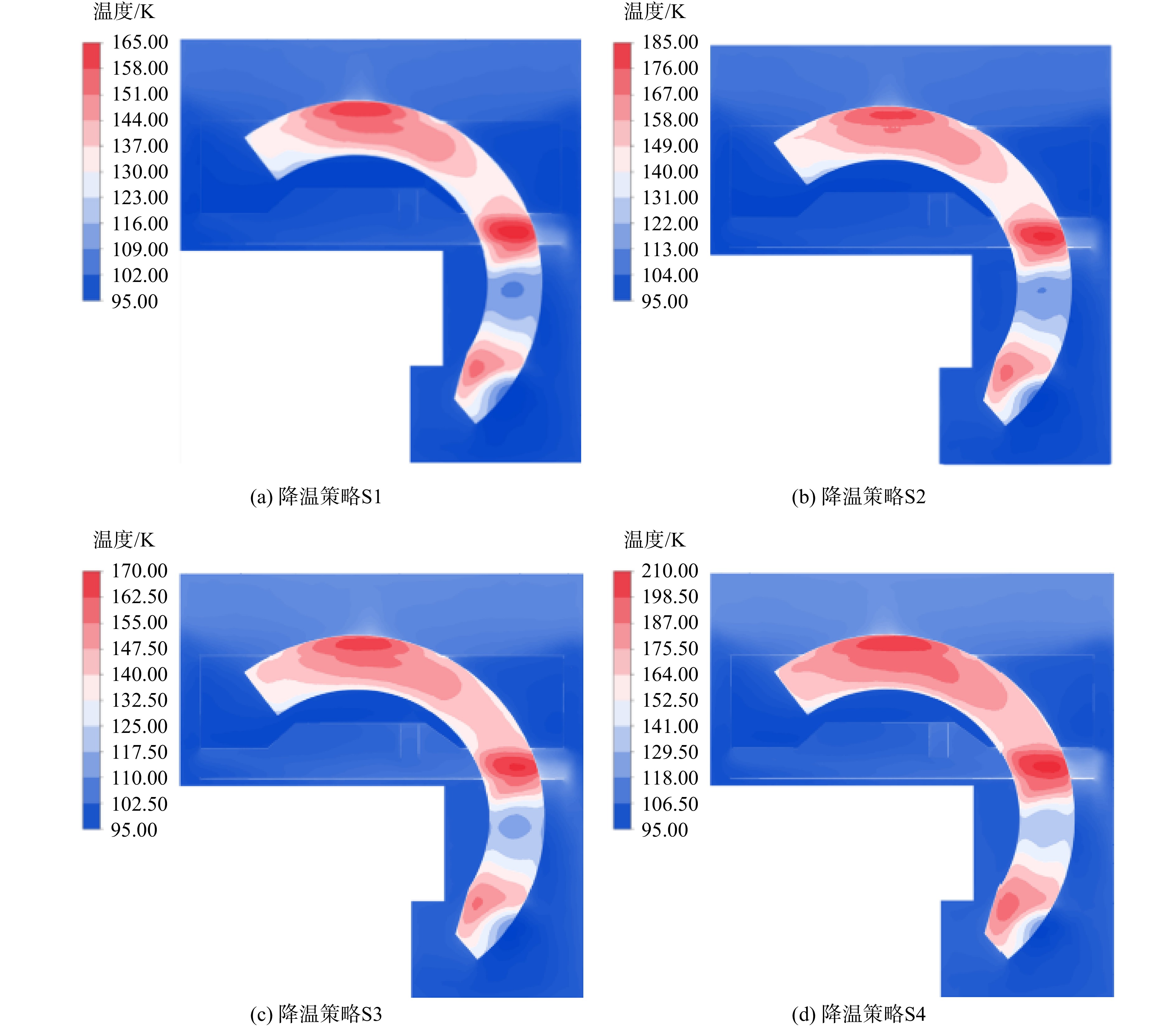
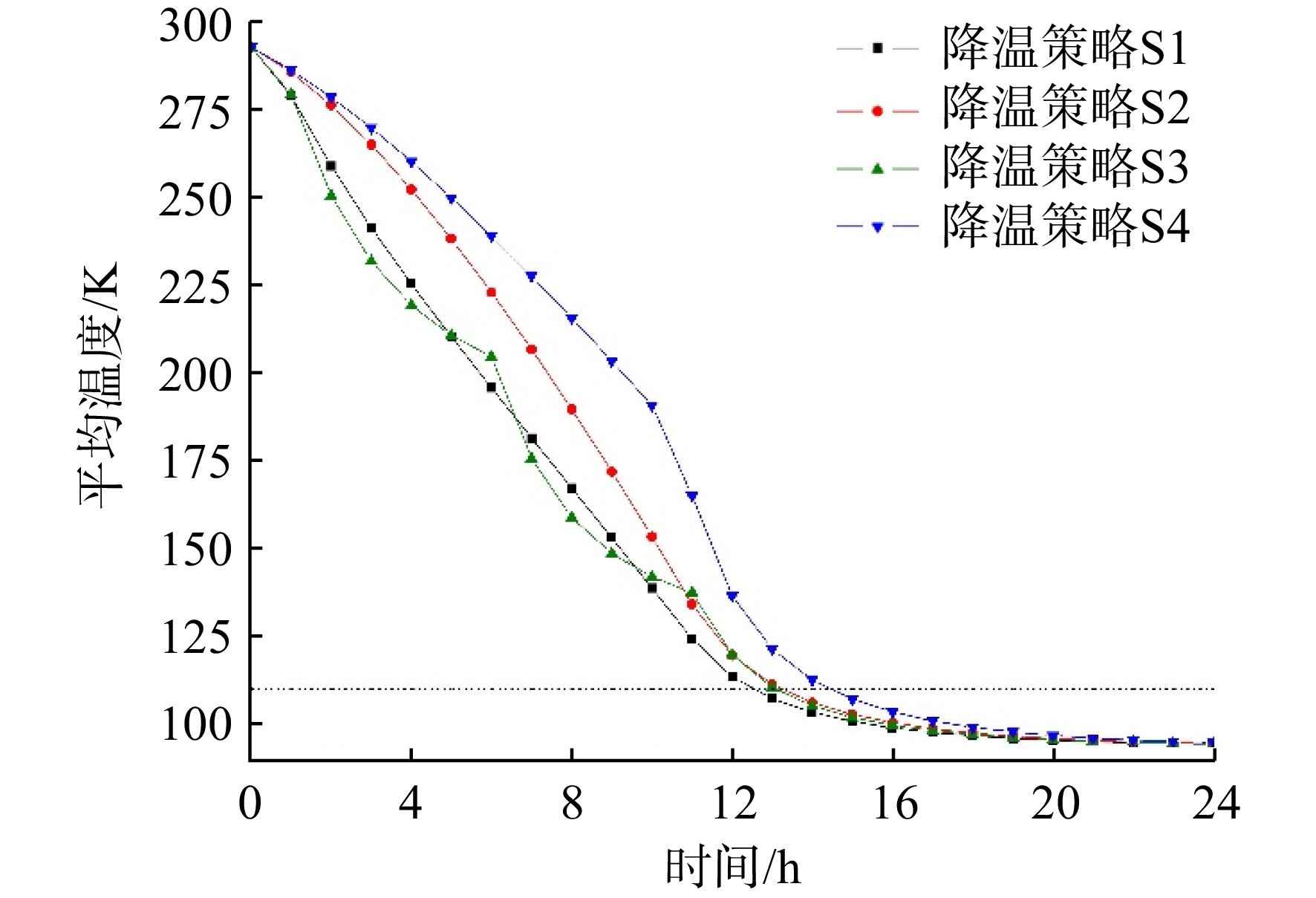
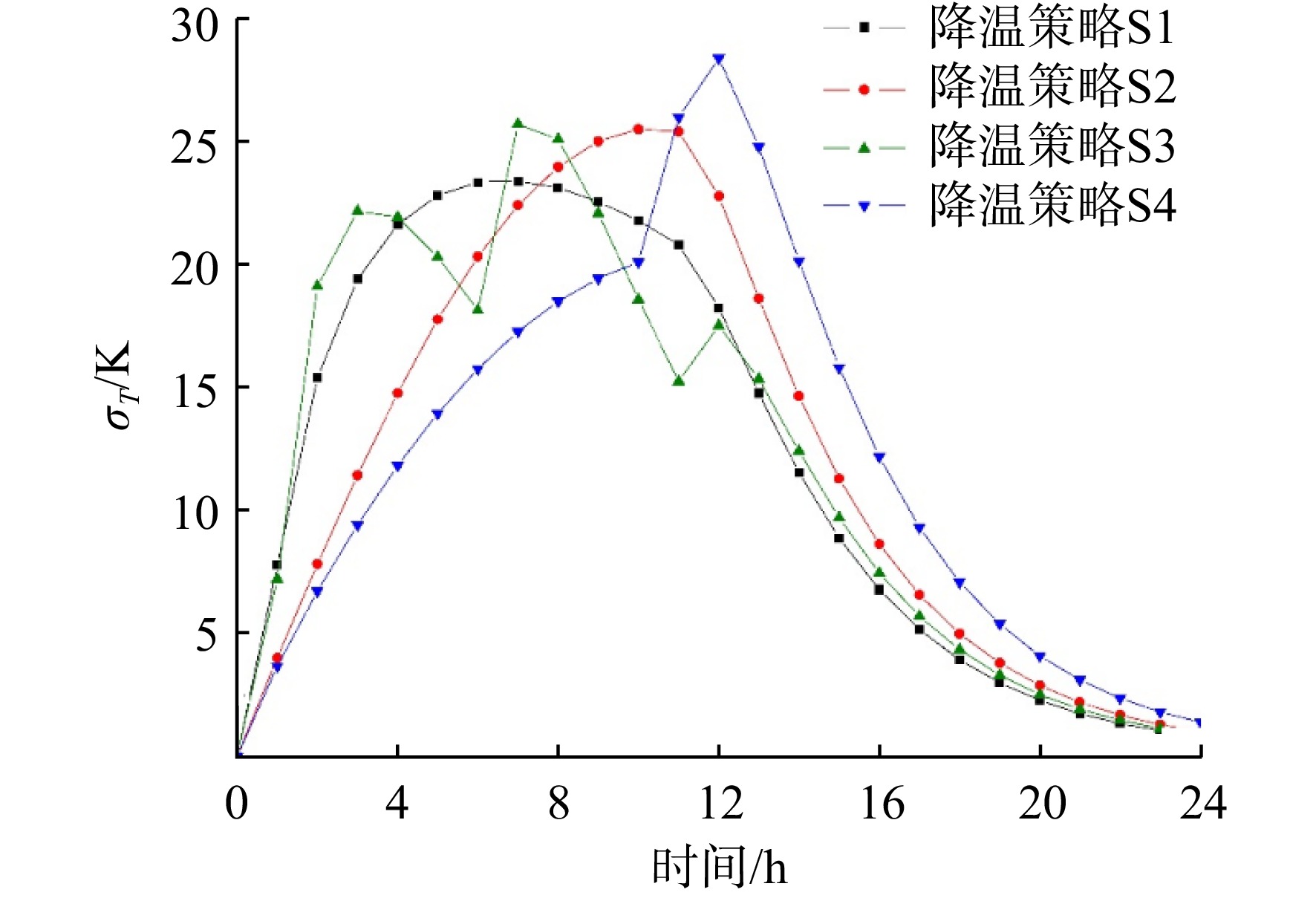
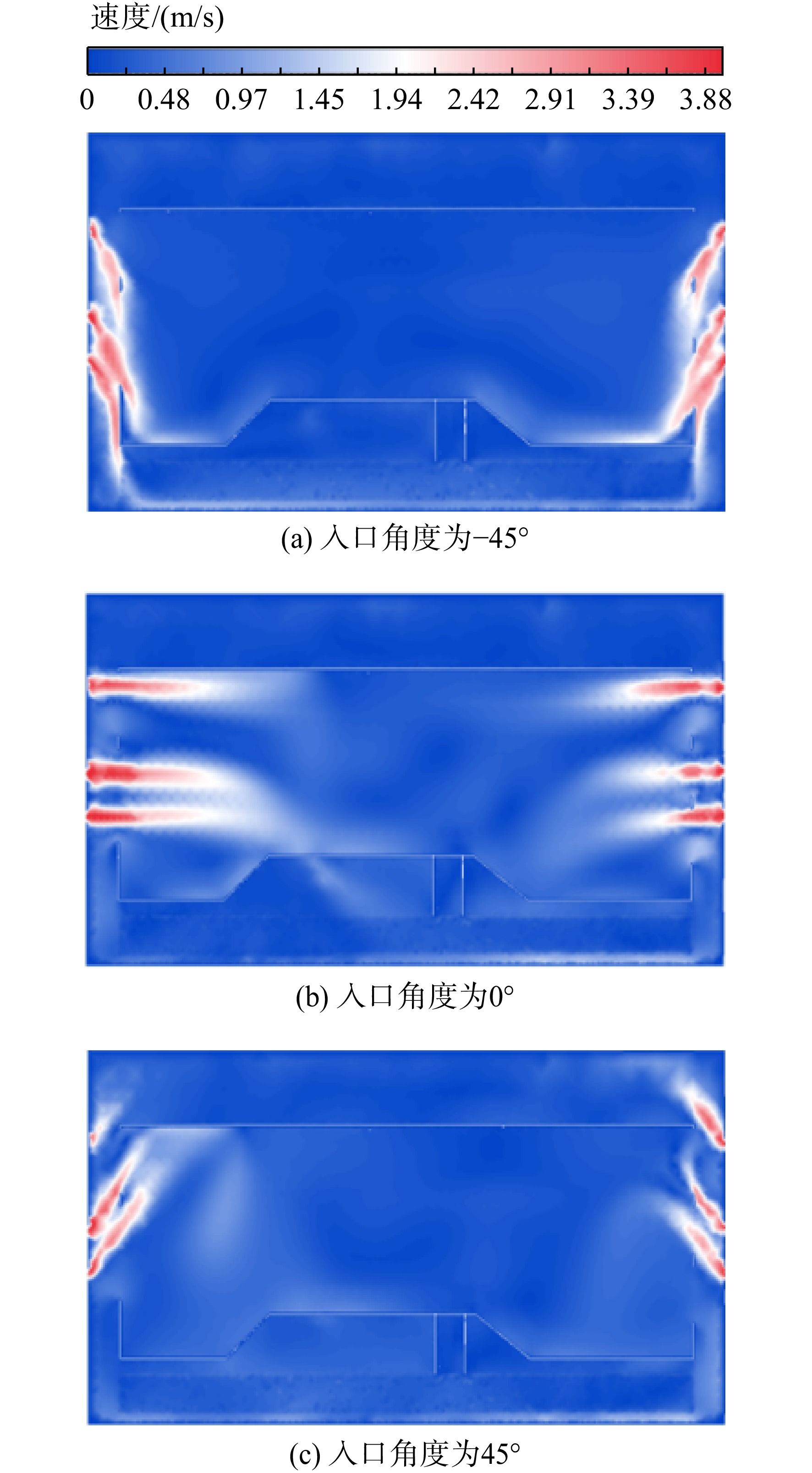
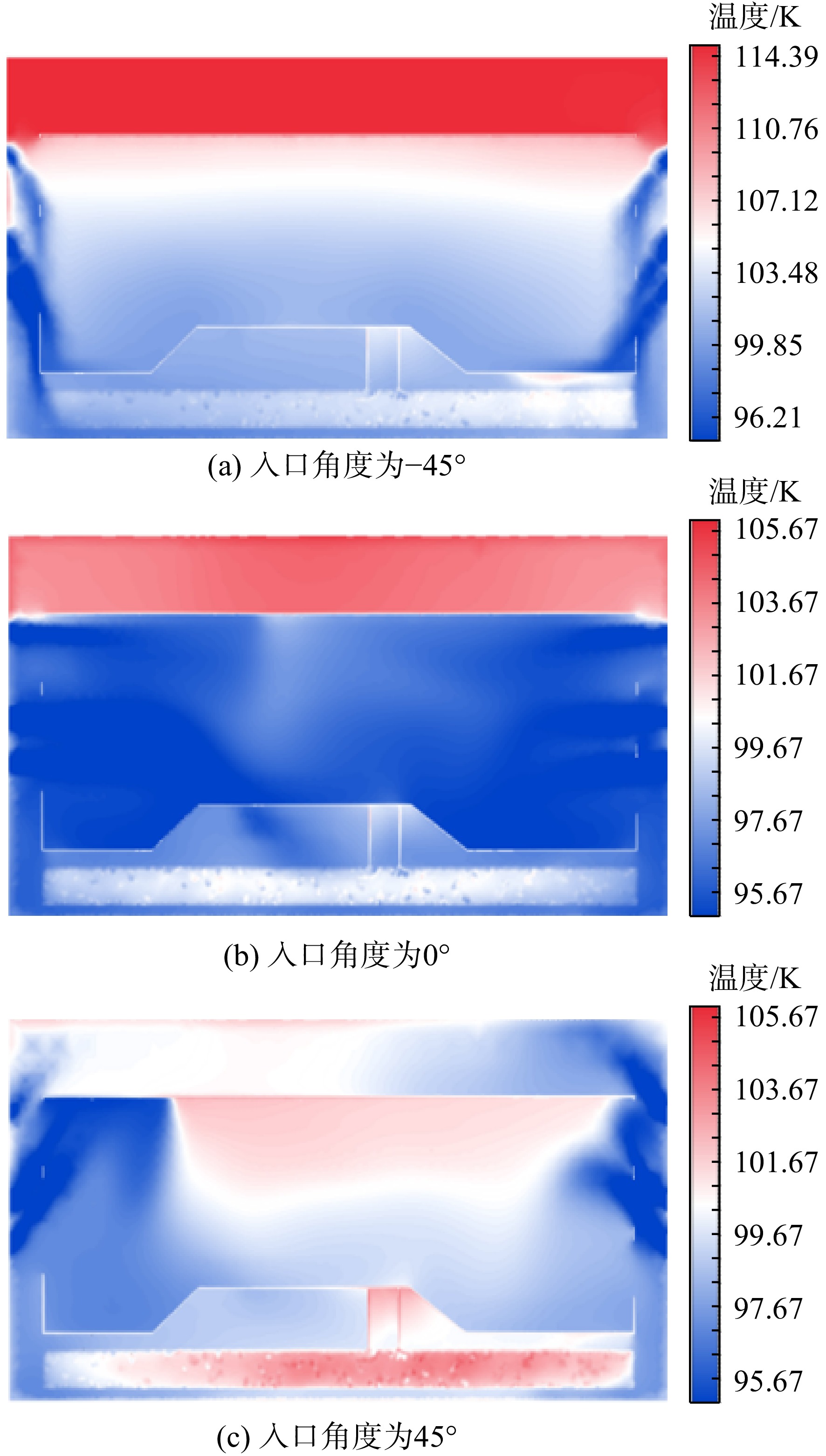
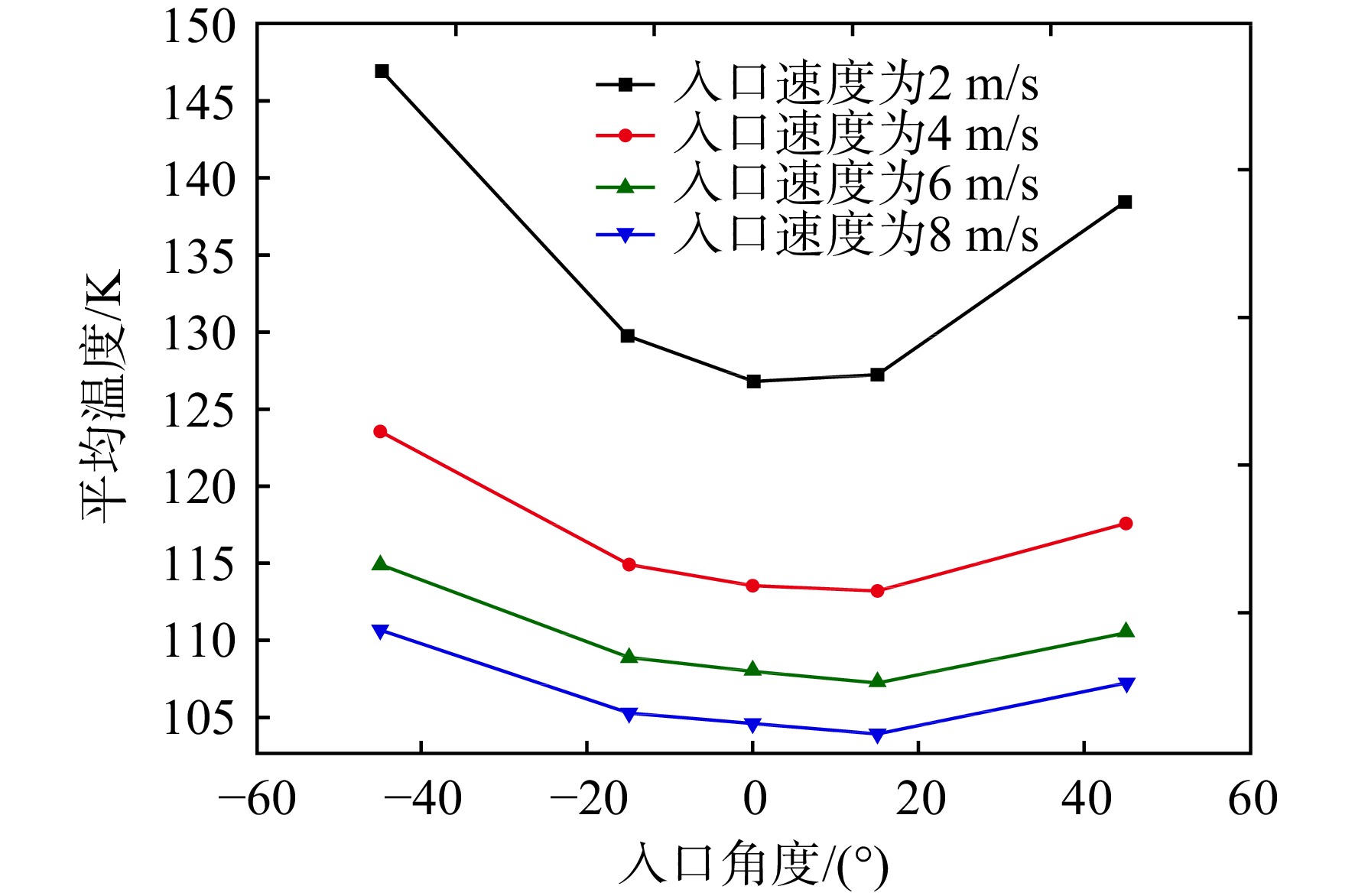
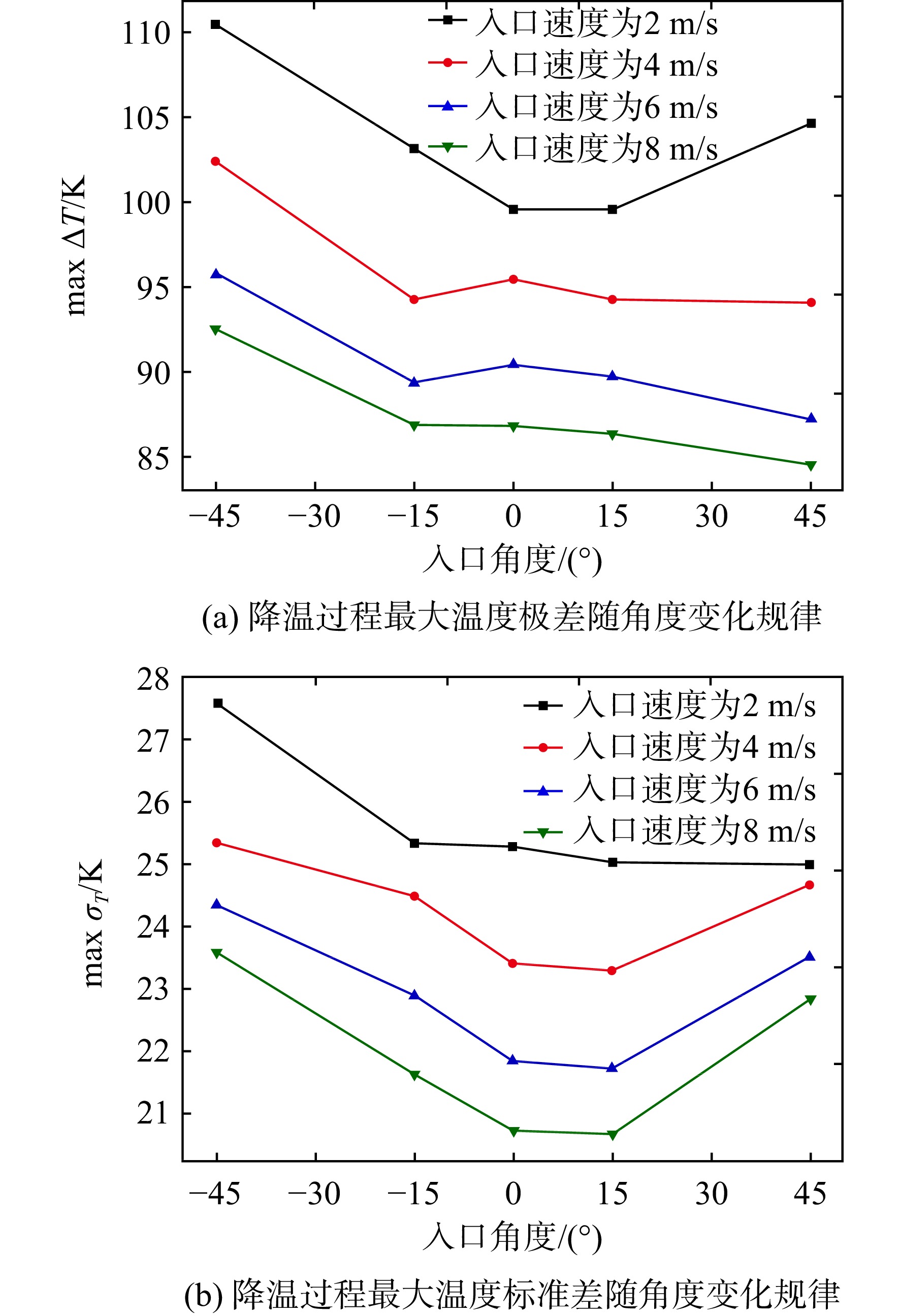
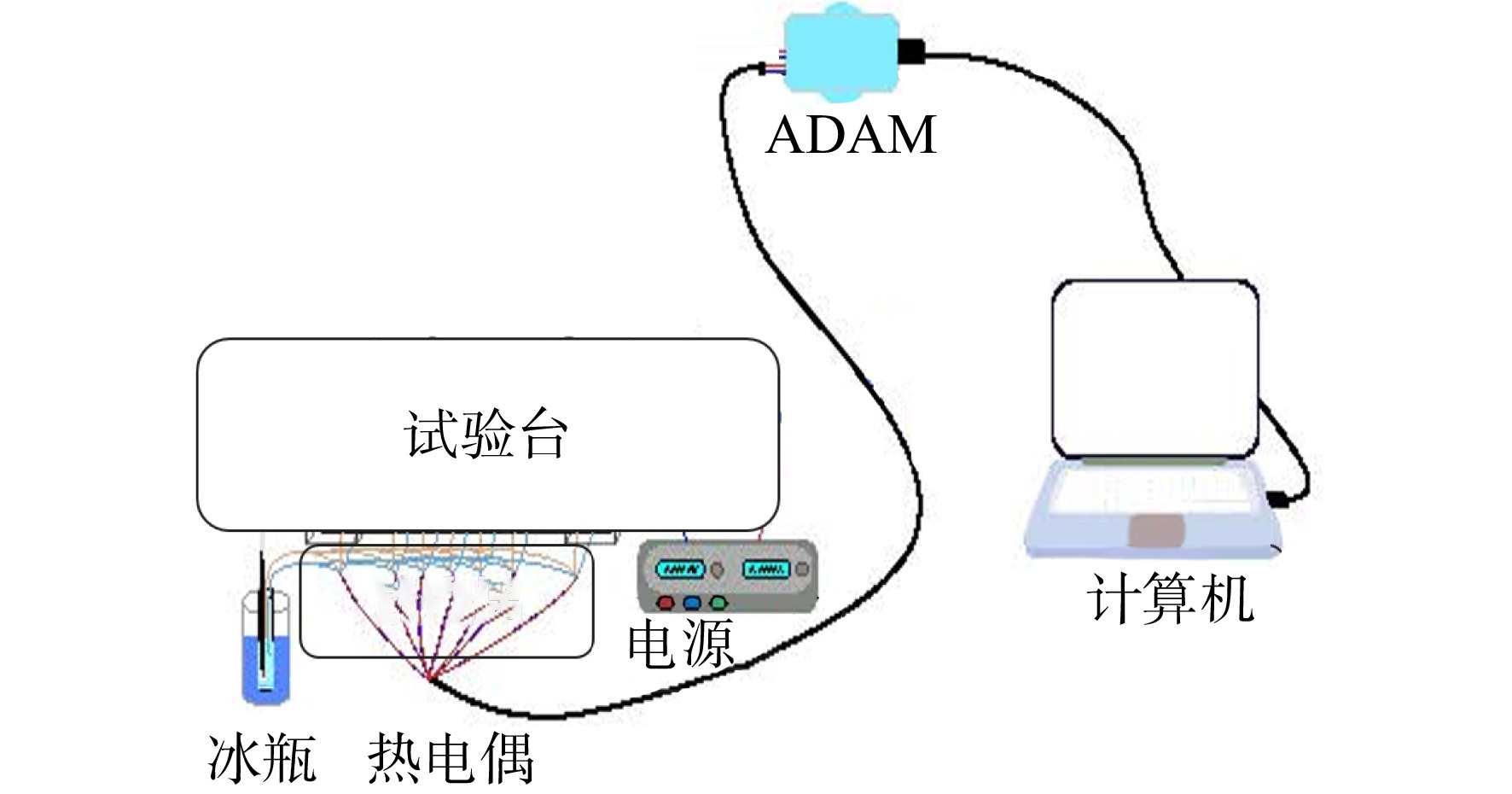
Parameter optimization and analysis of cooling process with load in large-space thermal cycle system were carried out with numerical simulation methodology. A model car to carry and transfer the model and its temperature control chamber were taken as an example. The parameters for optimization and analysis consisted of inlet velocity, temperature and angle. The optimization was to obtain higher cooling rate and temperature uniformity. Results showed that the variation rate of average temperature and standard deviation of temperature of the model car increased with the inlet velocity, but the increment was decreased. According to the Strategy 1 proposed, in which inlet temperature decreased faster first and then slower, the optimal cooling rate and temperature uniformity could be obtained. The effect of the inlet angle on the cooling rate and temperature uniformity was less than the other two parameters. When the inlet angle varied between −15°−15°, the cooling rate and temperature uniformity of the model car barely changed, while it varied more in other angle ranges.

Numerical simulation of combustion characteristics and soot generation of aviation alternative fuel
YANG Xiaojun, ZHENG Jialun, YANG Zhiheng, LIU Wenbo
2023, 38(10): 2317-2327. doi: 10.13224/j.cnki.jasp.20210374
Abstract:

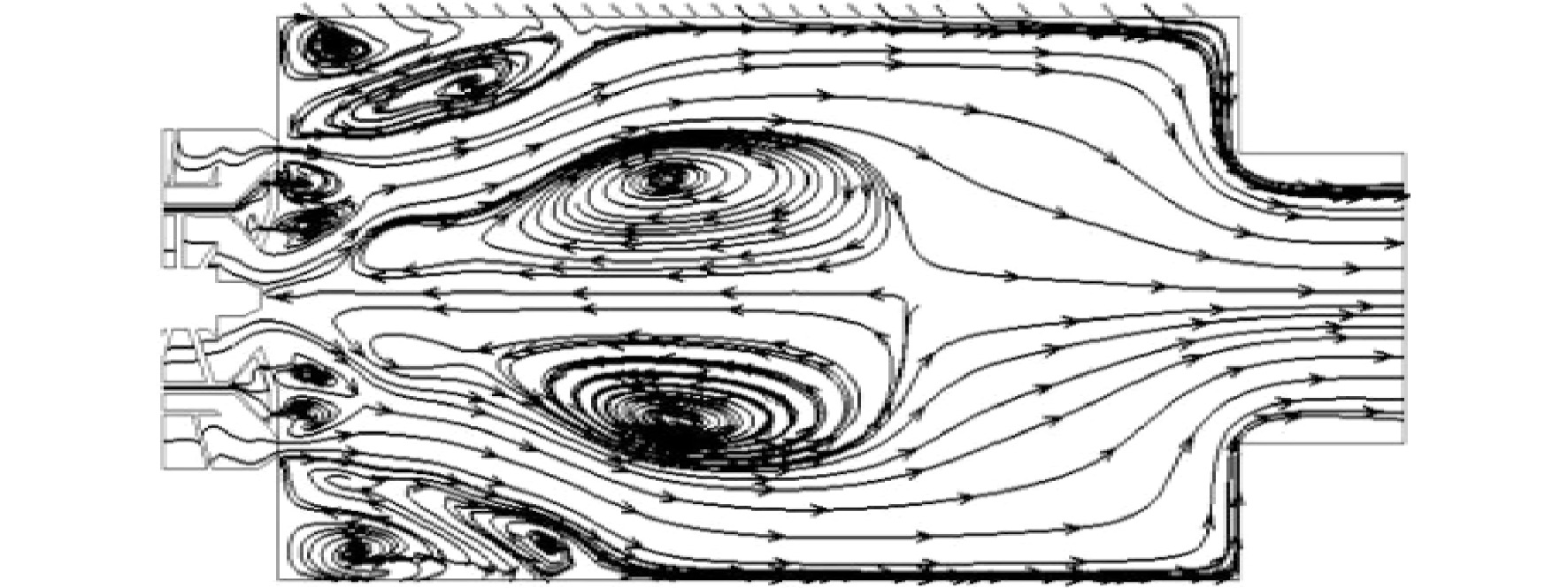
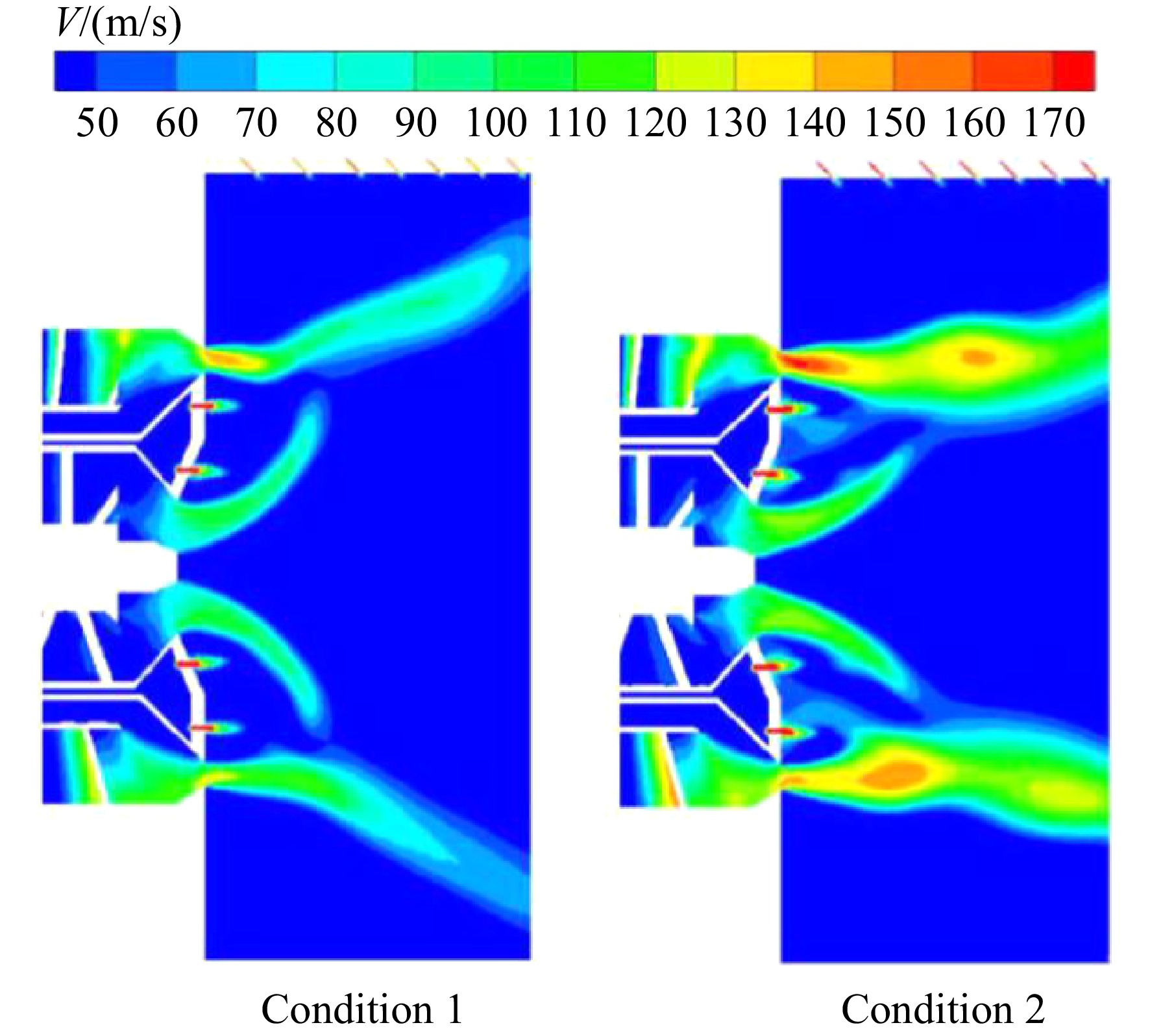
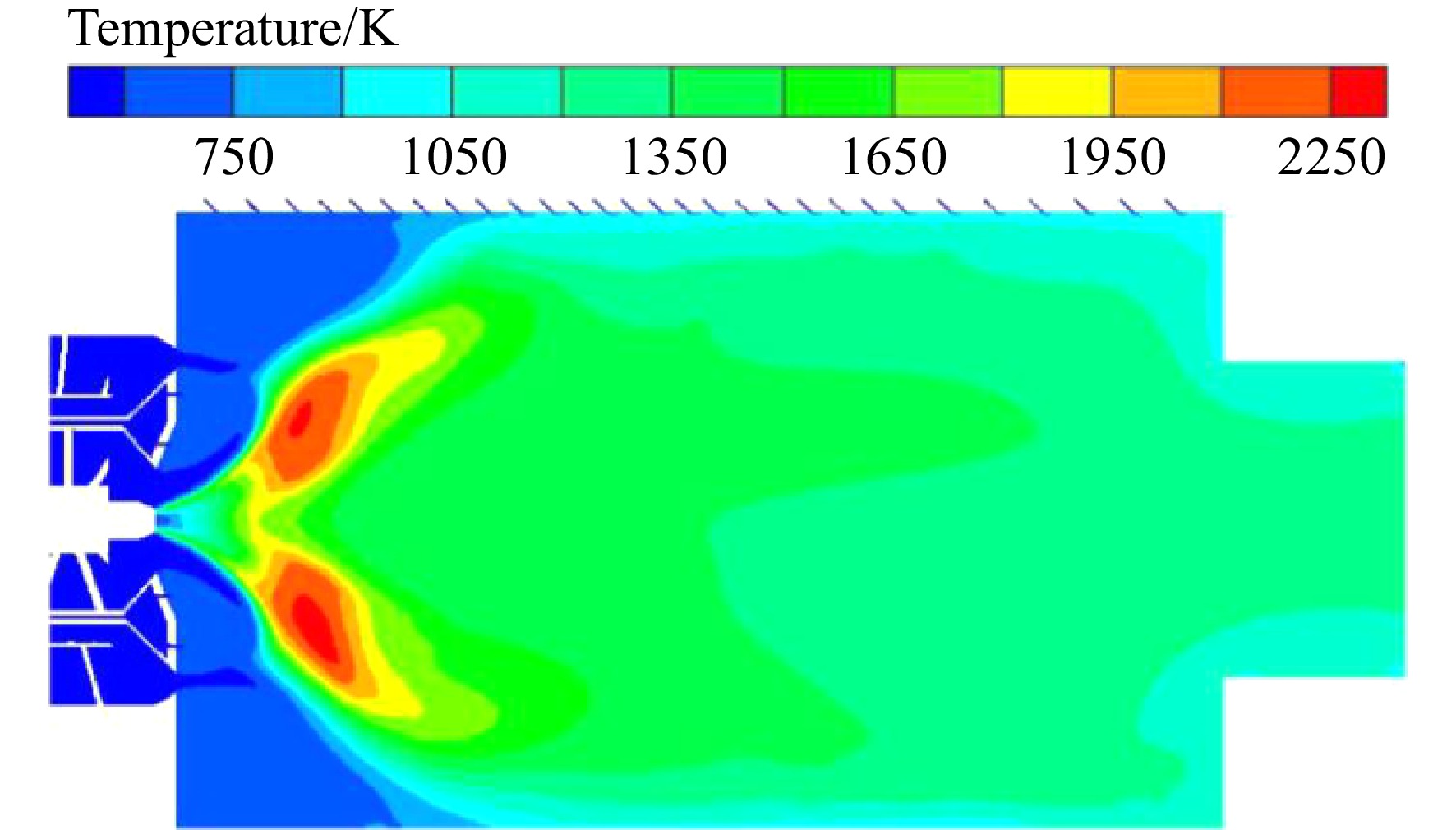
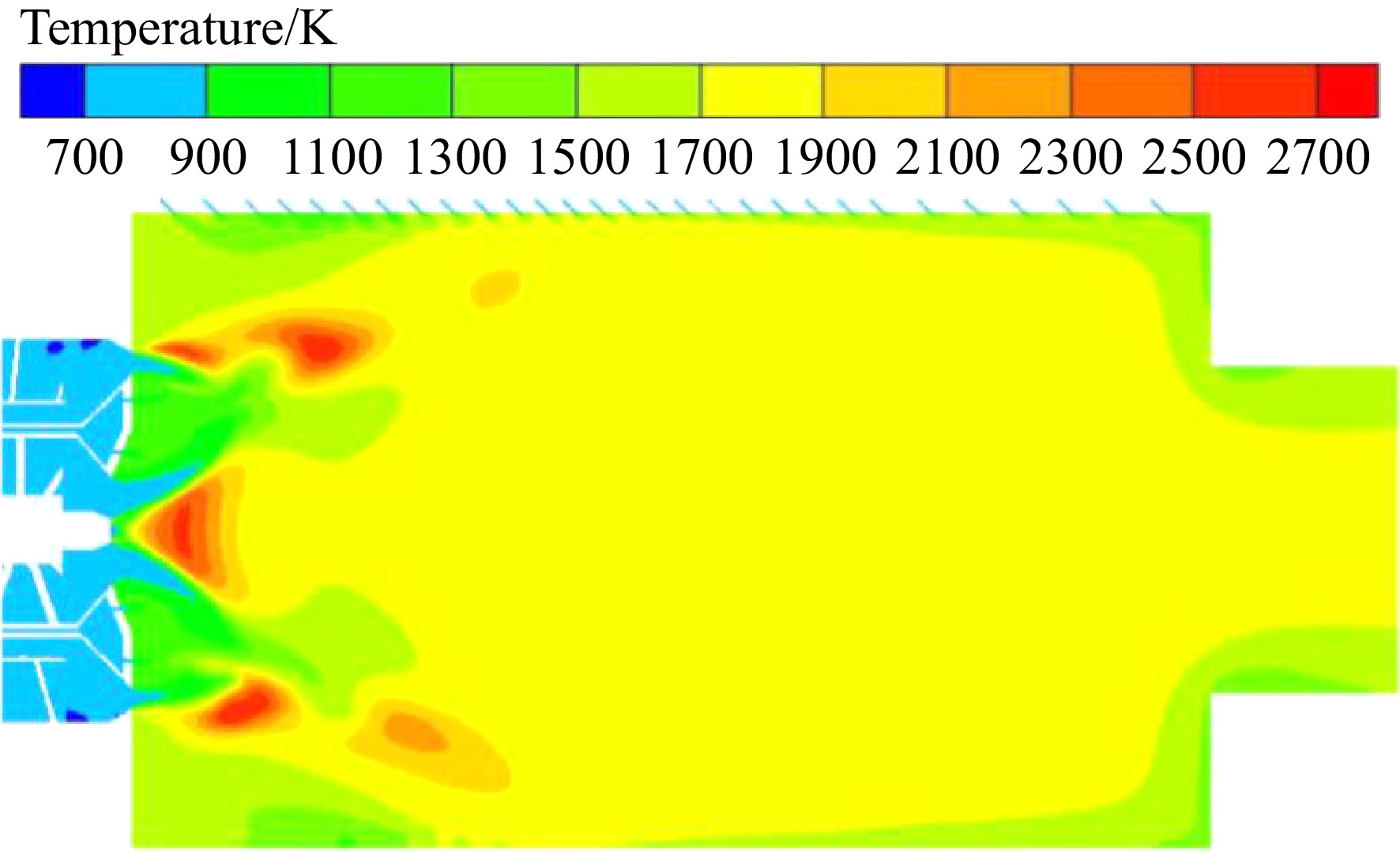
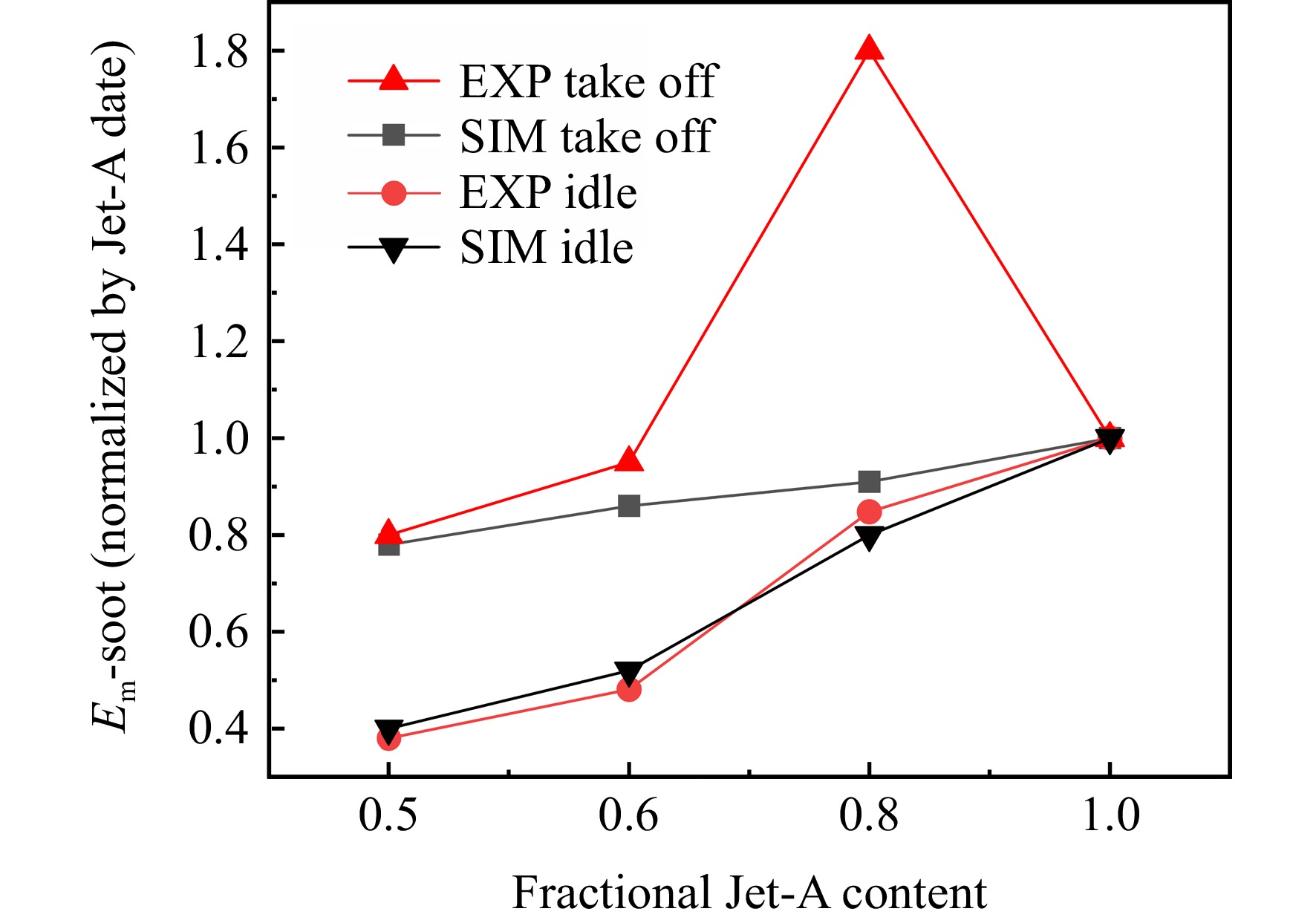
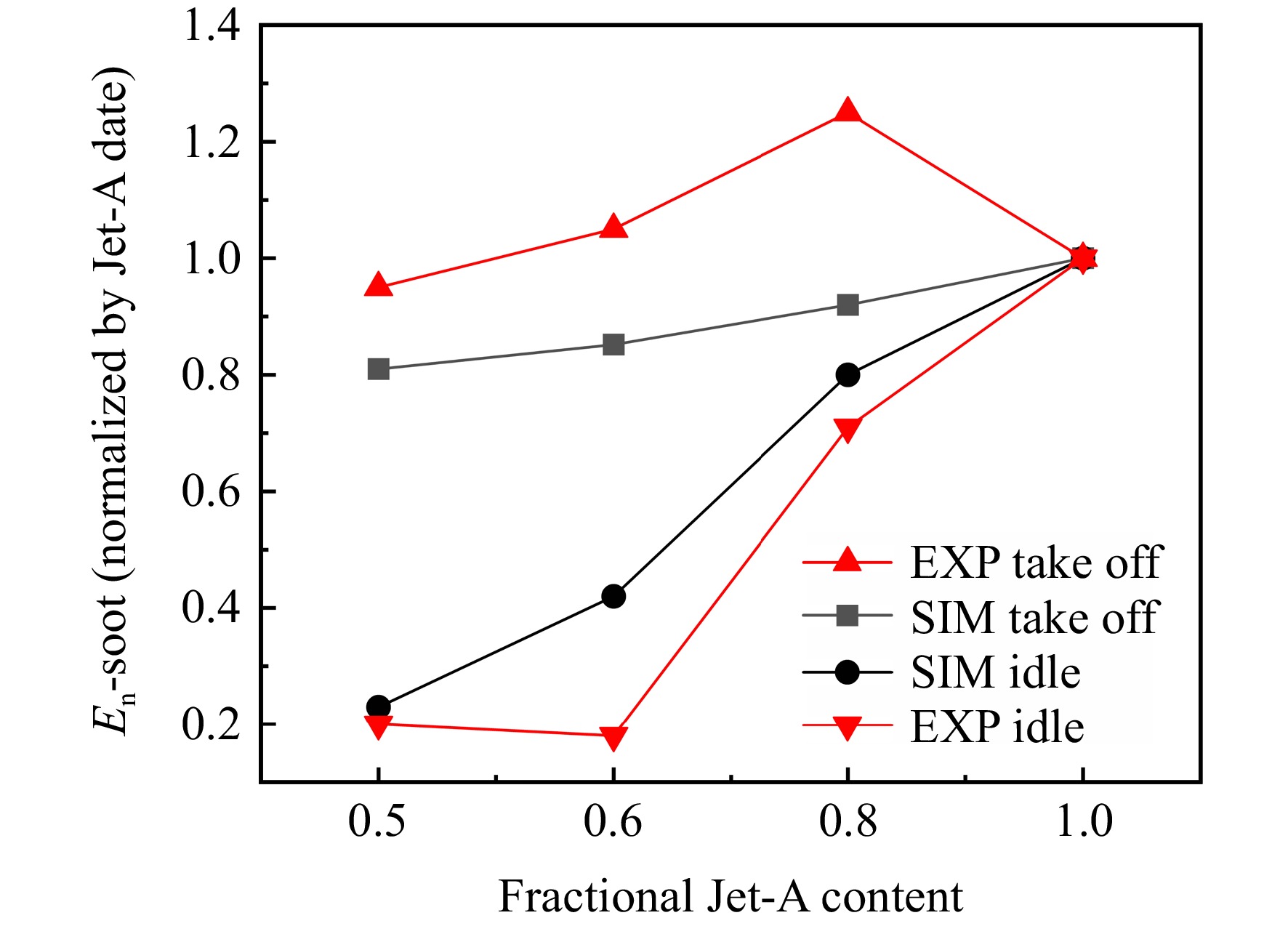
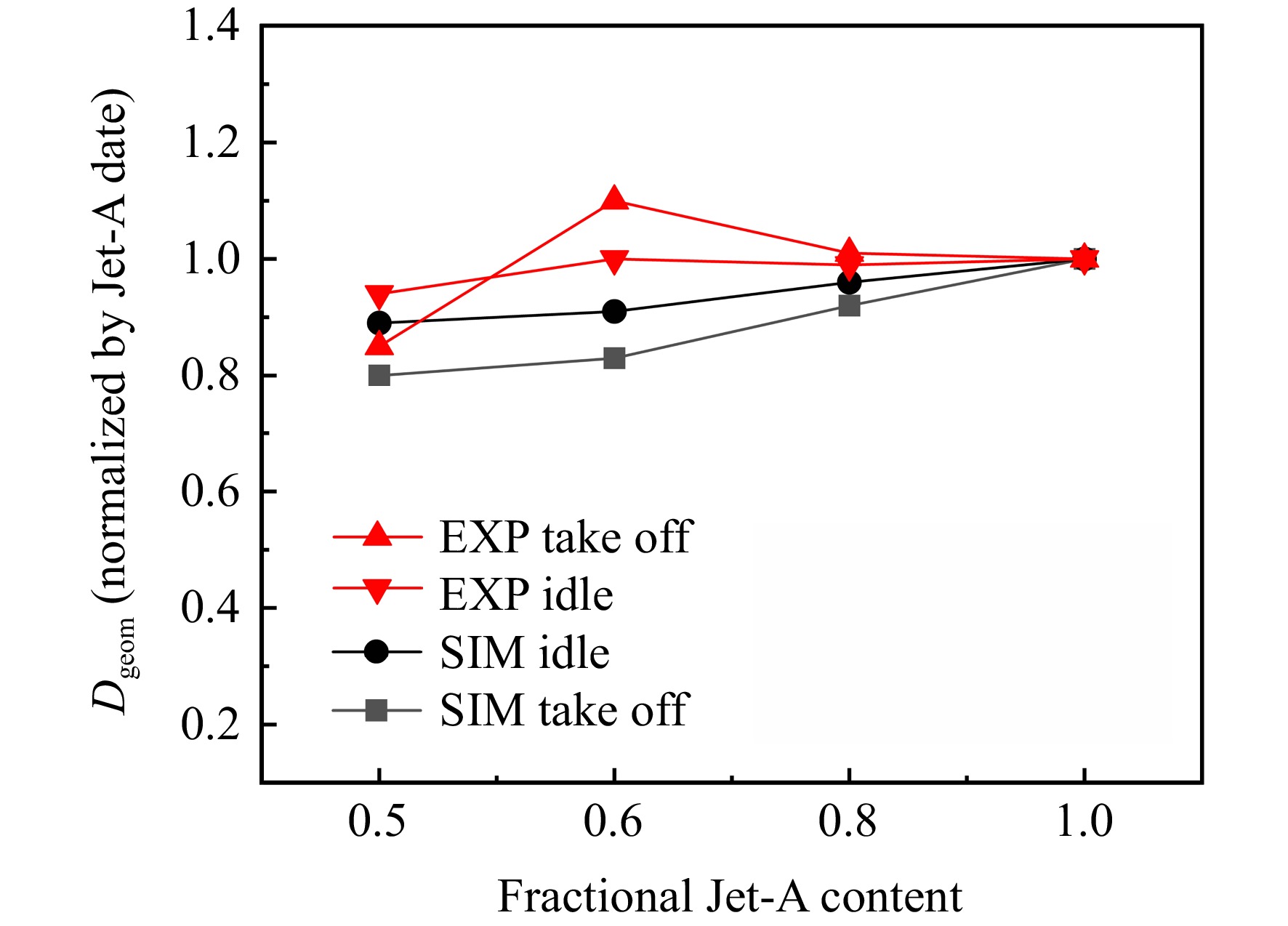
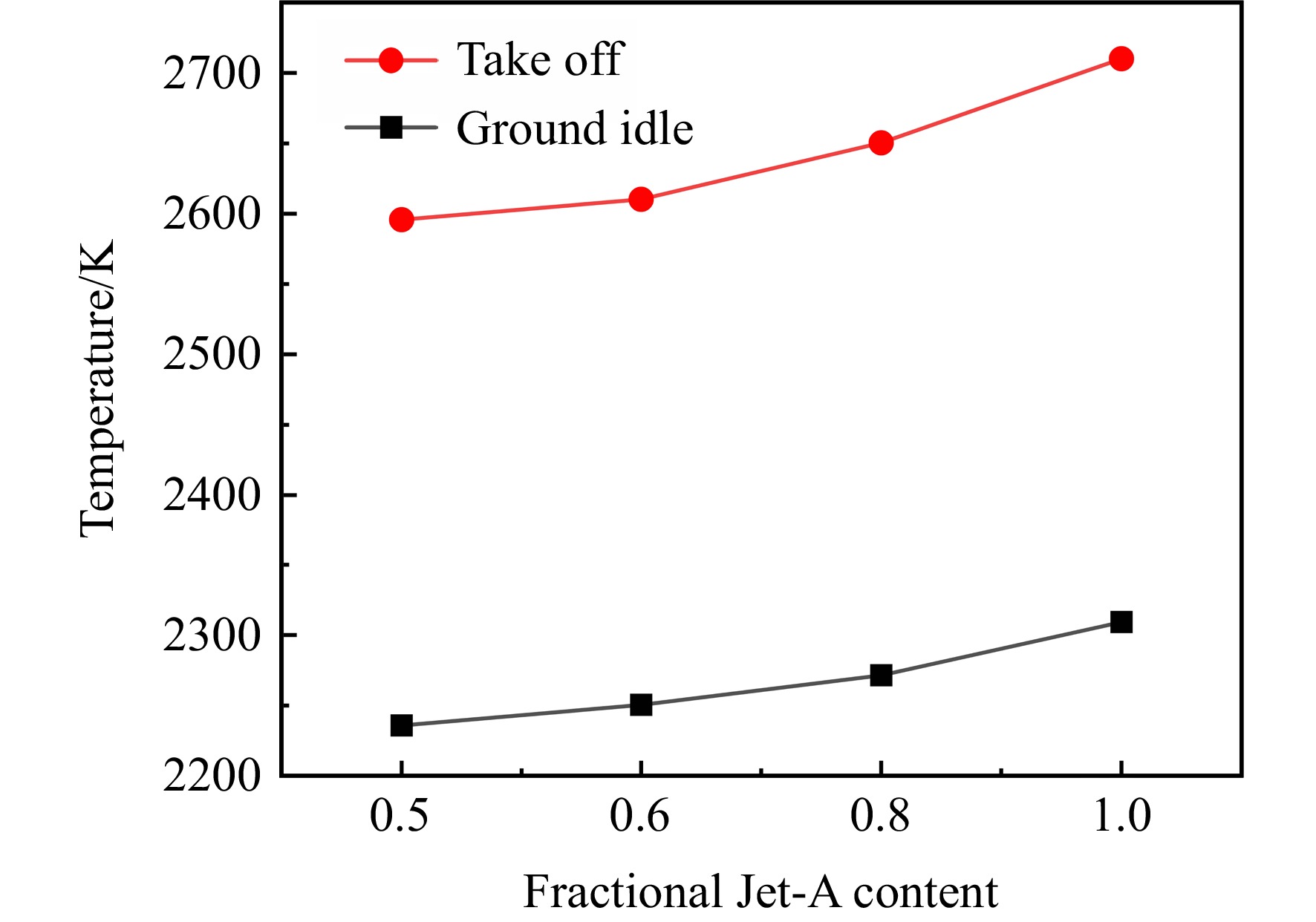
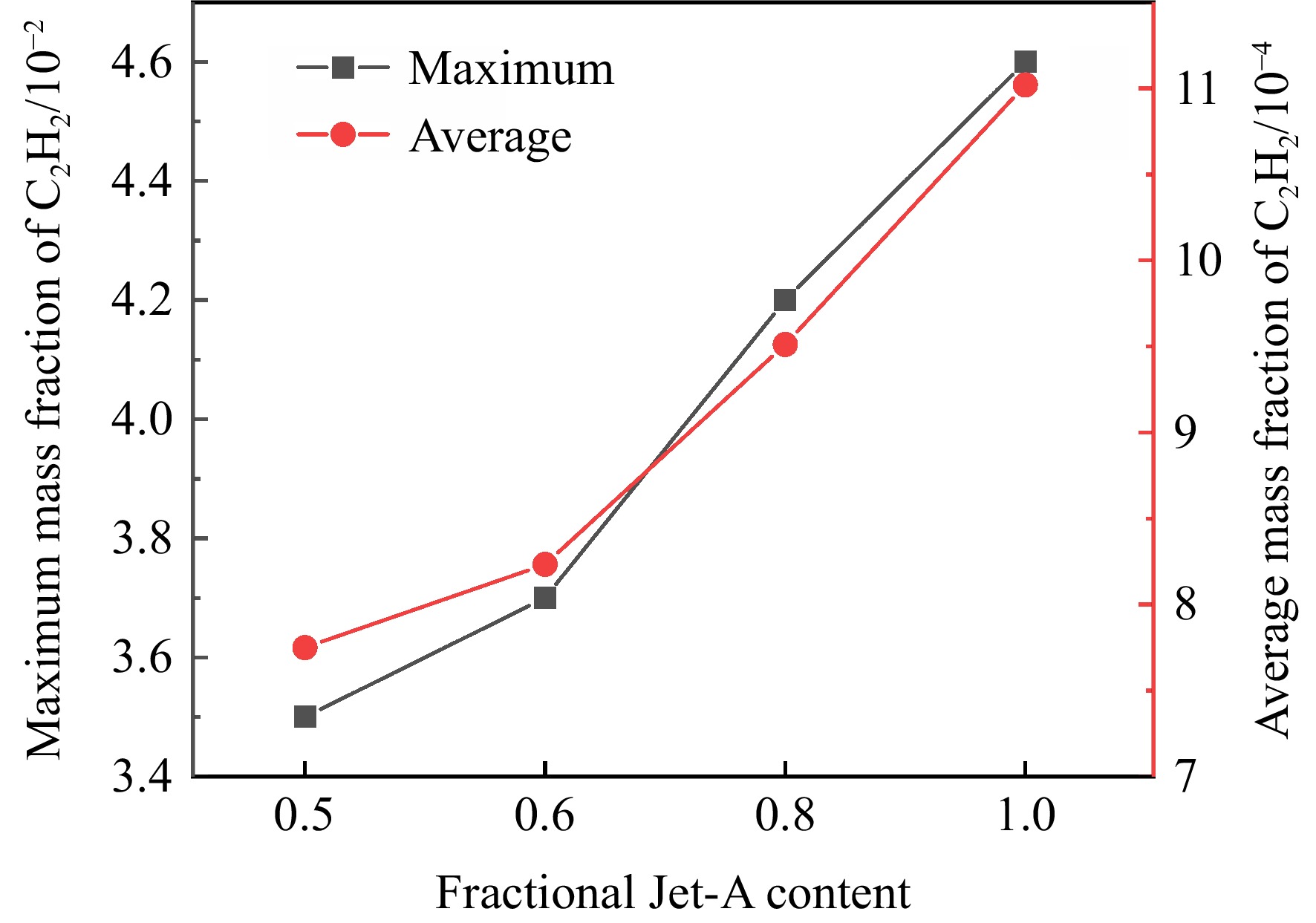
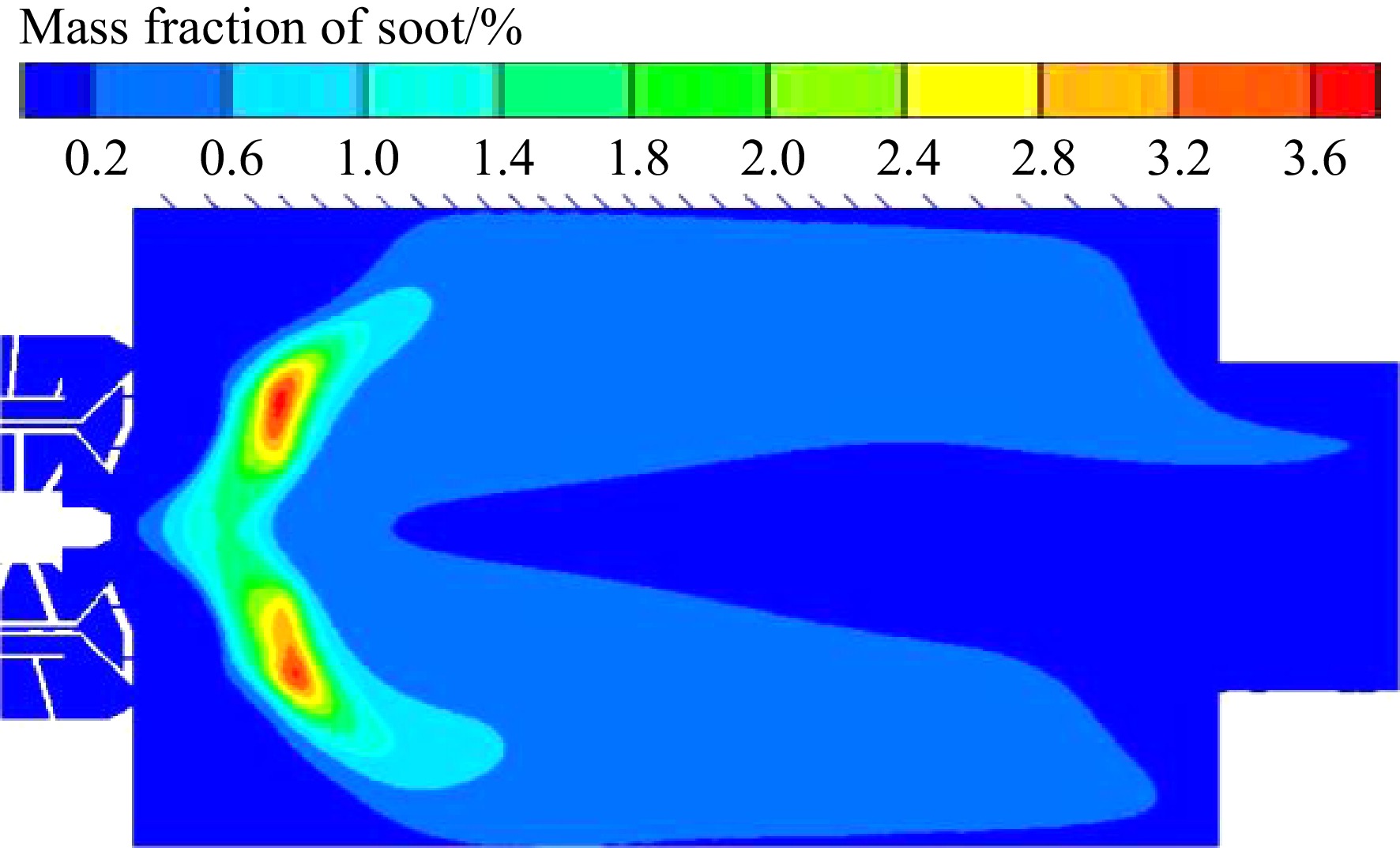
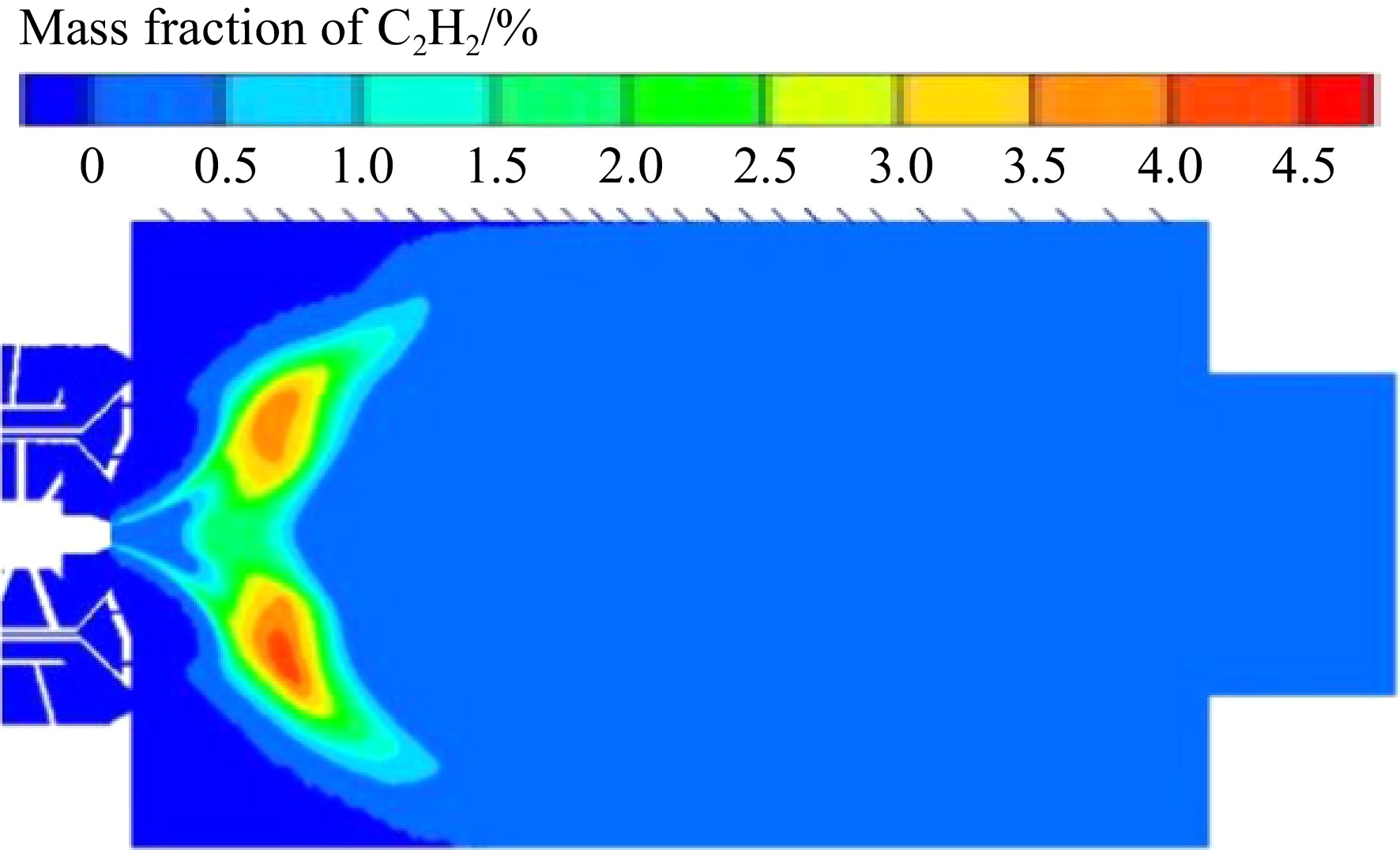
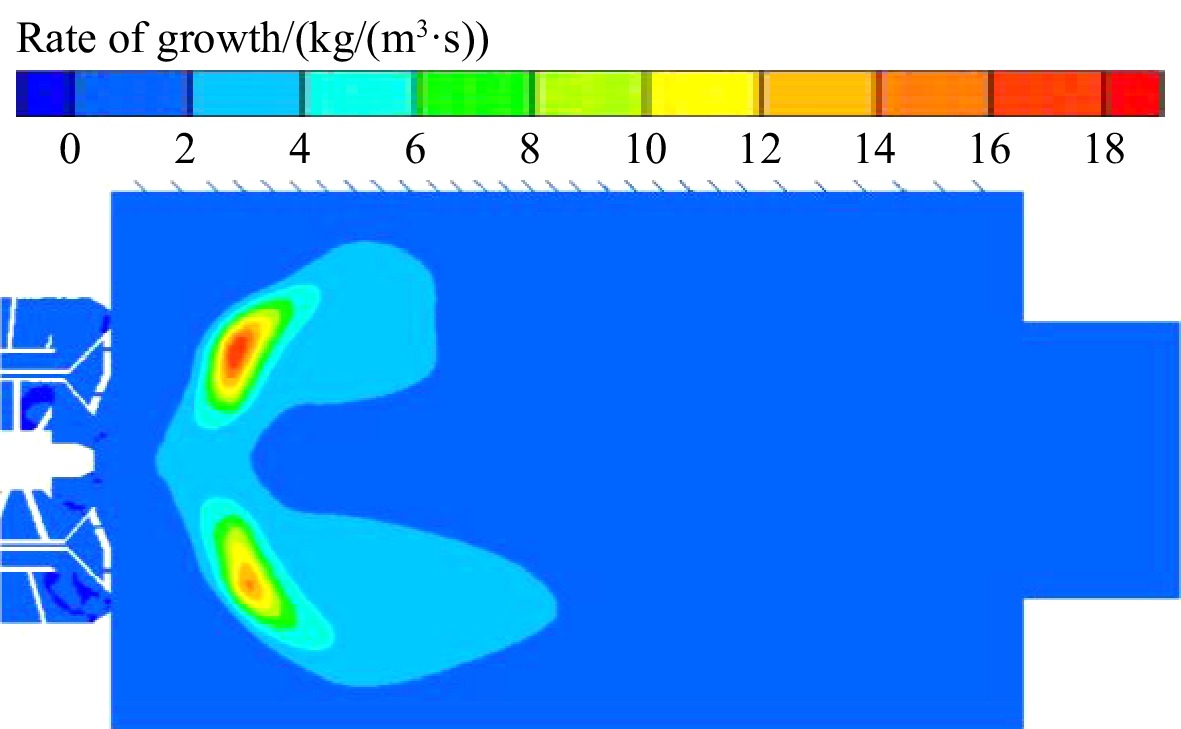
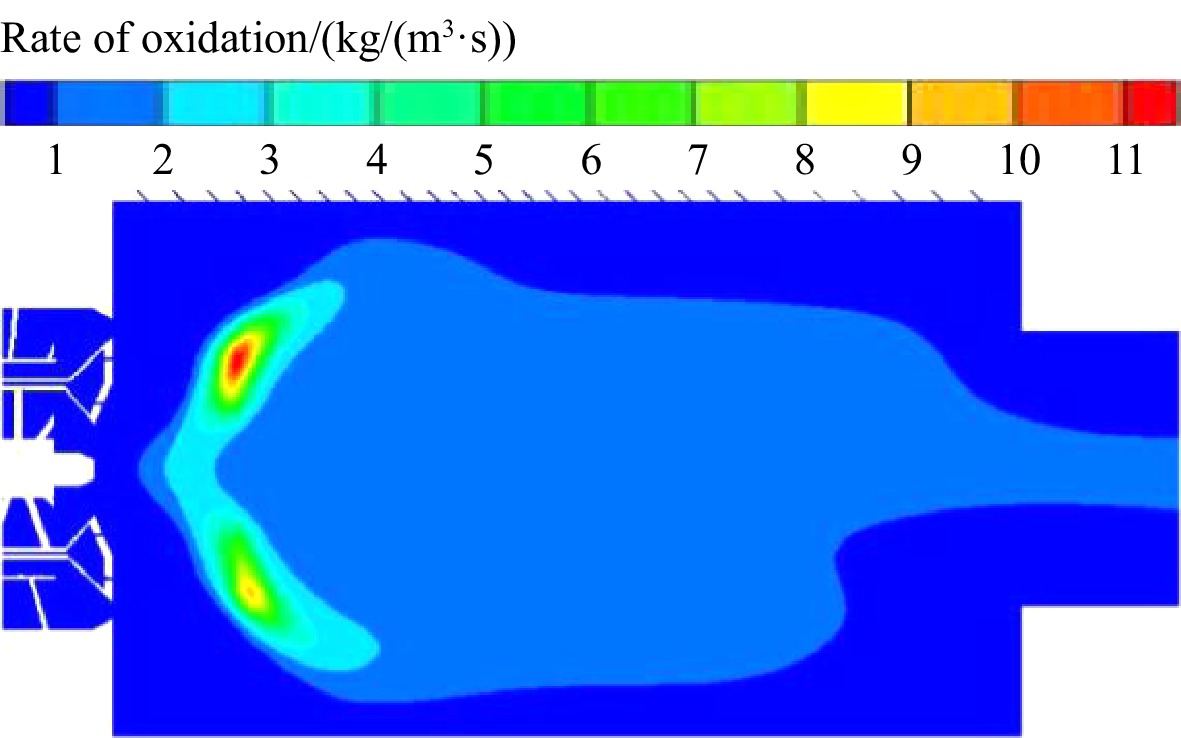
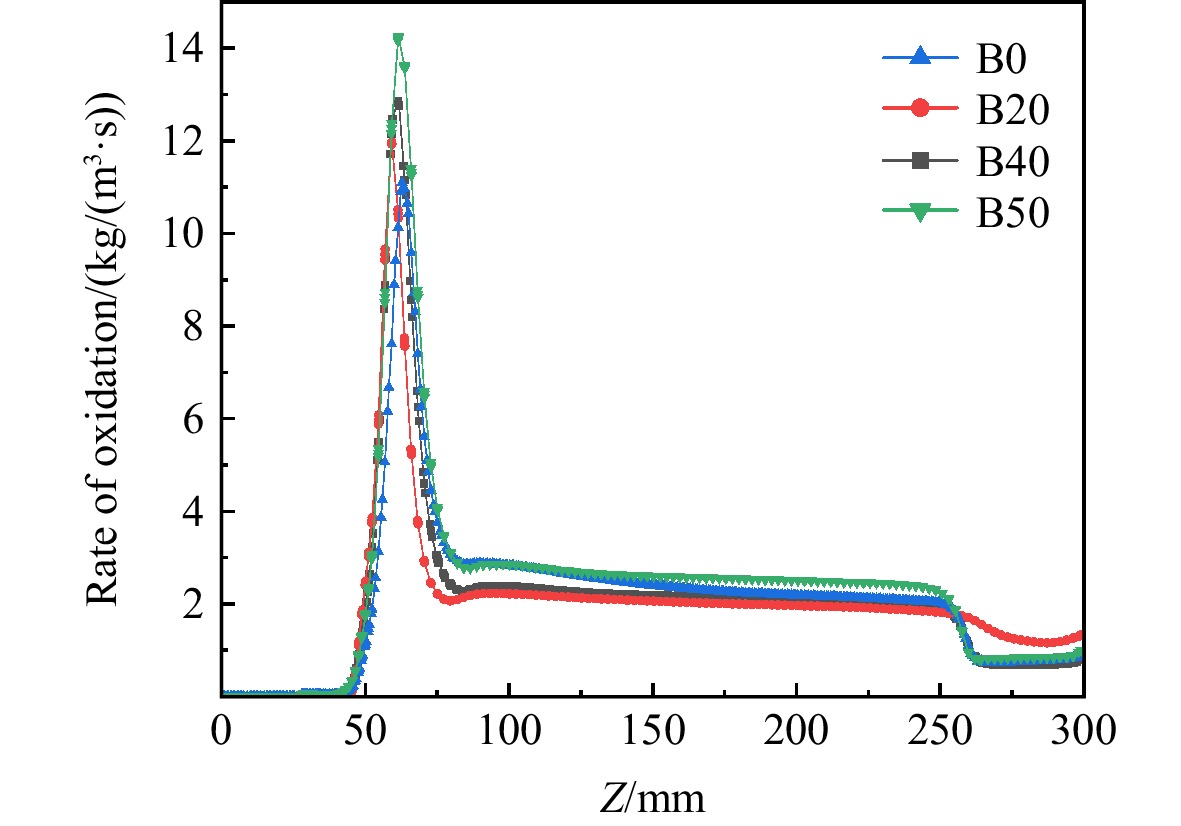
Soot generation of a biofuel (FAME) blended with conventional jet fuel (Jet-A) was investigated, and the combustion chamber was designed as a lean premixed prevaporized (LPP) low-pollution combustion chamber. The three aspects of cold flow field, combustion and soot generation were analyzed by ANSYS fluent software. The results showed that the addition of FAME fuel could help reduce the quantity and quality of soot generated in the combustion chamber, but may generate finer soot particles. The addition of FAME fuel can significantly reduce the soot emission in the idle condition, but the reduction of soot emission in the take-off condition was not significant.

Experiment of the far-field acoustic characteristics of an airfoil with smooth rime ice model on the leading edge
XIAO Chunhua, CHE Binghui, TONG Fan
2023, 38(10): 2328-2337. doi: 10.13224/j.cnki.jasp.20220242
Abstract:

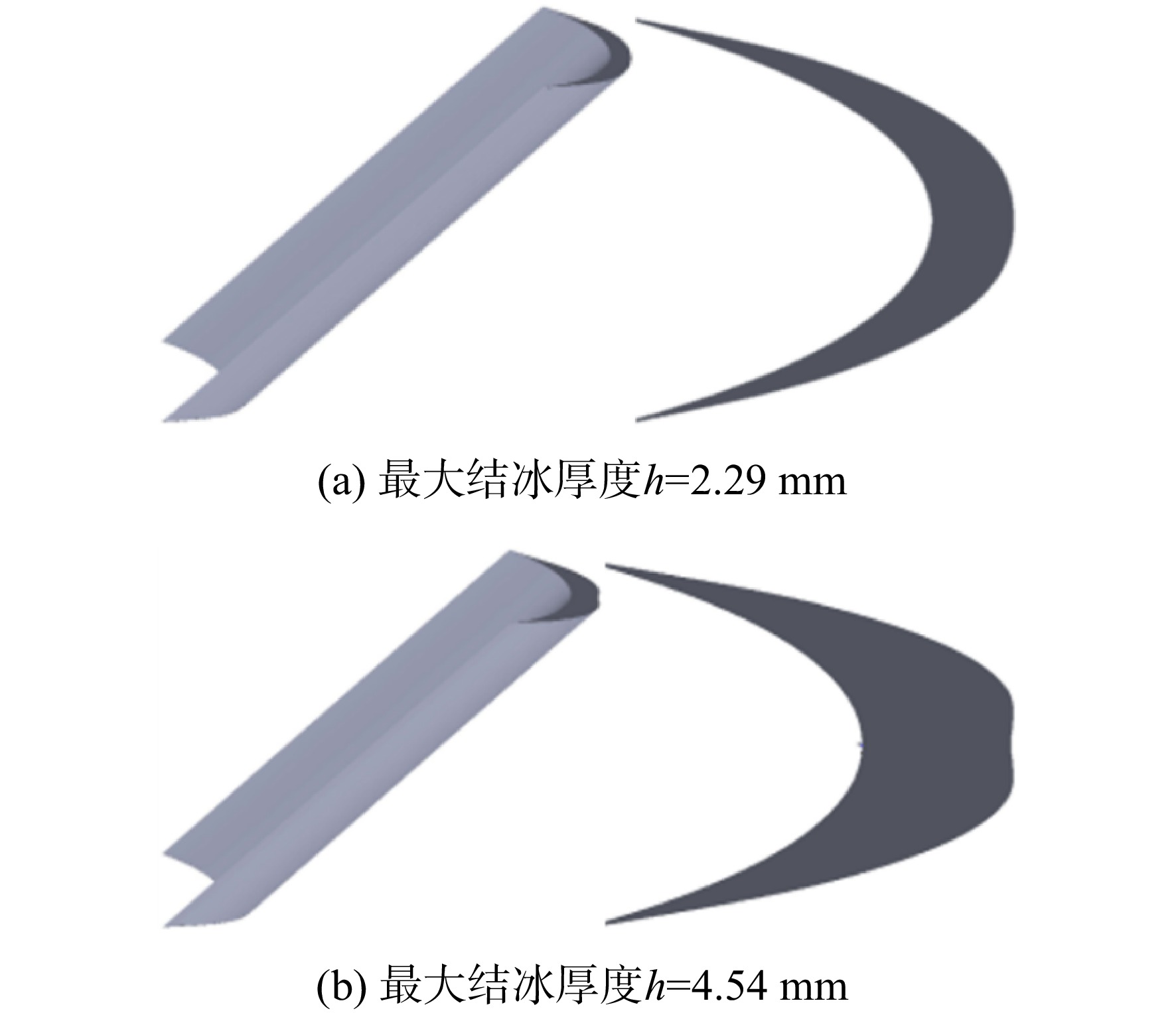
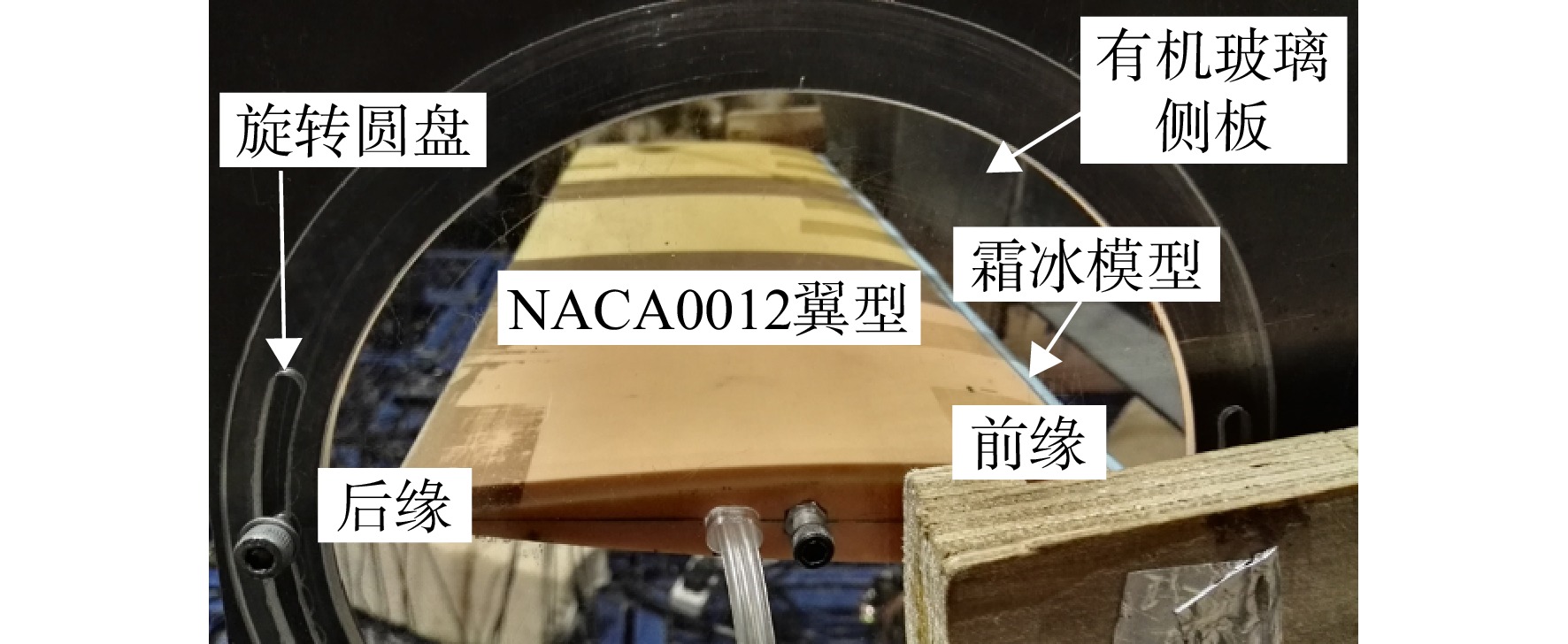
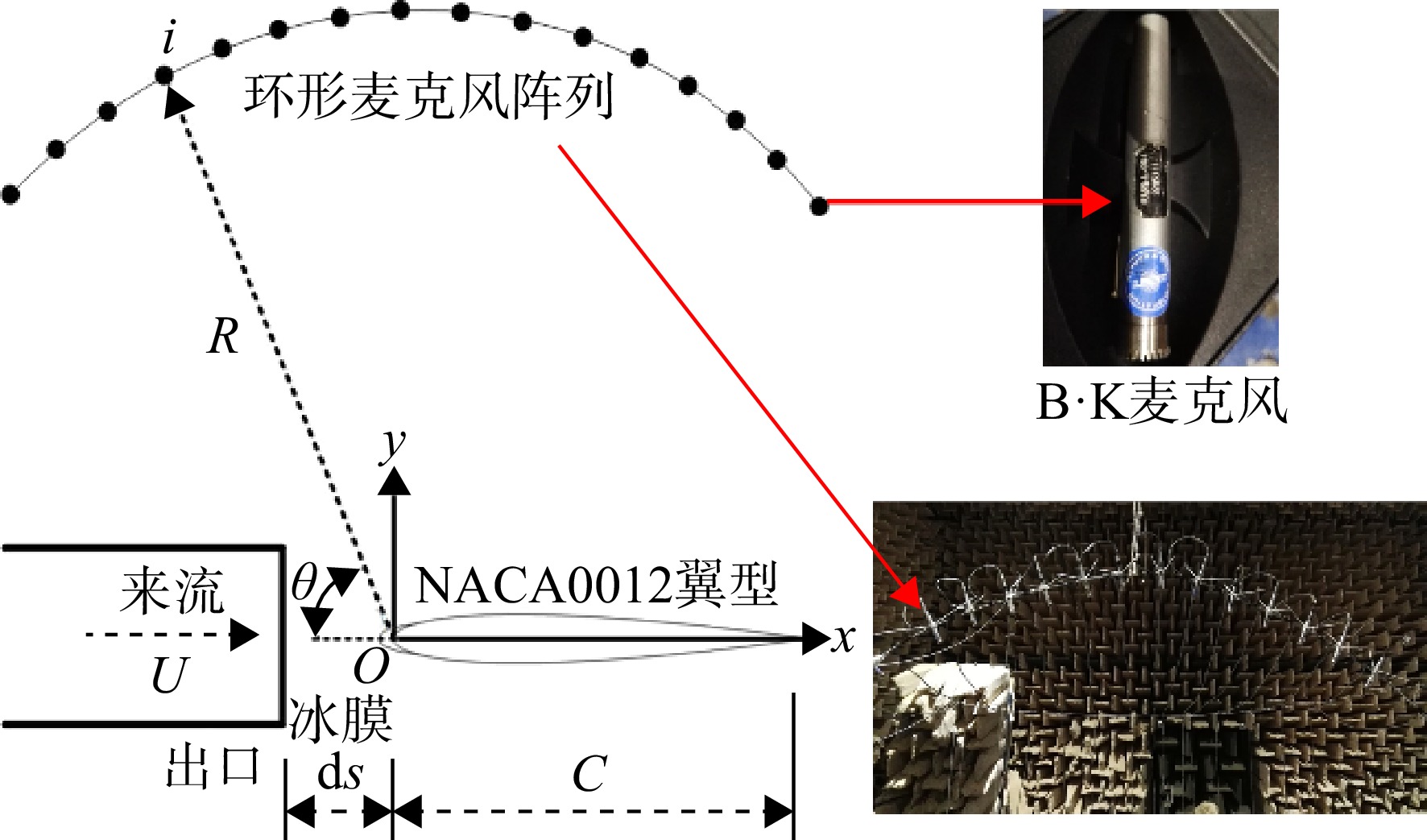
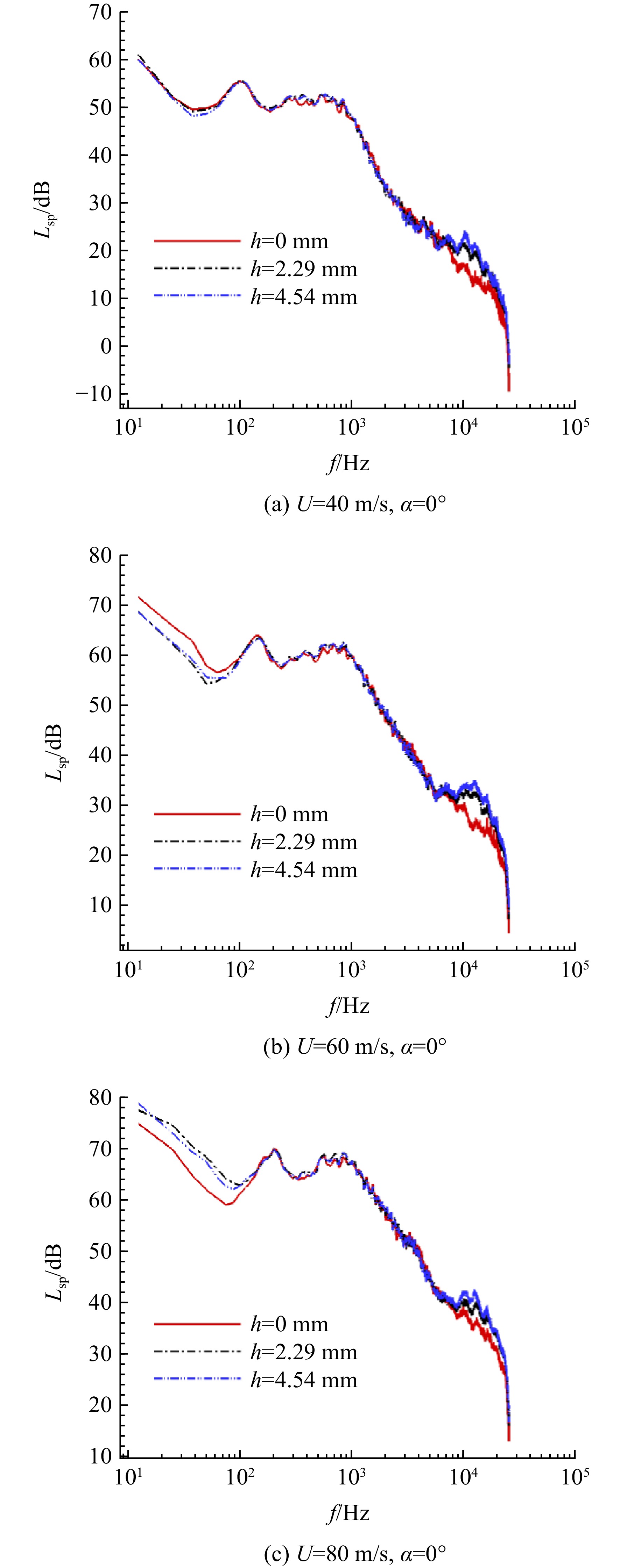
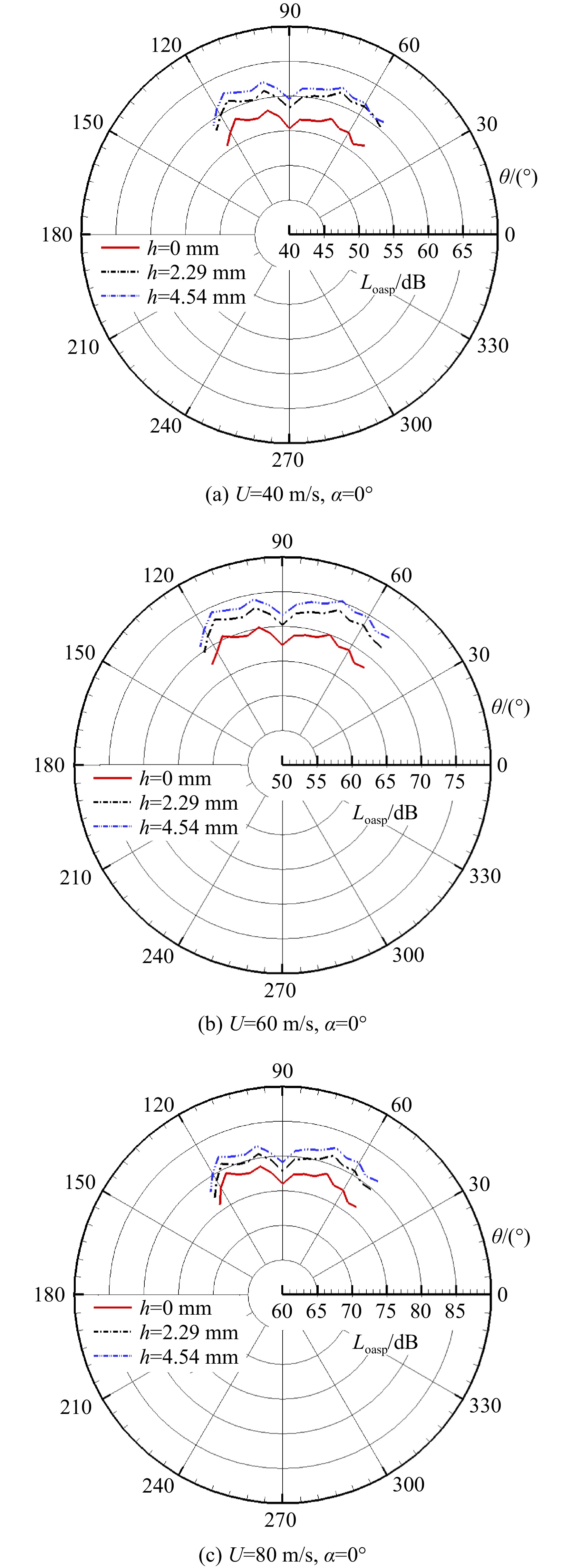
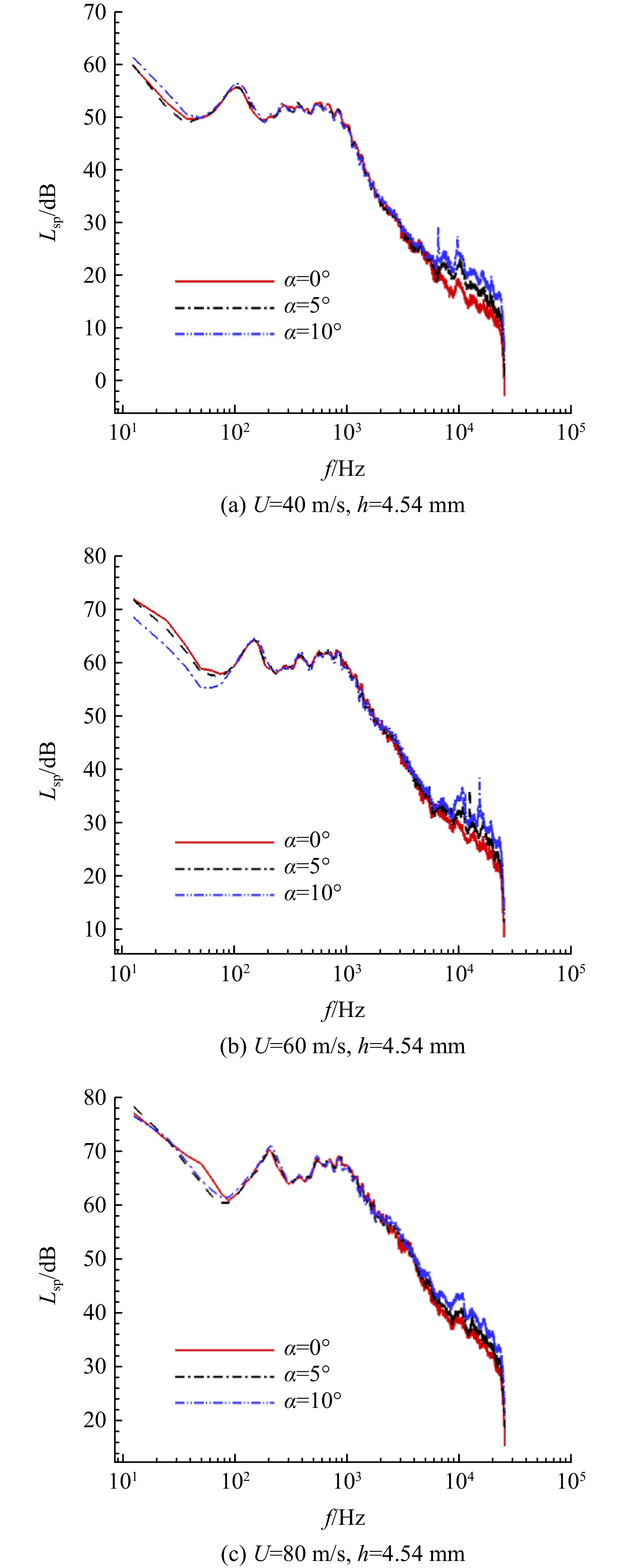
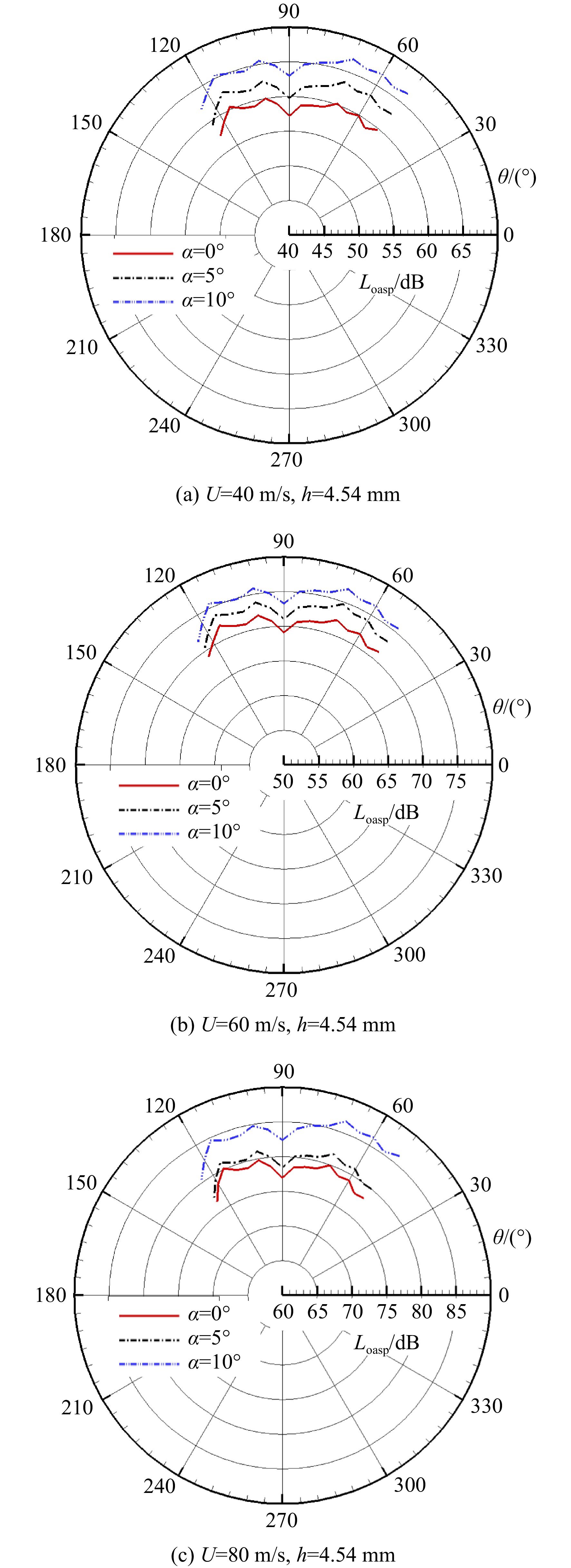
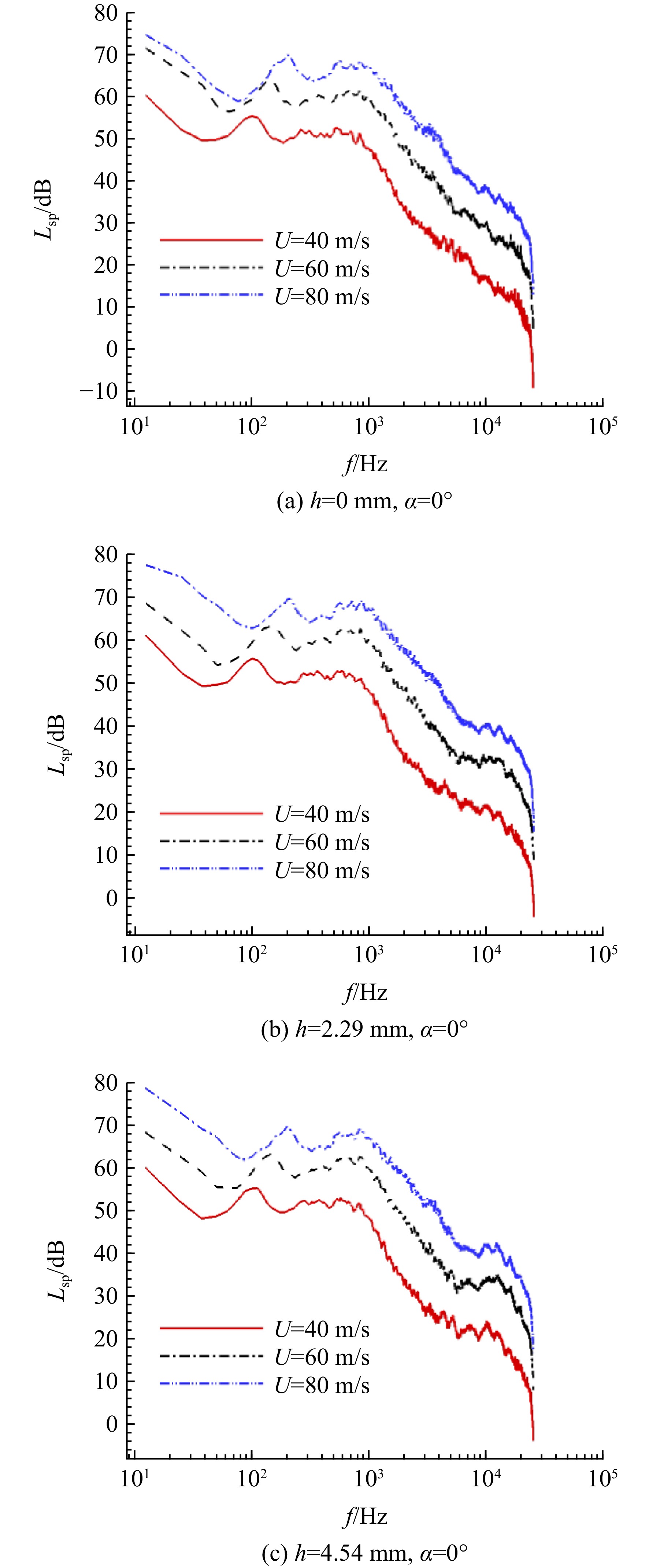
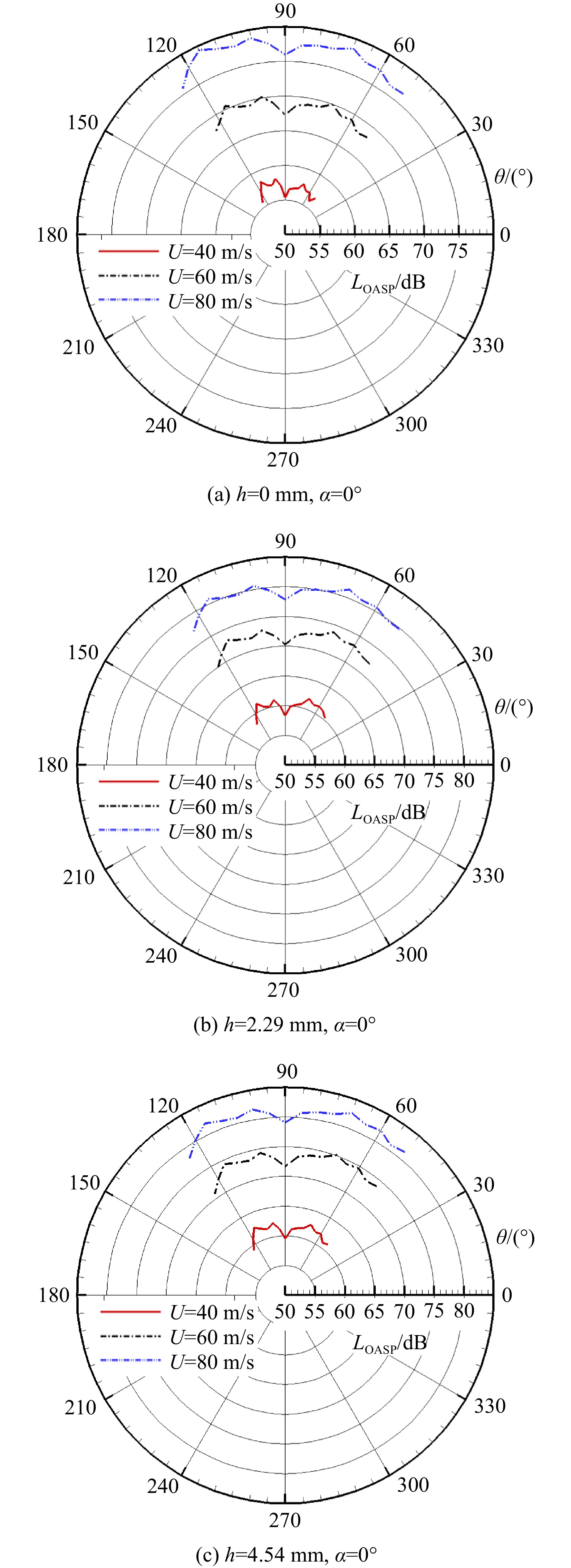
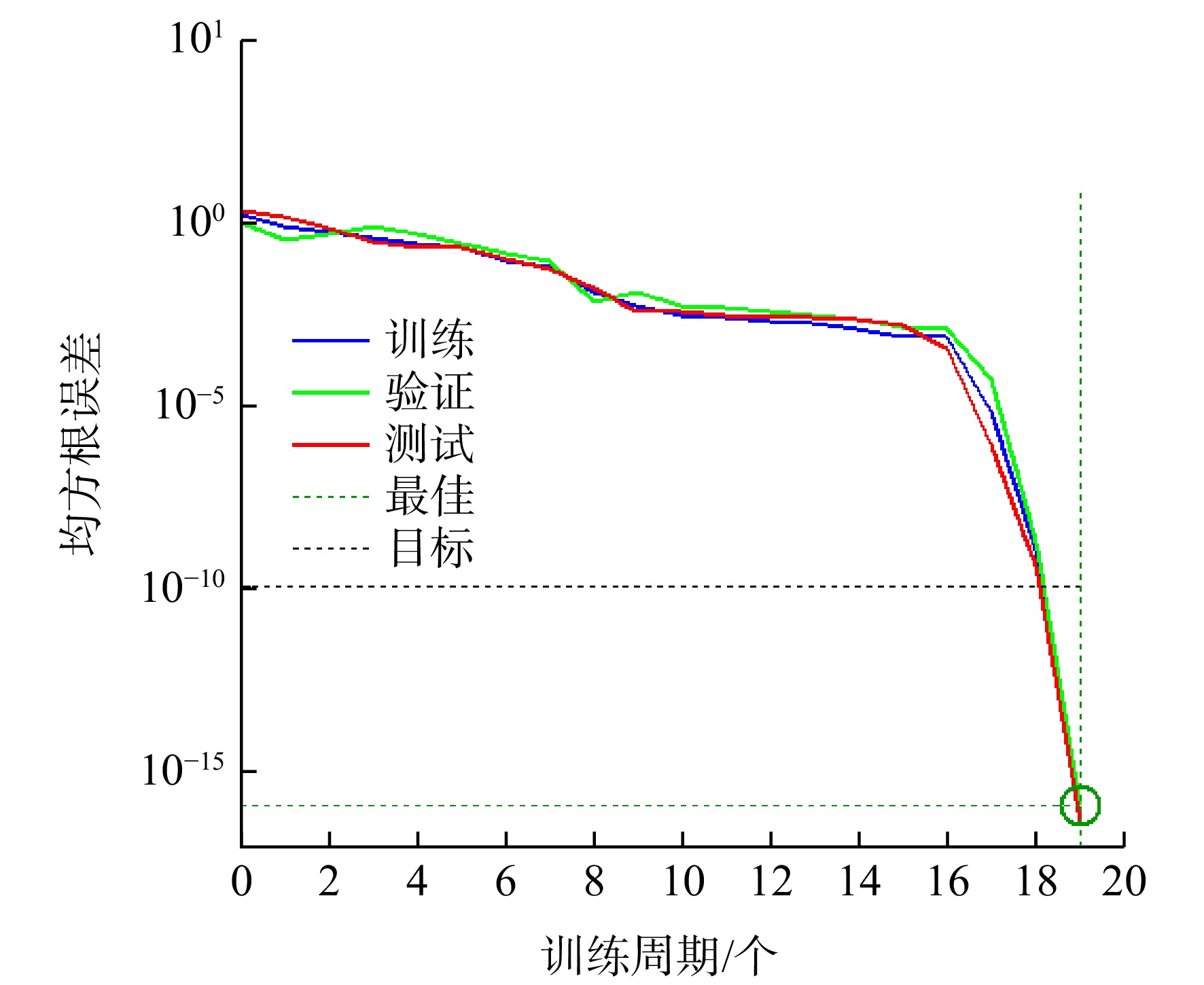
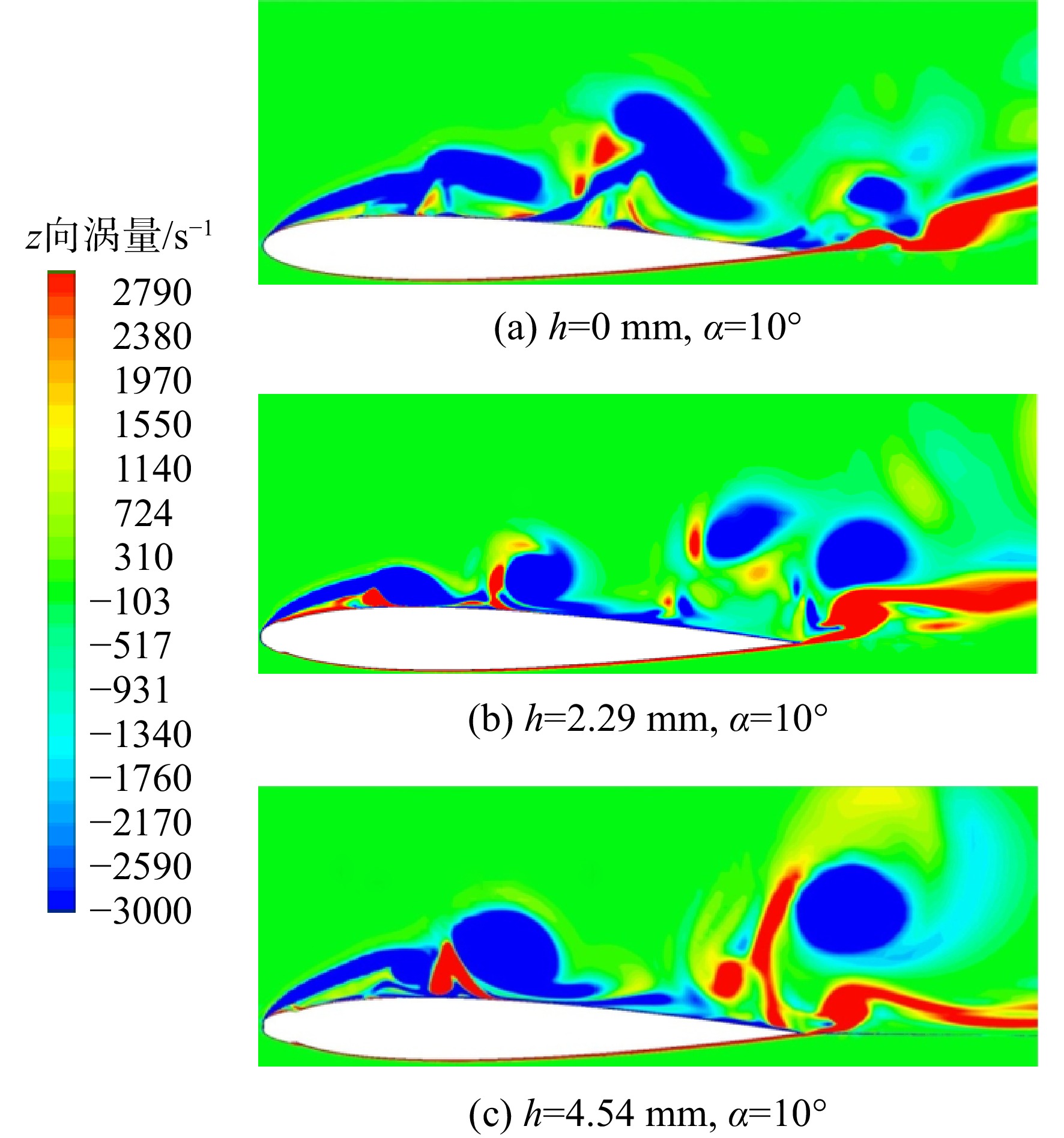
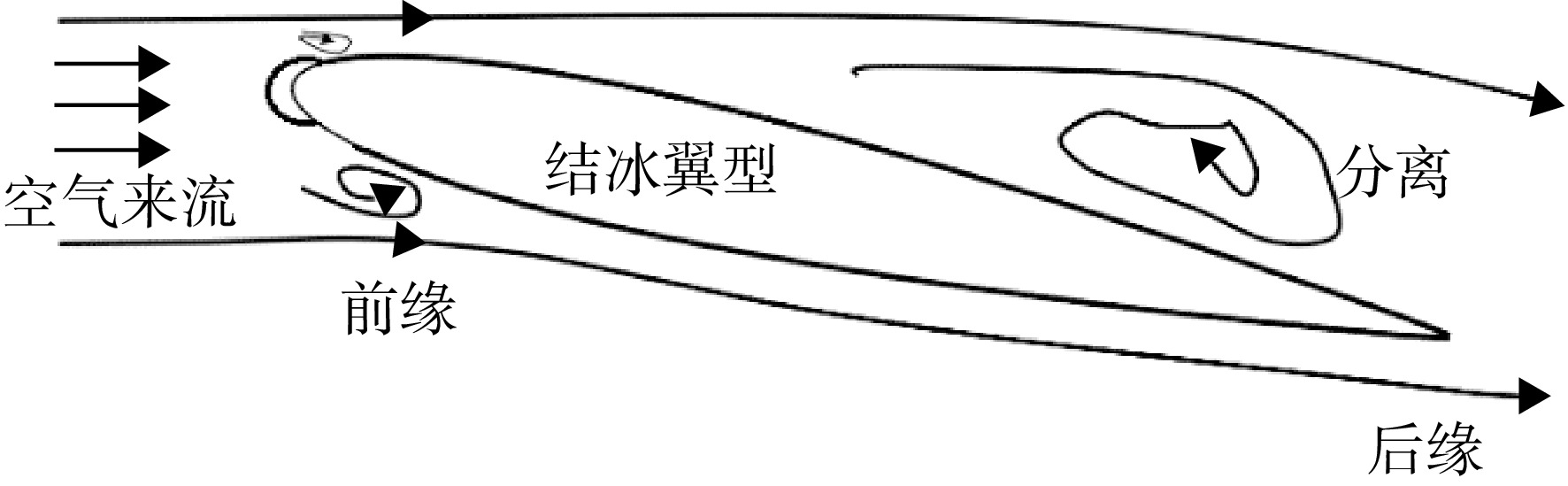
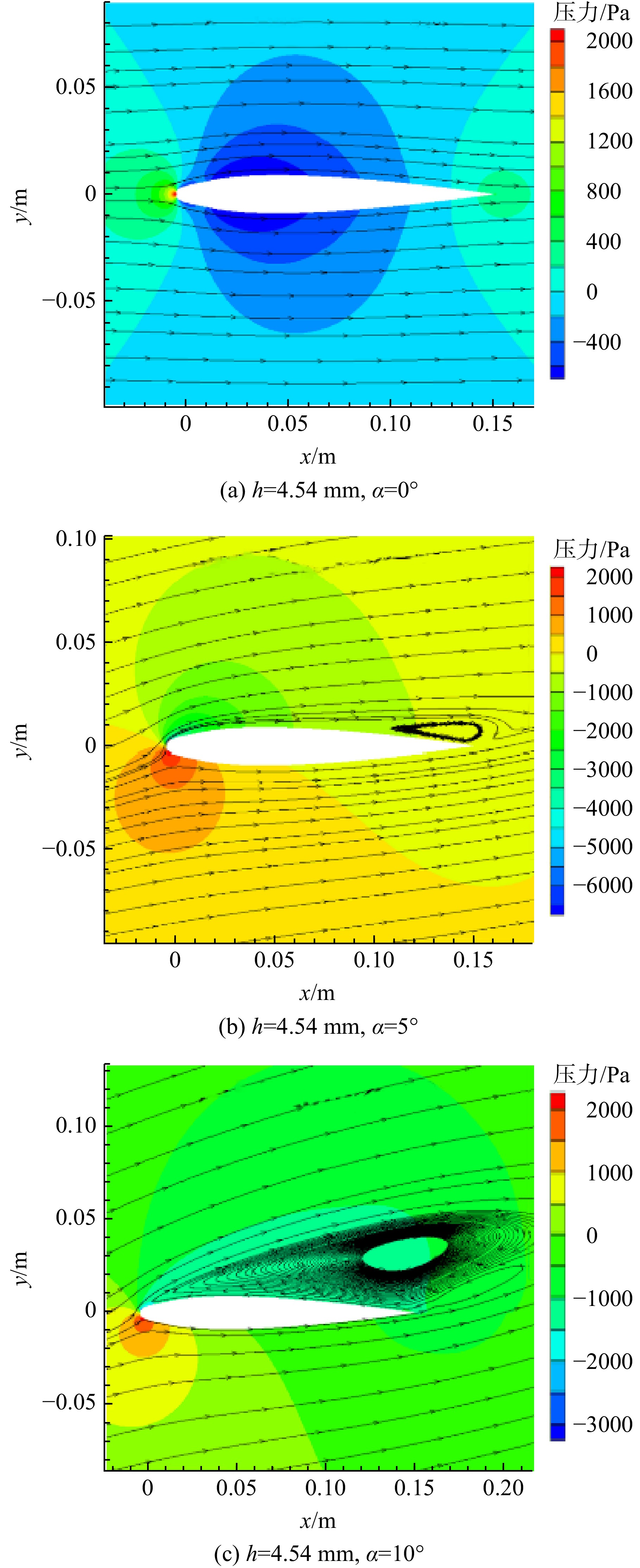
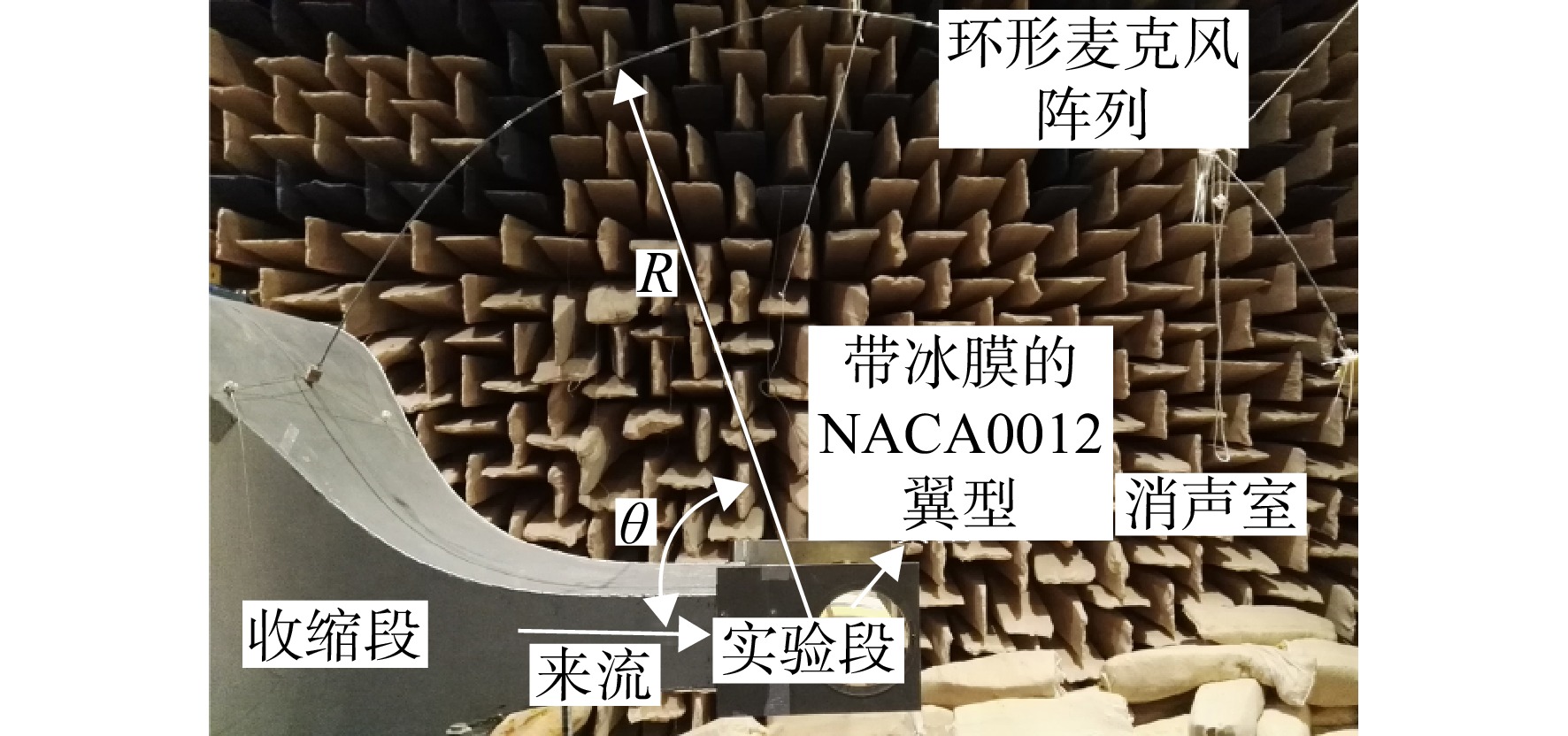
The relationship between ice thickness and aeroacoustic increment provides a new idea for exploring a new method of ice thickness detection. The far-field acoustic characteristics of a NACA0012 airfoil with smooth rime ice model on the leading edge were studied experimentally. The low-noise aeroacoustic wind tunnel of the University of Southampton was used as the experimental platform. The far-field noise signals were measured by a arc microphone array. The far-field sound pressure was processed by fast Fourier transform to obtain the effects of the maximum ice thickness, airflow speed and angle of attack on the sound pressure level of NACA0012 airfoil. The results showed that, the smooth rime ice model changed the local flow field around the leading edge of the airfoil, resulting in a relatively large variation of far-field acoustic characteristics by flow separation. The maximum increment of the far-field sound pressure level between iced airfoil and baseline exceeded 9.5 dB within the frequency between 8×10³−2×10⁴ Hz. There was a positive correlation between the maximum ice thickness, airflow speed, angle of attack and the far-field sound pressure level of iced airfoil. A neural network prediction model of maximum icing thickness with multivariable inputs such as flight parameters and overall sound pressure level increment was established.

Numerical simulation of effect of flow field on discharge characteristics in pressure relief door of nacelle
MA Shuai, LIU Fan, JI Jiayuan, DENG Yang, ZHANG Lu
2023, 38(10): 2338-2348. doi: 10.13224/j.cnki.jasp.20210641
Abstract:

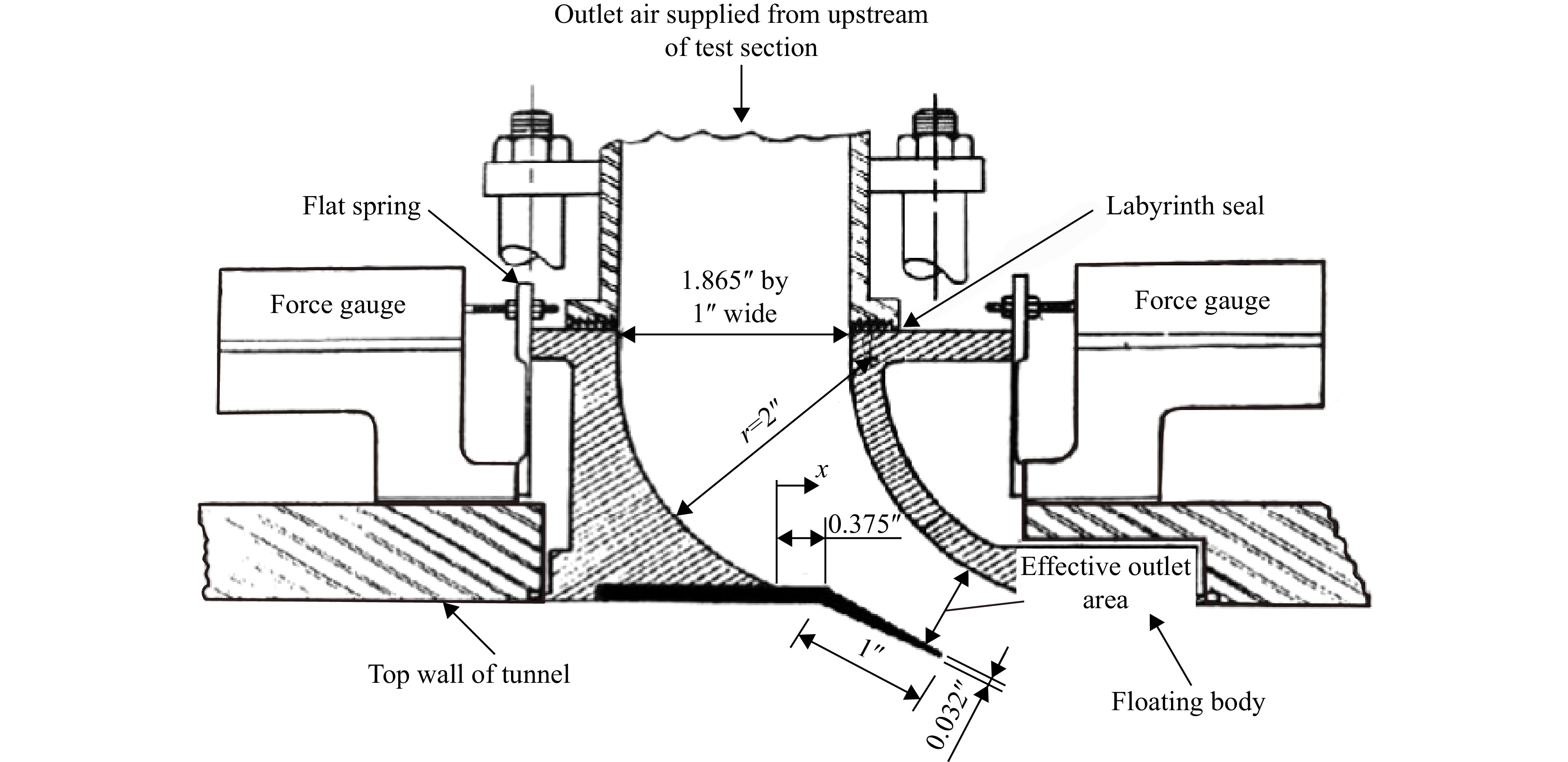
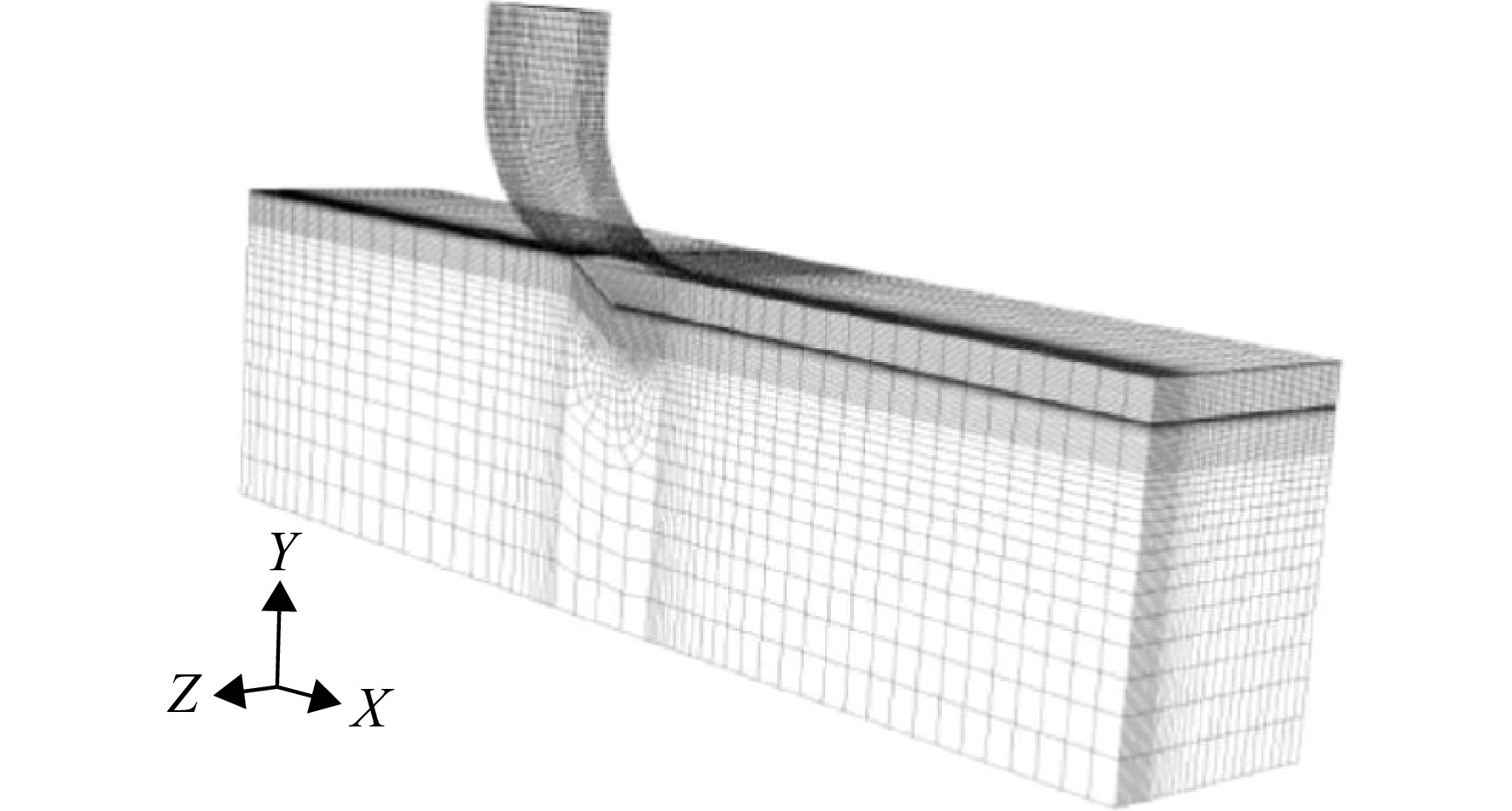
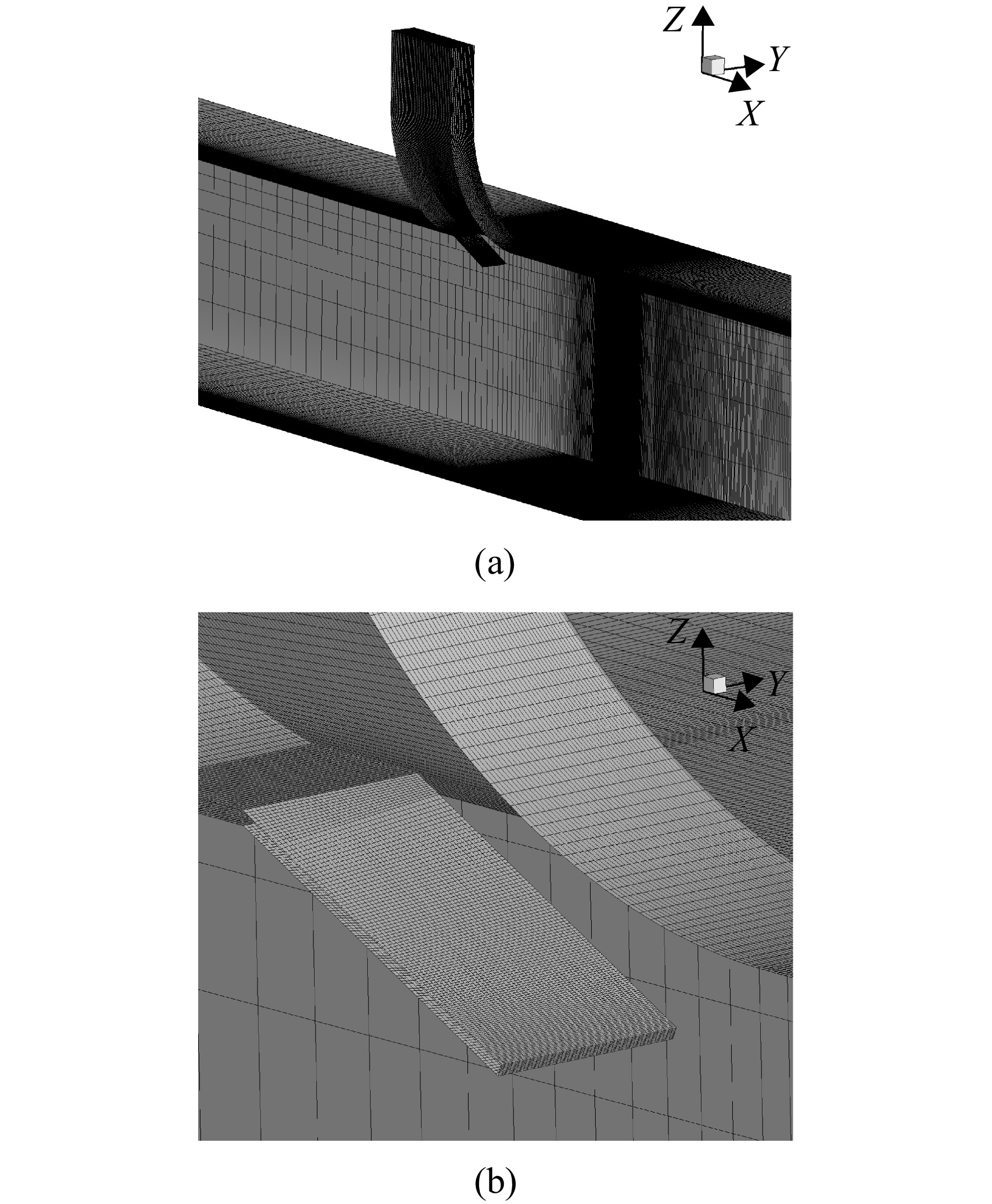
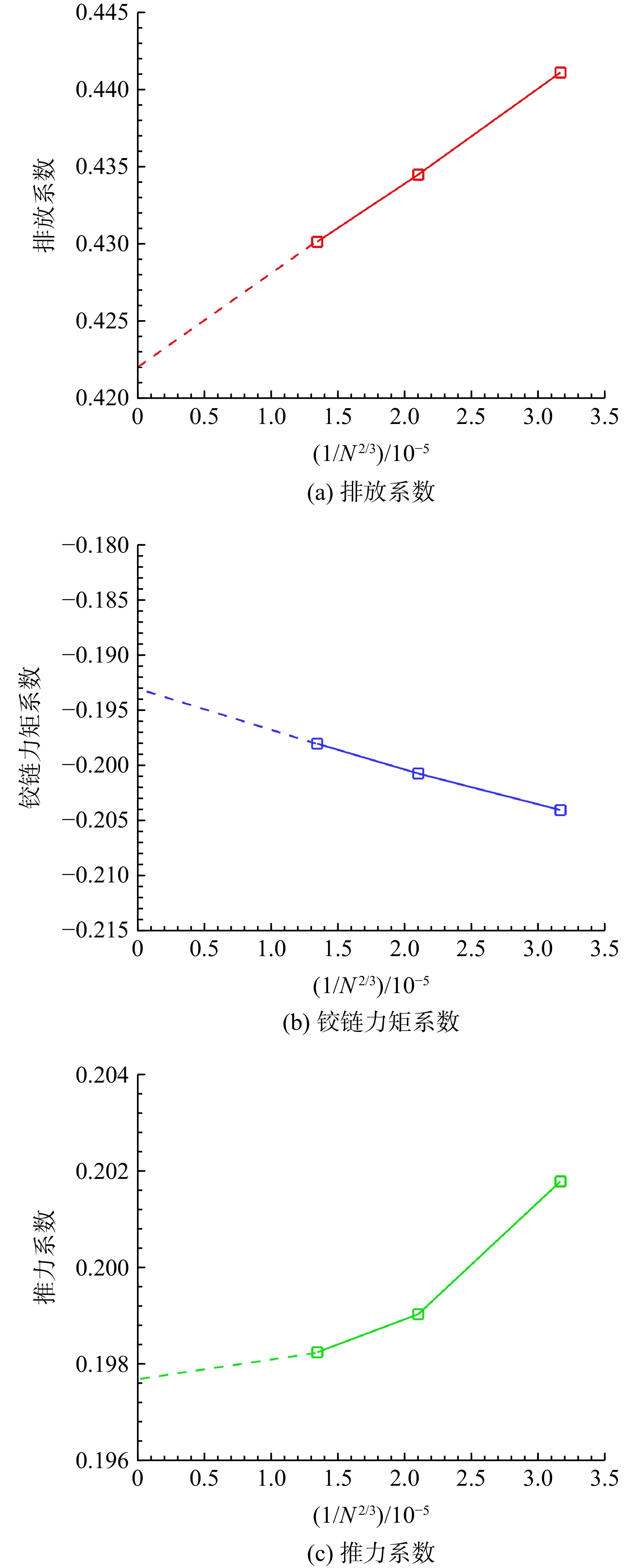
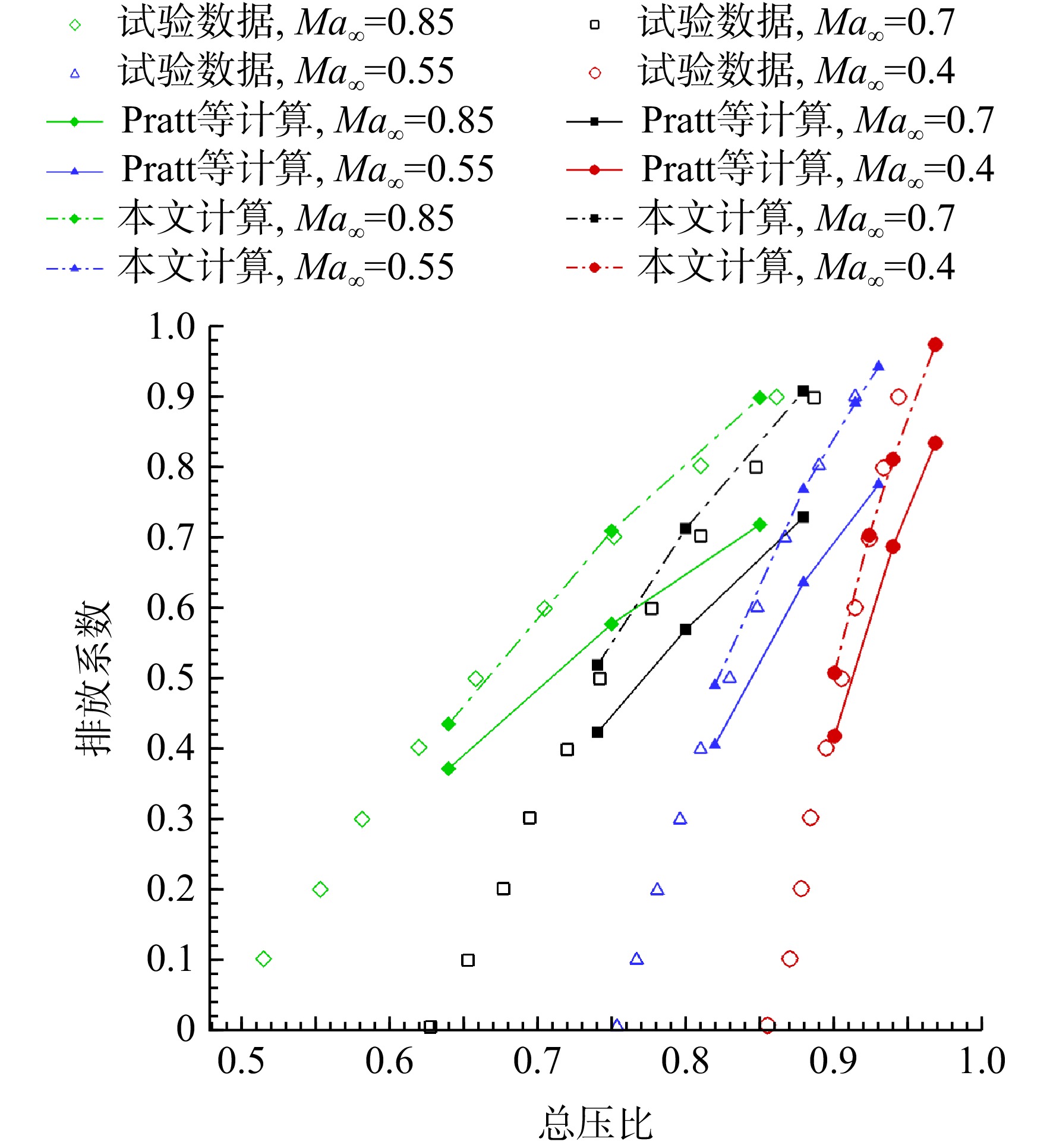
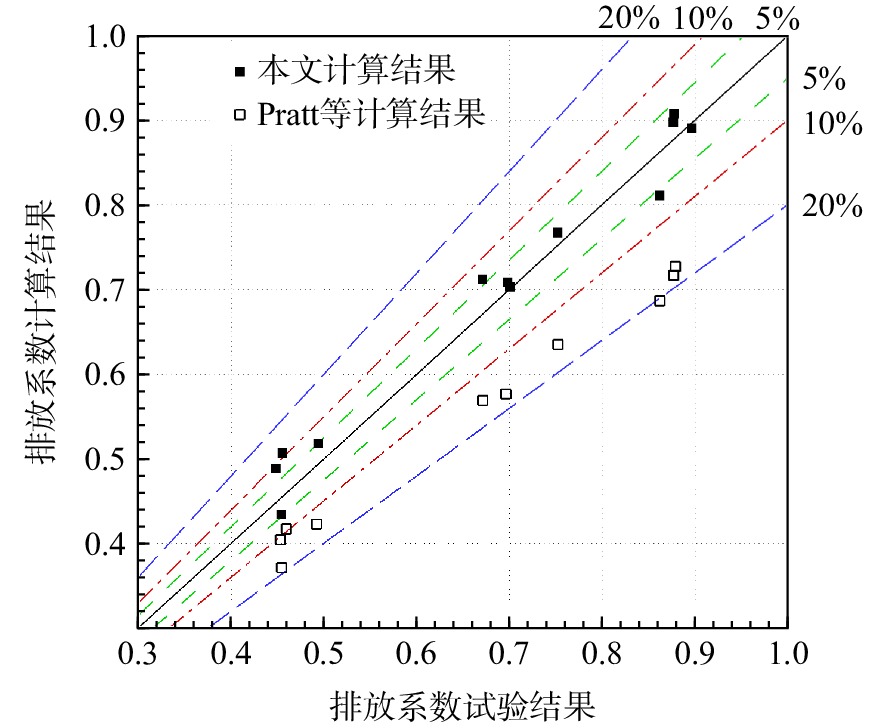
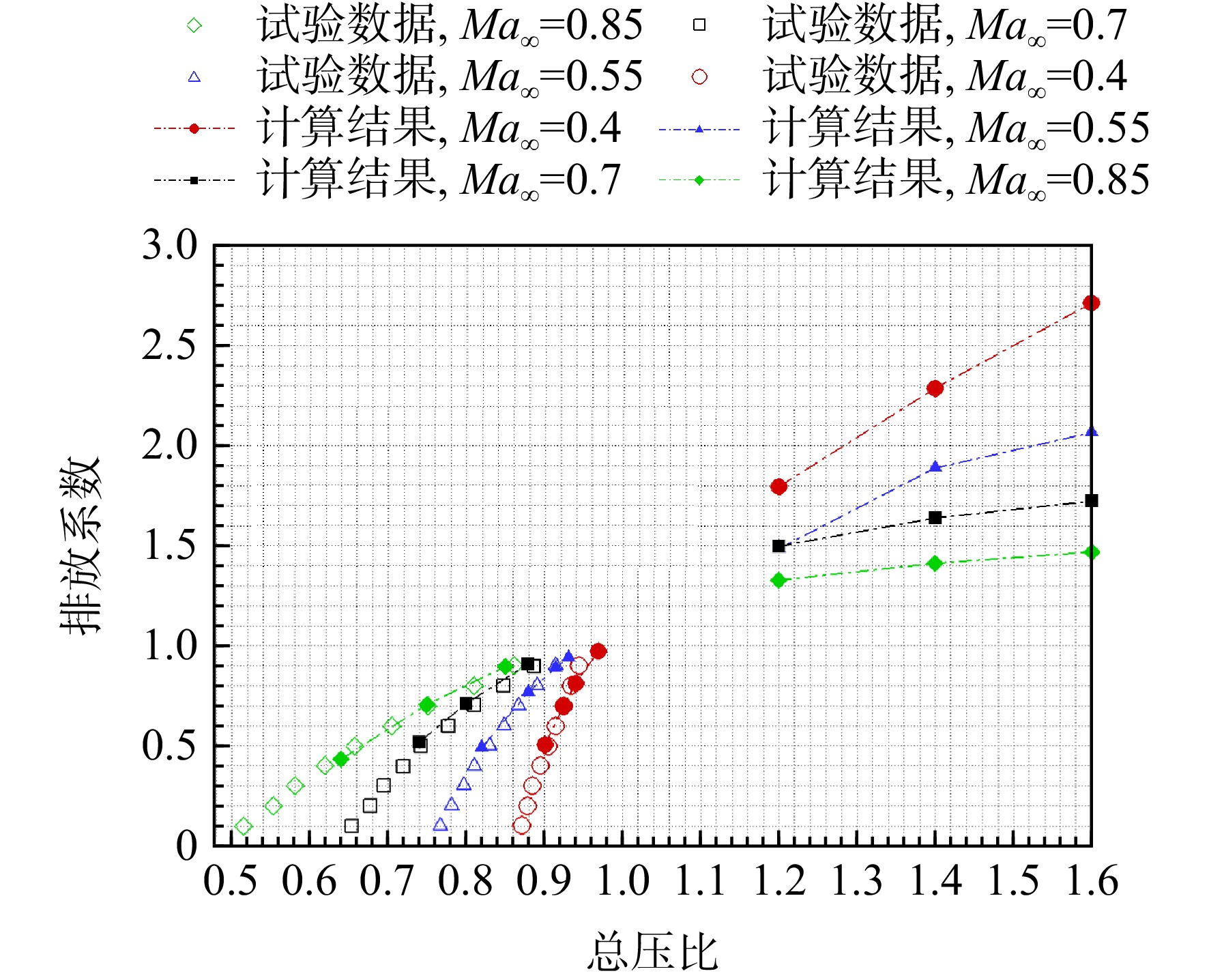
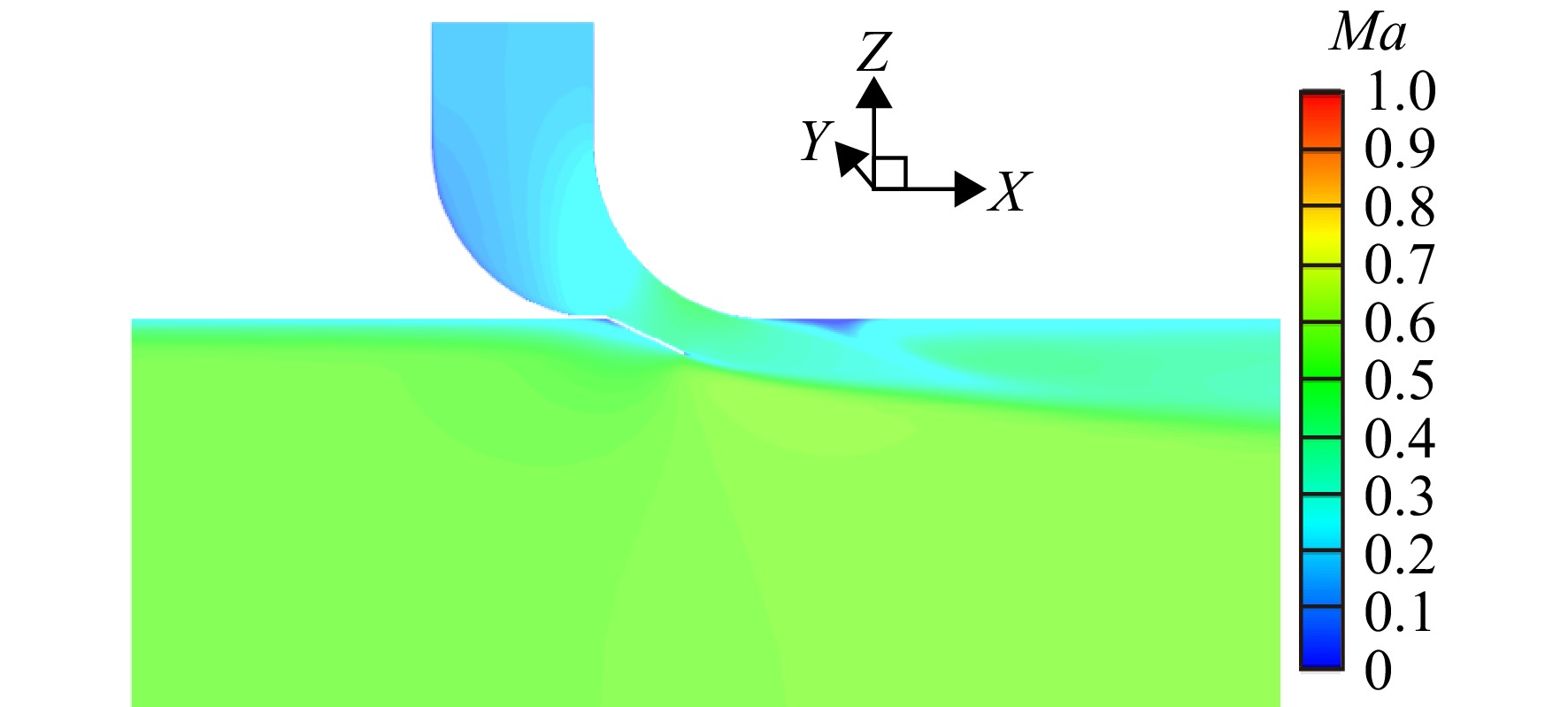
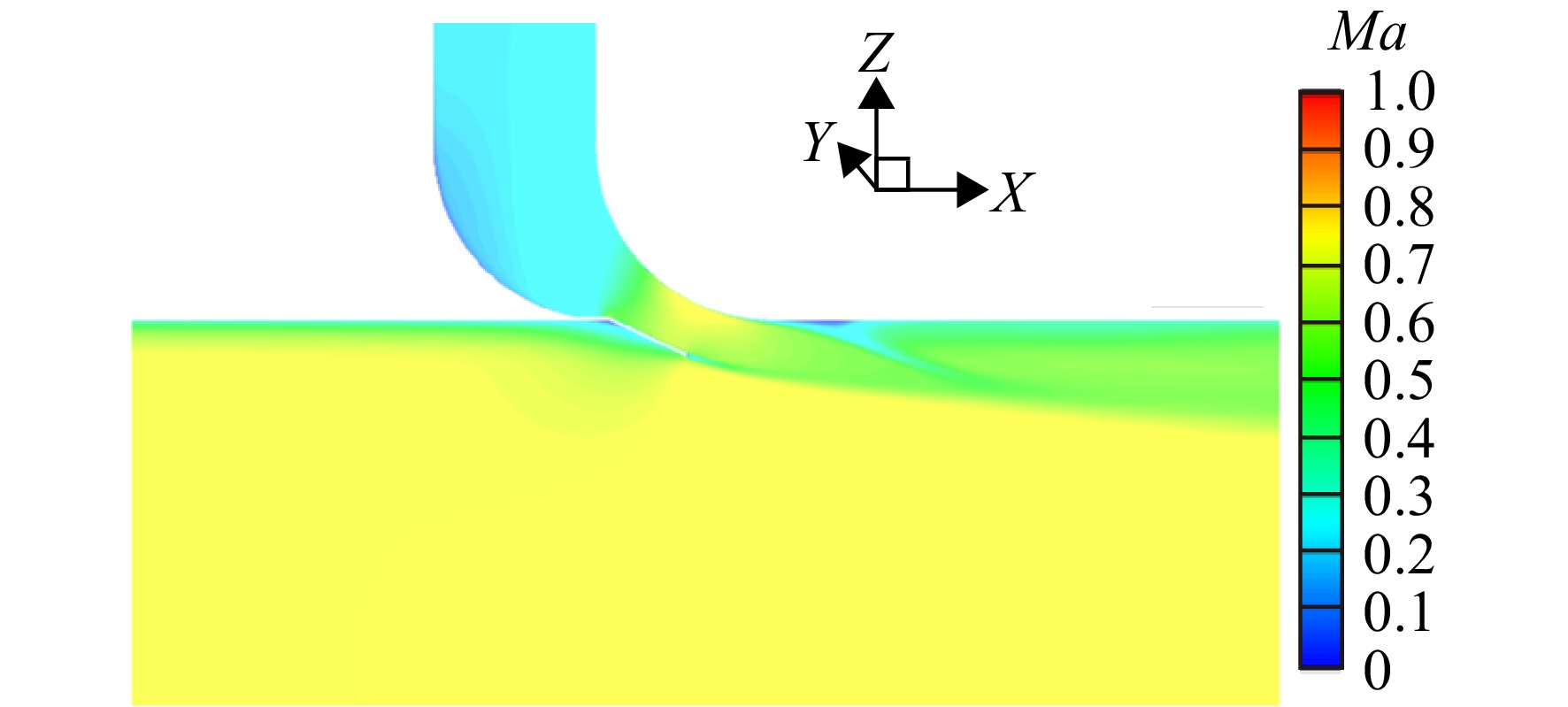
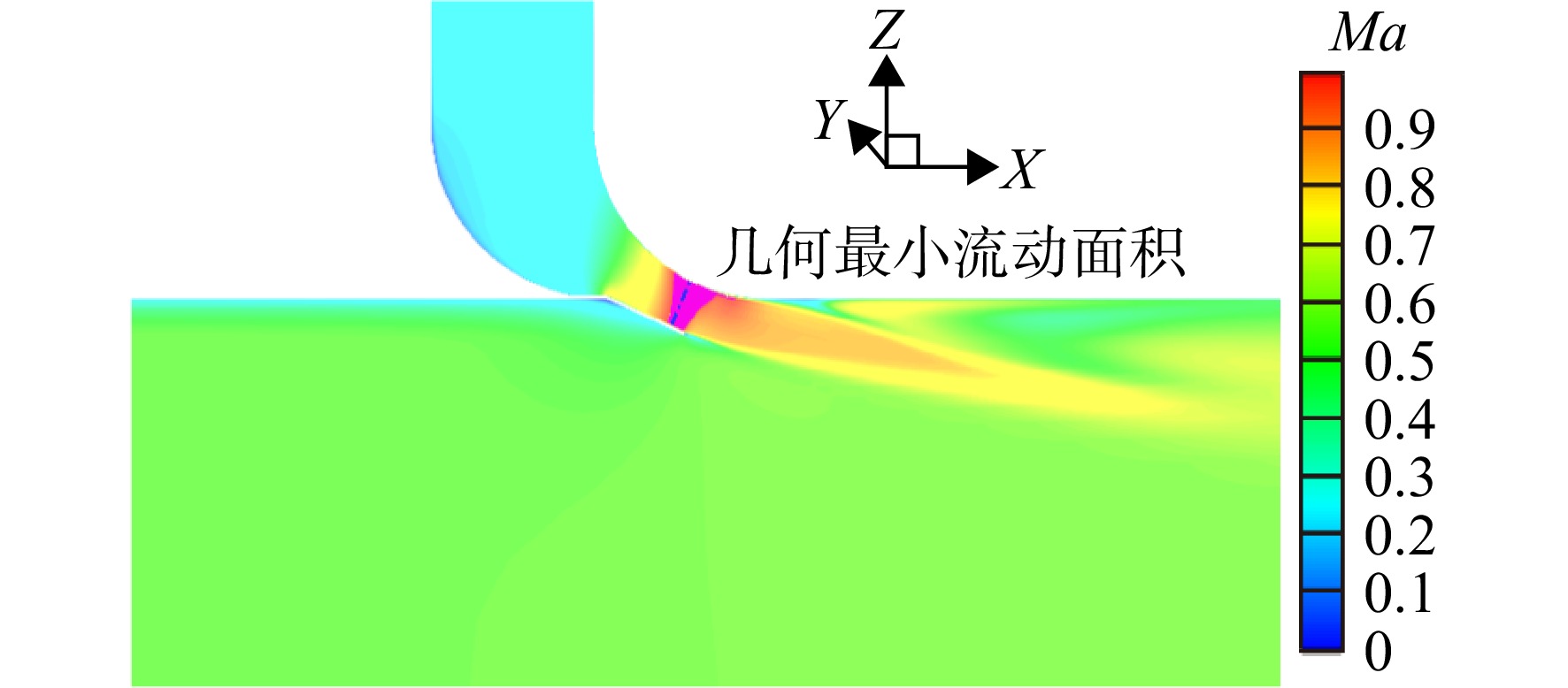
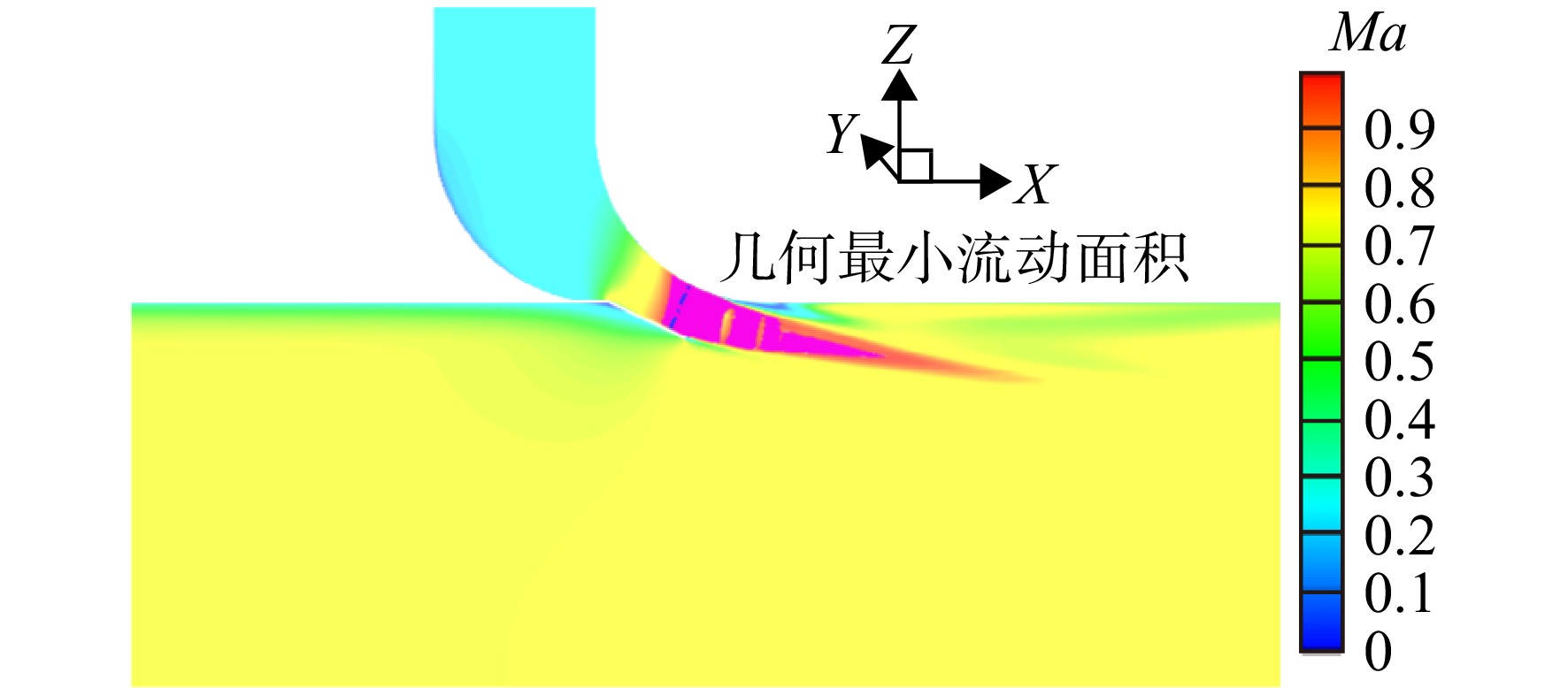
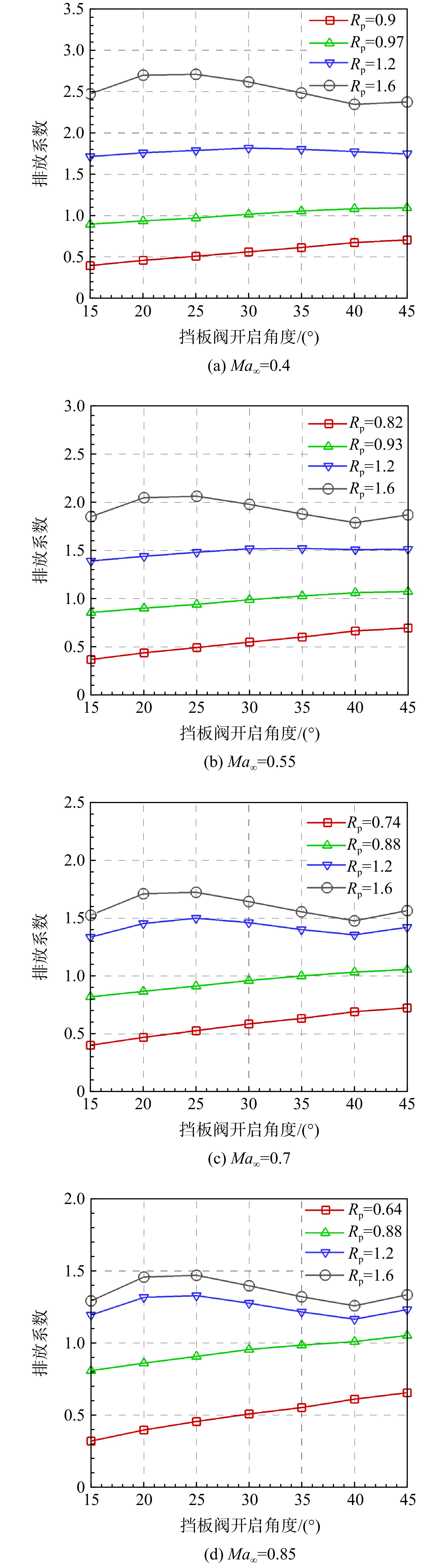
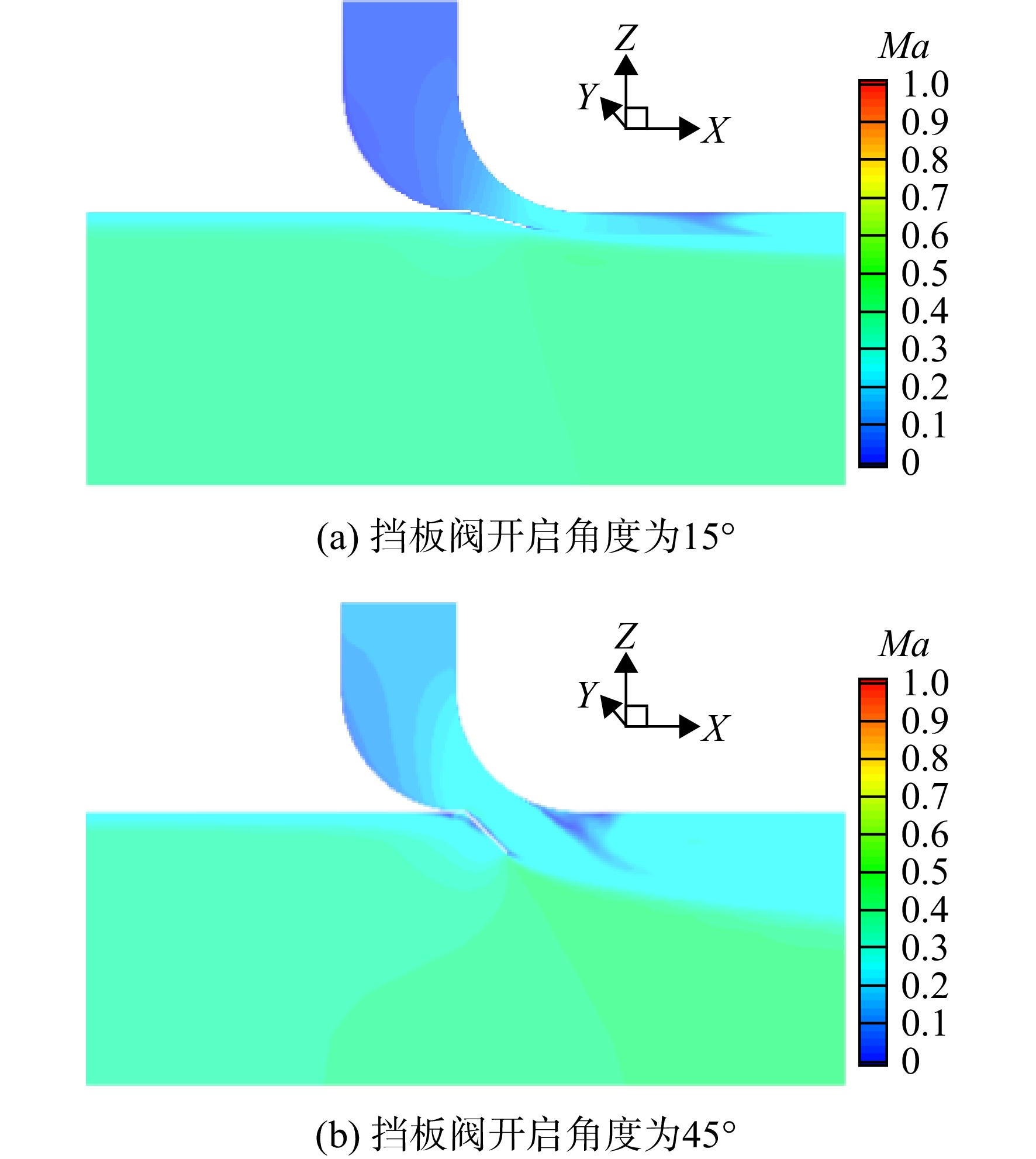
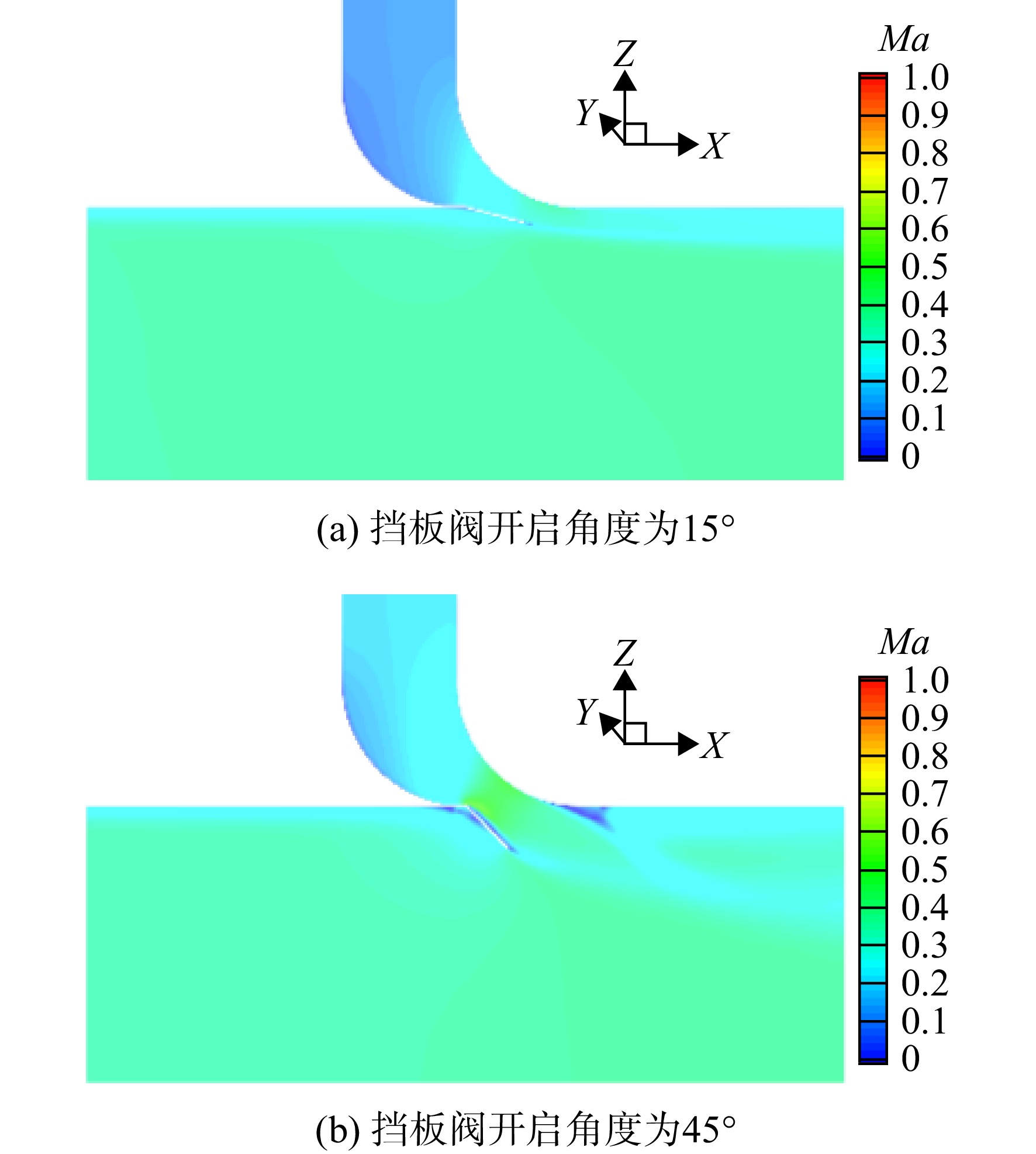
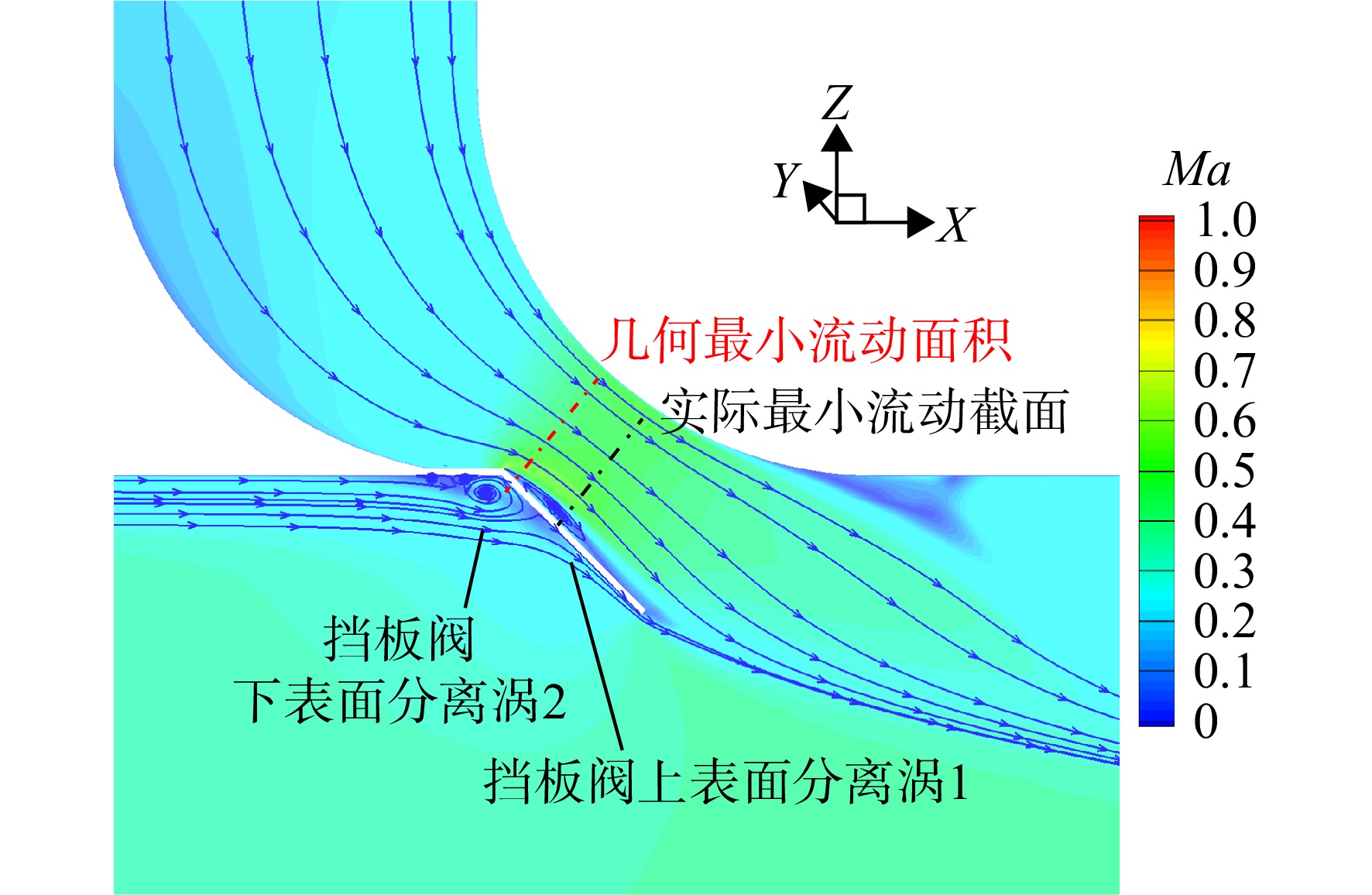
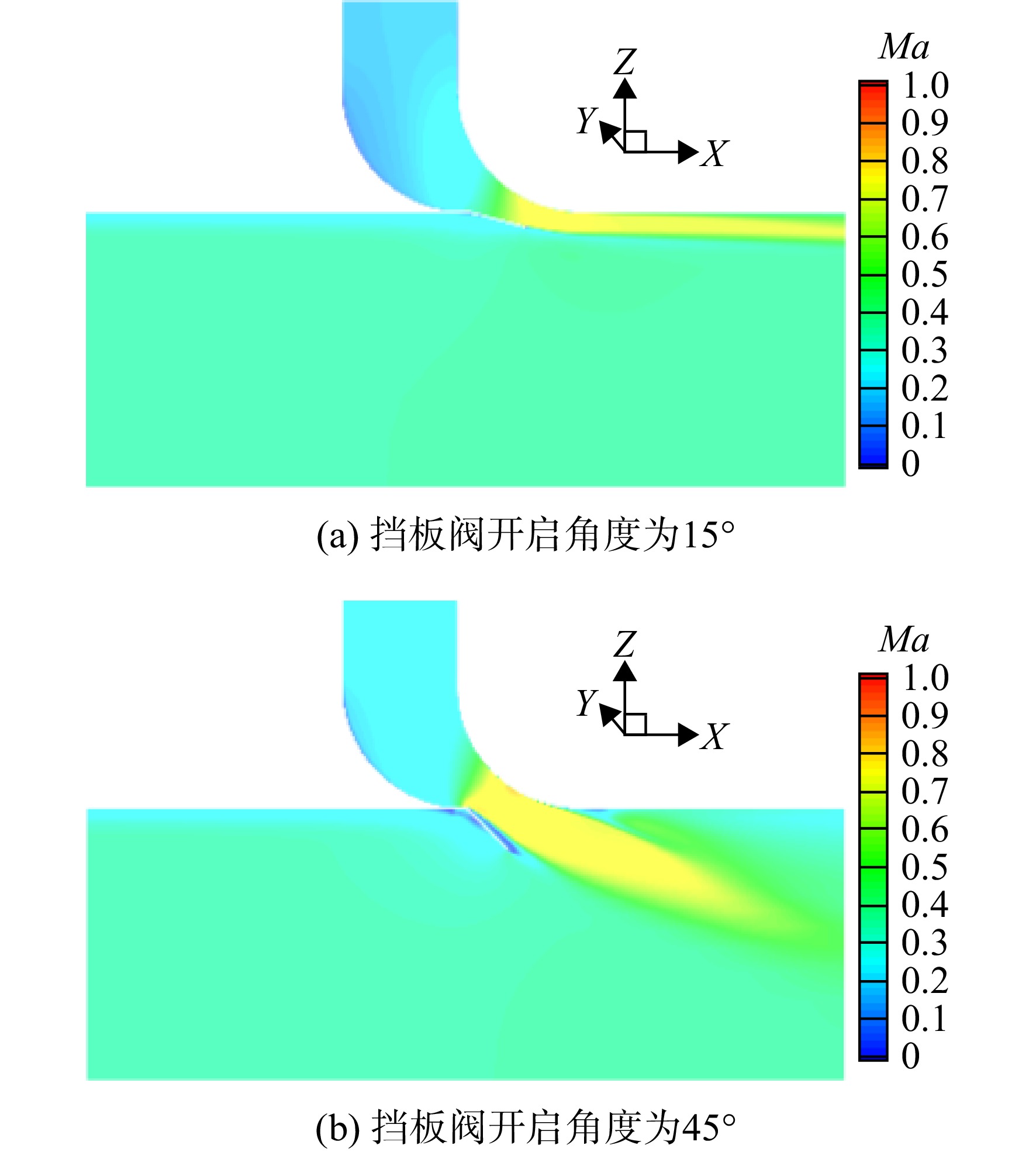
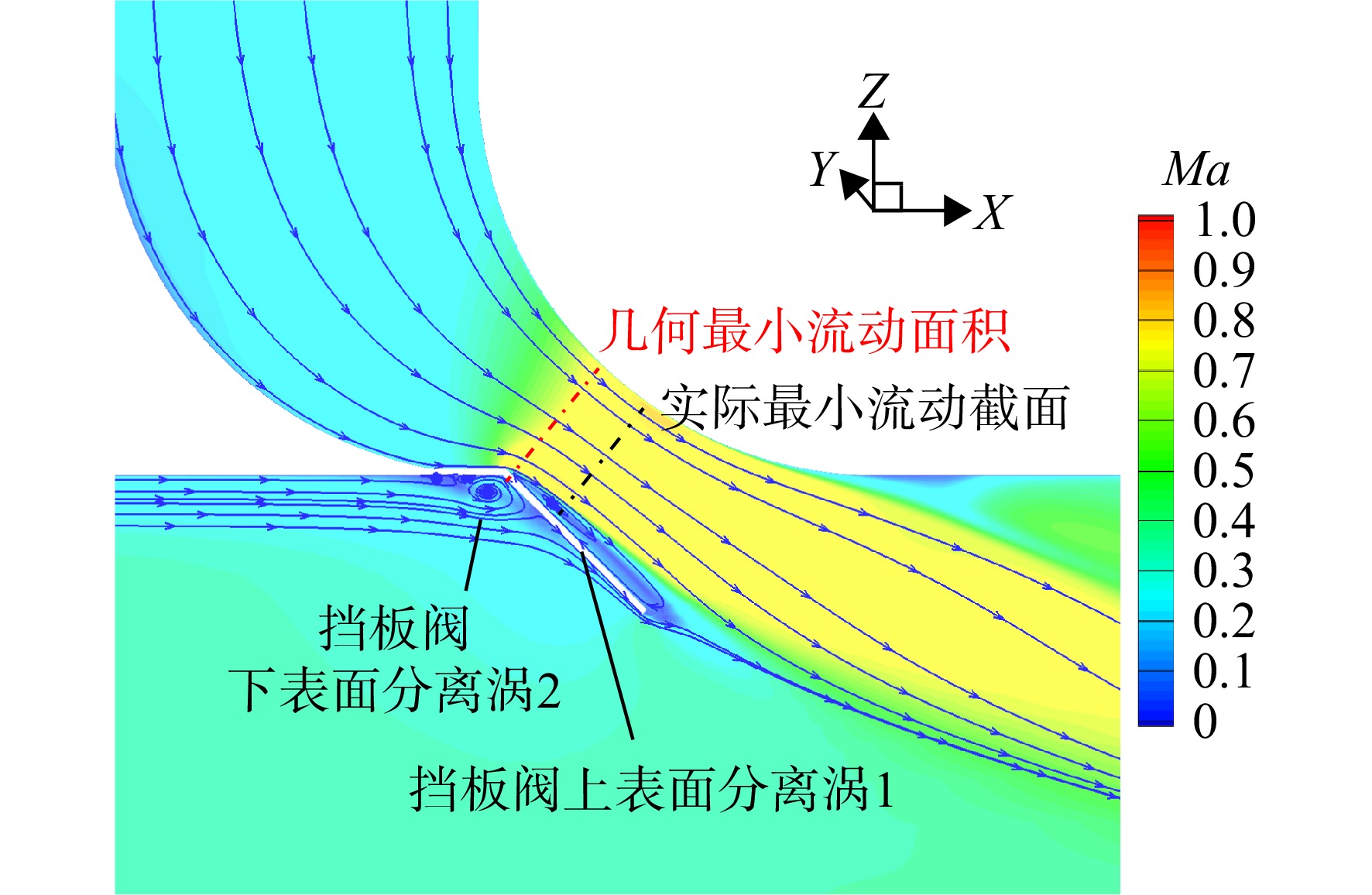
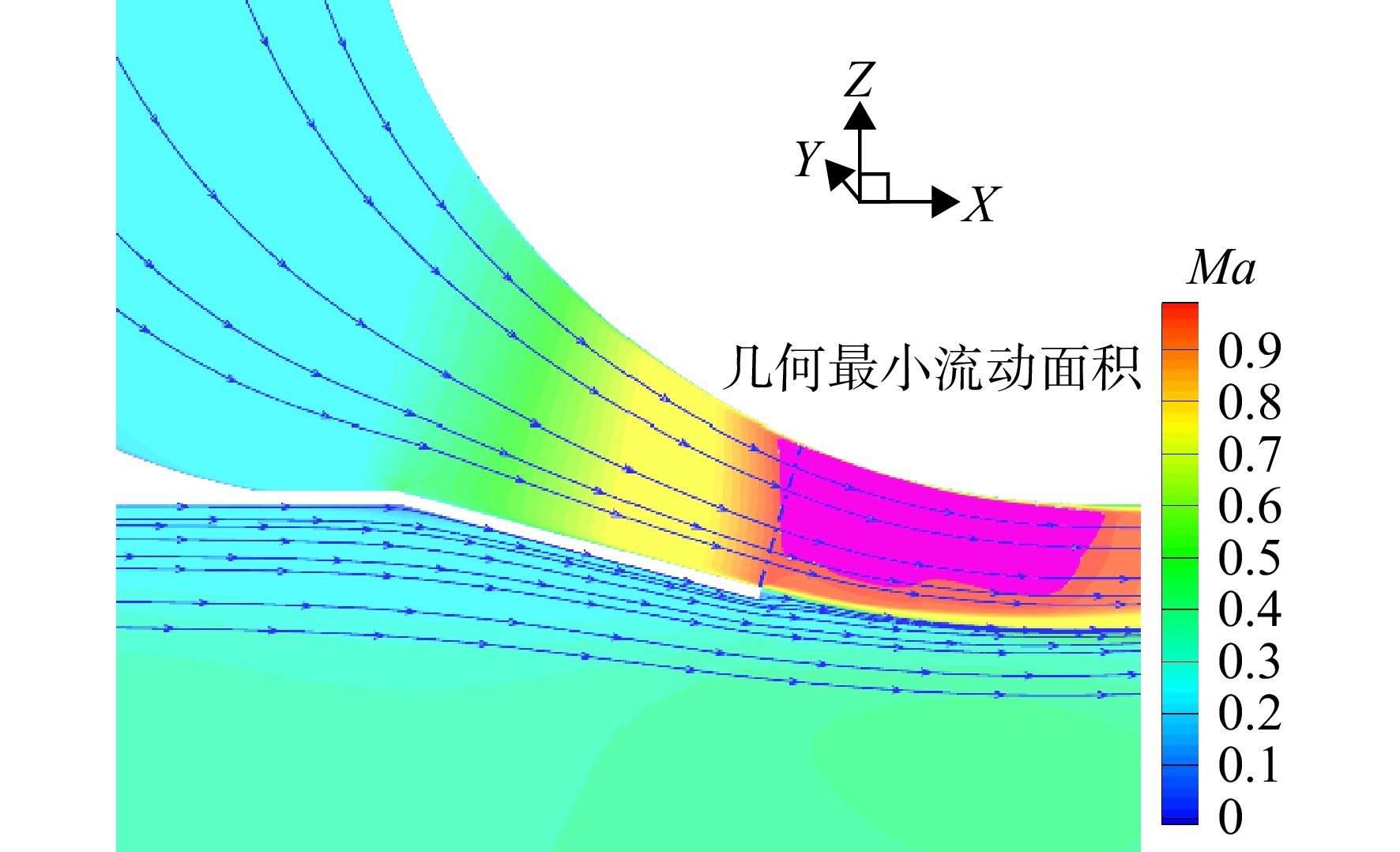
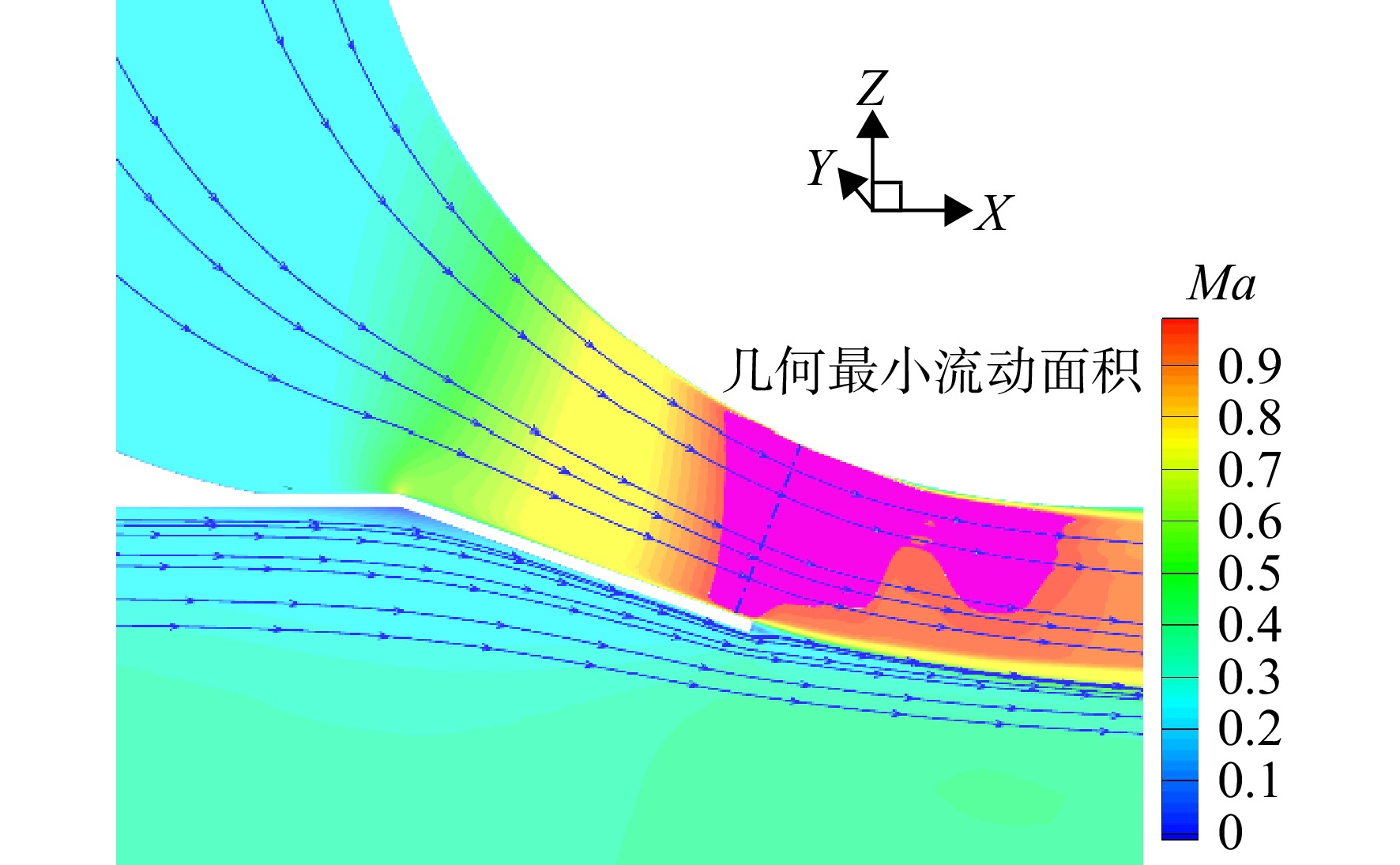
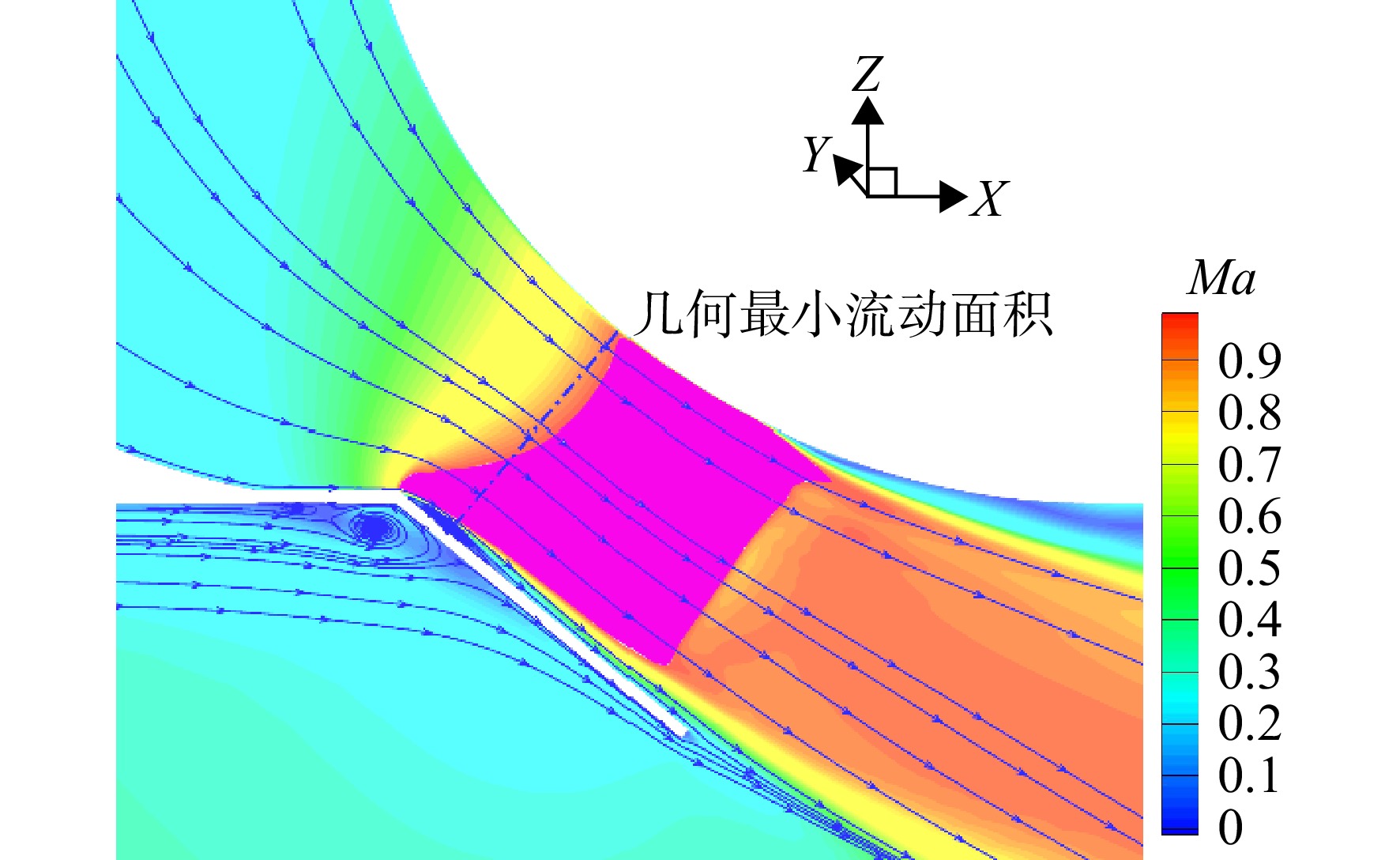
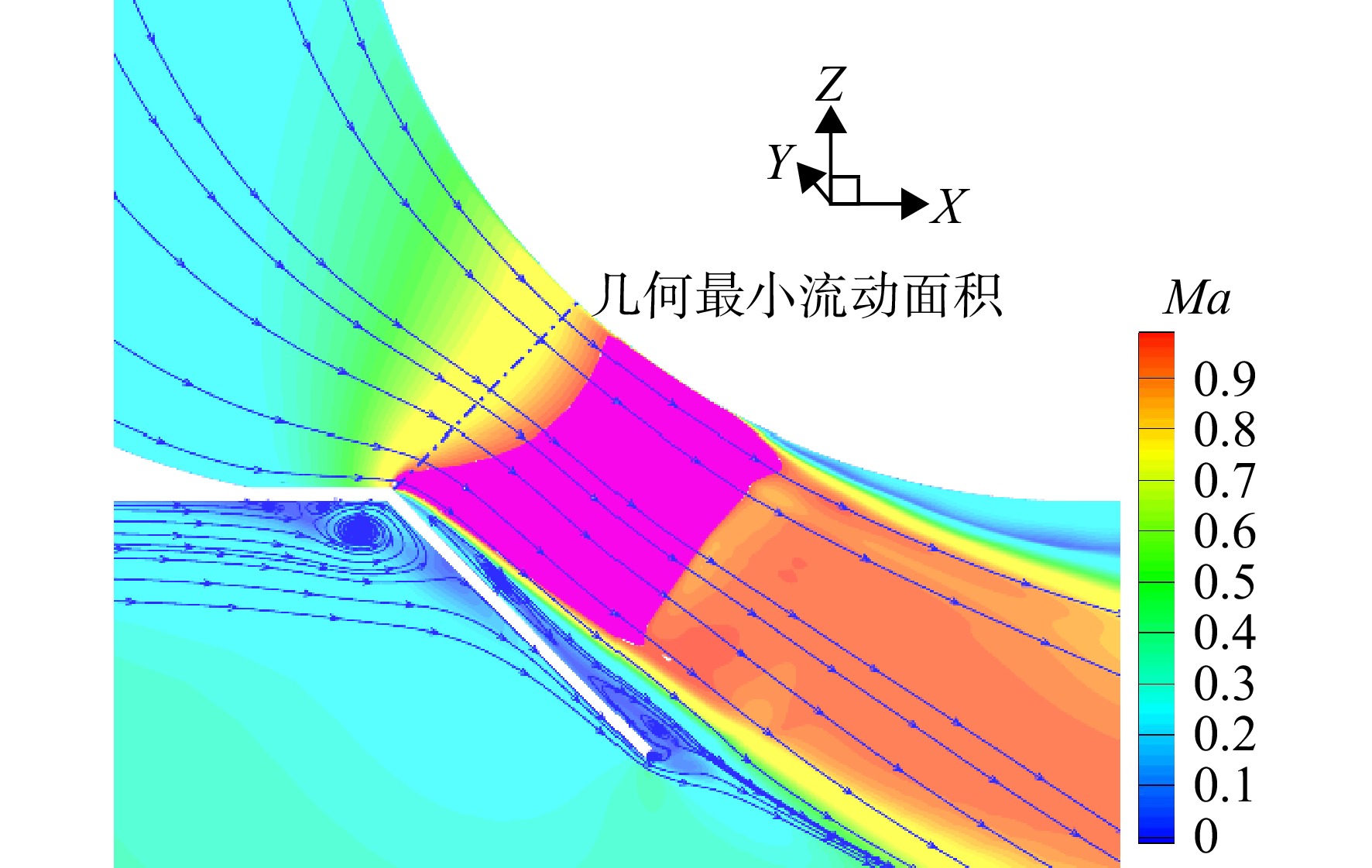
On the basis of verifying the correctness of CFD method by using the experimental datum in NACA TN4007 report, the influence laws of different incoming Mach number, total pressure ratio and flap angle on the discharge pressure relief characteristics were studied through calculation, and the causes of these laws were analyzed through flow field. Results showed that when the total pressure ratio was greater than a certain value, the discharge flow ratio (DFR) decreased with the increase of incoming Mach number under the same total pressure ratio, due to the formation of choke-out in the discharge channel after the total pressure ratio promoted the discharge speed to transonic speed. The DFR increased to a certain value with the increase of the flap angle, and then began to fall back and then rose slowly, because when choke-out happened, the flap angel became larger, the average Mach number at the minimum geometric area of the discharge channel first lied in the subsonic section, then transited from the transonic section to the supersonic section, and then moved back to the transonic section and even the subsonic section. At the same time, the separated vortex reflux on the upper surface of the flap also reduced the DFR if it occurred at the minimum geometric area.

Numerical simulation of oblique detonation engine performance based on kerosene fuel
DU Peng, XUE Rui, WANG Chen, ZHANG Yuntian, XU Chaoqi
2023, 38(10): 2349-2359. doi: 10.13224/j.cnki.jasp.20210670
Abstract:

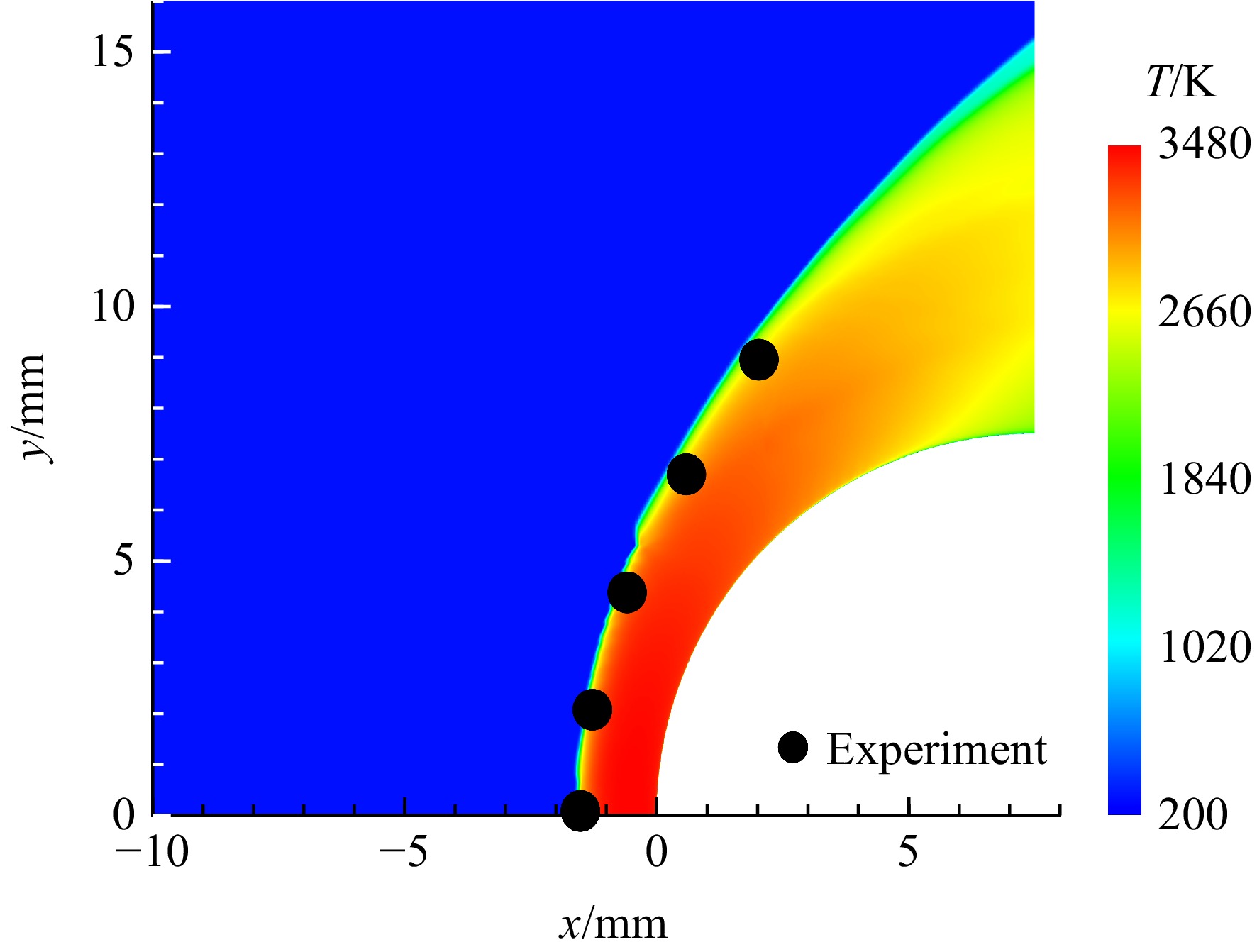
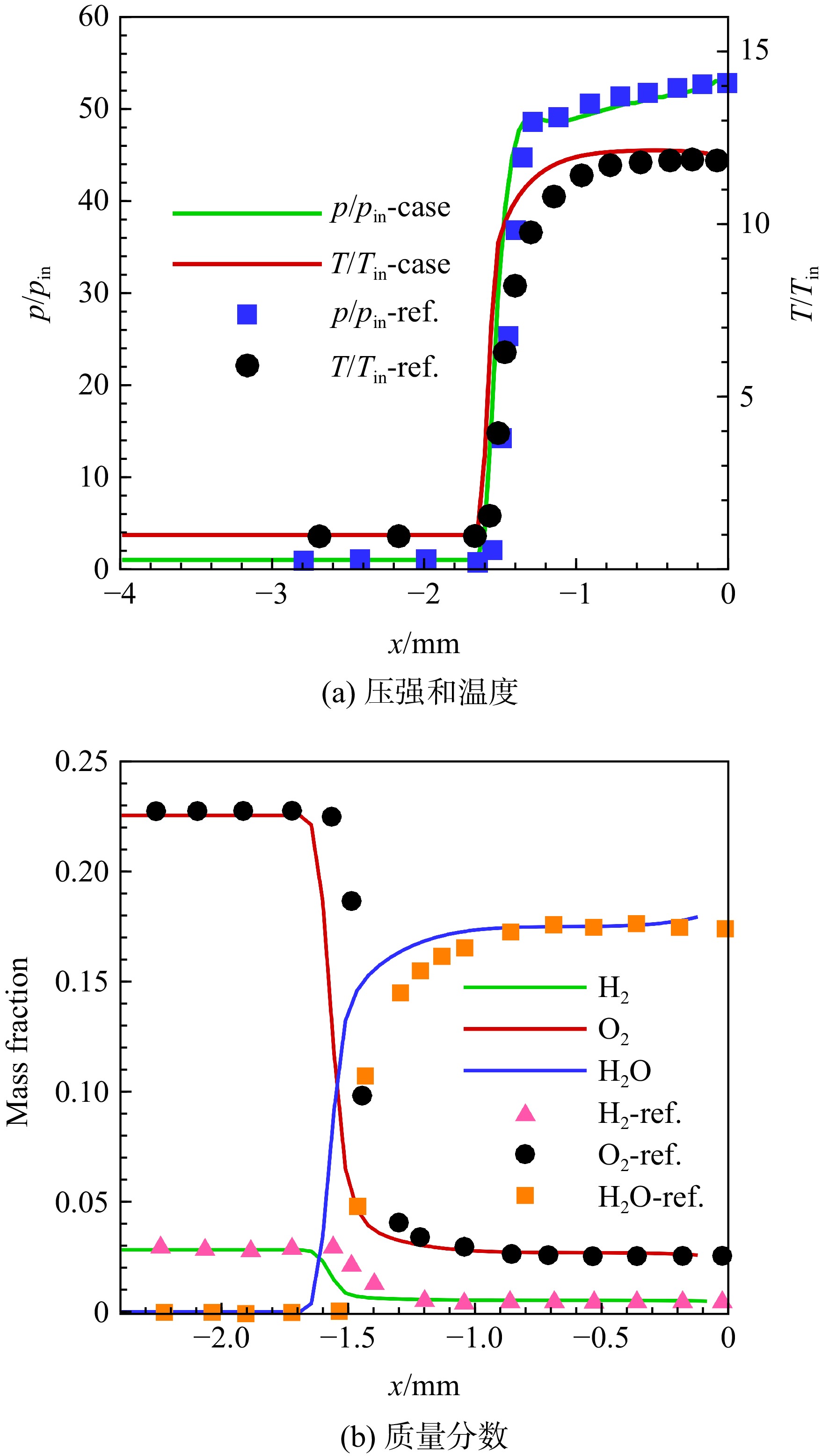
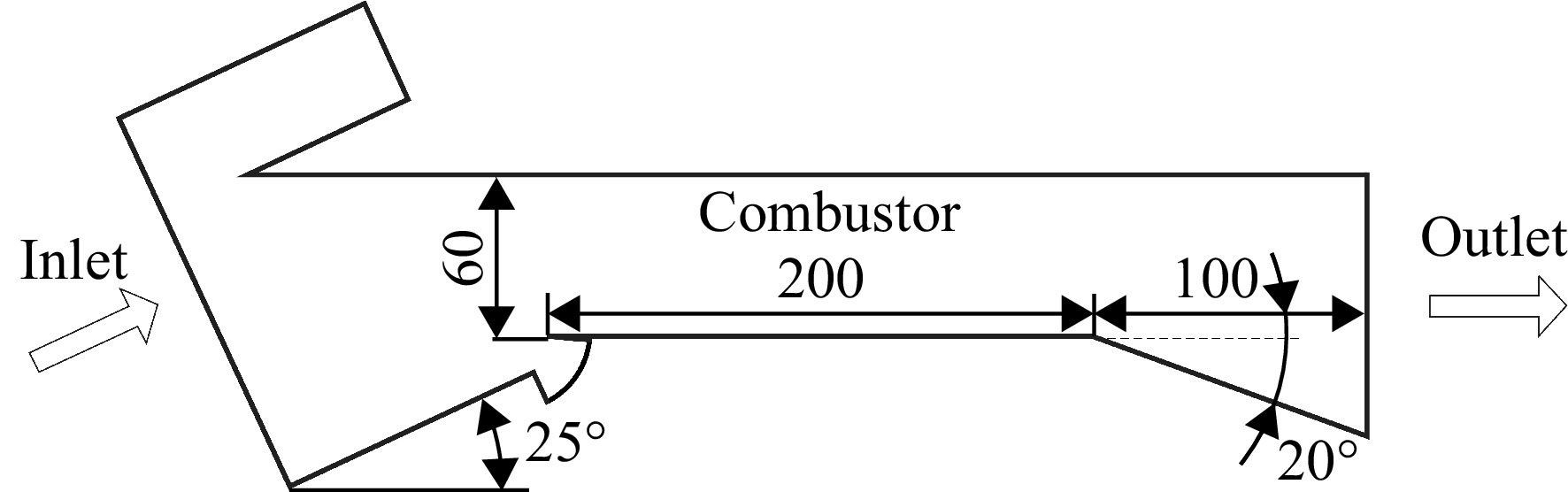
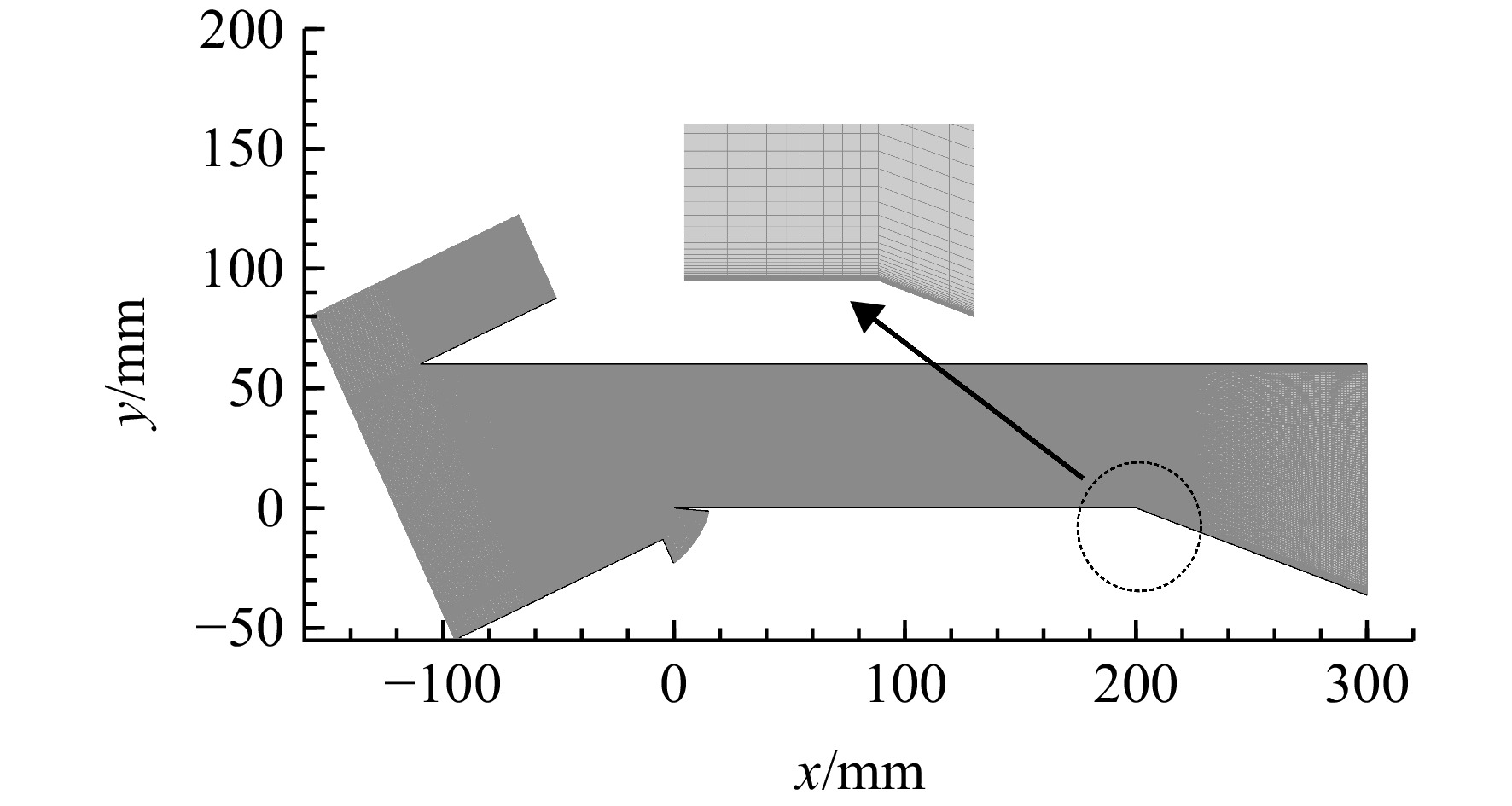
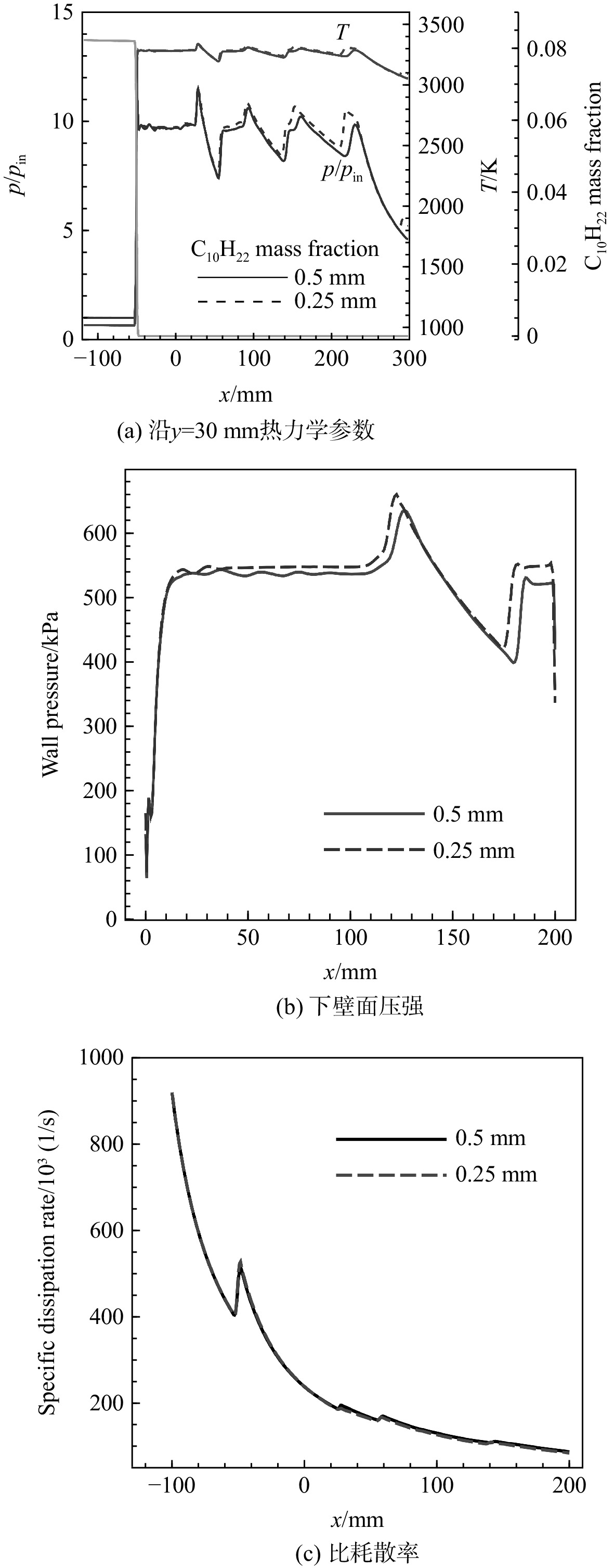
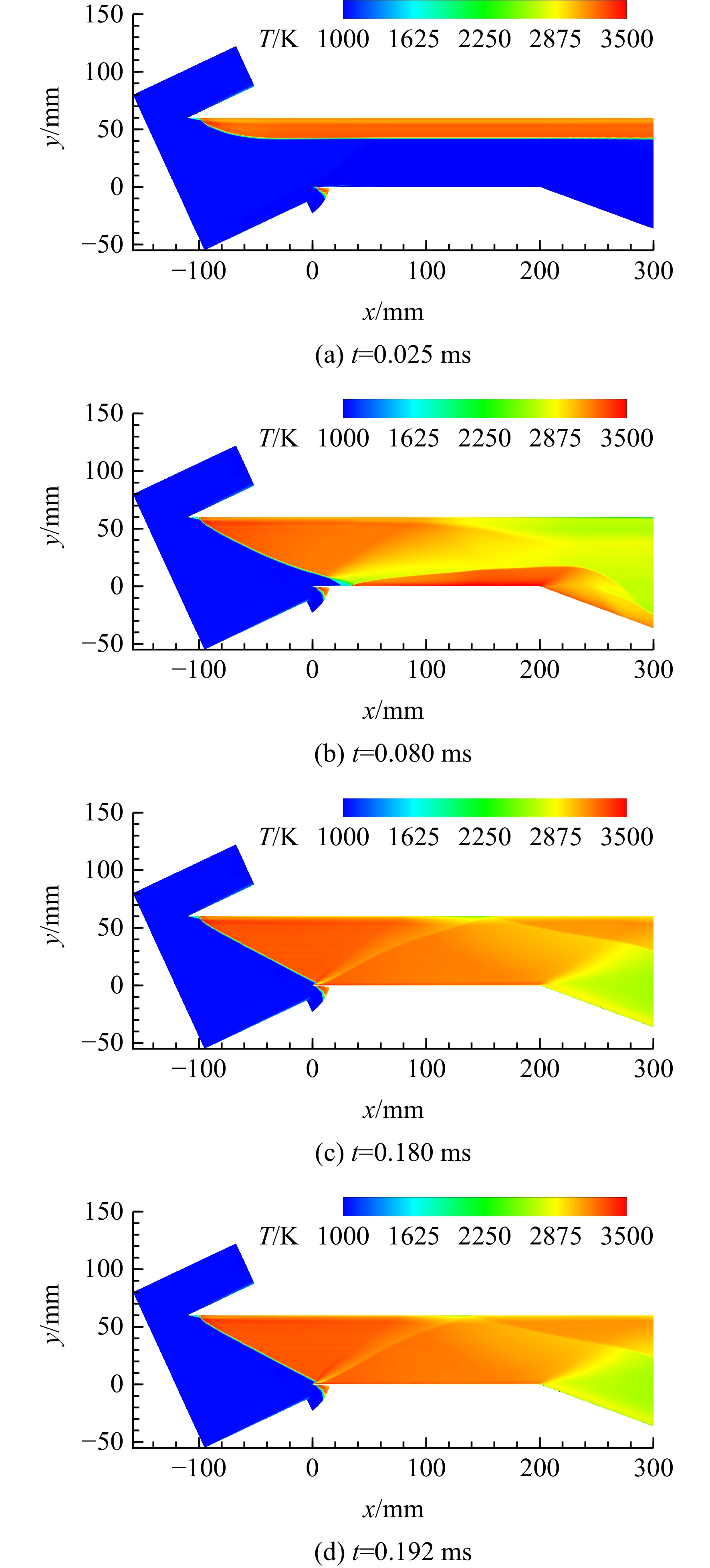
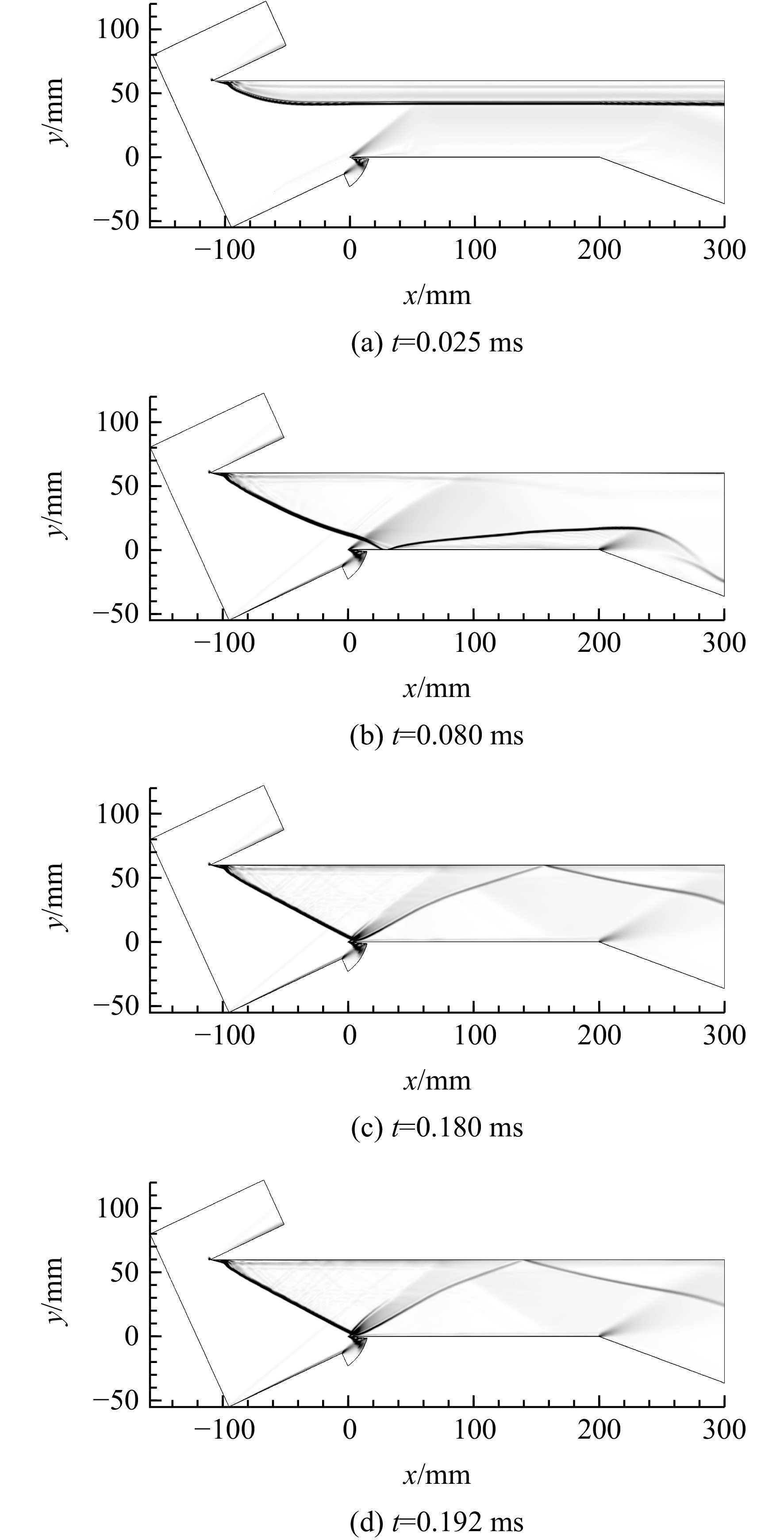
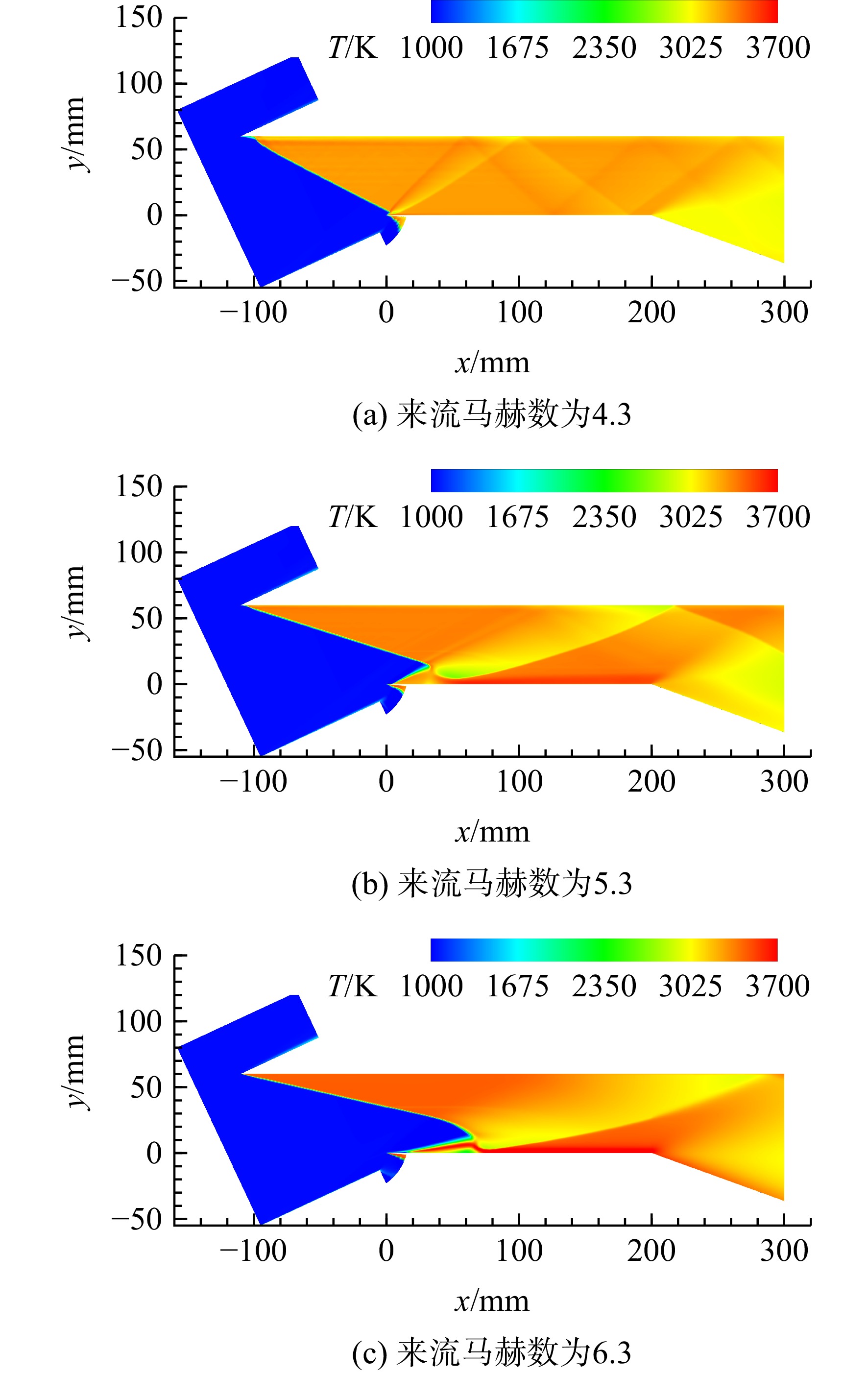
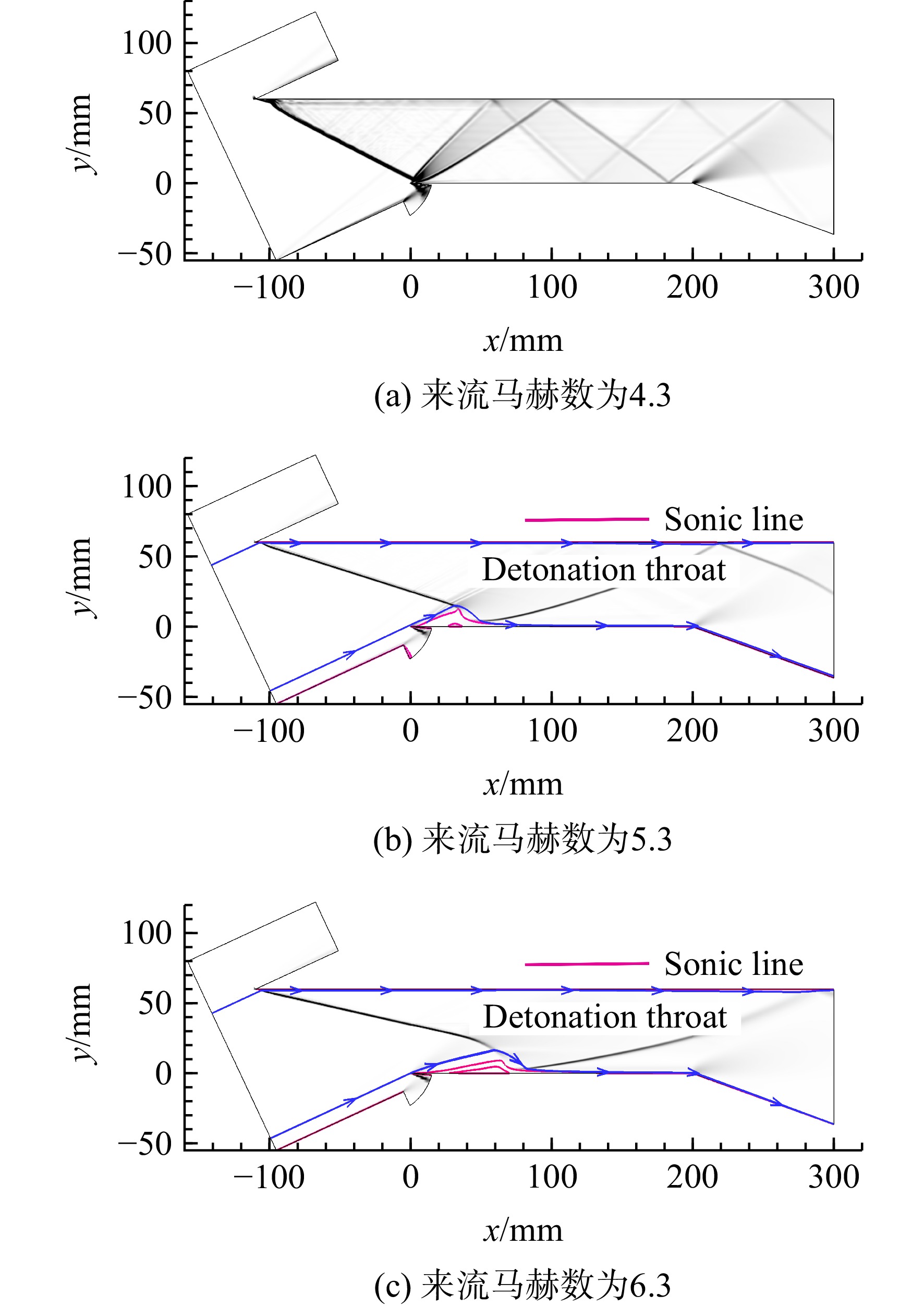
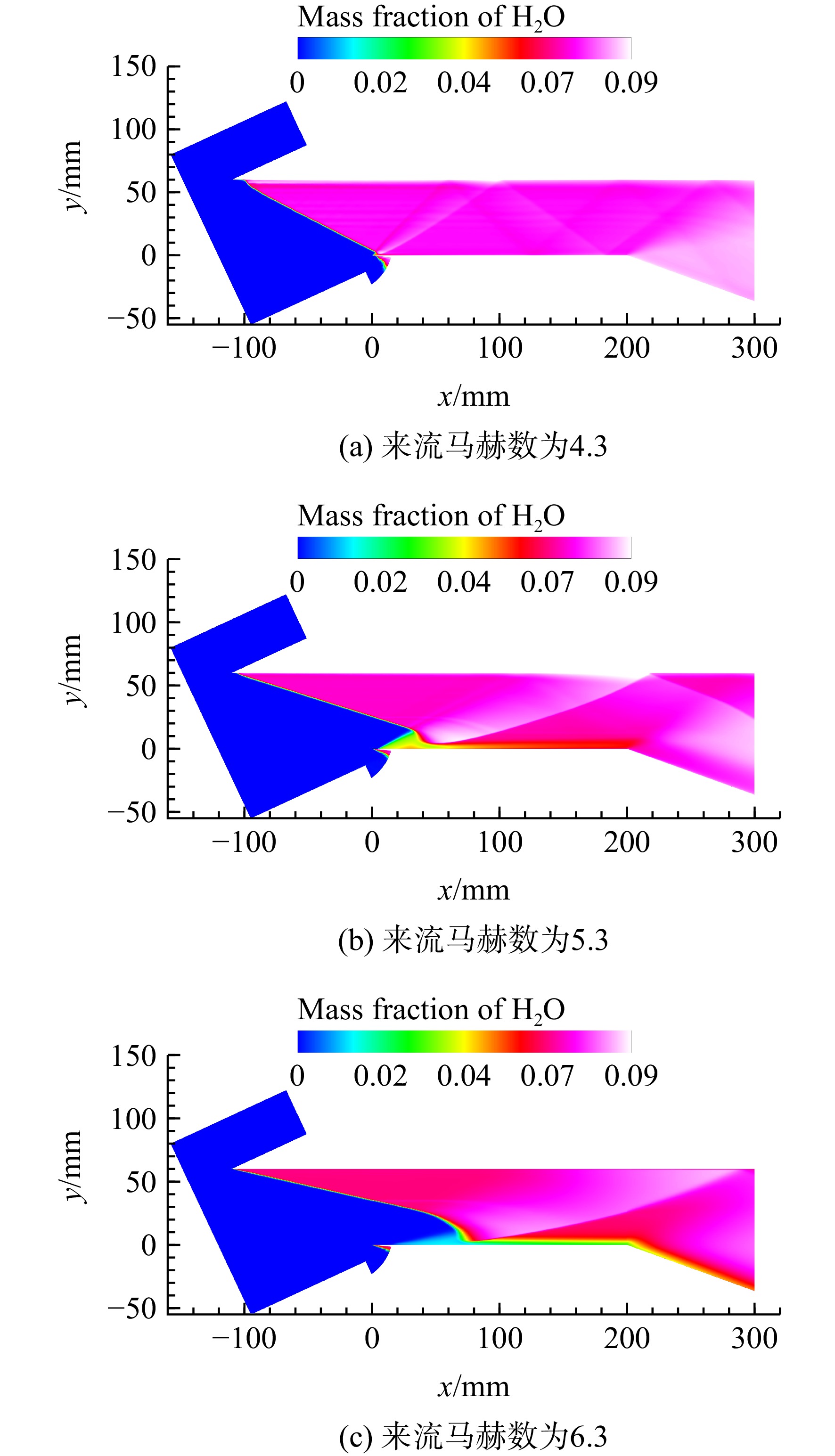
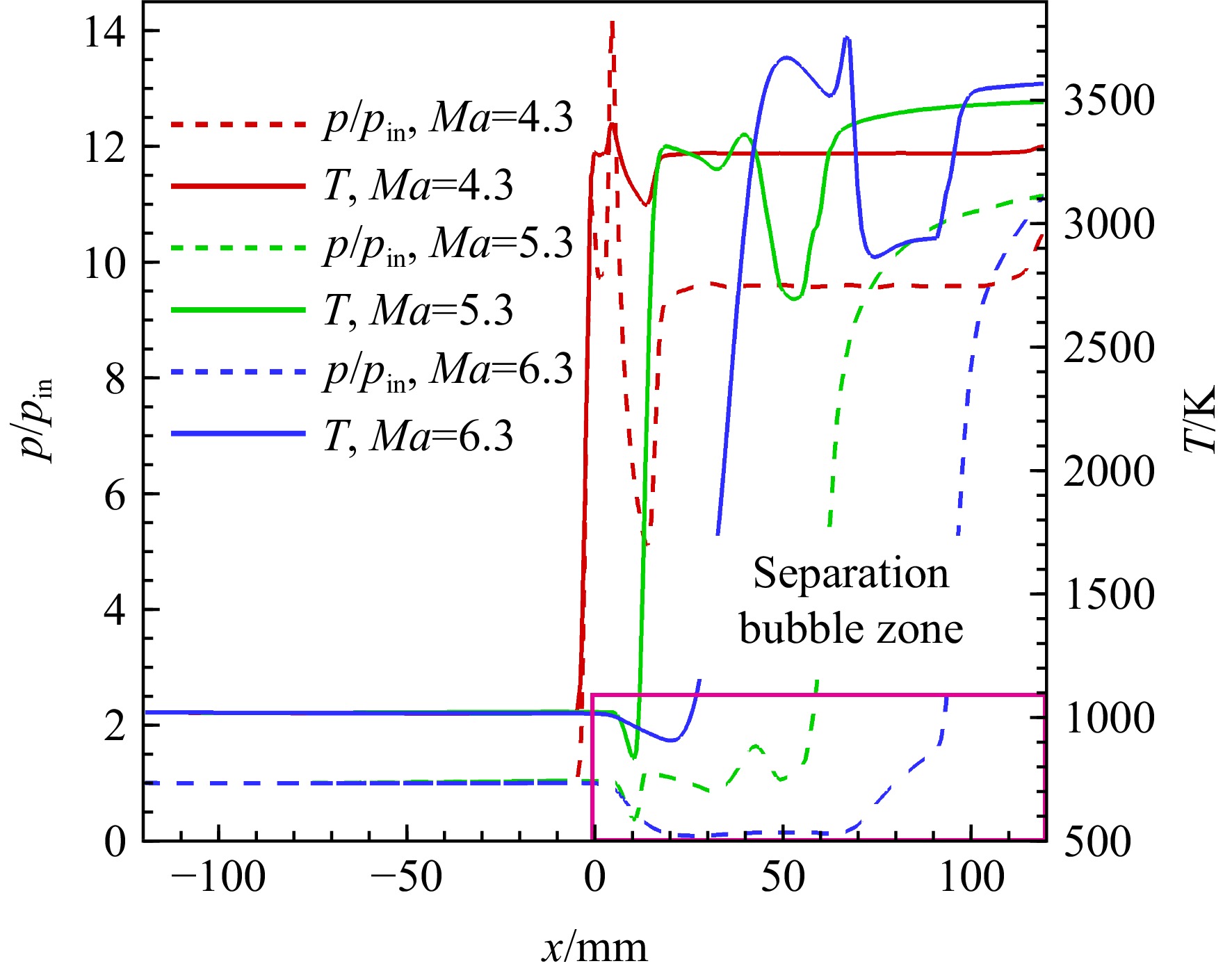
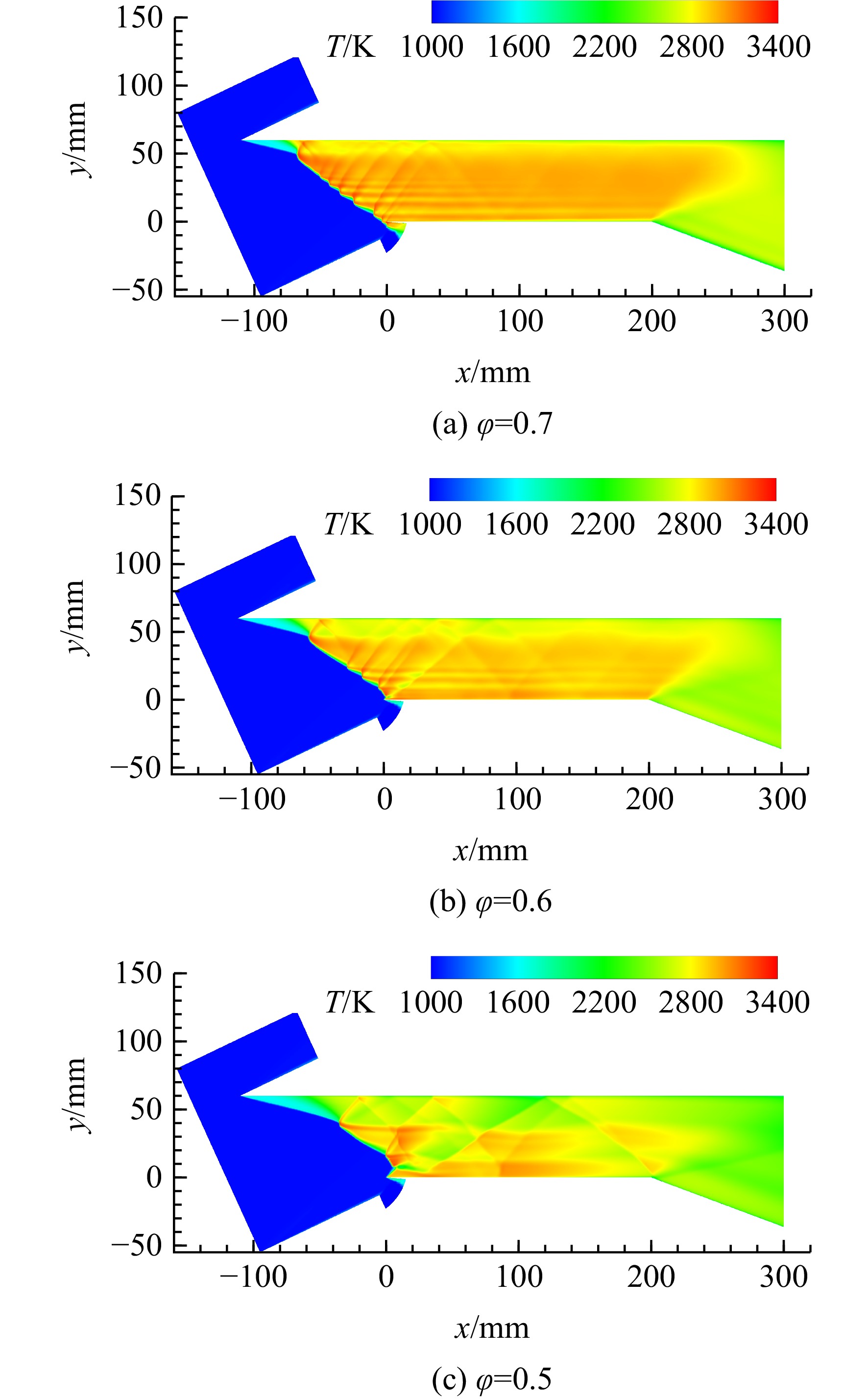
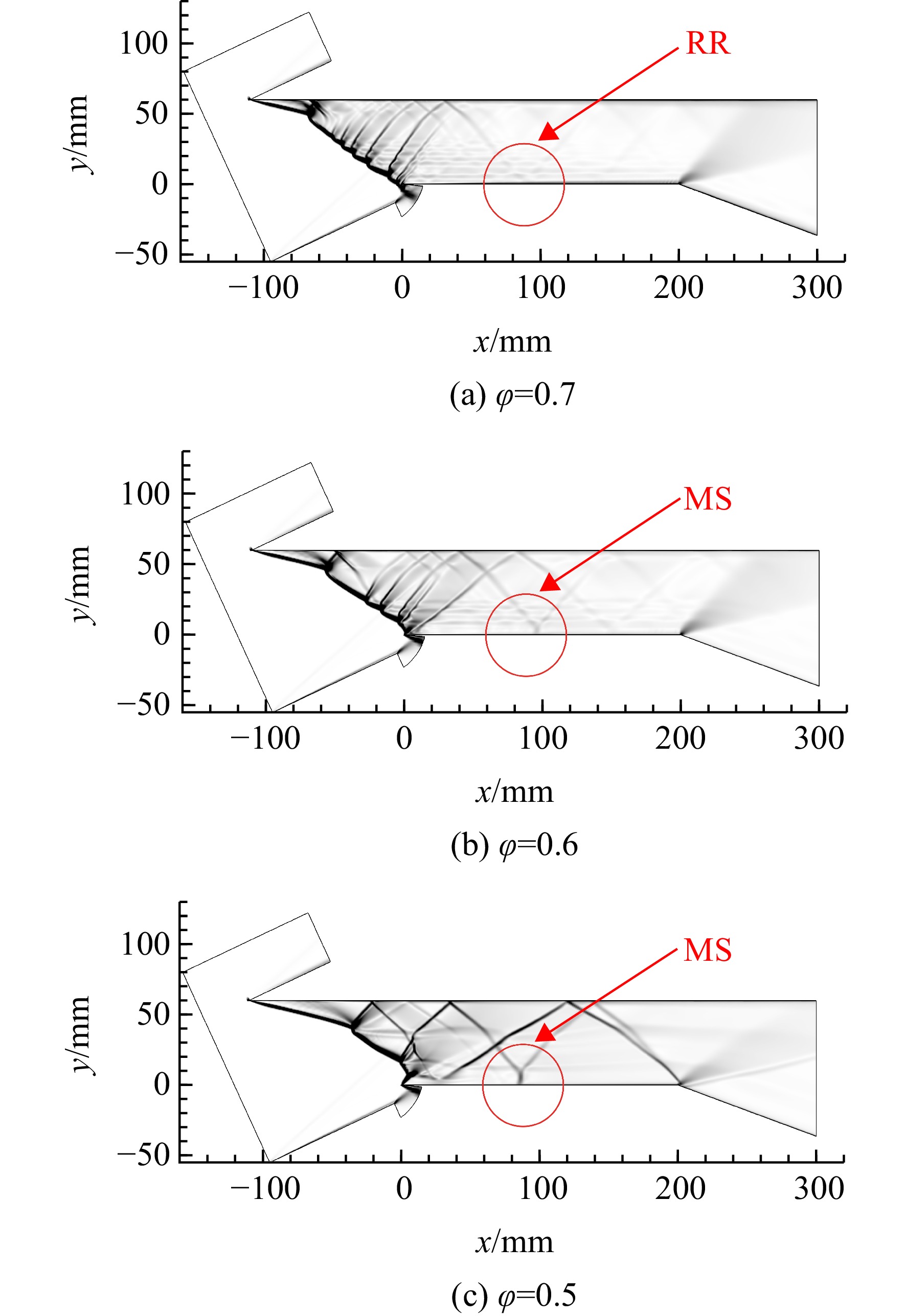
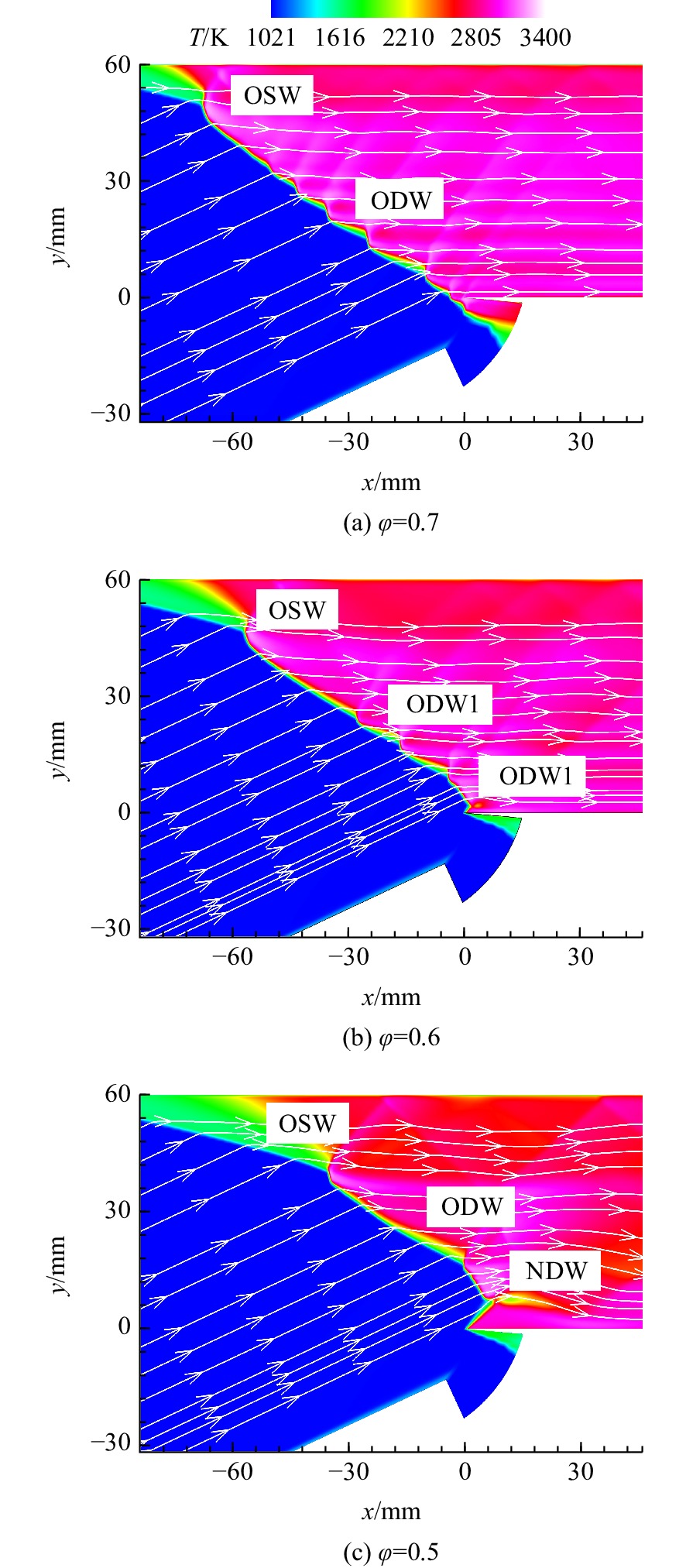
According to the application problem of hypersonic vehicles above Mach number of 8, the 11 component/10-reaction steps kerosene chemical reaction kinetics model was adopted to perform numerical simulations about the two-dimensional model of oblique detonation engines under different inlet and fuel injection conditions. The effect of incoming Mach number on initiation and stabilization of detonation waves in the combustor, and the effect of fuel equivalent ratio on detonation wave surface structures, and the engine propulsion performance were obtained. The results showed that the effect of the supersonic flow and the wall boundary layer accelerated the detonation initiation process, and the detonation wave stabilization was completed shortly when the inlet Mach number of the combustor was 4.3. Continuing to increase the incoming Mach number made the stabilization position of the detonation wave closer to the downstream. The separation bubble generated by the interaction of the detonation wave and the boundary layer caused the thrust of the oblique detonation engine to be significantly reduced. The fuel equivalent ratio directly affected the detonation wave surface structure. Reducing the equivalence ratio reduced the stabilization of the oblique detonation wave, and the smooth wave surface was transformed into a sawtooth structure. The detonation wave flow field with this structure could significantly reduce its propulsion performance.

Acoustic damping effect of the gap of baffled injectors in combustion chamber
WANG Zhiyu, Guo Kangkang, HUANG Weidong, NIE Wansheng
2023, 38(10): 2360-2369. doi: 10.13224/j.cnki.jasp.20210399
Abstract:
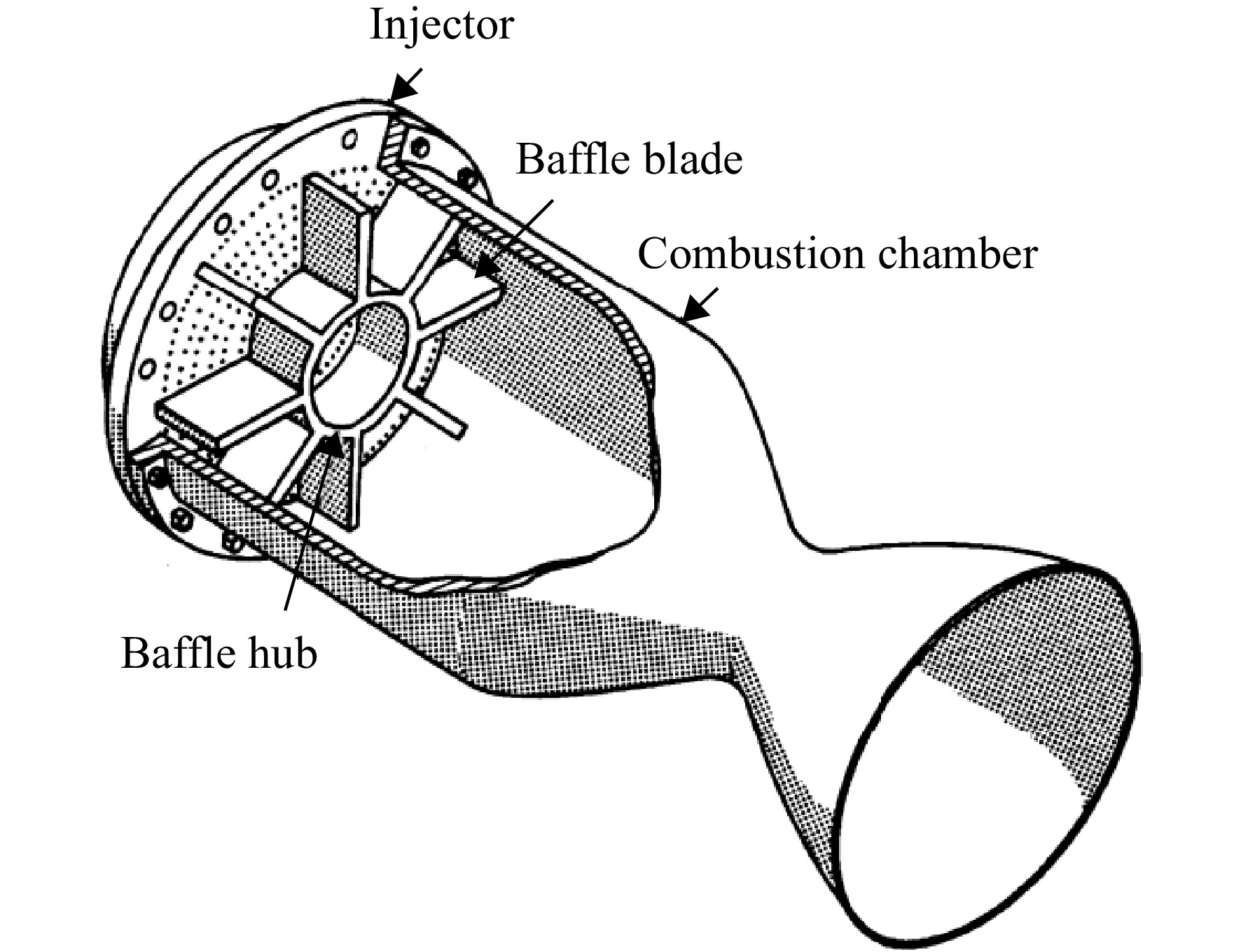
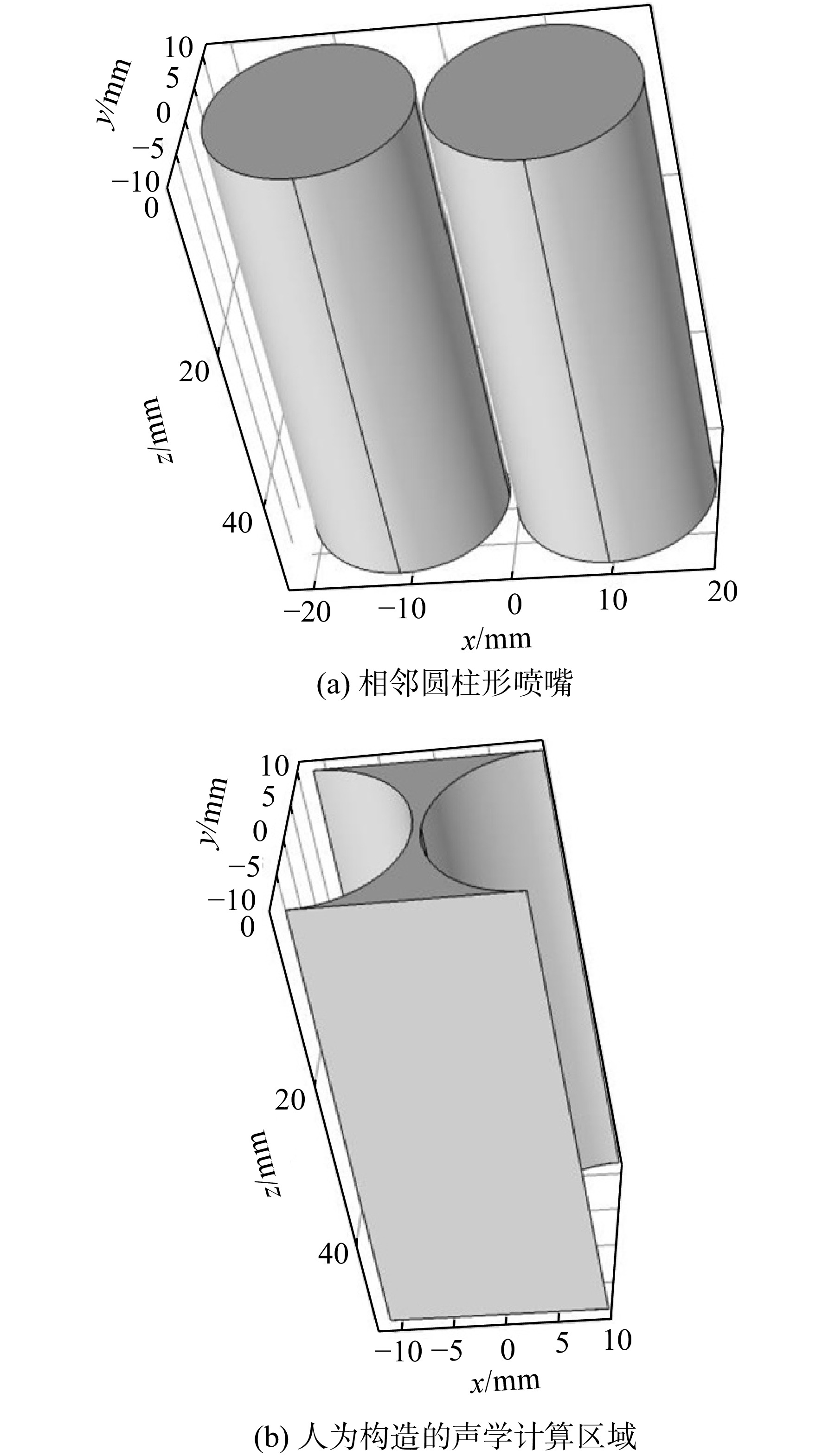
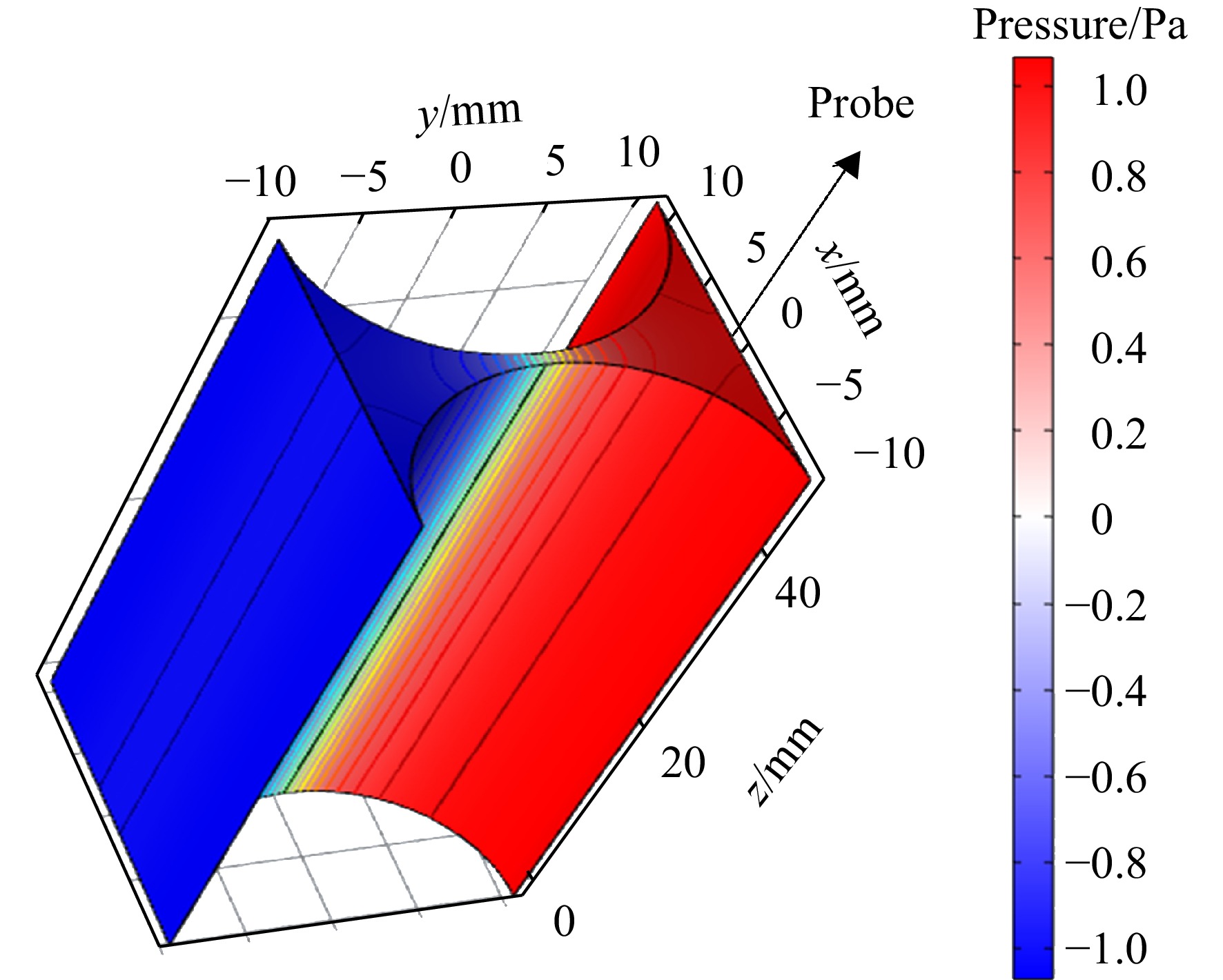
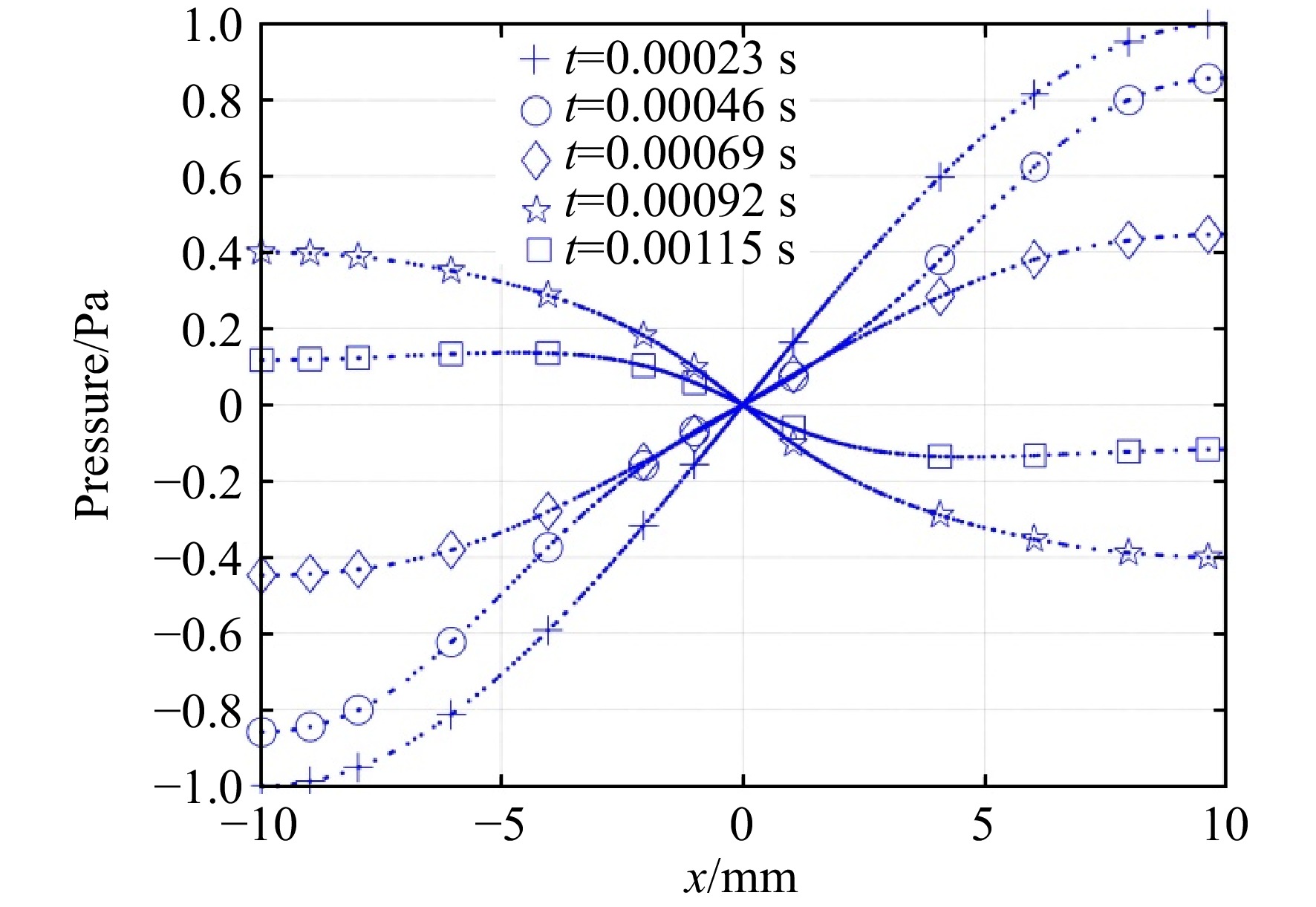
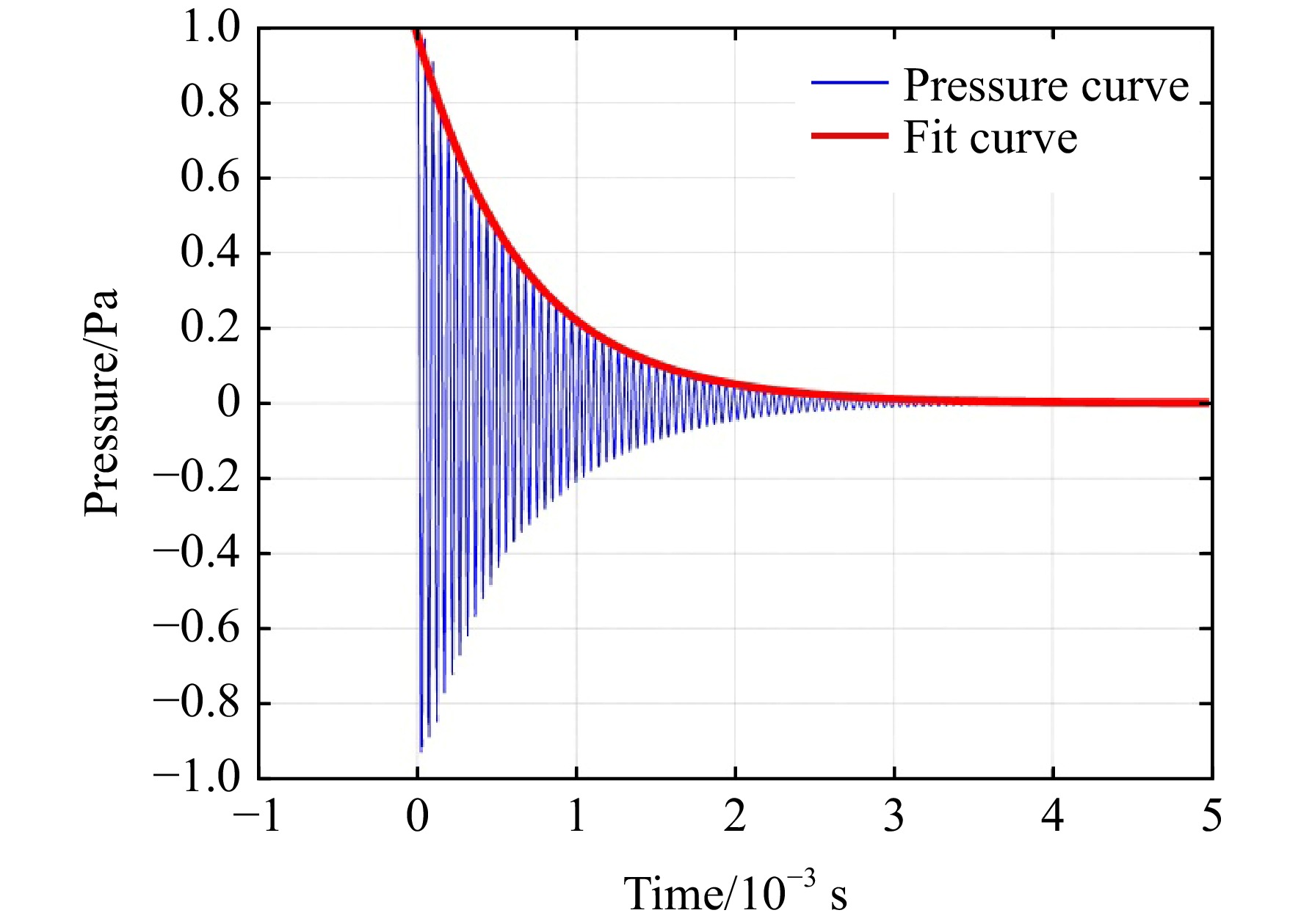
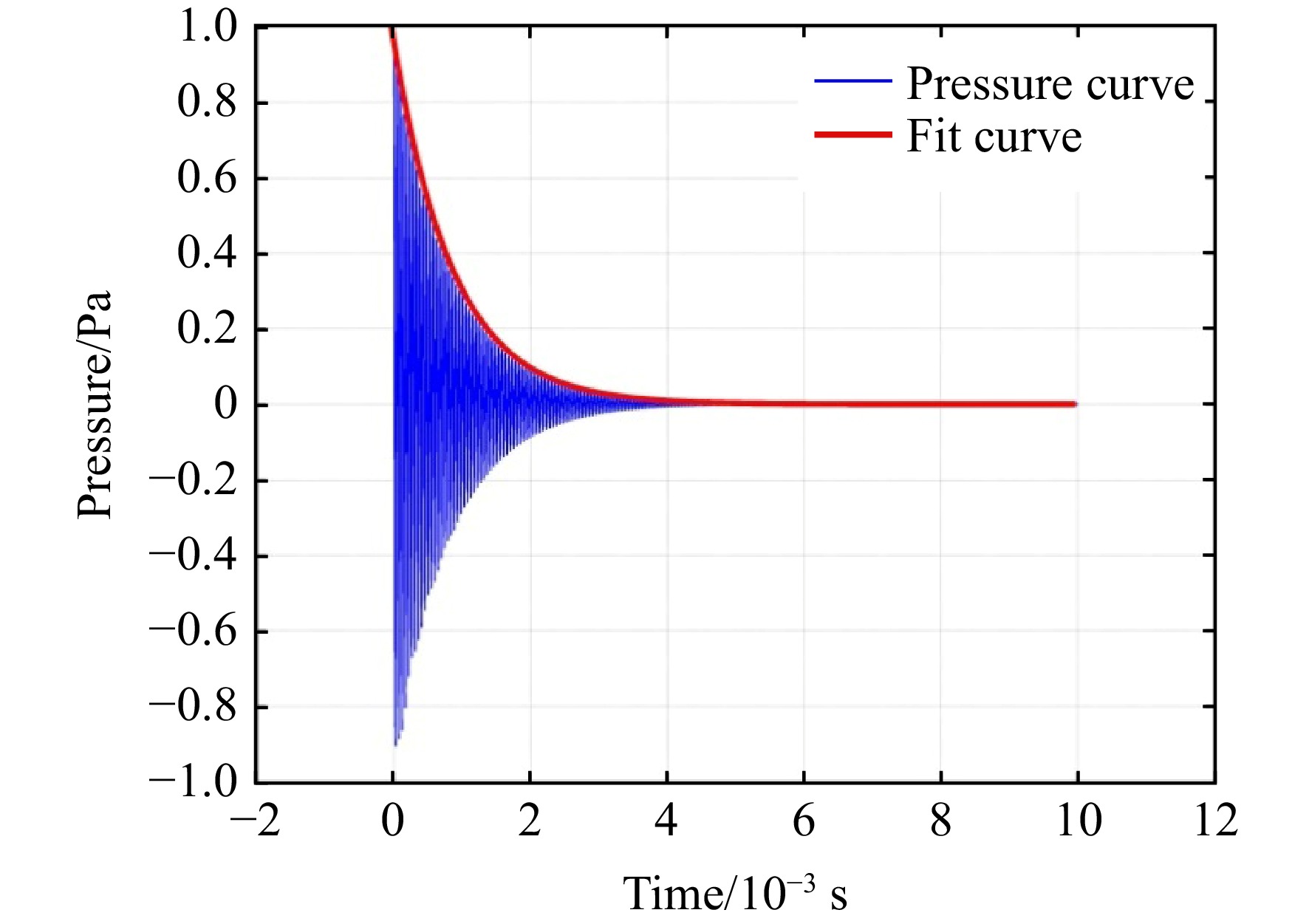
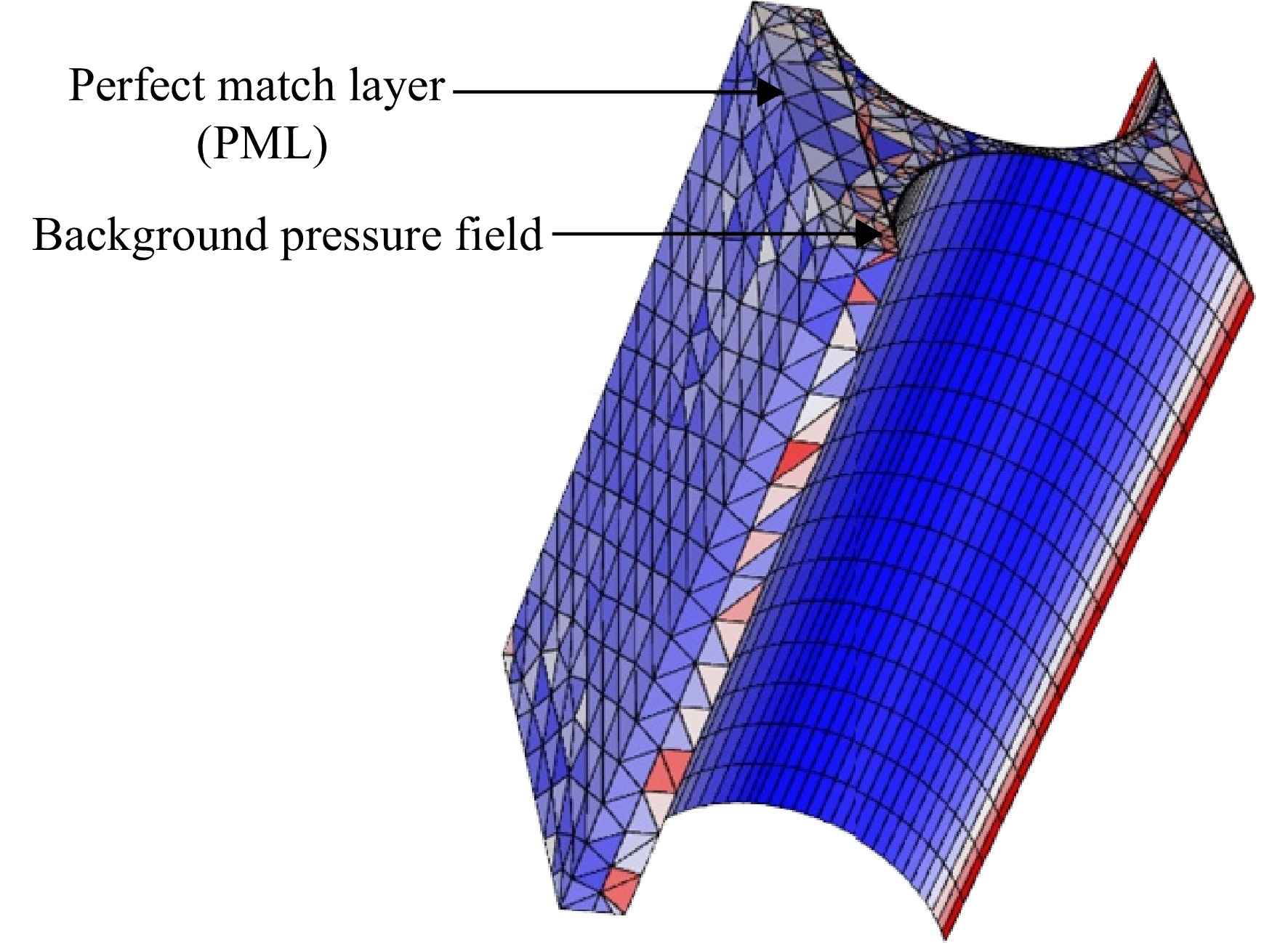
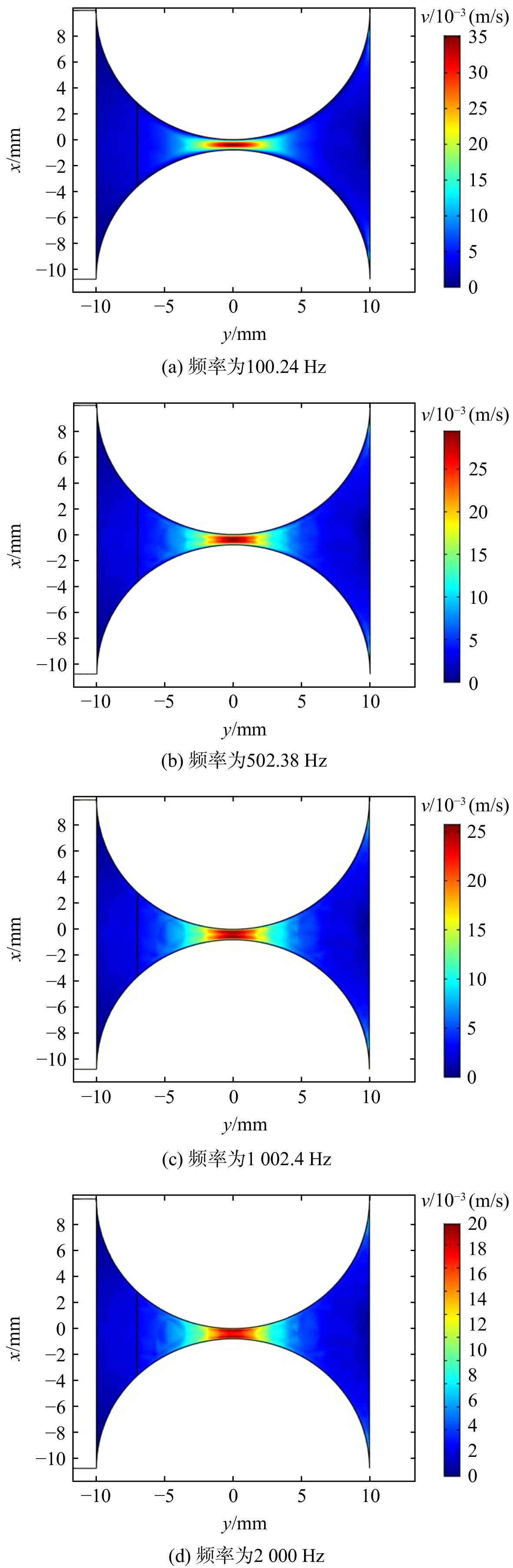
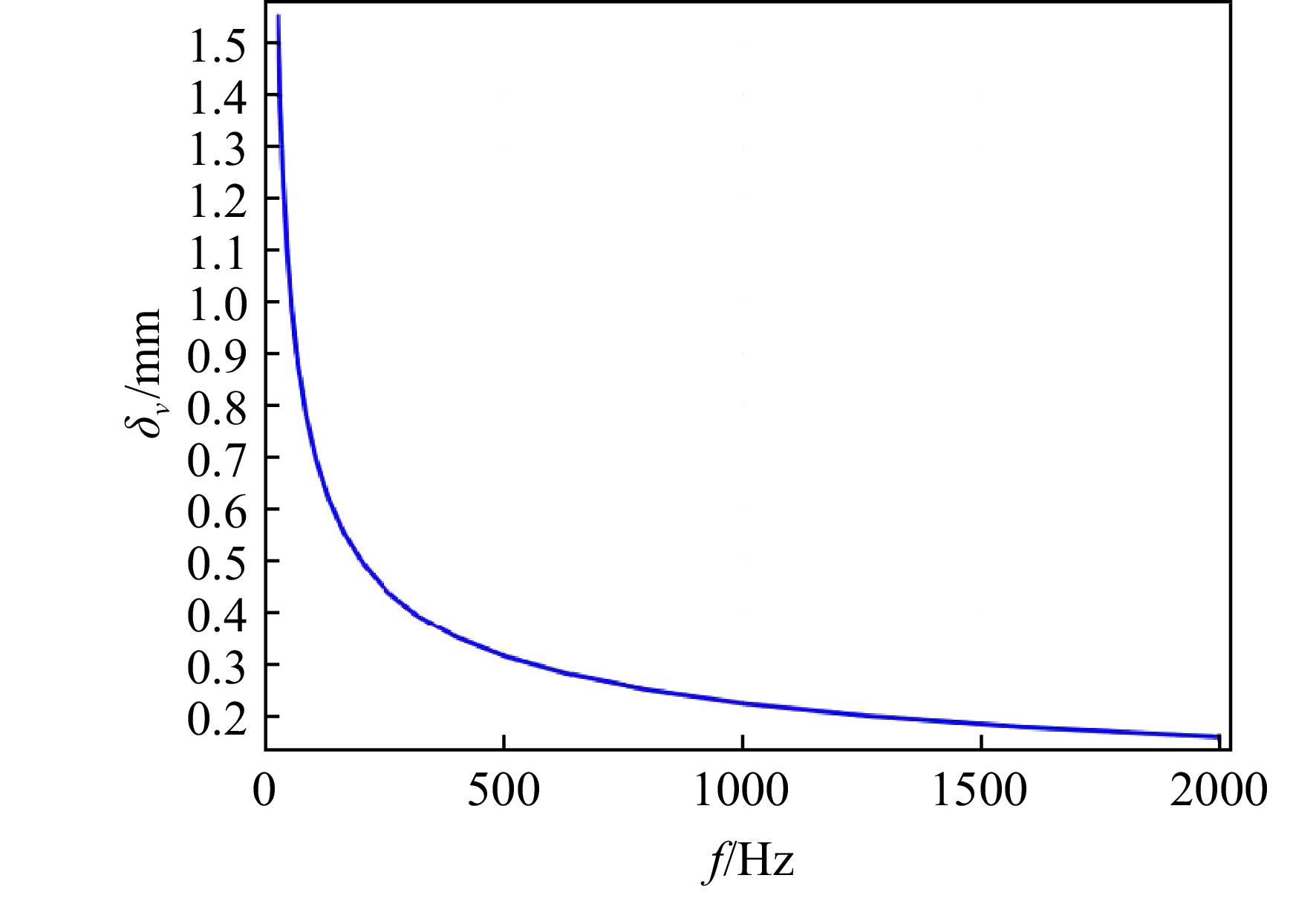
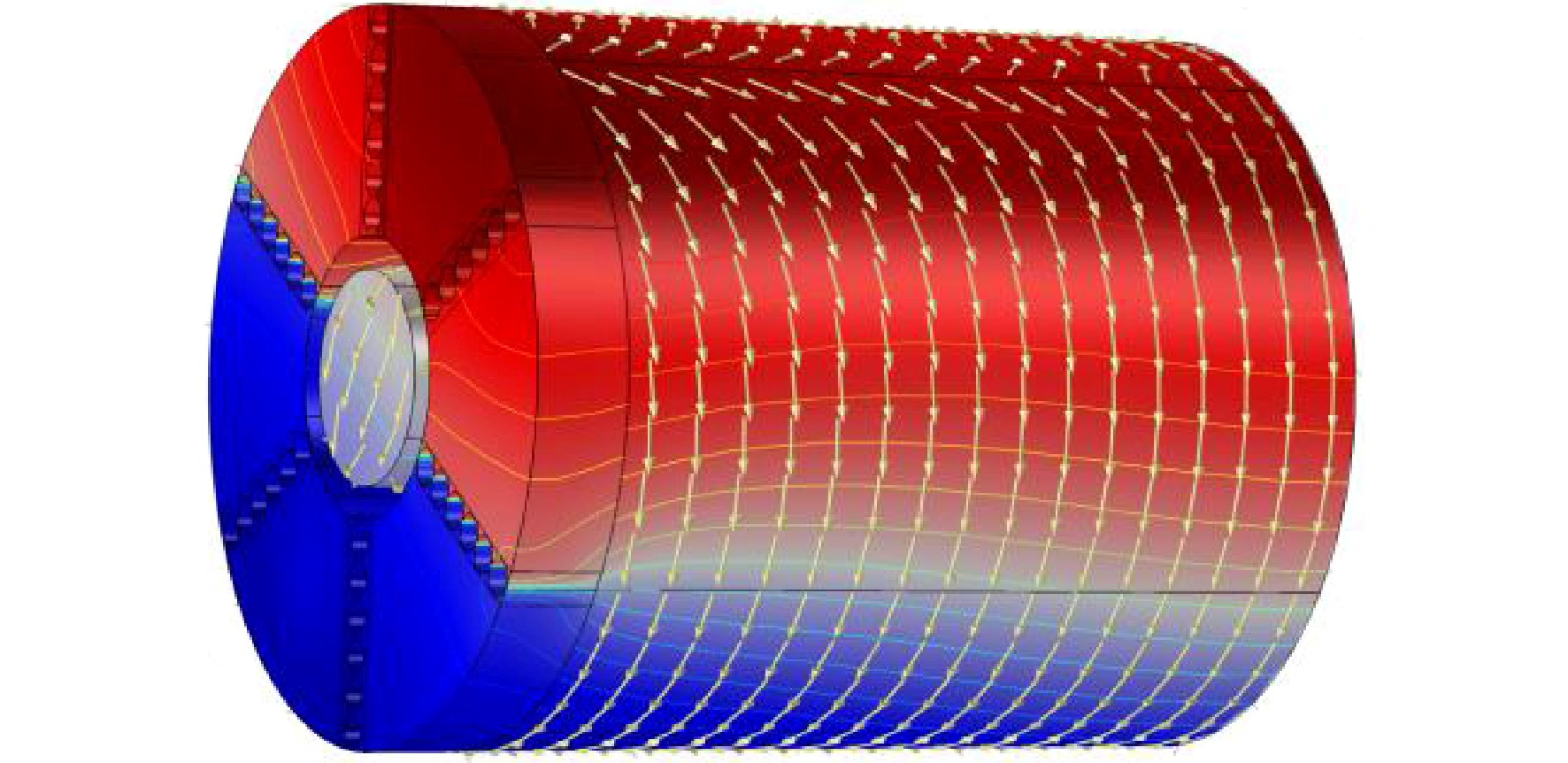
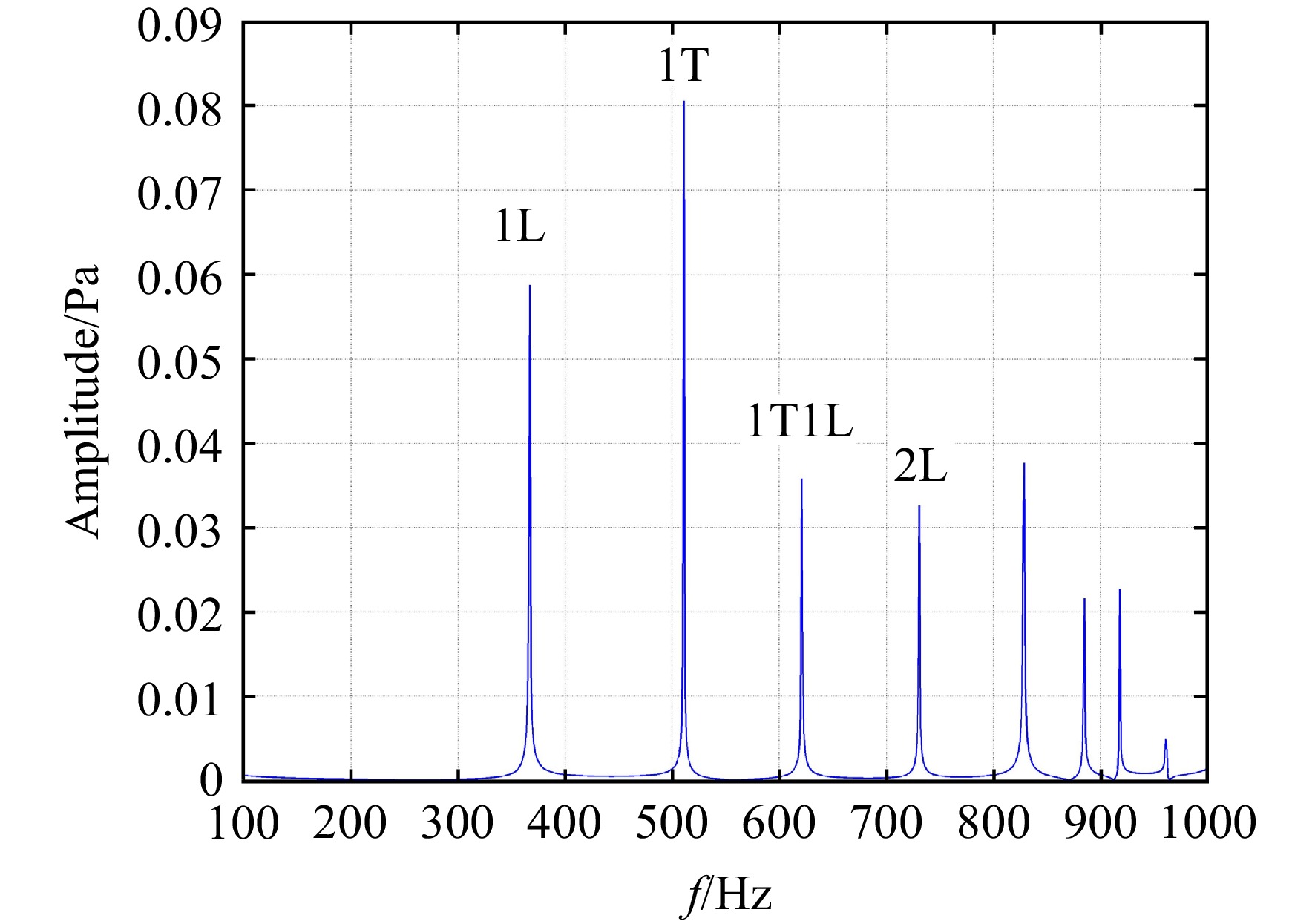
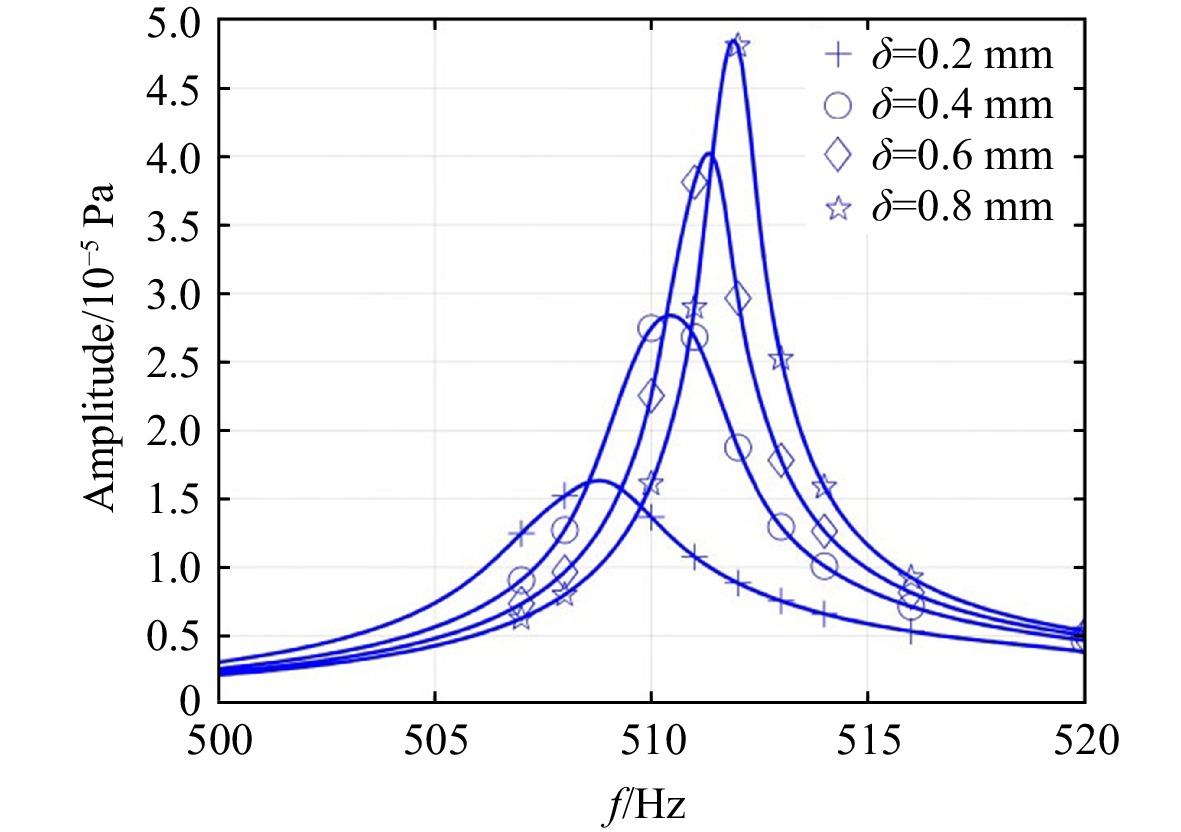
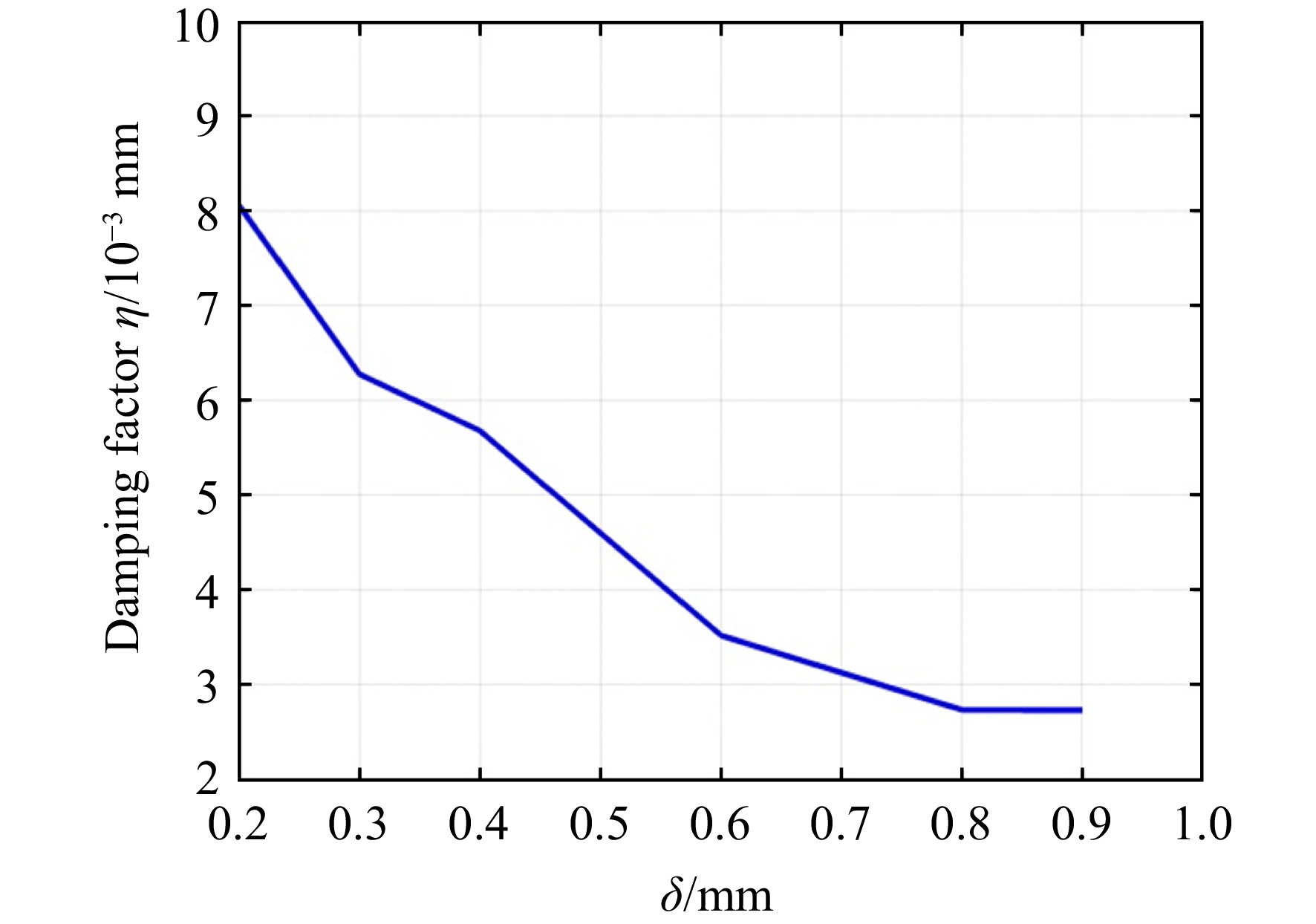
In order to study the effect of baffled injectors on the acoustic pulsation of combustor quantitatively, based on the linear acoustic theory, the theoretical calculation model of acoustic loss of model with double injectors and single gap was deduced when the injector gap was larger than the acoustic laminar boundary layer thickness. Based on acoustic finite element method (FEM), the relative error between damping rate of acoustic perturbation and theoretical calculation was only 0.81%, and the mechanism of suppressing the acoustic mode by the viscous loss and heat loss of the boundary layer on the walls of the injectors was further revealed. In a full-scale engine combustor, the variation trend of the first-order tangential acoustic modal loss coefficient of the combustor was verified to be consistent with the theoretical model when the gap between the baffled injectors was not less than the thickness of the boundary layer on both sides of the wall. This can provide some guidelines for the design of chamber with baffled injectors.

Experiment on variation of combustion reaction region in a scramjet combustor
HE Zan, LE Jialing, TIAN Ye, ZHONG Fuyu
2023, 38(10): 2370-2382. doi: 10.13224/j.cnki.jasp.20210664
Abstract:
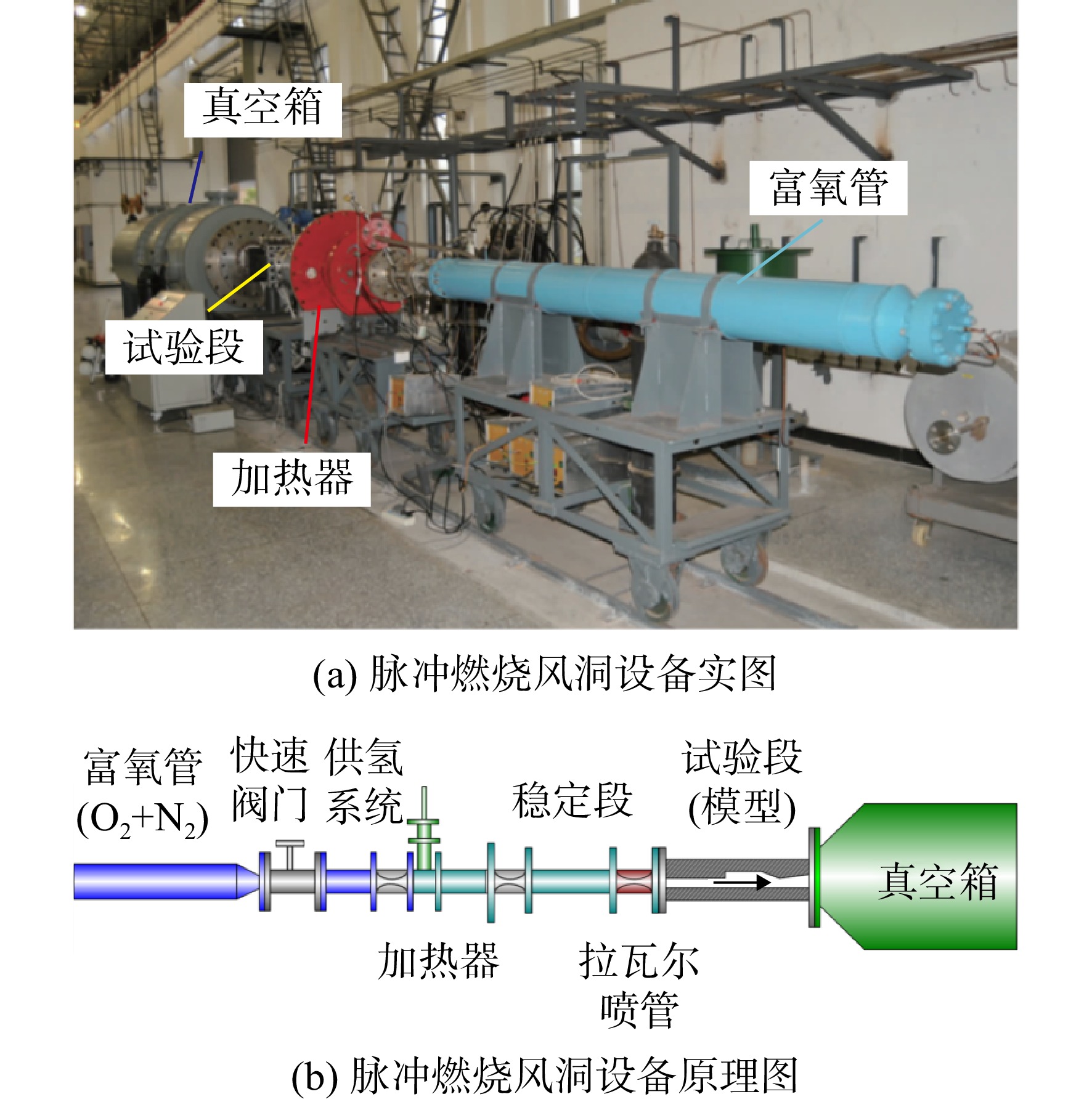
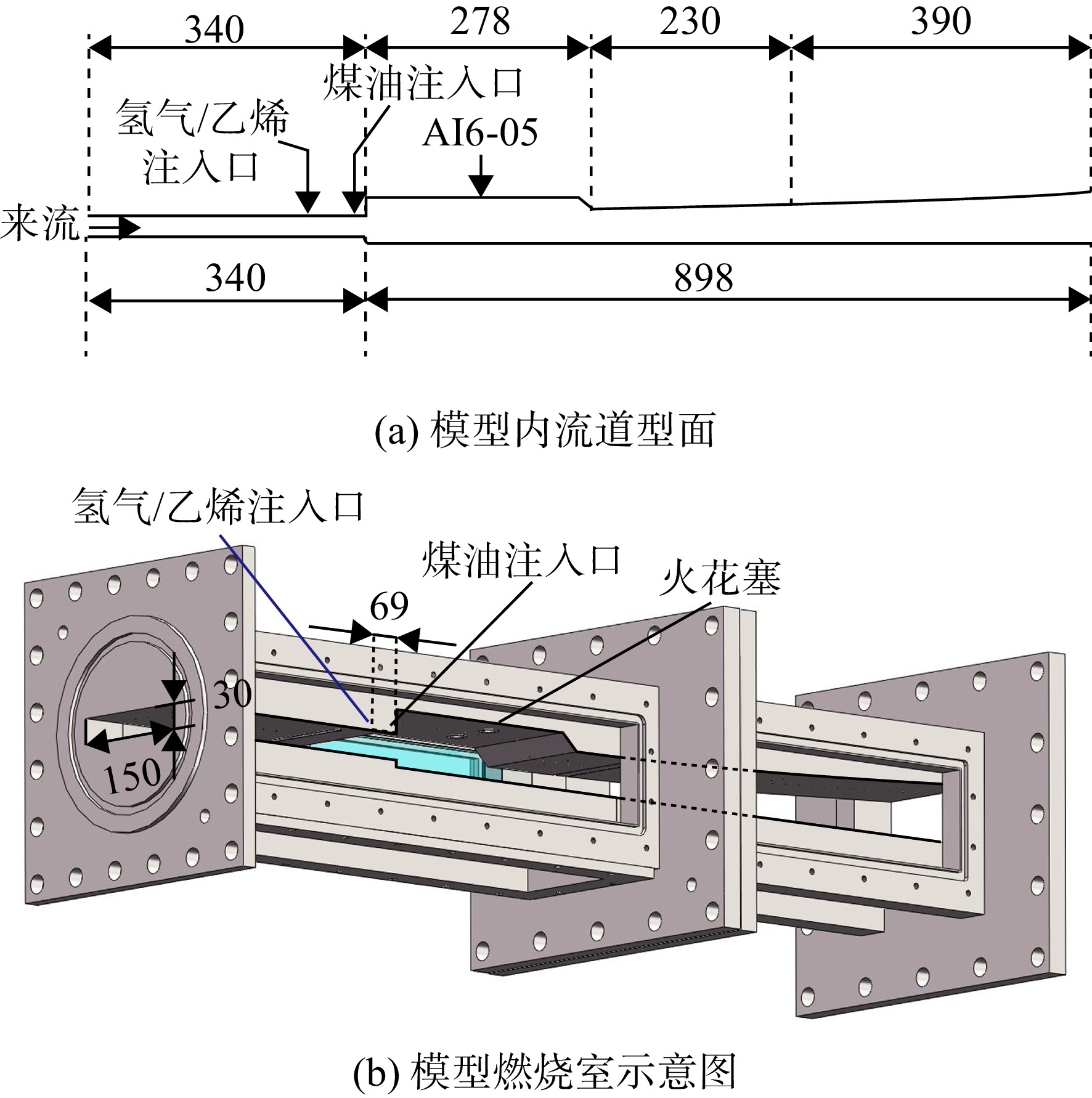
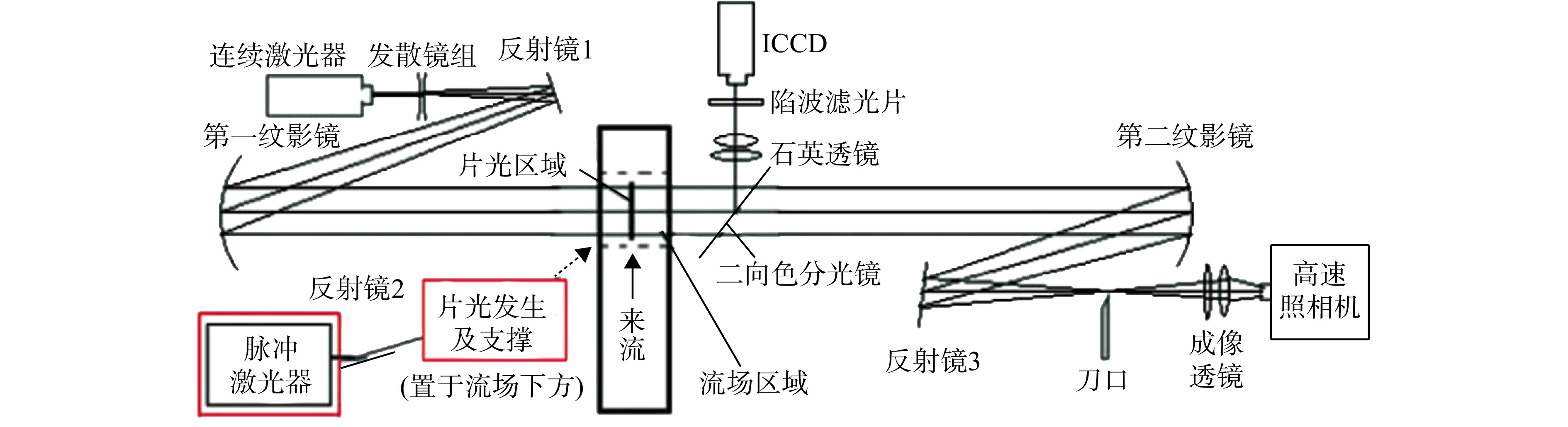
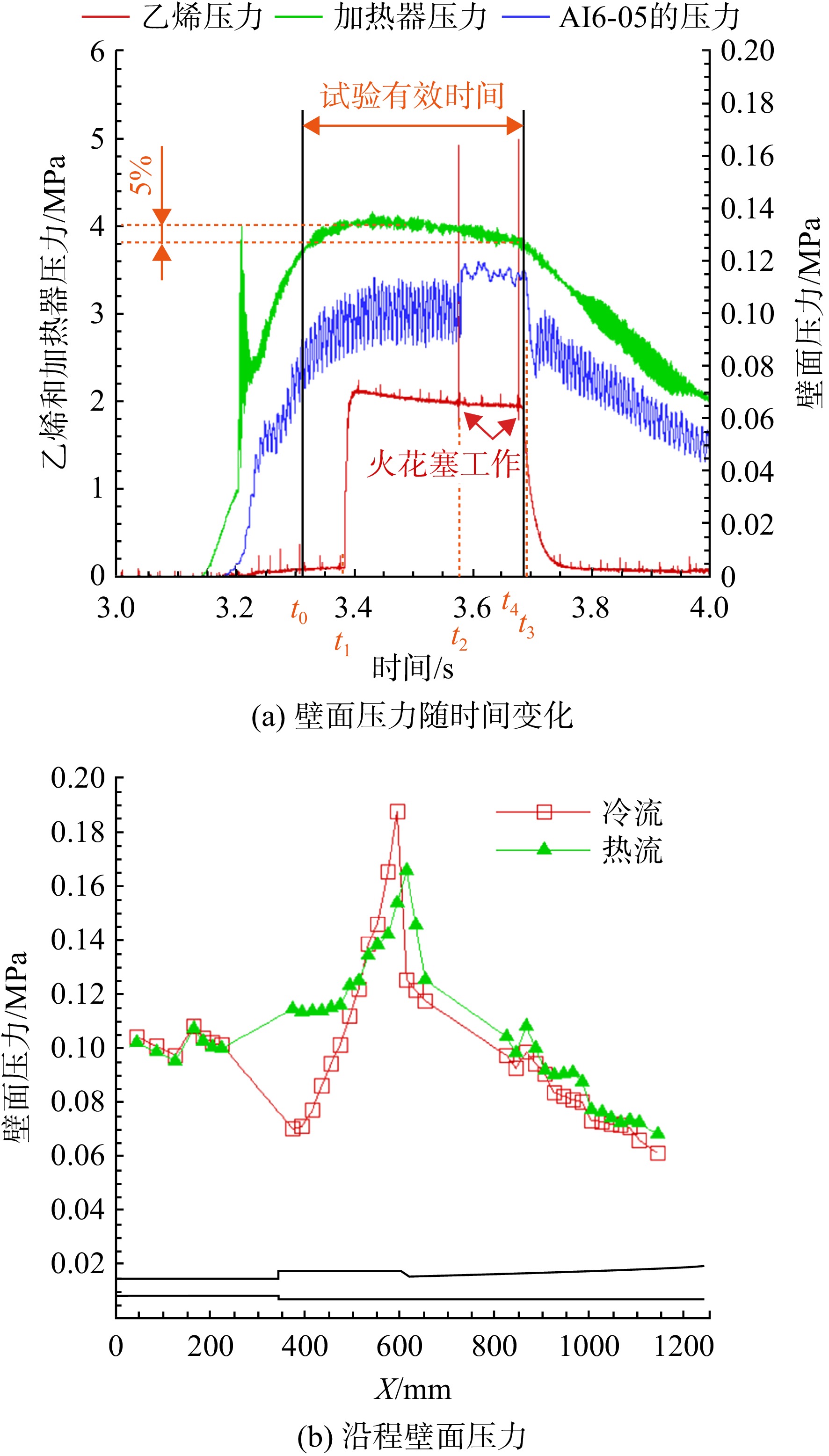
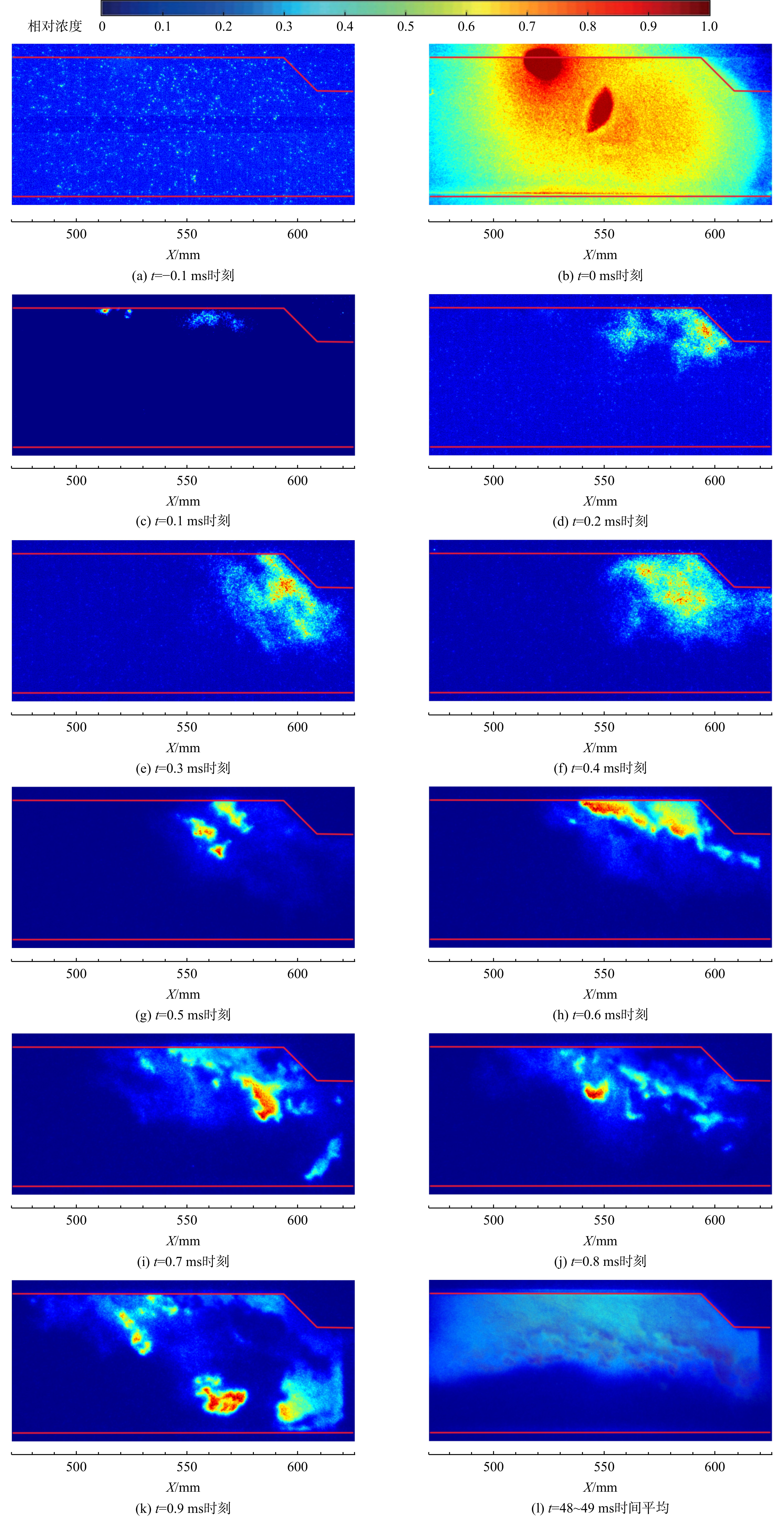
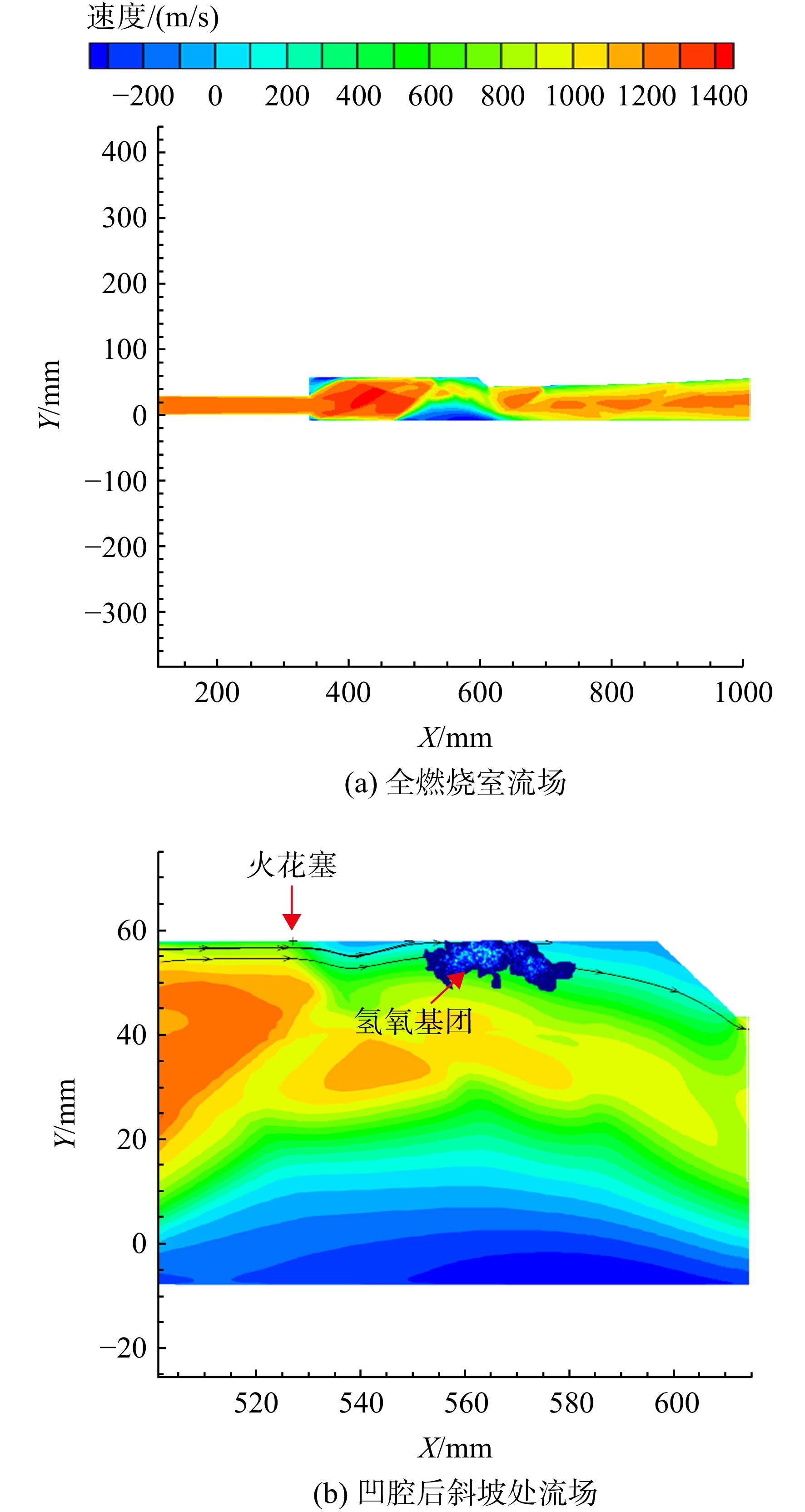
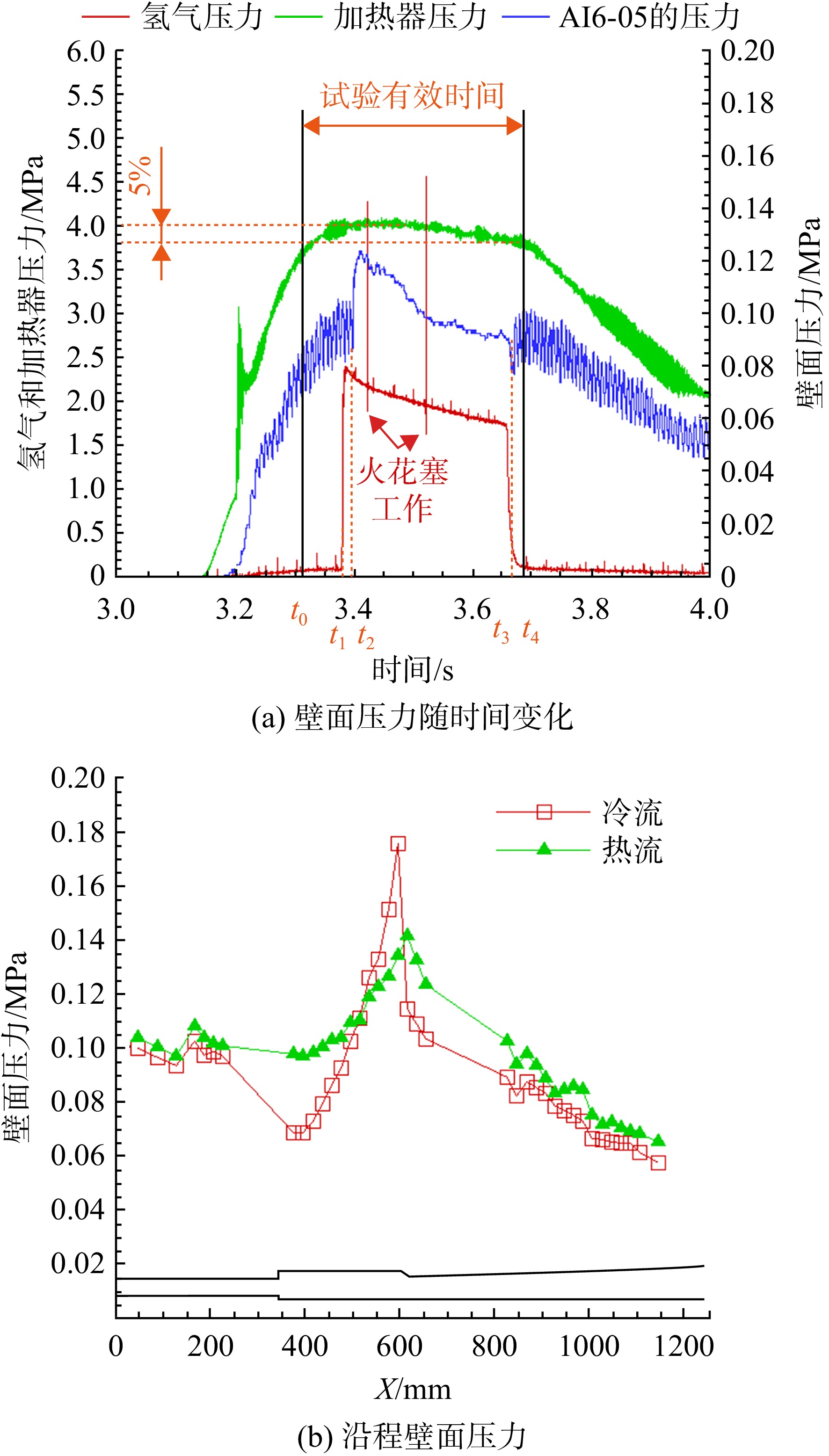
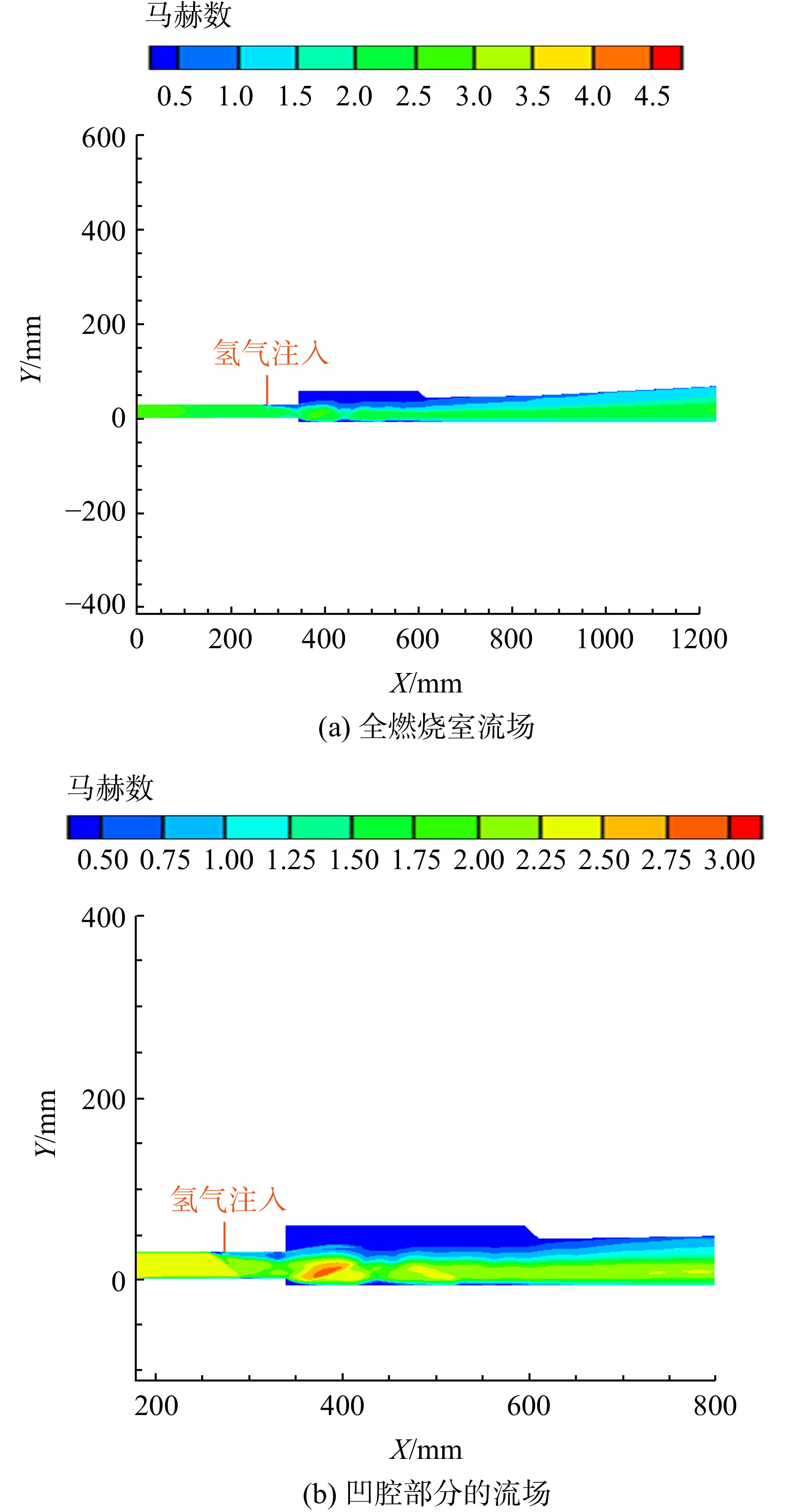
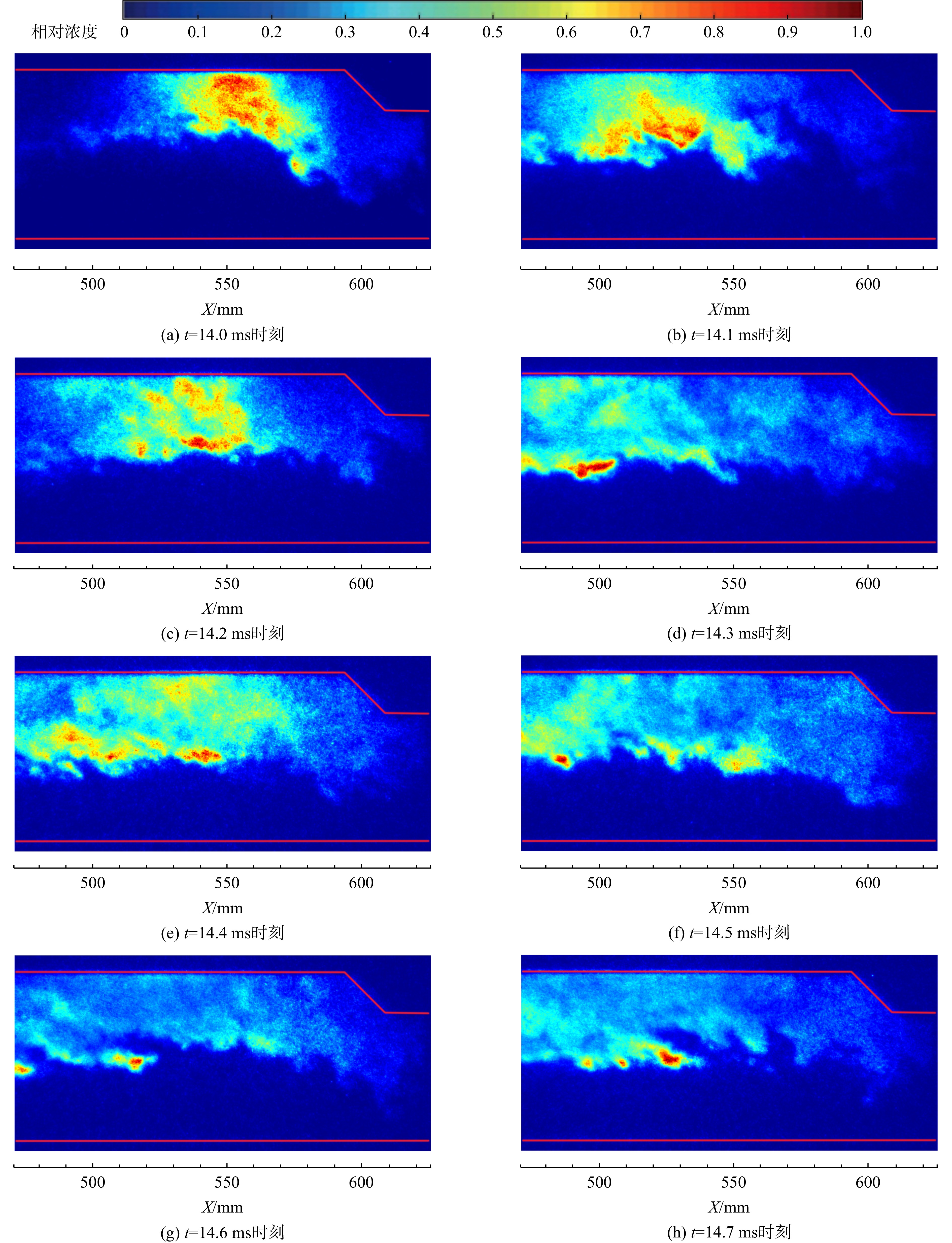
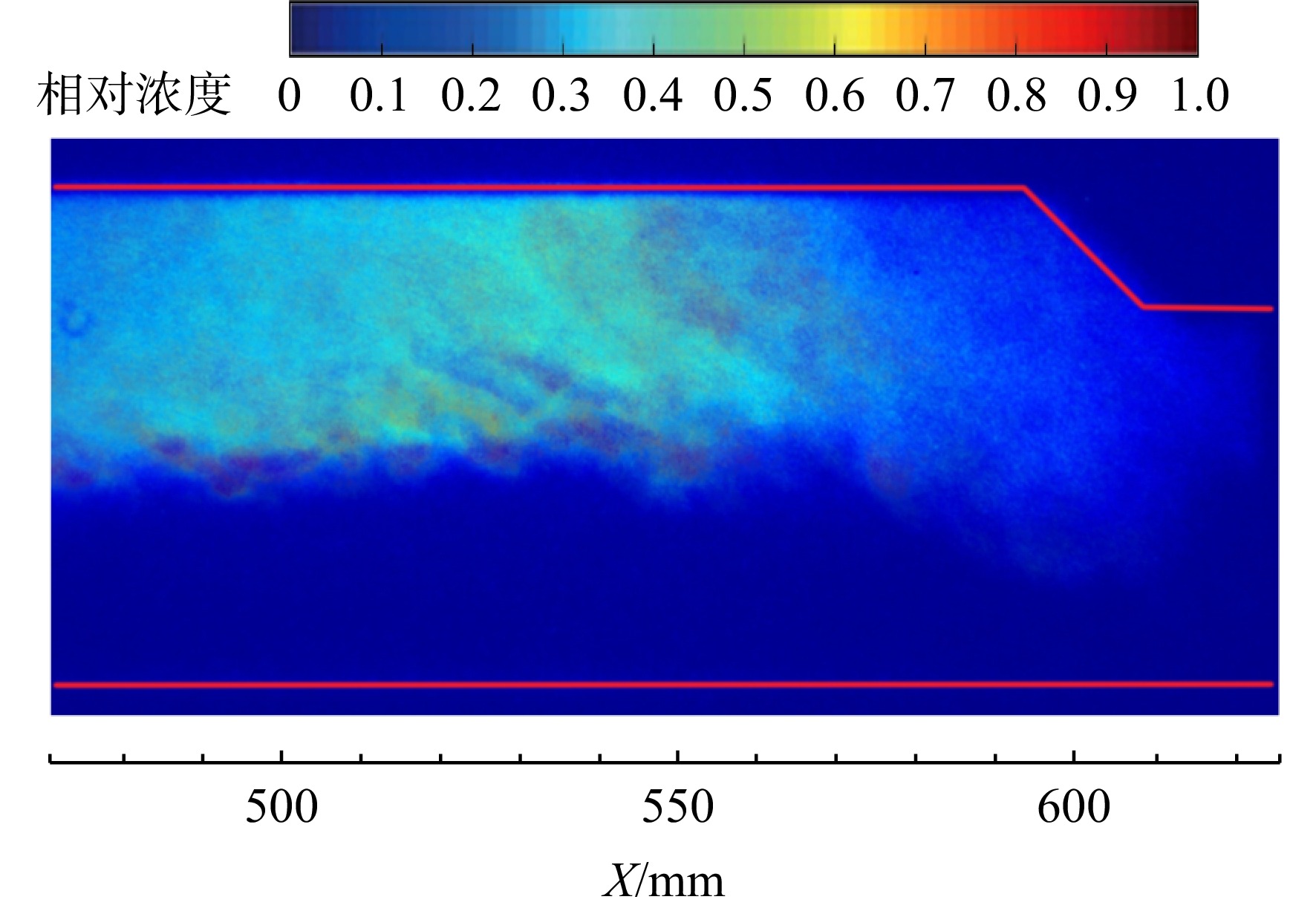
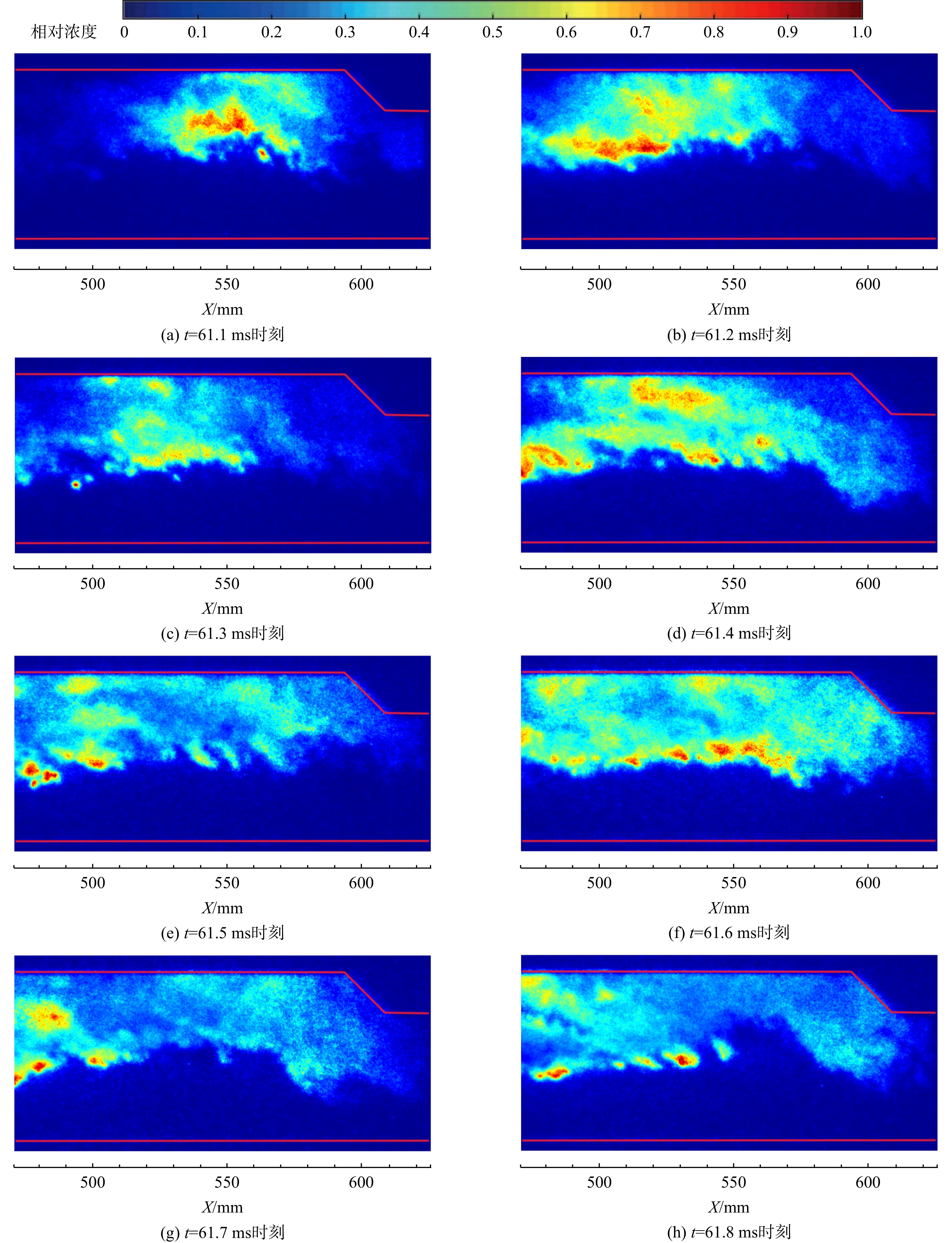
The combustion process of gaseous fuel in a direct-connected cavity combustor was studied by experimental method under the condition of incoming Mach number 2.5; combined with wall pressure measurement and OH-PLIF (OH-planer laser-induced fluorescence) method, the development process of combustion reaction zone of ethylene fuel in 1 ms after ignition and the change process of combustion reaction zone of hydrogen fuel in 1 ms during flame stabilization were analyzed. The results showed that the slope of the trailing edge of the cavity played an important role in the flame propagation of gaseous fuel, and the initial combustion zone slowed down and stood still after arriving at the slope with the incoming flow, providing a suitable ignition environment for the nearby fuel. The cavity shear layer played an important role in the stable flame combustion of gaseous fuel, and there exists always a severe combustion reaction area in the shear layer, providing continuous ignition energy for the cavity and energy support for maintaining the continuous ignition and combustion of the fuel in the cavity. The development rate of the initial combustion reaction region of ethylene to the upstream cavity was about 170 m/s.

Thermal analysis of a solenoid coil MEMS permanent-magnet motor
HUANG Zhiping, WU Yuying, WANG Wenbin, ZHU Kaiyun, WU Hanxiao, LEI Kaibo, XU Tiantong
2023, 38(10): 2383-2394. doi: 10.13224/j.cnki.jasp.20210678
Abstract:

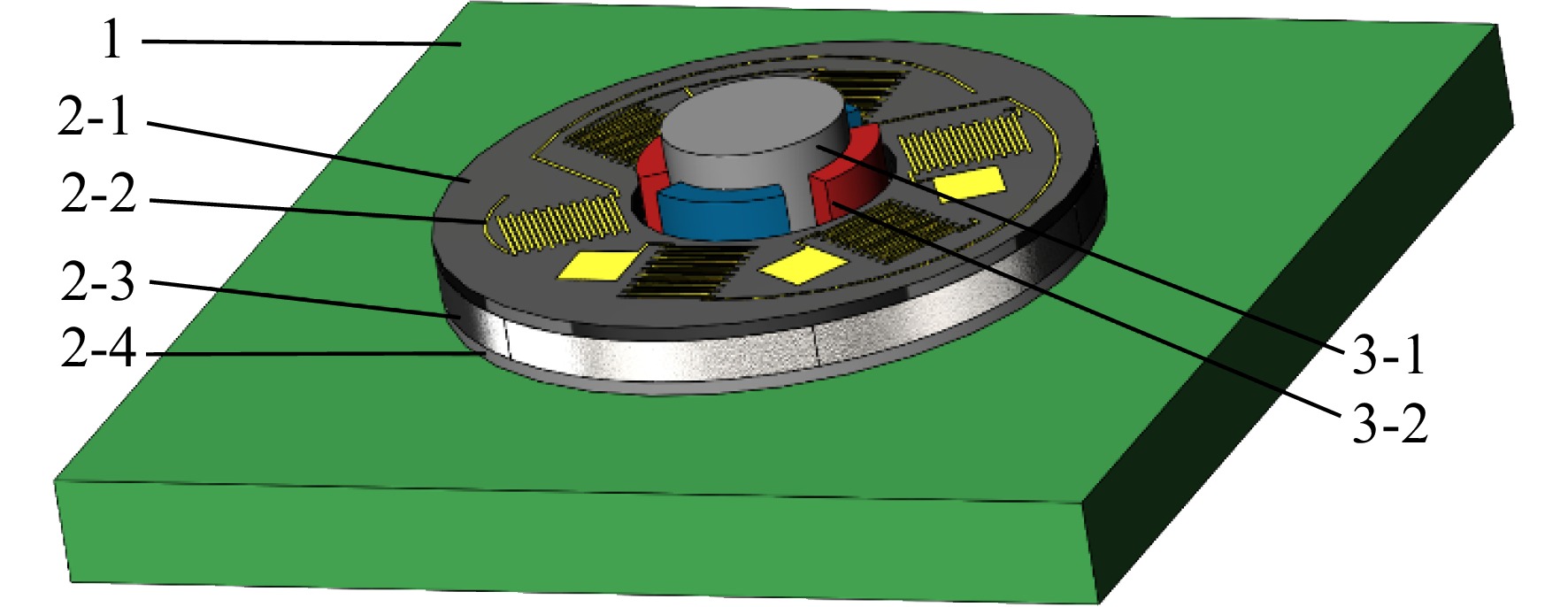
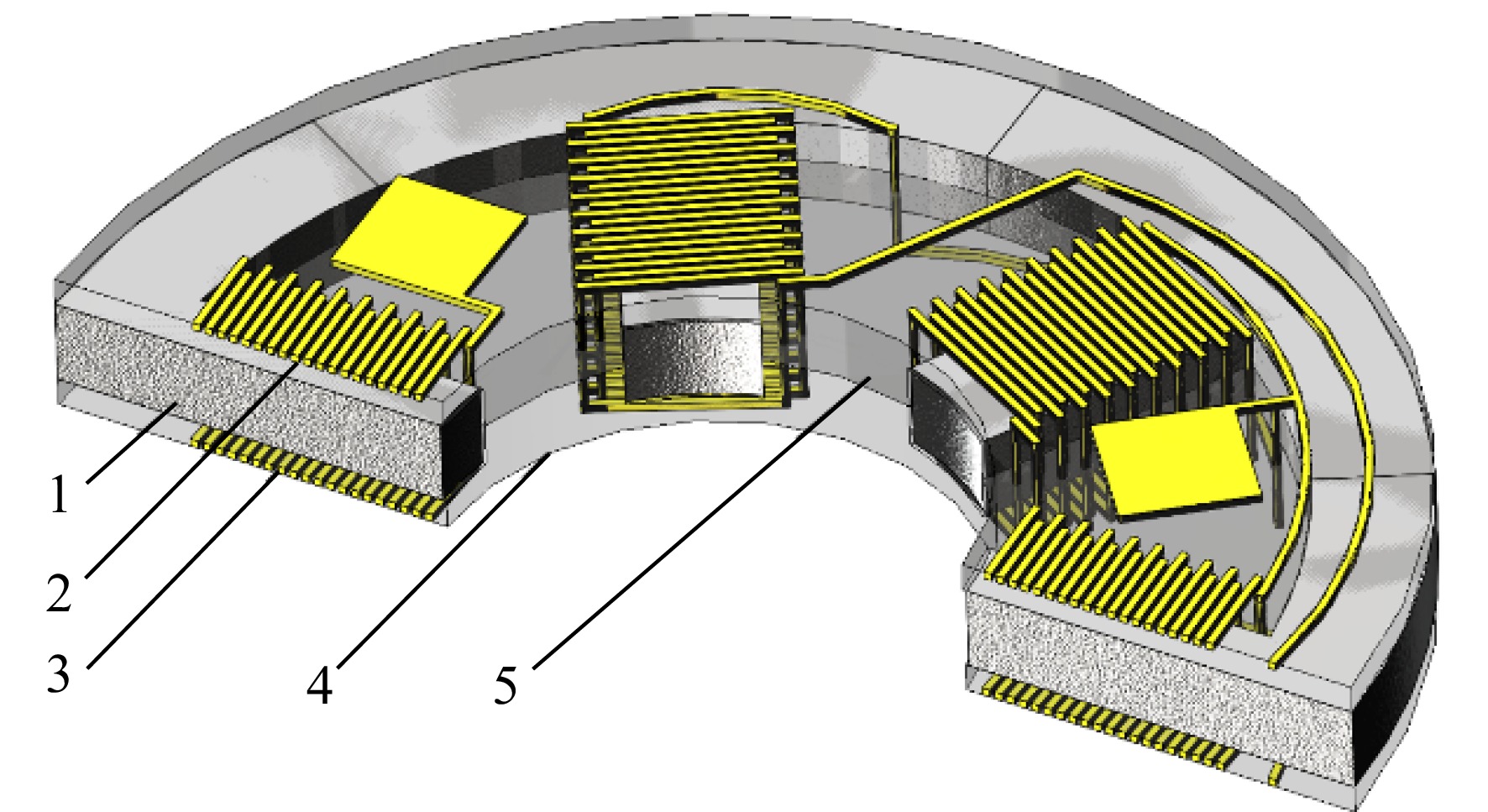
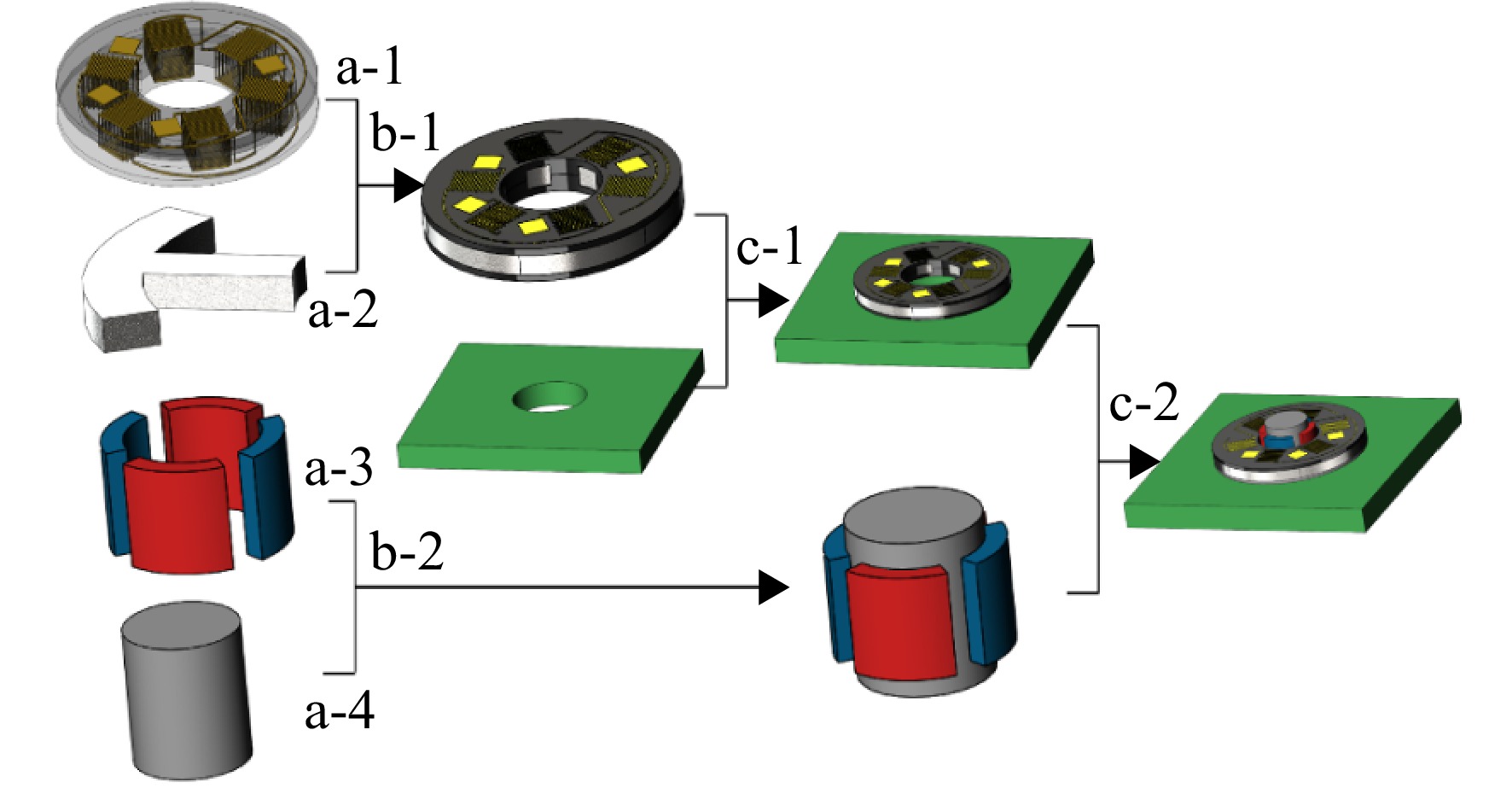
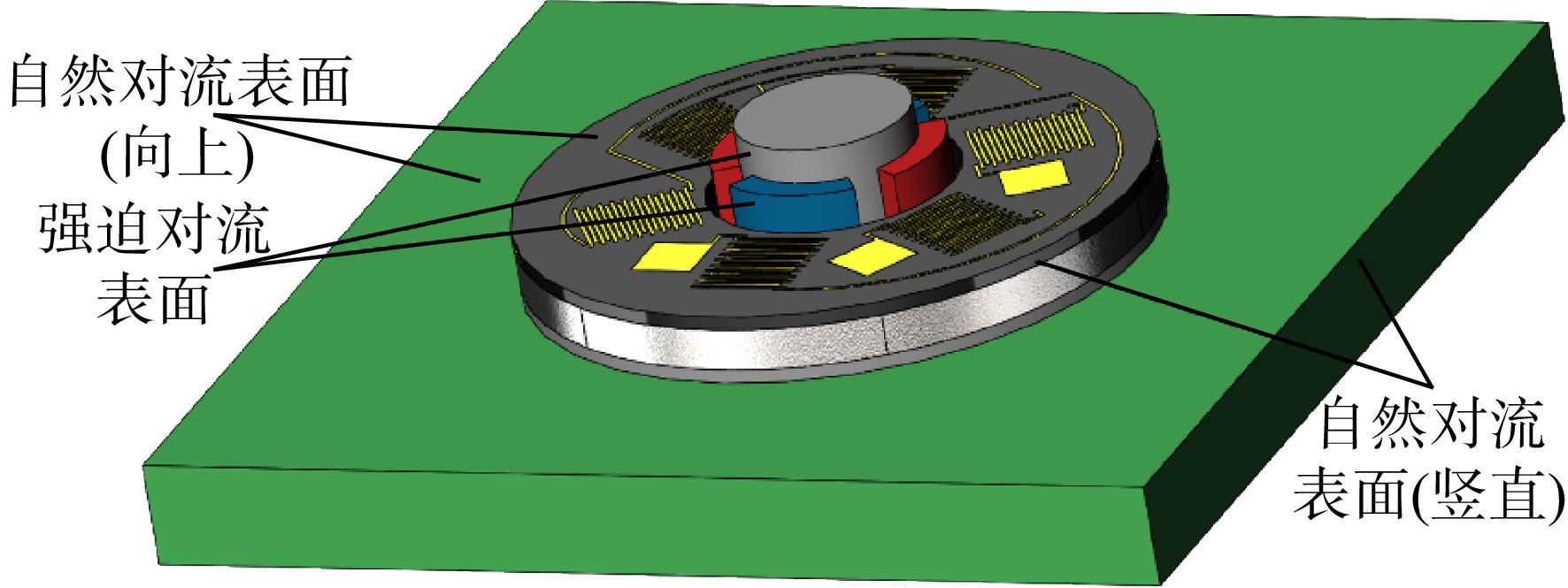
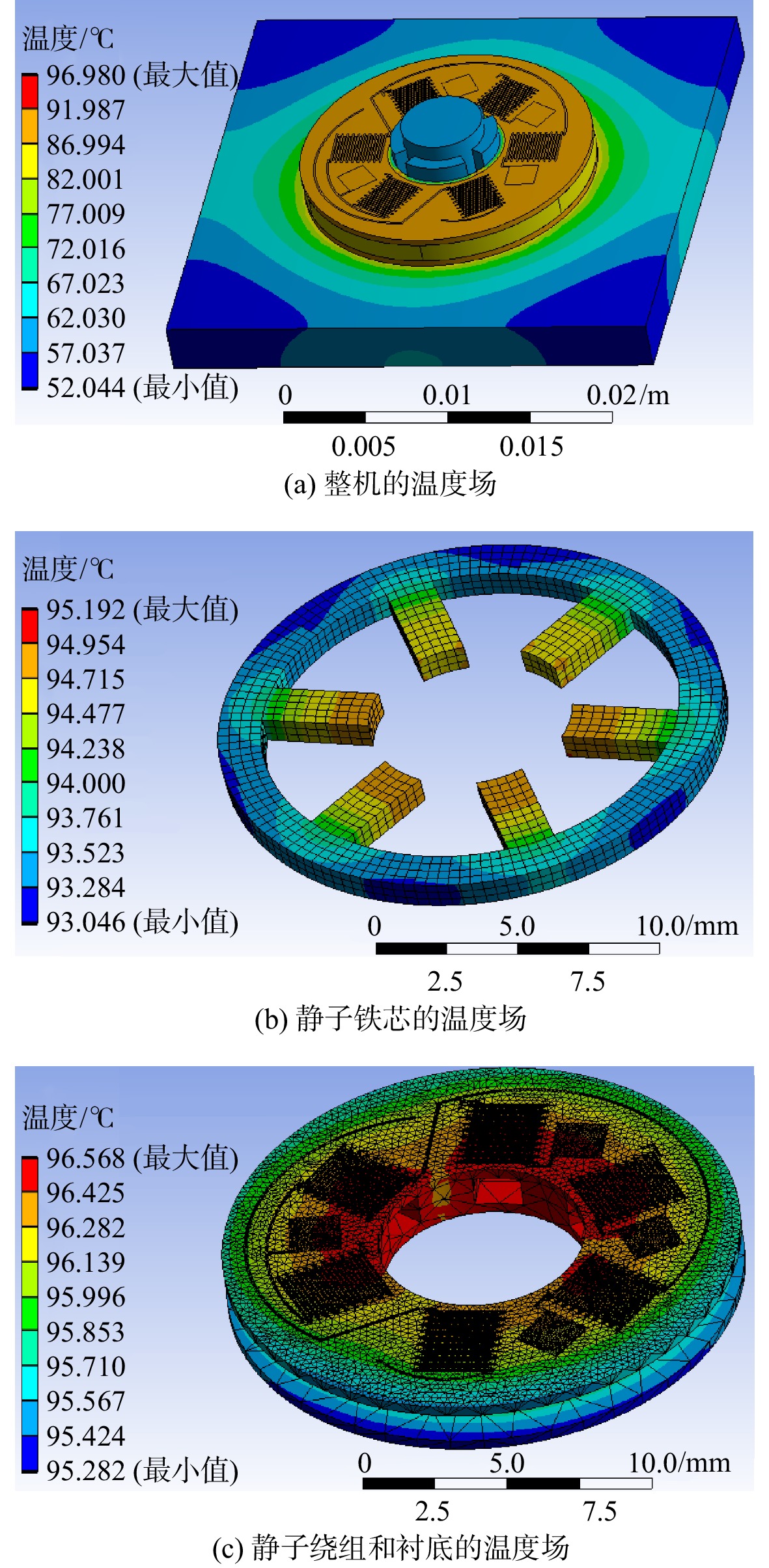
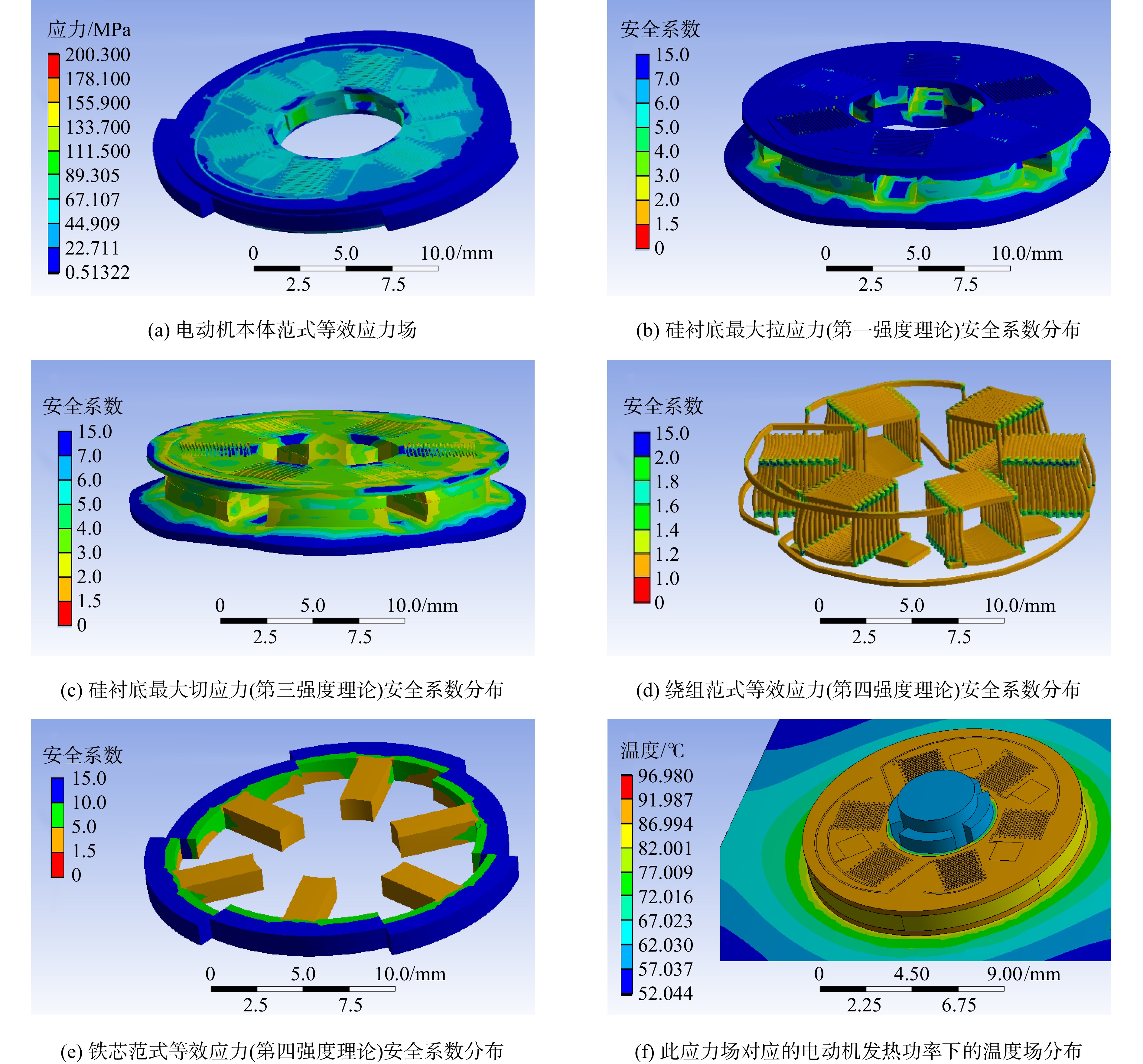
A thermal analysis of a solenoid coil type MEMS permanent-magnet motor was conducted, and the preliminary temperature measurement plan was given. The overall design scheme of this MEMS permanent-magnet motor was introduced. The windings with silicon dioxide insulation inside the single crystal silicon substrate were selected to achieve the purpose of excellent heat dissipation performance. The thermal-structural coupling simulation was carried out by using the steady-state heat transfer and static structure mechanics modules of ANSYS. On this basis, it was verified by numerical simulation that the temperature distribution of the motor stator was uniform, and the winding and the substrate without temperature gradient can be considered. Through thermal-structural coupling simulation, it was concluded that the maximum operating temperature without expansion mismatch was 86 ℃ and the corresponding maximum heat loss power was 2.83 W. Based on this, the rated operating performance of the motor was estimated, and the temperature tolerance capacity and high power density potential of the motor were verified. The rated output power of the final design was 0.362 W, and the calculated design power density was 0.117 W/g.

Temperature response model of finned tube for latent heat storage based on thermal network
YIN Jianbao, XING Yuming, WANG Shisong, HOU Xu, WANG Zixian, XU Ze
2023, 38(10): 2395-2406. doi: 10.13224/j.cnki.jasp.20210665
Abstract:

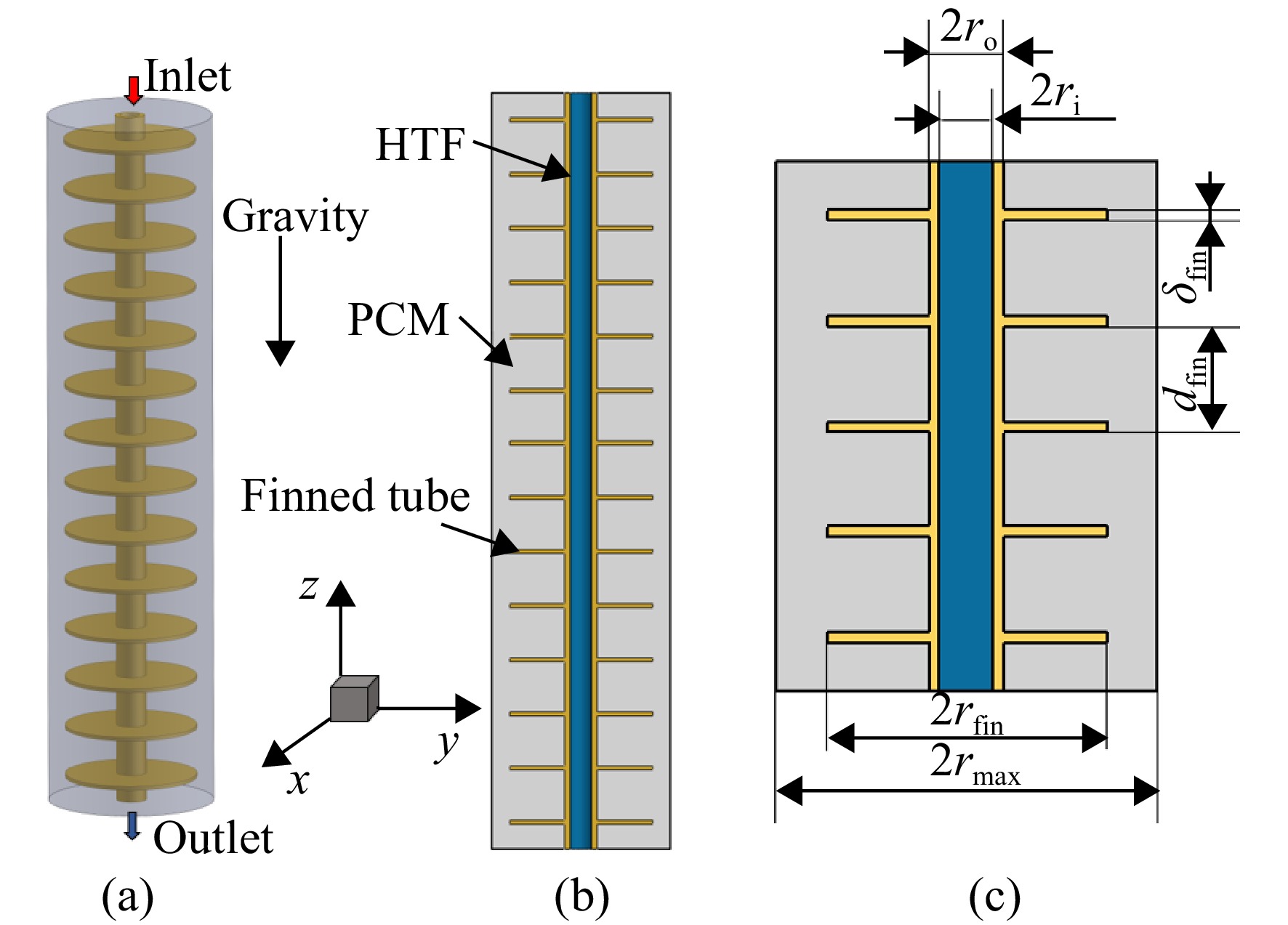
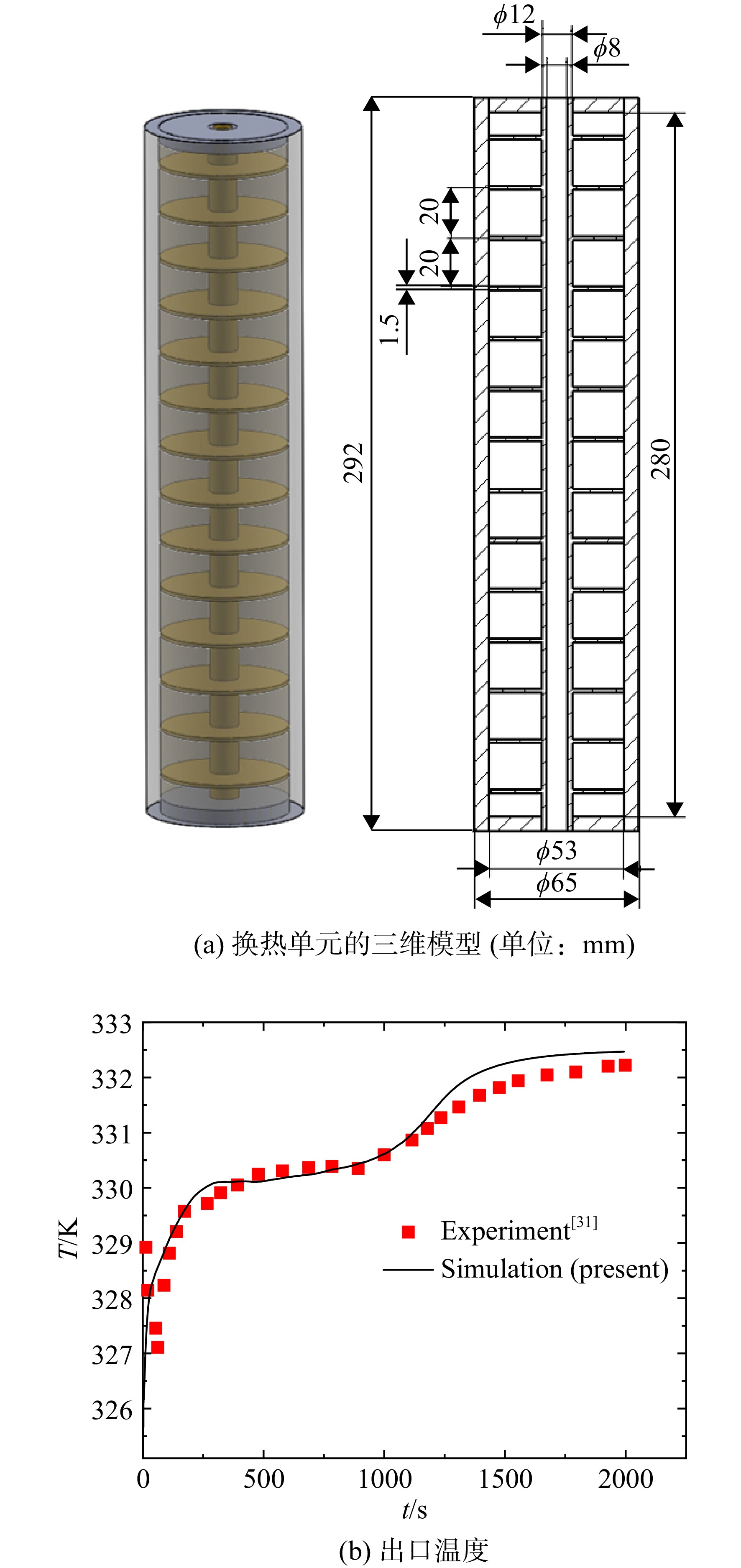
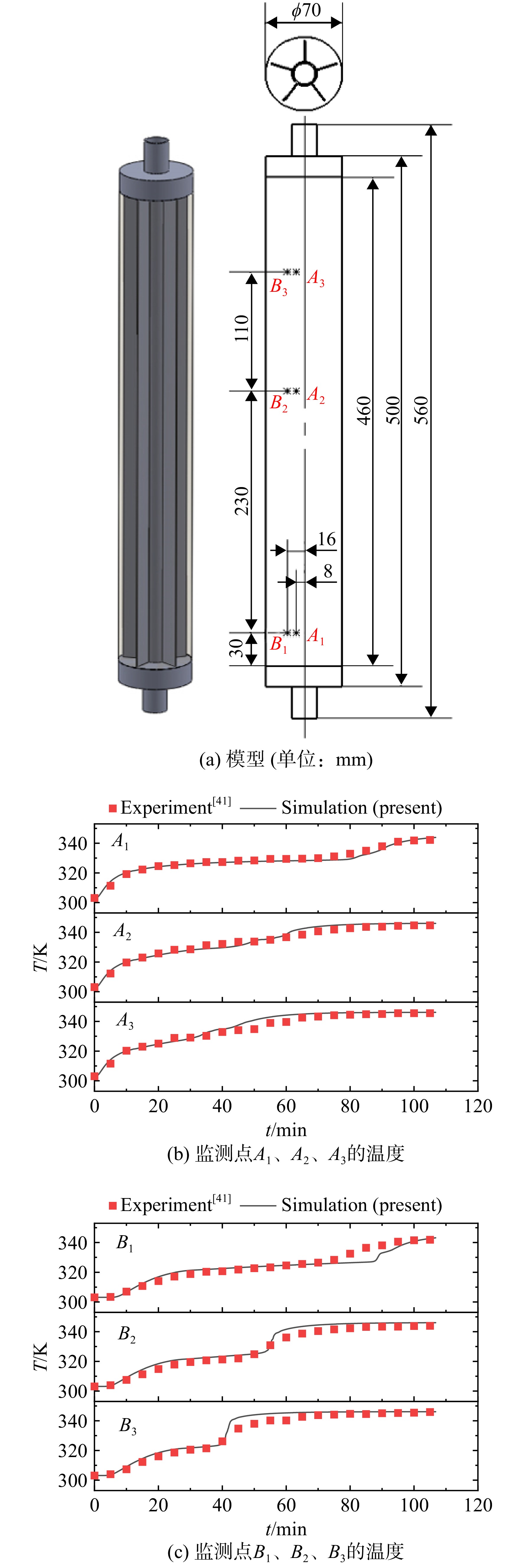
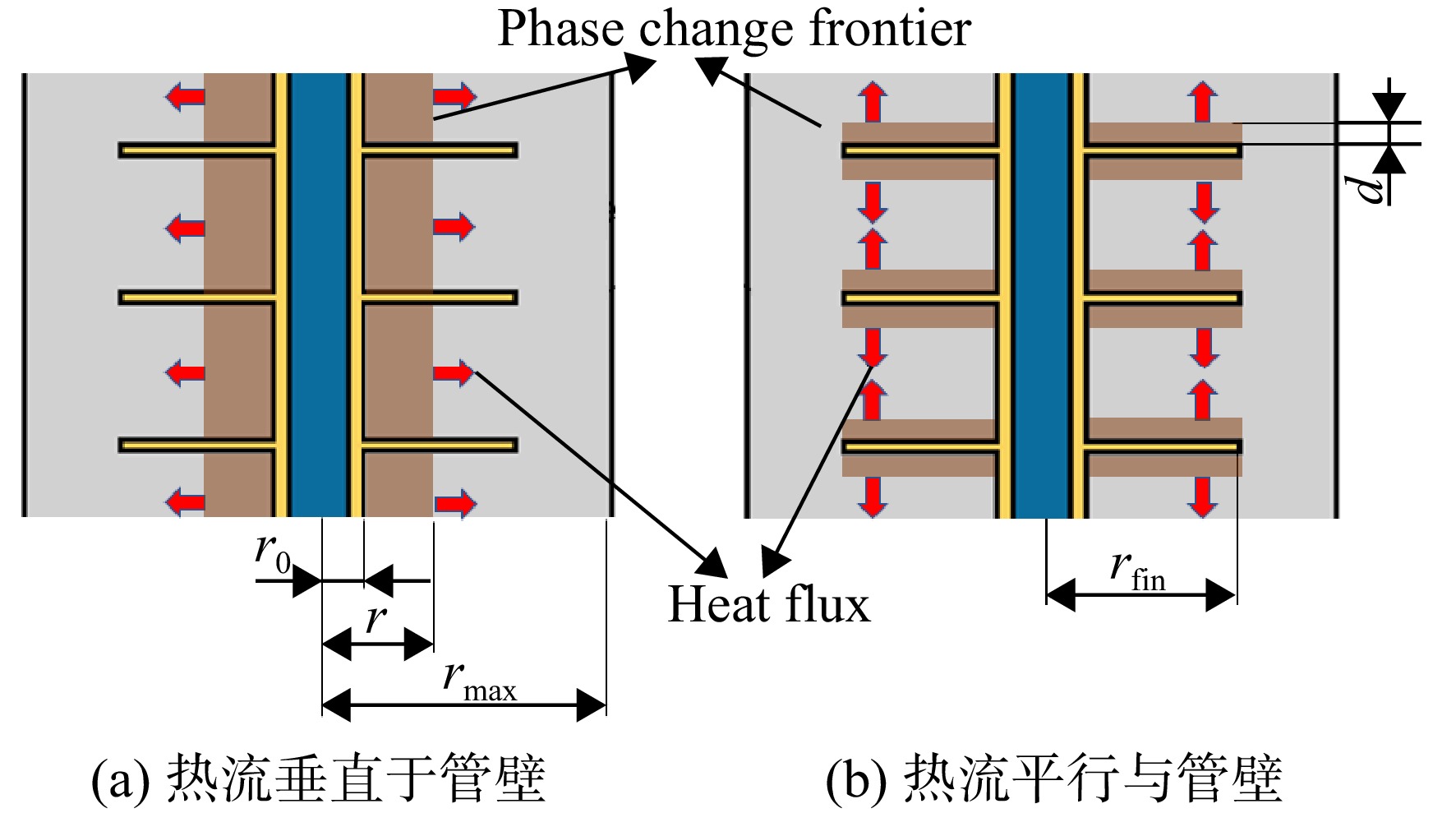
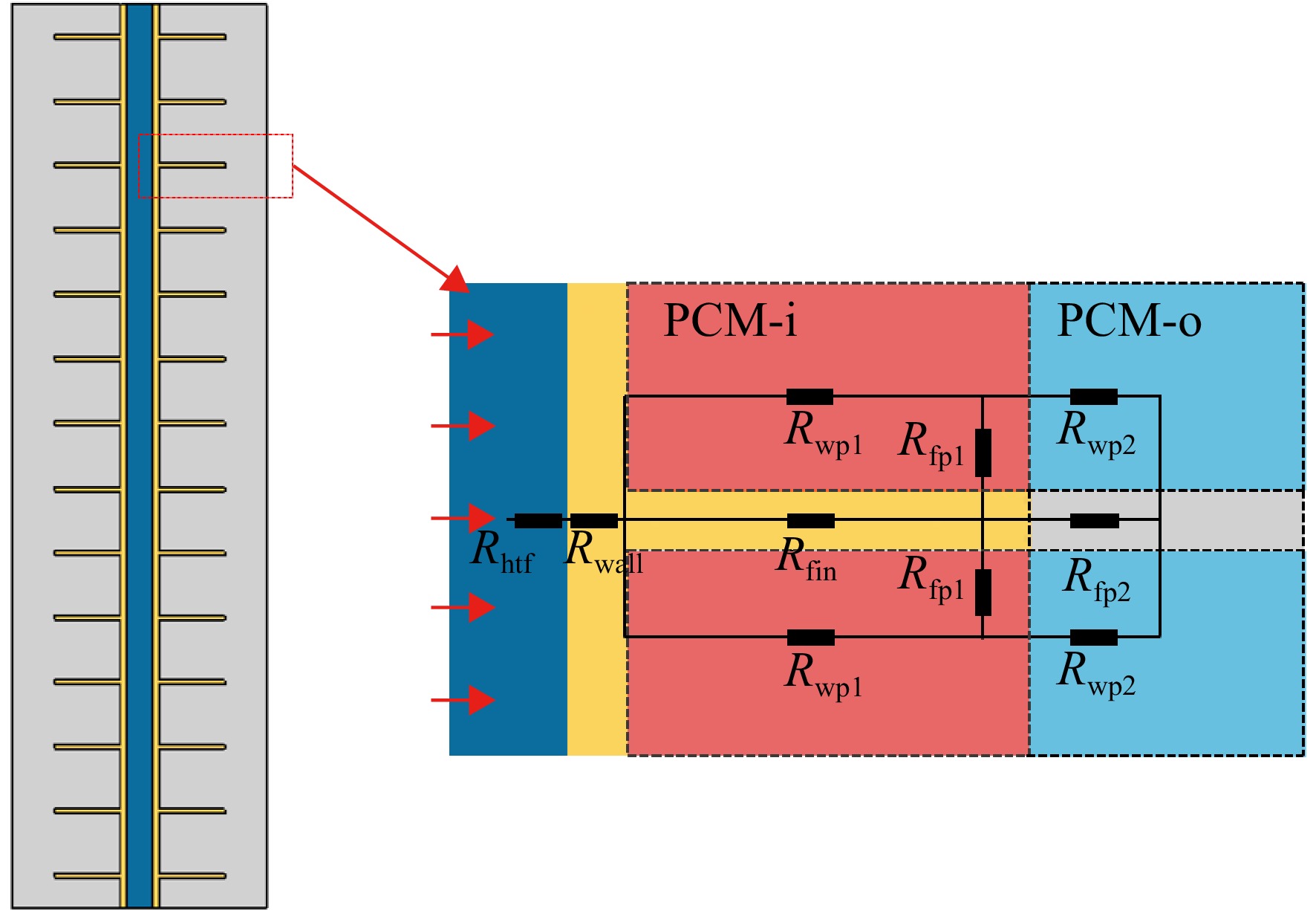
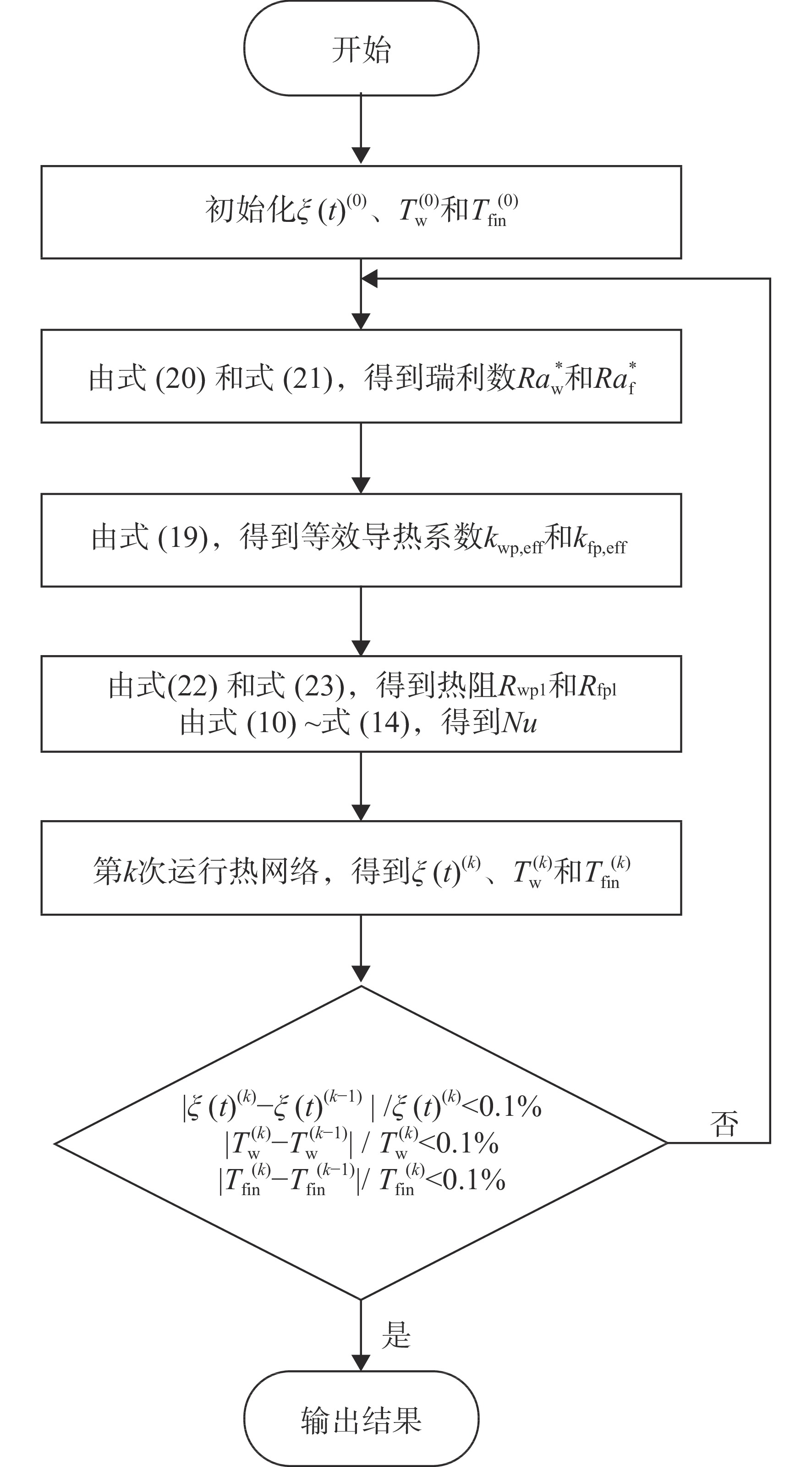
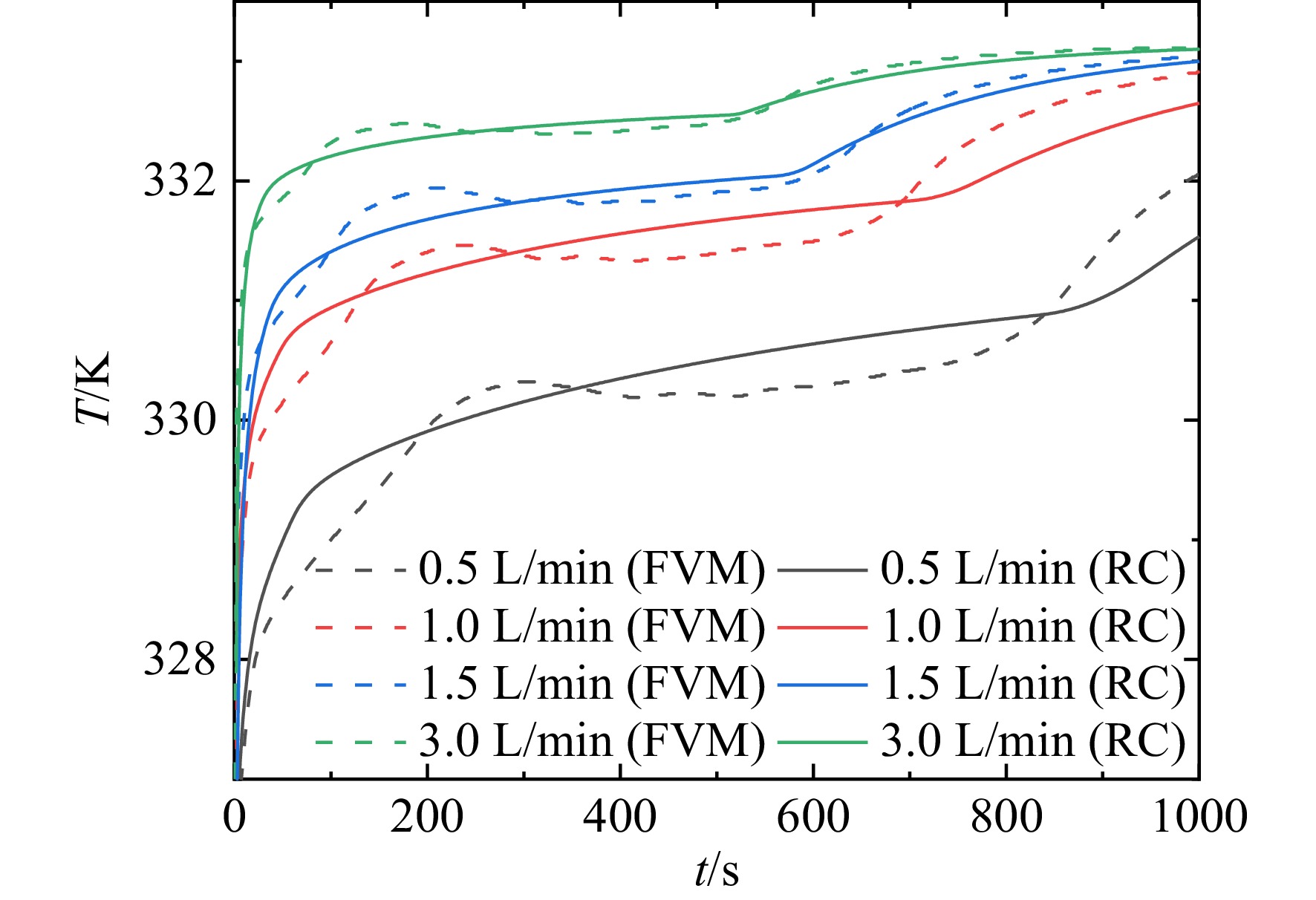
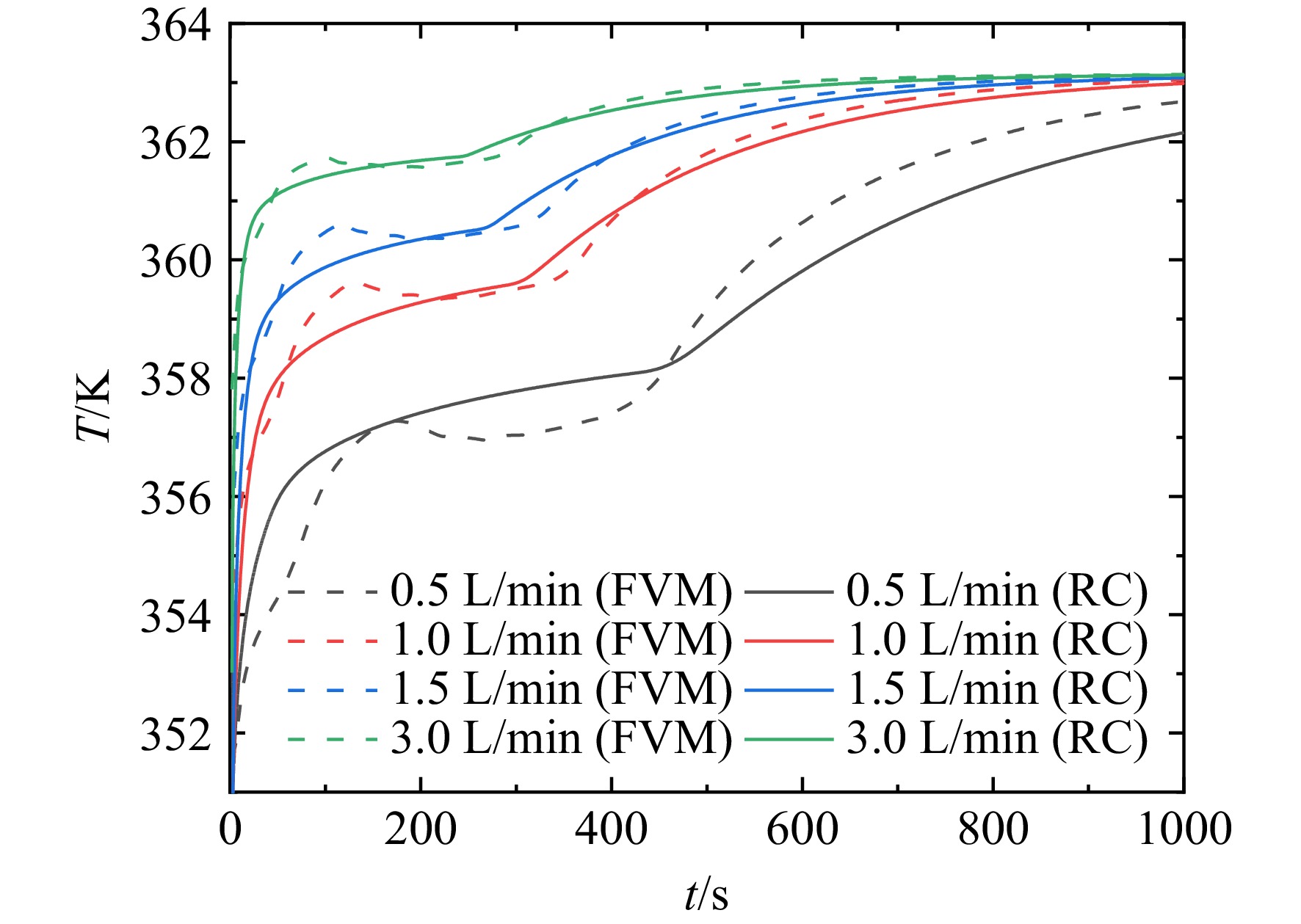
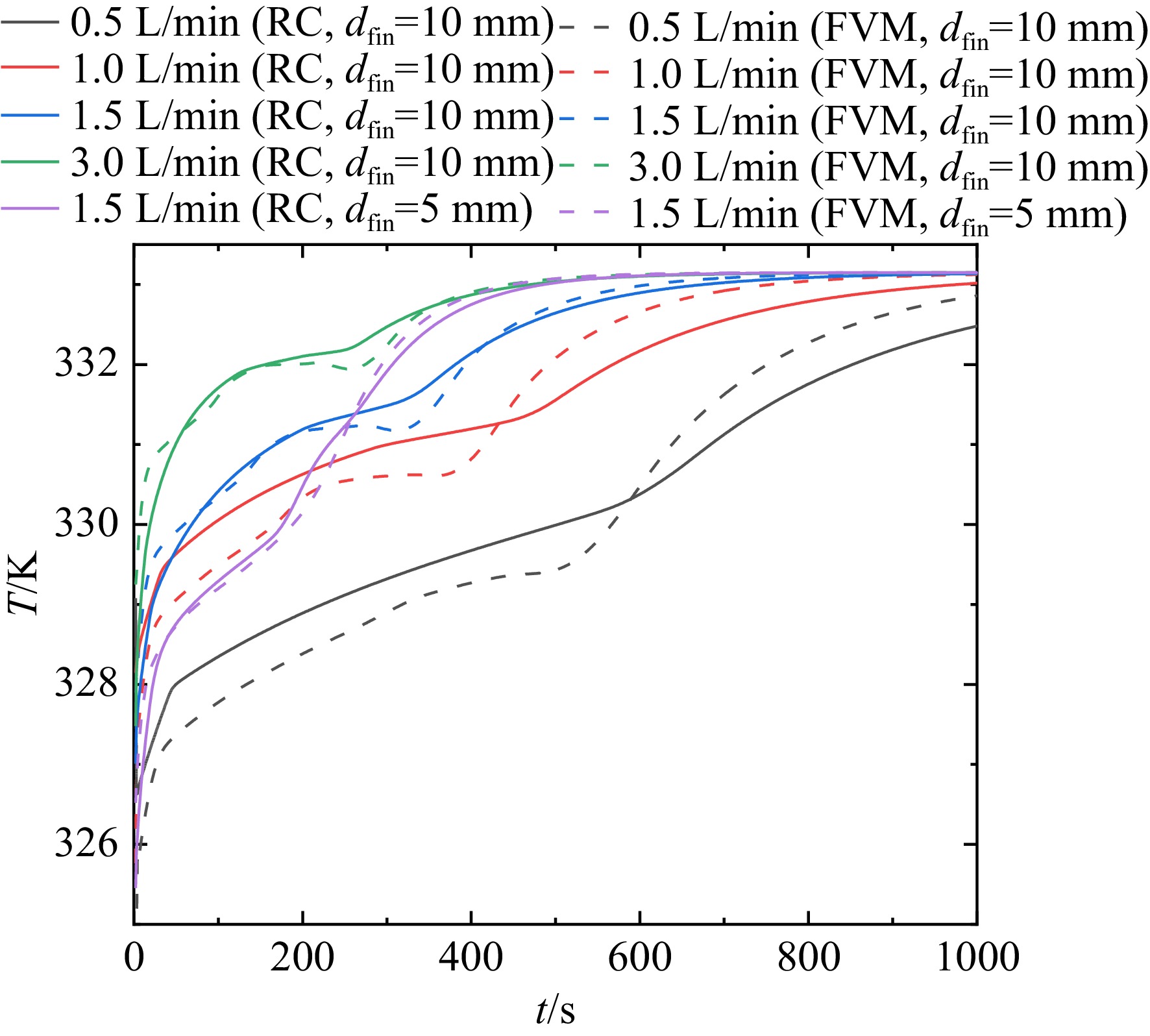
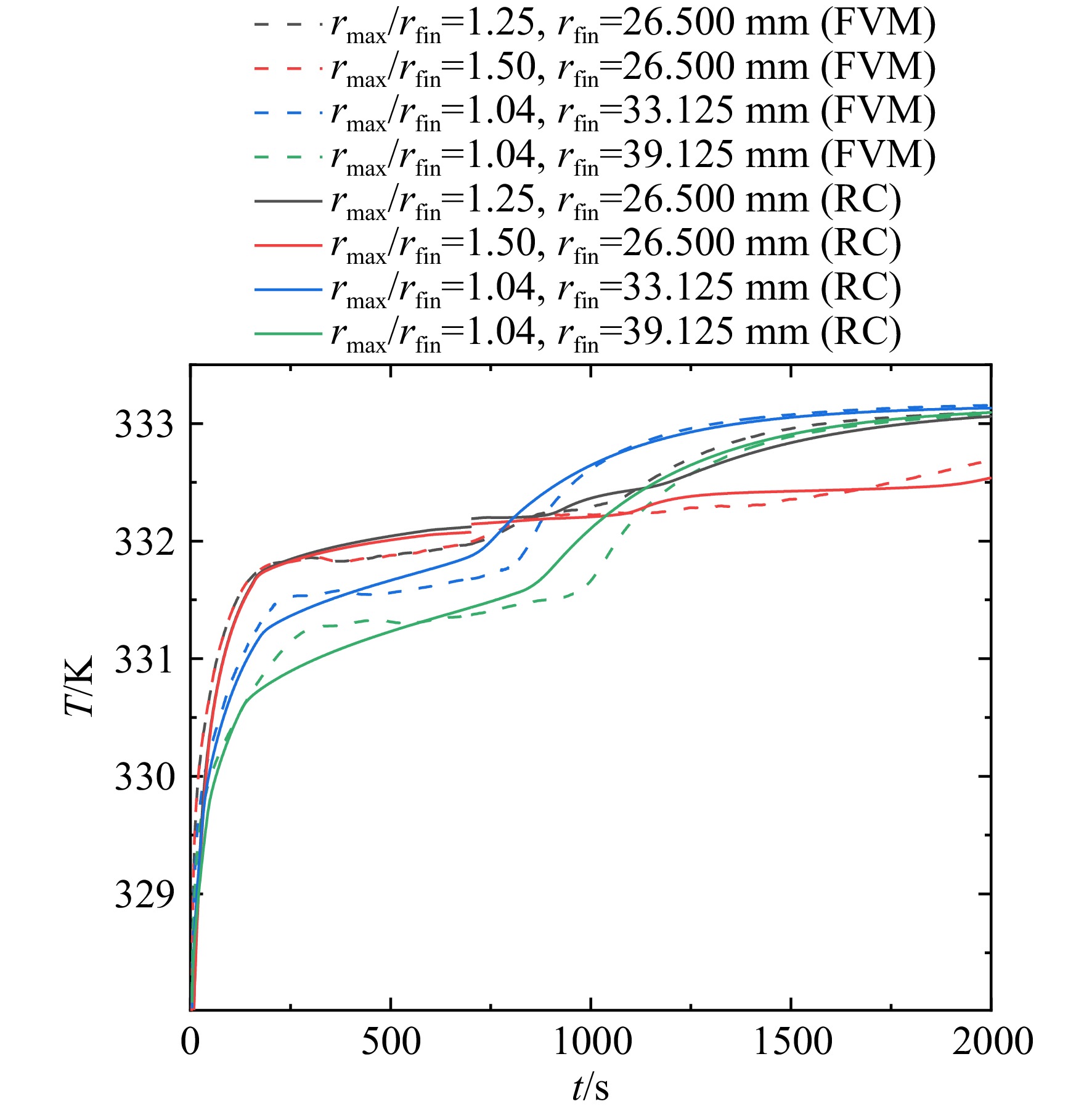
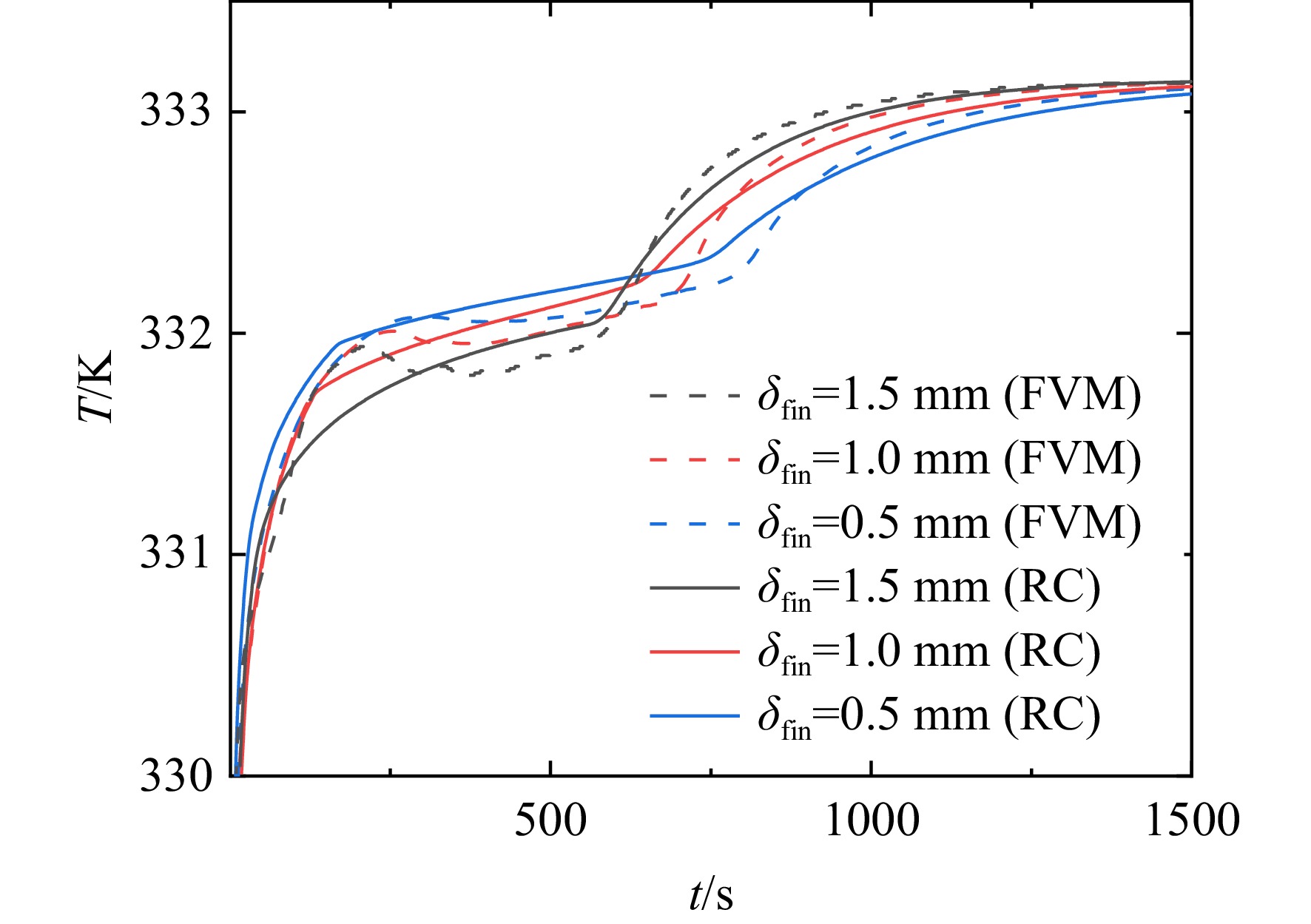
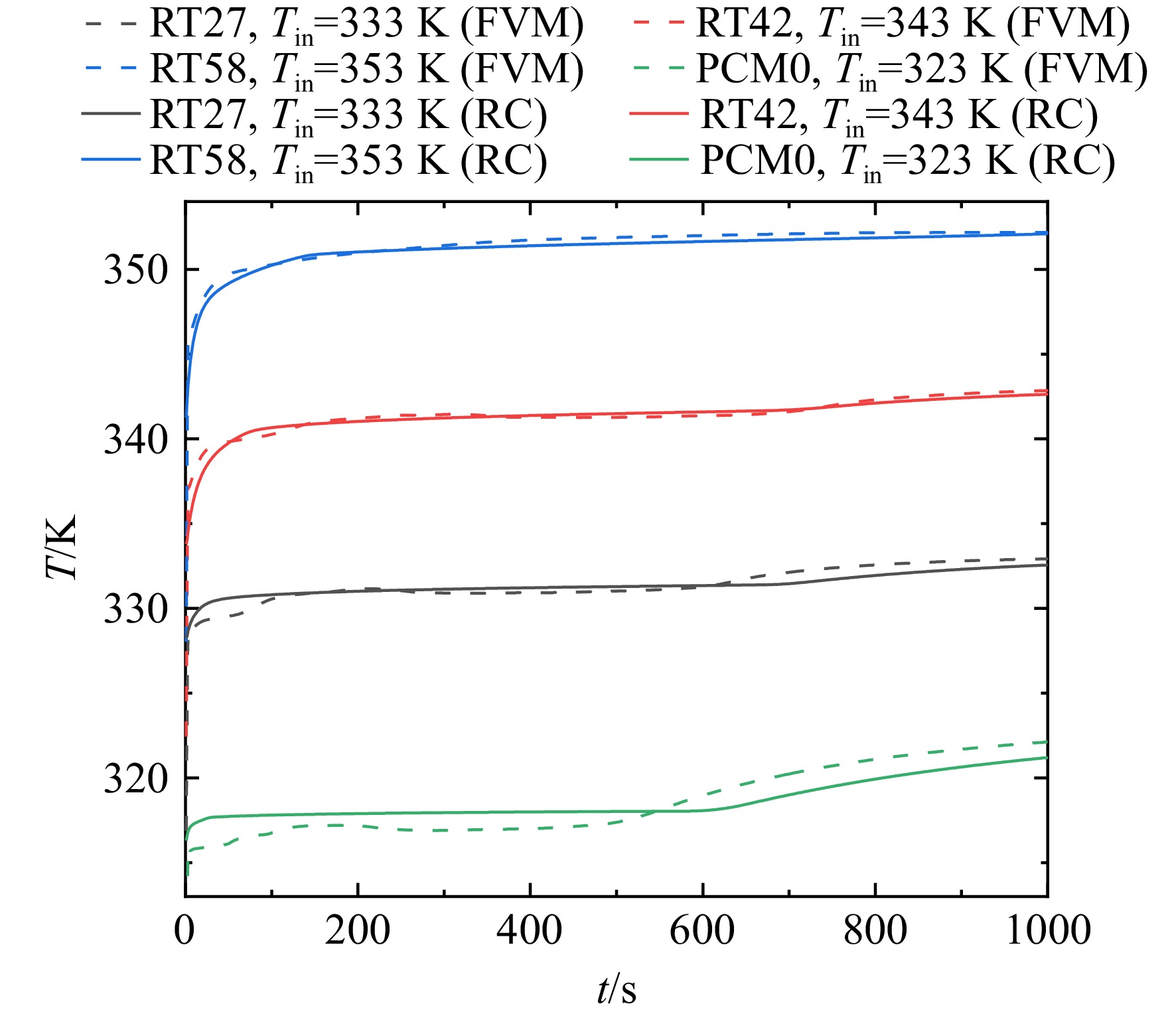
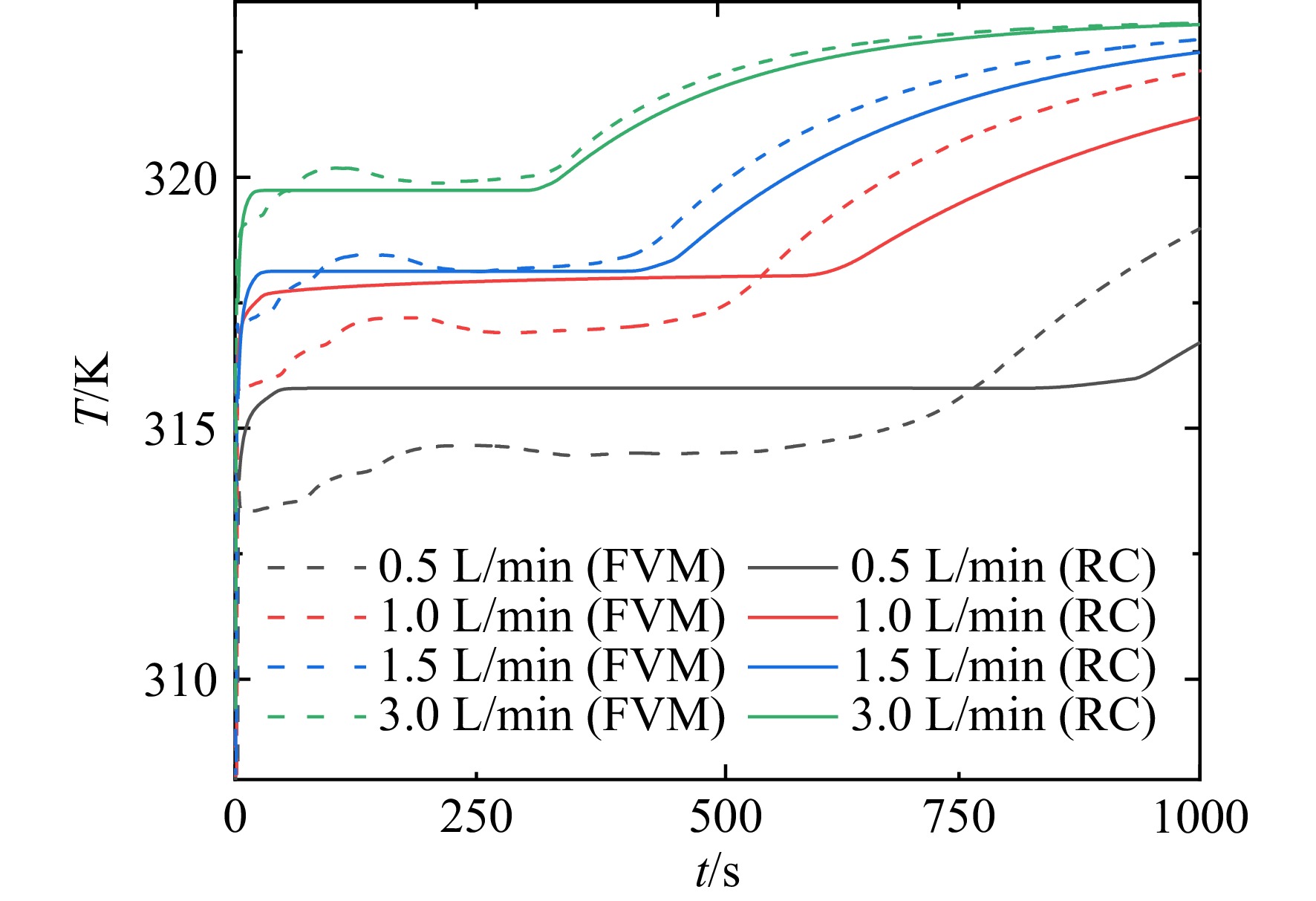
To solve the problem of fast calculation of the outlet temperature response of the latent heat storage cooling equipment for airborne high-energy weapons, a two-dimensional thermal network model was proposed to predict the temperature response of the finned tube heat exchanger during the energy storage stage. An equivalent thermal resistance model was established, and equivalent thermal conductivity was introduced to consider the influence of natural convection on the melting of phase change materials. The results were compared with the enthalpy-porous method simulation results under different flow rates, inlet temperatures, fin structures and phase change materials, which verified the accuracy of the thermal network model. The maximum error of the average outlet temperature of paraffin phase change materials was 0.634 K. Compared with the enthalpy-porous method, the thermal network model saved 99% of the calculation time, and can be effectively used in the design and optimization of complex finned tube latent heat storage systems.

Rocket Engine
Influence of bypass clearance on gas-ejection internal ballistic characteristics
ZHAO Jiapeng, ZHANG Lei, SHE Huqing, GUO Jinbing
2023, 38(10): 2407-2414. doi: 10.13224/j.cnki.jasp.20210389
Abstract:

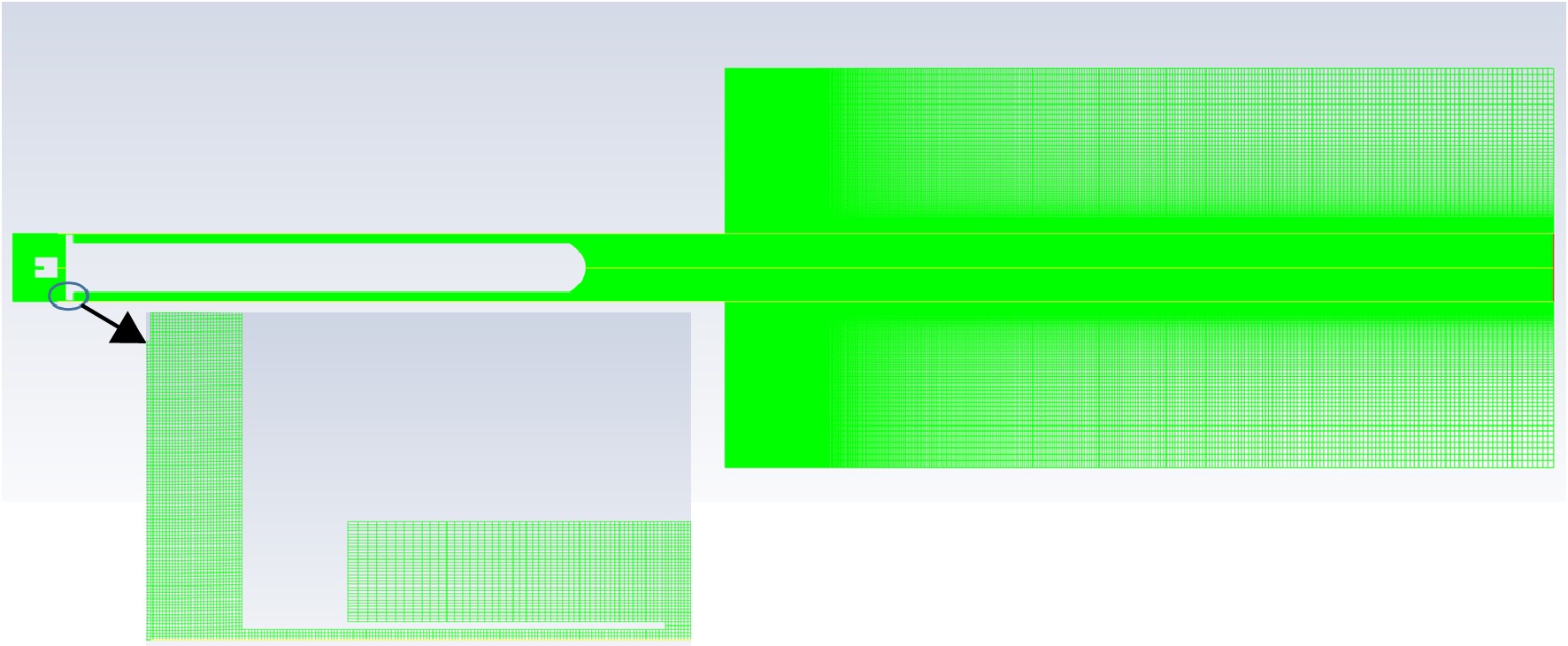
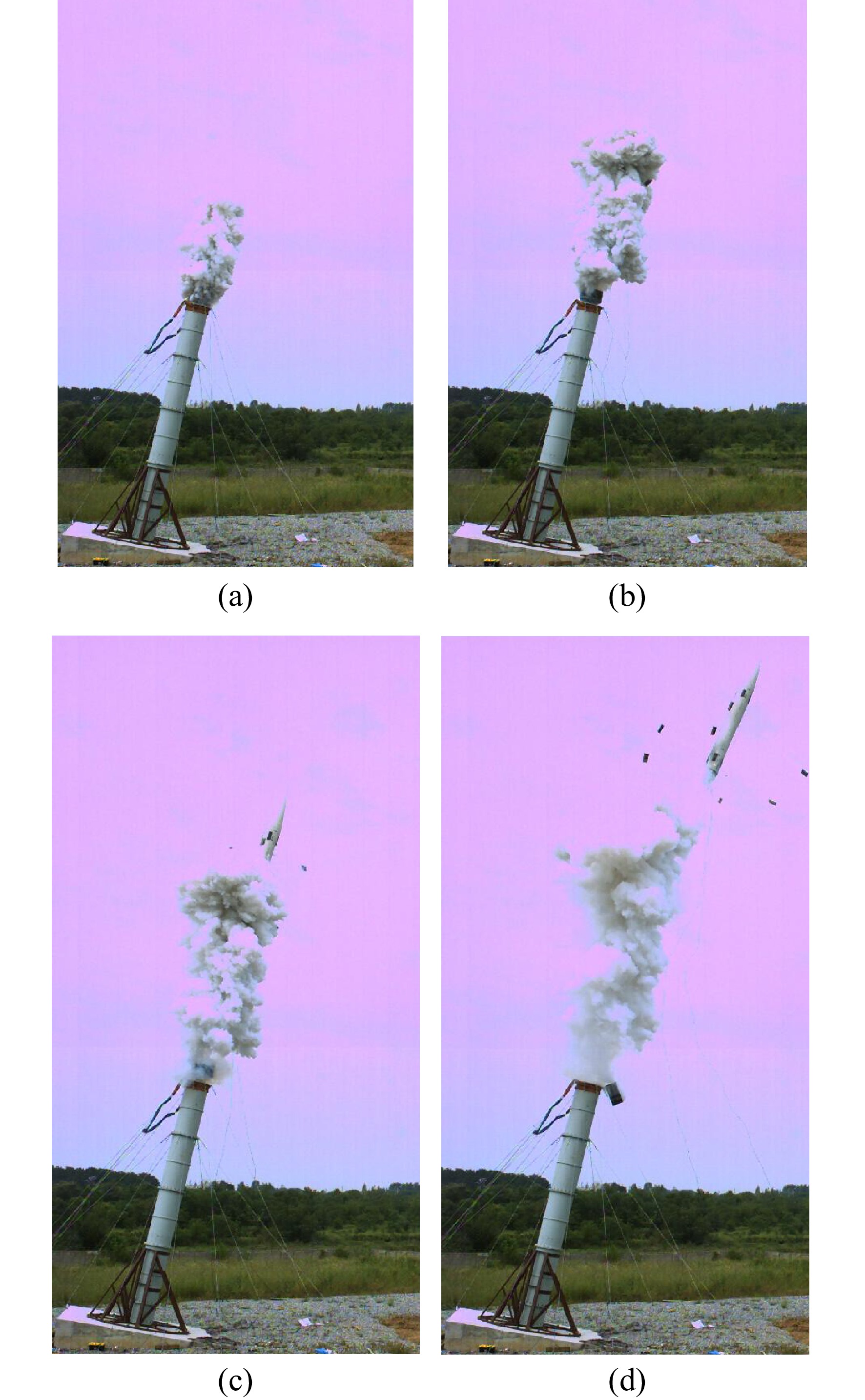
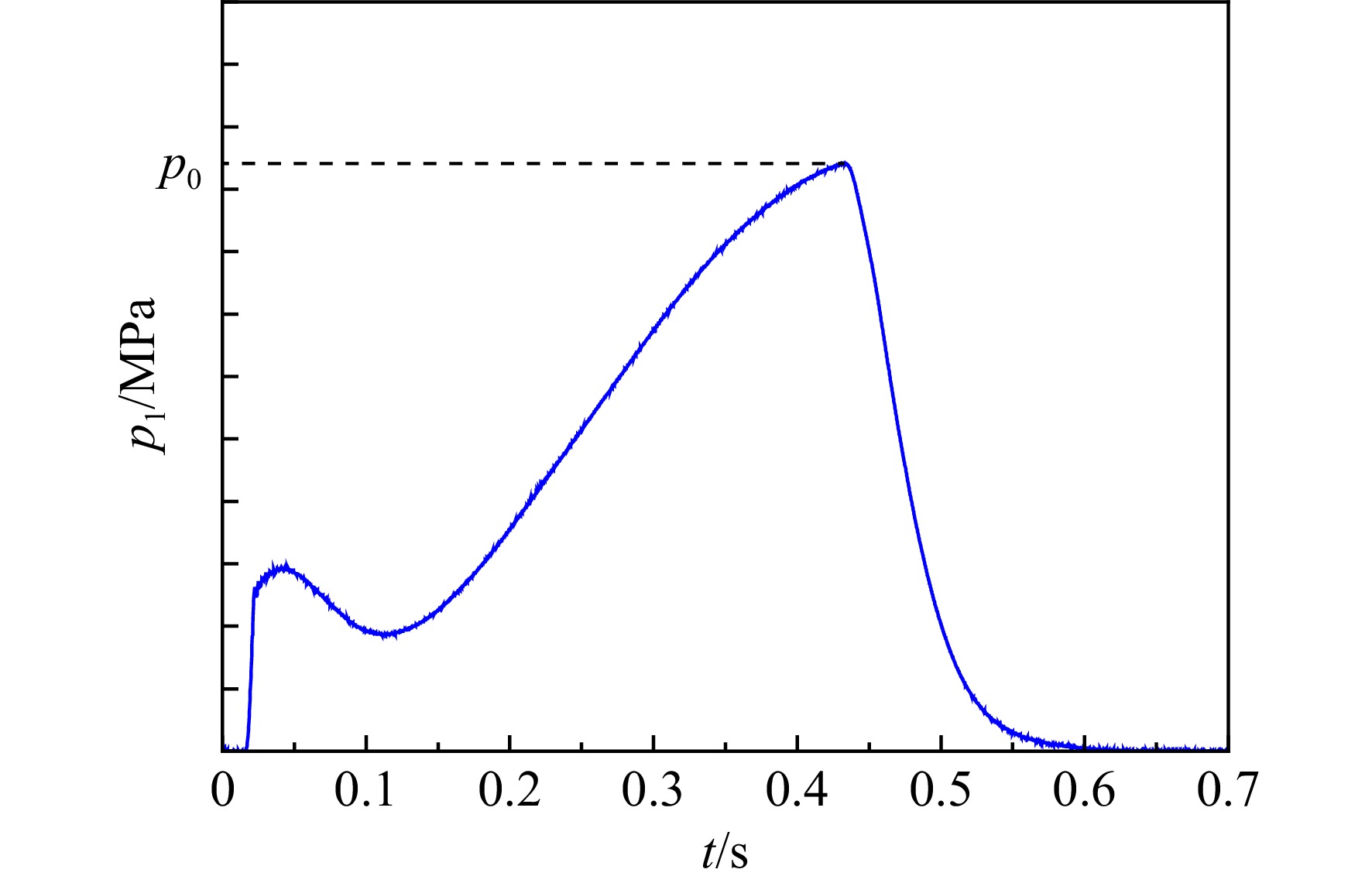
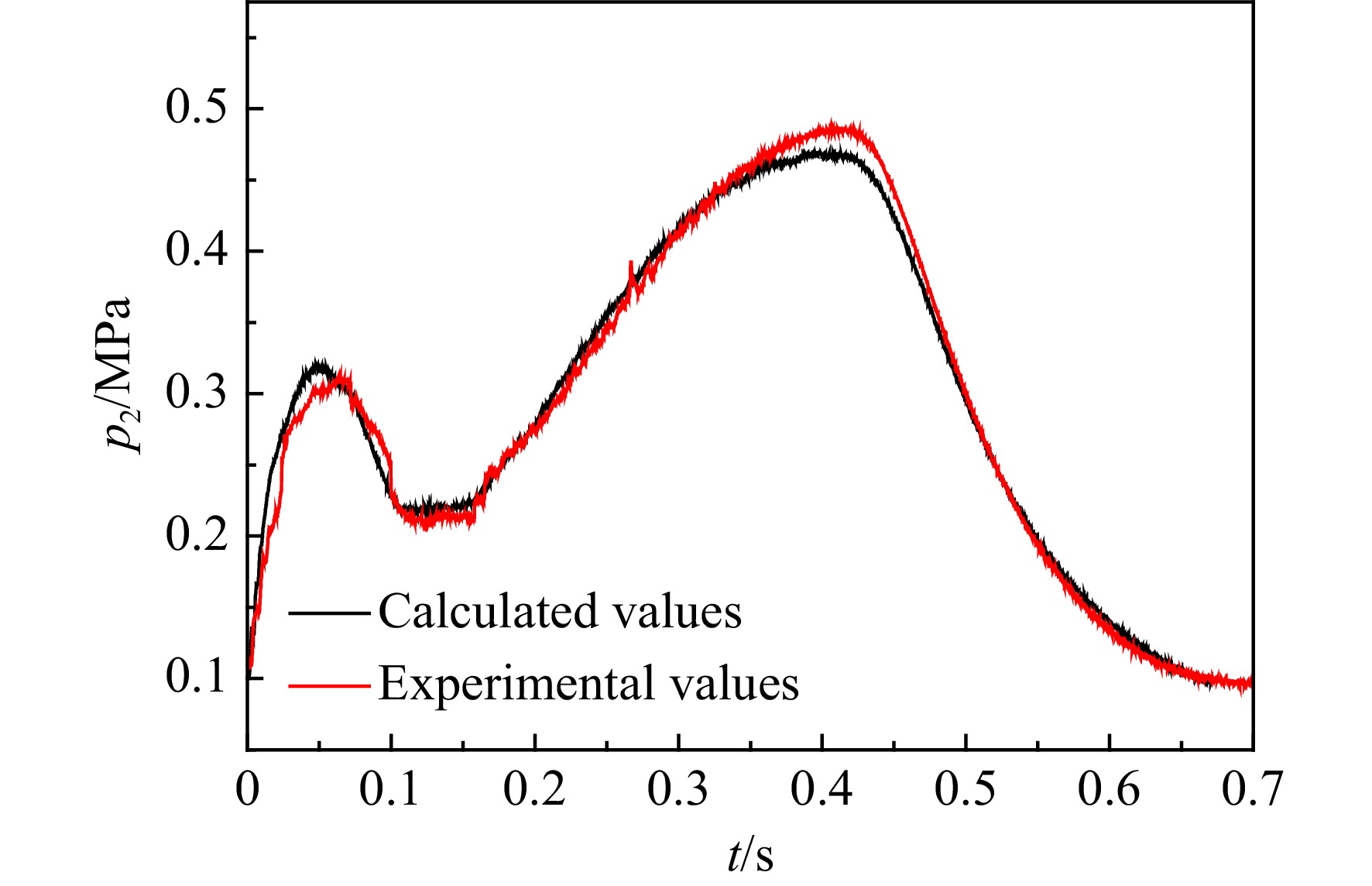
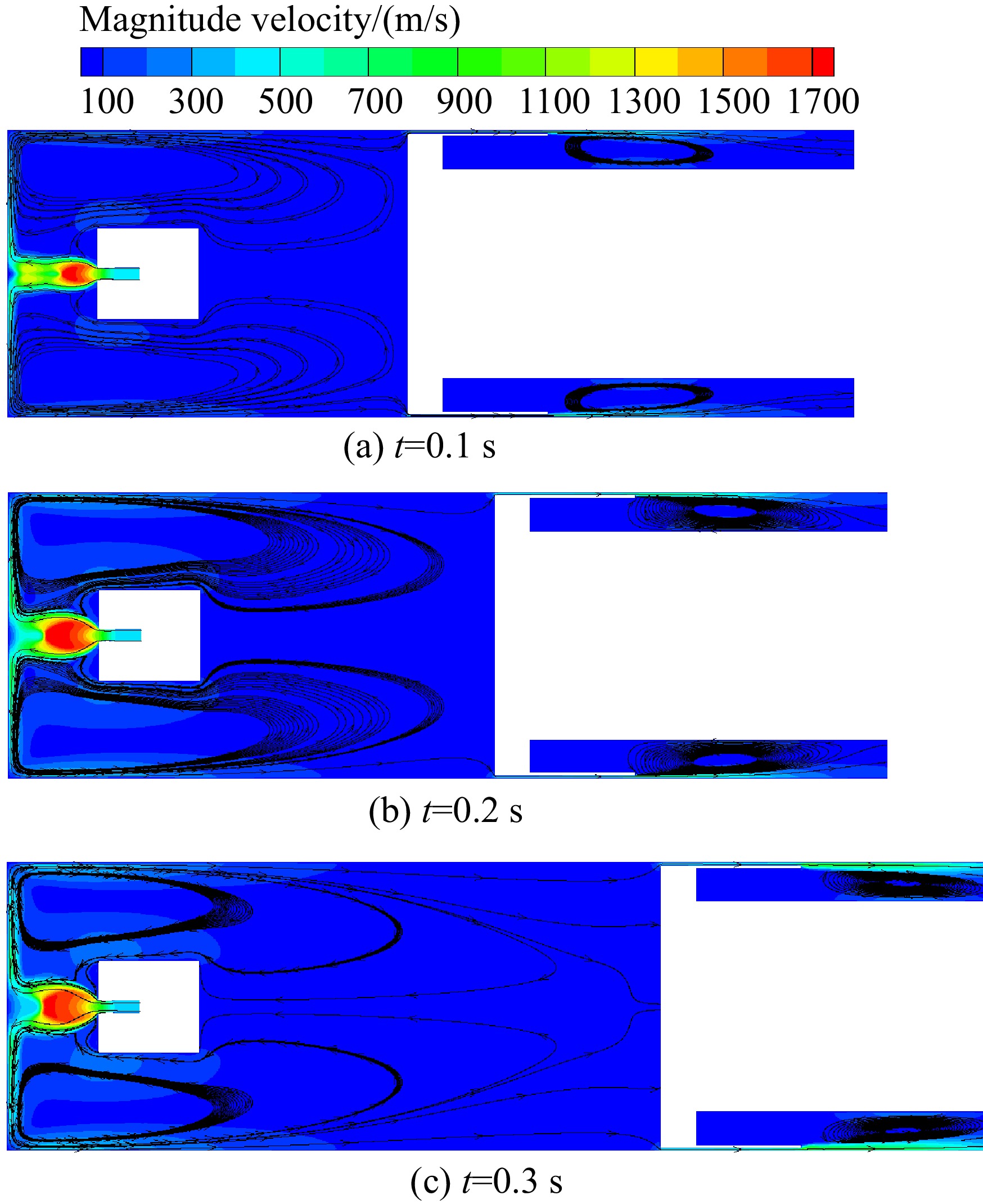
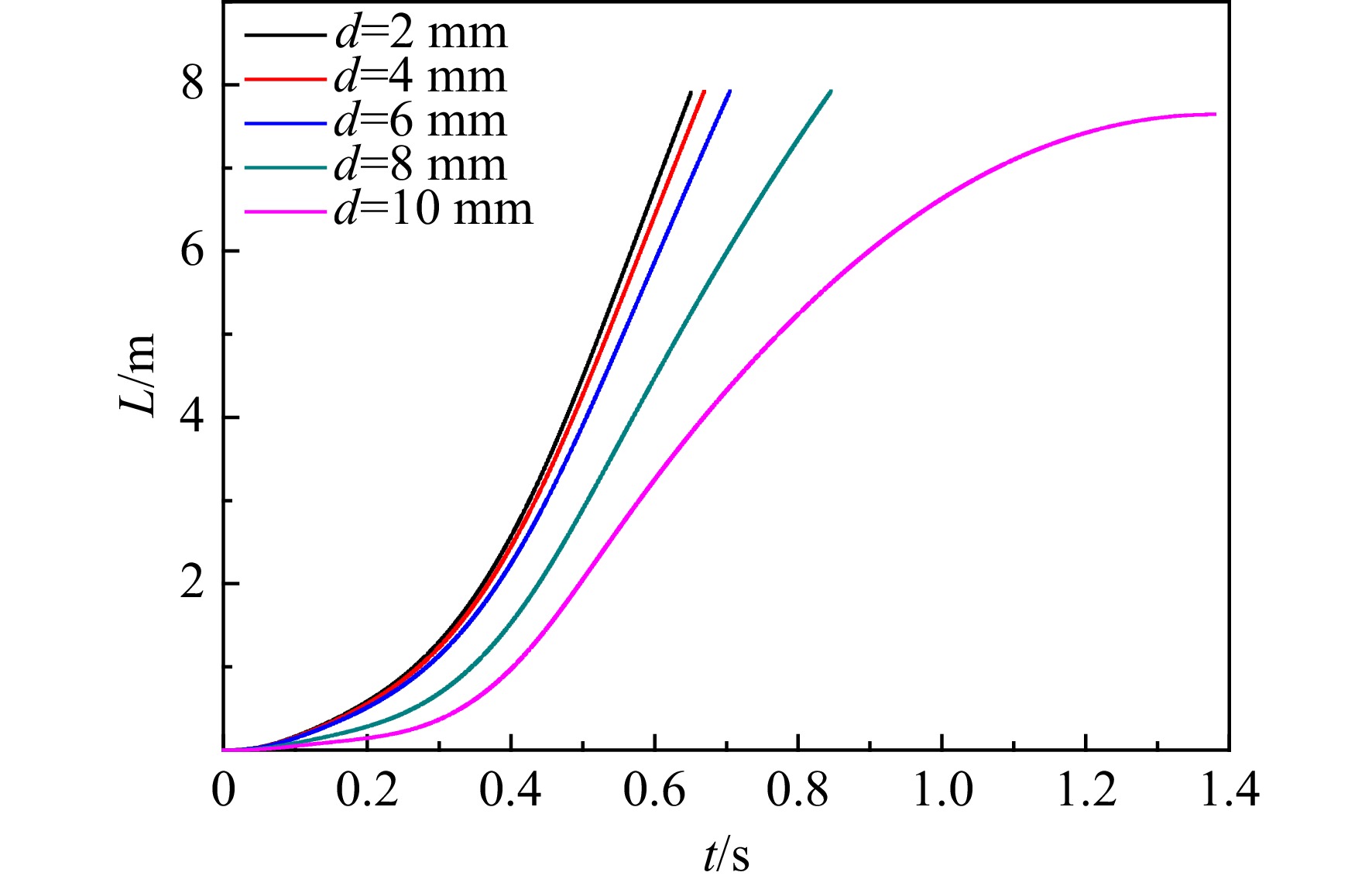
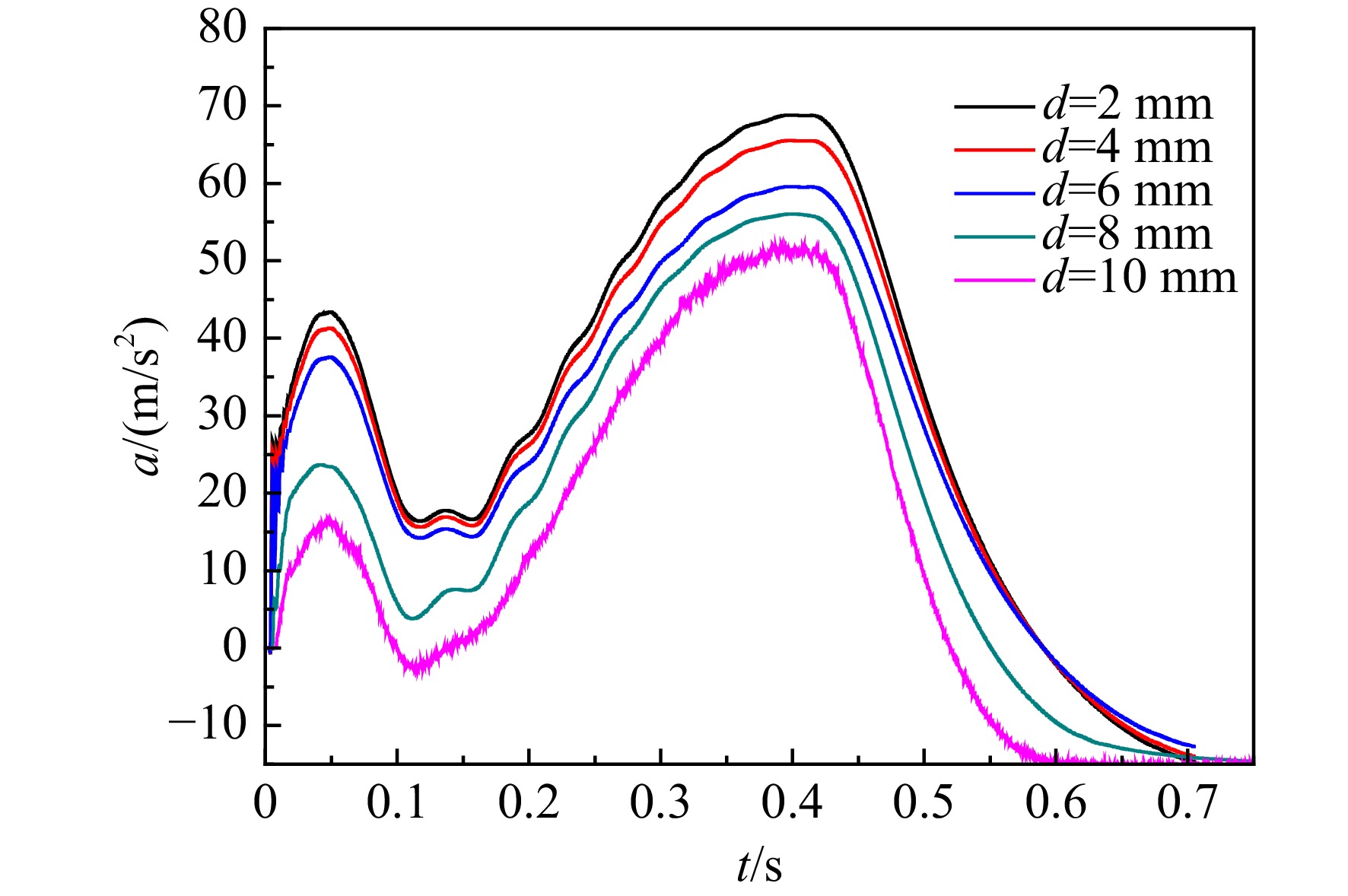
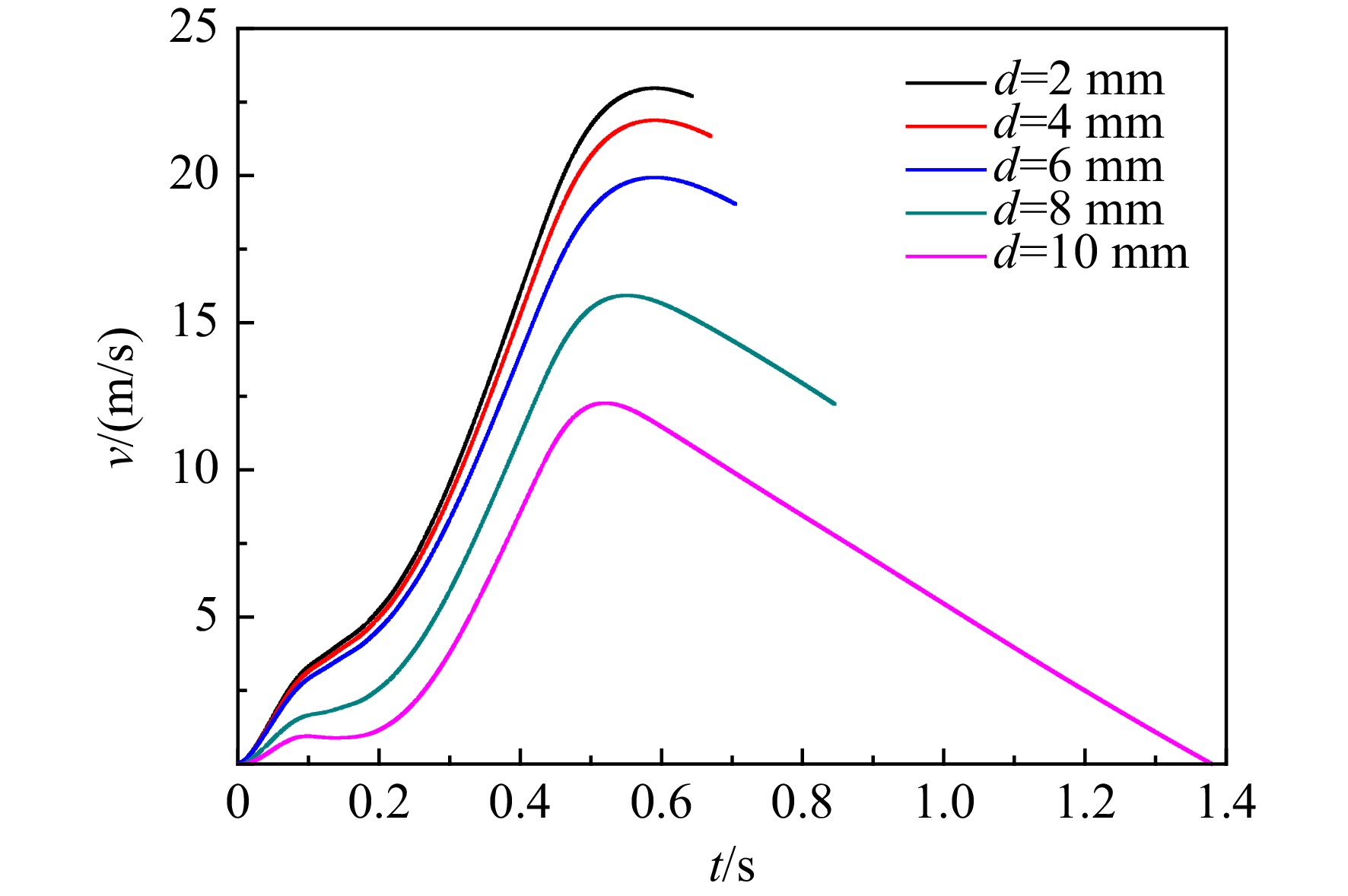
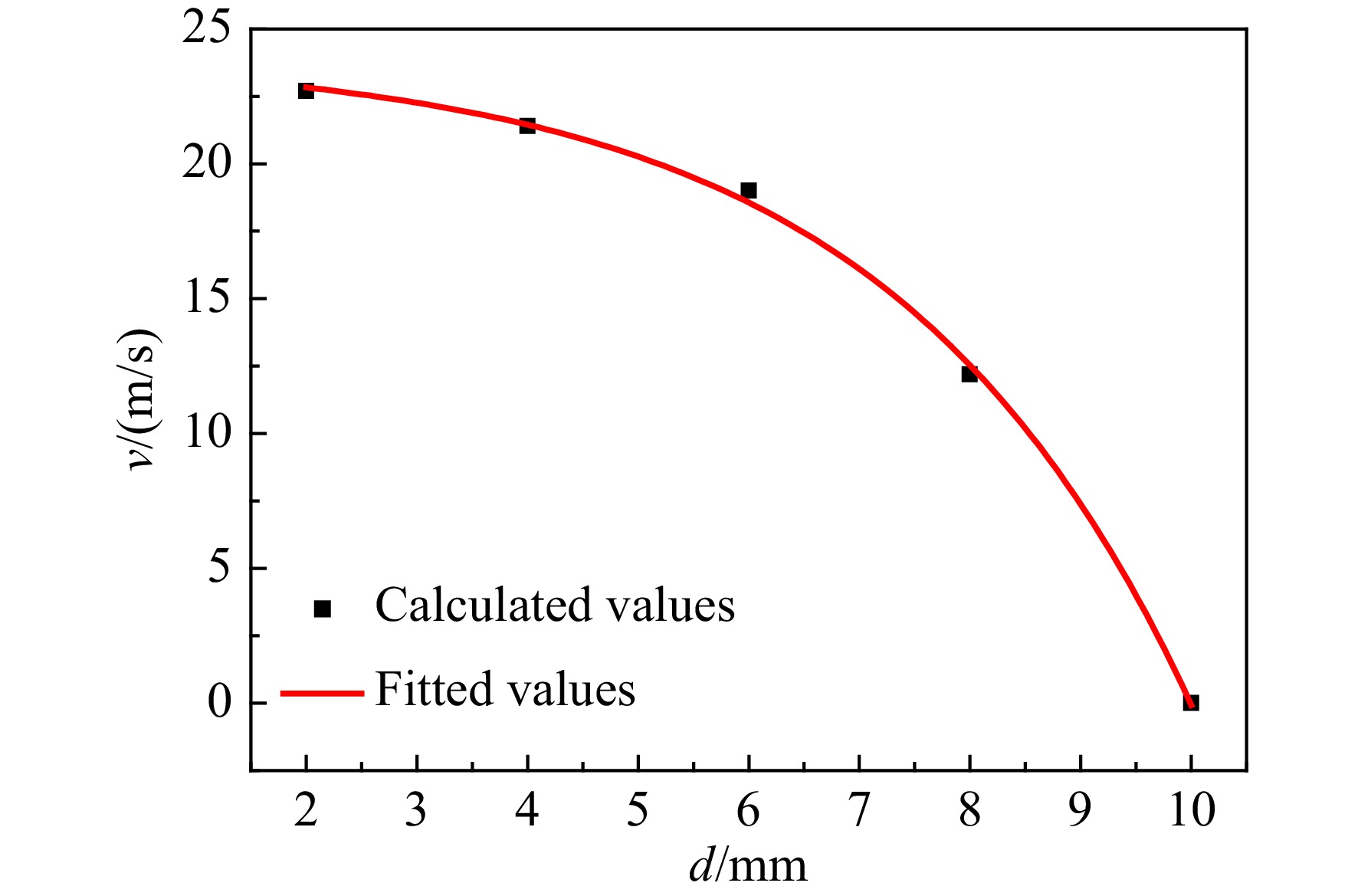
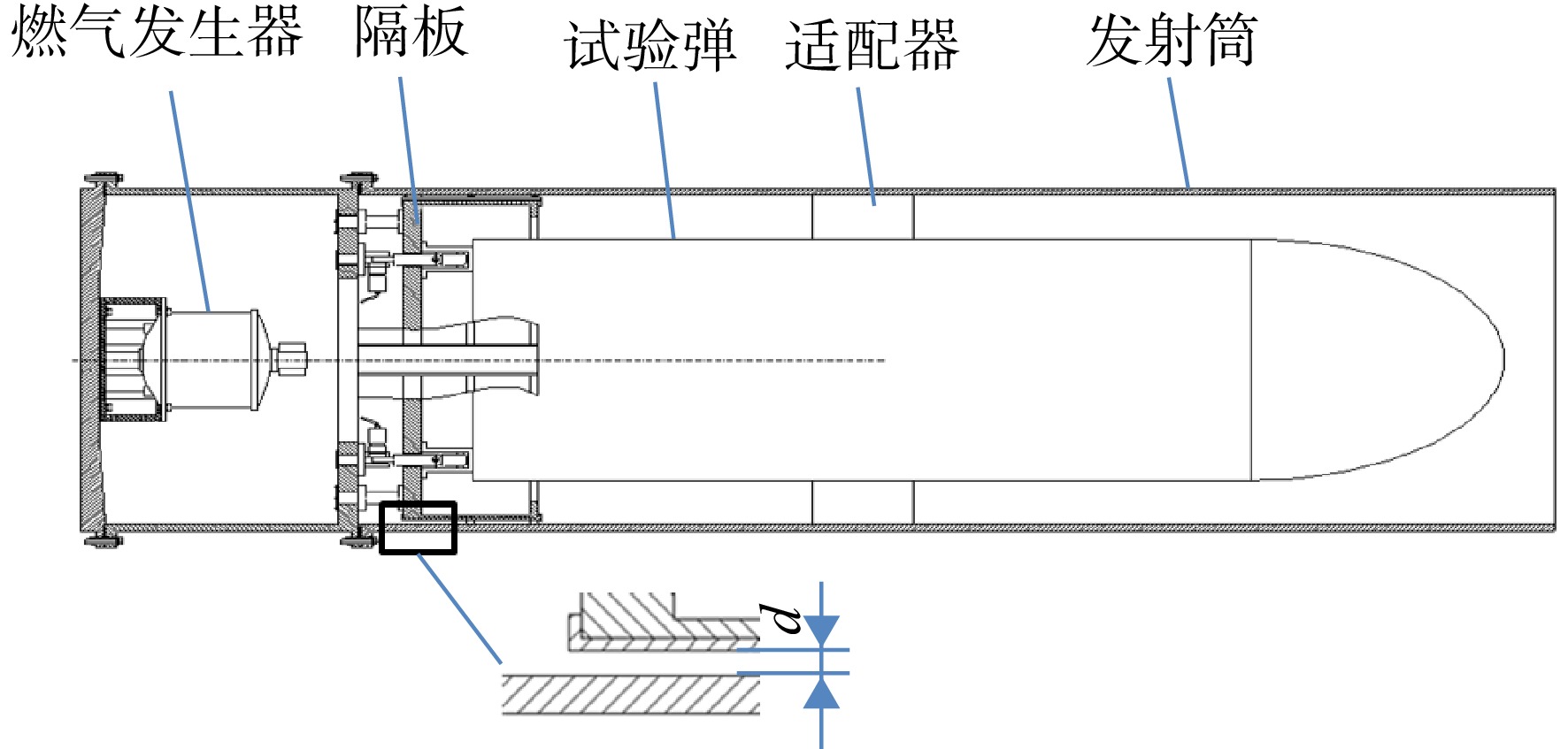
In order to study the influence of bypass clearance (the clearance between the launcher and the Missile pallet) on the flow fields and characteristic parameters of the gas ejection, realizable turbulence model, dynamic layered dynamic grid and user-defined function technology were used to simulate the process of gas ejection. And the influence of the bypass clearance size on the performance of gas ejection was analyzed. The ground launch test was carried out. Compared with the test data, the effectiveness of the gas ejection simulation model was verified. The simulation results showed that, obvious vortices were formed near the exit of the clearance. As the clearance increased, the pressure in the low-pressure chamber decreased, the acceleration peak decreased, the exit time of missile prolonged and the exit velocity decreased. When the clearance increased from 2 mm to 6 mm, the exit time was only extended by 7.7%, and the exit speed was reduced by 16.3%, the change of exit time and velocity was relatively small within this clearance range. When the clearance increased from 6 mm to 8 mm, the exit time was extended by 20%, and the exit velocity was reduced by 35.8%. When the clearance increased to 10 mm, the ejection of missile failed, and the exit time and velocity changed significantly within this clearance range. The research results provide an important guidance for the optimization design of gas ejection device.

Research on the influence of water injection parameters on flow field of rocket jets
LIU Junlin, ZHANG Zihe, ZHANG Zhicheng, XU Xihai
2023, 38(10): 2415-2429. doi: 10.13224/j.cnki.jasp.20230292
Abstract:

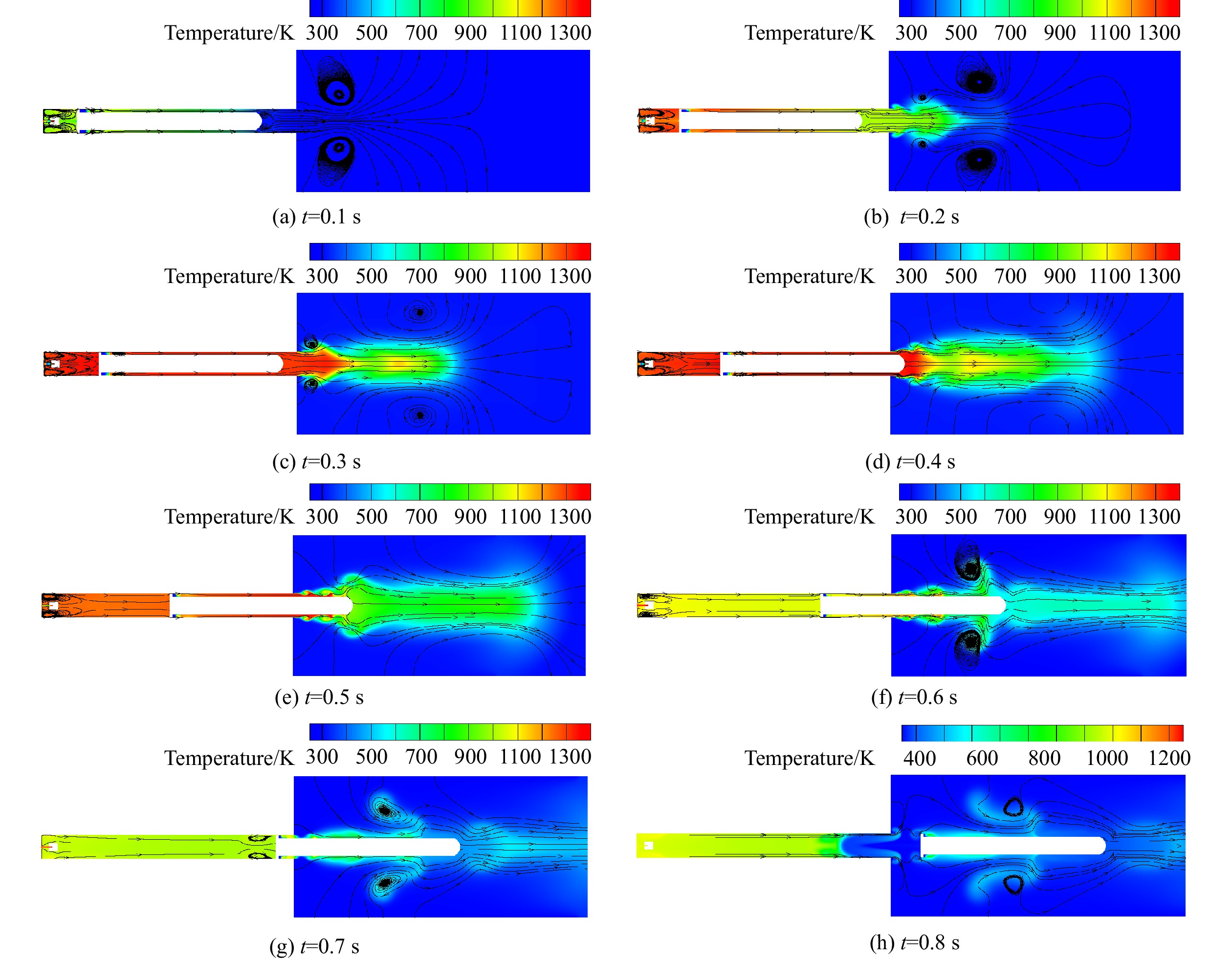
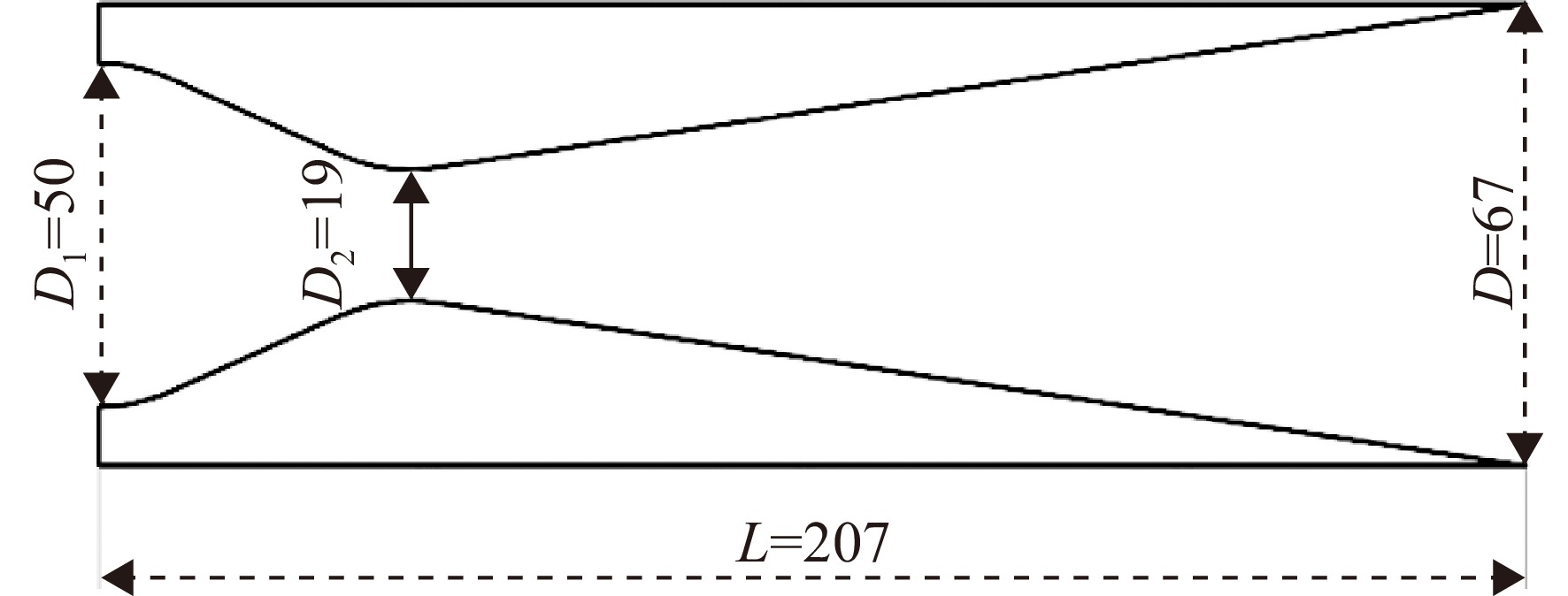
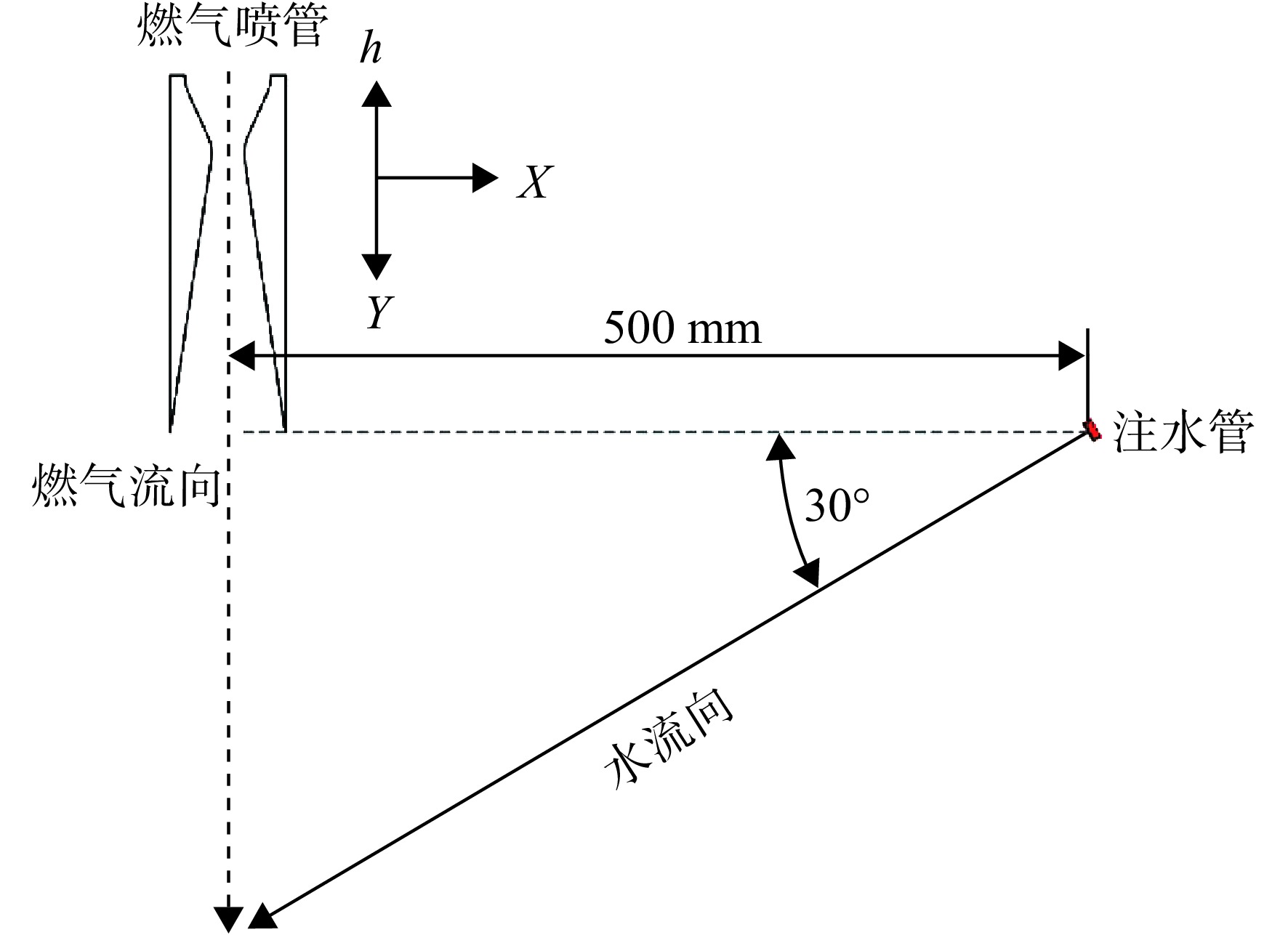
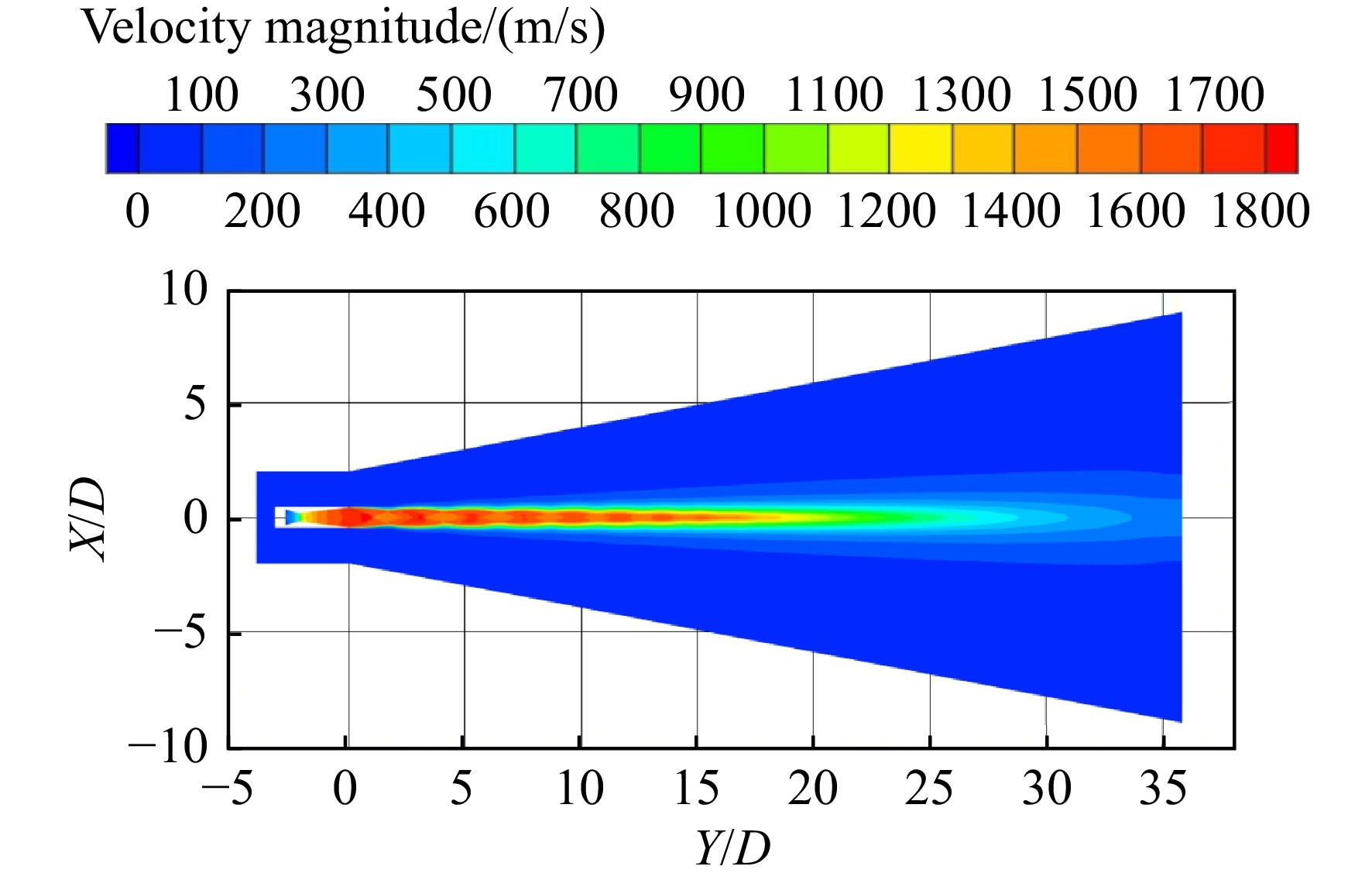
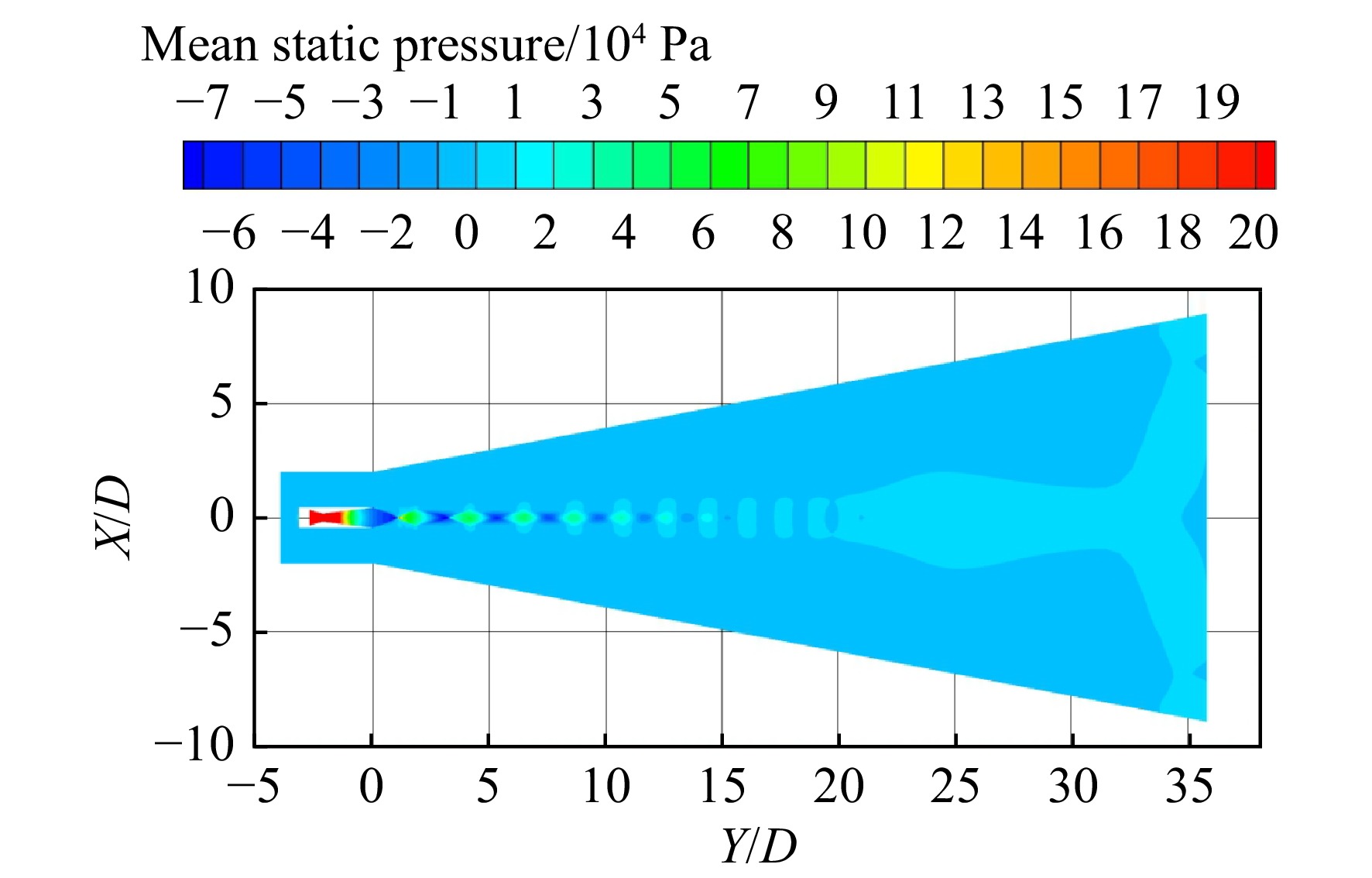
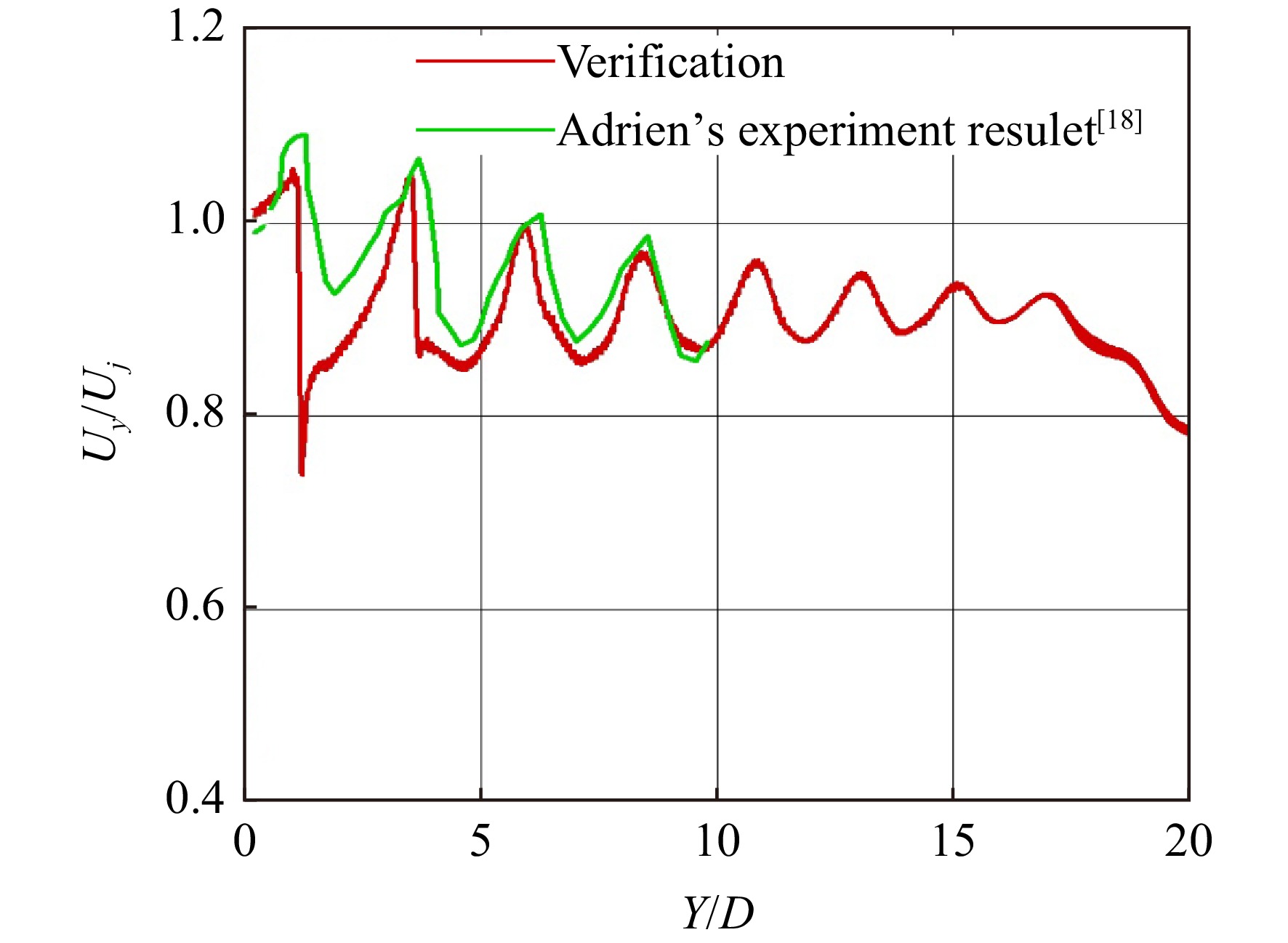
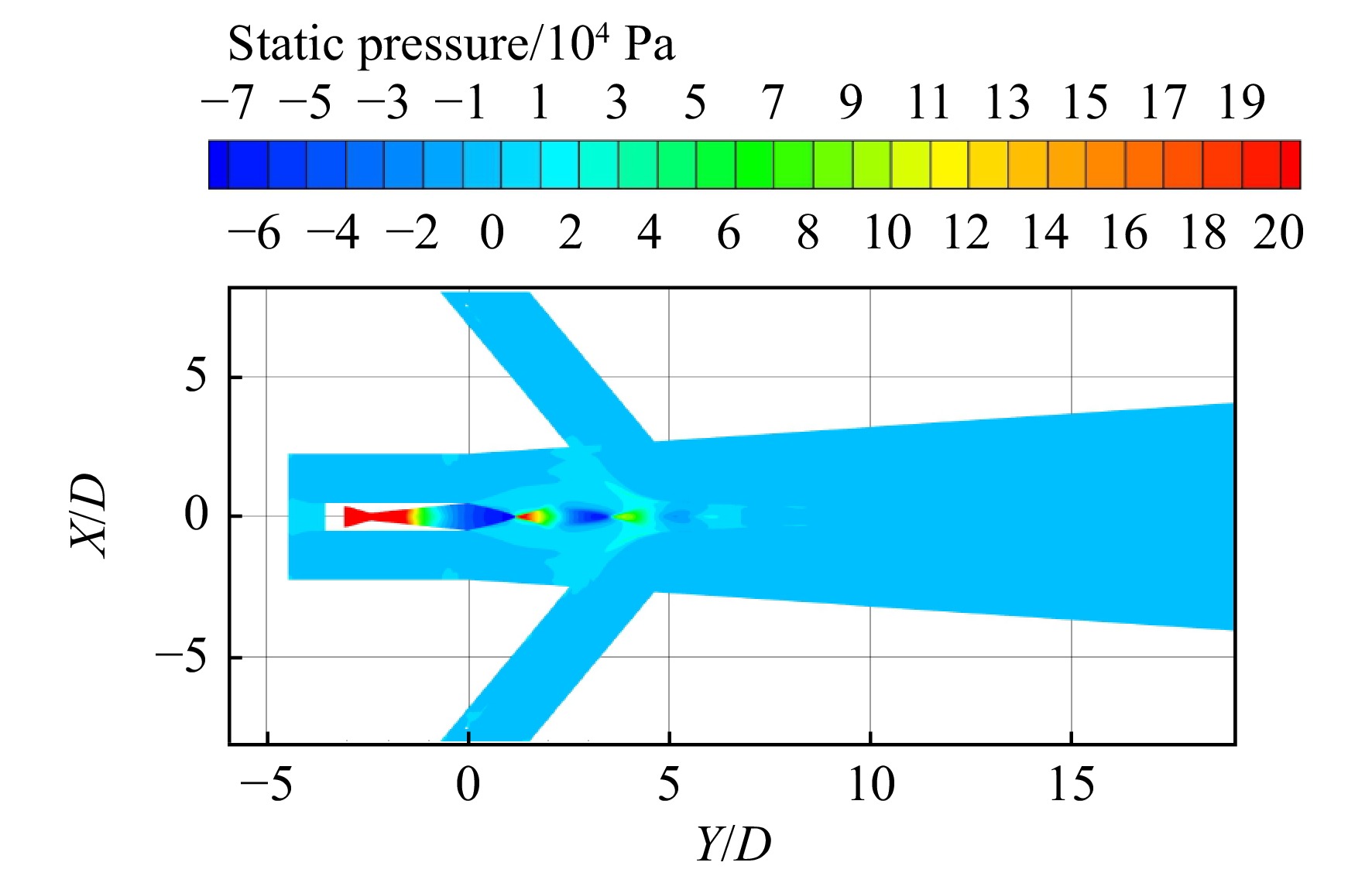
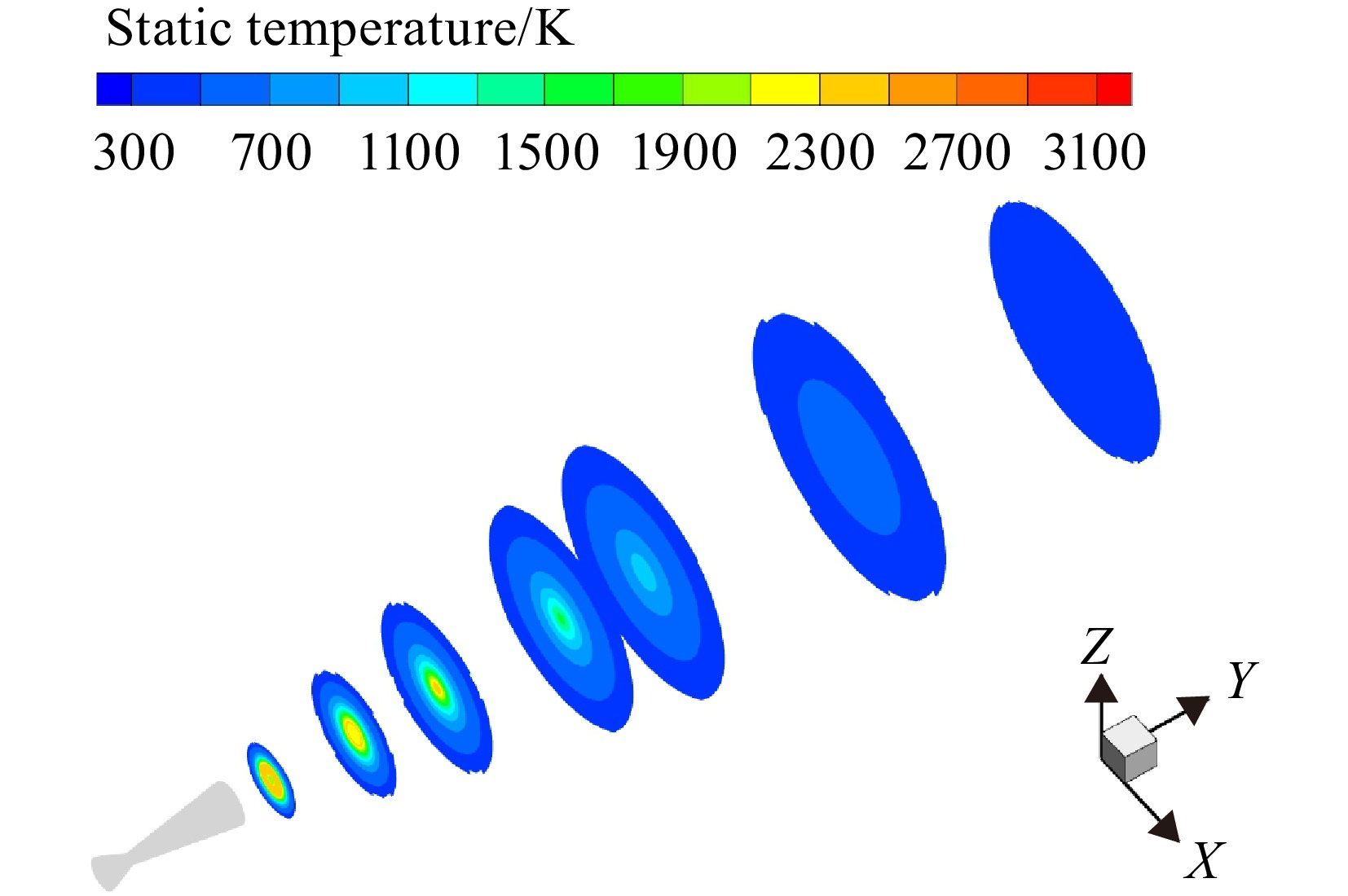
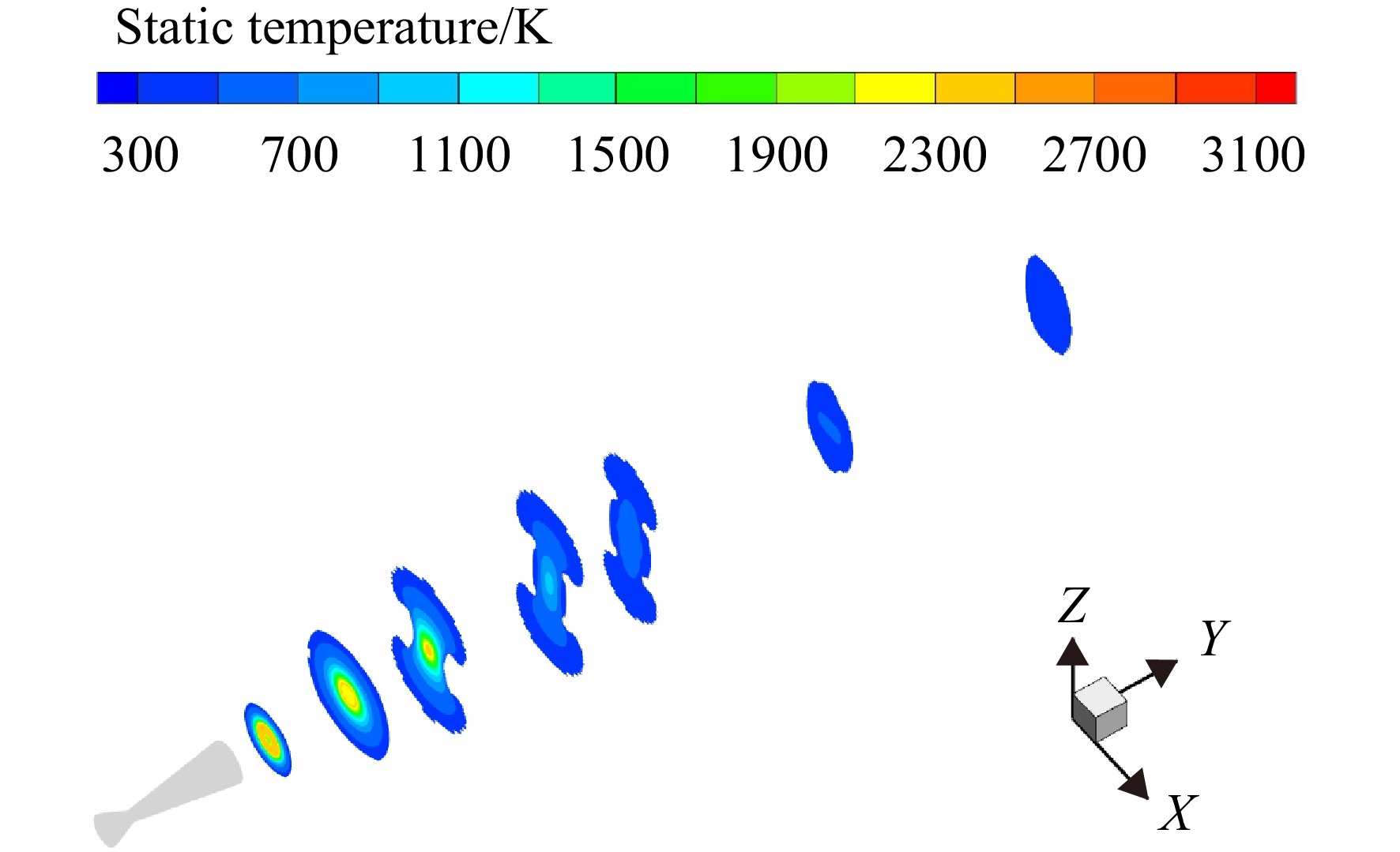
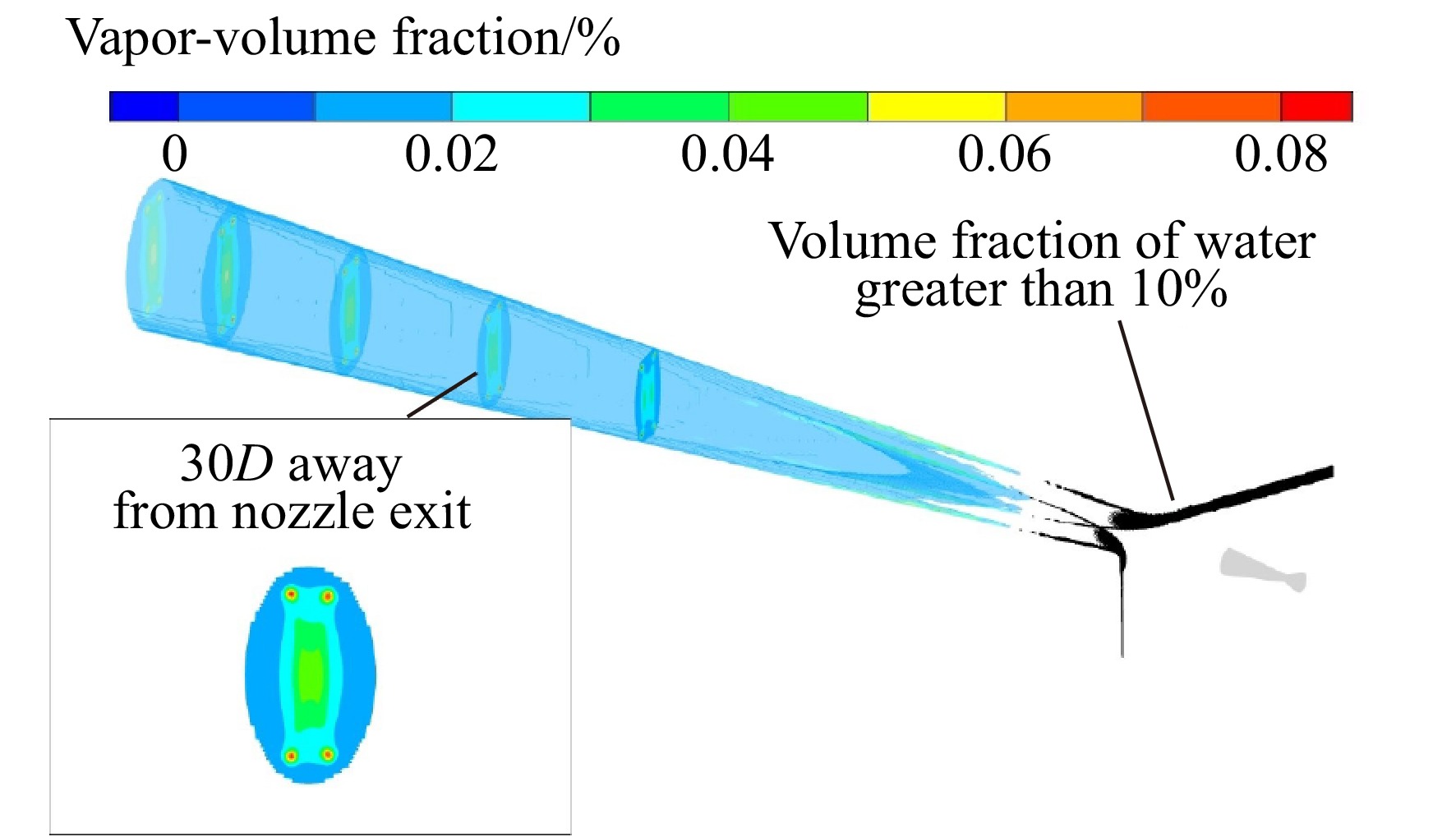
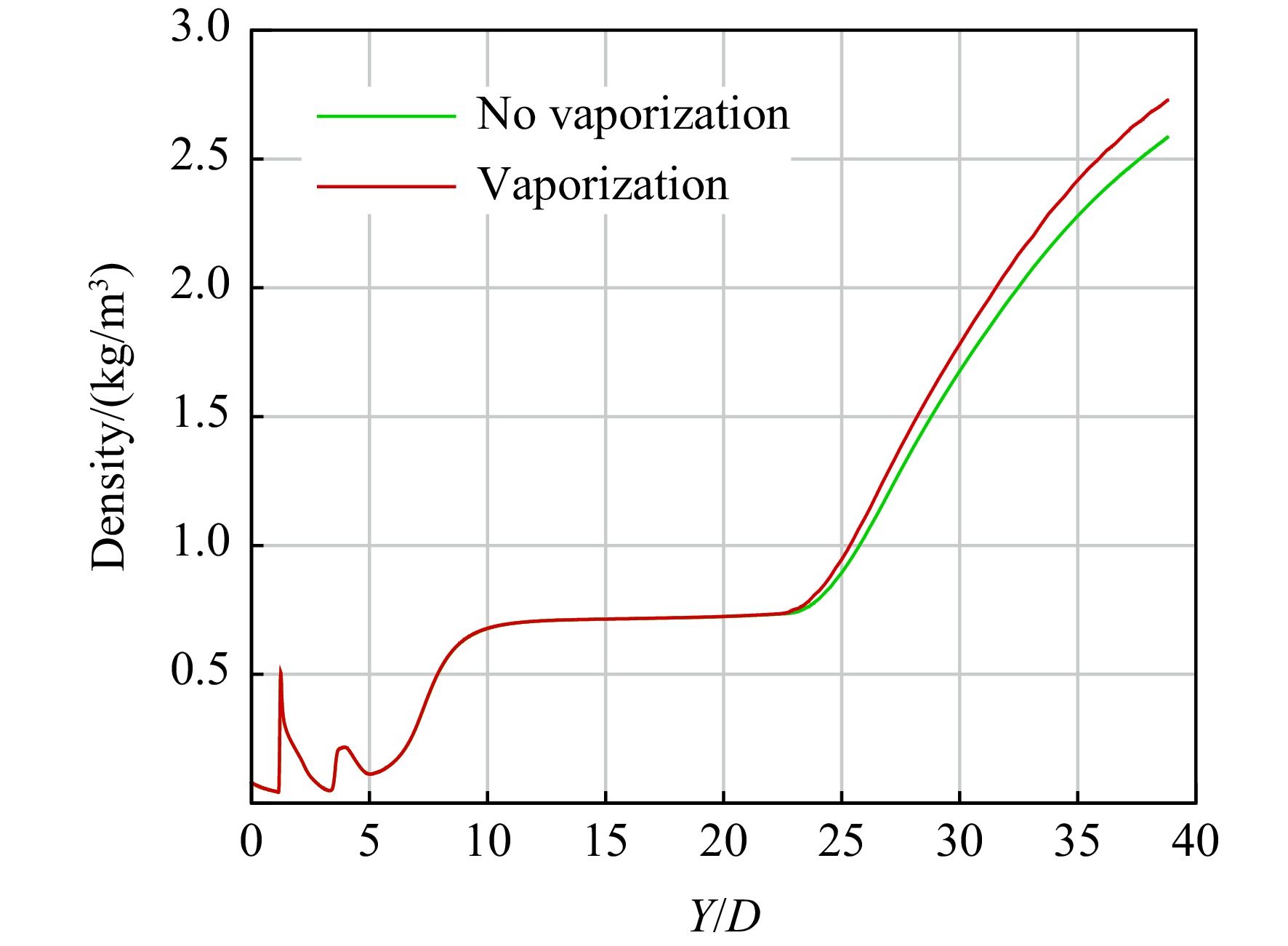
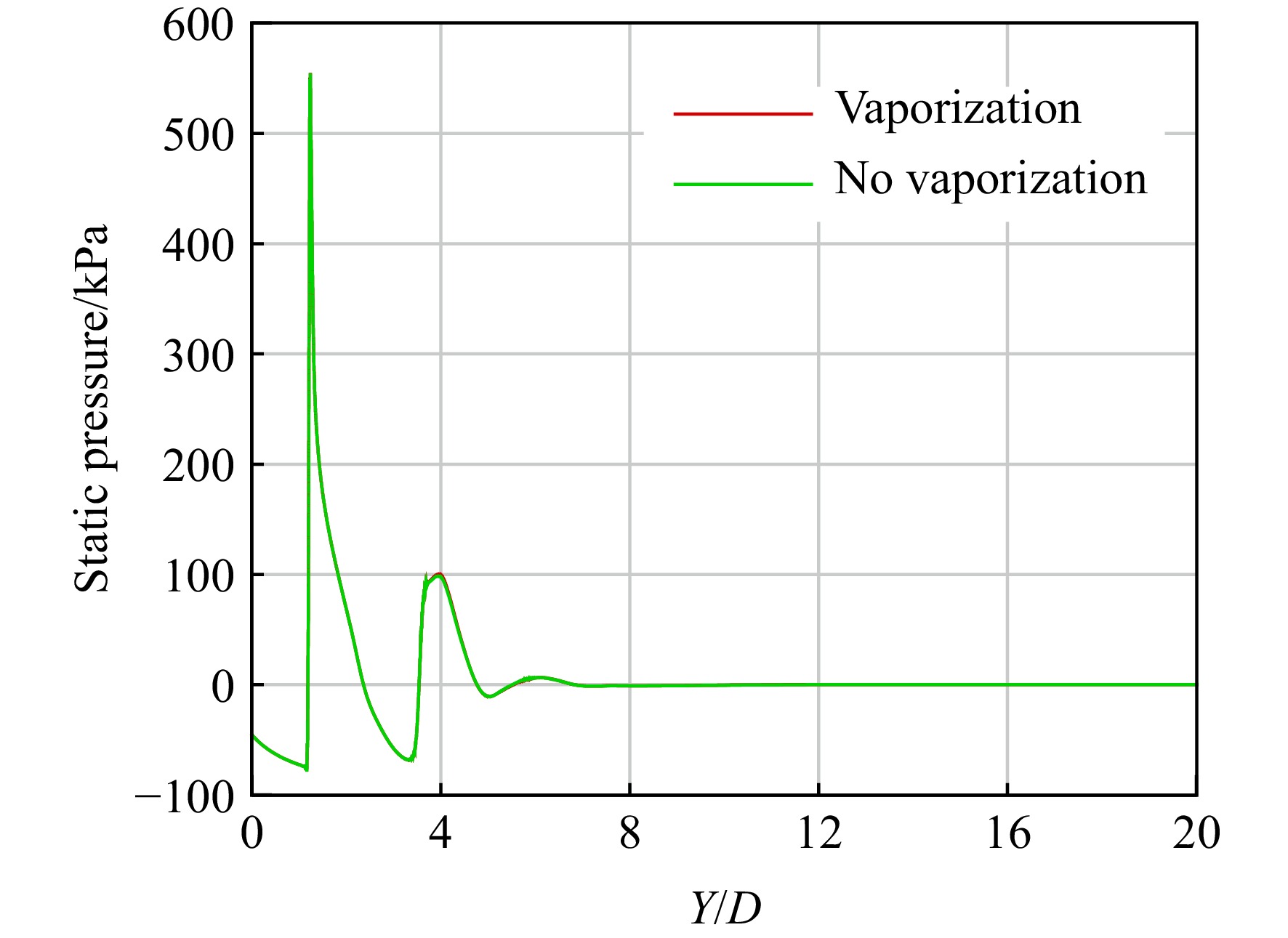
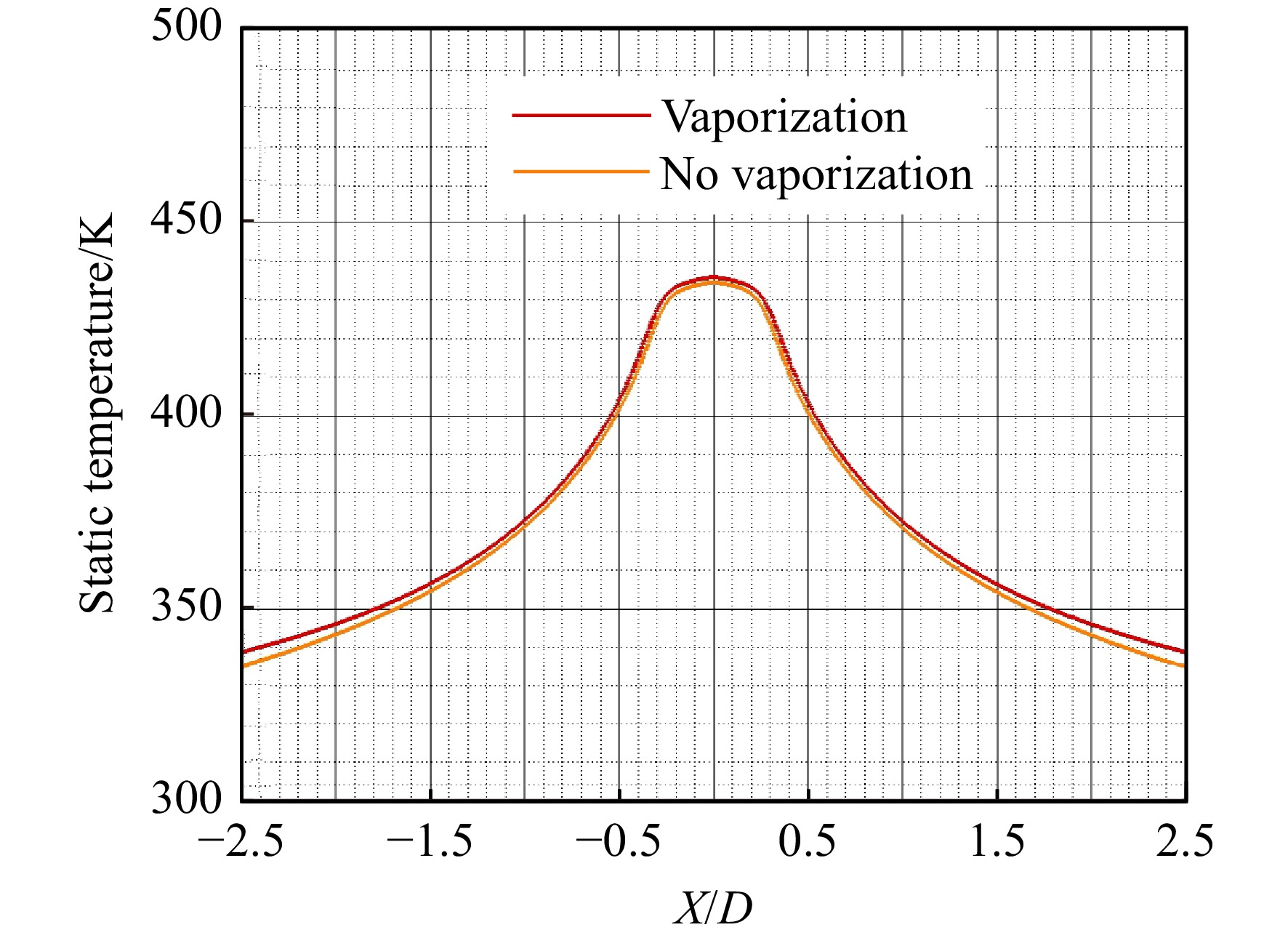
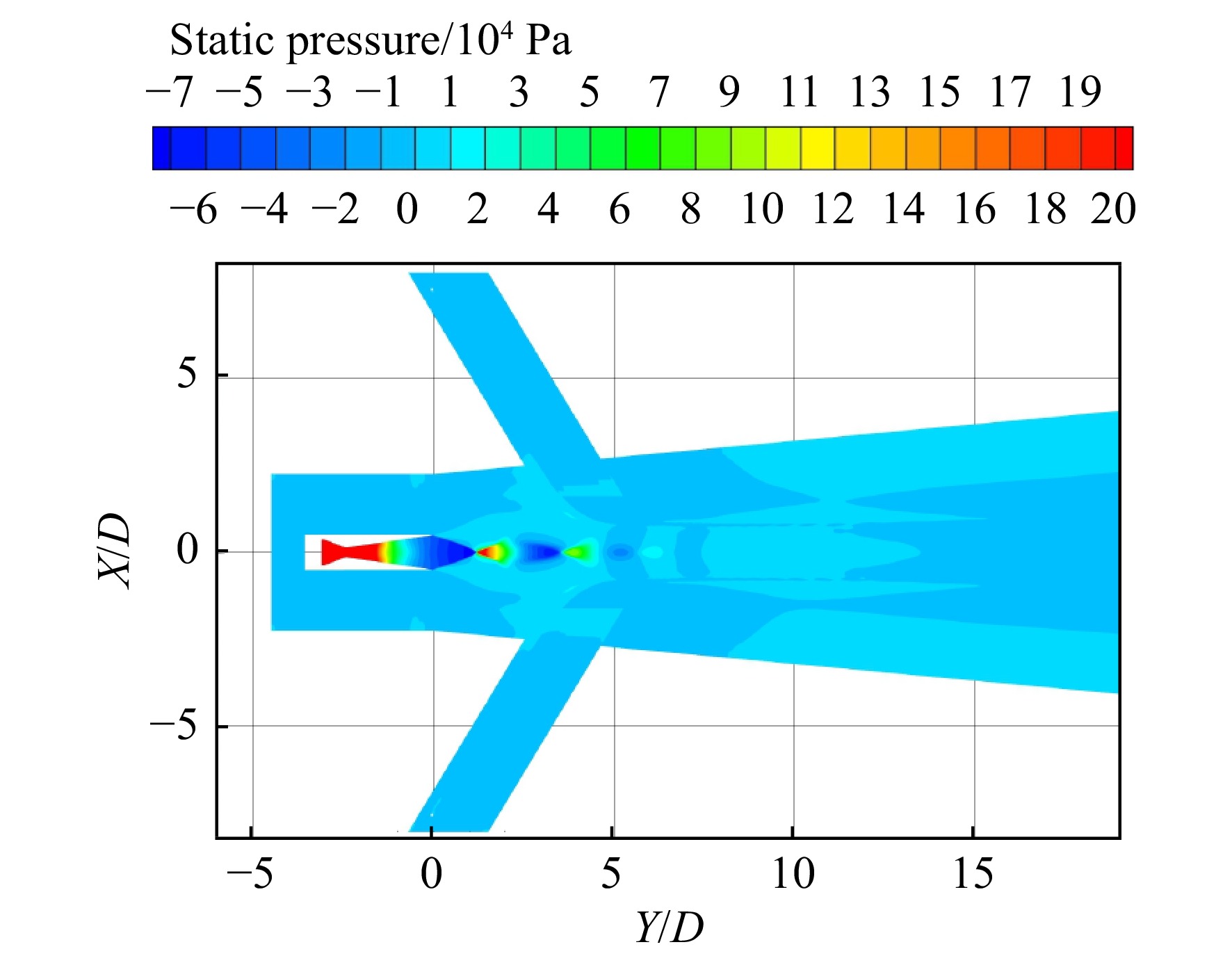
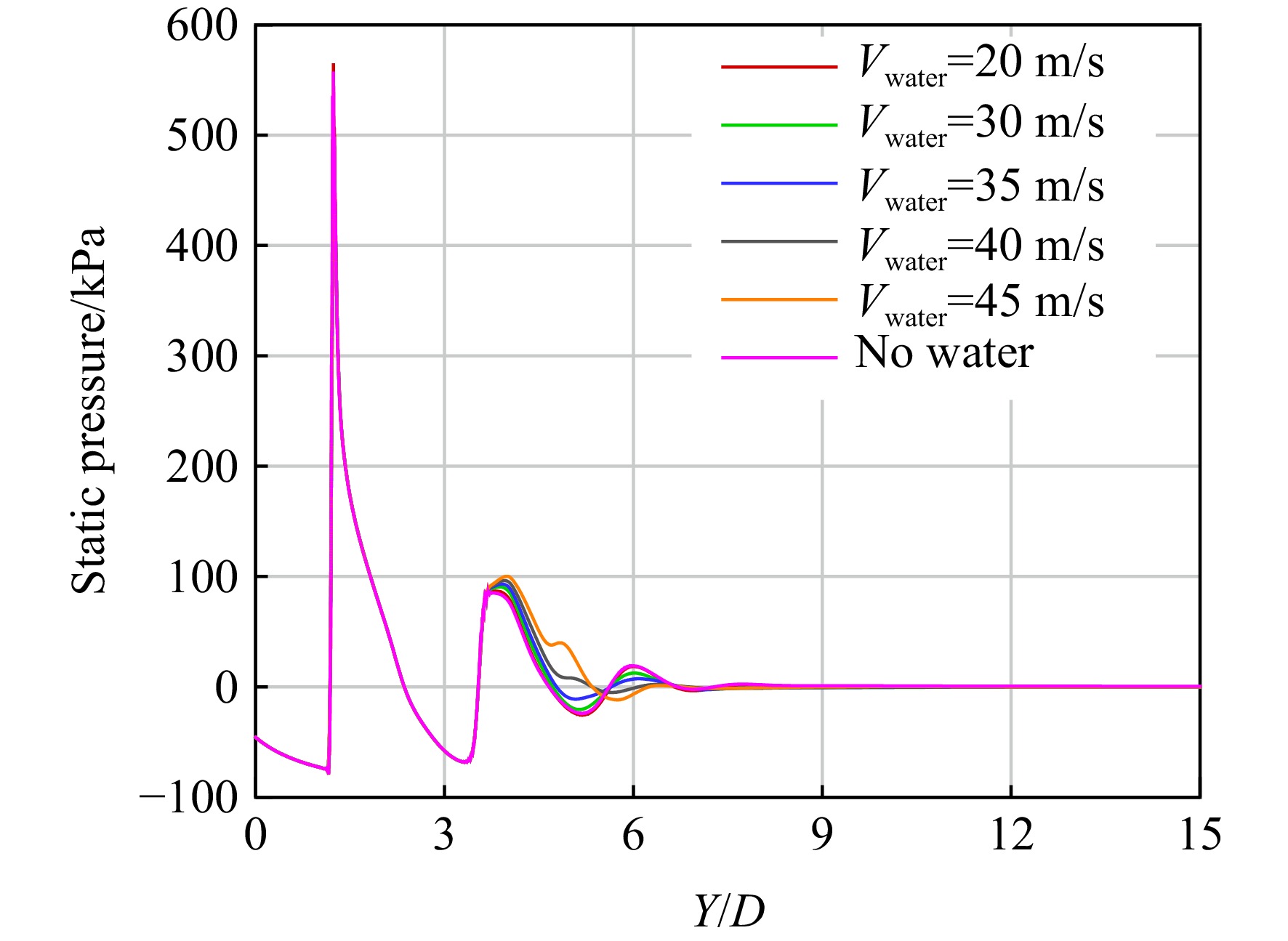
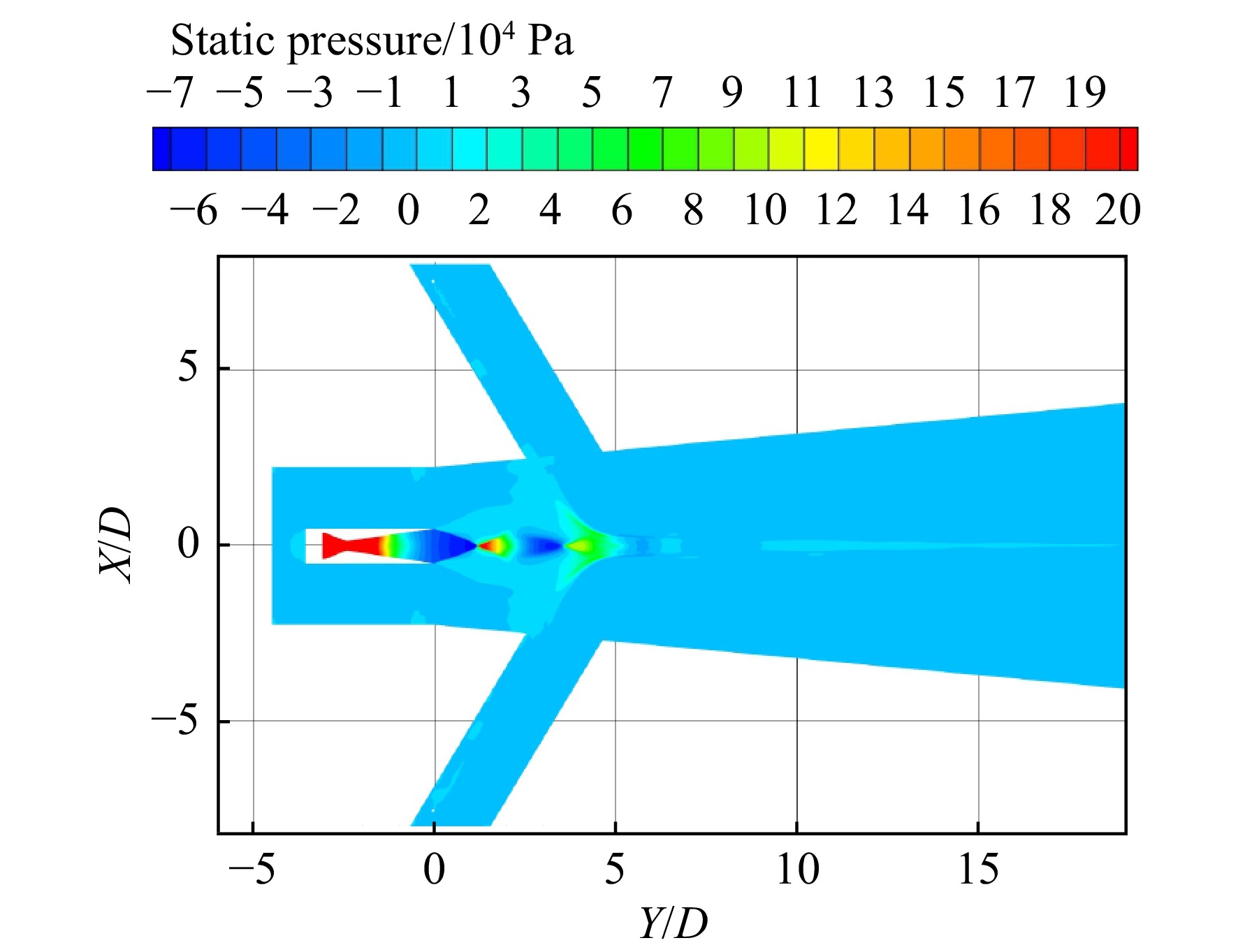
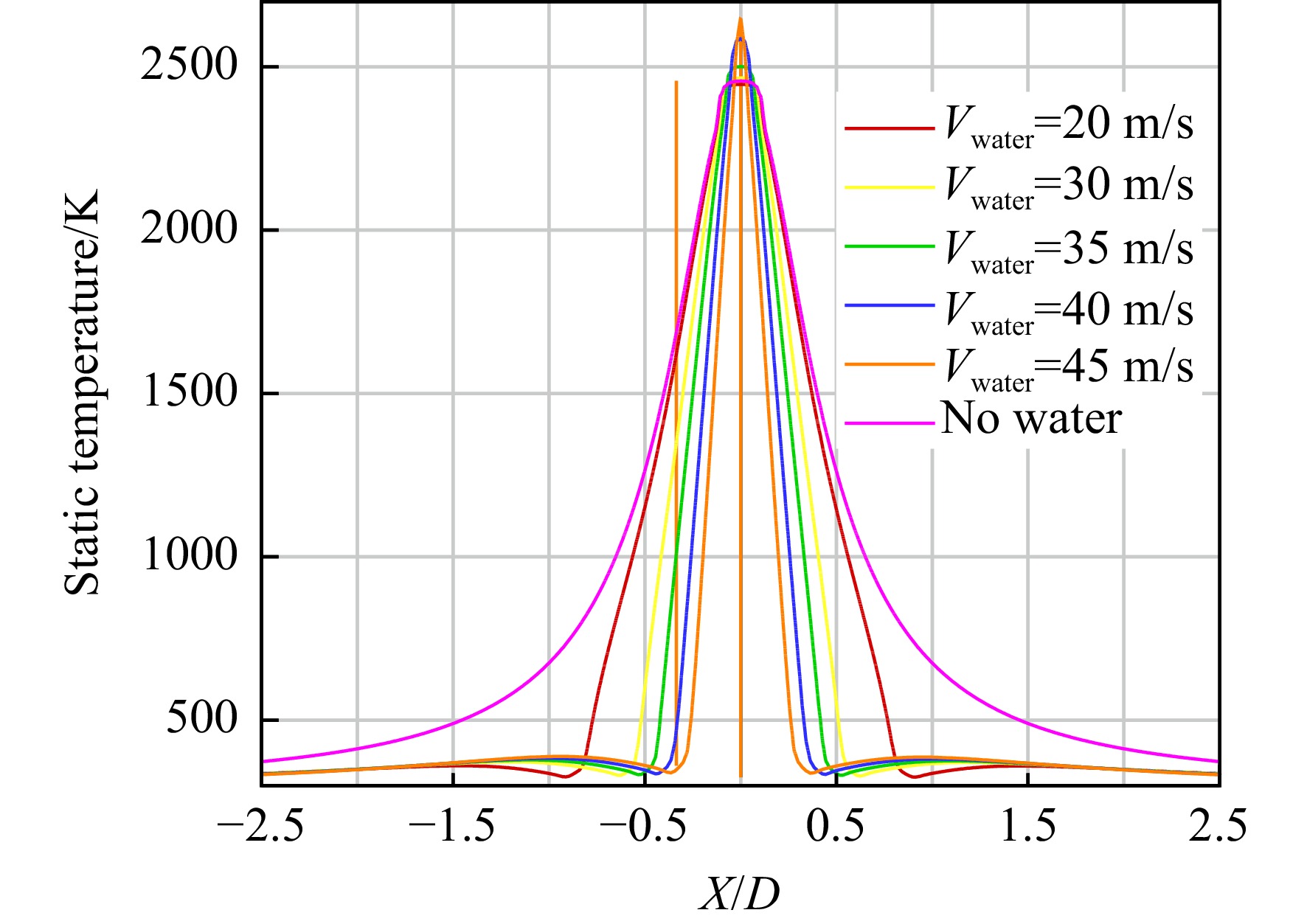
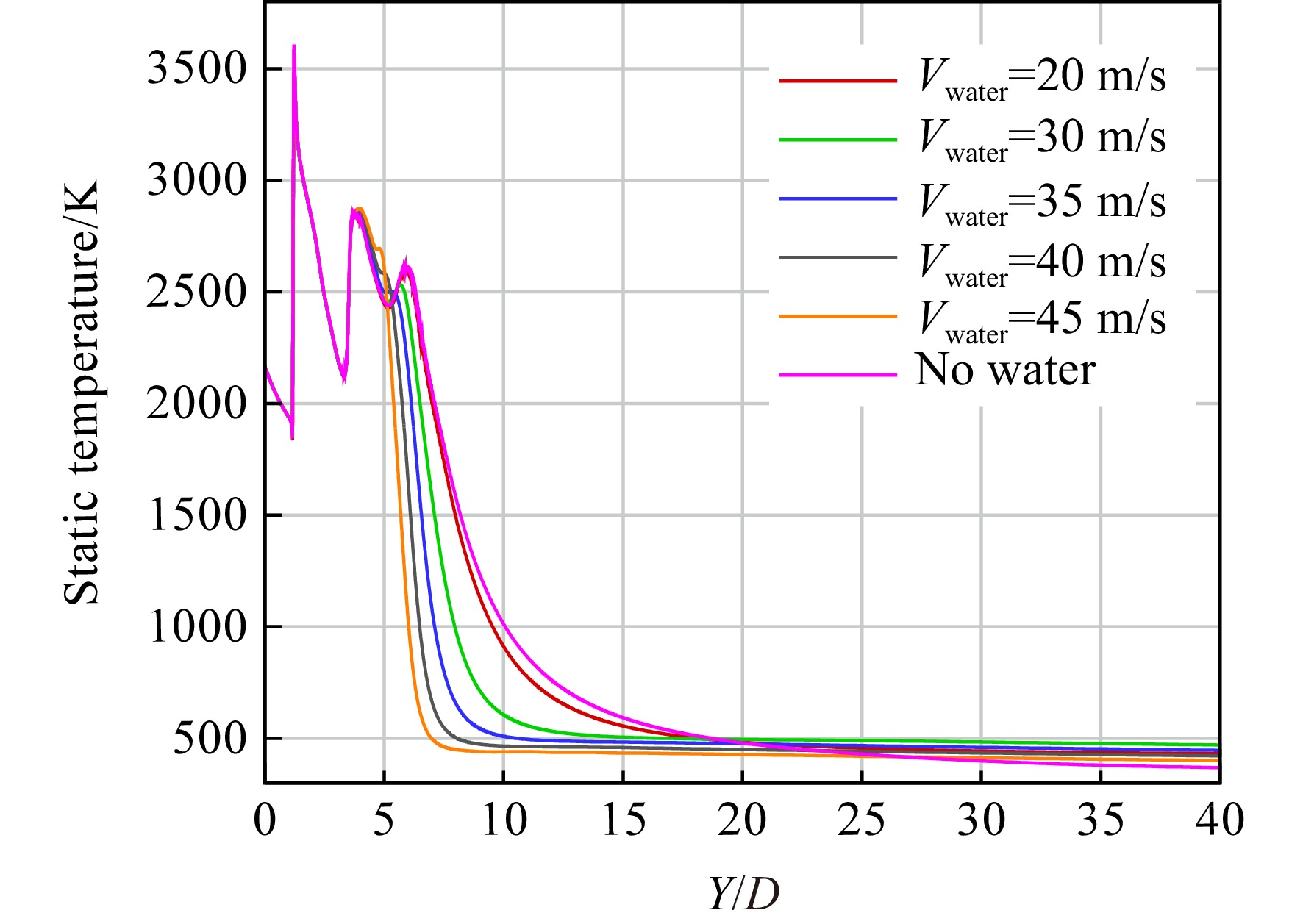
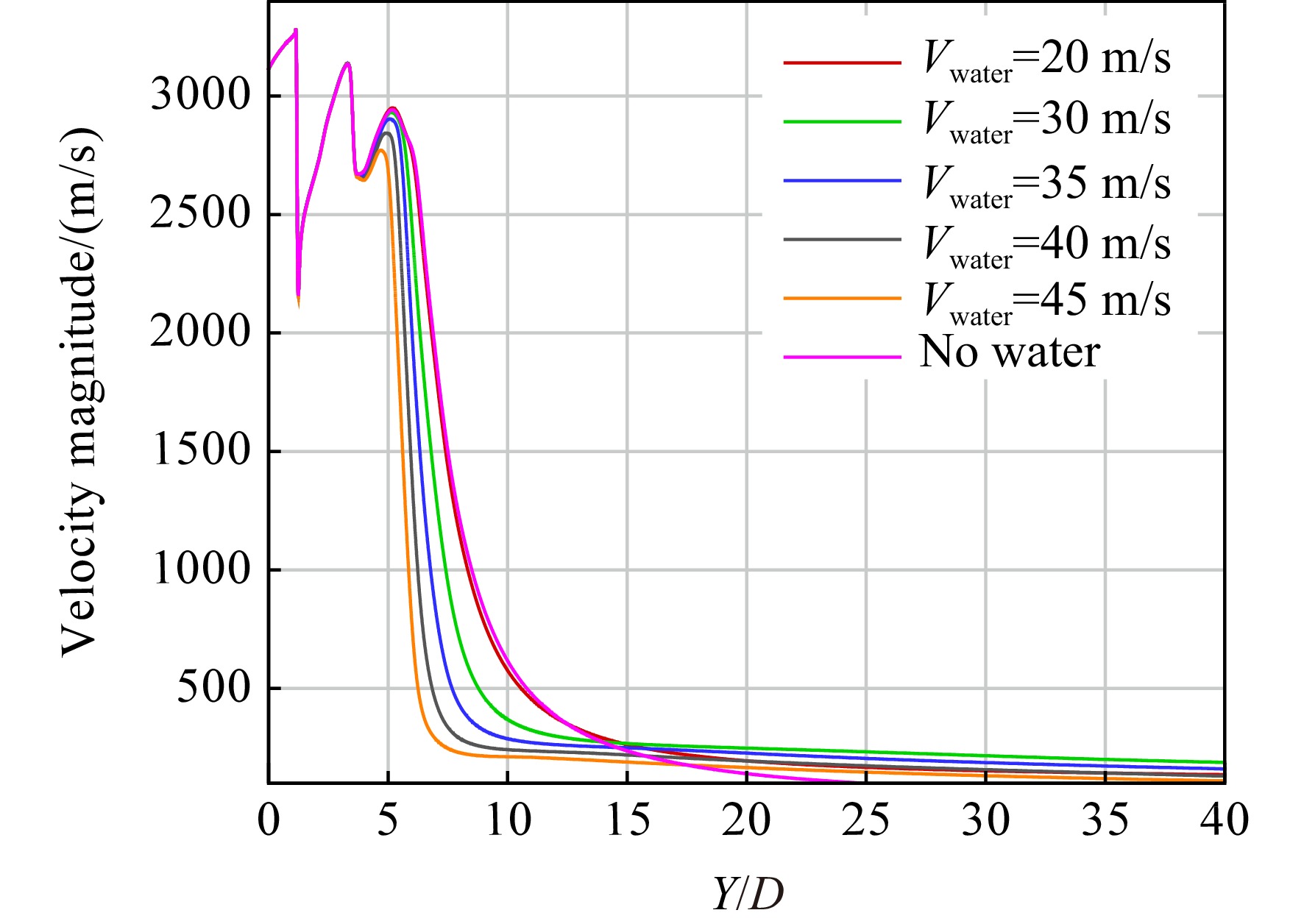
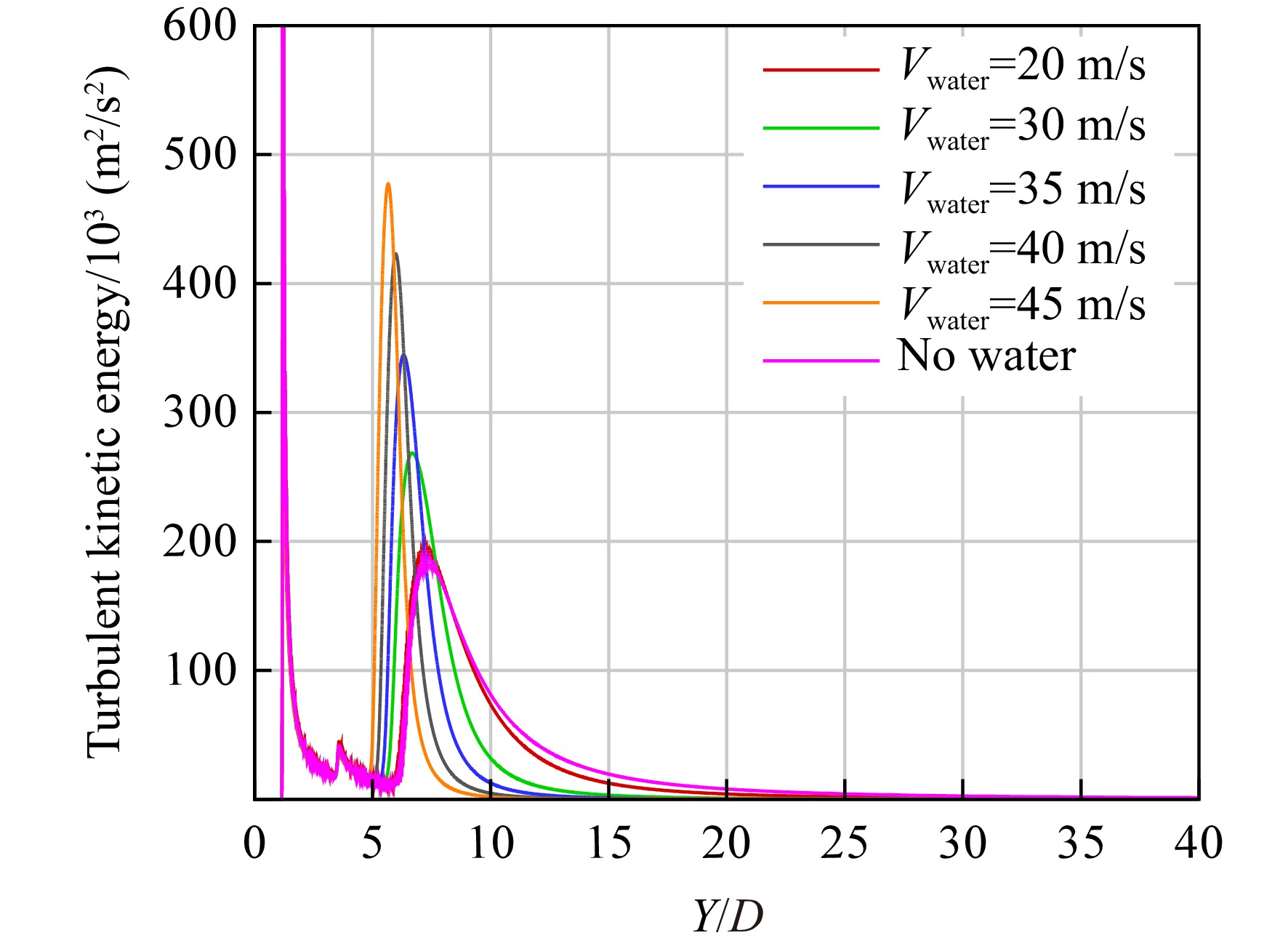
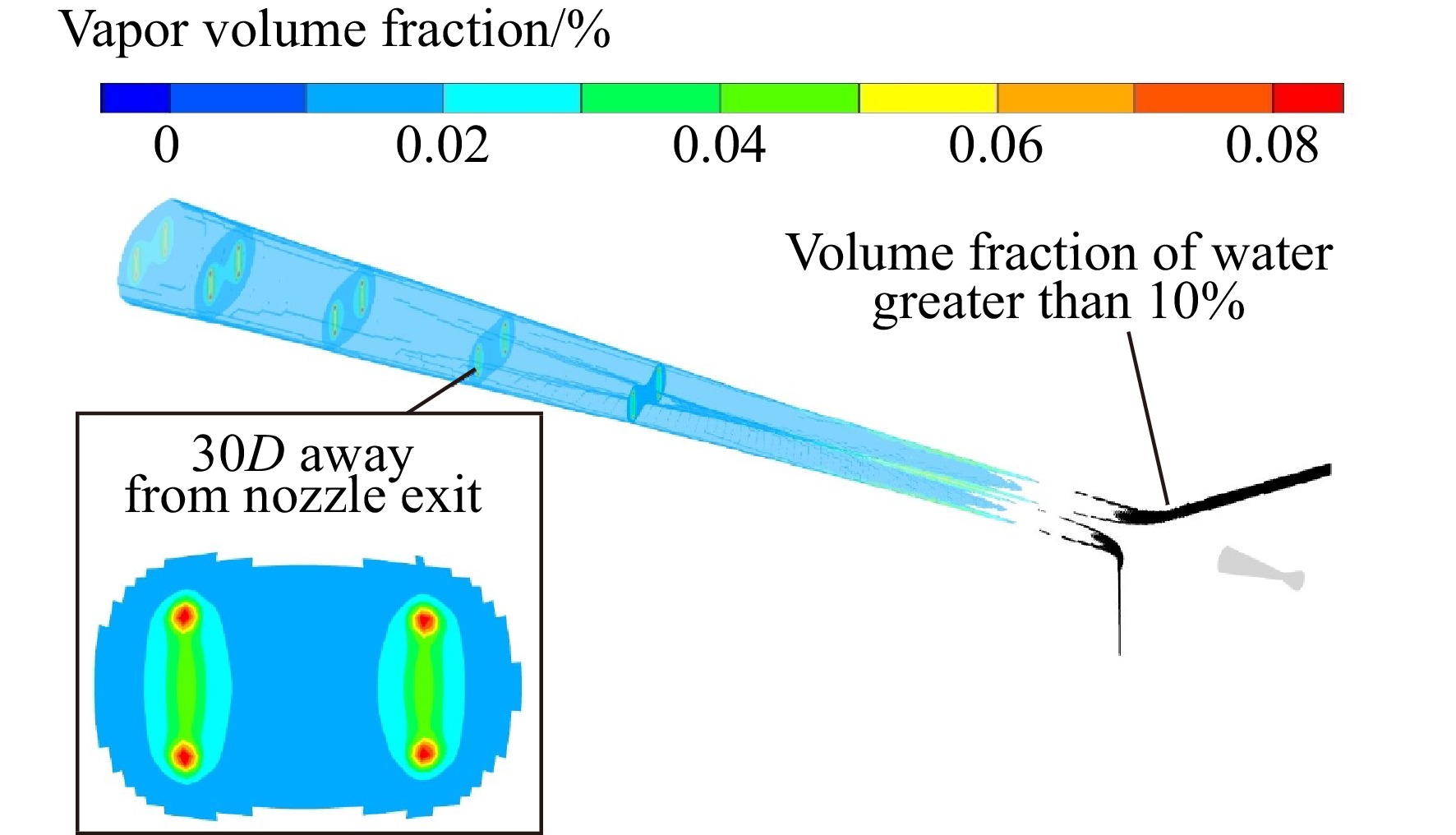
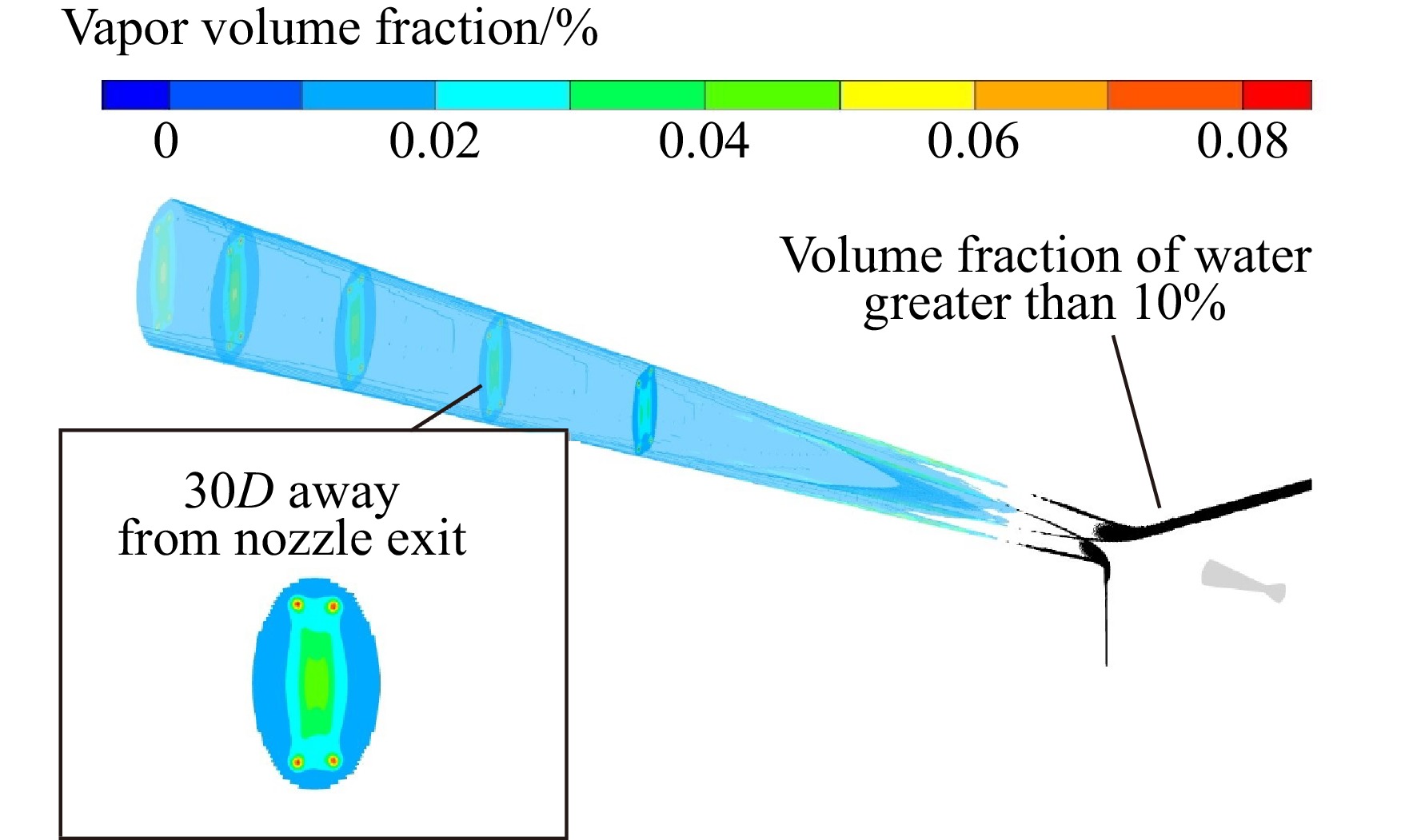
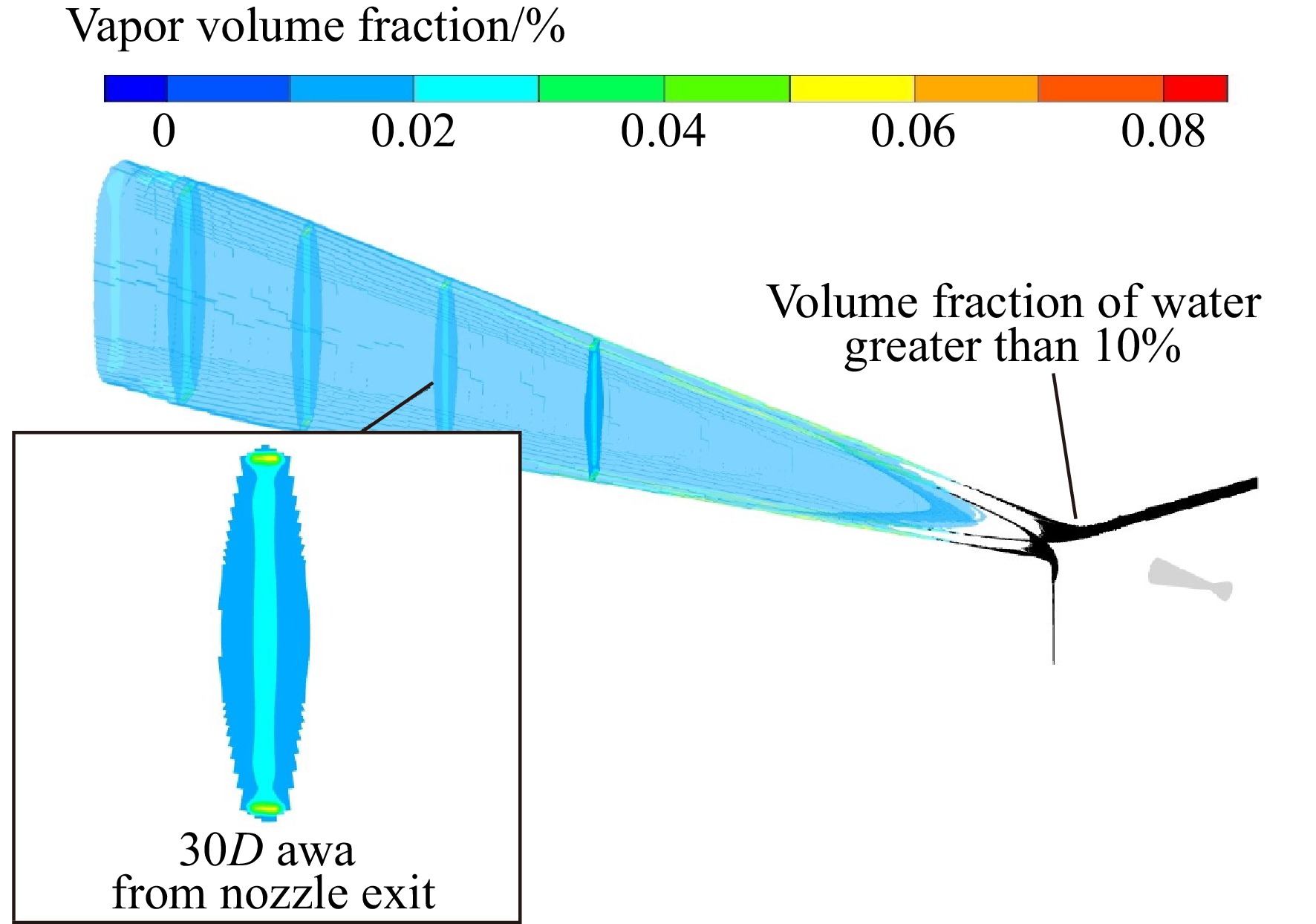
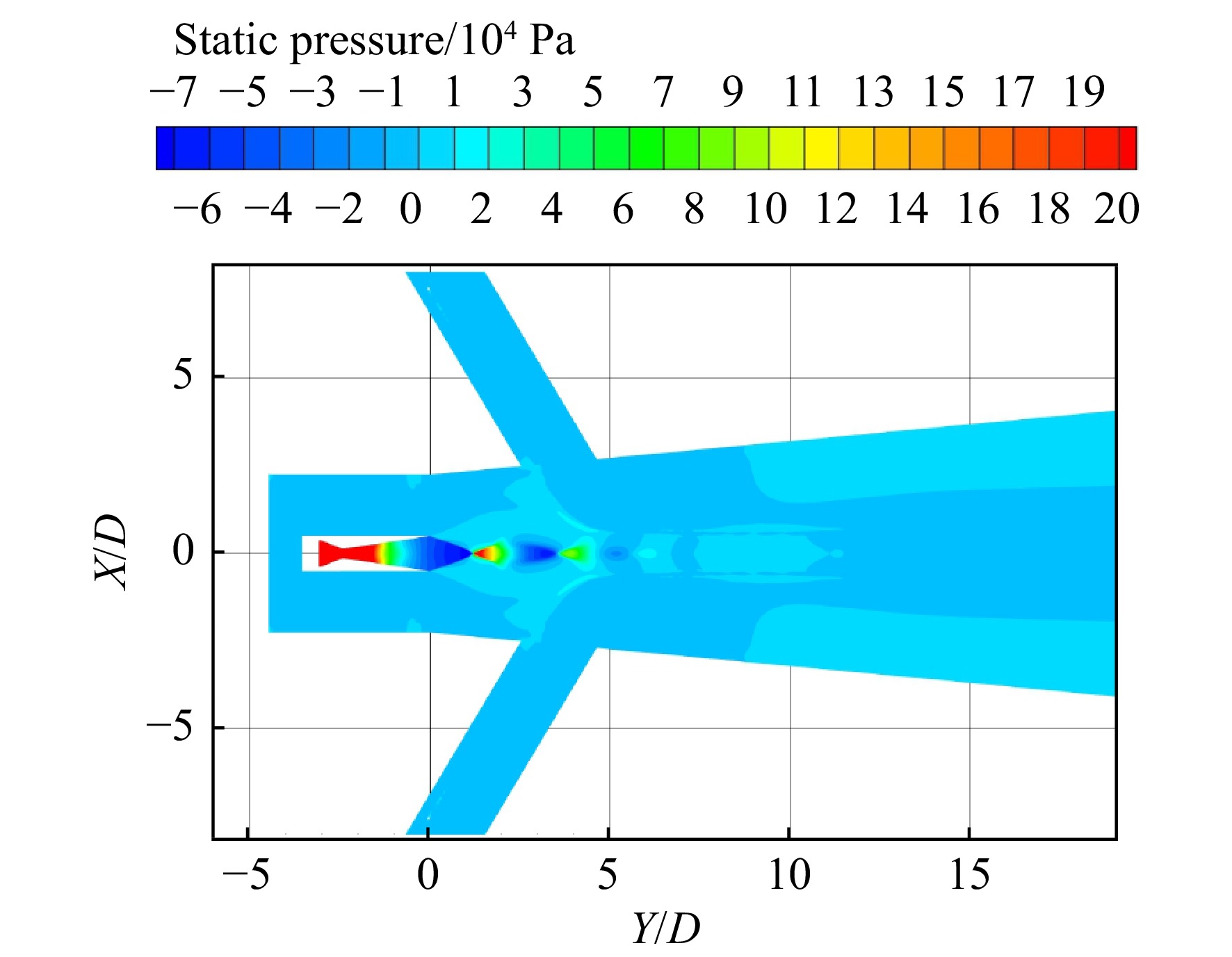
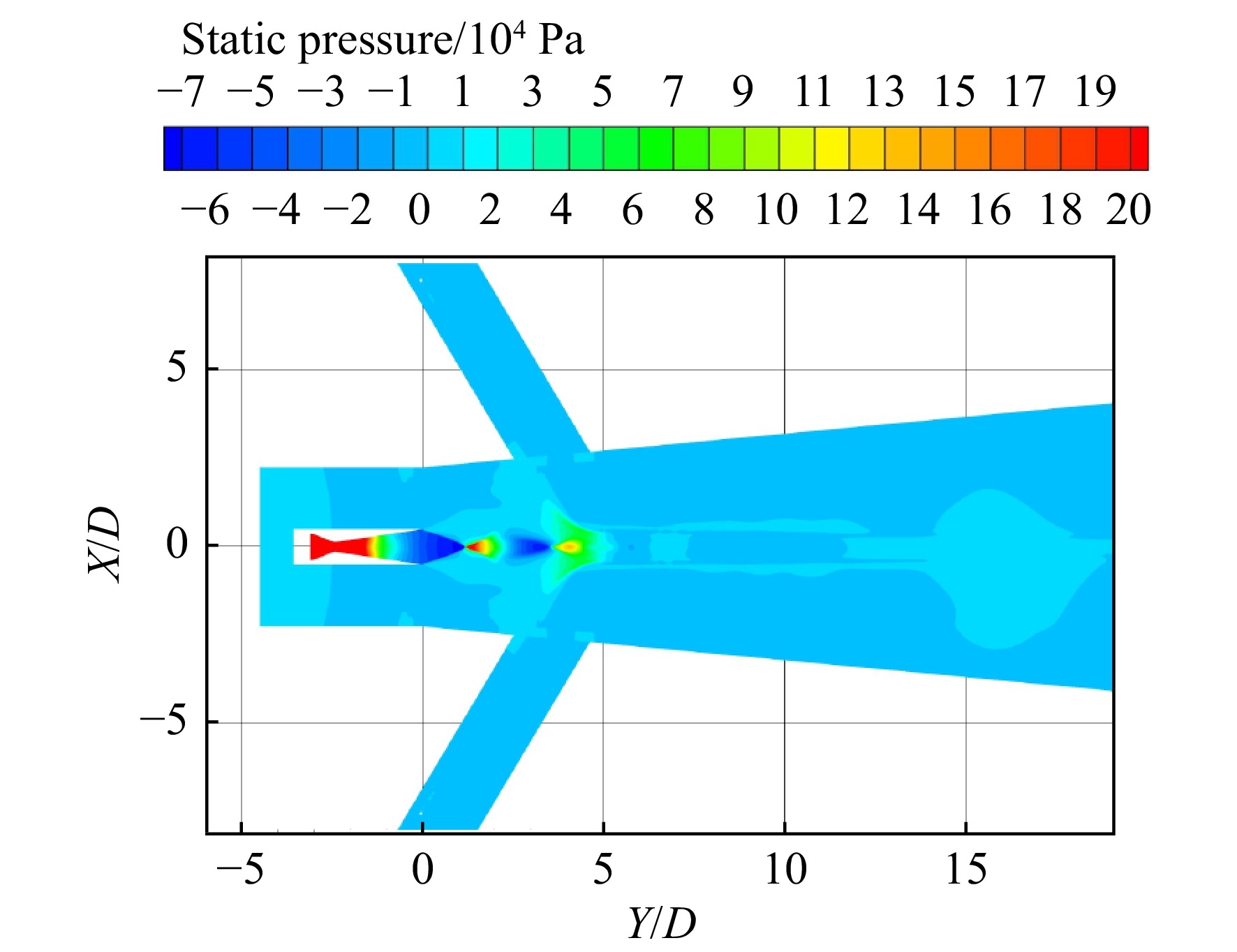
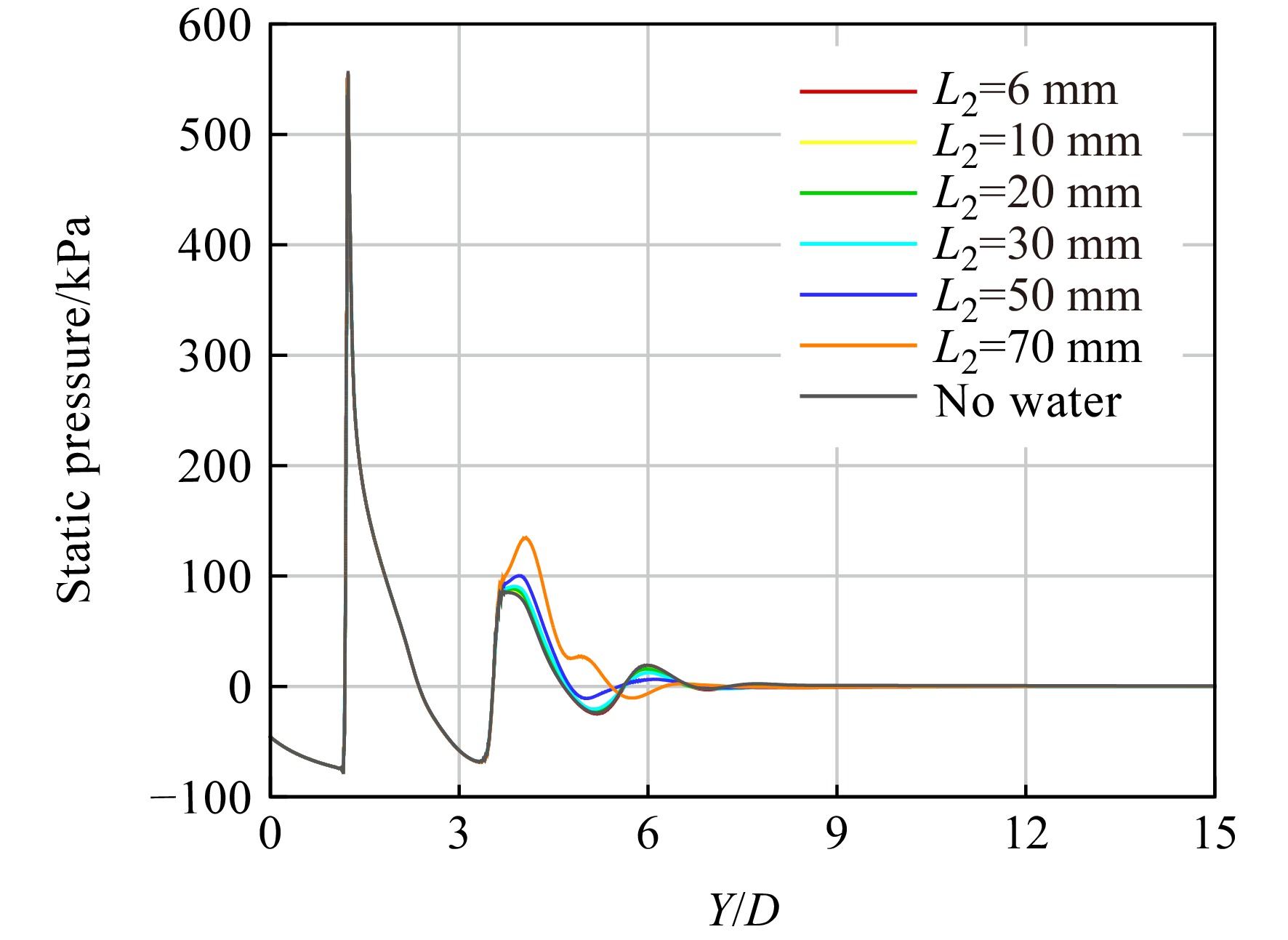
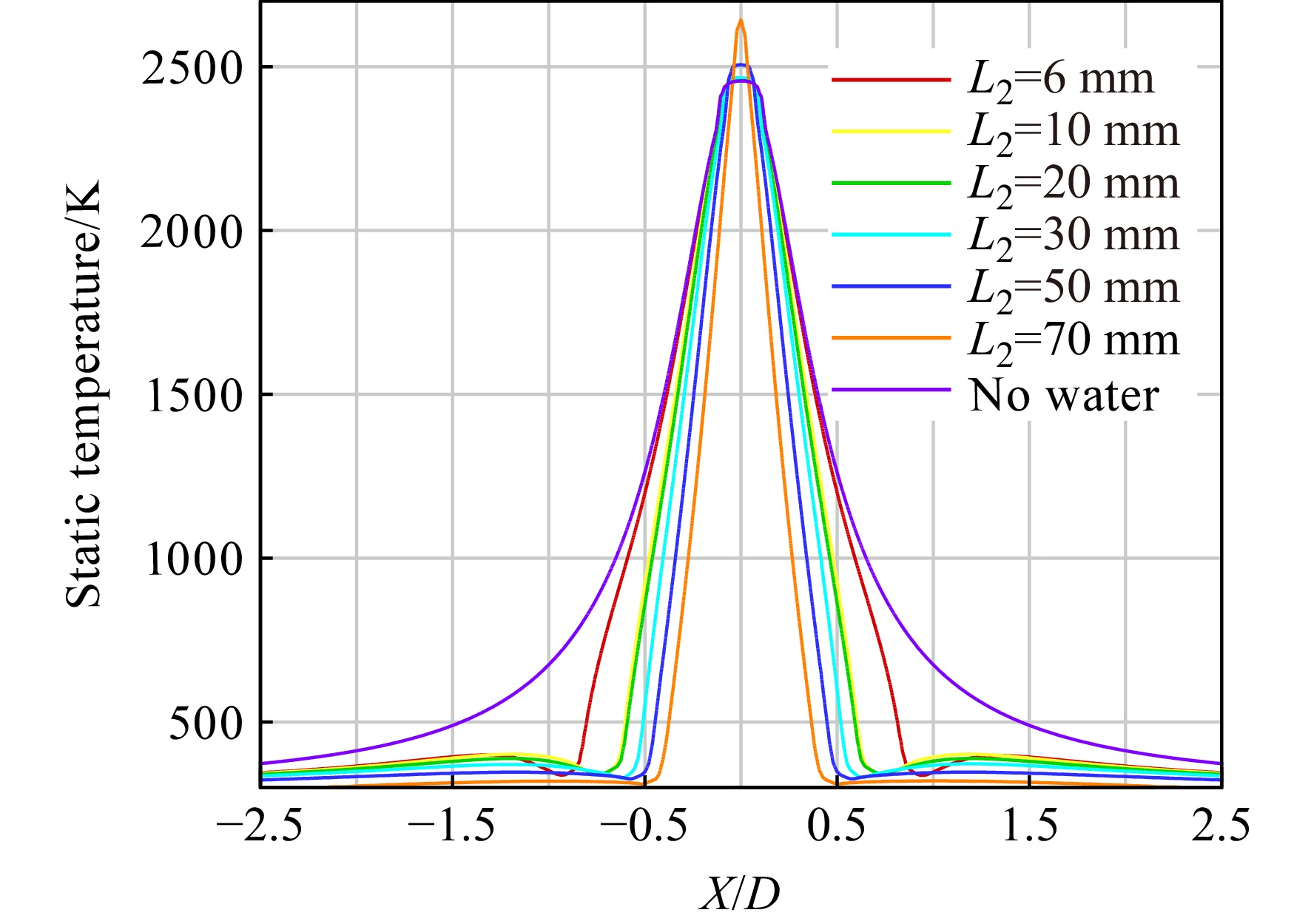
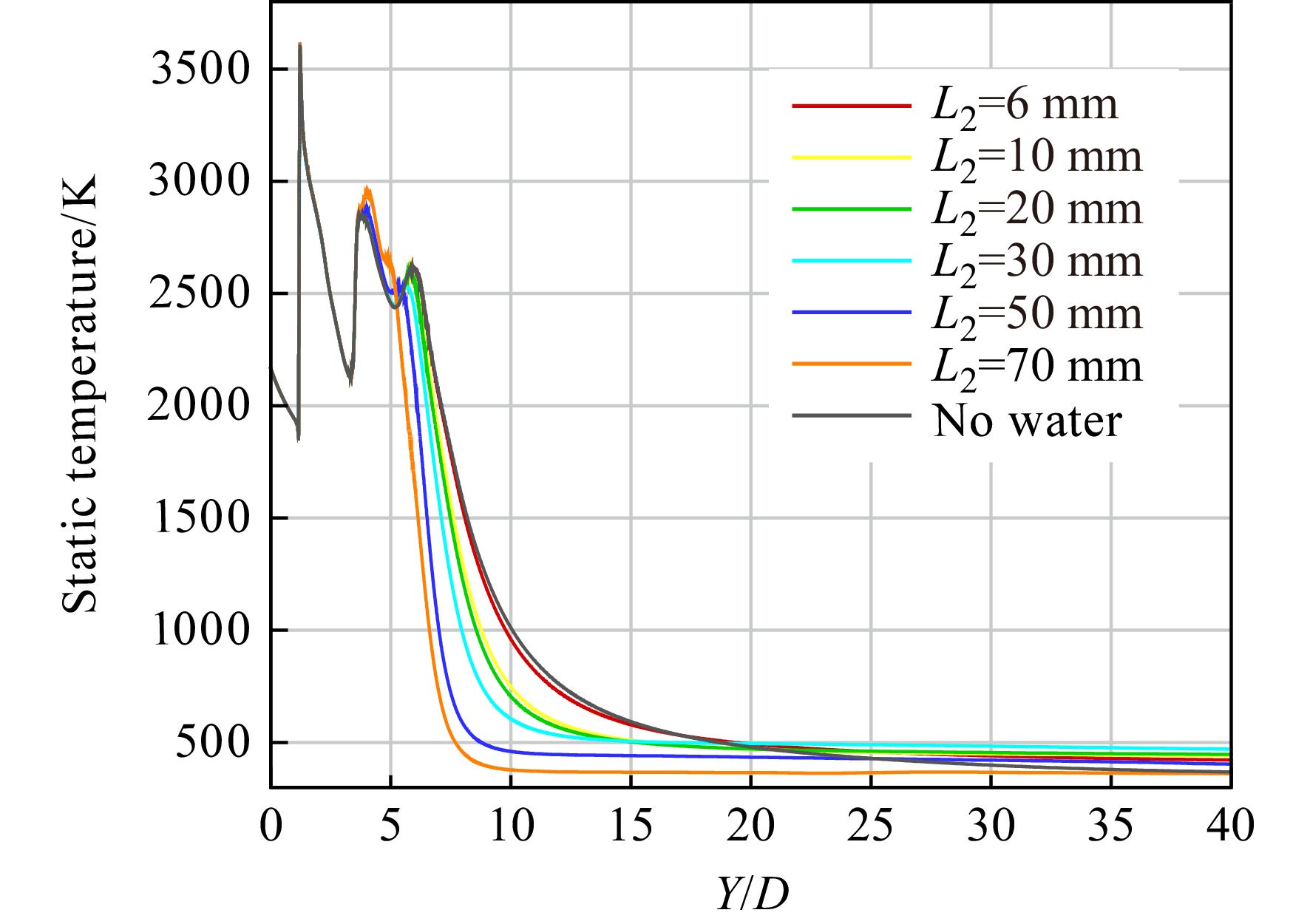
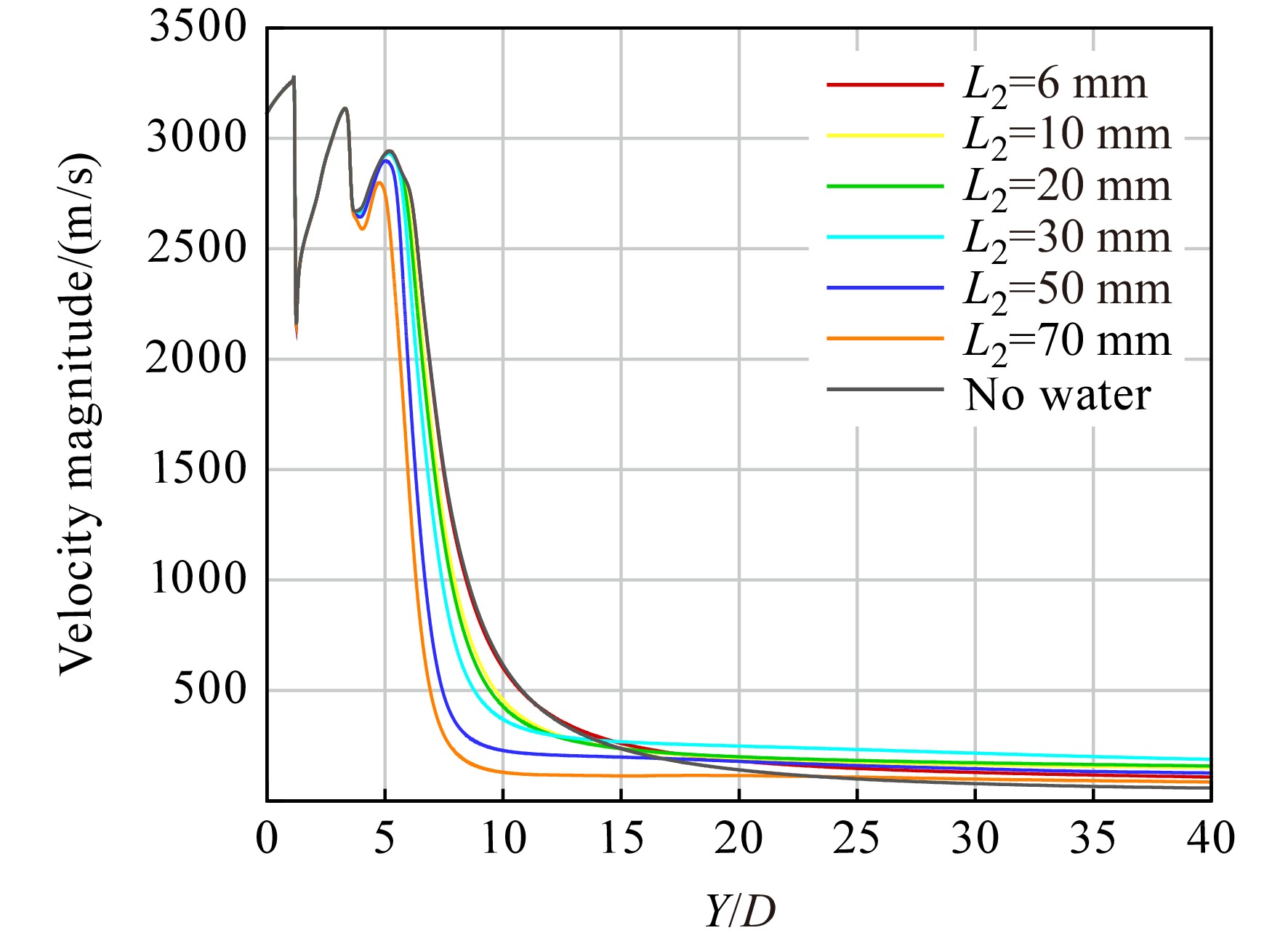
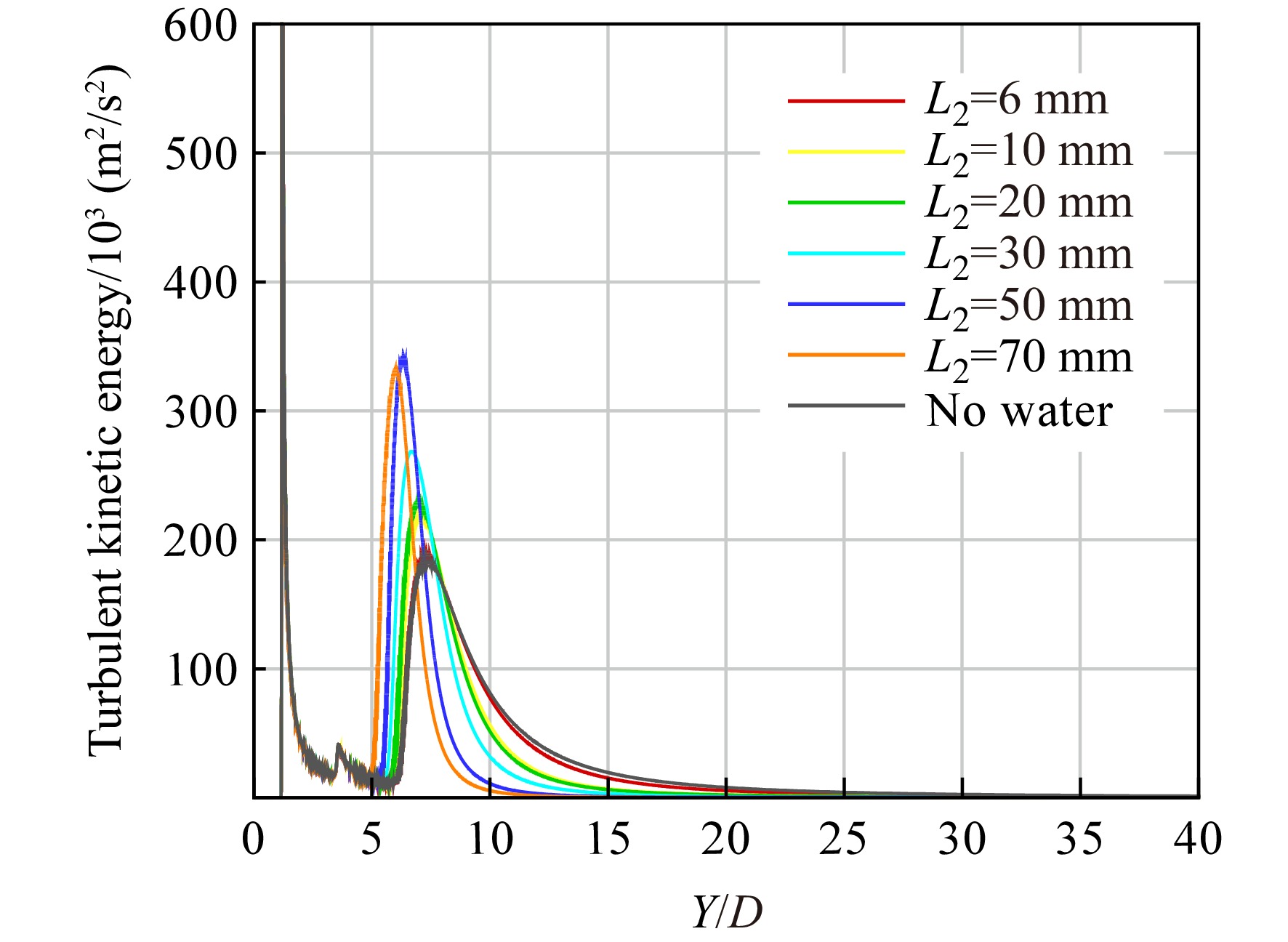
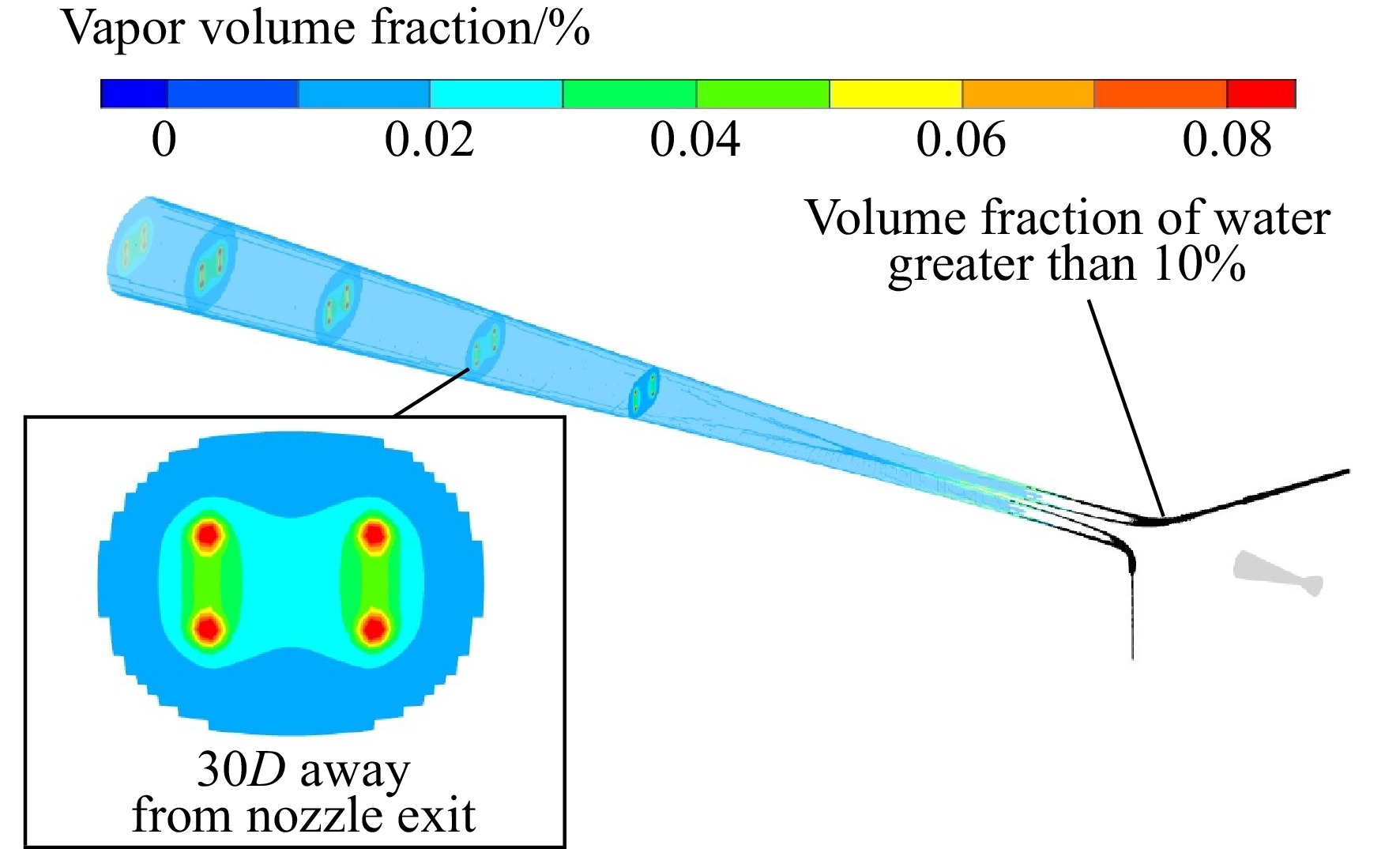
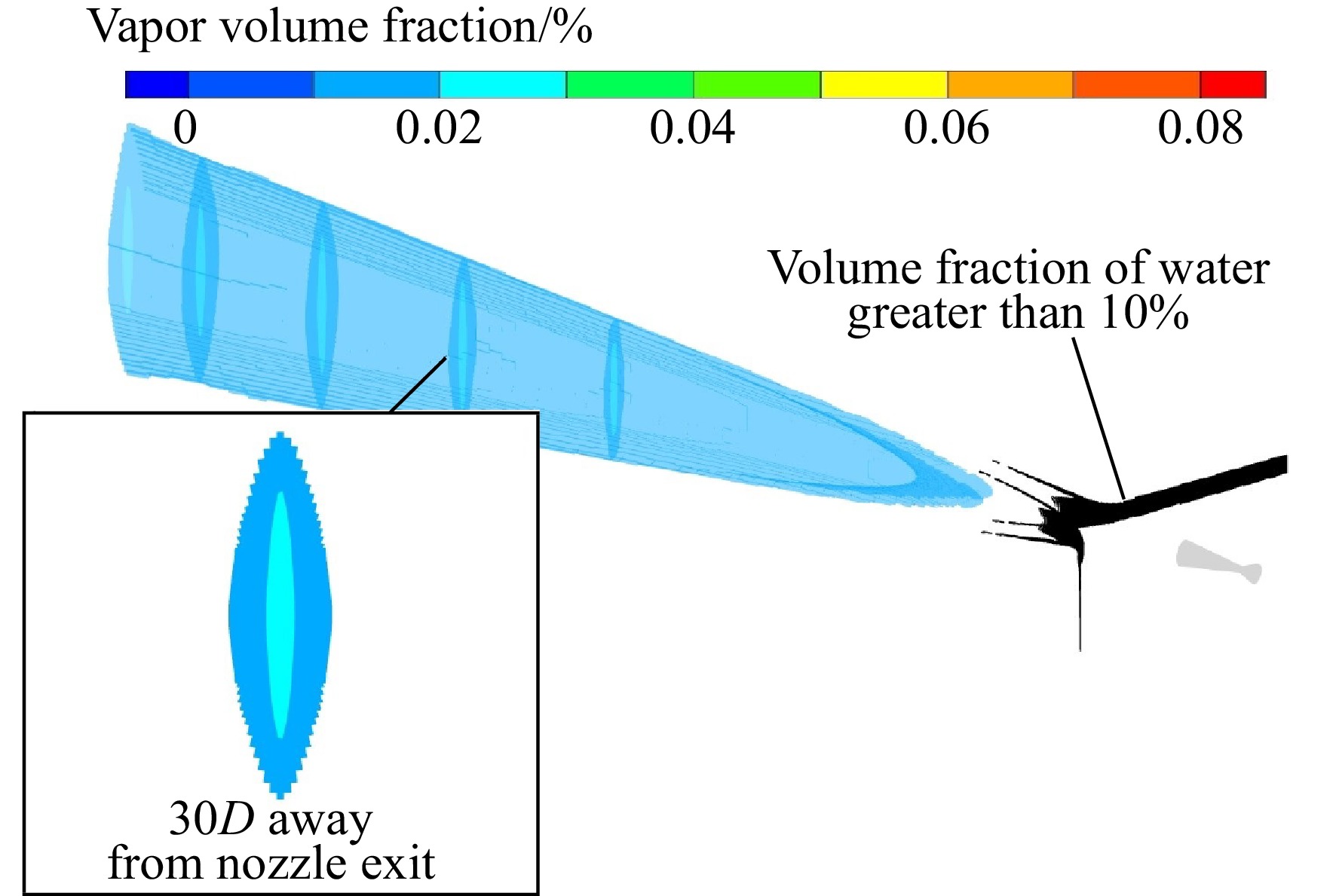
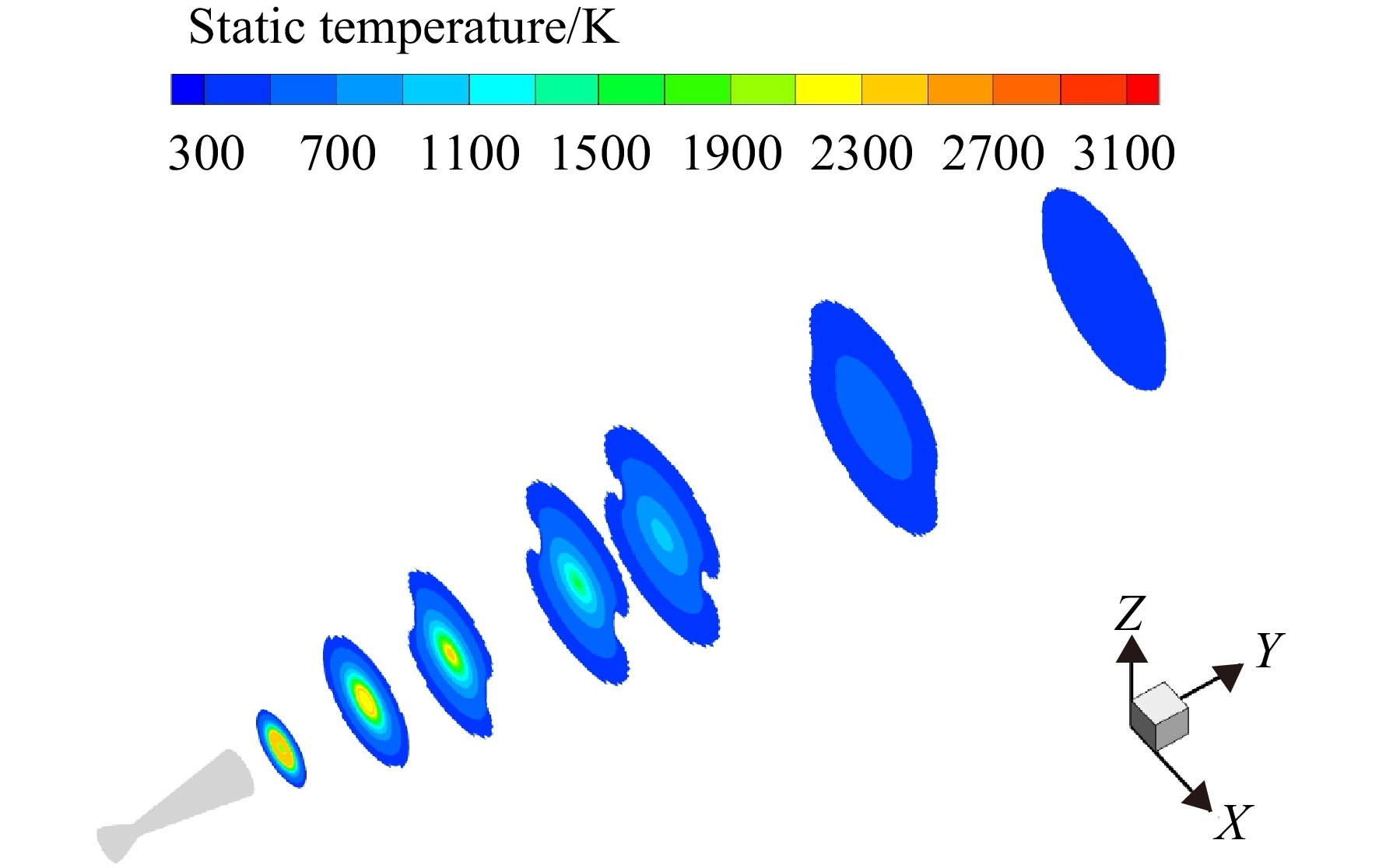
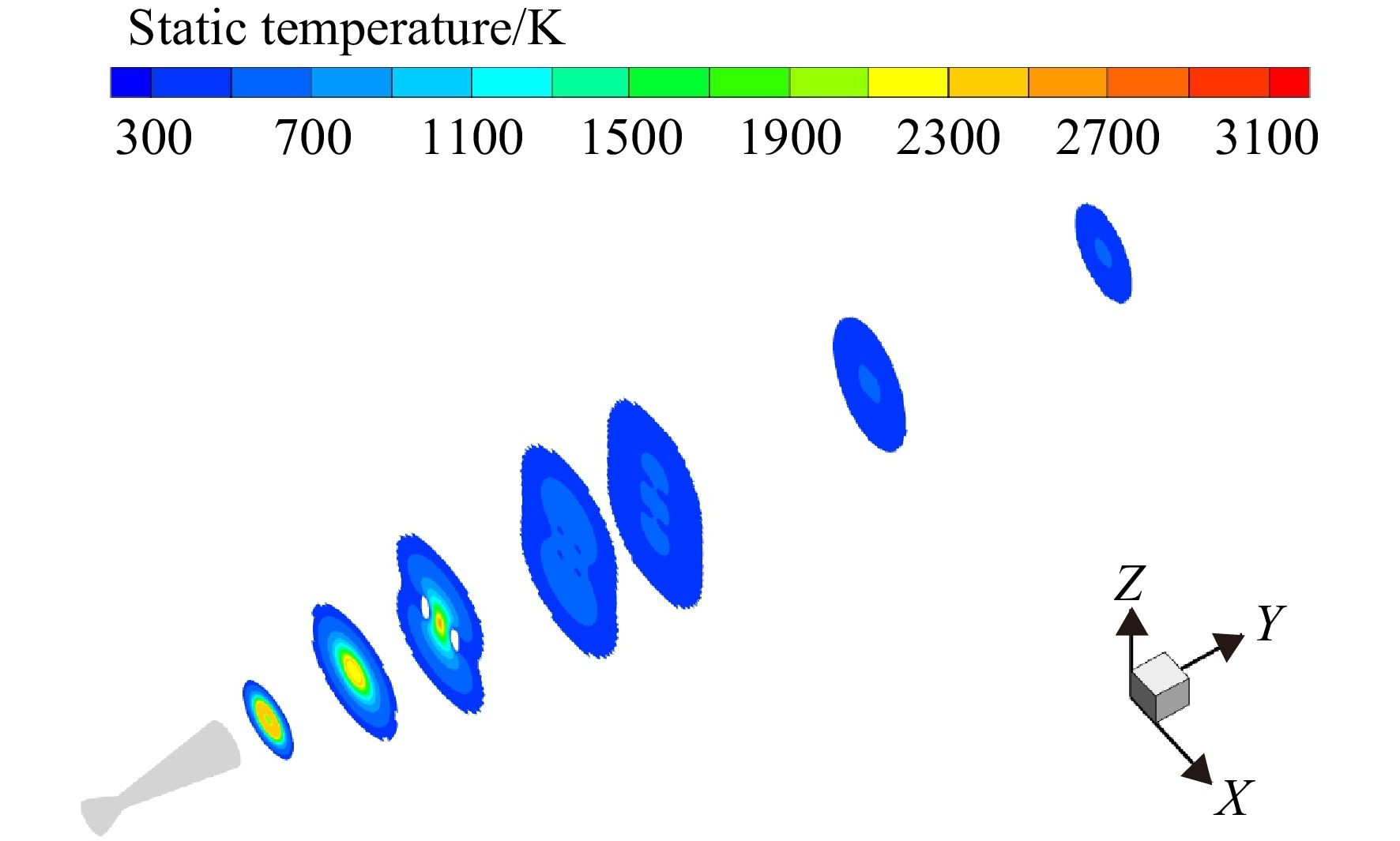
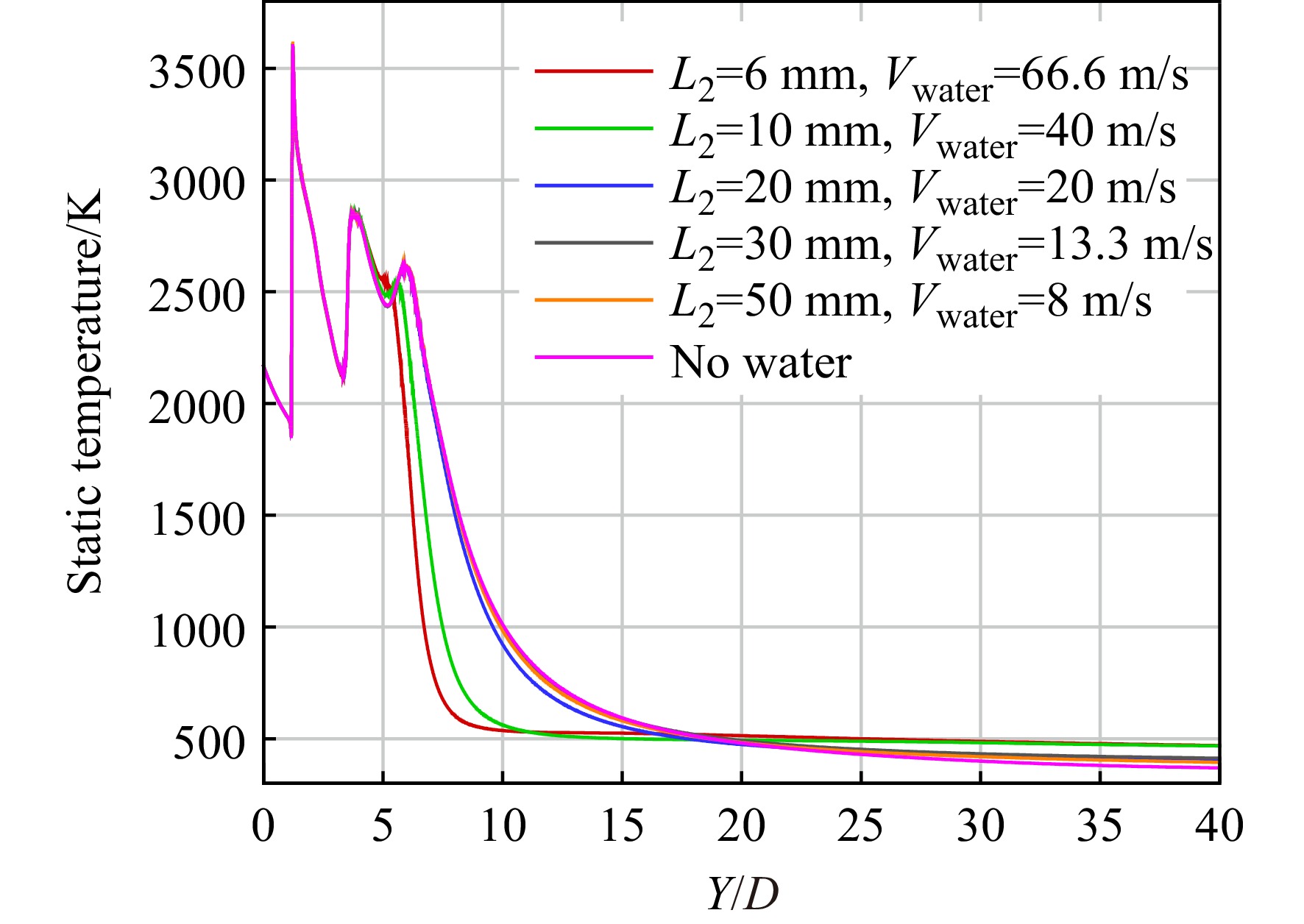
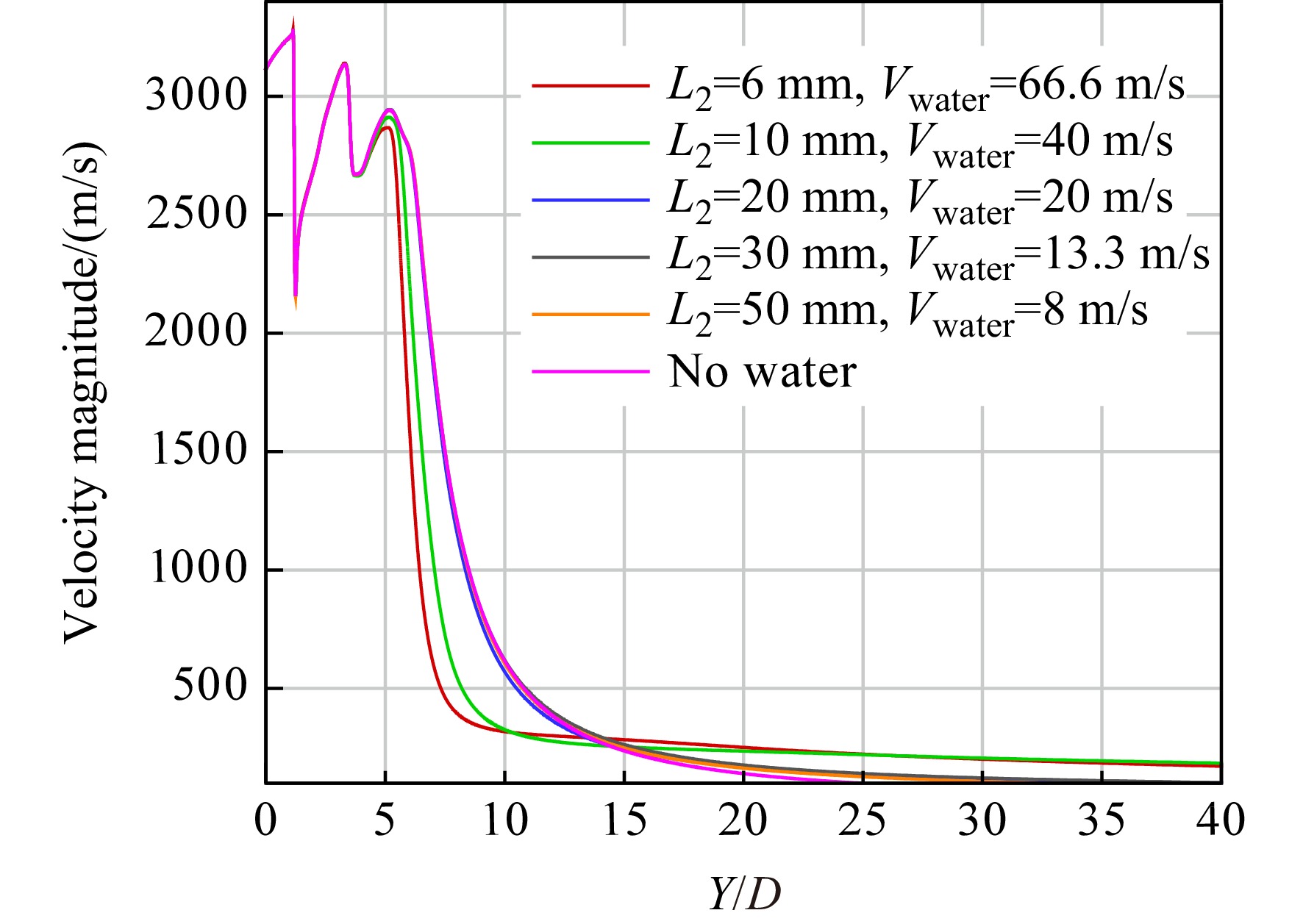
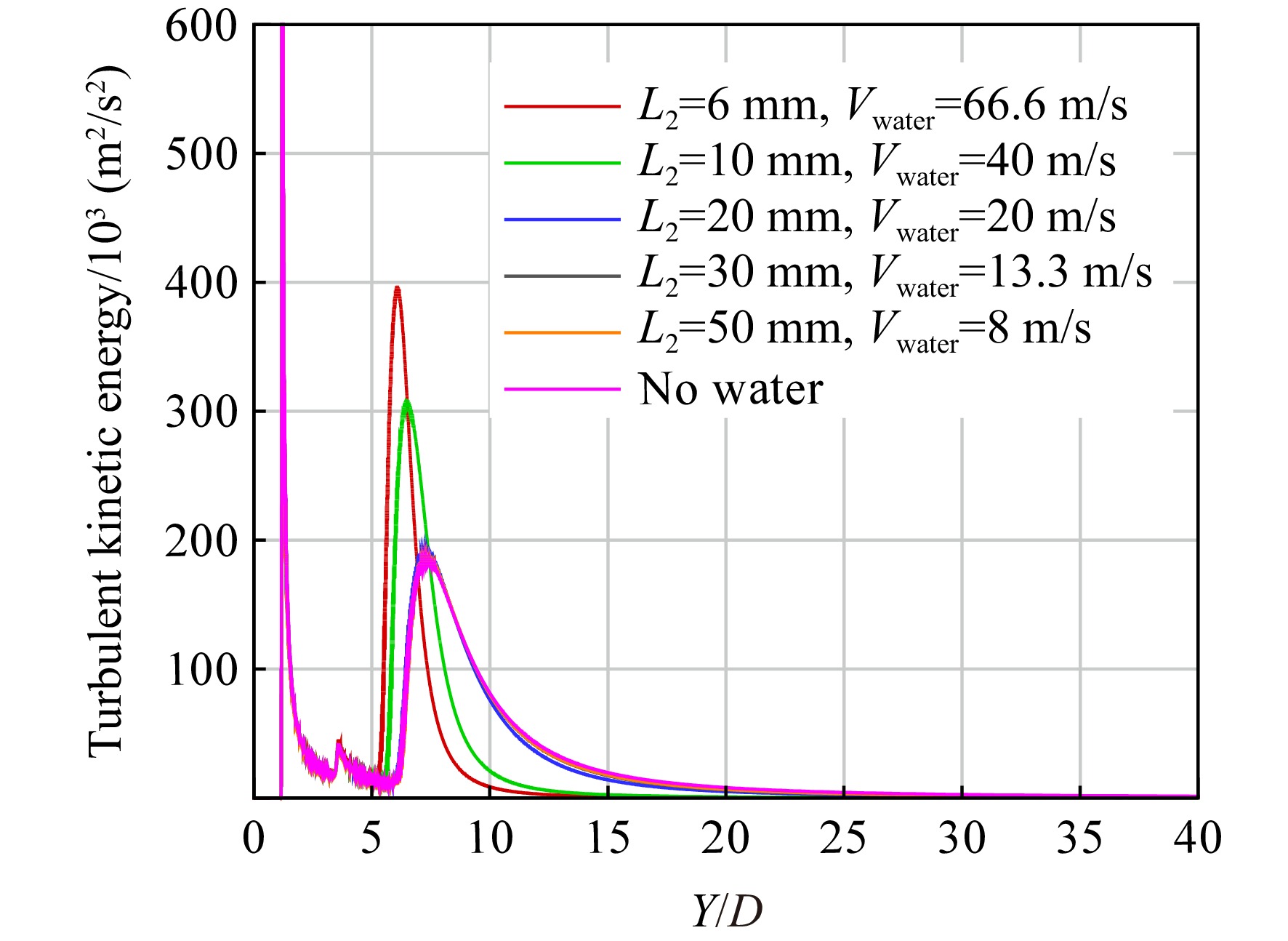
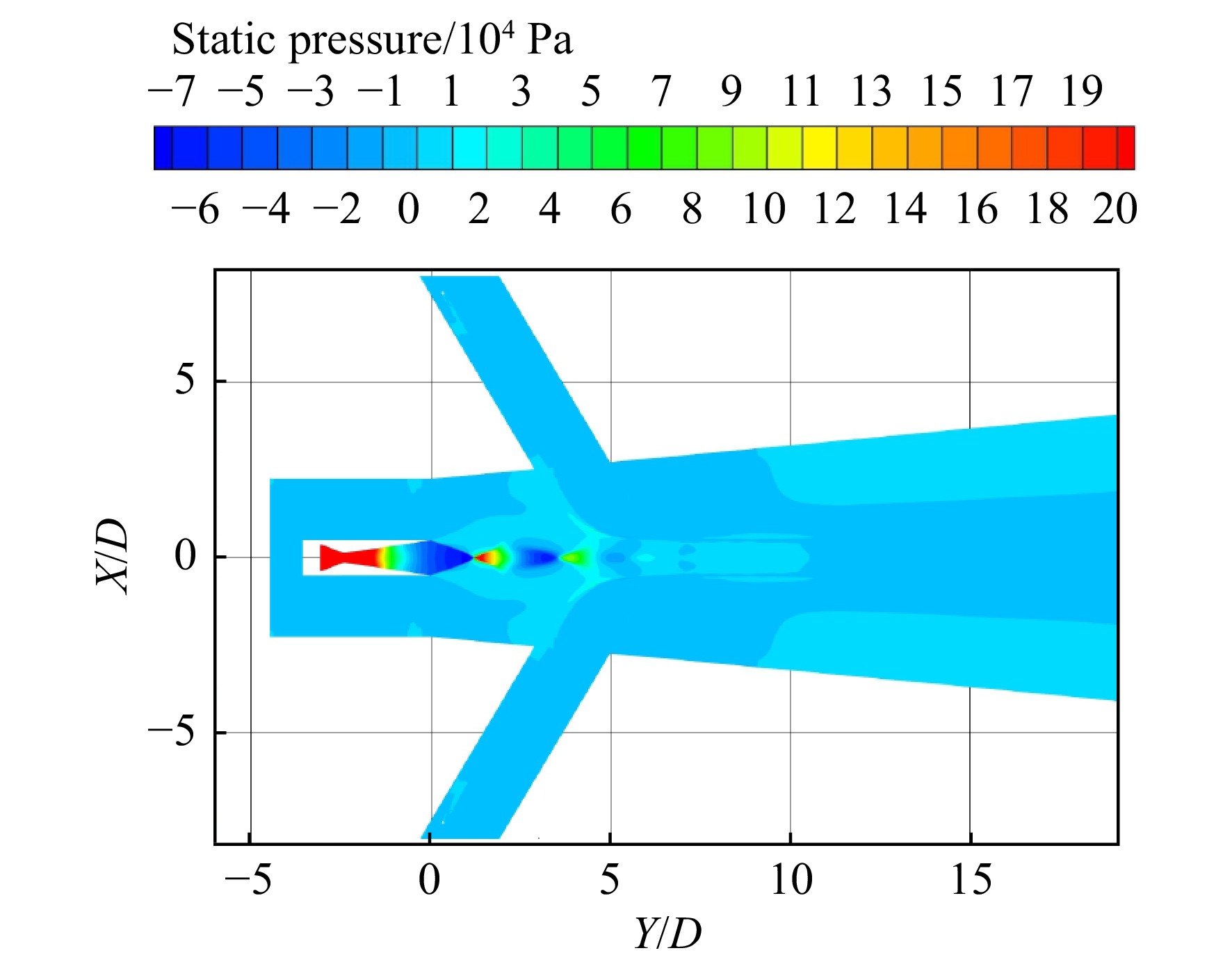
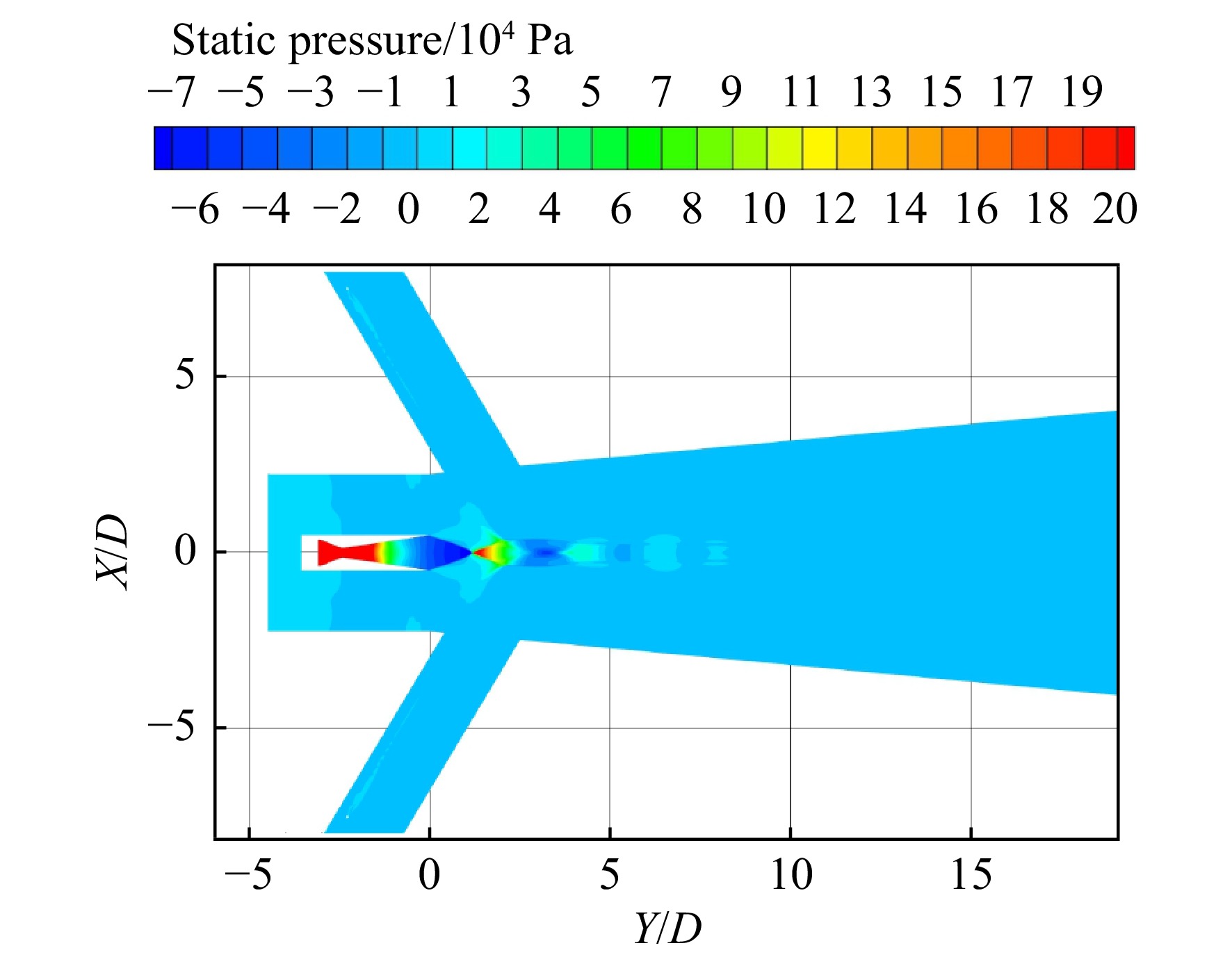
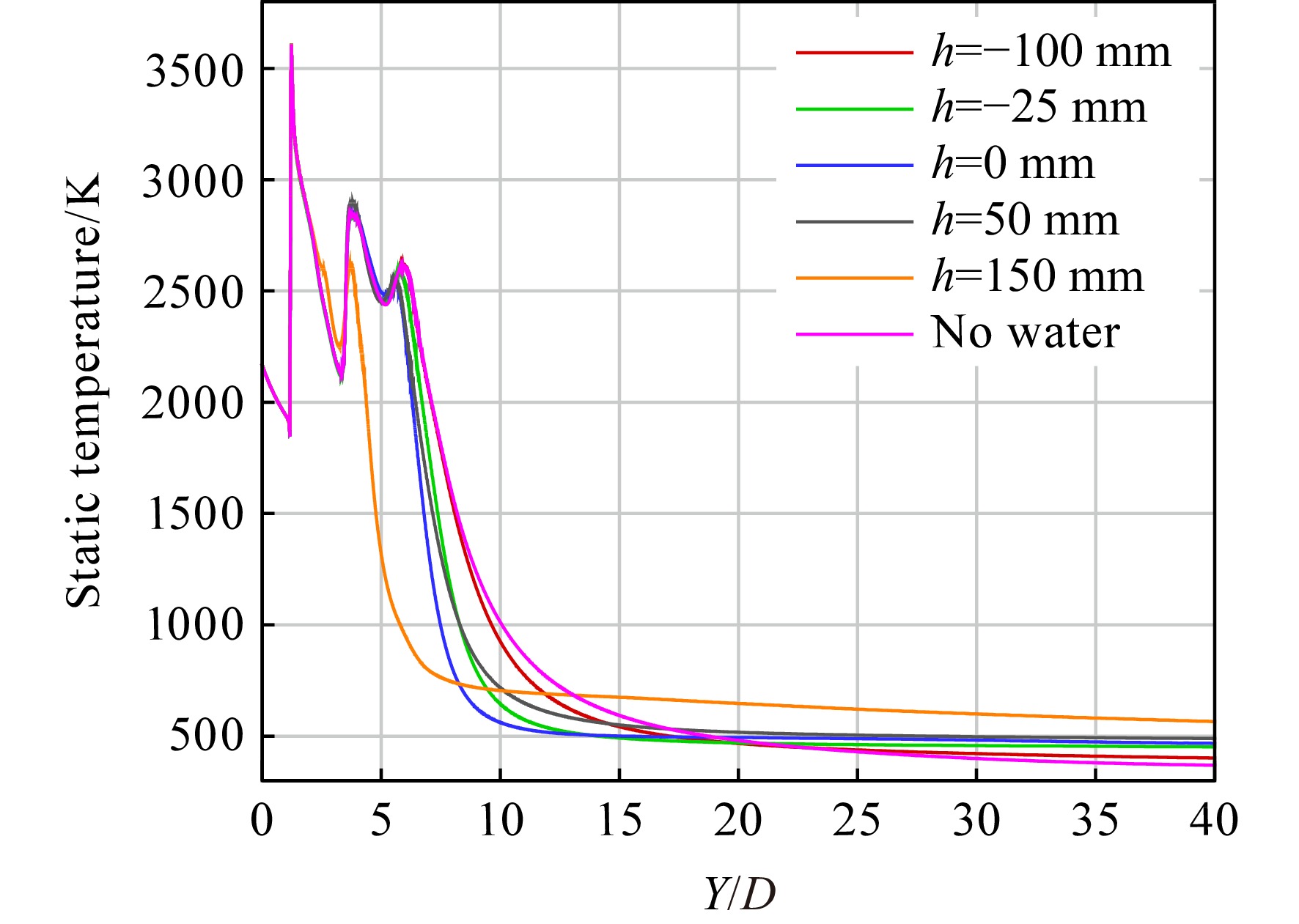
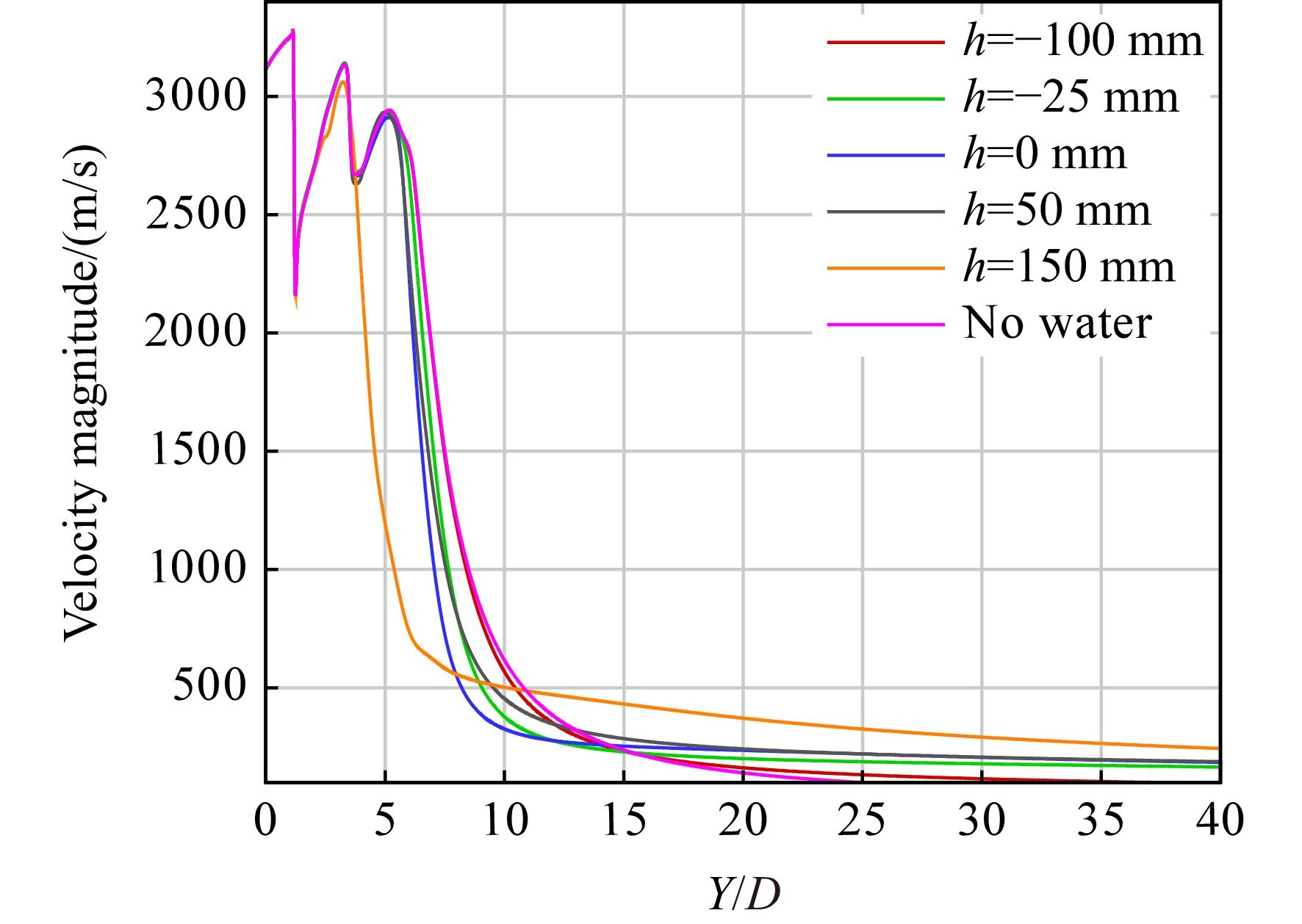
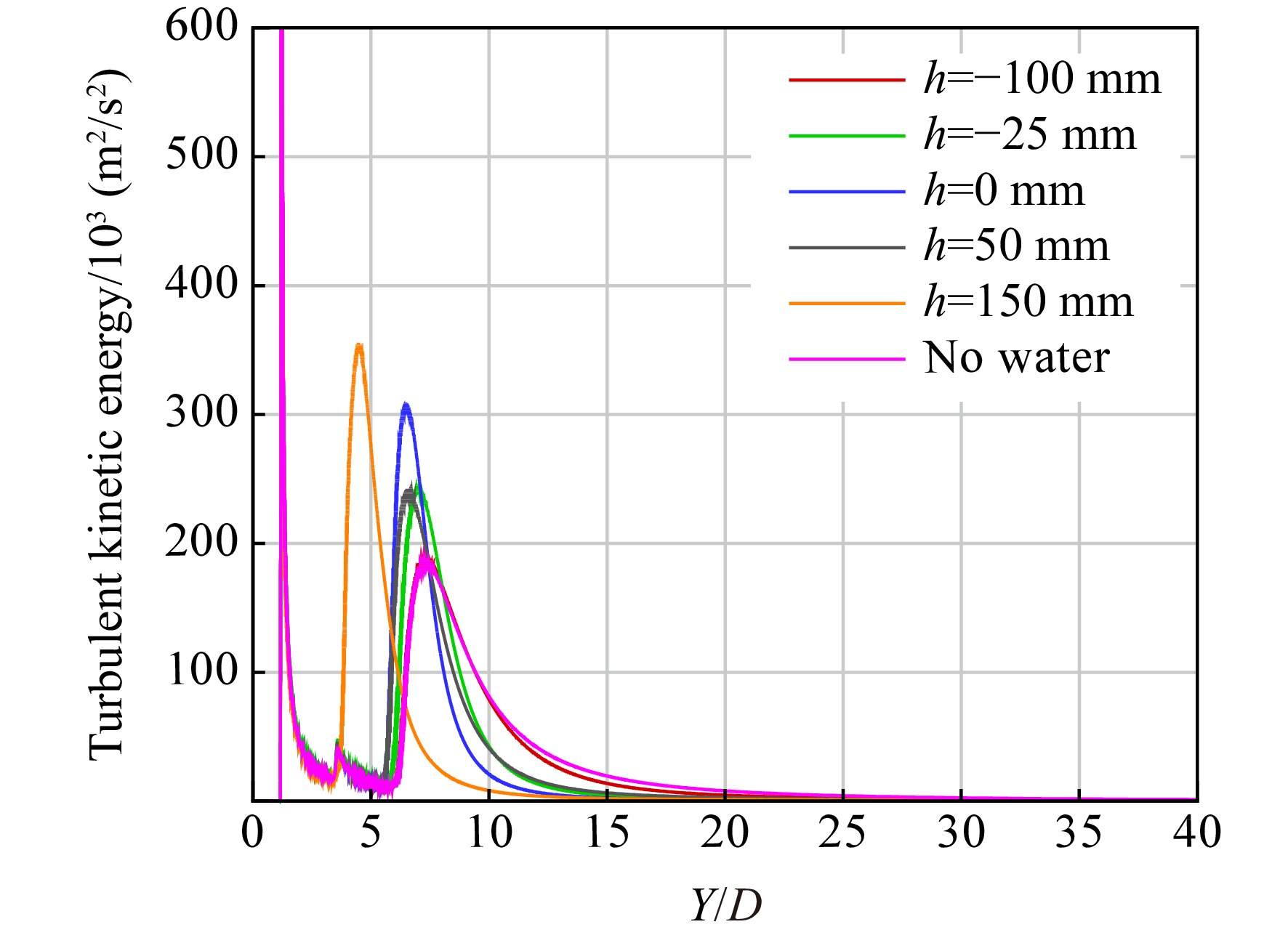
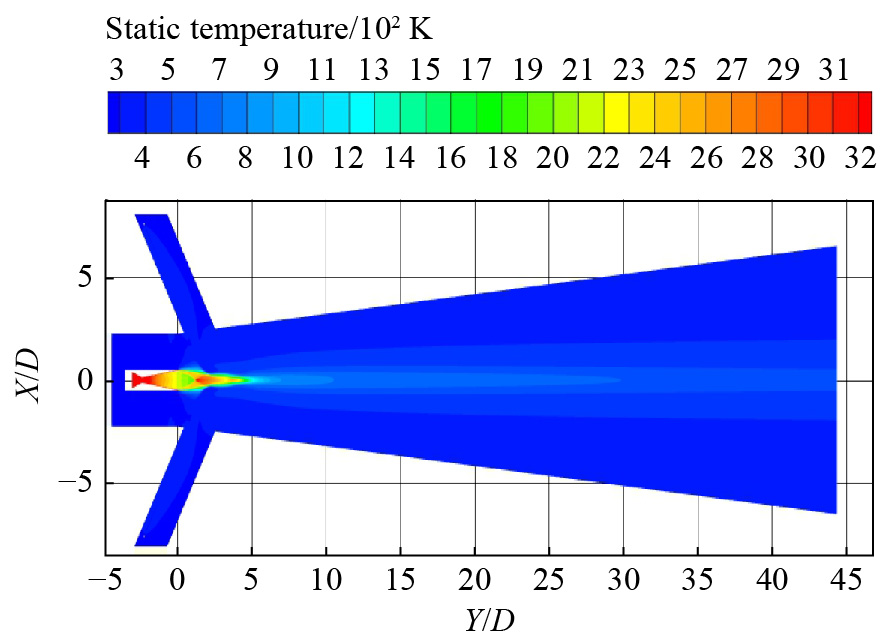
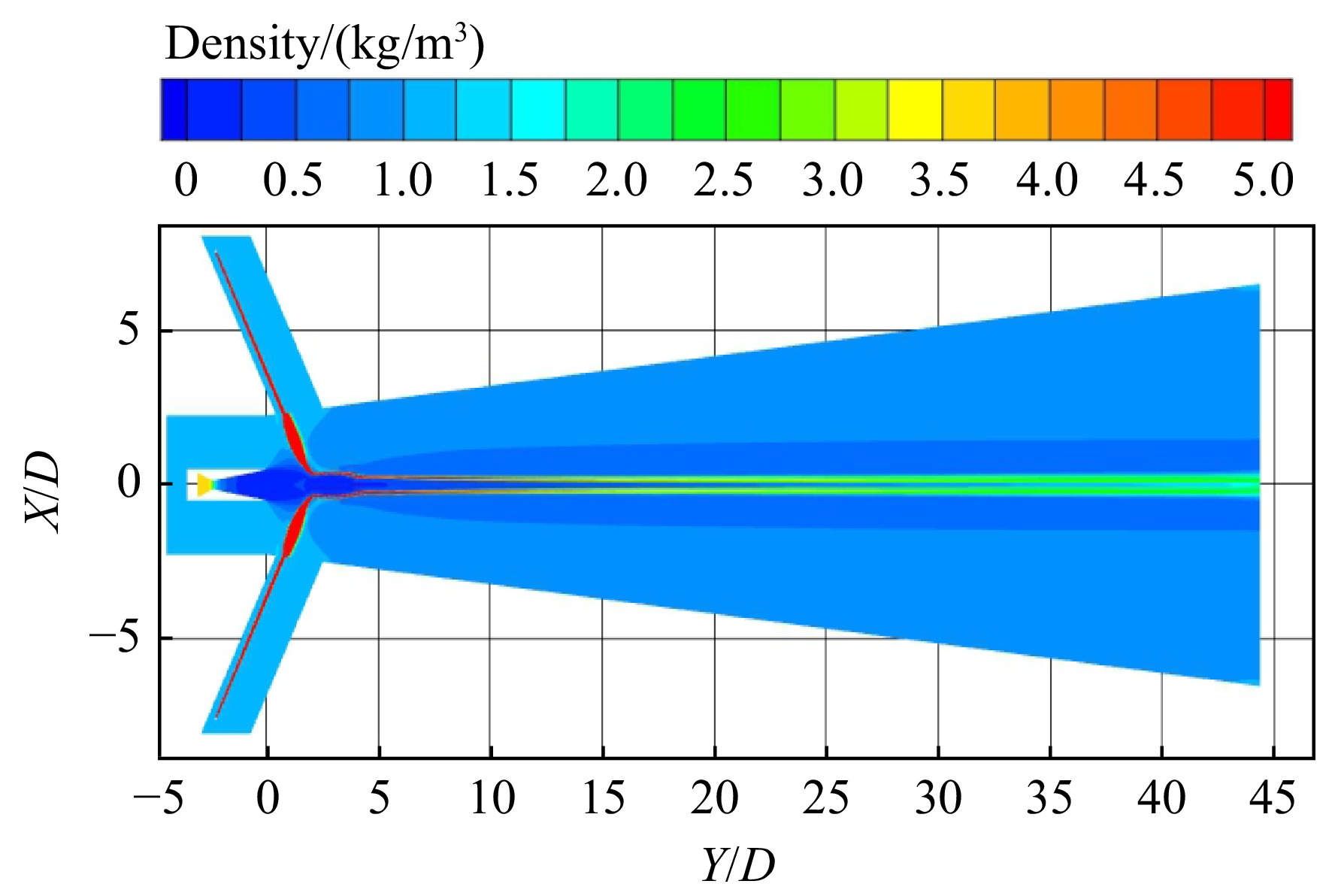
A study on the effects of different water injection conditions on the jet flow field of a rocket model was performed. The numerical calculation of the jet flow field of a single nozzle rocket during water injection was carried out based on the computational fluid dynamics (CFD) and Mixture model. The effects of water injection on average temperature, pressure, velocity and turbulent kinetic energy field of rocket jet were analyzed in different water injection velocities and flow rate conditions. The results showed that when the water injection speed was greater than 30 m/s, the temperature and speed of the nozzle jet can be effectively reduced. When the water injection speed was lower than 20 m/s, the influence of water injection on physical quantity of the jet axis became smaller. When the water injection speed was 30 m/s and the flow rate was more than 2.2 times the nozzle jet second flow rate, the nozzle jet temperature and speed can be effectively reduced. When the action point of water injection and the jet were located at the first three shock wave positions of the nozzle jet, the water injection had a good effect on the jet cooling and velocity reduction, and the closer the operation point was to the upstream, the more obvious the impact on the nozzle jet was. However, in practical engineering applications, the injection should avoid splashing on the nozzle.

Pipe flow characteristics of pasty propellant based on MAC method
SHAN Xinyou, LI Yingkun, WU Yan, CHEN Xiong, HE Yong
2023, 38(10): 2430-2440. doi: 10.13224/j.cnki.jasp.20220010
Abstract:

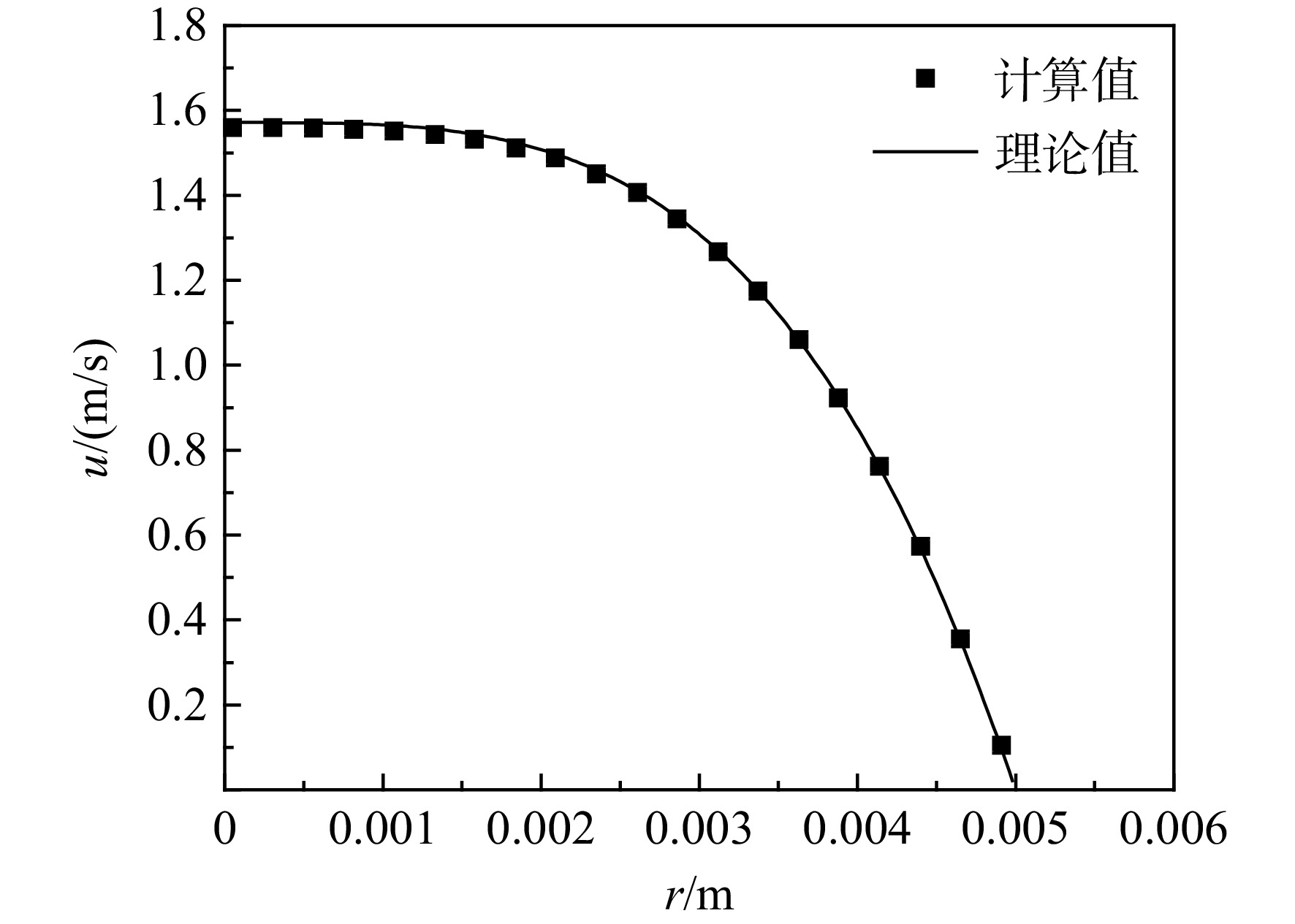
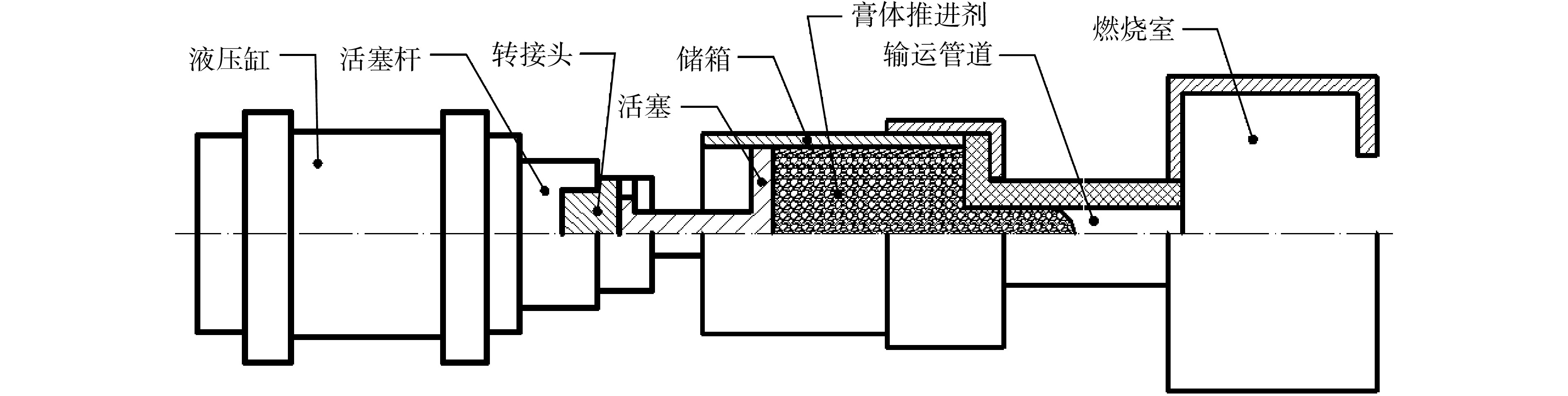
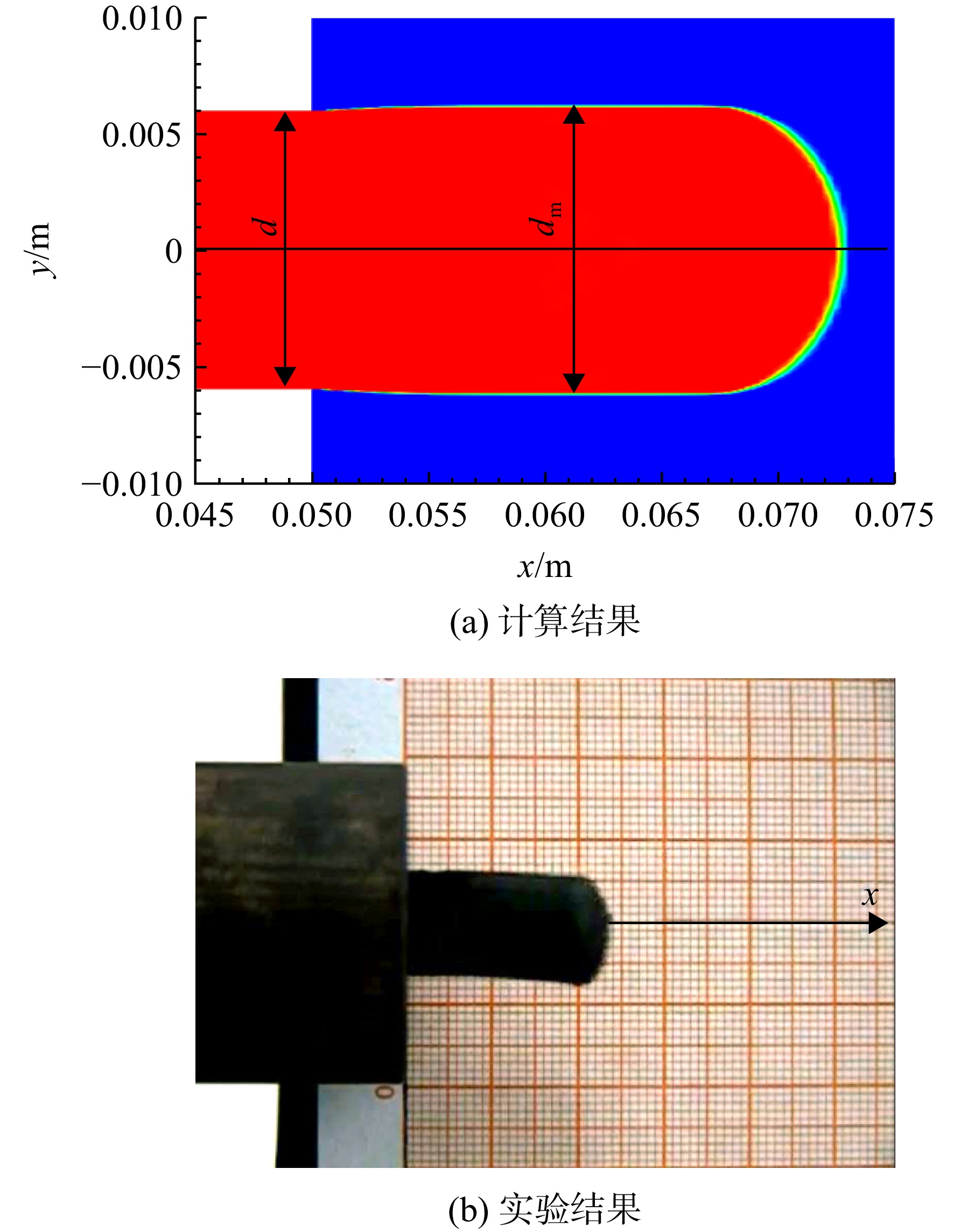
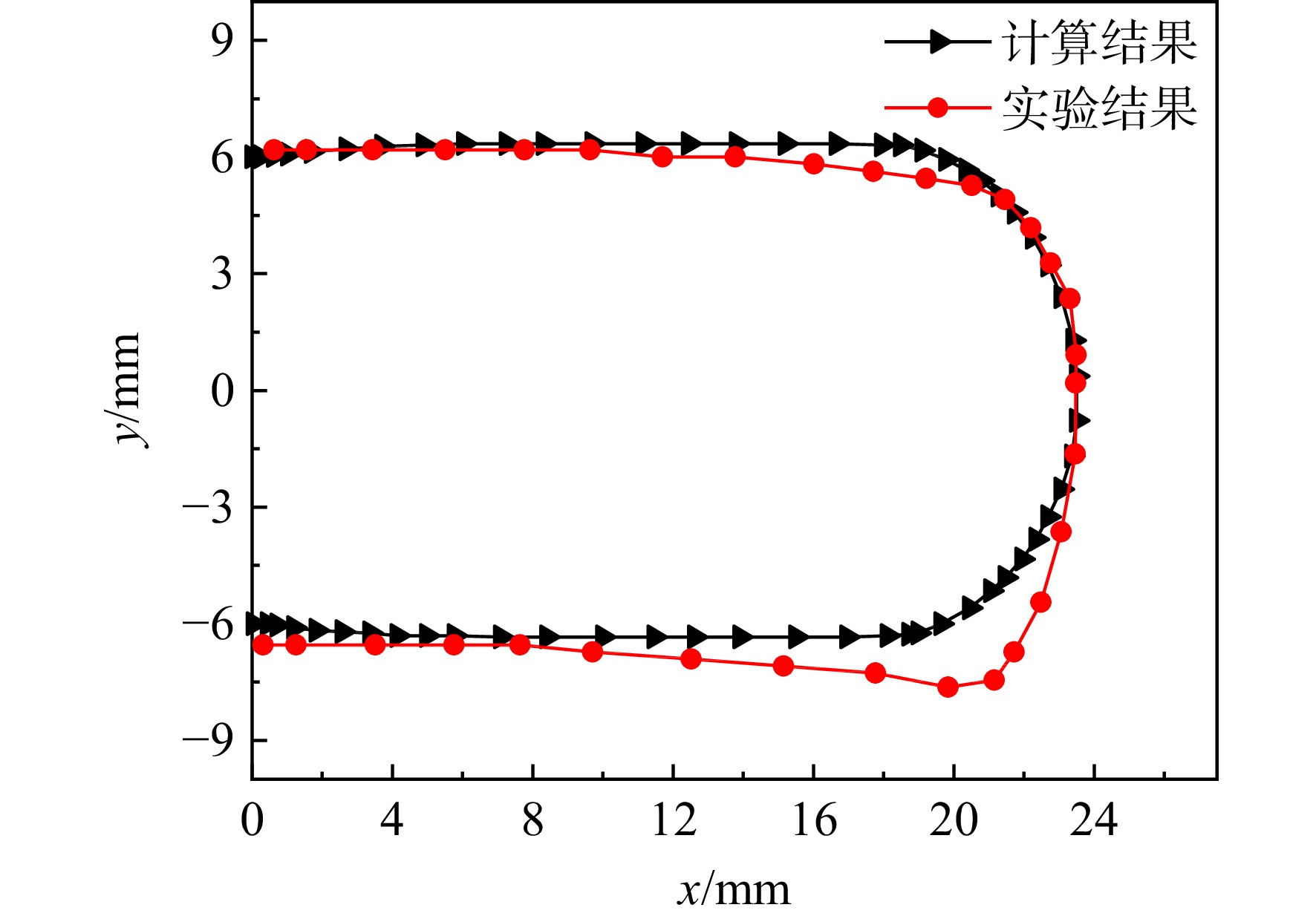
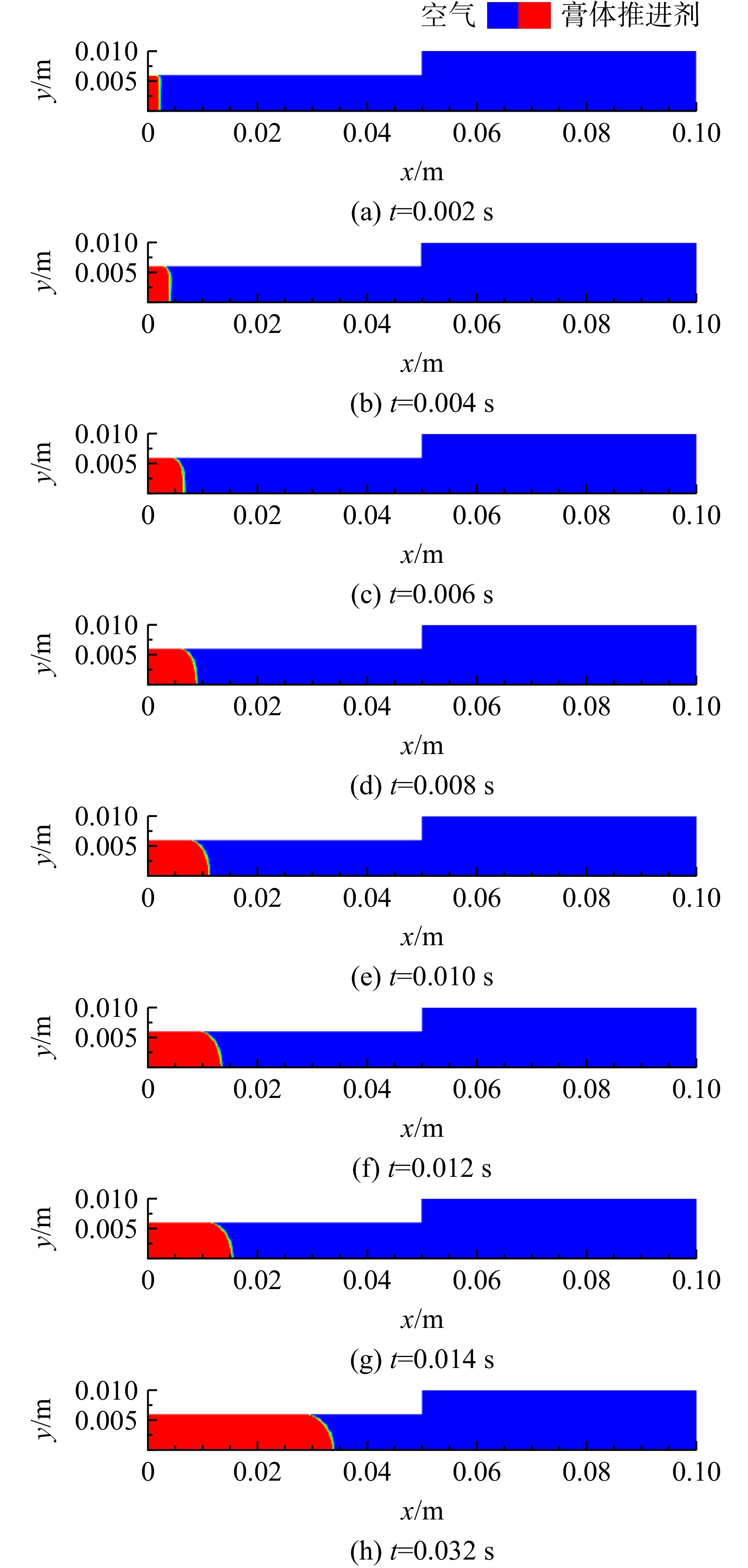
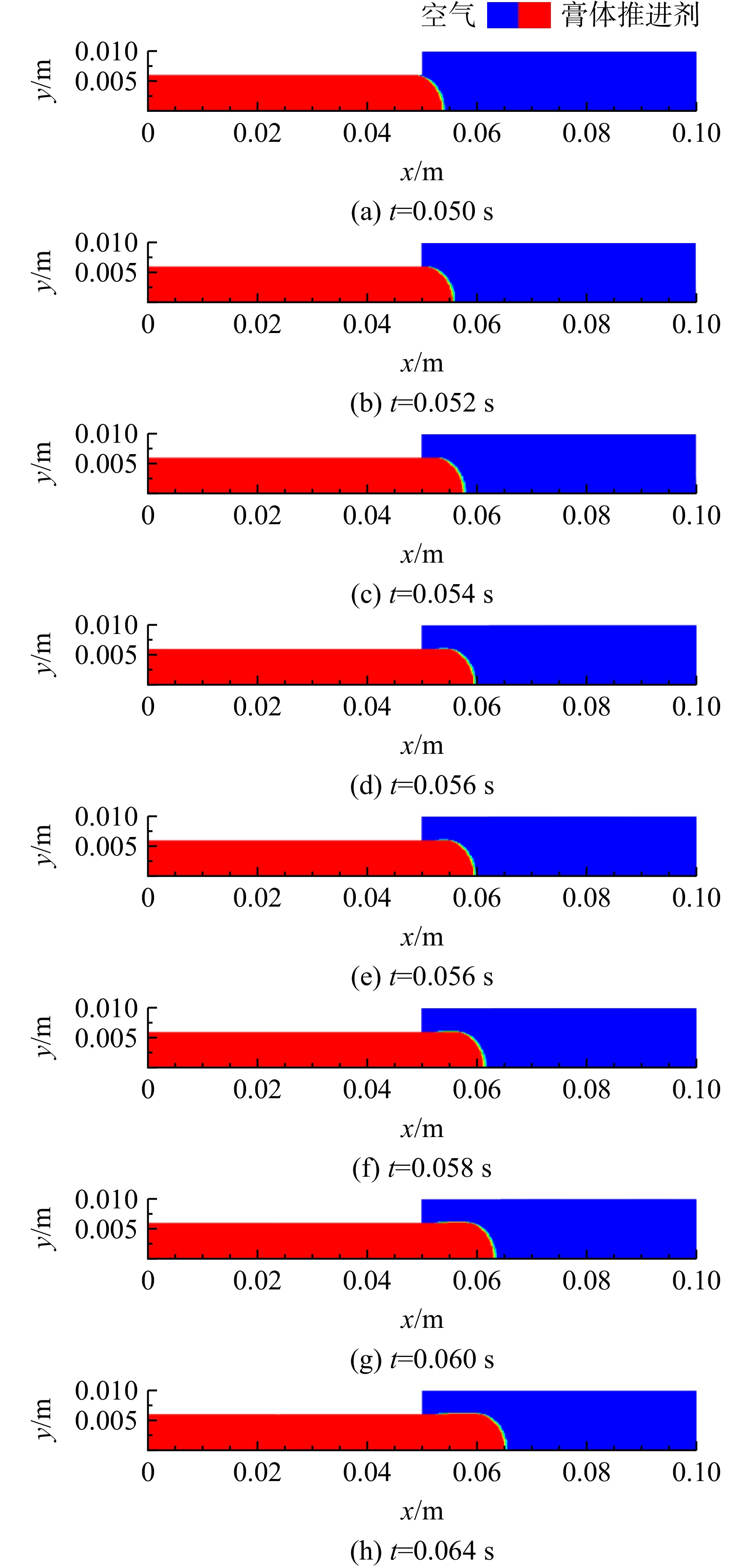
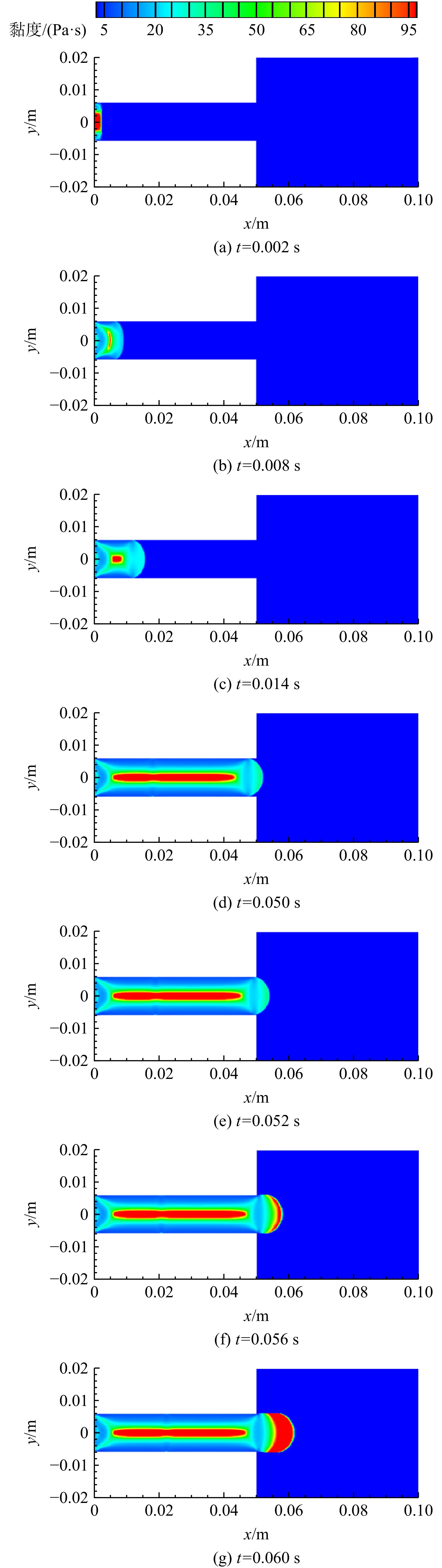
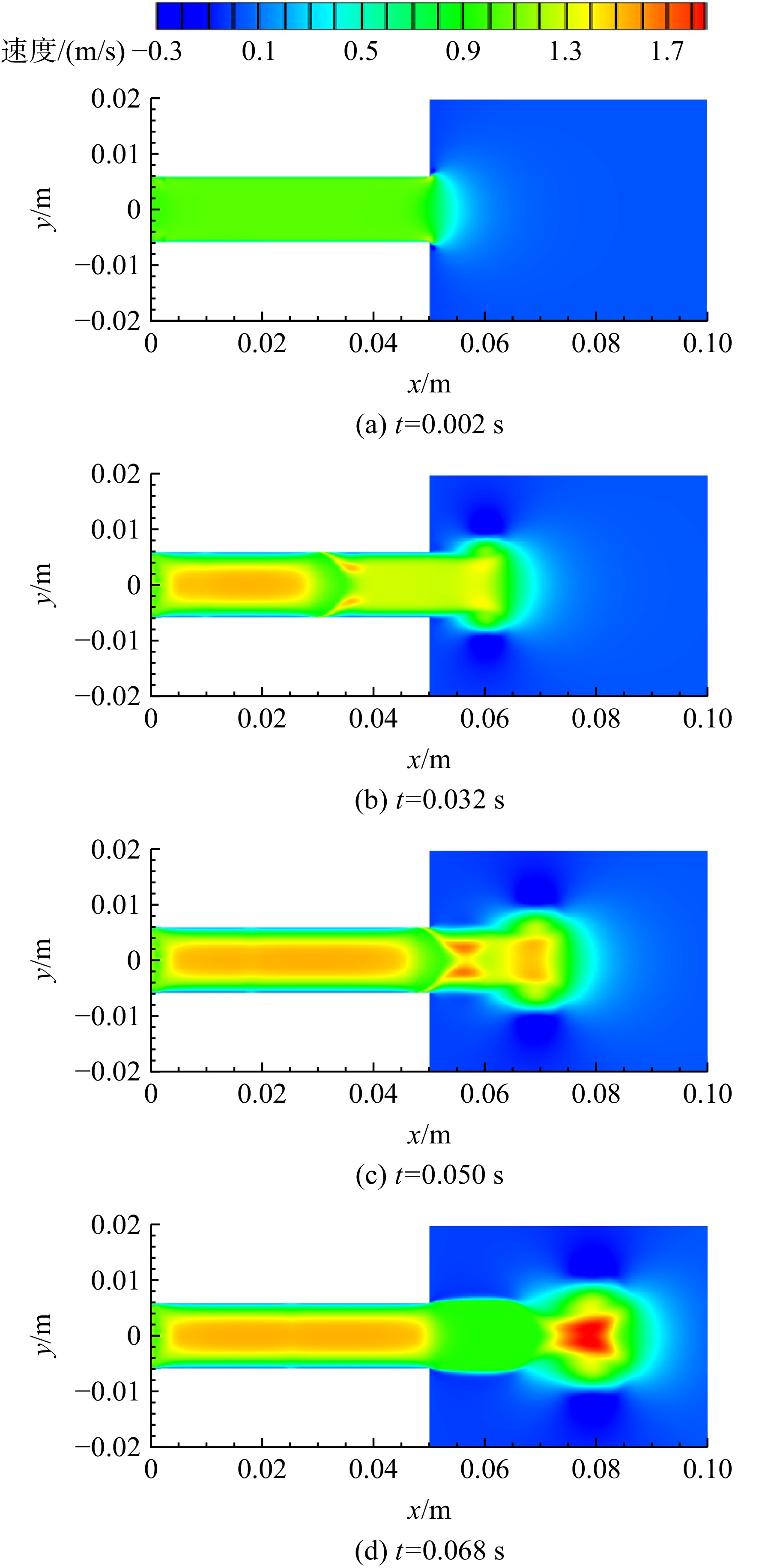
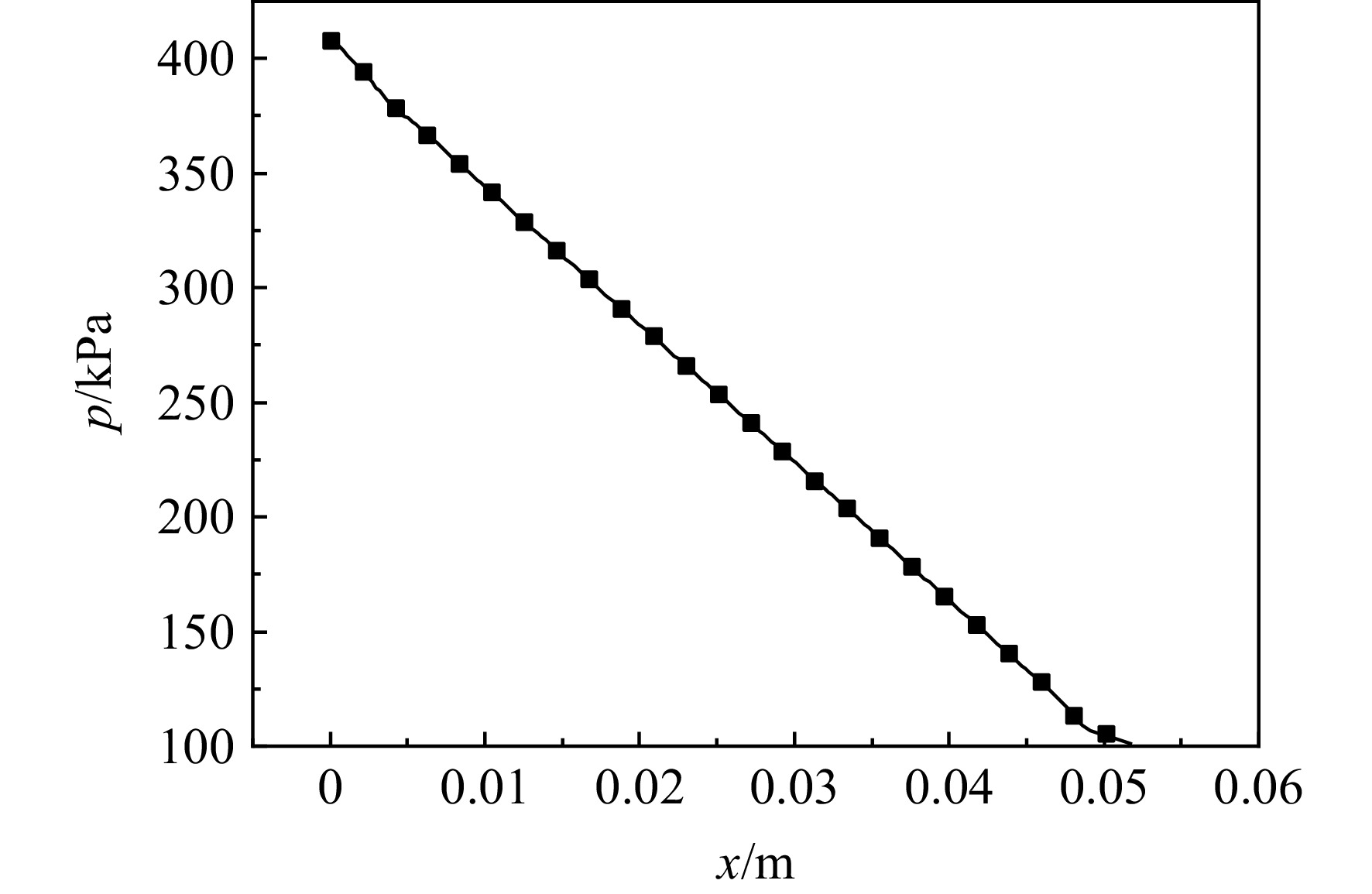
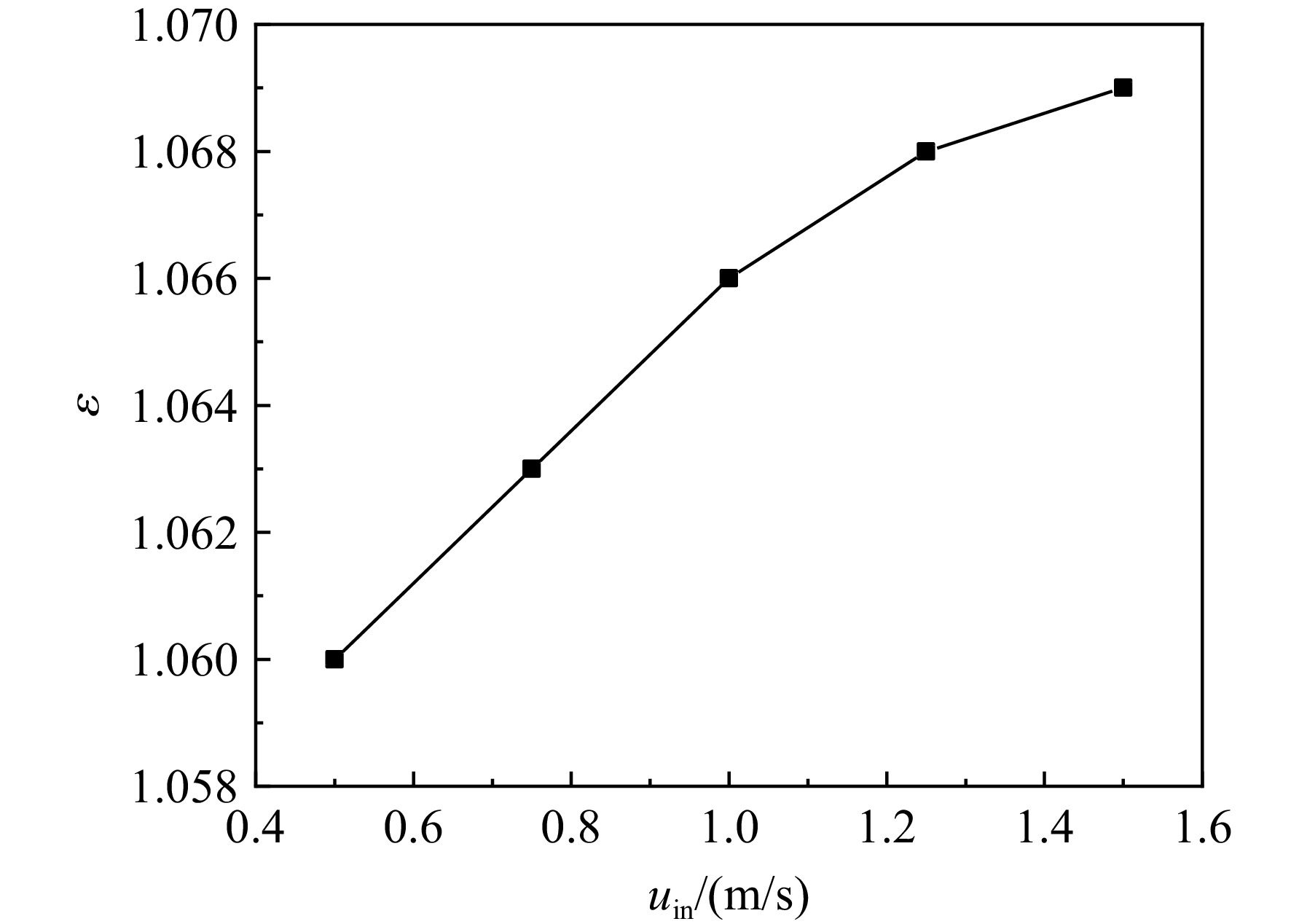
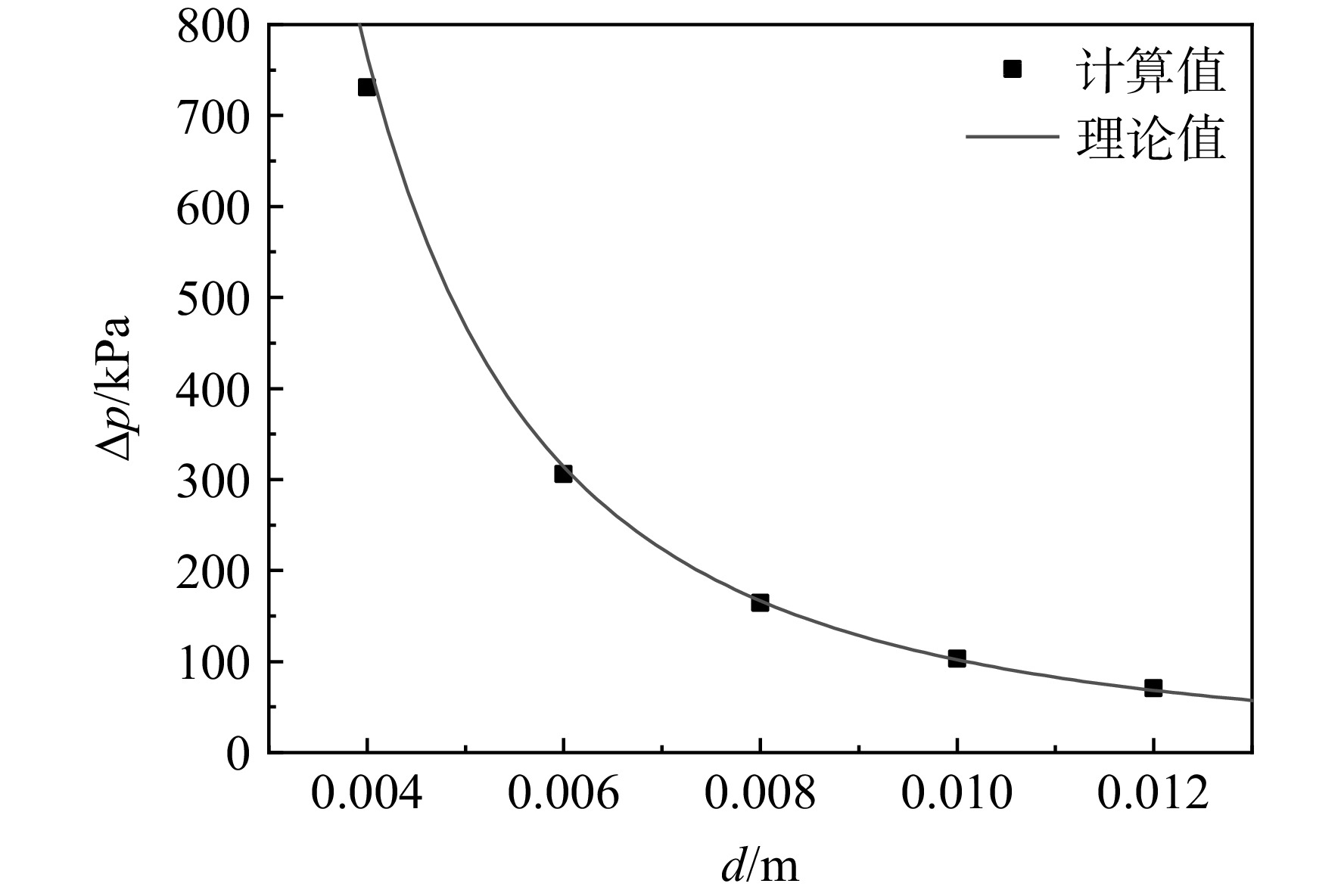
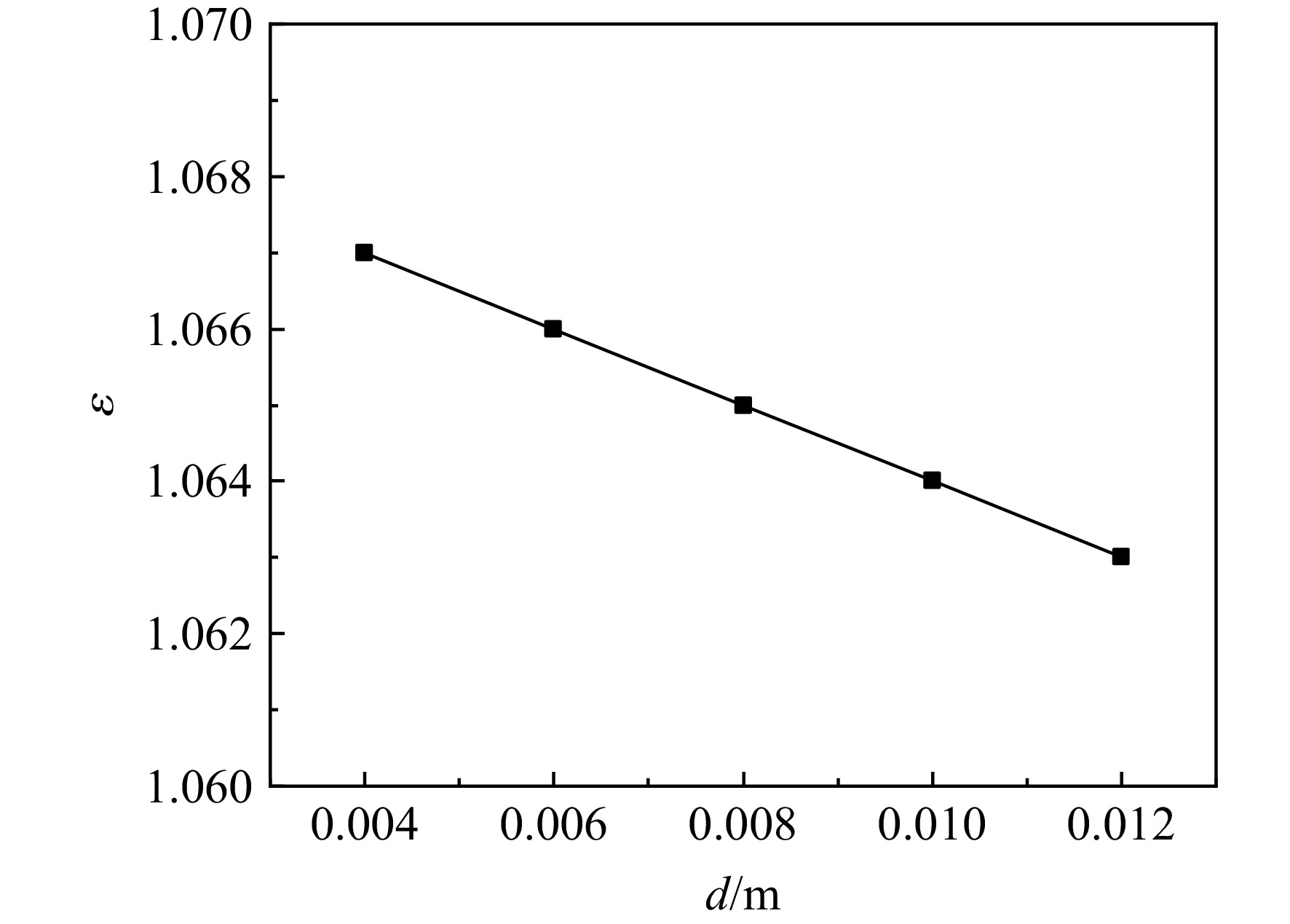
Targeting the problem of the pasty propellant flow in the pipe and extrusion swell, a non-Newtonian incompressible fluid solver based on the mark and cell(MAC) method and the semi-implicit method for pressure-linked equation (SIMPLE) was developed. Shear-thinning power-law model was used in the constitutive equation of the pasty propellant. The reliability and accuracy of the numerical method were verified by comparing the numerical result of the extrusion morphology of the pasty propellant at the pipe outlet with the experimental result. On this basis, the flow process and extrusion swell of the pasty propellant were numerically calculated and analyzed in detail. The influences of inlet velocity and pipe diameter on the flow characteristics of the pasty propellant were investigated. Results showed that the free surface of the pasty propellant changed with time during the extrusion process. In the stable stage, the free surface of the propellant was hemispherical, and there was obvious extrusion swelling at the outlet of the pipe. When the pipe length and diameter were constant, the pressure drop and the extrusion swell ratio both increased with the increase of the inlet velocity. However, when the inlet velocity was constant, the pressure drop and extrusion expansion ratio decreased with the increase of pipe diameter.

Autocontrol
Fast terminal sliding mode fault tolerant control for UAV swarm based on cerebellar model articulation controller
QIAN Moshu, WU Zhu, WANG Cunsong, ZHAN Fengjiang
2023, 38(10): 2441-2449. doi: 10.13224/j.cnki.jasp.20210310
Abstract:

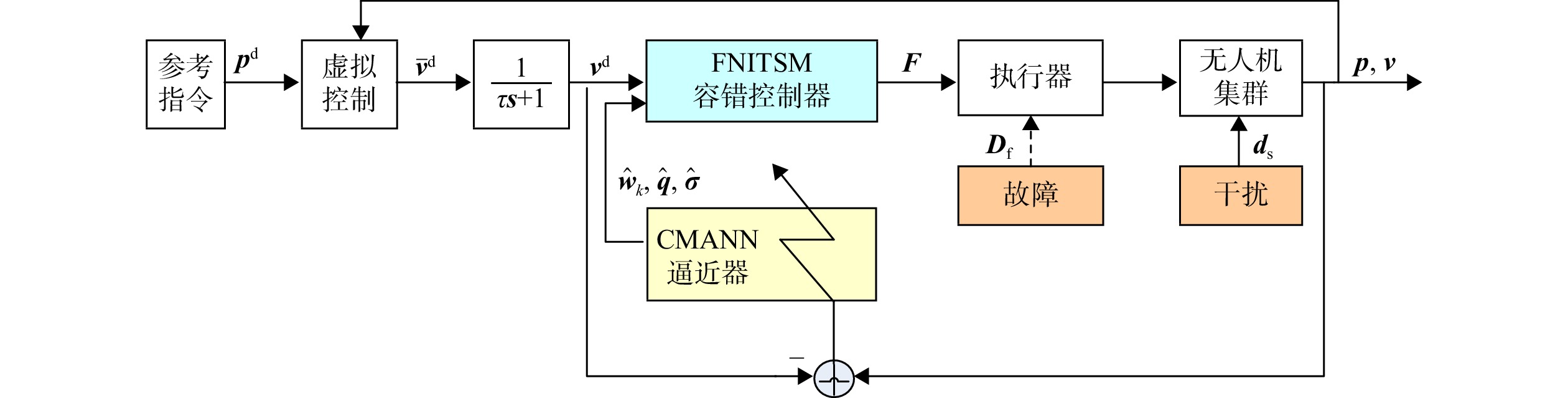
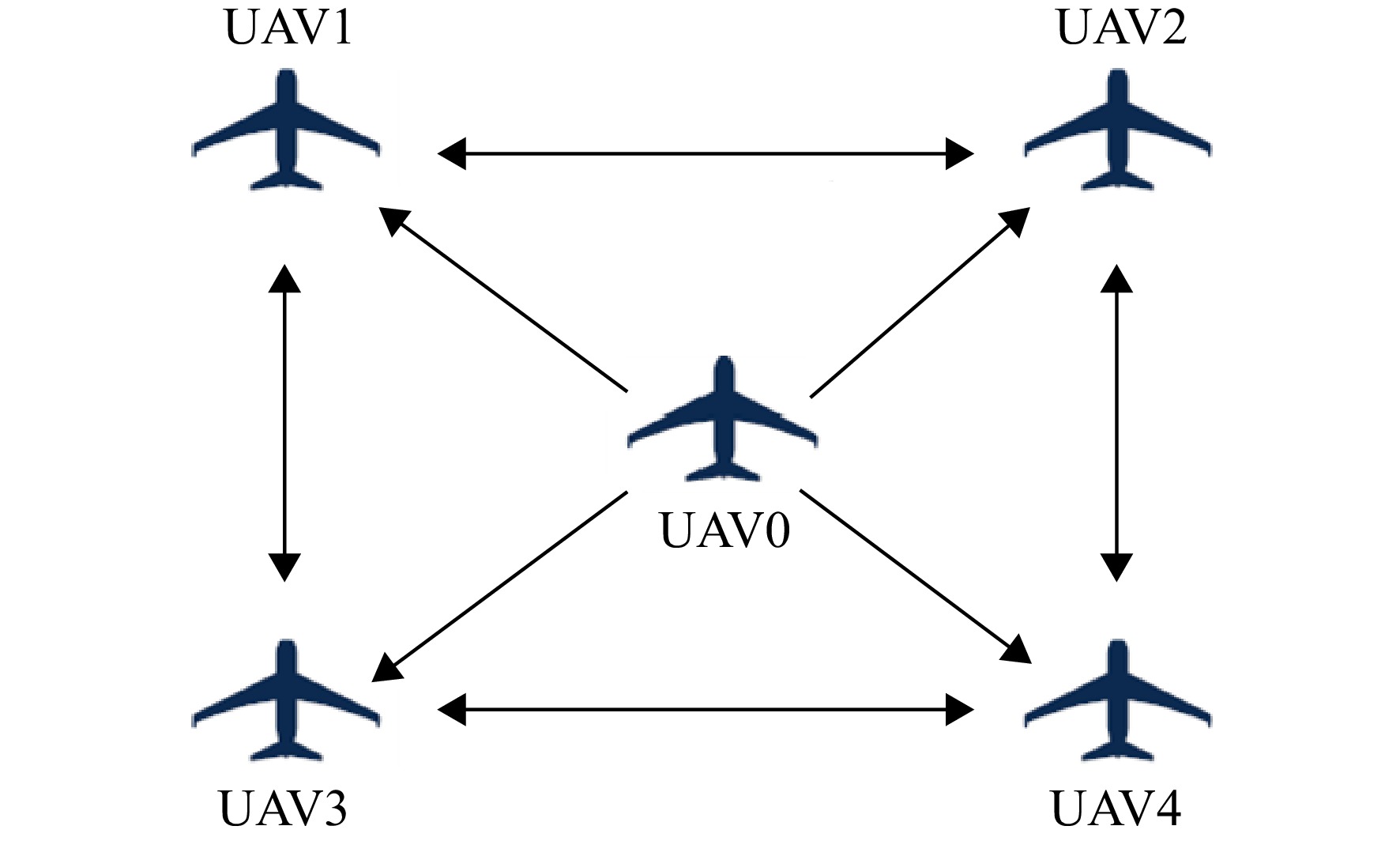
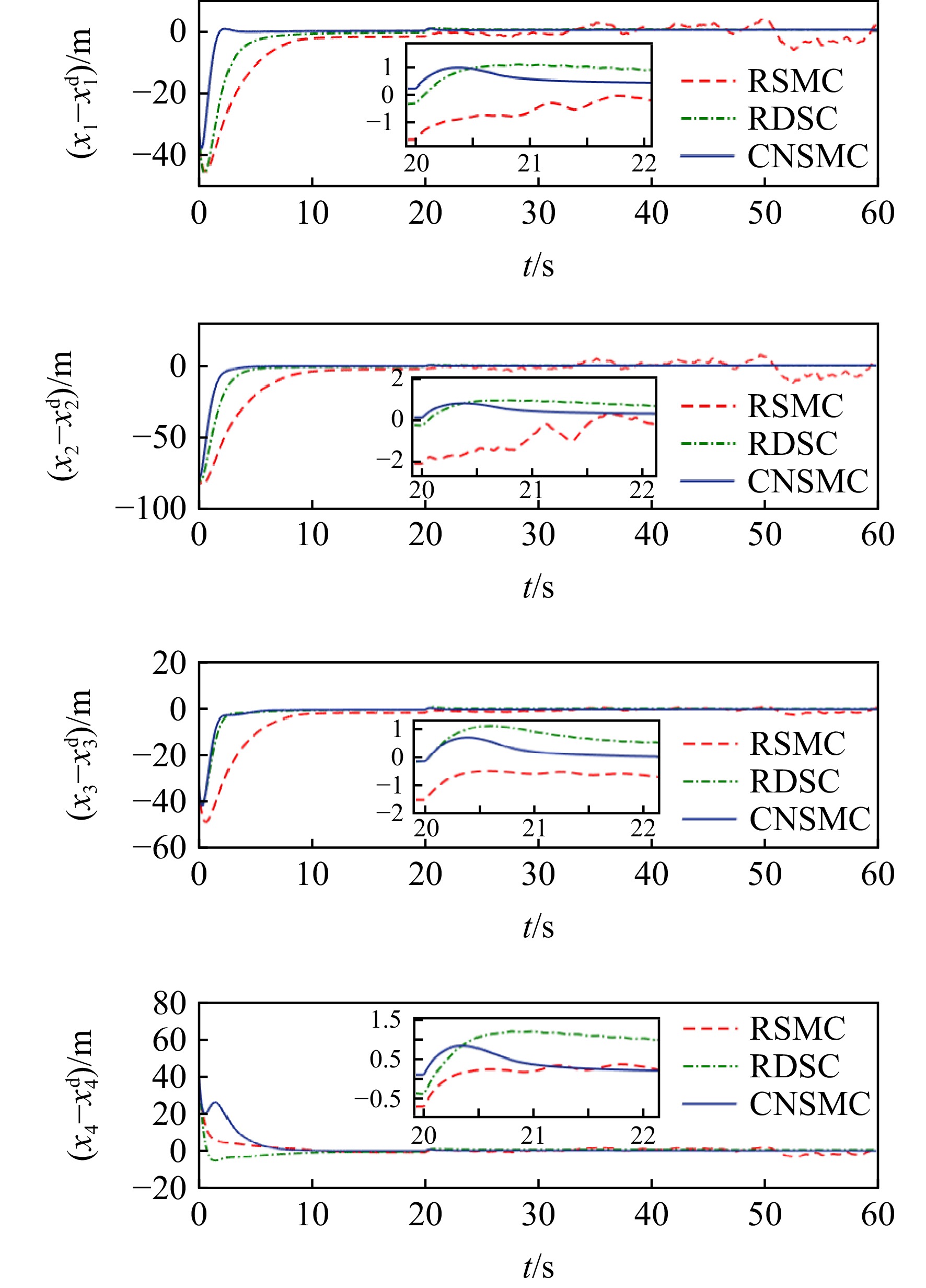
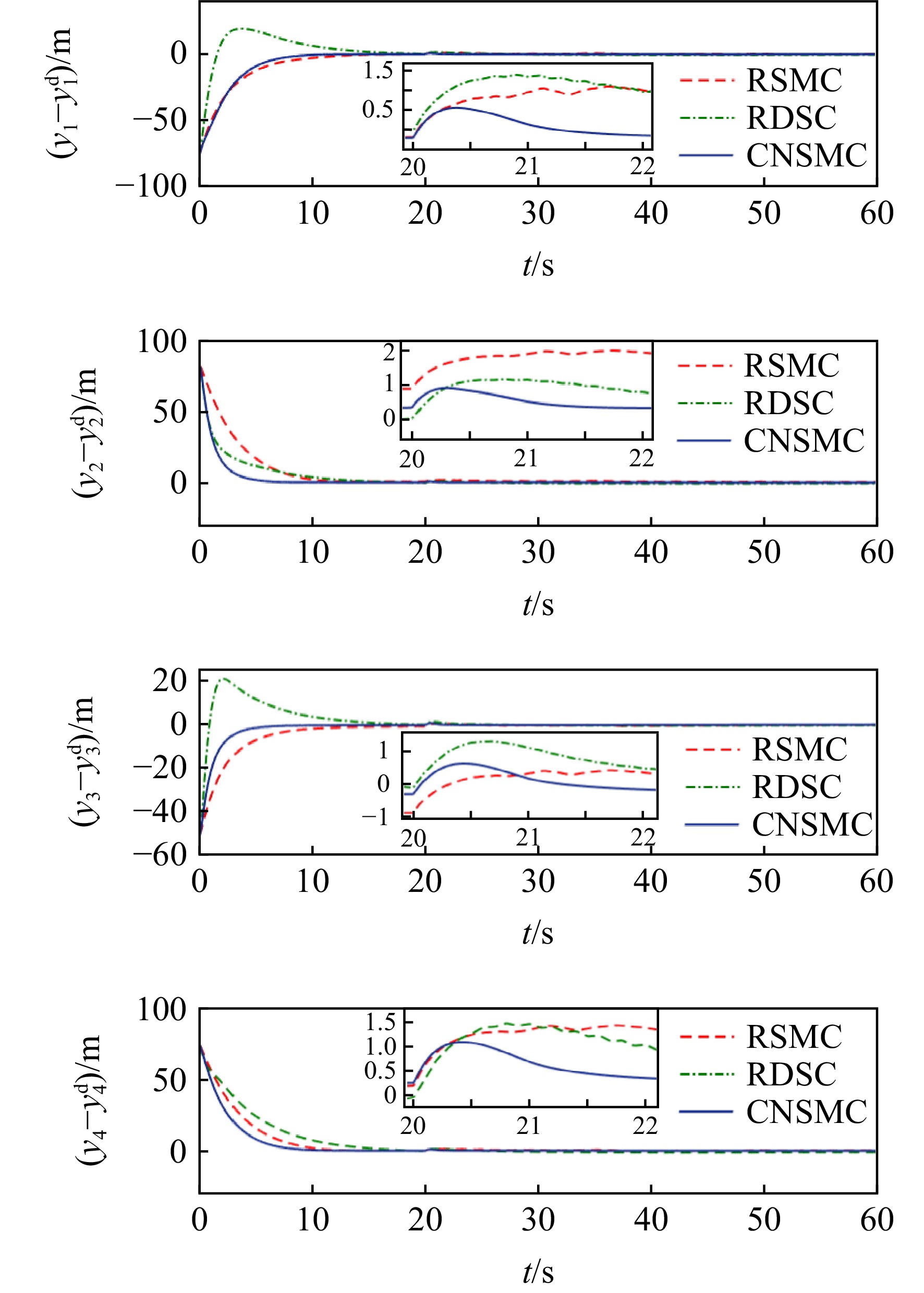
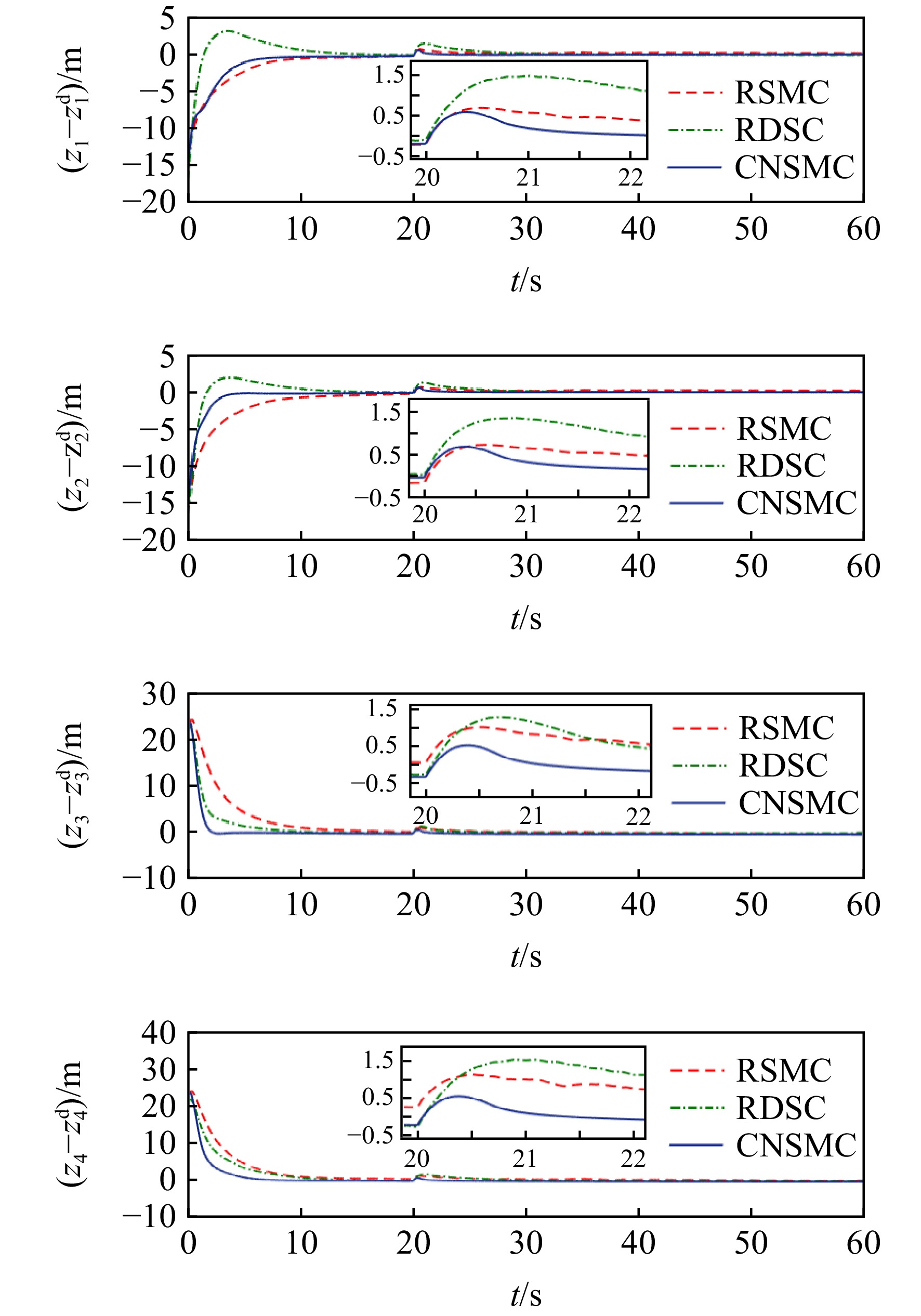
An adaptive fast nonsingular integral sliding mode (FNISM) fault tolerant control (FTC) approach was developed for the cooperative formation control problem of unmanned aerial vehicle (UAV) swarm affected by actuator faults and external disturbances. To achieve a good cooperative tracking performance of UAV swarm during mission execution, the actual flight condition was analyzed for the adverse effect of actuator failures, vortex disturbances and so on. The cerebellar model articulation controller neural network (CMANN) was introduced to approximately compensate the external disturbances and the effect of actuator faults. Result showed that the closed-loop formation system of UAVs achieved ultimately uniformly bounded stability under the failures, meanwhile the convergency rate was increased by reducing the sliding mode parameter and the control precision was improved by increasing the virtual and actual controller parameters . The simulation experiments of four UAVs swarm were carried out respectively under three approaches, including the proposed approach, RBFNN based robust dynamic surface FTC and robust PD sliding mode FTC. The comparative results showed that the designed approach has superior control performance for the faulty formation control system of UAV swarm.

Peak-to-average ratio suppression technology of aerospace tension servo mechanism
ZHANG Deli, BU Feifei, PAN Zihao, YANG Zhida, WANG Jun, WANG Yuan, ZHANG Yu
2023, 38(10): 2450-2459. doi: 10.13224/j.cnki.jasp.20230176
Abstract:

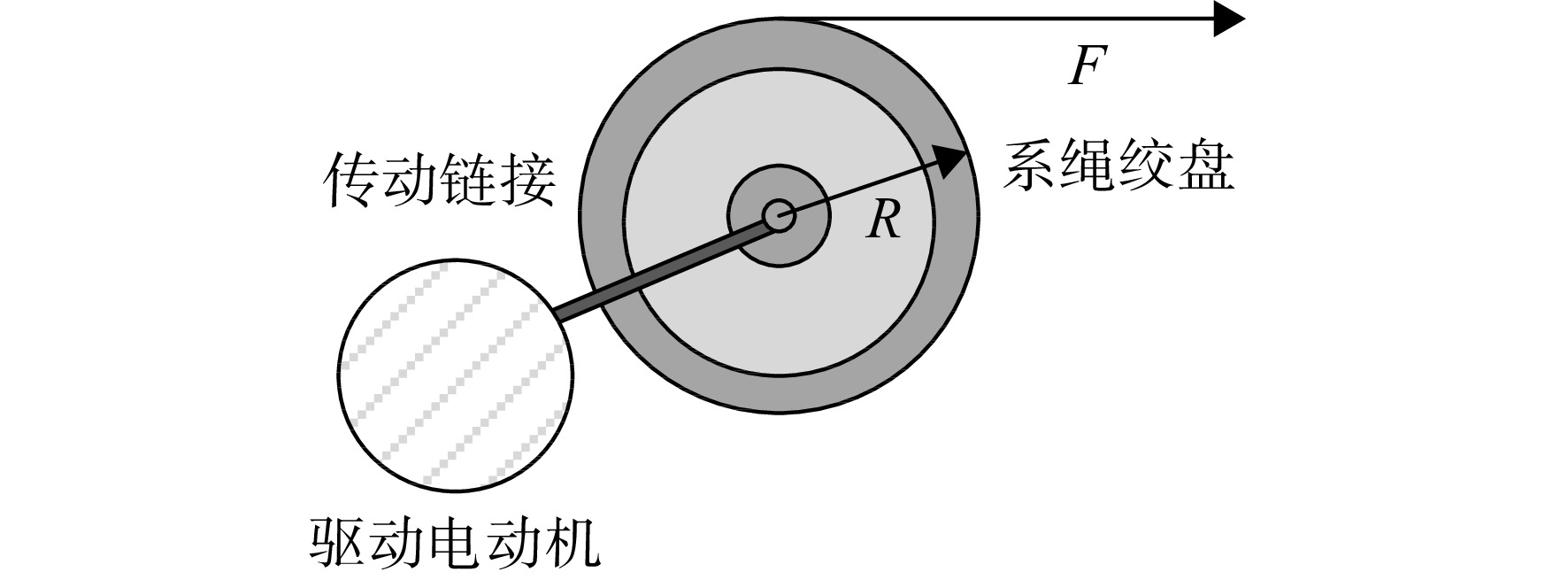
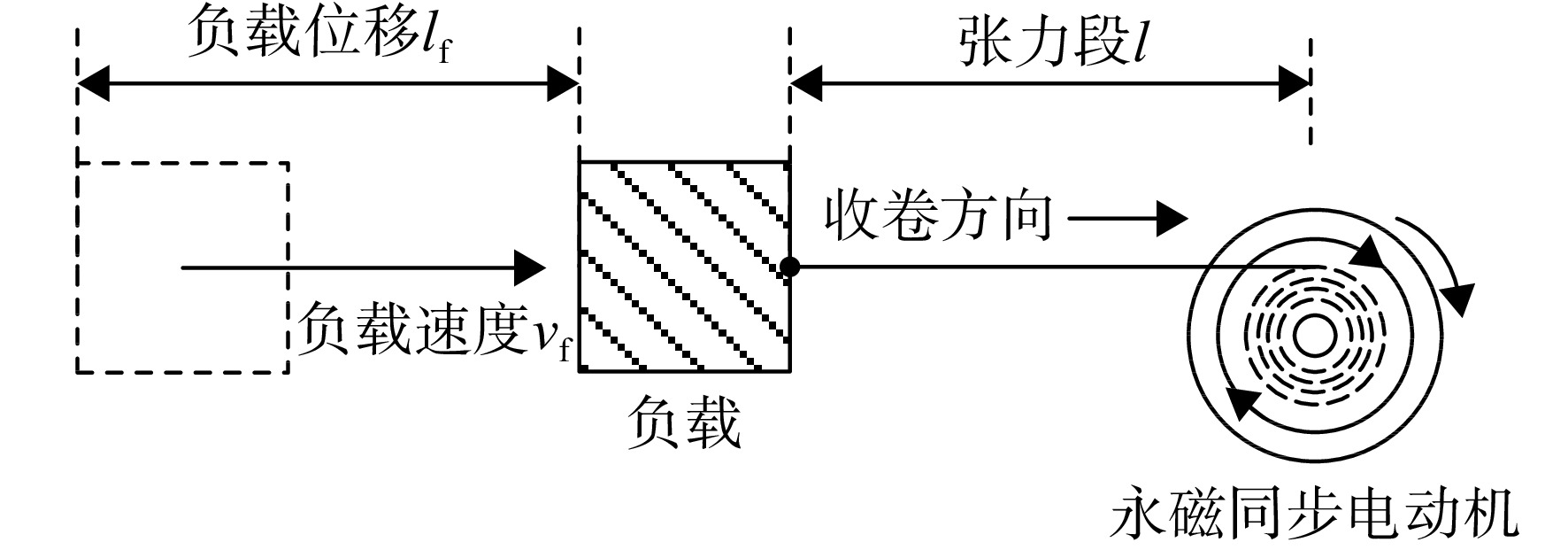
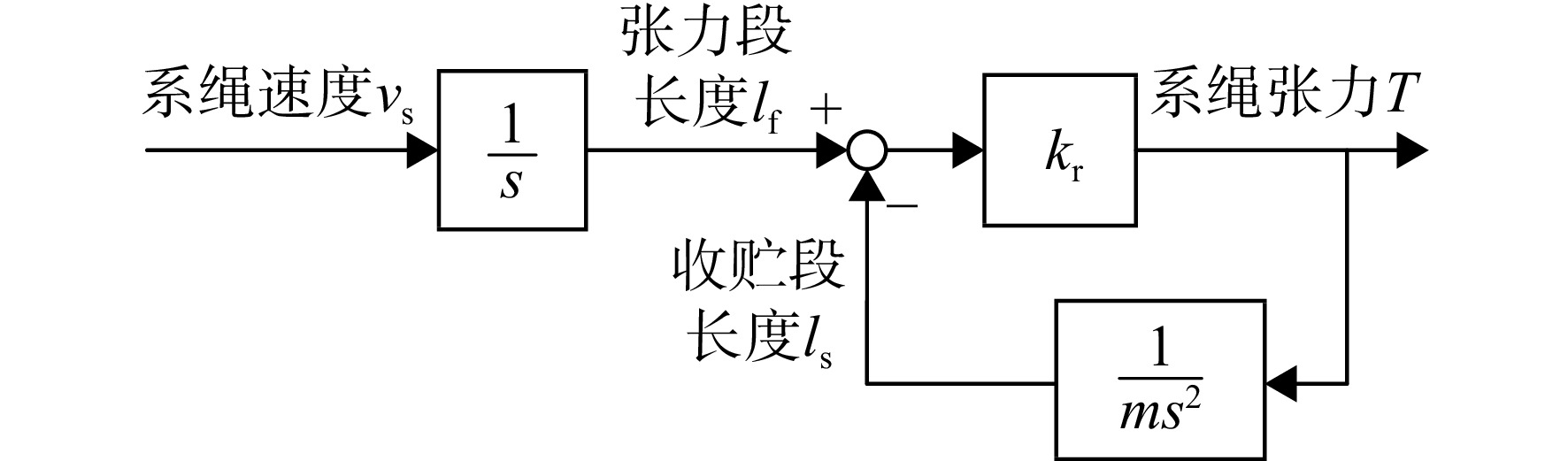
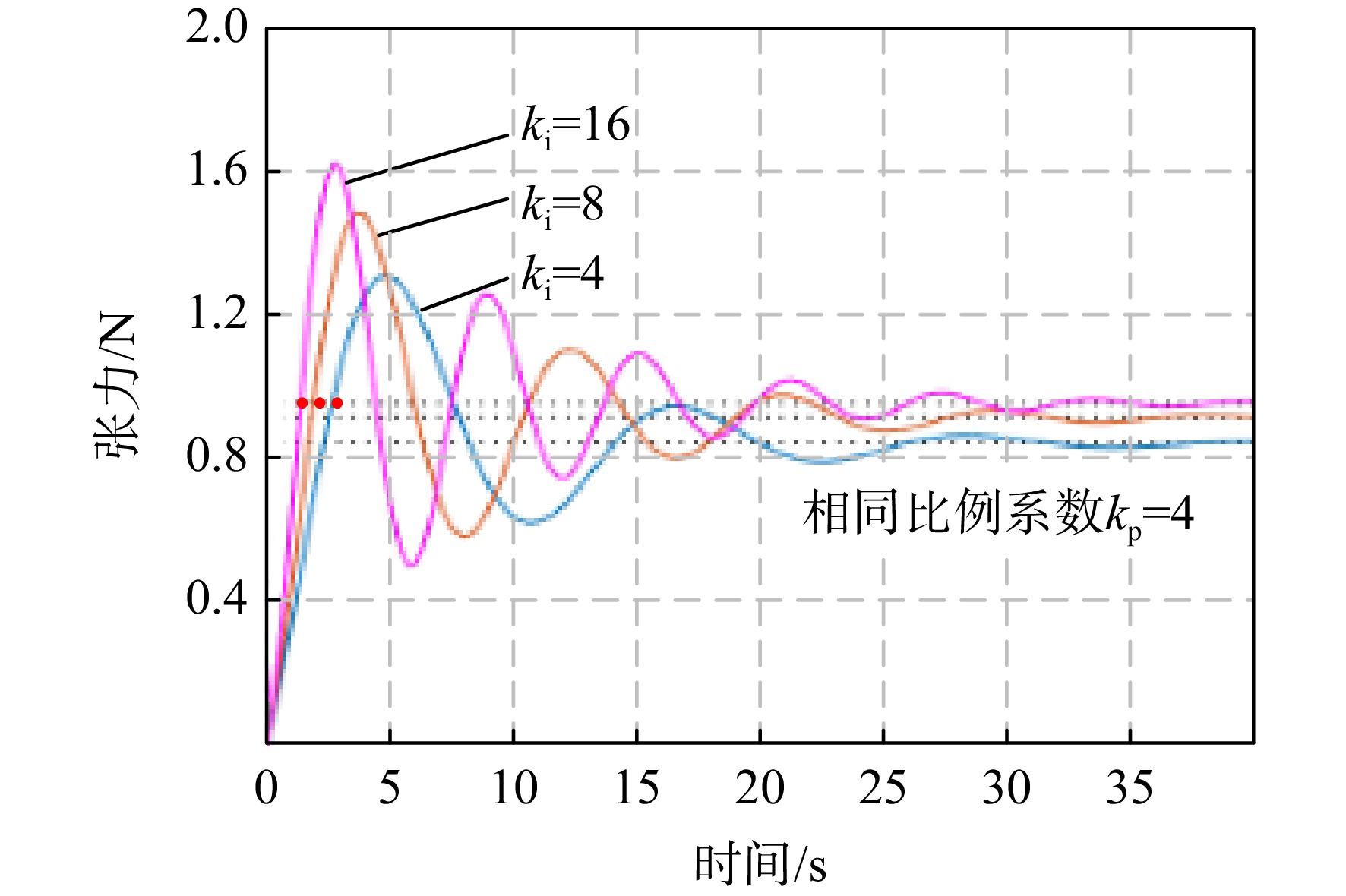
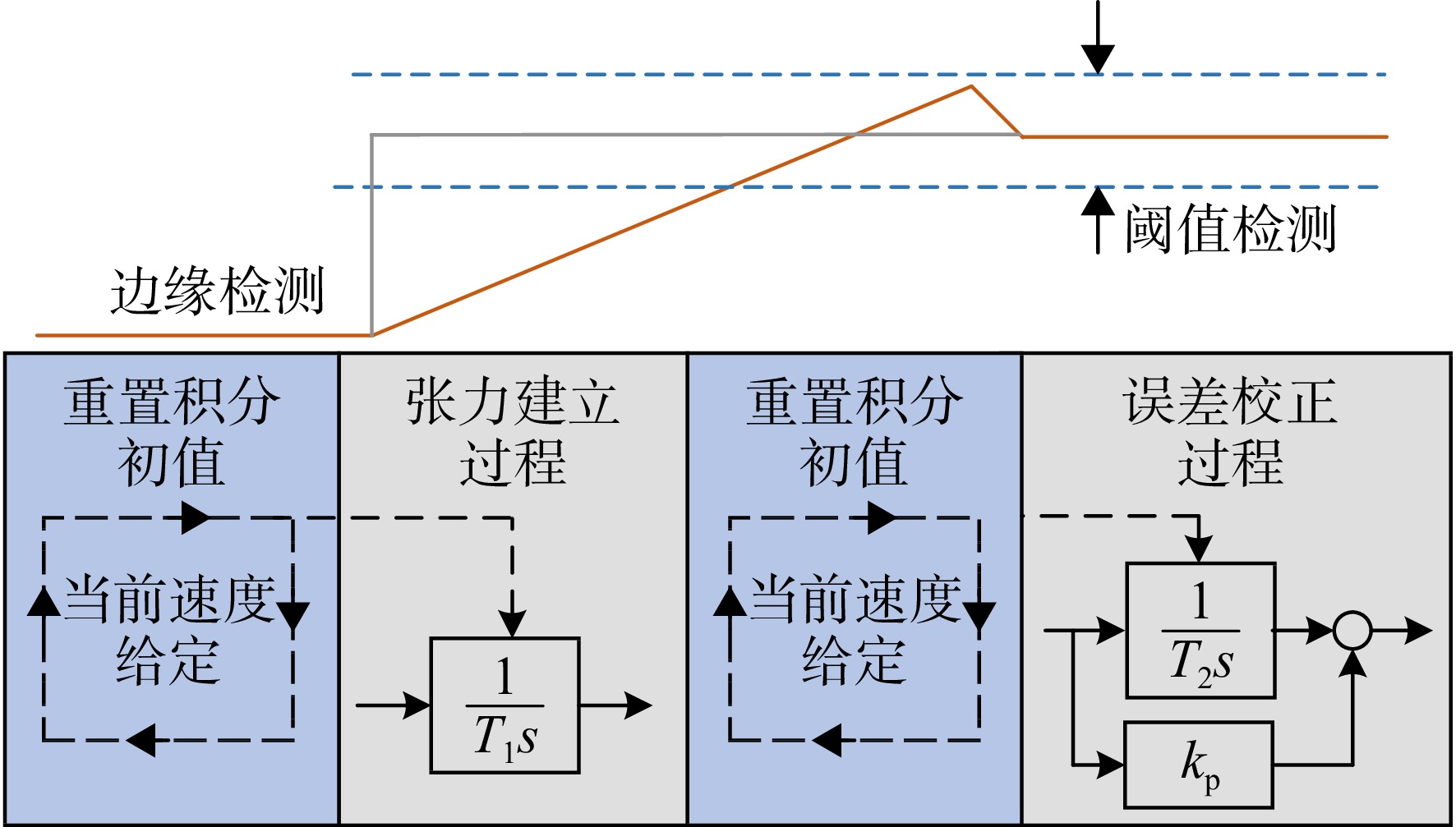
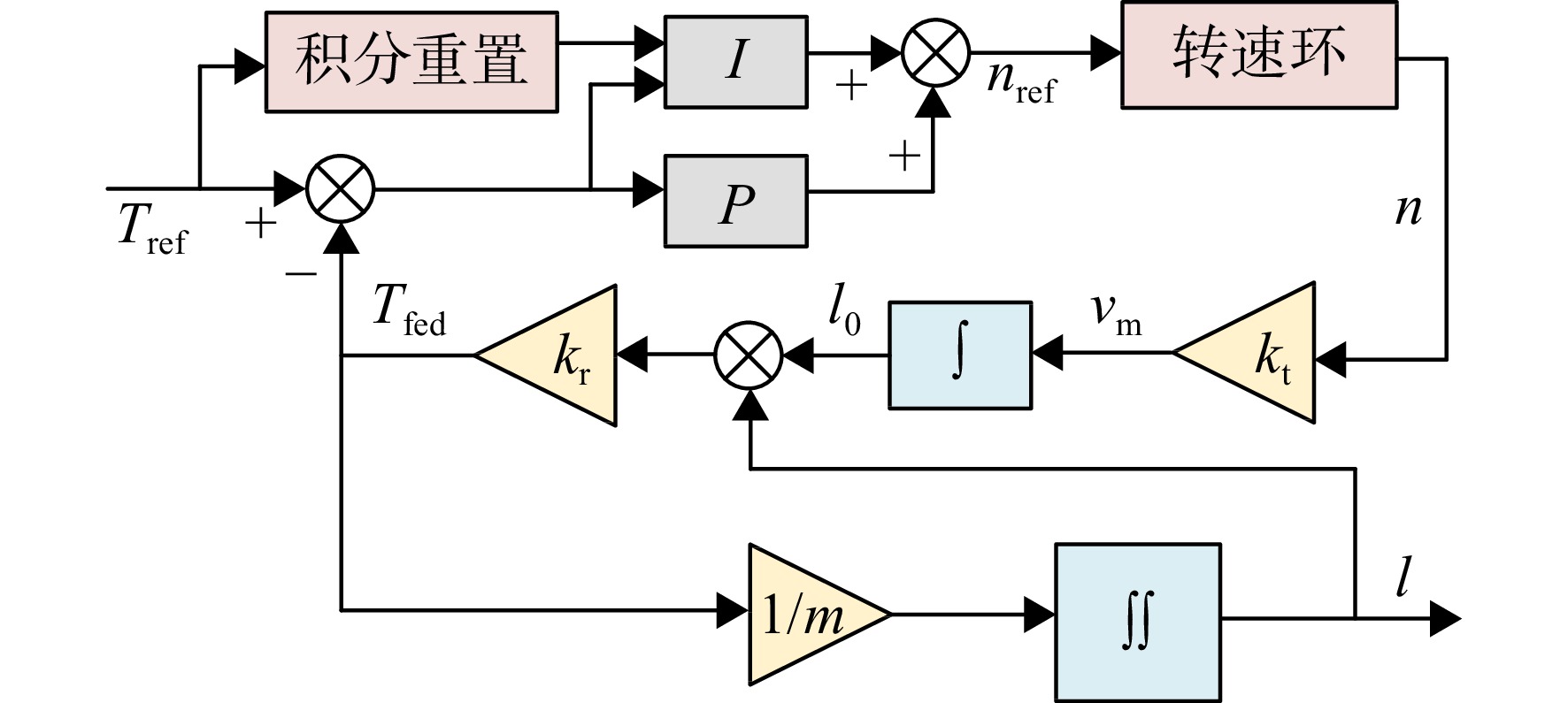
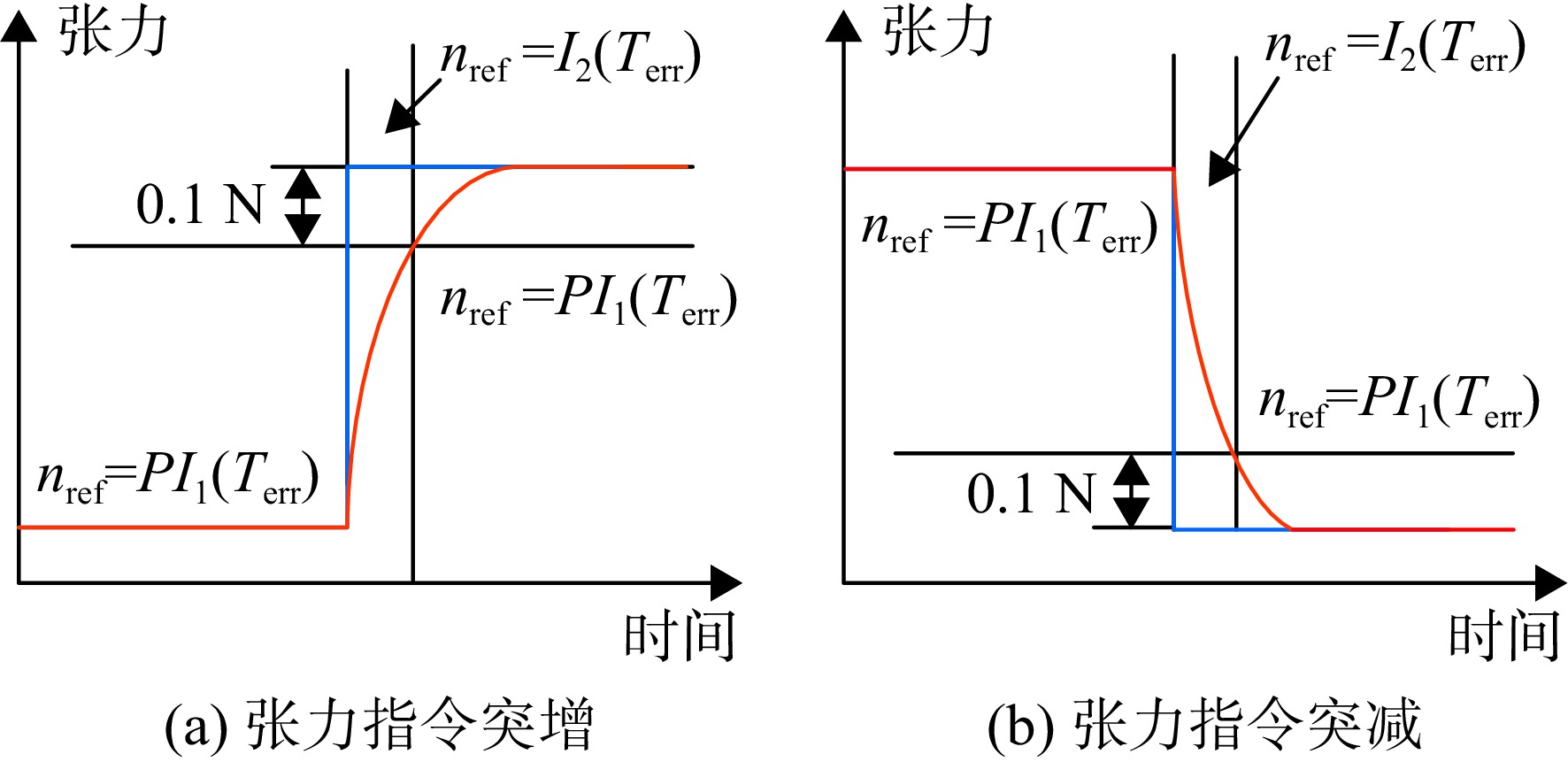
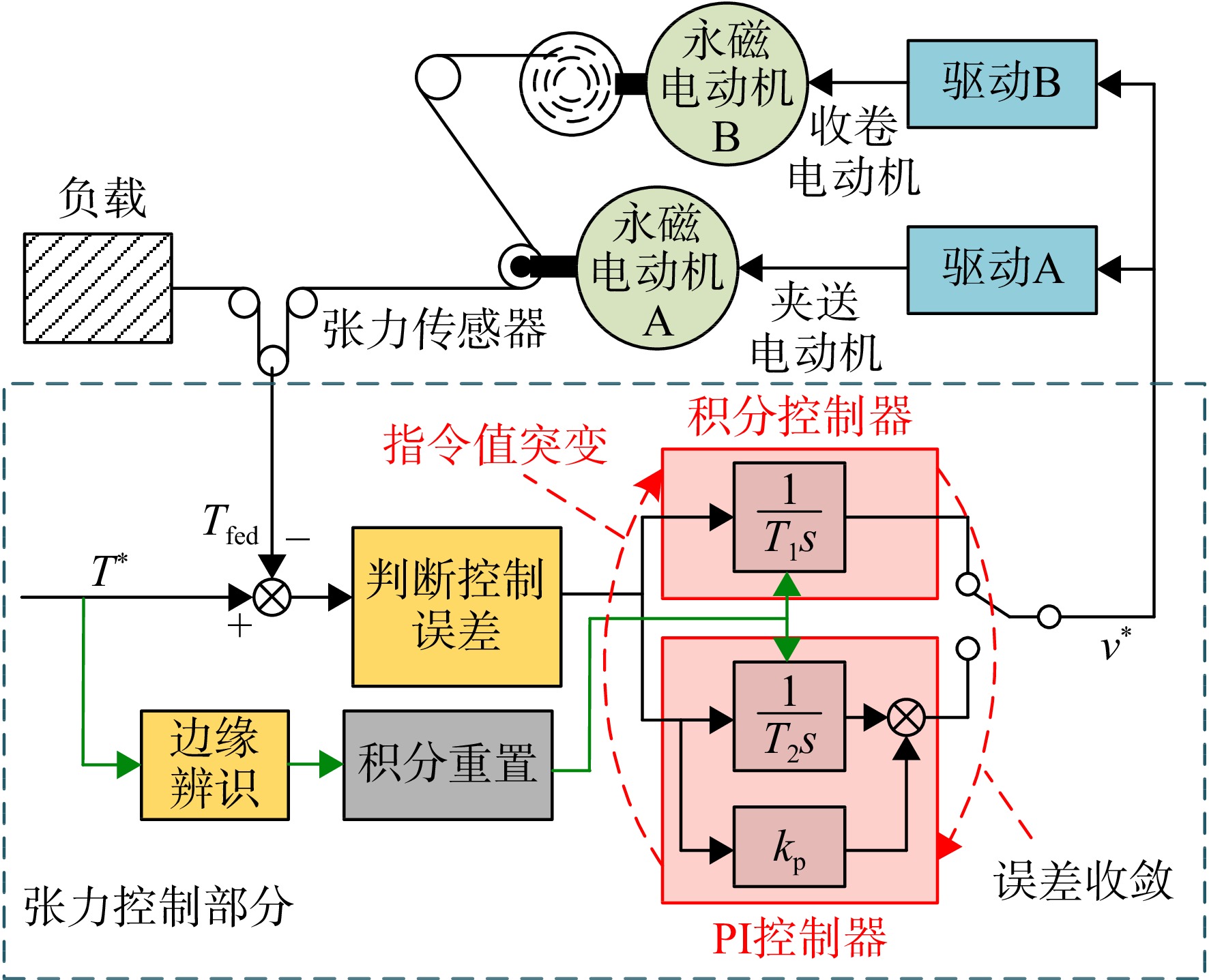
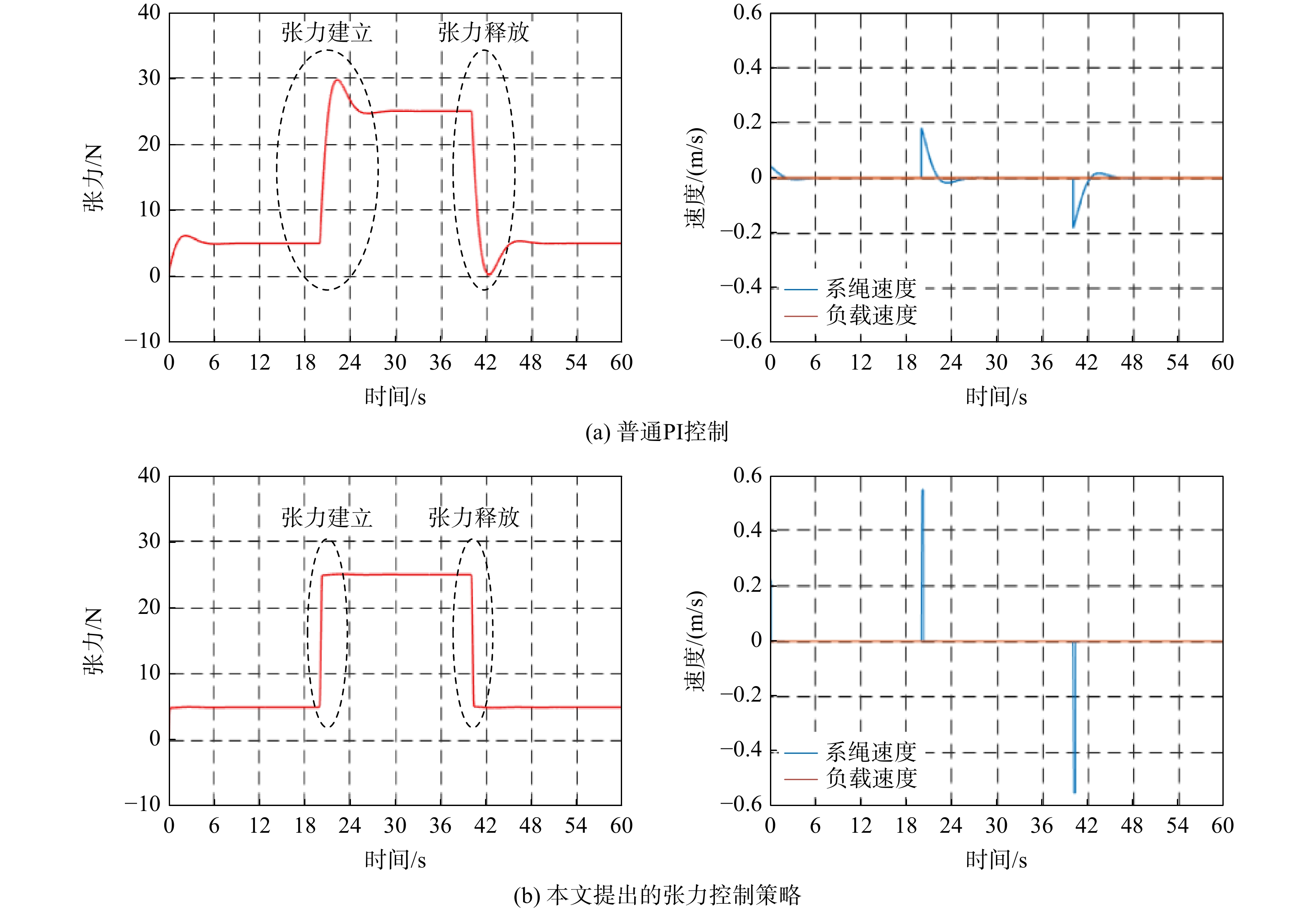
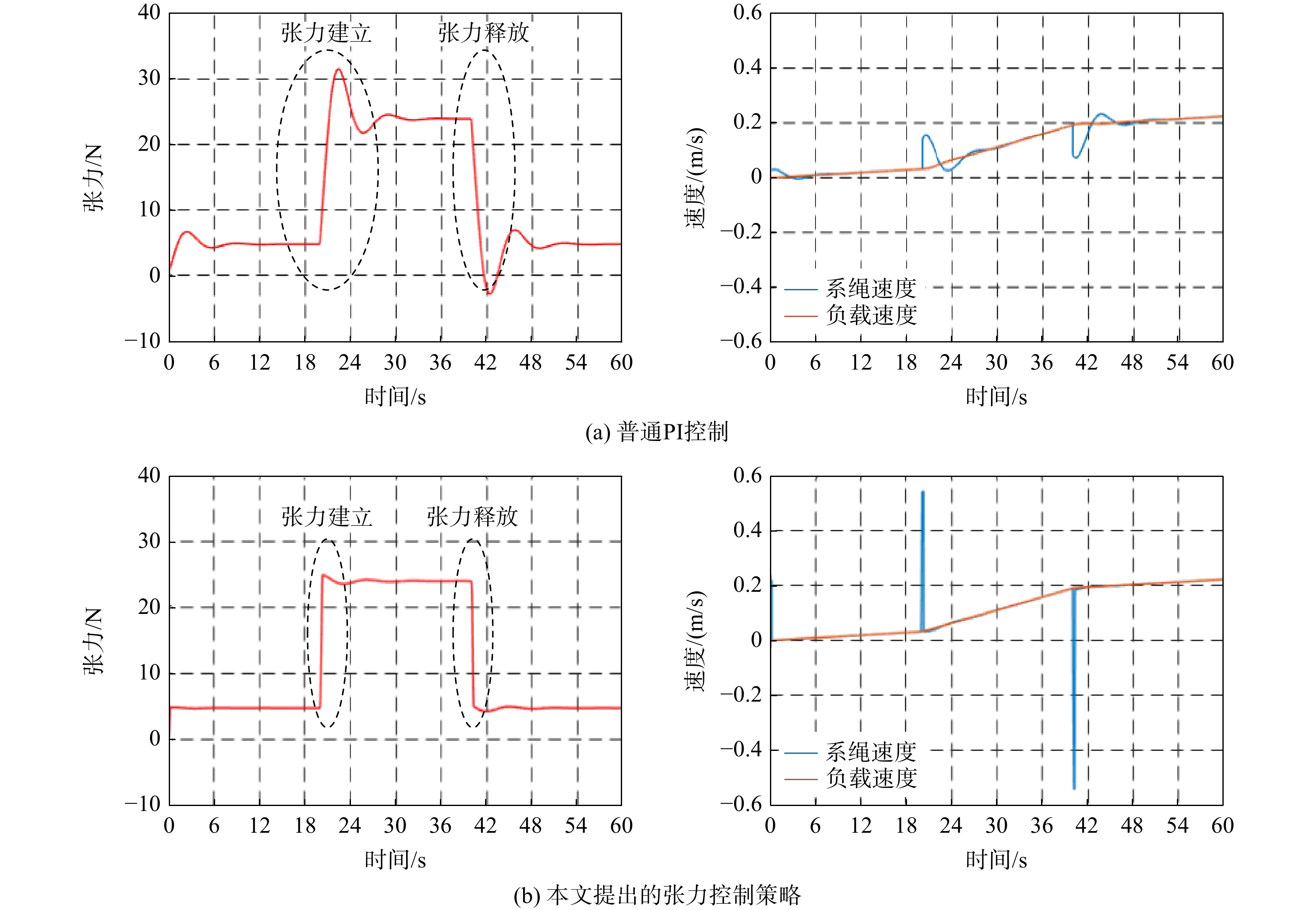
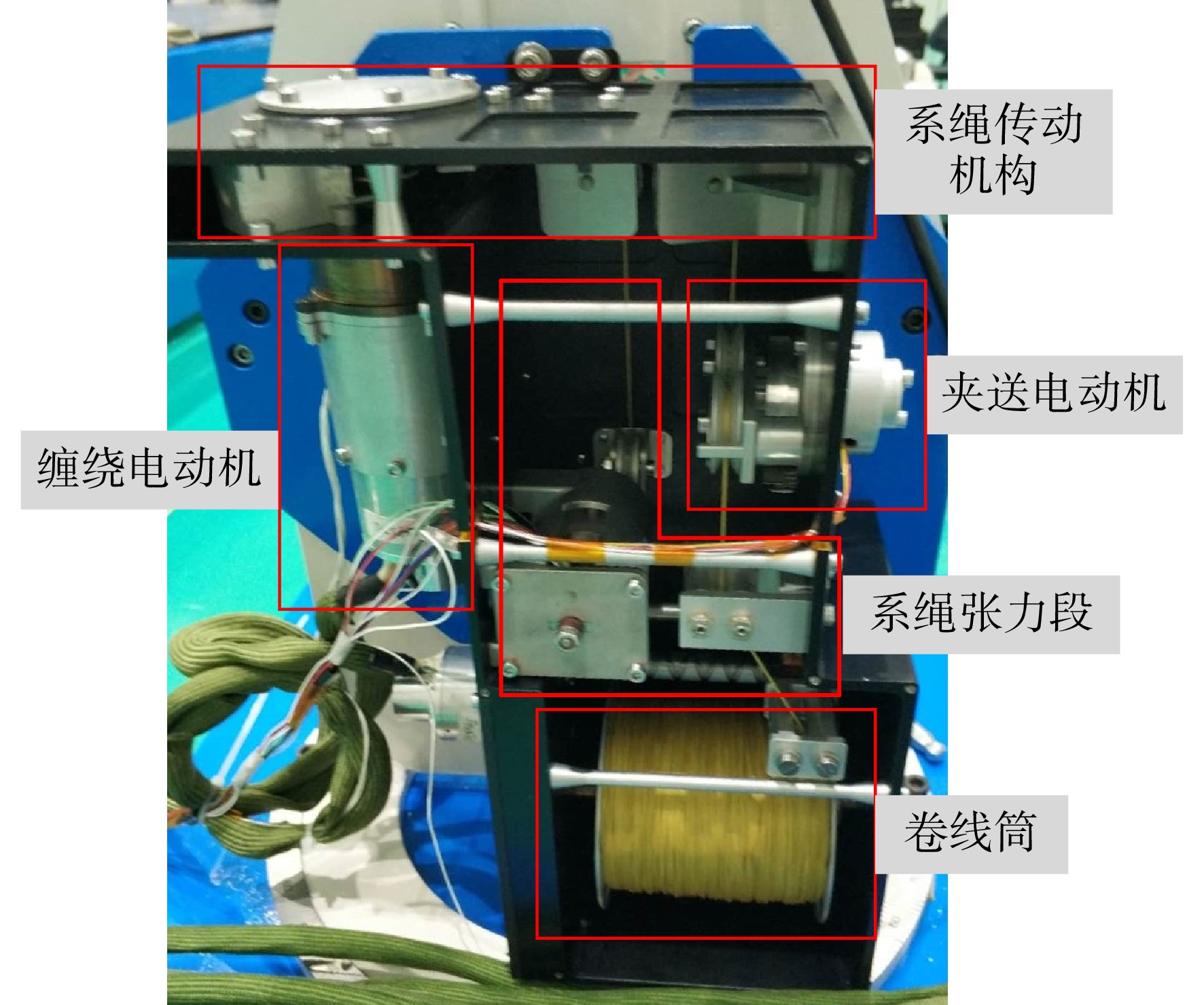
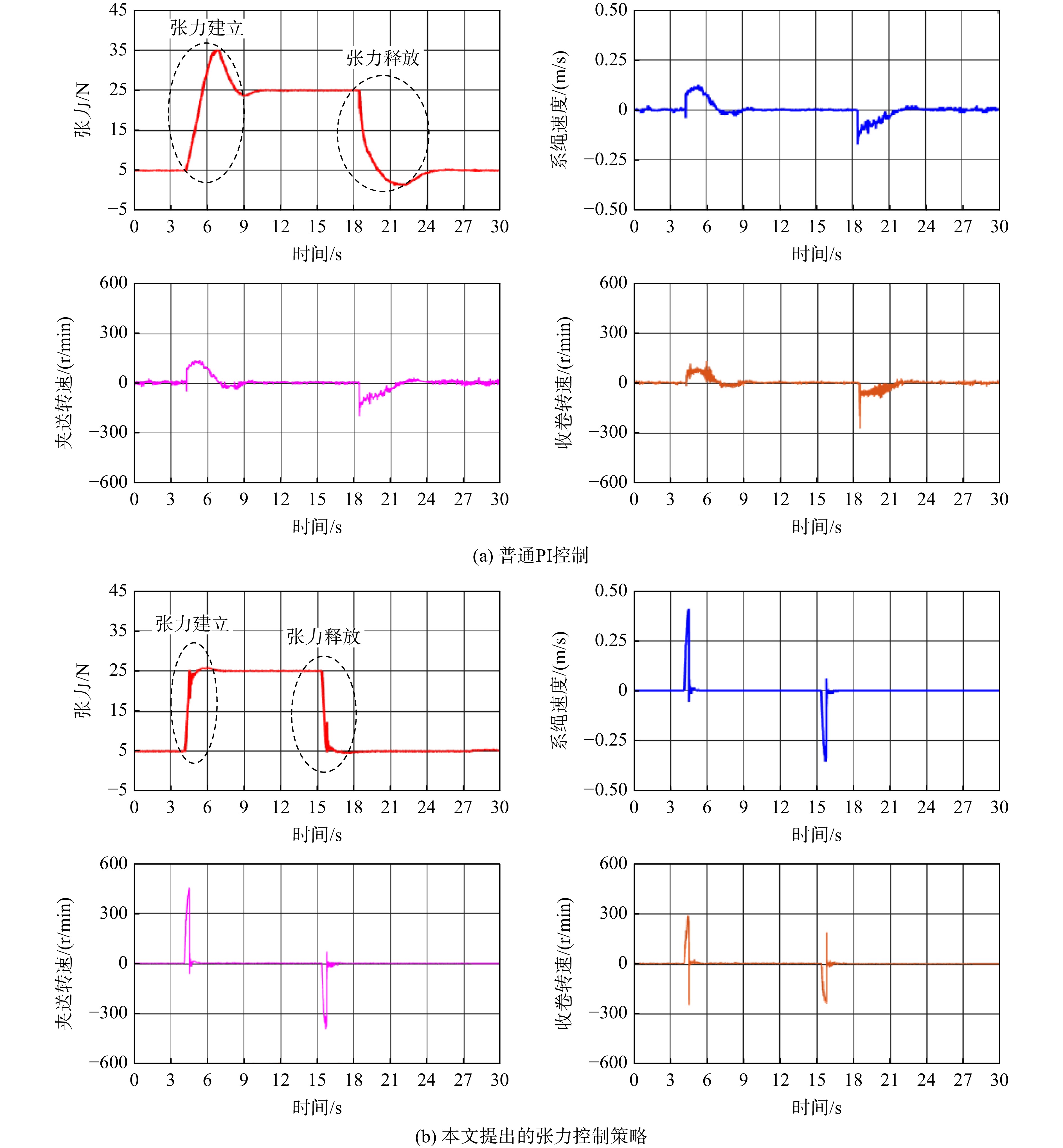
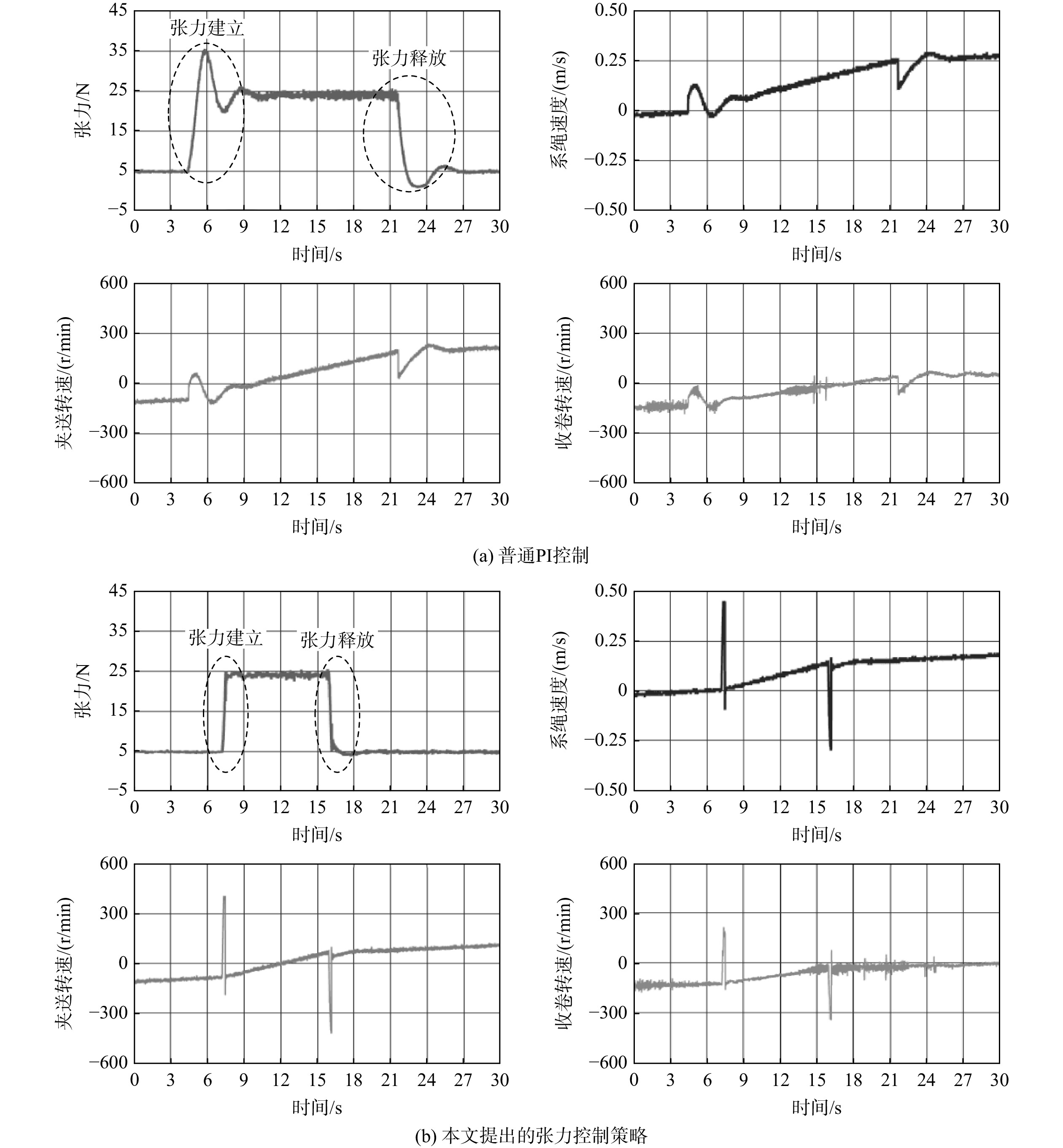
Establishment of the tether tension requires a speed difference between the rope retraction and the target drag, making it difficult for the traditional PI control to obtain a stable and fast control effect in the dynamic process of tension establishment or release. To solve the problem, an anti-impact strategy was proposed, in which integral controllers were piecewise combined. Only integral control was used in the process of tension establishment. When the tension feedback was close to the reference value, the proportional control was added to make the tension value converge quickly, then the tension was established more accurately and the tension impact was effectively suppressed. Meanwhile, the integral reset method was used to make the tension continuous and stable before and after the dynamic control process. Simulation and prototype experiments showed that the anti-impact control strategy had high accuracy, and the response to tension sudden changes was smooth and rapid. At the same time, the control strategy did not need to introduce additional physical quantities, featuring simple structure and high reliability, and occupying less hardware resources.

Load characteristics of thrust reverser based on fluid-structure coupling method
XIE Rongzhang, SU Sanmai, YANG Henghui, GAO Wuhao
2023, 38(10): 2460-2472. doi: 10.13224/j.cnki.jasp.20210740
Abstract:

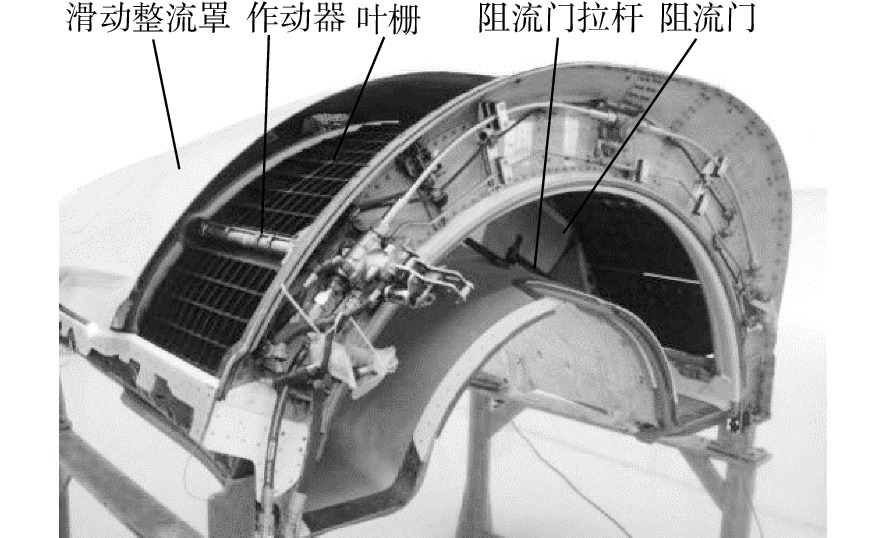
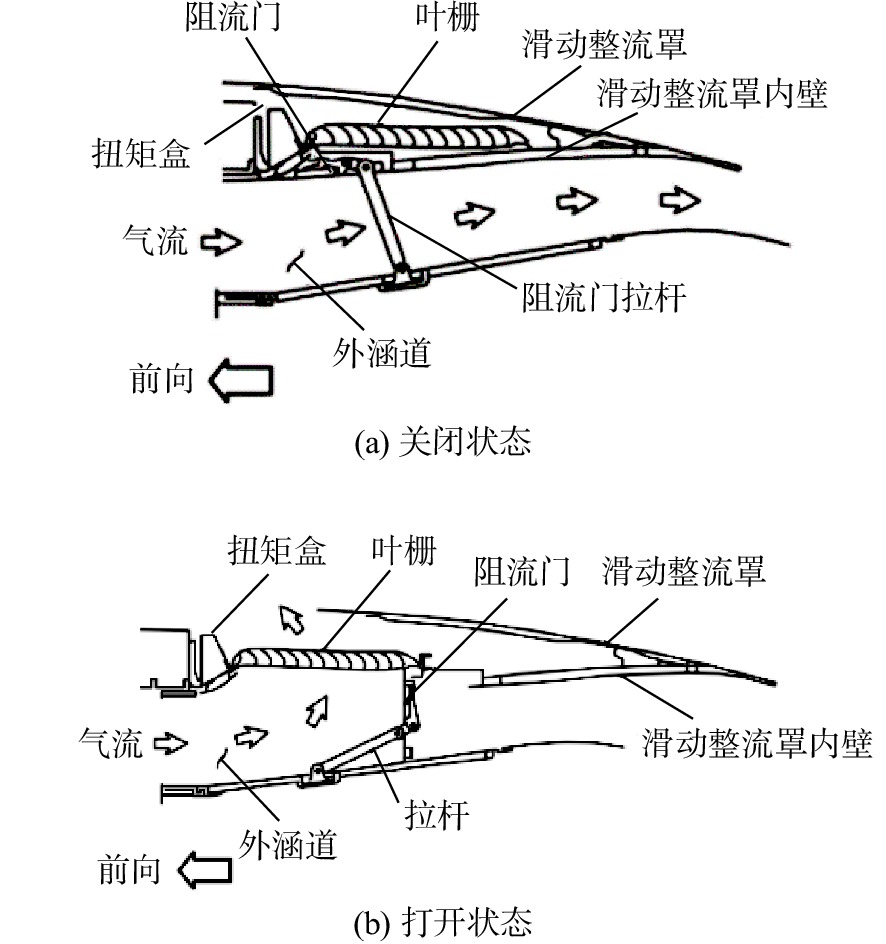
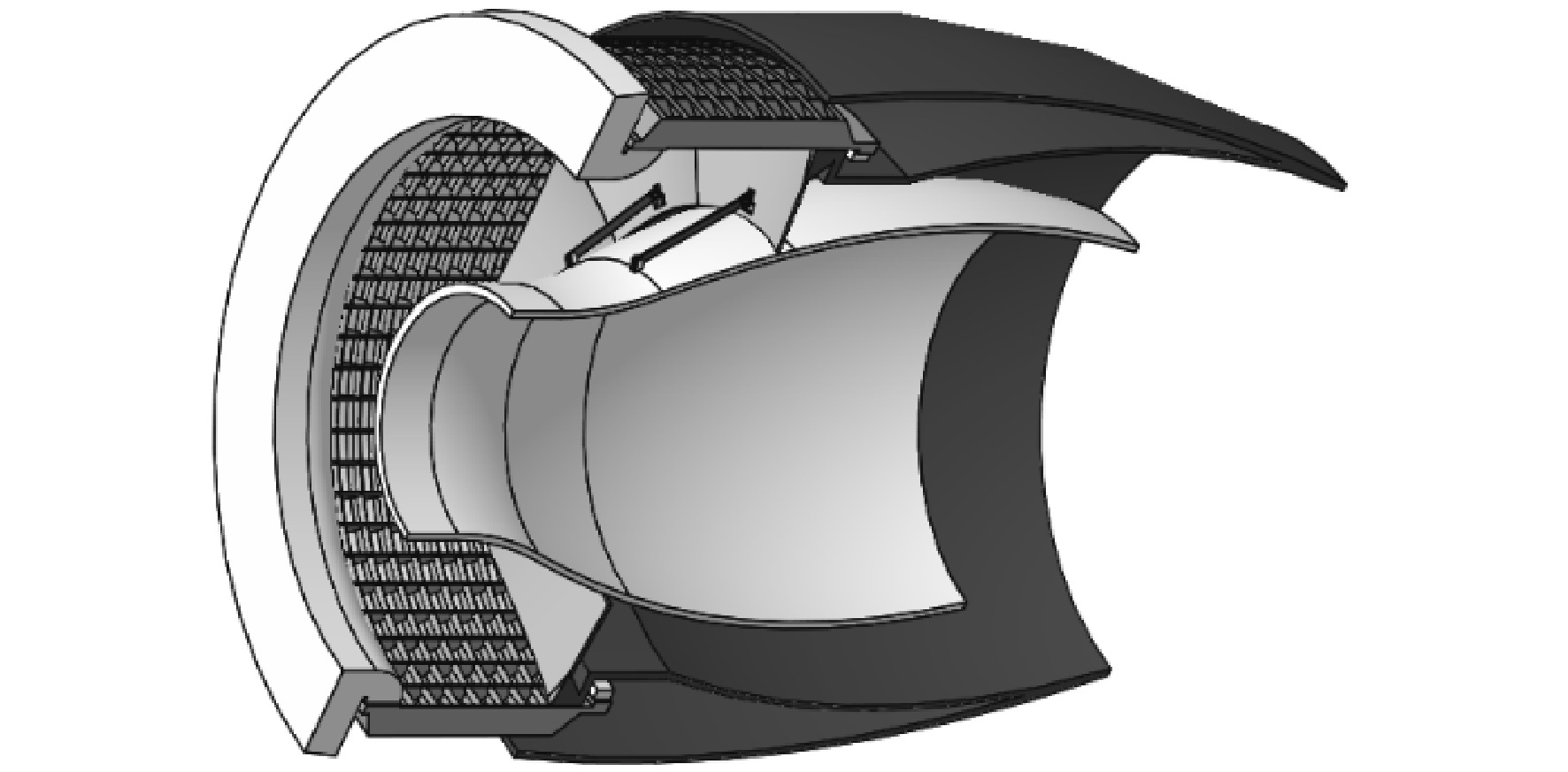
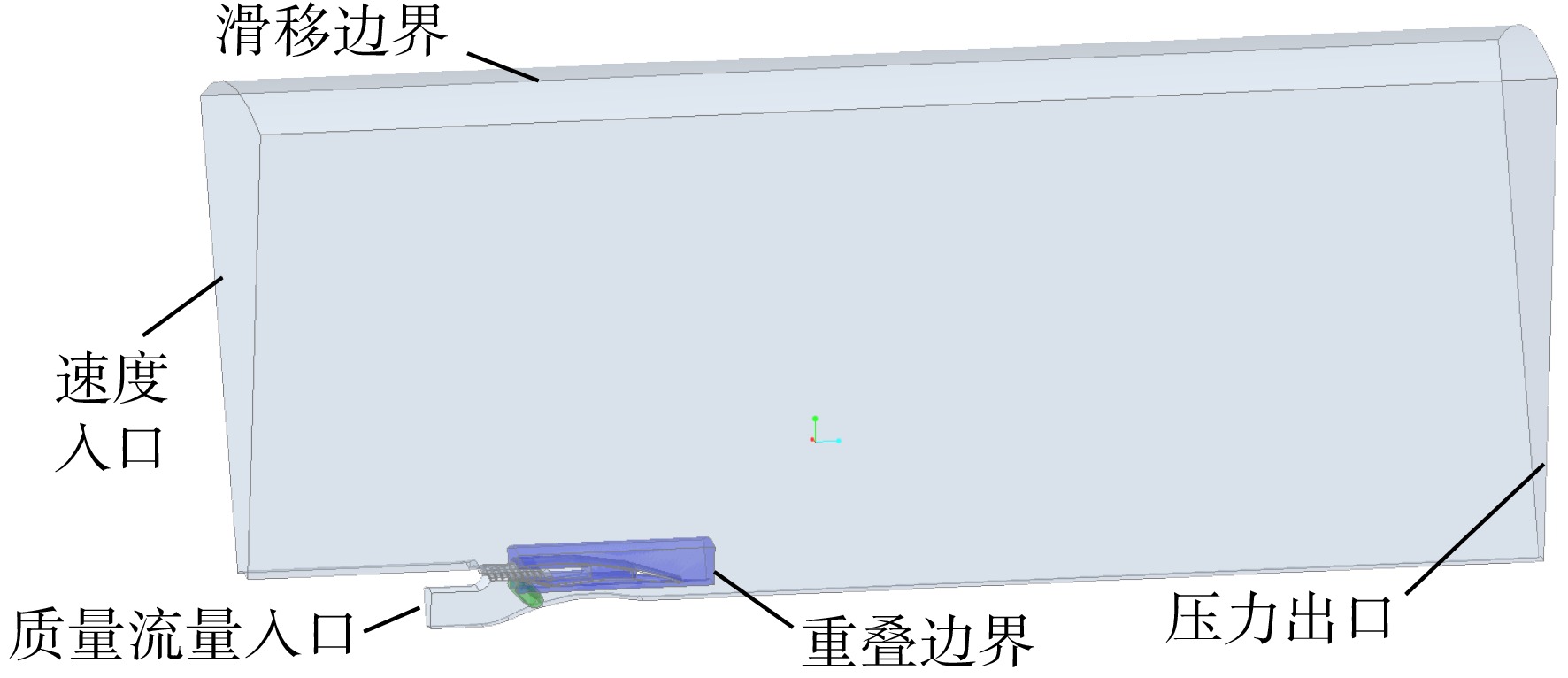
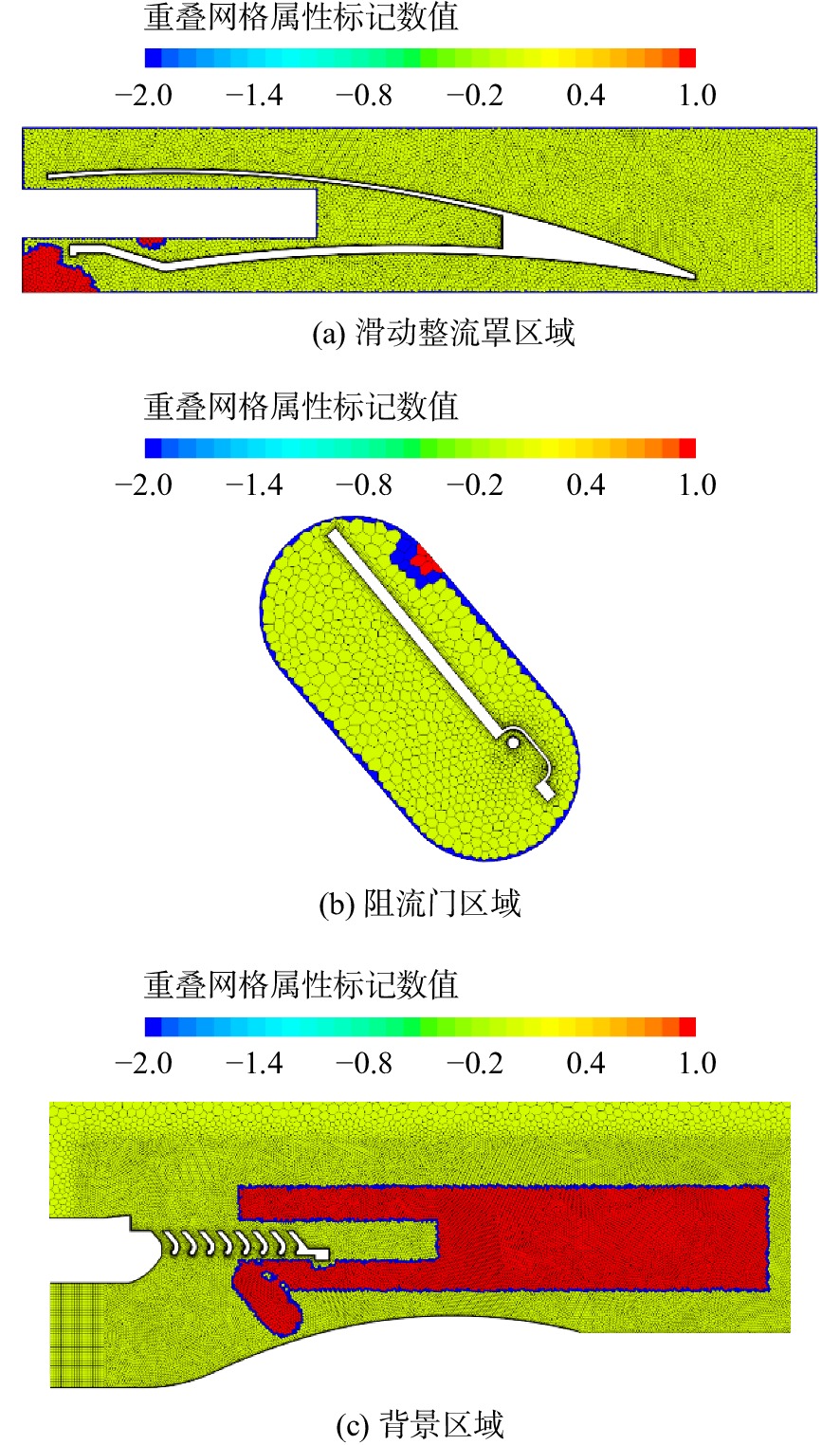
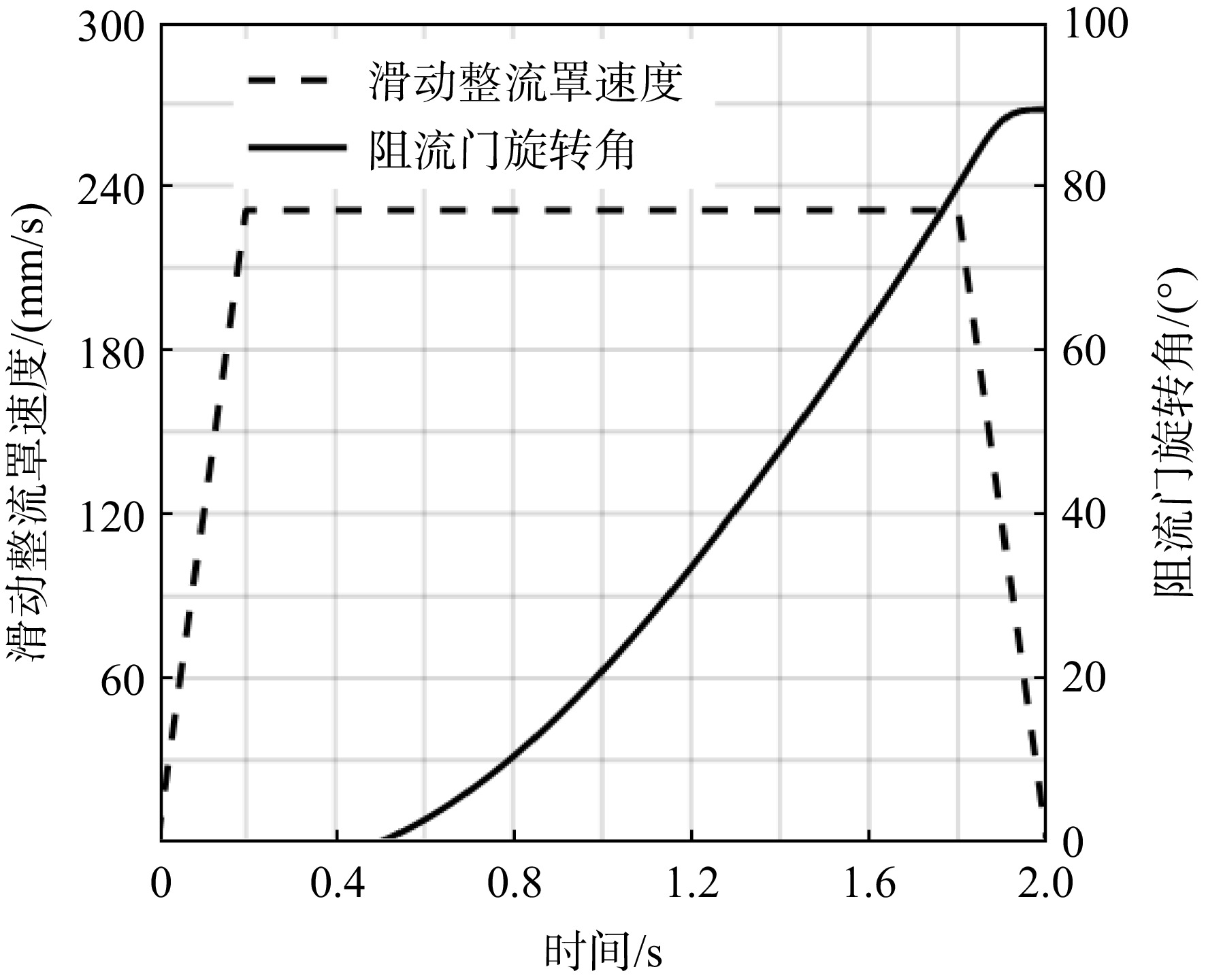
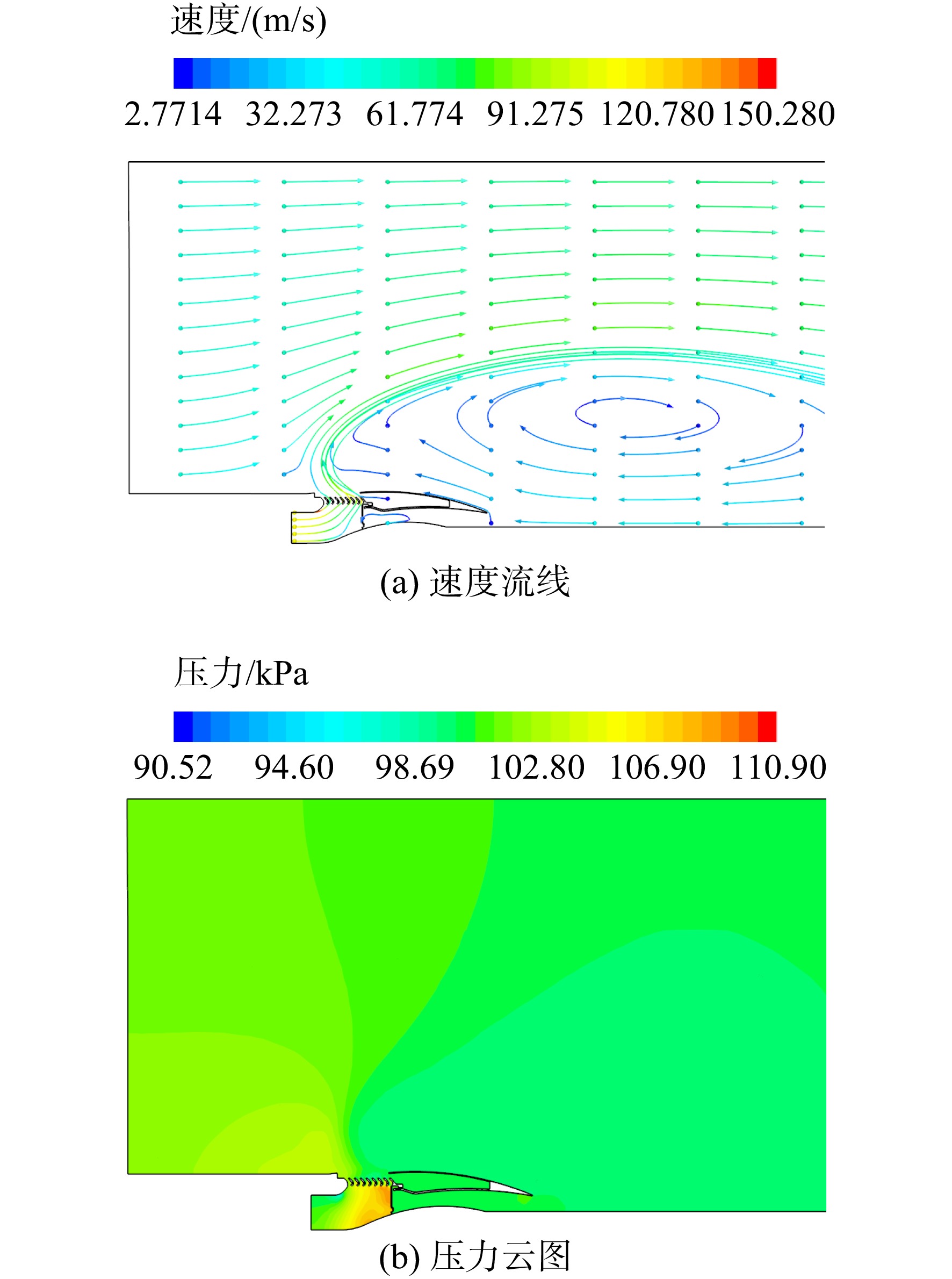
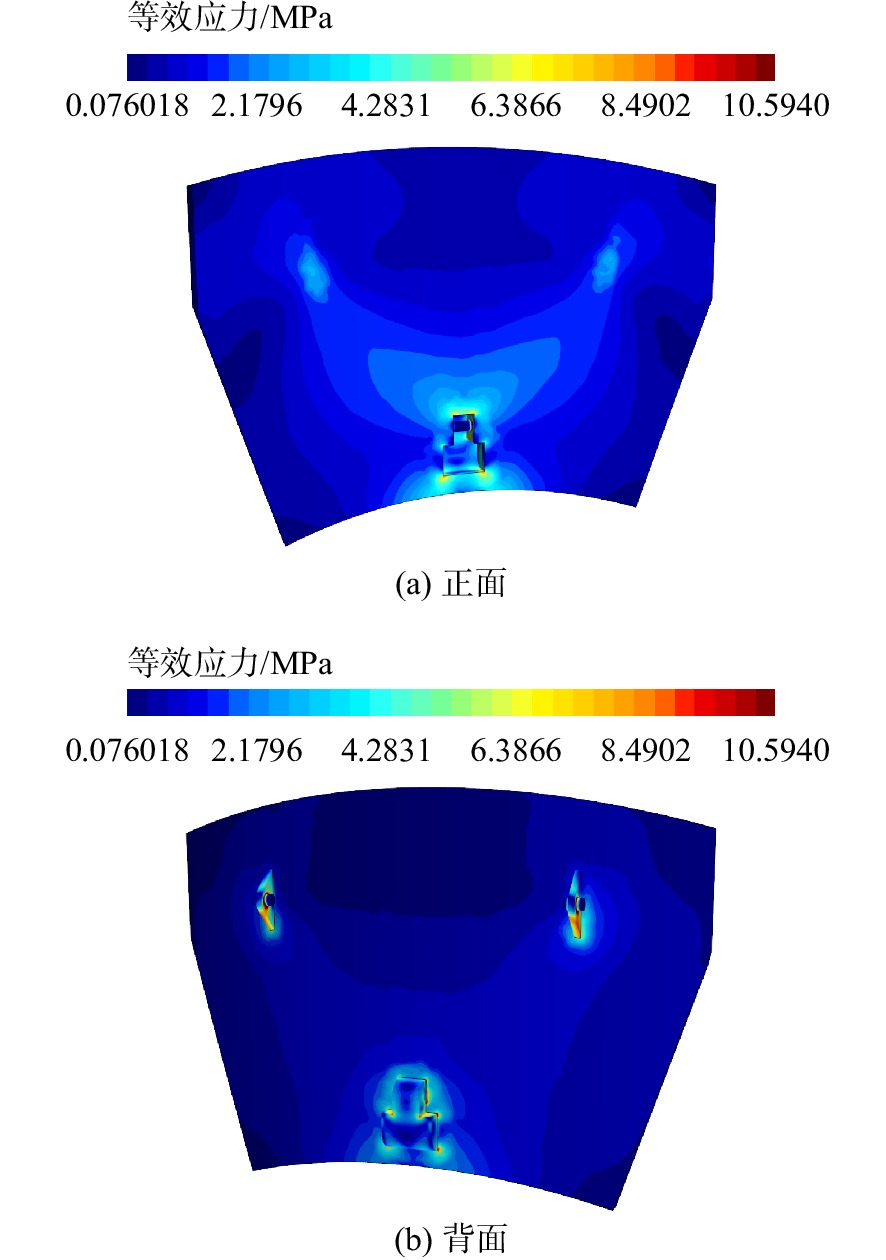
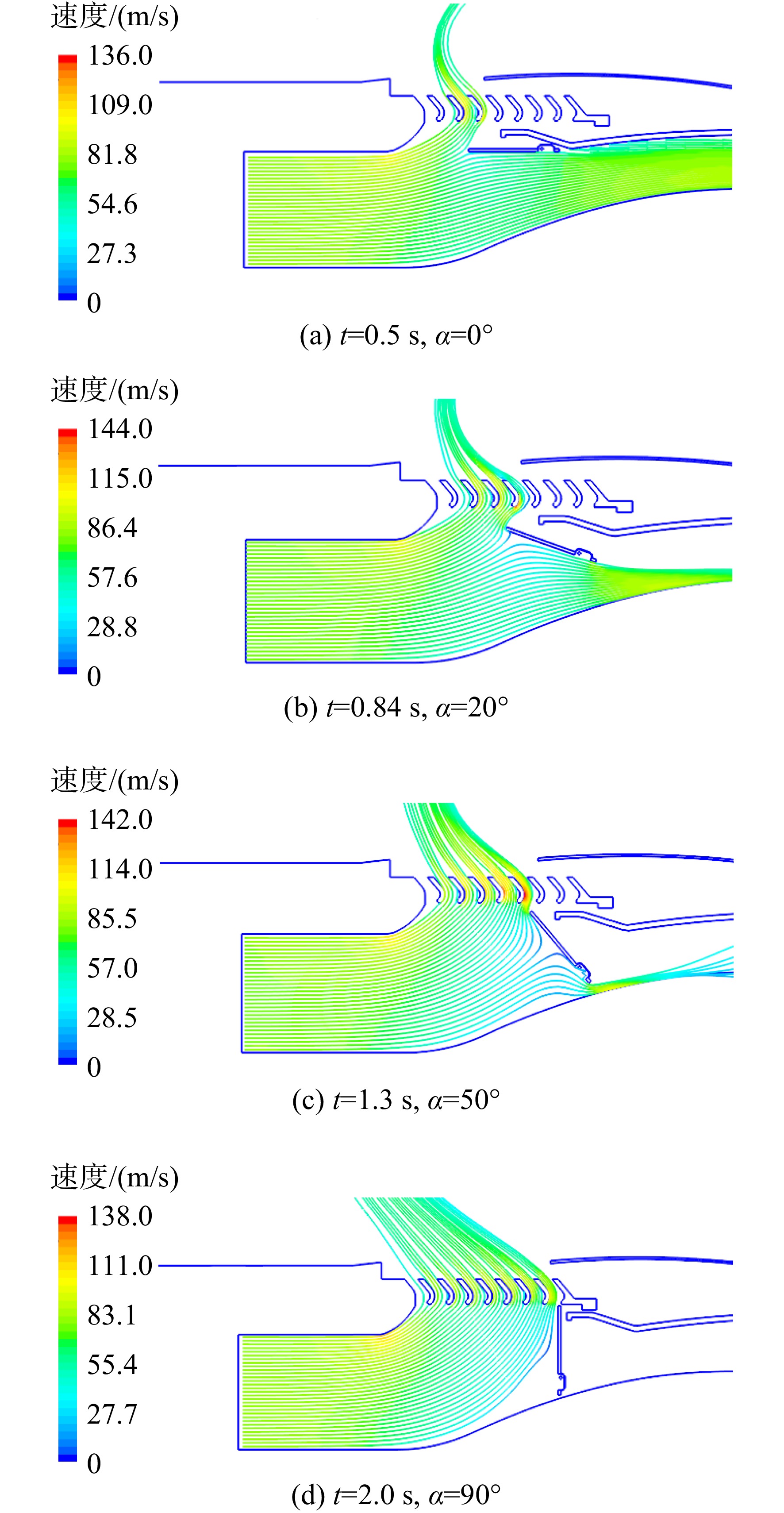
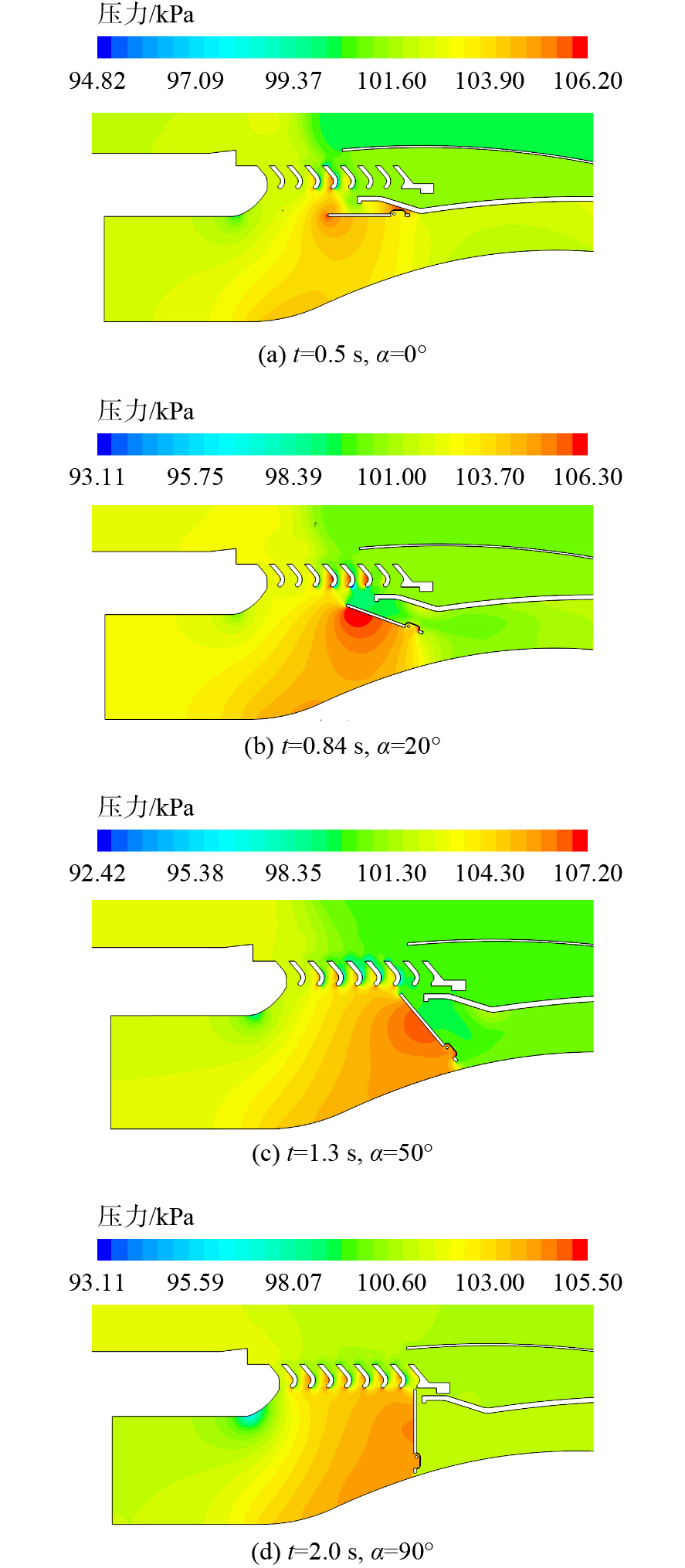
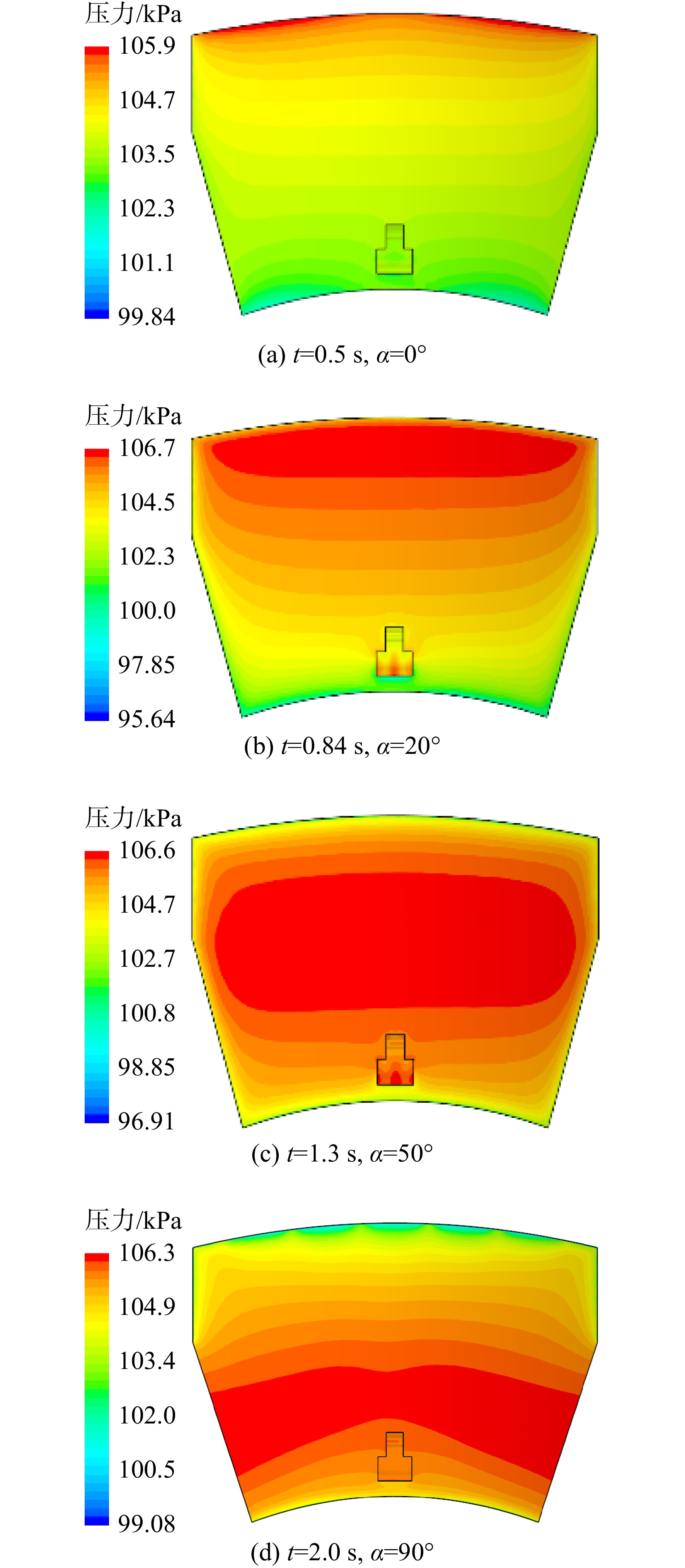
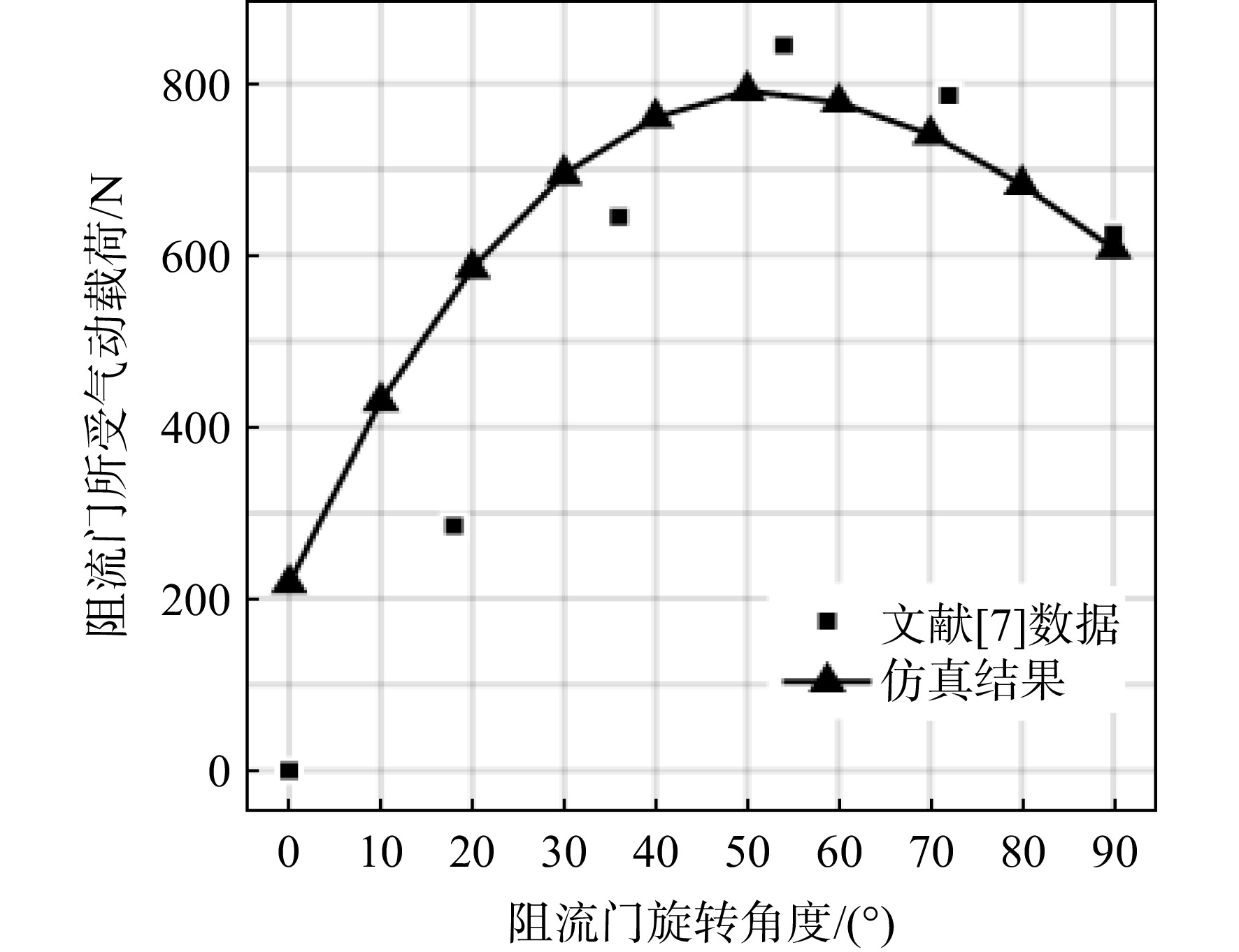
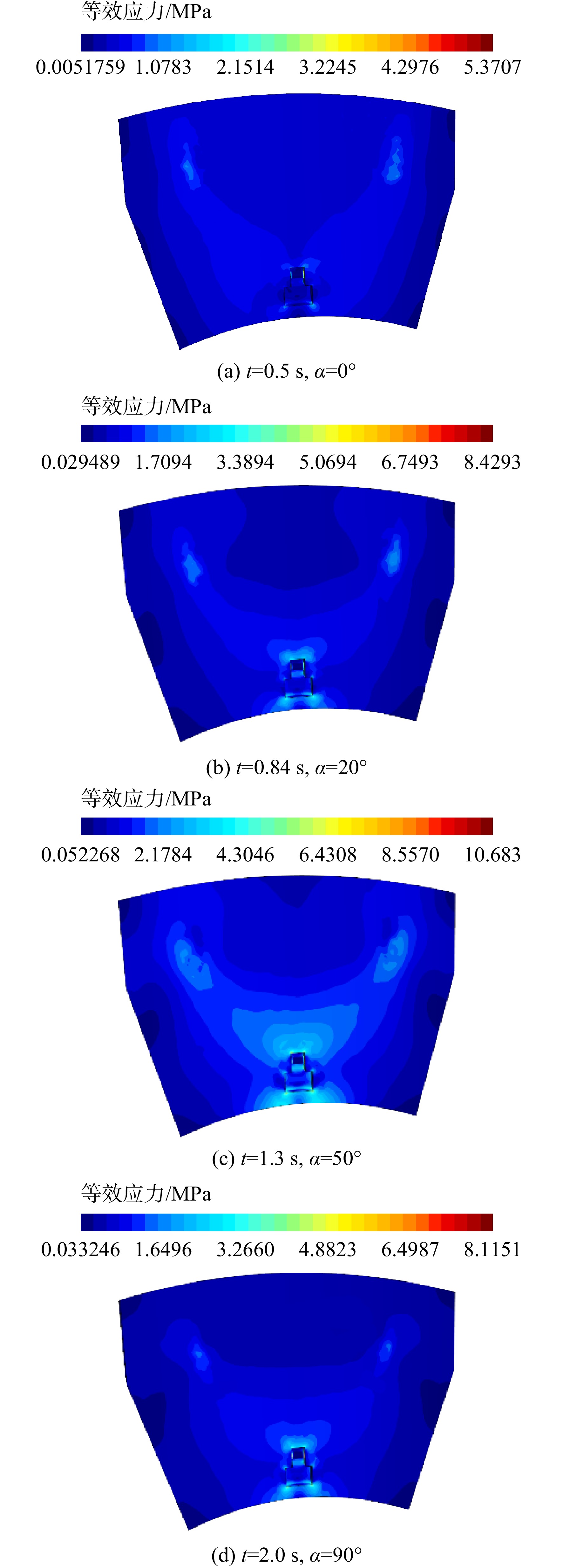
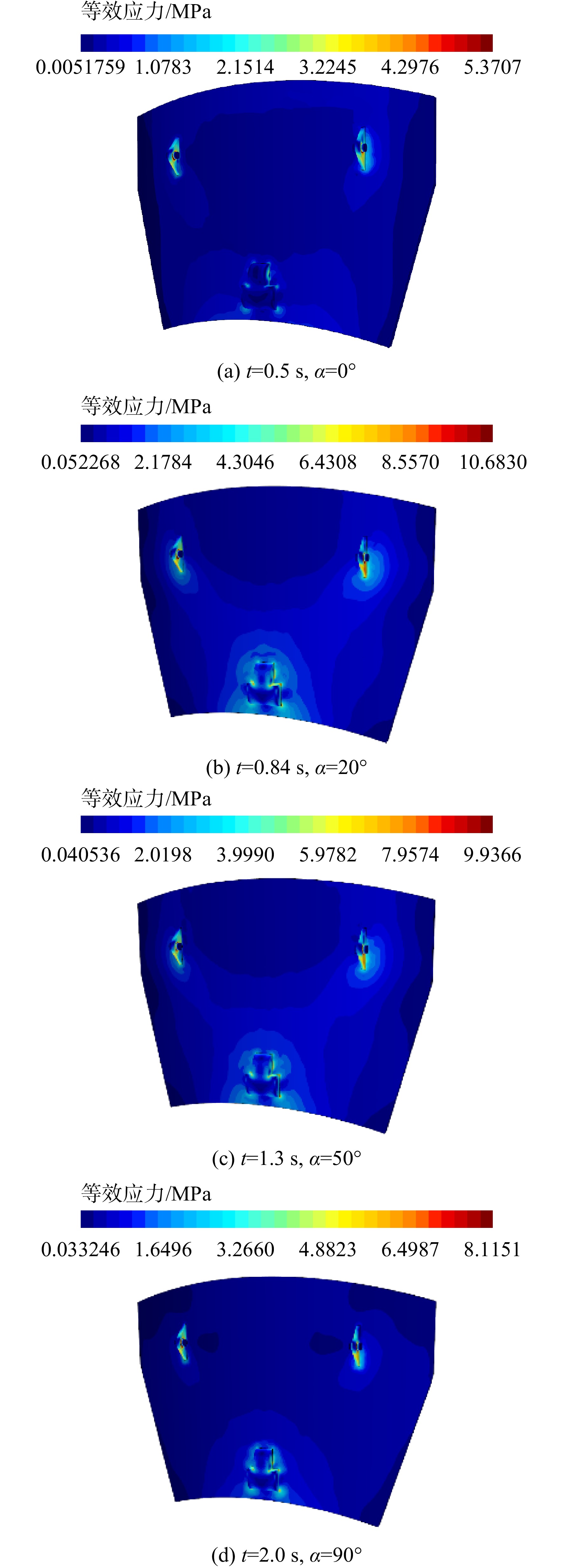
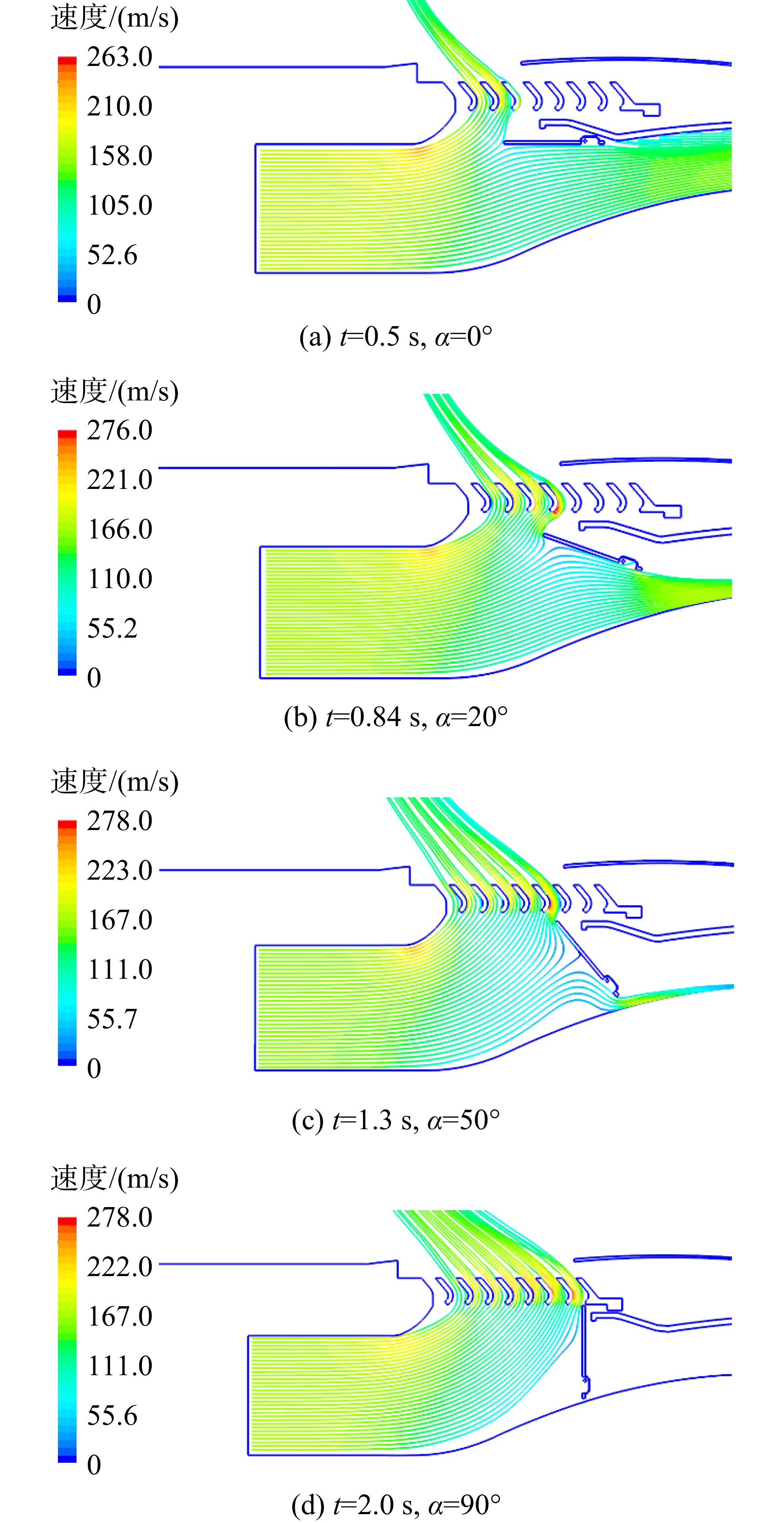
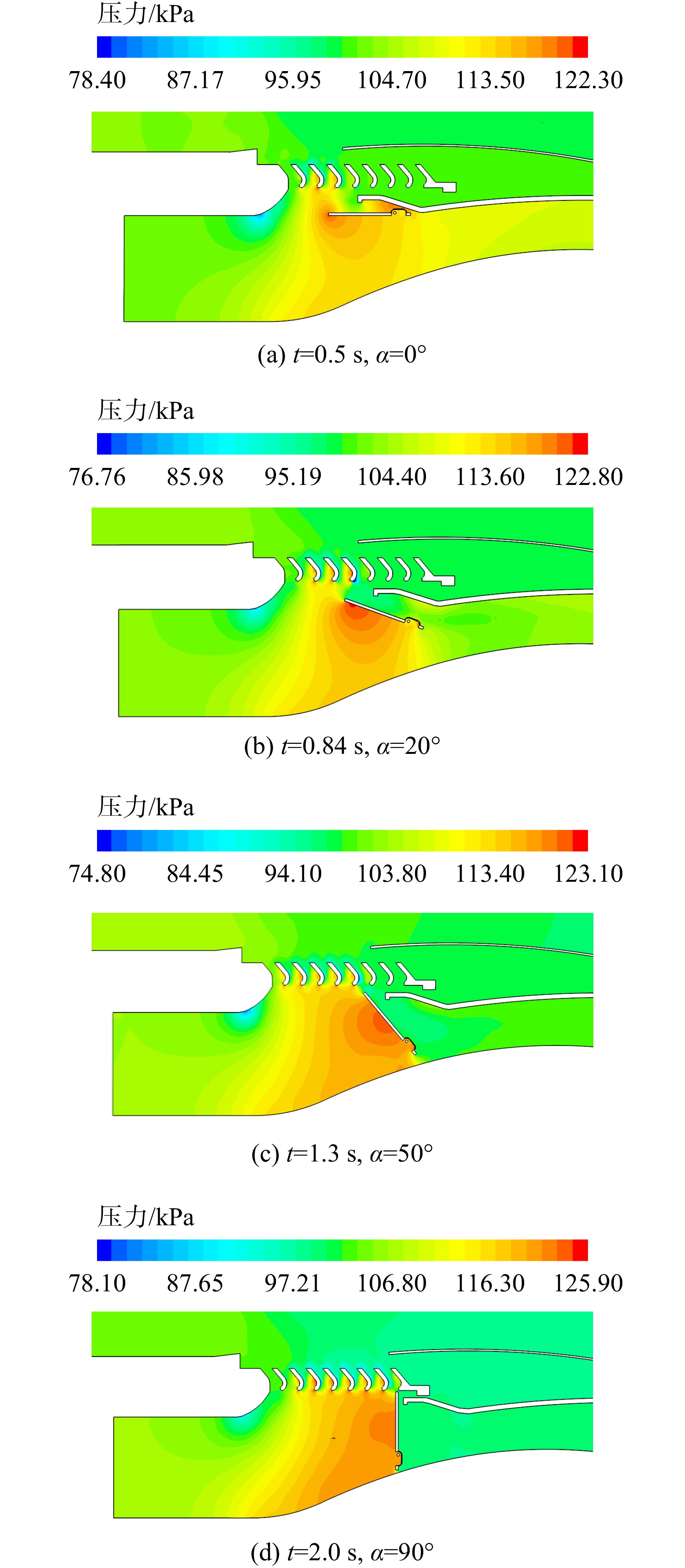
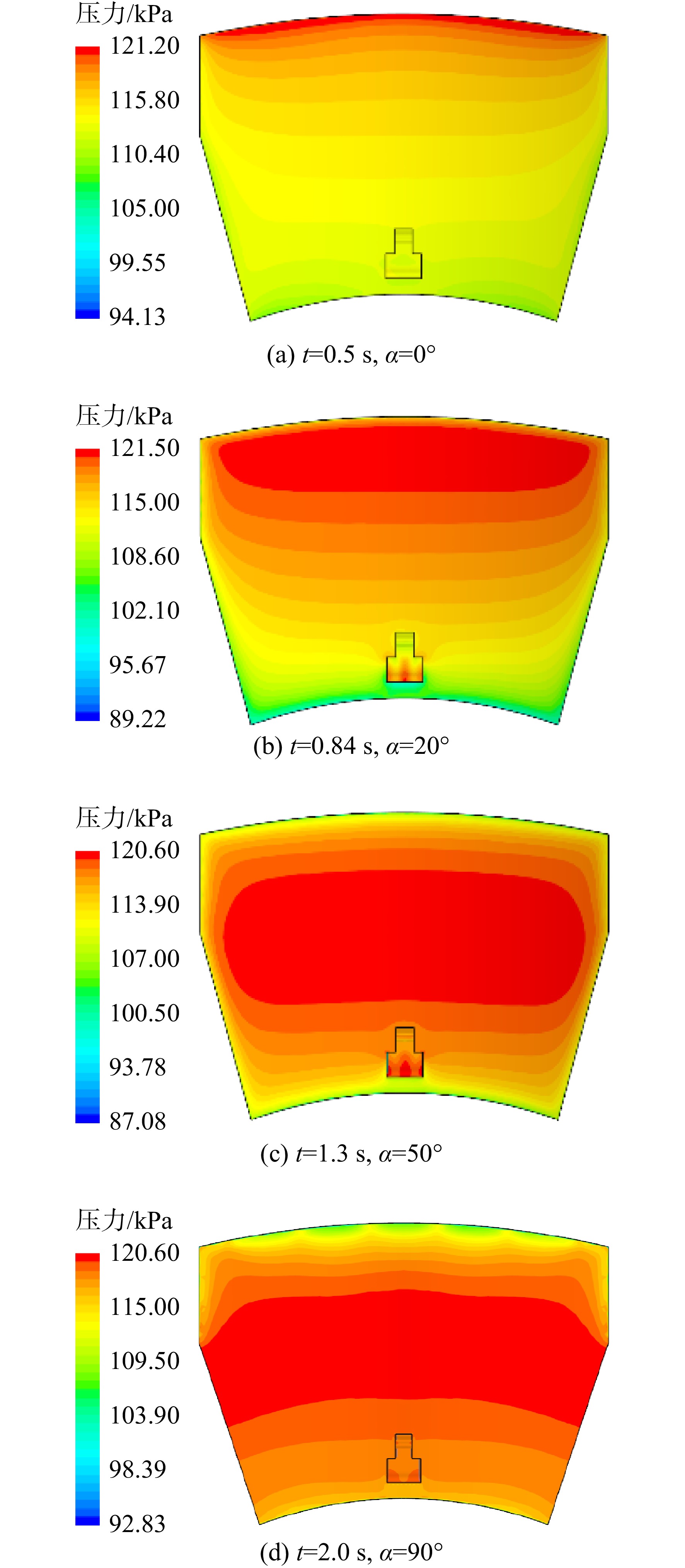
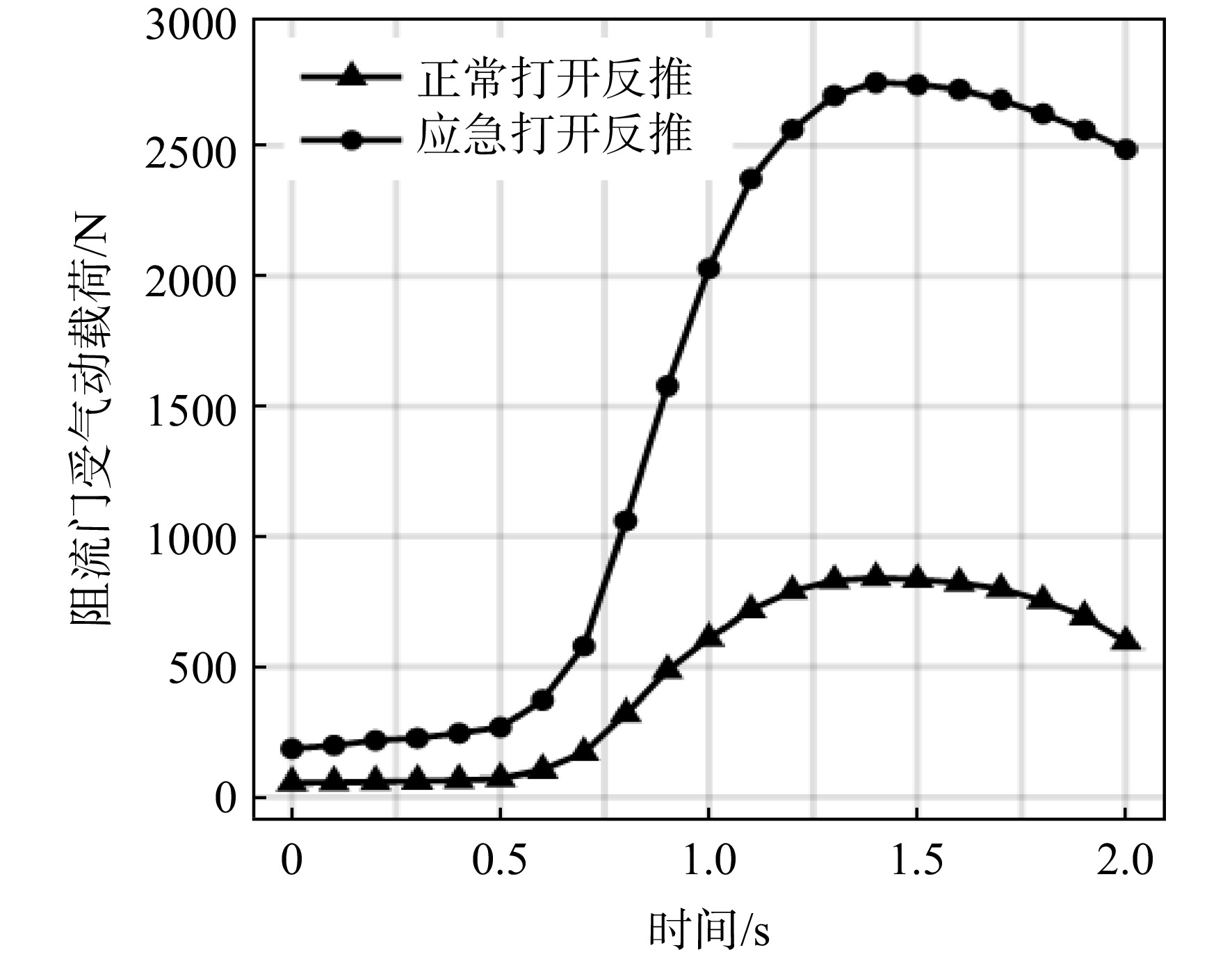
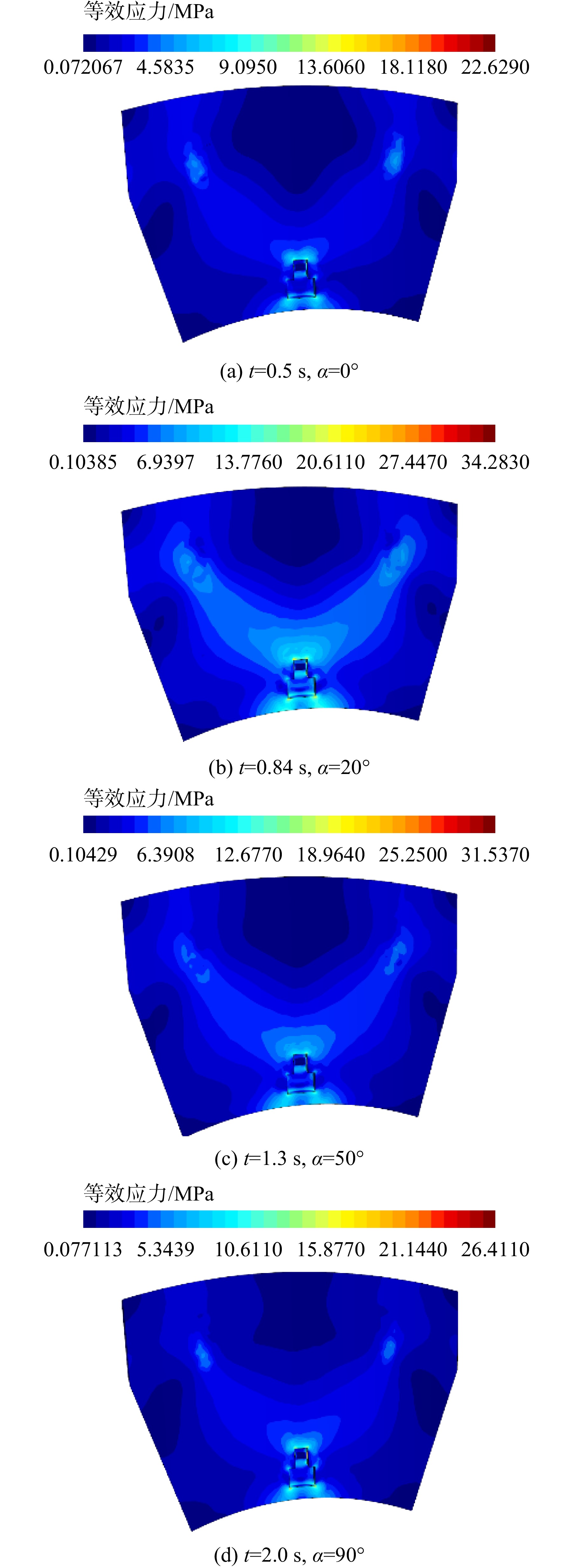
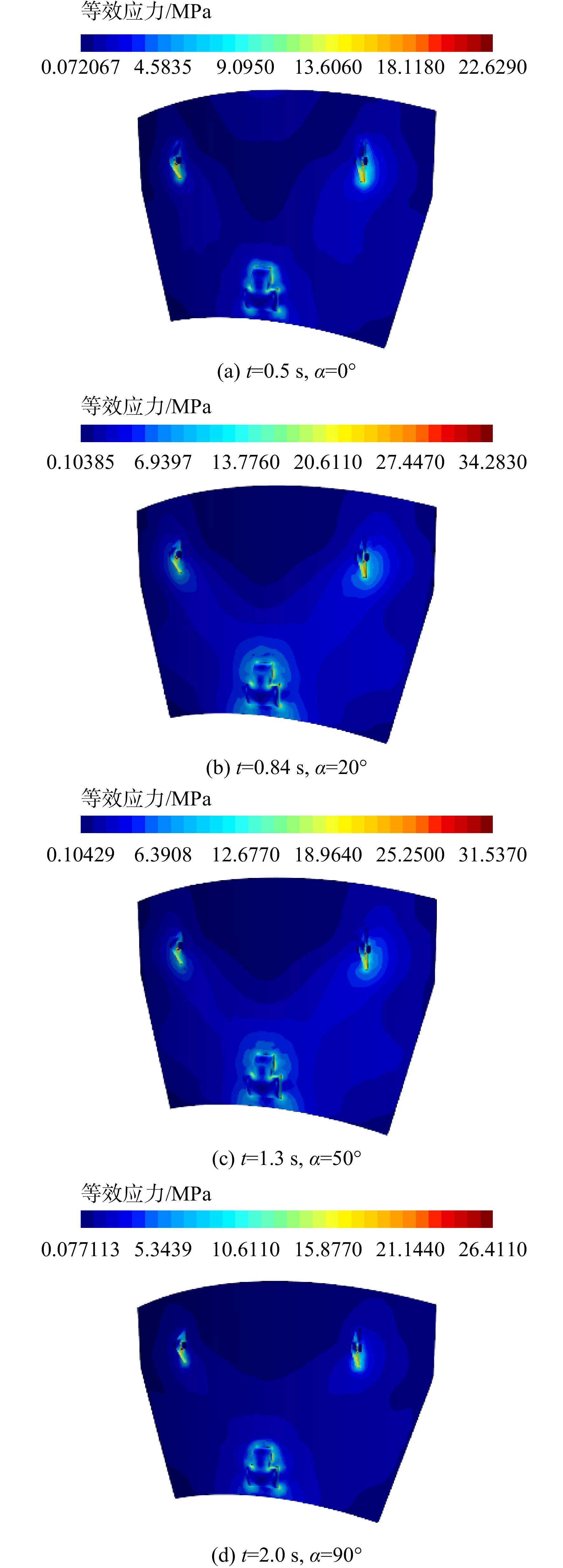
The load characteristics of the thrust reverser are the basis of the strength design of its kinematic mechanism and drive actuator, in which the calculation of the aerodynamic load and stress distribution on the blocker door is the core. Taking the cascade thrust reverser as the object, the overlapping grid method was used to achieve the movement of the boundary grid of the translating sleeve and blocker door components, at the same time, the data mapping and exchange relationship of the fluid-structure coupling interface was formed in the STAR-CCM+ software environment. Based on these, the fluid-structure coupling numerical analysis model of the thrust reverser was established. The two dynamic processes of the thrust reverser normal opening during landing and emergency opening during takeoff were simulated. Results showed that with the rotation of the blocker door, the aerodynamic load and equivalent stress on the blocker door increased rapidly, and reached the maximum near the rotation angle of 50°. Moreover, the maximum aerodynamic load on the blocker door was more than 3 times of the normal opening process when the thrust reverser was opened under emergency termination takeoff state.

Turbomachinery
Research on vortex structure near tip clearance in a highly loaded compressor cascade based on oil flow pattern
GAO Limin, LIN Shiyan, LI Ruiyu, ZHAO Lei
2023, 38(10): 2473-2482. doi: 10.13224/j.cnki.jasp.20210663
Abstract:

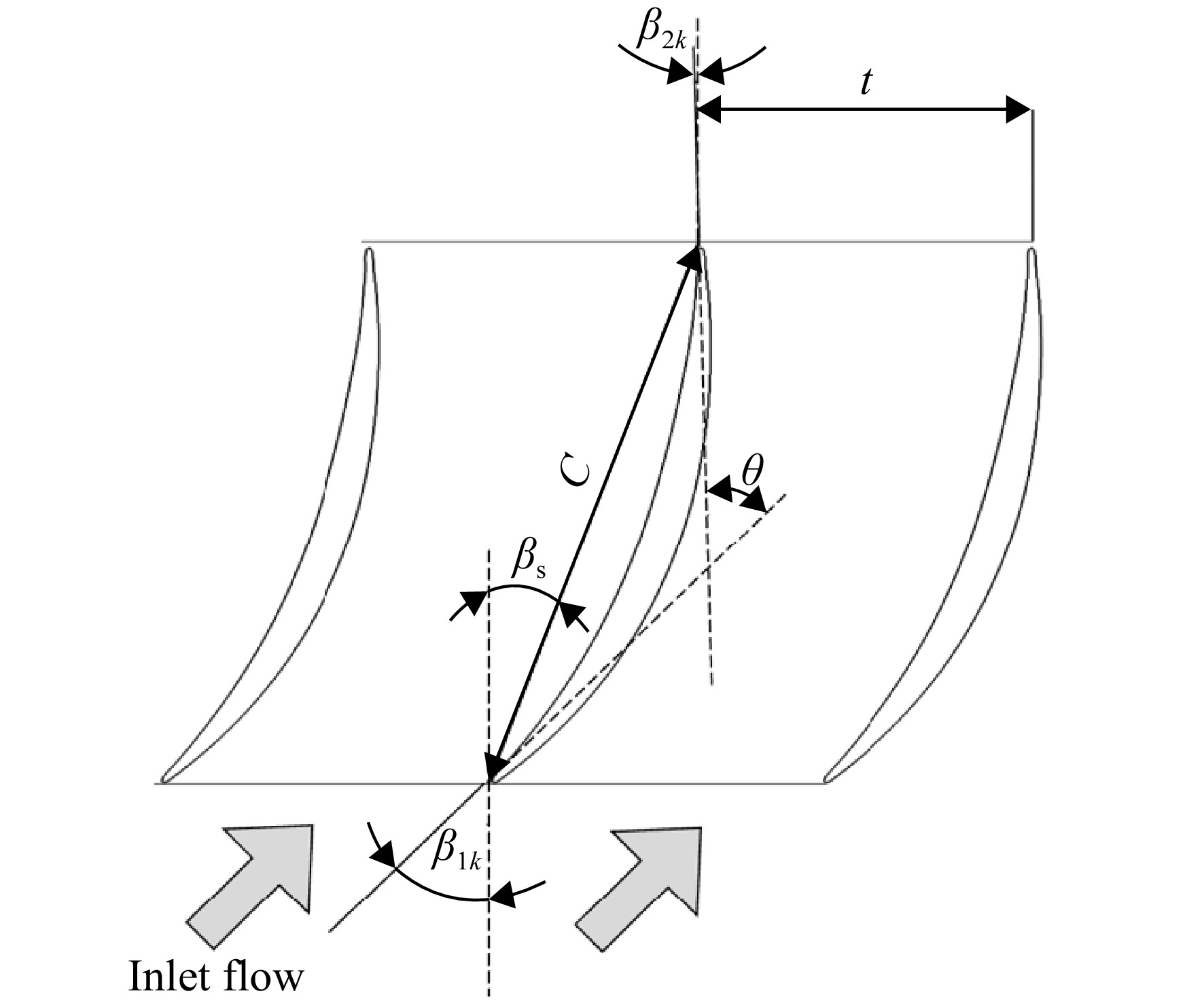
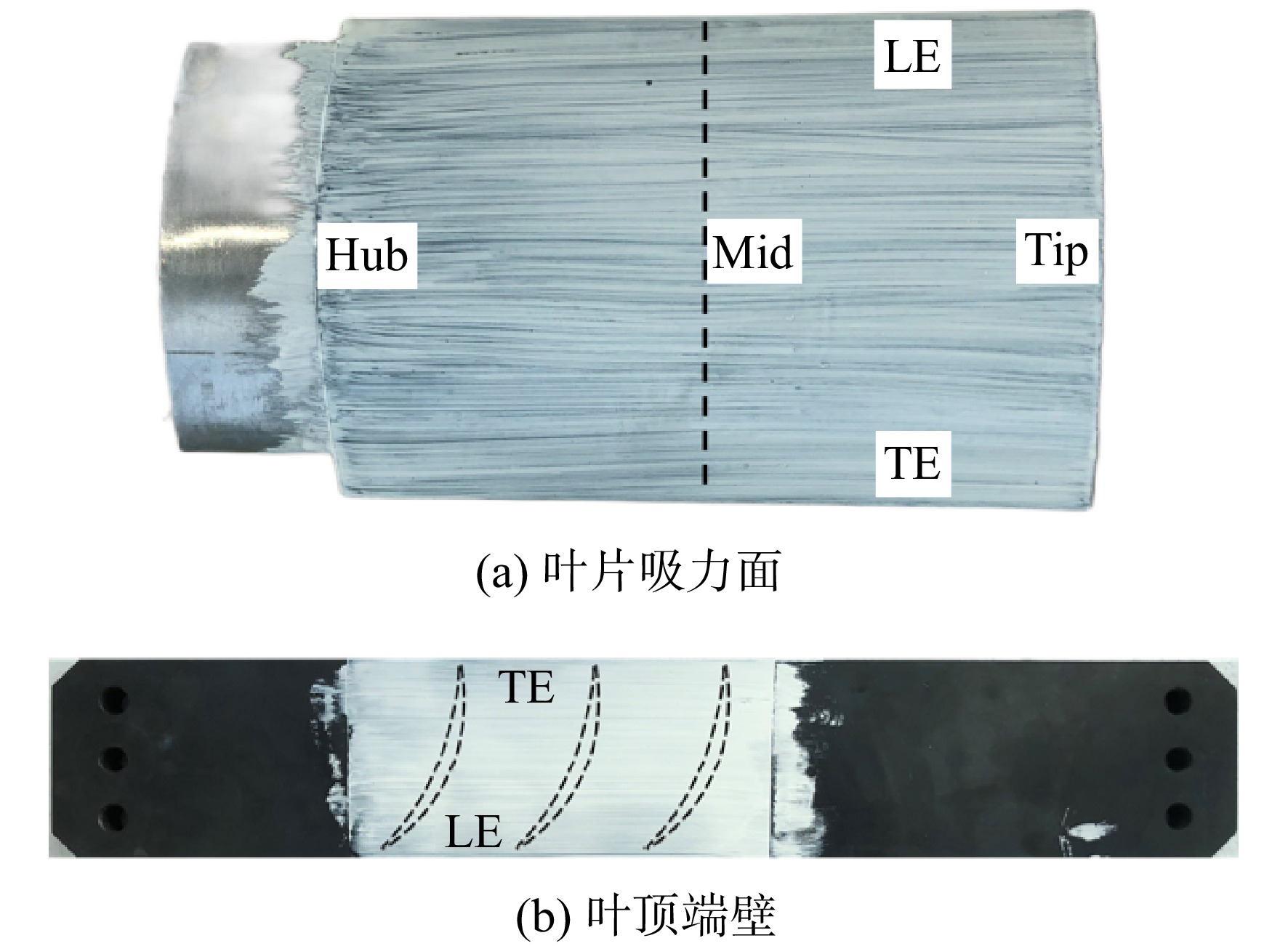
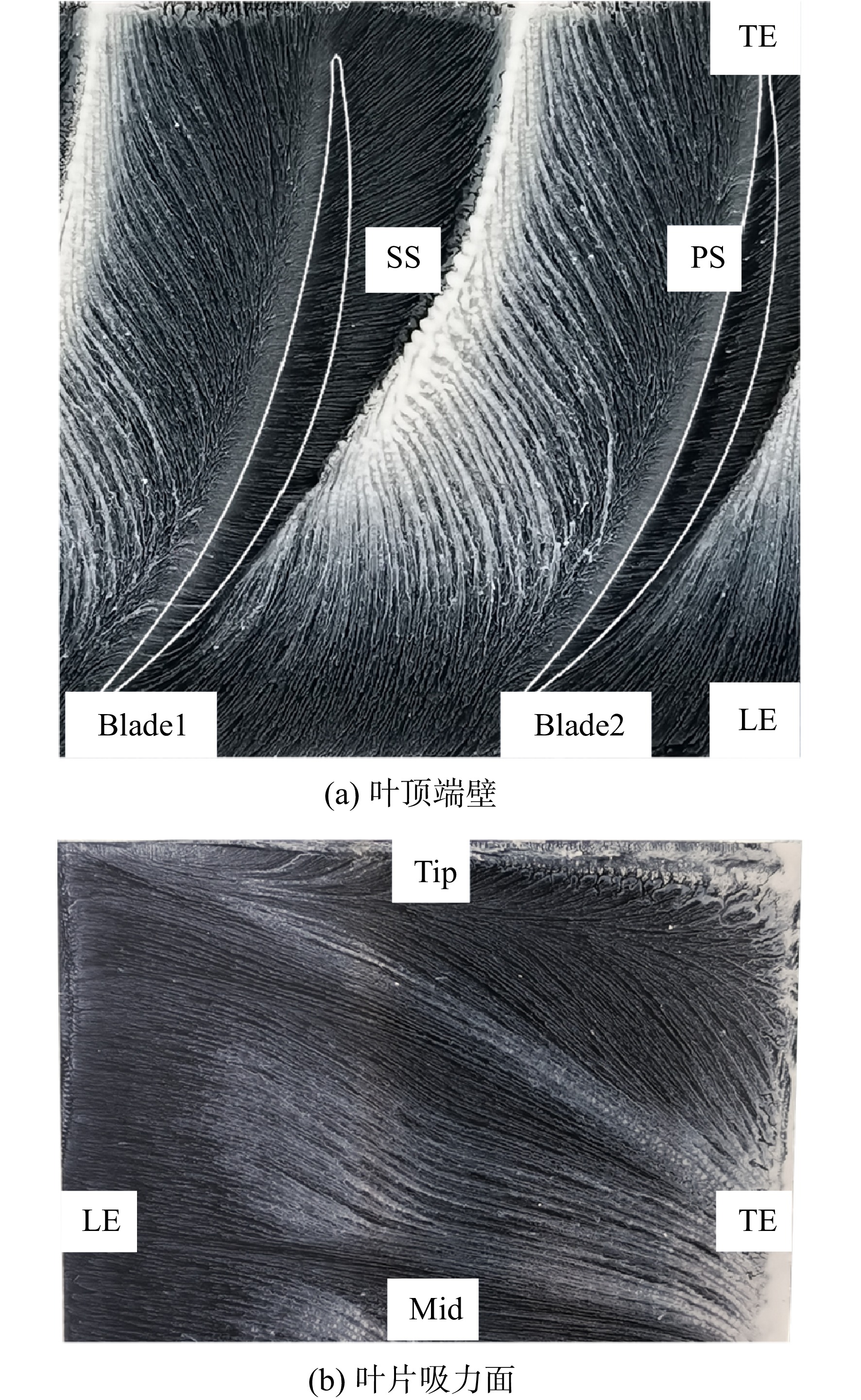
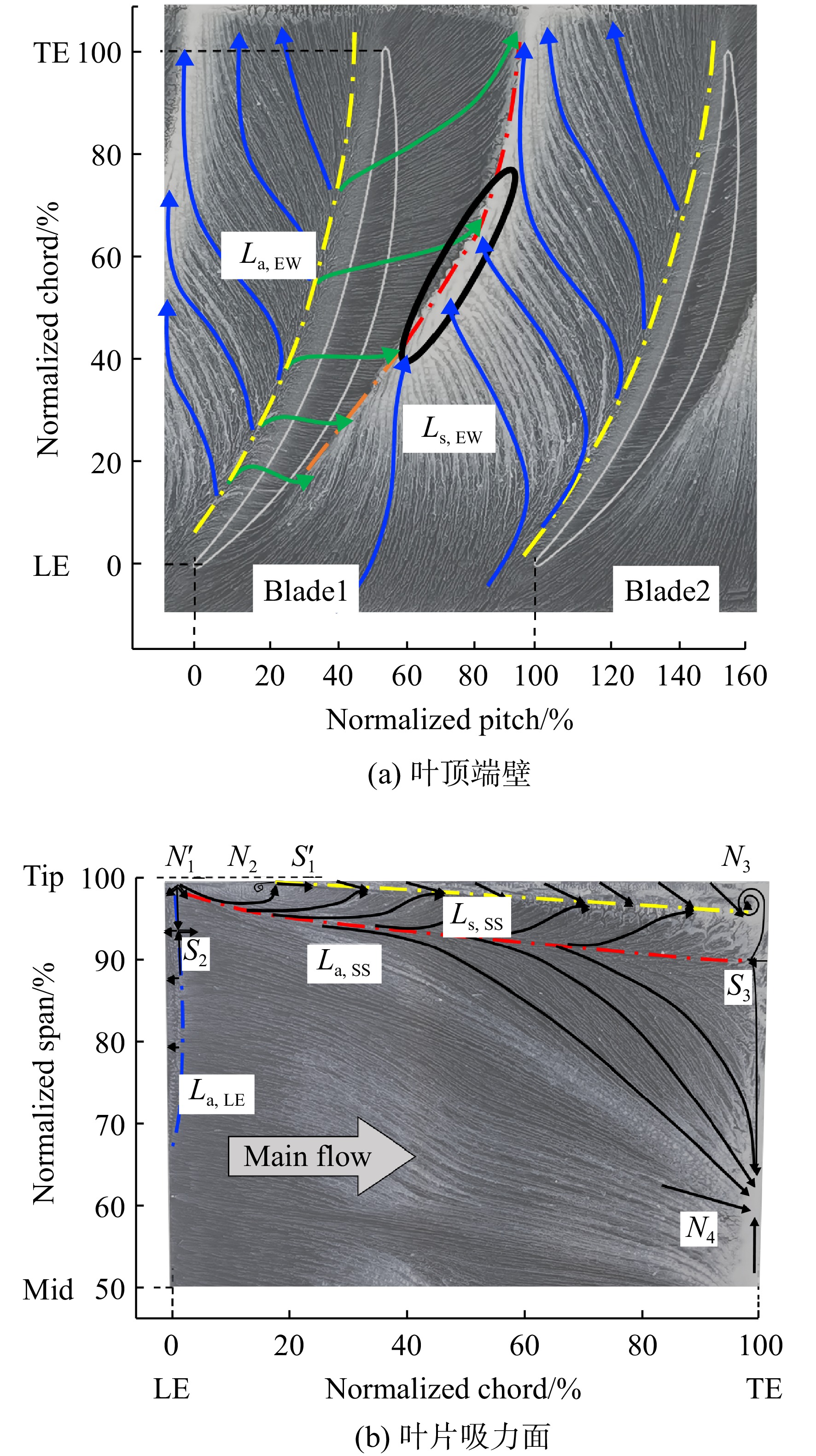
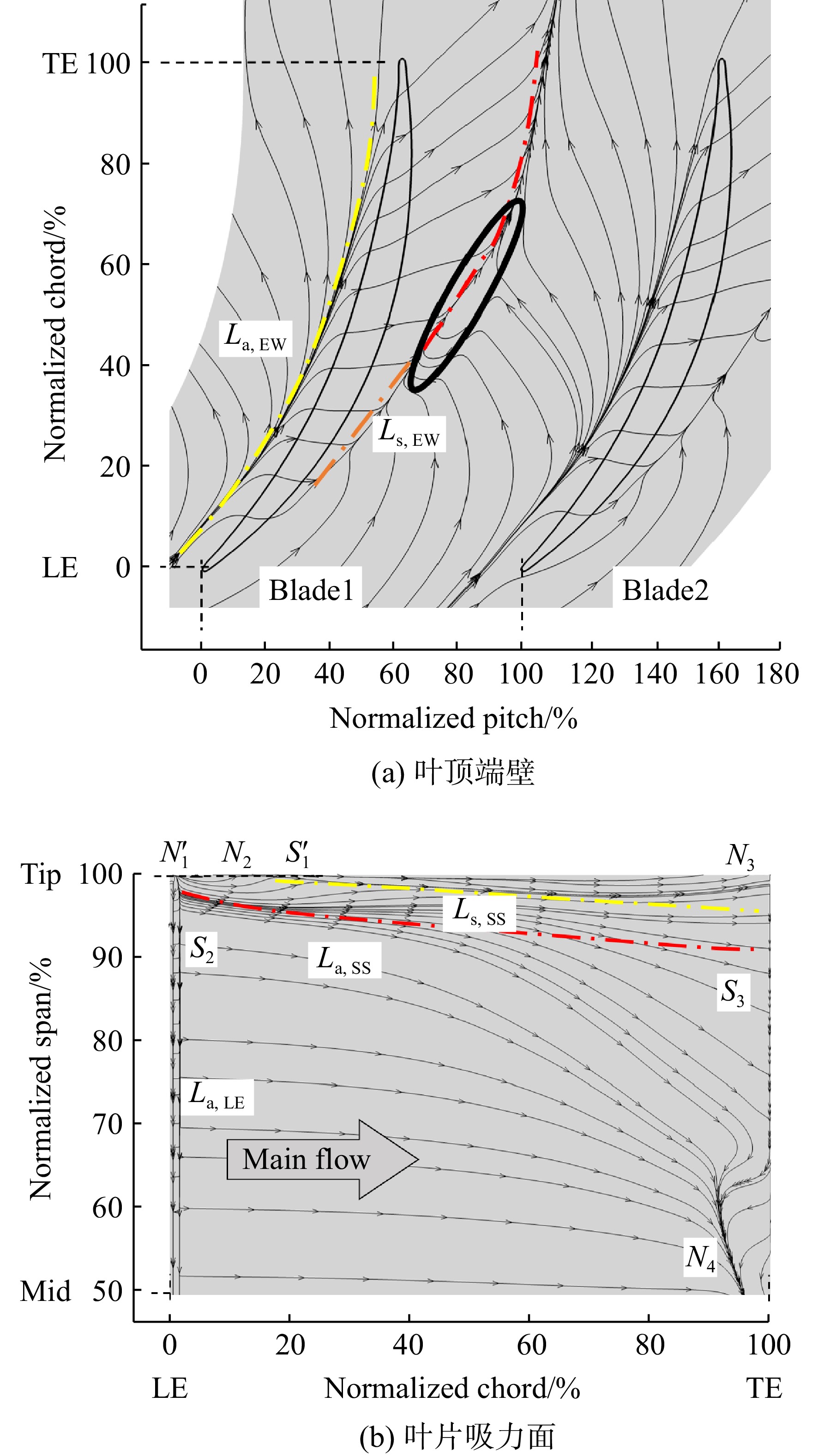
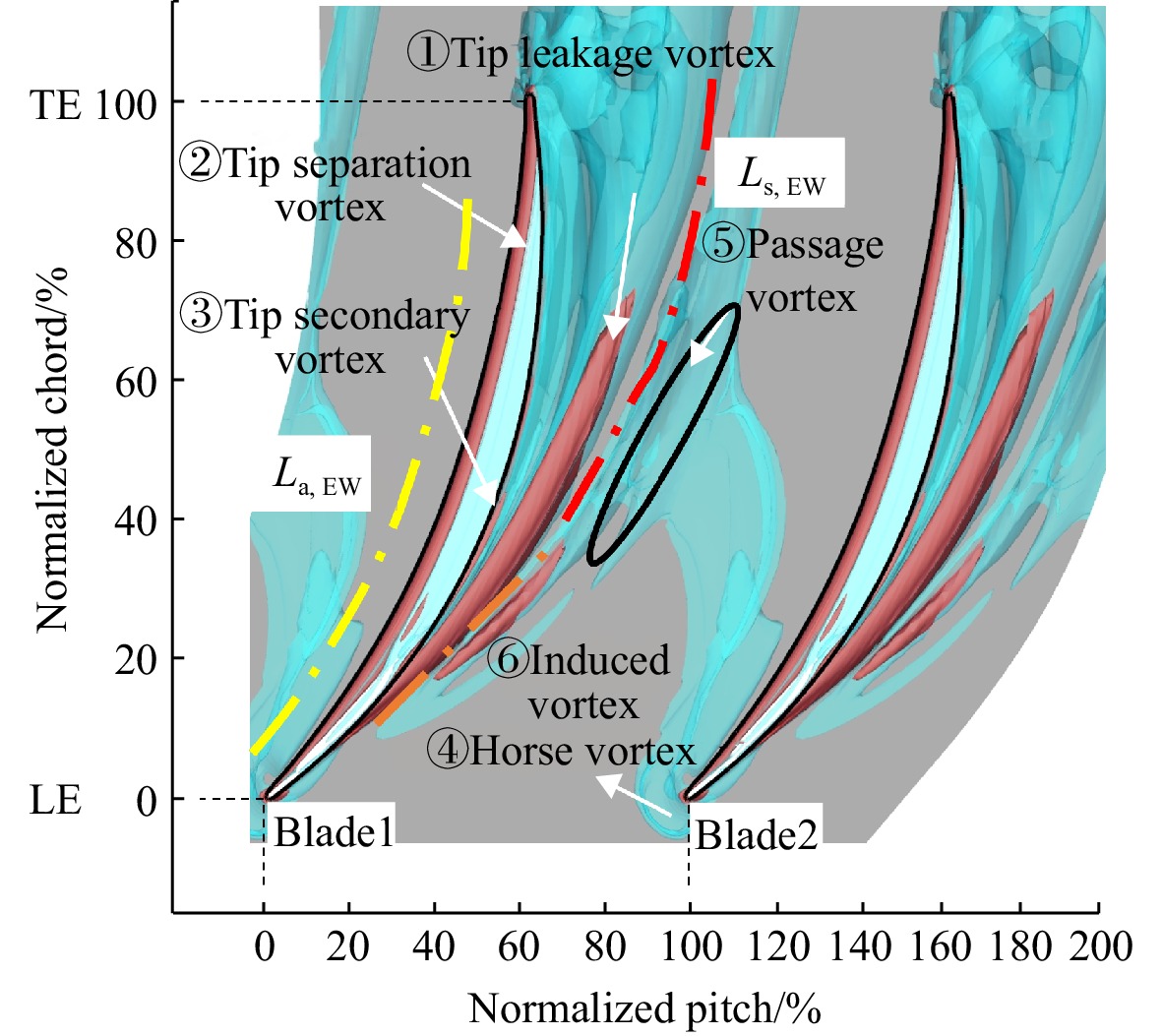
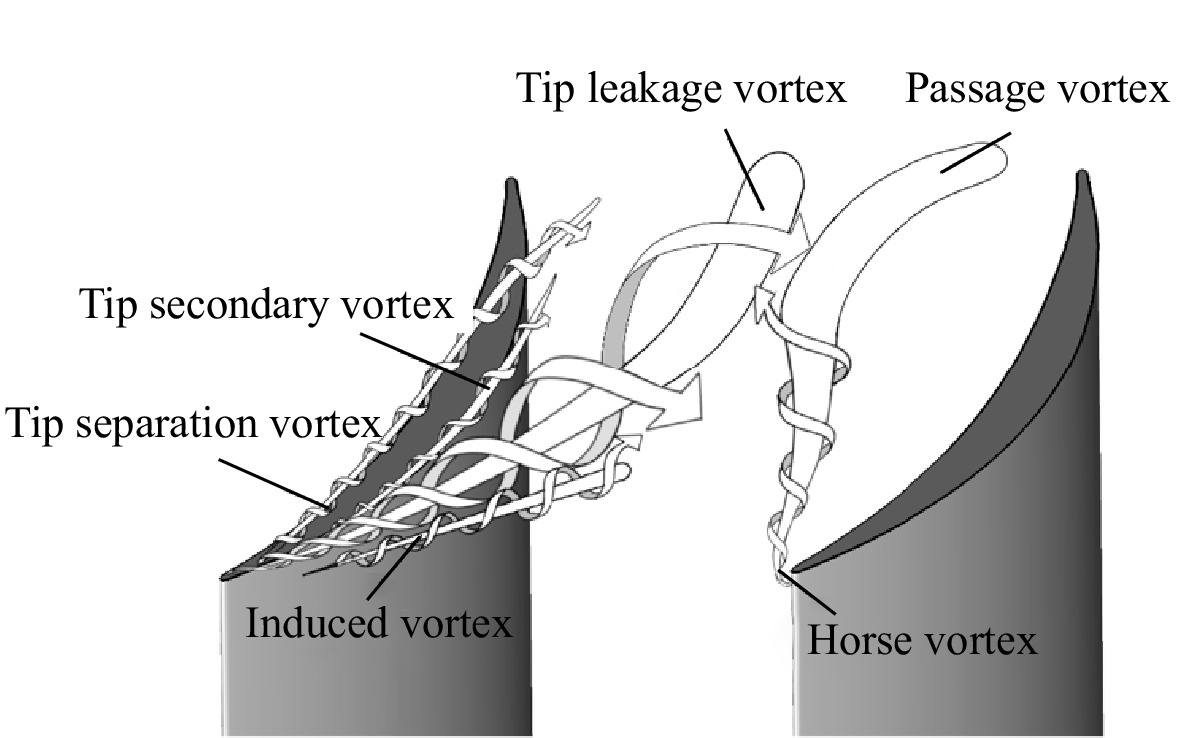
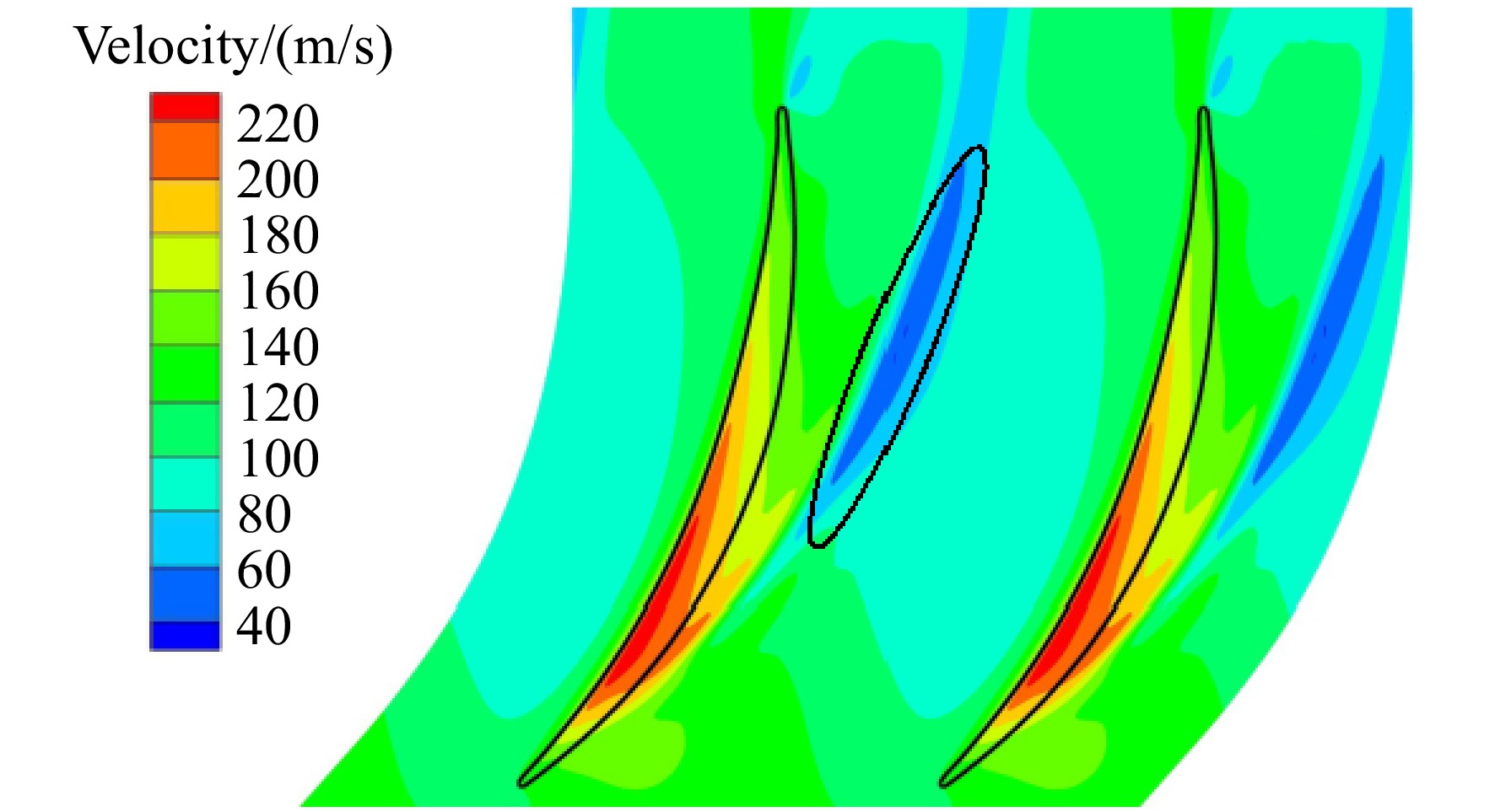
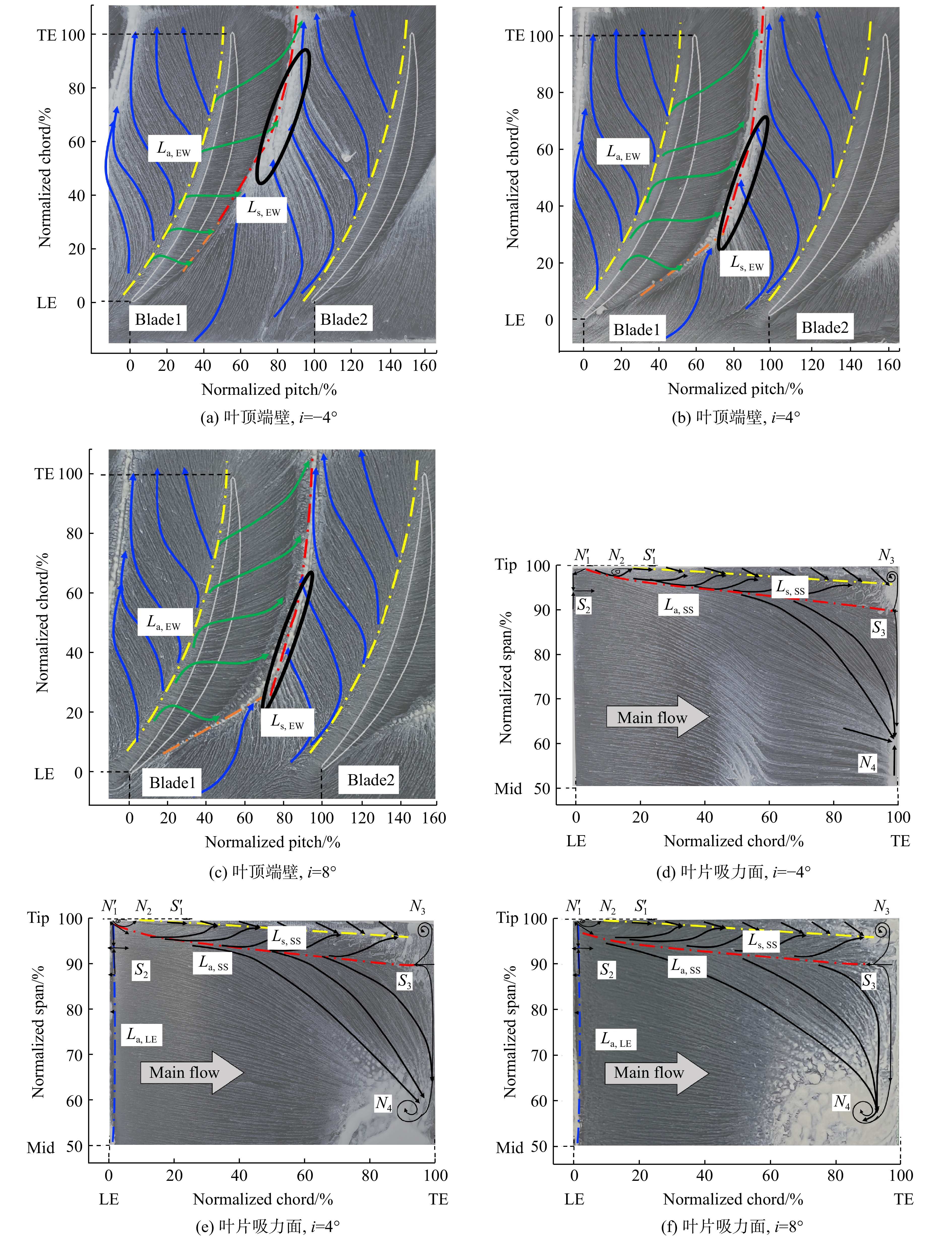
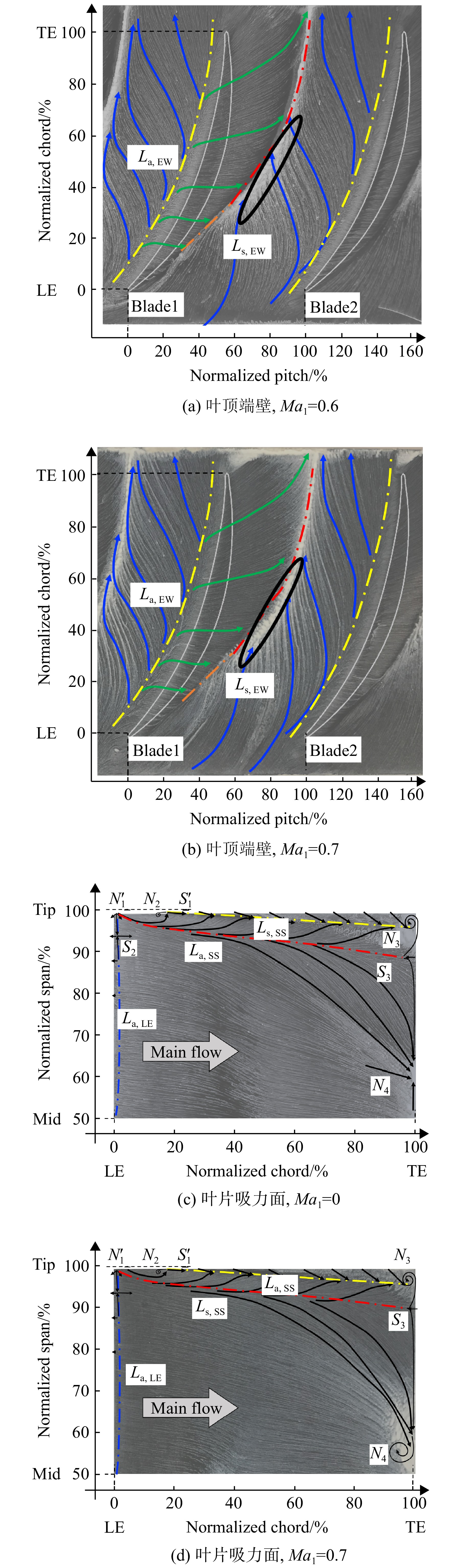
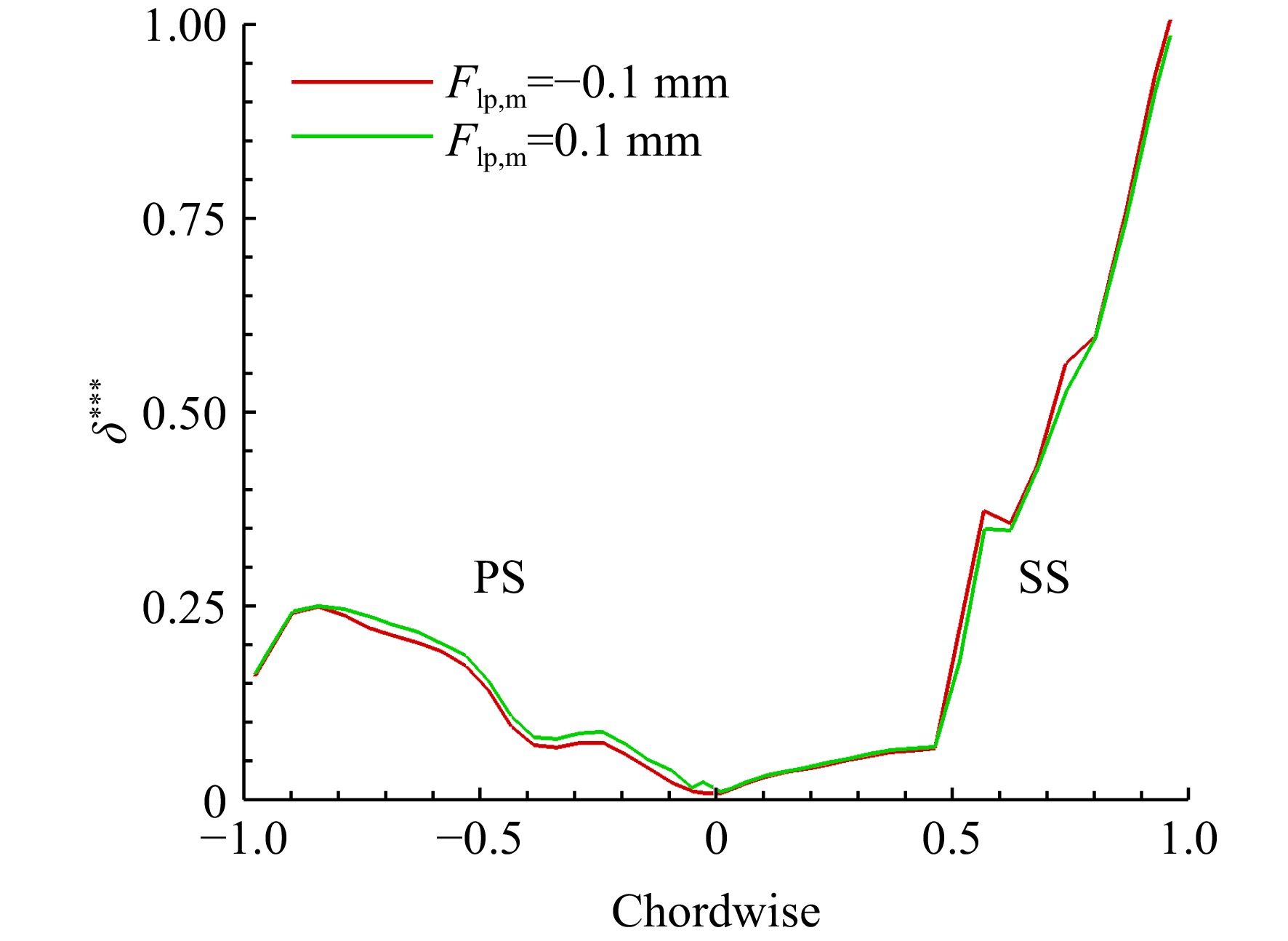
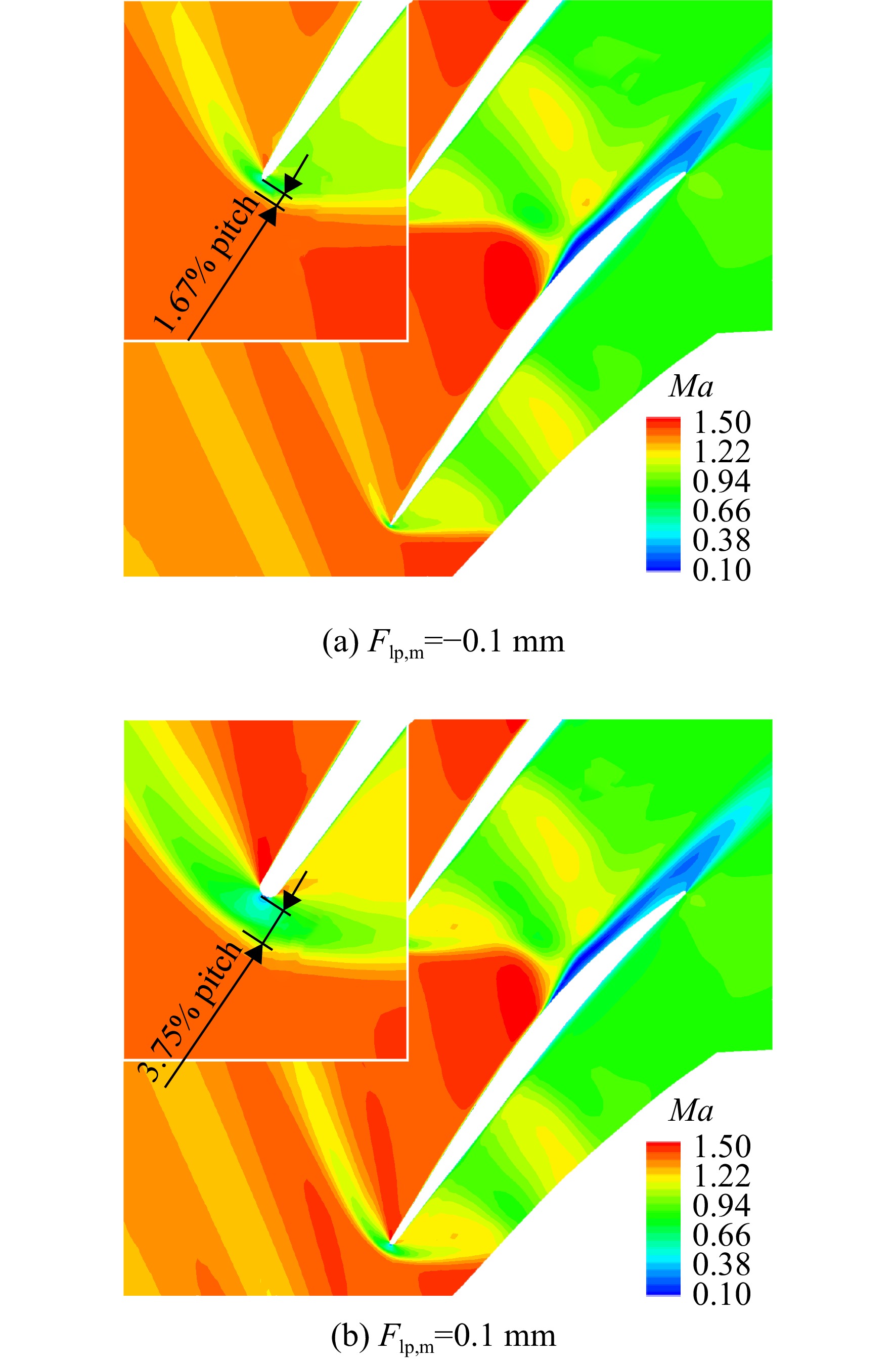
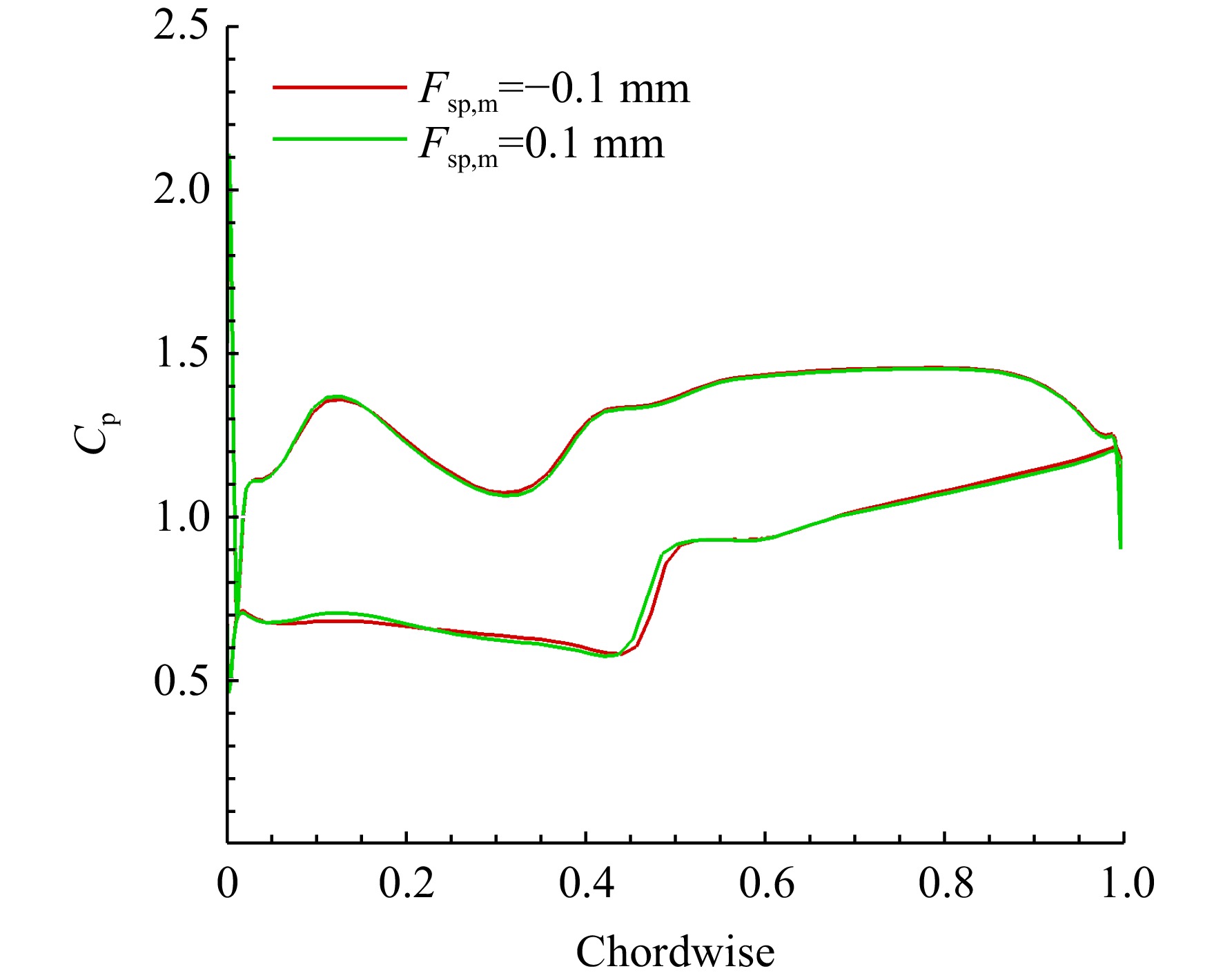
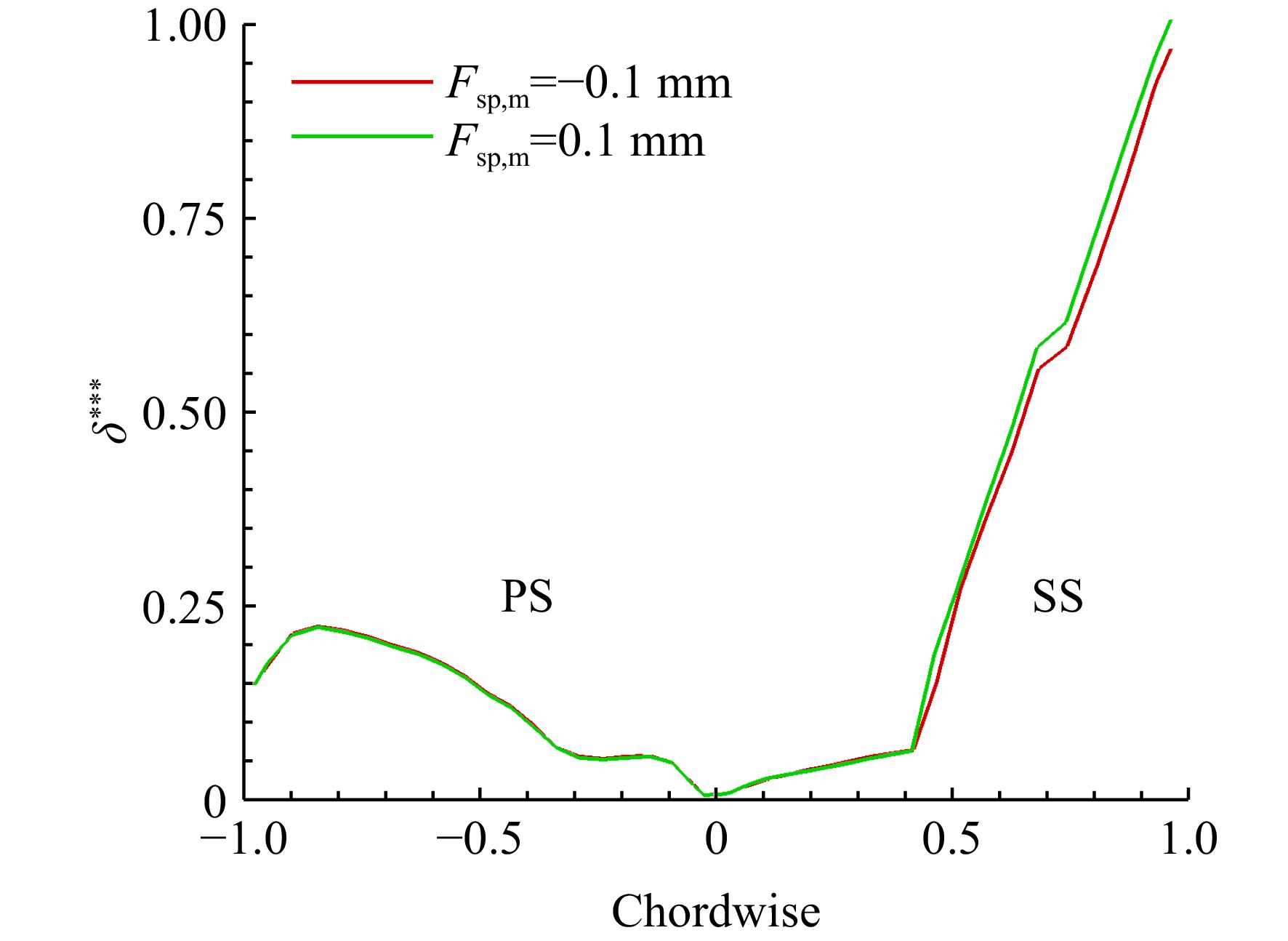
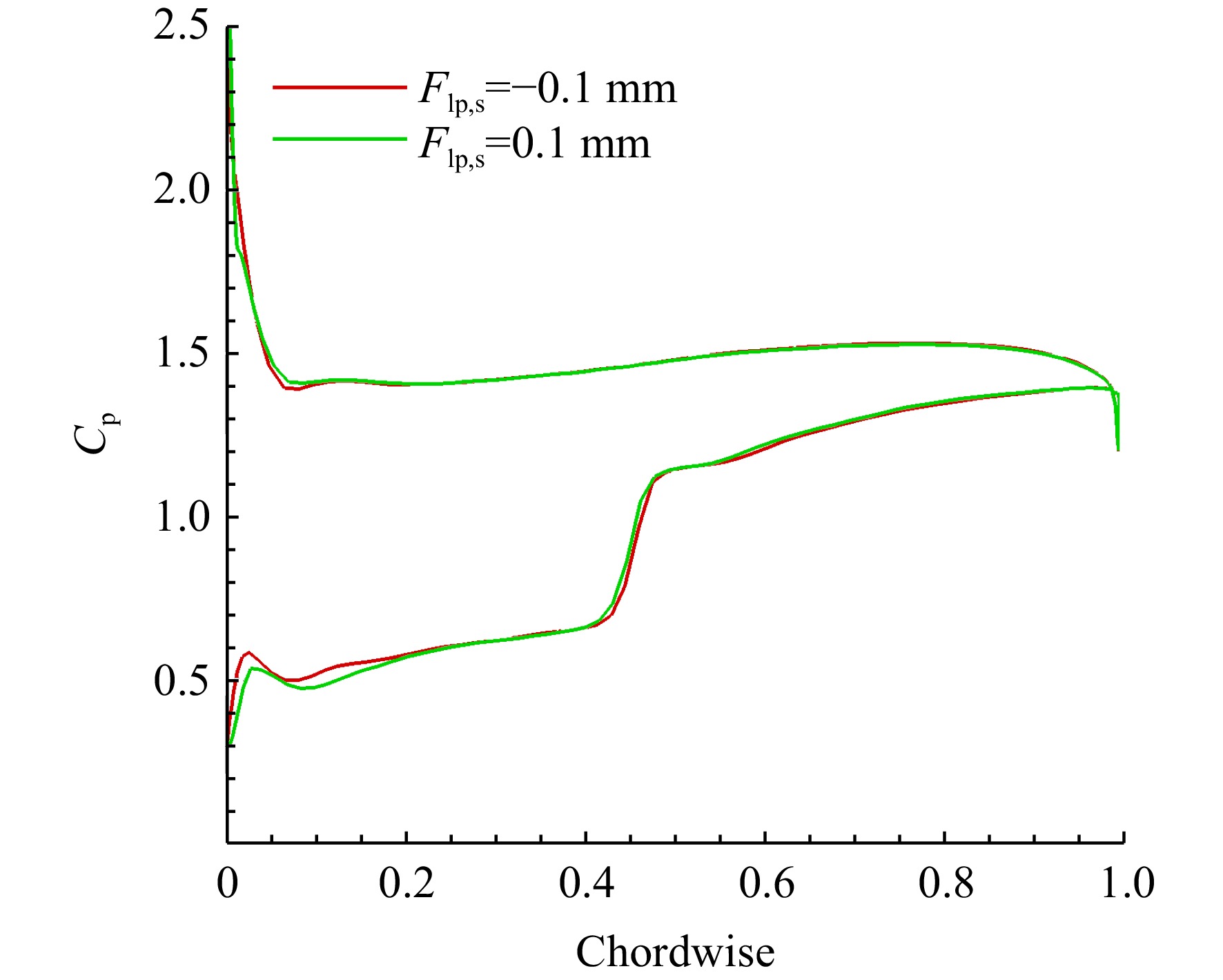
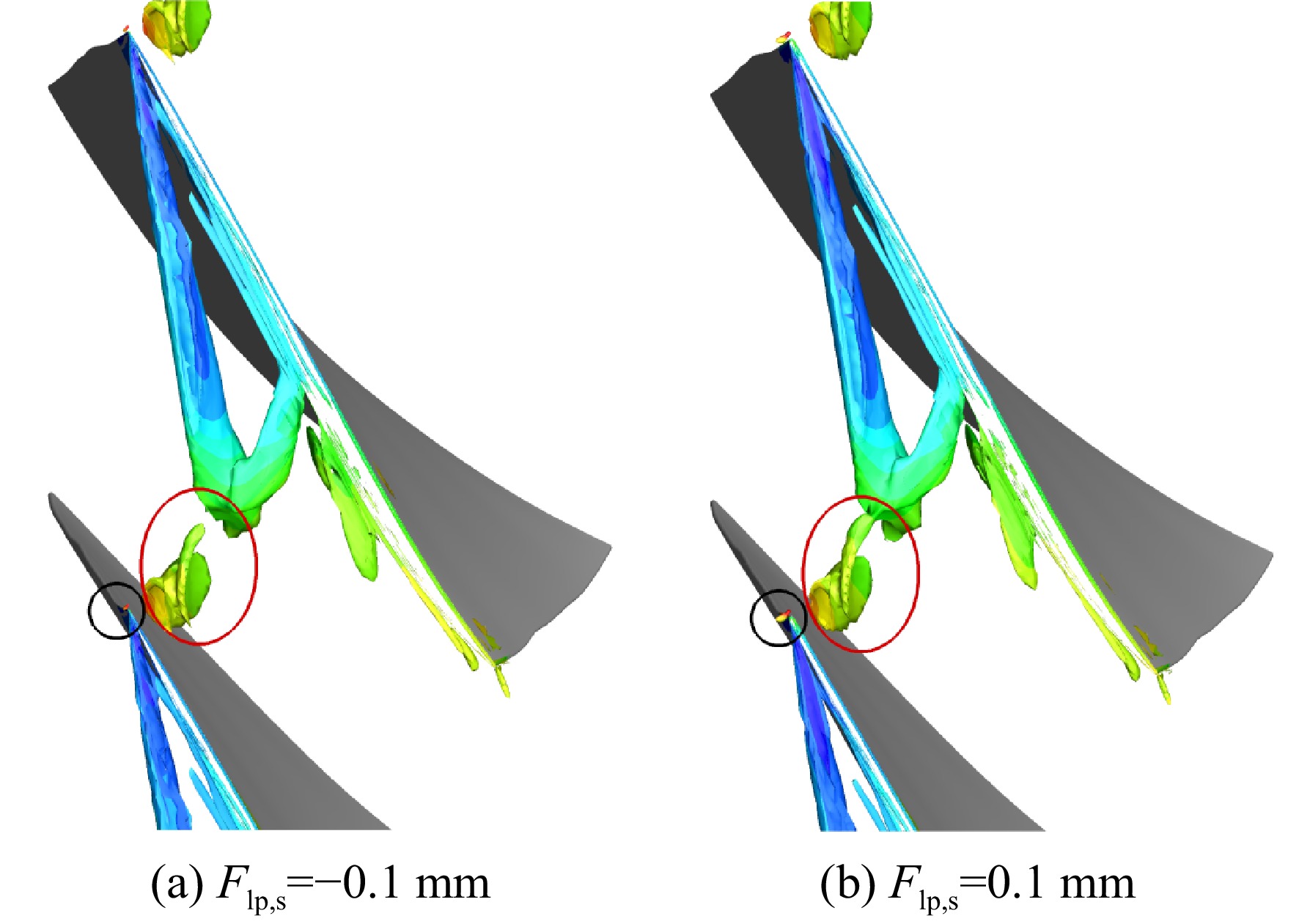
Through the oil flow experiments on the tip clearance flow of a highly loaded compressor cascade under different attack angles and Mach numbers, the oil flow patterns on the tip wall and suction surface of the blade were clearly captured, and the vortex structure of the blade tip was studied by topological analysis. The results showed that there existed six key vortices in the tip region of the compressor blade: tip leakage vortex, tip separation vortex, tip secondary vortex, horseshoe vortex and induced vortex; the increase of the attack angle of the incoming flow led to the increase of the blade load and the change of load distribution, the position of the maximum pressure difference was advanced, leading to the leakage in advance, yielding an obvious influence on the vortex structure of the flow field. On the contrary, the change of Mach number had little effect on the vortex structure.

Statistics on aerodynamic sensitivities of blade geometric errors for transonic compressor rotor
MA Feng, SHANG Xun, LIU Hanru, WANG Yangang, CHEN Weixiong, DU Yican
2023, 38(10): 2483-2500. doi: 10.13224/j.cnki.jasp.20210644
Abstract:
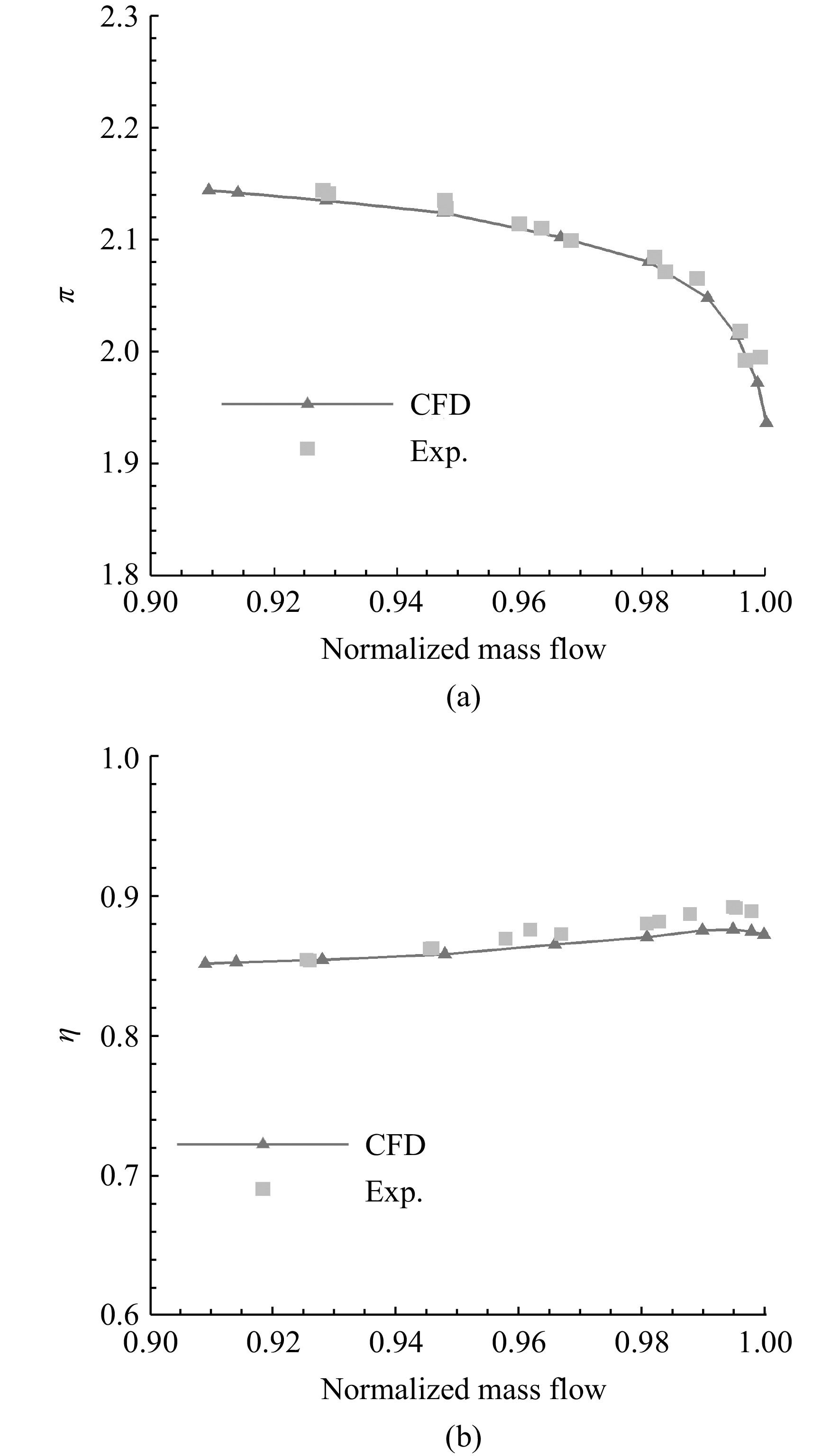
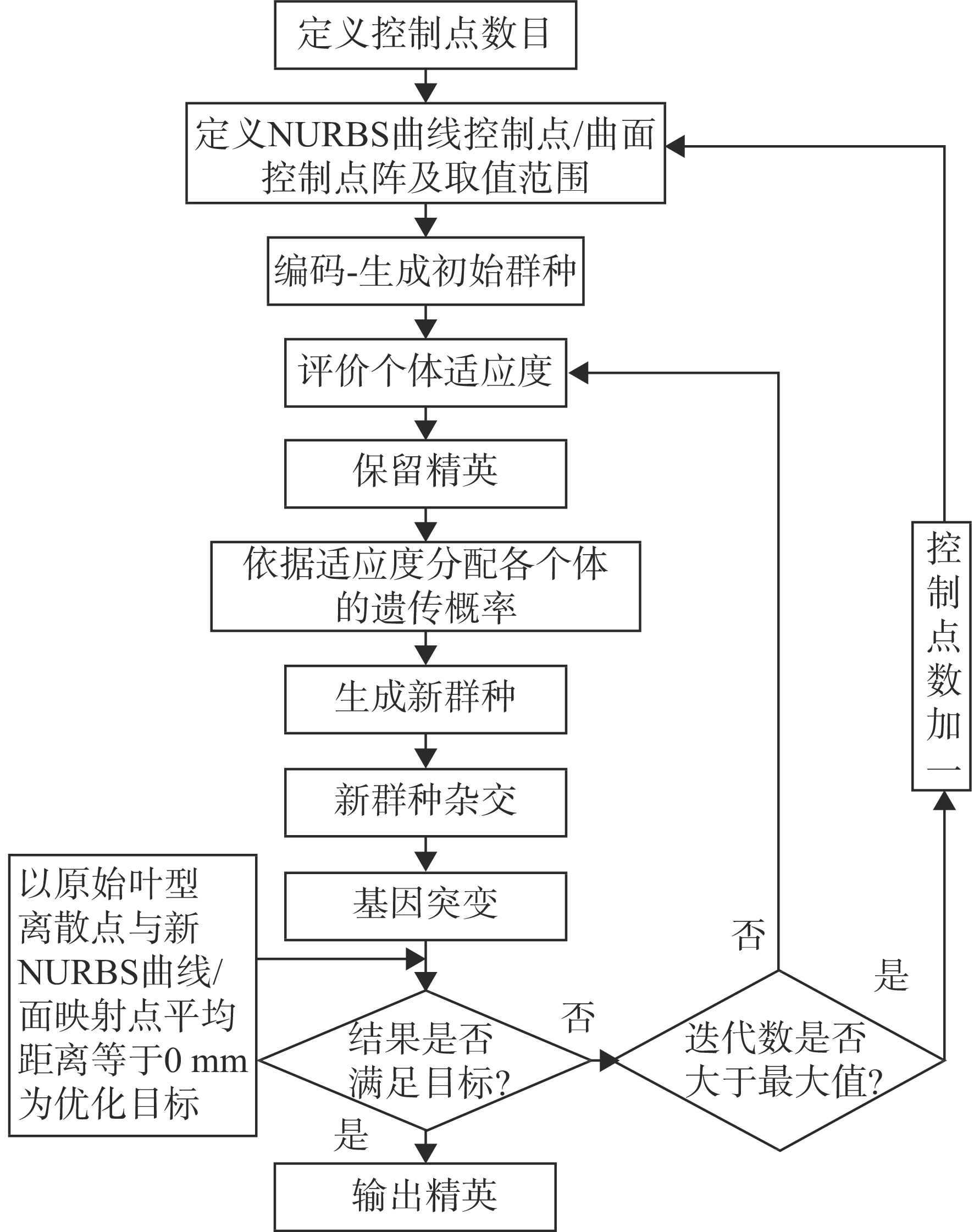
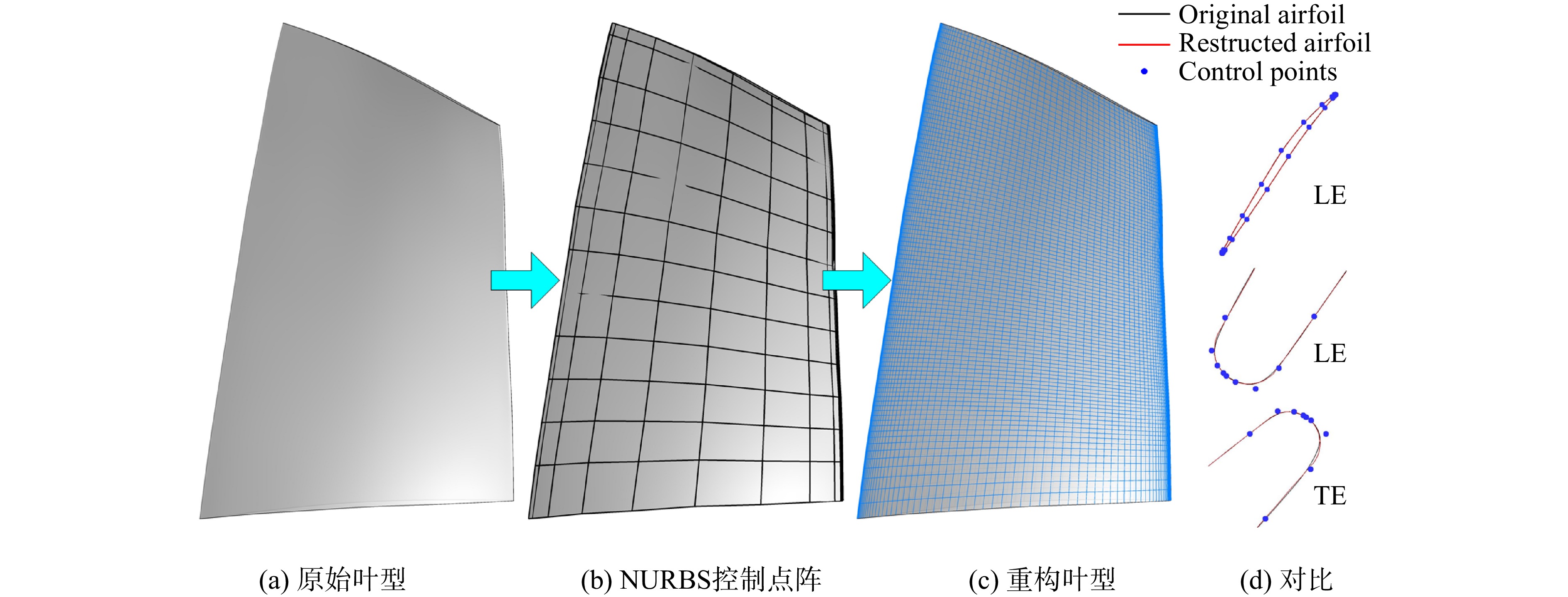
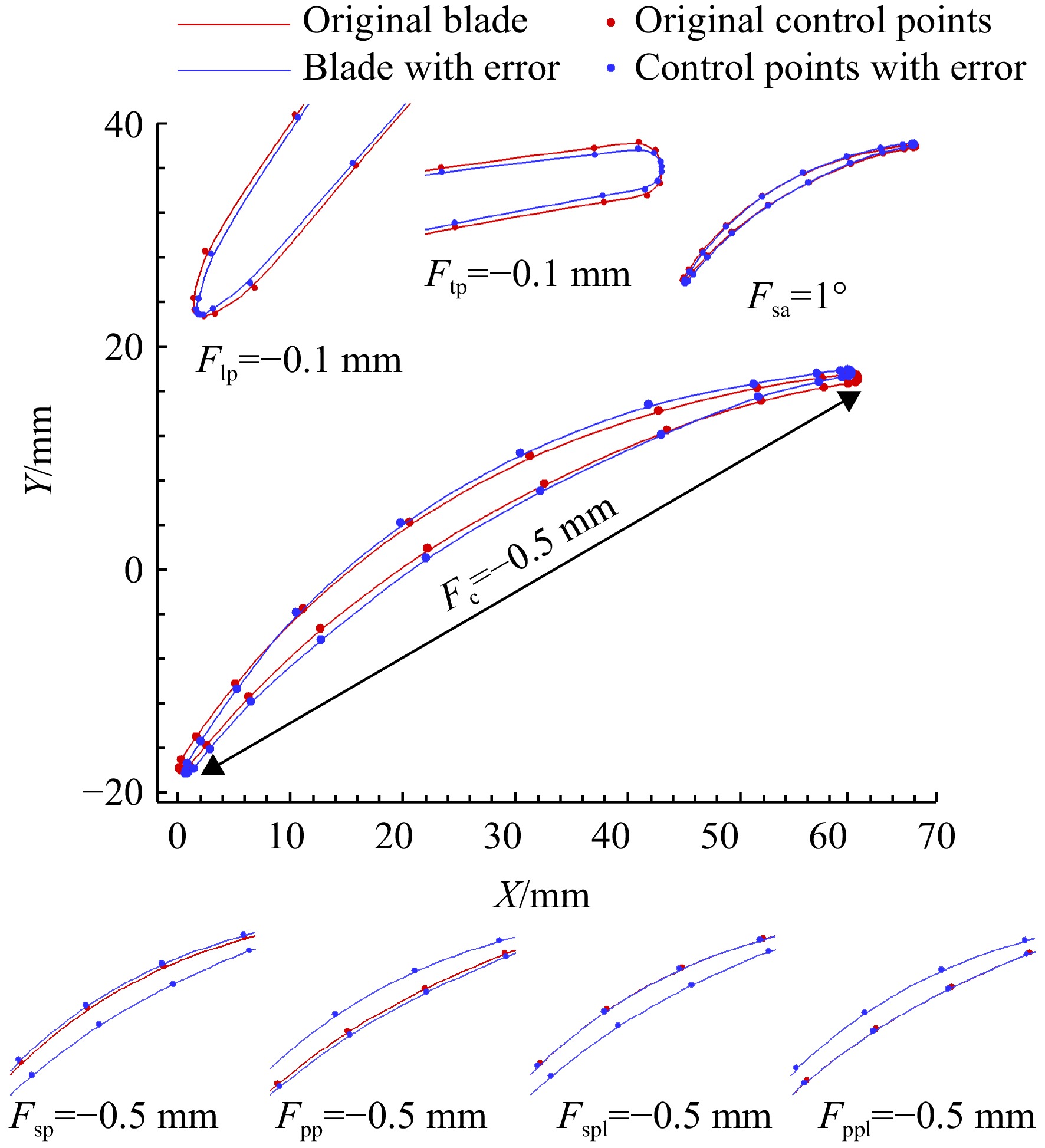
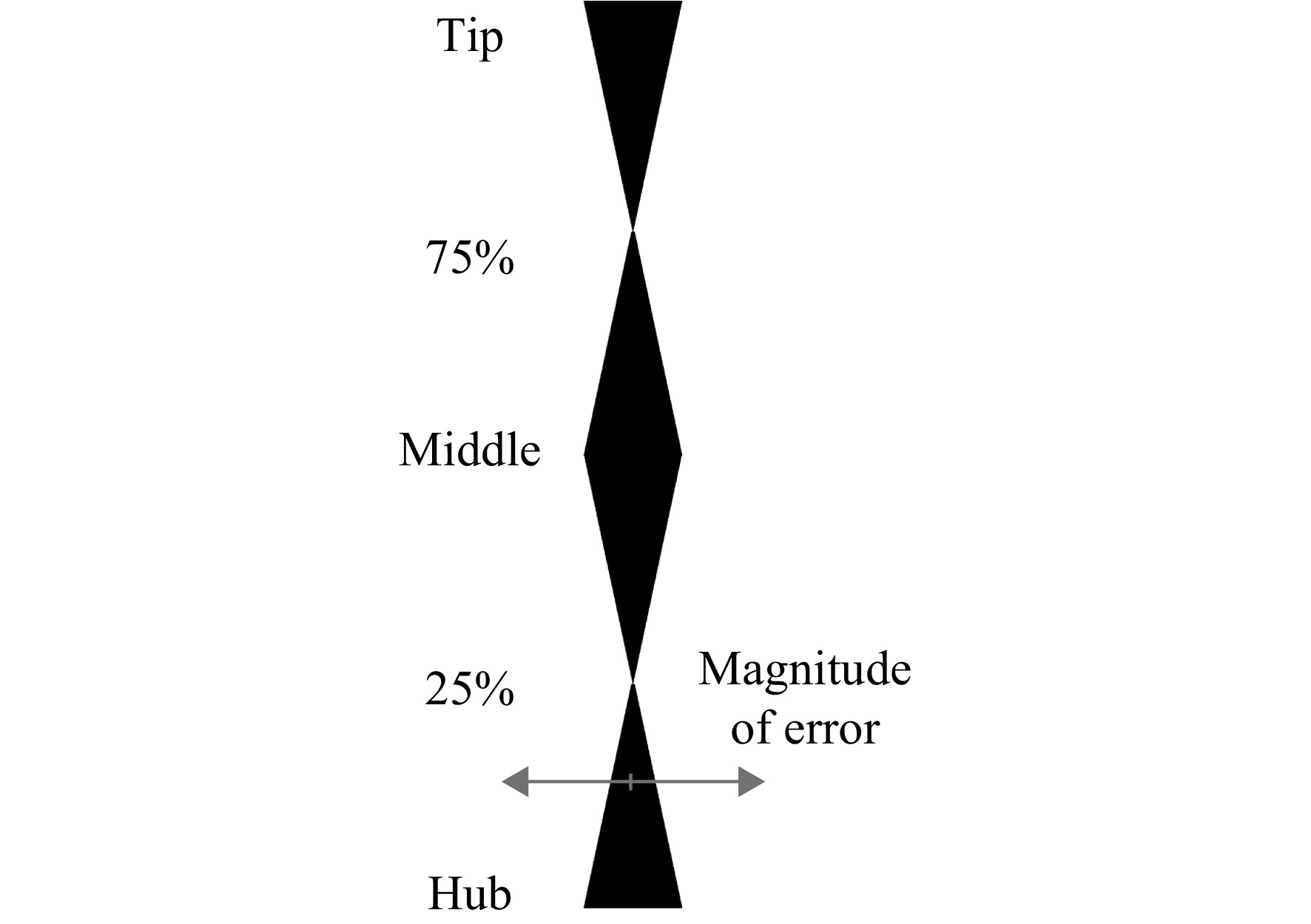
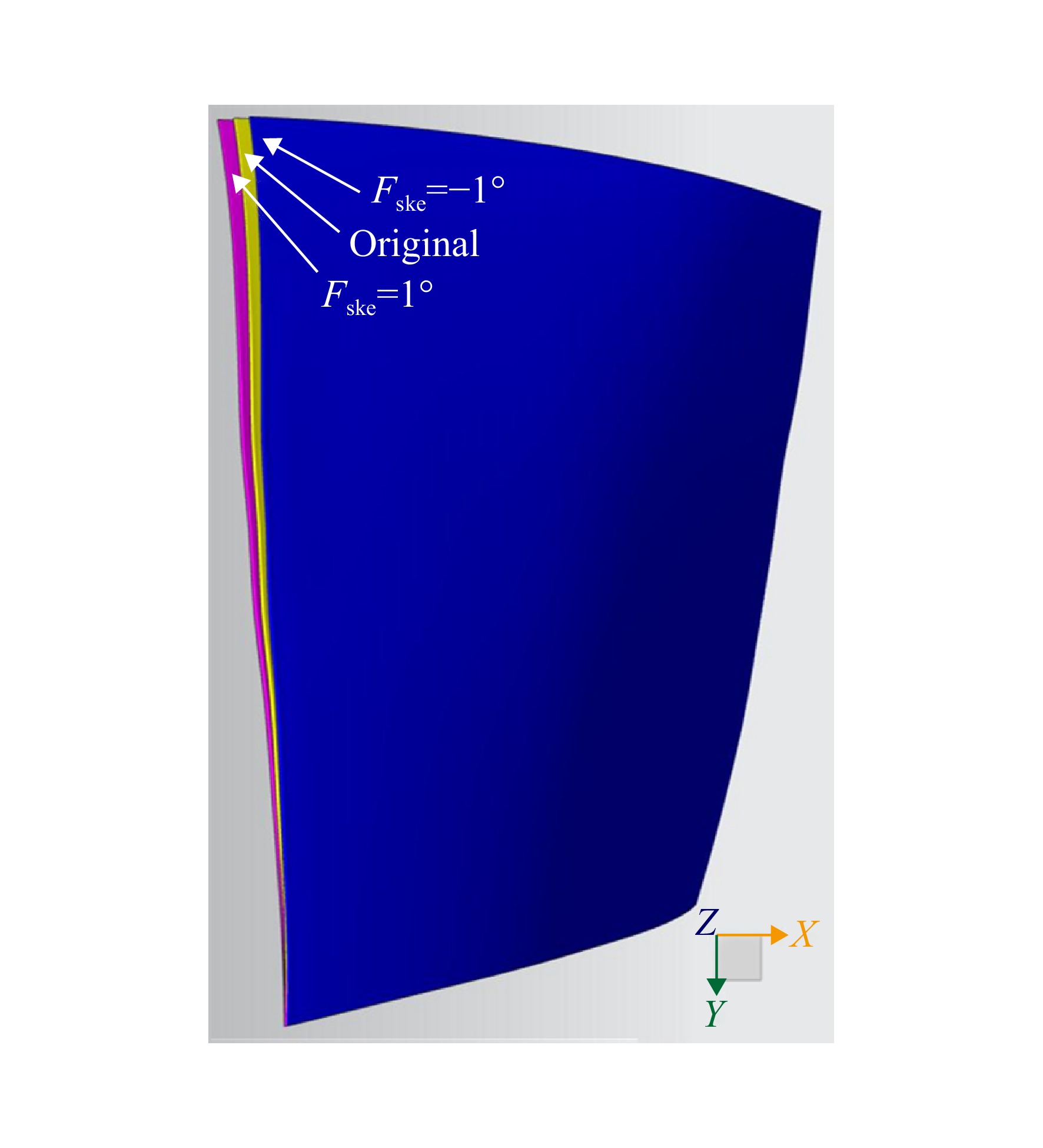
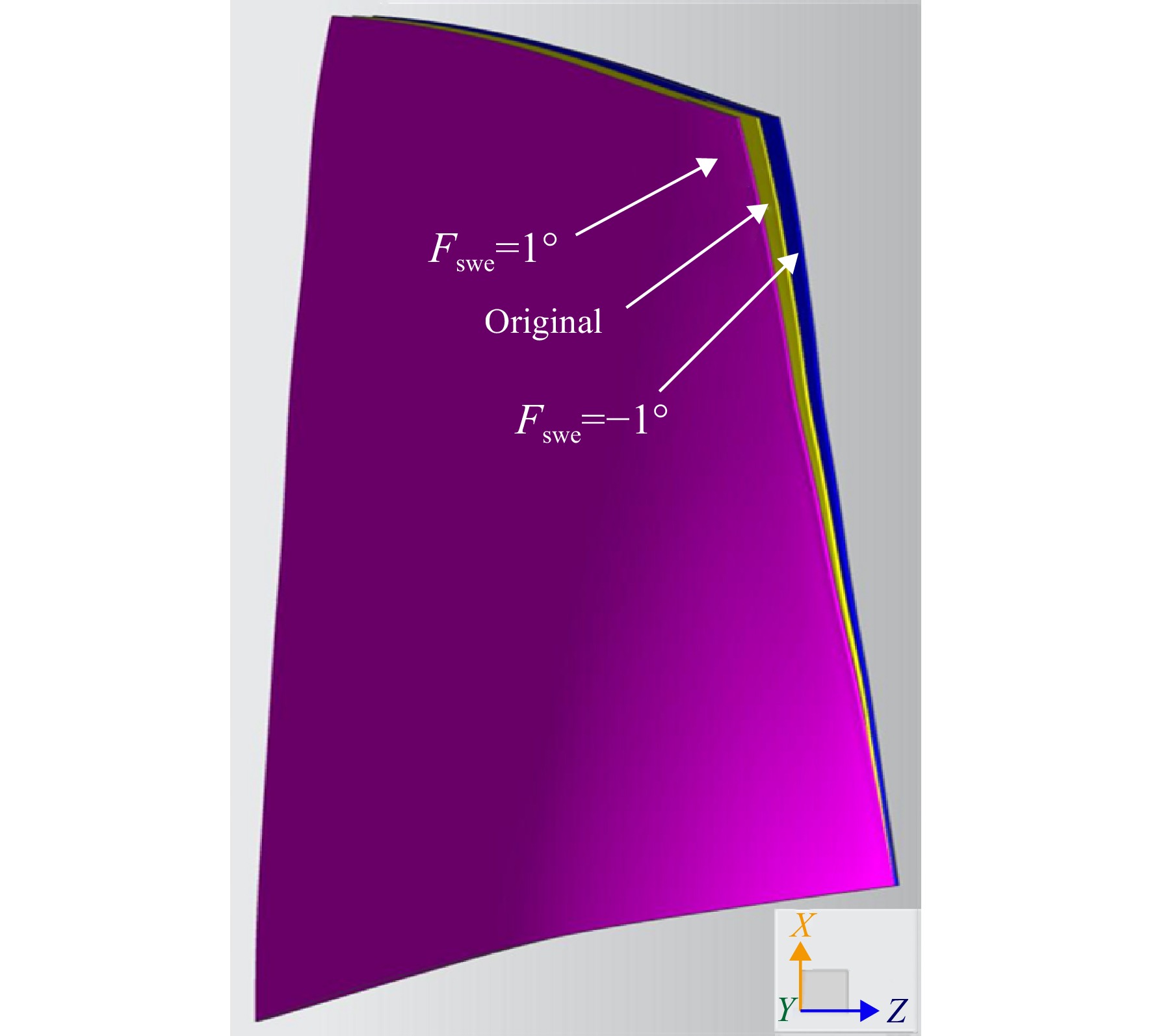
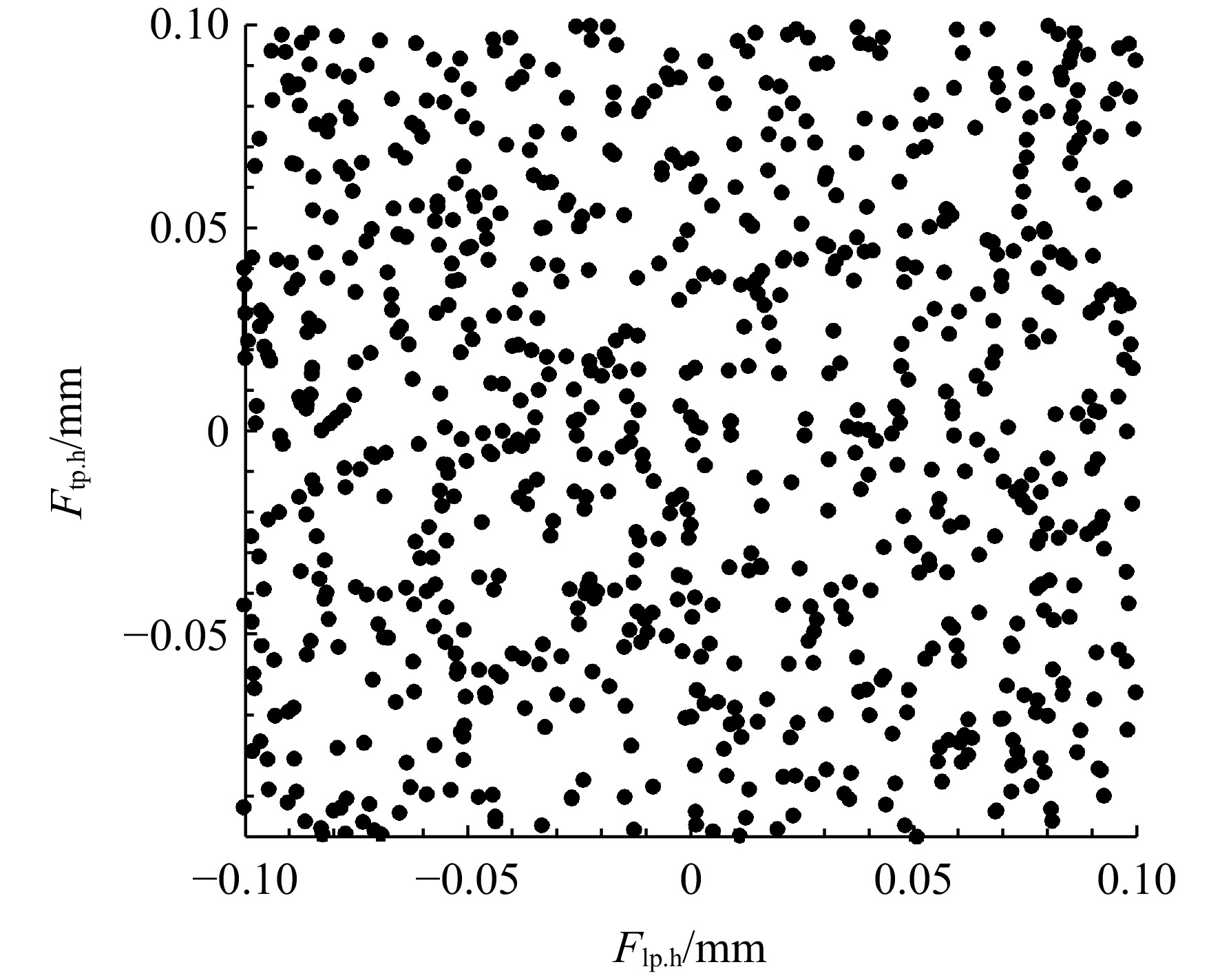
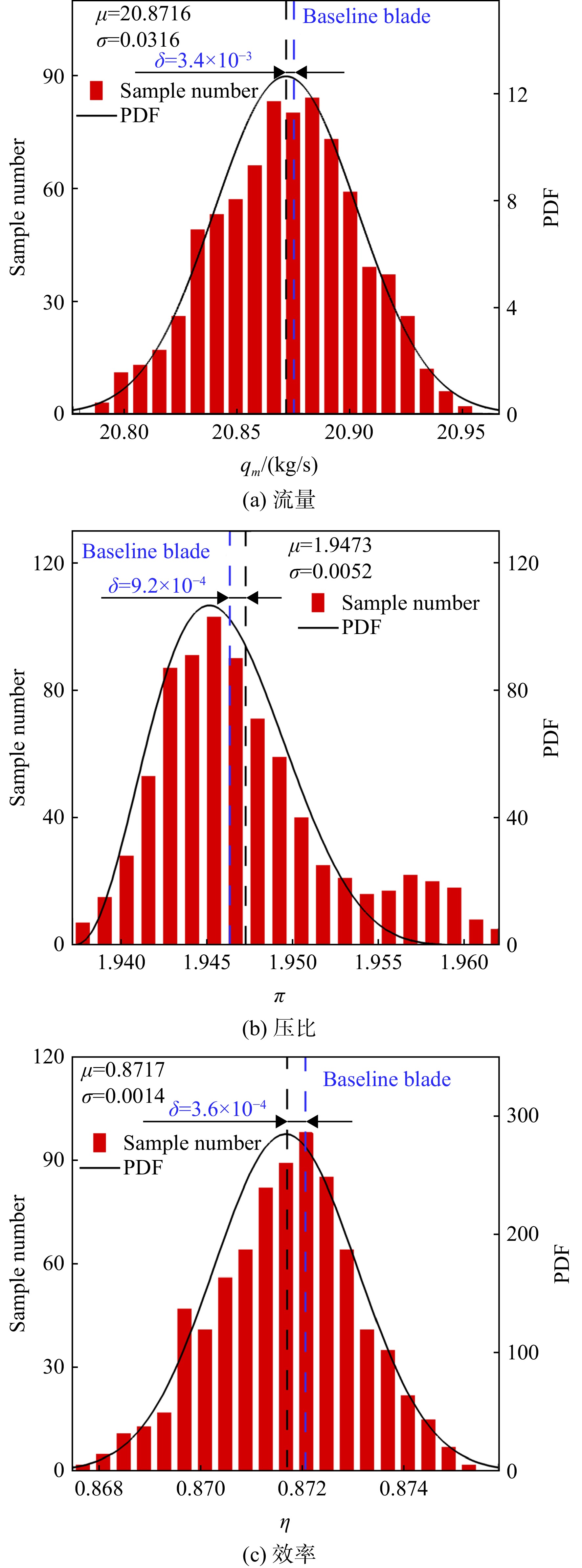
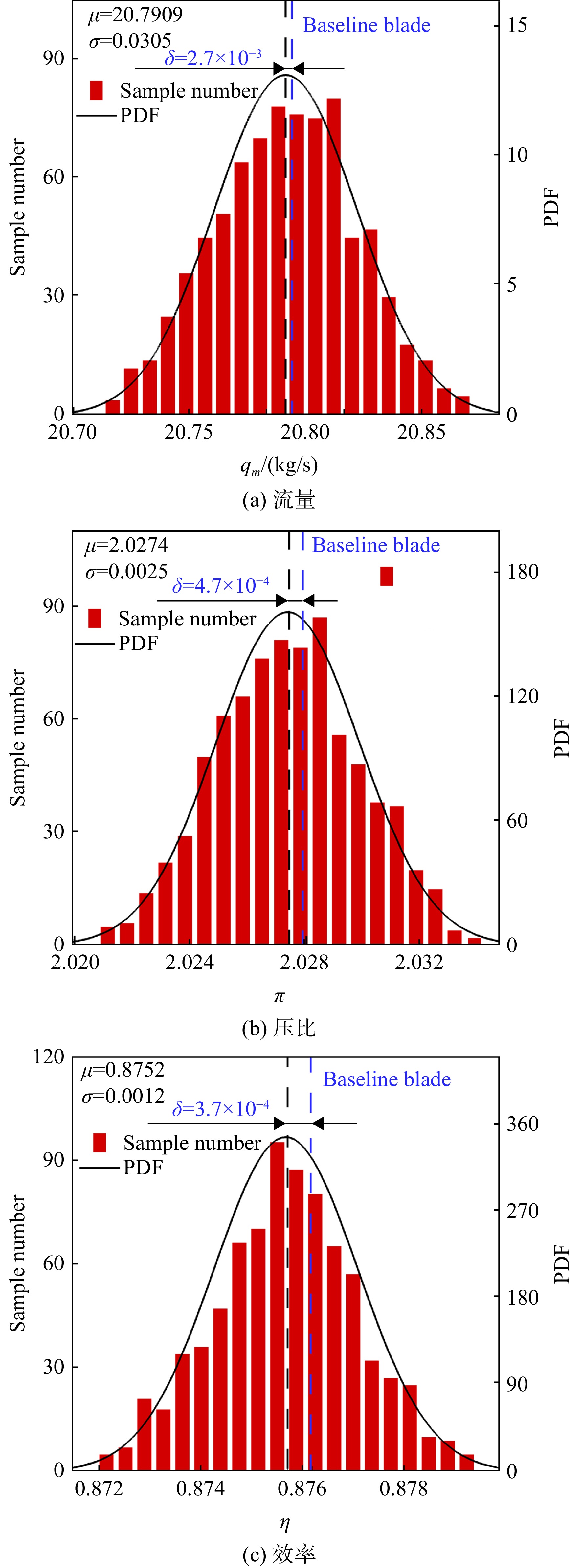
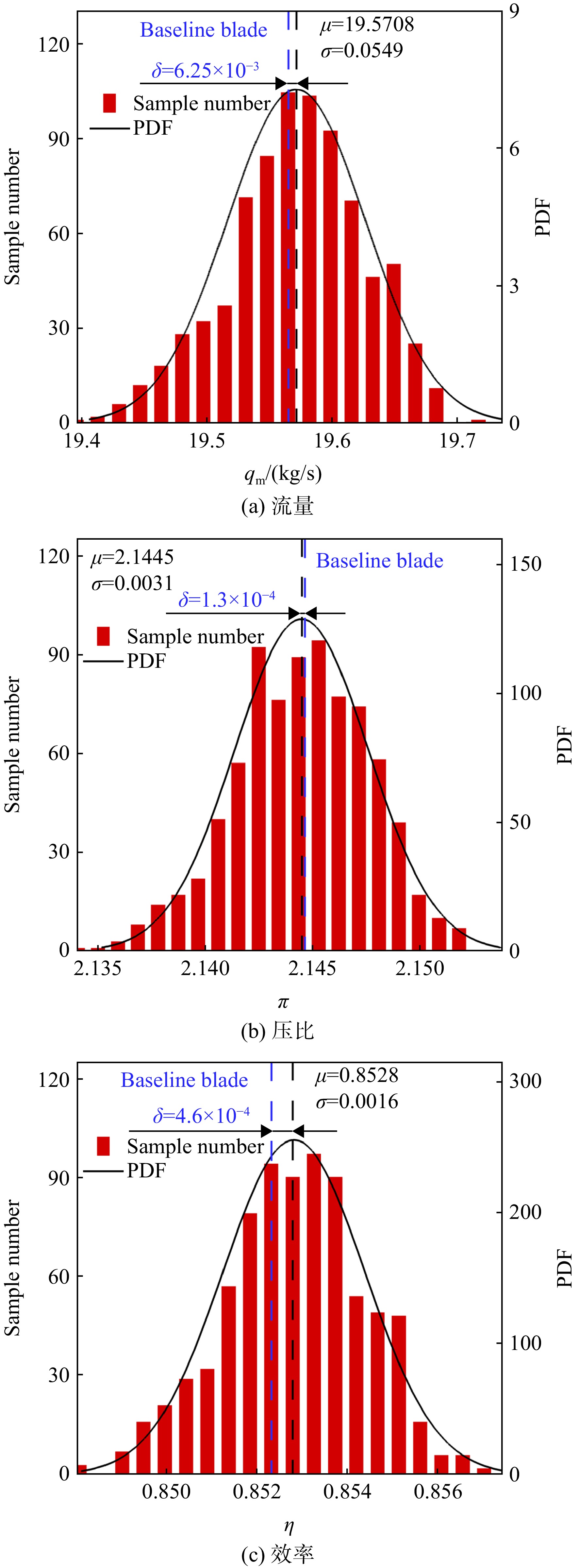
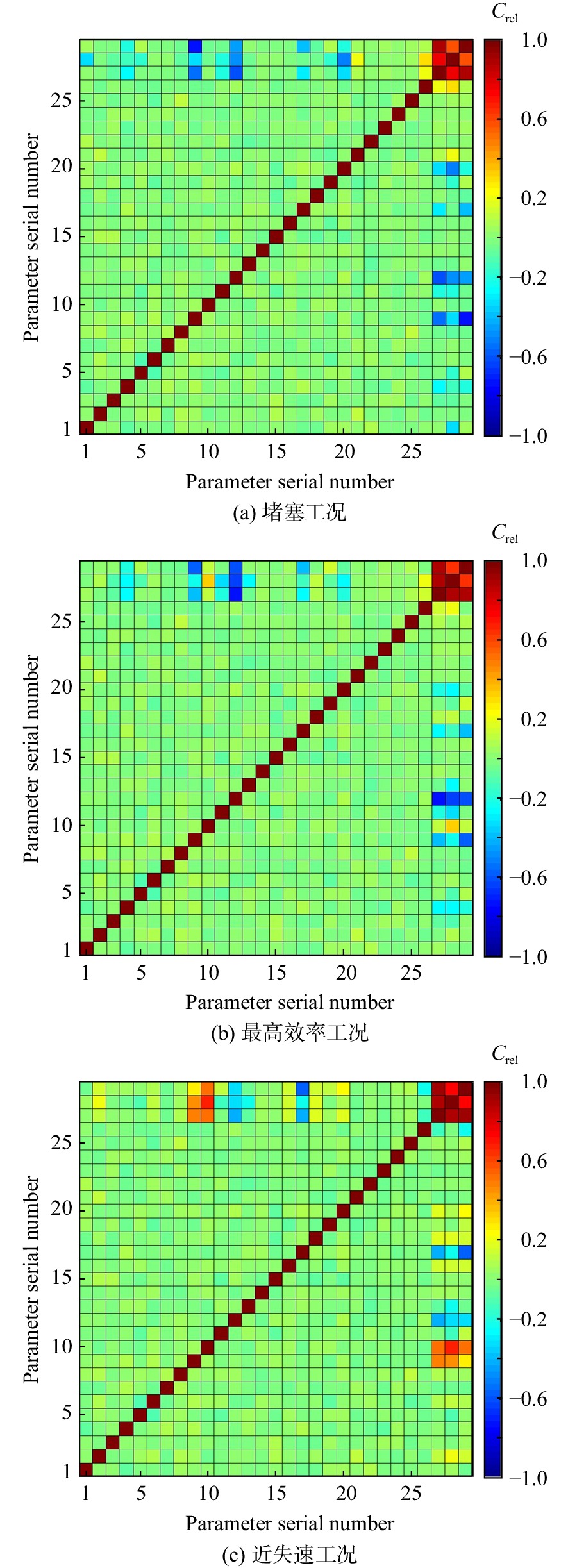
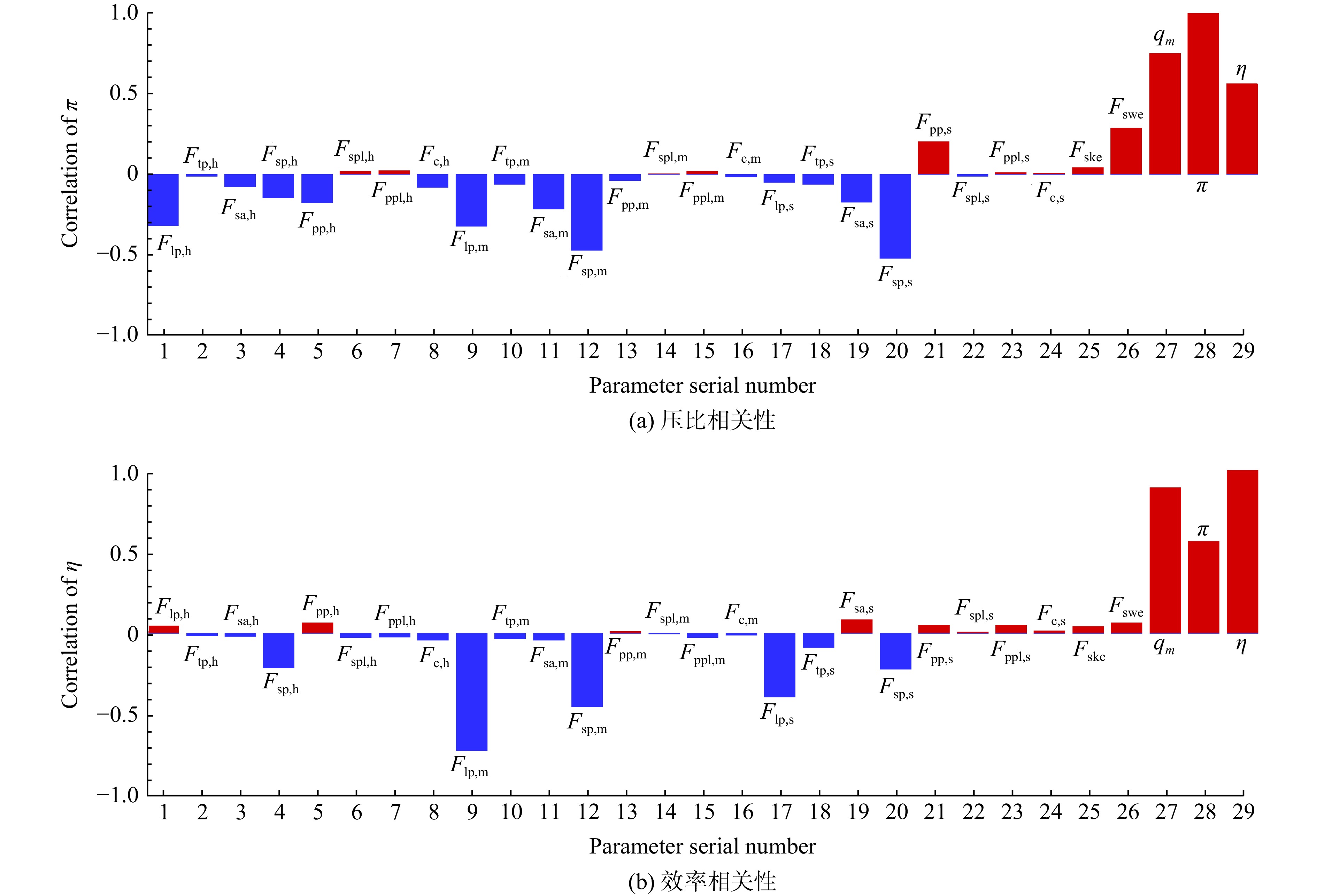
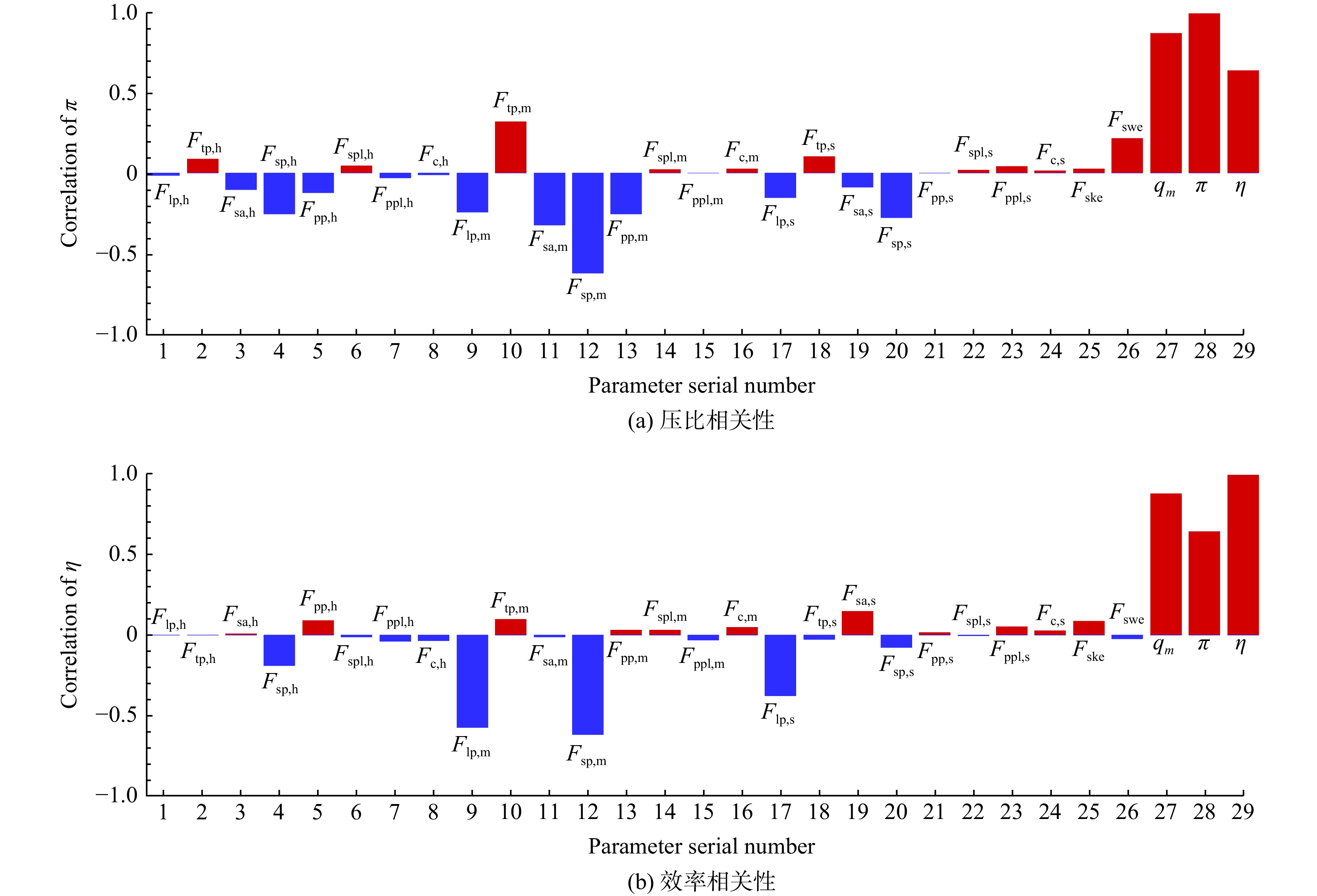
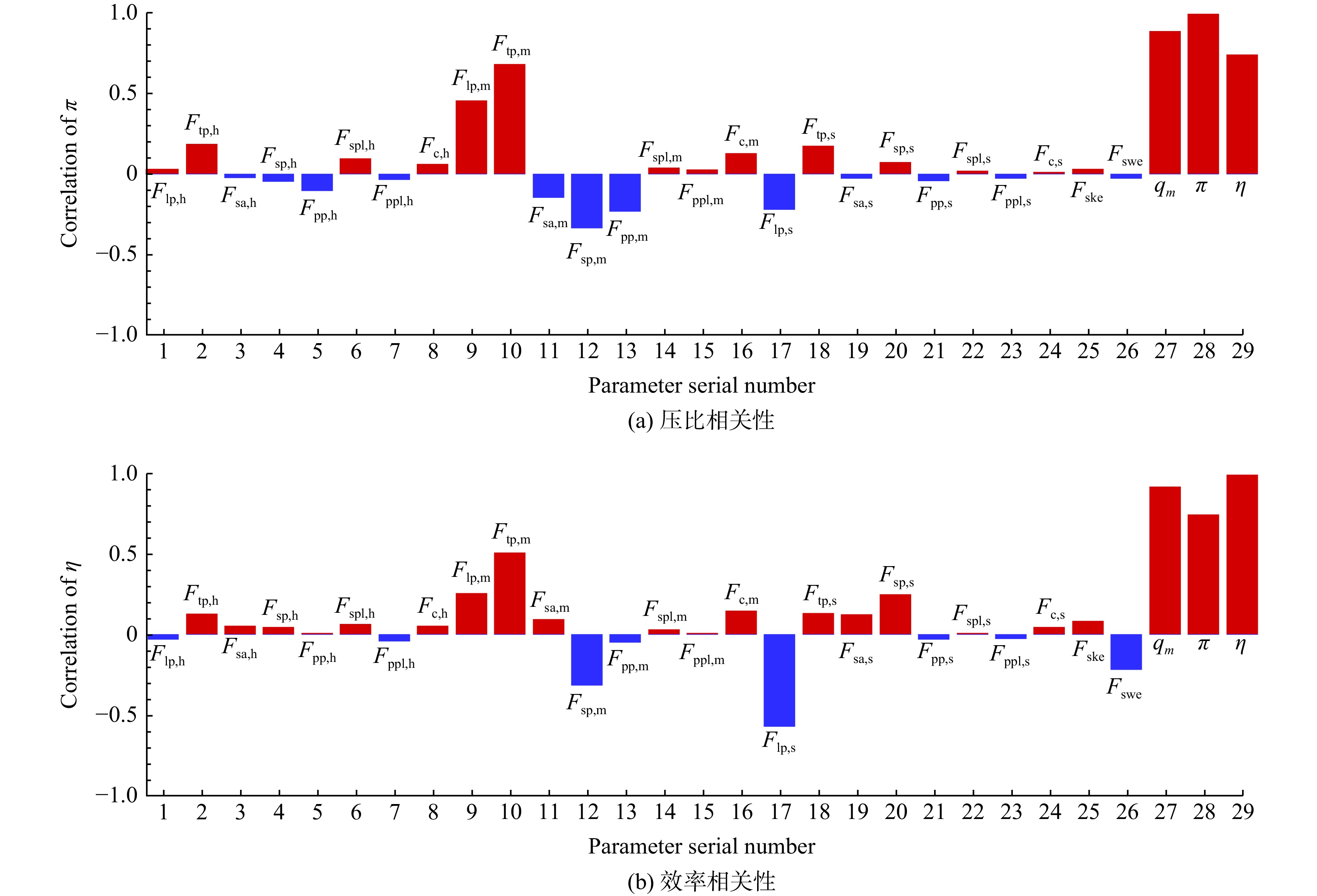
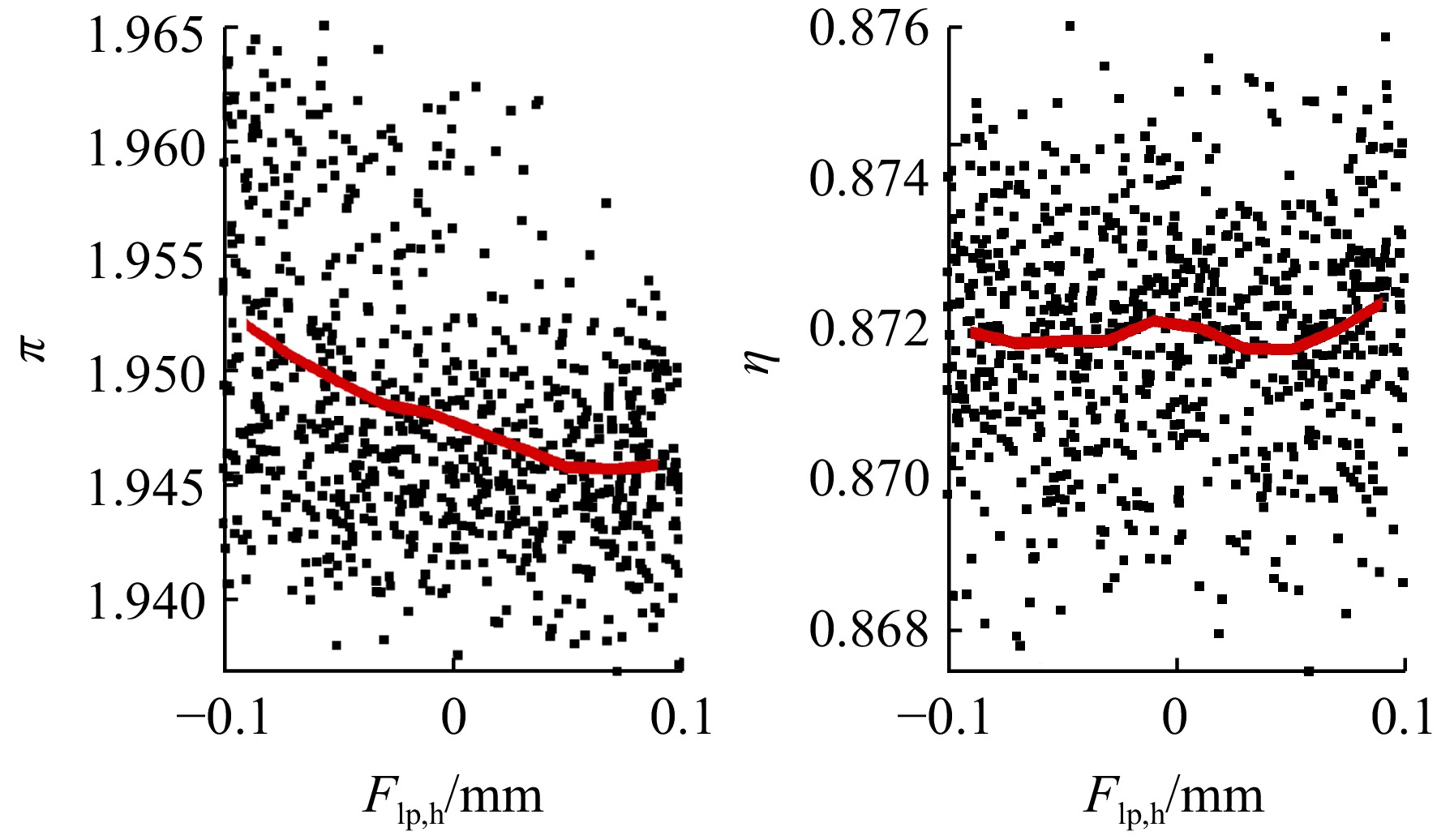
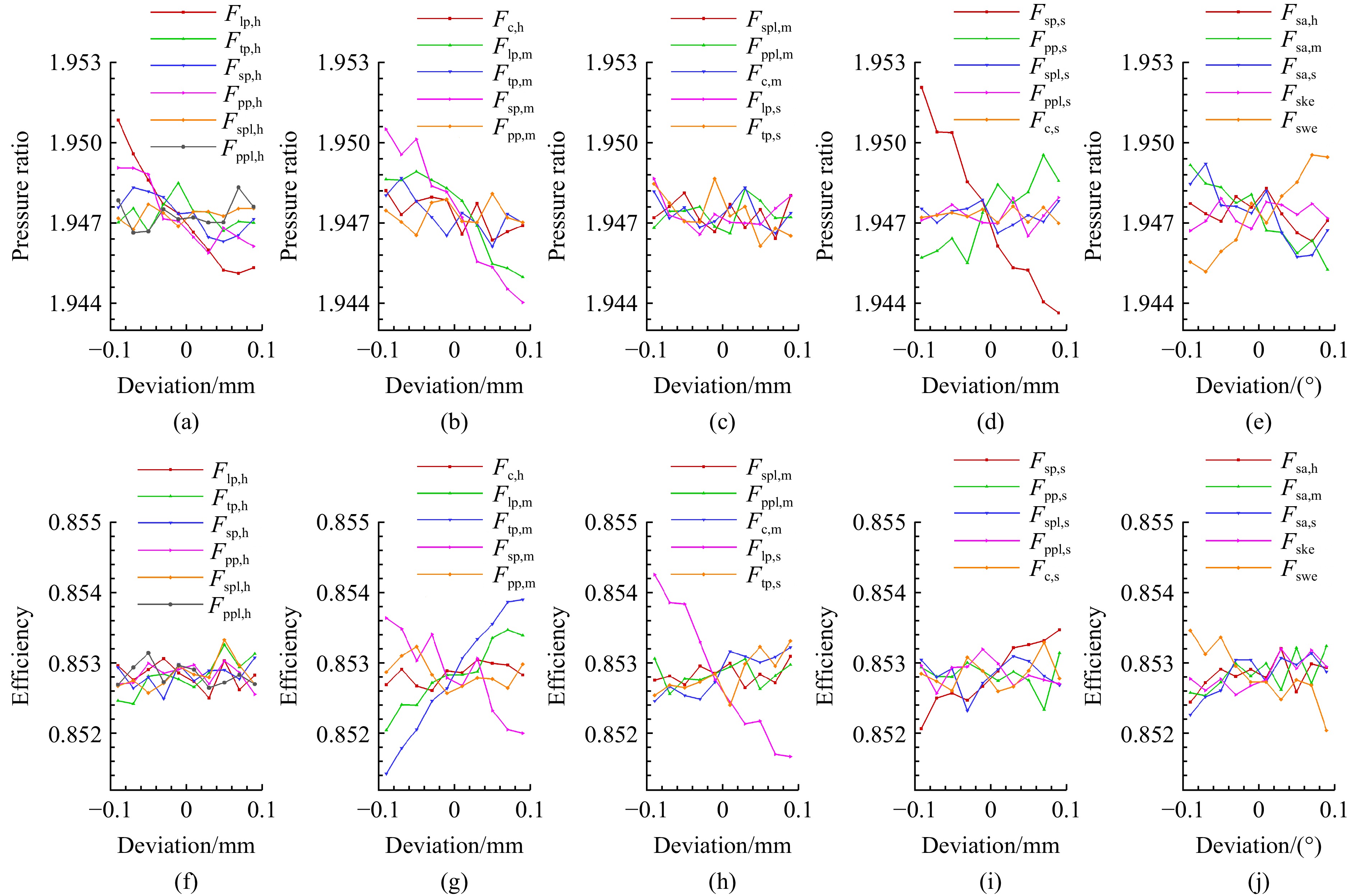
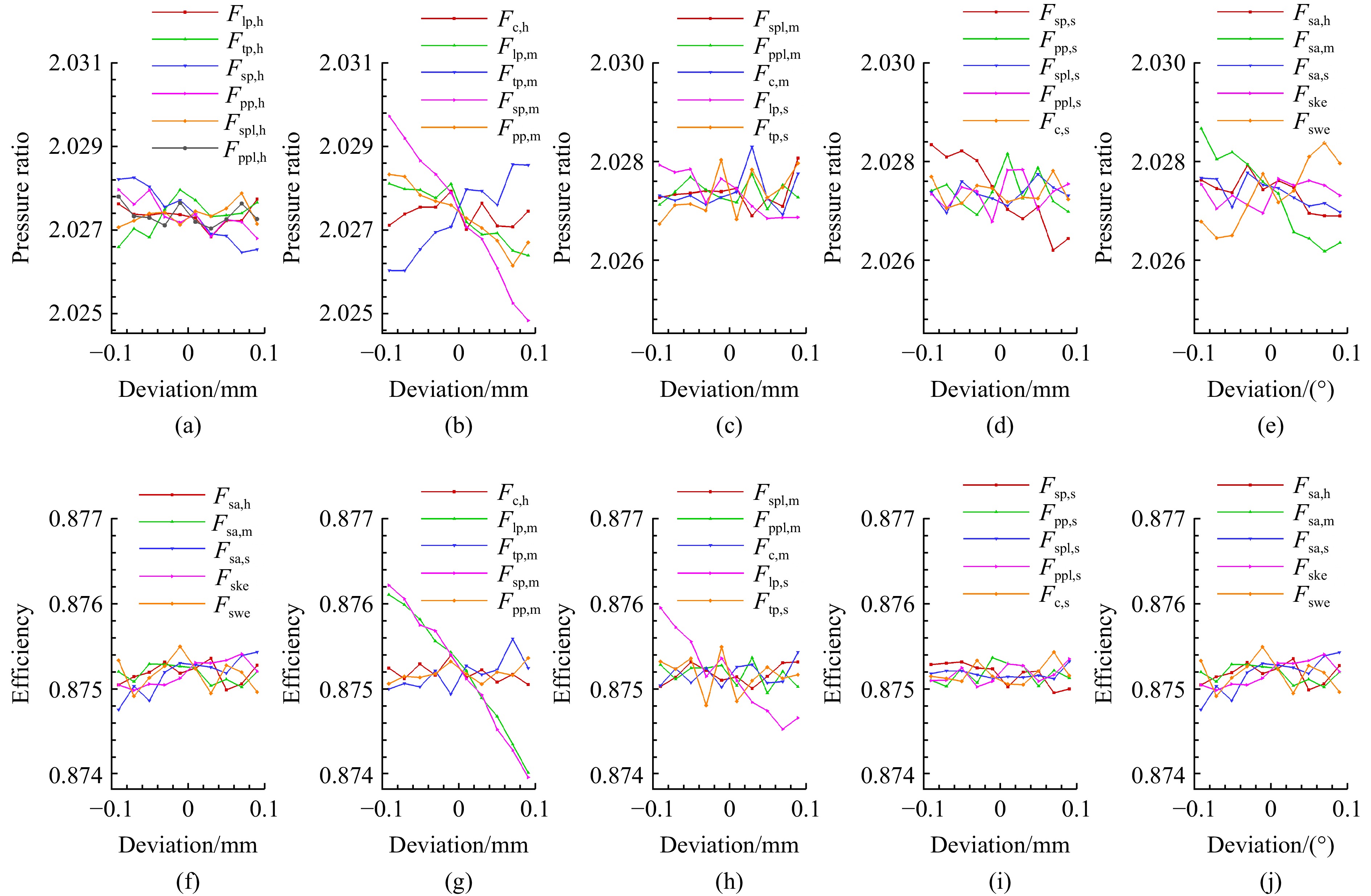
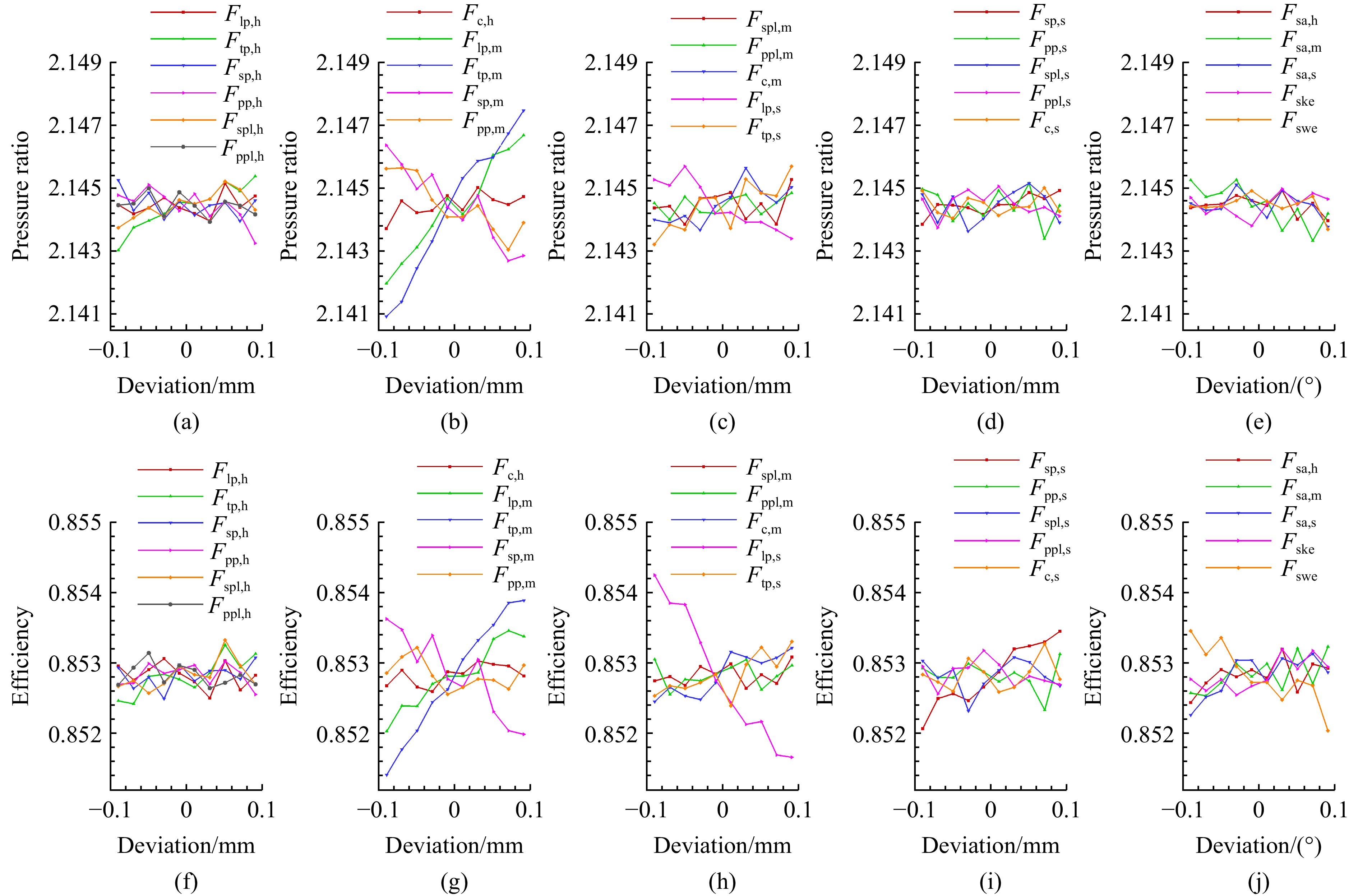
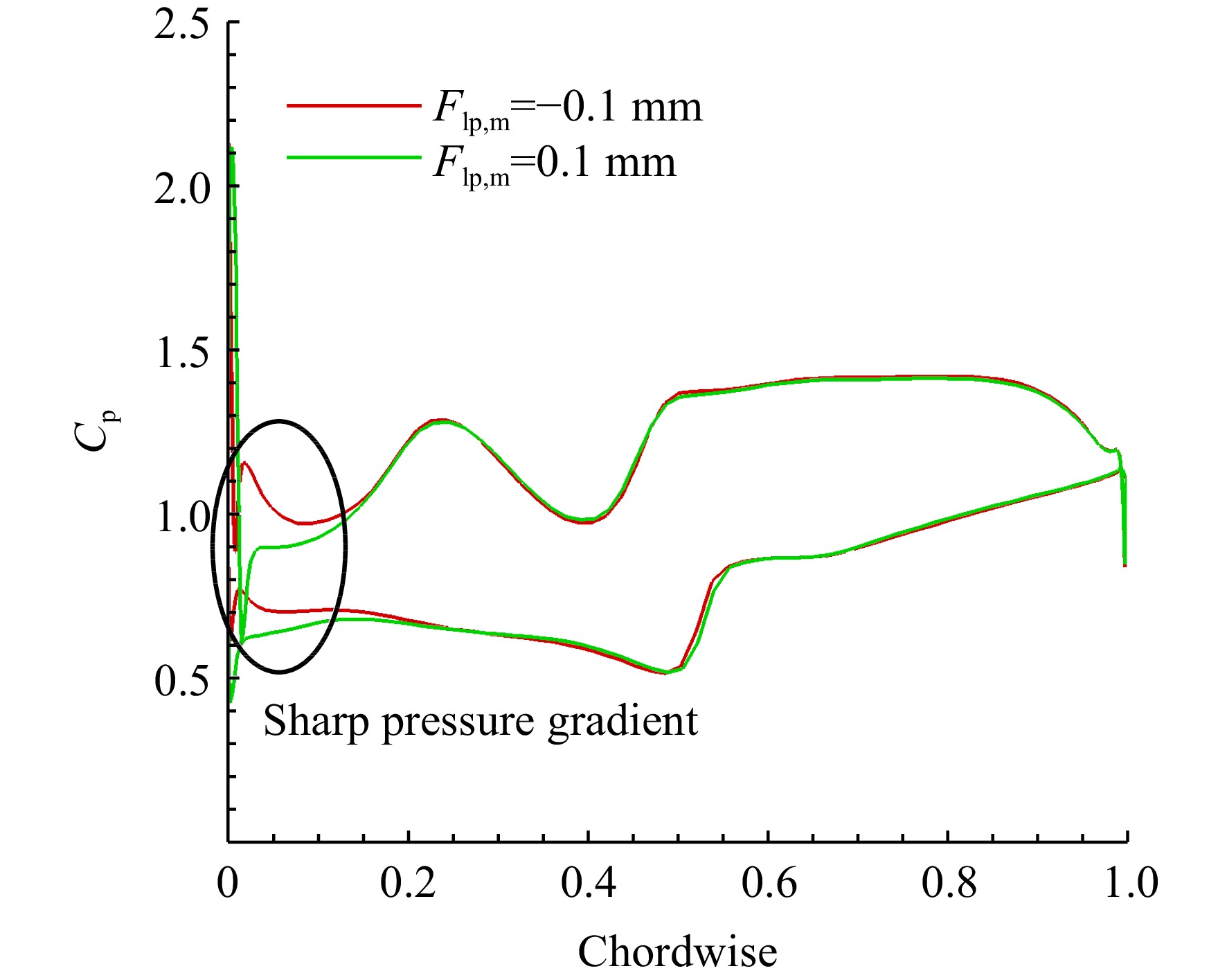
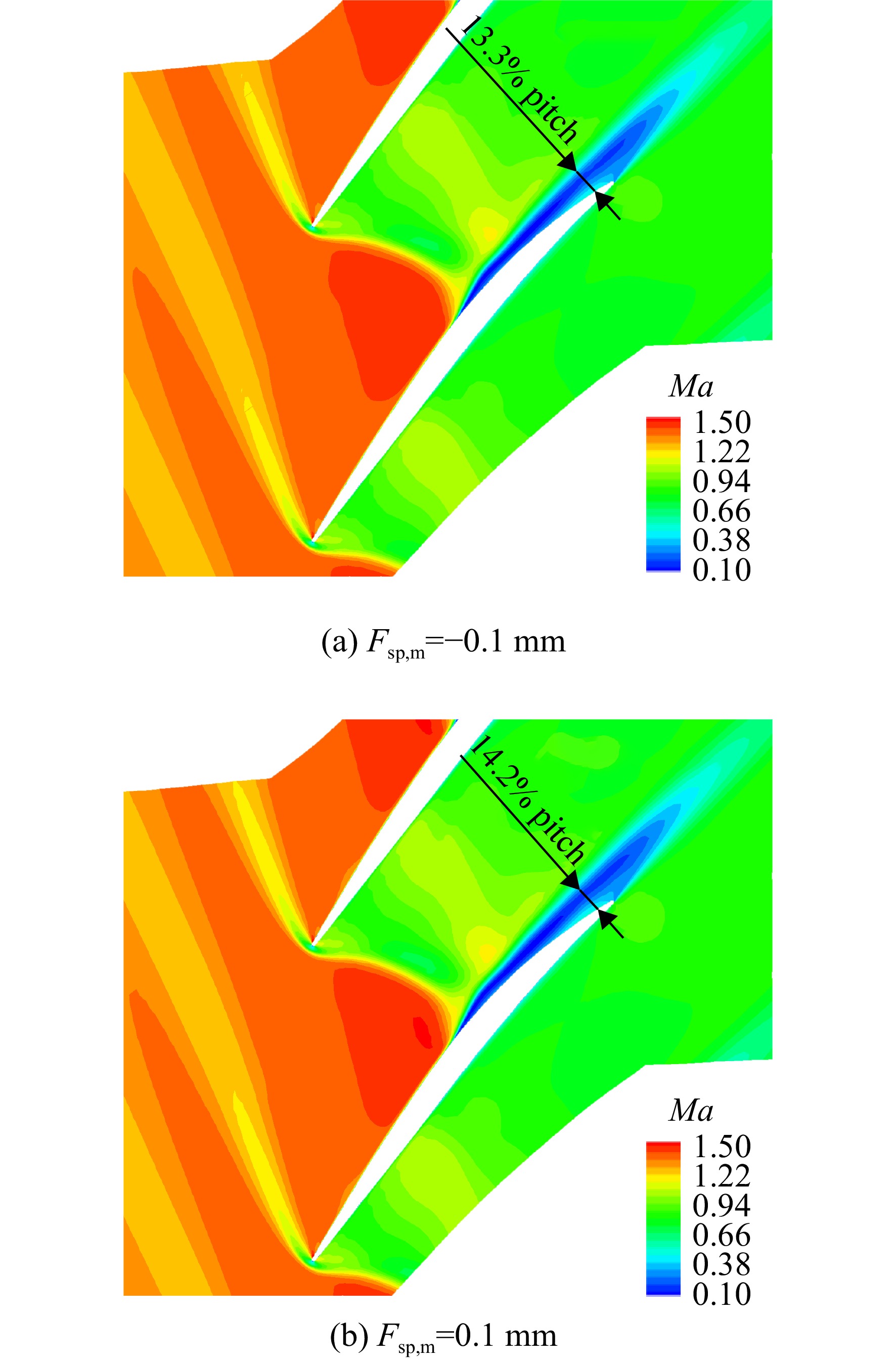
In order to study the sensitivity of the aerodynamic performance of a transonic compressor rotor to different types of geometric errors, NASA Rotor 37 was selected as the research object. The non-uniform rational B-splines (NURBS) surface algorithm and genetic algorithm were used to parameterize the three-dimensional blade surface. A total of 26 geometric errors, including the sweeping error and skewing error, were considered and extracted for the 3D rotor blade. 800 samples were generated by uniform Latin hypercube sampling in association with Monte Carlo algorithm. The loss characteristic and flow structure of Rotor 37 were obtained by steady CFD numerical simulation. Spearman rank correlation and expectation curve analysis were used to investigate the nonlinear relationship between geometric deviations and aerodynamic parameters at two typical working conditions. The flow mechanism analysis was carried out on the most sensitive geometric error model of efficiency under different working conditions. Results indicated that leading-edge profile factor of midspan had the greatest negative effects on rotor efficiency; while suction profile factor near shroud was most negatively correlated with pressure ratio at choke point. As for peak efficiency point, suction profile factor of midspan had the most obvious negative influence on rotor efficiency and pressure ratio. Regarding to near stall point, suction profile factor of midspan had great negative correlation with rotor efficiency. Trailing-edge profile factor of midspan was great positively correlated with pressure ratio.

Safety,Airworthiness
Research on impact of aircraft emissions on surrounding environment of airports
CAO Huiling, YAN Jiawei, KUANG Jiajun, LI Yuming
2023, 38(10): 2501-2515. doi: 10.13224/j.cnki.jasp.20210673
Abstract:
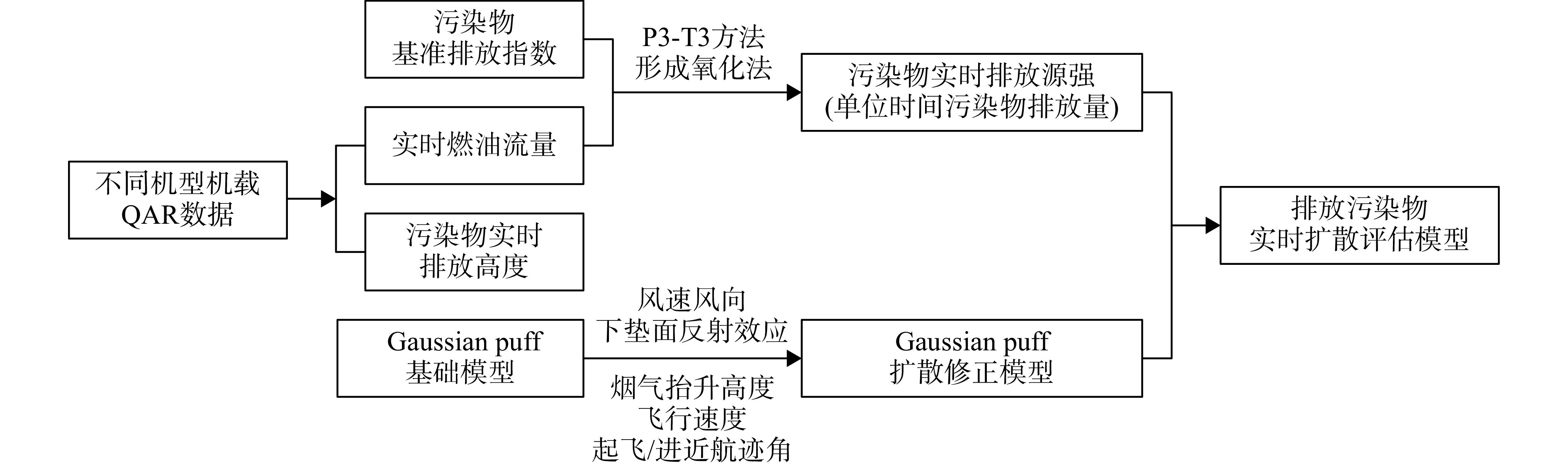
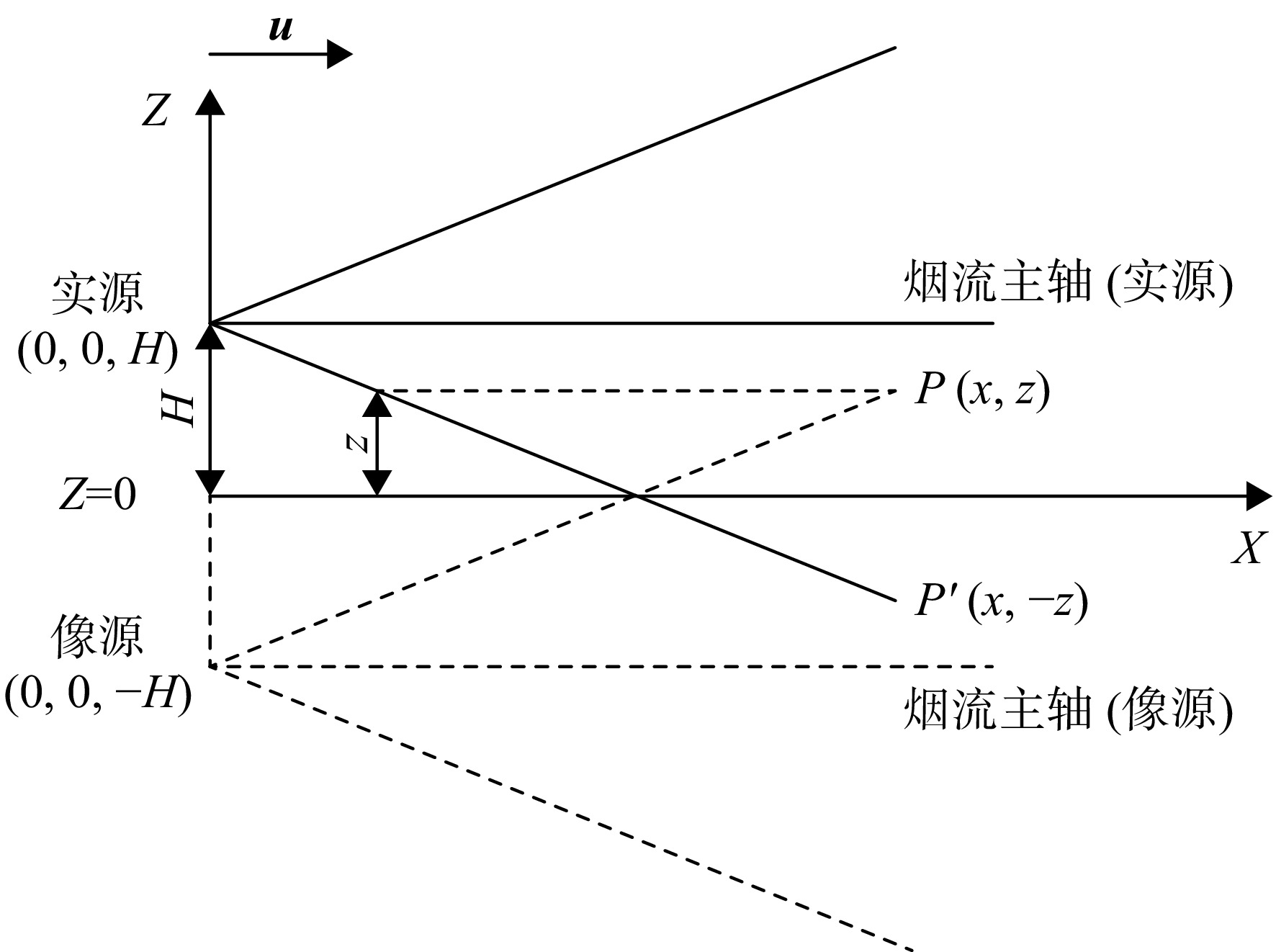
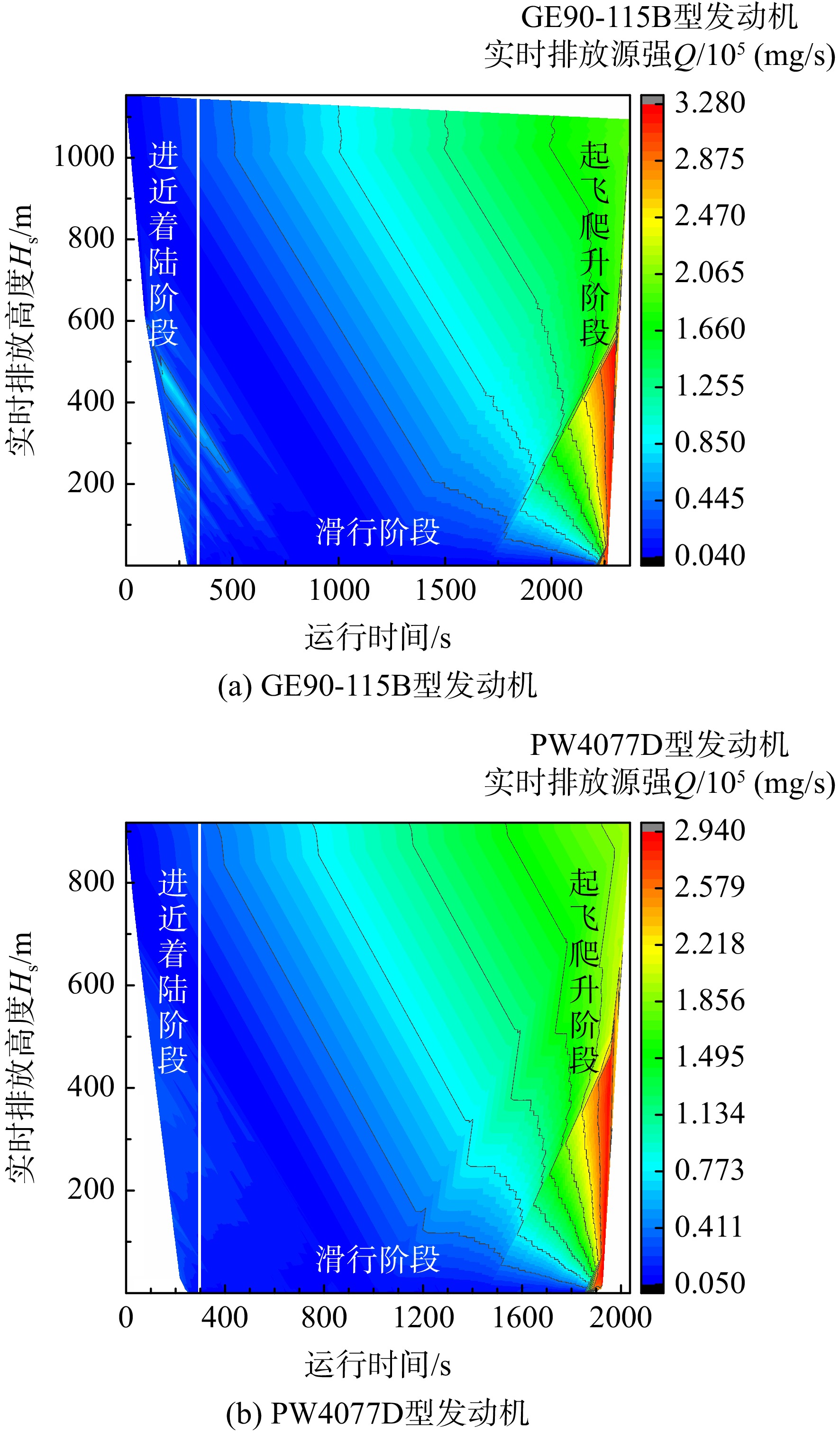
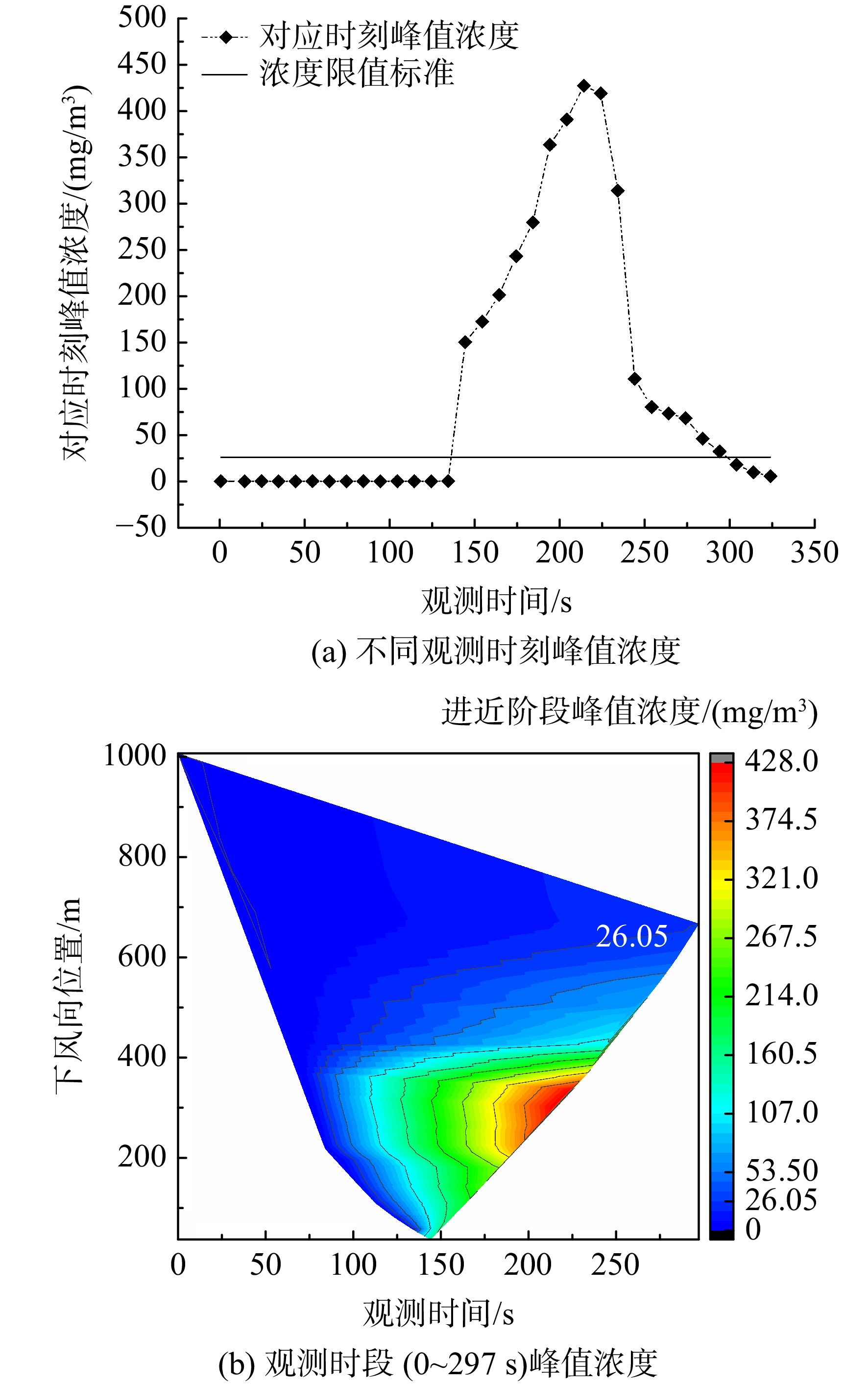
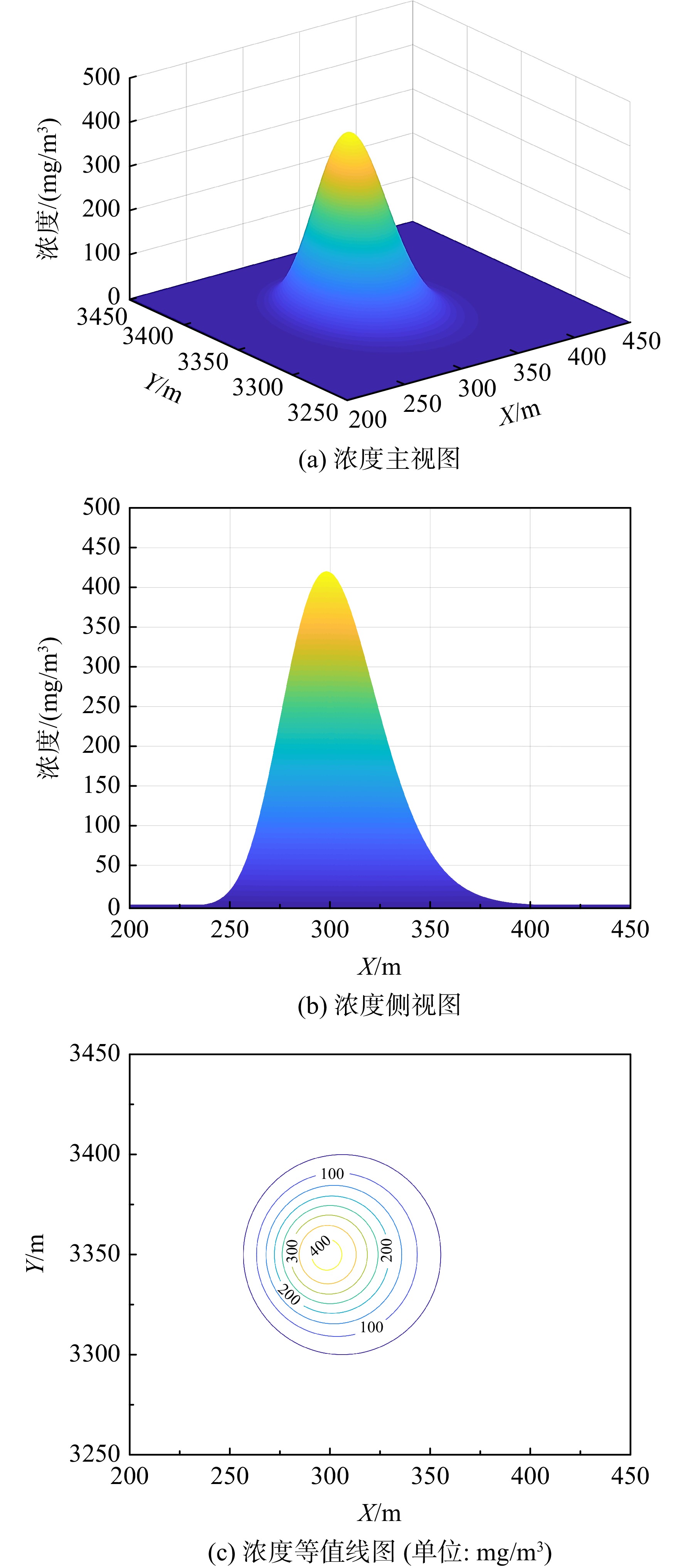
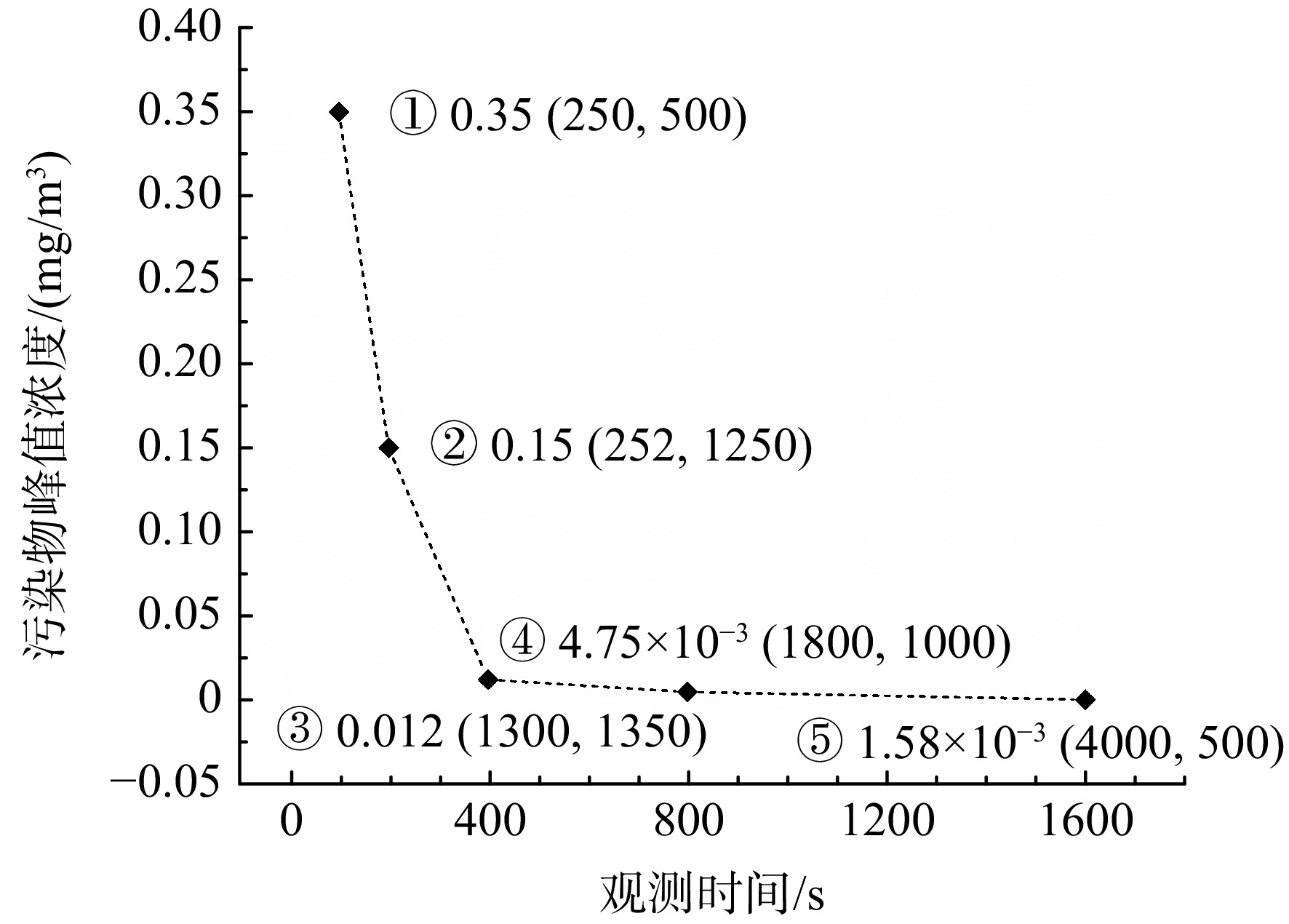
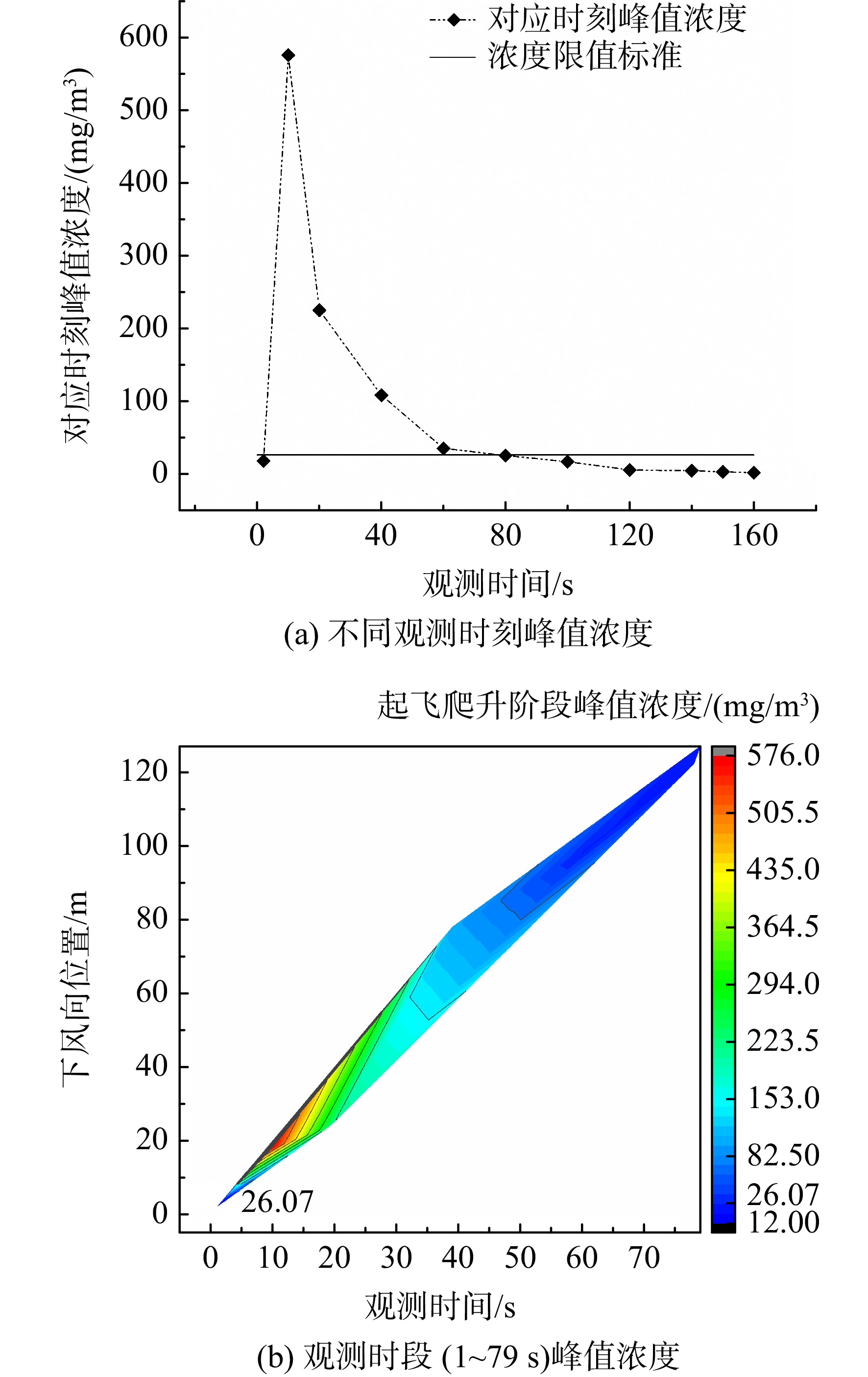
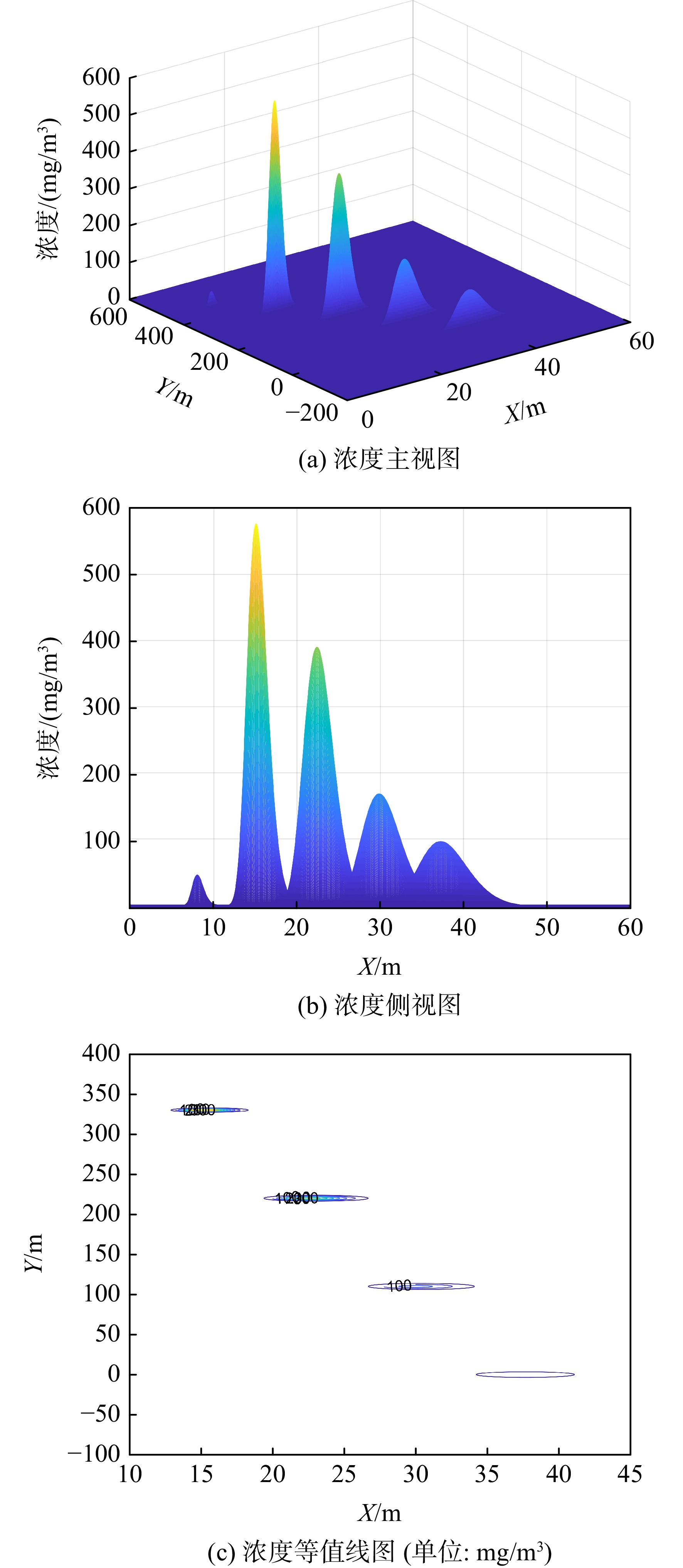
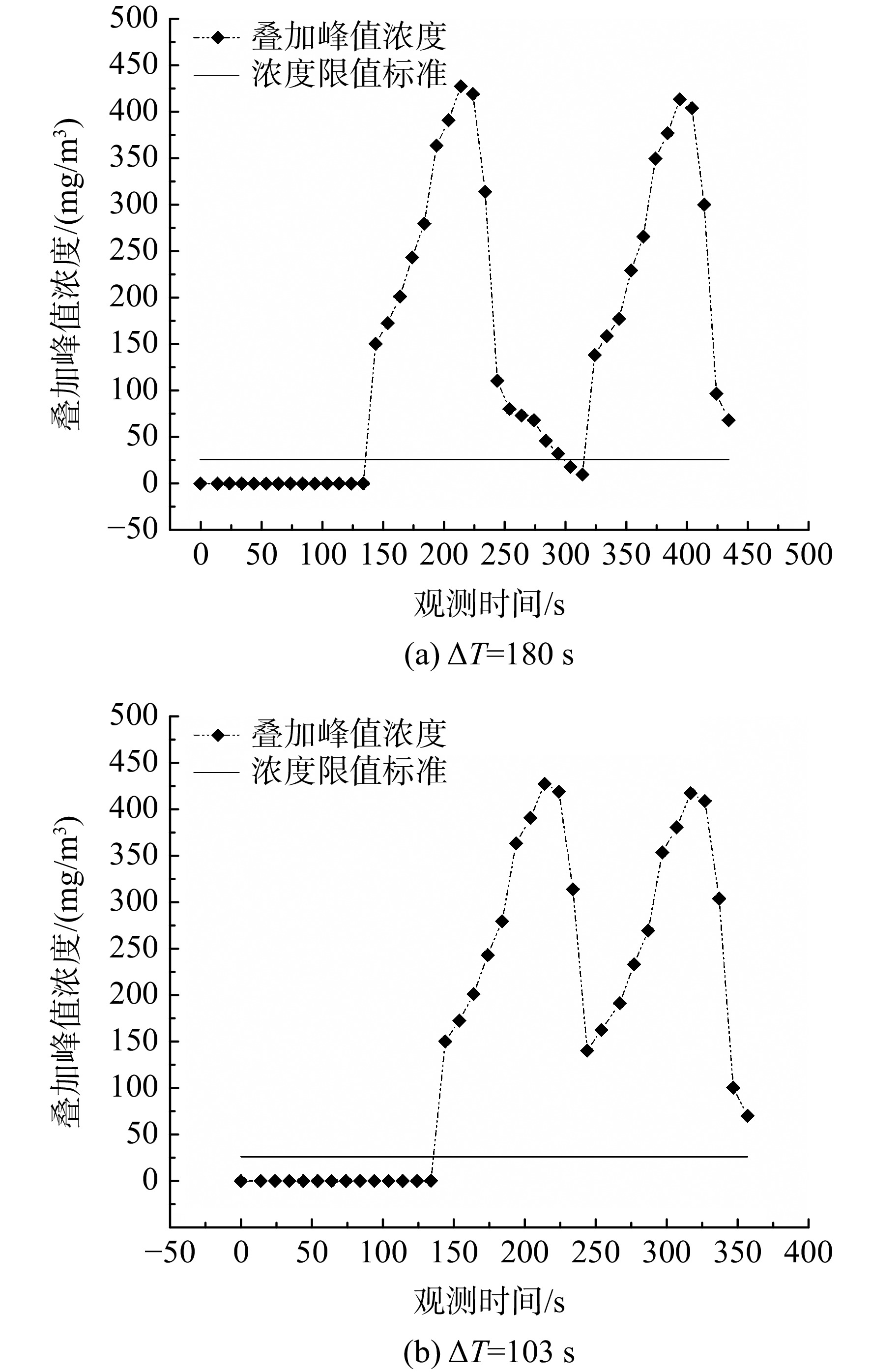
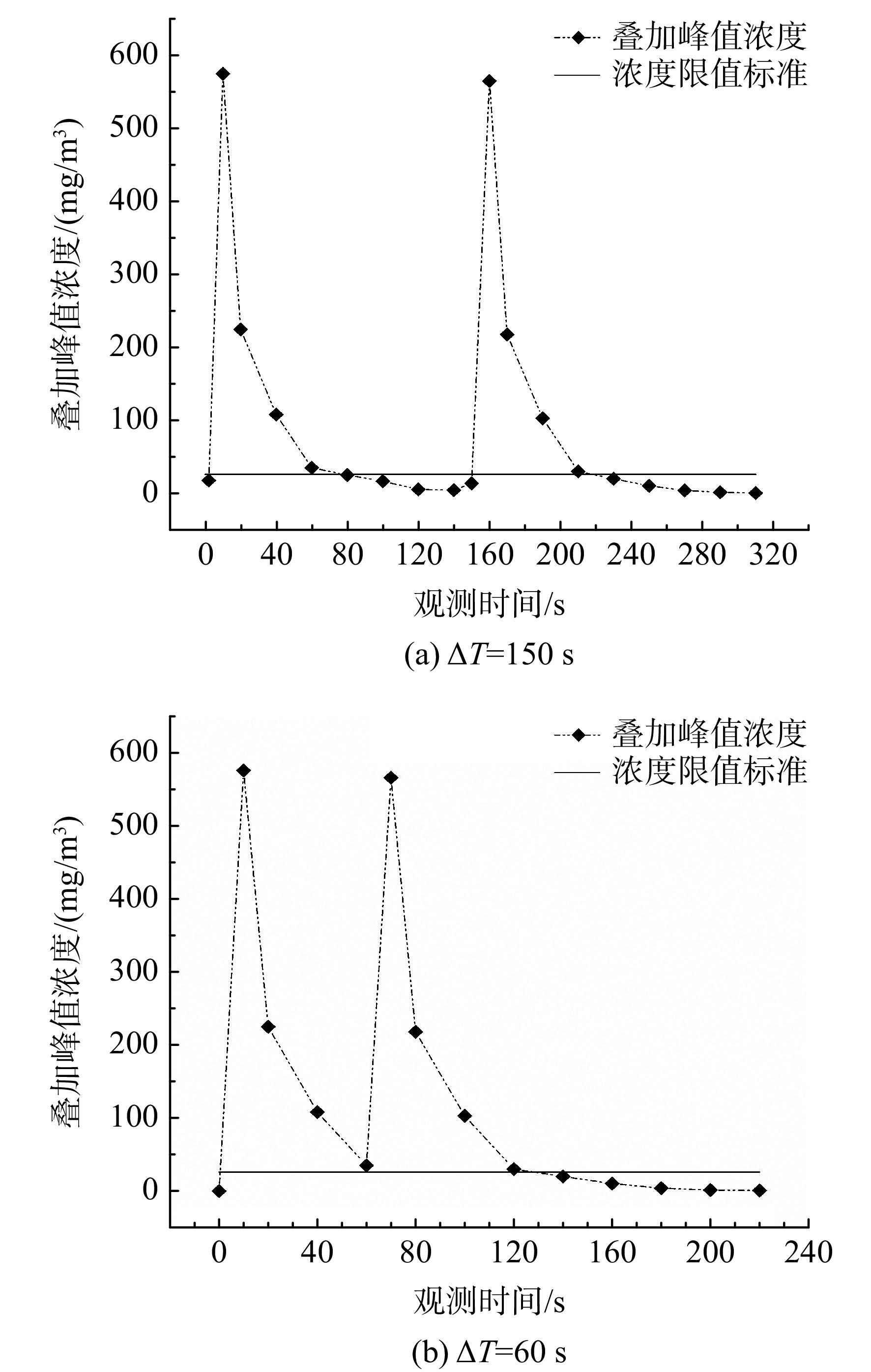
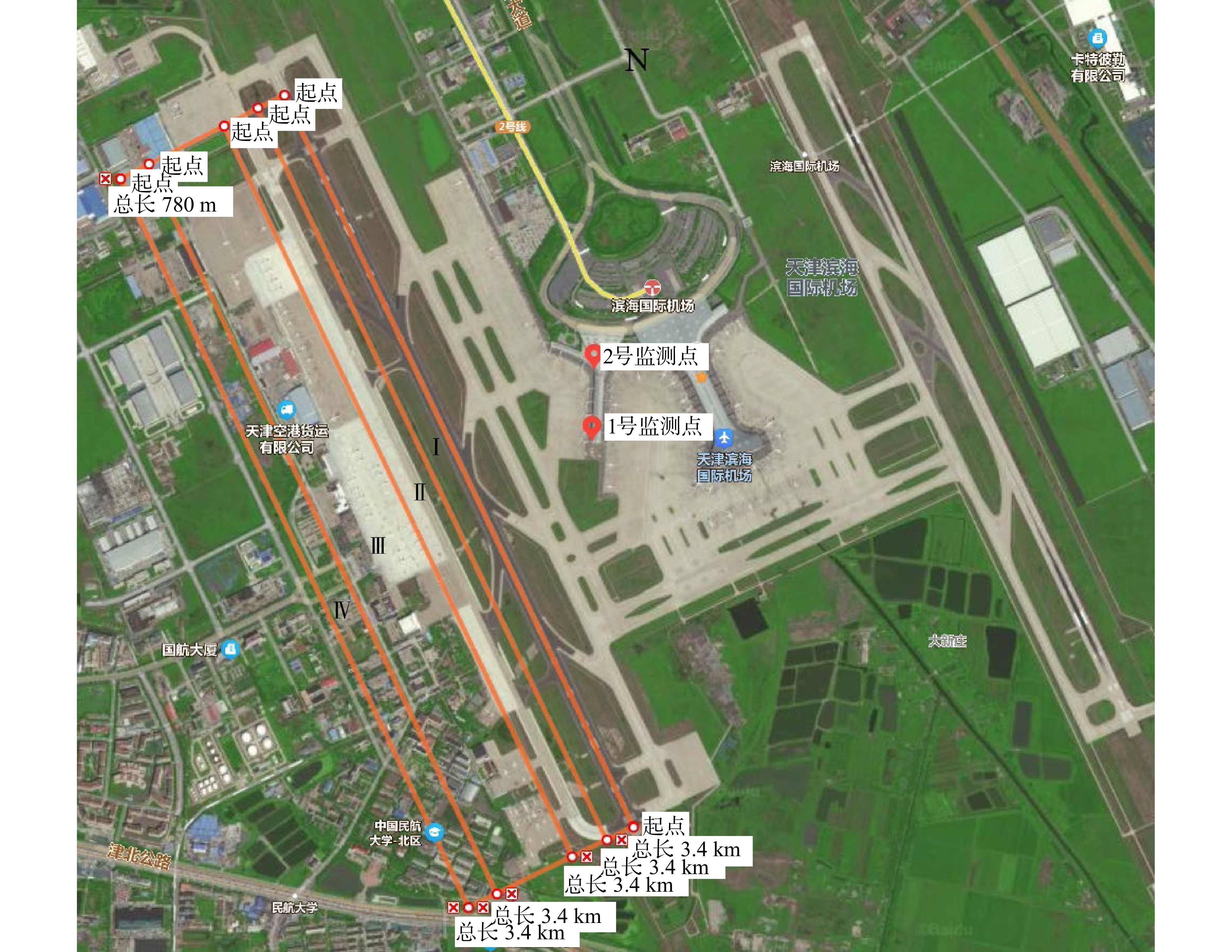
In order to truly and effectively assess the impact of aviation pollutants on the airport and its surrounding environment, an aircraft LTO (landing and take-off) cyclic pollutant emission diffusion evaluation model under multi-factor fusion was constructed. According to the parameters characterizing the actual operation of the engine in the airborne QAR (quick access recorder) data, the pollutant emissions can be accurately obtained, and then the real-time emission source strength can be determined; the flight coordinate system was established, and the actual operating conditions of the aircraft were combined. The surrounding environmental factors of the airport amended the Gaussian puff model. According to the distribution of pollutant emission concentration in different flight stages of the aircraft, the pollutant diffusion trend was determined, and then: (1) the geographic range of the emission pollutant diffusion concentration exceeding the standard was determined; (2) the impact of the emission pollutants on common areas was analyzed; (3) the impact of superposition and diffusion of pollutants discharged by multiple aircraft was analyzed; (4) monitoring points for the concentration of discharged pollutants were set. Through calculation, it was concluded that the peak concentration of emission pollutants in the LTO cycle of the B777-300ER aircraft equipped with GE90-115B engines was mainly concentrated in the range of 26.05−576 mg/m3, and the pollutant emission height in the approach stage was concentrated in the range of 446.49−593.67 m, the geographical range of pollutant concentrations in the downwind direction exceeding the standard was 0−647 m; the pollutant emission height in the take-off and climbing stage was concentrated in the early stage of take-off at 1.34−96.03 m, and the pollutant concentration in the downwind direction exceeded the standard geographical range of 0−127 m. The pollutant diffusion concentration of 647−1000 m in the downwind control area did not exceed the standard, but the impact on the environment cannot be ignored.

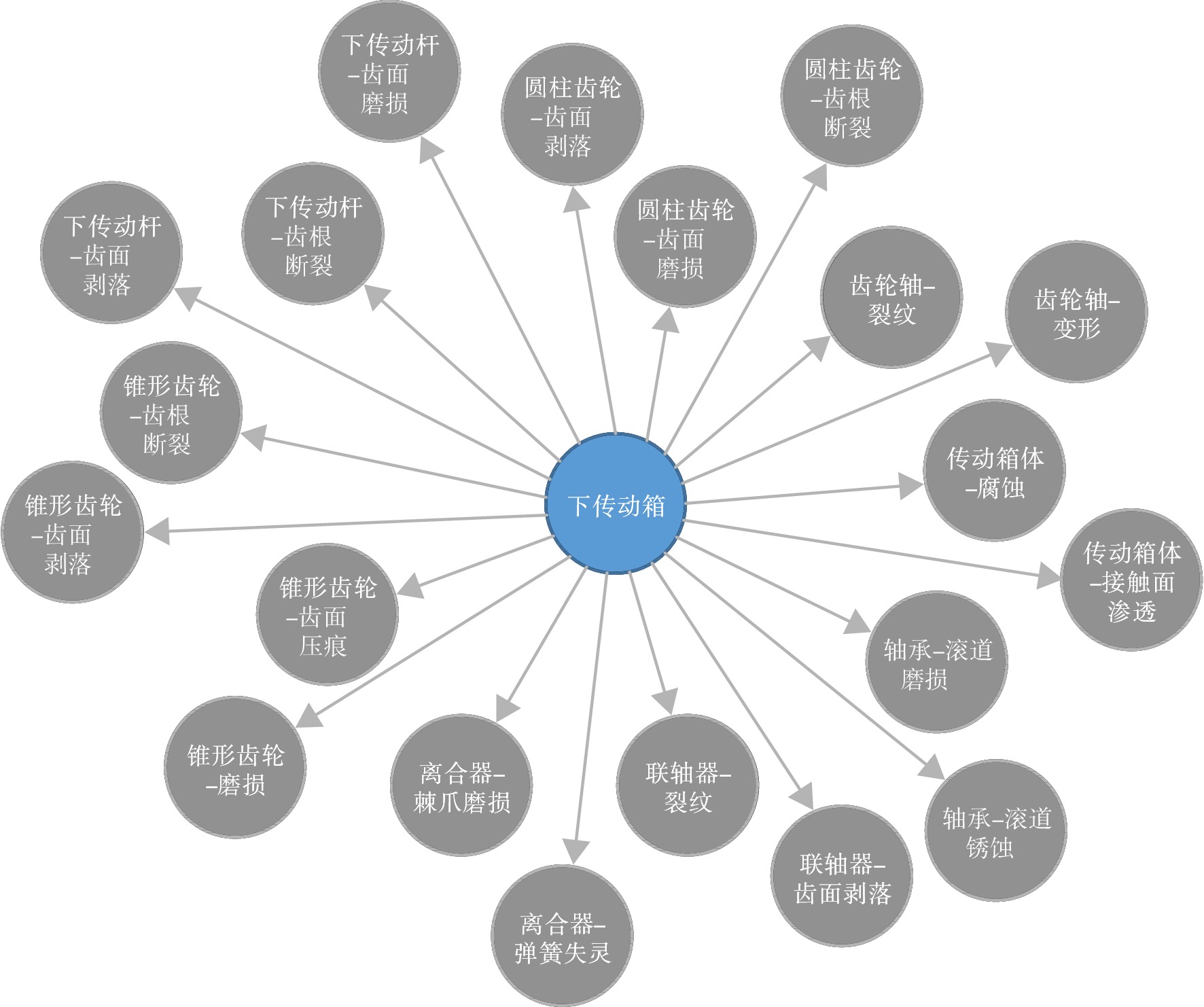
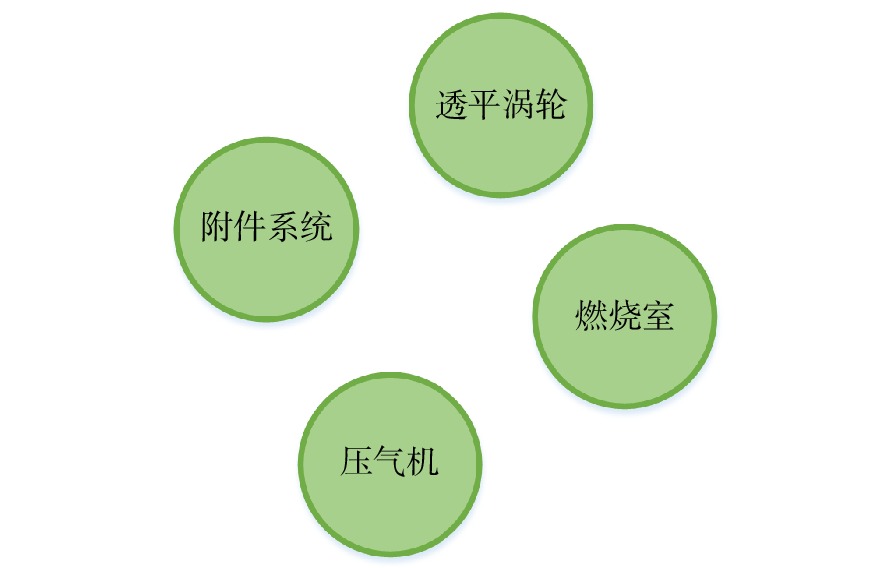
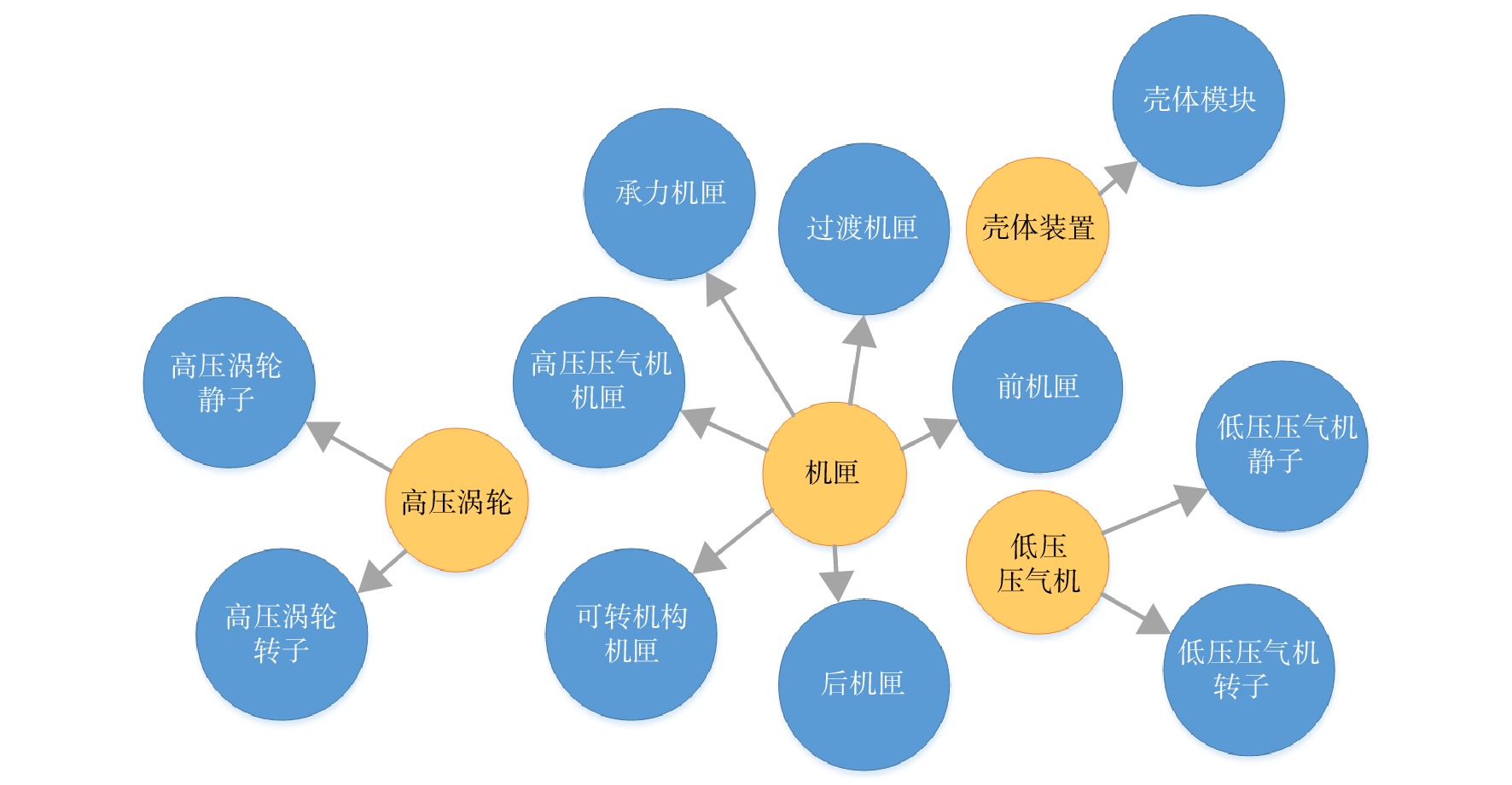
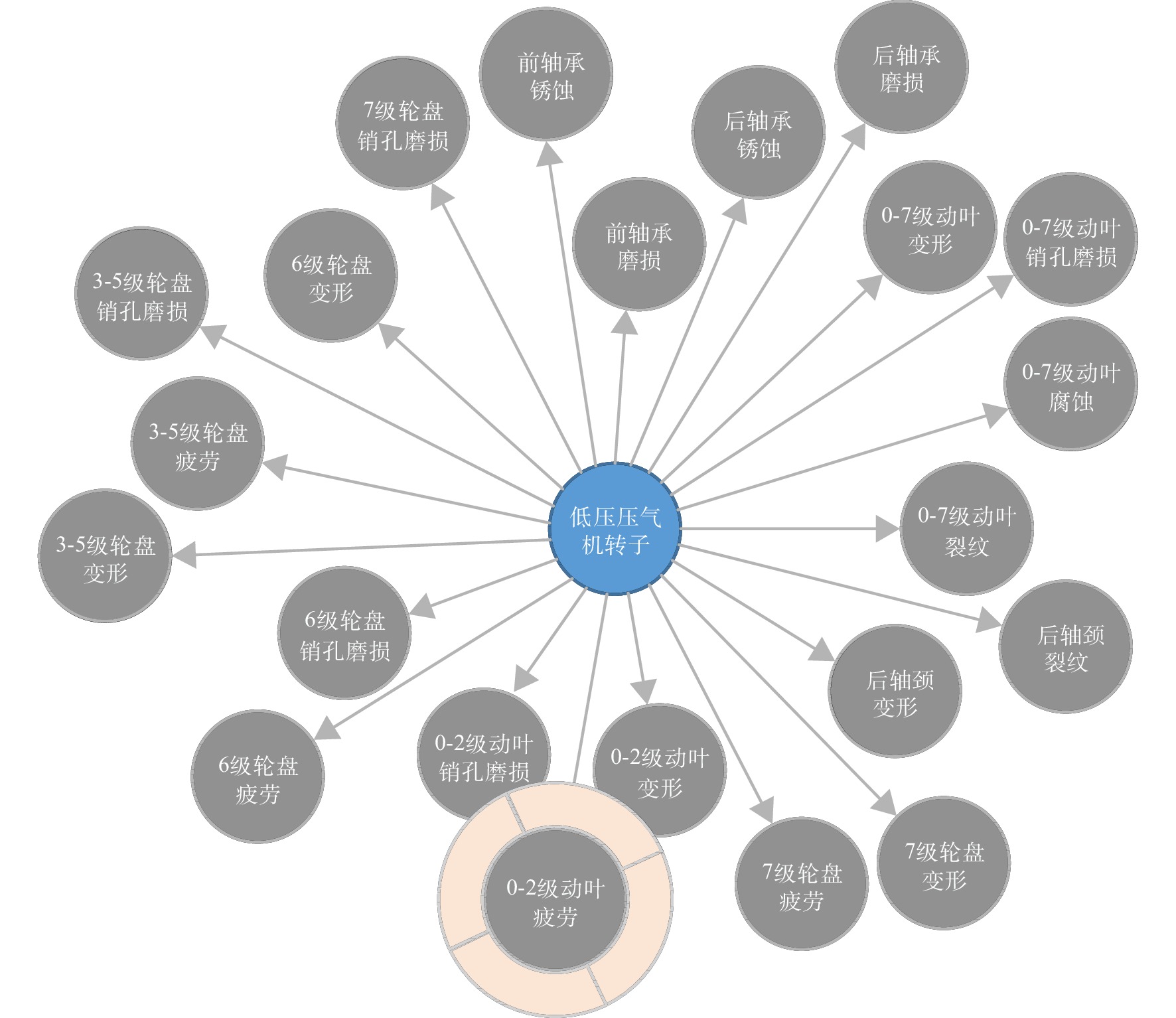
Risk analysis method of a certain type of power plant based on KG-KGCN
CHEN Guobing, ZENG Guoqing, WANG Yue, WANG Xuefeng, XIE Xuyang, YANG Zichun
2023, 38(10): 2516-2526. doi: 10.13224/j.cnki.jasp.20220007
Abstract:
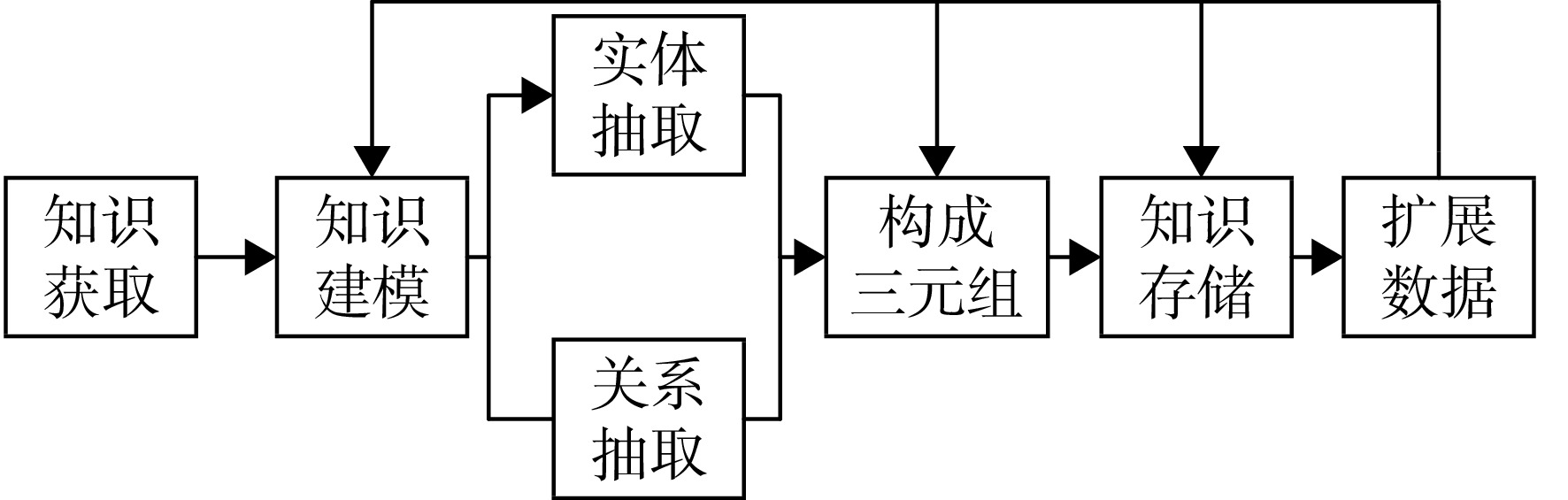
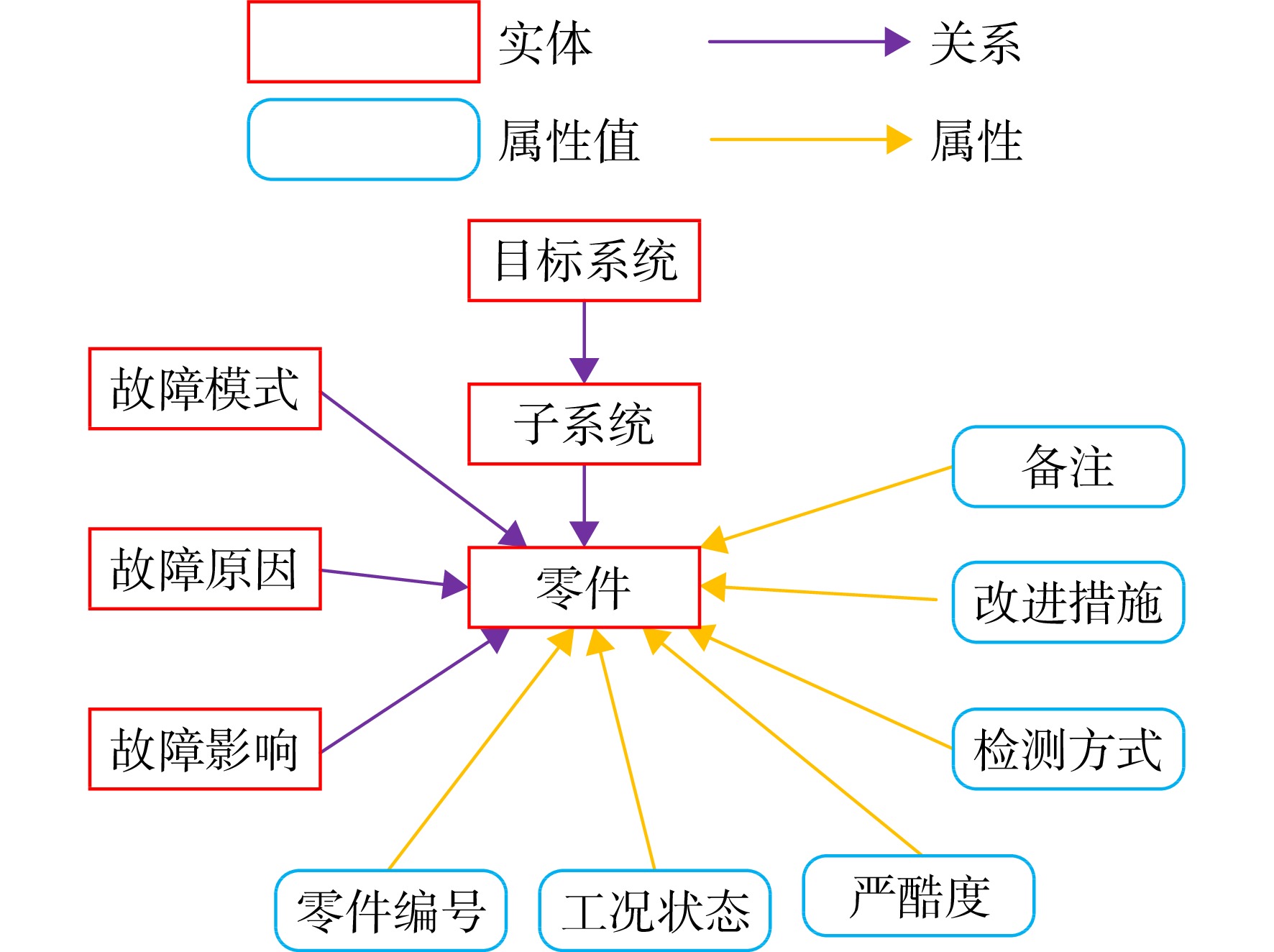
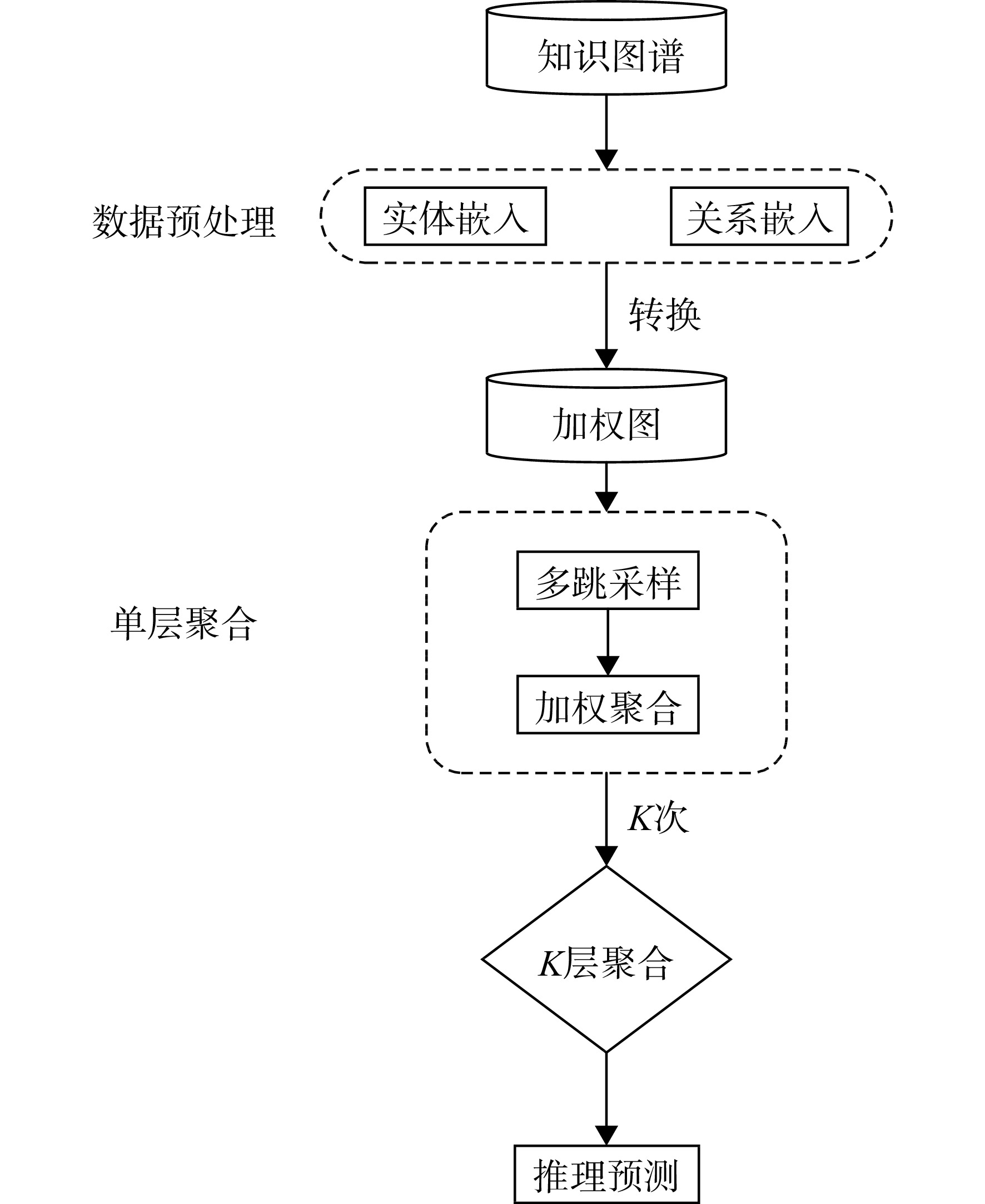
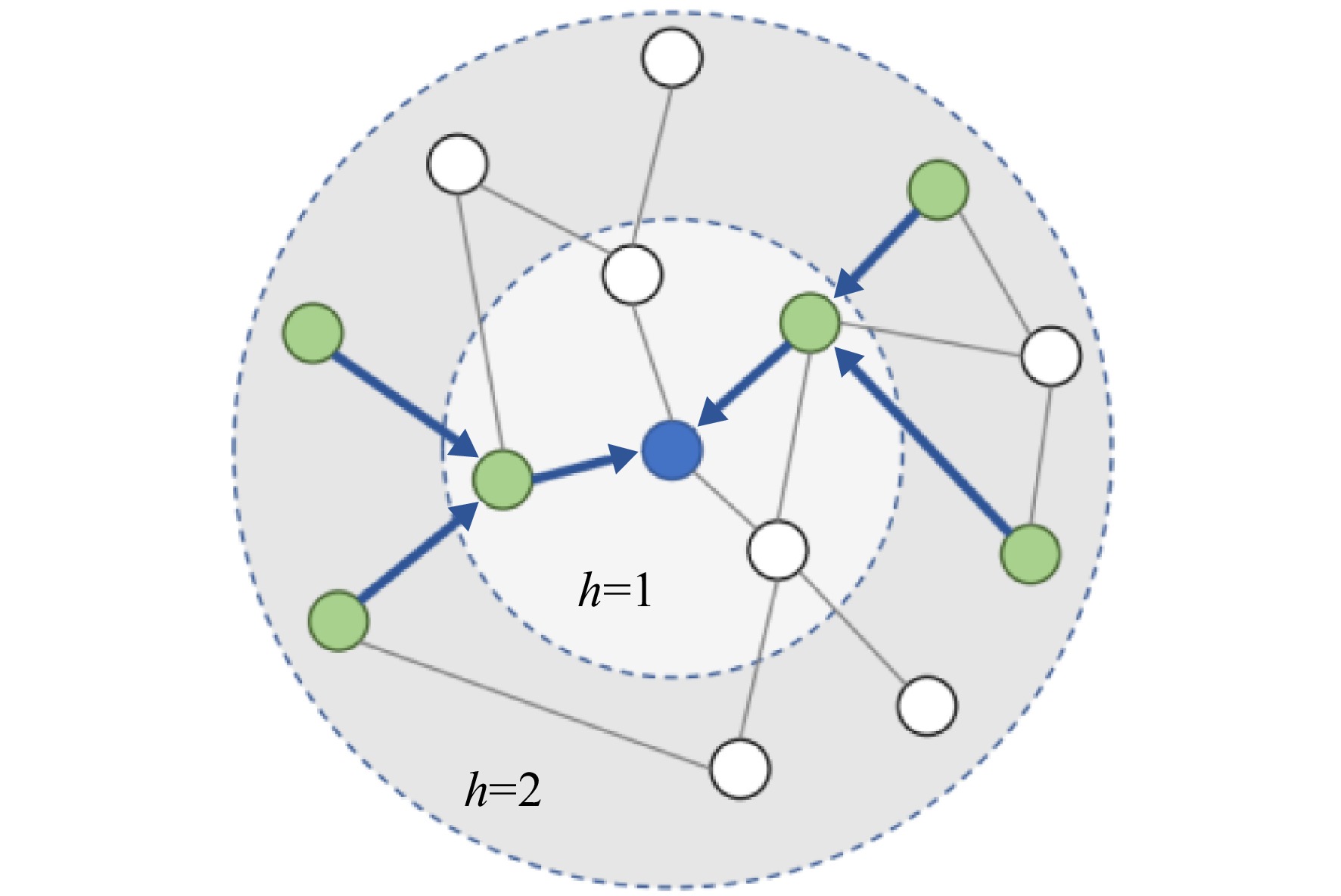
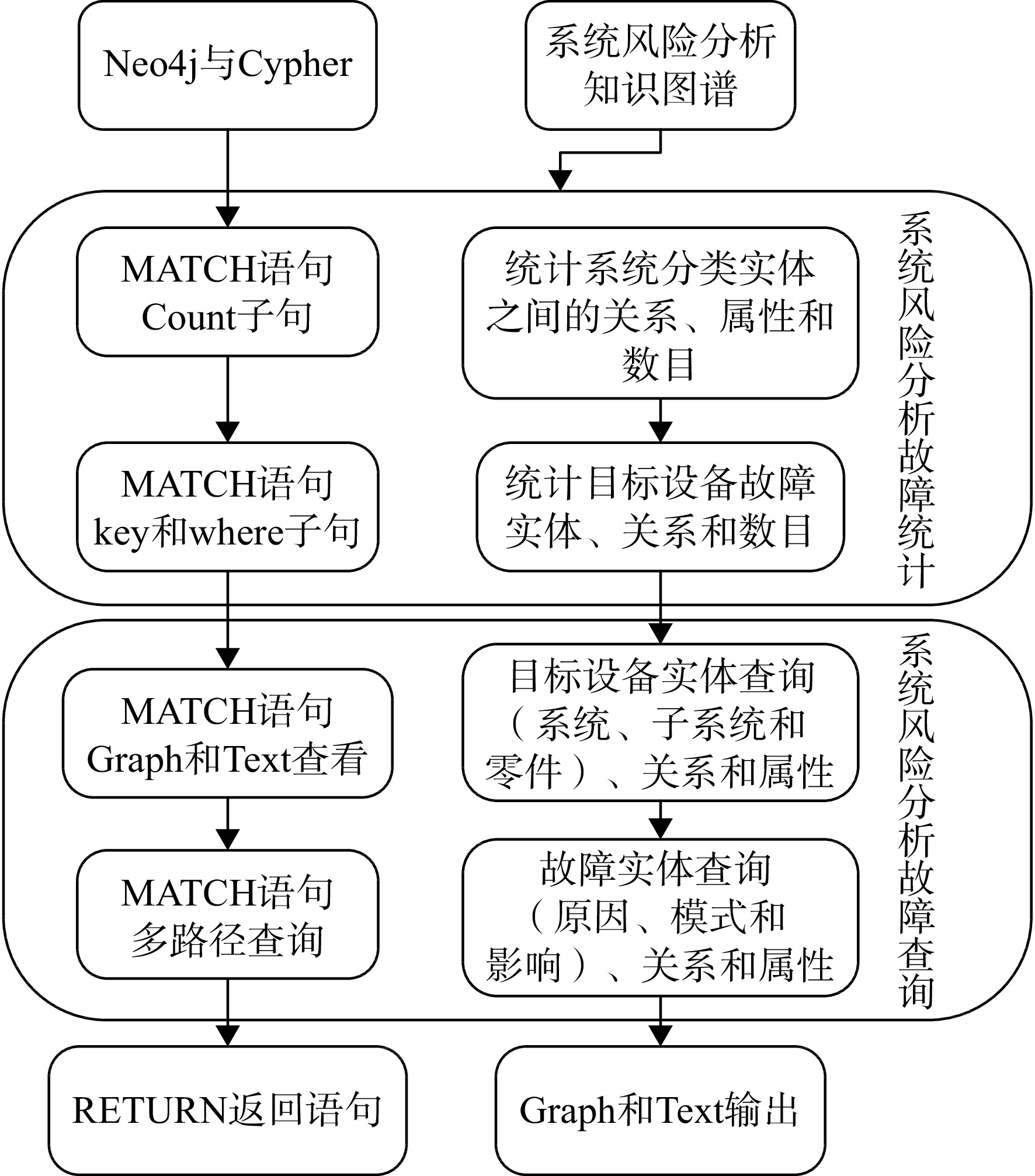
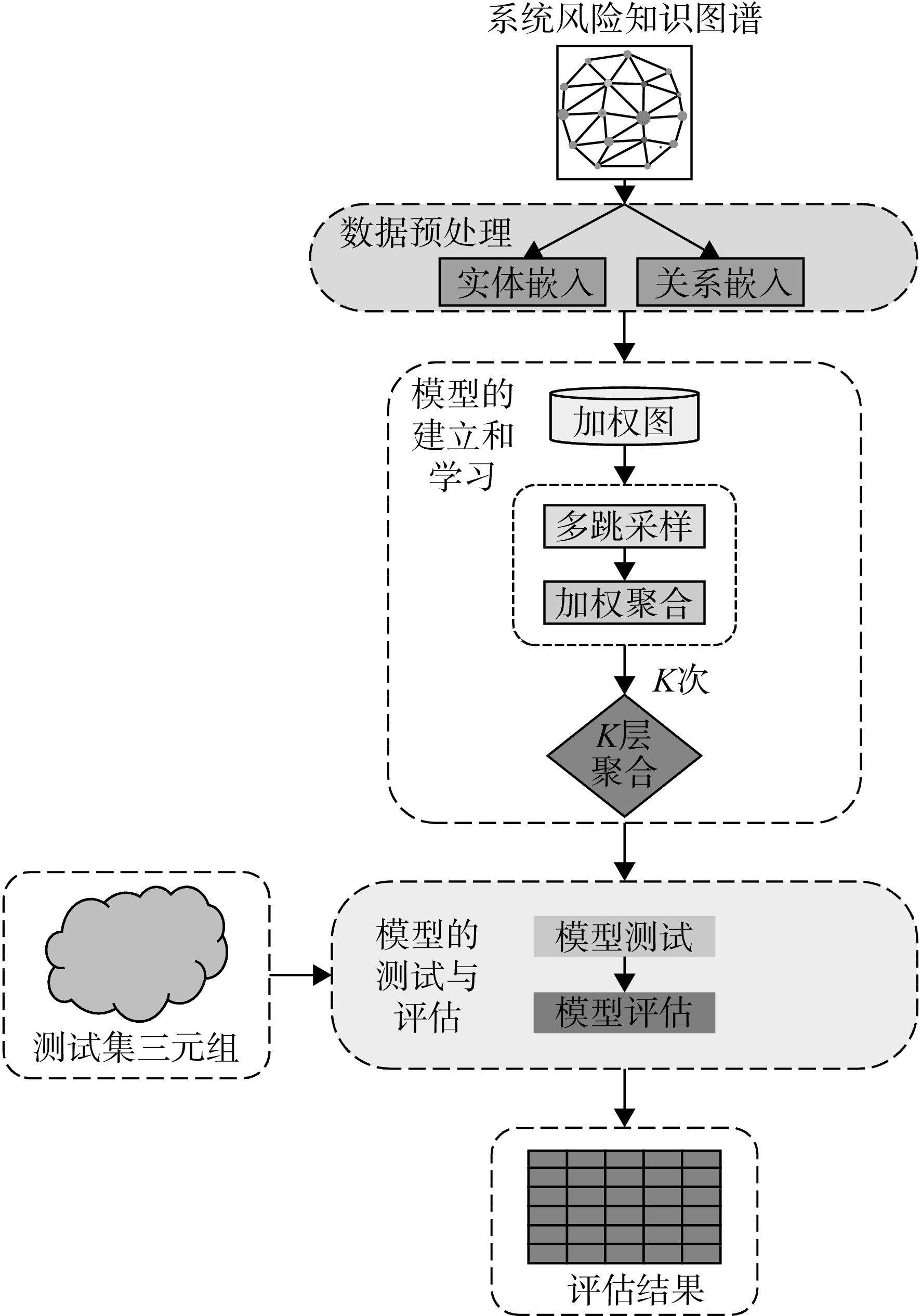
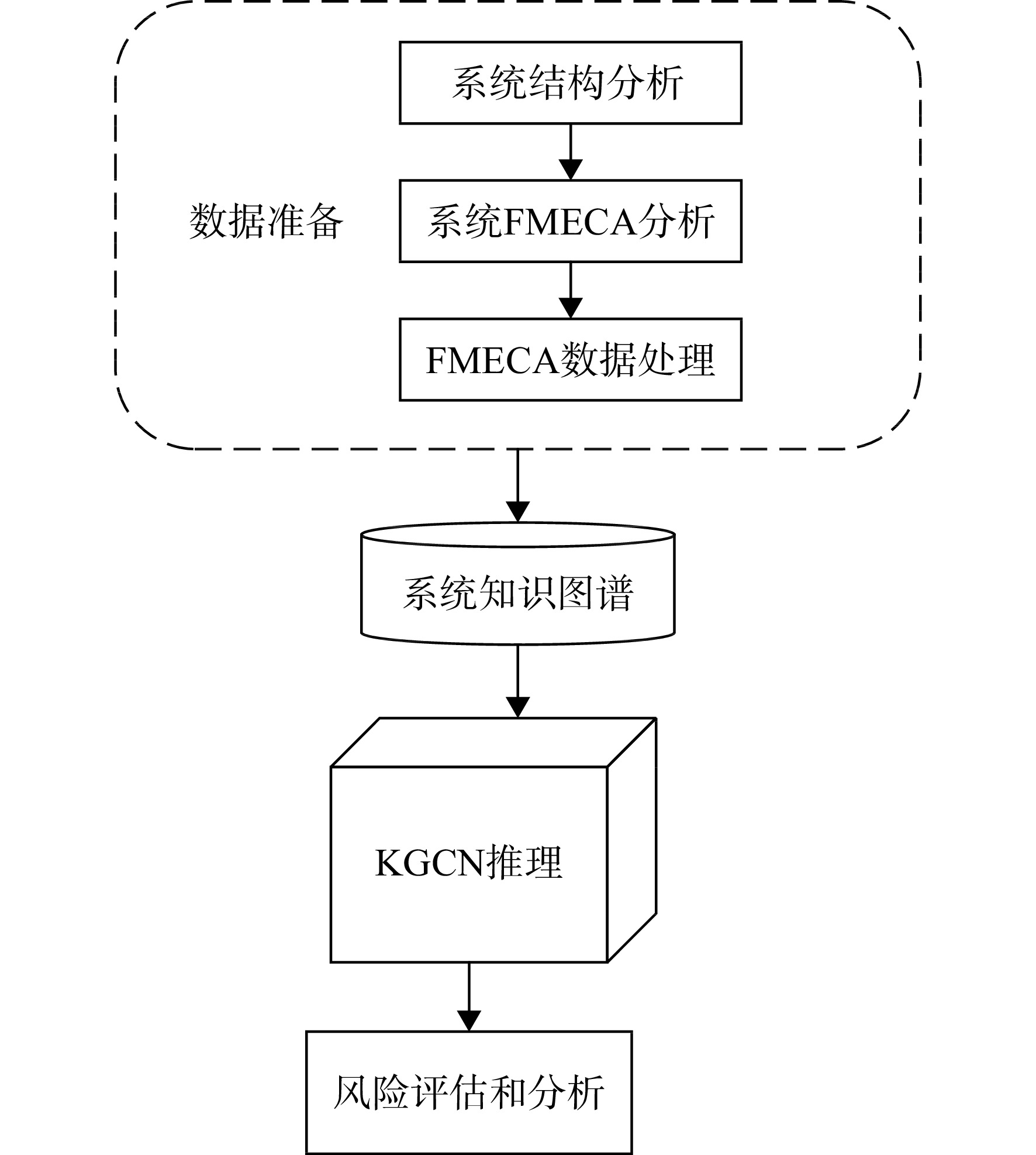
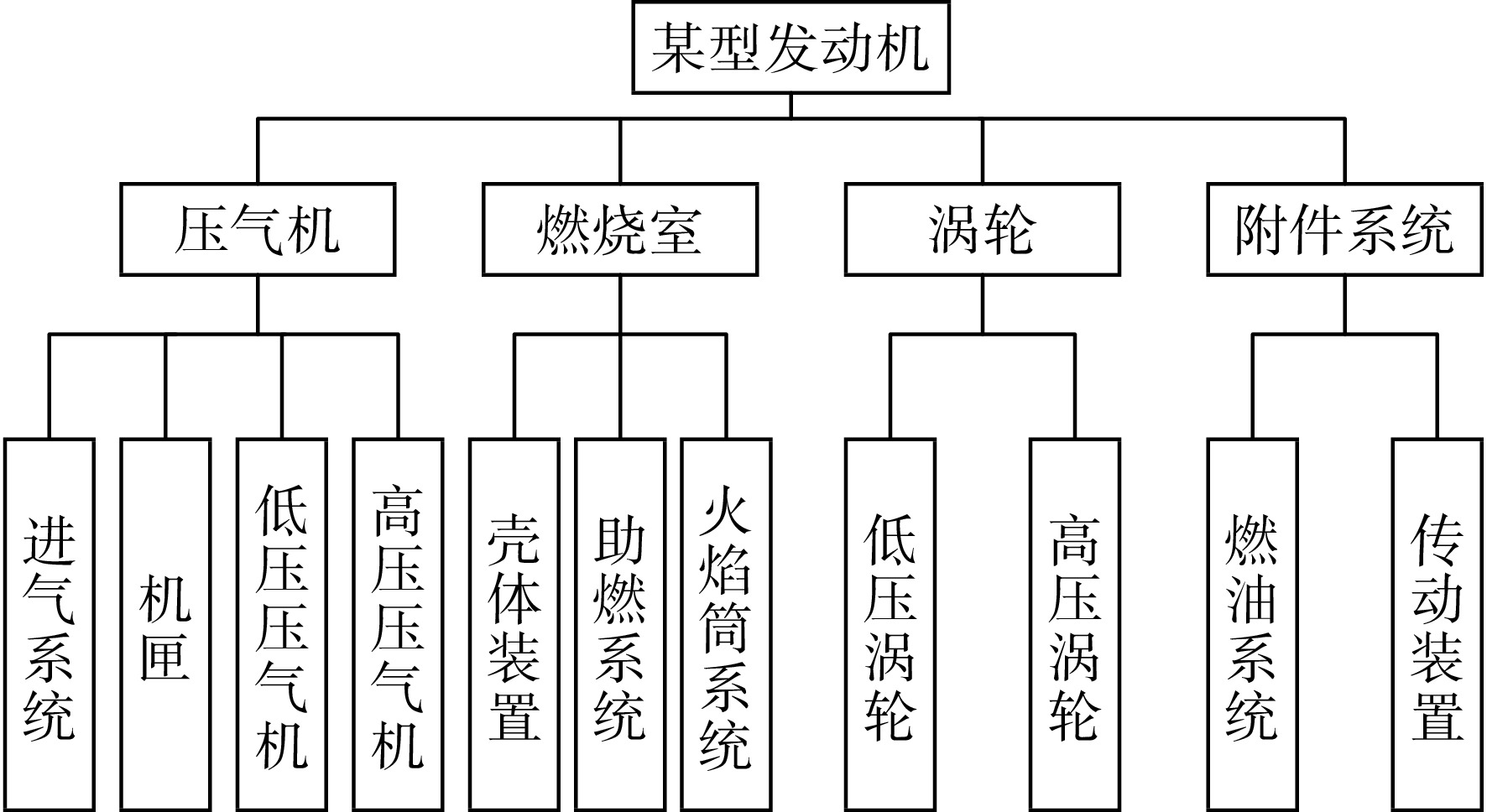
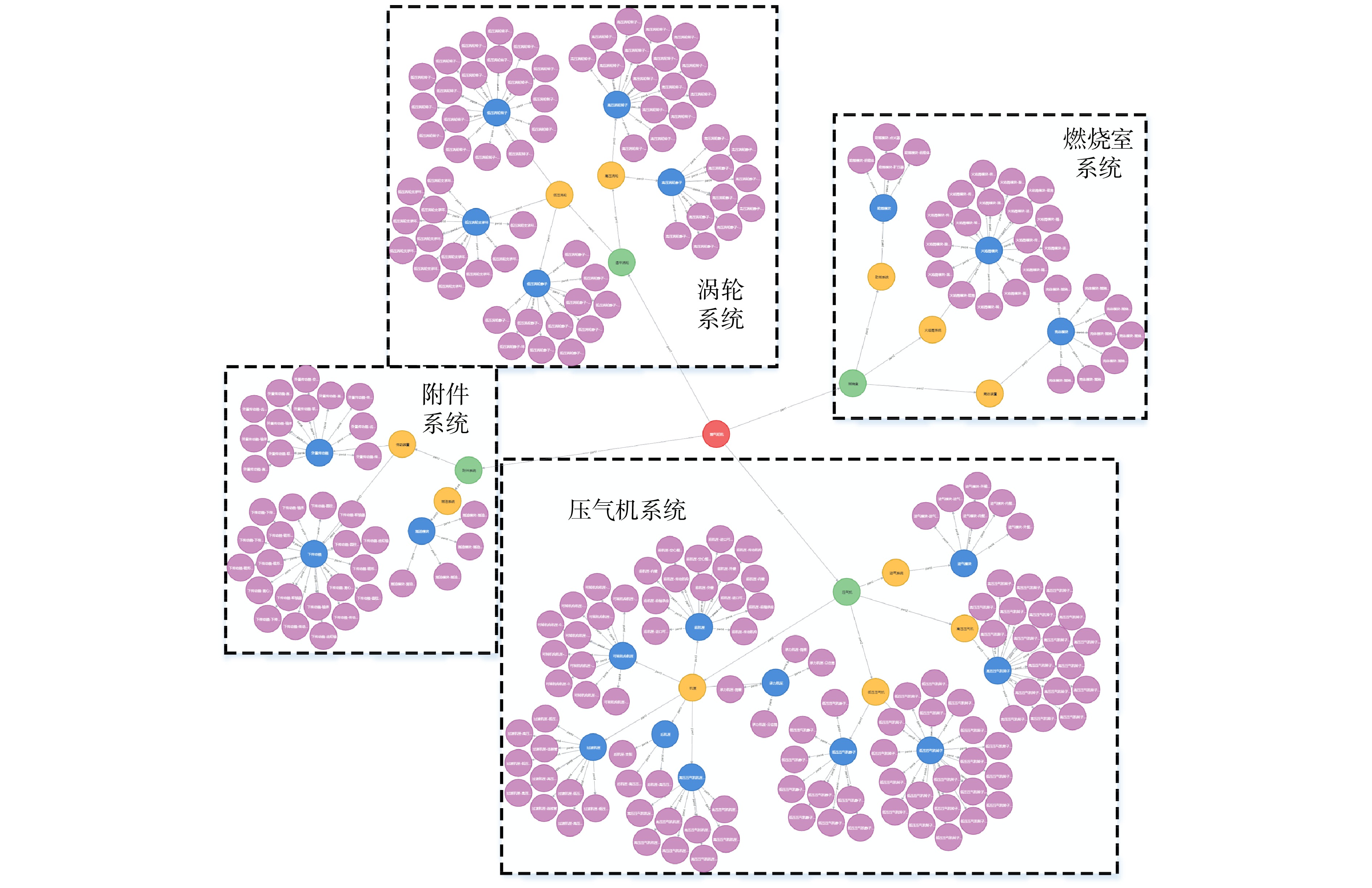
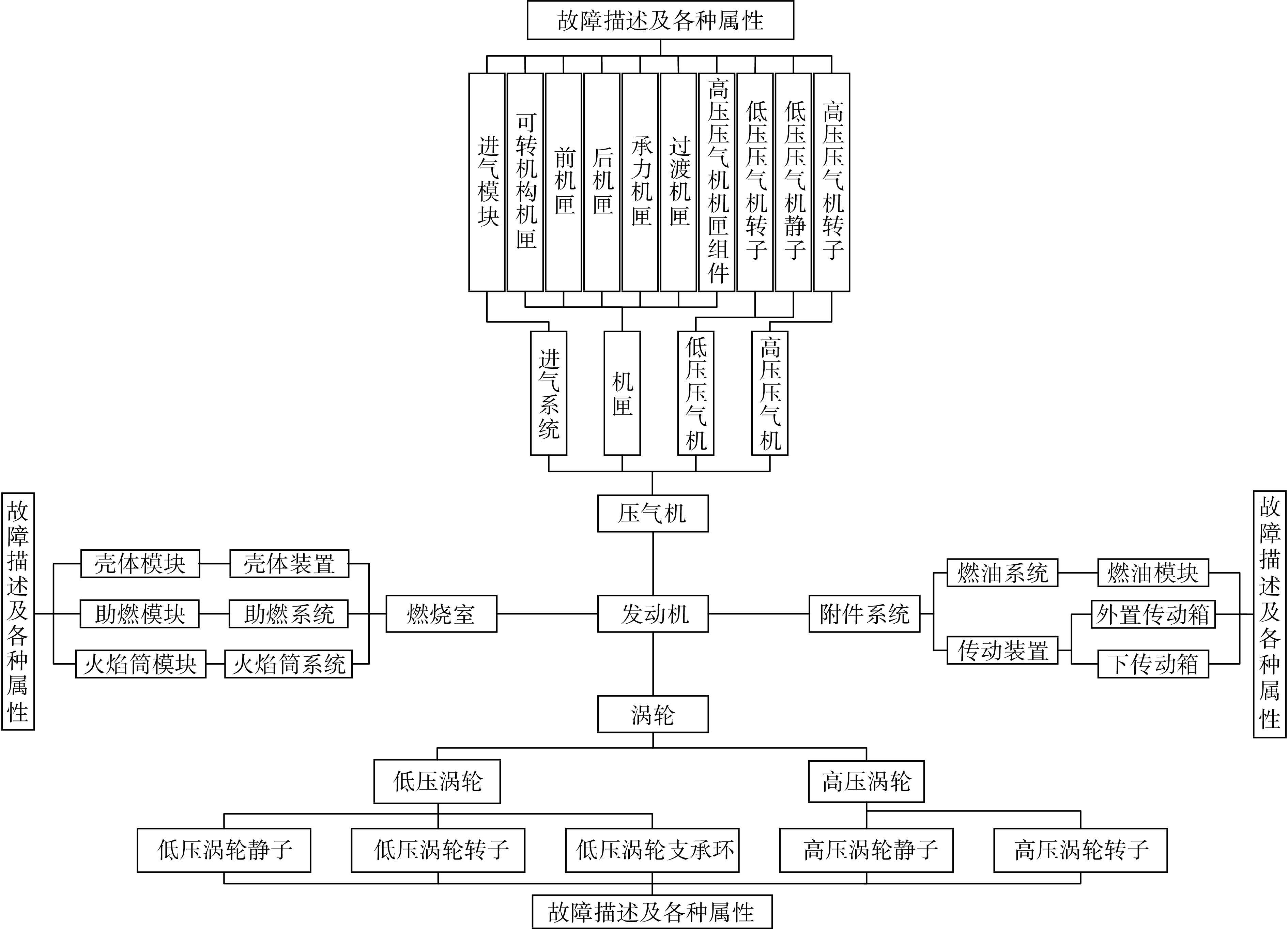
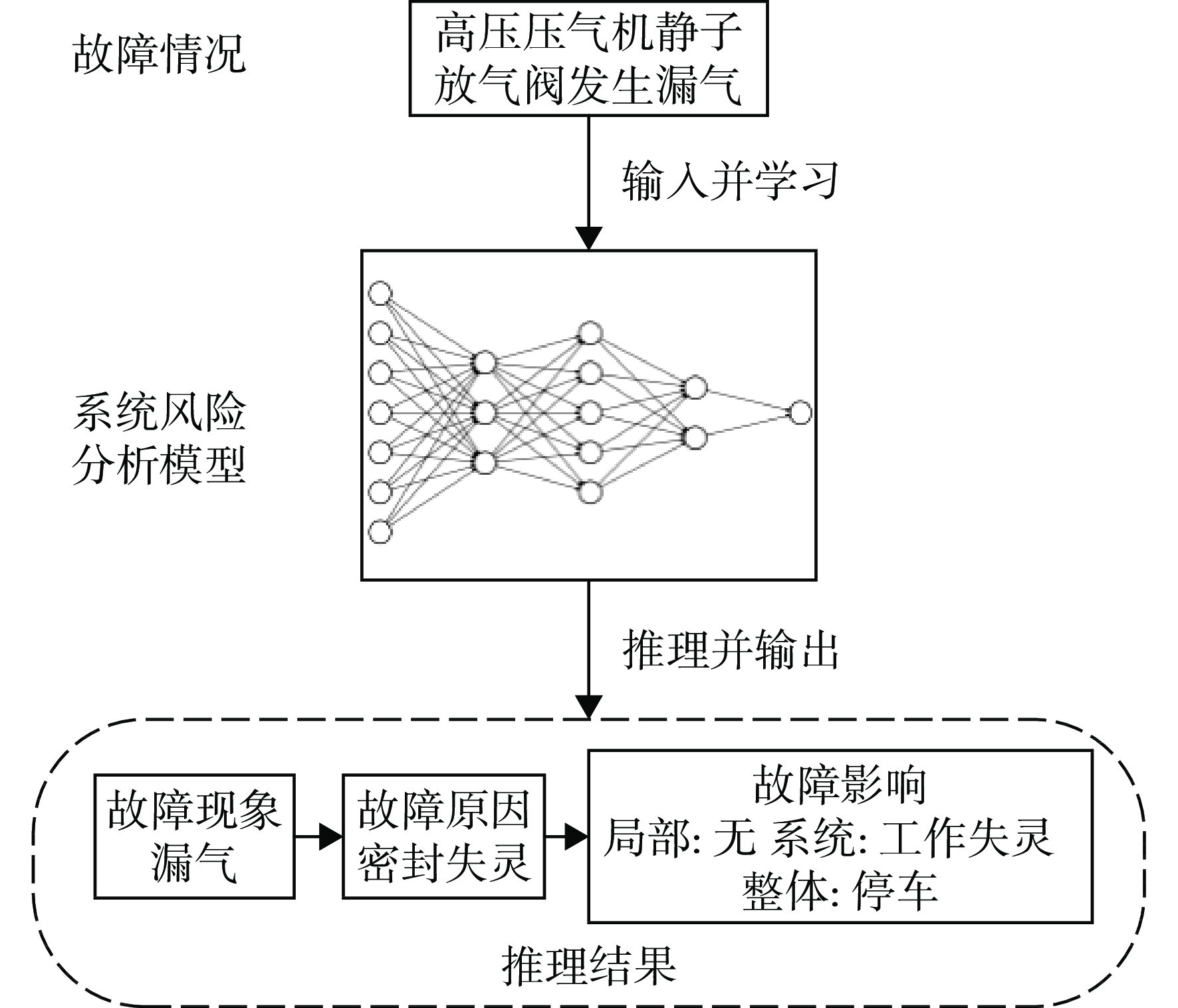
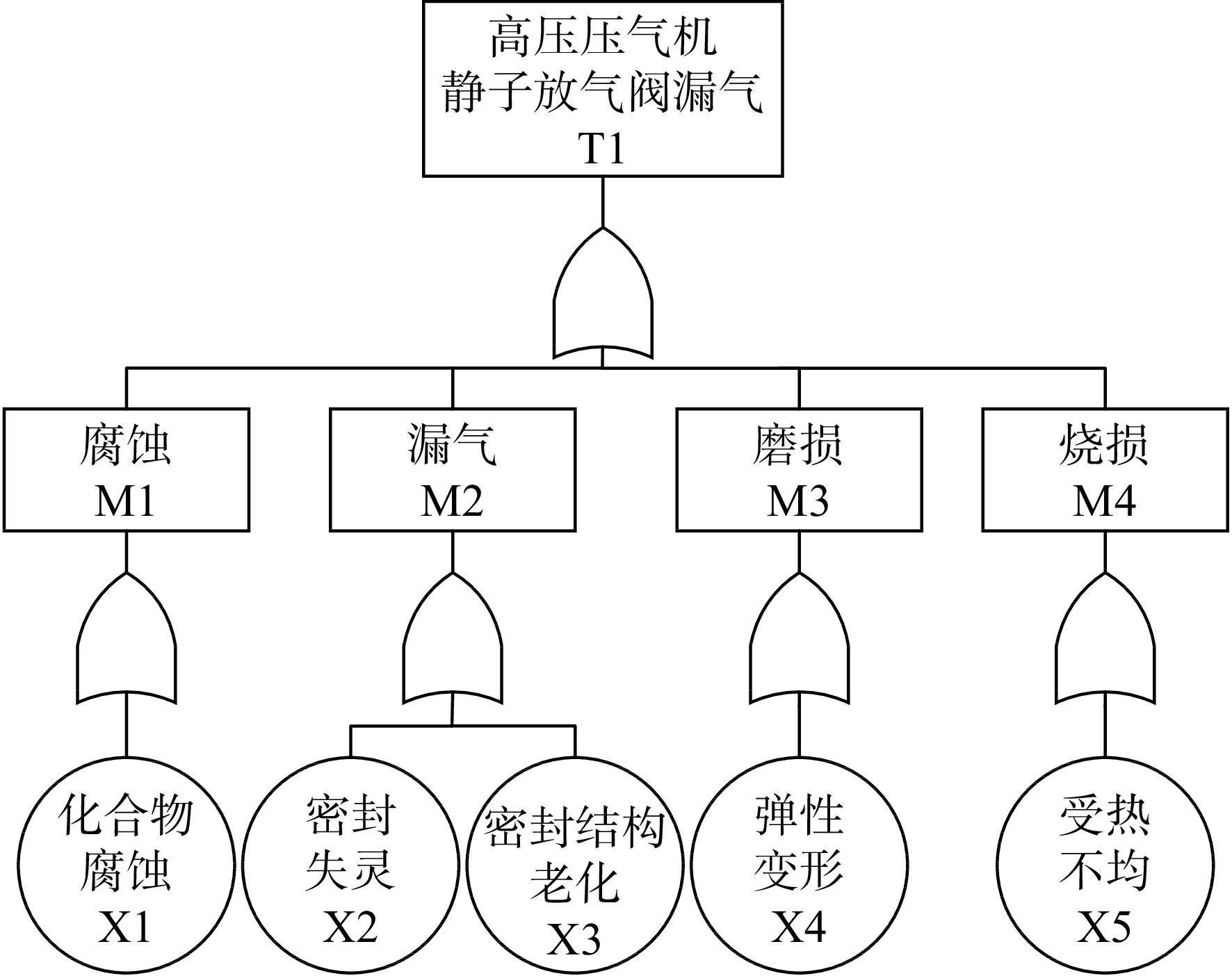
Targeting the problems of numerous risk factors, complex risk data and low utilization rate of power plant, and based on the data of failure mode, impact and criticality analysis, a method and algorithm of system risk analysis was proposed using knowledge graph and graph neural network, and the knowledge of events were utilized to complete link prediction and deduce the cause and impact of events, so as to achieve accurate statistical analysis. A certain type of engine was taken as the object to carry out risk analysis and reasoning. Results showed that this method effectively solved the problems of the traditional method, such as cumbersome forms and single analysis, the results were more accurate and comprehensive, and the analysis efficiency can be improved by more than 60%; and it can carry out risk reasoning and prediction in time, and realize the transformation from post analysis to active prevention, providing a strong support for the intelligent operation and maintenance of power plants.

Structure,Strength and Vibration
Nonparametric modeling and dispersion parameter identification for uncertain rotor systems
LIU Yanxu, LIU Baoguo, ZHANG Zhen, FENG Wei, ZHANG Ruifeng
2023, 38(10): 2527-2535. doi: 10.13224/j.cnki.jasp.20230065
Abstract:
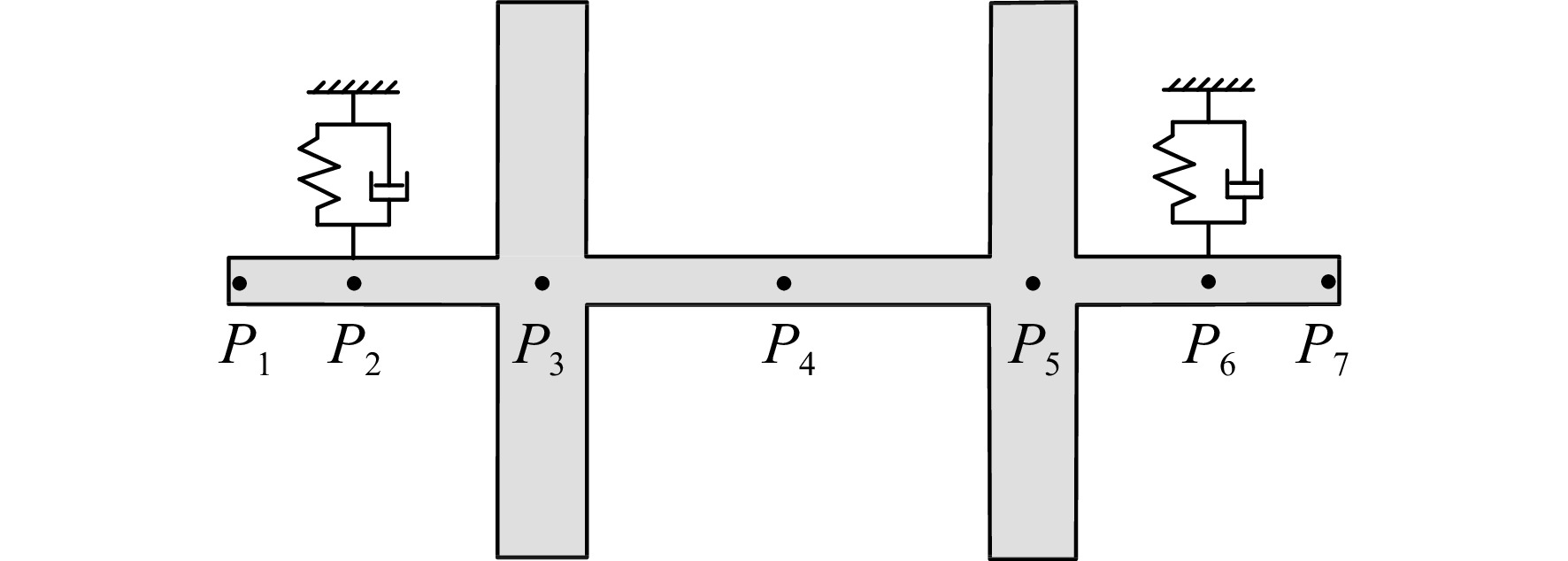
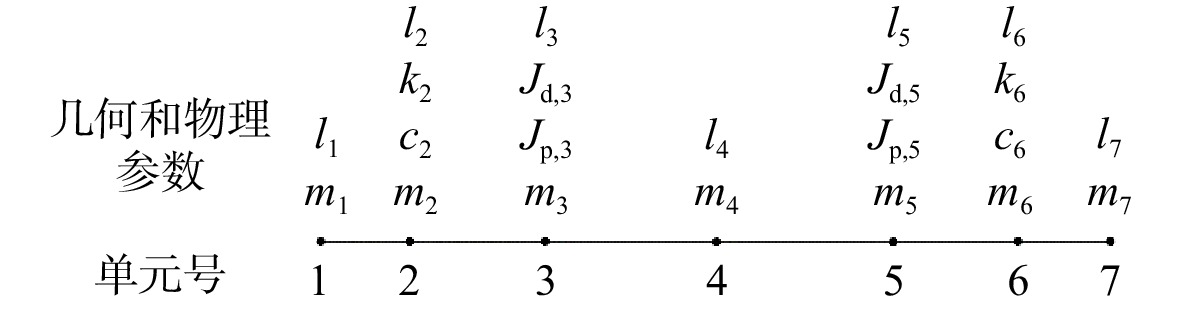
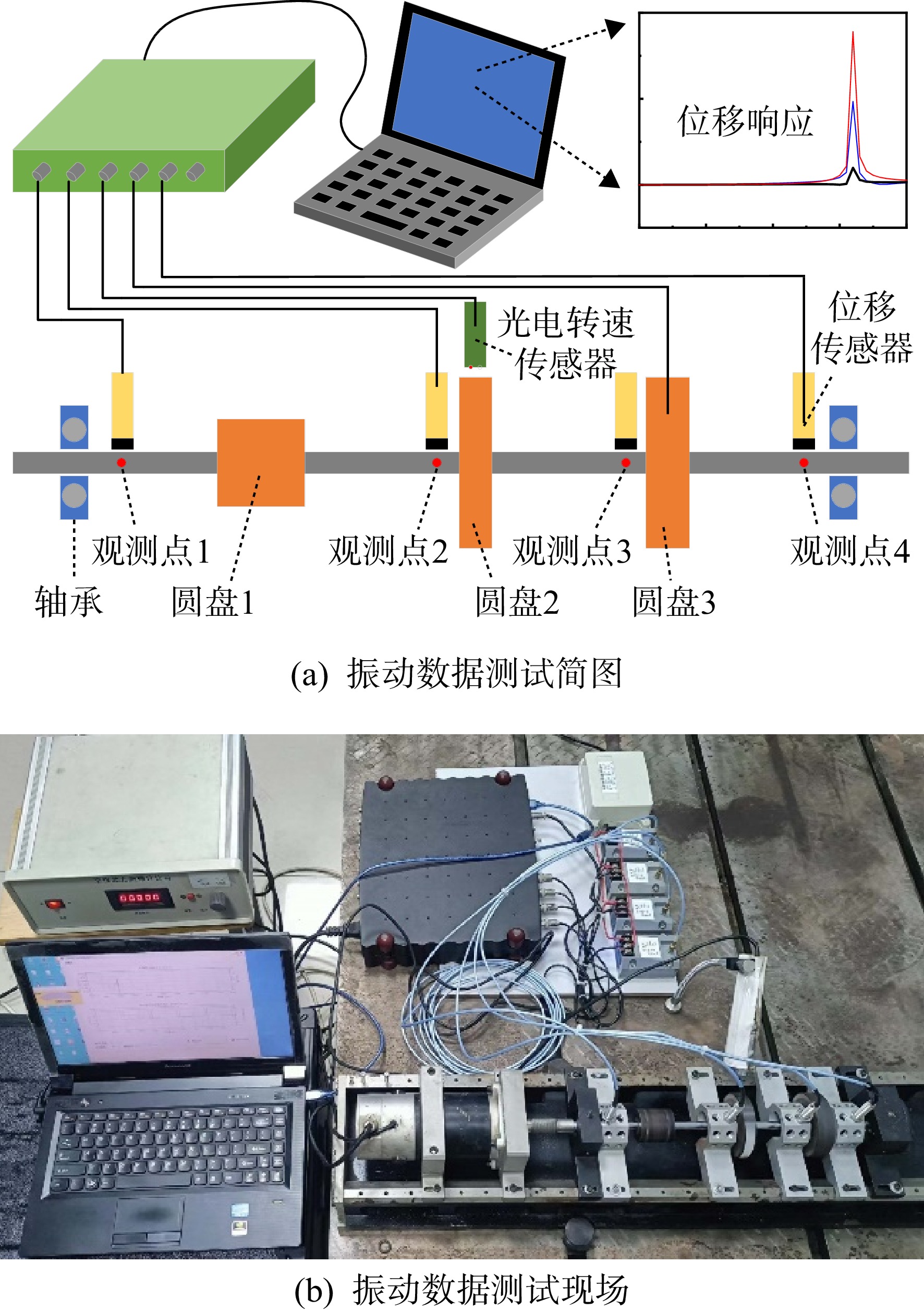
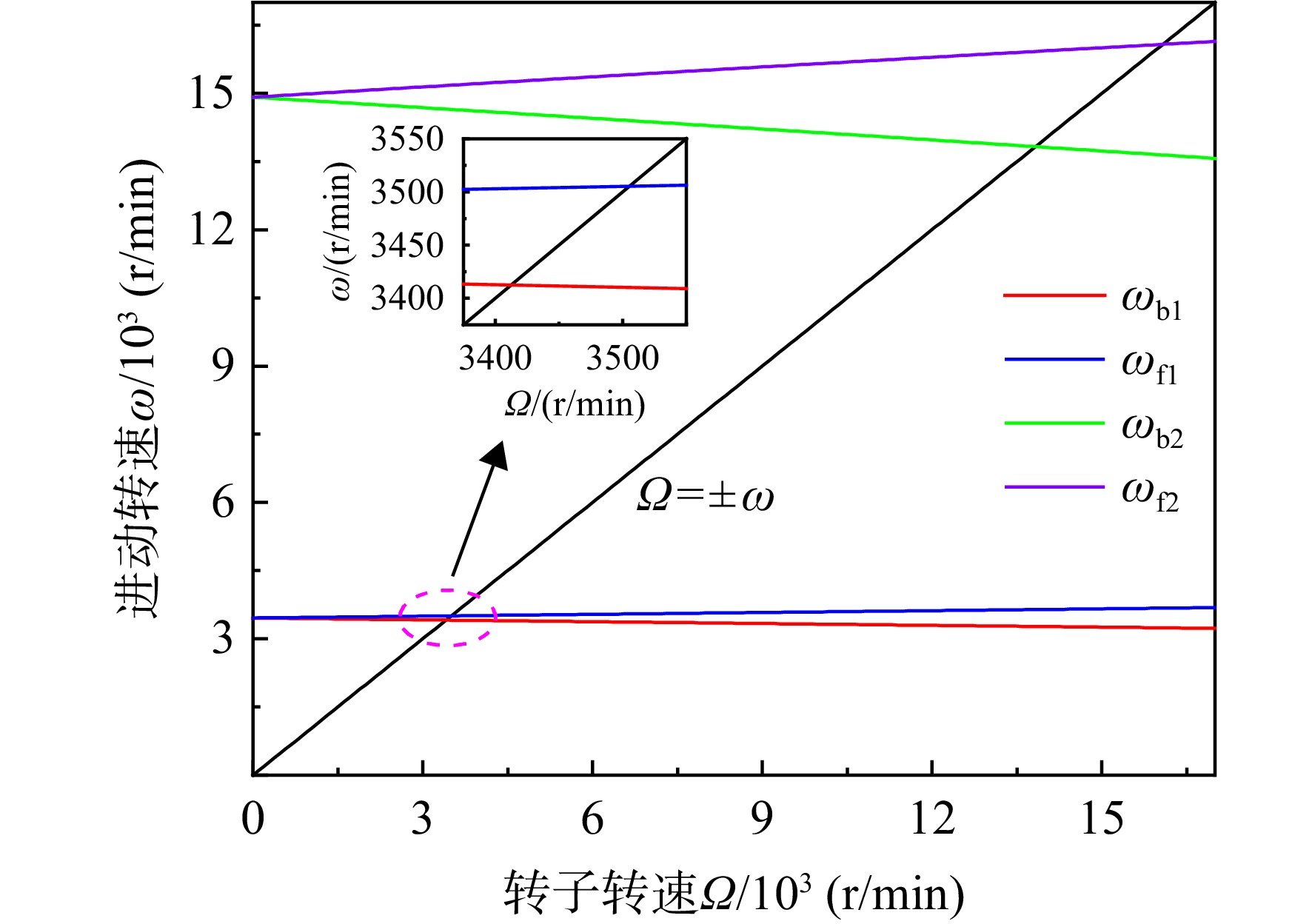
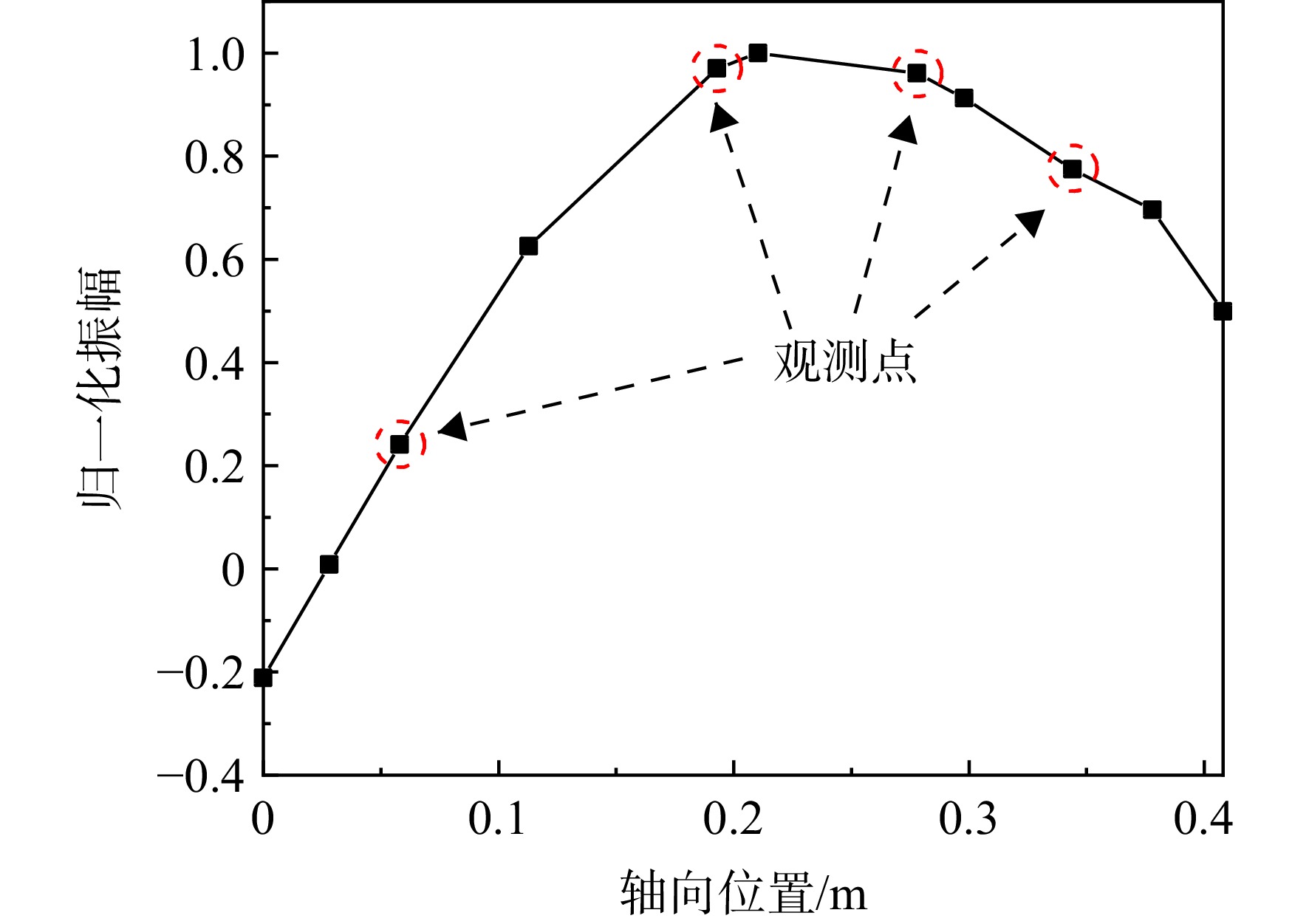
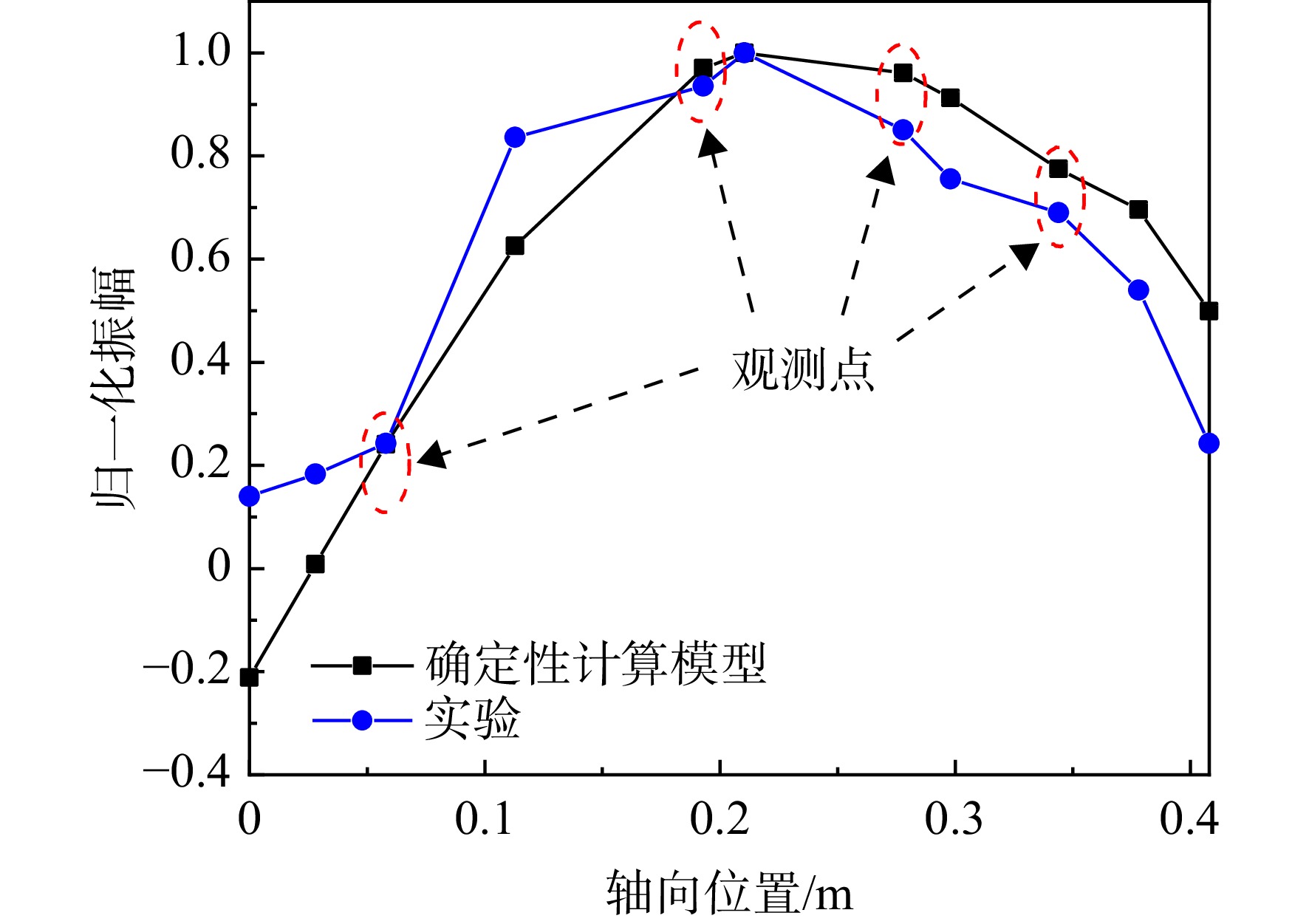
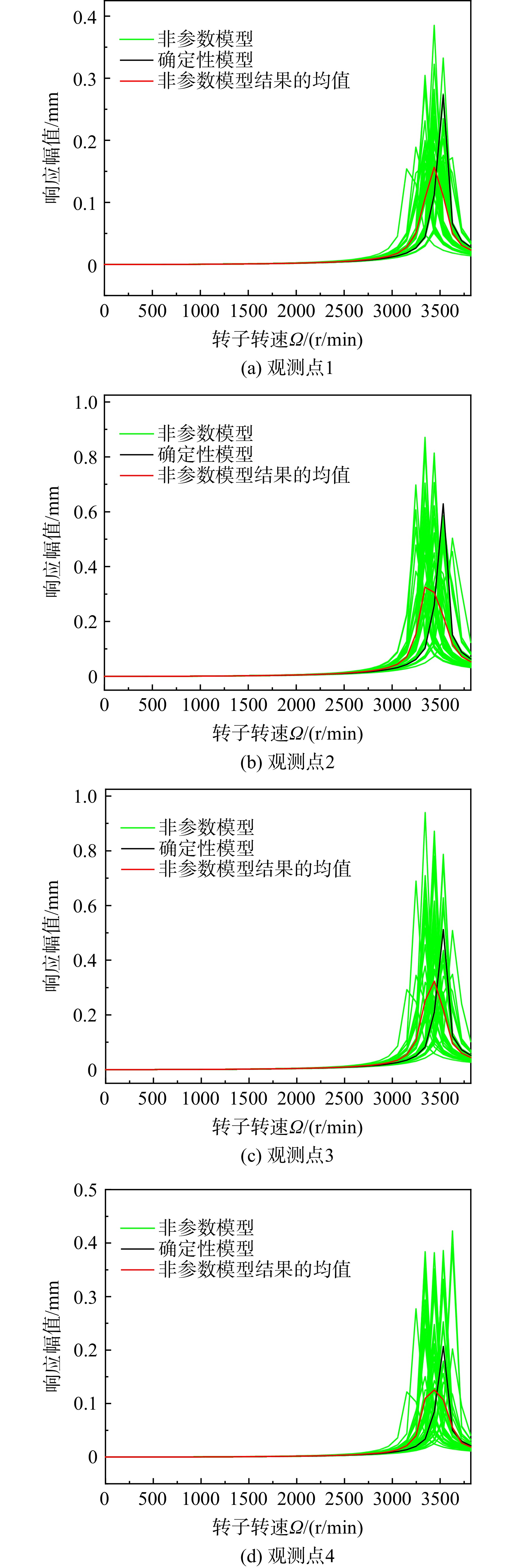
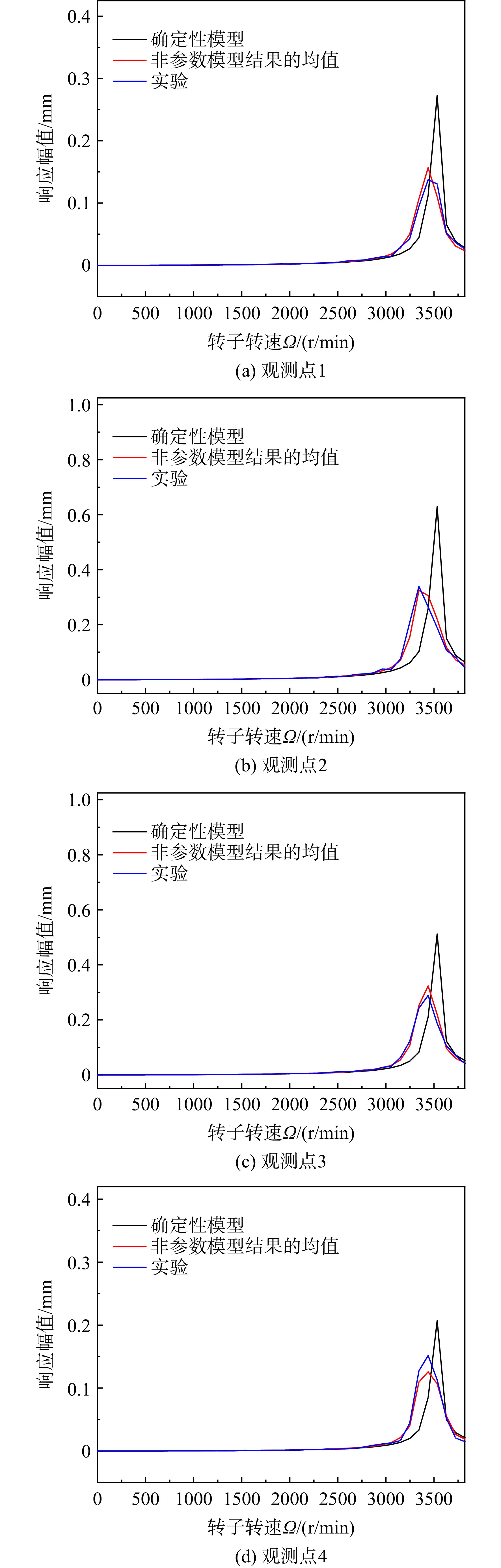
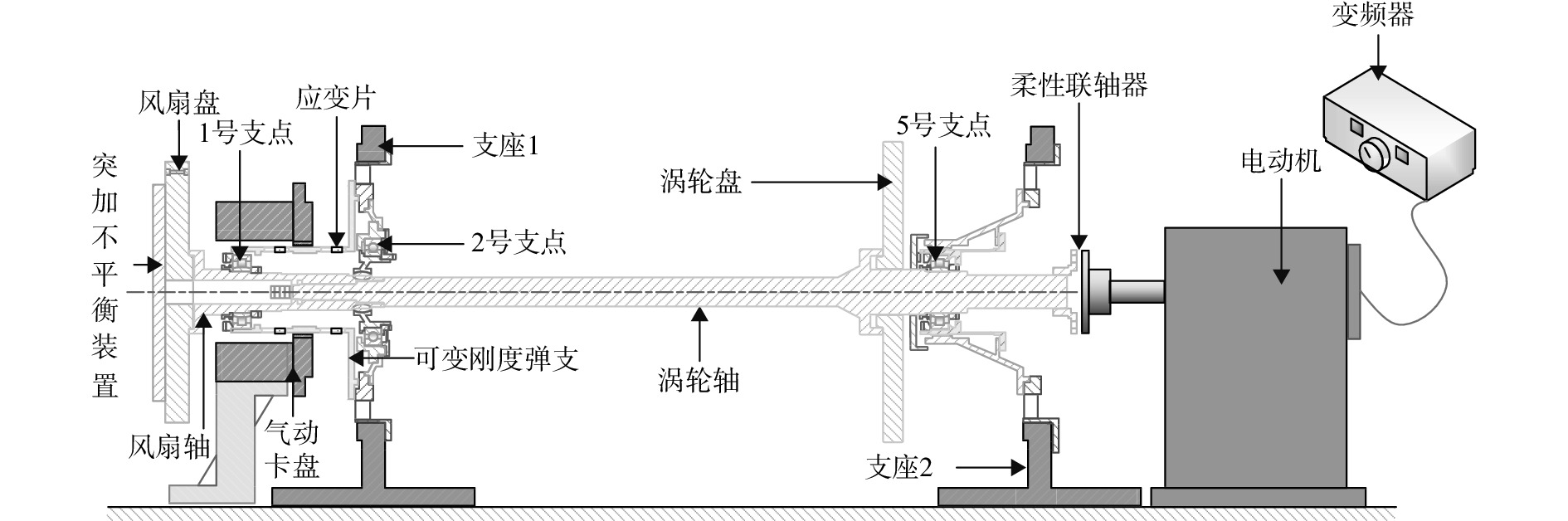
For rotor systems with uncertainty, an uncertain dynamic modeling method based on nonparametric modeling and matrix polar decomposition theory was proposed, and a method for identifying the dispersion parameters of the nonparametric dynamic model of the uncertain rotor system was also proposed. The nonparametric modeling method was verified by utilizing the rotor experimental platform. The results showed that at four observation points of the rotor system, when the rotor speed did not exceed 3 000 r/min, the mean value of the results of the nonparametric model almost coincided with the deterministic model. However, when the speed was close to the first critical speed, the mean value of the results obtained by the nonparametric uncertain dynamic calculation model was closer to the measured results. This study can provide a reference for the study of nonparametric modeling methods and corresponding dispersion parameter identification methods of two-rotor or multi-rotor systems with model uncertainty.

Key dimension design and experiment of spherical hinge fusing structure on aero-engine
ZHOU Xuan, HOU Lizhen, HUANG Wei, LIAO Mingfu, ZHAO Lu
2023, 38(10): 2536-2544. doi: 10.13224/j.cnki.jasp.20220224
Abstract:
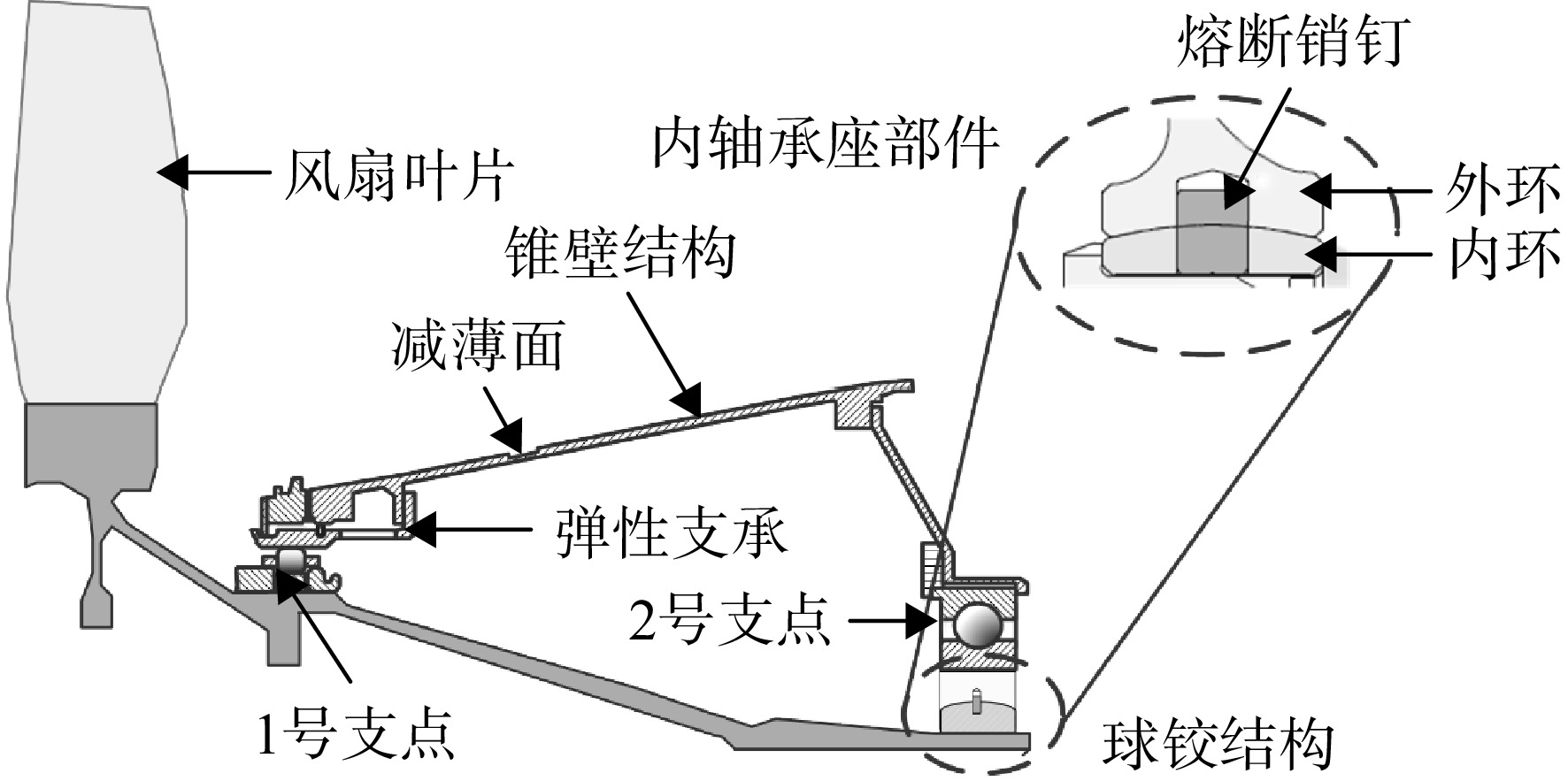
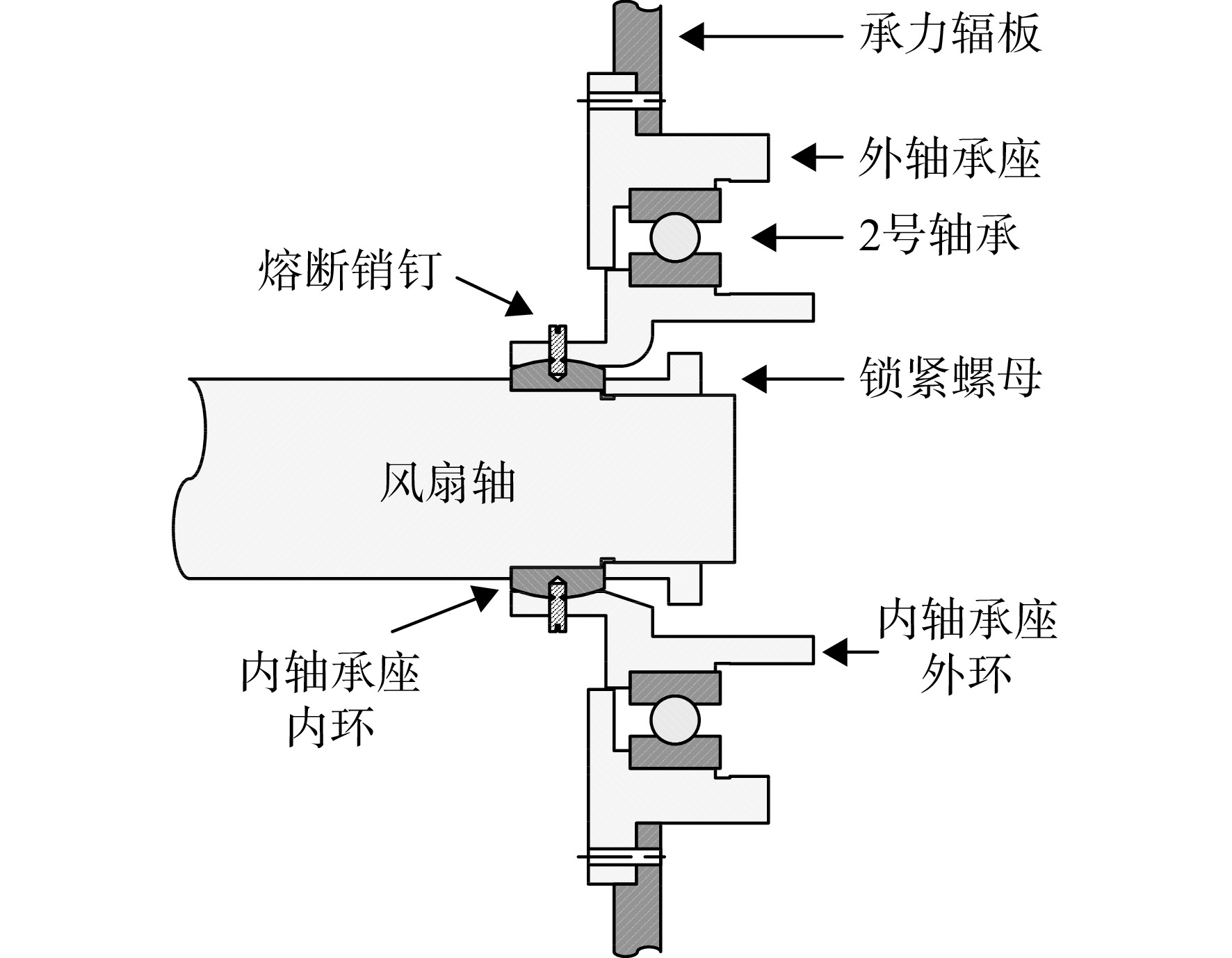
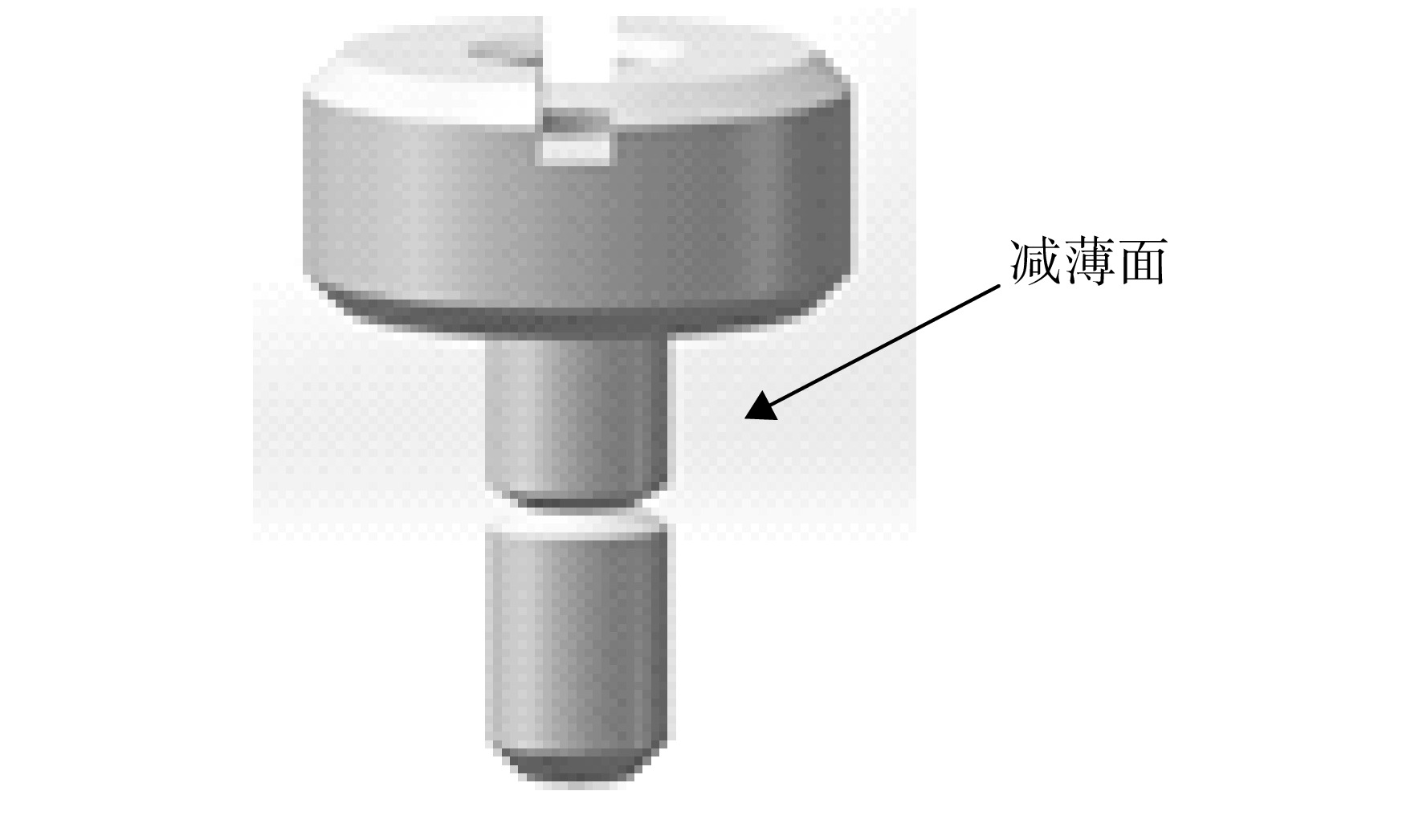
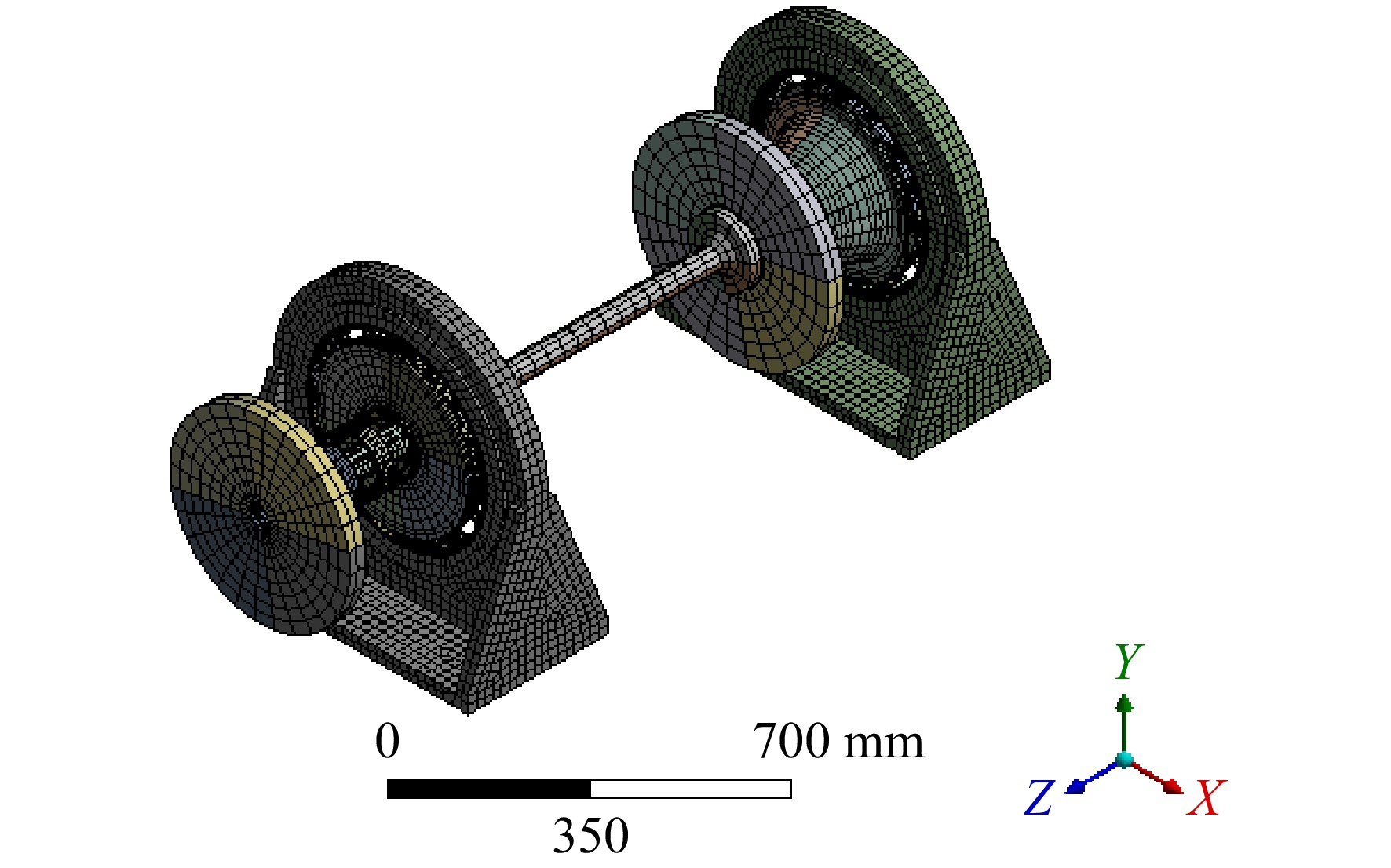
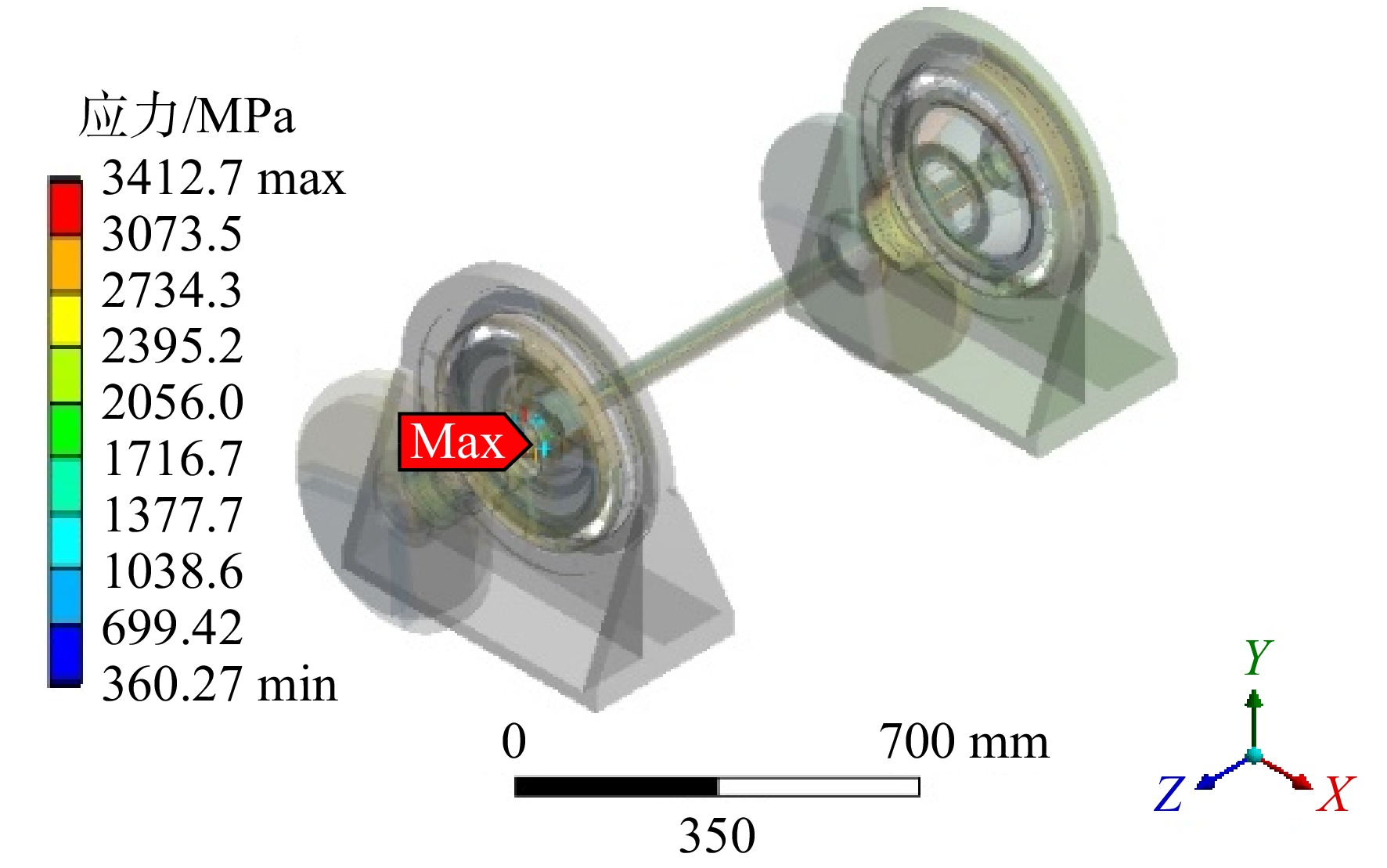
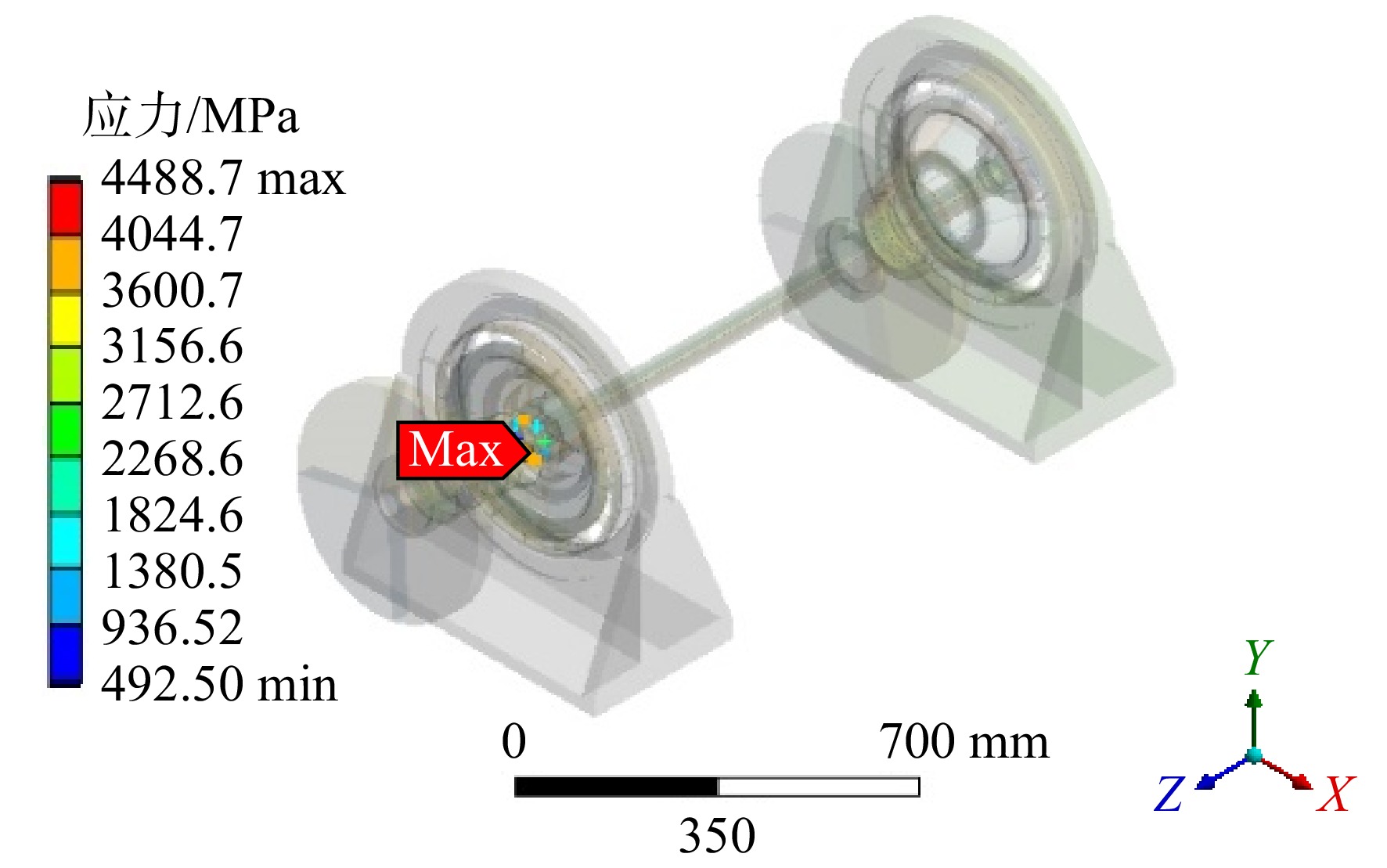
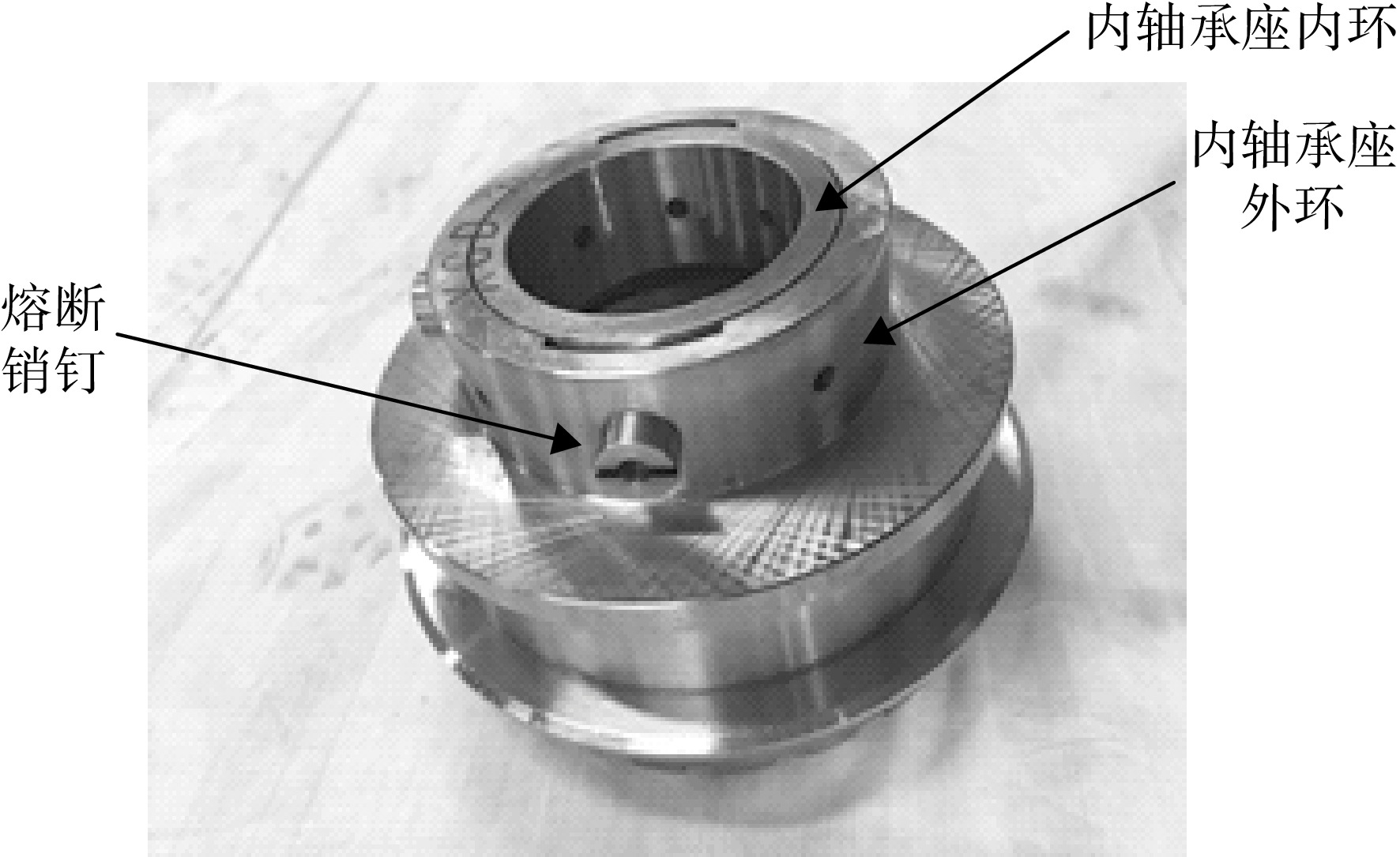
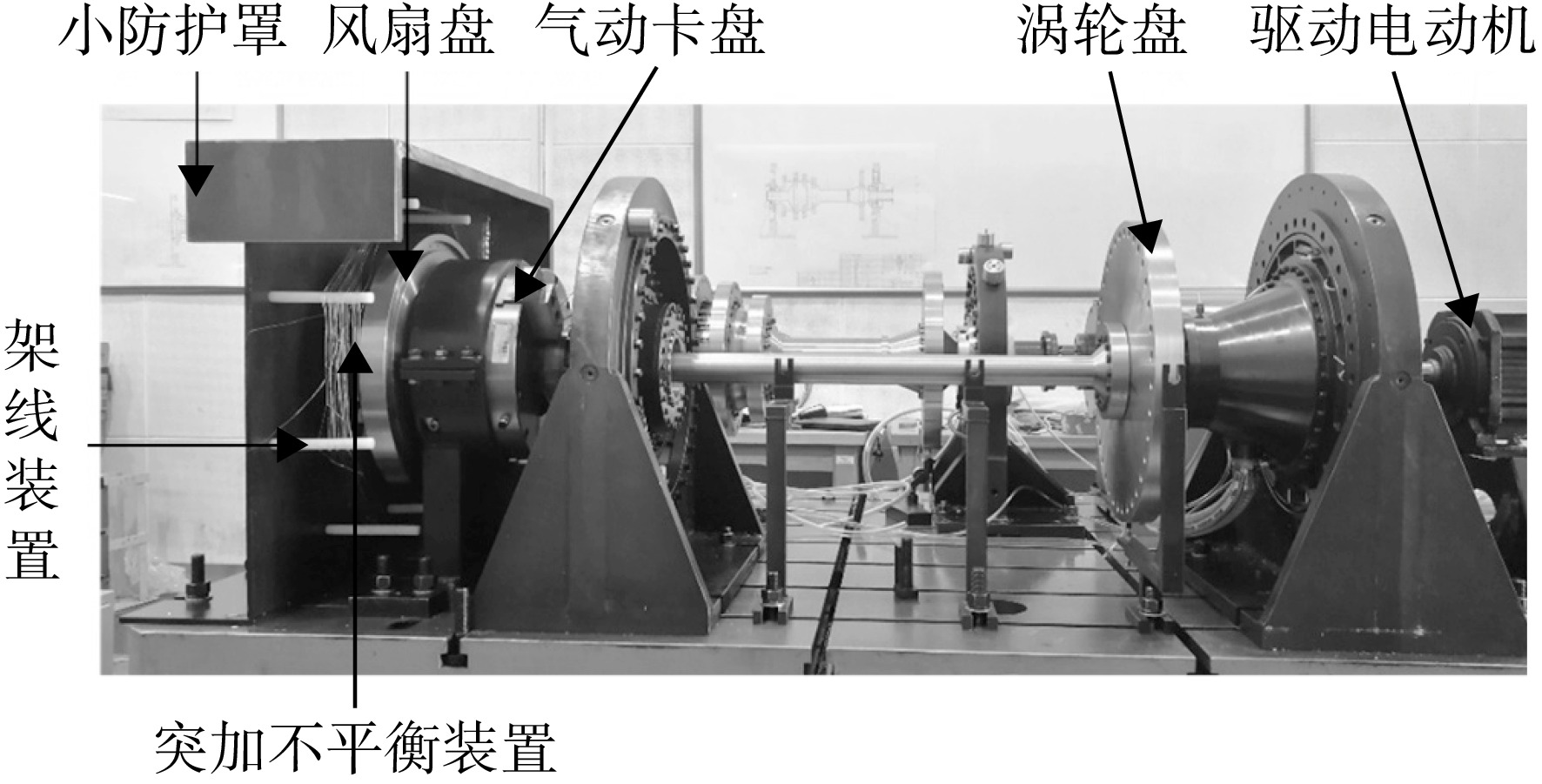
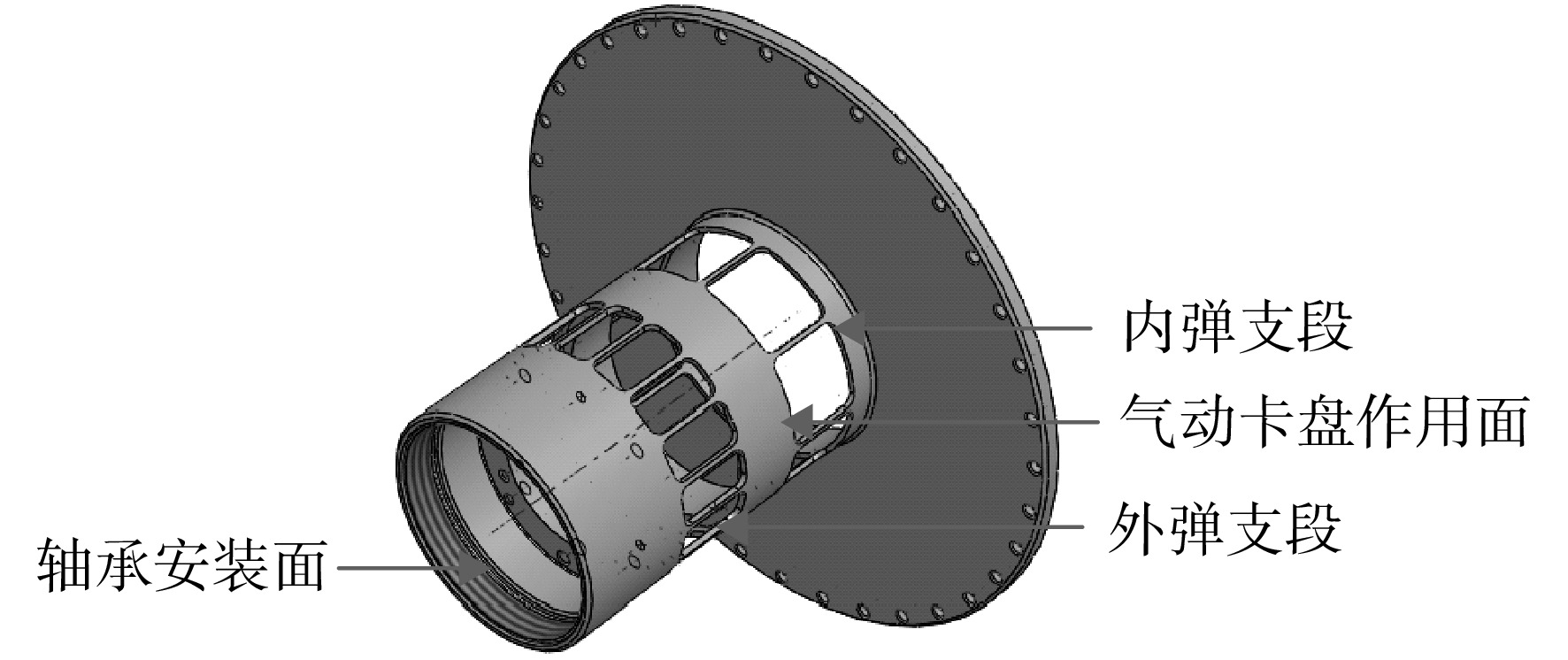
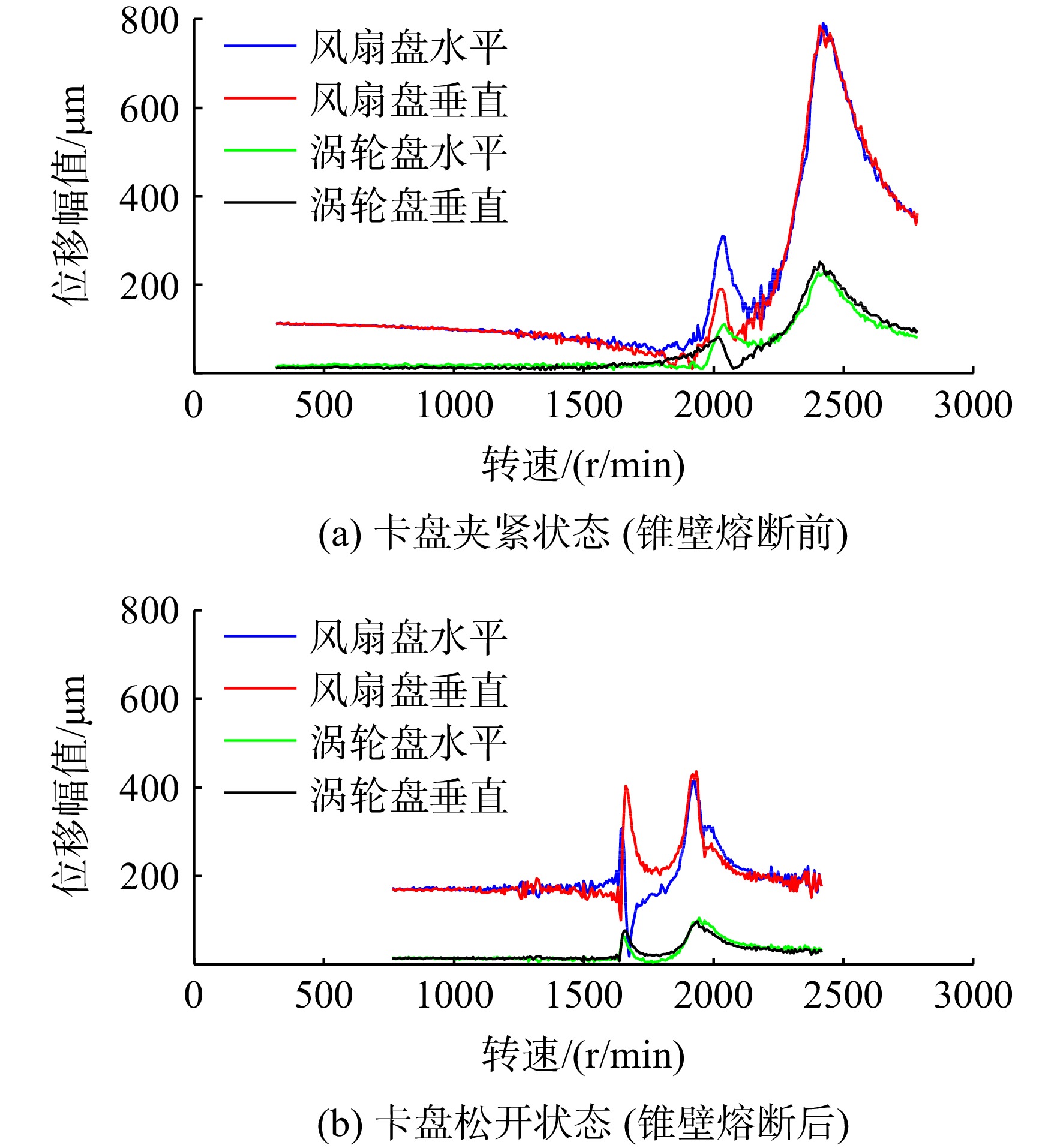
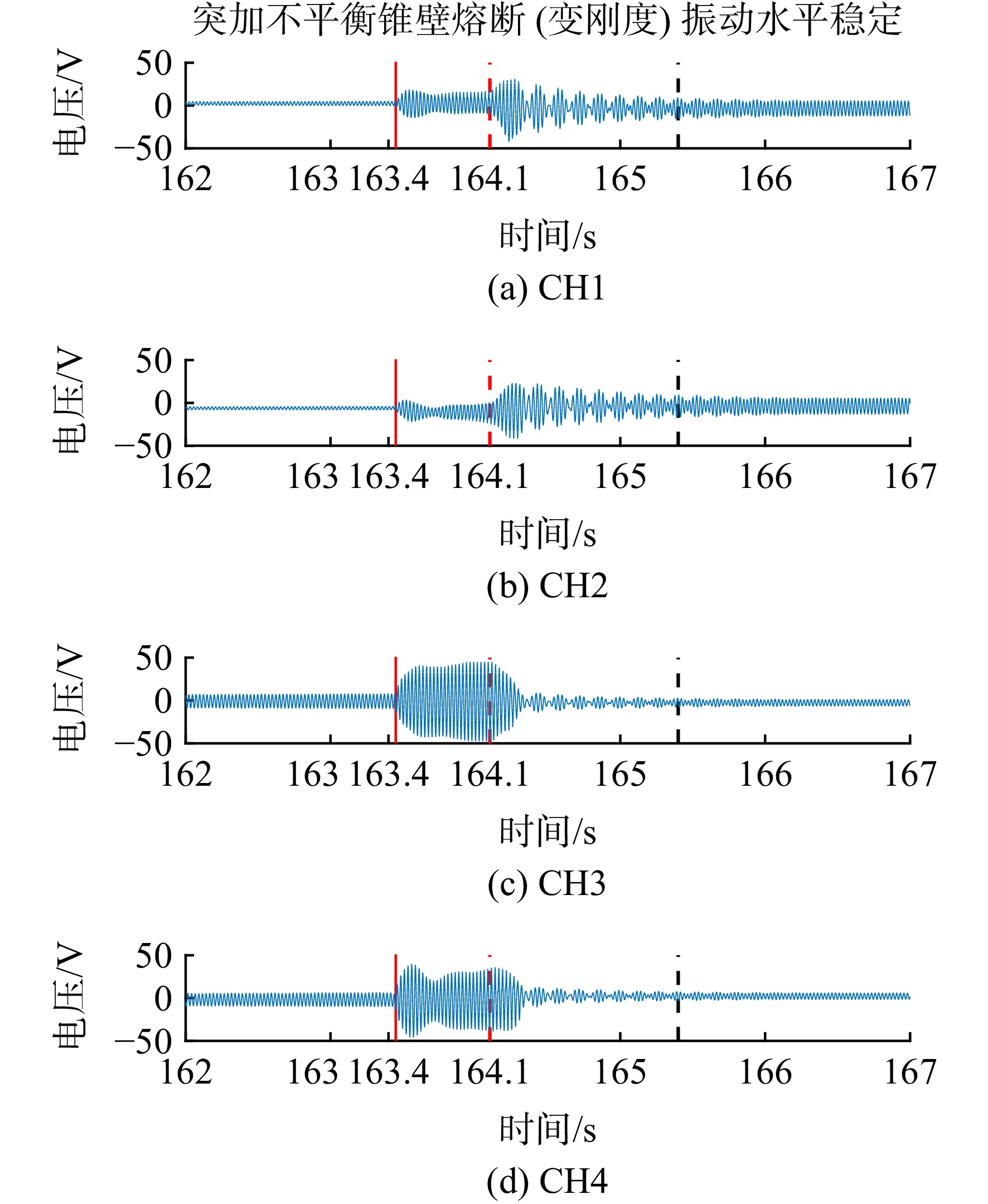
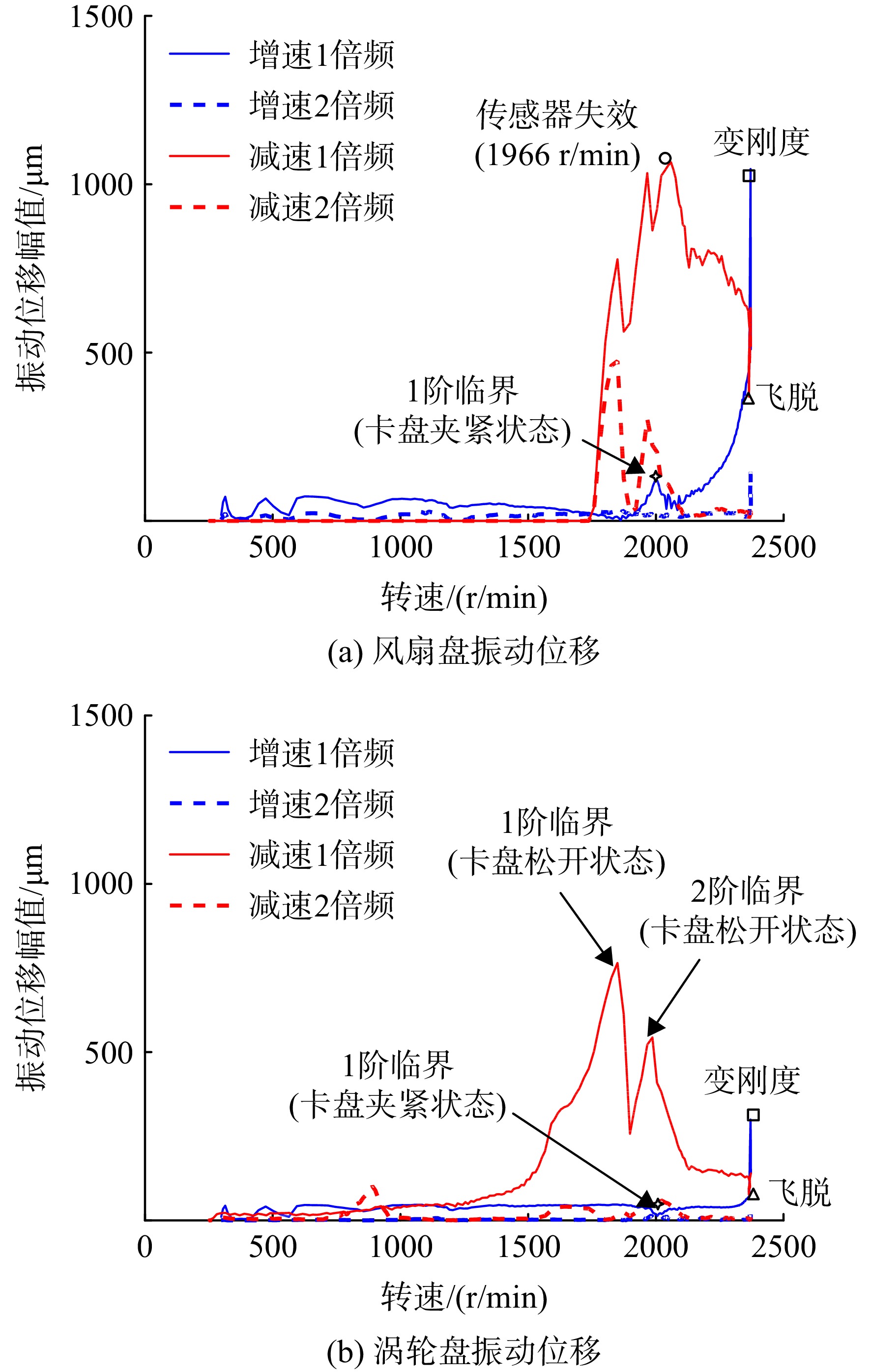
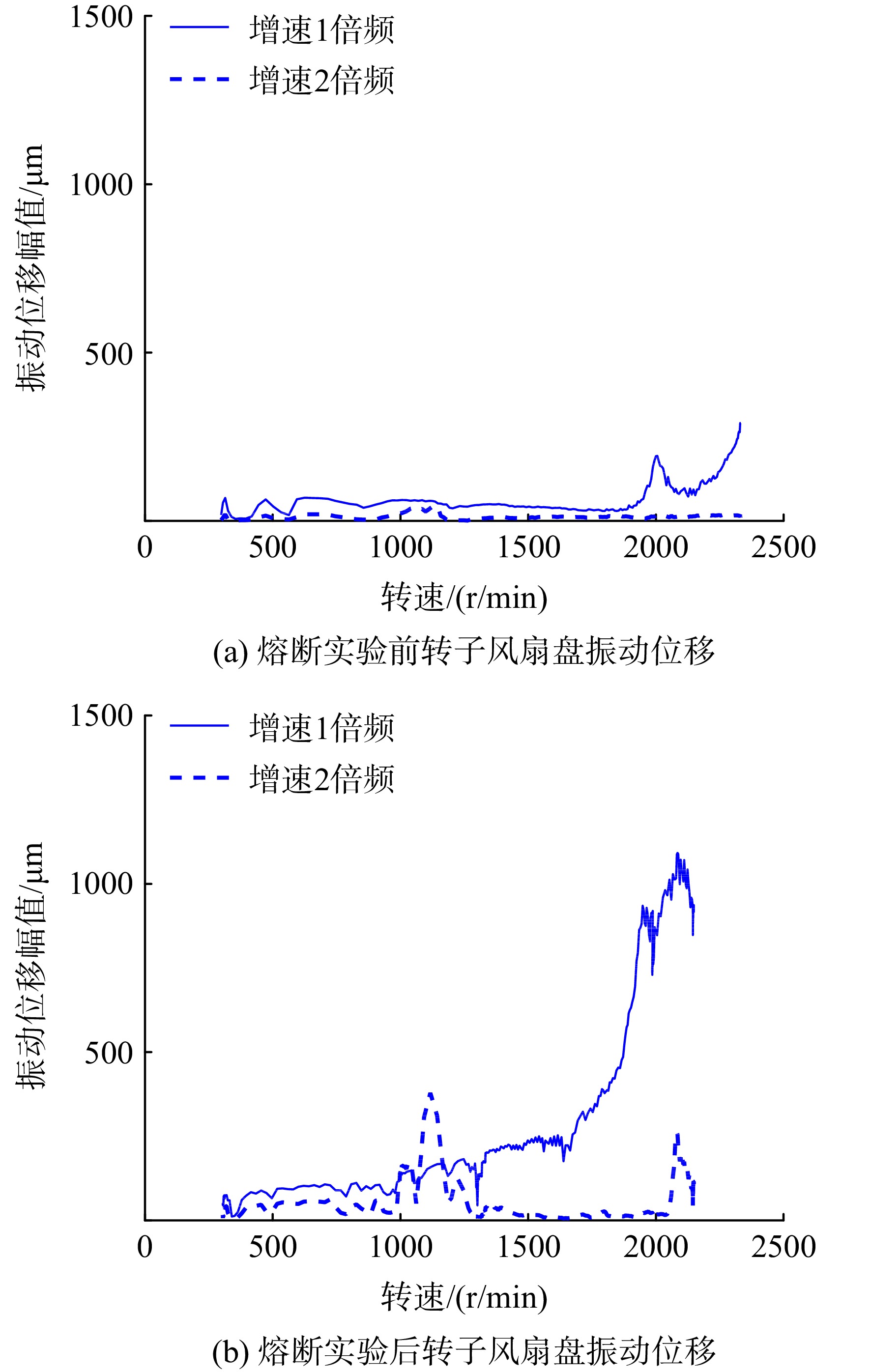
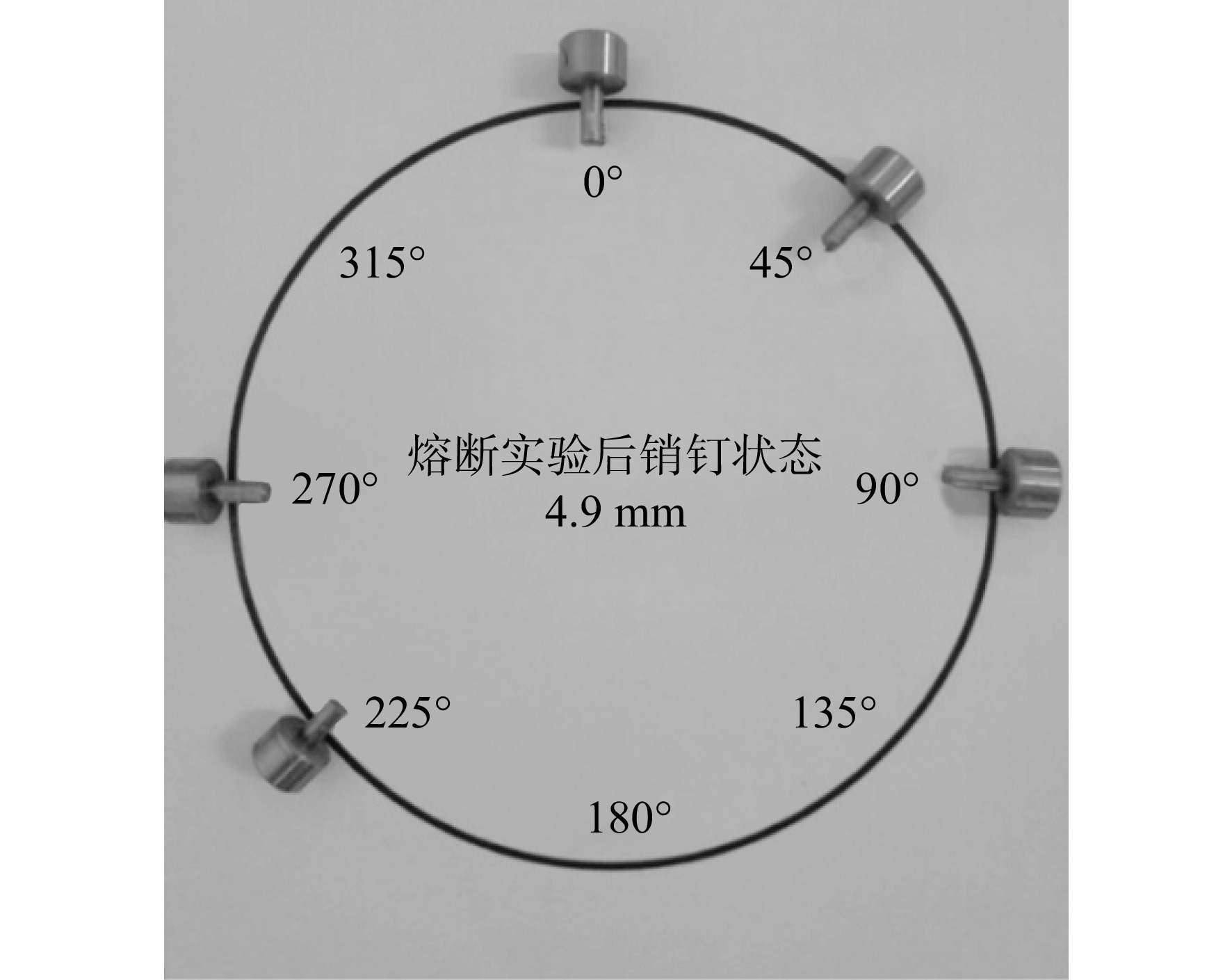
The working mechanism of spherical hinge fusing structure was analyzed, the key dimensions were extracted, a simulation spherical hinge fusing mechanism was designed, and experimental verification was completed. It was found that the key parameters of the spherical hinge fusing device include fusing pin thin surface, pin material, and pin position. Its main roles should focus on reducing the angle of the second bearing through the relative slip of inner and outer rings of the inner bearing seat under the large unbalance, and protecting the second bearing. After the spherical hinge structure was fused, the stiffness was further weakened and the critical speed of the rotor was reduced, which reduced the critical speed of the engine when it decelerated to the windmill speed, and further reduce the unbalanced load in the case of beyond the critical rotating speed.

Power Transimission
Flexible space robot modeling and characteristic analysis based on recursive Gibbs-Appell
ZHANG Fuli, YUAN Zhaohui
2023, 38(10): 2545-2560. doi: 10.13224/j.cnki.jasp.20220052
Abstract:
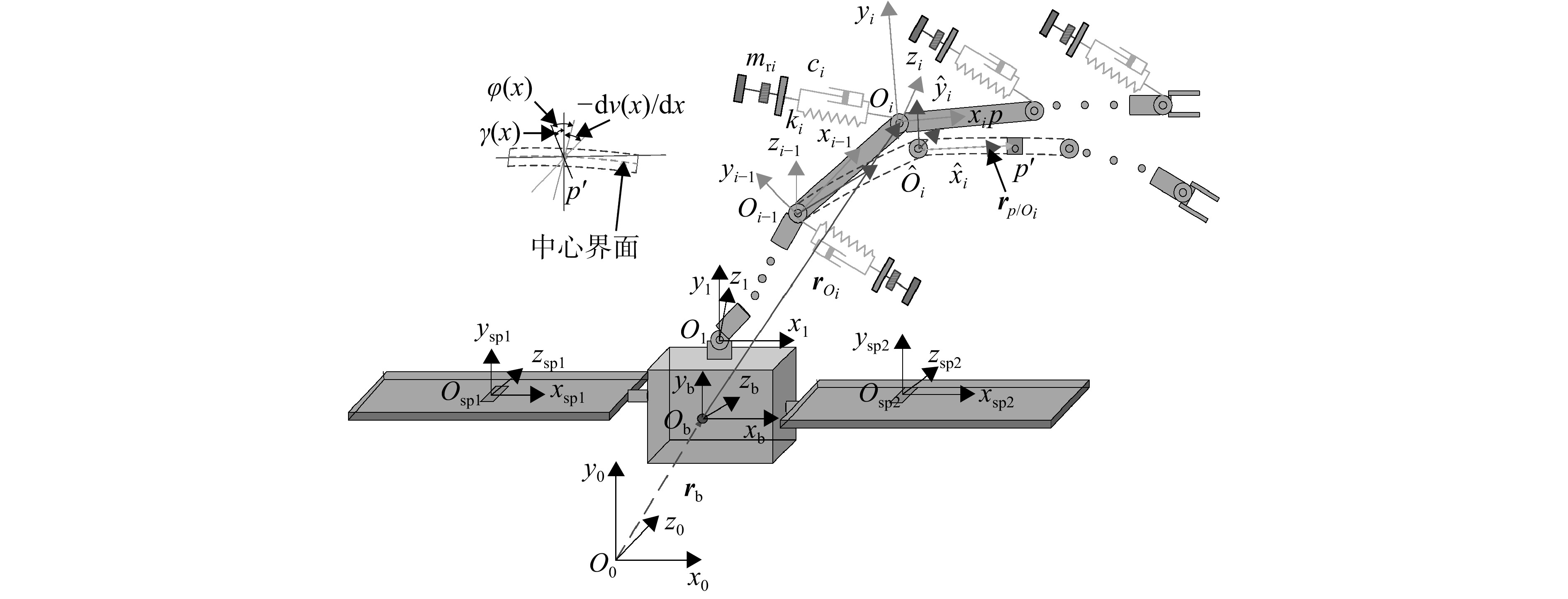
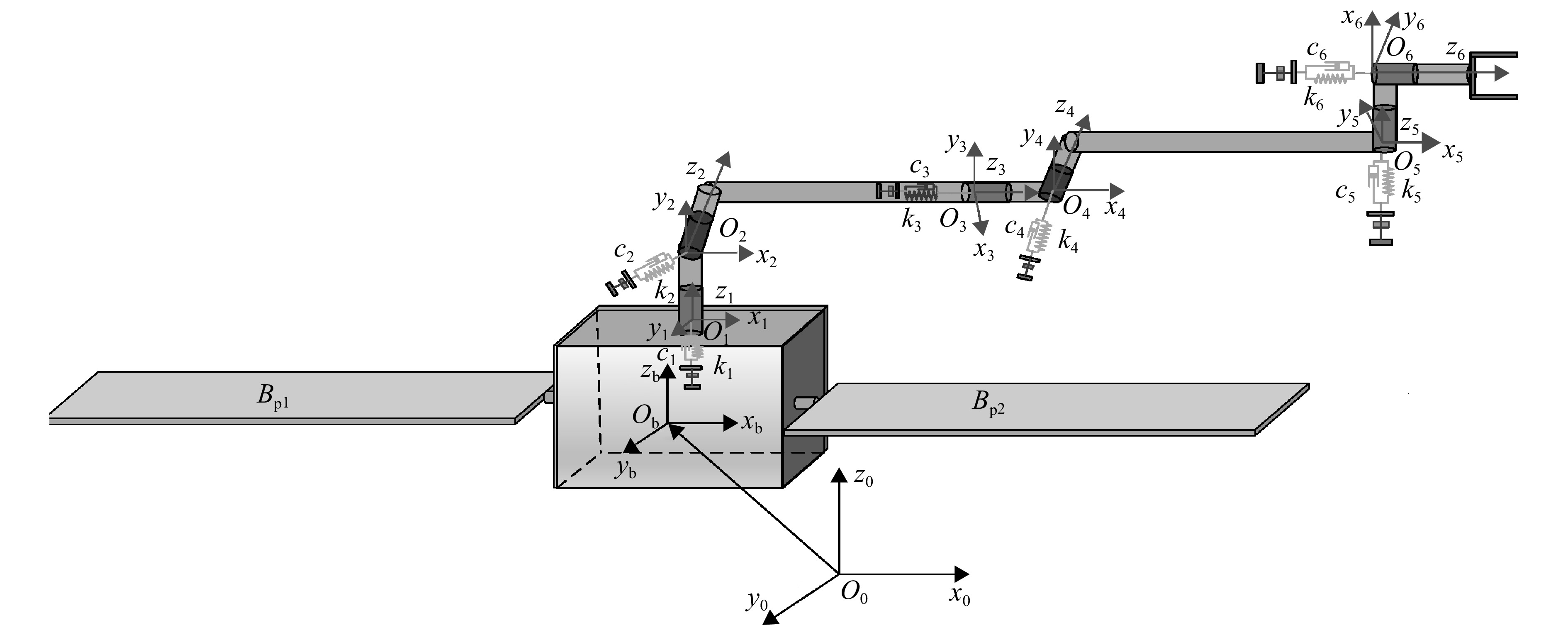
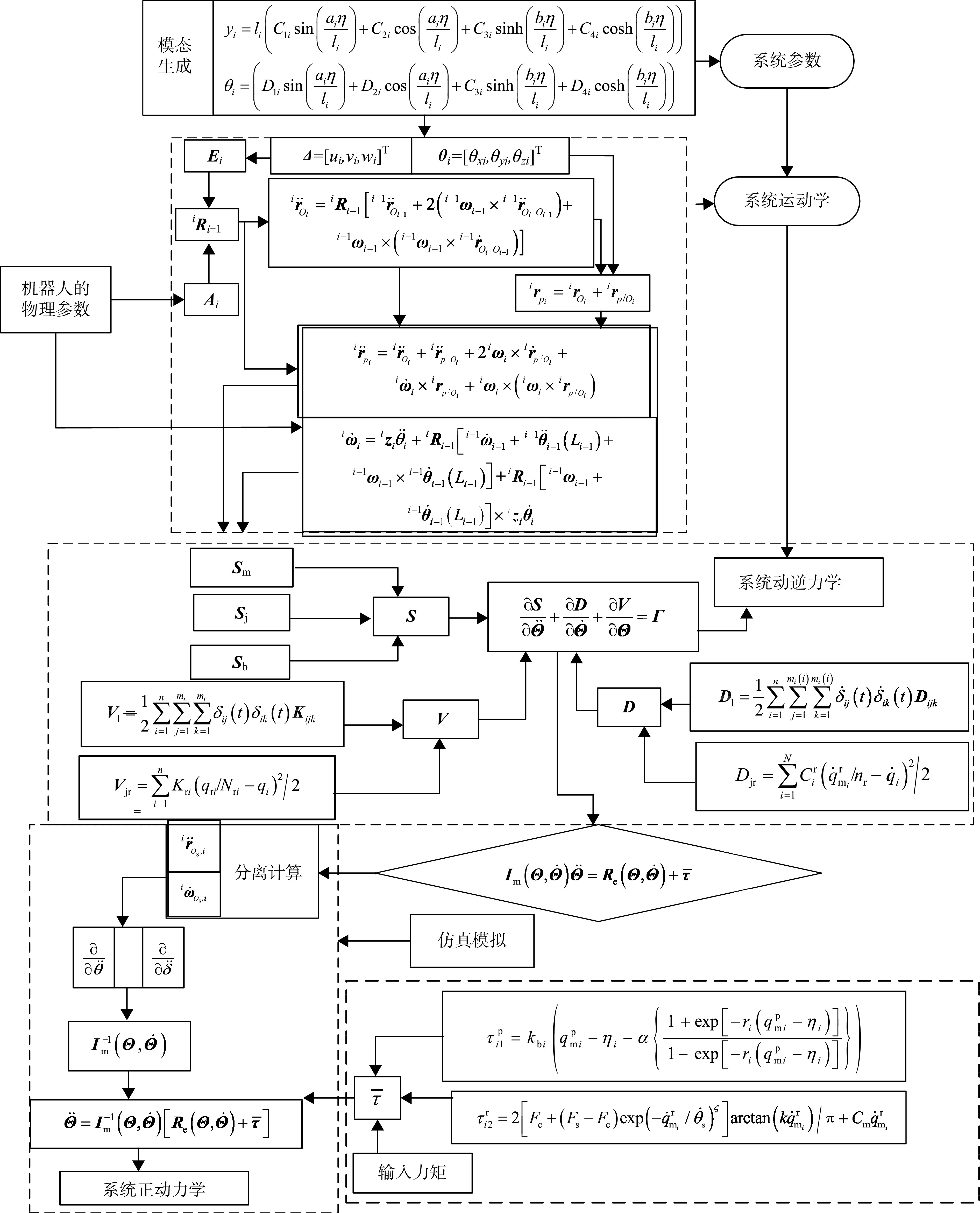
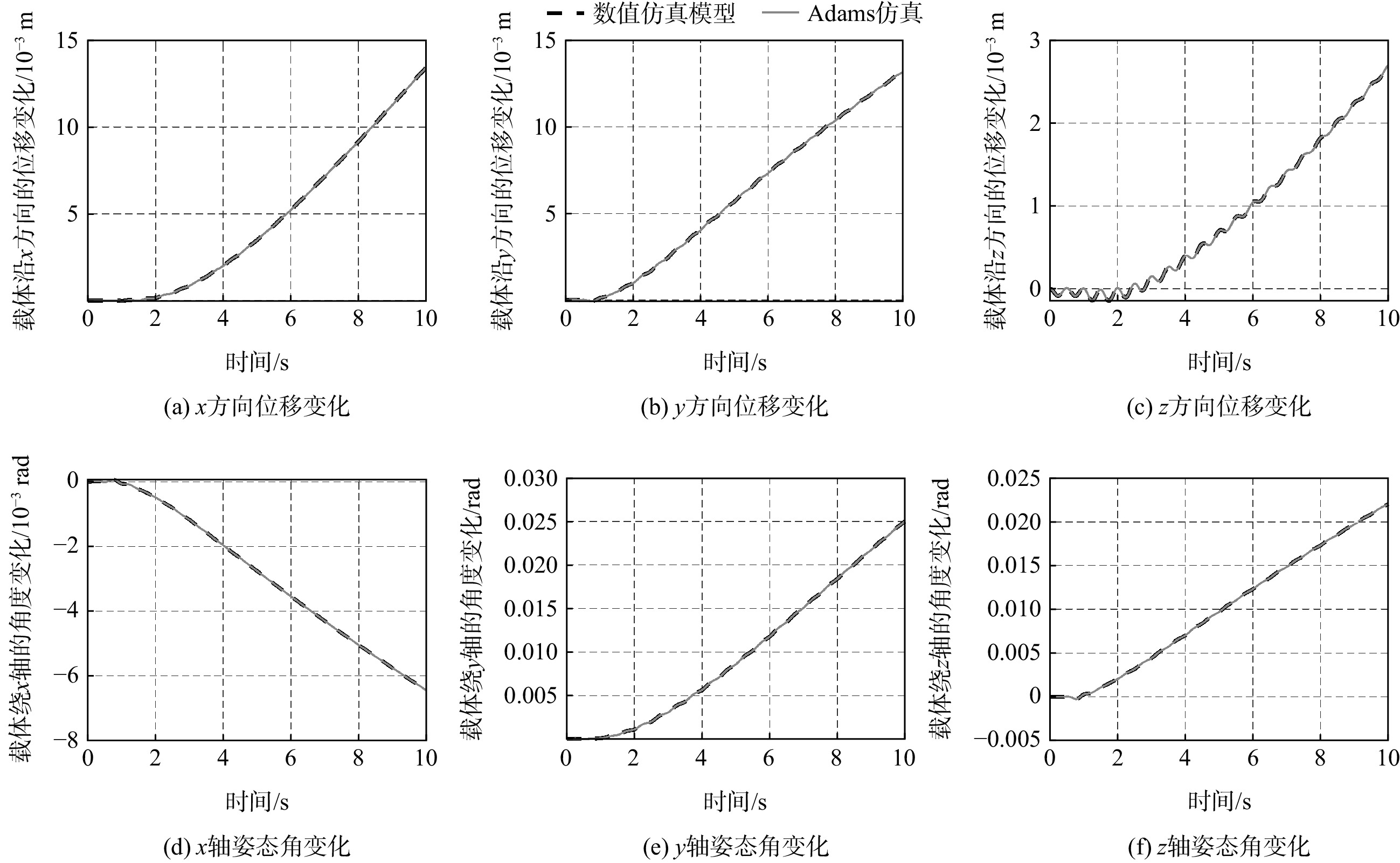
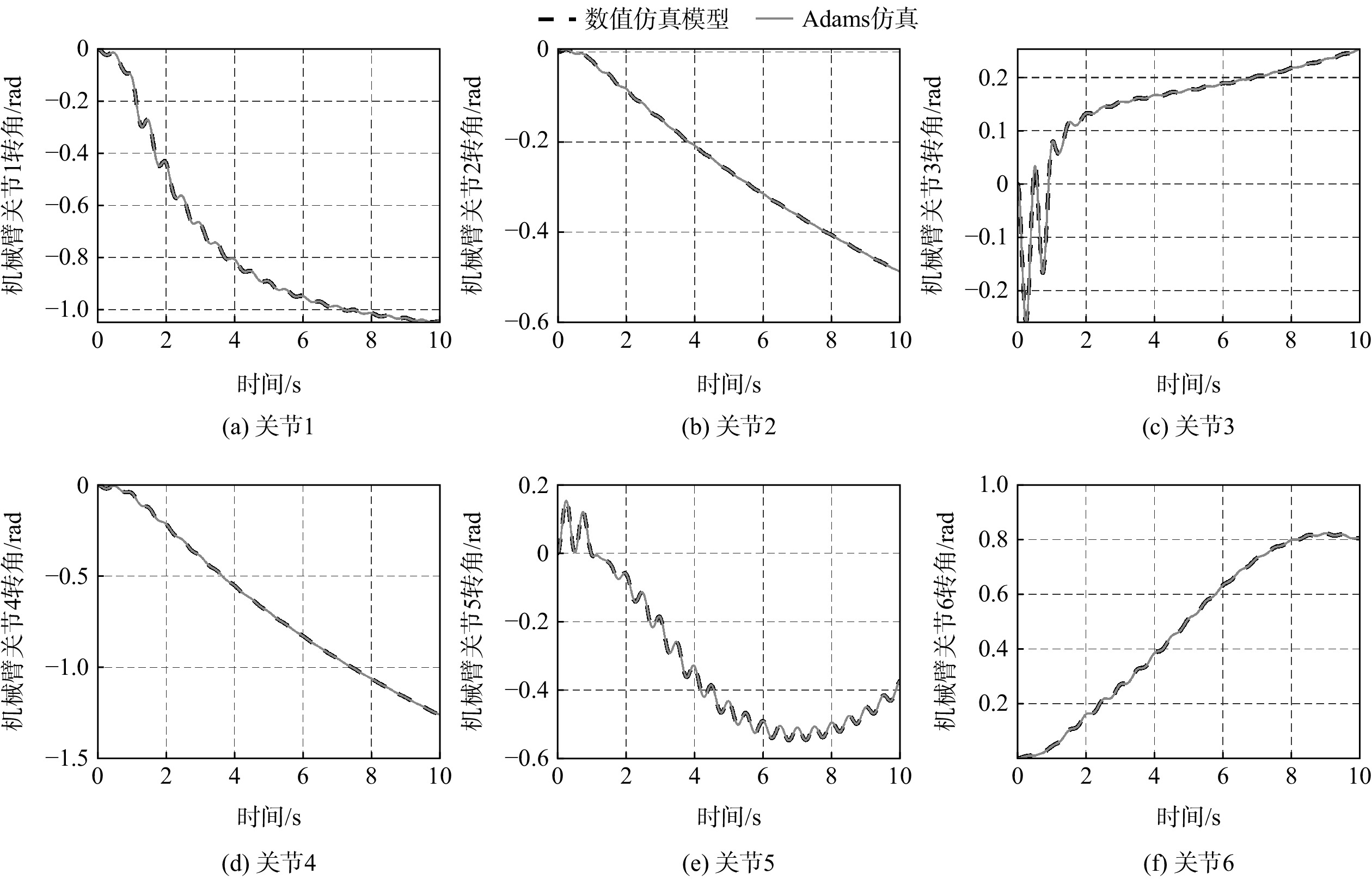
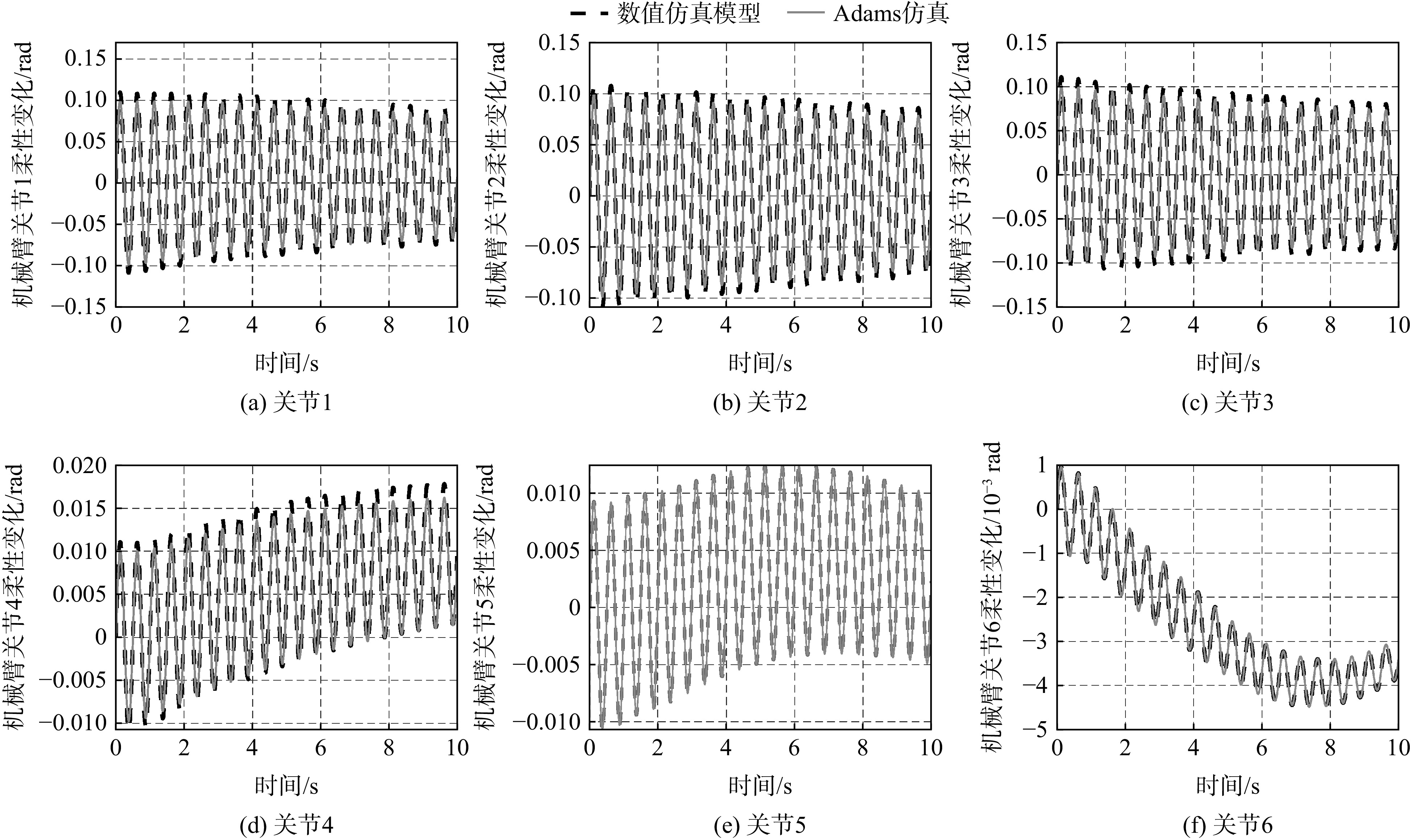
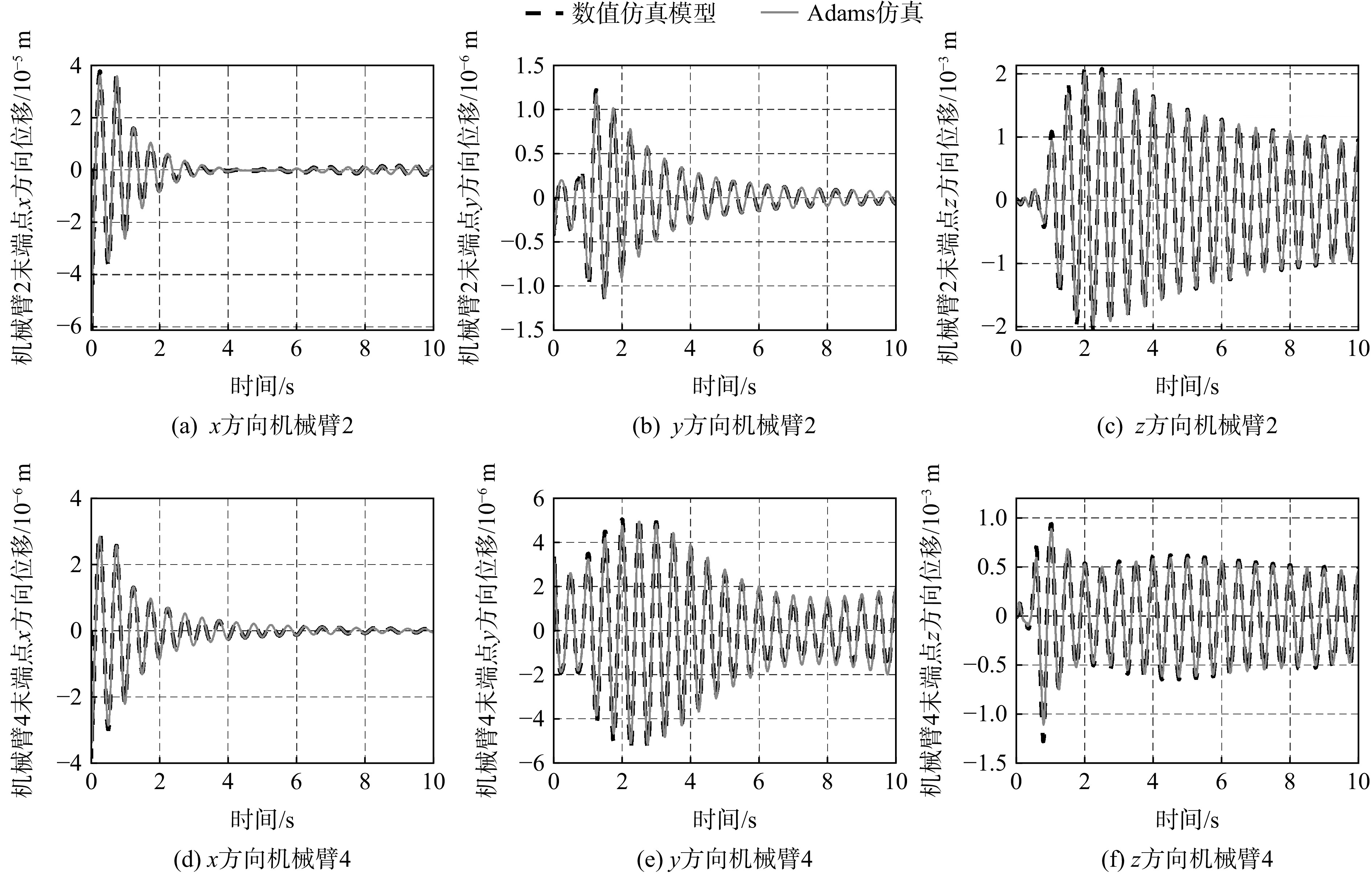
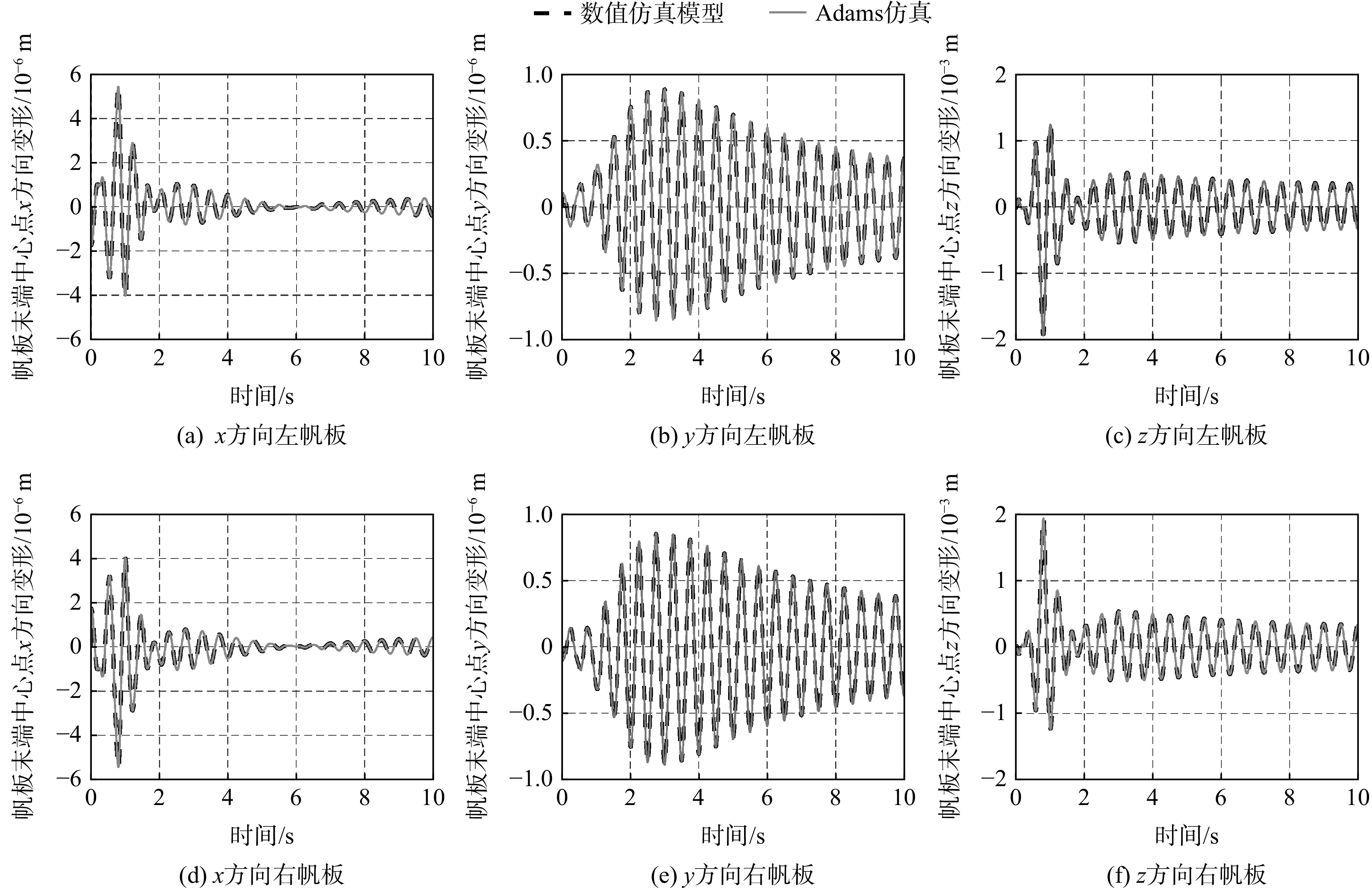
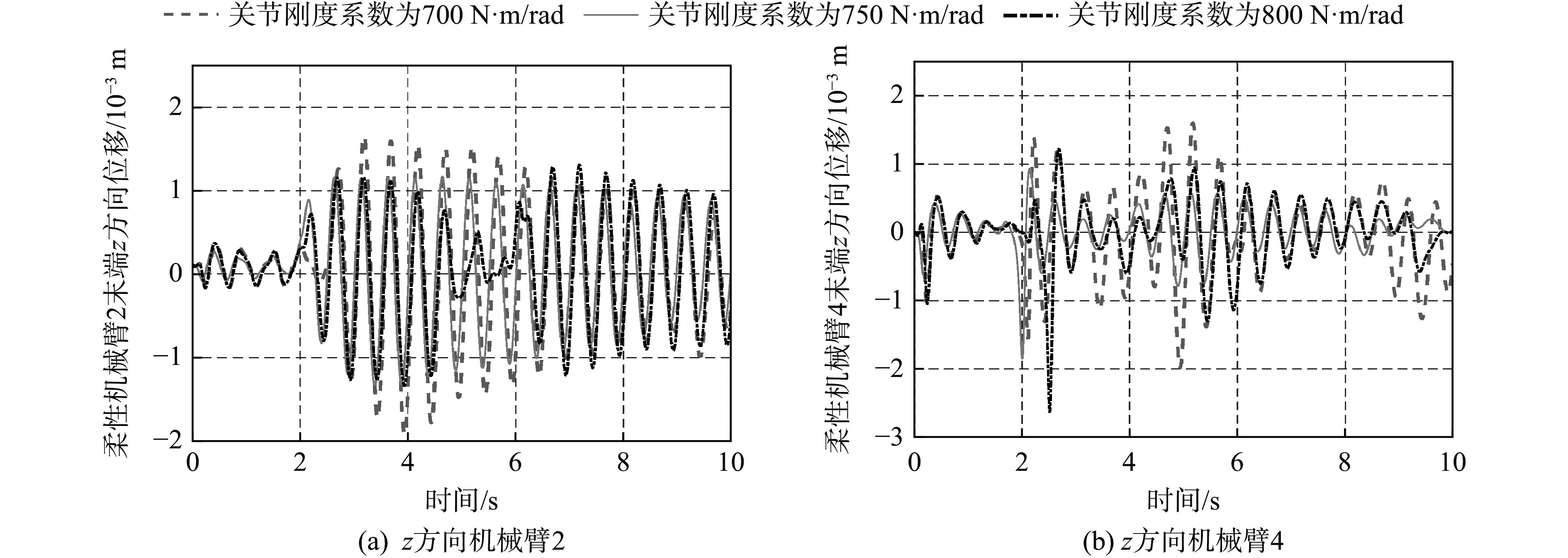
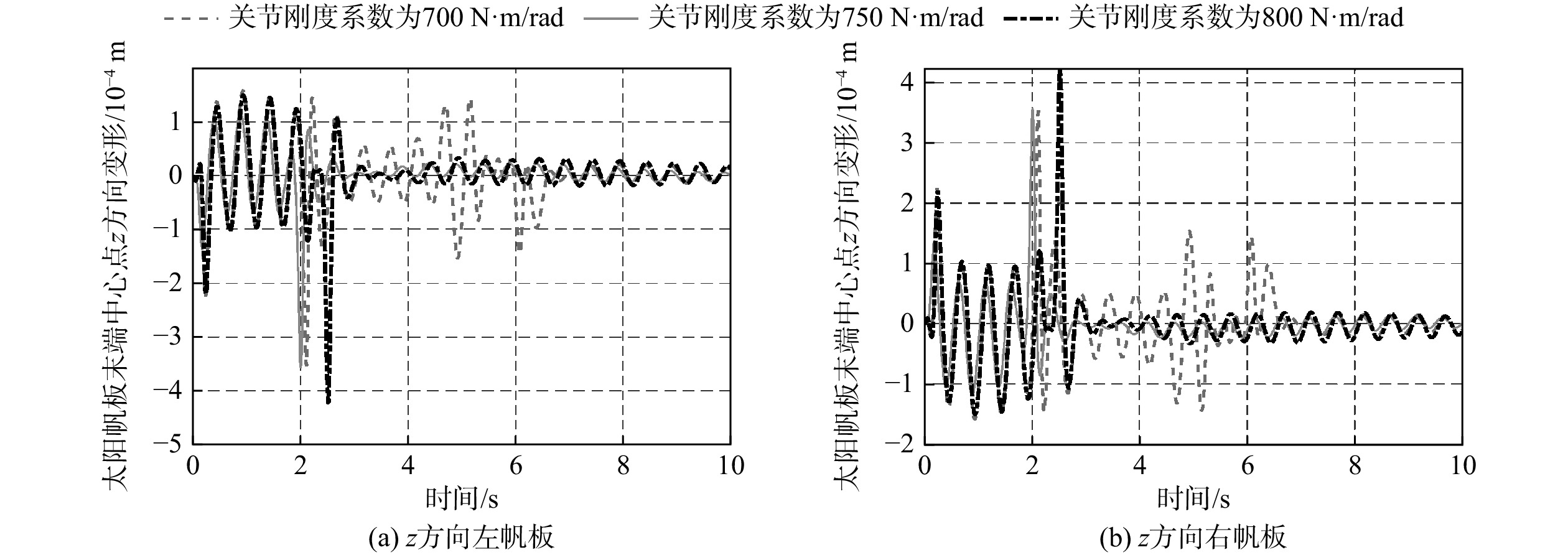
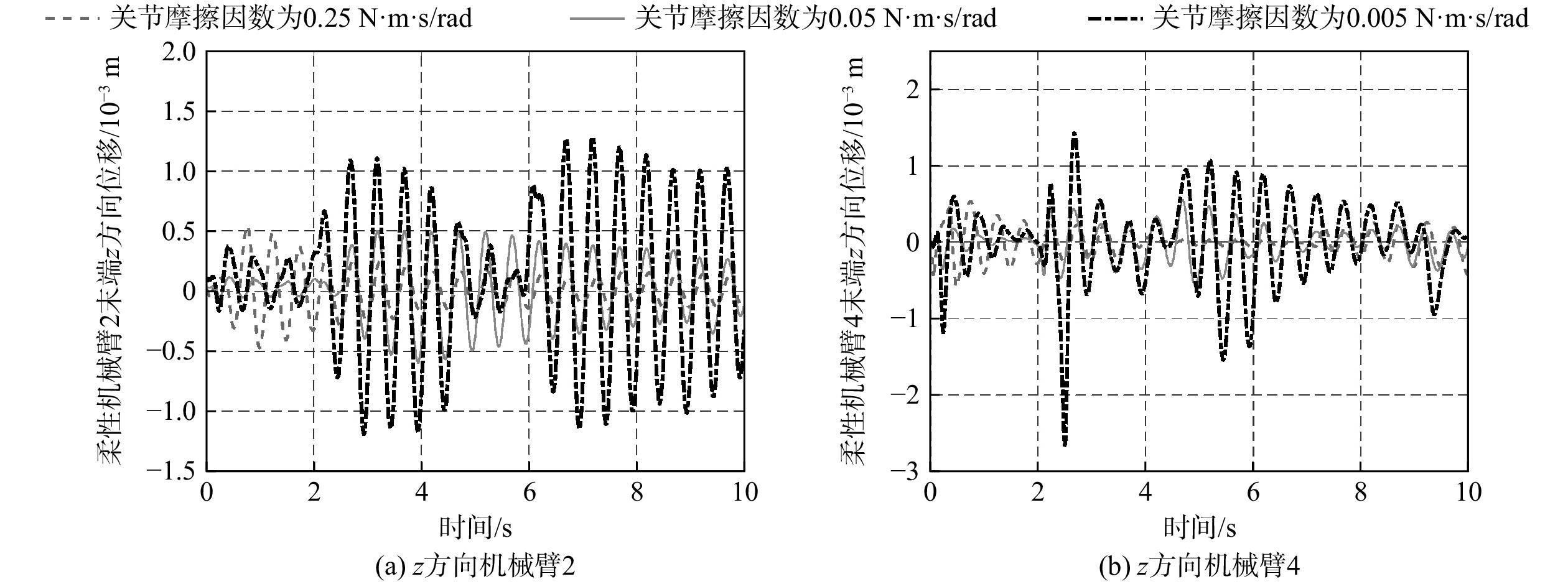
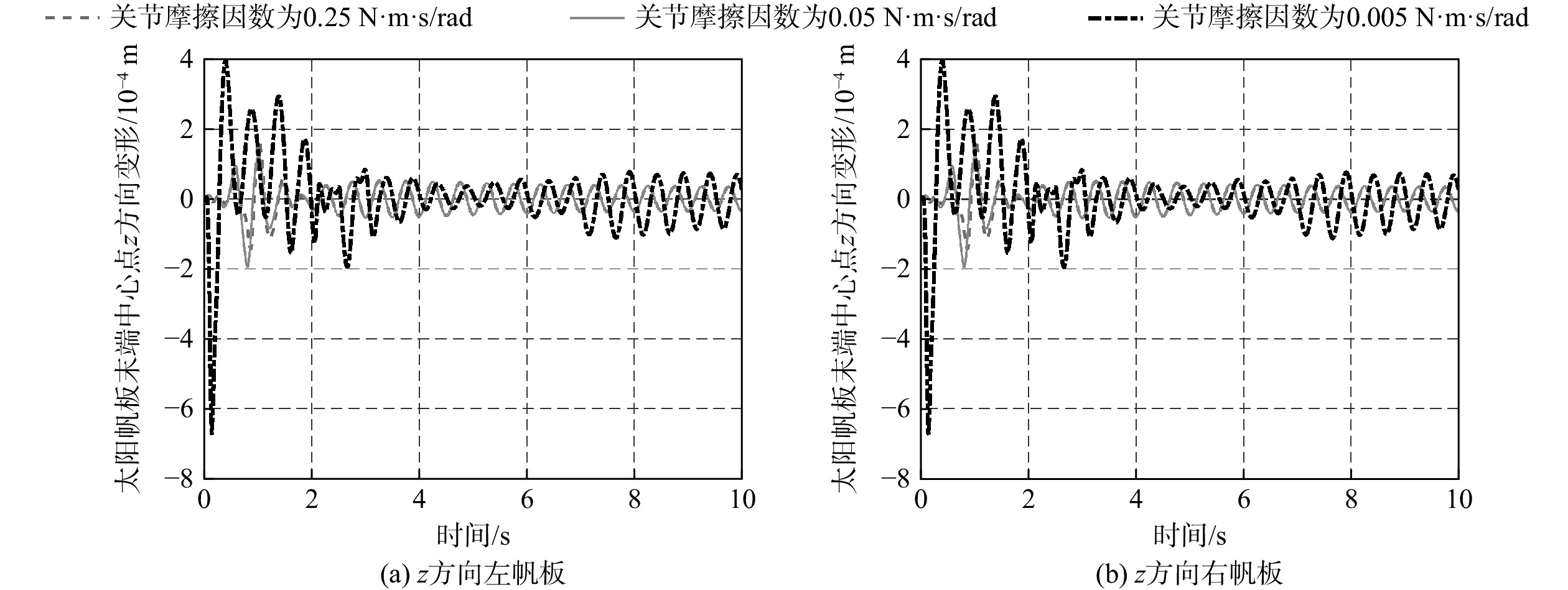
Dynamic modeling and characteristic analysis of space robots with multiple flexible factors were studied by Recursive Gibbs-Appell modeling method. Firstly, the deformation of link and joints was described by concentrated stiffness and Timoshenko beam theory. Secondly, the homogeneous transformation matrix T4×4 was simplified by using the rotation matrix R3×3 and the translation vector L1×3, and the difficulty of recursive kinematics was reduced. The inverse dynamics model of the flexible space robot was derived by using the recursive Gibbs function and the potential energy function. Thirdly, the mass inertia matrix and coupling matrix were obtained by inverse recursive method. The forward dynamic model of the space robot was obtained. The numerical simulation results showed that the relative deviation between Matlab and Adams simulation results did not exceed 0.1%, and the Z bending deformation was more than 103 orders of magnitude relative to the X shear deformation and Y torsional deformation, which verified the correctness of the model. Within a certain range, when the joint stiffness increased by 50 N·m/rad, the maximum deformation increment of the connecting rod did not exceed 1.5×10⁻³ m, and when the joint friction increased by 5 times, the maximum deformation increment of the link did not exceed 2×10⁻³ m, the incremental deformation of the windsurfing board had the same trend.