2025 Vol. 40, No. 4

Special Topic: Aerospace Propulsion and Power
Turbine blade cooling scheme based on arrayed ceramic matrix composite armors
LYU Dong, DAI Xiaoqin, LIU Yingshi, KONG Xing’ao, LI Yongfan
2025, 40(4): 20240525. doi: 10.13224/j.cnki.jasp.20240525
Abstract:

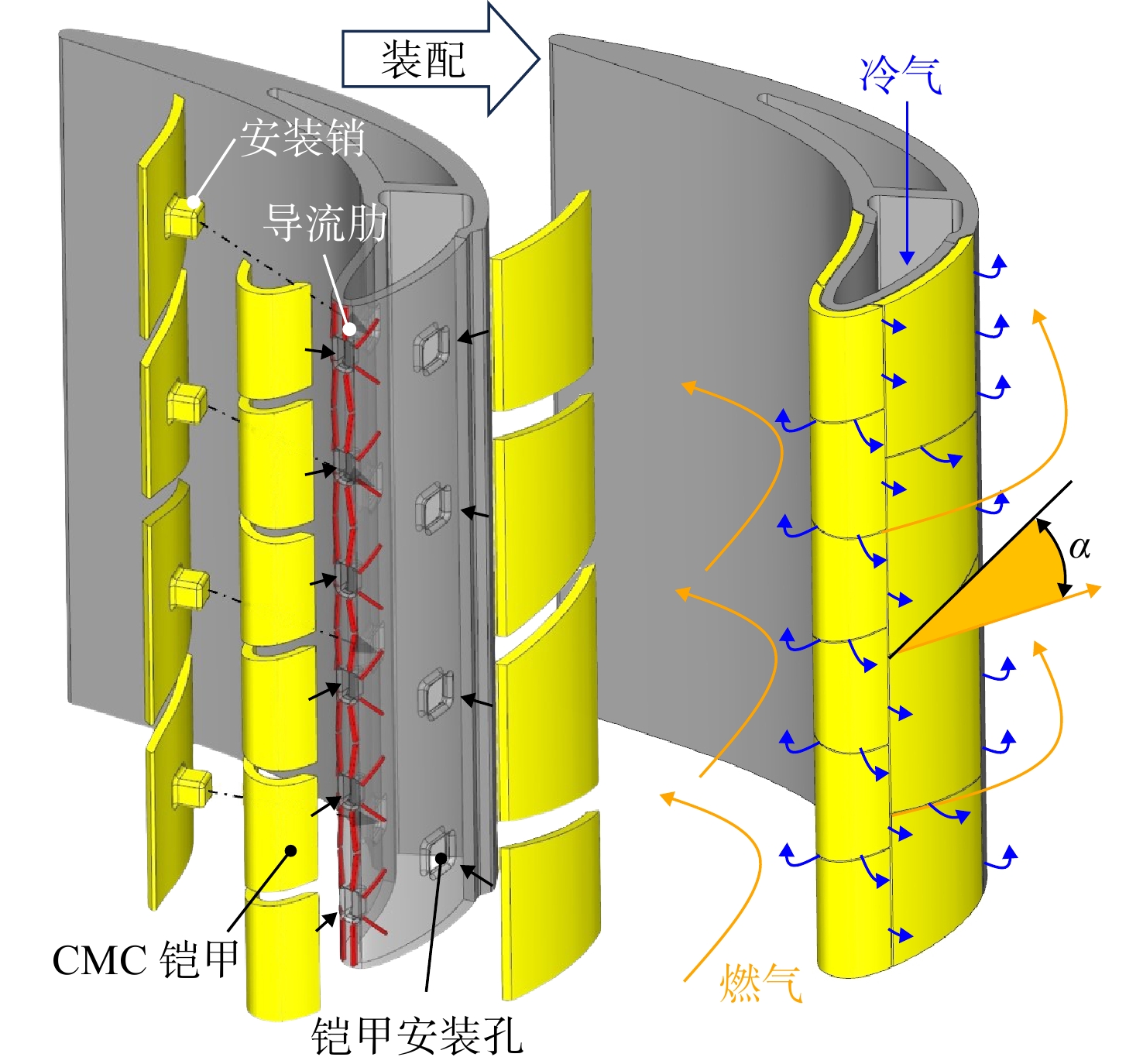
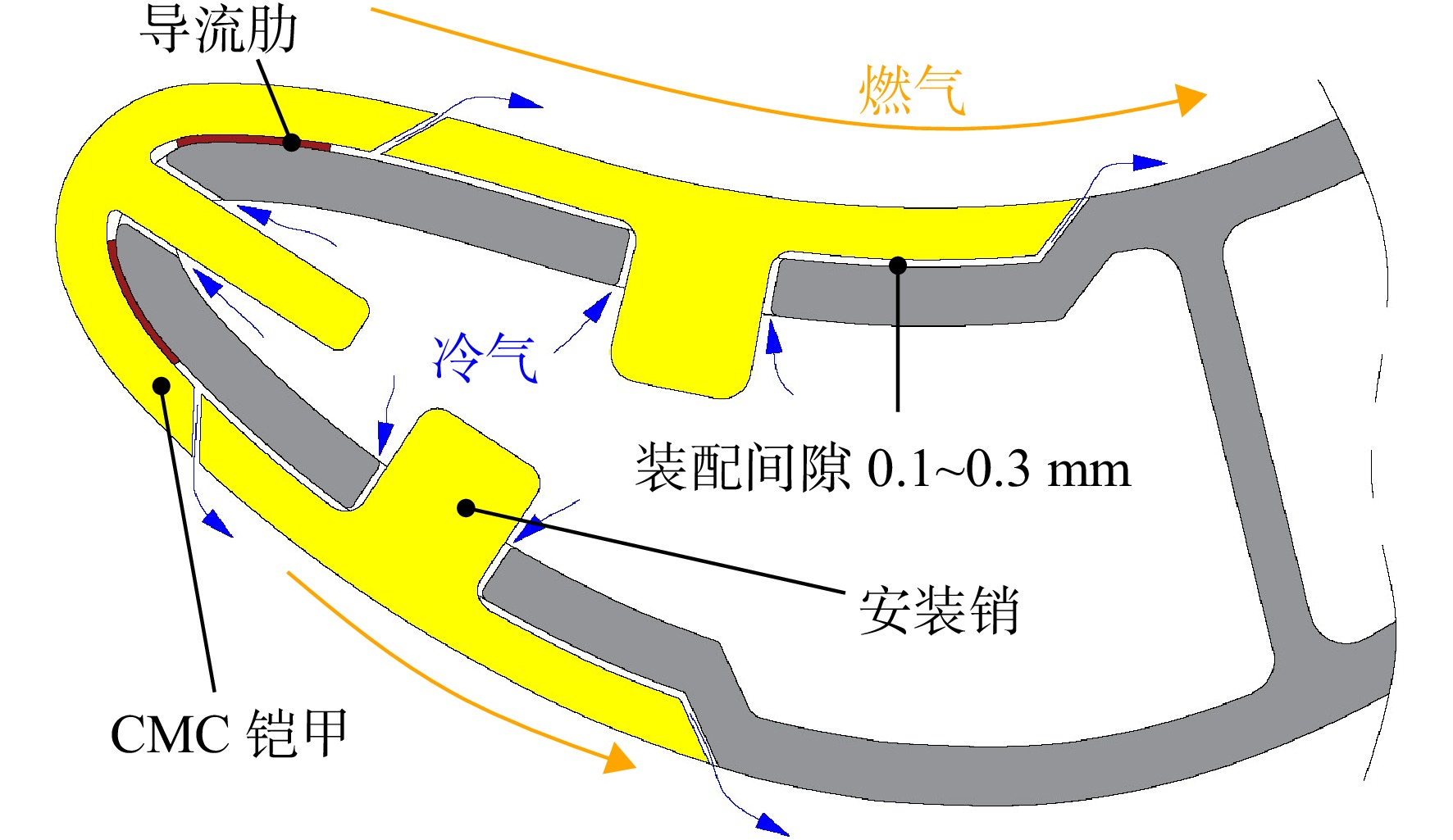
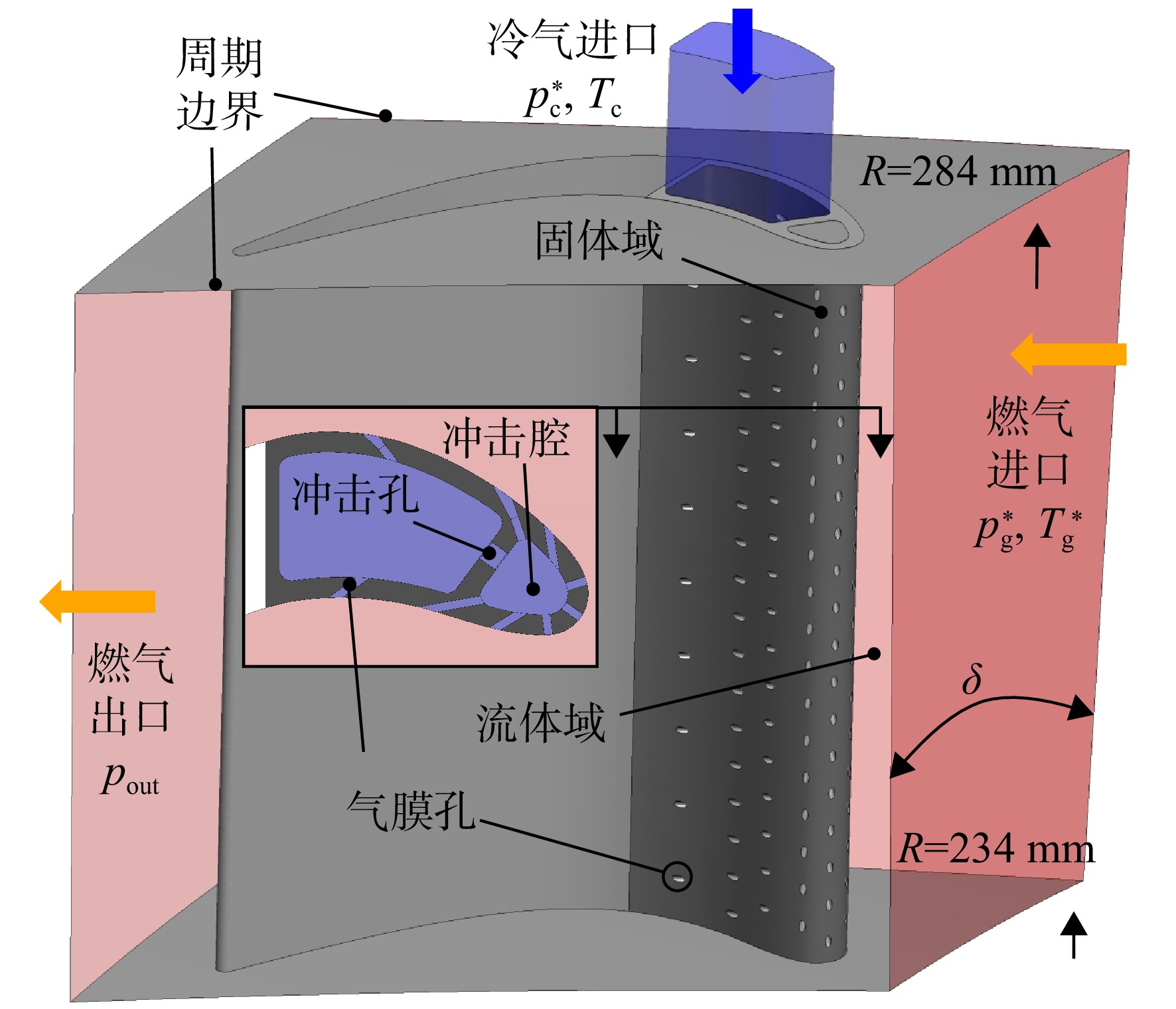
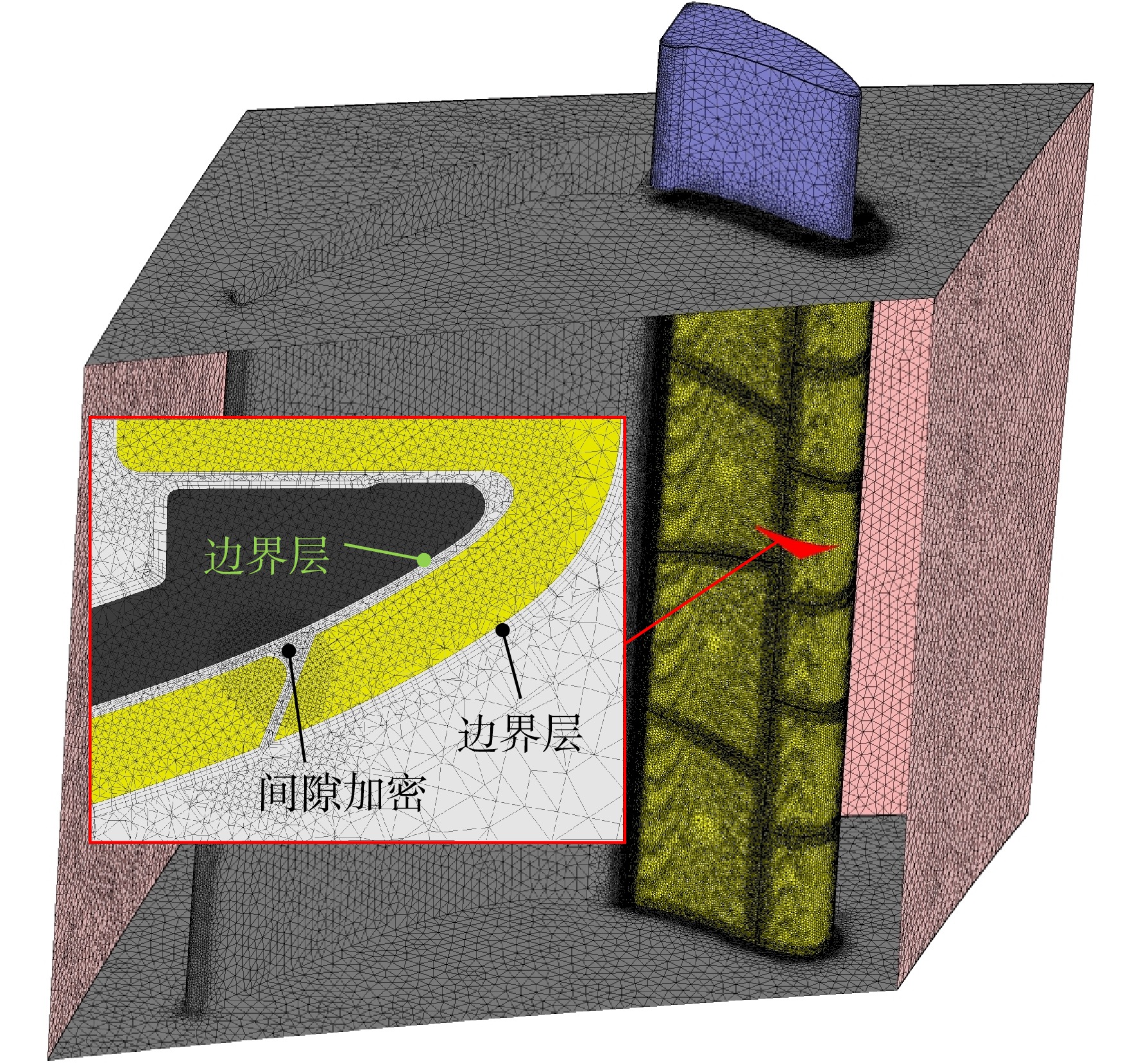
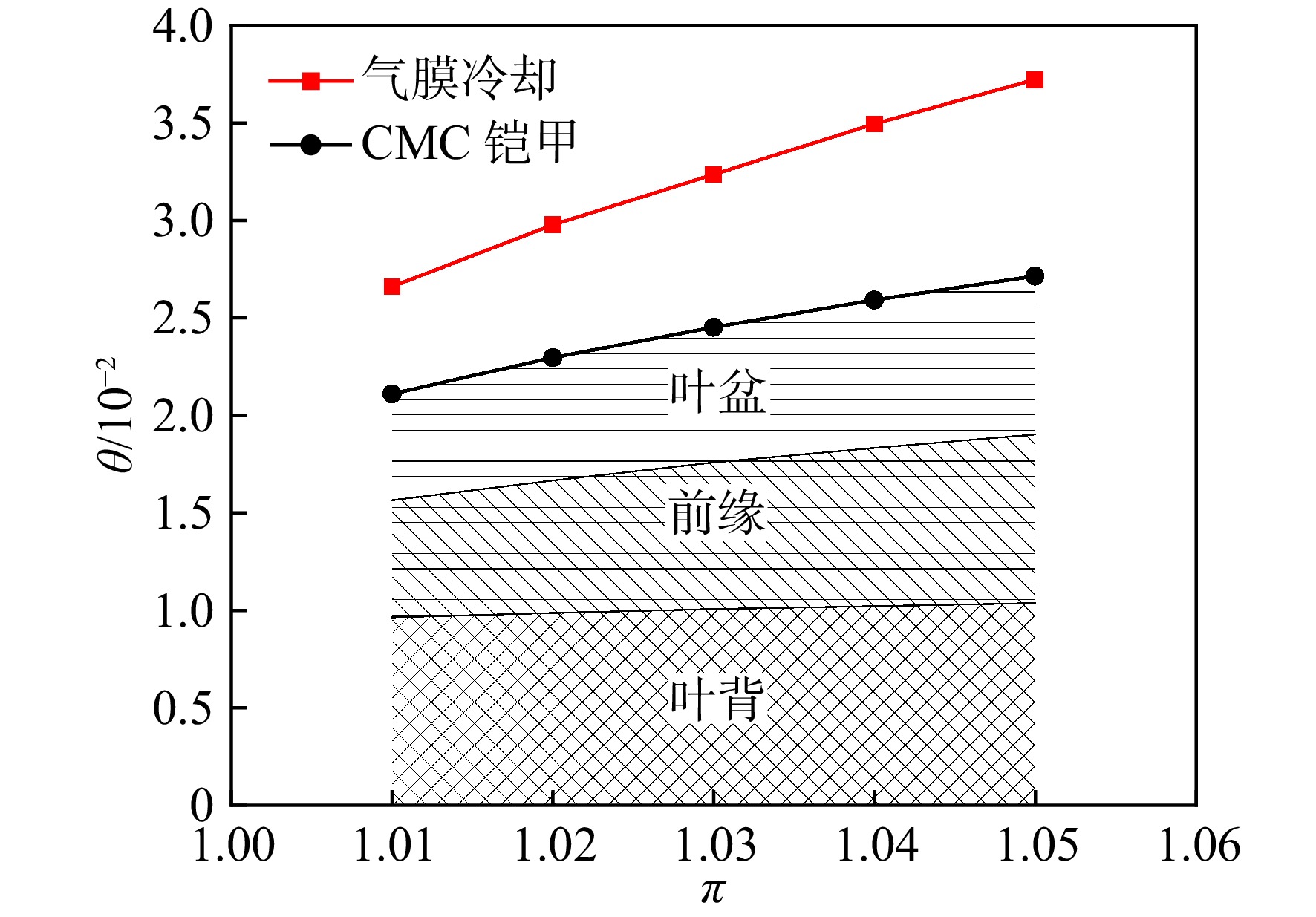
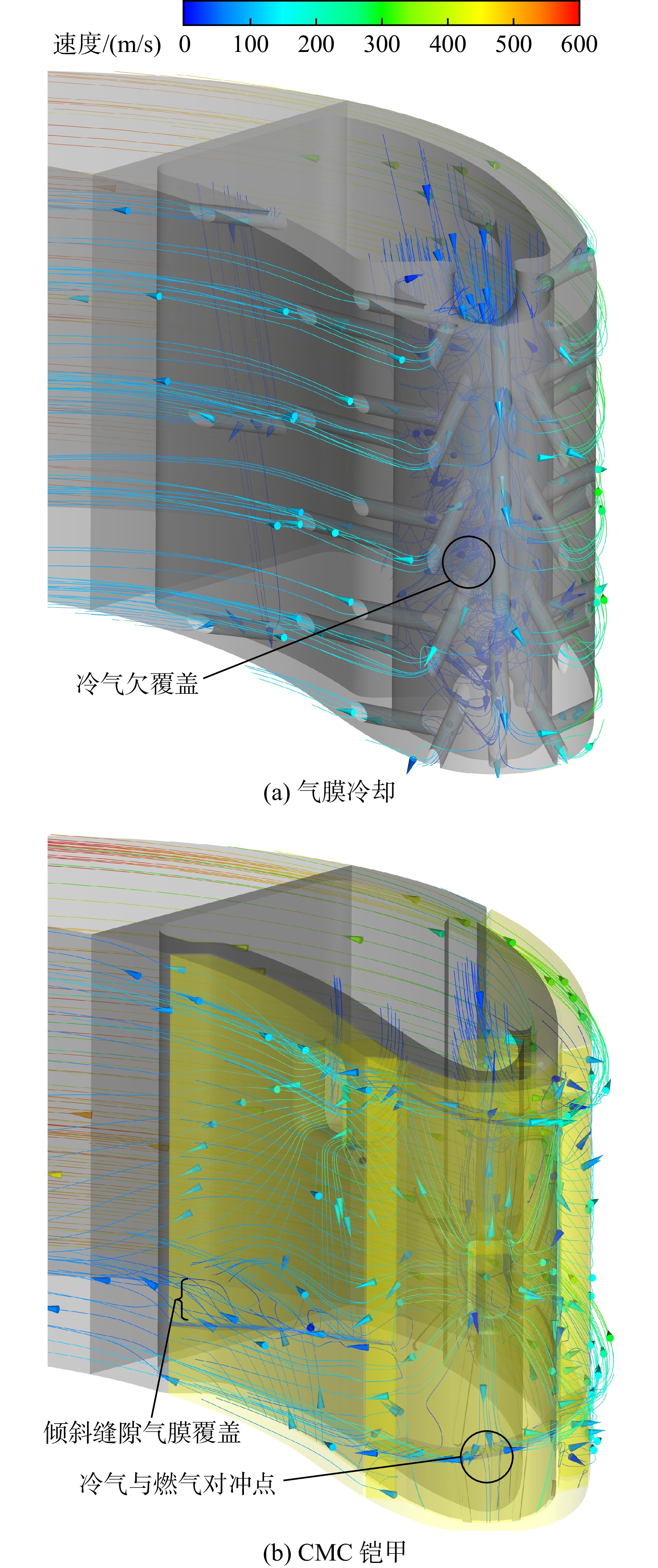
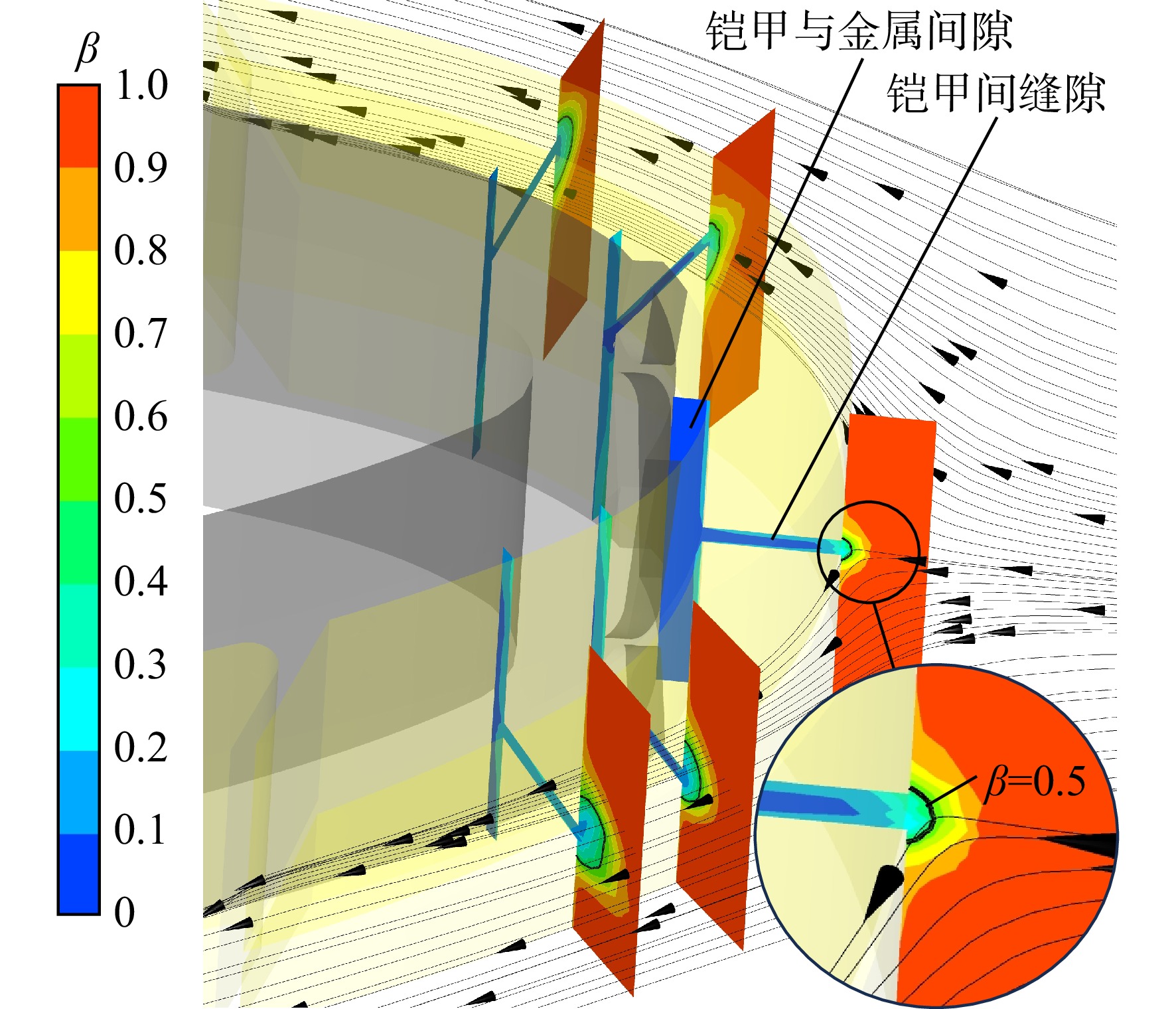
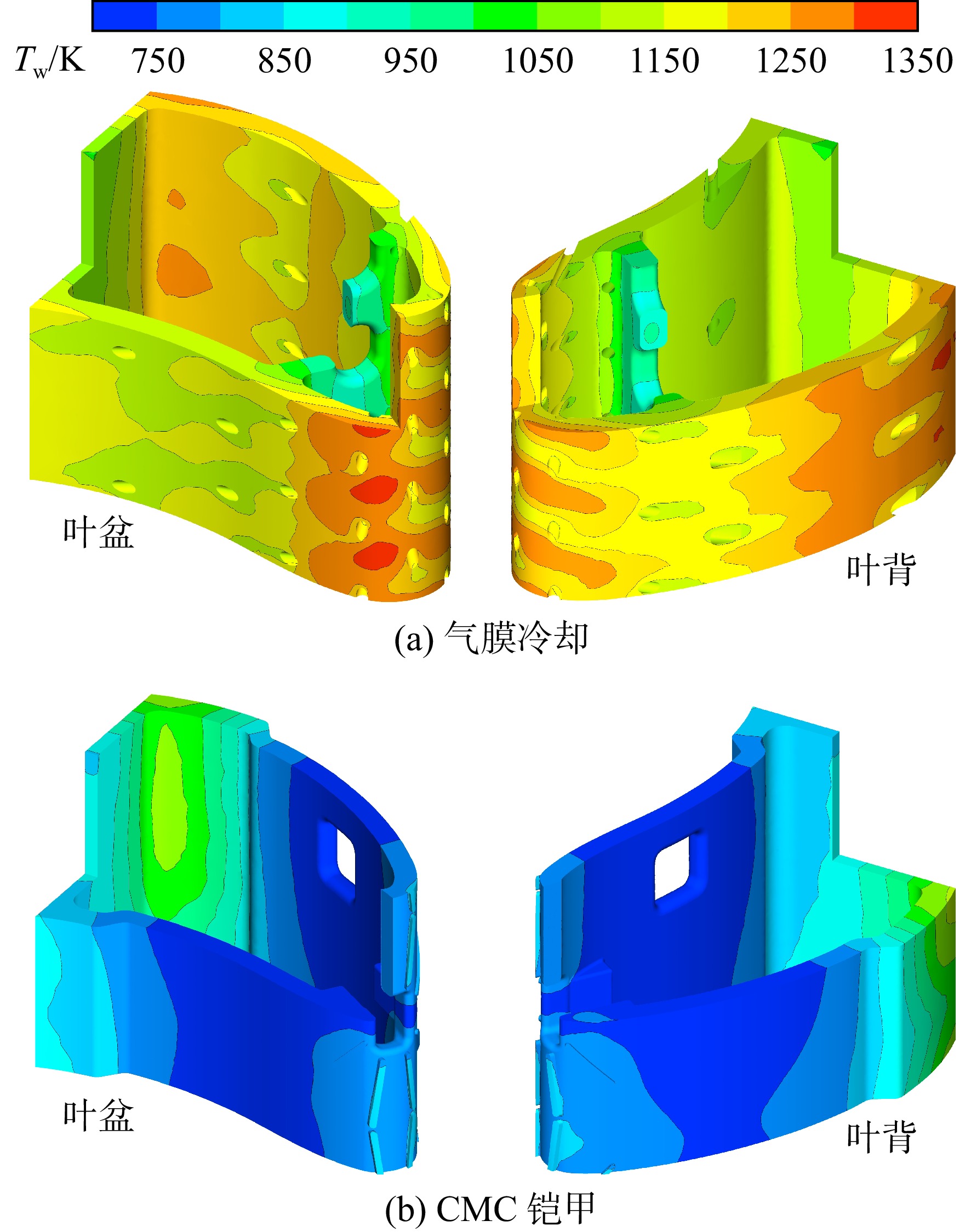
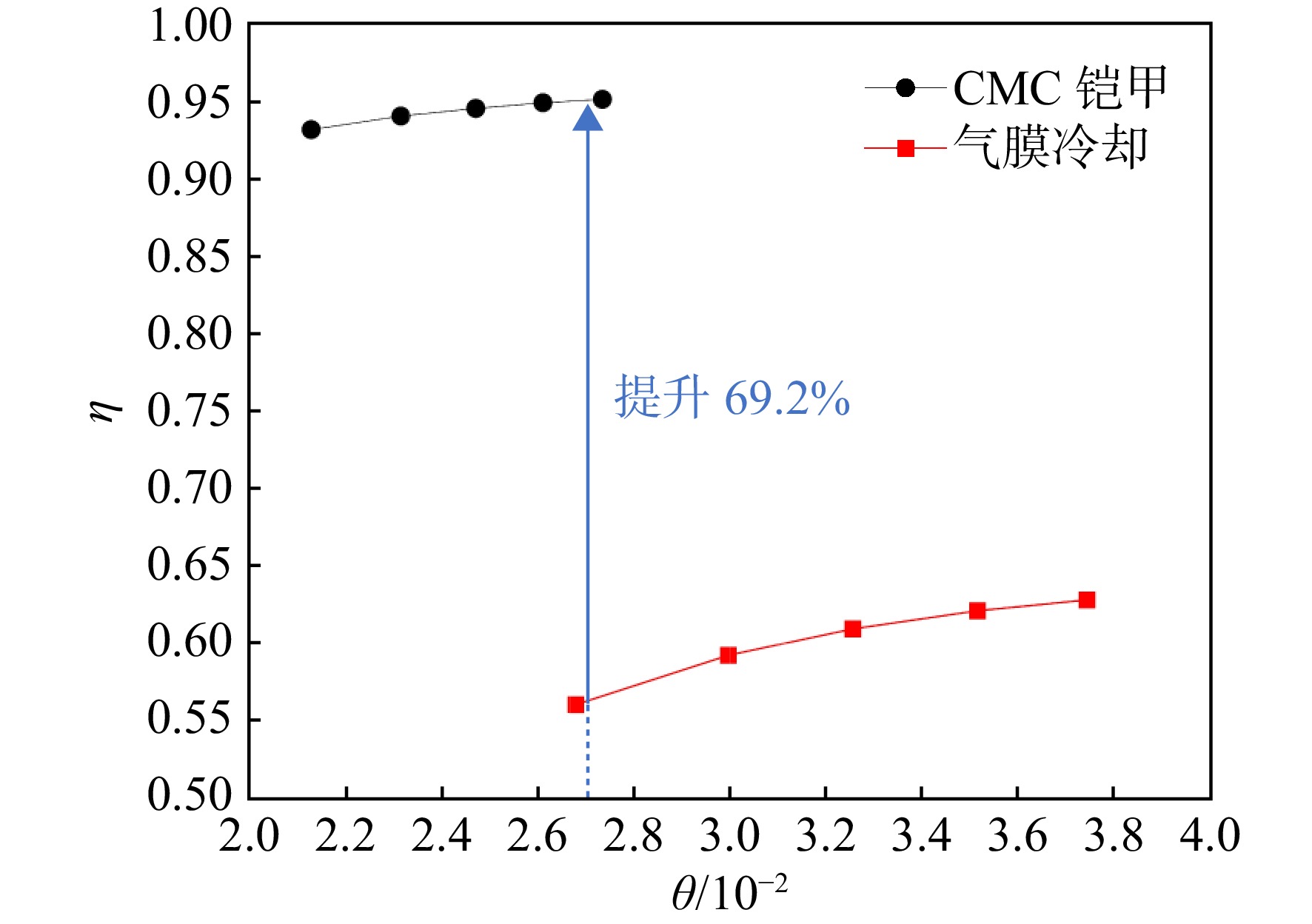
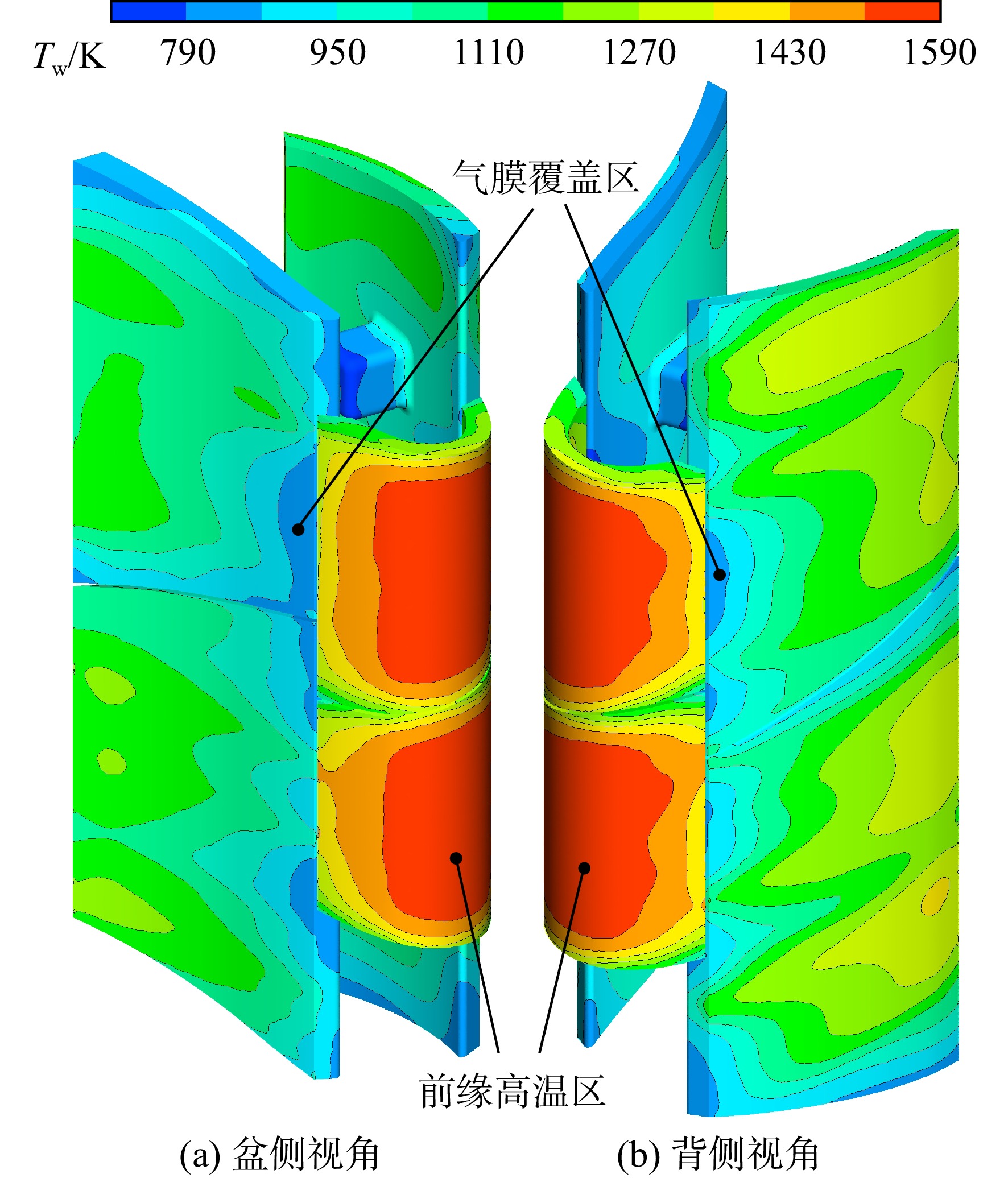
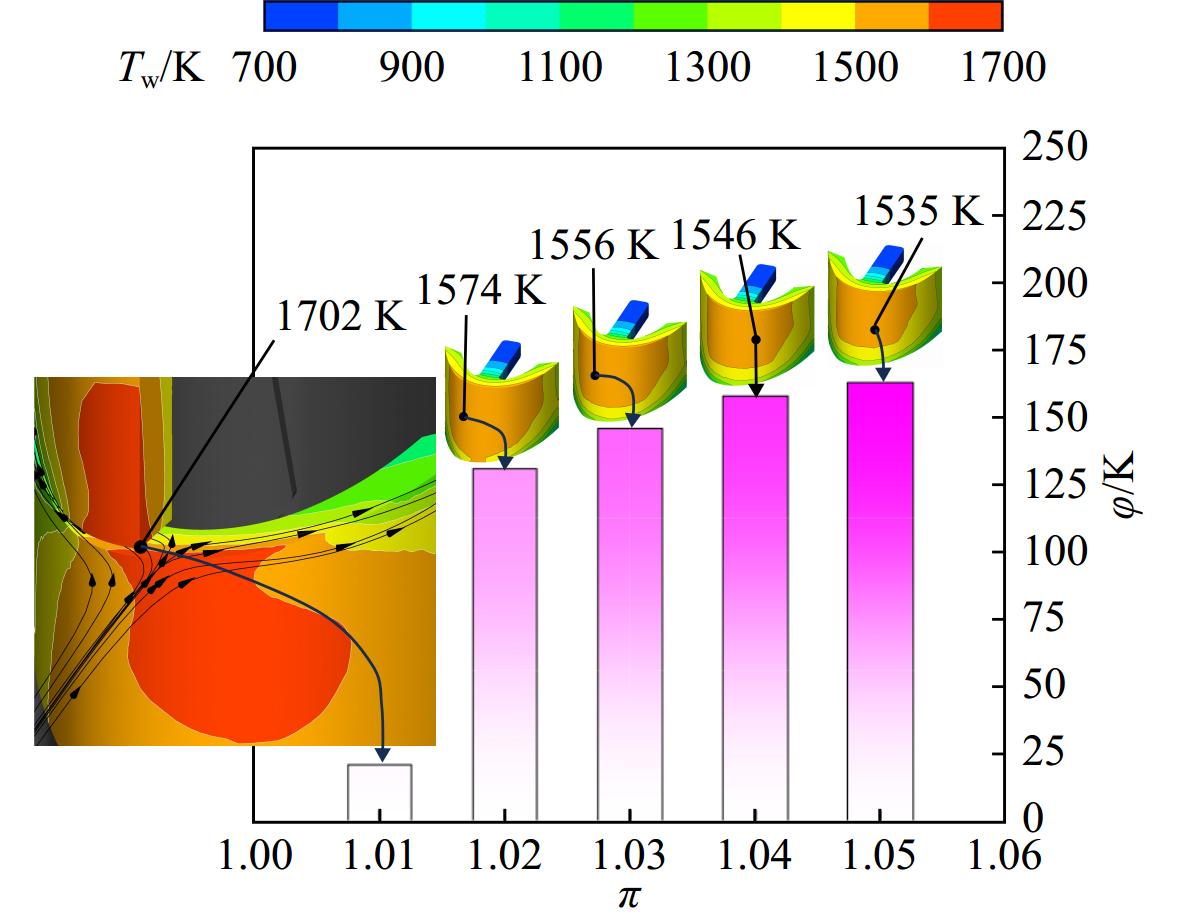
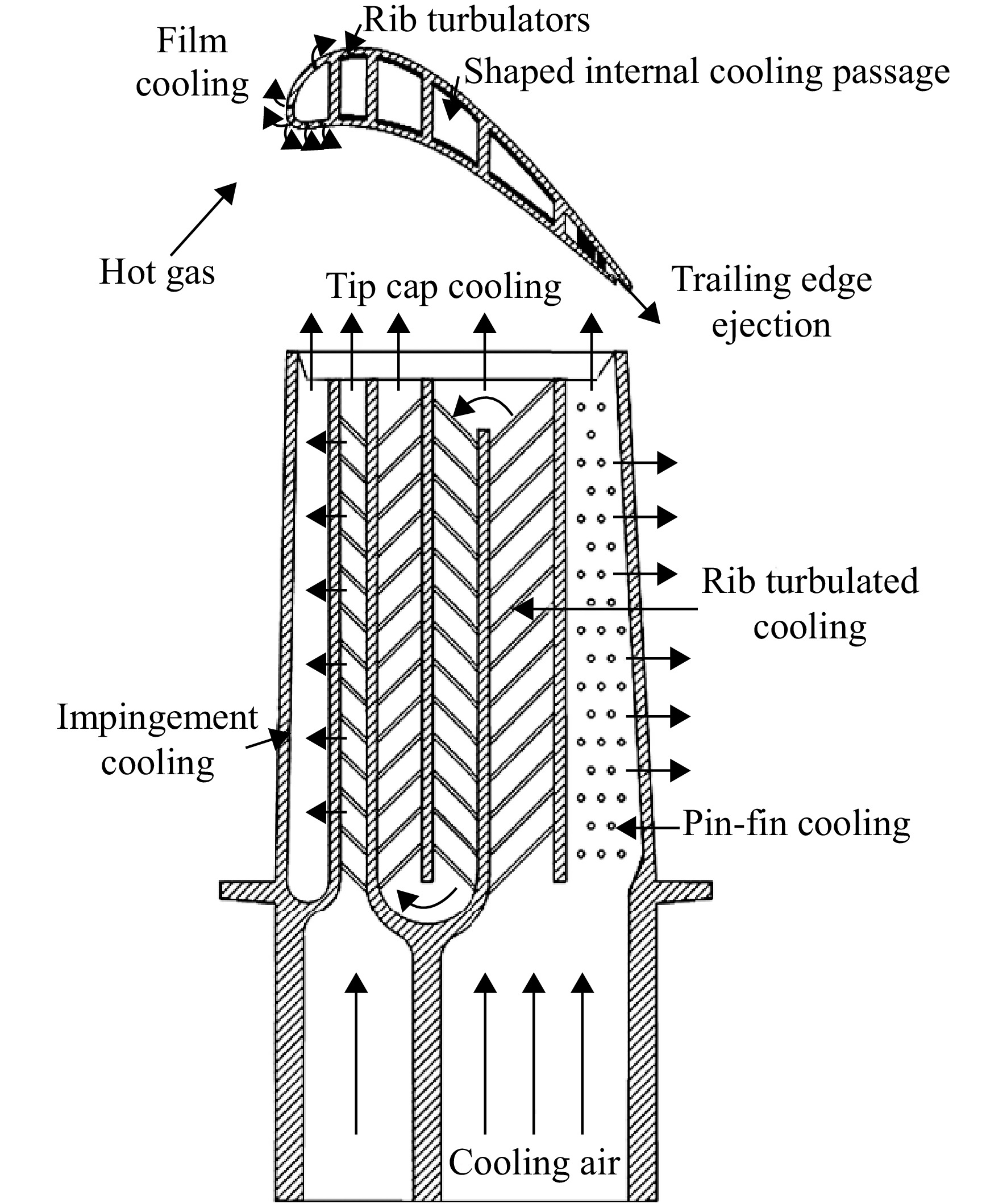
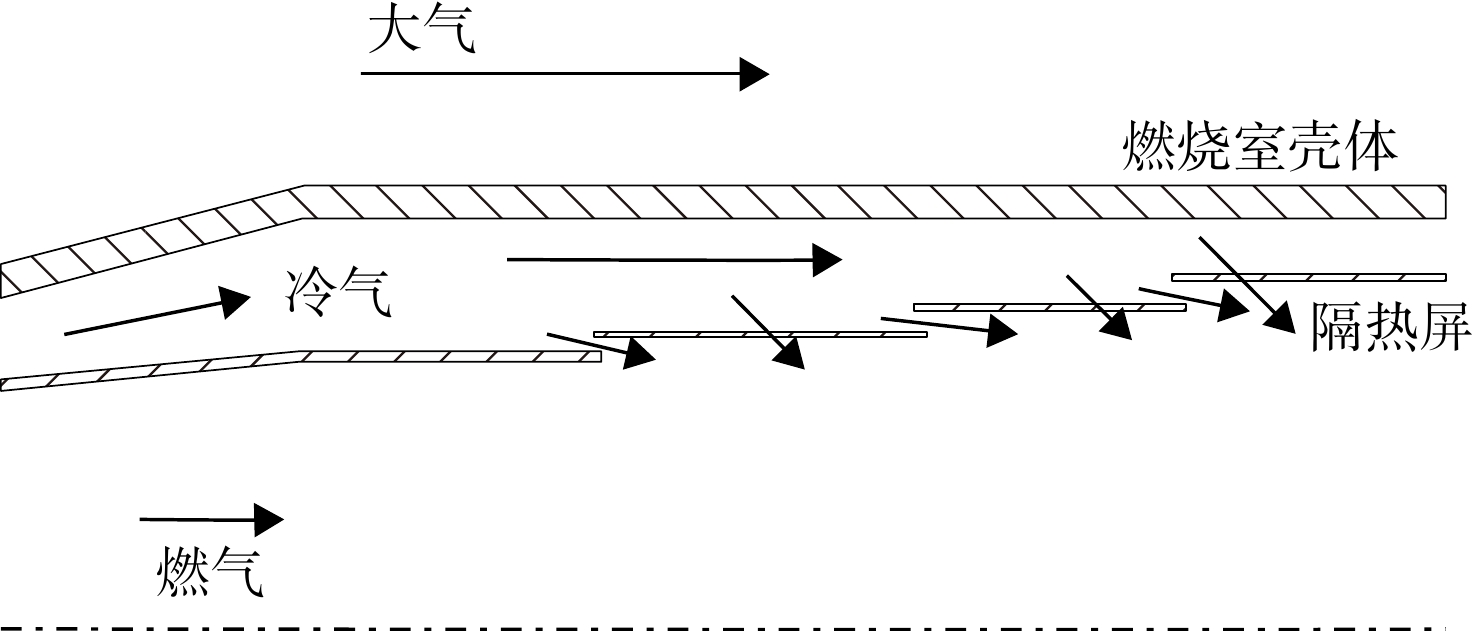
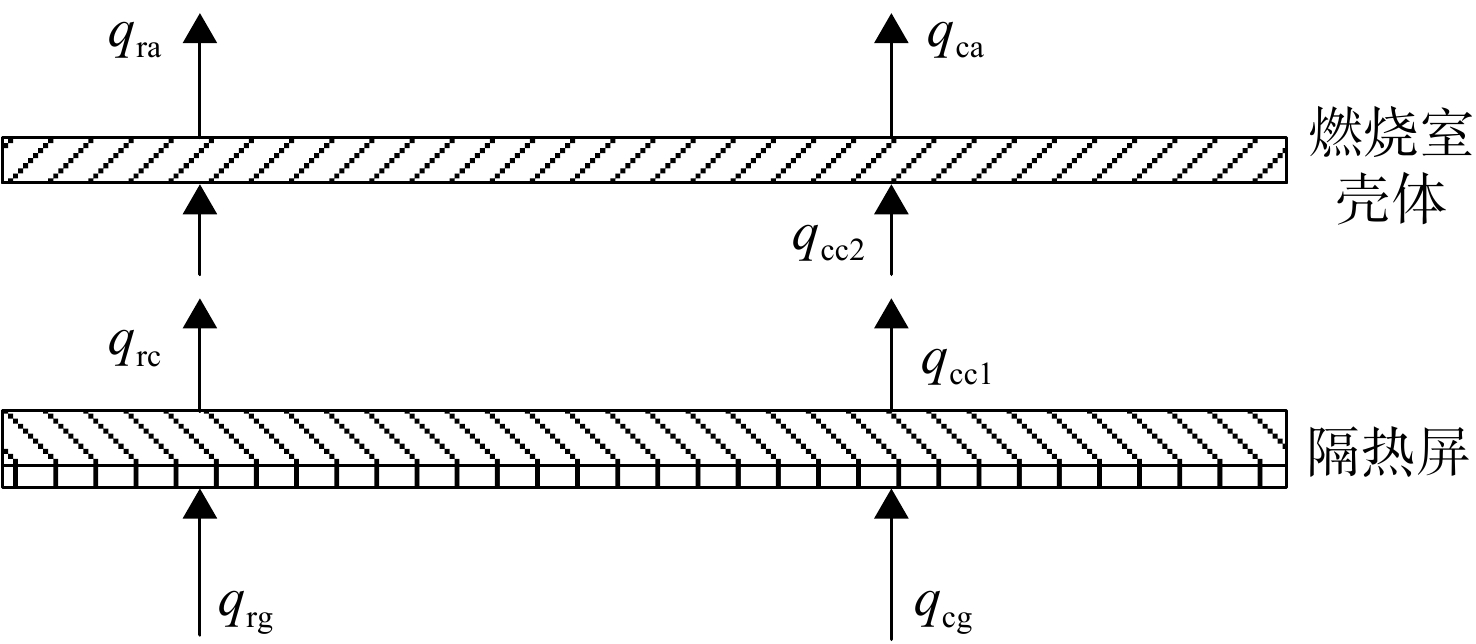
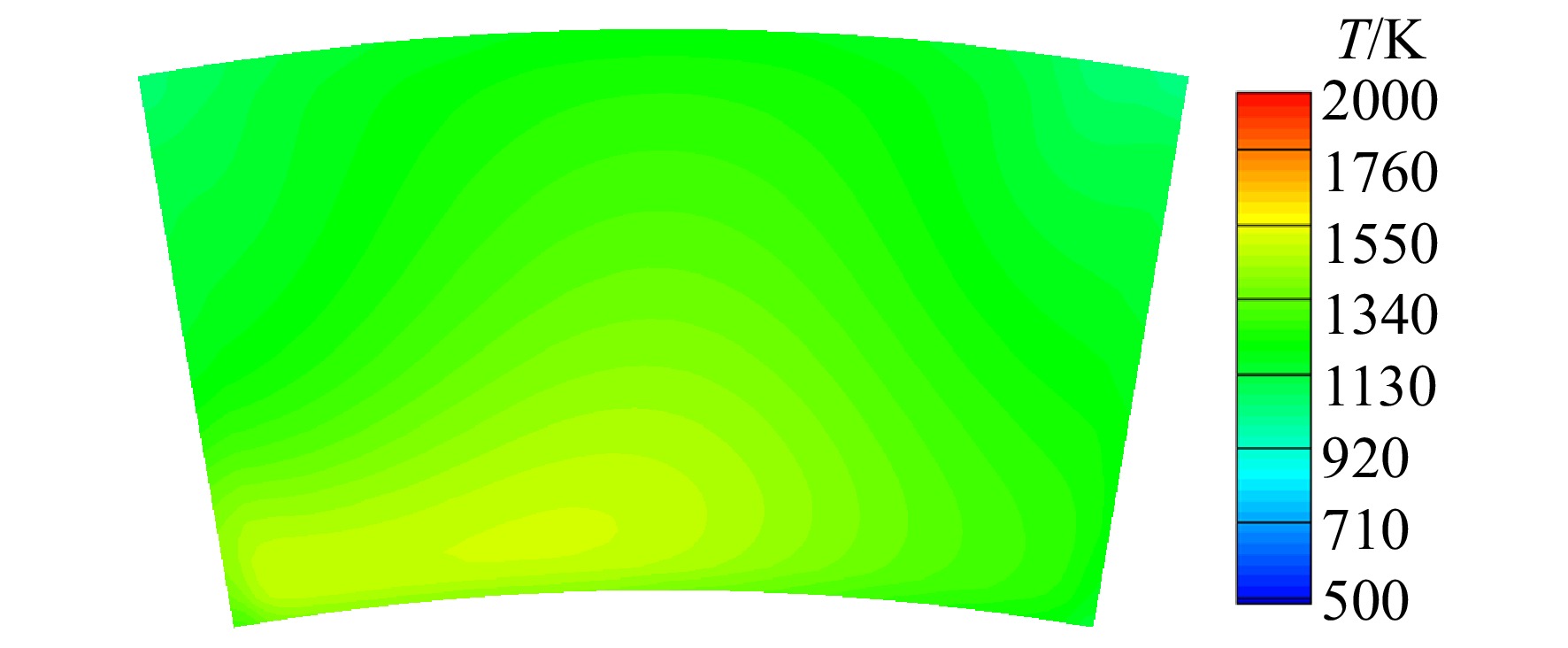
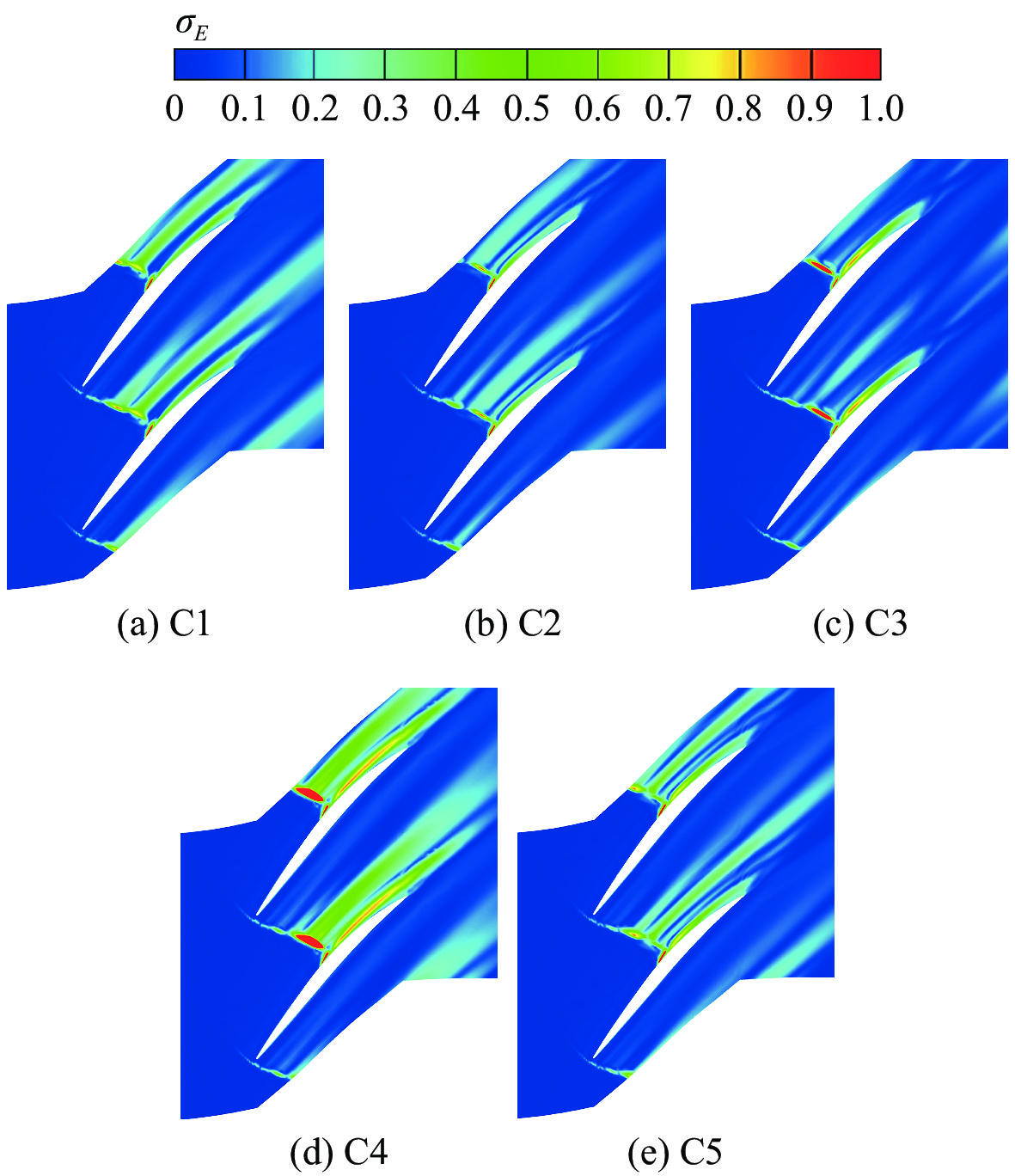
Based on the design philosophy of assembly between metal and non-metal materials, a turbine blade cooling scheme which applied arrayed ceramic matrix composite (CMC) armors was designed. These armors replaced the airfoil, and covered the high thermal load regions at the front part of the blade. And a few coolants were injected through the gaps between them, thus a well thermal protection to the metal substrate was achieved. A three-dimensional flow and thermal coupled numerical simulation method was employed, along with the comparison with a typical film cooling. The cooling enhanced mechanisms and attainable effects of this scheme were revealed, and some design criteria and methods were summarized. The novel scheme reduced the coolant mass flow rate by 24.2%, while improving the metal region cooling efficiency by 69.2%, up to a number of 0.95. Meanwhile, the temperature margin of the CMC armors was still above 130 K, which indicated the potential for further increasing the gas temperature beyond 2000 K. In terms of design principles, the pressure ratio of coolant should be no less than 1.03 to prevent gas intrusion at the leading edge. The cooling efficiency can be enhanced by optimizing the interlaced and inclined arrangements of the gaps between the CMC armors.

Using antiresonant frequency in the identification of blisk mistuning
FAN Yu, LI Hemu, LI Anlue, WANG Wenjun, WU Yaguang
2025, 40(4): 20240506. doi: 10.13224/j.cnki.jasp.20240506
Abstract:

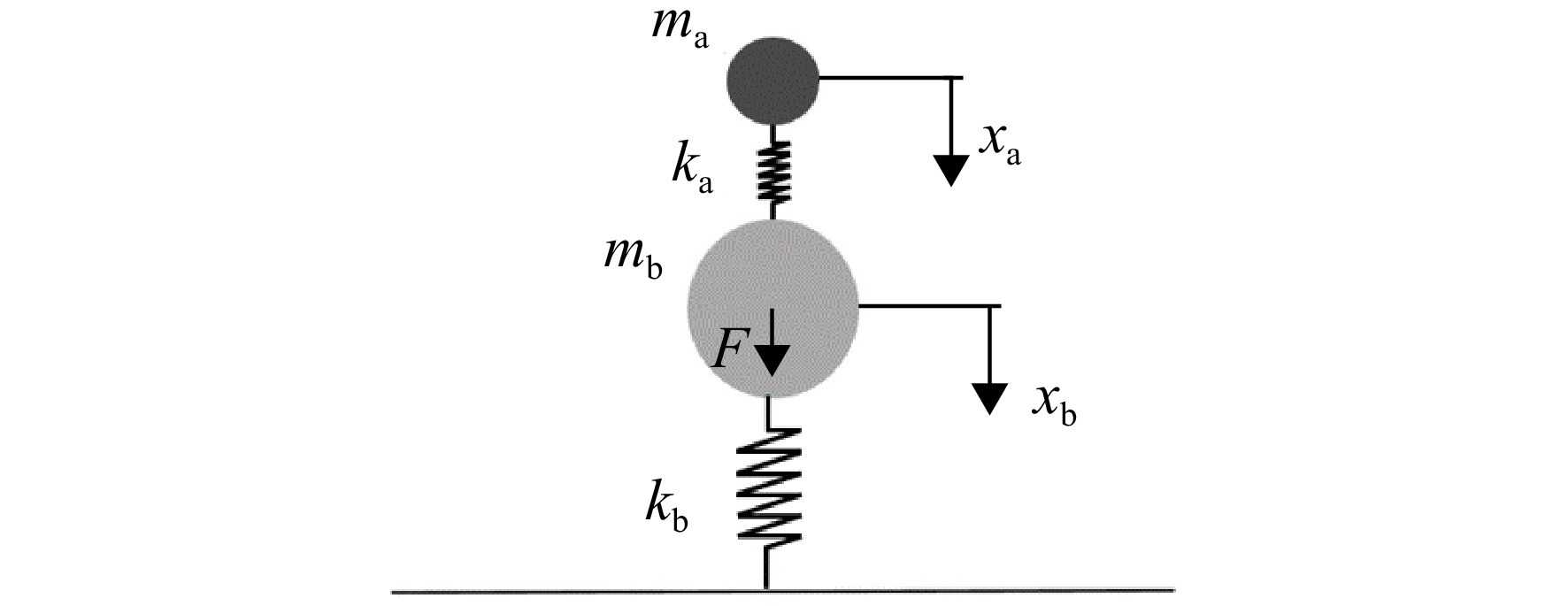
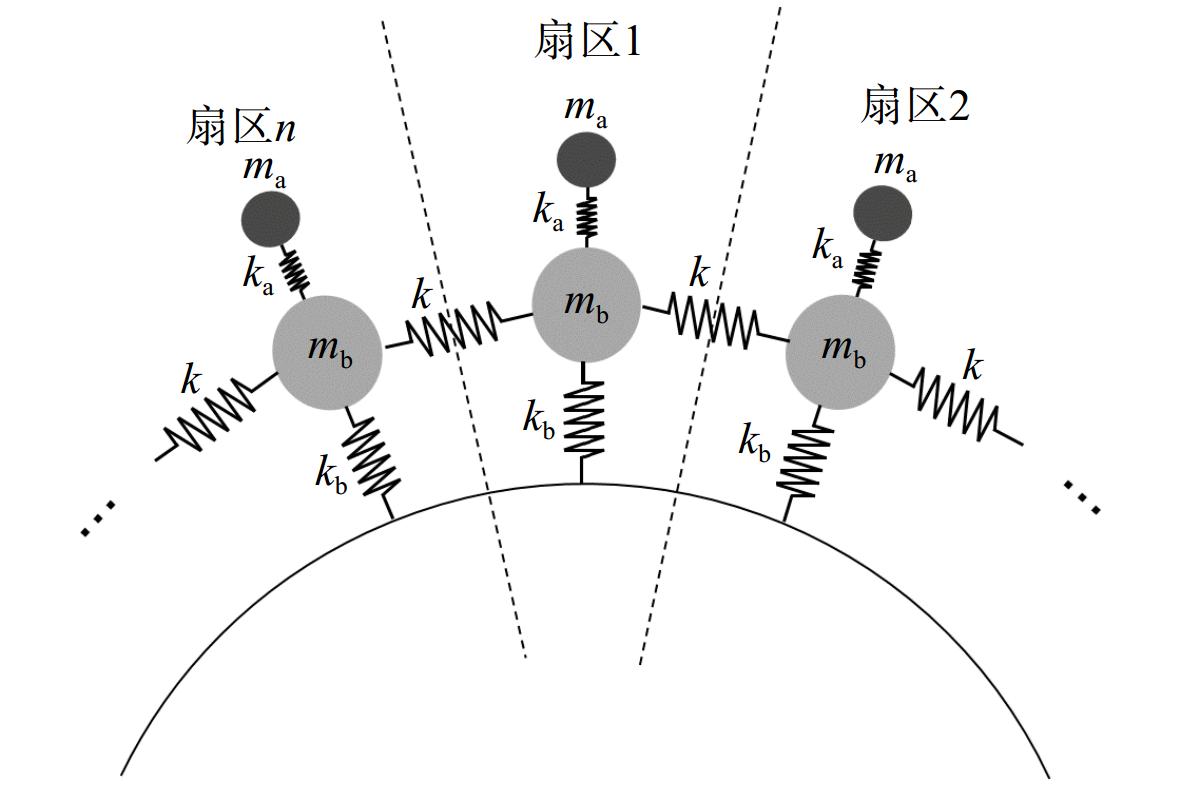
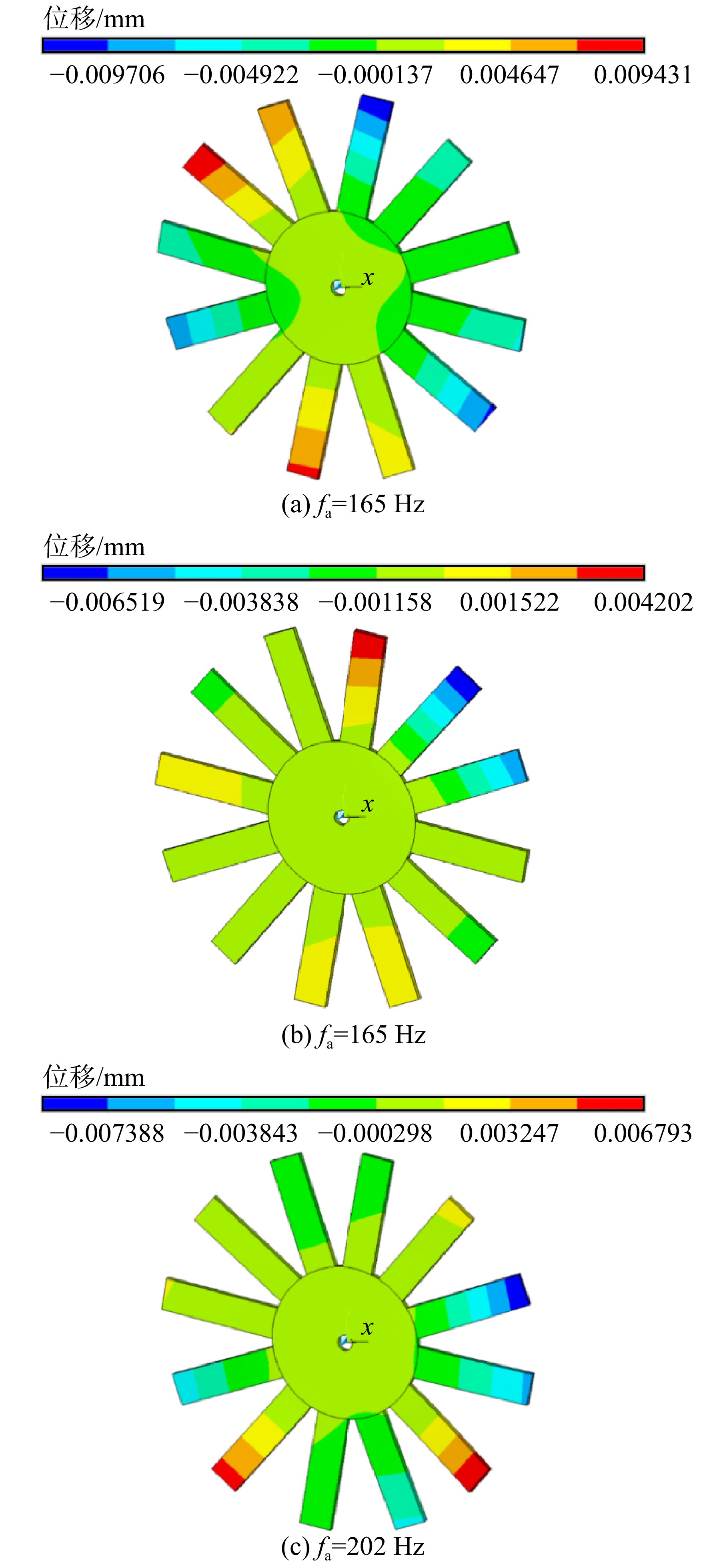
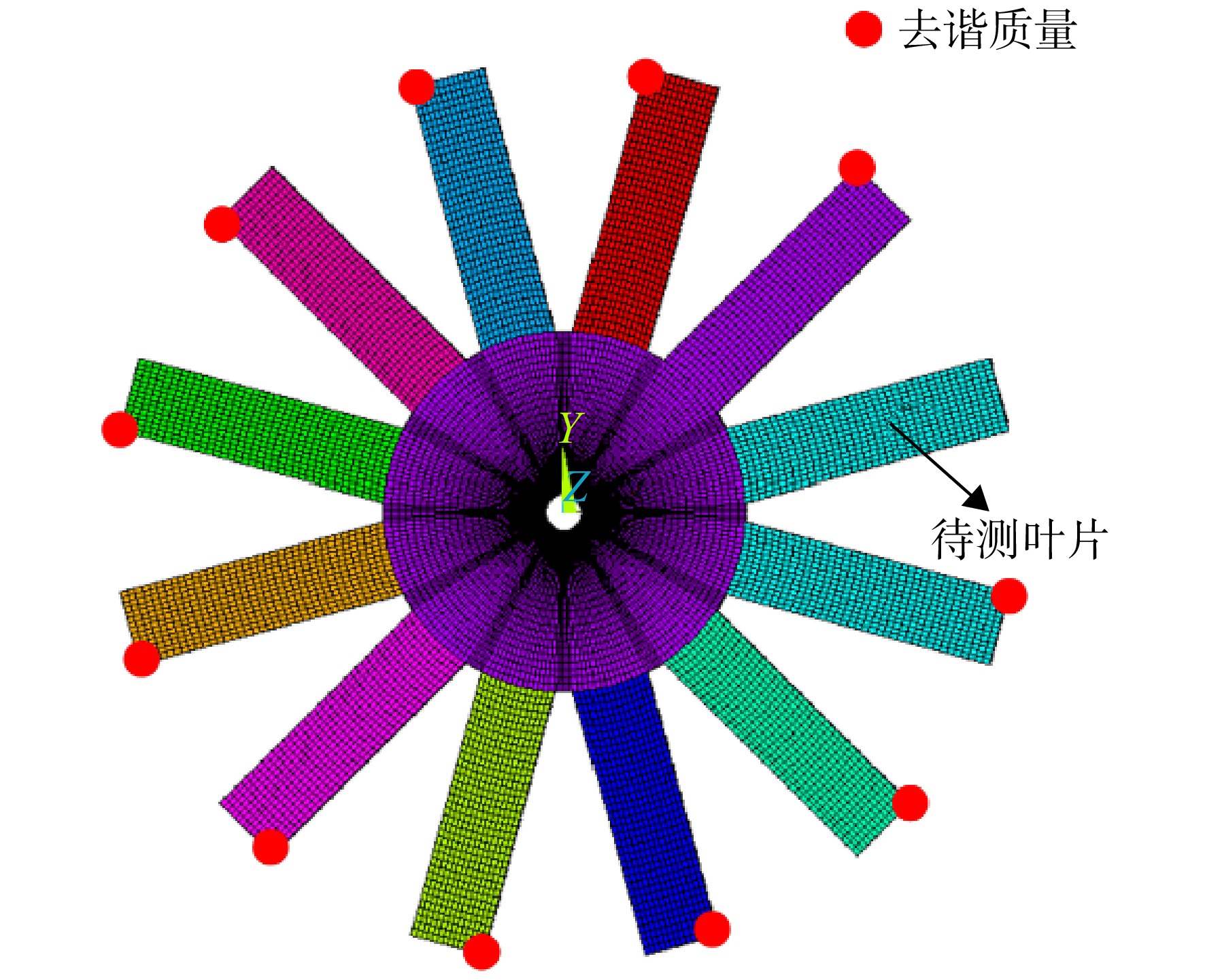
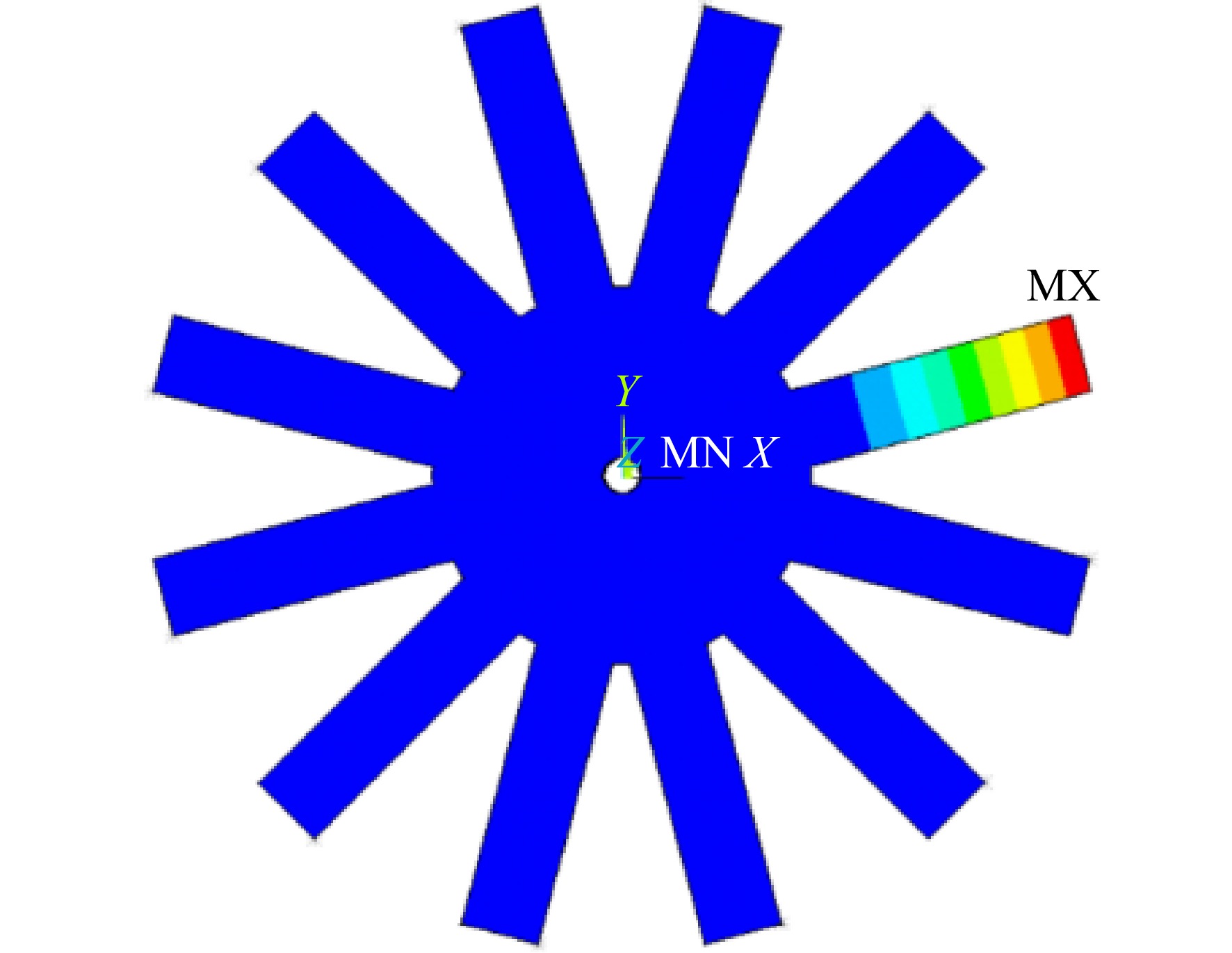
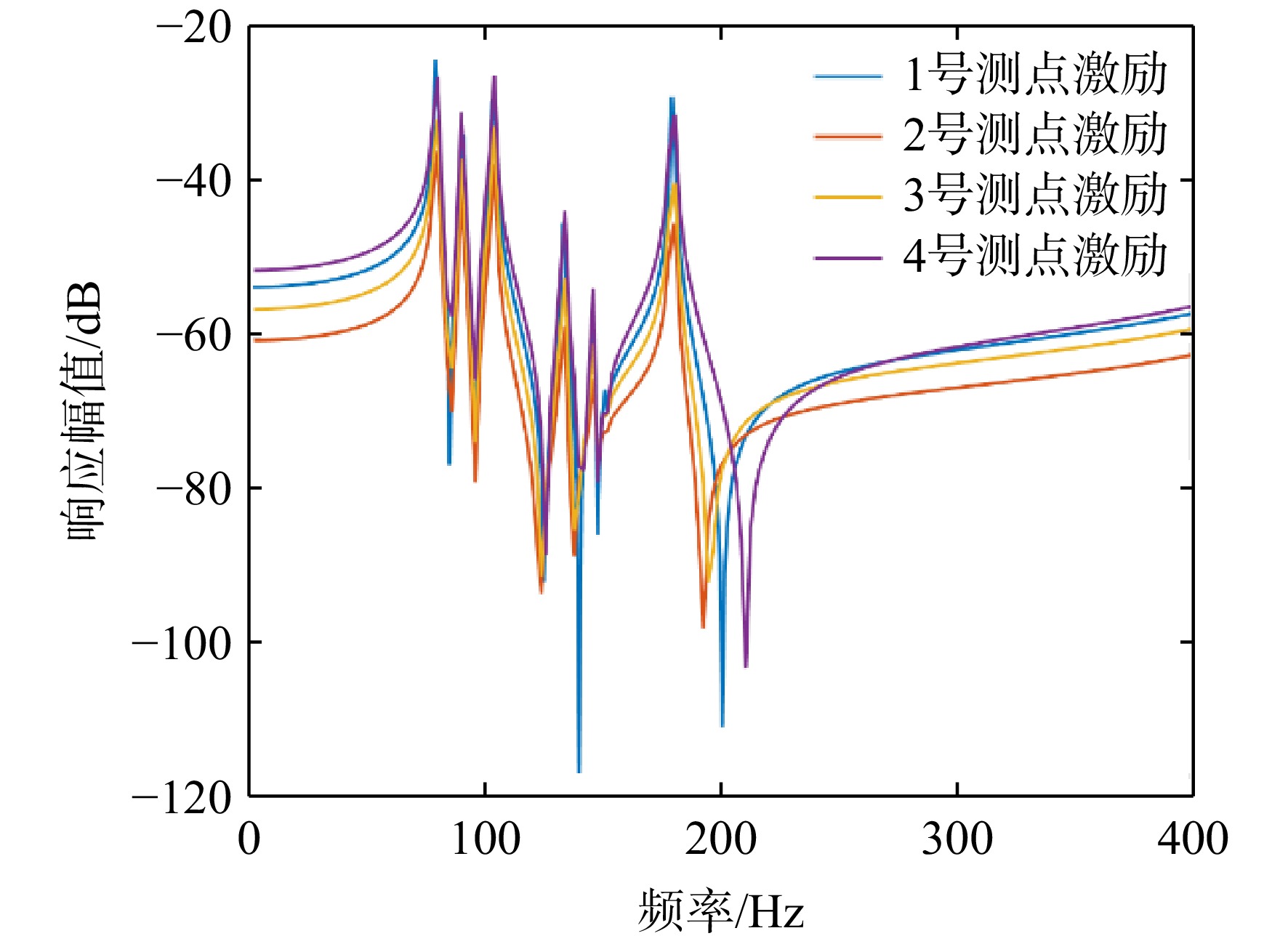
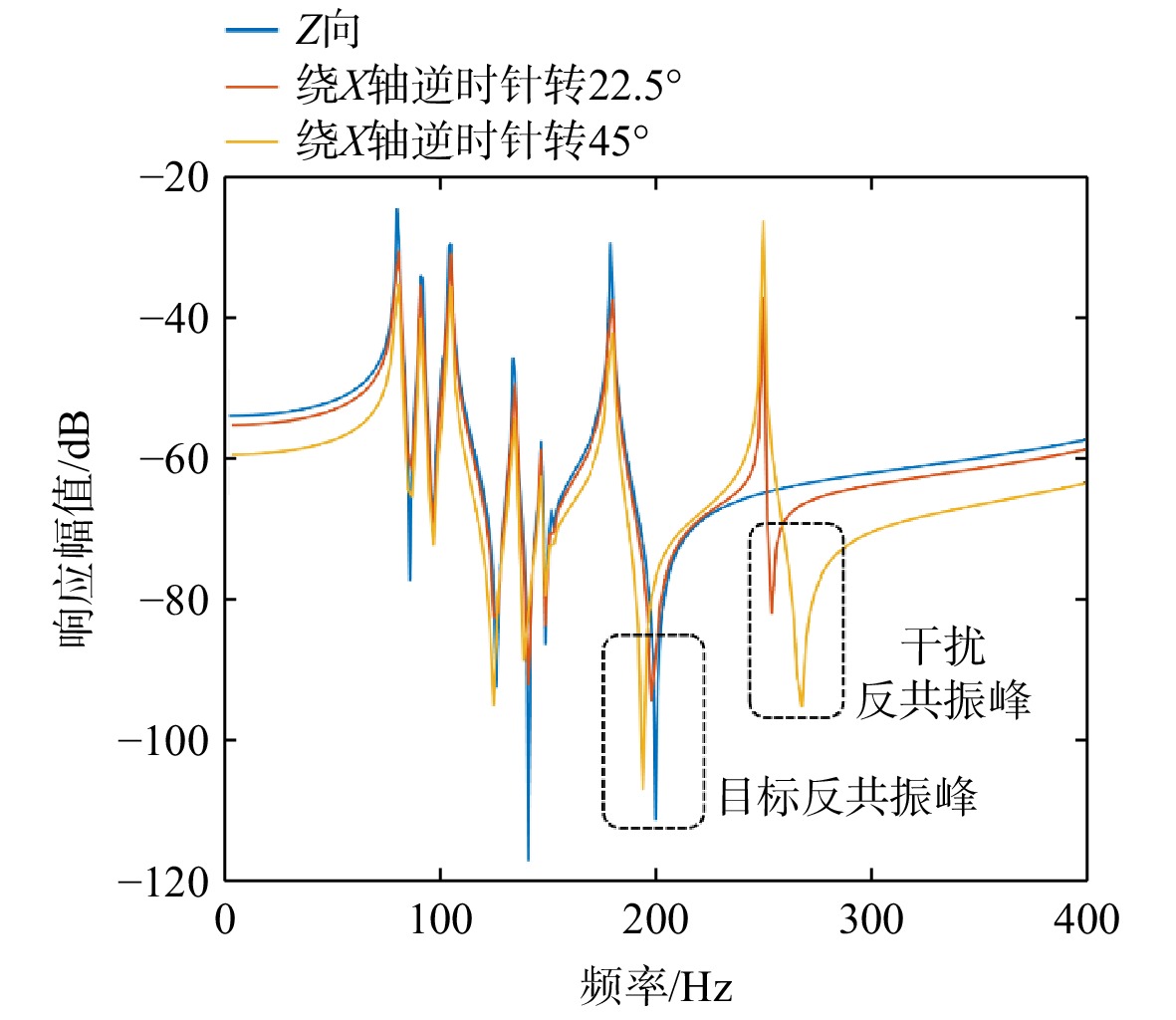
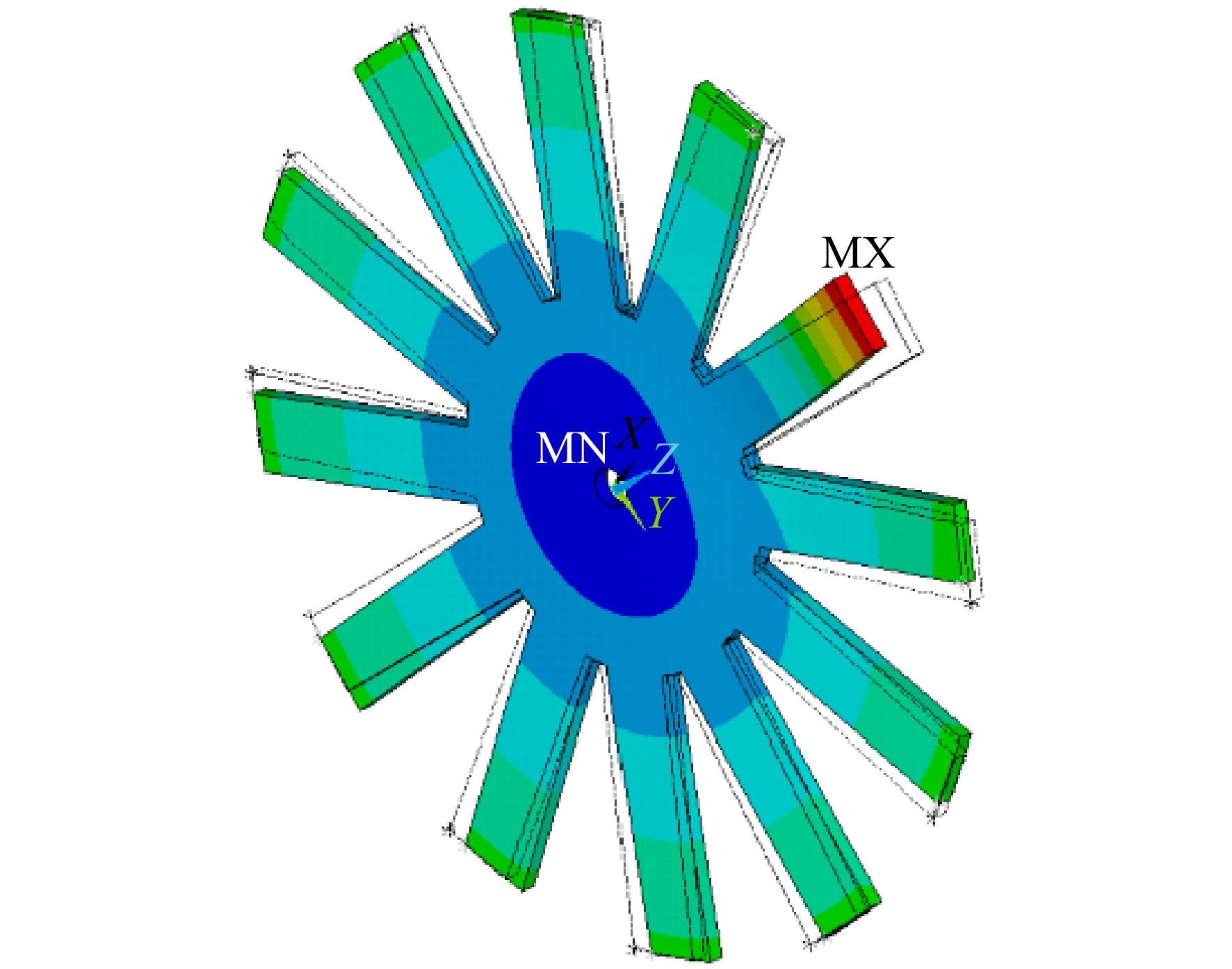
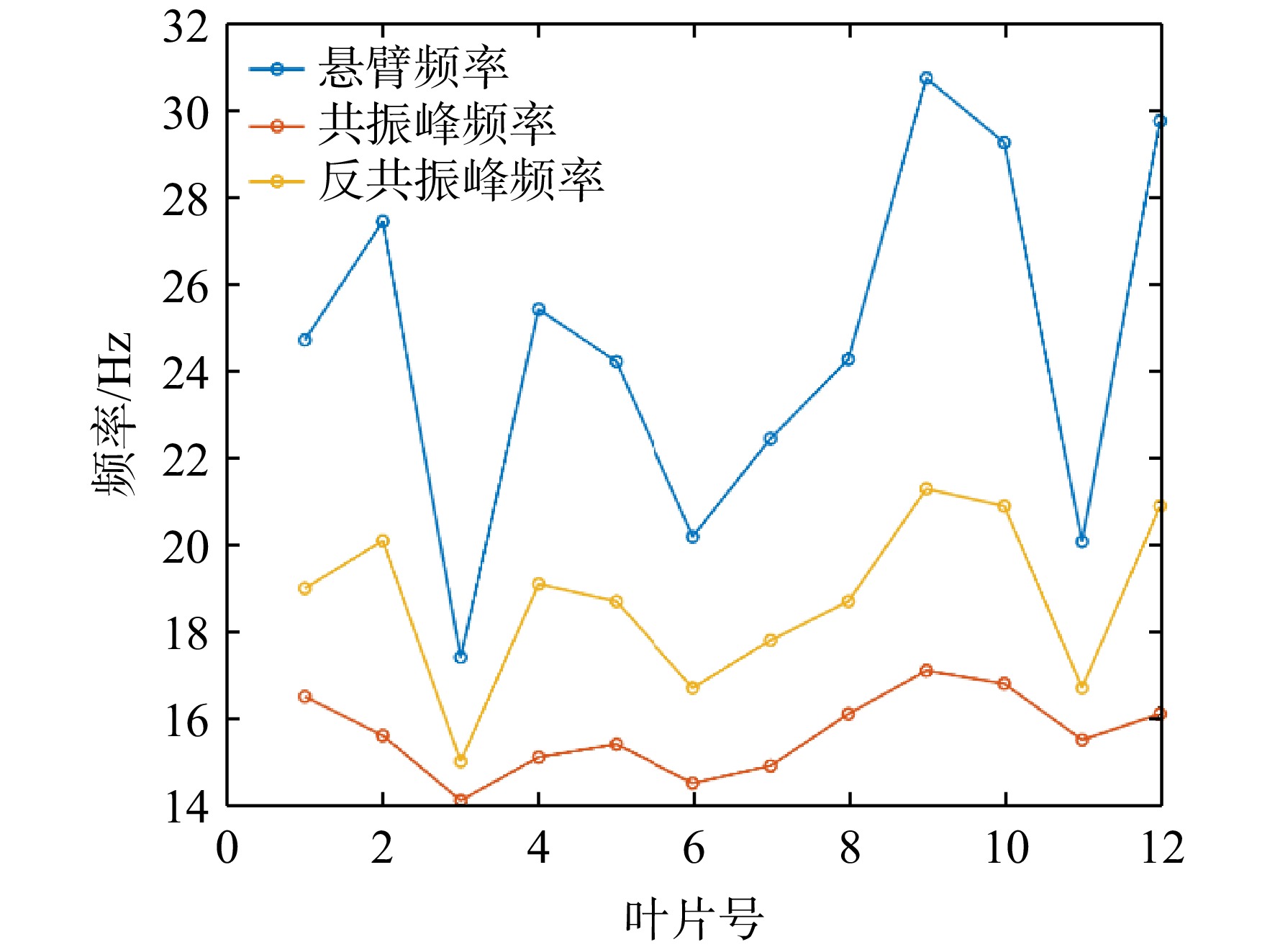
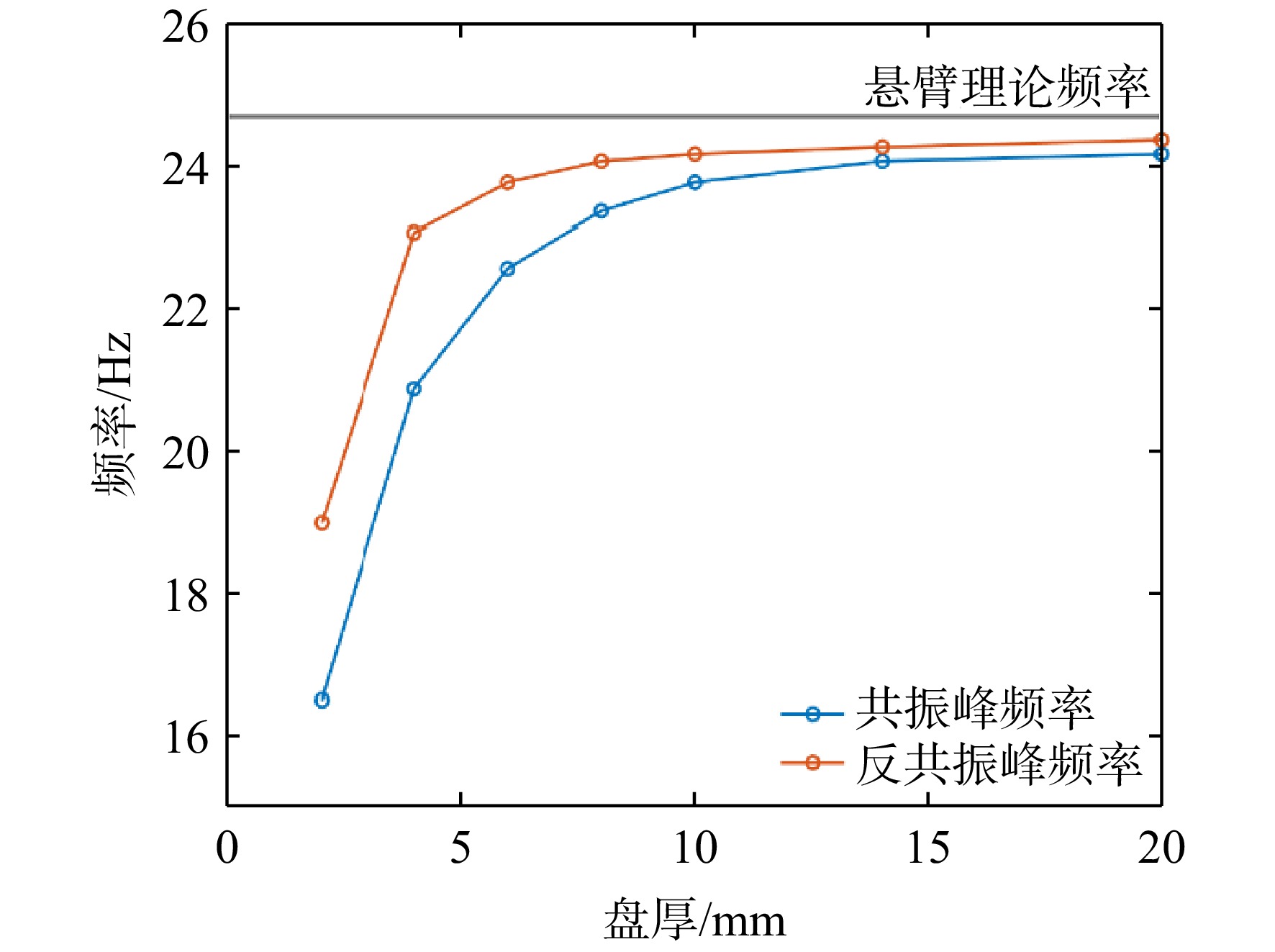
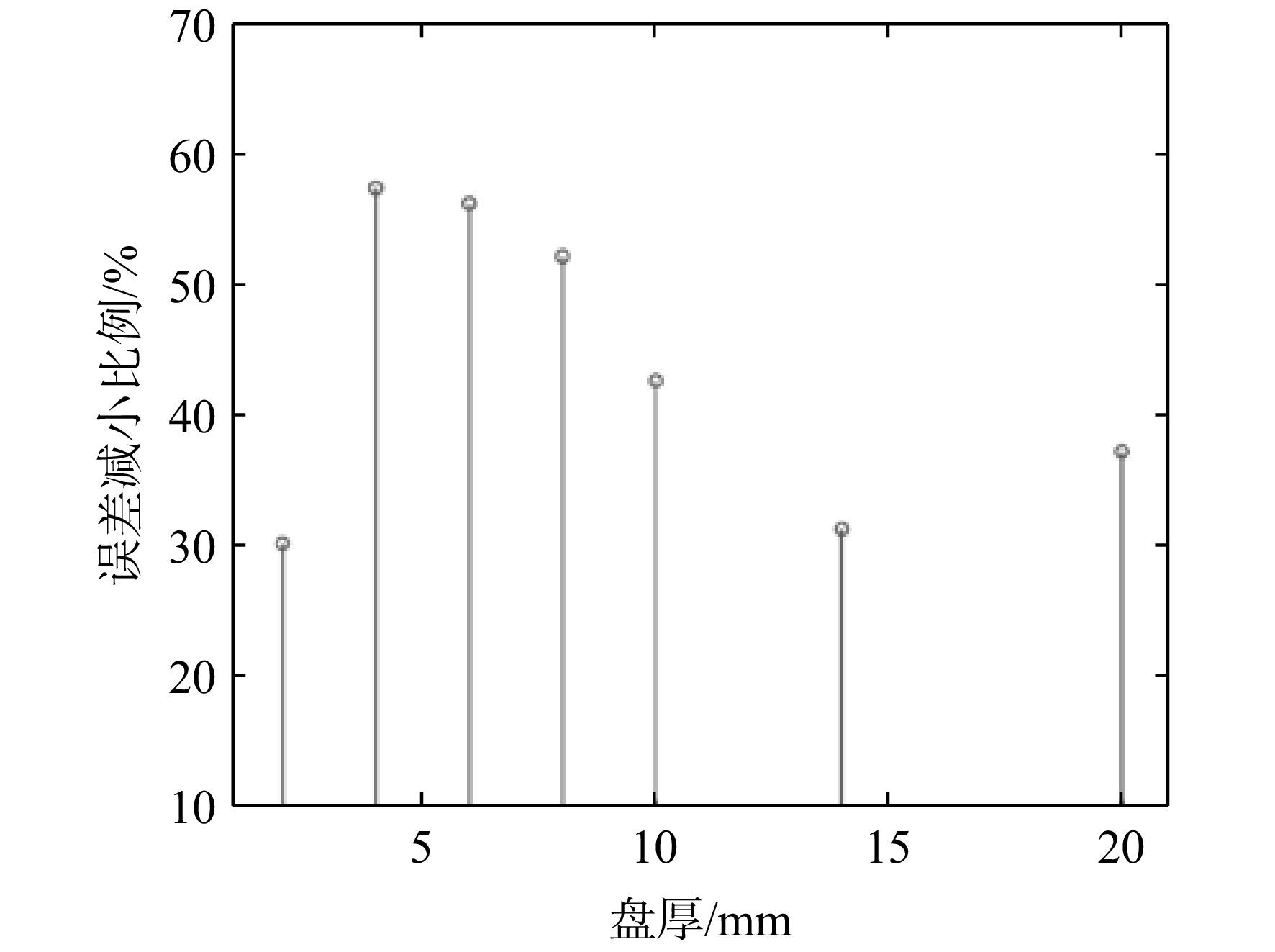
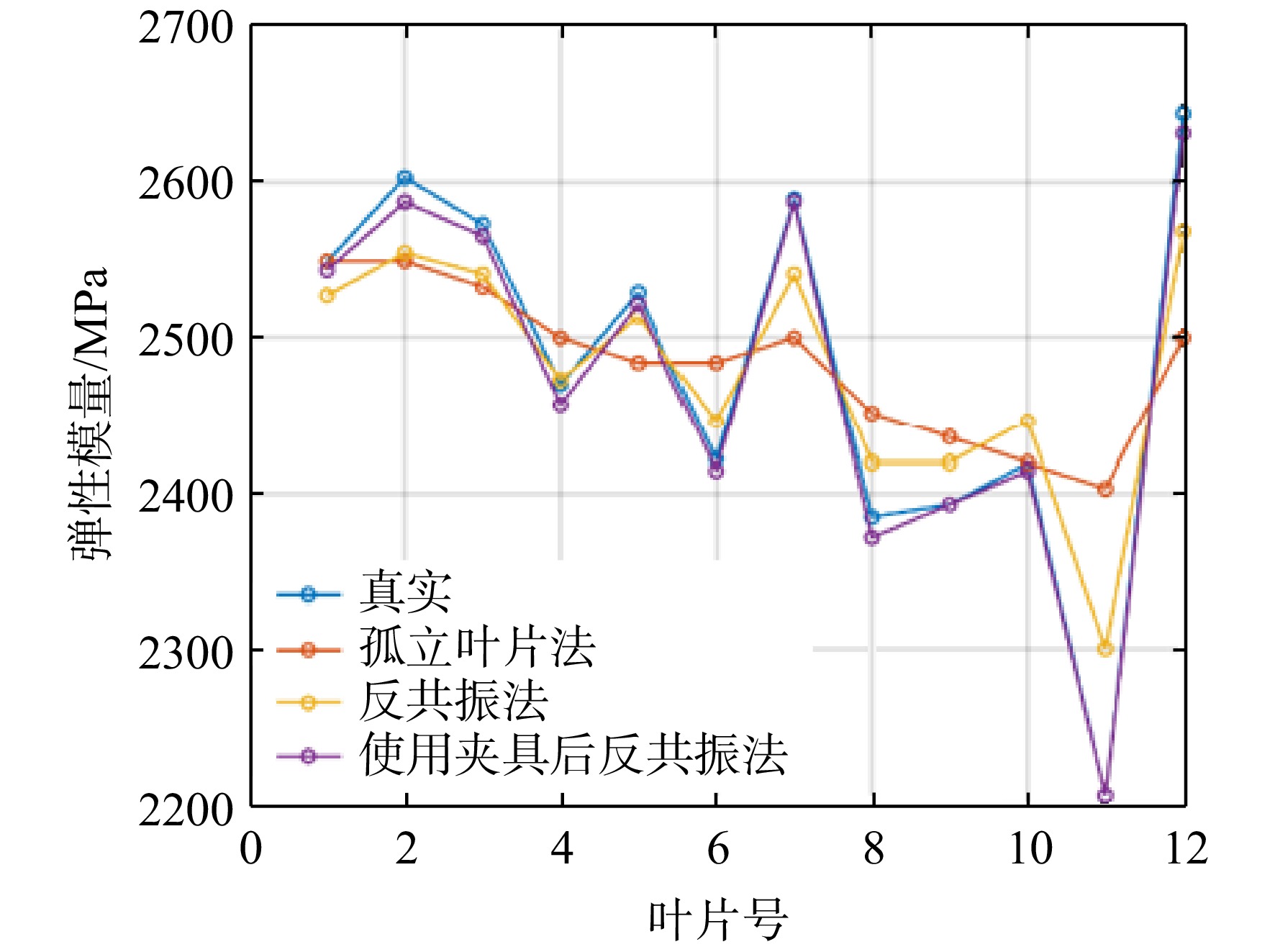
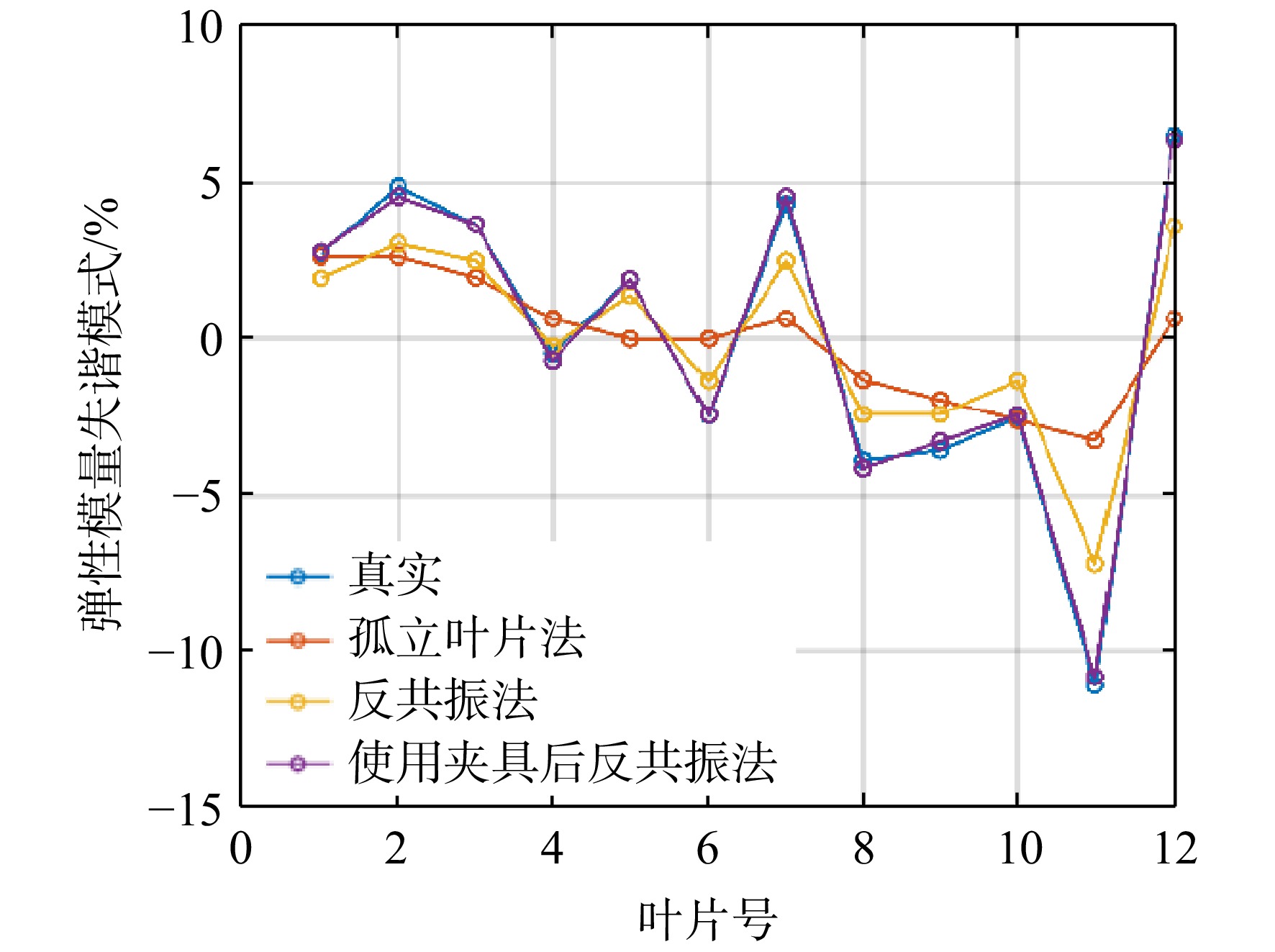
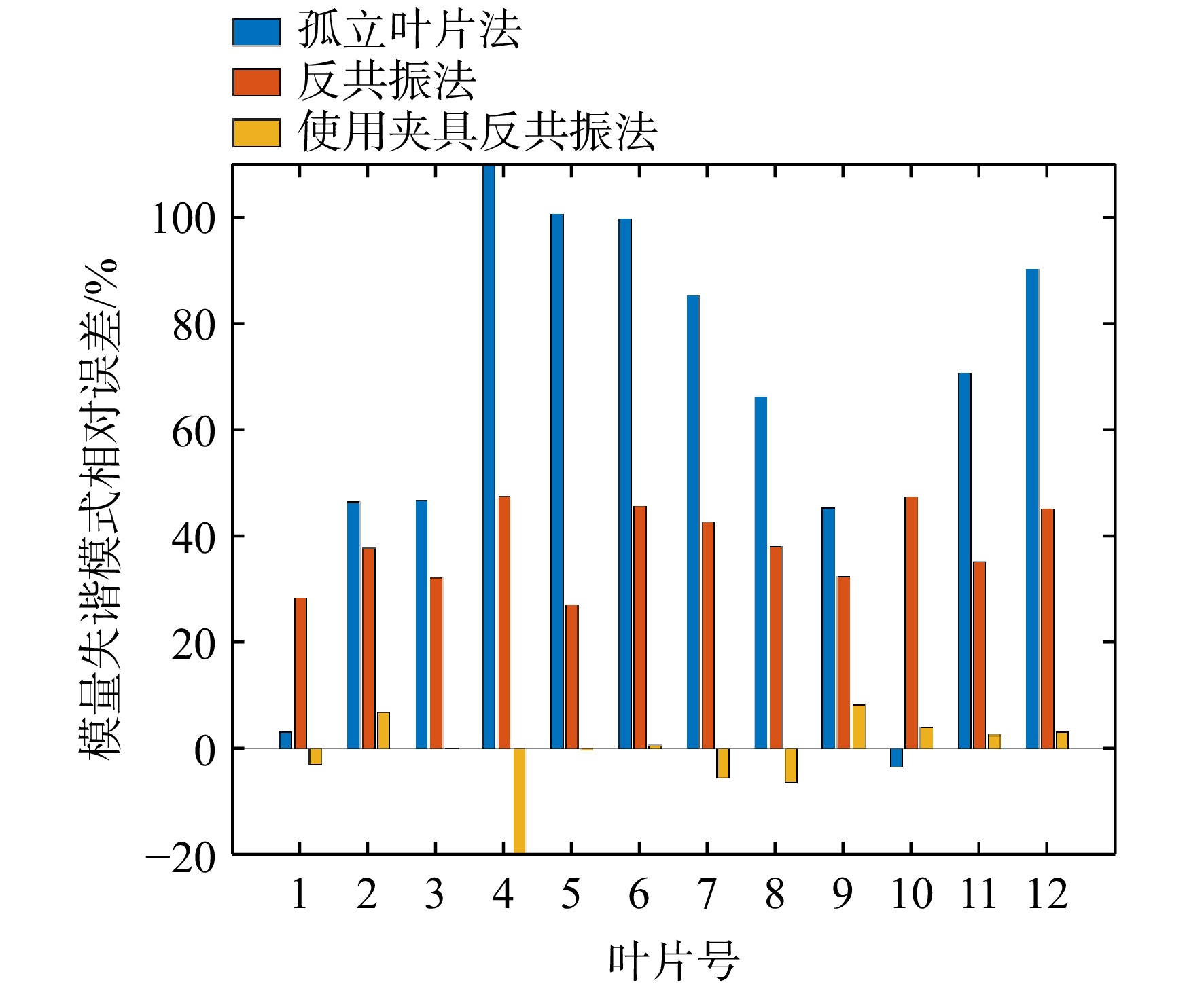
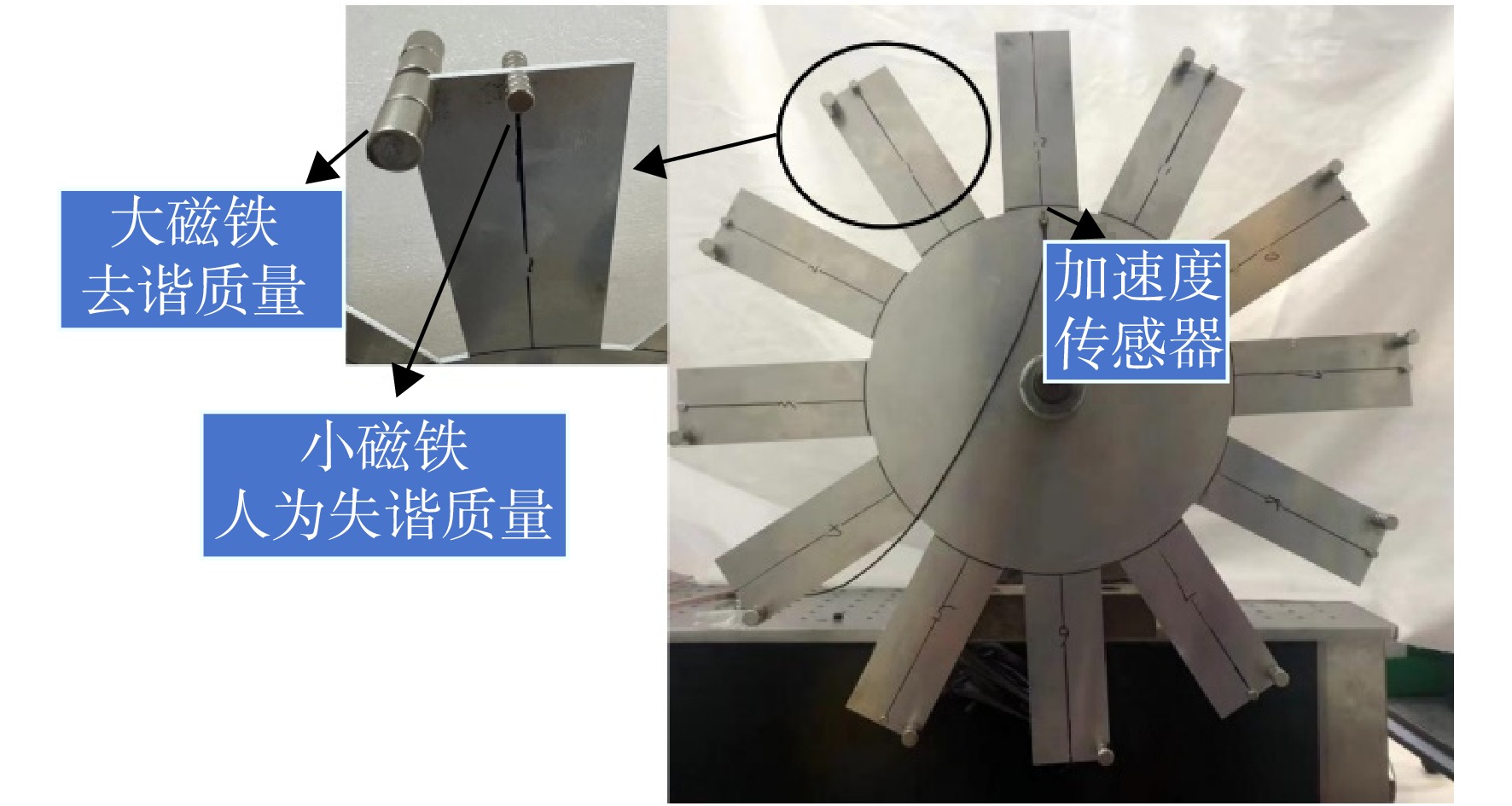
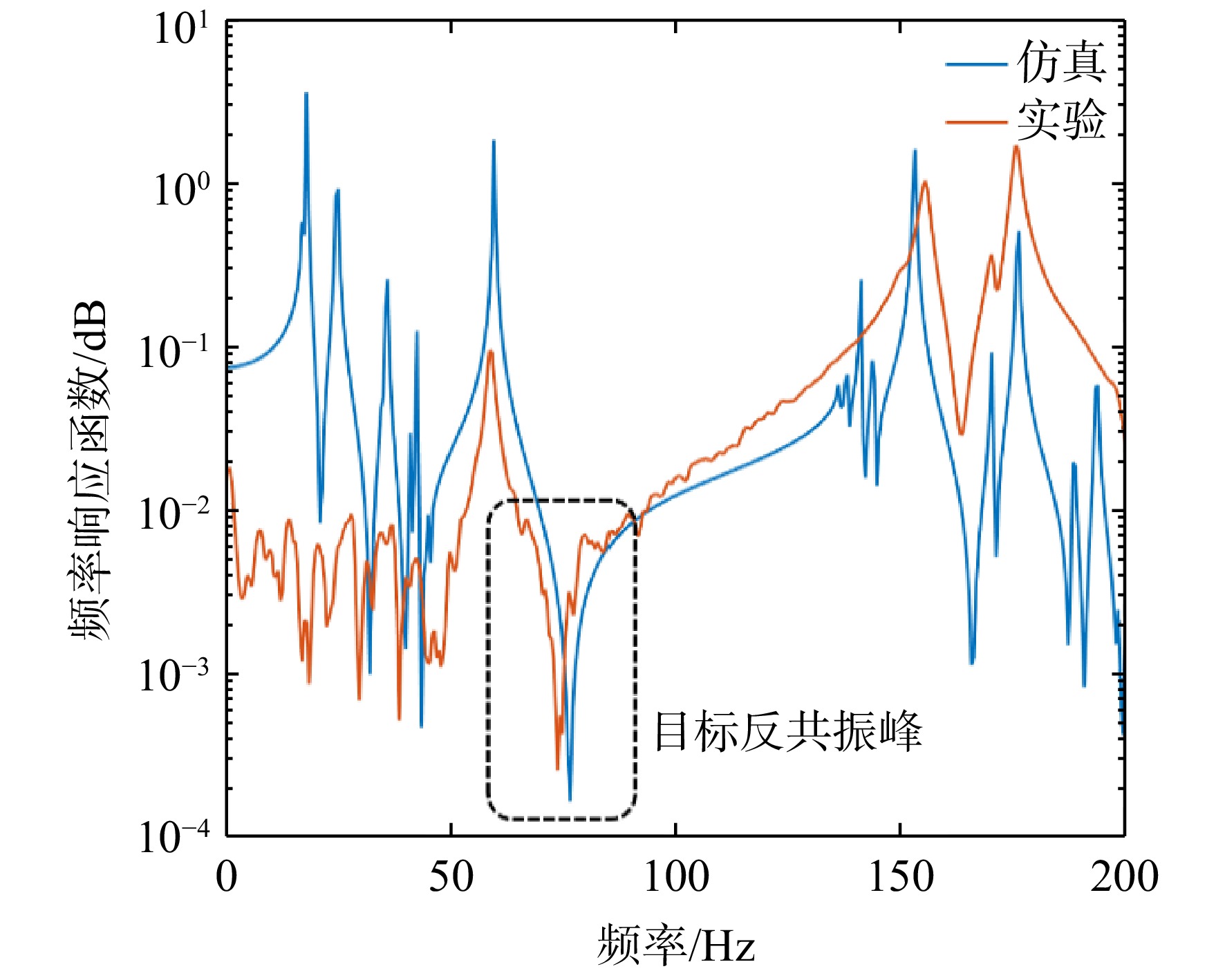
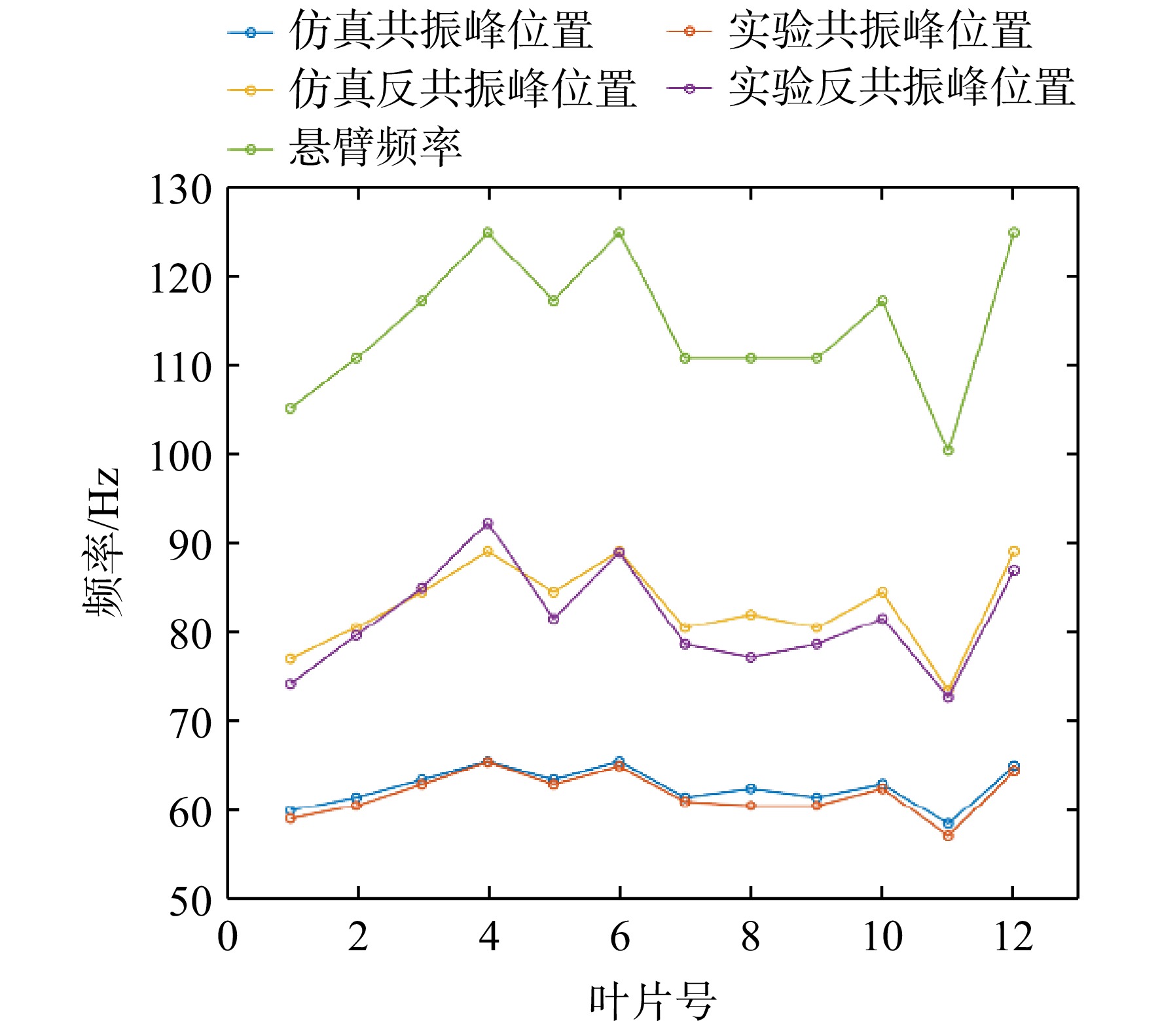
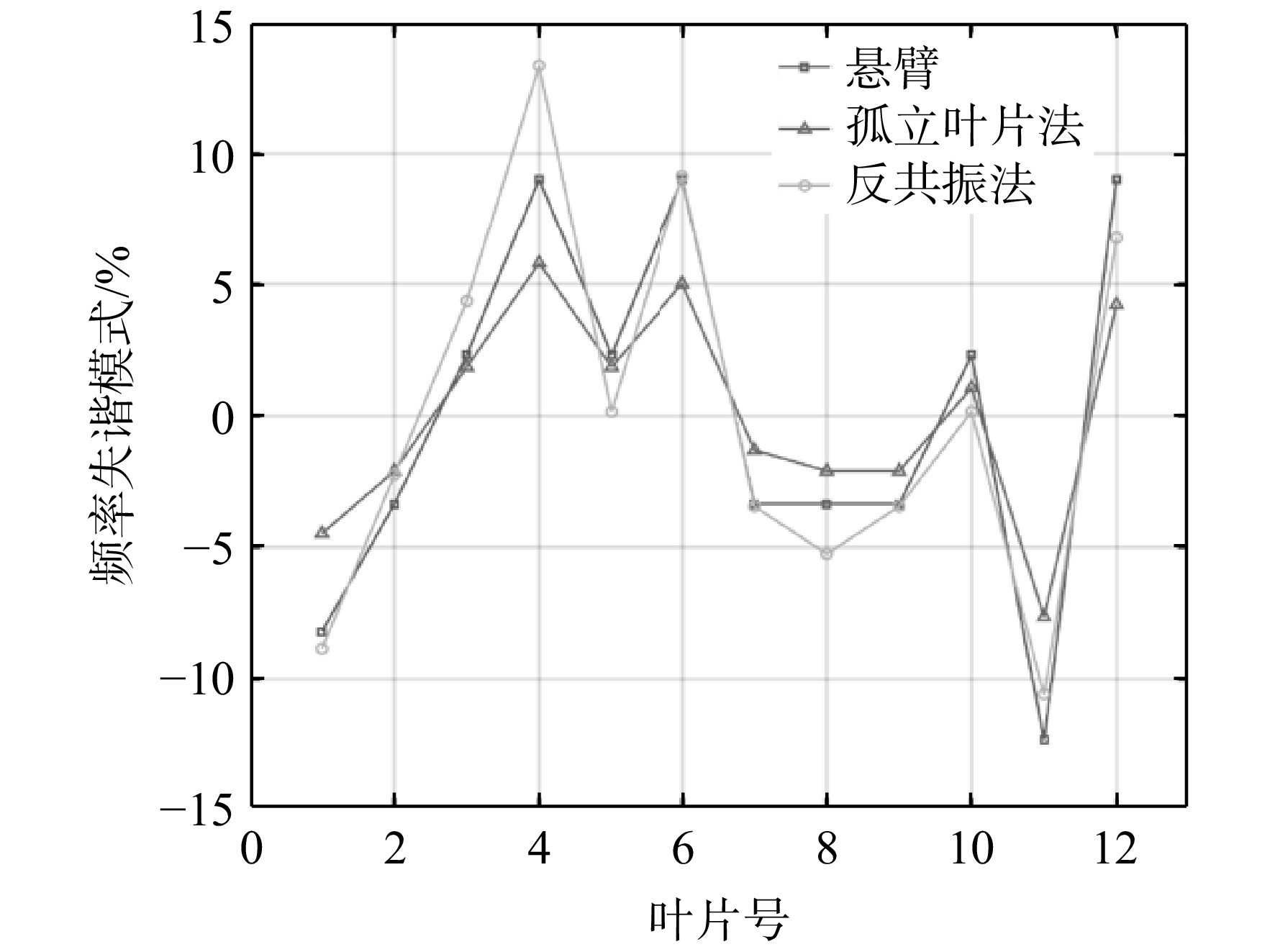
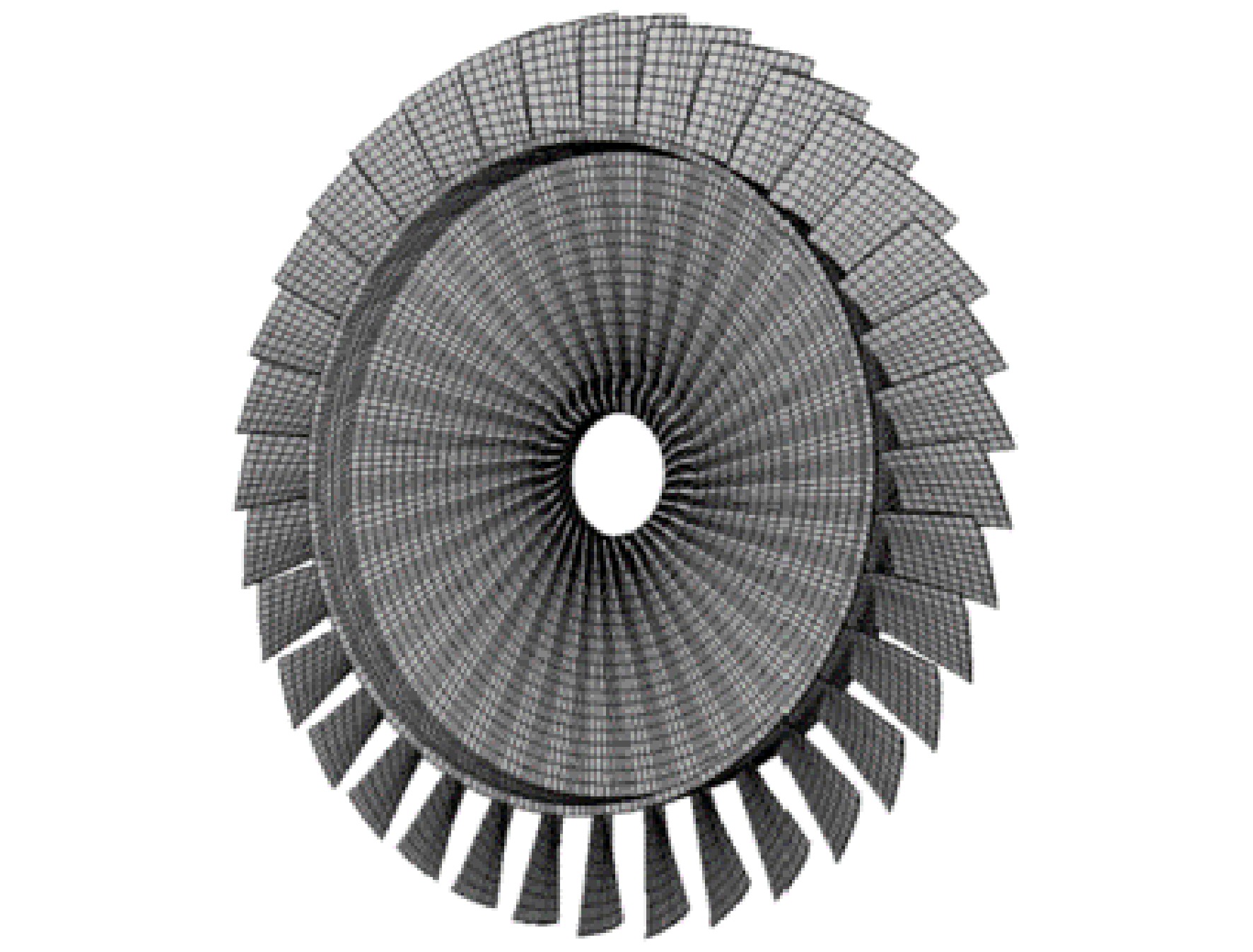
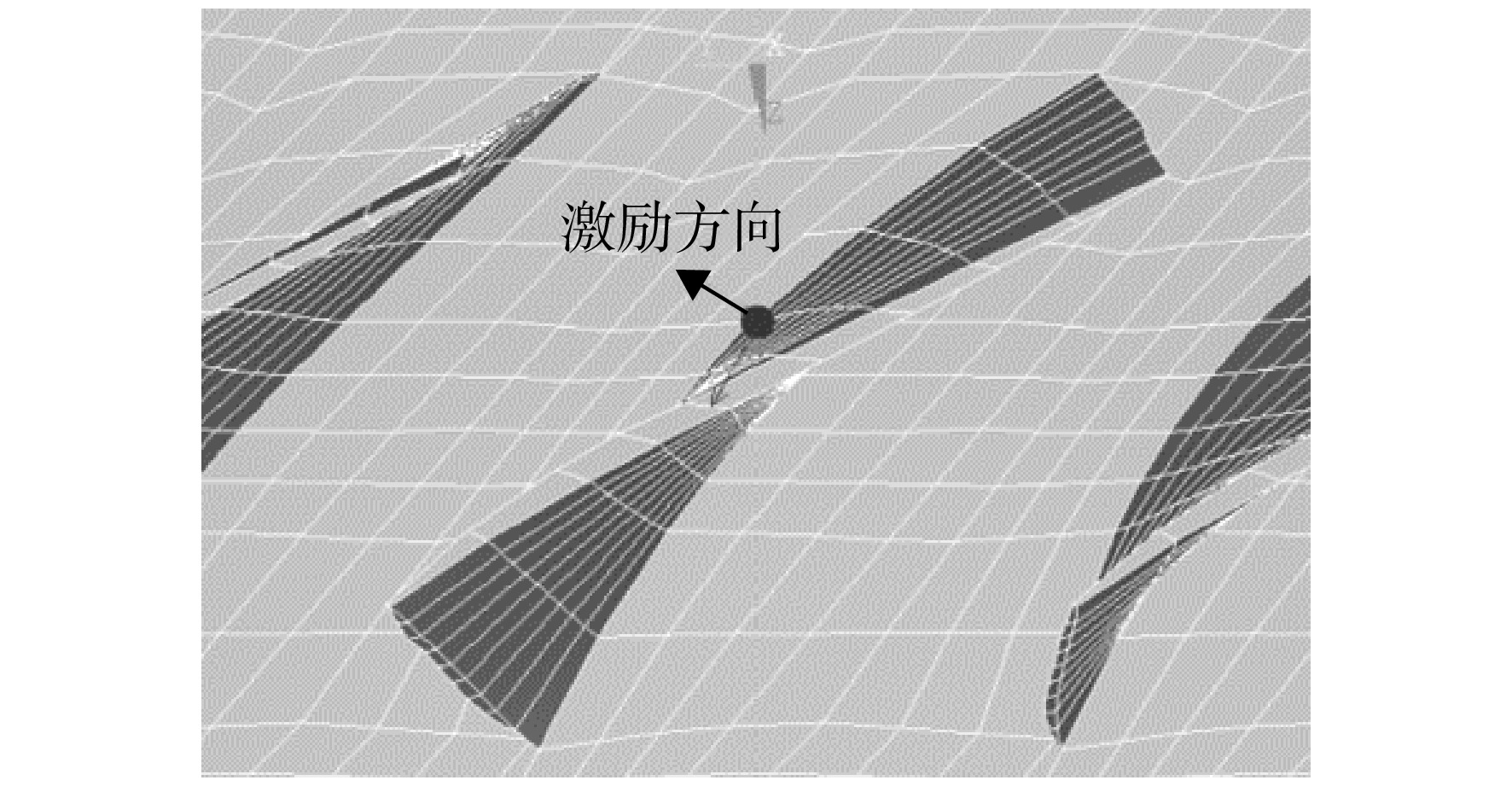
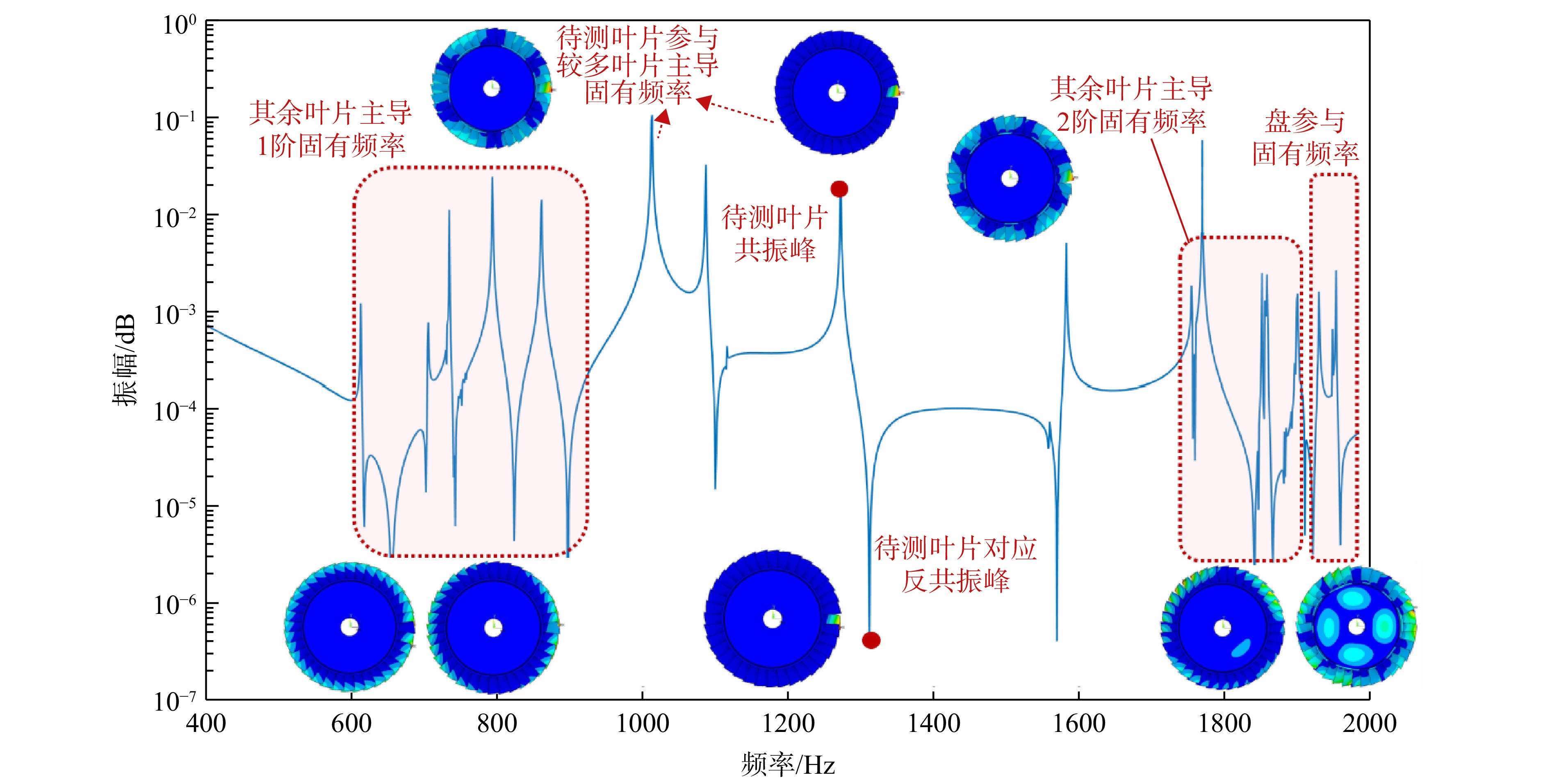
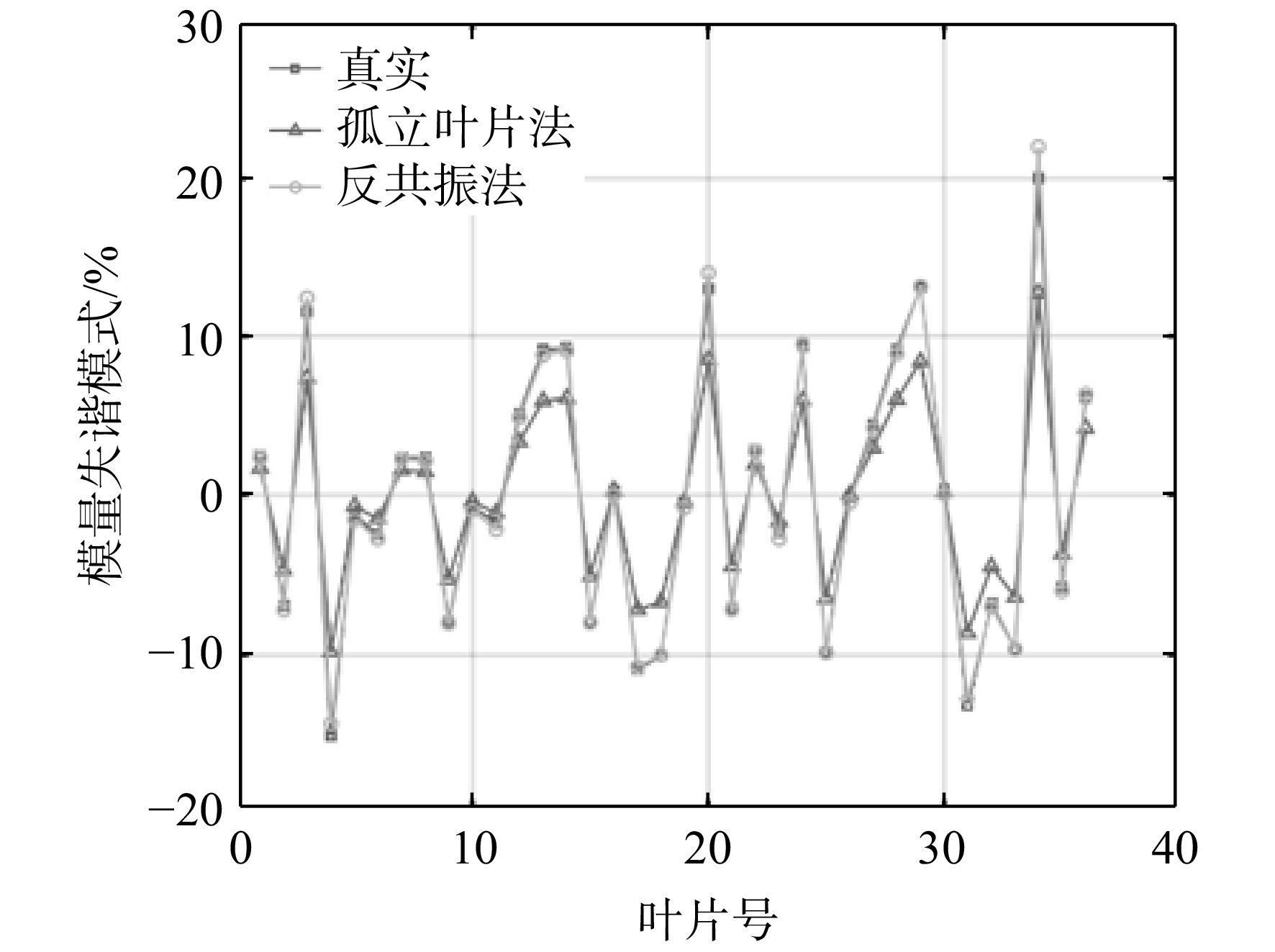
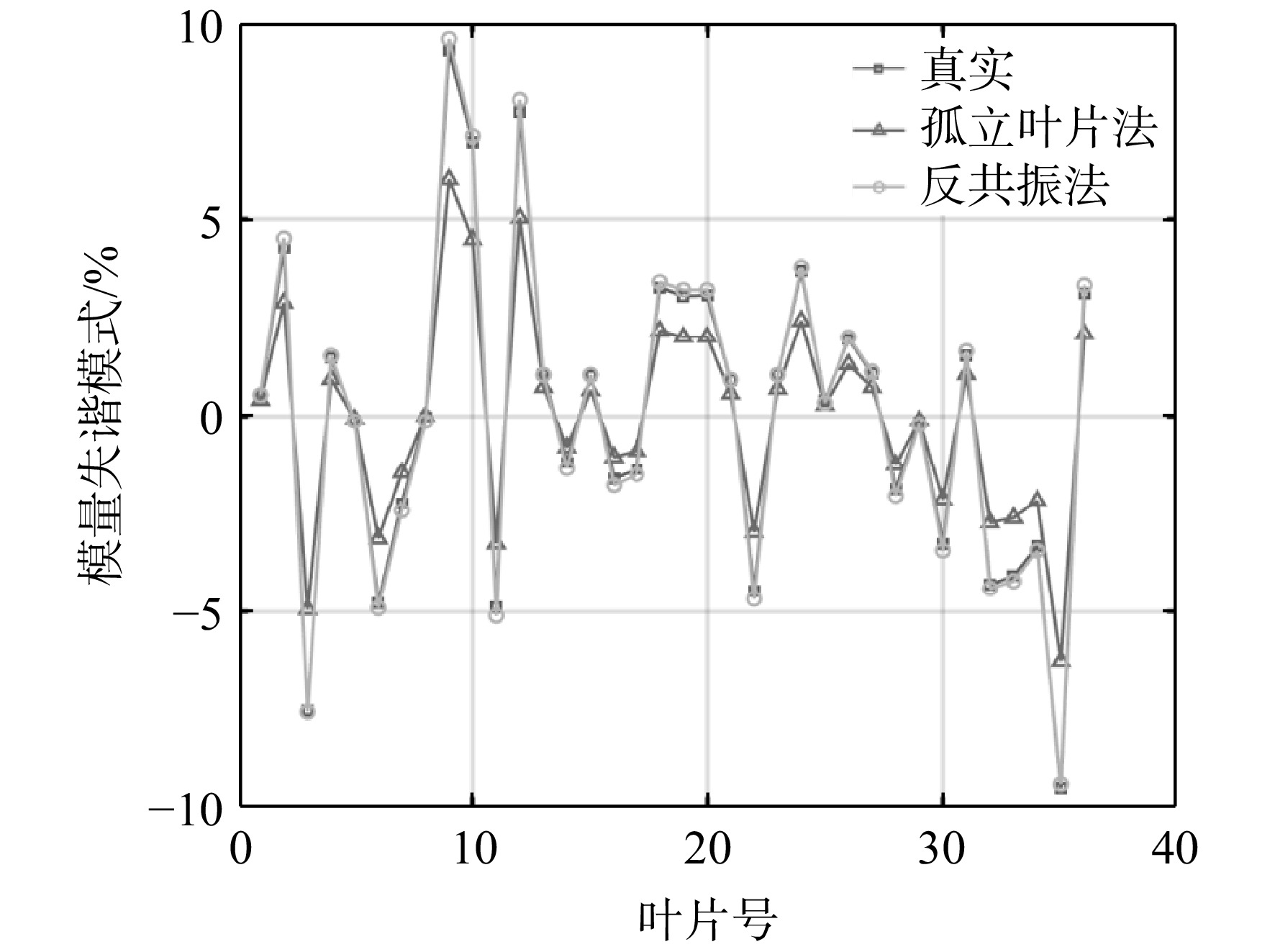
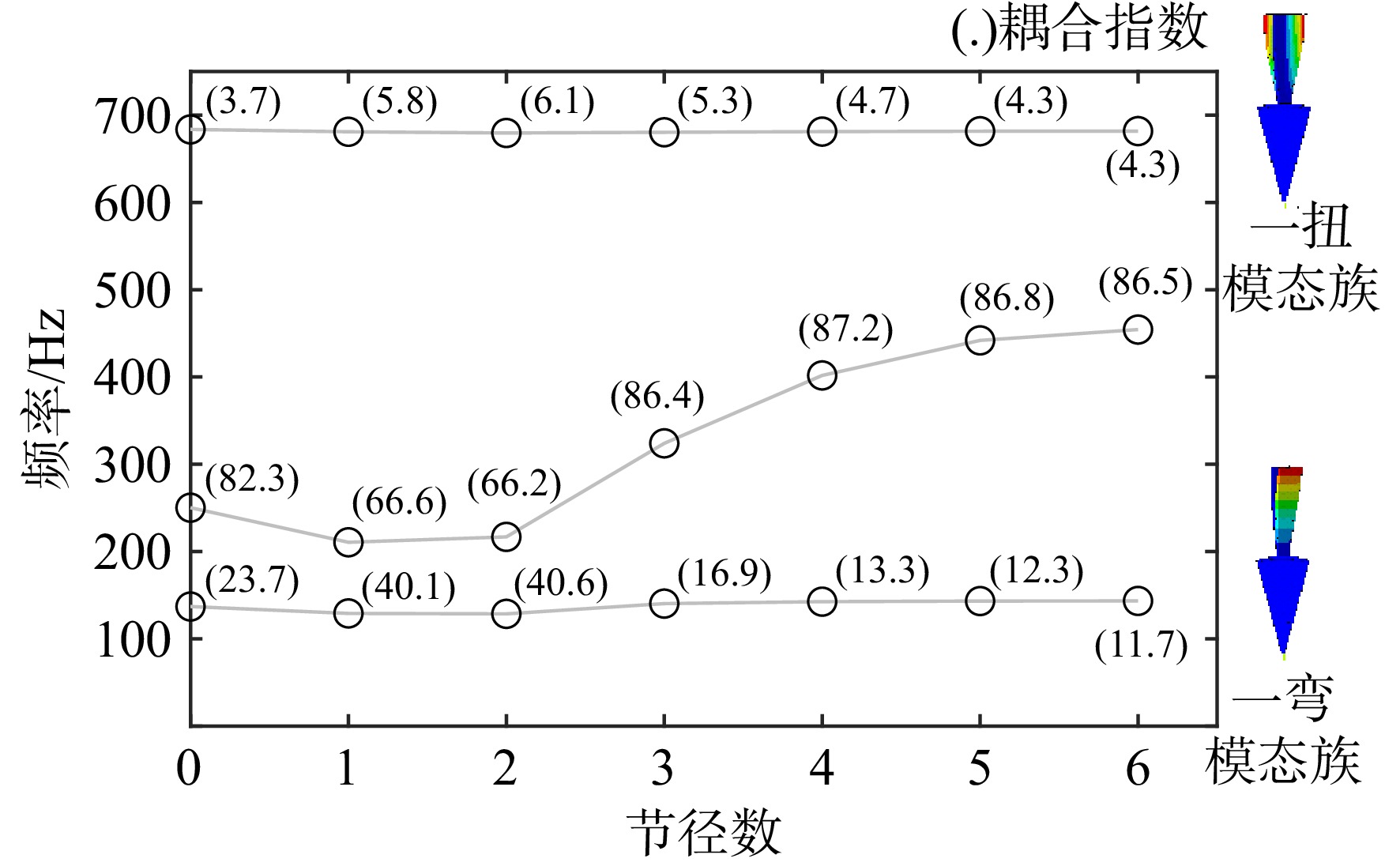
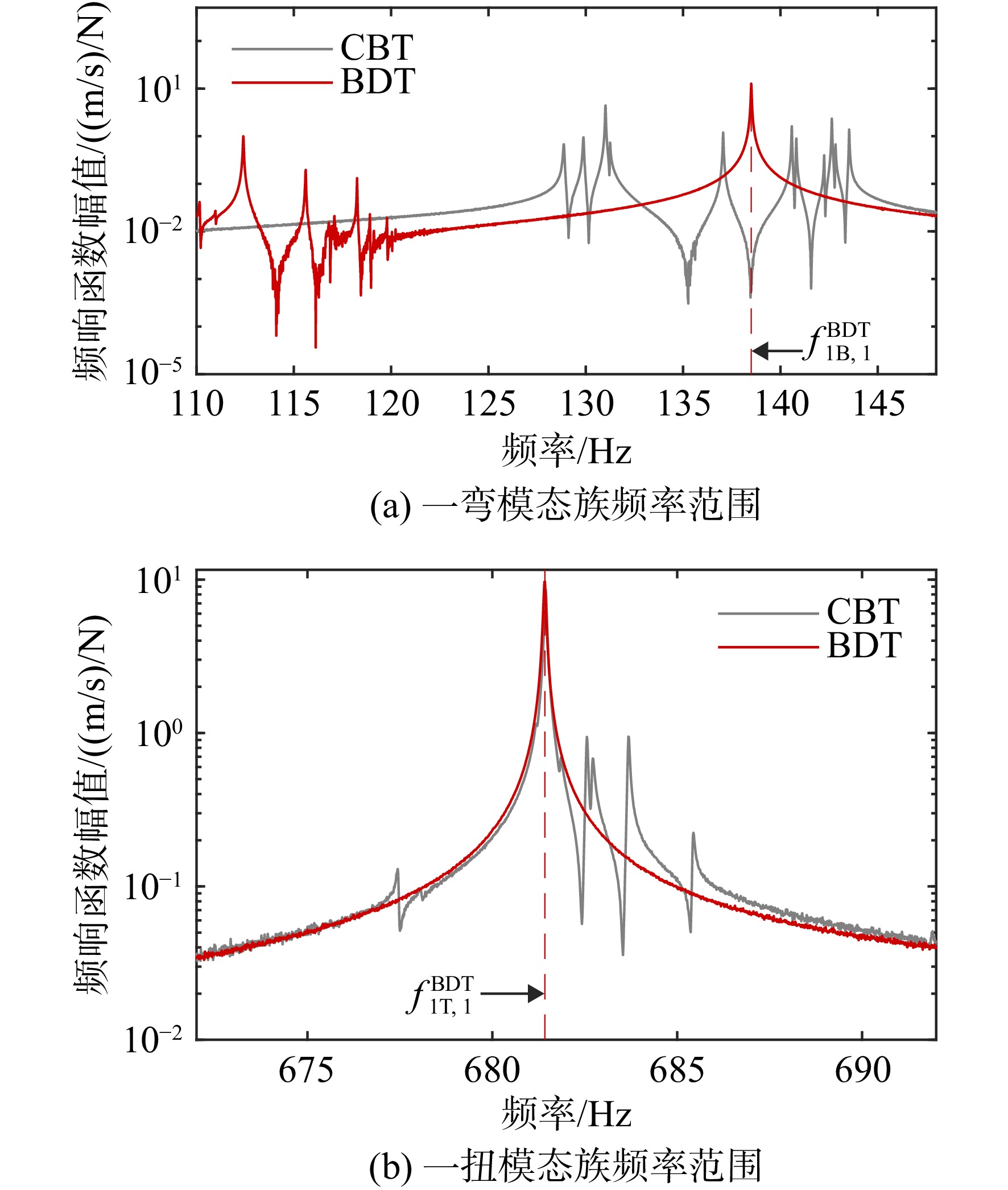
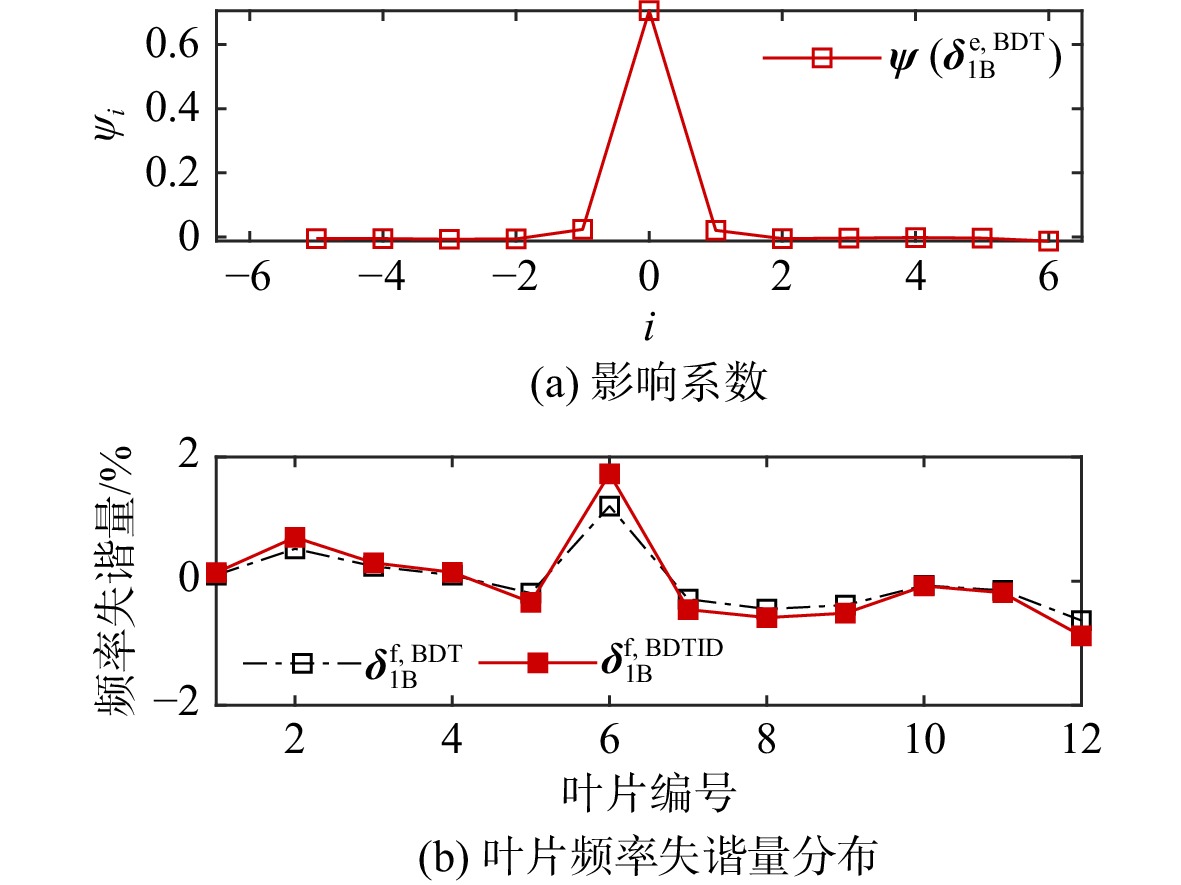
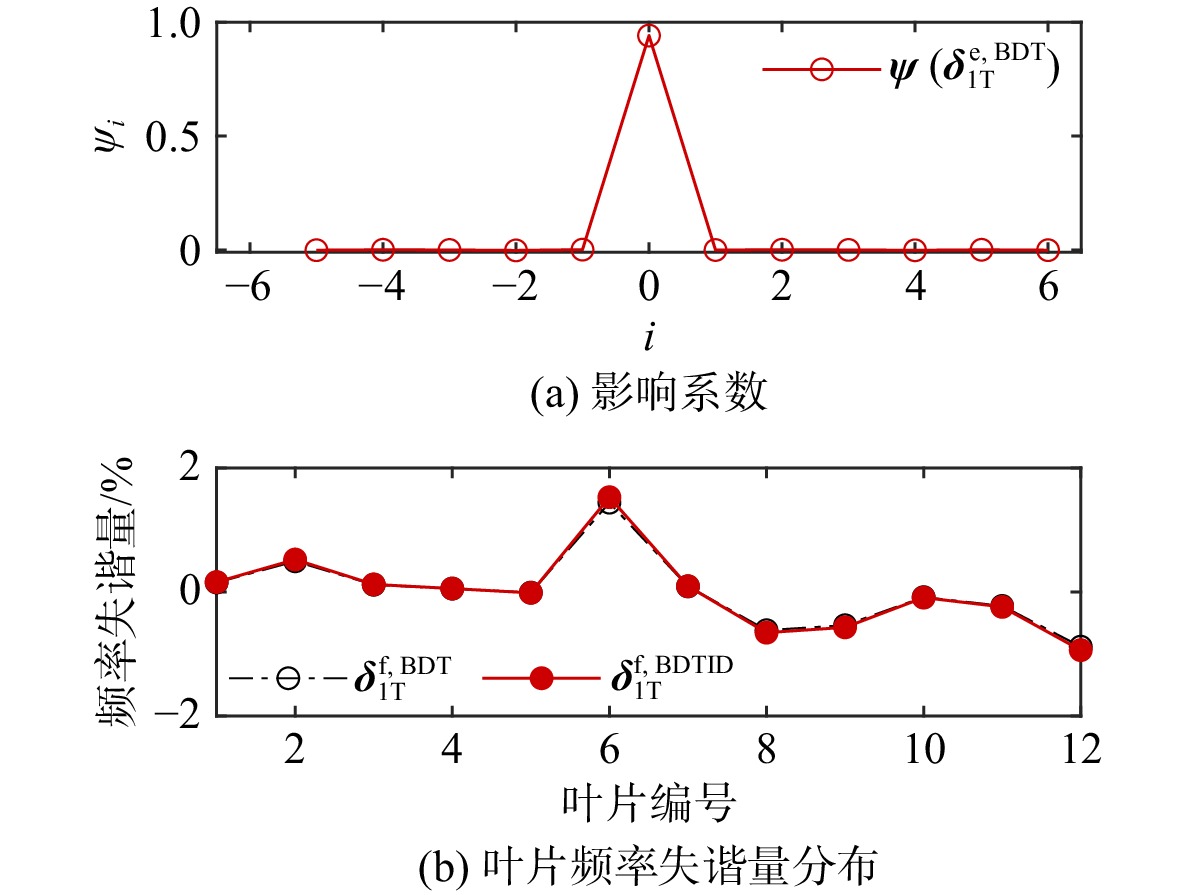
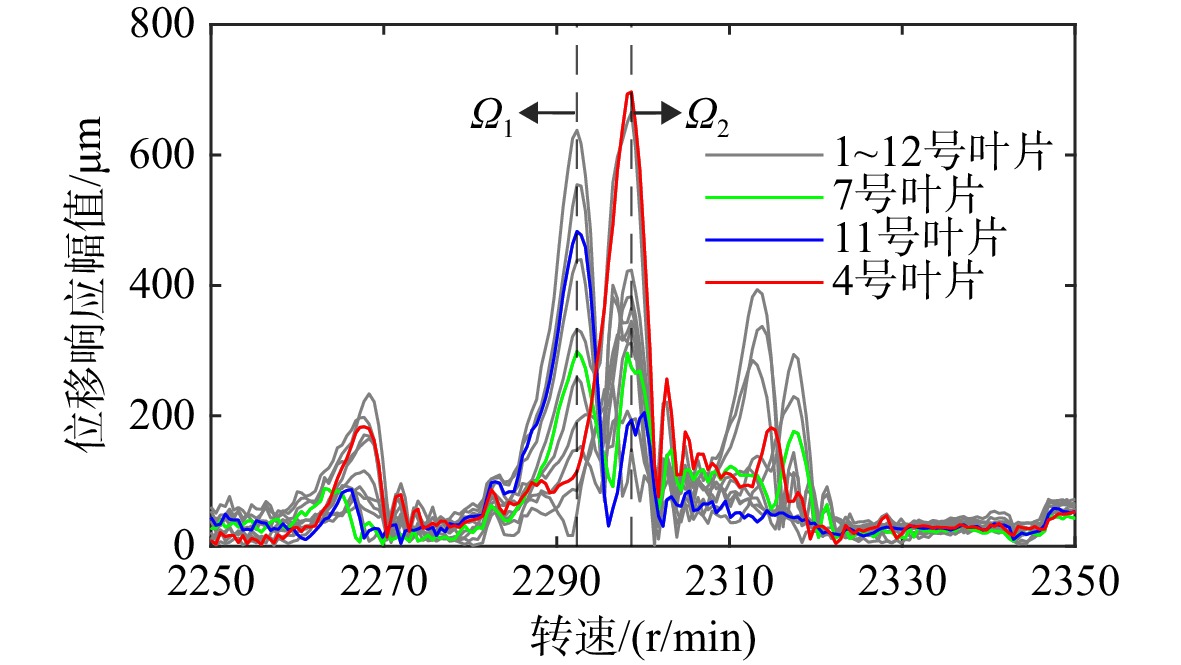
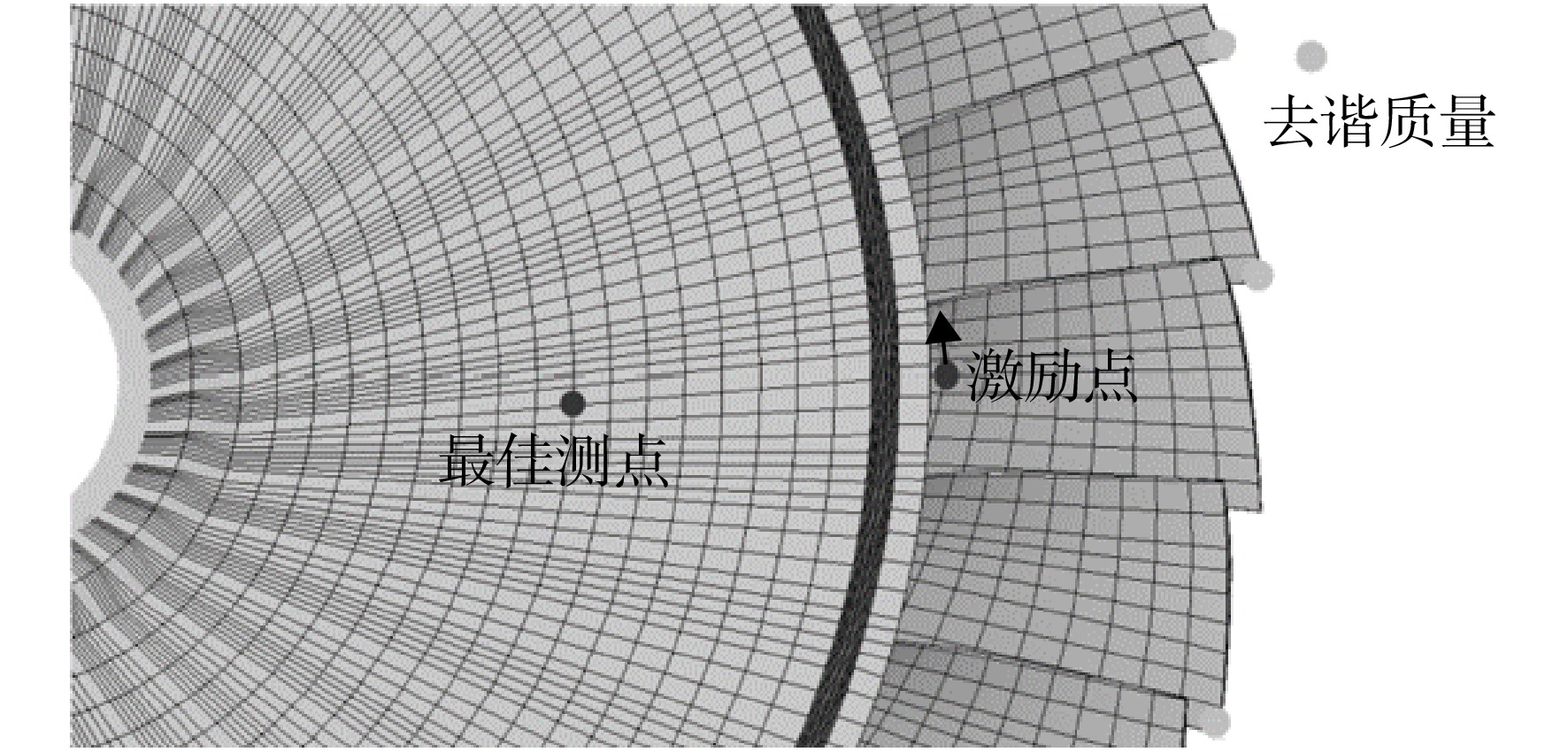
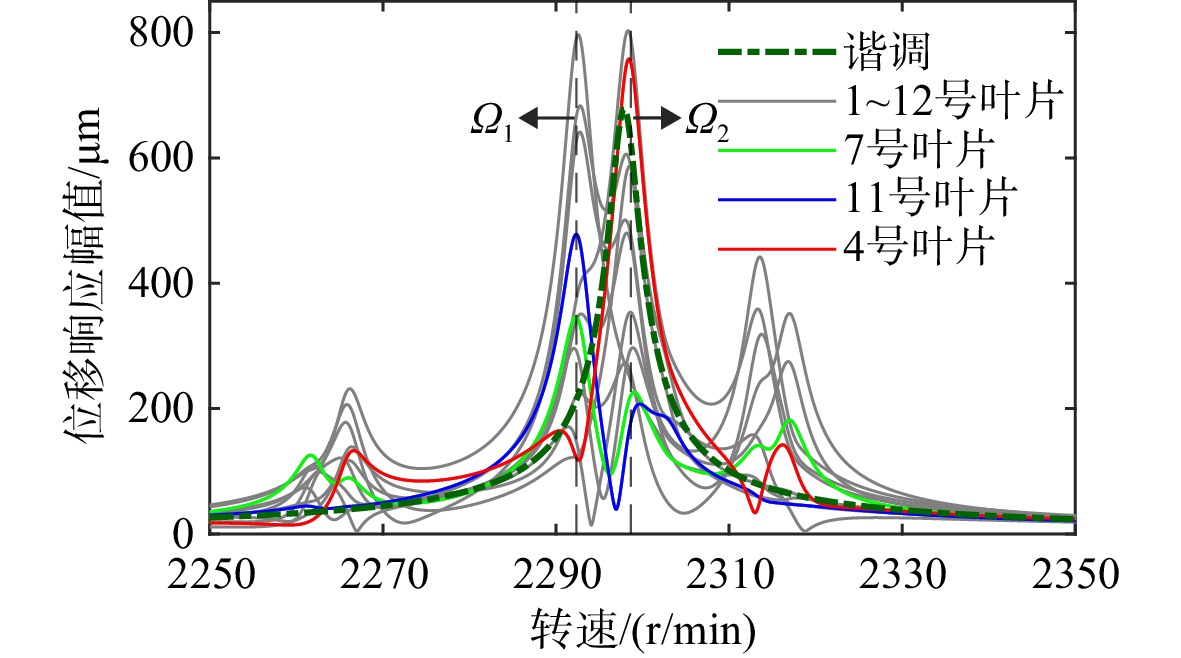
An integrally bladed disk under the influence of mistuning would produce a response amplification phenomenon that might lead to high-cycle fatigue damage. To accurately predict the dynamic characteristics of the mistuned bladed disk, the mistuning modes should be precisely identified. A mistuning identification method based on the anti-resonance characteristics of the bladed disk was proposed, which provided a new solution to the mistuning identification problem. With this method, the mistuning amount of the blade was obtained by measuring the anti-resonance peaks of the bladed disk. The cantilever frequencies of the blades were characterized by the anti-resonance peak, which was independent of the main structure. The new method was less affected by the coupling between sectors, and had higher theoretical identification accuracy. This method focused on exploring the influence of variations in the position of measurement points and excitation points on the frequencies of anti resonance peaks. The identification mechanism simulation and experimental verification were carried out on a flat bladed disk with higher identification difficulty, and the error in the simulation was reduced by 37.48% compared to existing identification methods. When applying this method to a real bladed disk model, the identified modulus mistuning pattern was basically consistent with the true value.

Study on the evolution of crack extension frequency characteristics under traveling wave resonance of bevel gears
LUAN Xiaochi, XIAO Bang, LIU Gongmin, SHA Yundong, WANG Shenghong
2025, 40(4): 20240424. doi: 10.13224/j.cnki.jasp.20240424
Abstract:
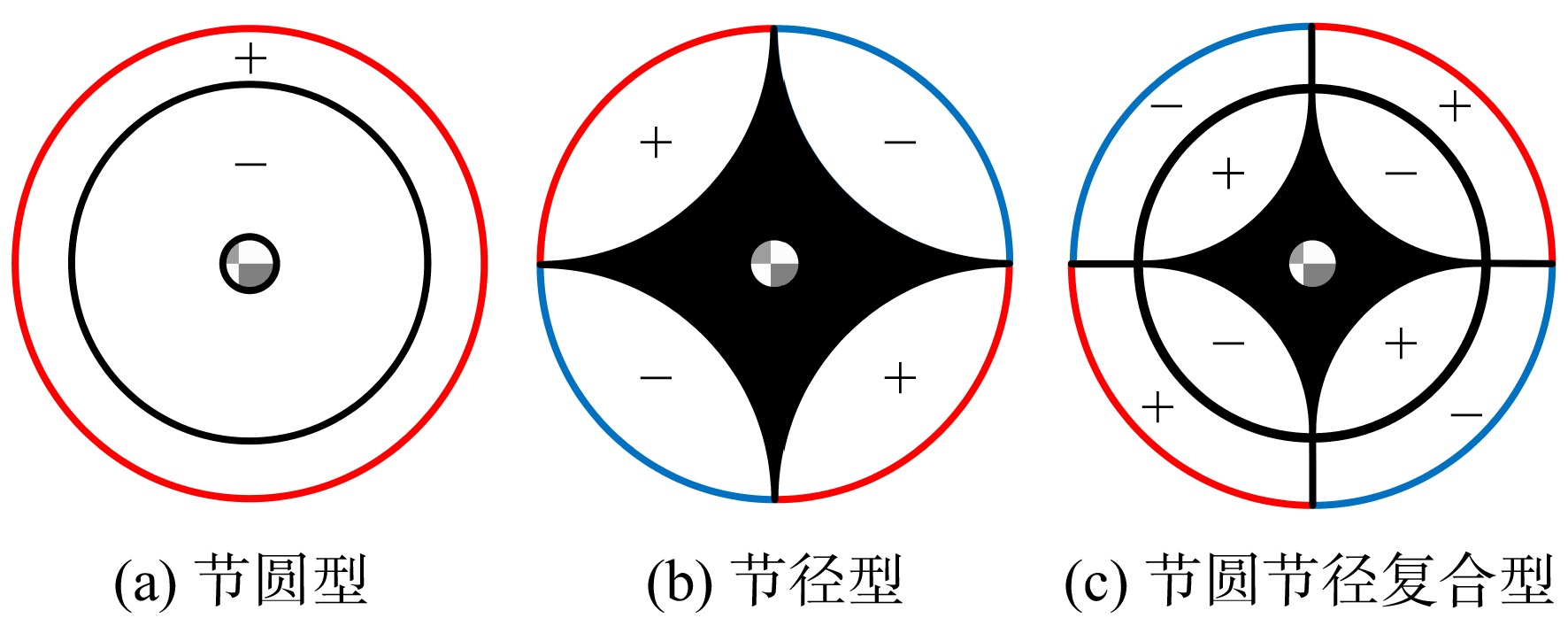
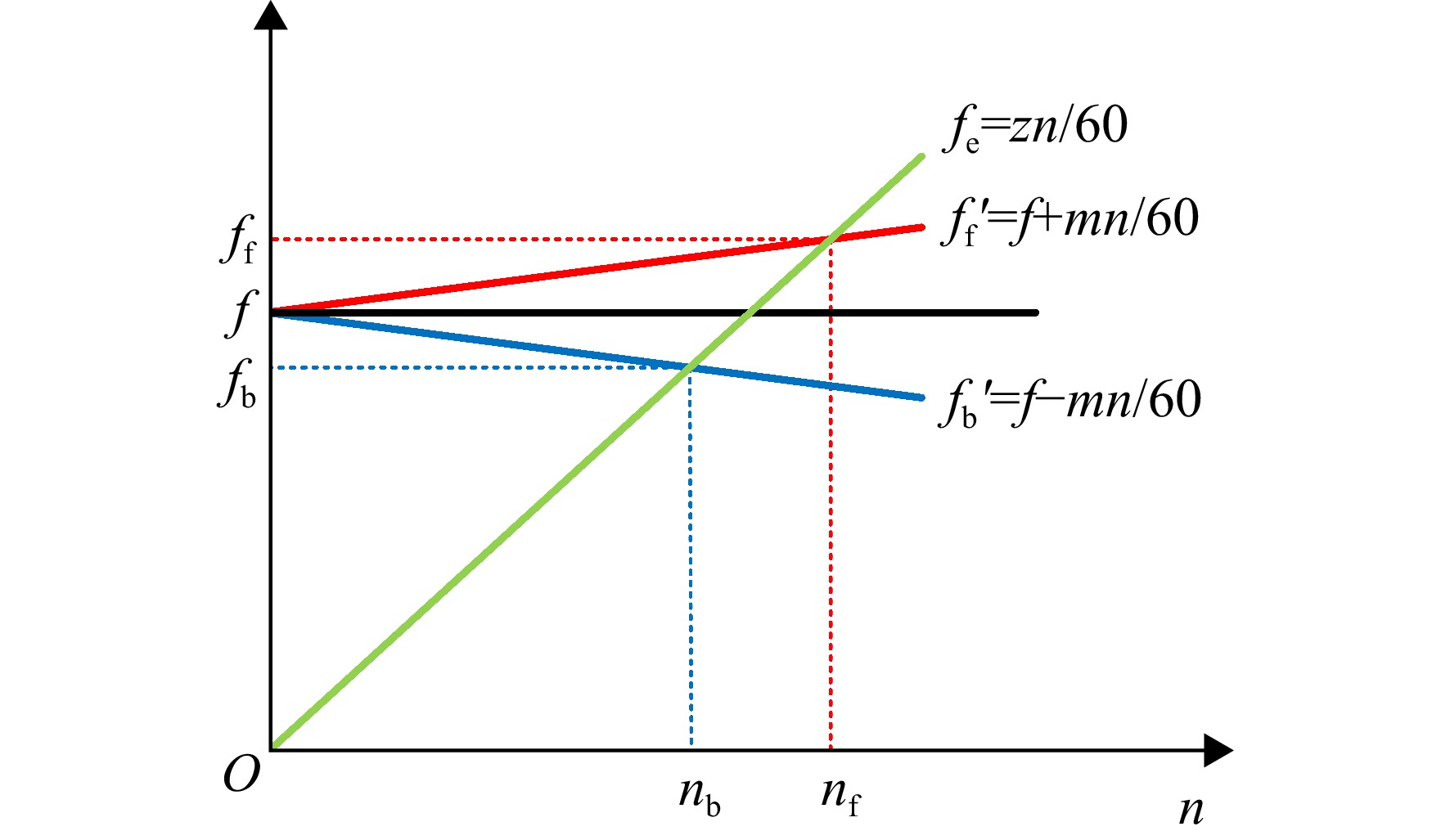
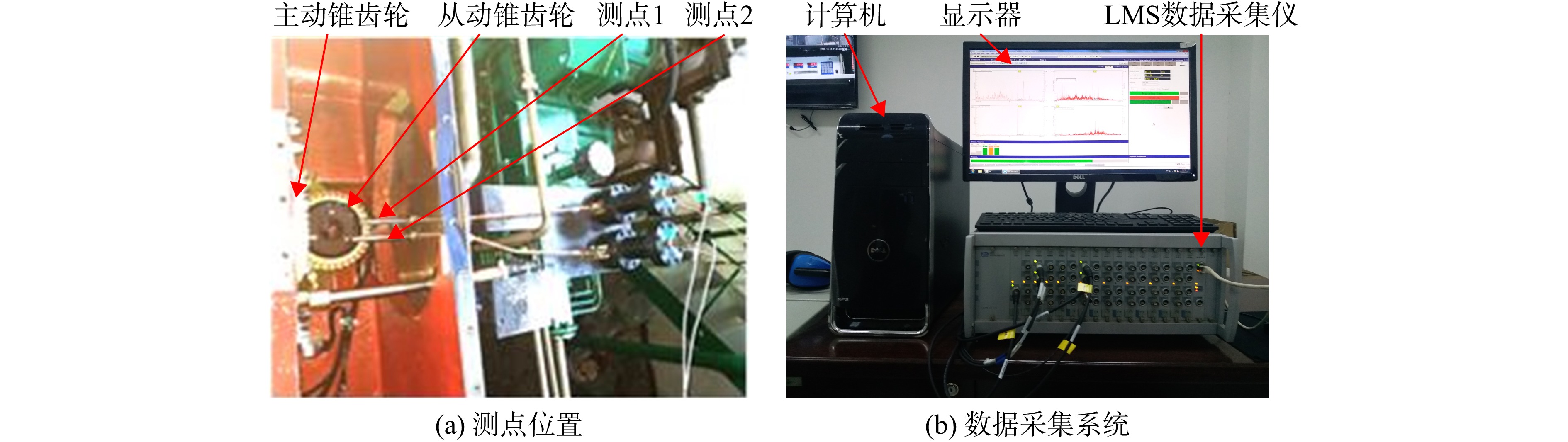
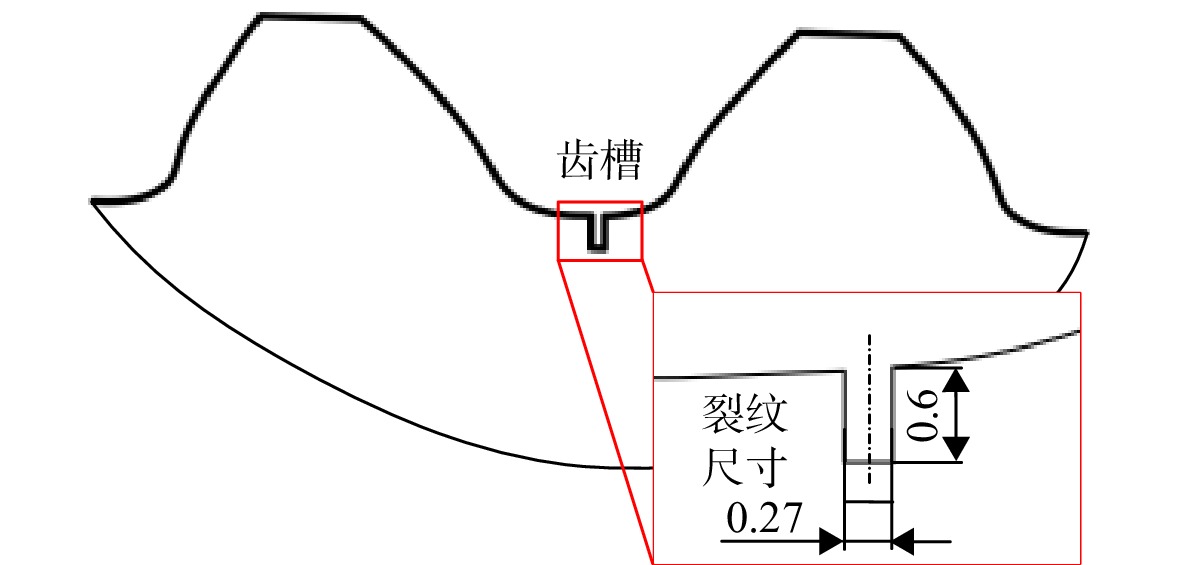
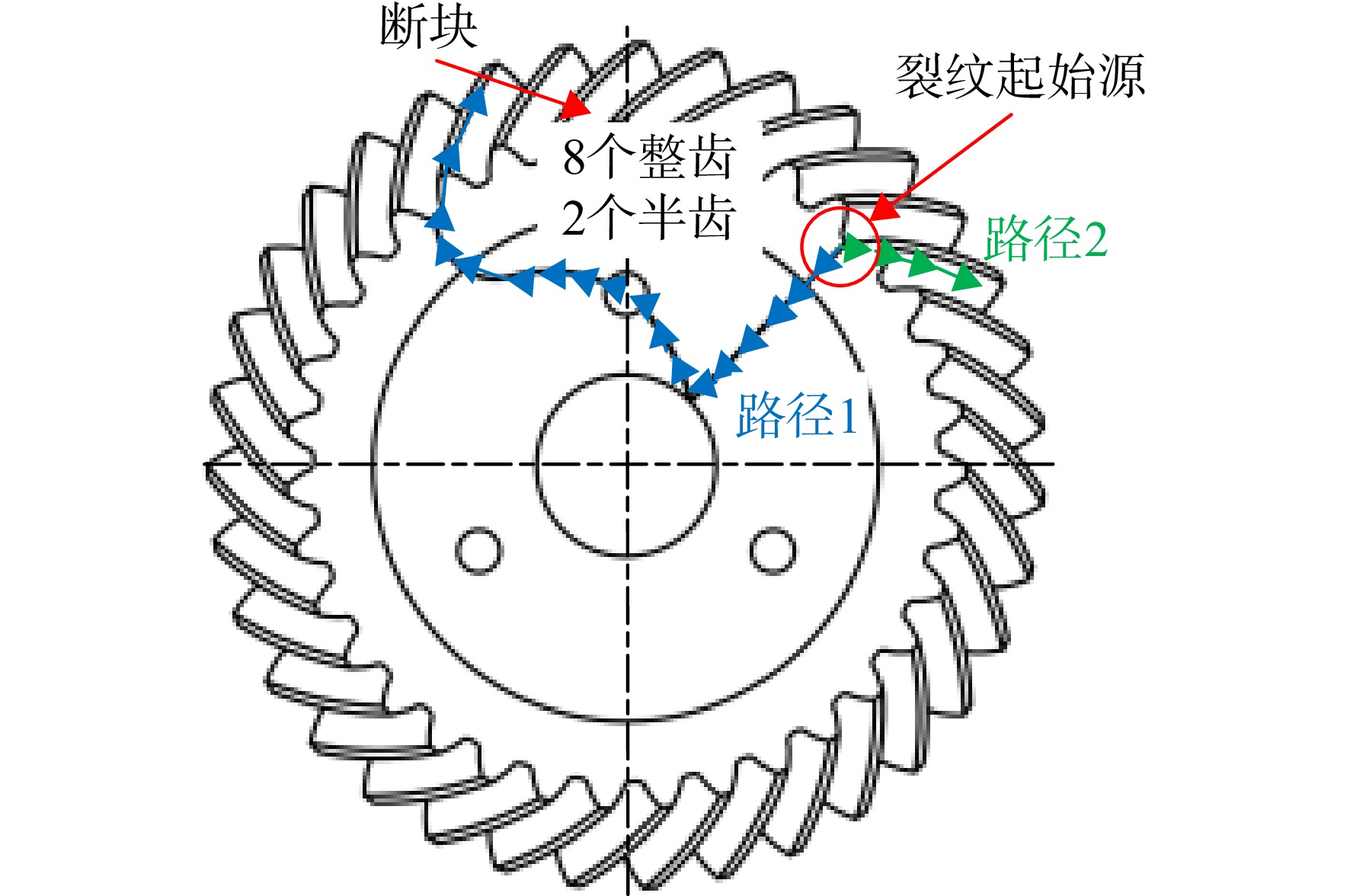
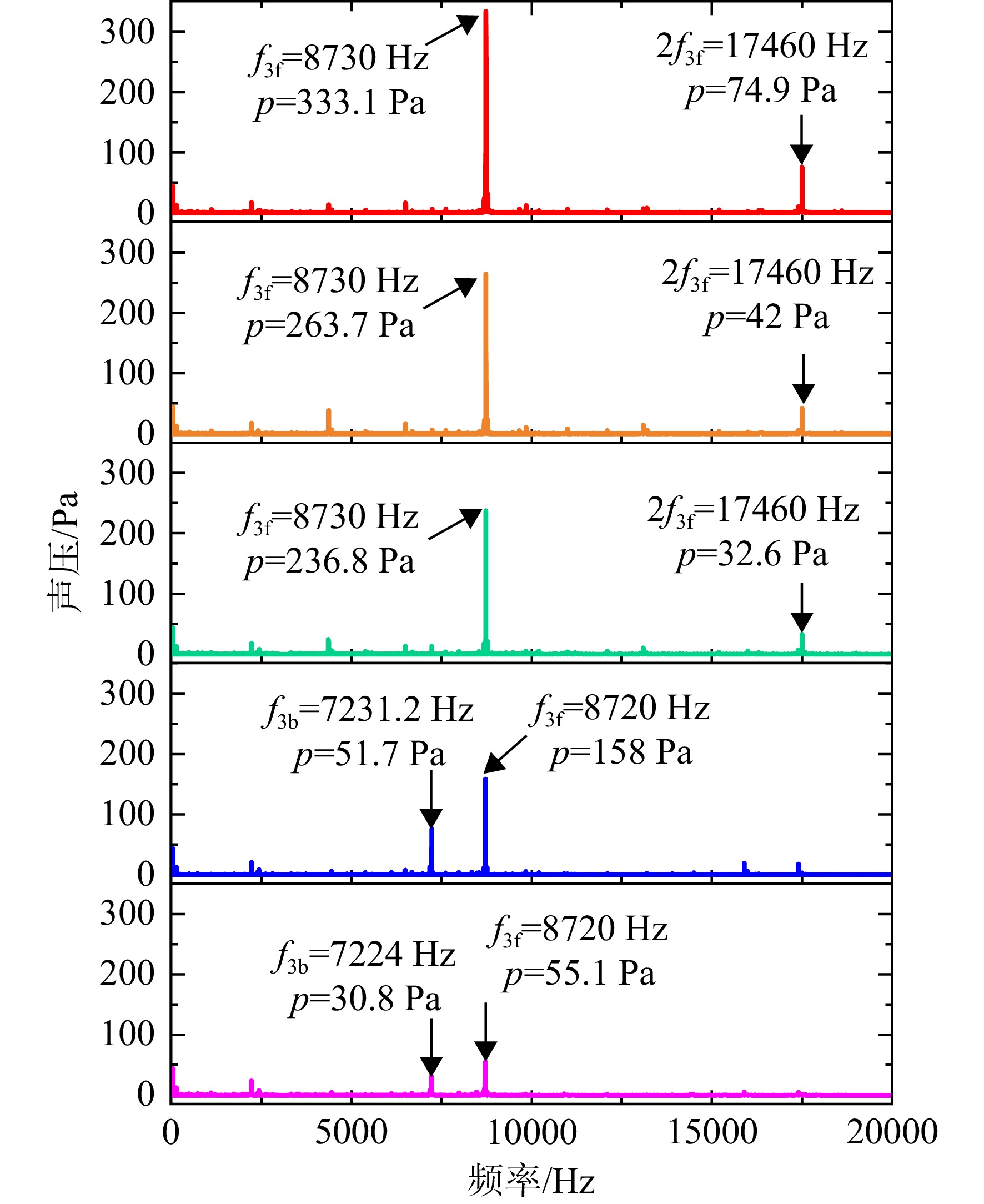
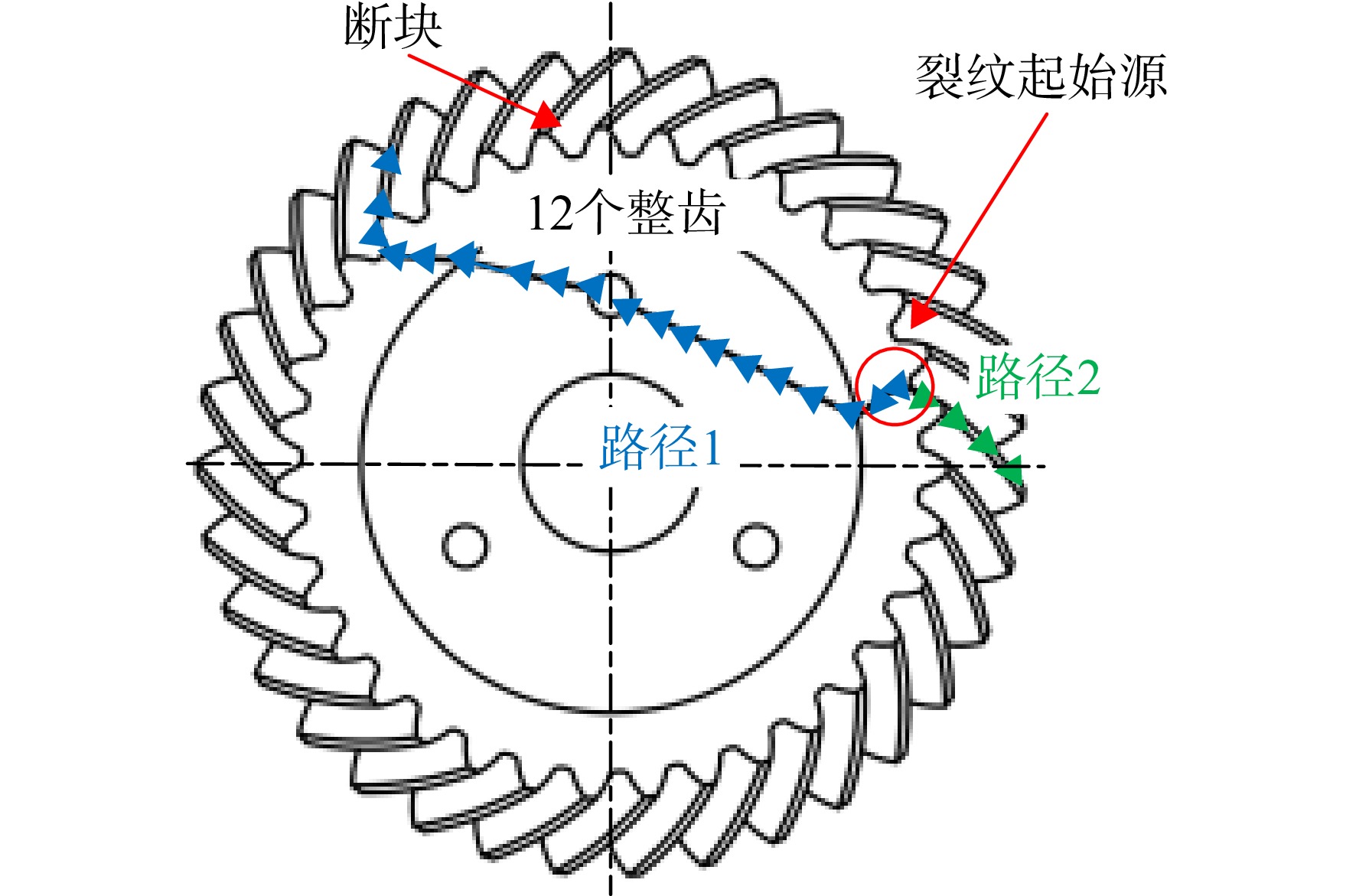
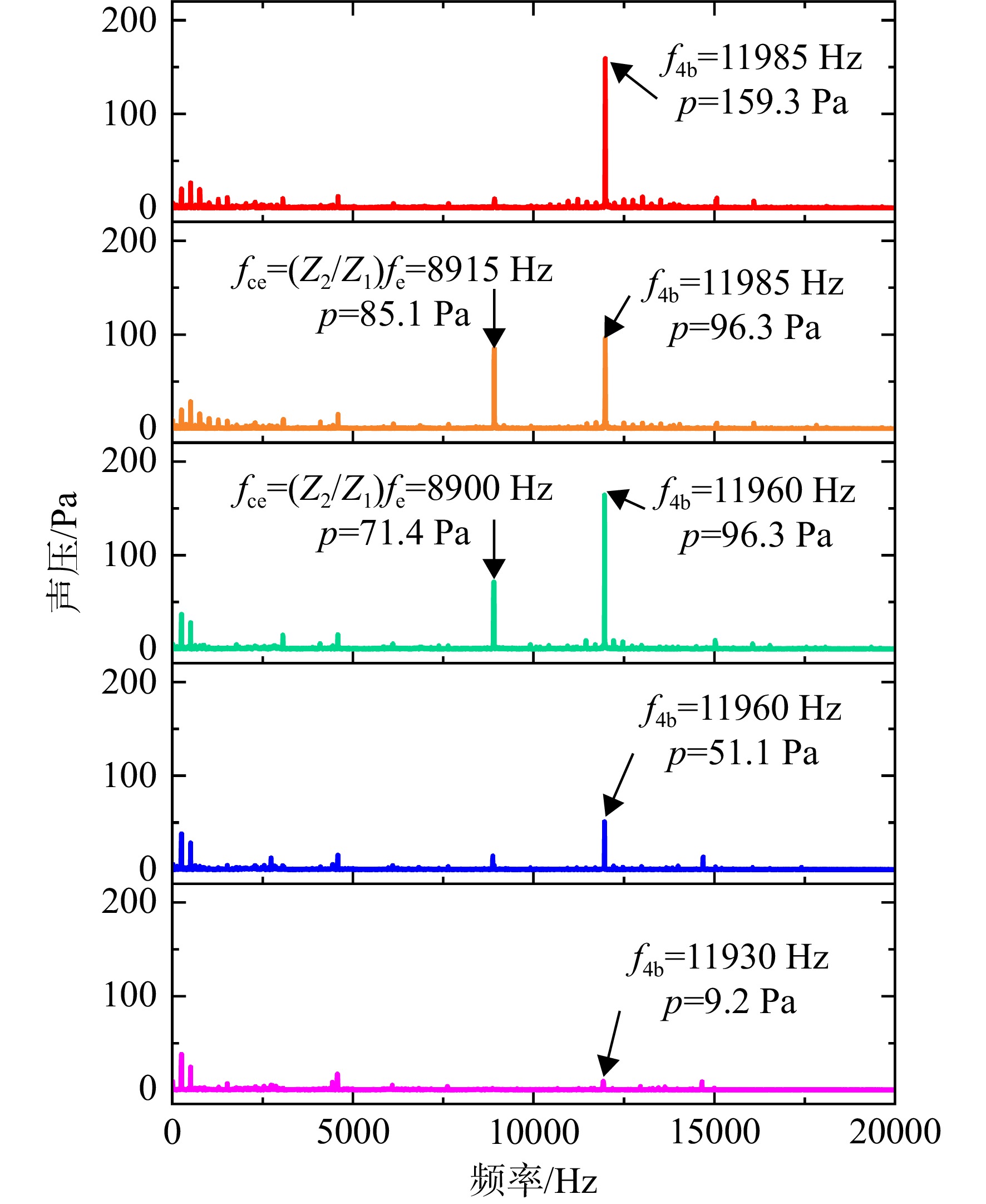
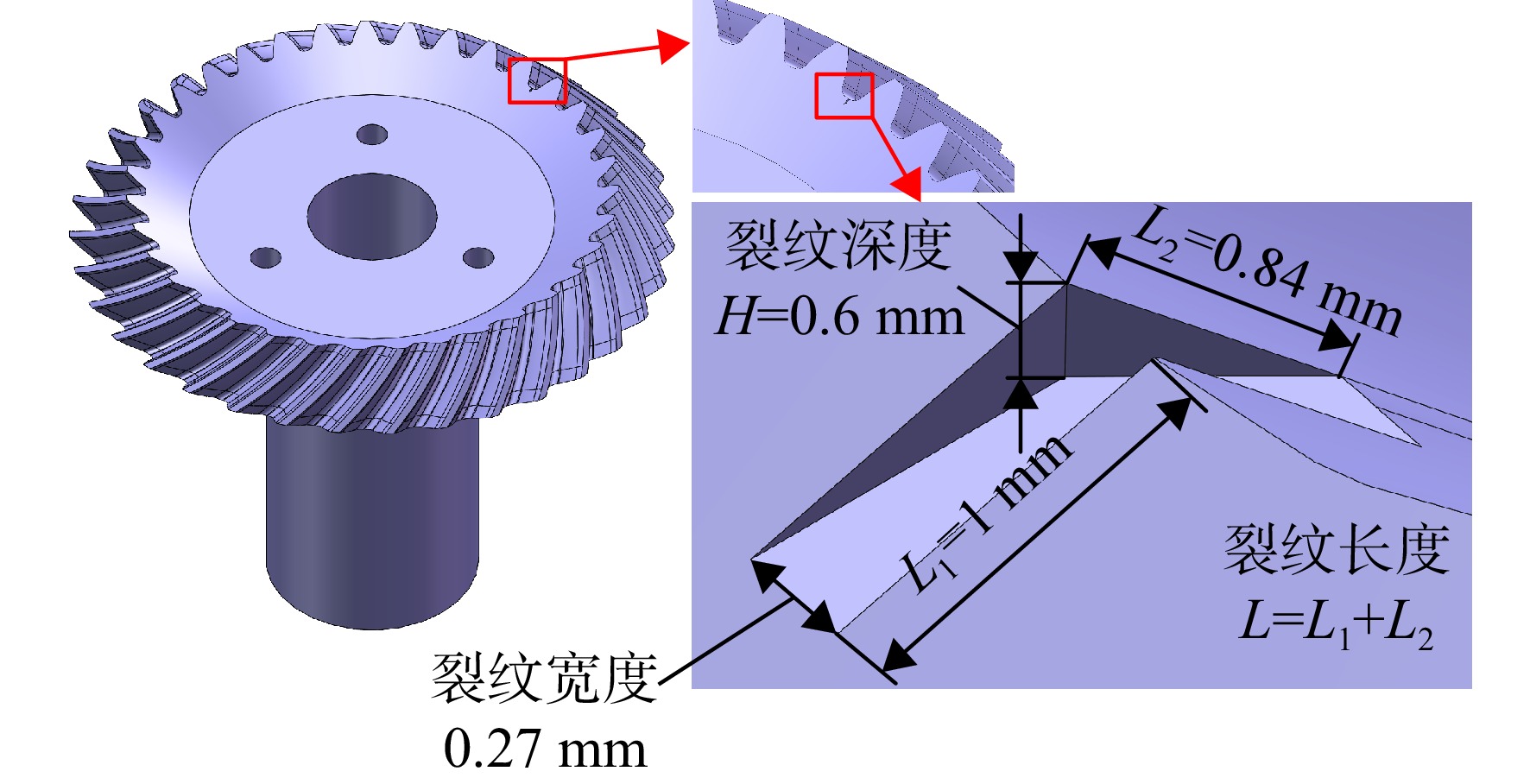
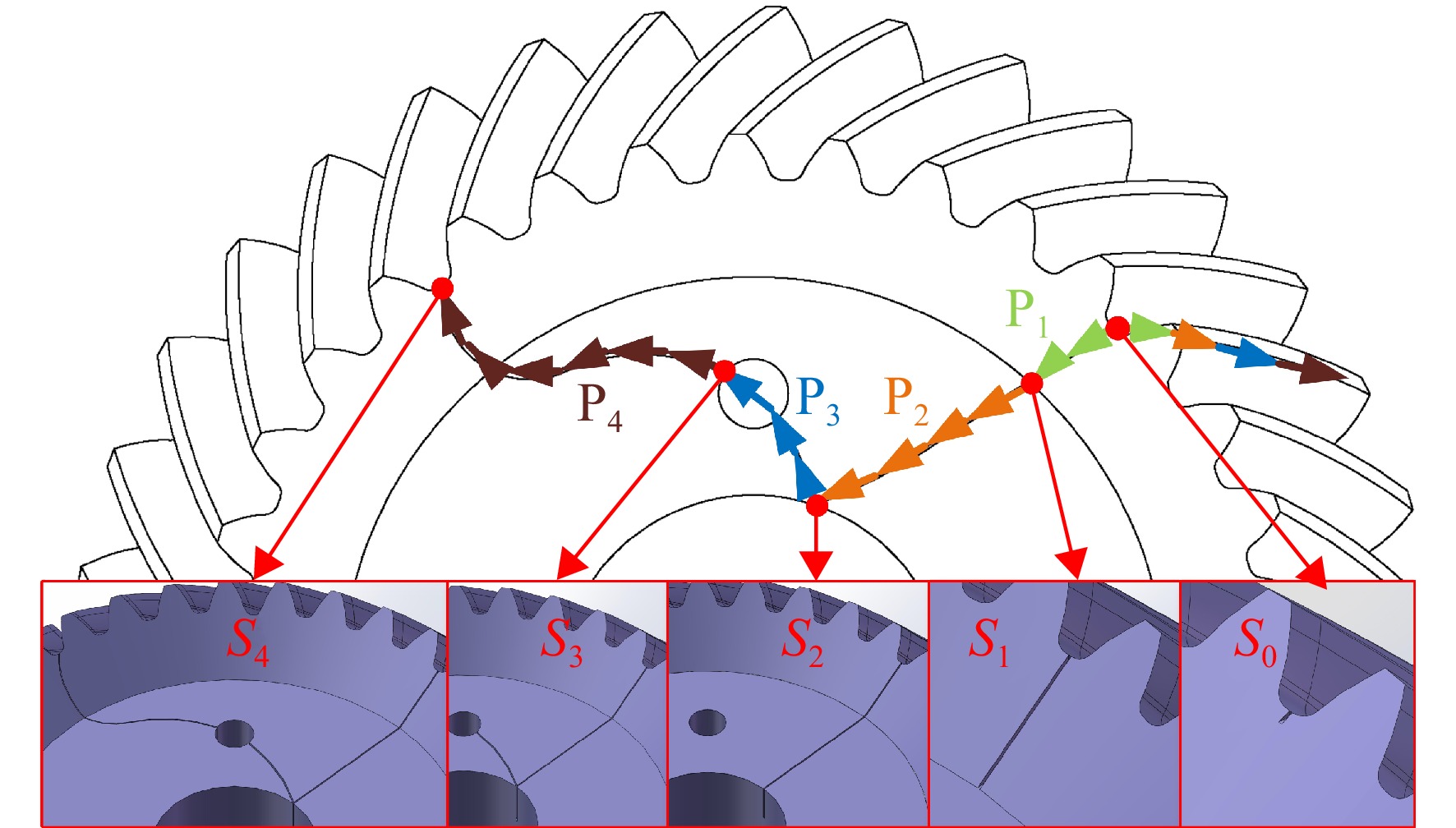
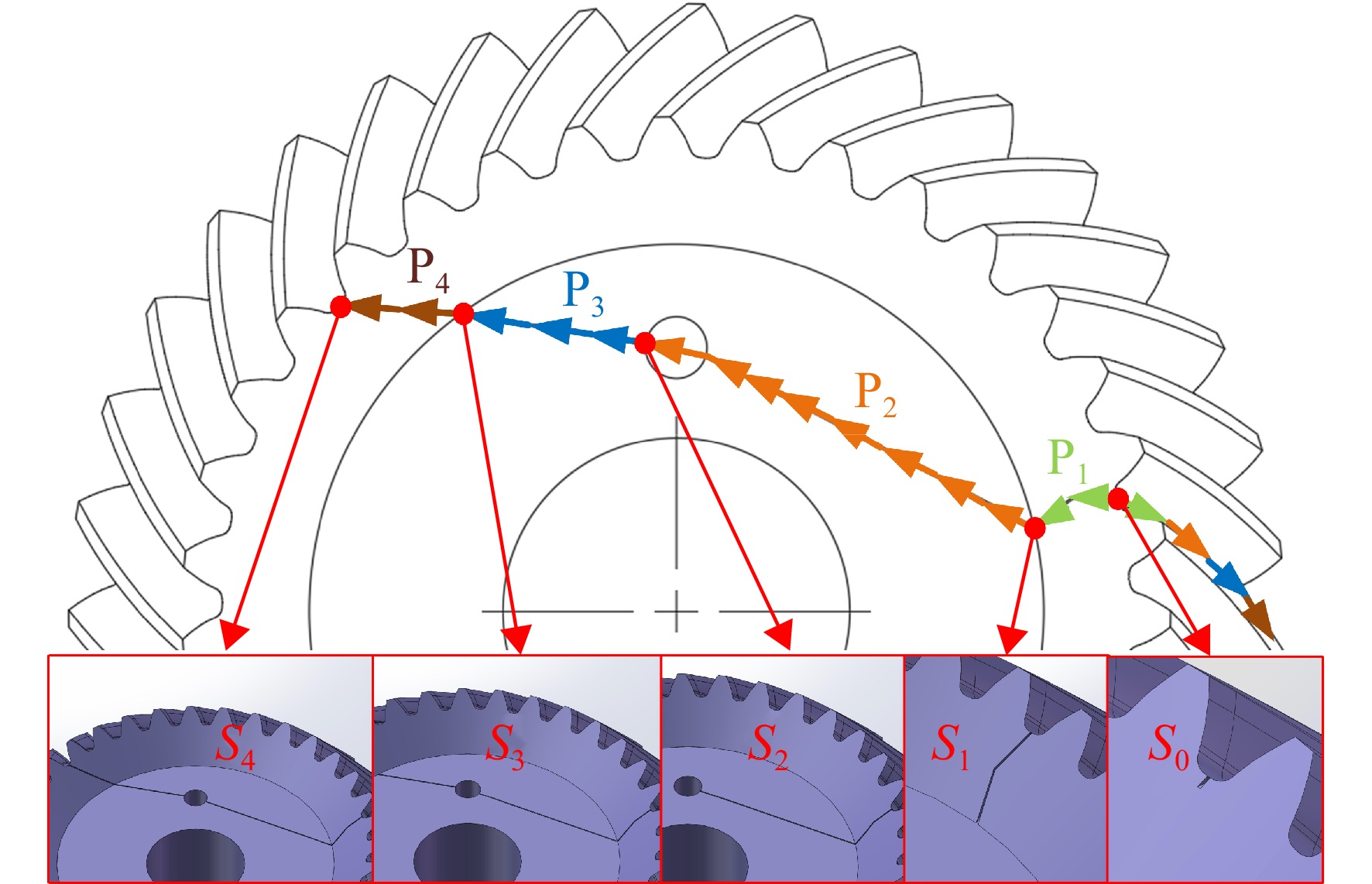
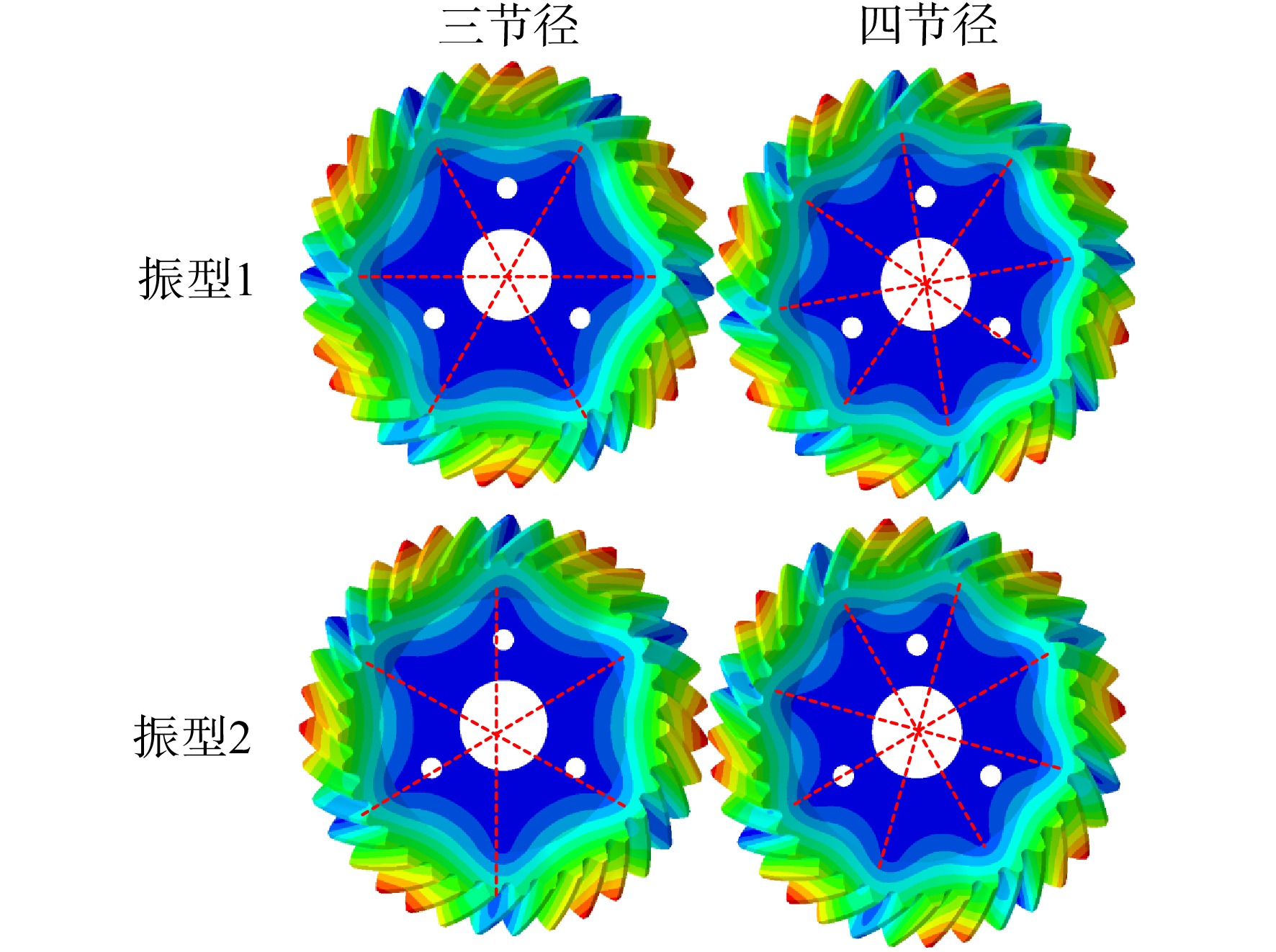
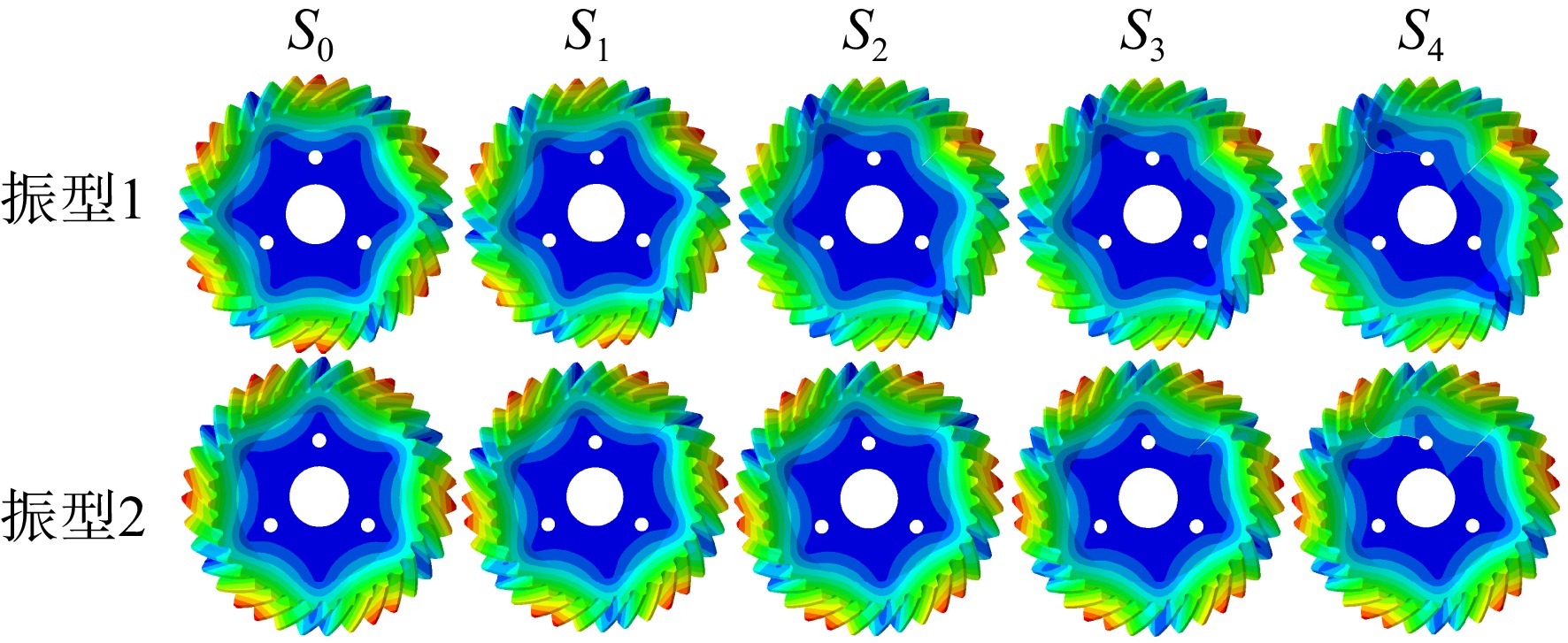
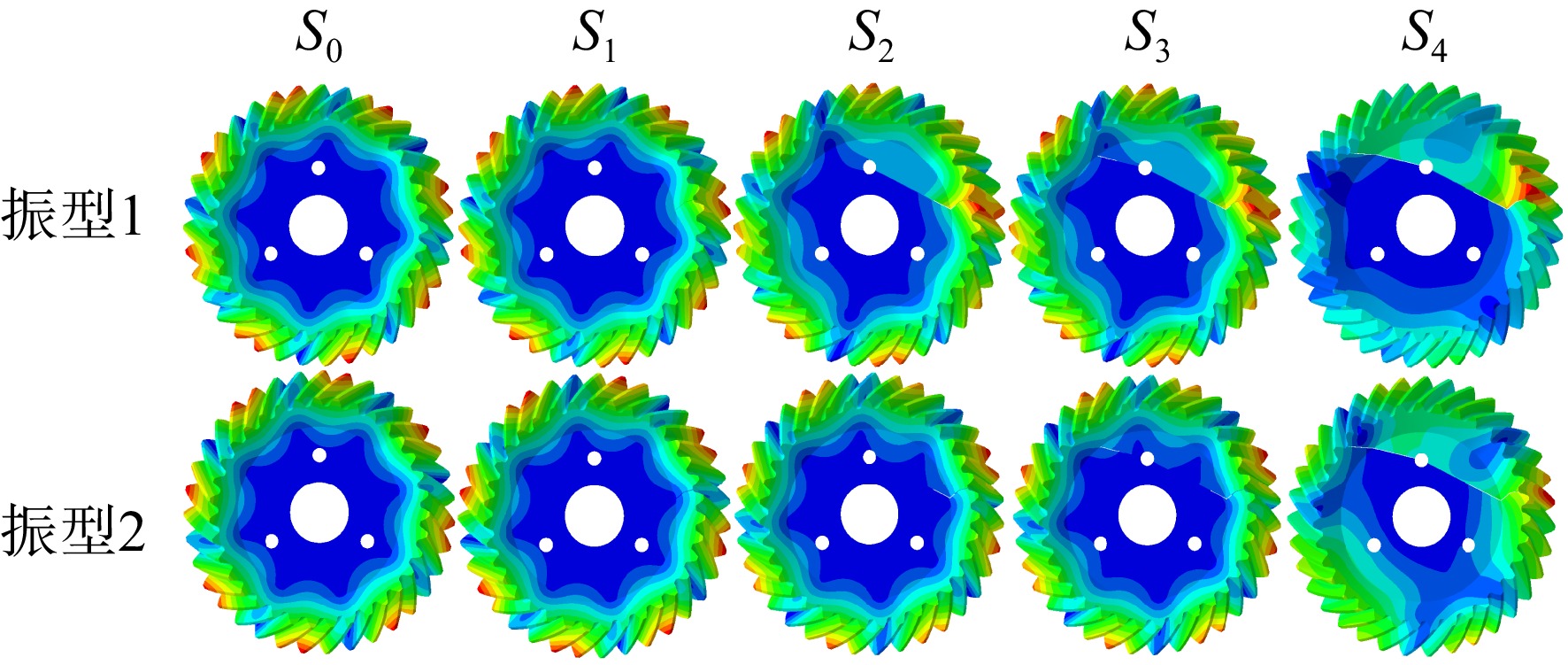
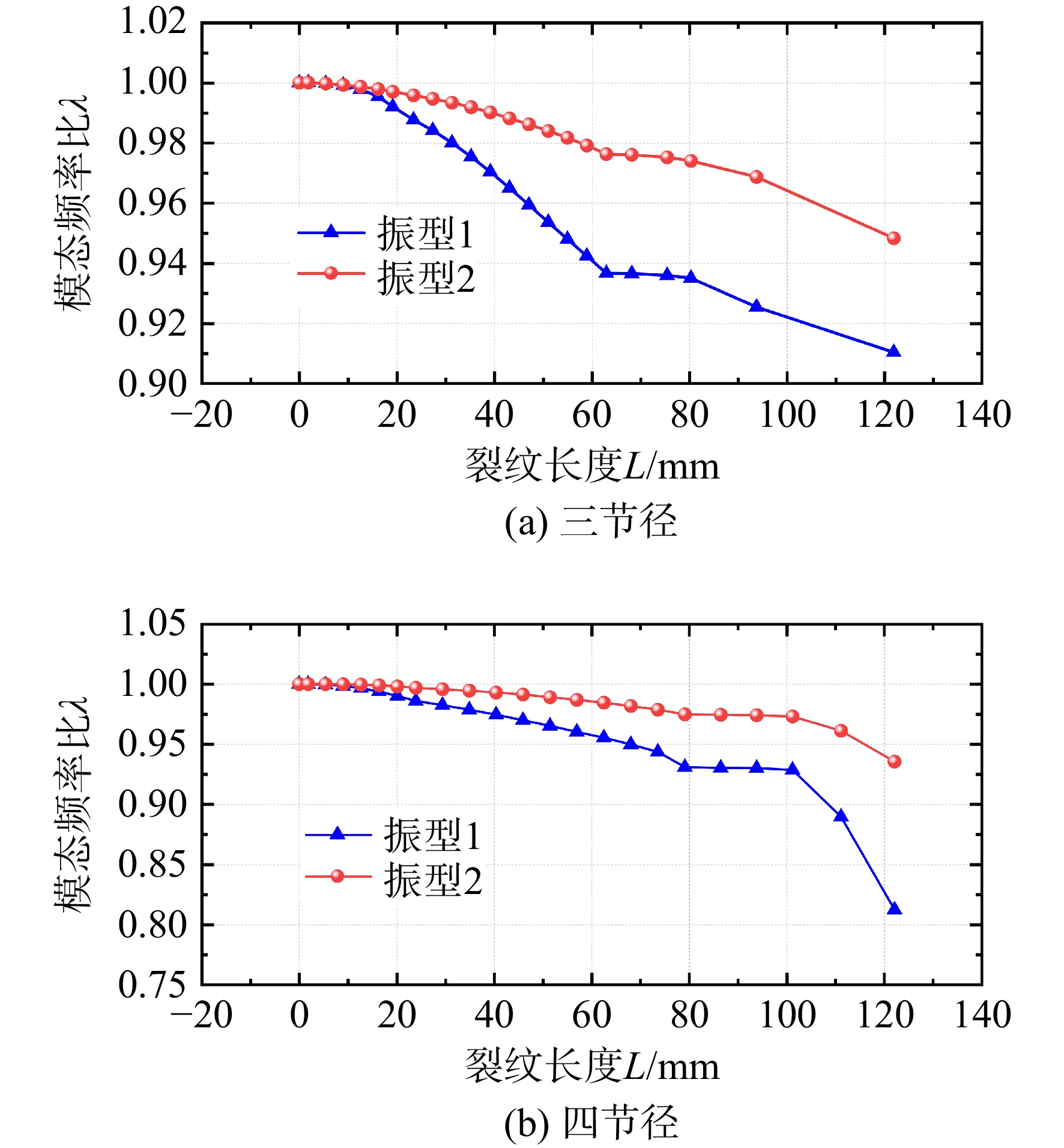
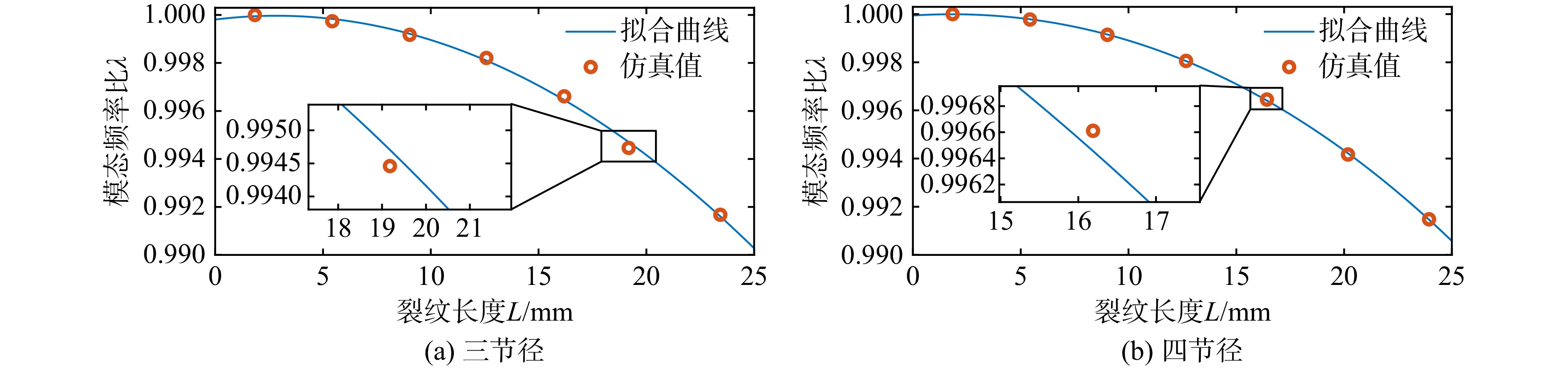
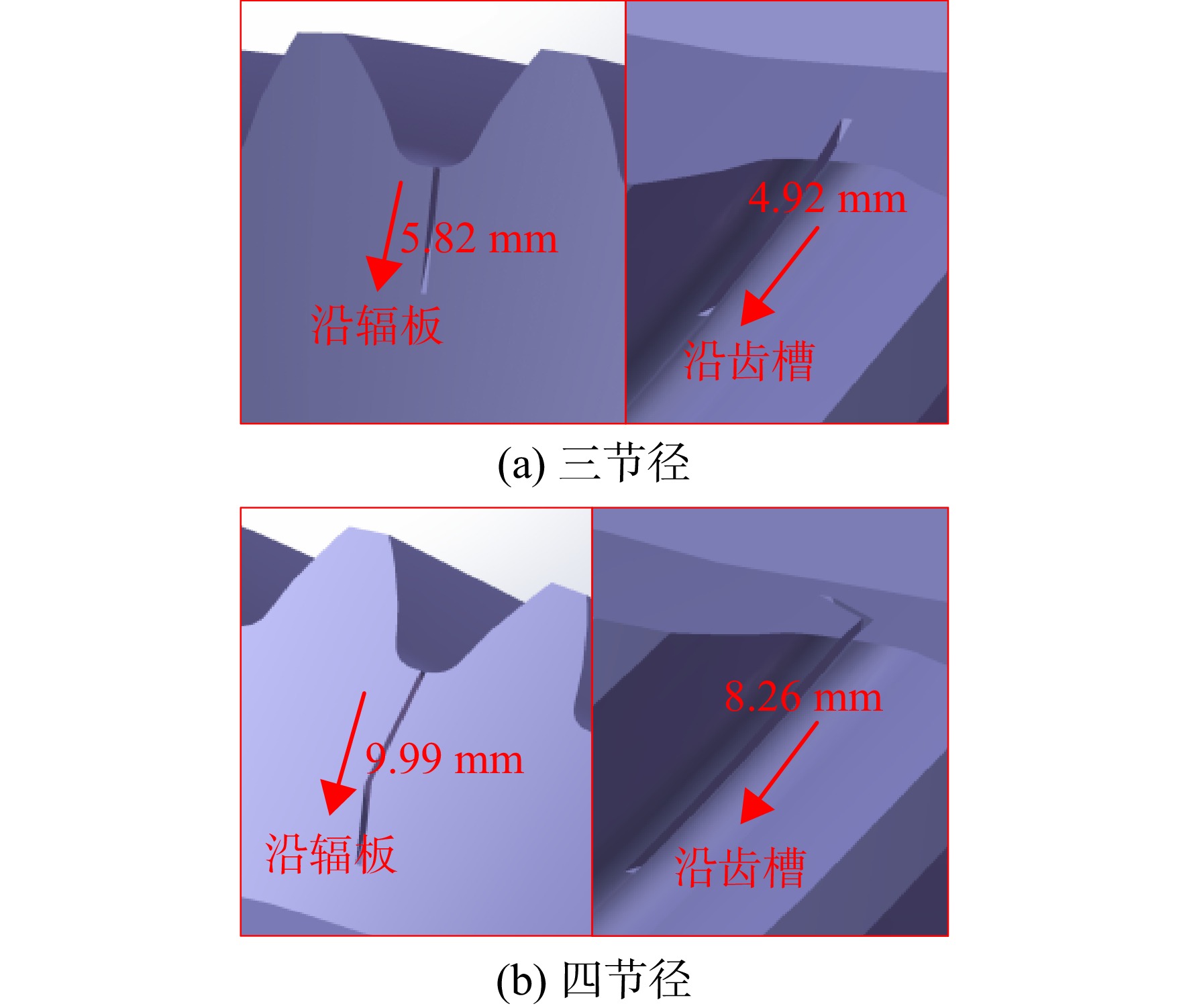
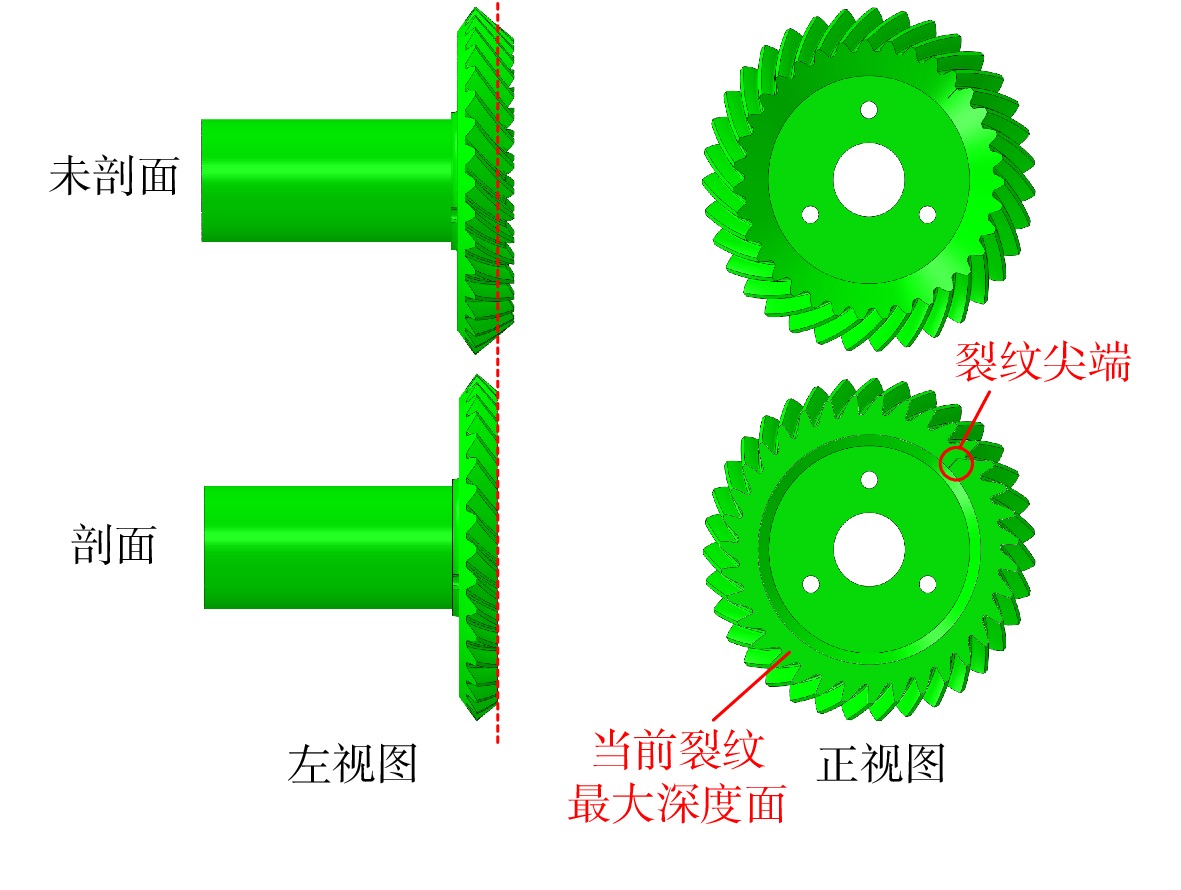
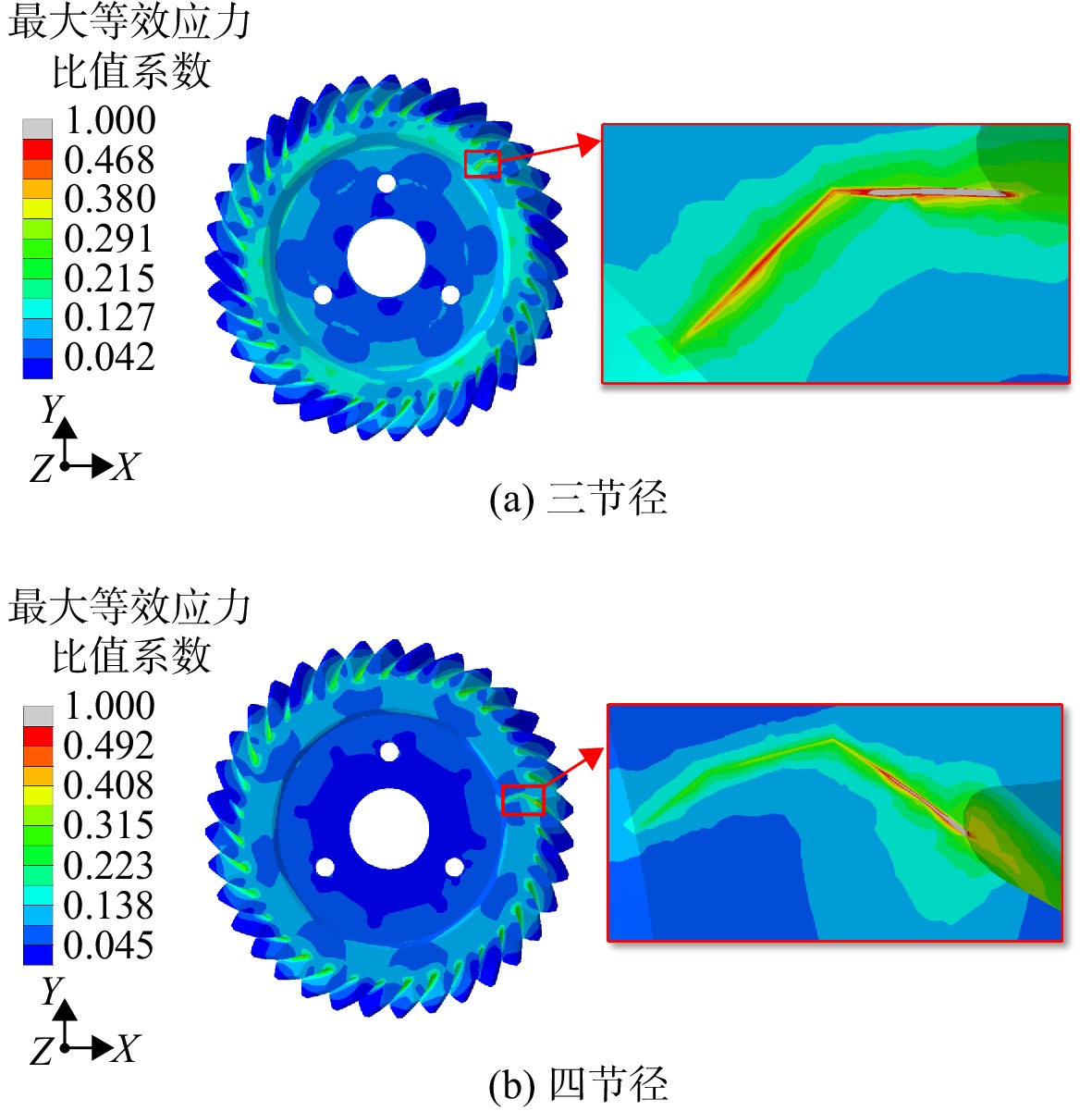
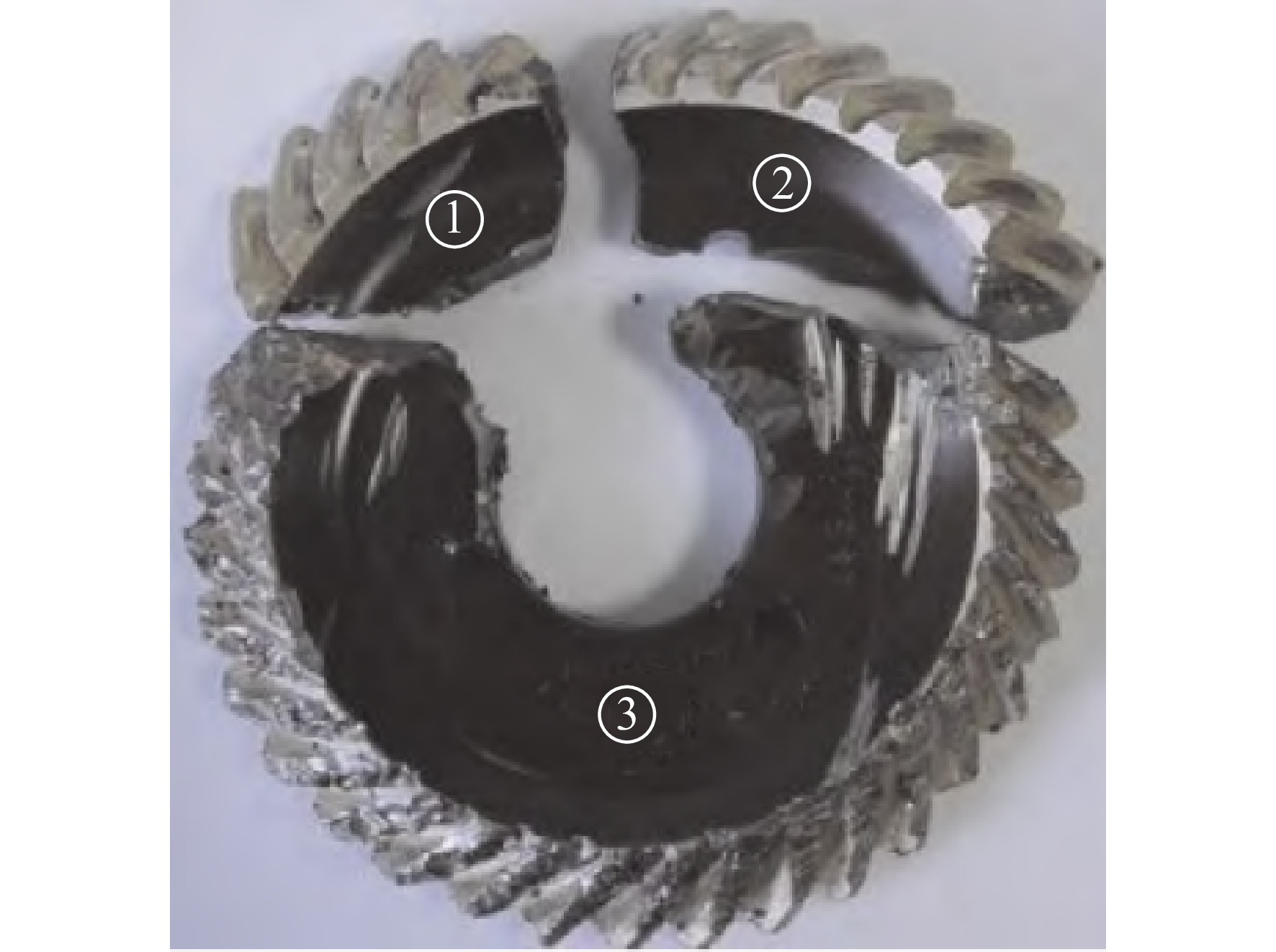
Considering the problem of crack extension and fracture failure of central transmission bevel gear of a certain type of aero-engine under actual working conditions, a combination of experimental and numerical simulation was adopted to investigate the crack extension frequency characteristic evolution law of the gear in traveling wave resonance state. Based on the traveling wave resonance theory and acoustic measurement method, fatigue characteristic experiments of normal gears and prefabricated defective gears were carried out, and the acoustic signal tracking method was adopted to make the gears always in the state of traveling wave resonance. The experimental results showed that: the cracks of prefabricated defective gears in the state of traveling wave resonance were expanded rapidly, the resonance frequency decreased continuously, and the gears cannot be tracked to the point of traveling wave resonance at the late stage of the crack expansion, and the gears were instantaneously broken. Based on the modal analysis method, a finite element model of gears with different crack scales was established, and the functional relationship between crack length and modal frequency ratio in the pre-crack expansion stage was proposed, which can accurately predict the state of crack expansion in the pre-crack expansion stage with a relative error of 0.02% or less. The simulation results showed that with the deepening of the crack, the intrinsic frequency of the two symmetric modes of the same node diameters vibration of the gear decreased at the same time, but due to the increase of the asymmetry of the gear structure, it was gradually divided into two different vibration modes, and the difference of the intrinsic frequency of the two symmetric vibration modes became larger. Comprehensive experimental and simulation results showed that the traveling wave resonance in the early stage of crack expansion led to too large crack tip stress intensity factor, which caused crack expansion; then two symmetric modes appeared alternately, the gear can not maintain the traveling wave resonance state; as the crack tip stress intensity factor was close to or more than the fracture toughness of the material leading to rapid expansion of the crack, the residual strength was insufficient, leading to transient breakage.

Experiment on traveling wave resonance dynamic response characteristics of aviation high speed thin-walled spiral bevel gear
LUAN Xiaochi, WANG Shenghong, LIU Gongmin, SHA Yundong, ZHANG Maoqiang
2025, 40(4): 20240452. doi: 10.13224/j.cnki.jasp.20240452
Abstract:

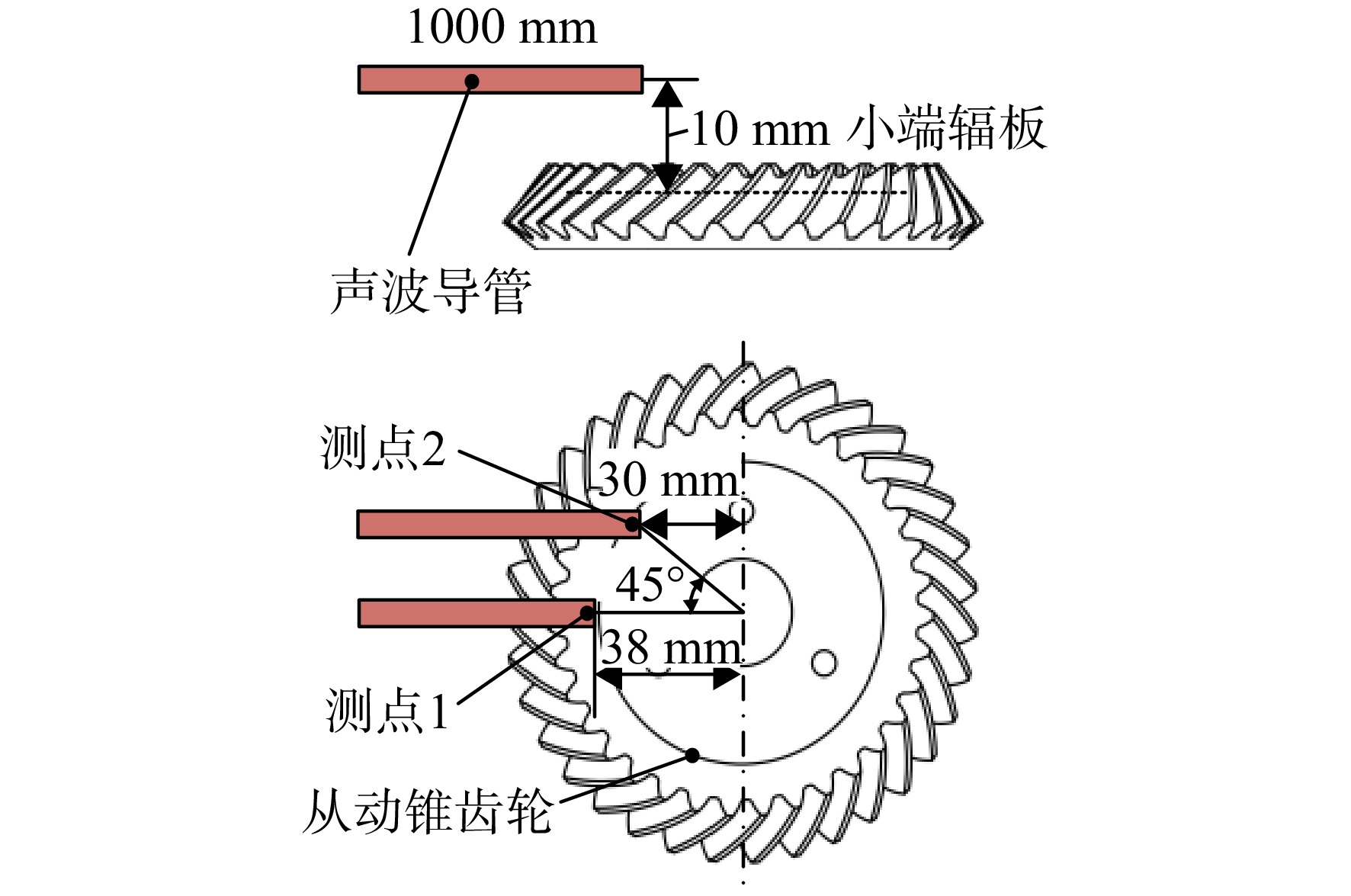
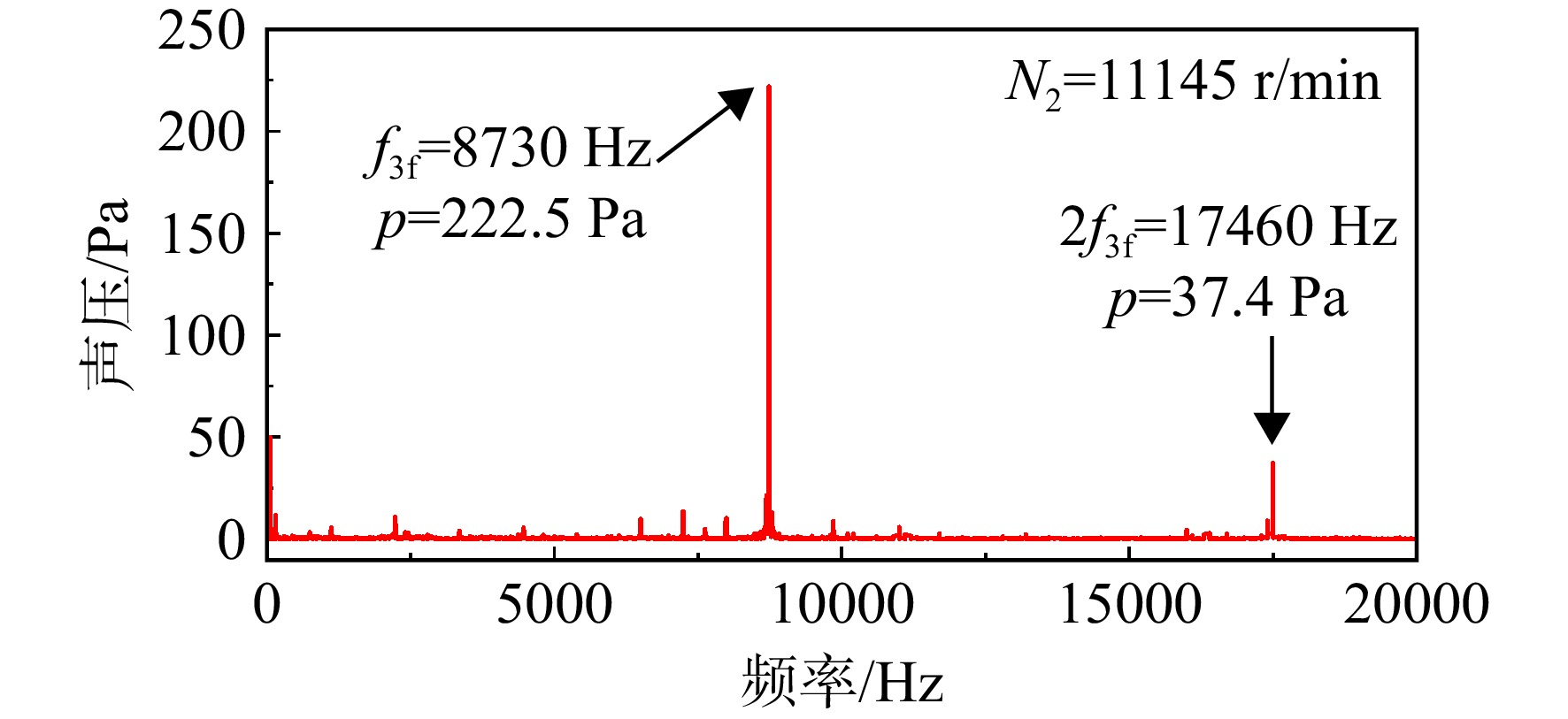
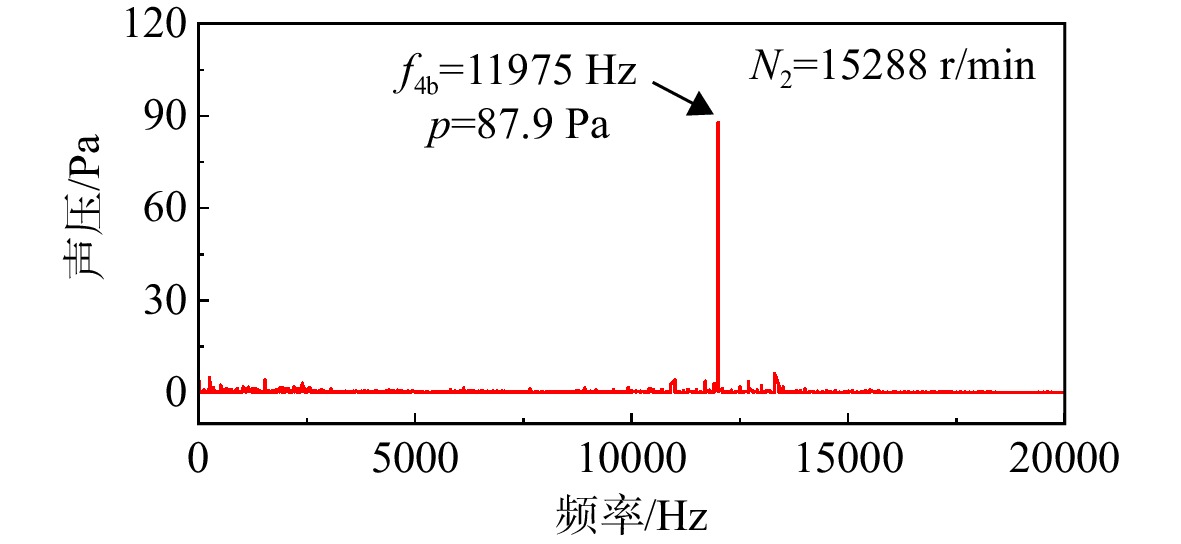
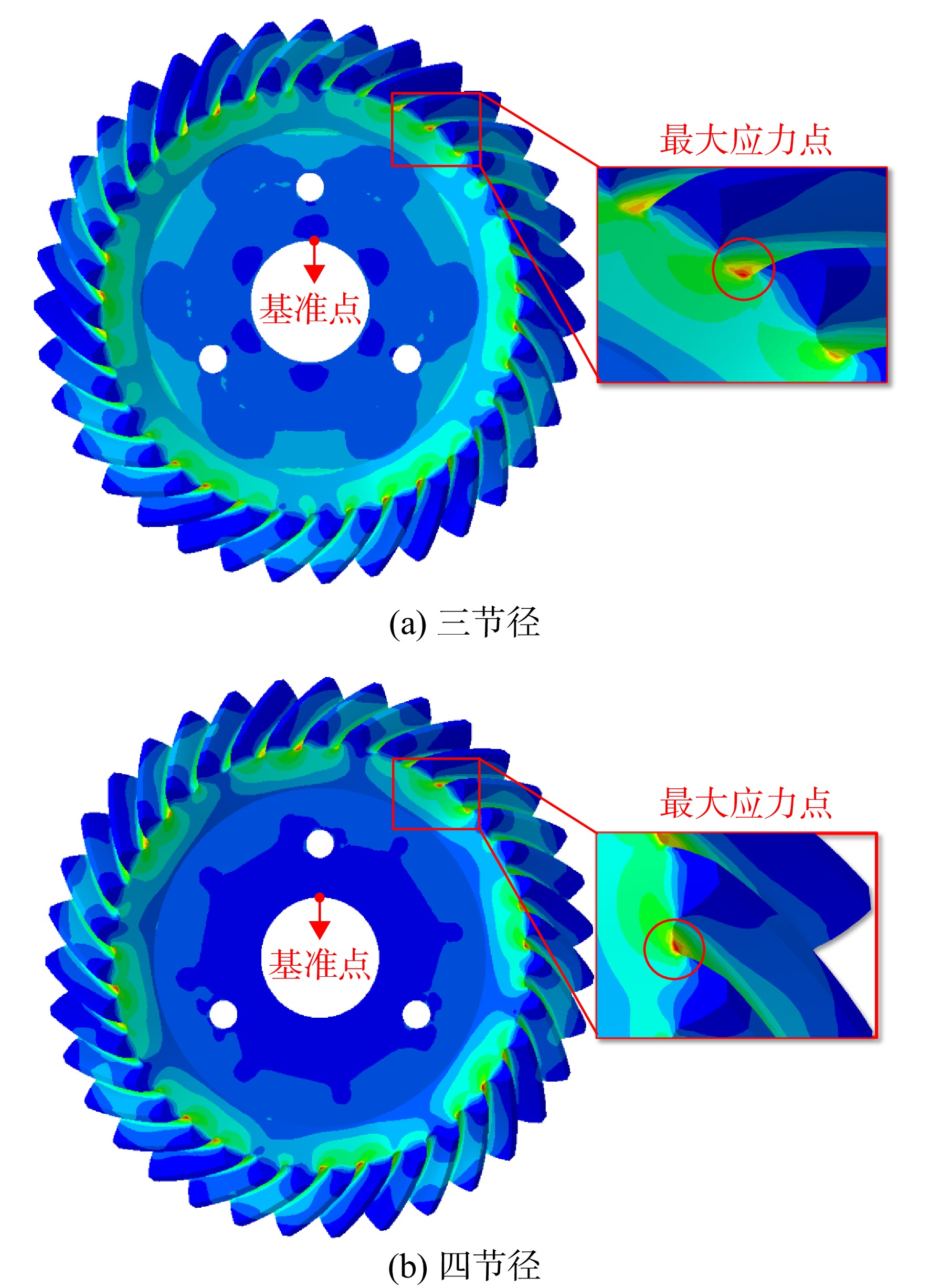
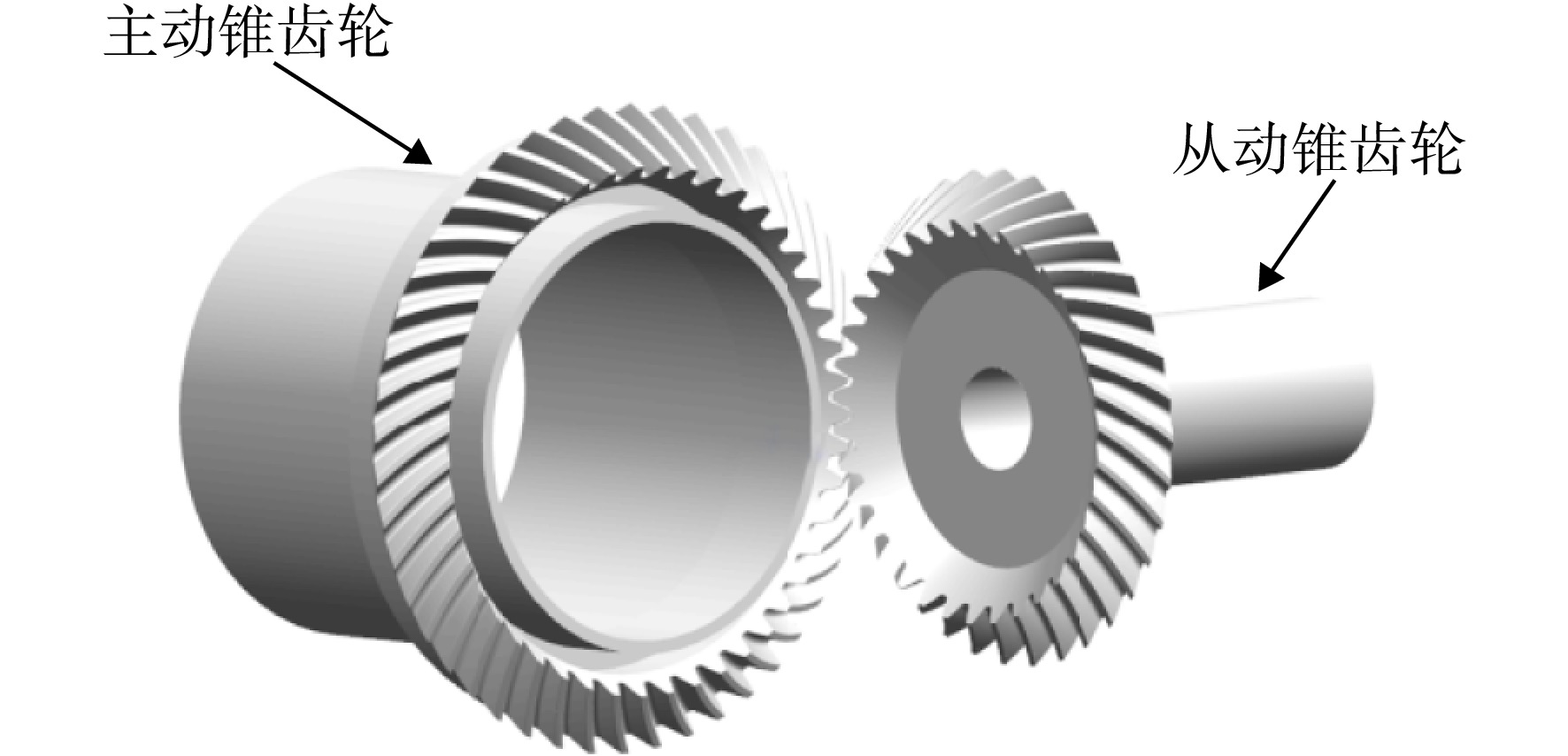
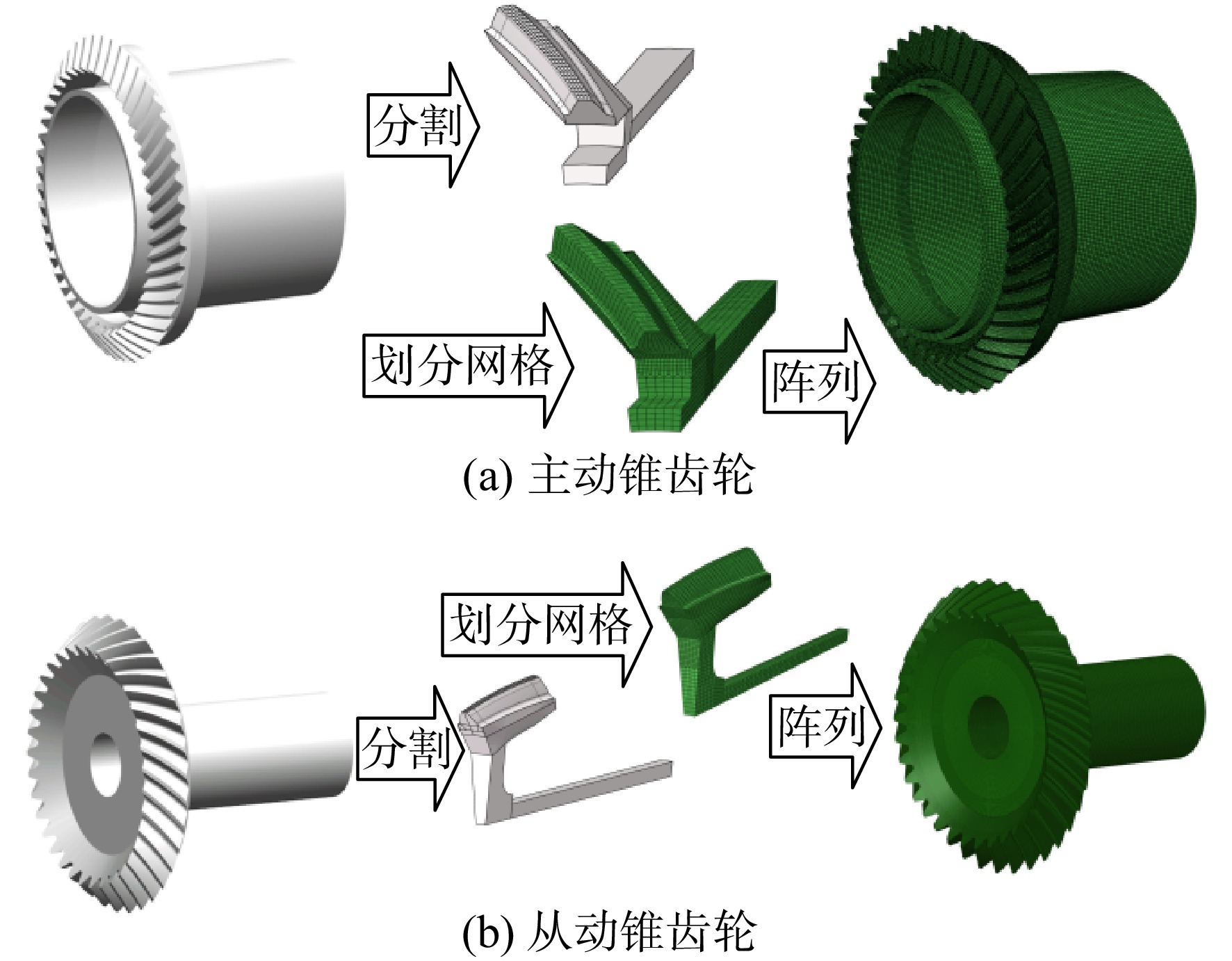
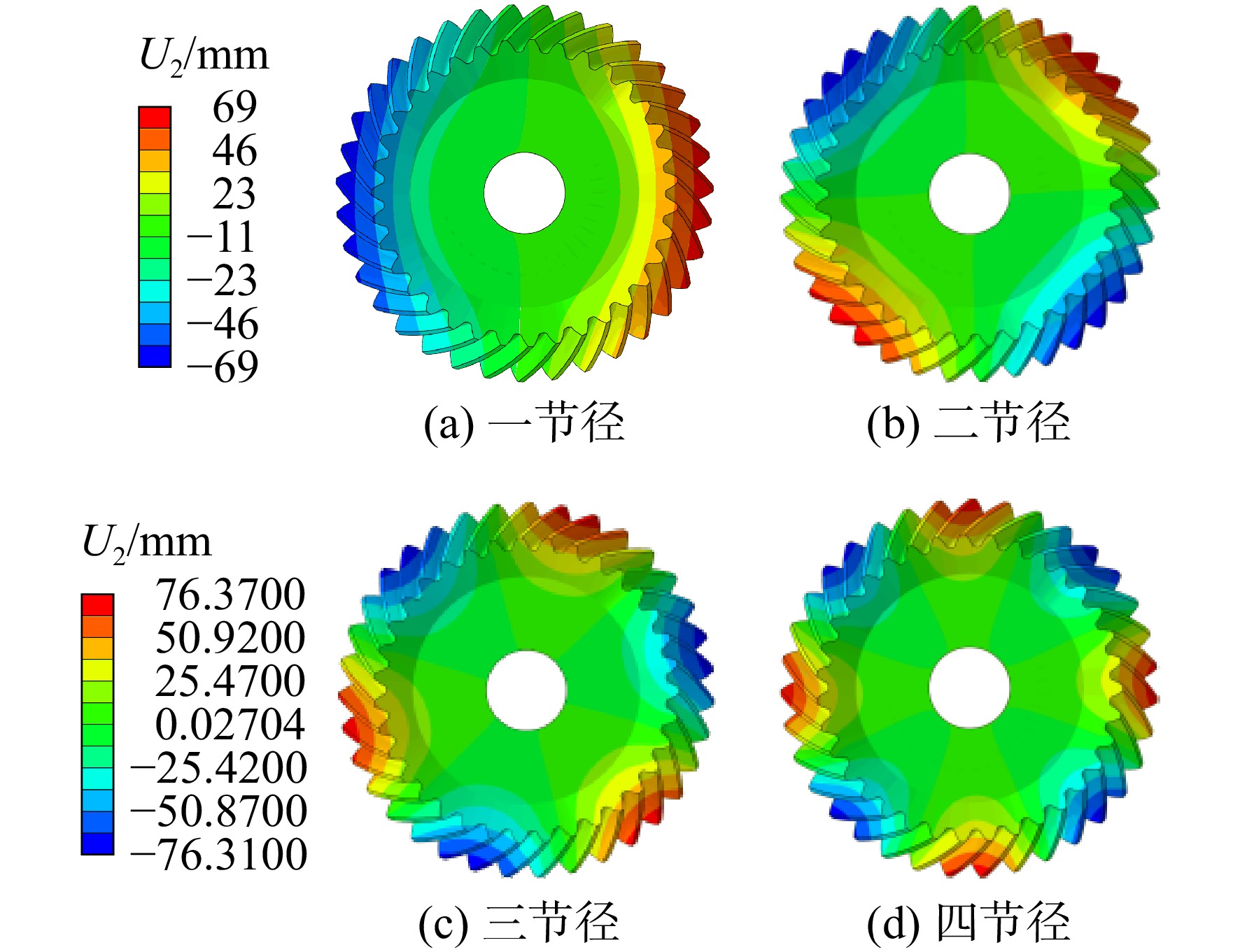
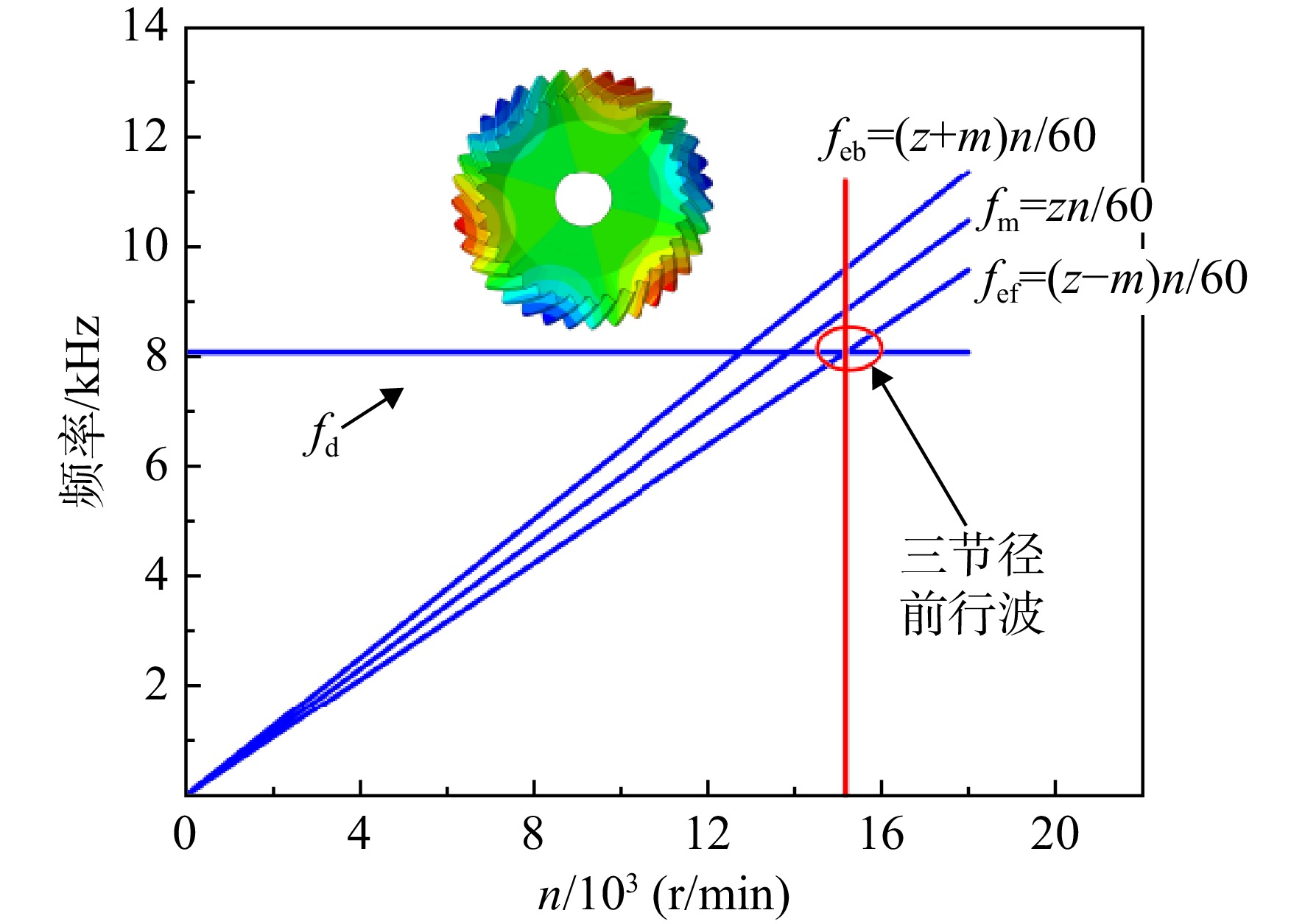
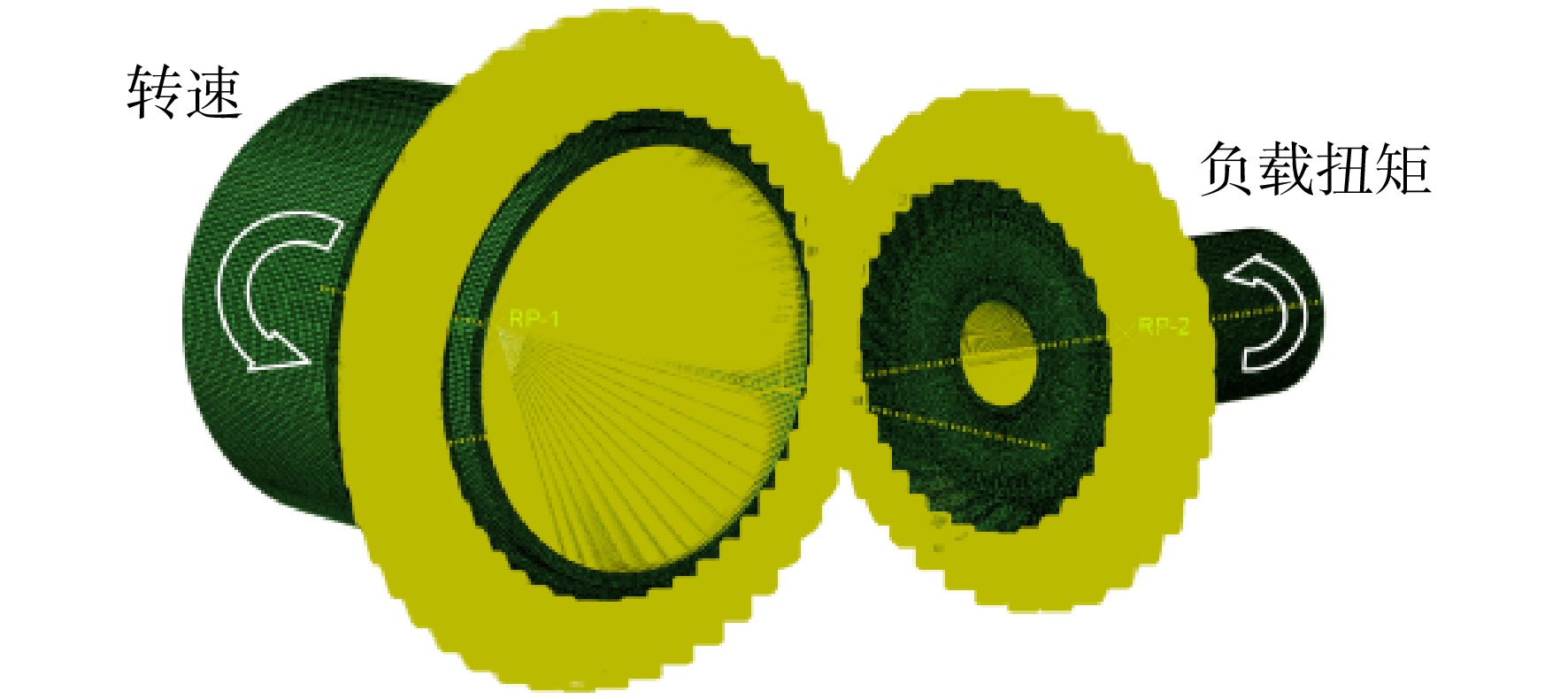
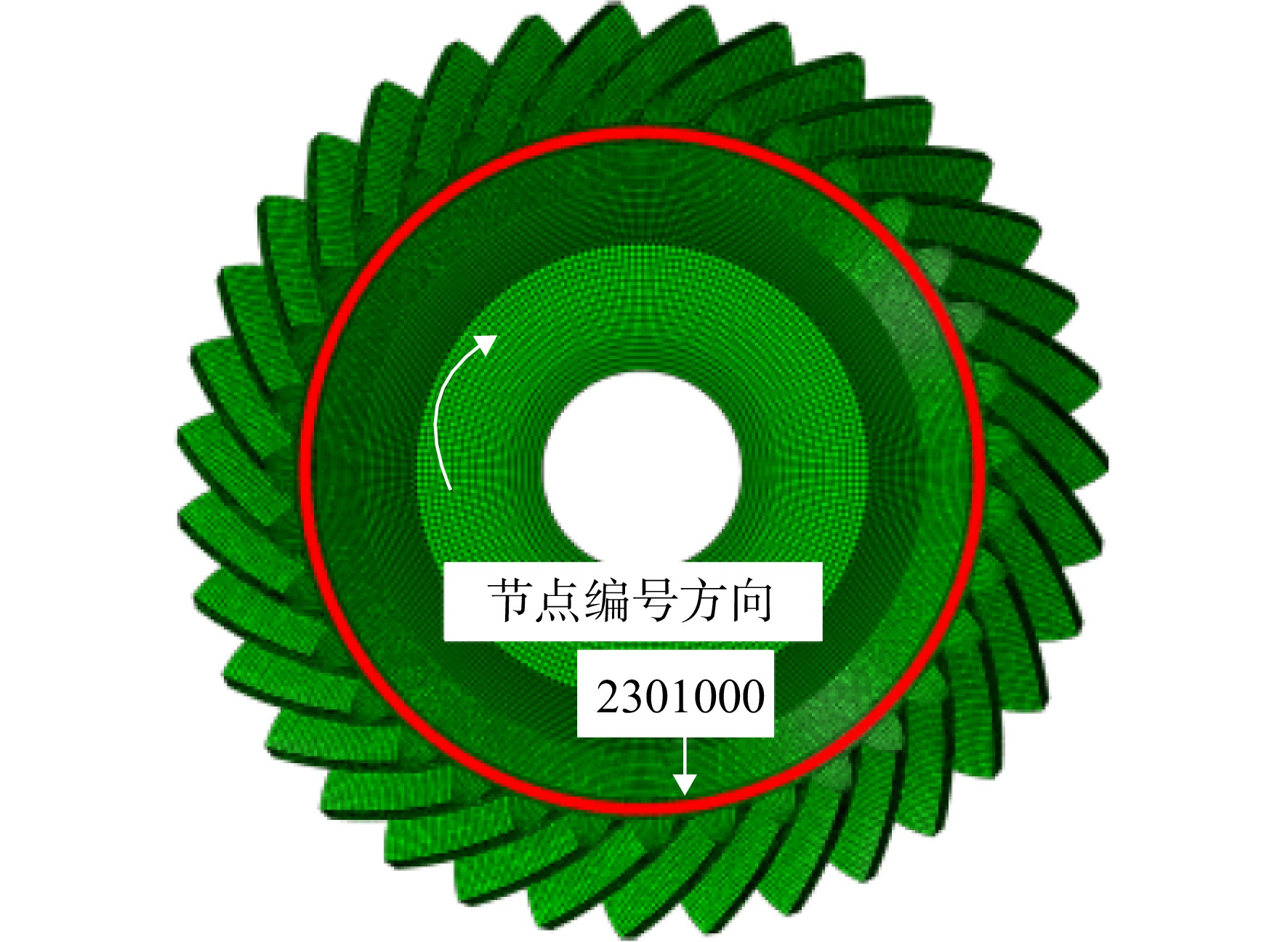
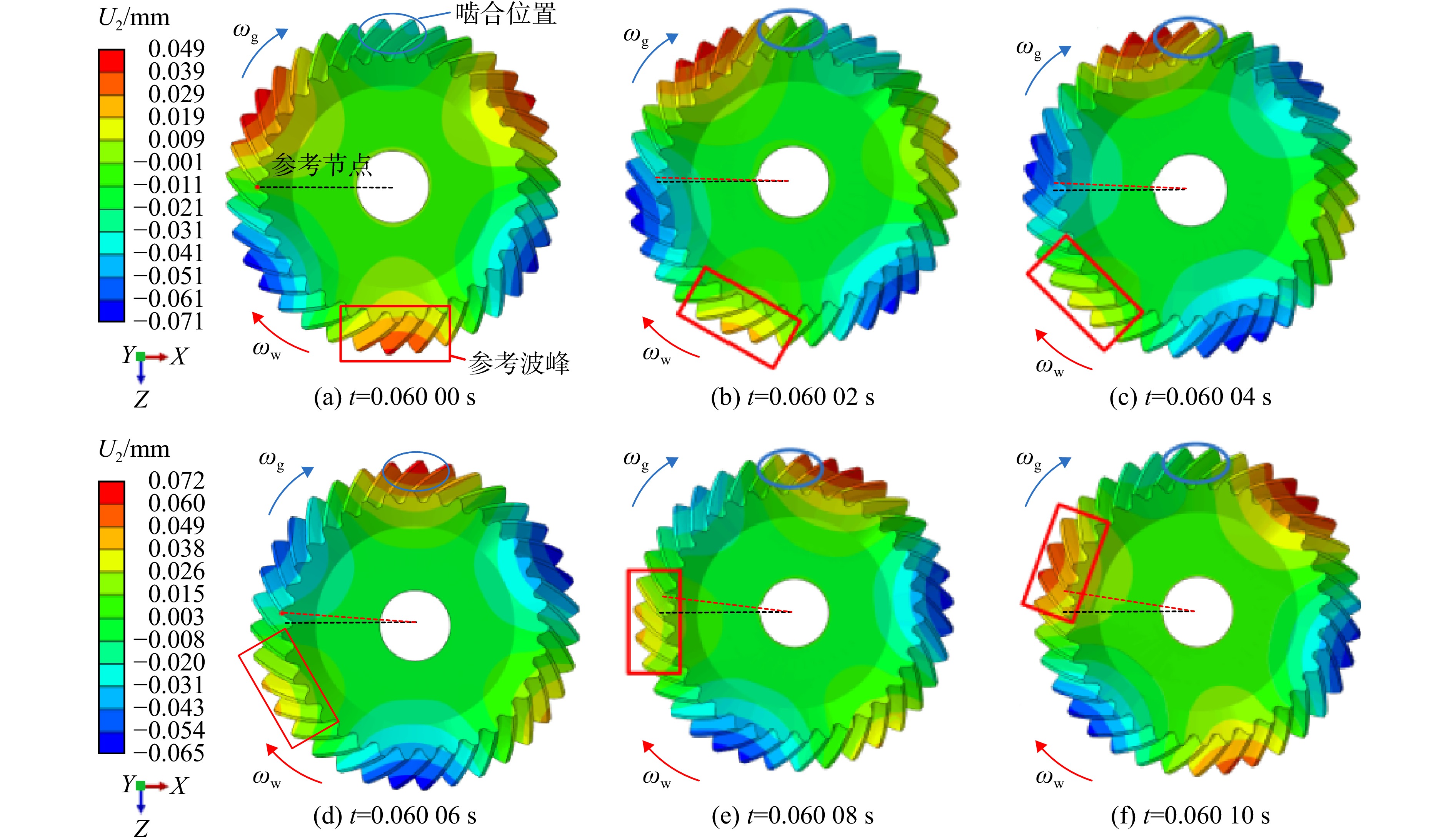
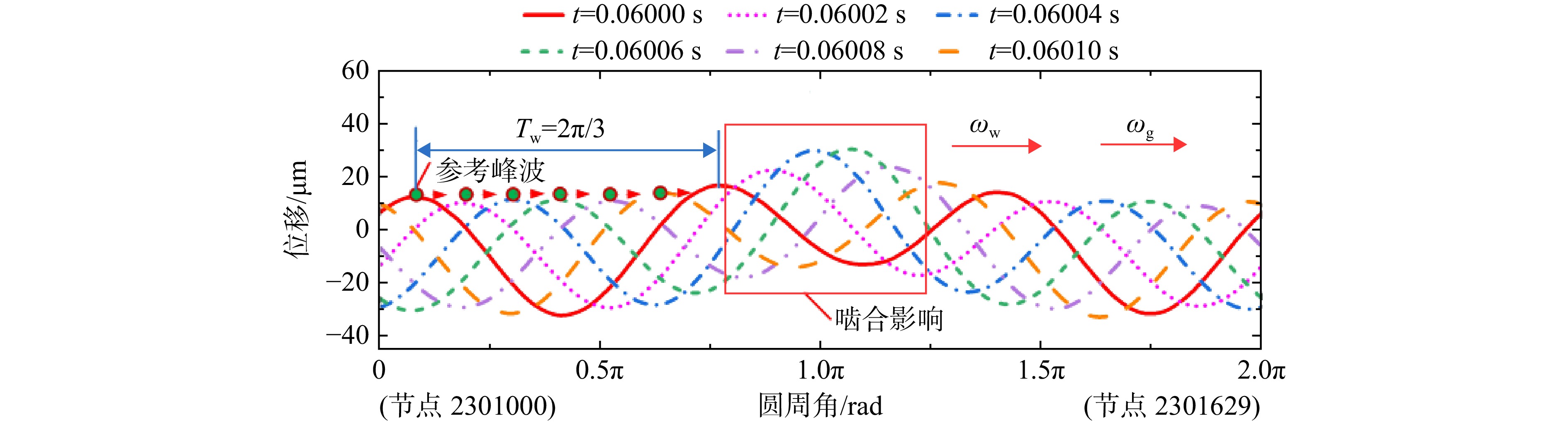
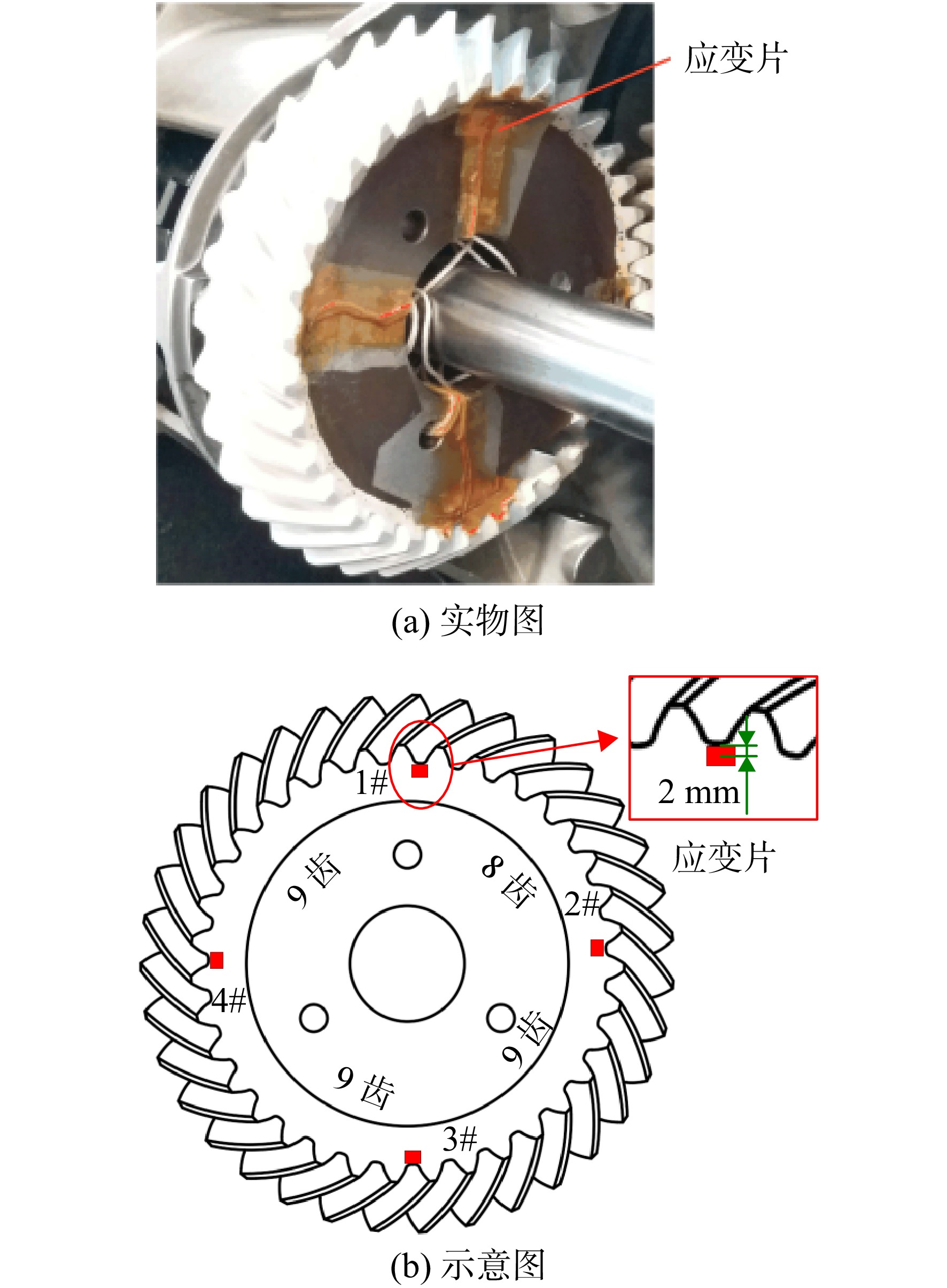
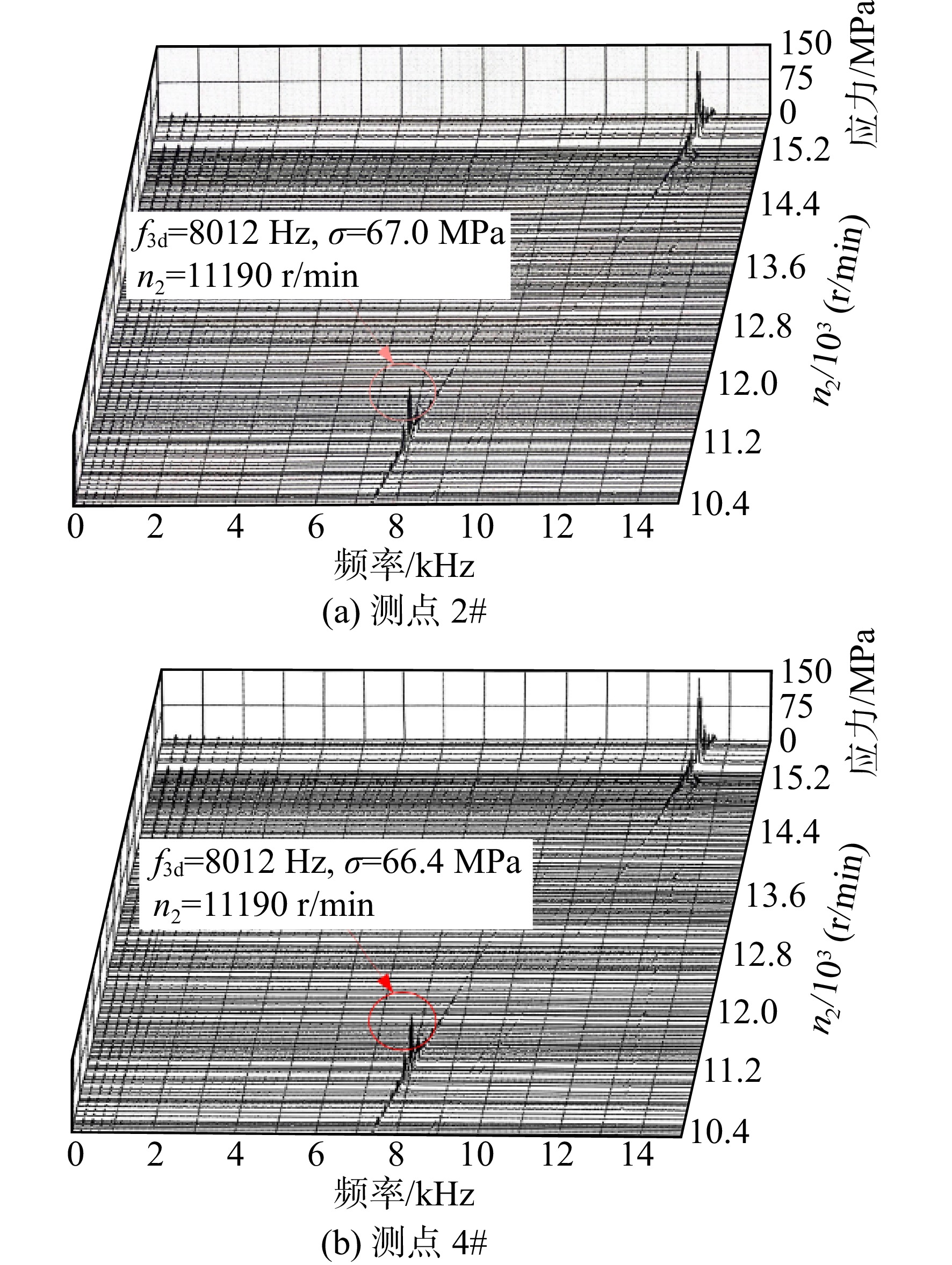
In view of the problem that the traveling wave resonance (TWR) of the aviation high speed thin-walled spiral bevel gear causes frequent tooth fracture faults during operation, and the dynamic response characteristics of the TWR are not clear, a transient contact dynamics analysis model of the aviation thin-walled spiral bevel gear based on the explicit algorithm was established. Considering the influence of gear speed, torque and time-varying meshing stiffness, the dynamic frequency value of the gear was calculated and the TWR point was accurately predicted. The dynamic response characteristics of the axial vibration displacement and dynamic stress of the gear under the TWR as well as the distribution law of the vibration displacement field and the stress field were studied. The results showed that the axial vibration displacement field of the driven bevel gear presented a three-peak and three-valley distribution form with alternating valleys and peaks in the circumferential direction under the condition of forward traveling wave (FTW) resonance with the third nodal diameter. The traveling wave migration direction was the same as the rotation direction of the gear, and the migration speed was much higher than the rotation speed of the gear, which was characterized by the rapid migration of the sector distribution displacement field. The vibration stress field showed a petal-shaped distribution of three peaks in the circumferential direction, and there was a stress concentration phenomenon at the root groove position and the tooth surface meshing position. The vibration displacement and stress response were characterized by the dense distribution of high-order harmonic vibration. The relative error between the FTW resonant speed with the third nodal diameter of the driven bevel gear measured by the experiment and predicted by the simulation calculation was 1.1%, and the stress value measured by the experiment was consistent with the stress value extracted by the simulation, which verified the accuracy of the prediction of the TWR point and the validity of the transient contact dynamics analysis model.

Effect of crossflow on internal heat transfer of impingement-swirl-film cooling for leading edge of turbine blade
HAN Feng, ZHANG Shuhao, CHEN Jiaona, WANG Lingyang, CHEN Honghua, YANG Ling, MAO Junkui
2025, 40(4): 20240415. doi: 10.13224/j.cnki.jasp.20240415
Abstract:

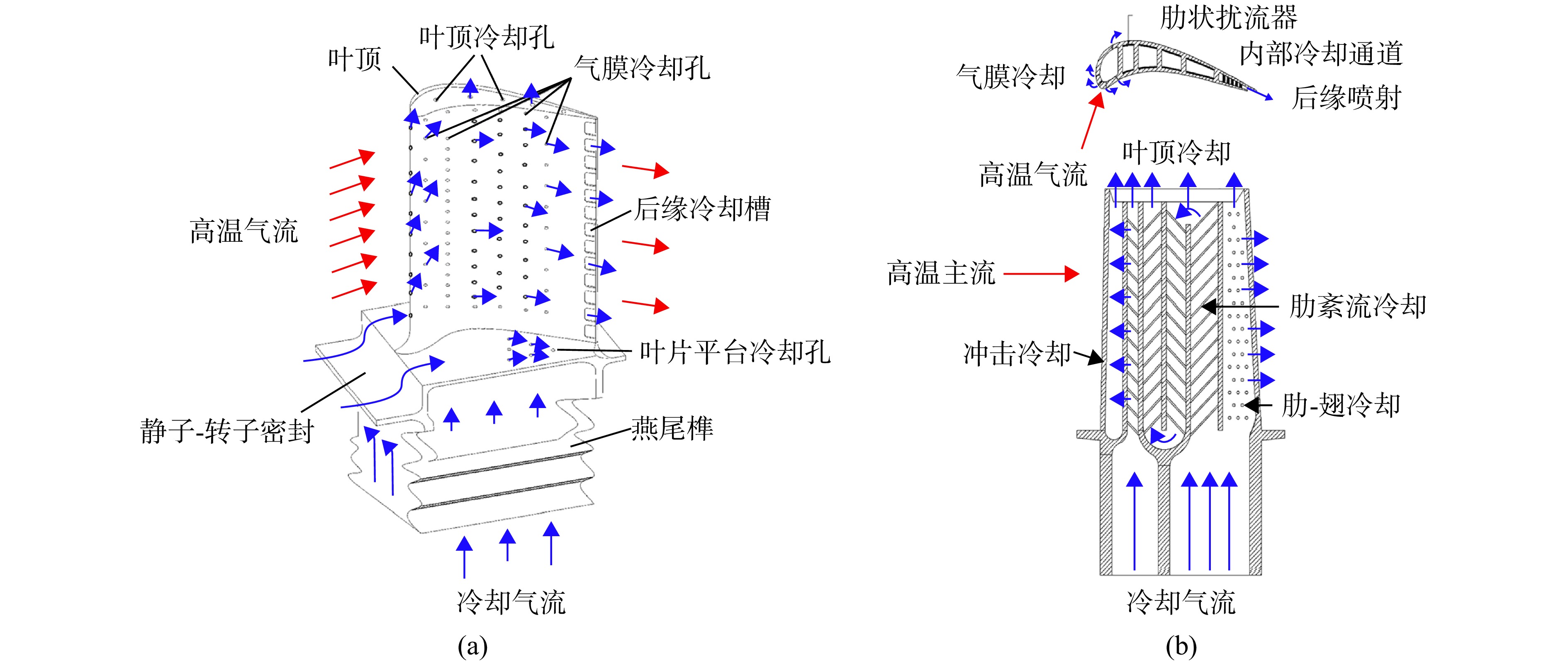
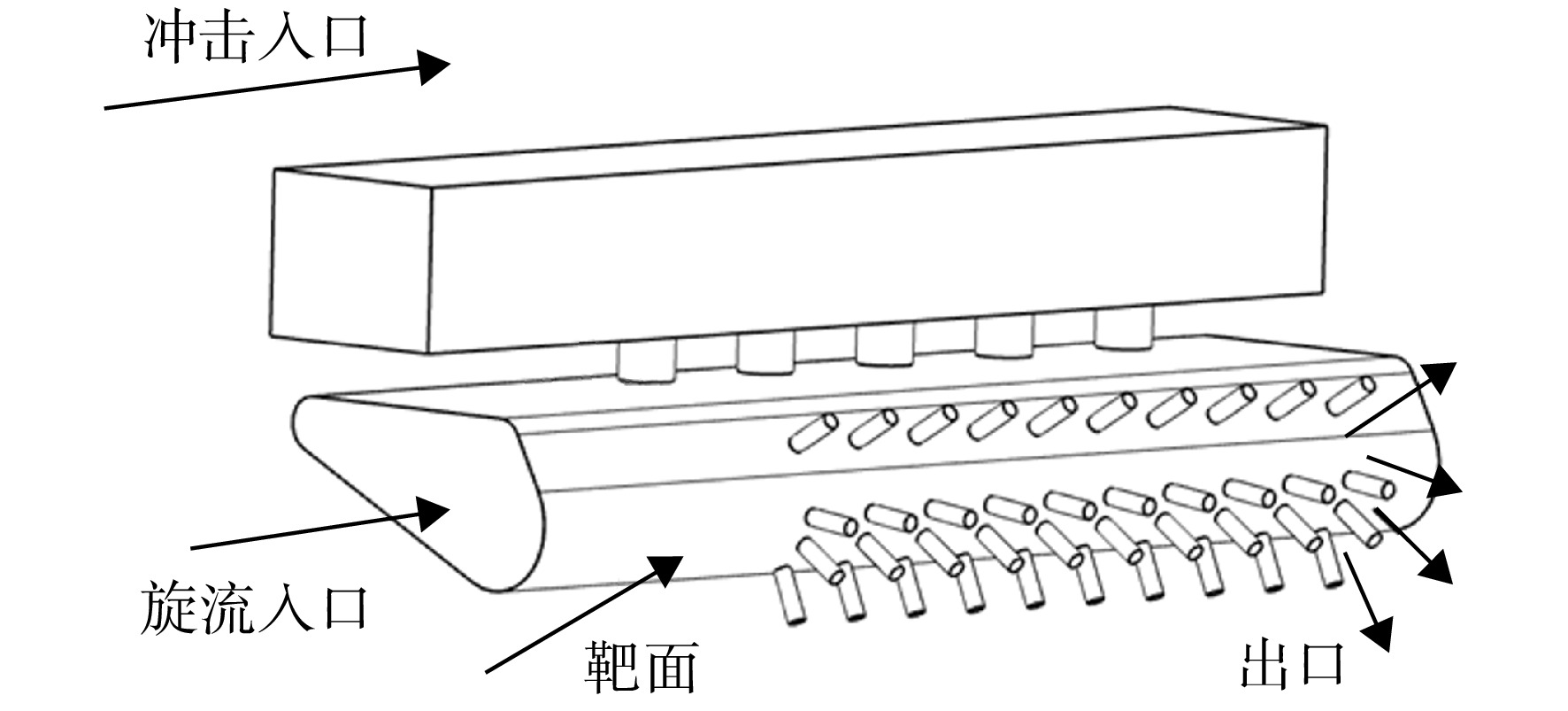
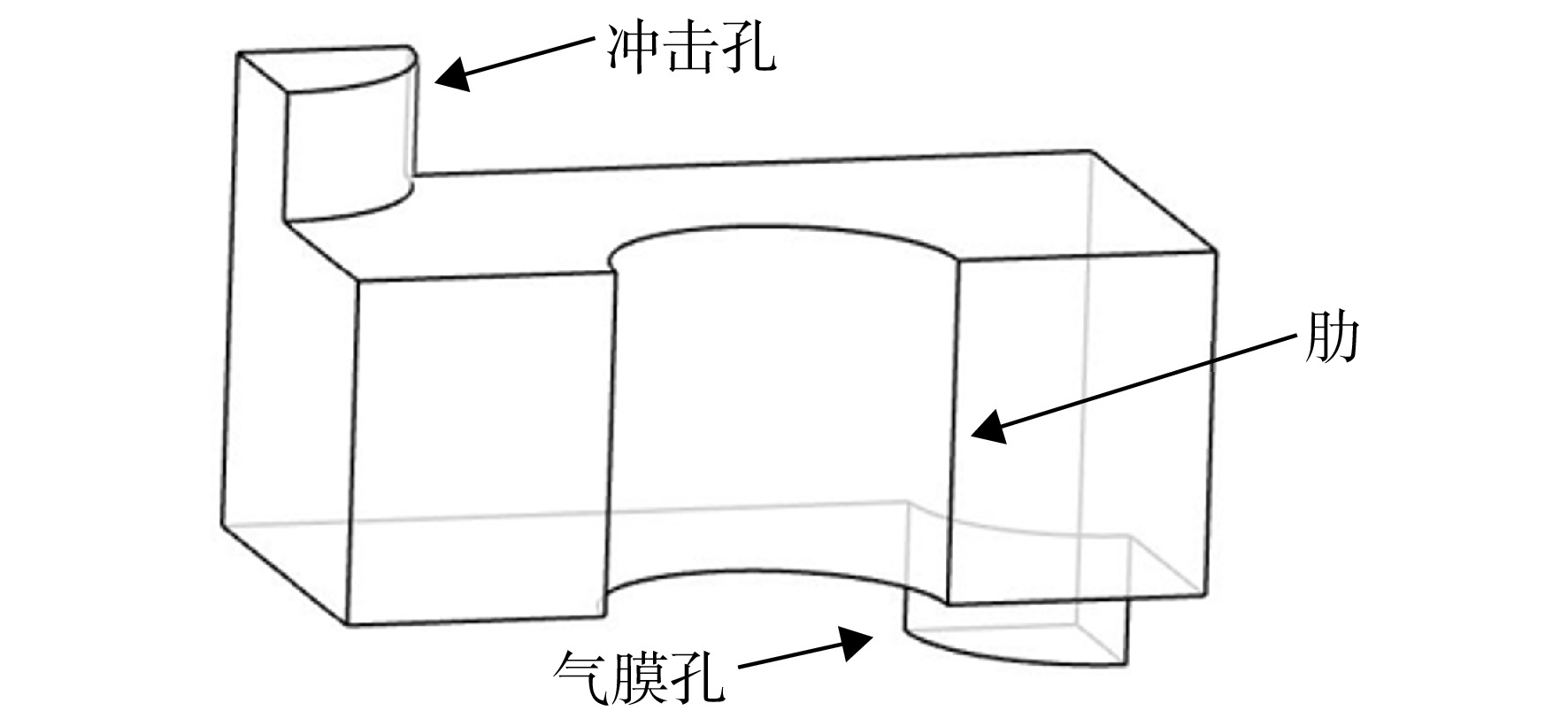
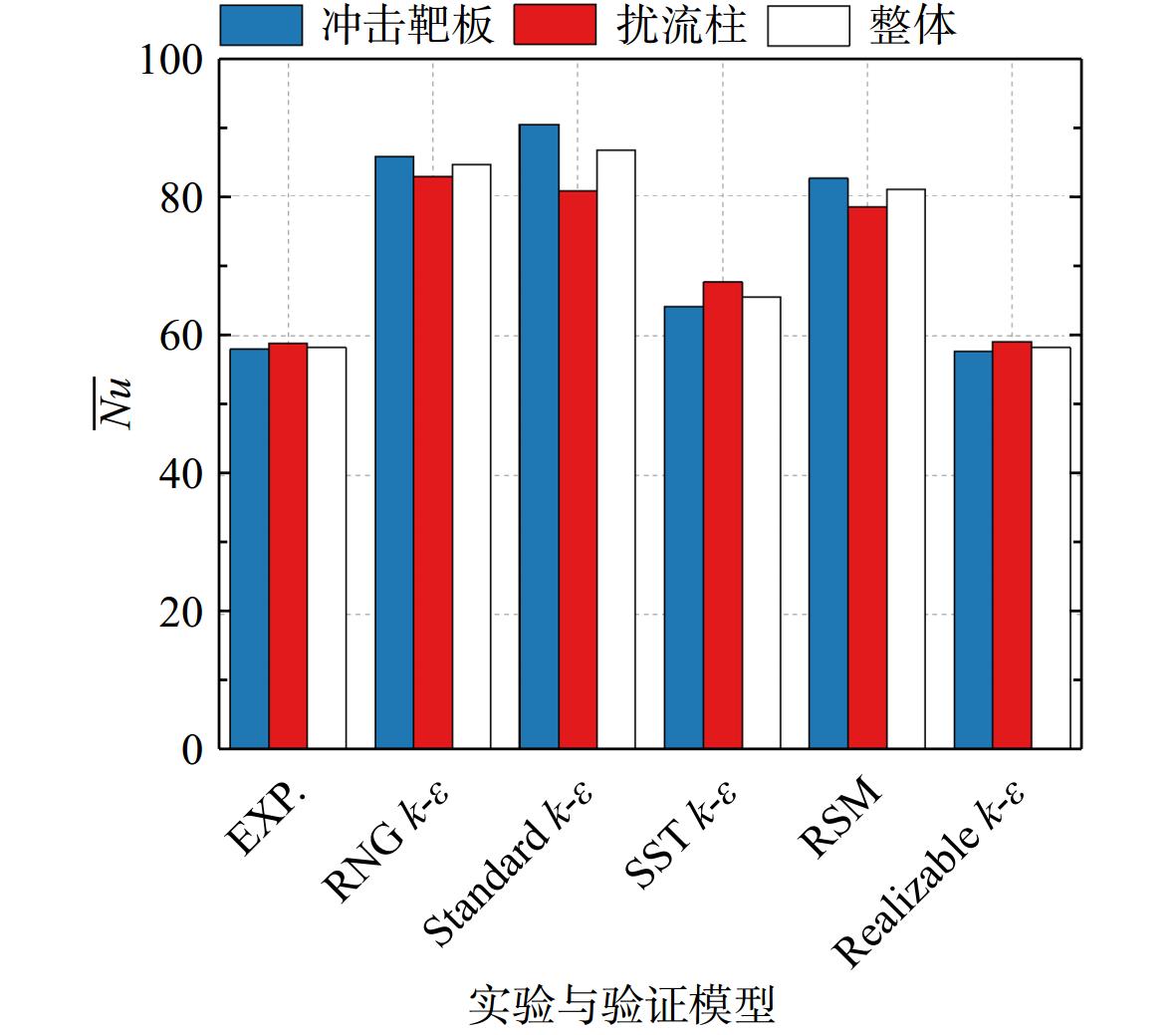
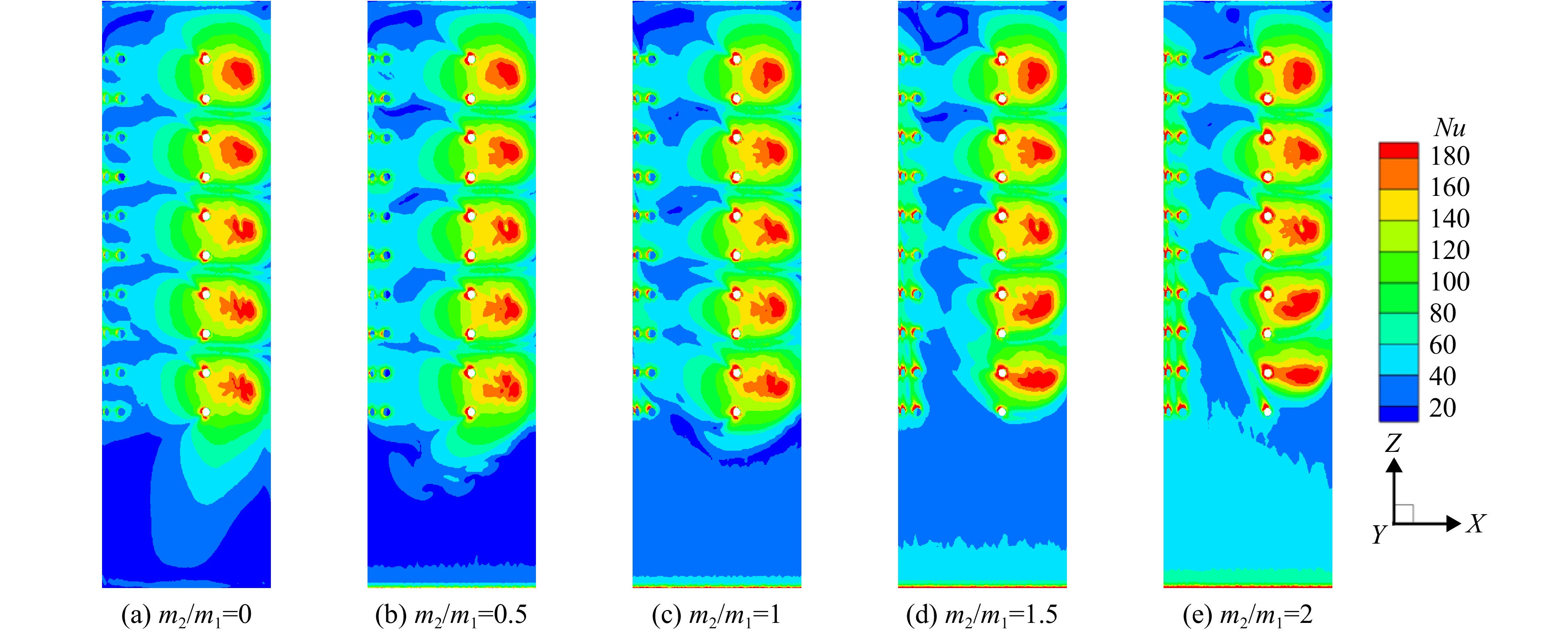
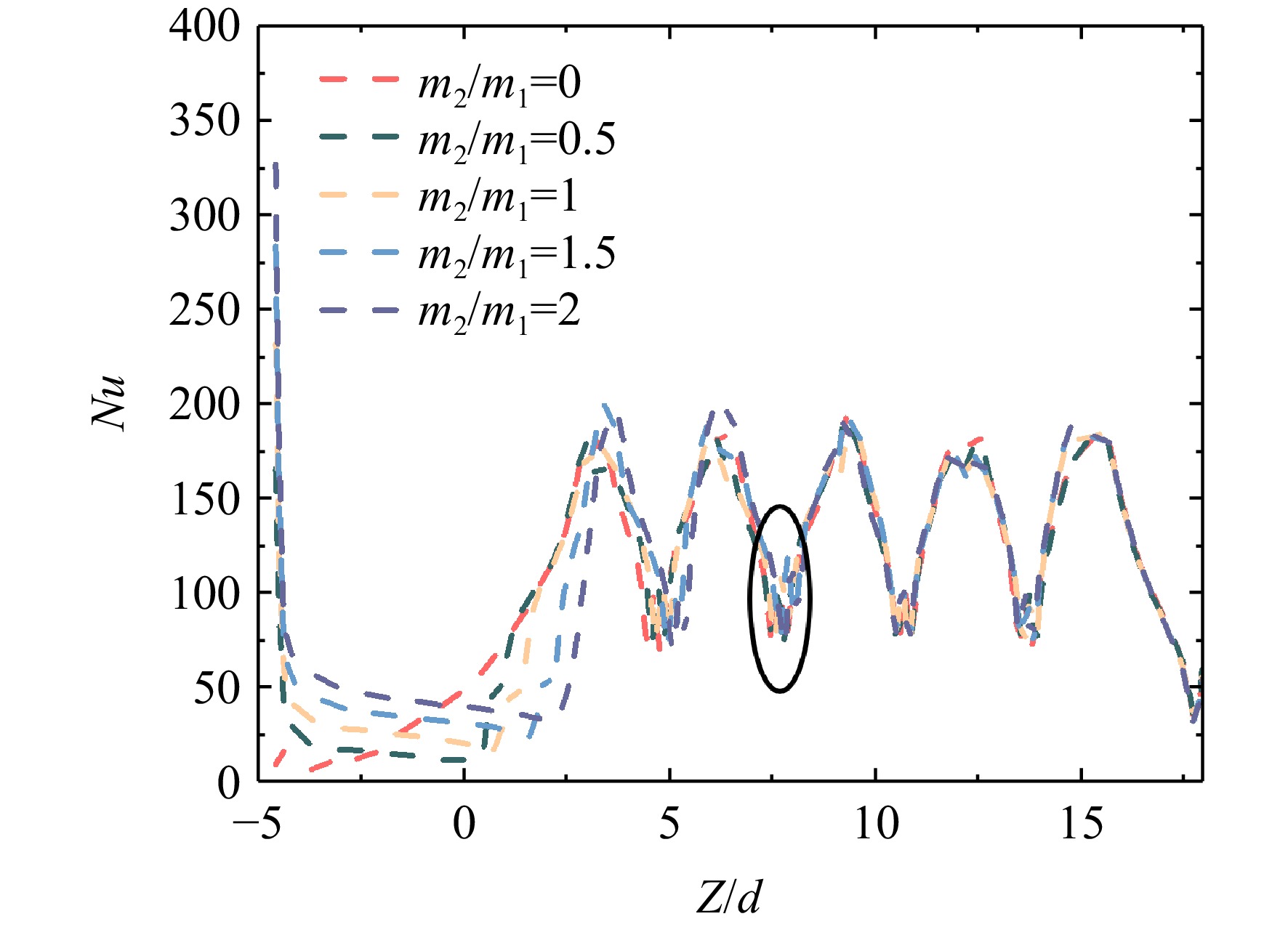
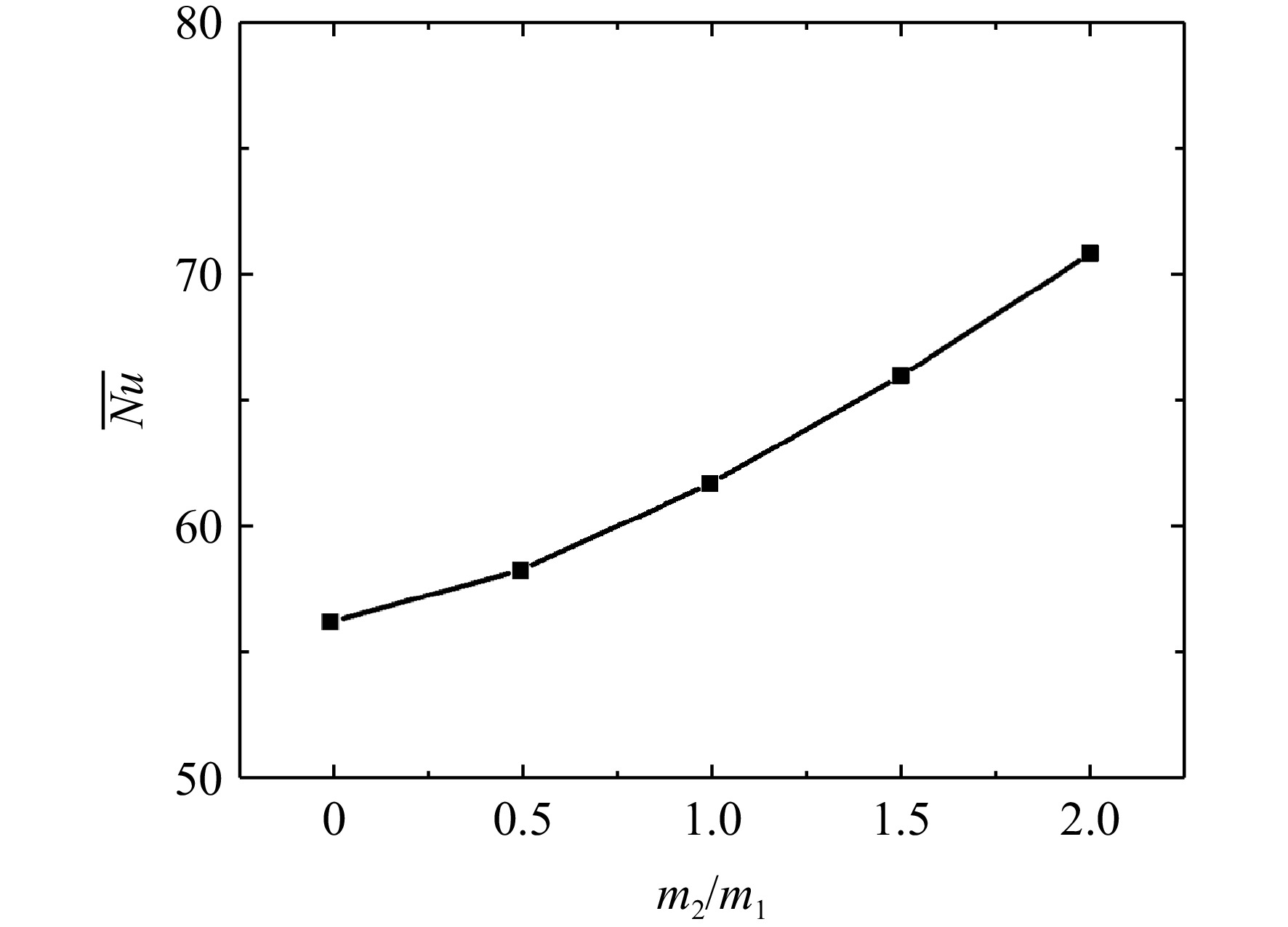
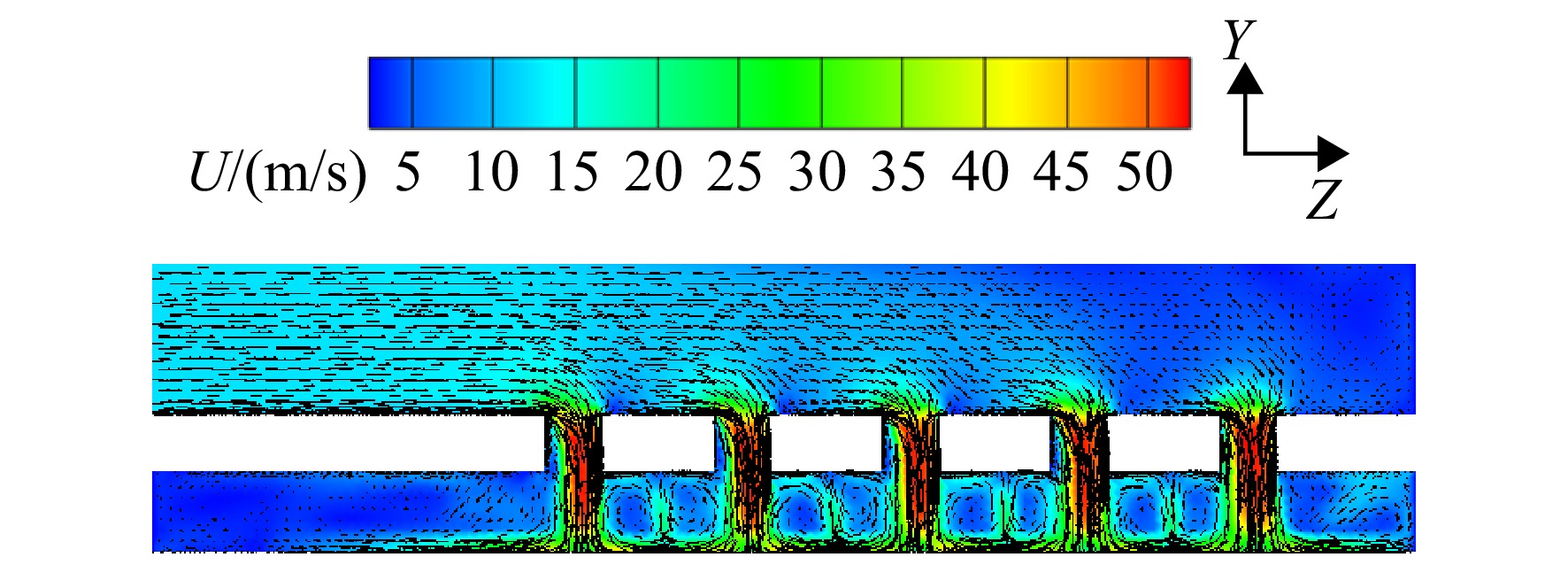
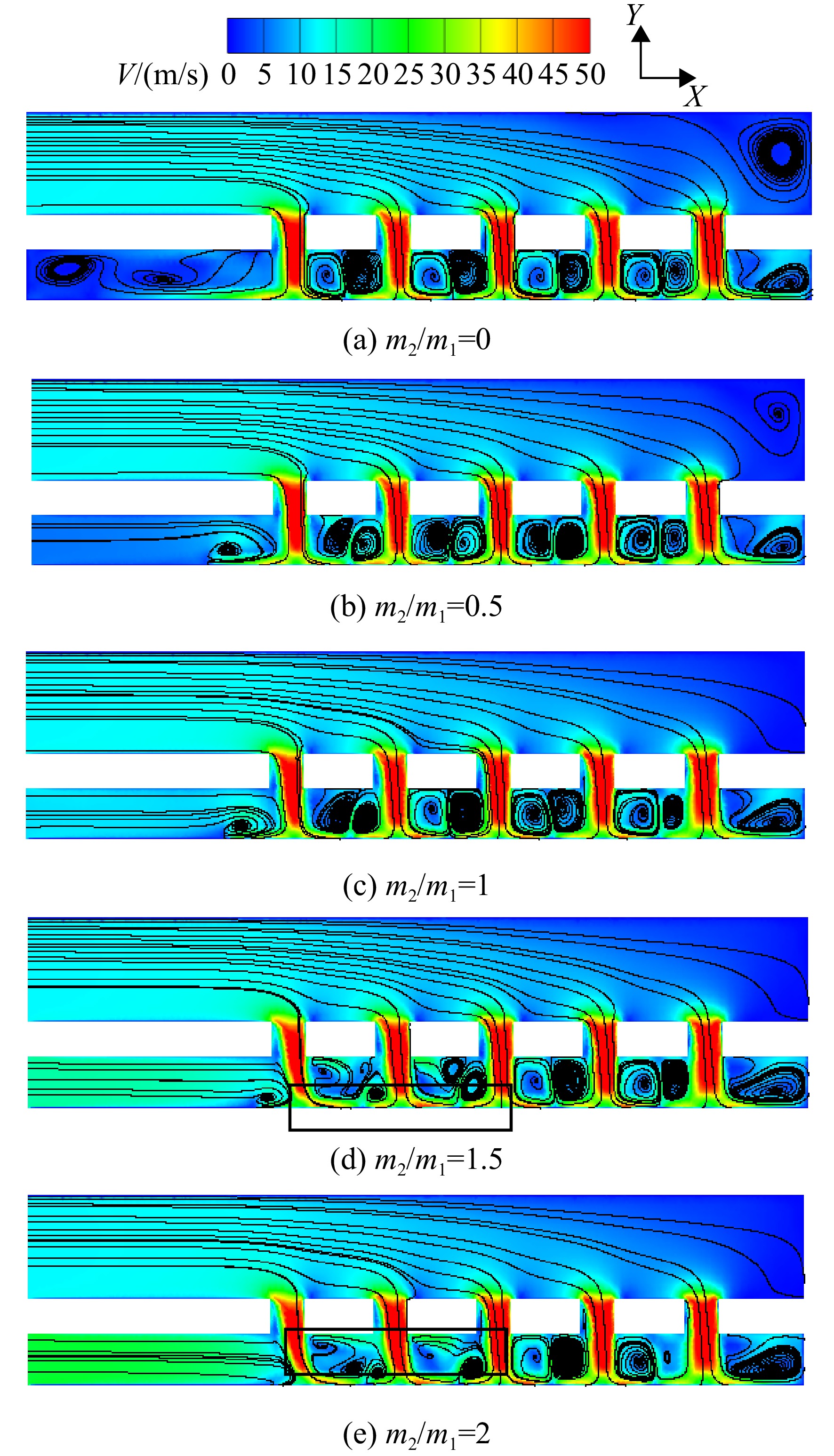
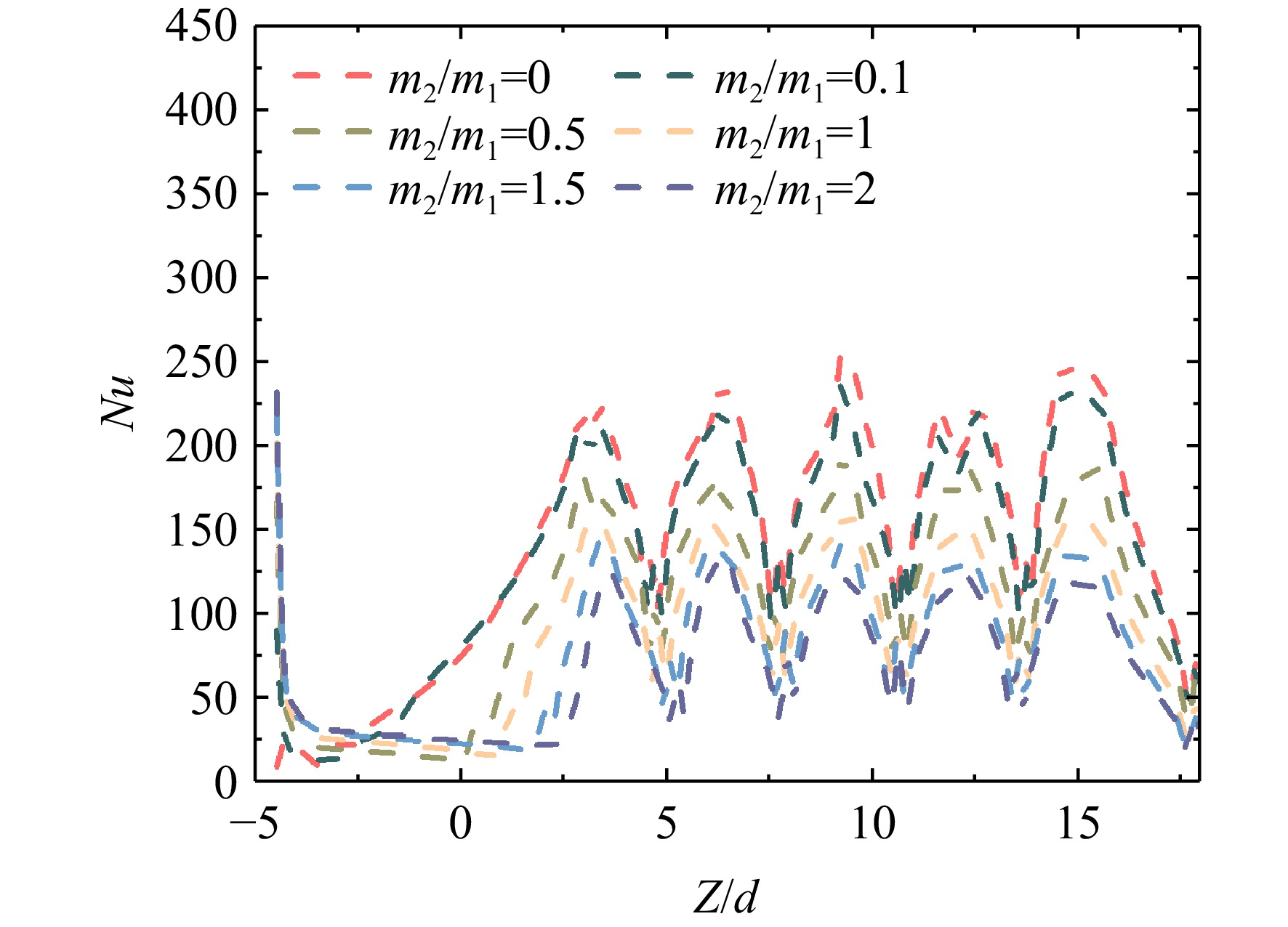
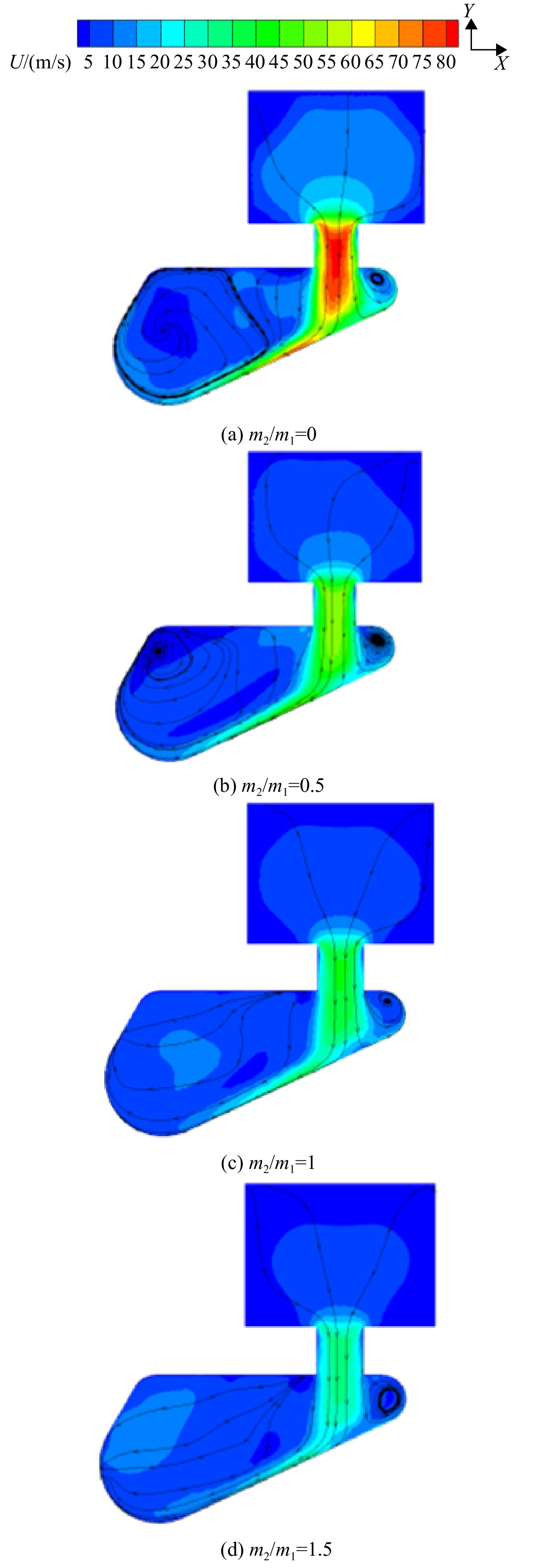
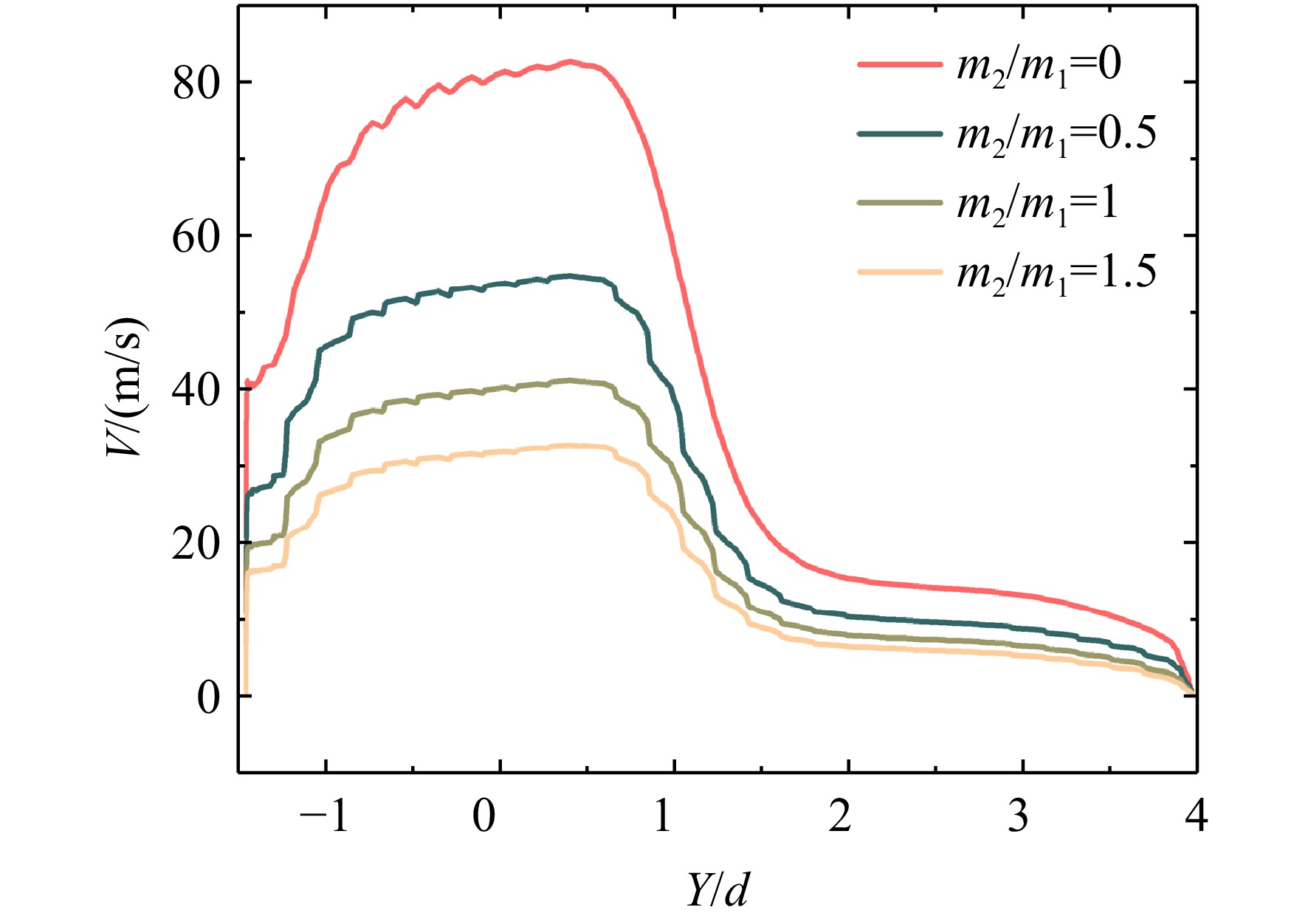
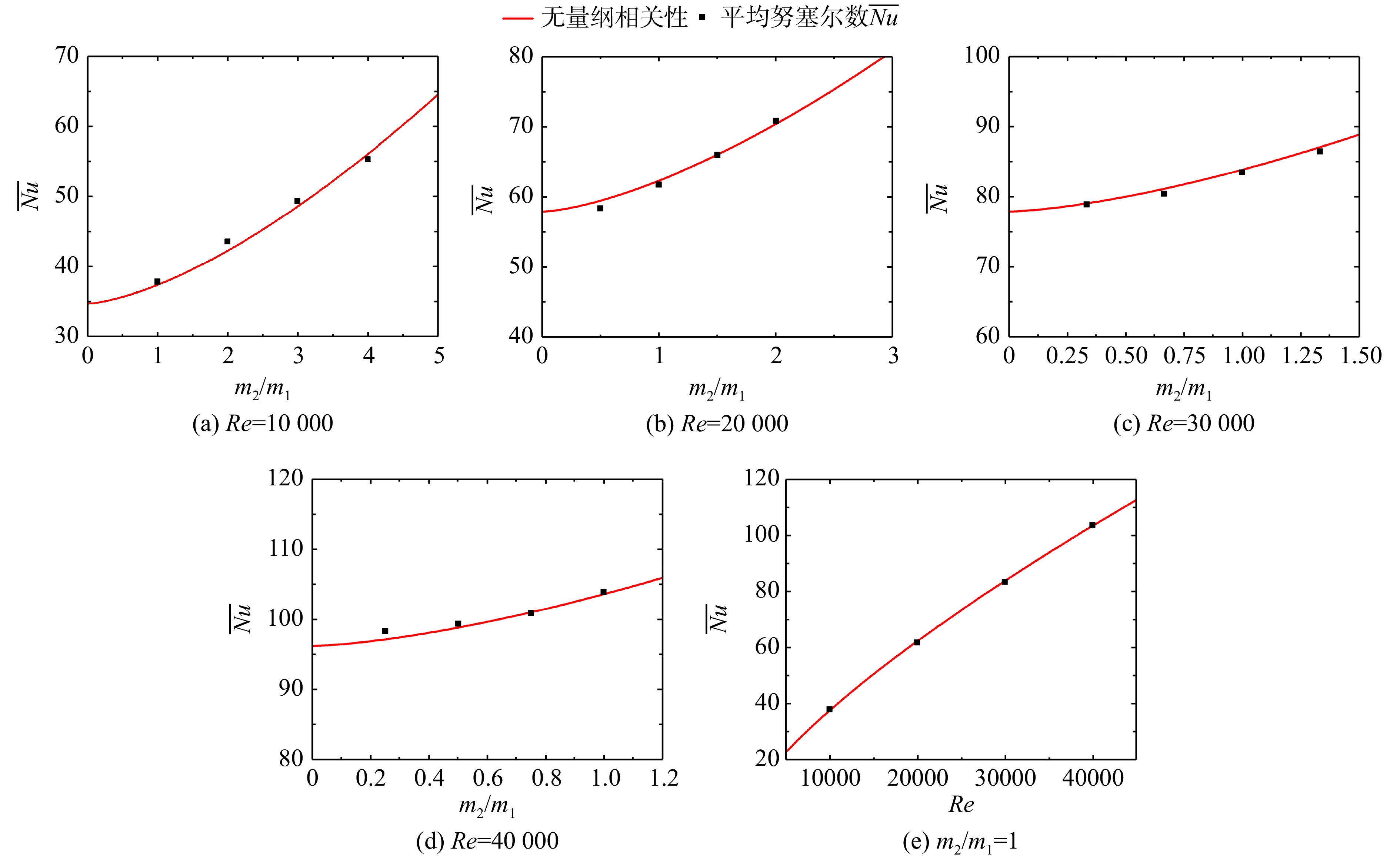
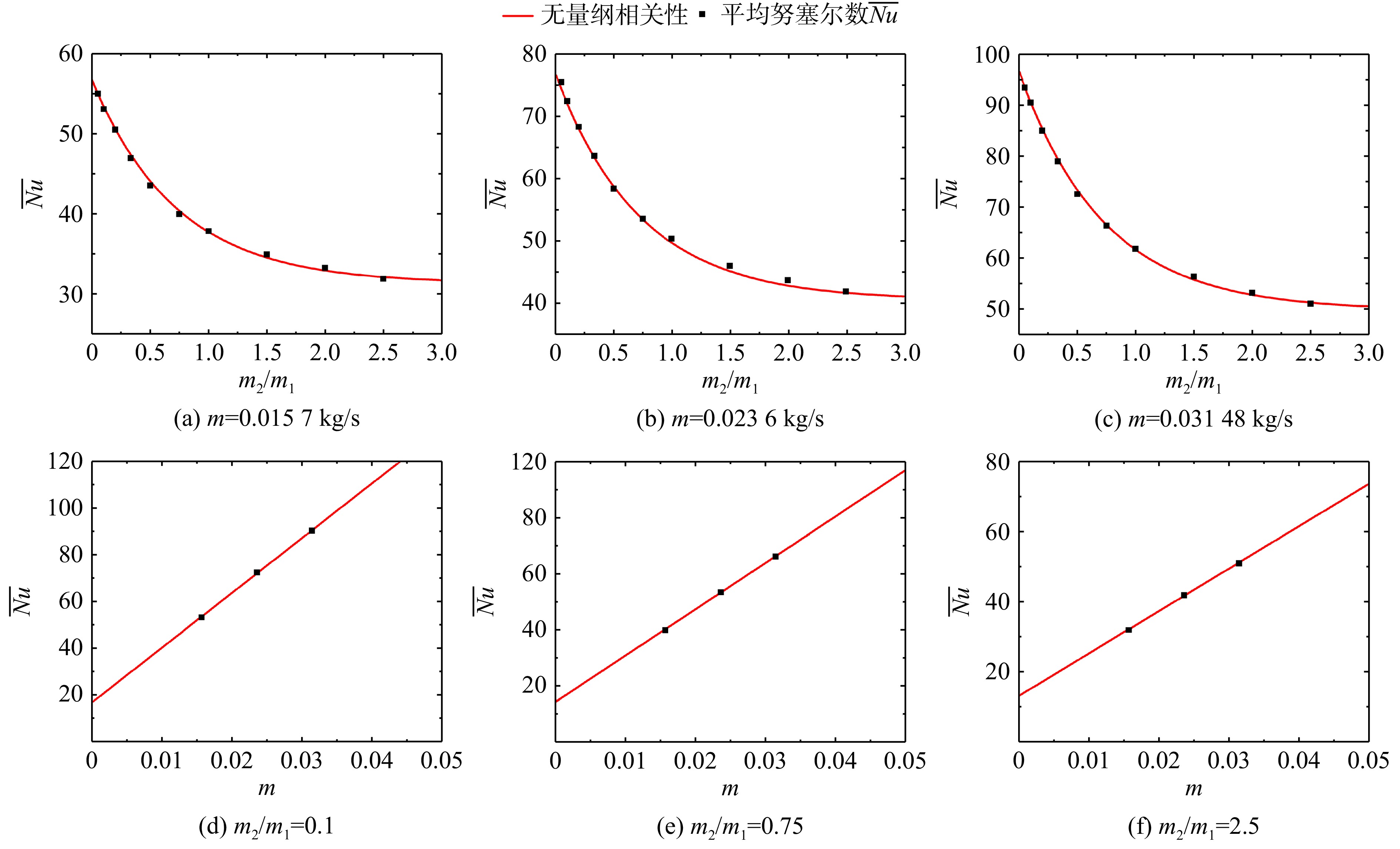
The asymmetric impingement-swirl-film cooling channel of a realistic turbine blade leading edge was studied. Under two conditions—constant impingement inlet Reynolds number and constant total flow rate, the effect of active crossflow on the heat transfer performance of the cooling channel was numerically investigated by varying the crossflow ratio. Dimensionless Nusselt number correlations at both operating conditions were derived through curve fitting. The results indicated that, under a constant Reynolds number of the impingement inlet, increasing the crossflow ratio enhanced the overall heat transfer performance of the impingement target surface. Specifically, when the Reynolds number was 20000, a crossflow ratio of 2 led to a 25.8% increase in the Nusselt number compared with the no-crossflow case. Conversely, under a constant total flow rate, increasing the crossflow ratio reduced the overall heat transfer performance of the impingement target surface. When the total flow rate was 0.0236 kg/s, a crossflow ratio of 2 resulted in a 43.3% reduction in the Nusselt number compared with the no-crossflow case. The findings demonstrated that the cooling performance in the asymmetric impingement-swirl-film cooling channel was primarily governed by the impinging jet, while the effect of crossflow convection was relatively minor. The fitted Nusselt number correlations for both scenarios can provide a valuable guidance for the design and optimization of asymmetric leading-edge cooling structures in turbine blades.

Experimental research on heat transfer characteristics of turbulence cooling of double-wall turbine blade trailing edge
HAN Feng, SONG Yi, CHEN Jiaona, REN Yongxiang, XU Weijian, JIANG Wentao, MAO Junkui
2025, 40(4): 20240416. doi: 10.13224/j.cnki.jasp.20240416
Abstract:

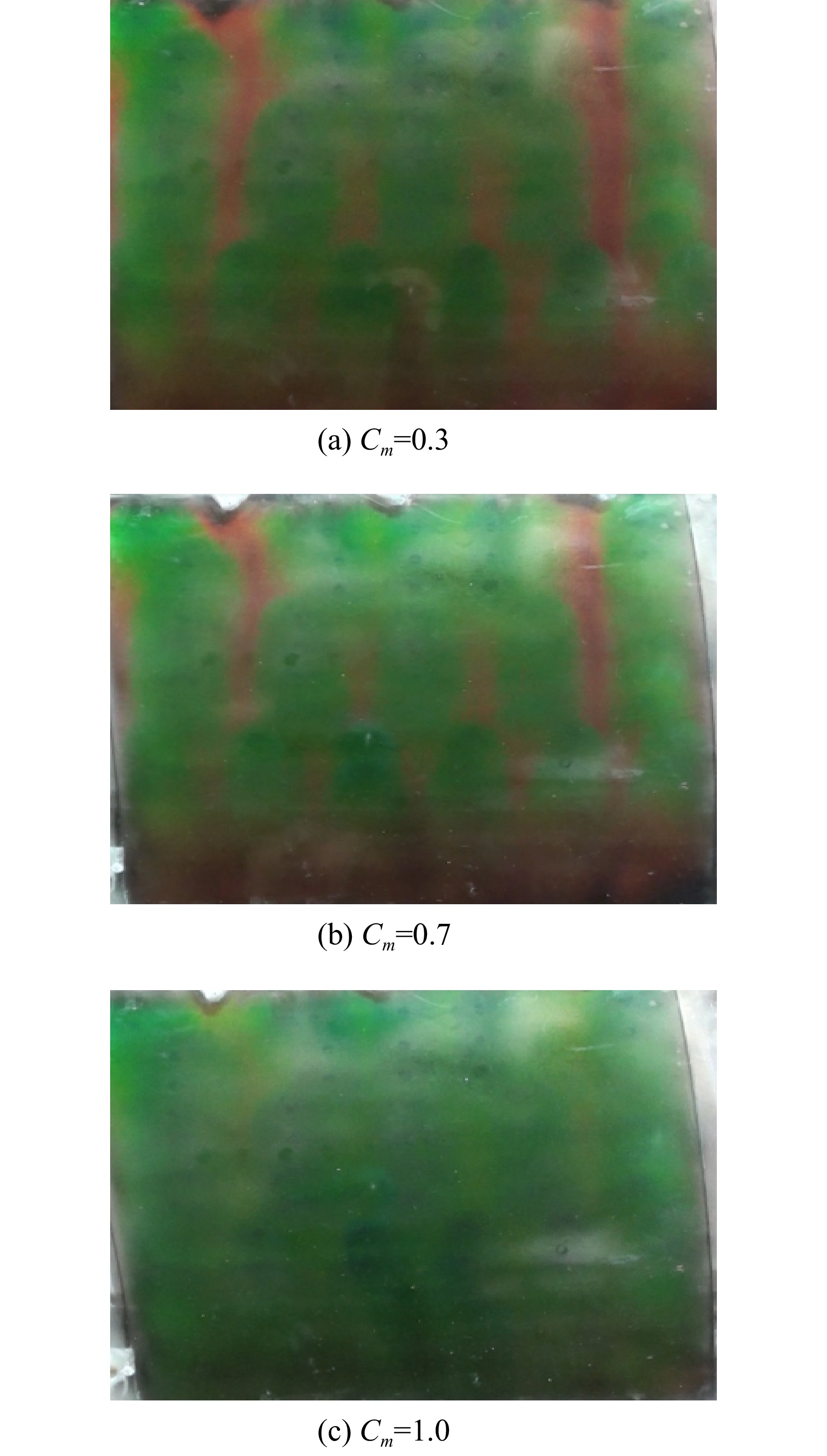
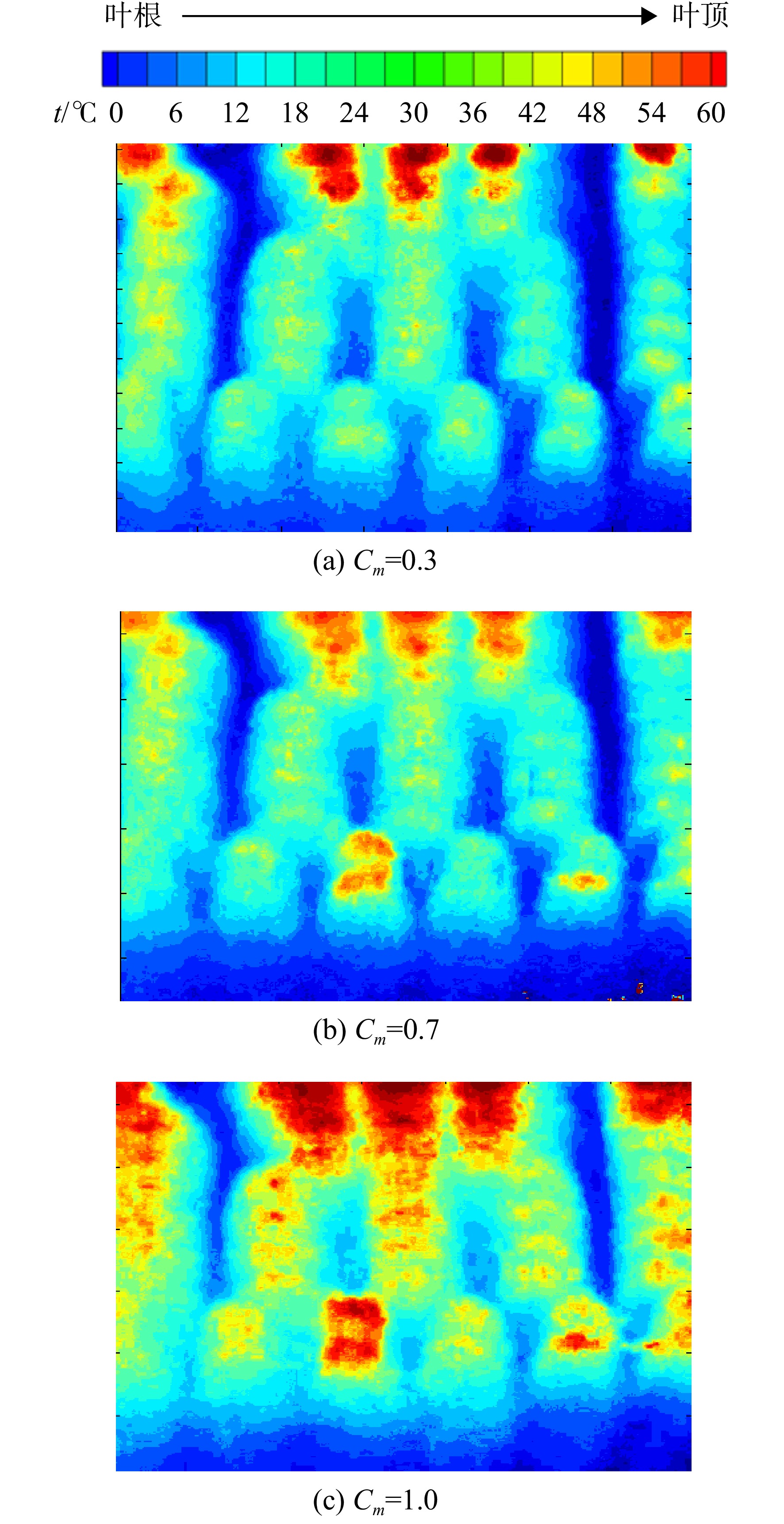
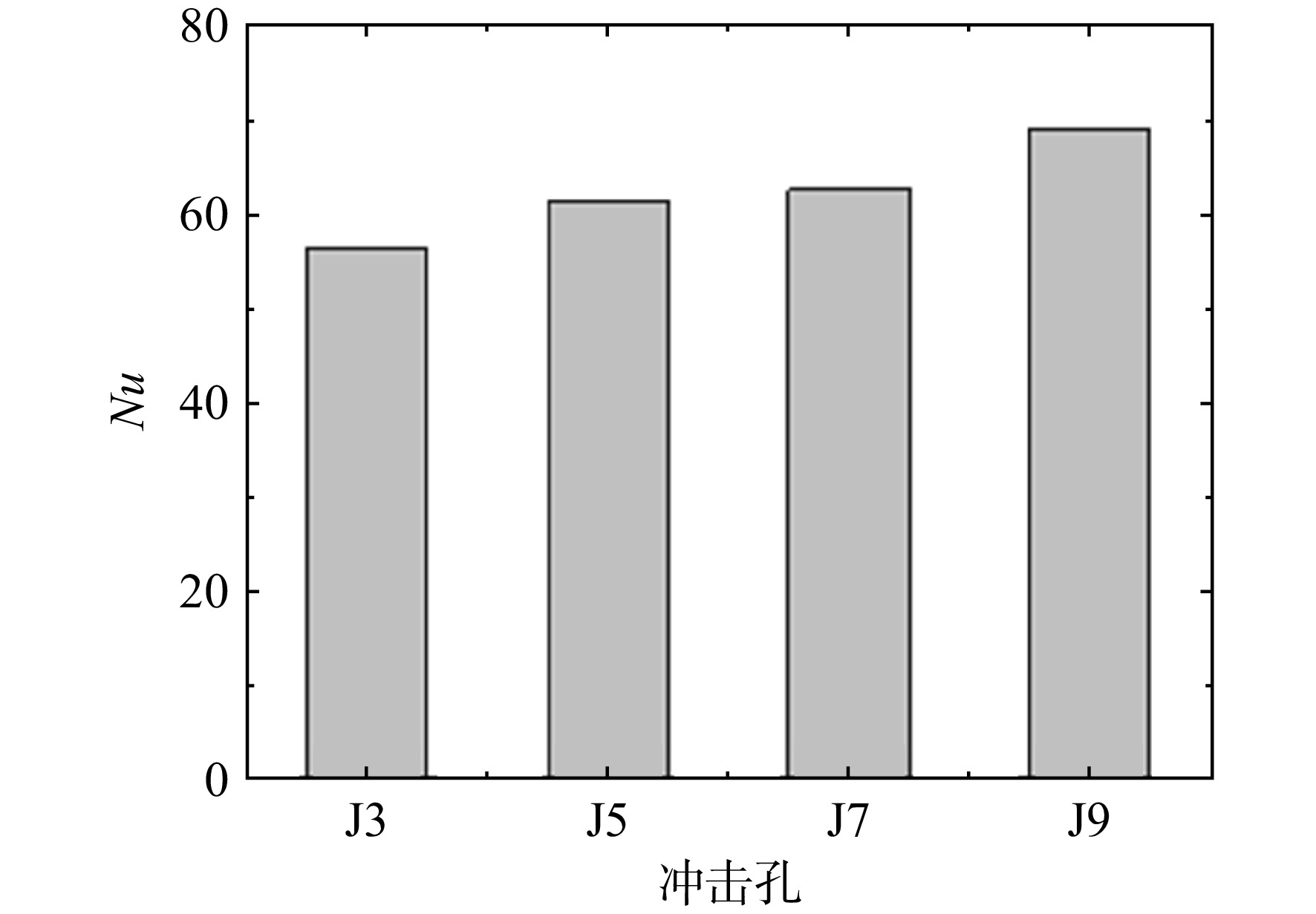
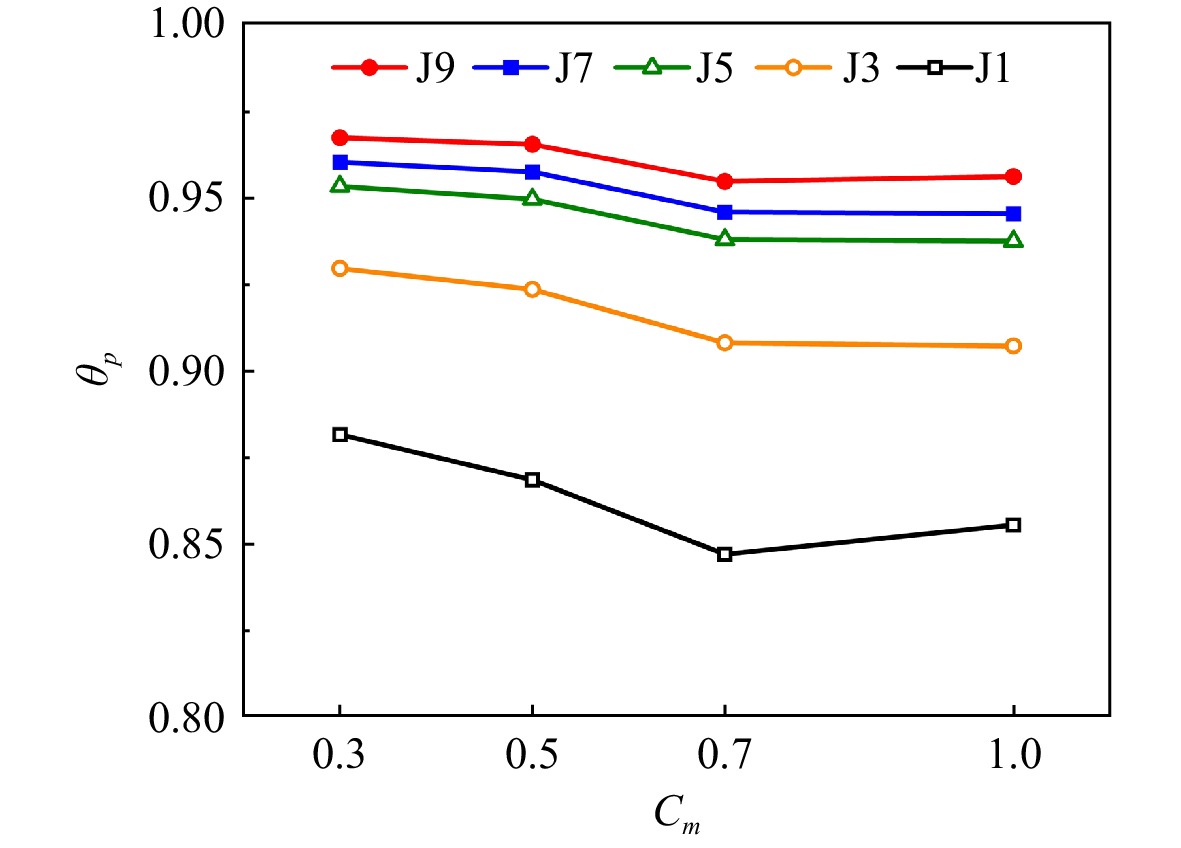
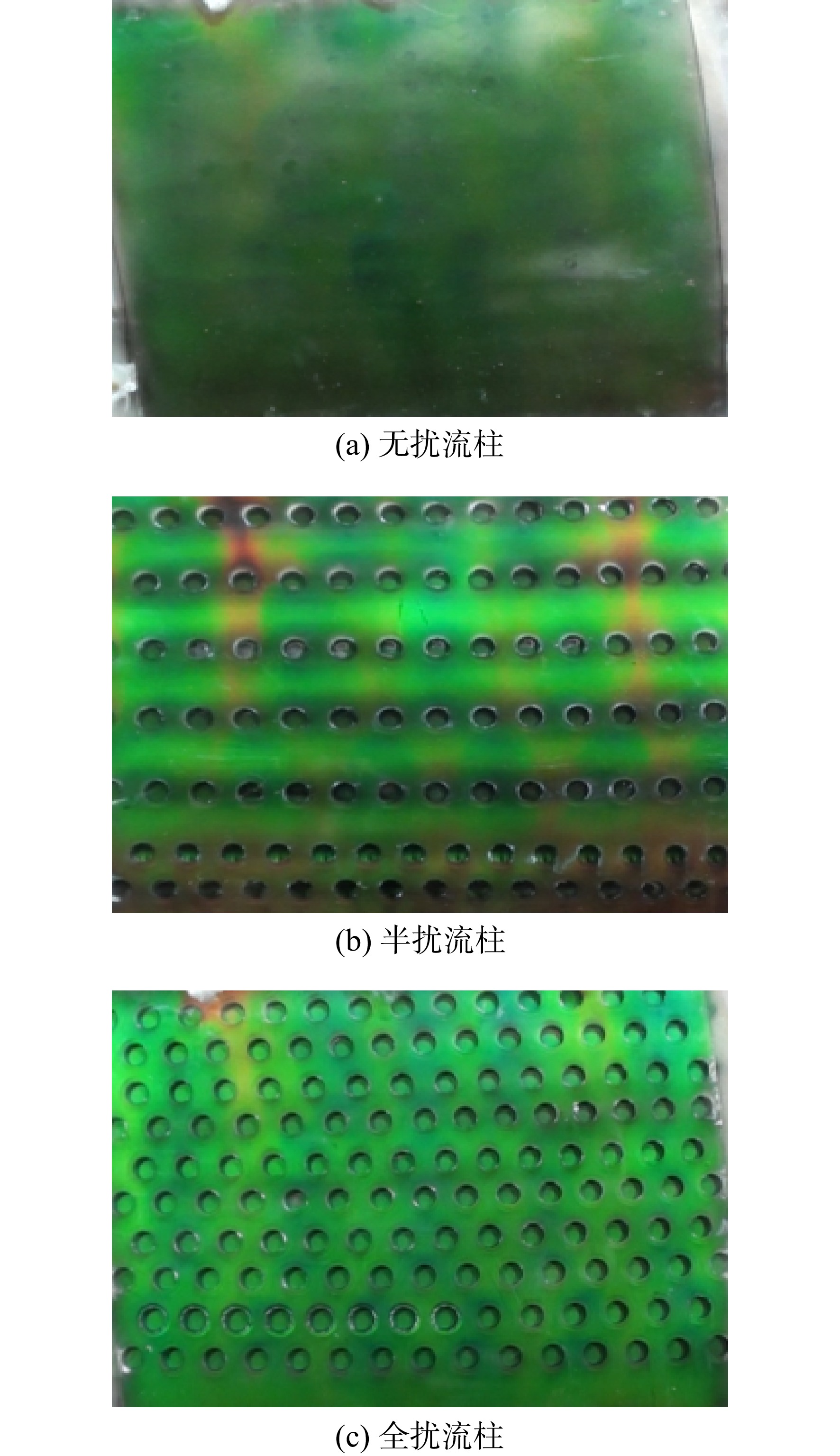
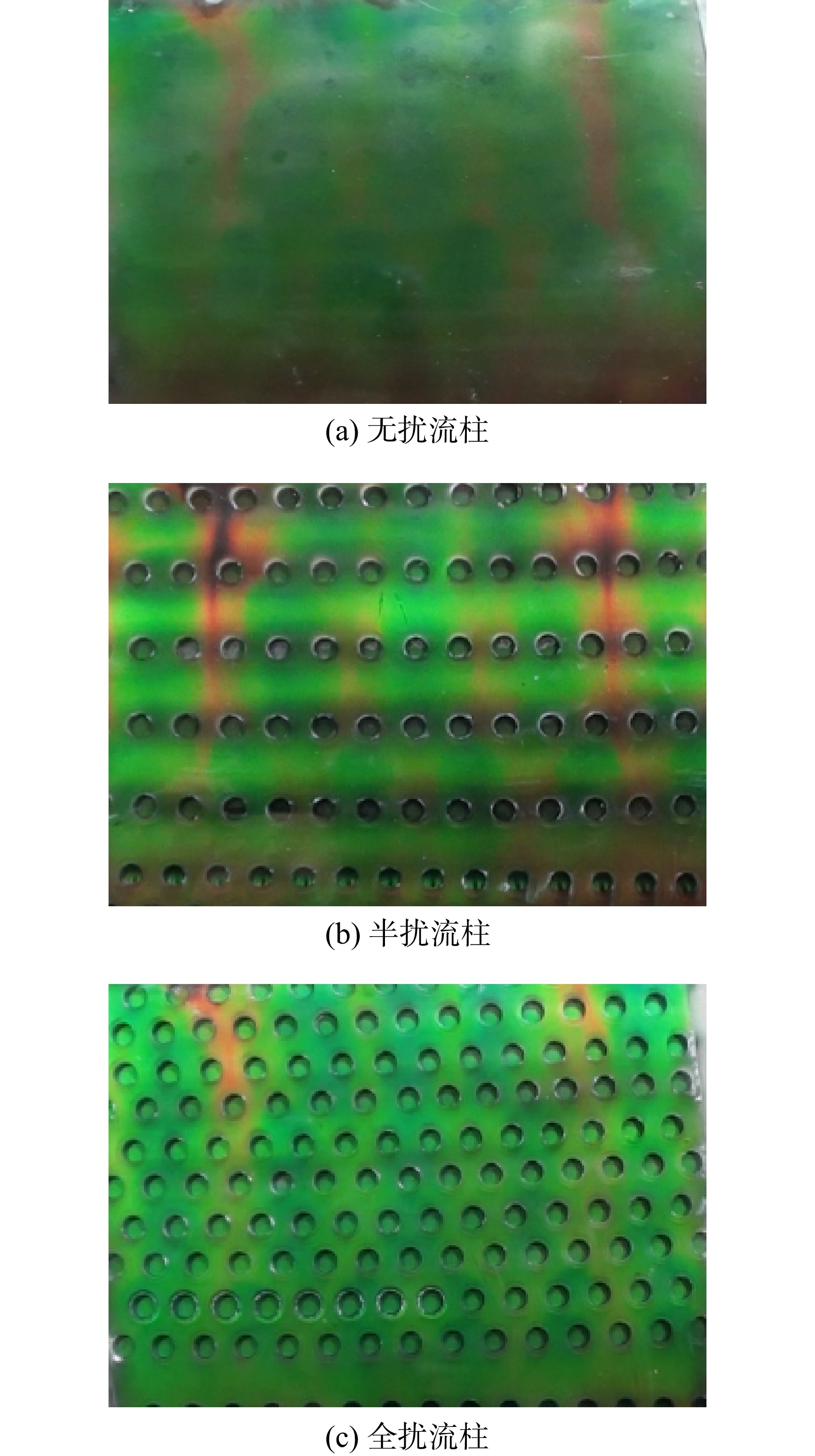
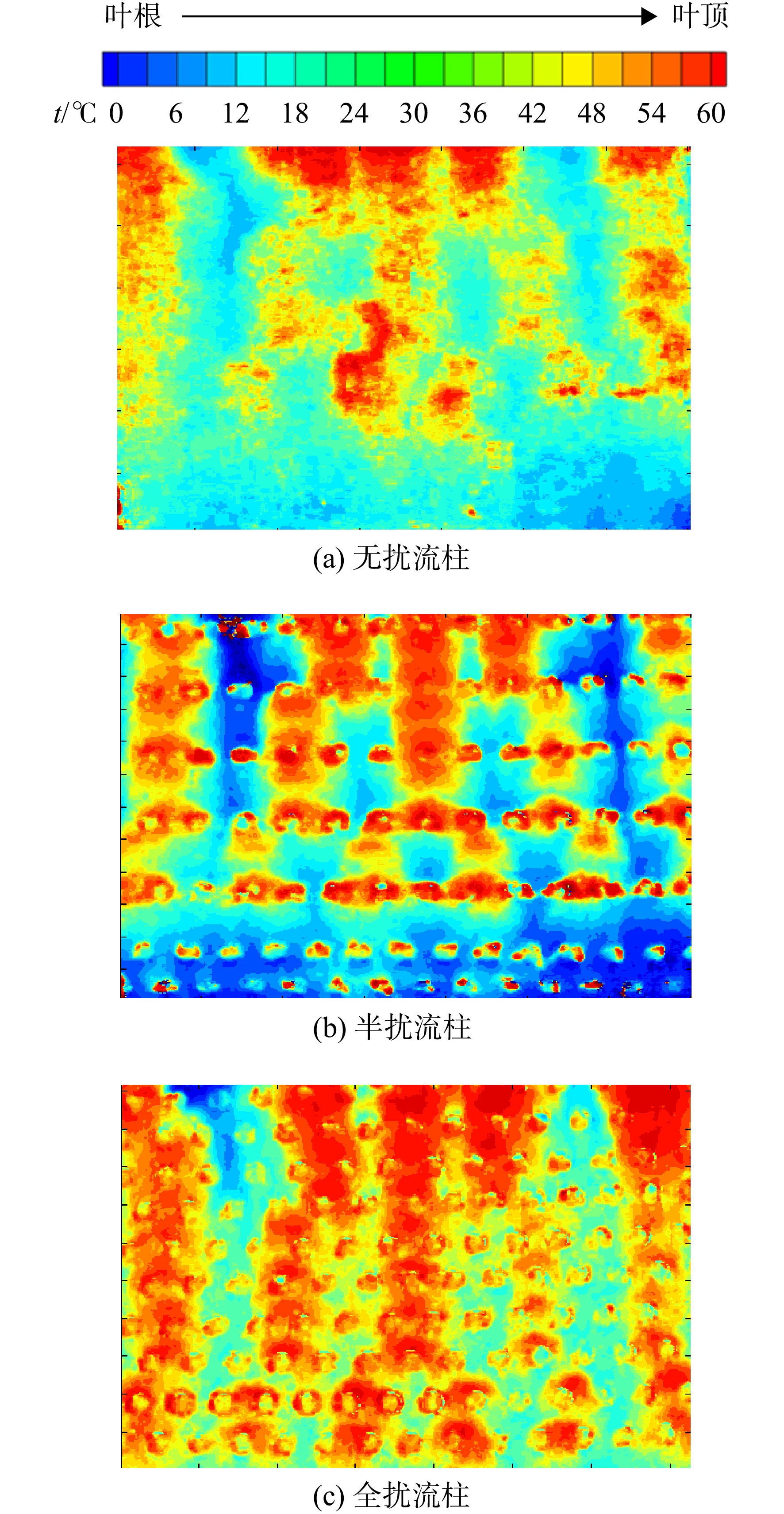
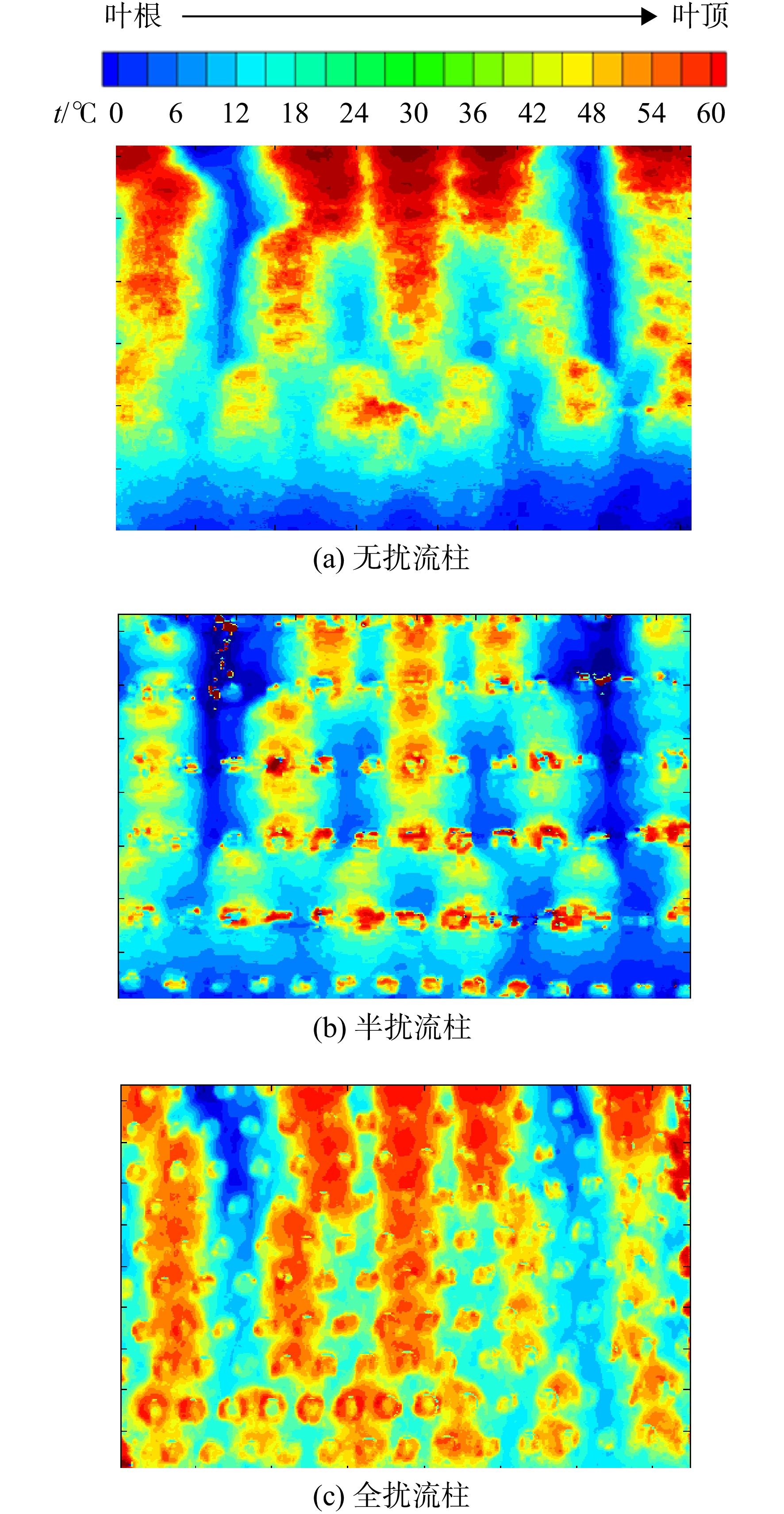
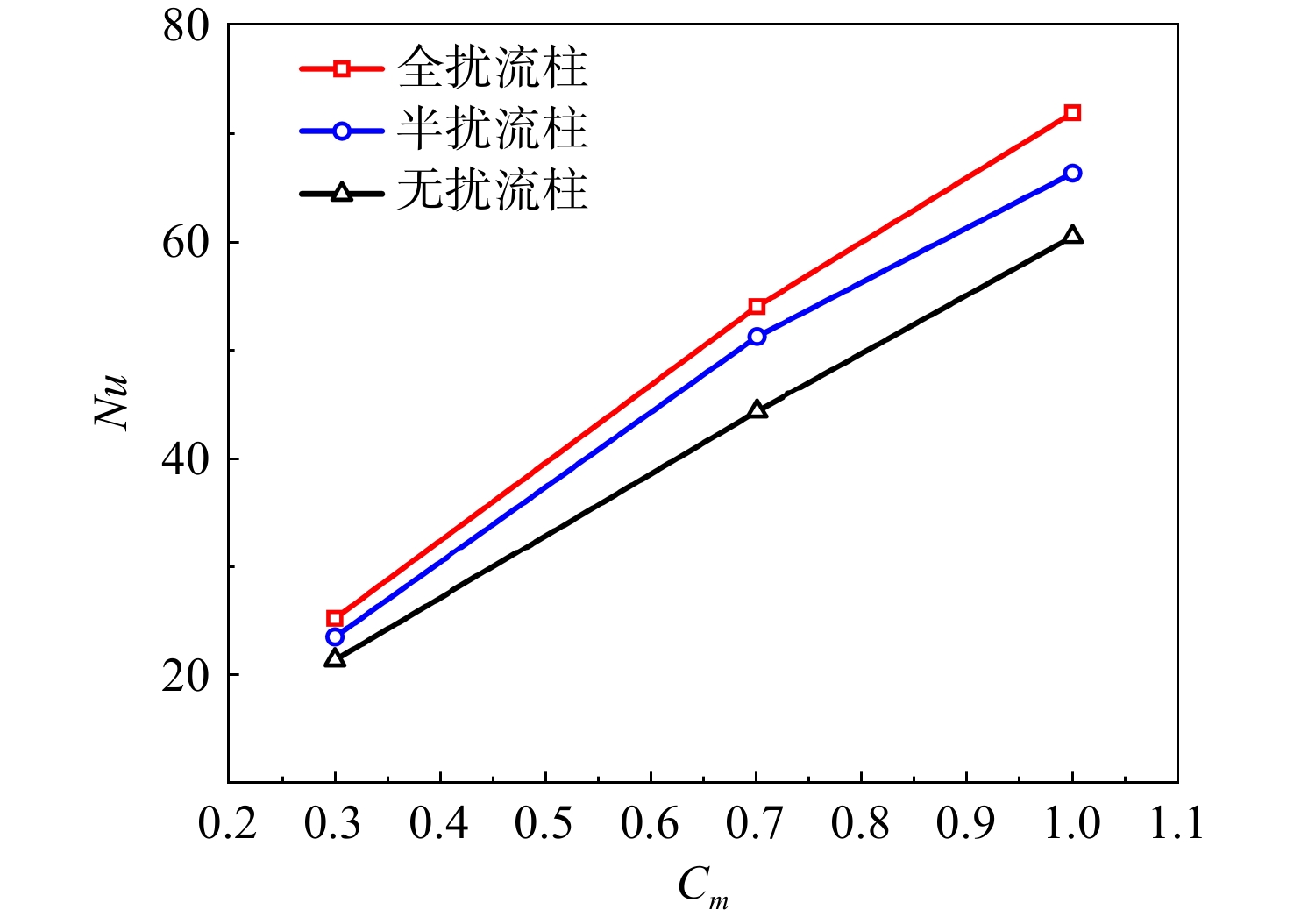
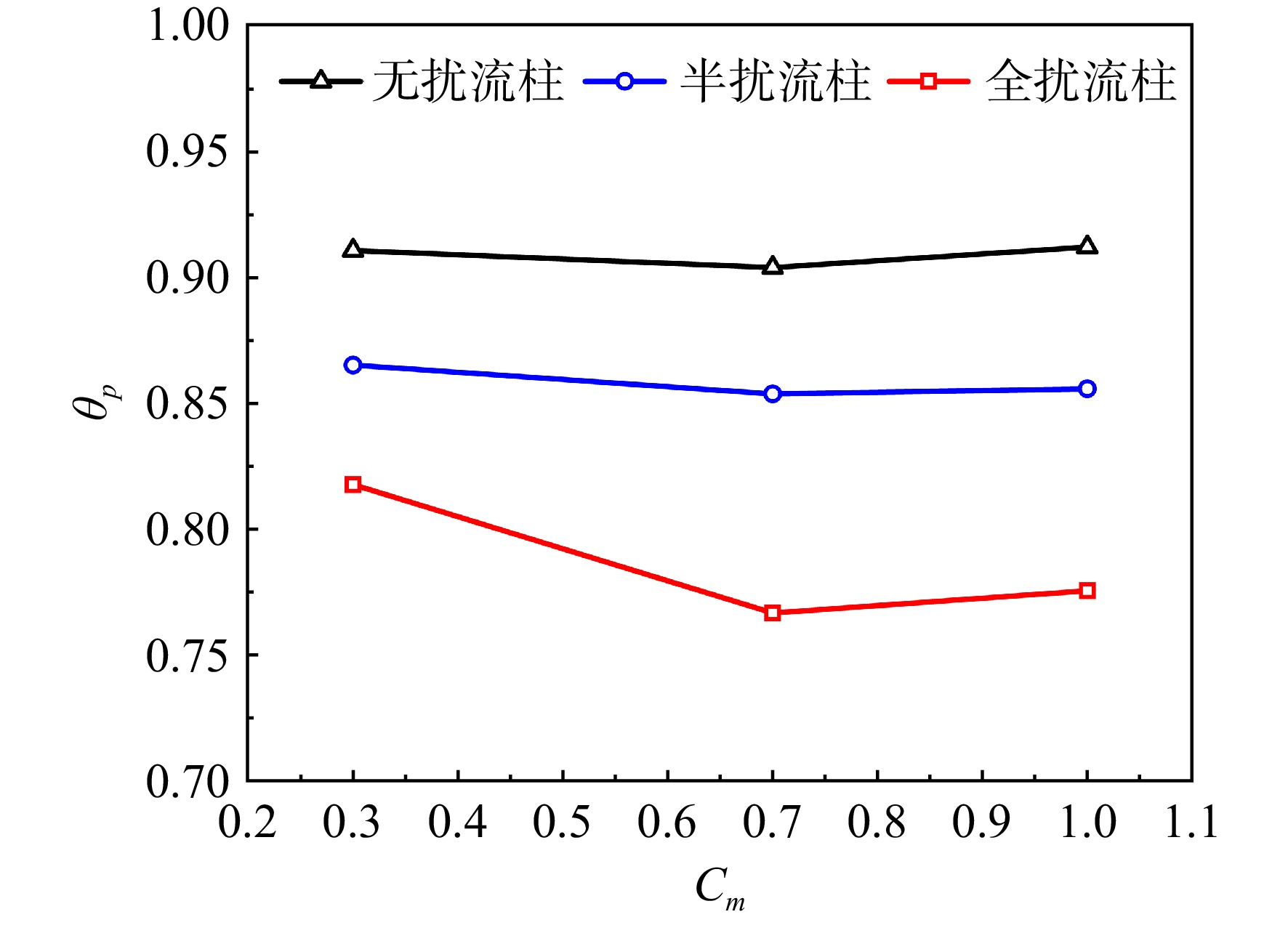
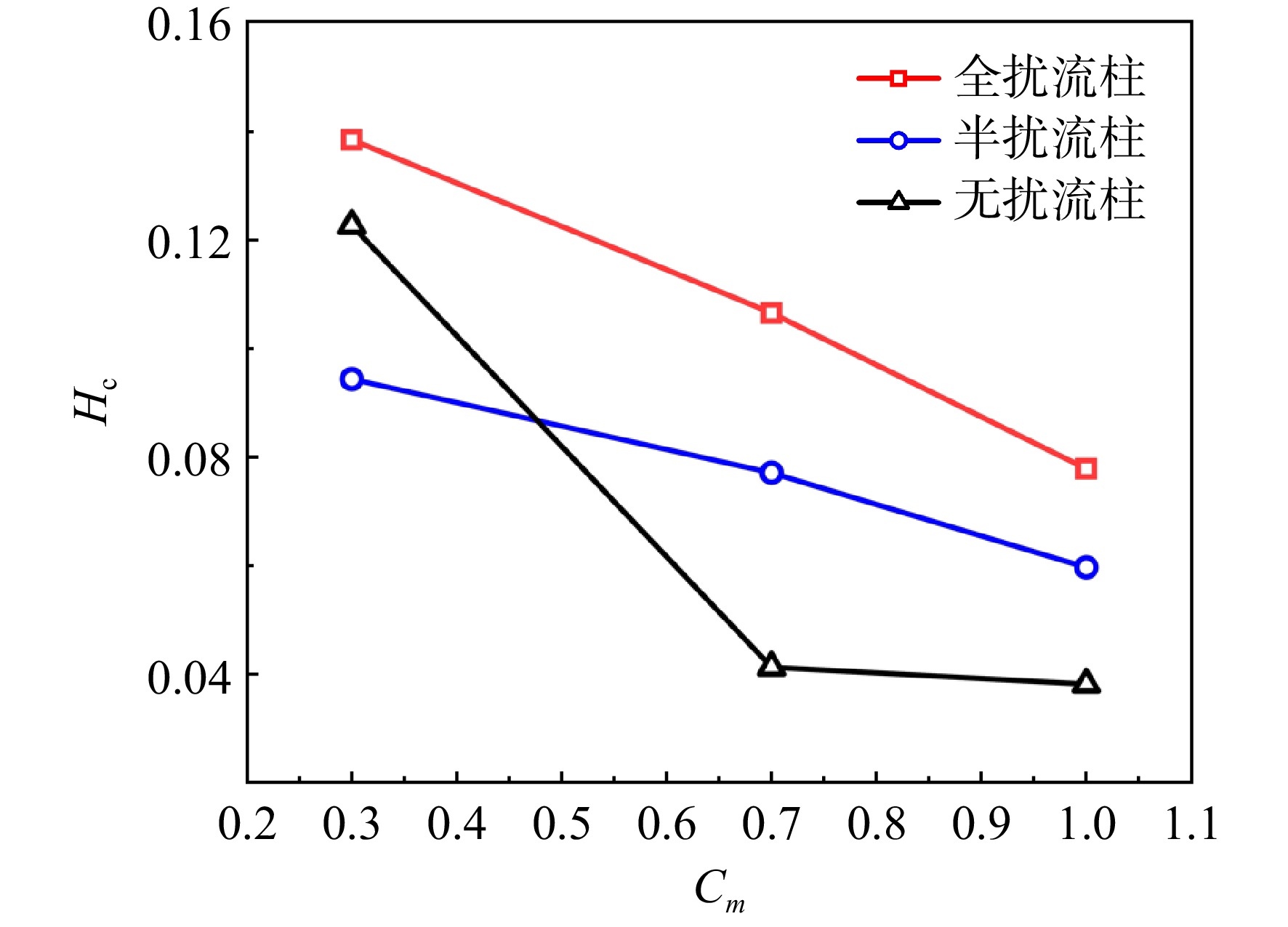
Considering the internal structural characteristics of the cooling unit at the trailing edge of a real double-walled blade, the model of an impact-disturbed composite cooling structure was established. The transient Thermochromic Liquid Crystal experimental method was used to study the heat transfer characteristics of the pin-fins under the real outflow condition. Effects of the cooling structure of the pin-fins on the heat transfer at the impact target surface under different geometrical models (no pin-fin model, half-distributed pin-fins model, and full-distributed pin-fins model) were obtained. Results showed that the real outflow condition significantly affected the heat transfer characteristics of the impact target surface, which made the stagnation region of the downstream impact hole cover a larger area and the average Nusselt number (Nu) decrease along the outflow direction. Increasing the number of pin-fins can significantly improve the average Nusselt number of the impact target surface. Under the condition of Cm=0.7, compared with the half-distributed pin-fins model and the no pin-fin model, the Nu of the full-distributed pin-fins model increased by 5.8% and 21.7%, respectively. The comprehensive heat transfer coefficient (Hc), which considered both flow loss and heat transfer capacity, was introduced for analysis. Under the condition of Cm=0.7, compared with the half-distributed pin-fins model and the no pin-fin model, the Hc of the full-distributed pin-fins model increased by 39% and 161%, respectively. The addition of pin-fins can significantly enhance the heat transfer capacity of the blade trailing edge structure with limited increase in flow loss.

Forced vibration test and accurate response prediction of rotating blisk
ZHOU Biao, XIE Chengyu, BATTIATO G, BERRUTI T M
2025, 40(4): 20240505. doi: 10.13224/j.cnki.jasp.20240505
Abstract:

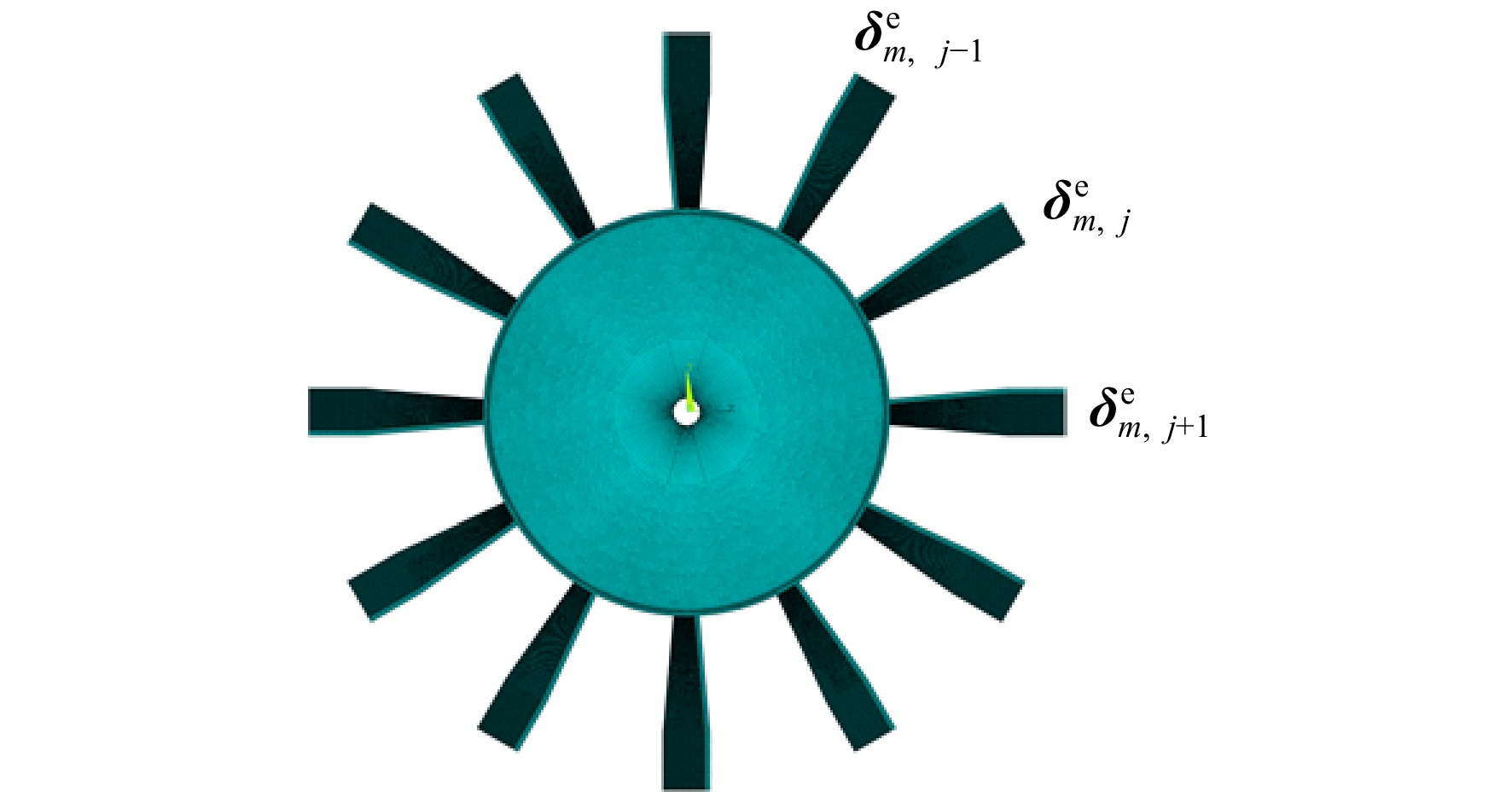
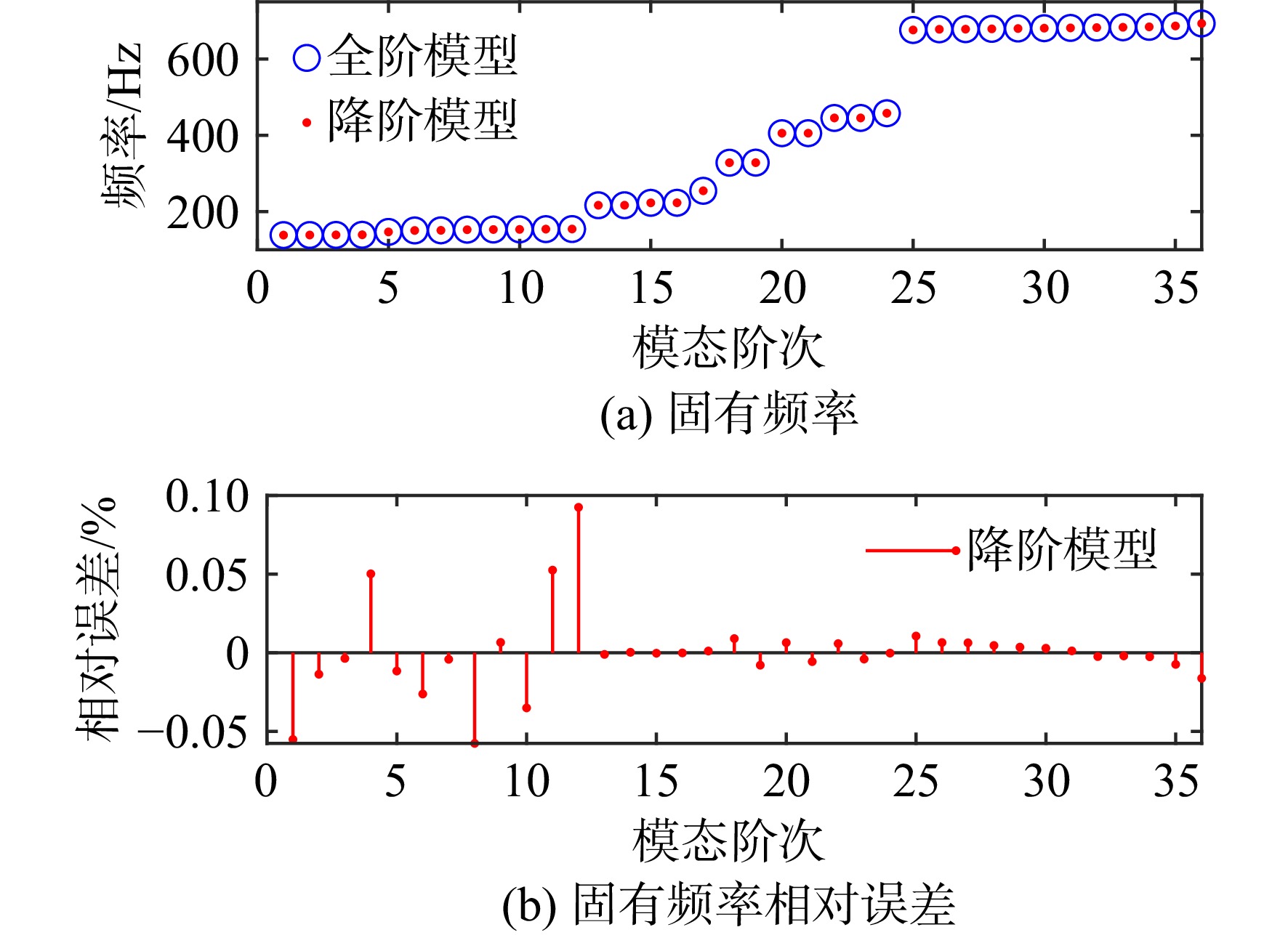
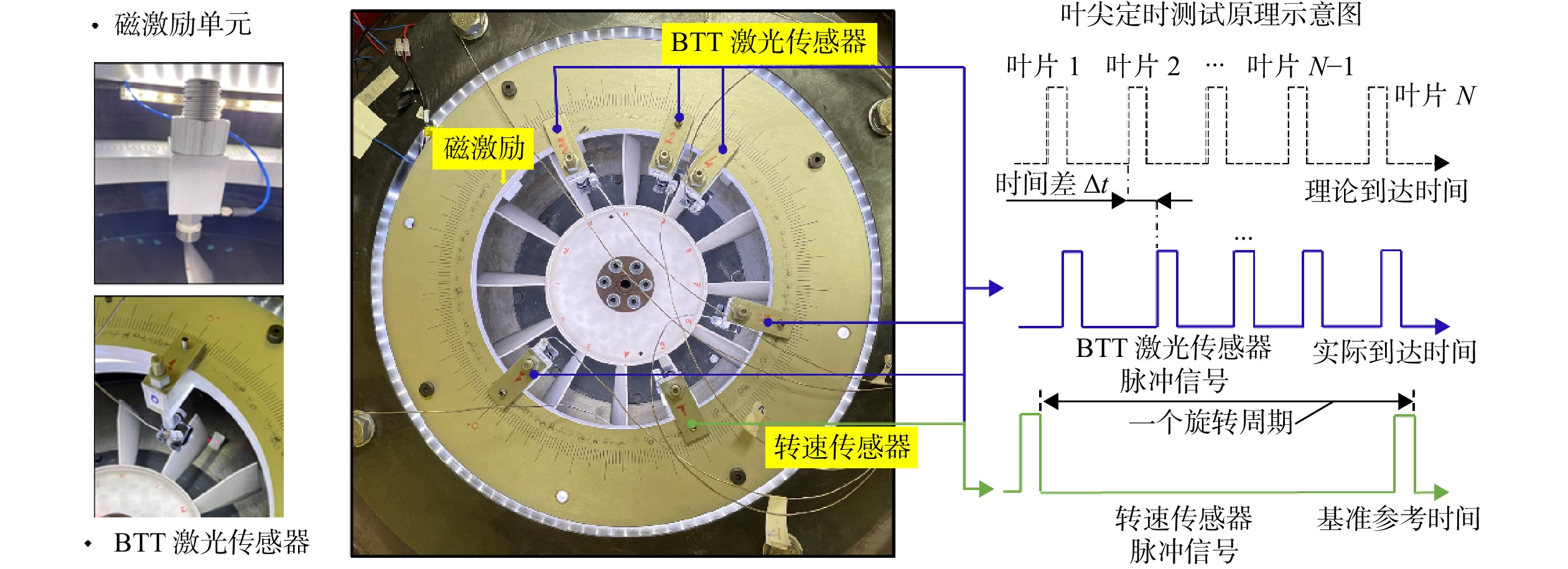
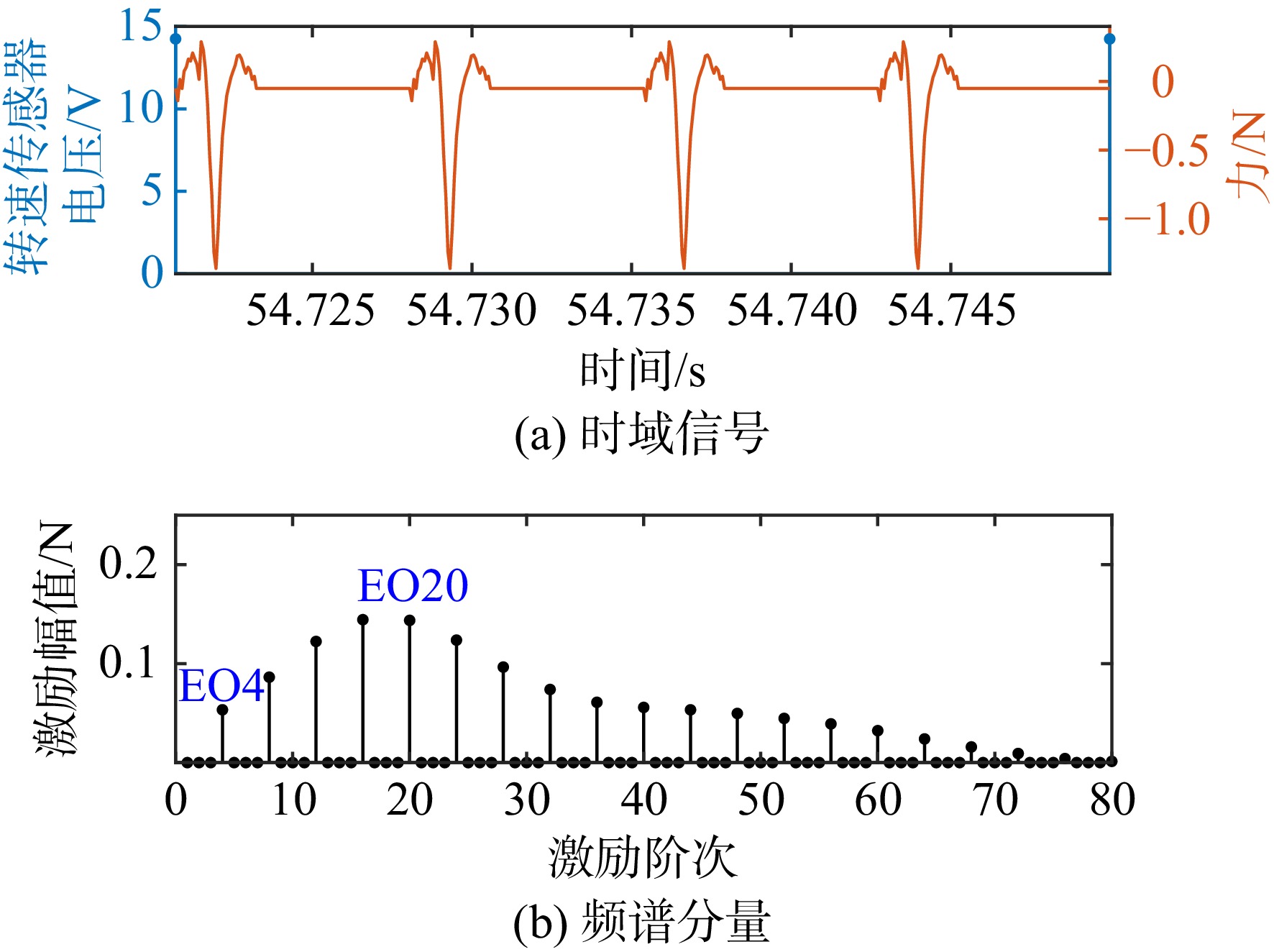
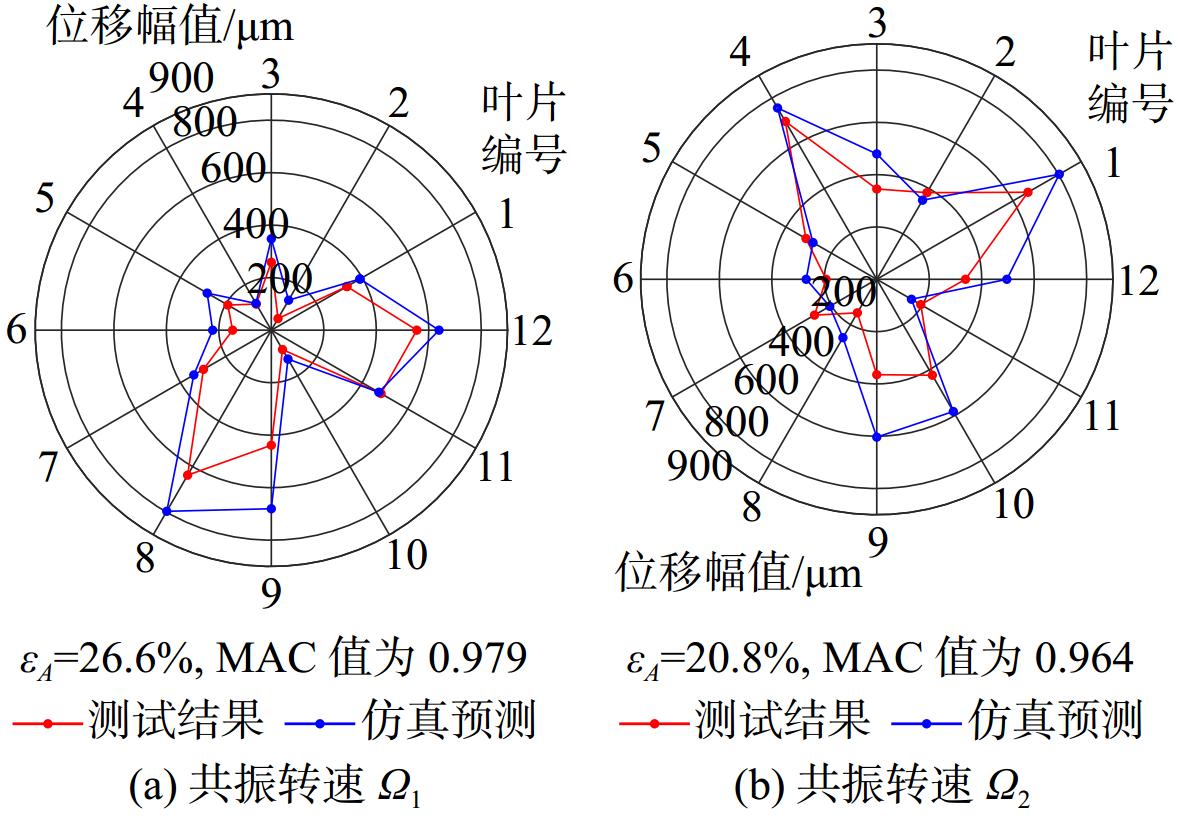
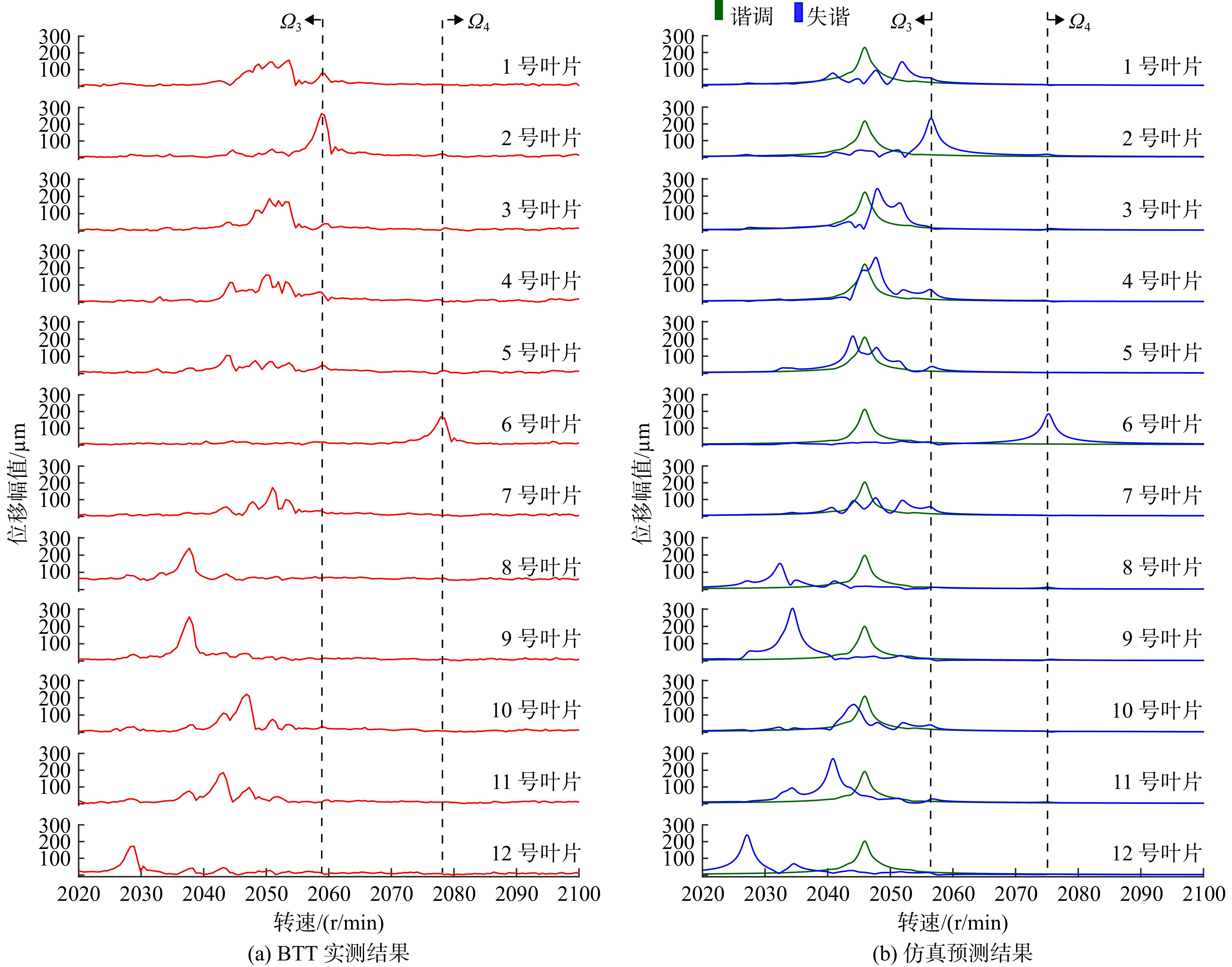
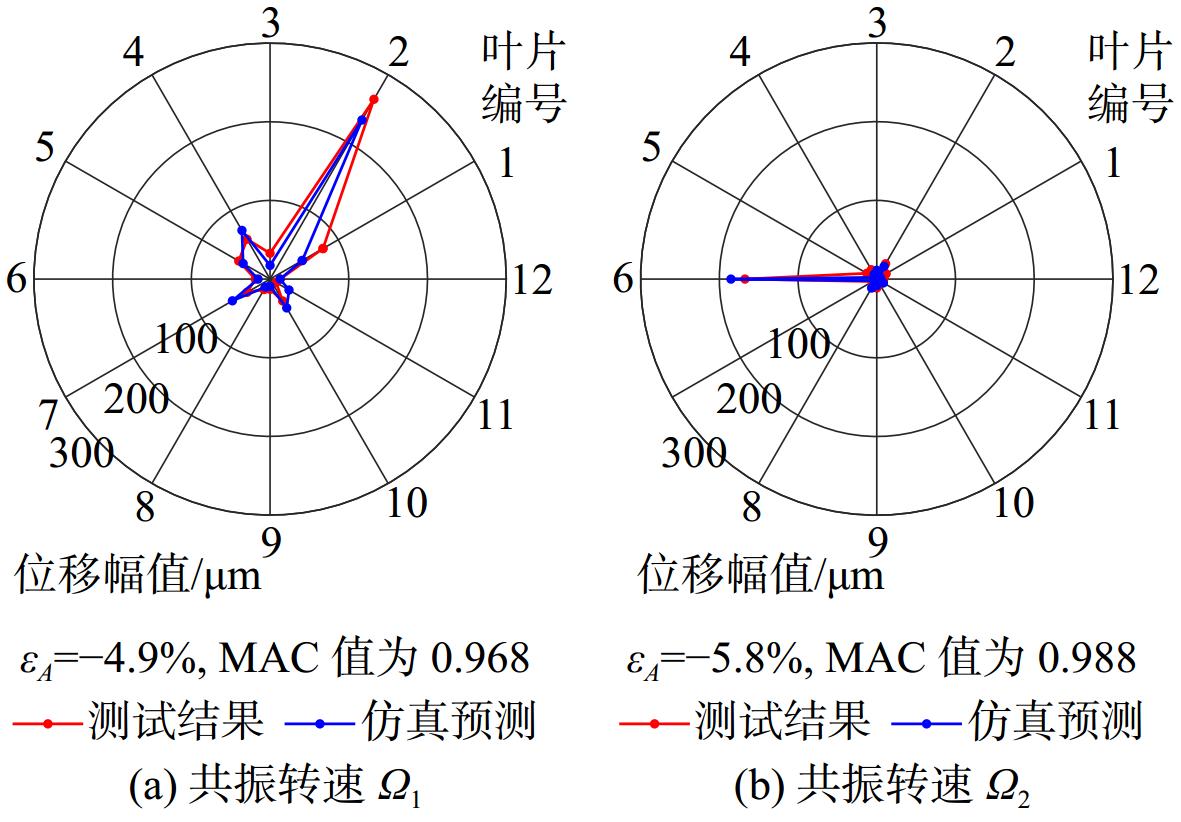
This research focused on the forced vibration test of a rotating blisk in the laboratory condition, as well as its accurate dynamic modeling and forced response prediction. The method for accurate dynamic modeling and forced response prediction of a mistuned blisk test piece was developed based on the blade detuning tests. The forced vibration test of the rotating blisk was carried out in the laboratory condition. A set of magnetic units were employed to produce the simulated engine-order excitations. The non-contact force imposed onto the rotating blades can be measured and proceeded in order to provide inputs for the forced response prediction. Benefitting from the all-blade vibration measurement capability of the blade tip-timing (BTT) technique, a correlation analysis was performed between the measured and predicted response of the rotating blisk. The results revealed that the mistuned blisk model, which was constructed through the blade detuning tests for the blisk at rest, could predict the forced responses of the rotating blisk under engine-order excitations with high accuracy. Specifically, the modal assurance criterion used to quantitatively correlate the spatial distribution of the measured/predicted blade amplitudes at typical resonances was generally greater than 0.96. The difference between the averaged bladed amplitudes extracted from the measured/predicted responses at typical 1T blade mode resonances fell below −5.8%.

Numerical study on heat transfer performance and field synergy of methane precooler
WANG Yanhong, JIANG Lei, DONG Ming
2025, 40(4): 20240504. doi: 10.13224/j.cnki.jasp.20240504
Abstract:
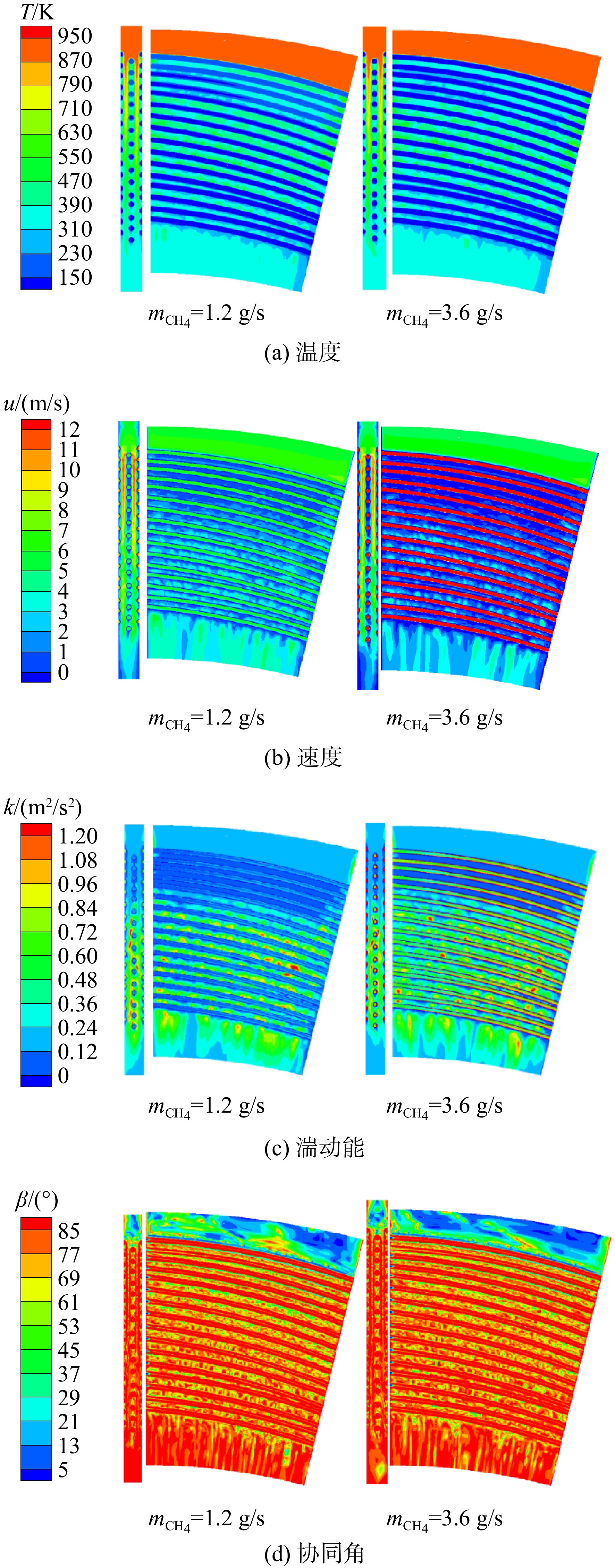
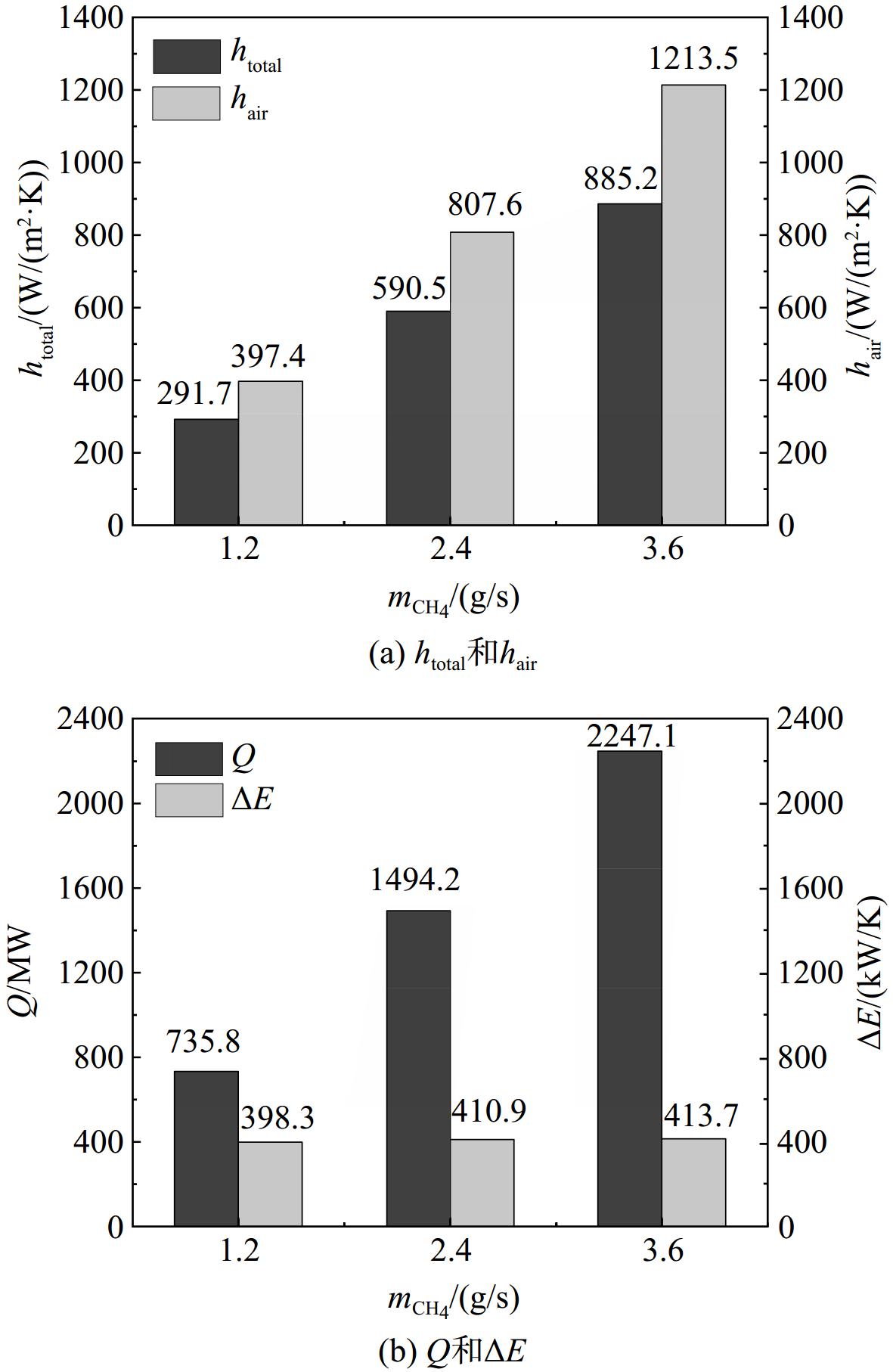
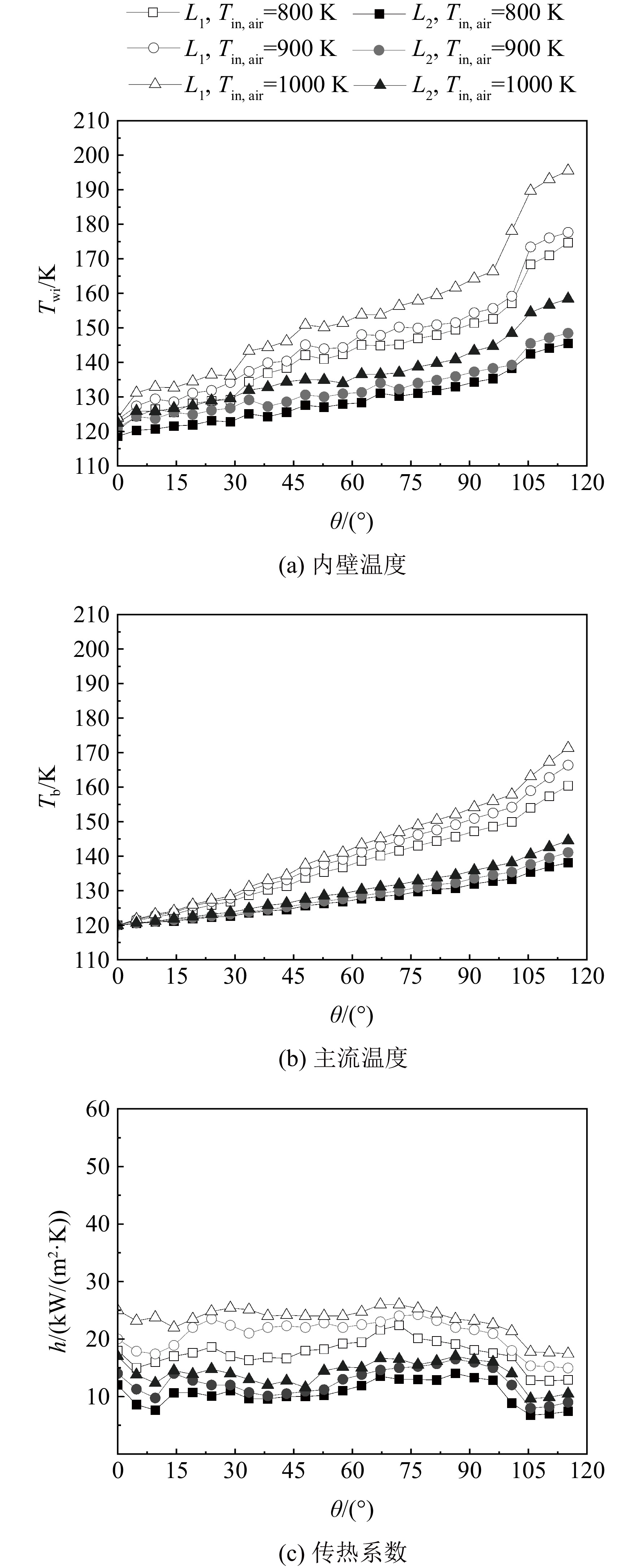
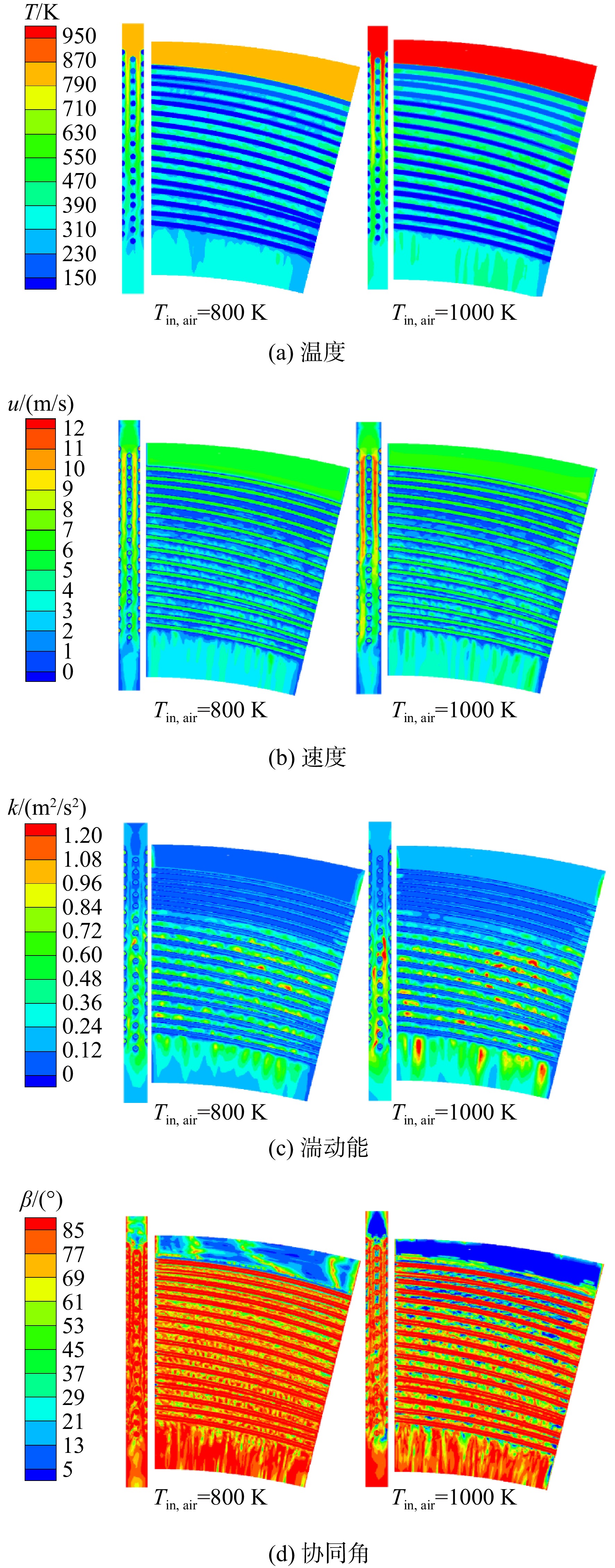
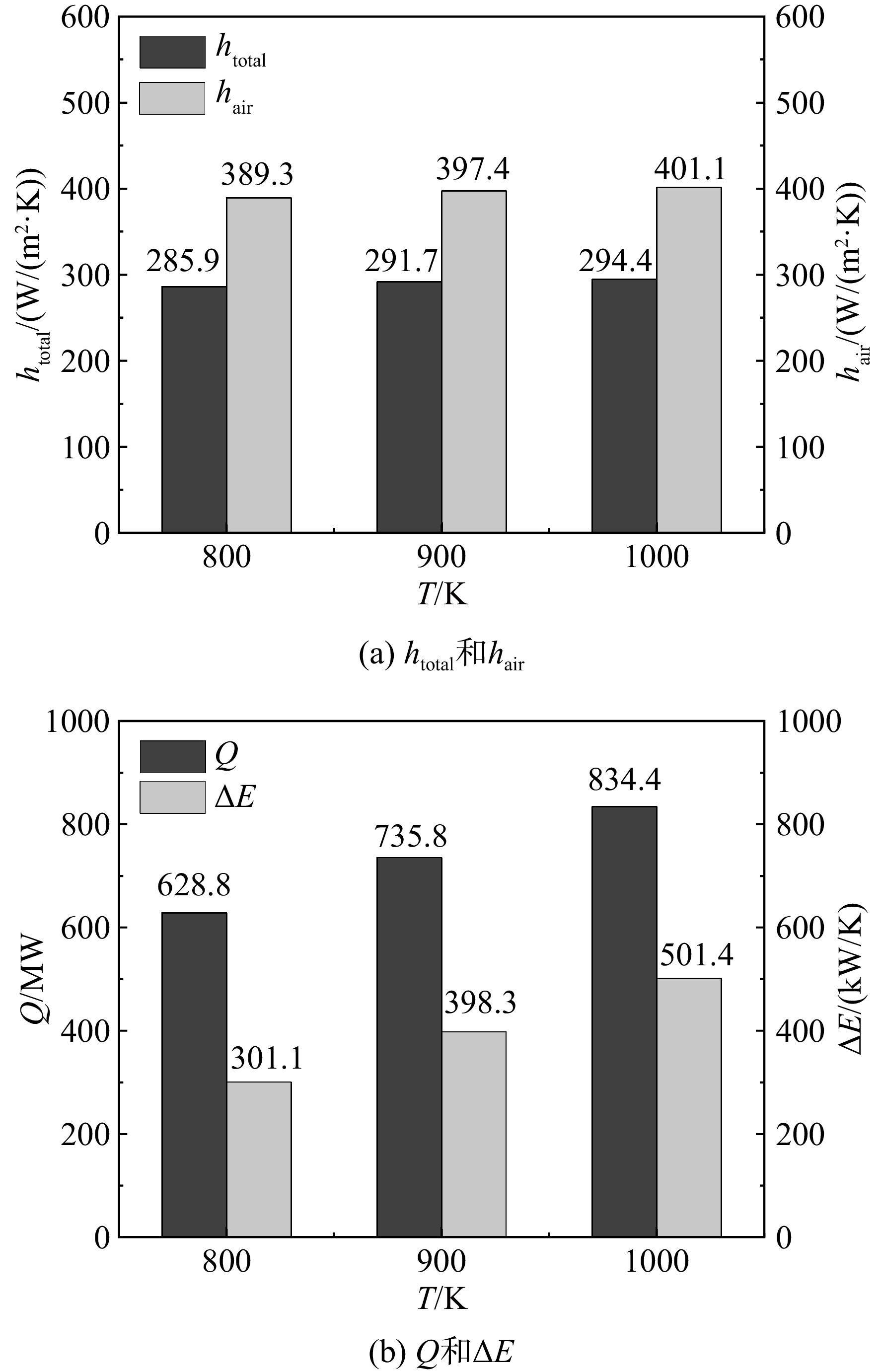
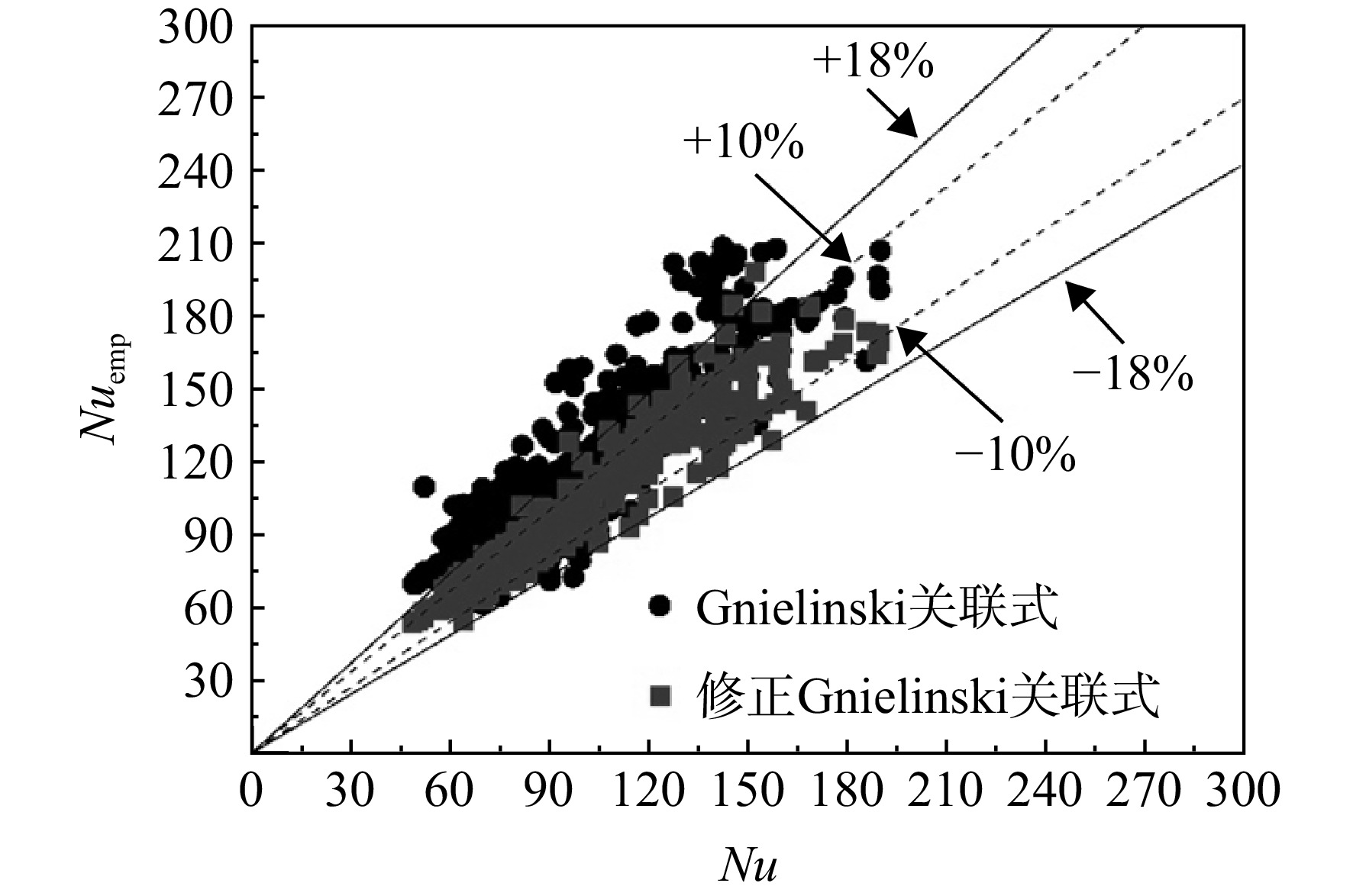
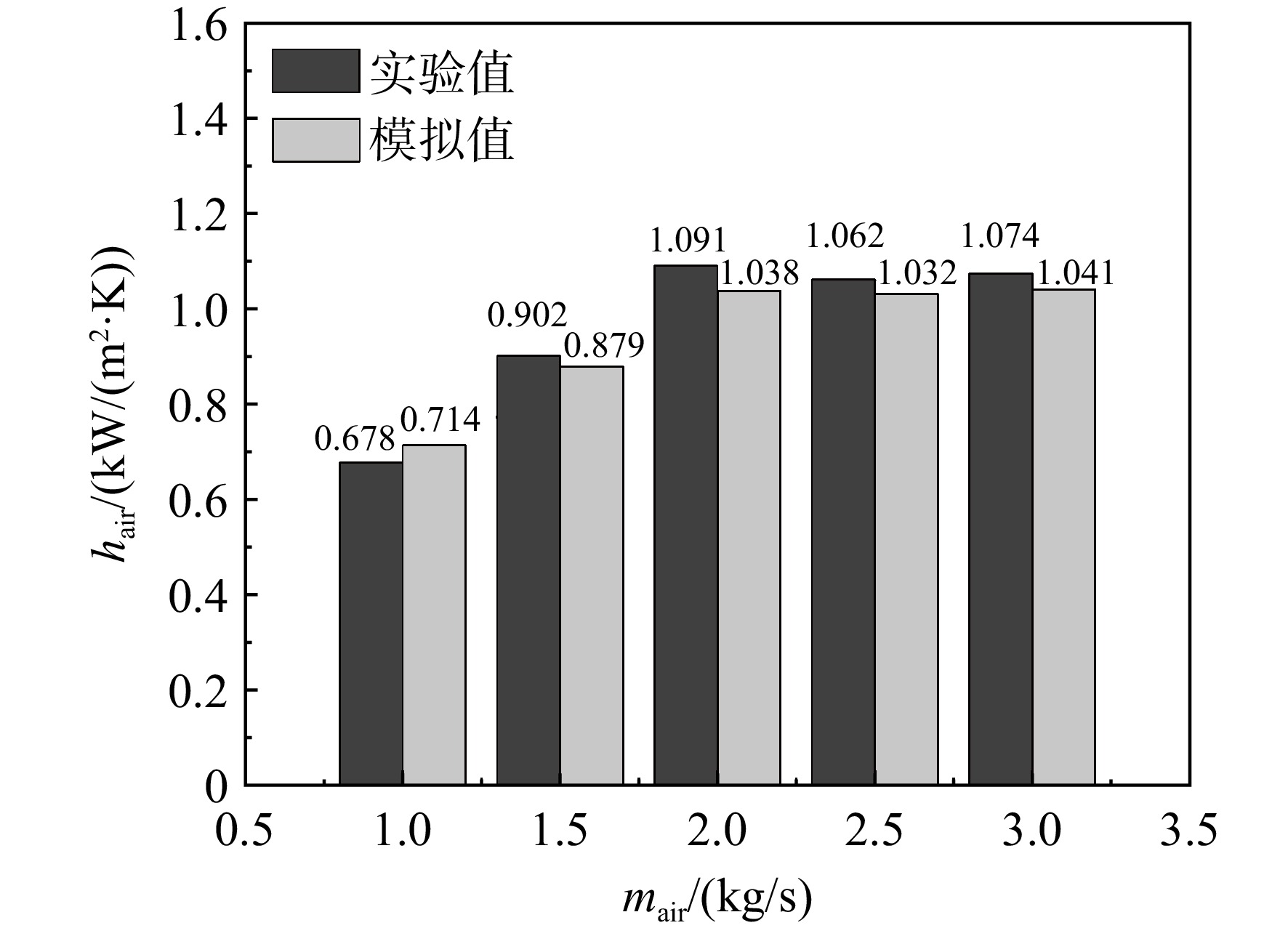
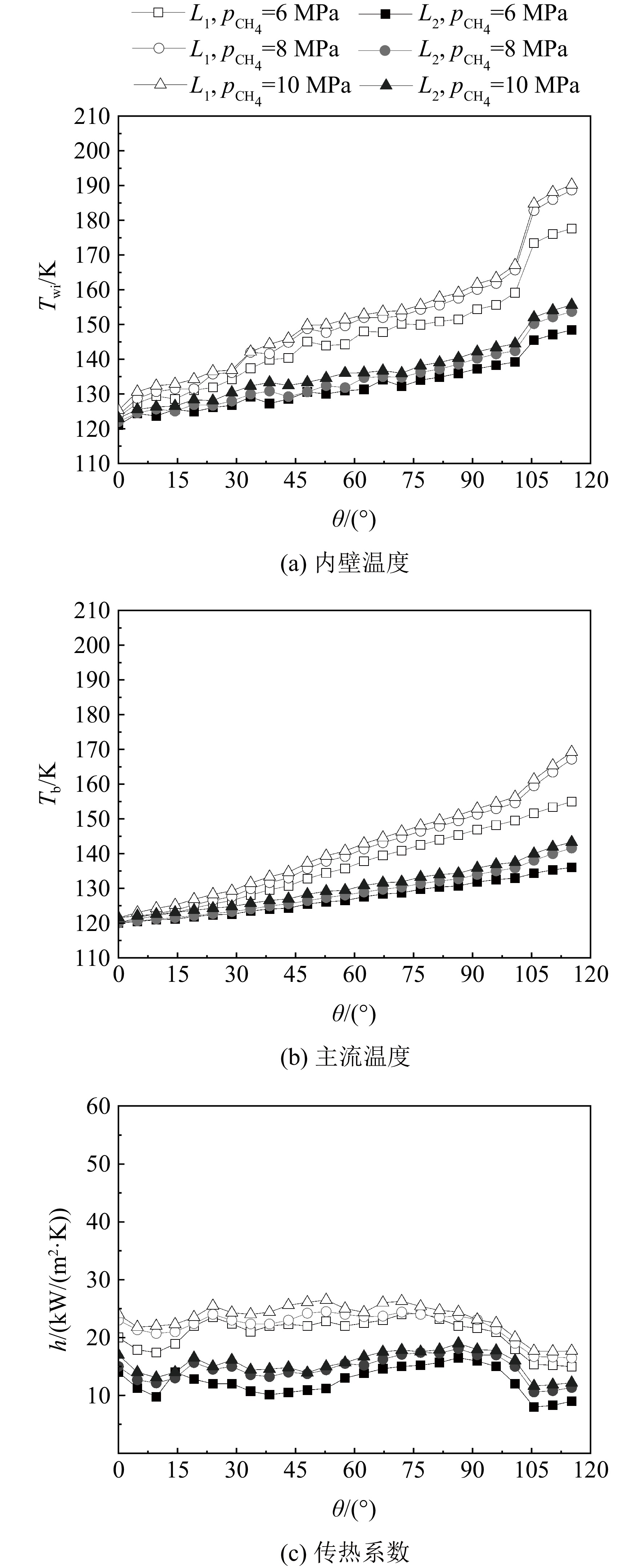
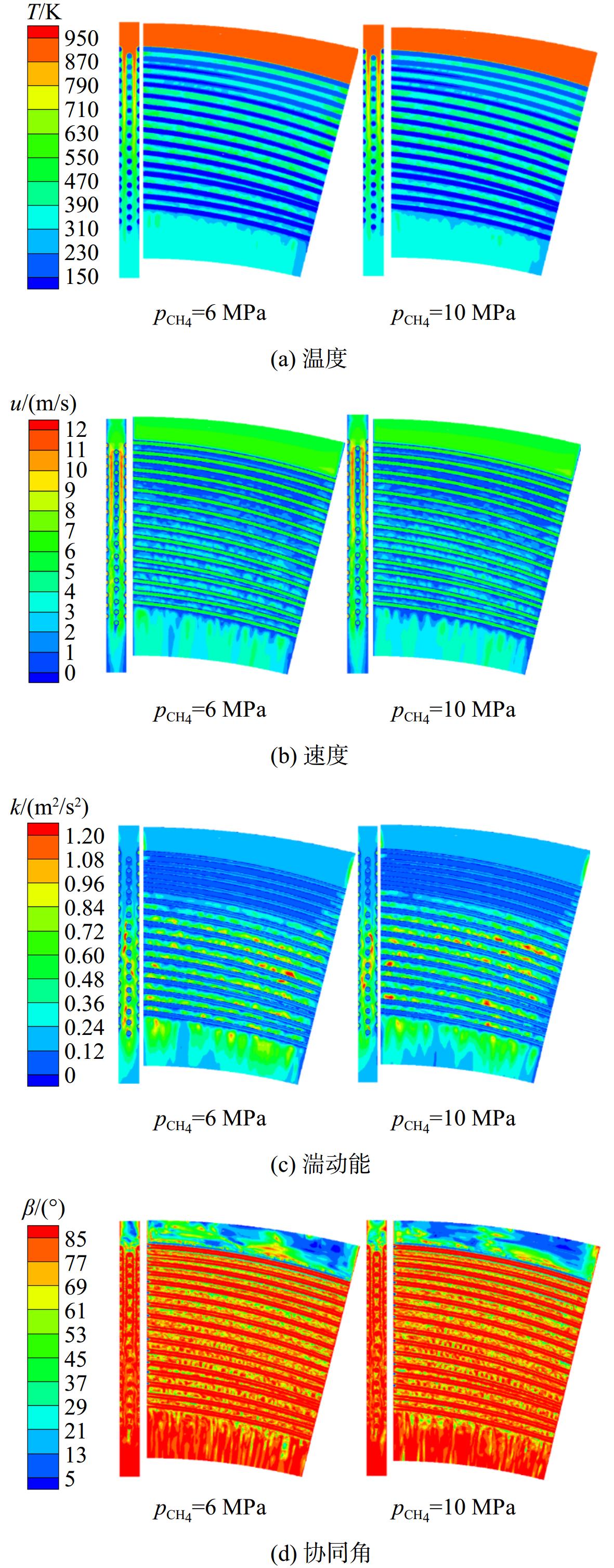
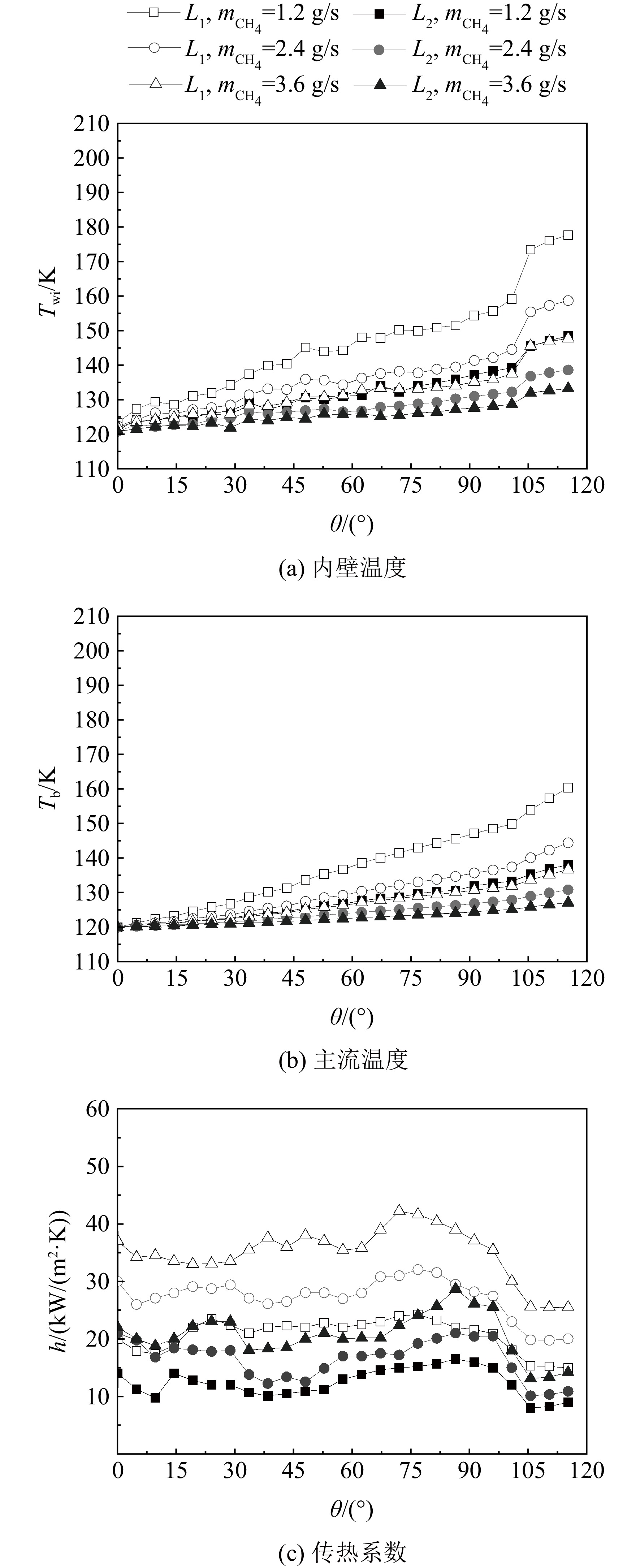
Based on the high-temperature air cooling problem faced by the modal connection of aerospace aircraft engines, a precooler scheme using supercritical-pressure methane as the coolant was proposed, and numerical studies on the effects of methane inlet parameters and air inlet parameters on heat transfer performance were conducted. The characteristics of inner-wall temperature and heat transfer coefficient along the precooled channel were analyzed. The comprehensive heat transfer mechanism of precooler was explained through the temperature field, velocity field, and field synergy angle distributions. The turbulent kinetic energy distribution and its impact mechanism on heat transfer were investigated. The heat transfer performance and entransy dissipation of precooler were quantitatively evaluated. The heat transfer prediction of precooled channel was achieved by correcting the Gnielinski formula through density ratio. Numerical results indicated that the high-temperature air was mainly cooled by the channels outside the precooler, and an uneven velocity field on the air side was observed. The appearance of local large vortexes and strong turbulent clusters played a role in improving field synergy and enhancing heat transfer. Methane should be subjected to lower pressure, and the higher air inlet temperature and methane mass flux indicated the better heat transfer performance of precooler. The new correlation formula for heat transfer prediction in the precooled channel was basically within the range of ±18%.

Numerical study on influences of hole shapes on turbine cavity tip film cooling characteristics
DU Kun, WANG Xubo, HUI Na, HUANG Xiaoyang, LIU Cunliang
2025, 40(4): 20240510. doi: 10.13224/j.cnki.jasp.20240510
Abstract:
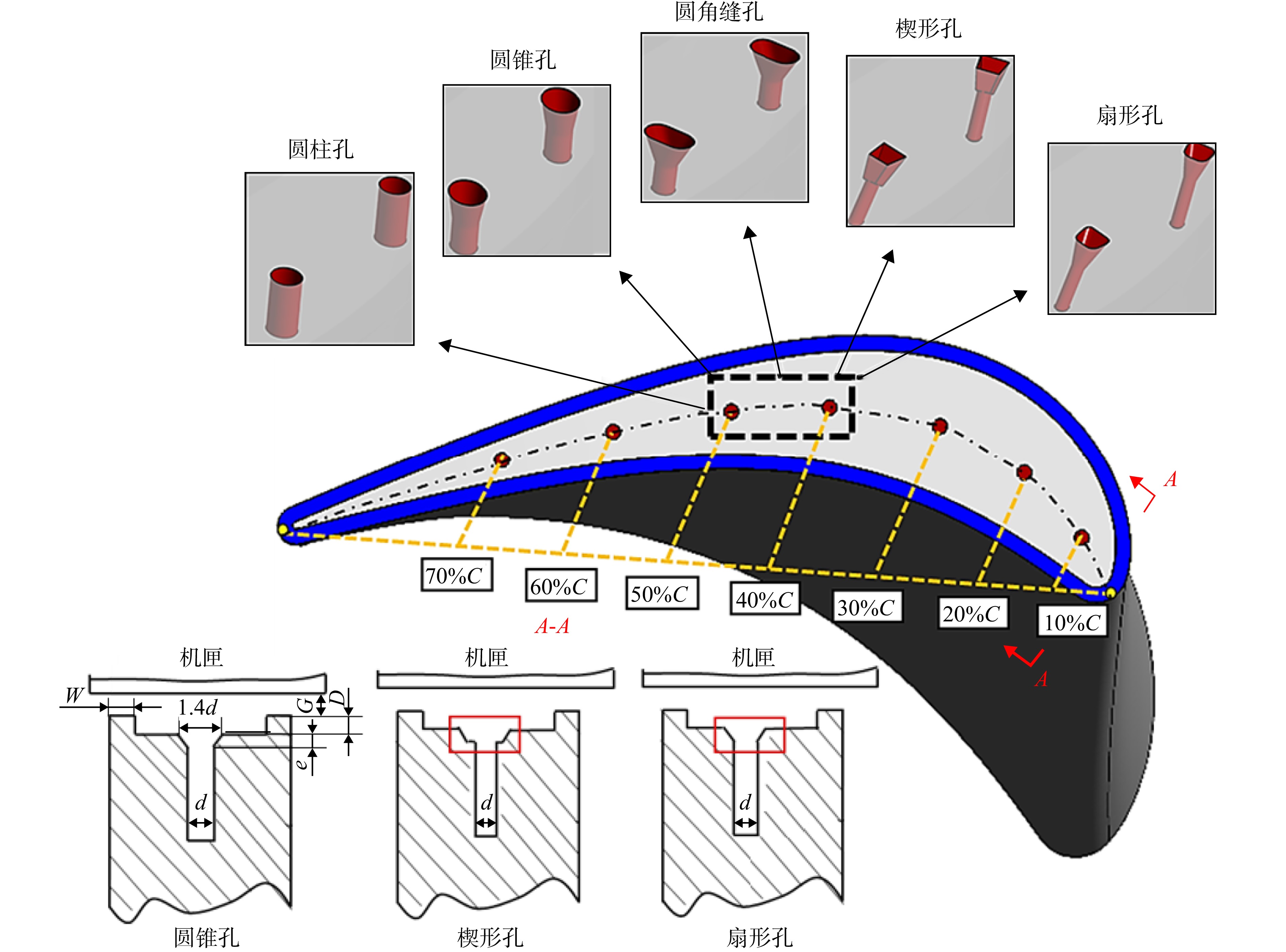
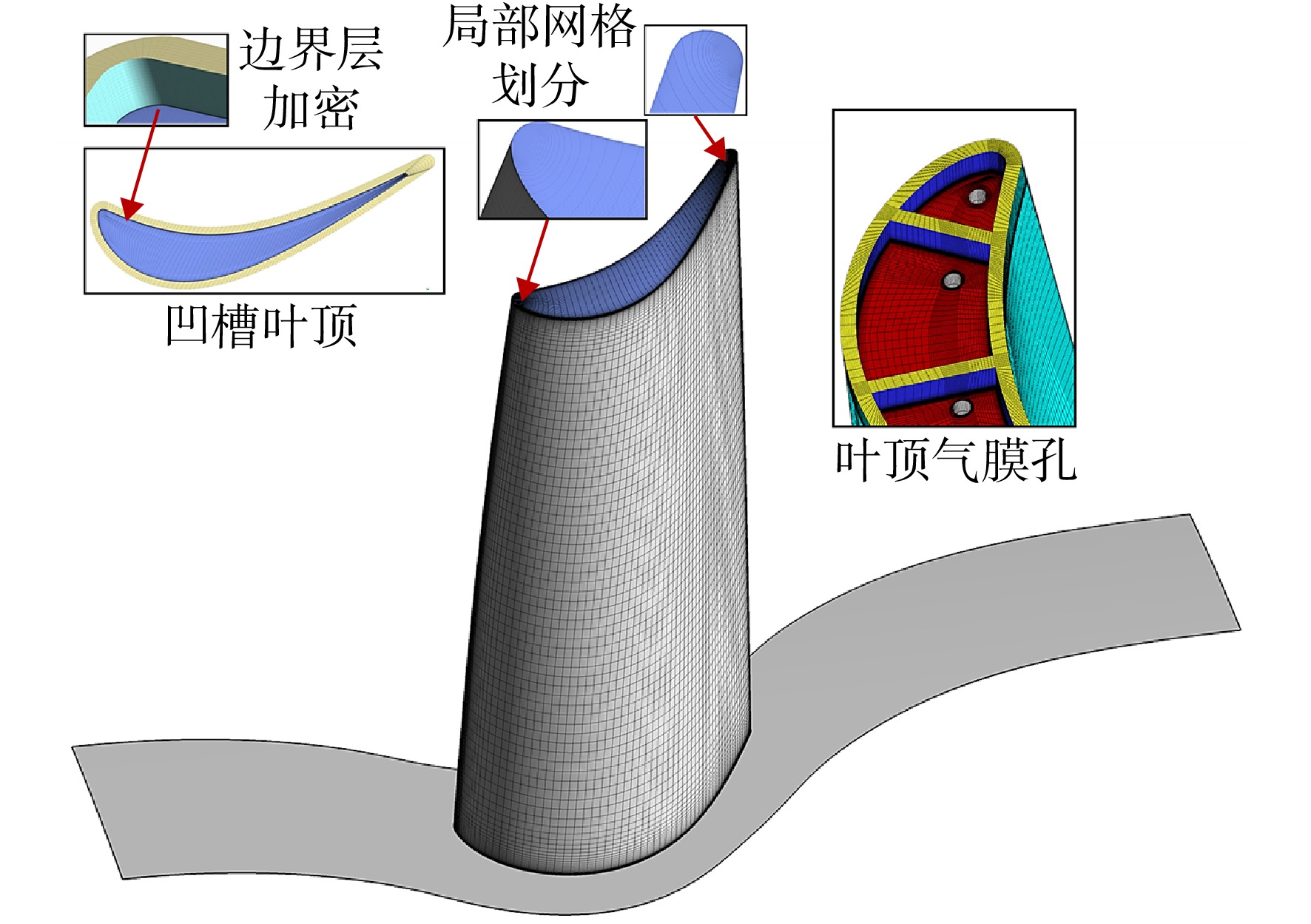
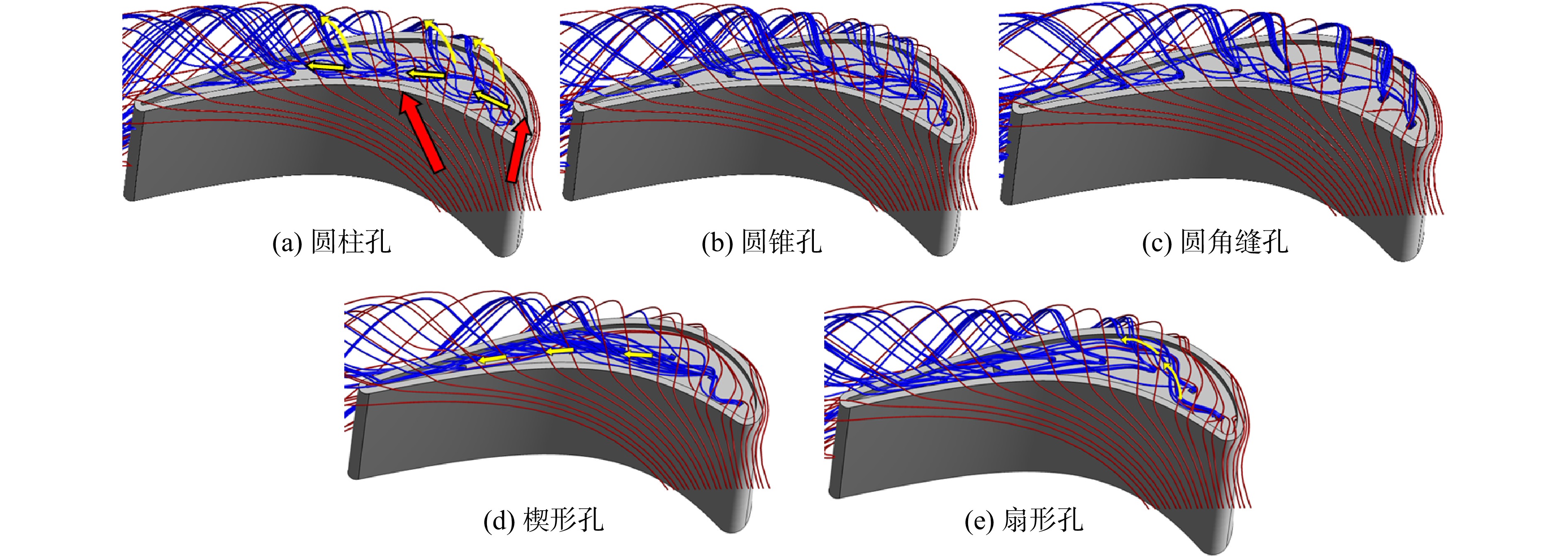
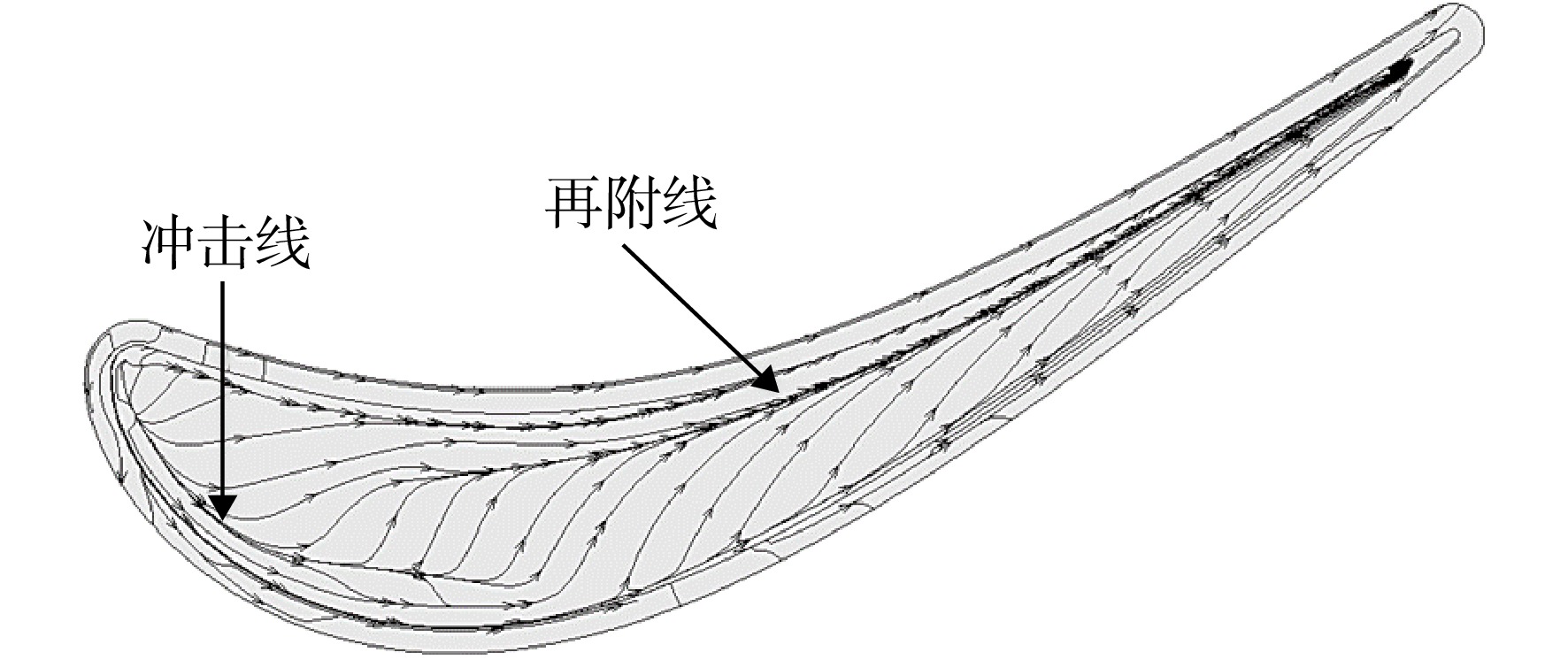
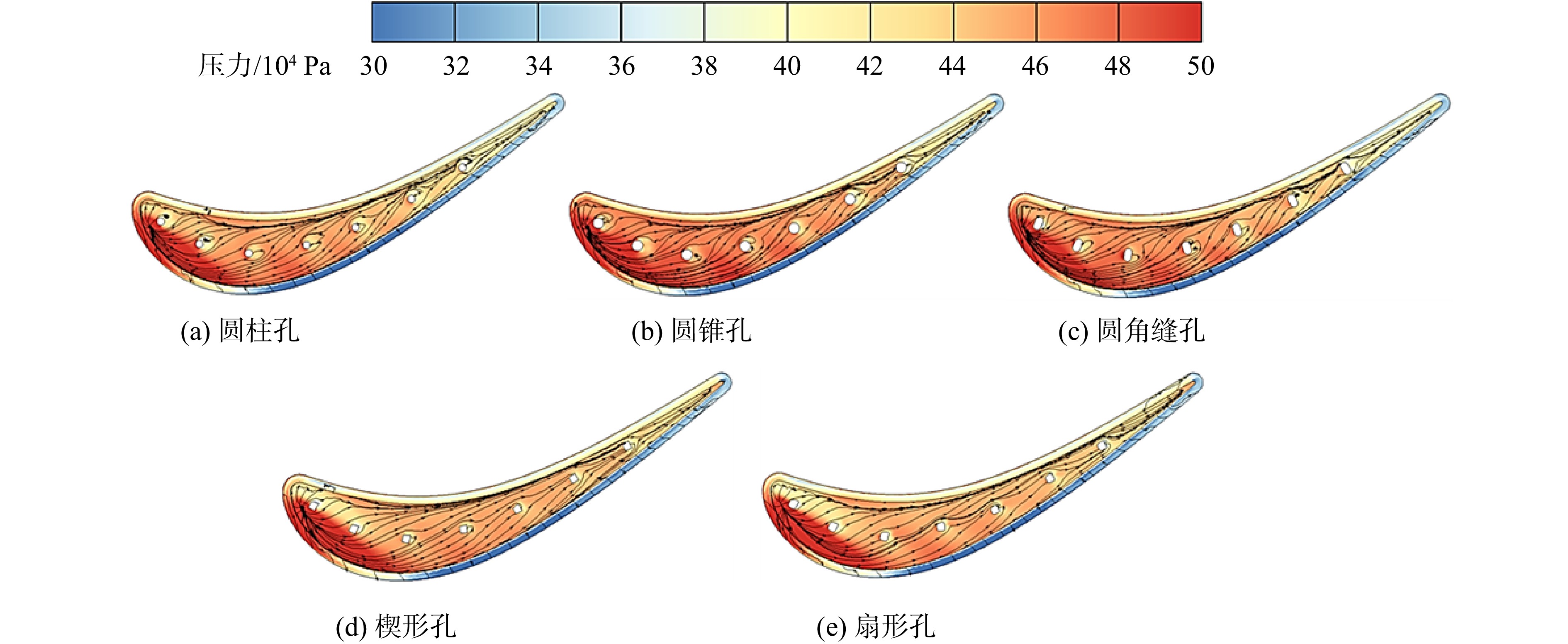
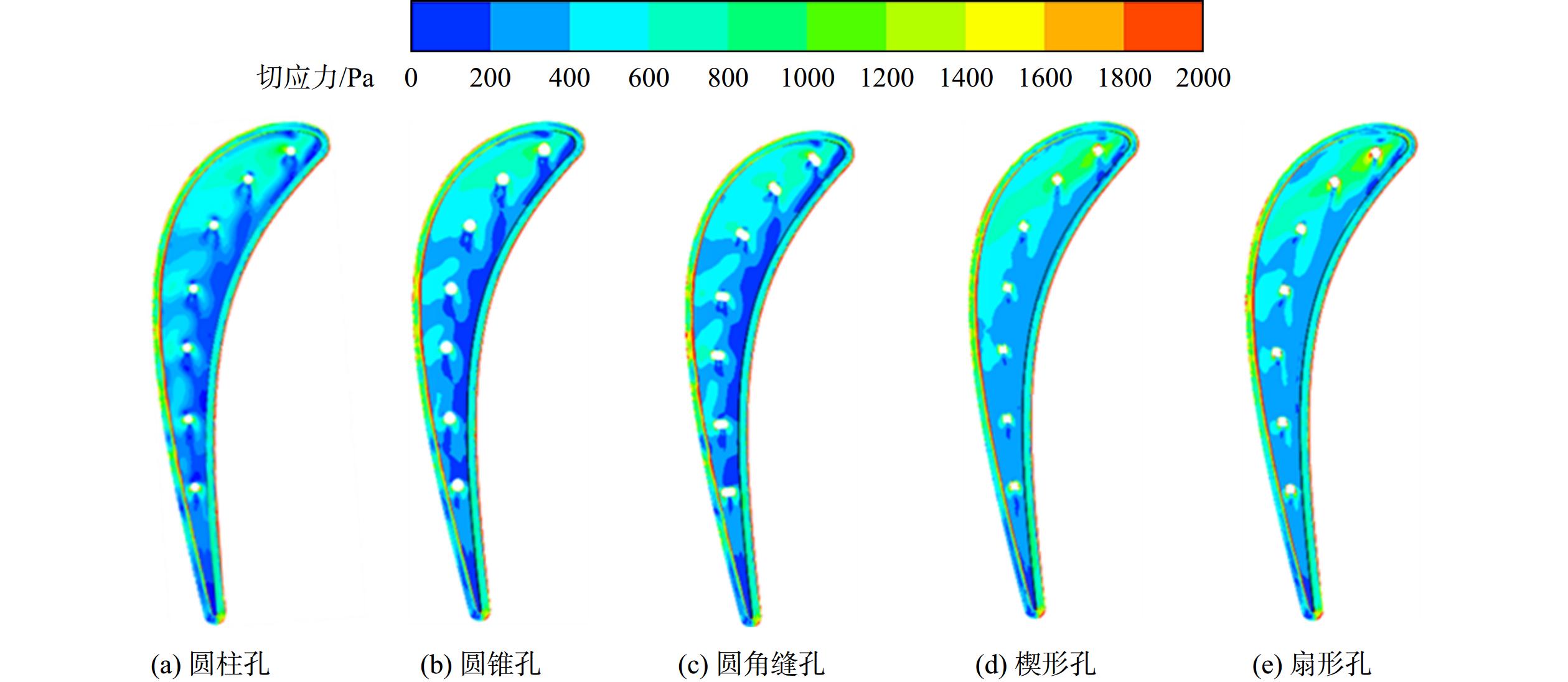
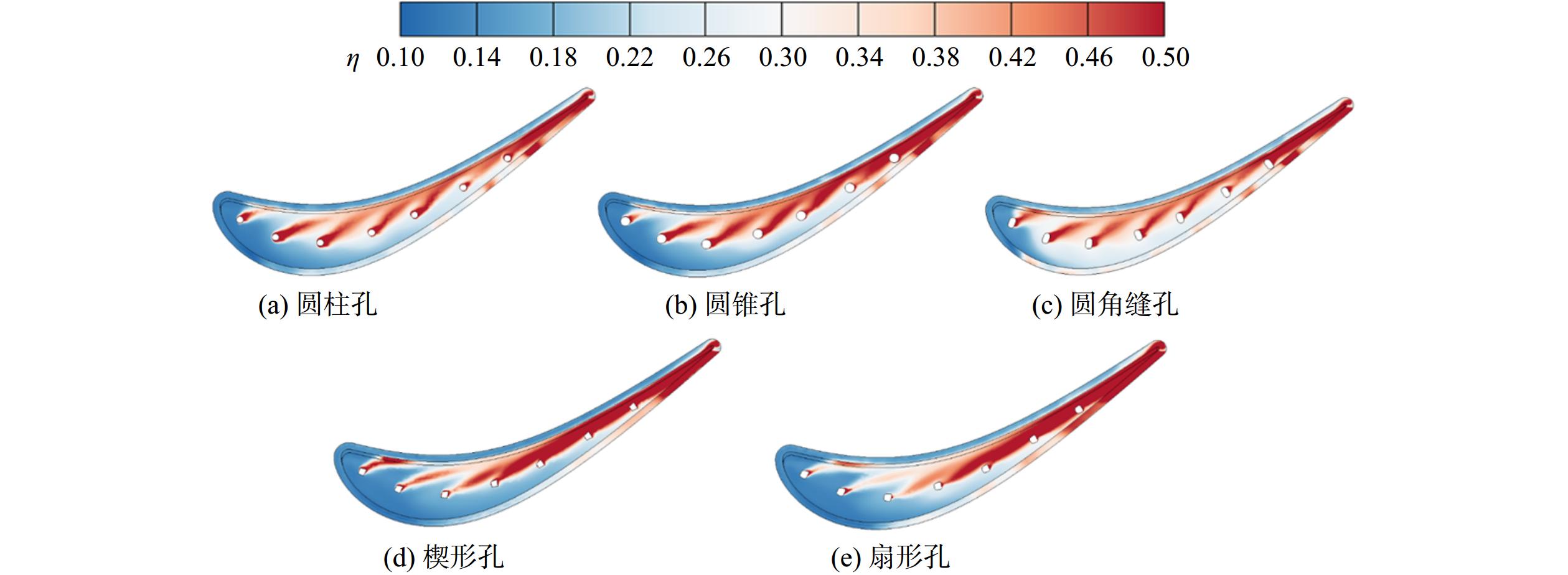
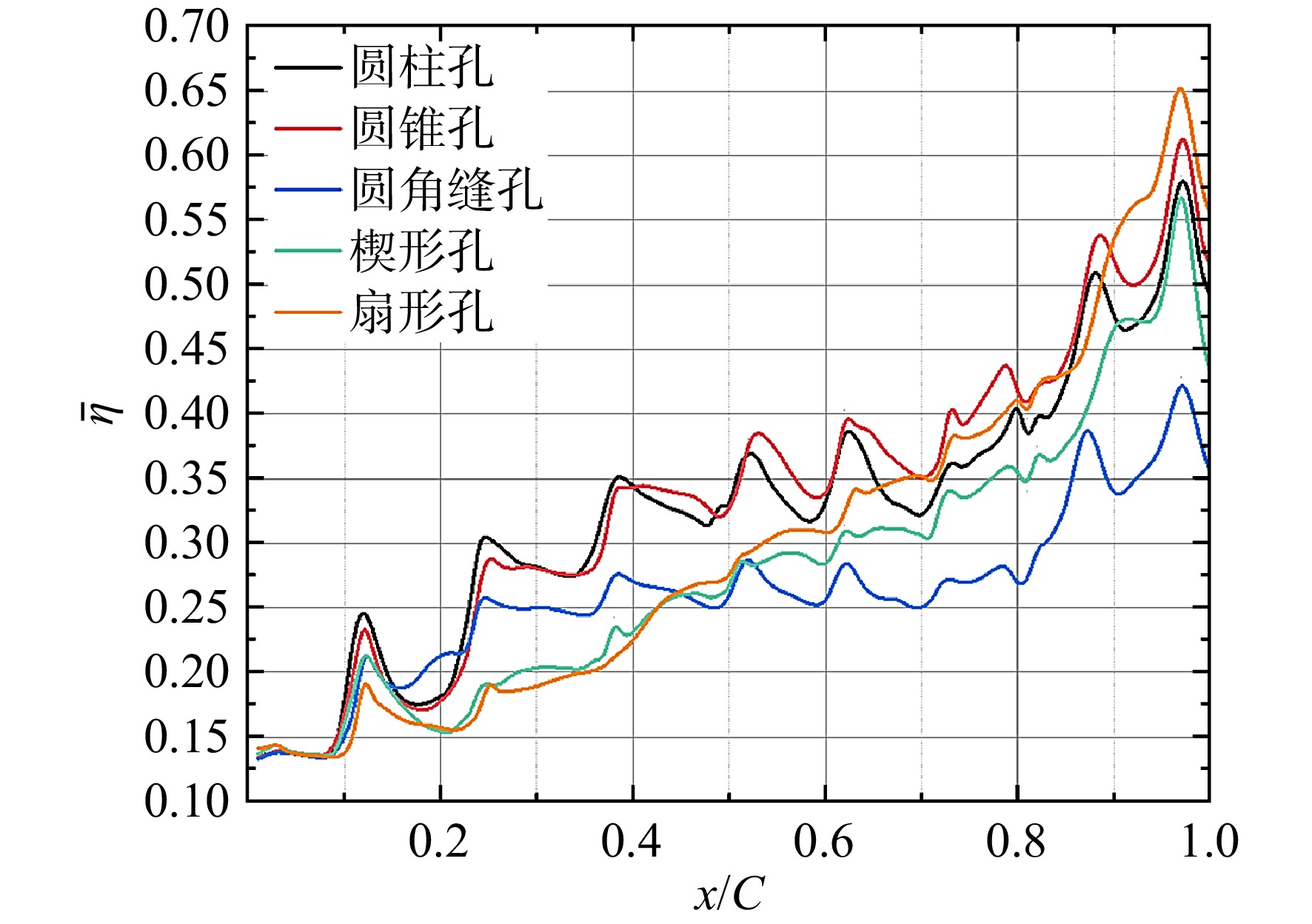
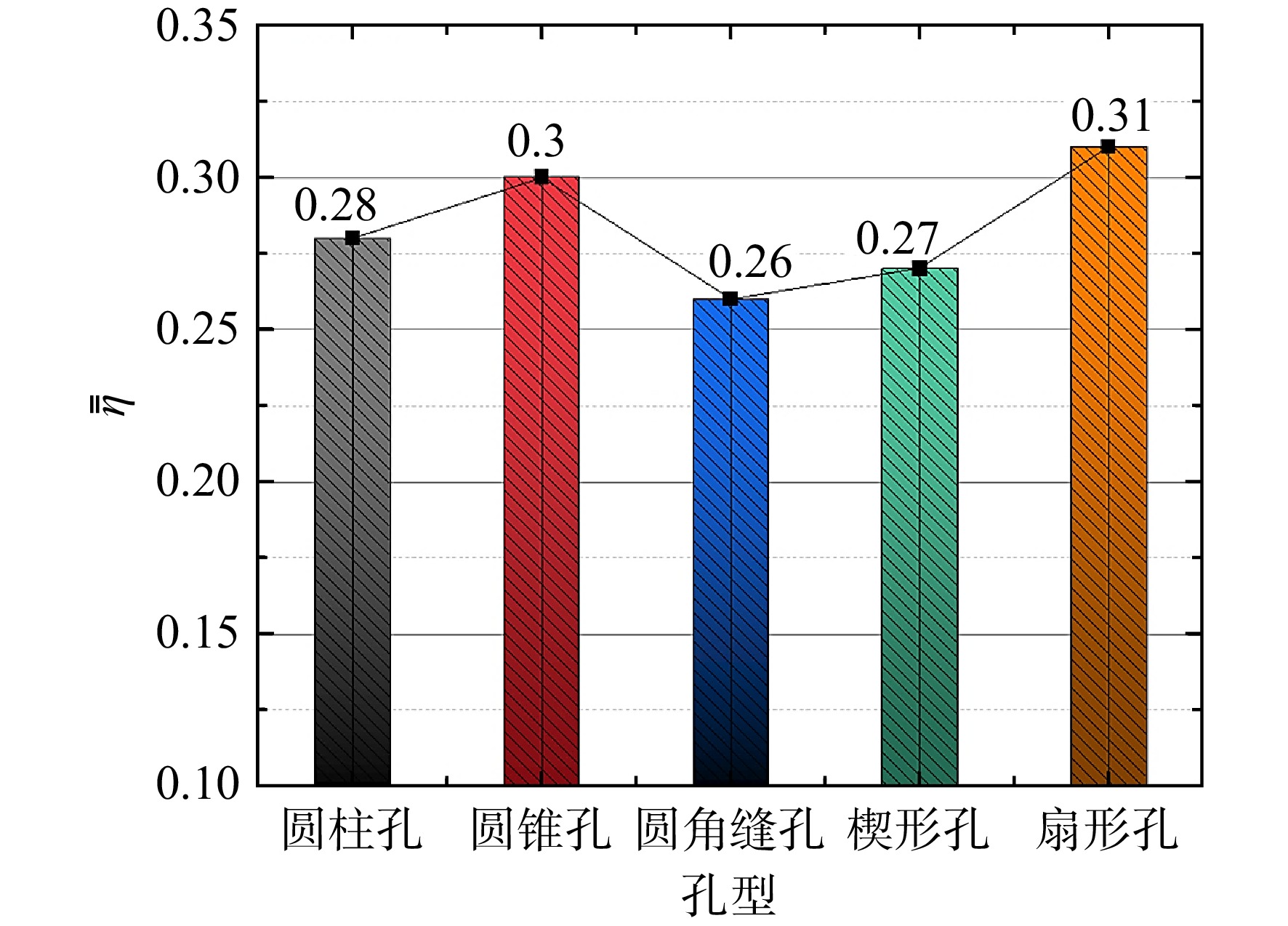
In order to investigate the influences of different hole shapes on the aerodynamic and cooling performance of turbine blades, five shapes including cylinder holes, conical holes, fillet slot holes, wedge-shaped holes, and fan-shaped holes were studied, meanwhile, the effect of blowing ratio M was considered. The results showed that the average cooling effectiveness on the blade tip surface for all five hole shapes increased with an increasing blowing ratio and reached its maximum at M=2.0. Cylinder holes and fillet slot holes had stronger cooling air diffusion, leading to a more uniform overall coverage of cooling air. On the other hand, wedge-shaped holes and fan-shaped holes had a larger area of high cooling effectiveness, with the high cooling effectiveness zone primarily concentrated in the near-trailing edge region. The relative change in average cooling effectiveness compared with circular holes was −0.3% for wedge-shaped holes and 10.7% for fan-shaped holes.

Progress in numerical simulation of gas-solid two-phase jet in high-speed crossflow
MA Likun, XU Luxi, YANG Pengnian, XIA Zhixun, FENG Yunchao
2025, 40(4): 20240512. doi: 10.13224/j.cnki.jasp.20240512
Abstract:
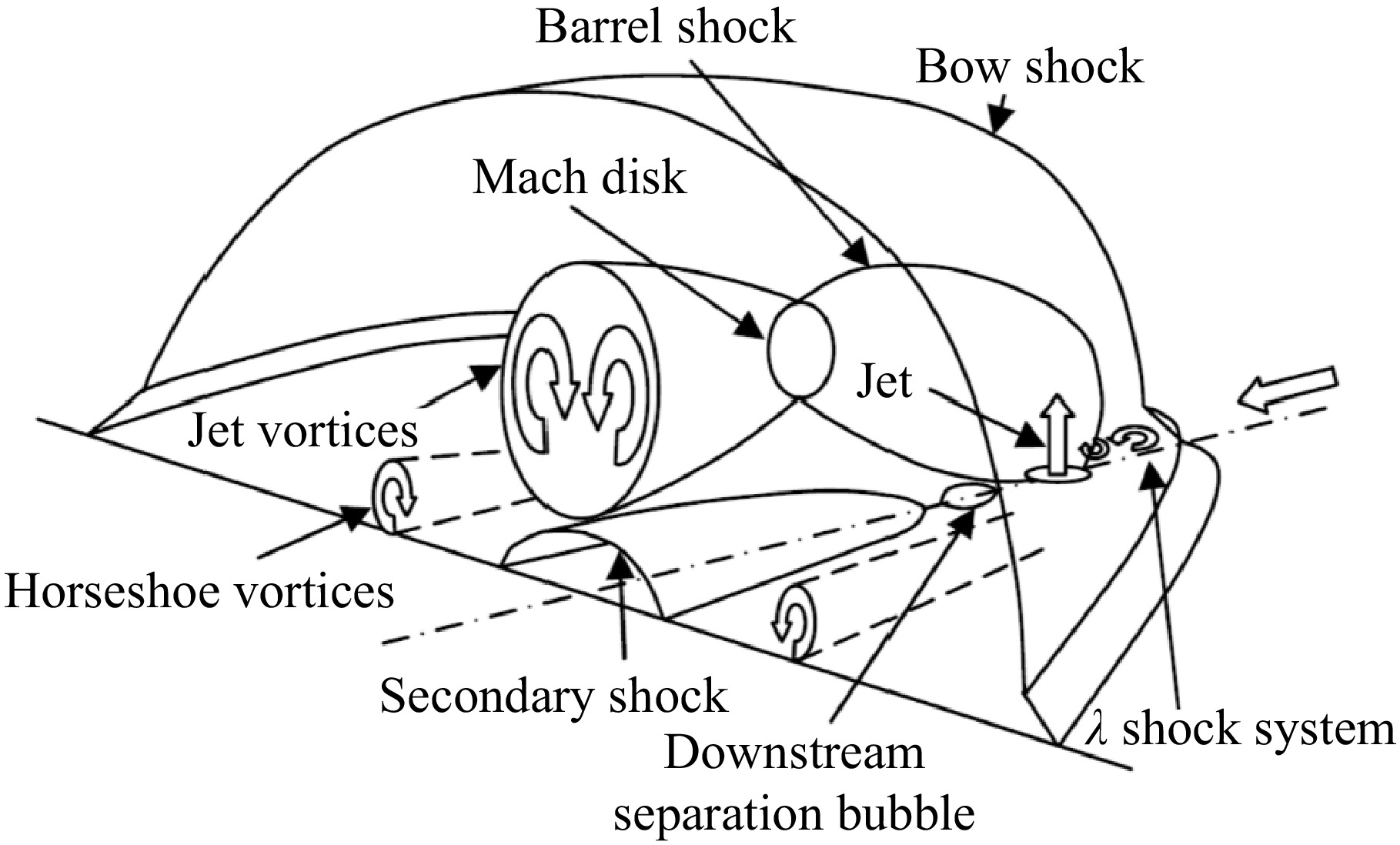
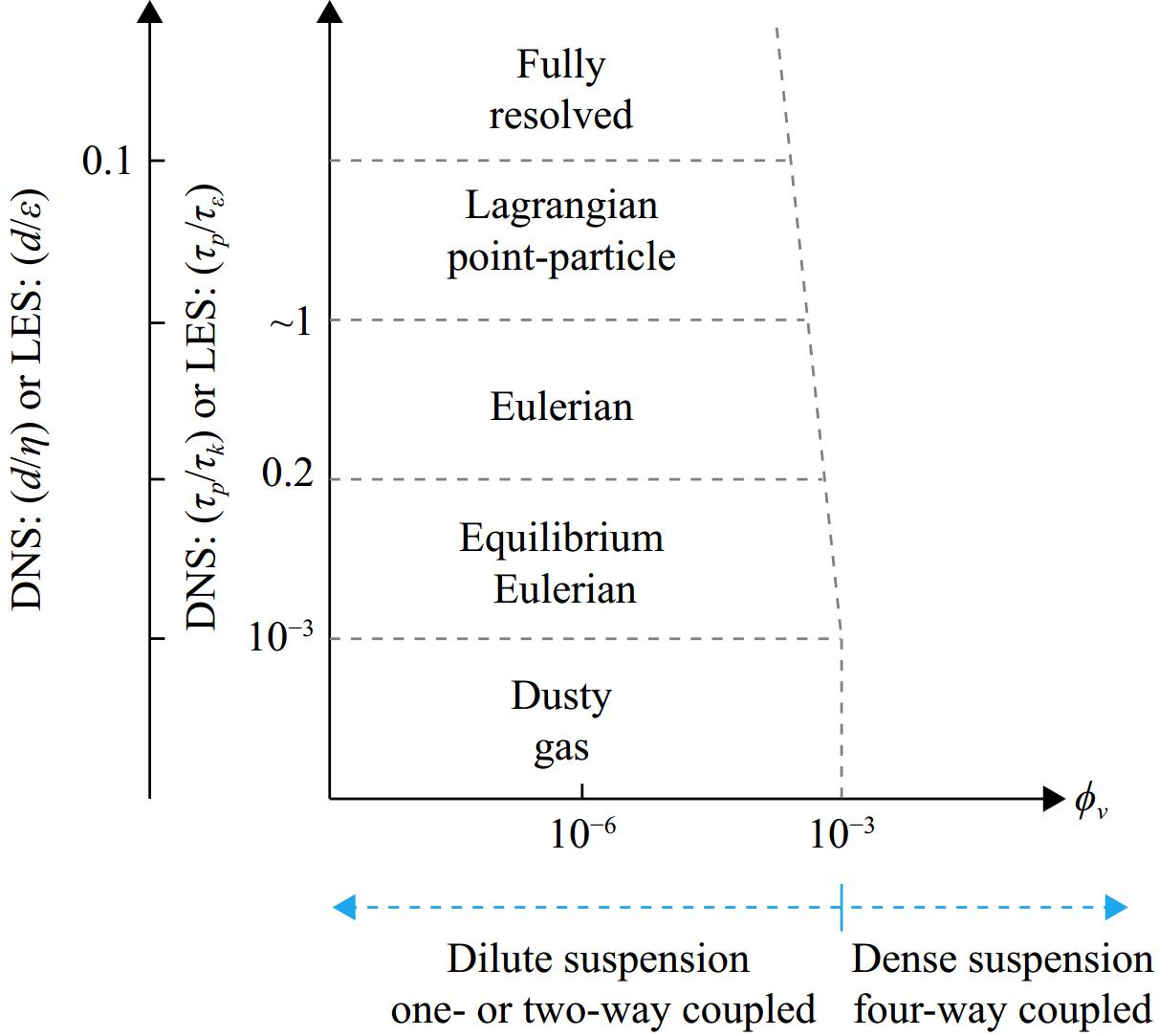
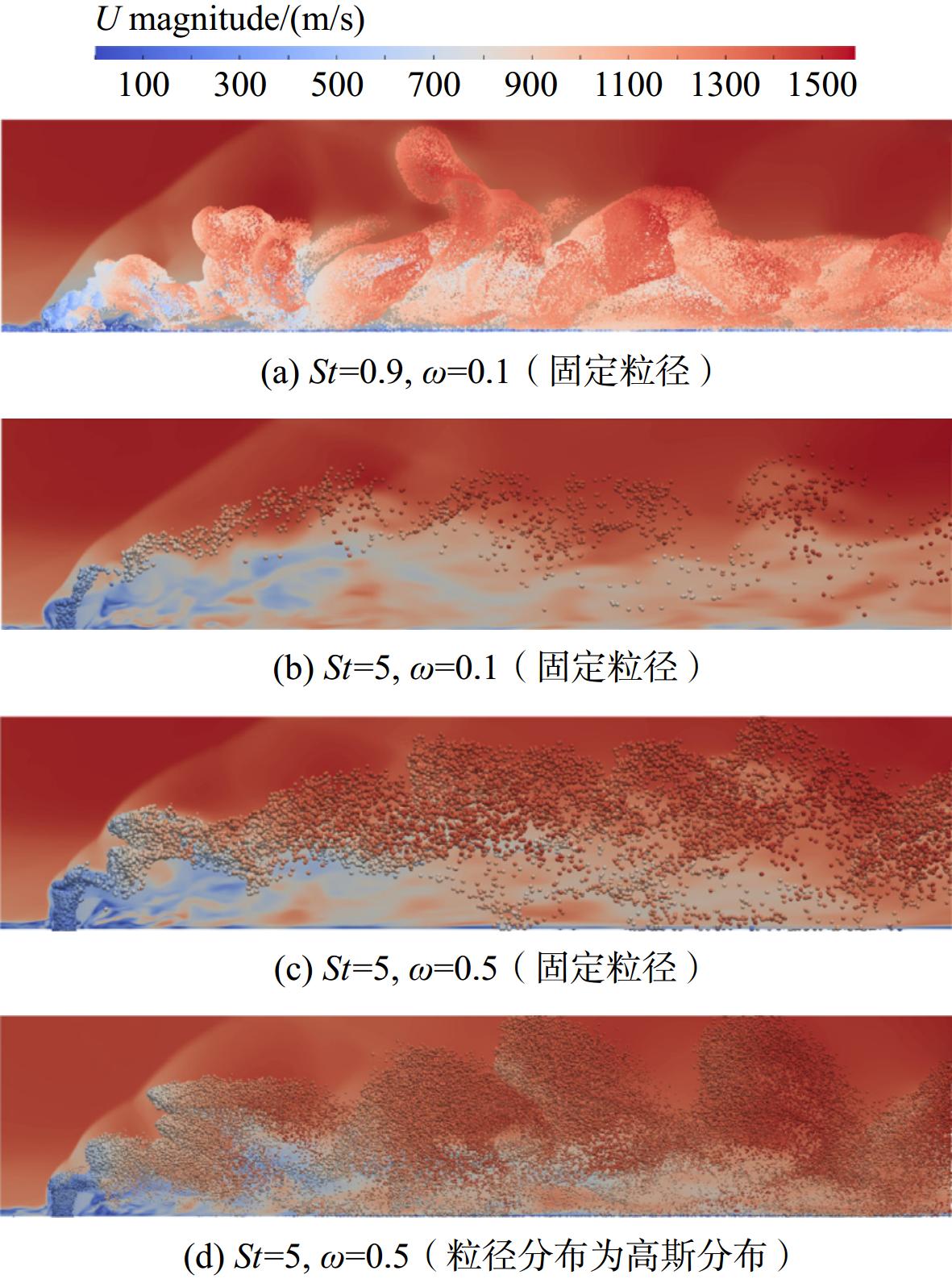
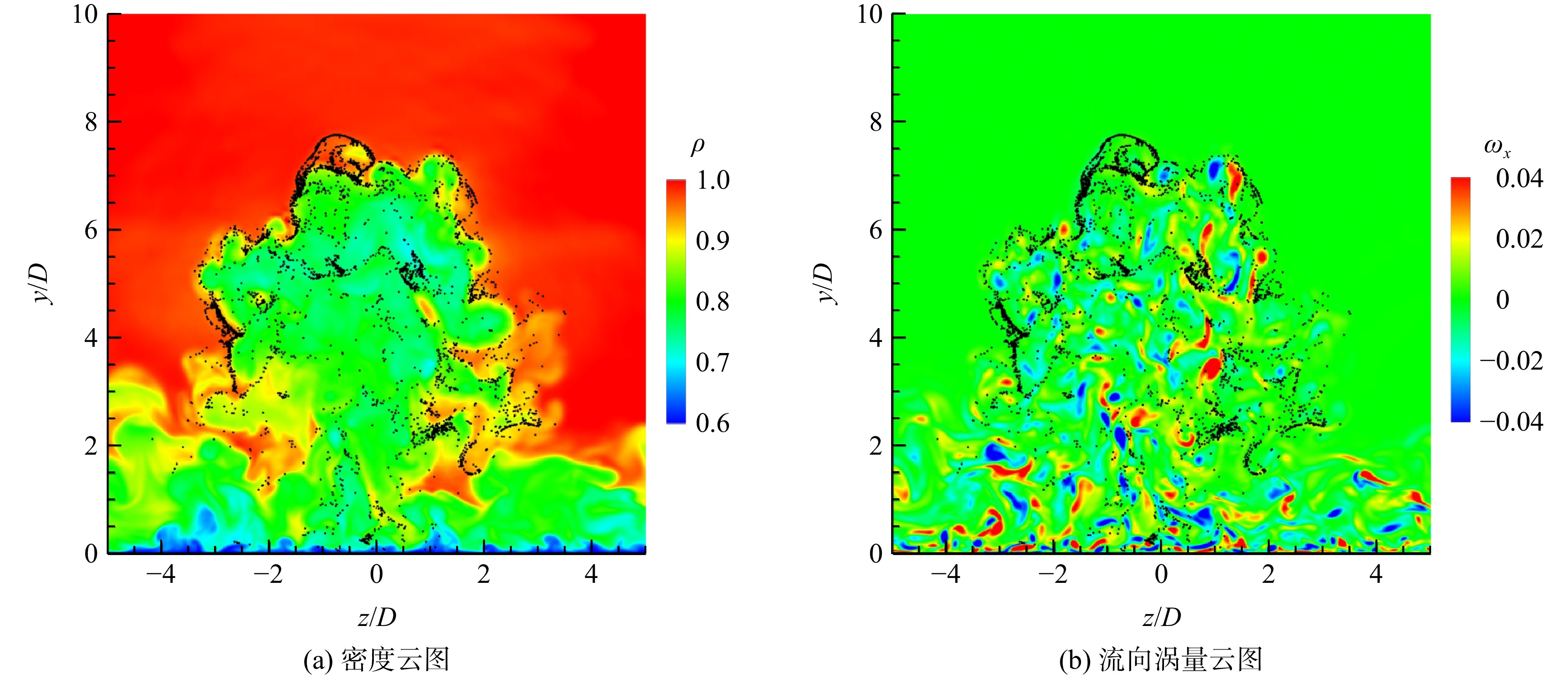
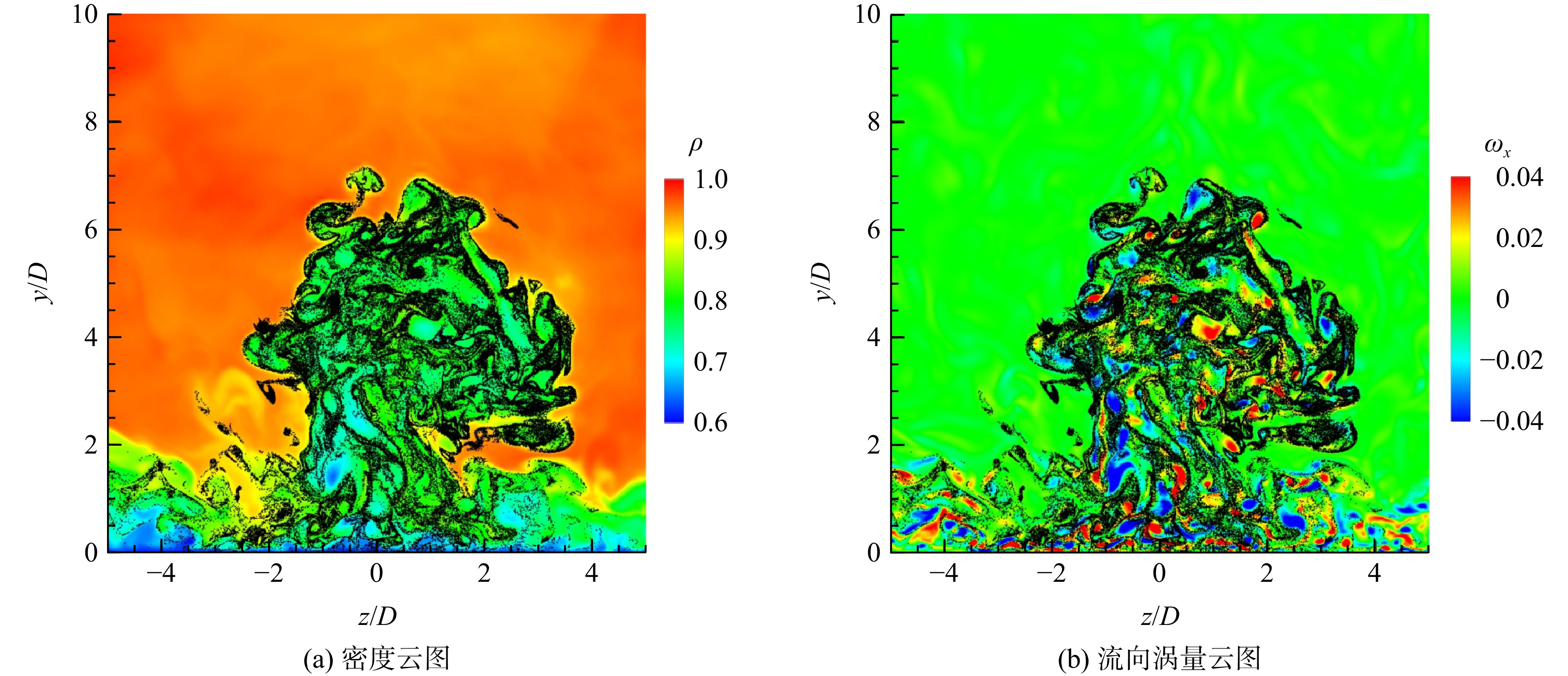
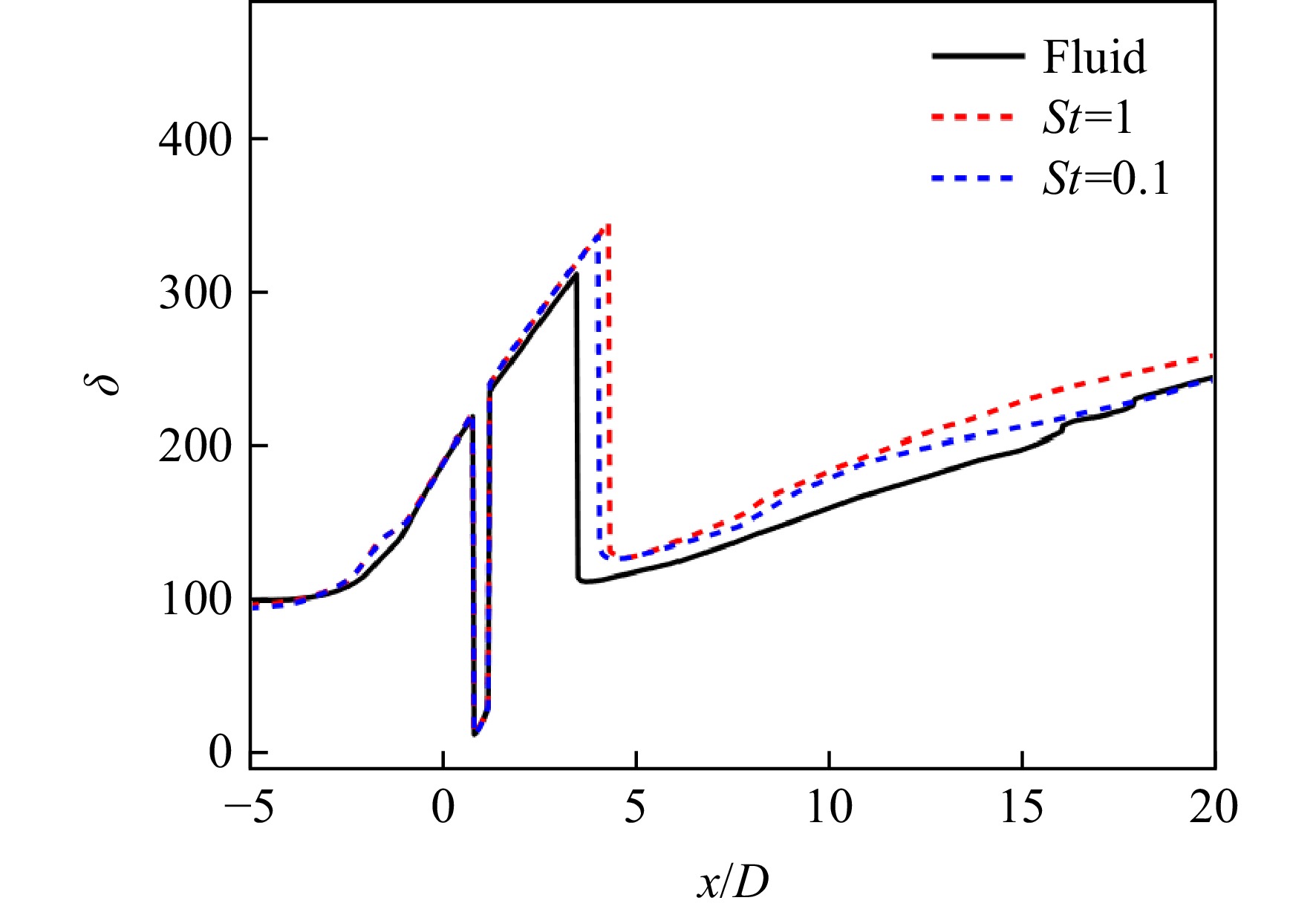
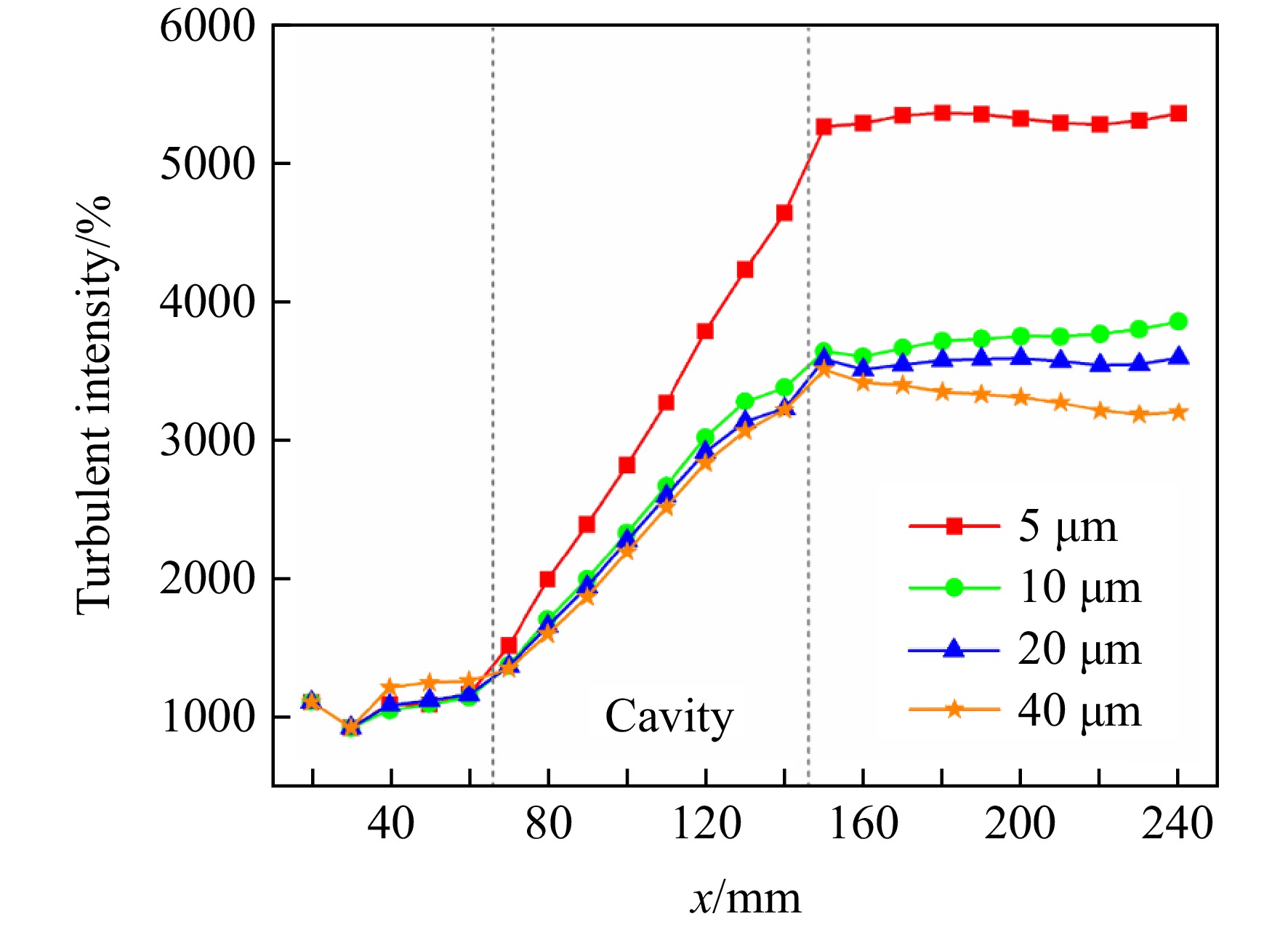
The progresses in numerical simulation methods, particle dispersion characteristics, and particle effects on flows for high-speed gas-solid two-phase transverse jets in recent years were reviewed. Result showed that, the Eulerian-Lagrangian method is a general simulation approach for studying high-speed gas-solid sparse two-phase flows. The distribution of particles was influenced by the jet flow structure and particle properties, the preferential concentration of particles in the jet flow field was related to the airflow density and vorticity, large particles can change the flow structure of the jet and weaken the turbulence intensity. It was believed that the boundary conditions and numerical methods for the jet outlet could be further improved to enhance the accuracy of the simulation; high-precision data for complex structures and multiple conditions should be supplied to establish a fast prediction model based on machine learning methods.

Contact stiffness identification of misaligned multiple floating splines and its dynamic application
WANG Yongliang, ZHAO Guang, XU Yongqiang, HAO Changqi, LOU Xinyue, YE Zhixuan
2025, 40(4): 20240738. doi: 10.13224/j.cnki.jasp.20240738
Abstract:
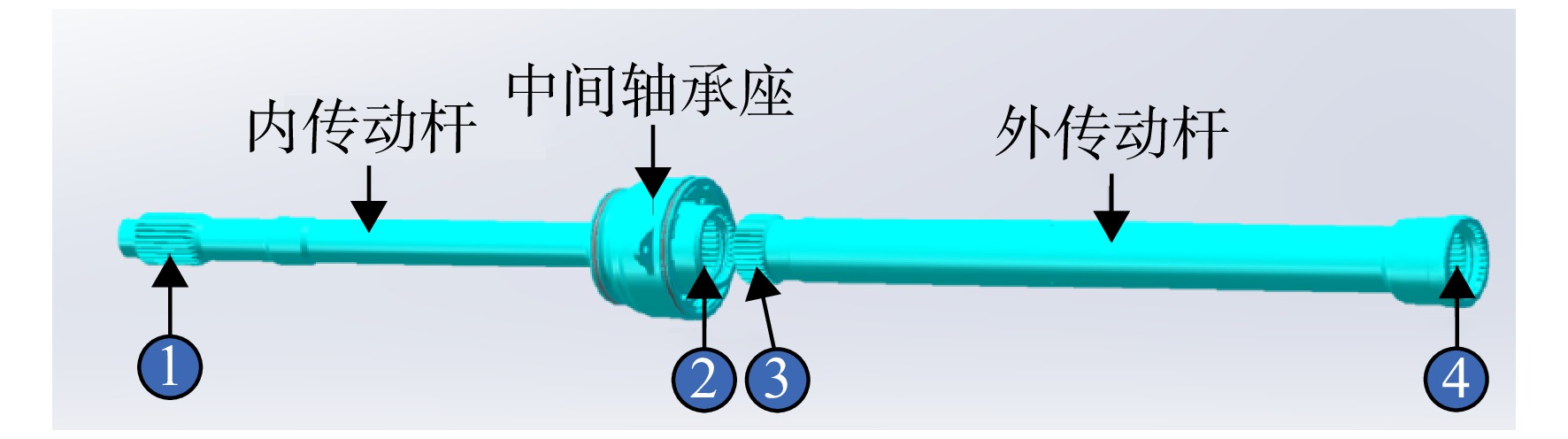
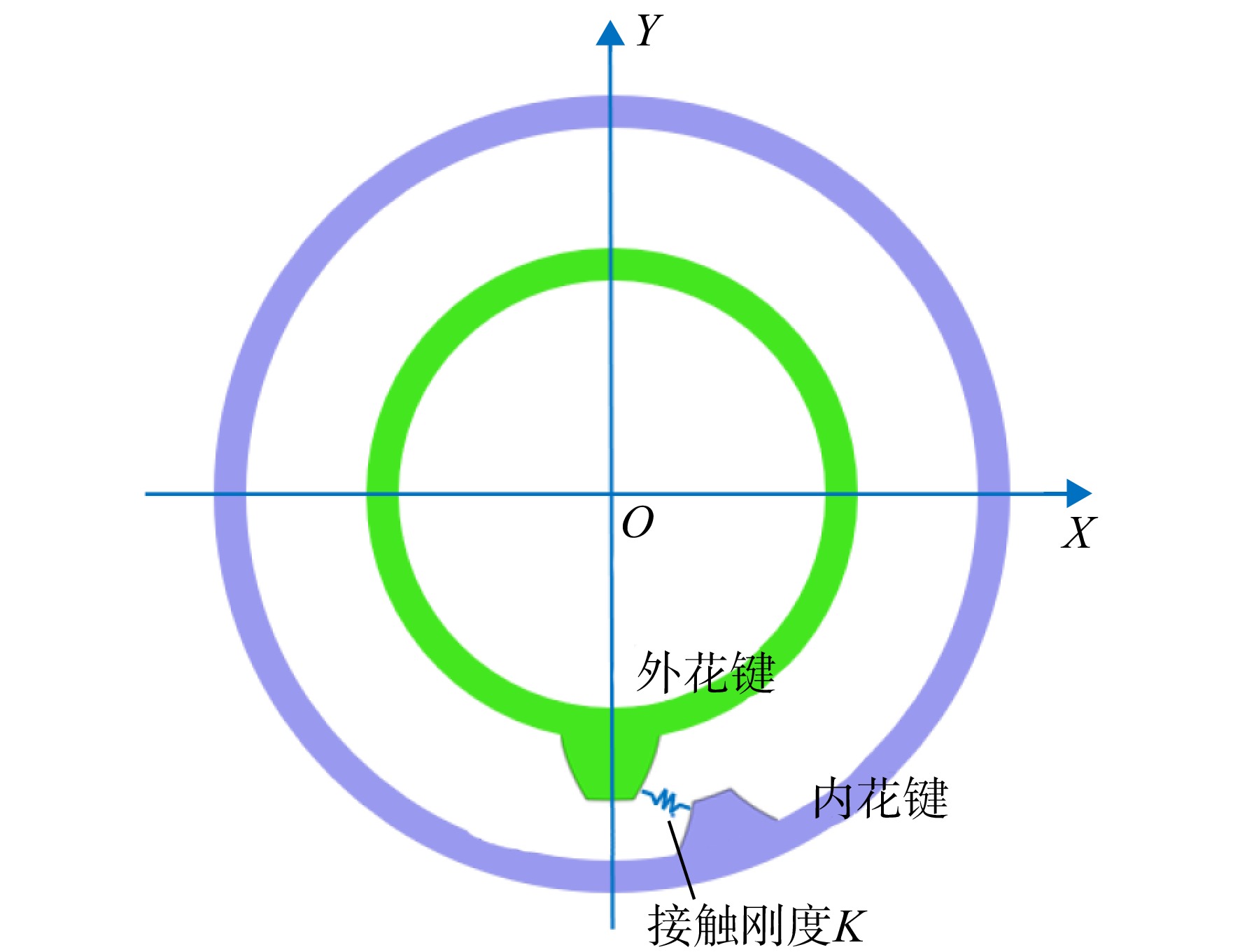
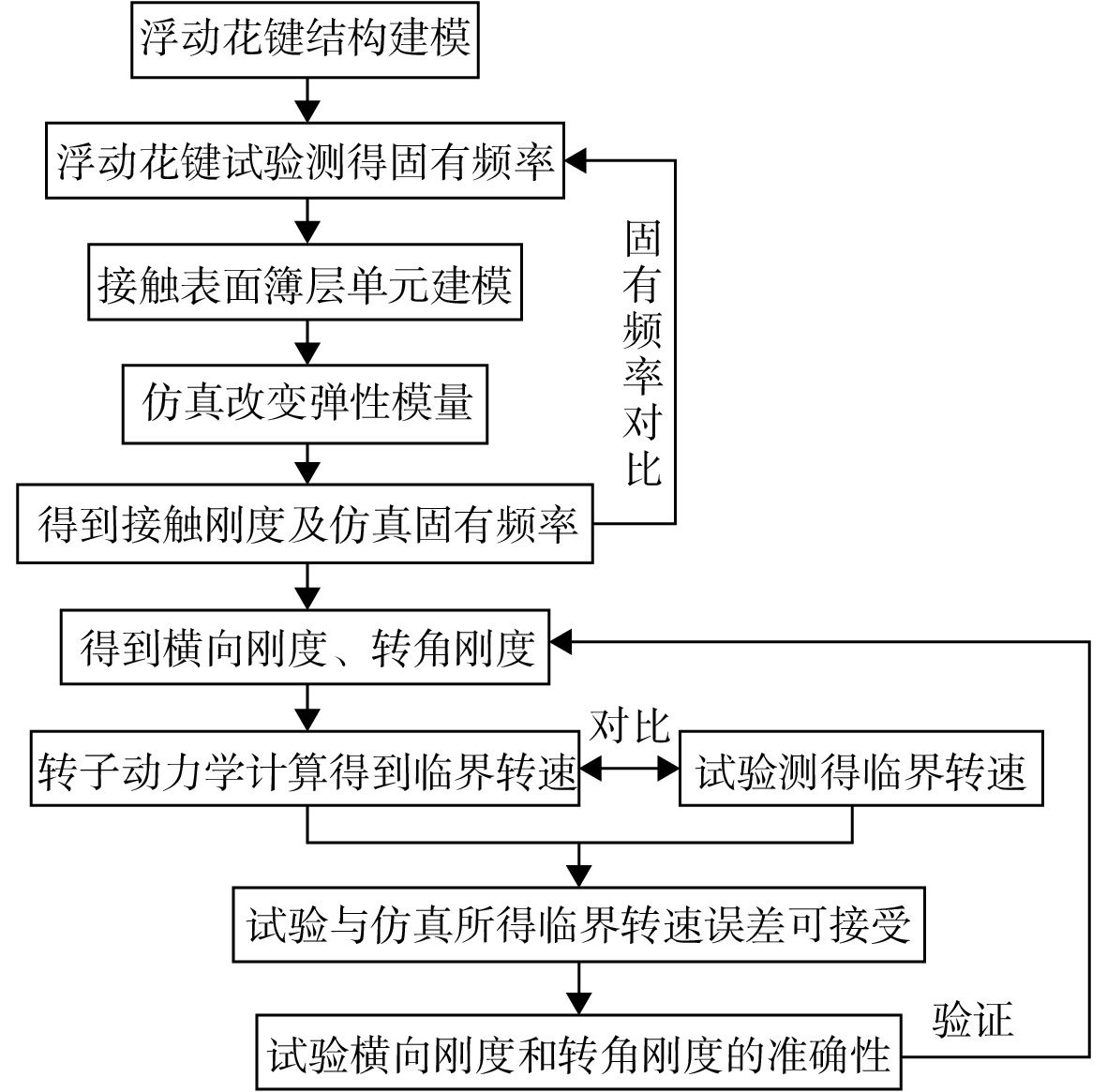
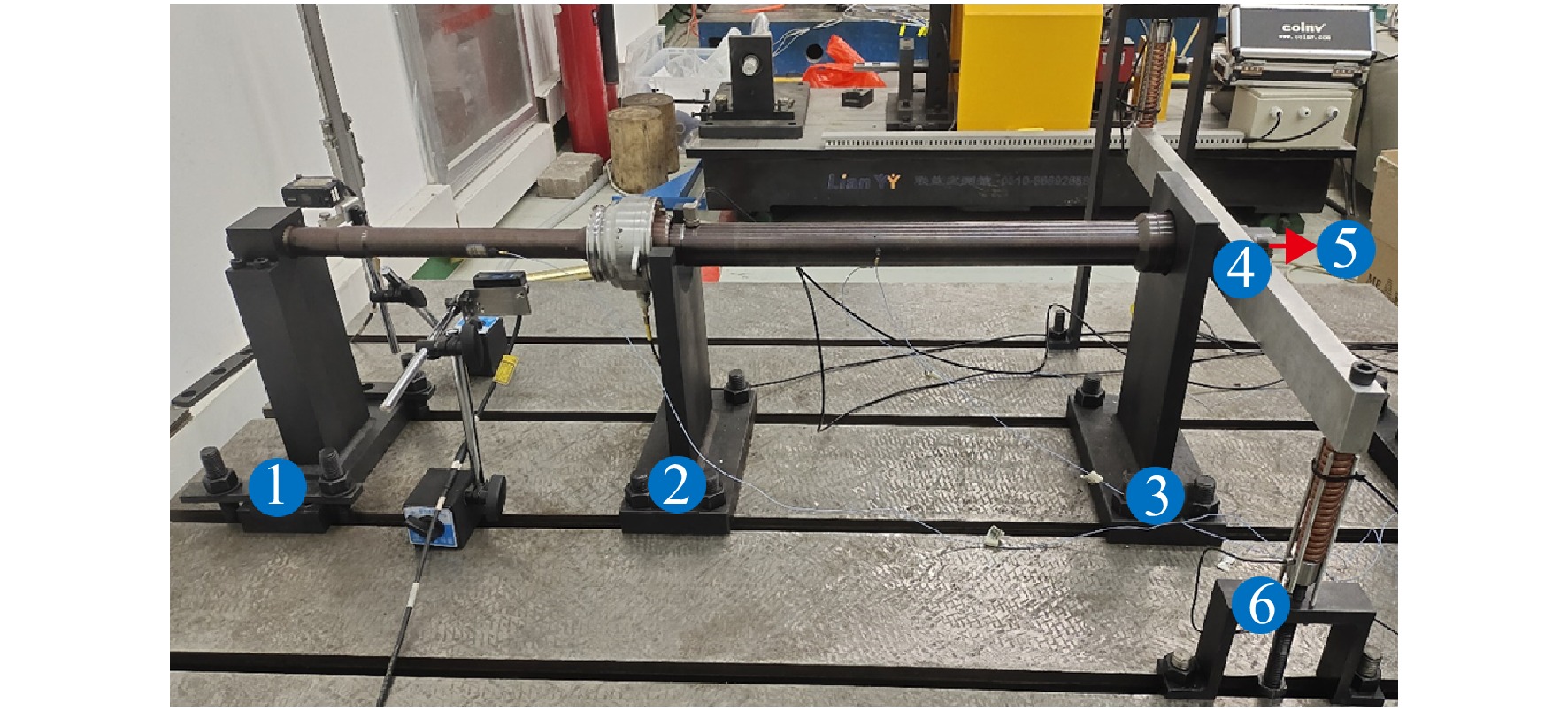
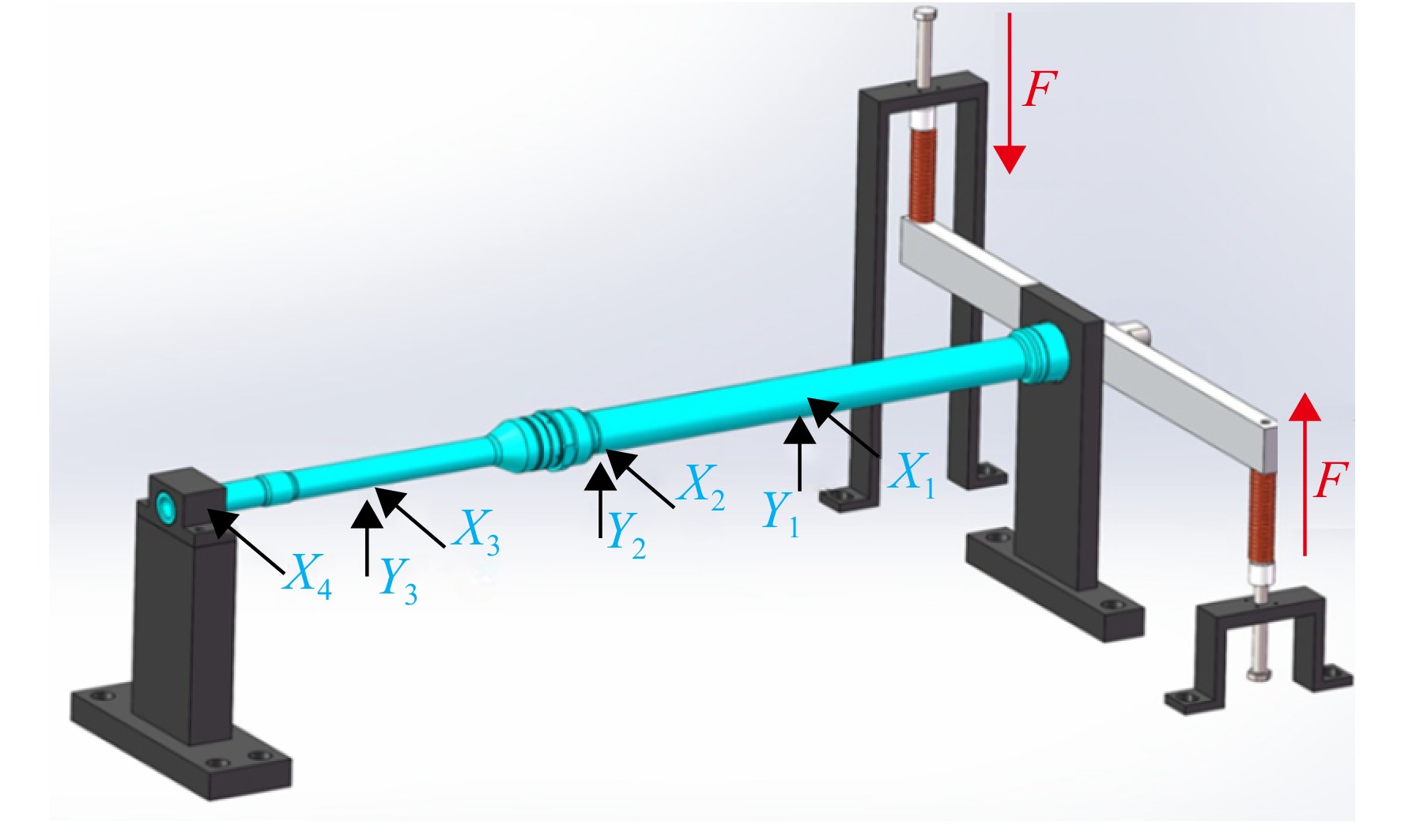
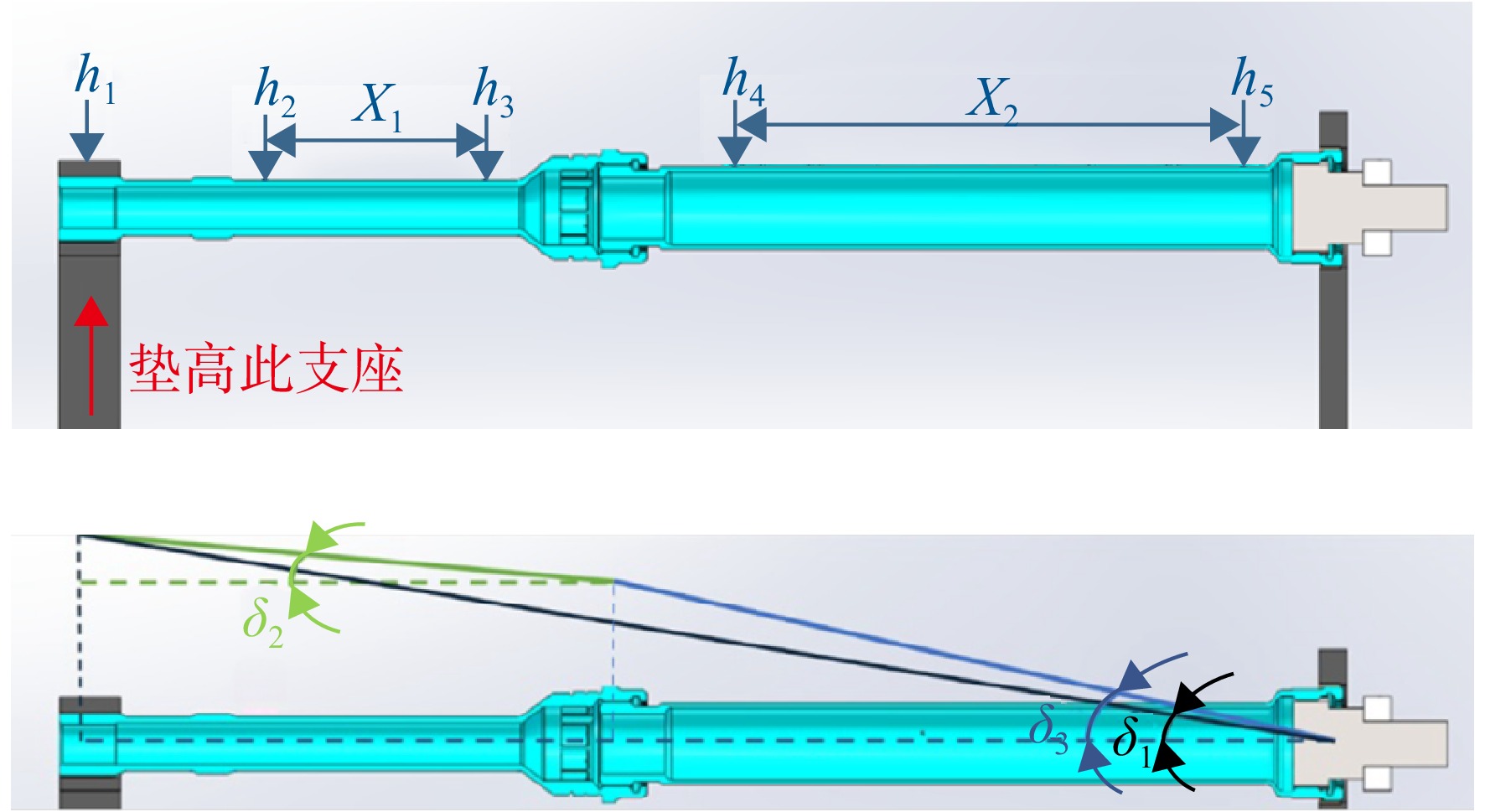
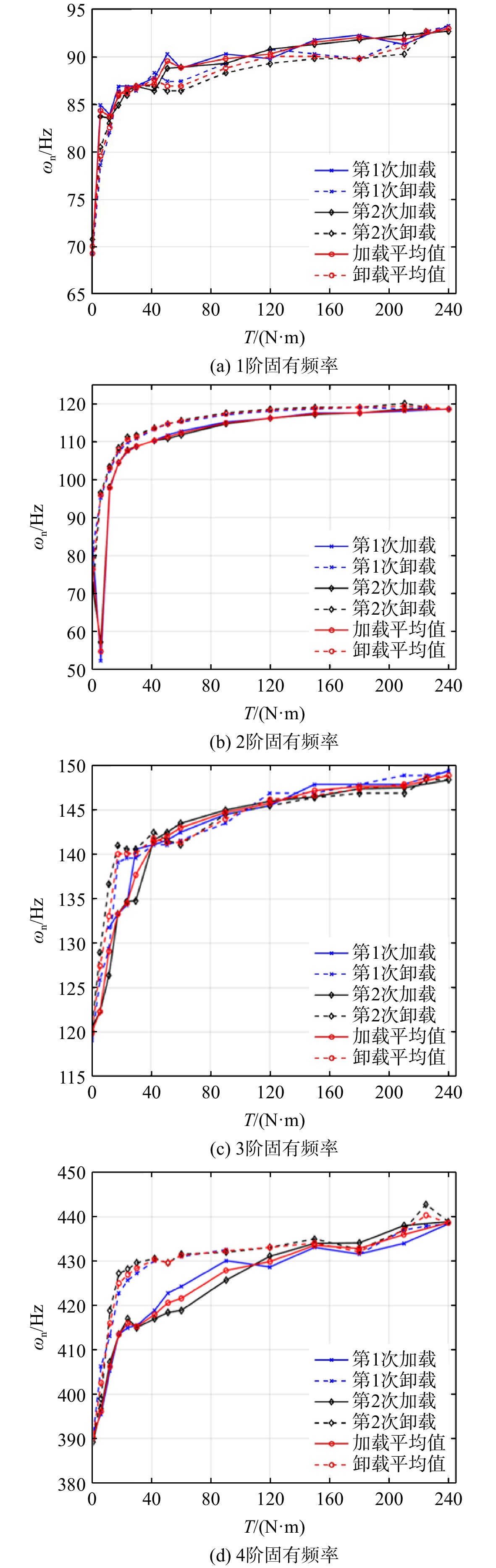
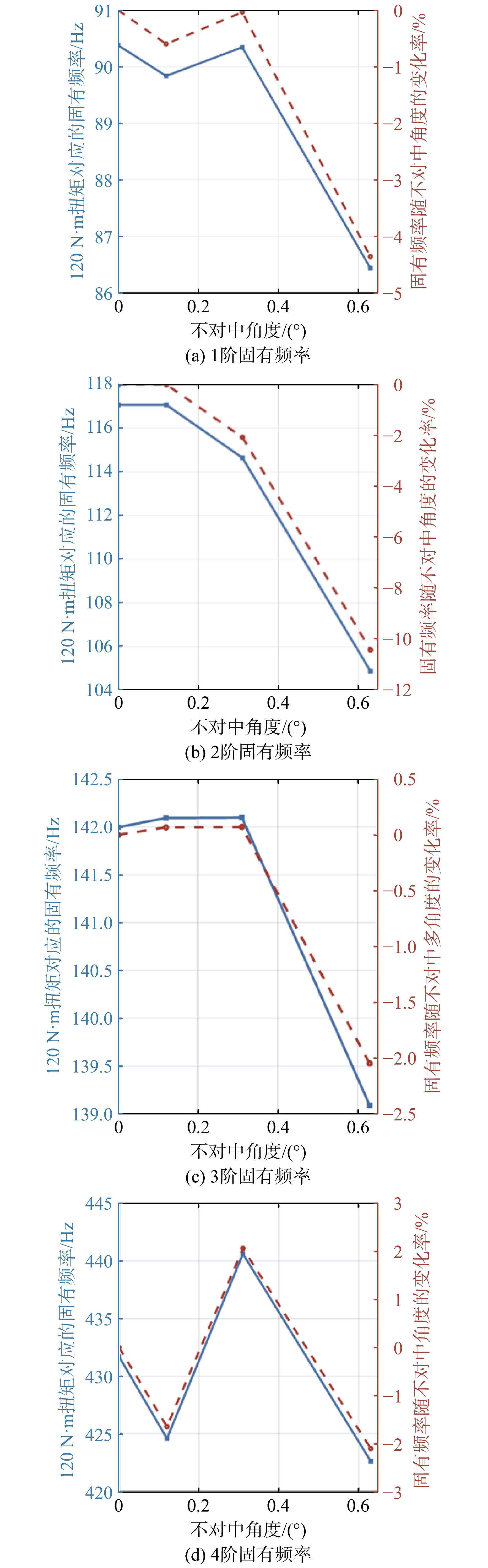
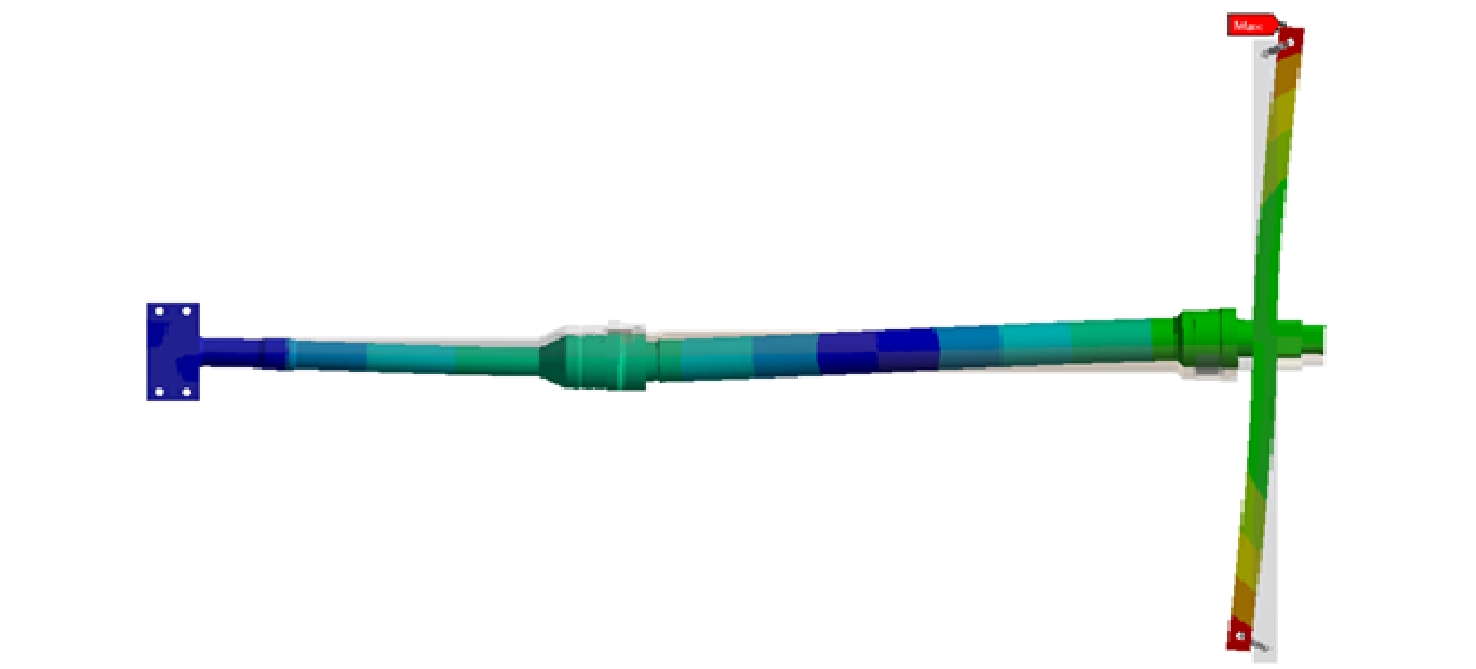
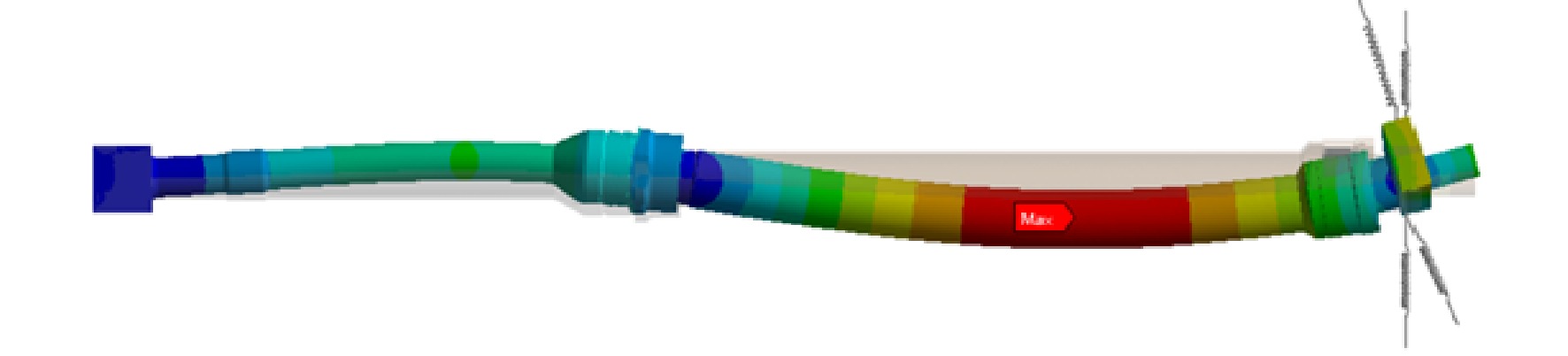
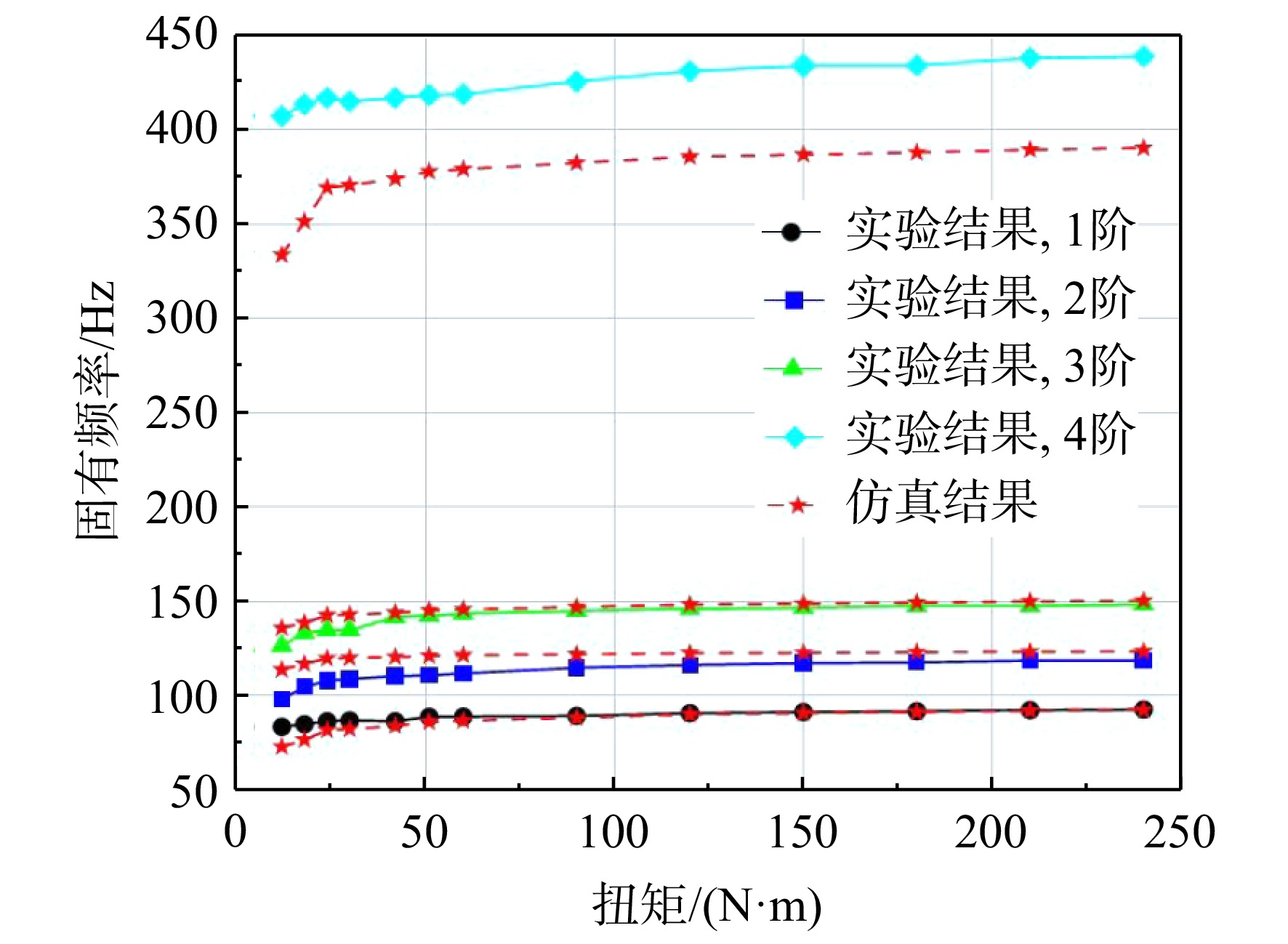
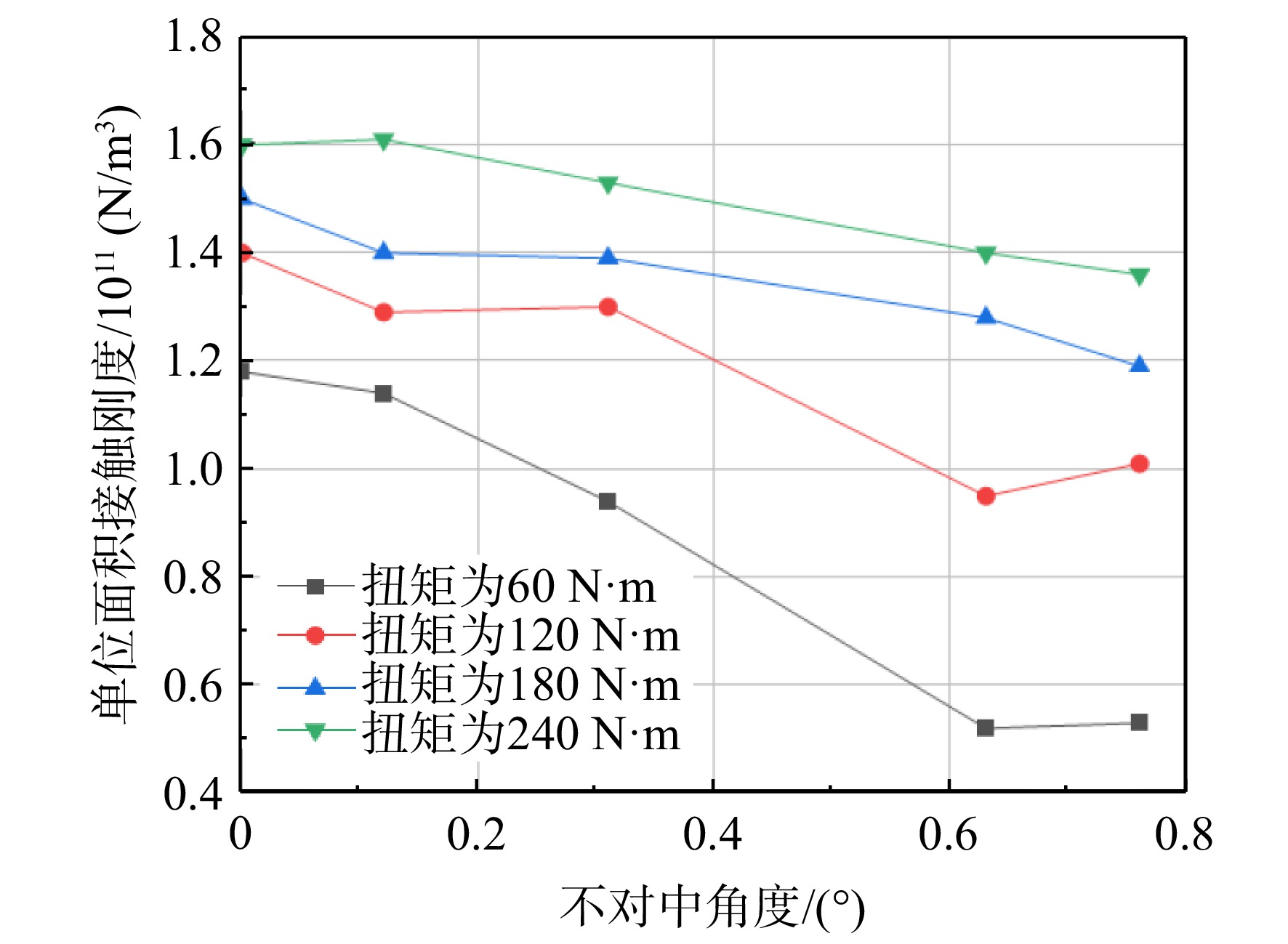
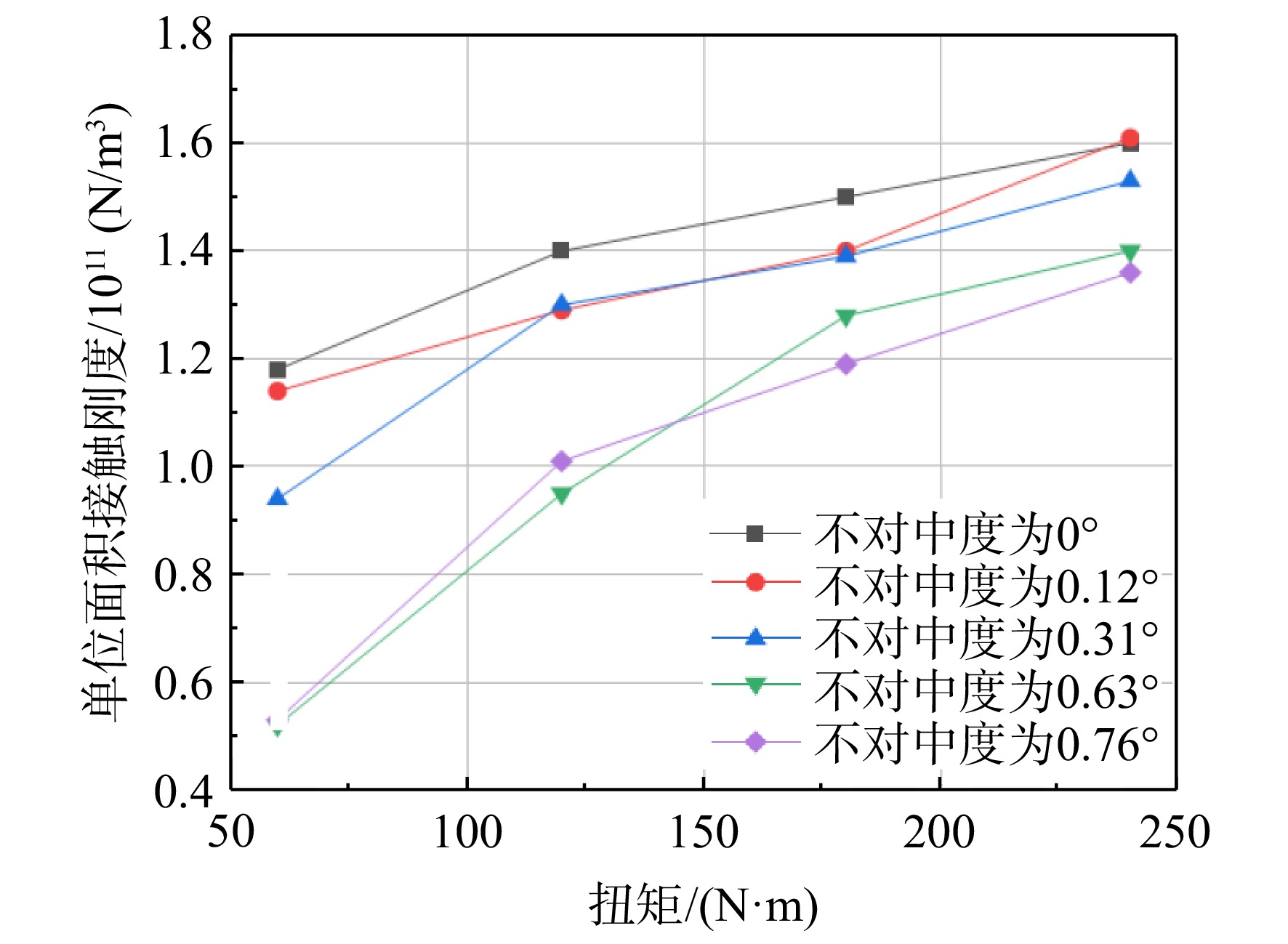
Considering the difficulty of contact stiffness identification of multiple floating splines in complex misalignment, a contact stiffness identification method based on test and thin-layer element simulation was proposed. Based on thin-layer elements, the finite element model of the radial transmission rod with multiple floating splines was established, the natural characteristics of the radial transmission rod with multiple floating splines were simulated, and the stiffness recognition function of the multiple floating splines was constructed by combining the natural frequency test data of the radial transmission rod, so as to accurately identify the contact stiffness of the multiple floating splines. The variation law of floating spline contact stiffness with torque and misalignment was obtained. The results showed that the contact stiffness of floating spline pair was enhanced with the increase of torque, while the contact stiffness of spline was reduced with the increase of misalignment angle. At low torque, misalignment weakened the spline stiffness obviously. At high torque, the effect of torque on spline stiffness was obvious. By replacing the contact stiffness of spline contact surface with thin layer element, the modal frequency of spline in different contact states can be calculated more accurately. The research results can provide some reference for the accurate identification of the contact stiffness of floating spline, and can be directly applied to system dynamics analysis.

Experimental study on rotor-elastic damping support system in maneuvering flight states
CHEN Xi, ZHANG Bo, FAN Xiangnan, REN Guangming, GAN Xiaohua
2025, 40(4): 20240516. doi: 10.13224/j.cnki.jasp.20240516
Abstract:
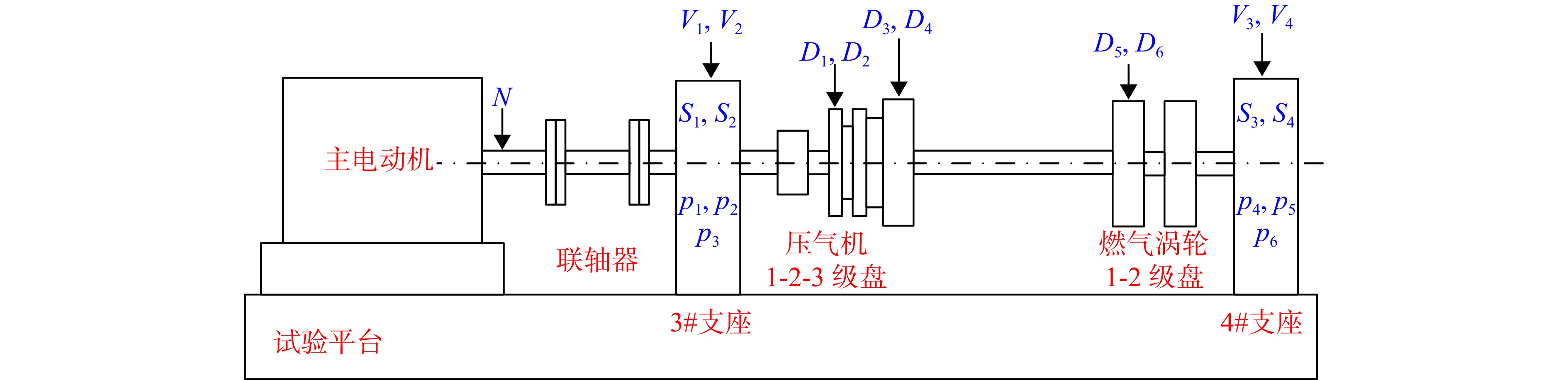
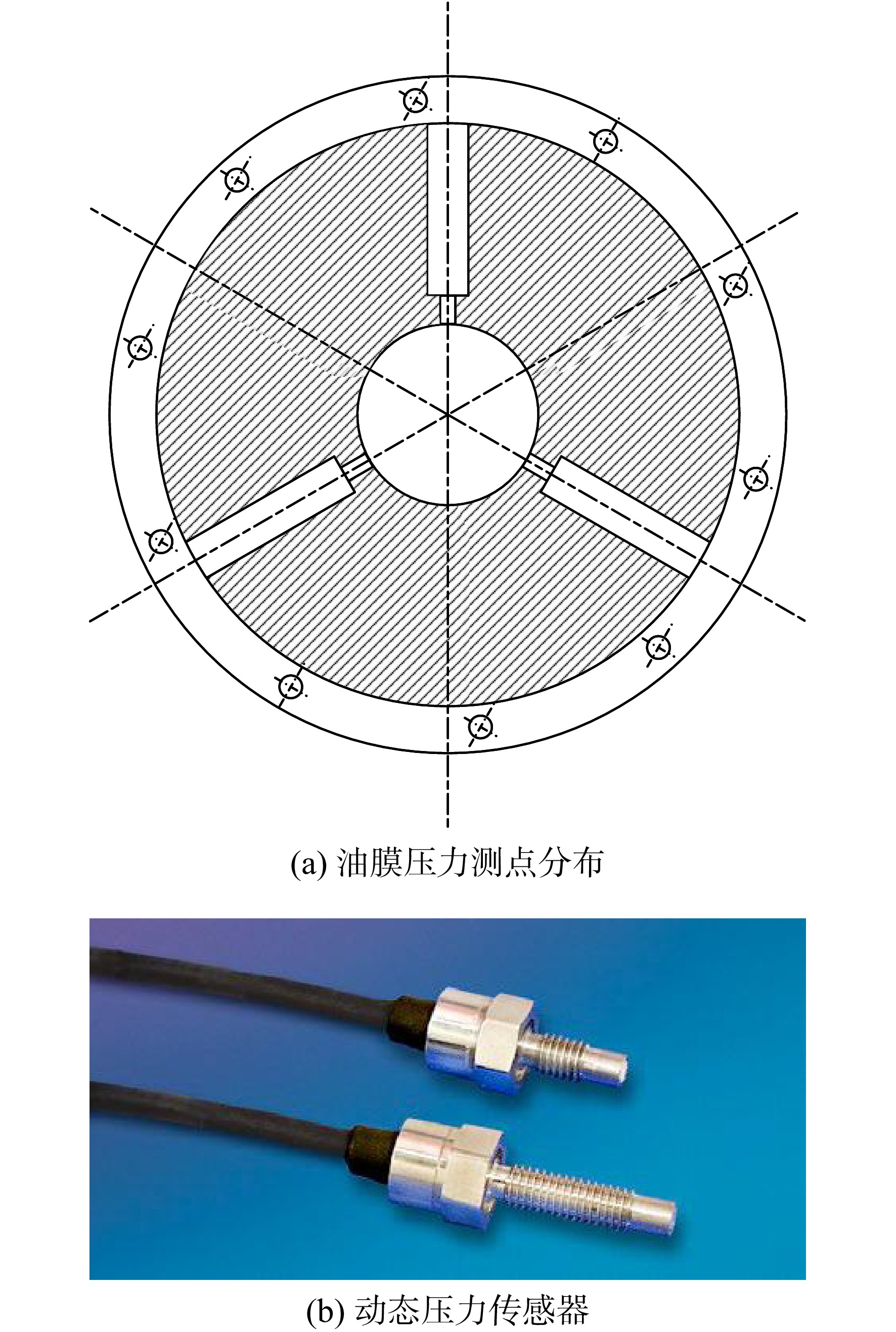
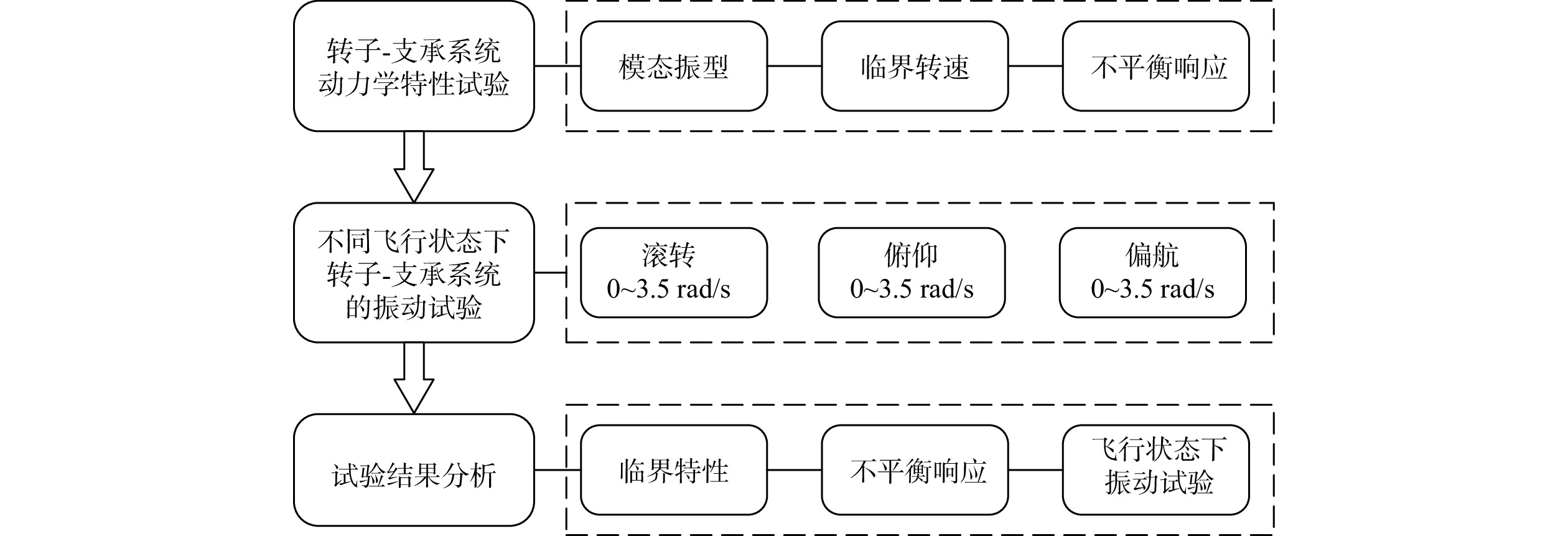
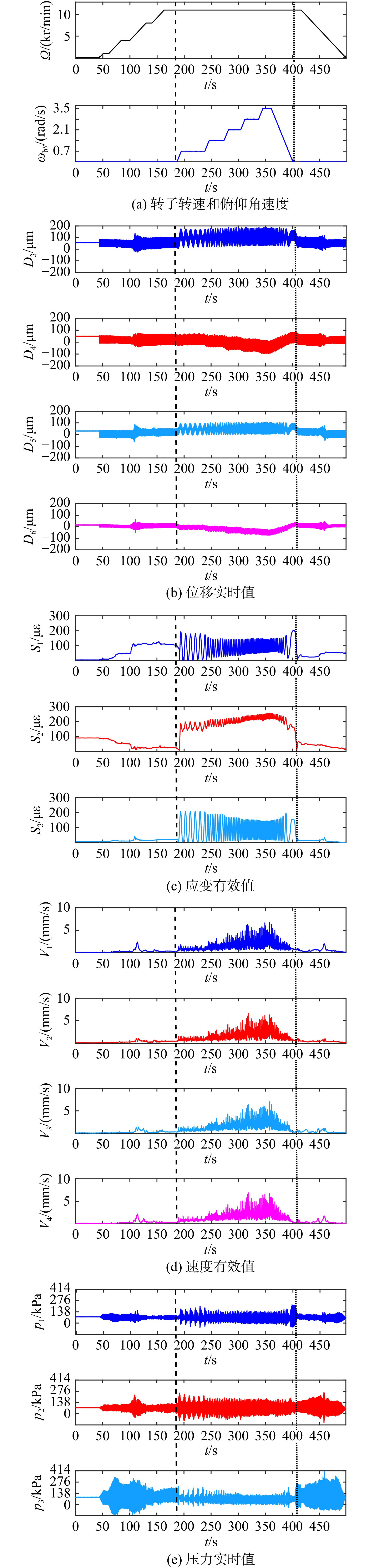
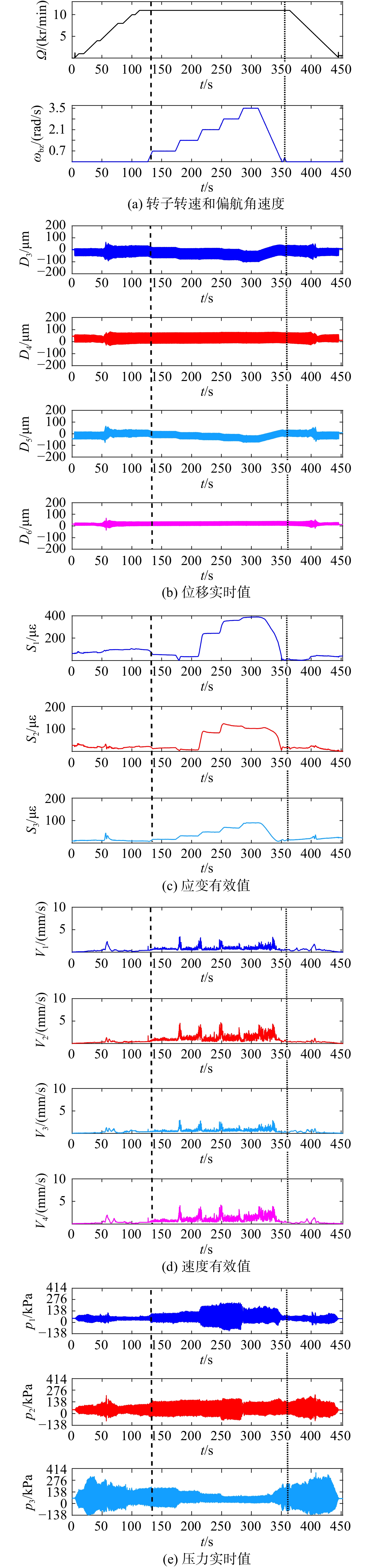
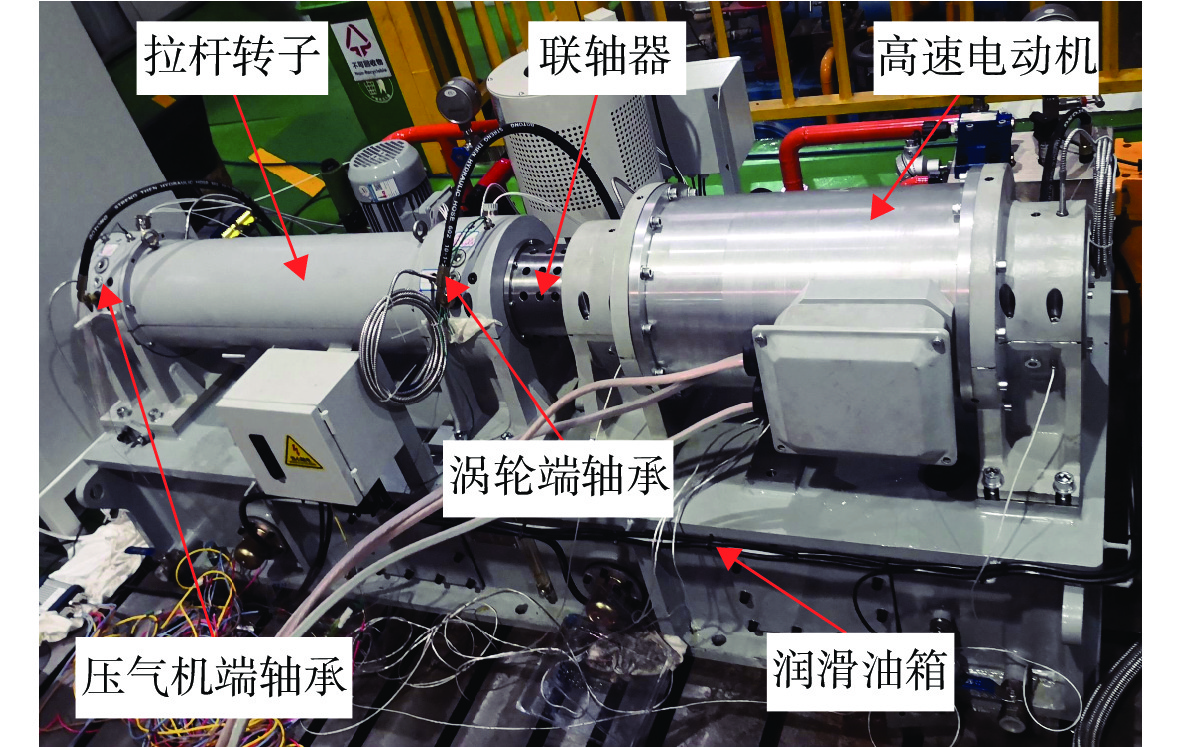
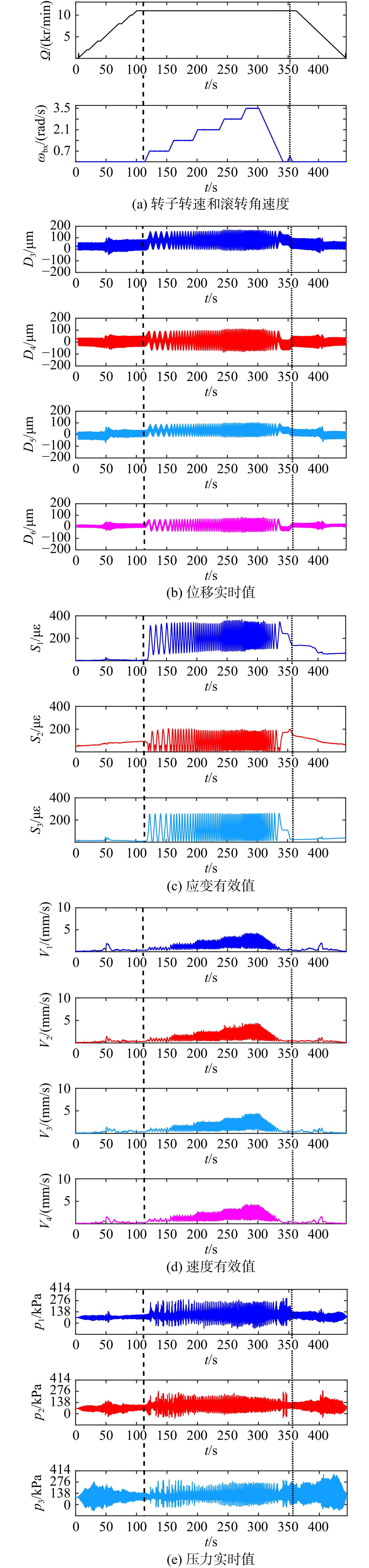
To deal with the issue of engine rotor vibration exceeding the limits during flights, experimental research on the rotor-elastic damping support system during maneuvering flight was conducted. The rolling, pitching, and yawing motions were simulated, finding that the maximum angular velocities can reach 3.5 rad/s. The dynamic responses of a multi-disk rotor system supported by squirrel-cage squeeze film dampers were studied, indicating that the changes in disk displacement, squirrel-cage strain, support velocity, and oil-film dynamic pressure were measured with different maneuvering motions and angular velocities. The results indicated that due to the anisotropy of stiffness in both horizontal and vertical directions, there existed two resonance peaks in the first two critical speeds. In case of rolling or pitching, even if the rotor was at idle state, the squirrel-cage support could undergo periodic deformation owing to the gravity; and the signals of displacement, strain, velocity, dynamic pressure, etc, were all superimposed with a low-frequency component. The additional inertial forces caused by pitching or yawing motions caused the displacement and strain of the rotor system to shift along the horizontal or vertical directions, respectively; and as the angular velocity increased, the offsets of corresponding measurement points became greater.

Vibration control experiments of gas turbine tilting pad bearing-rod rotor system
HAN Dongjiang, CAI Yimou, BI Chunxiao, YANG Jinfu
2025, 40(4): 20240501. doi: 10.13224/j.cnki.jasp.20240501
Abstract:

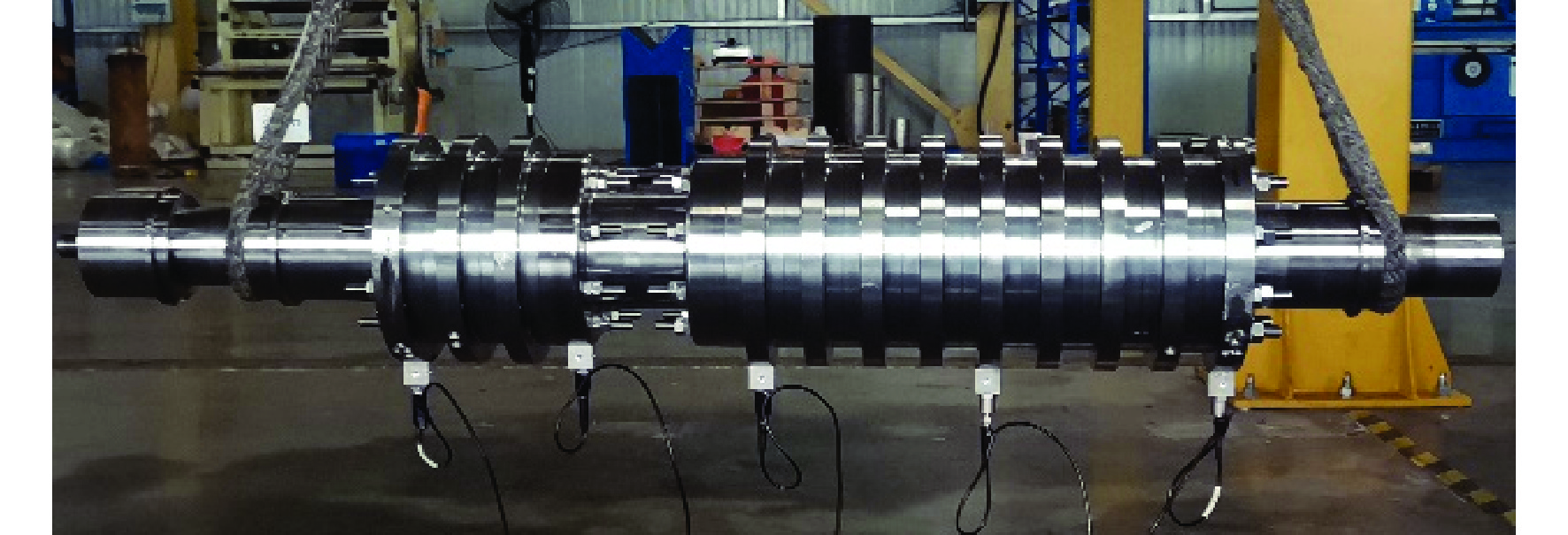
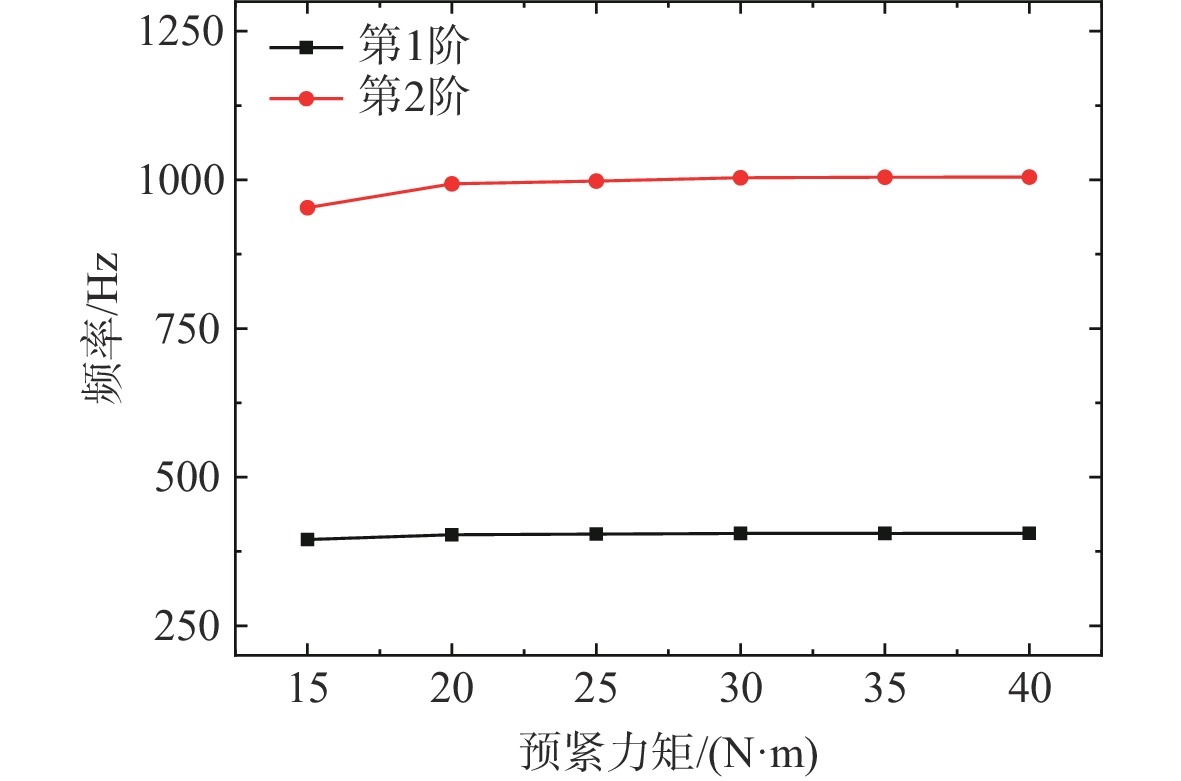
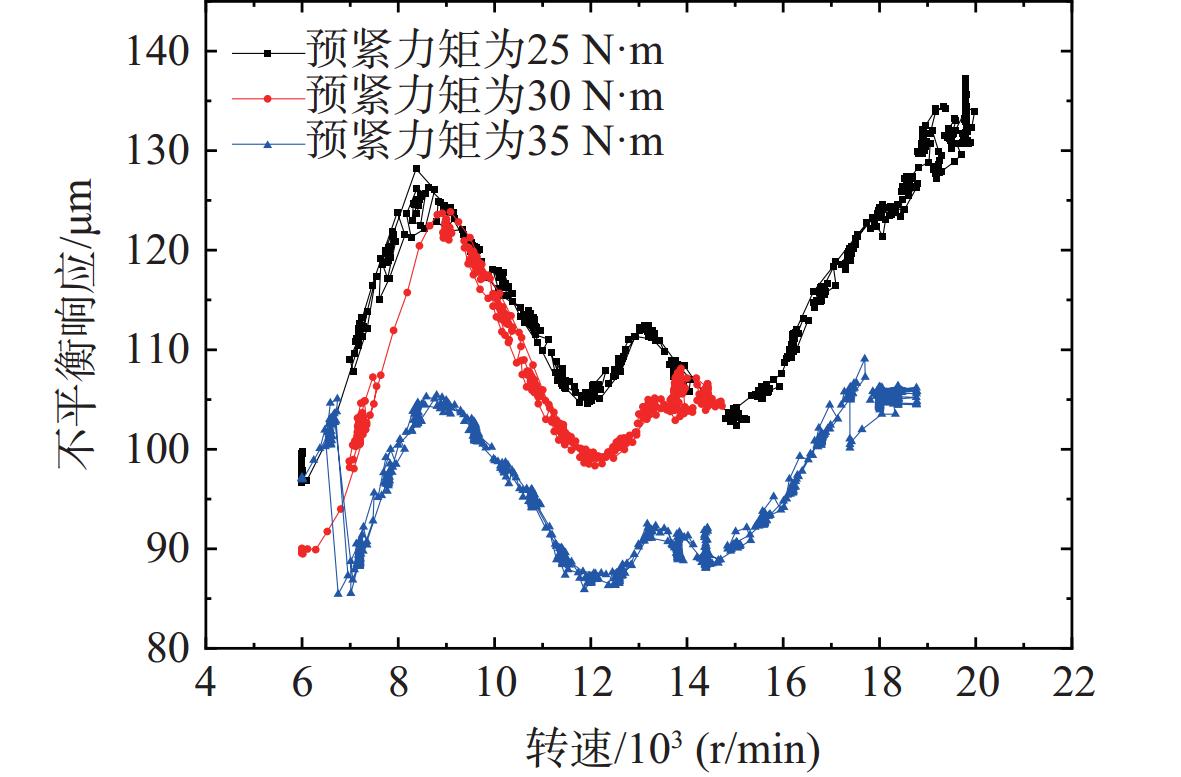
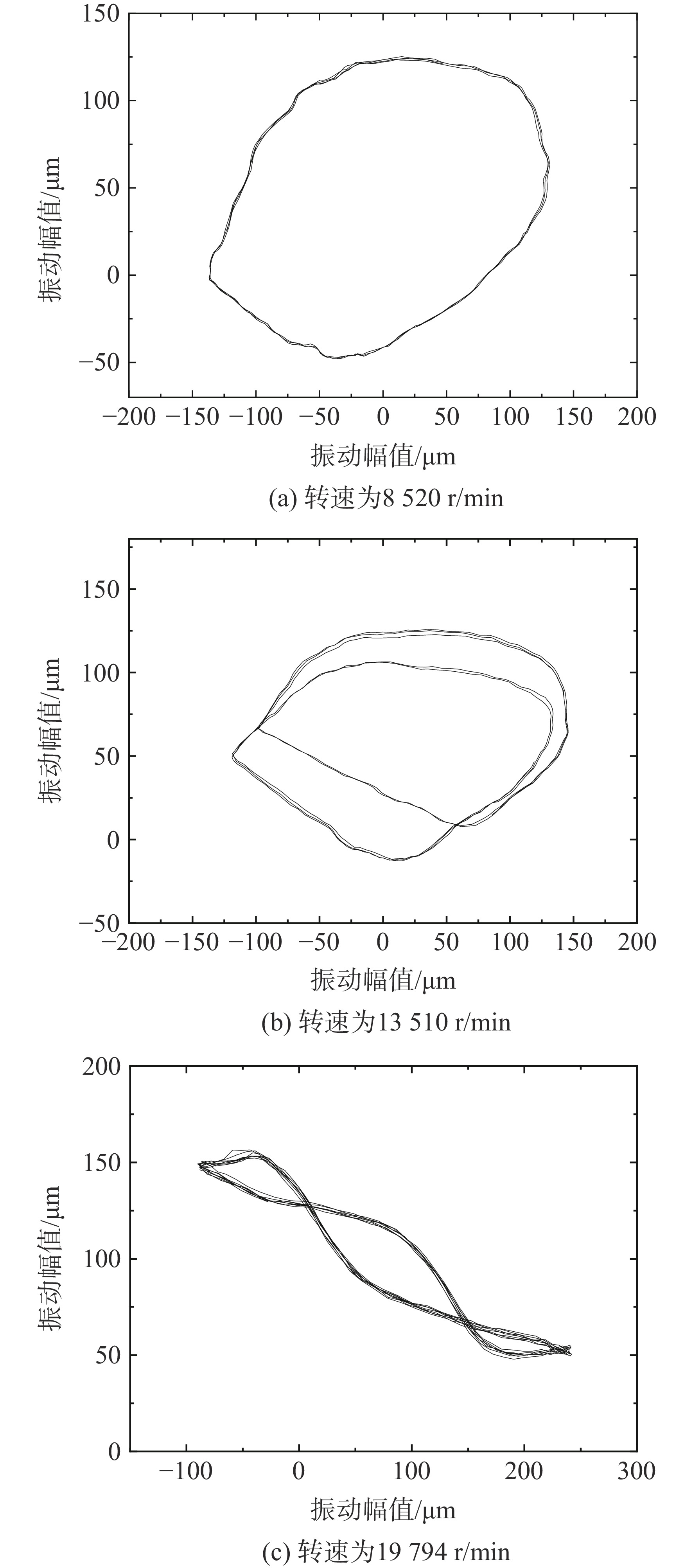
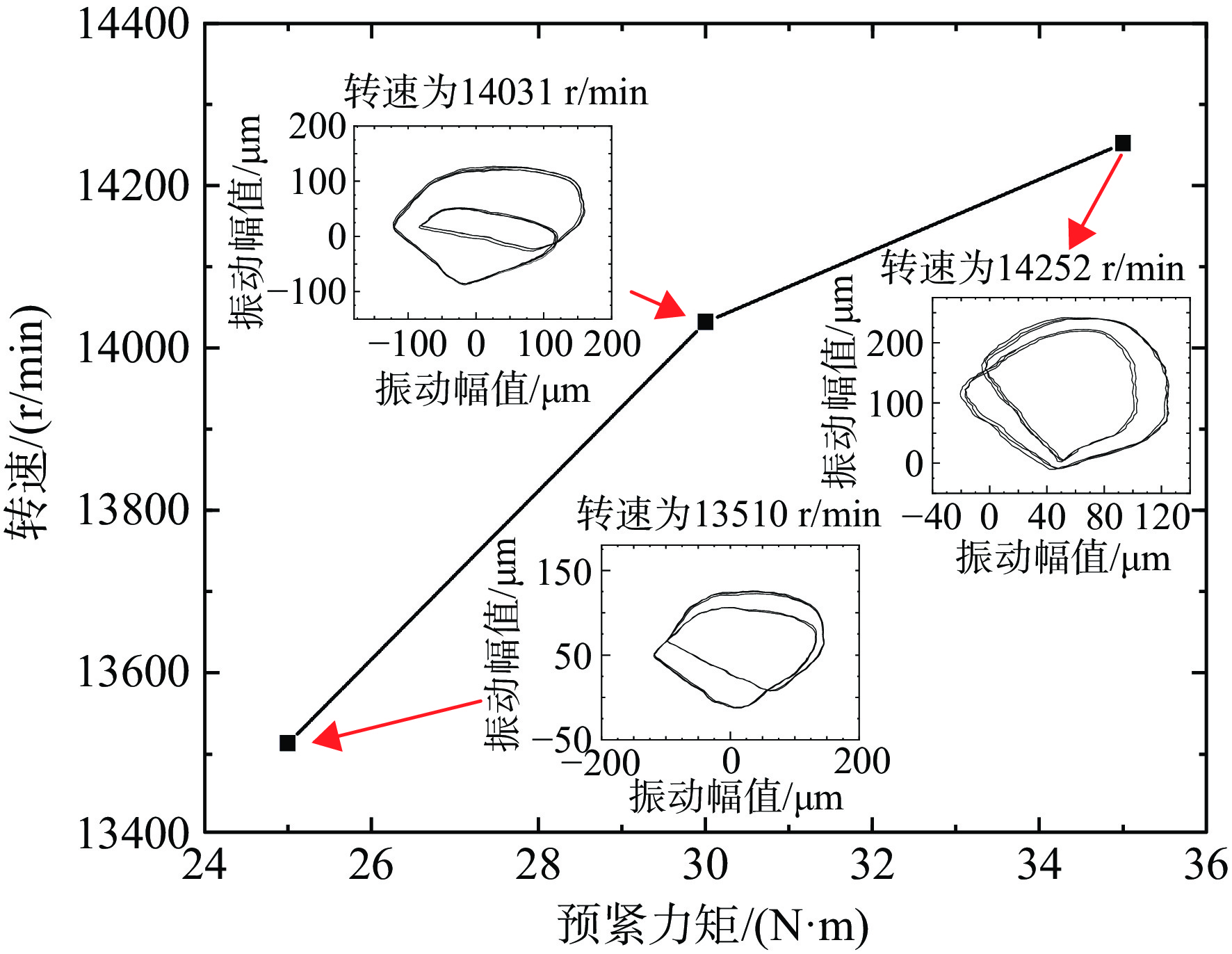
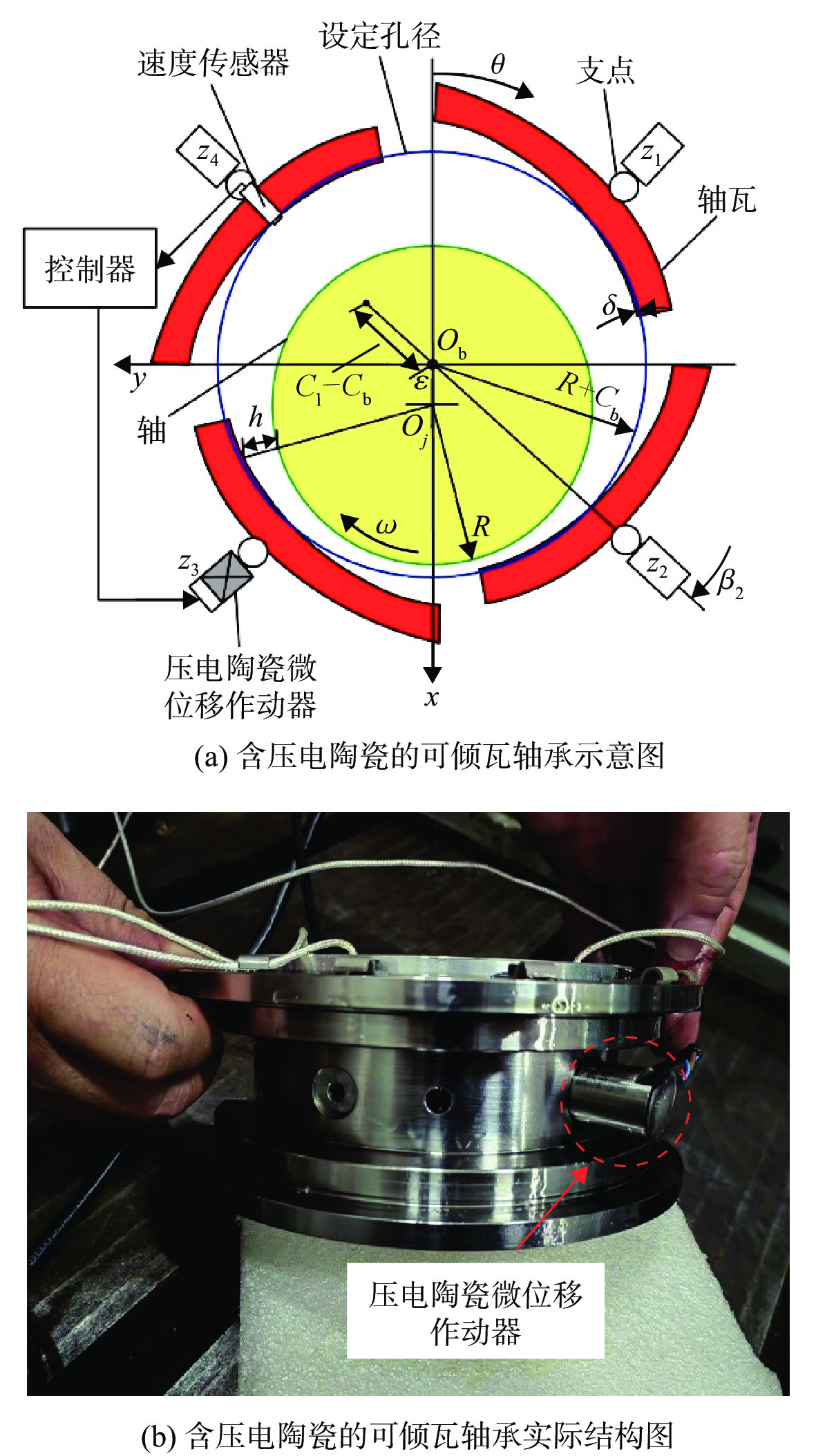
An experimental platform for the vibration characteristics of the gas turbine tilting pad bearing-rod rotor system was designed and built. The modal experiment of the rod rotor, the vibration characteristics experiment under different pre-tightening forces and the vibration control experiment based on the piezoelectric ceramic micro-displacement actuator were carried out. The experimental results showed that the bending modal frequency of the rod rotor increased with the pre-tightening force. When the pre-tightening force of the rod increased from 15 N·m to 40 N·m, the first-order and second-order modal frequencies of the rod rotor increased by 2.66% and 5.43%, respectively. The unbalance response of the tie-rod rotor system at the first two critical speeds decreased with the increase of the pre-tightening force of the tie-rod, and the increase of the pre-tightening force of the tie-rod can delay the initial speed of the low-frequency whirl of the shafting and improve the stability of the shafting. The piezoelectric ceramic micro-displacement actuator had a positive effect on the vibration control of the unbalanced response of the tie rod rotor. The relevant research results provide an experimental basis for subsequent coordinated control of coupled vibration of the rod rotor system.

Research and verification on variable temperature tracking control experimental methodology of high temperature structure in intense transient thermal environment
LI Zhenlei, LI Bolin, LI Guo, BAO Shaochen, DING Shuiting, XIA Shuyang, ZUO Liangliang
2025, 40(4): 20240529. doi: 10.13224/j.cnki.jasp.20240529
Abstract:

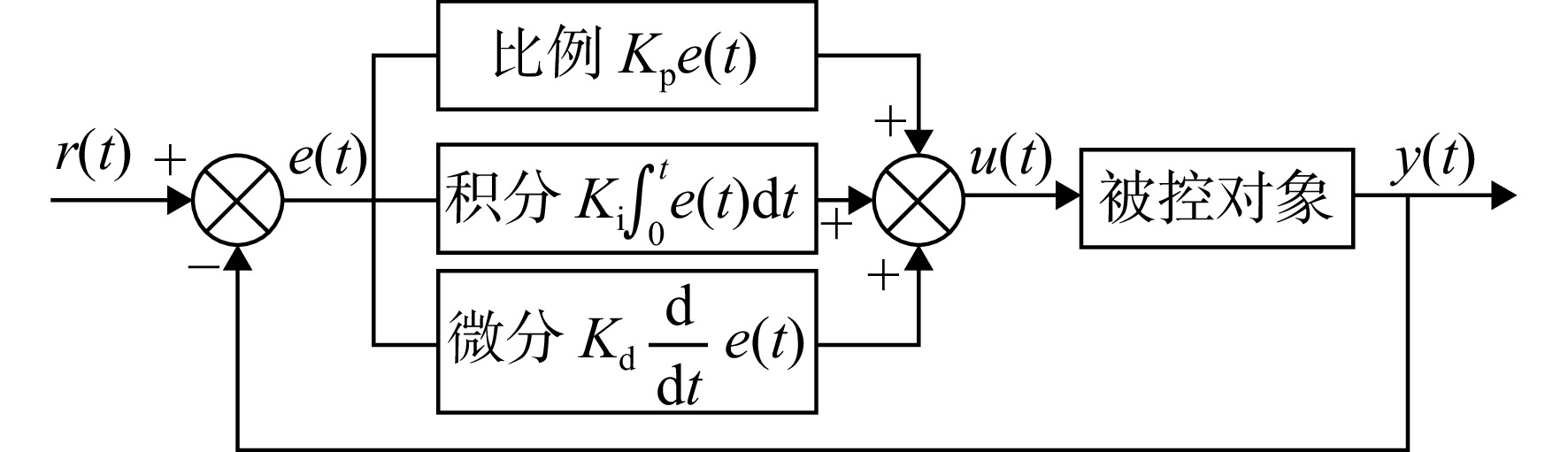
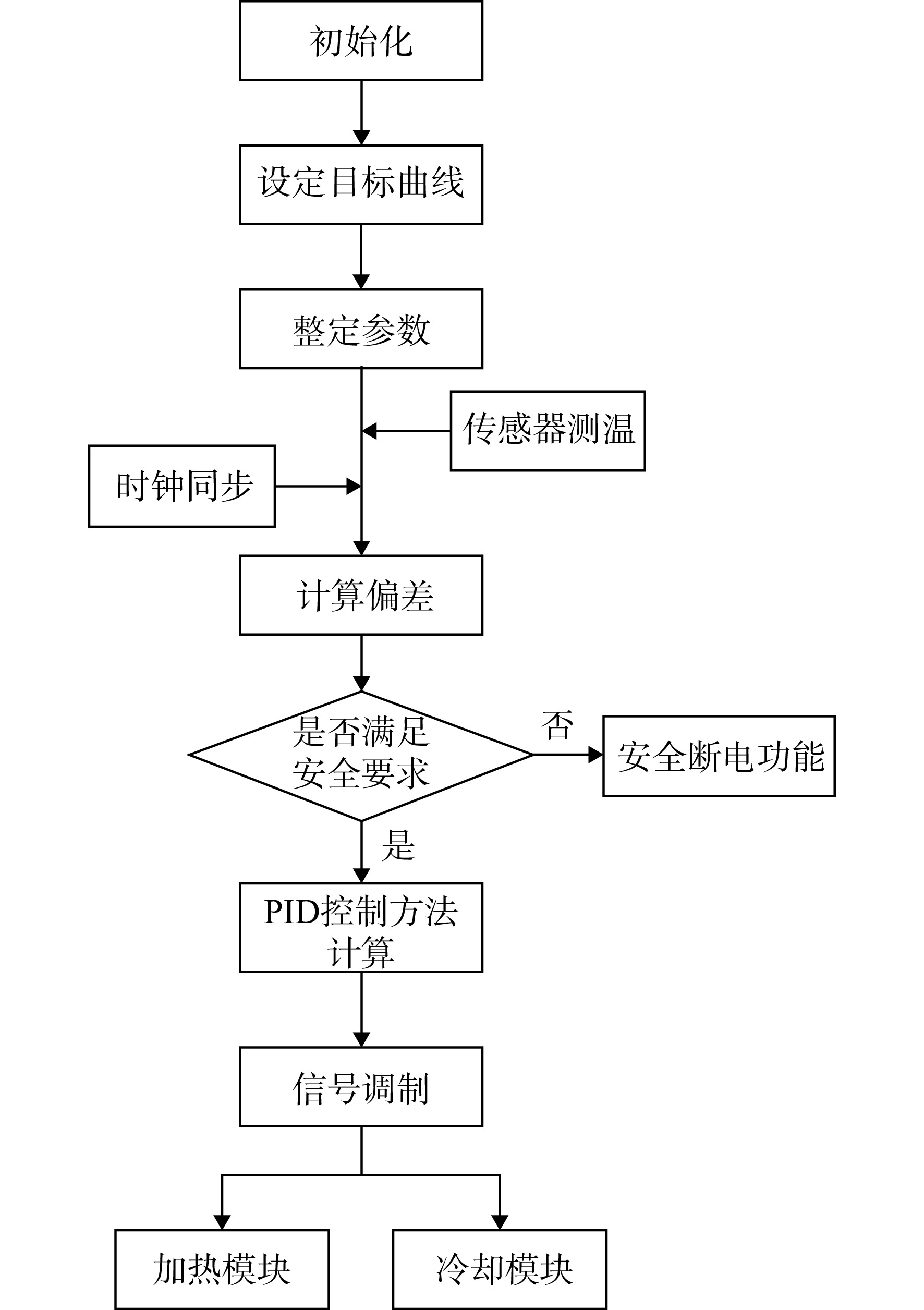
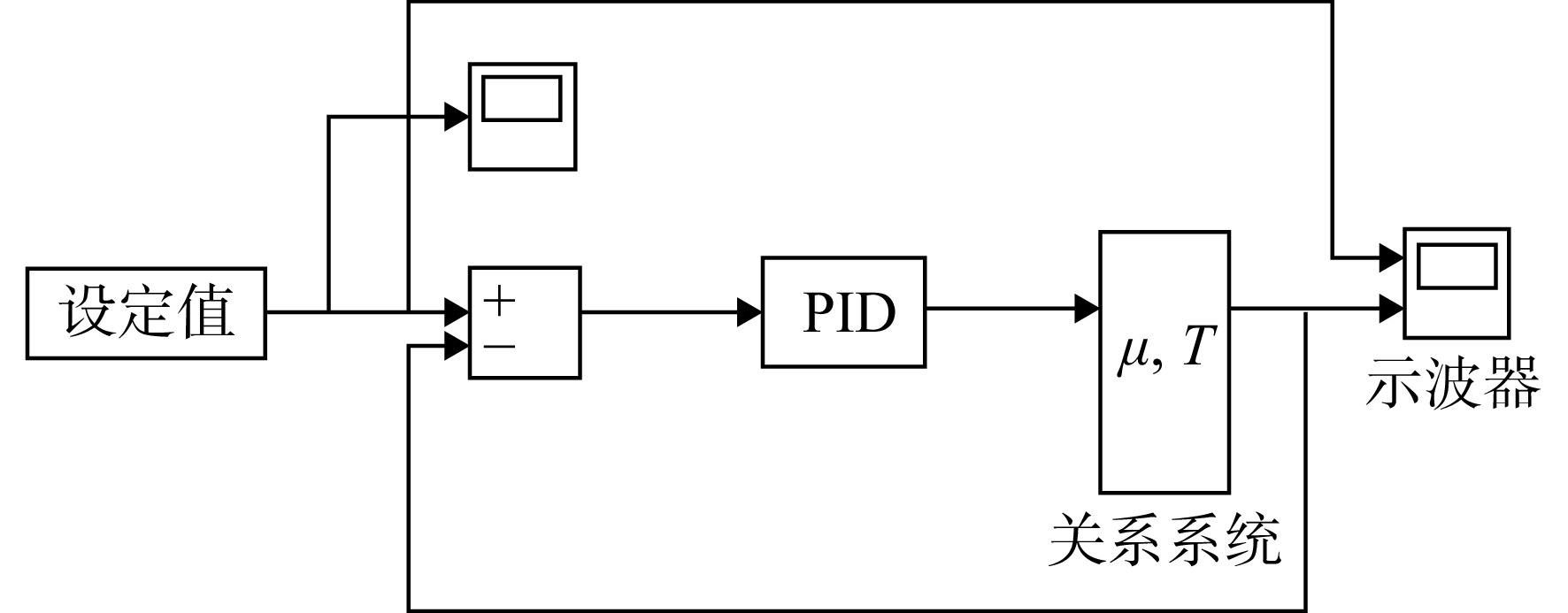
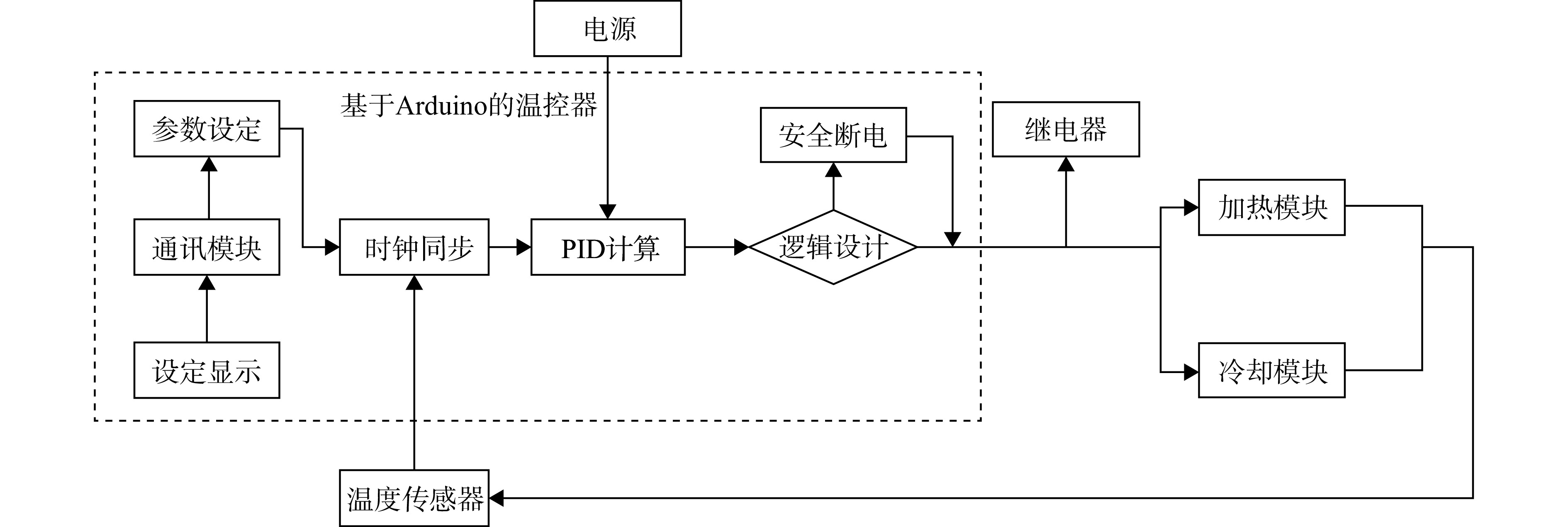
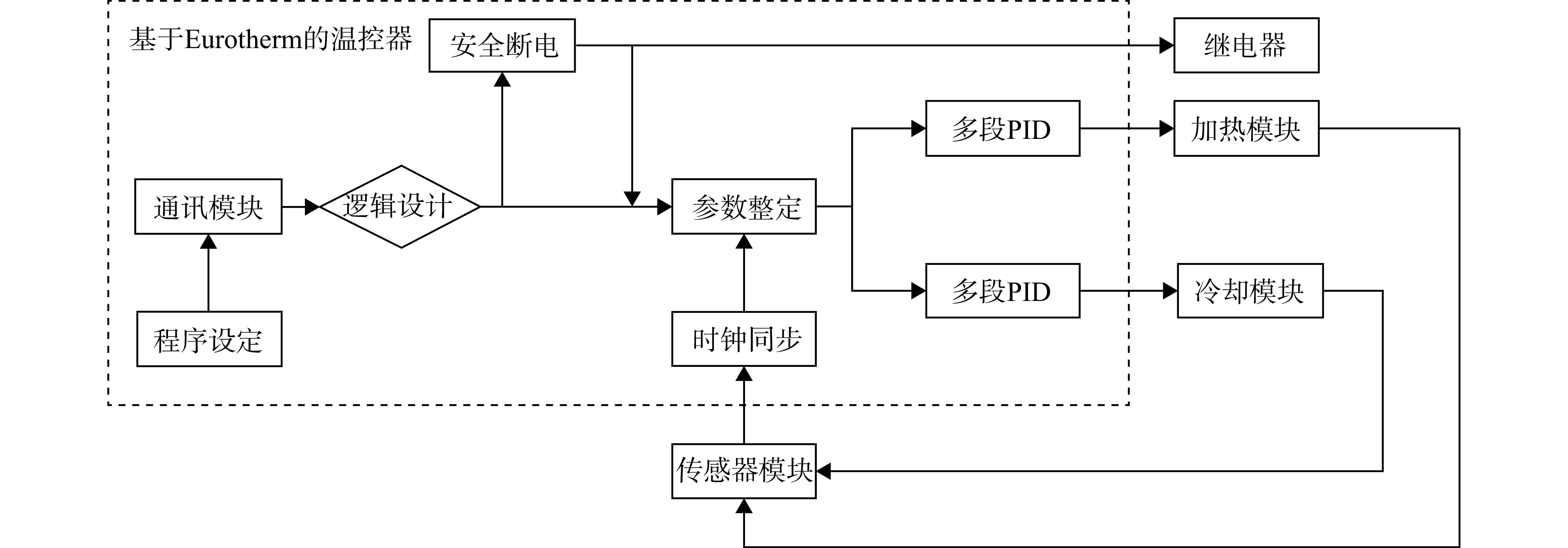
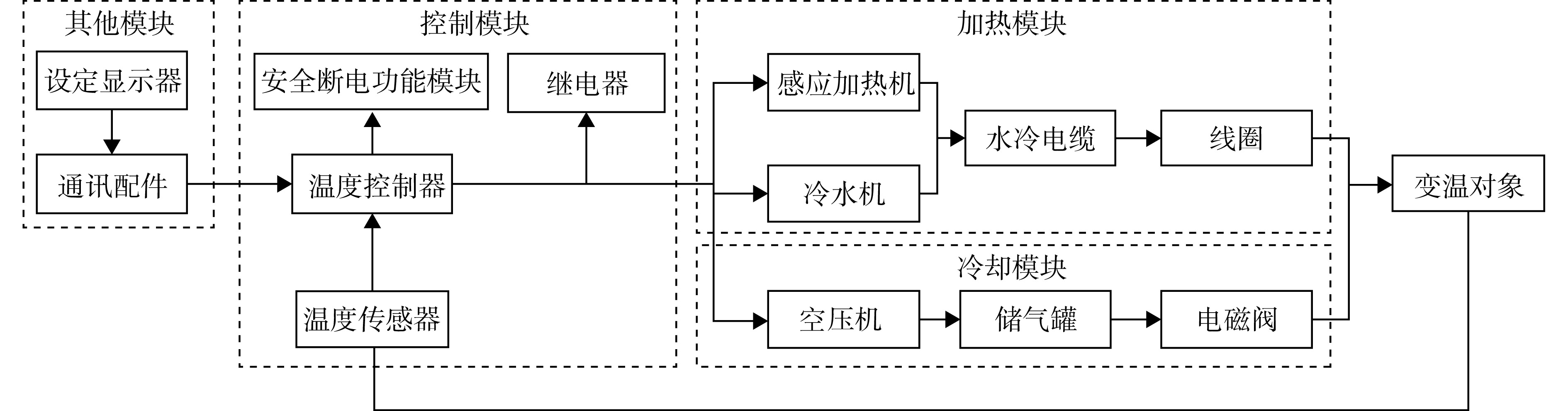
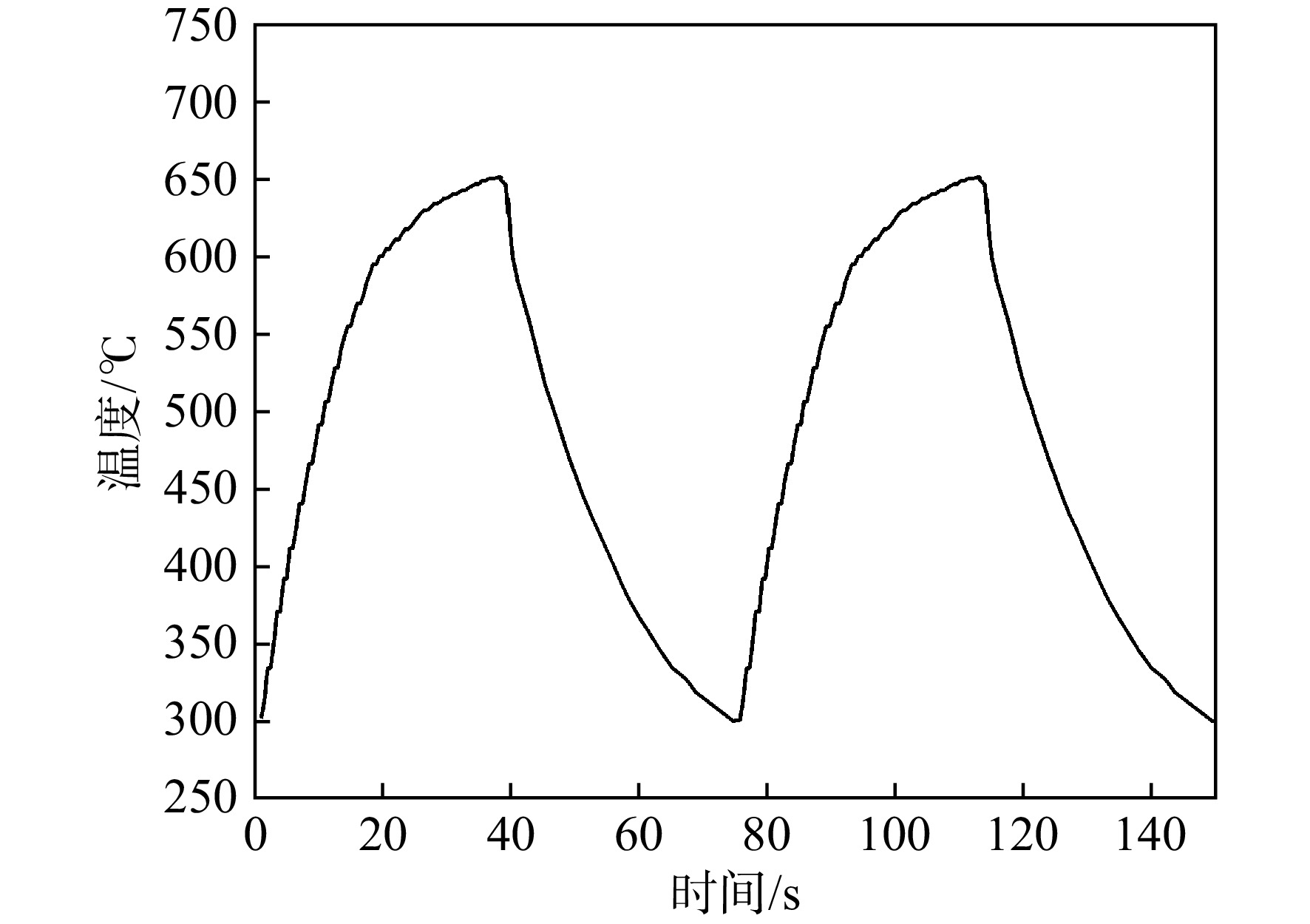
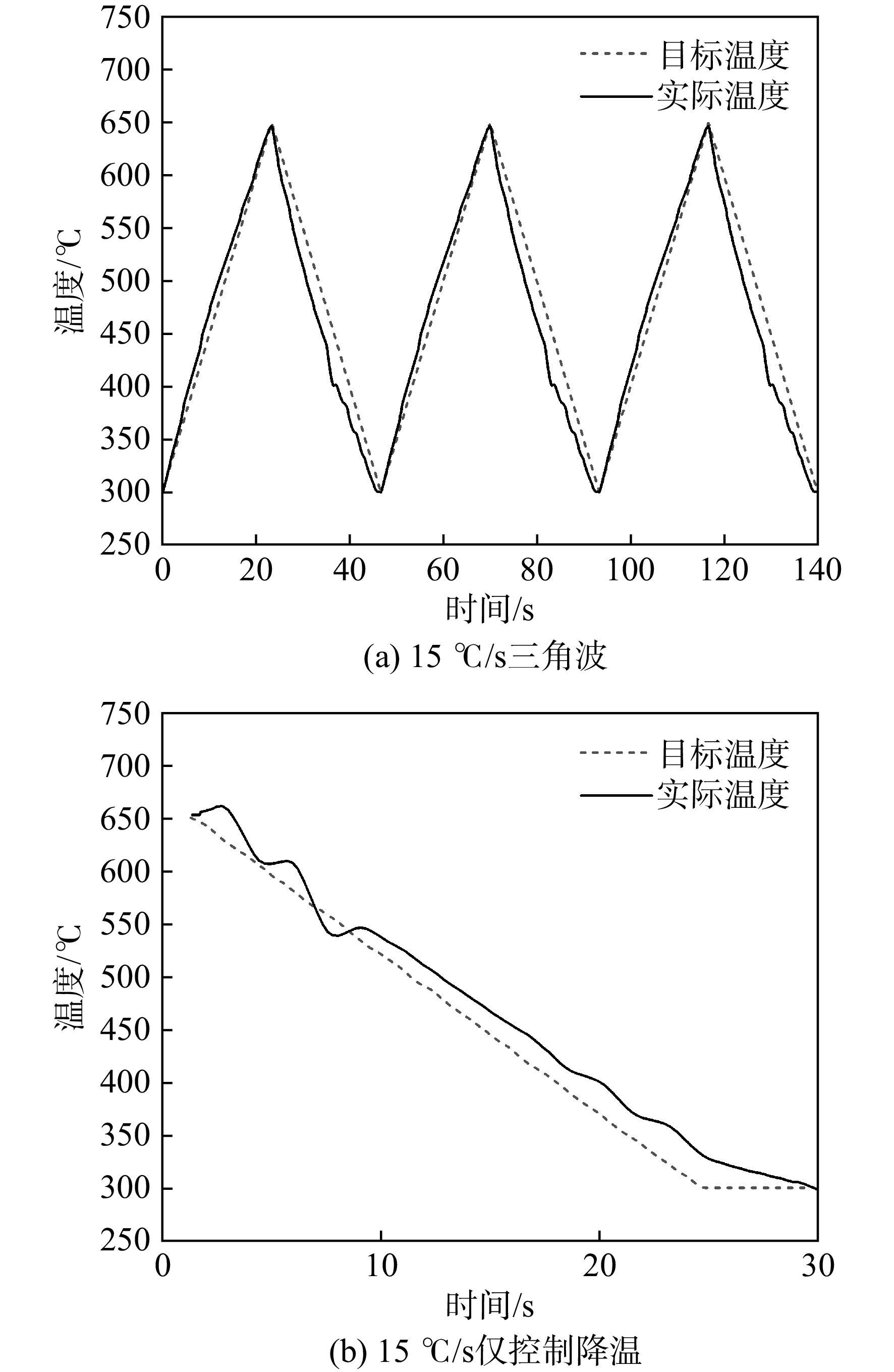
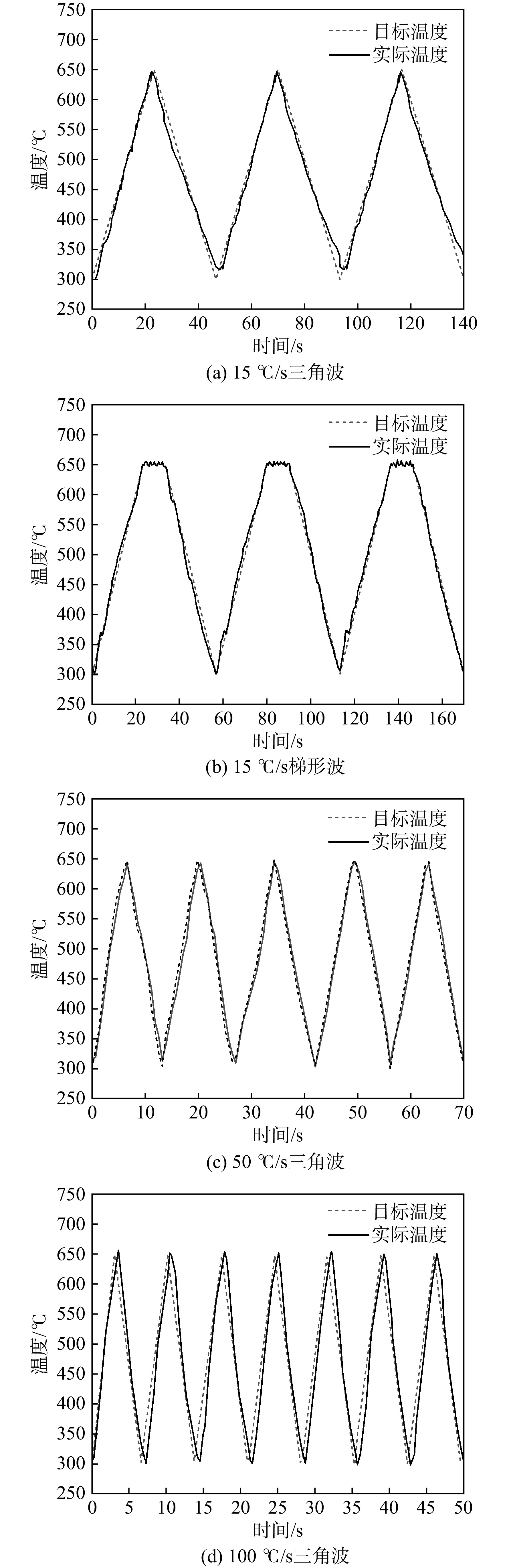
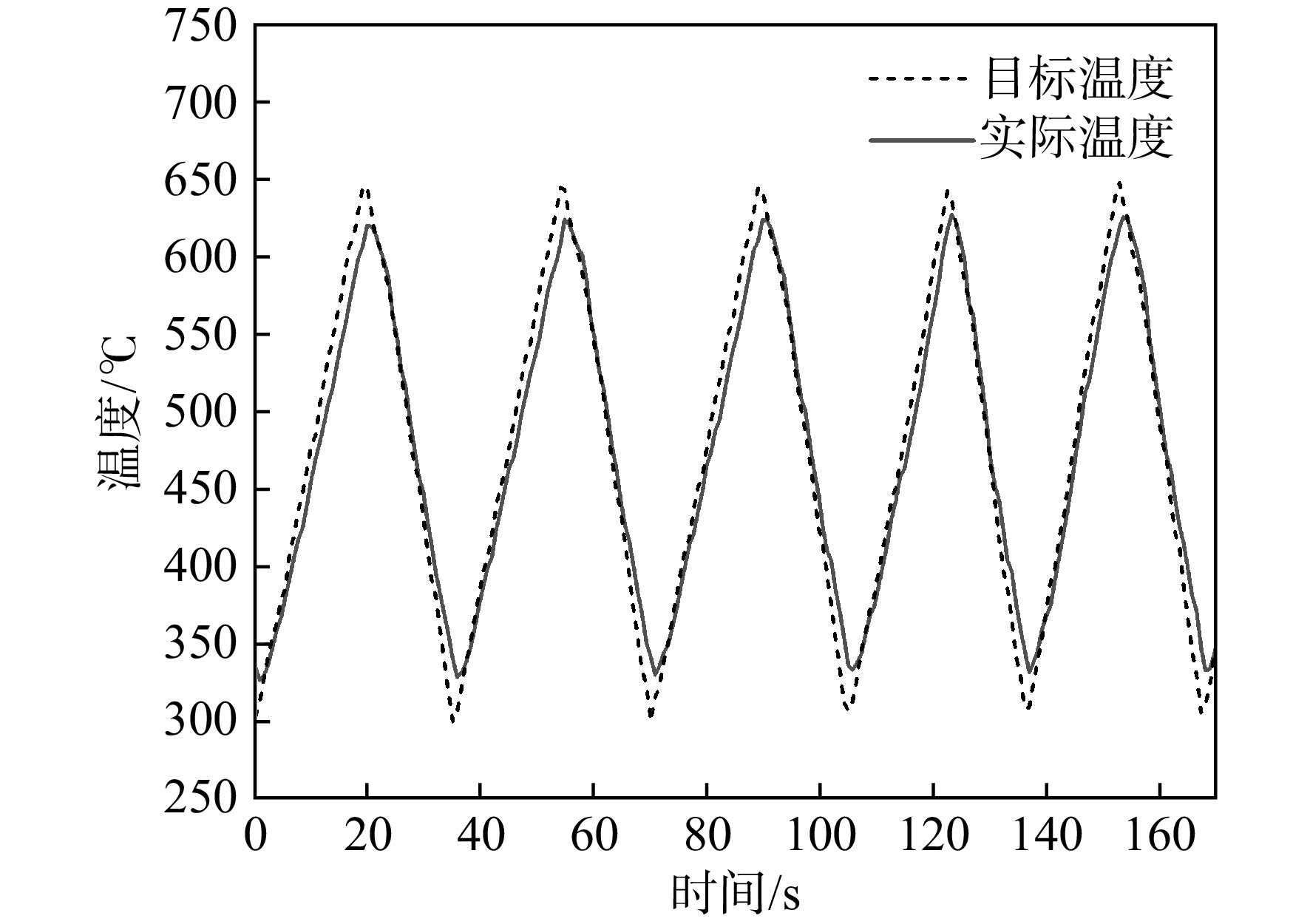
To simulate the intense transient thermal environment of advanced aero-engine in laboratory, an experimental system was constructed to achieve rapid temperature tracking control. Two control methodologies tailored to different temperature variation rates, i.e. single-loop double-acting proportion integration differentiation (PID) control method based on Arduino and double-loop multi-segment PID control method based on Eurotherm, were experimentally investigated and compared. Parameters tuning was validated using Simulink simulations, and the experimental system was utilized to conduct rapid temperature tracking tests. Within the temperature range of 300 ℃ to 650 ℃, both controllers achieved control errors below 6.83% when tracking triangular and trapezoidal wave targets. The Eurotherm-based controller exhibited clear advantages, achieving a maximum temperature change rate of 100 ℃/s.

Nonlinear dynamic forced response method with dry friction applied to shrouded turbine blades
GAO Shimin, TAO Kaihang, YE Hang, LIN Juqiang, LI Haiwang
2025, 40(4): 20240517. doi: 10.13224/j.cnki.jasp.20240517
Abstract:

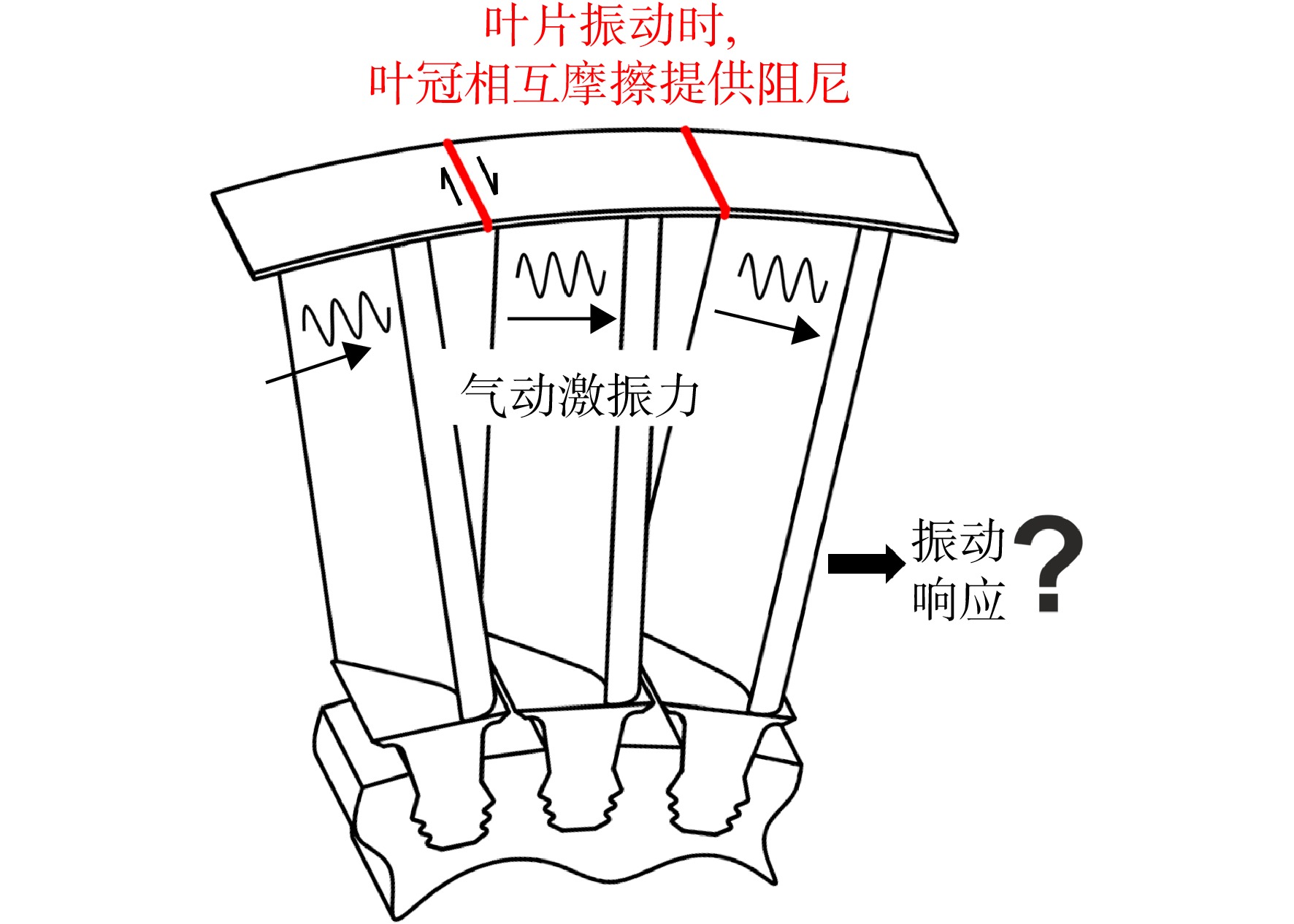
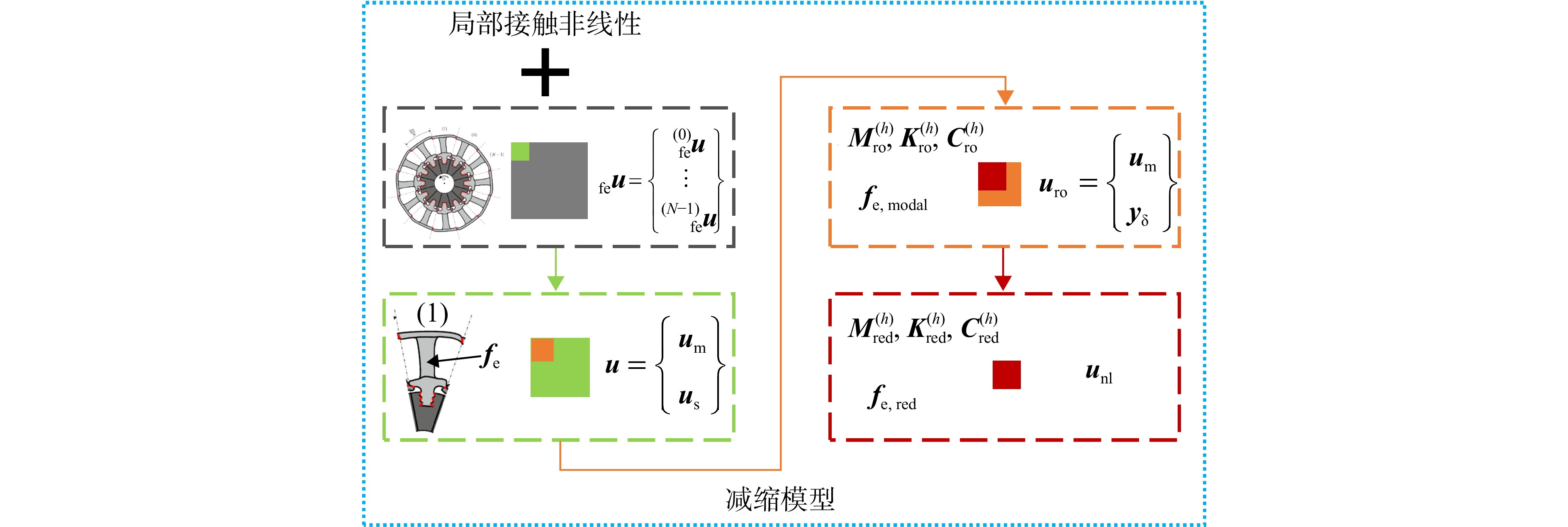
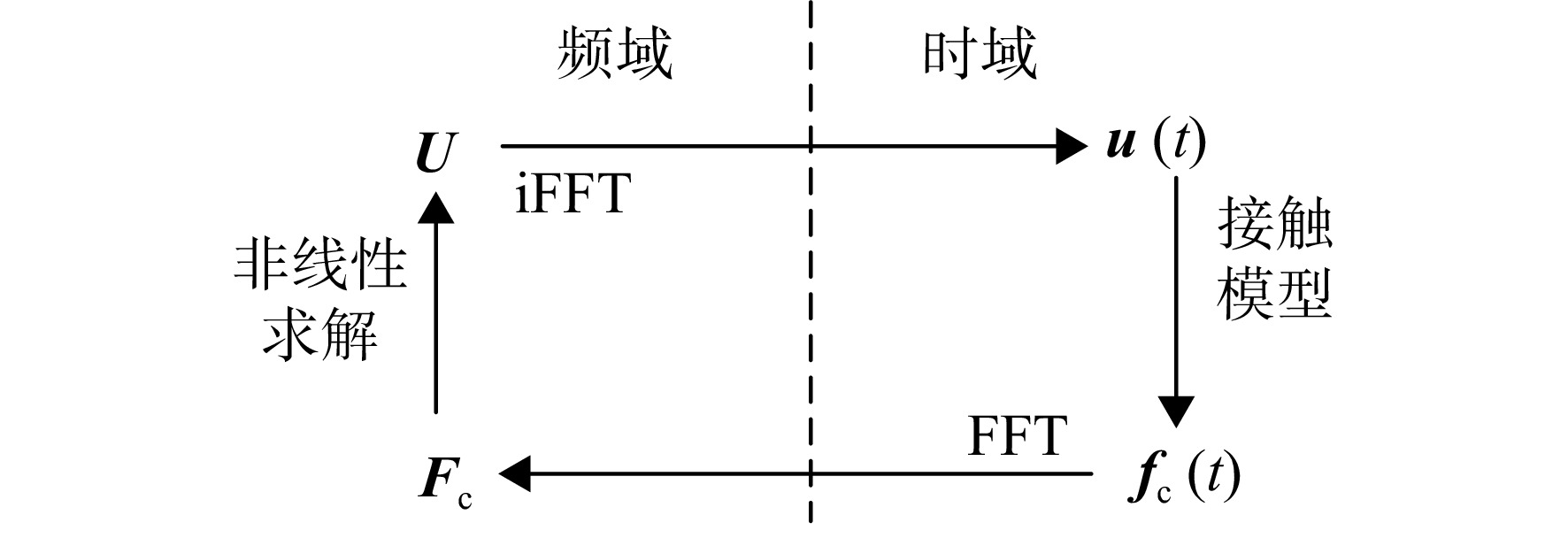
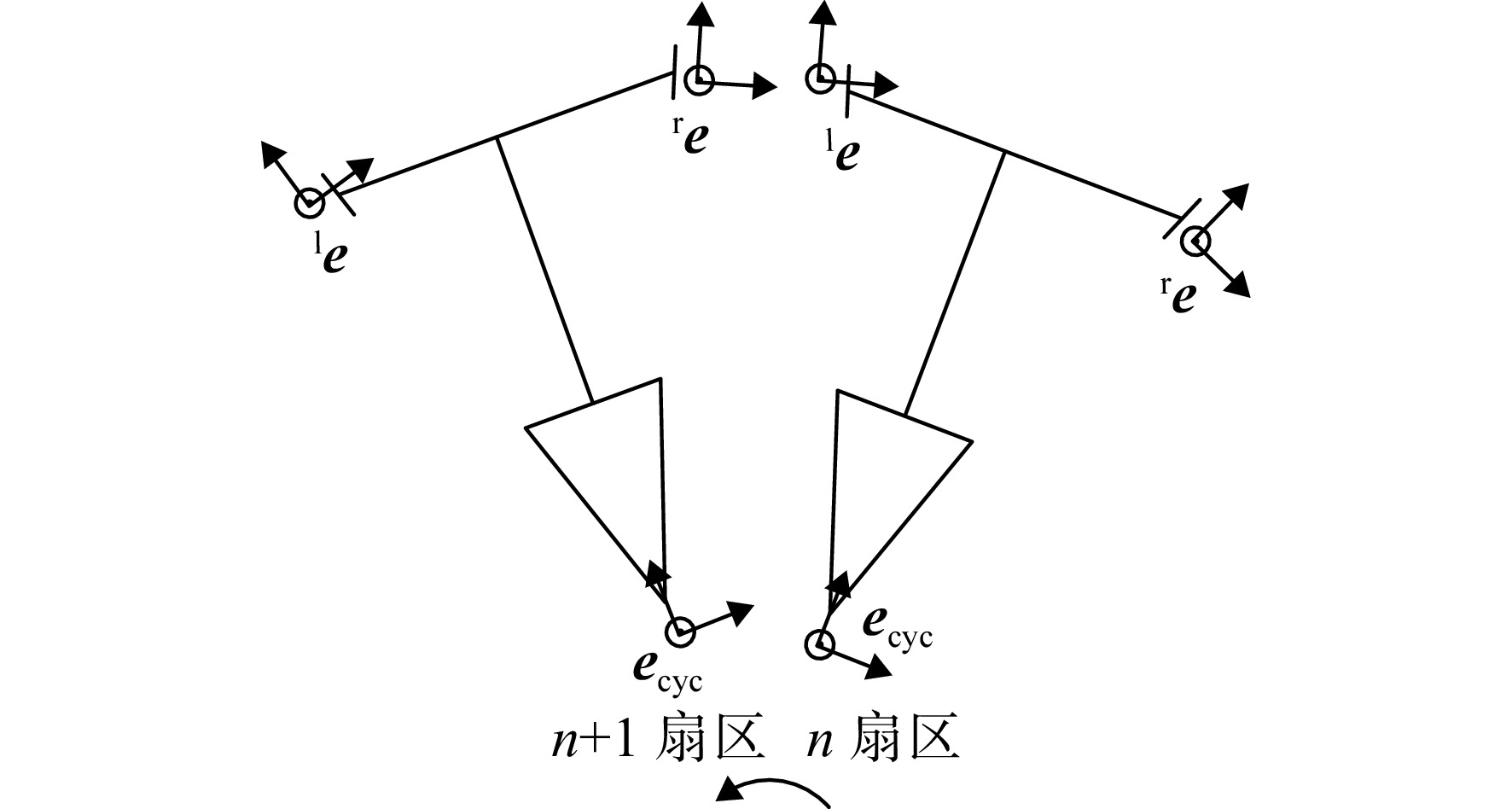
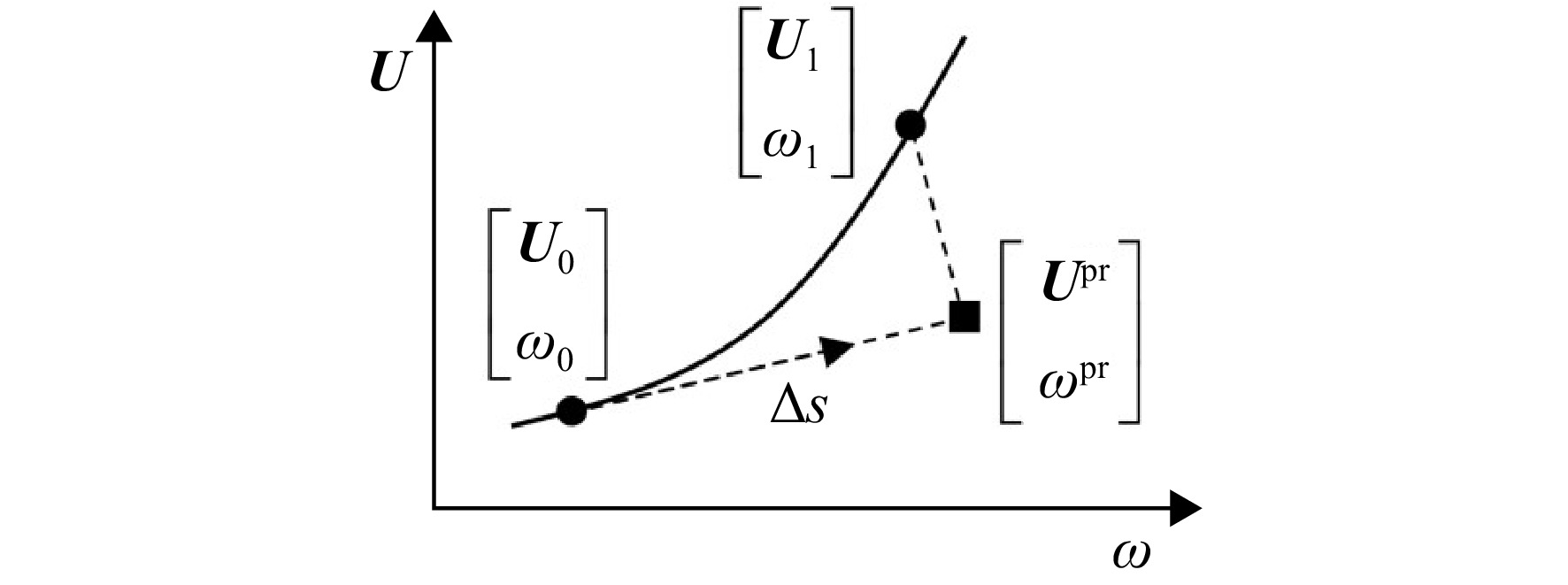
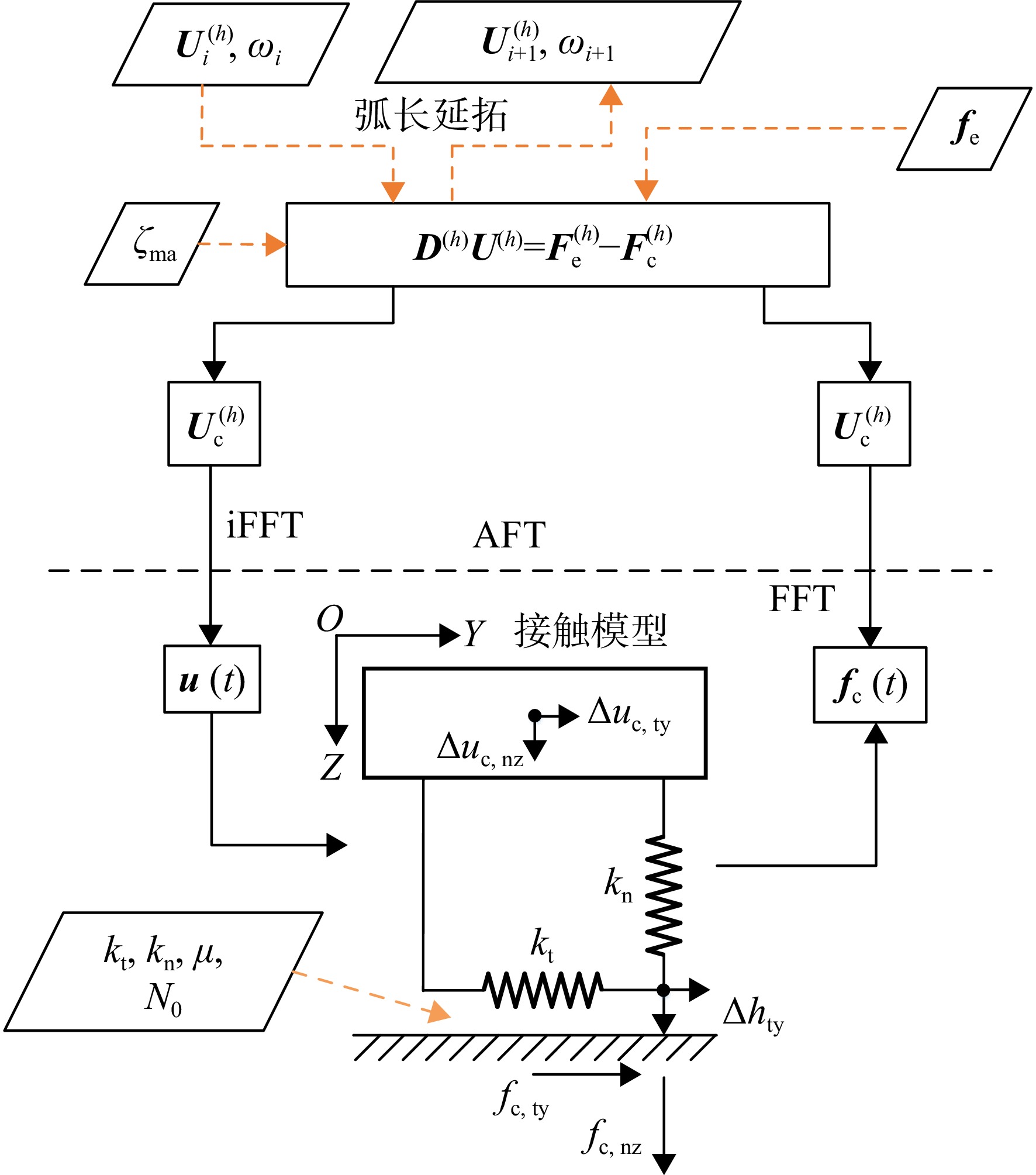
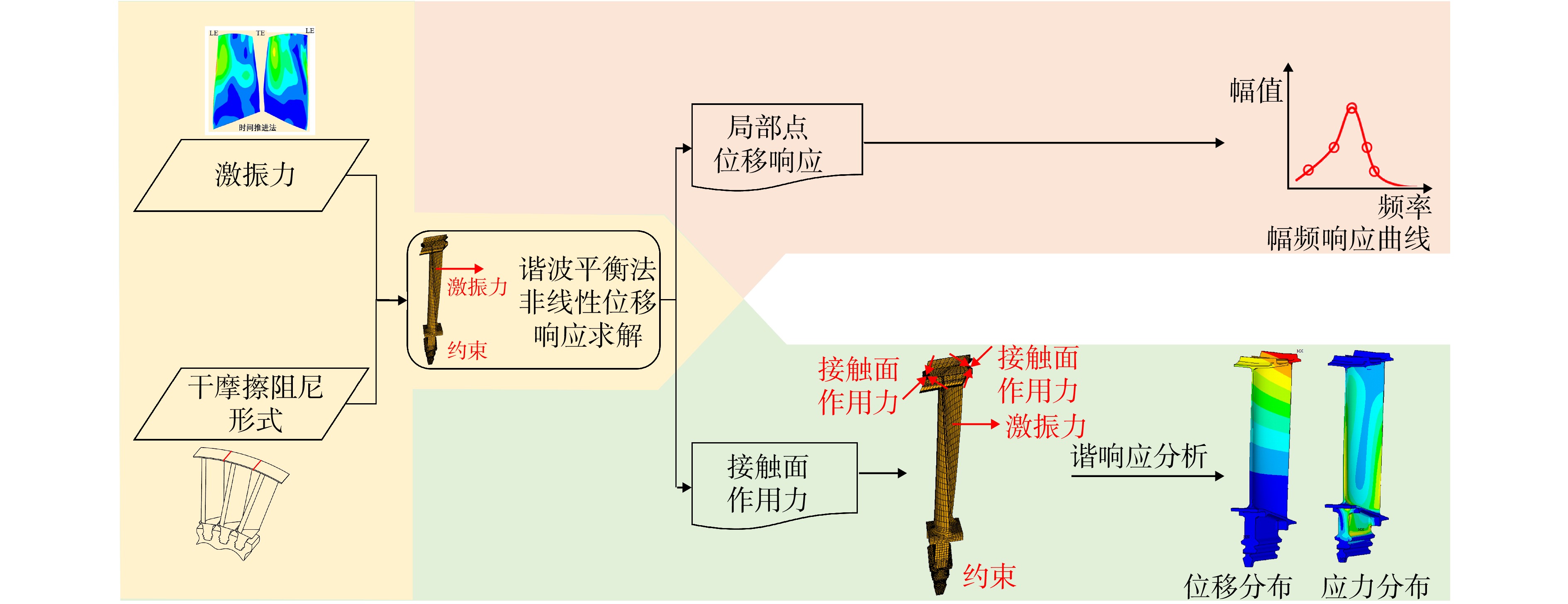
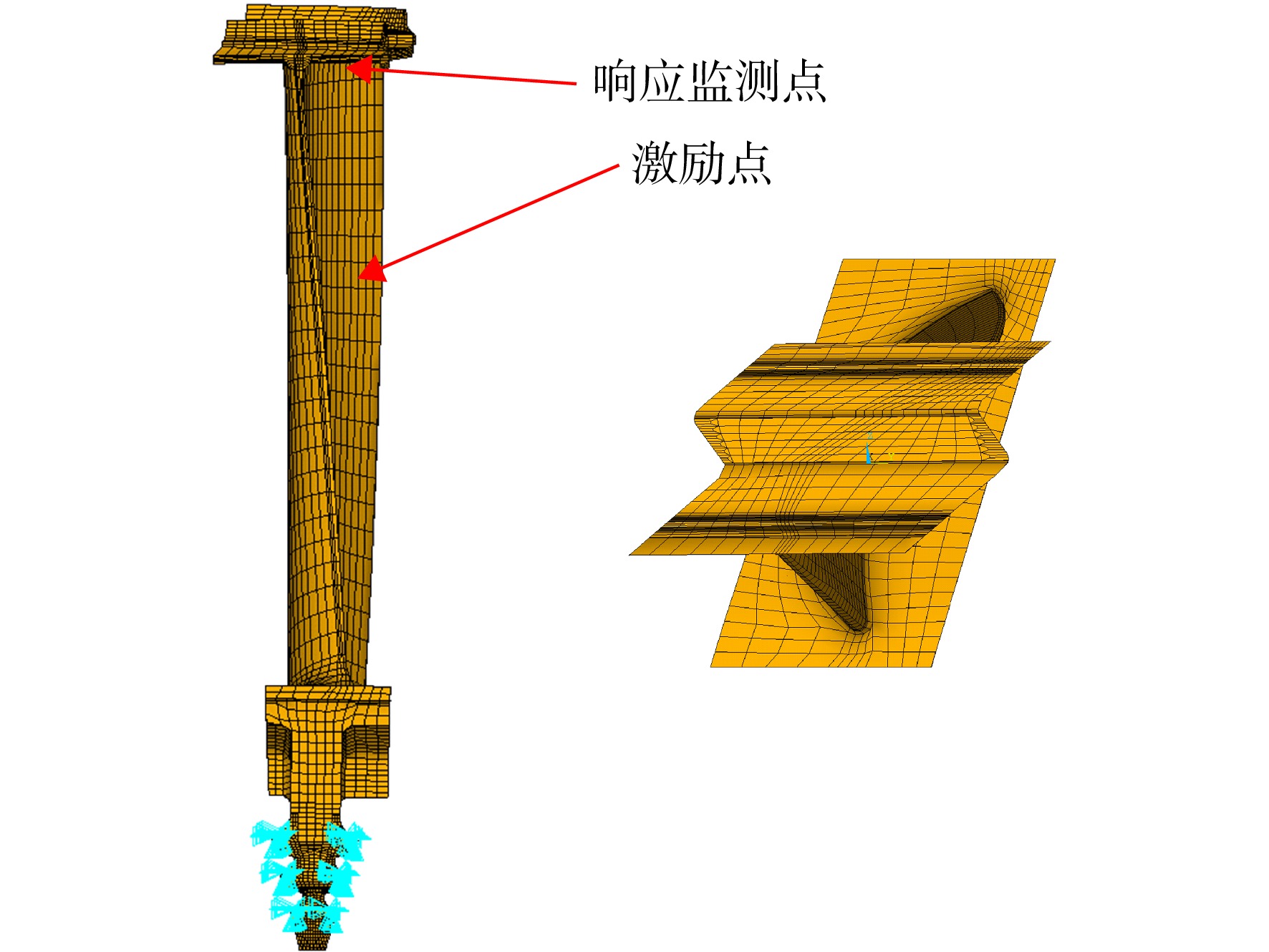
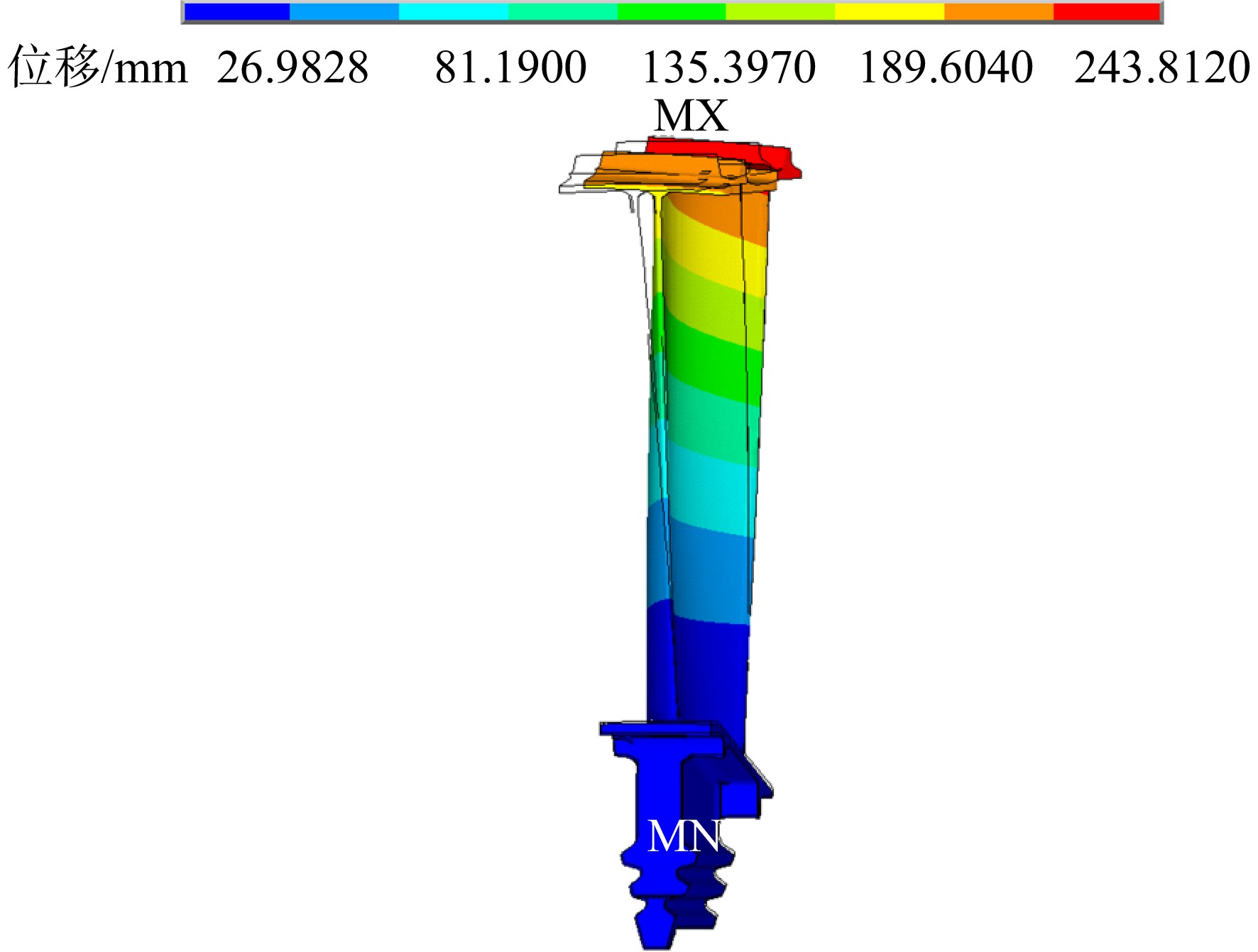
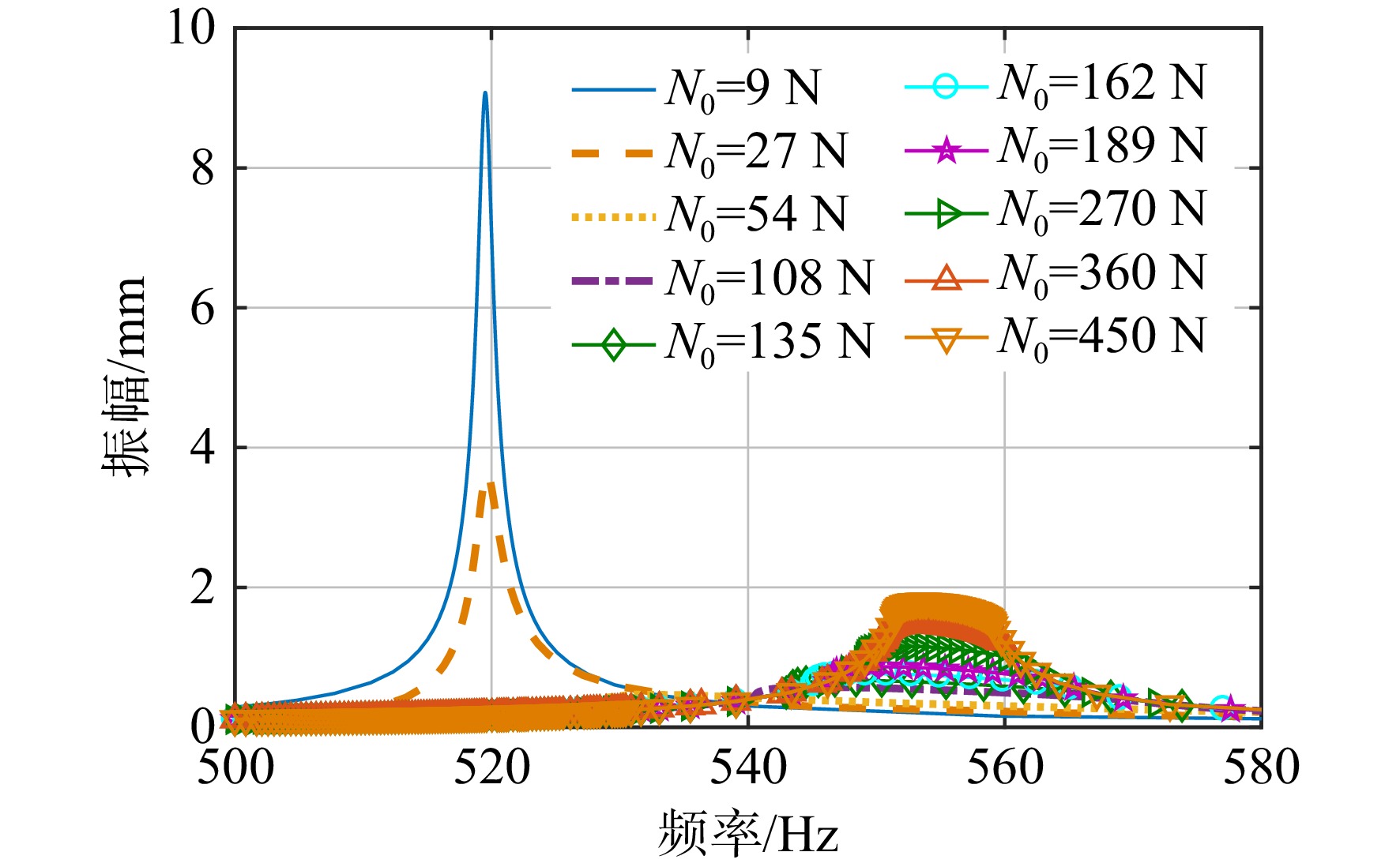
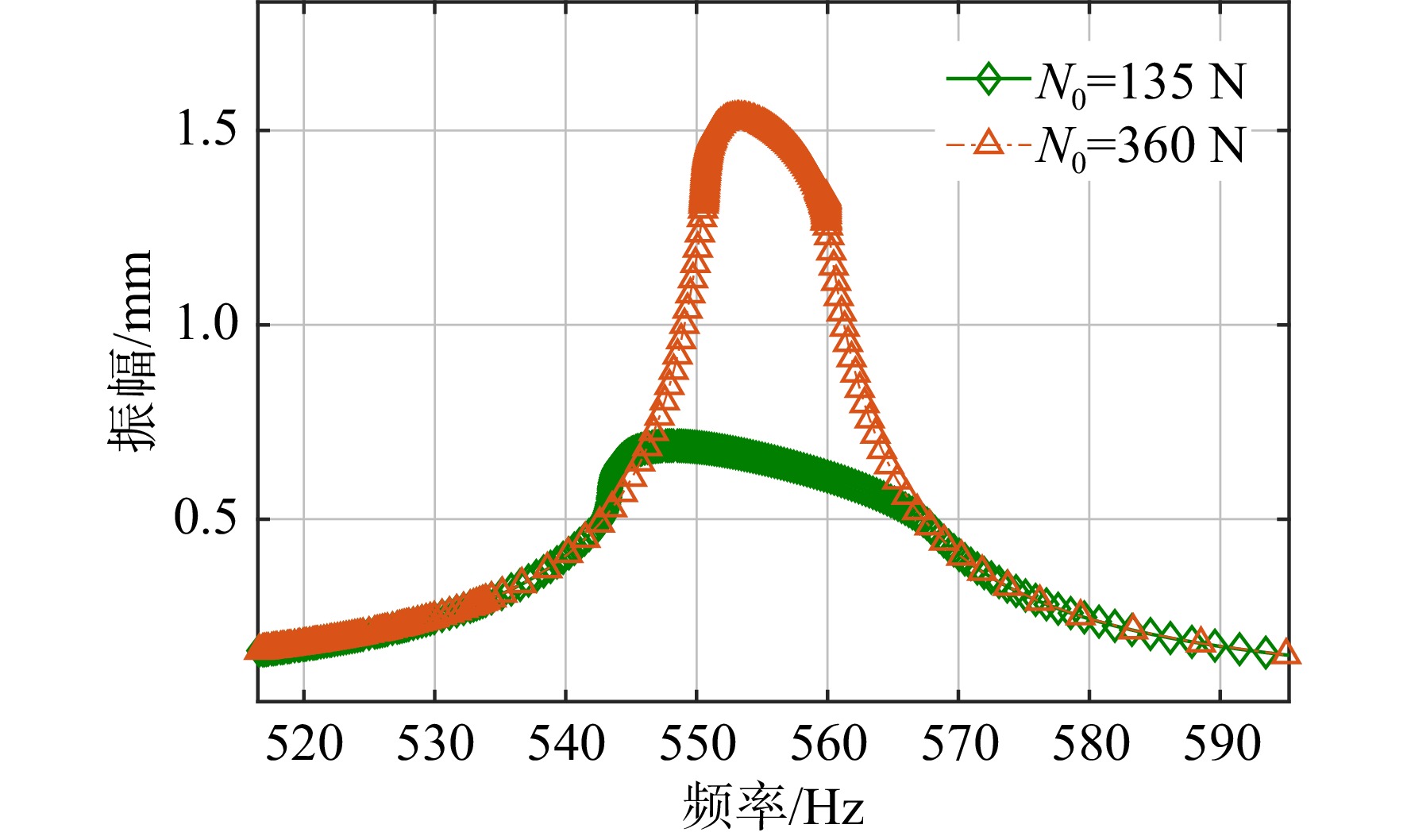
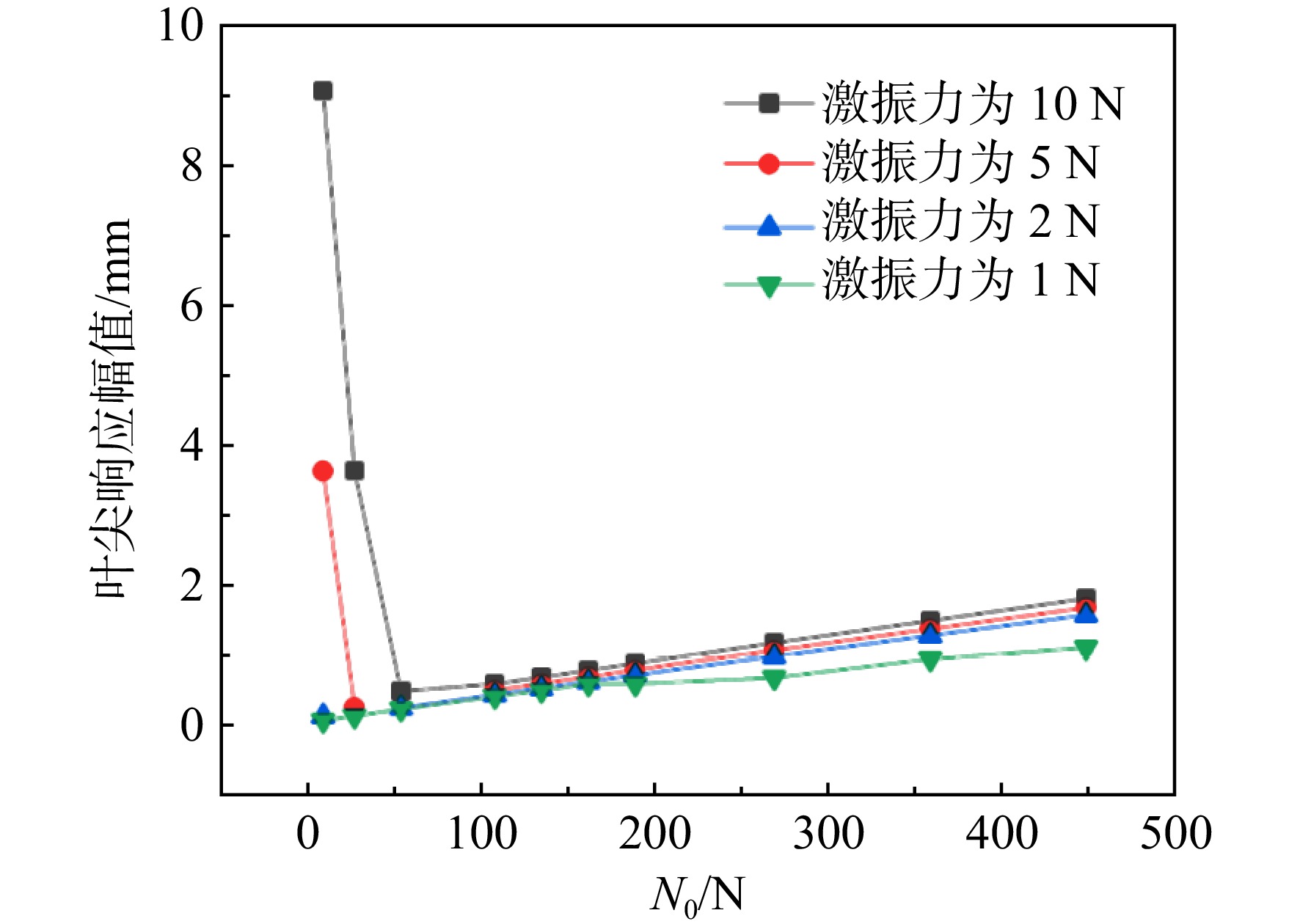
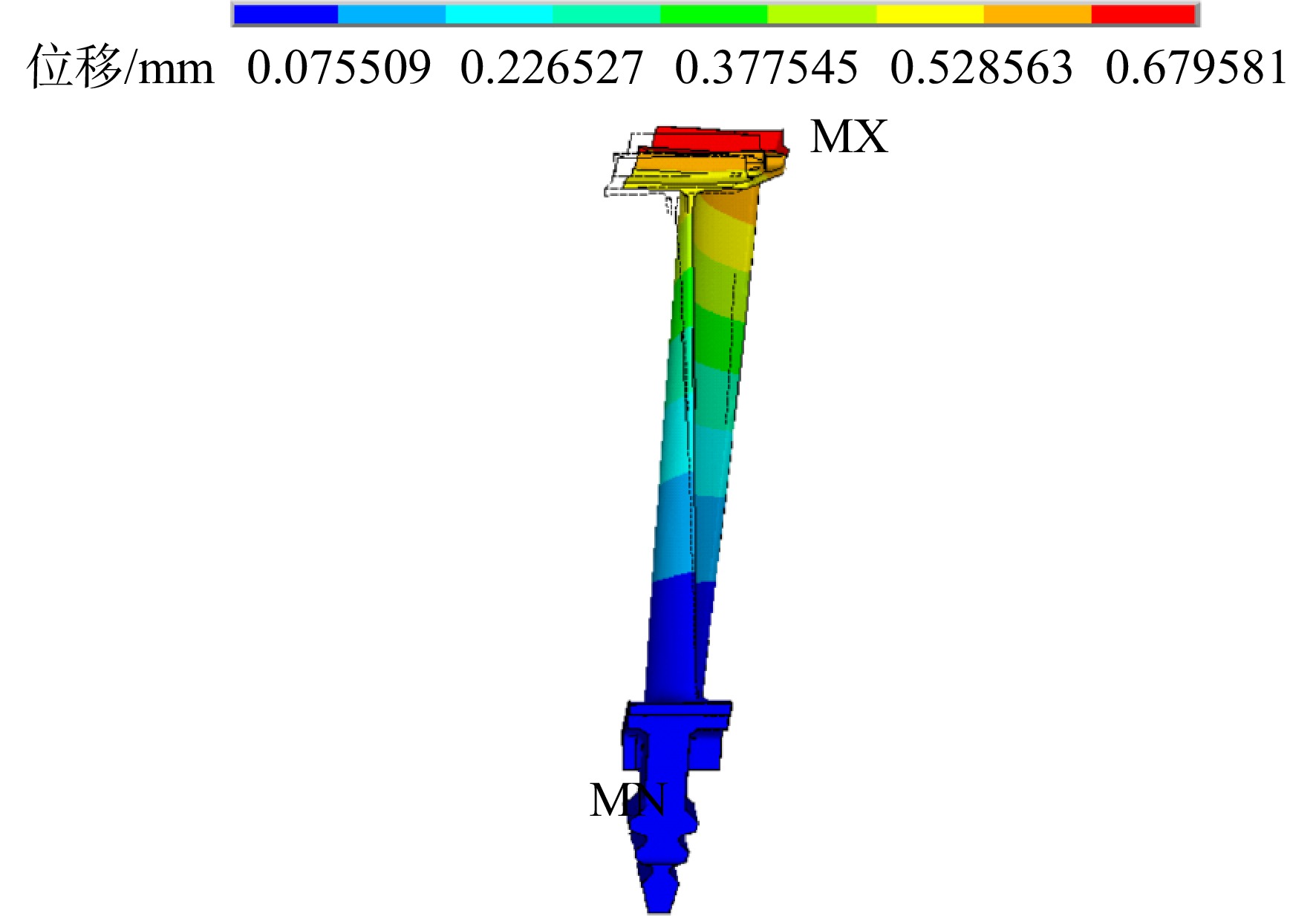
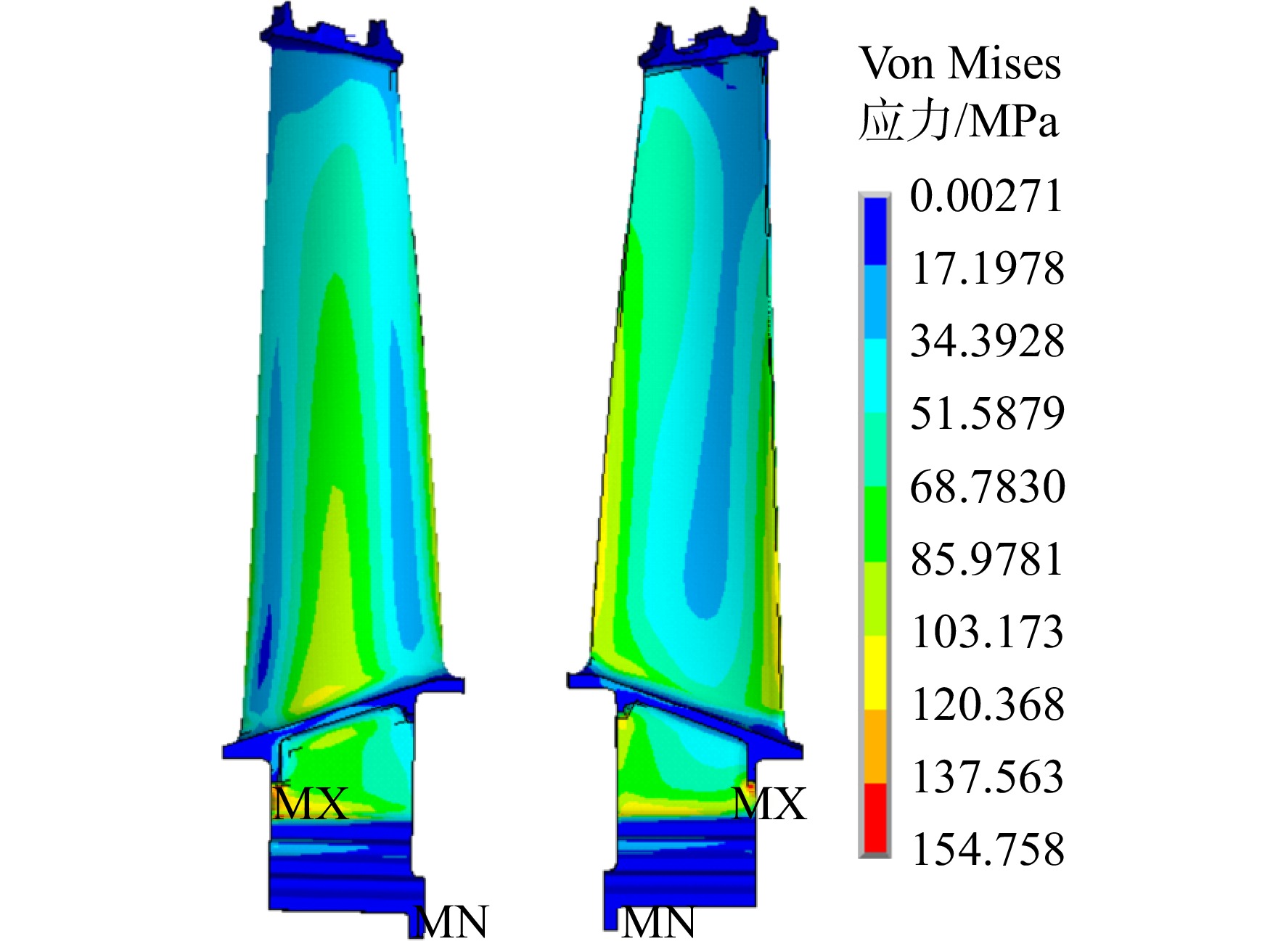
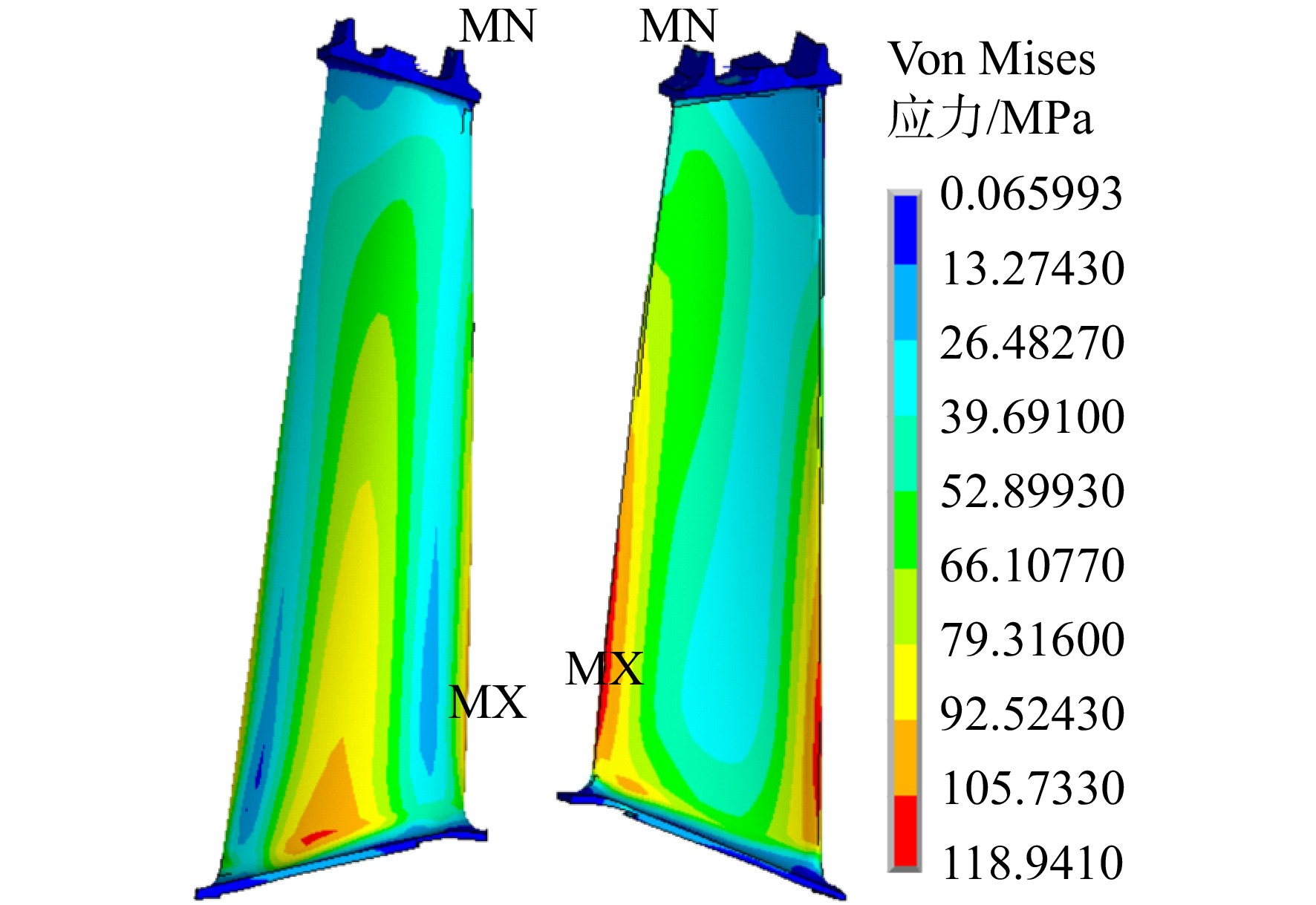
To obtain the stress results related to high cycle fatigue in the vibration-suppression design of shrouded turbine blades, a design method for the dry friction nonlinear stress response analysis of shrouded turbine blades was built by solving the nonlinear steady-state forced response with dry friction through reduced order model, harmonic balance method and alternating frequency-time method. The resonant responses under different initial normal forces and excitations were obtained for the zig-zag shroud turbine blade. The results indicated that an increase in initial normal force could cause typical "tilting" and soft characteristics in amplitude frequency response function. Under the same exciting force, the resonance amplitude showed a trend of first decreasing and then increasing with the increase of initial normal force. Under the same normal force, as the exciting force increased, the response amplitude showed a trend of first rapidly growing and then stabilizing. The first-order mode participation coefficient was much higher than the others, indicating that the vibration of shrouded blades was mainly represented by the first-order mode. Maximum resonance stress with nonlinear contact forces of shrouded turbine blade body was 118.94 MPa.

Flutter prediction based on various deep learning models for compressor swept-curved blade
LIU Yupeng, LIU Yong, LI Yunzhu, XIE Yonghui, ZHANG Di
2025, 40(4): 20240538. doi: 10.13224/j.cnki.jasp.20240538
Abstract:
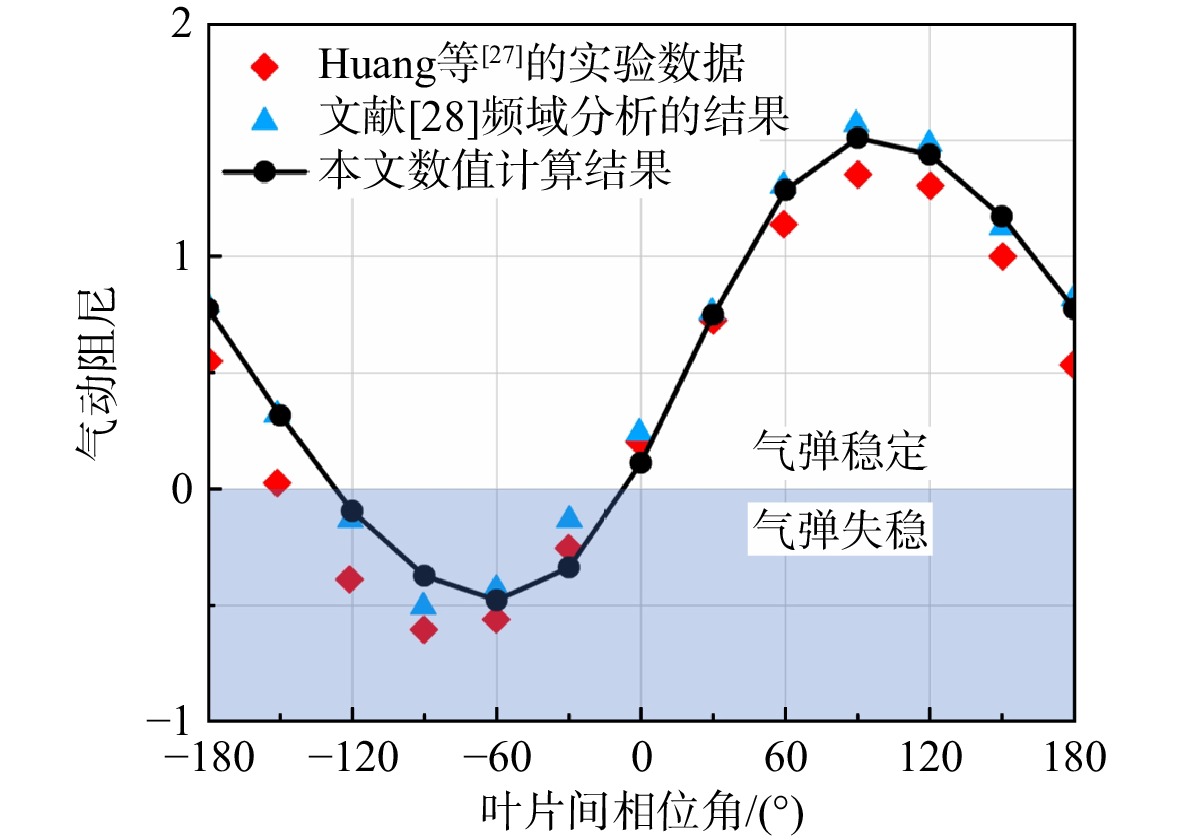
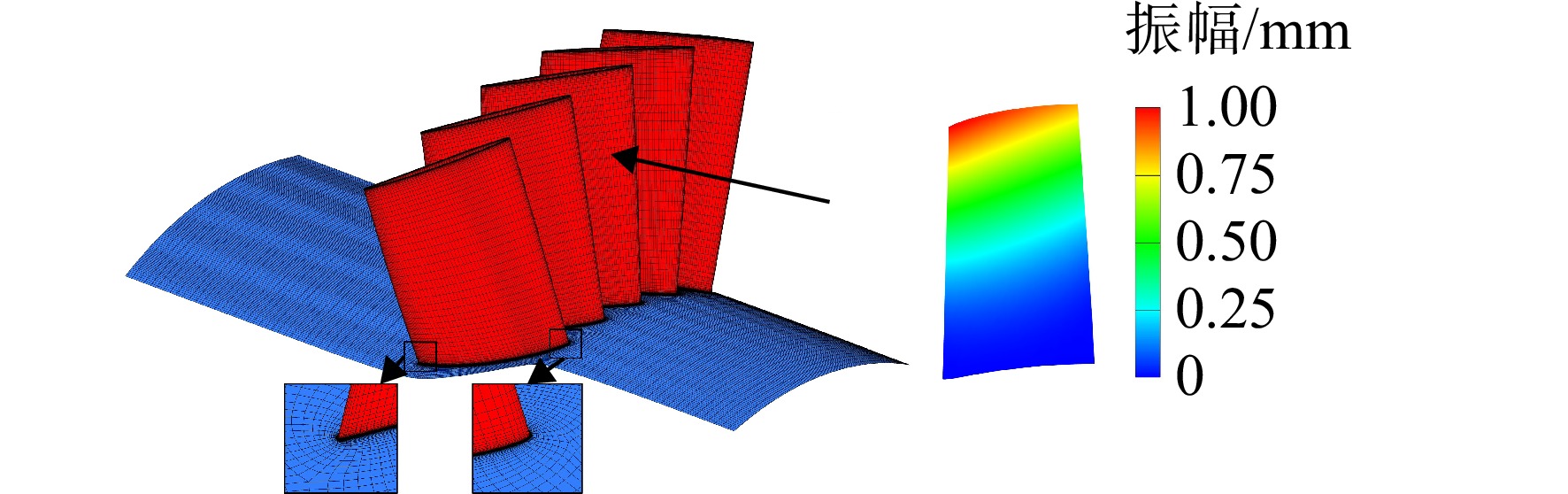
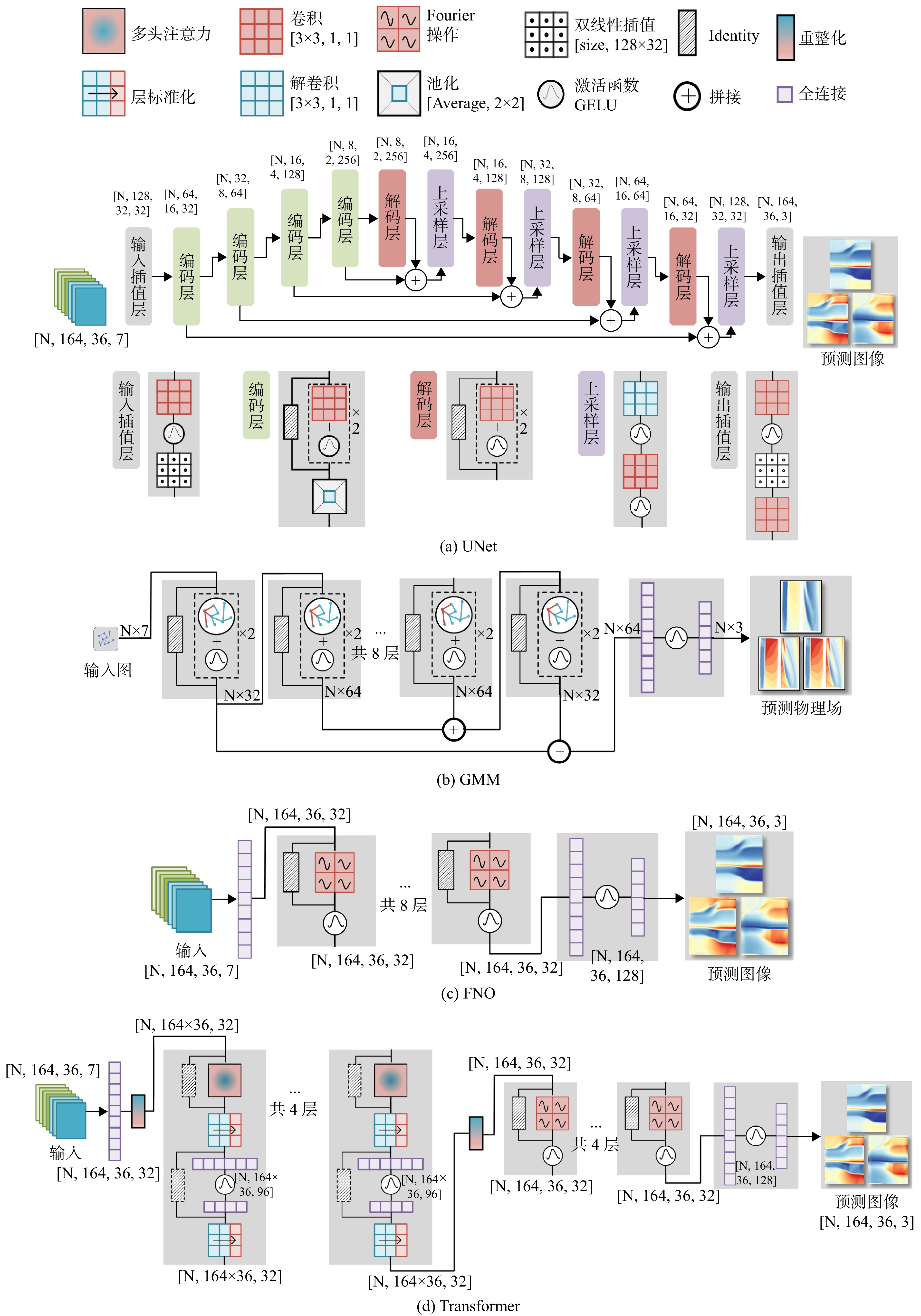
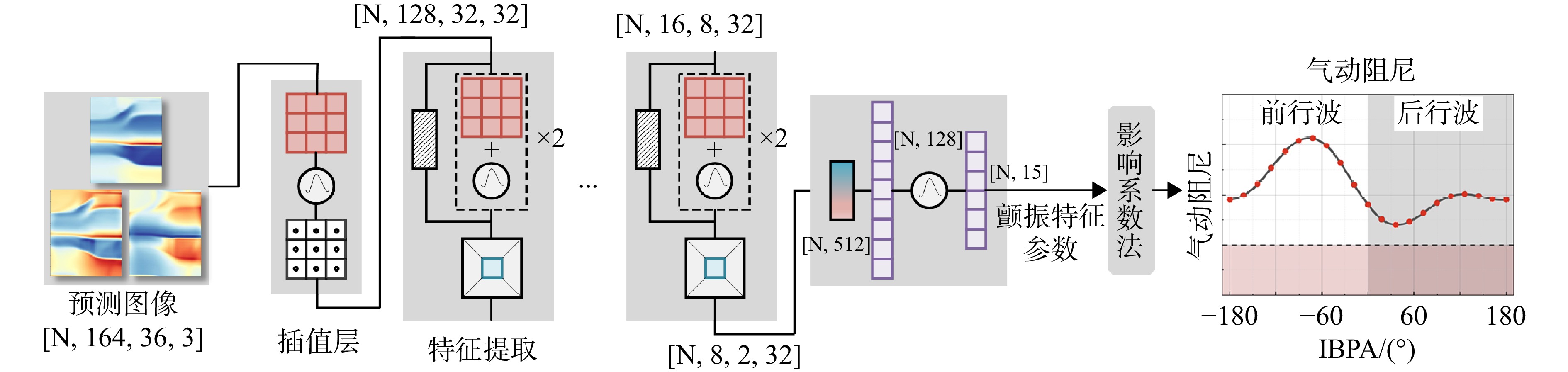
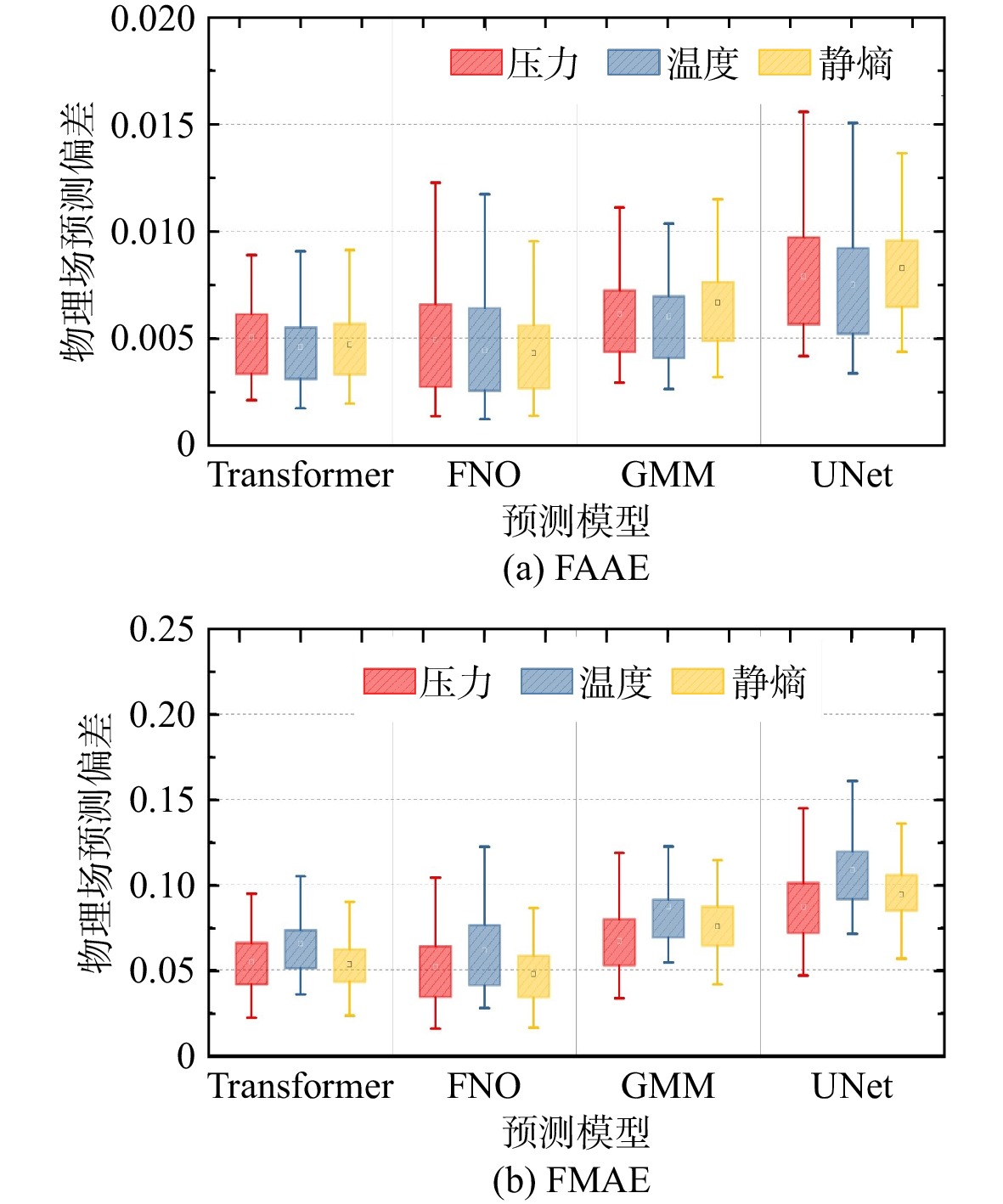
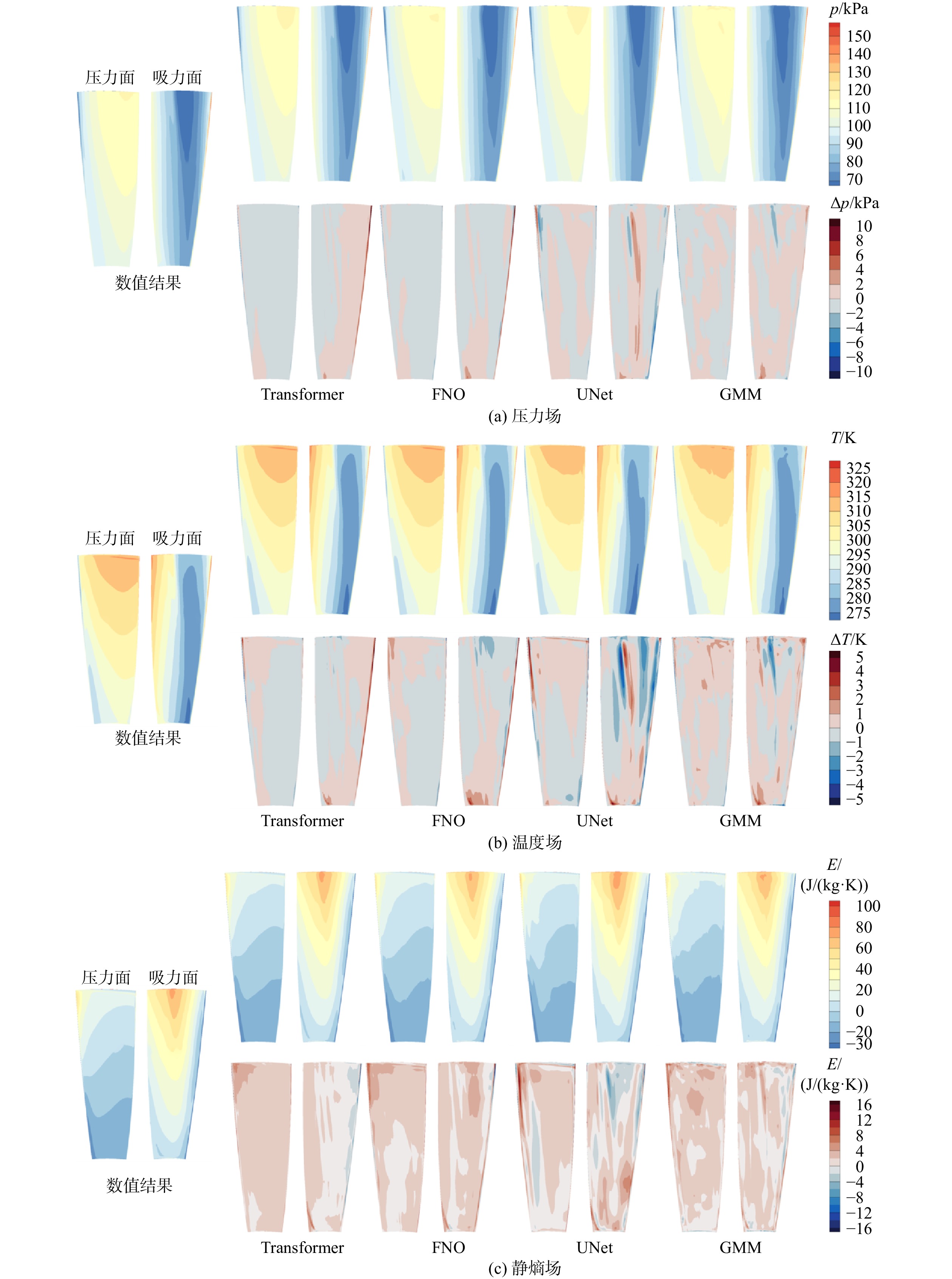
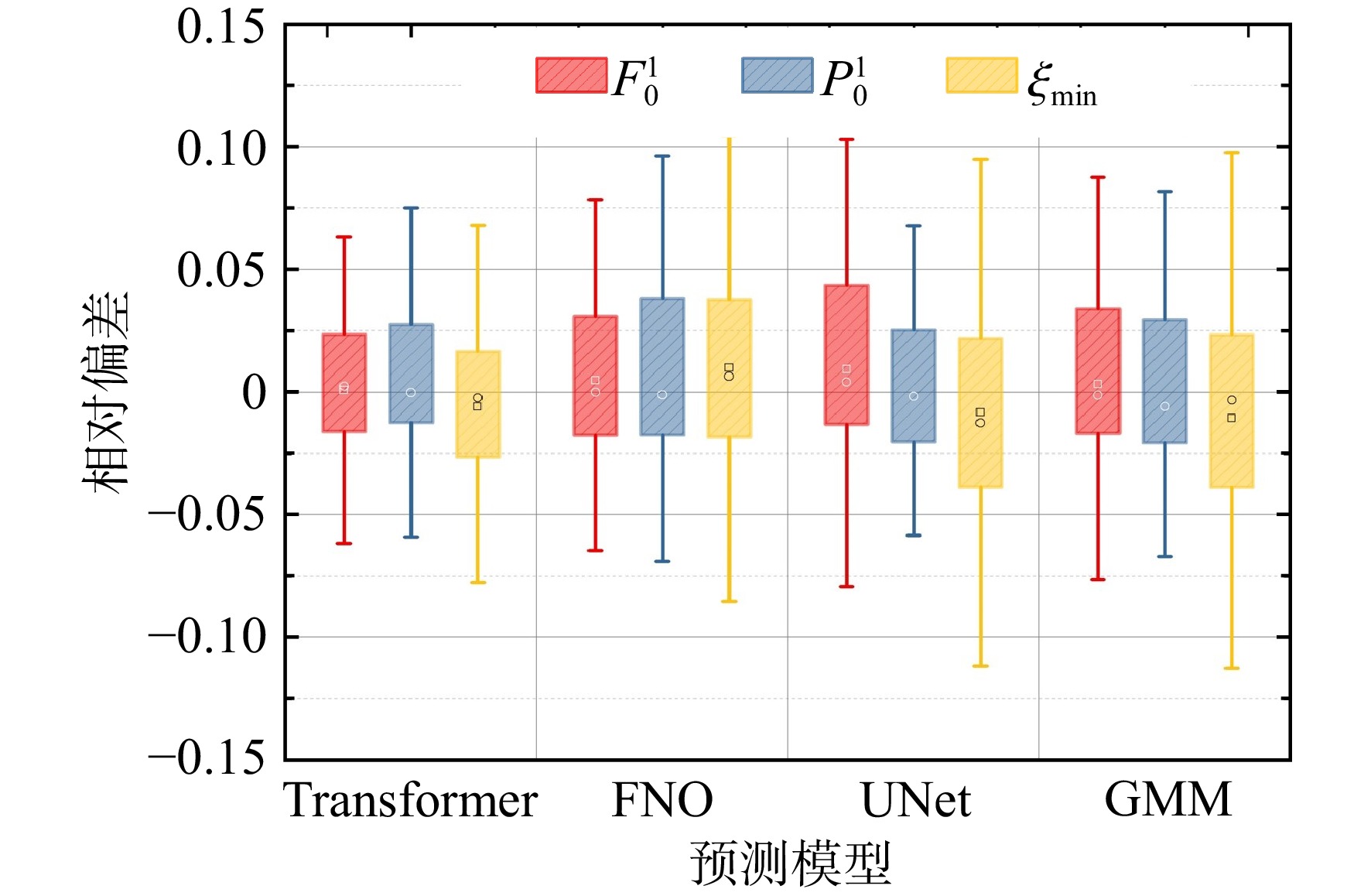
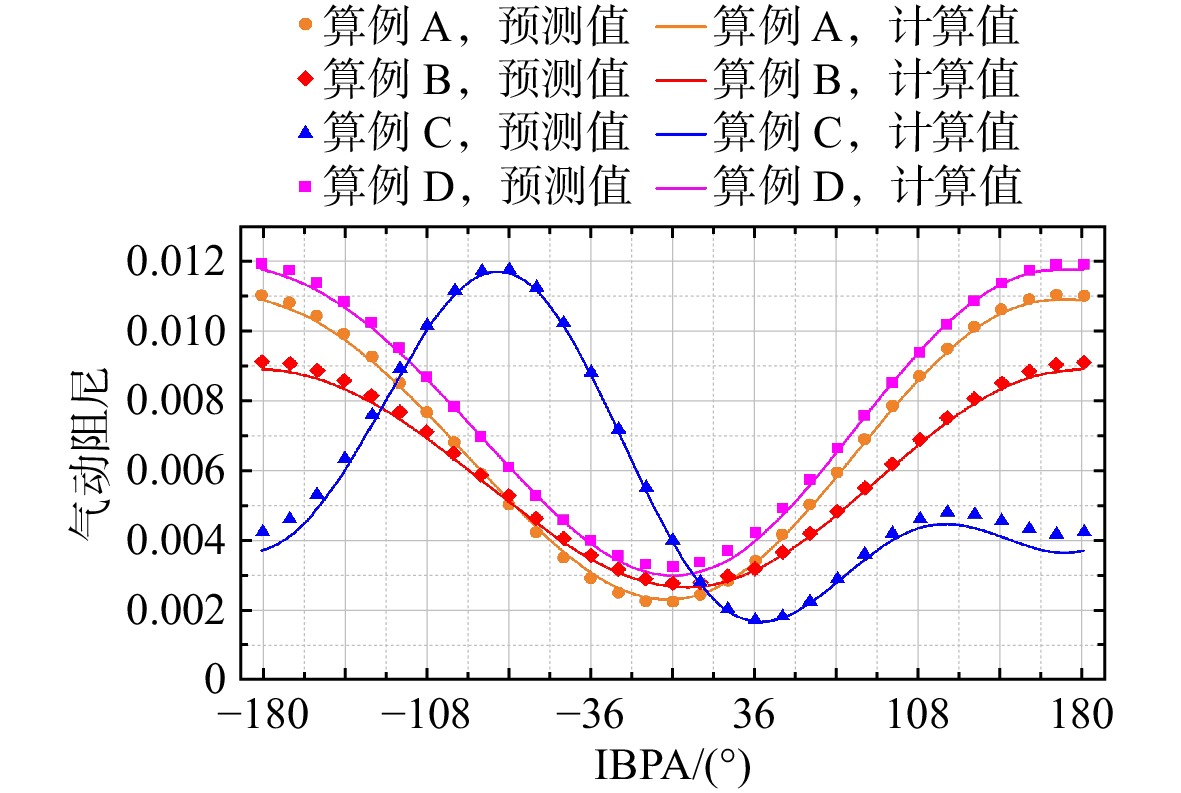
In view of the problem of blade flutter caused by unsteady fluid-solid coupling in compressor, a multi-physical field prediction and flutter characteristics identification method based on deep learning was proposed. A set of end-to-end prediction methods from the design variables of compressor blade to the three-dimensional physical field parameters of blade surface and then to flutter characteristics were constructed by using various deep learning operators. Four deep learning models, UNet, FNO, Transformer and GMM, were compared respectively. Among them, the Transformer model combined with multi-head linear self-attention mechanism and Fourier layer had higher prediction accuracy in the prediction of physical field distribution and aerodynamic damping coefficient recognition tasks of three-dimensional blade surface. For Transformer model, the average relative deviation of the physical field prediction was about 0.005, and the maximum relative deviation was about 0.05. The relative deviation of the minimum prediction of the flutter parameters and the aerodynamic damping was within ±7.5%, of which more than 50% of the relative deviation fell within ±2.5%. The average absolute value of the relative deviation was less than 3%, and the prediction of 32 examples can be completed within 7 milliseconds.

Experimental study on the propagation characteristics of rotatingdetonation waves in curved channels under the influence of axial lateral expansion
CAO Liwen, WANG Ke, HU Longyu, GAO Jie, SHI Haoning, FAN Wei
2025, 40(4): 20240502. doi: 10.13224/j.cnki.jasp.20240502
Abstract:

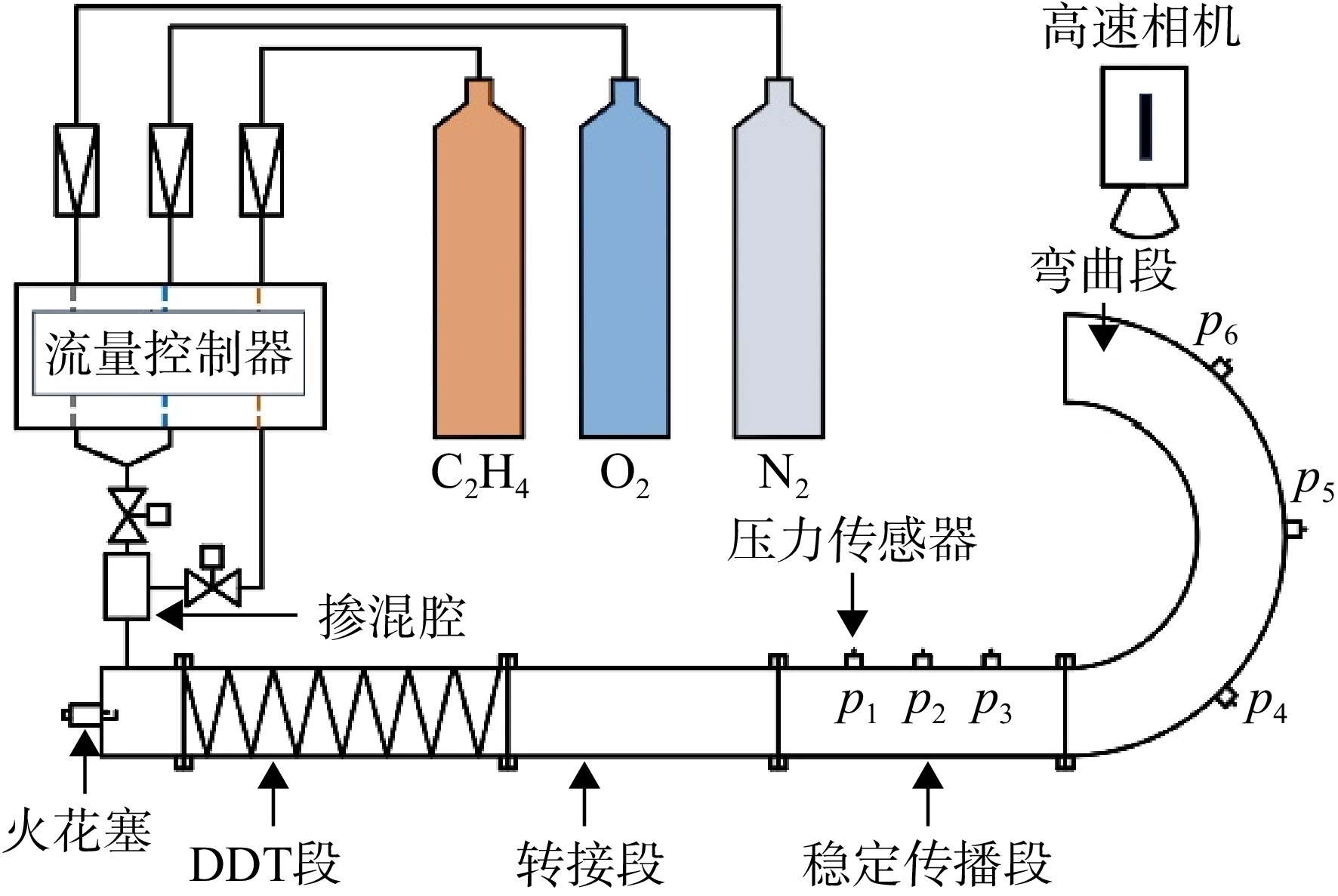
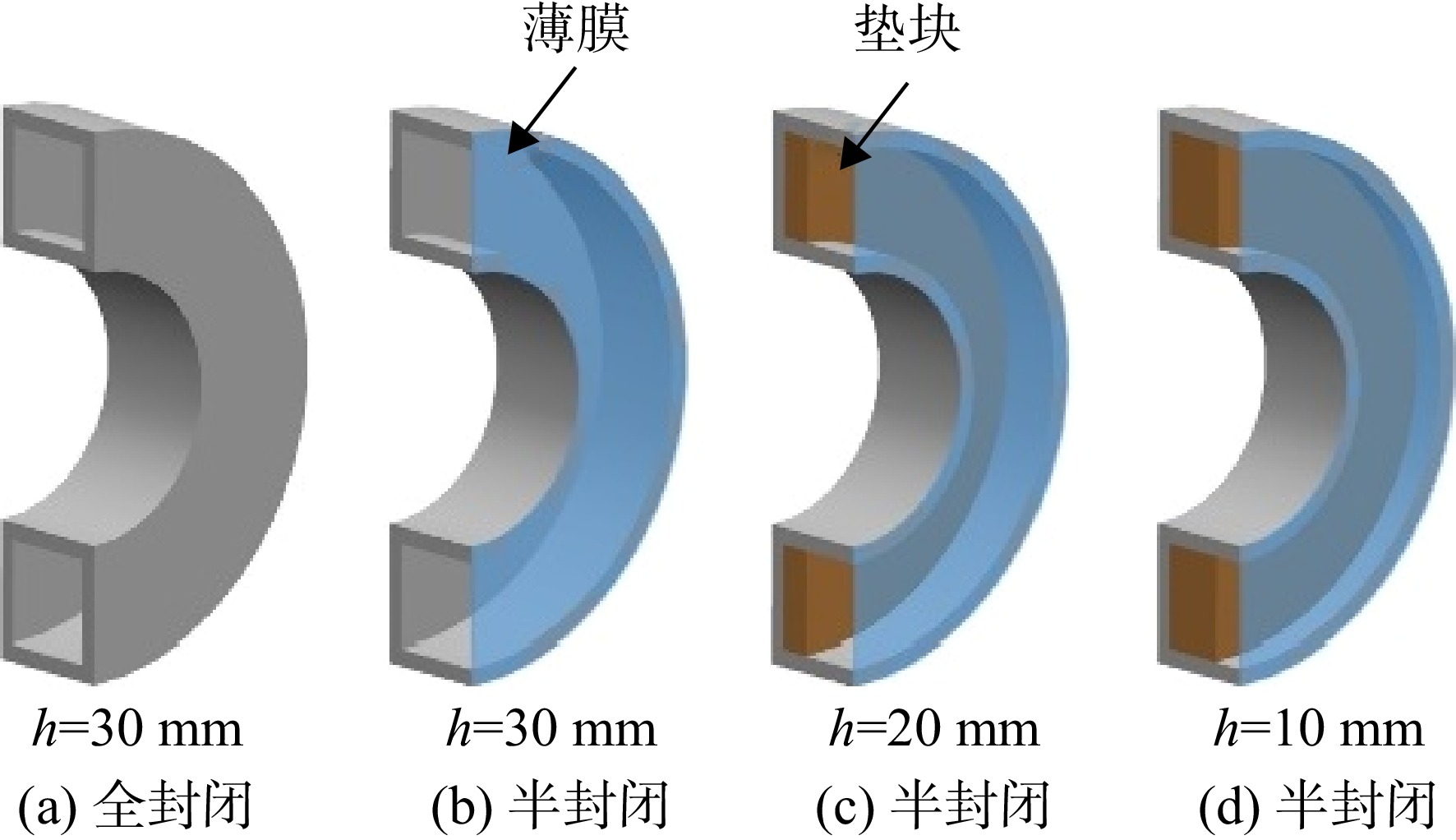
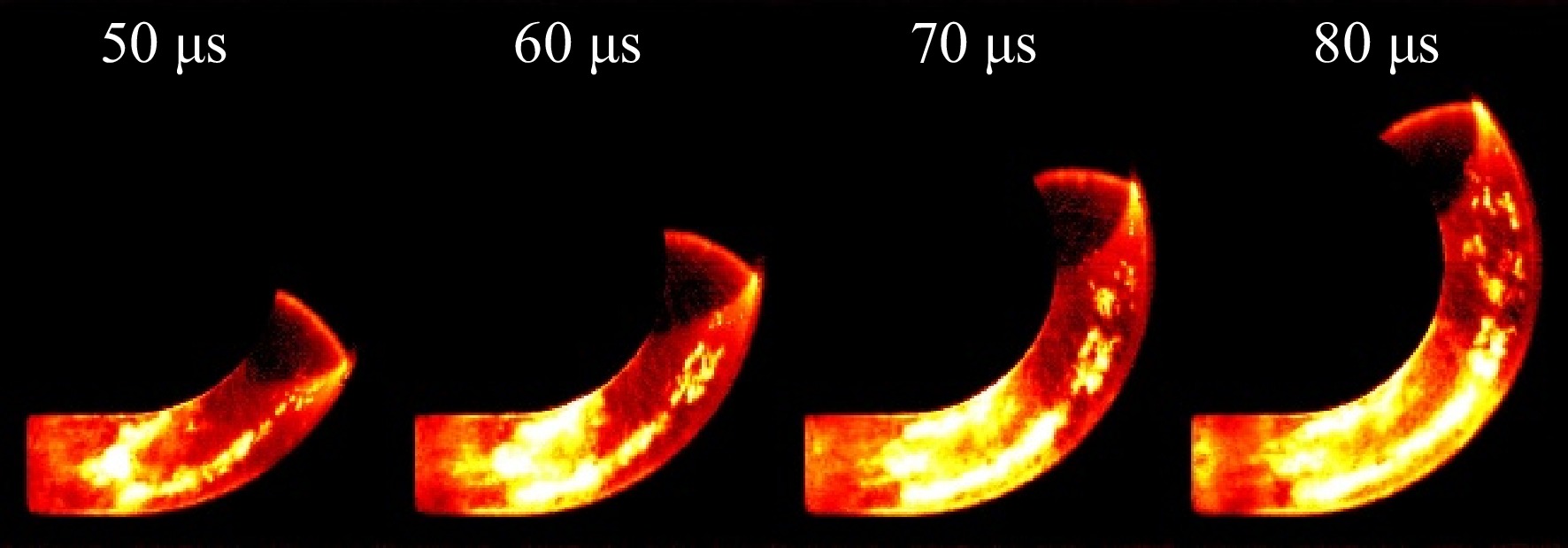
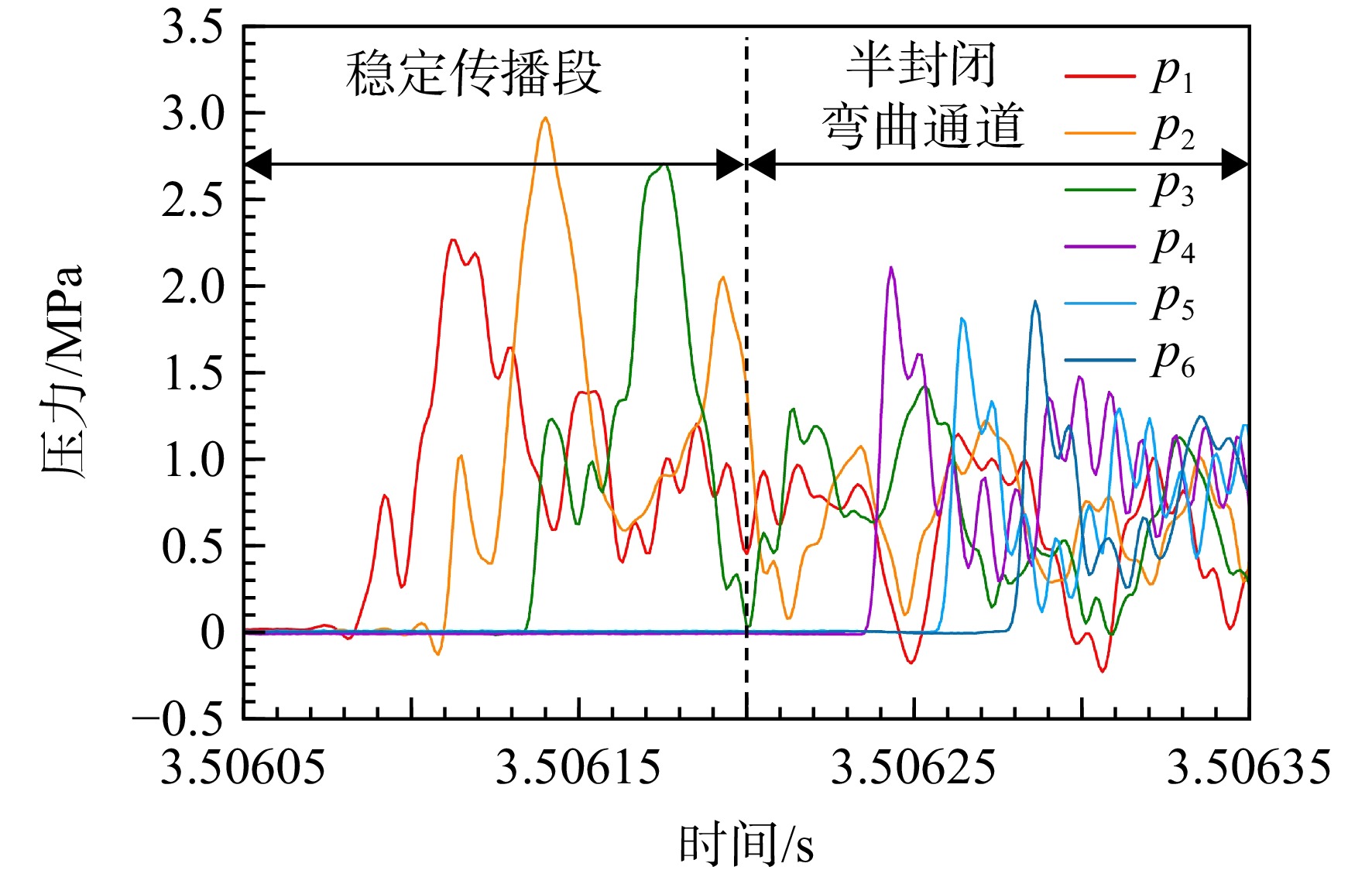
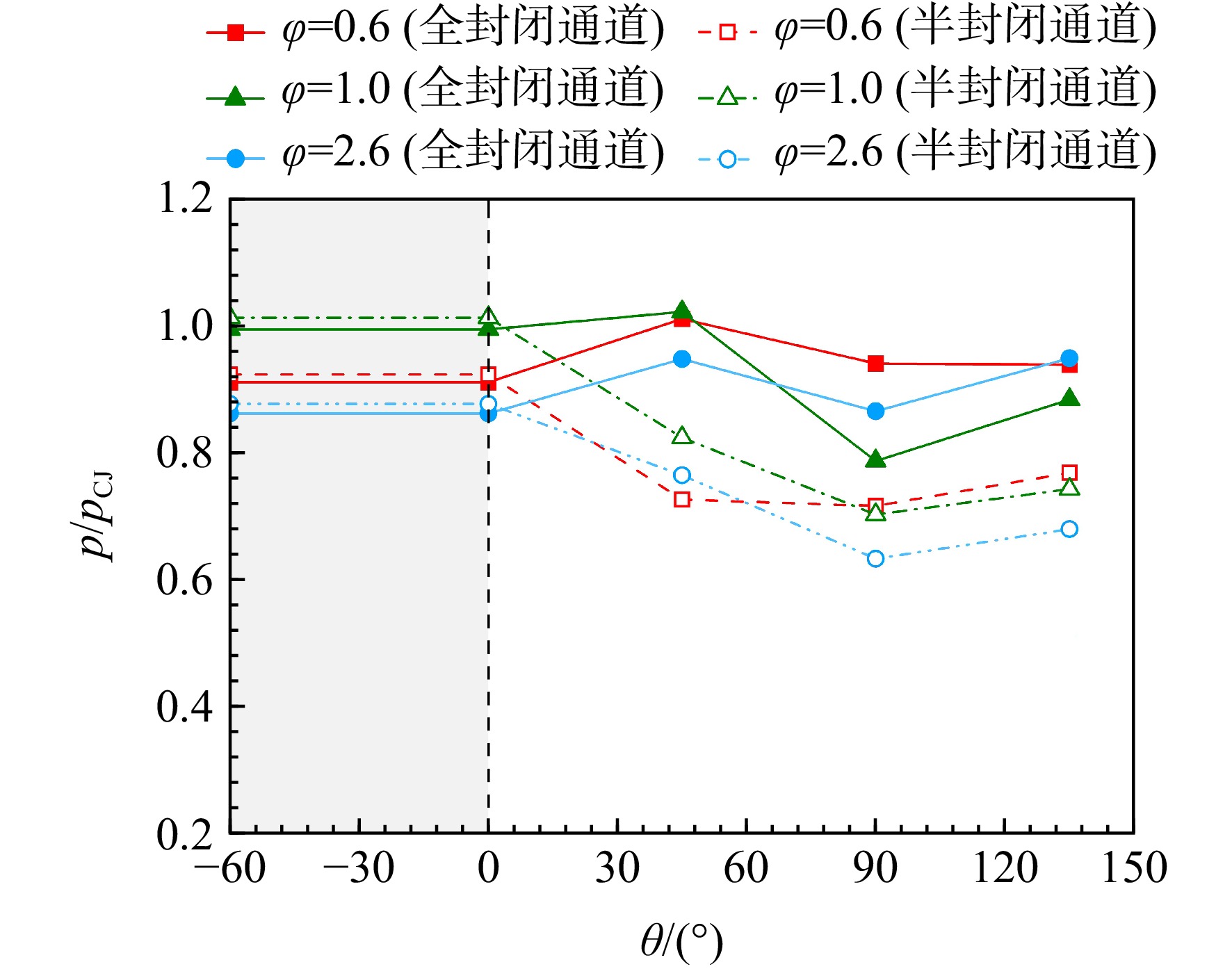
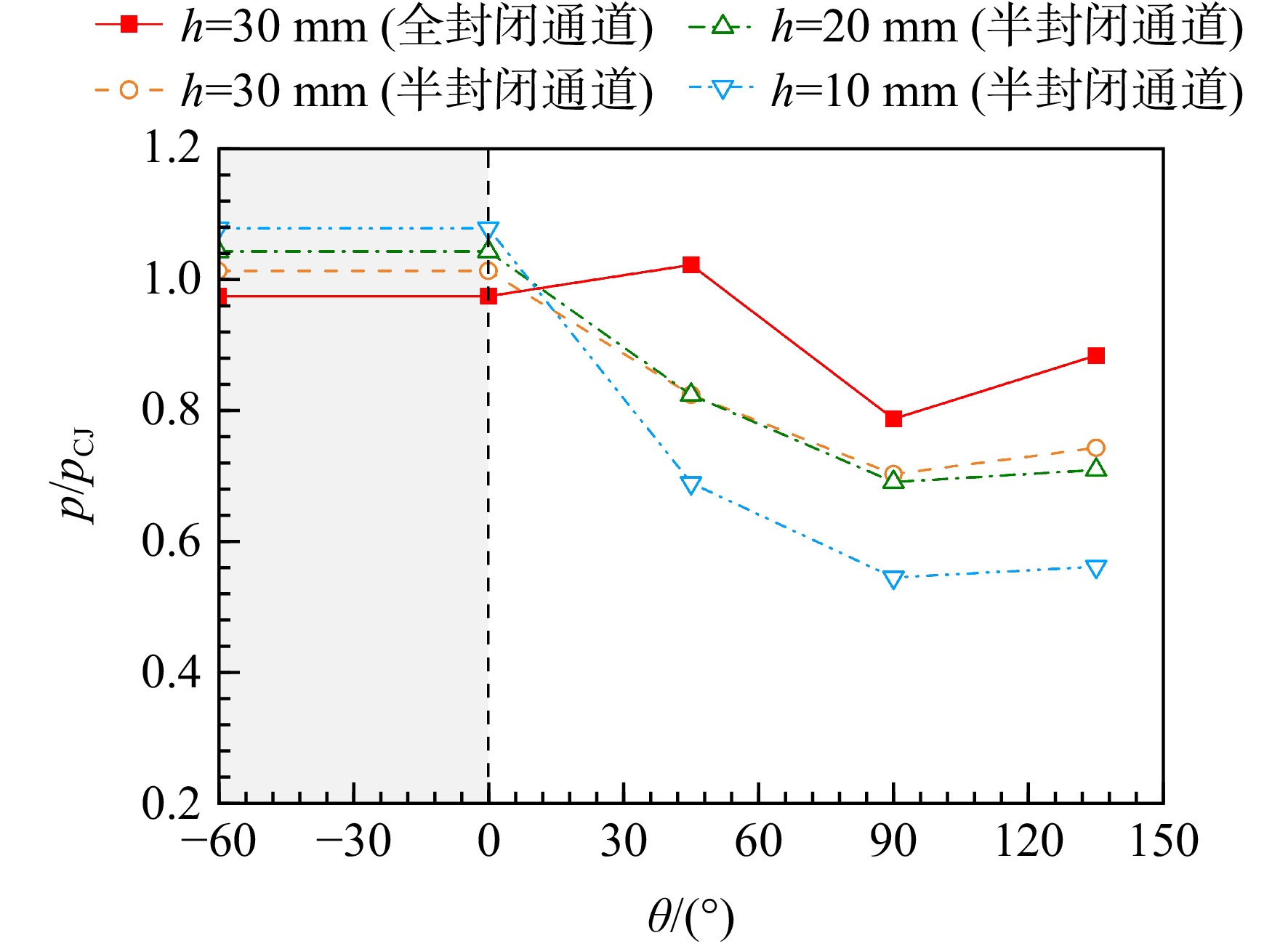
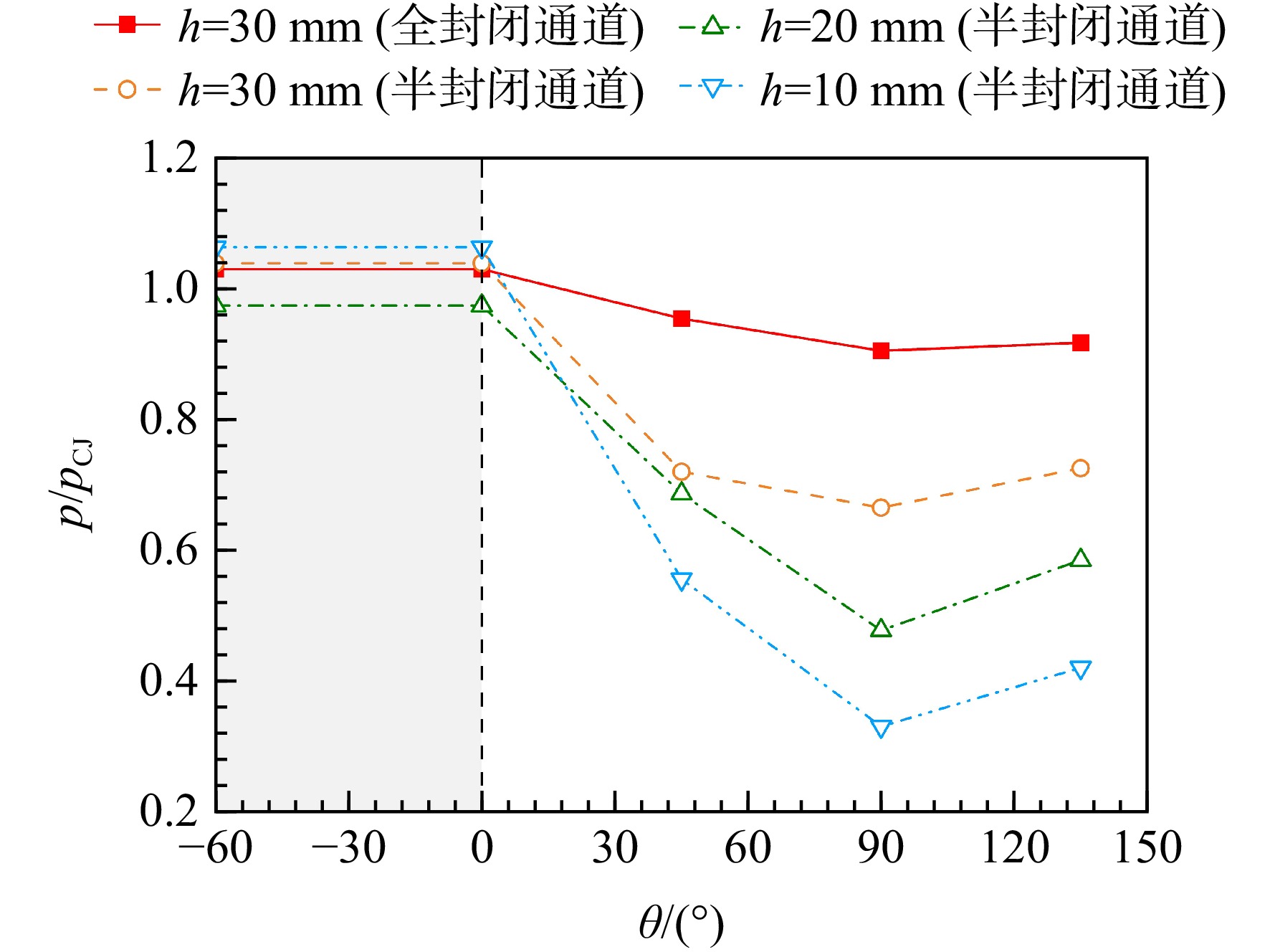
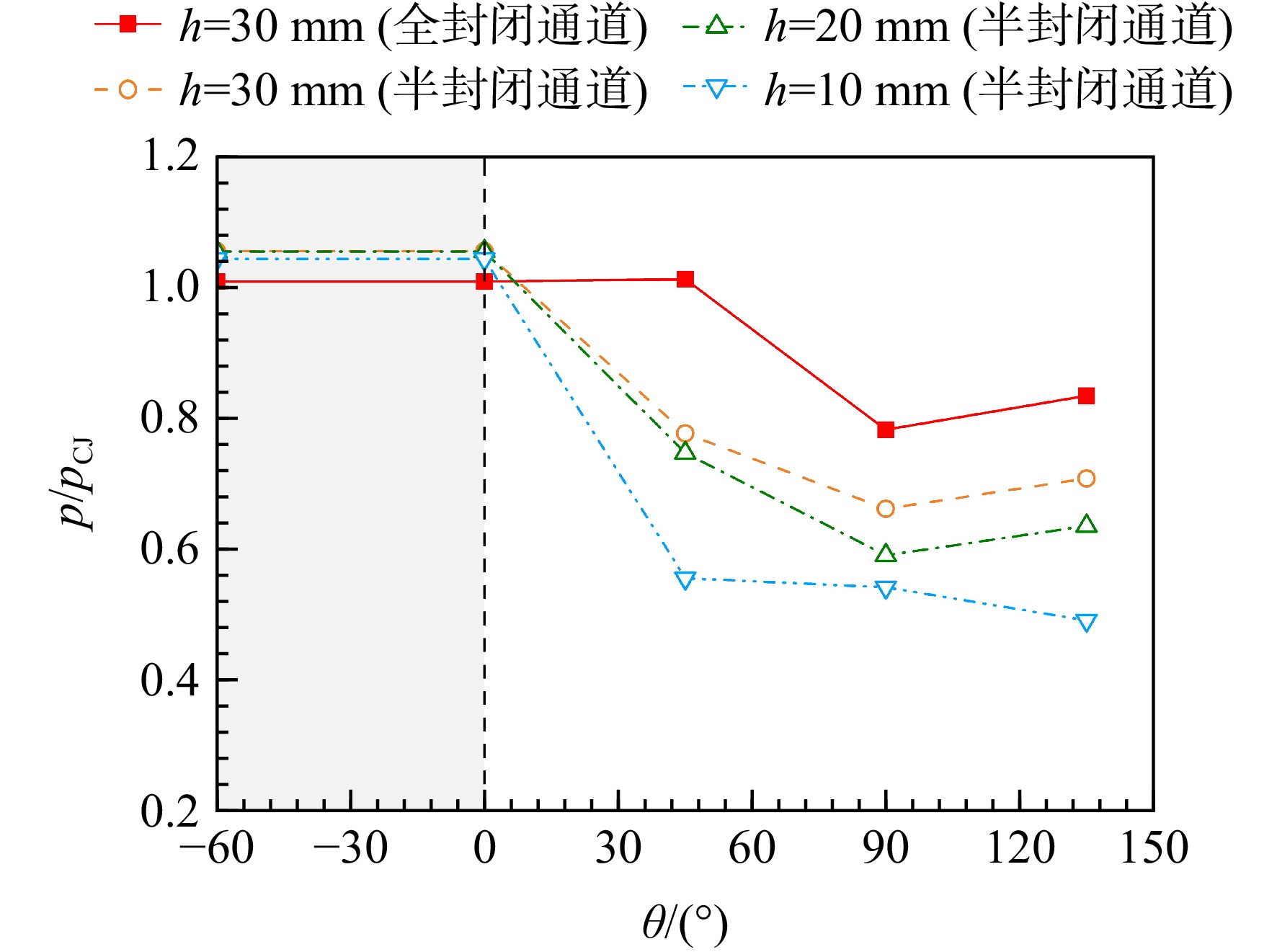
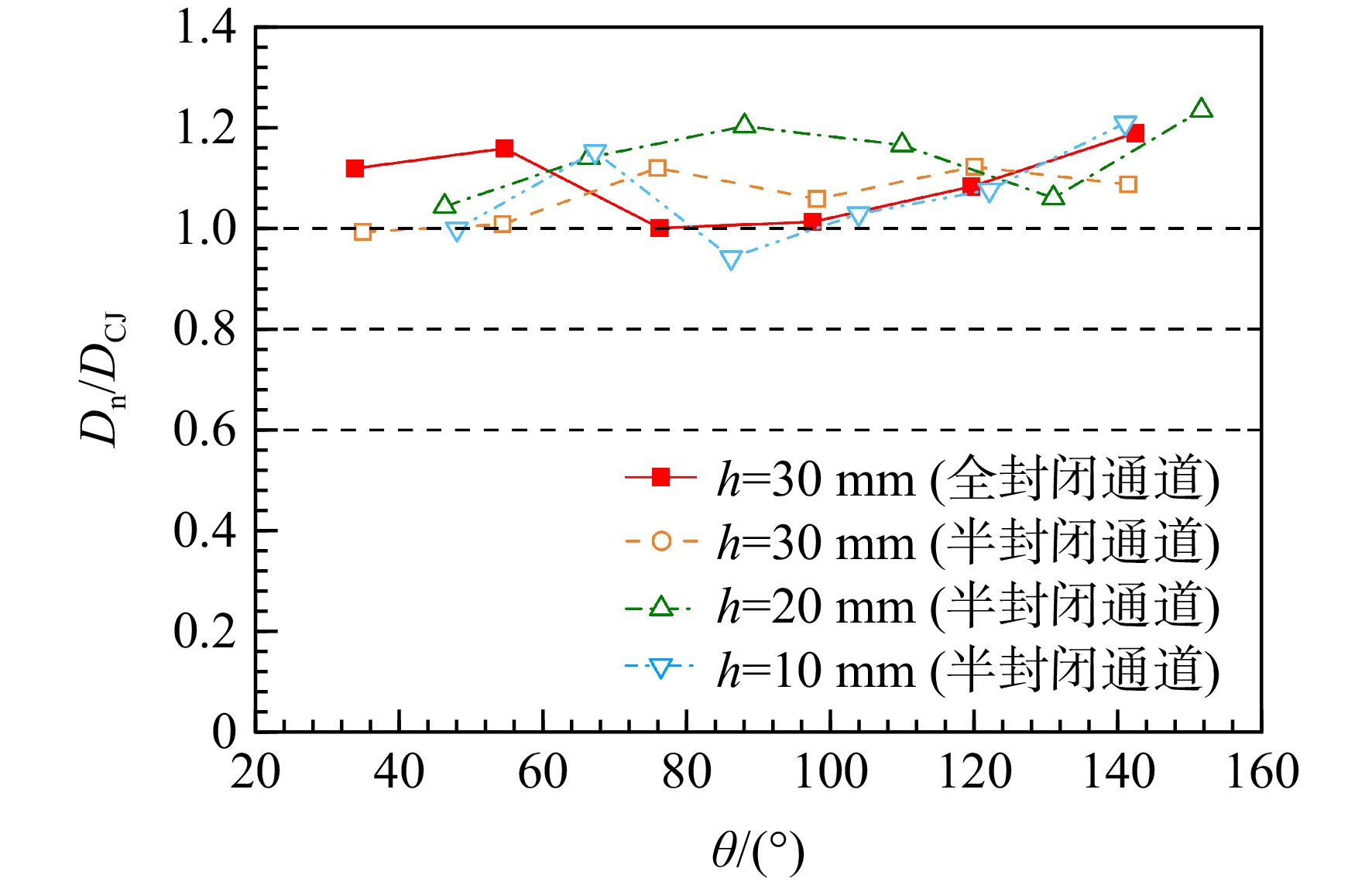
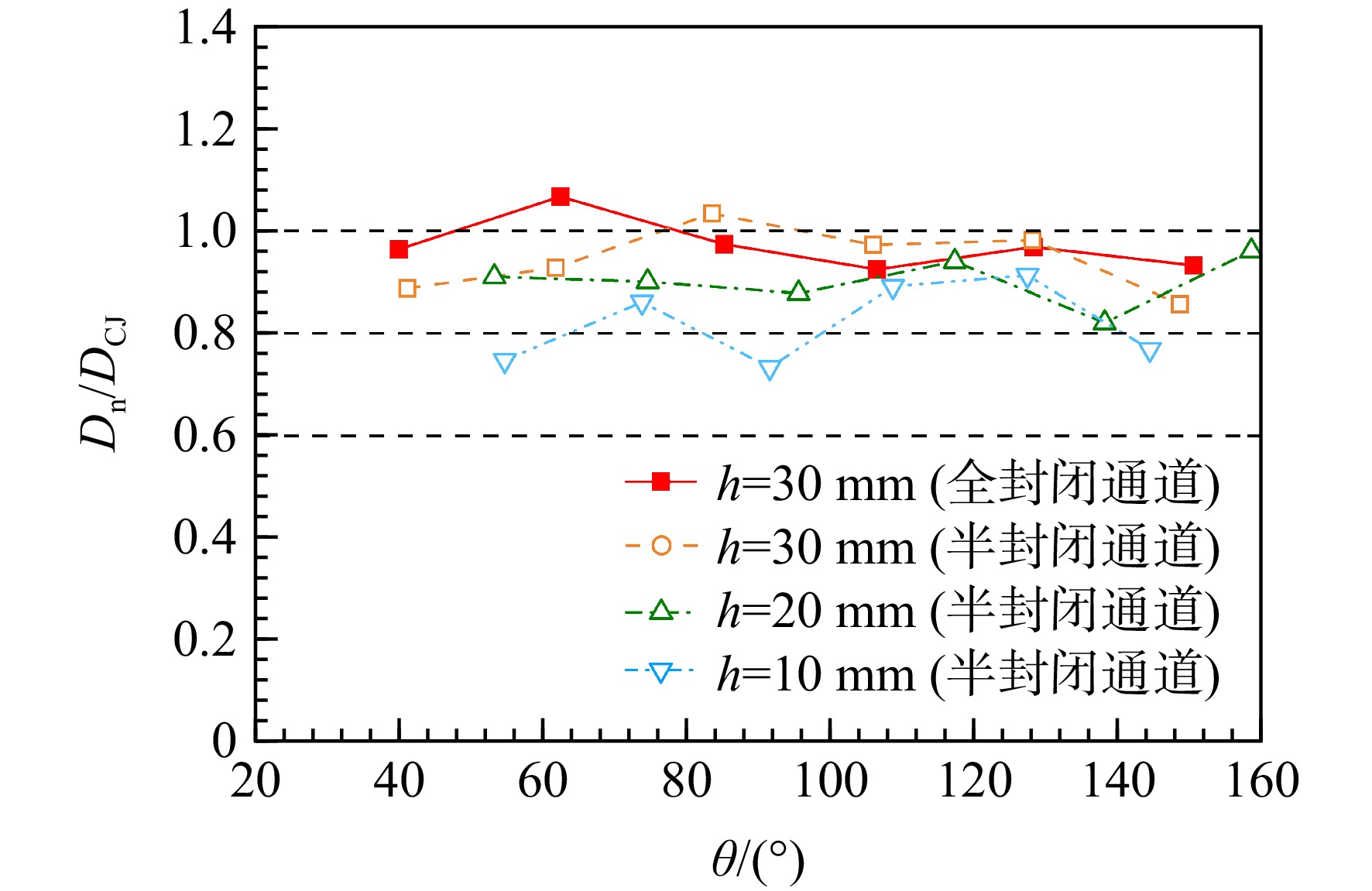
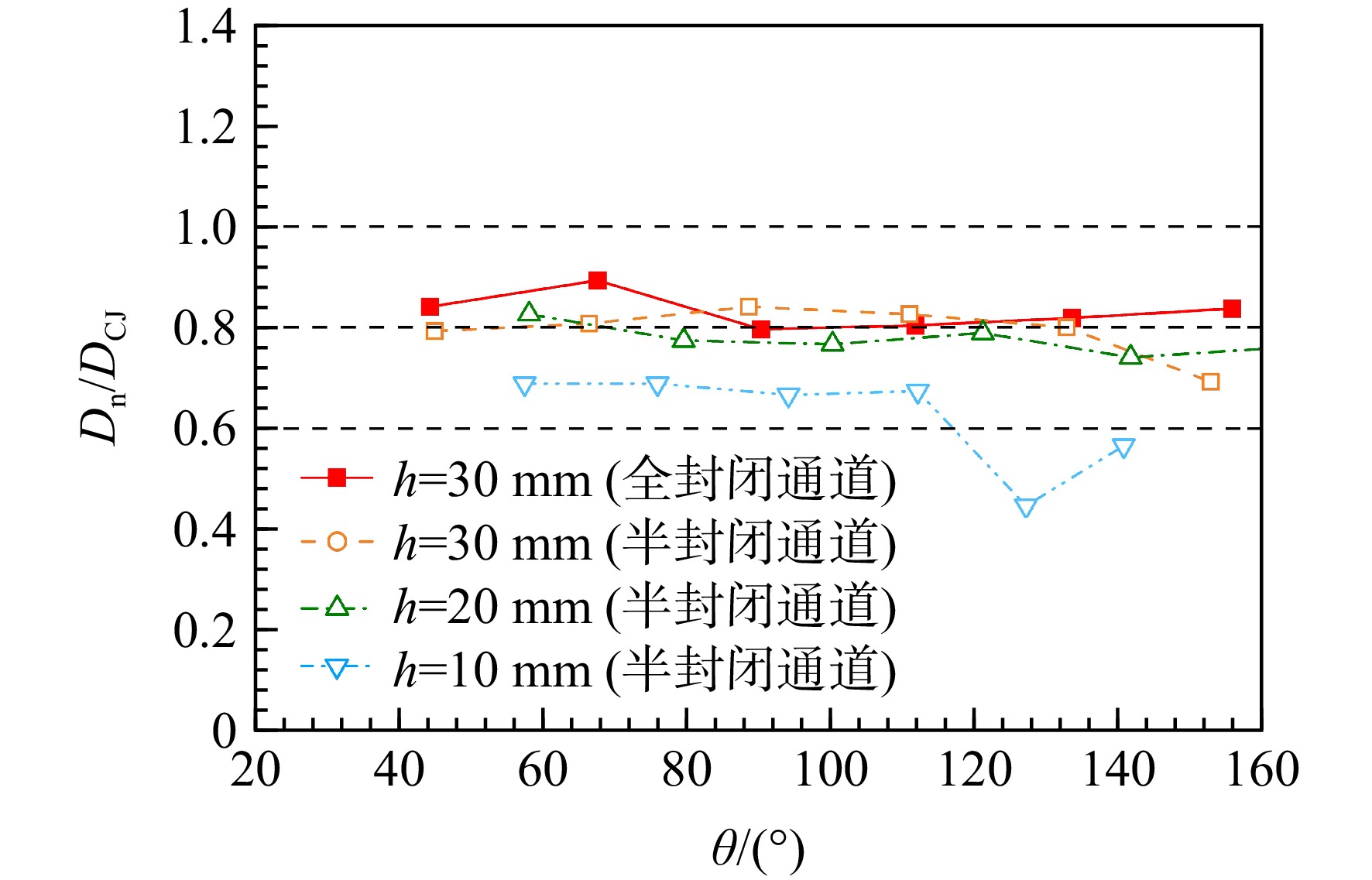
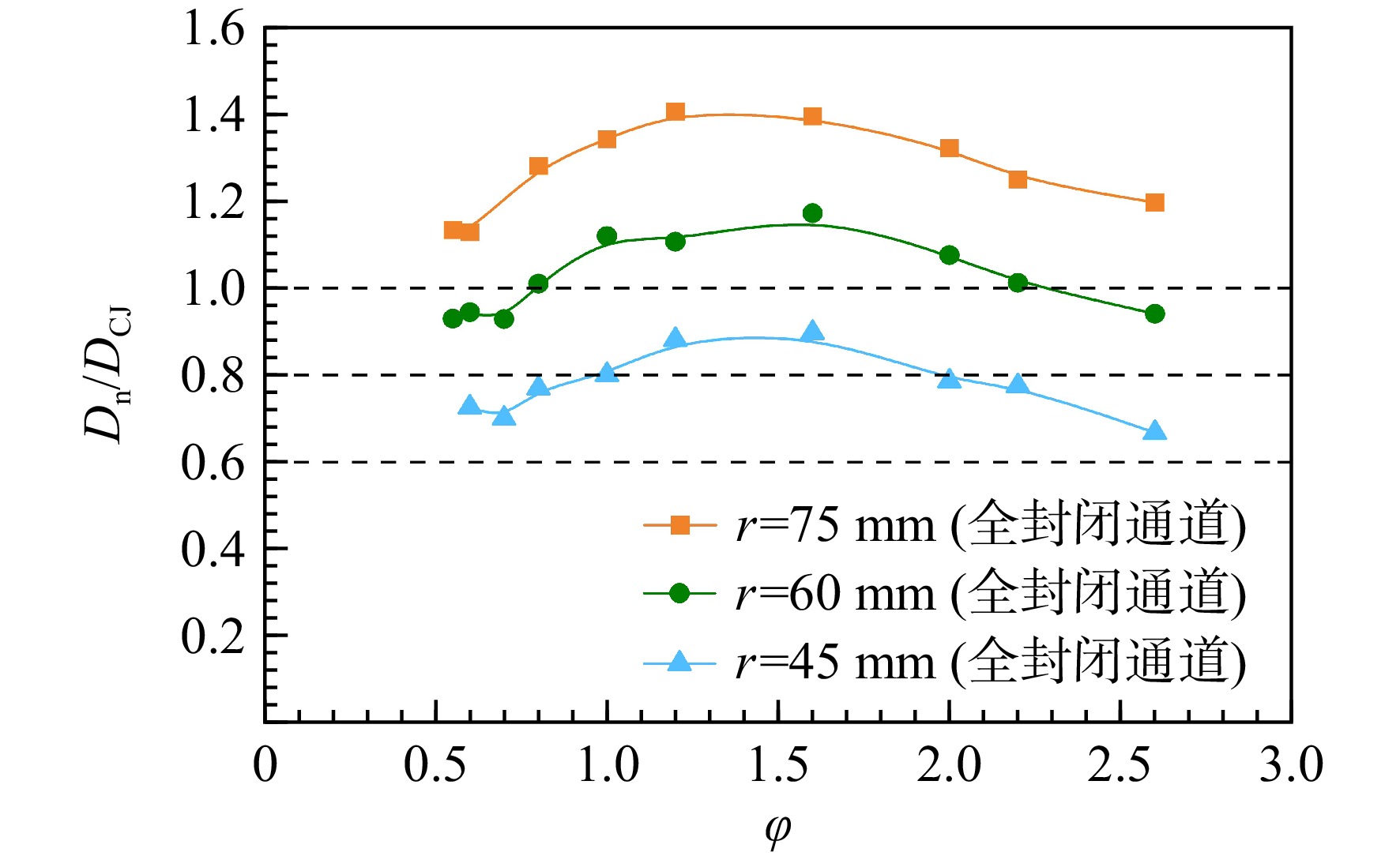
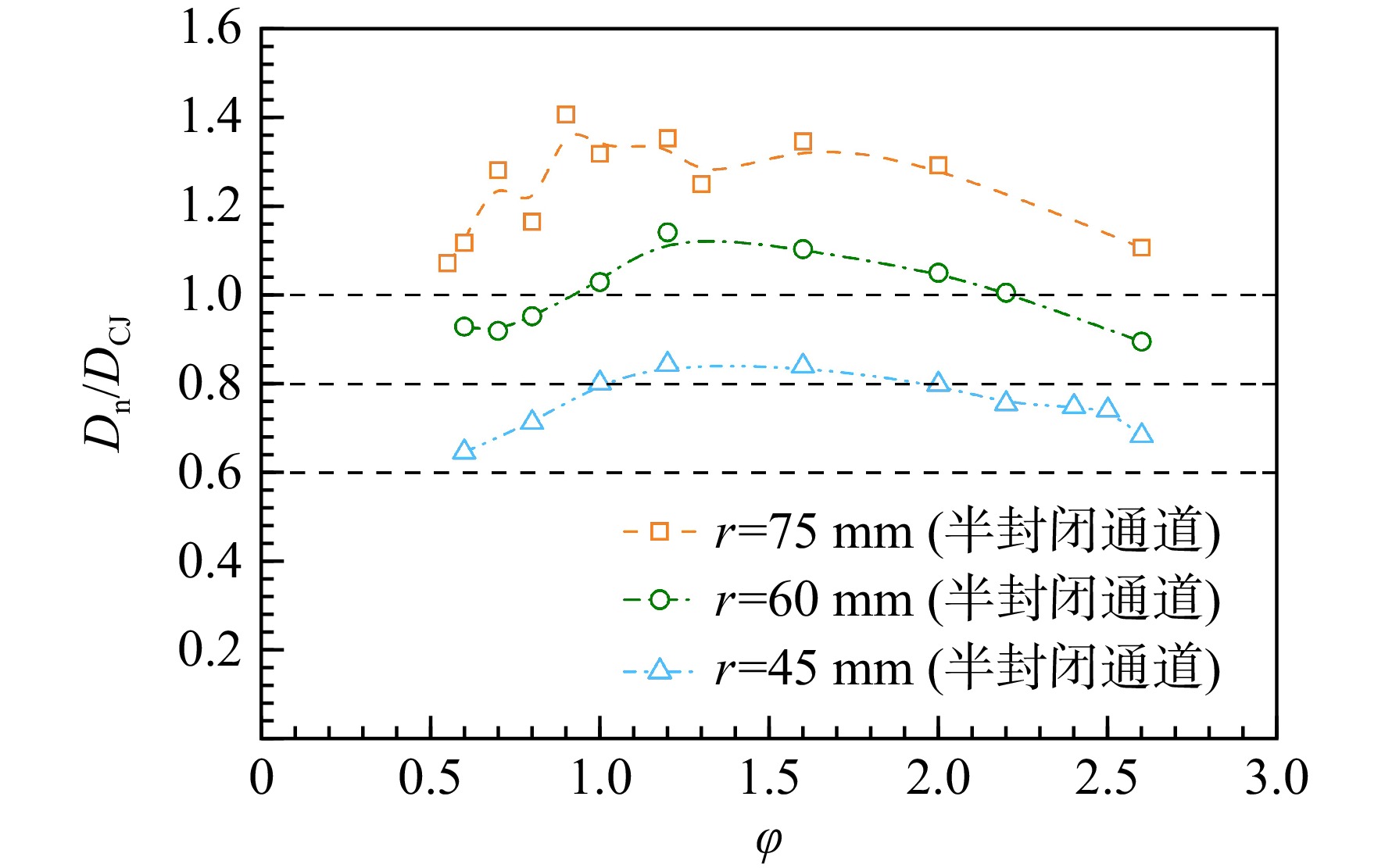
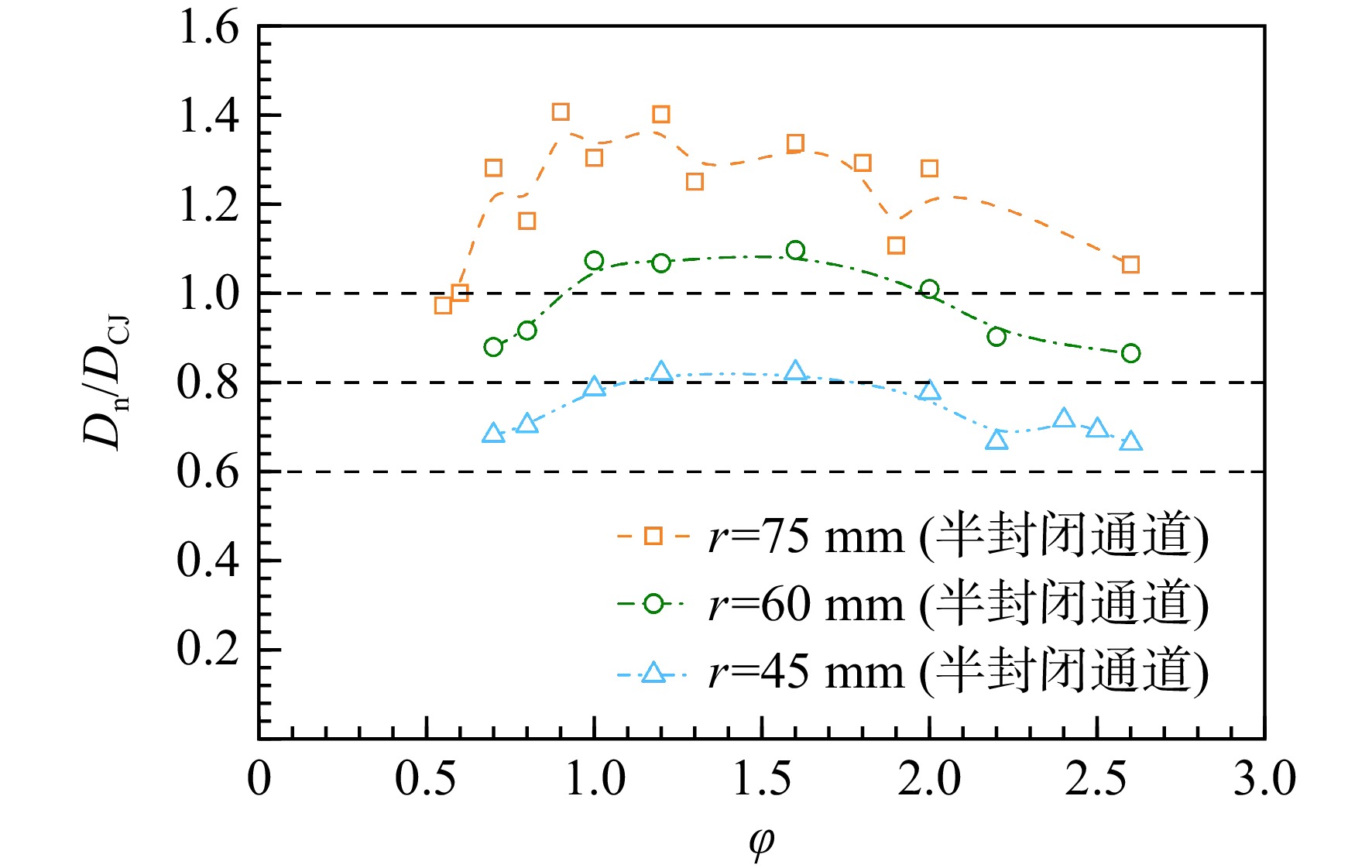
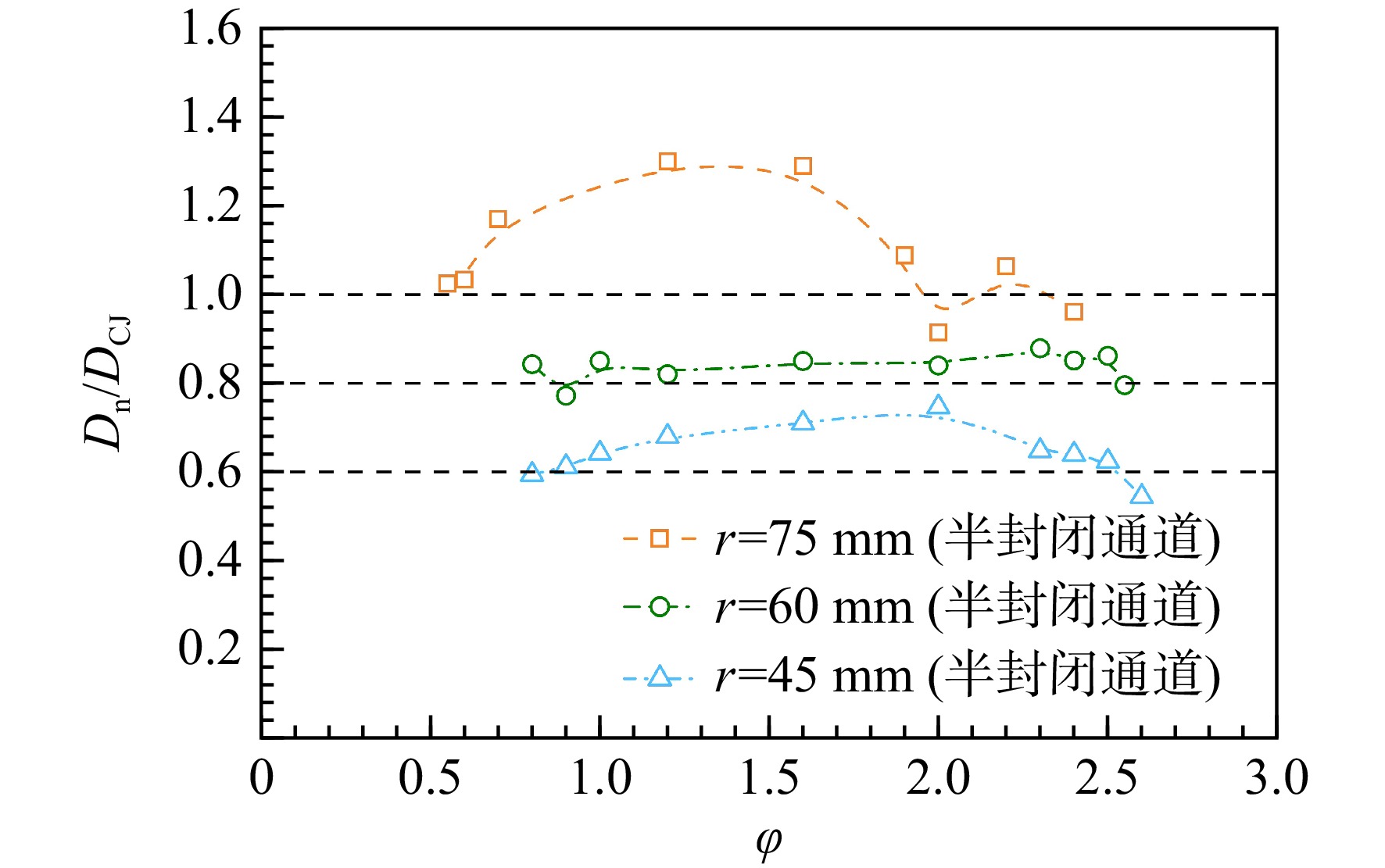
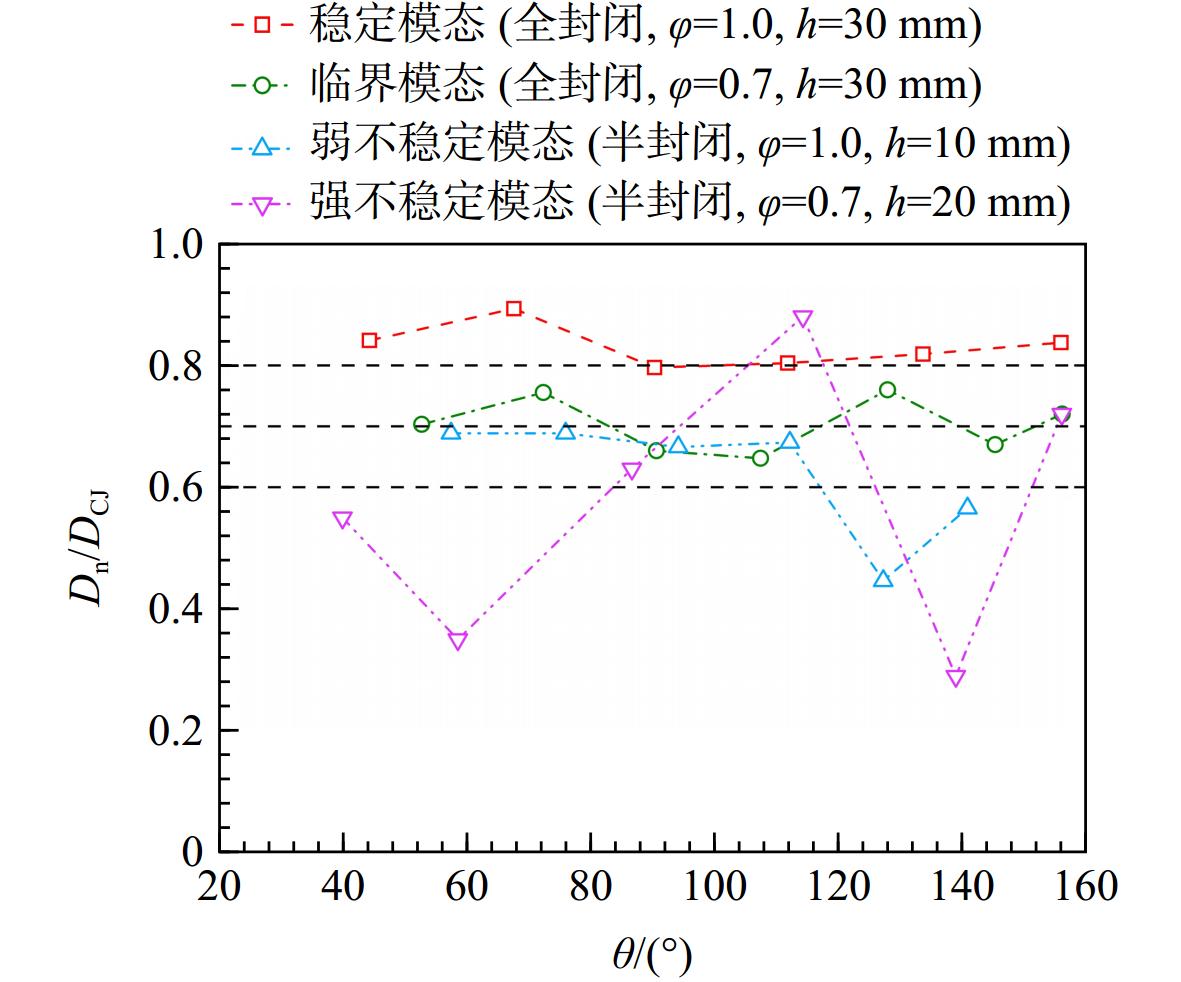
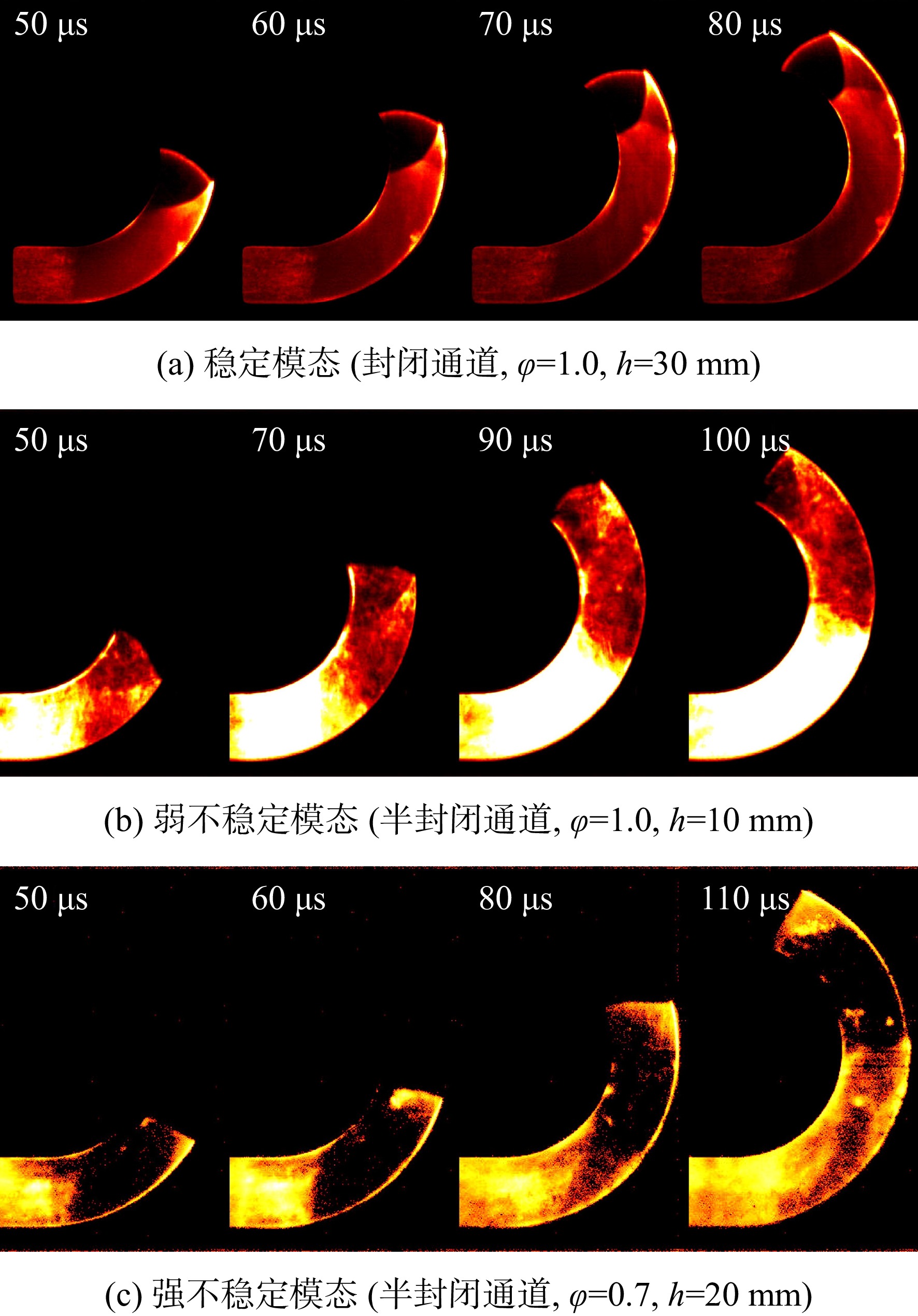
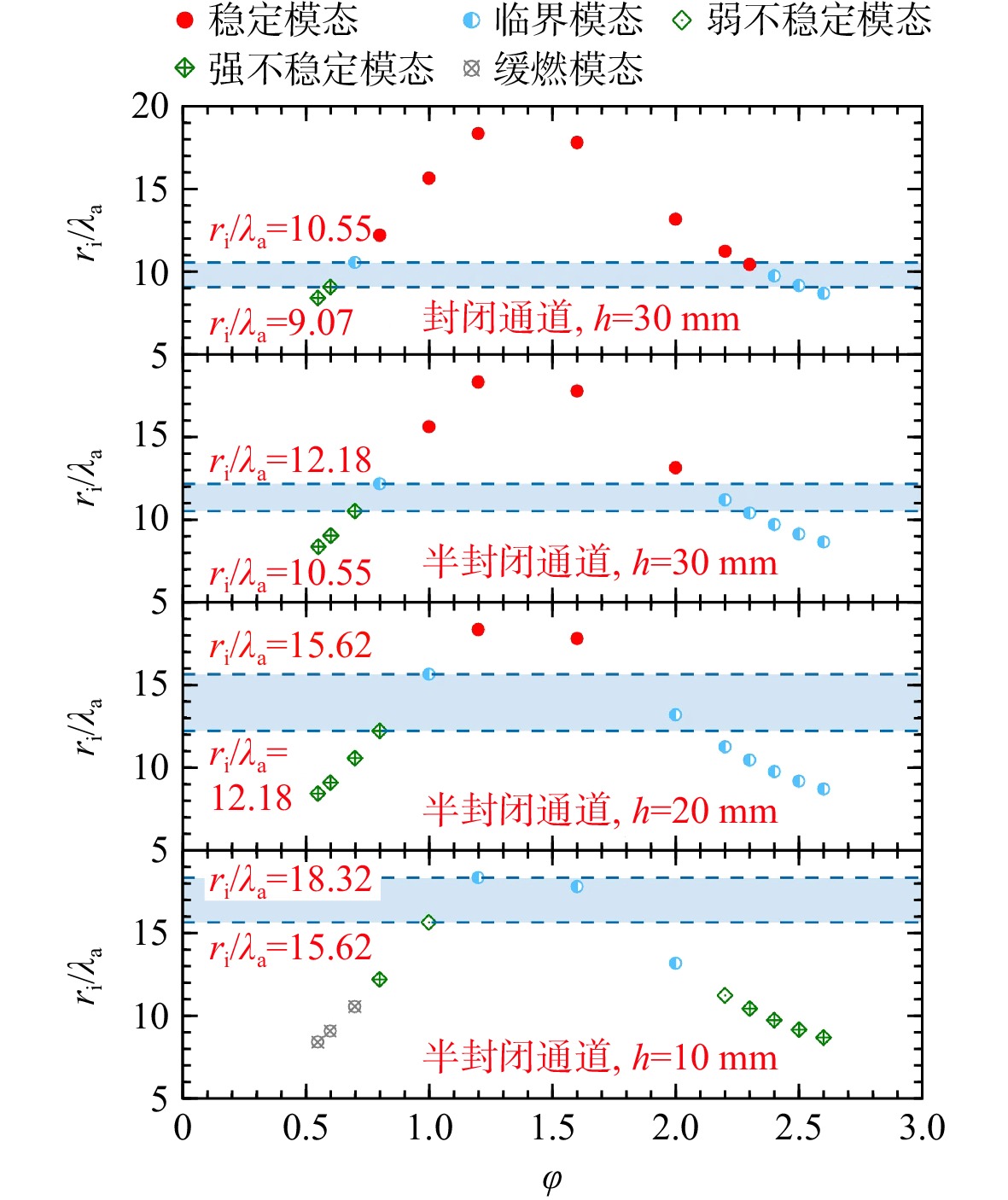
To clarify the influence of axial lateral expansion on the propagation characteristics of detonation waves in curved channels, experimental study was conducted in confined and semi-confined curved channels with an inner radius of 45 mm and the mixture heights of 10 mm, 20 mm, and 30 mm. Ethylene and a nitrogen-oxygen mixture with a dilution ratio of 0.5 were utilized as fuel and oxidizer, respectively. The effects of lateral expansion on the peak pressure, the propagation velocity, and the propagation modes of detonation waves at different equivalence ratios were investigated. The results indicated that under the influence of lateral expansion, the deficits of wave velocity and peak pressure increased, especially under both fuel-lean and fuel-rich conditions. As the mixture height decreased, the deficits were further amplified. Based on the Dn/DCJ variations along the inner wall of the curved channel, five propagation modes were observed after the stable detonation waves entering the curved channels, i.e., a stable mode, a critical mode, a weakly unstable mode, a highly unstable mode, and a deflagration mode. The critical inner radius for stable propagation in a confined curved channel was 9.07—10.55 times the average cell width. After introducing the lateral expansion, a smaller channel curvature helped reduce the deficits and enhances the ability to resist lateral expansion. Therefore, the critical inner radius in a semi-confined curved channel increased to 15.62—18.32 times the average cell width to maintain stable propagation.

Research on damage and response of deep groove ball bearings under axial impact load
JIN Feng, CAI Zhenqing, XIE Zhihao, LIU Lulu, ZHAO Zhenhua, CHEN Wei
2025, 40(4): 20240508. doi: 10.13224/j.cnki.jasp.20240508
Abstract:

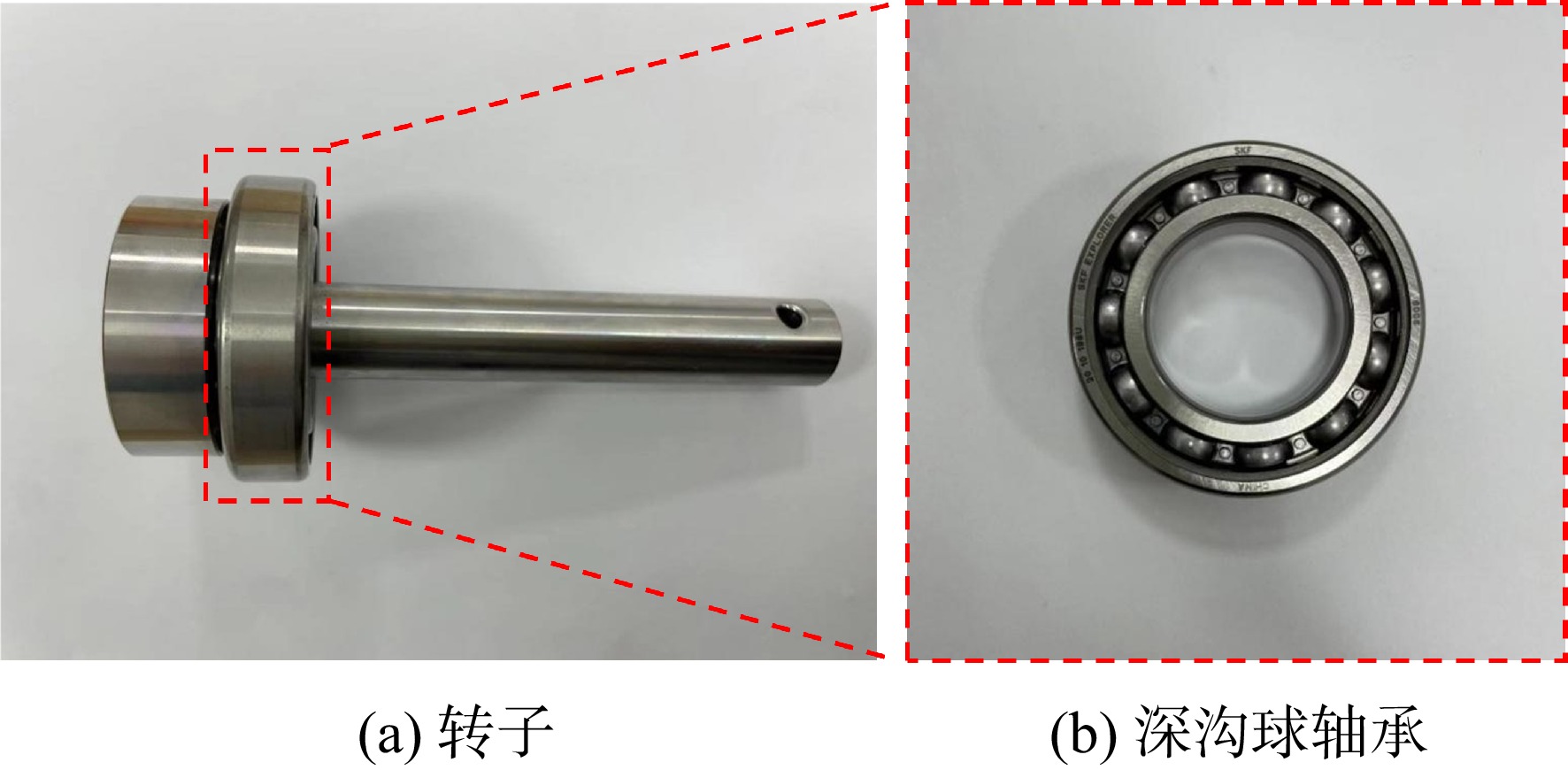
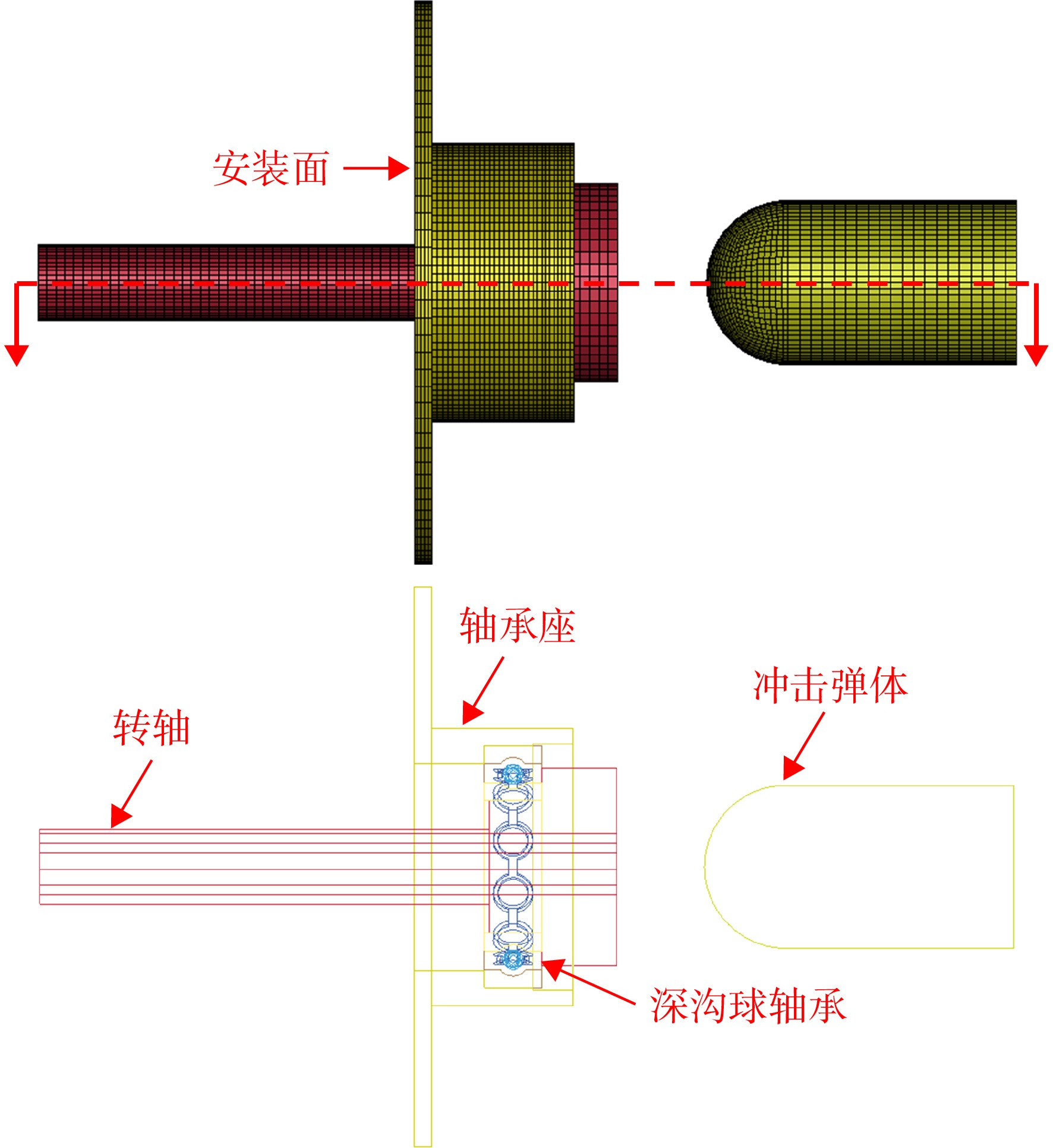
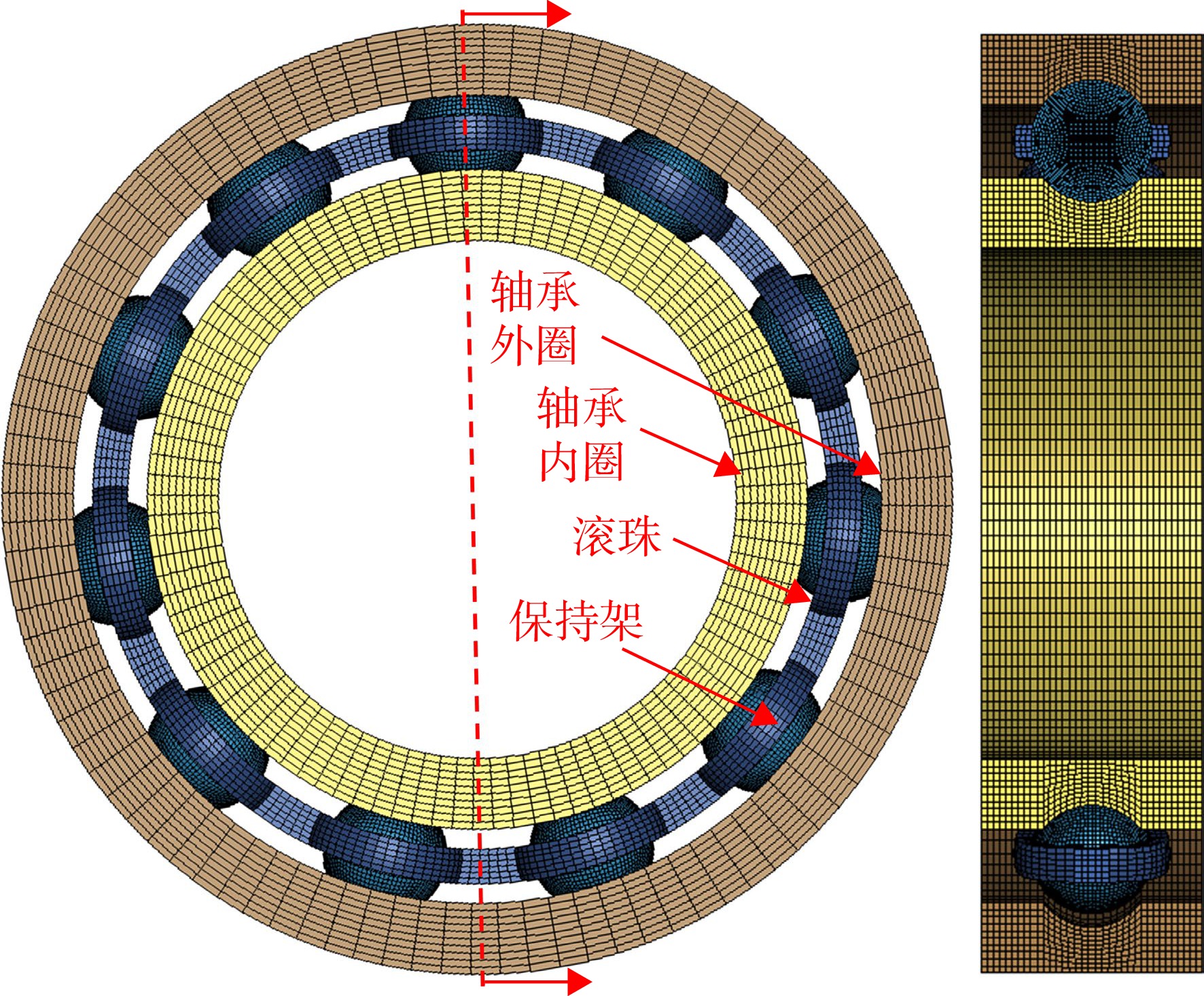
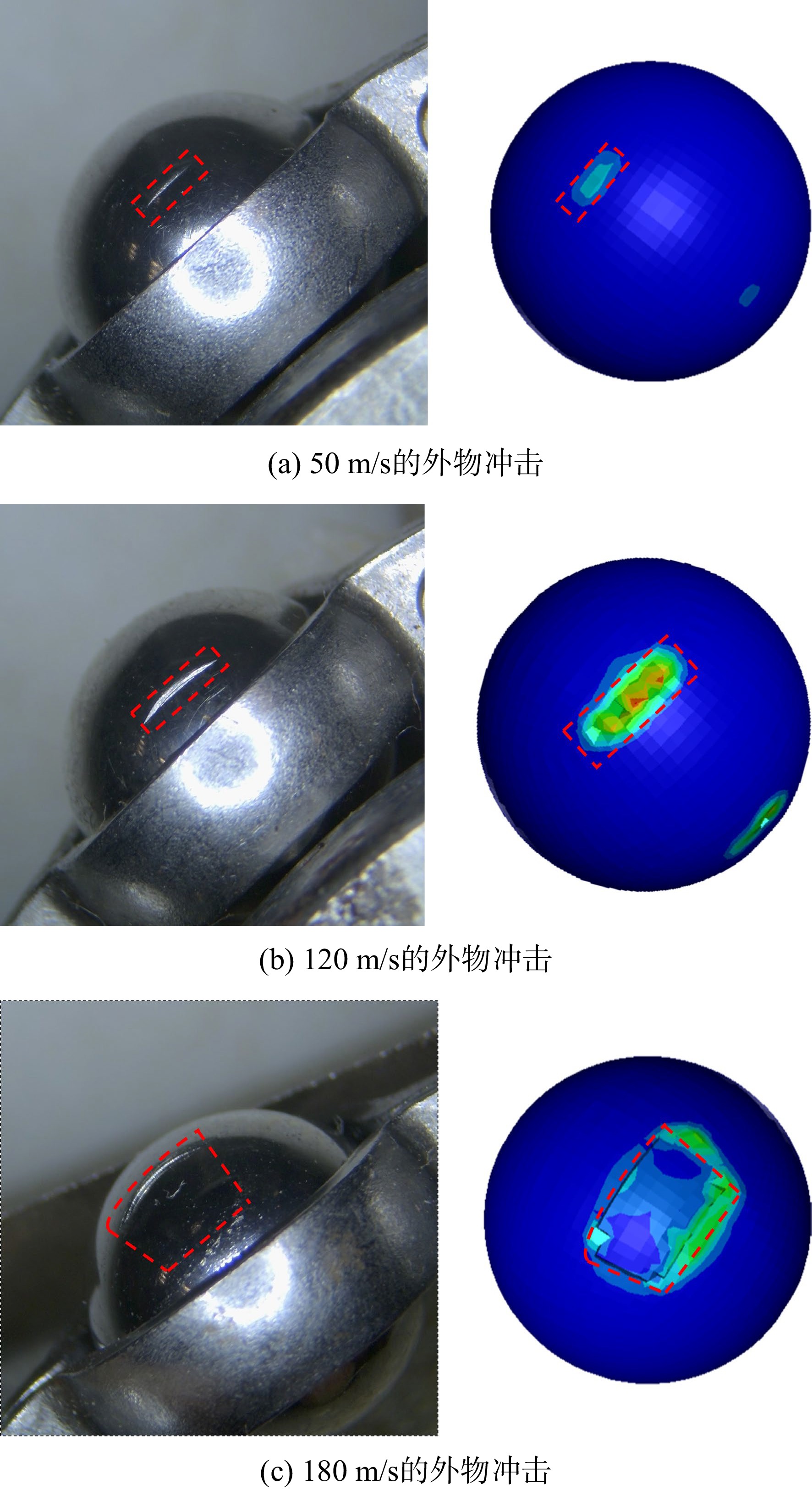
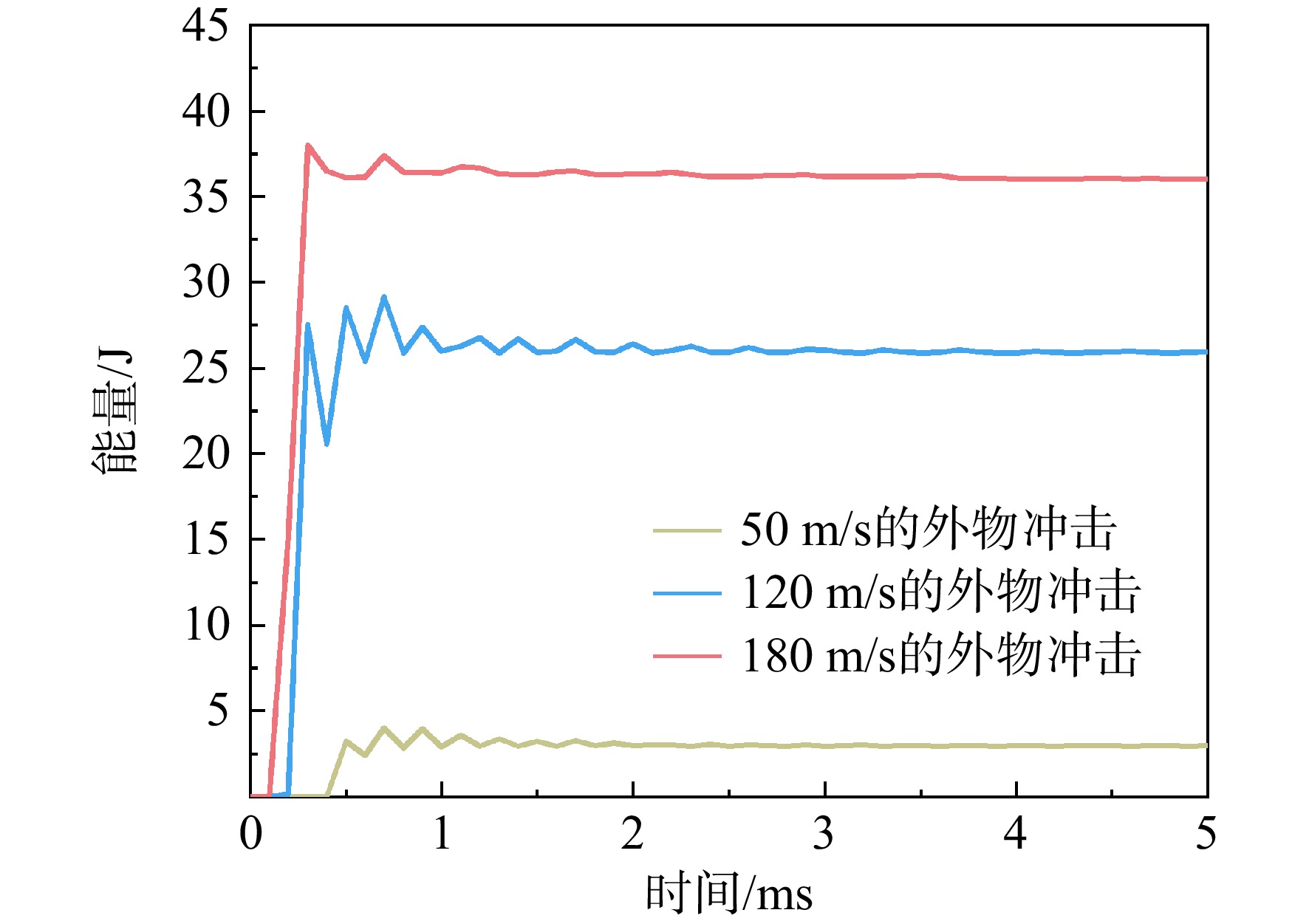
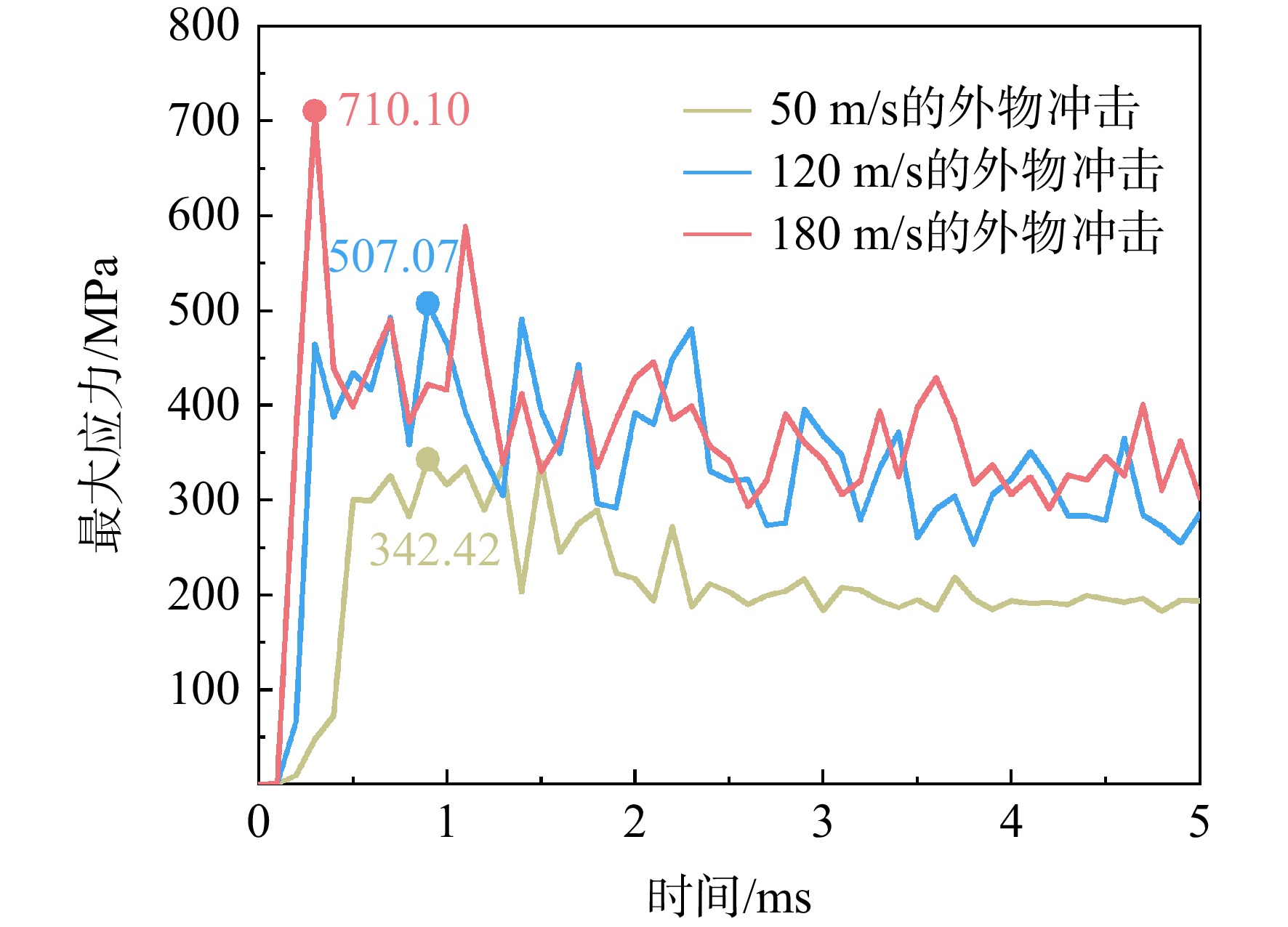
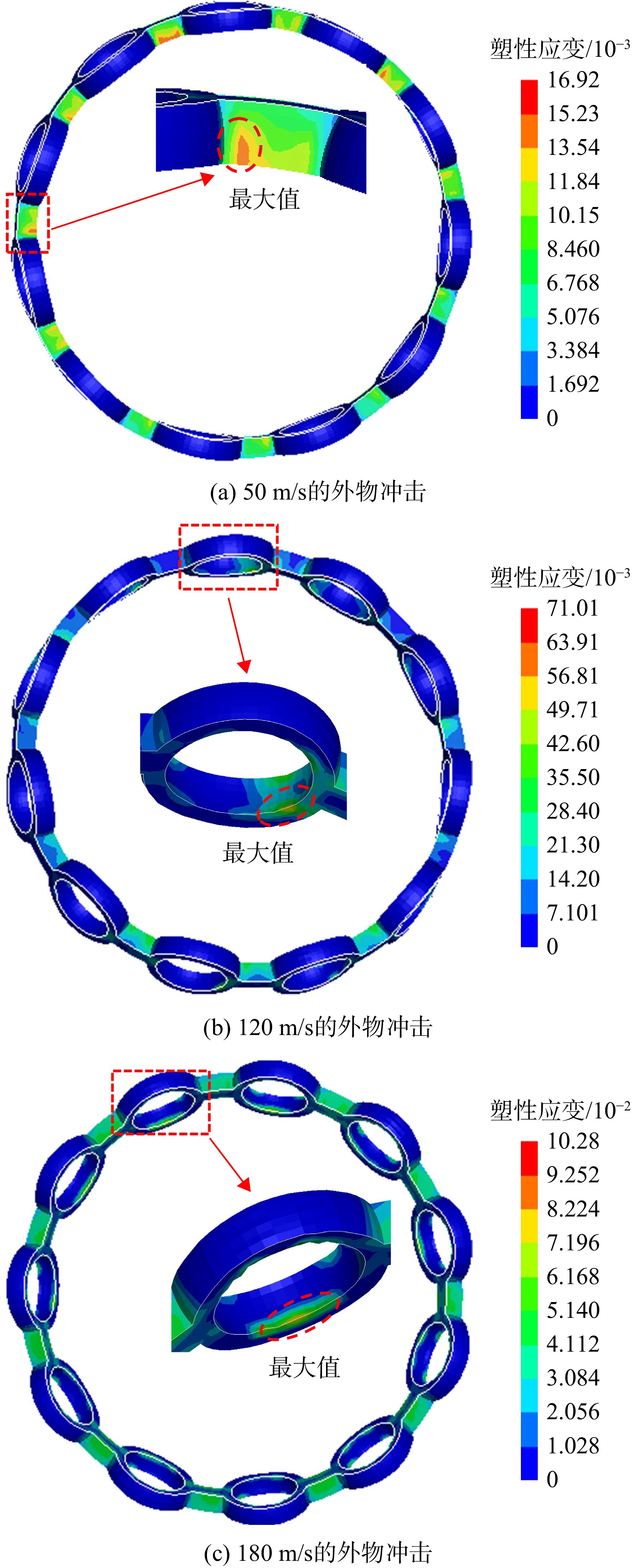
The damage and response of rotor bearing under axial impact load were studied. A test bench for simulating aero-engine bearing damage in laboratory was designed, and a finite element model of bearing impact based on plastic kinematic (PK) constitutive model was established. The damage and response of deep groove ball bearing under low, medium and high impact velocities were studied. The results showed that the error between the finite element simulation results and the experimental results was within 10%. As the impact velocity increased, the damage form of the bearing ball increased from a slender dent to a regional dent. The cause of the damage was the extrusion between the ball and the inner and outer rings of the bearing caused by deformation. During the impact process at different speeds, the maximum stress always appeared on the bearing ball, and the contact force and change rule between the ball and the inner and outer rings of the bearing were basically the same. The cage joint and the inner ring in contact with the ball were located at the position where the plastic deformation was large under the impact of axial load.

Effect of positional uncertainty on performance of auxiliary positioning film cooling hole
LIU Yingshi, LYU Dong, KONG Xing’ao, LUO Yushi, ZHANG Jian
2025, 40(4): 20240530. doi: 10.13224/j.cnki.jasp.20240530
Abstract:

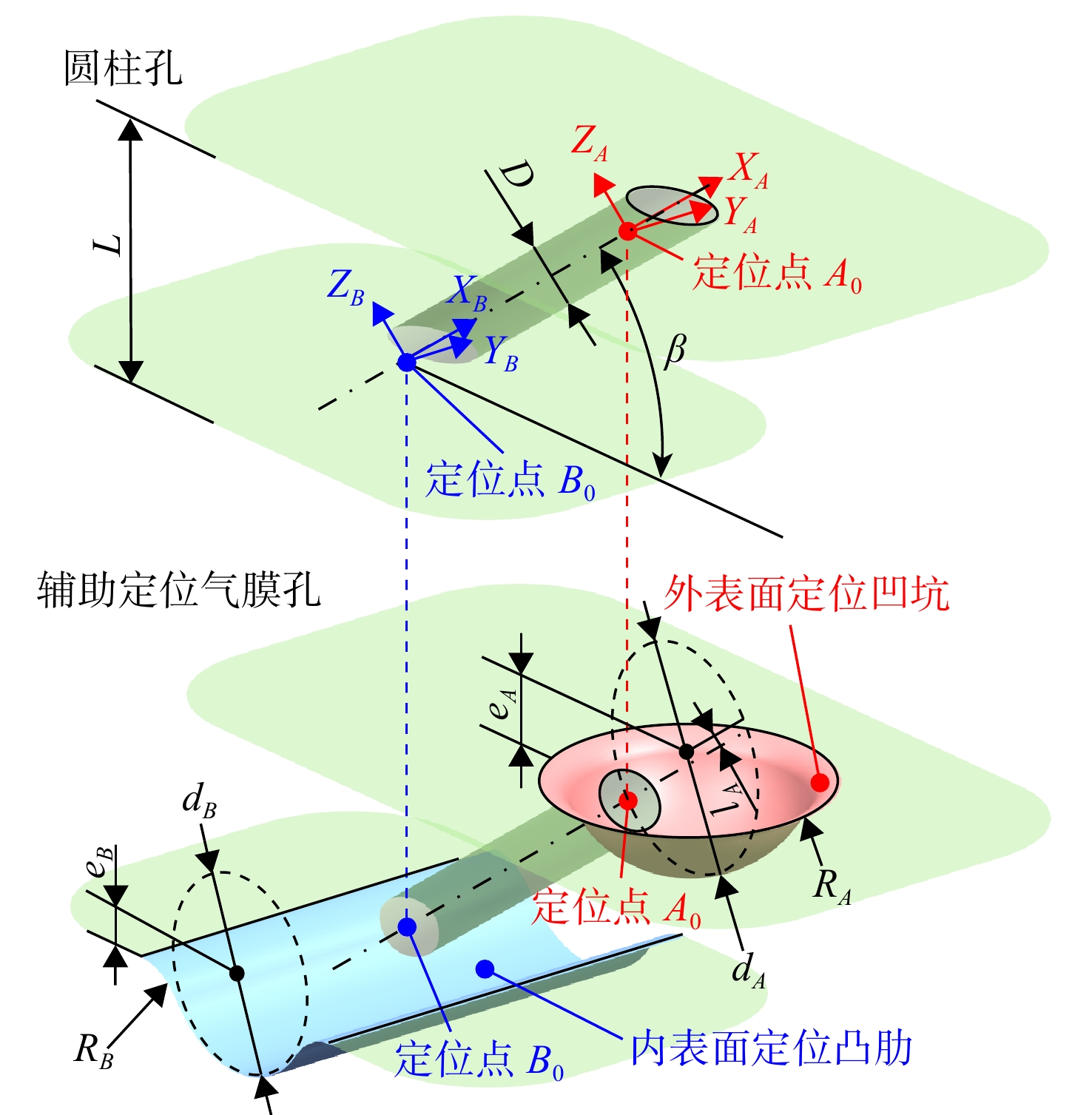
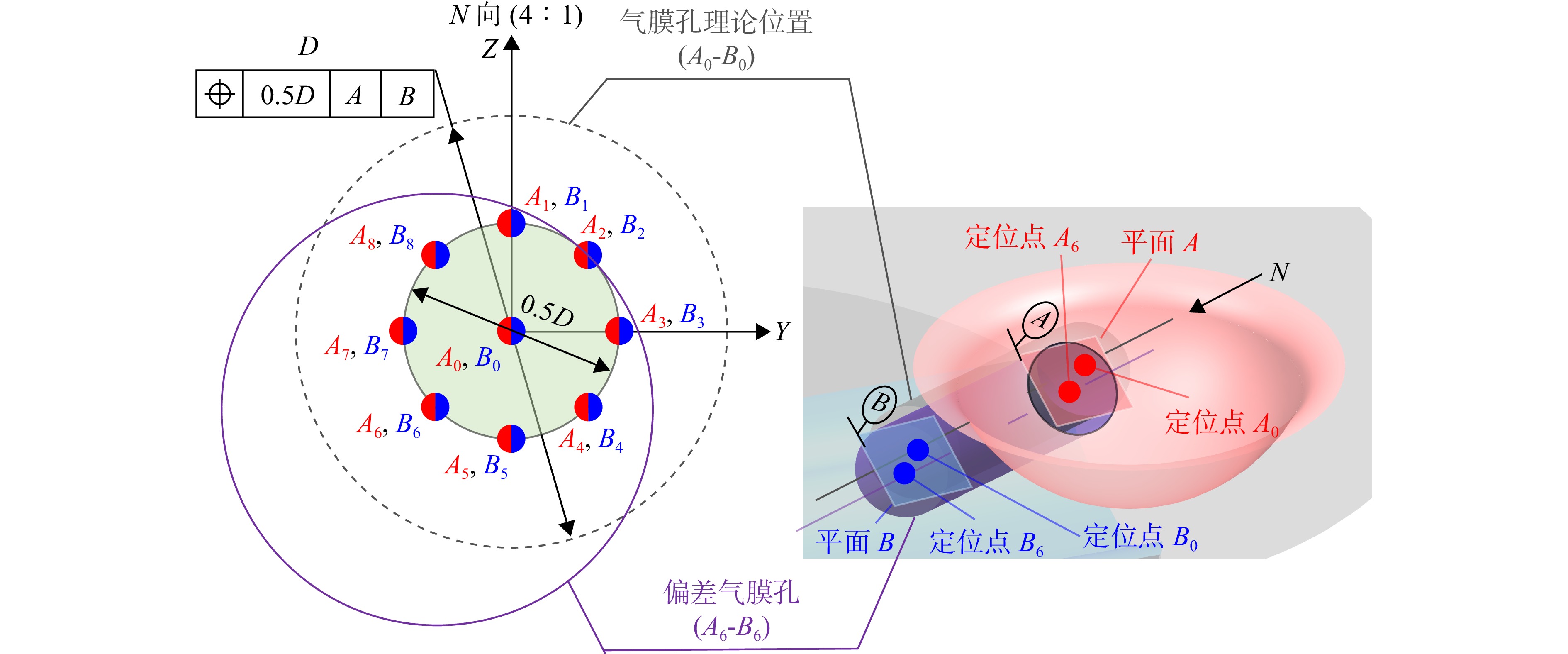
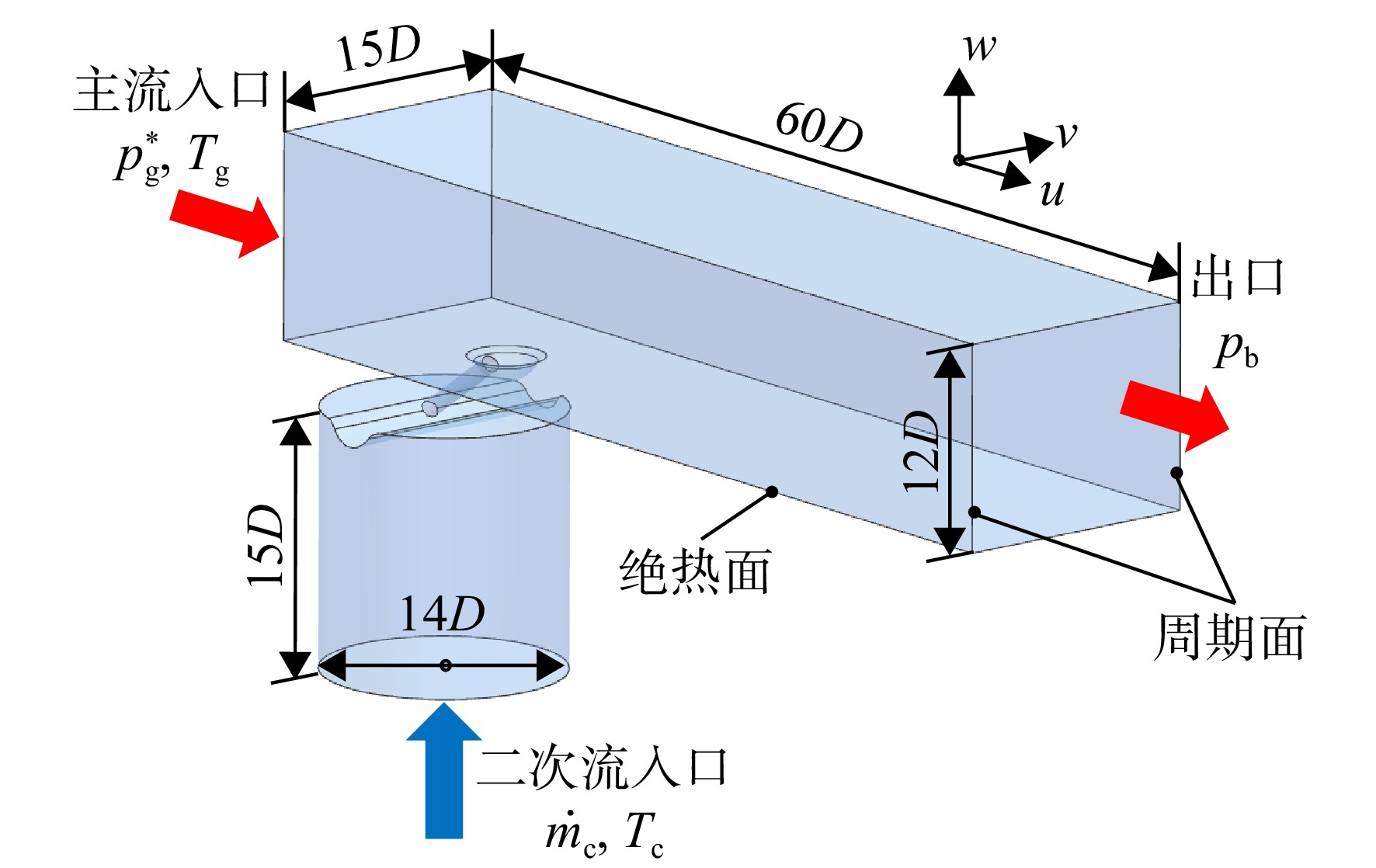
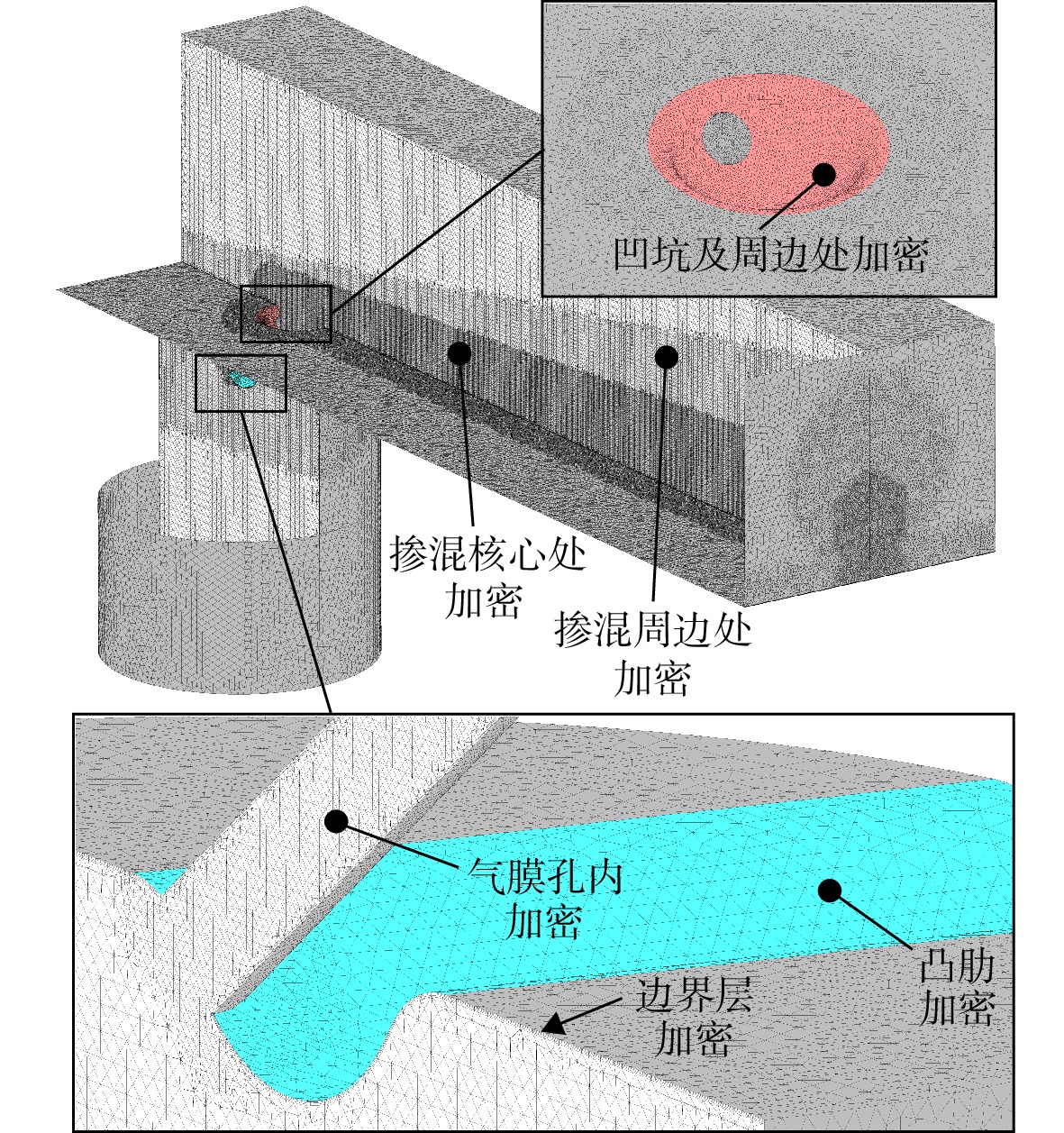
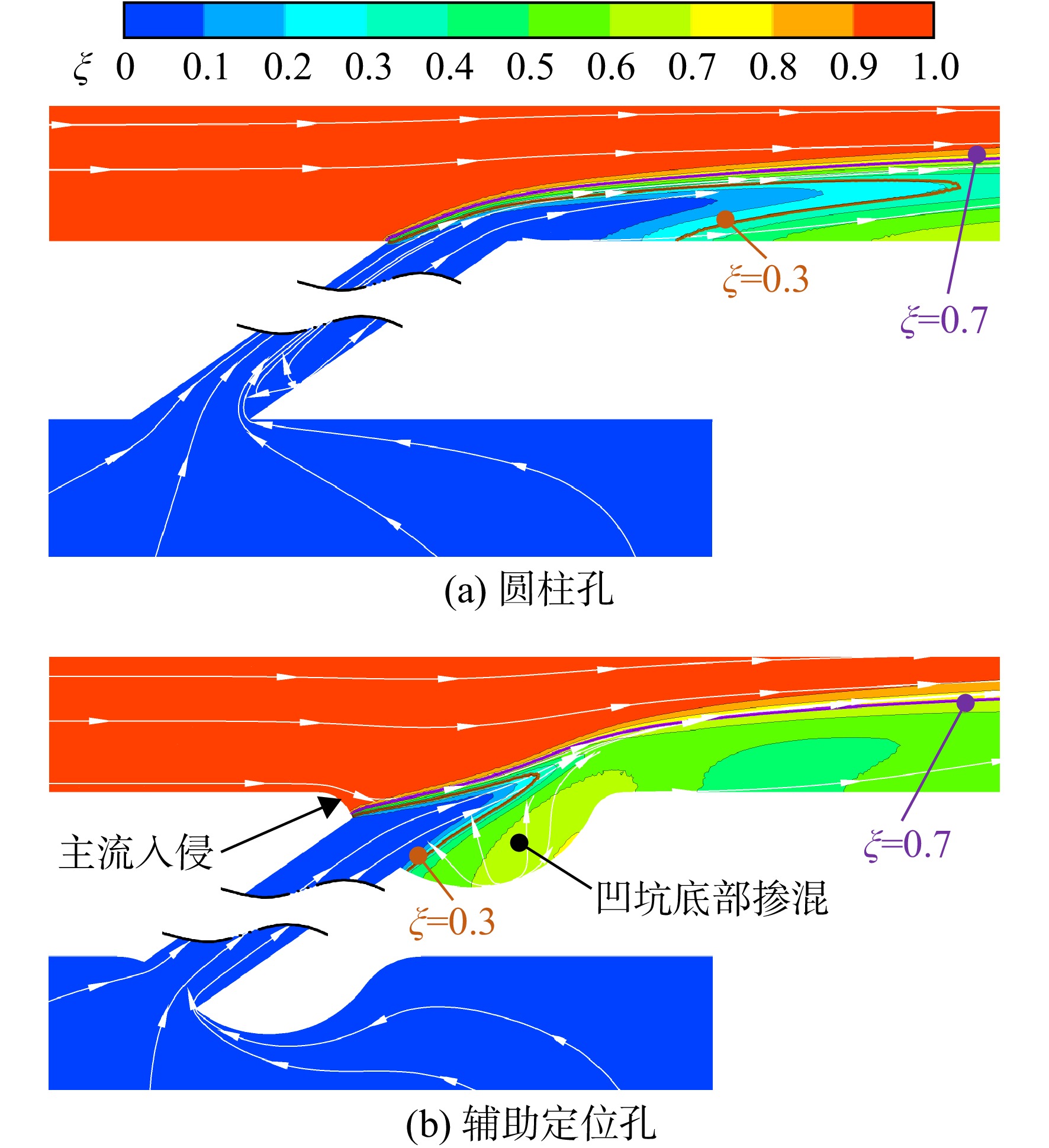
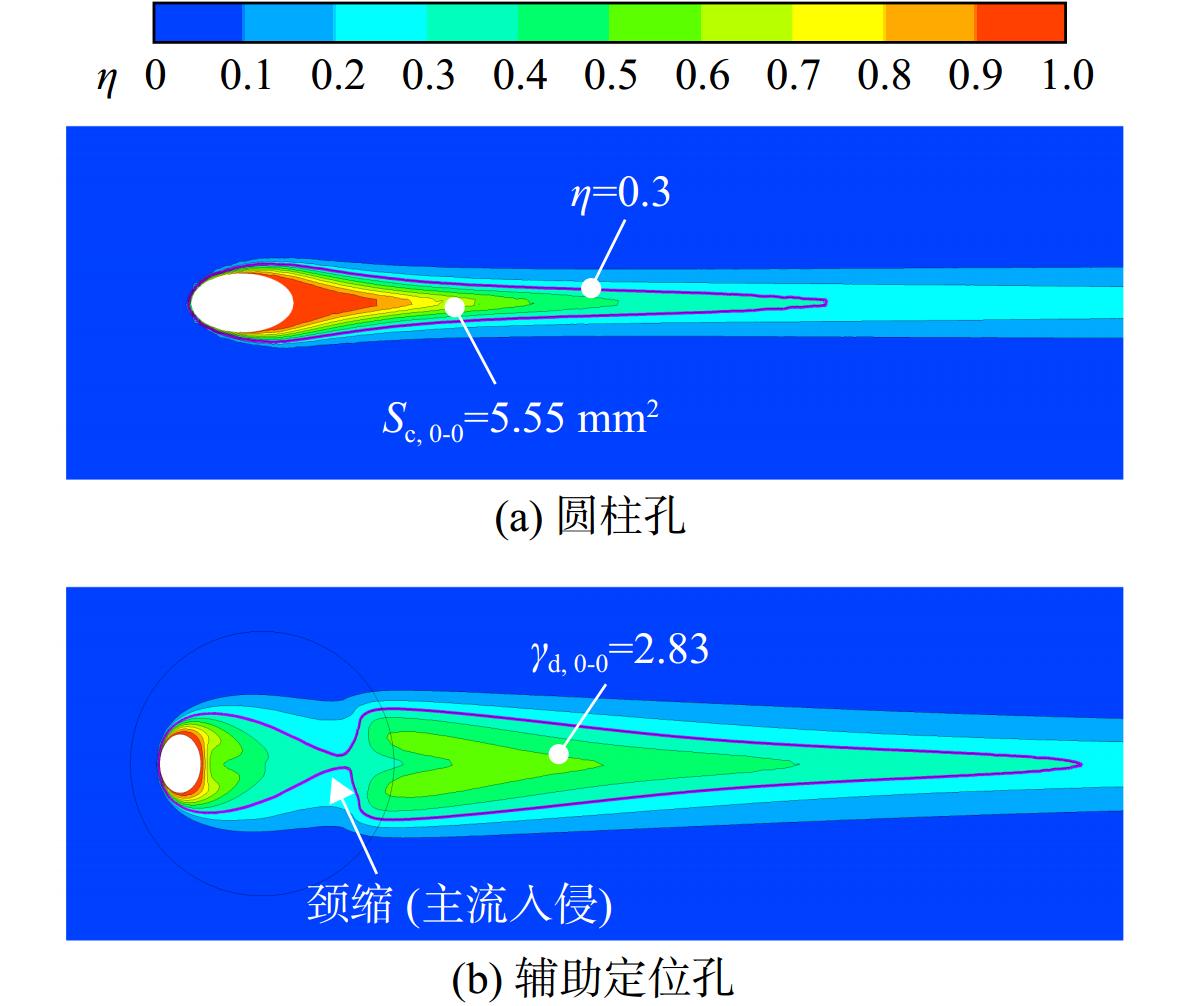
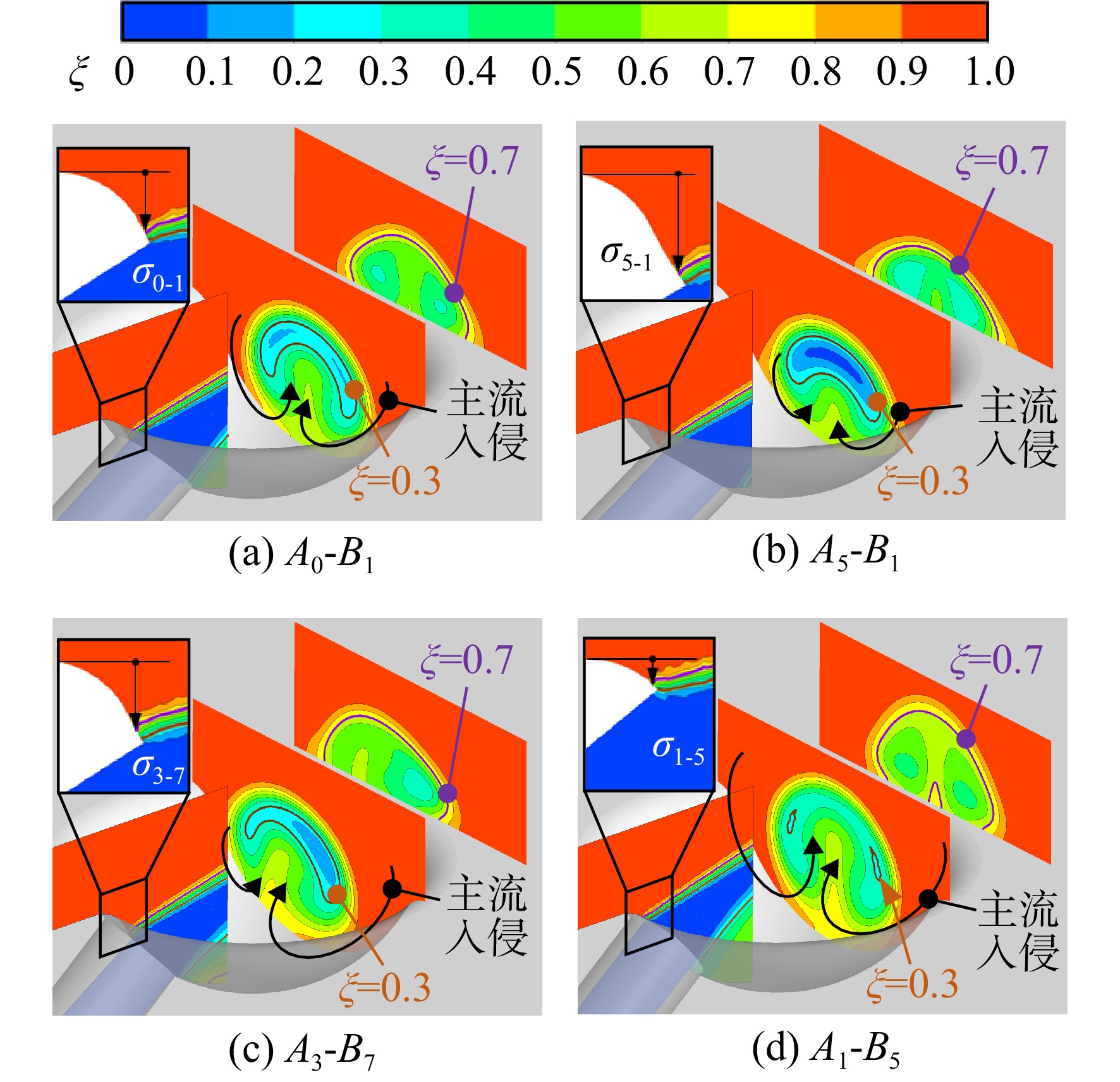
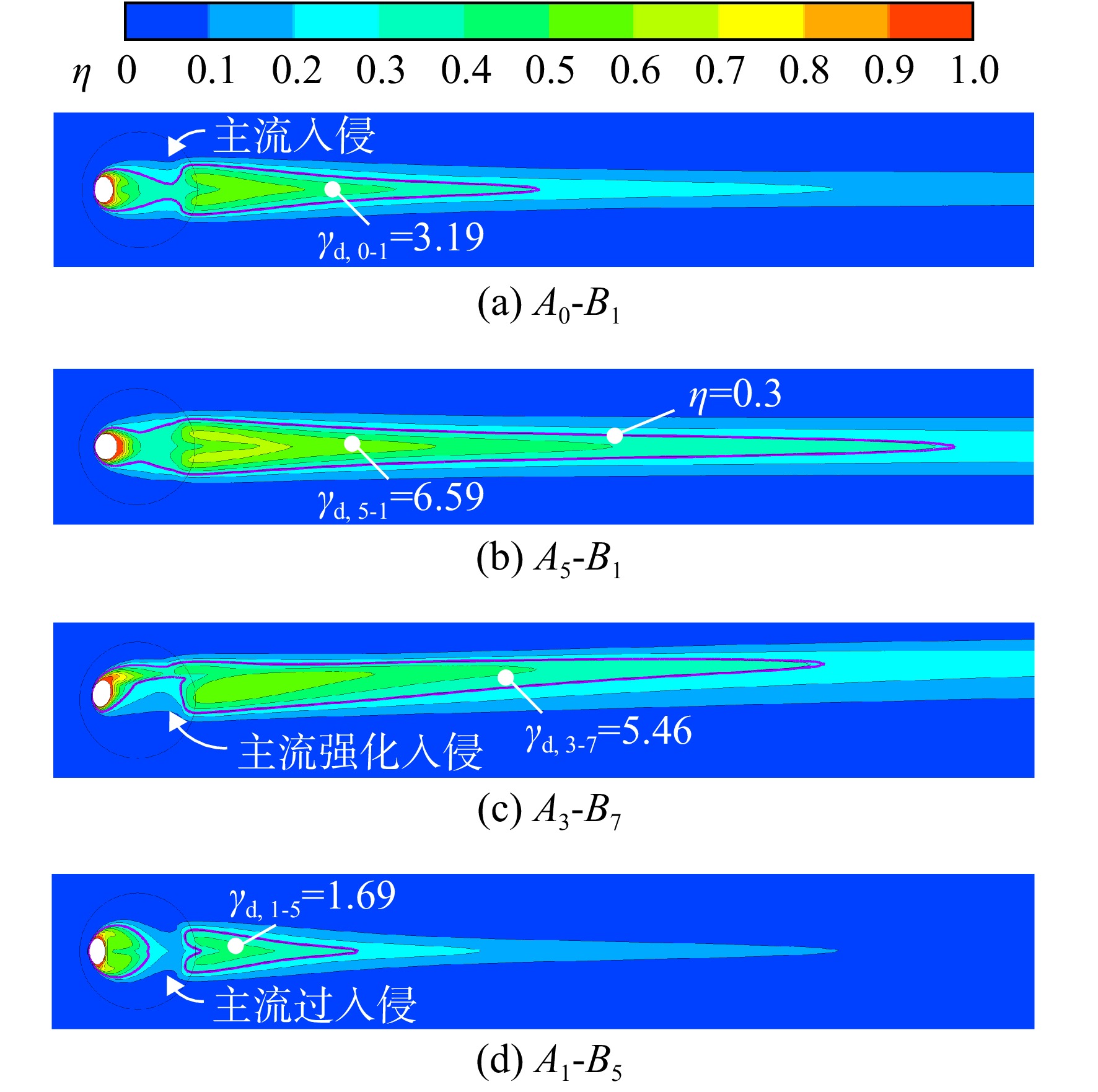
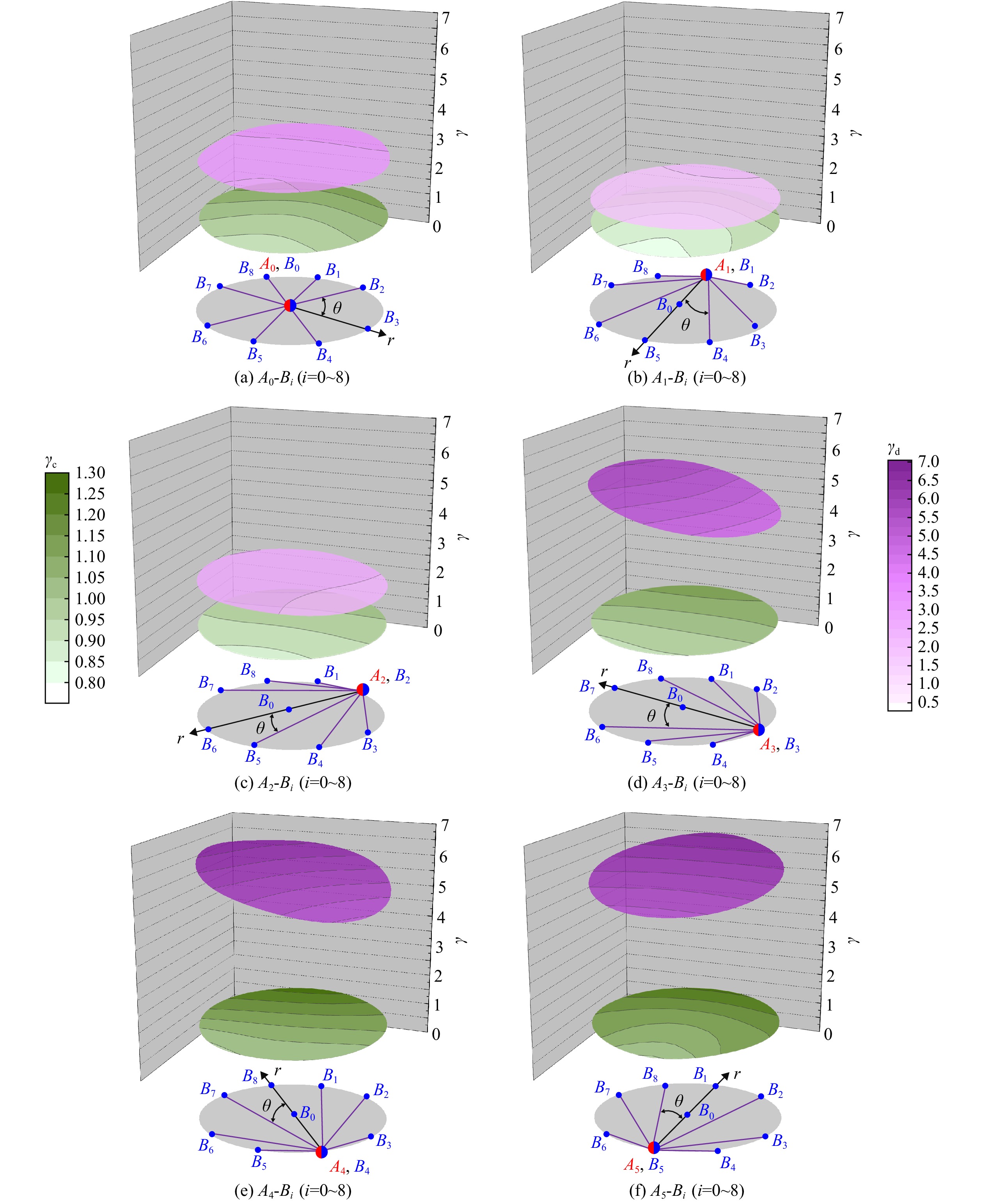
An auxiliary positioning film hole scheme utilizing pre-cast ribs and dimples in turbine blade workblank was proposed. These structures not only improved the film cooling performance, but also enhanced the resistance to the performance degradation by the positional deviations in drilling. The cylindrical hole was chosen as a benchmark. And within the limit of a typical position tolerance, the sample space was established including the theoretically exact and characteristic positional deviation models of both schemes. Comparative analysis of film mixing flow and cooling performance was carried out by employing numerical simulations. For the theoretically exact model of the auxiliary positioning hole, the dimple at the outlet inhaled the main inflow, thus the surface-attachment of the secondary flow was enhanced. As a result, the novel scheme reached up to 2.83 times the size of the film coverage area of the cylindrical hole. In terms of the positional deviation, the cooling performance of the novel scheme exhibited a positive correlation with the main flow intrusion depth, and even benefited from the spanwise tilted deviation. In the entire sample space, the auxiliary positioning holes achieved totally better performance than the cylindrical ones. At the same deviation position, the amplitude of the film coverage area coefficient increased from 0.37 to 5.77.

Flow resistance and heat transfer characteristics of U-shaped channel with top outflow in rotating state
LI Cairui, YOU Ruquan, CHE Junxin, LIU Liping, CHEN Wenbin
2025, 40(4): 20240520. doi: 10.13224/j.cnki.jasp.20240520
Abstract:

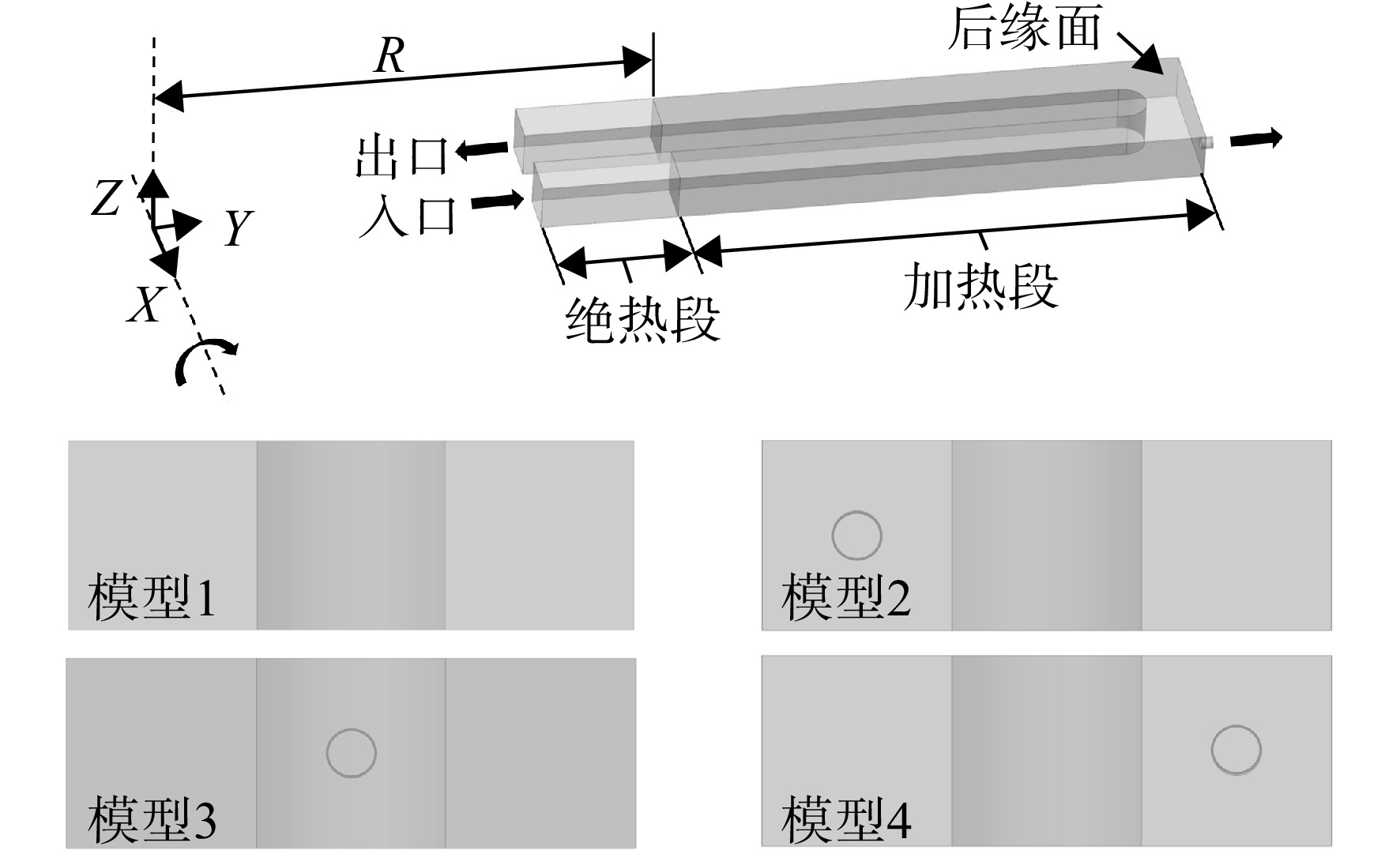
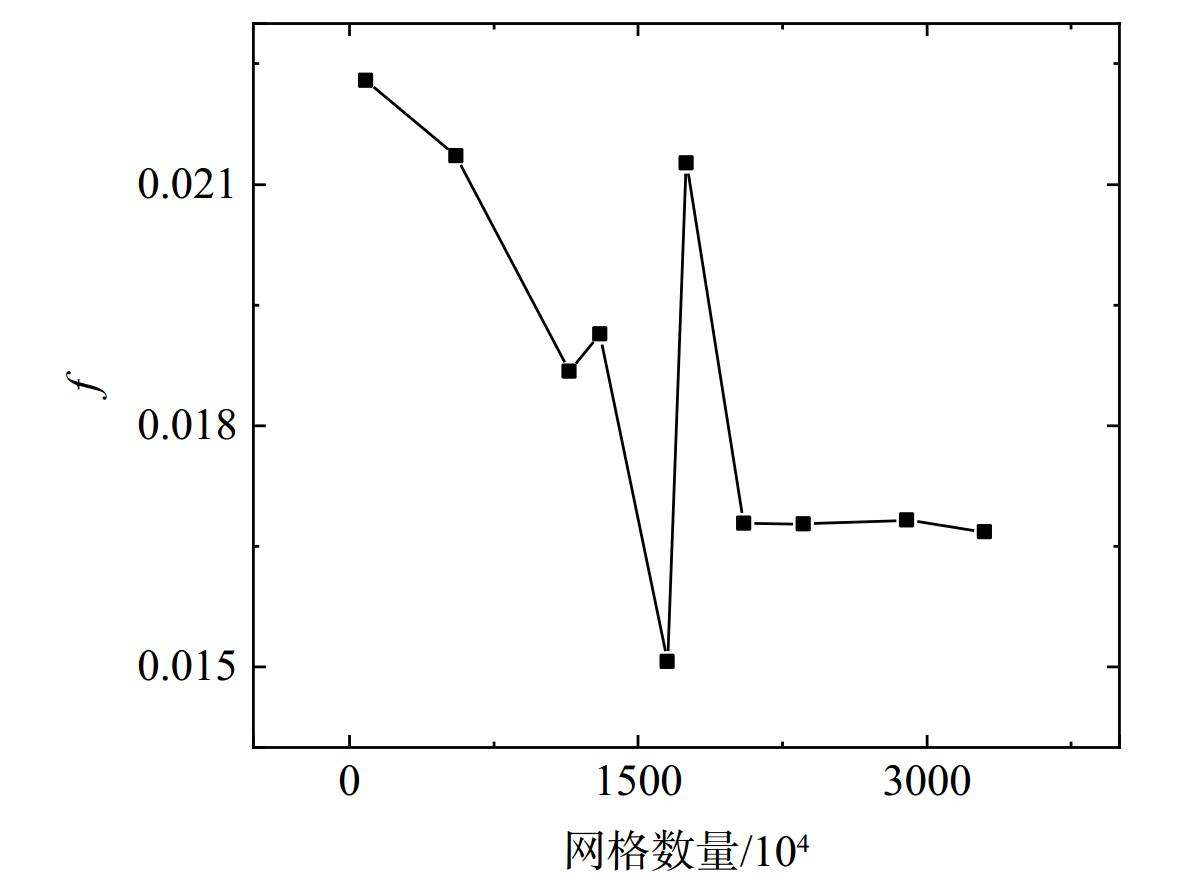
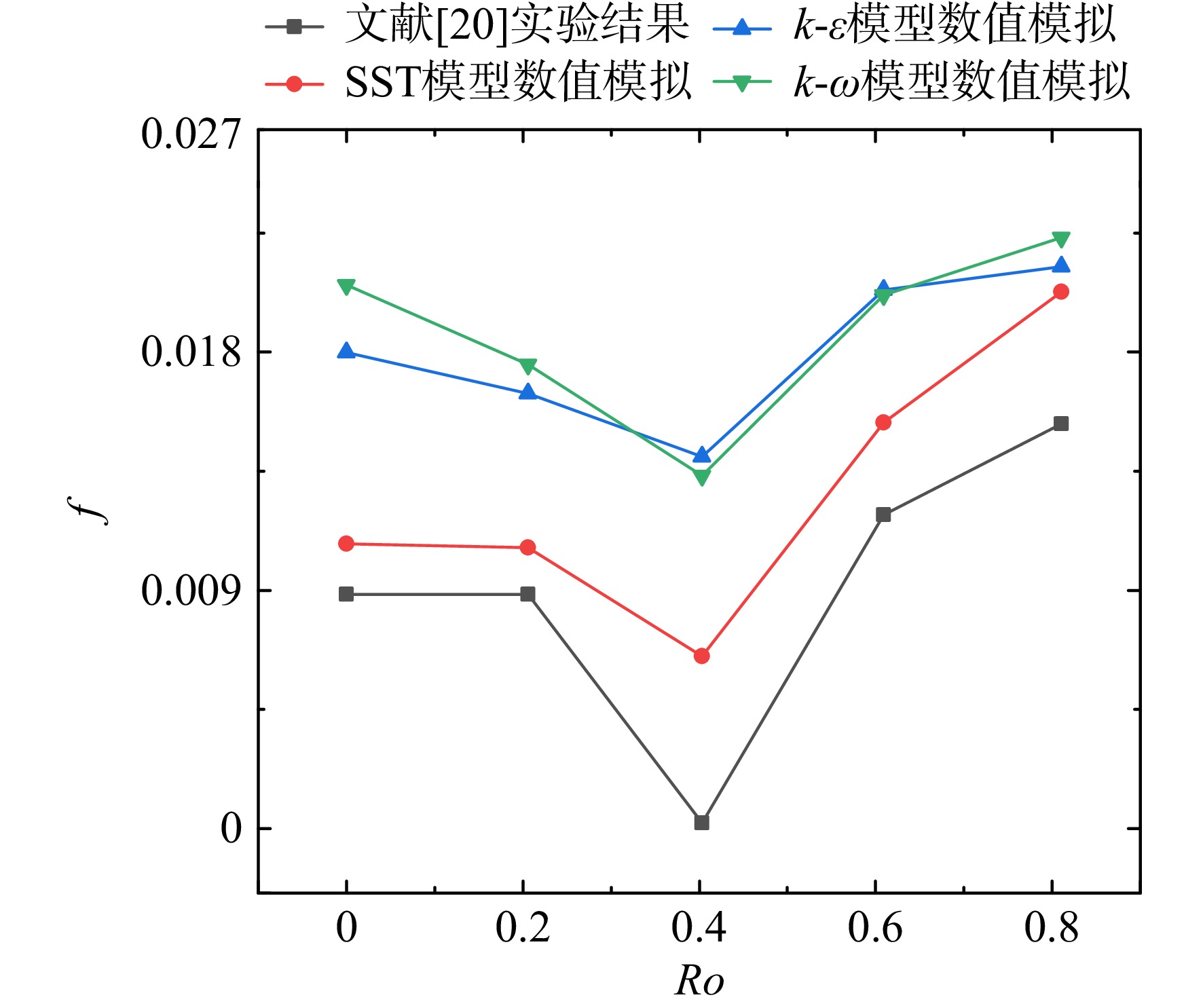
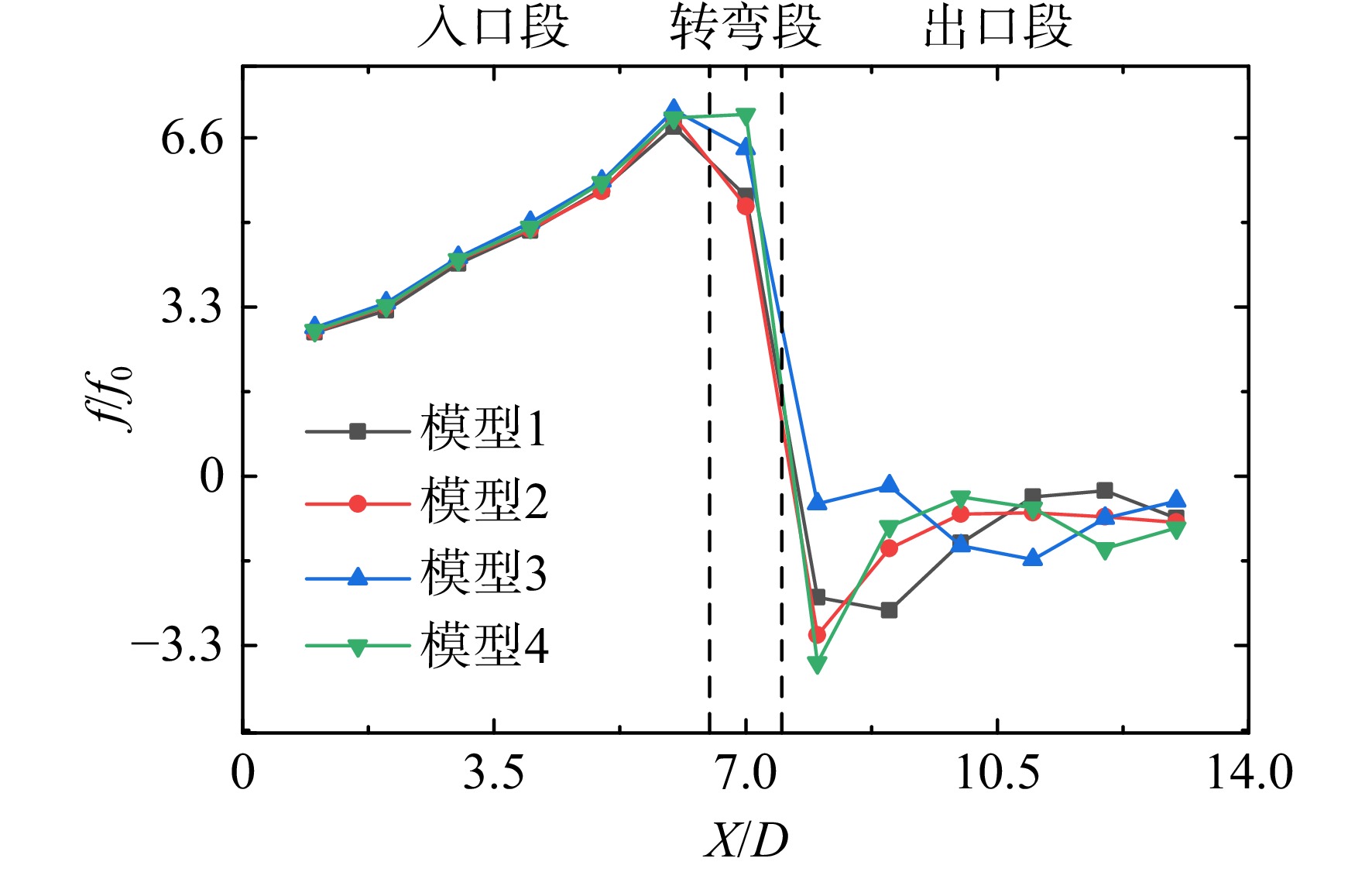
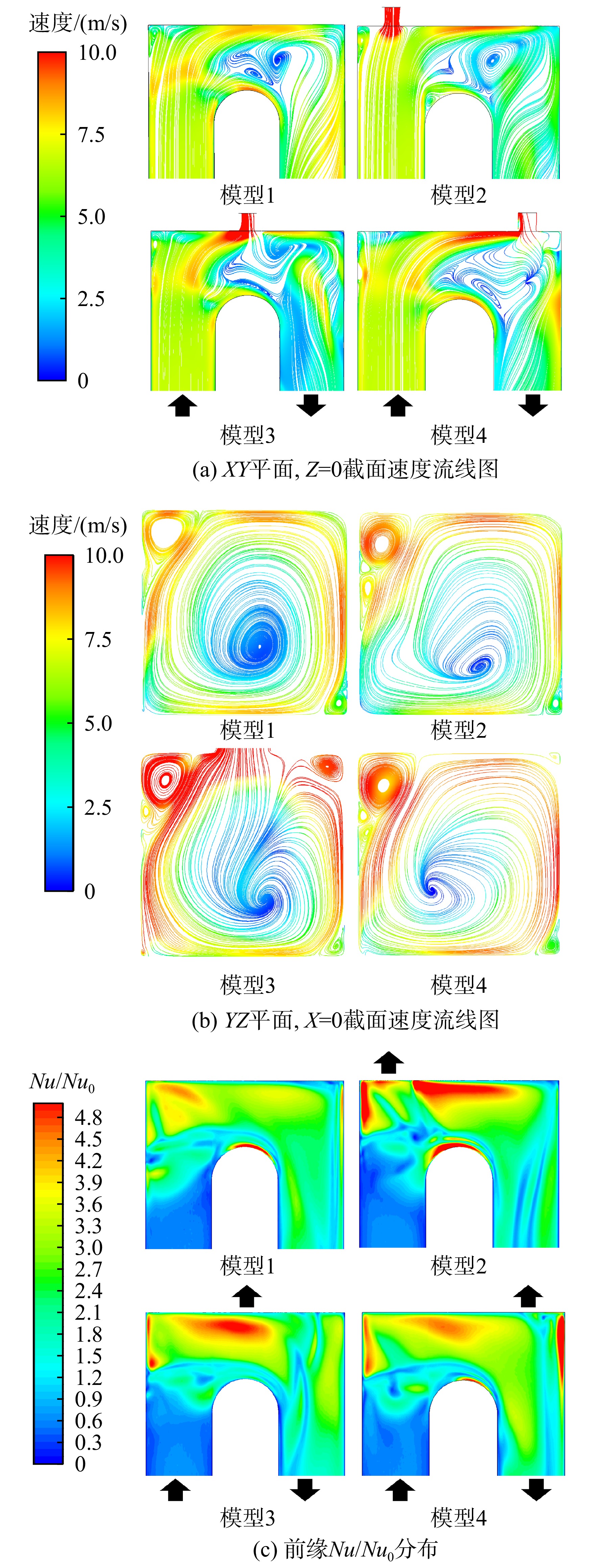
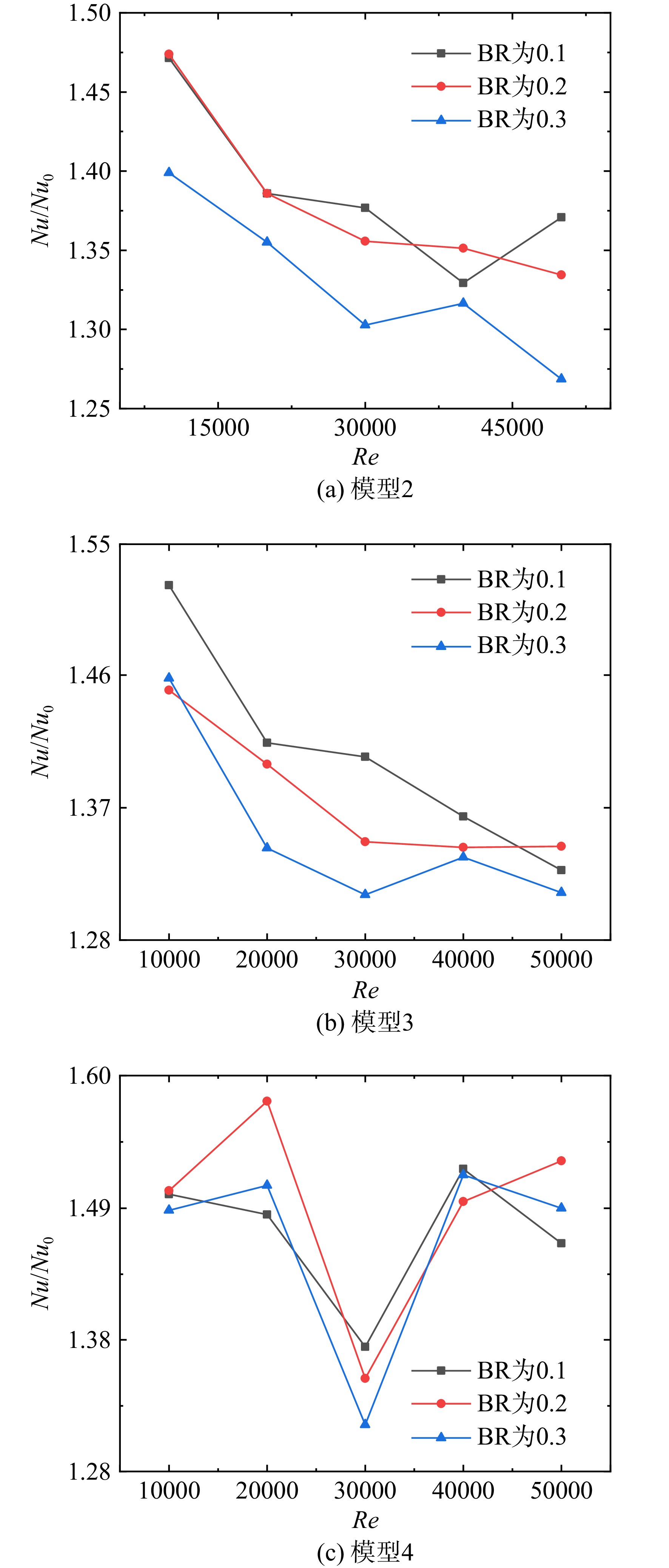
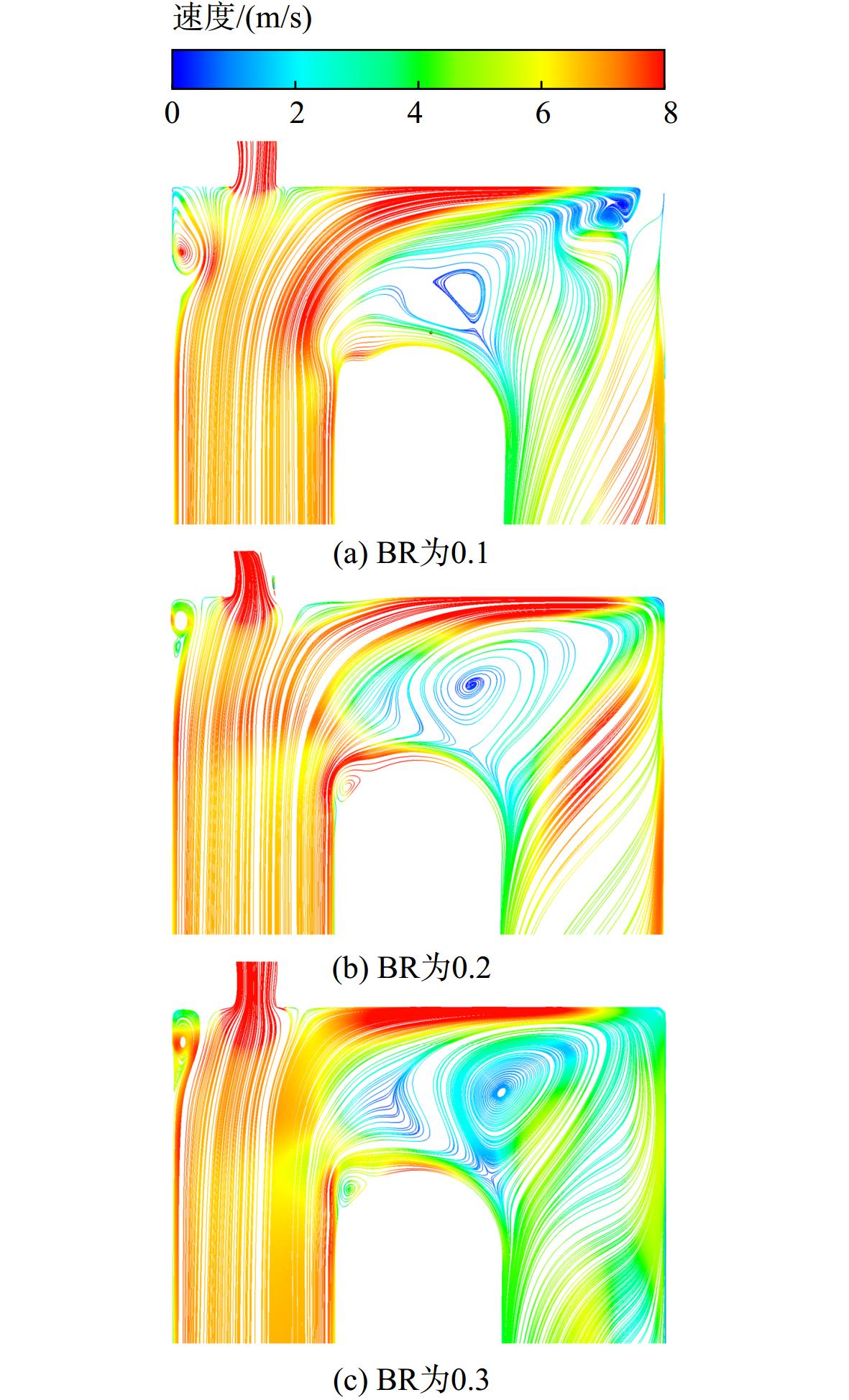
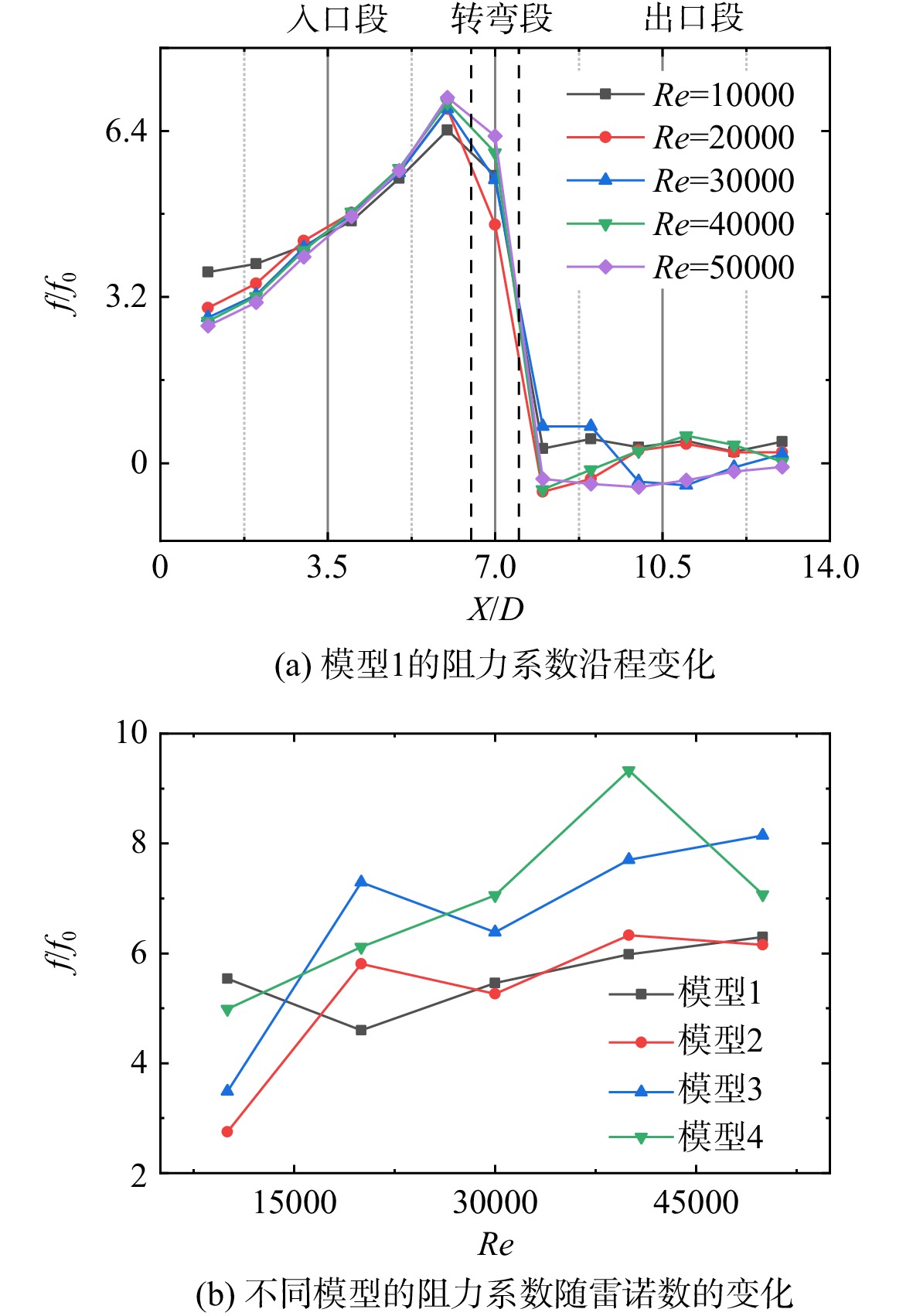
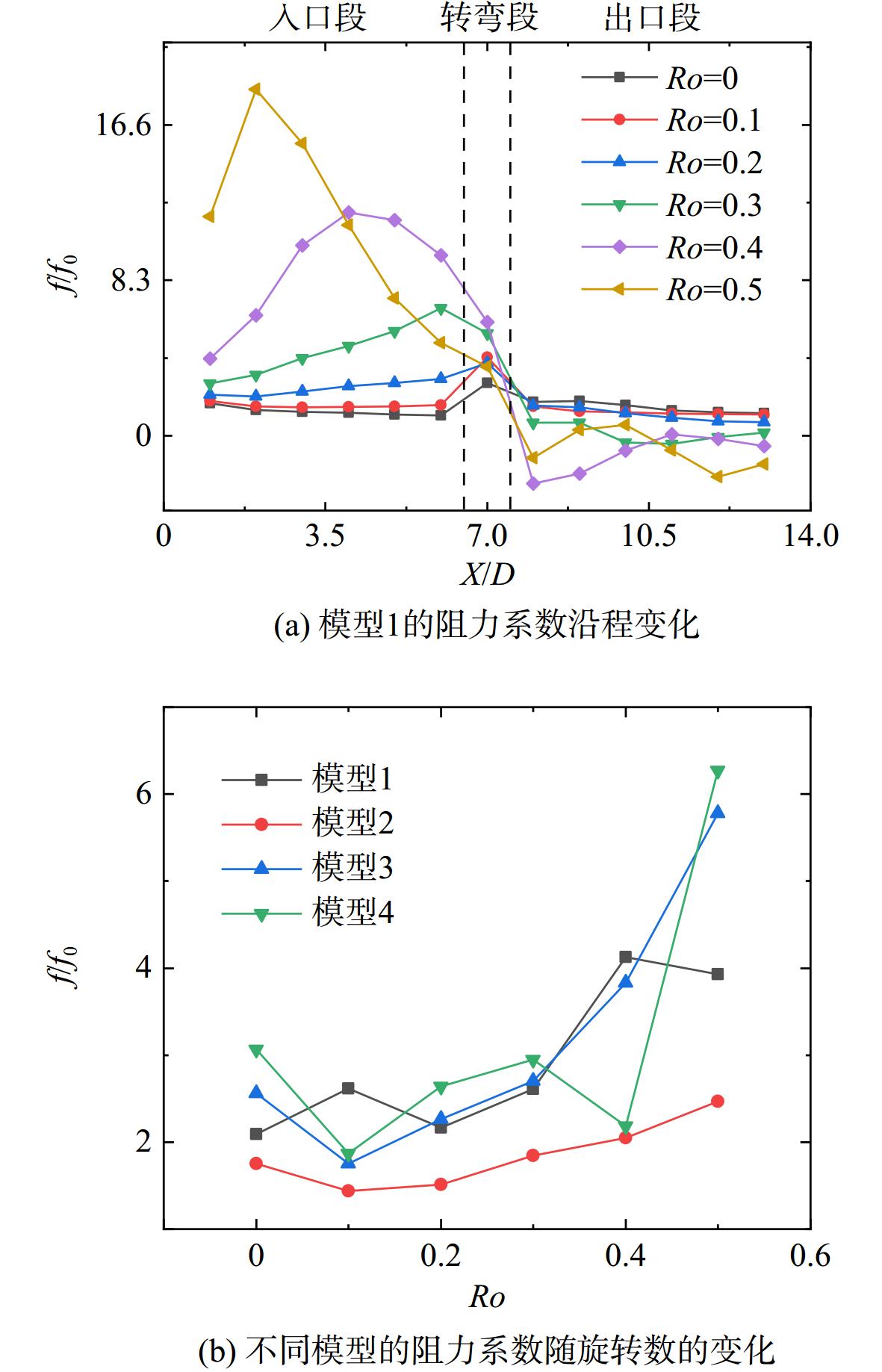
The influence of the outflow from the top of the U-shaped channel on the heat transfer and flow resistance characteristics of the turning section wall under the rotating state was studied. The distributions of Fanning friction factor and Nusselt number of U-shaped channel under the influences of different outflow ratios with Reynolds number within the range of 10000 to 50000 and rotation number within the range of 0 to 0.5 were obtained. The results showed that the top outlet position had little effect on heat transfer, with a change of less than 3%, but the effect on flow resistance can reach 37%. Specifically, the top outflow model on the inlet side of the turning section exhibited the lowest flow resistance, with a thermal performance coefficient 14% higher than other top outflow positions. In conclusion, the position of the dust removal hole significantly affected the flow state of the fluid in the turning section. While it had a significant influence on flow resistance, its effect on heat transfer was minimal. To achieve a structure with higher thermal performance, it is recommended to select the dust removal hole position at the top of the inlet side of the turning section.

IAOTE: an adaptive fault diagnosis method for rotors under hybrid imbalanced small samples
WANG Jiaxin, WEI Jian’an, HUANG Haisong, YUAN Yage, CHEN Hualin
2025, 40(4): 20240507. doi: 10.13224/j.cnki.jasp.20240507
Abstract:

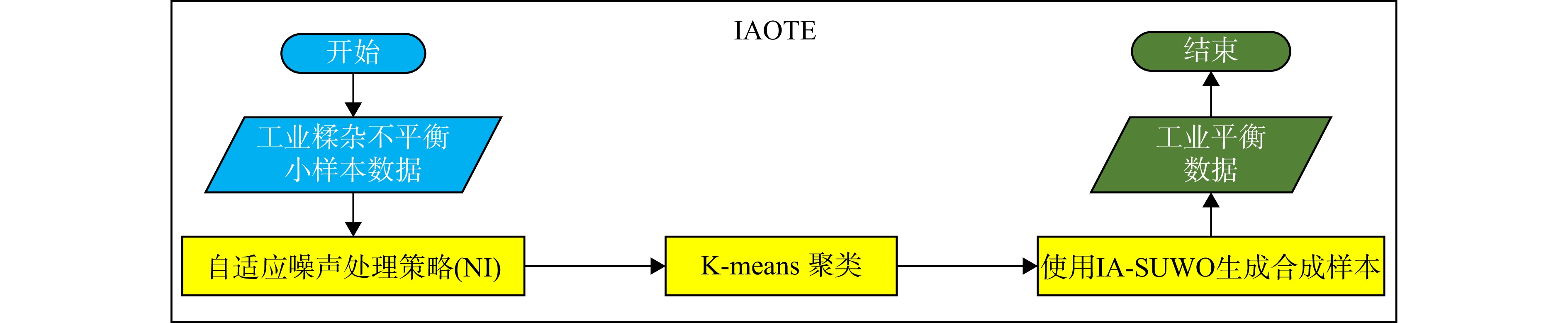
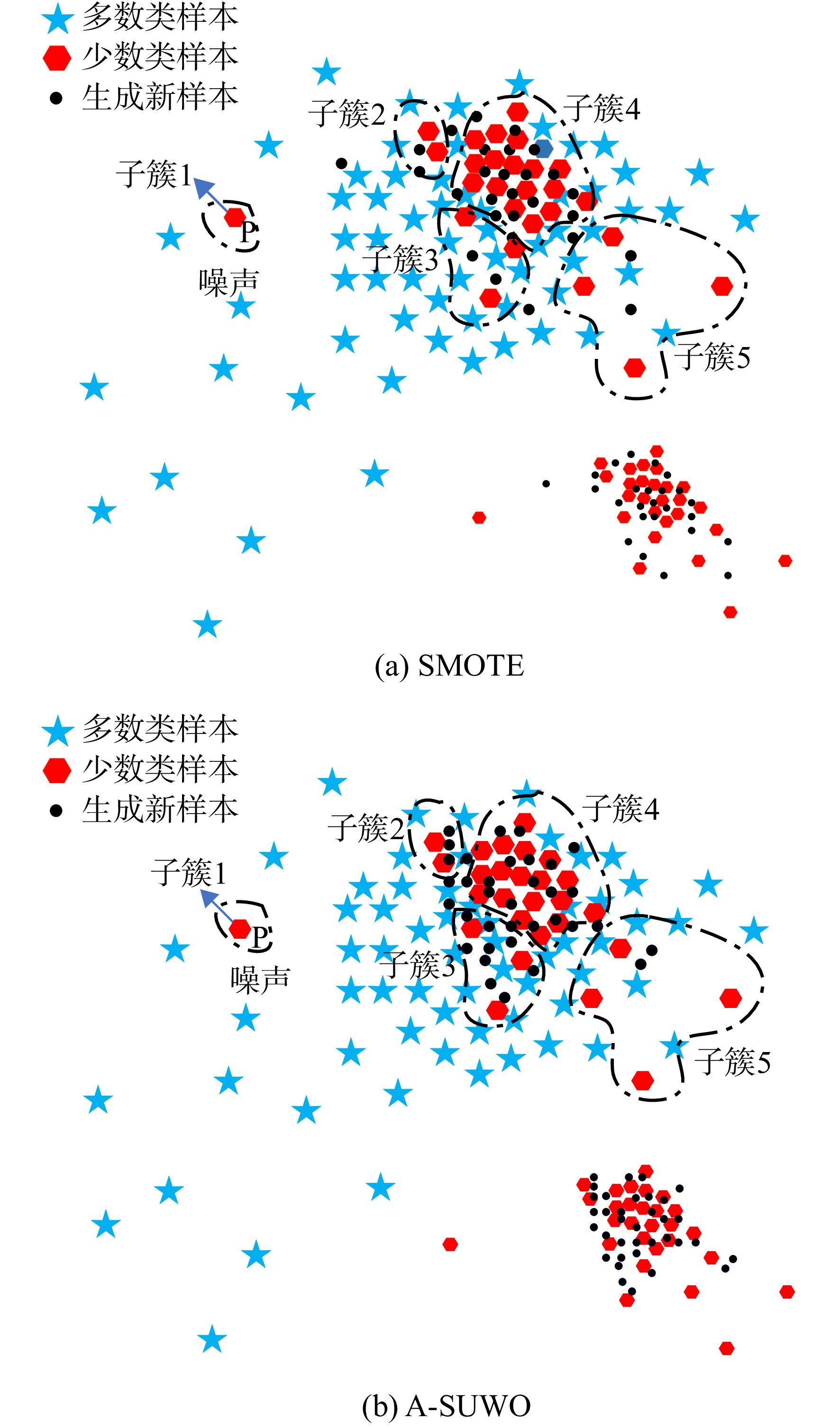
Improved adaptive oversampling technique (IAOTE) was proposed to address the problems of imbalanced health state data and ineffective mainstream sampling algorithms in the early steam turbine rotor self-scaling fault diagnosis modeling. This technique integrated the adaptive noise-immunity (NI) processing strategy with the improving adaptive semi-unsupervised weighted oversampling (IA-SUWO). Firstly, the NI strategy was used to denoise the mixed imbalanced data, and then the K-means clustering algorithm was used to process the denoised data to recognize the imbalanced data. The NI strategy was used to denoise the blended imbalanced data, and then the K-means clustering algorithm was used to process the denoised data to identify the cluster boundary samples and embed the IA-SUWO mechanism to synthesize the new samples. Furthermore, IAOTE was integrated with least squares support vector machines (LS-SVM) classifiers to construct a fault diagnosis framework to ensure classification interpretability and integrate parameter optimization mechanisms. Experiments showed that among 20 diagnostic examples, IAOTE achieved the highest sensitivity index of 99.76%, the highest G-mean index of 99.25%, the highest F-measure index of 99.42%, the highest area under curve (AUC) index of 99.26%, and the lowest cumulative error, which made IAOTE more suitable for early rotor fault diagnosis in small samples under the mix of imbalance.

Impact of array micro-tube diffusion burner for hydrogen fuel on combustion instability characteristics
LI Xiaoye, LI Jiayi, CHANG Yunxin, YANG Yiran, HAN Xiao, LIN Yuzhen
2025, 40(4): 20240566. doi: 10.13224/j.cnki.jasp.20240566
Abstract:

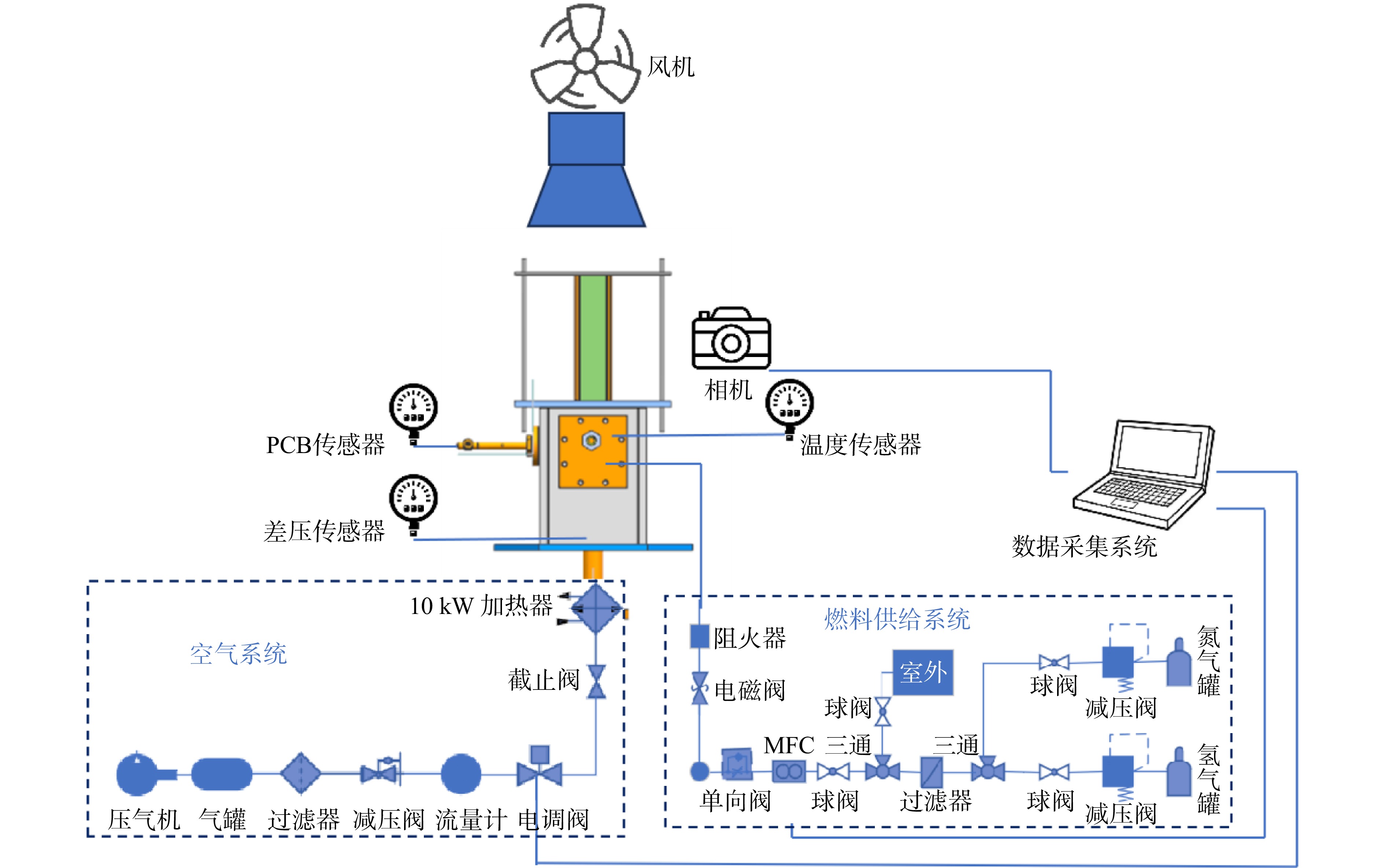
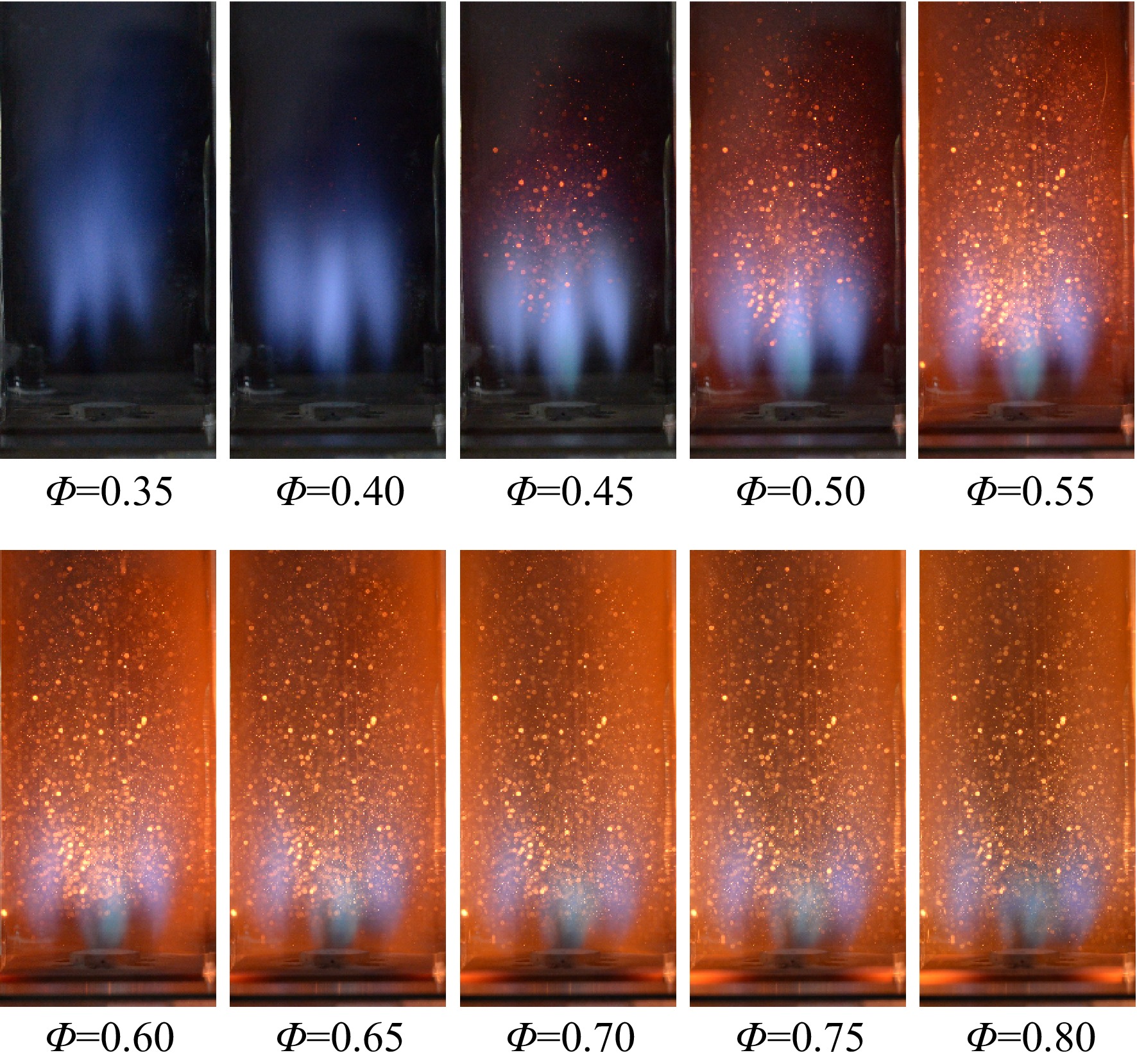
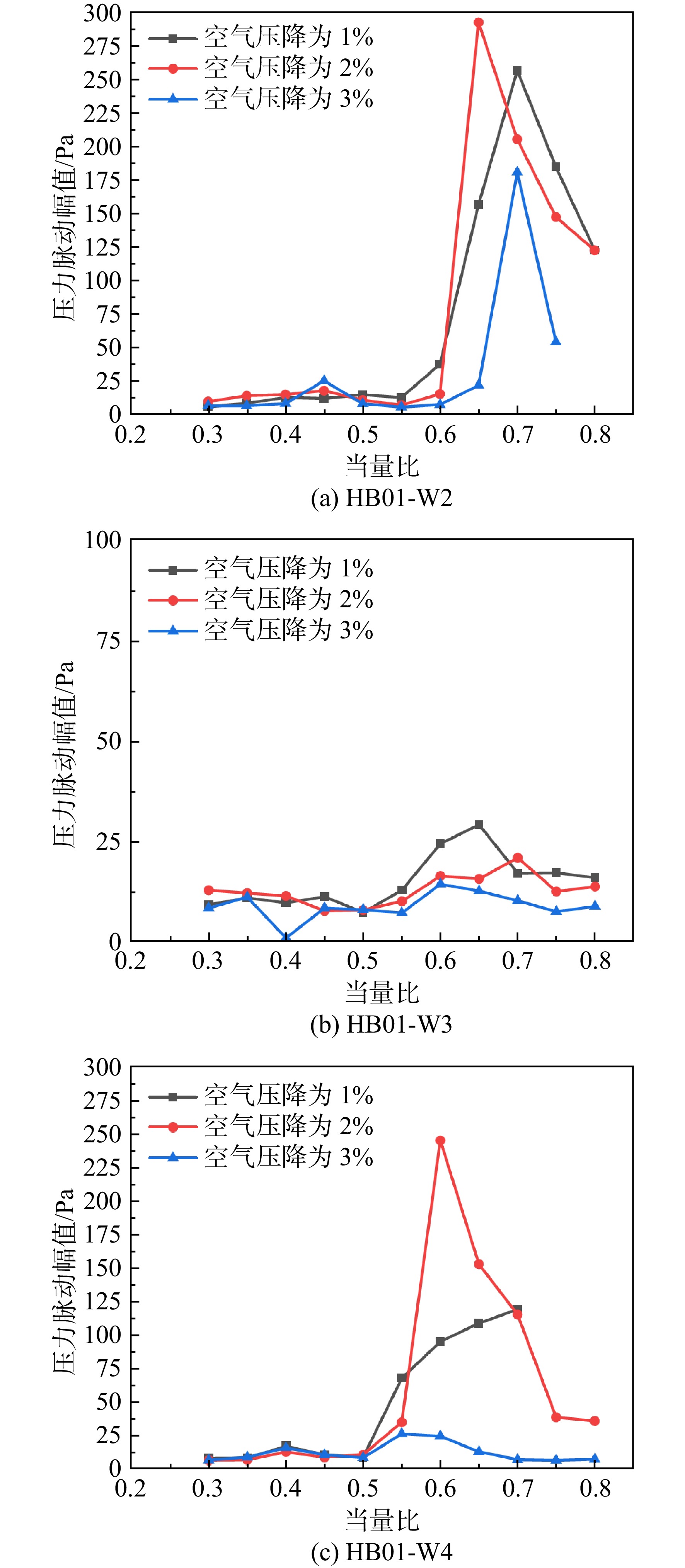
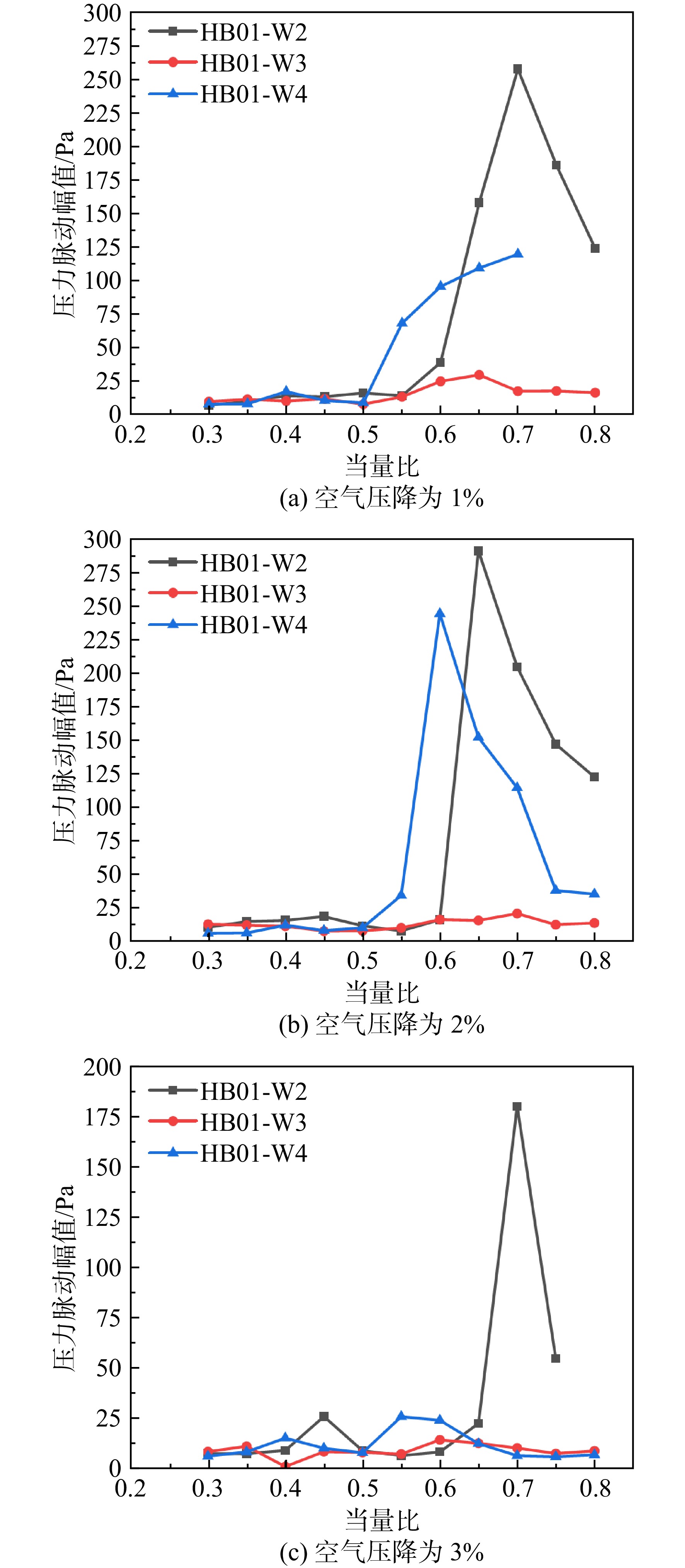
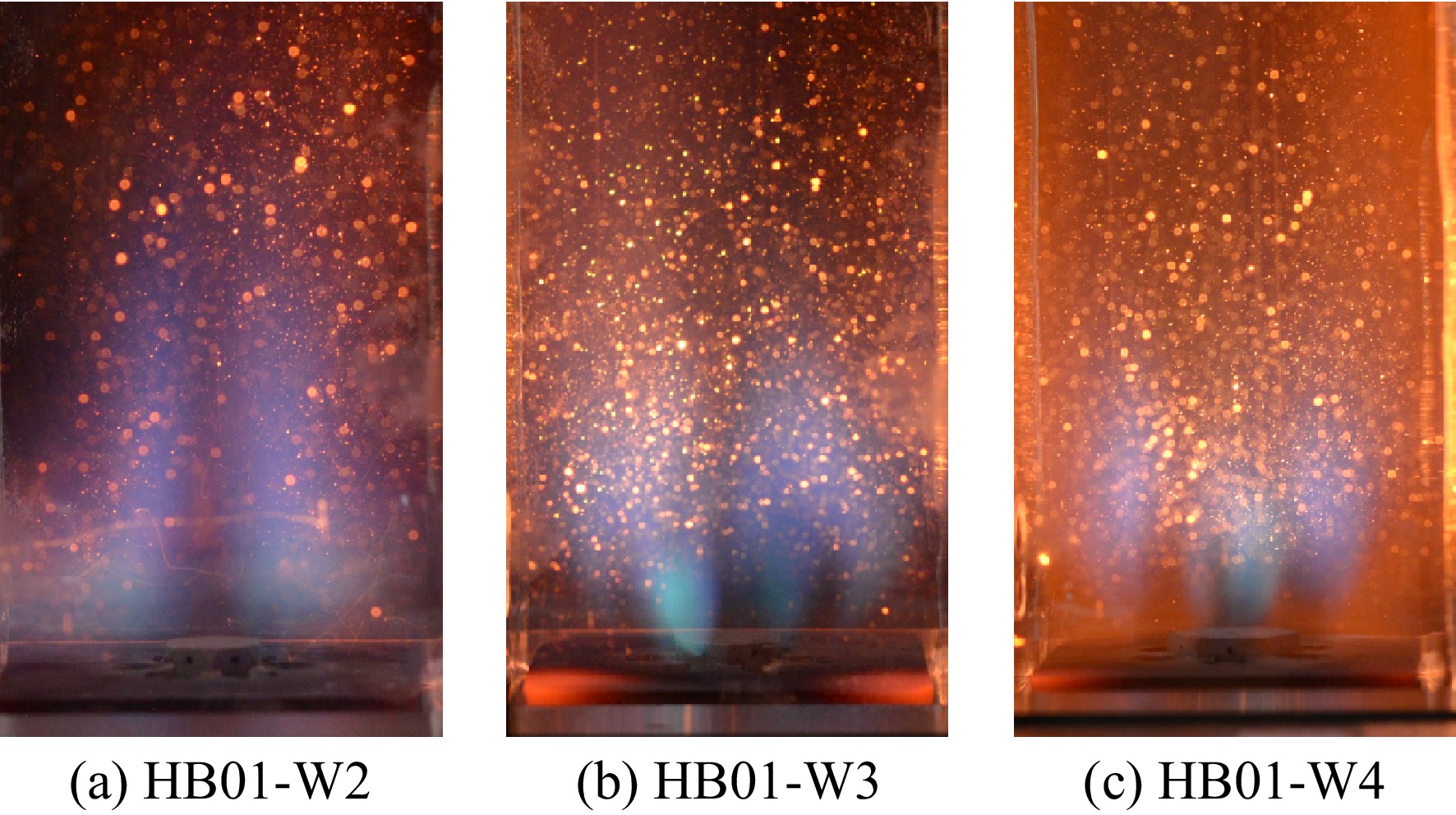
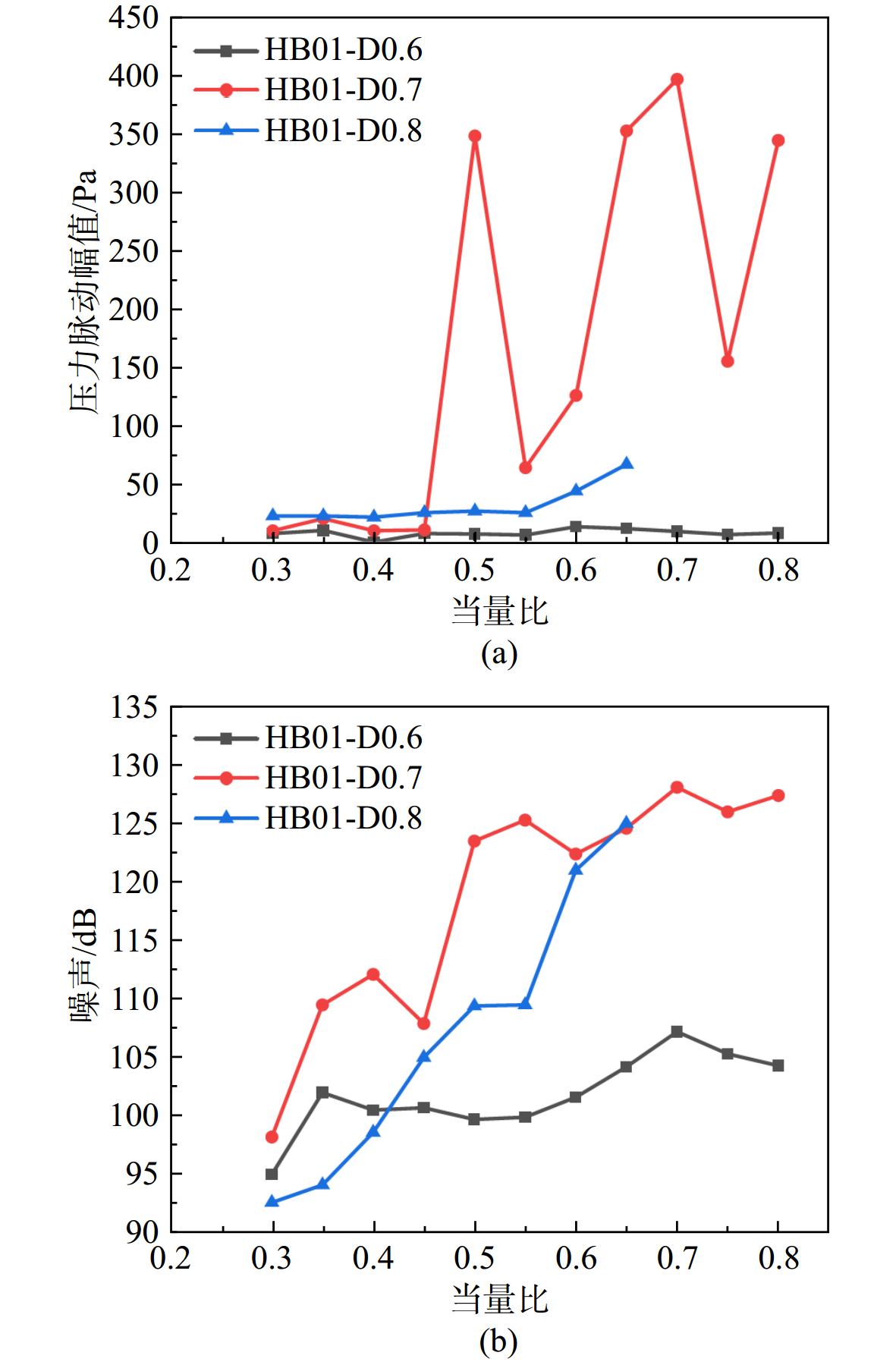
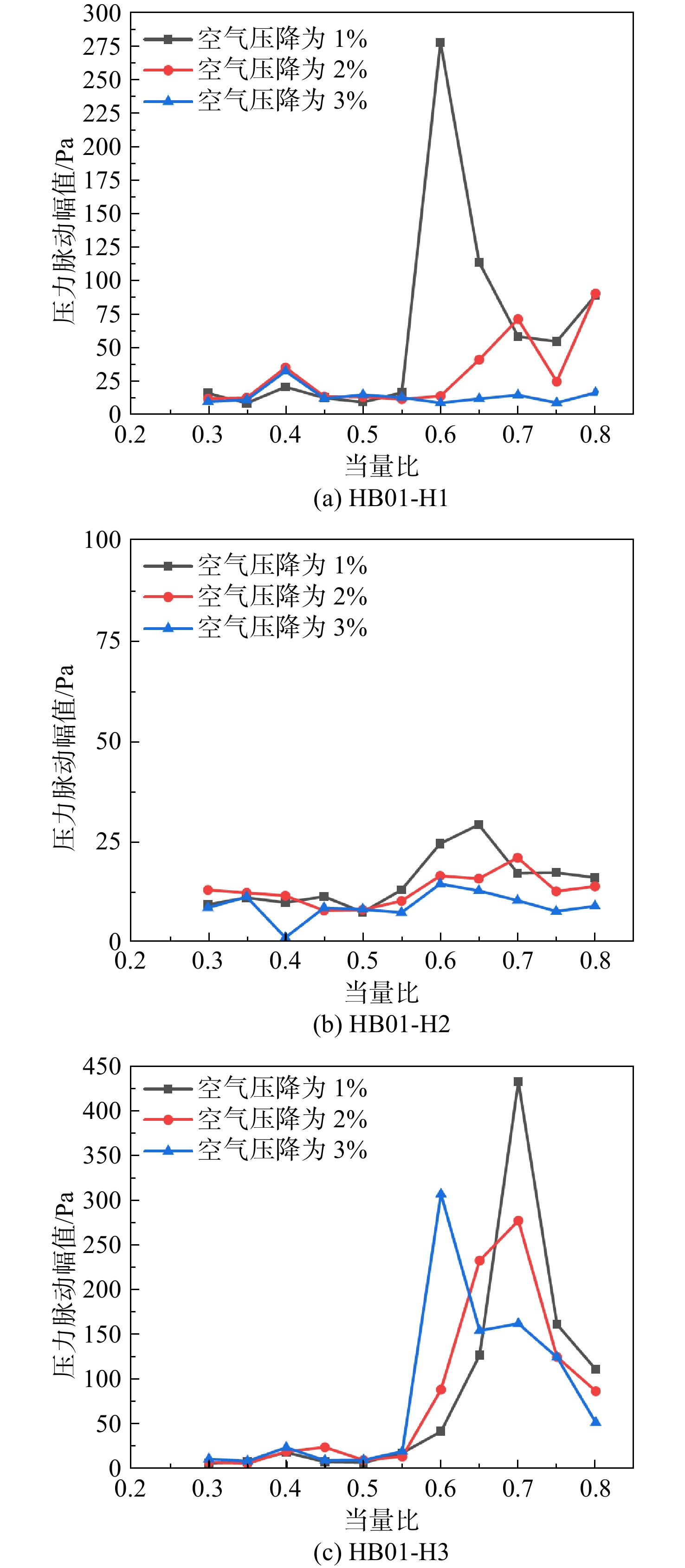
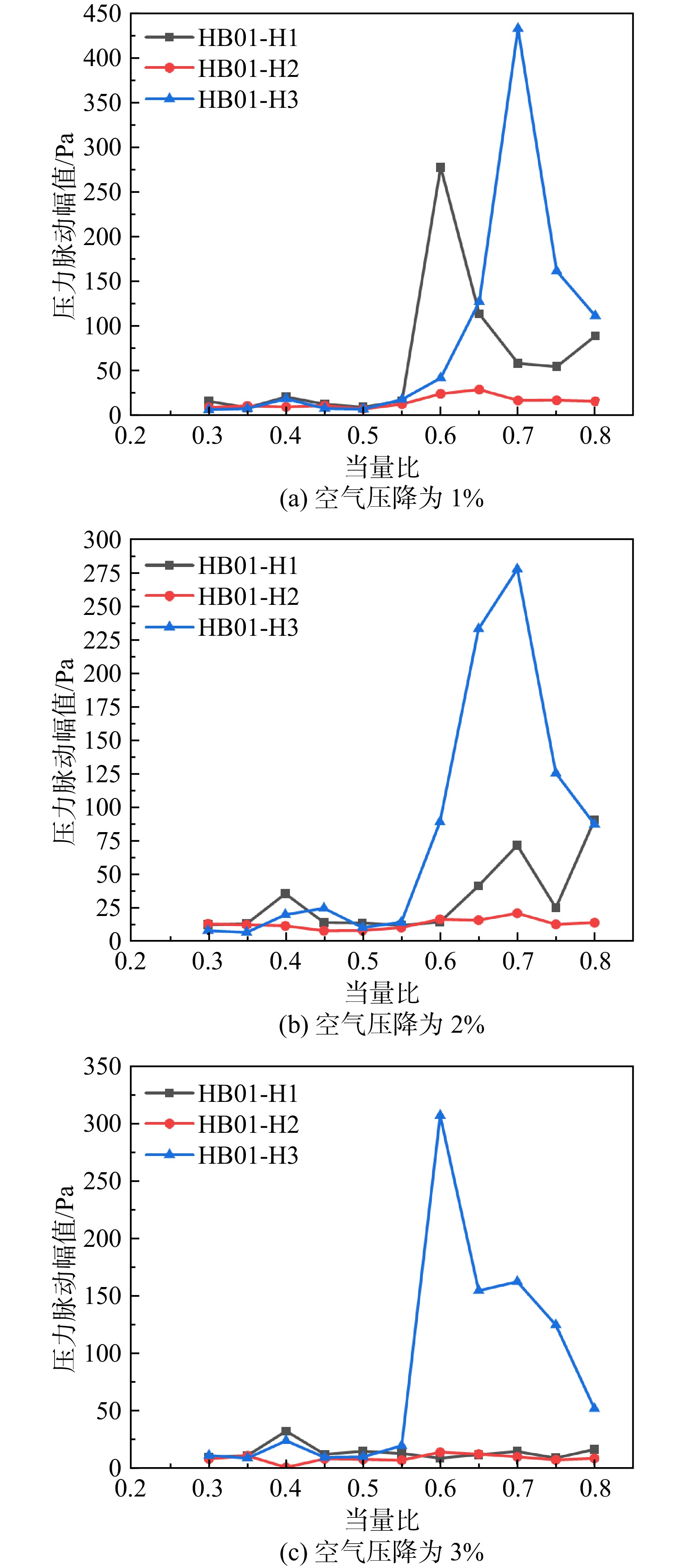
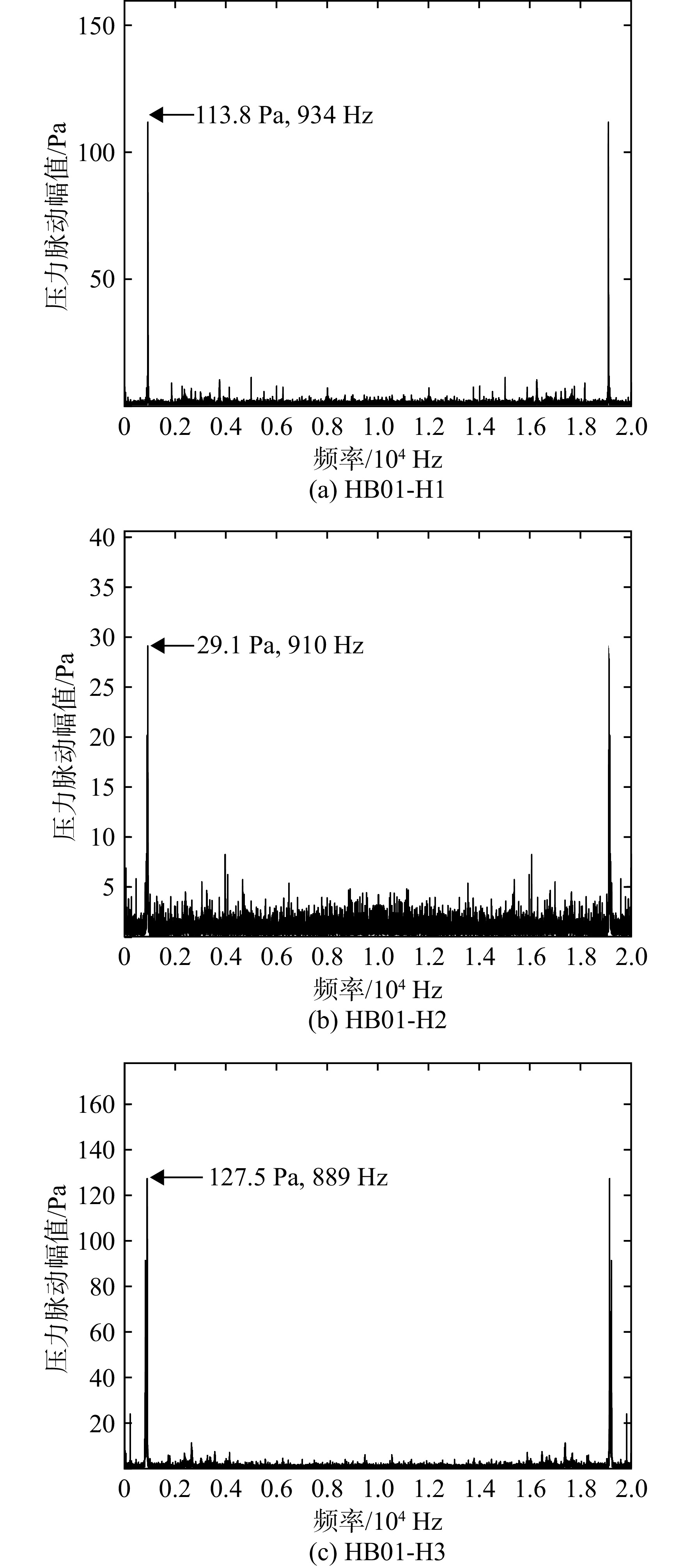
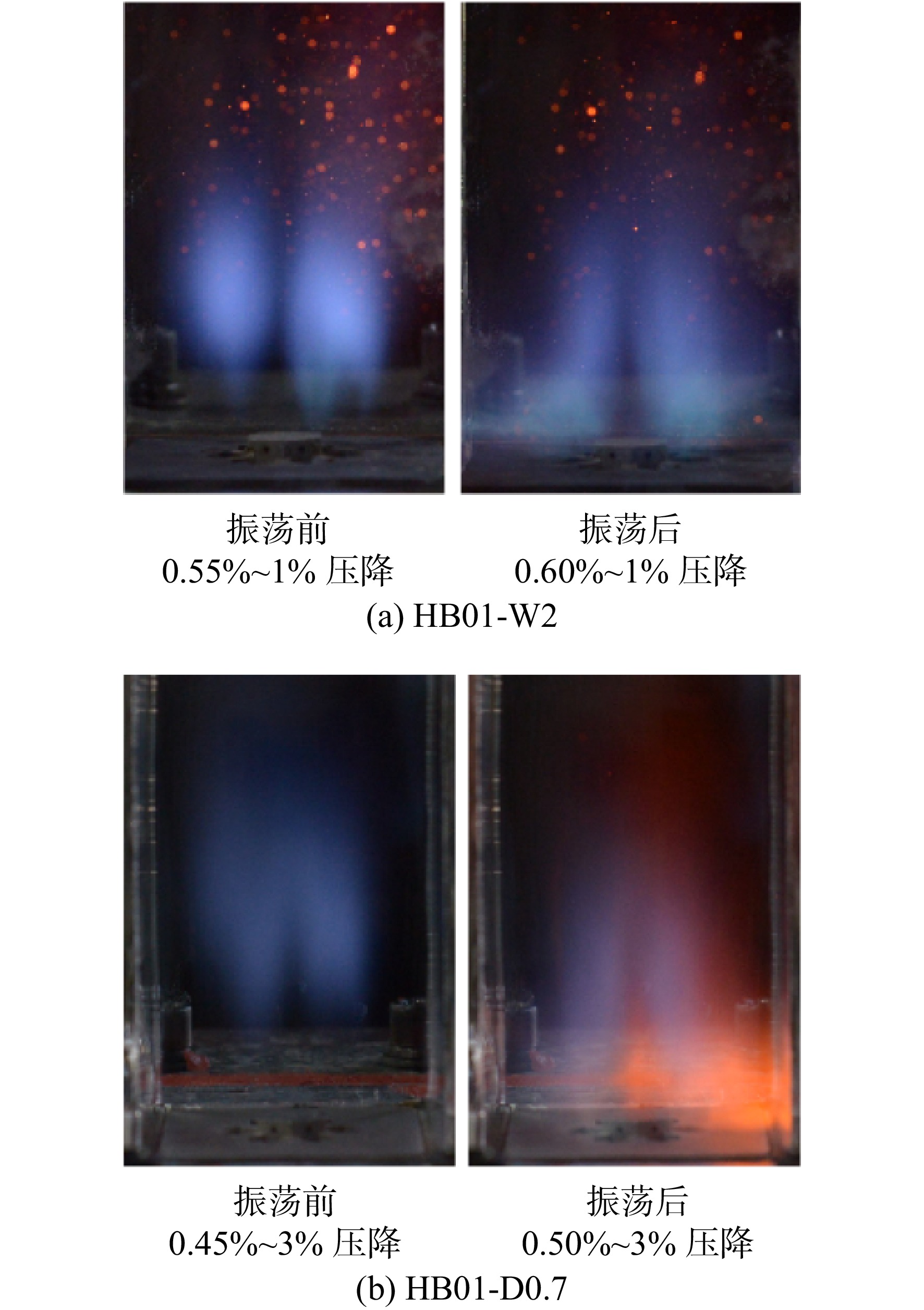
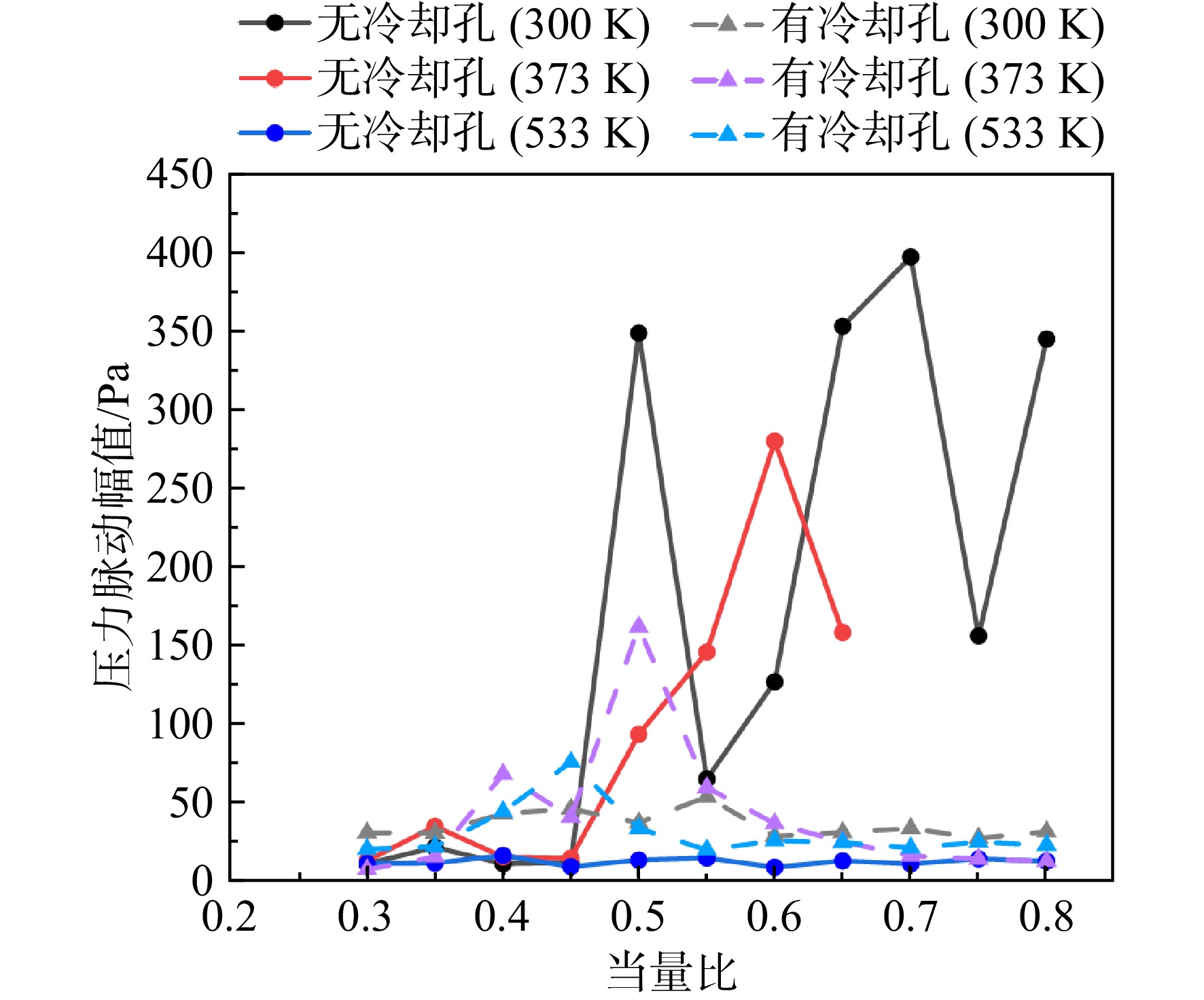
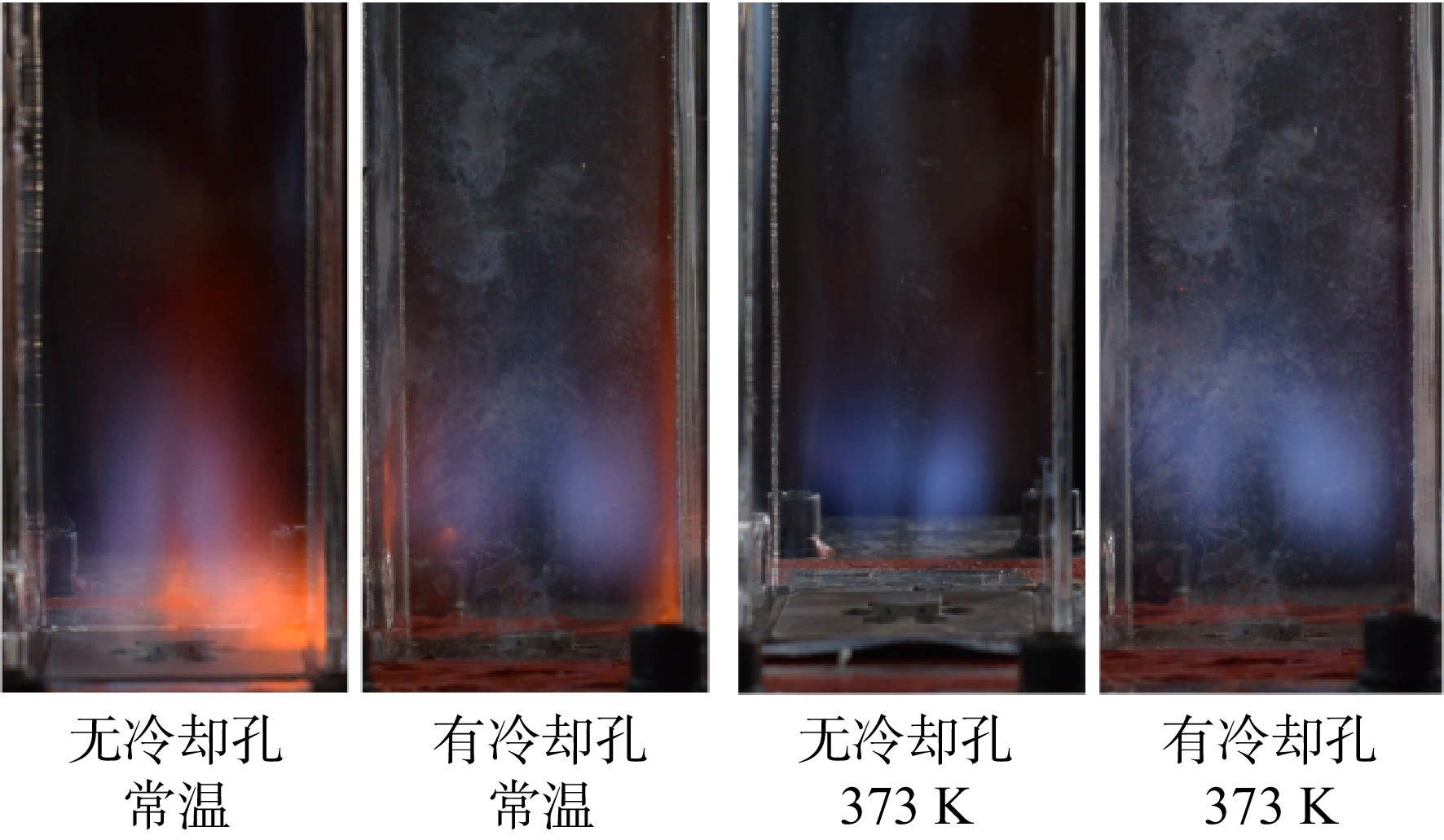
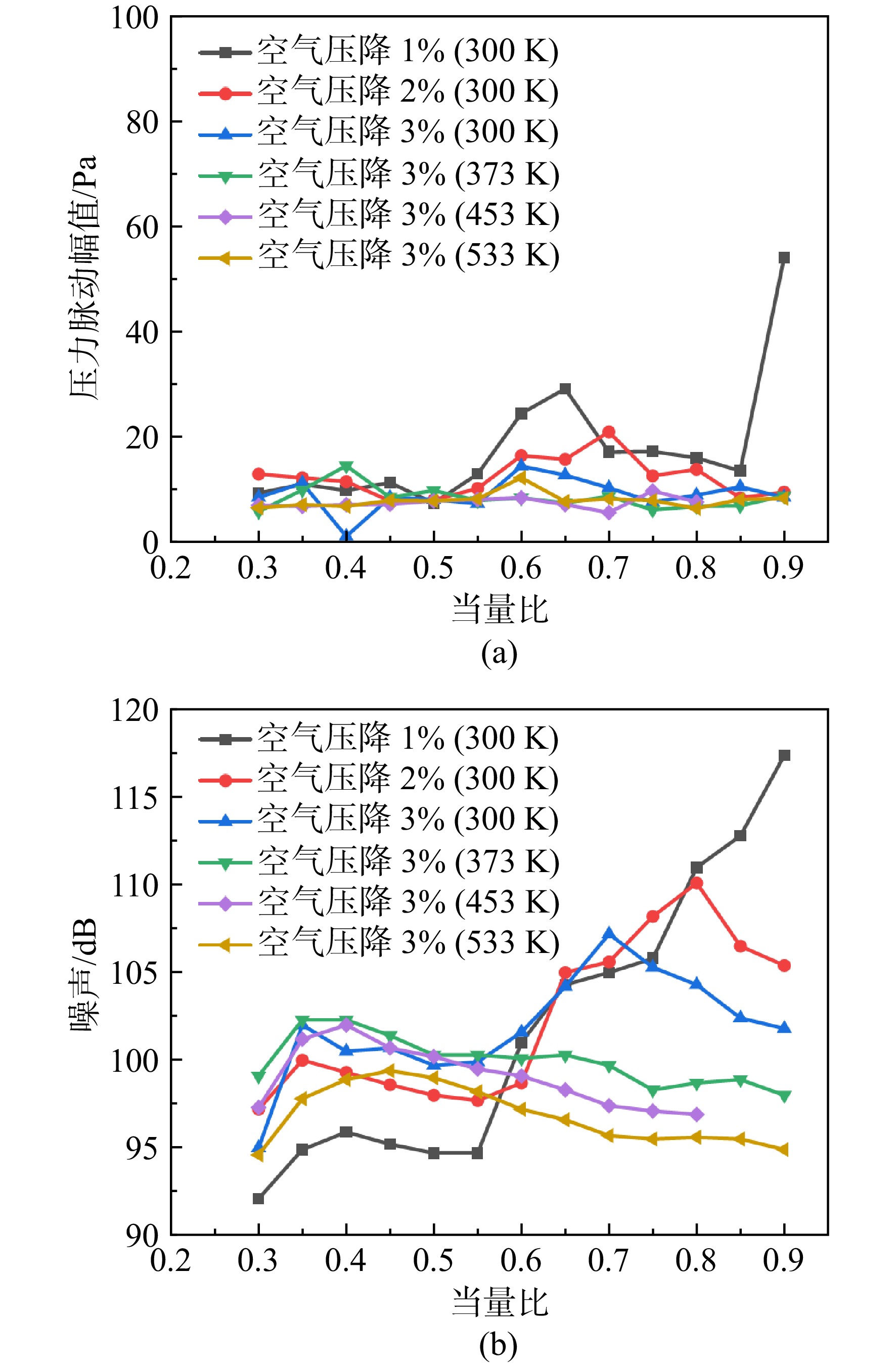
A study on a micro-diffusion hydrogen fuel nozzle was conducted through numerical simulations to analyze the flow and combustion characteristics under cold and hot conditions by altering the circumferential spacing of the air injection holes, the diameter of the hydrogen fuel injection holes, and the position of the hydrogen fuel injection holes. Combustion performance experiments were carried out under ambient temperature and pressure (300 K, 101 kPa) and elevated temperature and pressure (300—533 K, 101 kPa) conditions. The effects of three parameters and the design of cooling holes on thermoacoustic oscillation characteristics were investigated, contributing to the identification of the optimal scheme. The research results indicated that the micro-diffusion nozzle generated a corner vortex recirculation zone during thermoacoustic oscillation. Increasing the airflow and temperature can enhance the mixing of air and fuel, thereby suppressing combustion oscillations. Under the intake conditions of 533 K and 101 kPa, the optimal nozzle scheme achieved stable combustion across a wide equivalence ratio, with an amplitude of less than 12.5 Pa and noise levels below 101 dB, providing a reference for the design of hydrogen fuel combustion chambers and other engineering applications.

Study on cooling characteristics of tail nozzle air film under influence of thermal radiation
HOU Xingkailing, YOU Ruquan, WANG Meng, LI Haiwang
2025, 40(4): 20240478. doi: 10.13224/j.cnki.jasp.20240478
Abstract:

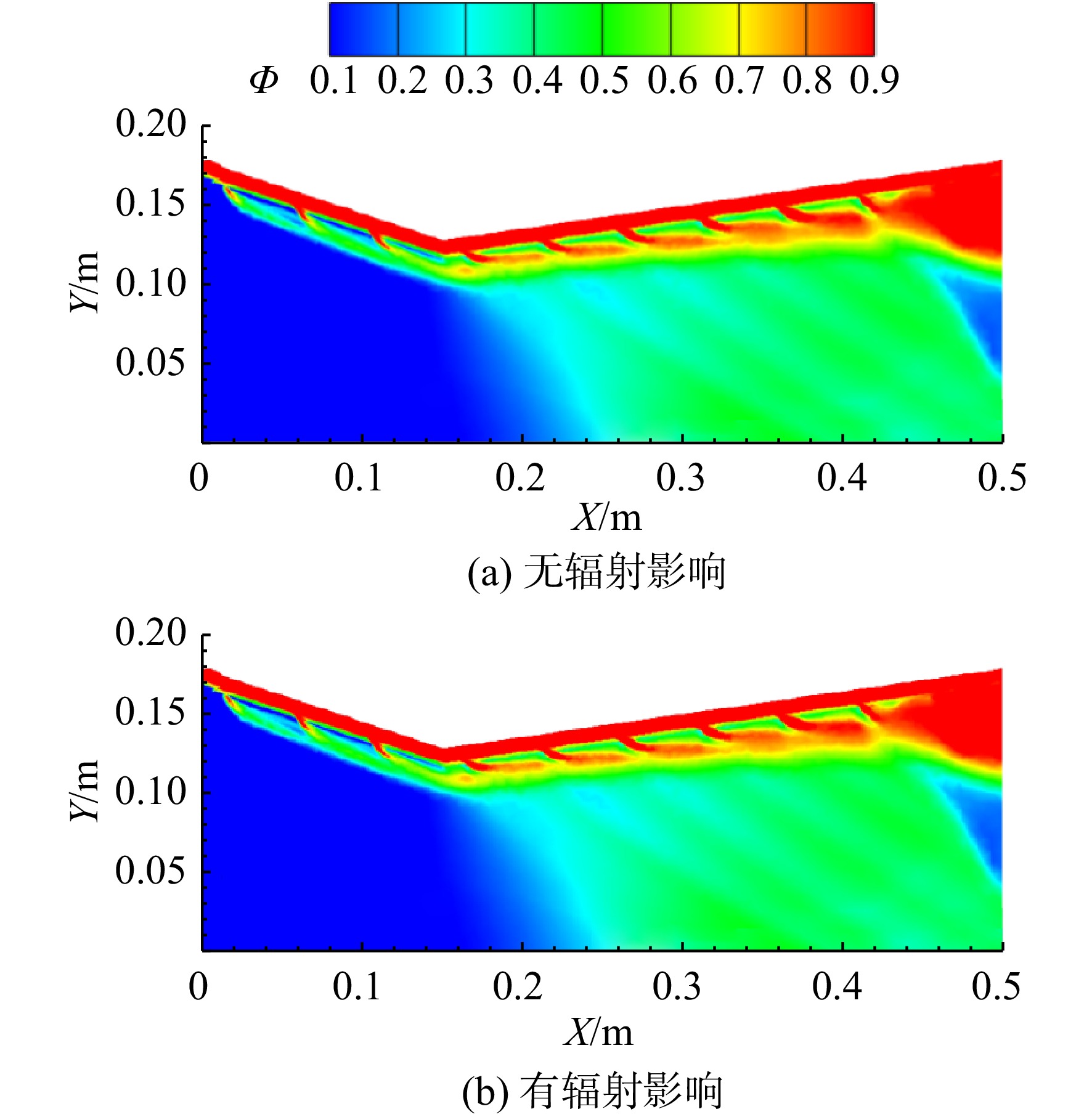
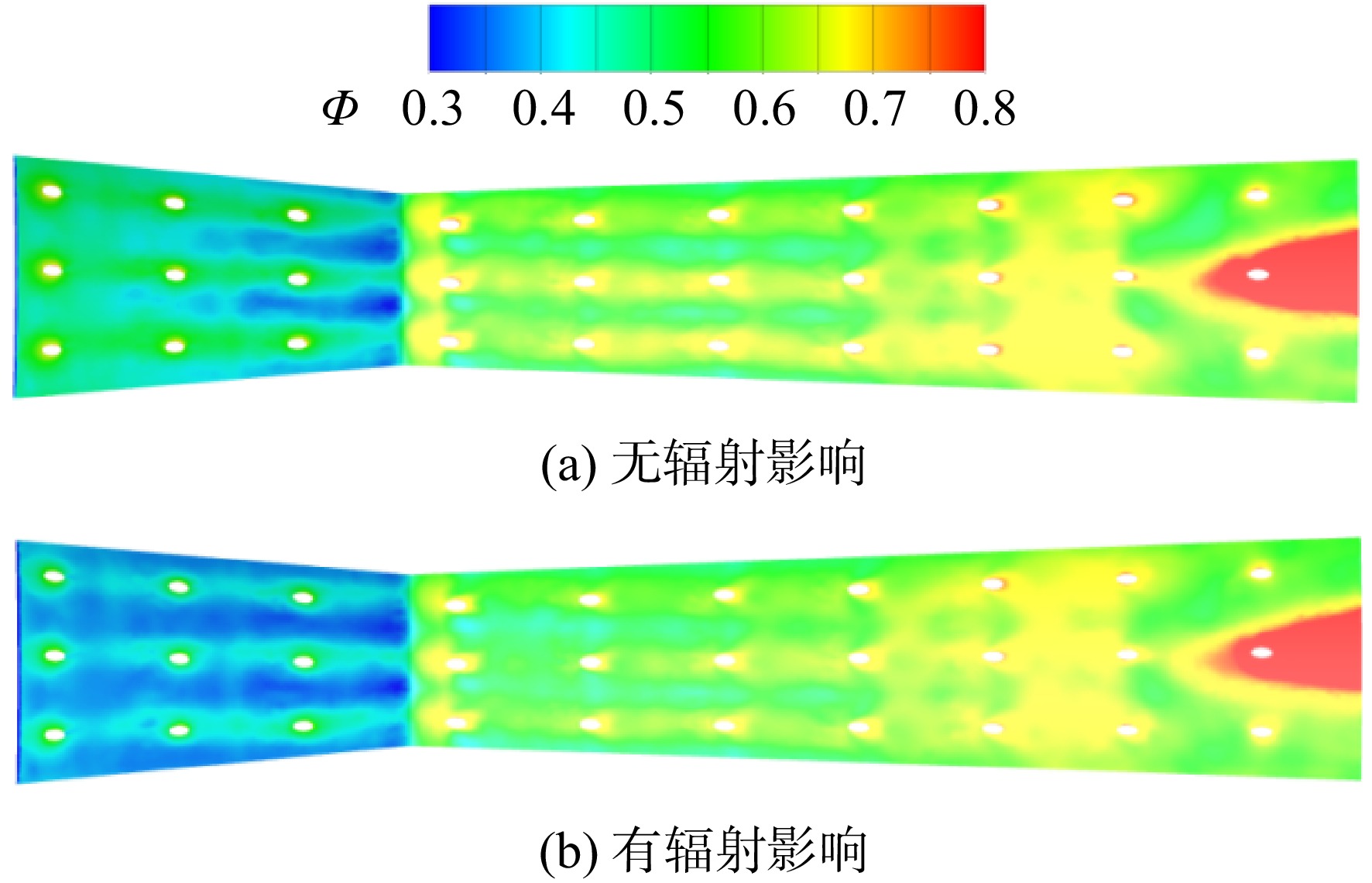
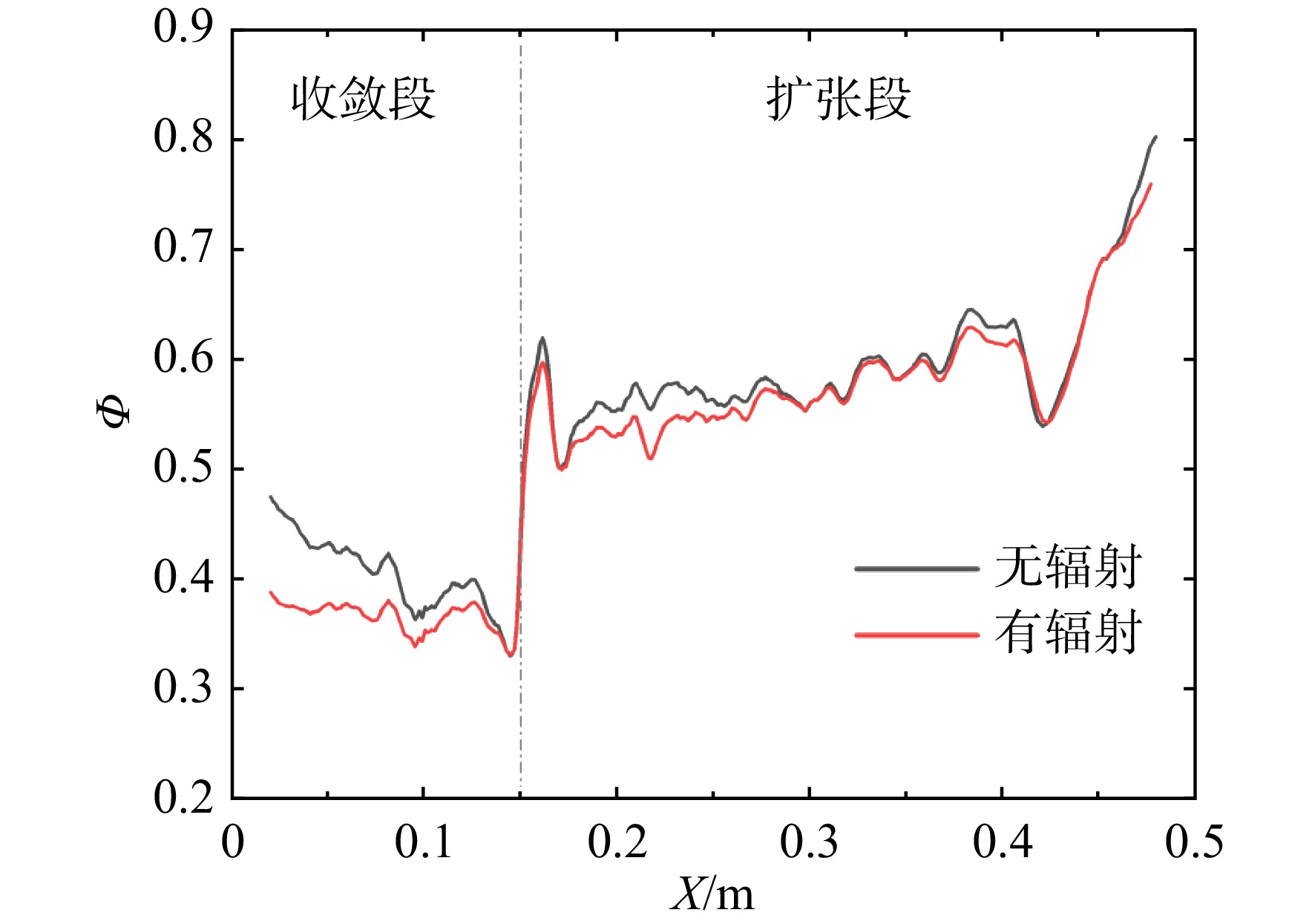
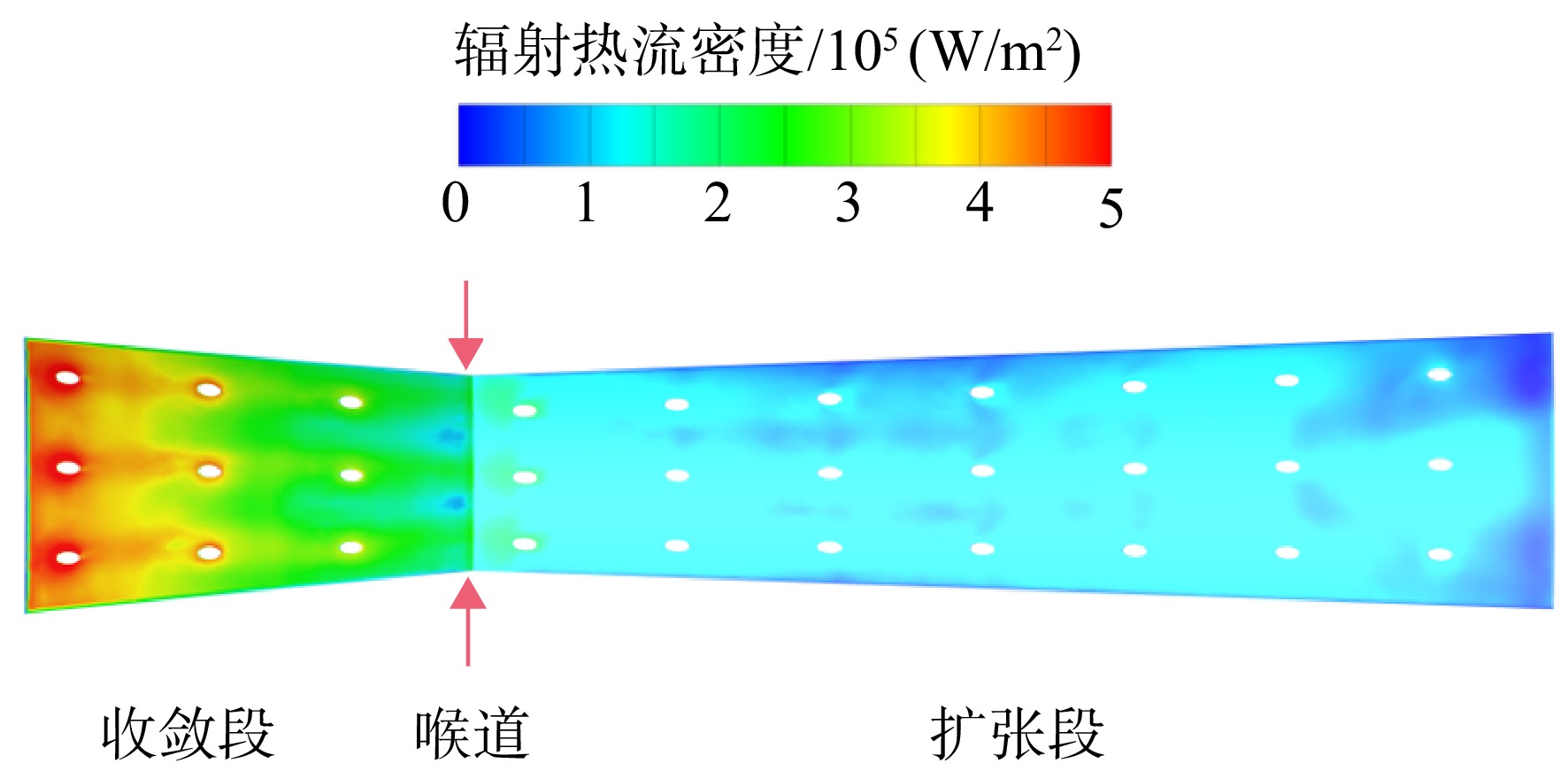
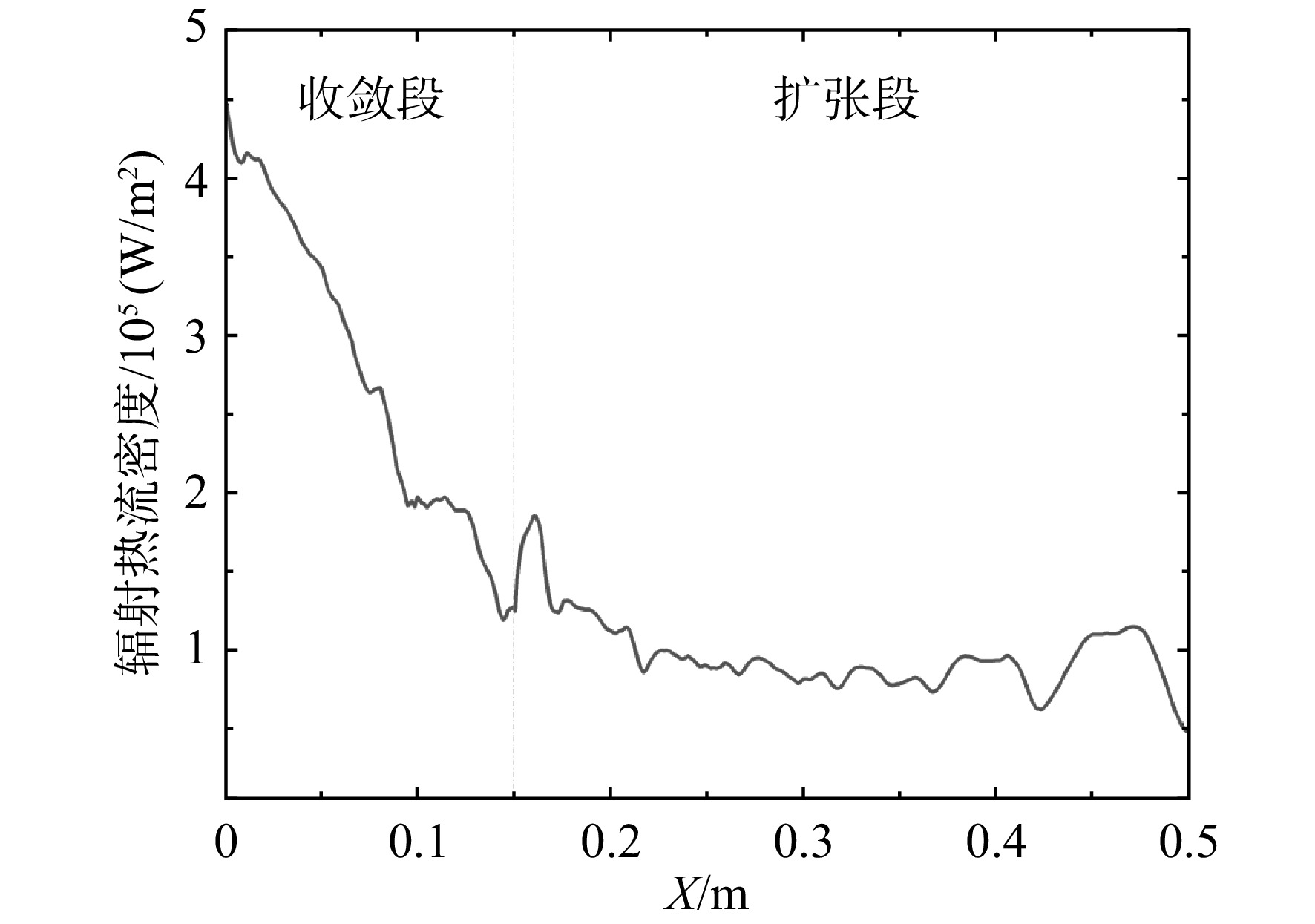
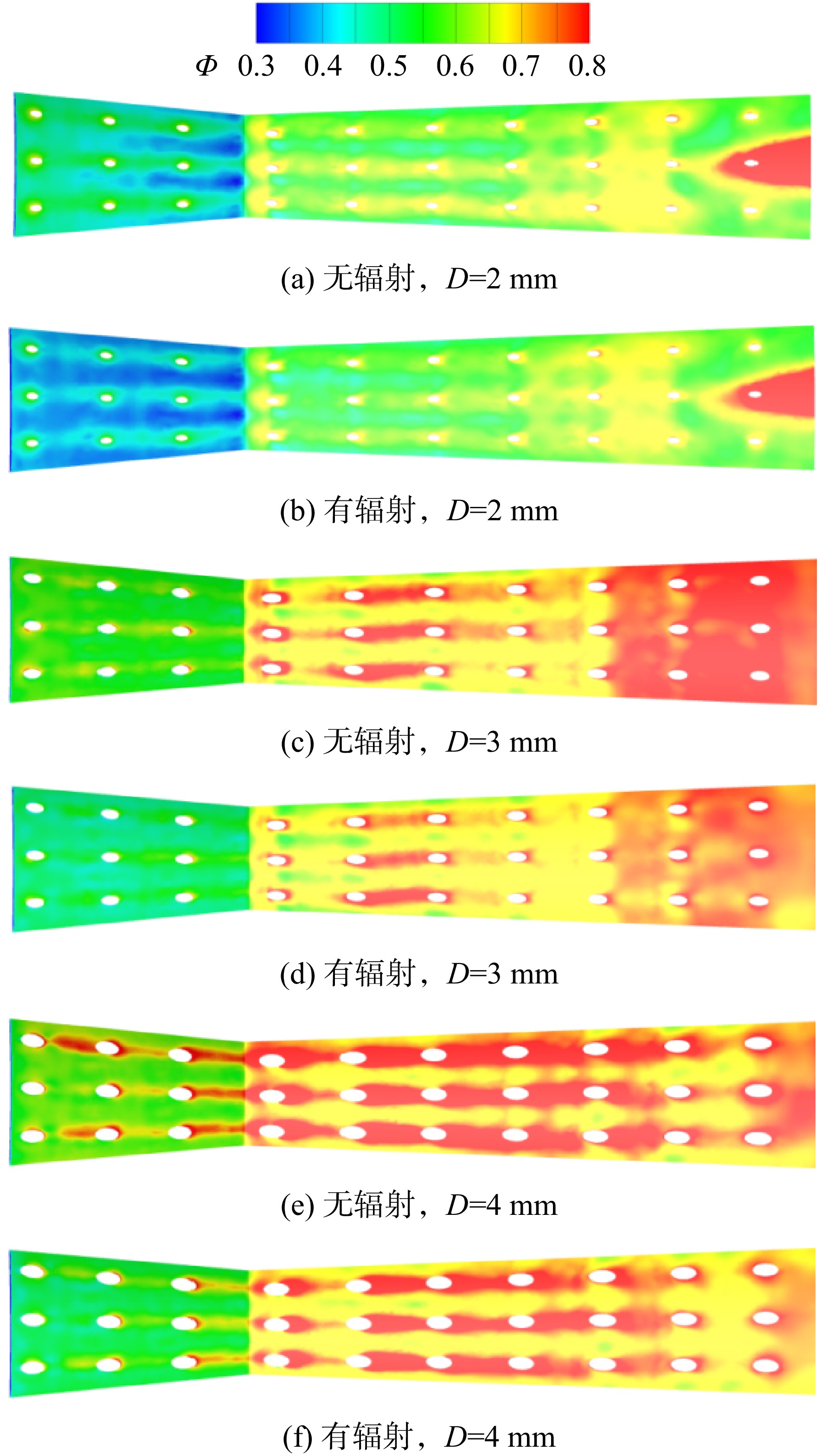
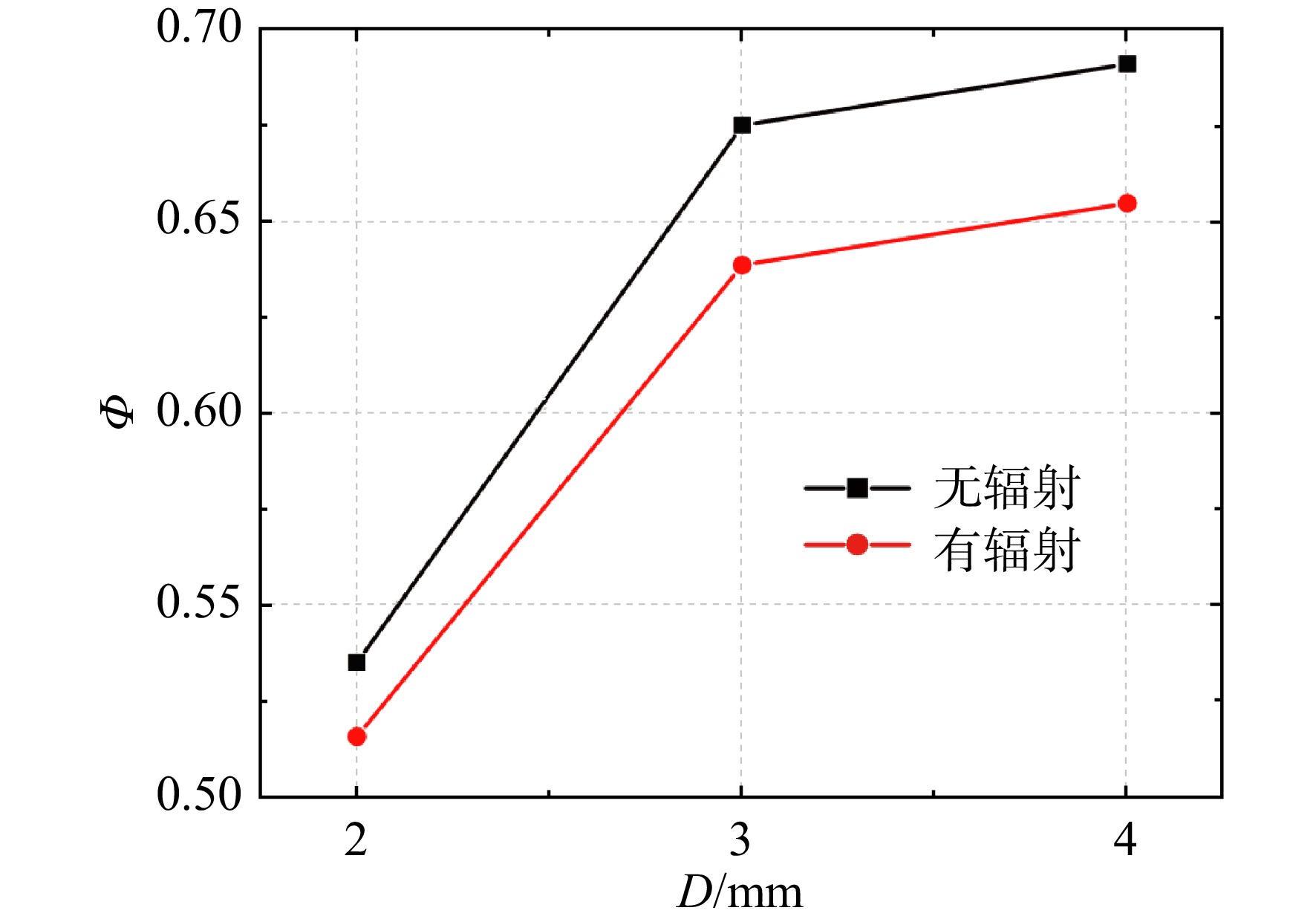
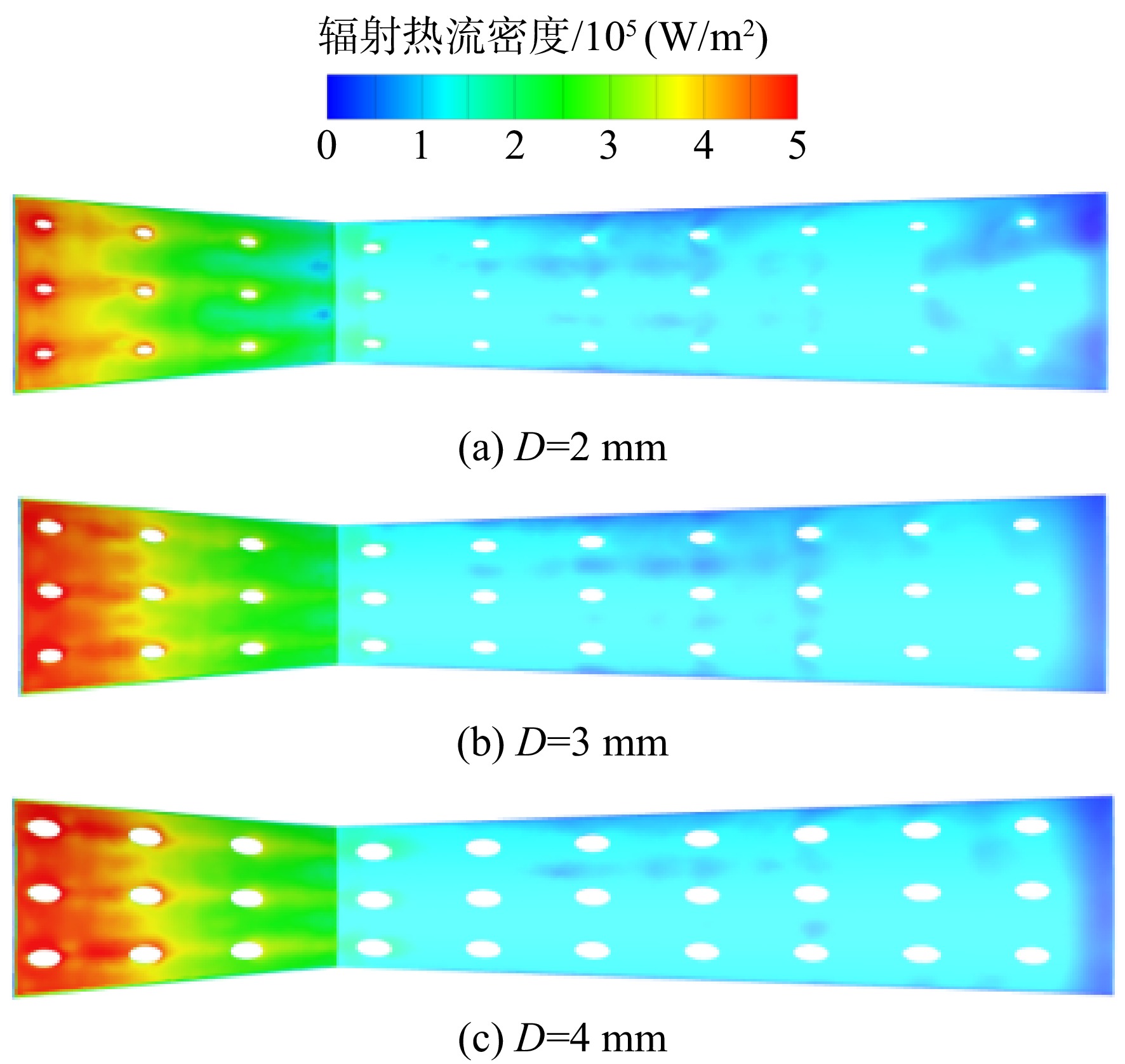
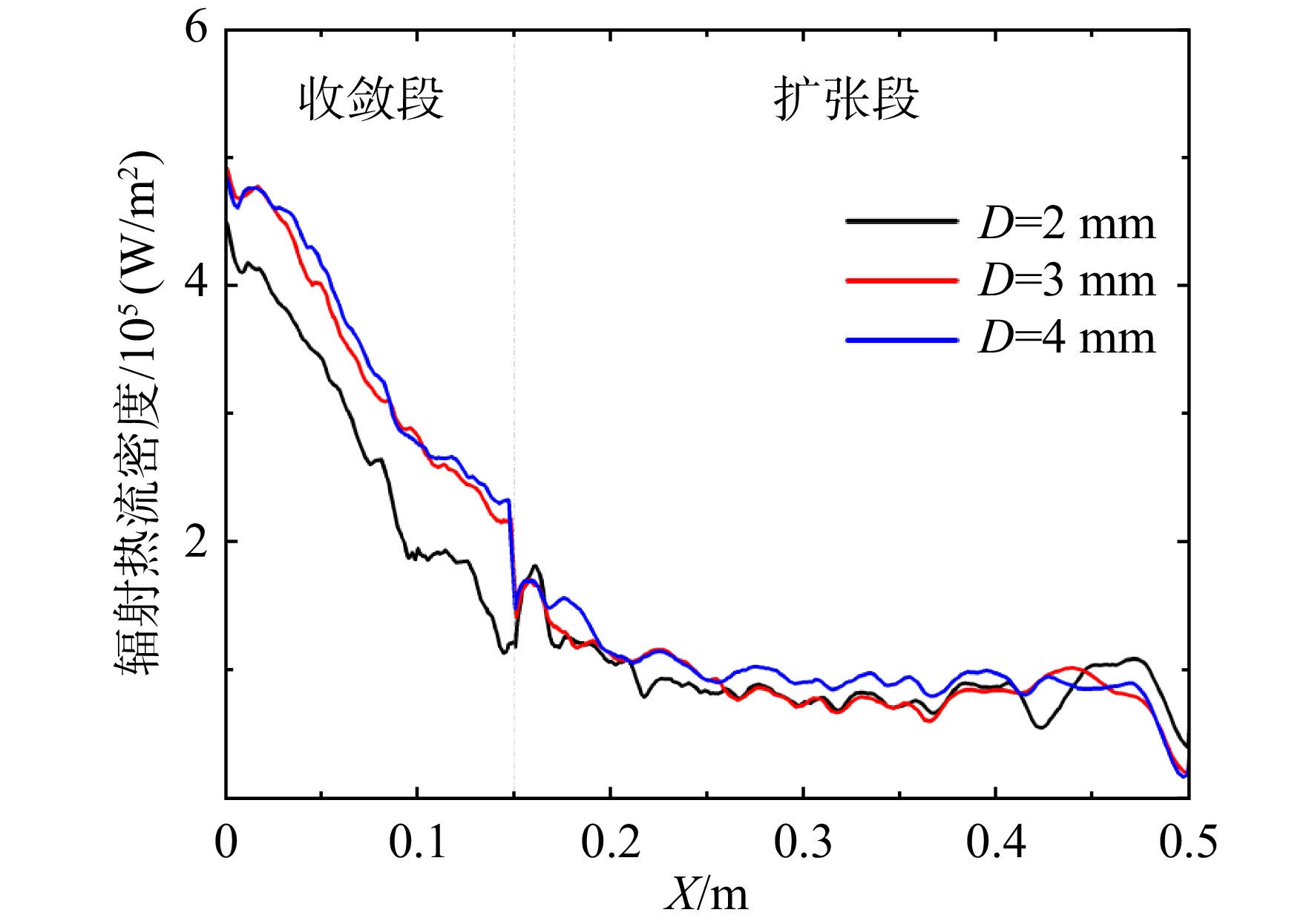
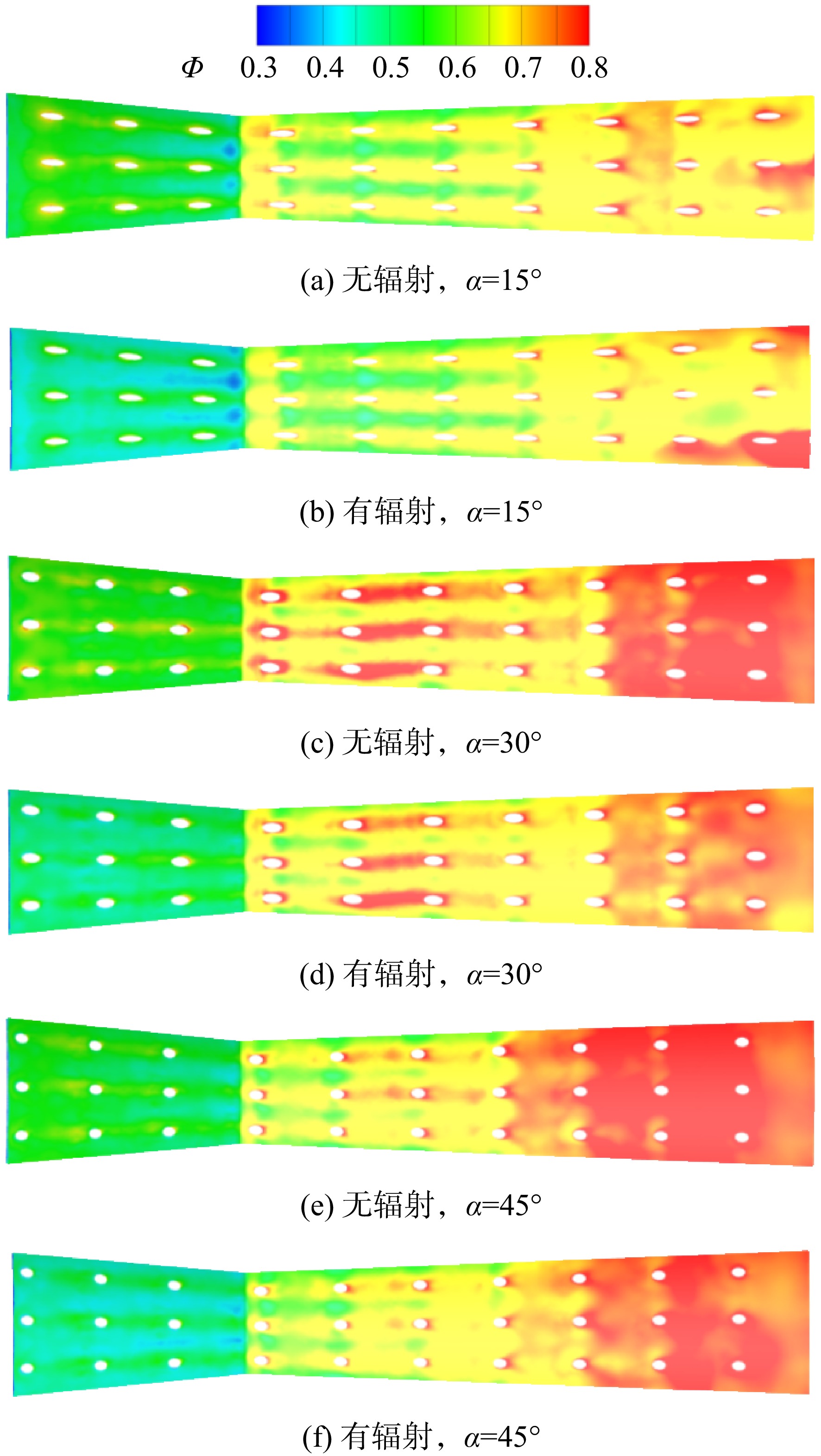
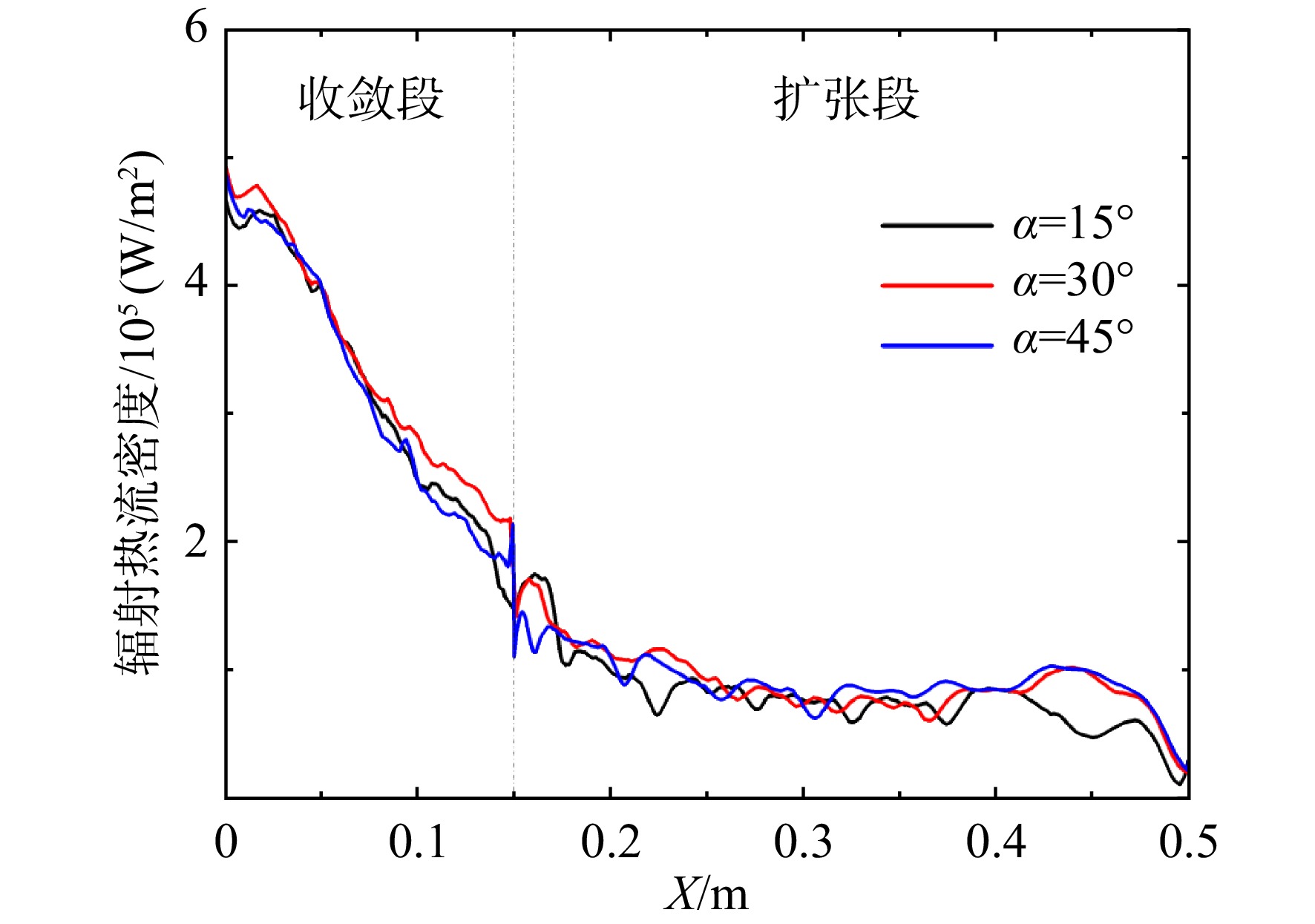
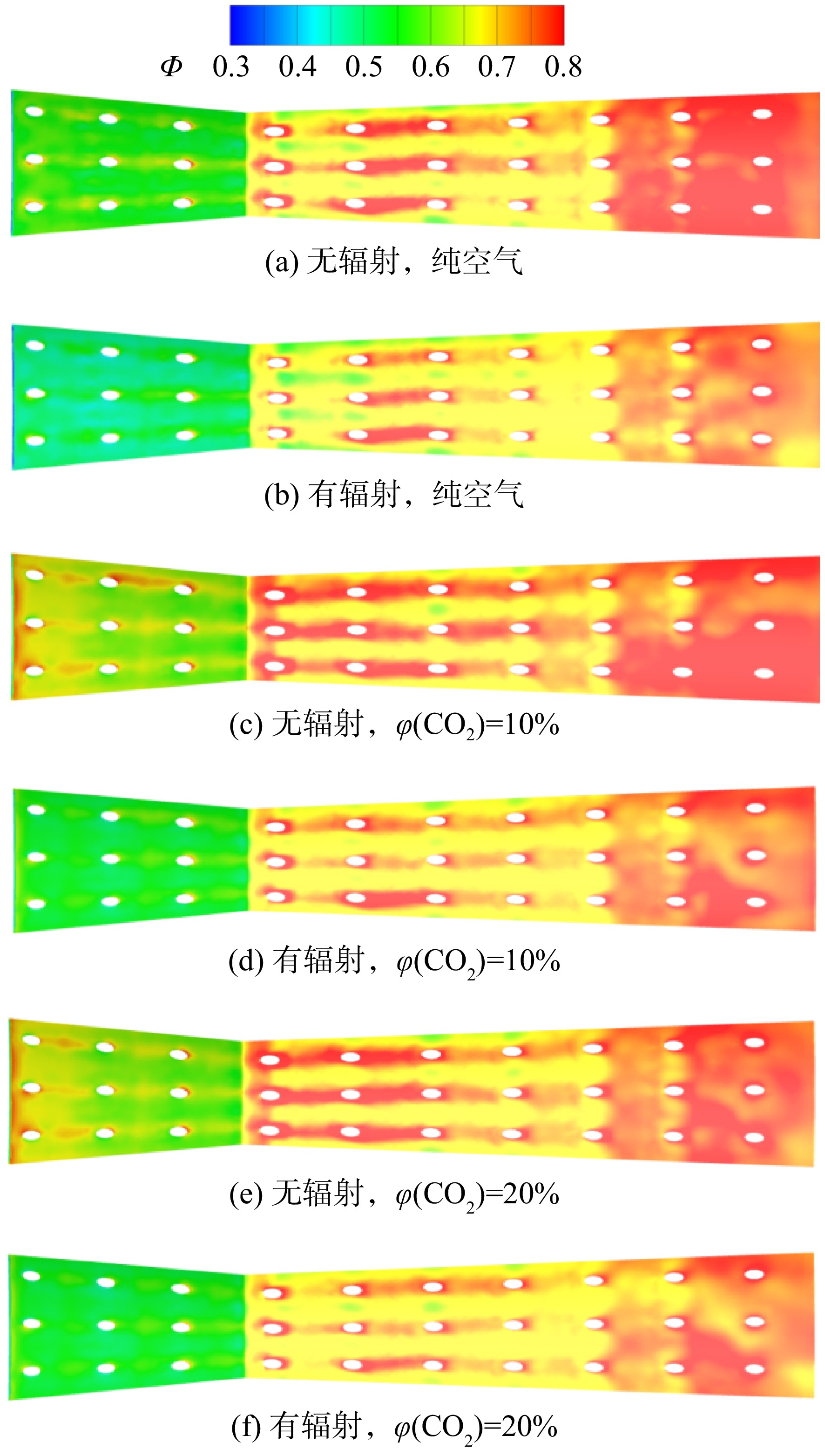
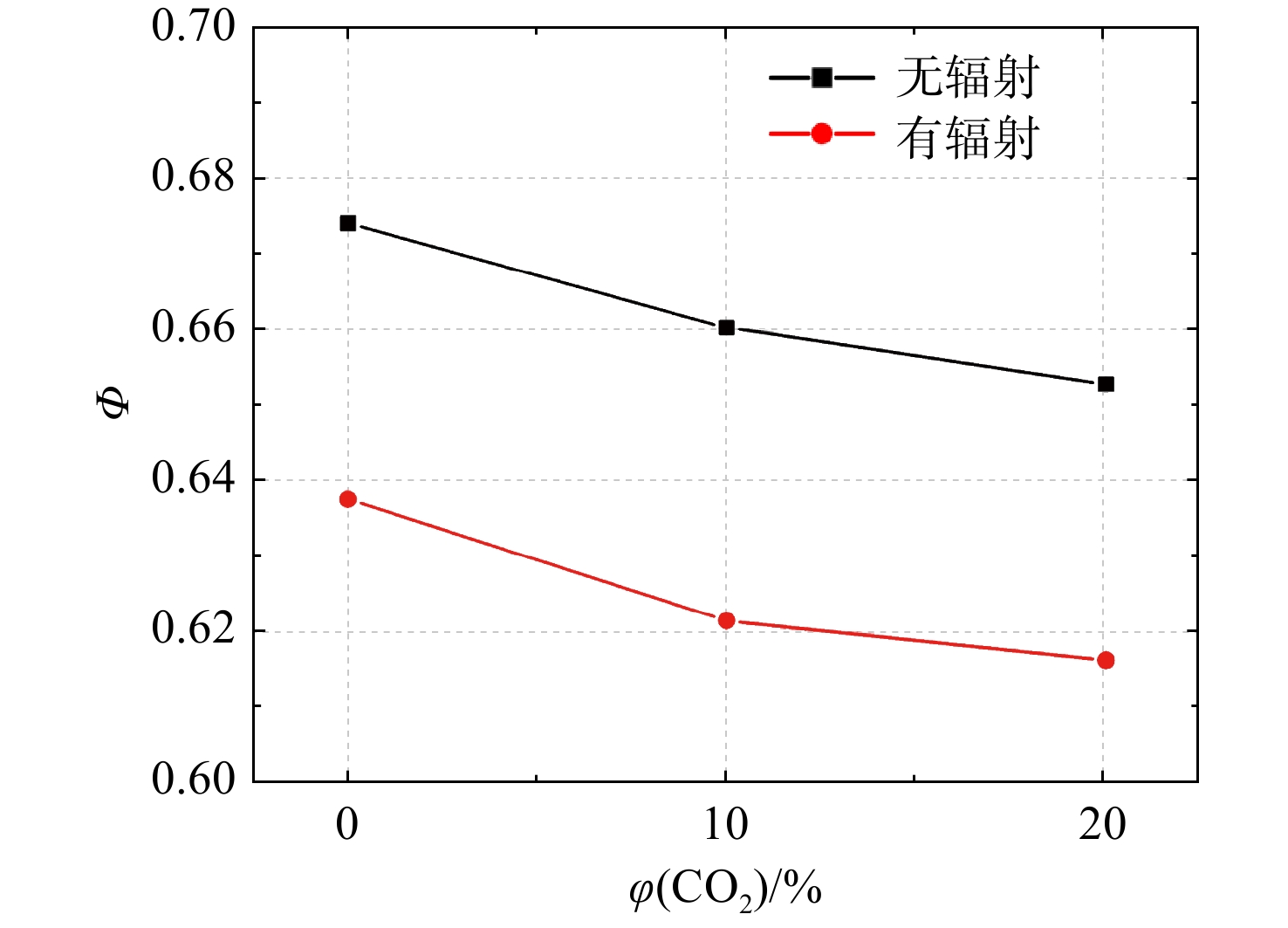
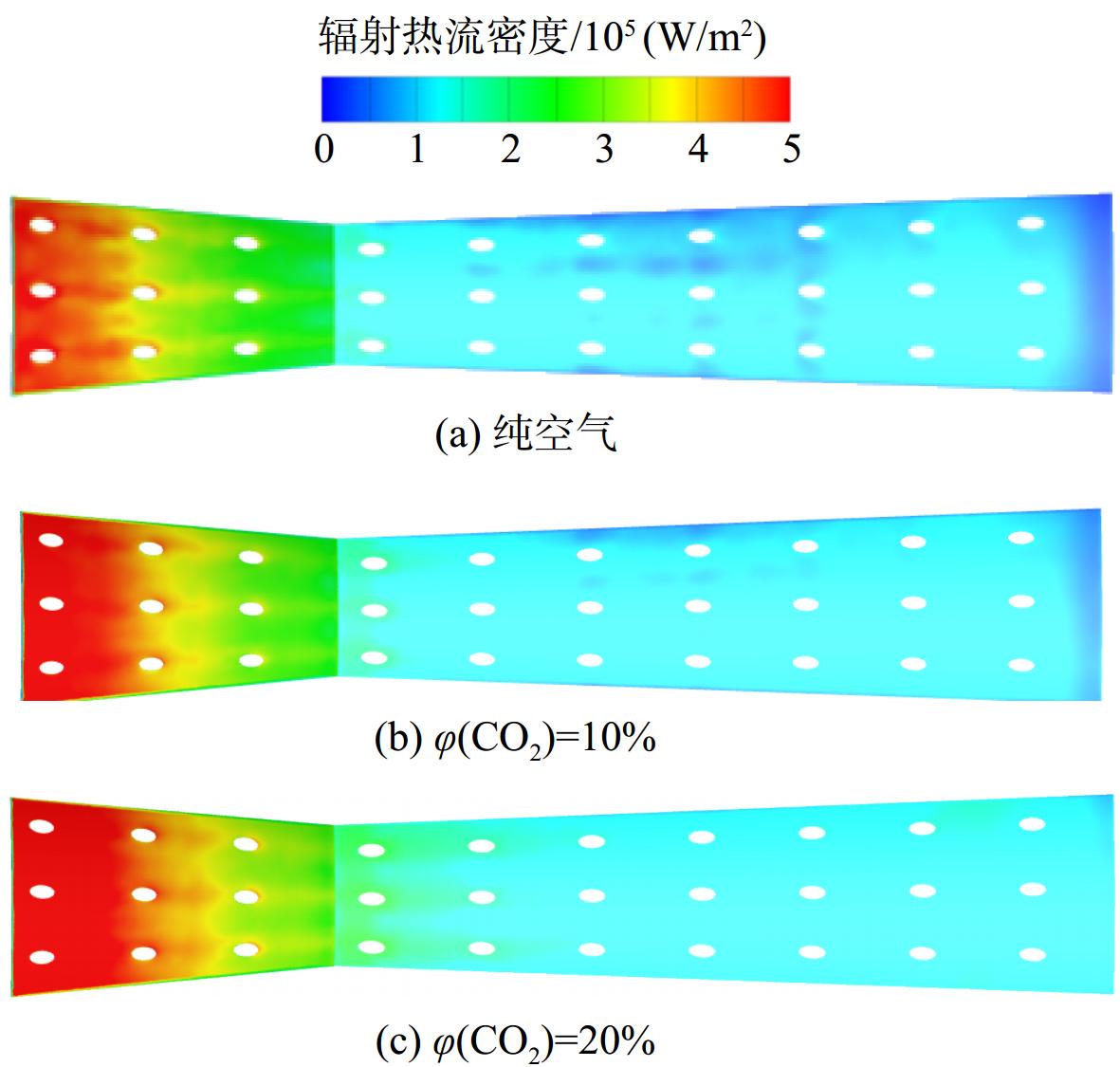
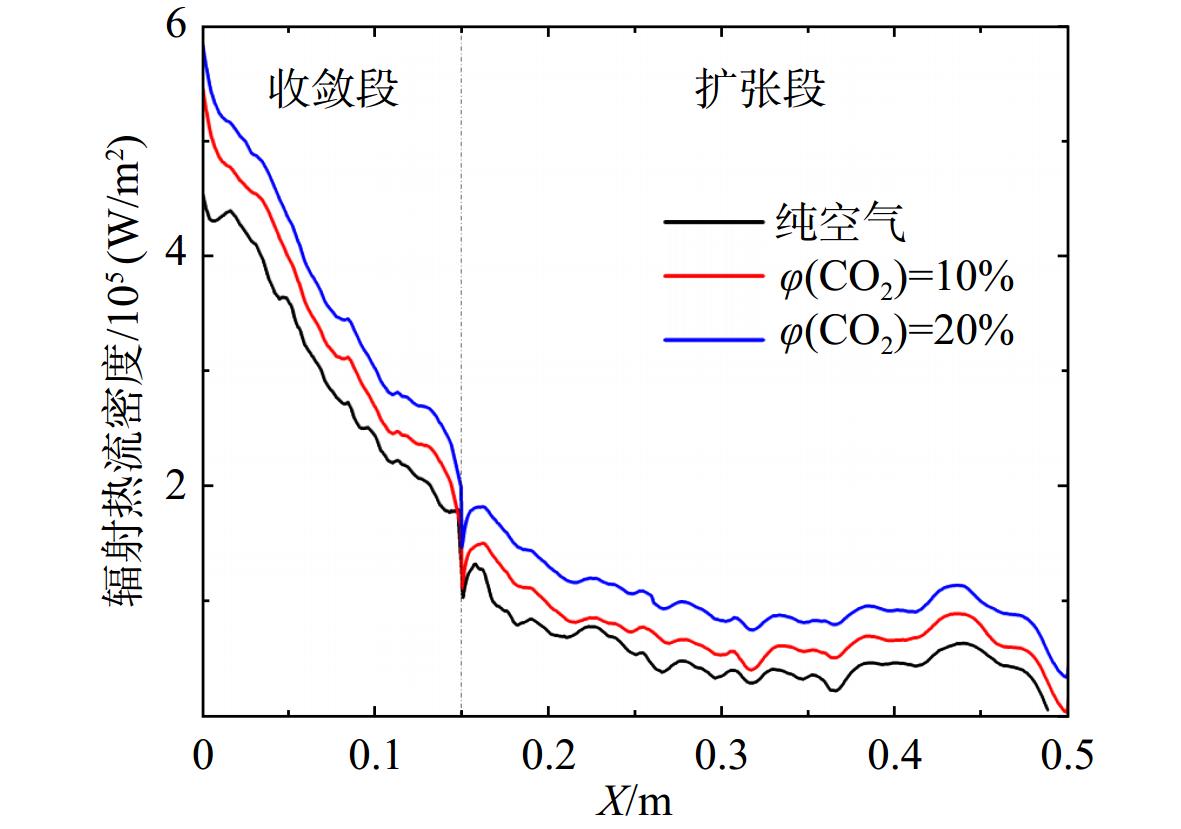
With the increase of gas temperature and radiation participation medium in gas, thermal radiation has become a prominent factor in the design of tail nozzle. In order to explore the influence of thermal radiation and structural parameters on the cooling characteristics of the tail nozzle air film, an axisymmetric tail nozzle simplification model was established, and the influence of radiation on the cooling of the tail nozzle was explored by numerical simulation. It was found that the cooling effect of the wall was reduced by thermal radiation, and the thermal radiation effect was related to the cooling structure. When the aperture of the air film increased from 2 mm to 3 mm and 4 mm, the radiant heat flux increased by 13% and 6%, respectively, and when the inclination angle of the air film aperture increased from 15° to 30° and 45°, respectively, the radiant heat flux was basically unchanged. When the main components changed from pure air to 10% carbon dioxide and 20% carbon dioxide, the radiant heat flux increased by 17% and 21%, respectively. In practical applications, the content of carbon dioxide and other radiant gasses in the mainstream components should be reduced as much as possible.

Research on dynamic real-time modeling of aero engine based on ODENet
BO Lixin, LI Ruichao, LIU Yuan, SU Sanmai
2025, 40(4): 20240513. doi: 10.13224/j.cnki.jasp.20240513
Abstract:

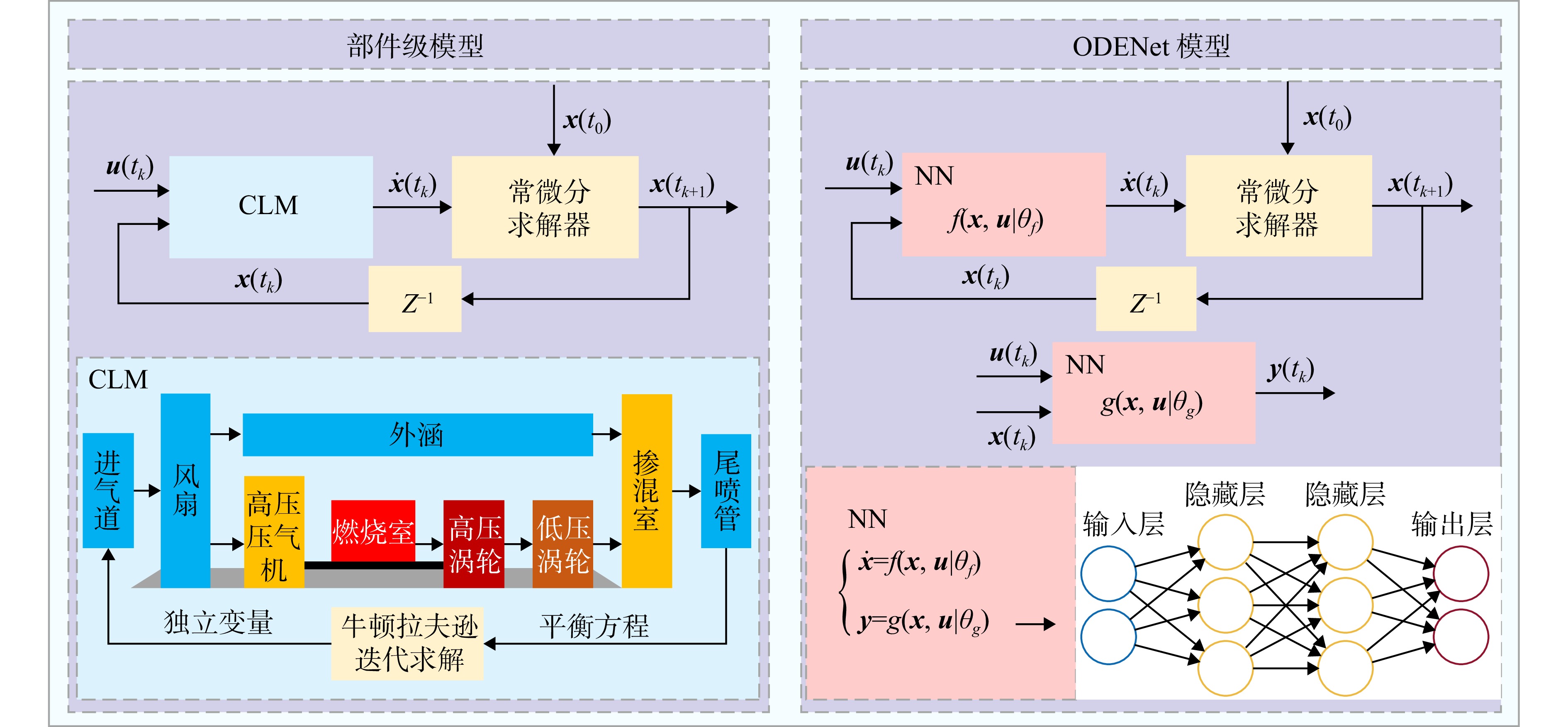
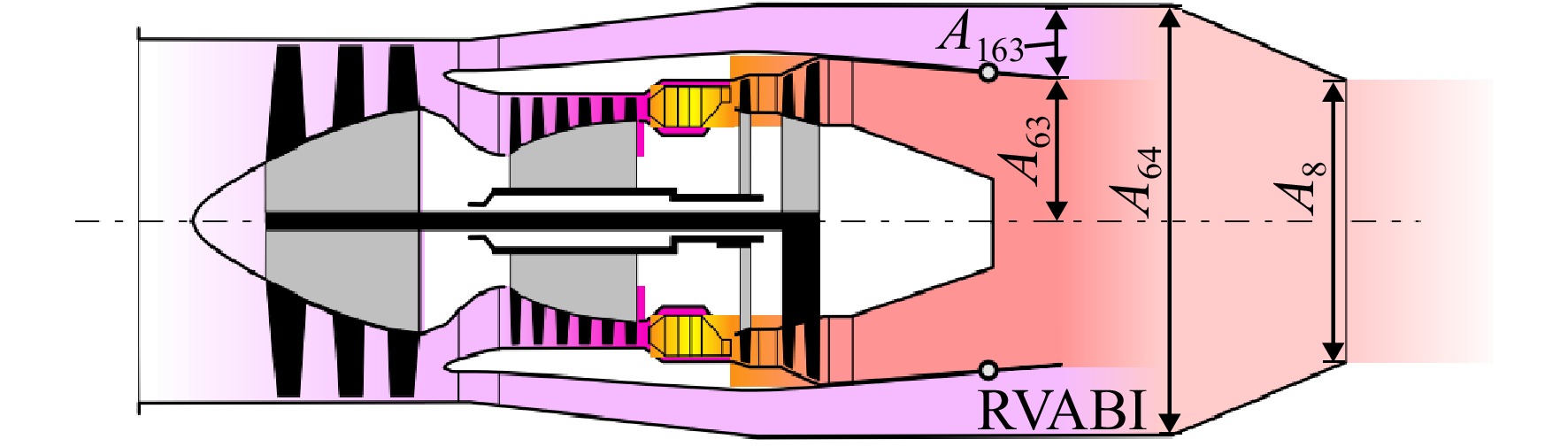
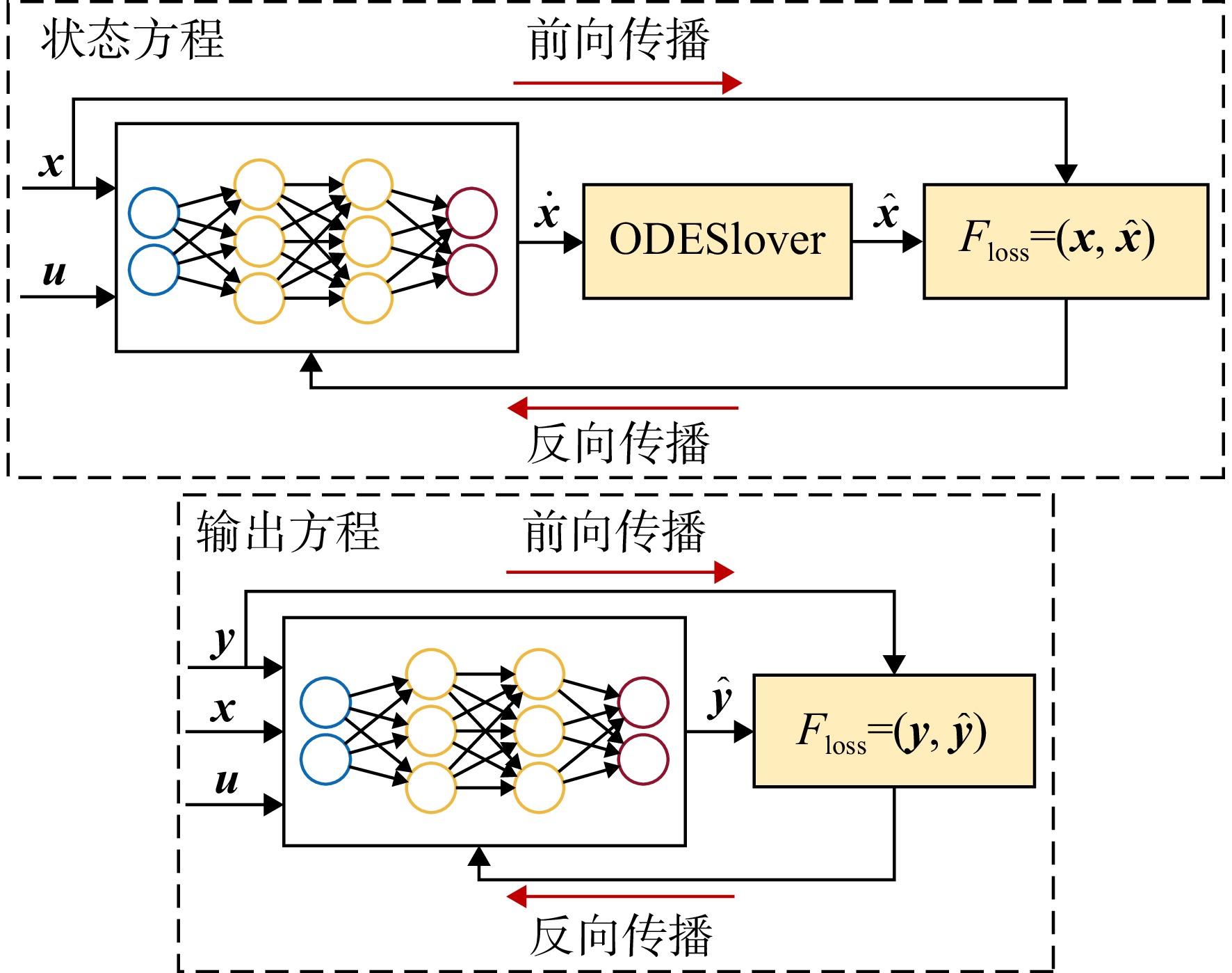
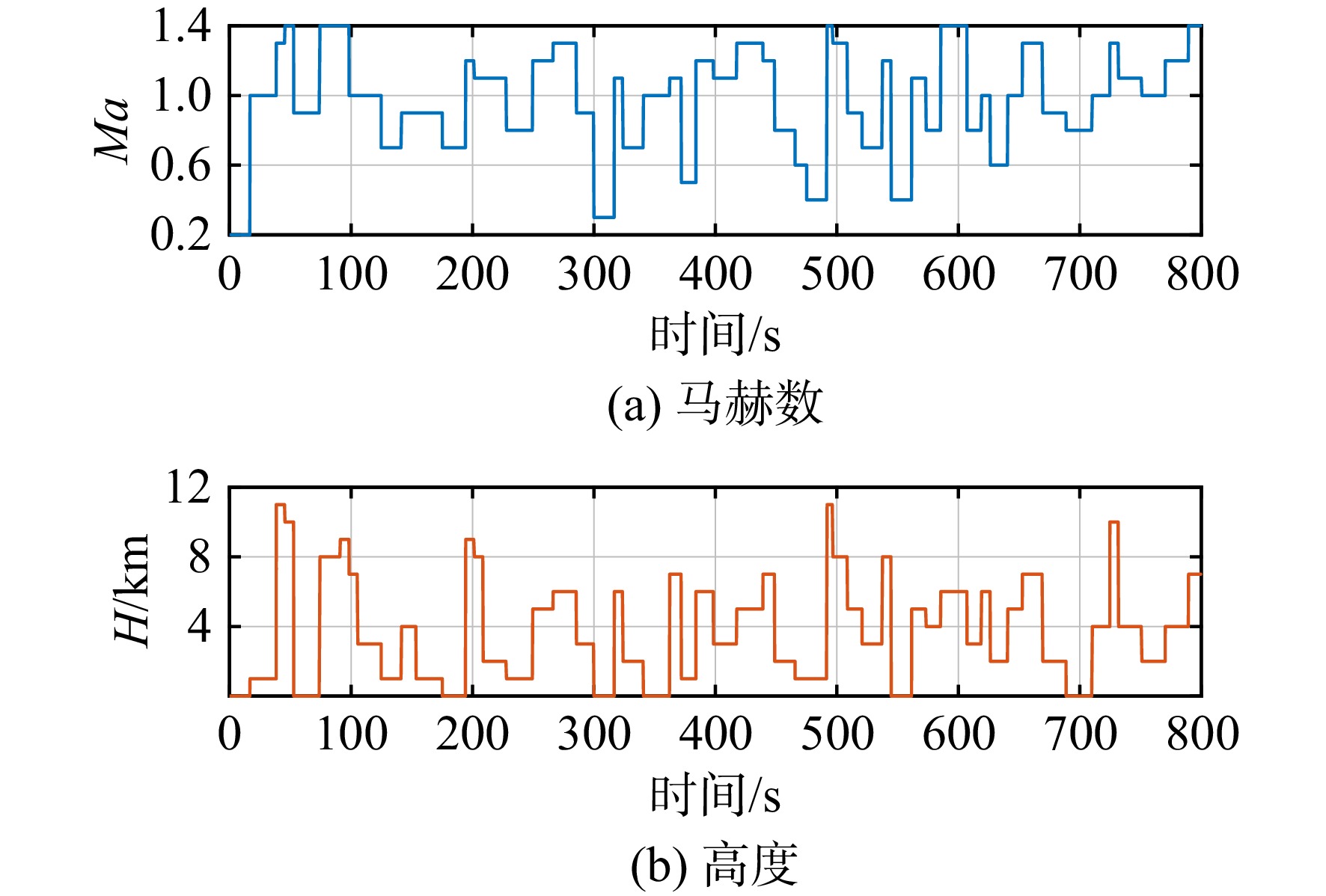
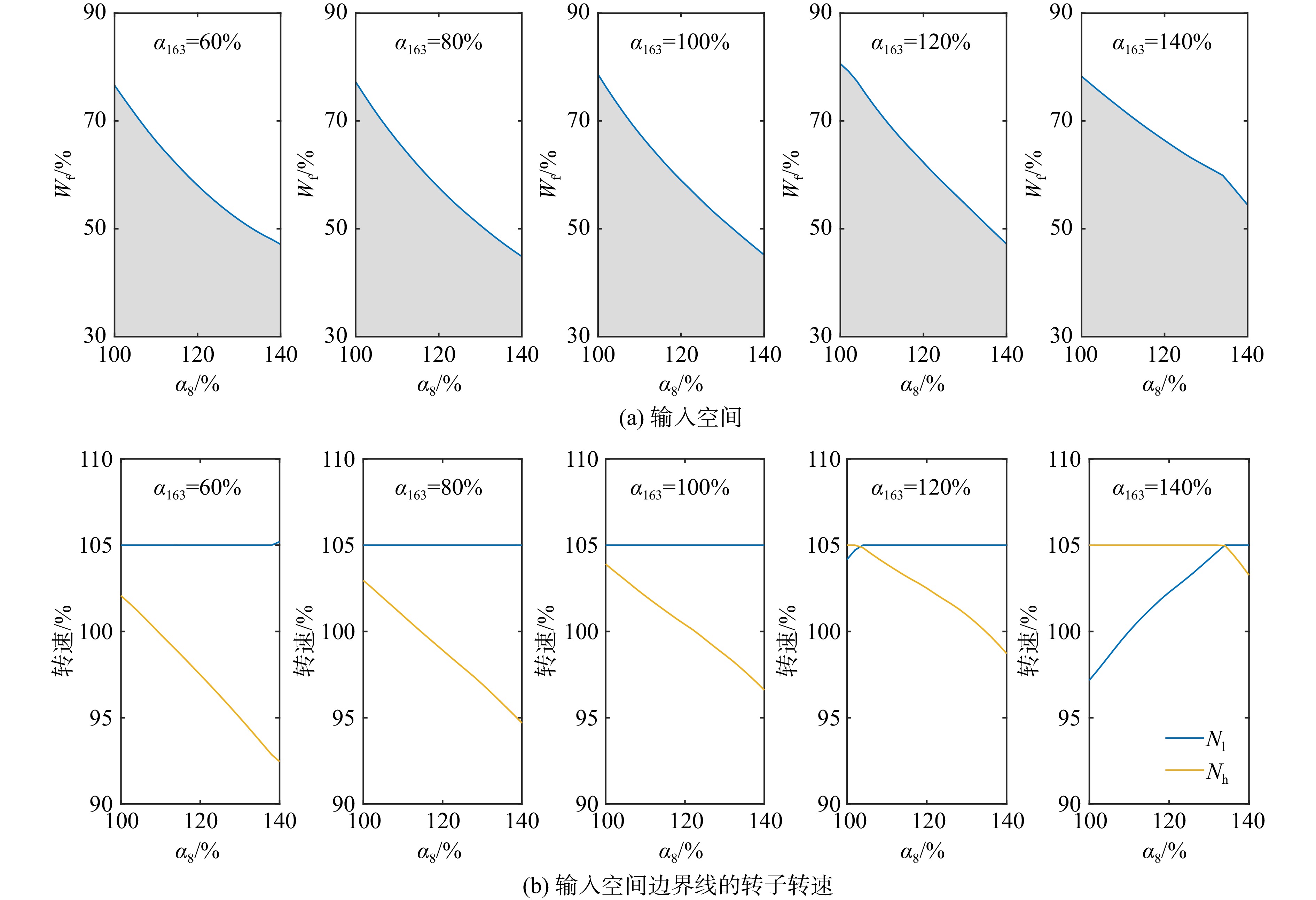
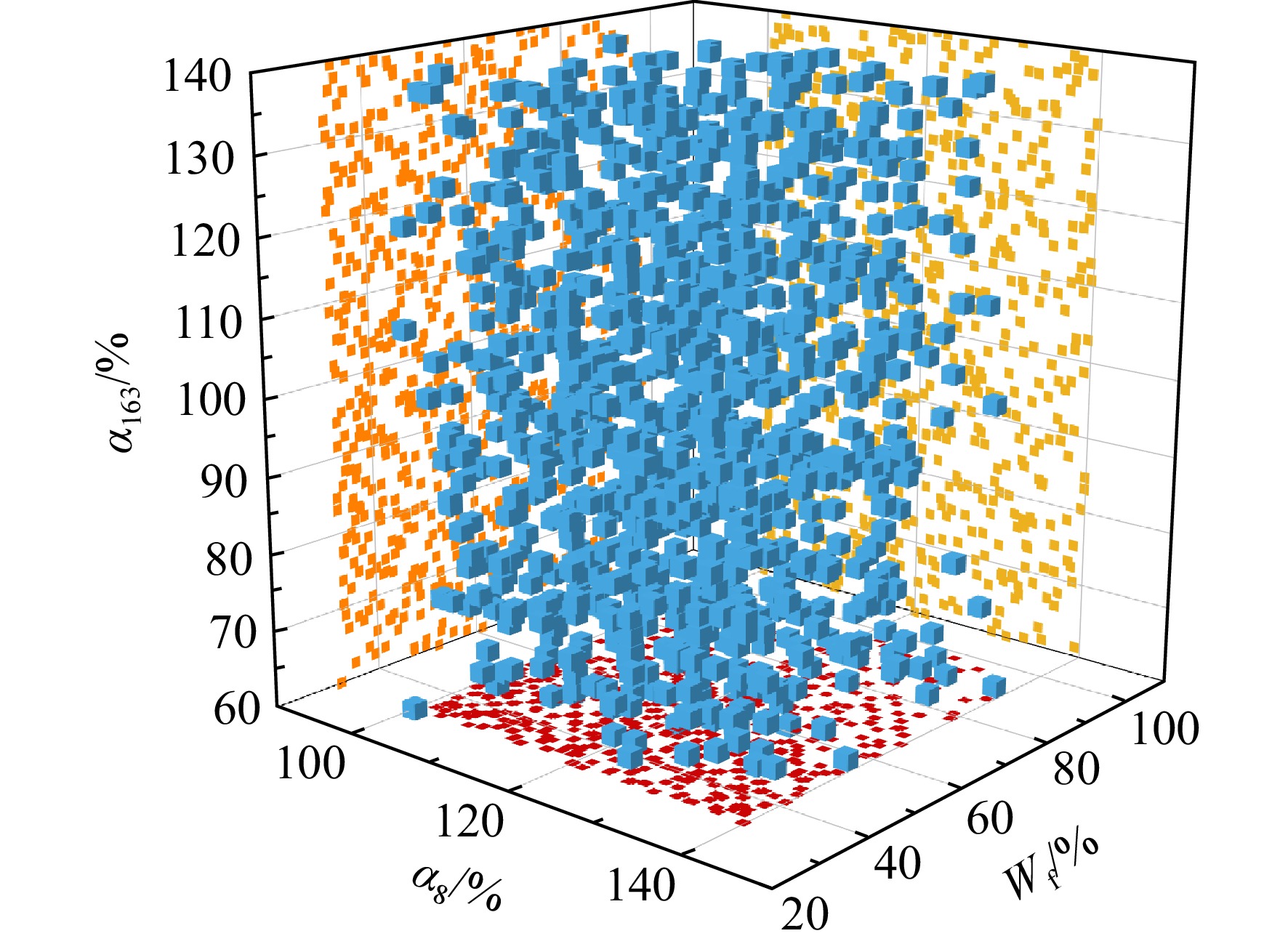
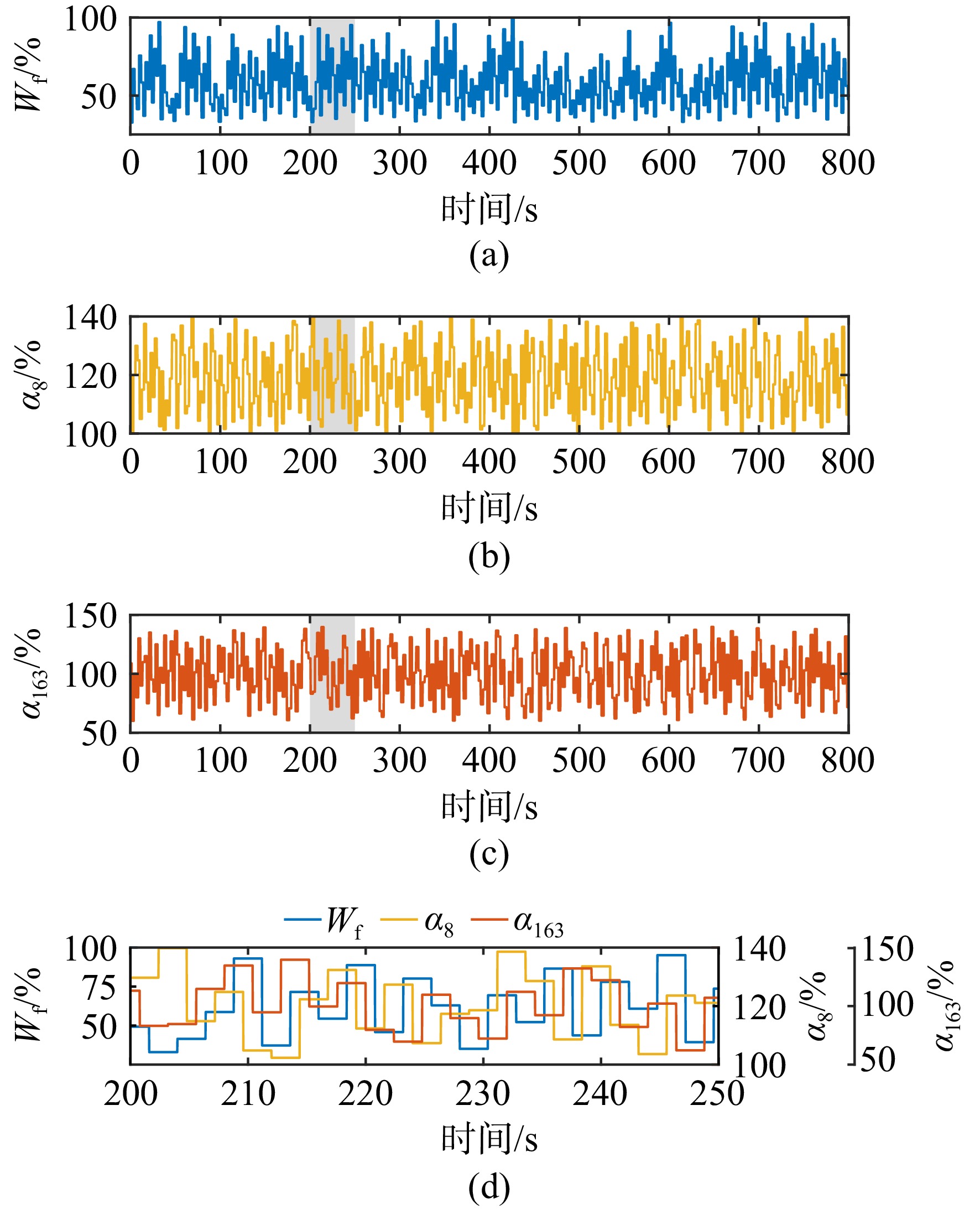
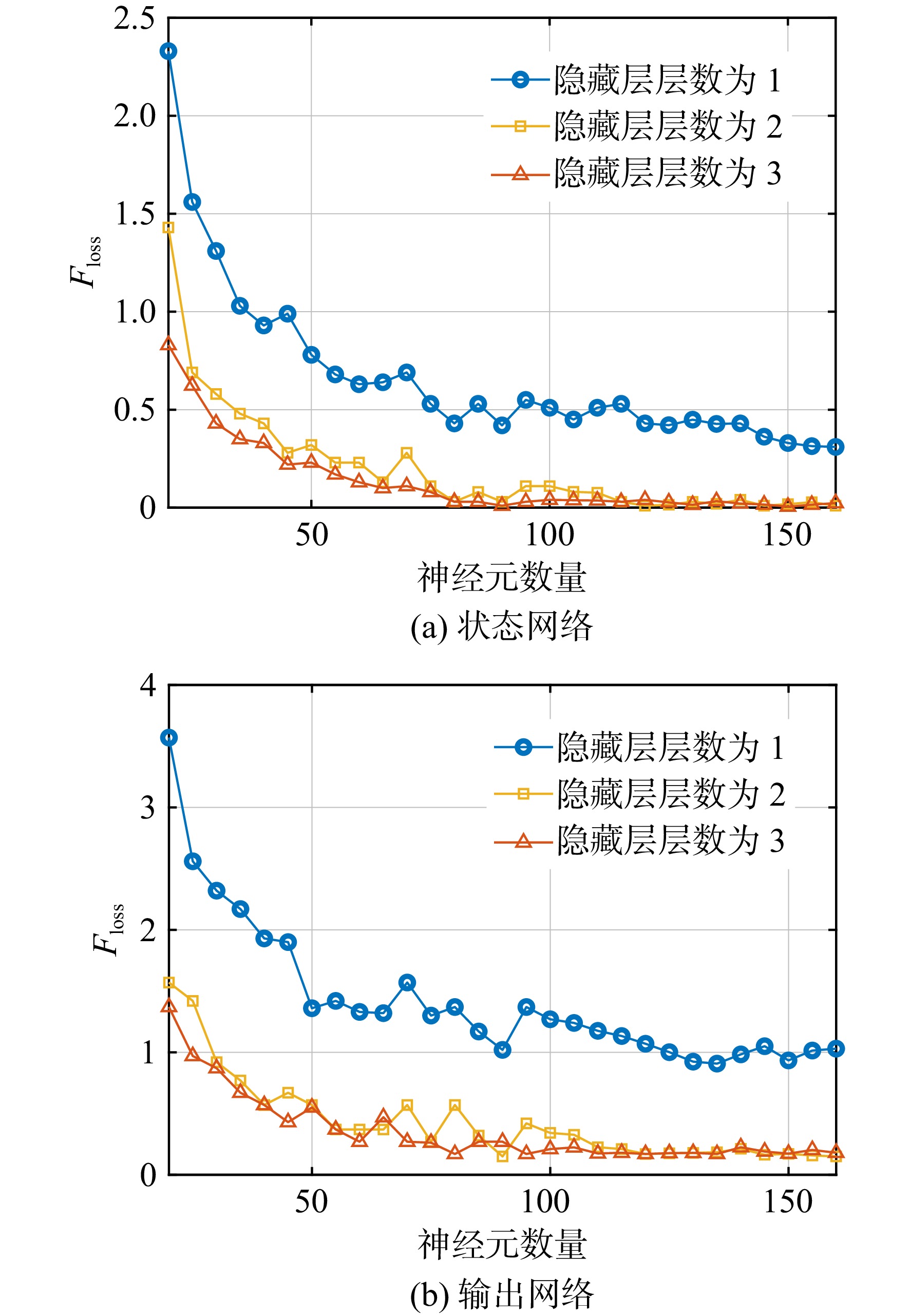
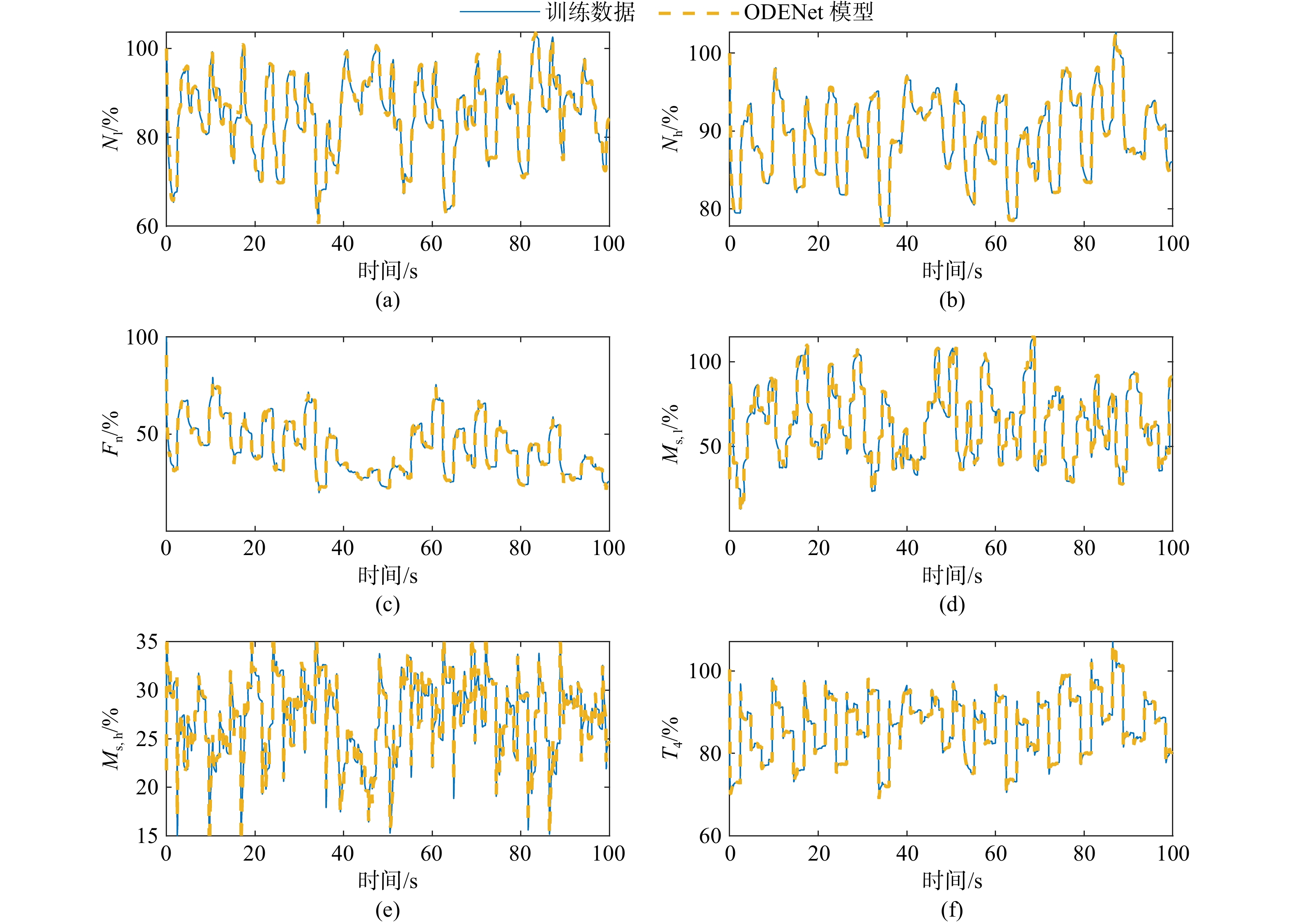
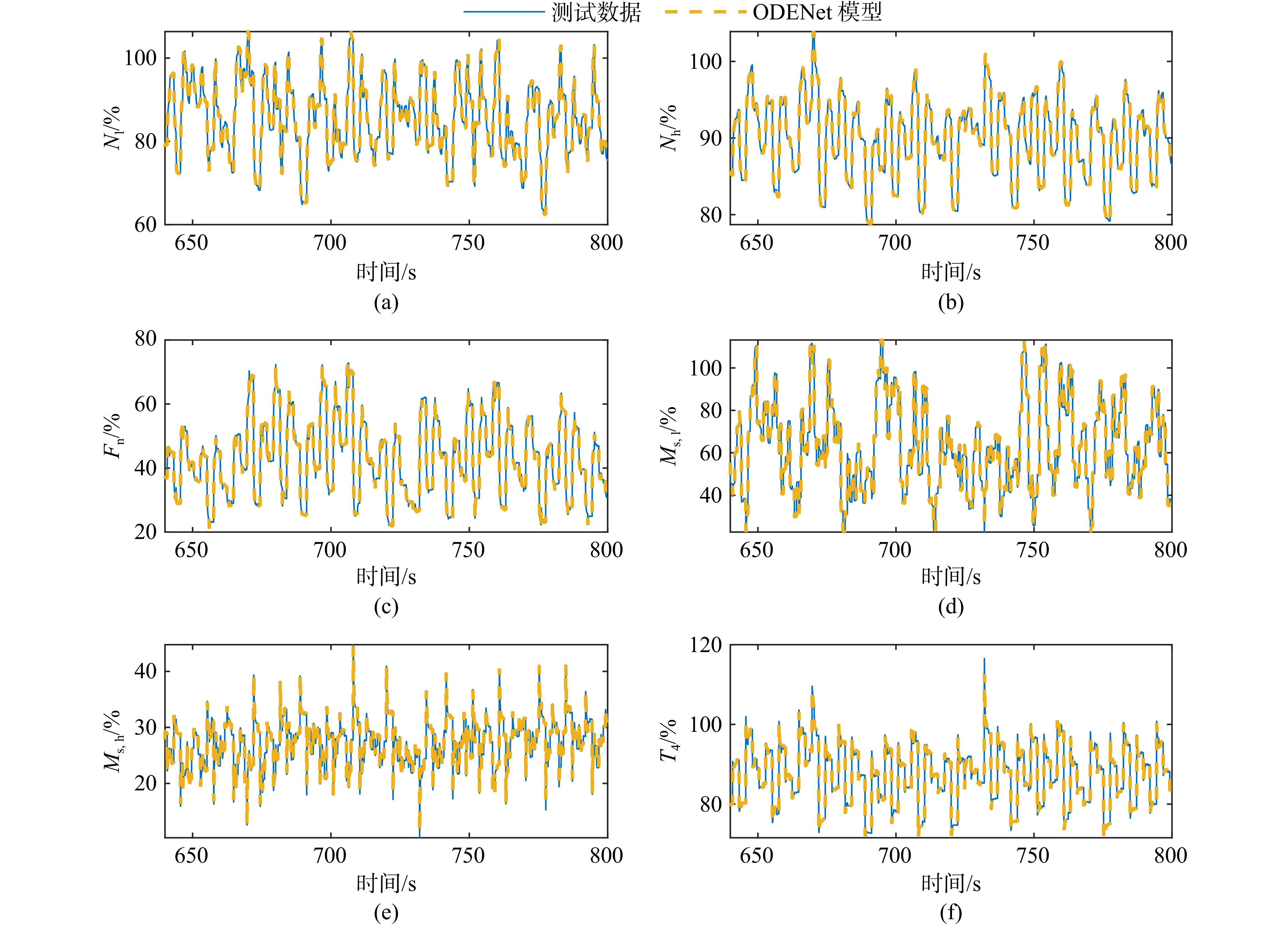
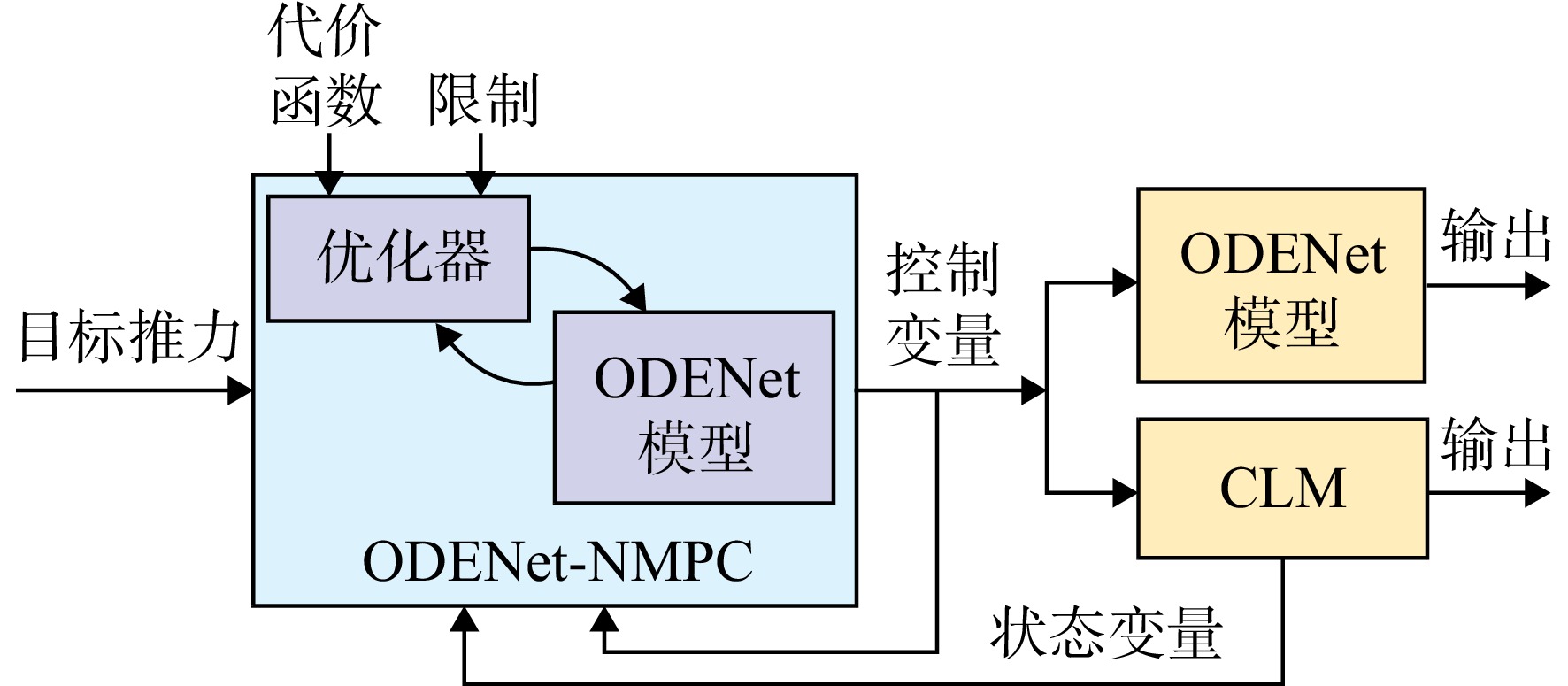
A new dynamic real-time modeling technique for aircraft engines based on Neural Ordinary Differential Equations (ODENet) was proposed. First, the structure of the ODENet model was determined based on the prior knowledge of engine dynamics. Then, an amplitude-modulated pseudo-random binary sequence signal was designed to collect input-output data from the component-level model of the engine, which was used to train the ODENet model, ensuring to cover the dynamic characteristics across the entire operating envelope. Finally, the model was applied to a mixed-flow turbofan engine with a bypass duct injector to validate its real-time performance, accuracy, and robustness through open-loop and closed-loop simulations. The results show that: in the open-loop simulation, the ODENet model’s running speed was approximately 15 times faster than the component-level model, and the fitting degree of each parameter on both the training and testing datasets was no less than 90%; in the closed-loop simulation, the average steady-state and dynamic errors of the output variables between the ODENet and component-level models did not exceed 4%.

Construction and contact analysis of point-contact spur gear pairs
QIAO Yujuan, PENG Shuai, WANG Haitao, ZHANG Bingzheng
2025, 40(4): 20240759. doi: 10.13224/j.cnki.jasp.20240759
Abstract:

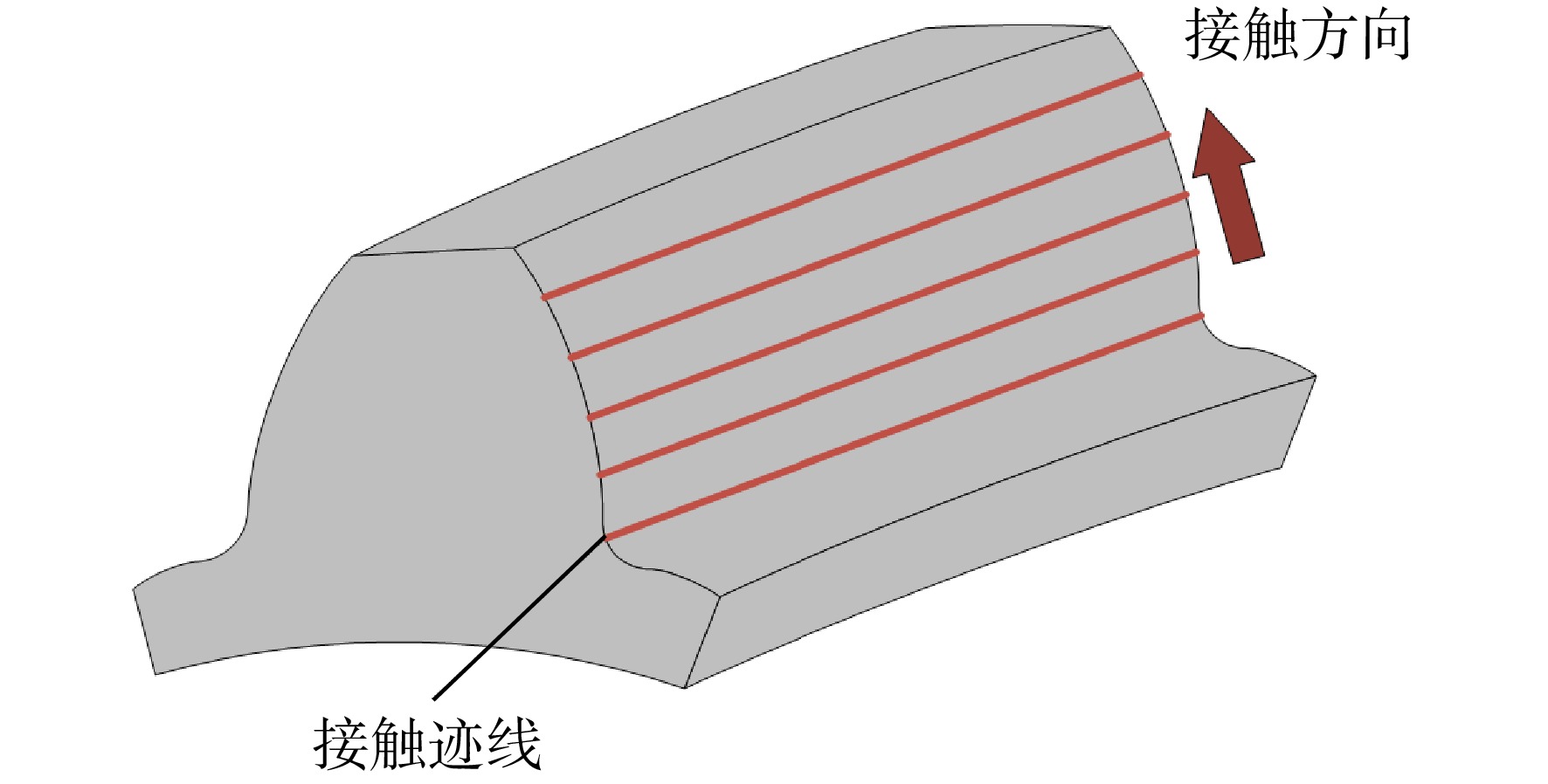
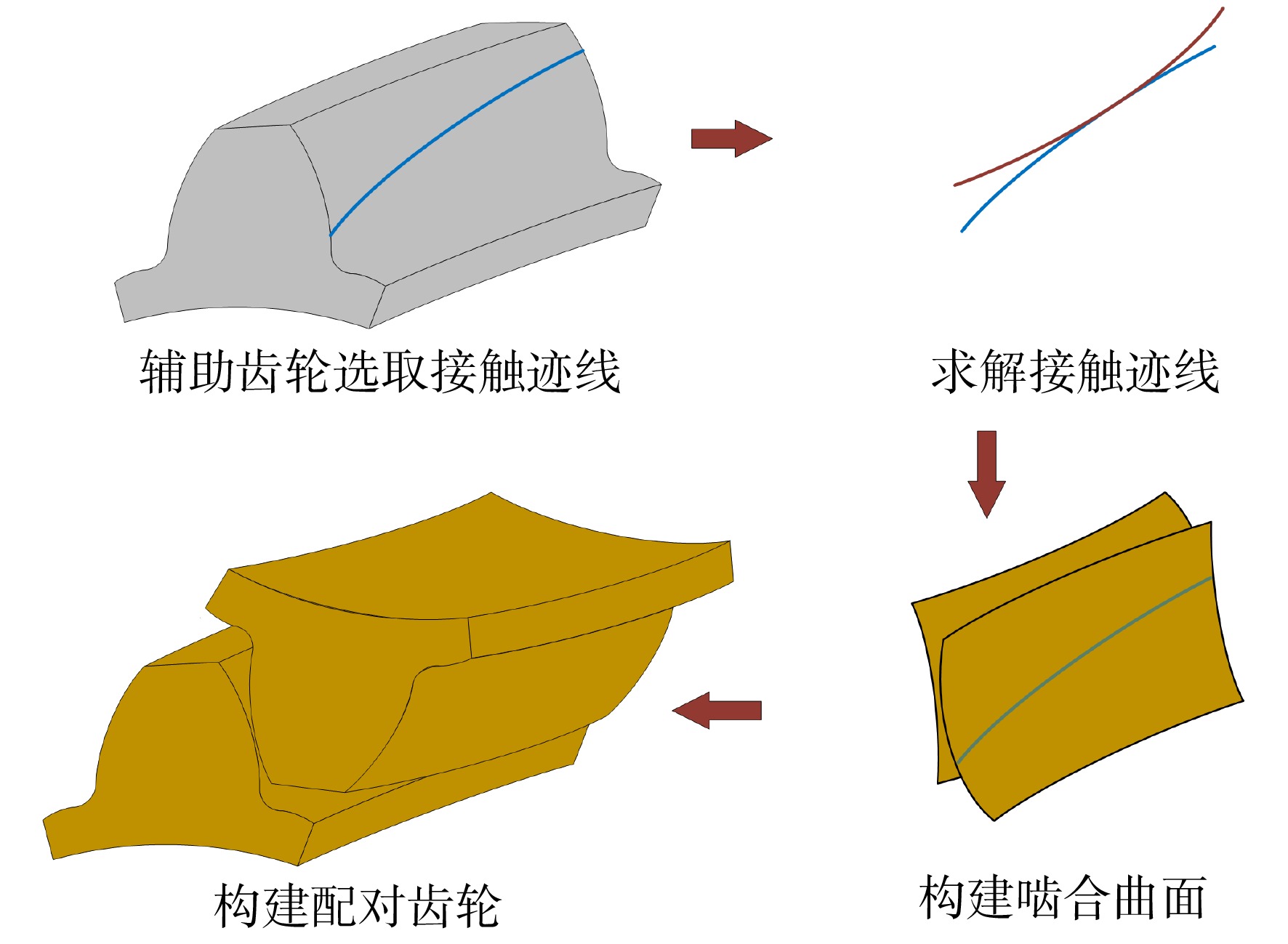
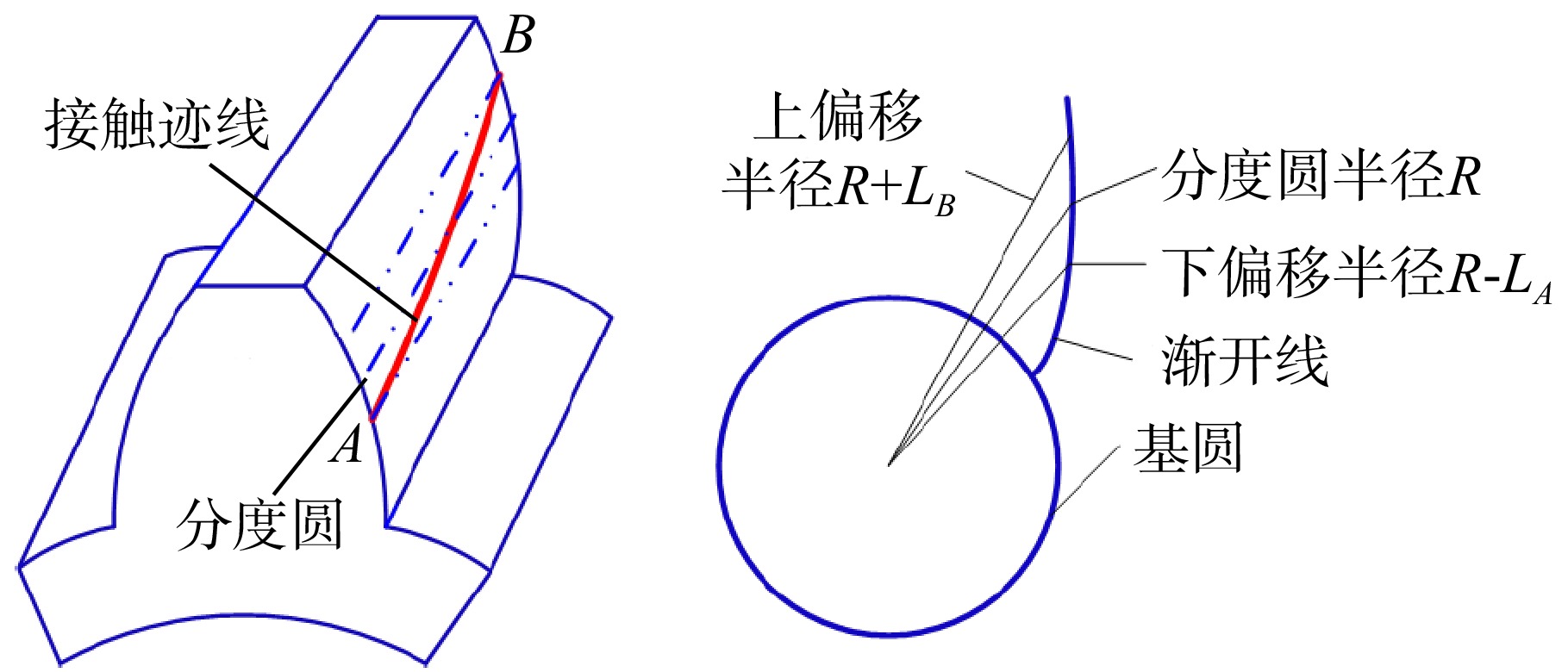
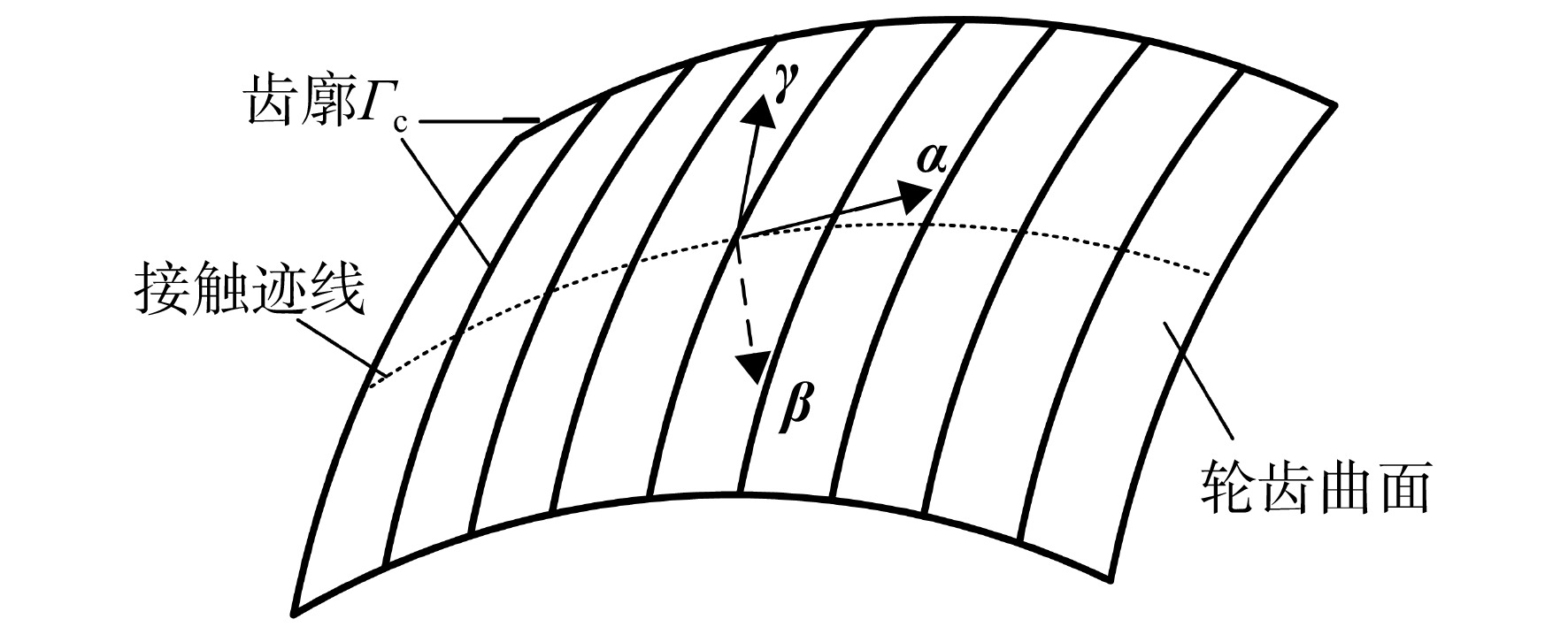
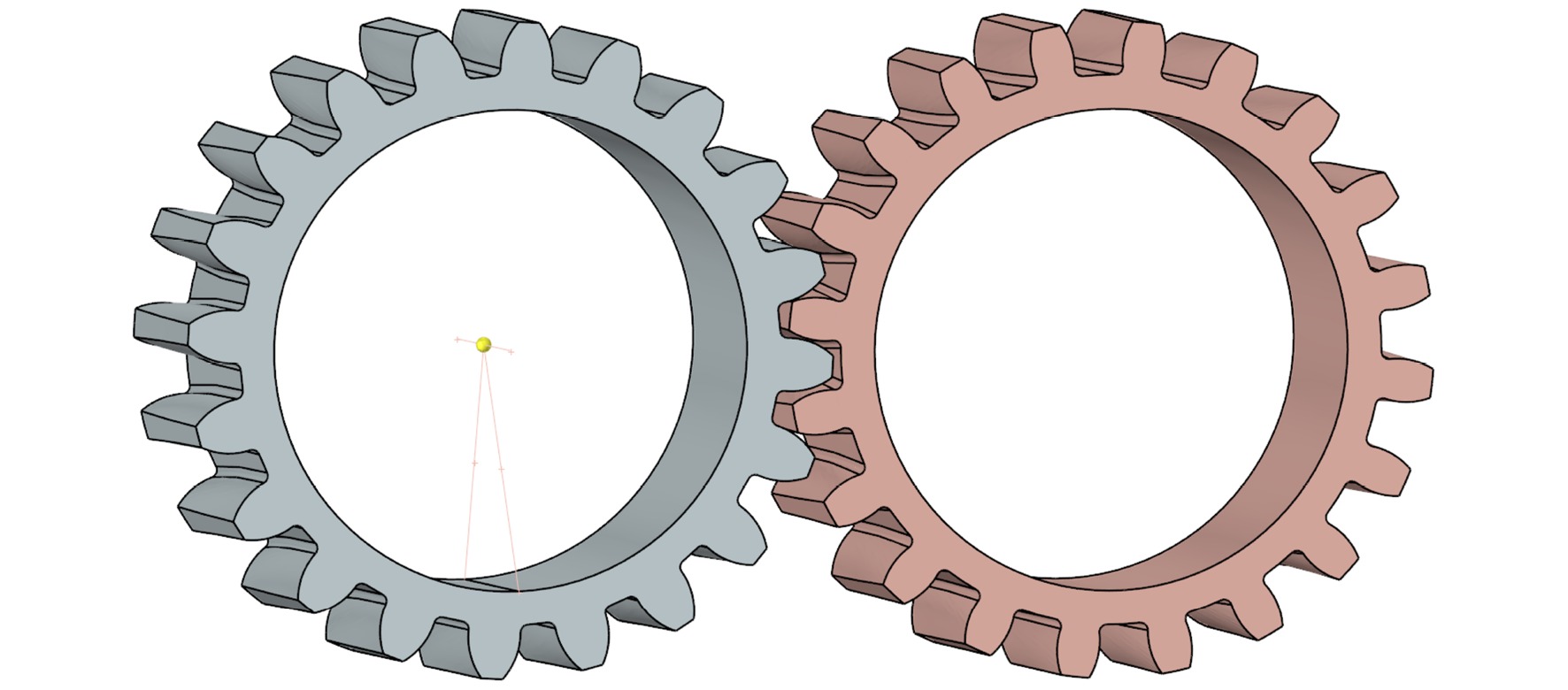
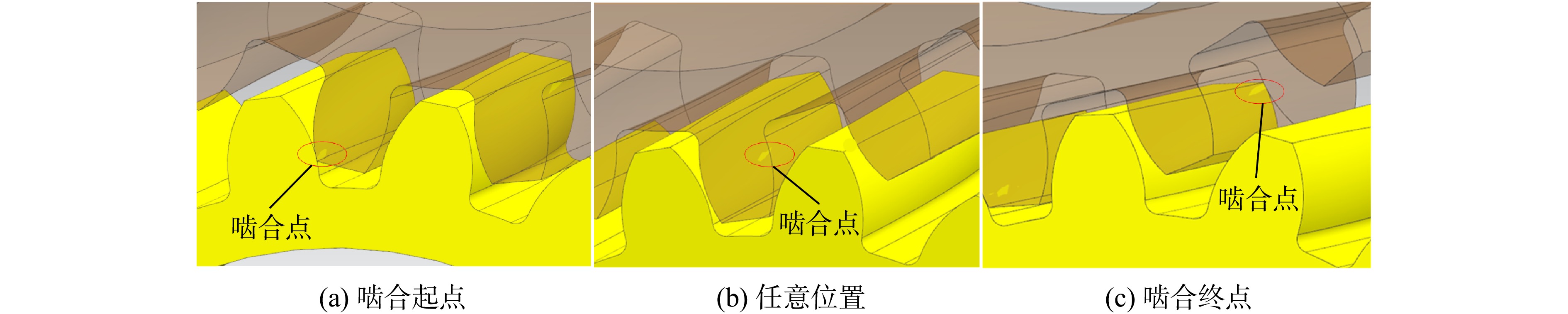
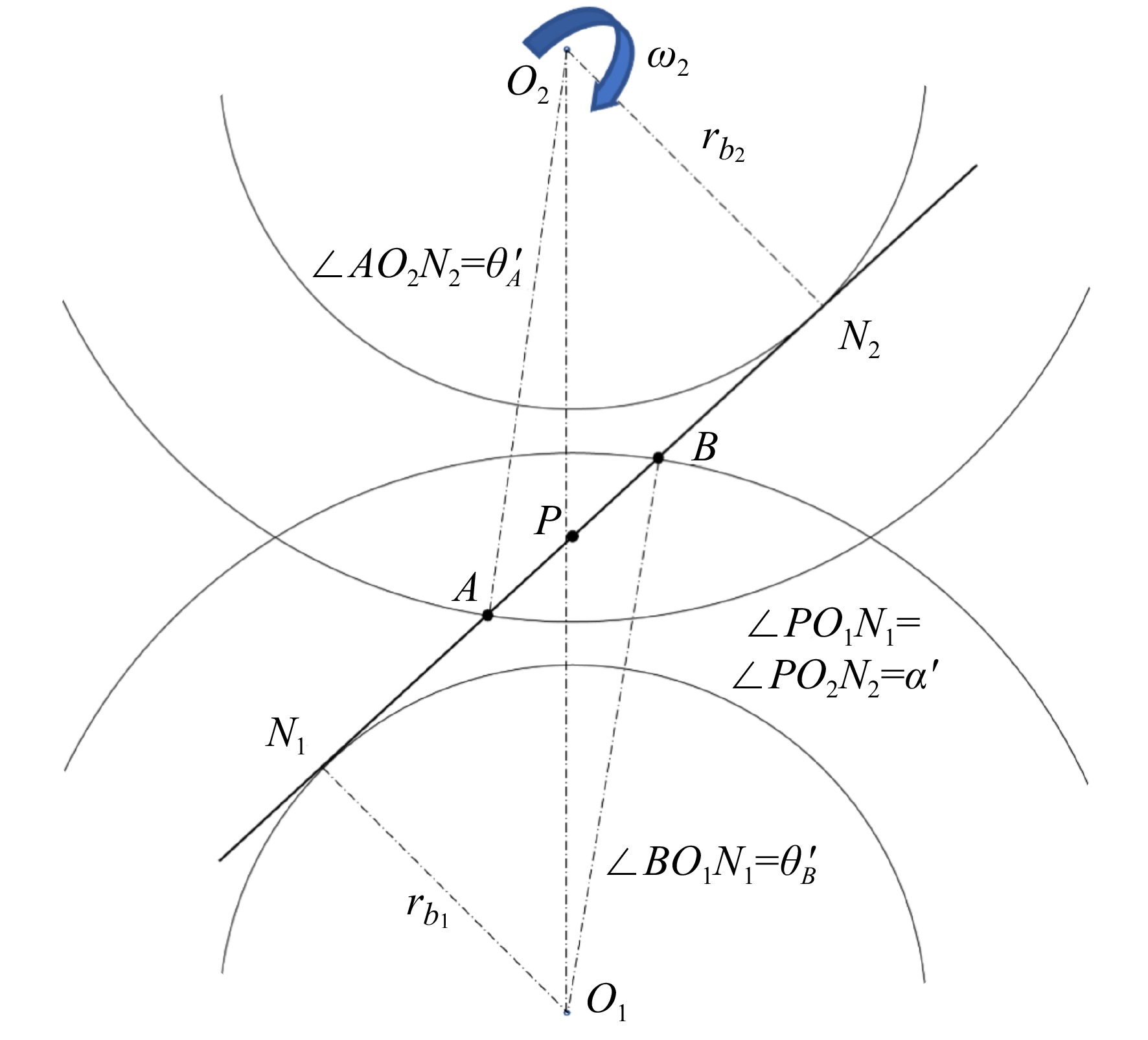
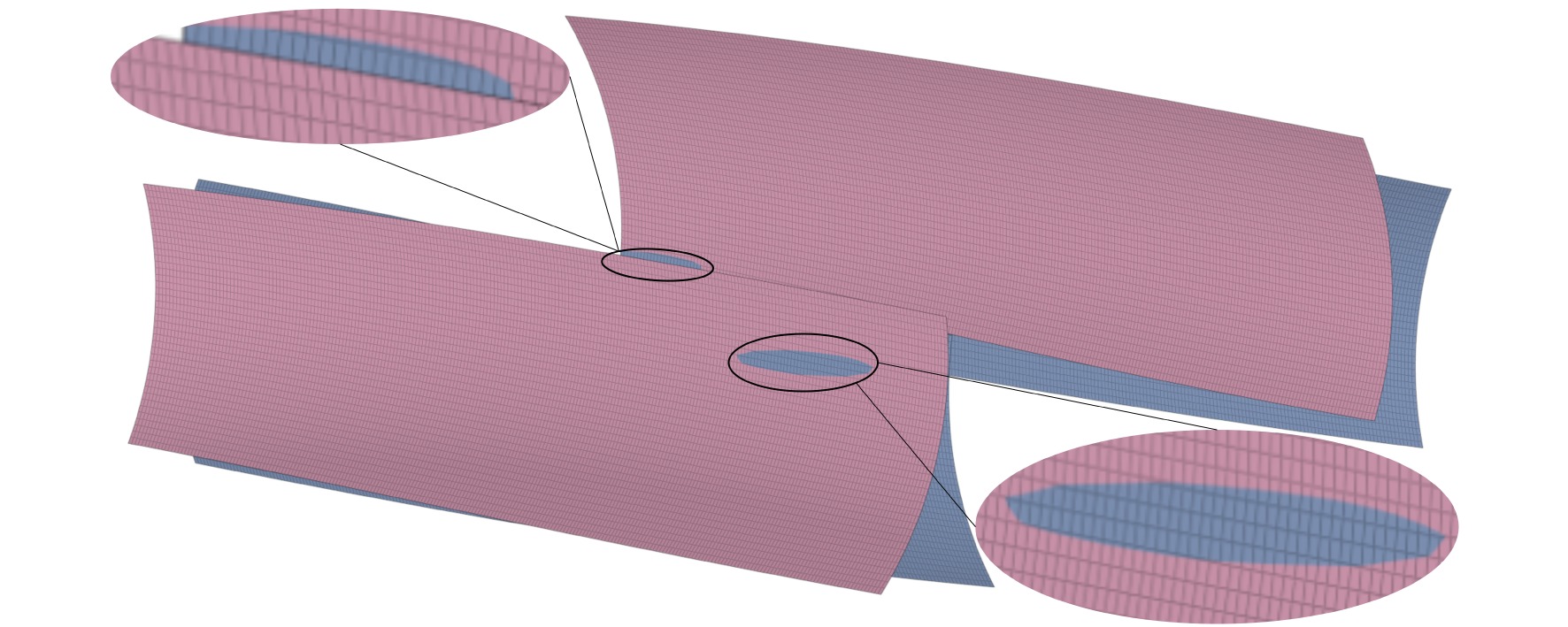
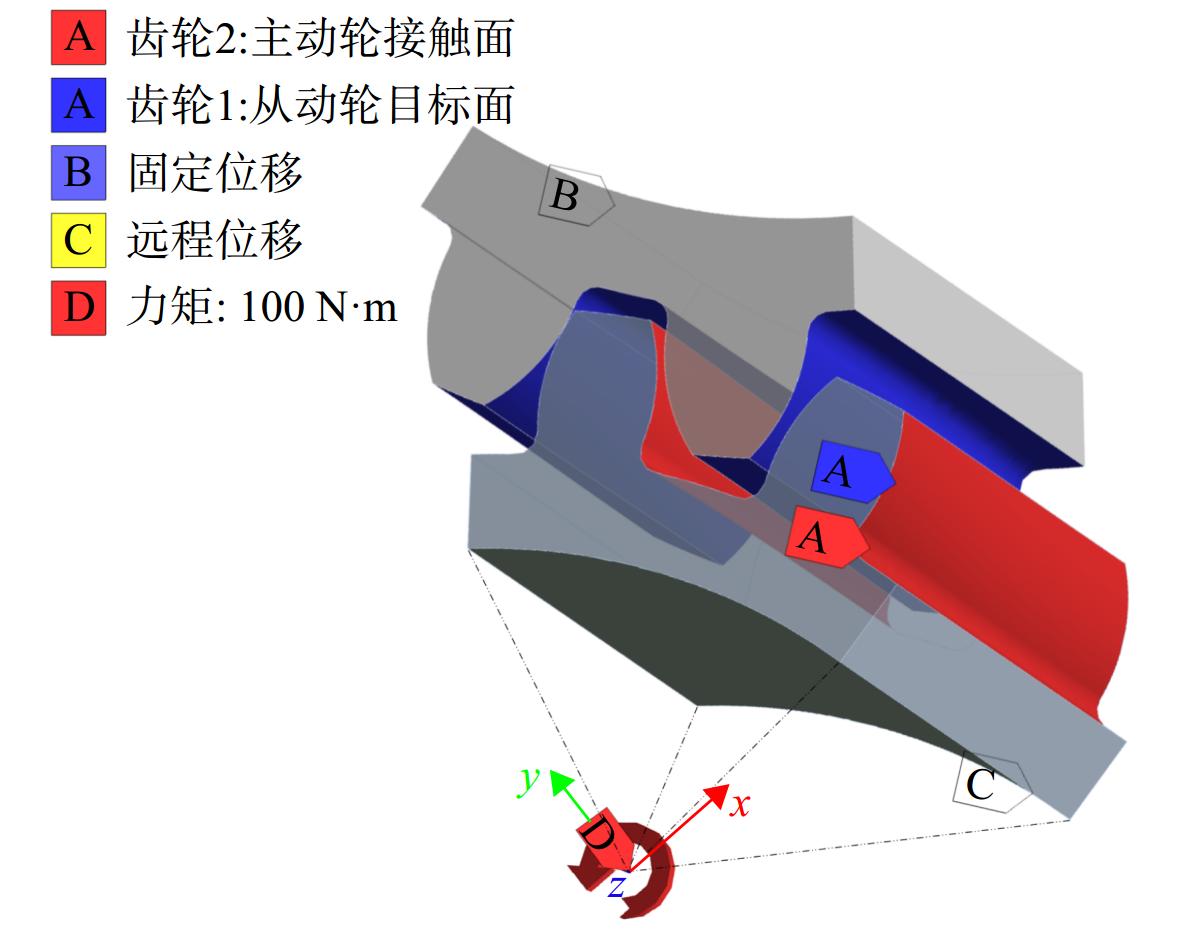
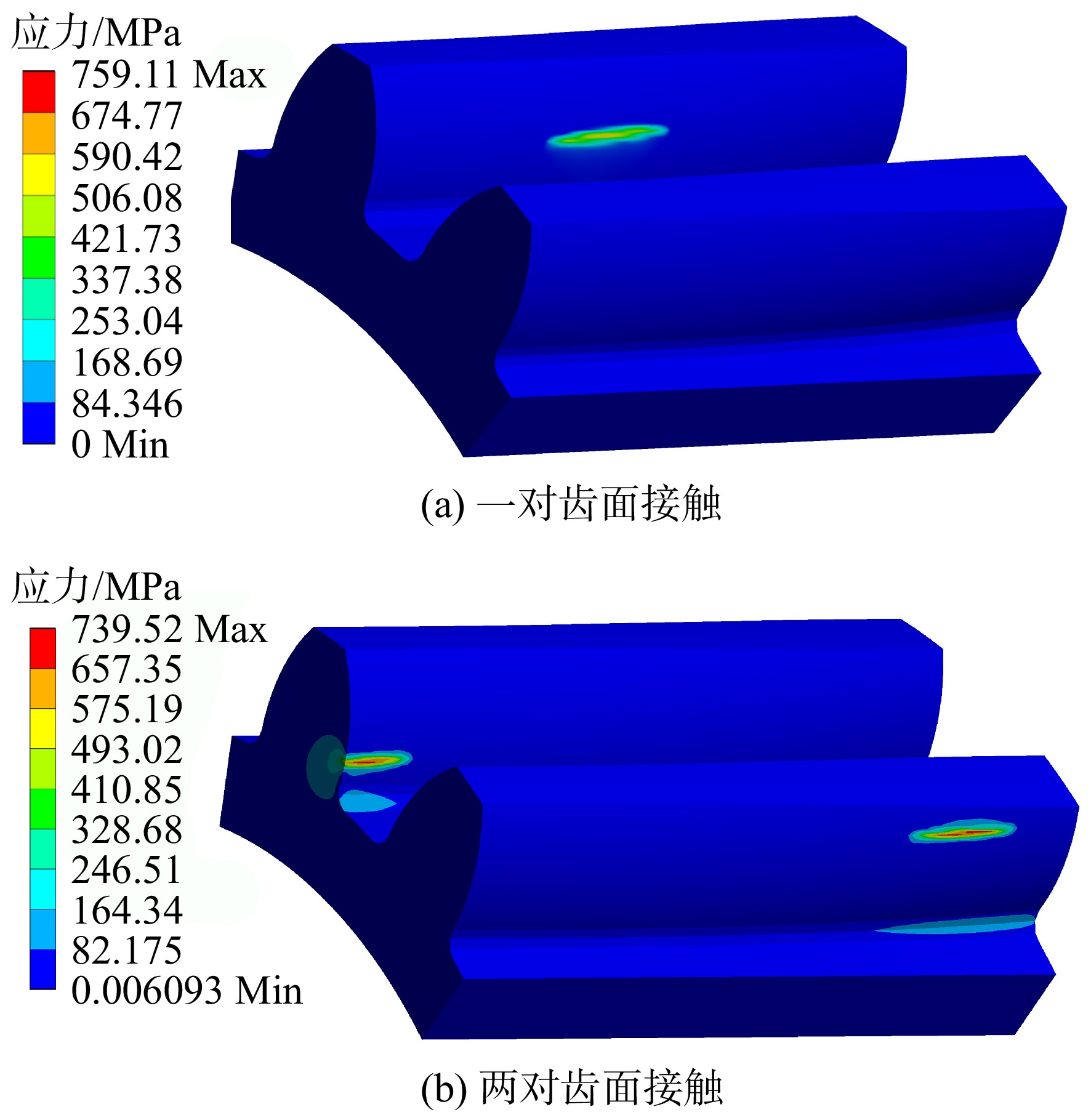
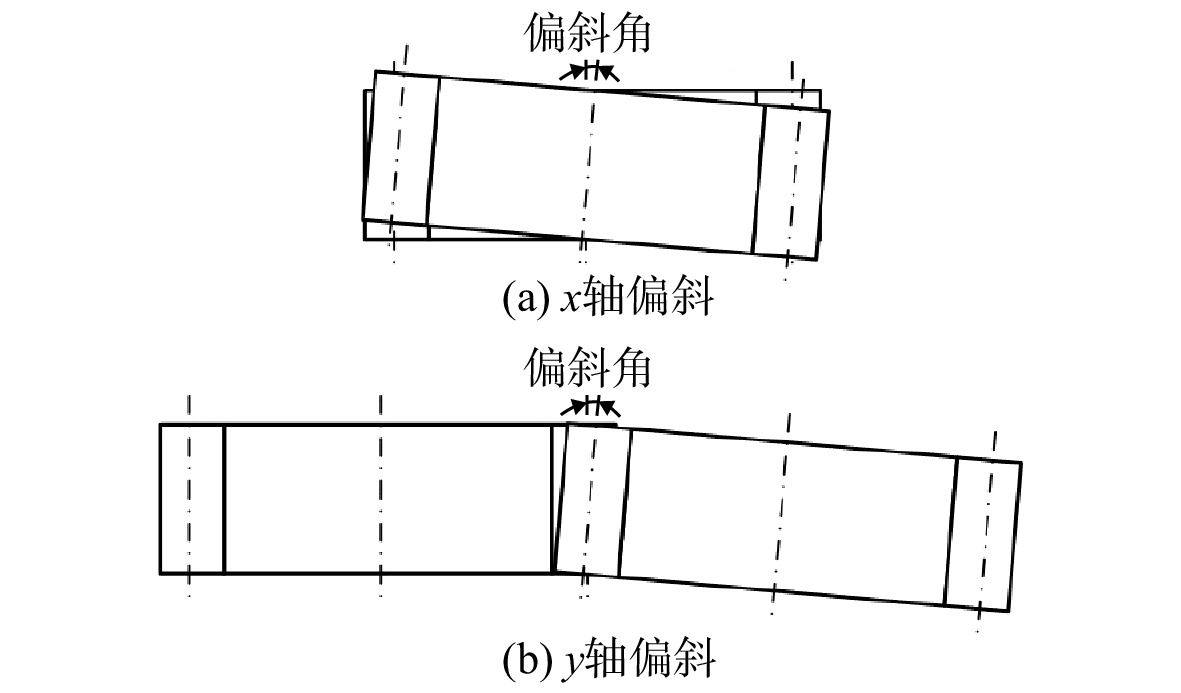
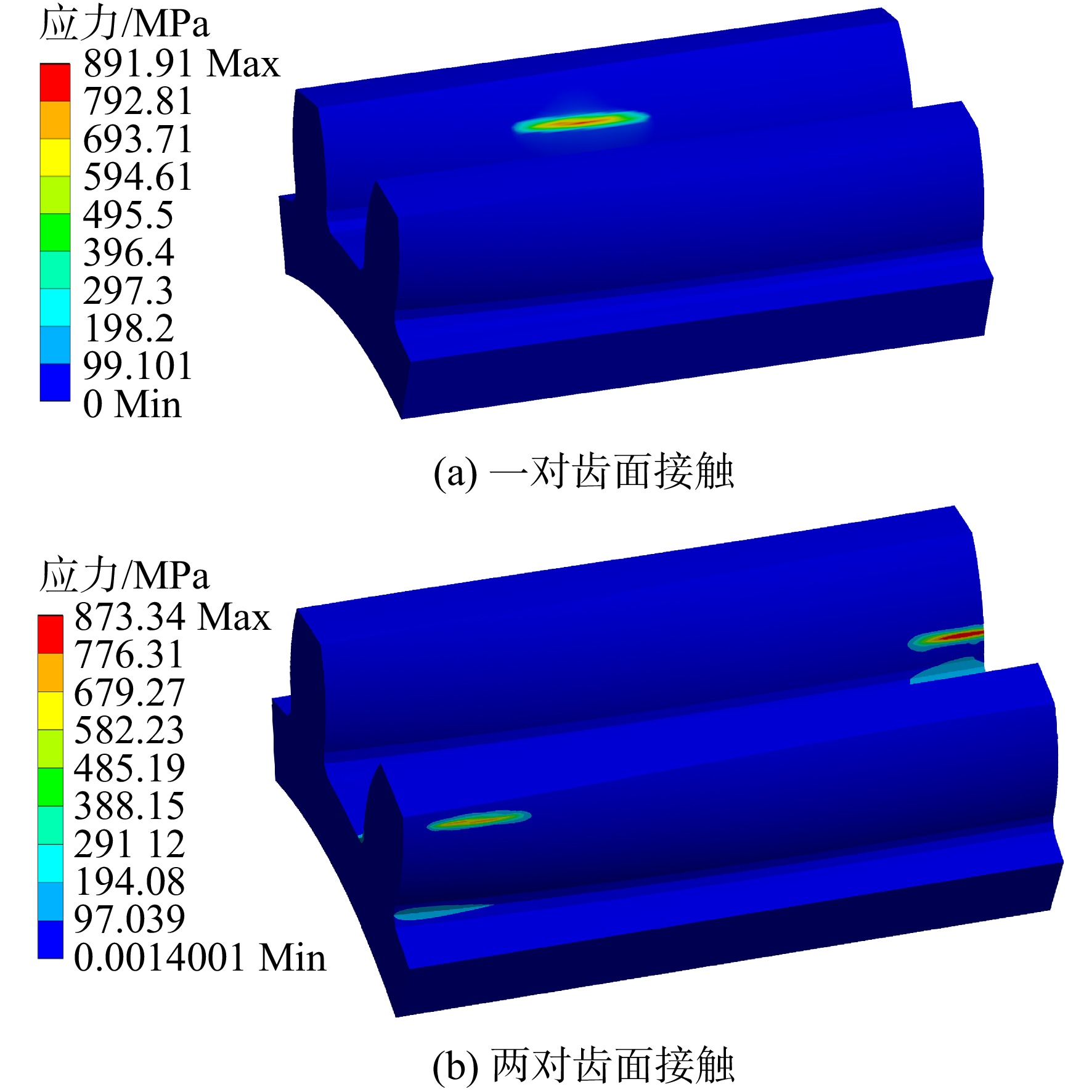
In order to solve the problem of abnormal meshing of gears due to axis error, a construction method of point-contact spur gear pair was proposed. By selecting two points at both ends of the tooth surface of the virtual auxiliary involute gear, a smooth curve was obtained to connect the two points as the meshing trajectory of the driving wheel, and a curve meshing with the meshing trajectory was solved. Then, the tooth surfaces of the two gears were constructed by the tooth profile sweeping along two meshing trajectories. By setting specific parameters, geometric and solid models of point-contact spur gear pairs were established in MATLAB and UG respectively, and the contact shape and contact stress of the point-contact spur gear pairs were compared and analyzed during normal and abnormal meshing conditions. The results showed that the two tooth planes kept the point contact state along their respective meshing trajectories during meshing, the meshing points were on the theoretical meshing line, and the contact process of the solid model was consistent with the theoretical meshing simulation process. The meshing points of the gear pair were still elliptically distributed in the abnormal meshing state, and the difference between the stress value and the stress value of the normal meshing was about 18.09%.

Influence of PCHE channel shape on oxidation coking characteristics of aviation kerosene
WU Yongkang, ZHU Jianqin, CHENG Zeyuan, WEI Jiaqi, LI Xiang, JIAO Yaoxian
2025, 40(4): 20240503. doi: 10.13224/j.cnki.jasp.20240503
Abstract:

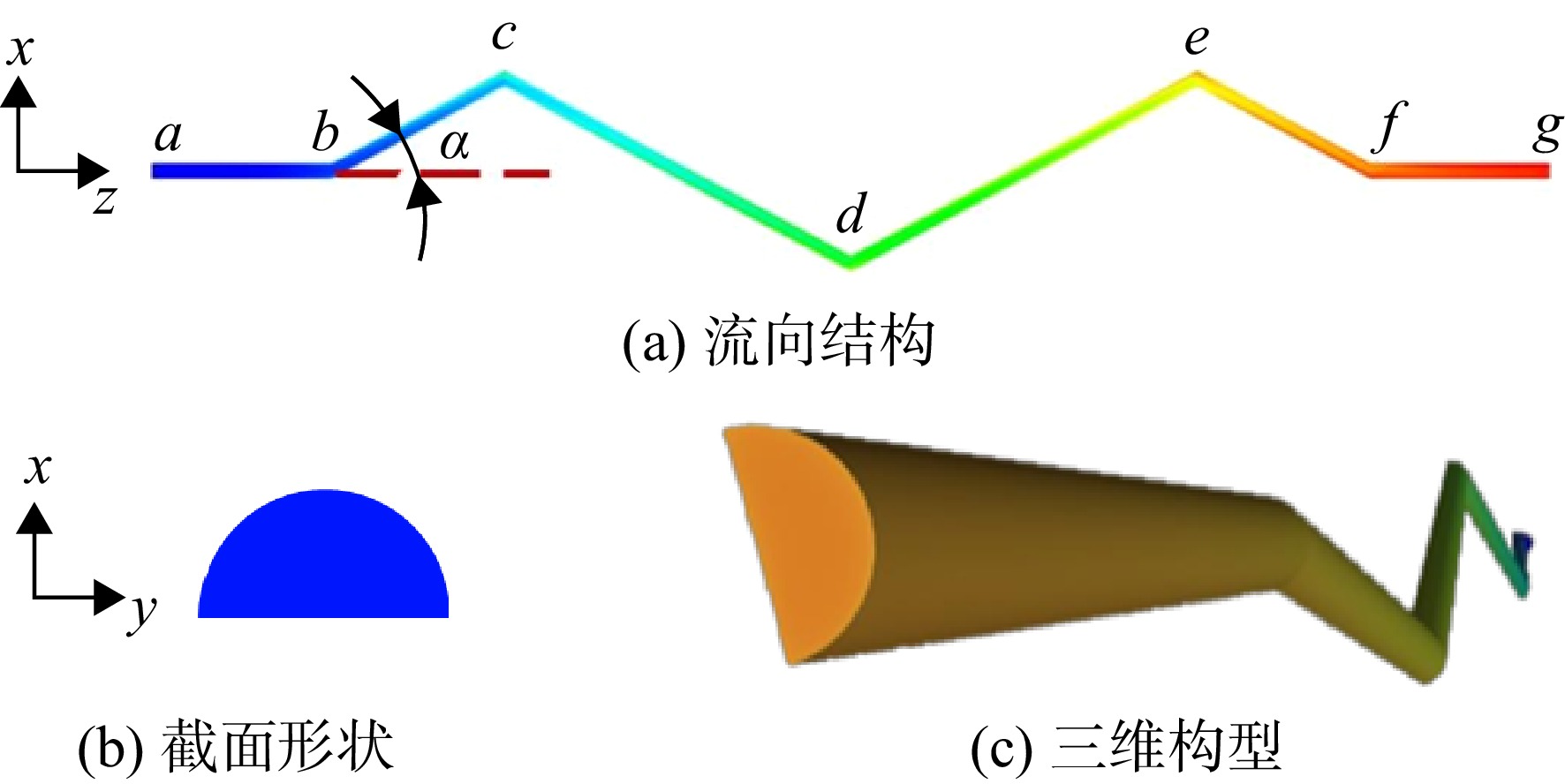
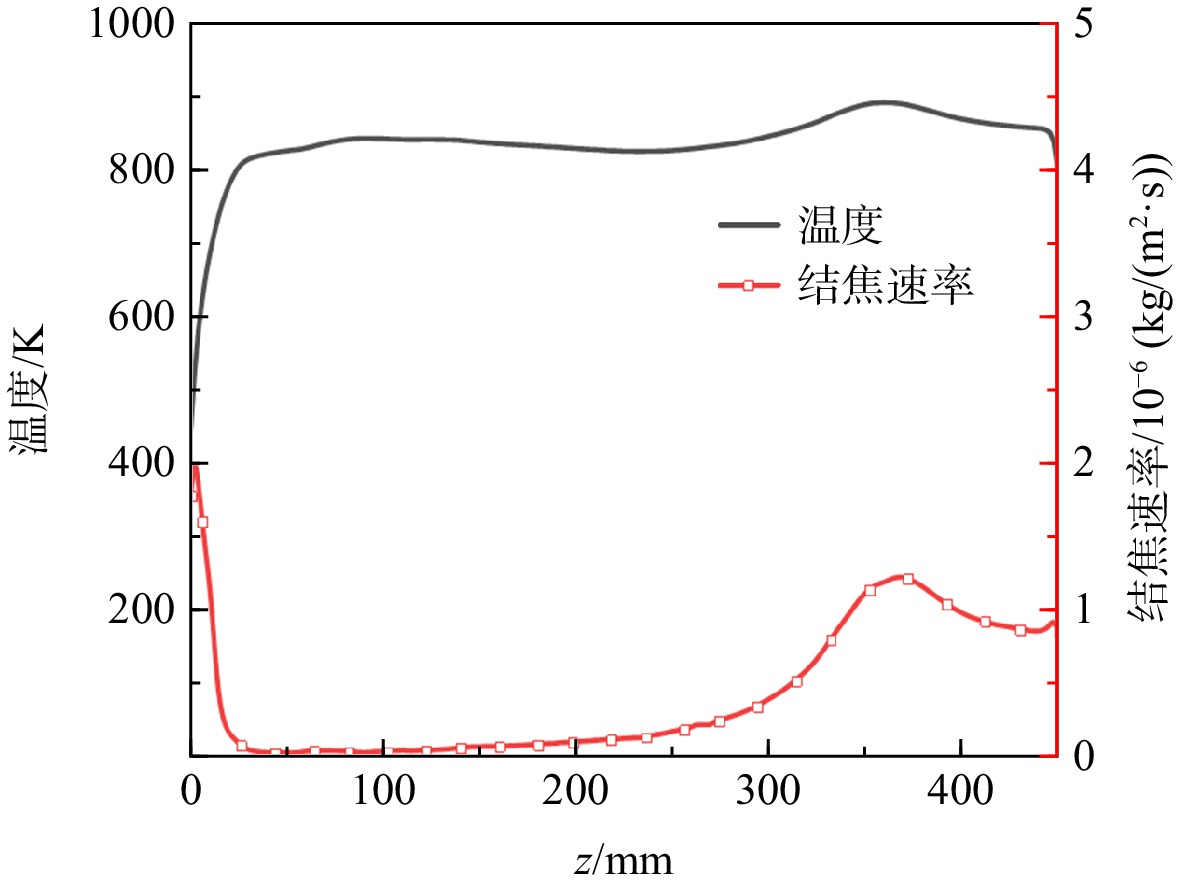
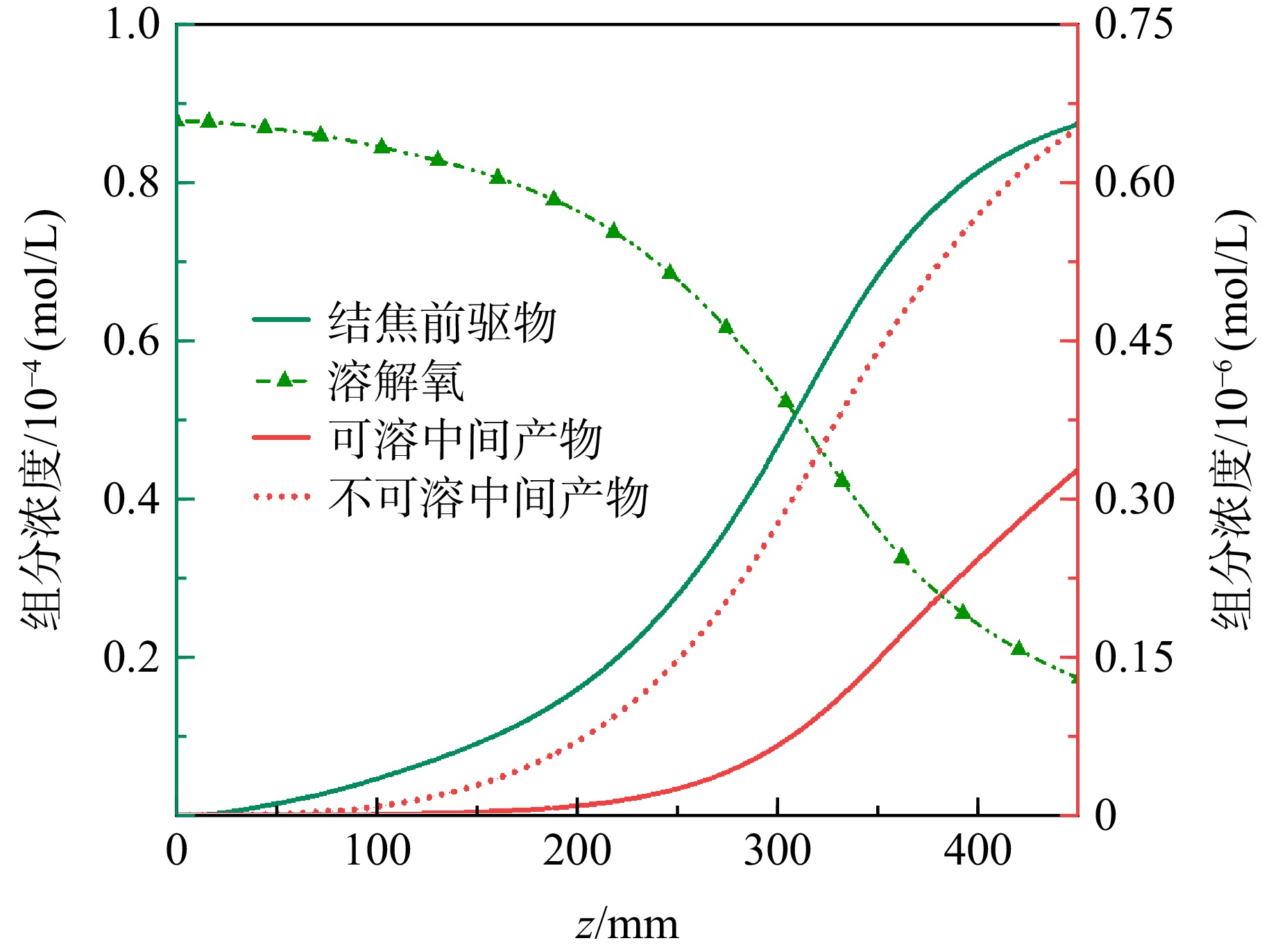
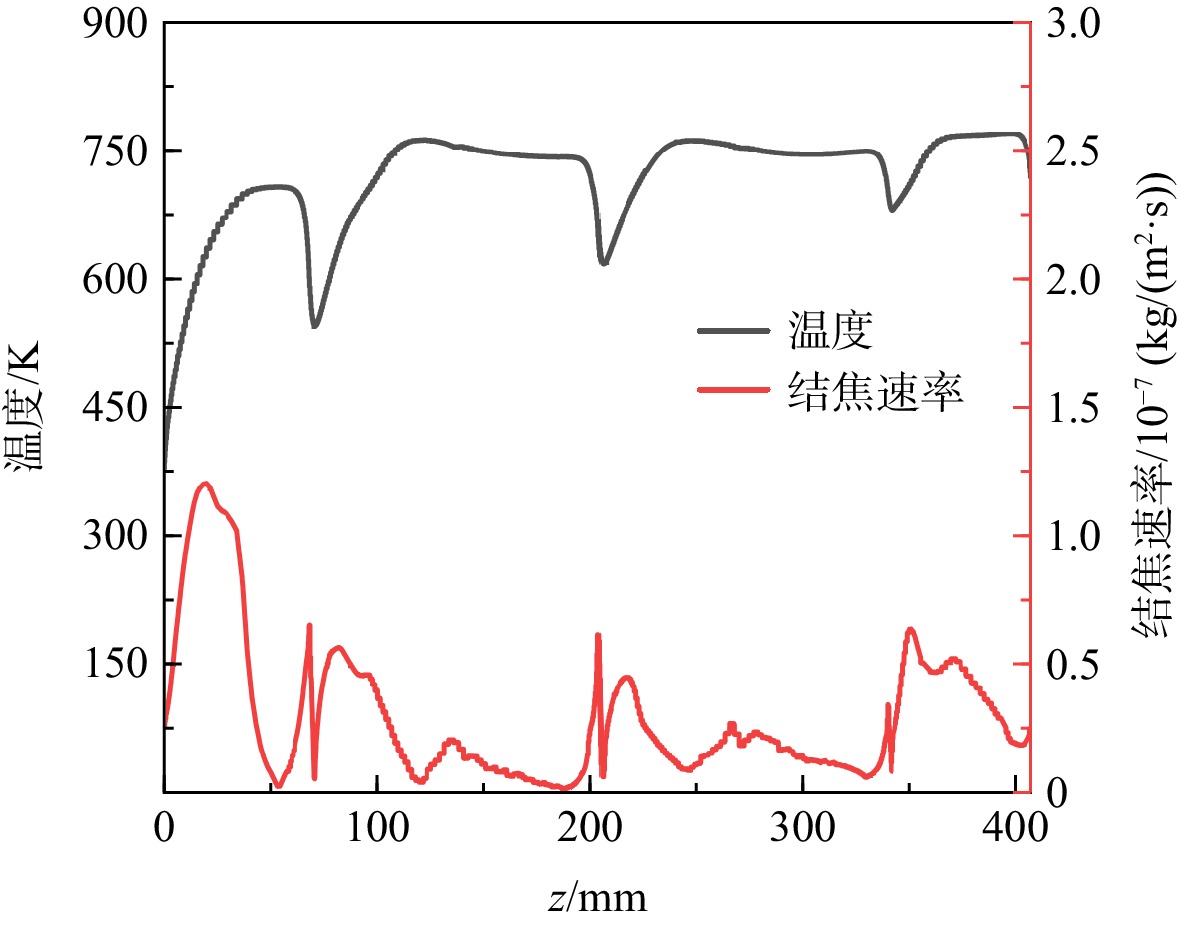
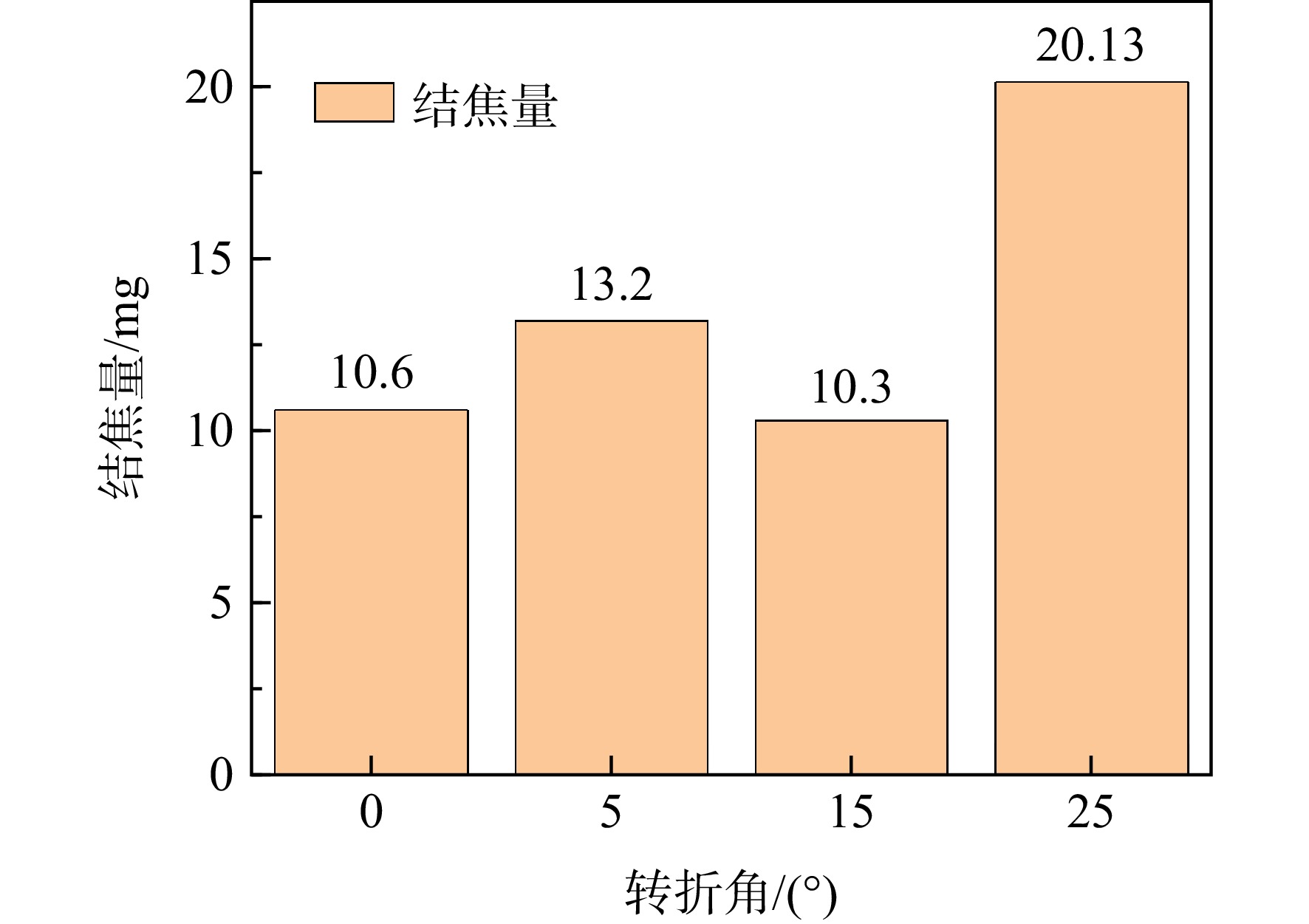
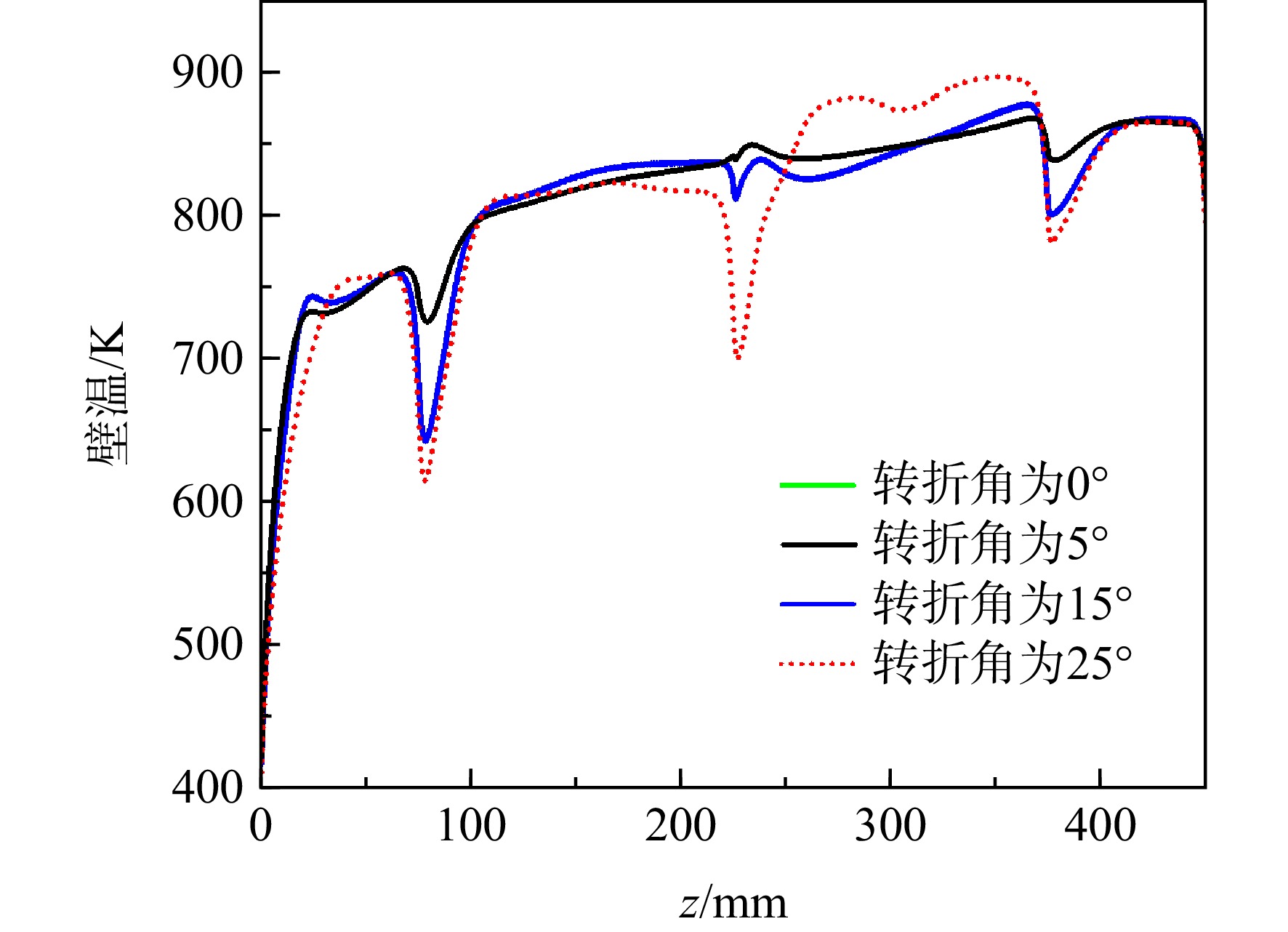
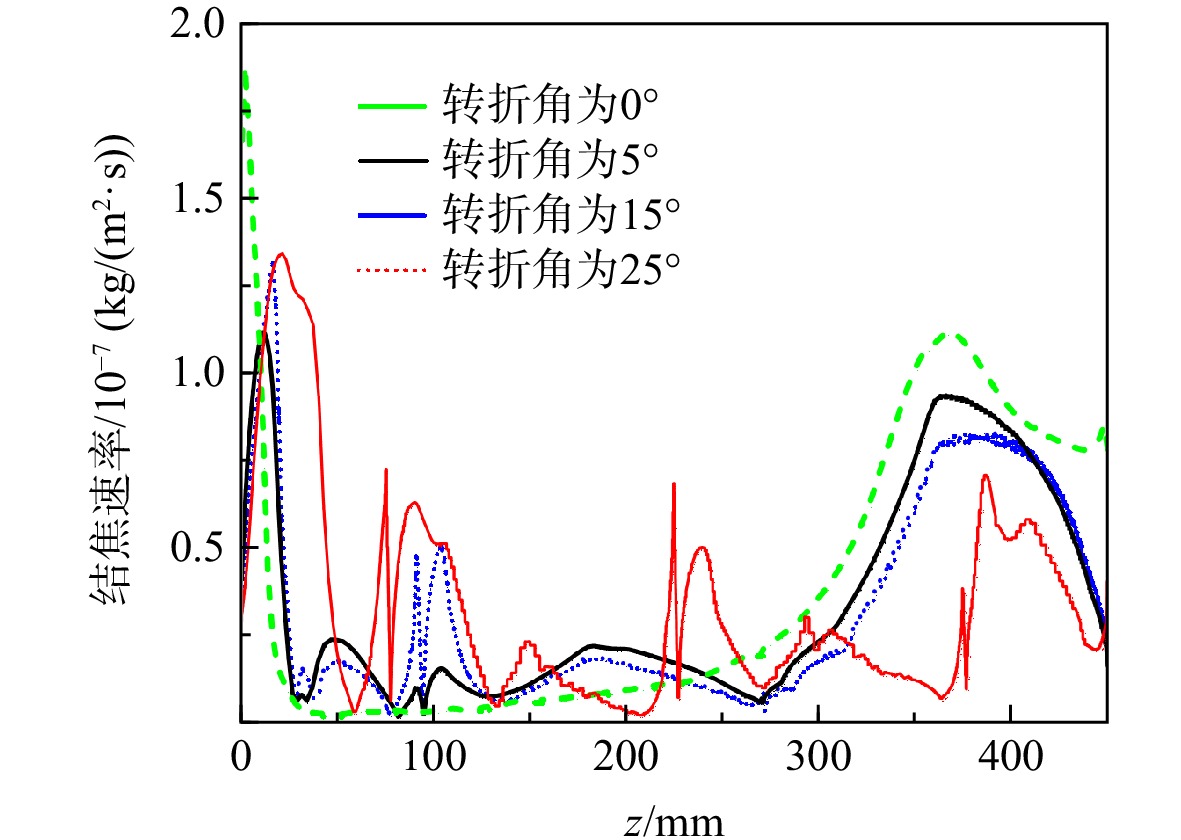
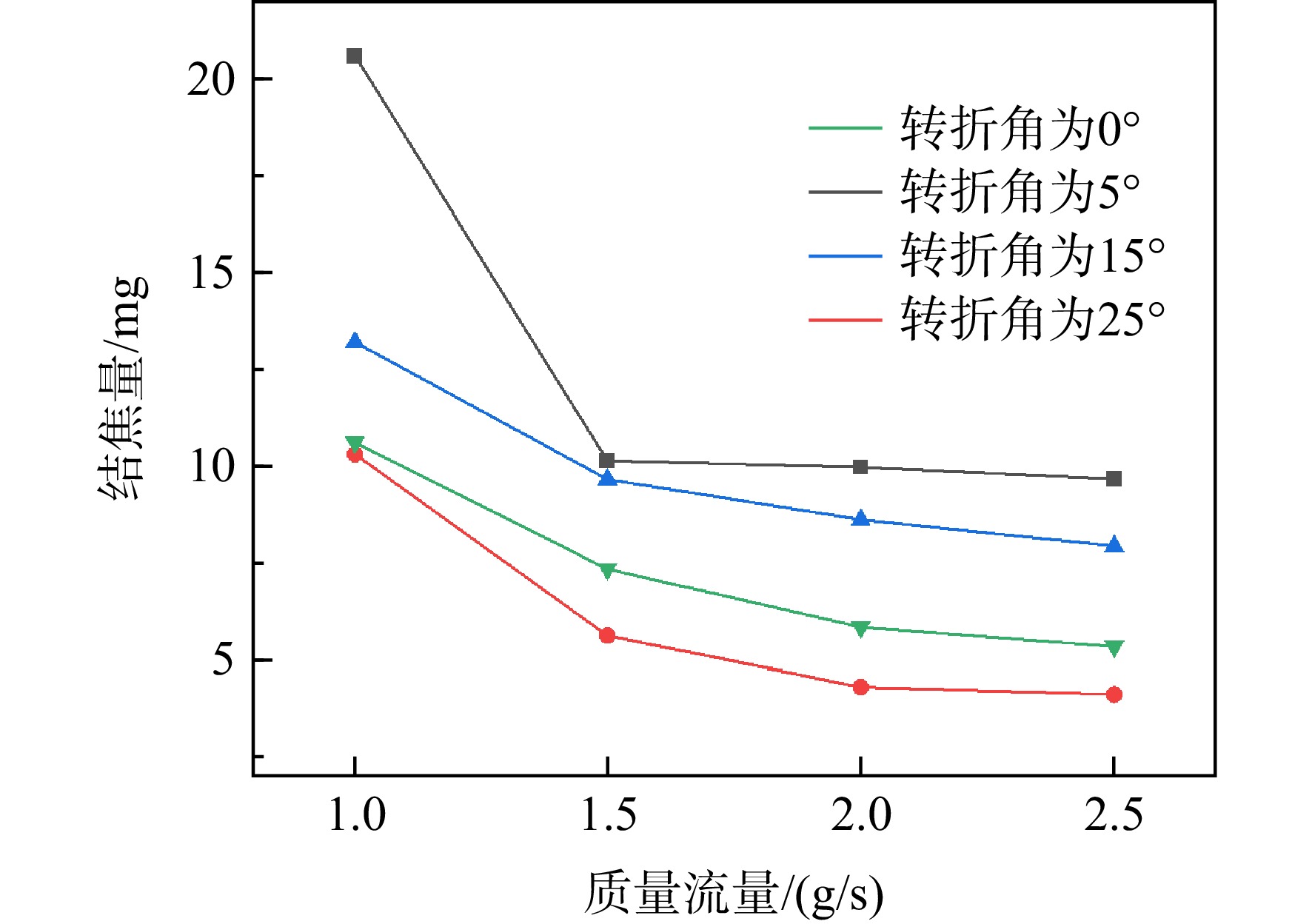
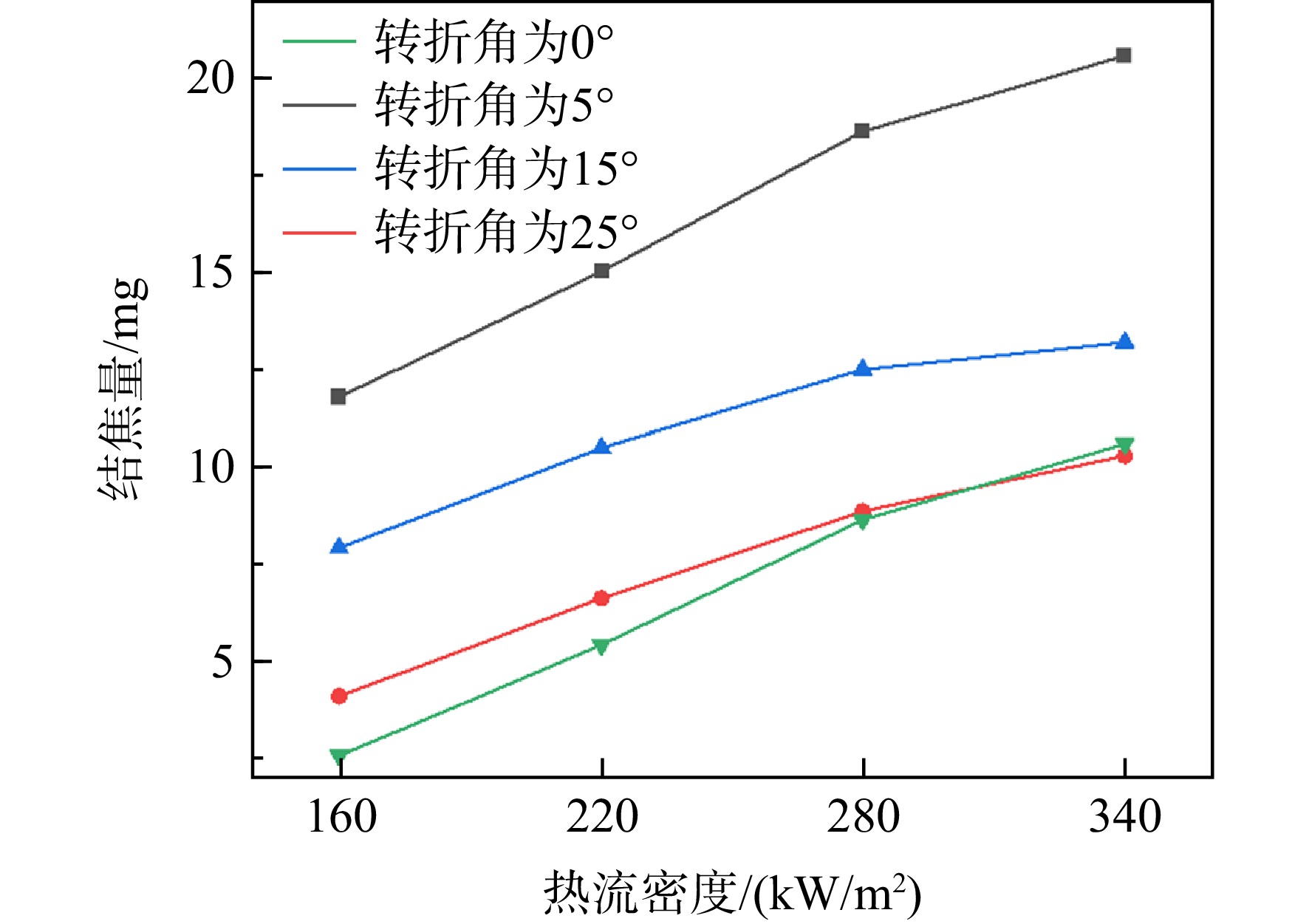
The oxidation coking process of aviation kerosene with straight and Z-shaped PCHE (printed circuit heat exchanger) channels was numerically calculated. The influences of the shape of the channels on the oxidation coking of aviation kerosene with different mass flow and heat flux were analyzed. The results showed that, when the turning angle of the channel gradually increased from 0° (straight) to 25° (Z-shaped), the total mass of coking decreased first and then increased, and the distribution along the channel presented multi-peak characteristics. When the angle was small, the coking mechanism induced by the boundary layer at high temperature dominated the coking process, and the secondary flow induced by the transition gradually increased with the increase of the angle, resulting in the inhibition of heat transfer and enhanced coking. When the turning angle was large, the coking mechanism induced by high temperature gradient was dominant, and the secondary flow could increase the temperature gradient, which led to the uneven distribution of coking rate along the way, and intensified the coking deposition at the corner. The coking mass decreased with the increase of mass flow rate and increased with the increase of heat flux. The larger turning angle indicated the more obvious effect of increasing mass flow rate on inhibiting coking.

Combustion,Heat and Mass Transfer
Research on flow characteristics of bearing chamber sealing system based on oil-gas two-phase flow
REN Guozhe, LI Yanpeng, ZHAO Huan, XU Wenfeng, SUN Dan, YAN Yang
2025, 40(4): 20230471. doi: 10.13224/j.cnki.jasp.20230471
Abstract:

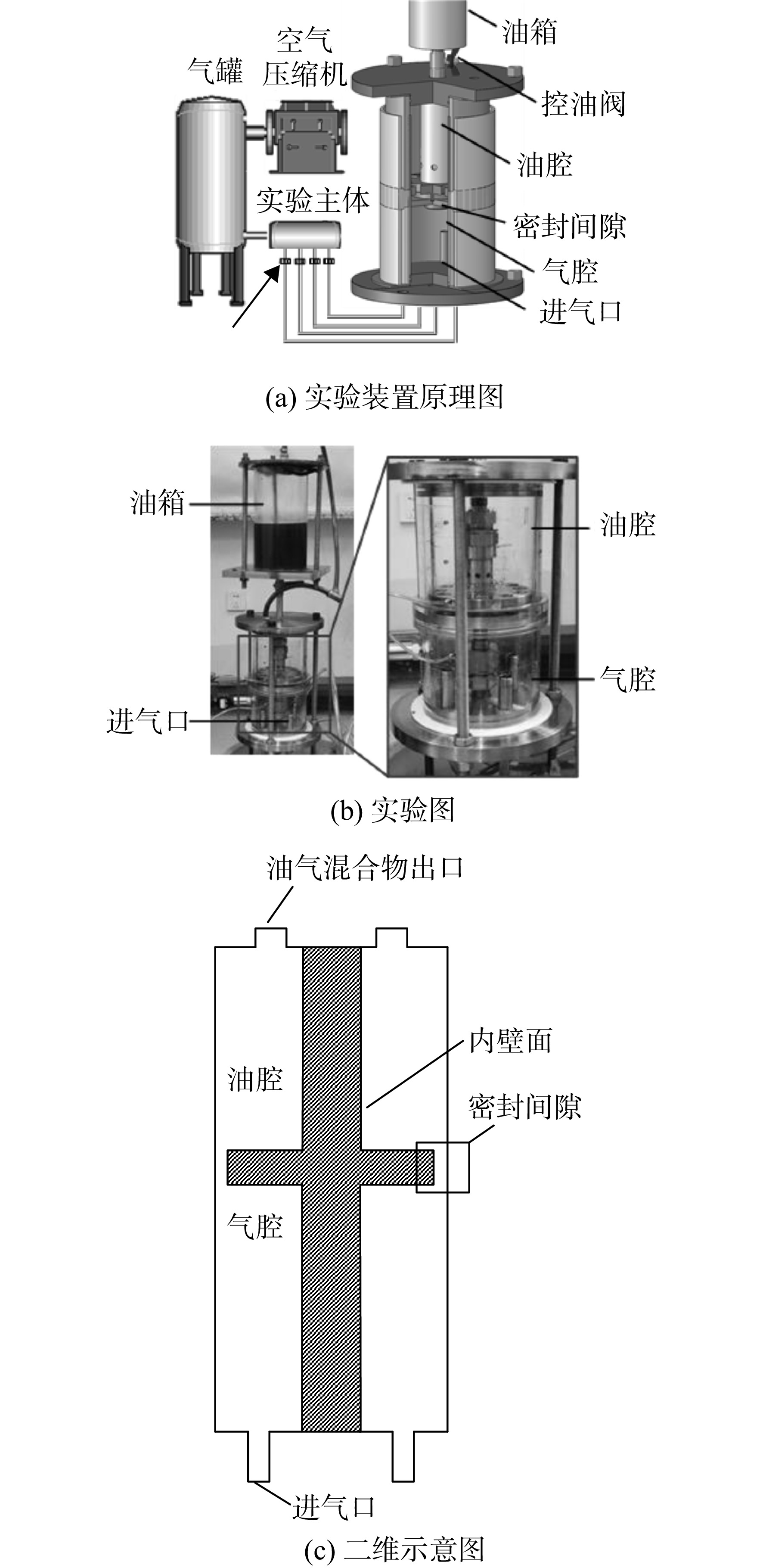
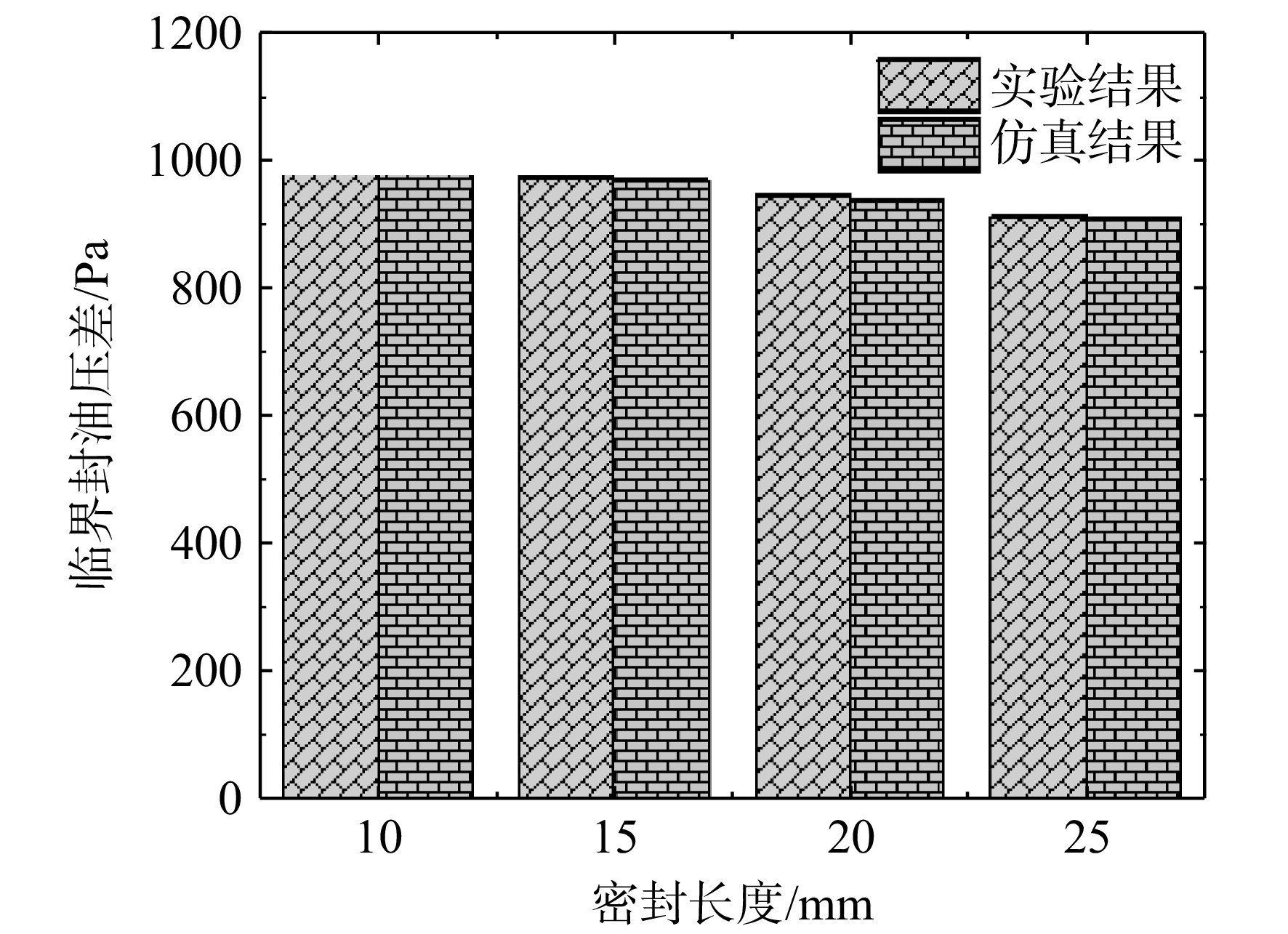
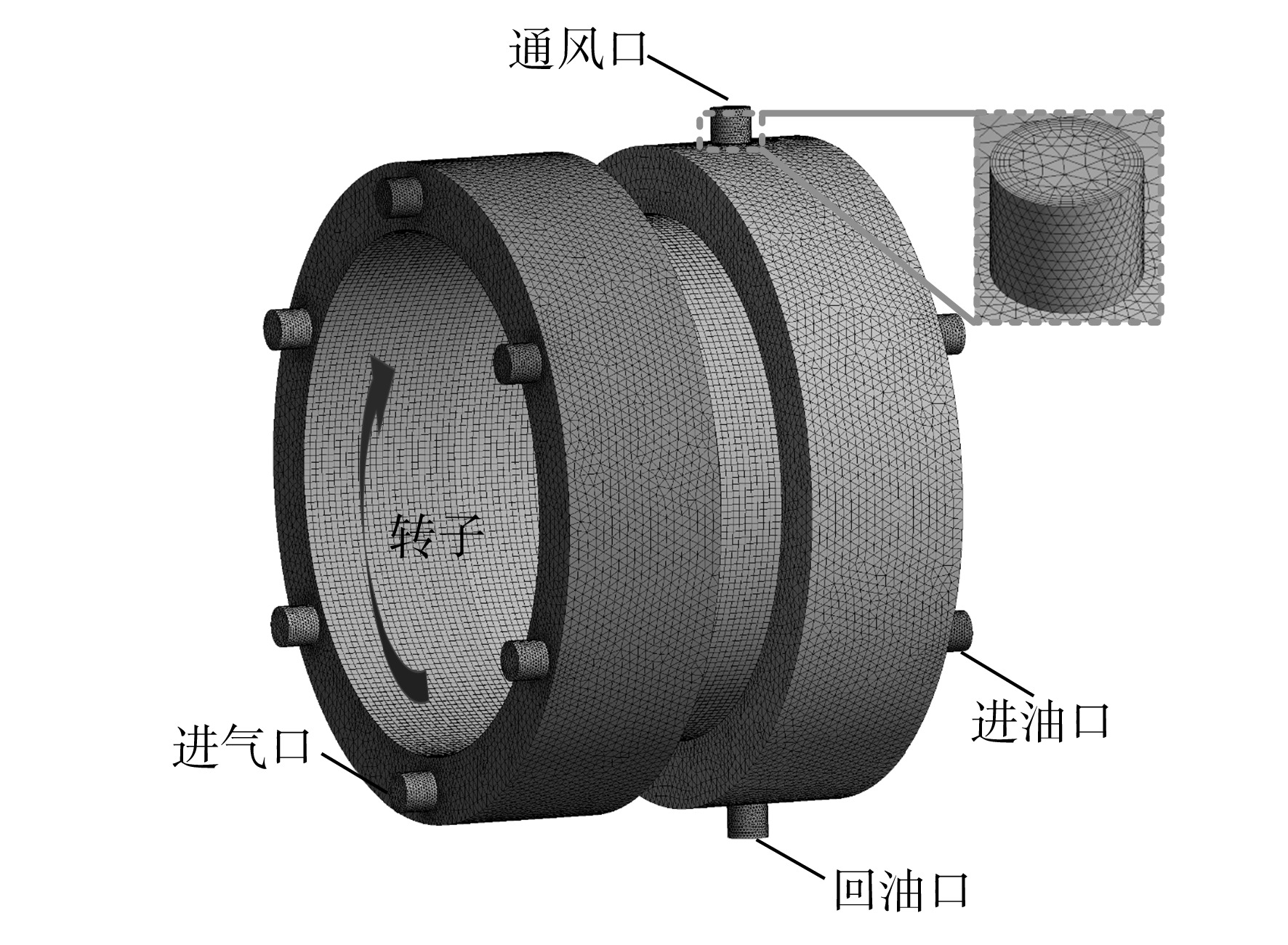
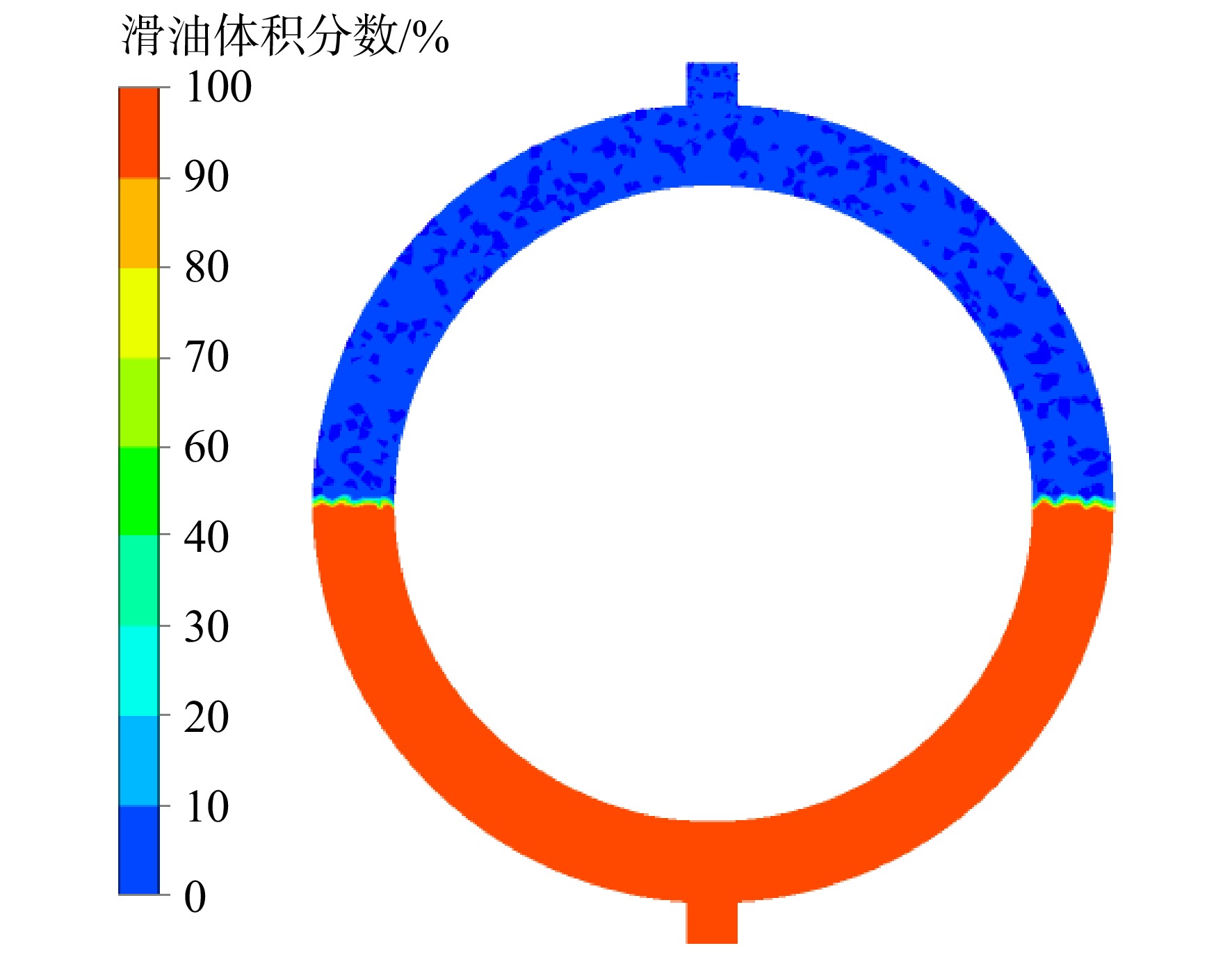
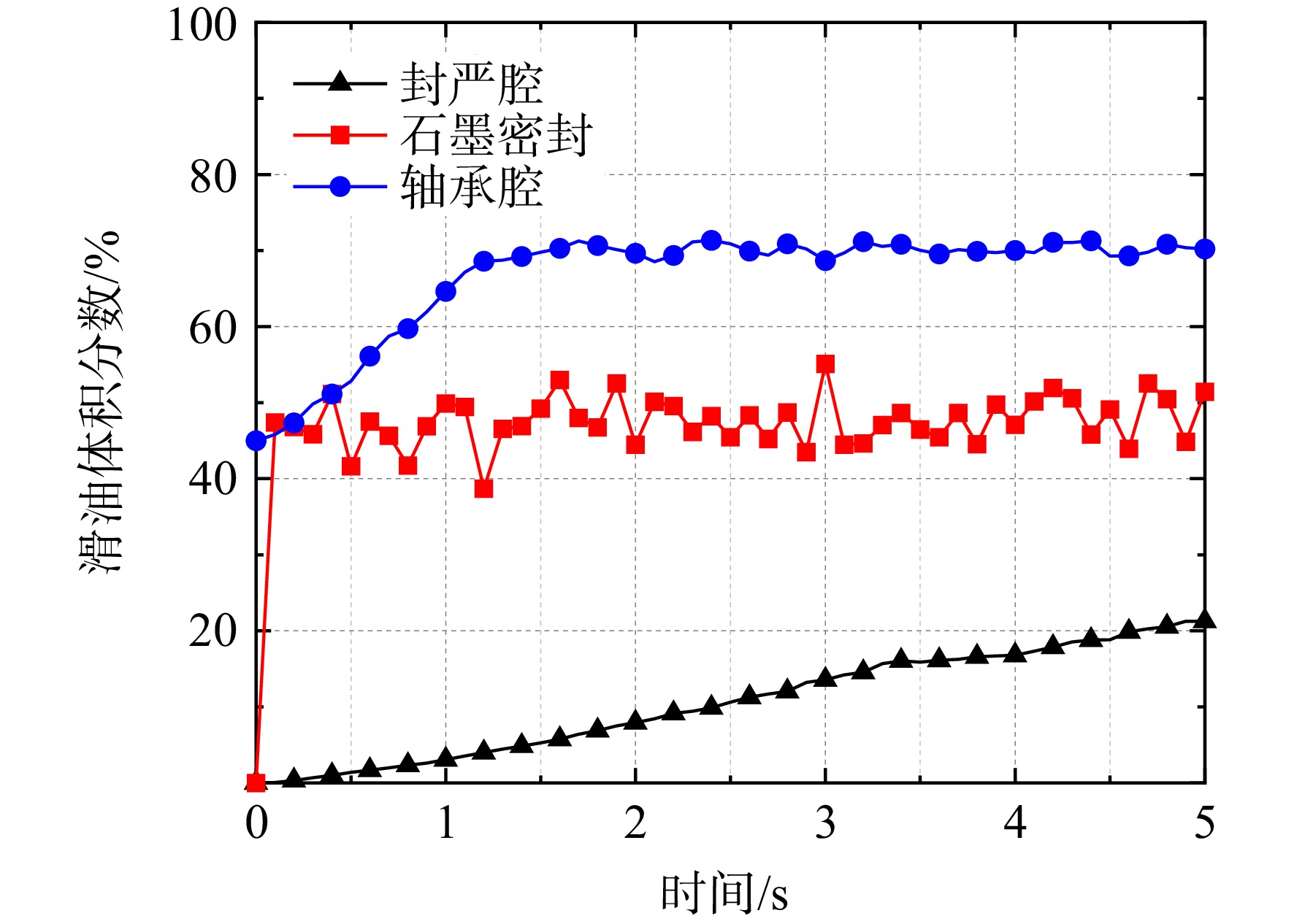
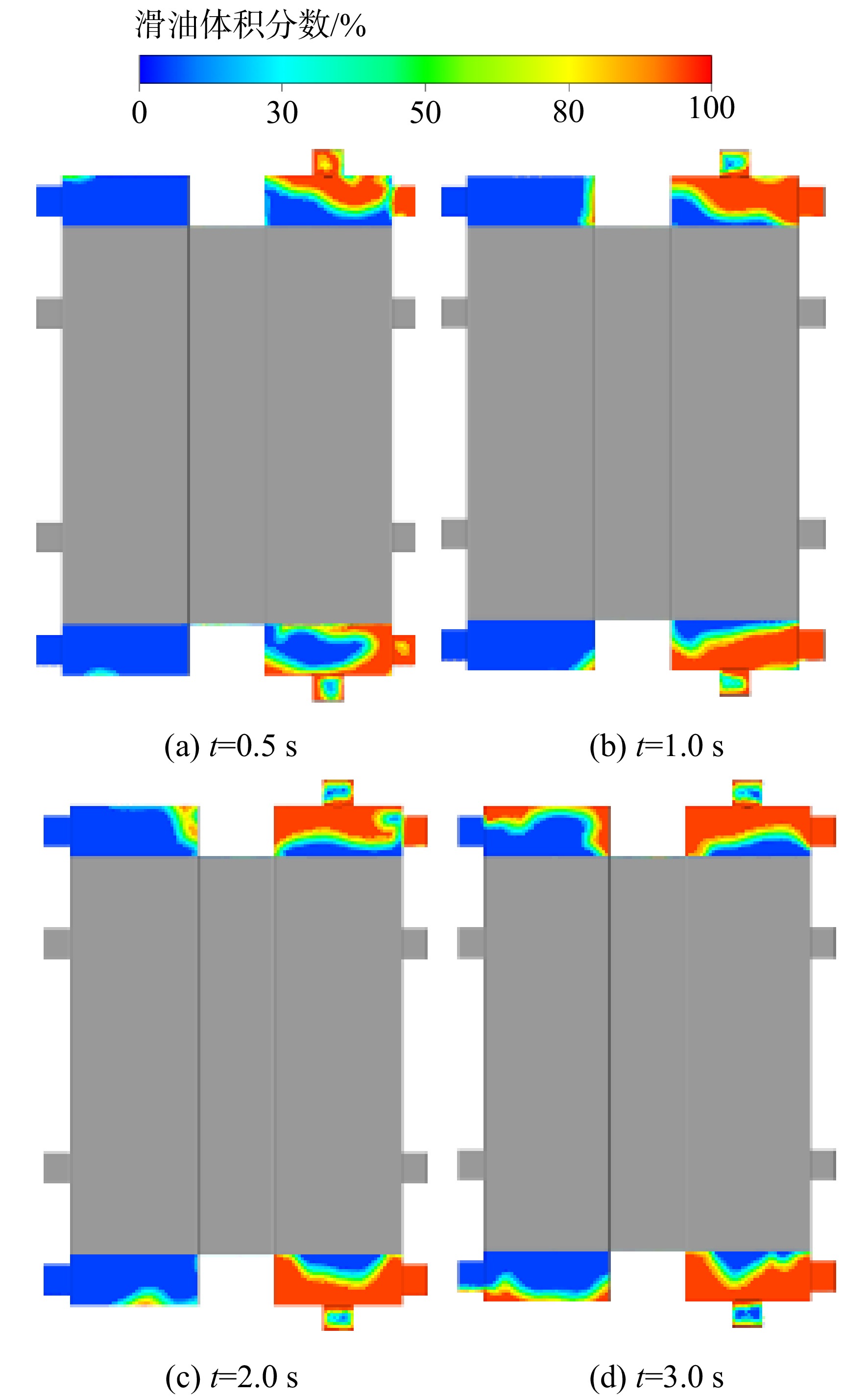
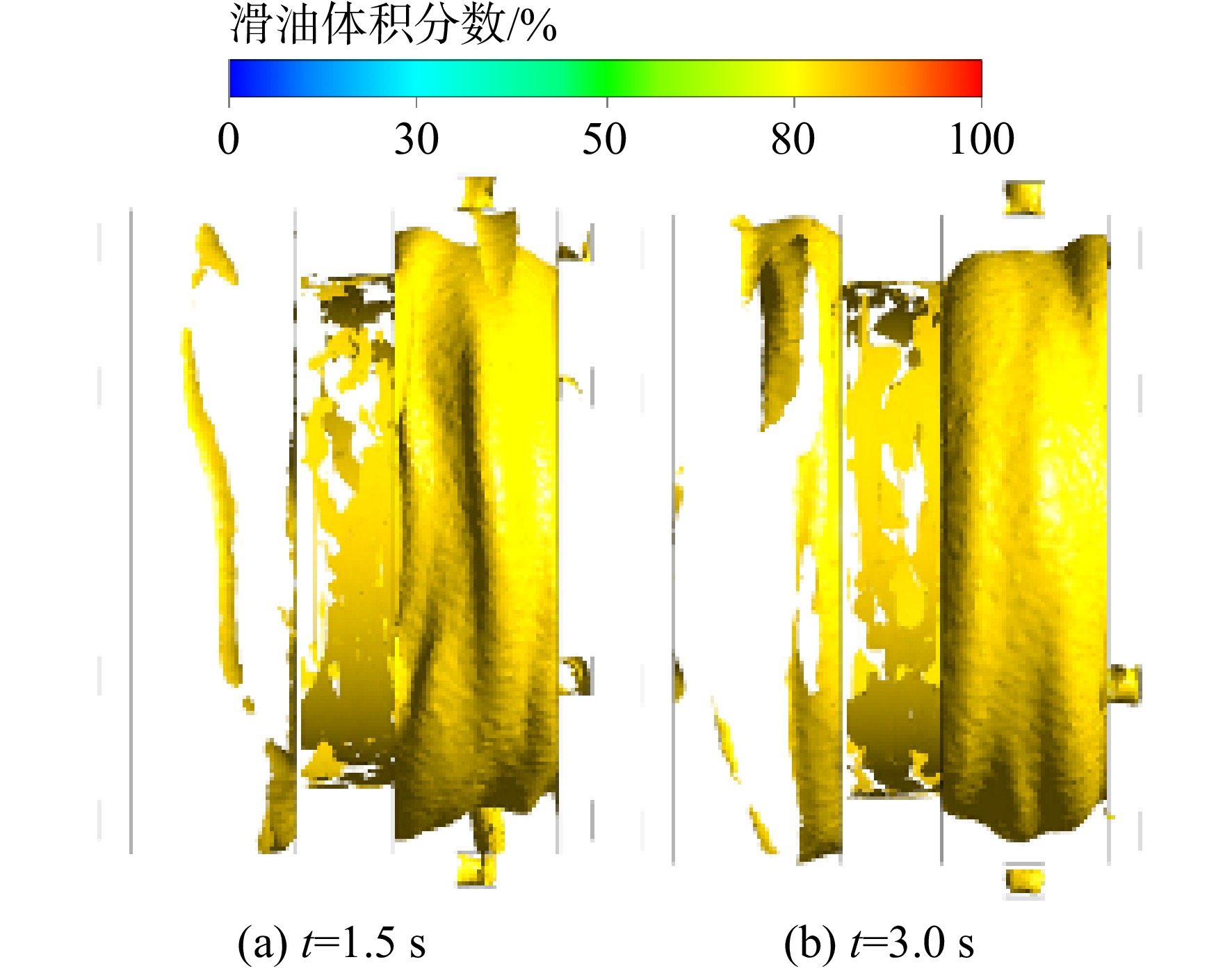
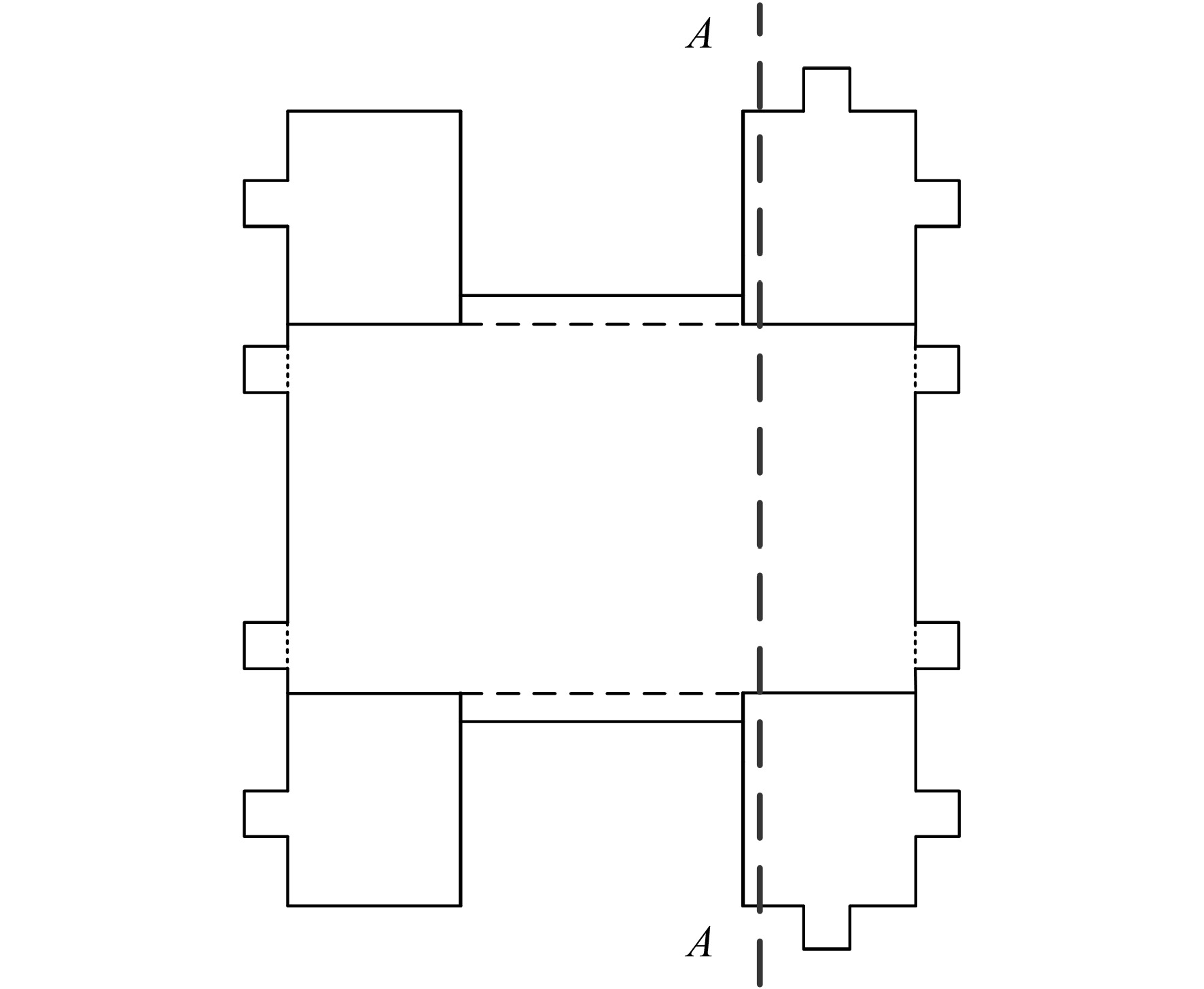
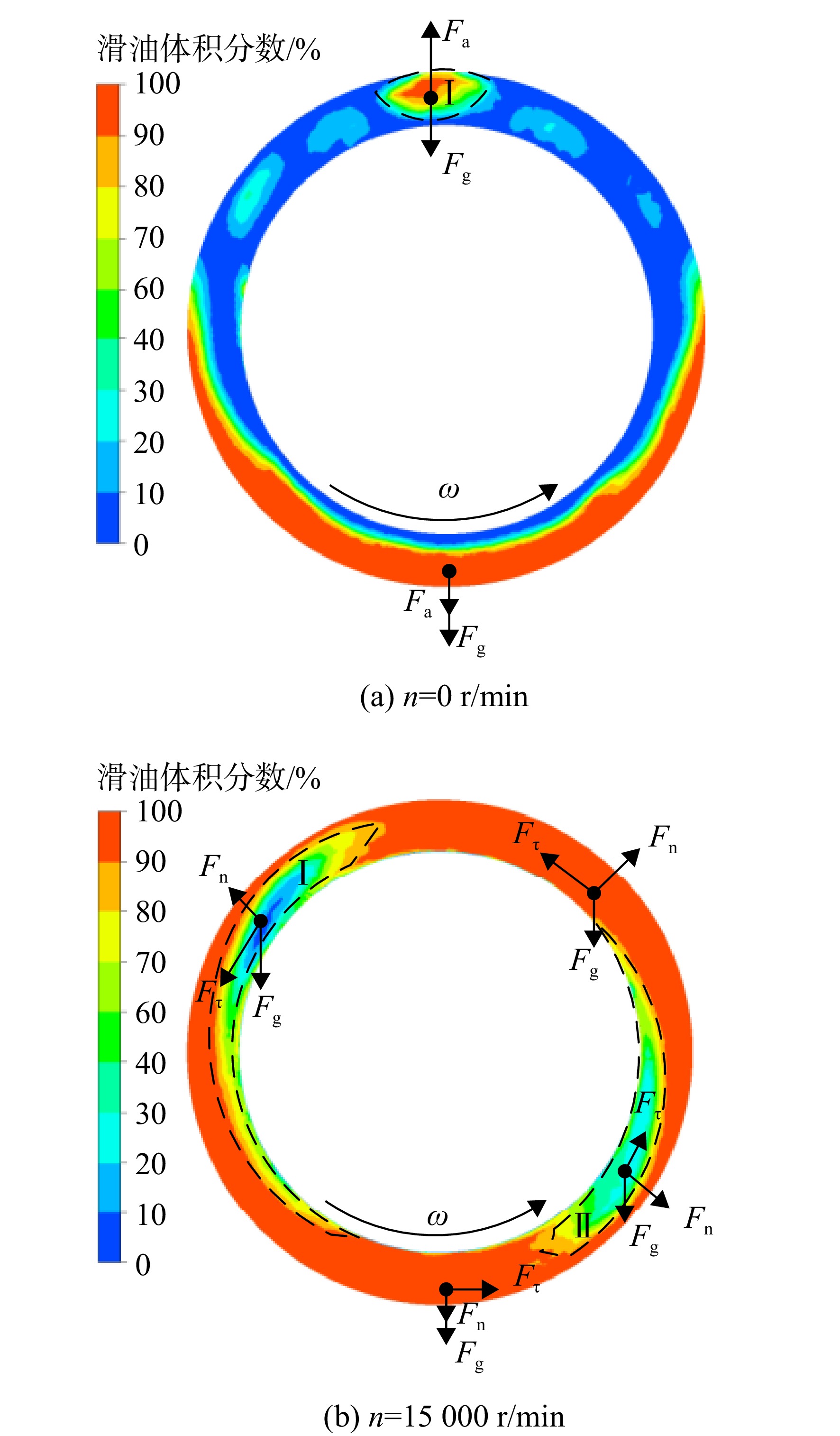
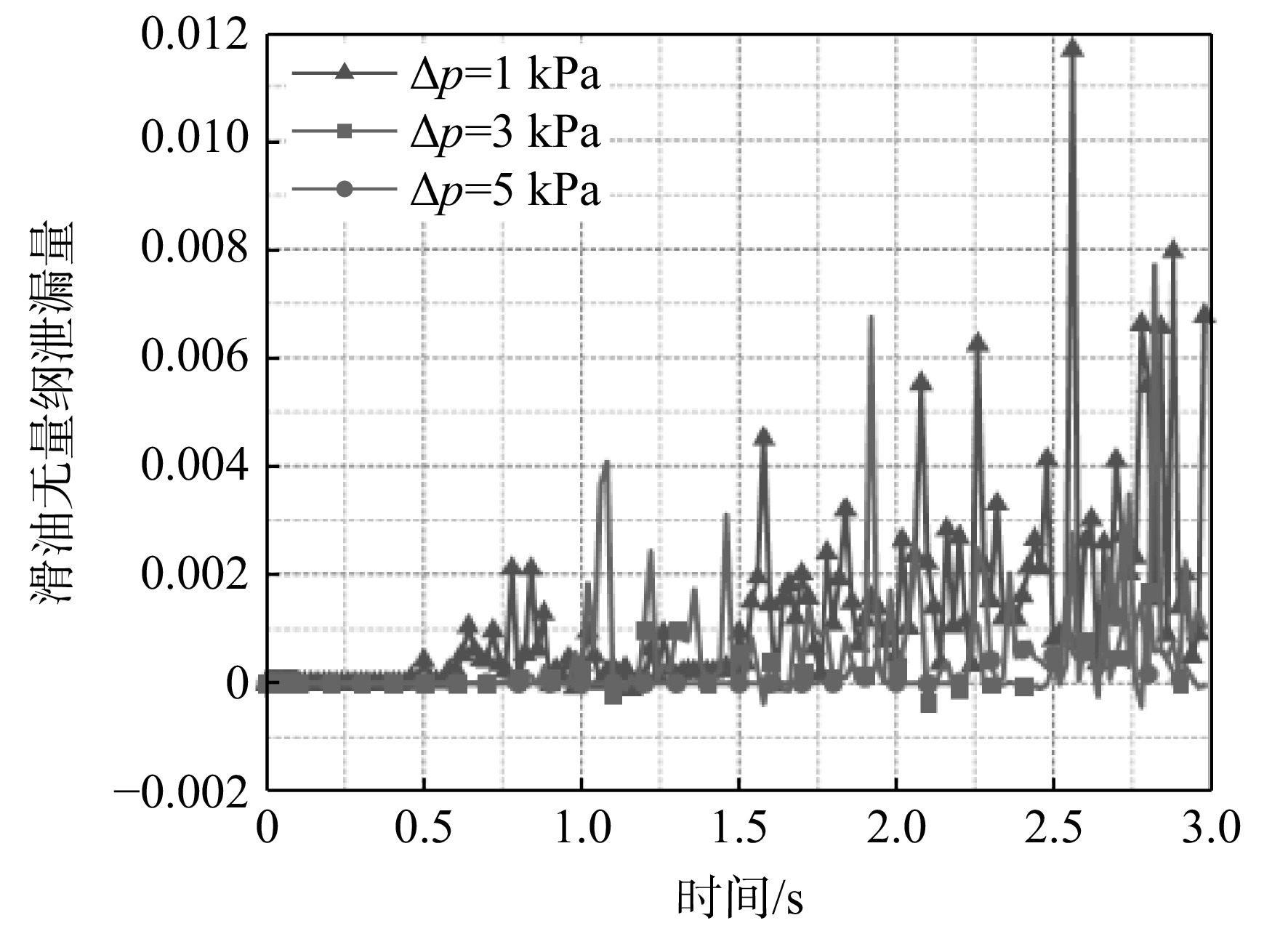
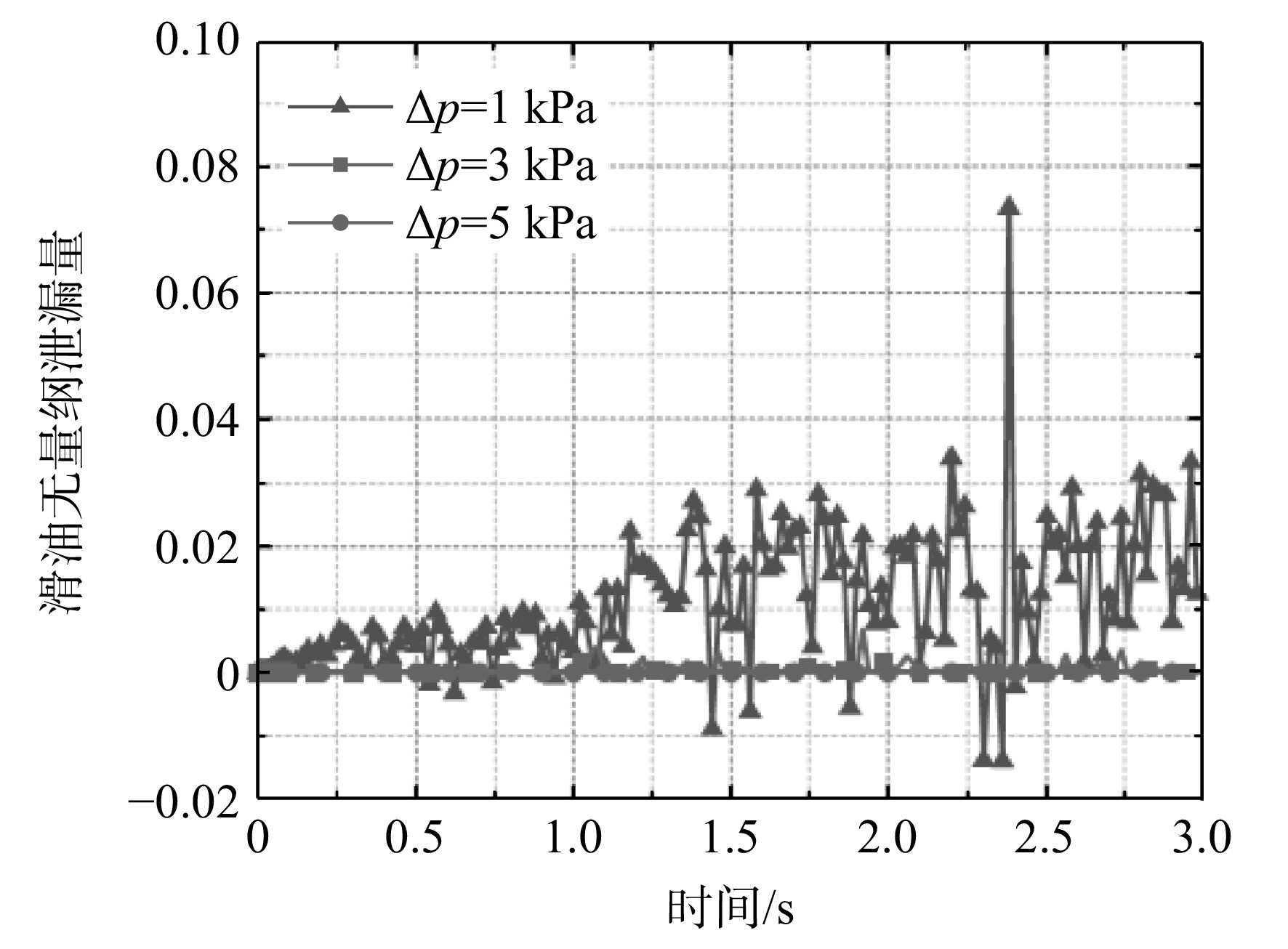
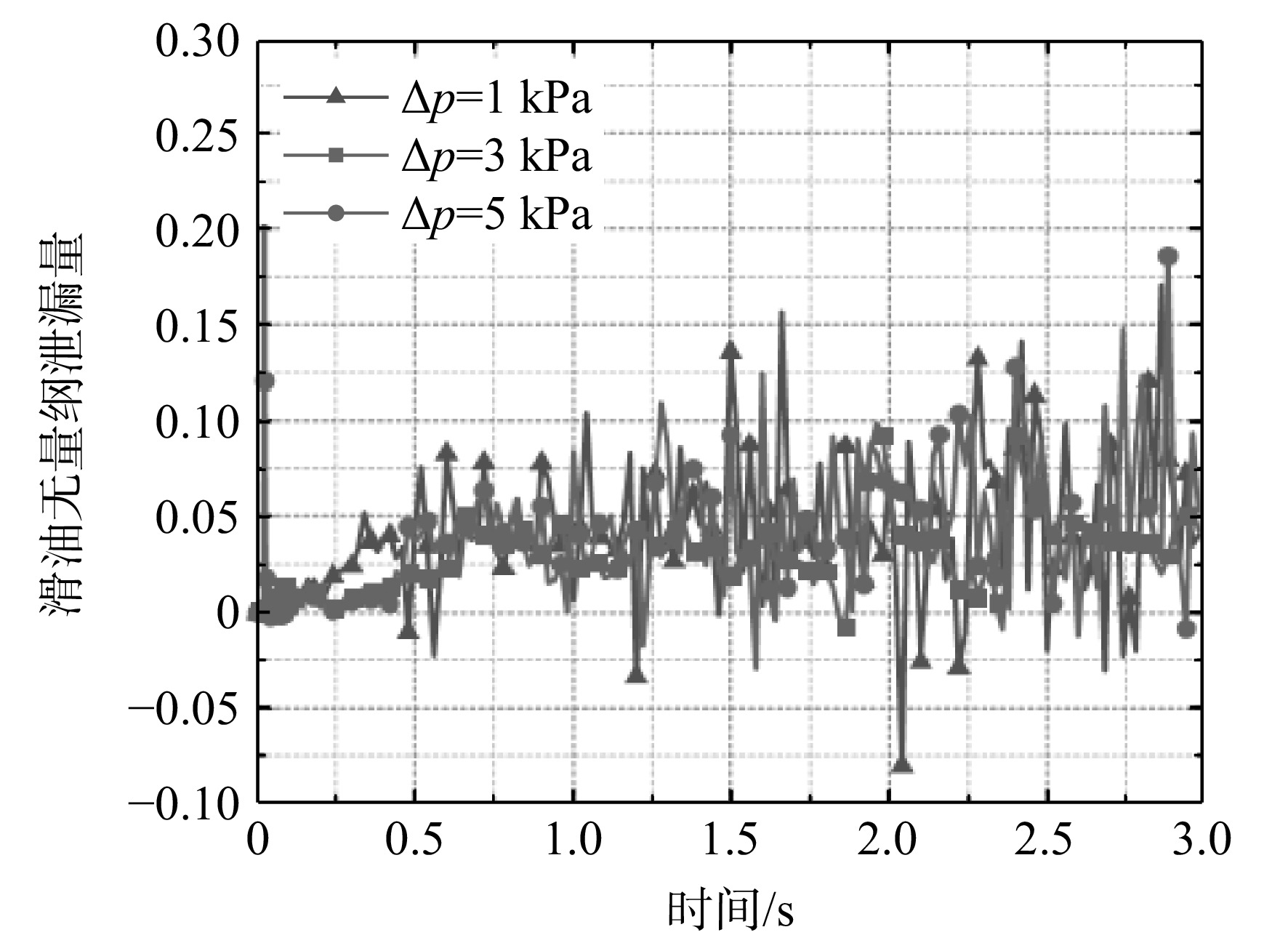
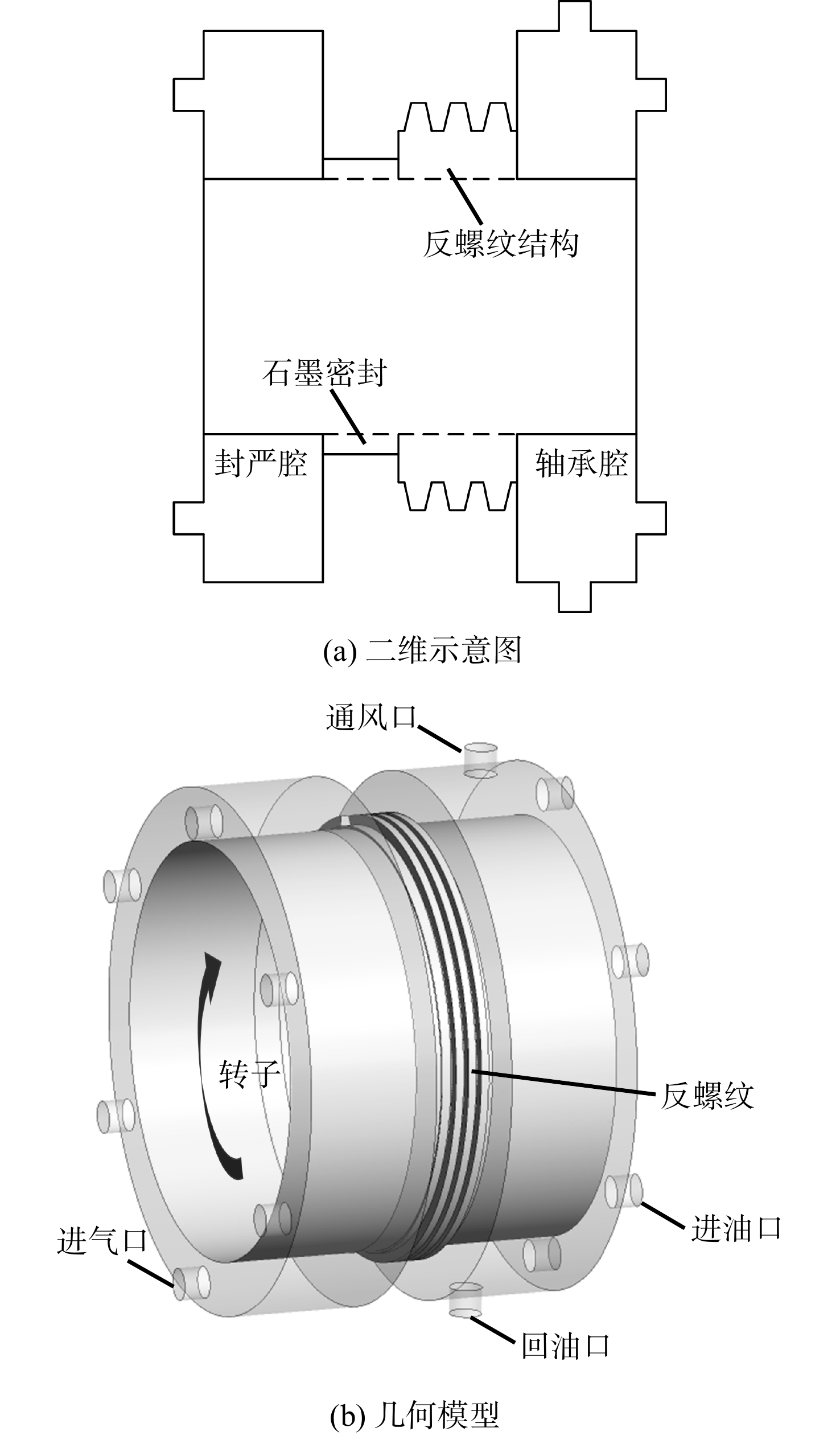
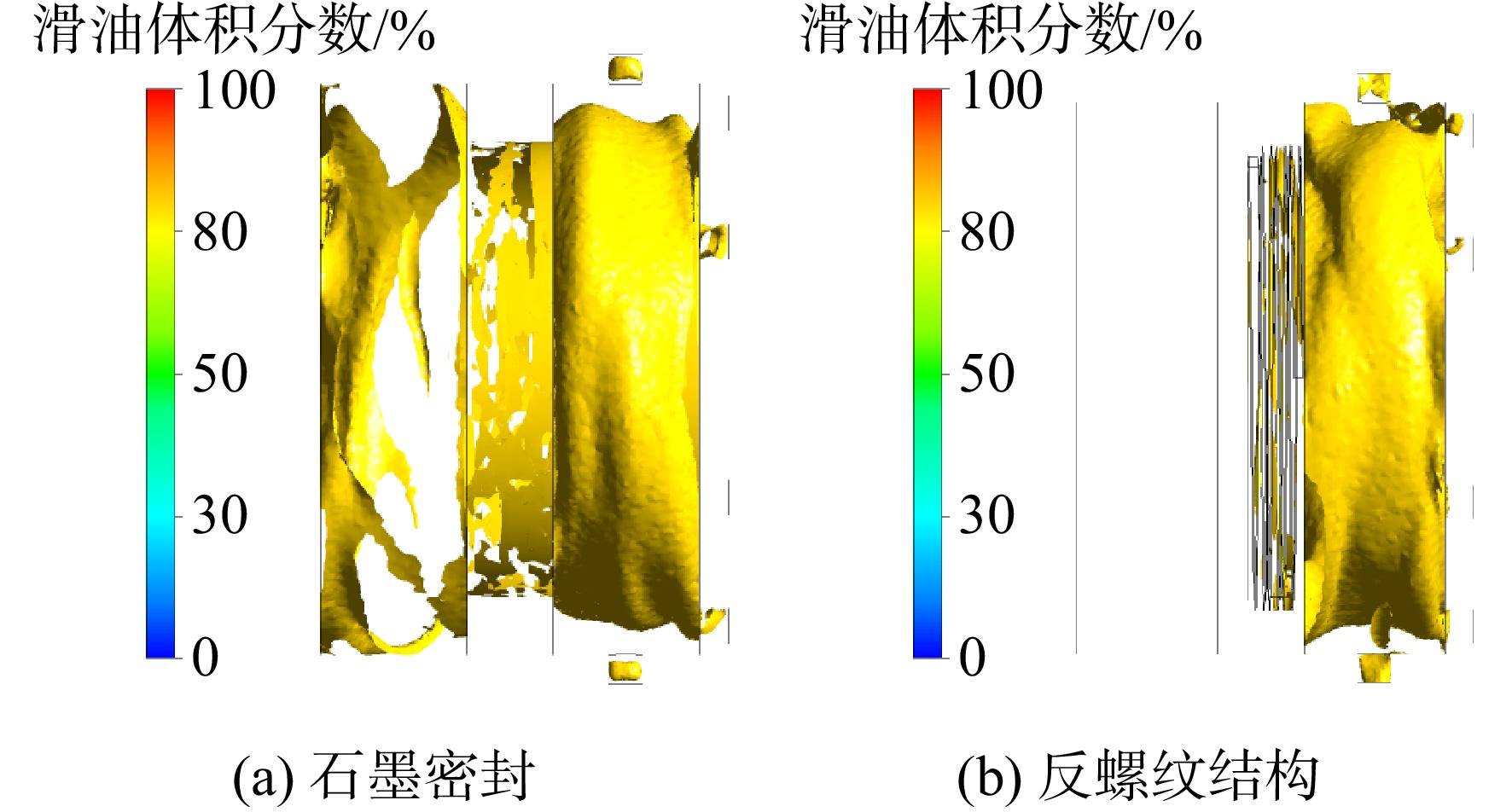
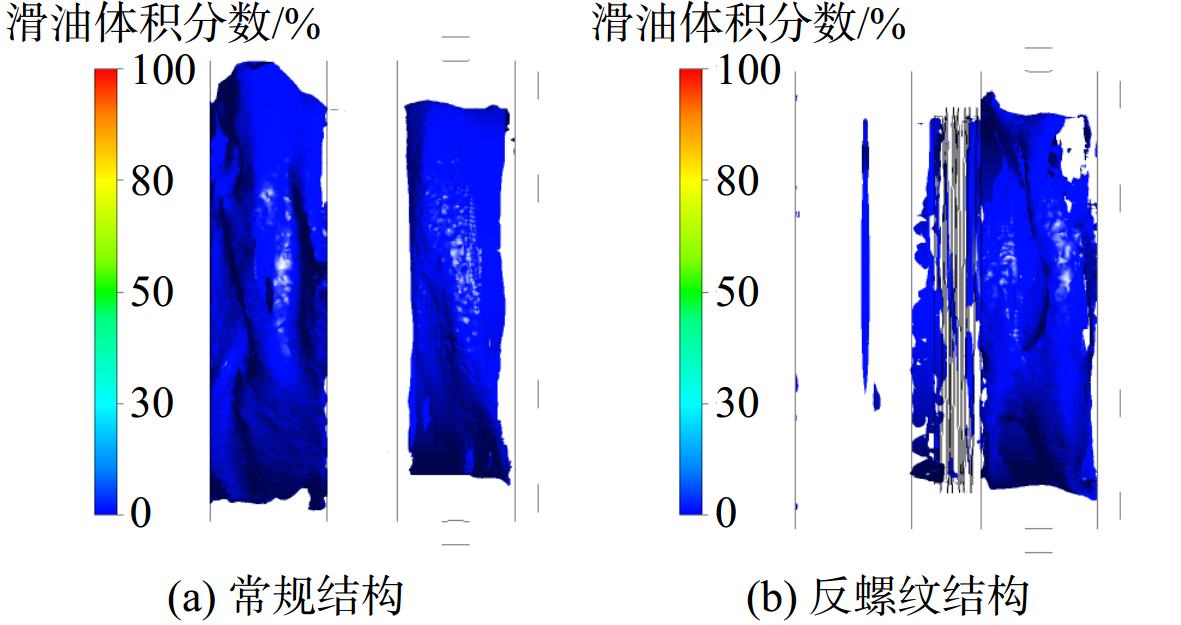
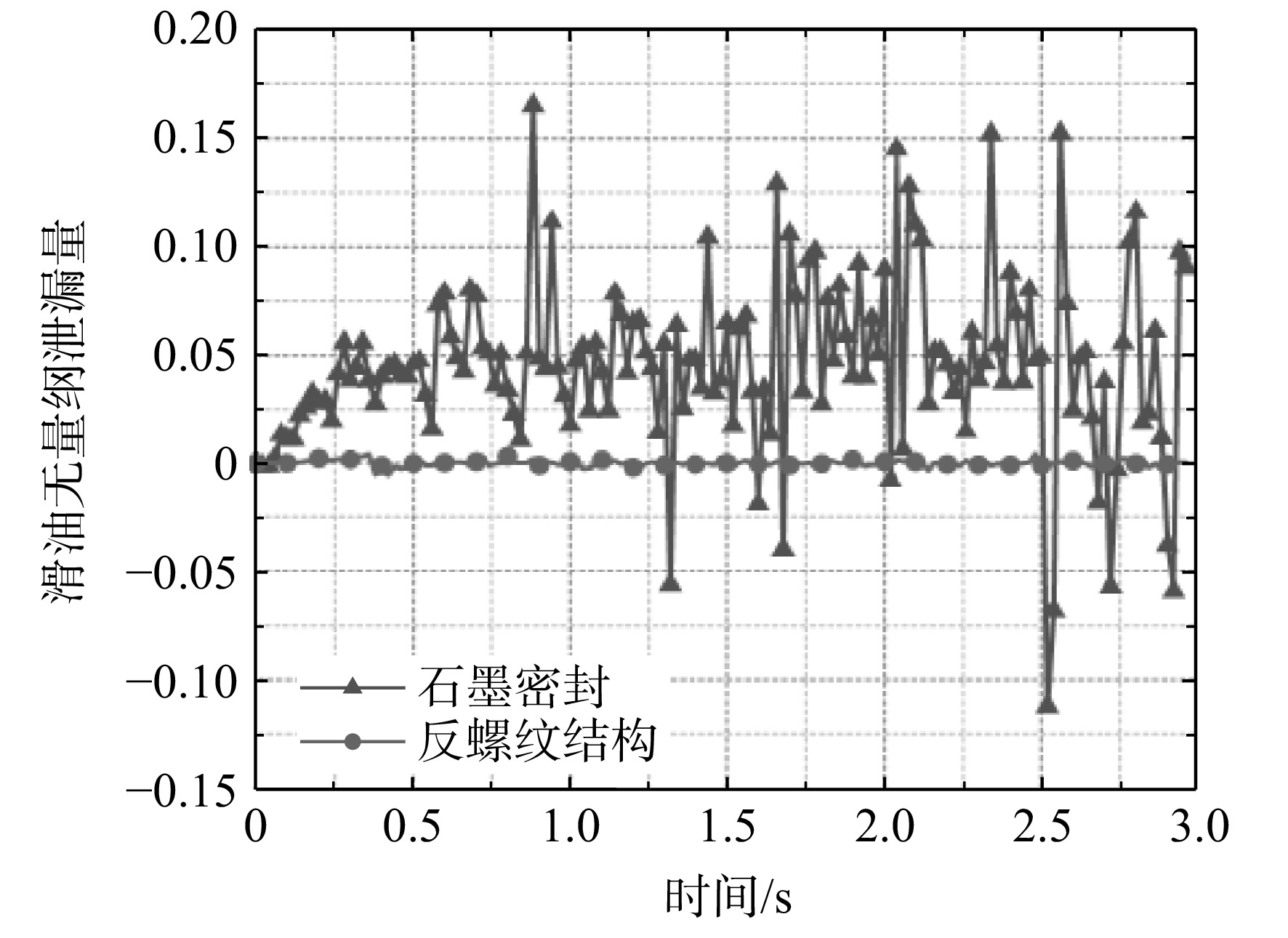
In order to study the oil-gas two-phase flow characteristics and oil sealing and leakage characteristics of aero-engine bearing chamber sealing system, an unsteady solution model of sealing chamber- carbon sealing structure-bearing chamber sealing system and sealing chamber-carbon sealing structure-anti-screw structure-bearing chamber sealing system based on Euler-Euler two-phase flow method was established. The experimental device of oil-gas two-phase flow in bearing chamber was designed and built. The accuracy of the solution method was verified by the experiment of oil sealing characteristics. On this basis, the oil-gas two-phase leakage flow characteristics of conventional bearing chamber sealing system and the bearing chamber sealing system with anti-screw structure under different working conditions were studied. The results showed that for the conventional bearing chamber sealing system, the higher rotational spee indicated, the greater oil leakage. The greater pressure difference also indicated the smaller oil leakage. The anti-screw structure can effectively reduce the oil leakage of the bearing chamber sealing system. When the speed was 15000 r/min and the pressure difference was 5 kPa, the oil leakage with the anti-screw structure was reduced by more than 95% compared with the bearing chamber sealing system without the anti-screw structure. The clearance of the anti-screw structure had no obvious effect on the sealing and leakage characteristics of the oil.

Improvement algorithm of wall temperature analysis for high heat load afterburner liner
LING Wenhui
2025, 40(4): 20240661. doi: 10.13224/j.cnki.jasp.20240661
Abstract:

As the heat load of afterburner increased, the cooling of liner required for refined design under the strong constraint of effective cold air volume. The accuracy of the liner wall temperature analysis algorithm cannot meet the development requirements of high heat load afterburner. Engineering algorithm optimization for critical parameters was carried out, which affected the accuracy of the high heat load afterburner liner wall temperature. Based on the optimized method, calculations were carried out for the wall temperature of the afterburner liner, and compared with the test values. The error between engineering design method and test results was less than 7%, and the error between evaluation results of the revised engineering algorithm and the test results decreased by 8% compared with those before the correction. The optimization method can effectively improve computation accuracy of. wall temperature for high heat load afterburner liner.

Flow self-modeling characteristics in multi-inlet rotor-stator cavity
BAI Yang, LUO Xiang, XU Guoqiang, WU Zeyu, YU Haixu
2025, 40(4): 20240240. doi: 10.13224/j.cnki.jasp.20240240
Abstract:

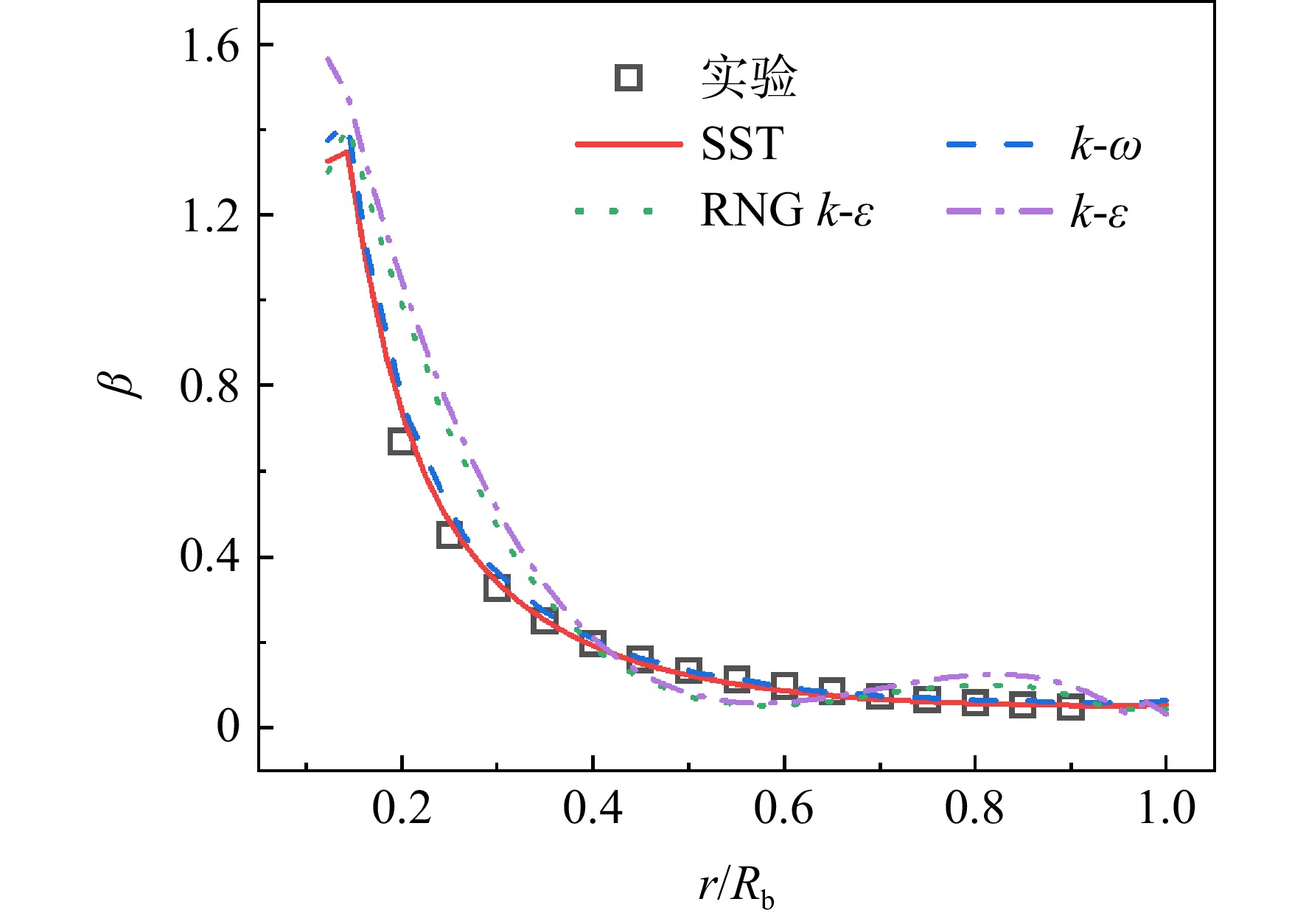
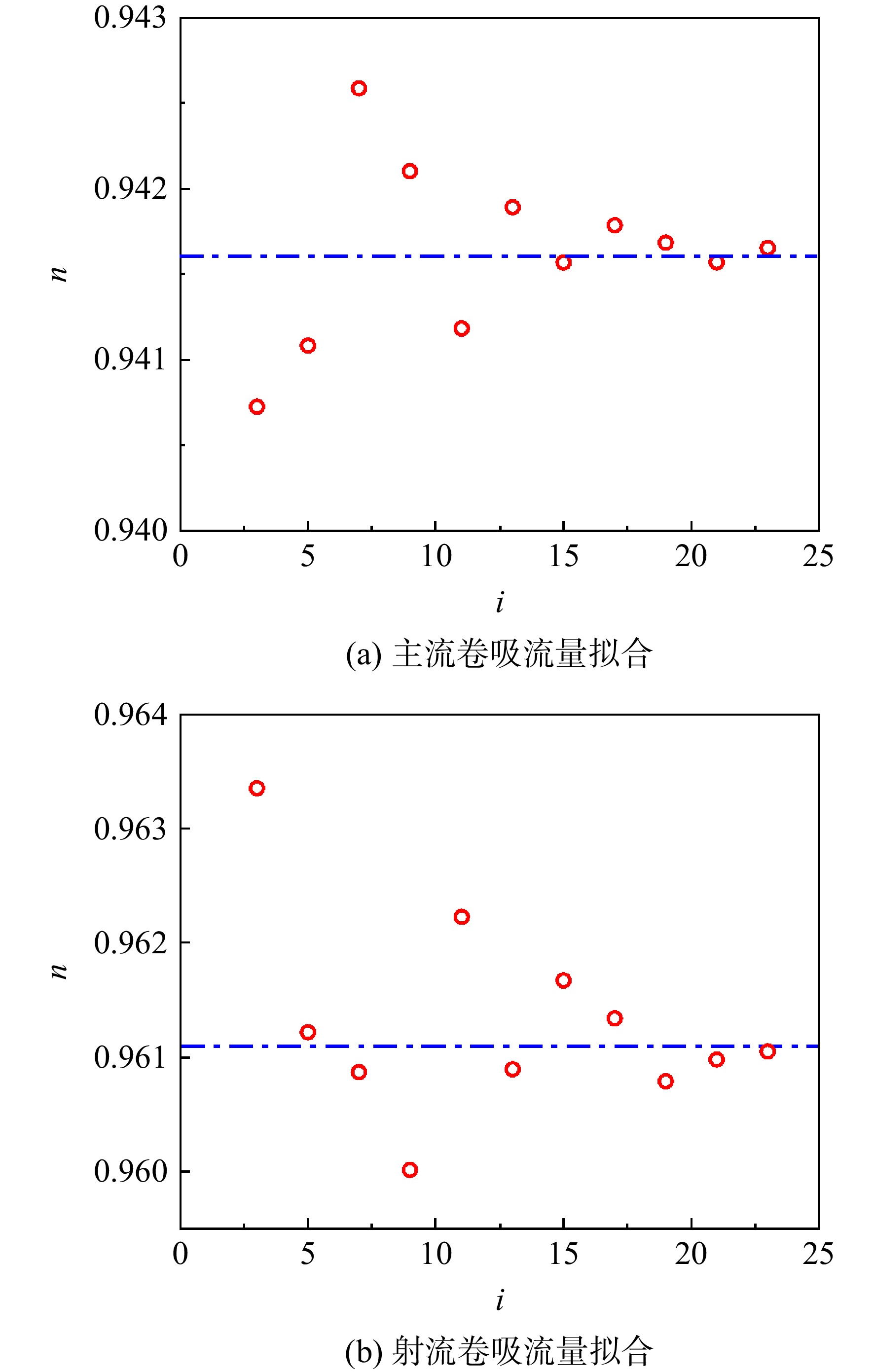
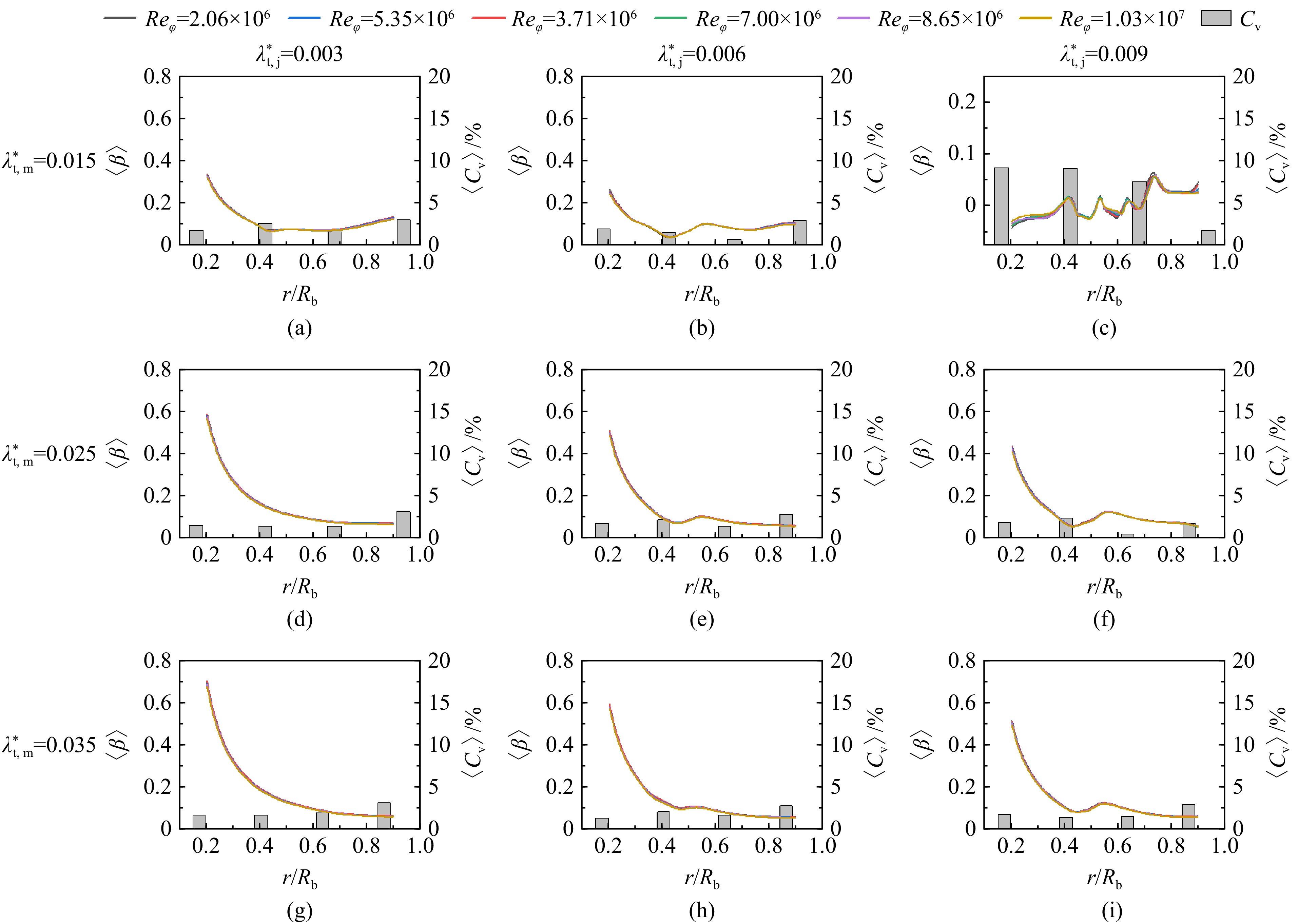
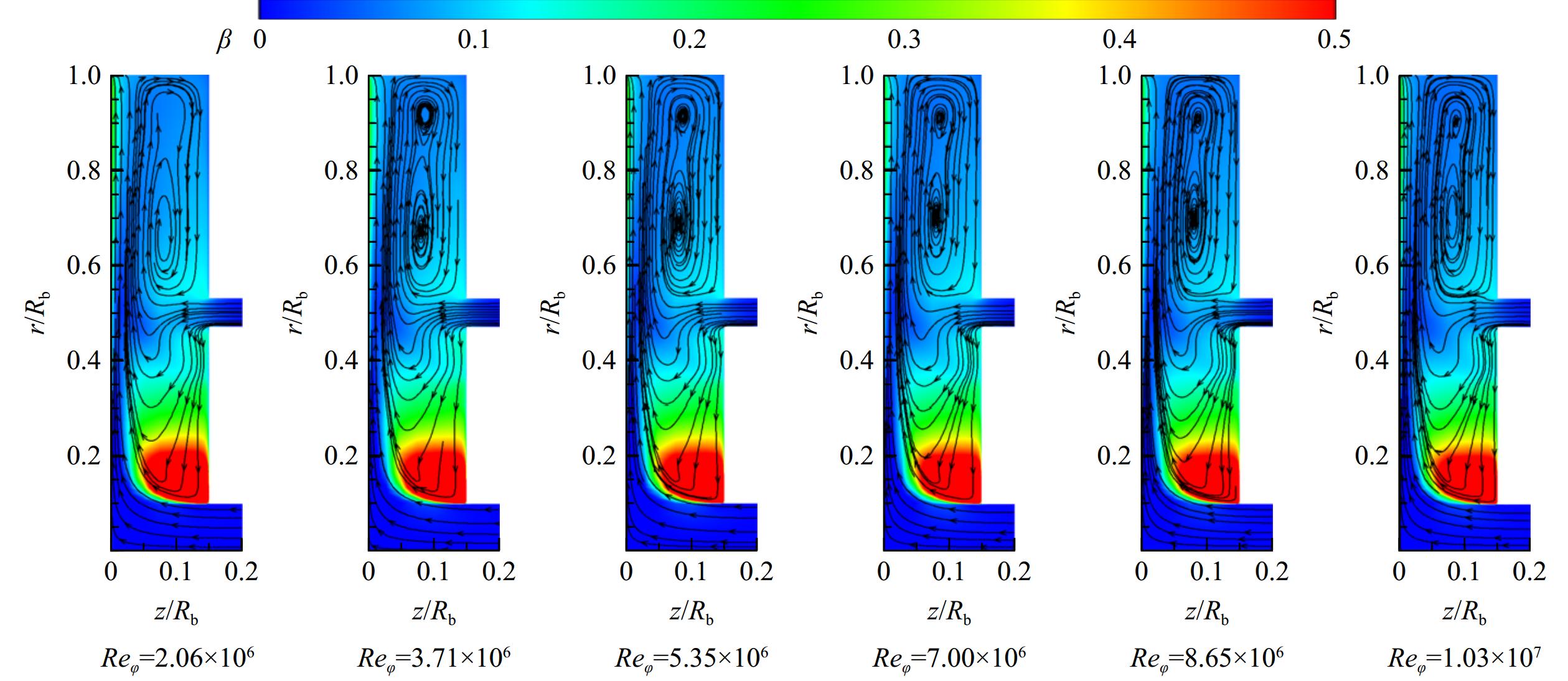
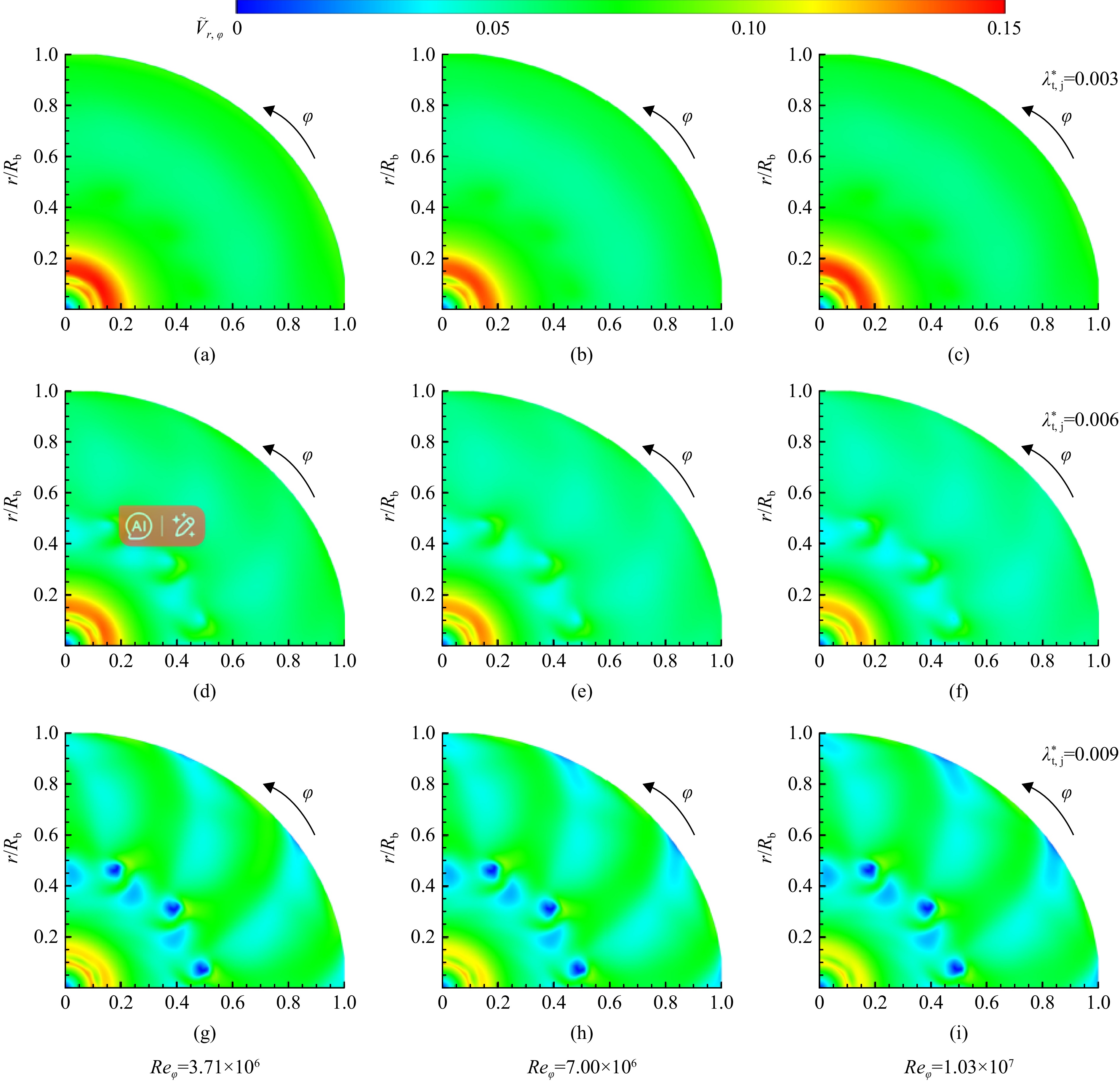
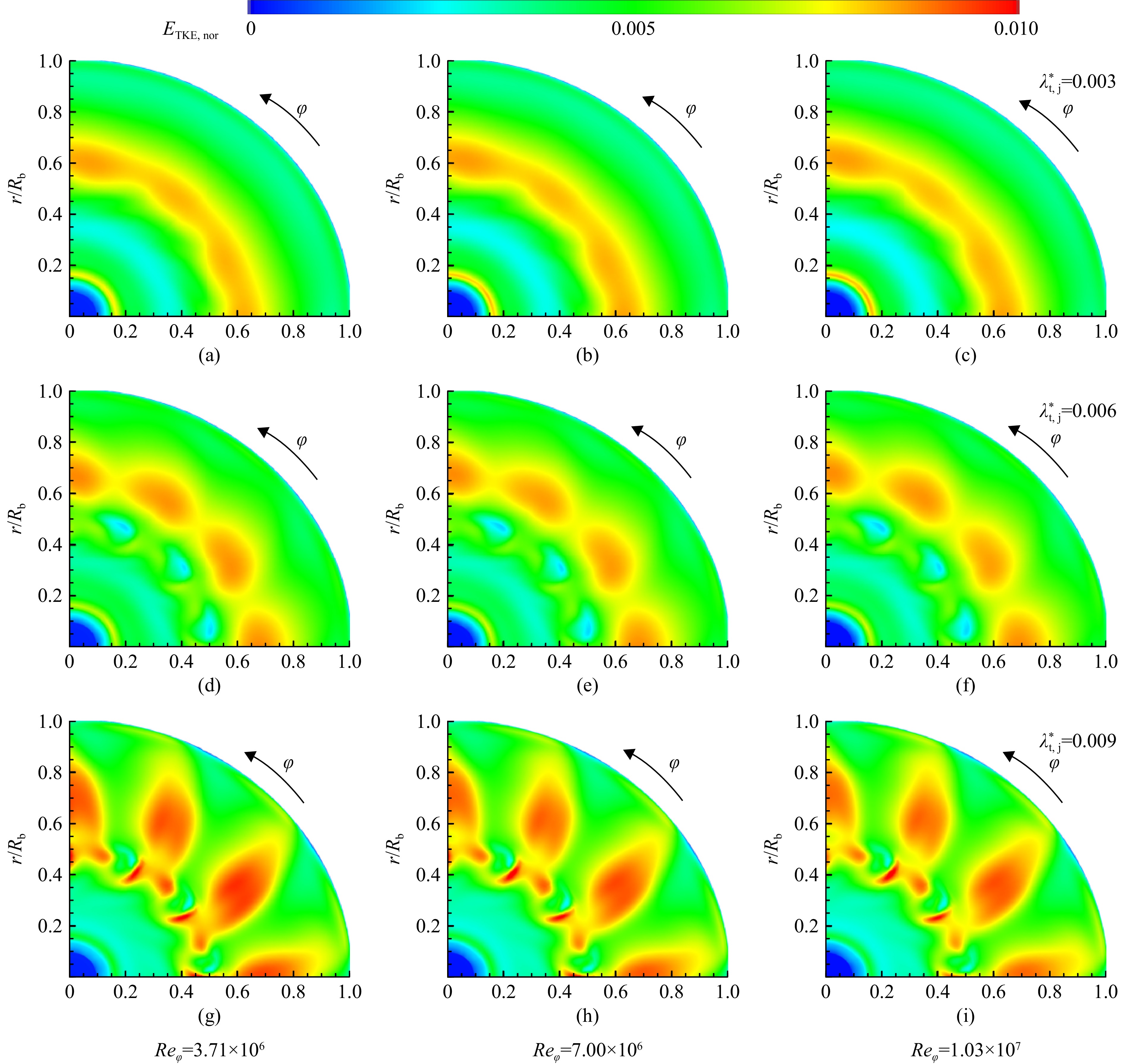
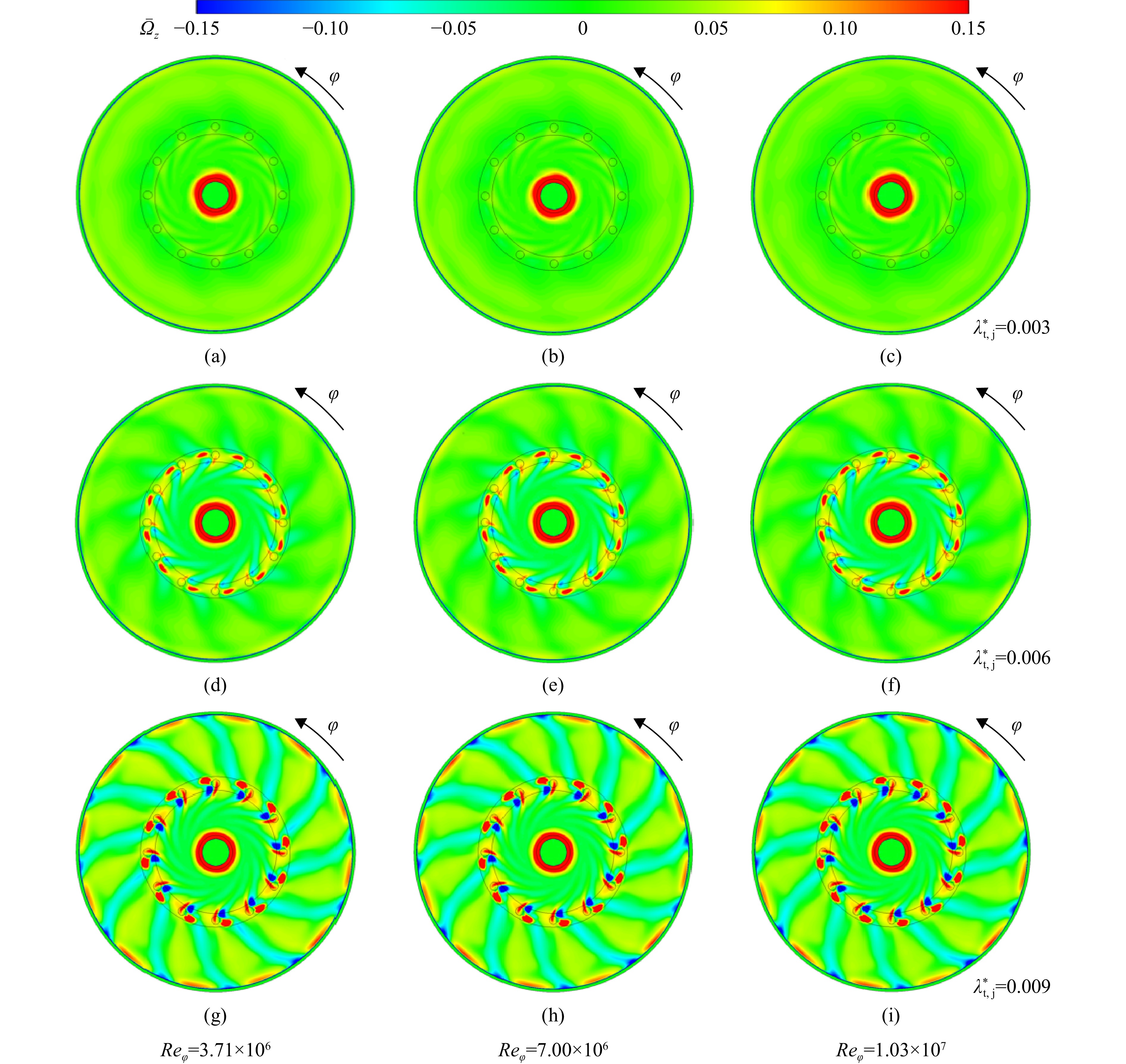
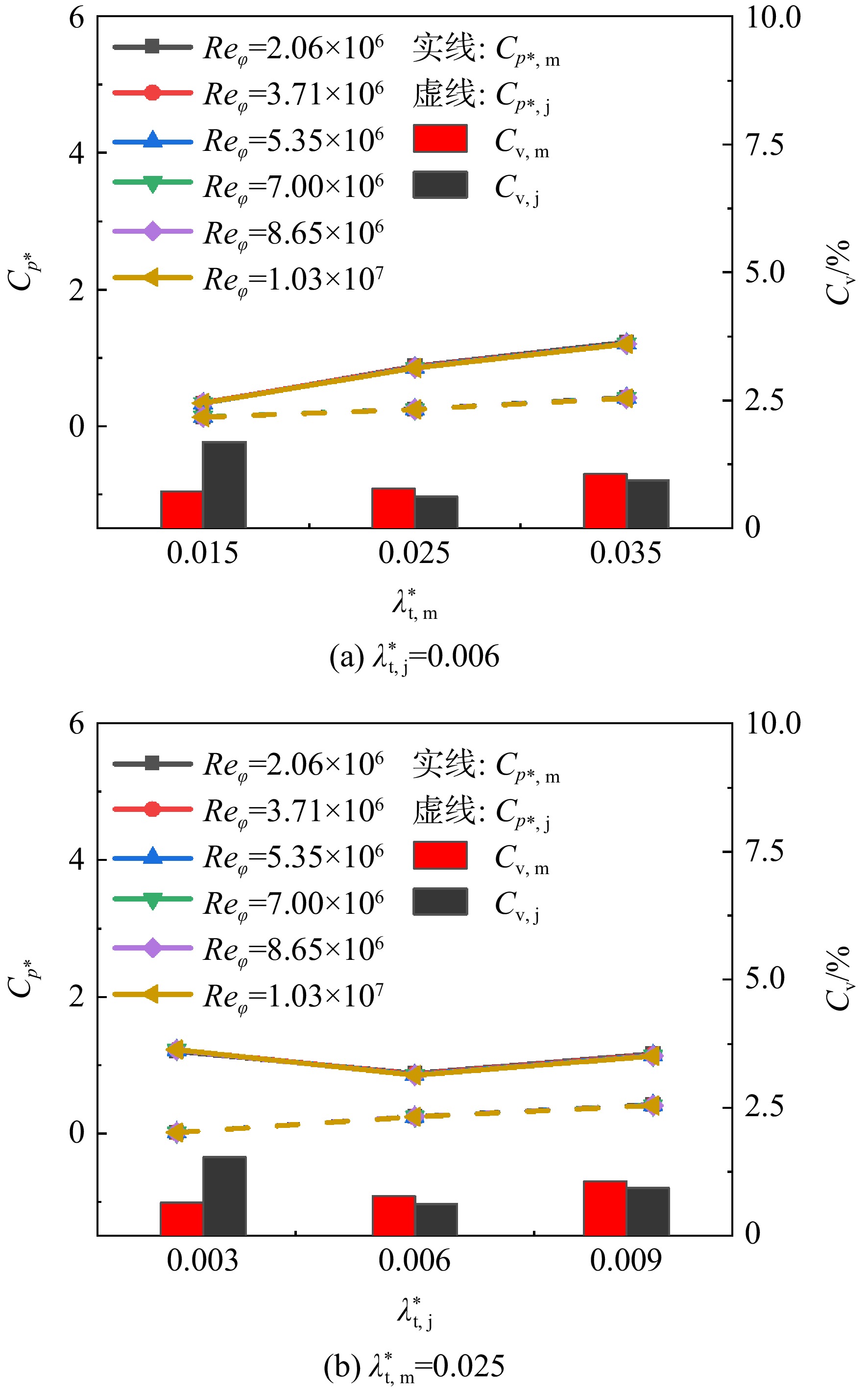
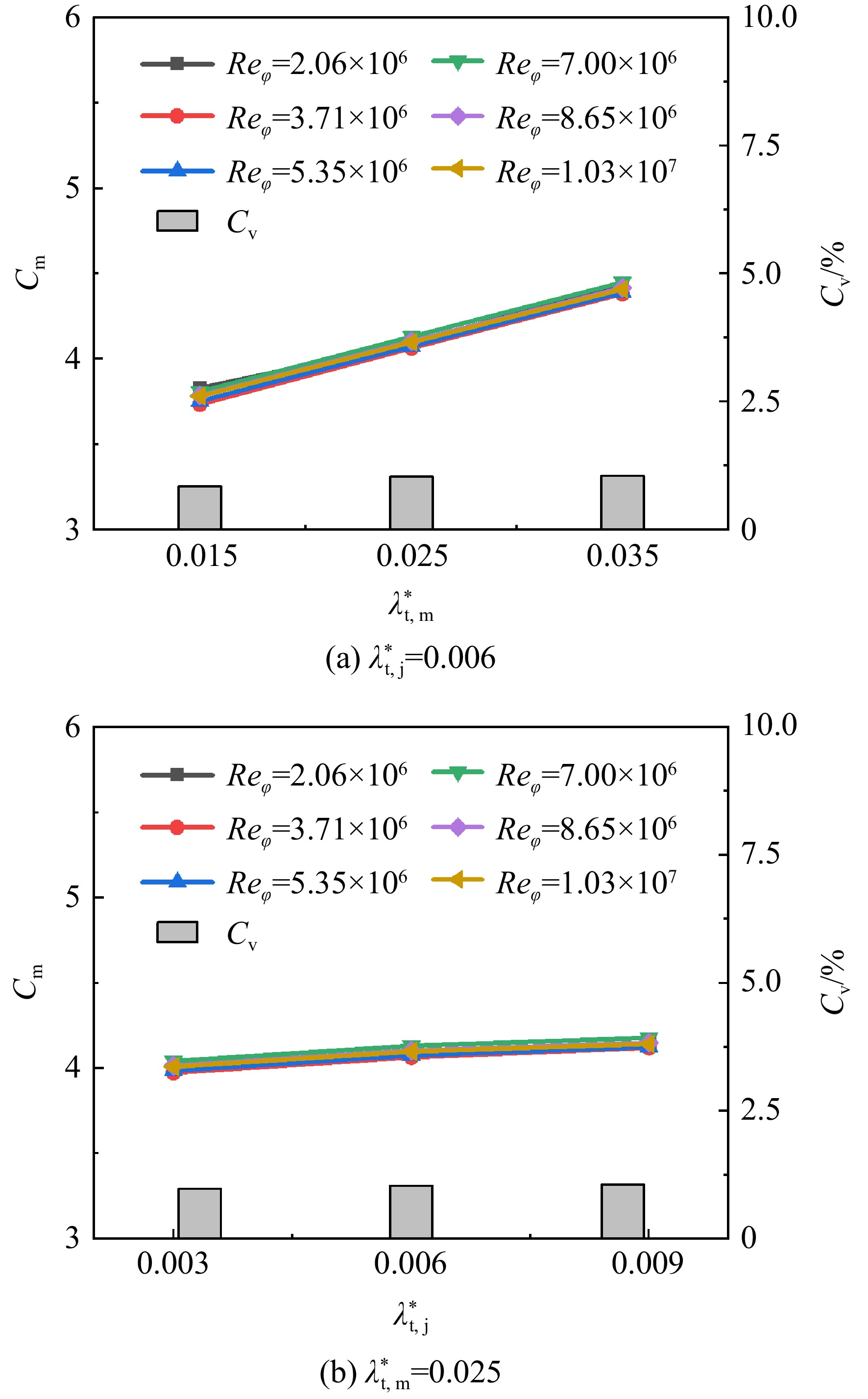
Due to limitations in experimental conditions and cost considerations, significant discrepancies often exist amongst the non-dimensional criteria parameters associated with the actual operating conditions of aviation engines. To address the limitations in the application of experimental data resulting from the difficulties associated with the application of similar principles arising from the aforementioned discrepancies, the self-modeling characteristics of flow characteristic parameters in a multi-inlet rotor-stator cavity were systematically investigated. The research findings indicated that, within mainstream characteristic turbulence parameters ranges from 0.015 to 0.035, jet characteristic turbulence parameters ranges from 0.003 to 0.009 and the rotational Reynolds ranges from 2.06×10⁶ to 1.03×10⁷, it is possible to establish a modulated turbulent parameter using specific methods. This parameter emerged as the key factor enabling the manifestation of self-modeling characteristics in the flow characteristic of the rotor-stator cavity. Even in the case of a multi-inlet cavity with complex and non-axially uniform inlet conditions, when the modulated characteristic turbulent parameter was consistent, the flow structure remained in a highly similar state. Despite of significant changes in non-dimensional criteria parameters, the flow characteristic parameters remained consistent. Based on the self-modeling state of the flow described above, a preliminary framework can be established for extrapolating experimental results of multiple flow characteristic parameters obtained at low rotational Reynolds numbers to high rotational Reynolds numbers. This approach could provide a support for the extension of experimental results and their application in subsequent related experiments conducted under high rotational Reynolds numbers.

Effect of evaporation chamber structure on flow characteristics and flame development mechanisms of V-gutter flameholder
MIAO Junjie, LI Xiankai, YIN Chao, JIANG Kailin, FAN Yuxin
2025, 40(4): 20220815. doi: 10.13224/j.cnki.jasp.20220815
Abstract:

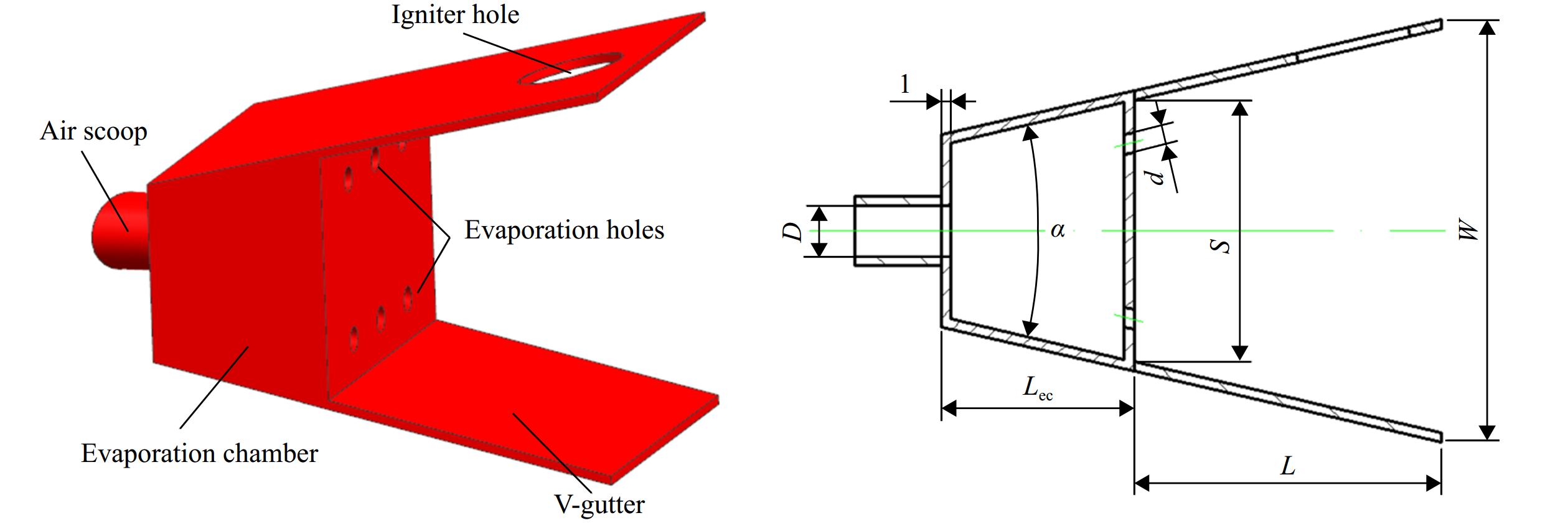
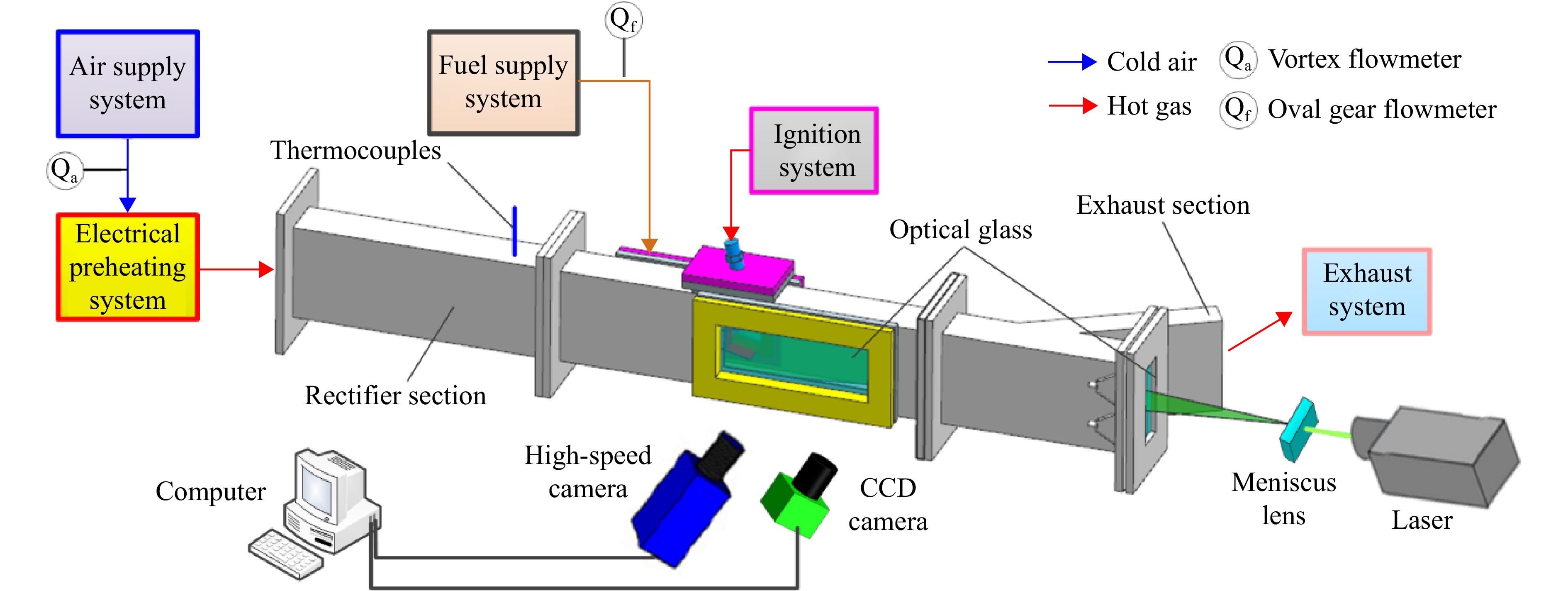
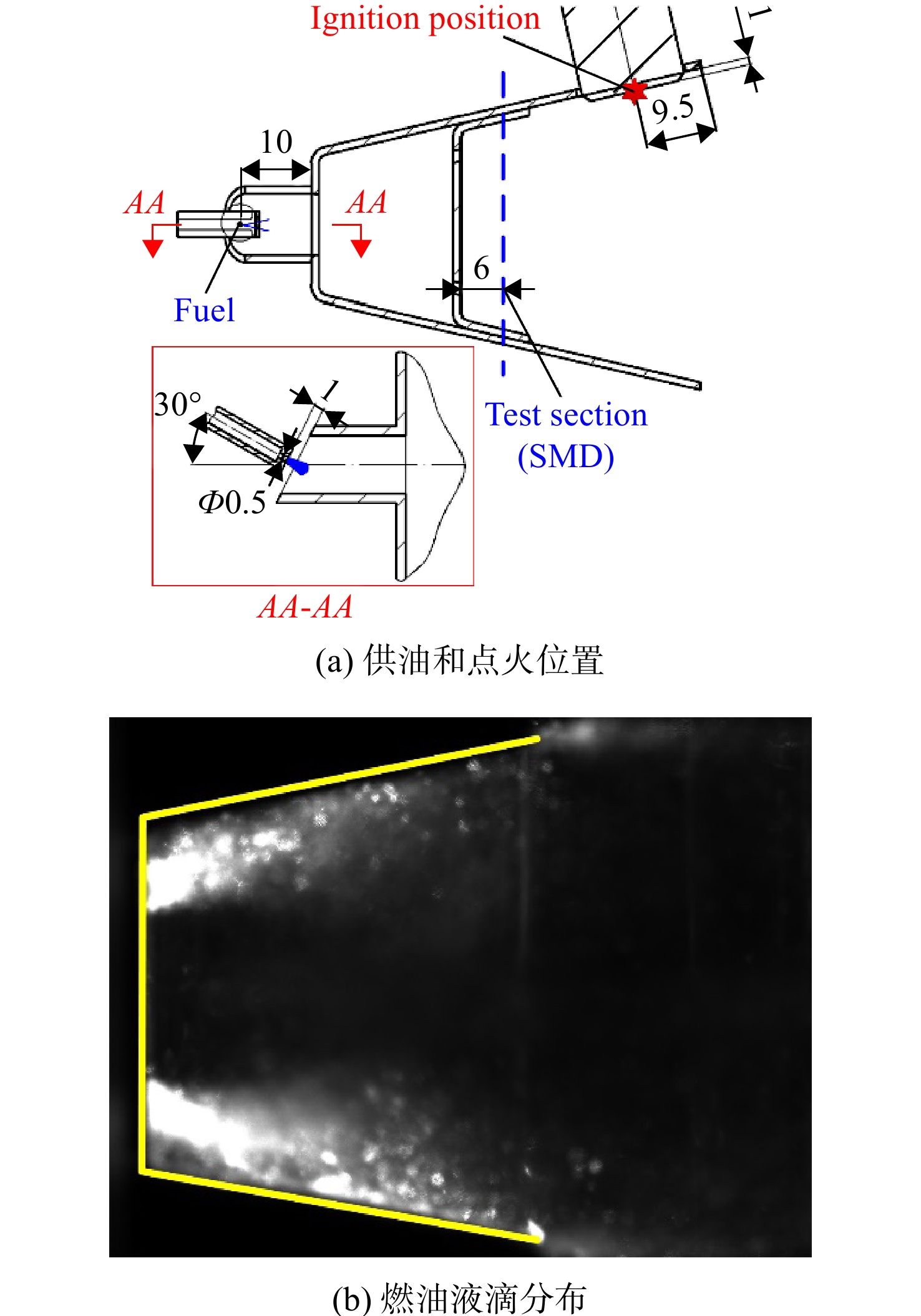
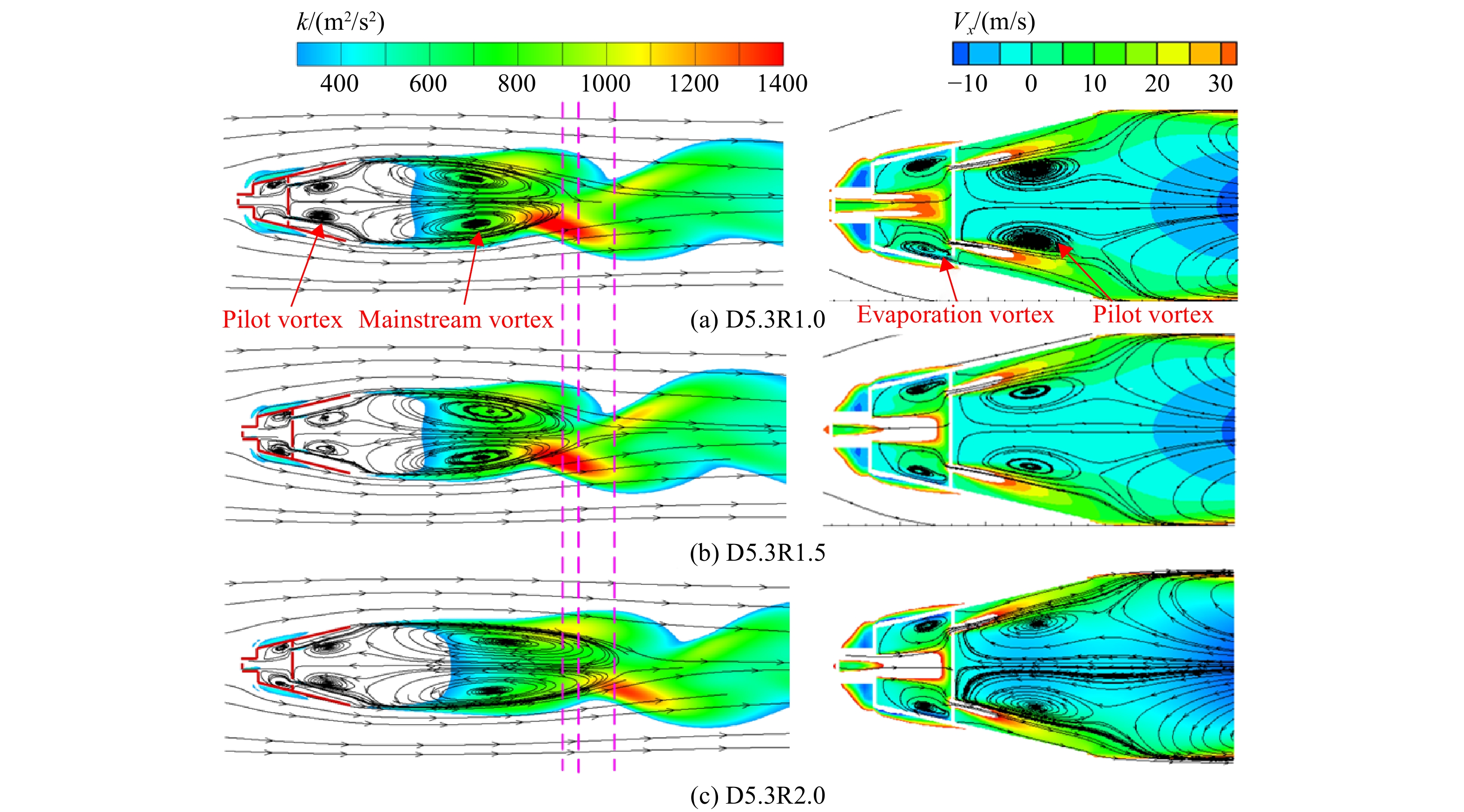
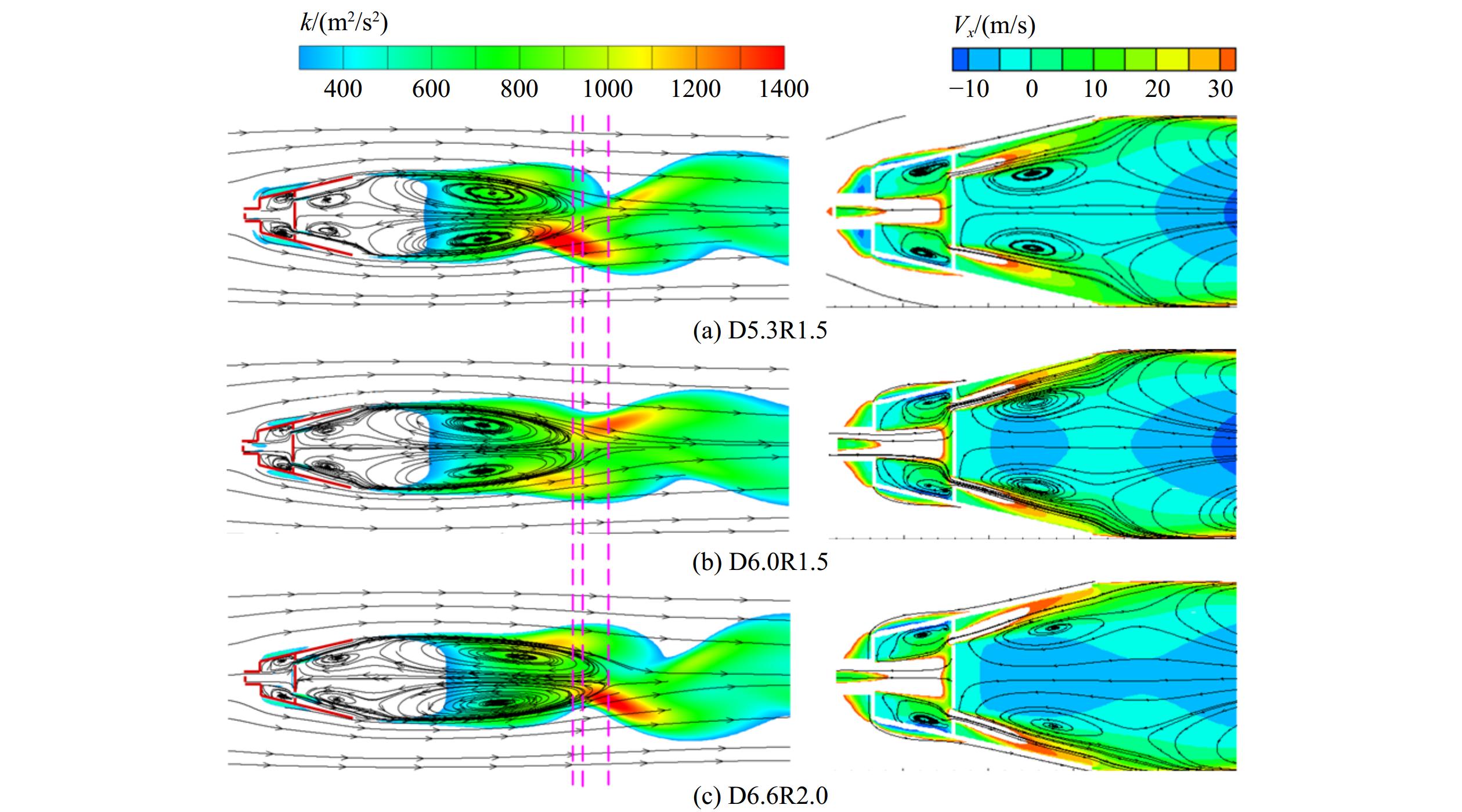
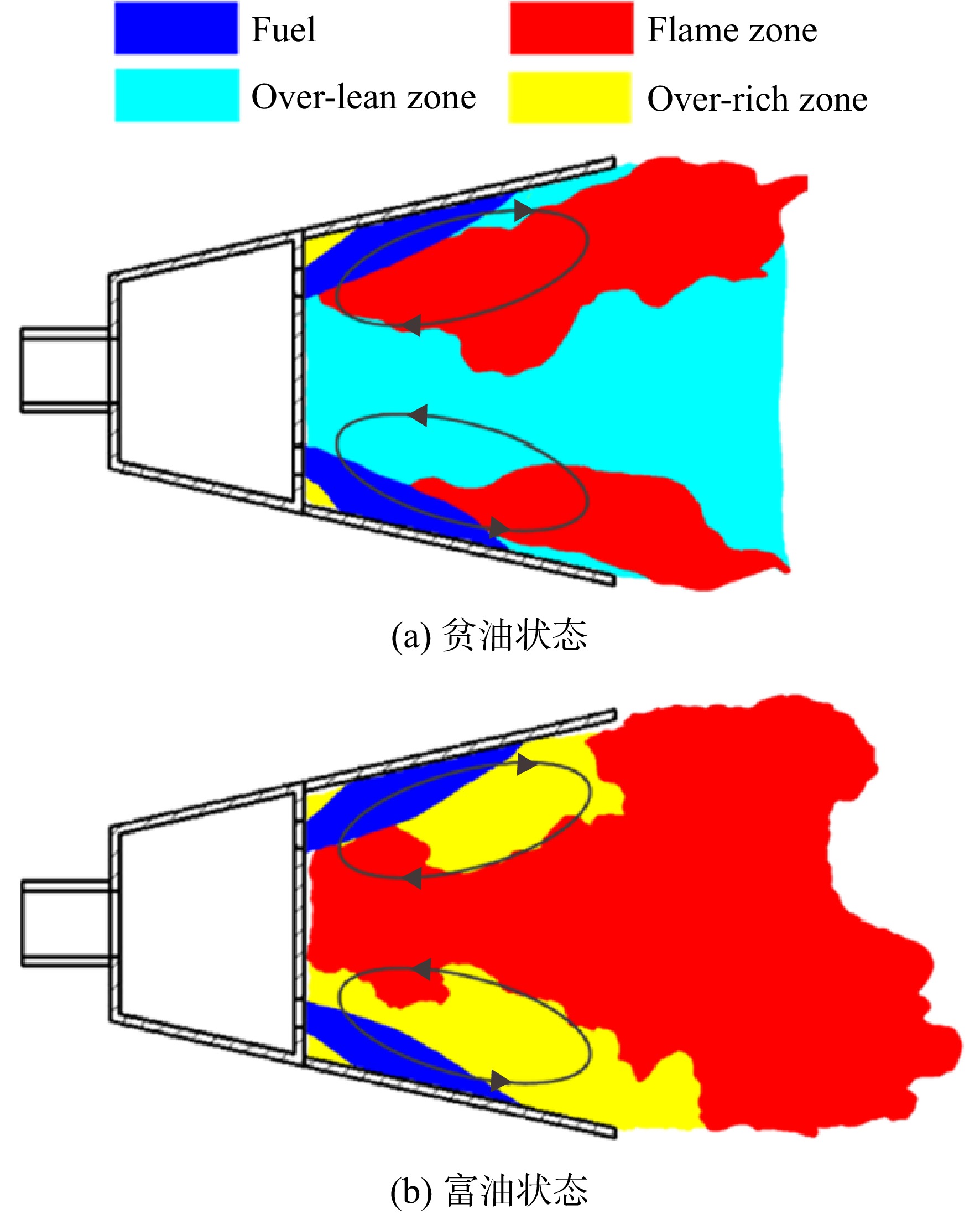
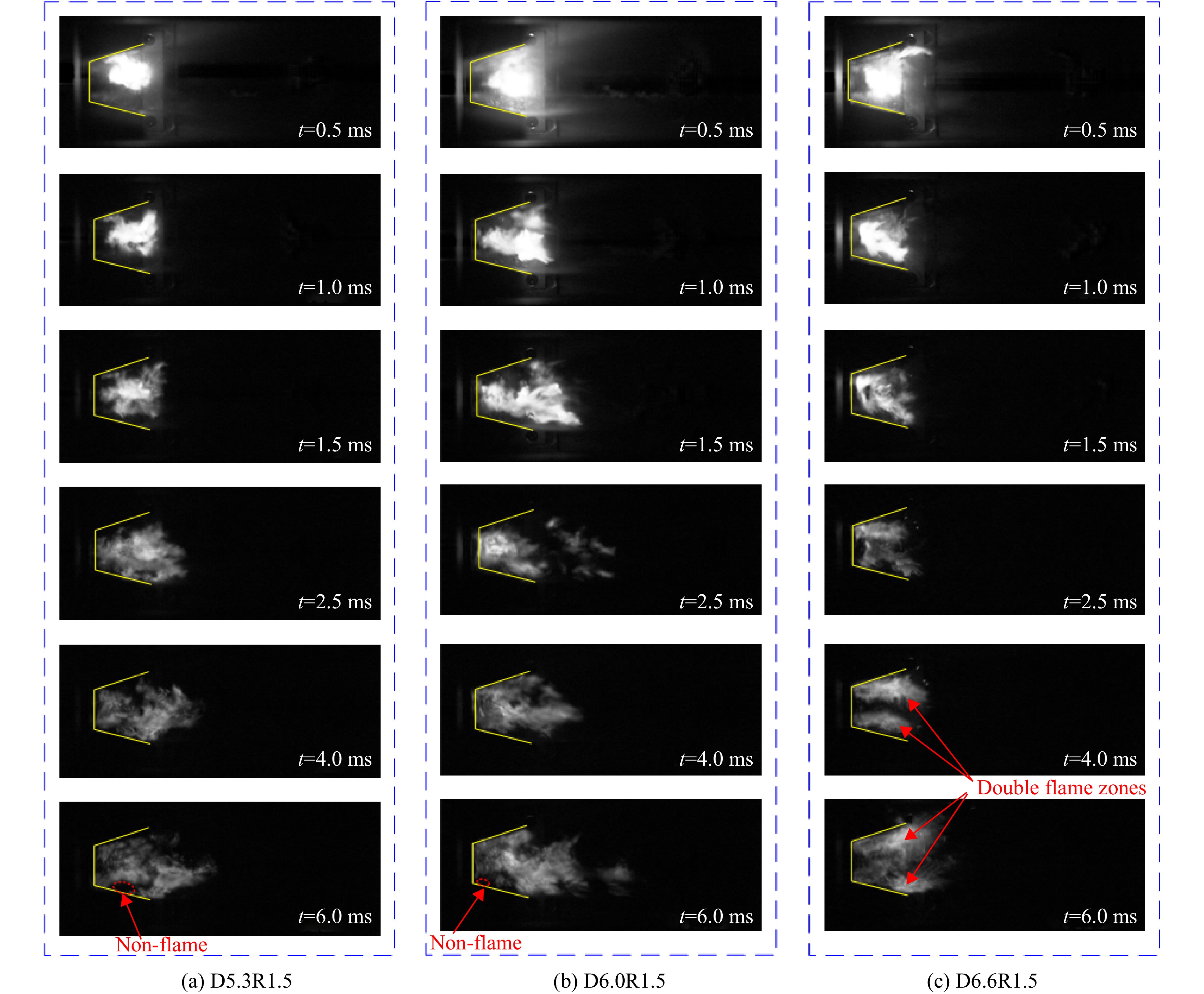
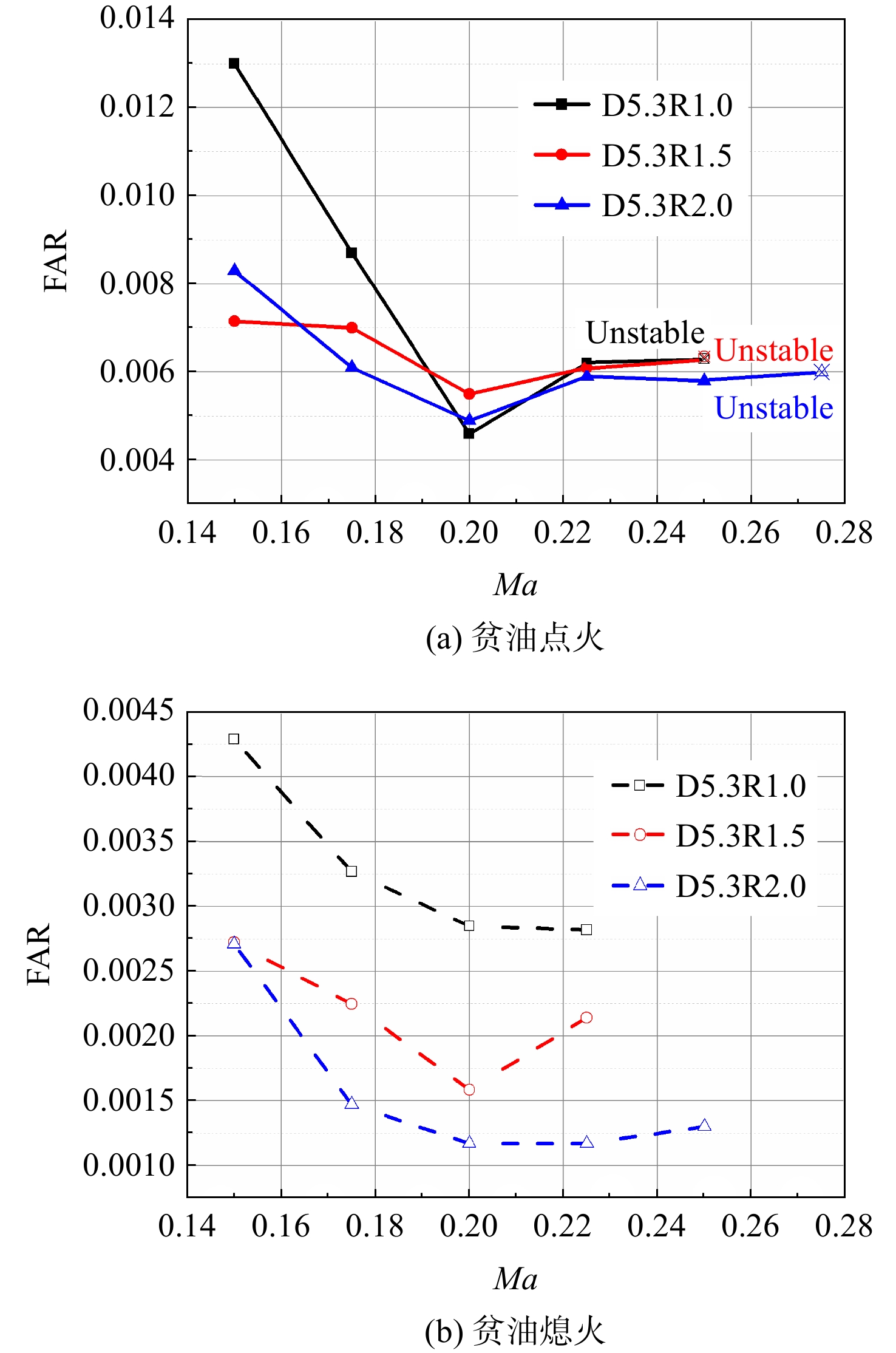
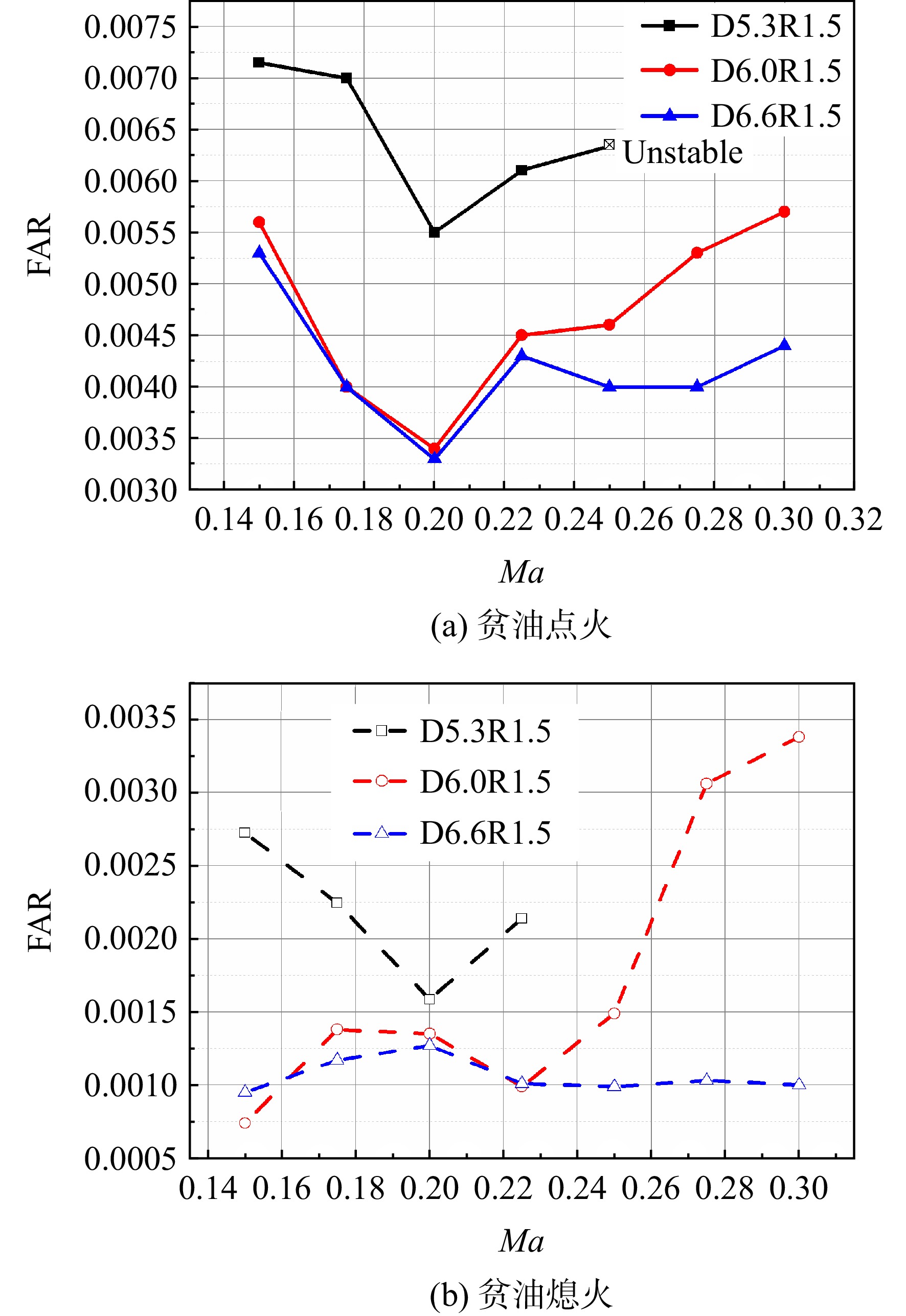
The effect of evaporation chamber structure on flow characteristics and flame development mechanisms of a novel evaporating V-gutter flameholder at Ma=0.15—0.35 and 320 K was studied by numerical simulation and experimental methods, and the flame stabilization mechanisms at lean and rich states were revealed. The effects of the structural parameters of the evaporation chamber, such as the intake area and the ratio of evaporation holes’ area to the intake area, on the performance of lean ignition and blowout were summarized. The results showed that the flame quenching caused by flame instability during ignition was similar to that at rich state, due to the enhanced fuel accumulation caused by ignition transience. Rising the ratio of evaporation holes’ area to the intake area can expand the pilot recirculation zone and enhance the flame stability, but it may weaken the fuel atomization and reduce the chemical reaction rate, resulting in a slower flame development and a lower flame intensity. Increasing the intake area can simultaneously expand the pilot recirculation zone and improve the fuel atomization, thereby accelerating the flame development and promoting the transition towards the flame stabilization mechanism at lean state, making it more conducive to improving the lean ignition and flame-holding performance of the evaporating V-gutter flameholder.

Investigation on heat transfer characteristics of trapezoidal channel with pin fins in rotating state
ZHANG Xuejiao, YOU Ruquan, LI Haiwang, HAN Heming
2025, 40(4): 20220910. doi: 10.13224/j.cnki.jasp.20220910
Abstract:

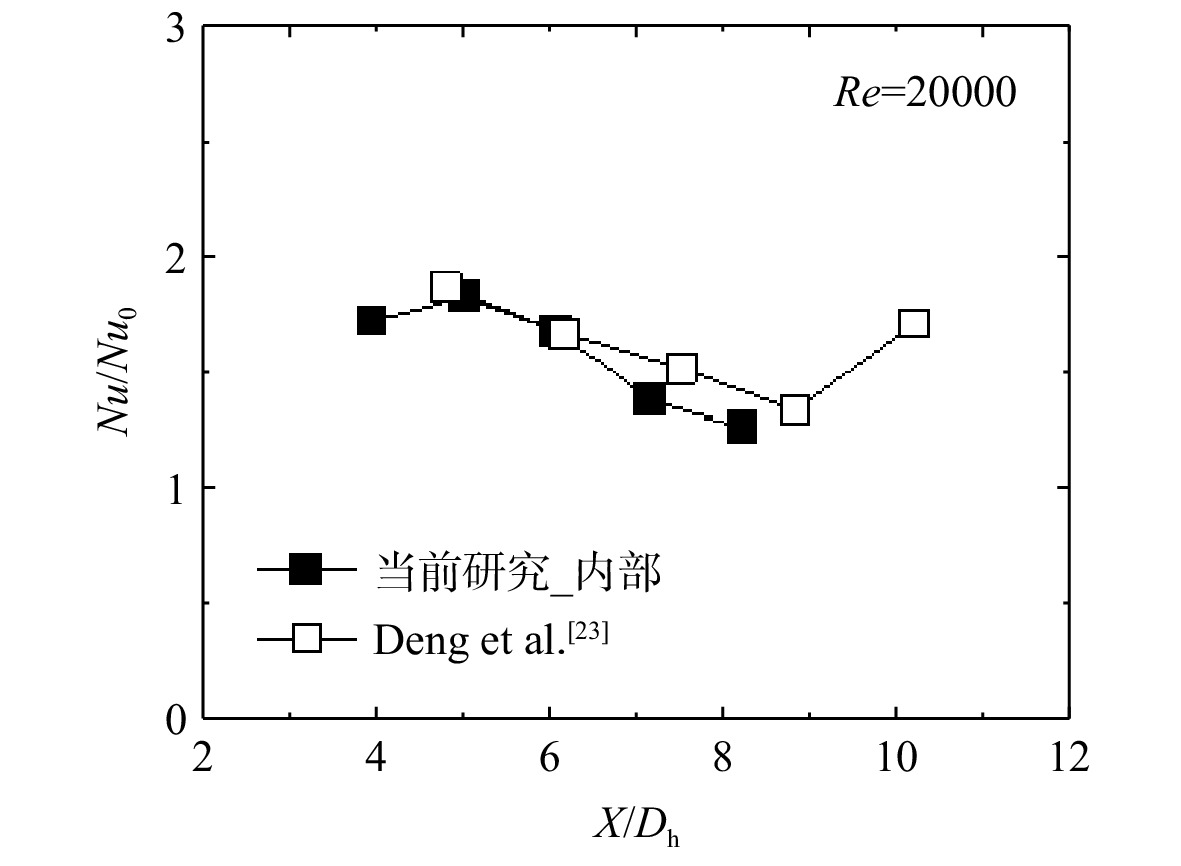
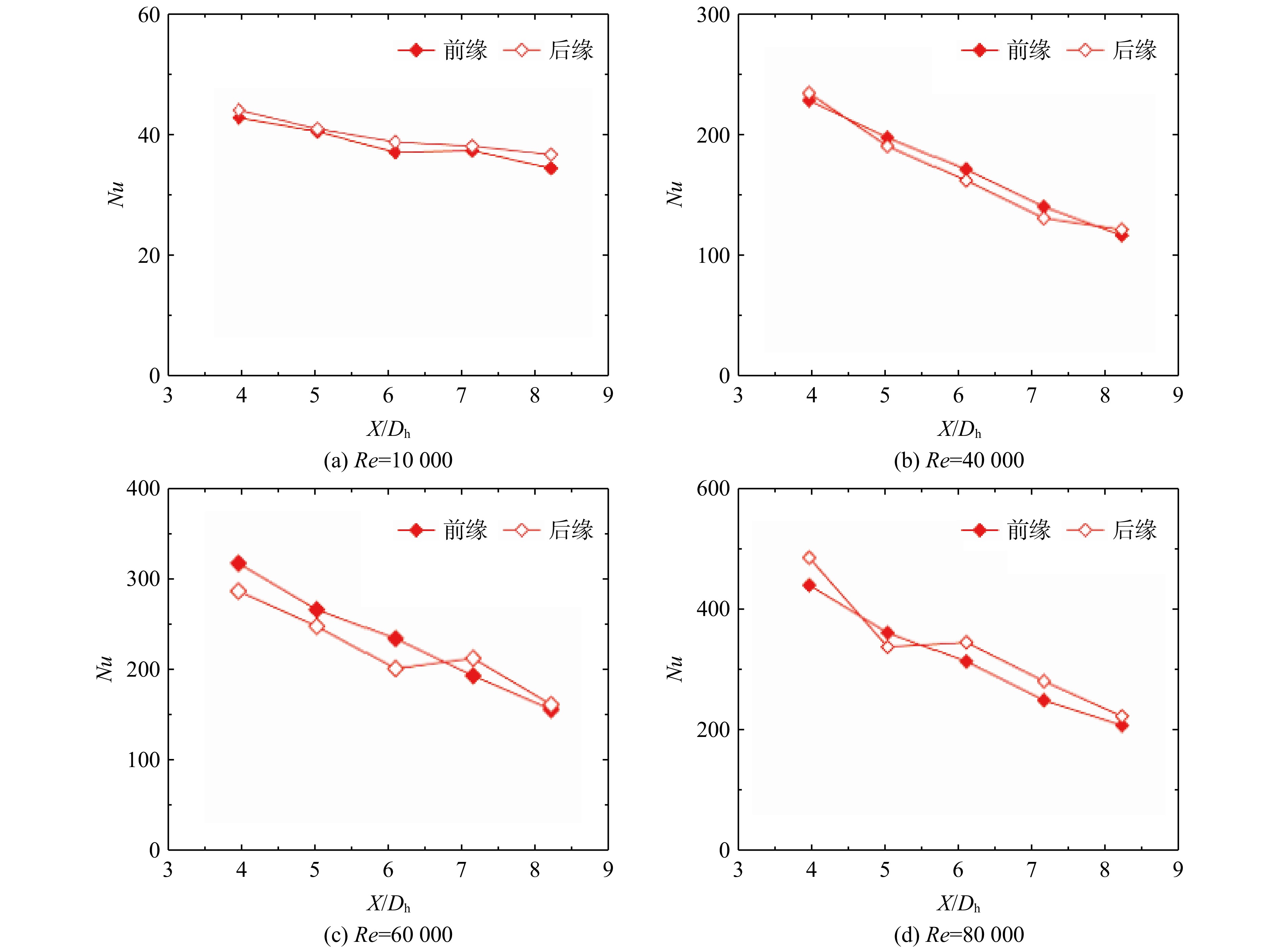
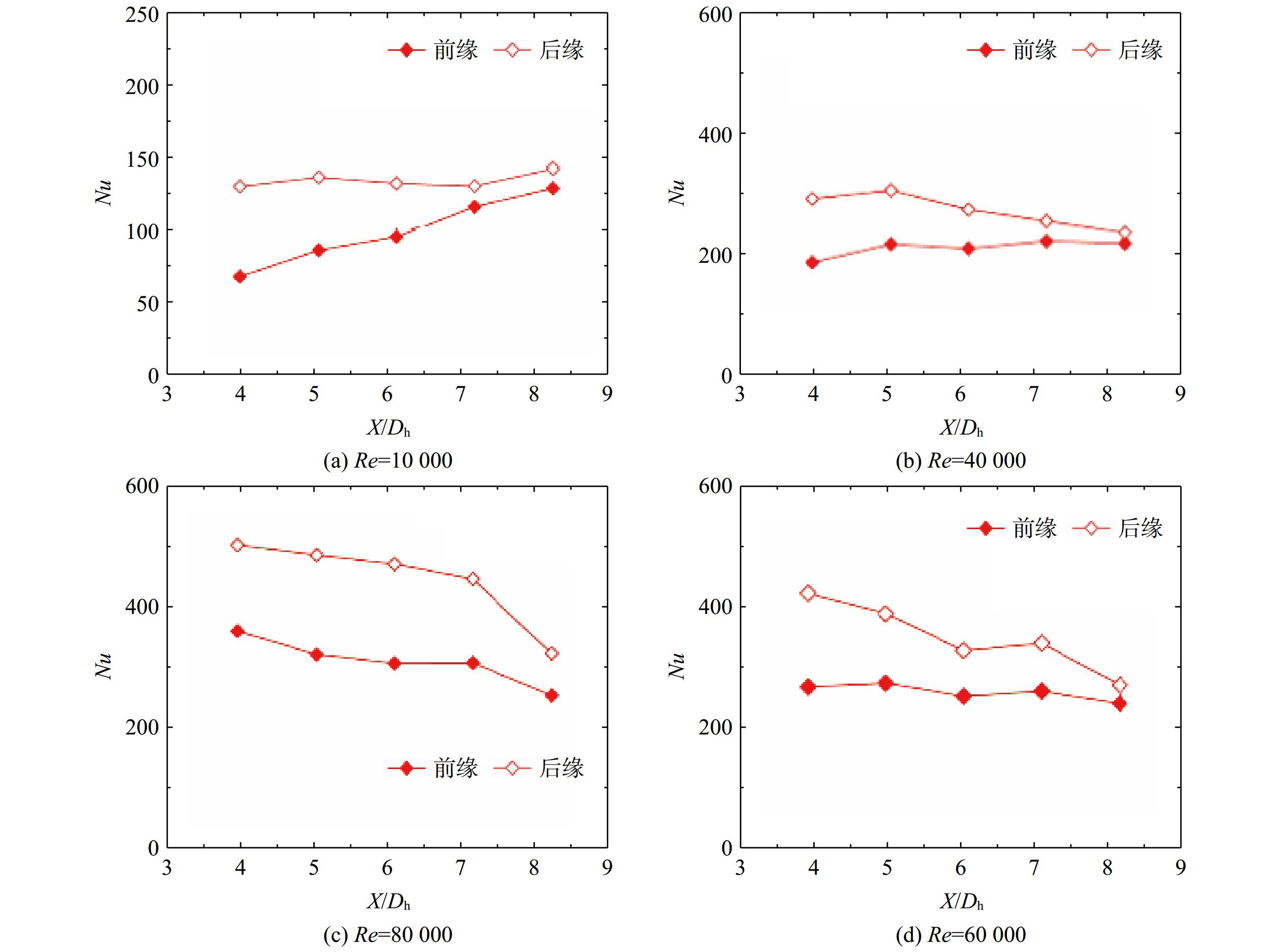
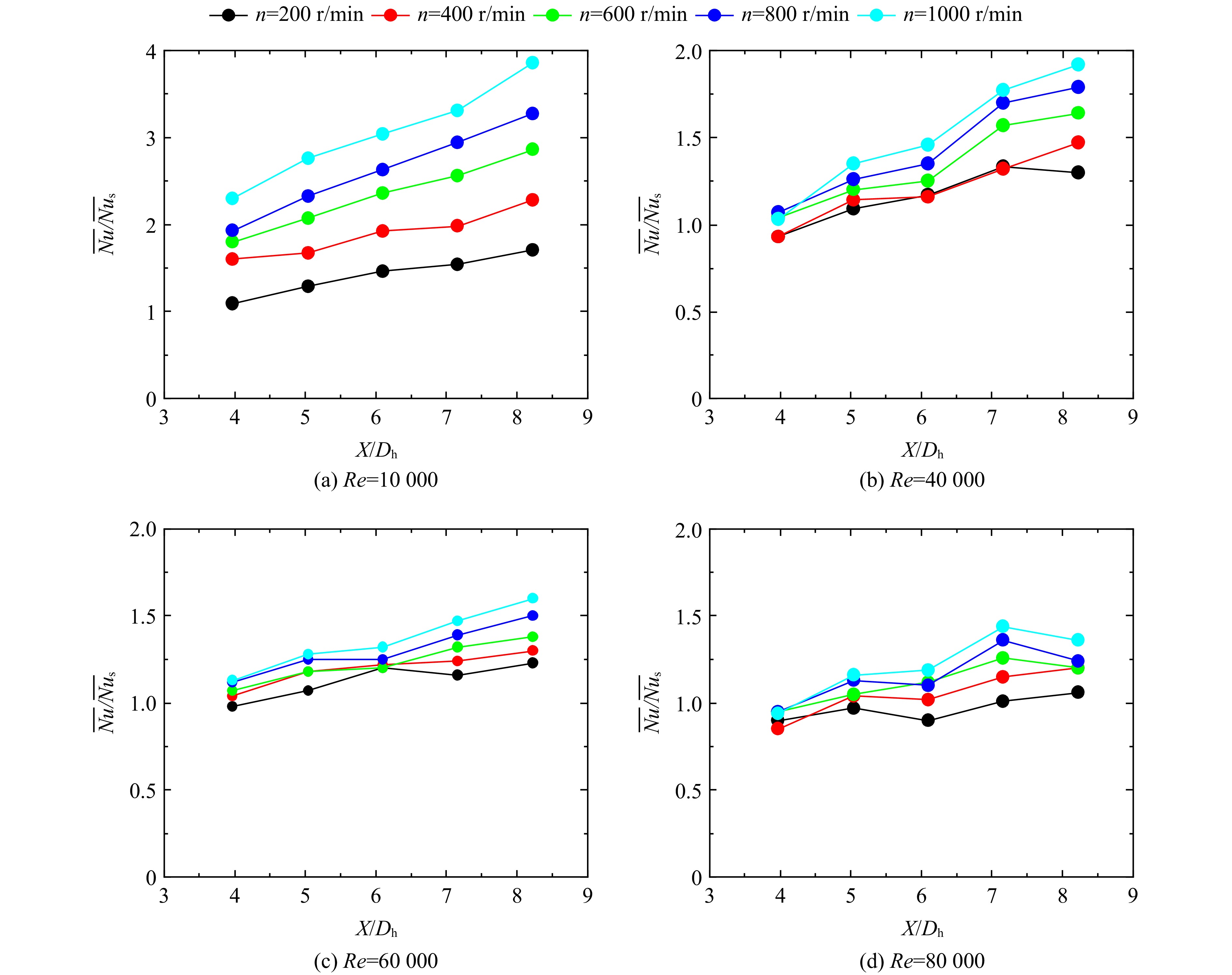
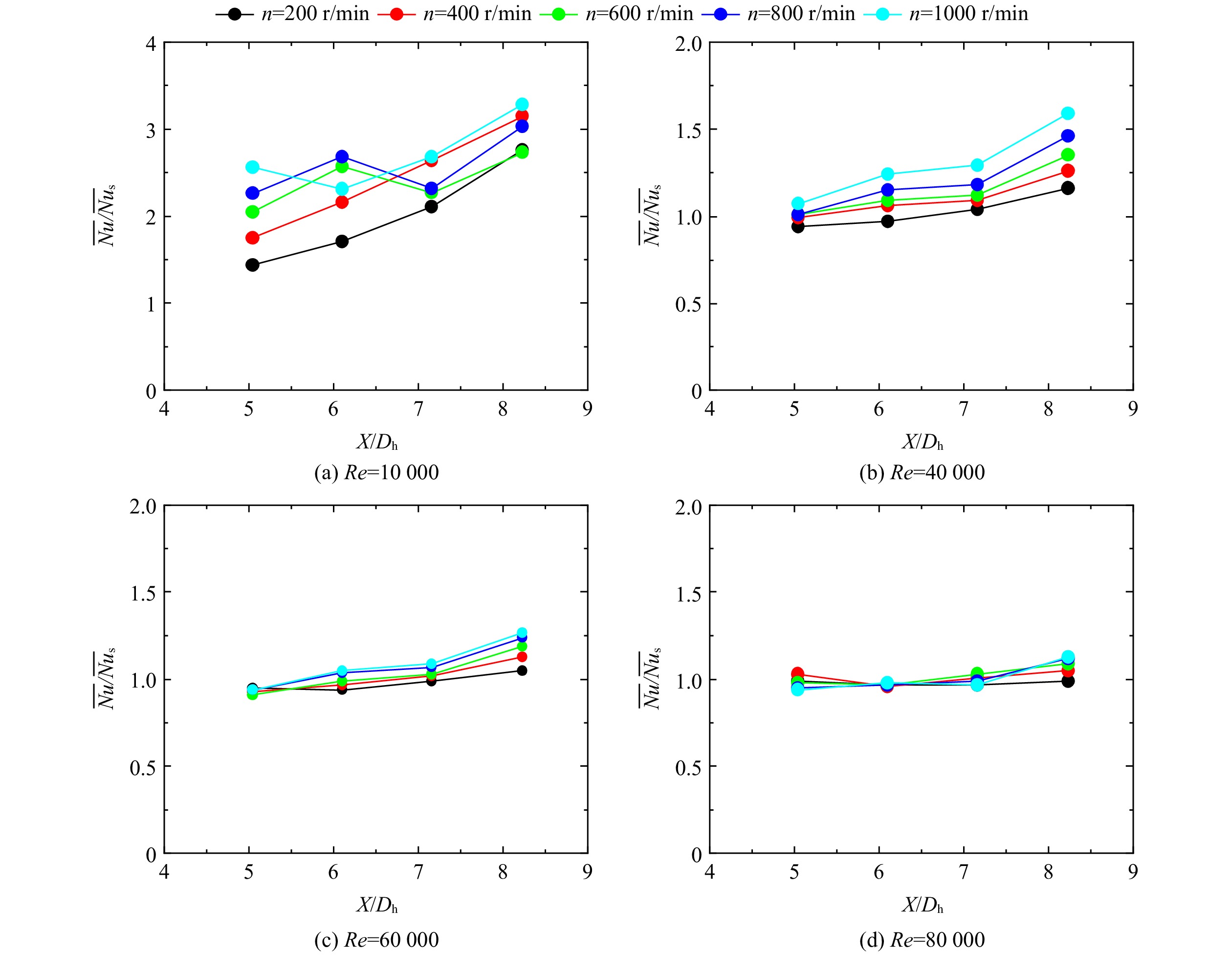
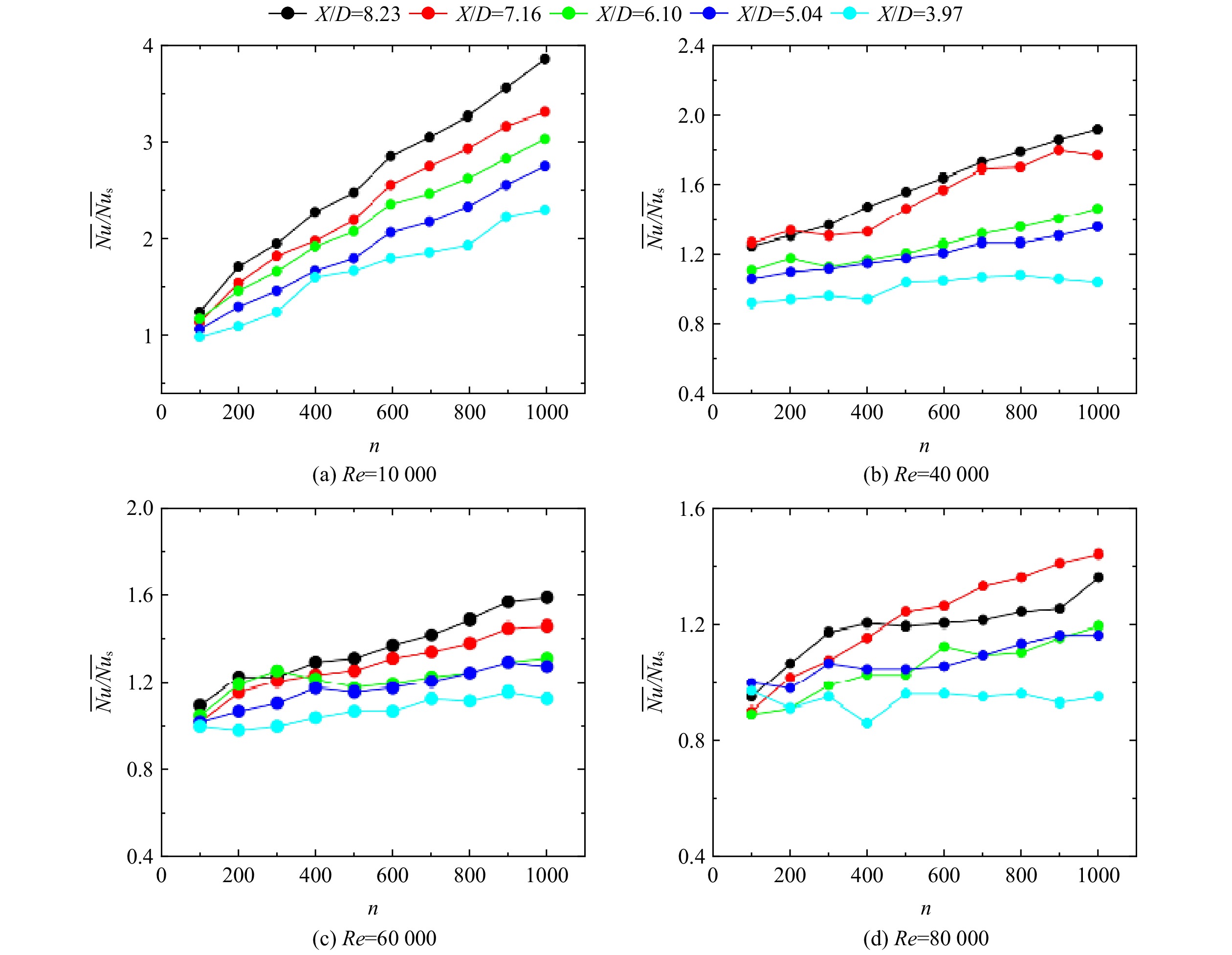
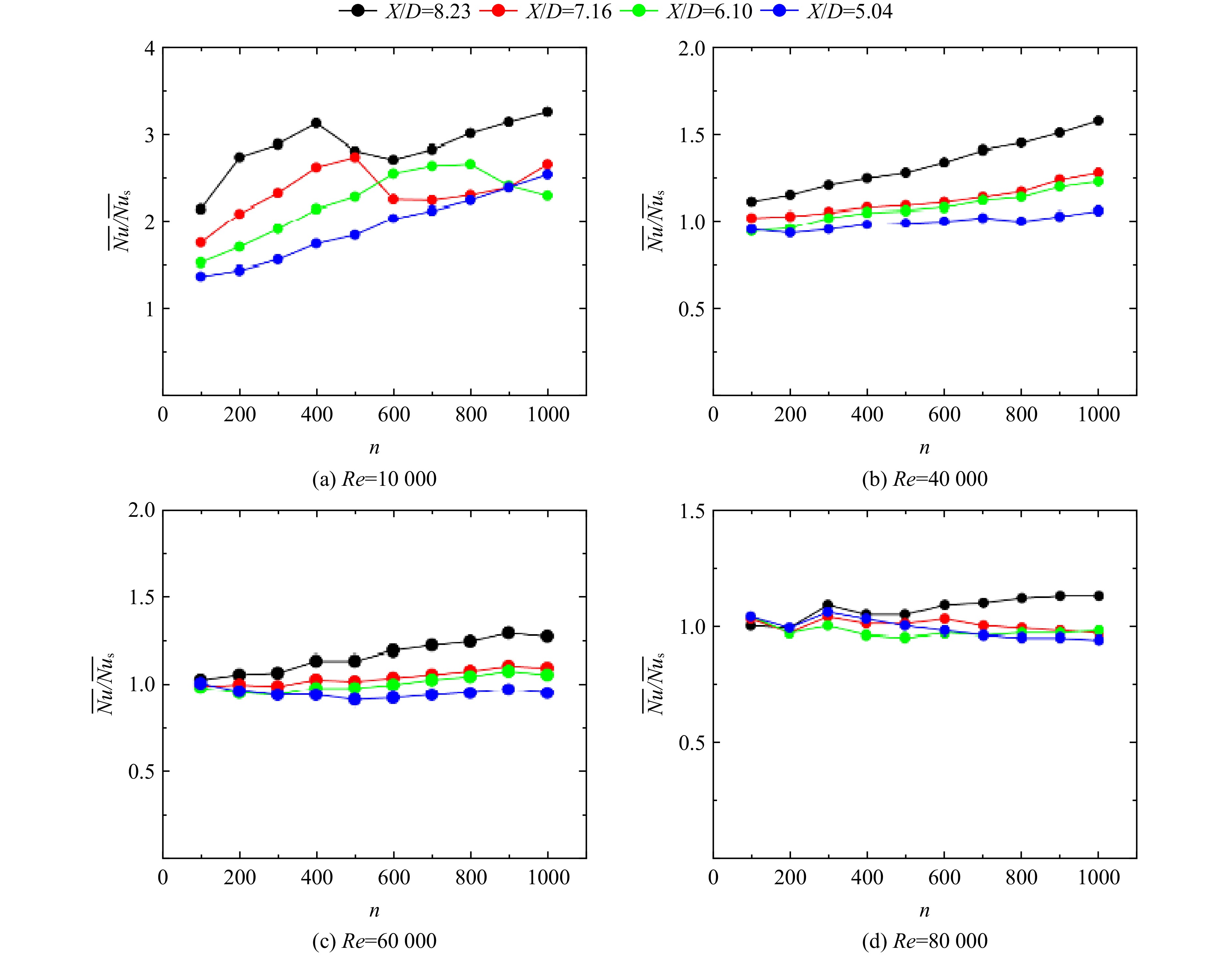
The flow and heat transfer characteristics of a typical cooling channel model in a turbine blade, namely, a rotating lateral outlet wedge channel with pin fins, were experimentally investigated. The Reynolds number range was 1000080000 and the speed range was 0—1000 r/min. The rotation enhanced the heat transfer and the heat transfer enhancement was most obvious at the position of X/D=8.23 of inner area. When the Reynolds number was 10000, the average heat transfer at 1000 r/min was 211% higher than that at 100 r/min, and when the Reynolds number was 80000, it was 44.4% higher. At the outer area of channel, the heat transfer at each non-dimensional position increased slowly with the increase of rotating speed, and there was no significant difference in the heat transfer enhancement degree at different non-dimensional positions. At the same time, increasing Reynolds number could enhance the effect of rotation. When the speed was 1000 r/min, the heat transfer enhancement in the inner smooth area was most obvious at the position of X/D=3.97. At 80000 Reynolds number, the heat transfer coefficient at this point was 3.31 times that at 10000 Reynolds number. At the position of X/D=8.23, the heat transfer enhancement in the outer pin fin area was most obvious. The heat transfer enhancement at Reynolds number 80000 was 1.47 times that at Reynolds number 10000. The research supplemented the heat transfer in the tapered channel with pin fin at the trailing edge of turbine blade at high Reynolds number and high rotation number.

Heat transfer characteristics and optimization of fractal fin during phase change
XU Ze, XING Yuming, YIN Jianbao, HOU Xu, WANG Shisong
2025, 40(4): 20230454. doi: 10.13224/j.cnki.jasp.20230454
Abstract:
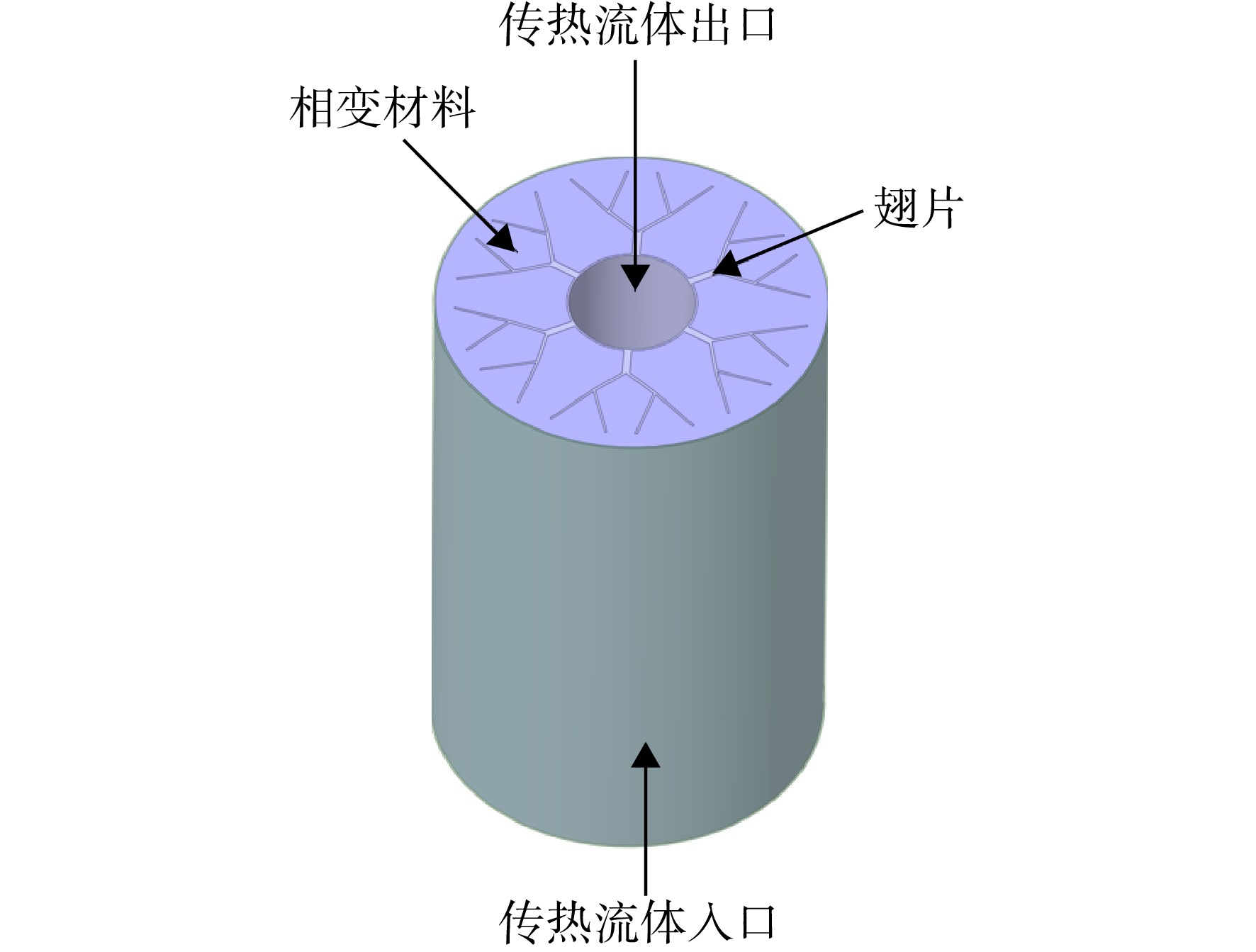
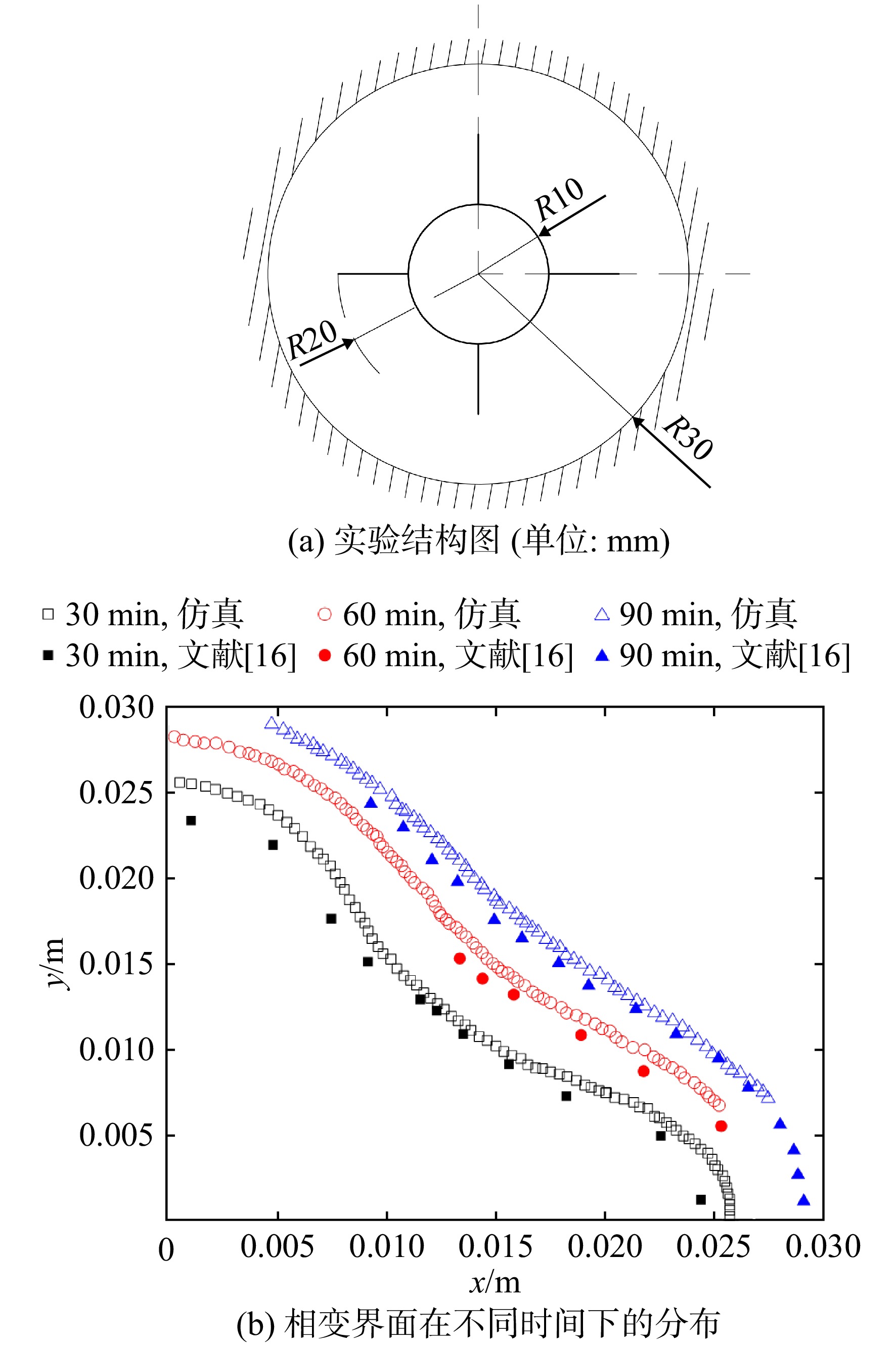
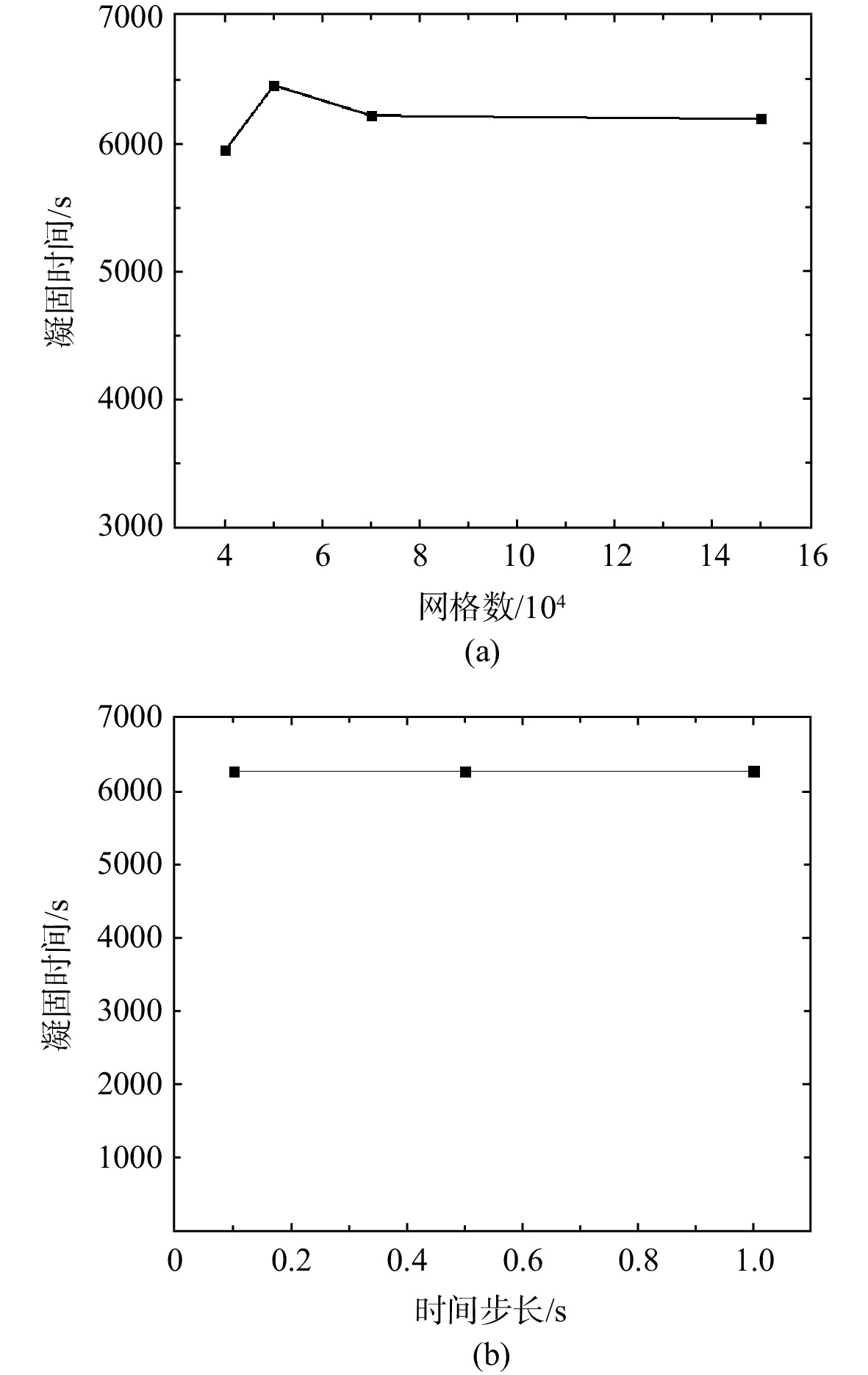
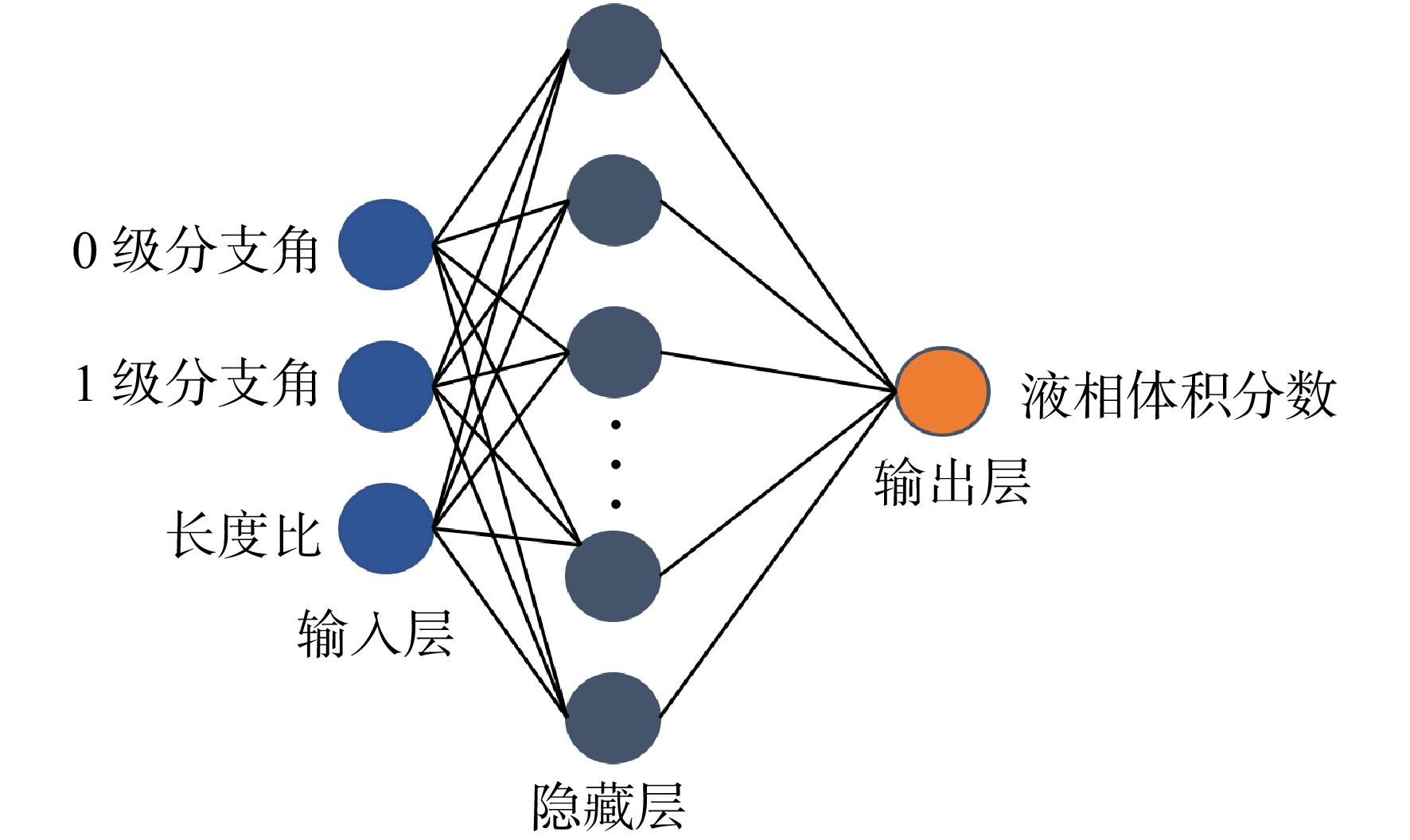
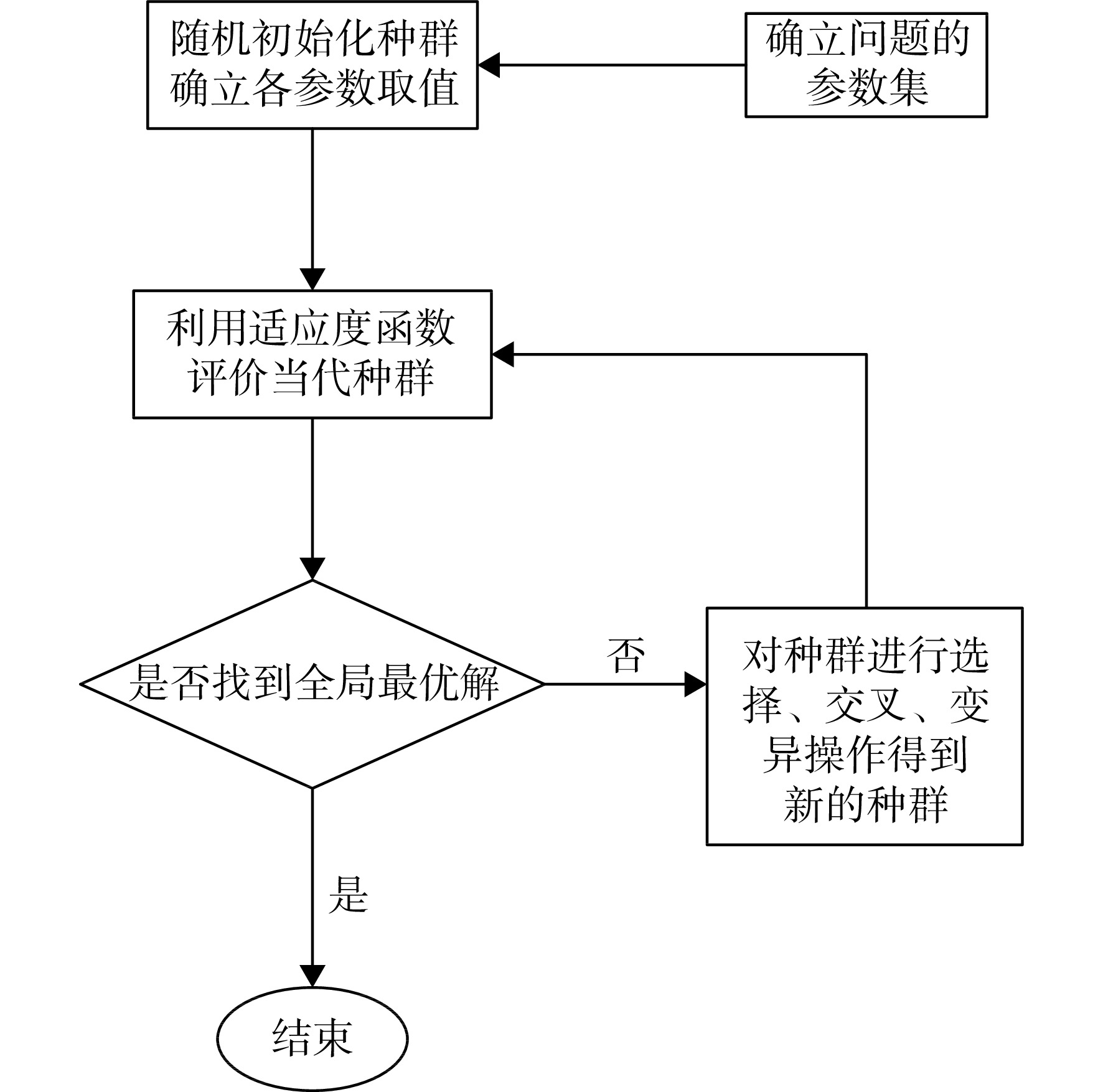
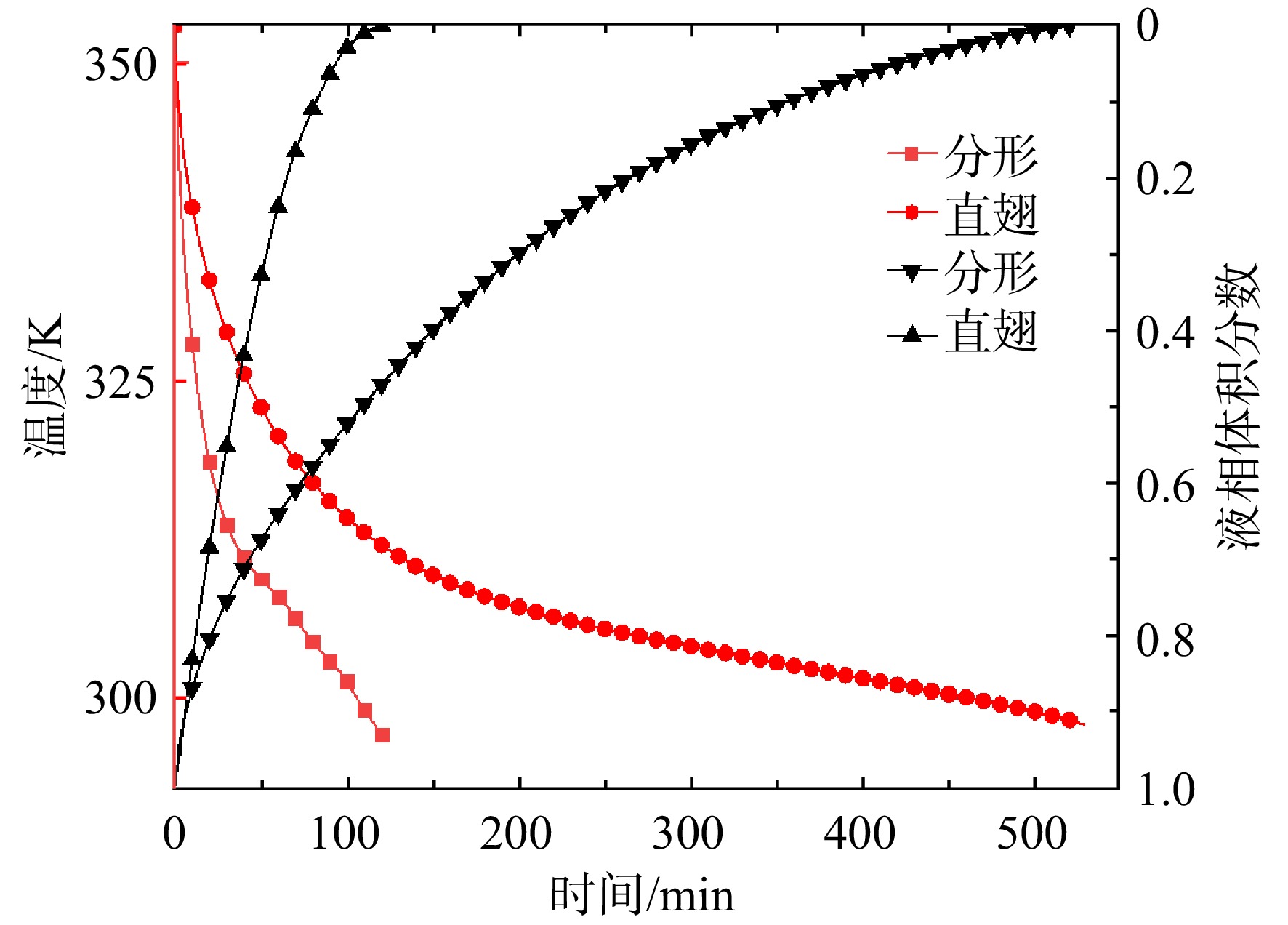
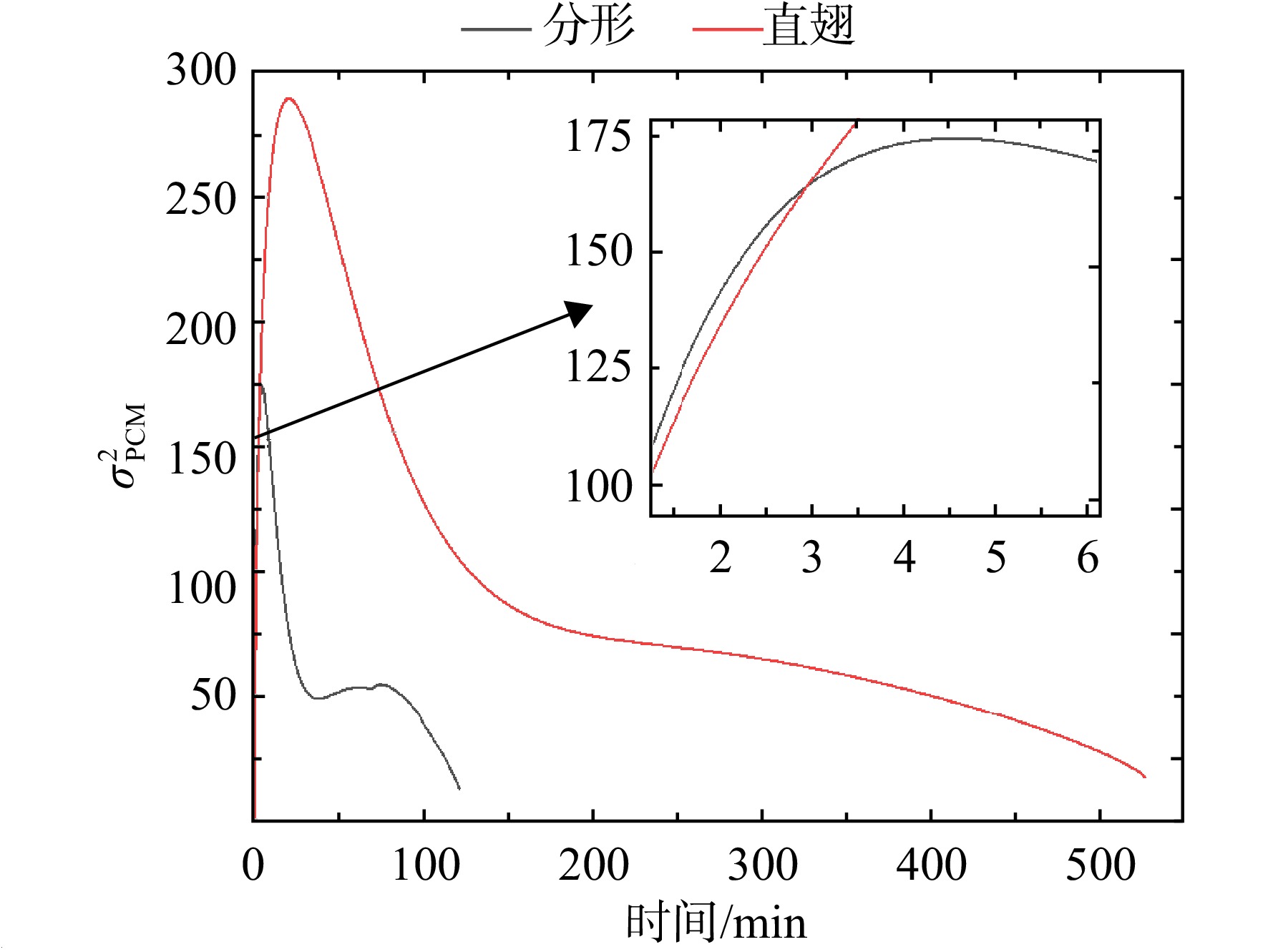
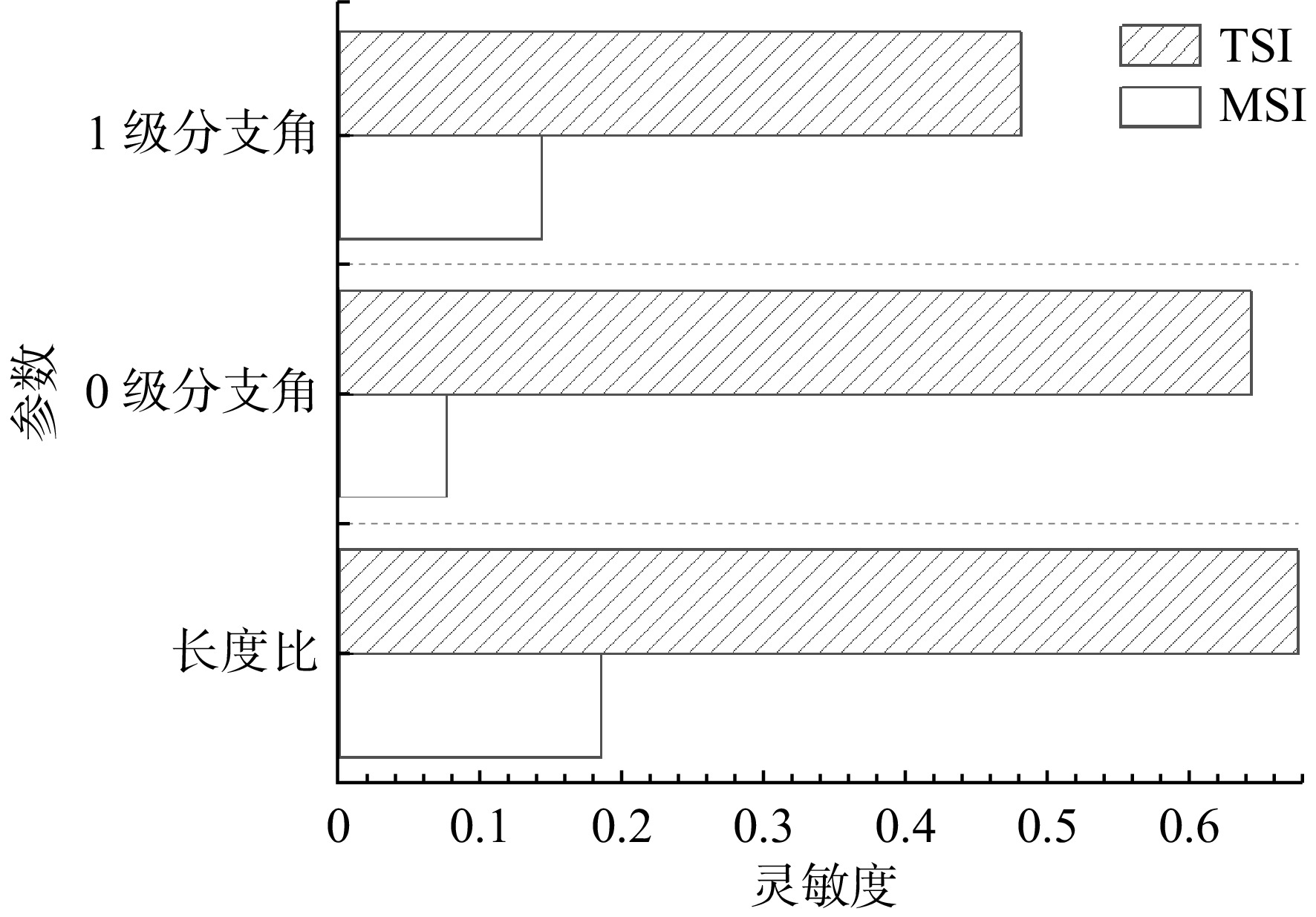
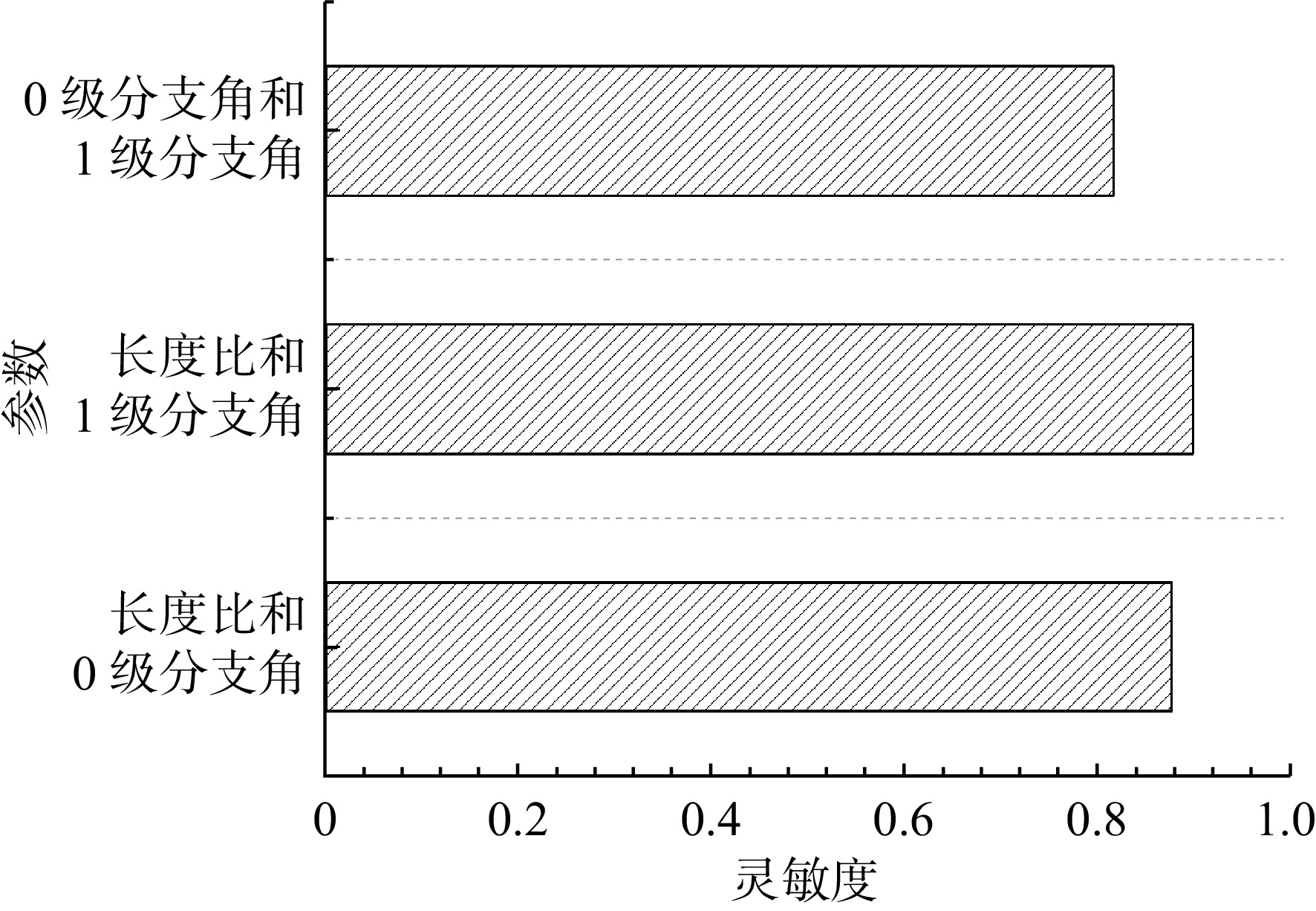
The low efficiency of the latent heat storage system attributed to low thermal conductivity of phase change material. A novel fractal fin to strengthen the solidification property of latent heat storage units was proposed. The enthalpy-porosity technique was utilized to build a transient two-dimensional model of shell and tube latent heat storage system. The results demonstrated that the length ratio and branch angle played an important role in solidification performance. The fractal structure improved the solidification speed and led to uniform temperature. The fractal fin displayed a remarkable heat transfer enhancement compared with a conventional fin. The structure optimization of fractal fin was conducted for solidification enhancement by artificial neural network and genetic algorithm. The optimized fin structure was obtained by genetic algorithm: the optimal fin length ratio was 1.425 and the two branch angles were 50° and 30° respectively, the solidification time of the latent heat storage unit with fractal fin after optimization was 76.9% shorter than the system with conventional fin. The sensitive analysis was applied to explore the effect of the parameters of fractal fin on solidification time. The results indicated that the solidification time of the system was more affected by the length ratio, followed by the first-order branch angle. More attention should be paid to the effect of the changes of these two parameters.

Numerical study on wall temperature of a reverse-flow combustor
ZHANG Jiaxiang, CAI Zhibin, ZHAI Weikuo, YAN Yingwen
2025, 40(4): 20220812. doi: 10.13224/j.cnki.jasp.20220812
Abstract:
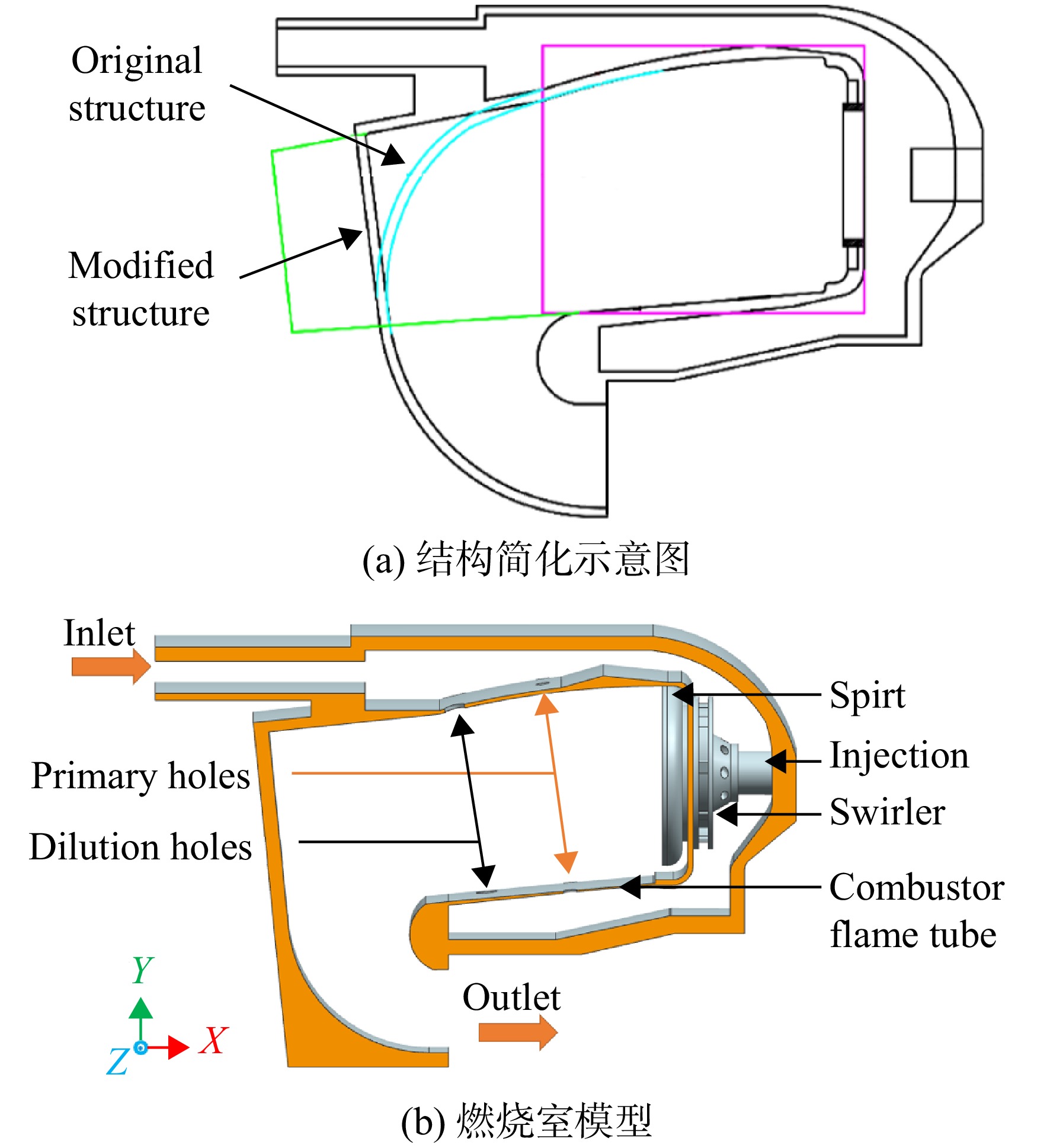
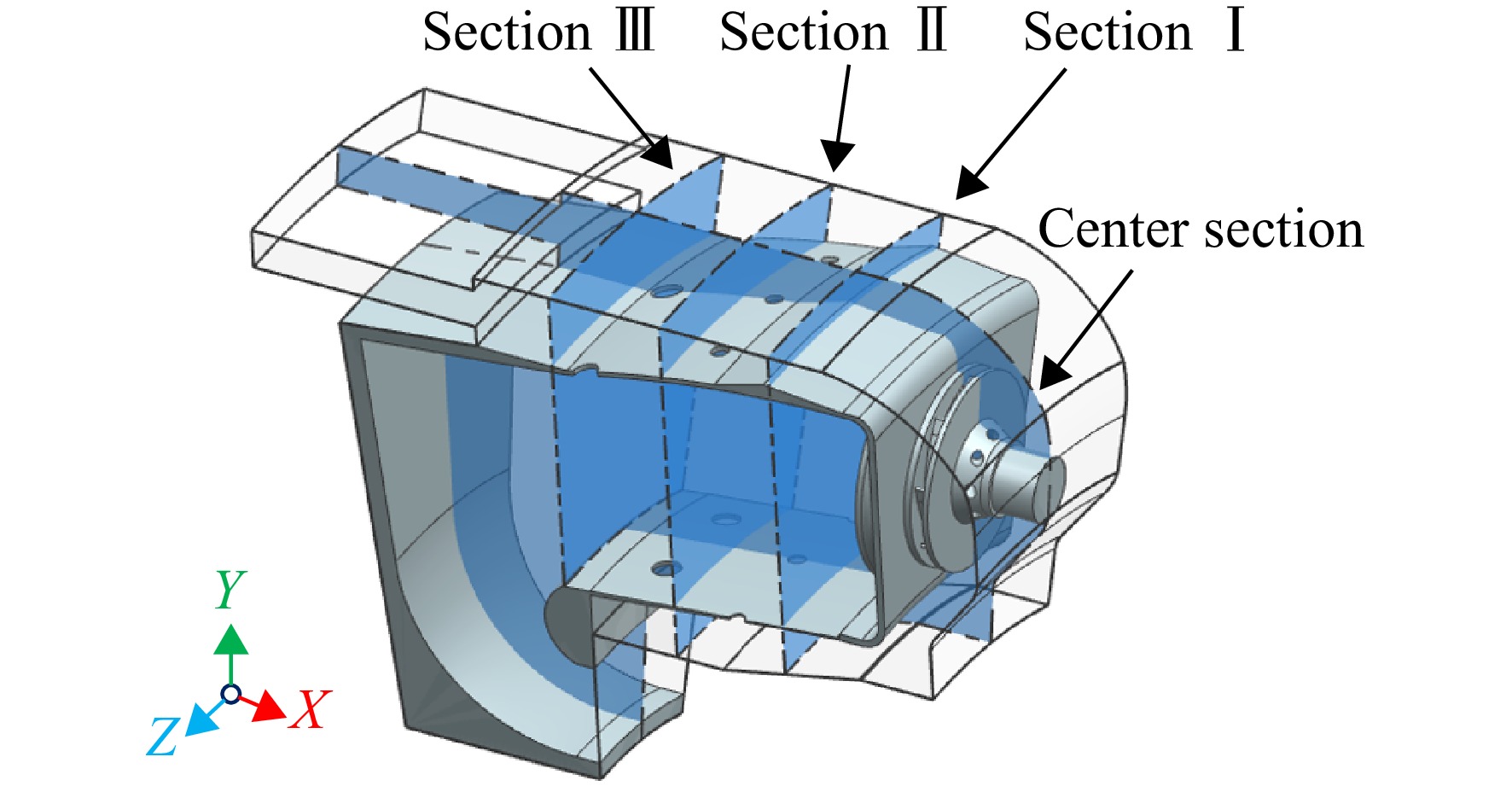
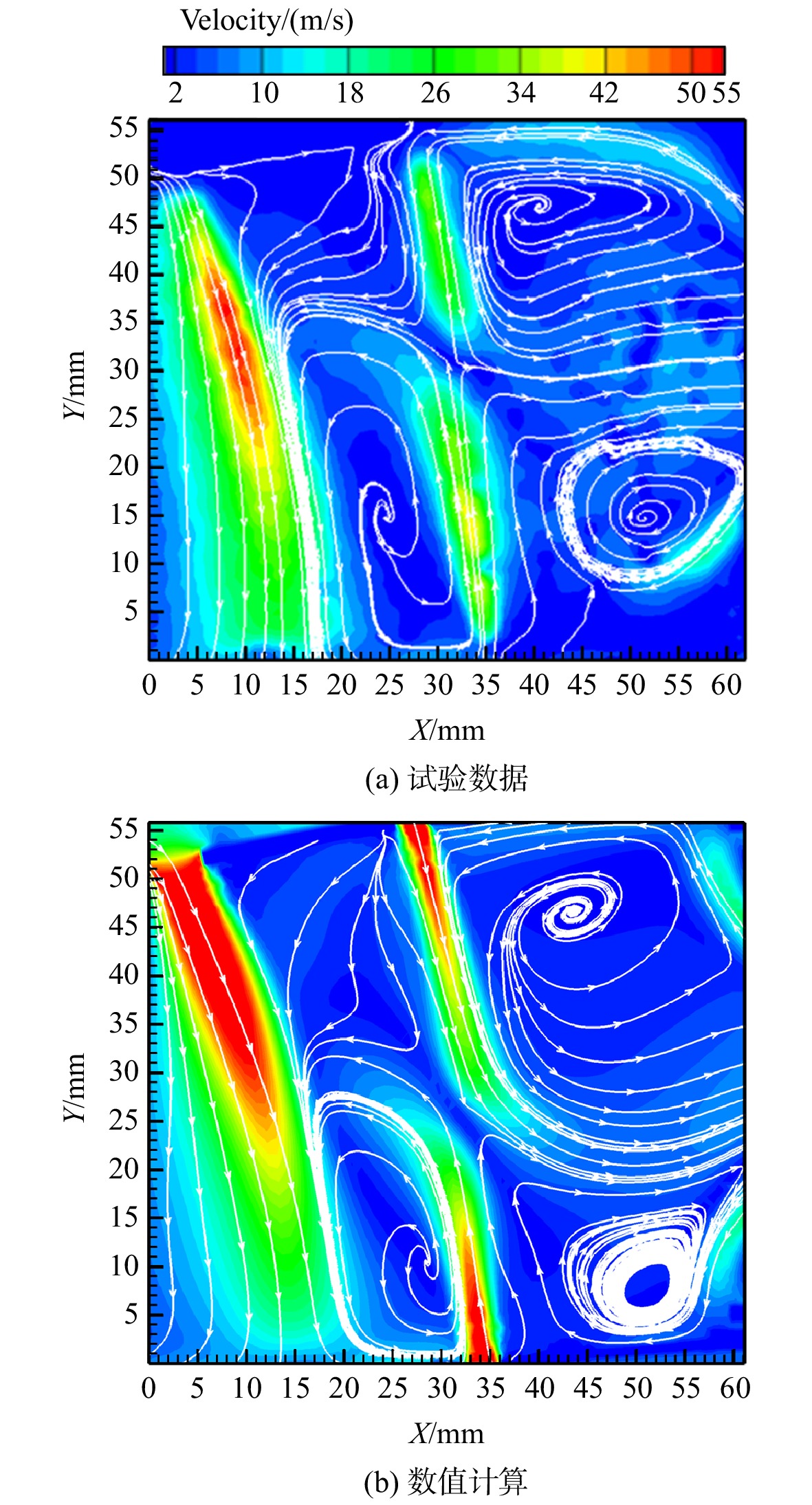
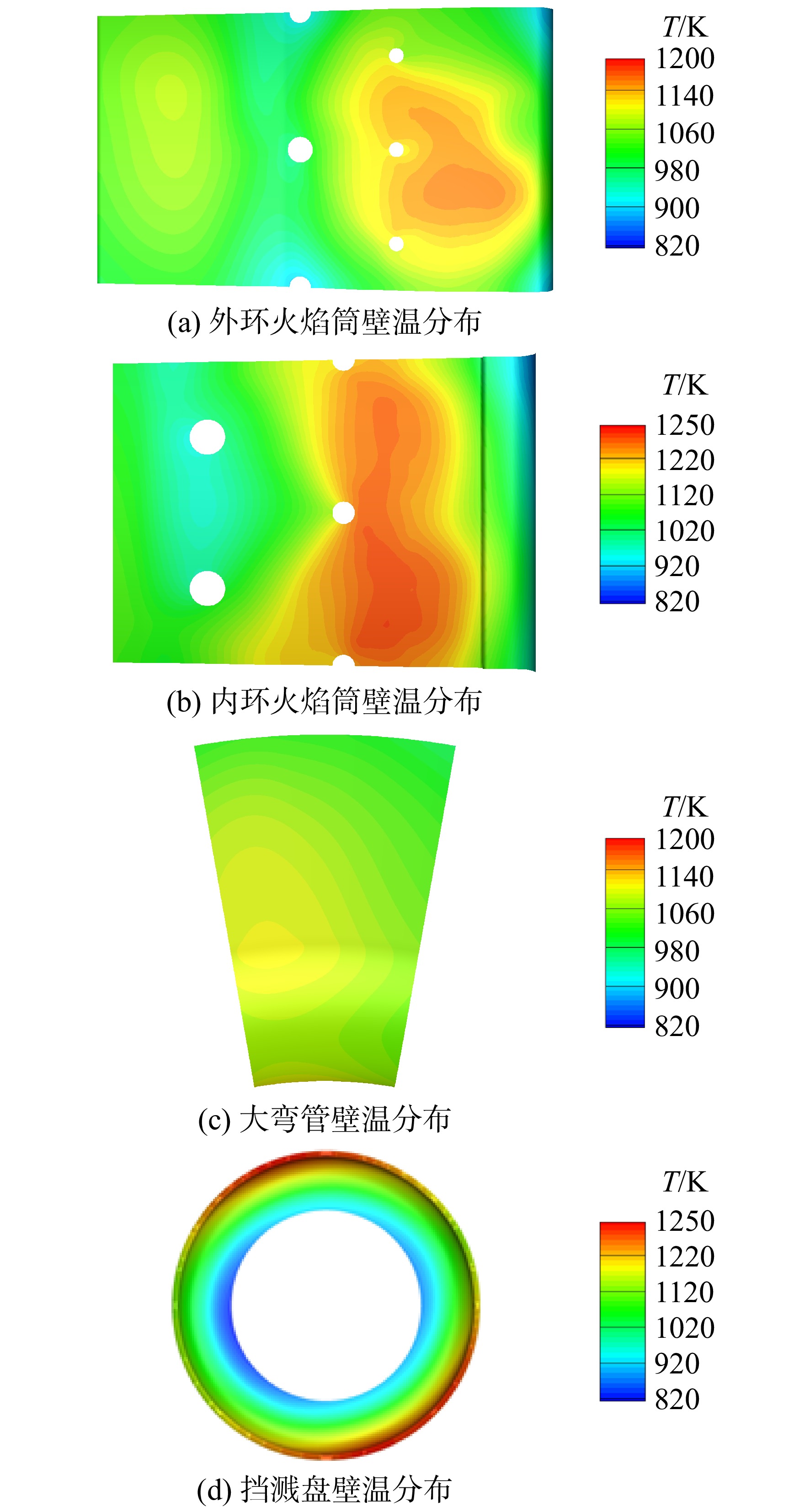
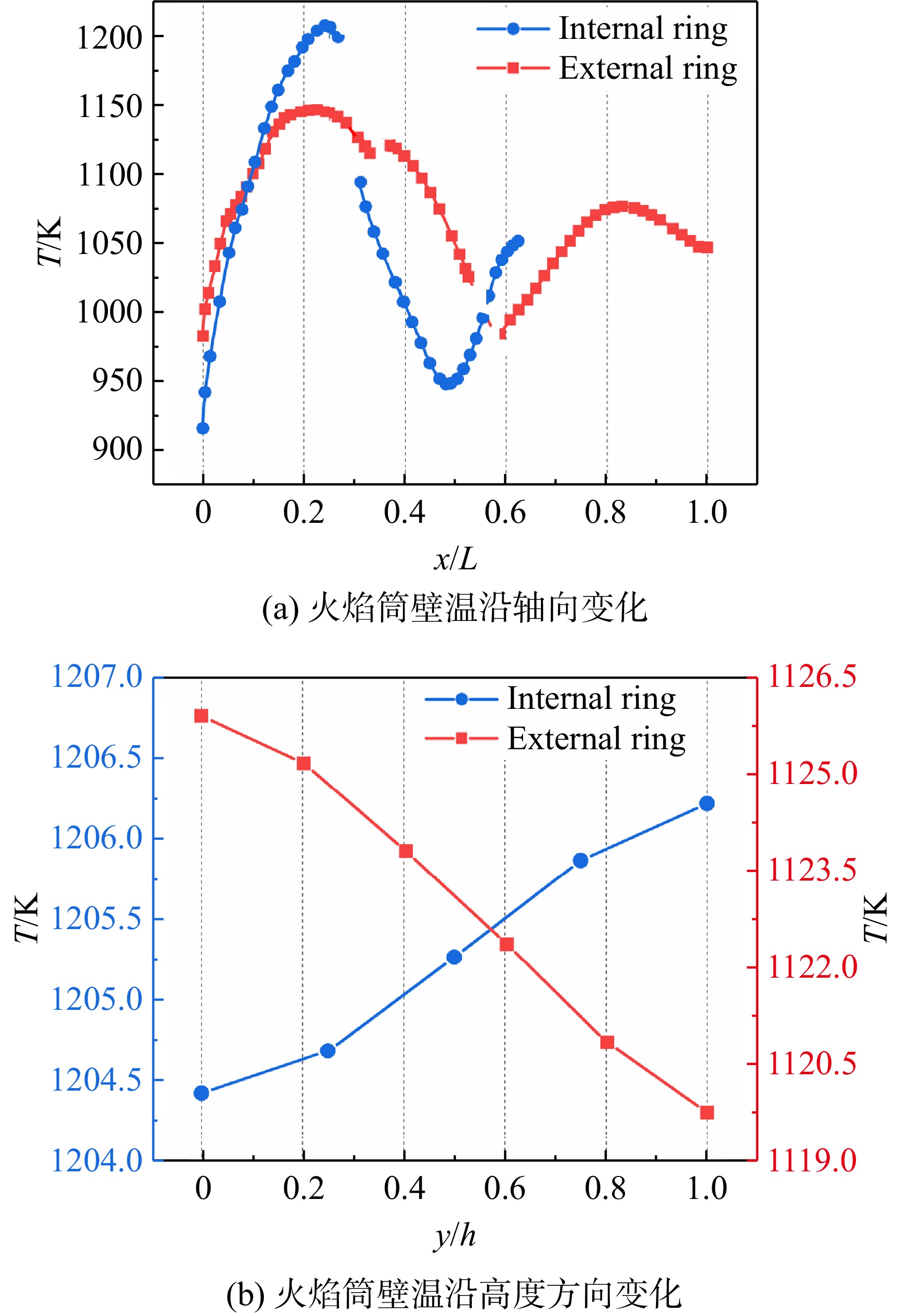
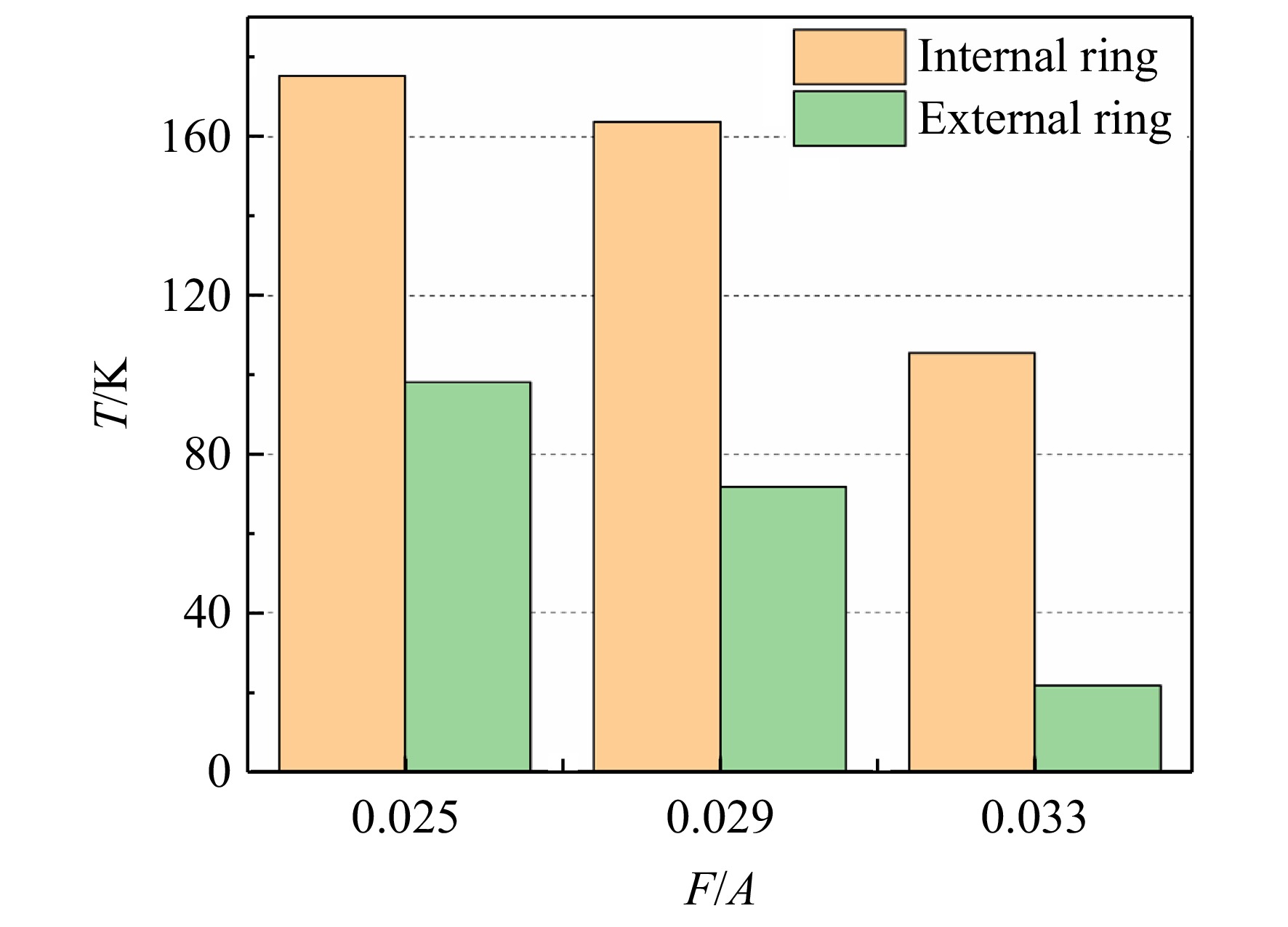
In order to investigate the wall temperature distribution of a certain type of reverse-flow combustor, the fluid-thermal-solid coupling numerical calculation of the combustor was carried out to analyze its cold field, combustion characteristics and flame tube wall temperature distribution. The influences of combustion, thermal radiation, material physical properties and other factors on the wall temperature of flame tube were considered in the calculation, and the results were compared with experimental data. The numerical results showed that the fluid-thermal-solid coupling solution method can accurately reflect the temperature field of combustor and the flame tube wall temperature distribution. The high temperature region of flame tube was concentrated in the primary combustion zone, with the maximum value reaching up to 1200 K or above. The temperature gradient around the primary holes of flame tube and the outer edge of spirt was relatively large, which was prone to ablation. With the increase of fuel-air ratio, the wall temperature of dilution zone in flame tube increased significantly, which was close to the wall temperature of primary zone.

Aerothermodynamics and Aeroengine Design
Application of surrogate optimization in rotor dynamics design
DENG Xudong, CHEN Guojun, GUO Junxian
2025, 40(4): 20240356. doi: 10.13224/j.cnki.jasp.20240356
Abstract:
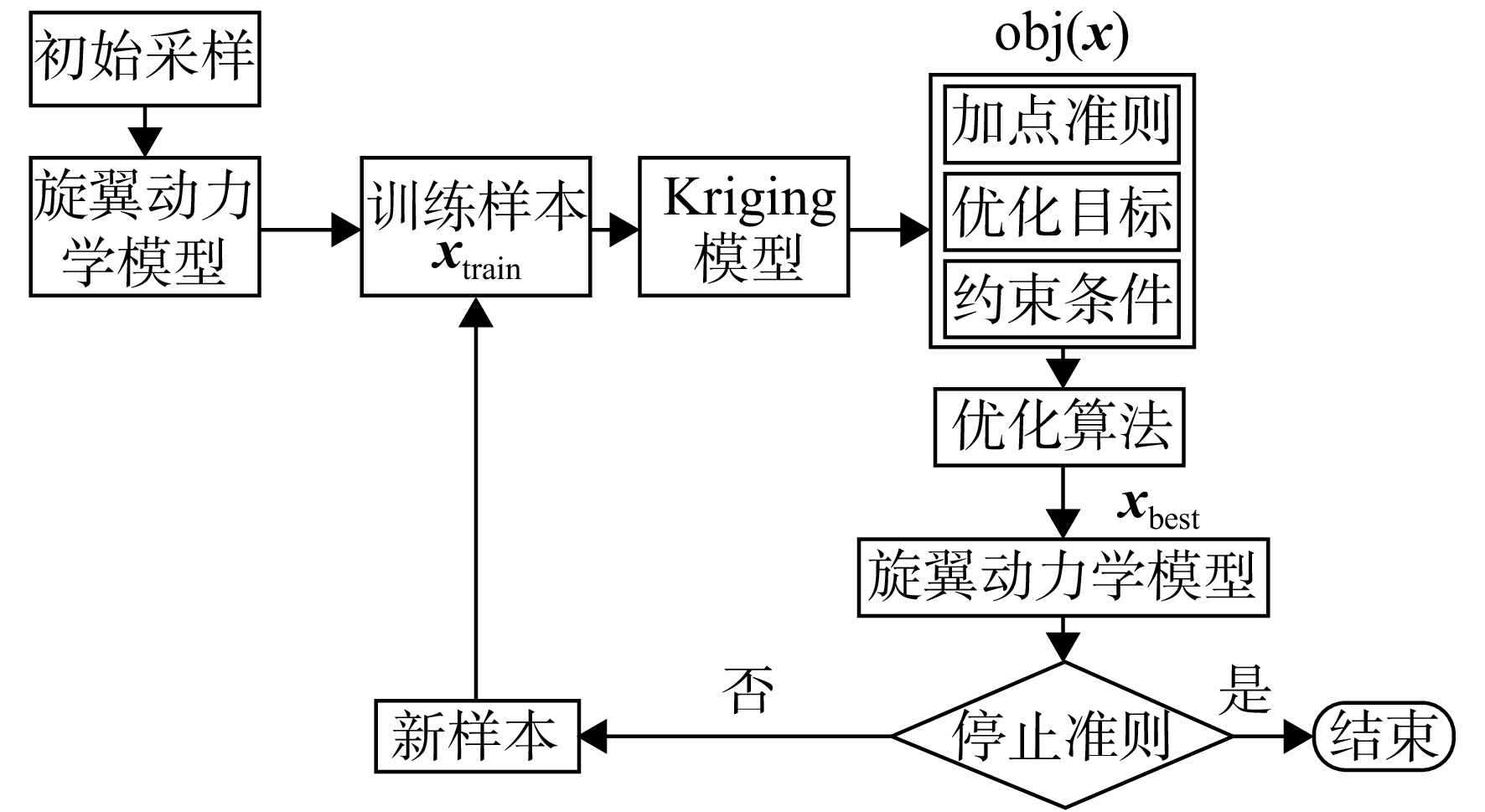
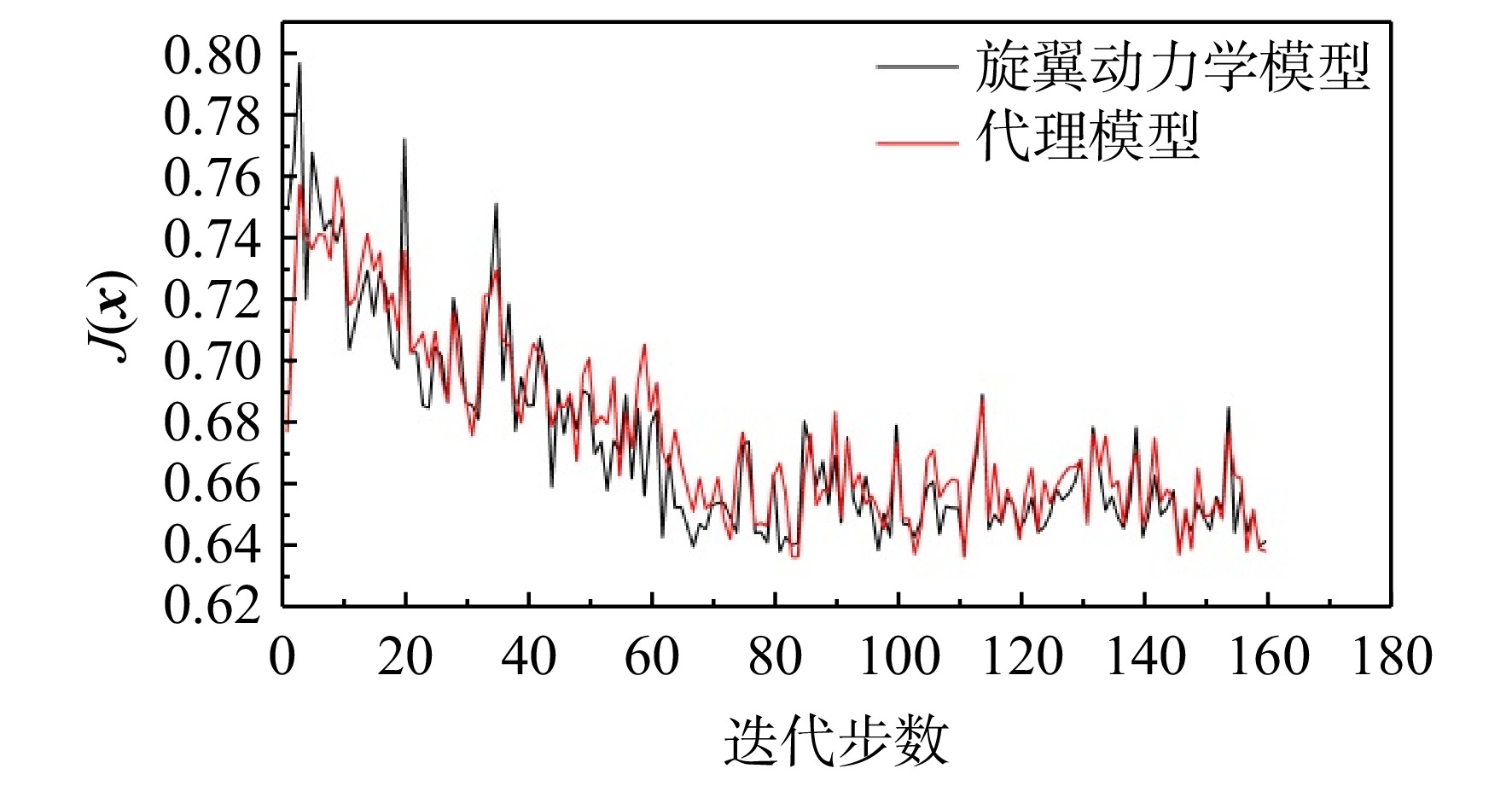
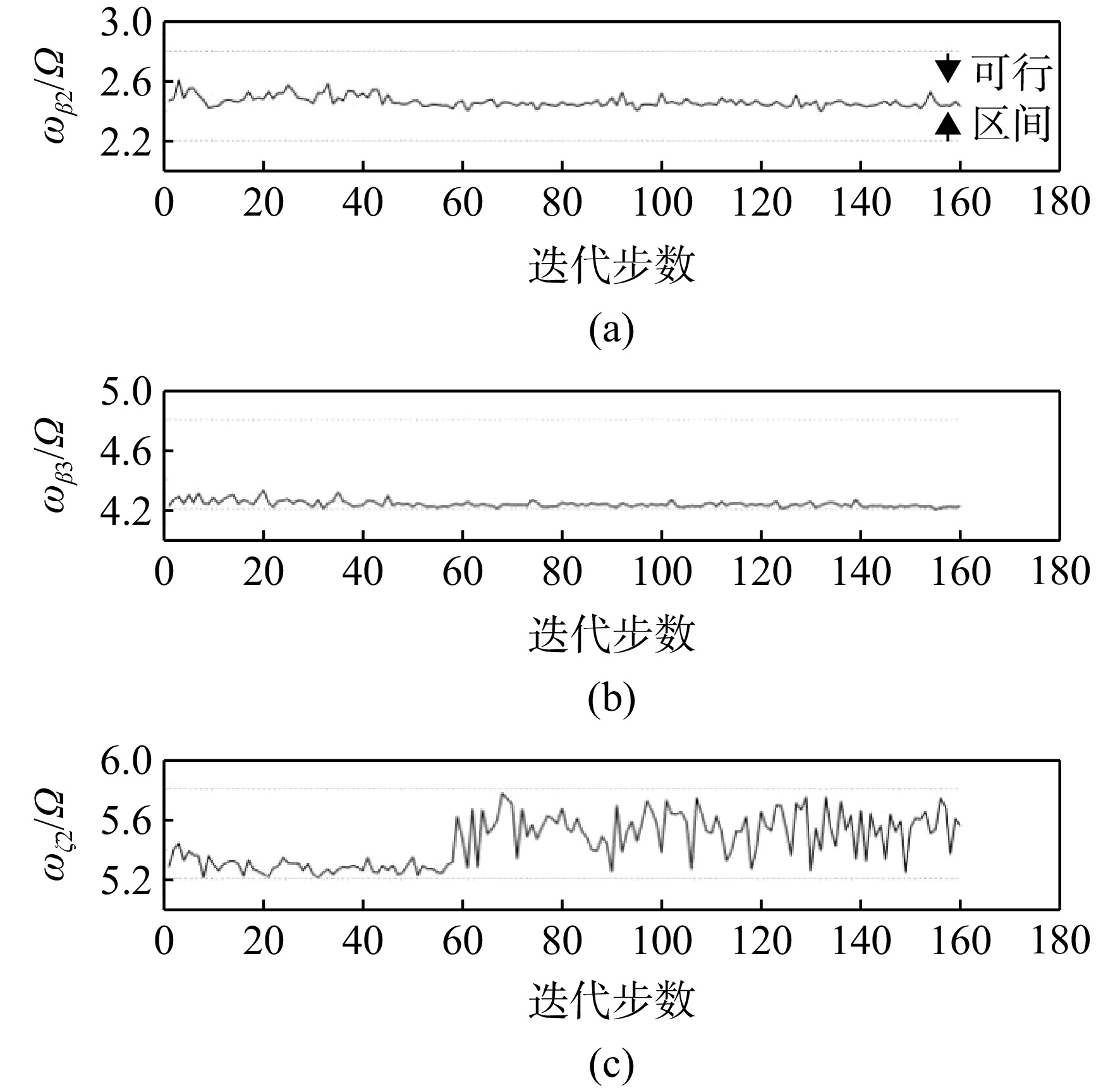
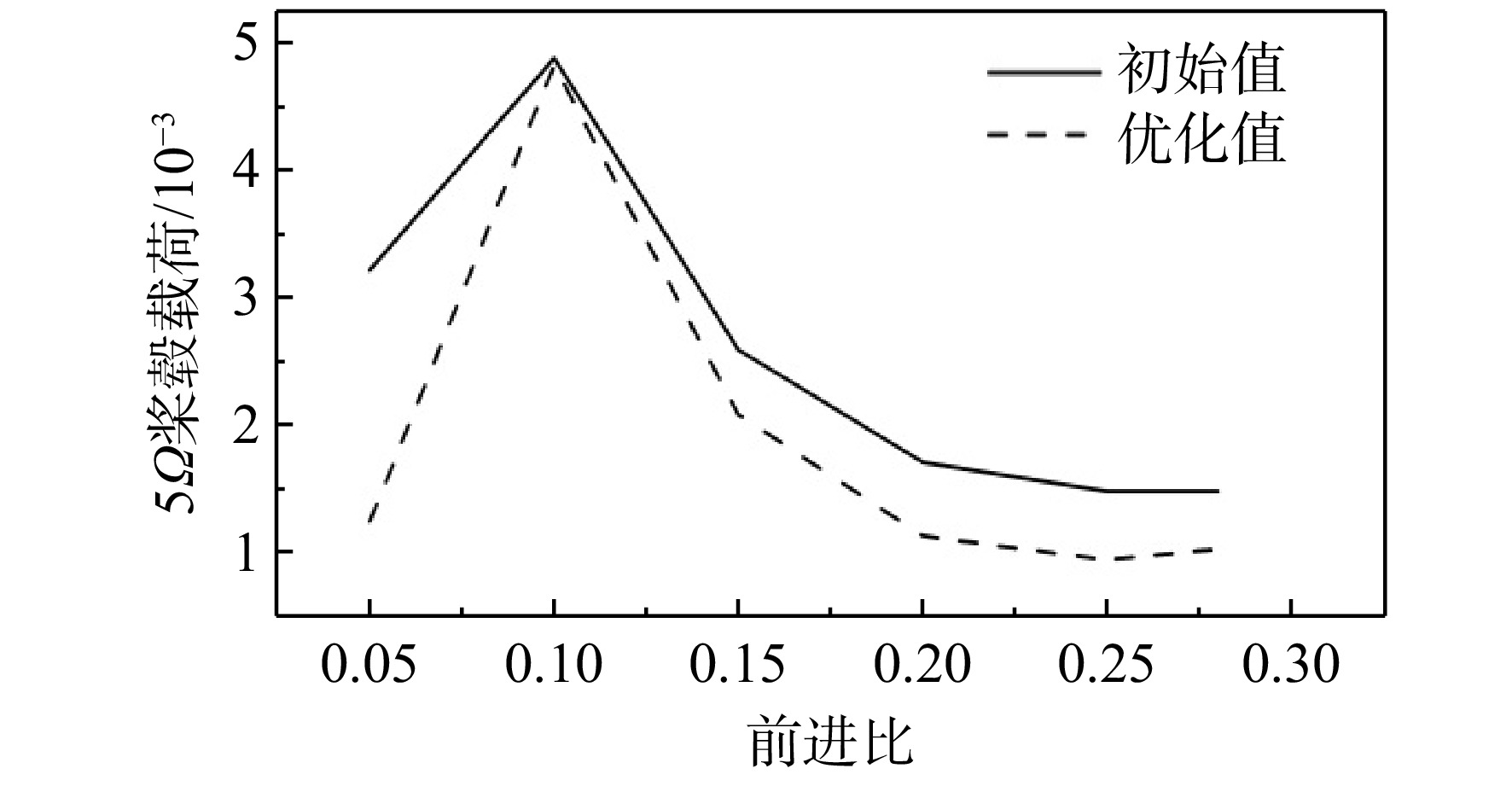
The traditional method of rotor dynamics design is based on the criterion that the inherent mode of the blade avoids the aerodynamic excitation frequency. But, this method is difficult to minimize the hub dynamic loads. In order to explore methods of improvement, the application of Kriging surrogate optimization technology in rotor dynamics design was studied. According to GJB “helicopter rotor dynamics design requirements”, an optimization model with the goal of minimizing the hub dynamic loads and the constraint of natural frequencies interval was constructed. Based on expected improvement (EI) method, a parallel infill strategy was proposed by using Pareto solutions which can avoid local concentration of training samples. The dynamic optimization design of an experimental rotor was carried out, and the optimal distribution of blade section stiffness and density was obtained. The results showed that, the hub dynamic load was reduced by 36% compared with the initial value, and the blade fatigue loads were also reduced.

Analyses of radar stealth characteristics of morphing rotor based on dynamic time-varying mesh method
FEI Zhongyang, JIANG Xiangwen, ZHAO Qijun, CUI Zhuangzhuang, YANG Yan
2025, 40(4): 20230397. doi: 10.13224/j.cnki.jasp.20230397
Abstract:
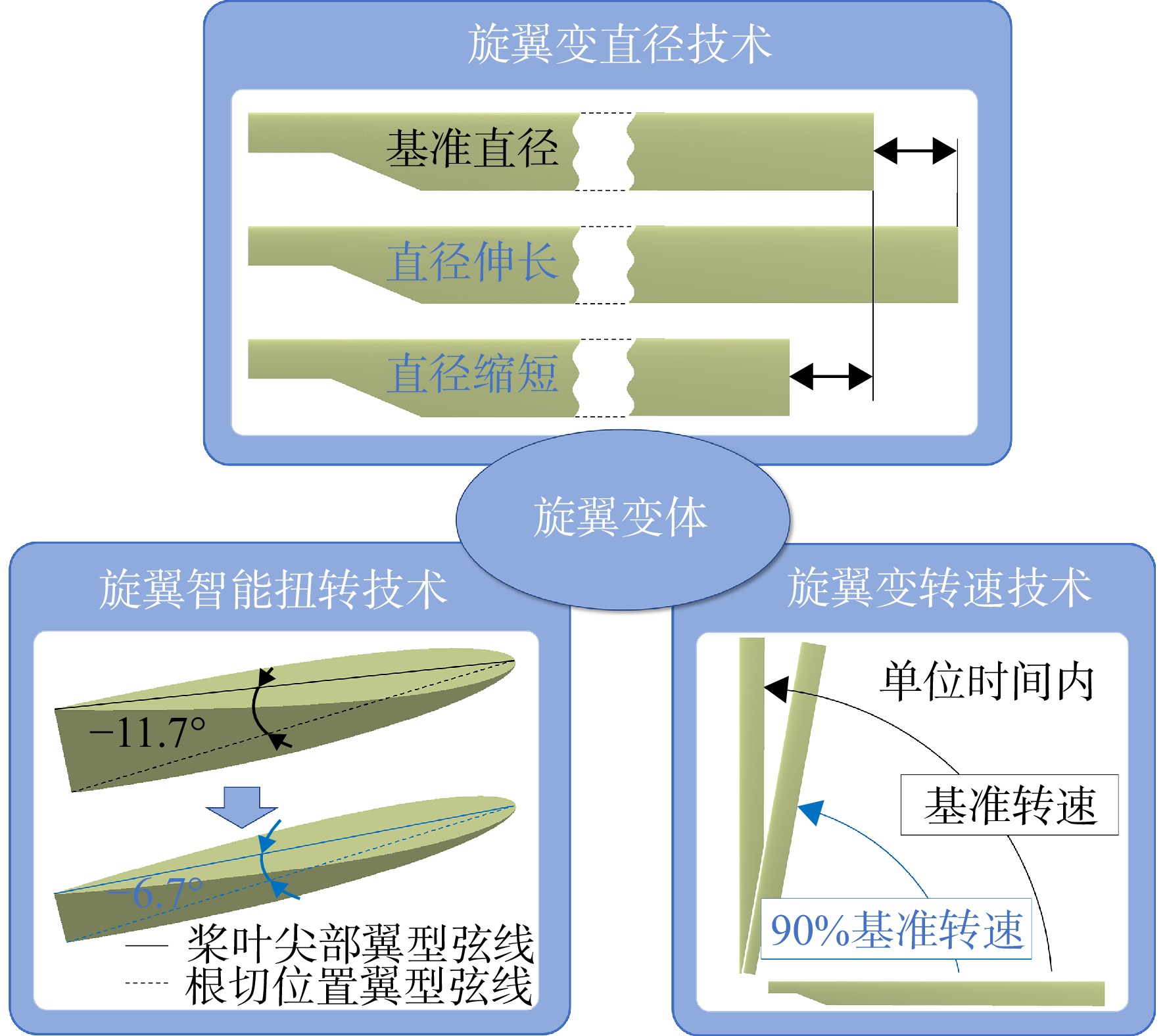
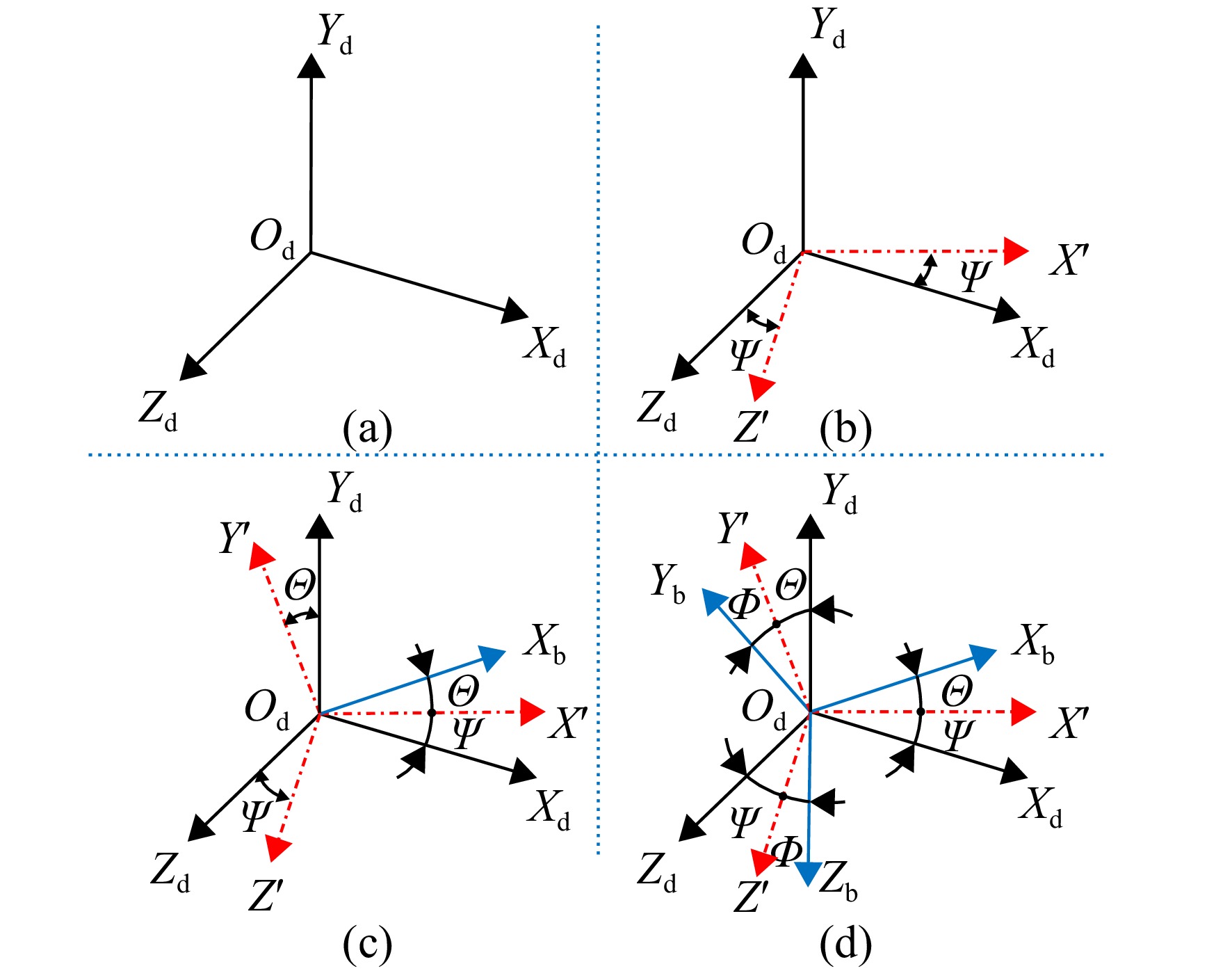
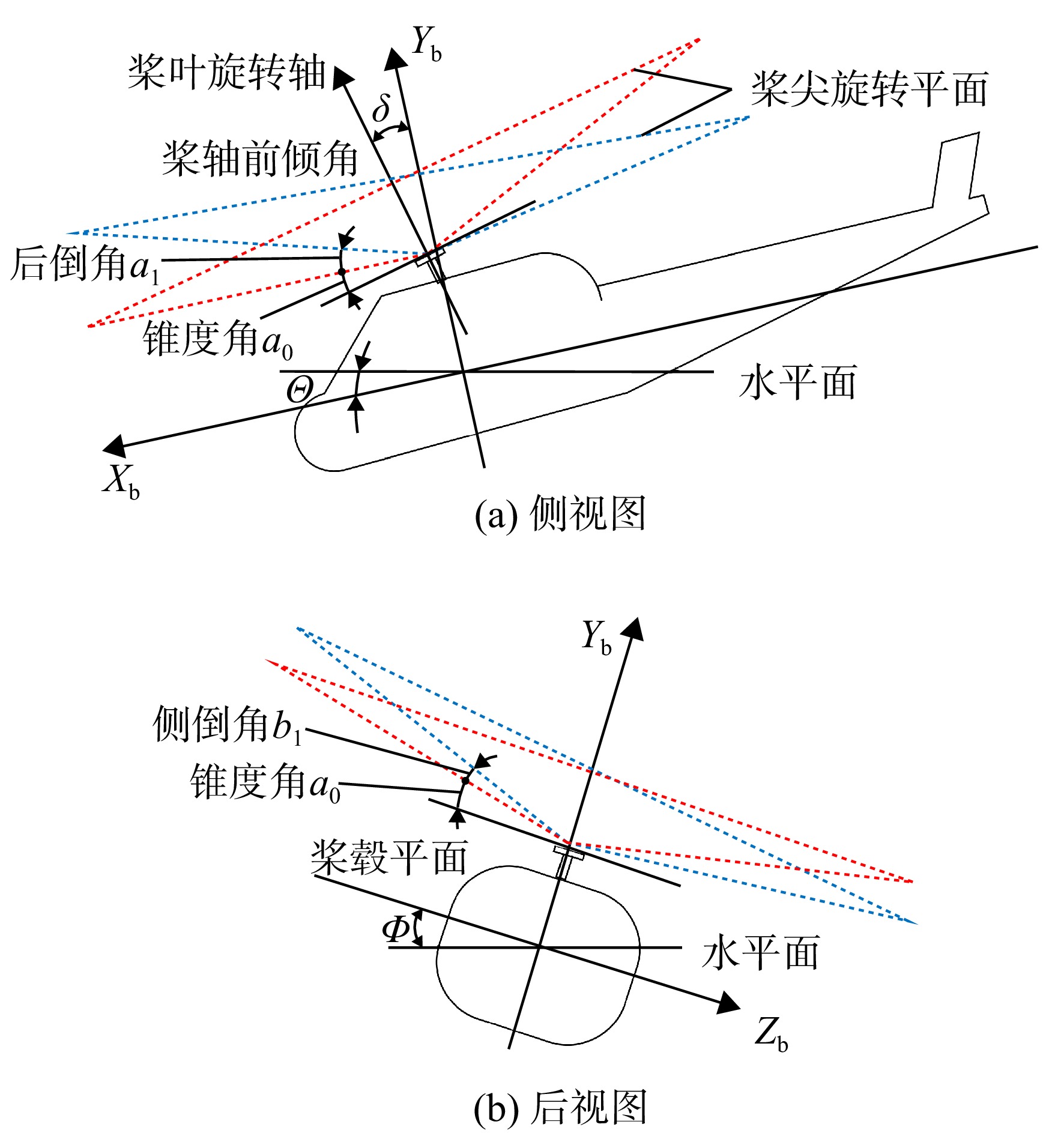
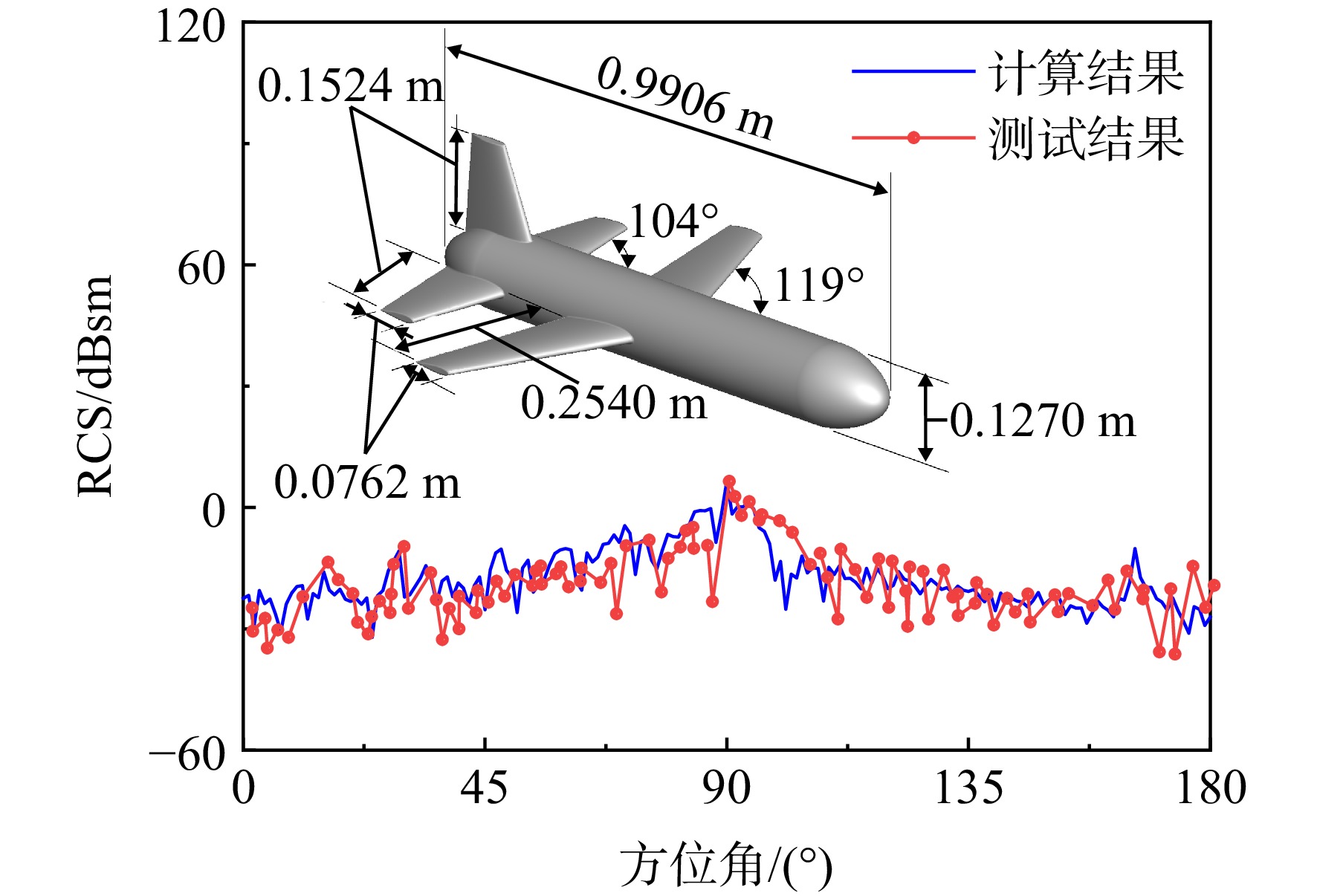
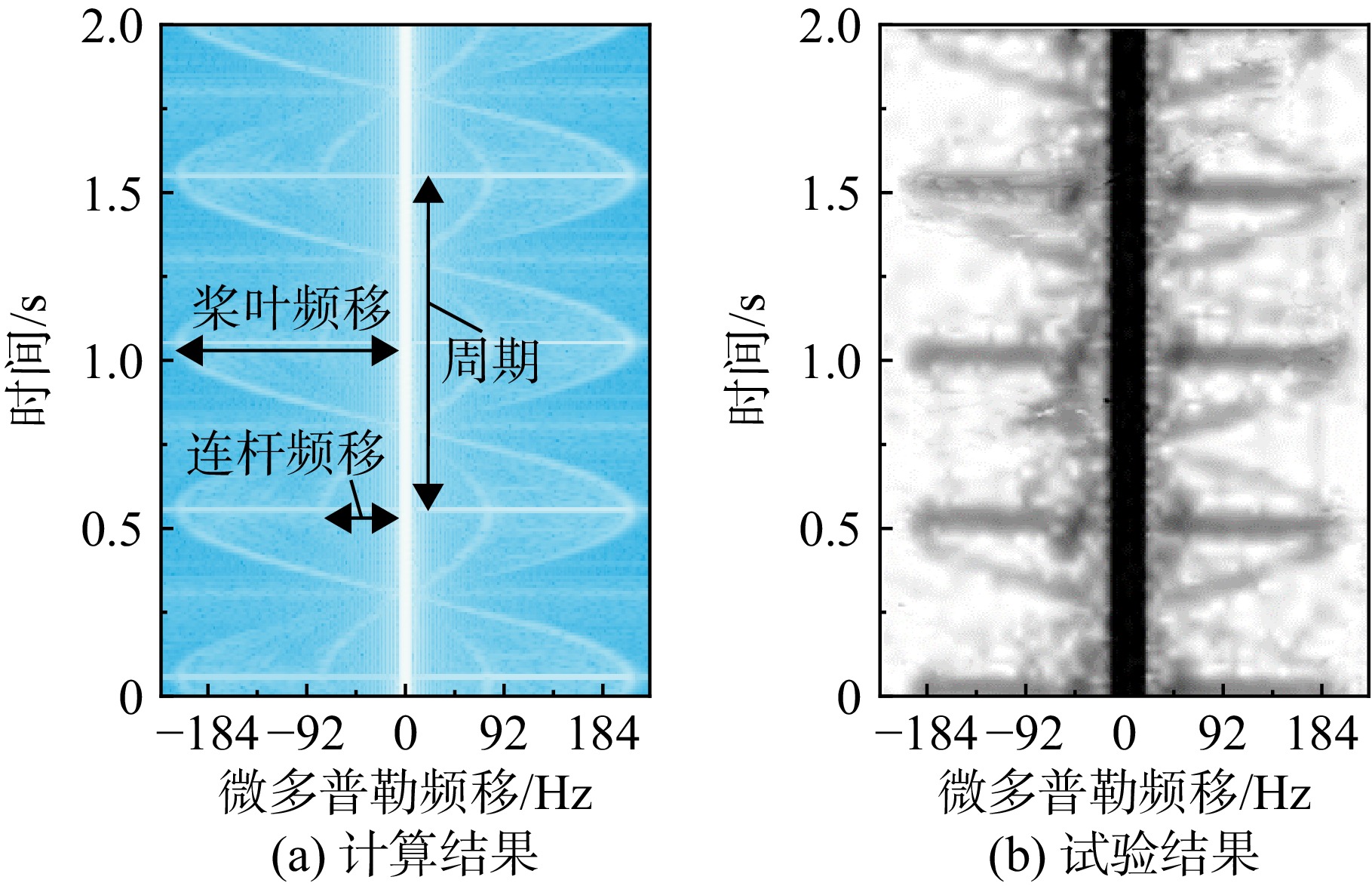
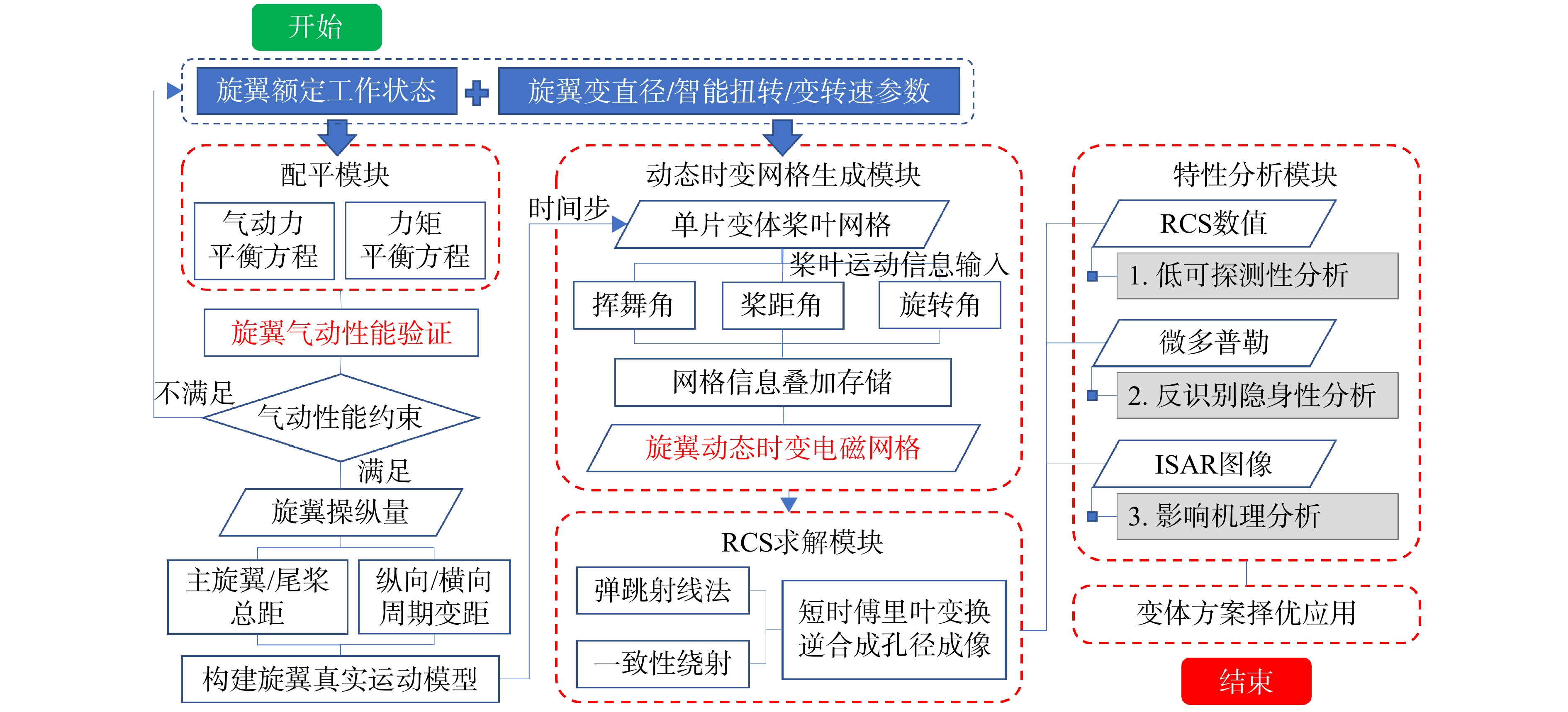
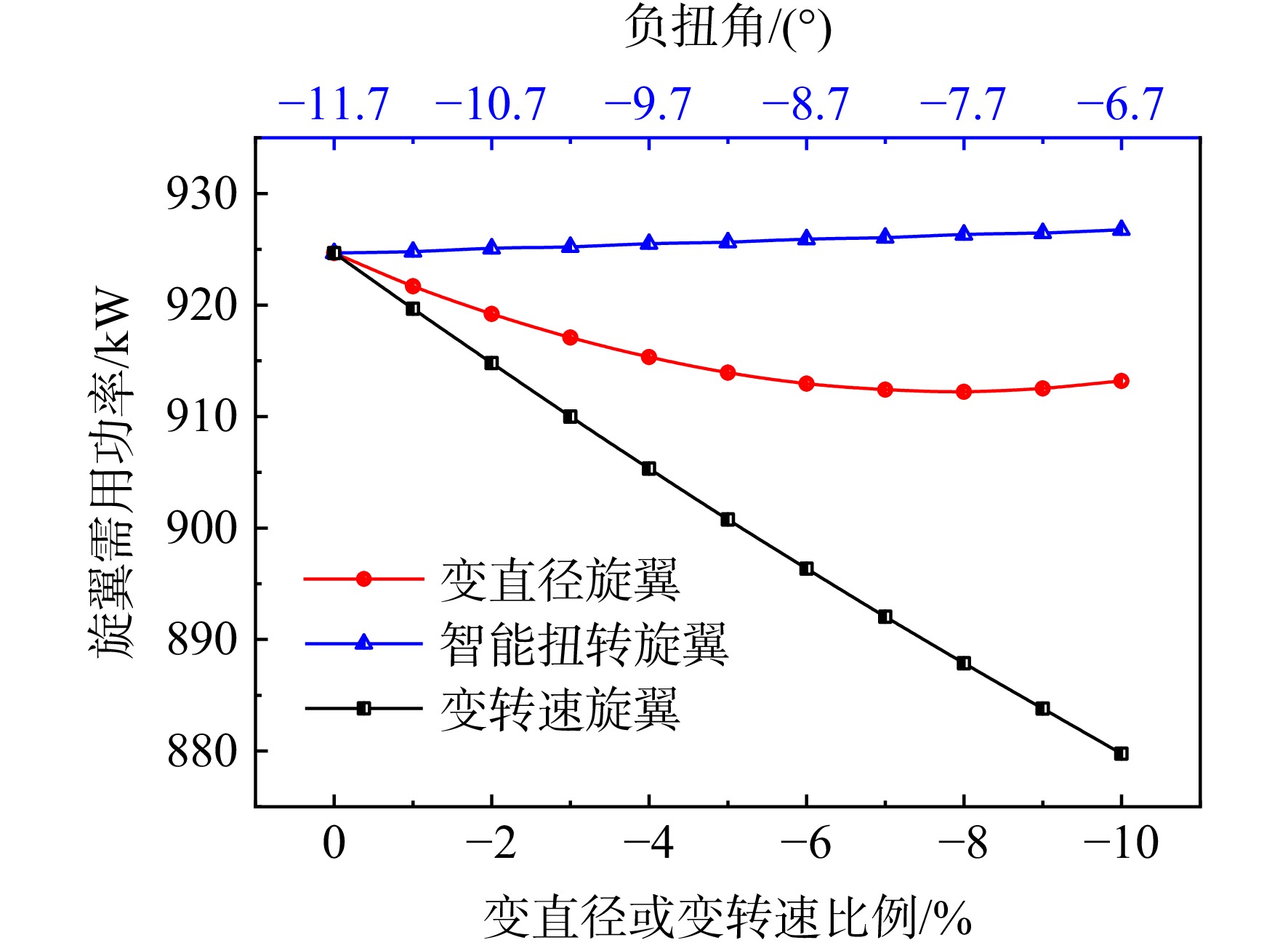
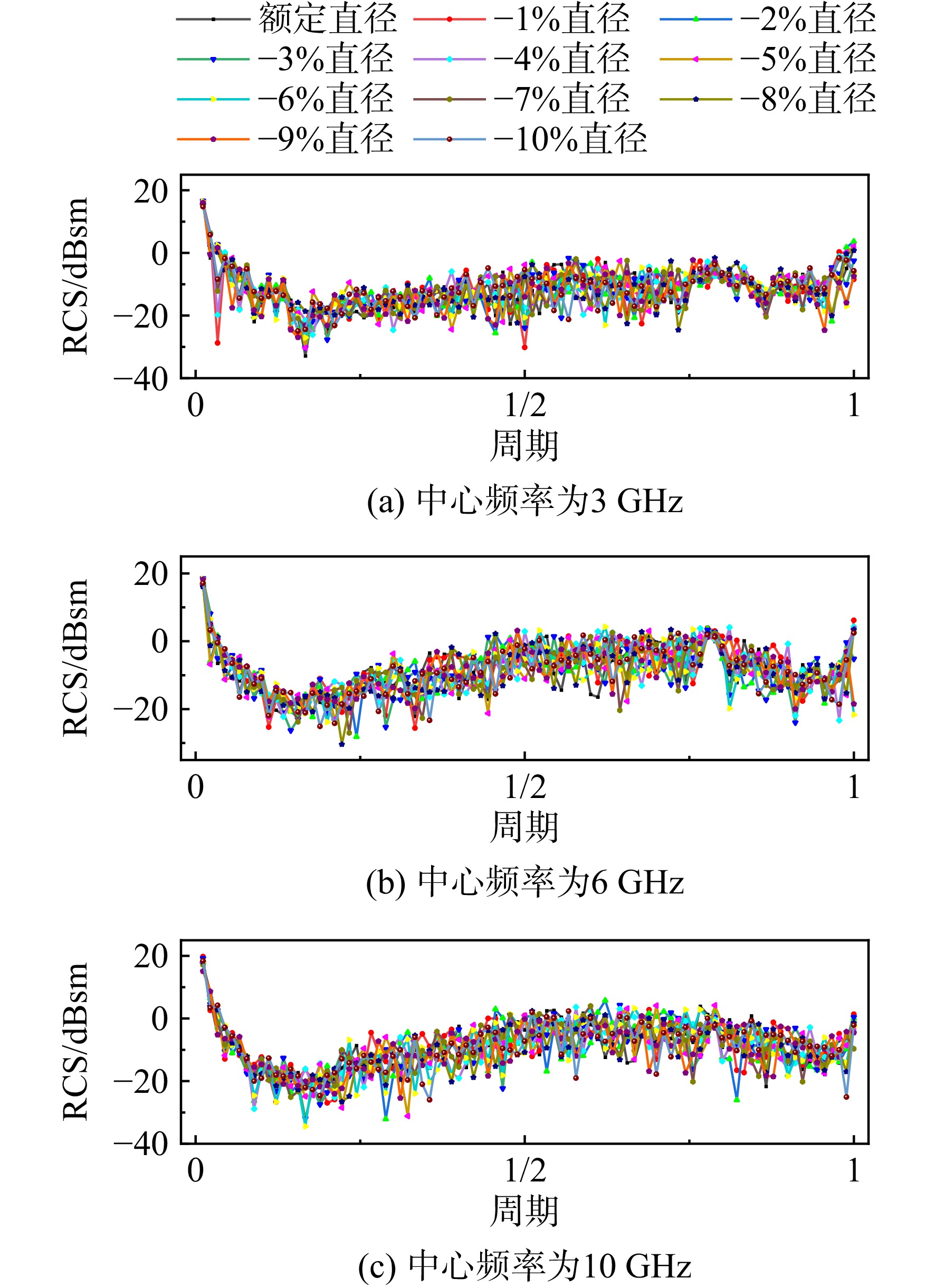
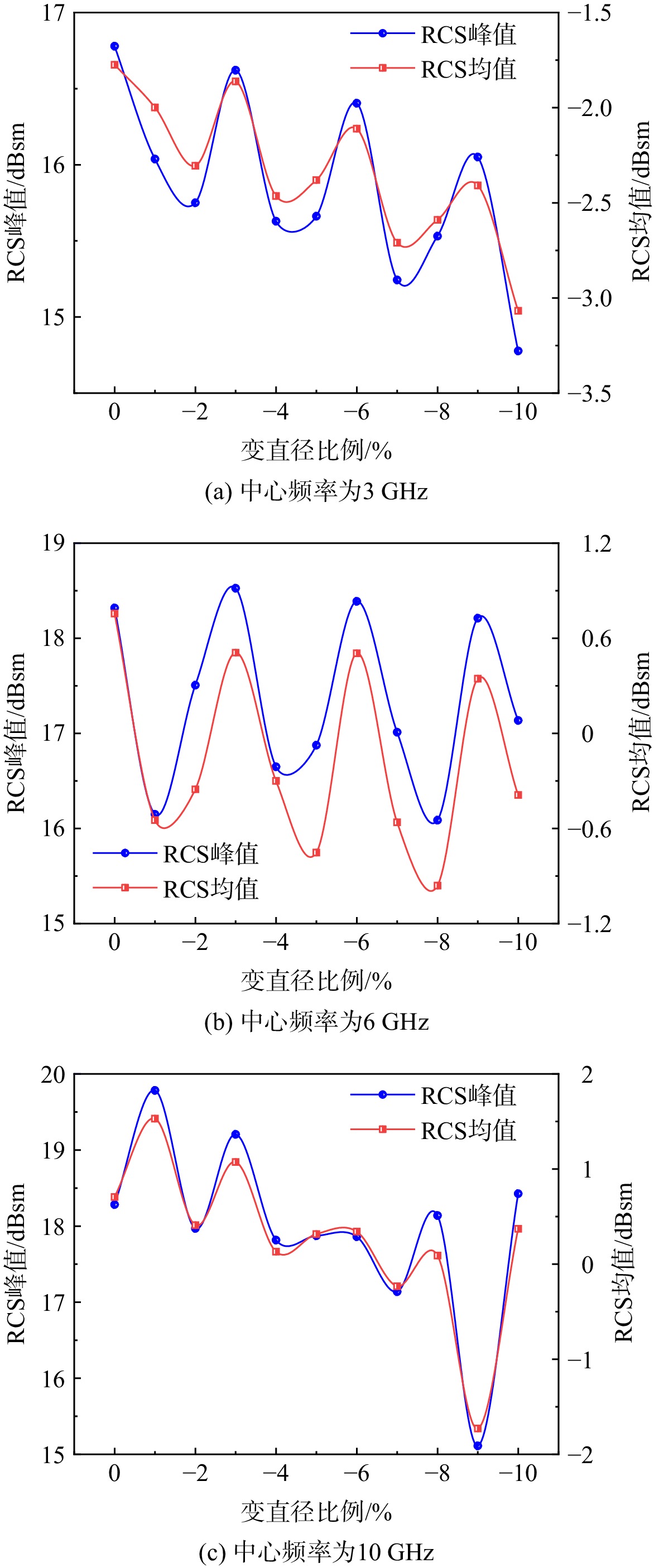
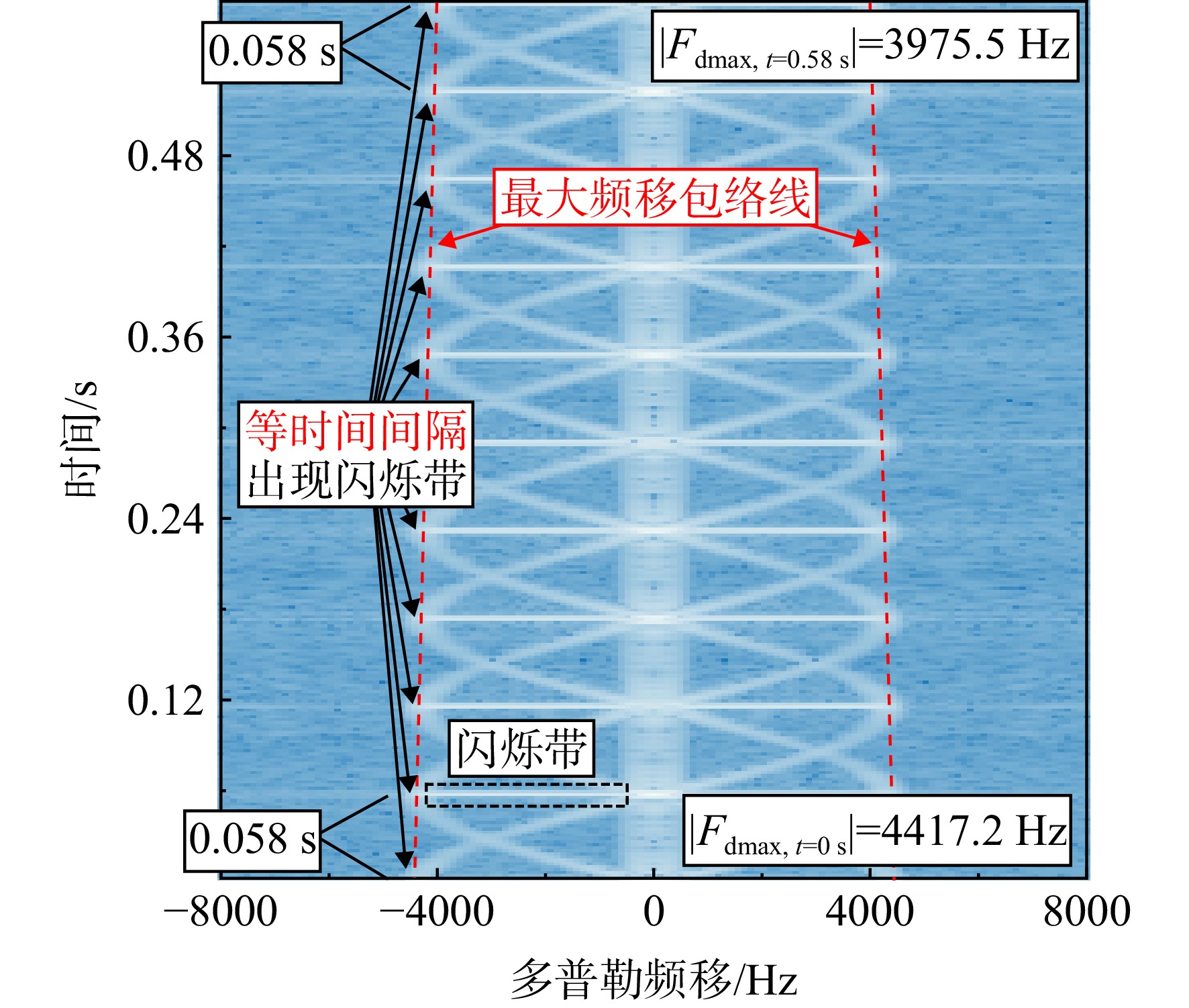
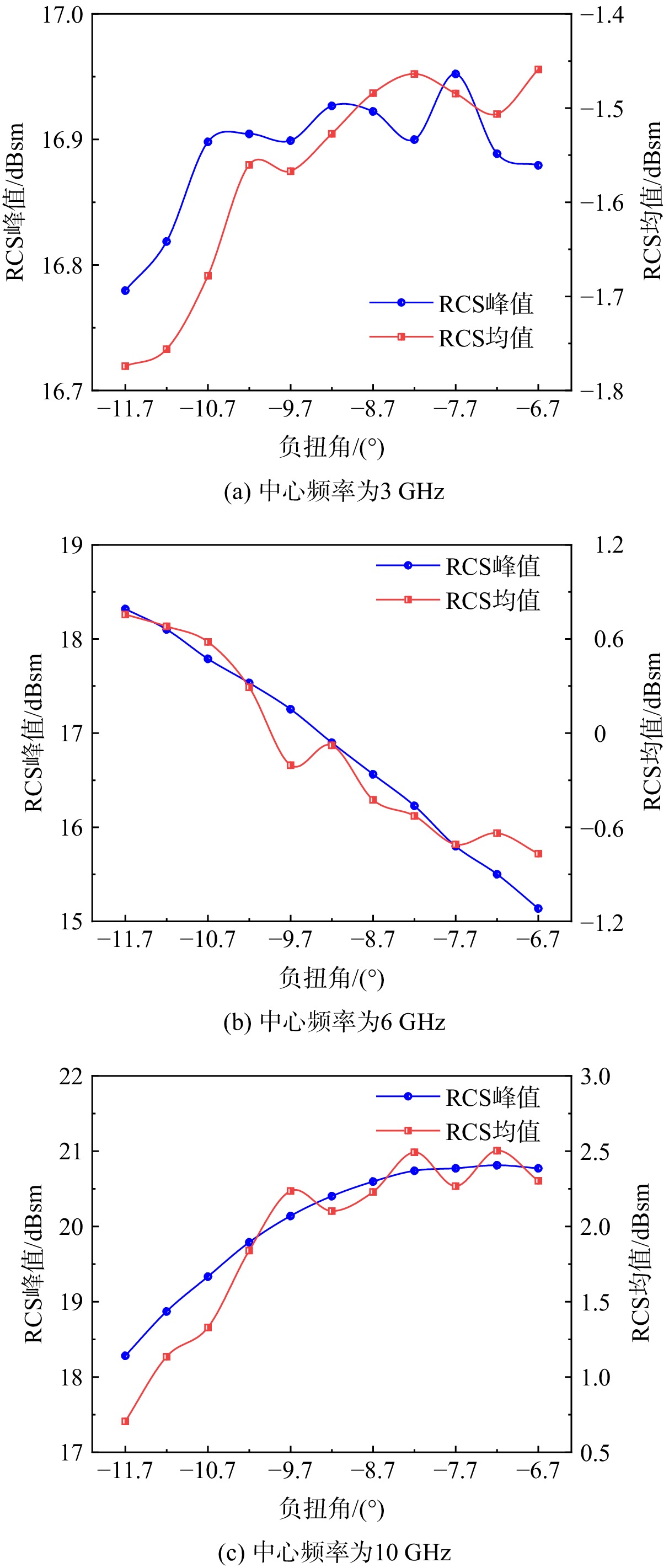
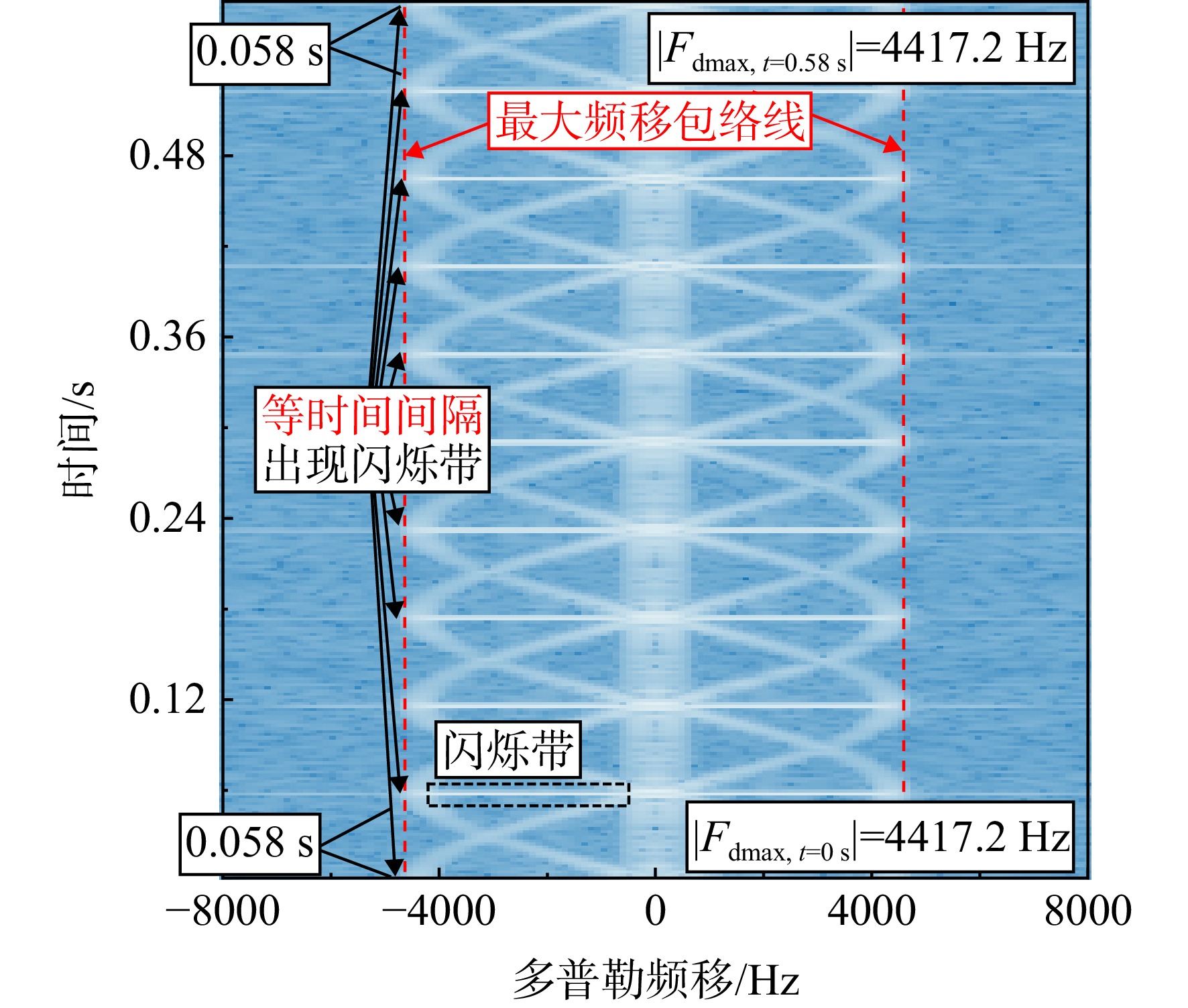
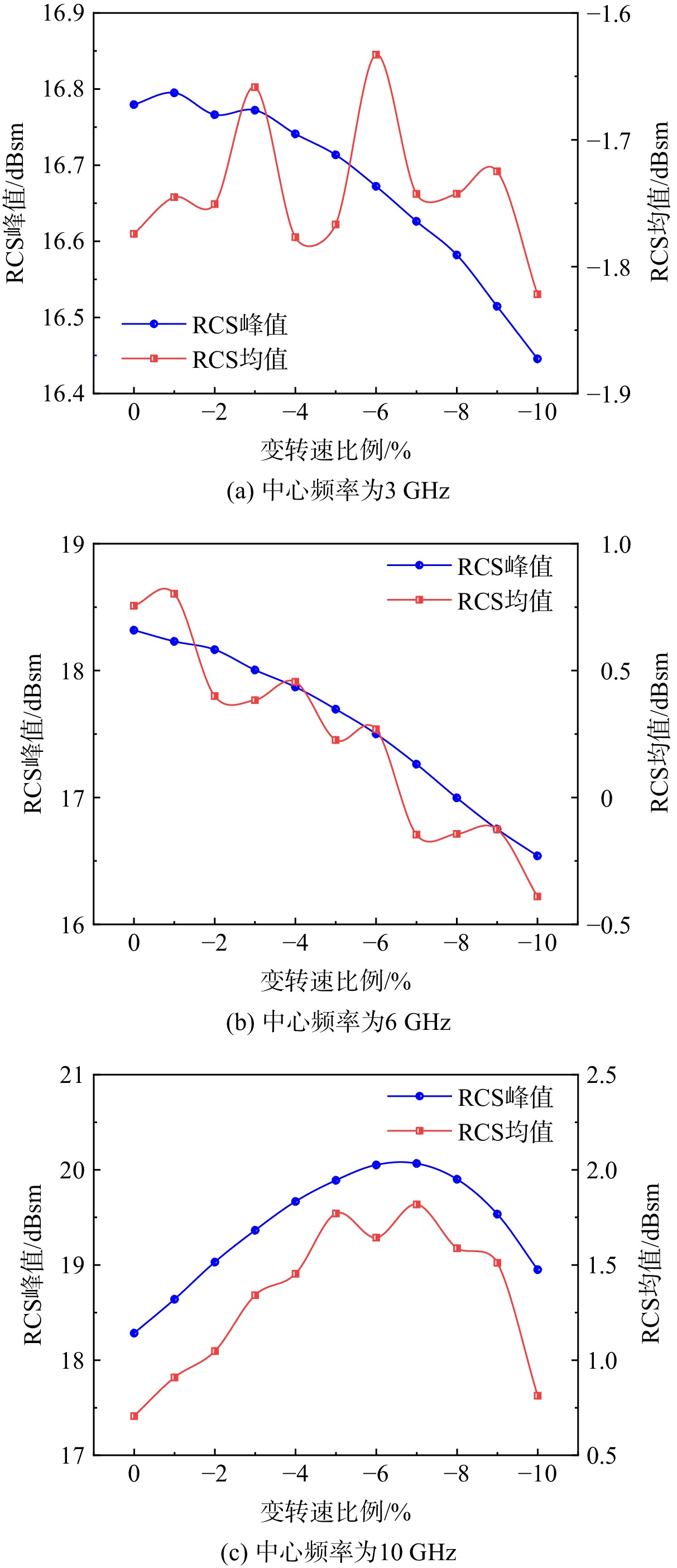
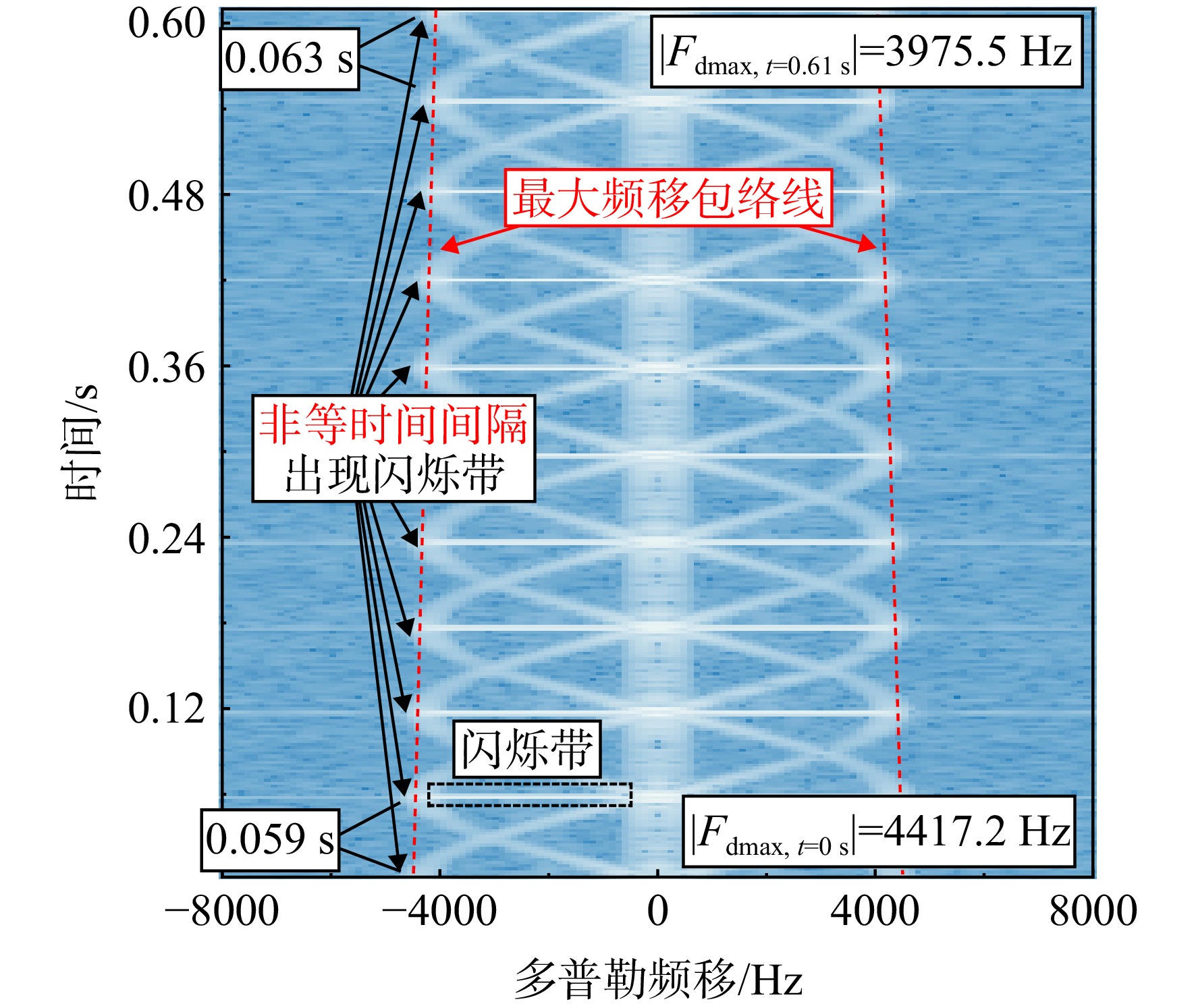
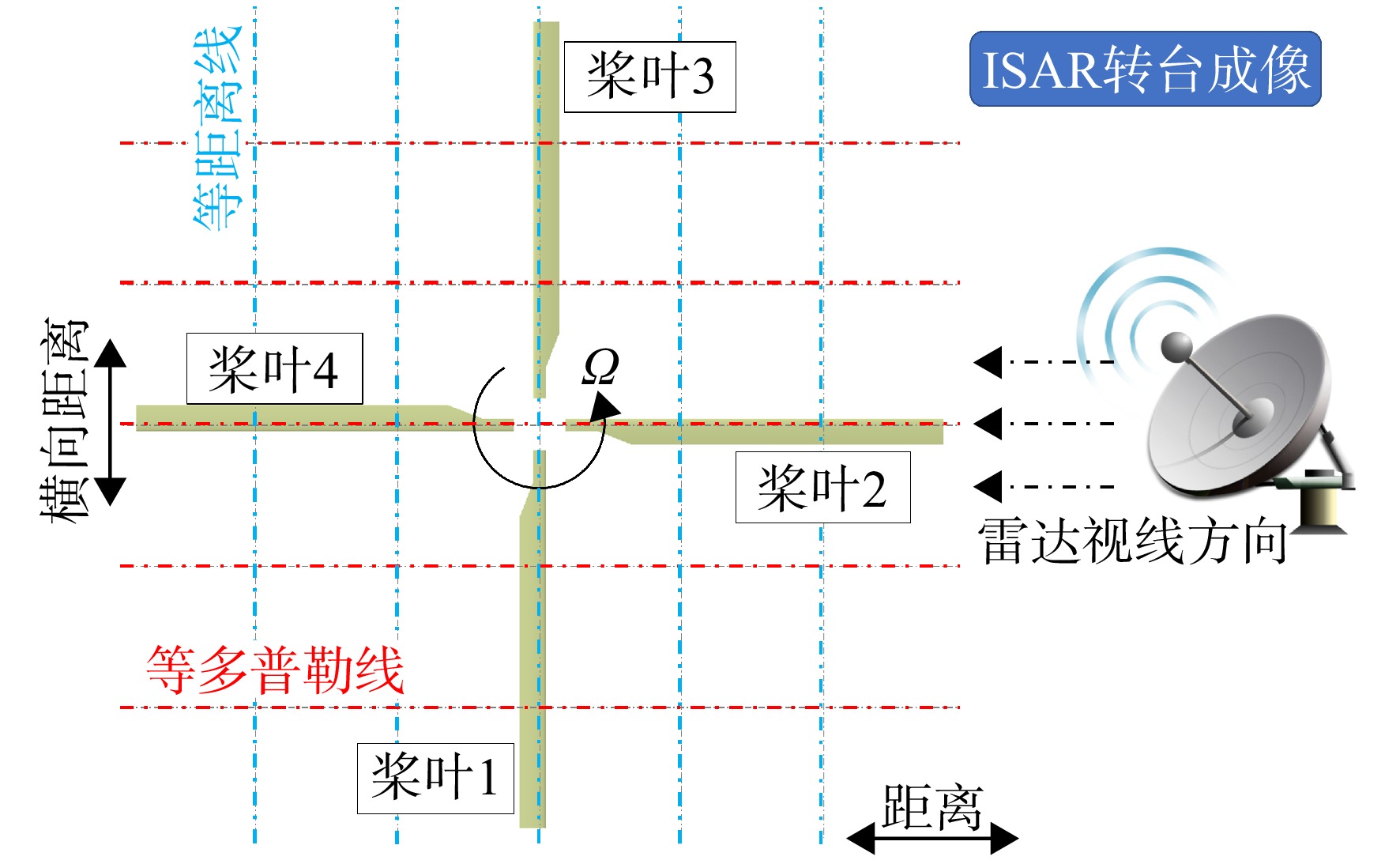
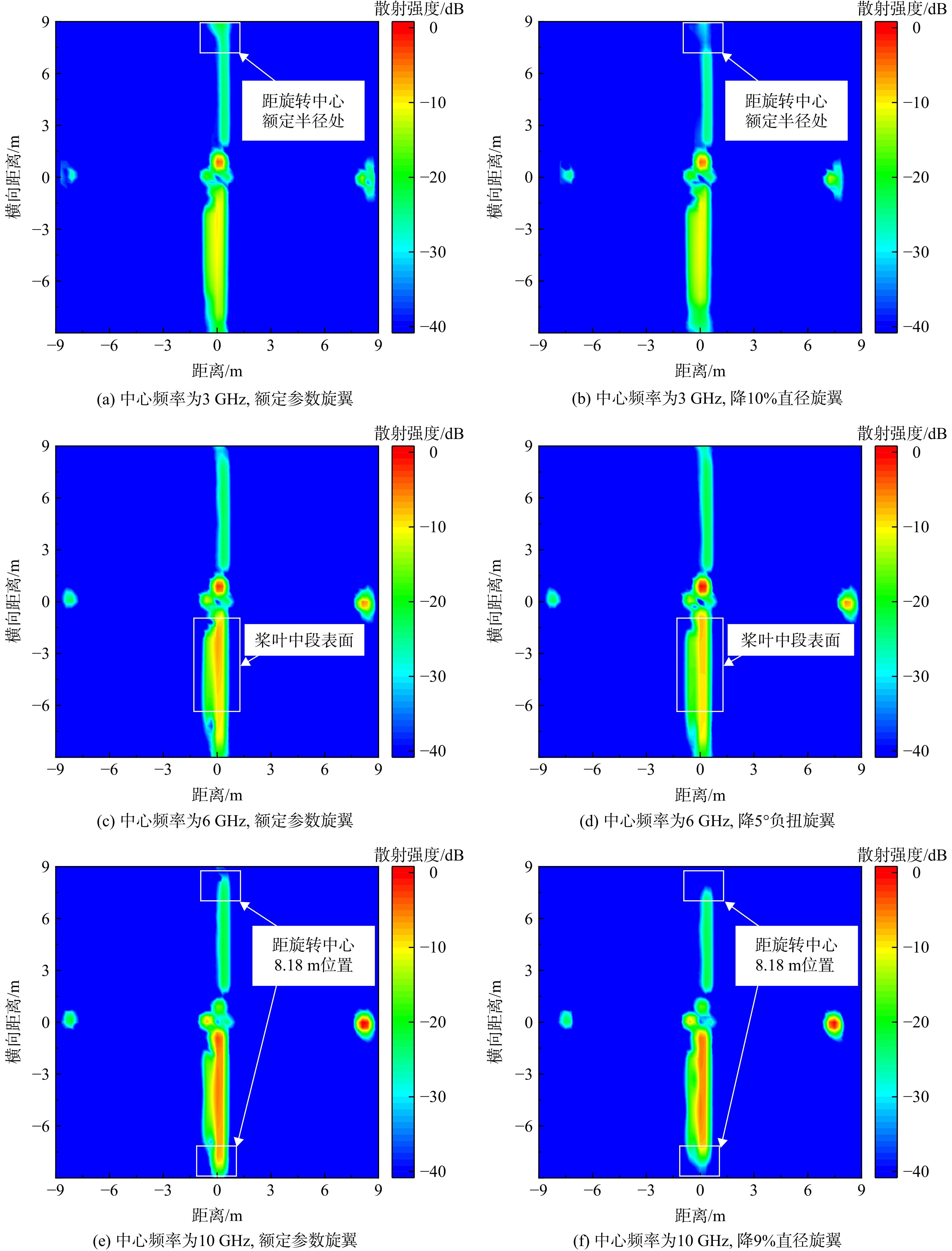
Morphing techniques such as varying diameter, active twist and varying speed were proposed for significant improvement of rotor aerodynamic performance. However, rotor echo may be potentially interfered after morphing, which in turn affected its radar stealth characteristics. In order to explore the influence mechanism and select appropriate morphing parameters for better stealth characteristics, firstly, a whole helicopter trim model was established to obtain actual state of the rotor, and a time-varying electromagnetic computing mesh method was proposed to characterize the dynamic responses of rotor morphing, cyclic pitch, flapping and rotating. Then, under the constraint of rotor aerodynamic performance, the dynamic electromagnetic scattering characteristics of three morphing rotors were calculated and compared based on the shooting and bouncing rays method and the uniform theory of diffraction, and the influence mechanism of the morphing on rotor radar stealth was revealed by inverse synthetic aperture radar imaging. The results showed that the change of rotor diameter shall be coupled with pitch adjustment to maintain the aerodynamic performance, and the combined effects of rotor attitude and area caused fluctuation of radar cross section (RCS). When the diameter was reduced by 8%—10%, the RCS could be significantly reduced. When active twist was performed on rotor, the ray reflection direction may change, but RCS reduction was obvious only at a few frequencies. The effect of varying speed on RCS reduction was not prominent, but varying speed rotor could make a significant change in micro-Doppler features and had the best anti-identification stealth characteristics among the three morphing rotors. Therefore, optimization of the morphing scheme according to the electromagnetic environment can also effectively improve the rotor radar stealth while ensuring the rotor aerodynamic performance.

Helicopter attitude active disturbance rejection control based on ant colony algorithm
REN Binwu, ZHAO Qijun, ZHANG Xiayang, DU Siliang, ZHOU Xu
2025, 40(4): 20230464. doi: 10.13224/j.cnki.jasp.20230464
Abstract:

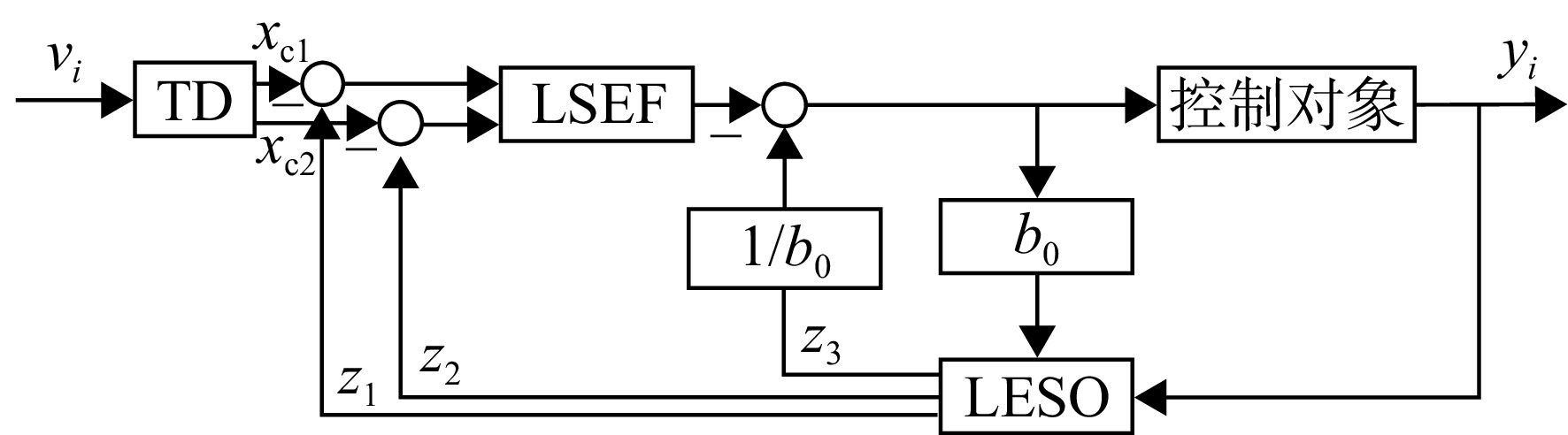
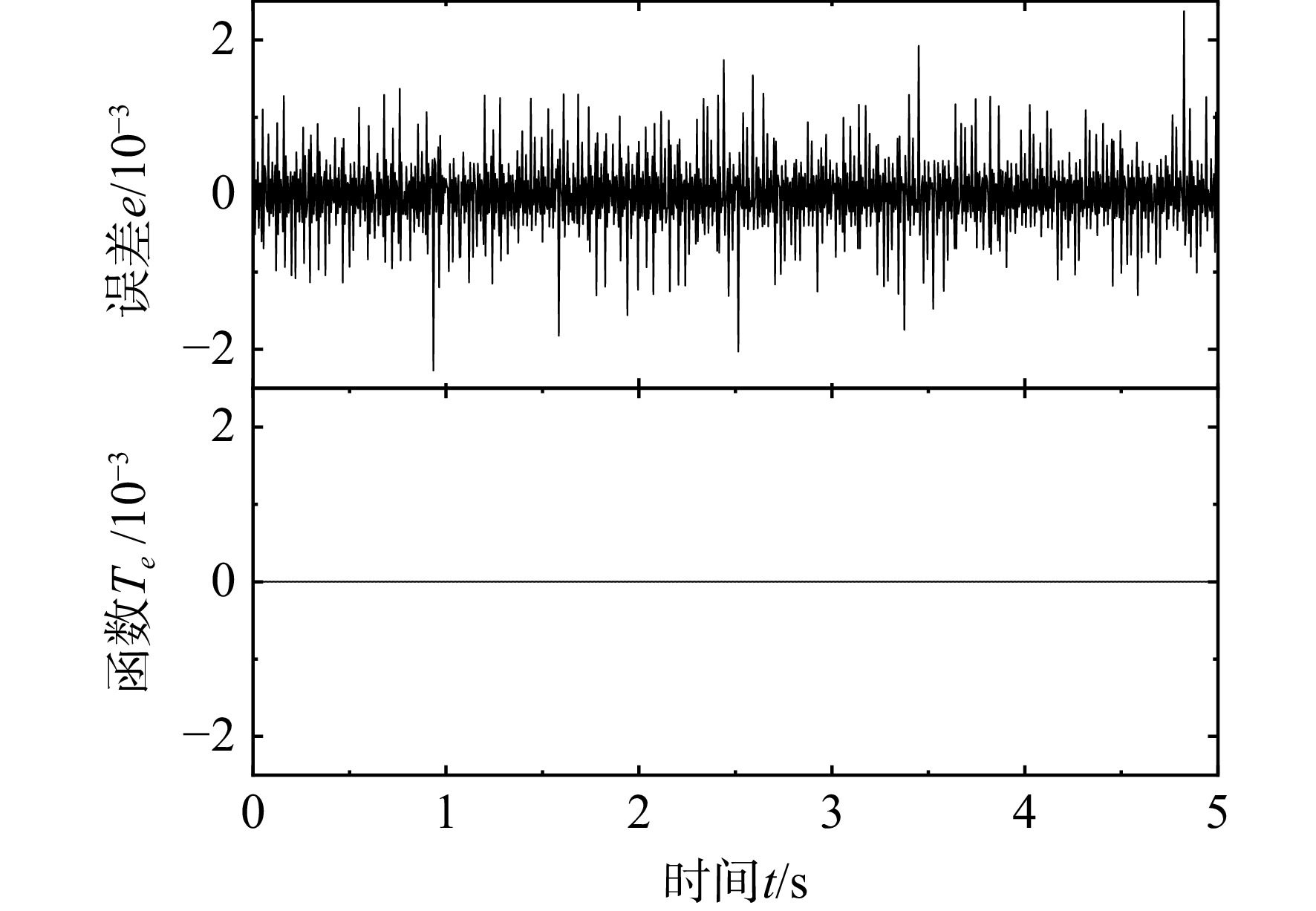
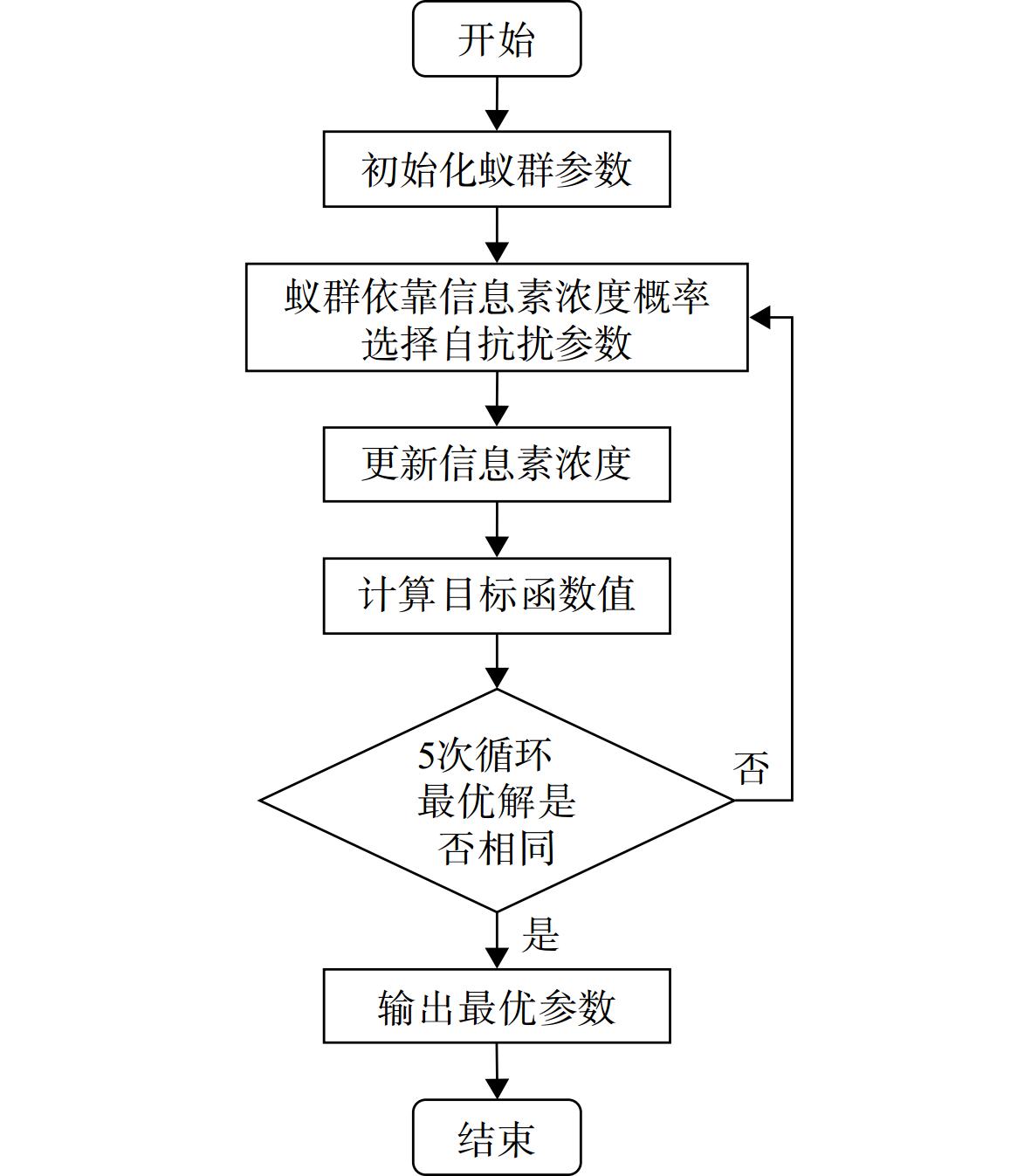
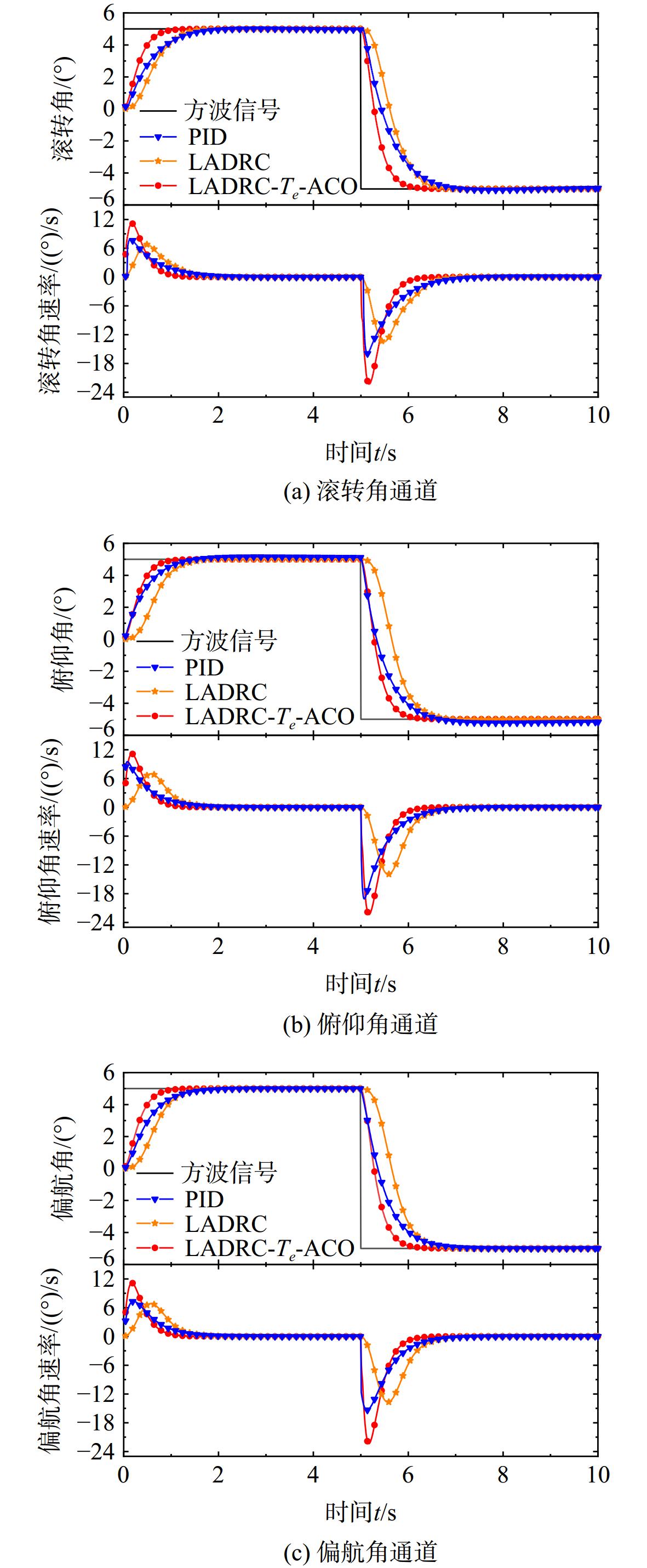
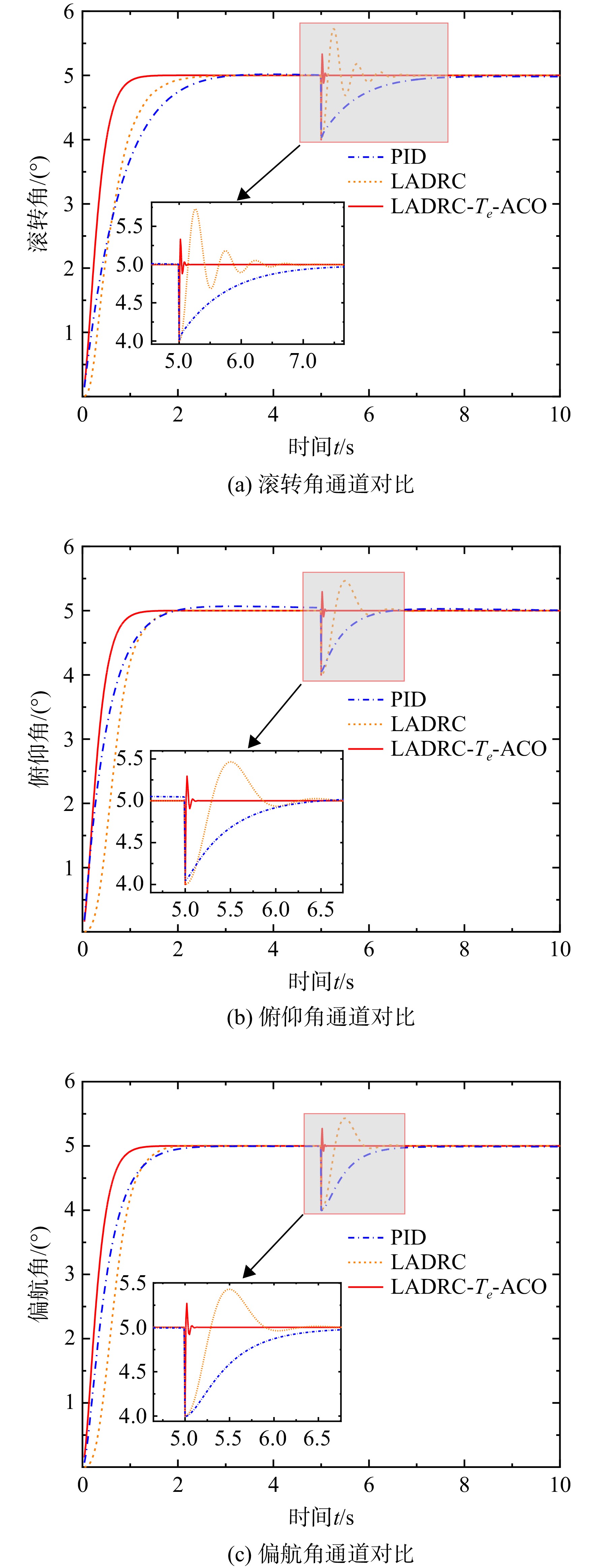
An active disturbance rejection control for helicopter attitude was created to lessen the impact of external environment disturbance on helicopter flight attitude. The helicopter linear dynamic model was established. The active disturbance rejection control’s small signal was prone to buffeting, so the state observer based on error post-processing was built to further eliminate buffeting of the control quantity, and the virtual control quantity was established to realize the control decoupling between the helicopter channels. To achieve stable management of the helicopter’s flight attitude and angular rate on the decoupling channel, the ant colony algorithm was used for optimizing the parameter setting of the active disturbance rejection control in the inner and outer loops. Simulation results demonstrated that the introduction of virtual control variables enabled decoupling of high-order coupled systems, facilitating the implementation of single-channel control. Constructing an error post-processing observer effectively mitigated the control variable buffeting caused by excessive bandwidth, thereby enhancing controller tracking performance and disturbance rejection capability. The ant colony algorithm was employed for tuning the parameters of the anti-disturbance controller, simplifying the selection difficulty of controller parameters and improving both the system’s response rate and stability.

Investigation on influence mechanism of aspect ratio on thermal-solid interaction response of serpentine nozzle
CHENG Jingli, HUANG Sheng, ZHOU Li, WANG Zhanxue
2025, 40(4): 20230480. doi: 10.13224/j.cnki.jasp.20230480
Abstract:
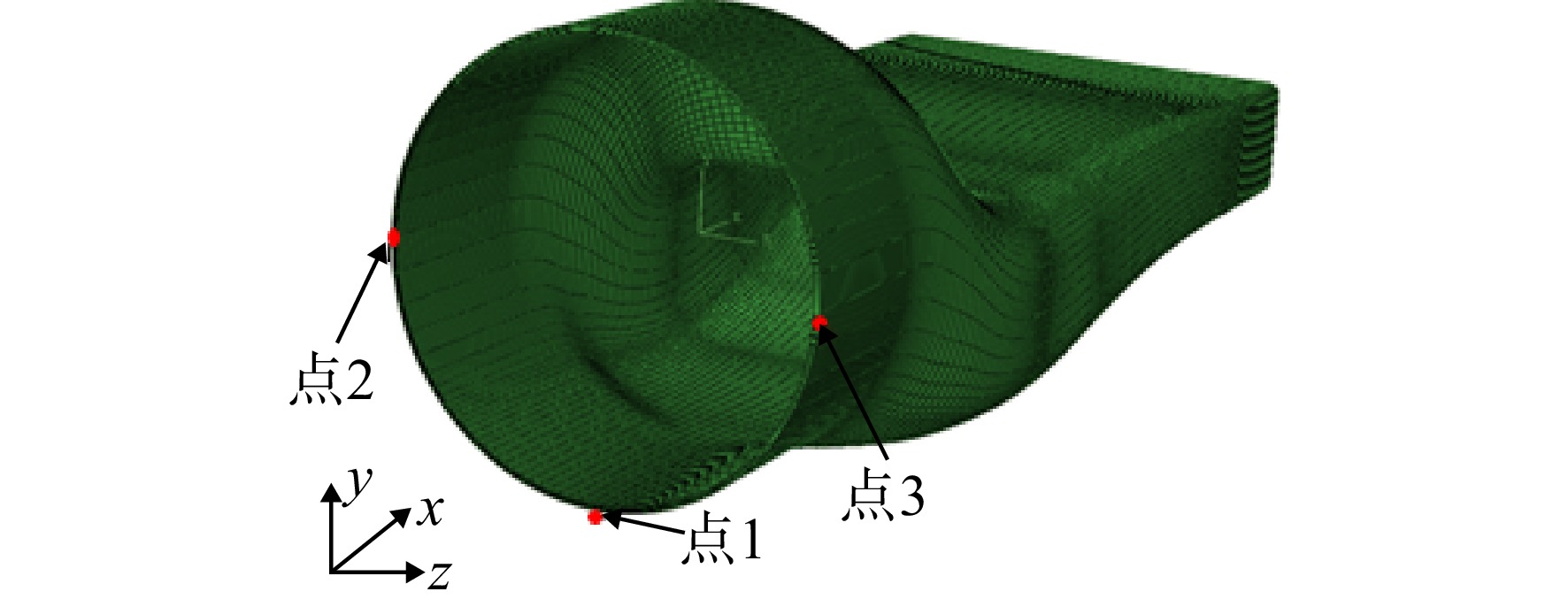
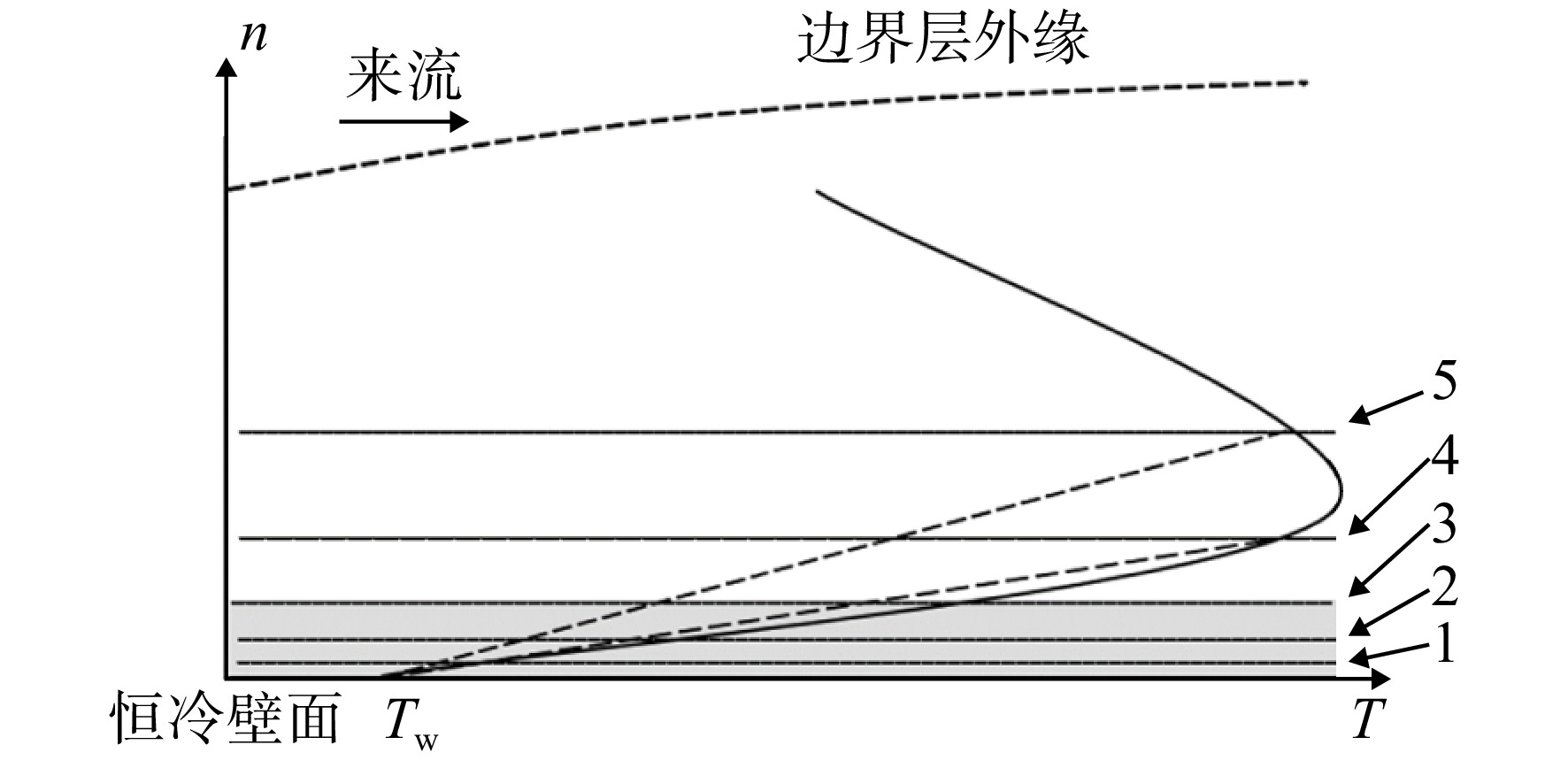
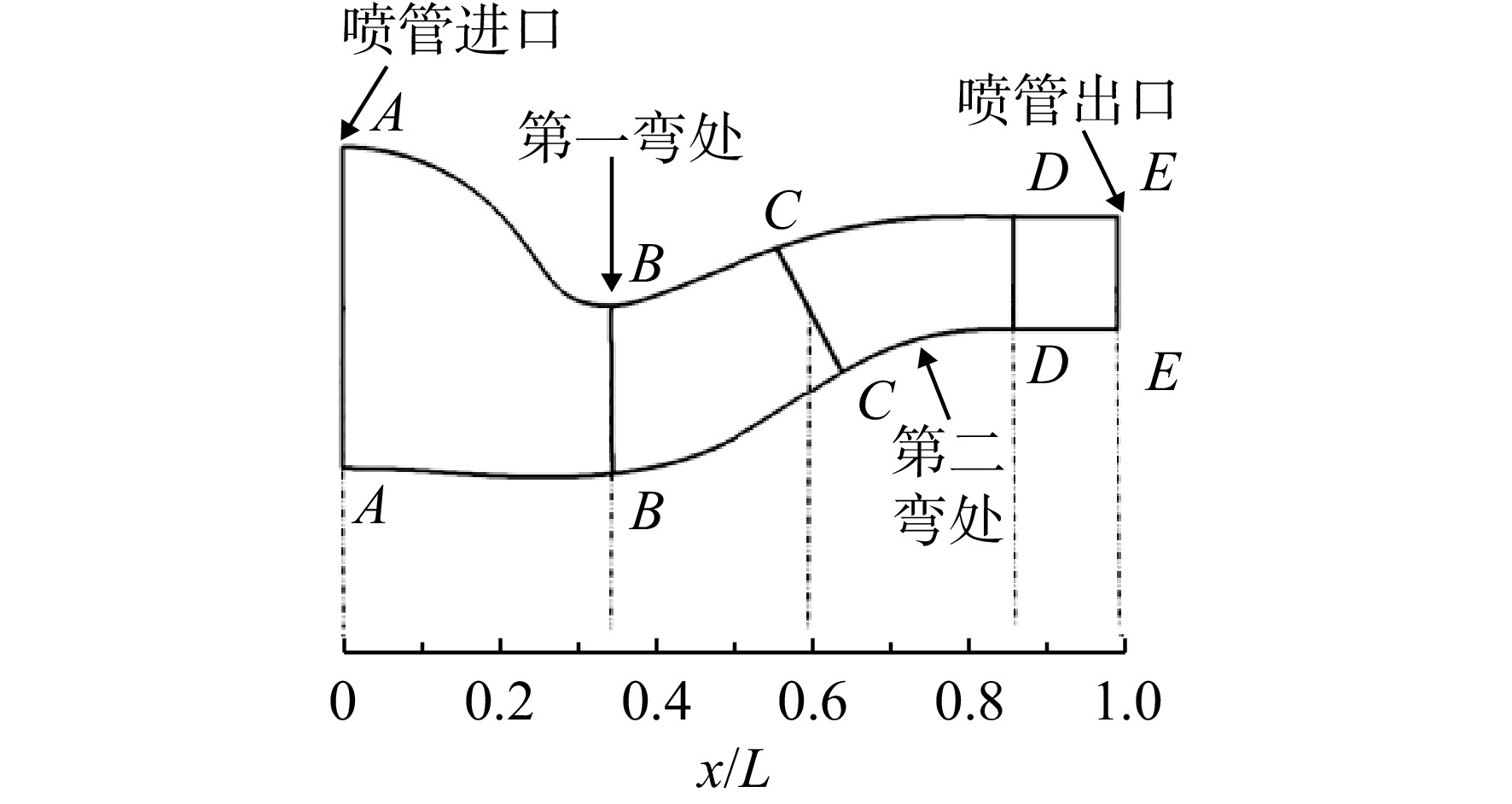
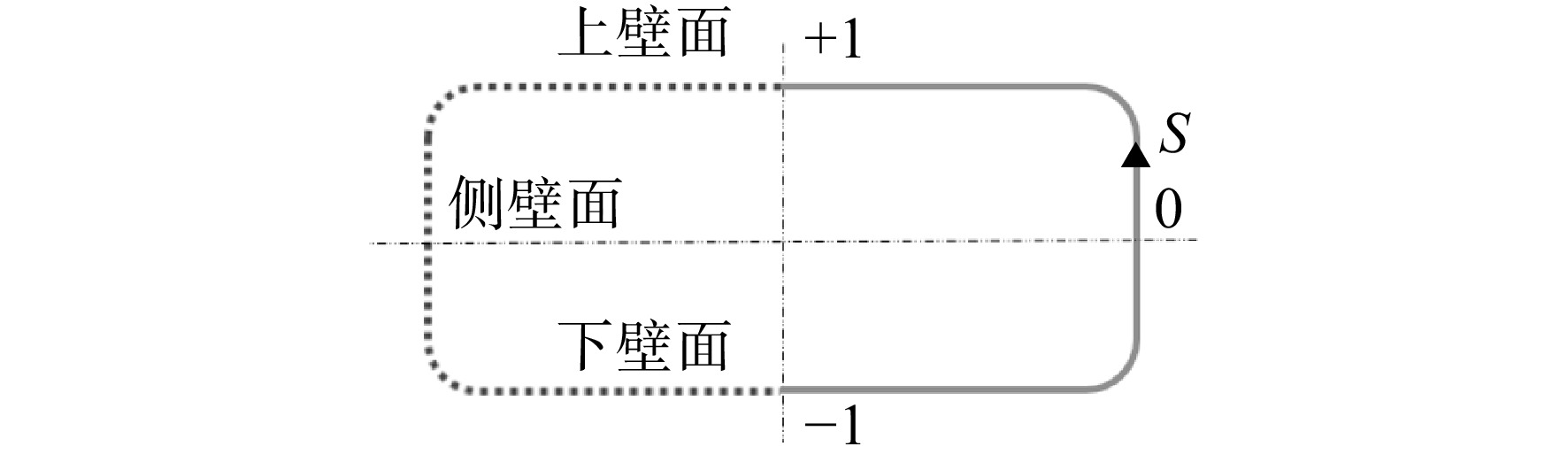
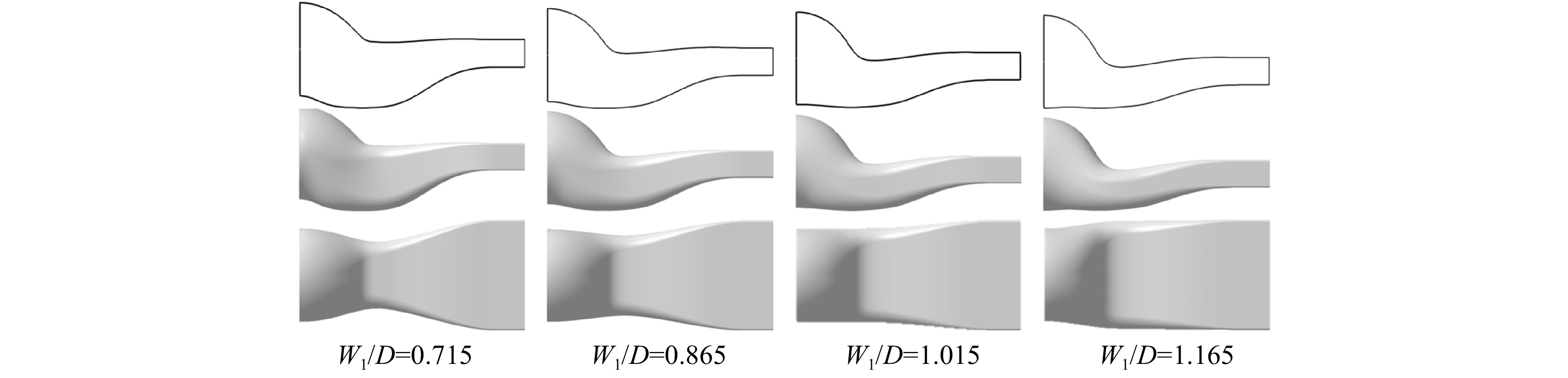
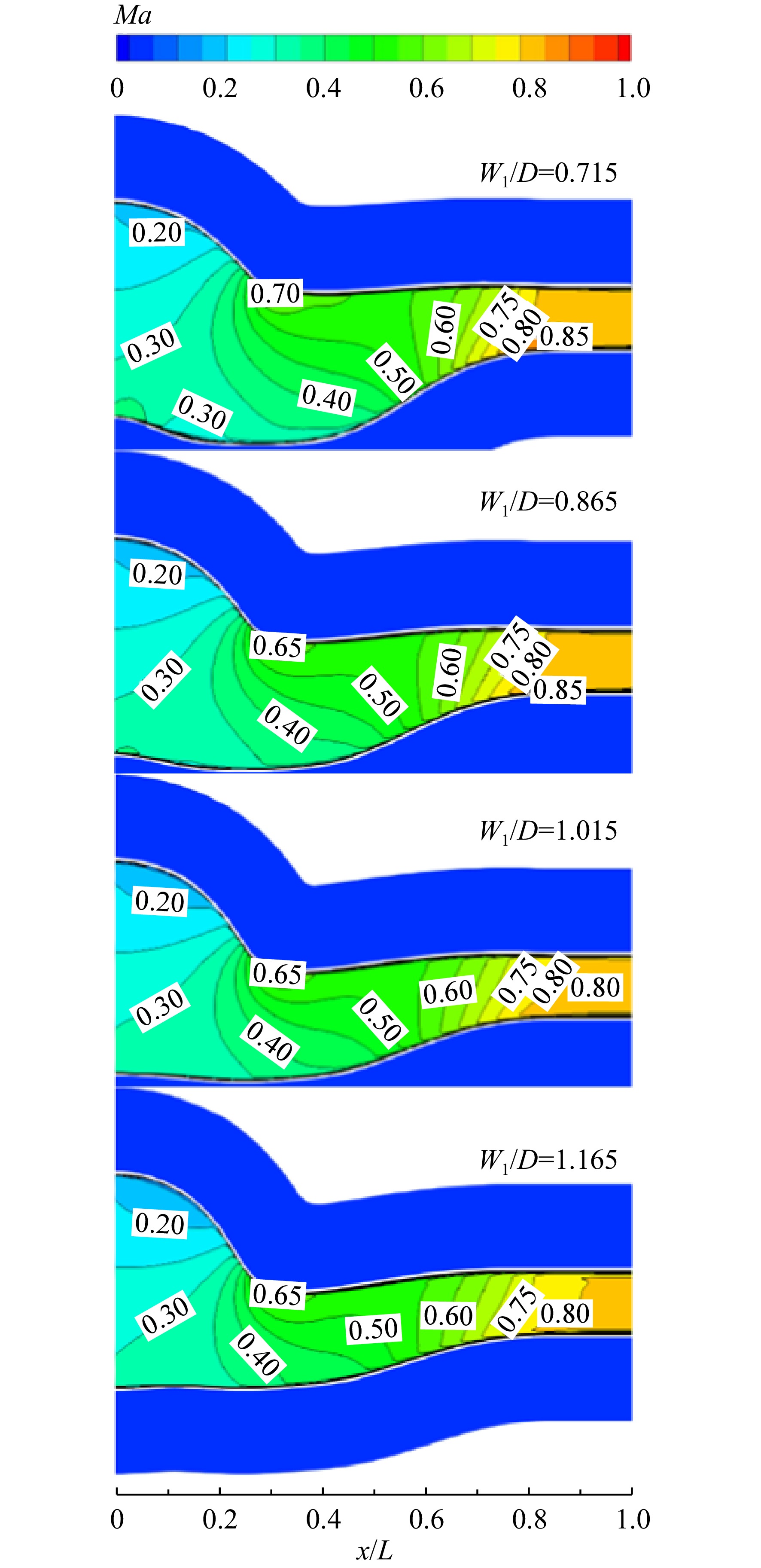
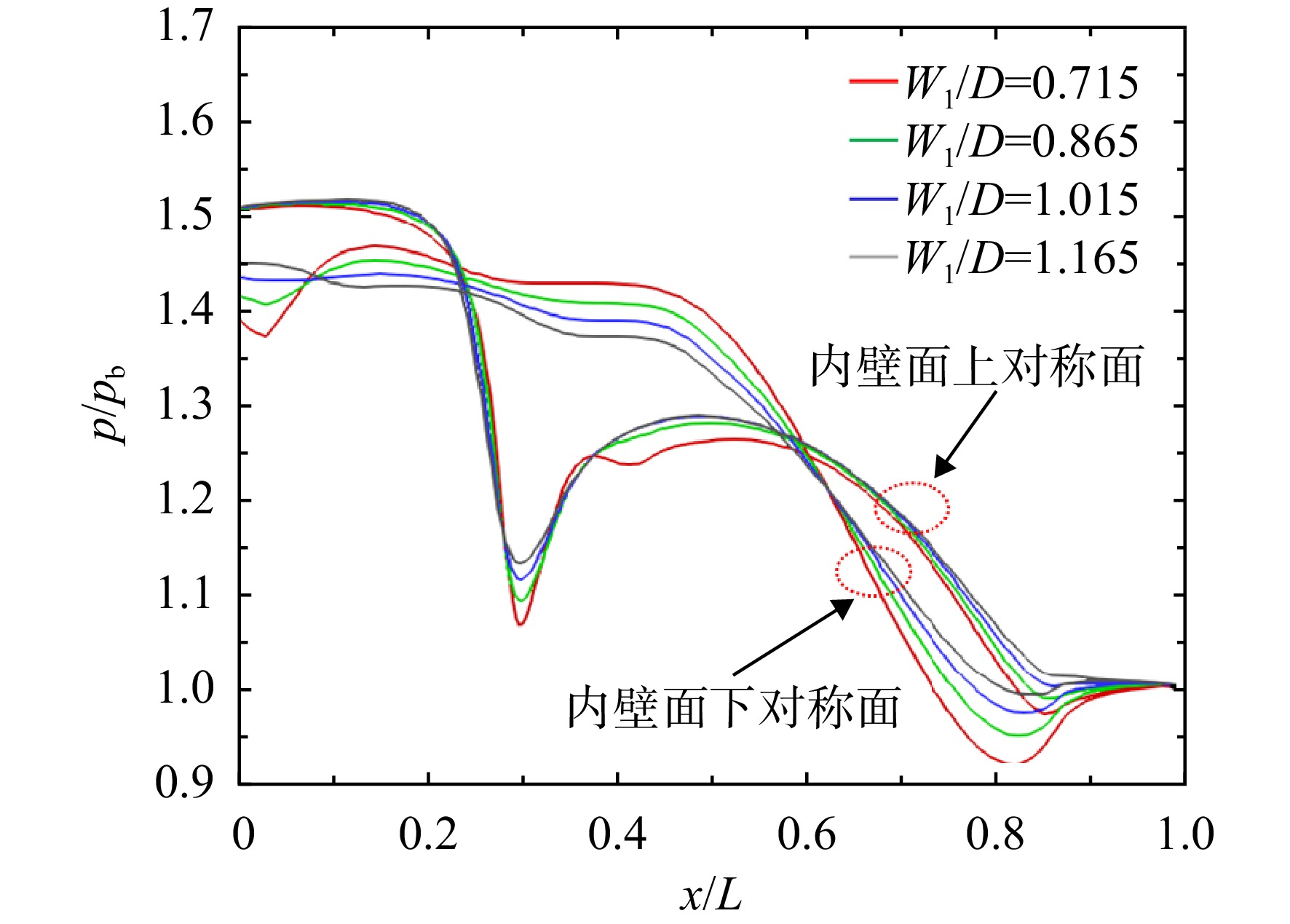
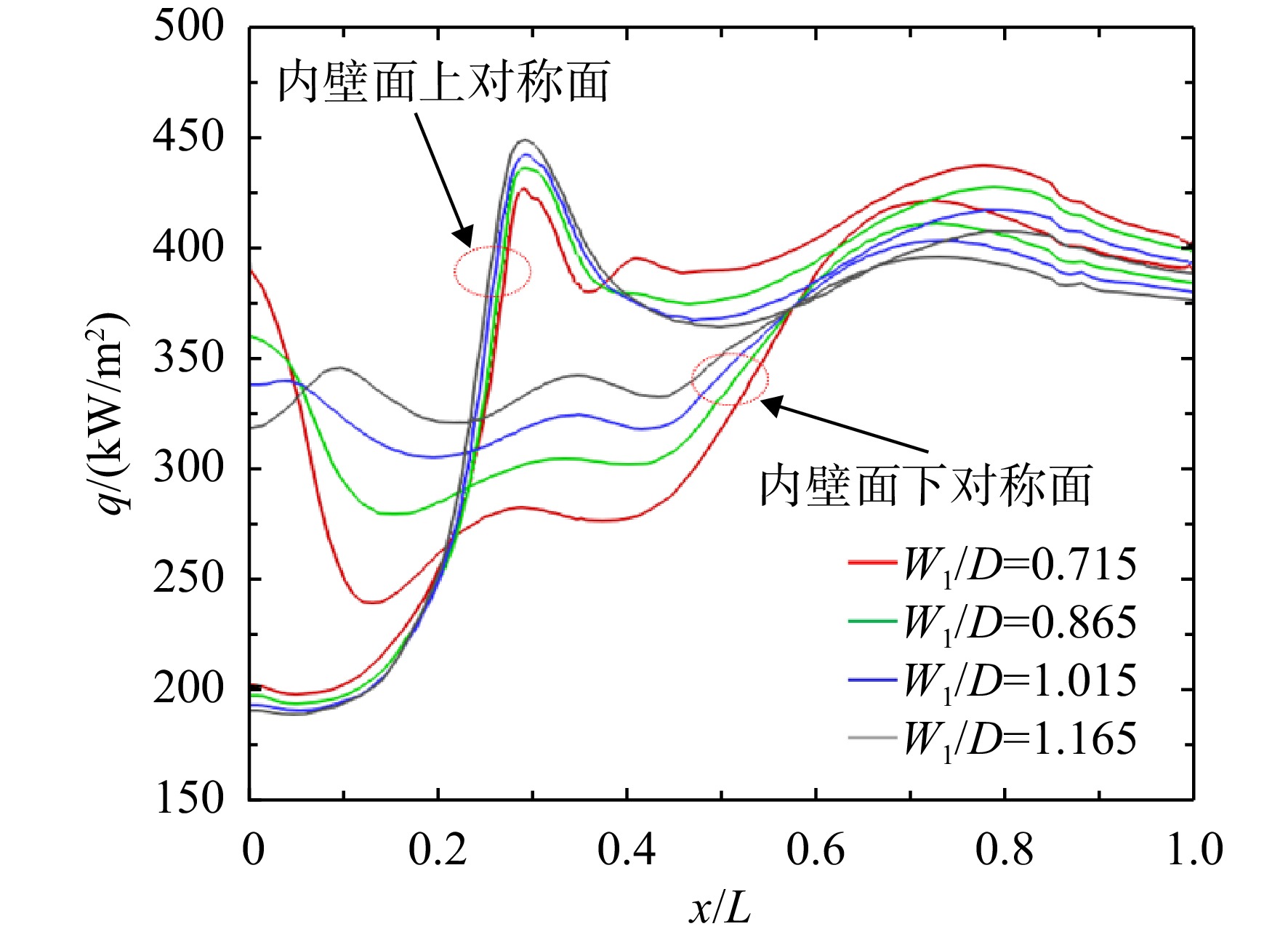
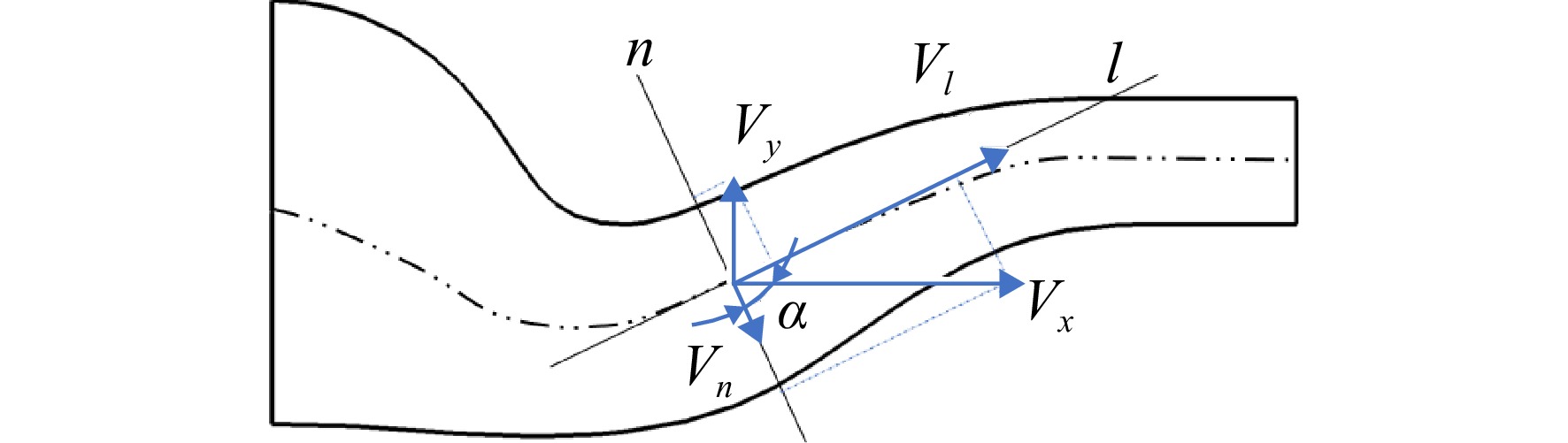
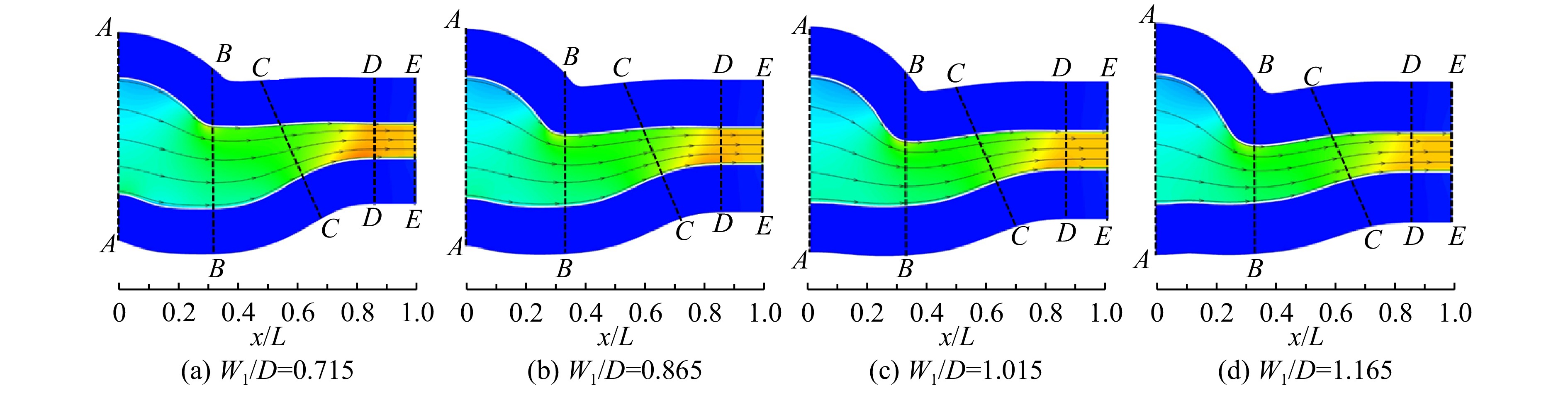
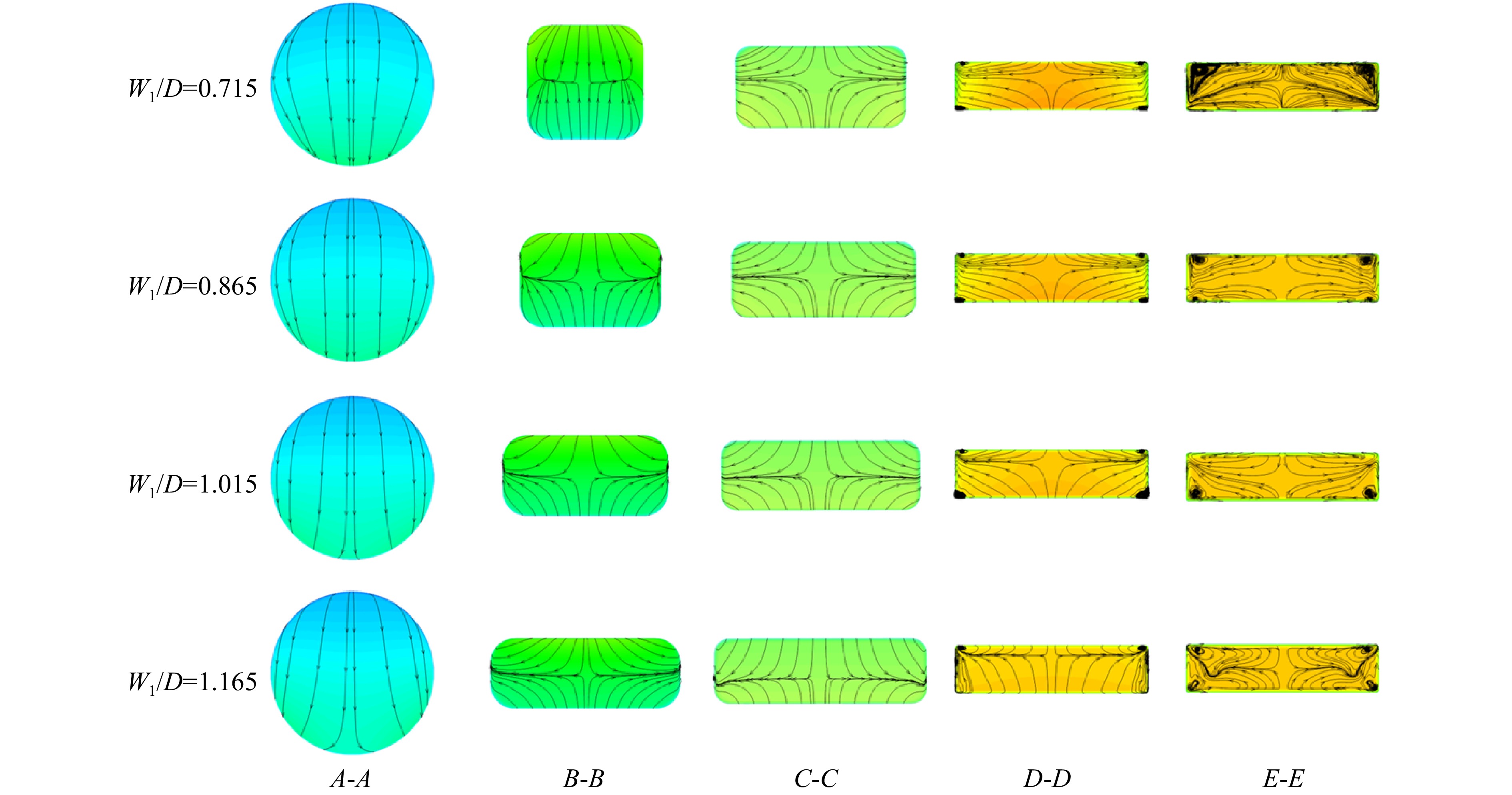
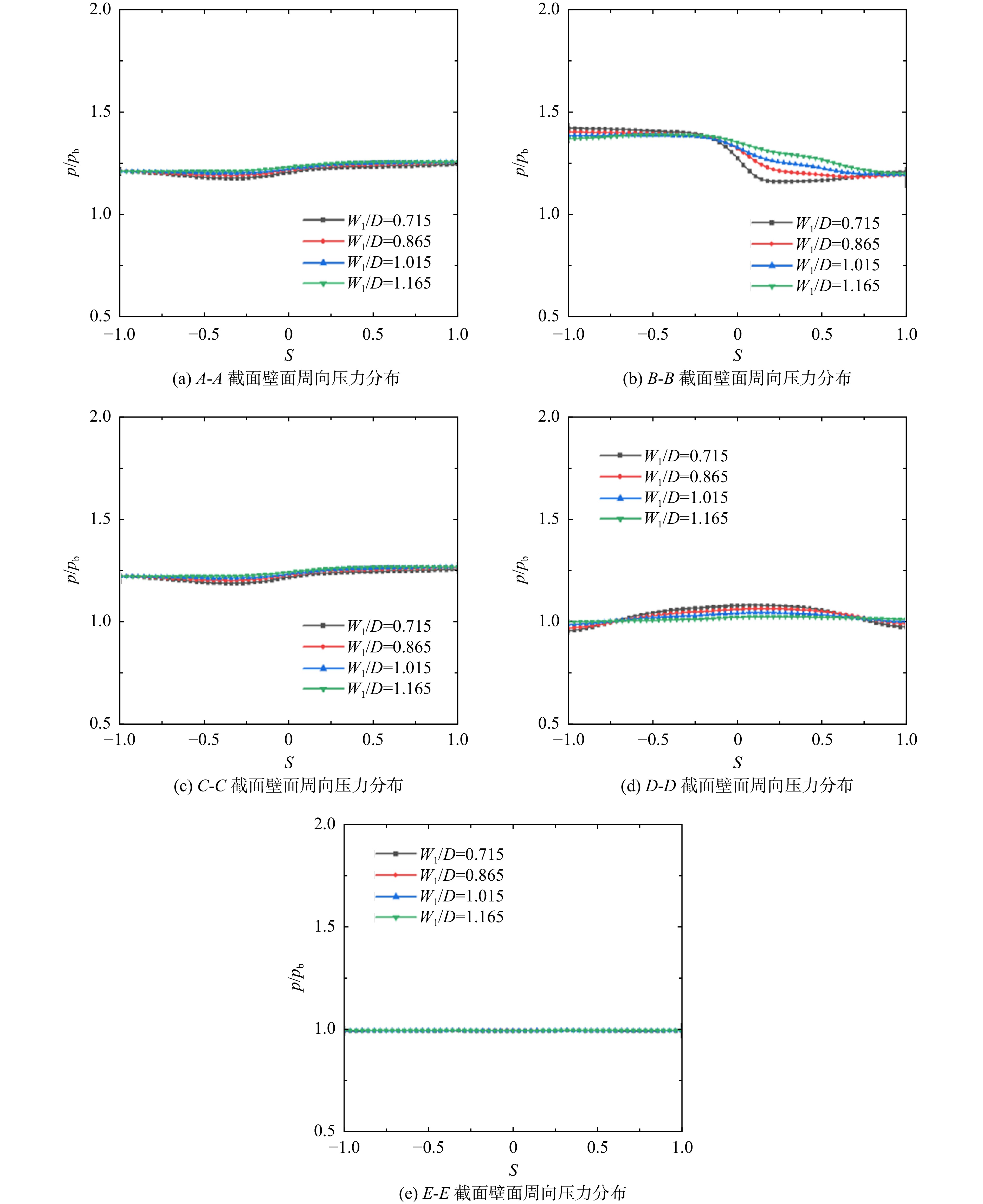
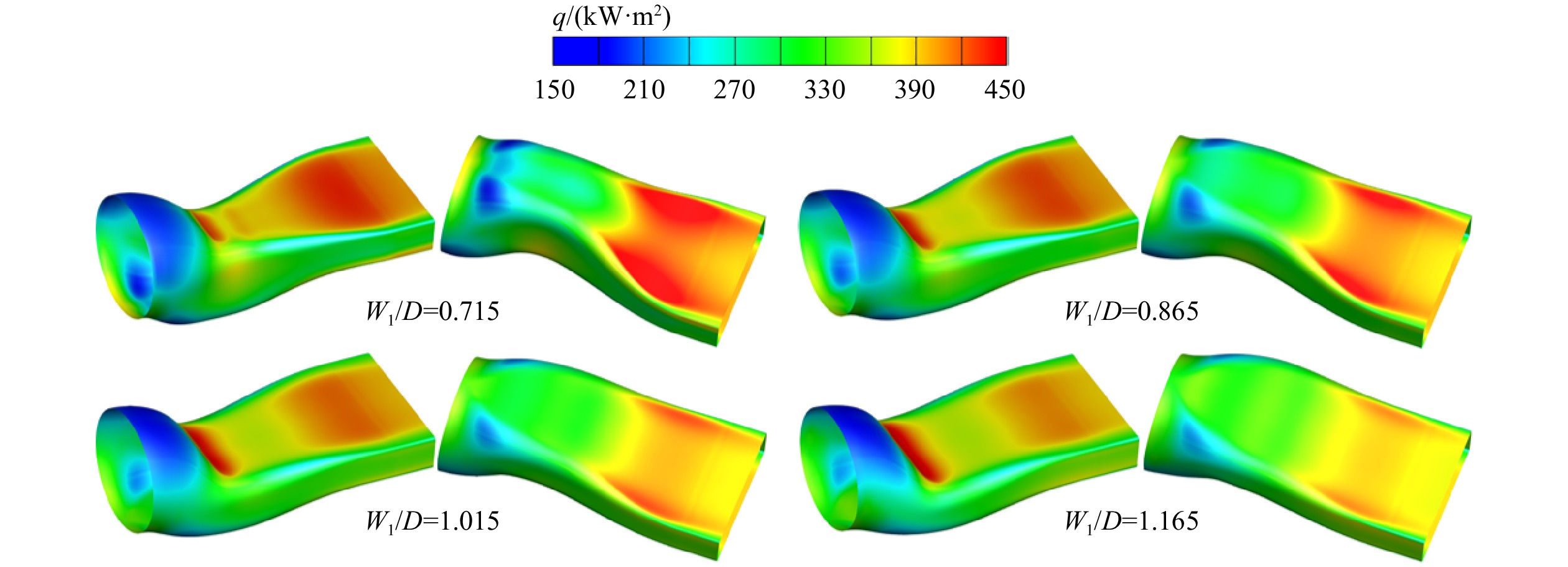
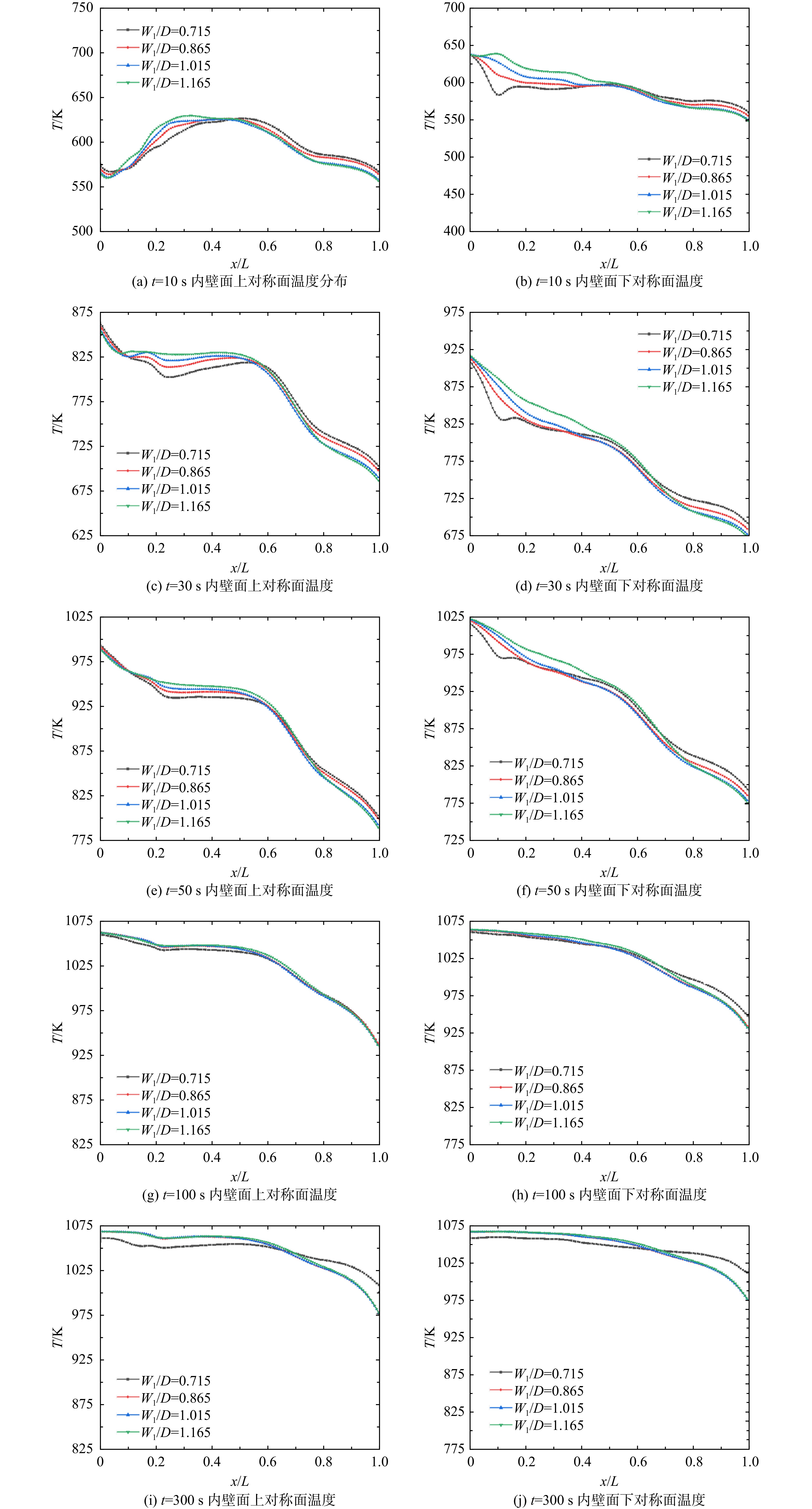
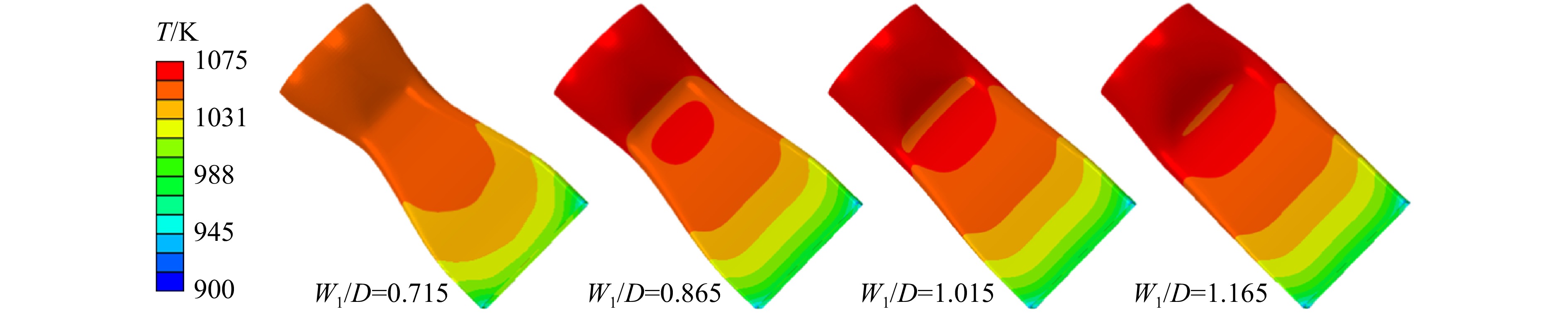
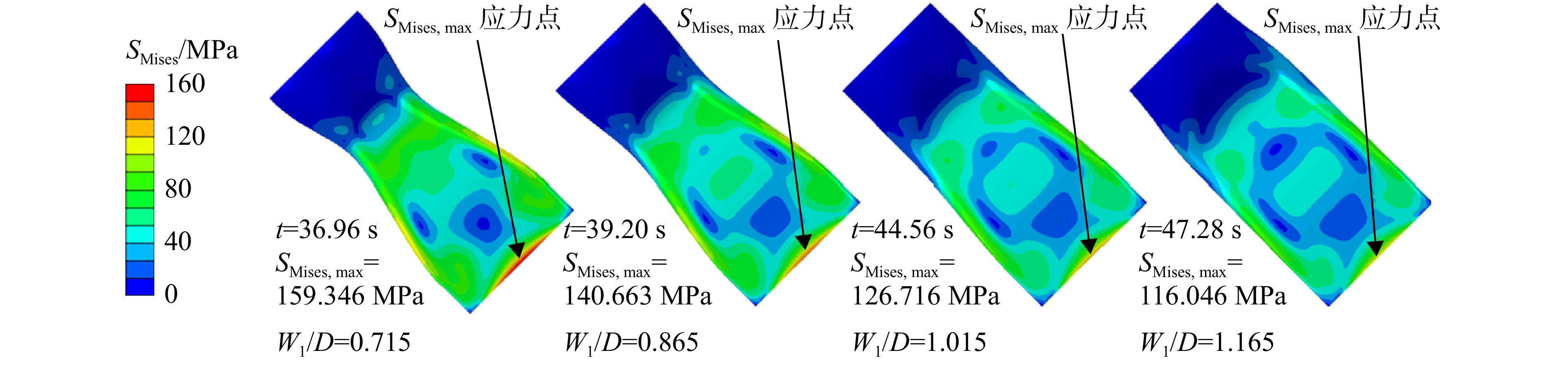
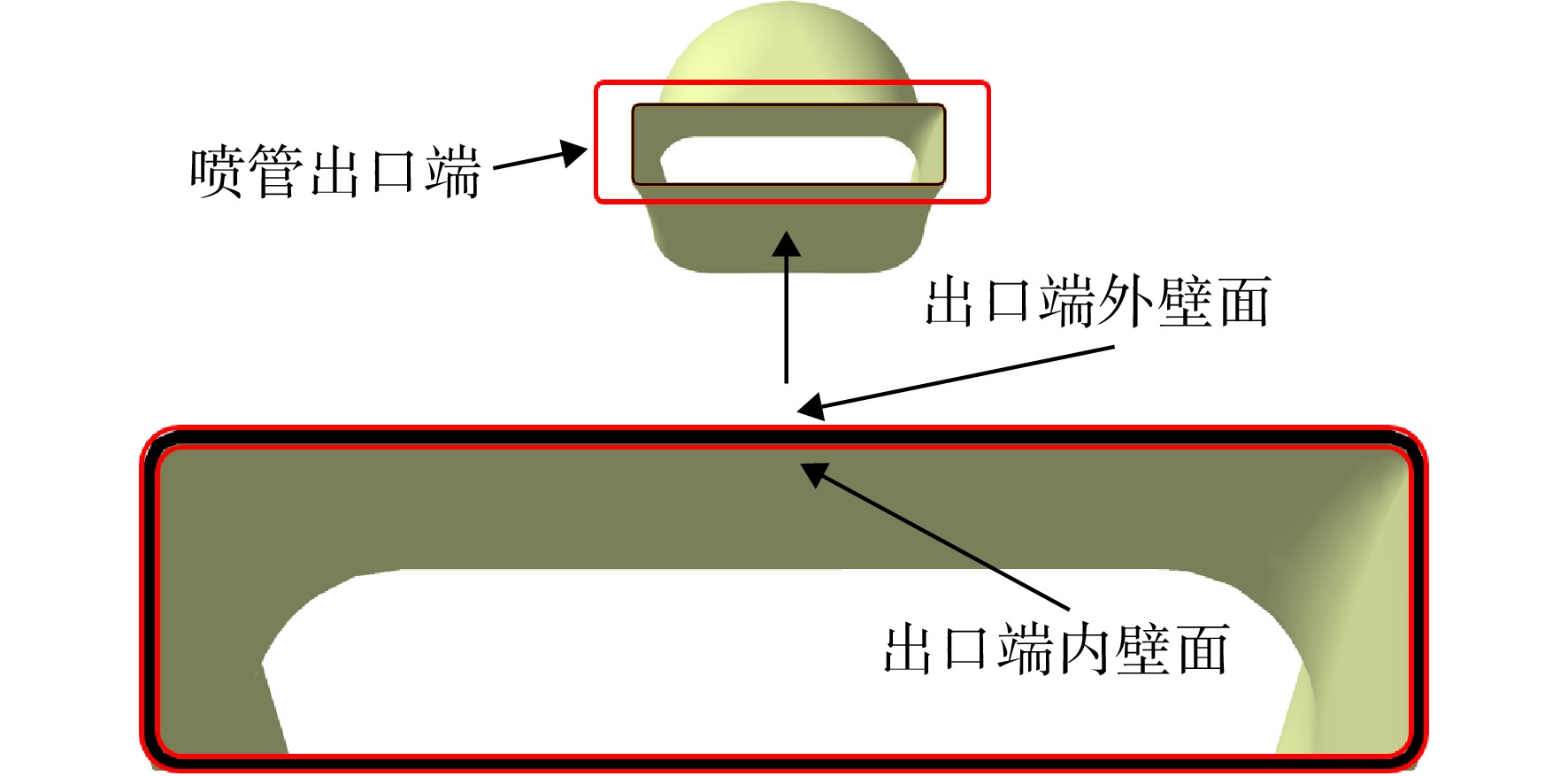
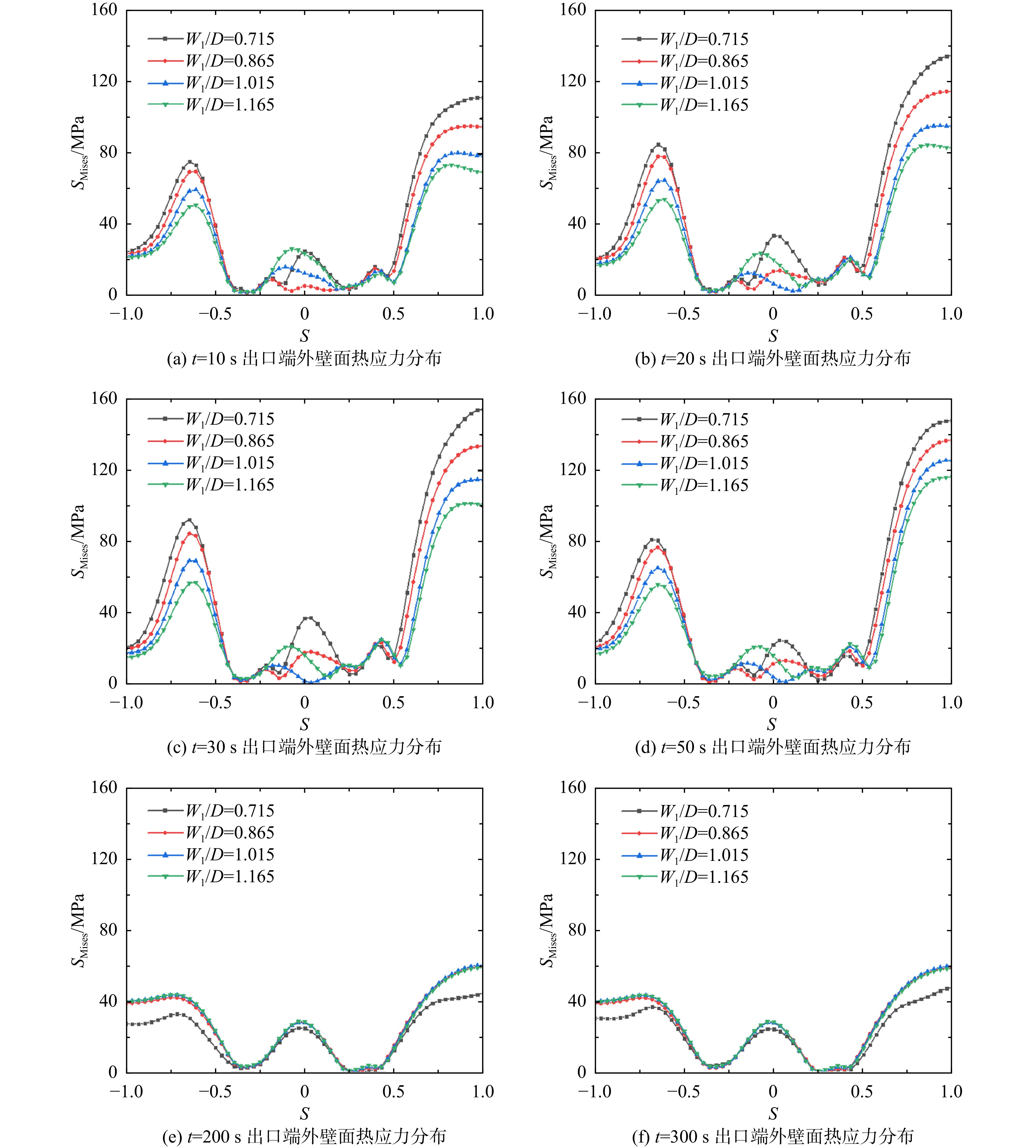
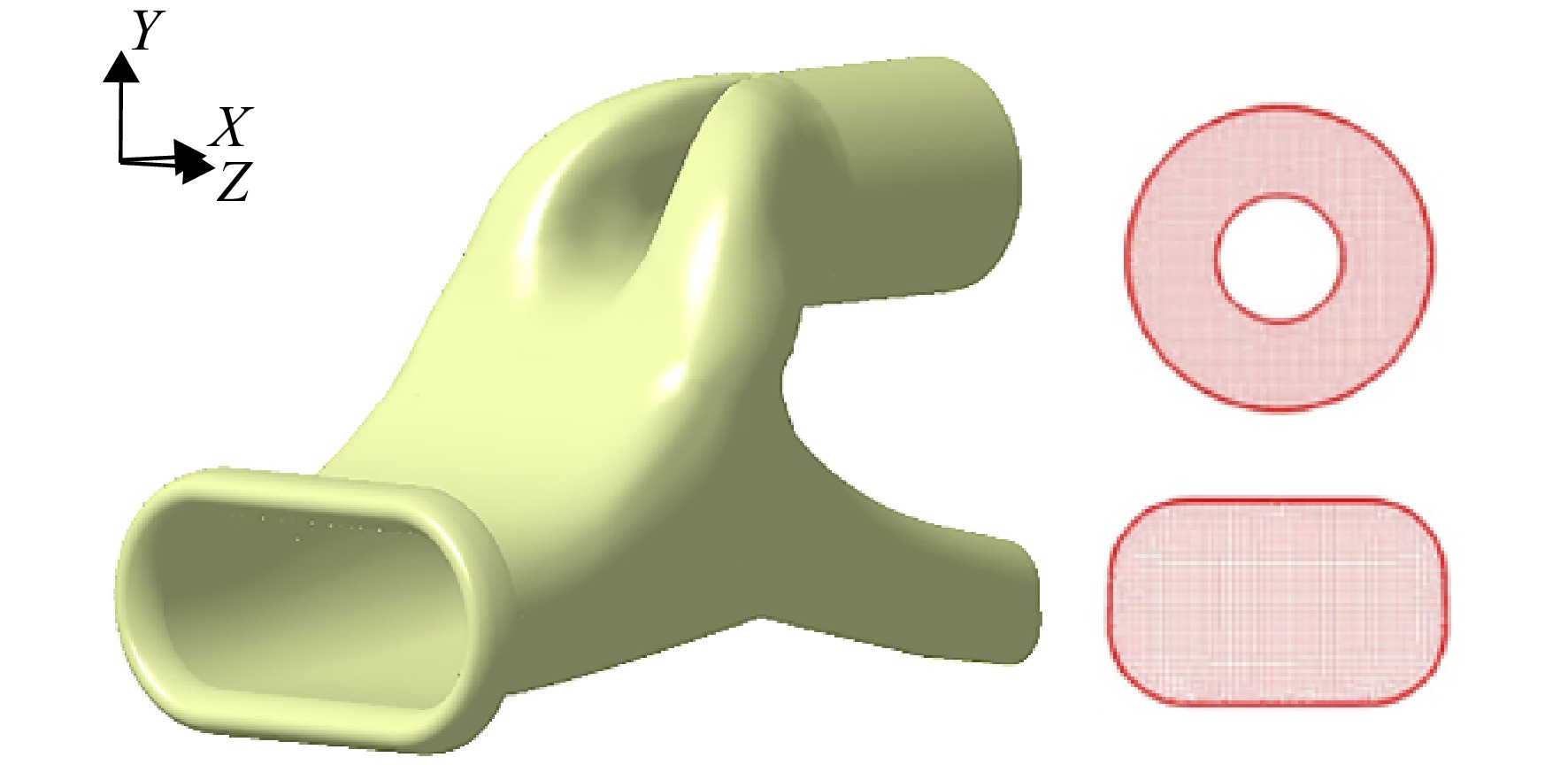
In order to clarify the effect of the first bend width ratio on the flow heat transfer and structural response of the serpentine nozzle, the effects of the thermal-solid coupling responses under different first bend width ratios were investigated by using the two-way loose coupling method. The results showed that the structural characteristics of multiple bends and different cross sections along the path complicated the heat transfer inside the nozzle, the overall heat flux distribution of the serpentine nozzle was non-uniform, and the heat transfer was strongest on the upper wall at the first bend; with the increase of the width ratio of the first bend, the heat flux of the upper wall at the first bend increased; the vortex structures of the straight section of the nozzle exit made the heat transfer blocked and the heat flux lower; in the temperature response, all nozzles produced extreme values of temperature on the upper wall at the first bend, which were subsequently shifted to the inlet, and the nozzle with a width ratio of 0.715 of the first bend produced extreme values of temperature near the position of the inlet on the lower wall, unlike the rest of the nozzles; the stresses of all serpentine nozzles increased and then decreased with time. As the width ratio of the first bend increased, the moment of maximum stress in each nozzle was delayed and the maximum stress decreased; the nozzle with a width ratio of 0.715 at the first bend was the first to show a stress maximum of 159.346 MPa, which was 10.3 s earlier and 27.2% less compared with the nozzle of a configuration with a width ratio of 1.165 at the first bend.

Numerical simulation of rain ingestion characteristics of bifurcated intake
QIU Yuchen, LI Bo, XU Meng, XU Yin, JIANG Dongchen
2025, 40(4): 20220789. doi: 10.13224/j.cnki.jasp.20220789
Abstract:
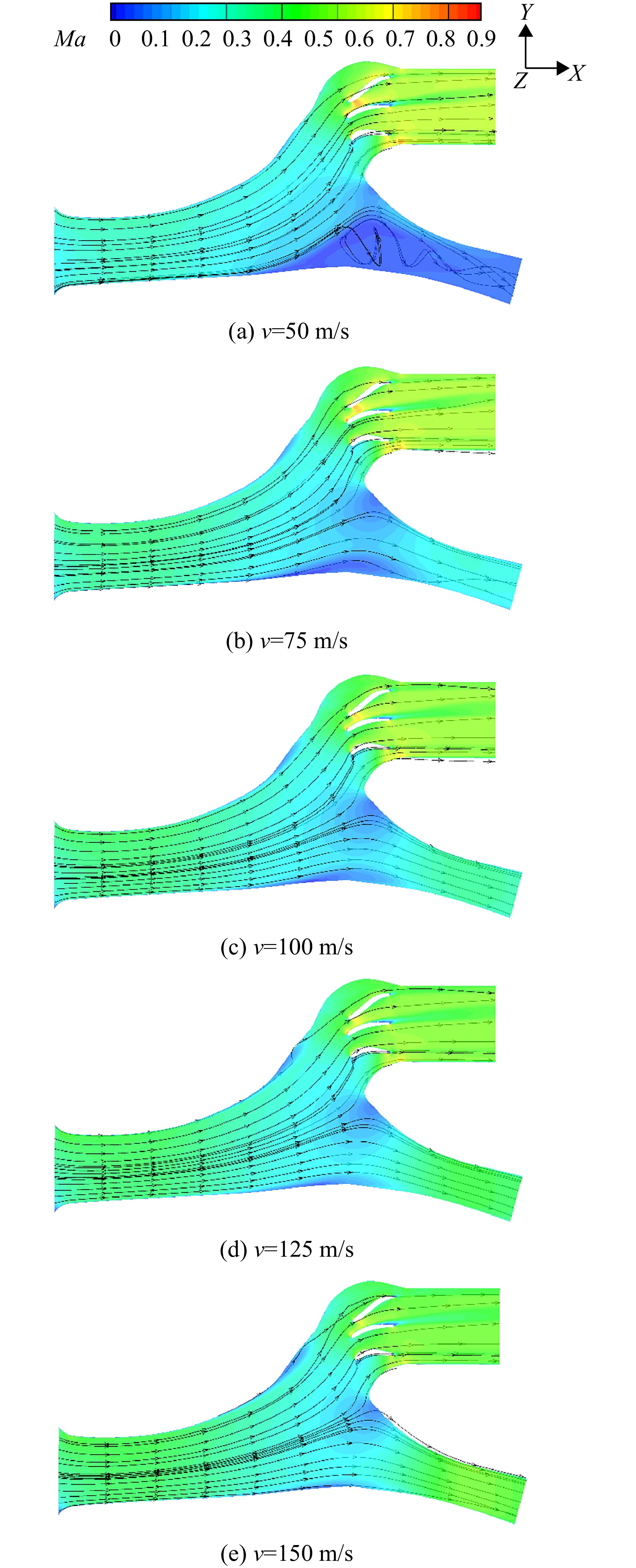
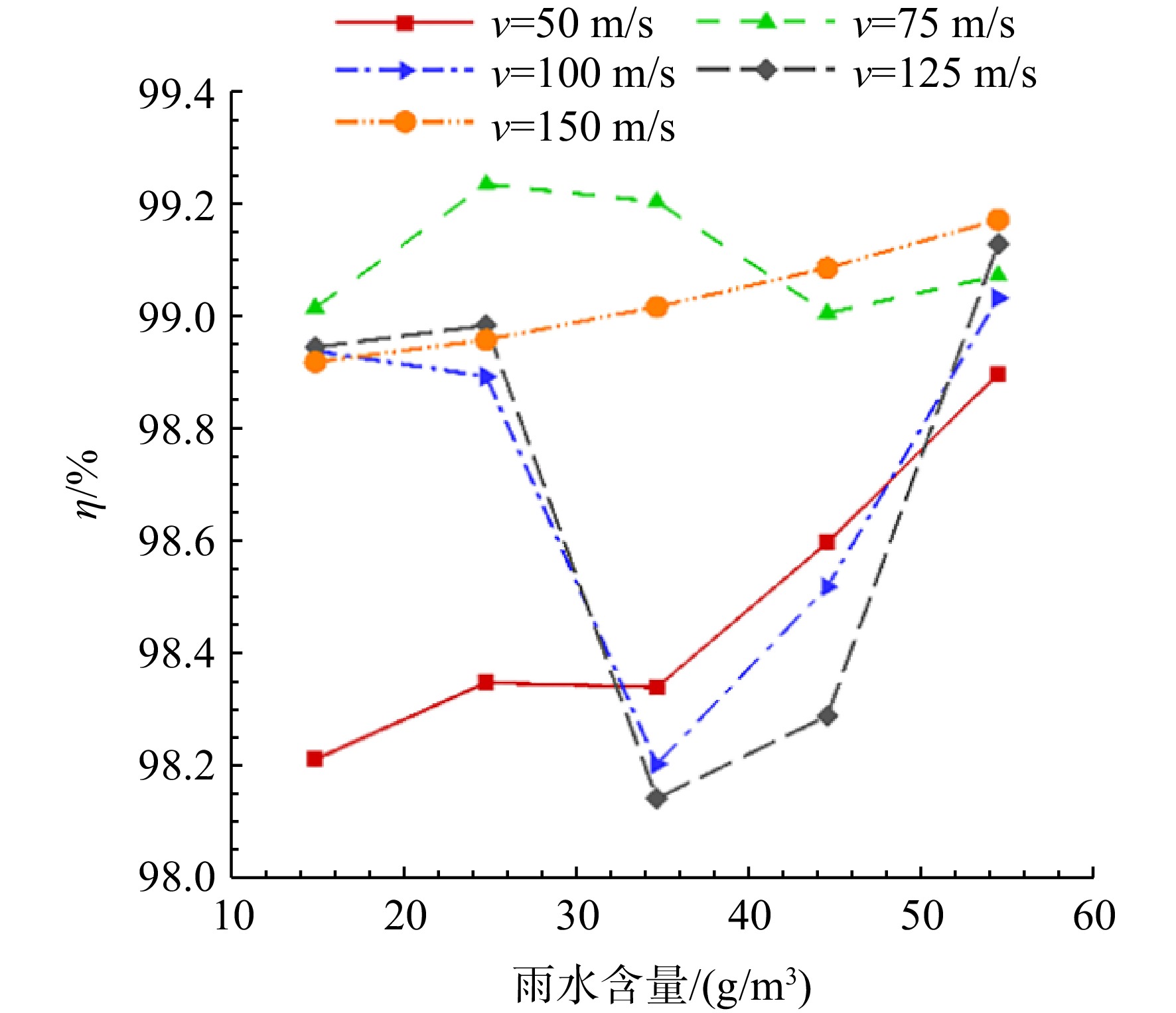
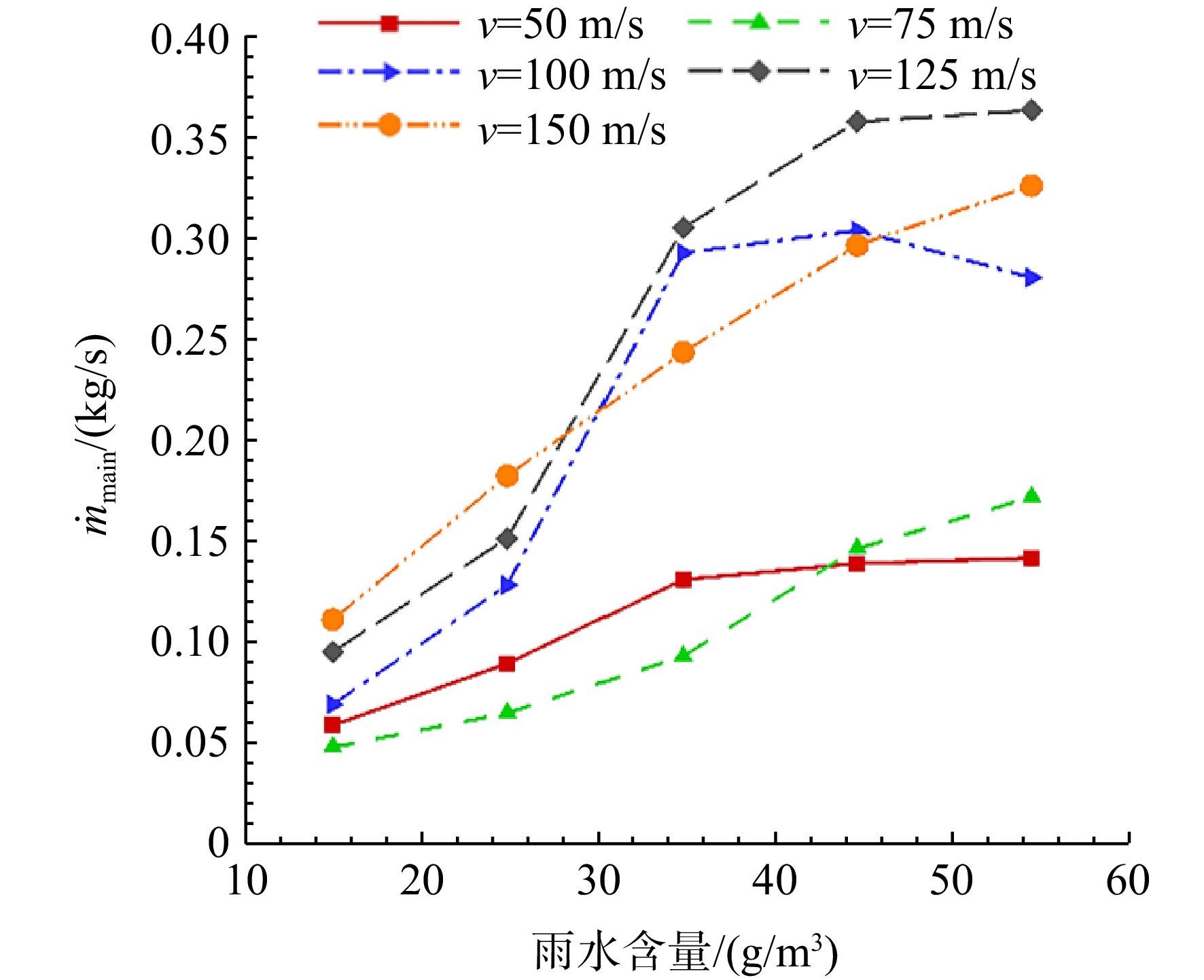
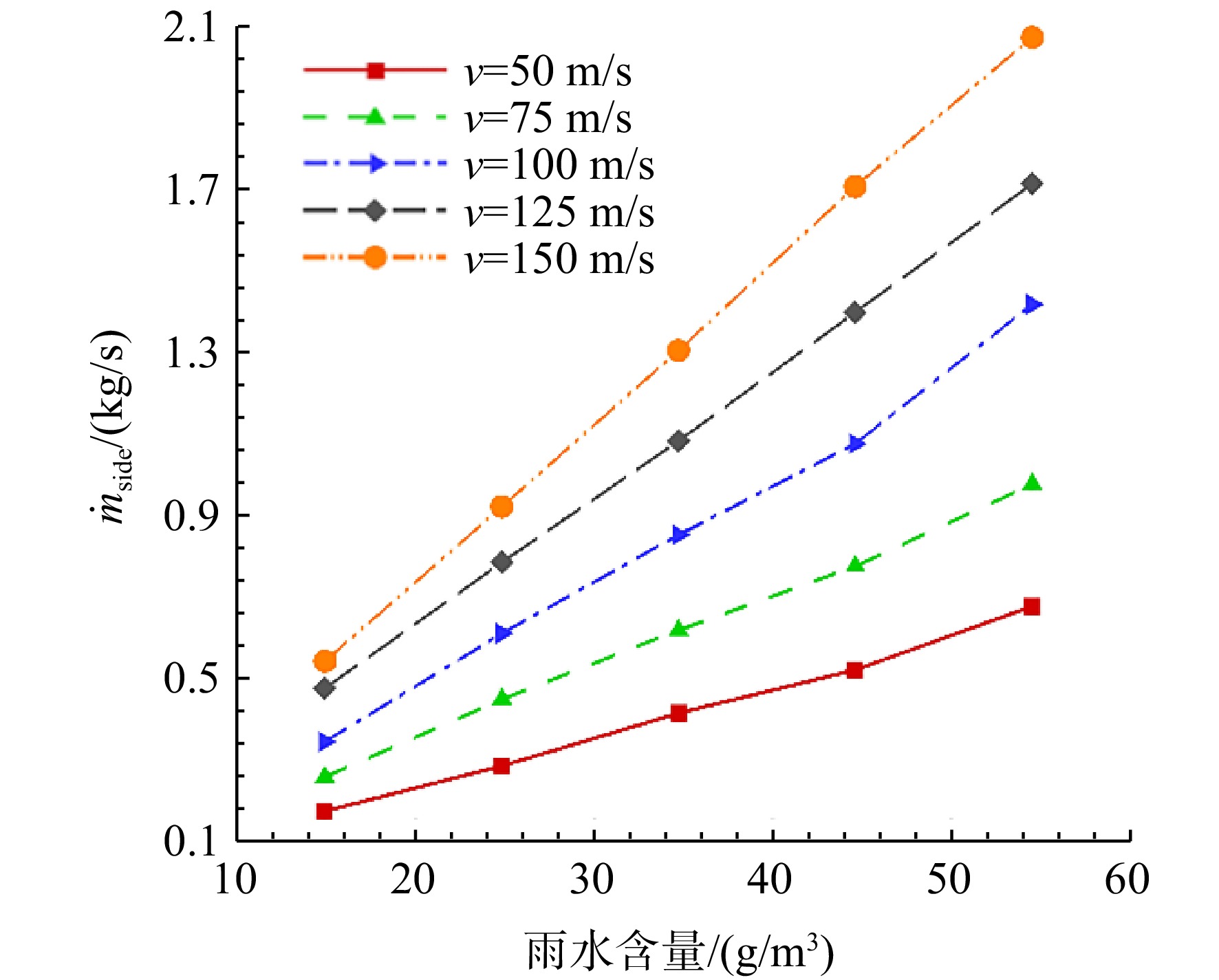
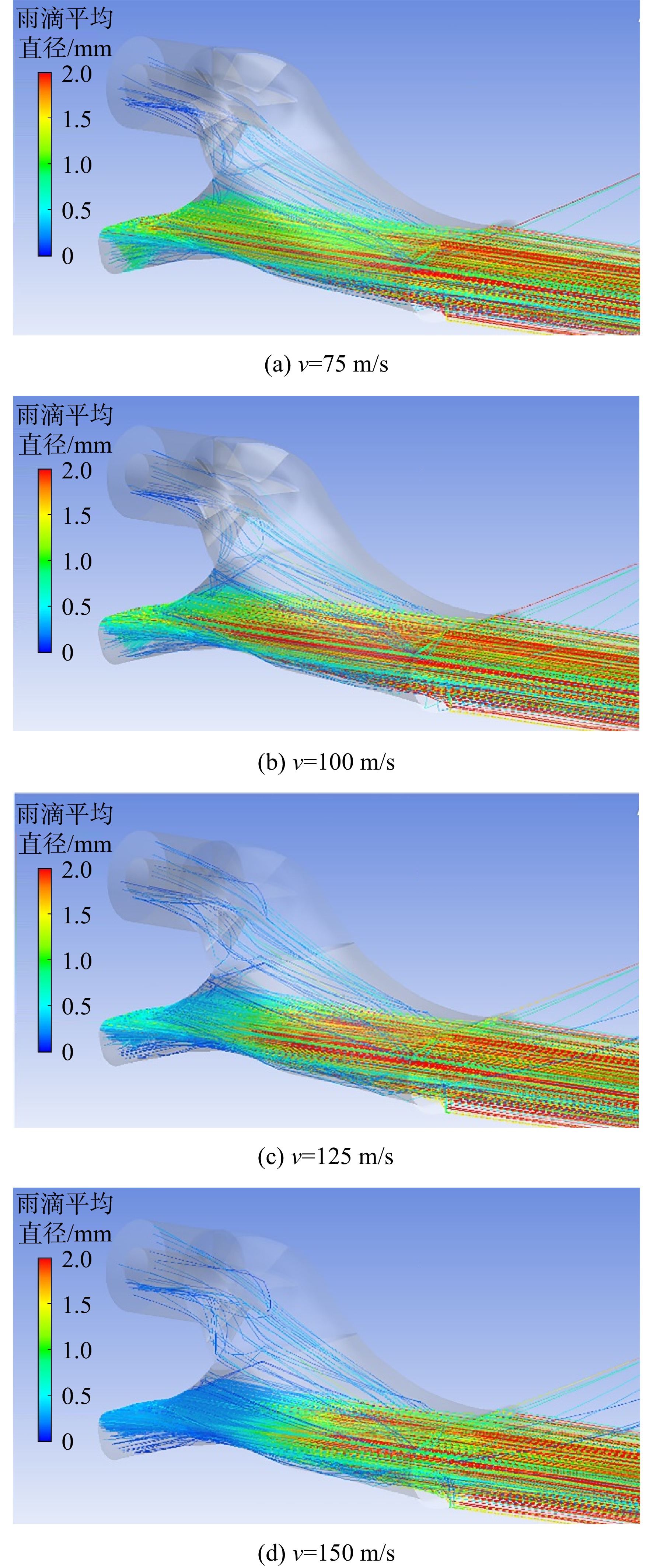
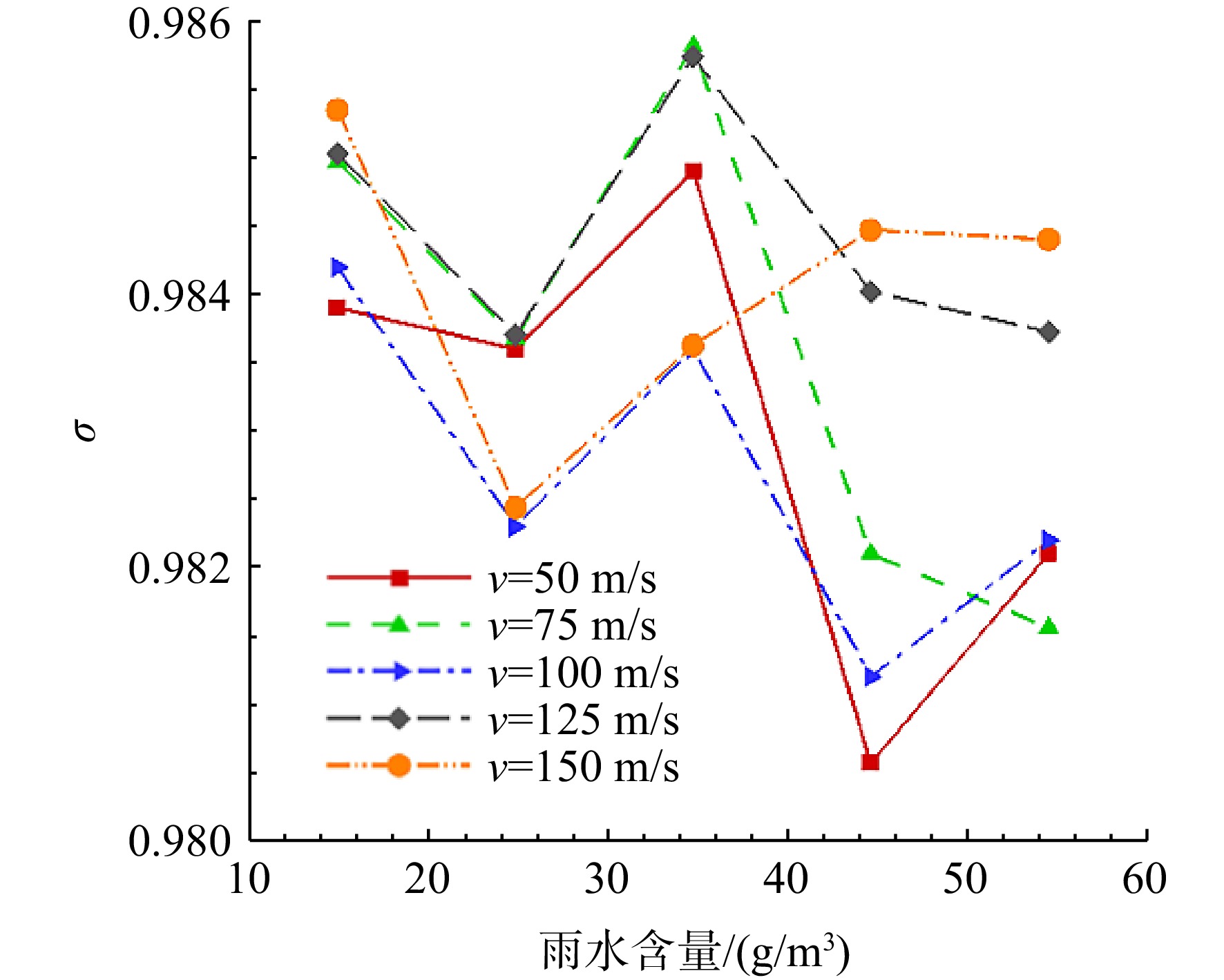
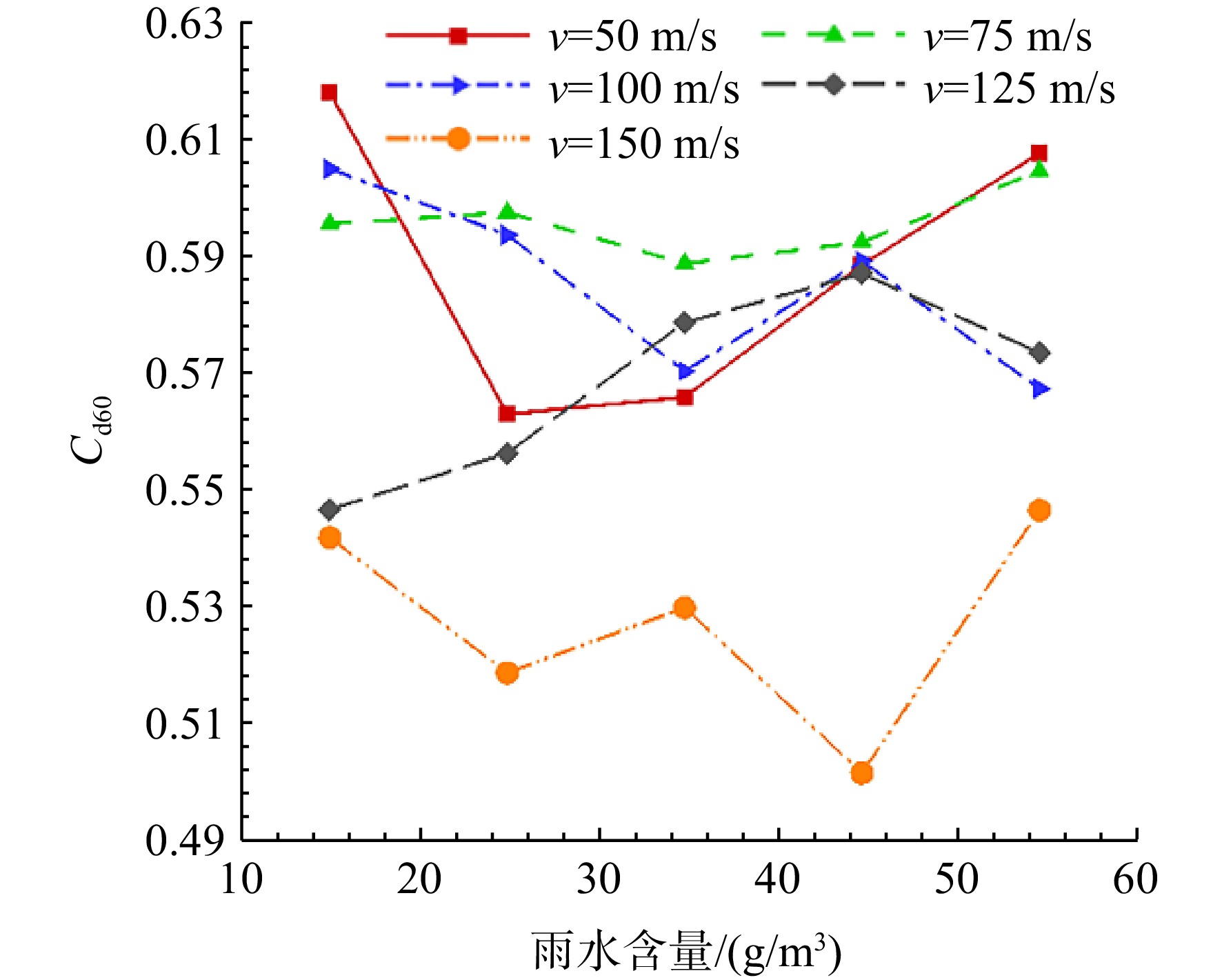
A bifurcated intake with a bypass channel was used to study the rainwater ingestion characteristics of different rainwater contents and different incoming velocities by means of numerical simulation method. The results showed that the rain ingestion increased the distortion index of the intake; the rain droplet separation efficiency decreased with the increase of the rain droplet particle size in the case of uniform rain droplet particle size. The effect of raindrop size change on the total pressure recovery coefficient of the flow field was not significant, with the increase of raindrop size, the total pressure distortion index of the flow field increased first and then decreased; the incoming velocity and the low velocity region in the flow field jointly affected the raindrop trajectories. The larger incoming velocity indicated the more rain discharged in the side channel, but the rain ingestion in the main channel showed a decreasing-increasing-decreasing trend with the increase of the incoming velocity.

Structure,Strength and Vibration
Design and optimization of tuned booster system for an aviation heavy fuel piston engine
ZHAO Zhenfeng, XIONG Jingyi, YU Chuncun, ZHANG Guanghui, WANG Shangxue
2025, 40(4): 20230398. doi: 10.13224/j.cnki.jasp.20230398
Abstract:
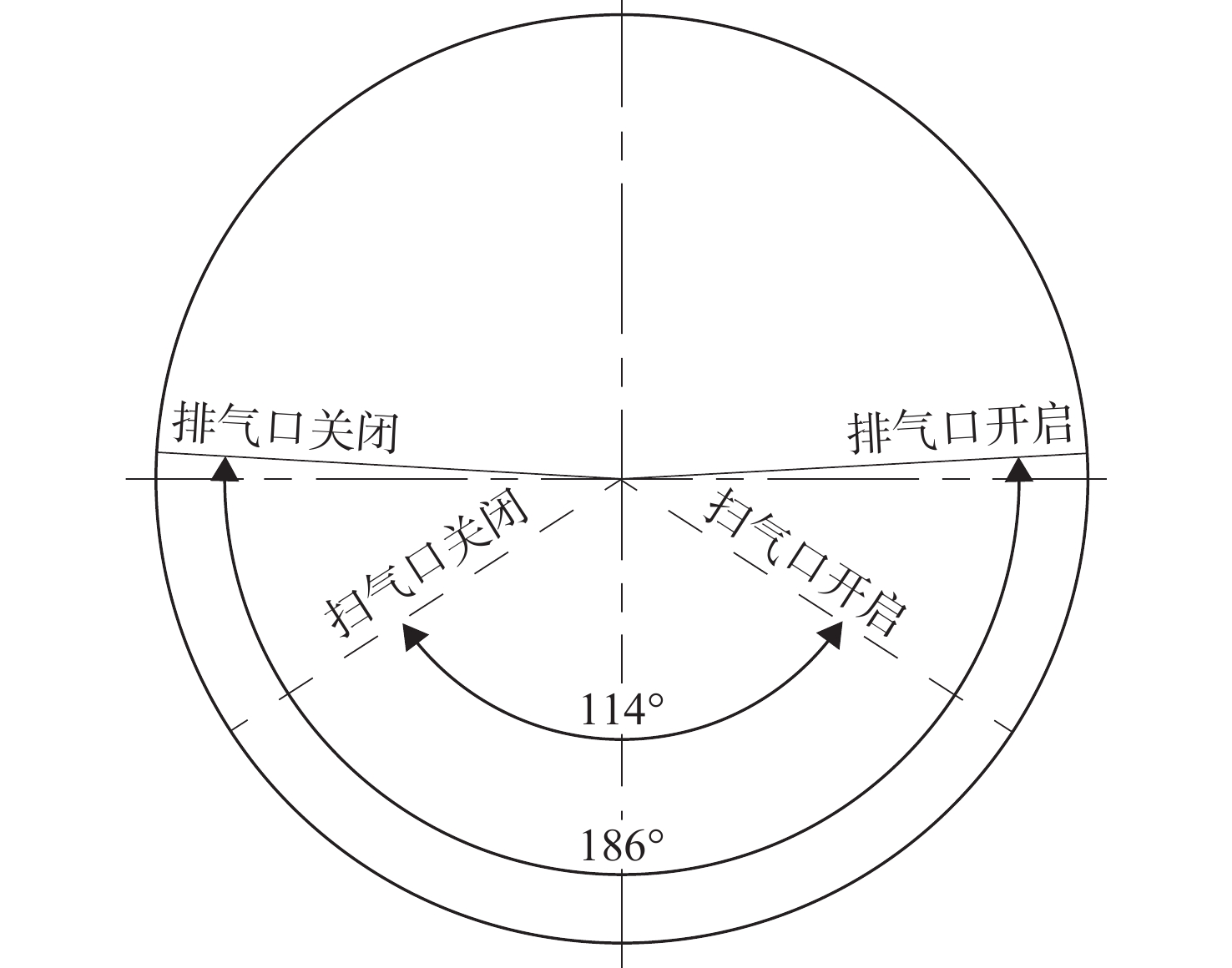
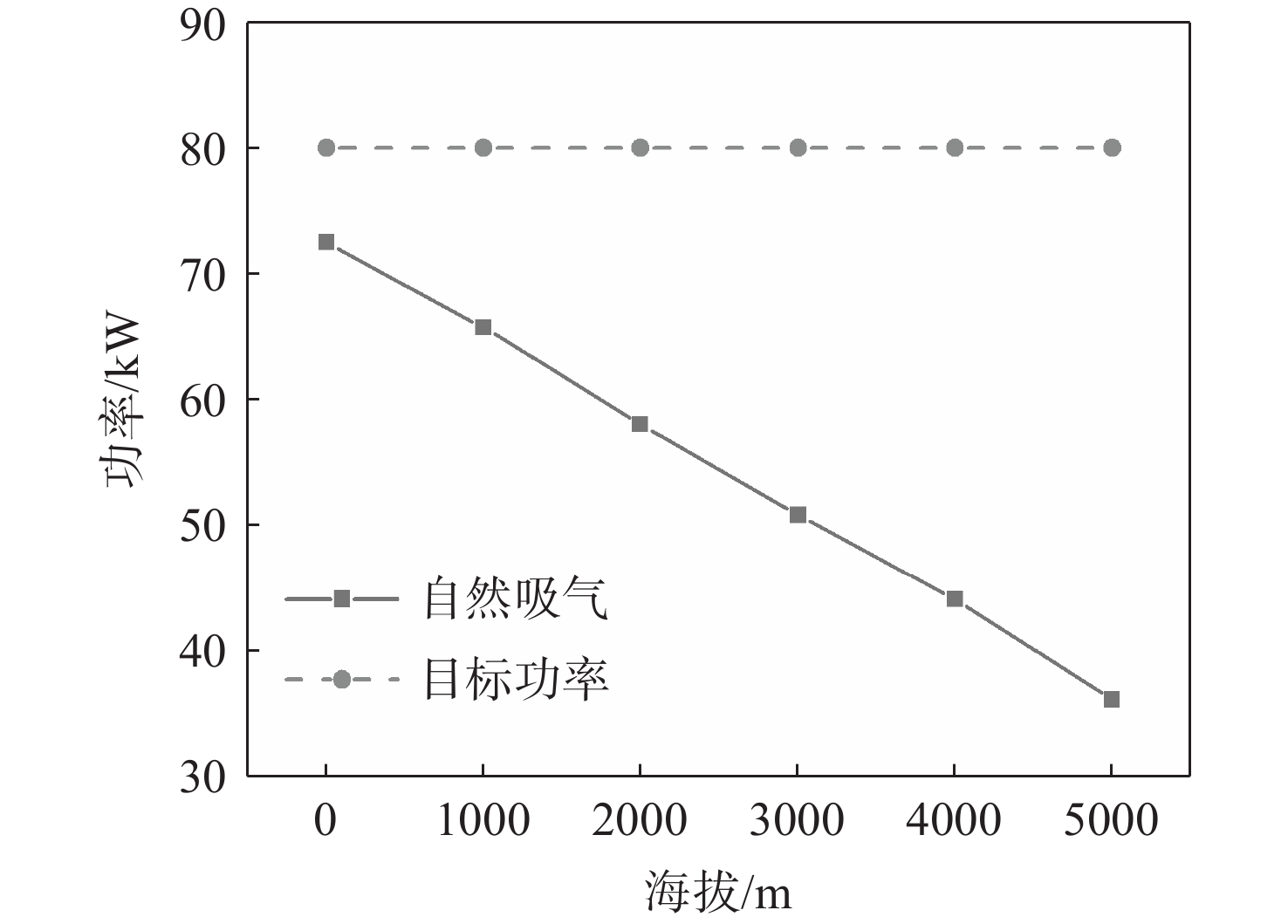
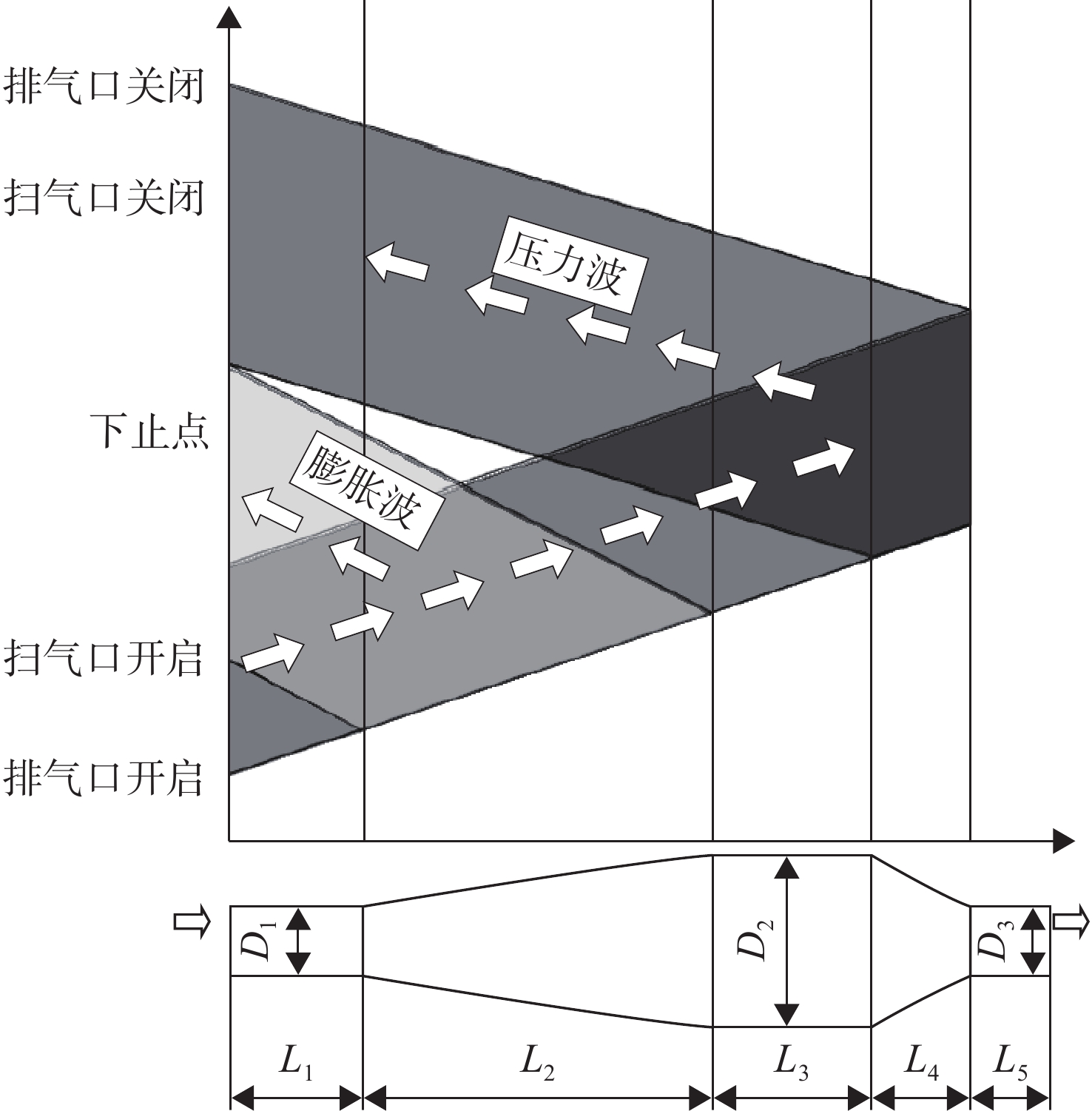
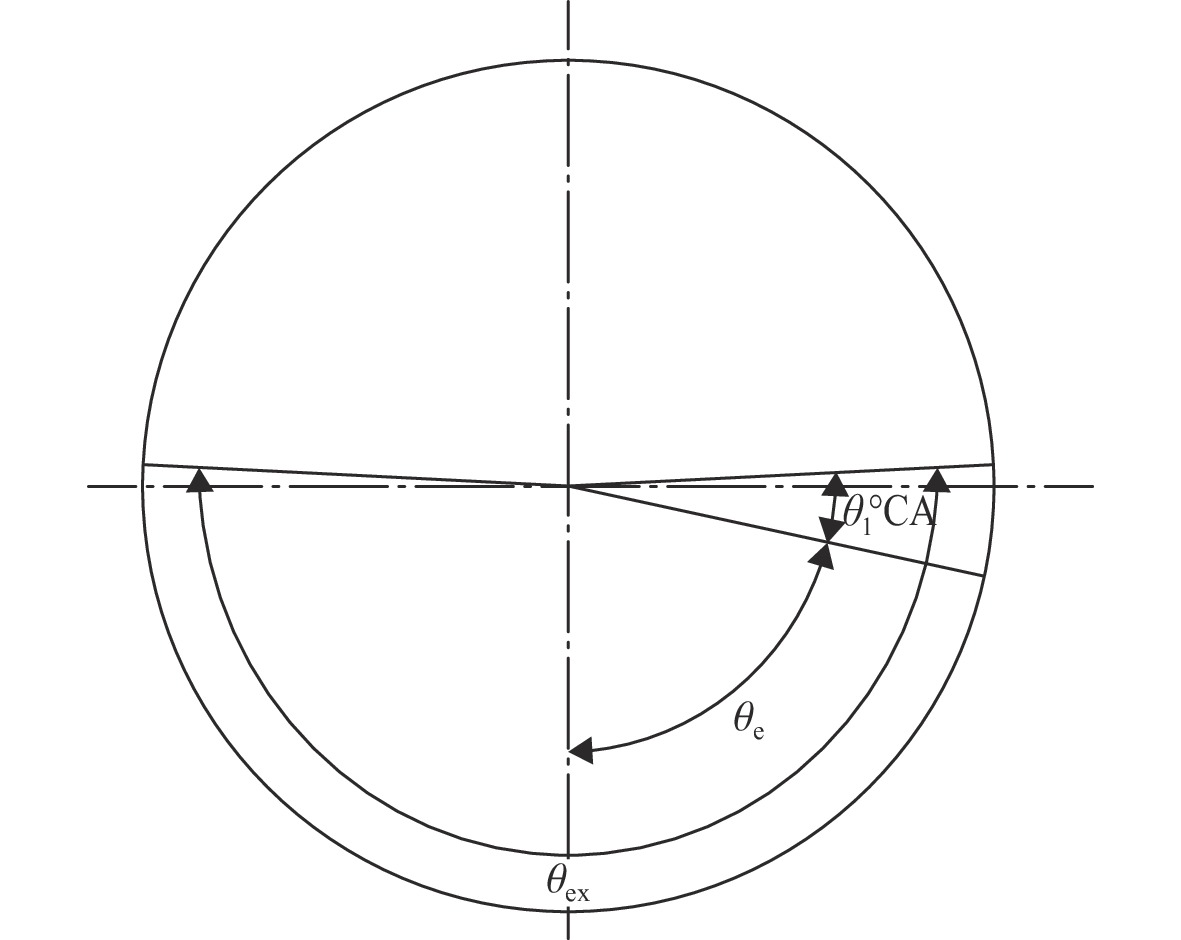
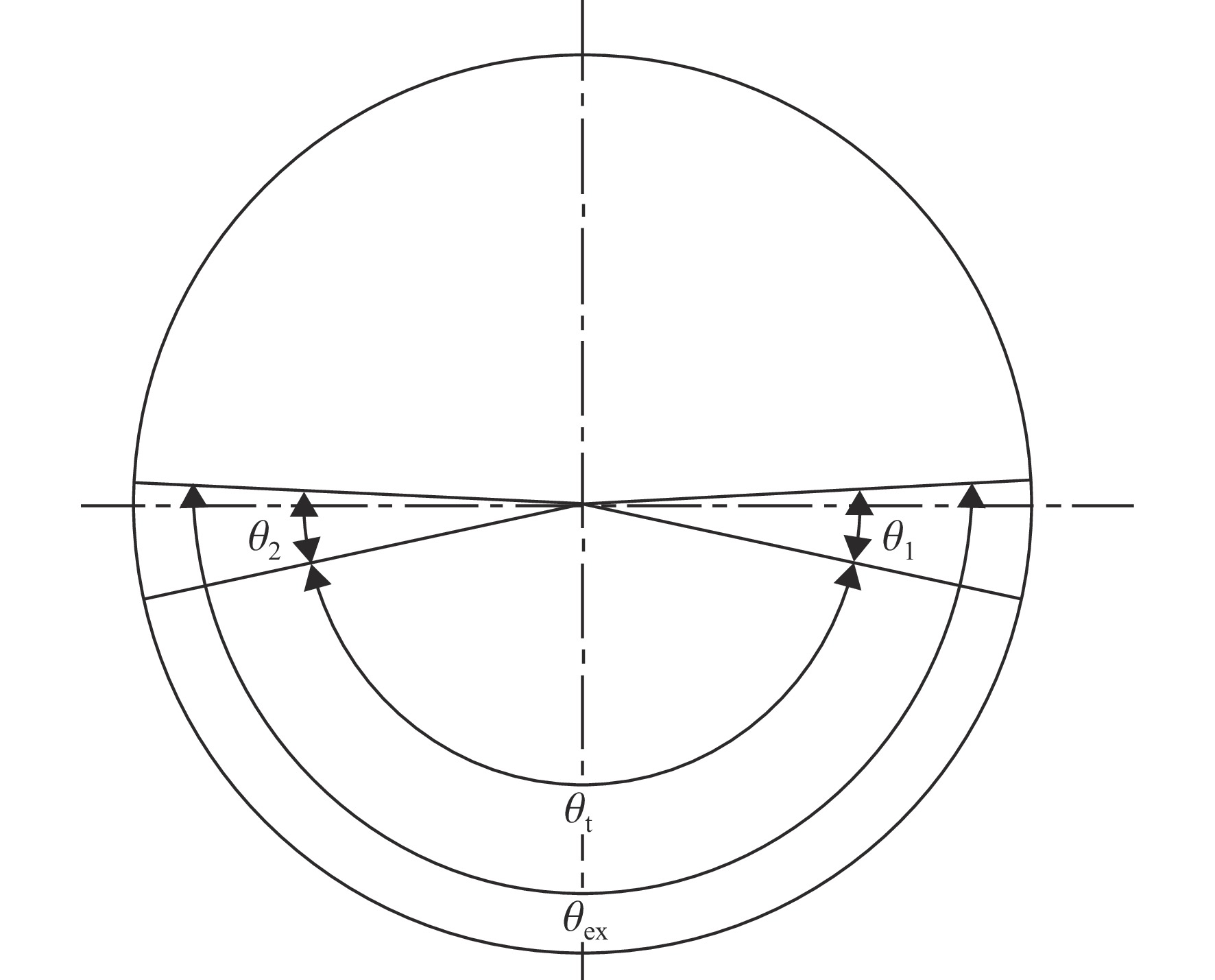
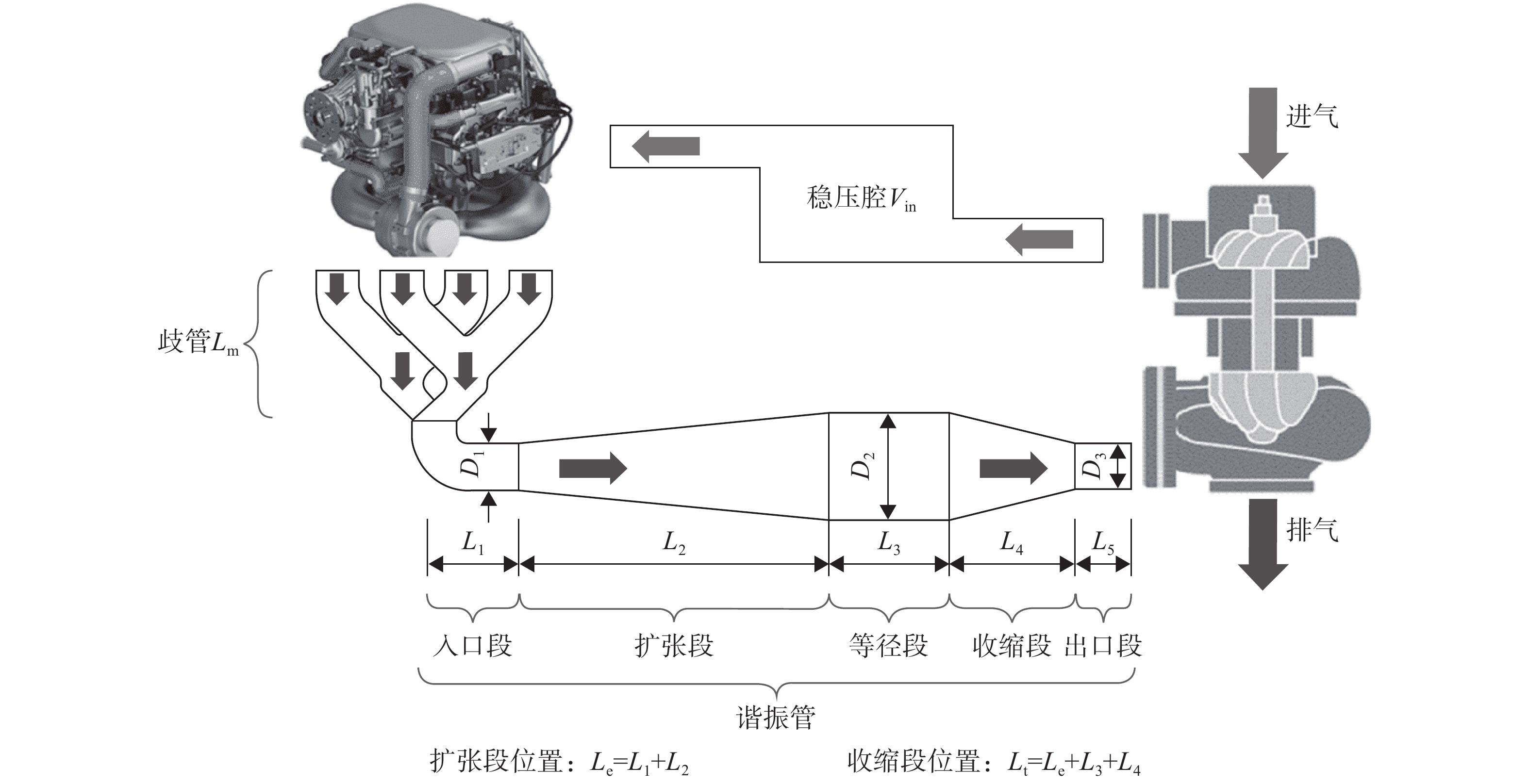
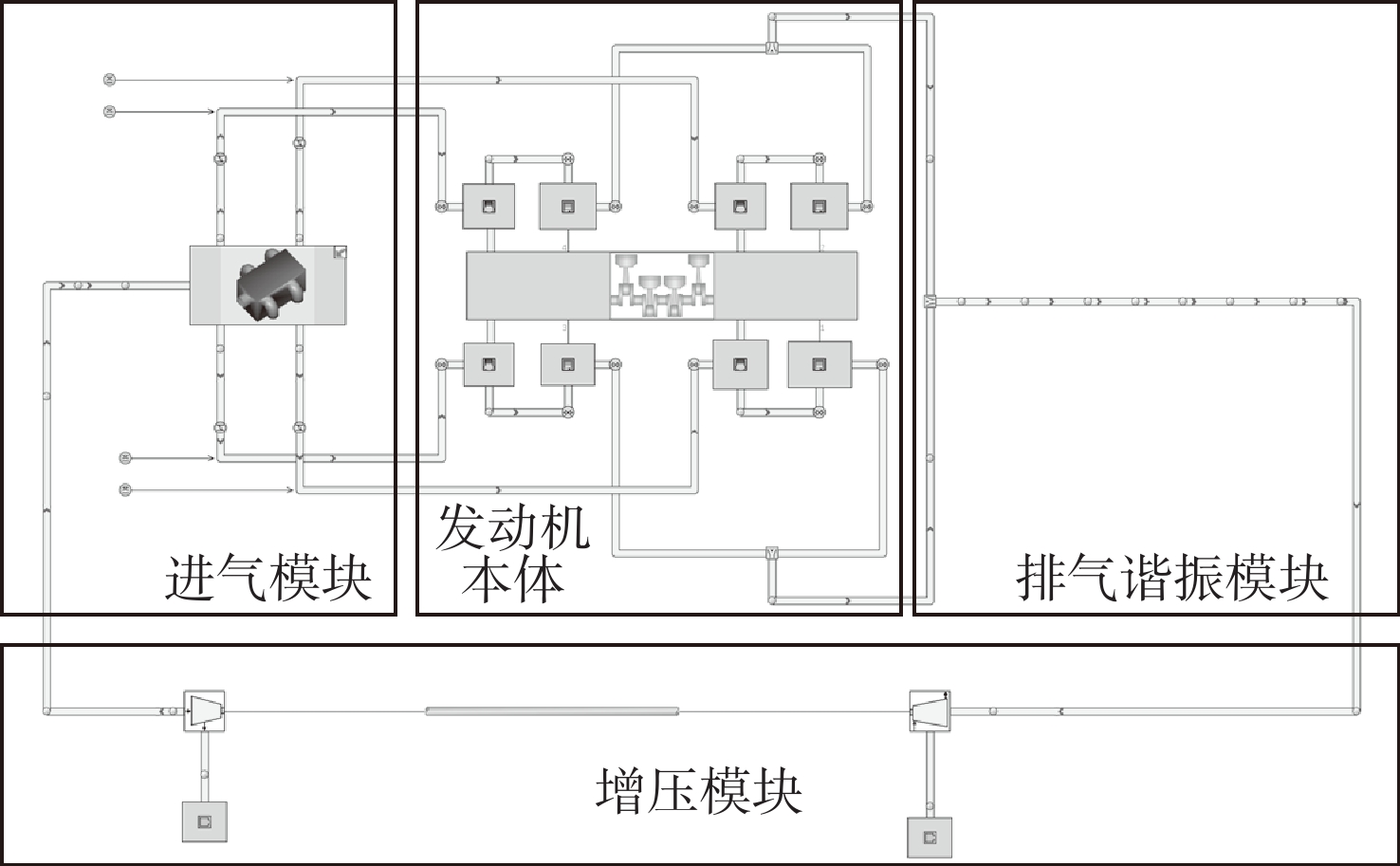
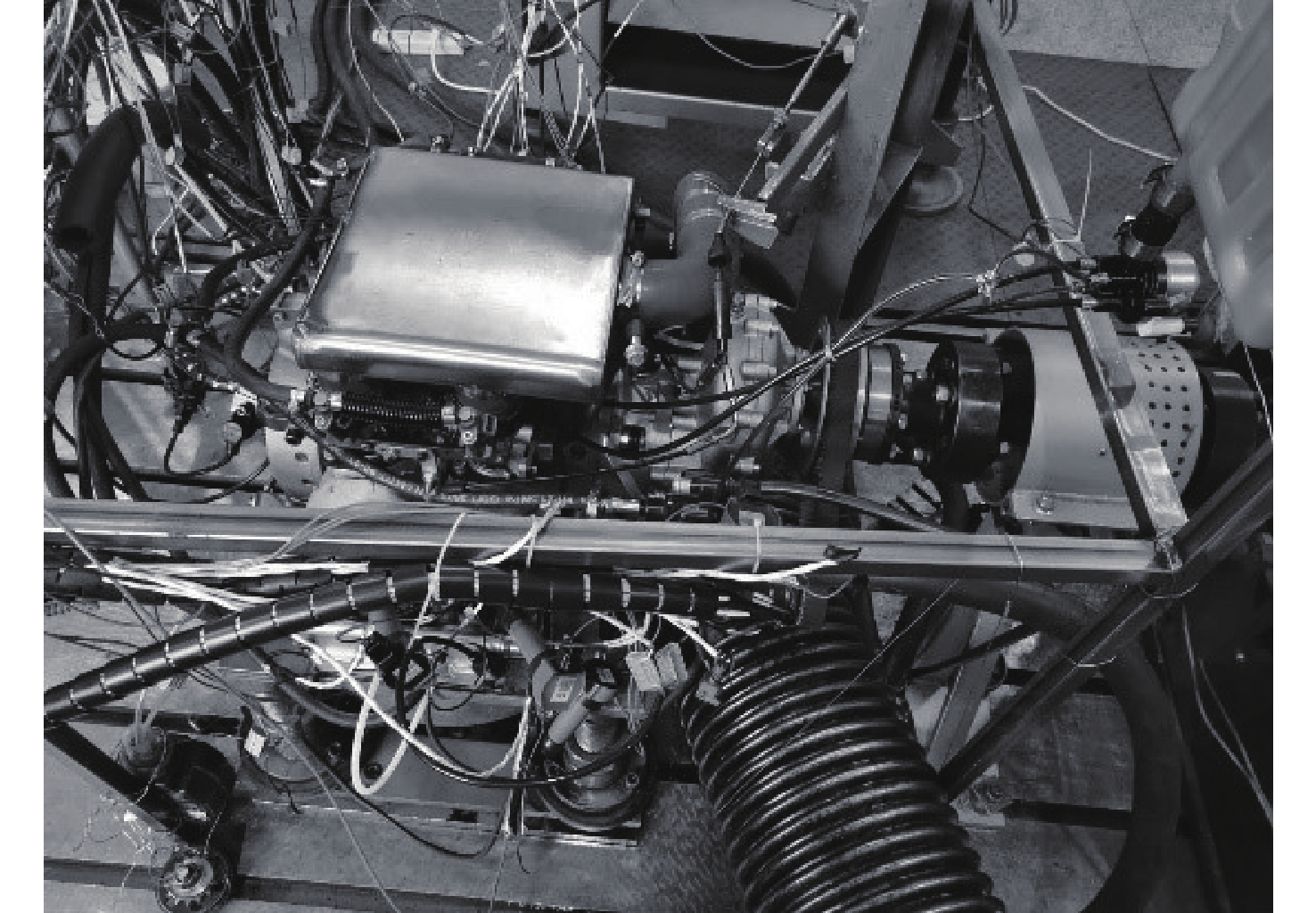
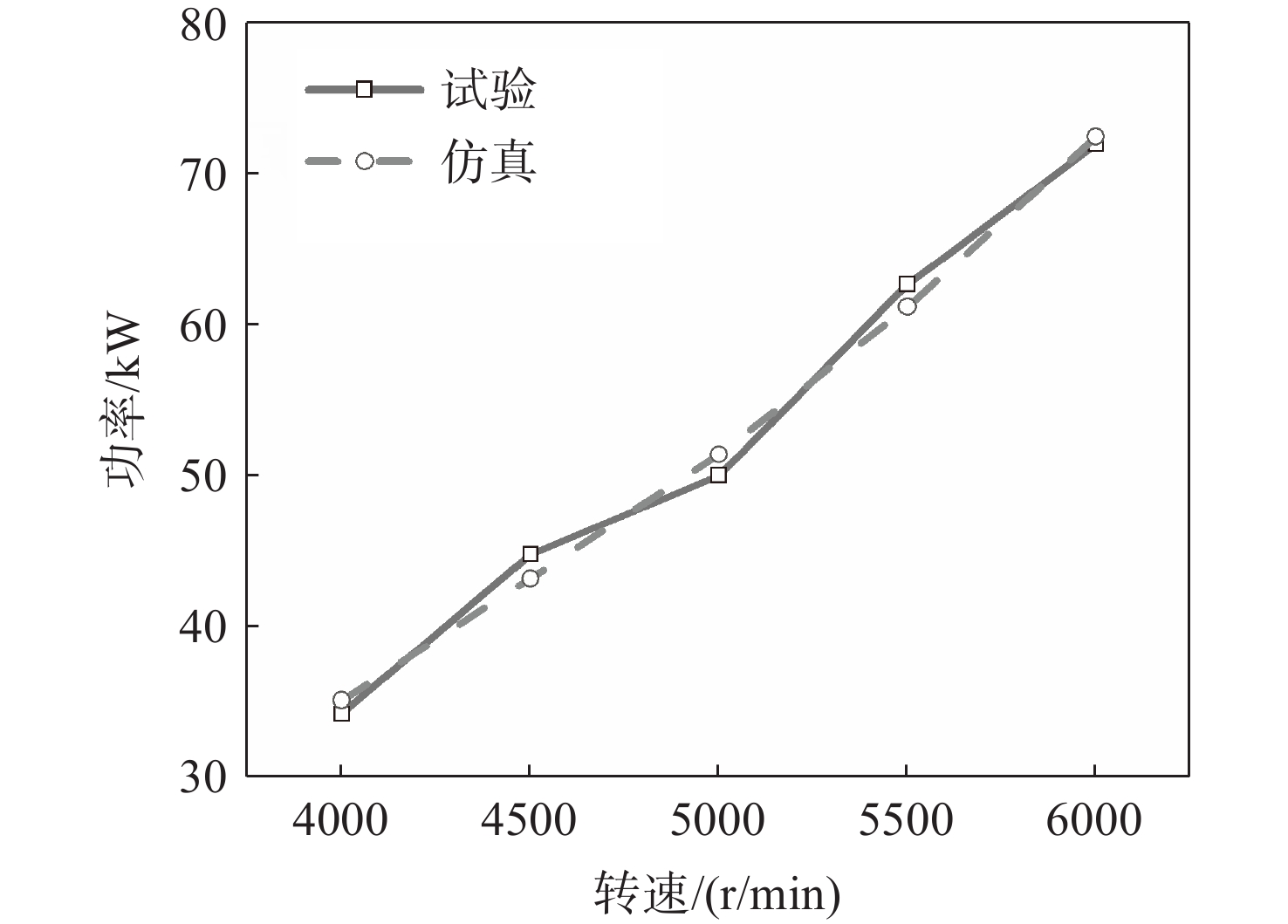
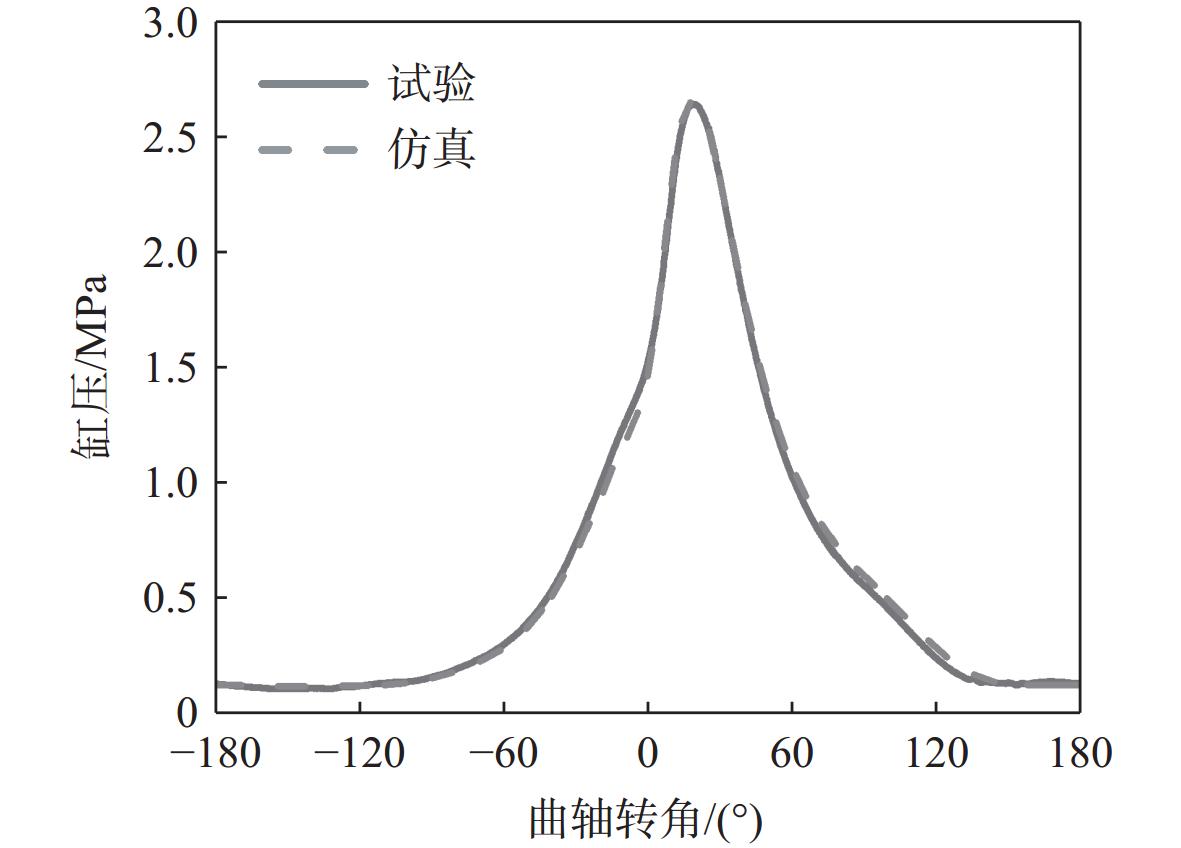
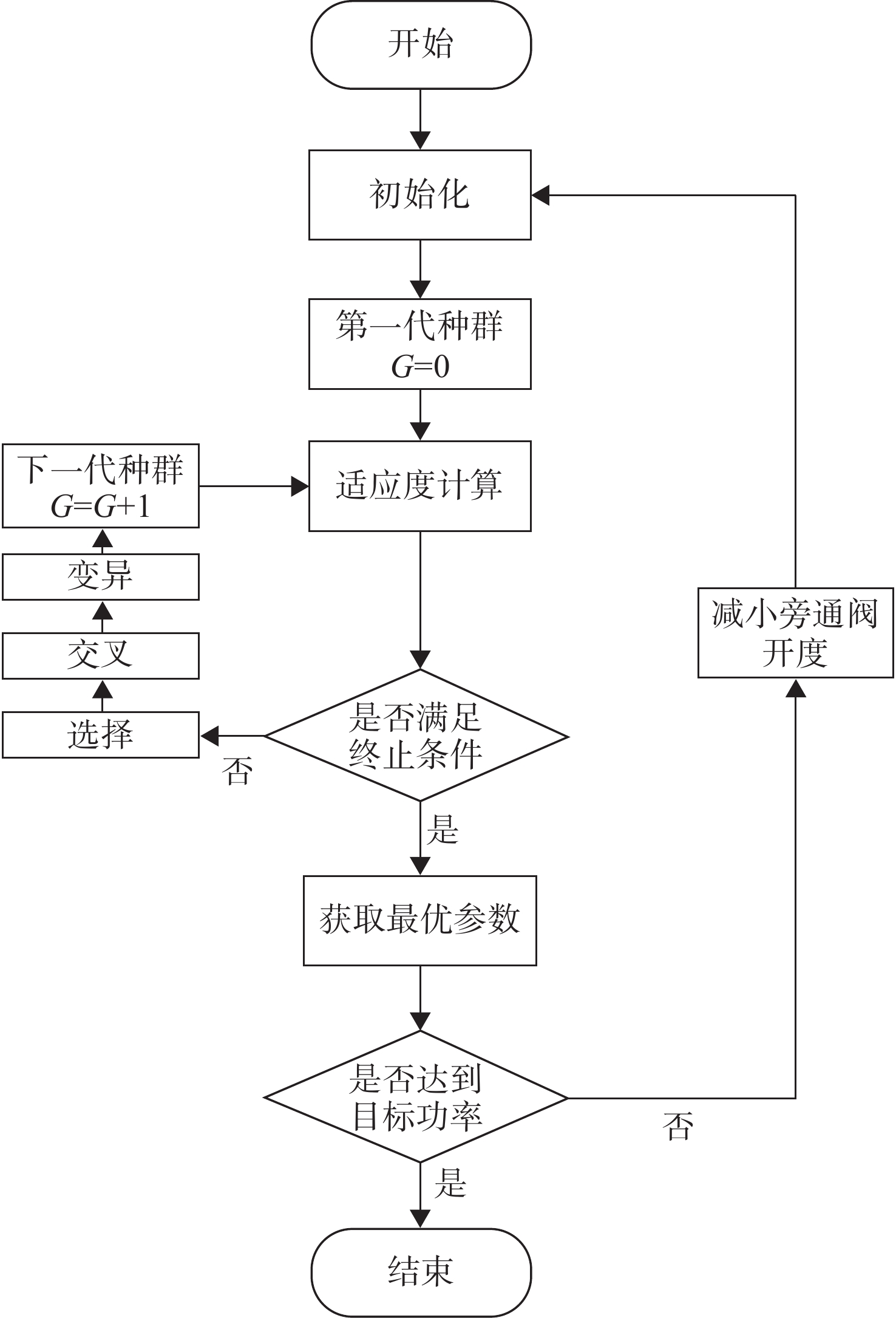
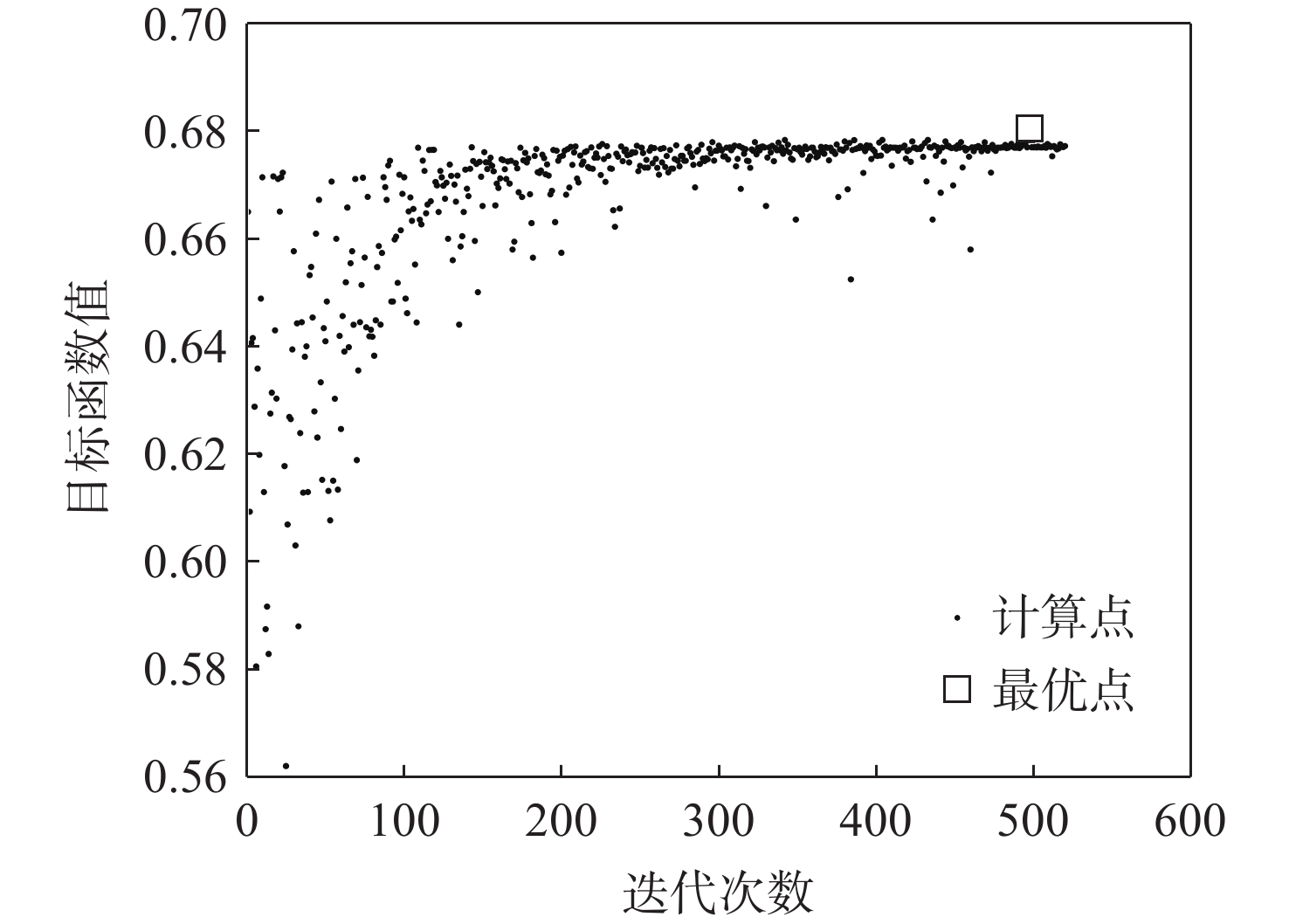
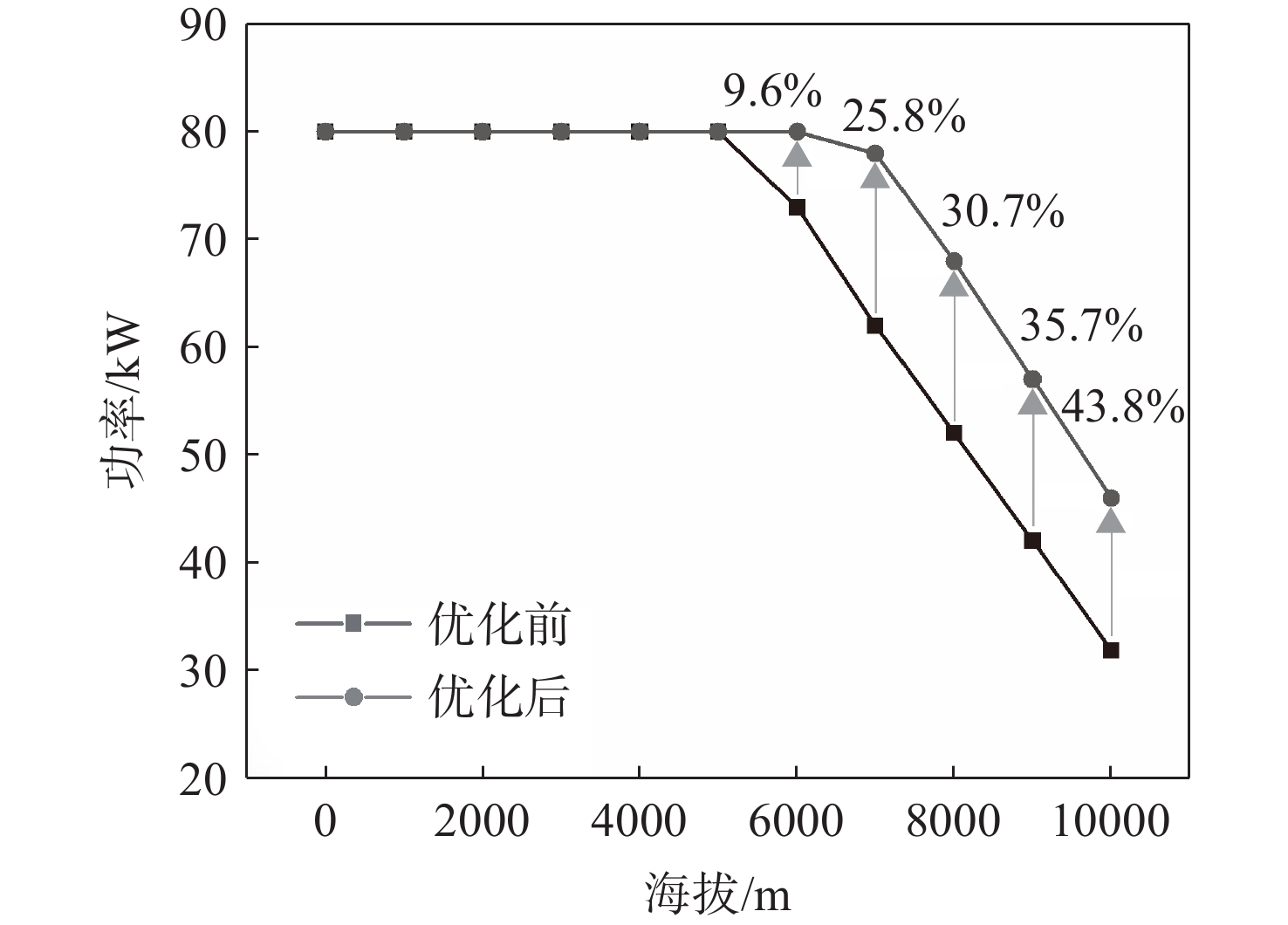
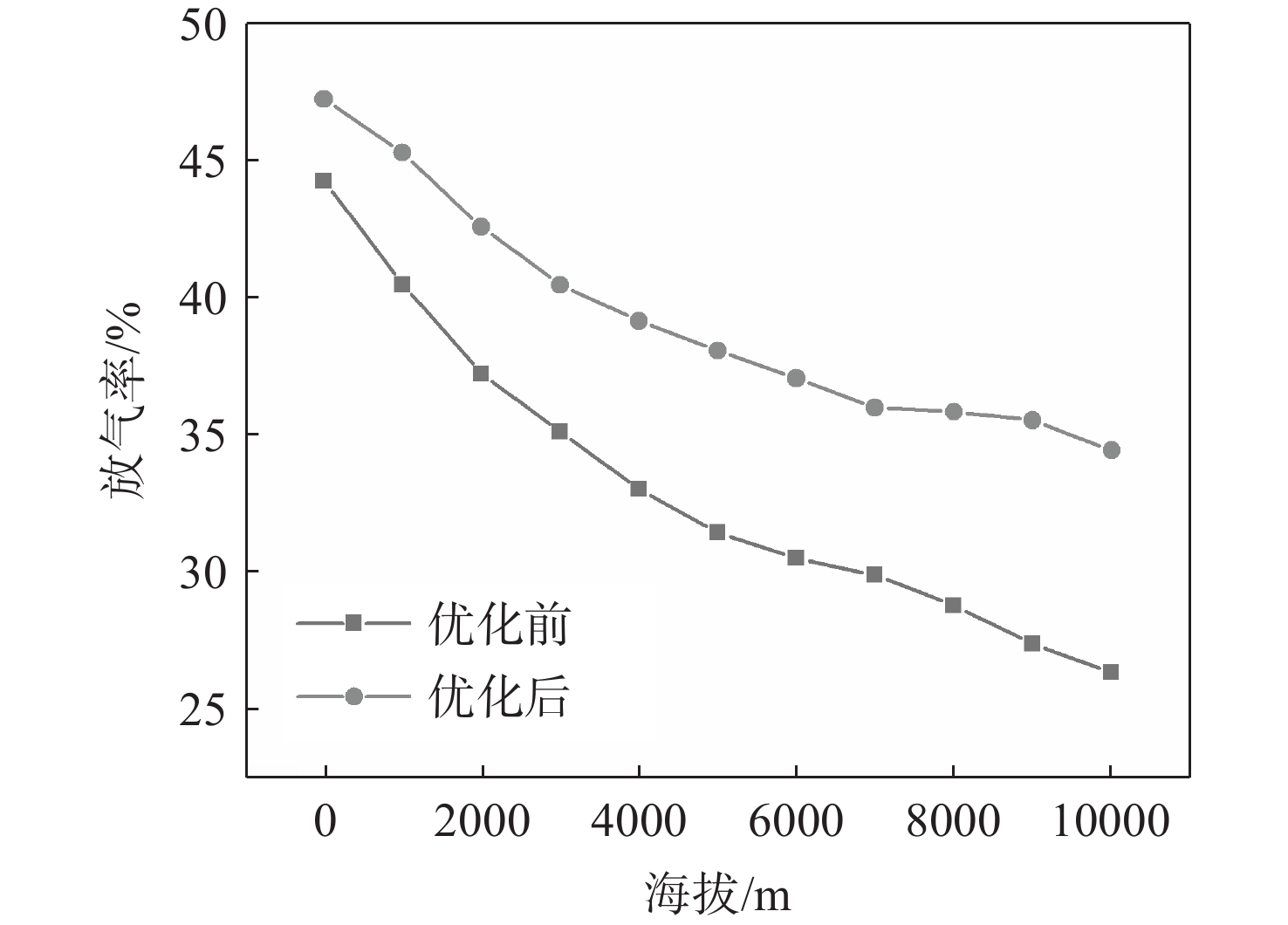
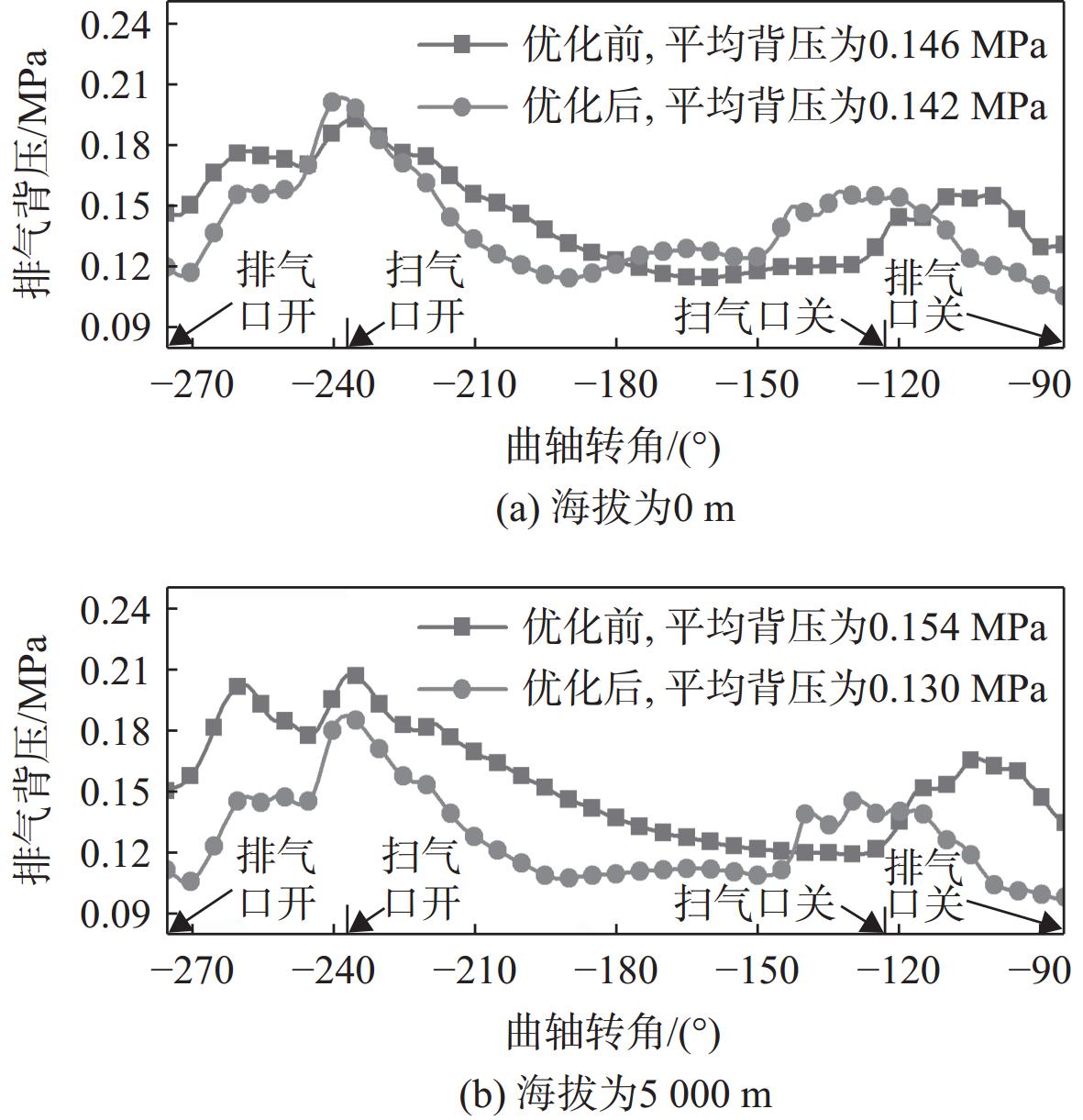
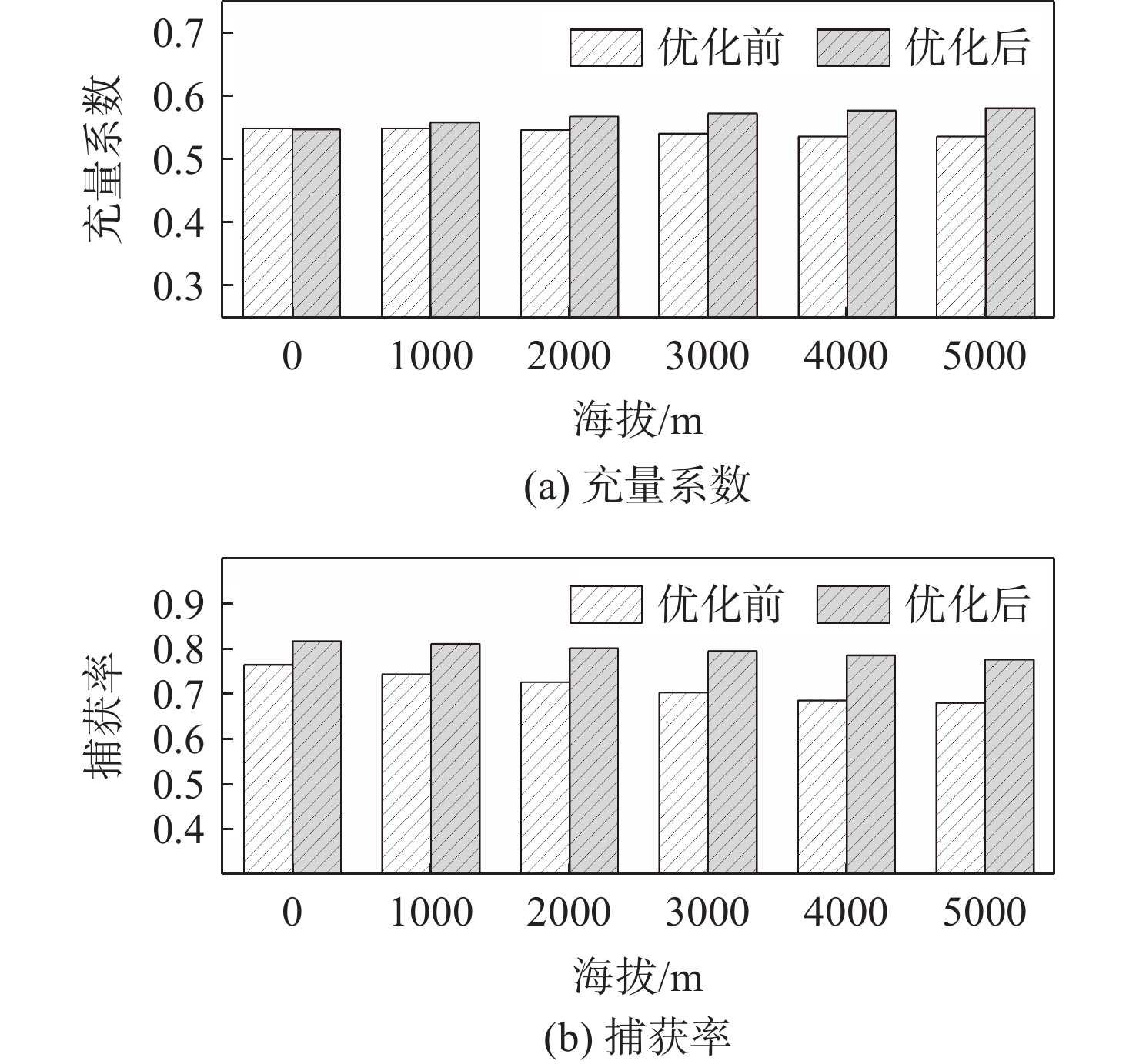
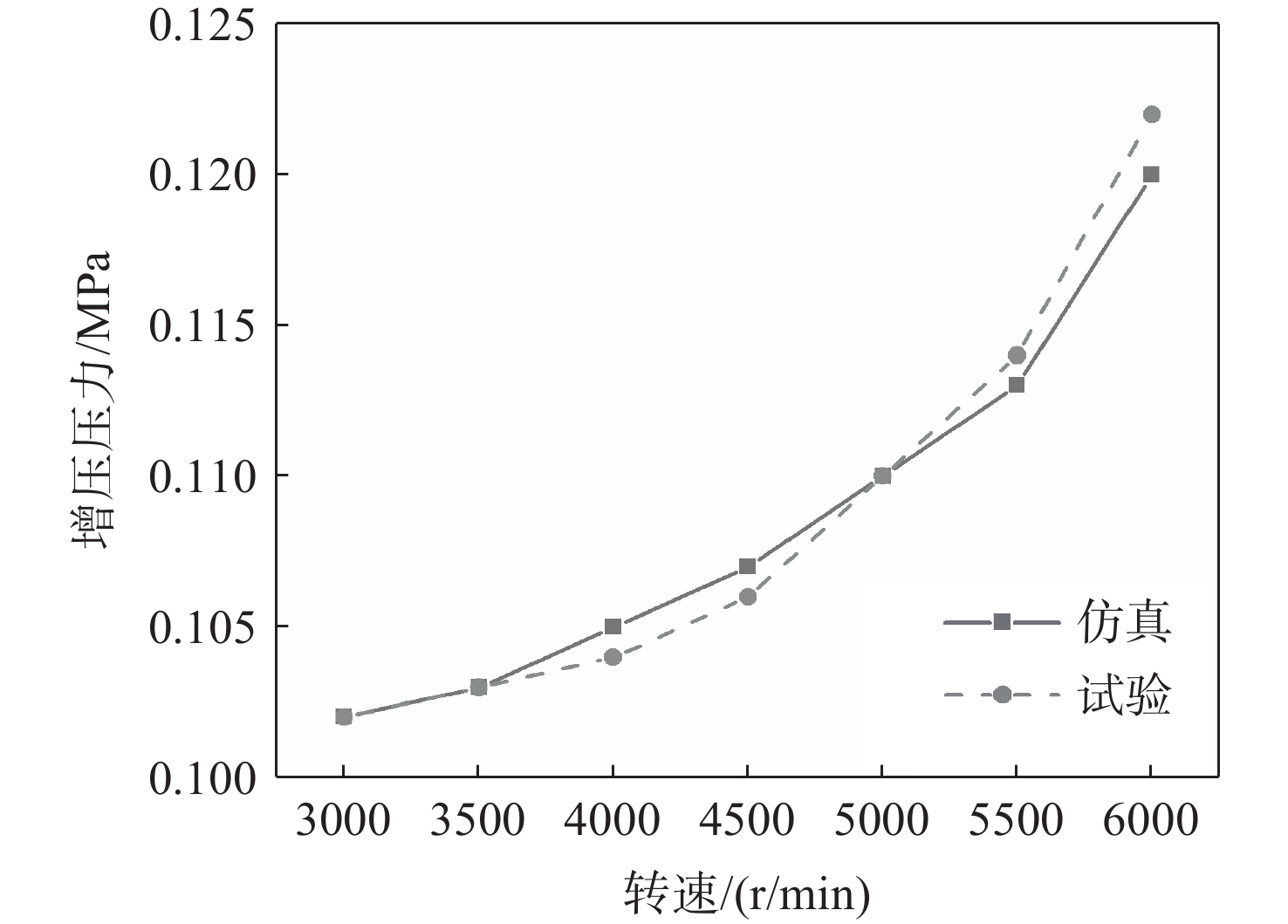
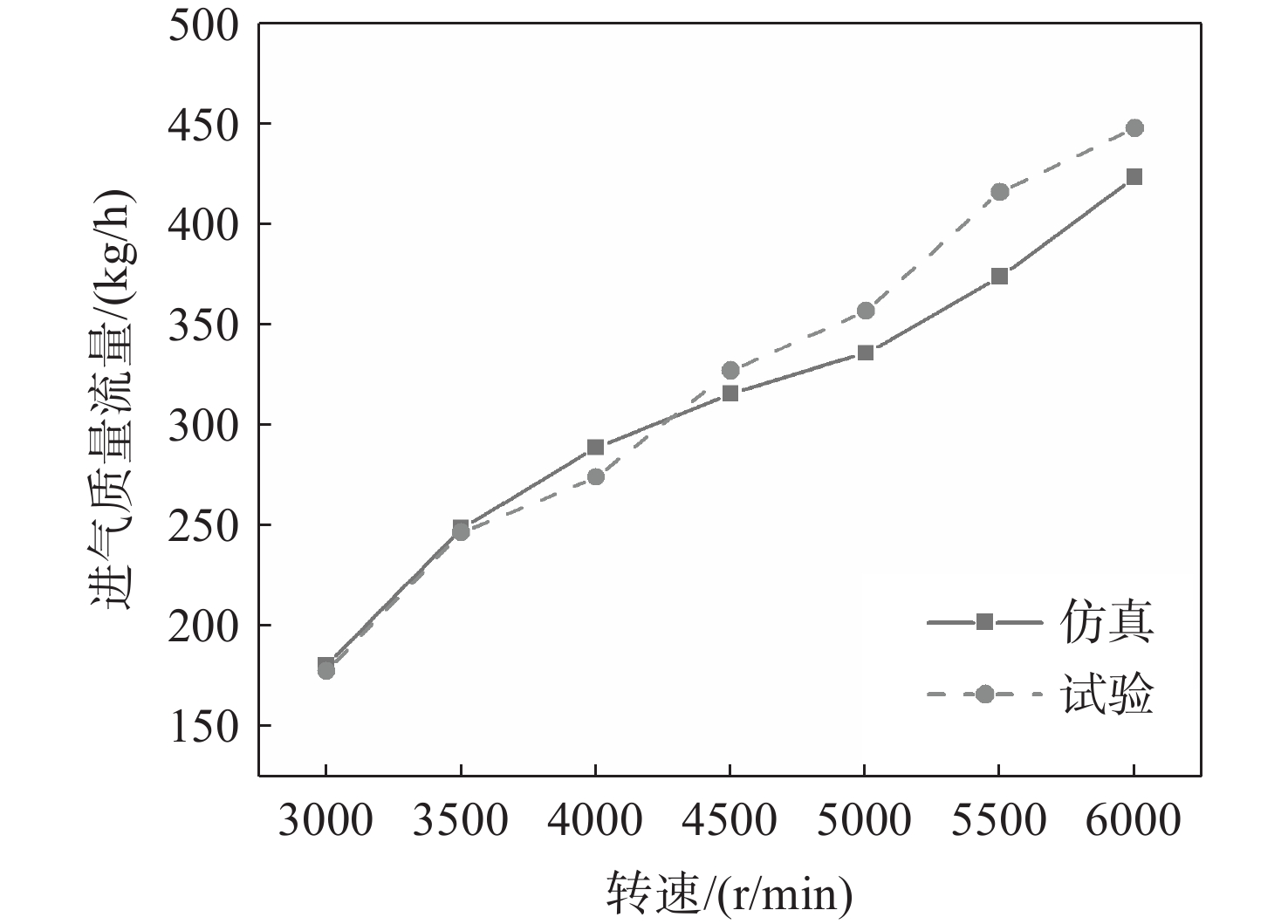
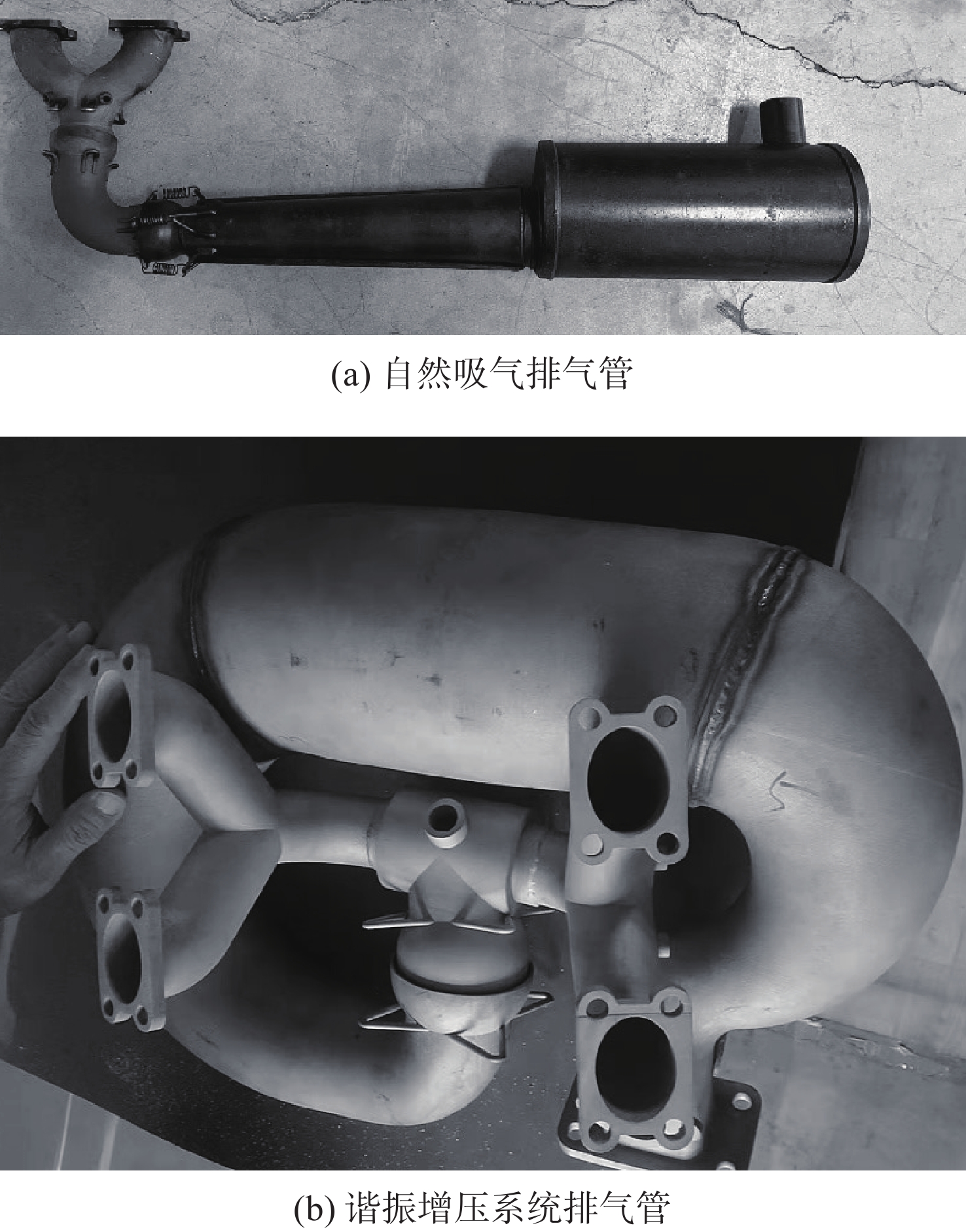
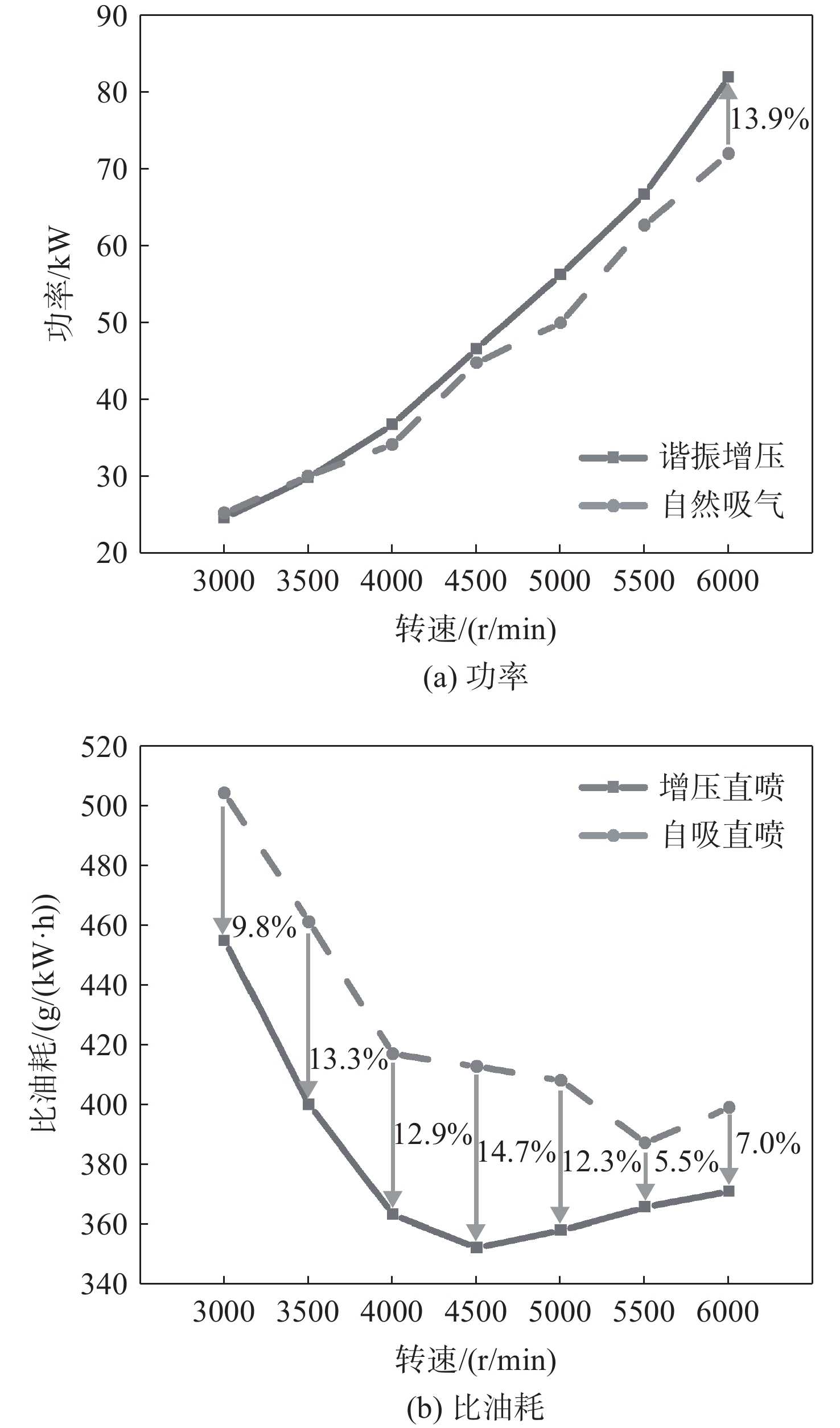
In order to solve the problem of turbocharging matching caused by strong coupling in the intake and exhaust pressures of the two-stroke engine, an optimization method using genetic algorithm was proposed based on the traditional design method of tuned booster system. Considering the charging efficiency and scavenging trapping ratio, the engine’s tuned booster system was parametrically designed to achieve 100% power recovery at the altitude of 5 000 m. The ground performance of the system was verified by ground bench test. The simulation and test results were in good agreement. The research showed that tuned booster system can realize the high-altitude power recovery of the engine, and the design method based on genetic algorithm is suitable for the turbocharging matching of complex multi-cylinder engine.

Solving model of friction and wear characteristics of brush seal considering time-varying wear of brush wire
LAN Kexin, ZHAO Huan, SUN Dan, YANG Zemin, XU Wenfeng, SUN Jisheng
2025, 40(4): 20230399. doi: 10.13224/j.cnki.jasp.20230399
Abstract:
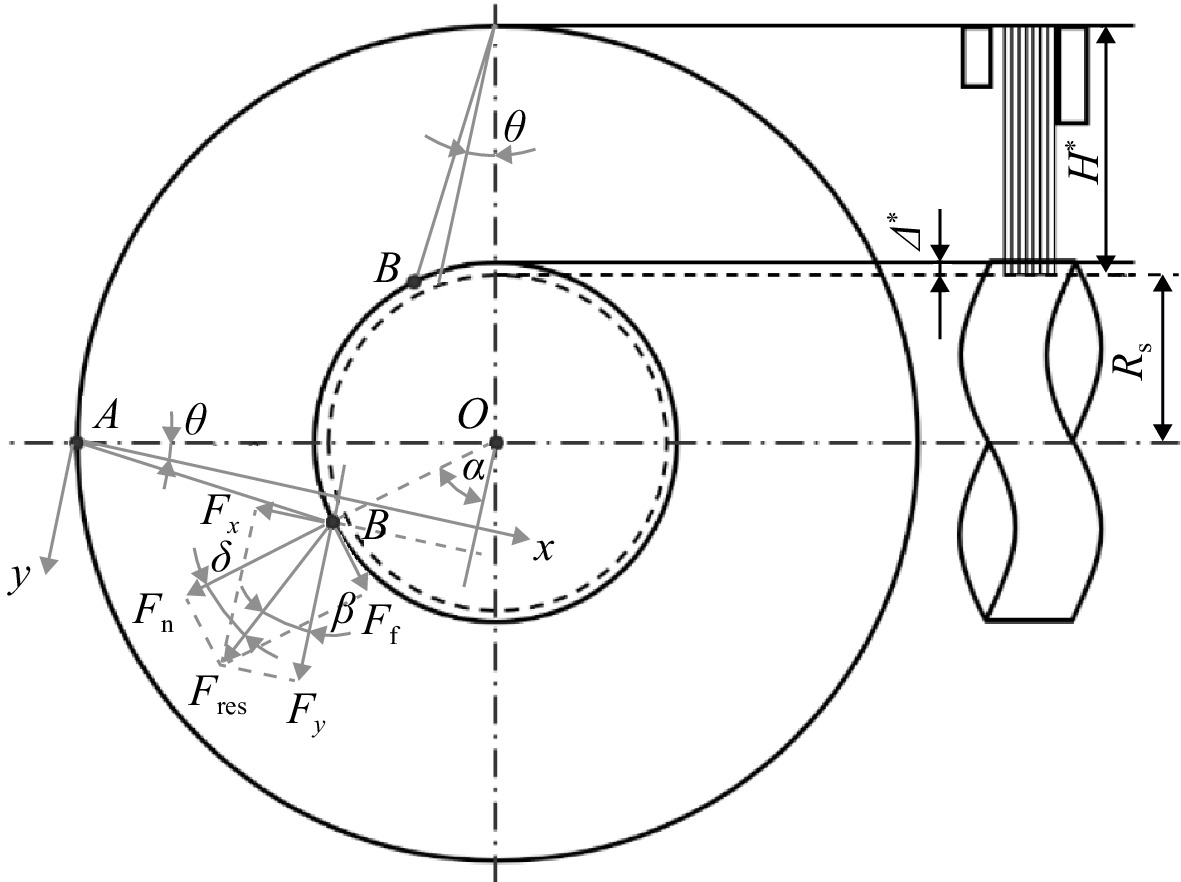
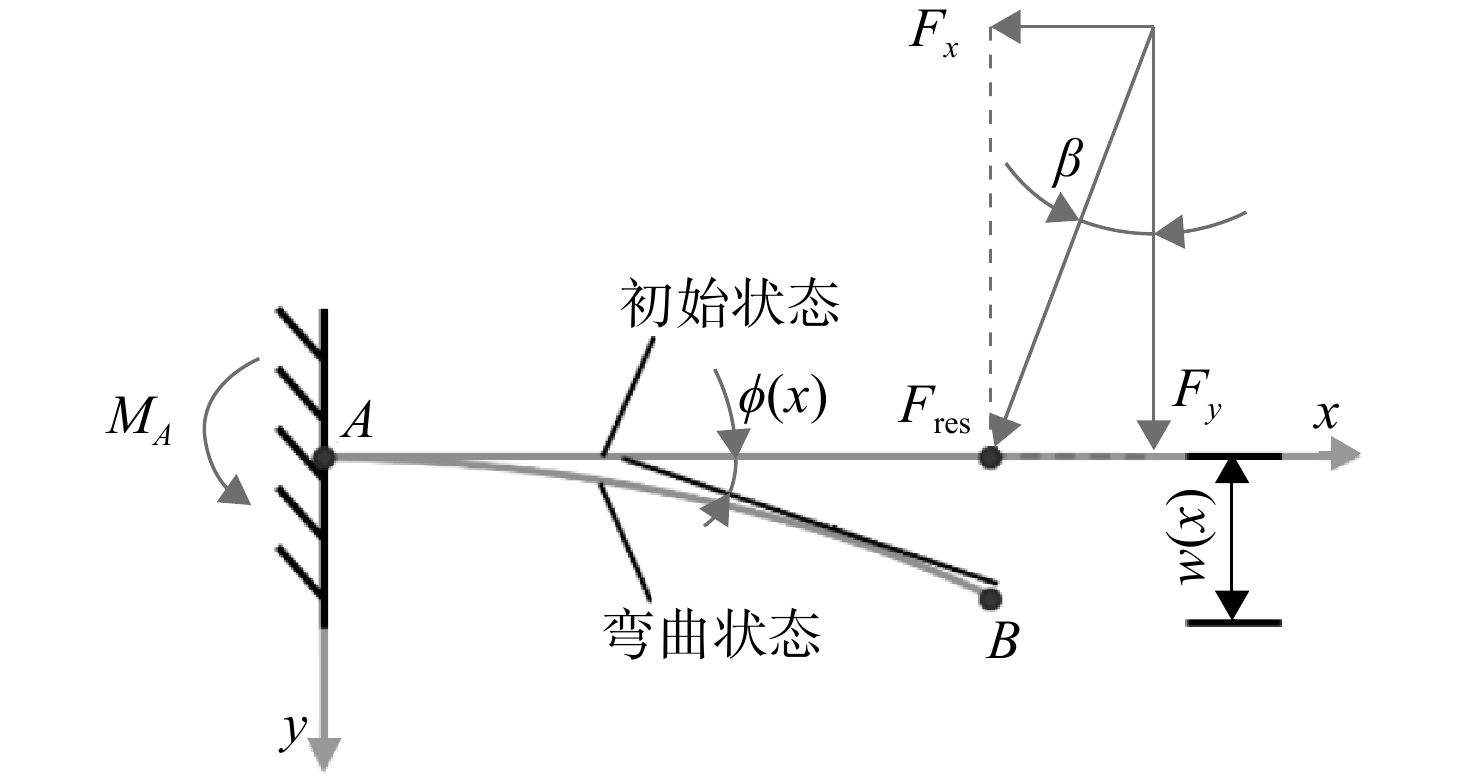
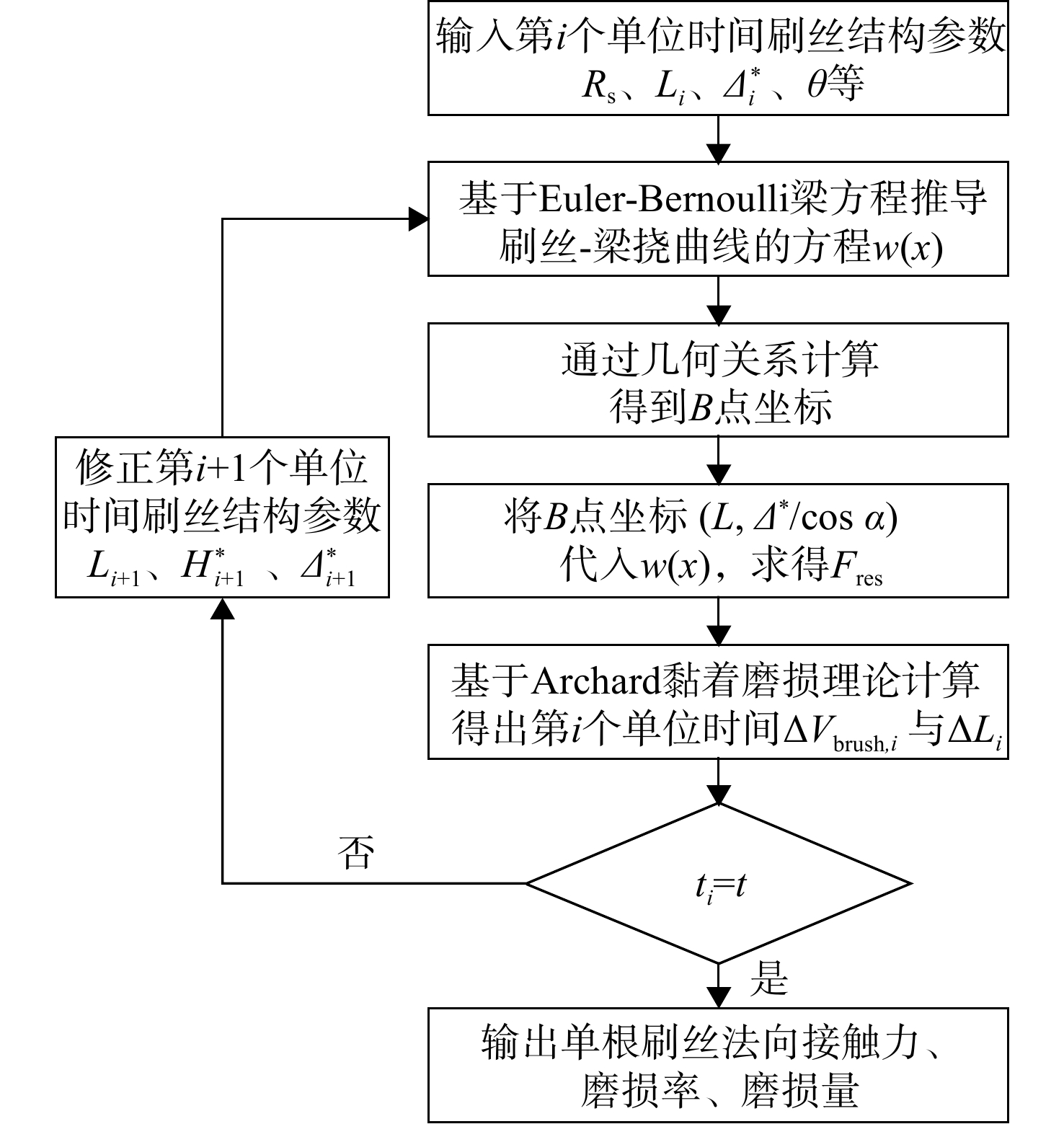
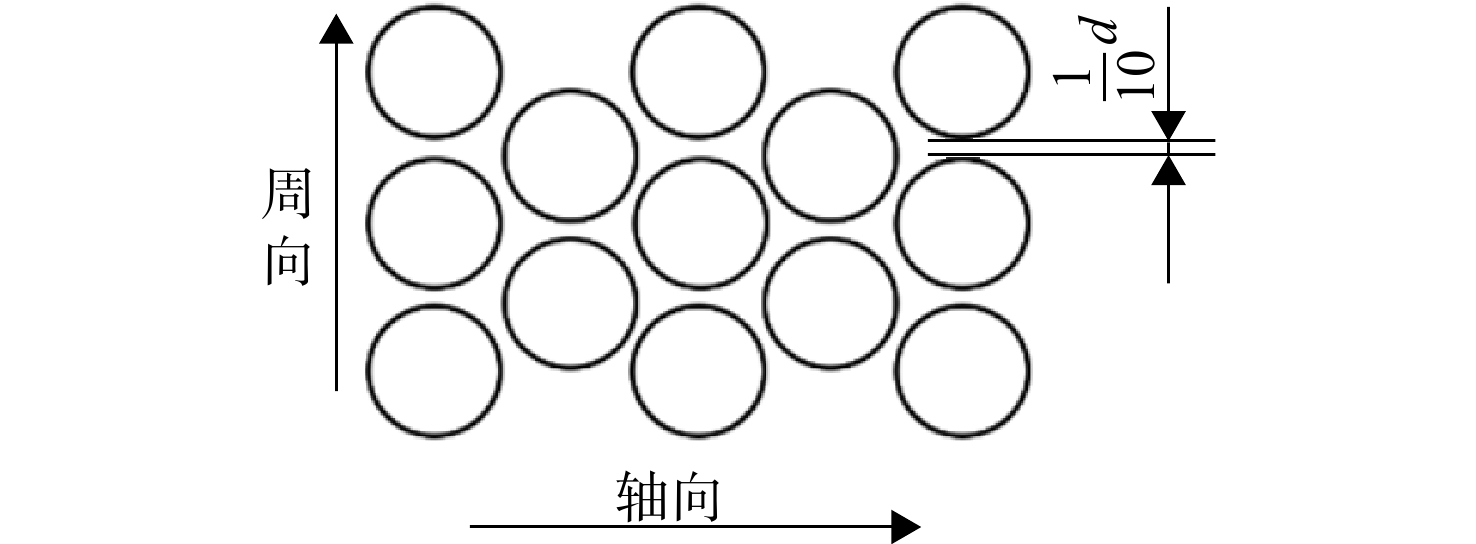
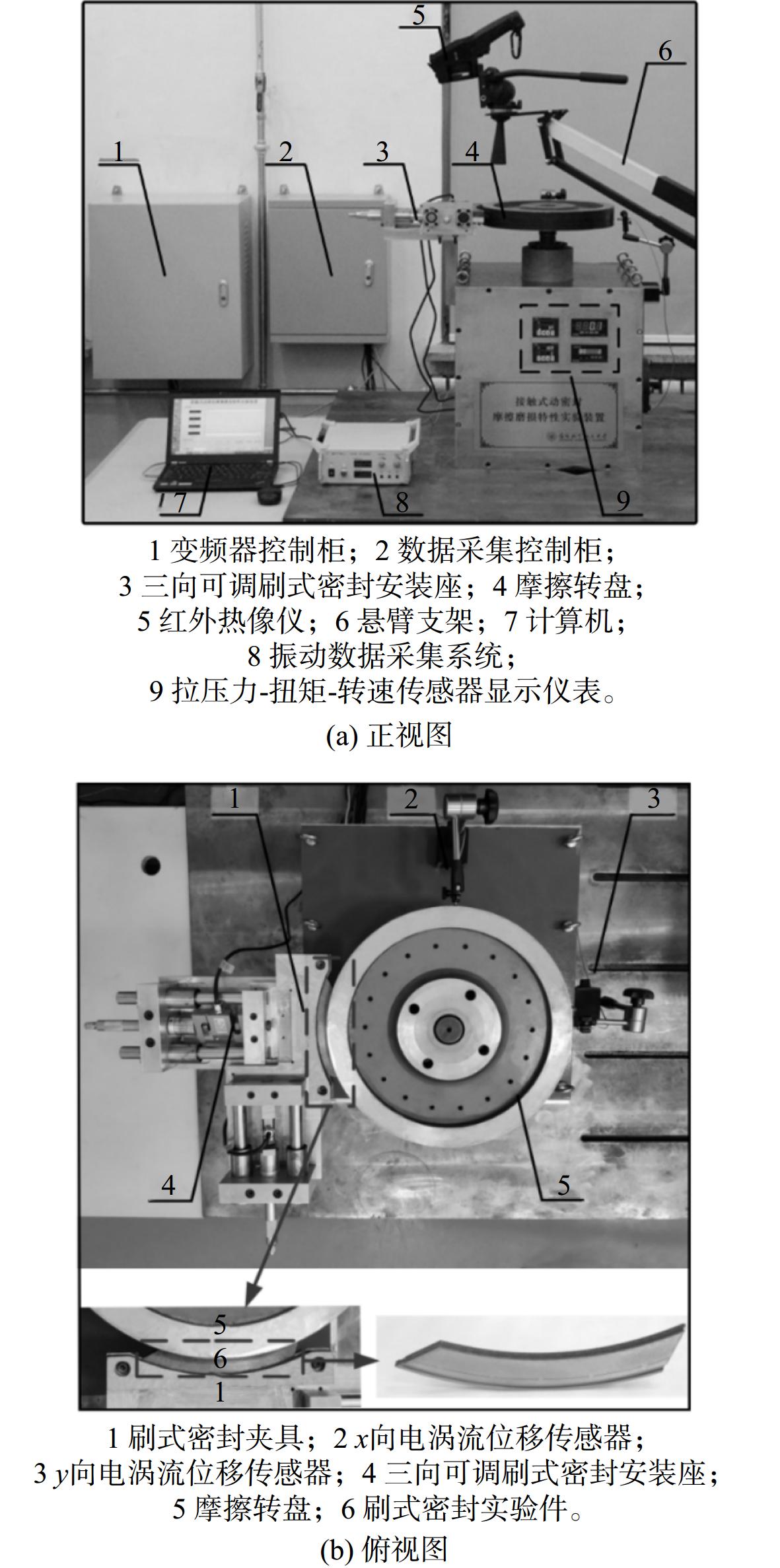
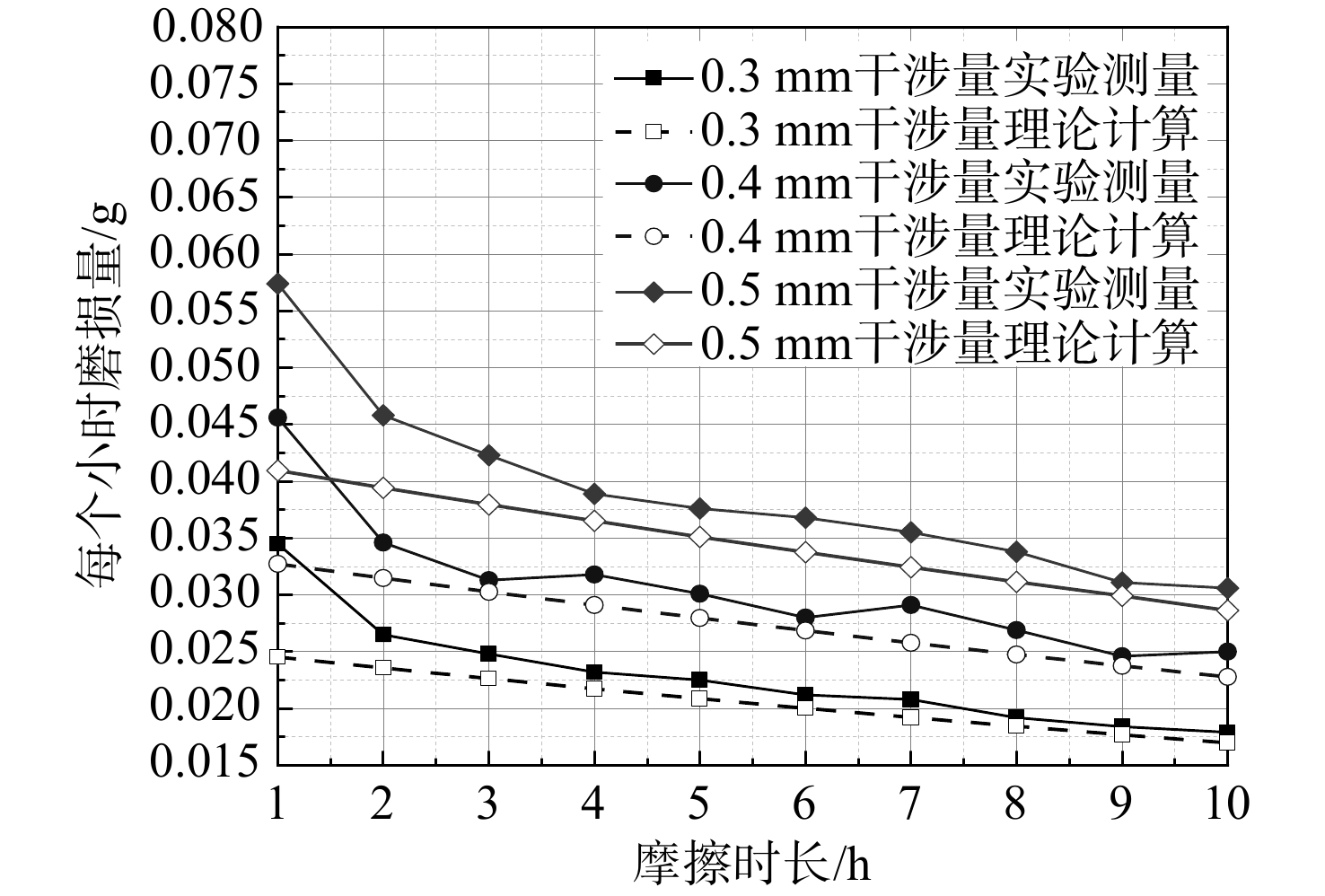
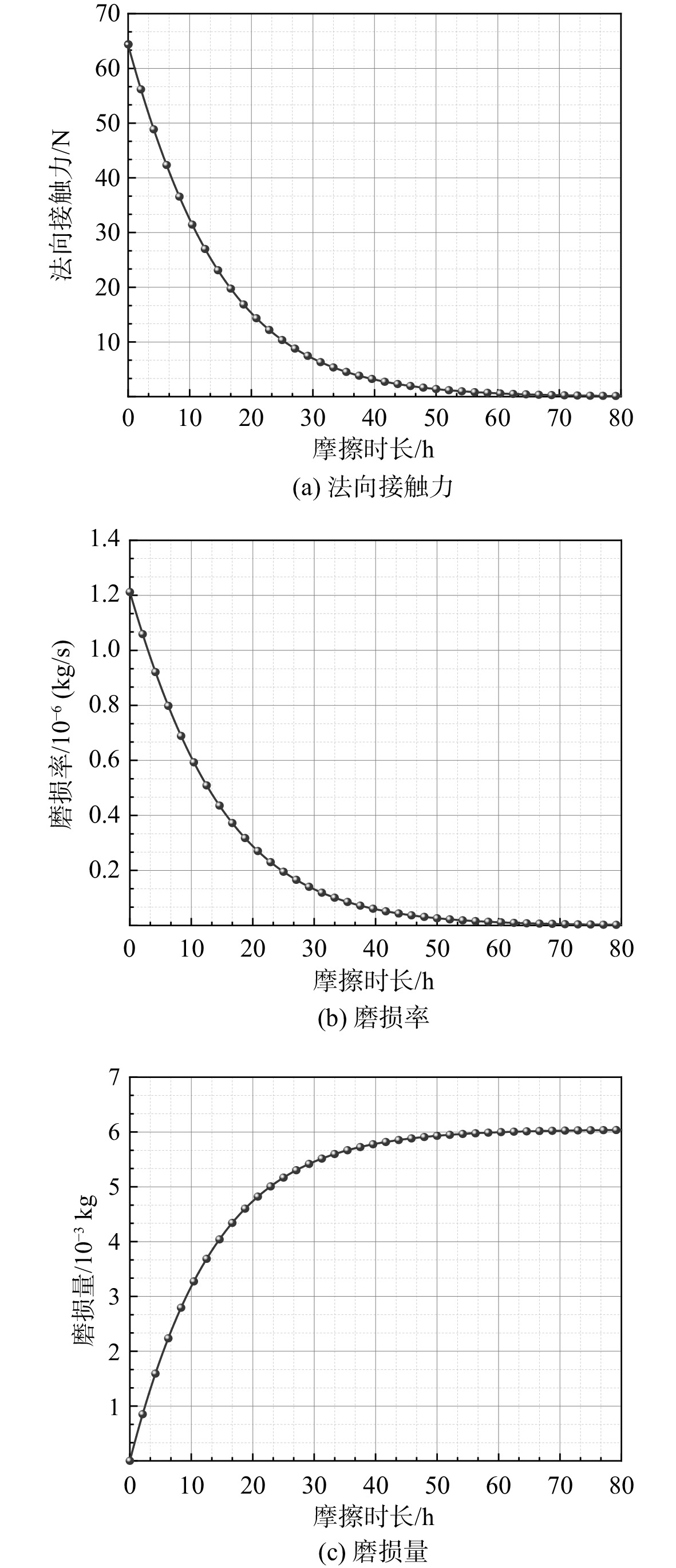
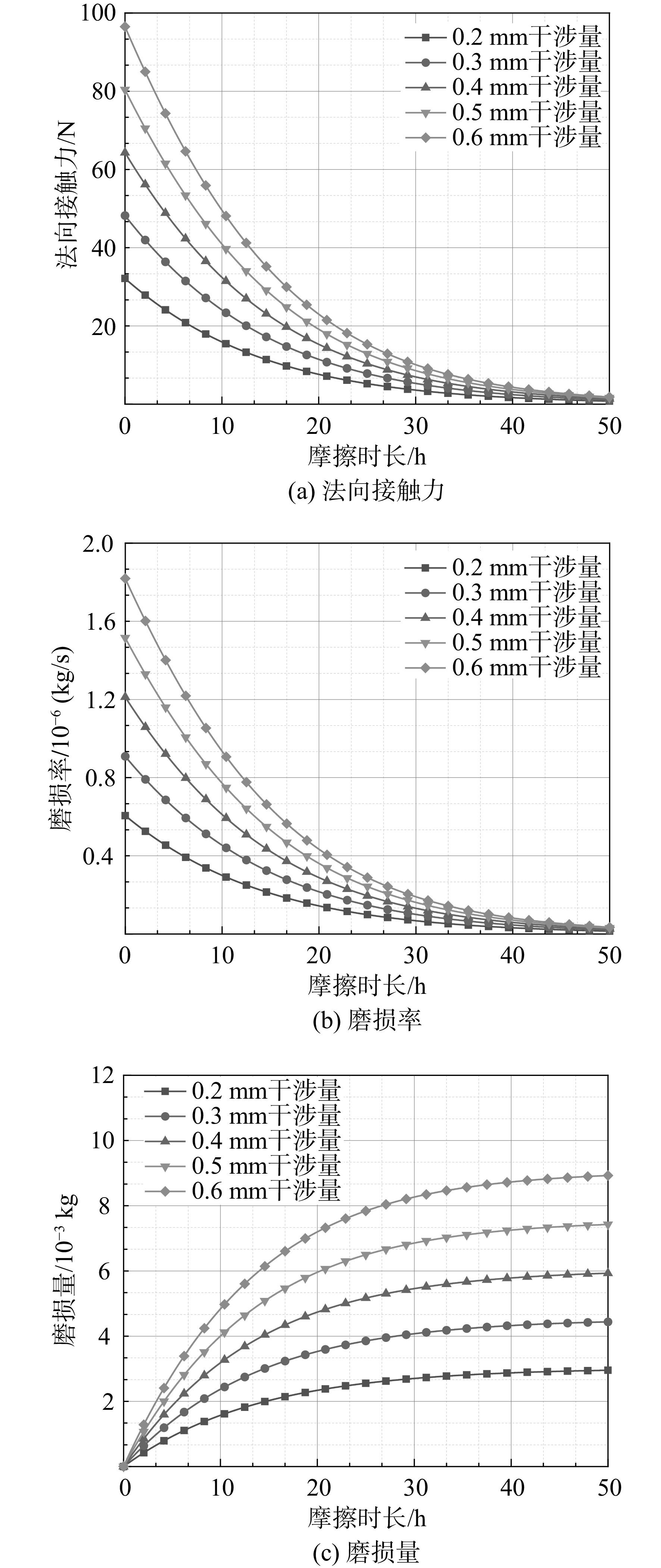
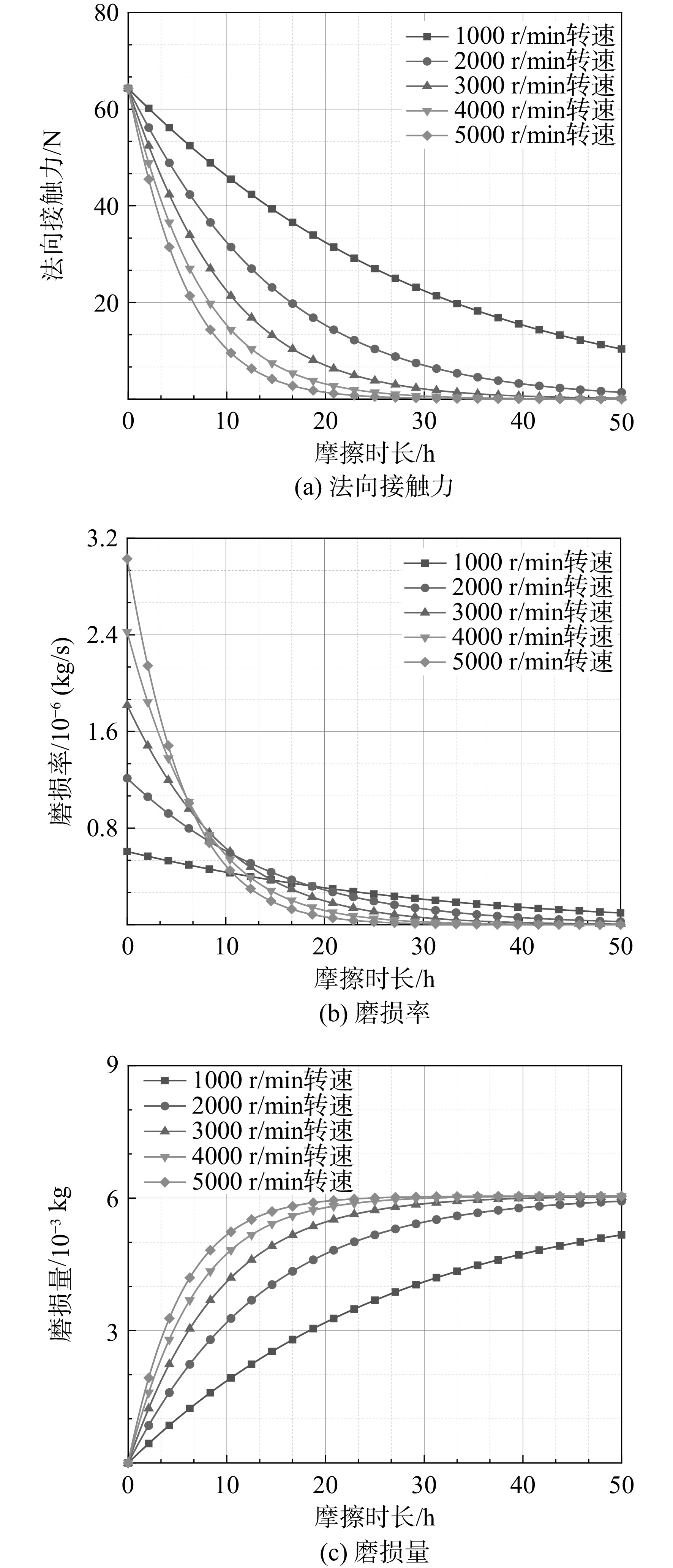
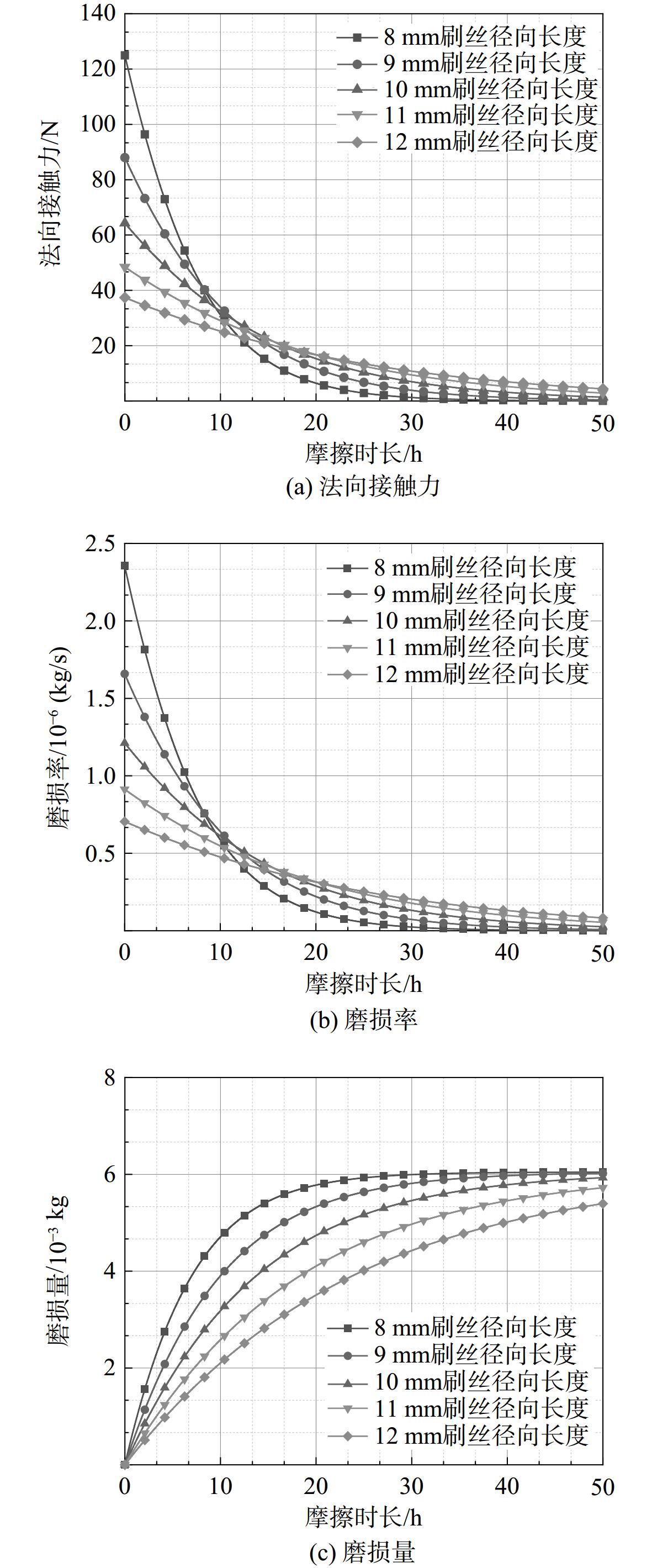
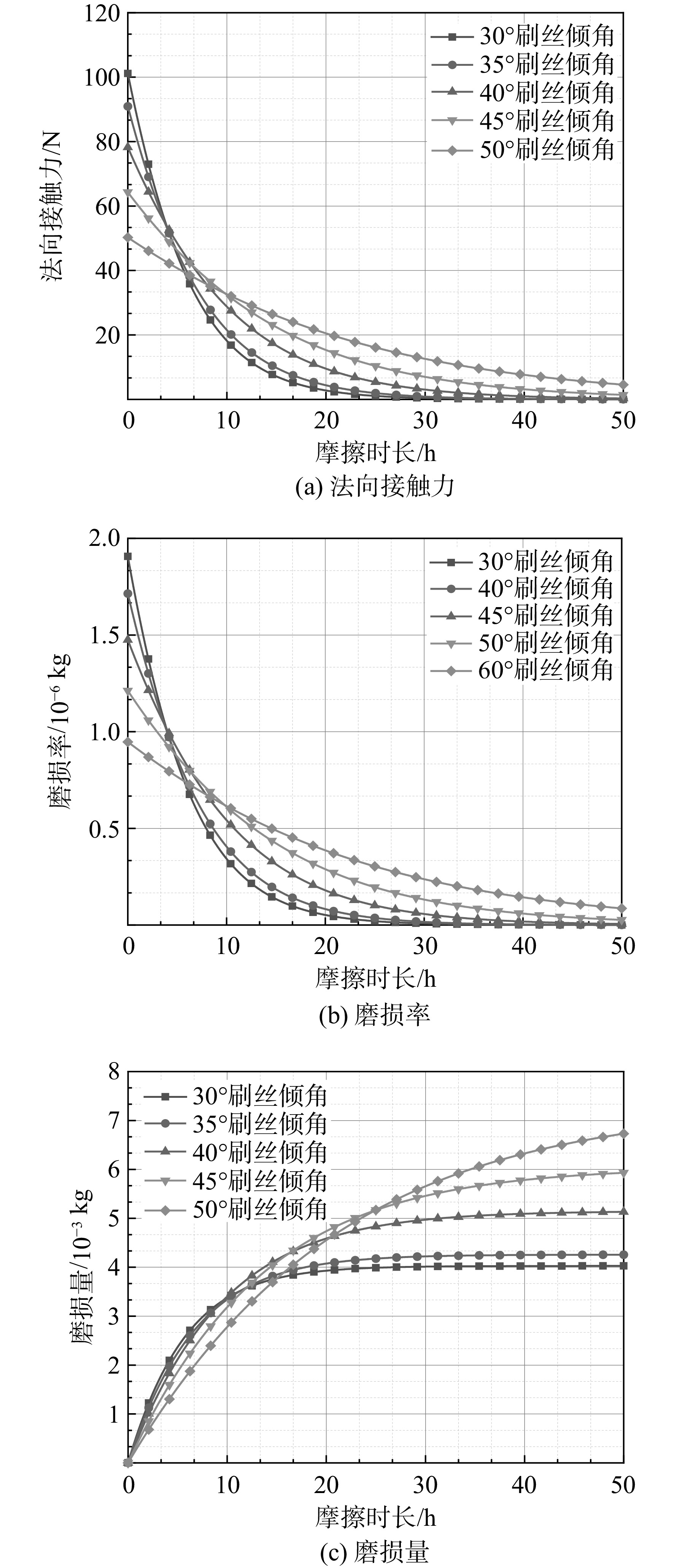
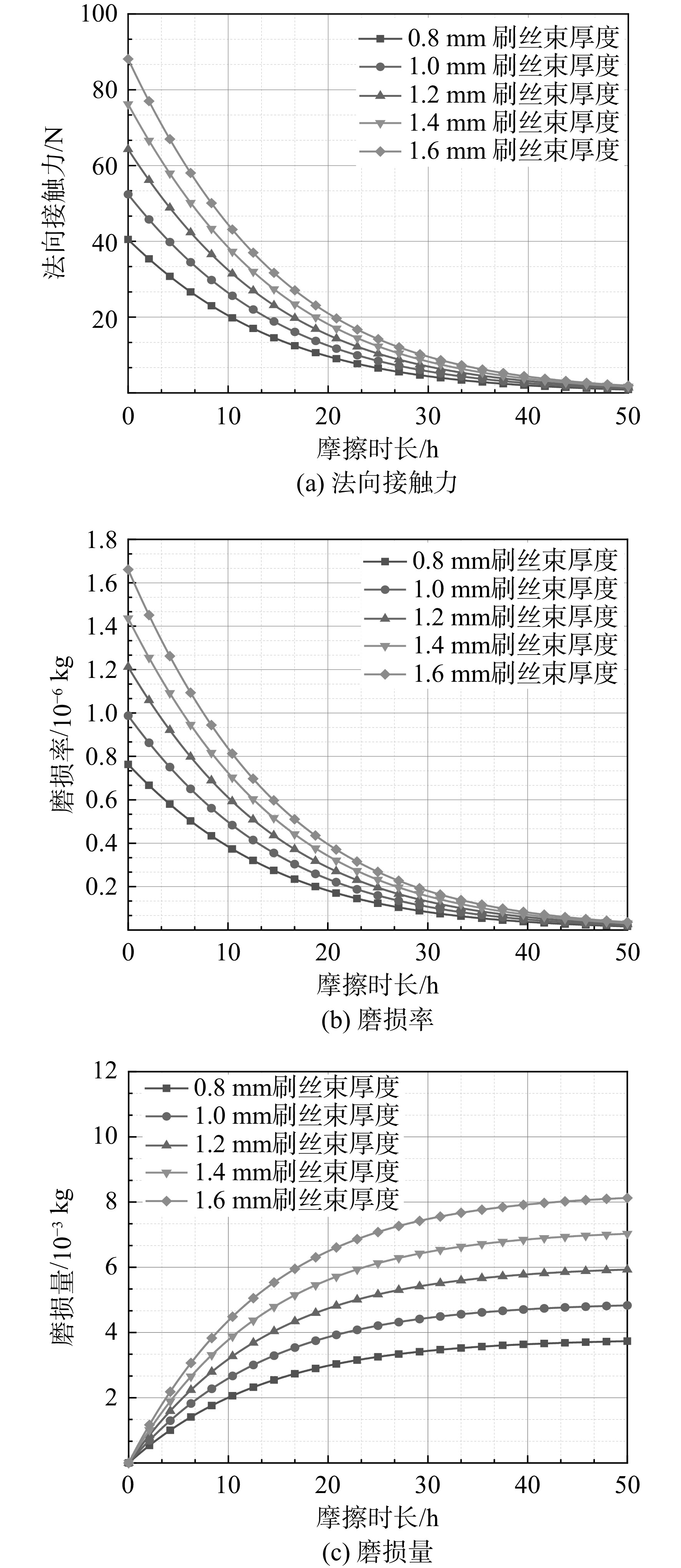
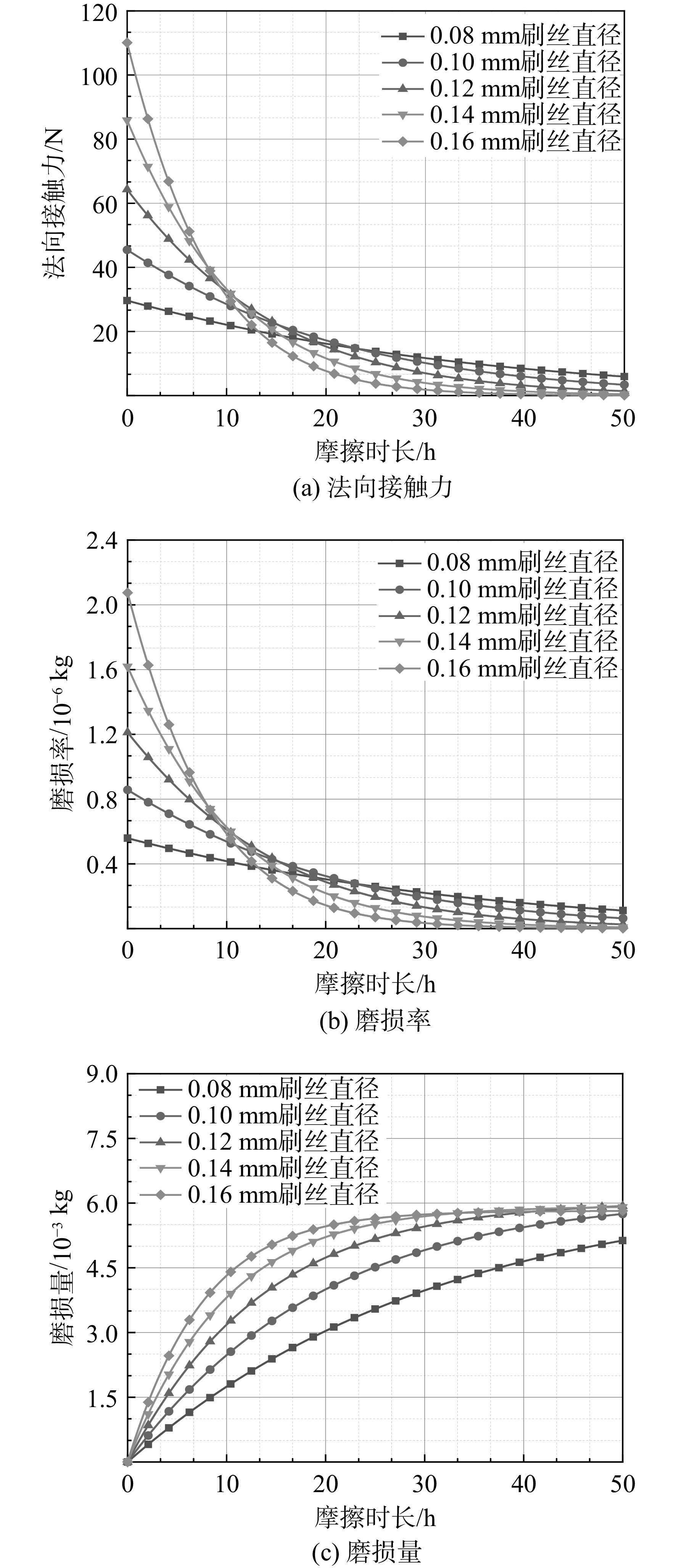
Based on Euler-Bernoulli beam theory and Archard wear theory coupling method, a solution model of brush seal friction and wear characteristics considering time-varying wear of brush wire was proposed. The normal contact force, wear rate and wear loss between the free end of brush wire and the rotor surface were analyzed. The experimental device of brush seal friction and wear characteristics based on cylindrical circumferential friction was designed and built. On the basis of experimental verification of the accuracy of the solution model, the influences of working condition parameters and structural parameters of brush seal on the friction and wear characteristics of brush seal were studied. The results showed that the normal contact force and wear rate between the free end of the brush wire and the rotor surface decreased logarithmically with the increase of the friction time, and finally approached 0. The wear loss increased logarithmically with the increase of friction time, and finally became stable. When the rotation speed was 2000 r/min and the interference amount was 0.4 mm, the wear of the brush wire mainly occurred in the first 20 h, and the wear of the brush wire became stable at the 50 h. The normal contact force, wear rate and wear amount of the brush wire increased with the increase of the interference amount and the thickness of the brush wire, and the wear amount also increased linearly. With the increase of rotational speed, radial length and diameter of the brush wire and the decrease of the inclination angle of the brush wire, the decrease rate of the normal contact force and wear rate curve of the brush wire was faster, and the time for the brush wire to reach the maximum wear amount was shorter.

Design method of tenon joint structure of resin matrix braided composite
SUN Chao, QI Wenkai, WEI Linzhang
2025, 40(4): 20230555. doi: 10.13224/j.cnki.jasp.20230555
Abstract:

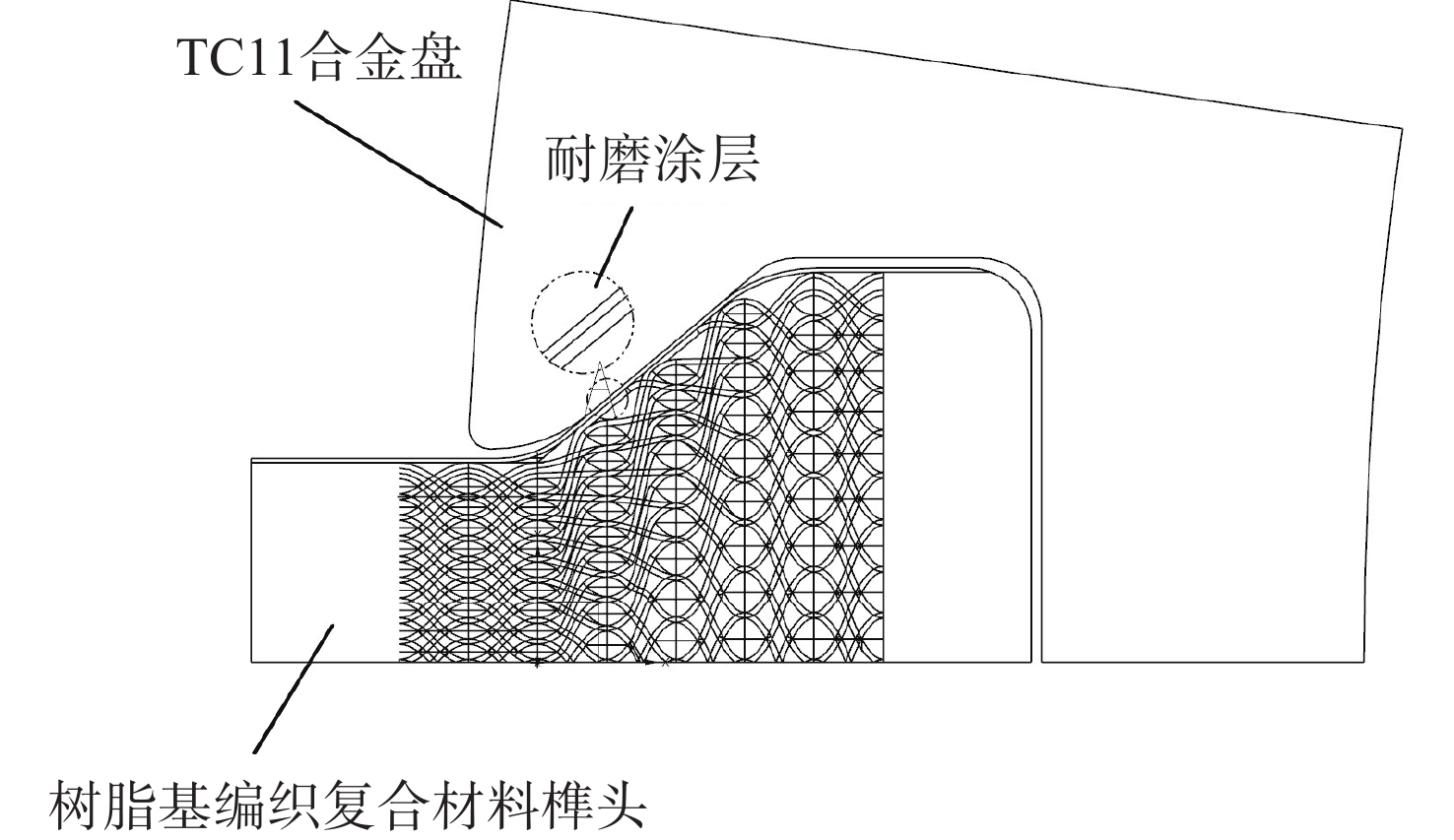
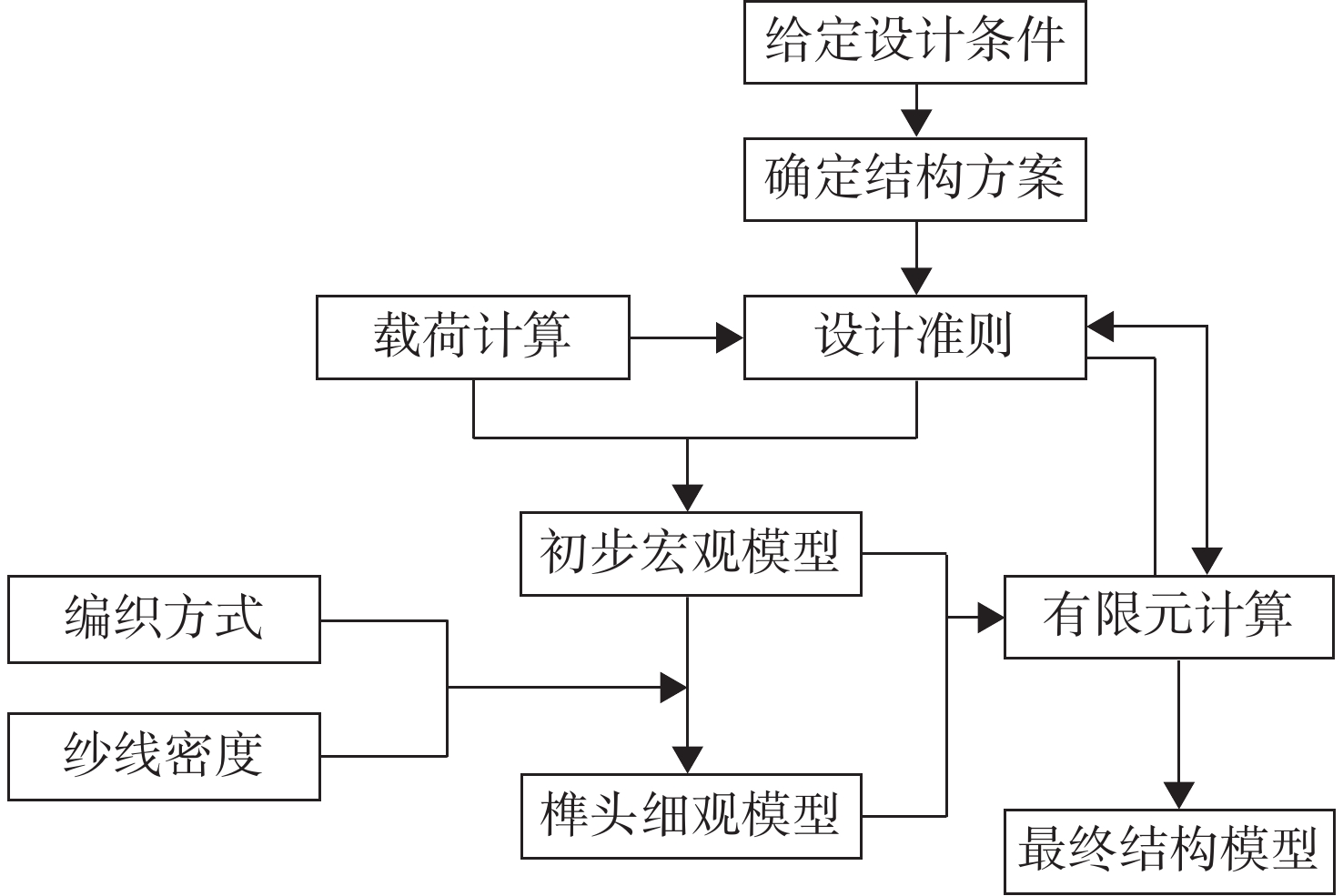
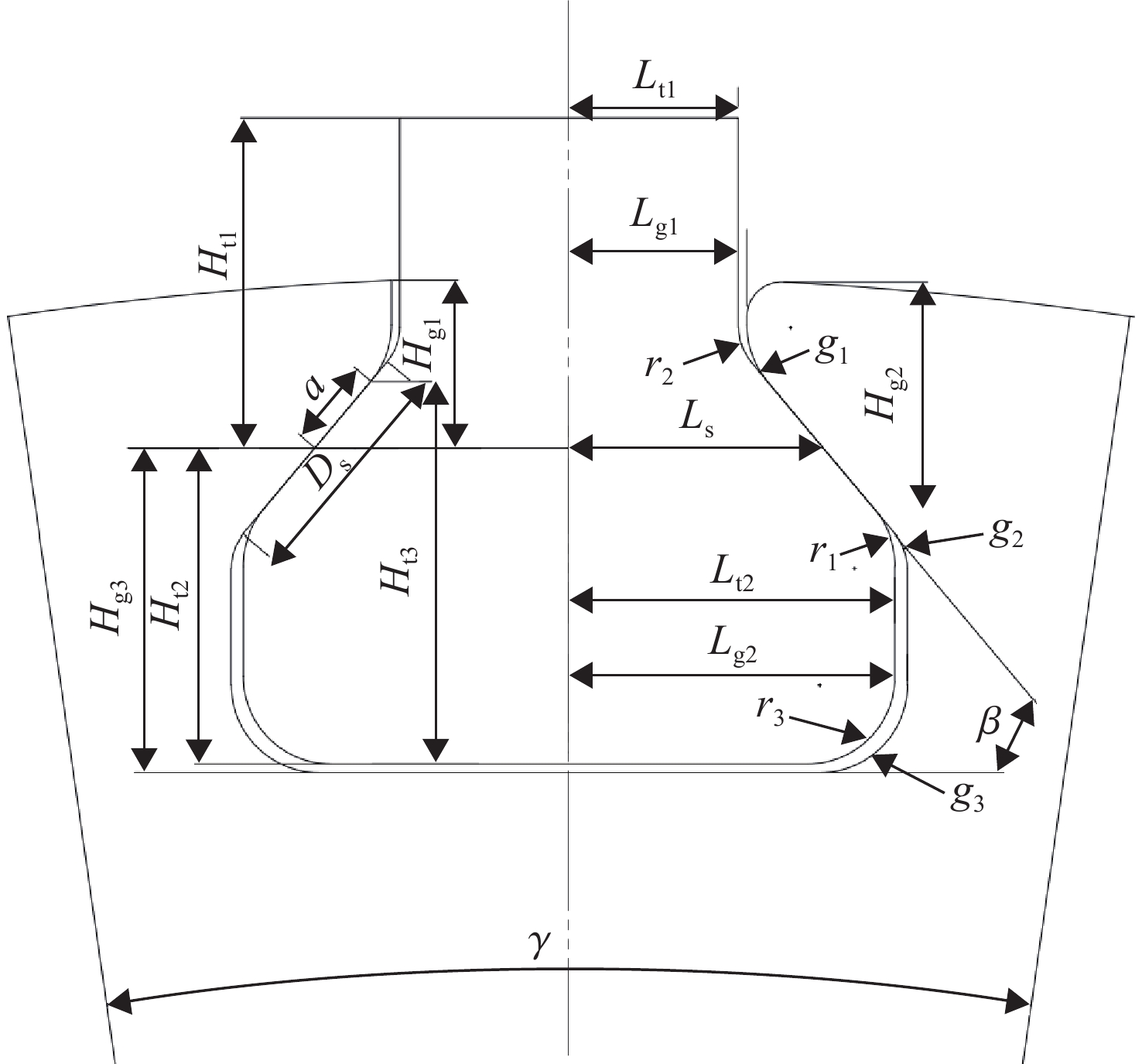
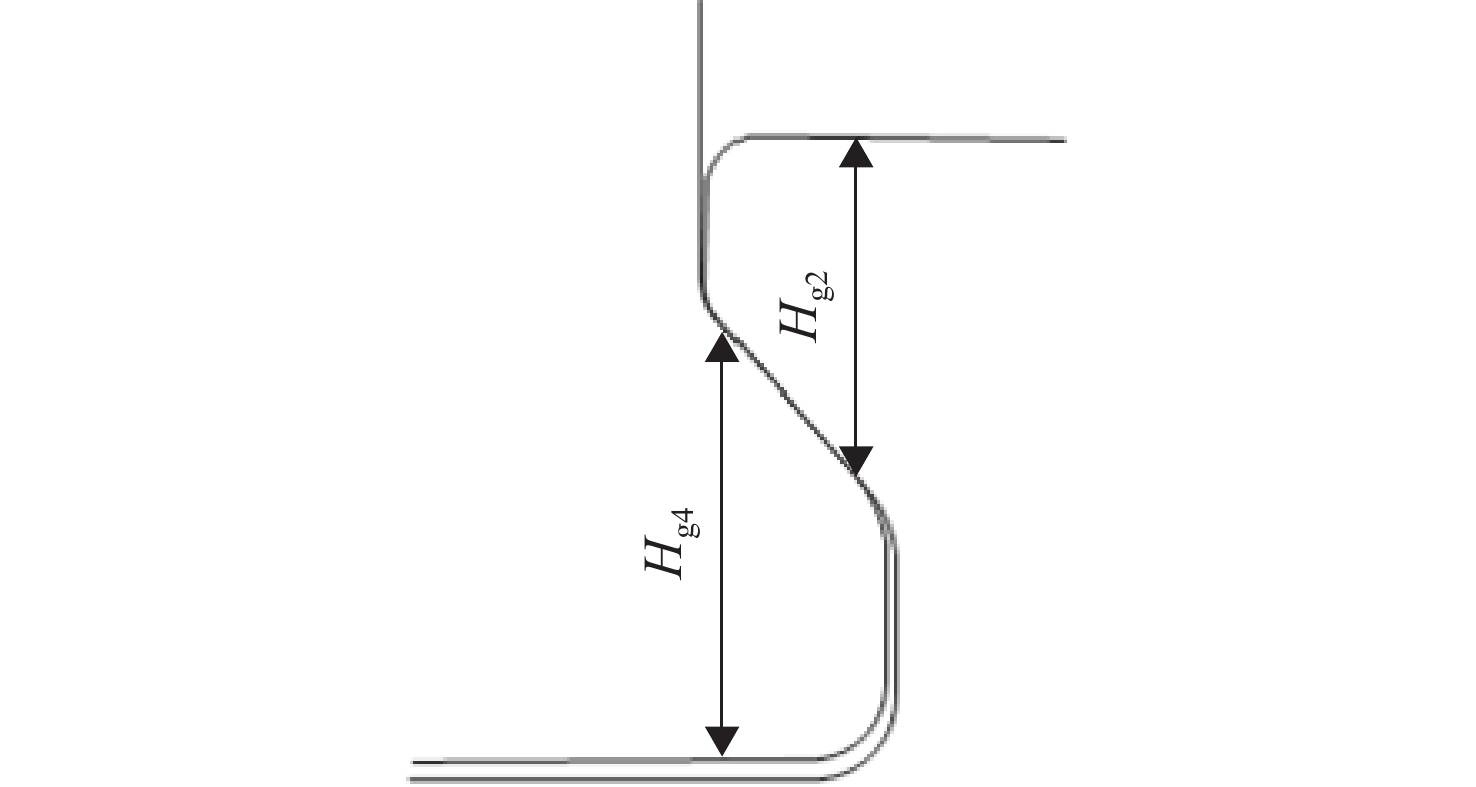
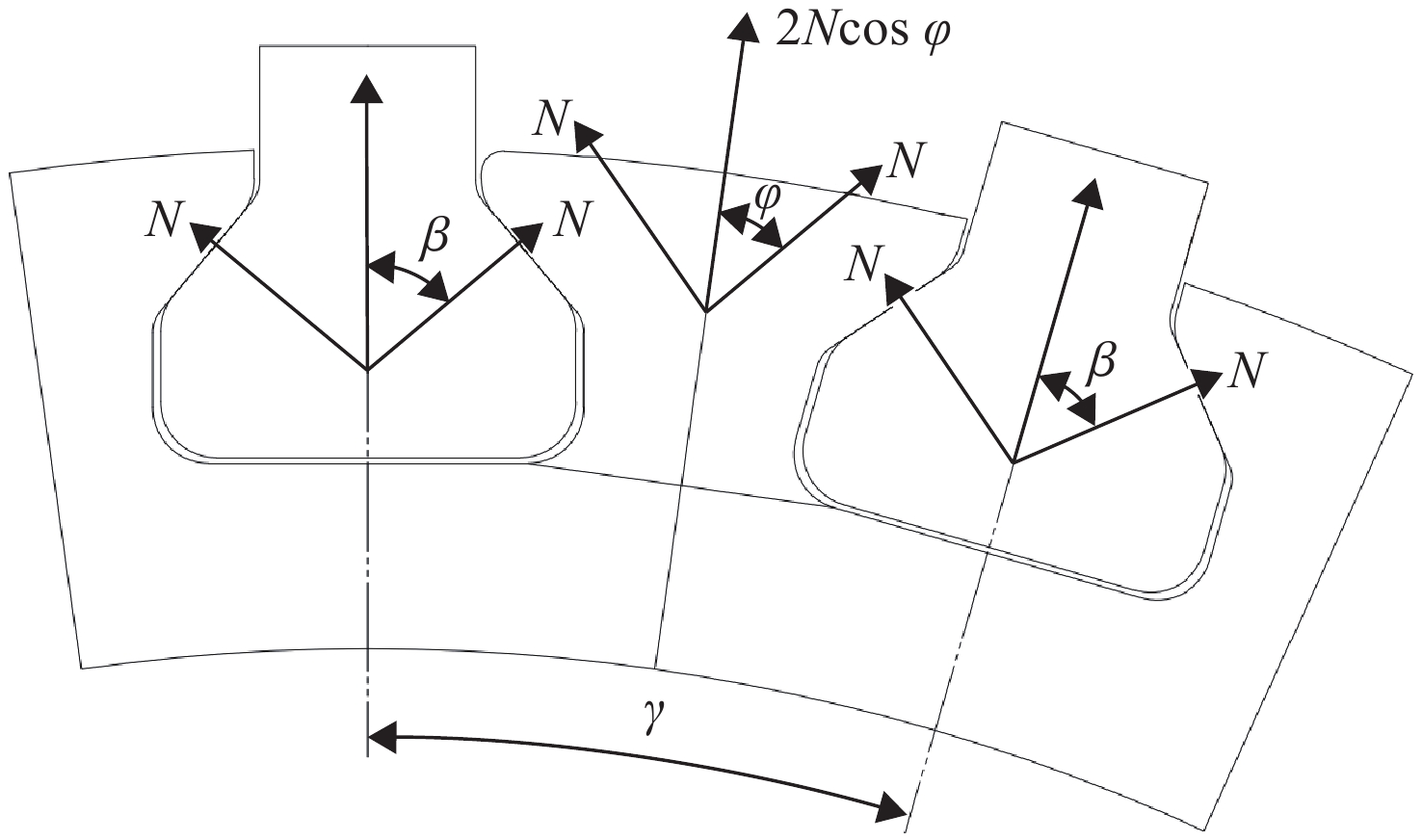
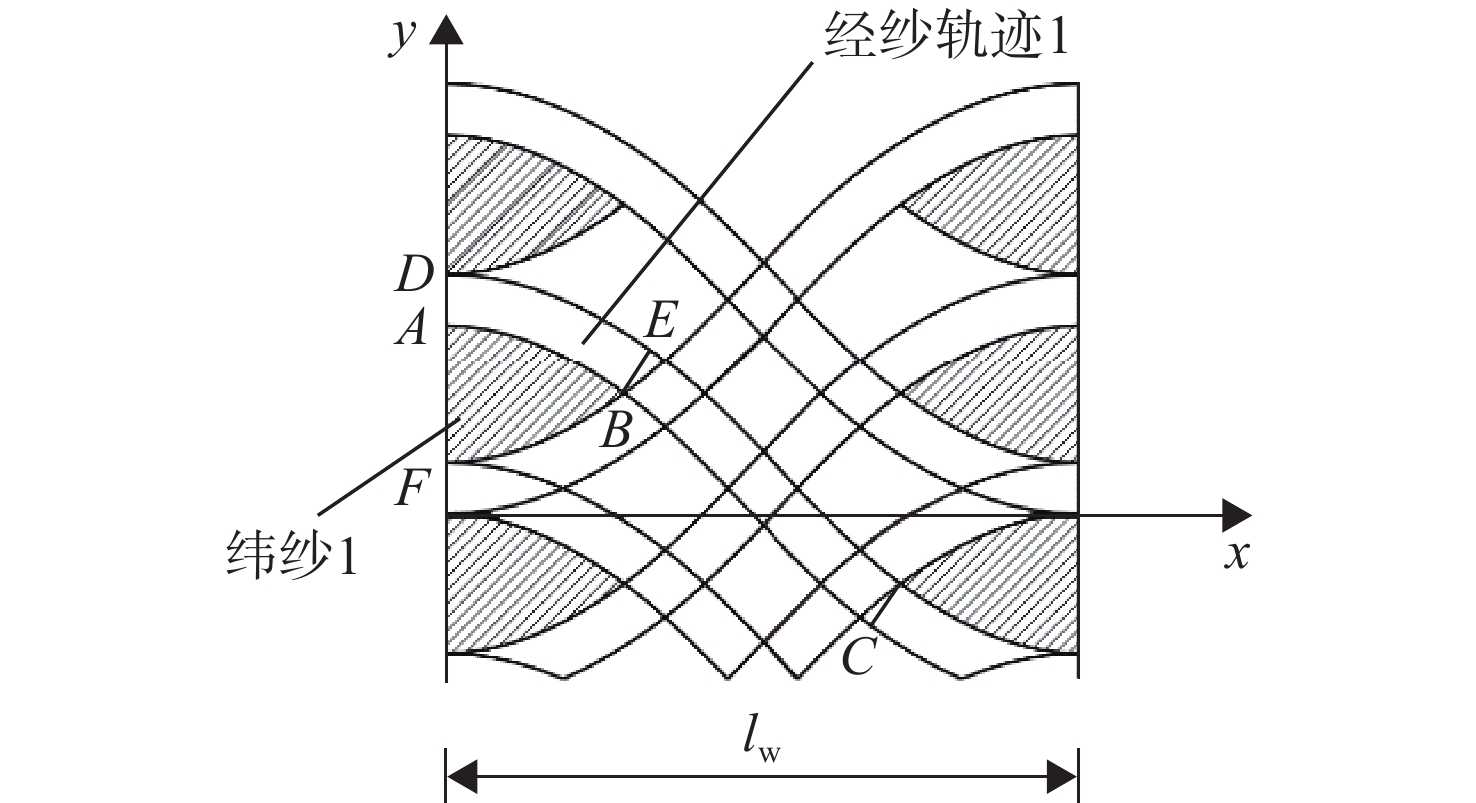
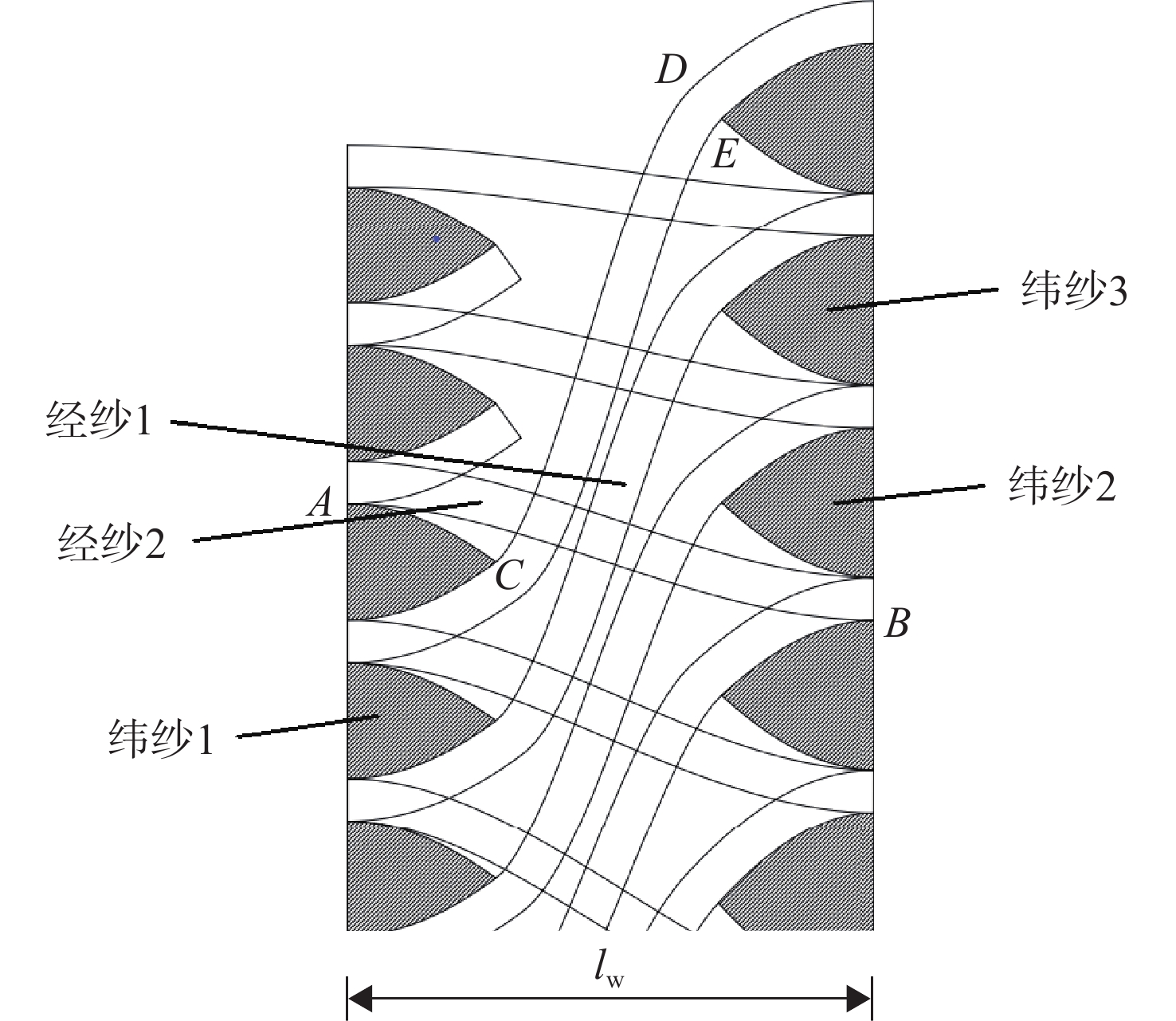
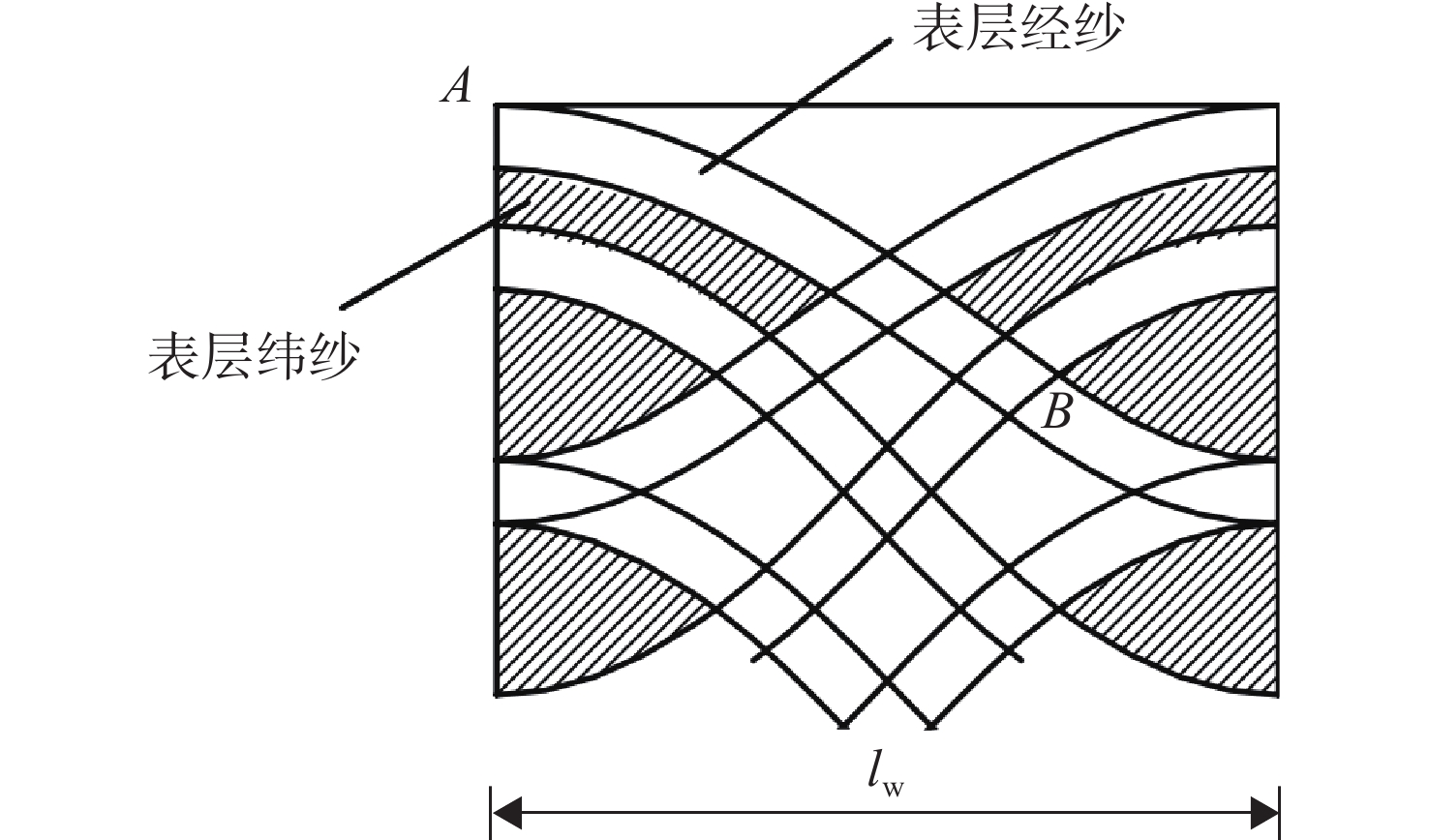
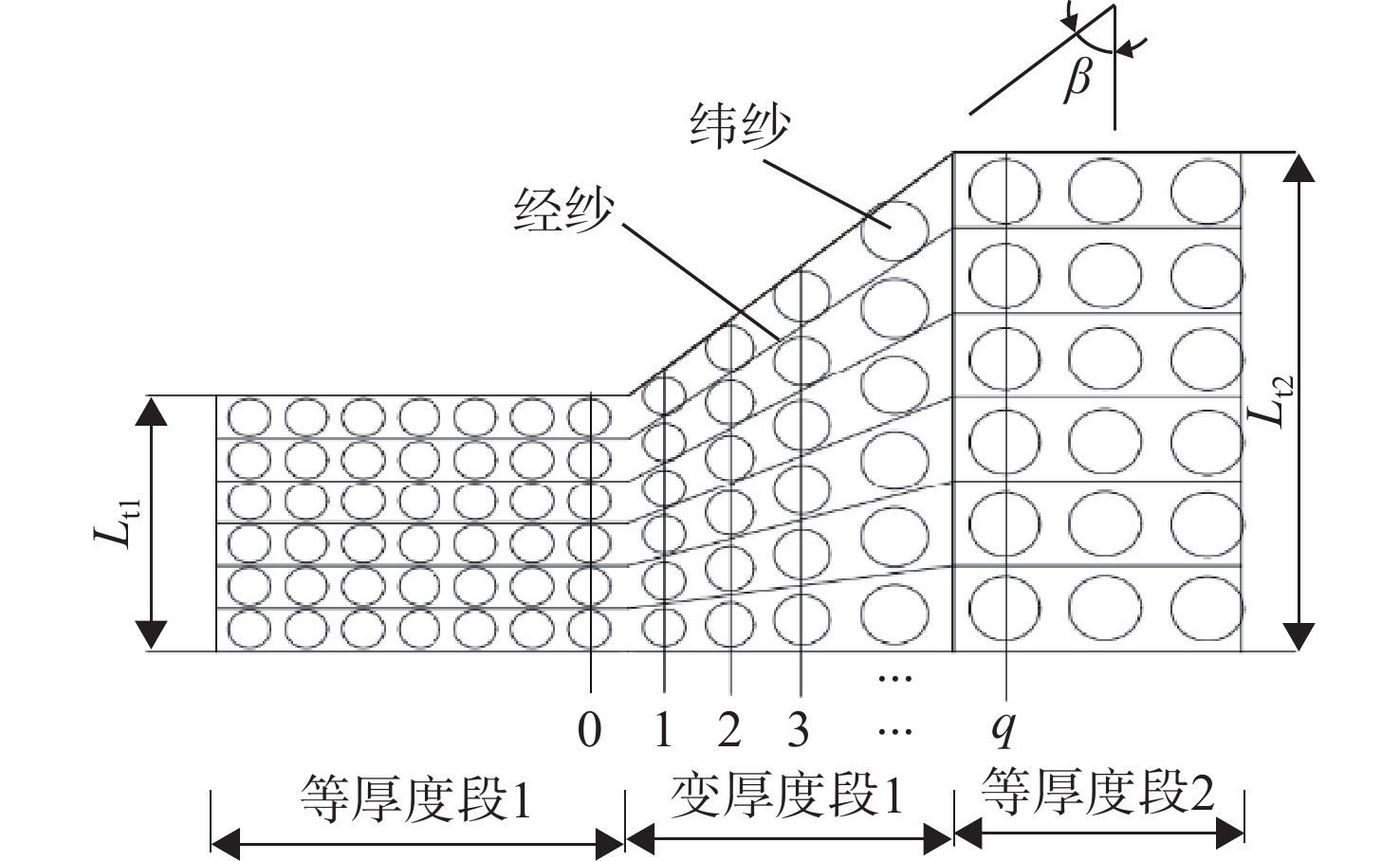
The research on the design method of tenon joint structure of resin matrix braided composites was carried out. Taking the nominal allowable stress as the design basis, combined with the coating contact stress, the parameters of dovetail joint were extracted and modeled, and the design process and design criteria of dovetail joint were given. The detailed calculation method of structural parameters was obtained. Combined with the dovetail tenon geometric size and yarn density, the weaving parameters of the tenon part and the yarn increase and decrease process were determined according to the thickness, and the standard finite element meso model of resin matrix braided composites with variable thickness was established. The scale separation hypothesis was proposed to analyze the stress of the tenon joint structure by combining the equal thickness and variable thickness stiffness prediction methods. The results showed that the stress distribution of dovetail tenon joint structure did not have serious stress concentration due to geometry, and the contact stress and equivalent stress fell within the range of material strength.

Turbomachinery
Uncertainty research on effects of position deviation on aerodynamic performance of rotor
MO Yuqin, CHU Wuli, LIU Kaiye, JI Tianyuan, GUO Zhengtao
2025, 40(4): 20230477. doi: 10.13224/j.cnki.jasp.20230477
Abstract:

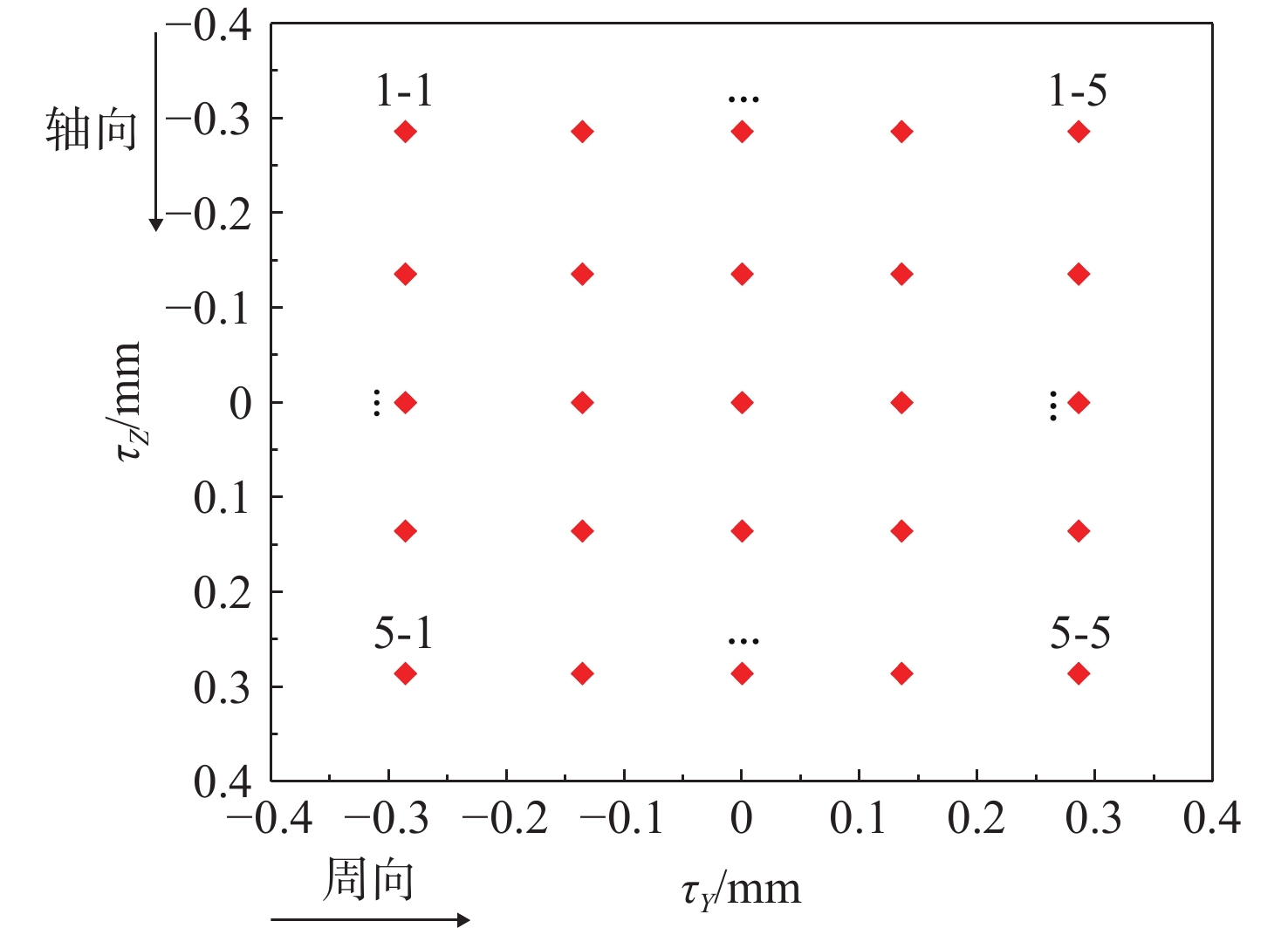
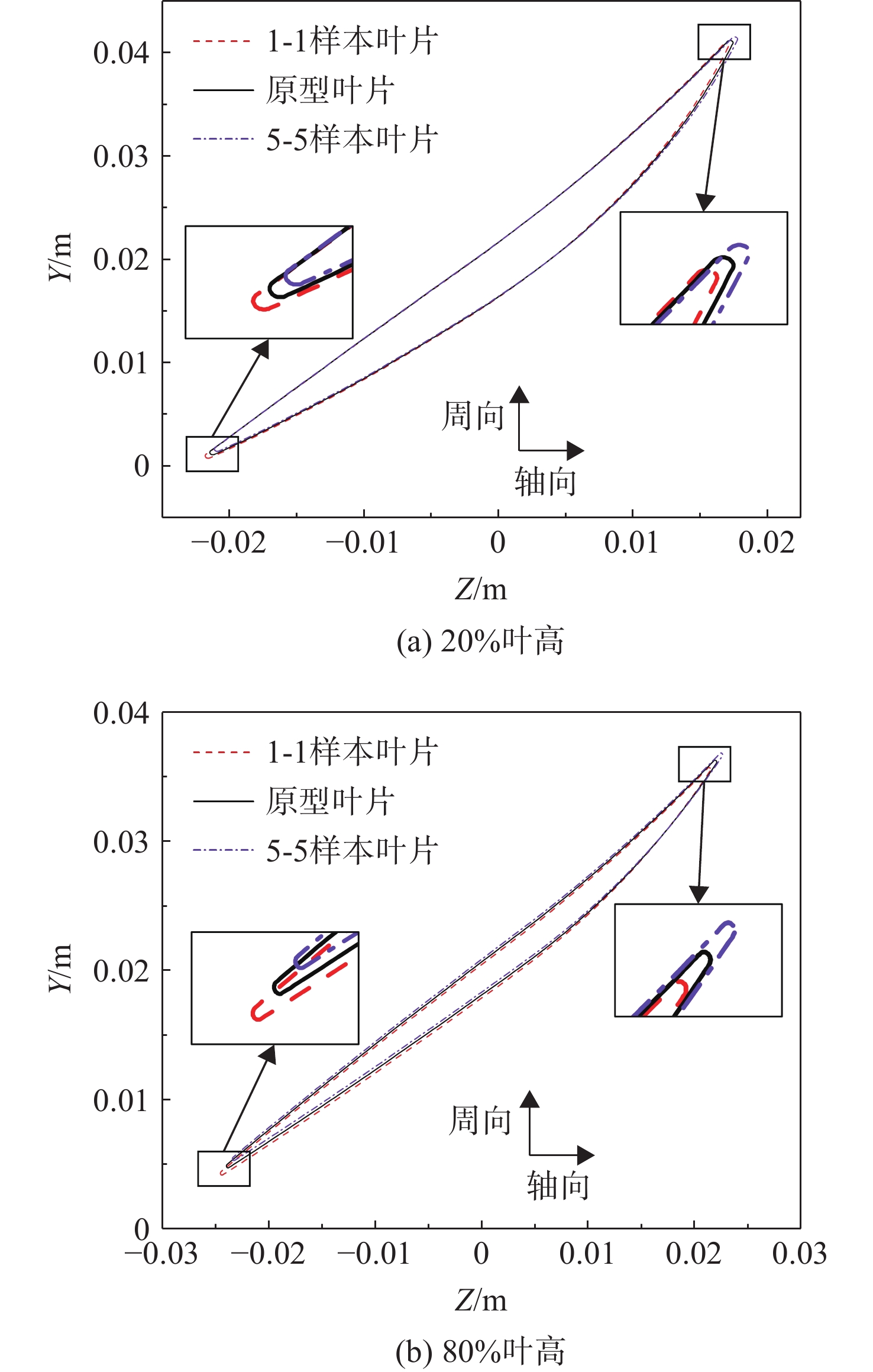
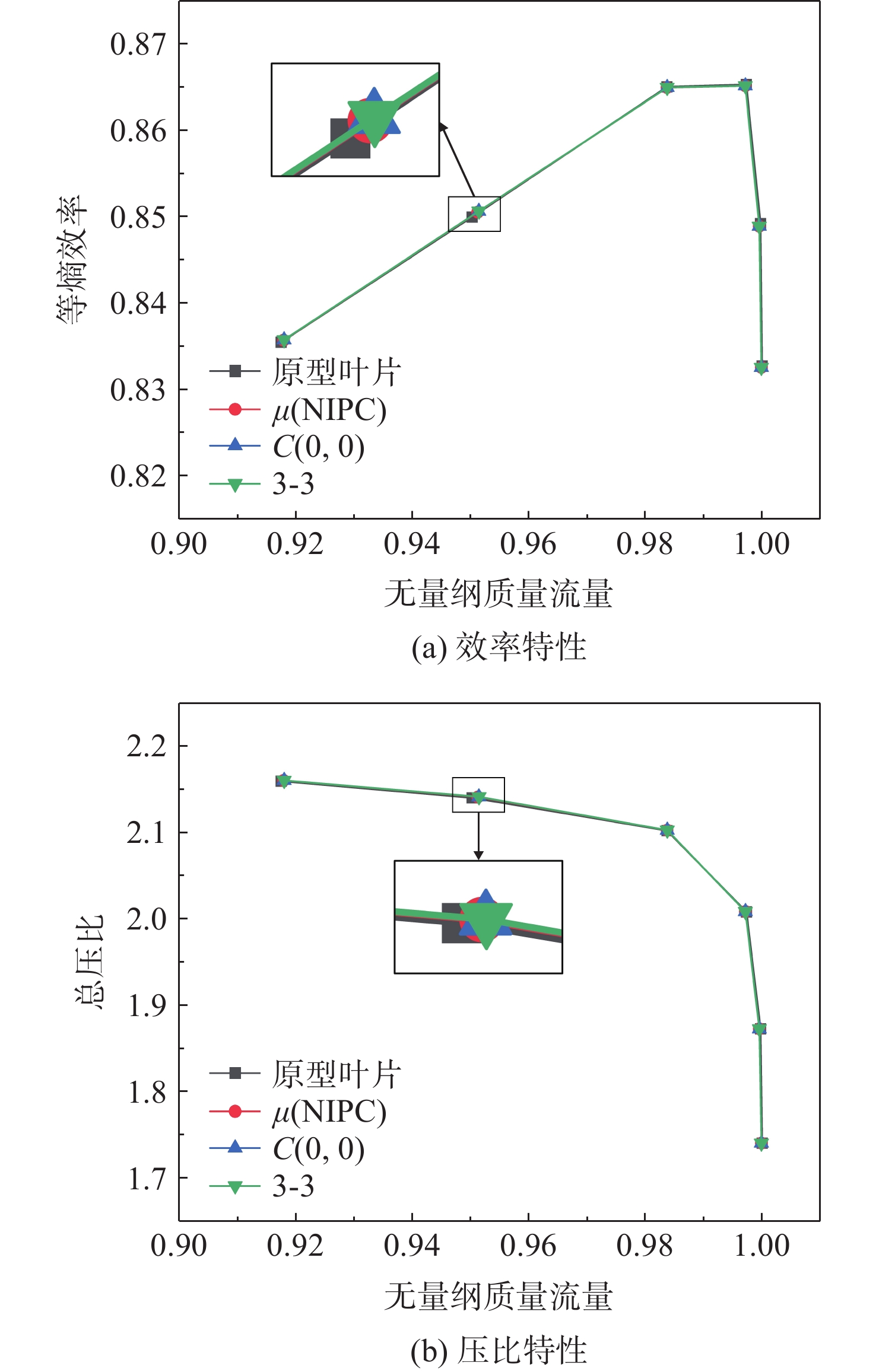
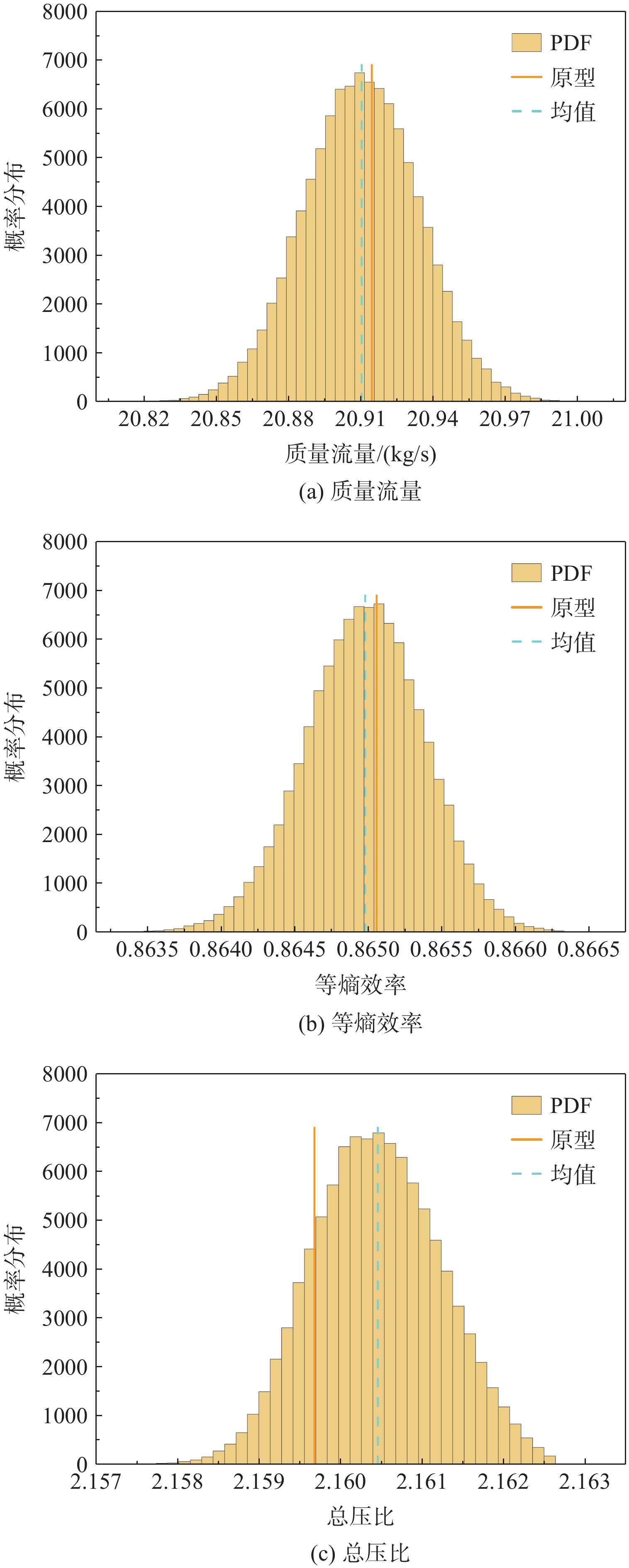
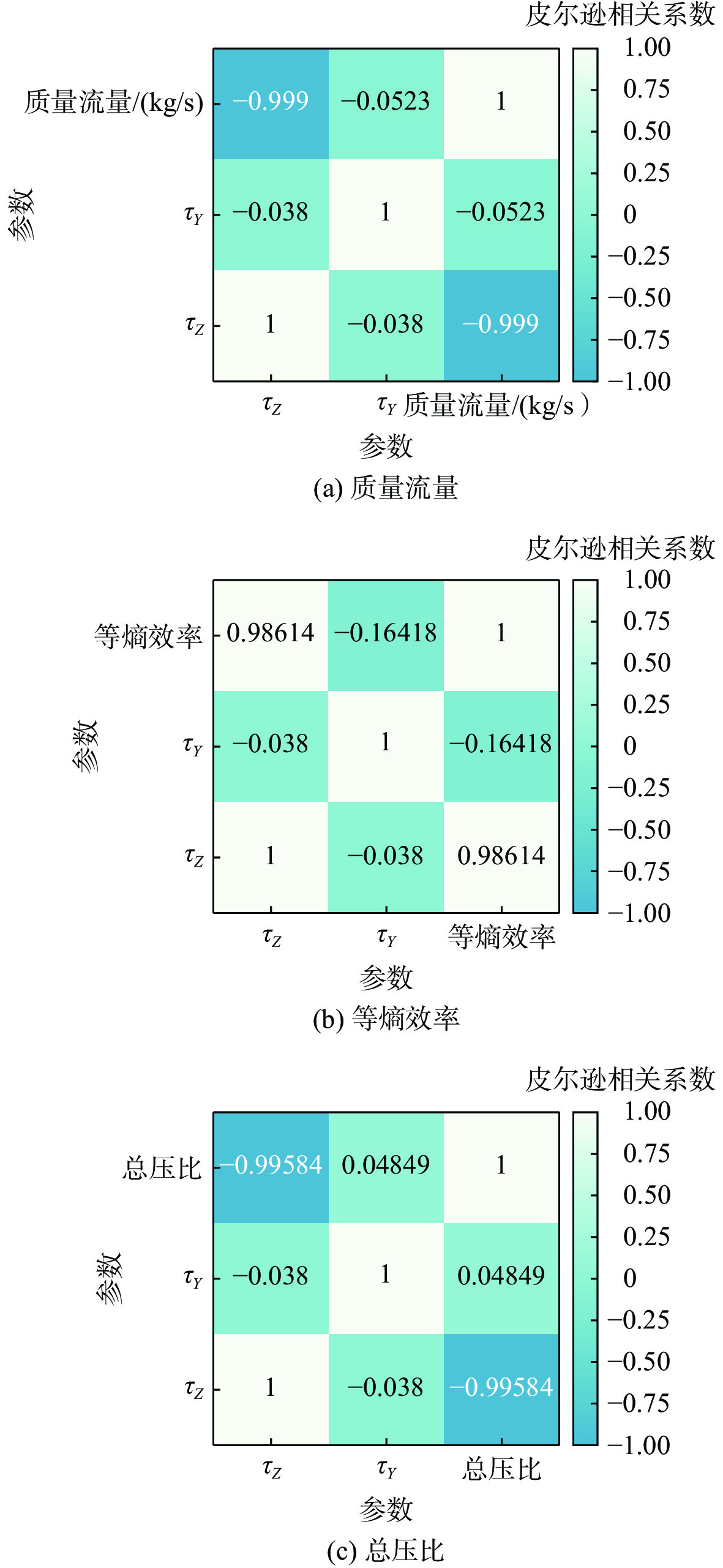
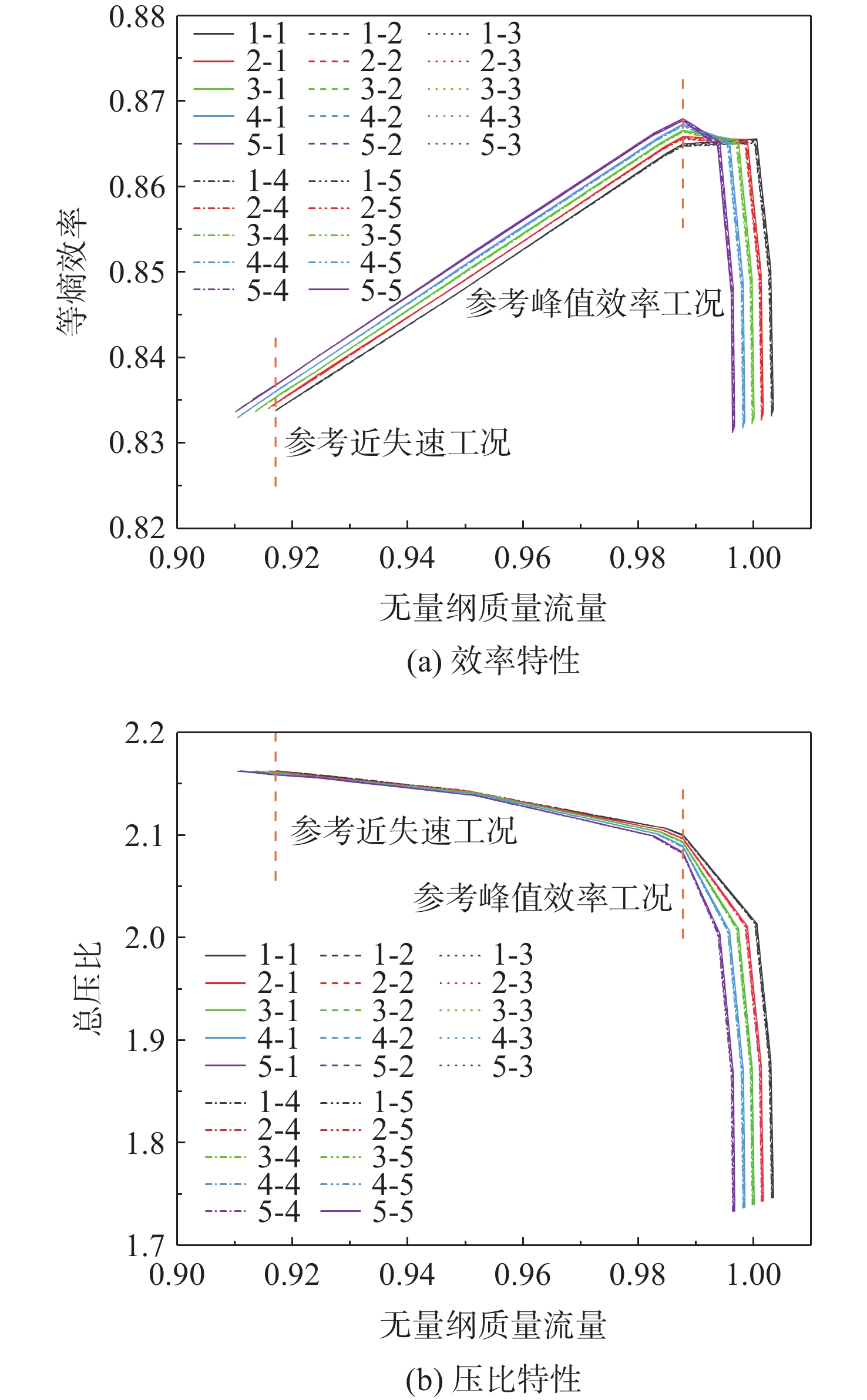
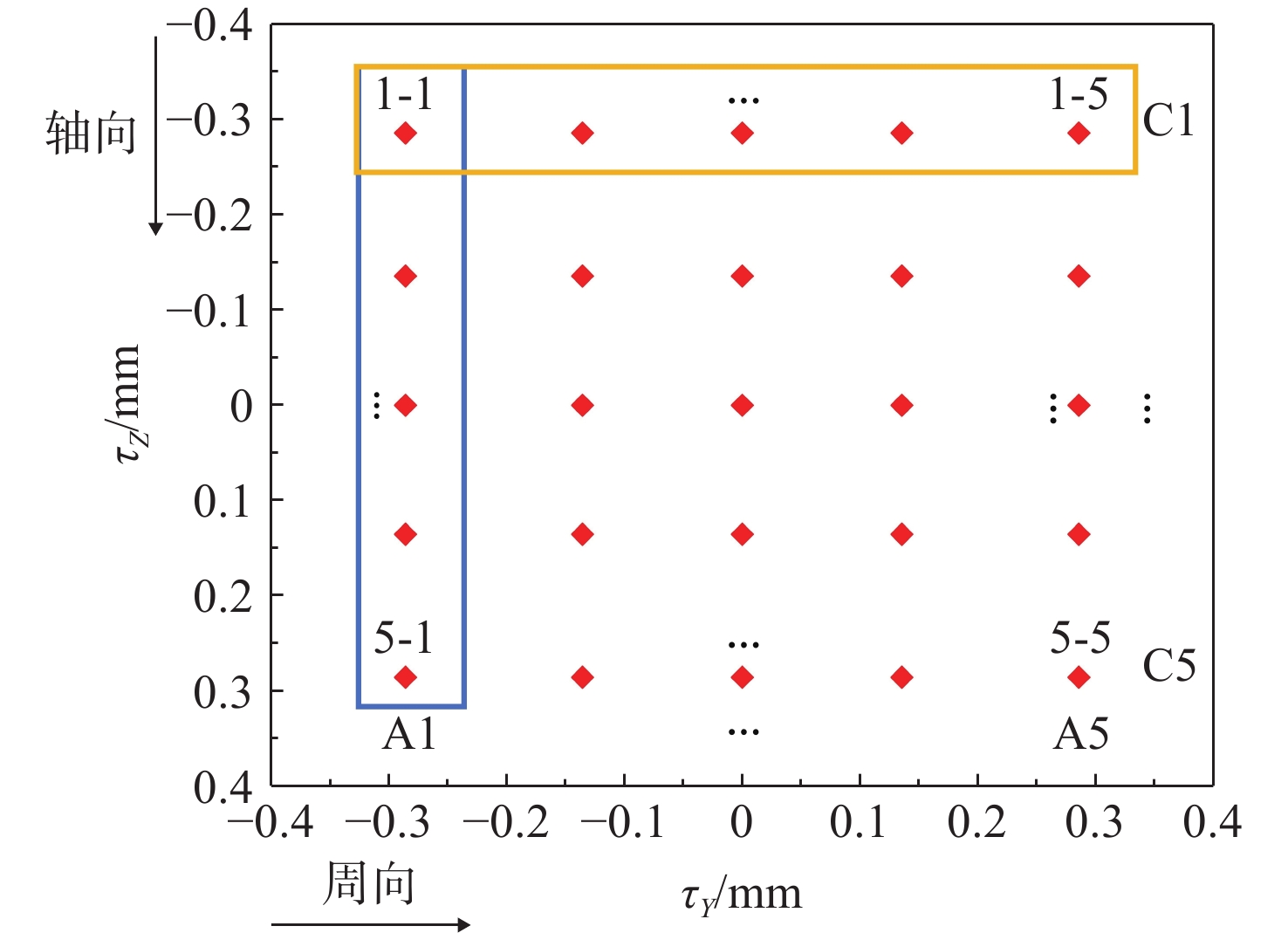
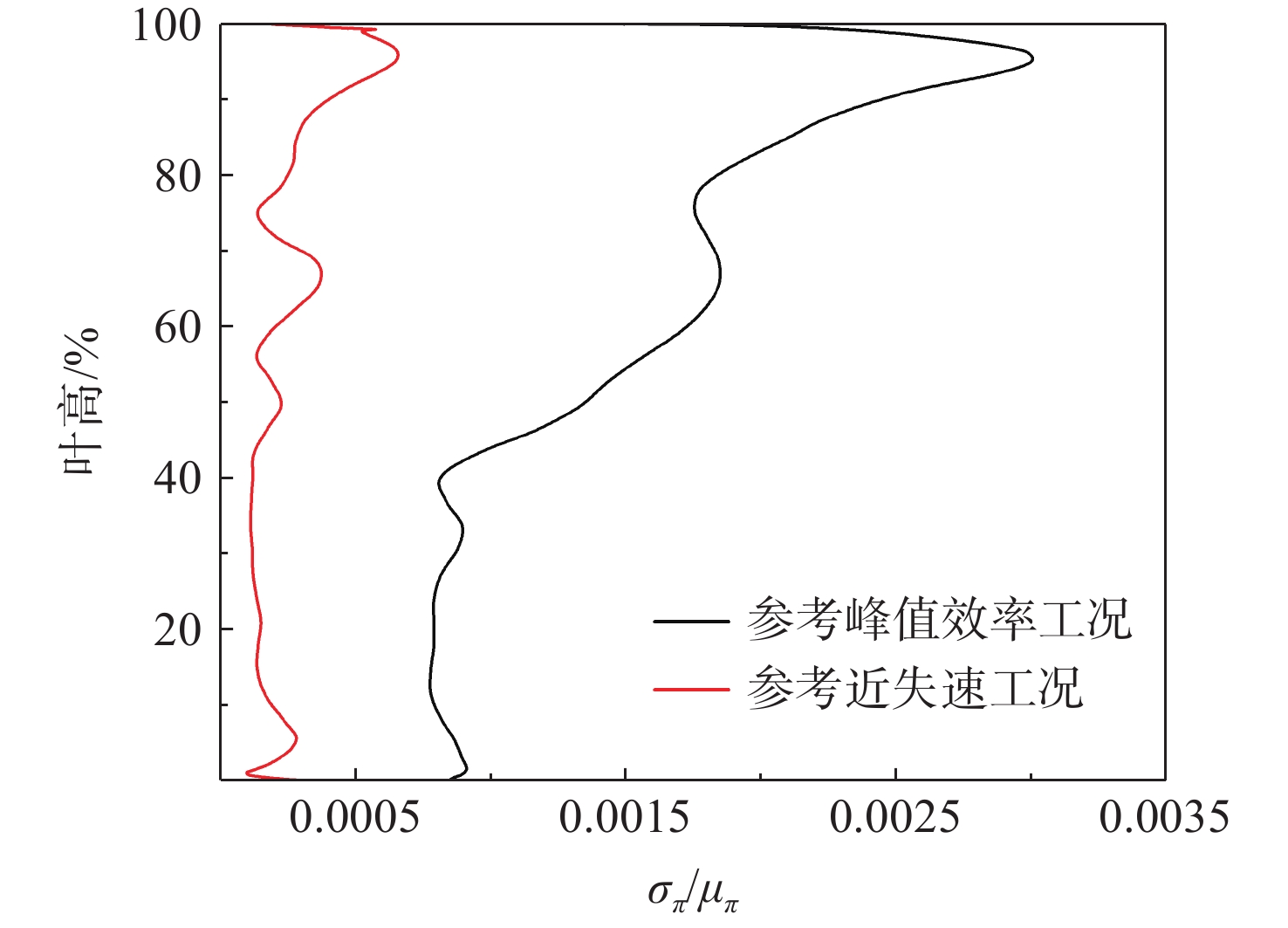
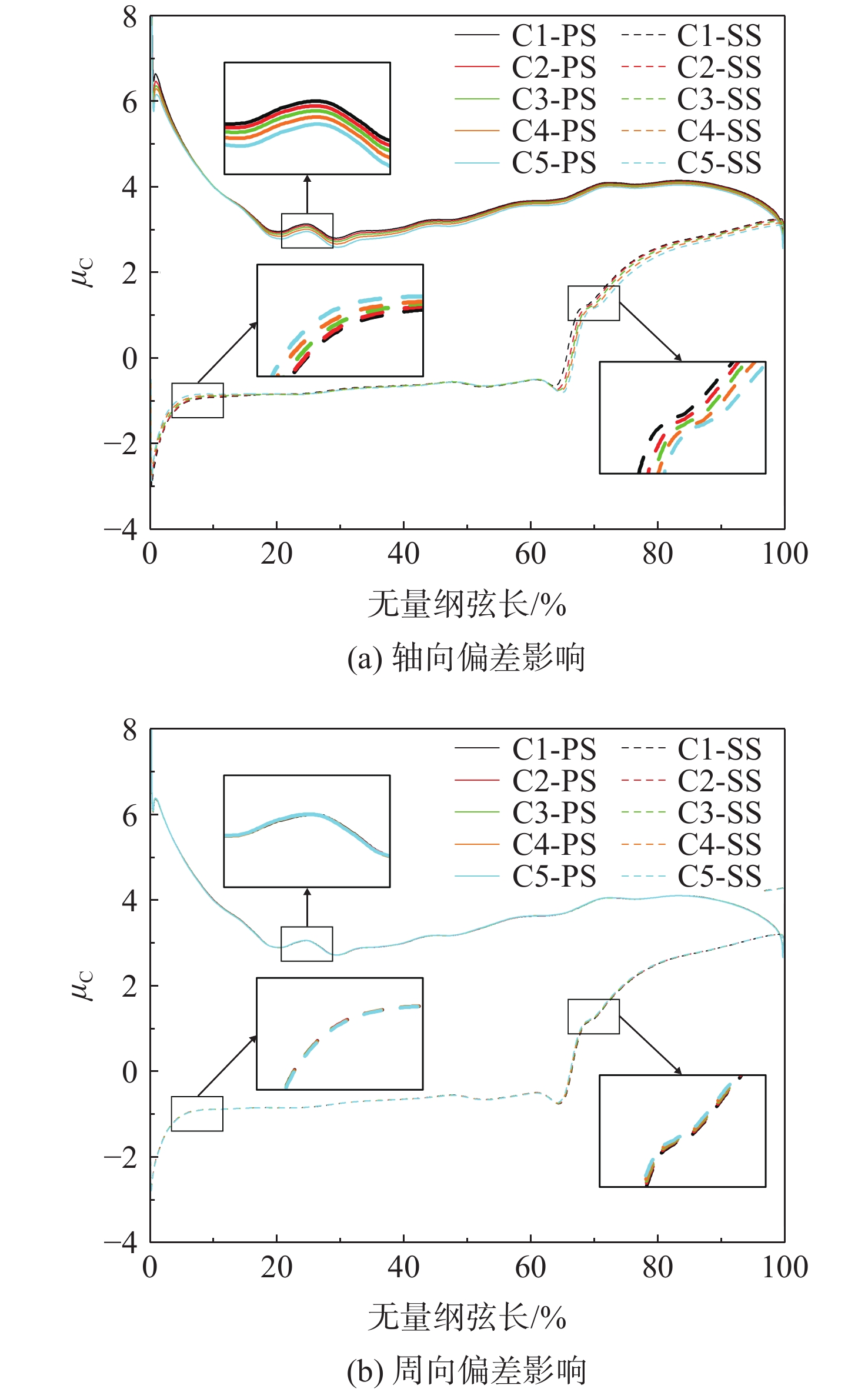
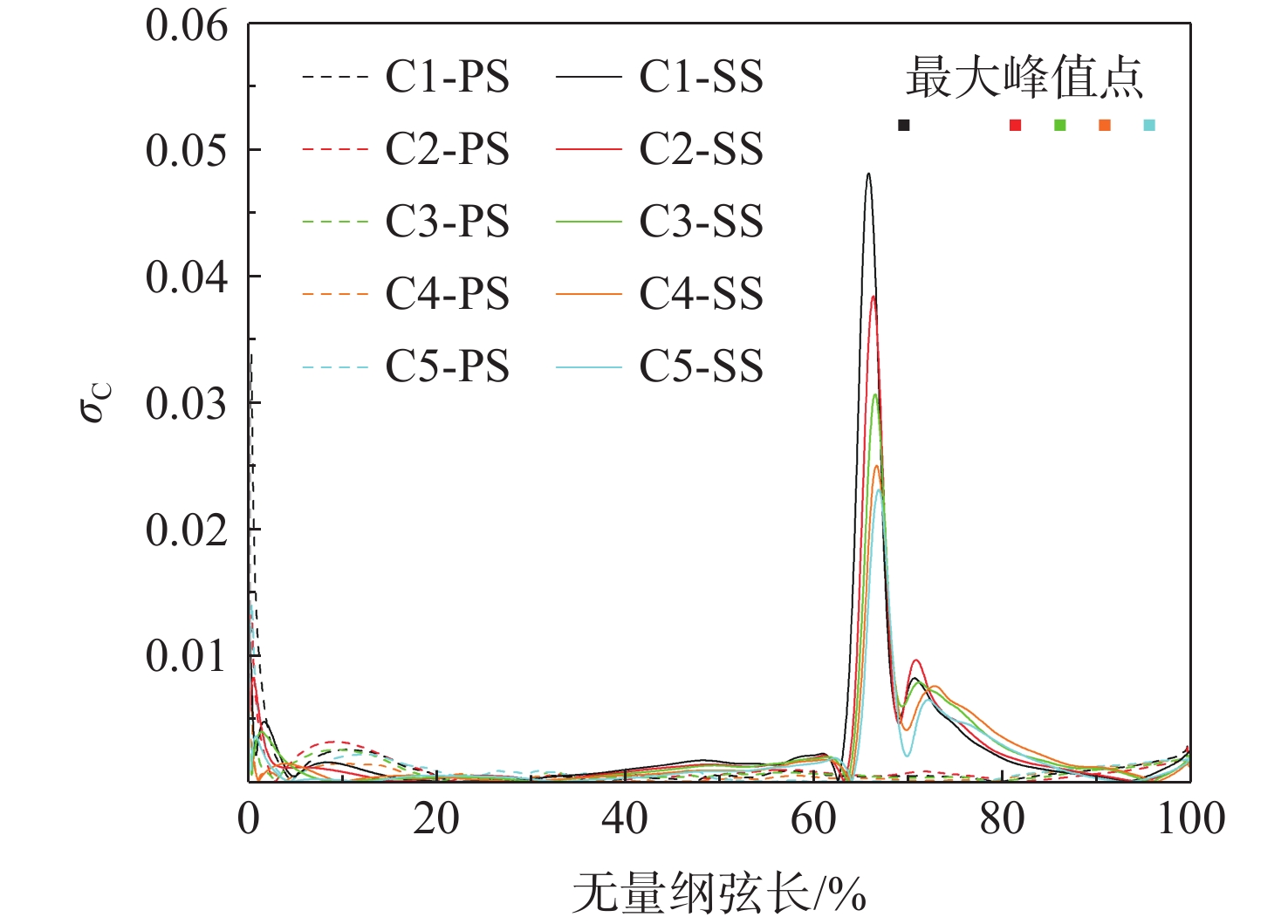
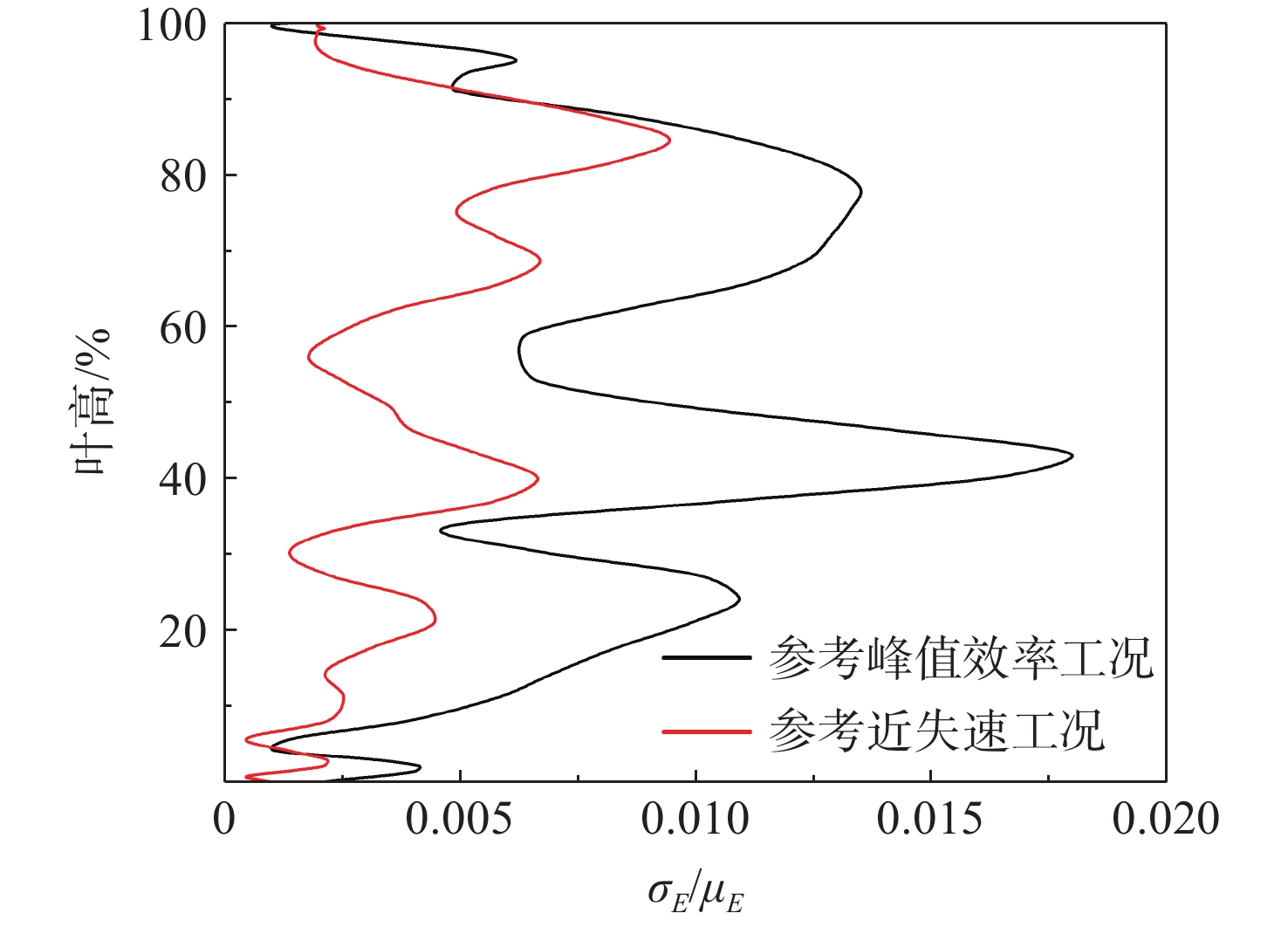
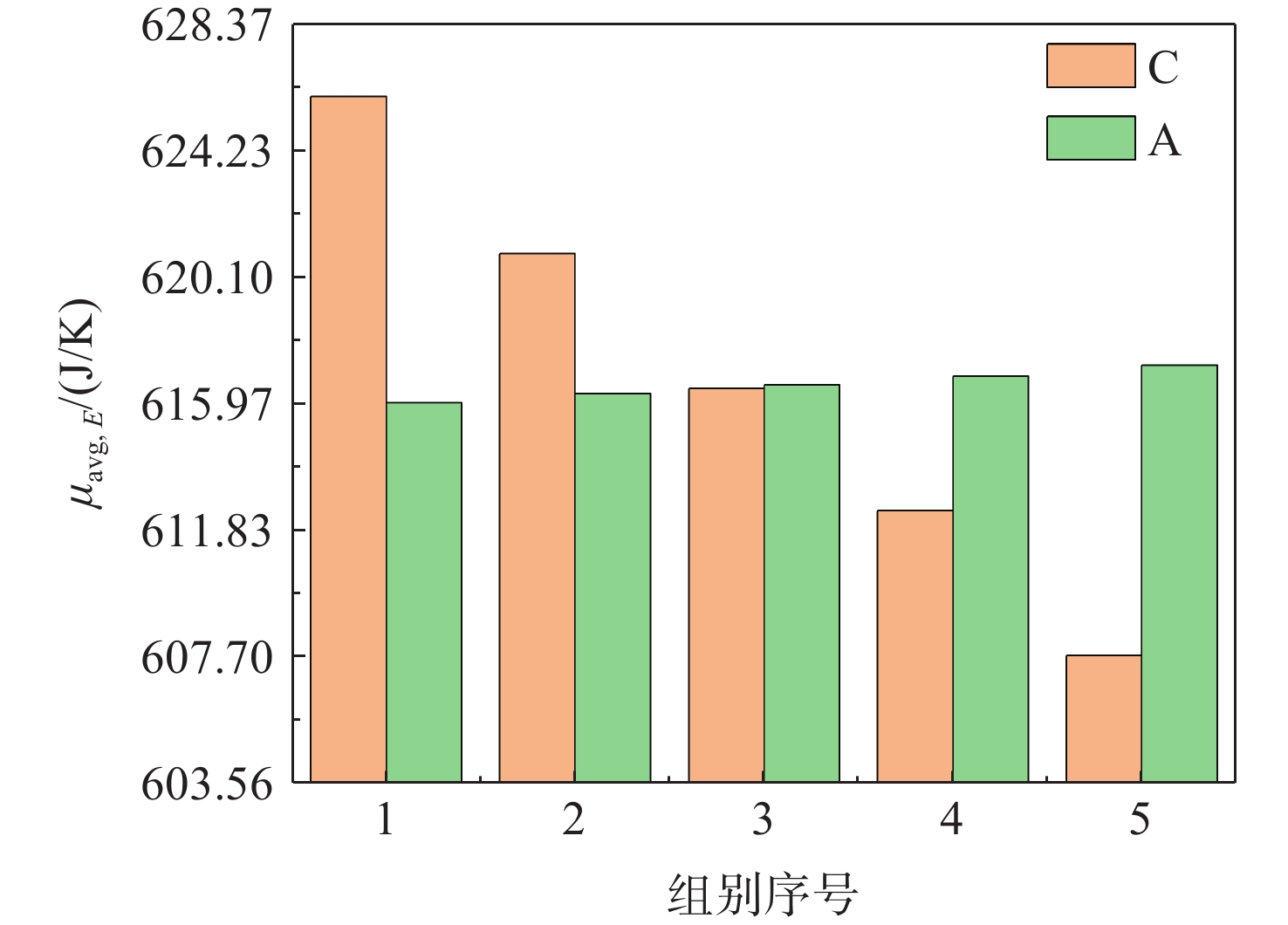
In order to study the influence of position deviation on the aerodynamic performance of rotor, Rotor 37 was taken as the research object and the non-intrusive polynomial chaos method was used as uncertainty quantification to evaluate the uncertainty effect of position deviation on rotor aerodynamic performance and flow field structure. Results showed that: the position deviation had almost no effect on the average level of aerodynamic performance of rotor under the condition of equal backpressure, and the aerodynamic performance of each working condition was approximately normally distributed; the aerodynamic performance of rotor was more significantly affected by the axial position deviation, and there was a highly correlated linear relationship between them. When the position deviation increased along the axial direction, it made the performance curve shift towards the direction of flow rate decrease, changing the flow range of compressor stable operation; under the condition of reference peak efficiency, the axial position deviation could affect the position and intensity of the shock wave at the tip of the blade, which may affect the working ability of the blade, then affect the total pressure ratio and the wave resistance loss and shock wave-boundary layer interaction loss, and then affect the isentropic efficiency.

Lightweight design of accessory transmission based on heuristic algorithm
LU Kaiyi, LIU Huaiju, LIAO Changjun, LU Zehua, WEI Peitang
2025, 40(4): 20220911. doi: 10.13224/j.cnki.jasp.20220911
Abstract:

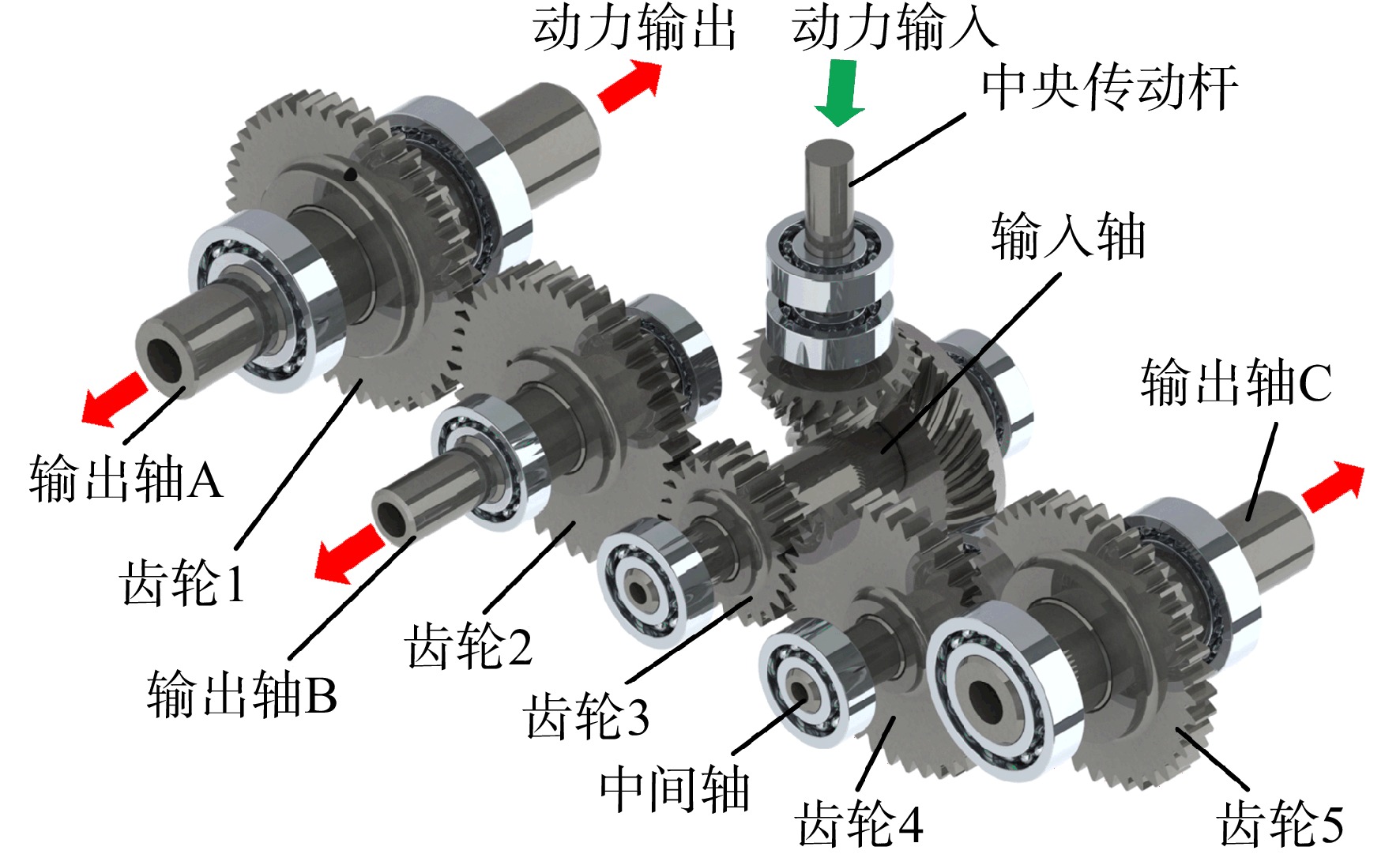
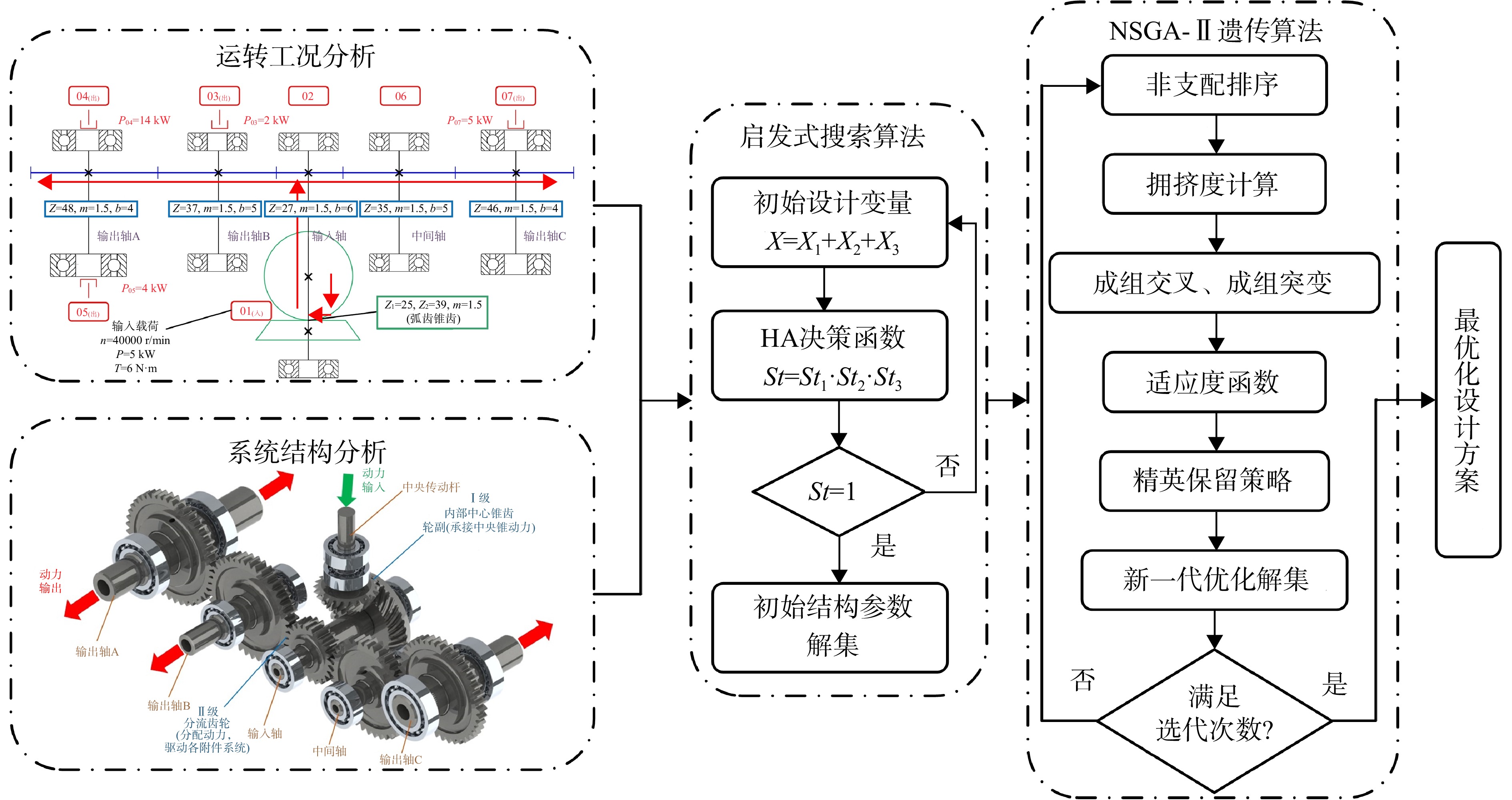
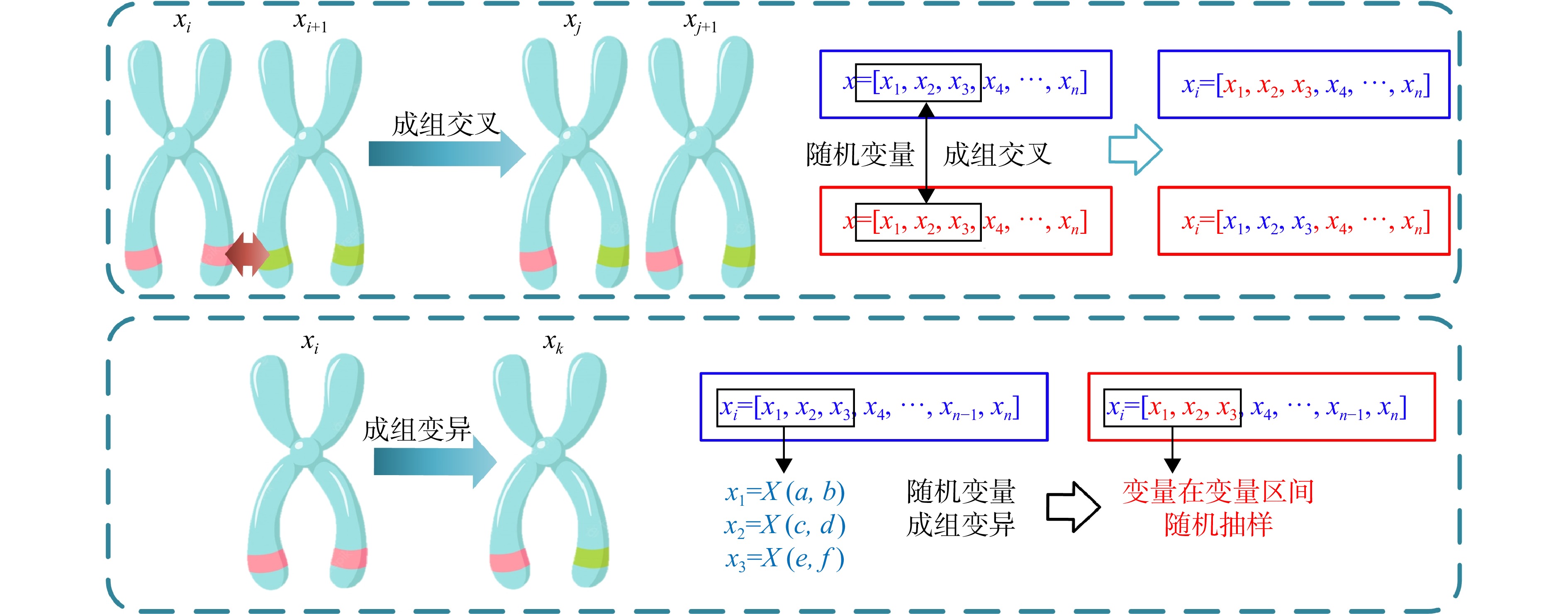
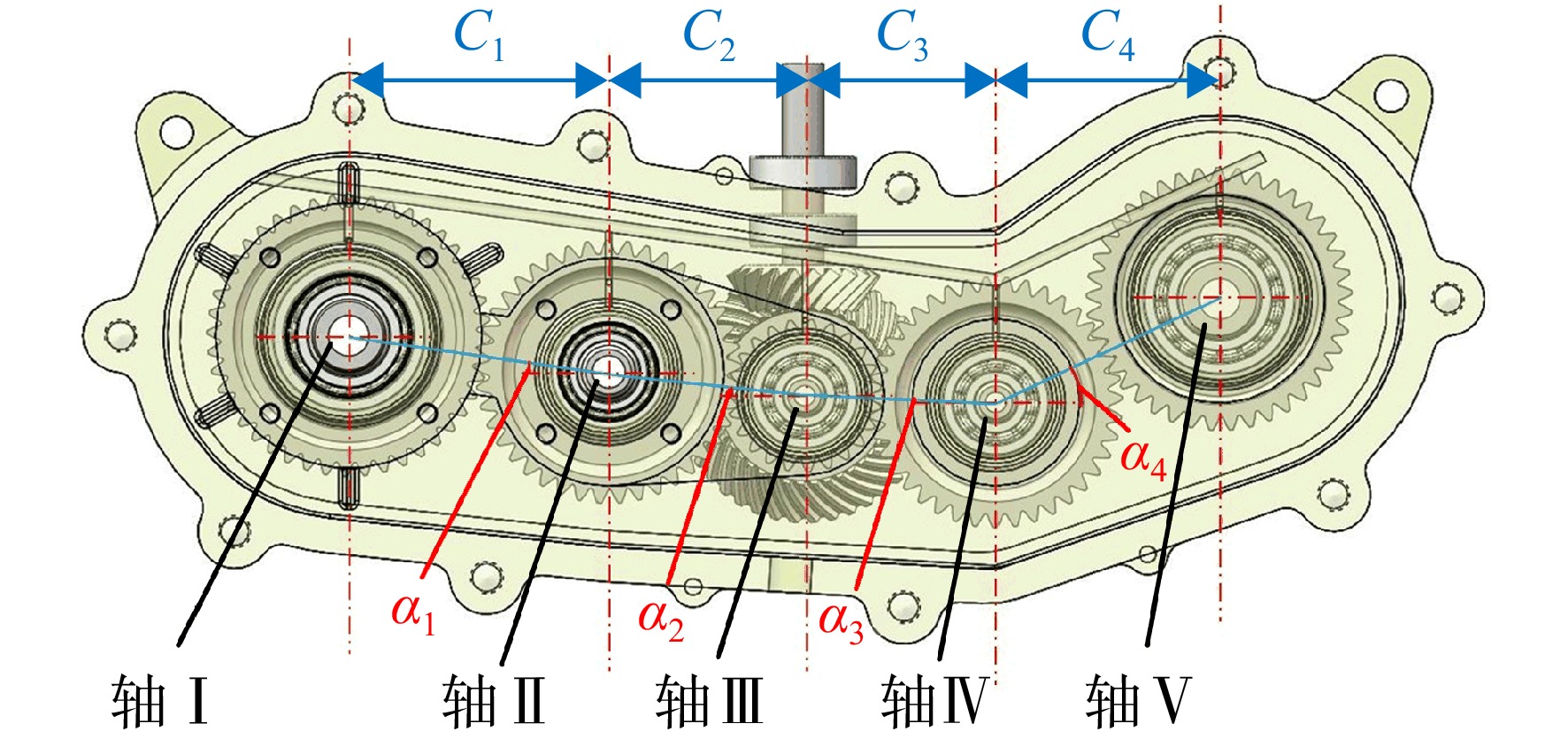
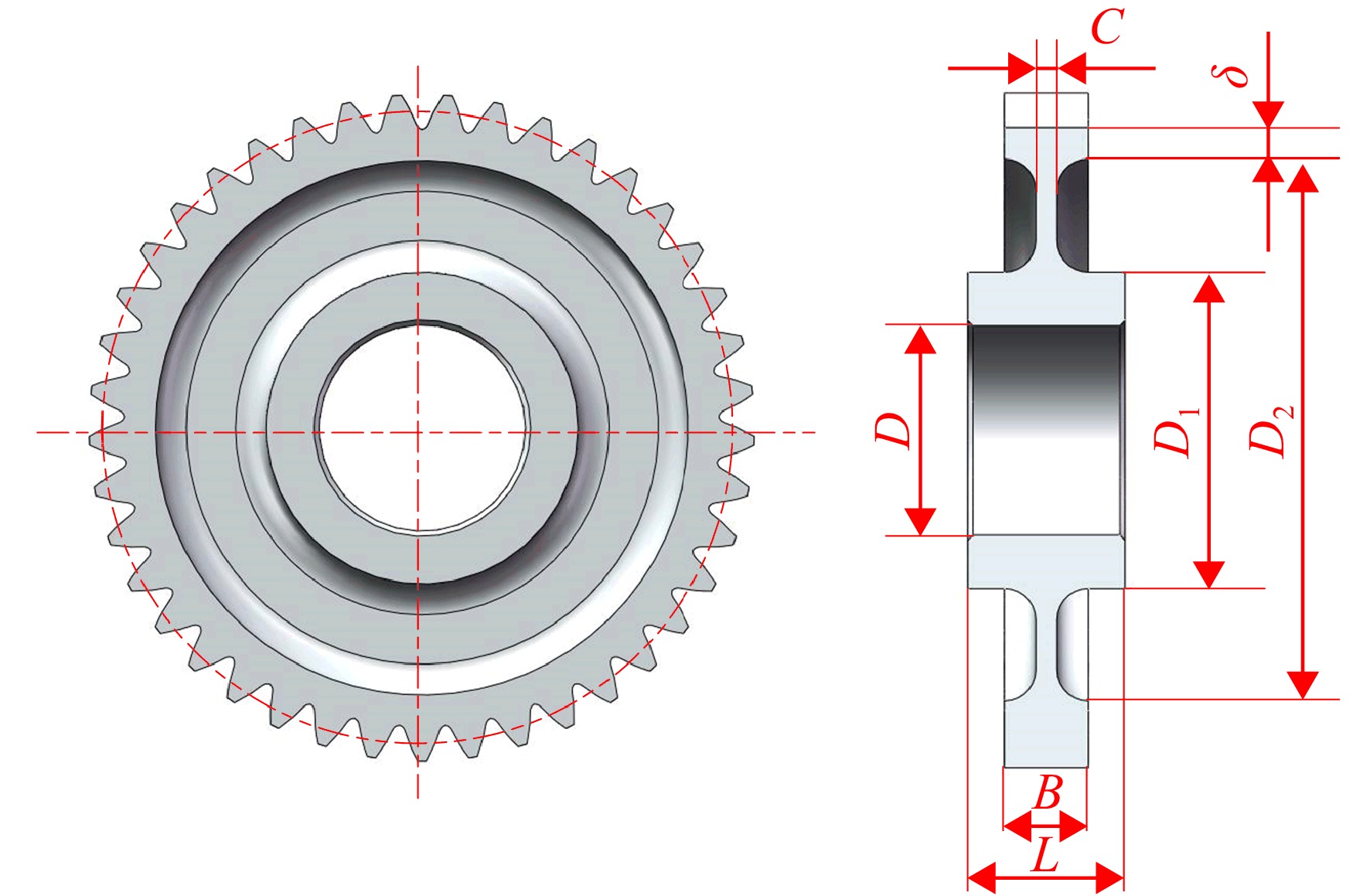
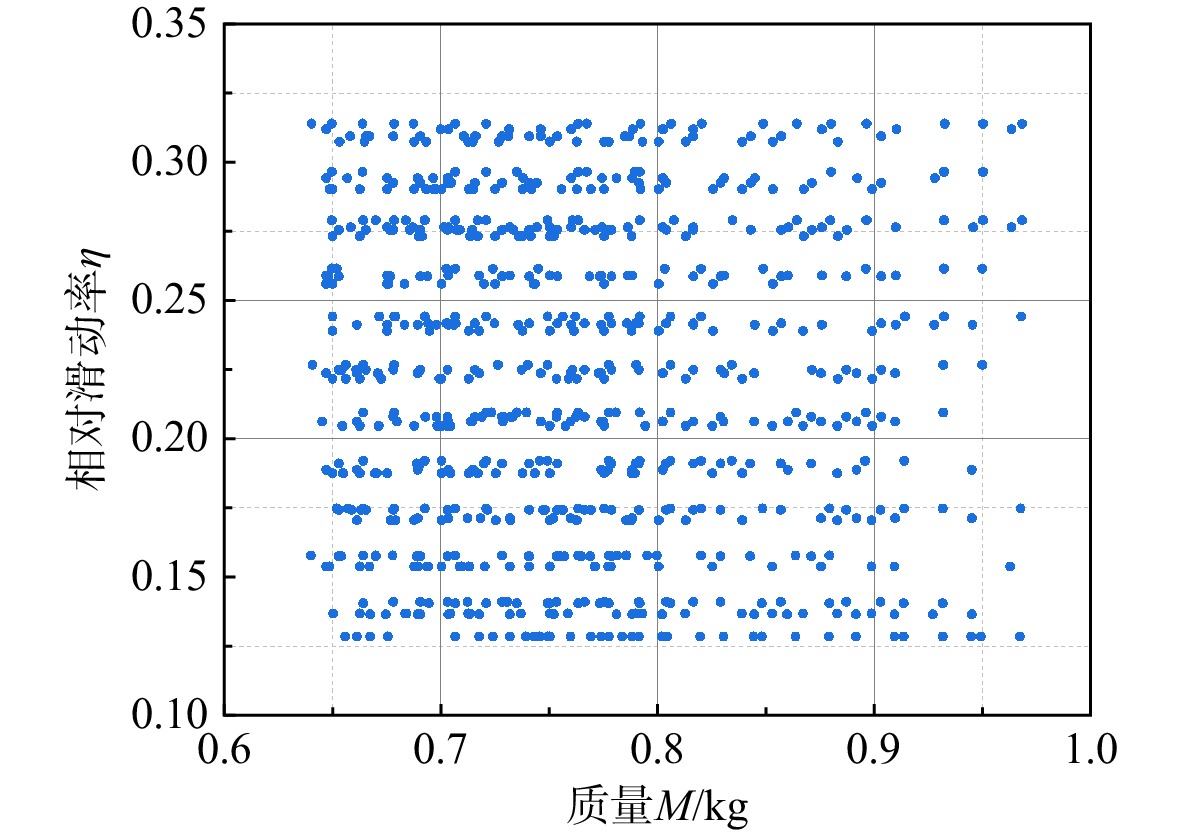
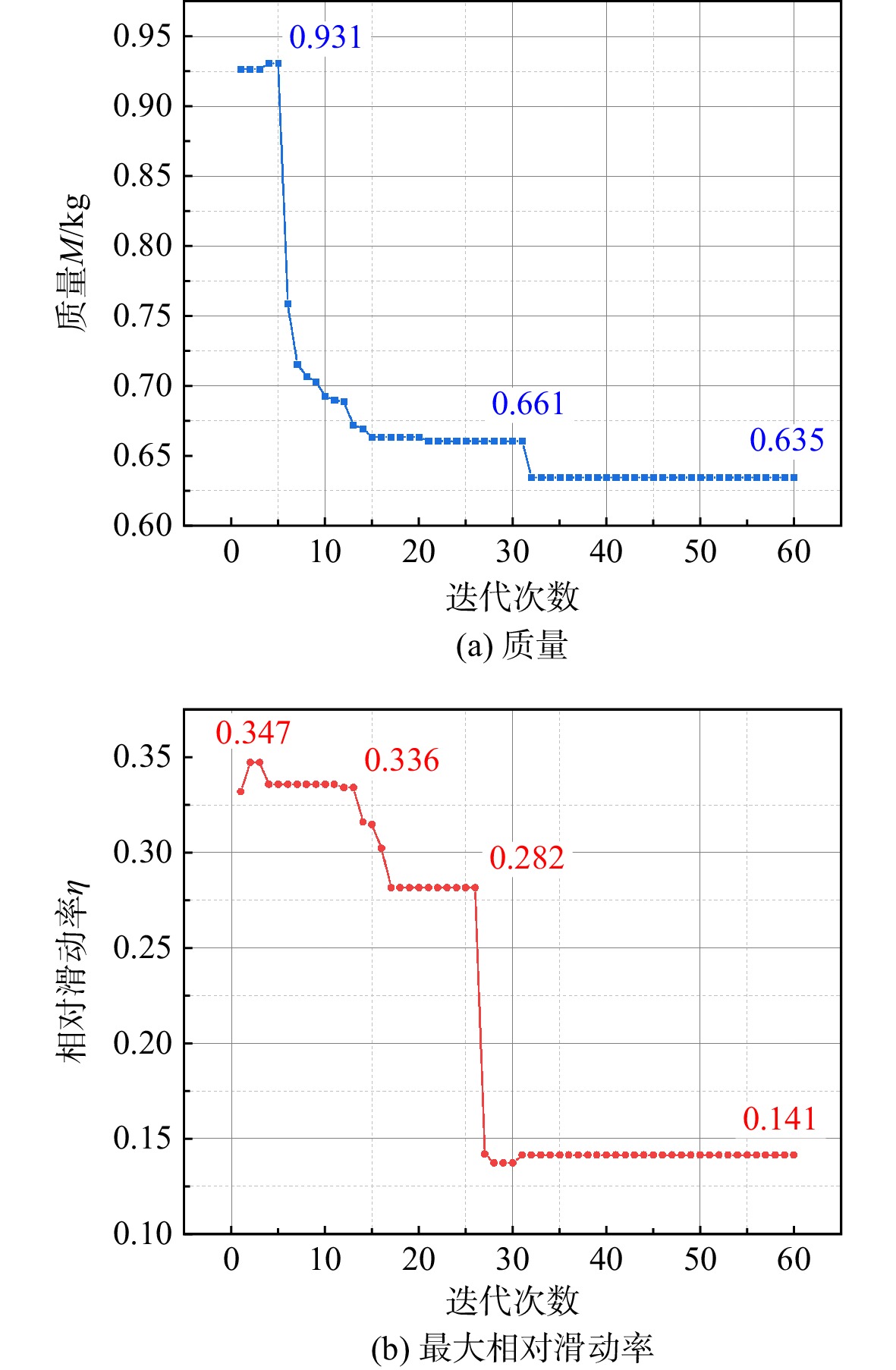
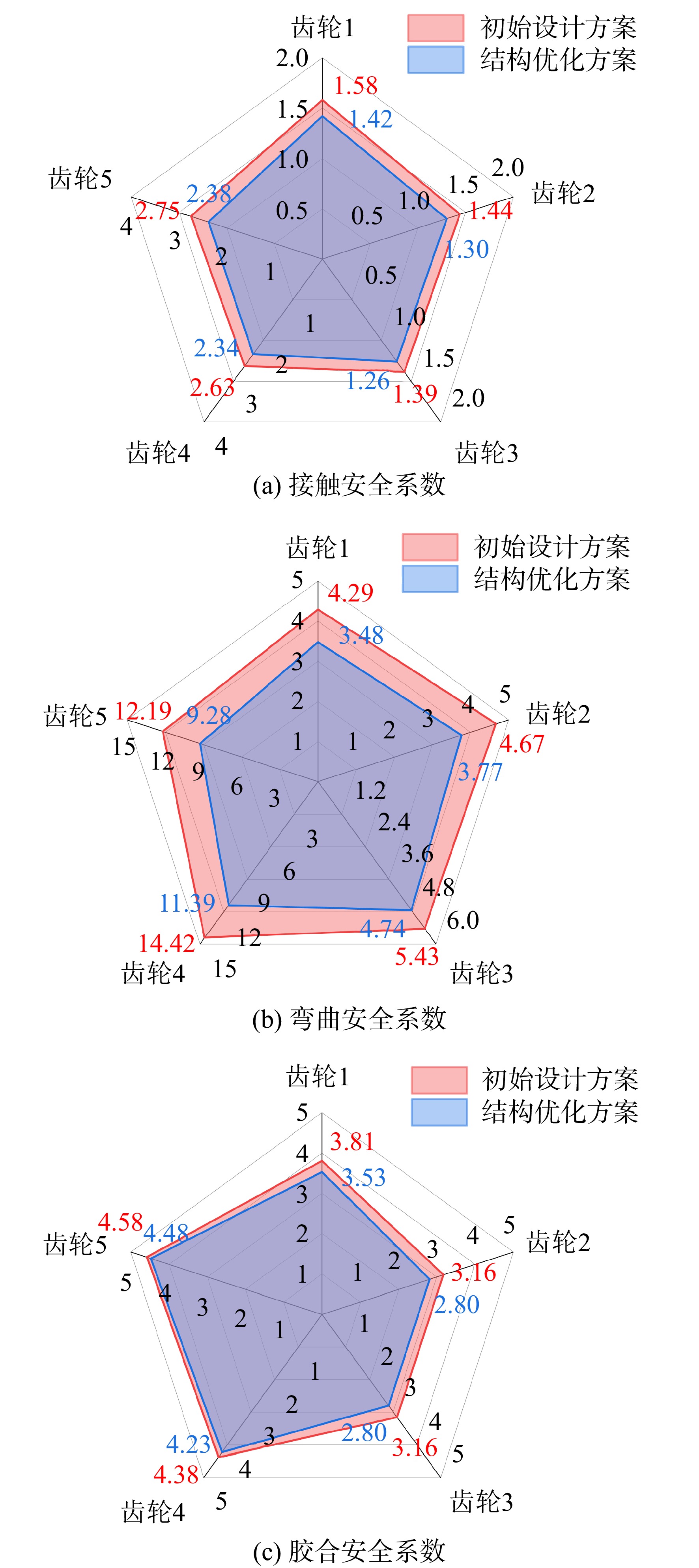
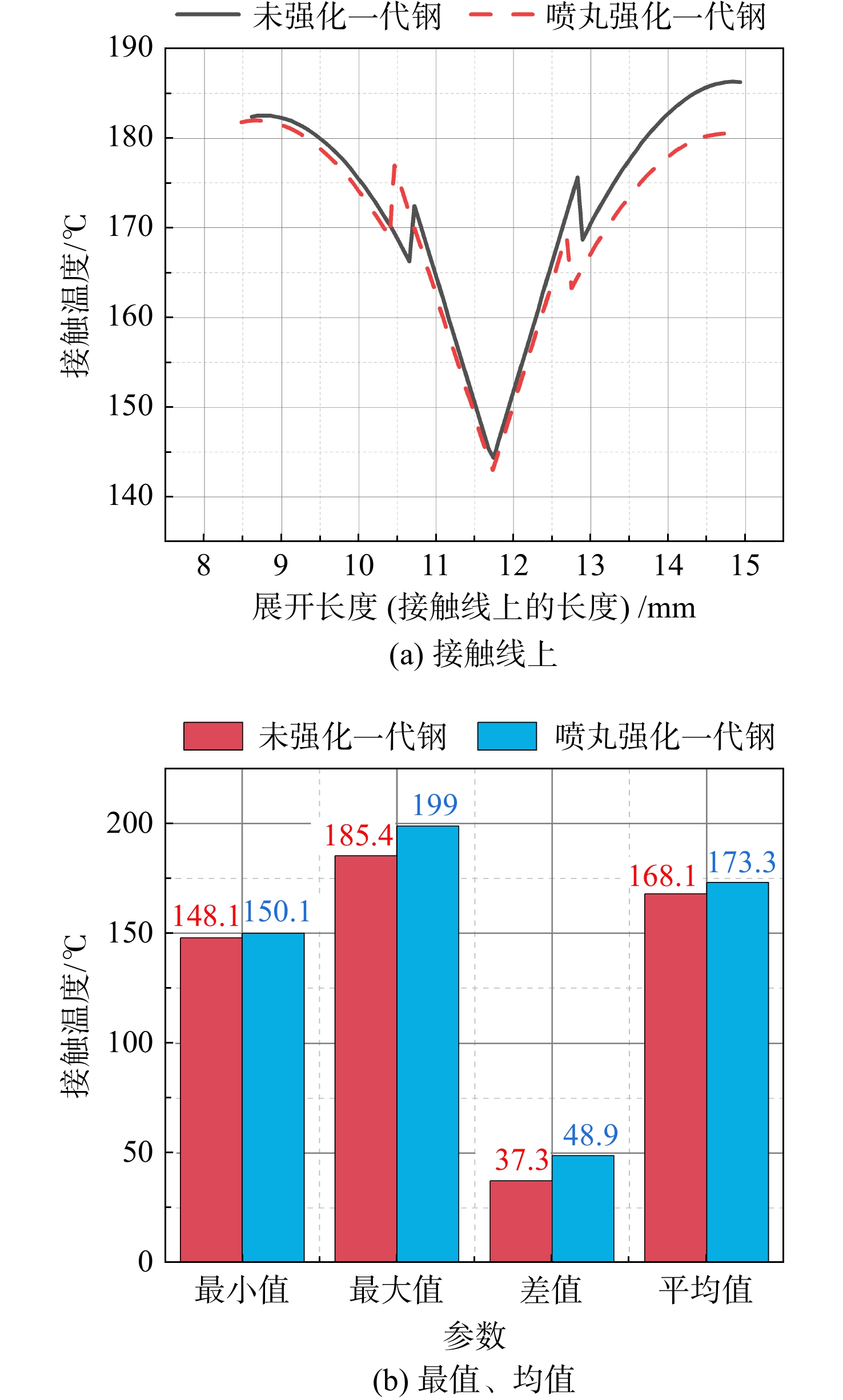
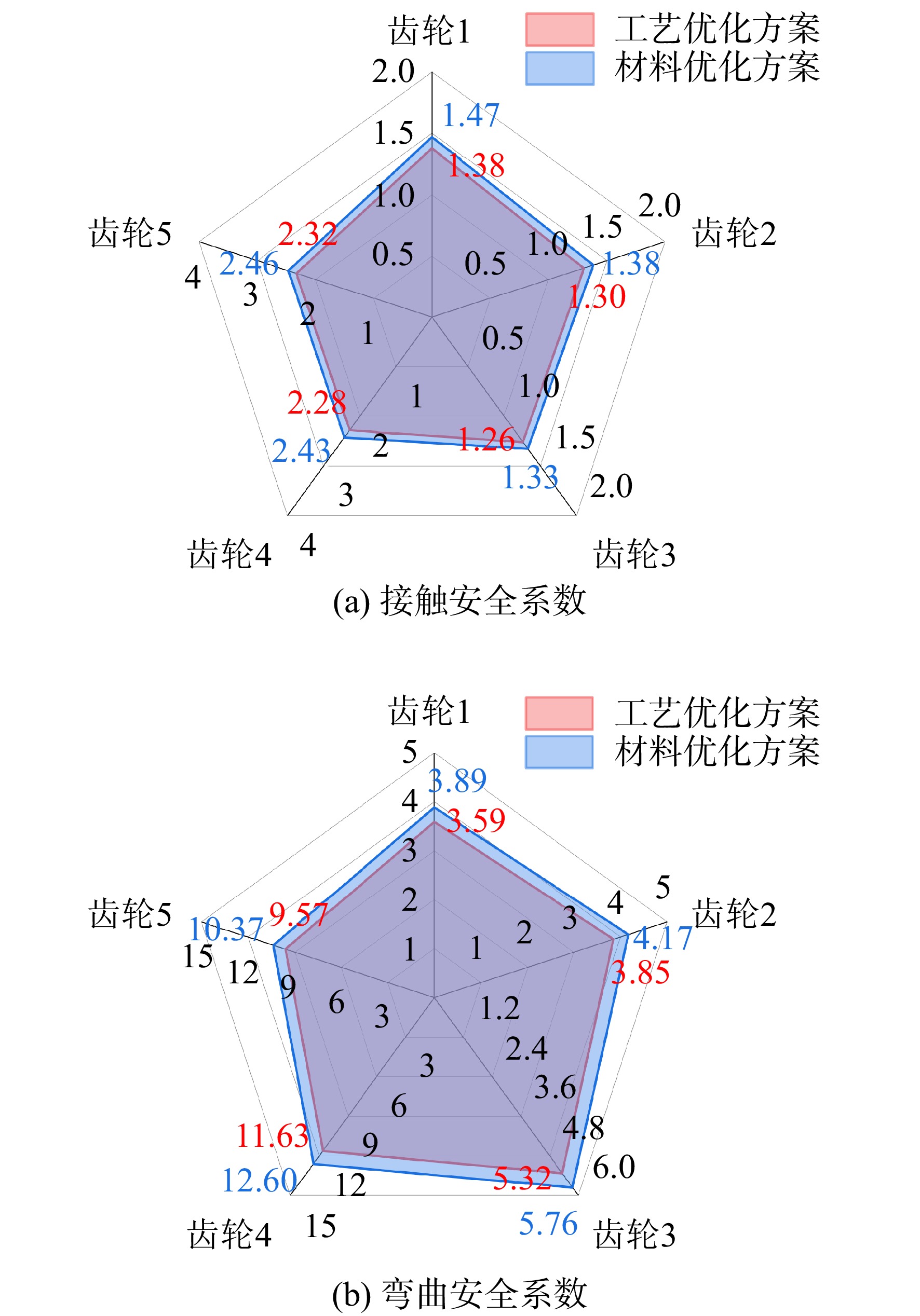
To solve the problem that conventional design methods are unable to meet the comprehensive performance design requirements of accessory transmission systems, such as high reliability, lightweight, and low cost, due to the continuous improvement of power density and lightweight level of aero-engines, a lightweight design method of transmission structure based on the heuristic search non-dominated sorting genetic algorithm Ⅱ (HS-NSGA Ⅱ) was proposed, and the optimal design of structural parameters of an aero-engine accessory gearbox transmission was launched. It was found that the optimization of gear tooth number and displacement had the most significant effect on the lightweight degree of transmission. The introduction of surface hardening processes, such as shot peening, can further improve the service performance of the transmission. Compared with the initial design, the maximum weight of the gear set was reduced by 21.0%, and the maximum relative slip rate of the system was reduced by 11.4%. This can provide a methodological support for the lightweight design of the aero-engine accessory gear transmission.

Safety,Airworthiness
Research and application of a novel simulation method for evaluating the traversal chance of flying object through the propeller
ZHU Jiawei, YANG Xuehe, CHEN Kenlun, LEI Baimao
2025, 40(4): 20230476. doi: 10.13224/j.cnki.jasp.20230476
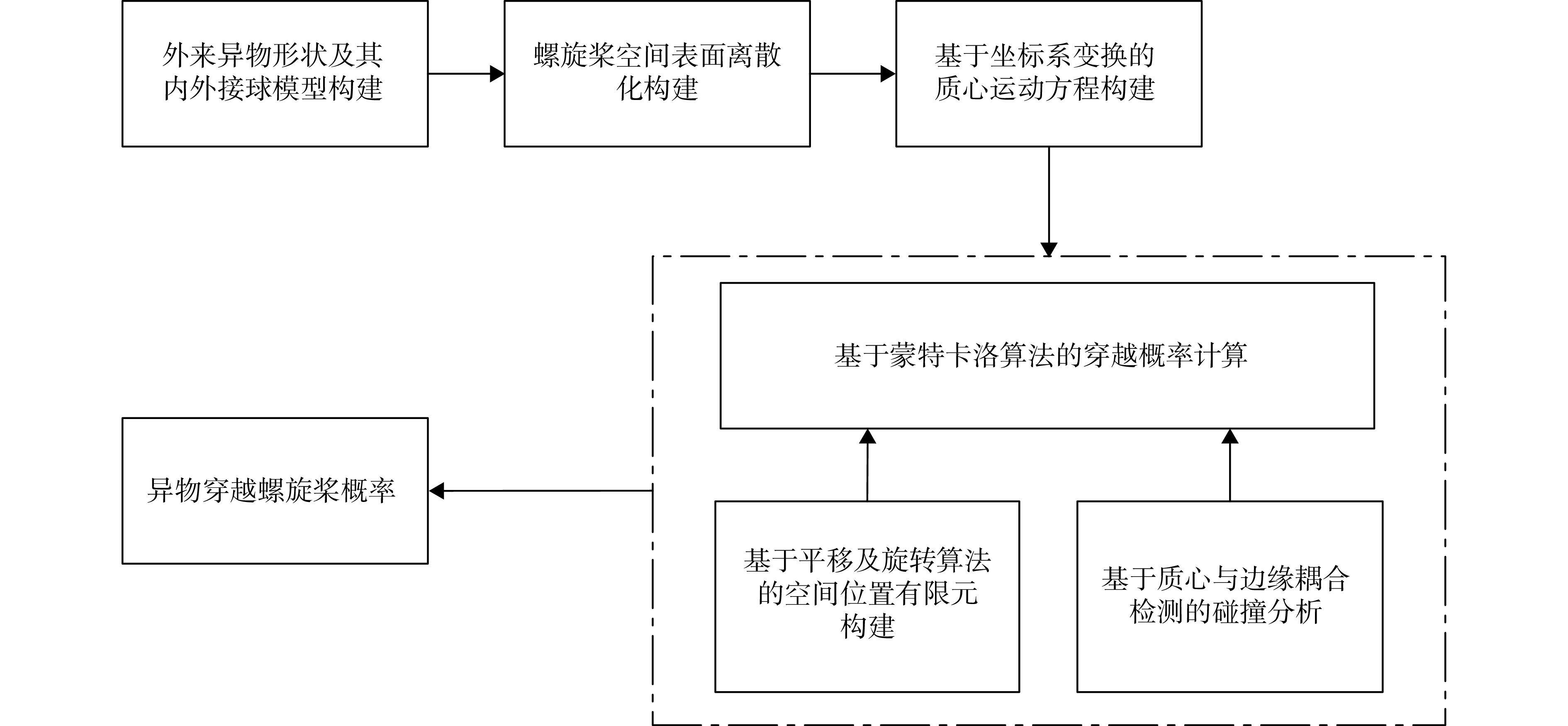
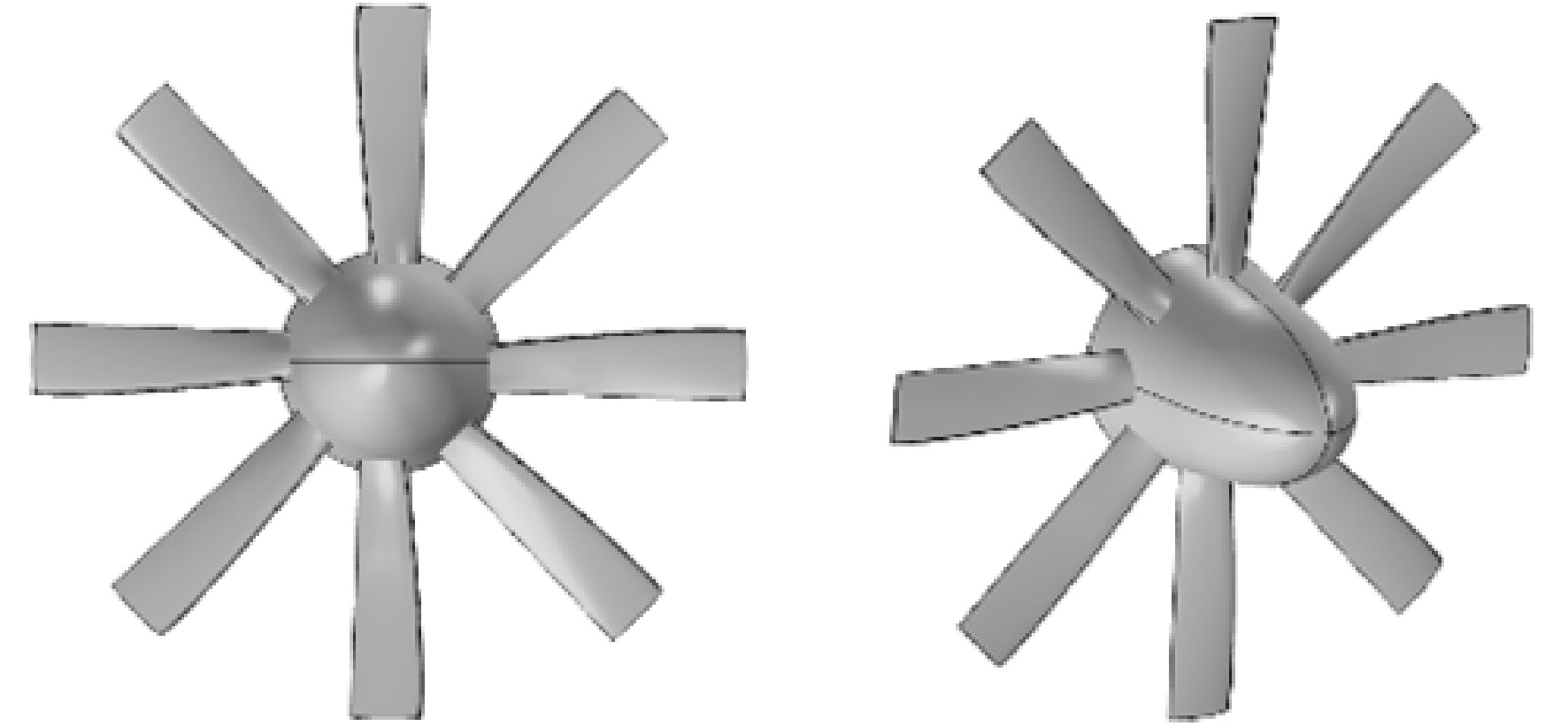
Abstract:

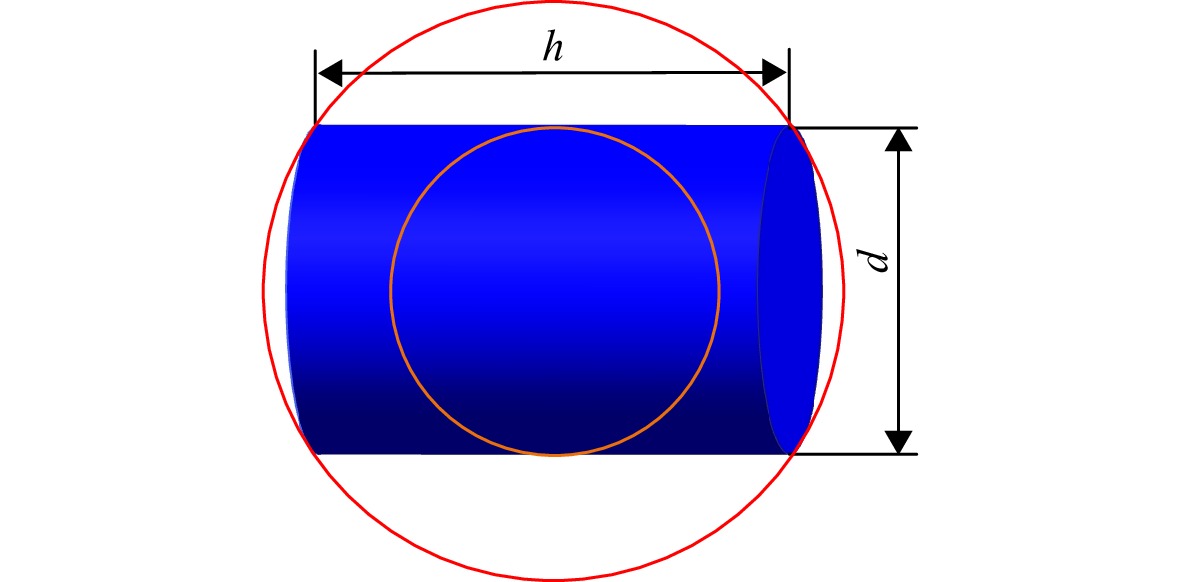
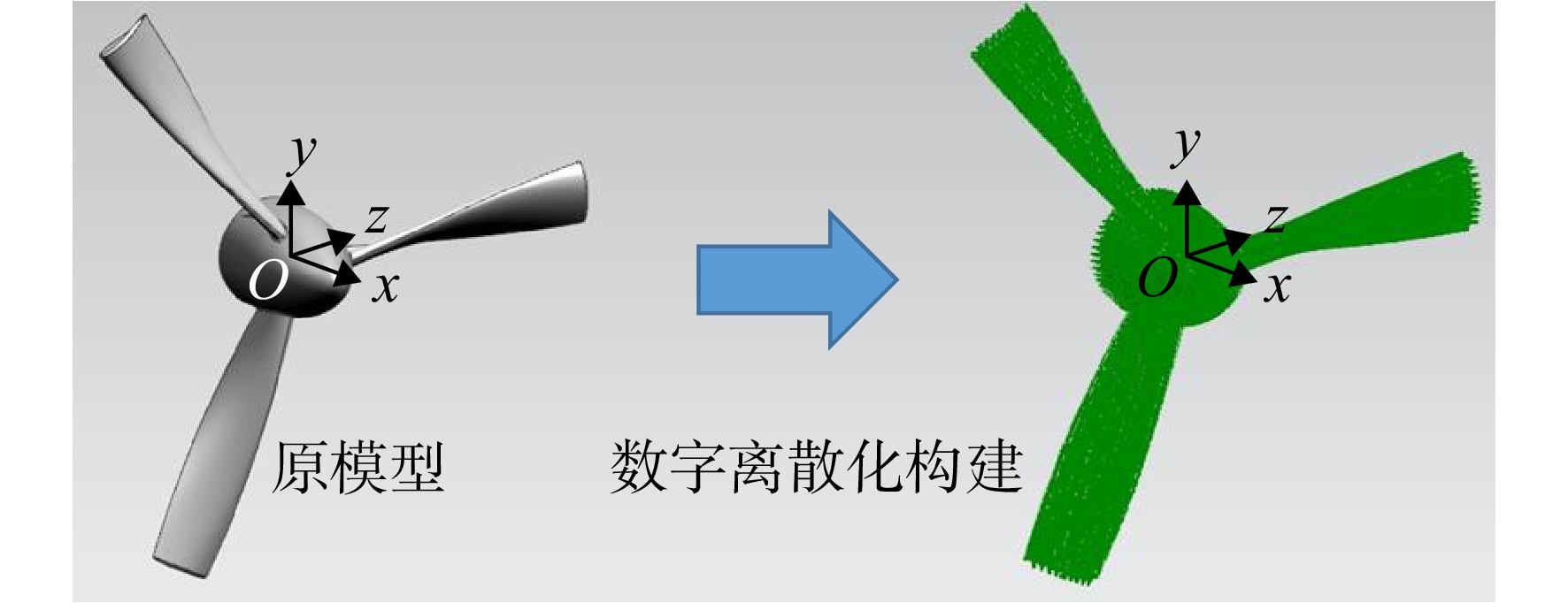
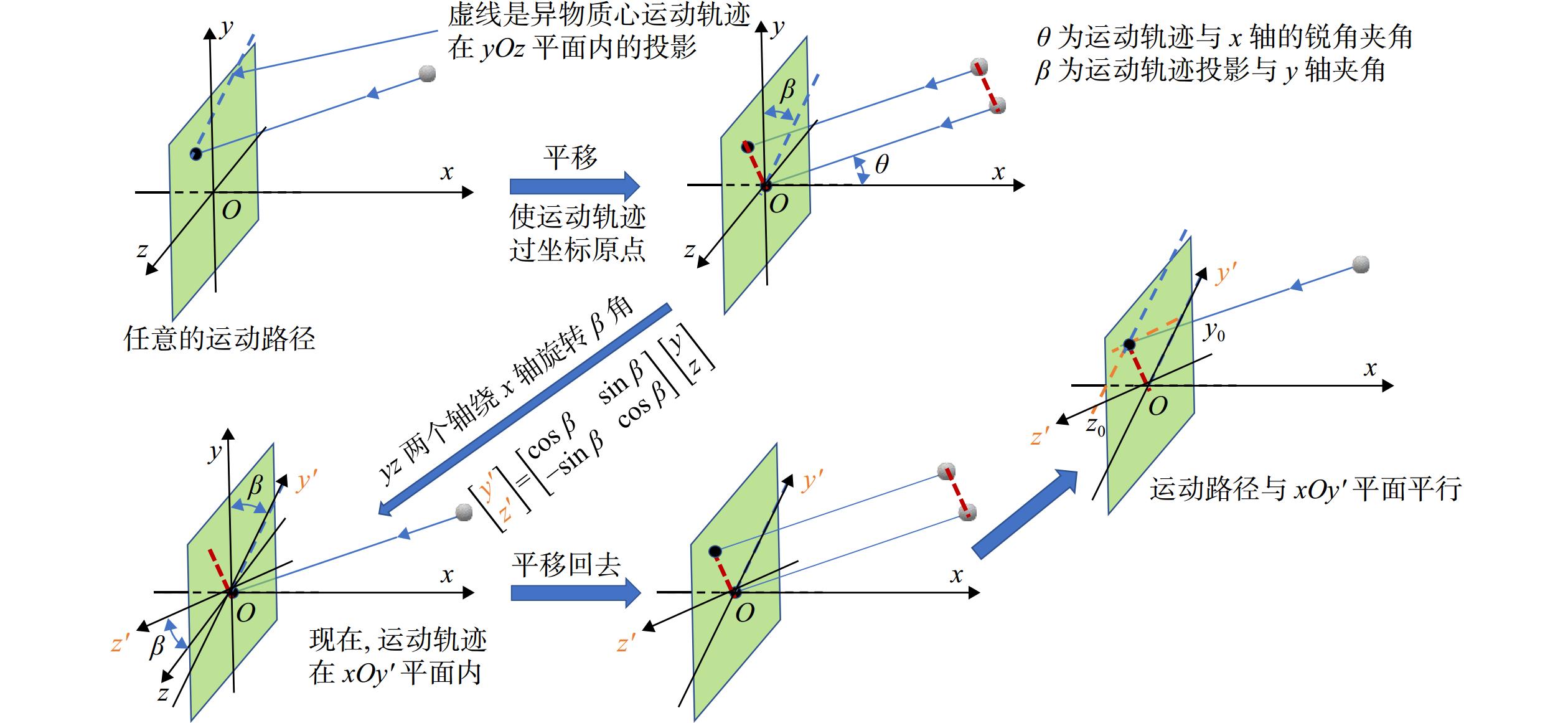
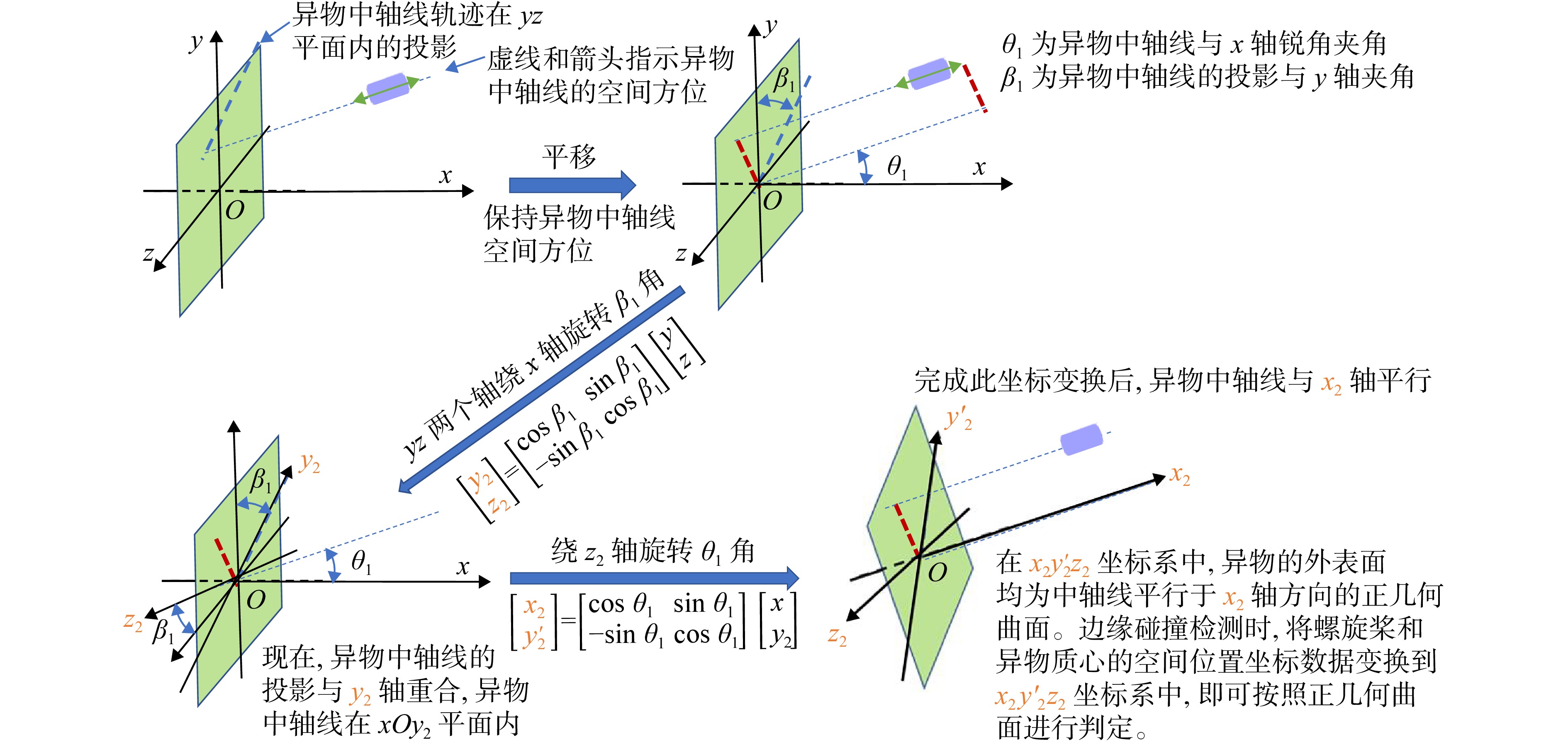
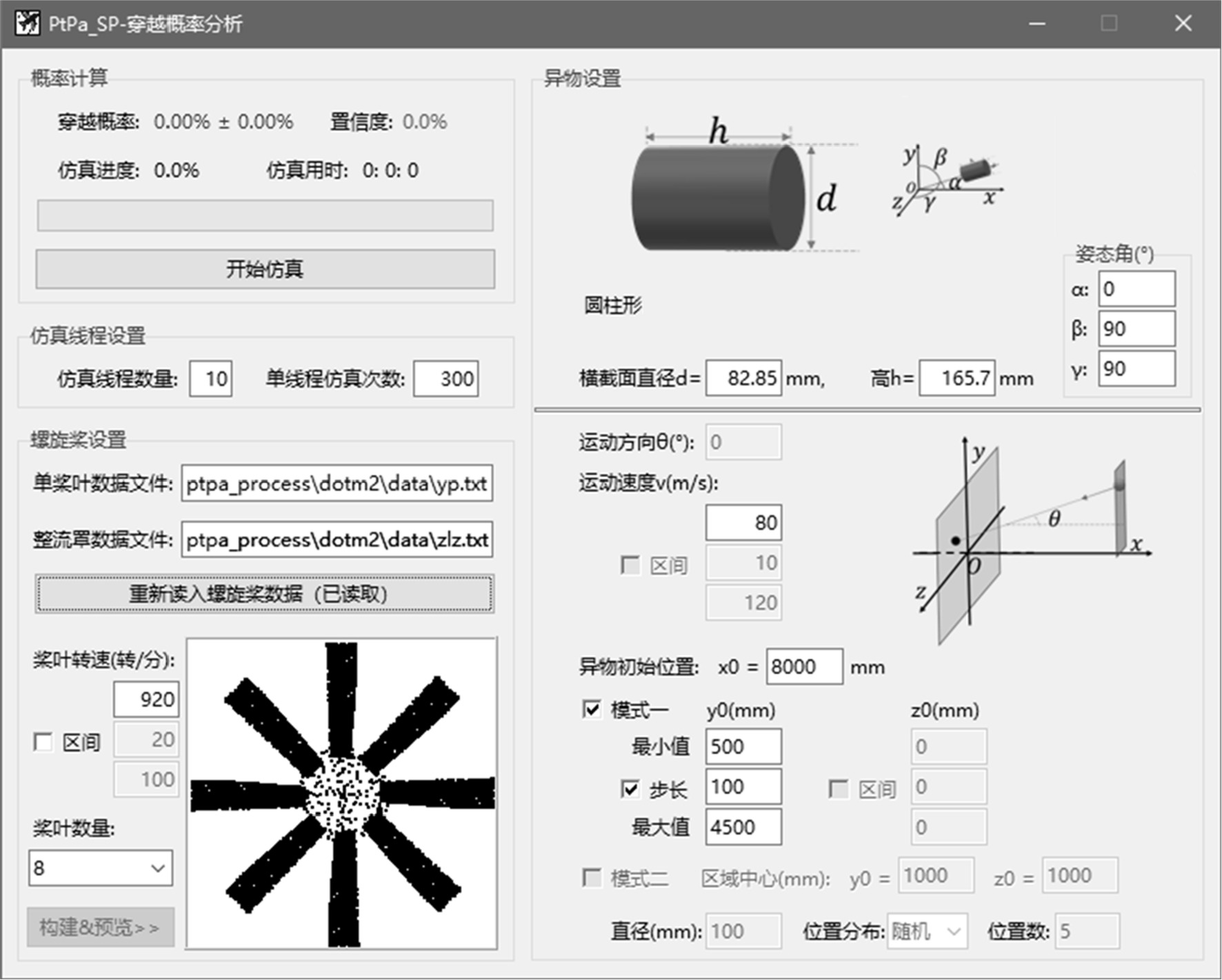
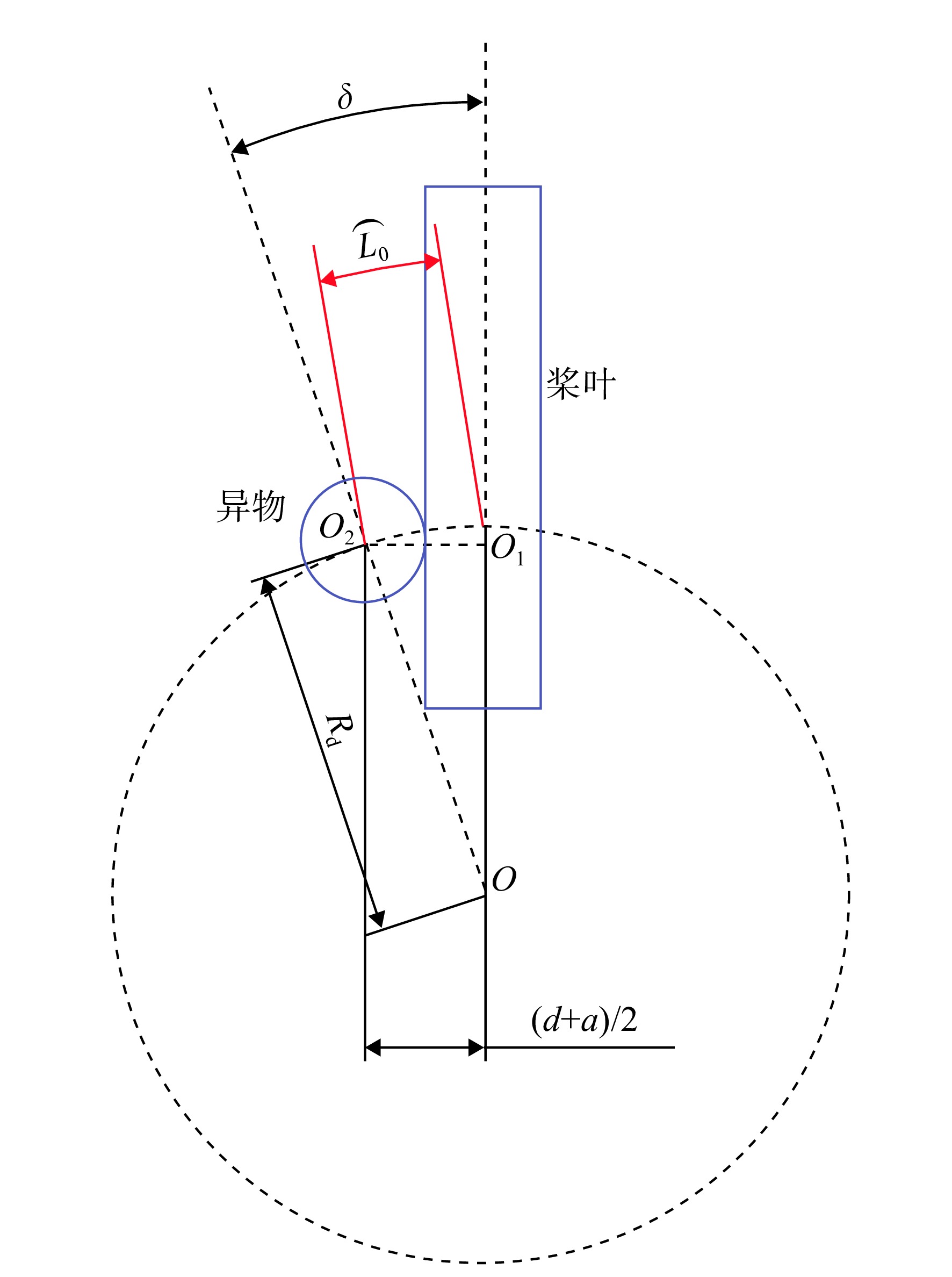
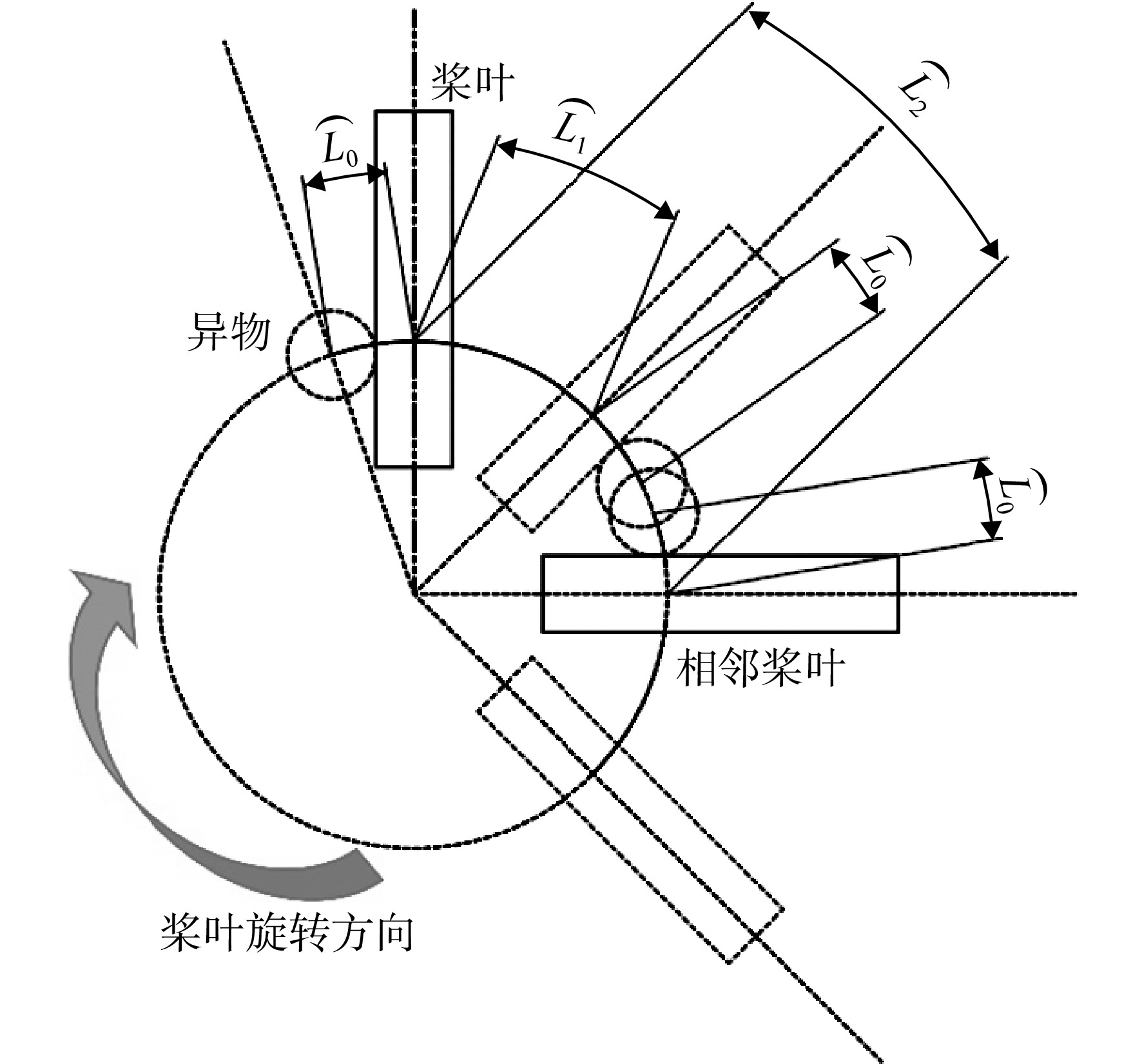
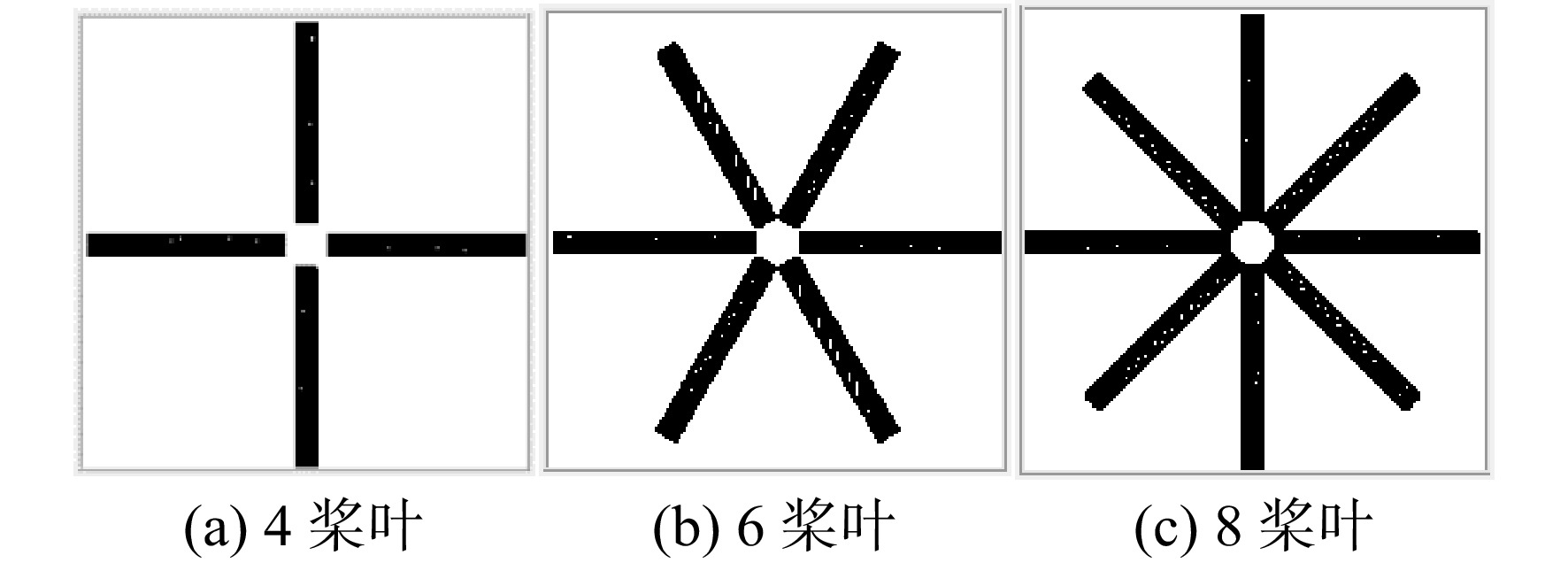
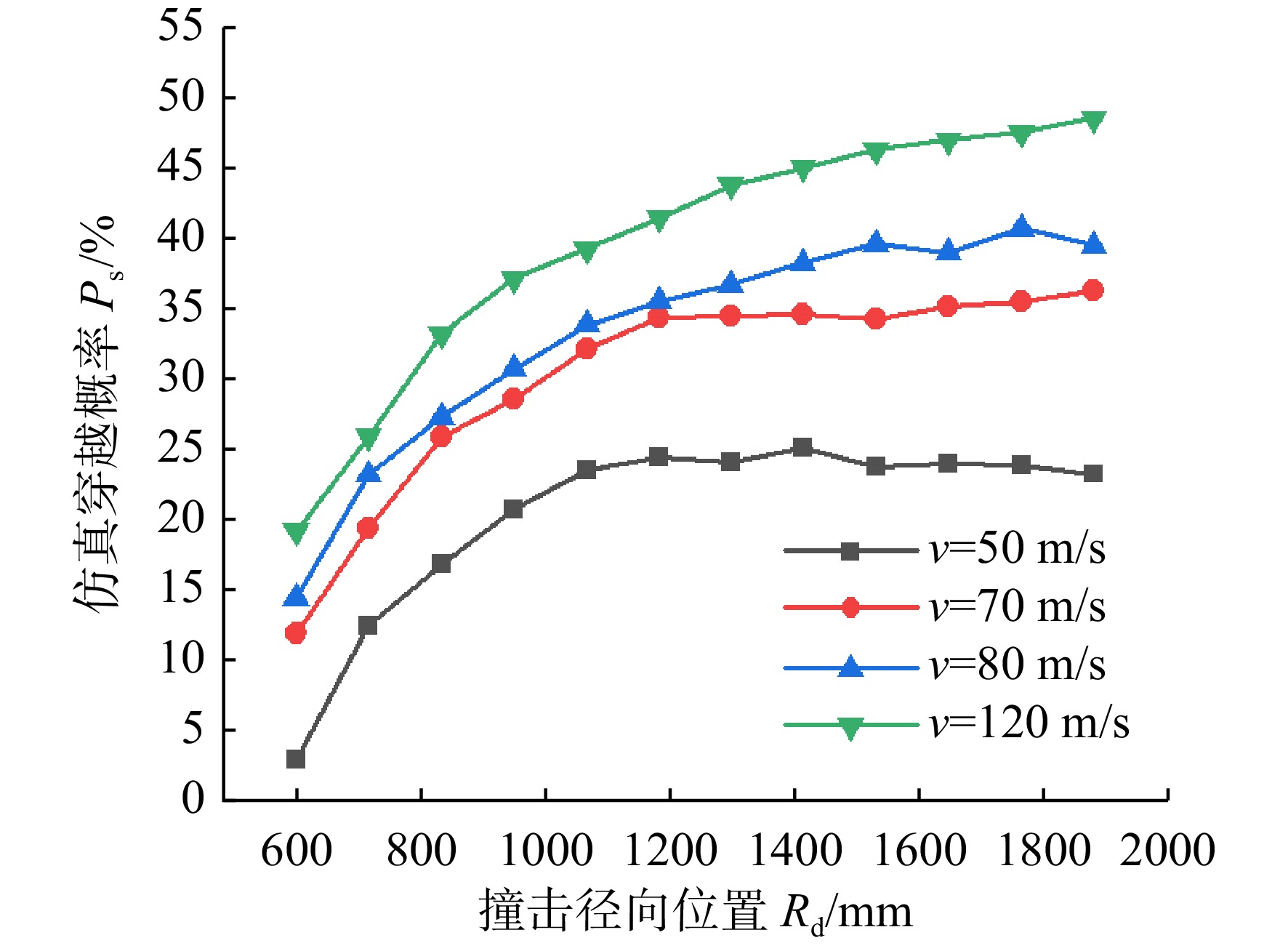
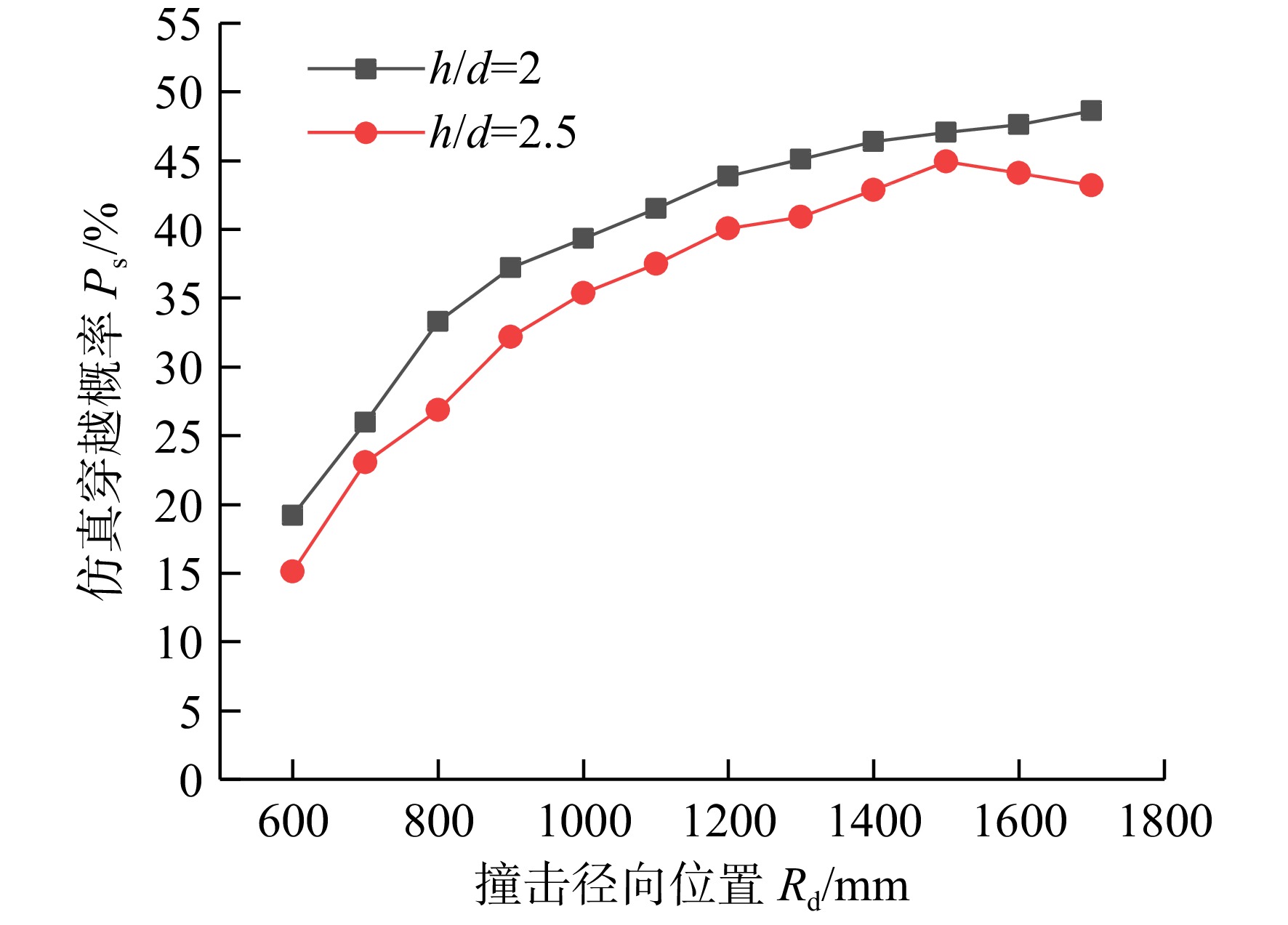
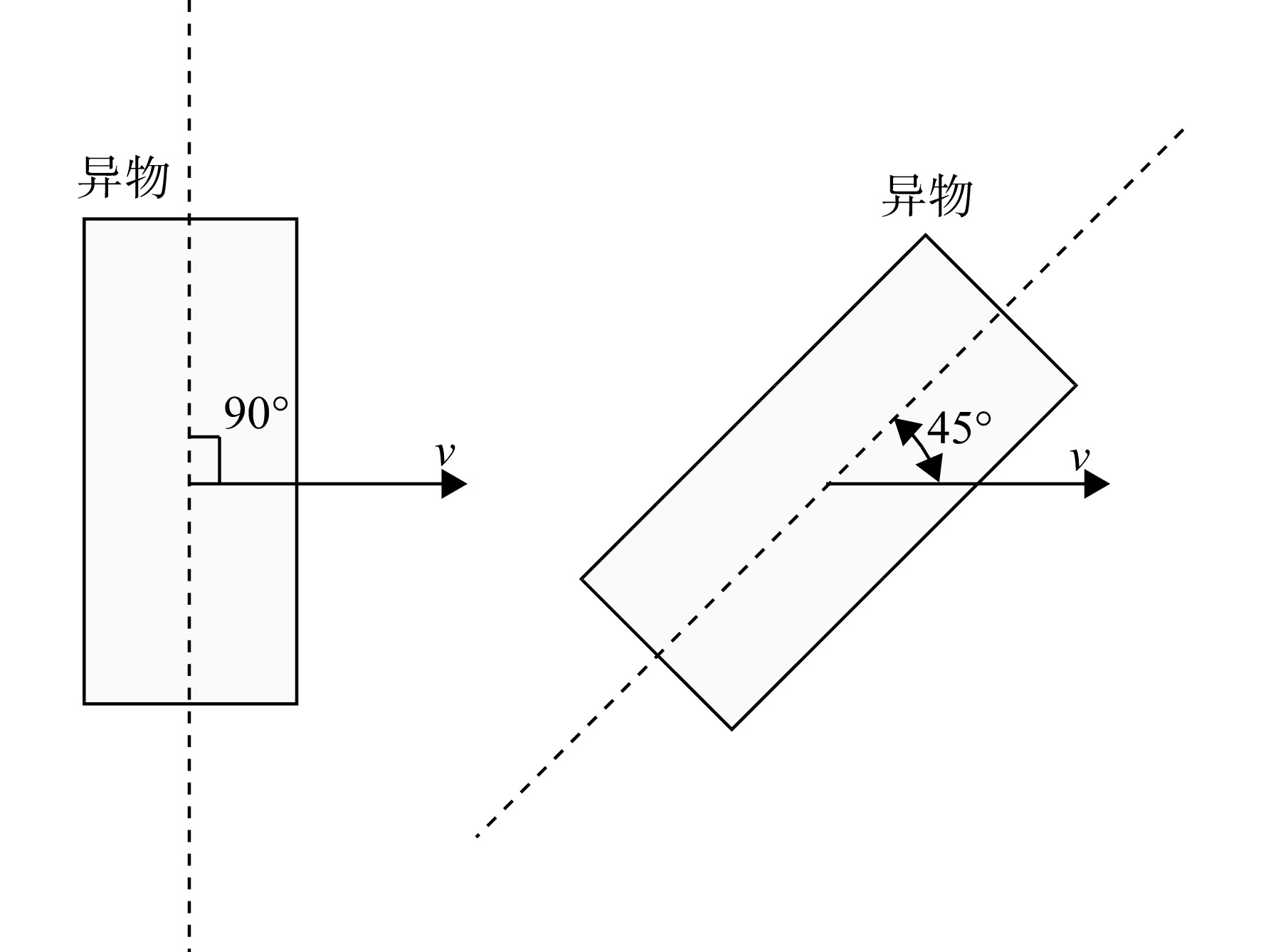
Chance quantitative analysis of foreign object crossing through the propeller is difficult due to the complexity of propeller shape and foreign object flight attitude, and there is lack of effective technical means for it. A technical method to analyze the chance of cylindrical foreign object crossing the propeller under multiple engineering applications was presented, such as realistic three-dimensional propeller shape and adjustable foreign object flight attitude, etc. The accuracy of the technical method was verified by comparing the difference between the theoretical and simulated chance of foreign object crossing the rectangular blade propeller. Finally, a certain type propeller was selected to carry out the traversal chance simulation. The results showed that, the technical method presented herein had high analytical accuracy, the maximum absolute error and relative error between traversal chance results of simulation and theoretical calculation under ideal model were 0.92% and 1.10%. Respectively, the traversal chance variation trend of a certain type propeller was consistent with the rectangular blade propeller. Under the same impact conditions of foreign object, traversal chance decreased with the increase of aspect ratio and increased with the increase of impact attitude angle.

Rocket Engine
Comparison of flow characteristics between tank-to-tank and tank-to-manifold crossfeed systems for liquid rocket
DU Feiping, LI Cui, CHENG Yiwei, WU Dinghang, LI Yanzhong, XU Yuanyuan
2025, 40(4): 20220666. doi: 10.13224/j.cnki.jasp.20220666
Abstract:

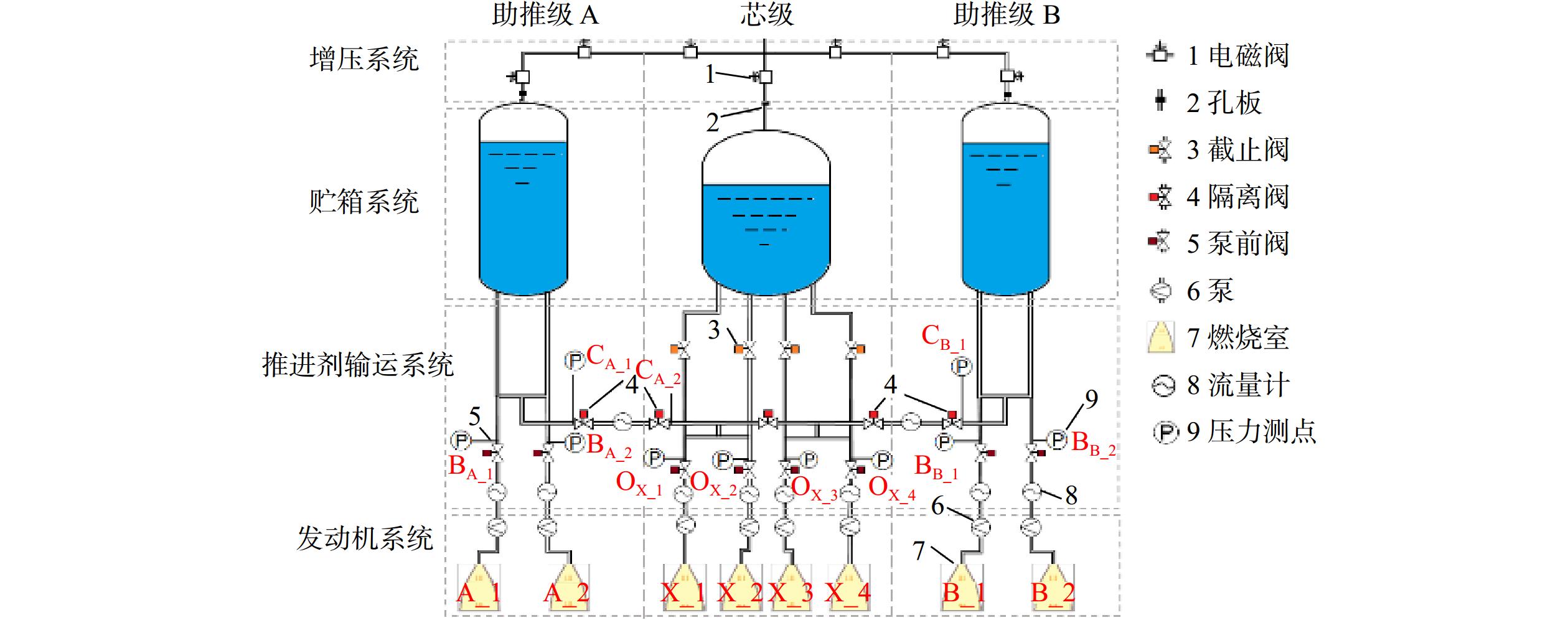
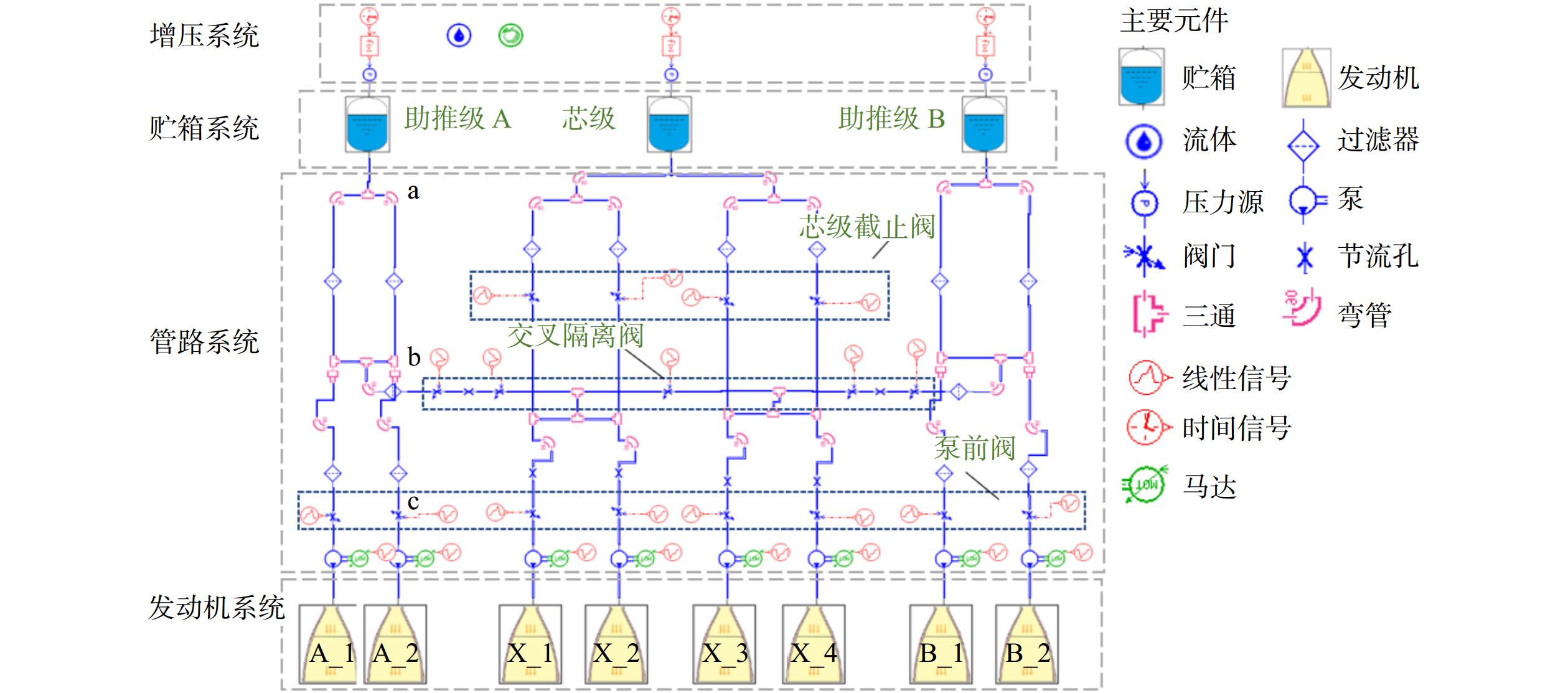
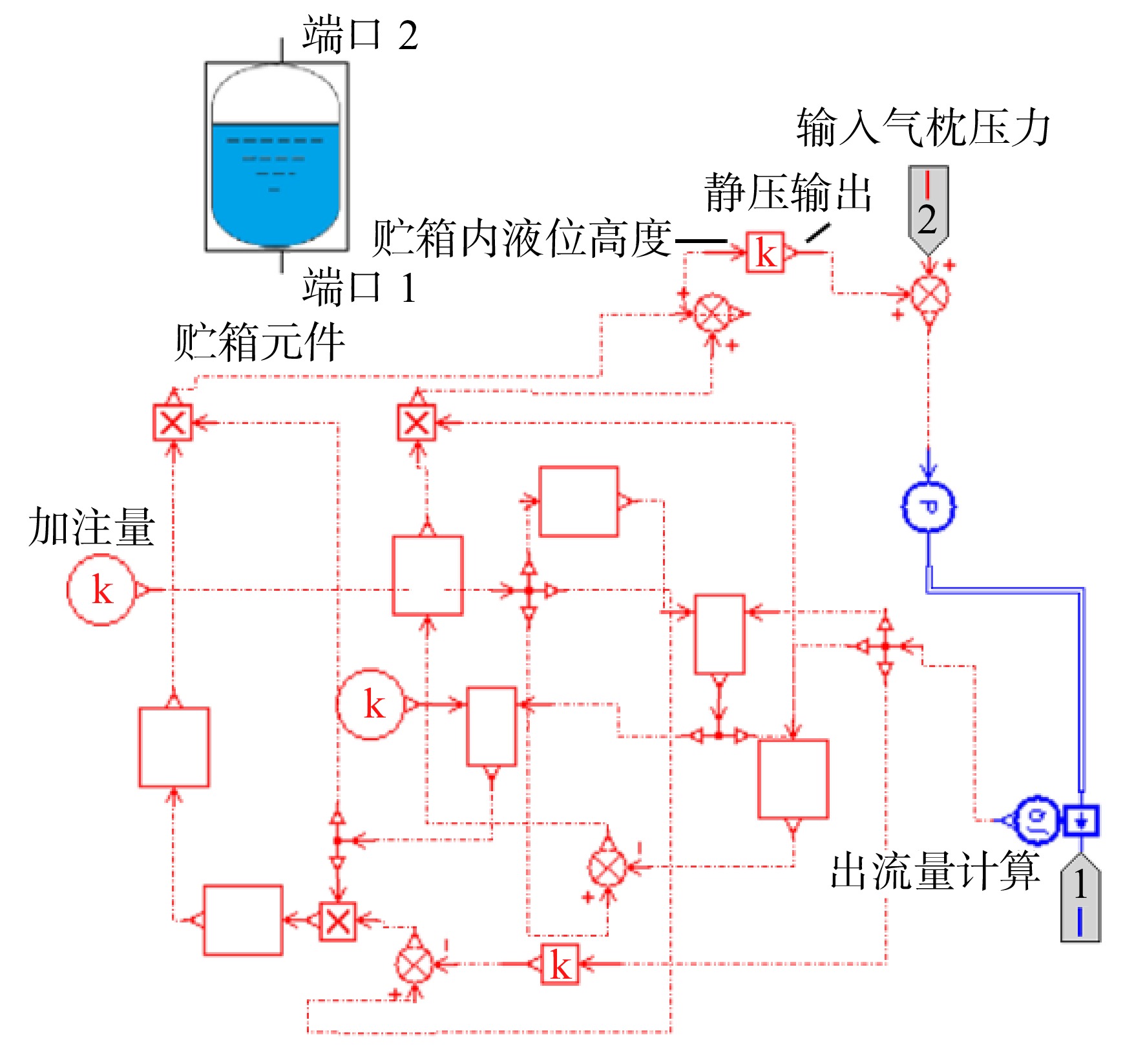
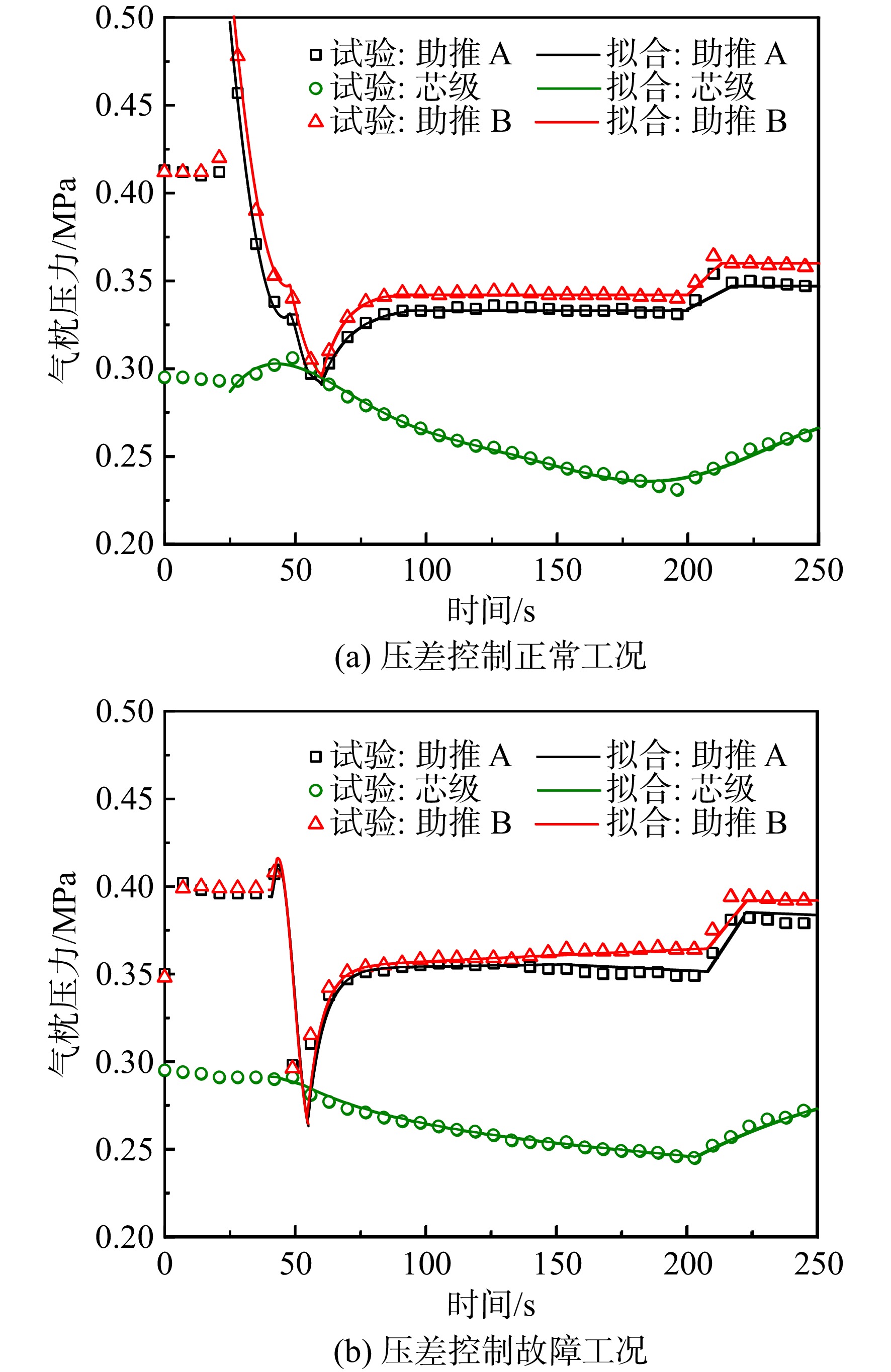
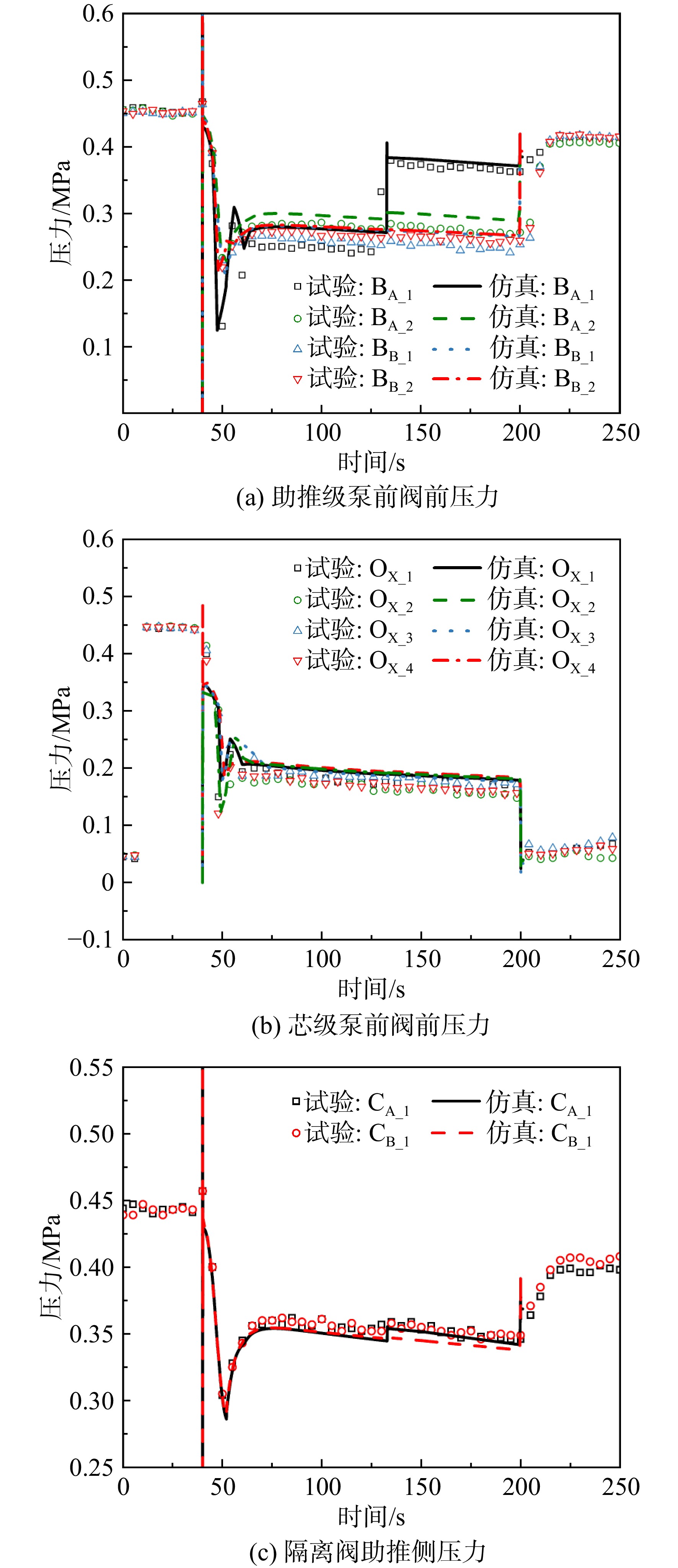
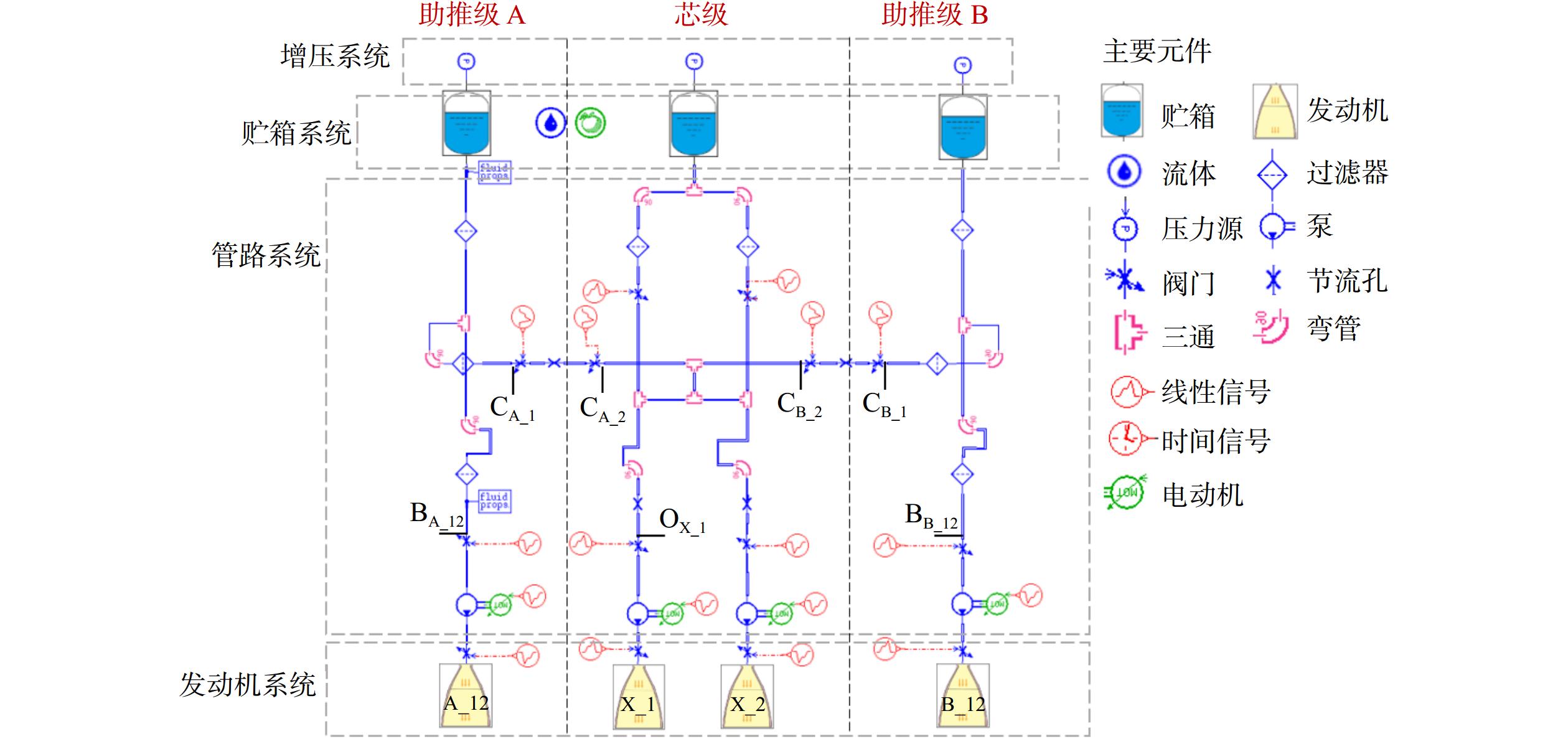
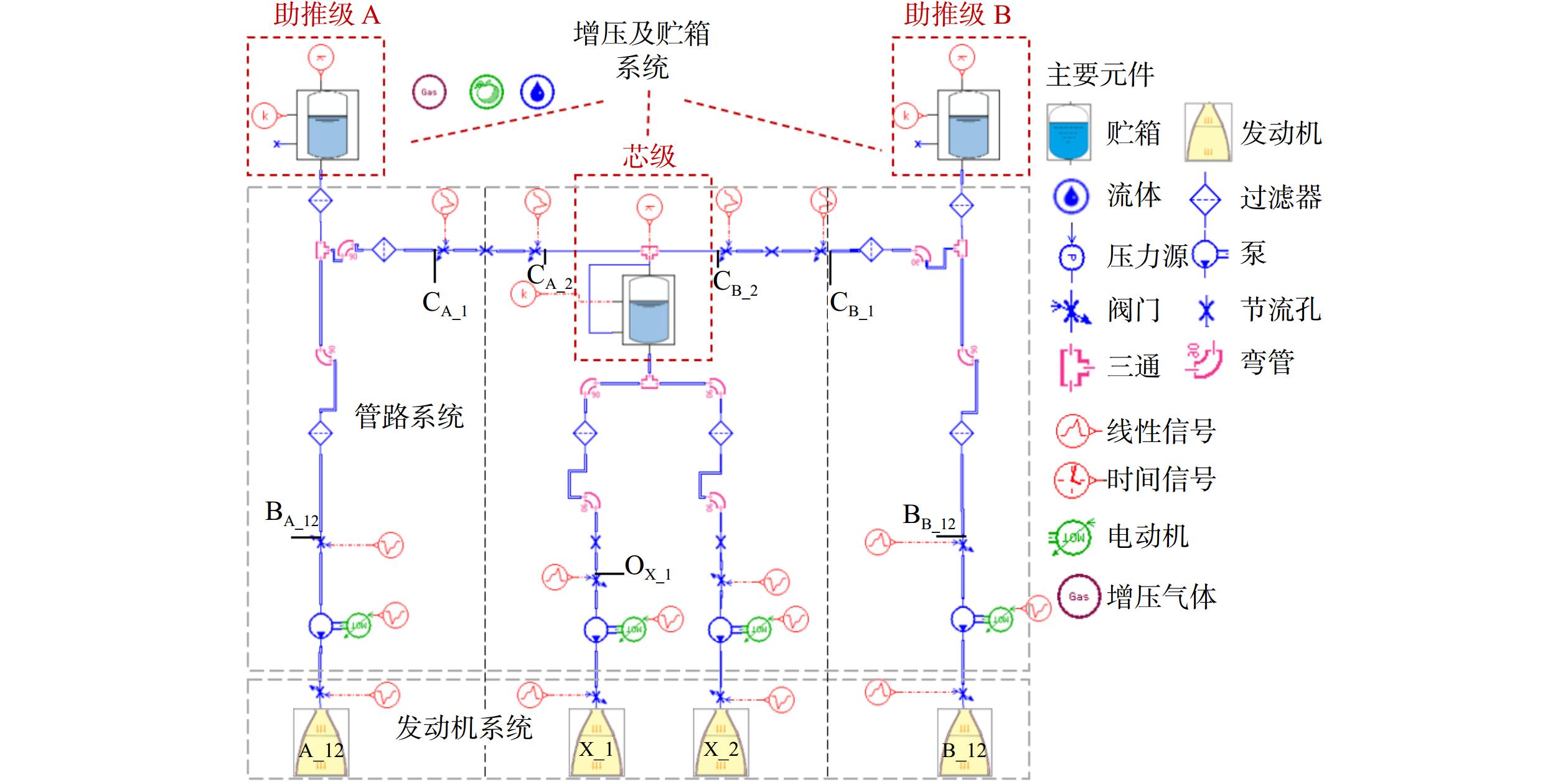
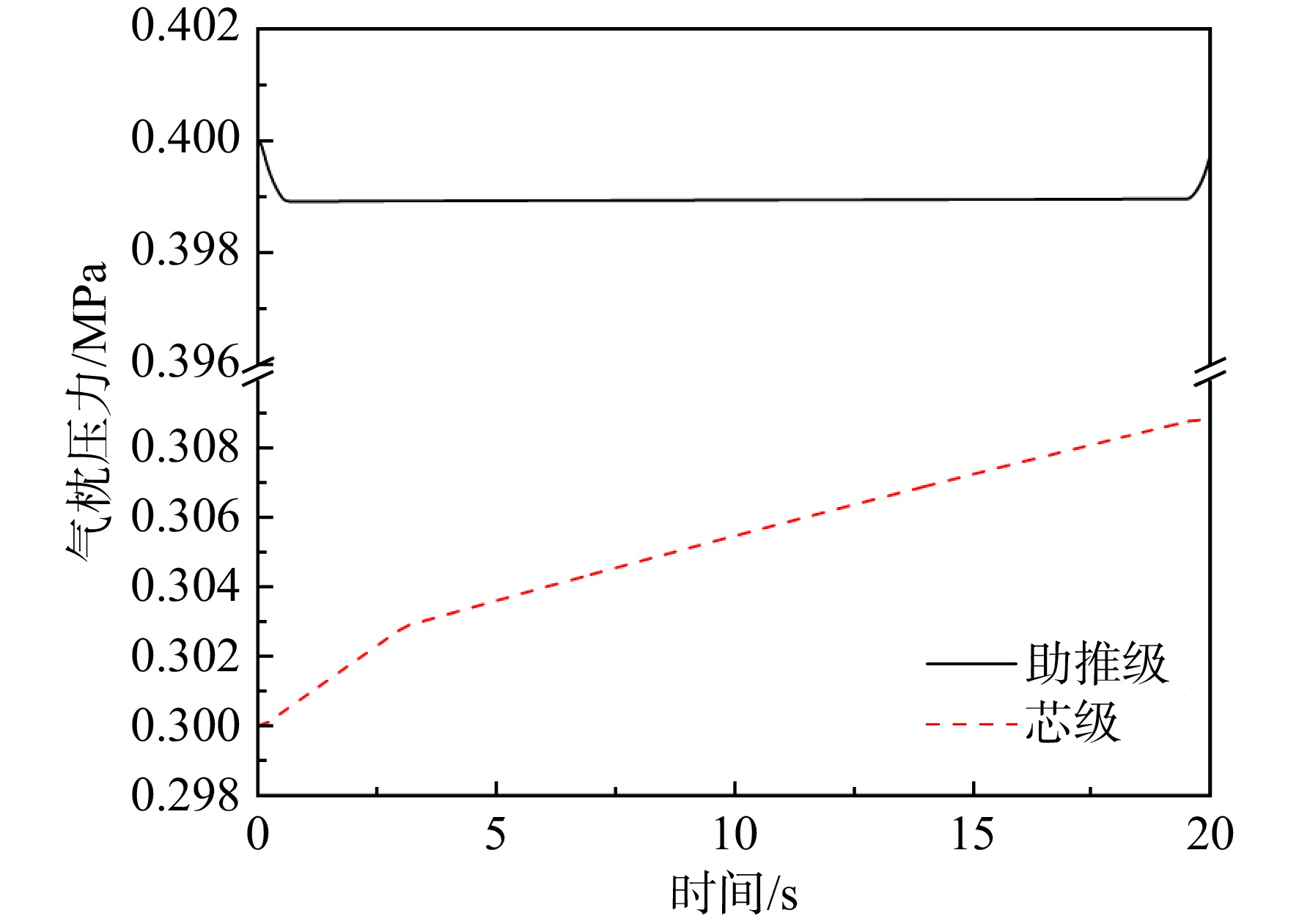
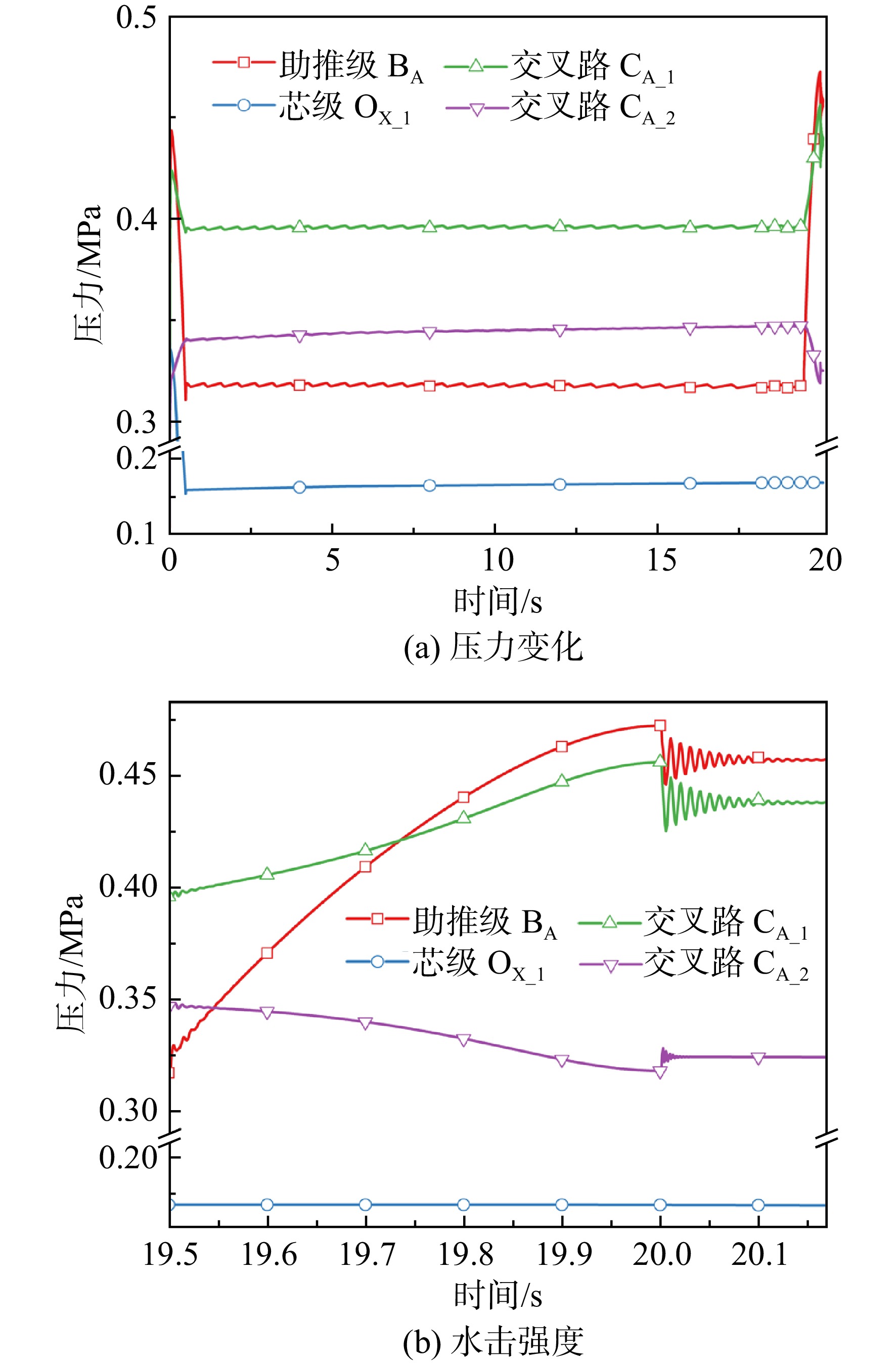
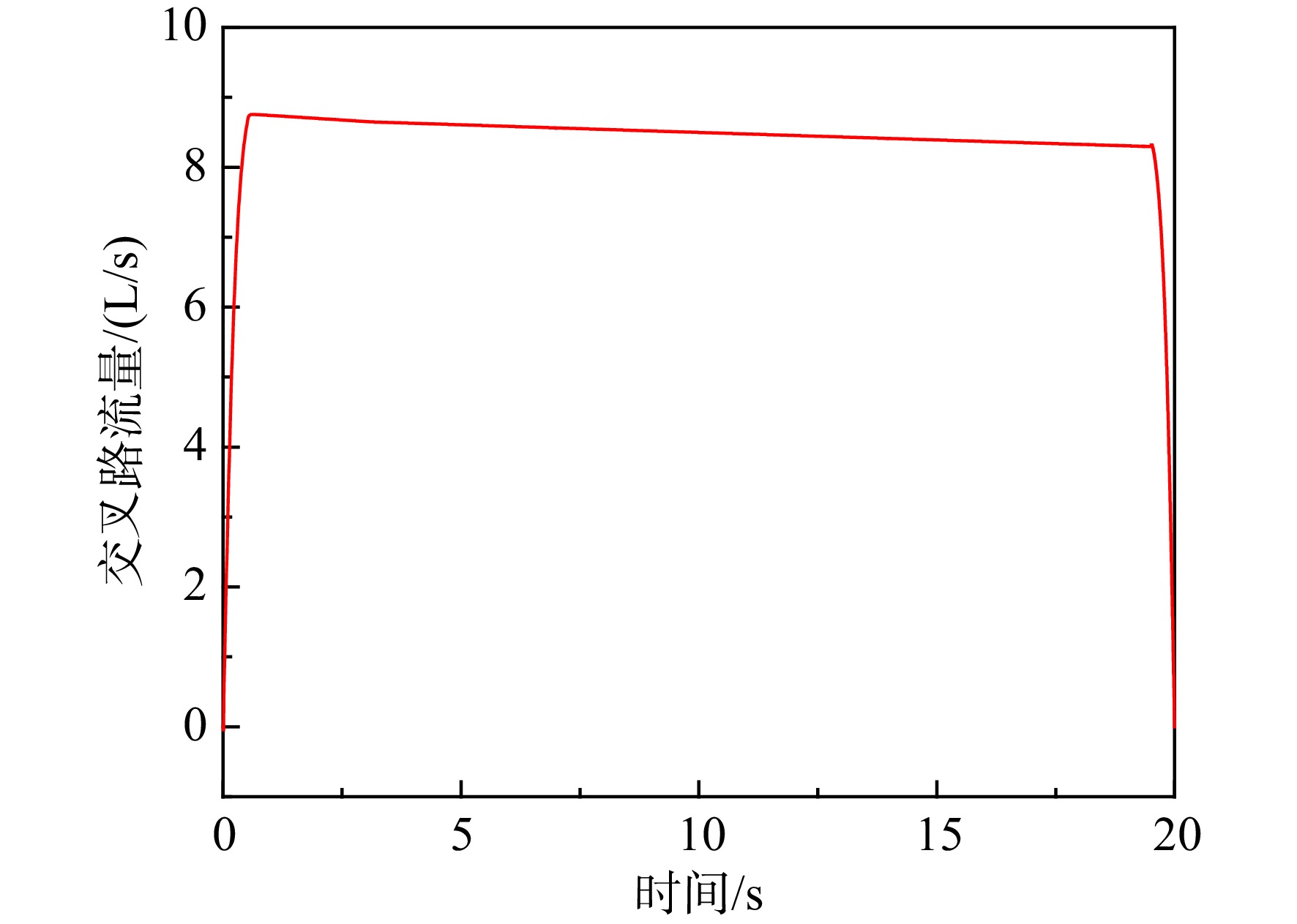
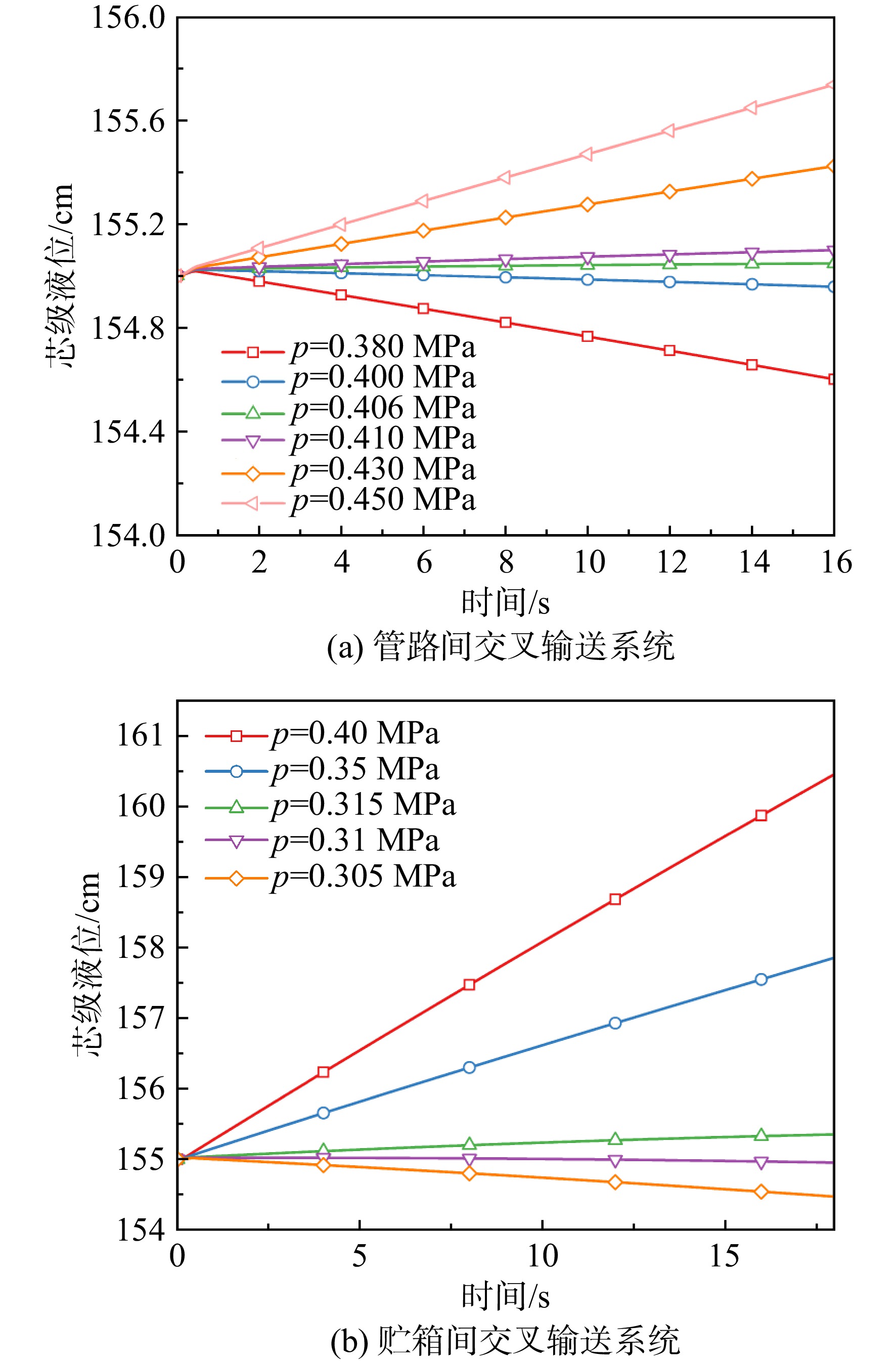
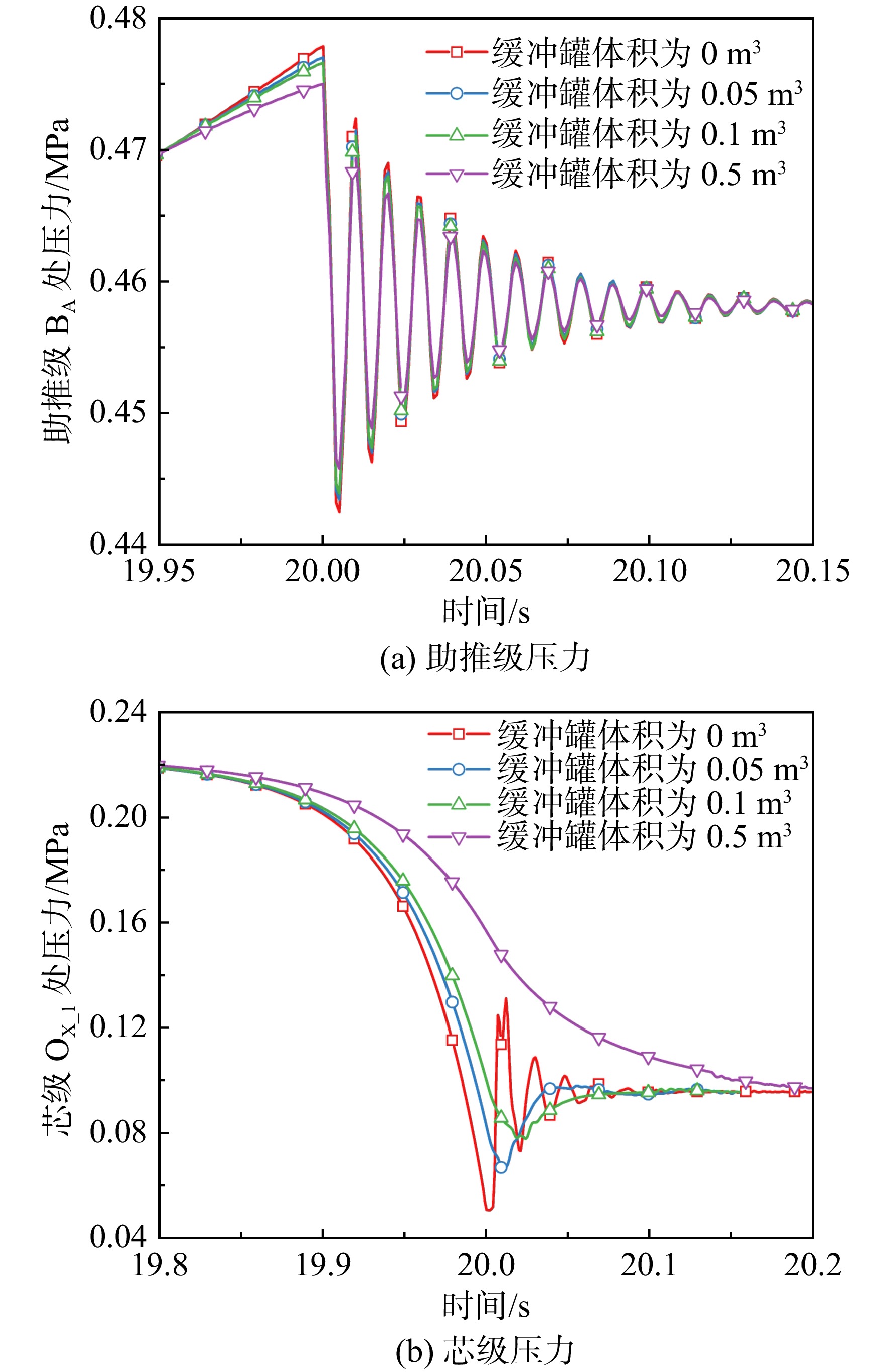
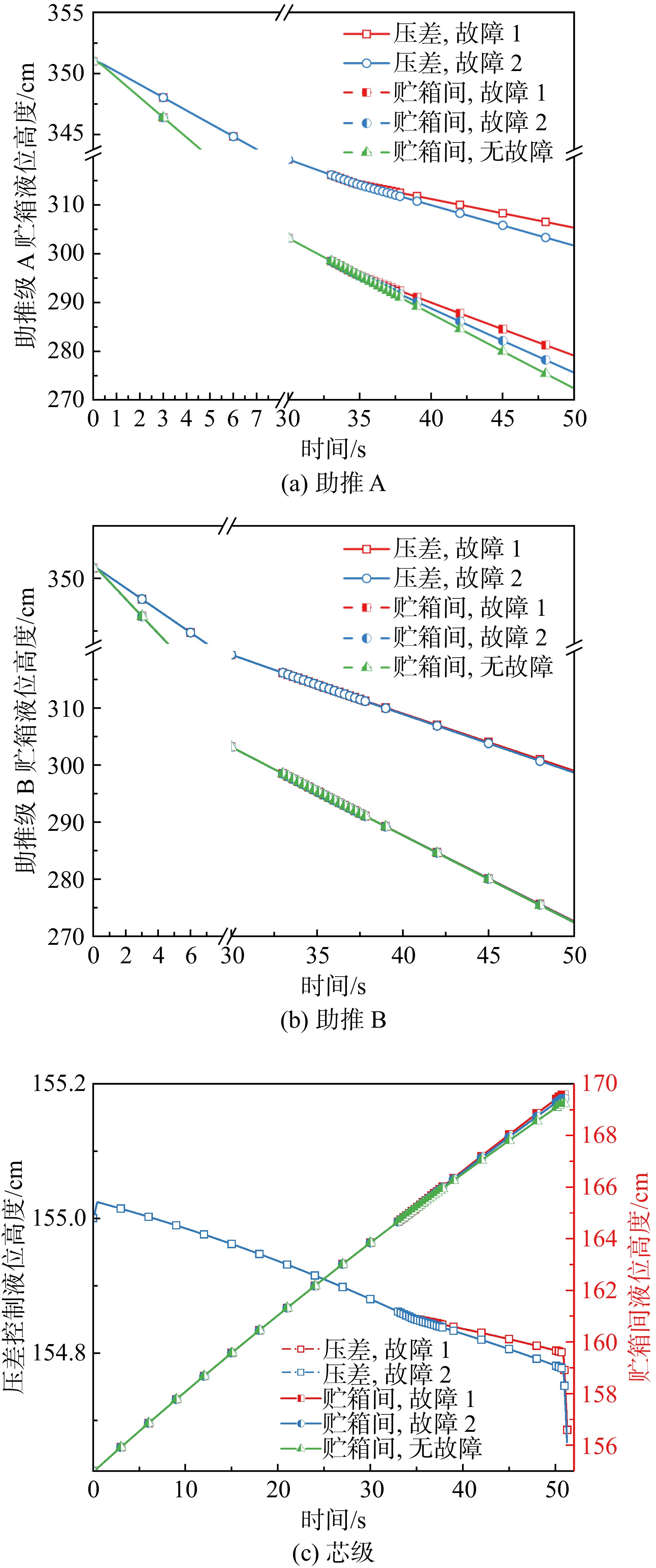
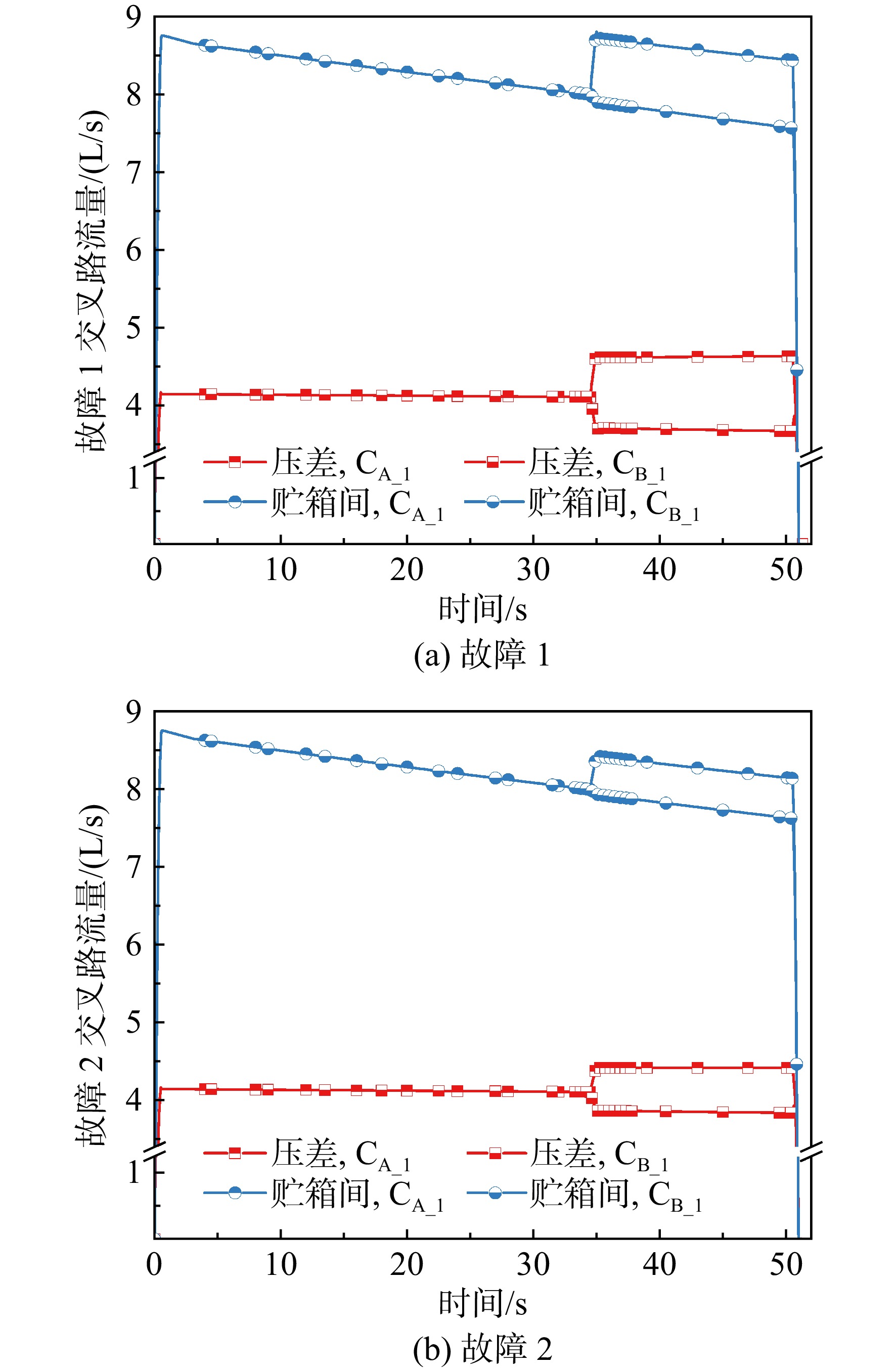
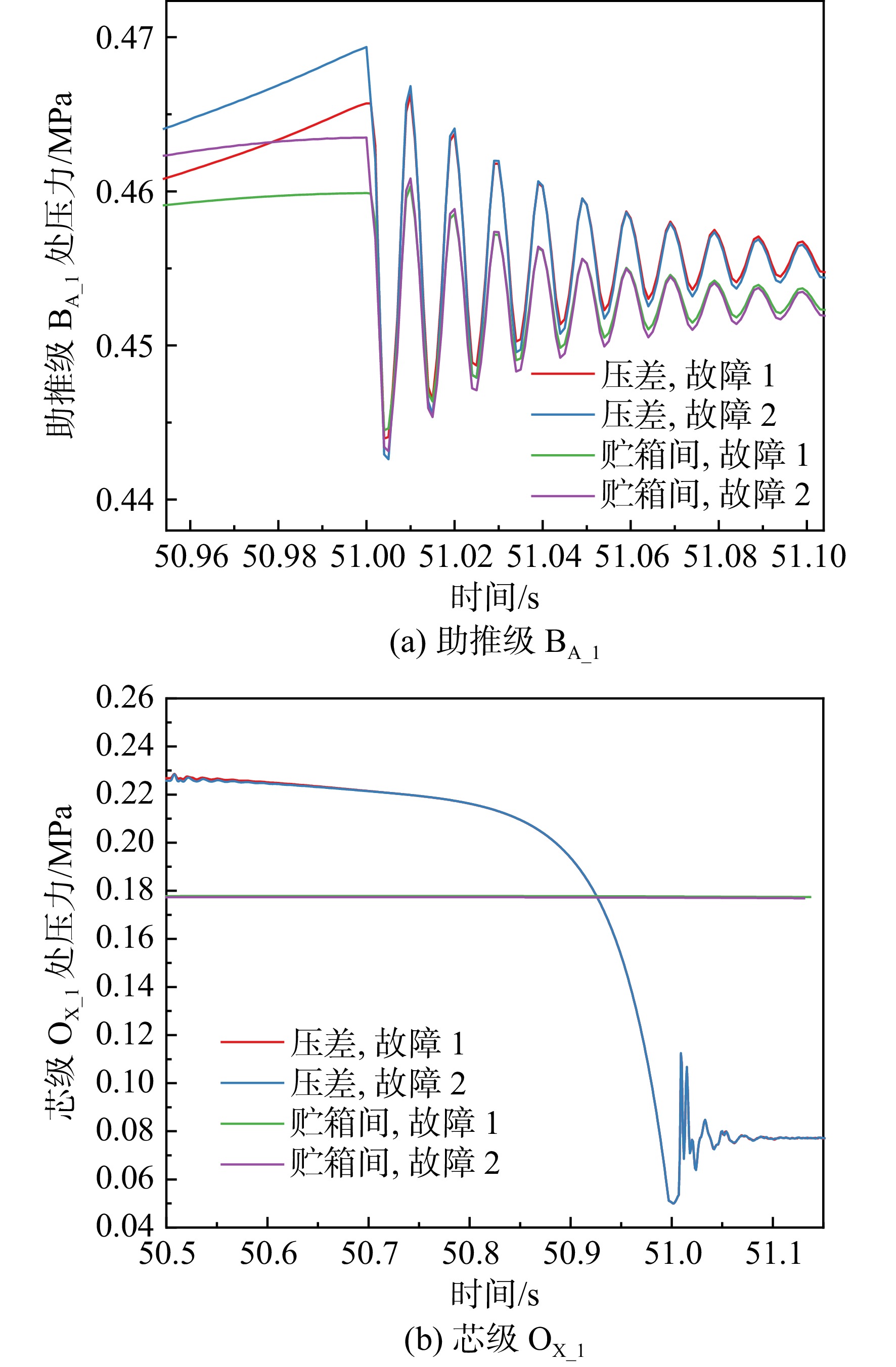
A study on the propellant crossfeed characteristics under both normal and engine-out conditions was described. Two transfer mechanisms, tank-to-tank and tank-to-manifold, were analyzed to optimize the performance and reduce the operational complexity. The results showed that the tank-to-tank transfer mechanism had higher crossfeed flow rate in the ascent stage and smoother transition to orbiter on booster staging in comparison with the tank-to-manifold mechanism. Buffer tank can significantly decrease the pressure fluctuation caused by the booster staging, and the larger buffer tank volume indicated the smoother transition of the orbiter pressure. When the booster engines were abnormally shut down, crossfeed could redistribute its remanent propellant between the orbiter or the non-fault booster, contributing to the full utilization of propellant in the malfunction booster. Moreover, the pressure-controlled tank-to-manifold mechanism was characterized by more uniform crossfeed flow distribution under abnormal engine-out conditions, helping to provide synchronous consumption of the two booster tanks despite its stronger water hammer phenomenon when the booster was staged.

Autocontrol
Research on a high dynamic electric fuel pump metering control technology
GAO Shan, ZHANG Jiaming, ZHANG Tianhong, FANG Jun
2025, 40(4): 20230388. doi: 10.13224/j.cnki.jasp.20230388
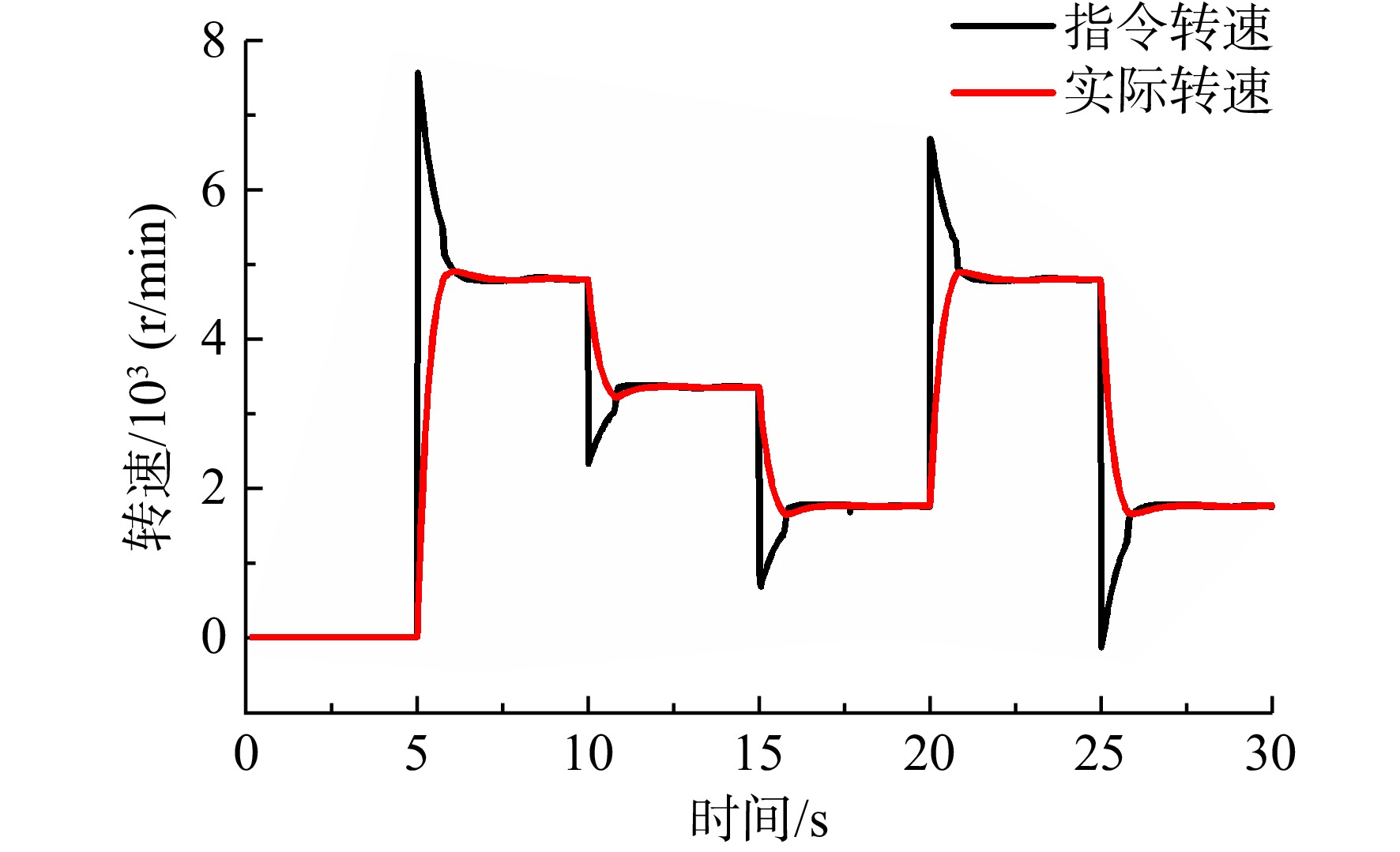
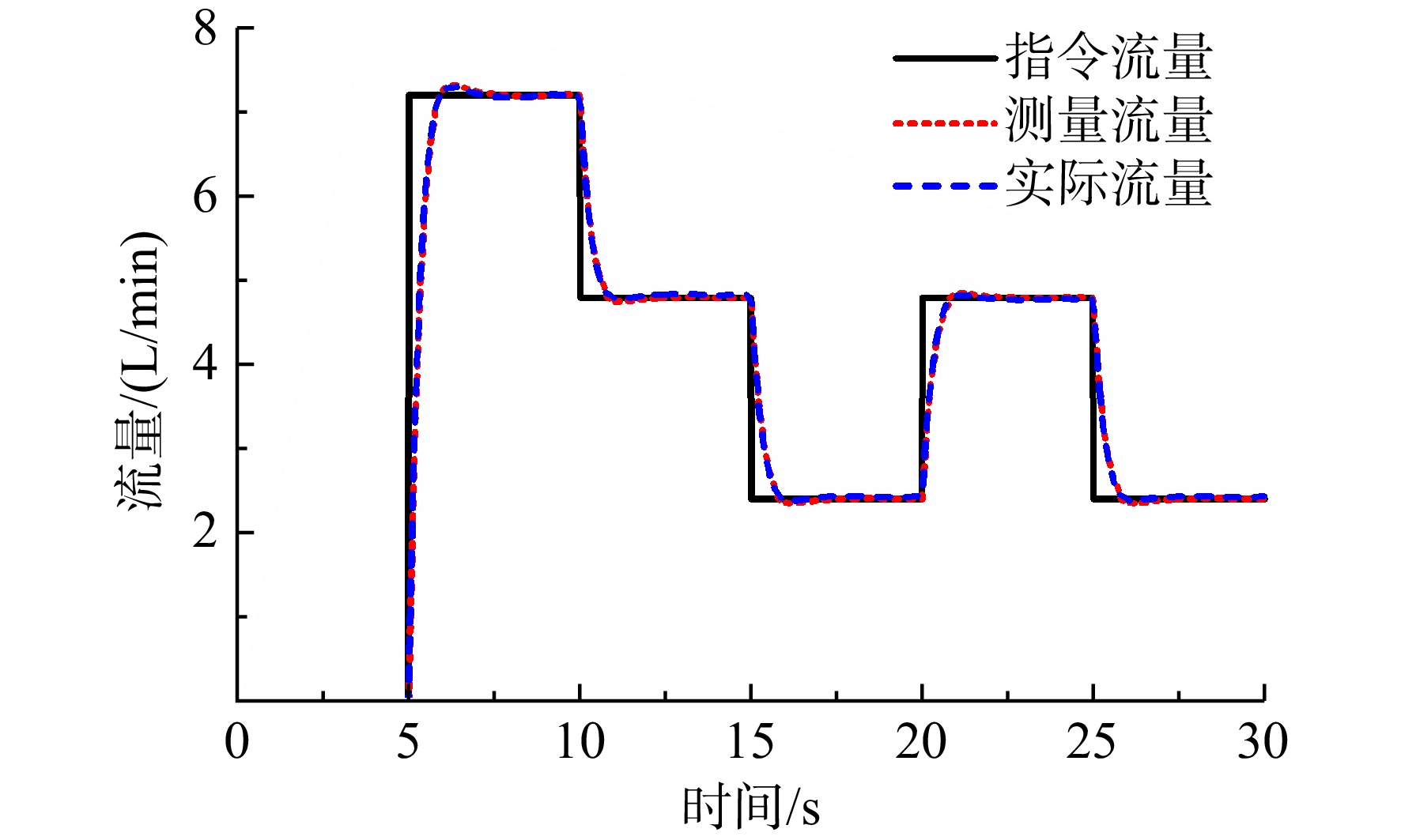
Abstract:
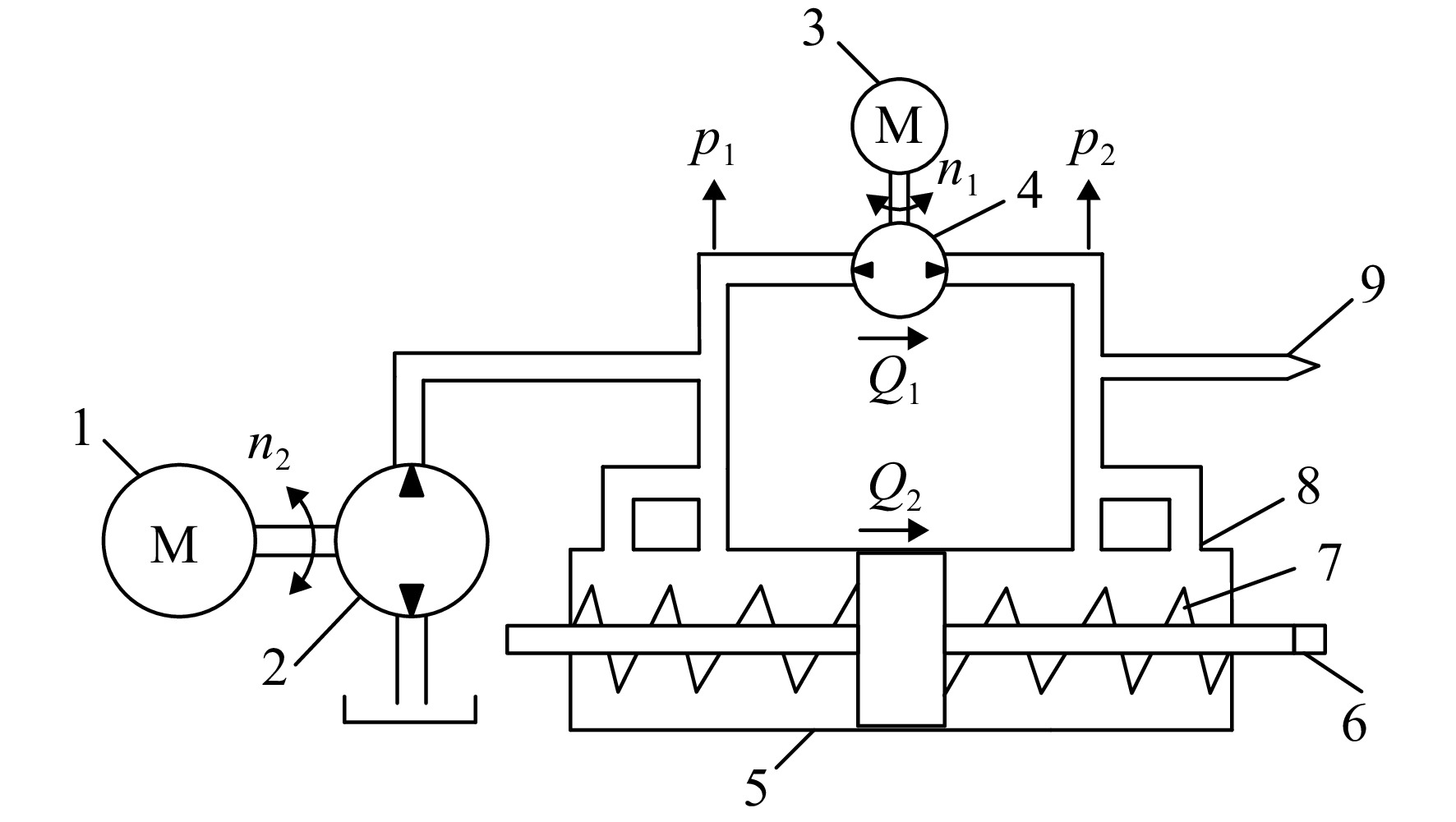
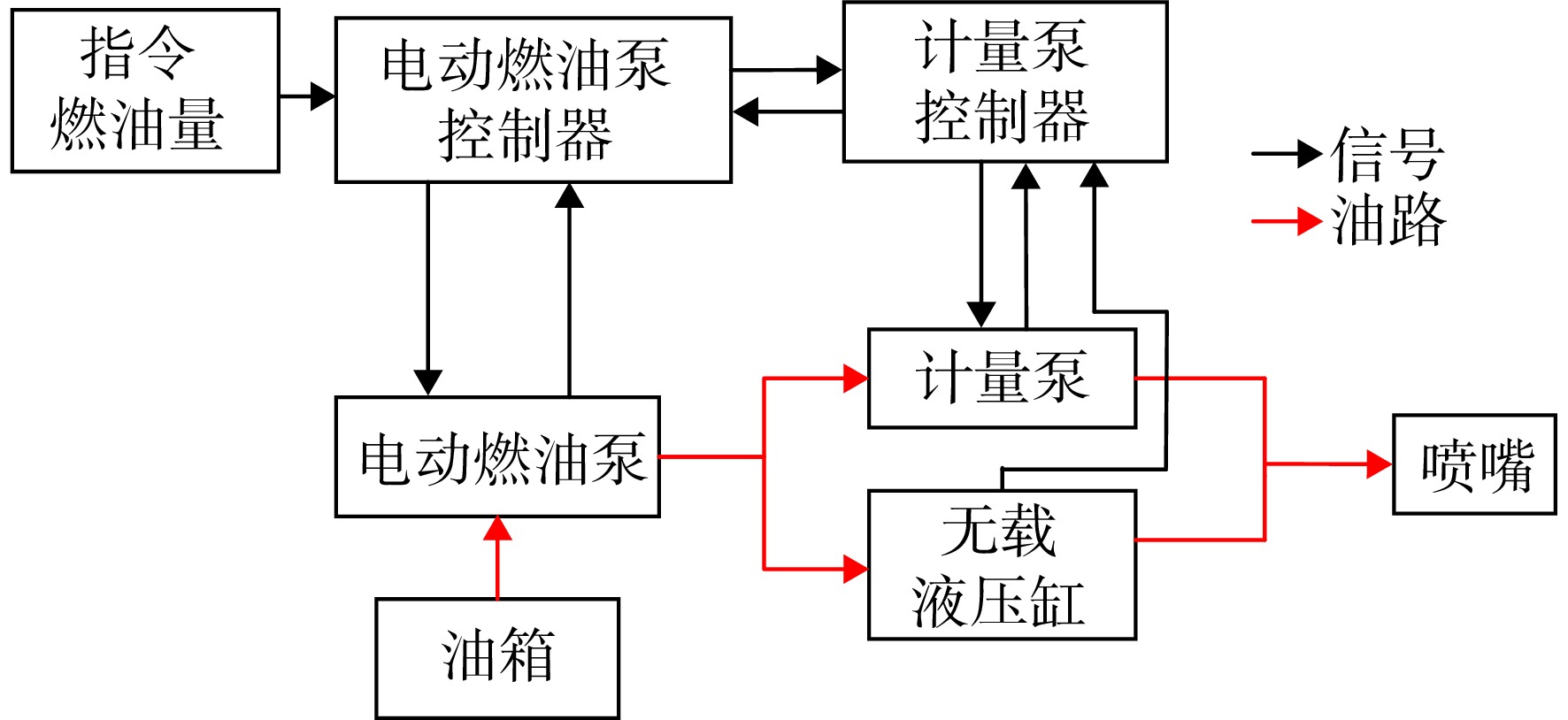
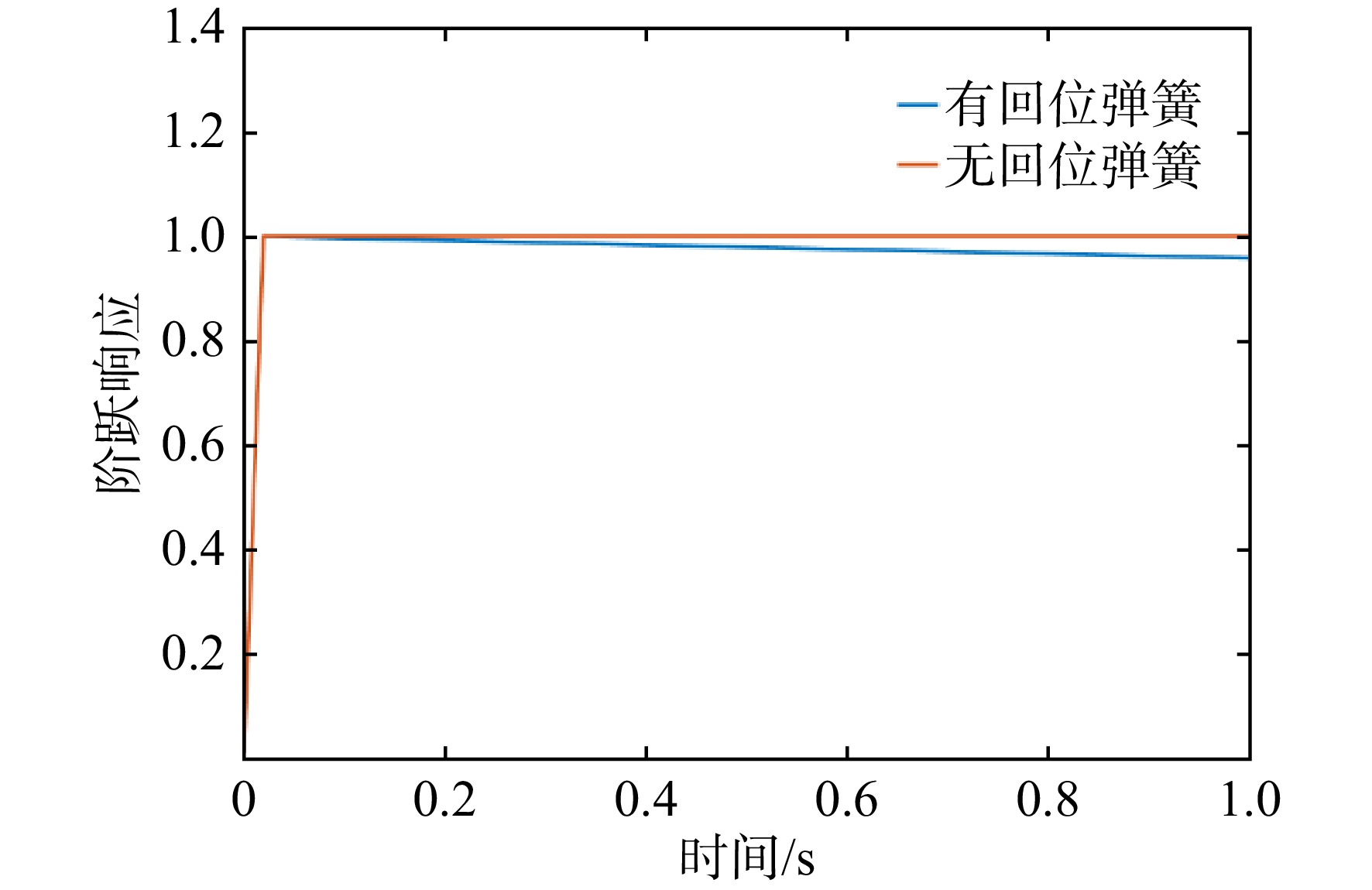
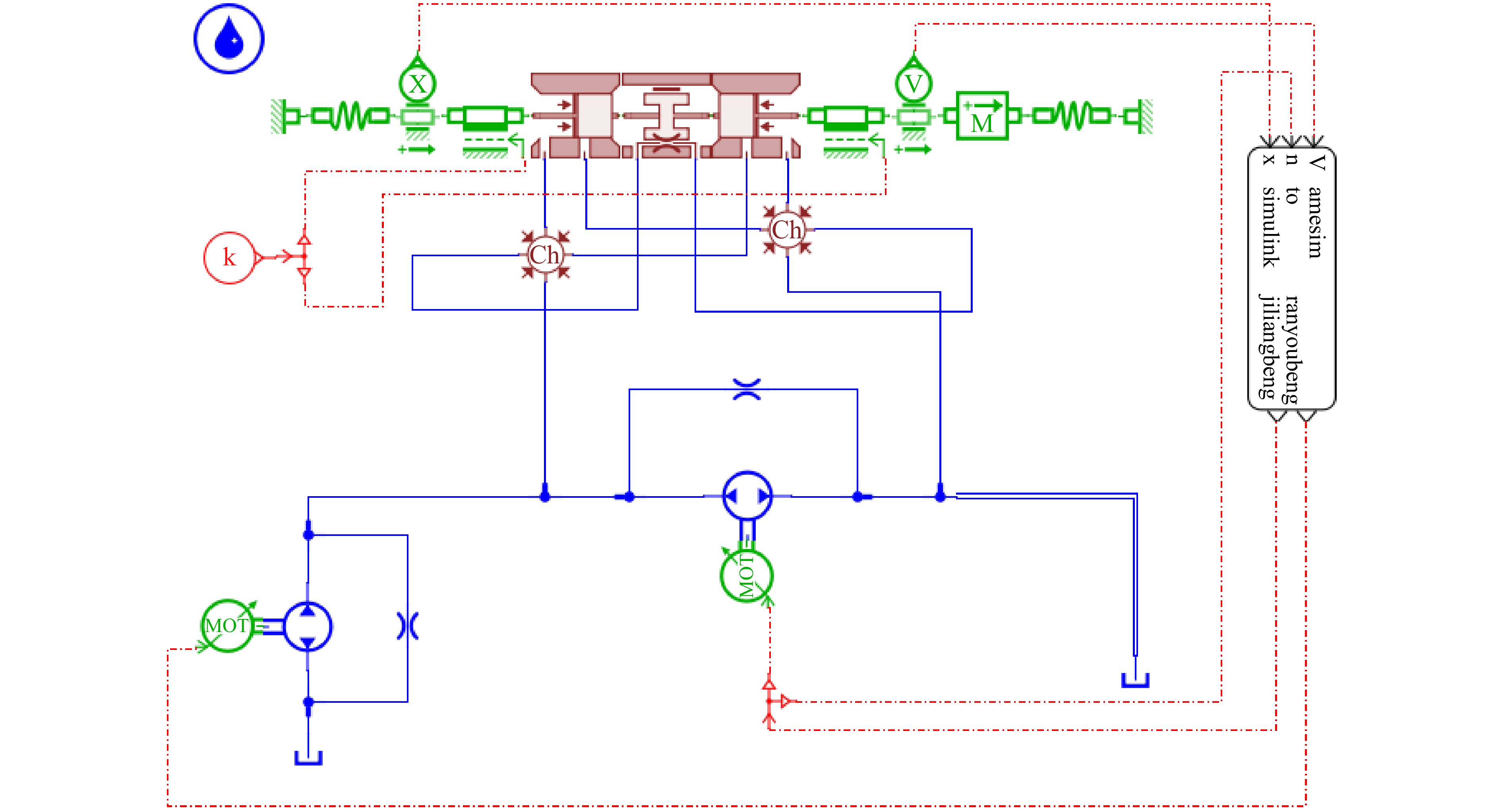
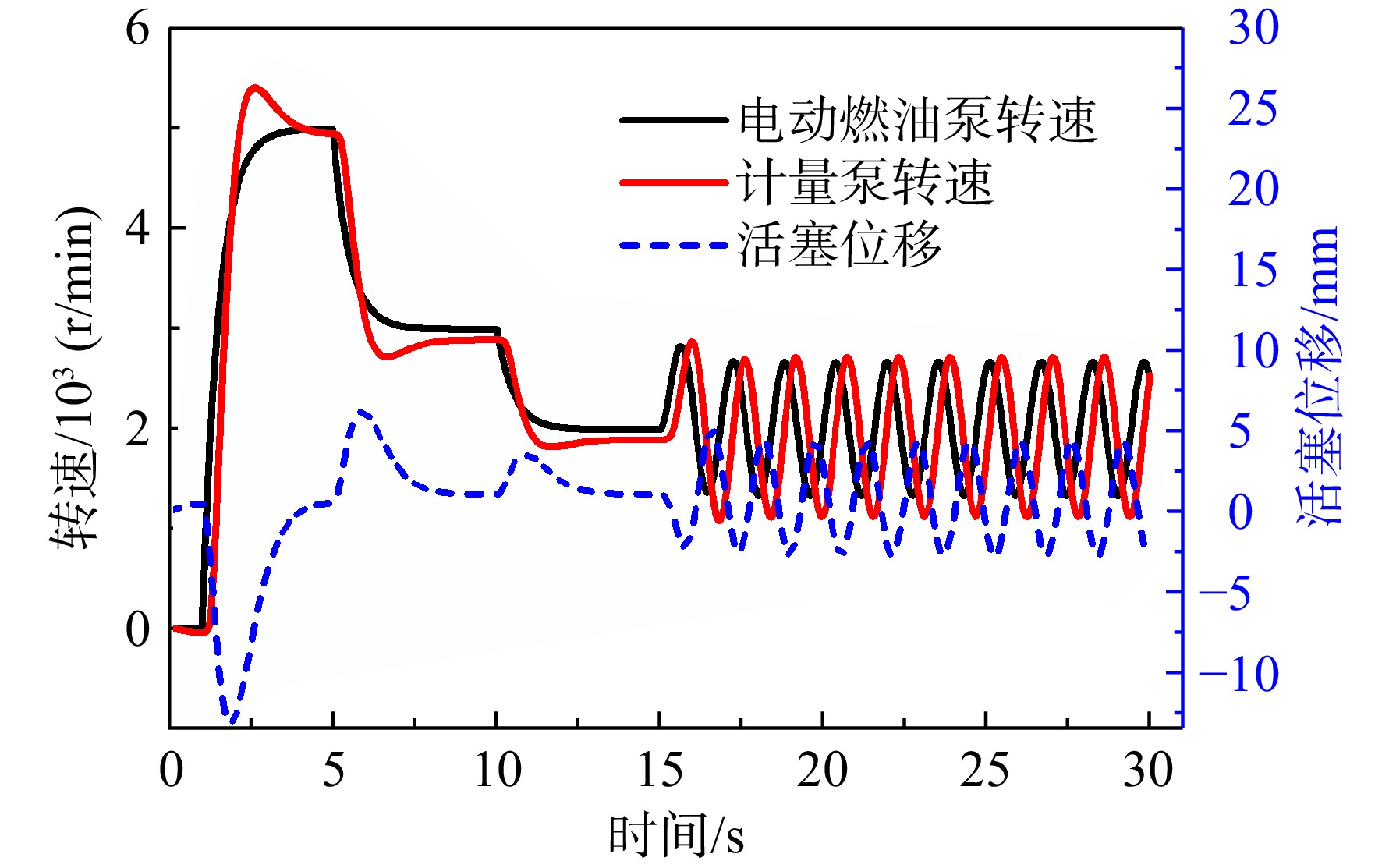
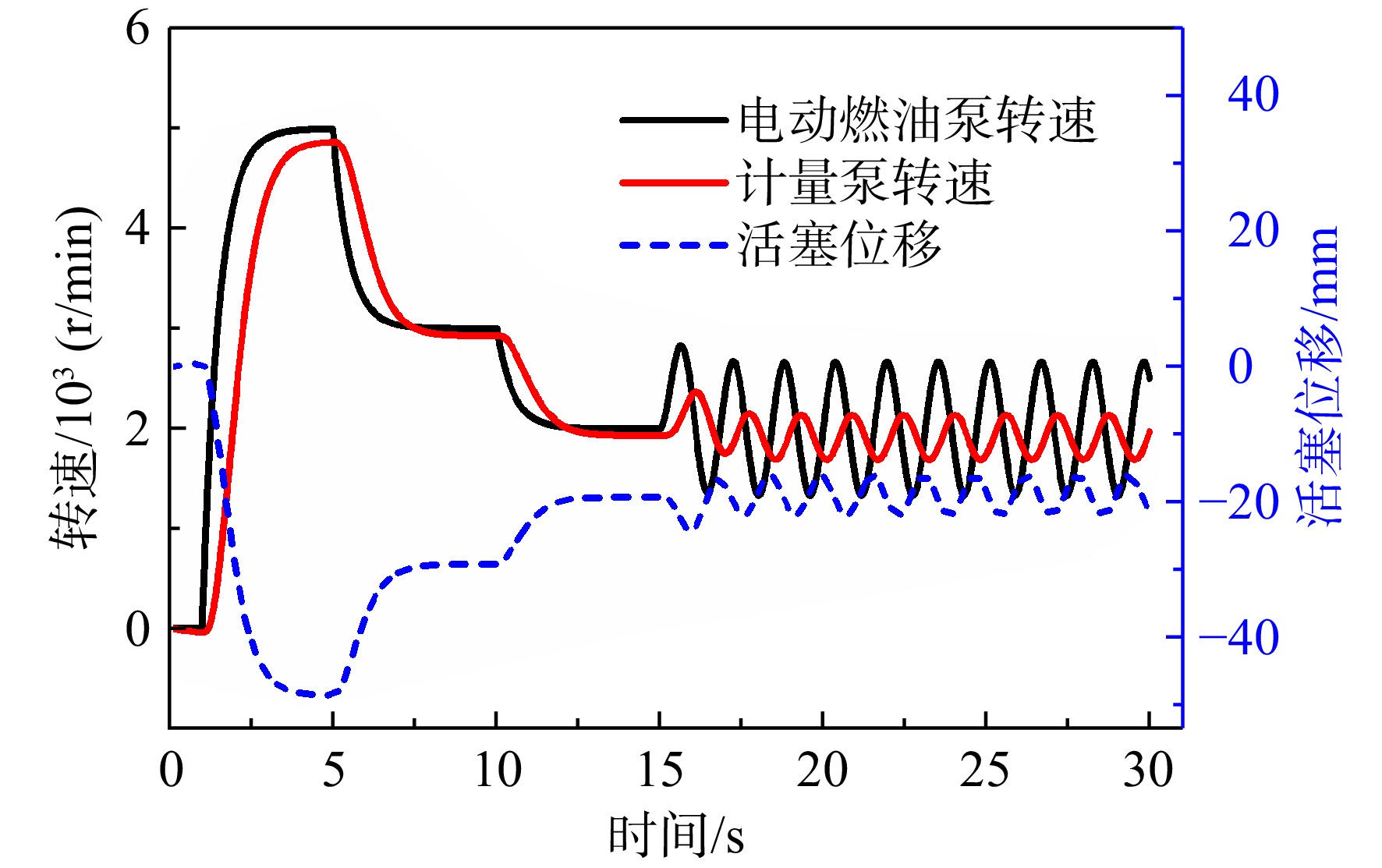
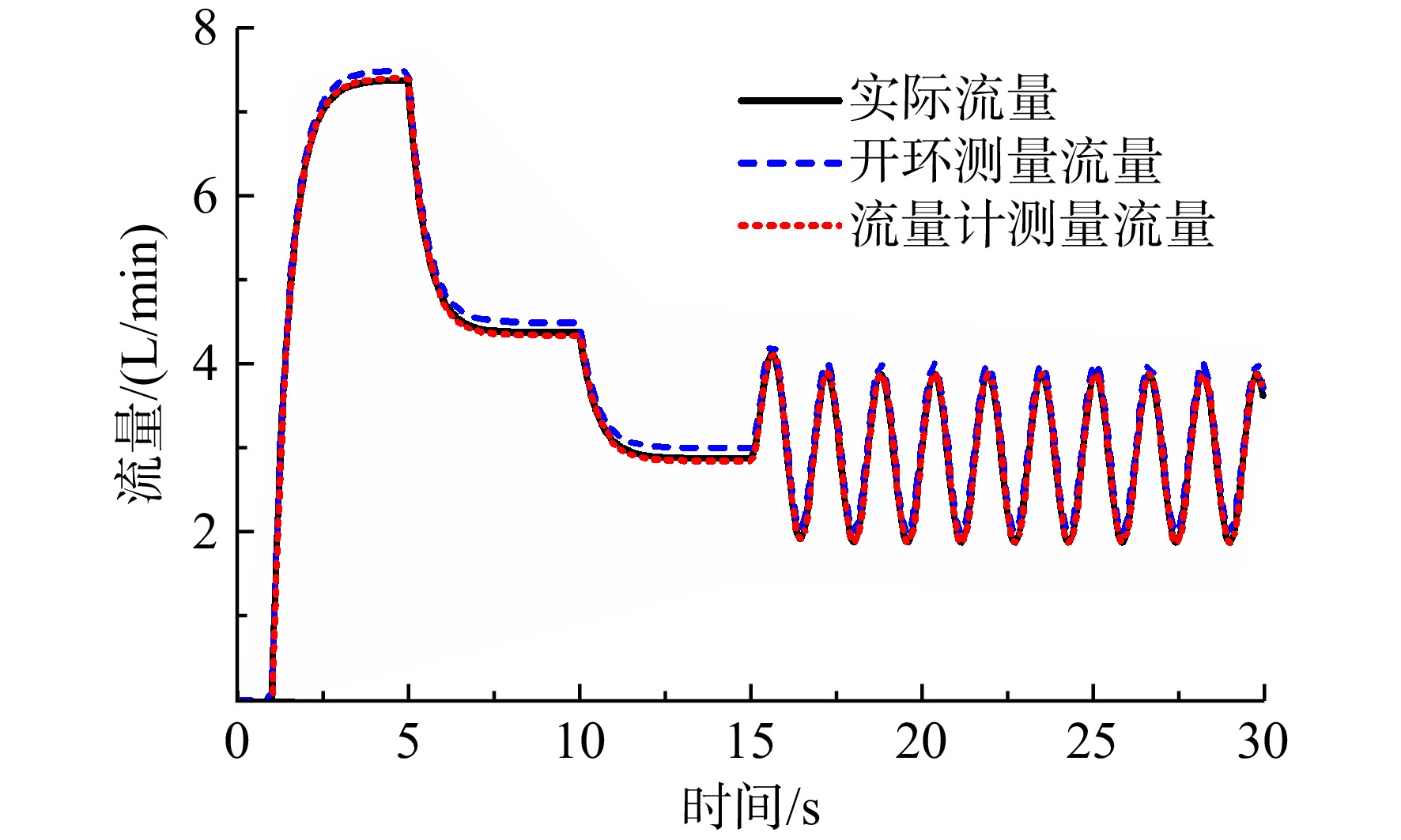
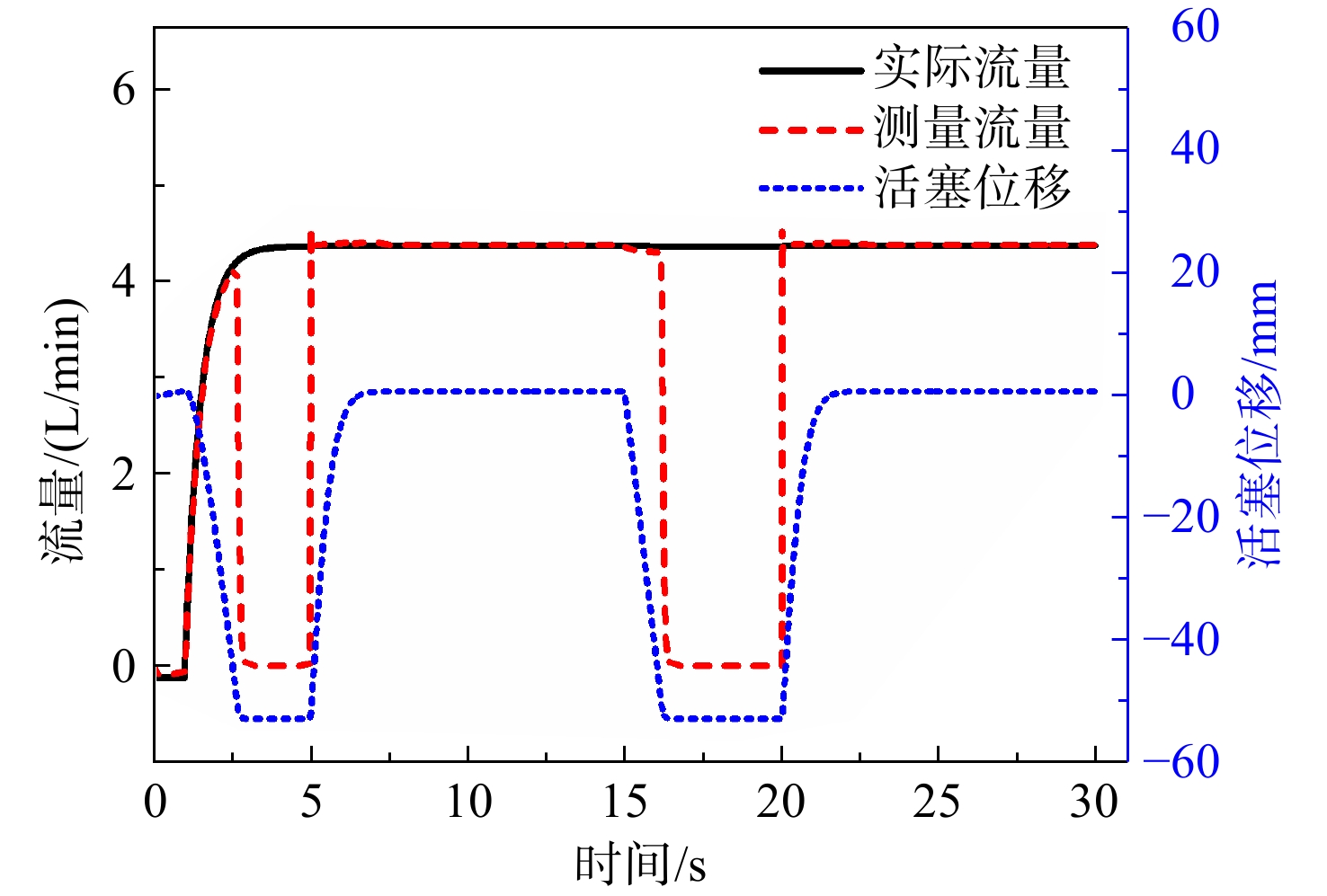
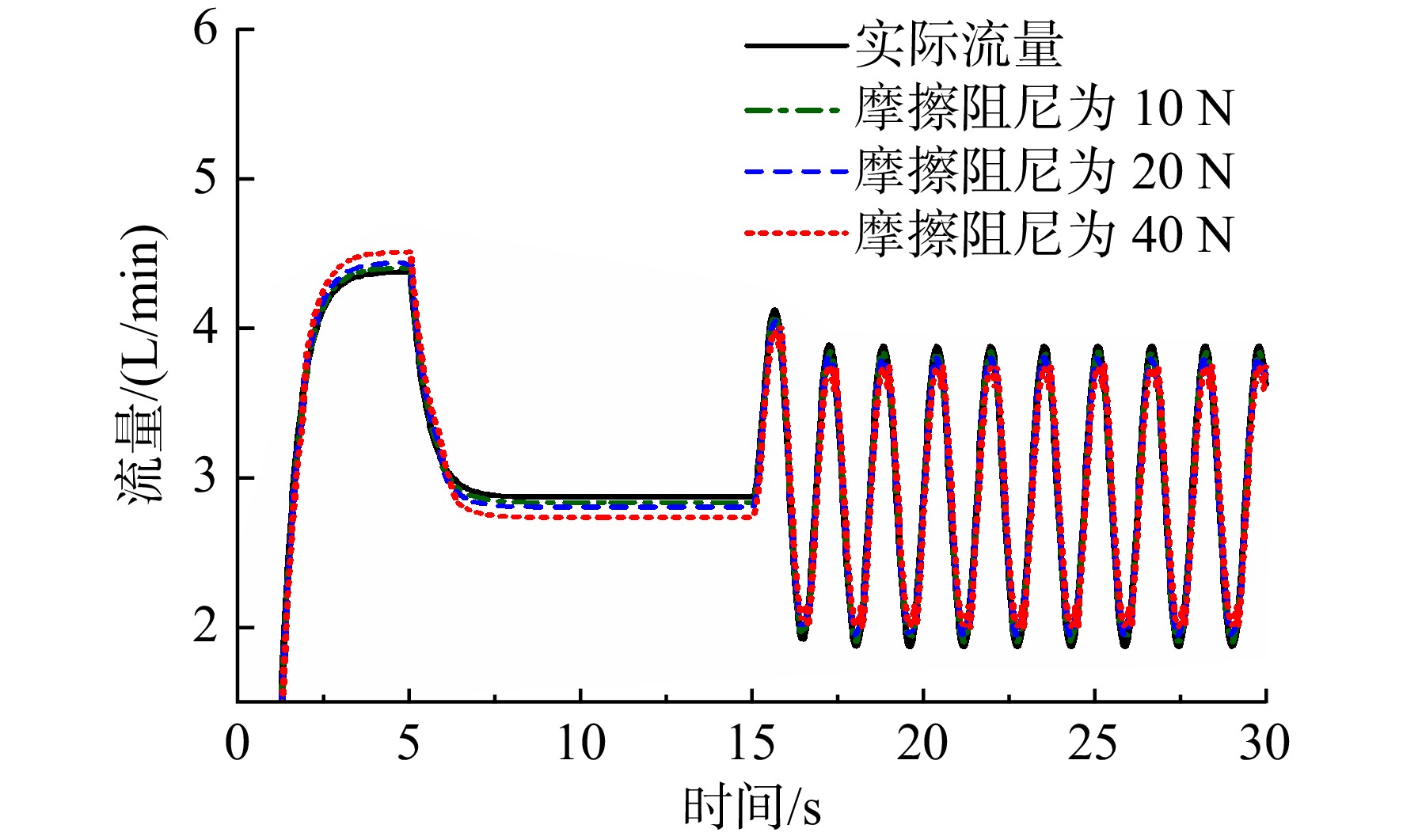
The precise measurement of high-frequency dynamic volumetric flow rate has become a bottleneck restricting the metering control of electric fuel pumps in multi electric engines. Therefore, a high-speed responsive flow meter was designed. The flow meter was constructed of a composite structure of a metering gear pump and an unloaded hydraulic cylinder, and was designed with an overtravel protection bypass port and a bidirectional return spring to avoid the phenomenon of cylinder jacking. Based on the controllable characteristics between the speed of the gear pump and the oil supply flow rate, a collaborative control strategy for the speed of the metering pump motor and the electric pump motor was proposed, which solved the problem of narrow measurement range of the unloaded hydraulic cylinder dynamic flow meter. An AMESim/Matlab joint simulation model for the fuel metering system was established, the accuracy and dynamic performance of the flow meter was analyzed, and the impact of friction damping on metering accuracy was studied. The simulation results showed that when the friction damping force of the hydraulic cylinder was less than or equal to 10 N, the metering accuracy of the flow meter can reach 0.5%, the overshooting of the closed-loop control of the electric fuel pump was less than 1.1%, and the adjustment time was 0.81 s, which can meet the adjustment requirements for fuel flow in aviation engine control.