2025 Vol. 40, No. 5

Structure,Strength and Vibration
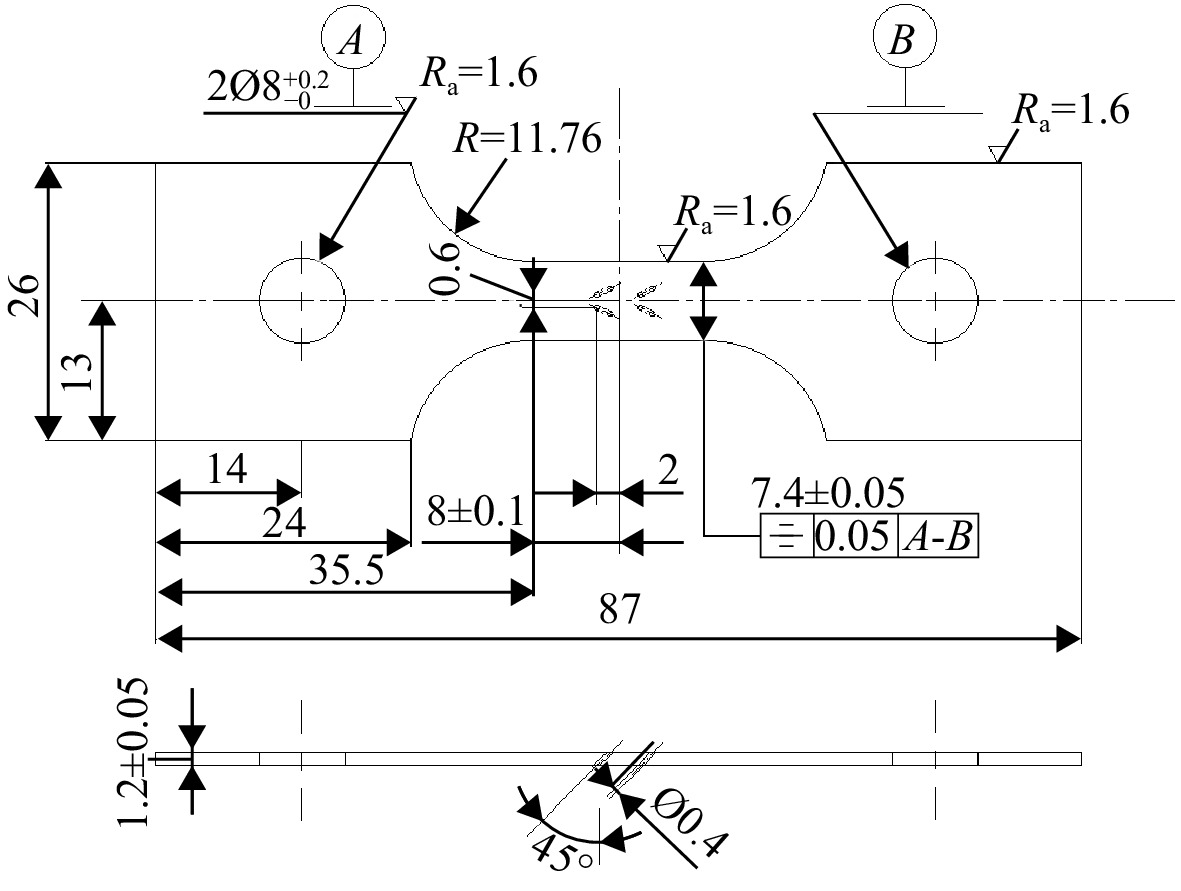
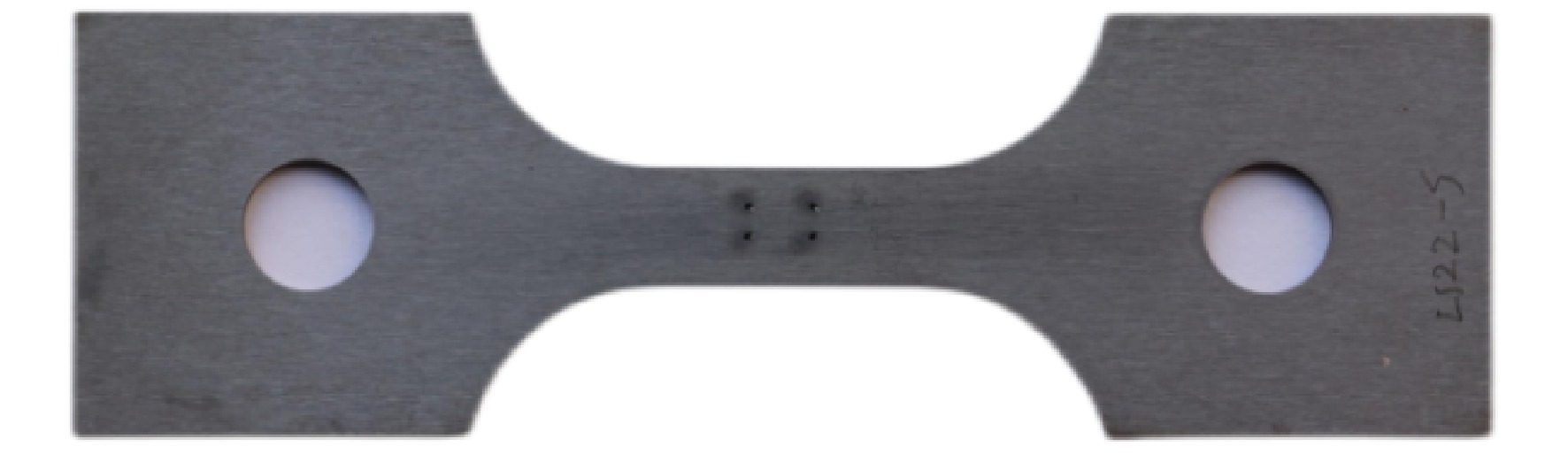
Effect of film cooling hole shape on creep properties of CMSX-10 plate specimens
WANG Xinmei, WANG Dafei, LI Lei
2025, 40(5): 20230592. doi: 10.13224/j.cnki.jasp.20230592
Abstract:

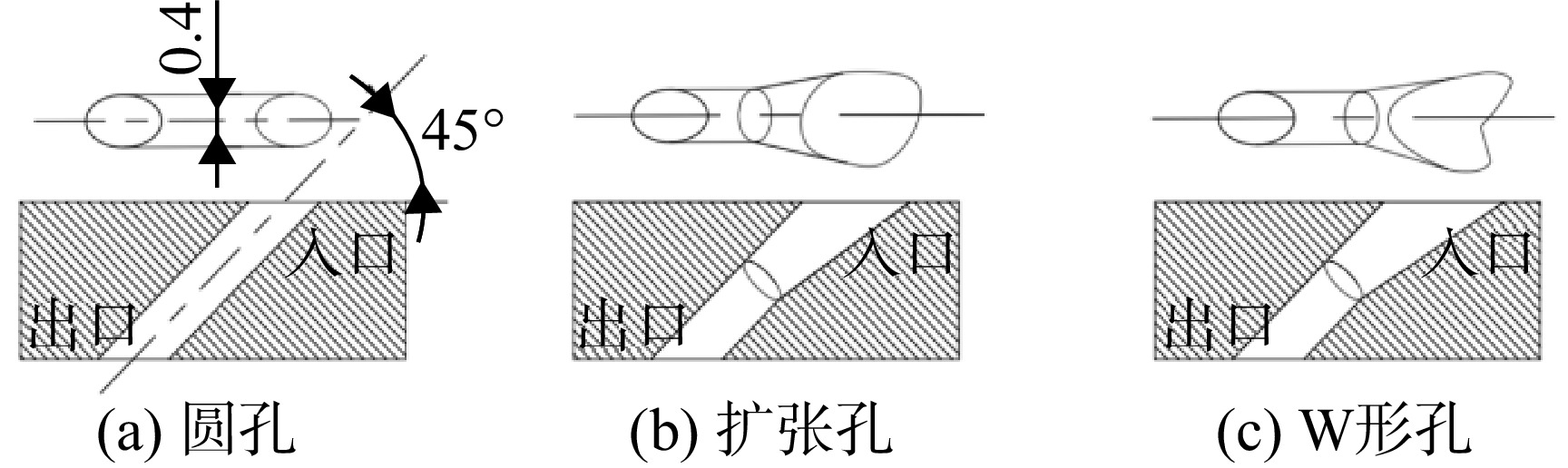
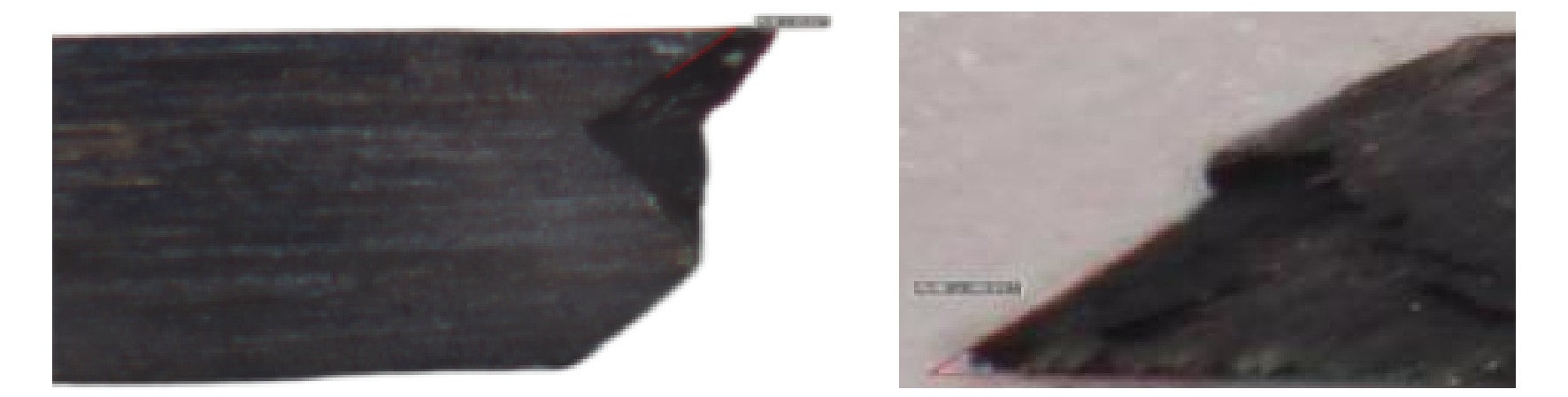
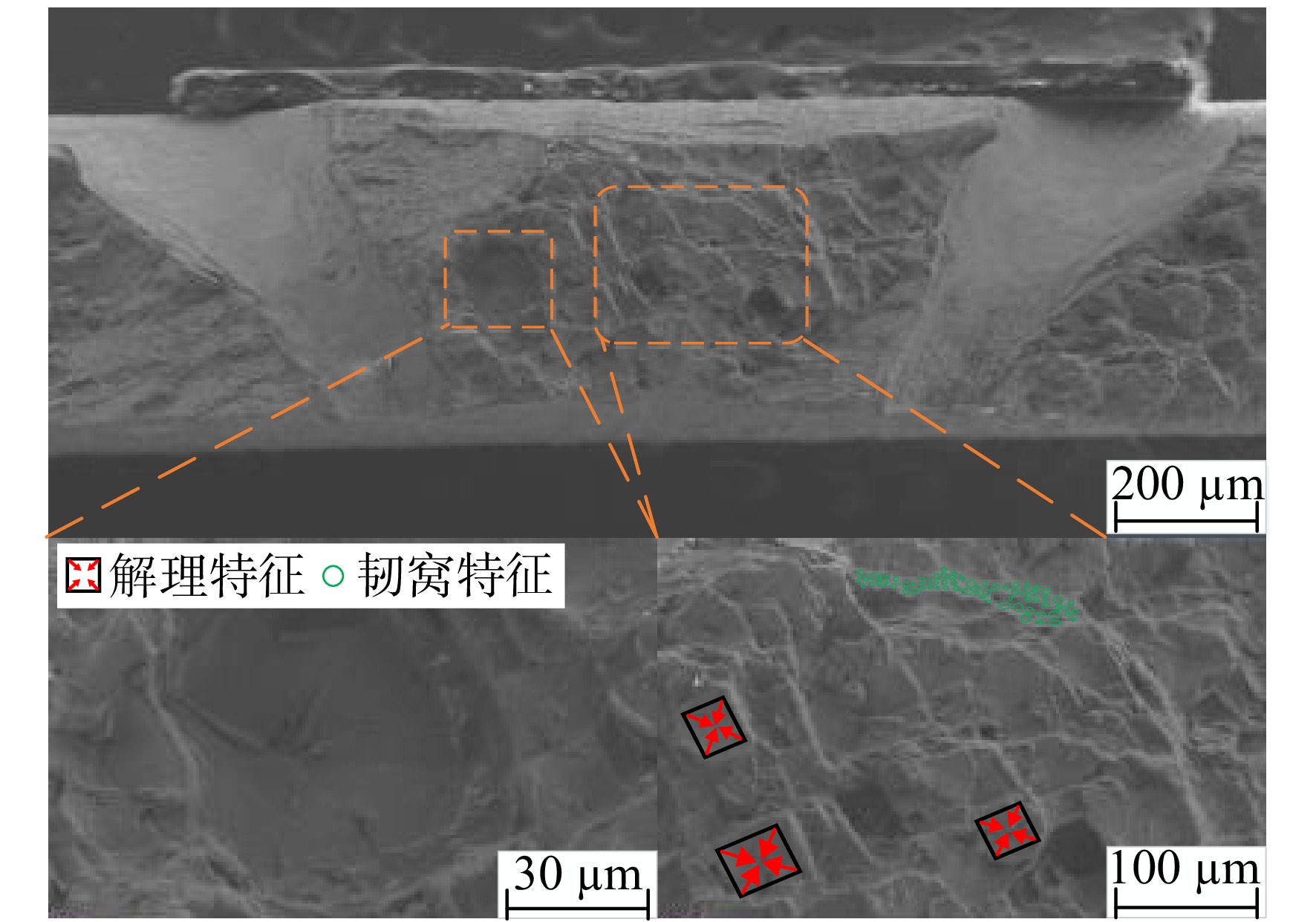
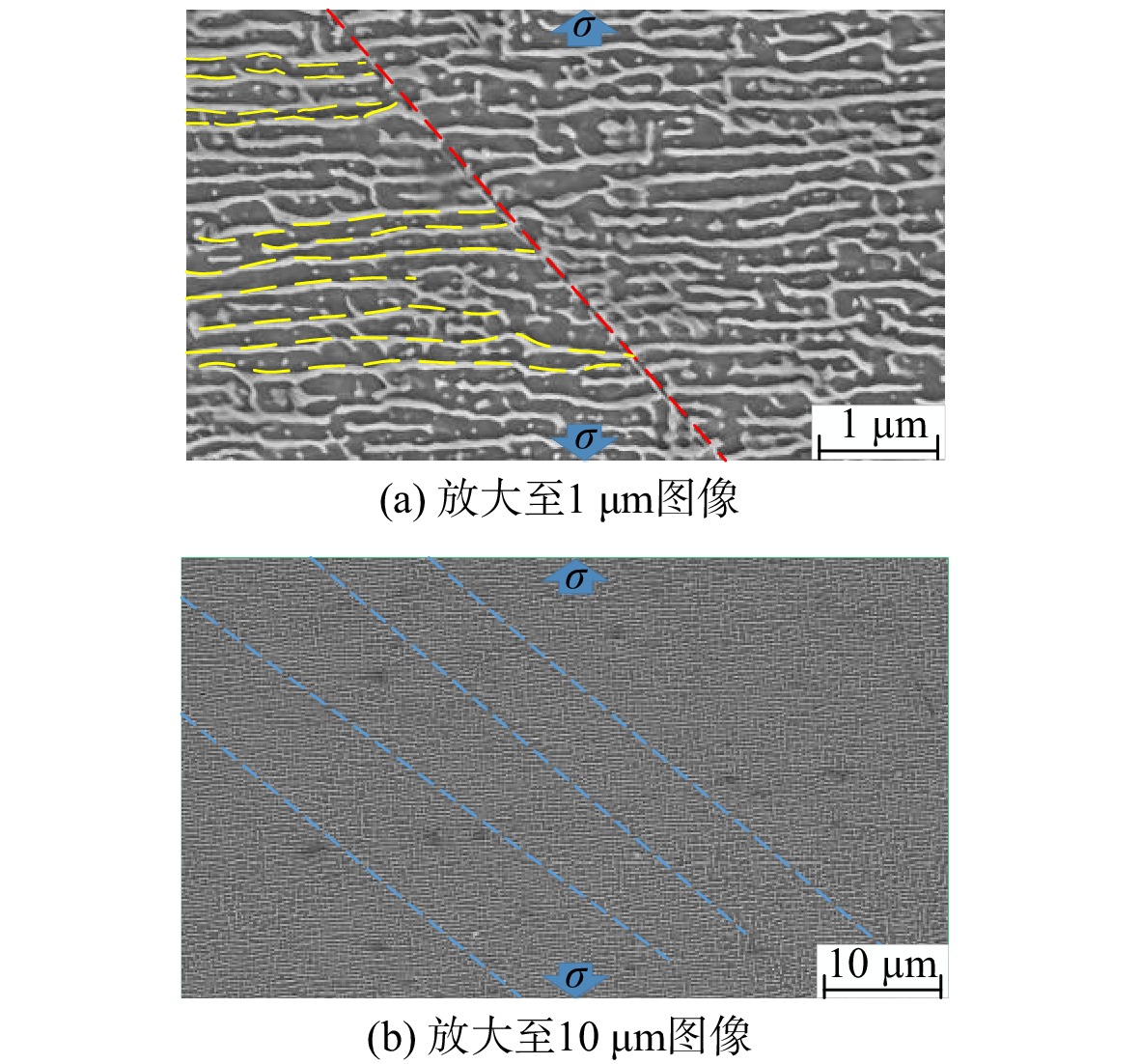
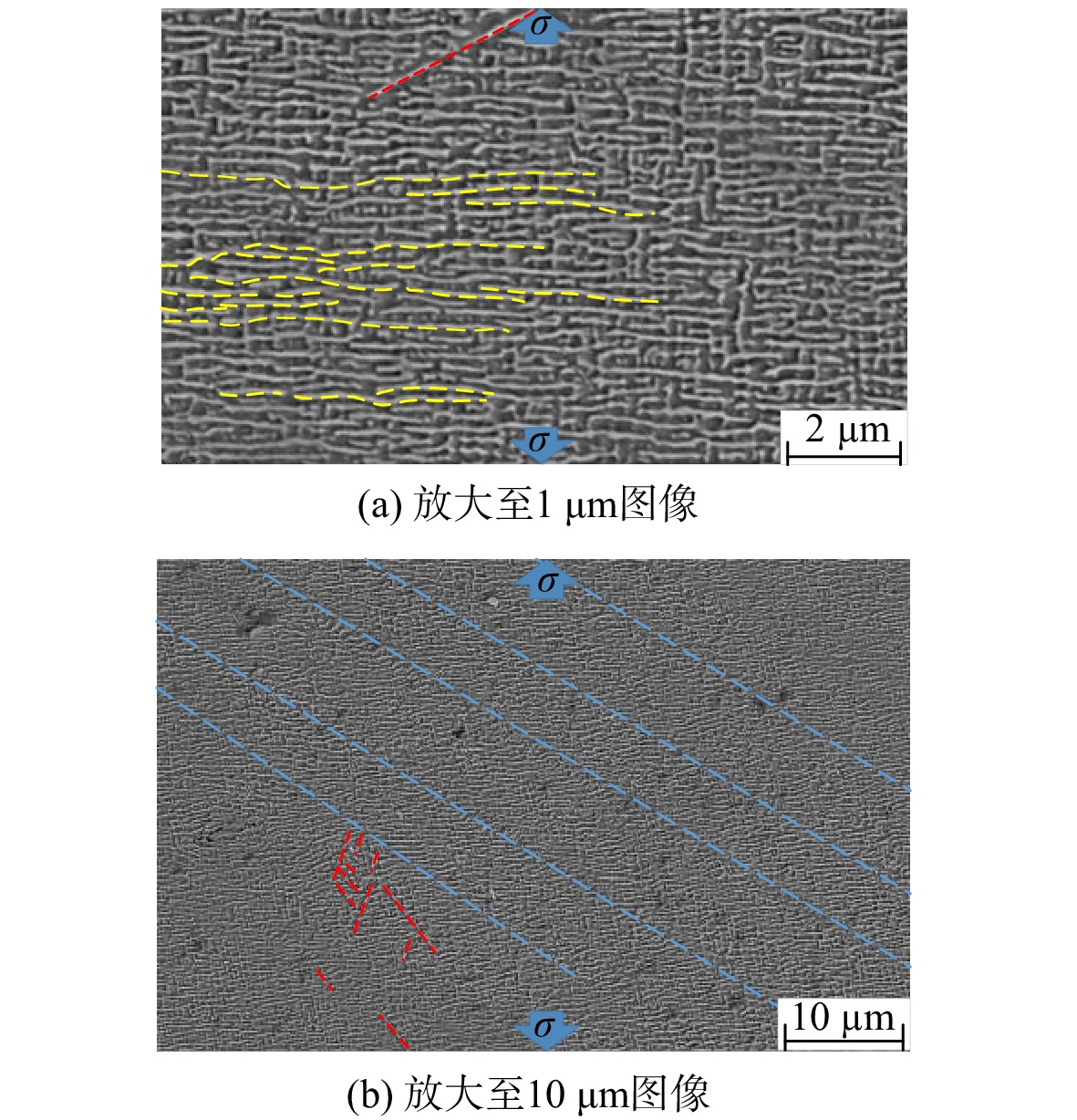
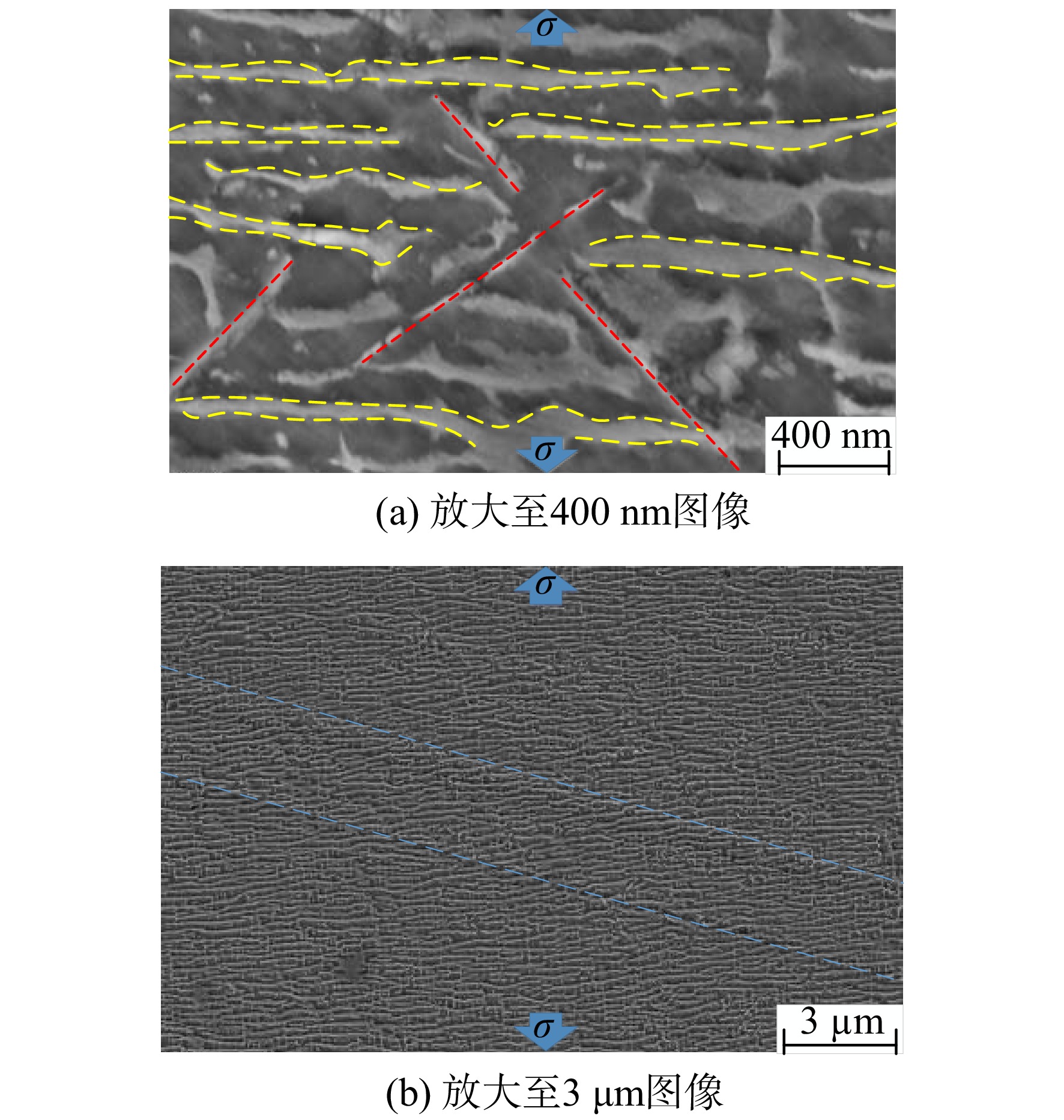
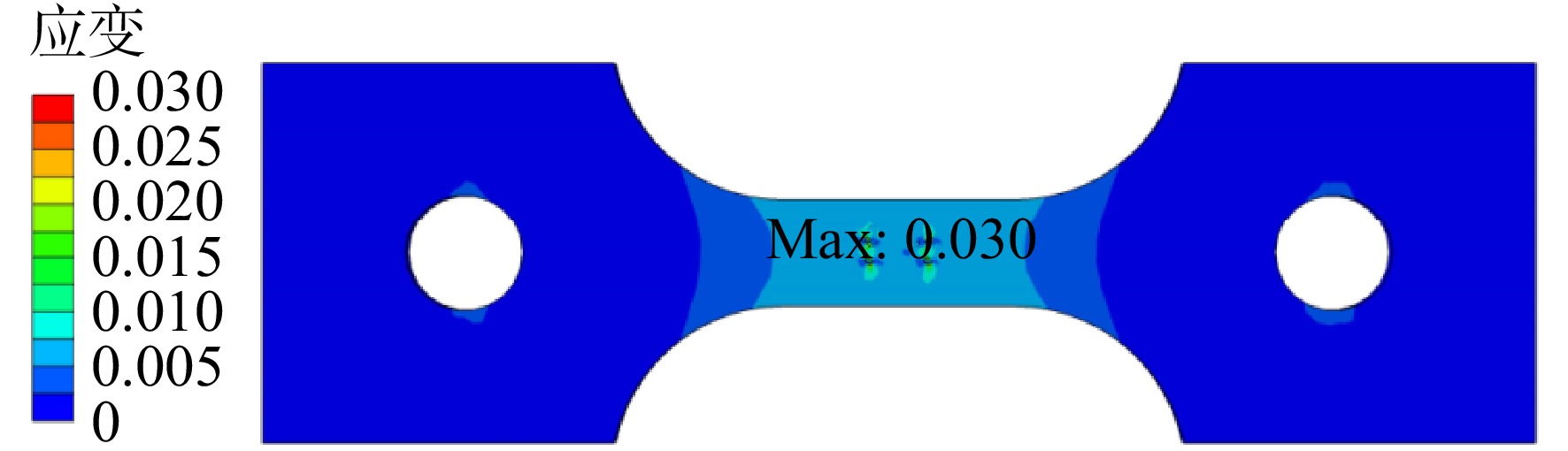
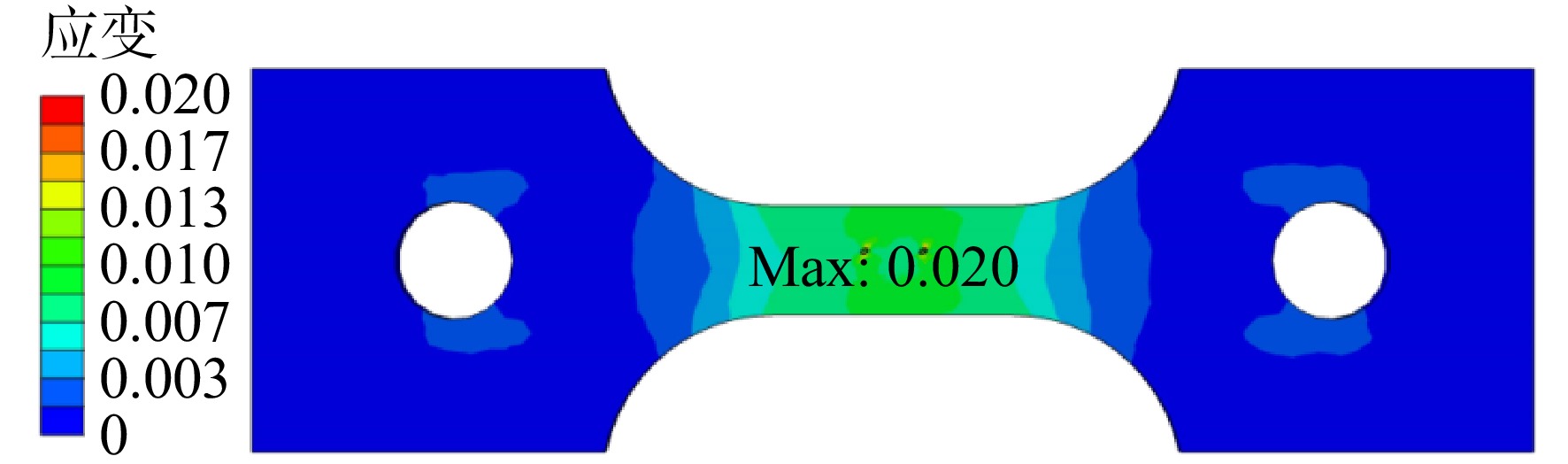
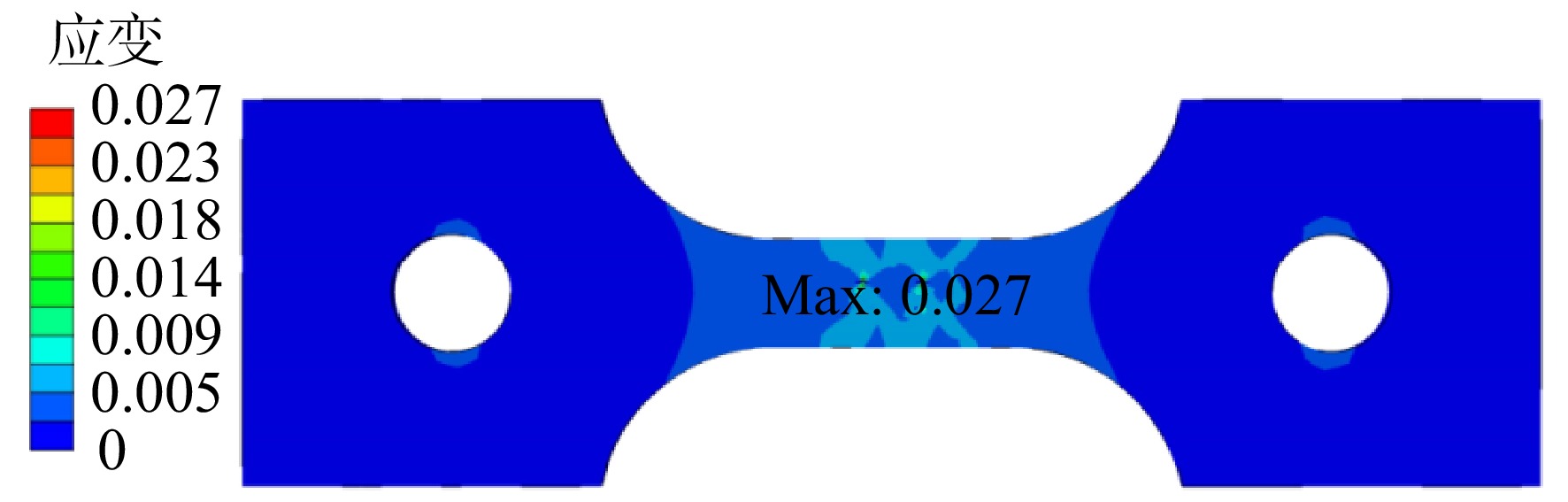
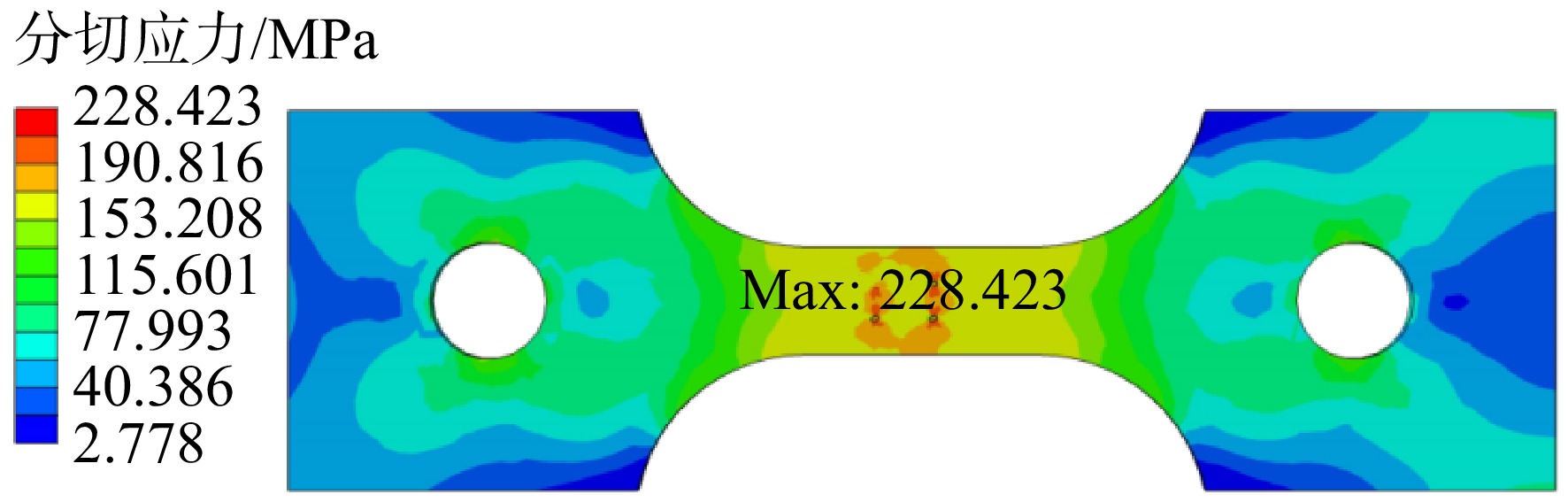
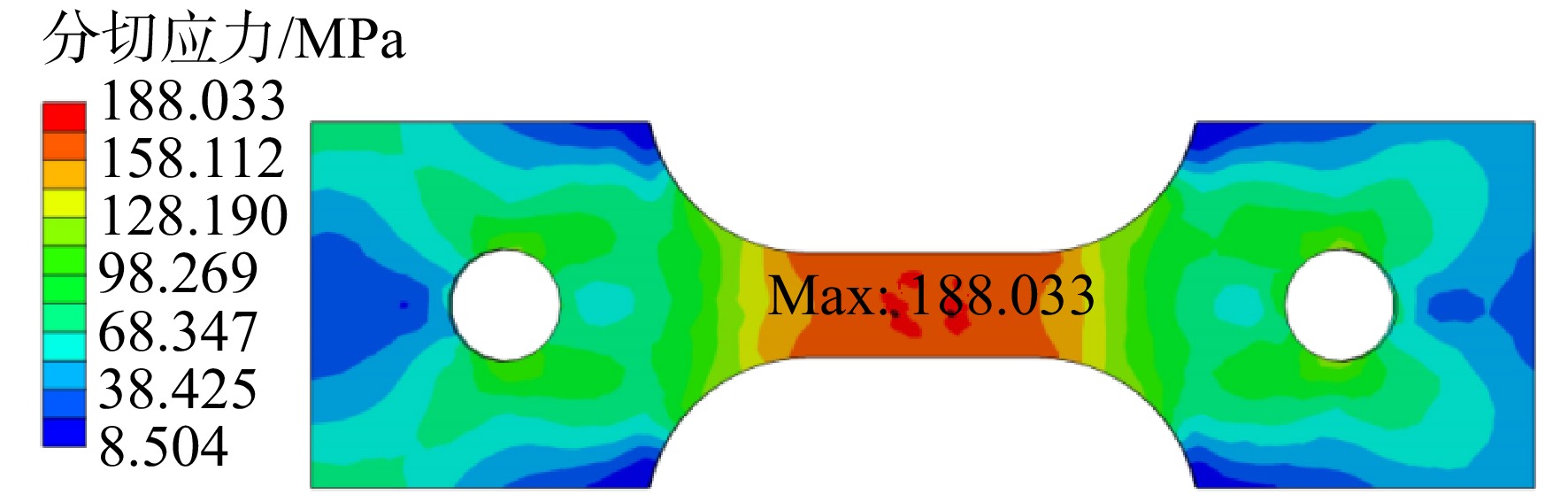
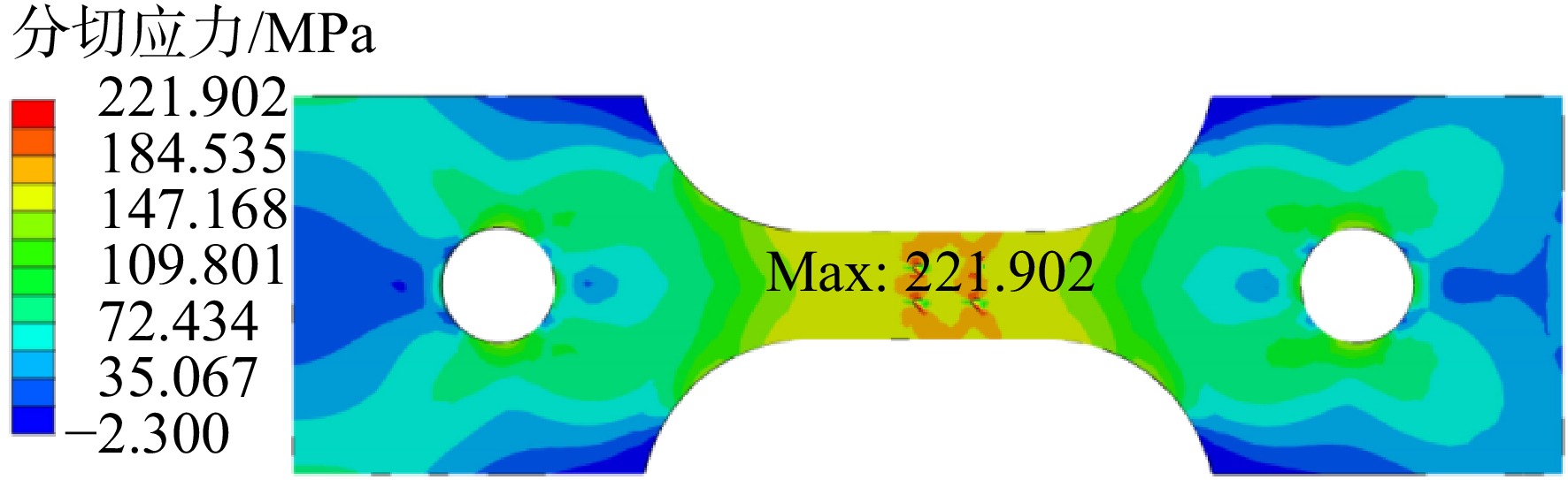
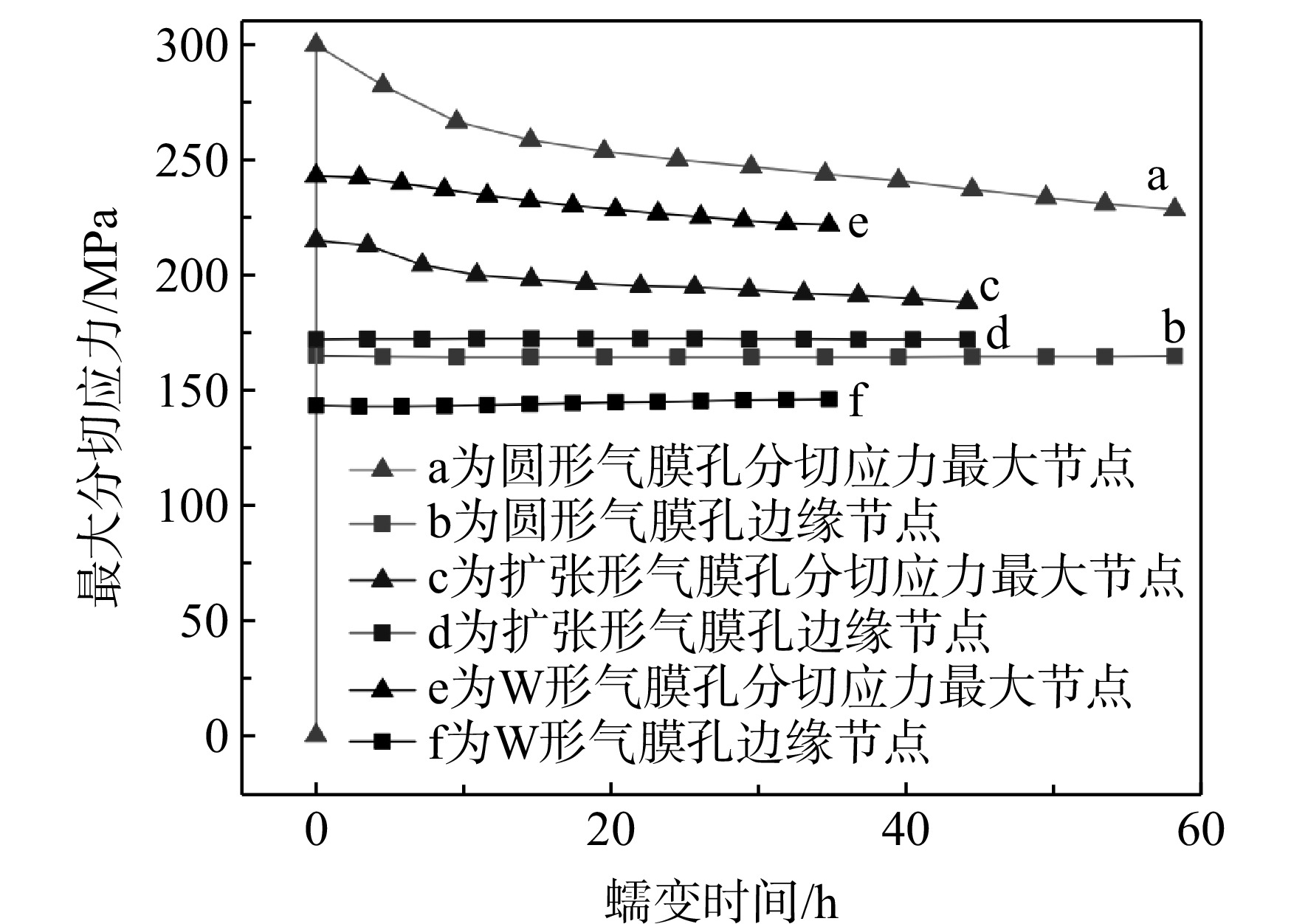
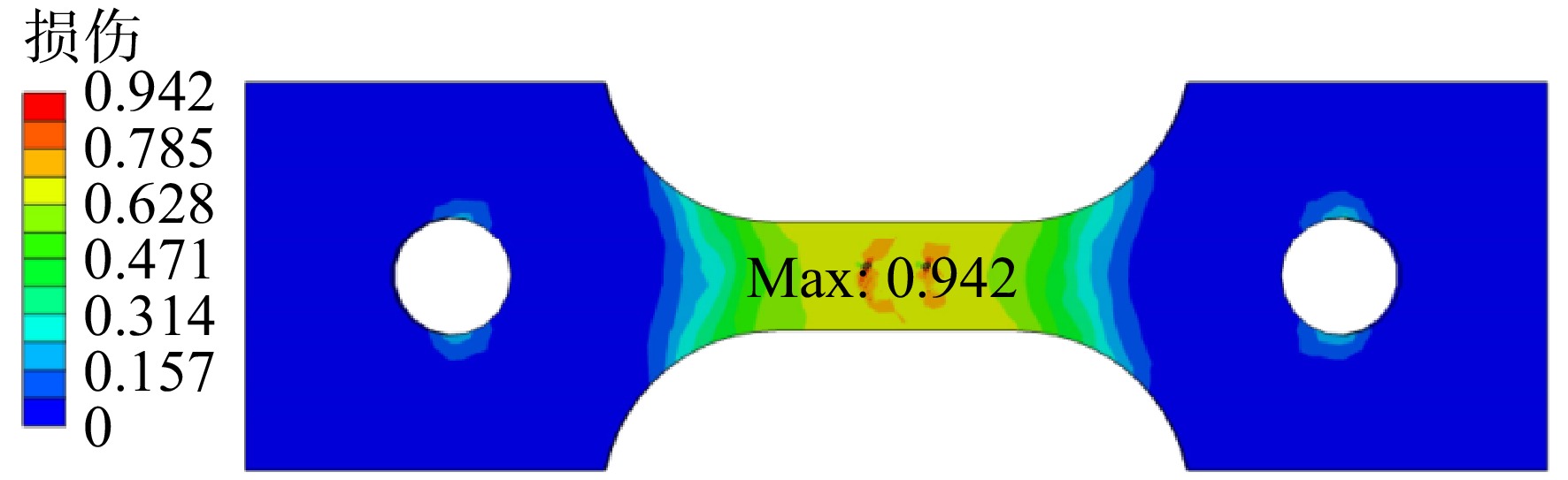
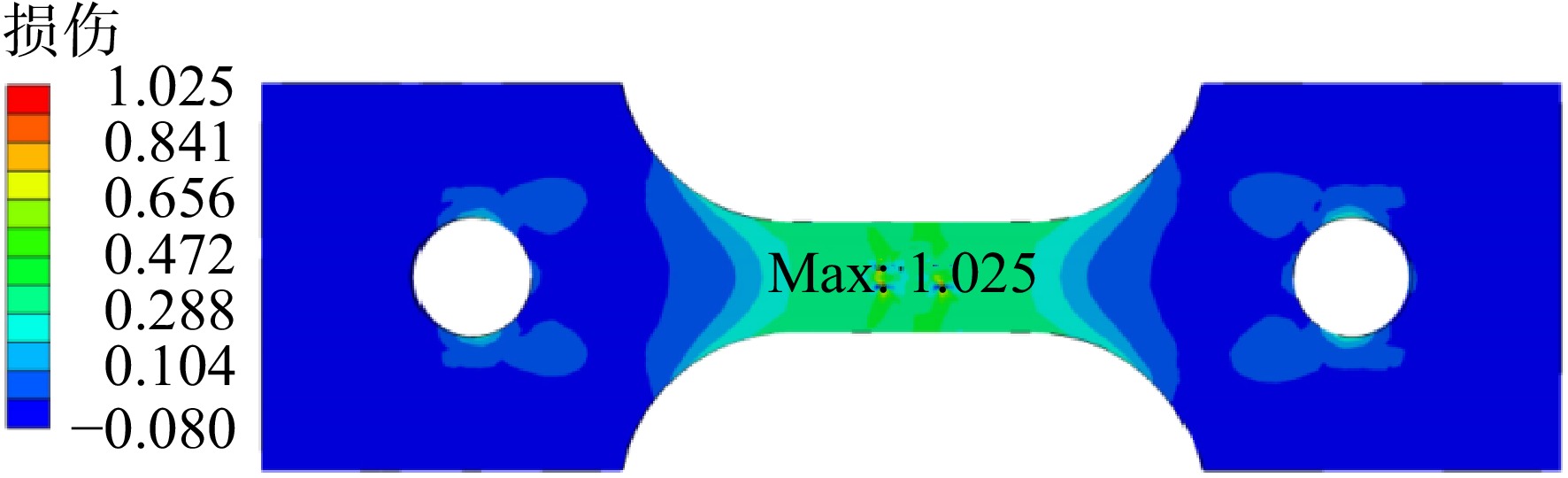
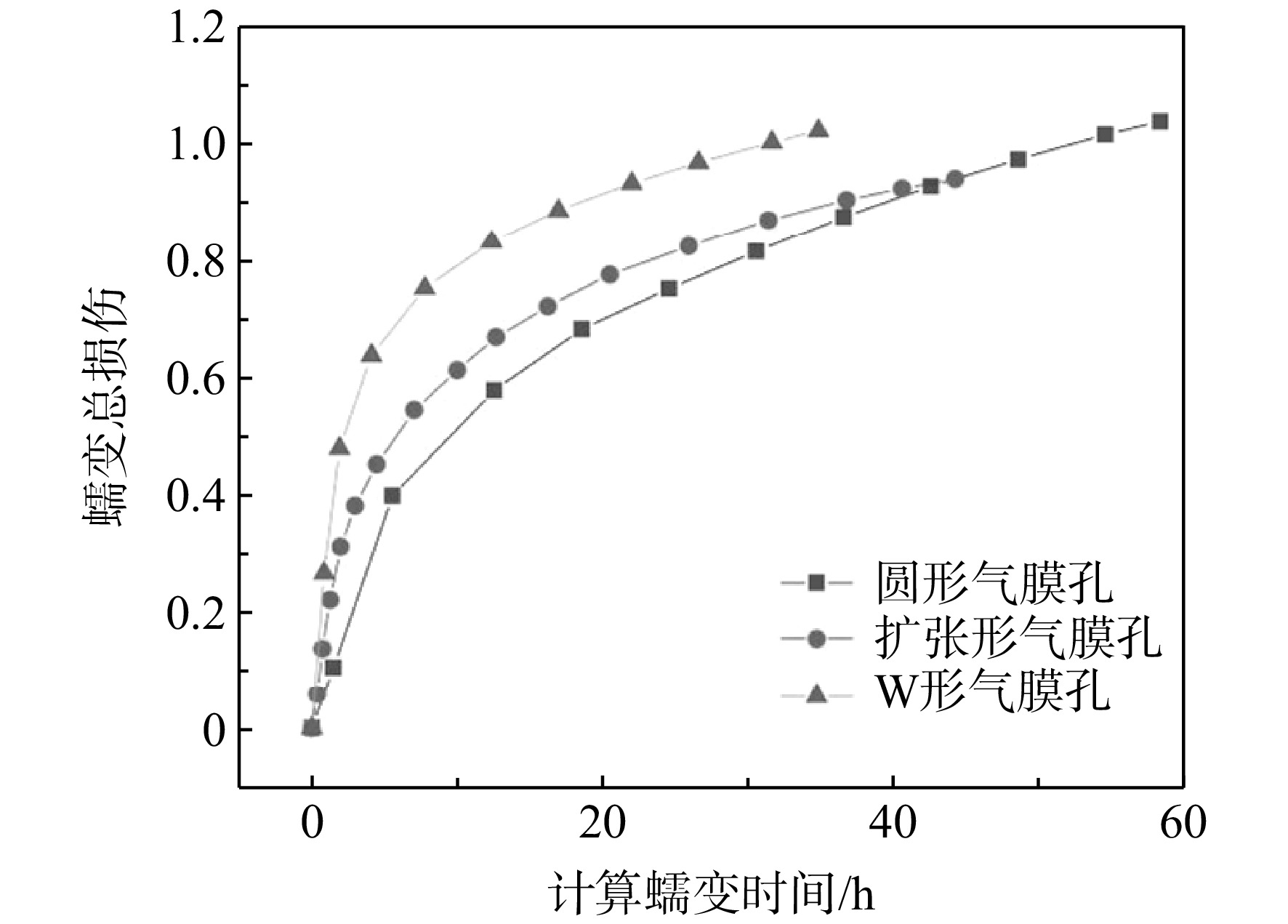
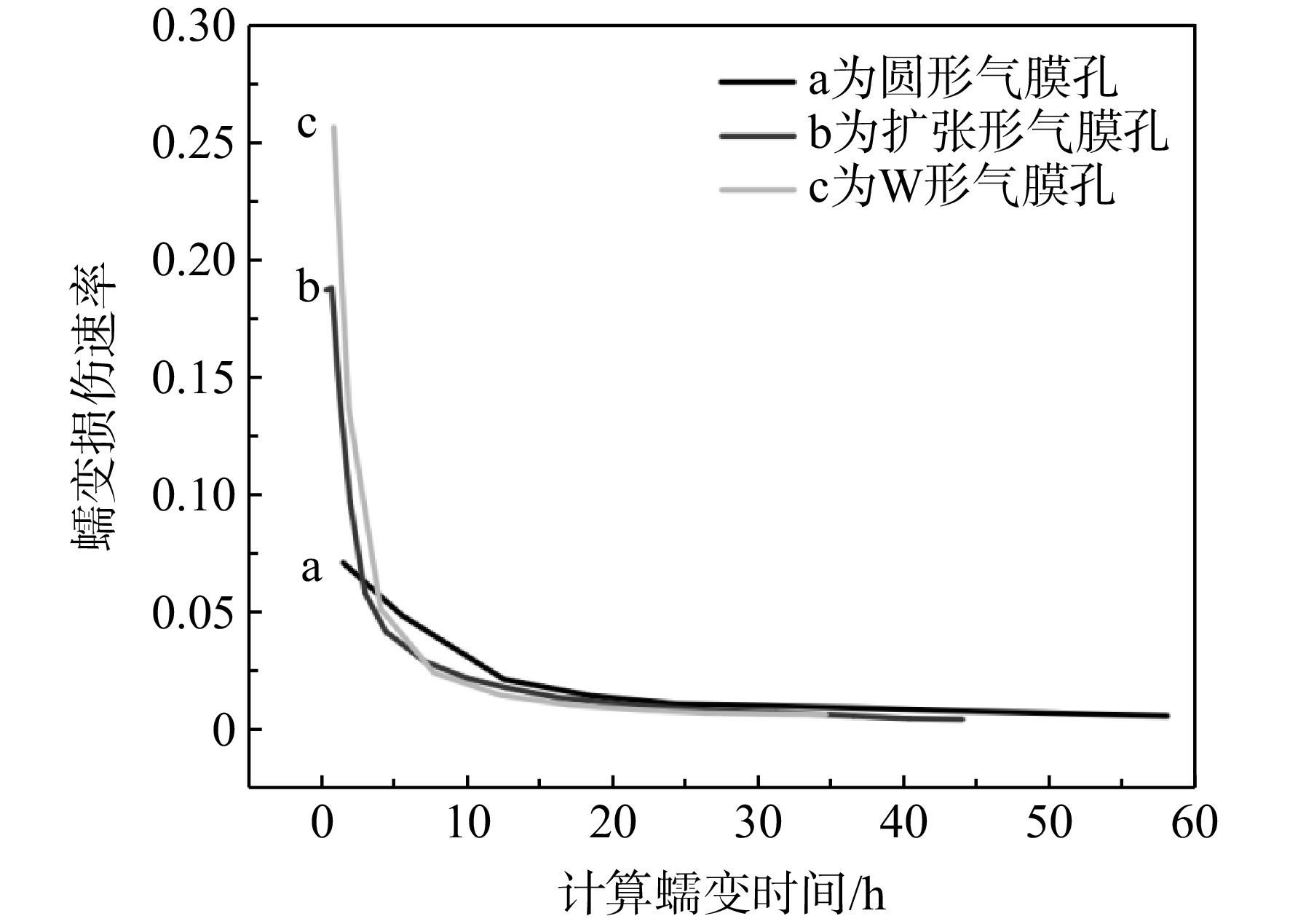
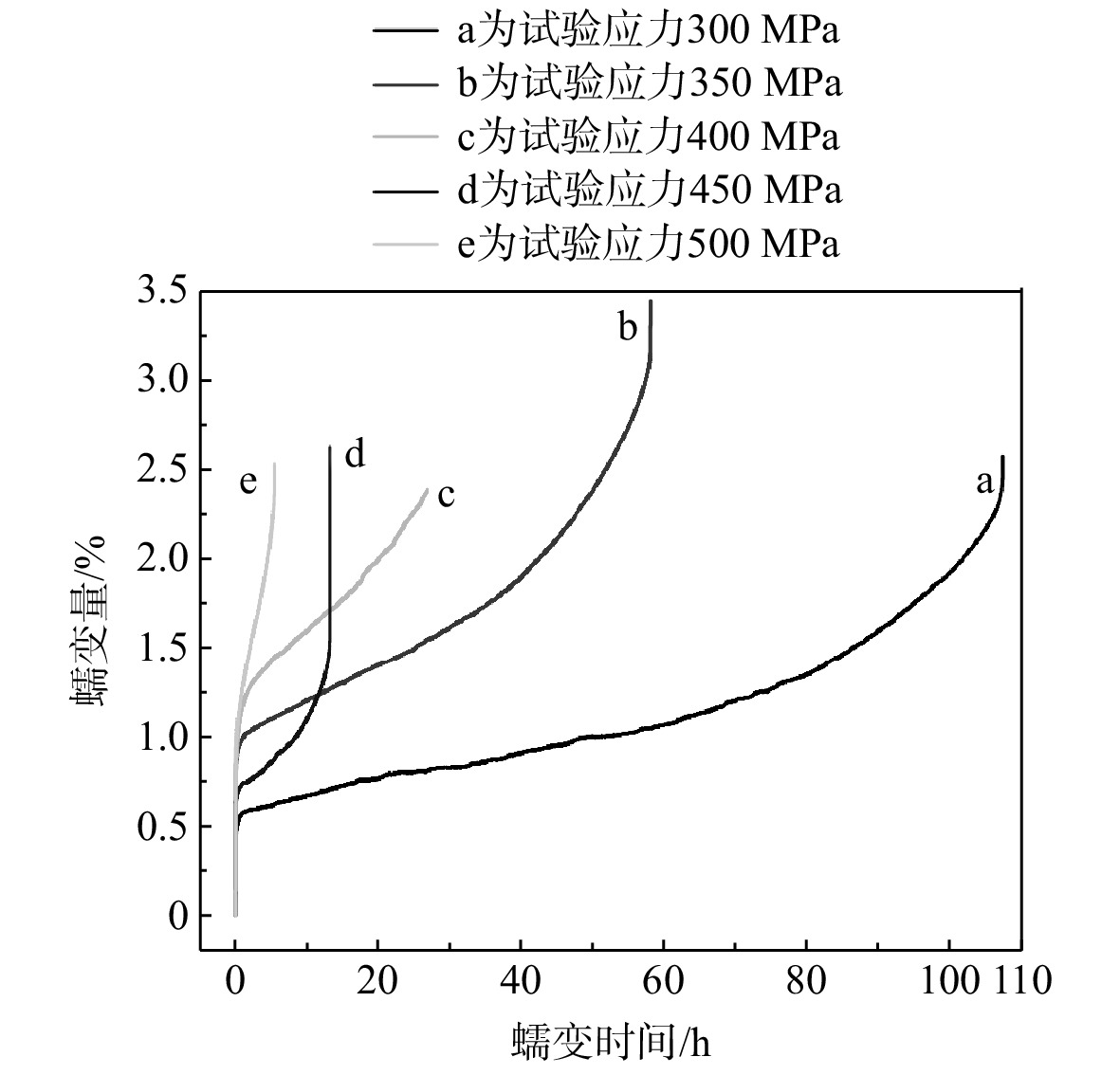
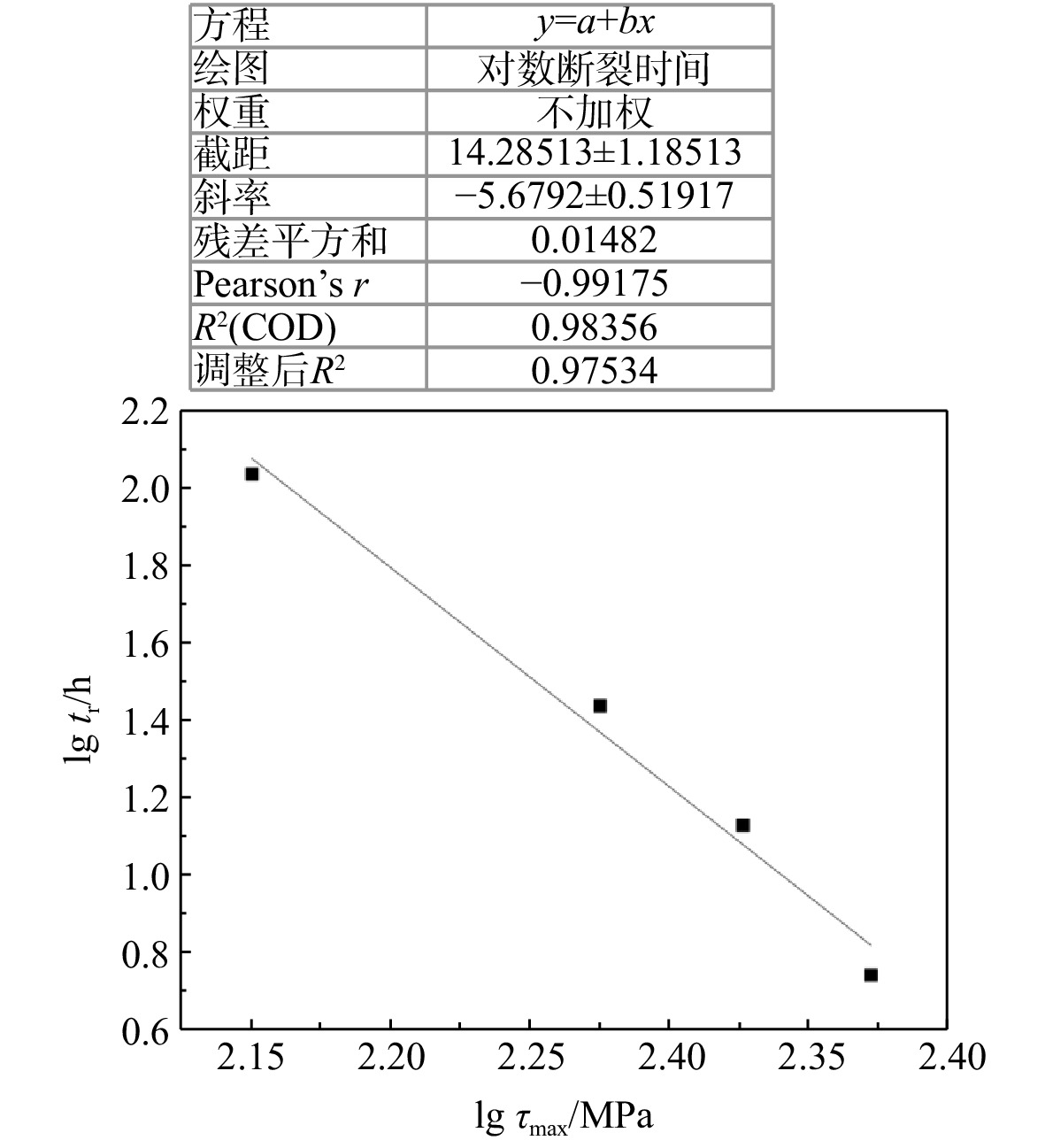
Three types of film holes with inclination and yaw angles, namely circular holes, expansion holes, and W-shaped holes, were designed to study the creep properties of the third-generation nickel based high-temperature alloy CMSX-10 with the cooling blade simulation specimens. High temperature creep tests were conducted to investigate the effect of hole shape on the rupture life of simulation specimens. The results showed that, the rupture life of the circular hole specimen was about 1.3 times that of the expanded hole specimen, and the rupture life of the expanded hole specimen was about 1.3 times that of the W-shaped hole specimen under the average stress of 350 MPa and temperature of 980 ℃. Combined with scanning electron microscopy analysis, it was found that the creep fracture of the sample was a mixed mode of cleavage and dimple fracture caused by stress concentration near the film hole. Based on crystal plasticity theory, simulation analysis was conducted. The simulation results showed stress concentration and redistribution around the film holes. The simulation results can explain the fracture characteristics obtained from experiments. The improved Lemaitre creep damage model and Larson Miller equation were sed to predict the creep fracture life of CMSX-10 flat plate specimens with circular holes. The results showed that the accuracy of predicted creep life based on the improved Lemaitre creep damage model was higher.

Contact stiffness identification of tenon joint structures and verification
ZHAO Guang, ZHANG Zexin, YUAN Yunbo, DING Liufeng, BAI Yan, YUAN Wei
2025, 40(5): 20230059. doi: 10.13224/j.cnki.jasp.20230059
Abstract:

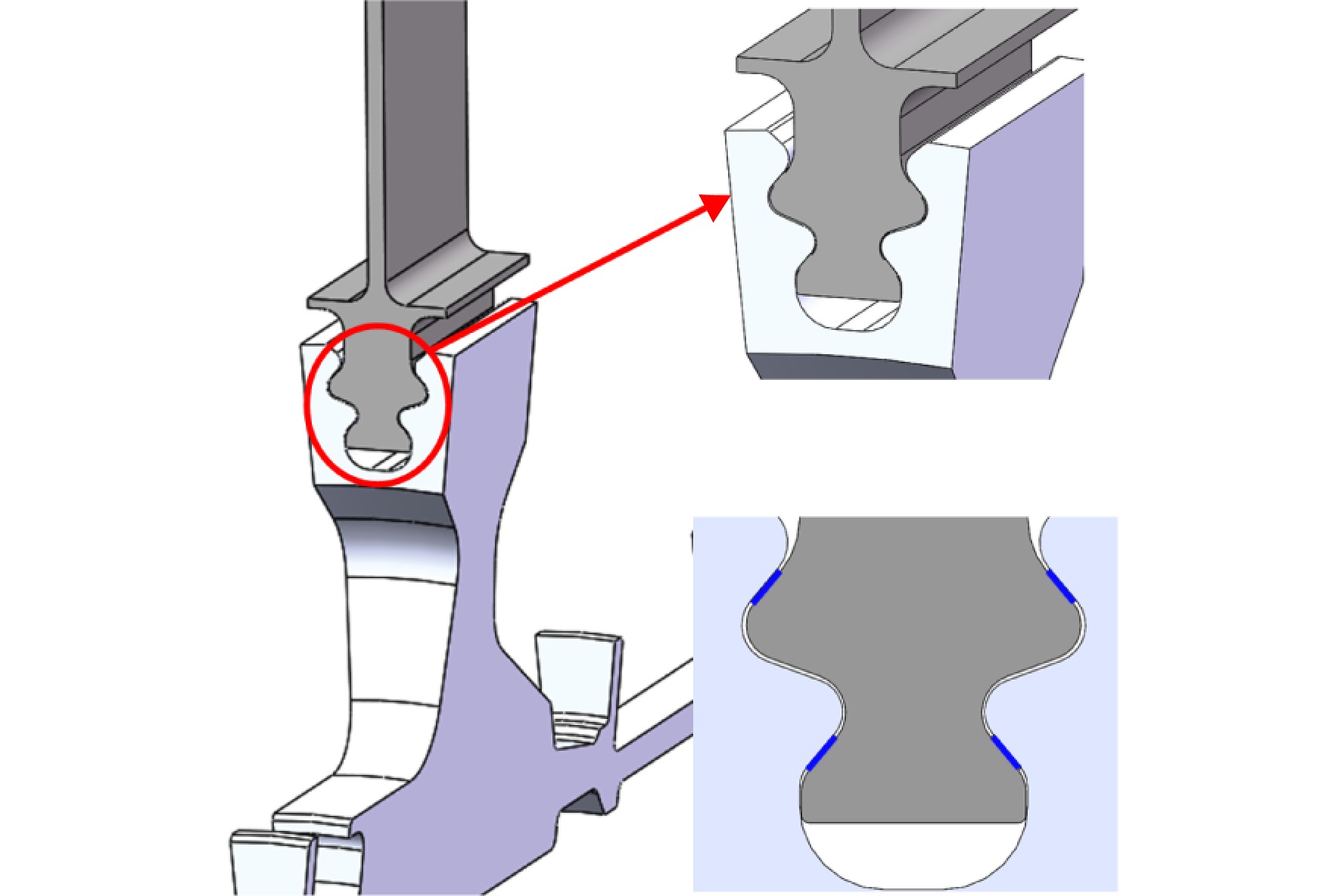
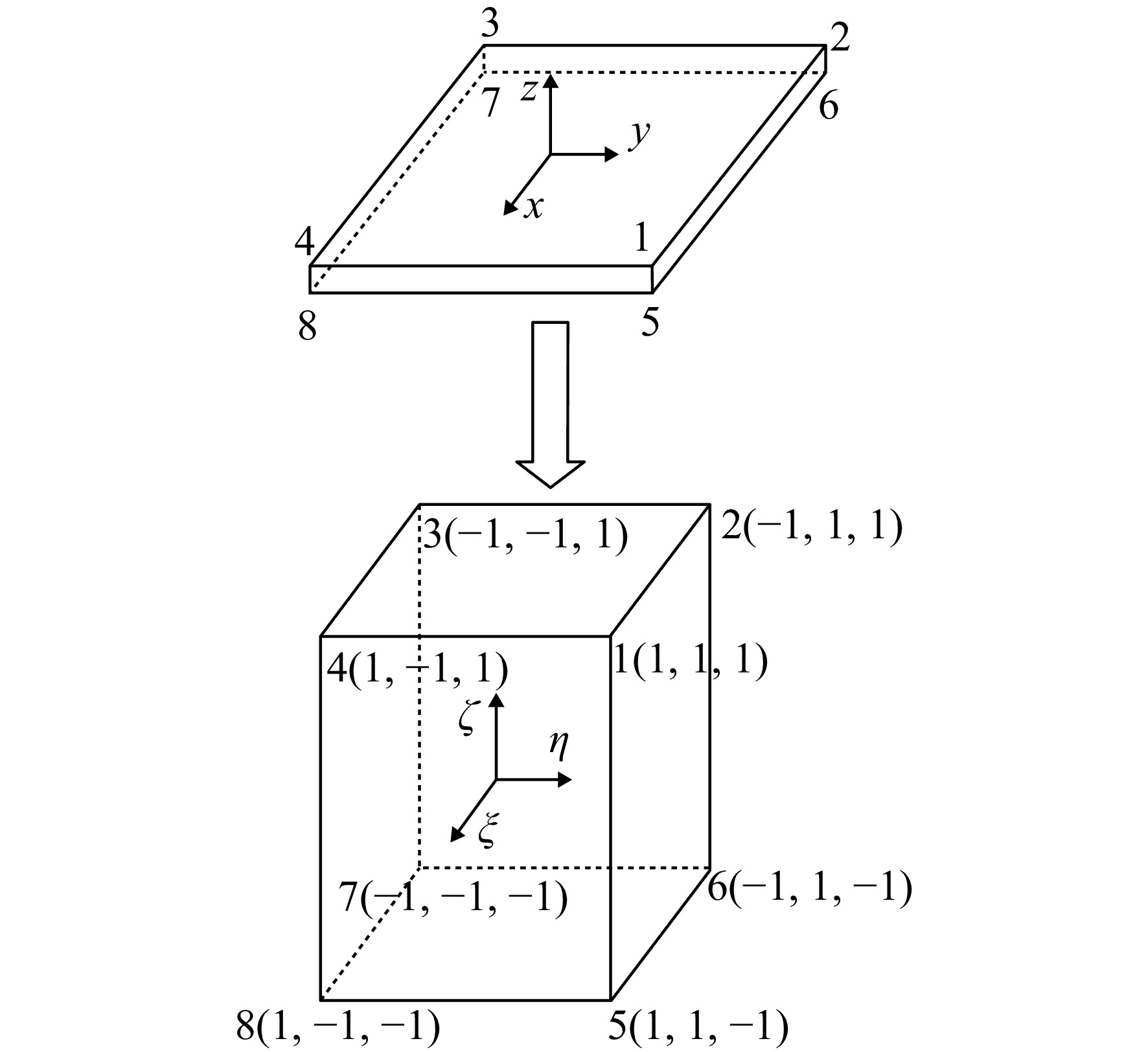
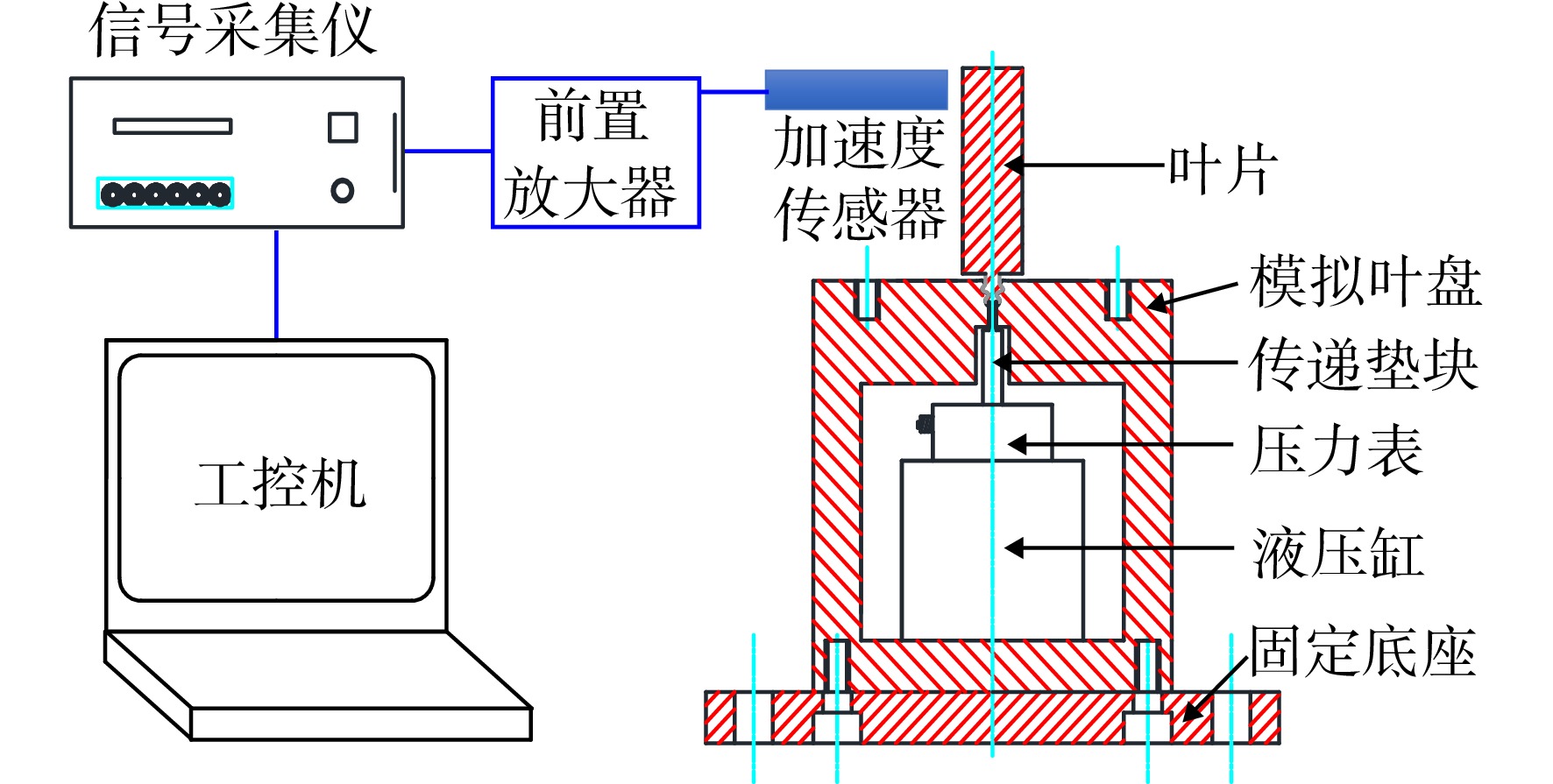
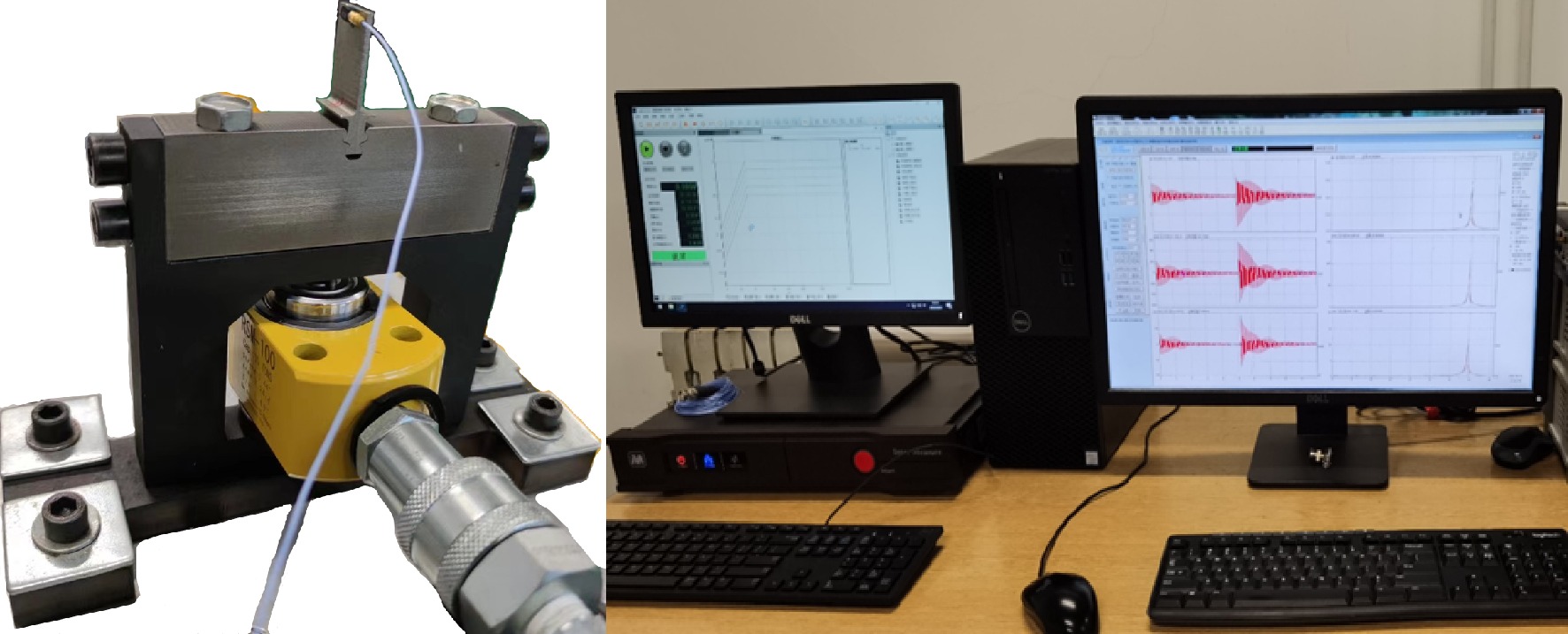
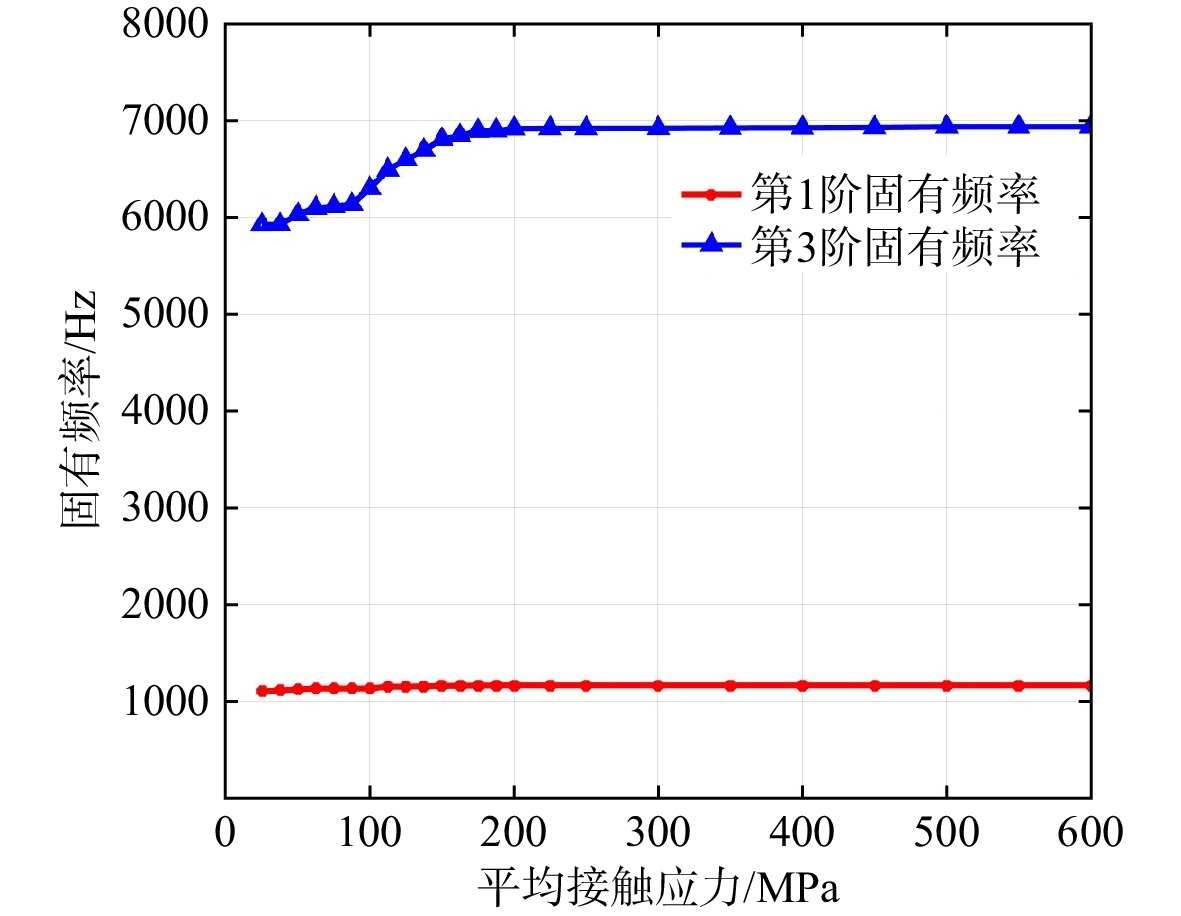
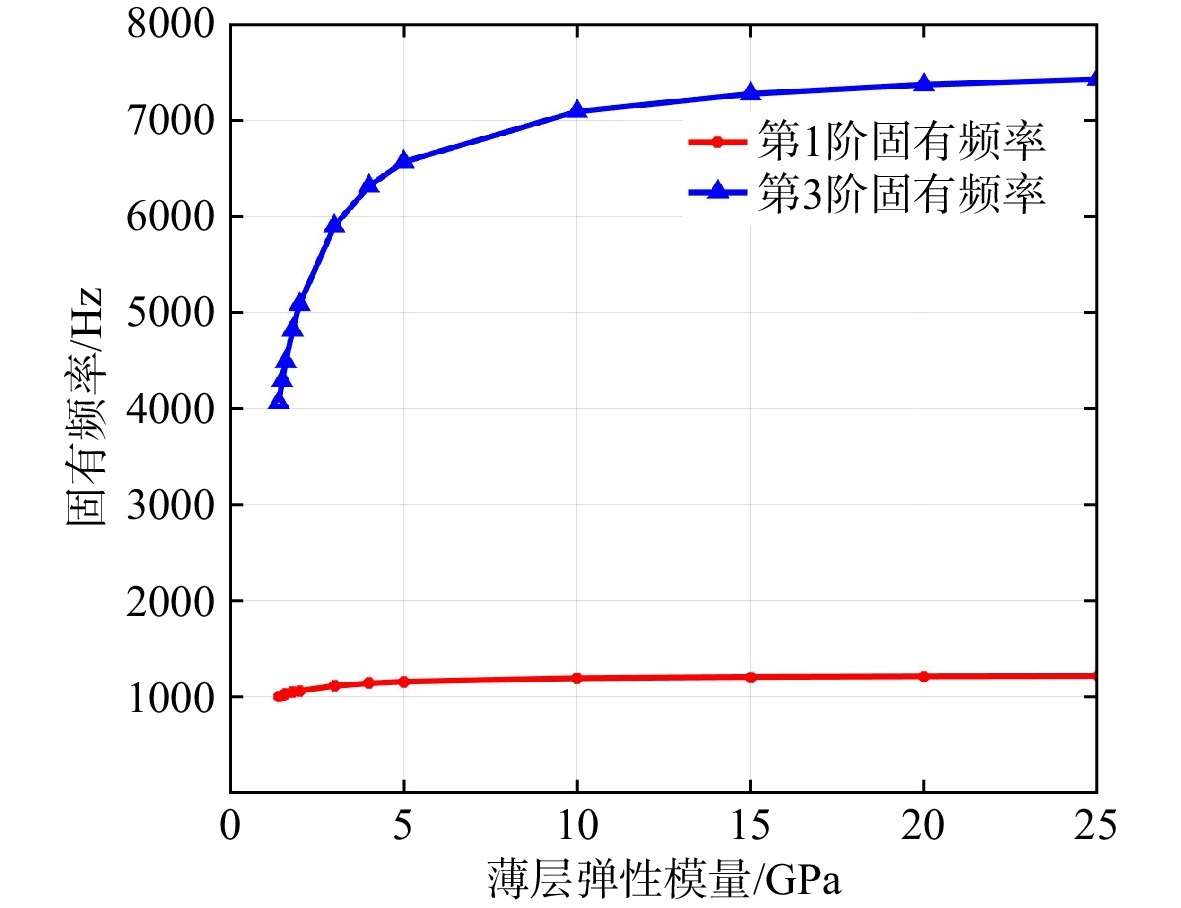
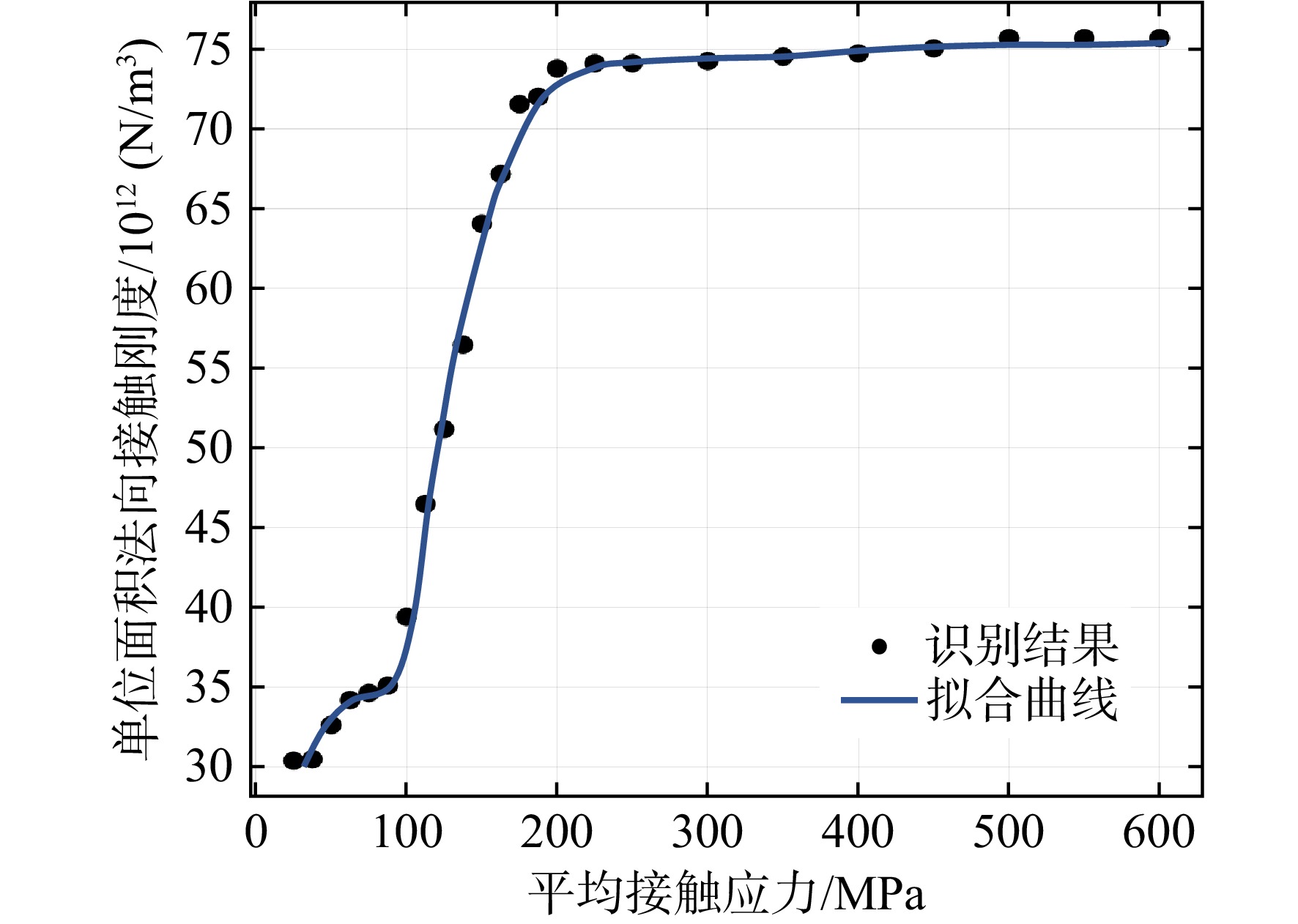
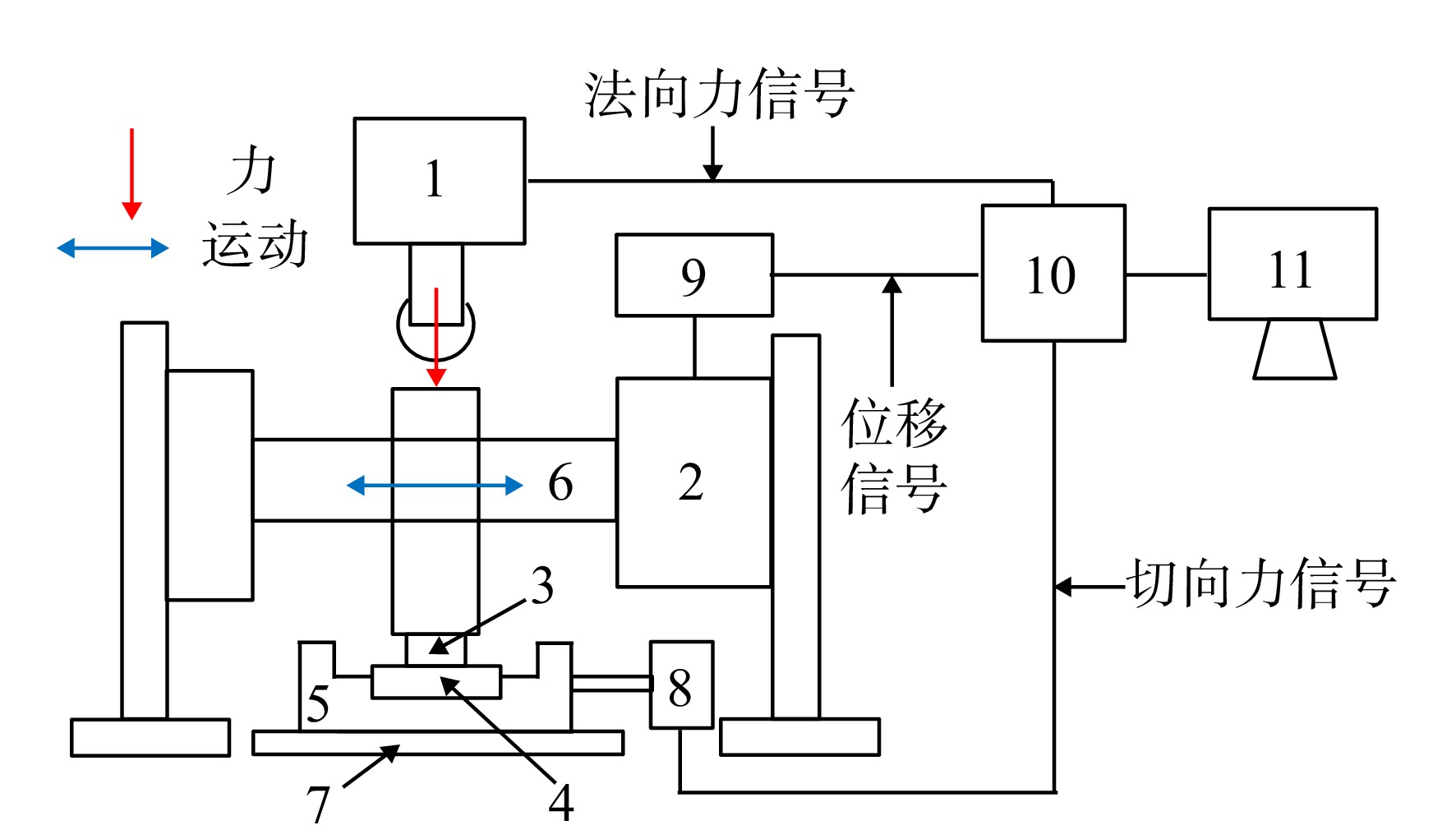
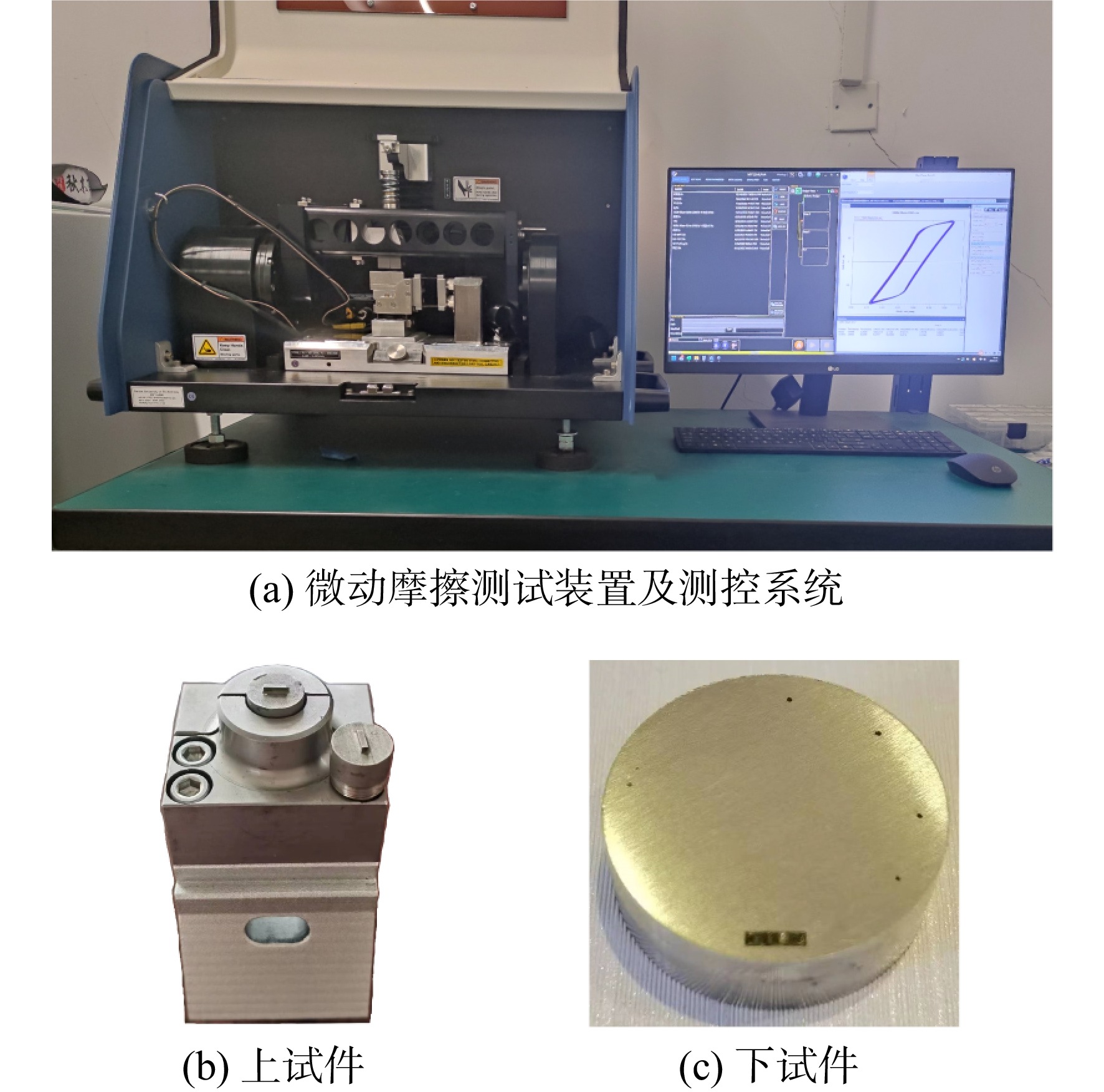
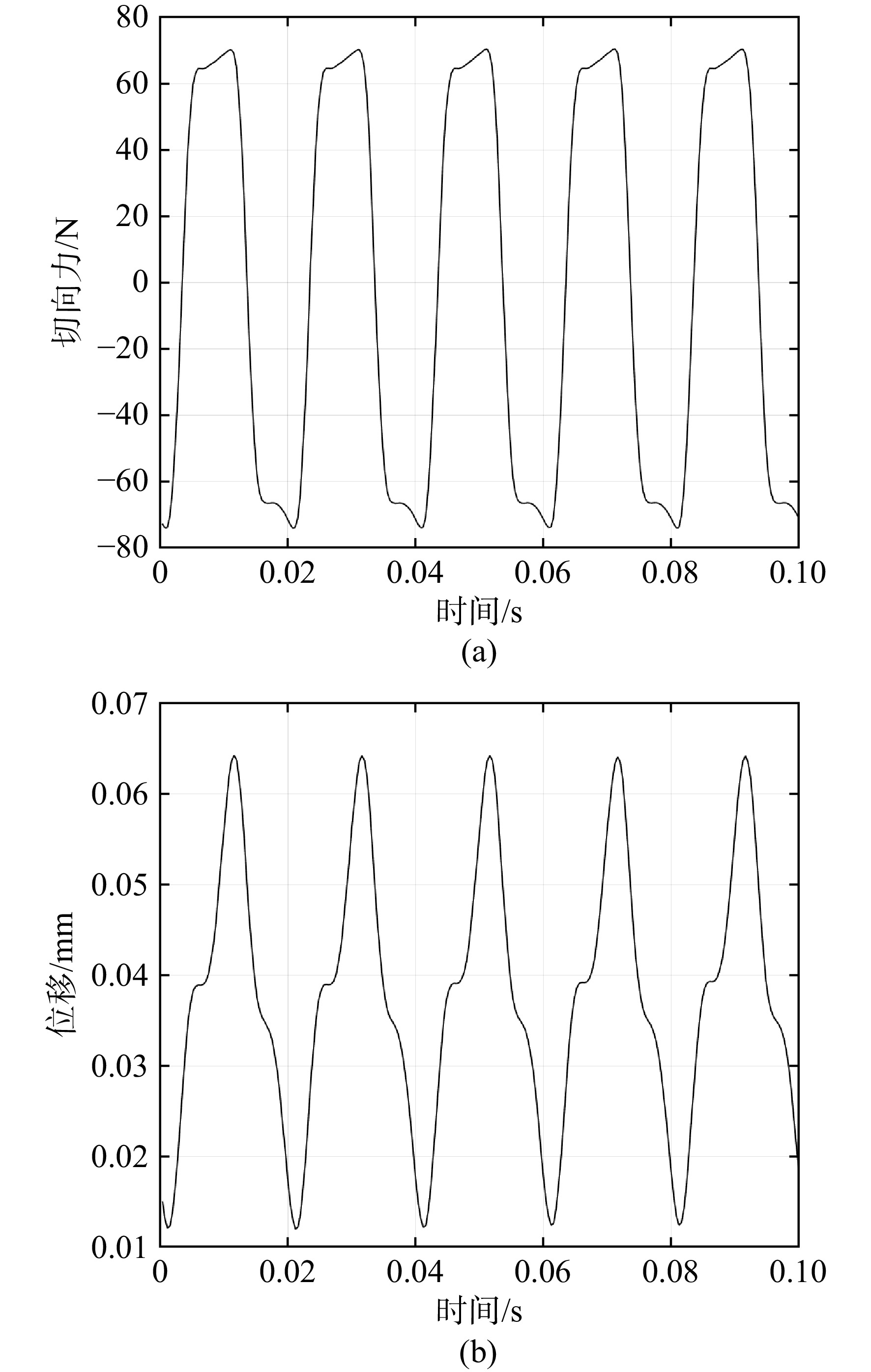
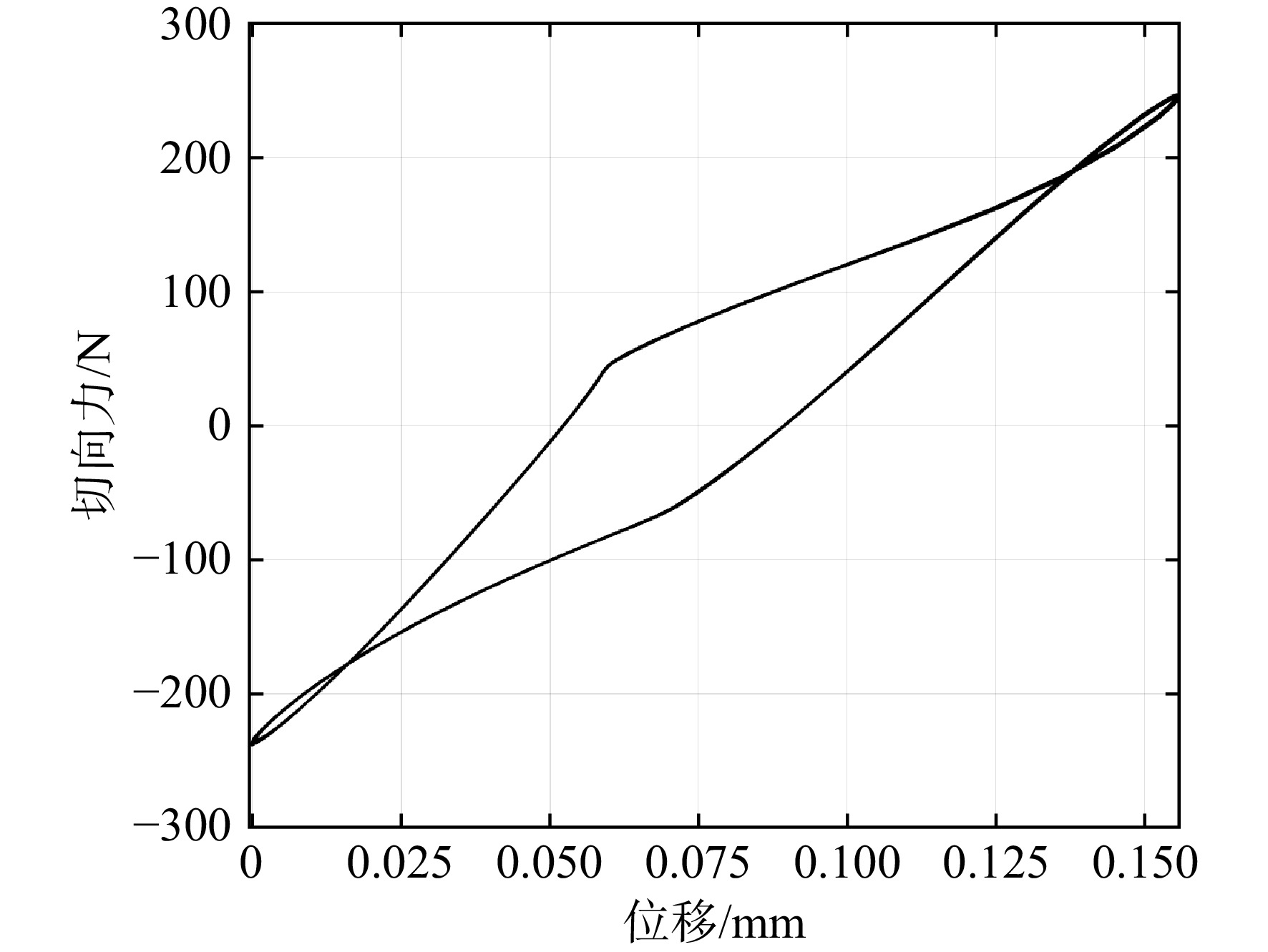
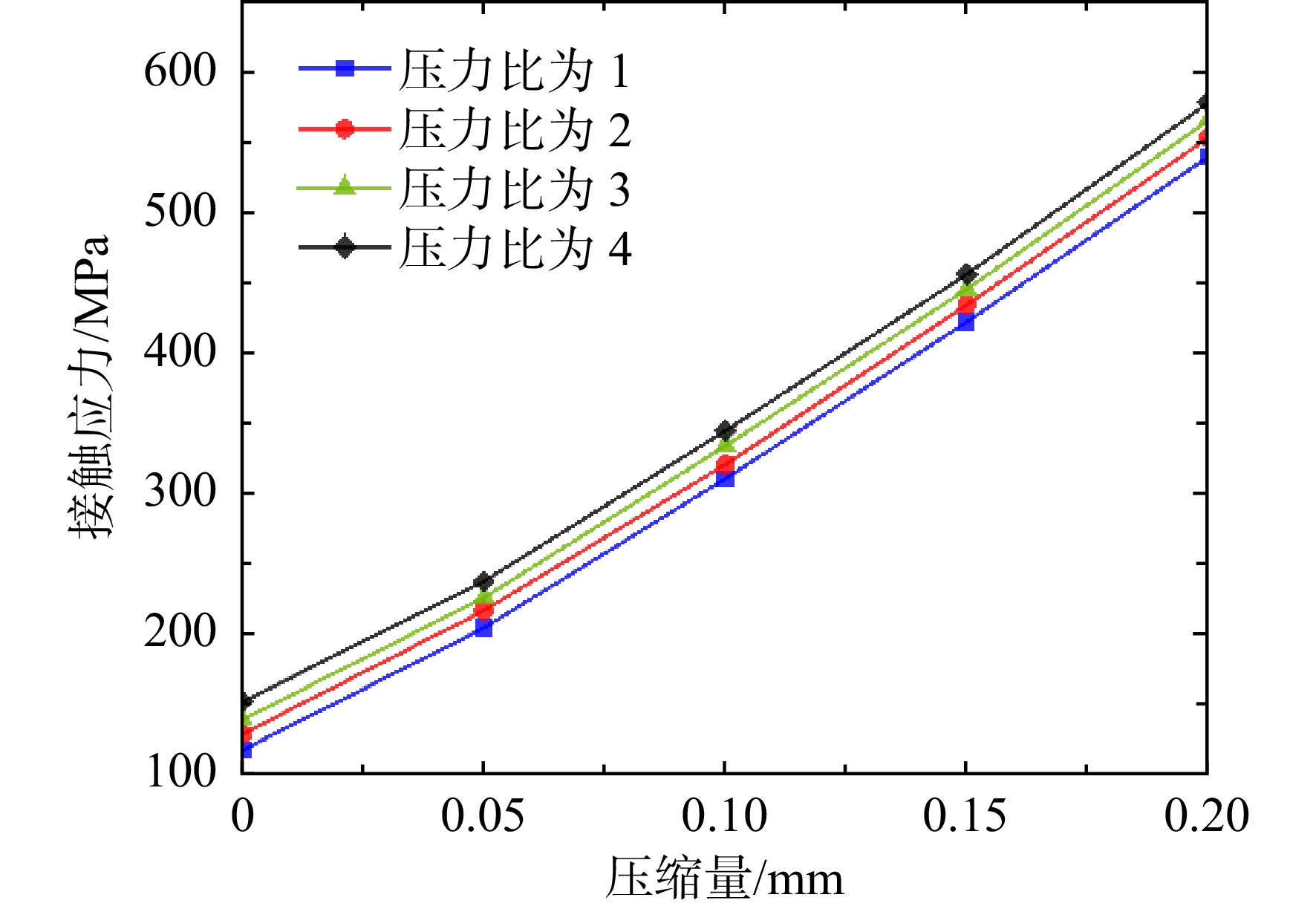
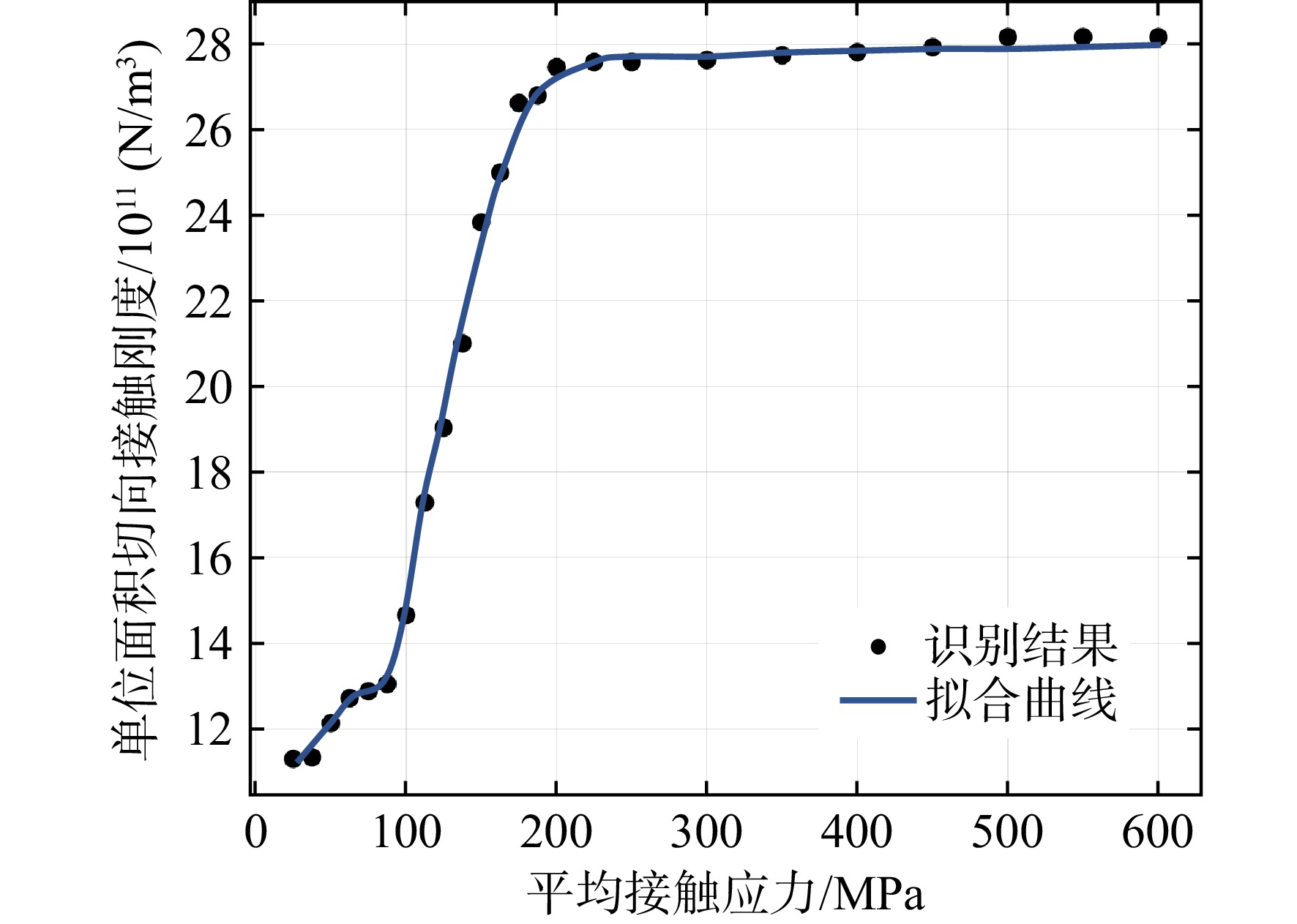
Contact stiffness of tenon joint structures is a crucial parameter that affects the natural vibration characteristics of the blade-disk assembly structure and a prerequisite for accurate dynamic analysis of the blade-disk coupled system. Contact positions of the tenon joint structure were treated as thin layer elements, the mapping relationship was derived between the normal, tangential contact stiffness and the thin layer element property. An experimental setup for the natural vibration characteristics of the tenon joint structure was designed and constructed. Combining experiments on natural vibration characteristics under various compression forces with thin layer element simulations, the normal and tangential contact stiffness of the tenon joint structure was simultaneously identified. An equivalent tenon joint surface-to-surface fretting friction experiment was designed to measure the tangential contact stiffness, verifying the accuracy of the proposed identification method. The identification results showed that the contact stiffness increased slowly at first and then rapidly with the increase of the compression force. When the mean contact stress reached 200 MPa, the contact stiffness almost remained unchanged. The average relative error between identified contact stiffness and the fretting friction experiment results was only −4.73%. The proposed contact stiffness identification method of tenon joint structures was highly accurate and the identification process was straightforward.

Spatial motion aircraft lift-rising structure fatigue life verification method with coupled multiparameter
WANG Yupeng, HE Qian, XIA Feng, XU Fei, SONG Pengfei, ZHANG Chao
2025, 40(5): 20230566. doi: 10.13224/j.cnki.jasp.20230566
Abstract:

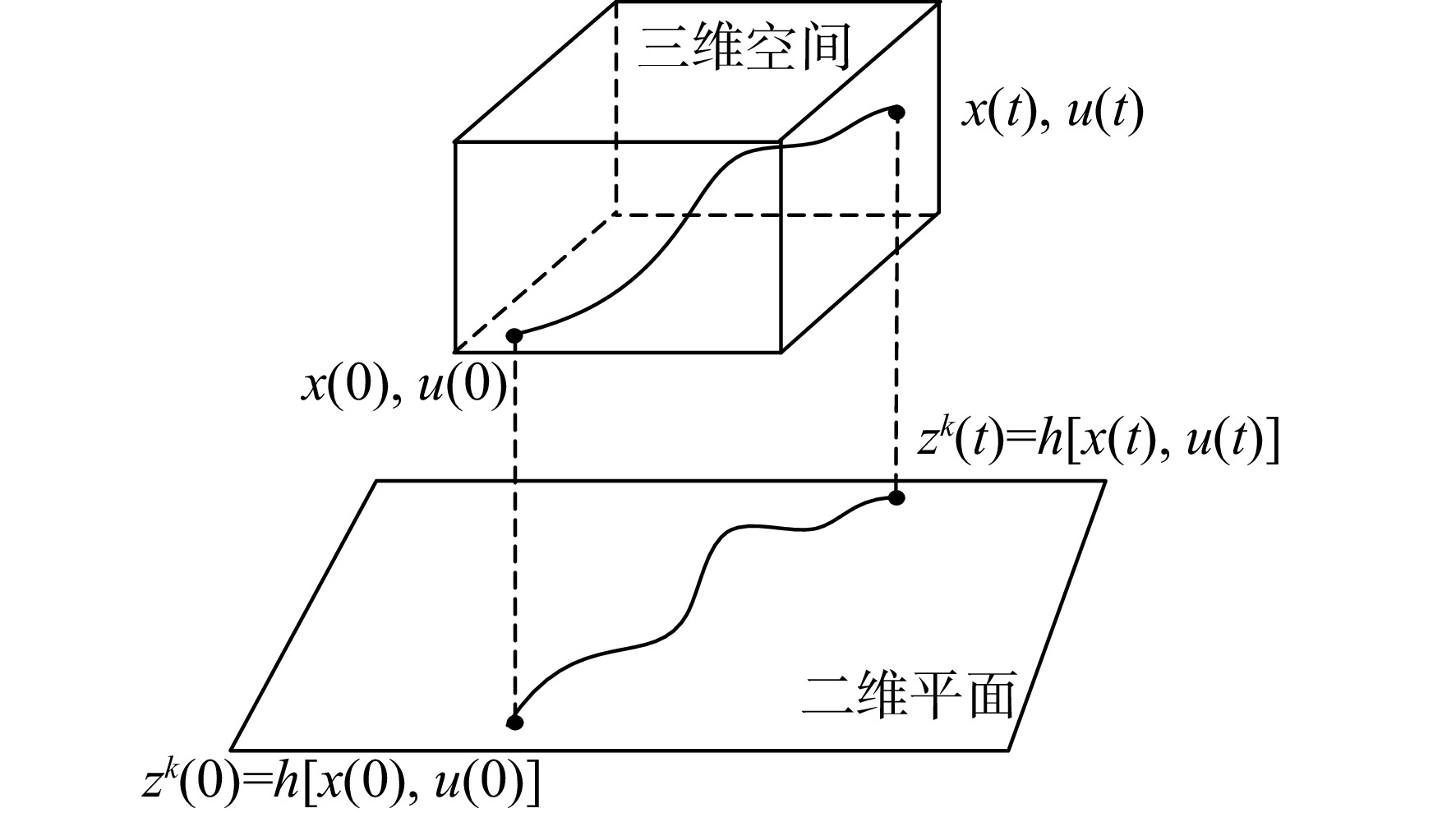
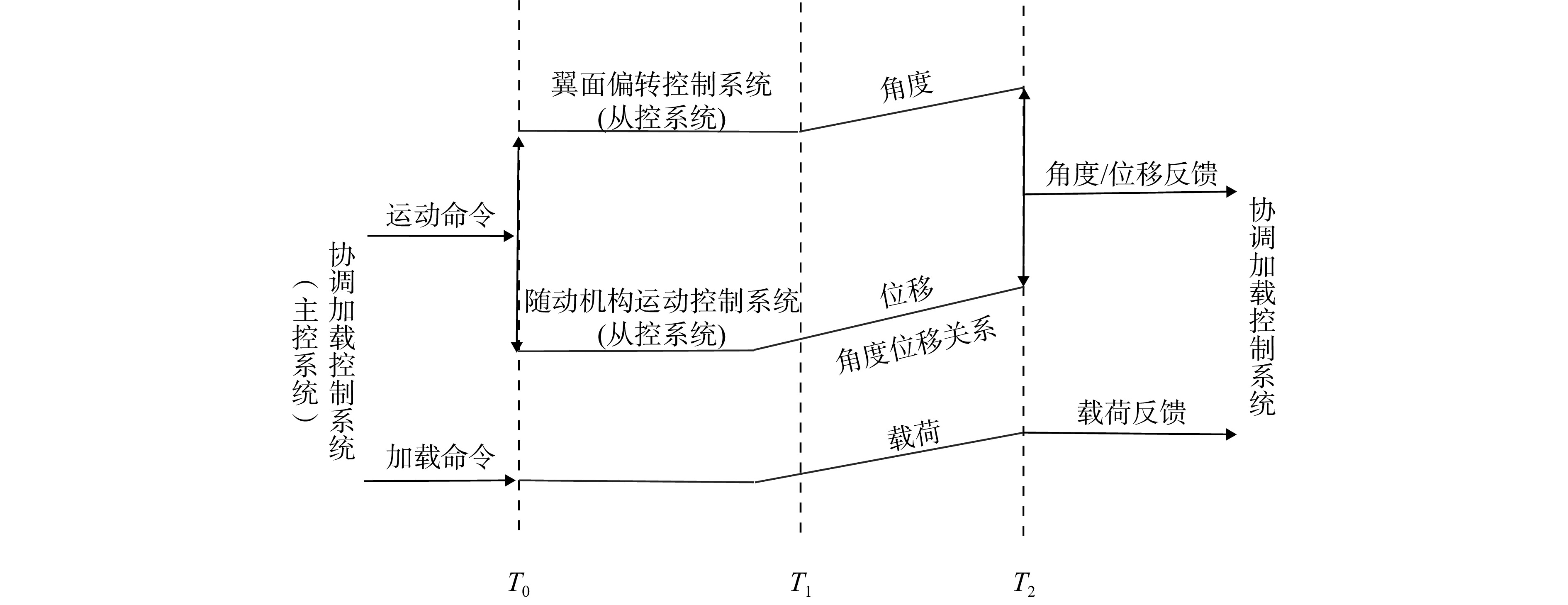
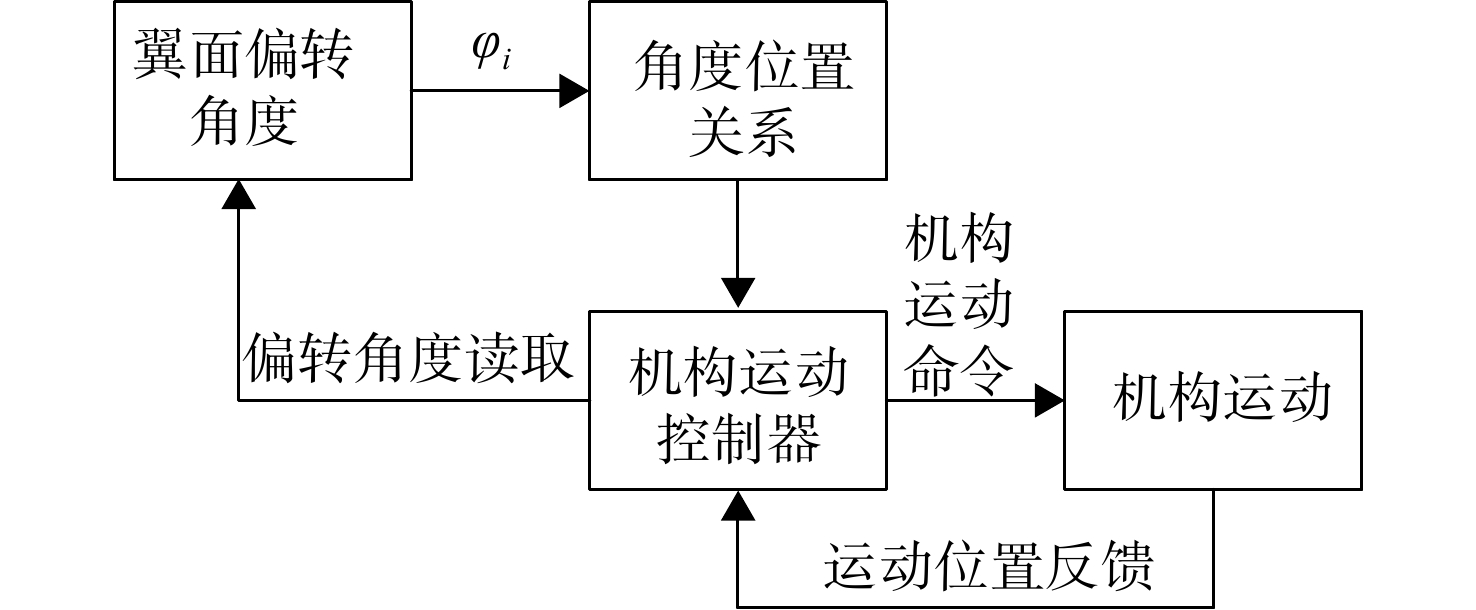
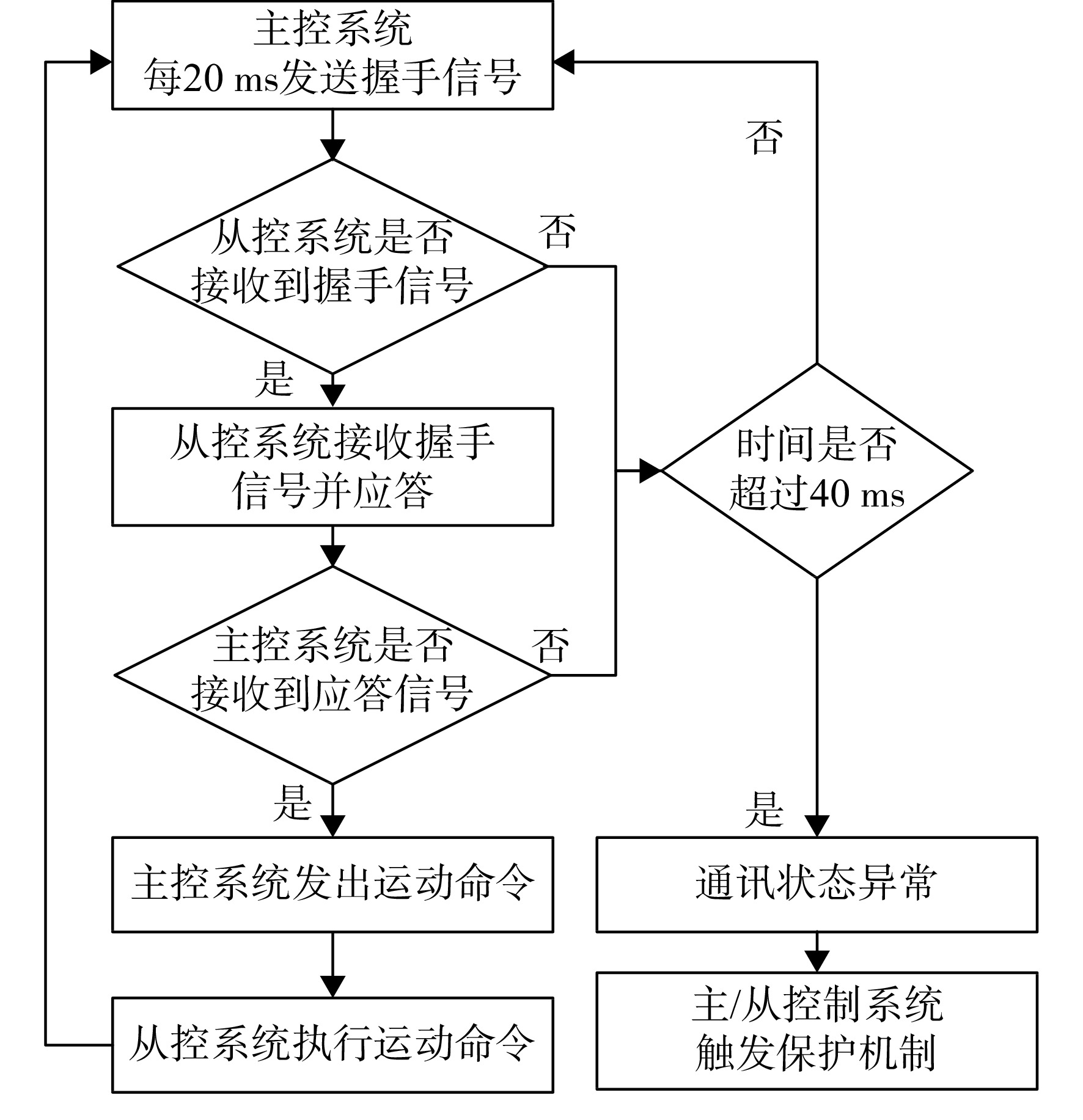
A structure fatigue life verification method for large aircraft lift-rising components was presented considering the spatial complex motion flap, the real-time direction of the load, multisystem and multiparameter cooperation control and system operation security. A spatial trajectory simulation method based on differential flatness theory was employed to ensure accurate real-time load direction during the flap unfixed-axis rotation. A velocity optimization model of following mechanism and a sequential control method were built to realize multiparameter accurate and dynamic cooperative control. To ensure the operation security of test system, a linkage protection mechanism combined with a communication monitoring method based on high-frequency polling pattern were established for abnormal condition of coupled test system. A spatial motion aircraft lift-rising structure life verification method with coupled multiparameter was established based on accurate load of spatial complex motion flap, multisystem and multiparameter cooperative control and complicated system security protection and the method was validated by a large transport aircraft flap fatigue test. The result showed that the maximum angle error of the load was 1.8°, relative dynamic error of the load was 2.69%, response time of subsystem security protection was 18 ms. The method can meet the requirements of flap fatigue life verification in load accuracy and system operation security protection, and provide a technical support for major project. The method can also provide referential technologies for motion mechanism fatigue life and reliability verification.

Experimental study on tribological performance between bristles and coating material pairs of brush seal
ZHAO Huan, LIU Wei, SUN Dan, FENG Yuzhong, XU Wenfeng, WEN Shuaifang
2025, 40(5): 20220805. doi: 10.13224/j.cnki.jasp.20220805
Abstract:

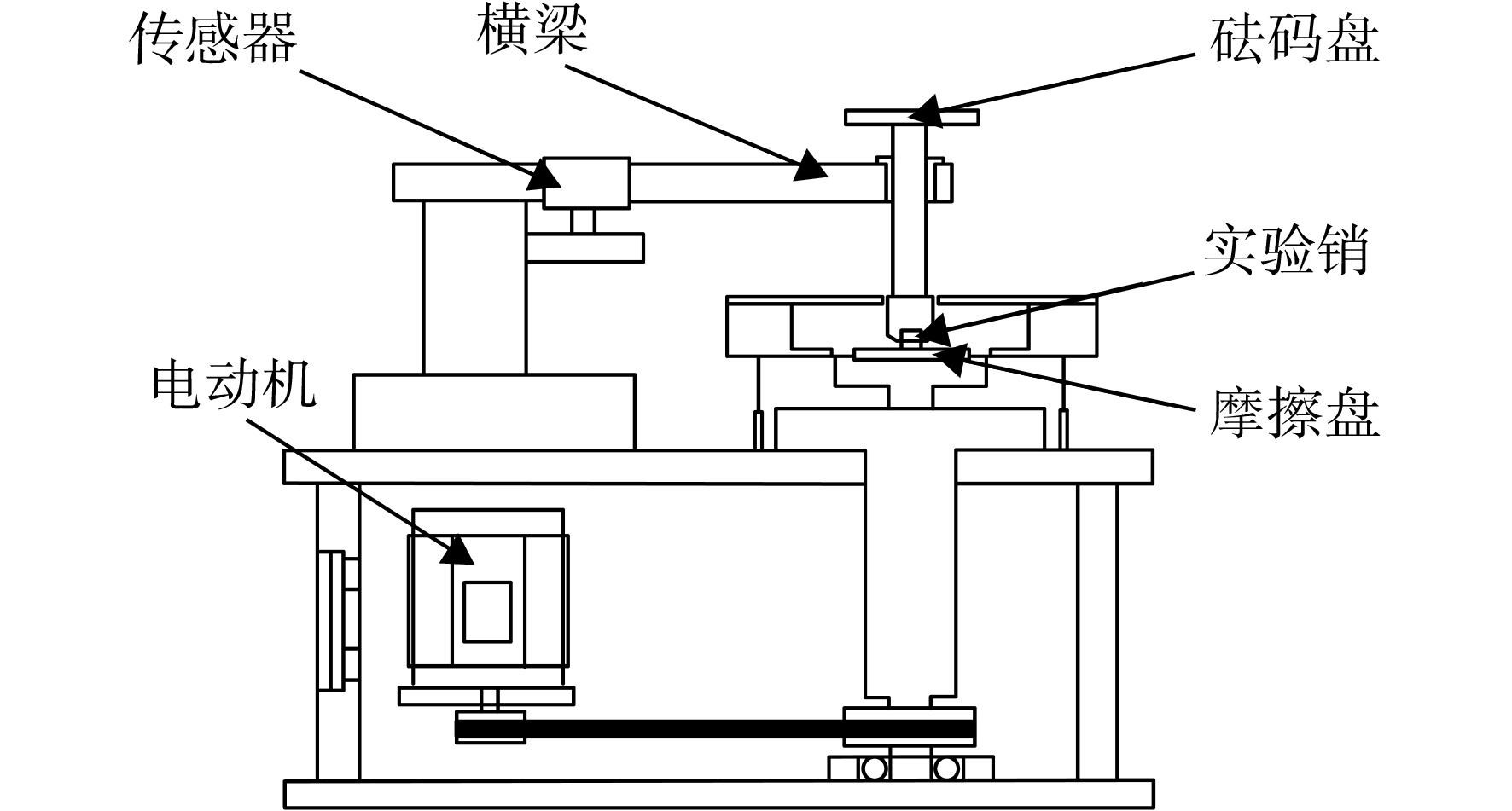
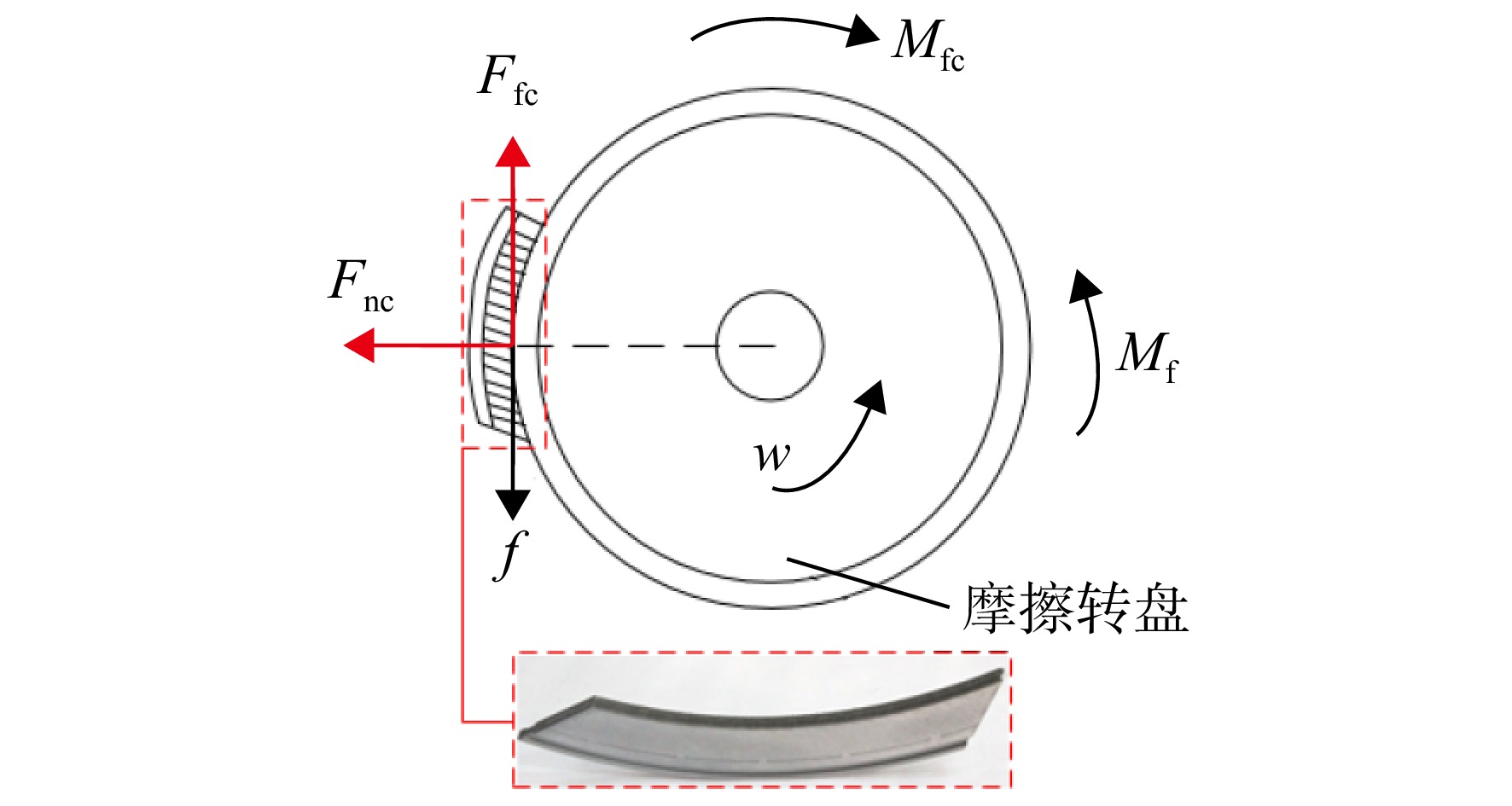
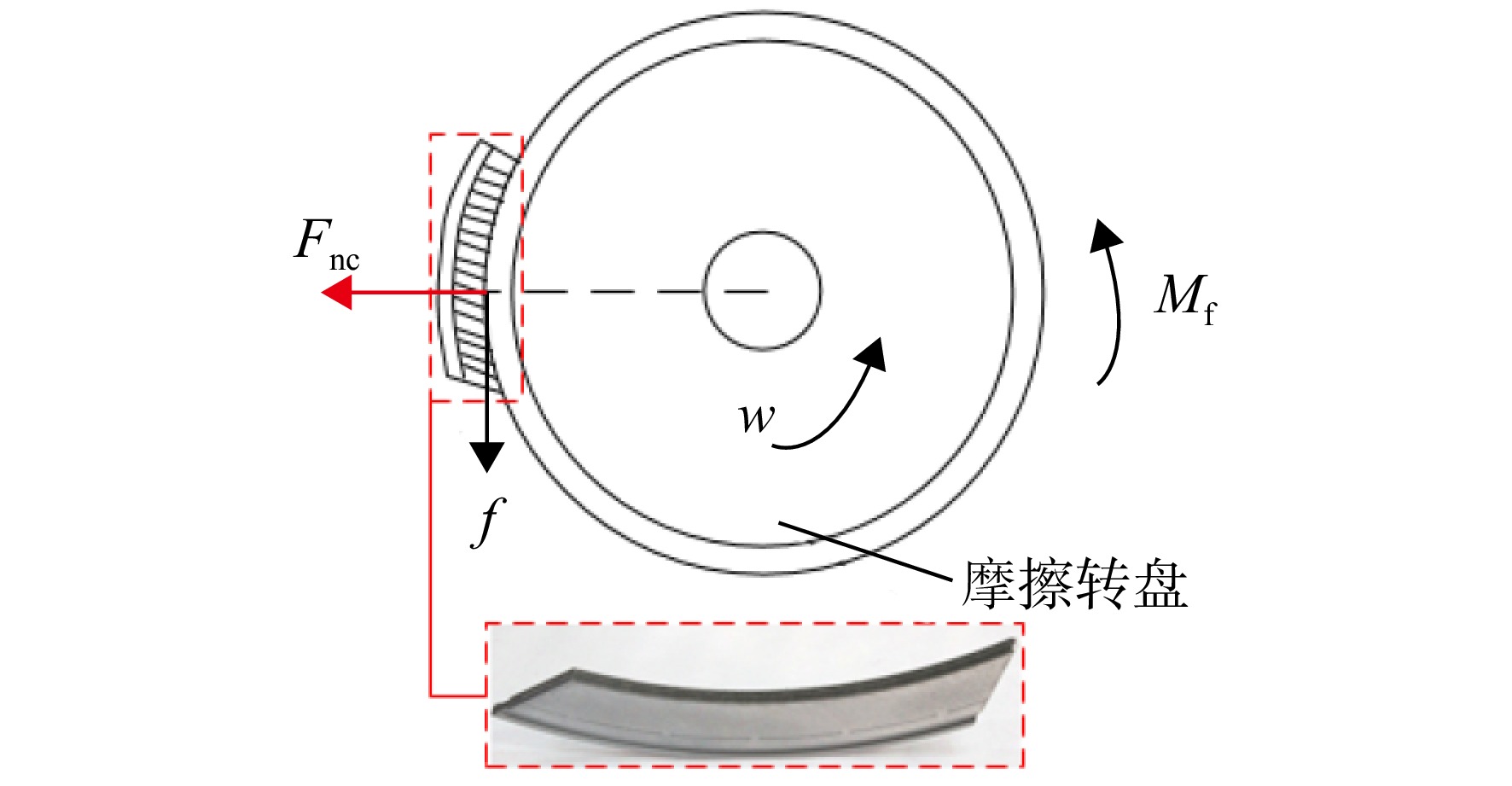
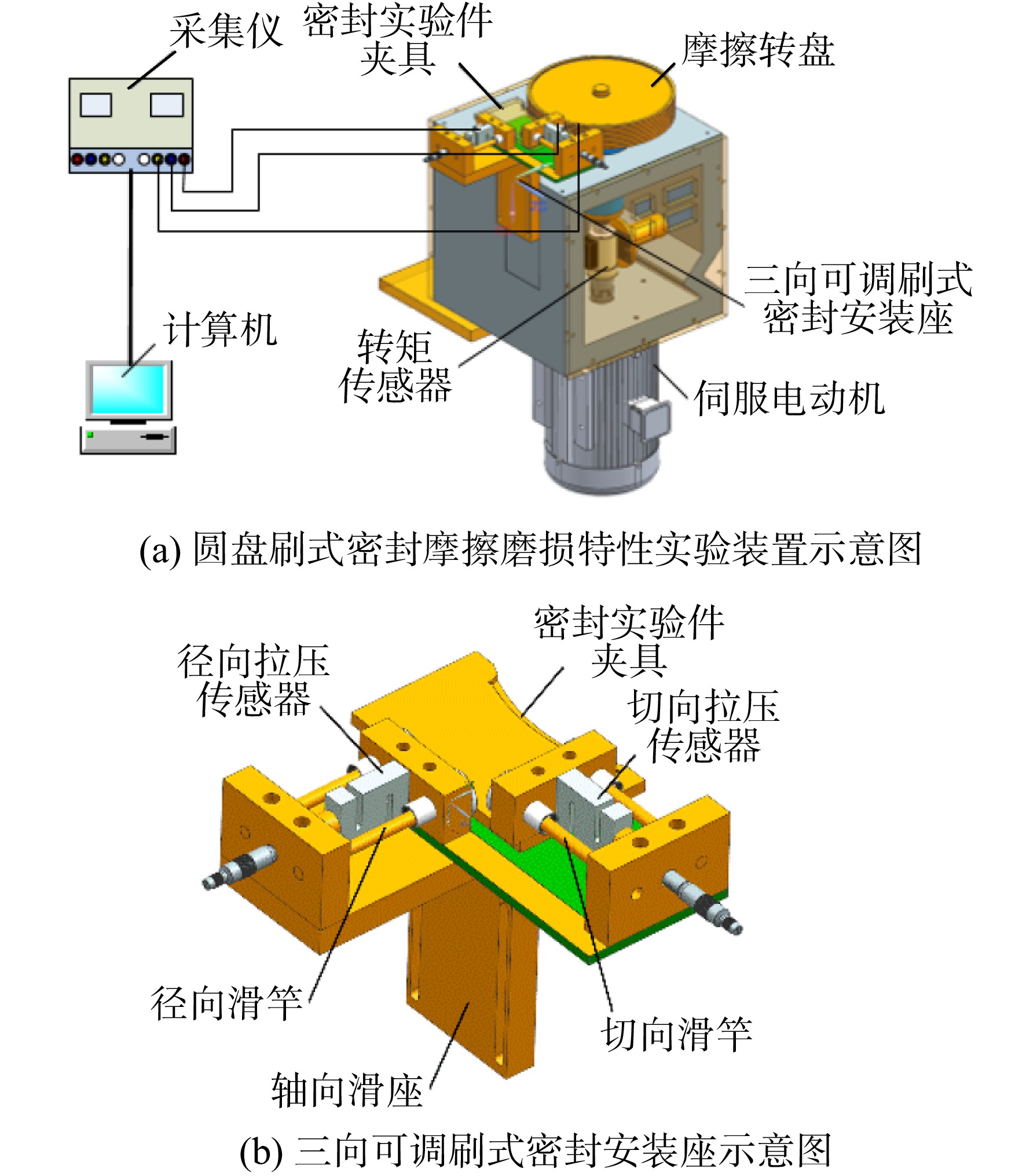
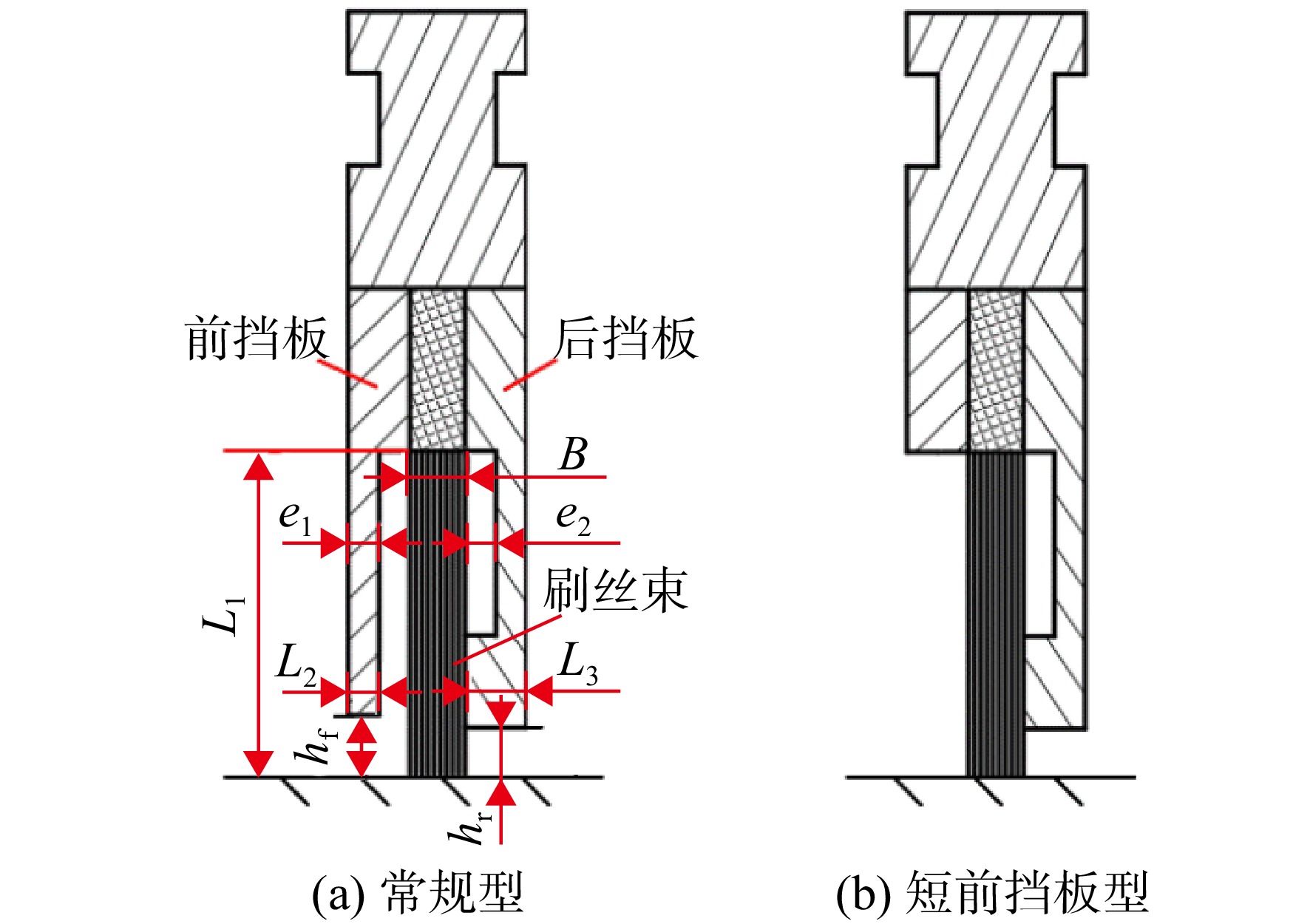
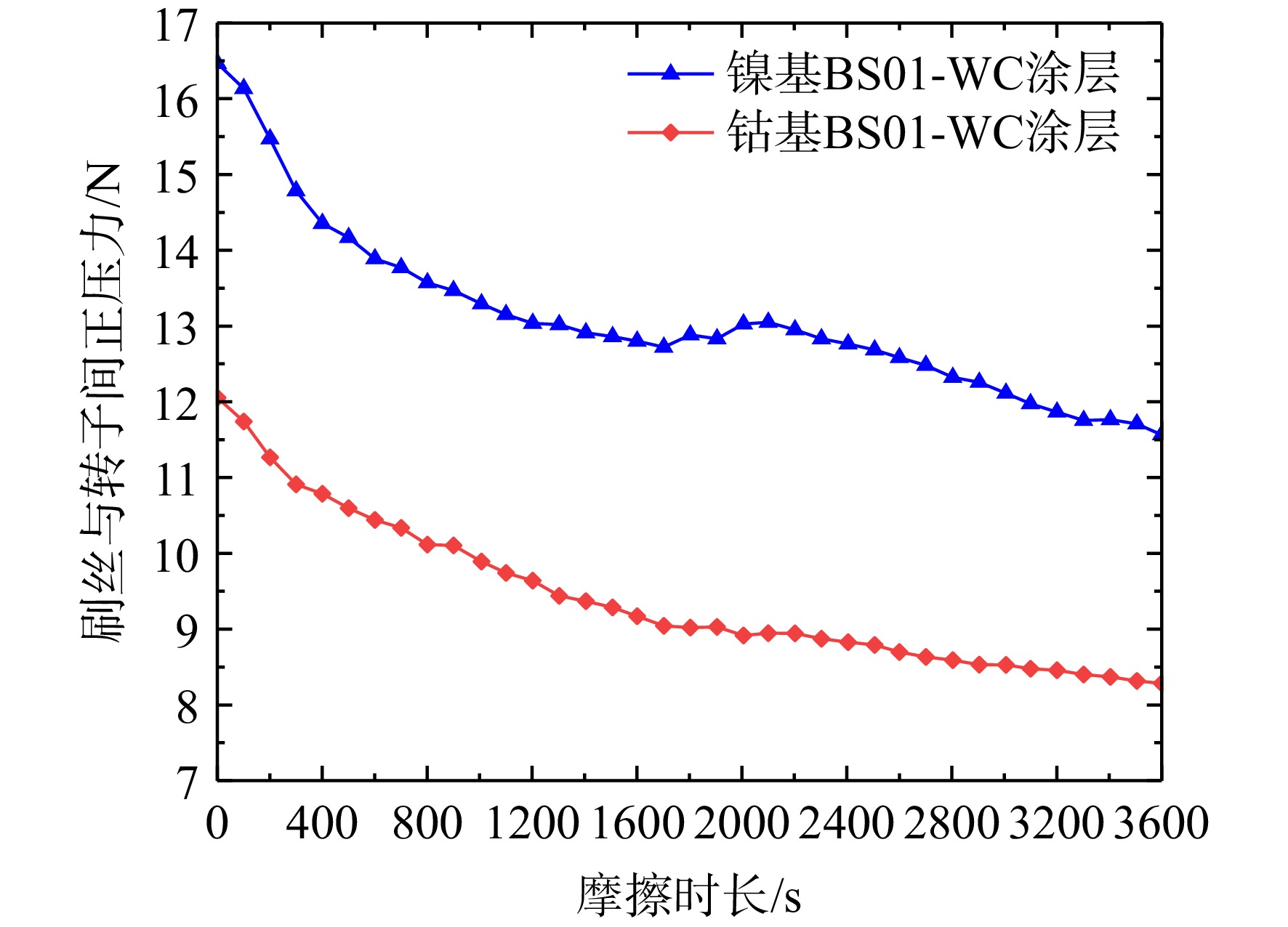
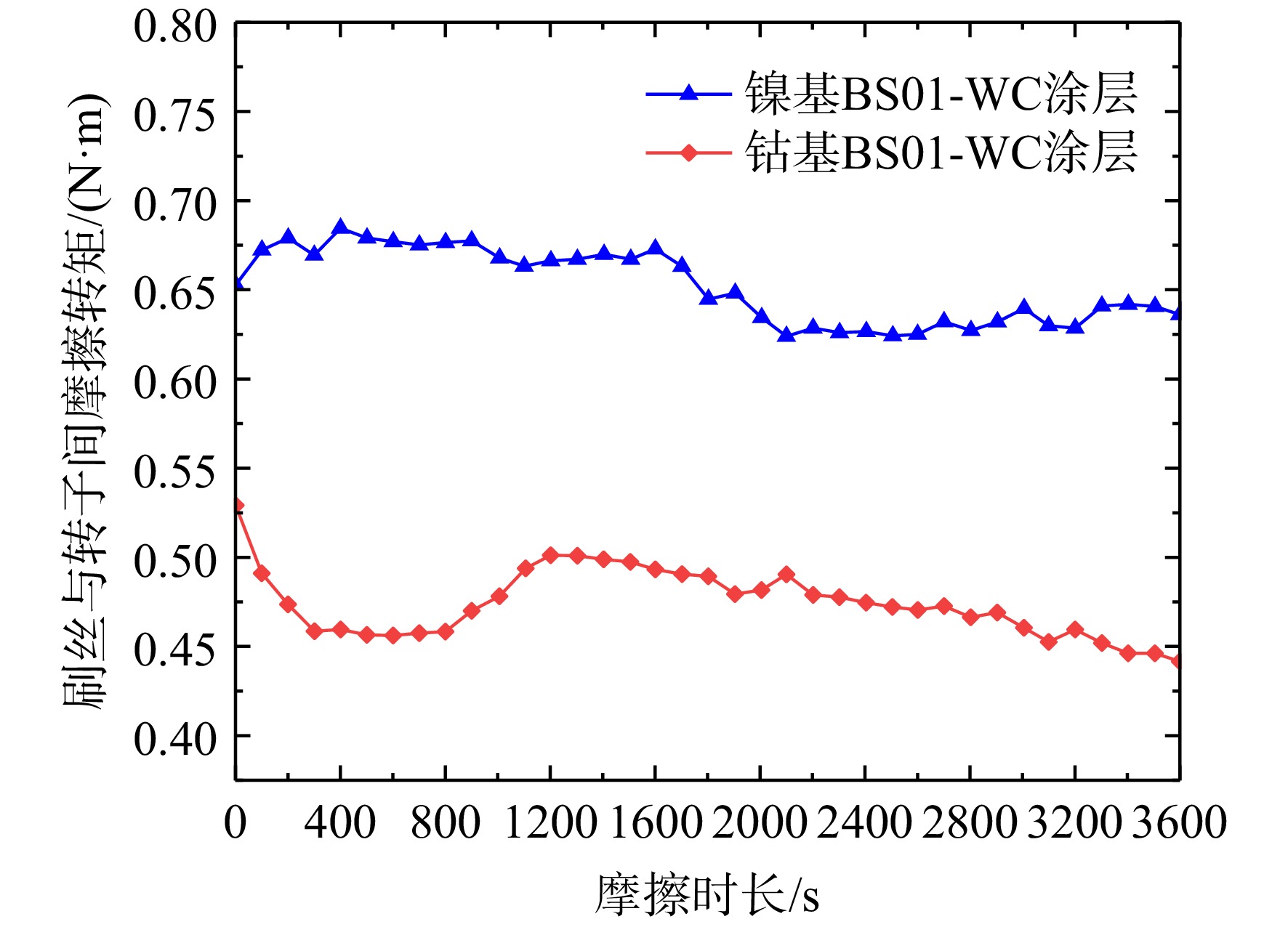
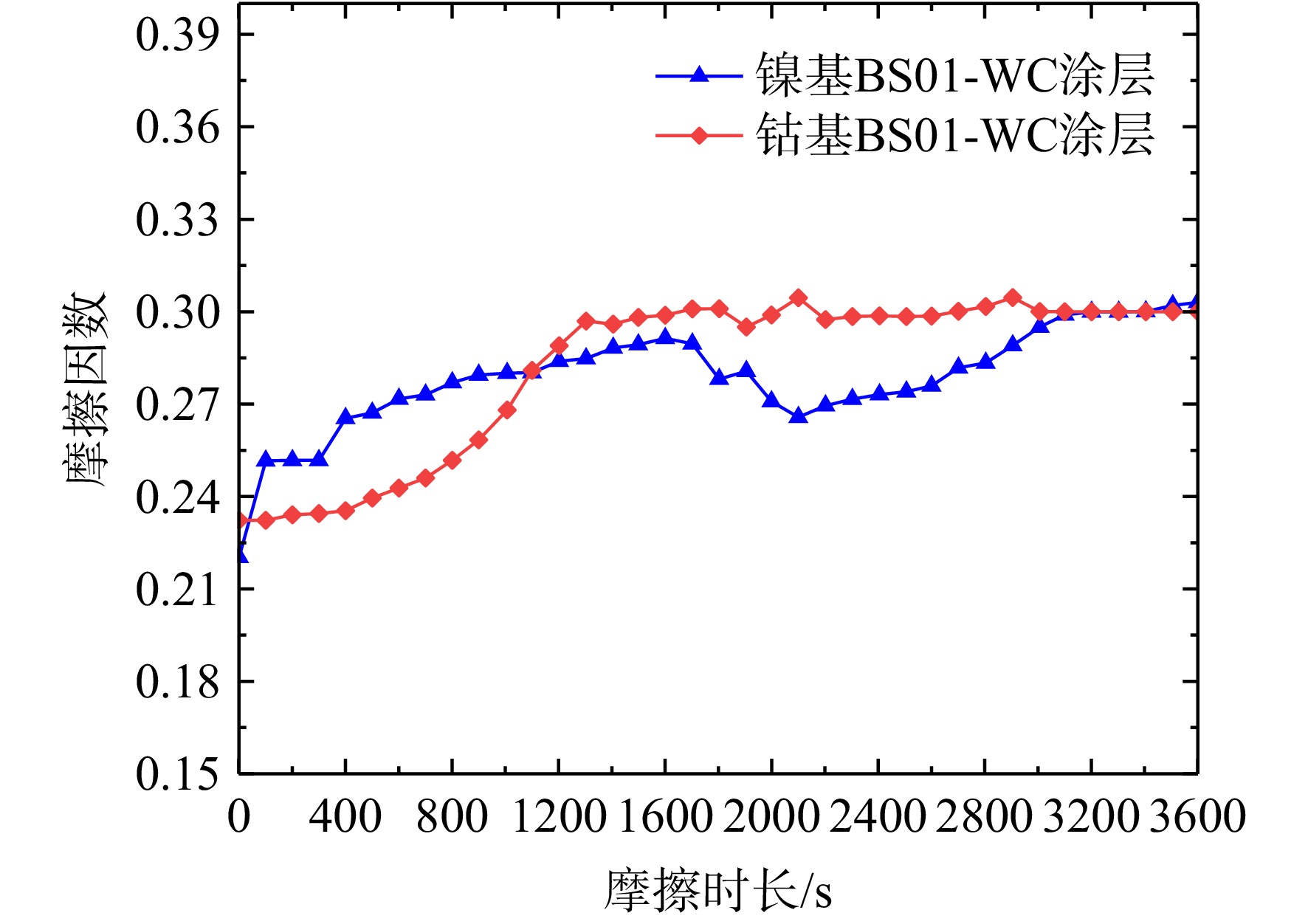
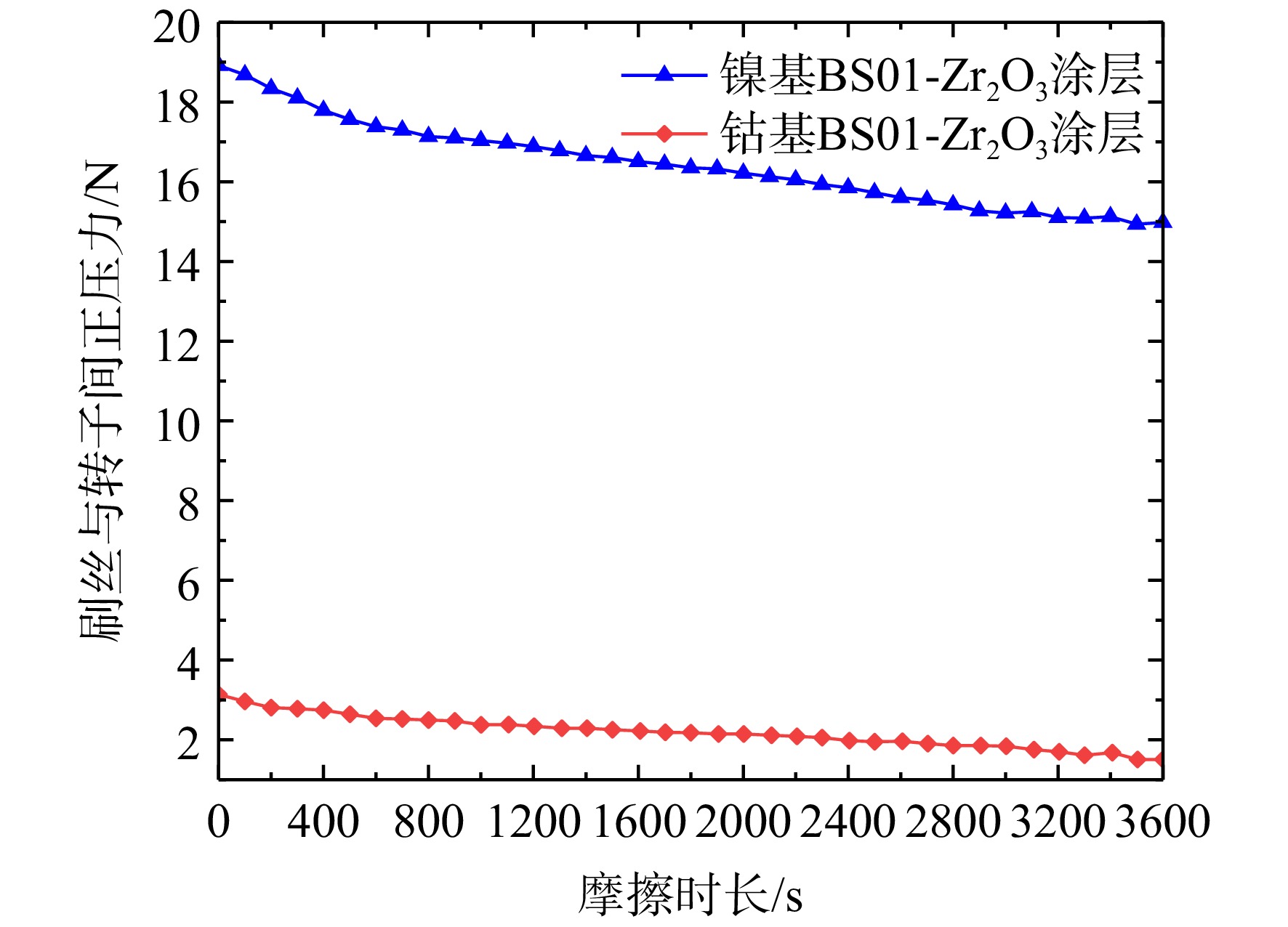
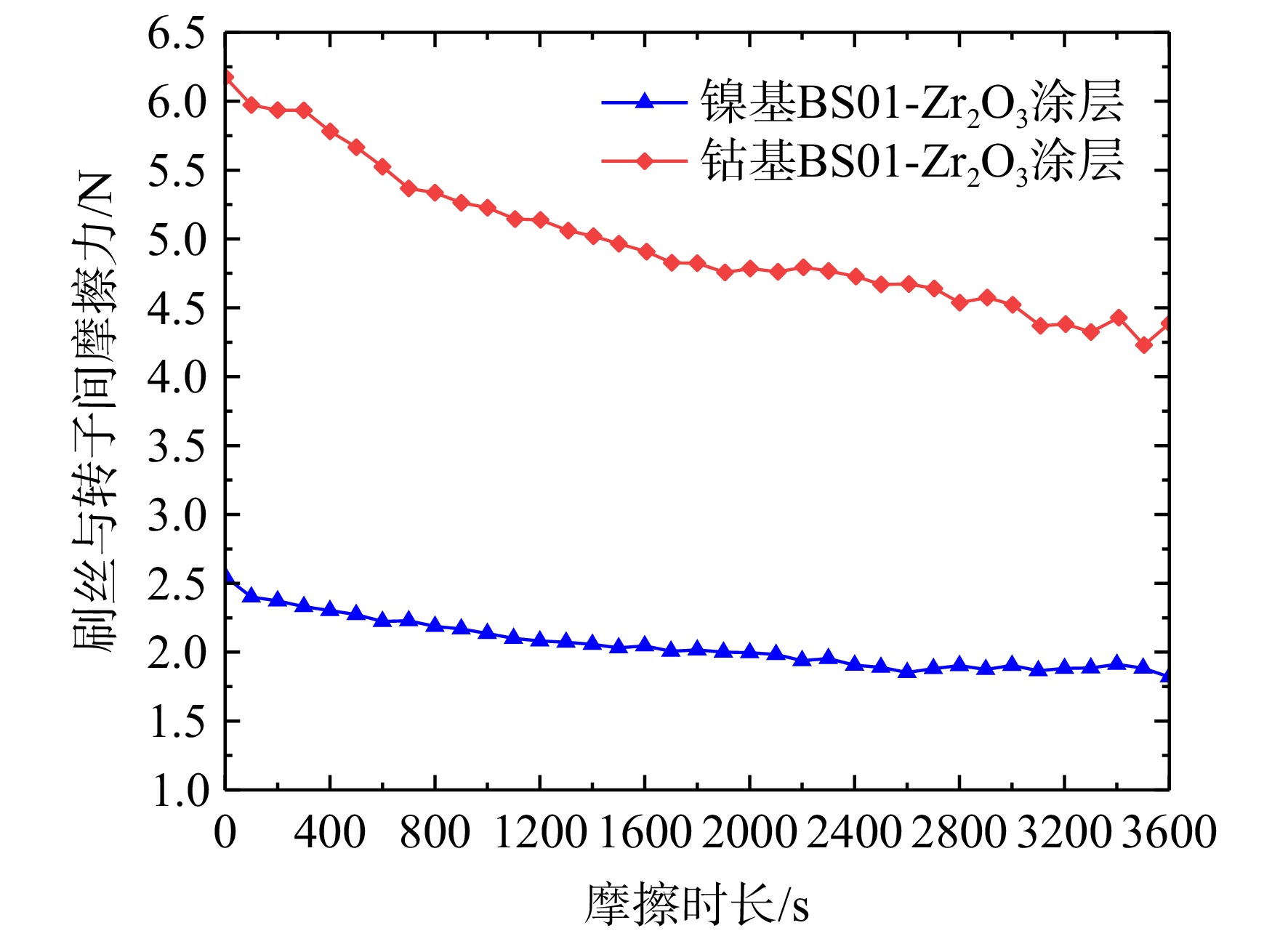
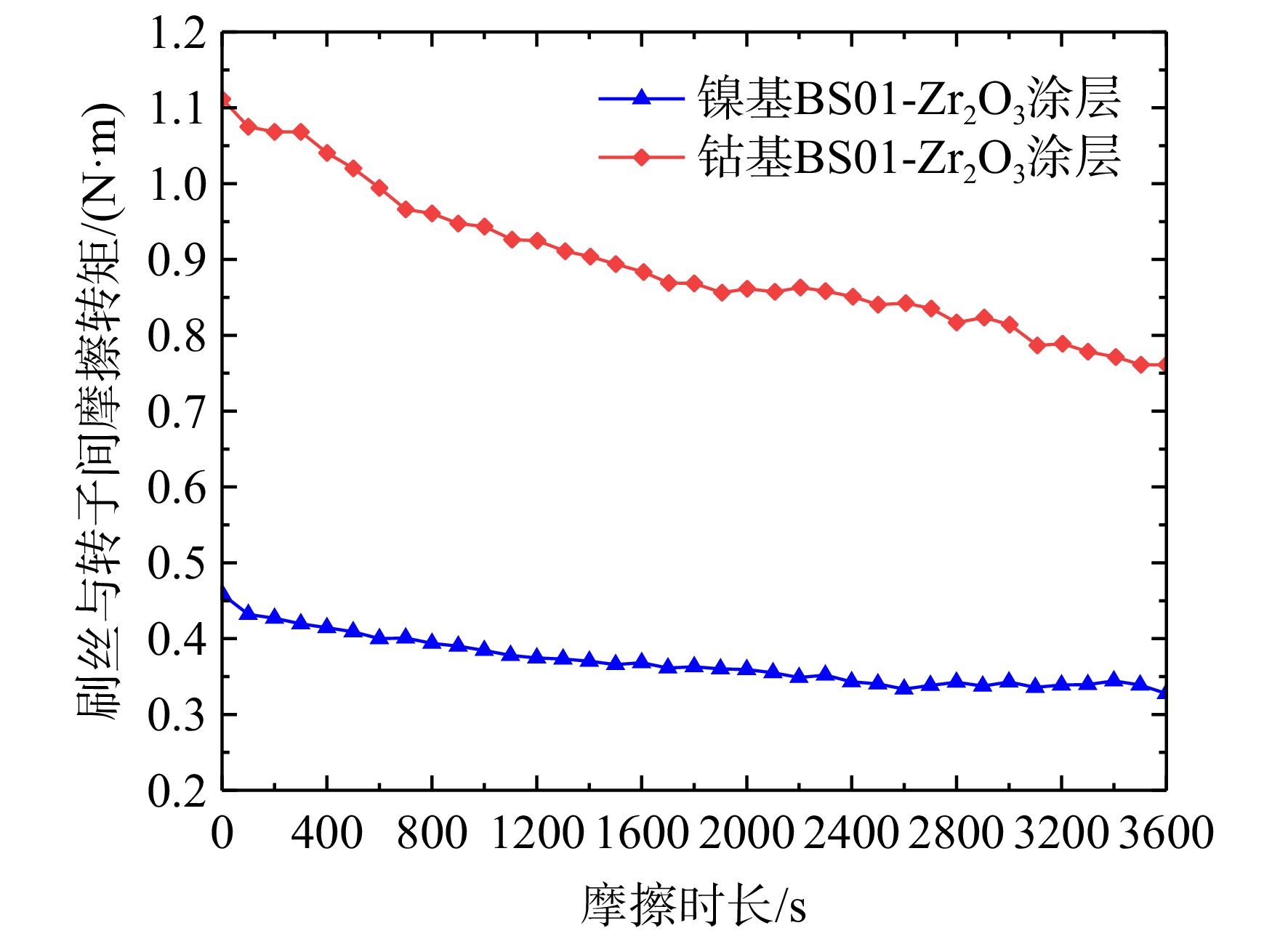
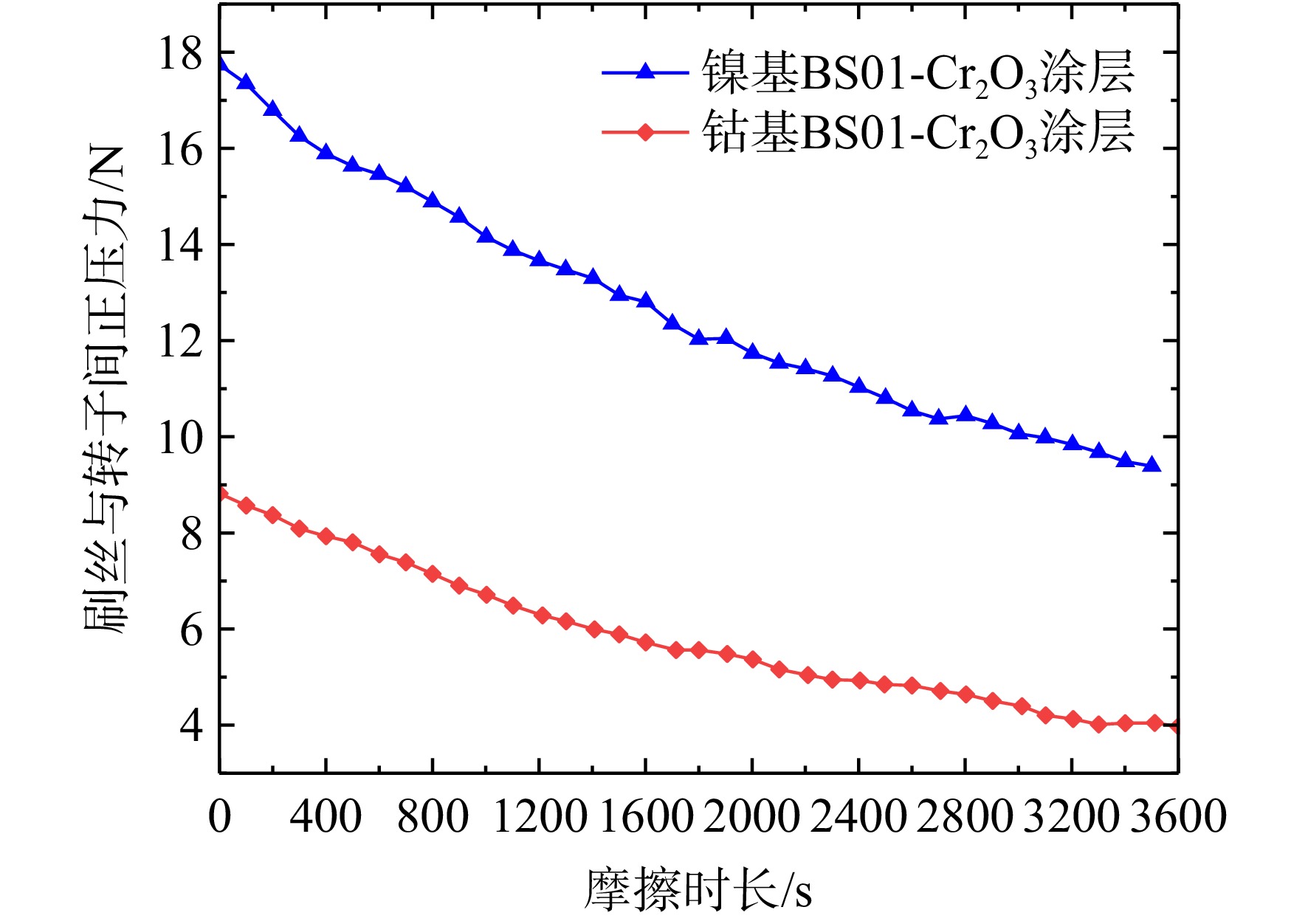
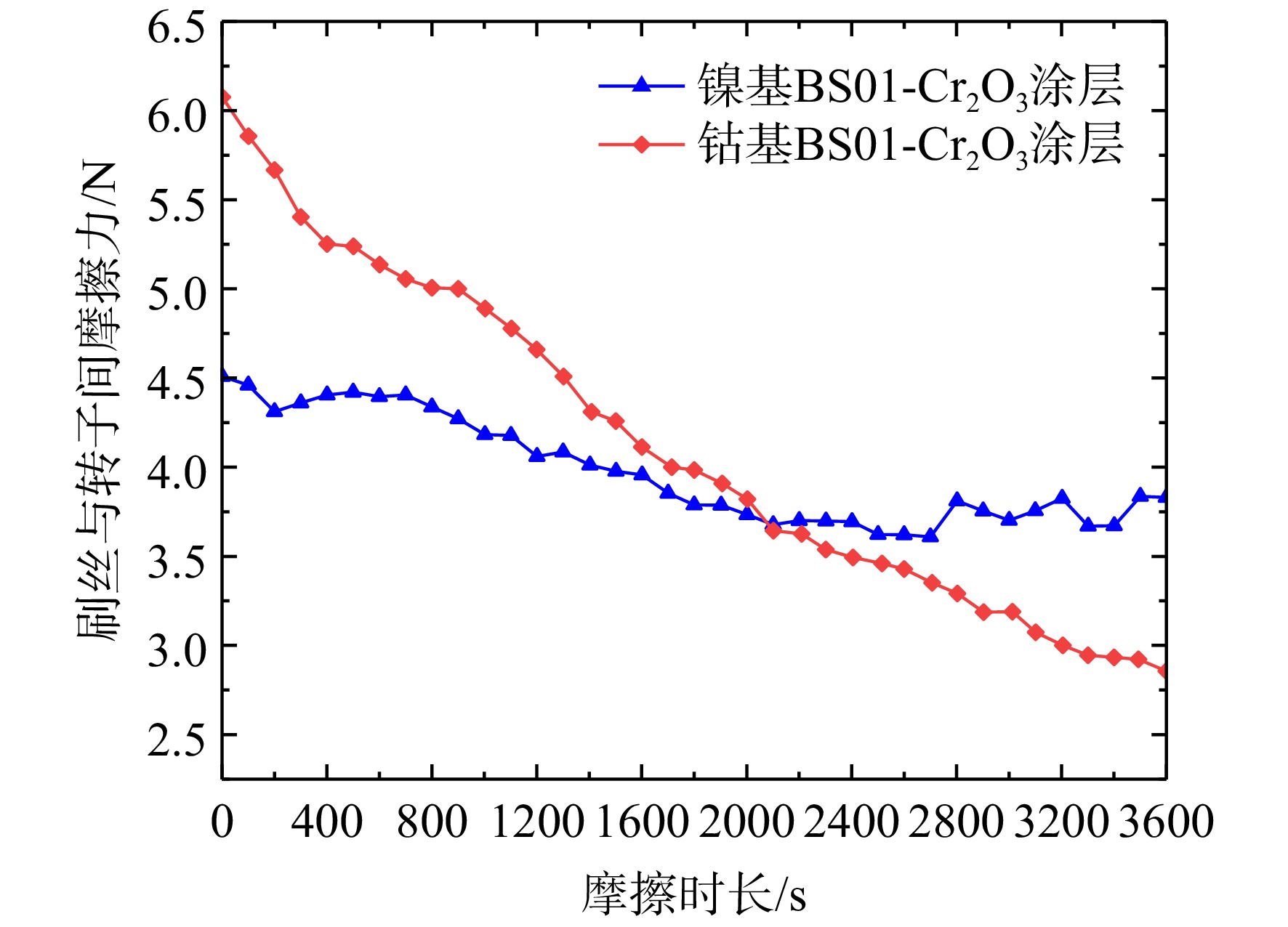
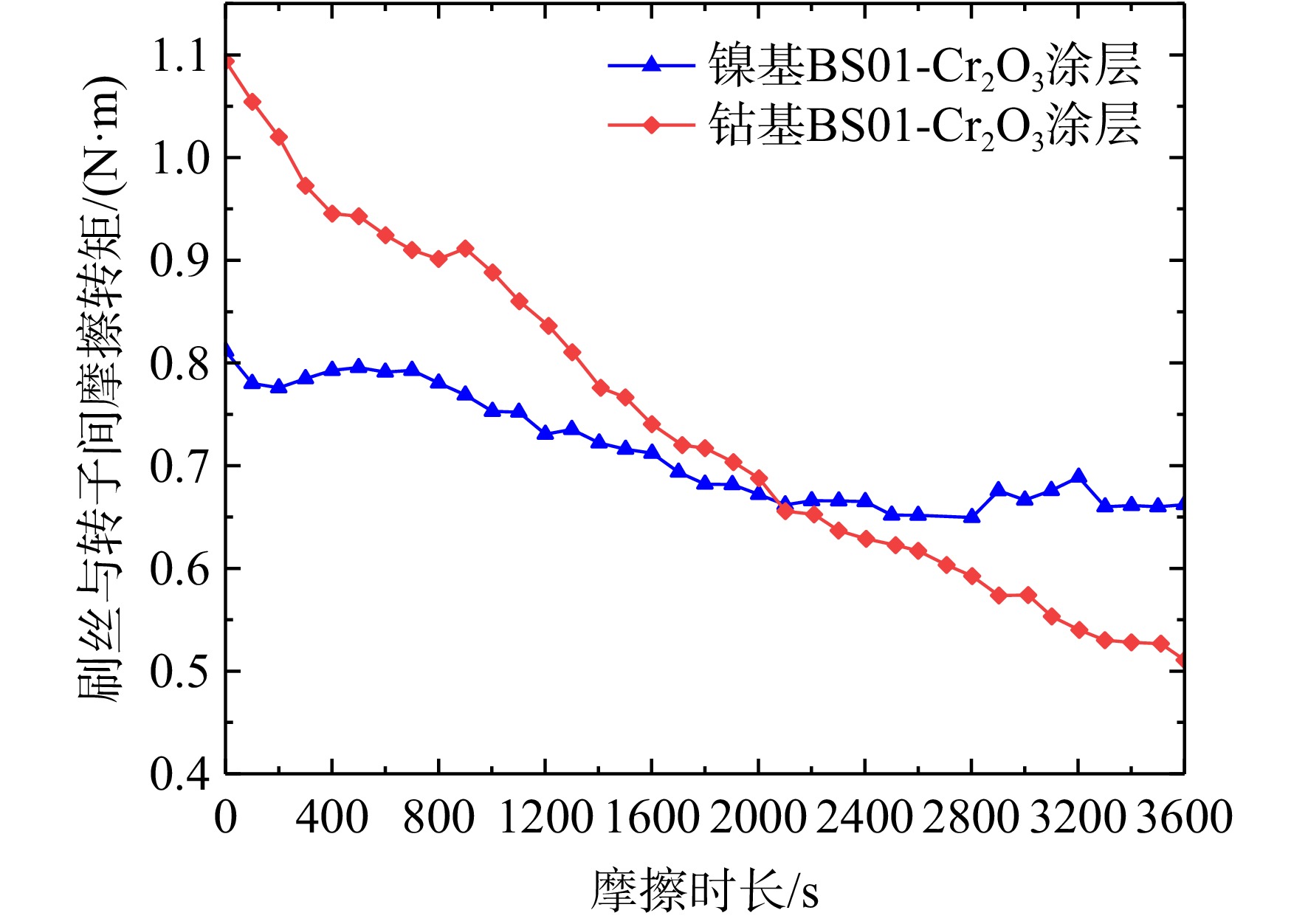
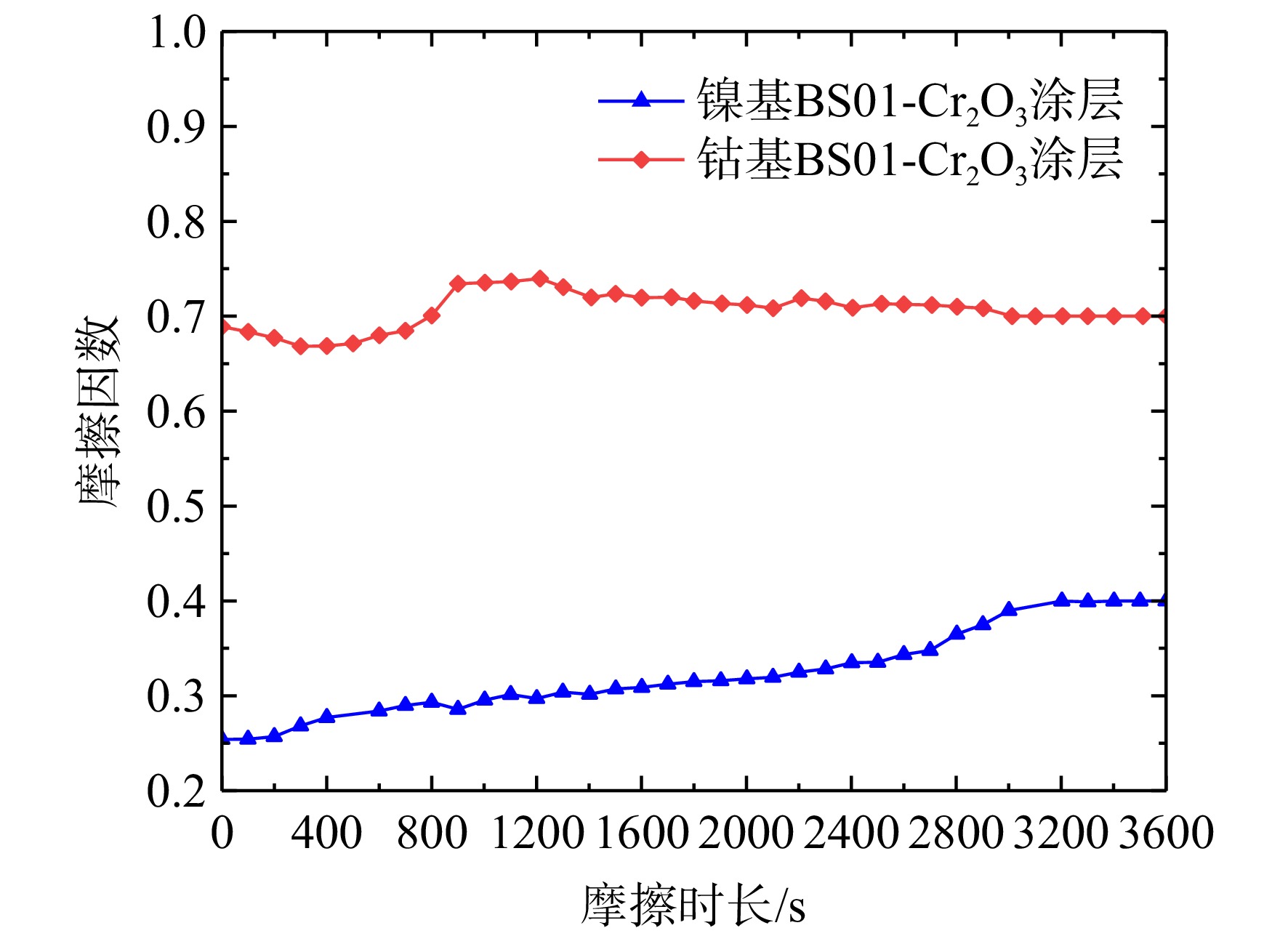
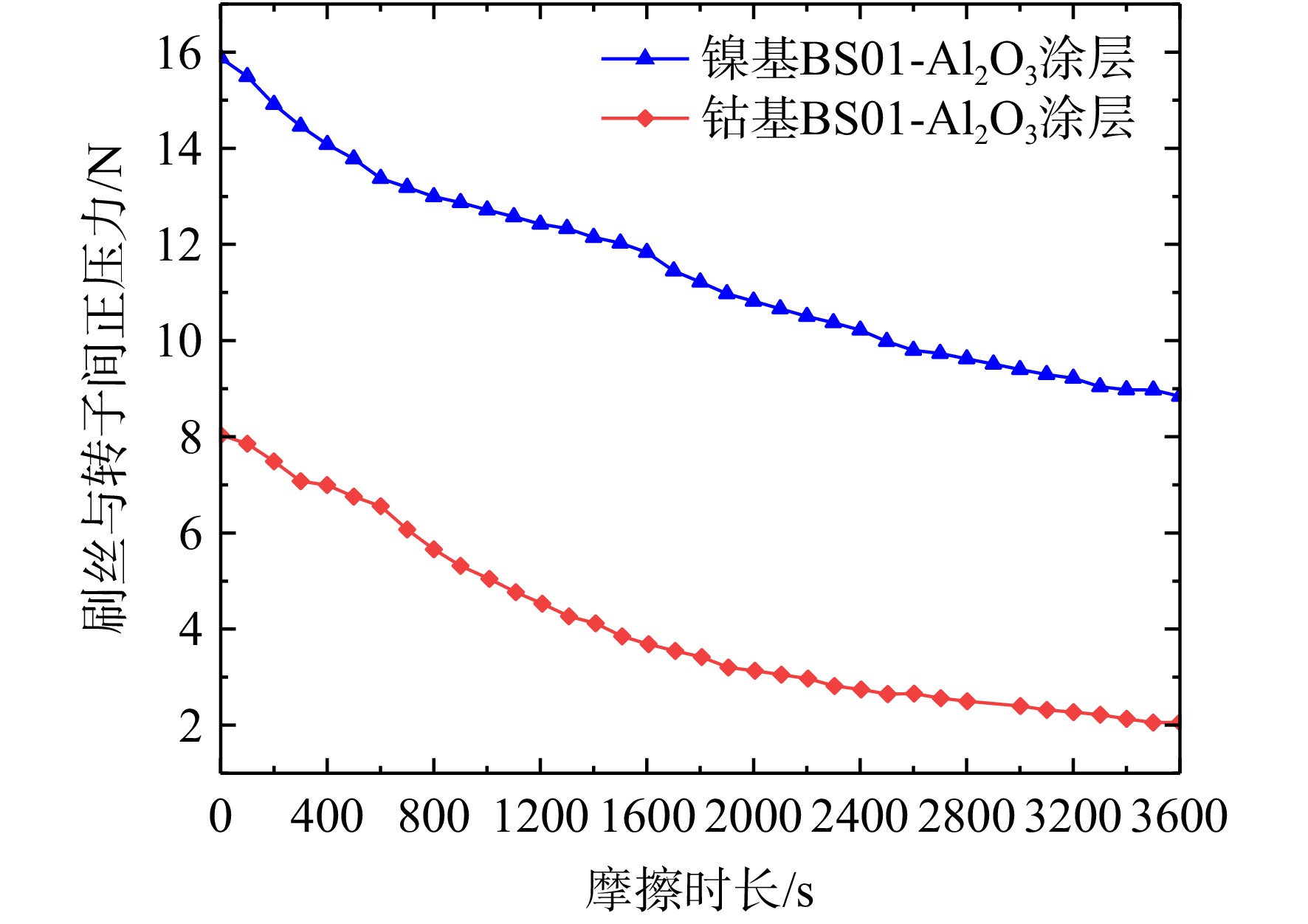
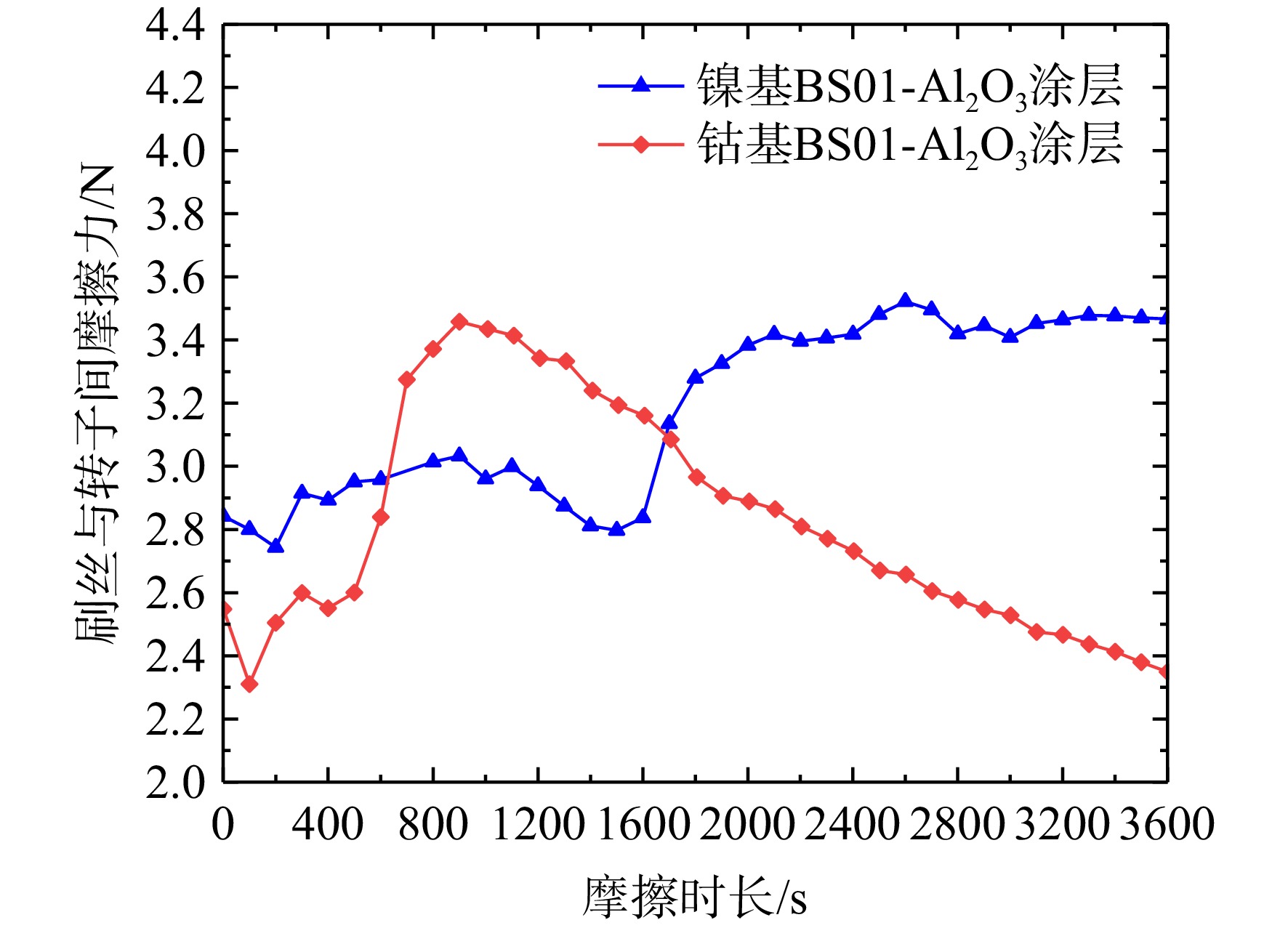
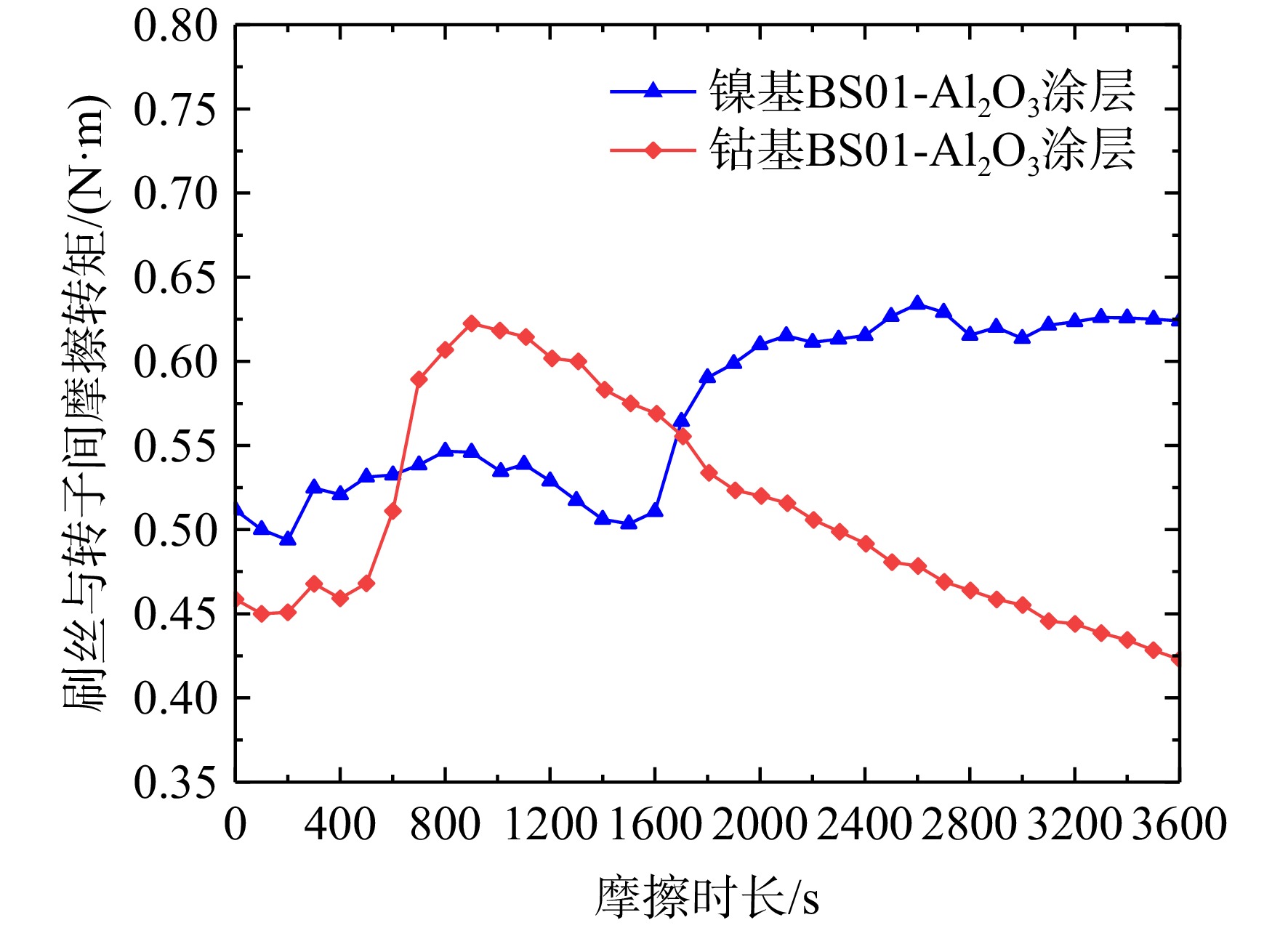
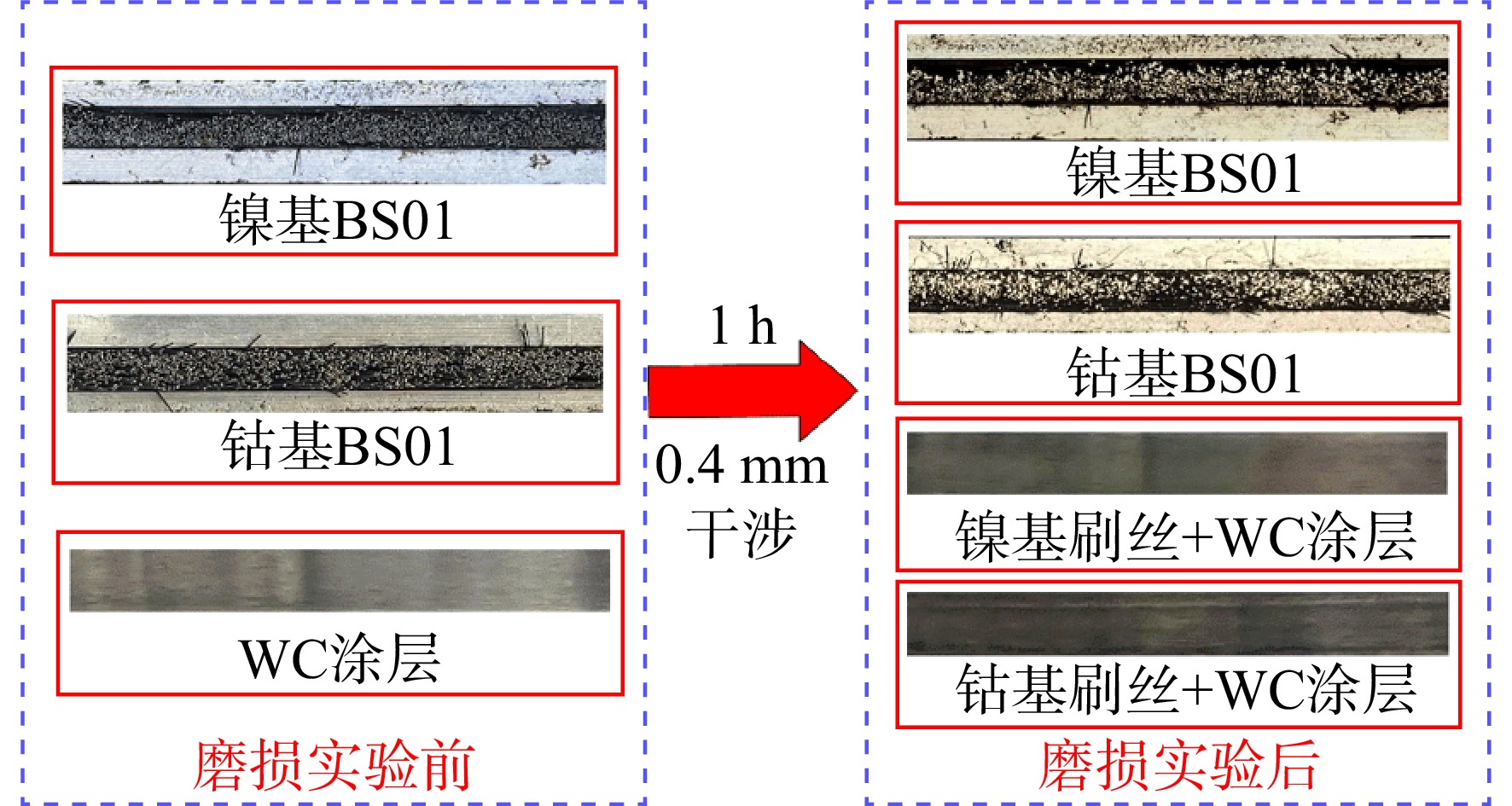
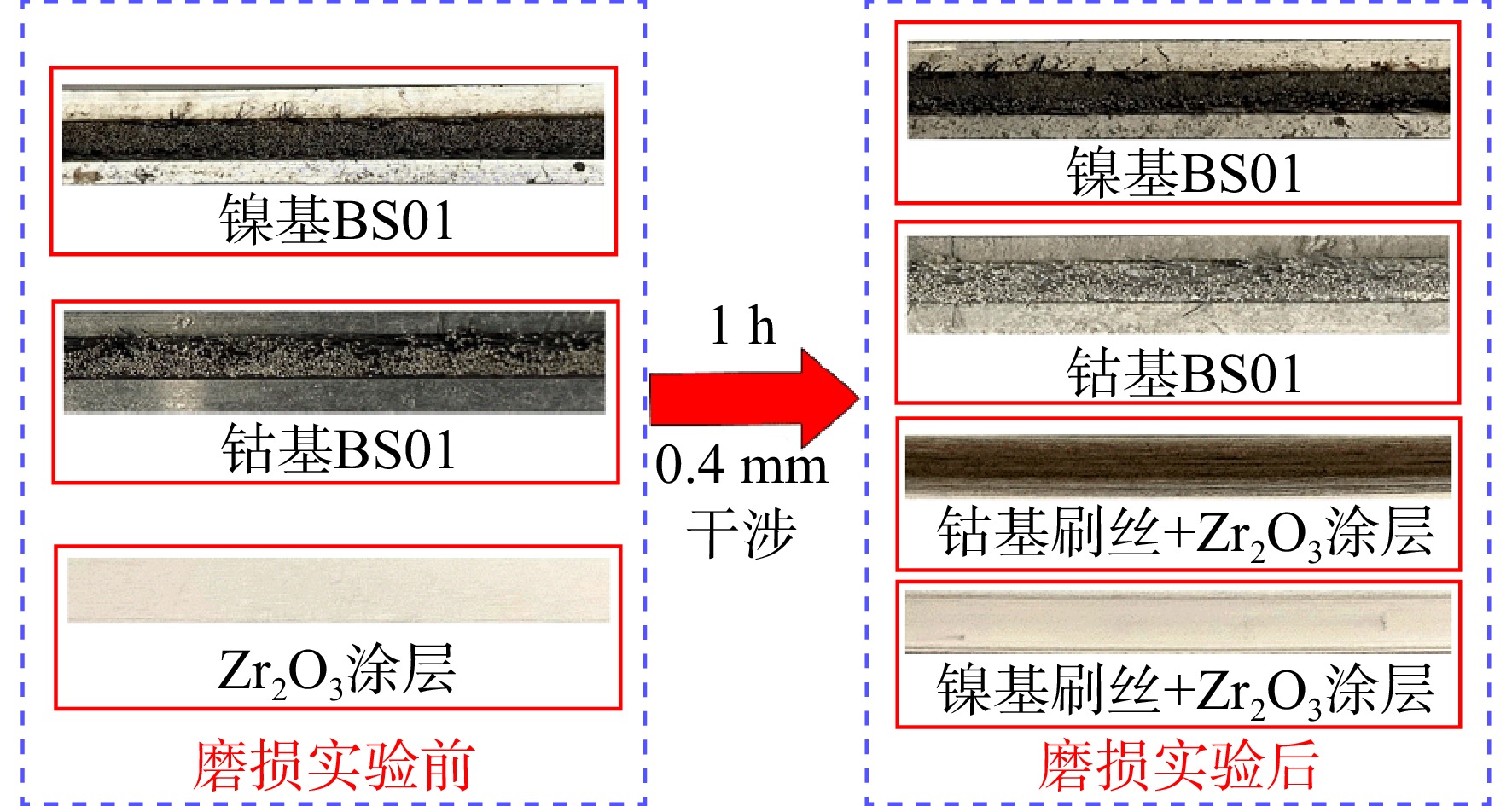
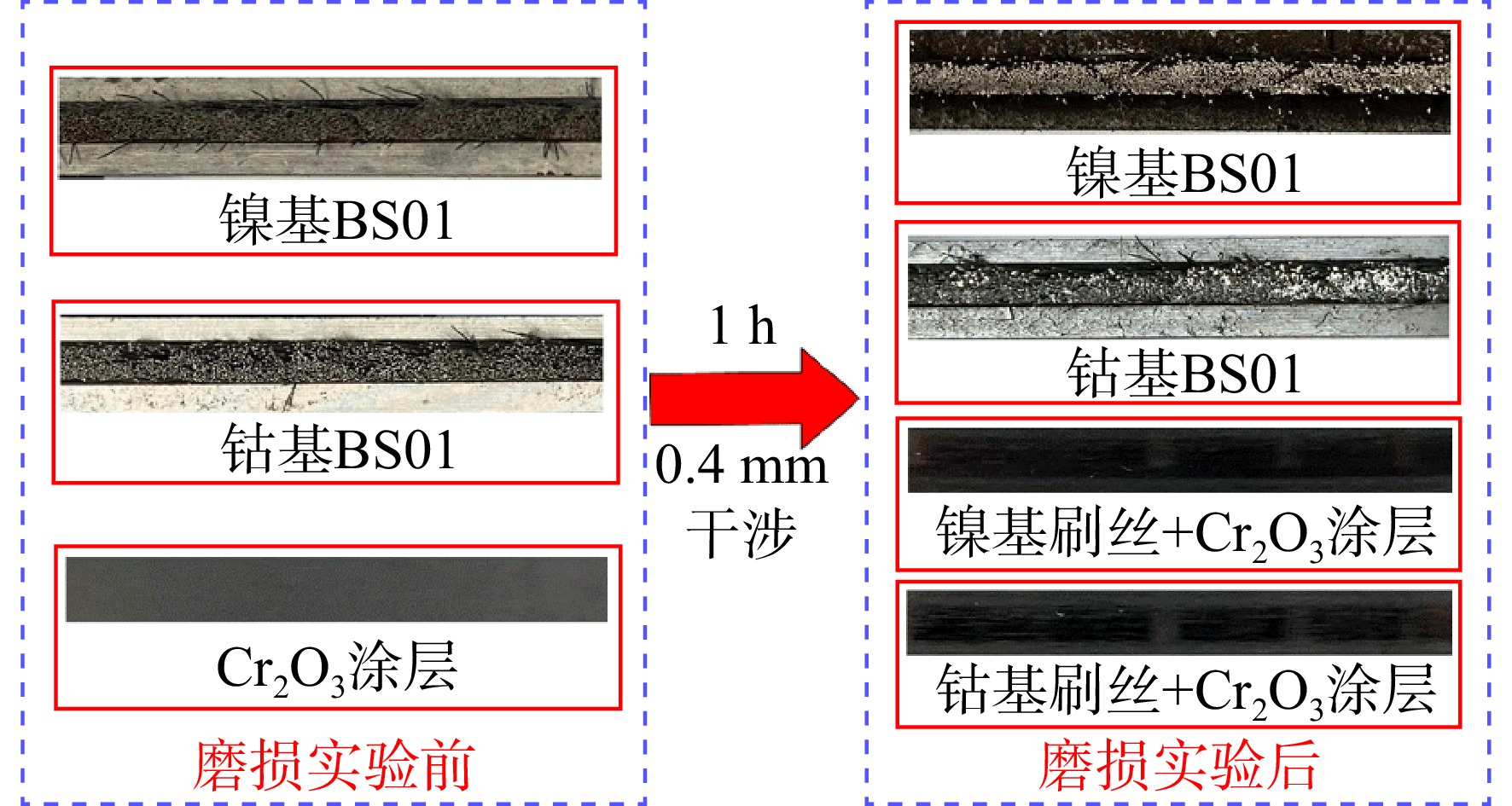
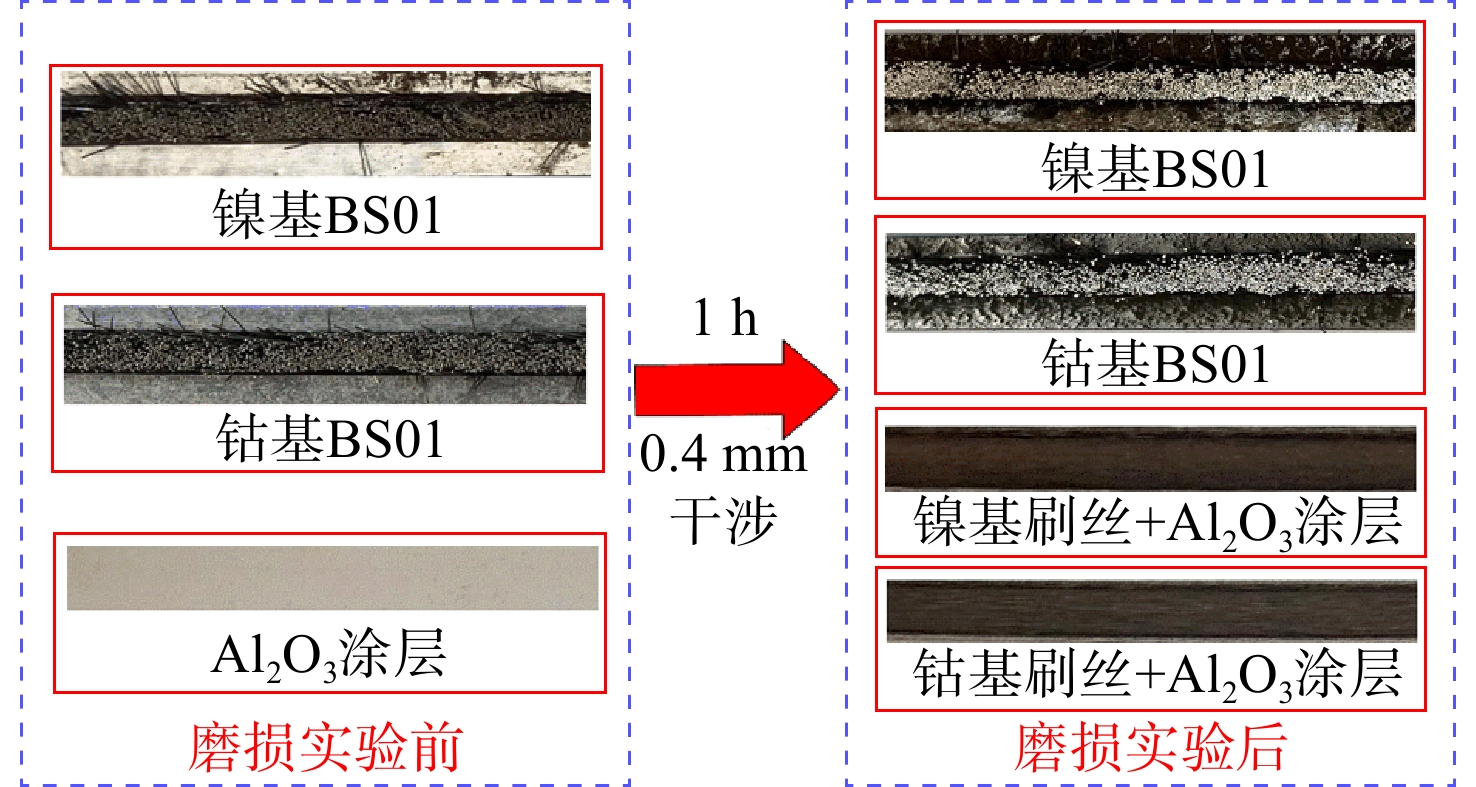
The experimental identification model of brush seal friction coefficient based on cylindrical circumferential friction was established, and the tribological performance experimental devices of brush seal wire and coating material pairs were designed and built. Two bristles materials, nickel-based bristles GH4169 and cobalt-based bristles GH605, and four coating materials, WC, Zr2O3, Cr2O3 and Al2O3, were designed and processed. The positive pressure, friction force, friction torque, friction coefficient and wear between friction pairs were experimentally studied, and the tribological properties of different bristles and coating materials were comprehensively evaluated. The results showed that when the coating was WC, considering the positive pressure, friction force and friction torque of bristles and the coating material pair, the cobalt base bristles was superior to the nickel base bristles, and the friction coefficient of the nickel-based and cobalt-based bristles and the coating material pair was approximately the same. When the coating was Zr2O3 and Cr2O3, considering the positive pressure of bristles and the coating material, the cobalt-based bristles were better than the nickel-based bristles. Considering the friction force, friction torque and friction coefficient of bristles and coating material, nickel-based bristles were better than cobalt-based bristles. When the coating was Al2O3, considering the positive pressure, friction and friction torque of bristles and the coating material, the cobalt-based bristles were better than the nickel-based bristles. Considering the friction coefficient of bristles and coating material, the nickel-based bristles were better than the cobalt-based bristles. The wear rate of nickel-based bristles was about 6 times that of cobalt-based bristles. Under the precondition of protecting the rotor surface coating, when the rotor surface coating was WC, Zr2O3, Cr2O3, Al2O3, the nickel-based bristles were better than the cobalt-based bristles.

Reliability evaluation for product based on similar lifetime model and data from similar products
JIA Xiang
2025, 40(5): 20230571. doi: 10.13224/j.cnki.jasp.20230571
Abstract:

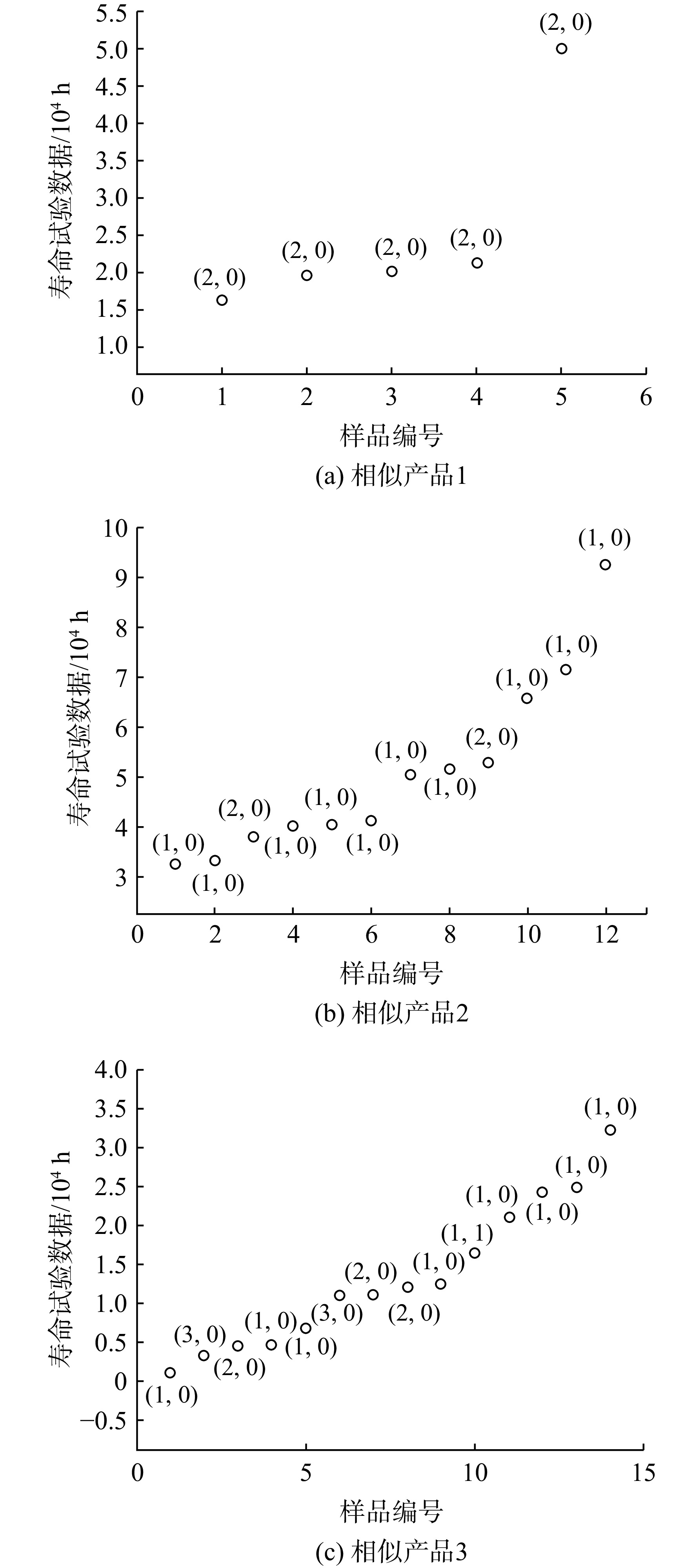
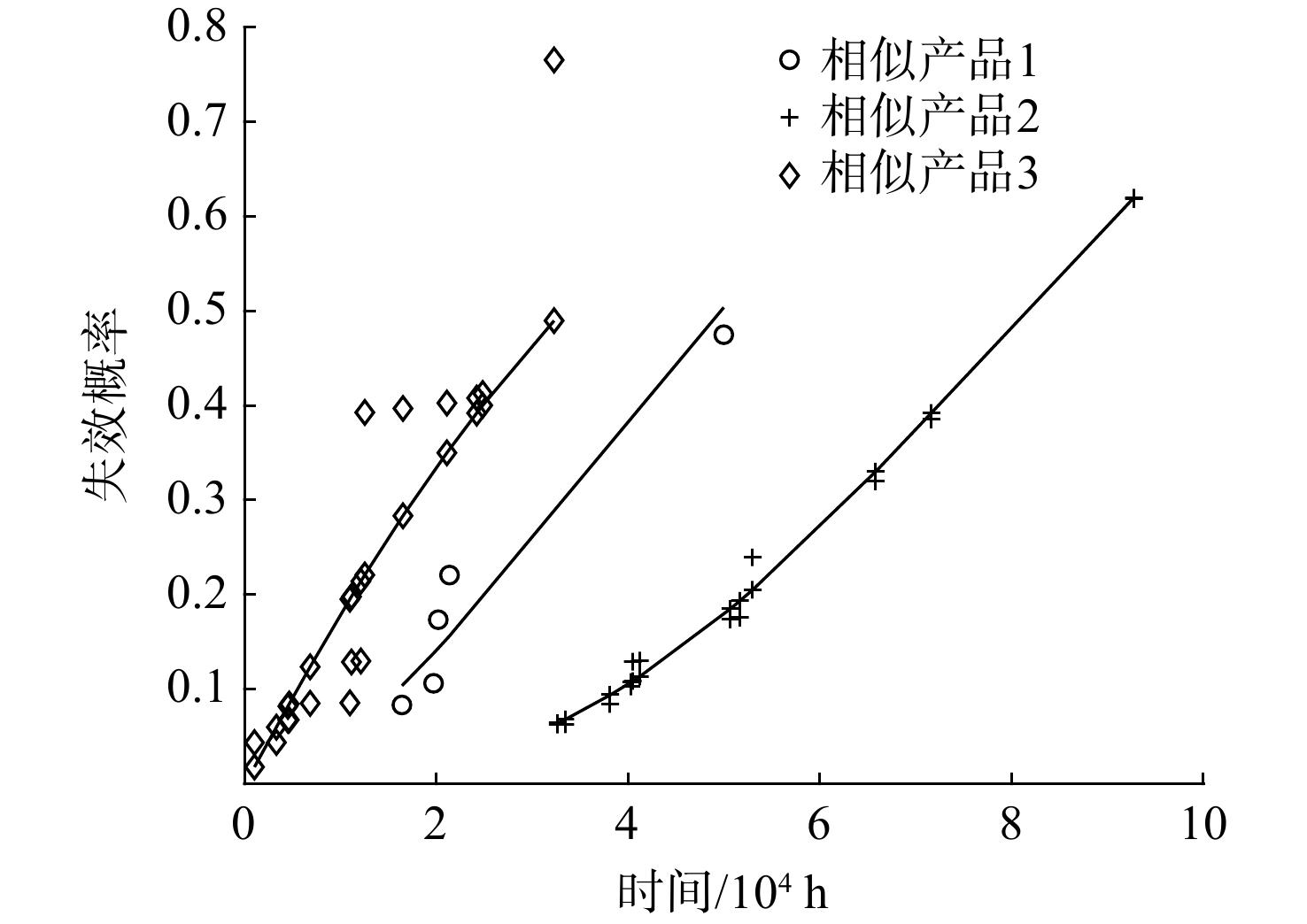
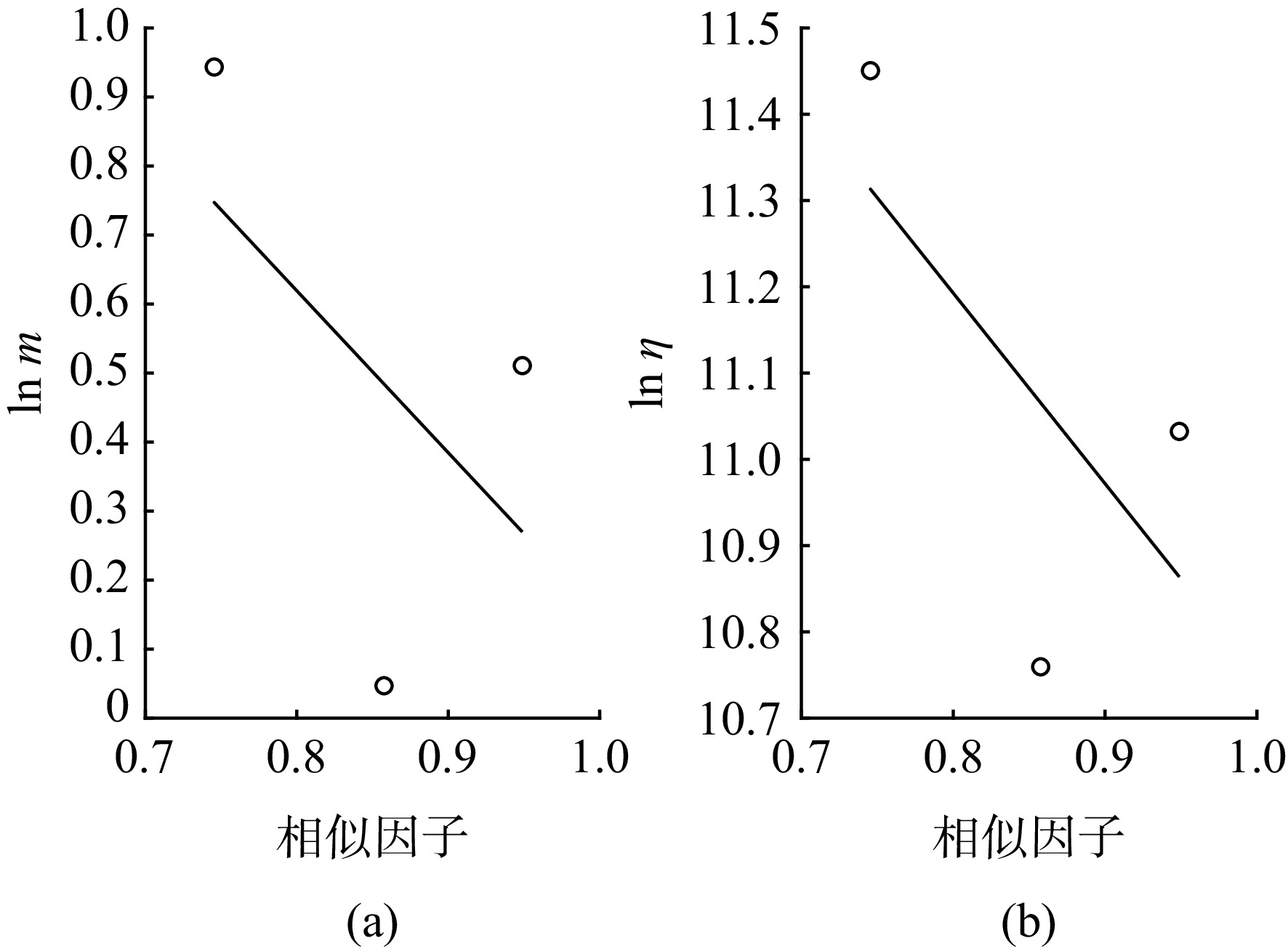
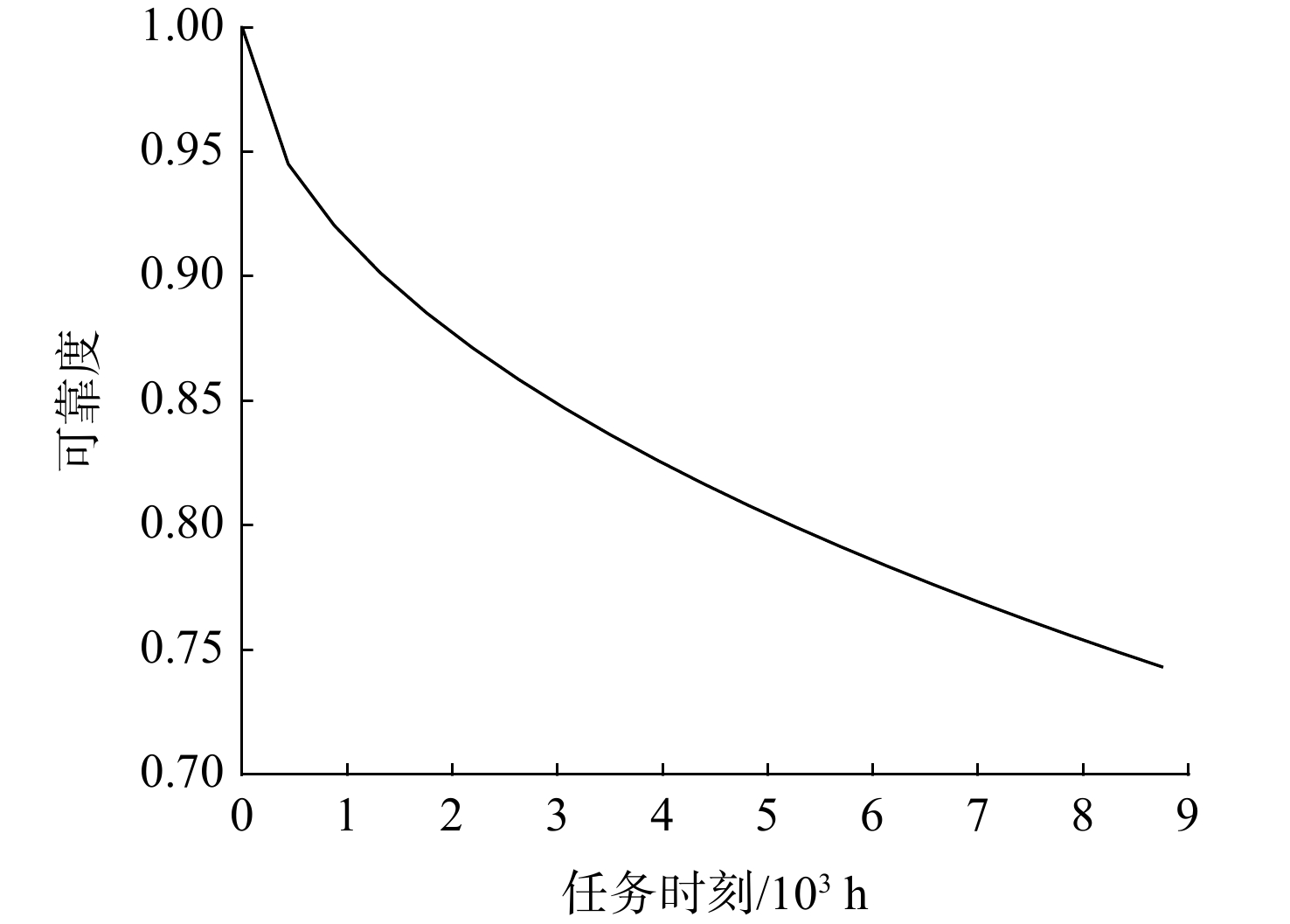
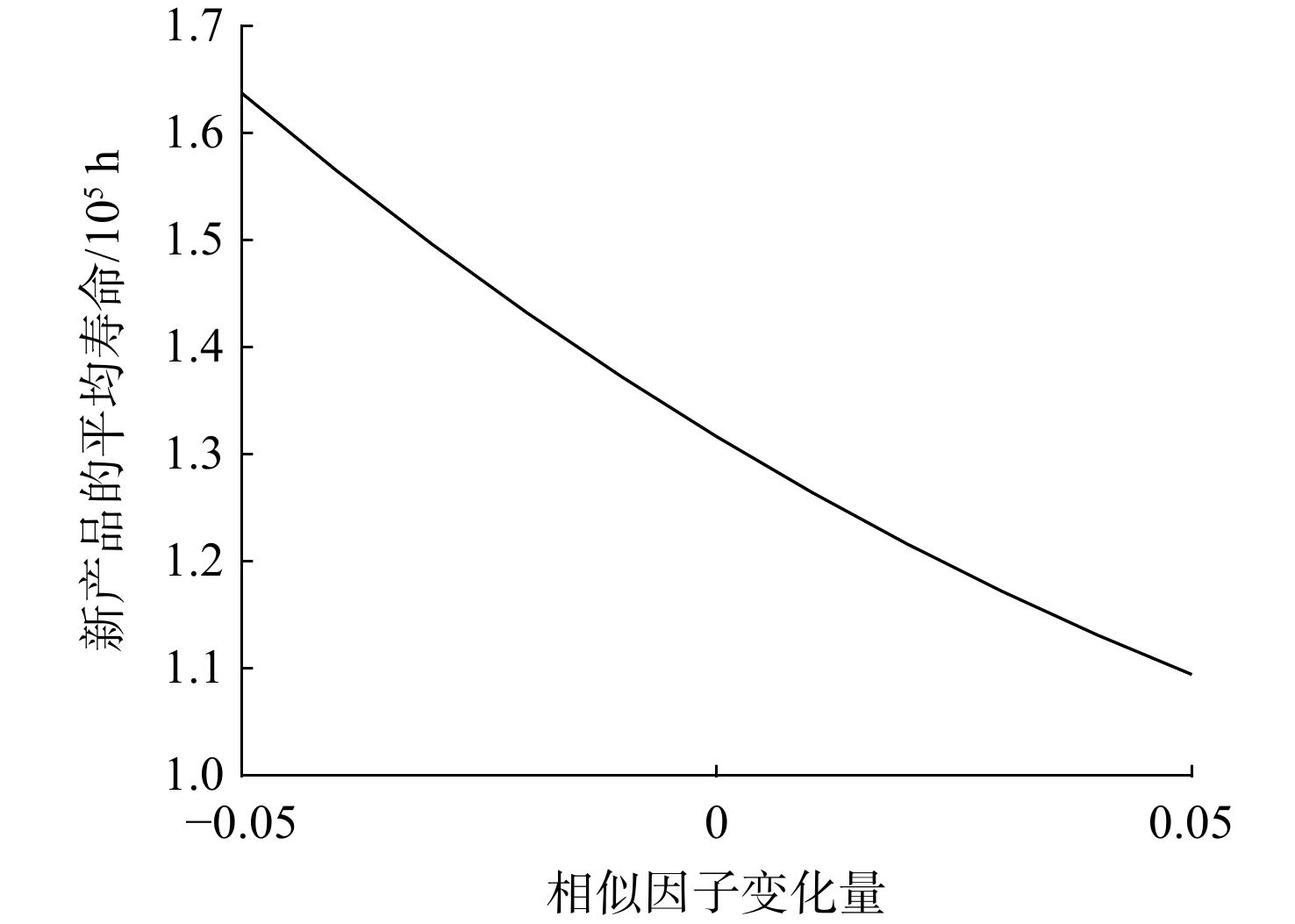
To use the data from the similar products of the new product considering data enrichment, a model based on similar lifetime model was proposed for reliability evaluation. The similar factor was defined to represent the relationship between similar and new products. The similar lifetime model was presented to describe the relationship between similar factor and corresponding lifetime distribution parameters. Next, the data from similar products were used to determine the similar lifetime model, and the reliability could be evaluated further. An example was illustrated for a product in satellite to show the application of methods. The proposed method was demonstrated applicable no matter whether there were data from new product and whether there were failure data, meanwhile it eliminated the demand for collection of new products by existing methods, making it appealing with simple calculation, strong flexibility and wide application.

Biaxial fatigue life prediction model based on the shear strain energy density for axial-torsional loading
LI Jing, HUA Tengfei, LIU Hao, QIU Yuanying
2025, 40(5): 20230574. doi: 10.13224/j.cnki.jasp.20230574
Abstract:

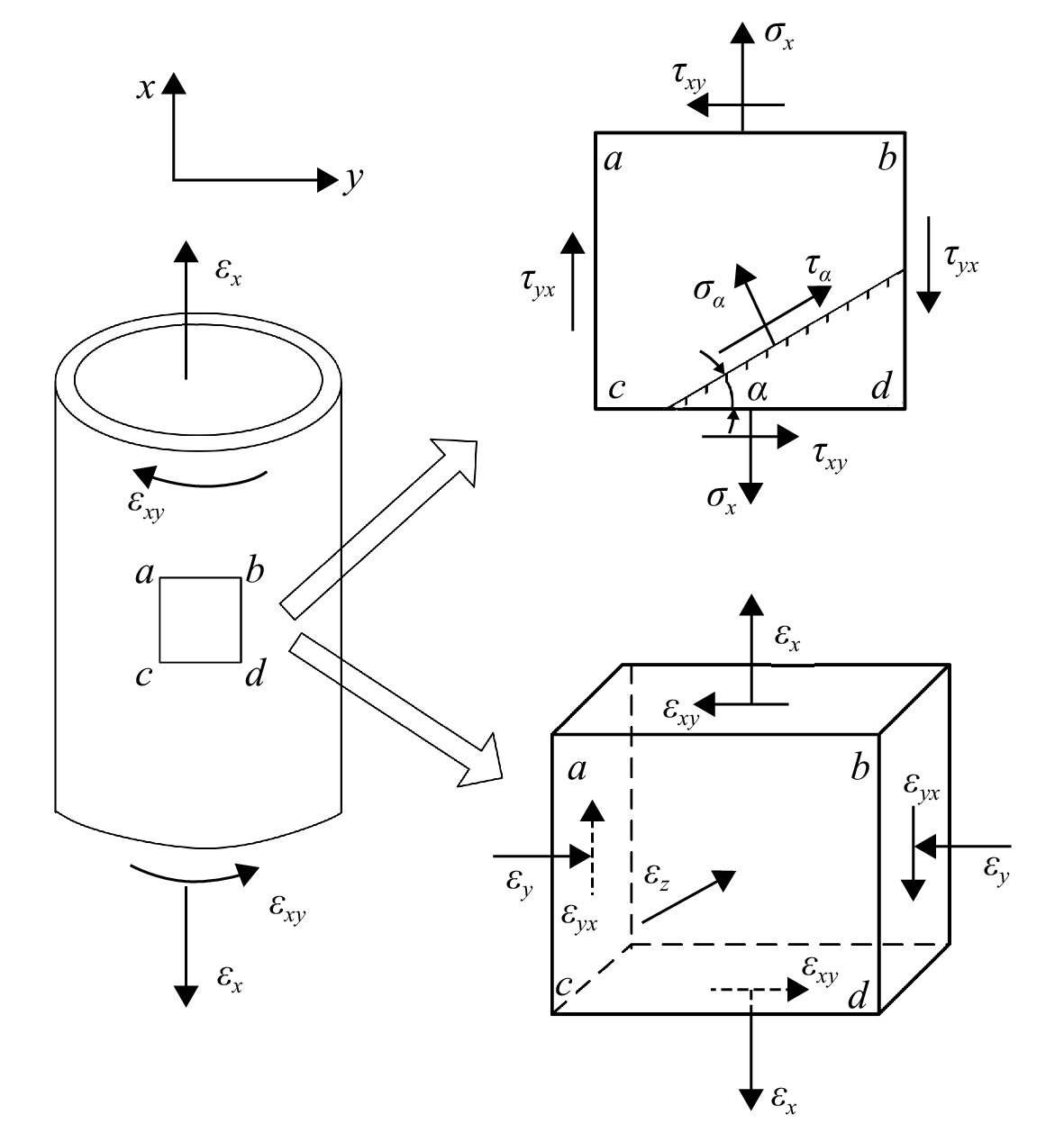
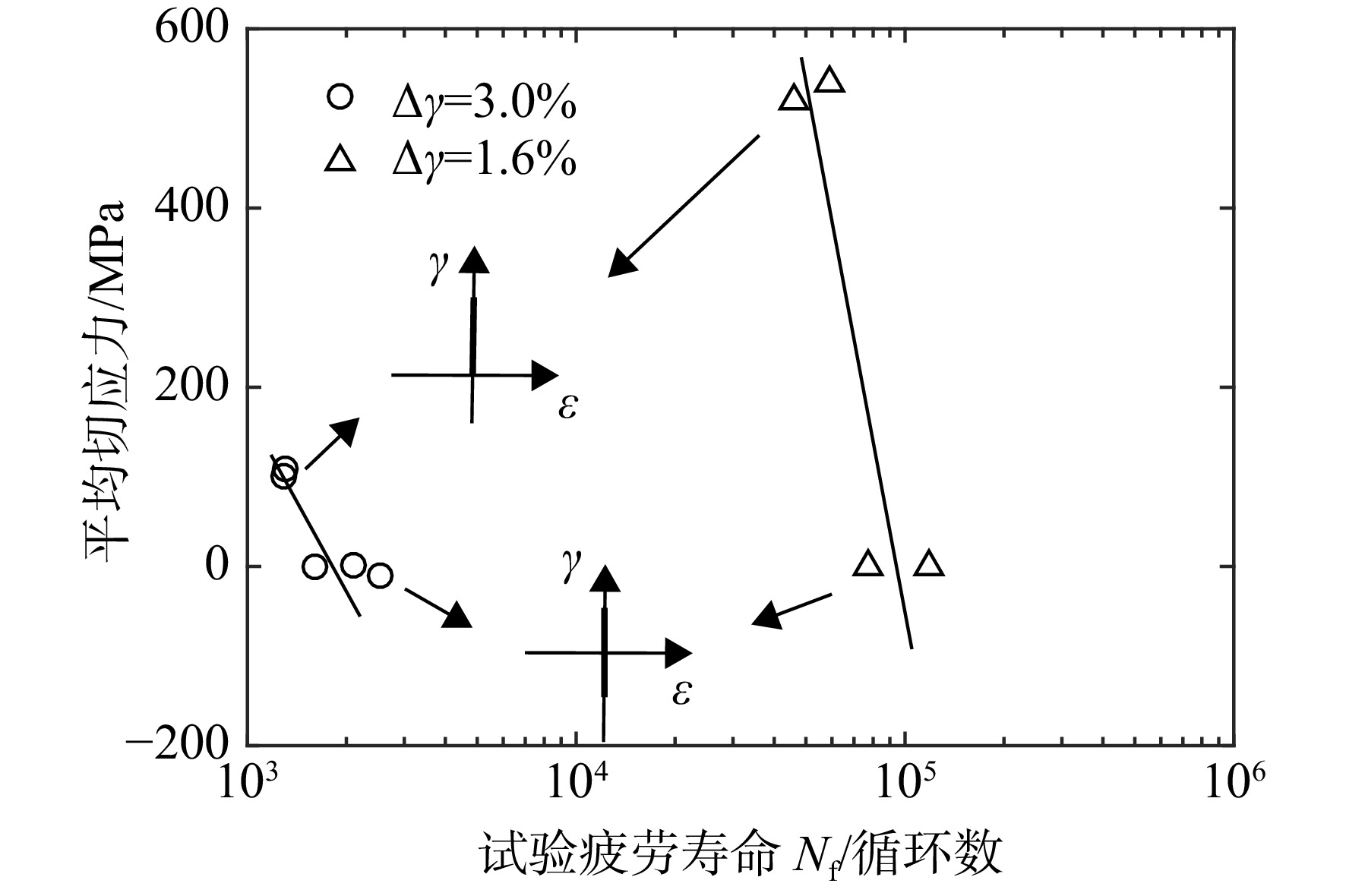
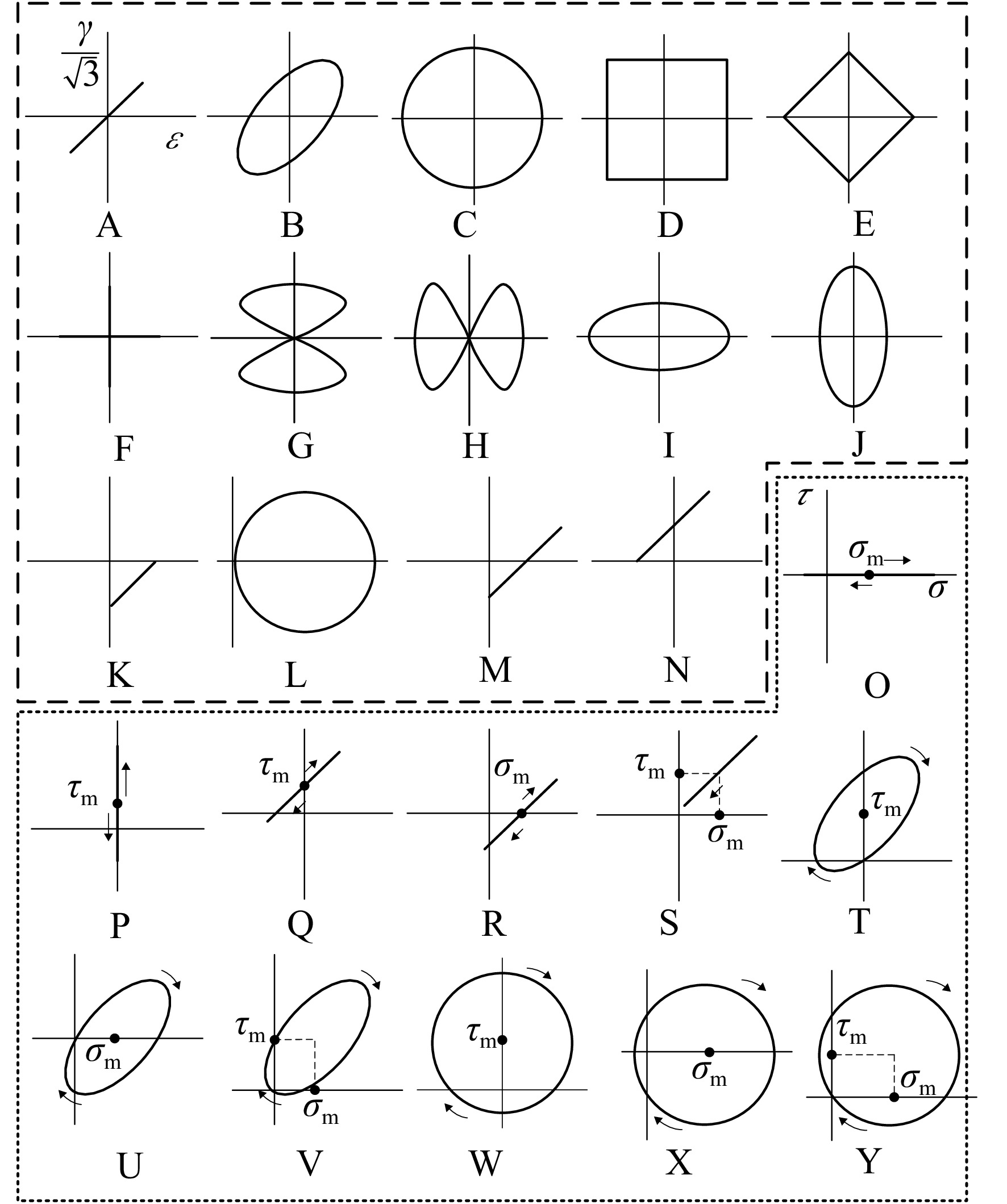
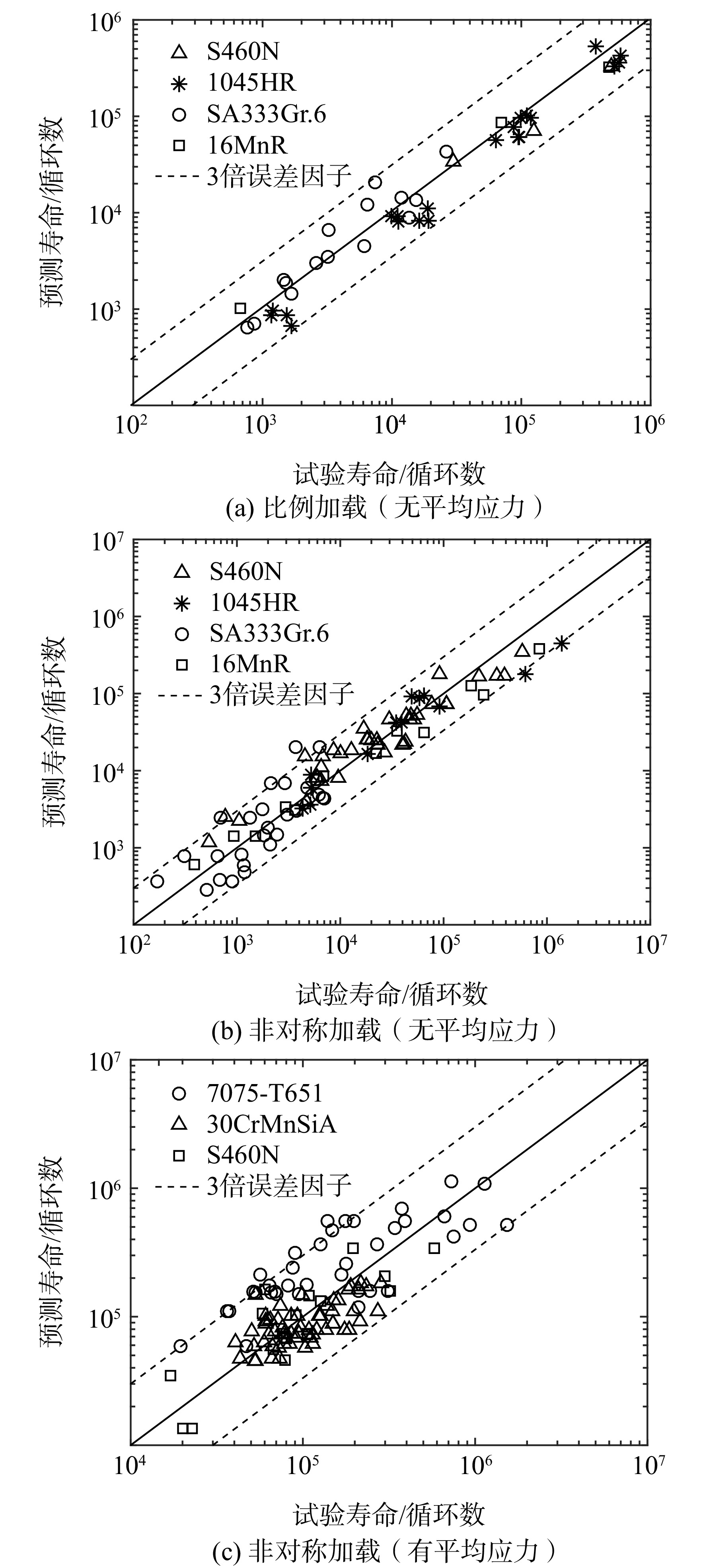
A shear strain-energy-density-based multiaxial fatigue life prediction model was proposed after analyzing the draw-backs of the Fatemi-Socie model. In this developed criterion, the critical plane was defined as the plane of maximum shear strain range with larger normal strain. Step-by-step procedures were outlined to determine the orientation of the defined critical plane, the material constants and the damage parameters incorporated in the proposed model. Besides, the reliability of the developed criterion was systematically validated using the experimental data through testing of 6 kinds of materials. It was found that the mean shear stress modified by the introduced mean shear stress sensitivity coefficient can reflect not only the different degrees of sensitivity of materials to mean shear stress, but also the influence of mean shear stress on multiaxial fatigue damage of materials. Under the proportional, non-proportional, and asymmetric loadings, 100%, 93.2%, and 90.4% of the predicted results fell within the factor-of-three boundary, respectively.

Strength evaluation method of flange connection bolt structure under impact load
CHEN Jingyang, LI Baiyang
2025, 40(5): 20230560. doi: 10.13224/j.cnki.jasp.20230560
Abstract:

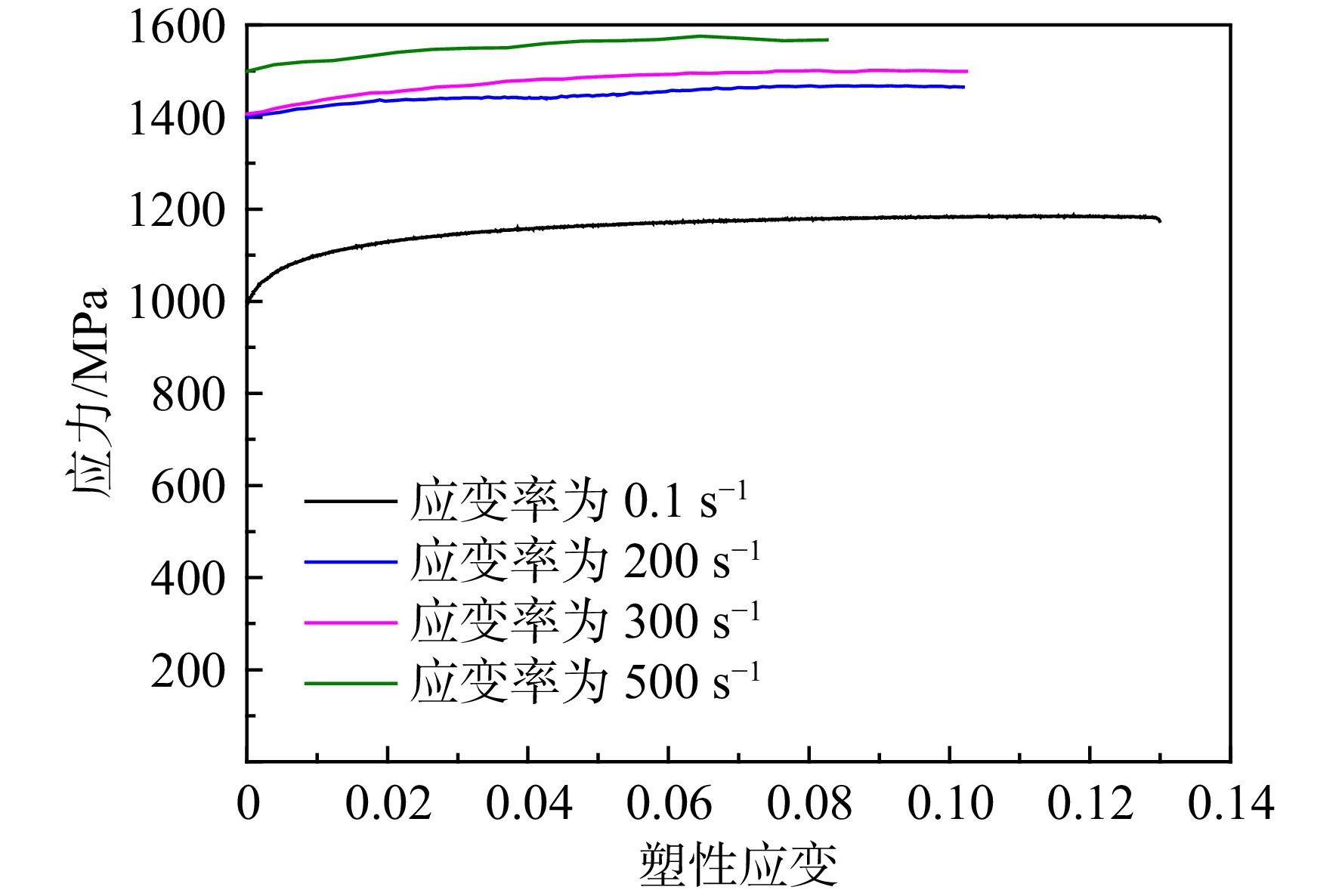
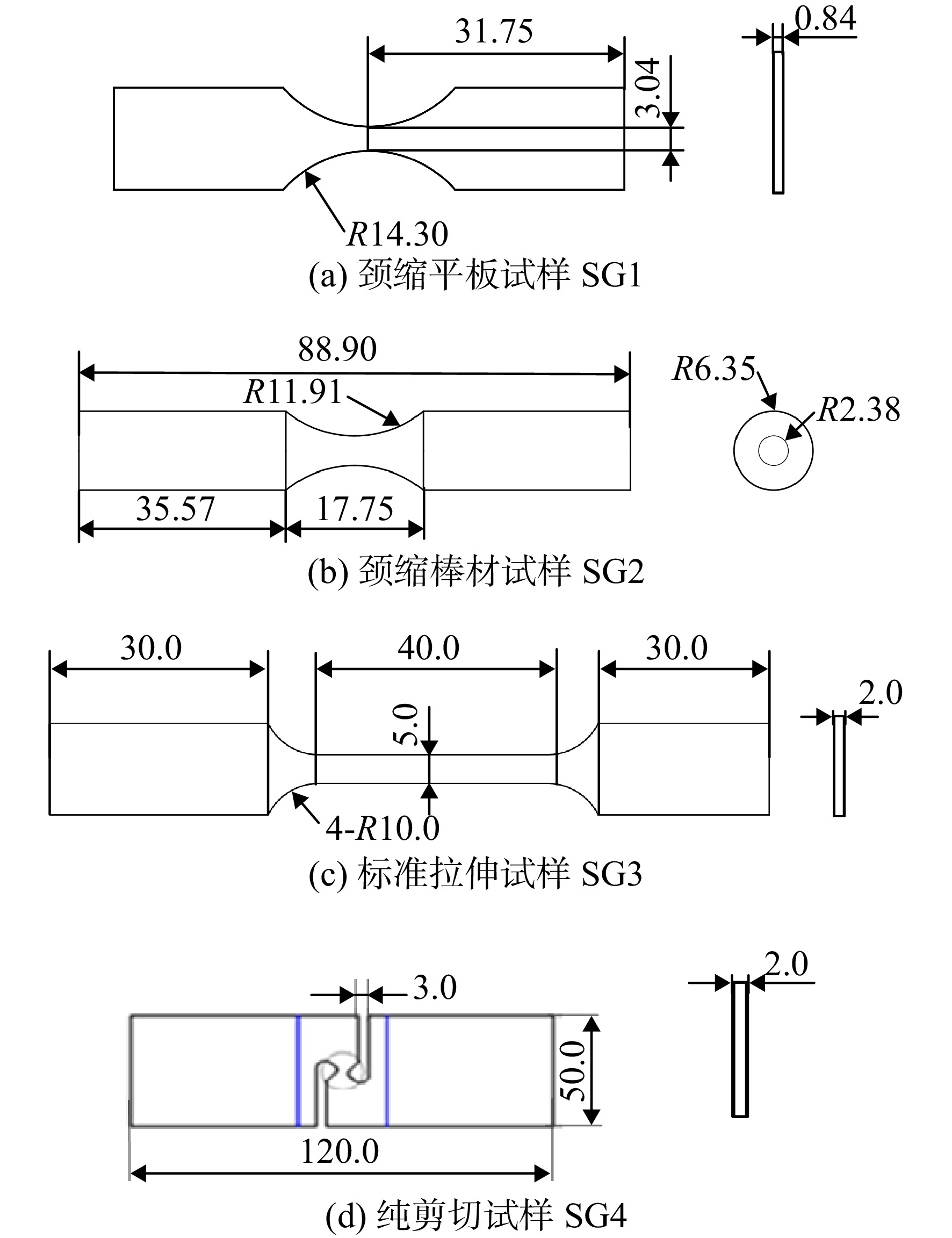
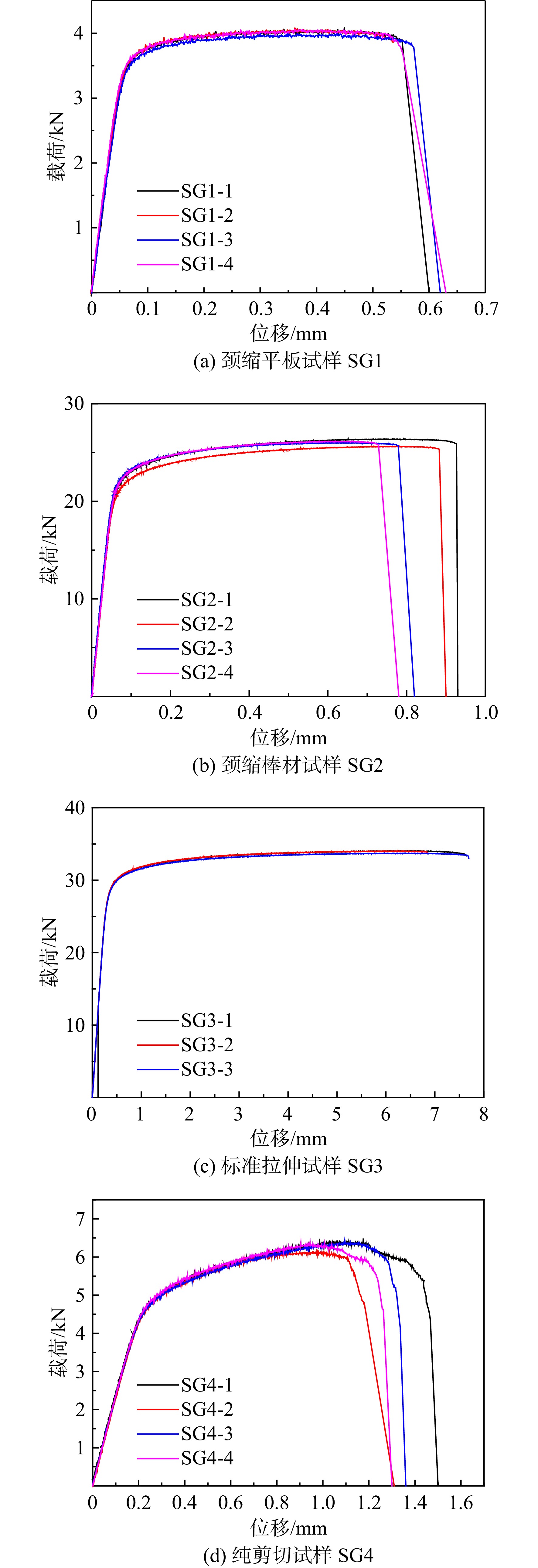
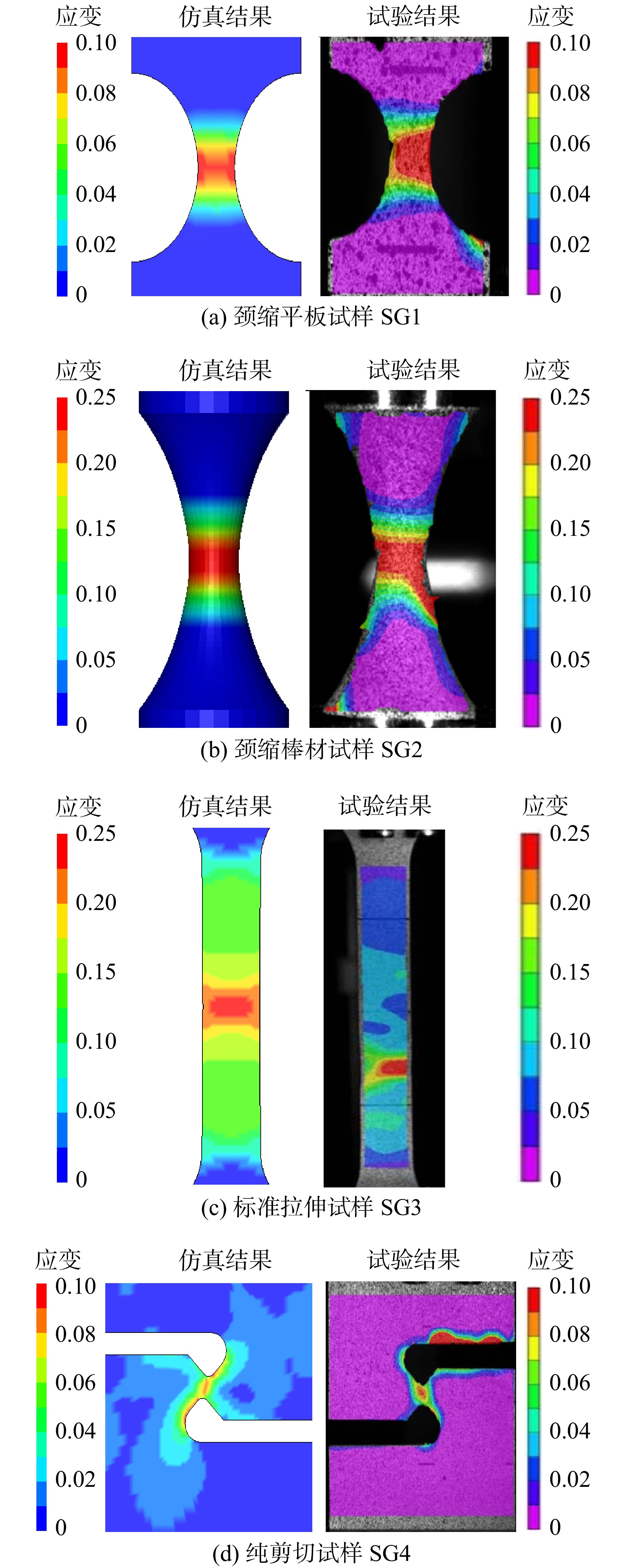
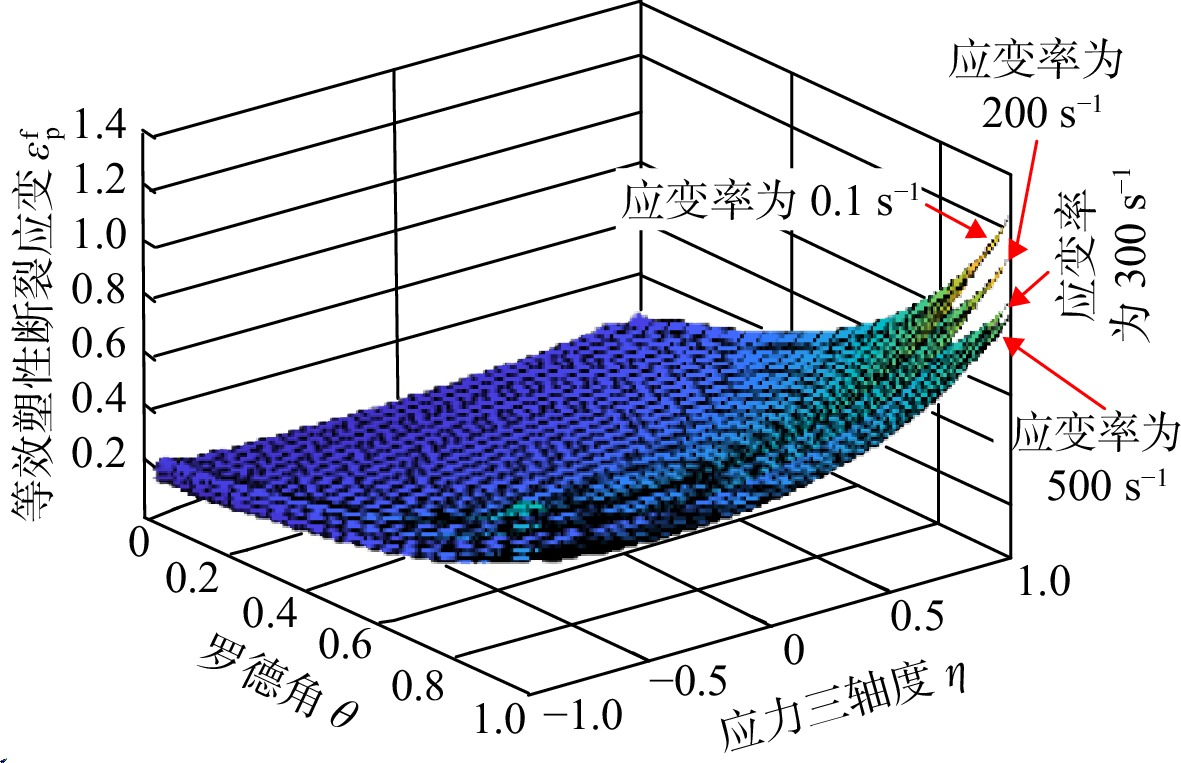
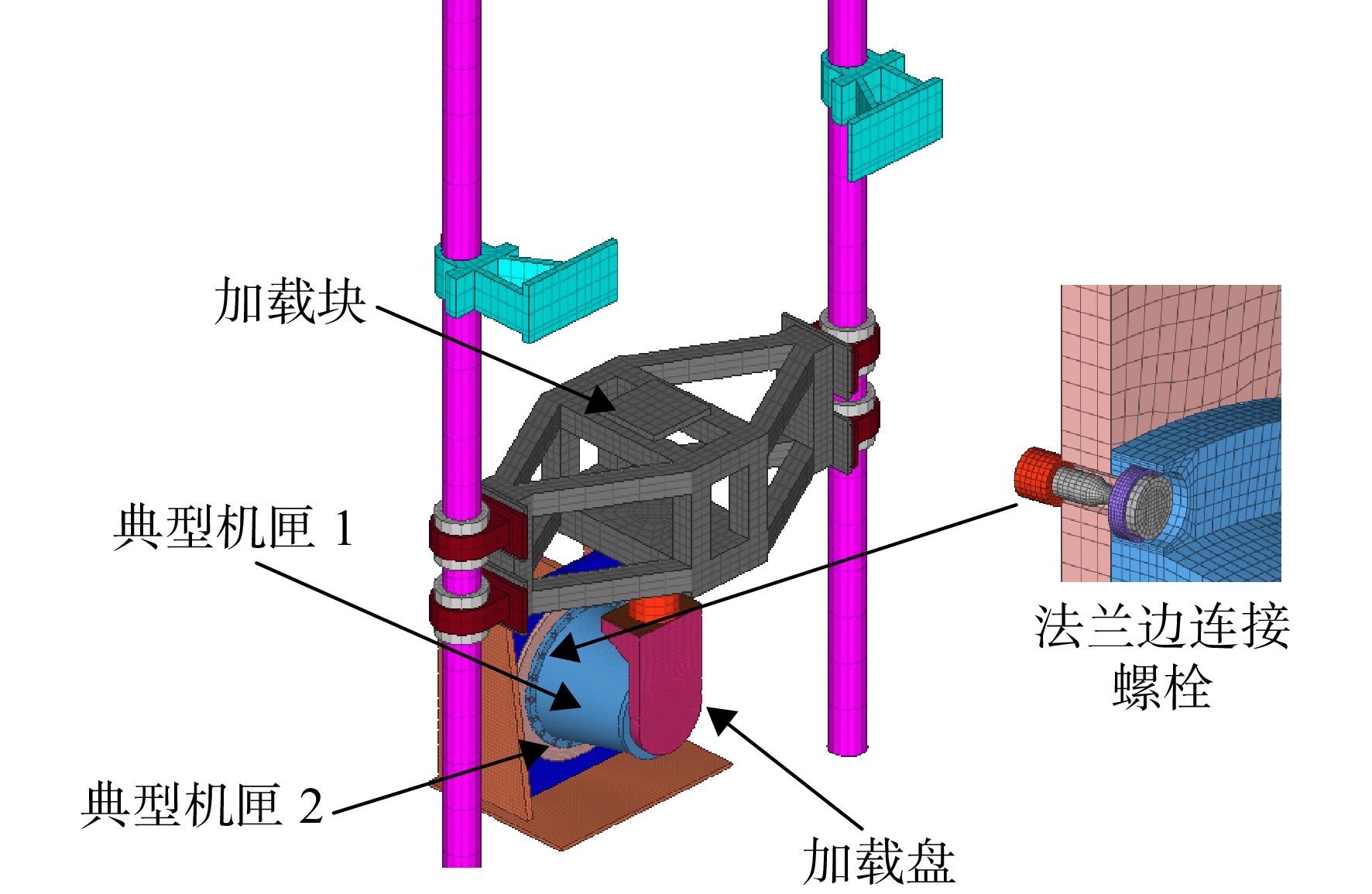
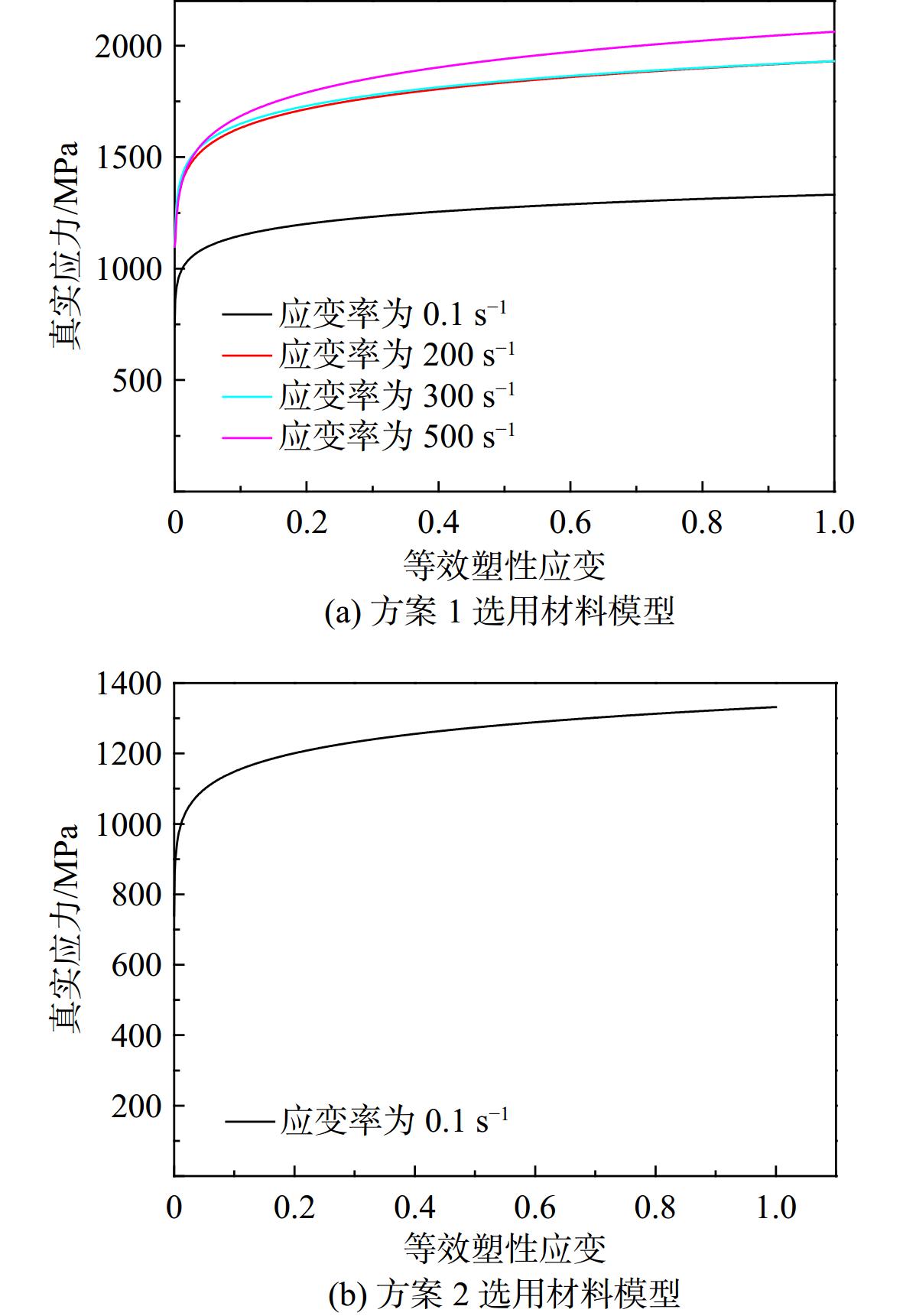
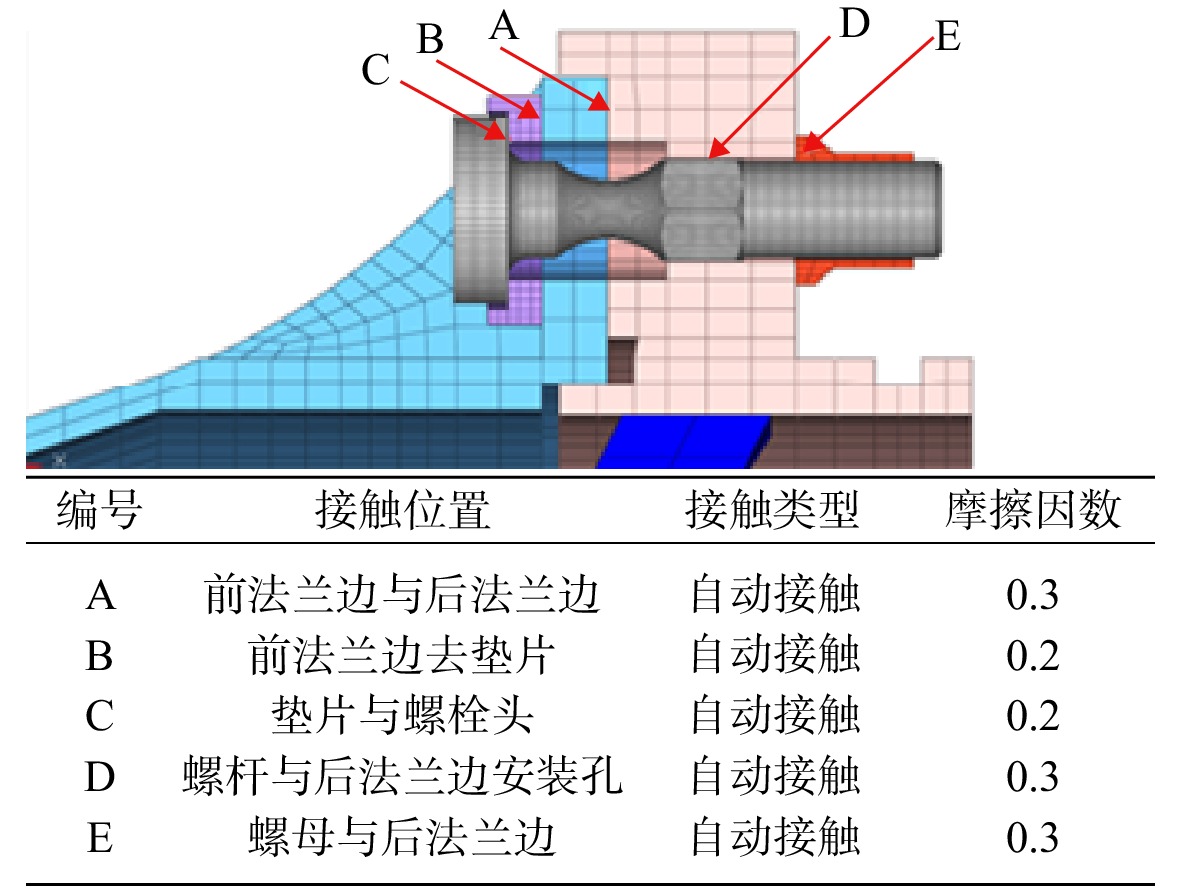
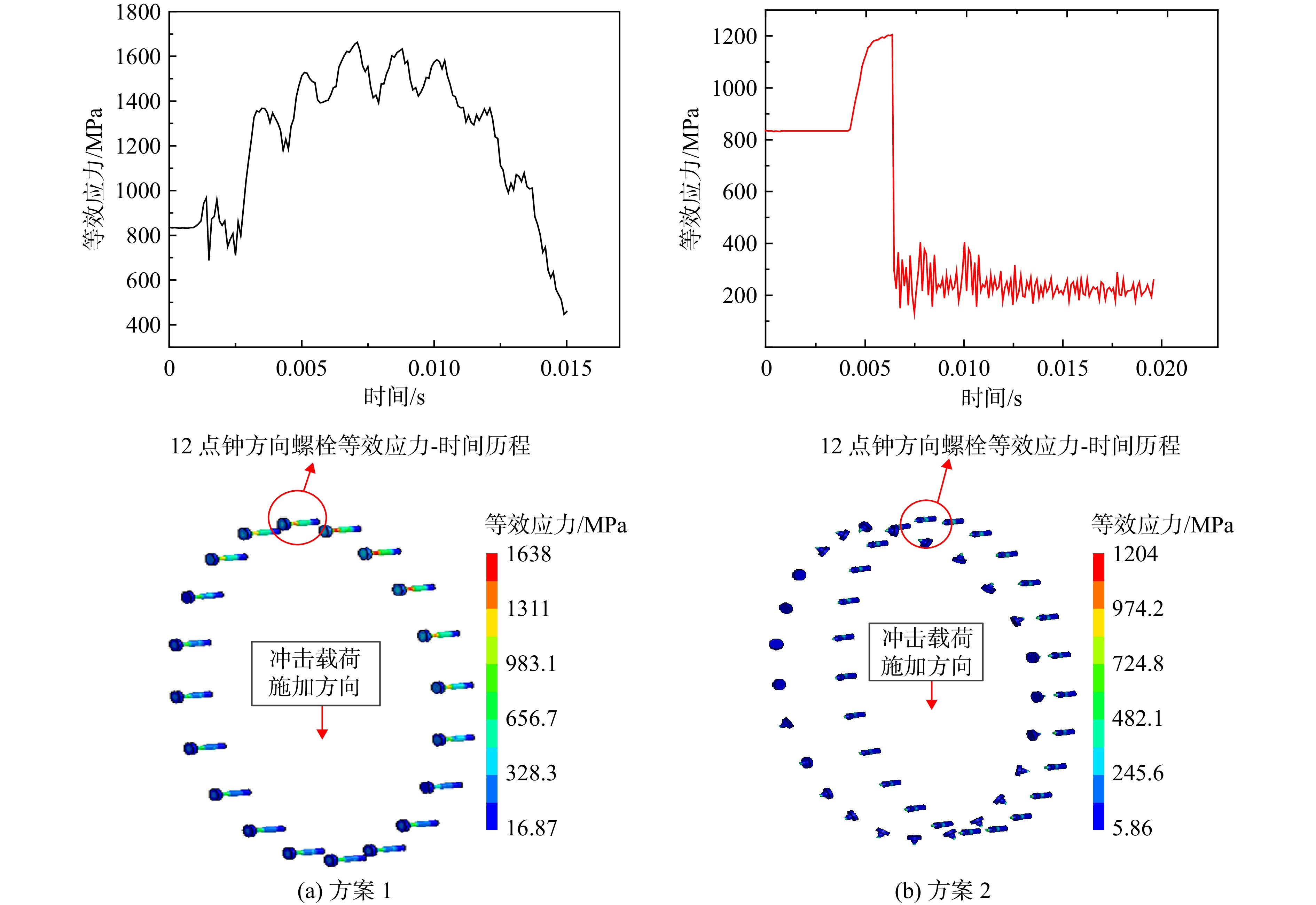
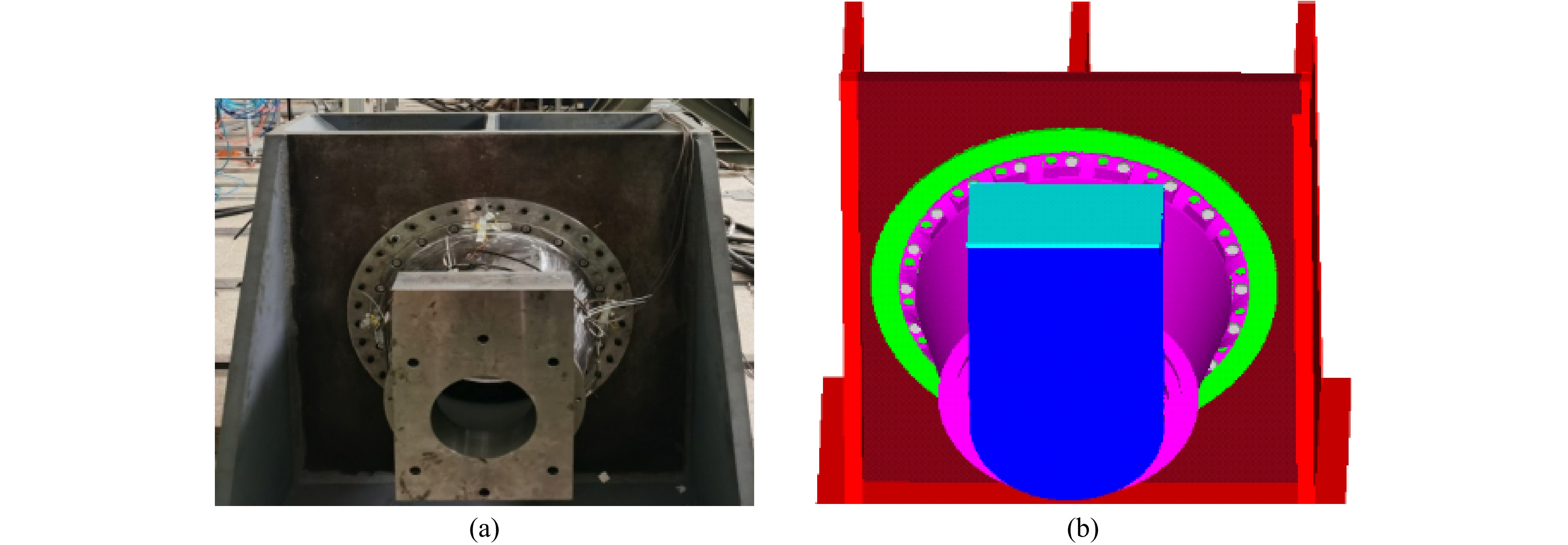
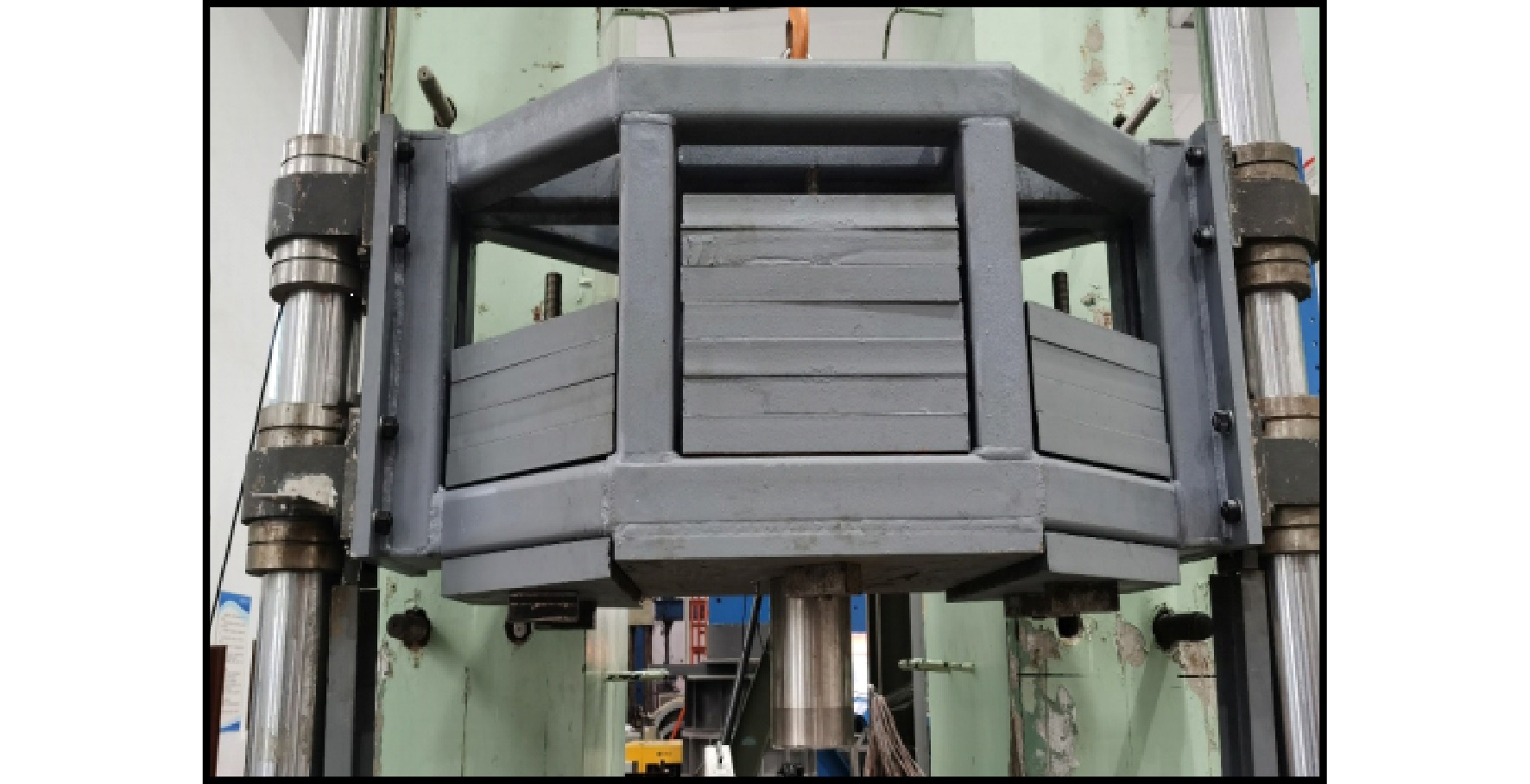
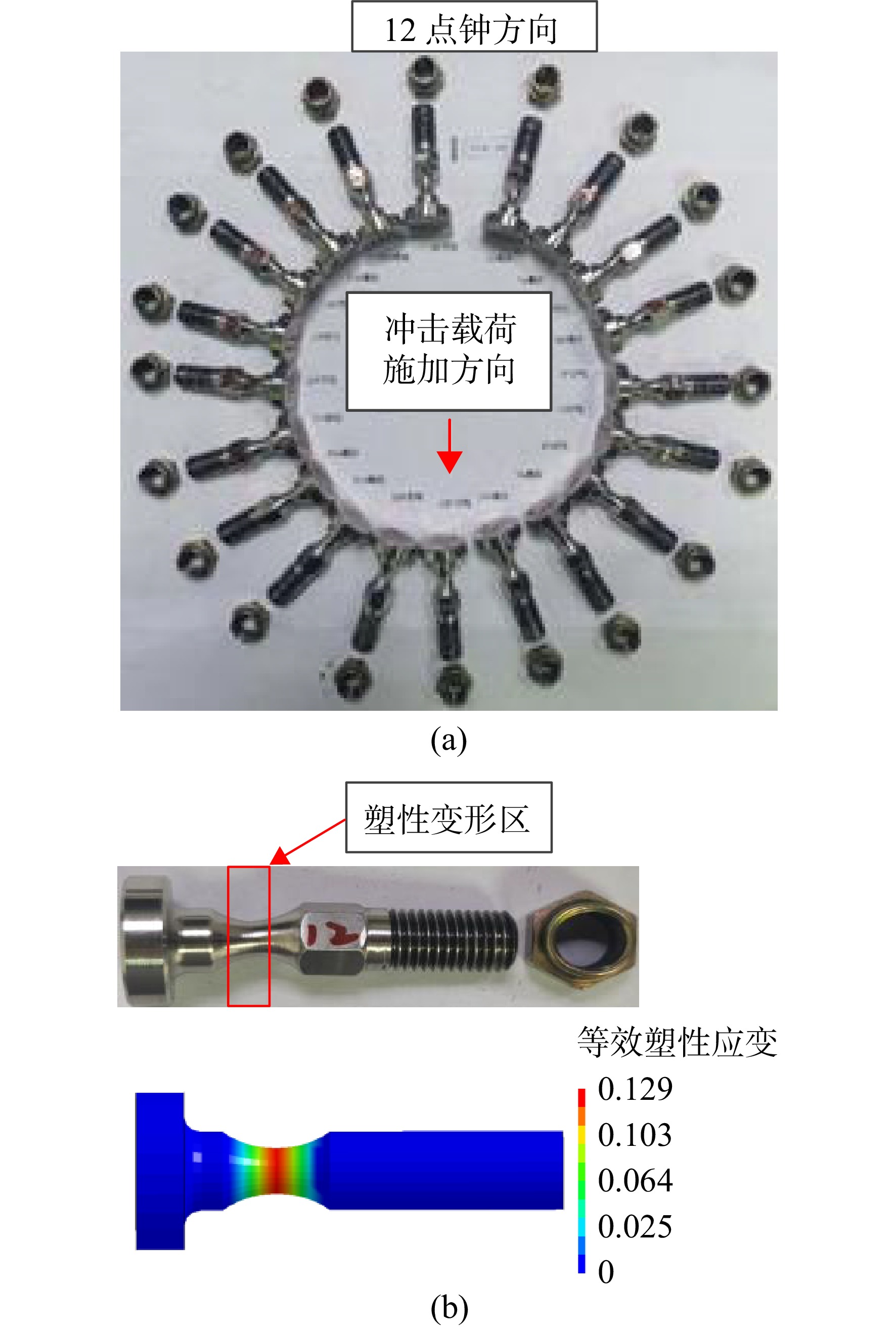
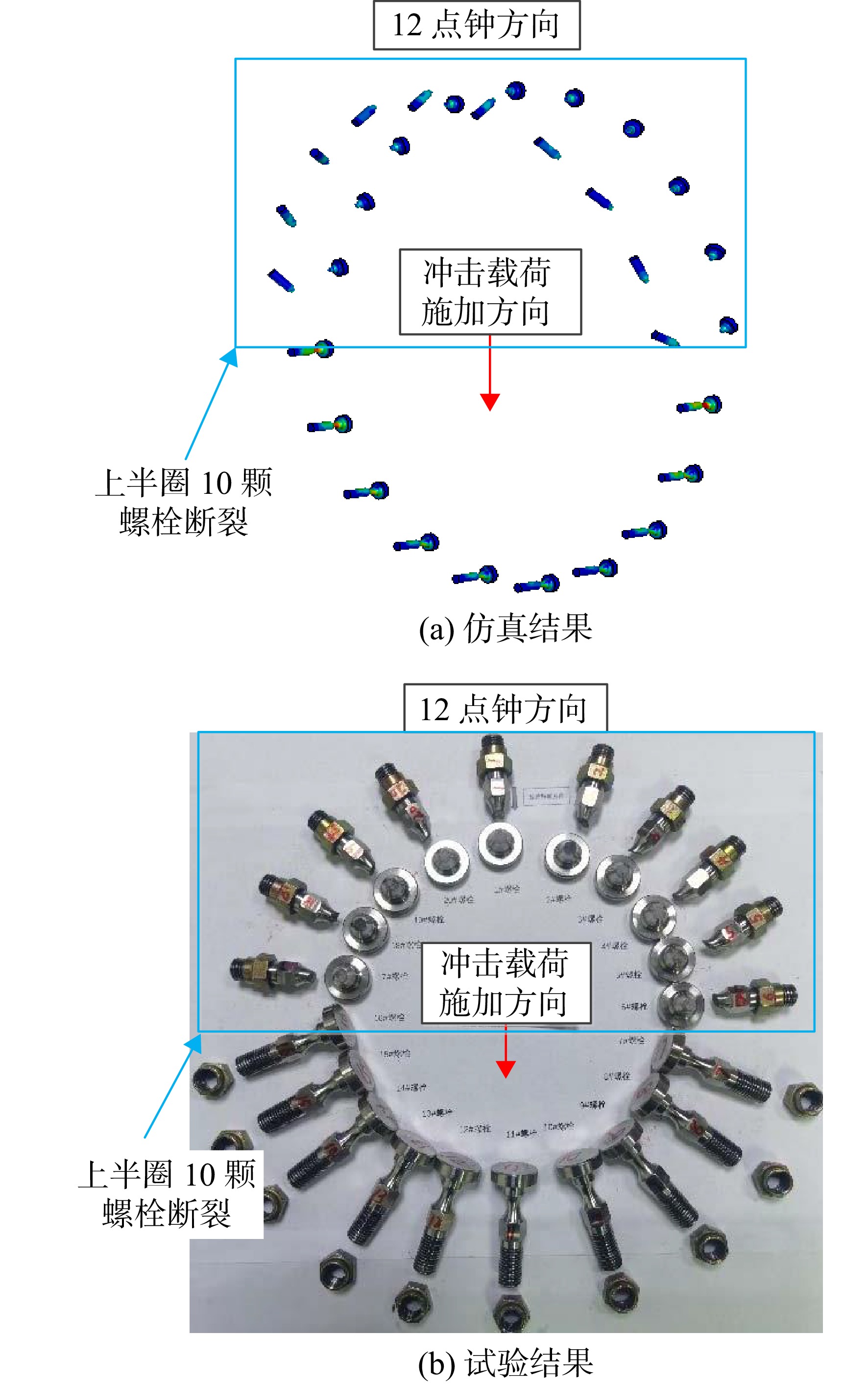
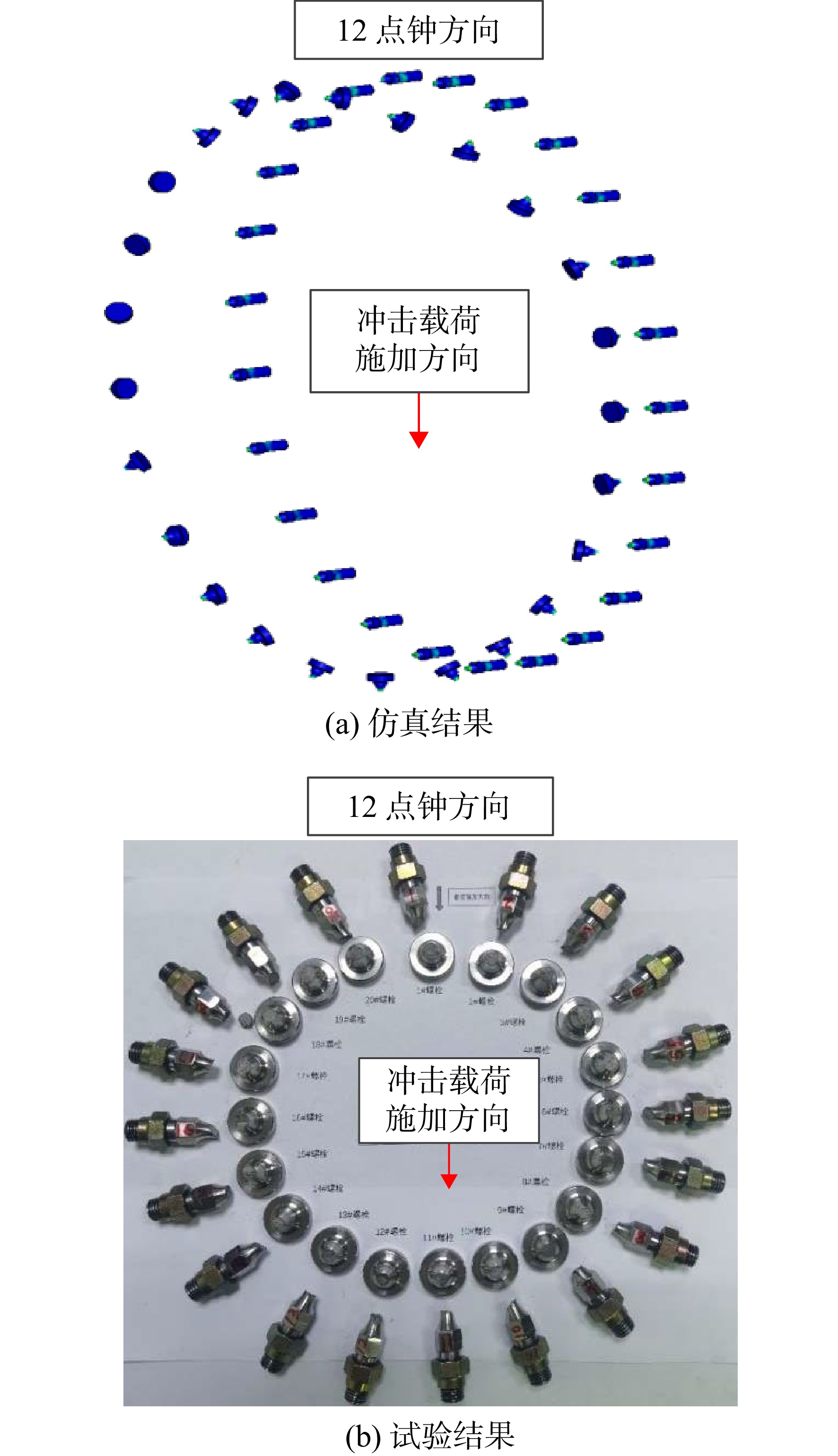
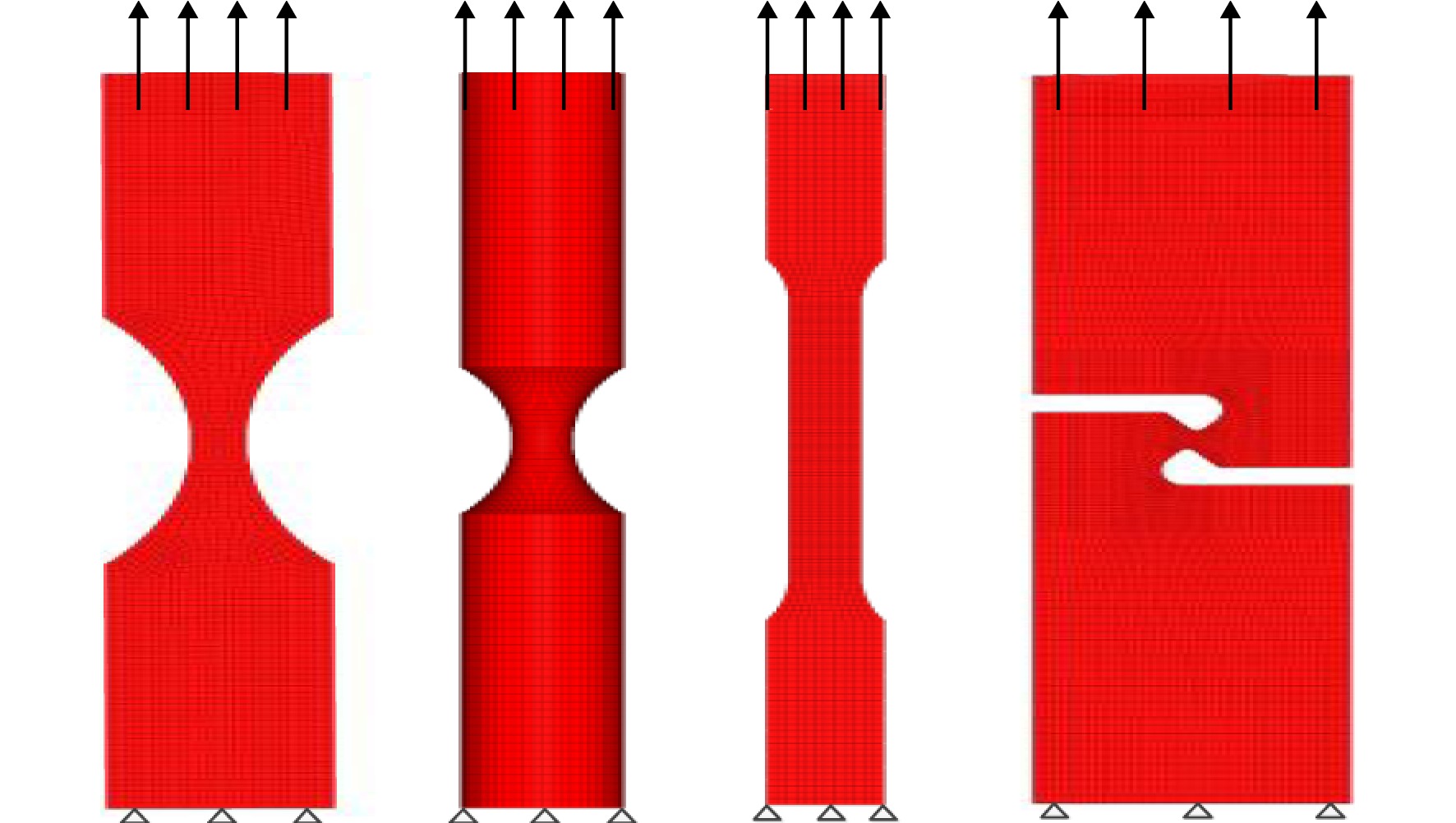
A research on the strength evaluation method of flange connection bolt structure under impact load was conducted. The dynamic mechanical performance material test specimens were processed, the dynamic mechanical behavior of bolt materials was obtained through tests. The dynamic tensile test showed that the material IN718 for bolts had a significant strain rate strengthening effect. Under medium to high strain rate conditions, the yield strength and tensile strength of the material were both improved. The fracture mechanics model calibration test specimens were processed. The fracture mechanics tests of materials under different stress states showed that the fracture strain of bolt materials was related to the stress spatial state of the materials. And the bolt material fracture mechanics model considering stress triaxiality and Lode’s angle was established through tests. The strength evaluation method for bolts under impact load was established based on the above material tests and finite element method. The comparison between the impact test results and the evaluation analysis results showed that under the given impact load conditions, the evaluation results of the comprehensive consideration of the dynamic mechanical properties and fracture mechanical properties of bolt materials were consistent with the test results; under 1500 J impact energy, the bolt did not fracture. However, the results of traditional mechanical evaluation methods indicated that the bolt was fractured, and the evaluation results were conservative.

Forecast technology of aero engine blade HCF stress at high temperatures based on blade profile constant
LUO Xianqiang, DAI Jiangbo, FU Shunguo, GAO Weiqiang
2025, 40(5): 20220913. doi: 10.13224/j.cnki.jasp.20220913
Abstract:

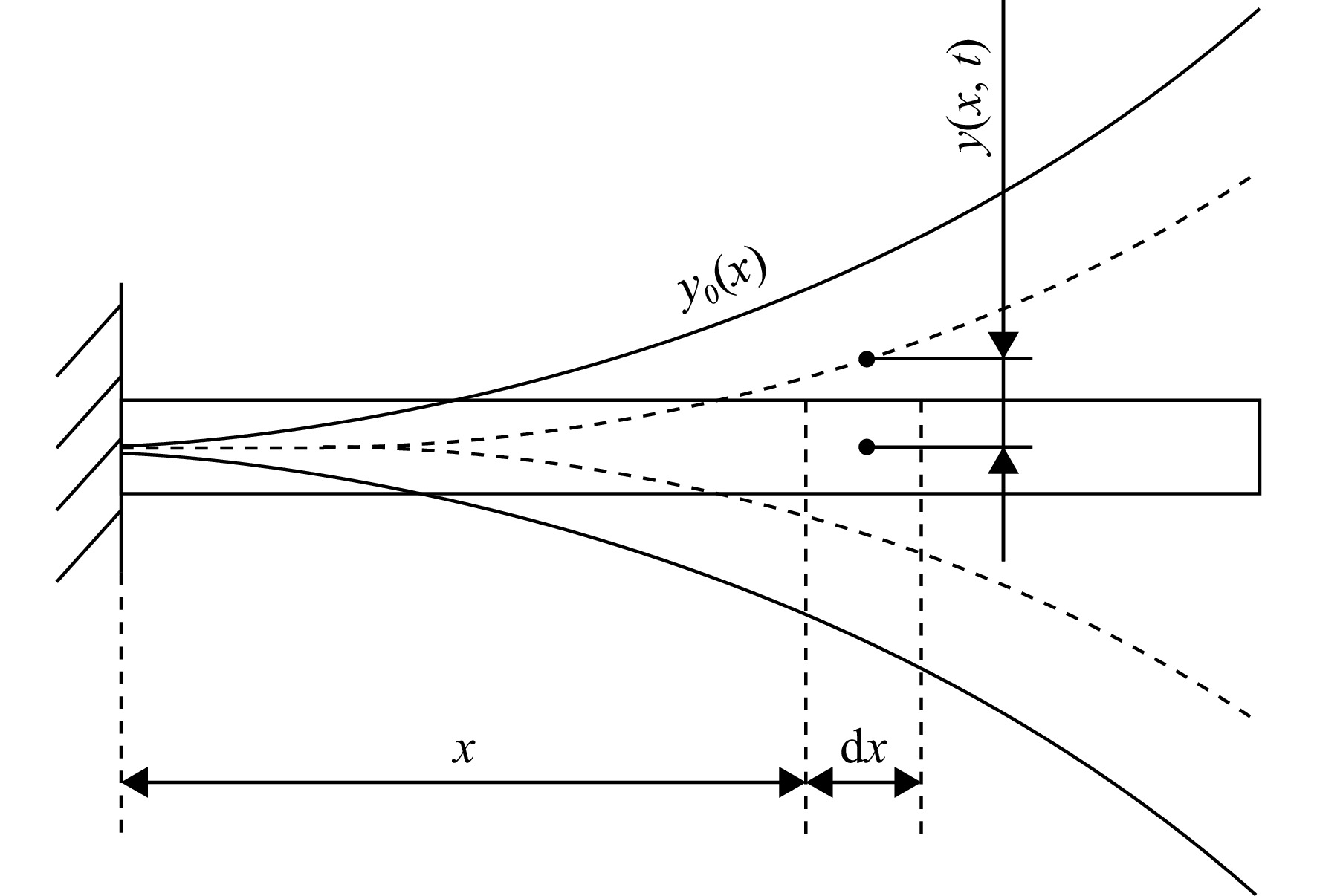
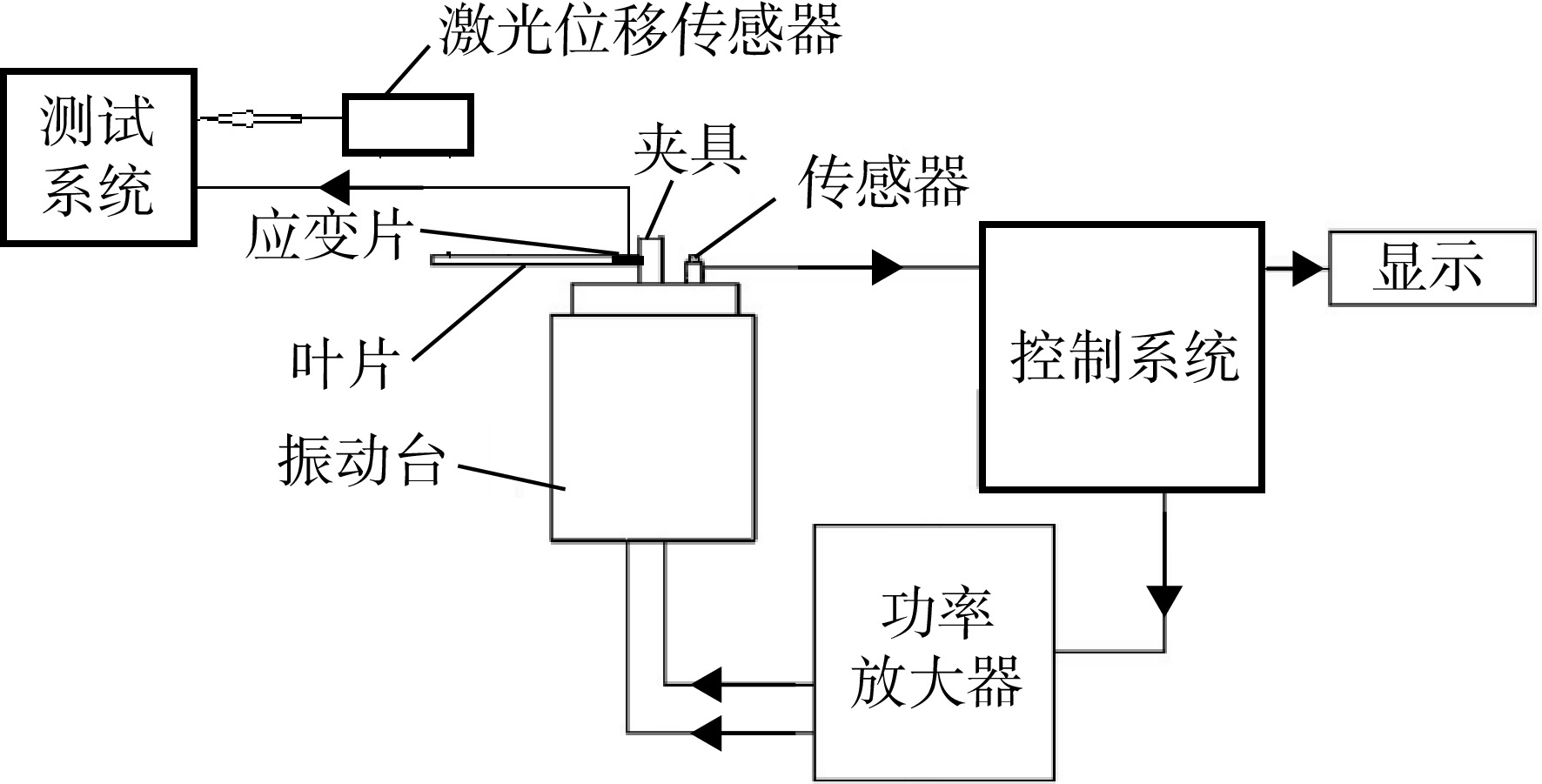
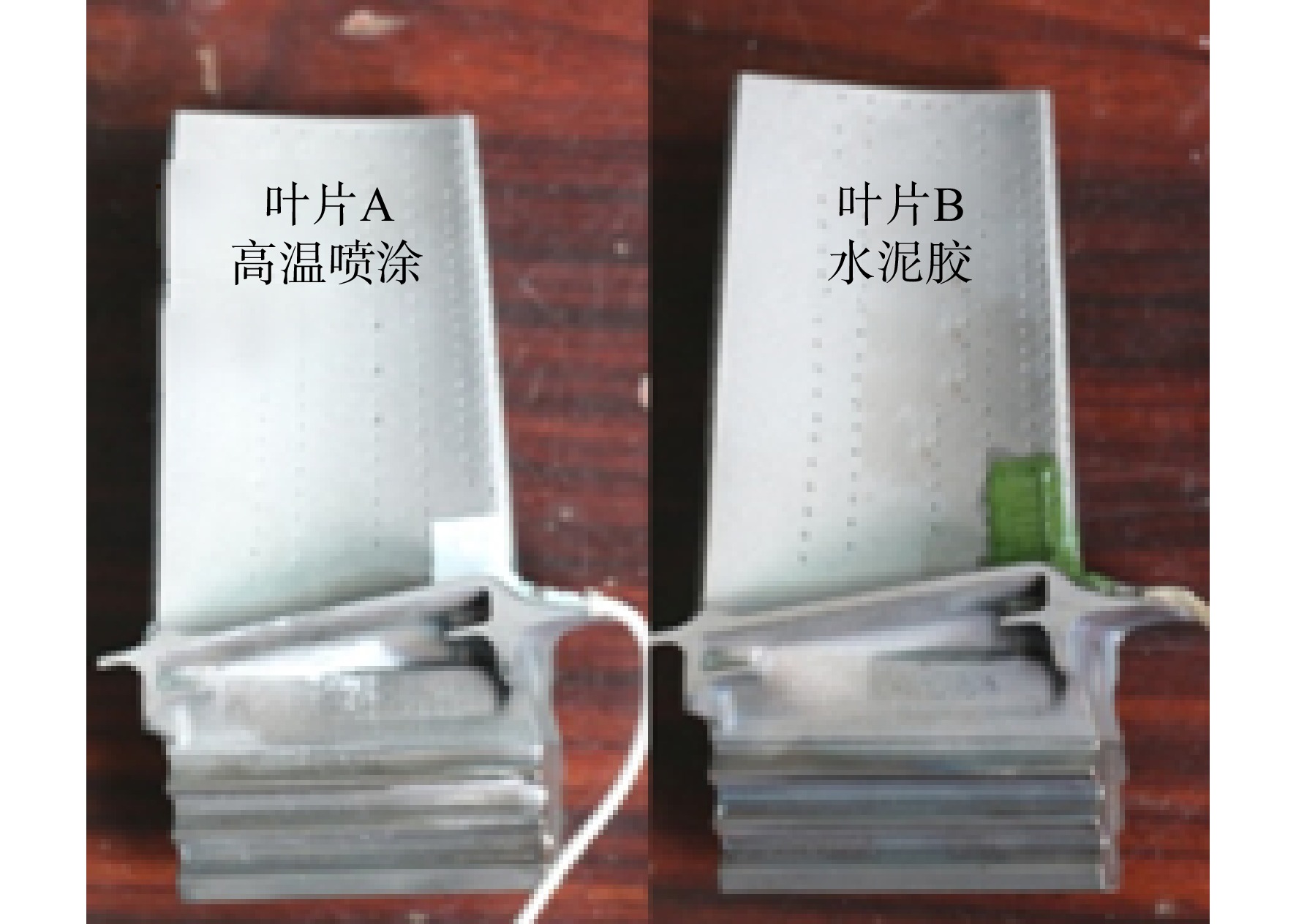
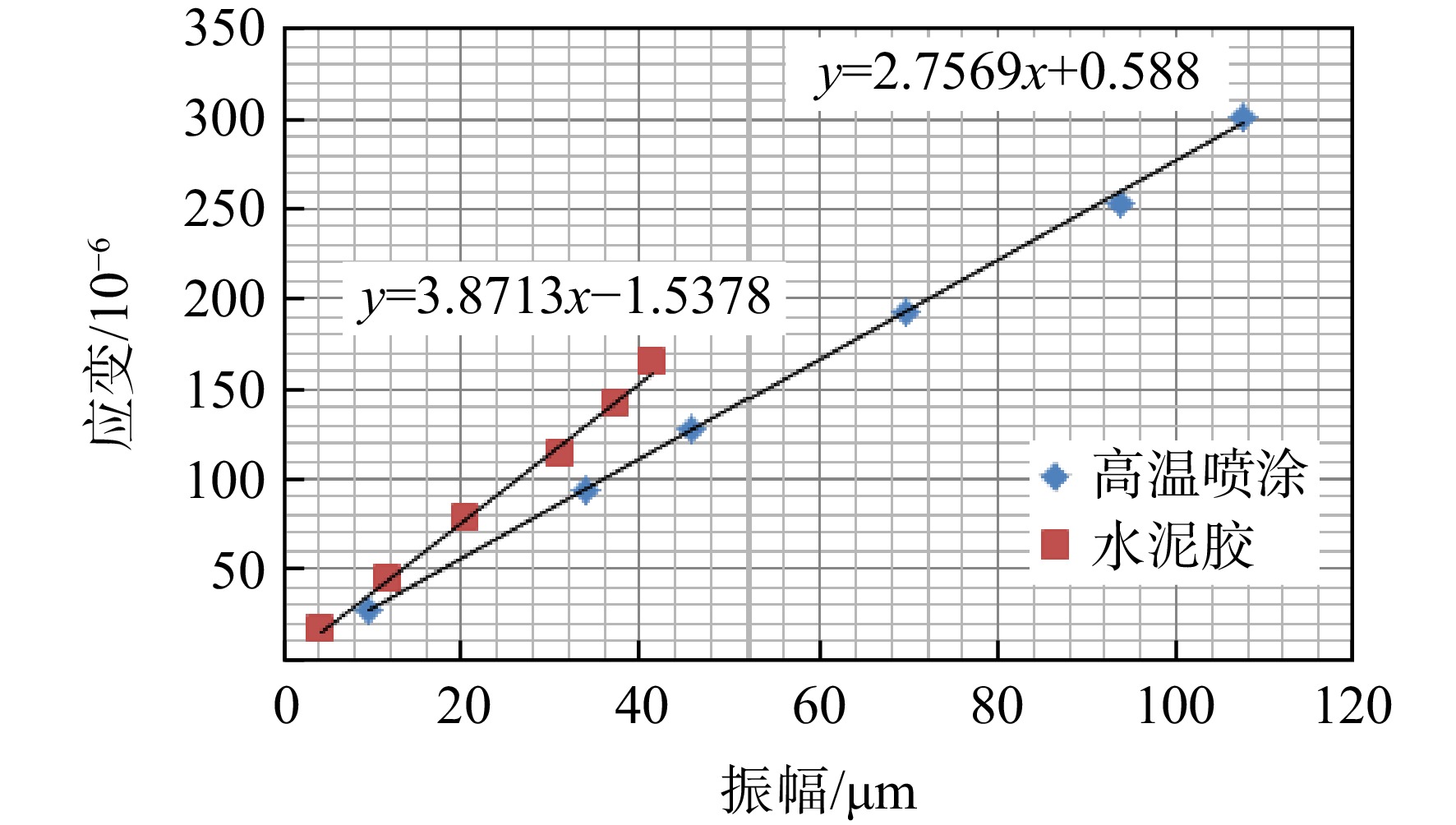
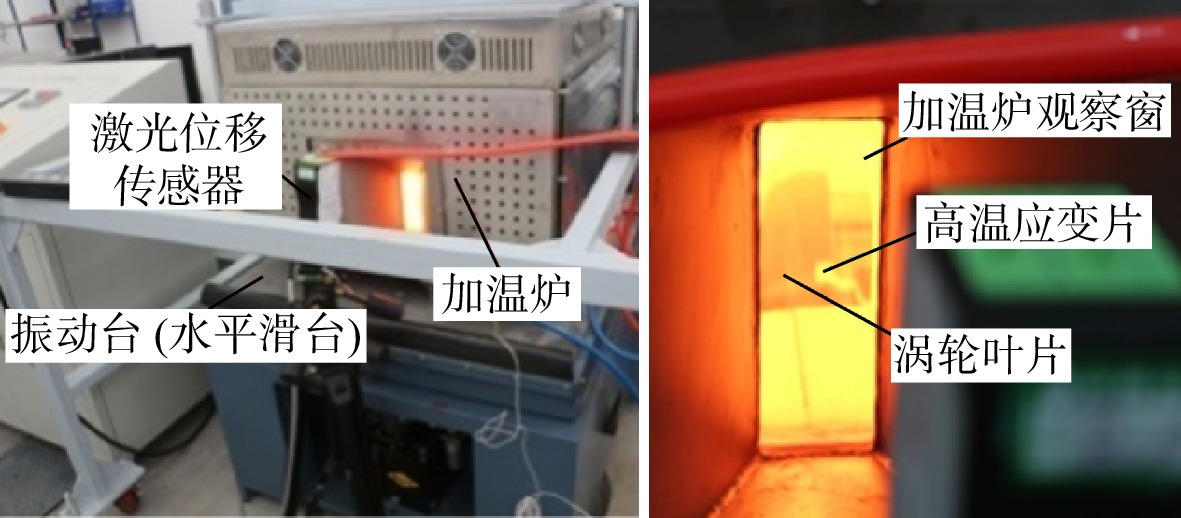
According to the expression of vibration stress of the cantilever beam under the resonance state, the blade shape constant which wouldn’t change with temperature change was defined. This constant can be calculated by testing the linear relationship between the first-order resonance stress and the amplitude of the blade at room temperature. Combined with amplitude and resonance frequency, which were easy to test at high temperature, the prediction of resonance stress at high temperature was realized. Turbine blade strain and amplitude were tested at 500, 600, 800 ℃ and 900 ℃ by high temperature strain gage. Comparison between true result and forecast result showed the applicability of the forecast technology. Absolute Strain error was less than 5×10⁻⁵.

Vibration control of active dry friction damper-dual rotor system based on rotational speed region on-off control
ZHANG Peng, HE Junxu, GAO Xianghong, ZHU Changsheng
2025, 40(5): 20230478. doi: 10.13224/j.cnki.jasp.20230478
Abstract:

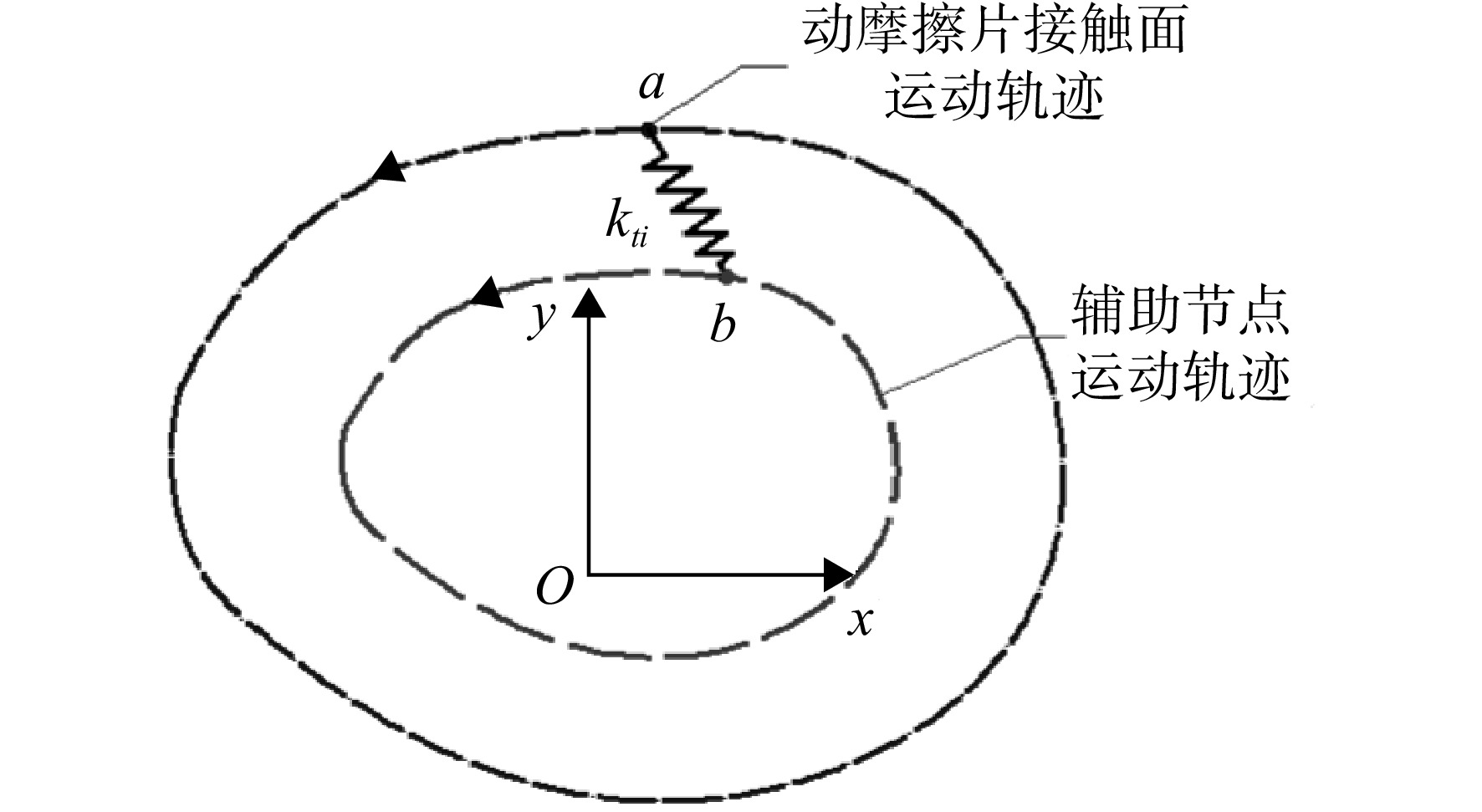
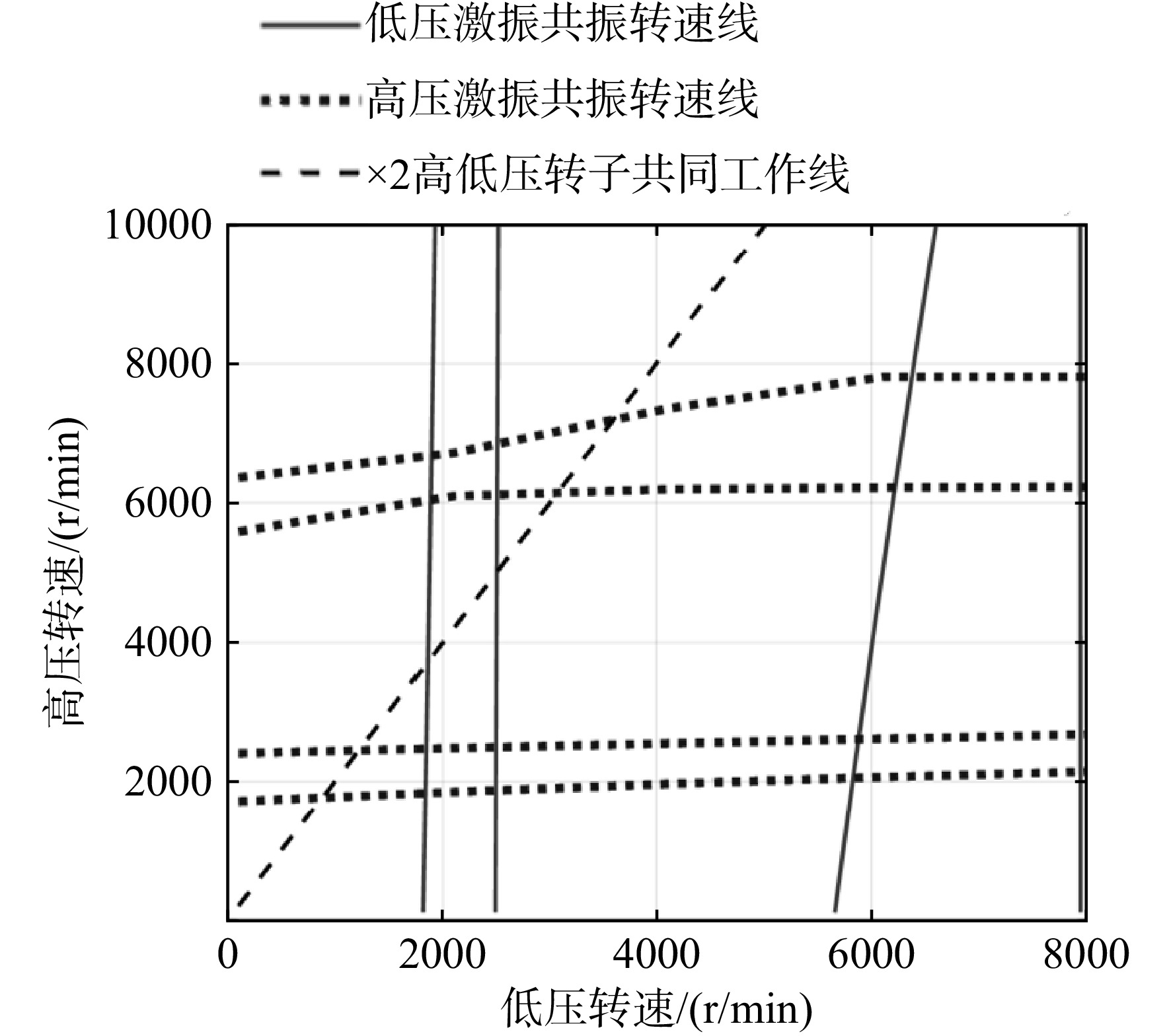
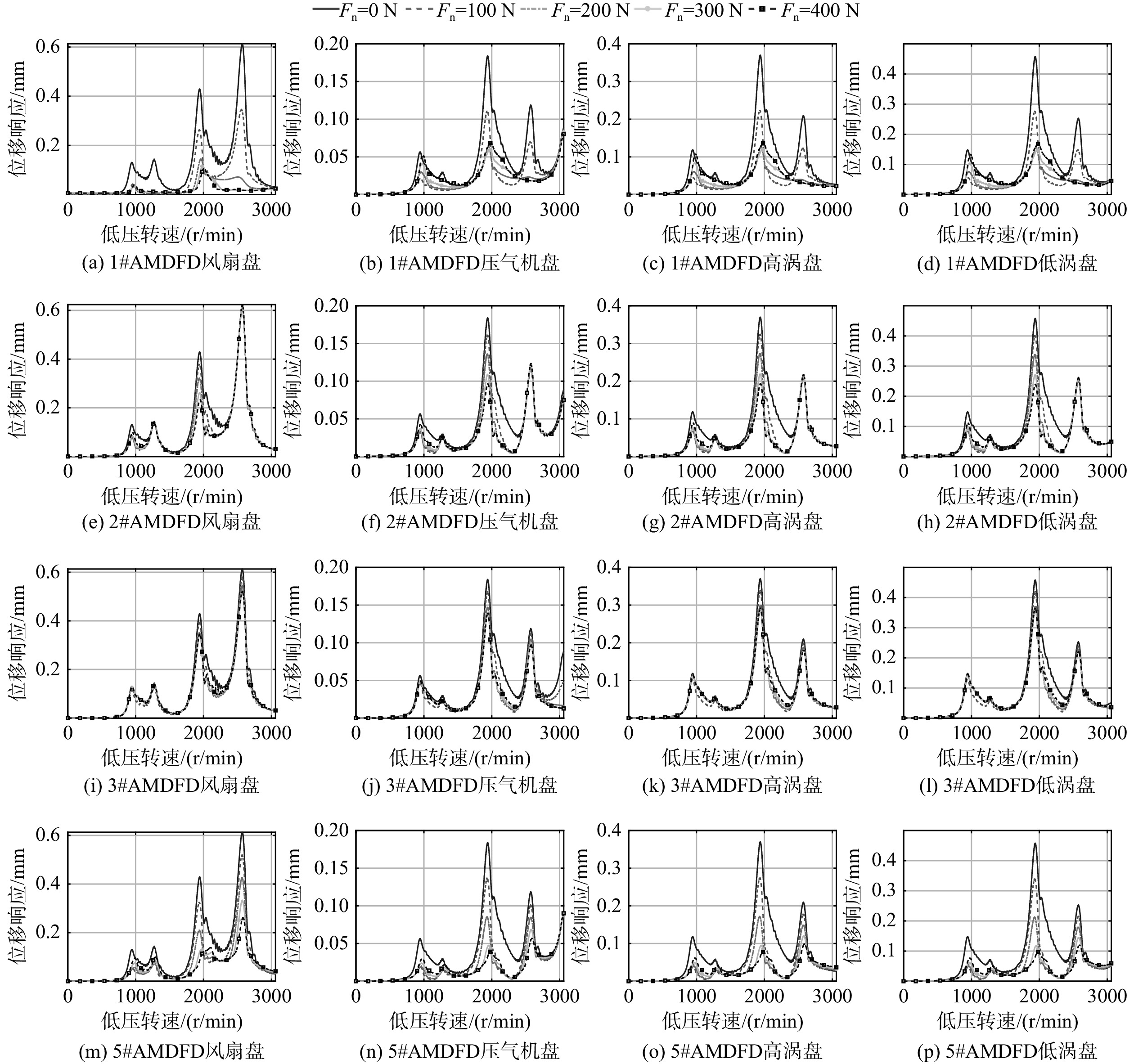
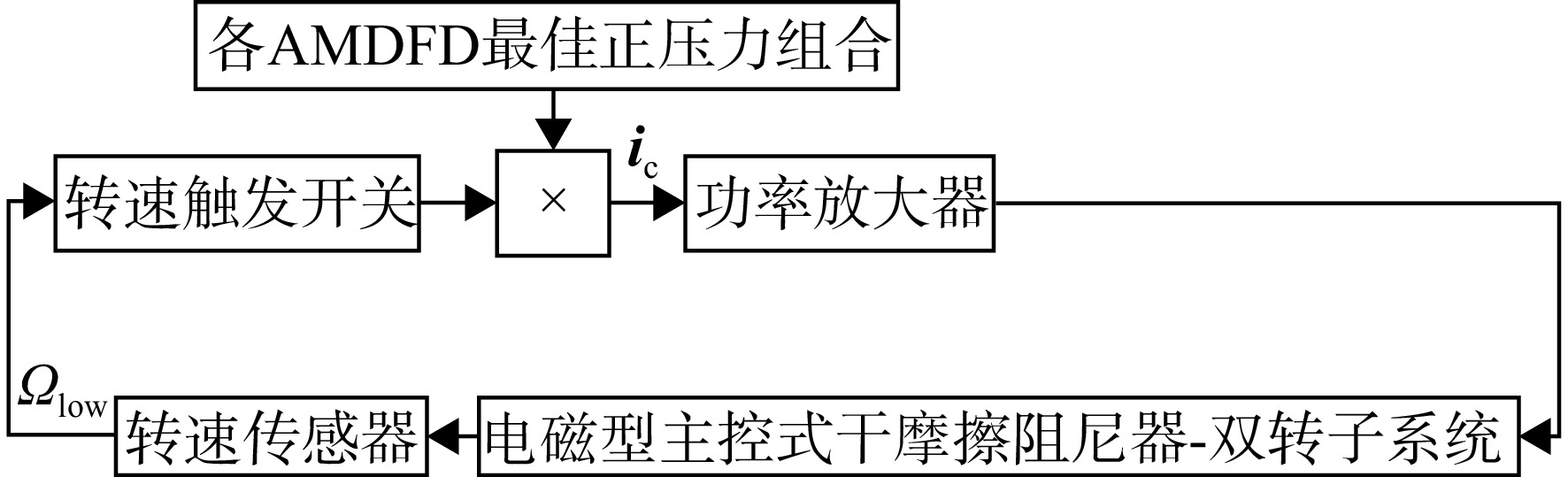
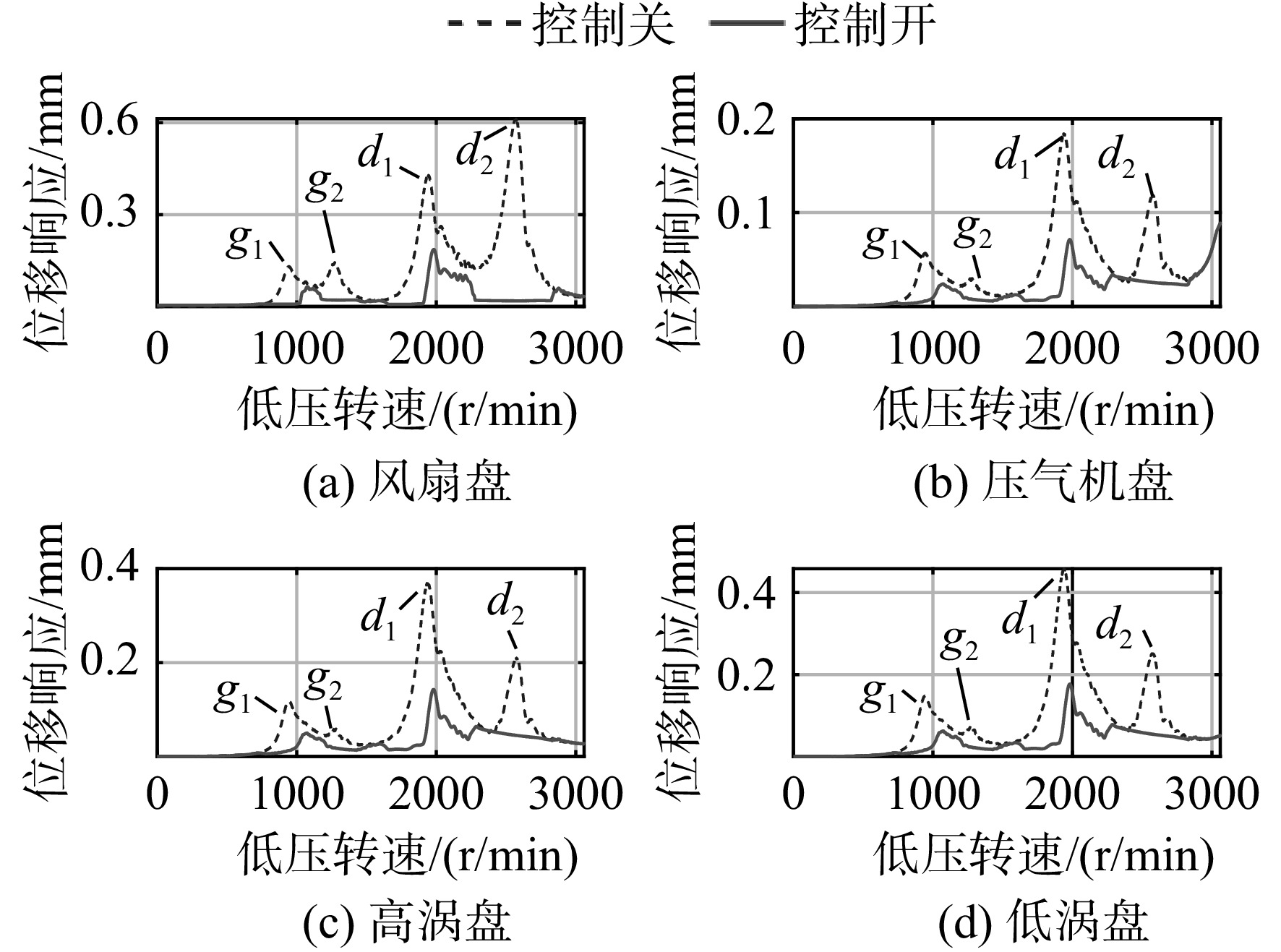
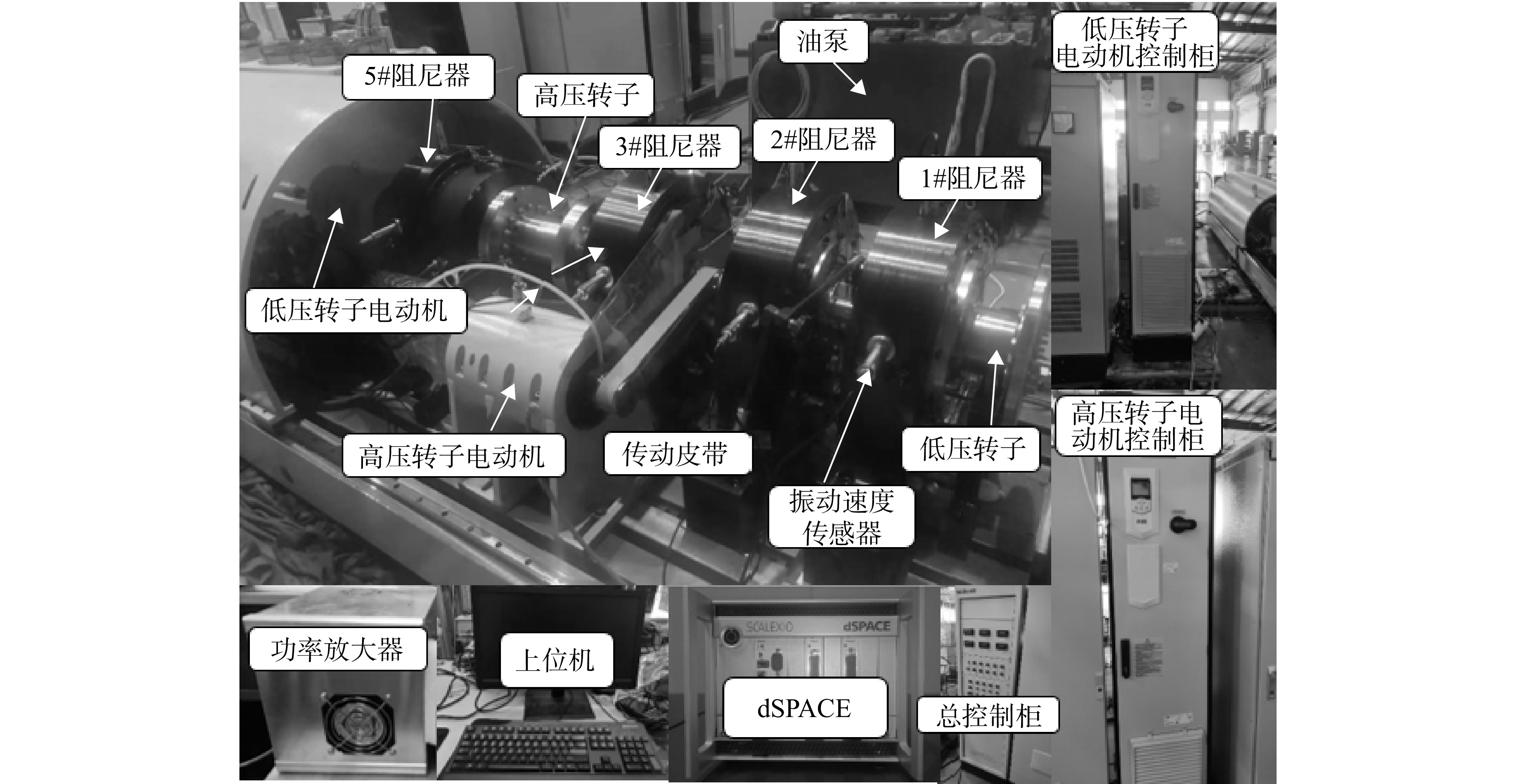
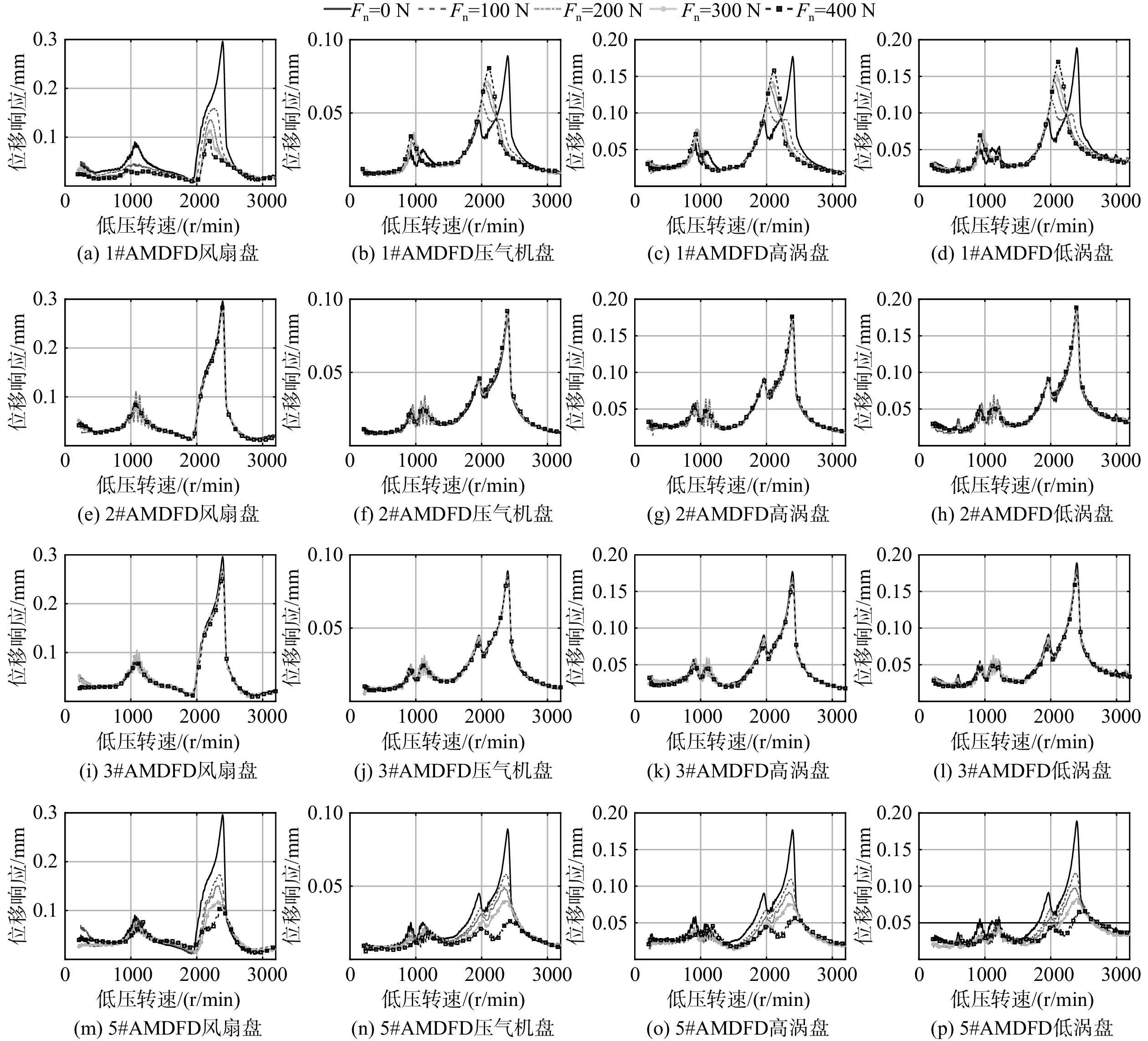
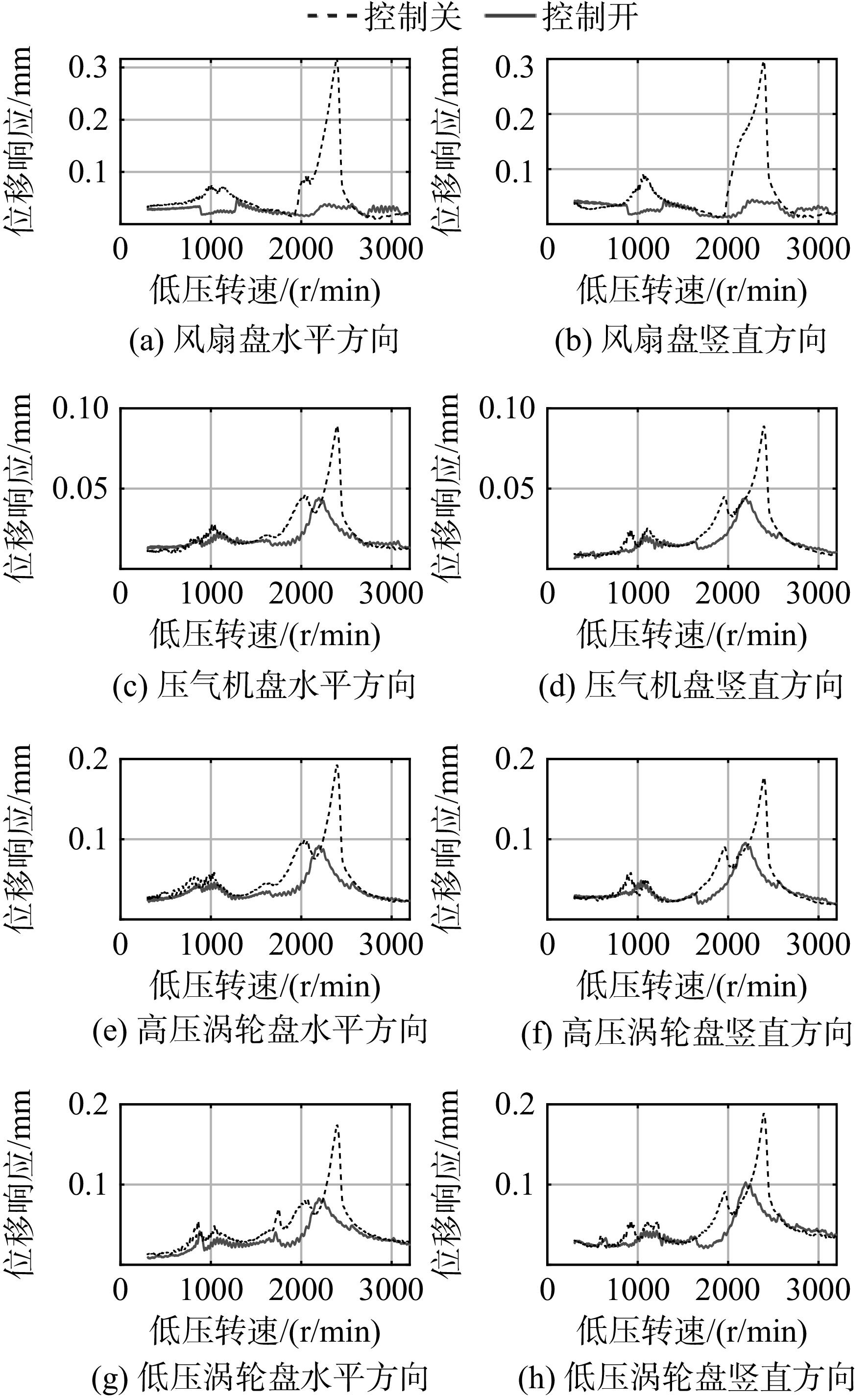
To meet the vibration reduction requirements, an active magnetic dry friction damper (AMDFD) was designed and the friction damping was controlled by active magnetic actuator. The model of the AMDFD-dual rotor system was established, and the effect of the damper with different support positions on the rotor vibration was analyzed. Based on the vibration characteristics of the AMDFD-dual rotor system, a rotational speed region on-off control strategy was designed and its effectiveness was simulated. On the designed test rig, the tests of the dual-rotor system with dampers at each support position under different normal forces were performed. In addition, the vibration suppression tests were carried out when the dual-rotor system accelerated past critical speed. The results showed that AMDFDs near the front/rear bearing of the low-pressure fan/turbine shaft played a dominant role in rotor vibration reduction. The designed controller can substantially suppress the rotor vibration passing the critical speed, up to 89% at maximum.

Failure analysis of plain woven SiC/SiC perforated plate-metal pin connection structure considering delamination damage
CHEN Qiang, ZHANG Sheng, FENG Yuchun, GAO Xiguang, SONG Yingdong
2025, 40(5): 20230567. doi: 10.13224/j.cnki.jasp.20230567
Abstract:
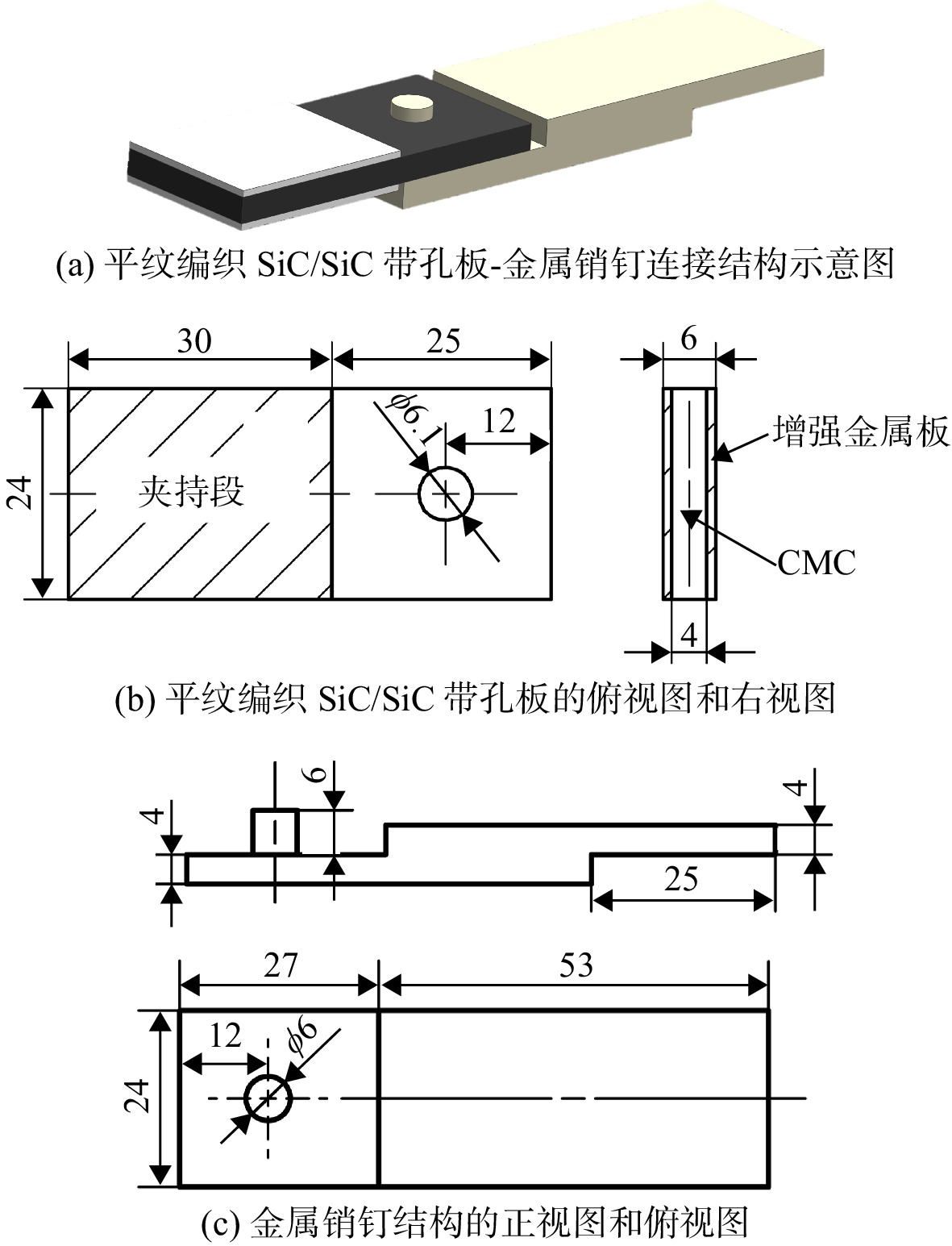
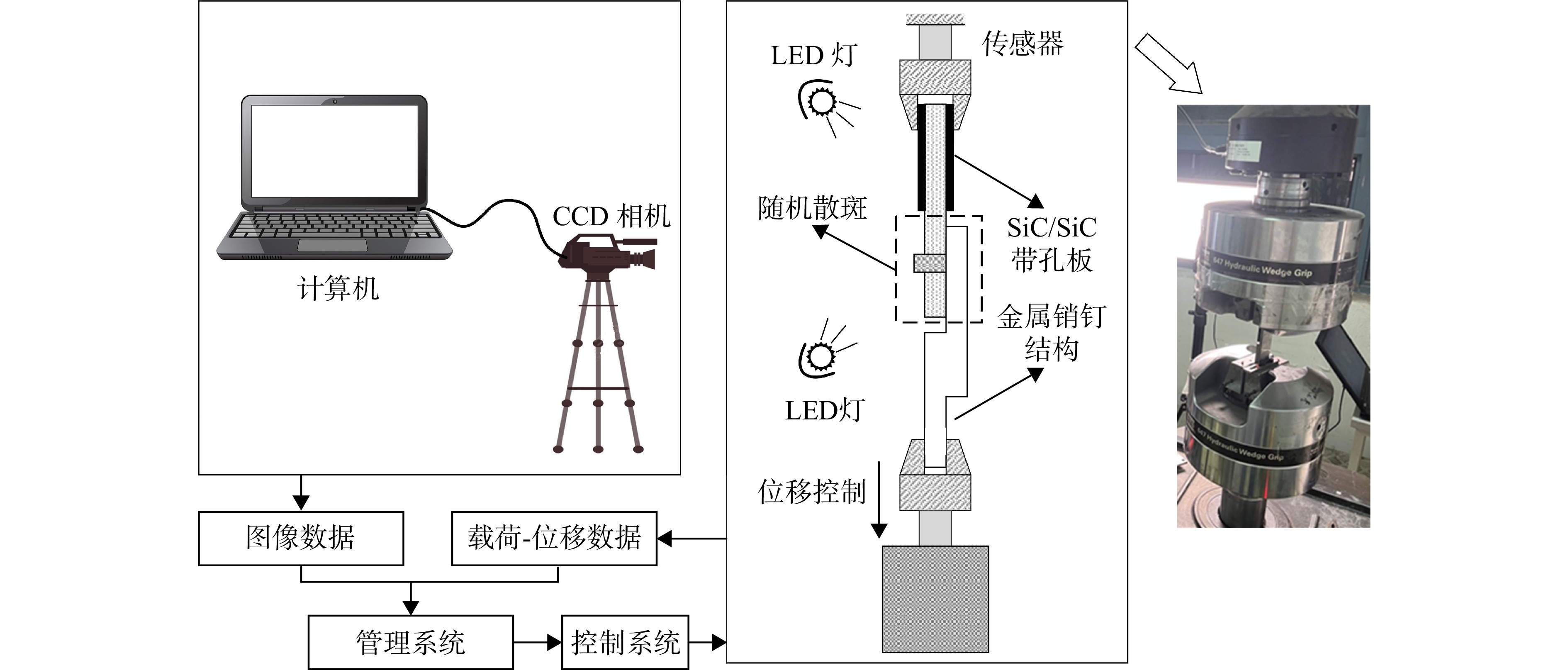
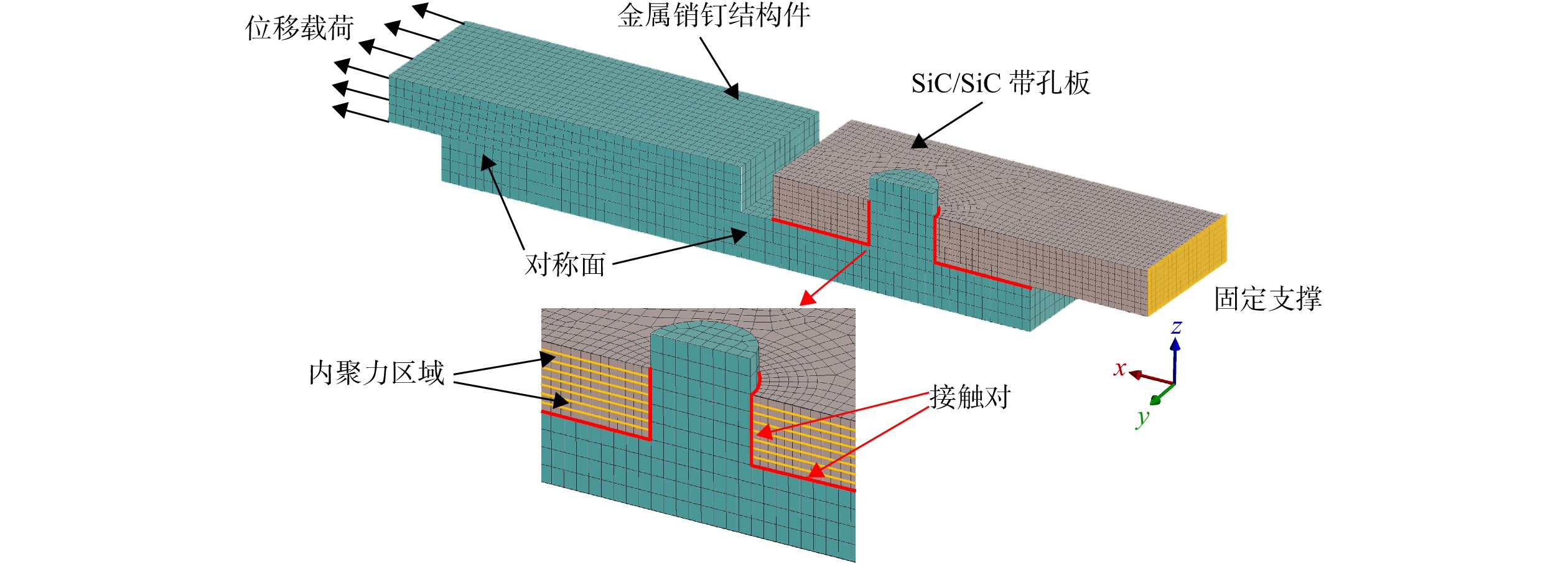
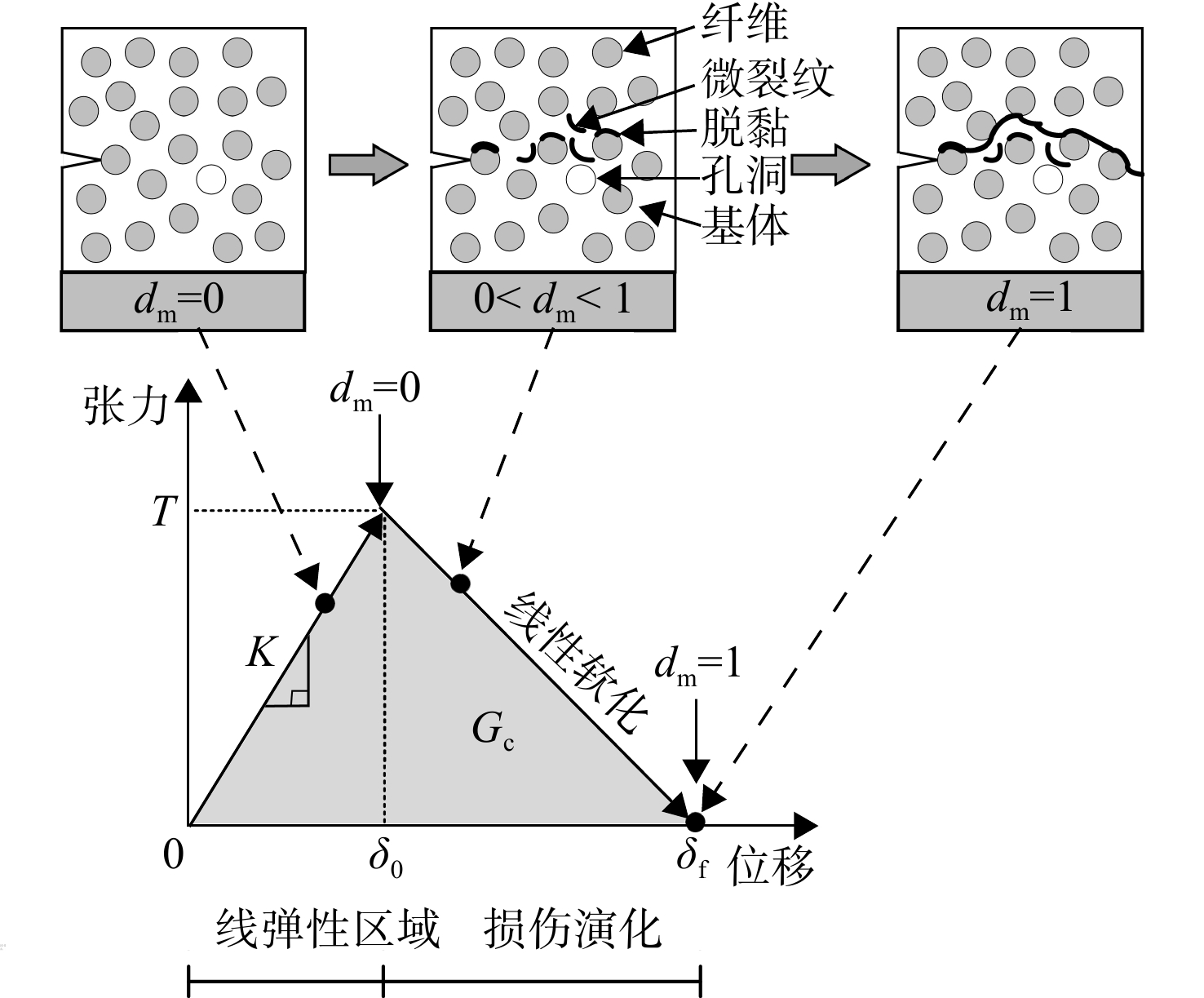
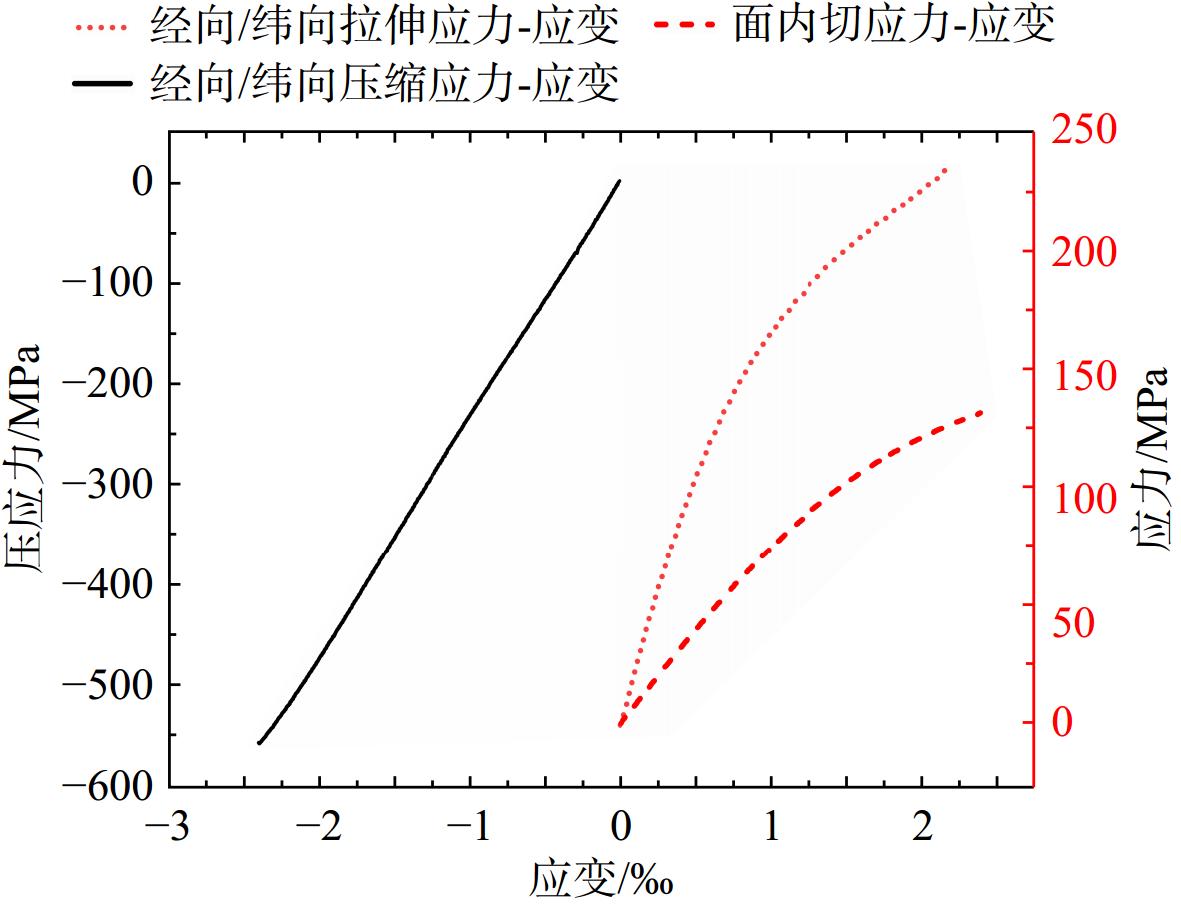
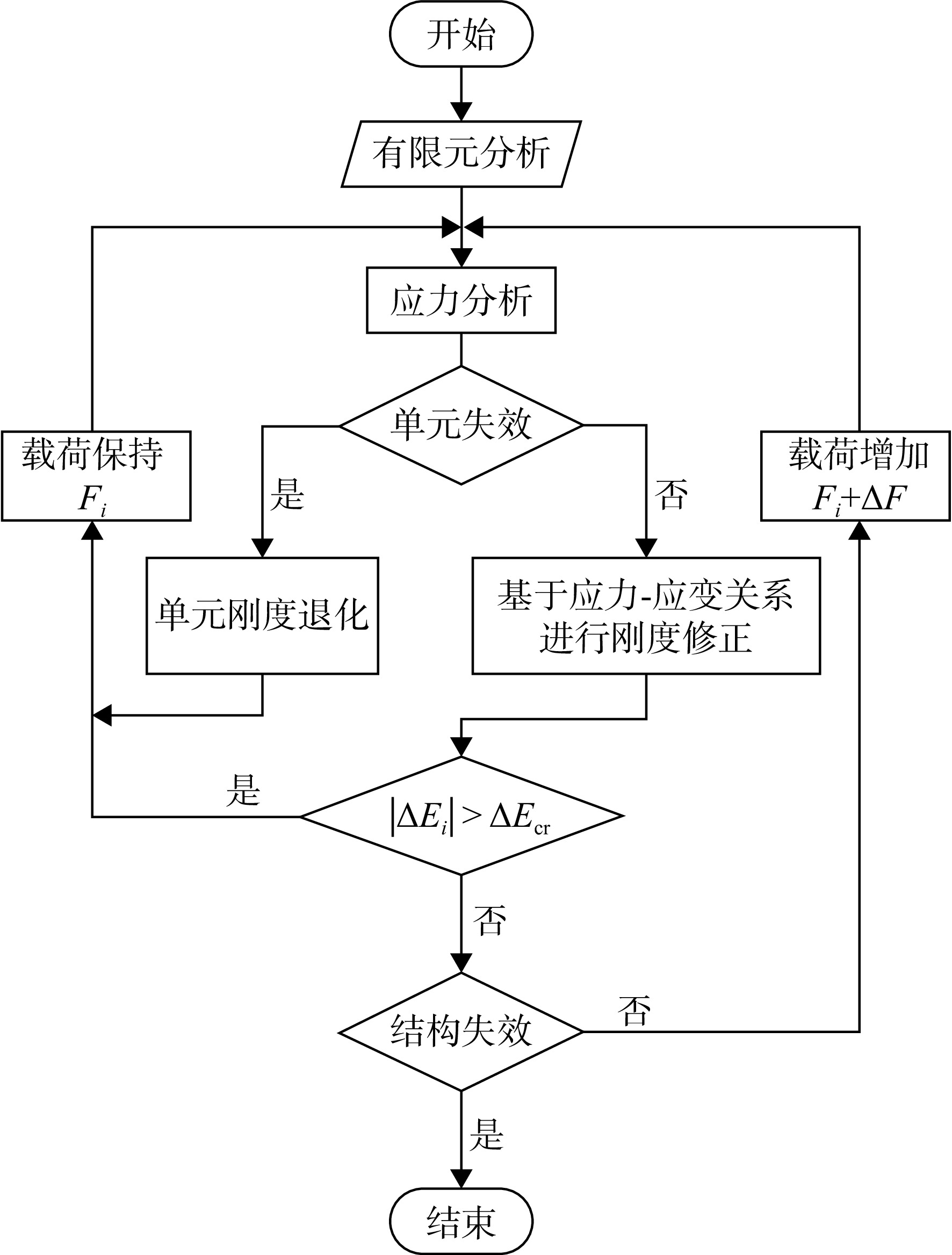
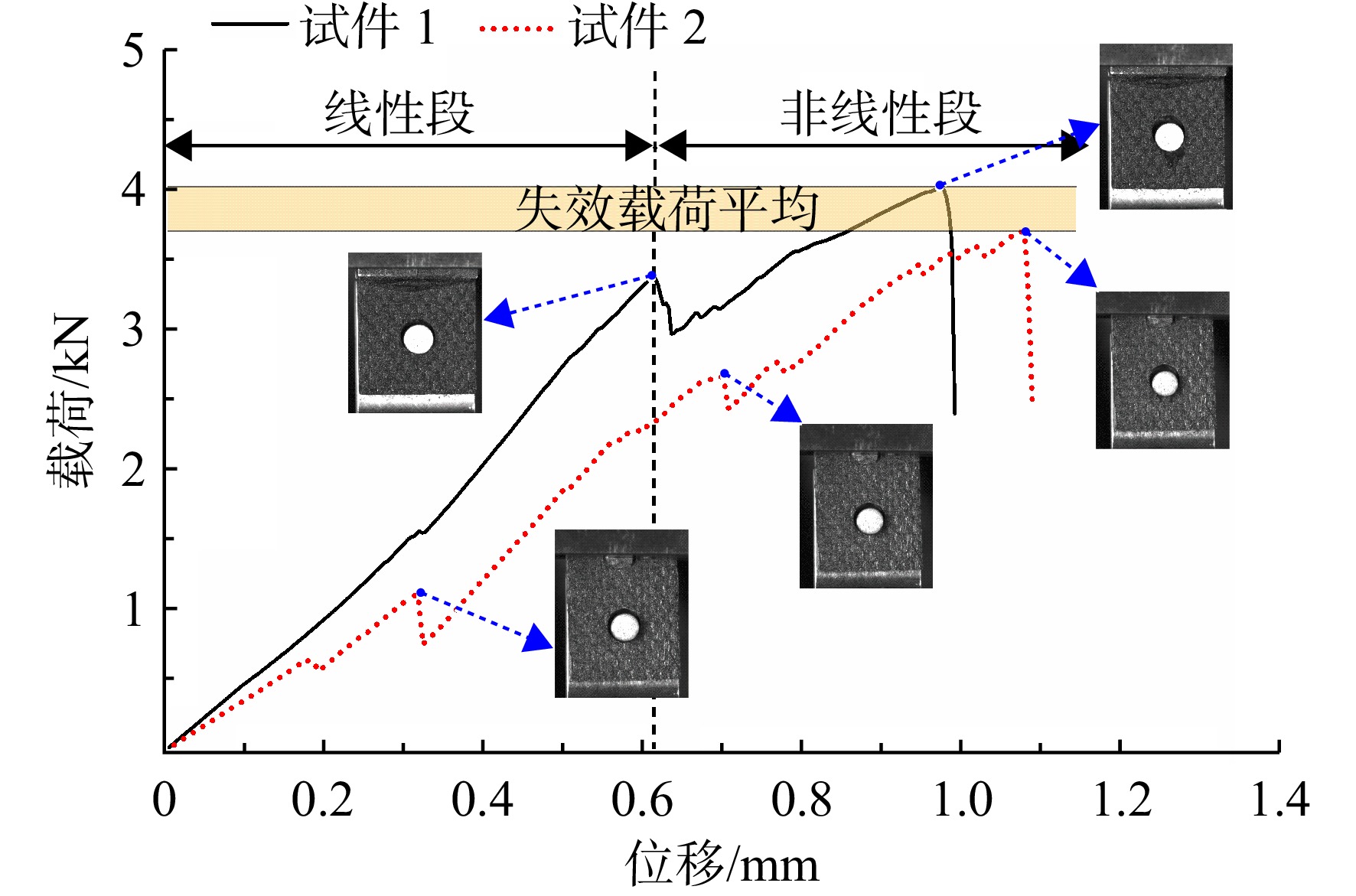
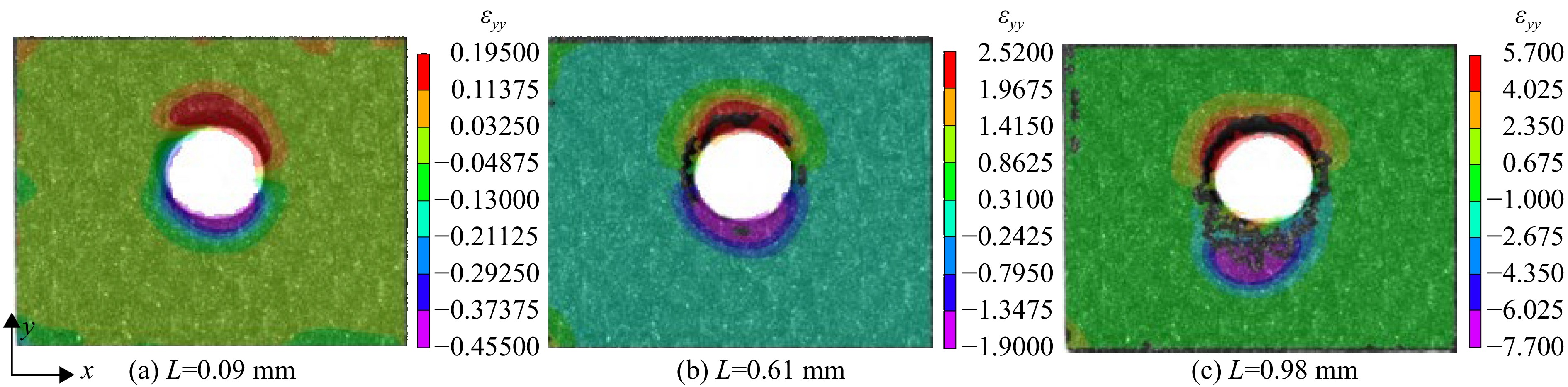
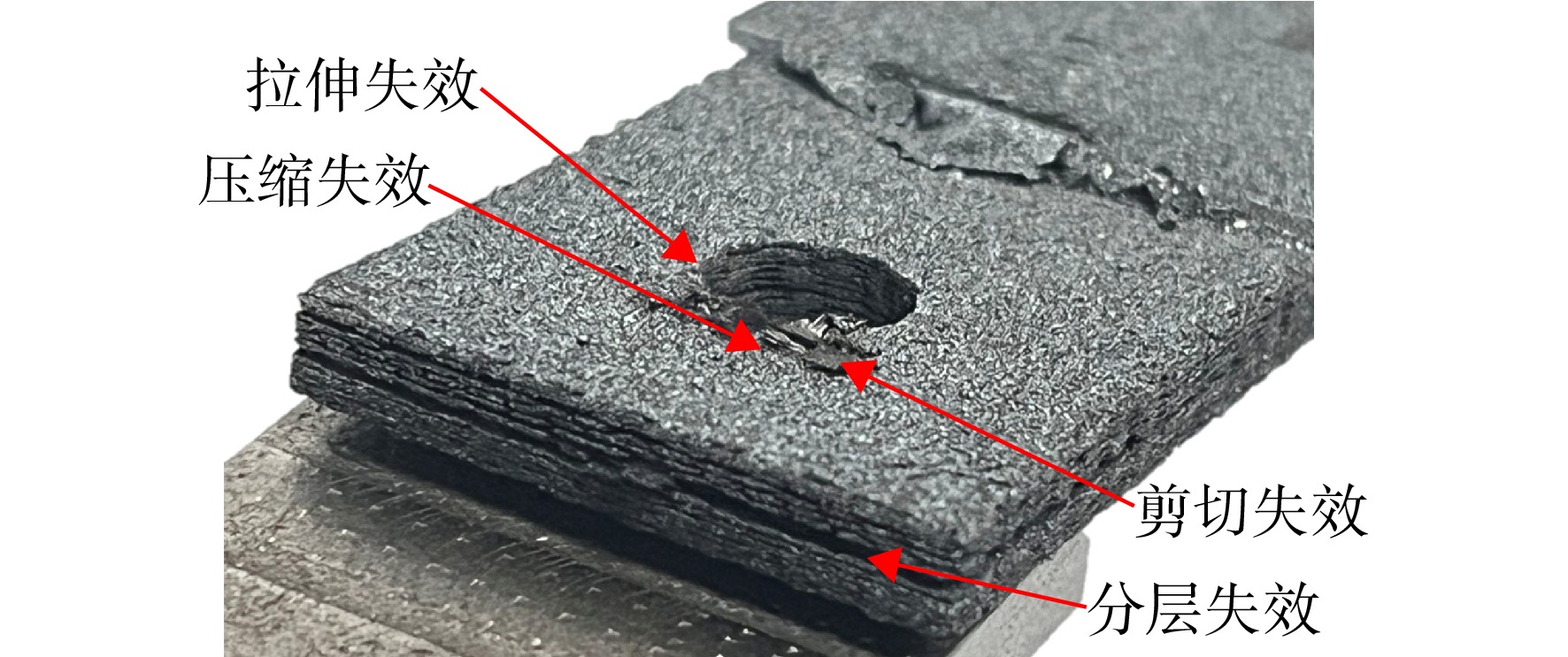
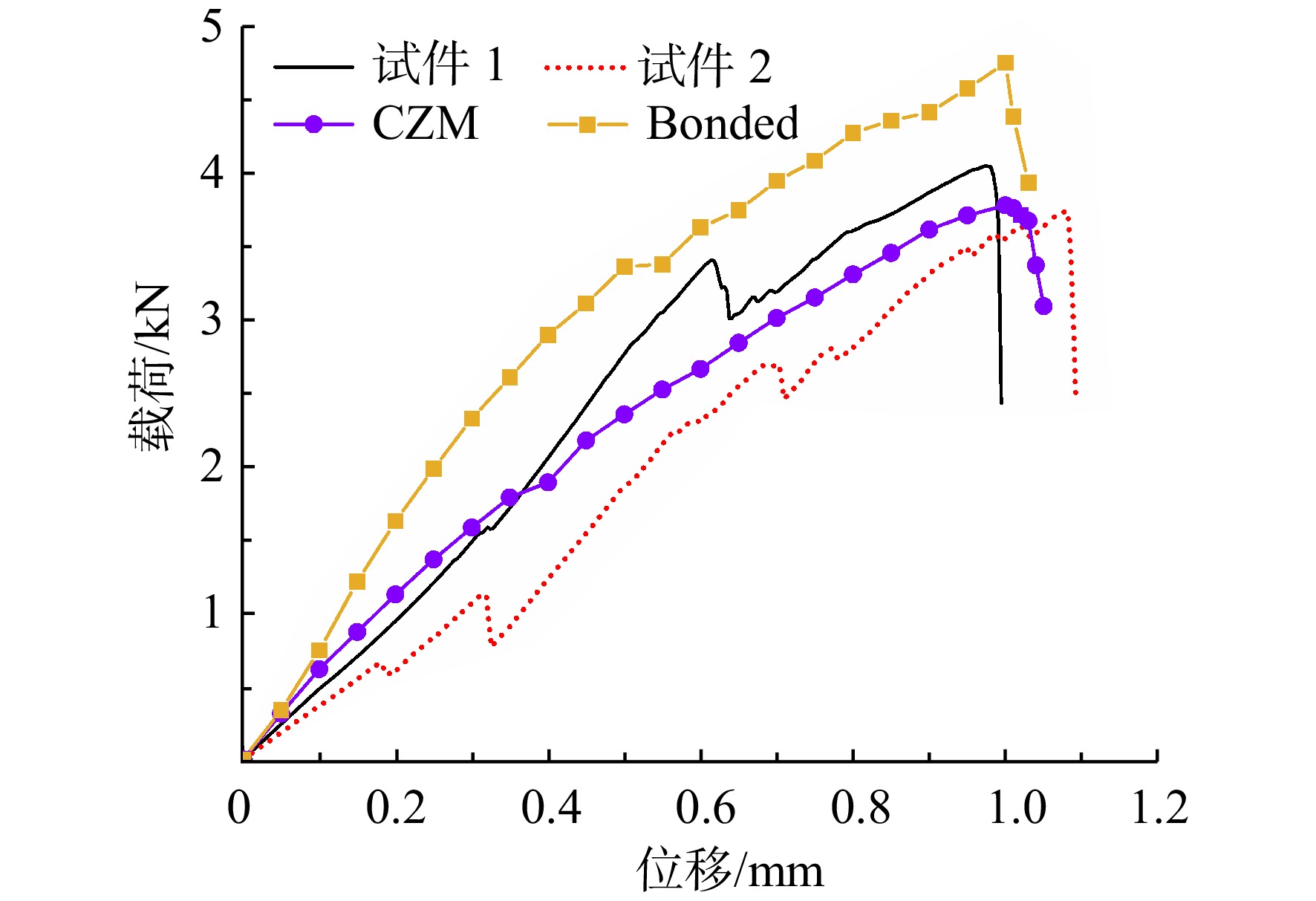
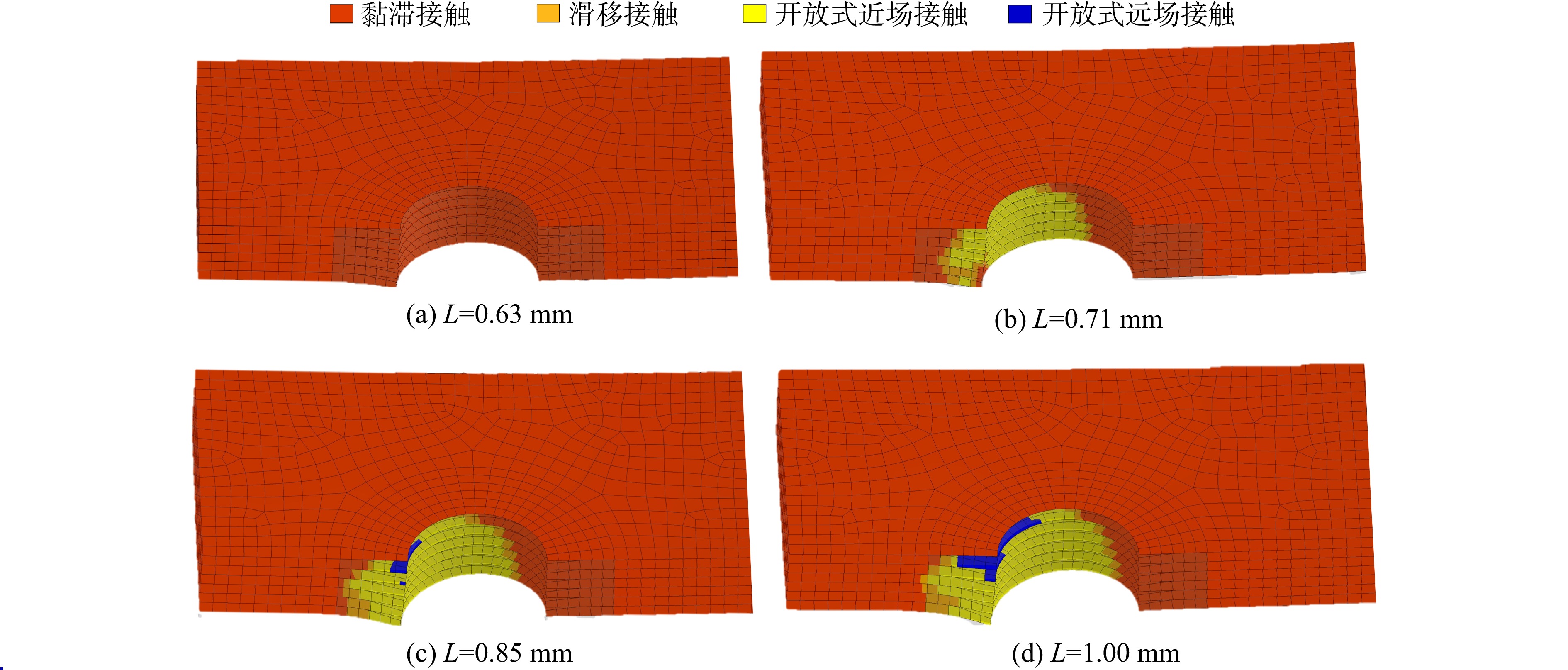
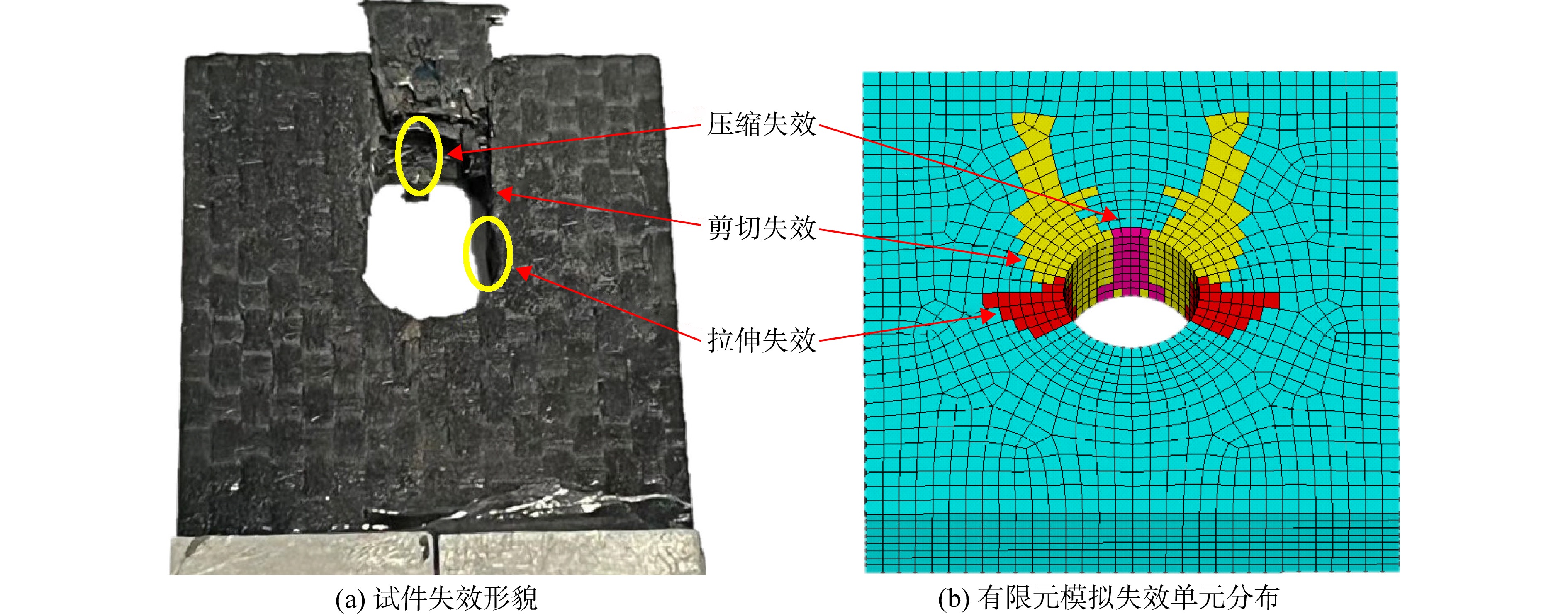
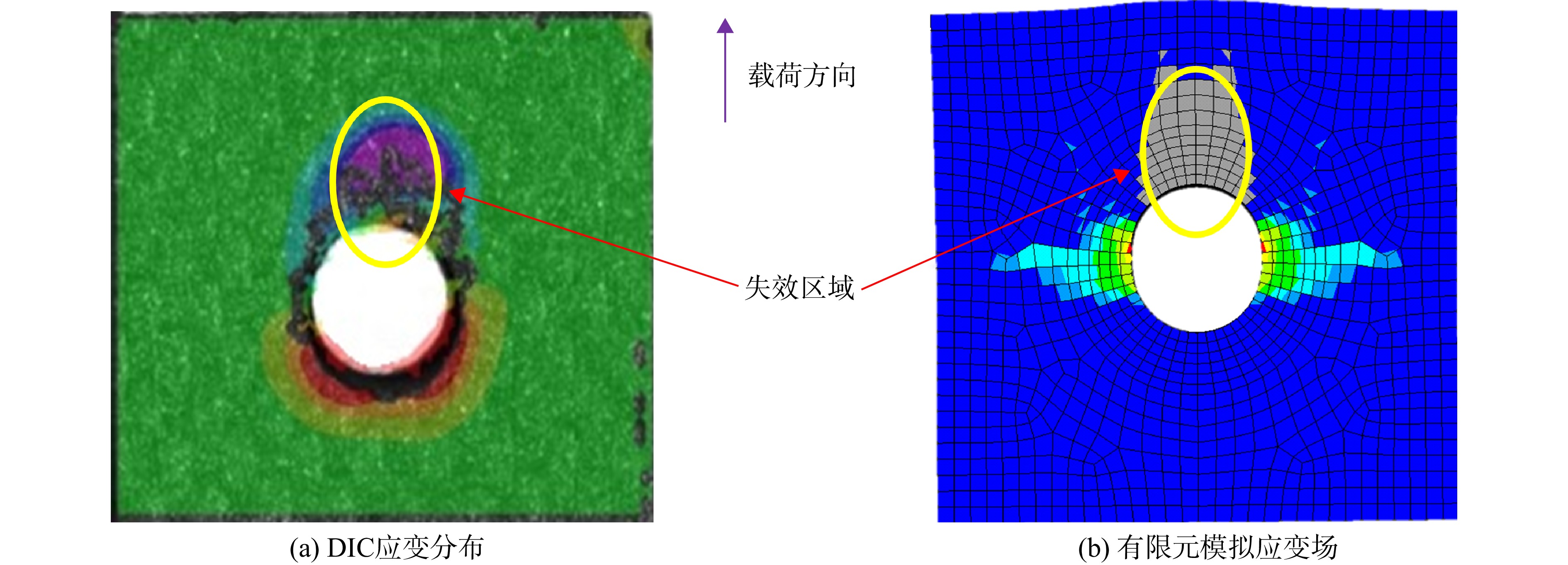
To explore the application potential of ceramic matrix composite (CMC) mechanical connection structure in aero-engine, the failure mode and failure process of plain woven SiC/SiC perforated plate-metal pin connection structure under tension state were studied by combining test and numerical simulation. The deformation and failure process of the test specimens in real-time were observed through digital image correlation (DIC) technology. The main failure mode of the connected structure arising from the shear failure combined with delamination damage was revealed by test results. Based on the cohesive zone model (CZM), the failure load, failure mode and delamination damage of the plain woven SiC/SiC perforated plate were predicted by using the progressive damage analysis method (PDA). Good consistency between the numerical failure predictions and the test results was obtained, and the failure load prediction error was less than 10%, indicating the validity of the numerical model for the failure analysis of connection structure.

Effect of bolthead/nut constraint state on thread loosening characteristics
ZHANG Gongping, LIU Wenguang, HUANG Zheng, LI Kehao, CHENG Long
2025, 40(5): 20230675. doi: 10.13224/j.cnki.jasp.20230675
Abstract:
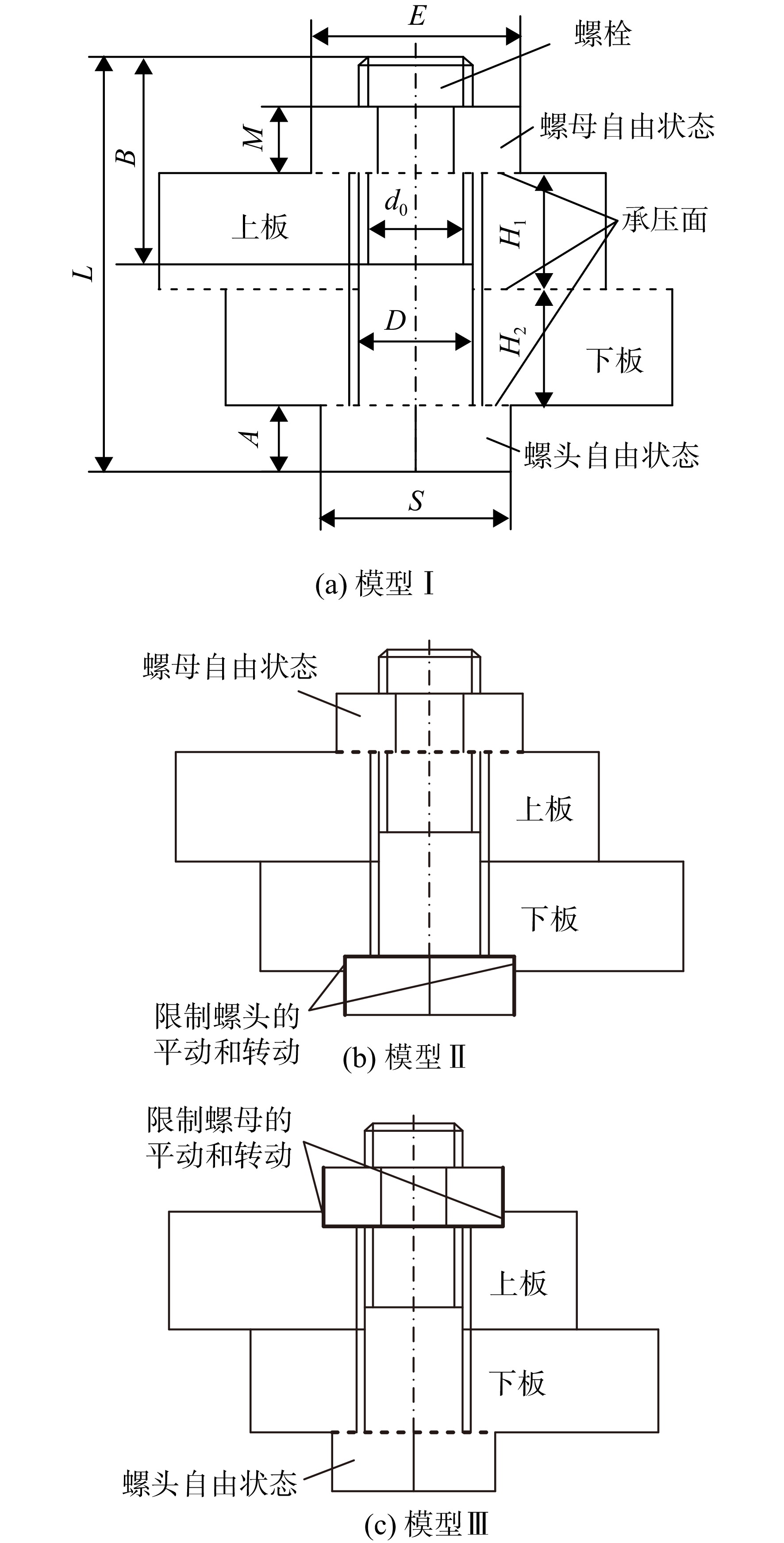
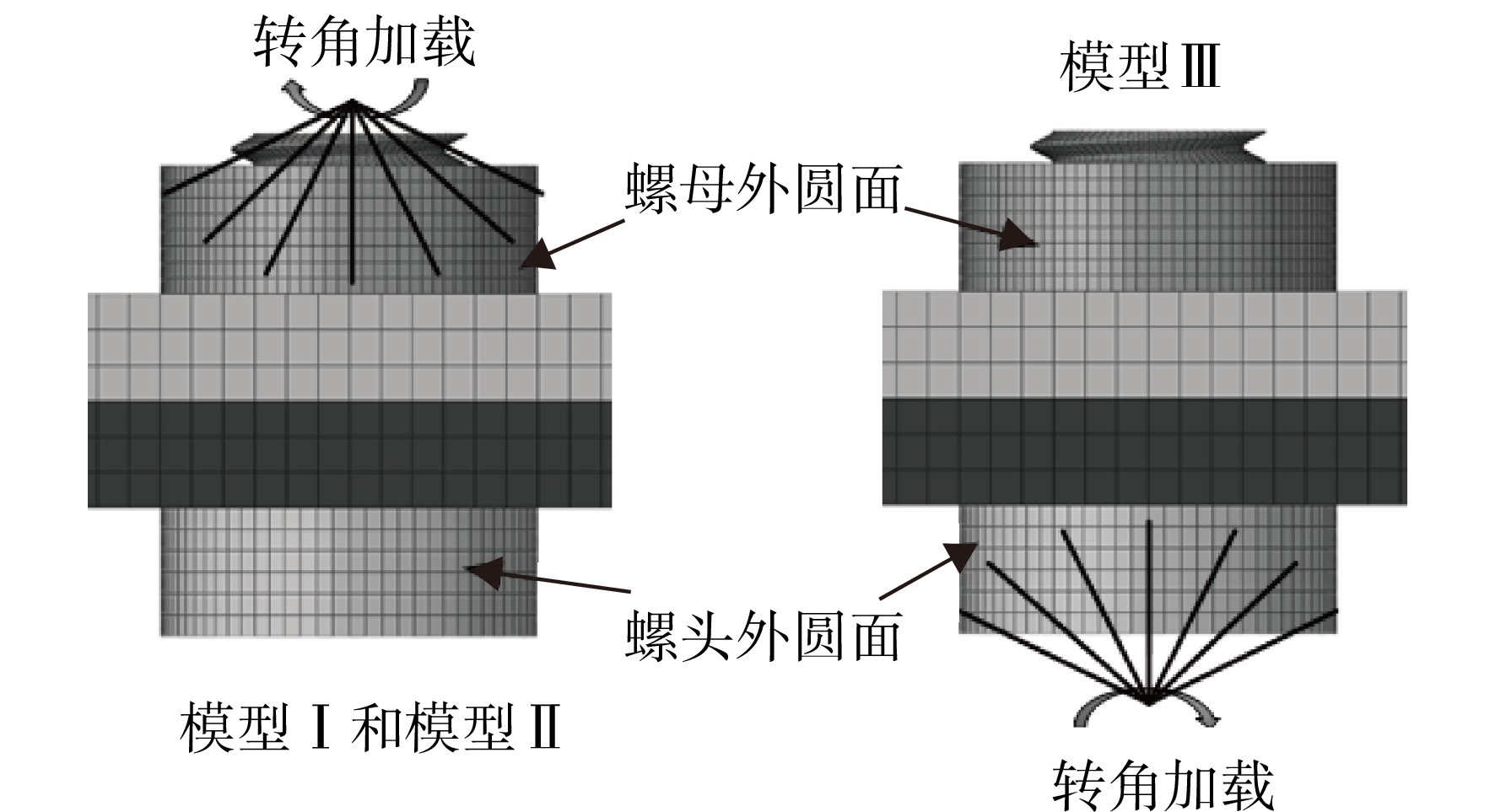
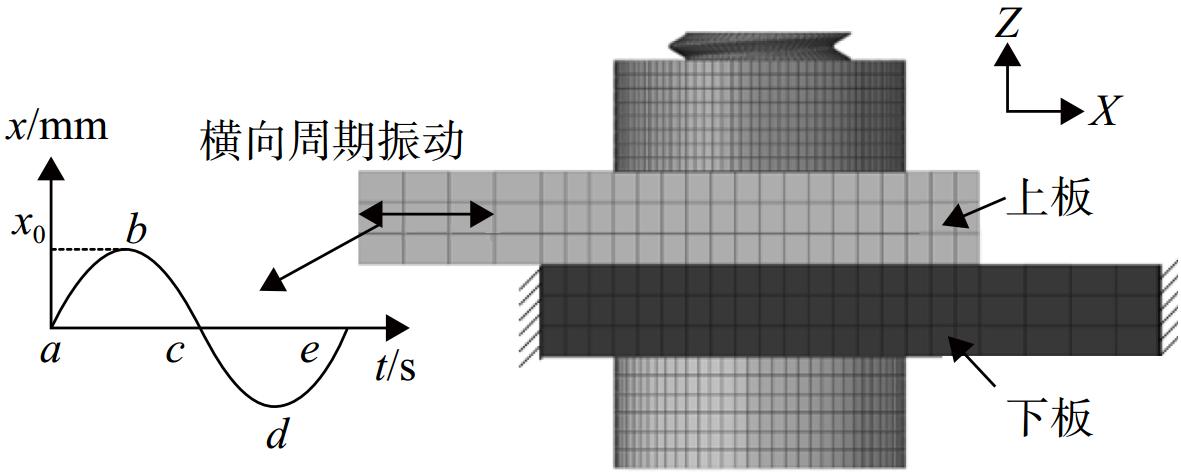
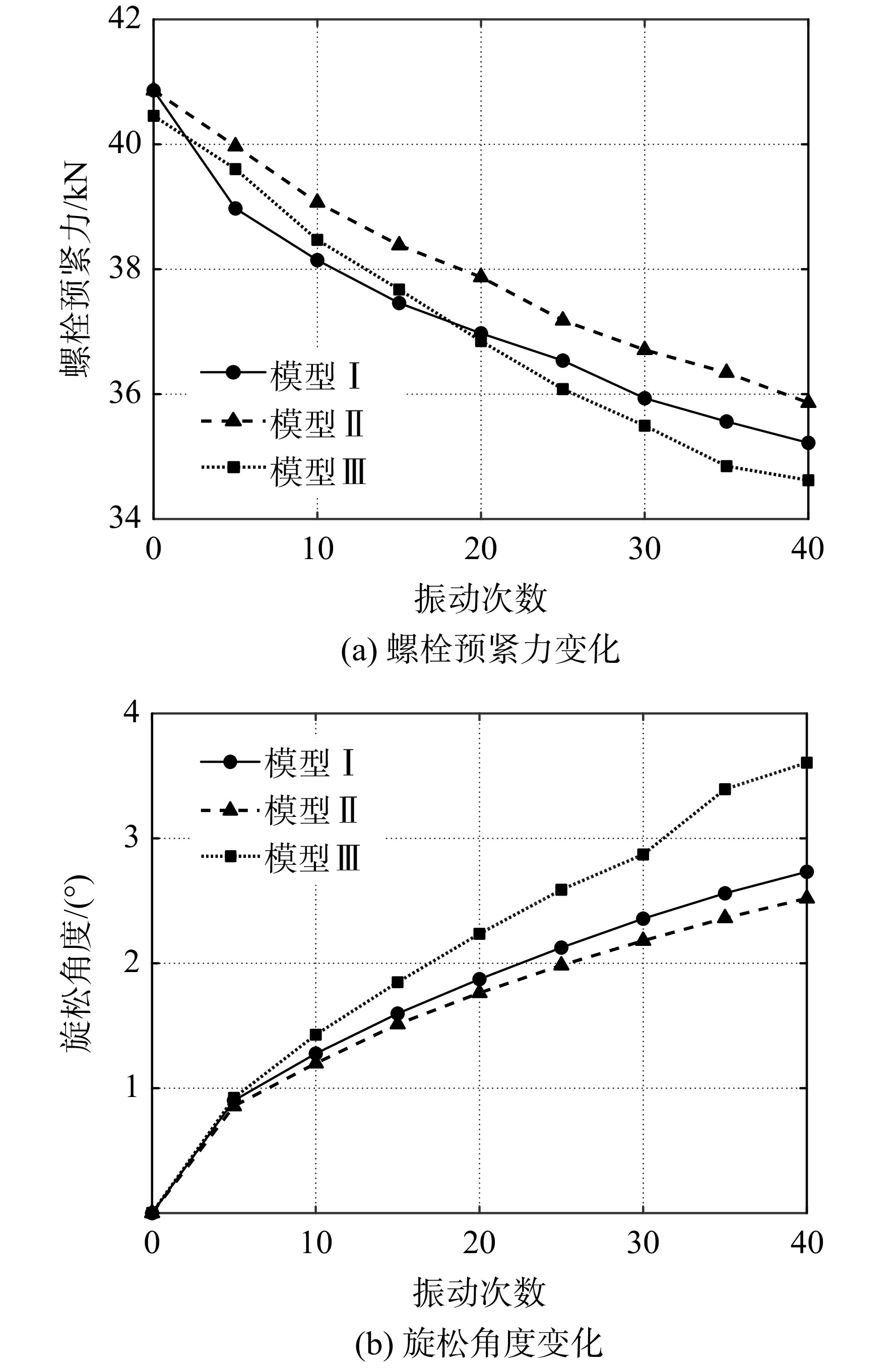
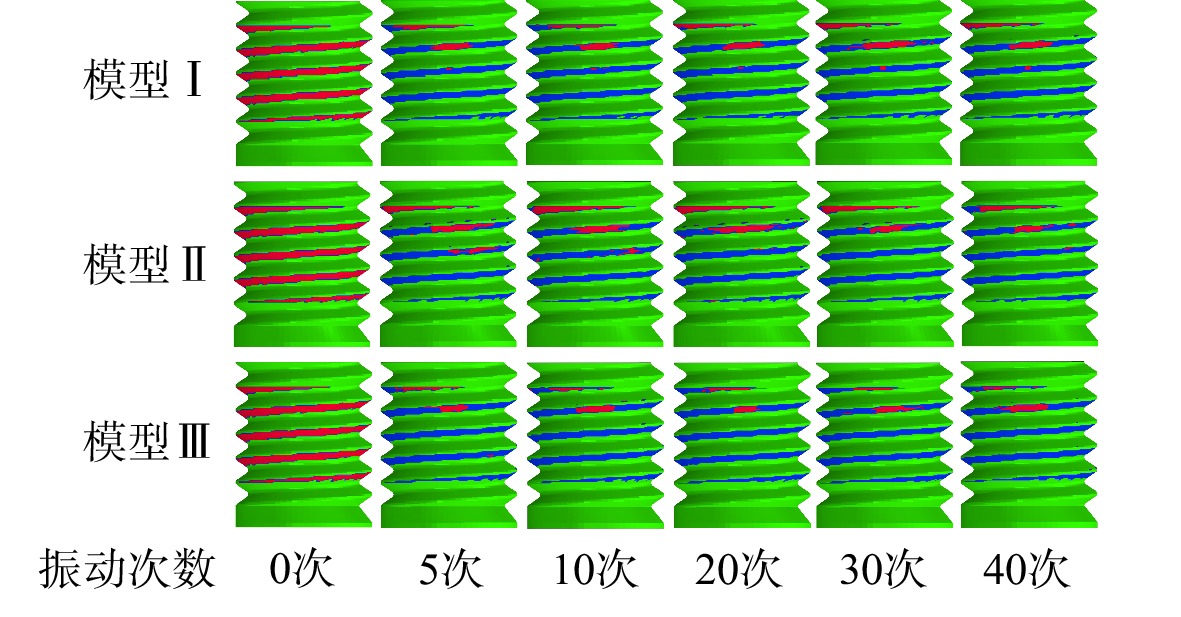
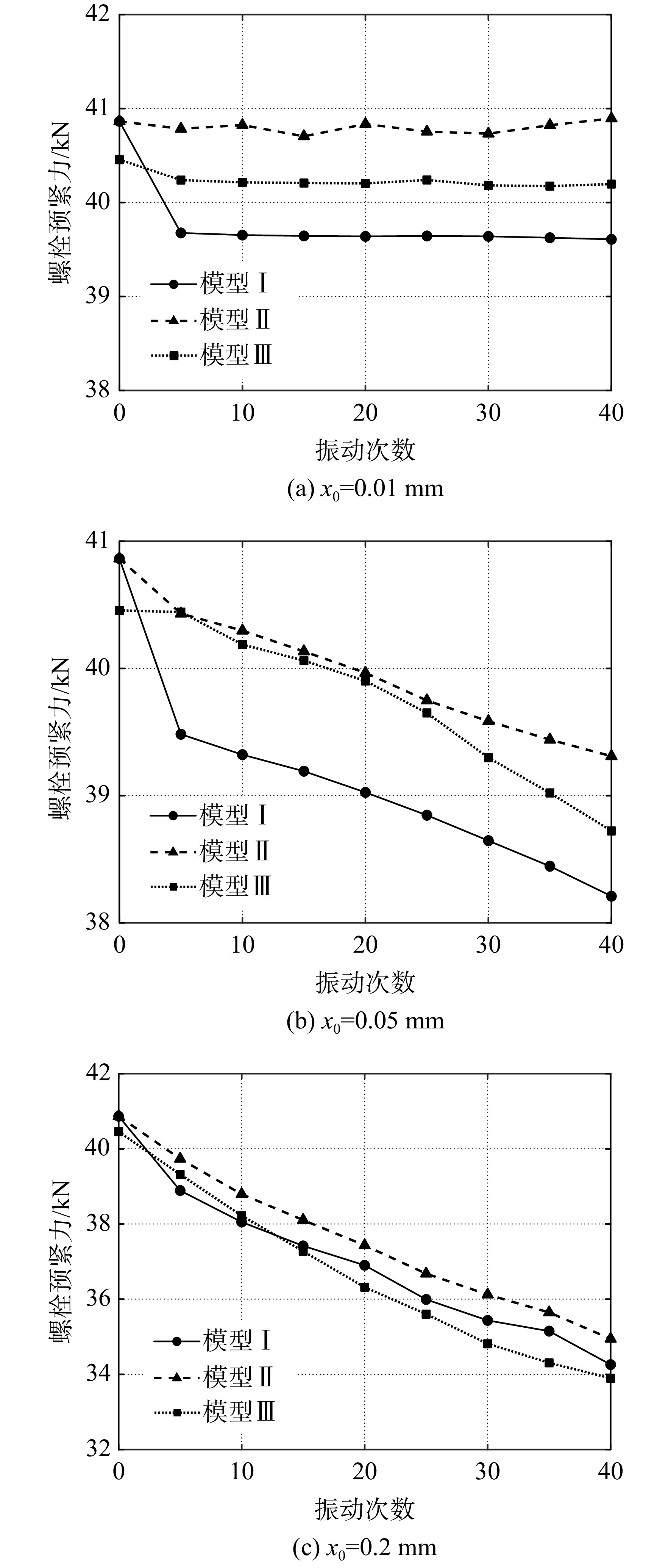
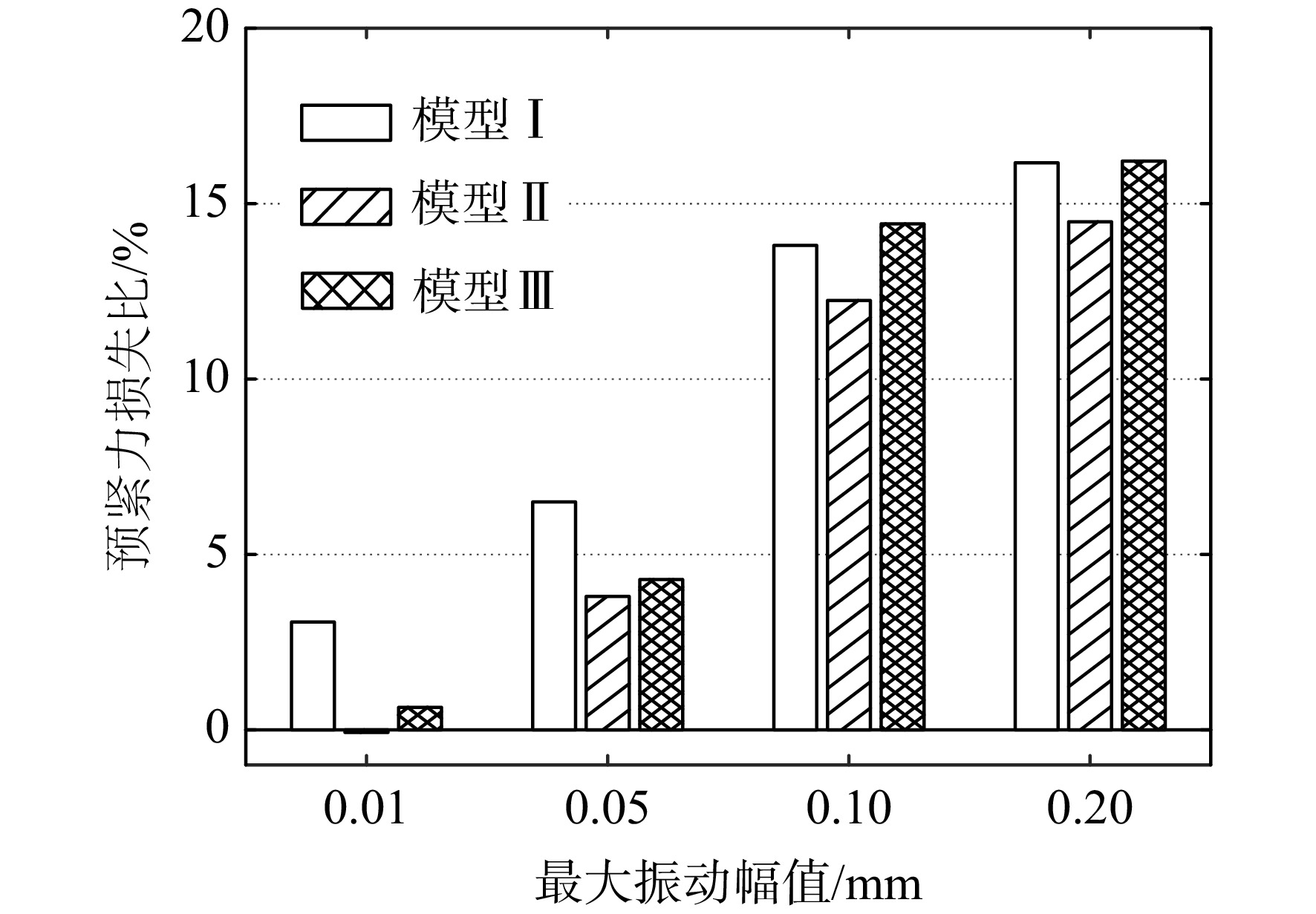
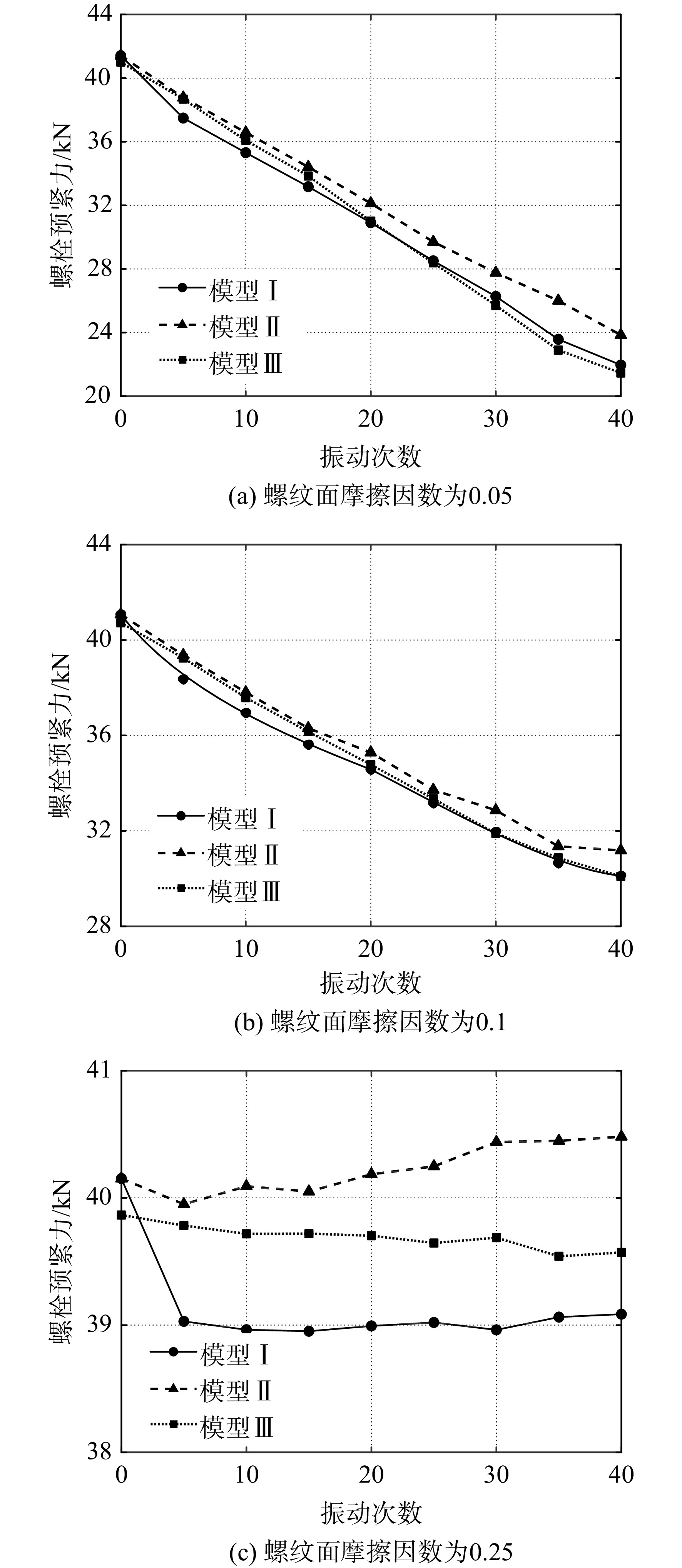
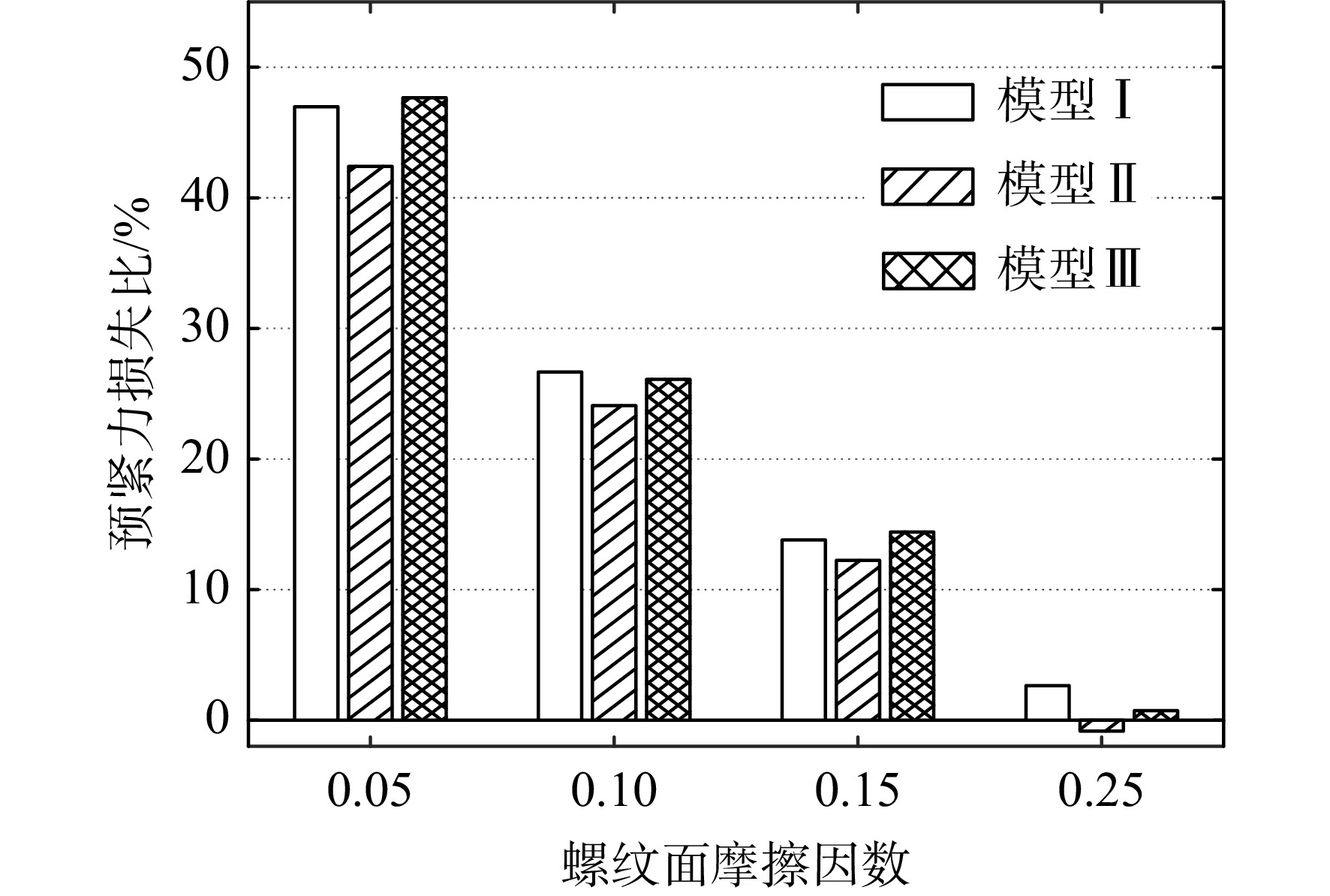
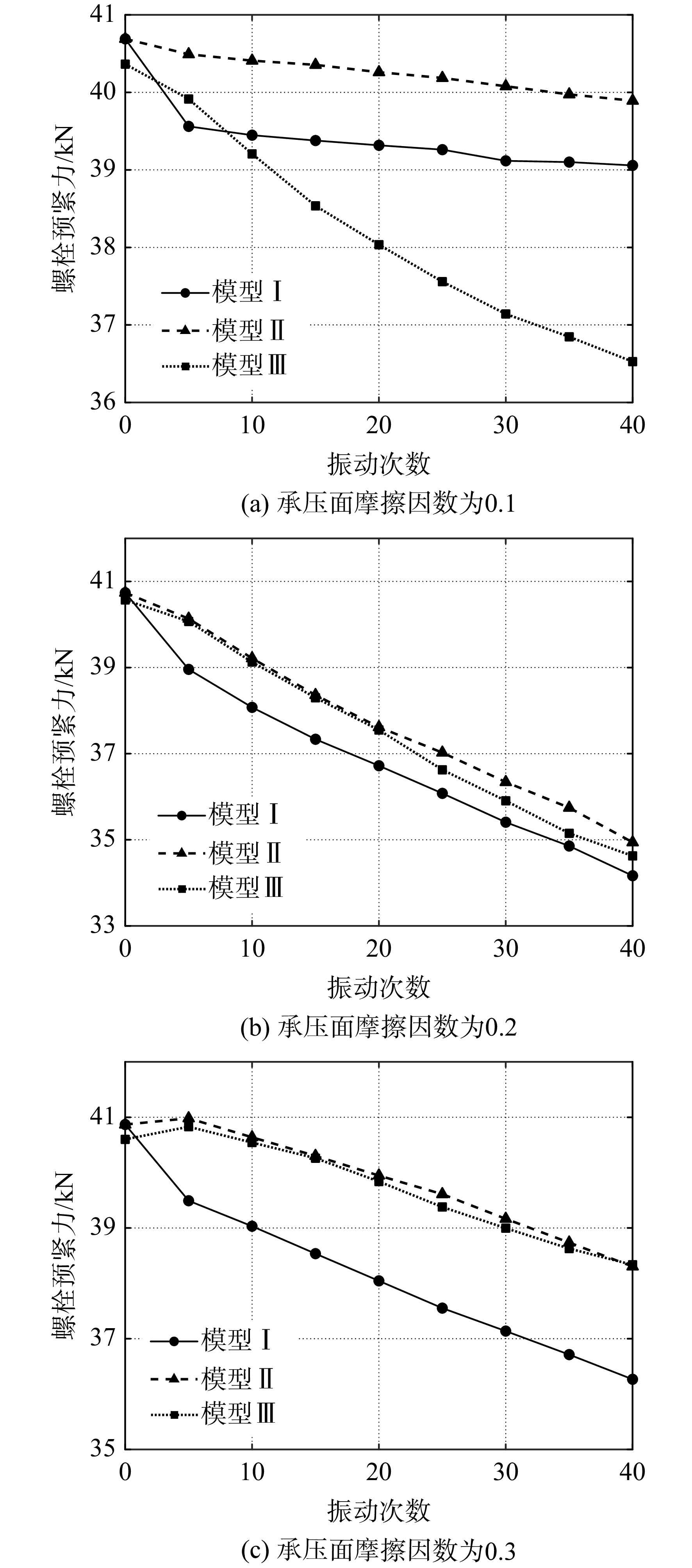
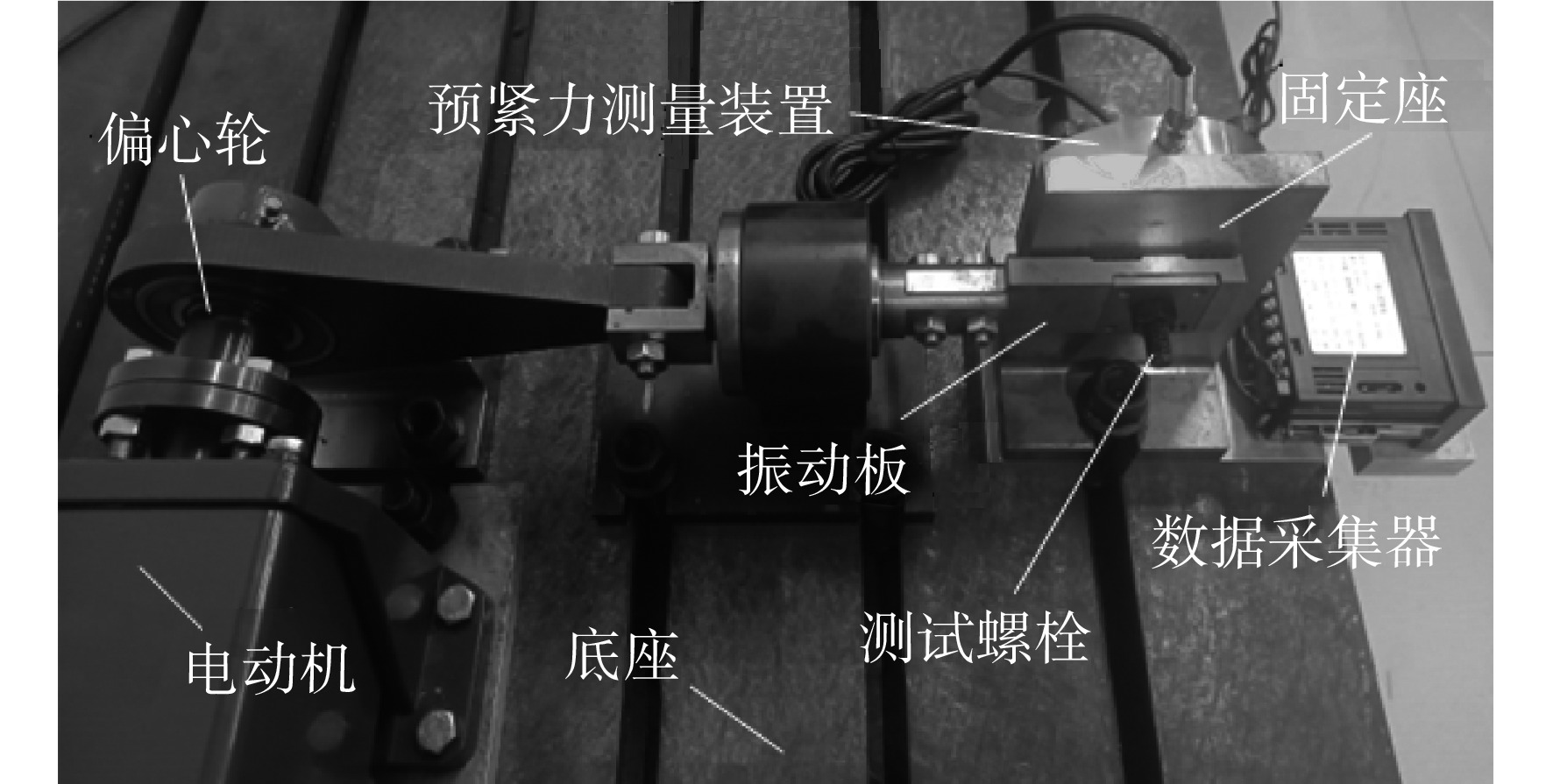
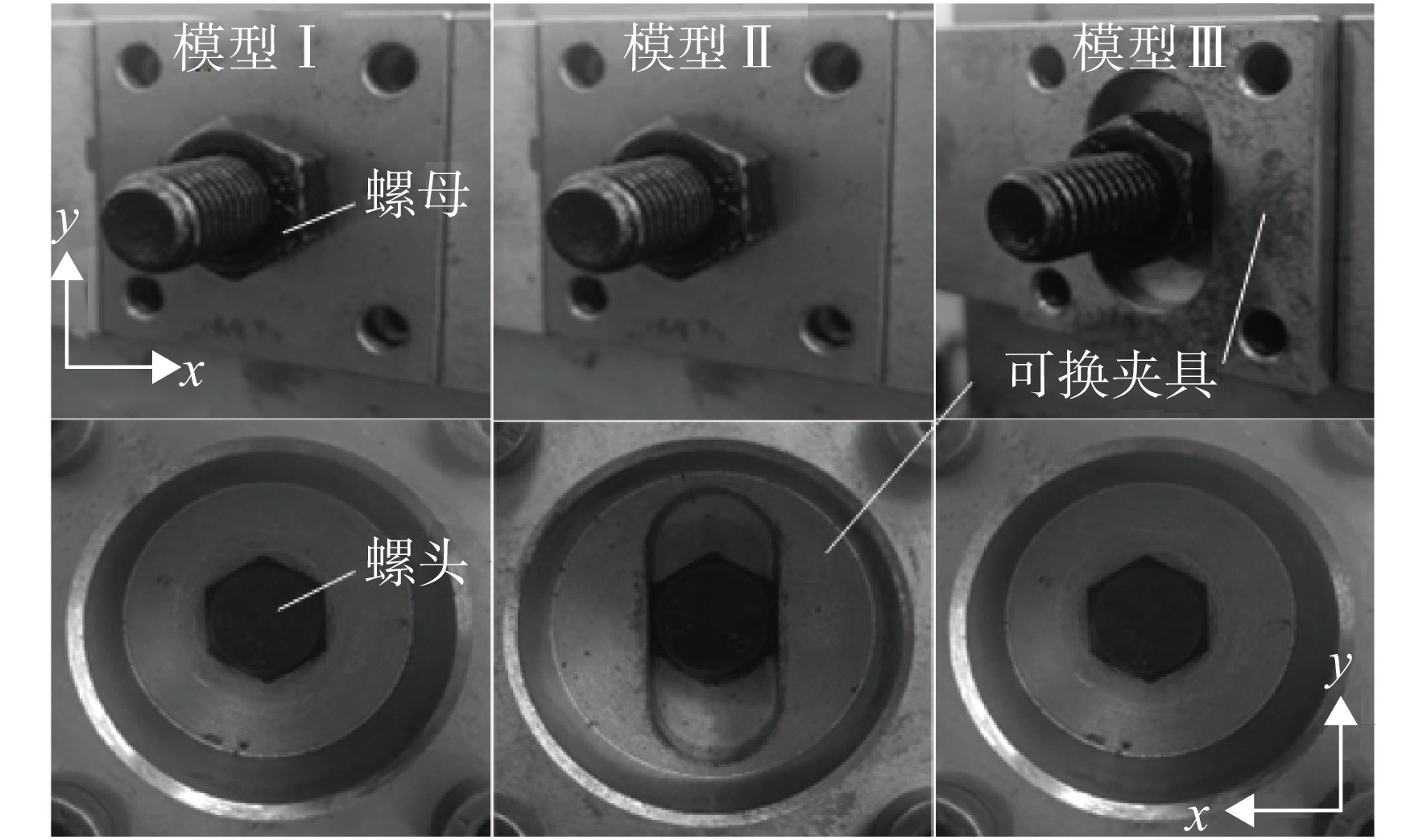
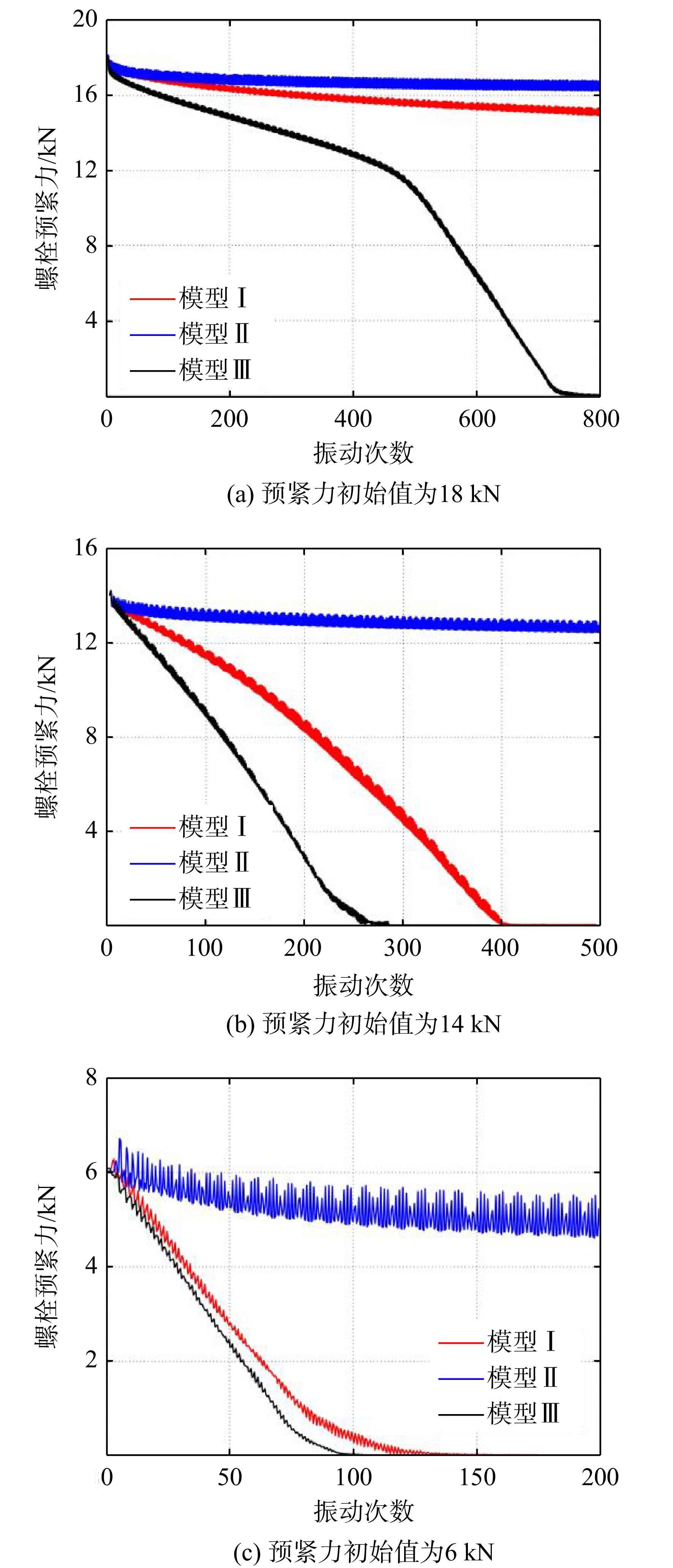
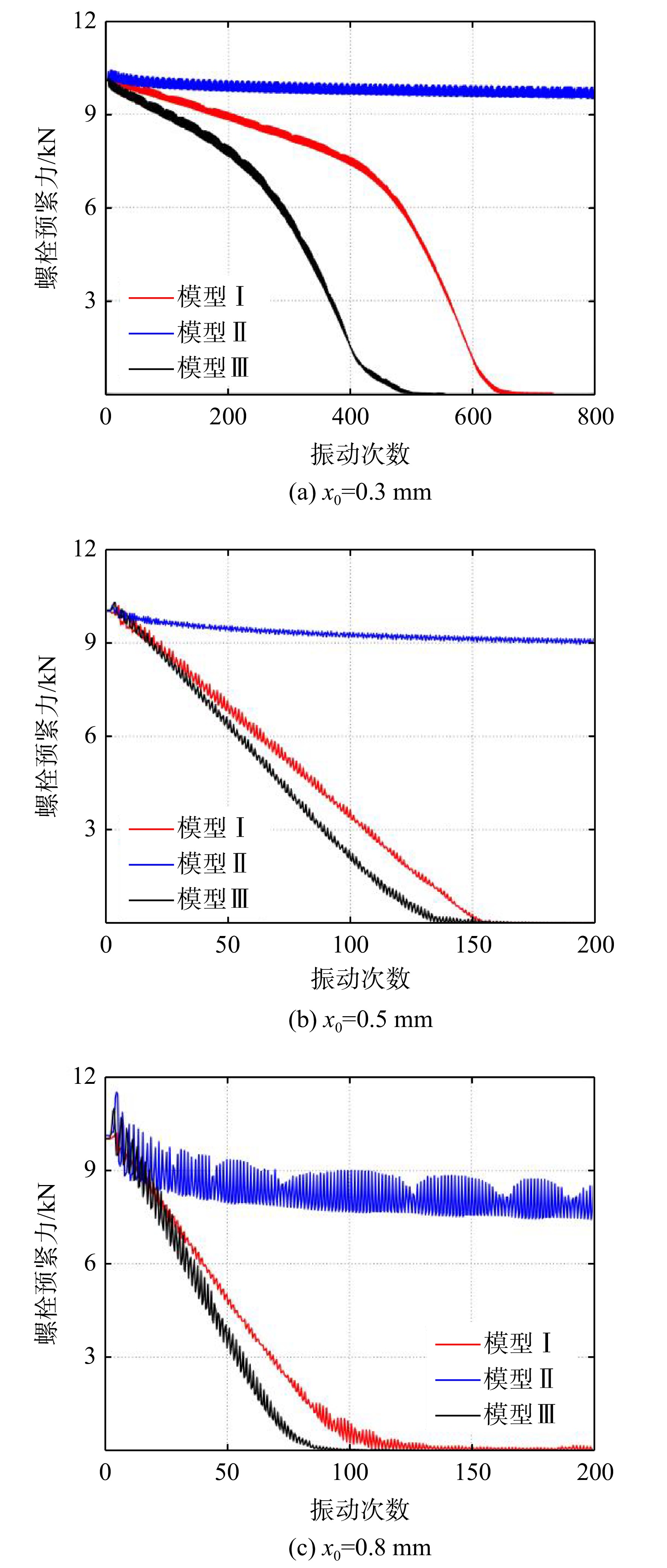
In order to investigate the effects of the constraint state of bolthead/nut on the thread loosening characteristics, two kinds of anti-loosening structures with bolthead constraint or nut constraint were proposed. The fine finite element model of a single-lapped and single bolted joint structure was developed, and the thread loosening process of different kinds of anti-loosening models under transverse vibration was simulated. Thereafter, the thread loosening characteristics of different models under different loading, friction factors of the threaded surfaces, and friction factors of the bearing surfaces were analyzed. A thread loosening test was carried out to verify the anti-loosening effect in the end. Results indicated that under the same conditions, for the ordinary bolted joint without constrained bolthead and nut, the preload loss was the largest in the pre-vibration period, and the easiest to occur loosening. For the new type of bolted joint with constrained bolt head, the preload recession was the slowest, the loss was the smallest, and it had excellent anti-loosening effect. For the bolted joint with constrained nut, the loosening was the fastest, and no anti-loosening effect was achieved. In the project application, the bolted joint of constraining the bolthead can be considered in design to improve the anti-loosening capability.

Analysis of vibration reduction characteristics and test methods of blisk damping ring
SUN Chao, QI Wenkai, NIU Nanke
2025, 40(5): 20230569. doi: 10.13224/j.cnki.jasp.20230569
Abstract:

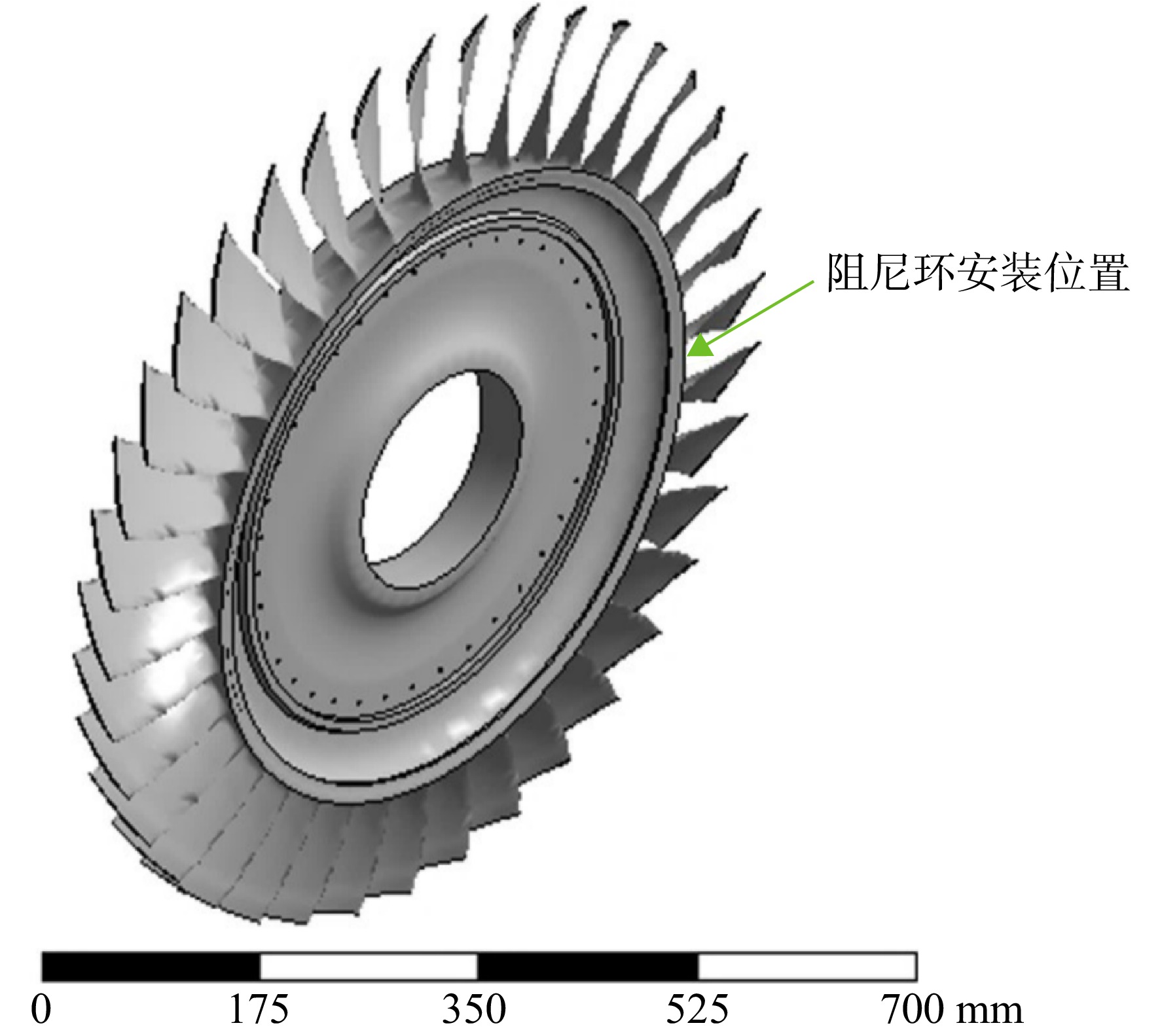
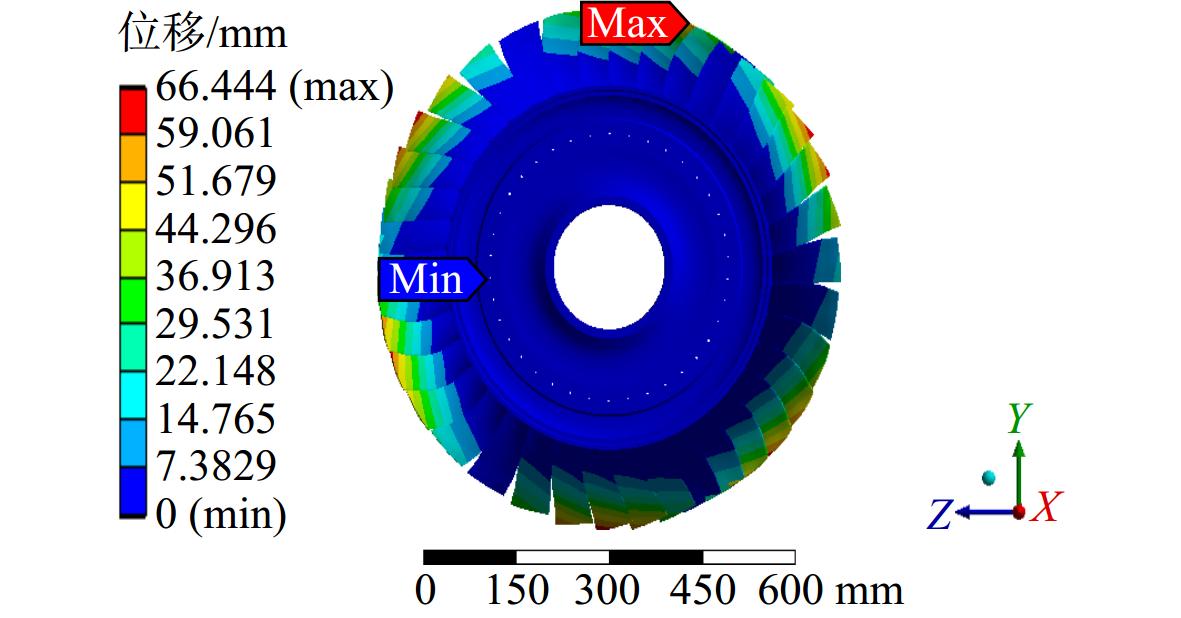
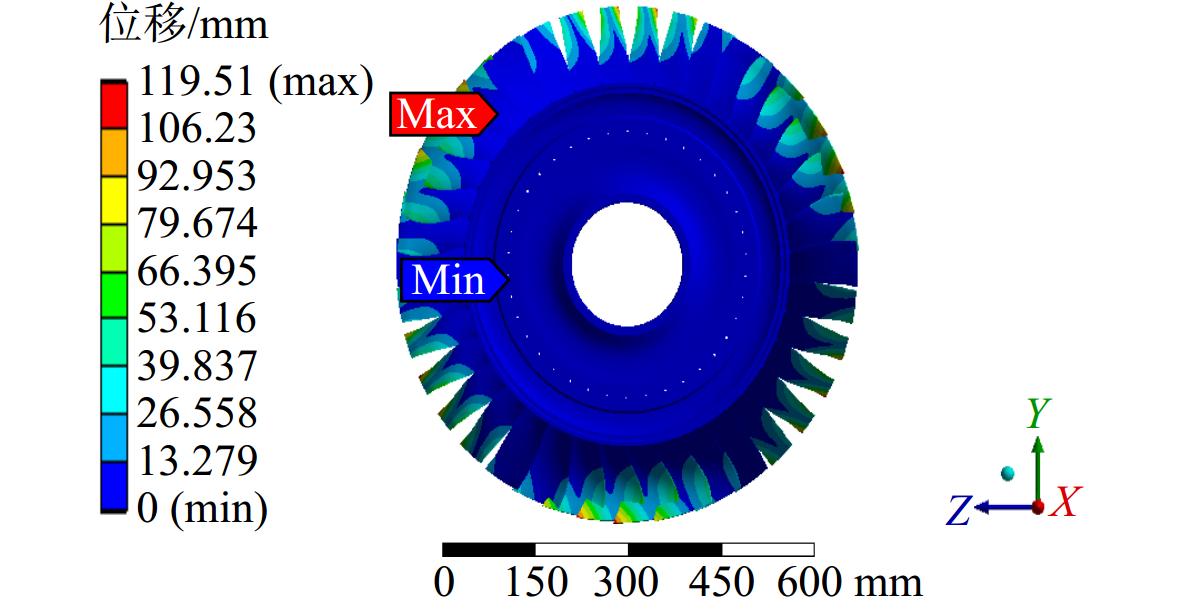
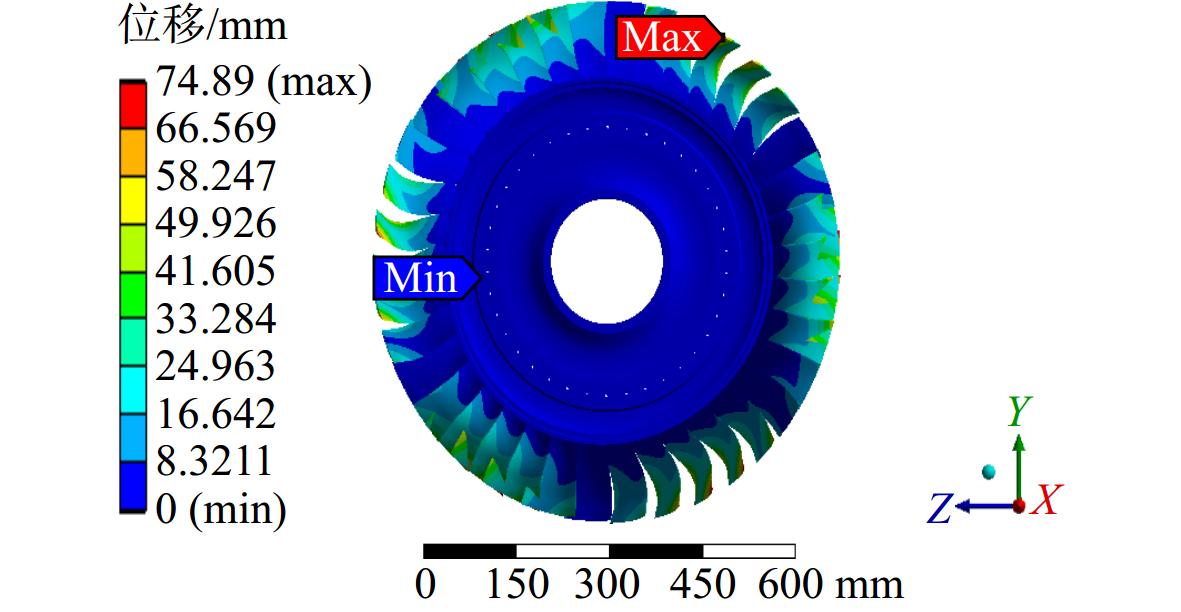
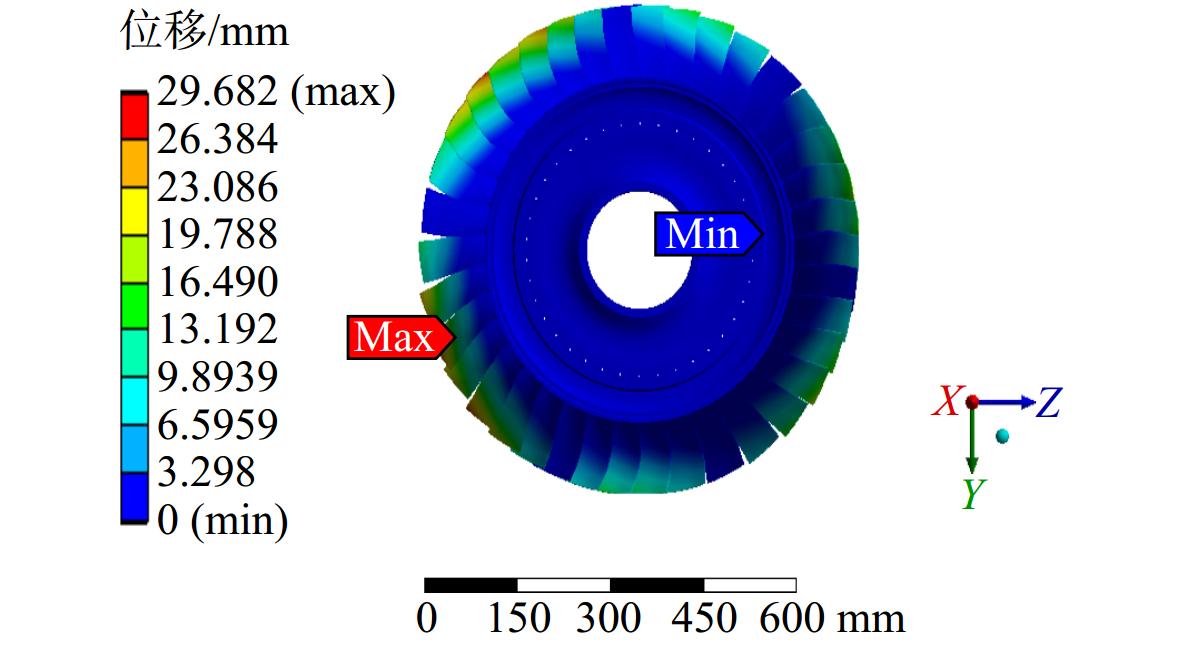
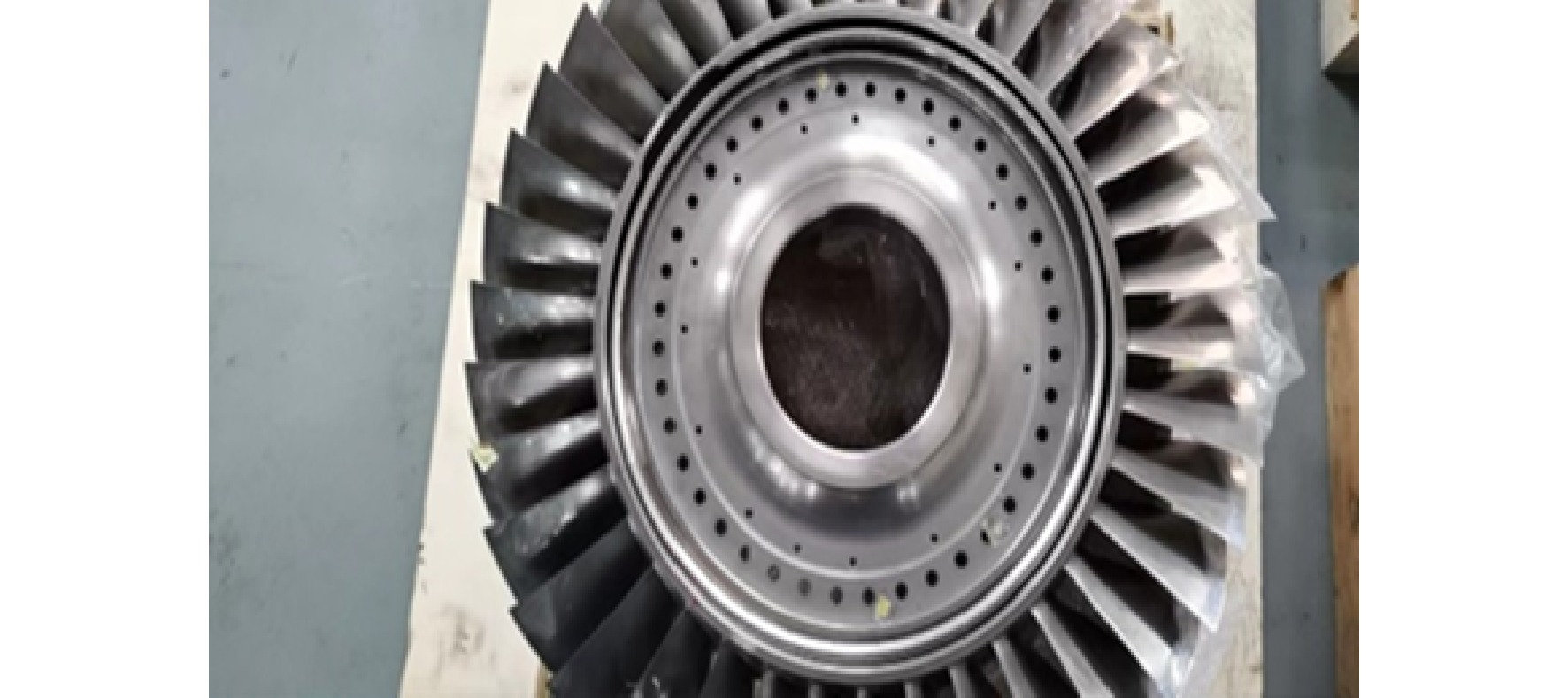
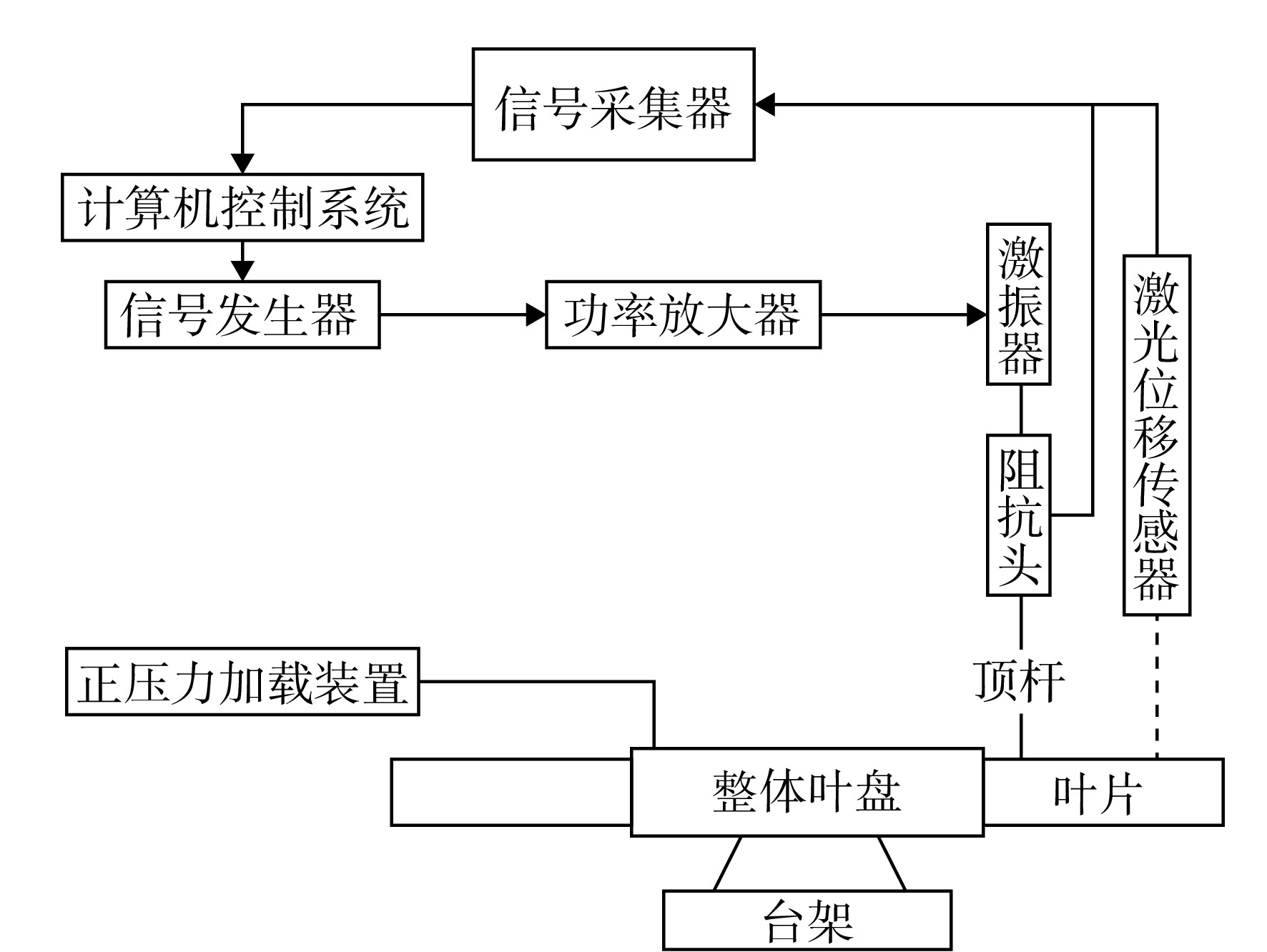
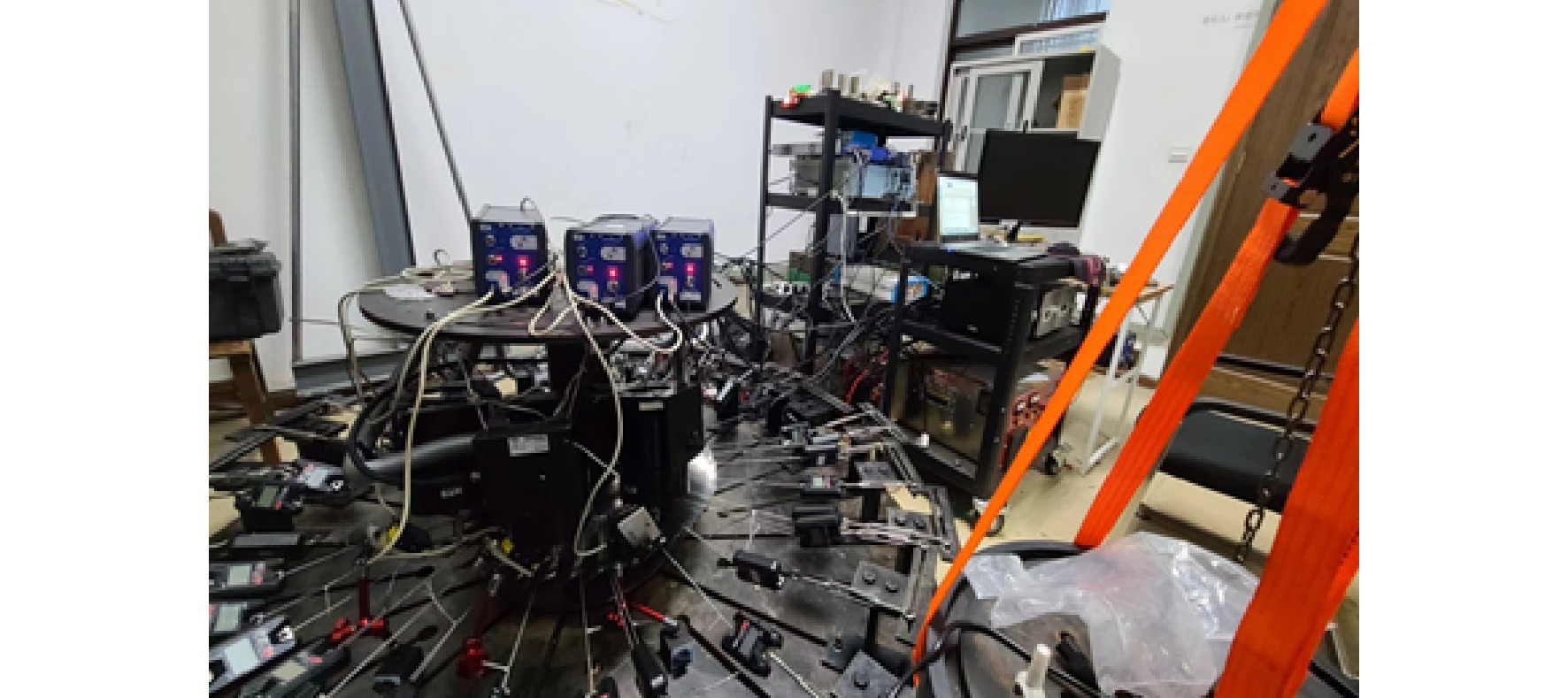
A real compressor blisk was taken as the research object, and the damping ring vibration reduction characteristics were analyzed for three node diameter modes of the blisk. A finite element model of the blisk was established. Based on the global-local unified sliding model, a vibration response analysis method suitable for annular damper system was developed, and the vibration response of a blisk under harmonic excitation was simulated using this method. A test system was designed to excite the pitch diameter vibration of the blisk. The rationality of the finite element model and the effectiveness of the calculation method were verified by tests. The results showed that the damping ring had a good effect on the vibration reduction of various modes, up to 60%. The test results agreed well with the simulation results, and the natural frequency errors were within 5%. The research results have some reference value to the vibration reduction design of the integral bladed disc structure in engineering.

Mechanism of influence of eccentricity on aeroelastic stability of labyrinth seal ring
SU Guozheng, SUN Dan, LI Yu, WANG Zhi, WANG Wen, XU Meipeng
2025, 40(5): 20220916. doi: 10.13224/j.cnki.jasp.20220916
Abstract:

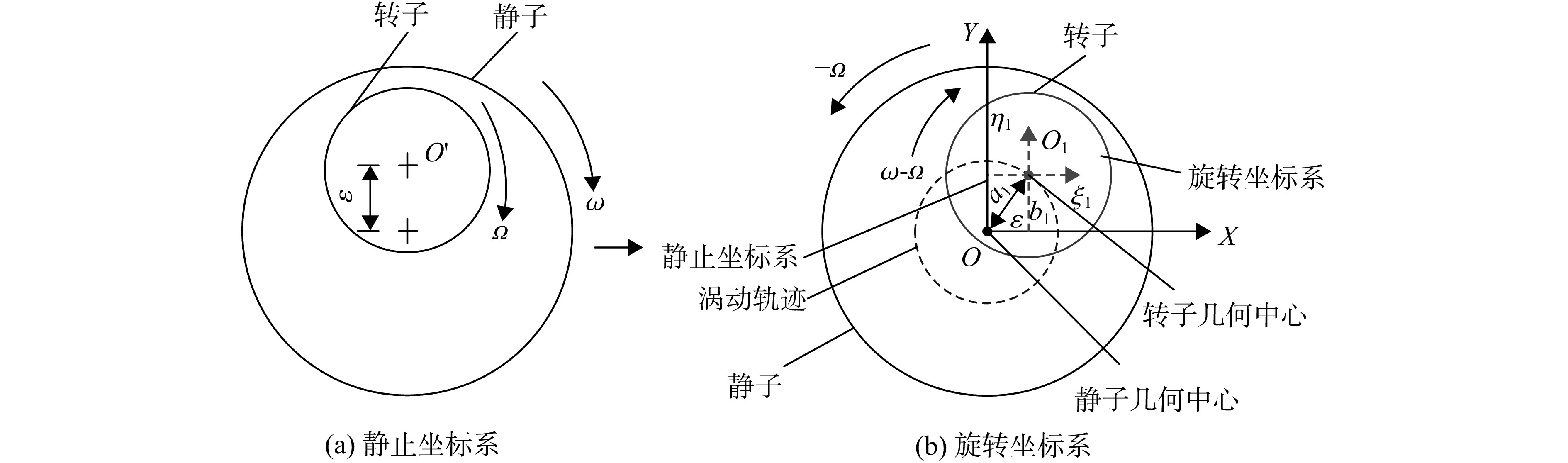
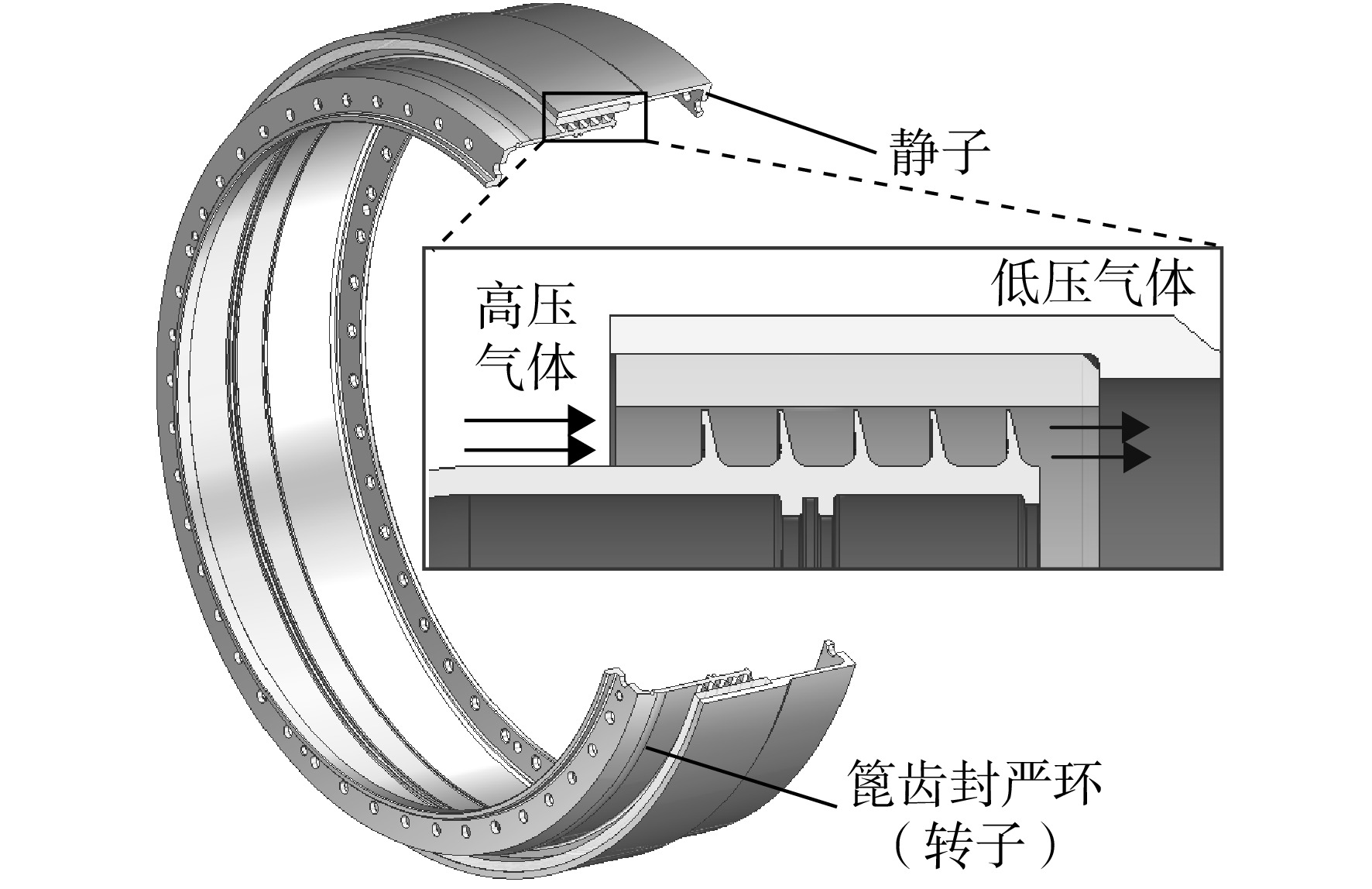
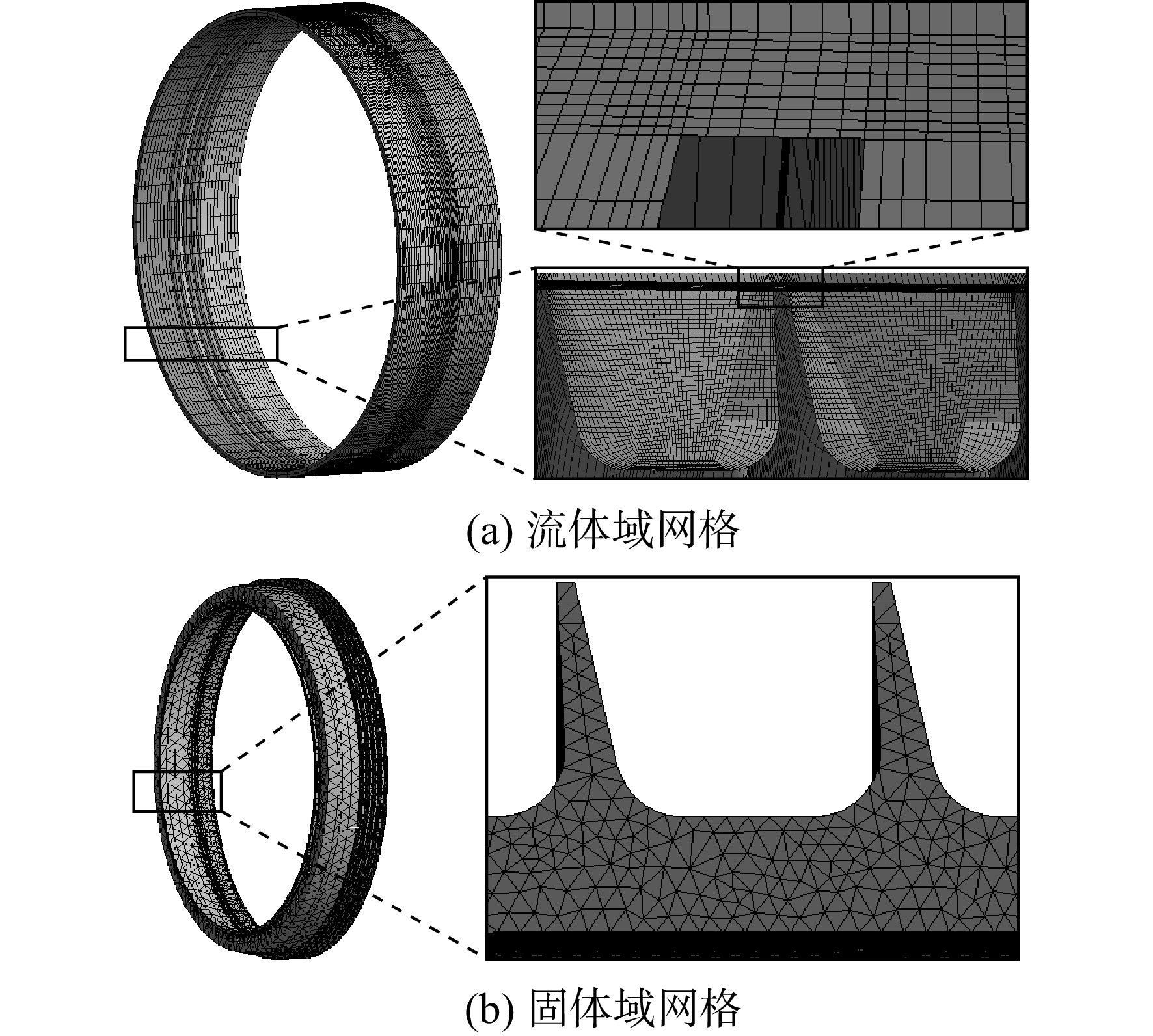
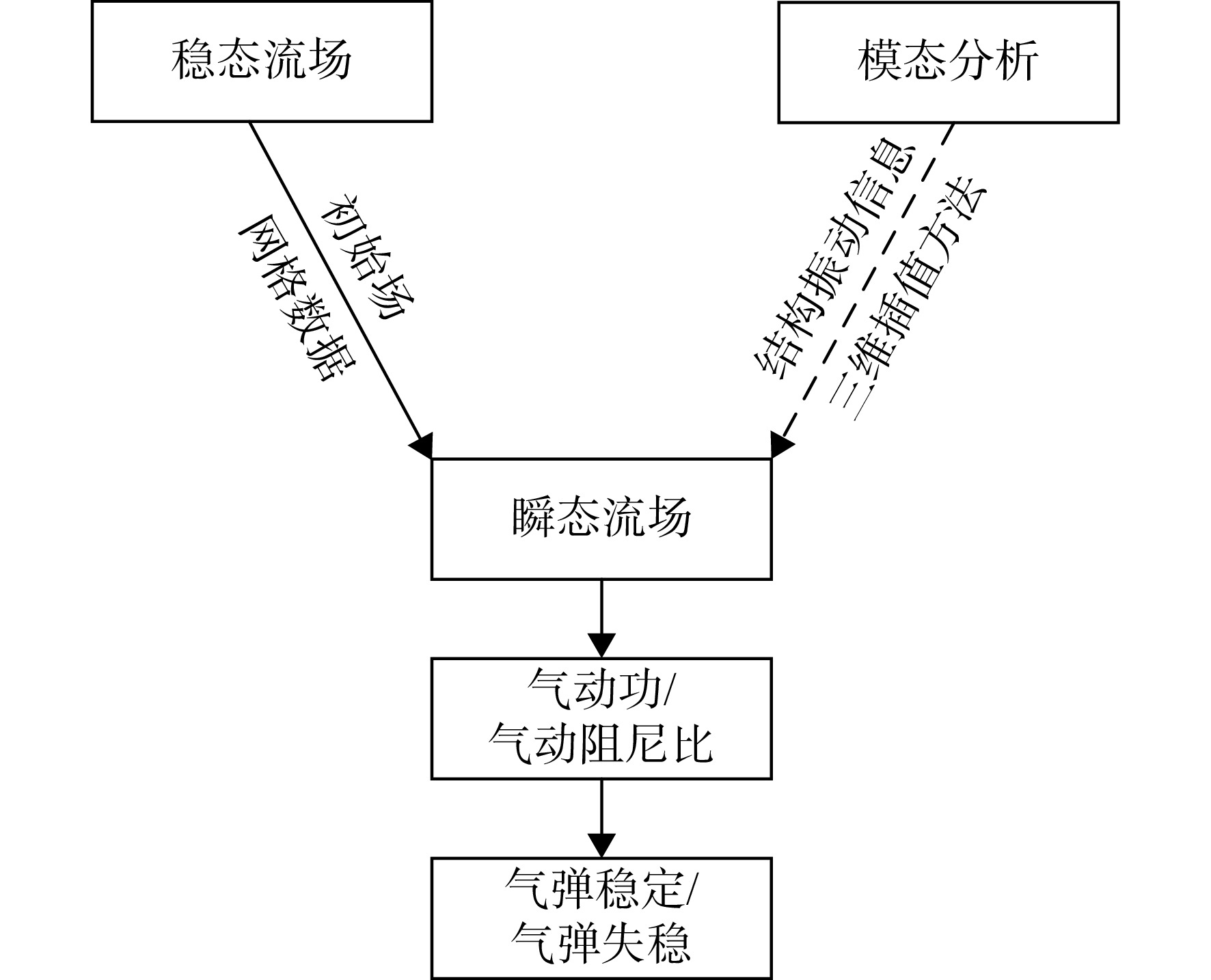
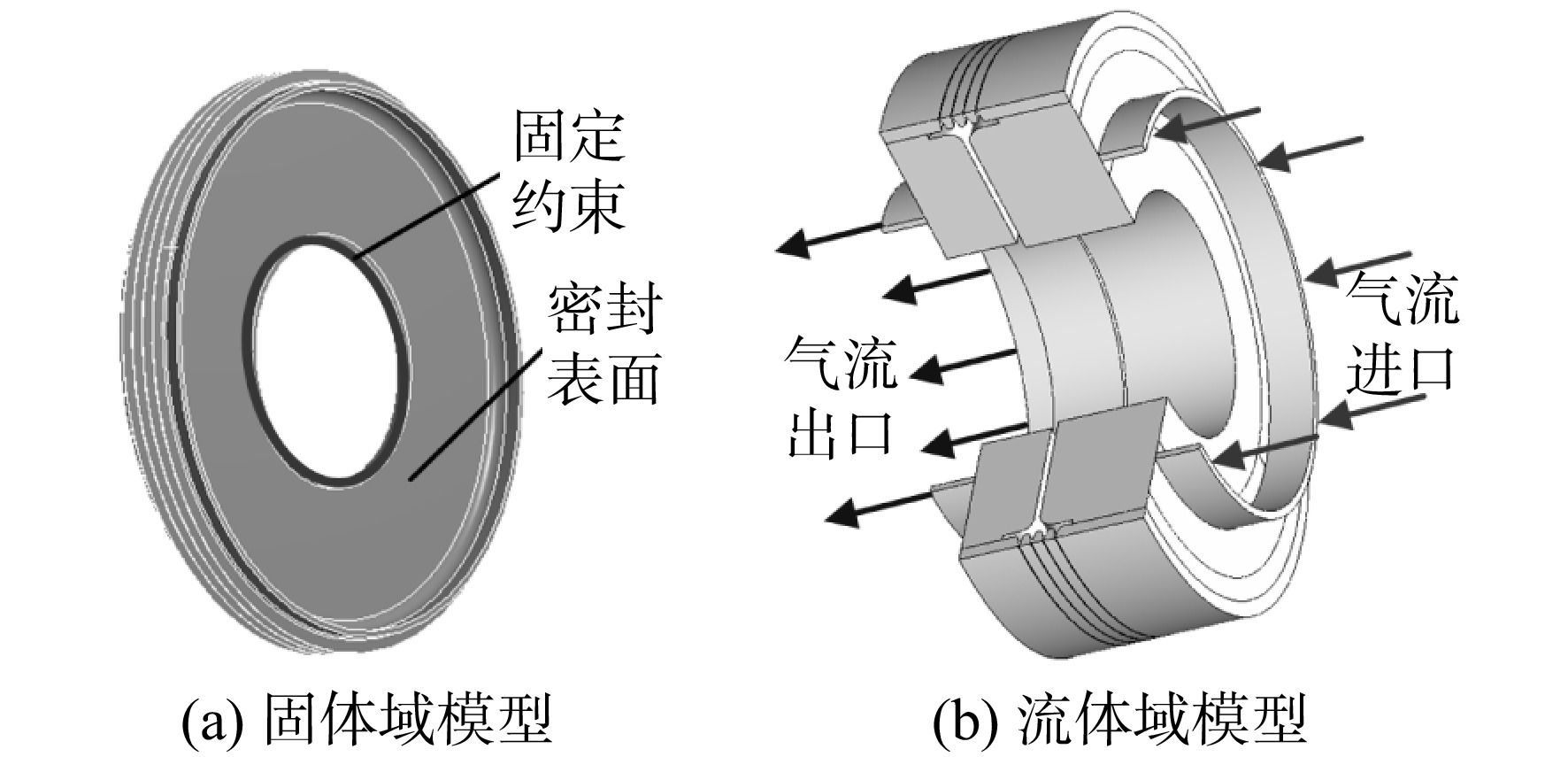
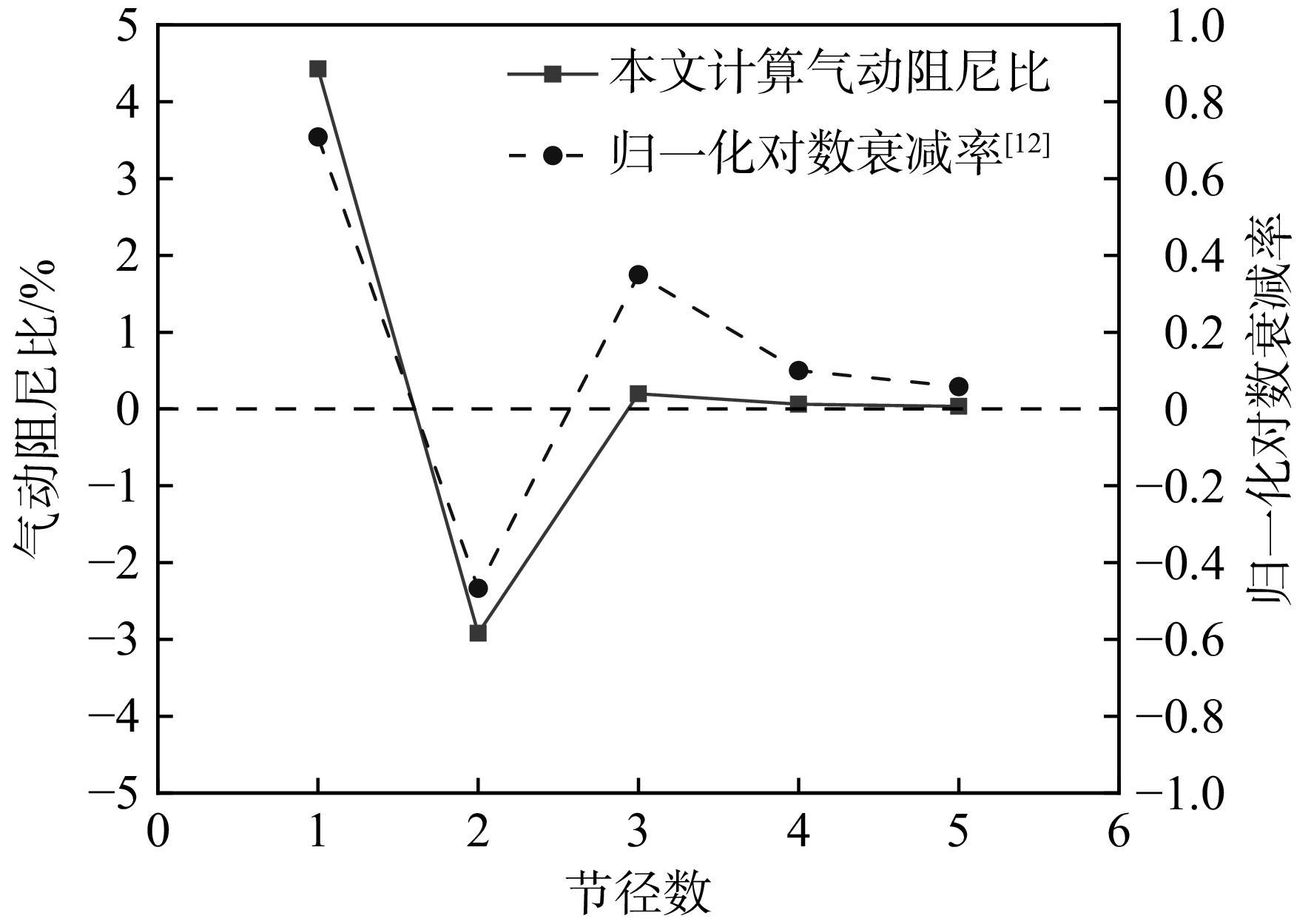
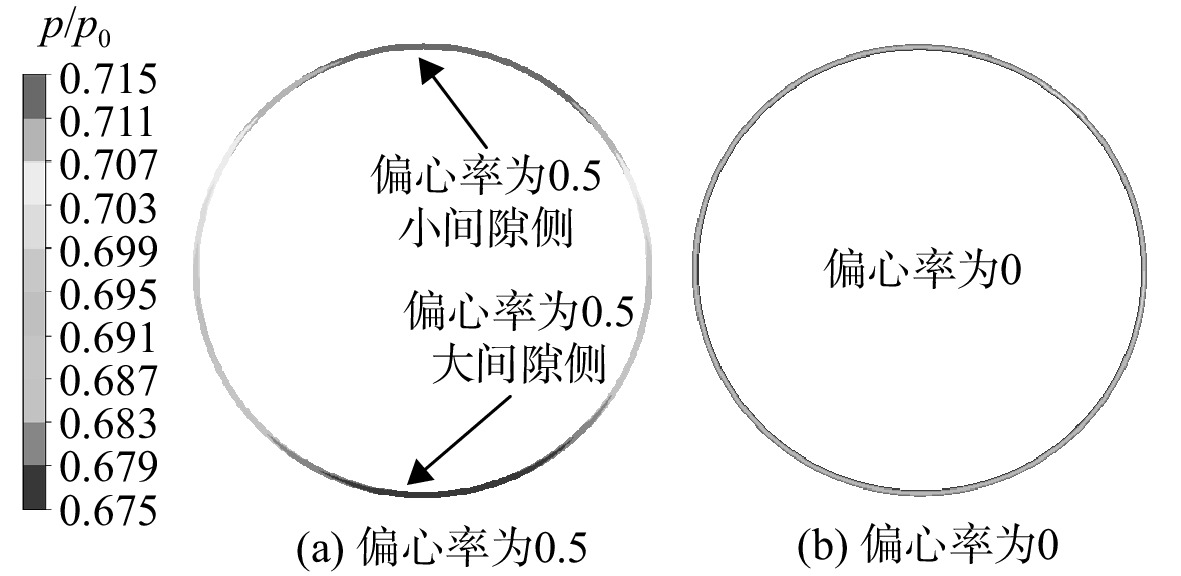
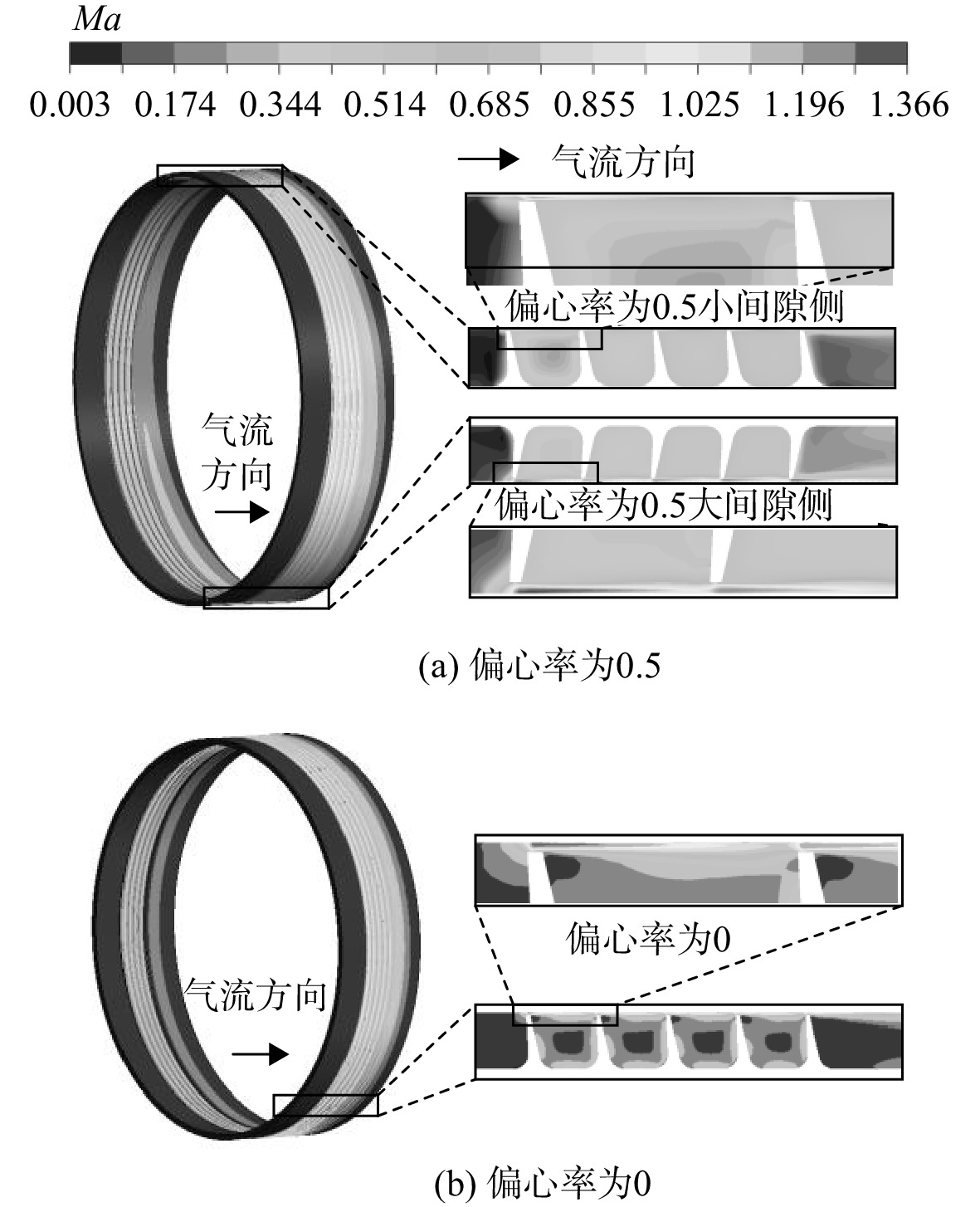
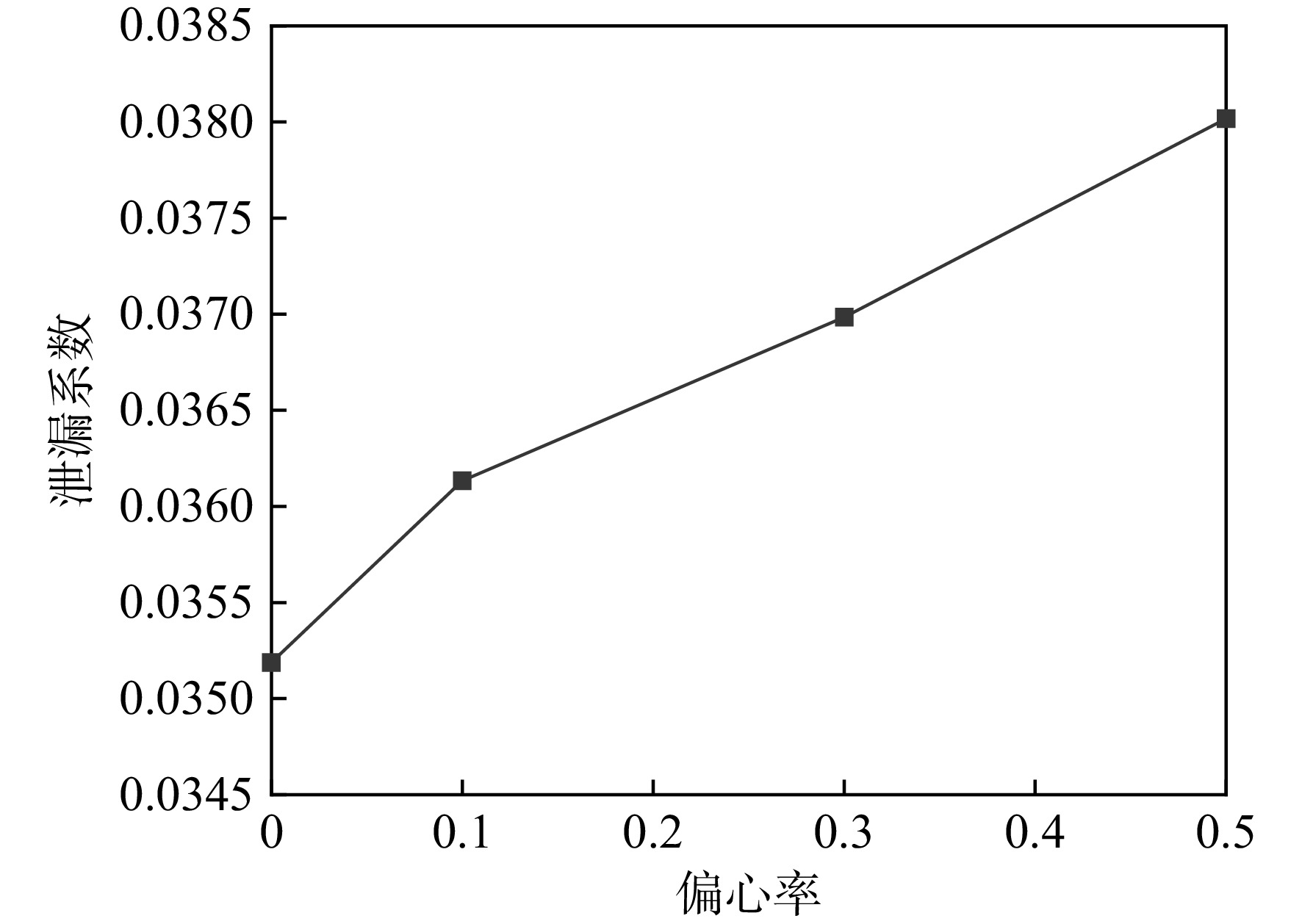
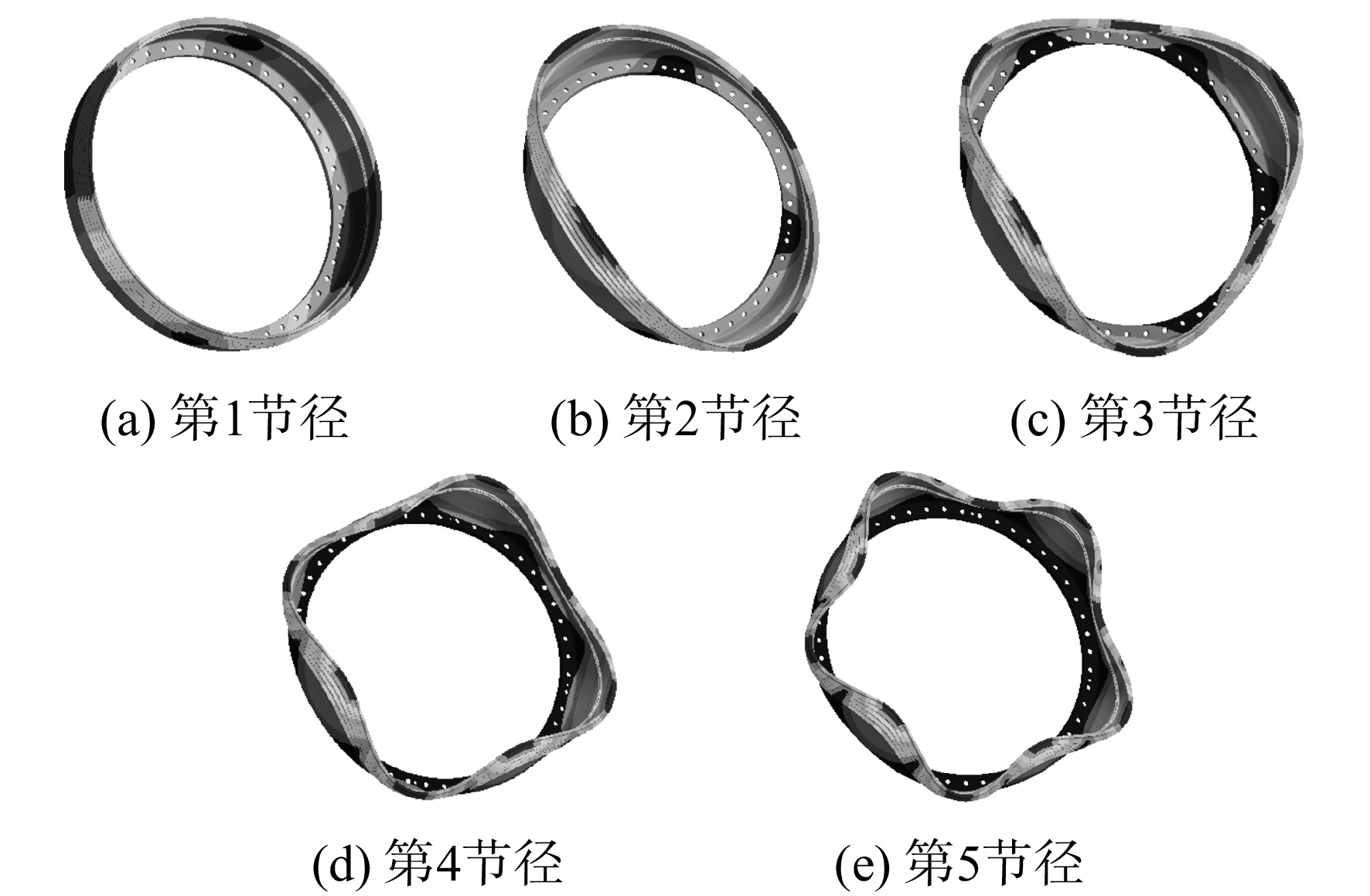
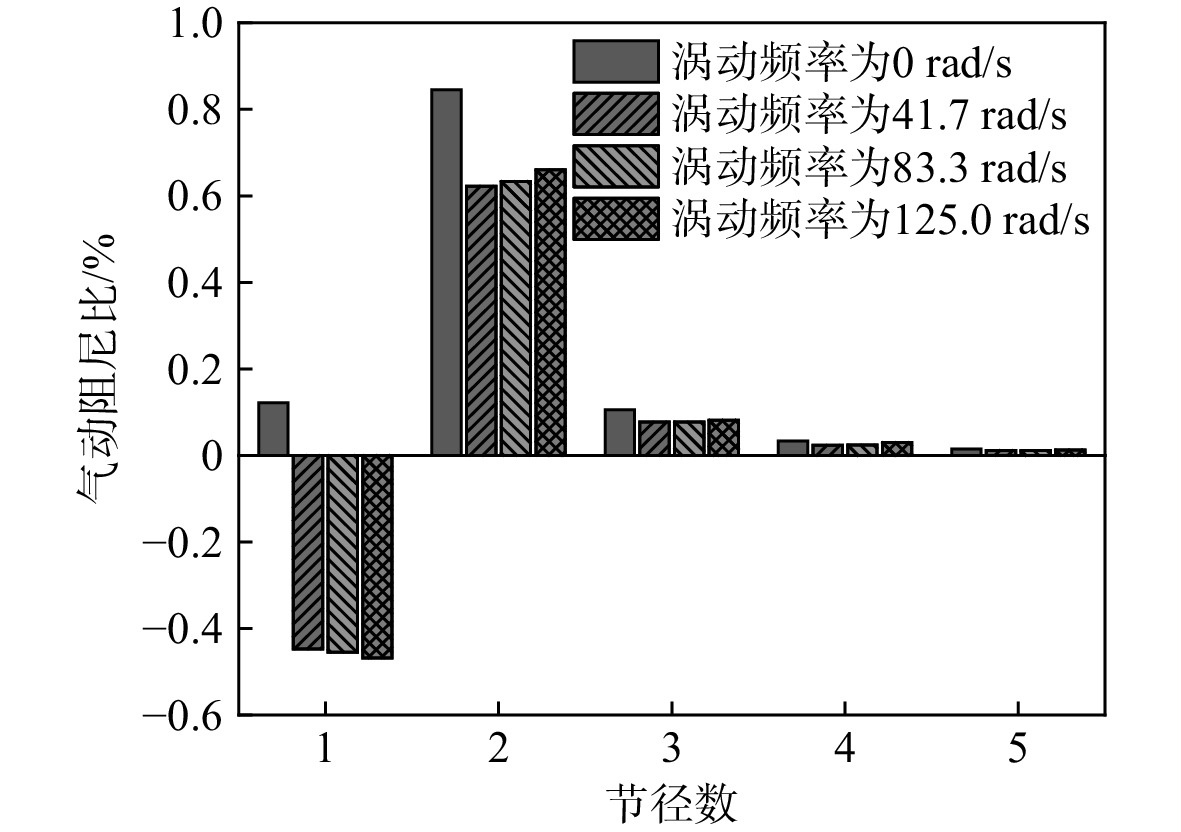
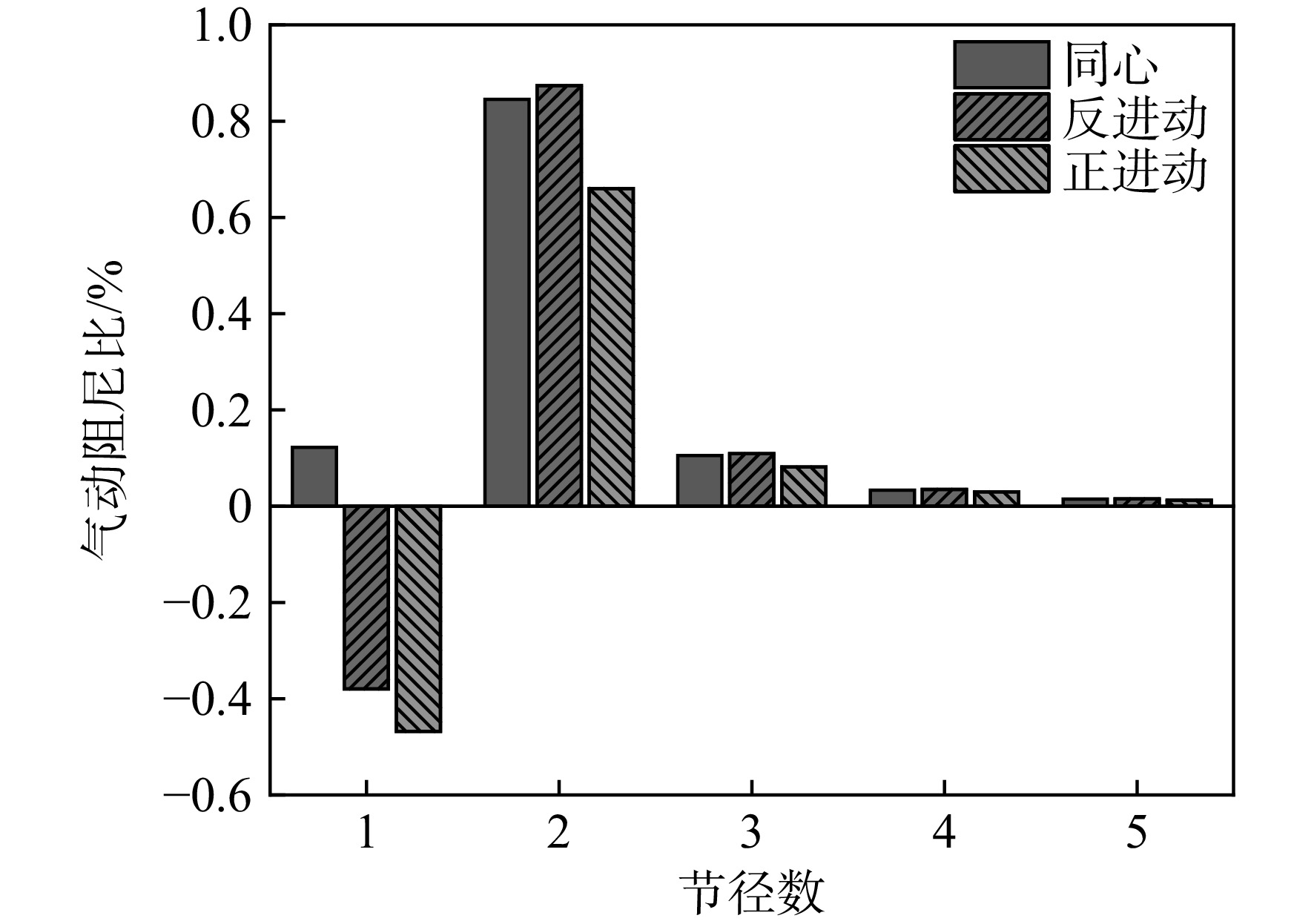
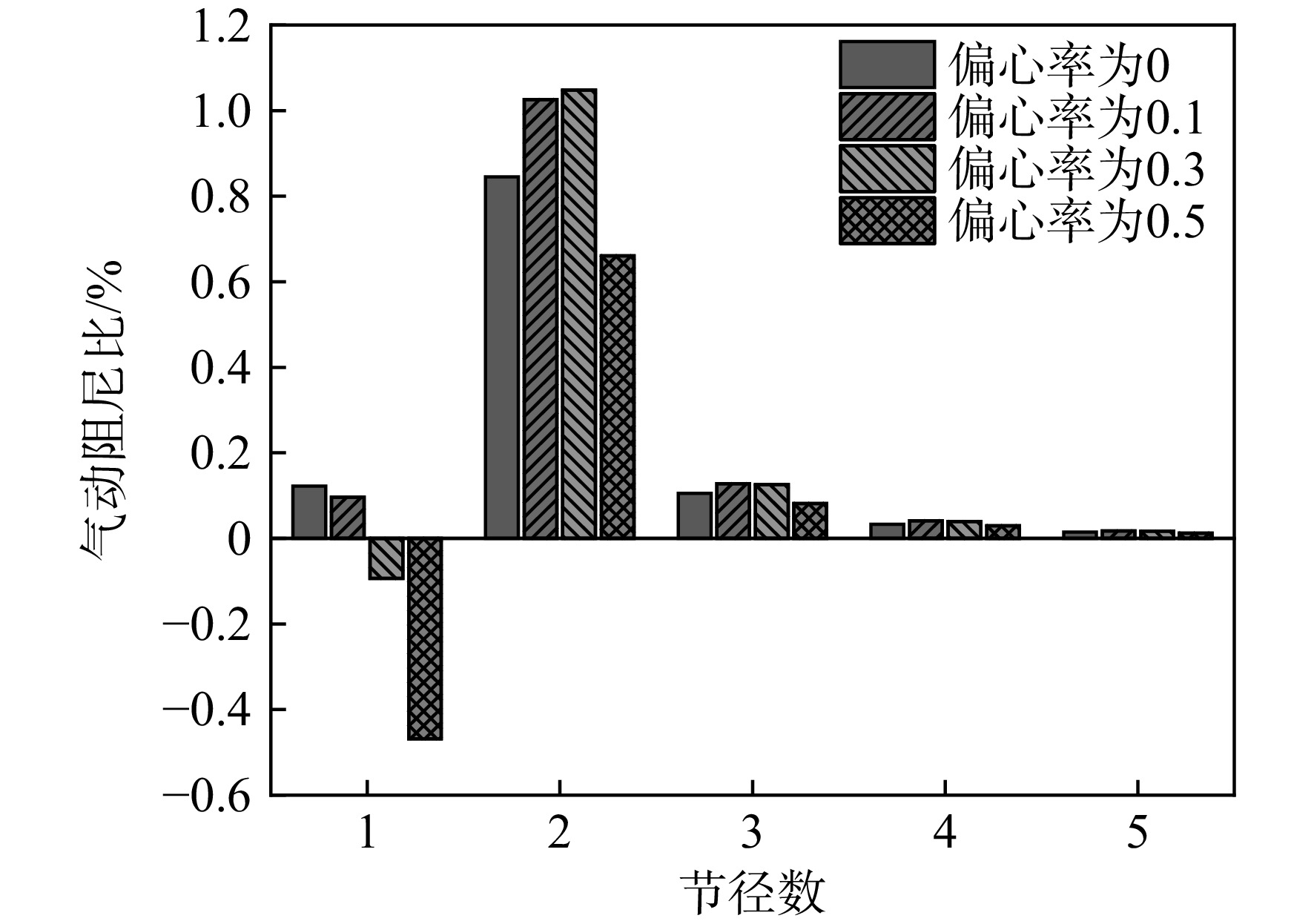
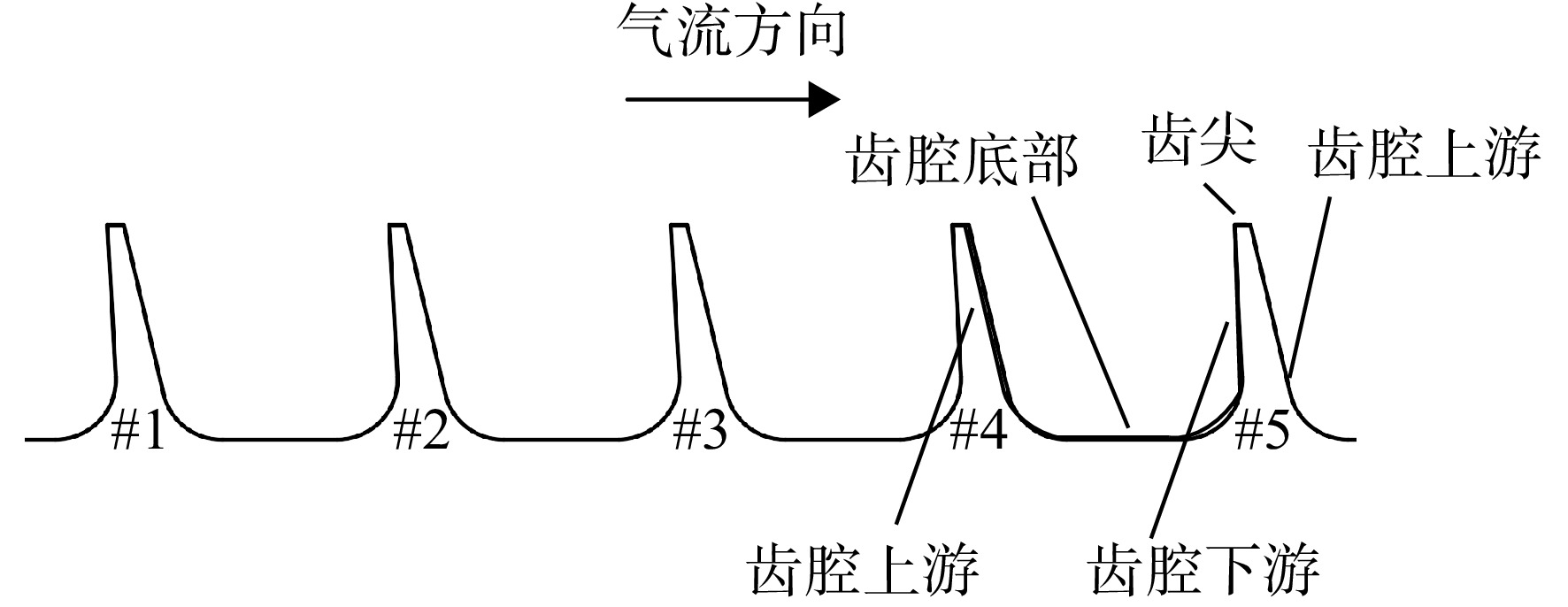
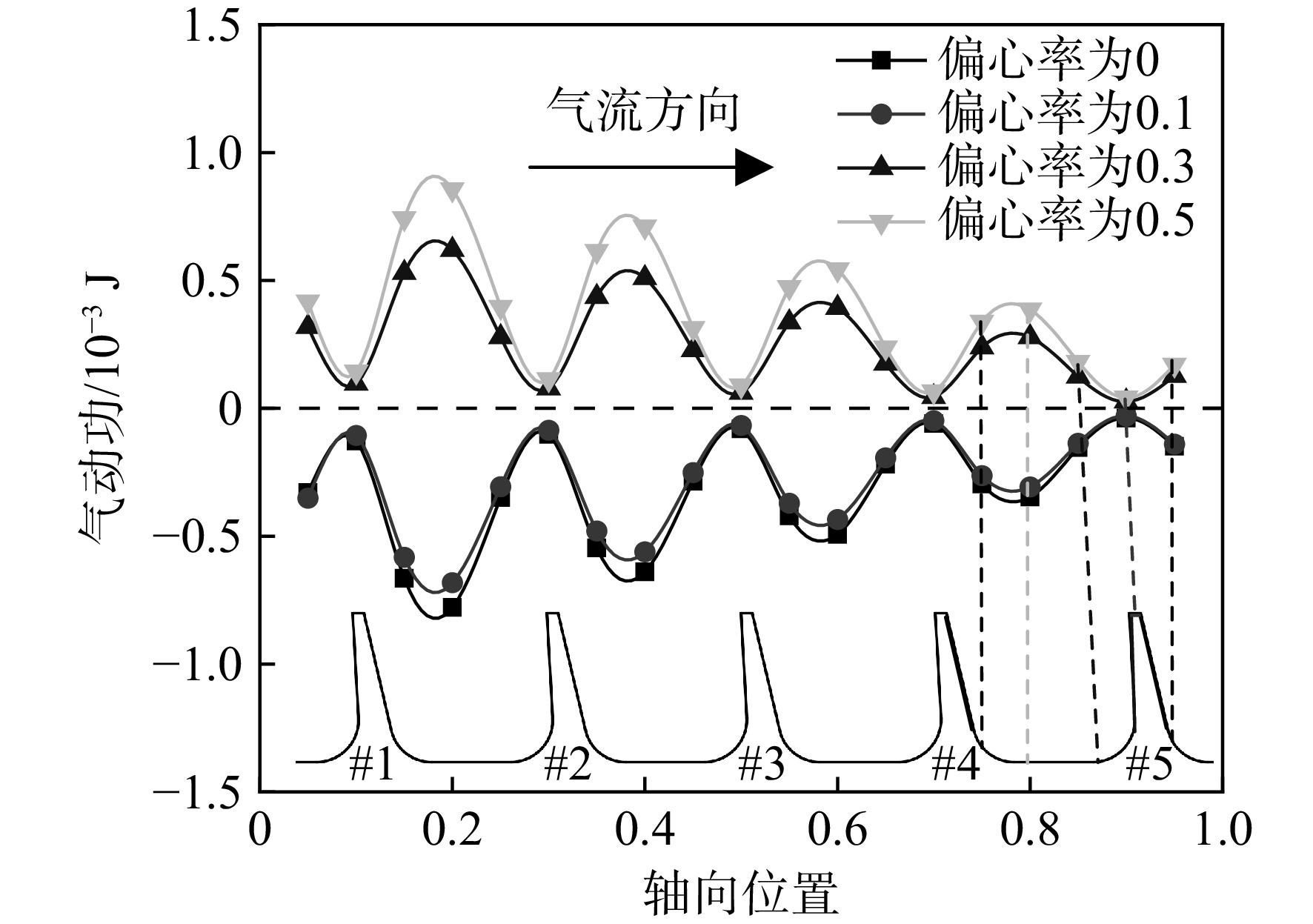
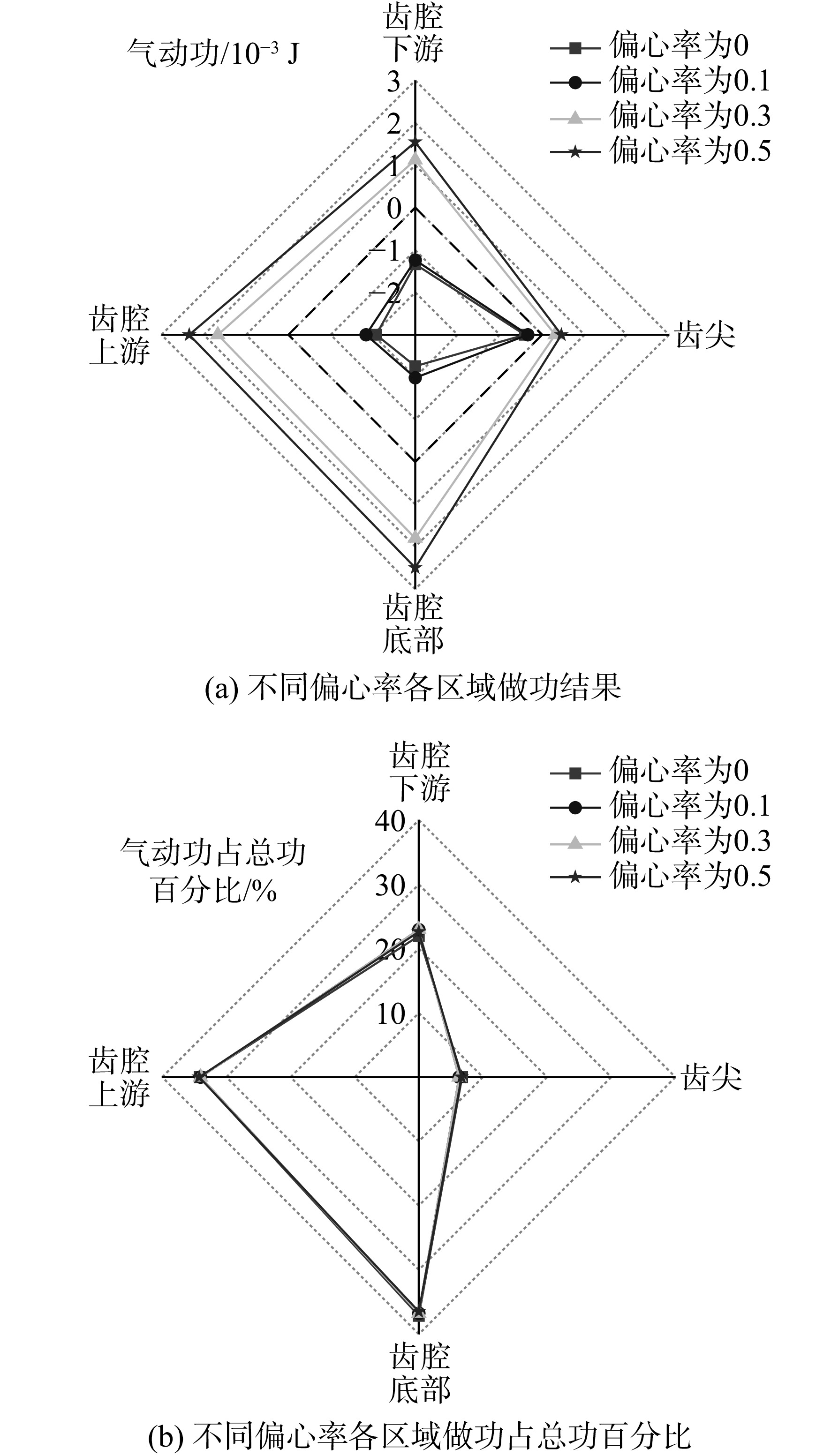
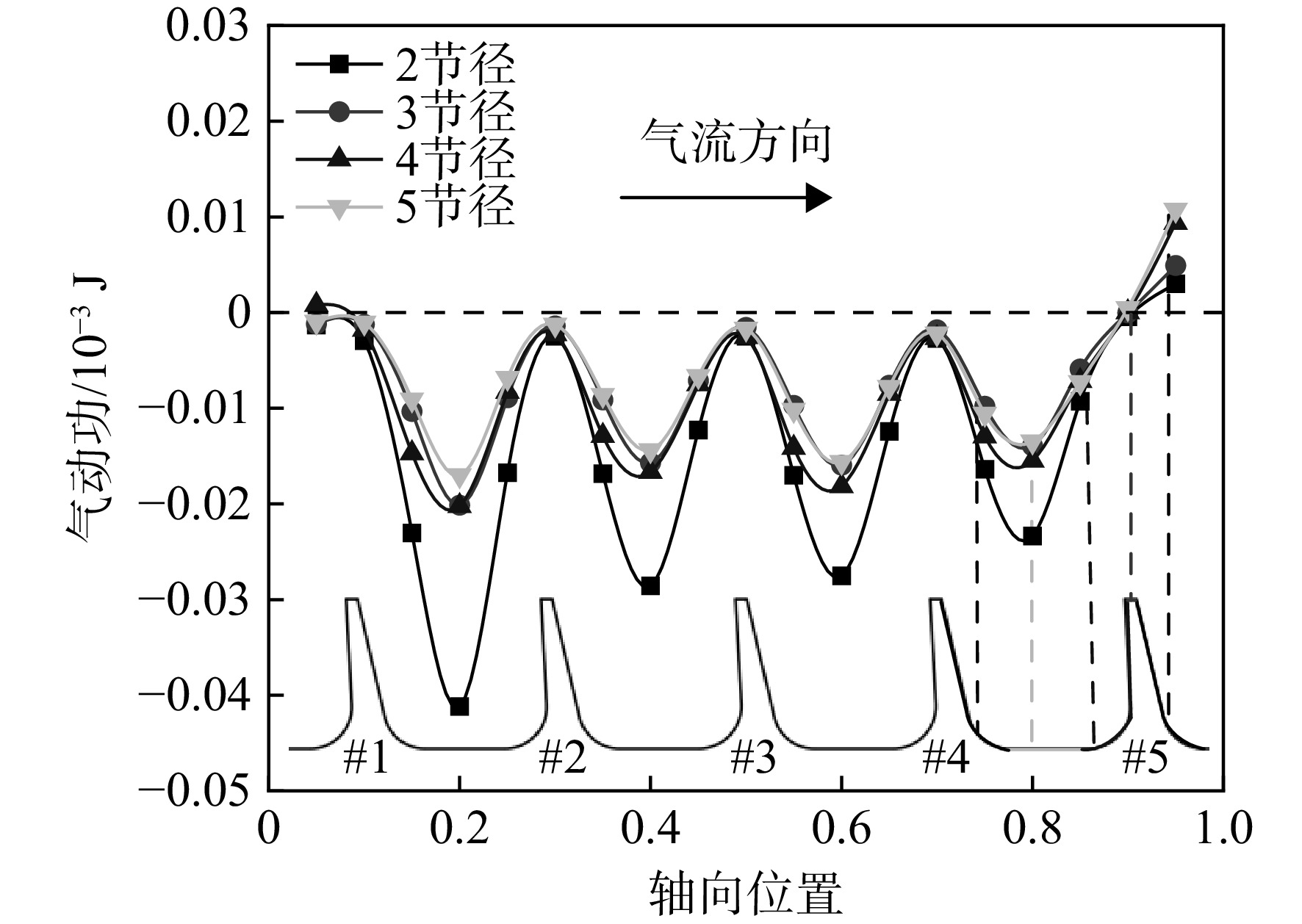
In view of the aeroelastic stability problem of the labyrinth seal ring under eccentric whirling state of the aeroengine, the rotating coordinate system, three-dimensional interpolation and unsteady dynamic mesh technology were used to establish a solution model for the aeroelastic stability of the labyrinth seal ring based on the energy method, taking into account the factors of eccentric whirling and modal shape of the labyrinth seal ring. On the basis of verifying the accuracy of the solution model, the aeroelastic stability of the labyrinth seal ring under the eccentric condition was studied. The influence law of whirling frequency, precession form and mode shape on the aeroelastic stability of labyrinth seal ring was analyzed. The distribution characteristics of the aerodynamic work of labyrinth seal ring in different regions of the tooth cavities were analyzed, and the influence mechanism of eccentricity on the aeroelastic stability of labyrinth seal ring was revealed. The results showed that the aerodynamic damping ratio of labyrinth seal ring with low nodal diameter was more susceptible to eccentric whirling than that of other nodal diameters. The aerodynamic damping ratio of the first nodal diameter gradually decreased with the increase of eccentricity and changed from positive to negative value, leading to aerodynamic instability. Compared with the forward precession, the backward precession had larger aerodynamic damping ratio. Under stable state, the aerodynamic damping ratio increased with the increase of the whirling frequency. The aerodynamic work of the labyrinth seal ring presented waveform attenuation and oscillation distribution along the axial direction, and the amplitude of oscillation decayed step by step along the direction of the air flow. The aerodynamic work of the low pressure side of the labyrinth seal ring under stable state changed from negative work to positive work. The increase of eccentricity led to gradual increase of aerodynamic work in each axial region of the labyrinth seal ring, resulting in the change of the total aerodynamic work from negative to positive, resulting in instability. The increase of eccentricity did not change the contribution rate of aerodynamic work in each region to the total work.

Study on the influence of support blade vibration on aerodynamic pulsation pressure load
ZHANG Junjie, WANG Meng, LI Lili, LI Songyan, JING Jianping
2025, 40(5): 20230591. doi: 10.13224/j.cnki.jasp.20230591
Abstract:

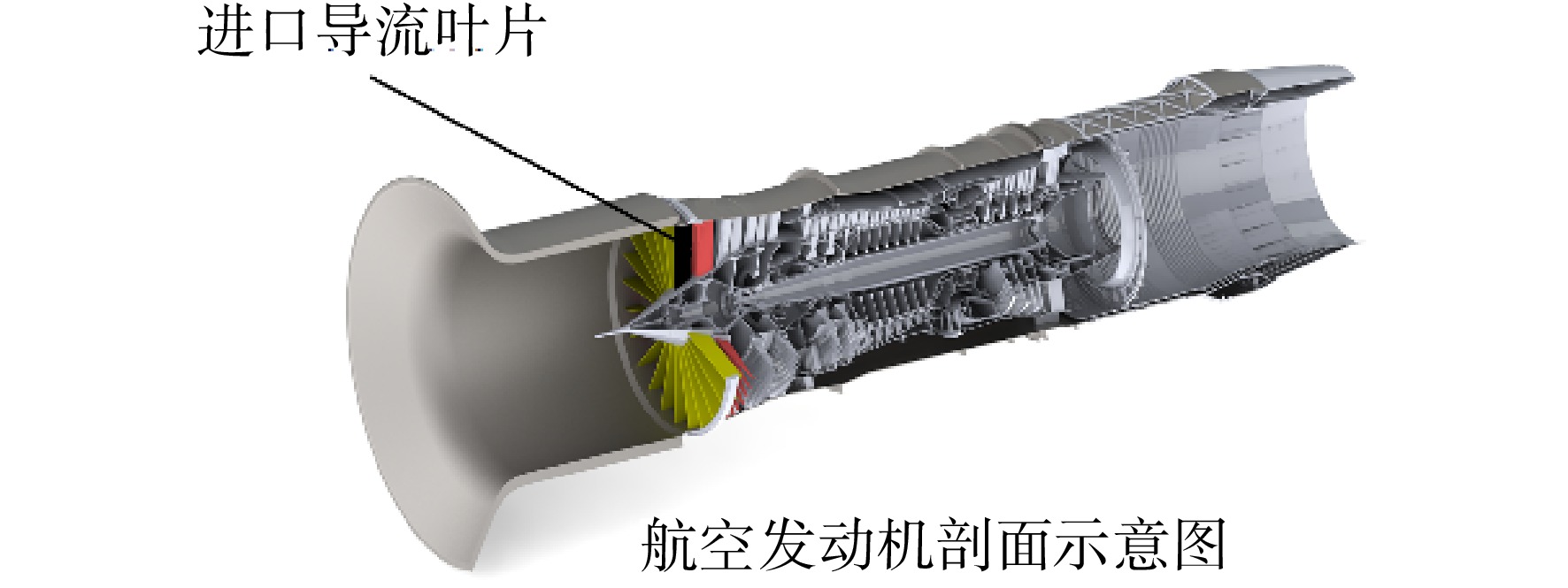
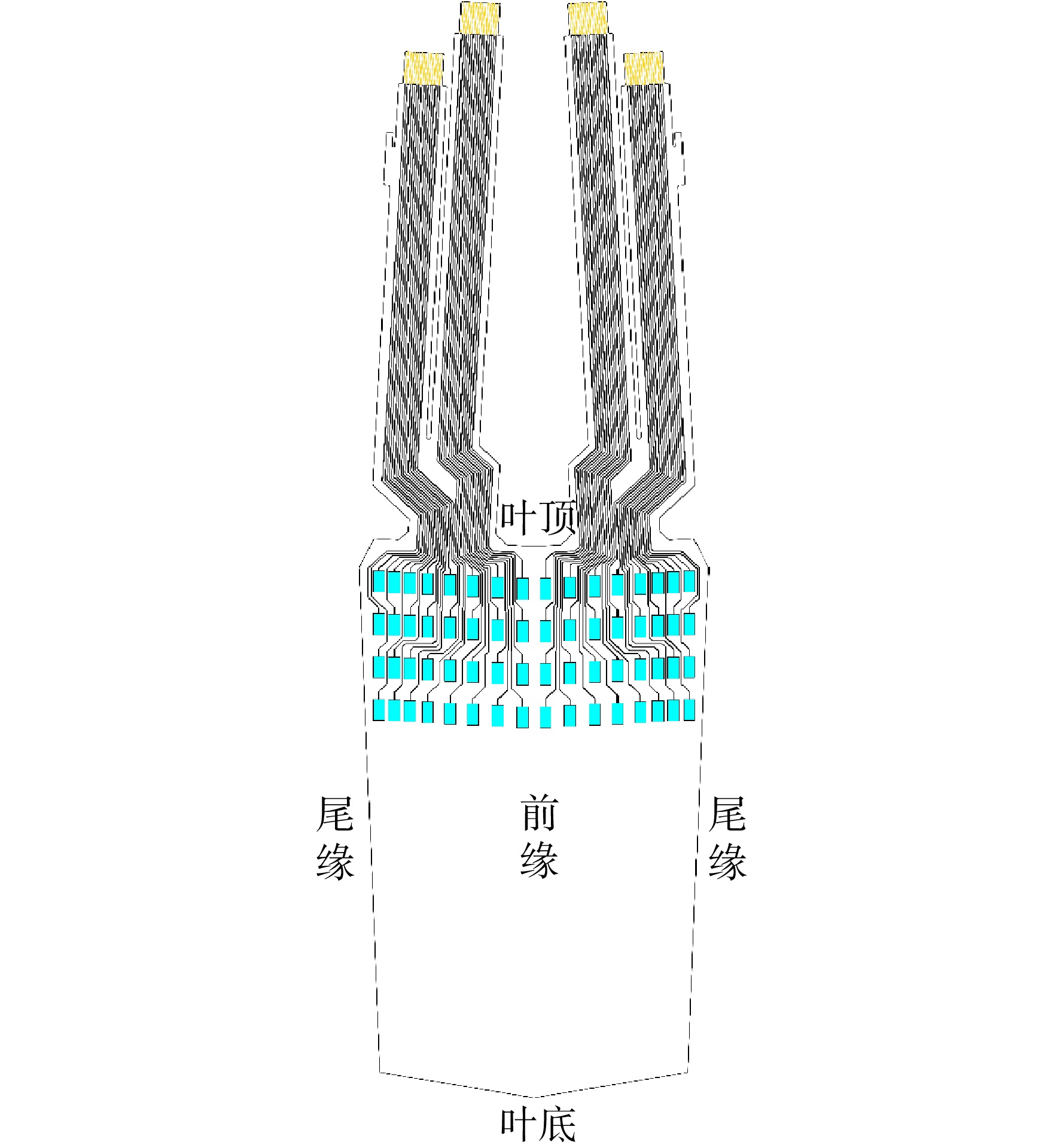
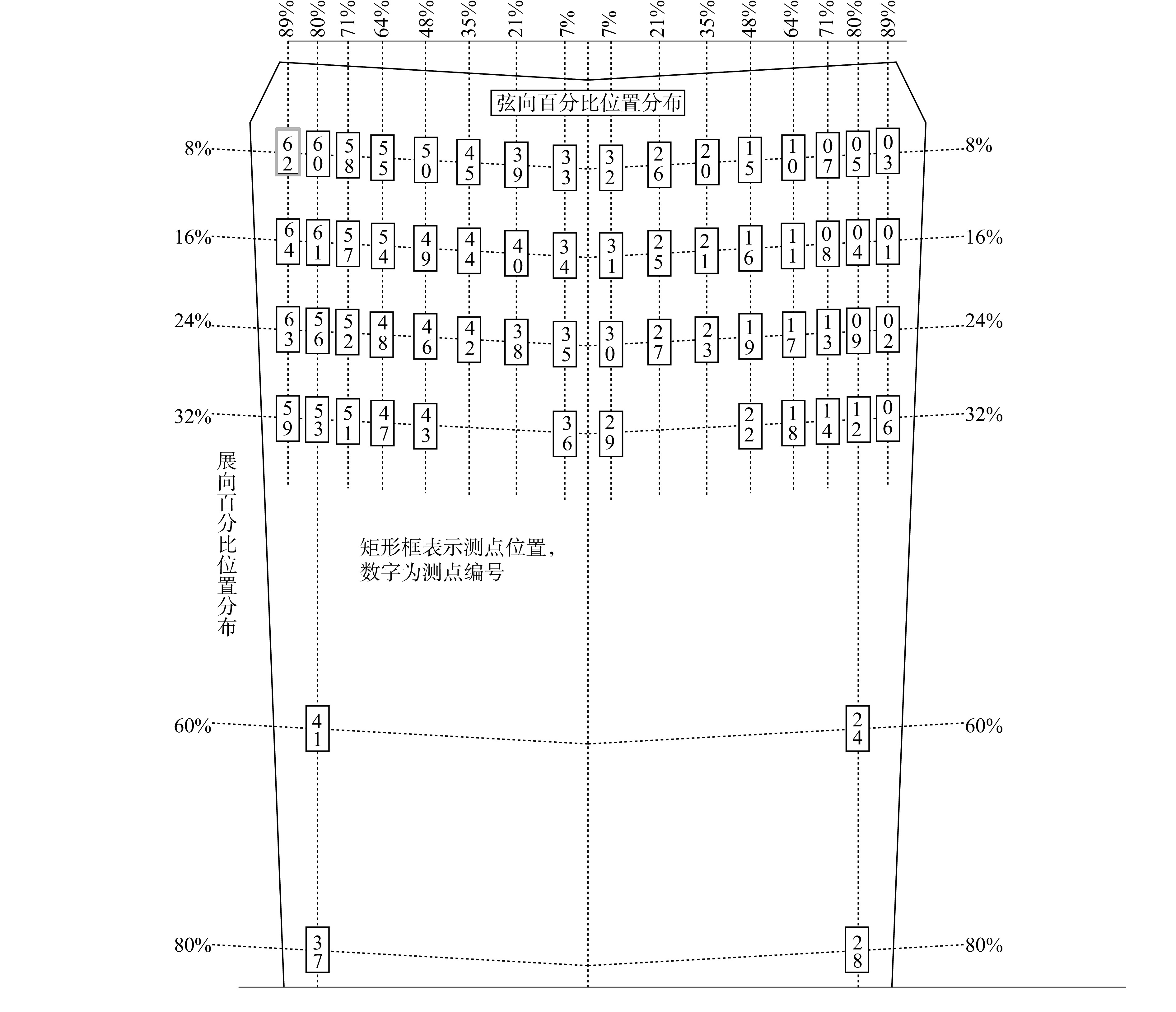
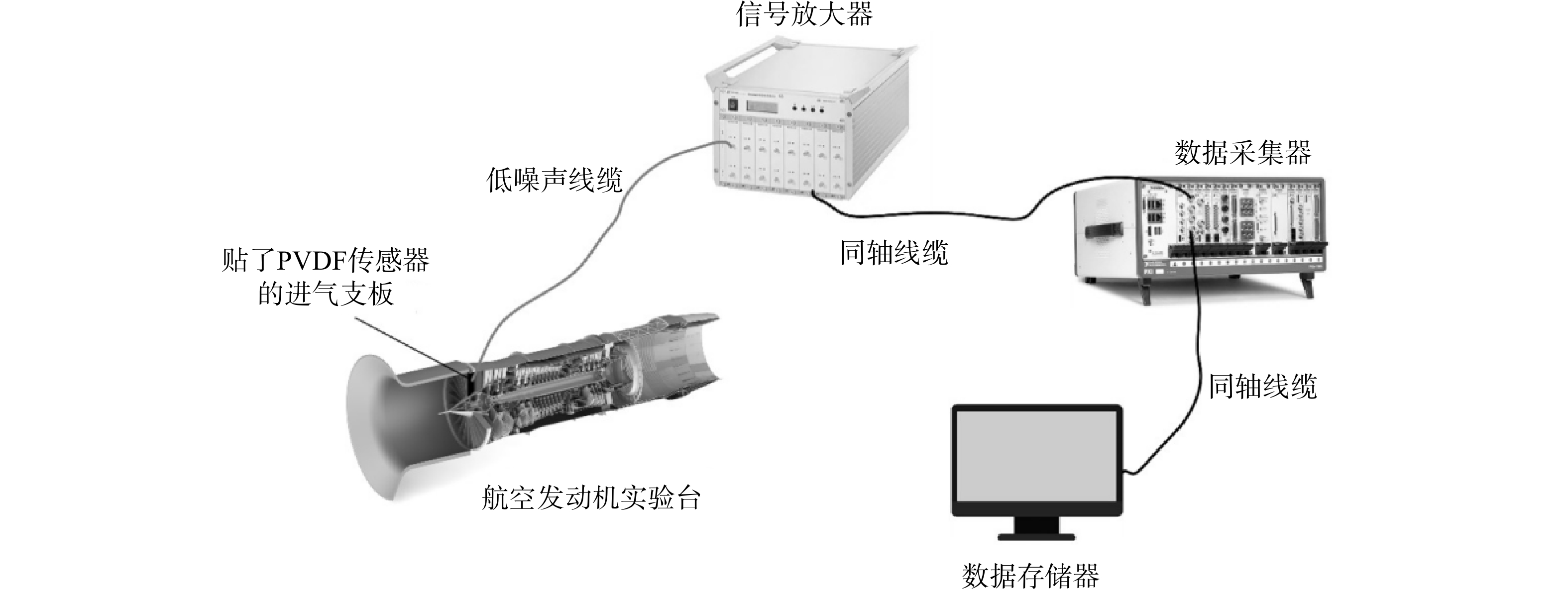
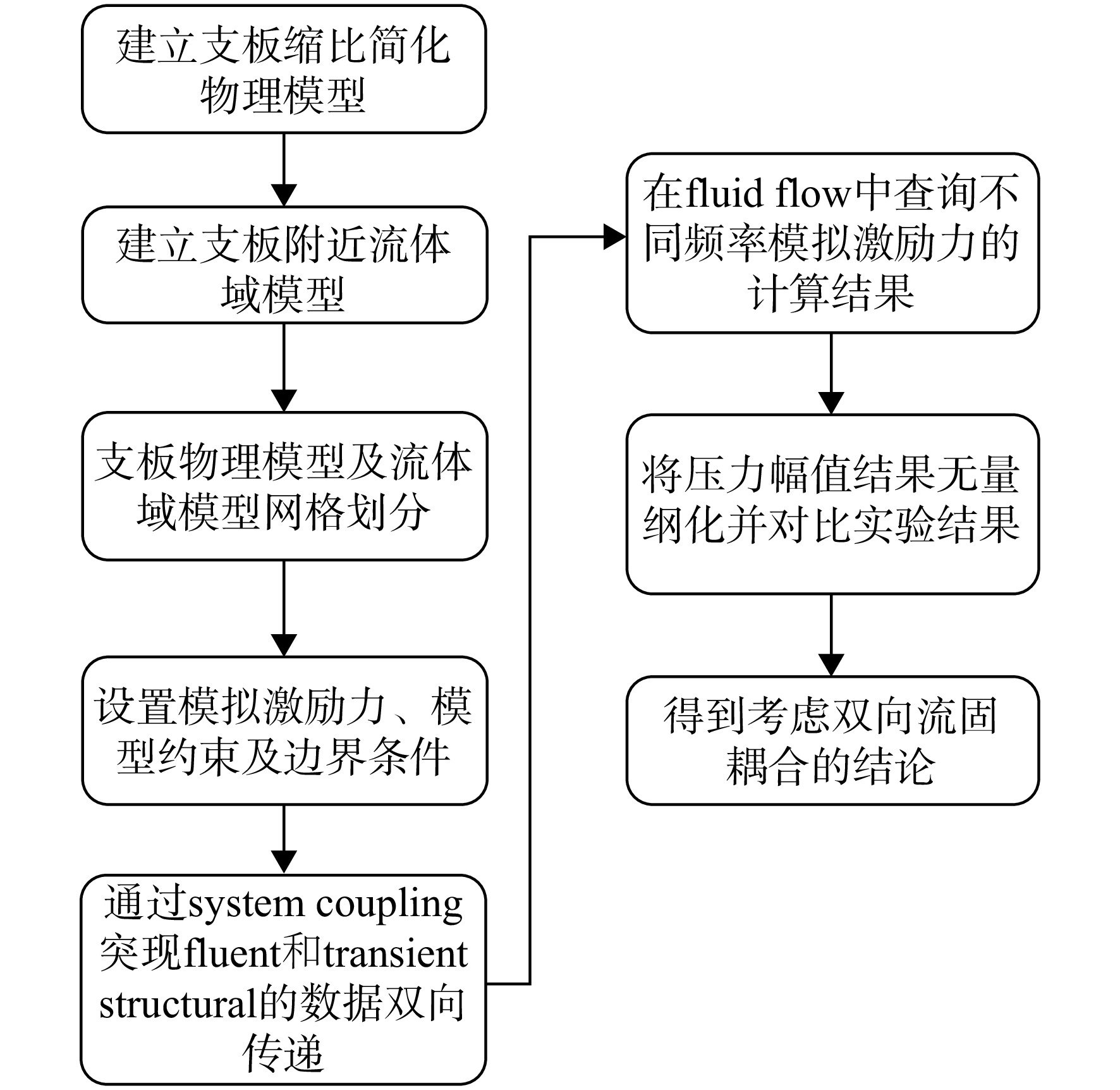
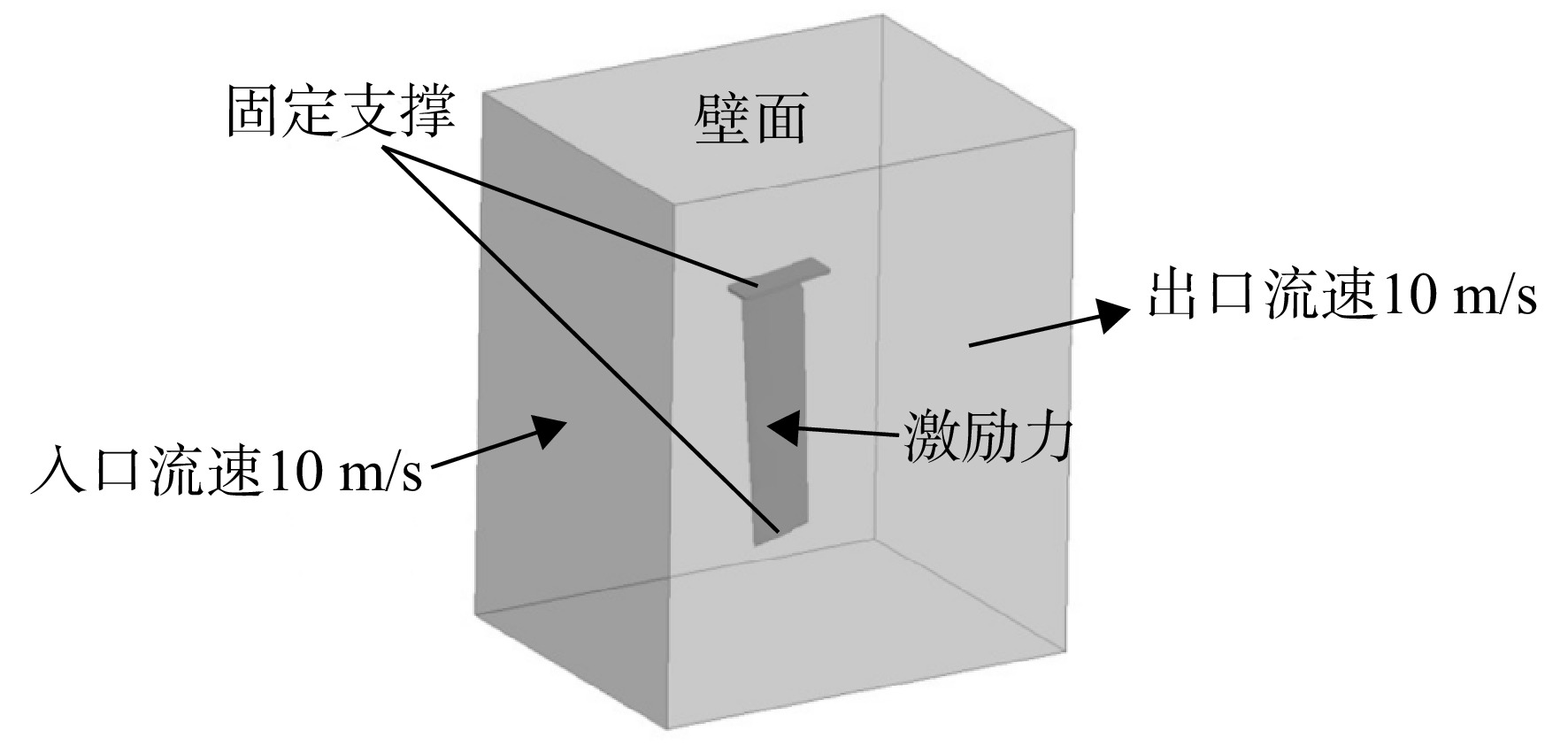
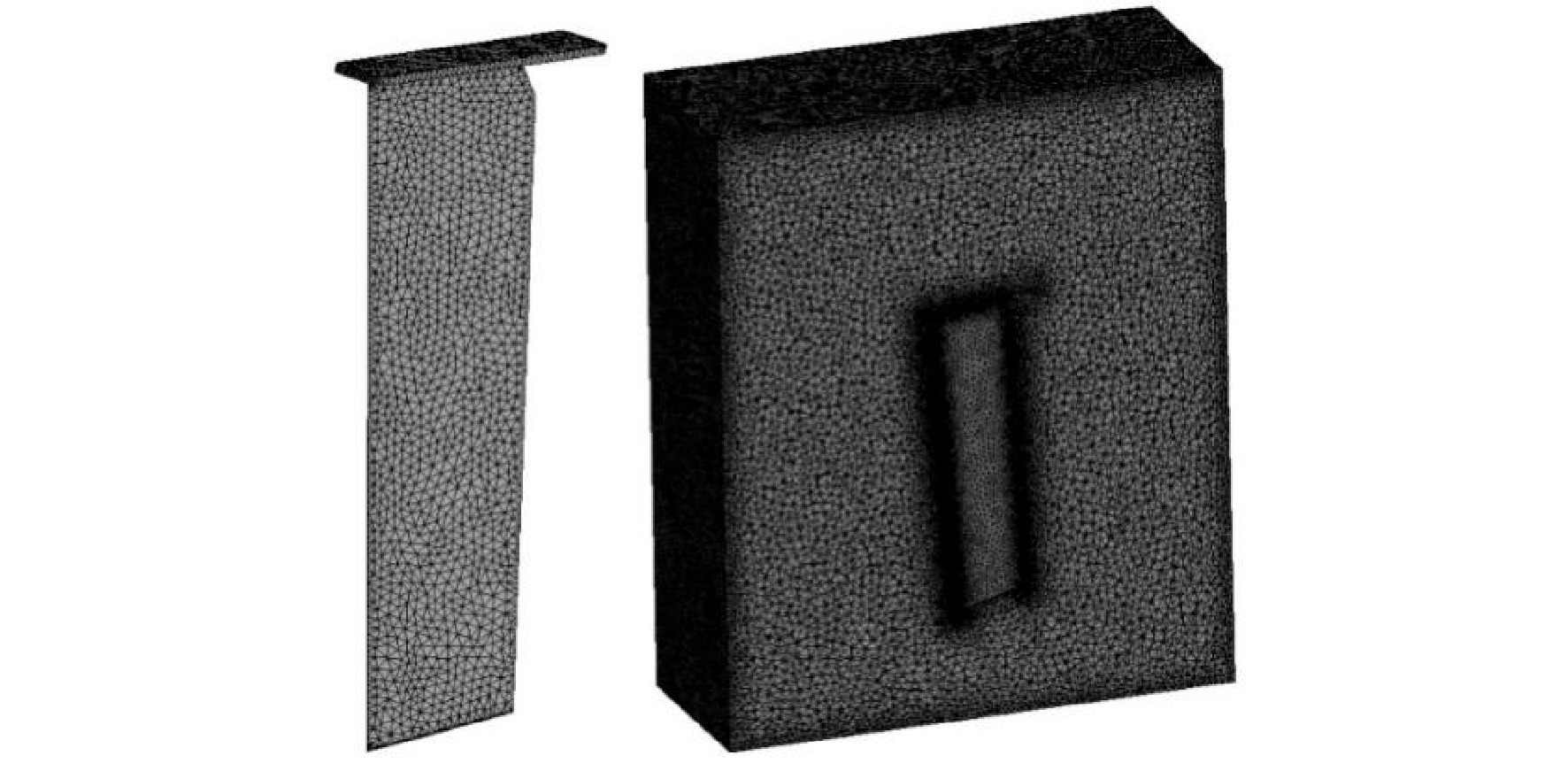
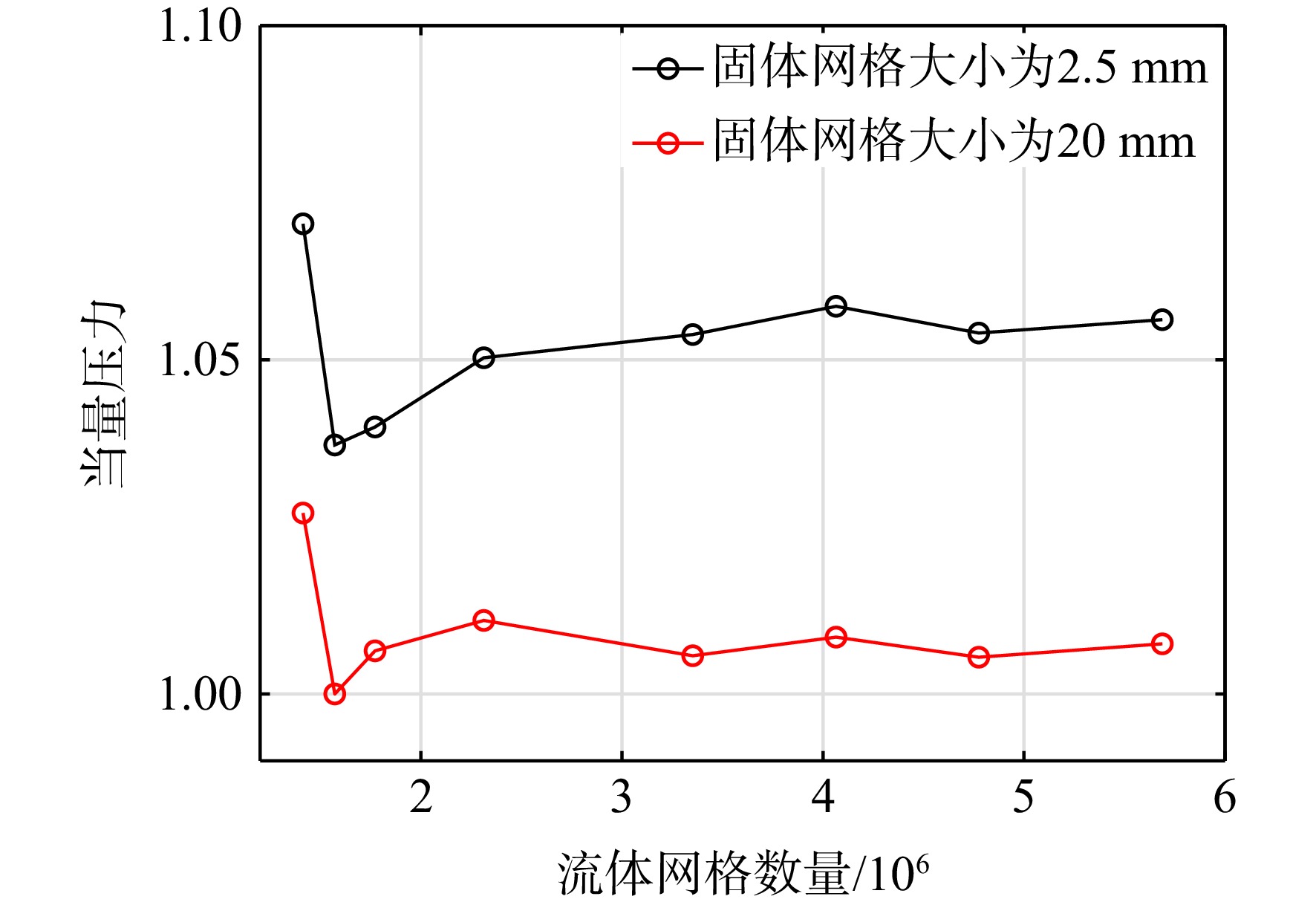
In order to investigate the cause of the crack in the aero engine intake support plate, a test system of support plate based on thin film sensor was designed. Then, the physical model of the support plate and its flow field were established in ANSYS, and low amplitude point loads of different frequencies were applied to the surface of the support plate to simulate the exciting force on the surface of the support plate through the static interference process of the rear rotor at different speeds. Two-way data transmission between Fluent module and Transient Structural module was established to realize two-way fluid-structure coupling simulation. Finally, the instantaneous analysis results (the excitation force of the rear rotor on the support plate can be ignored) were compared with the actual test results. The results showed that the surface pressure amplitude of the support plate increased significantly when the resonant speed was near, which was consistent with the measured results of the thin film pressure sensor. It showed that the fluid-structure coupling can’t be ignored when the blade resonated. The analysis process and conclusion could provide a theoretical basis for the analysis of the mechanism of crack generation in the aero-engine intake support plate, and also provide an idea for the design of support plate structure.

Combustion,Heat and Mass Transfer
Numerical and experimental study on the characteristics of self-excited sweeping nozzle
WANG Shiqi, WEN Quan
2025, 40(5): 20220923. doi: 10.13224/j.cnki.jasp.20220923
Abstract:

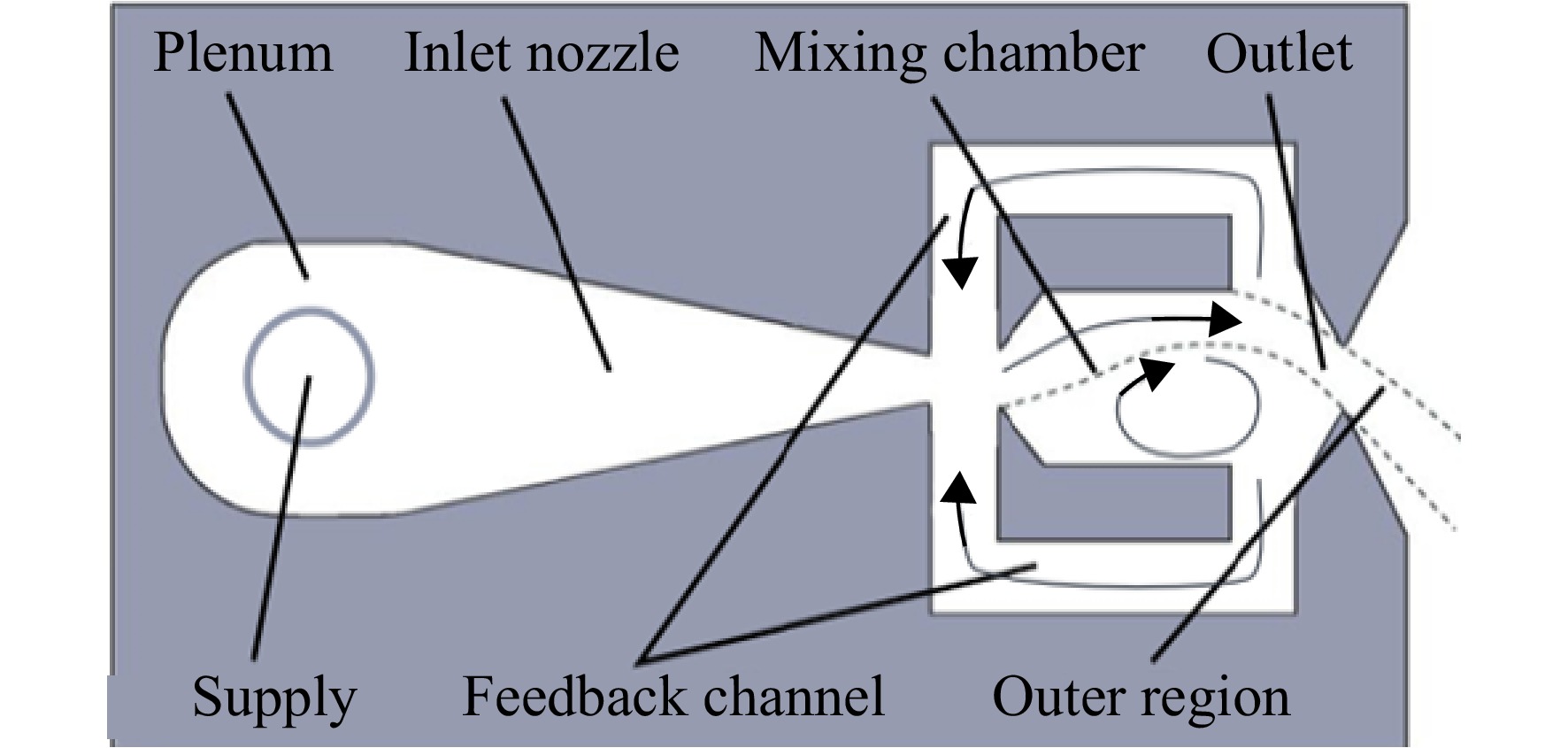
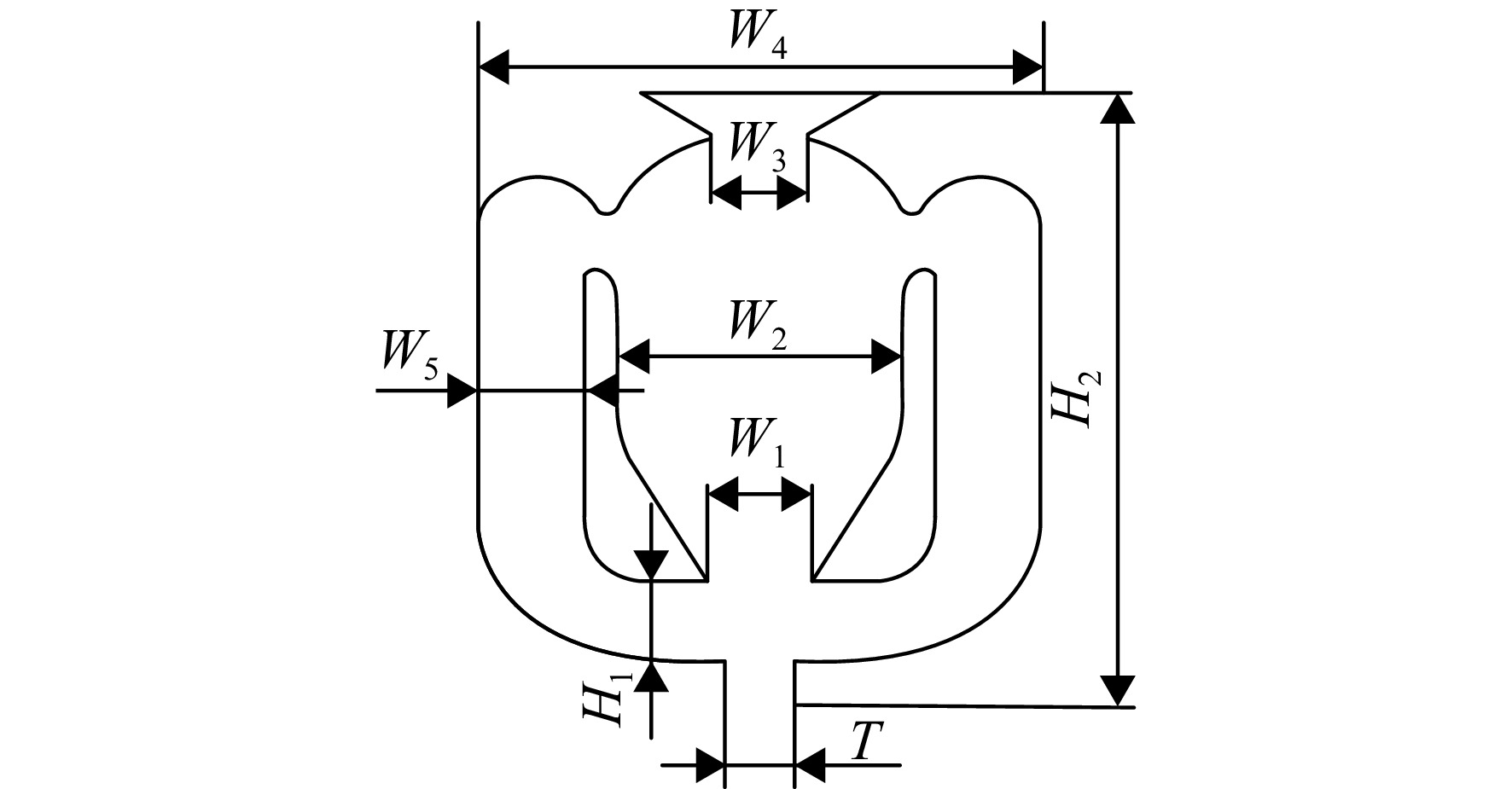
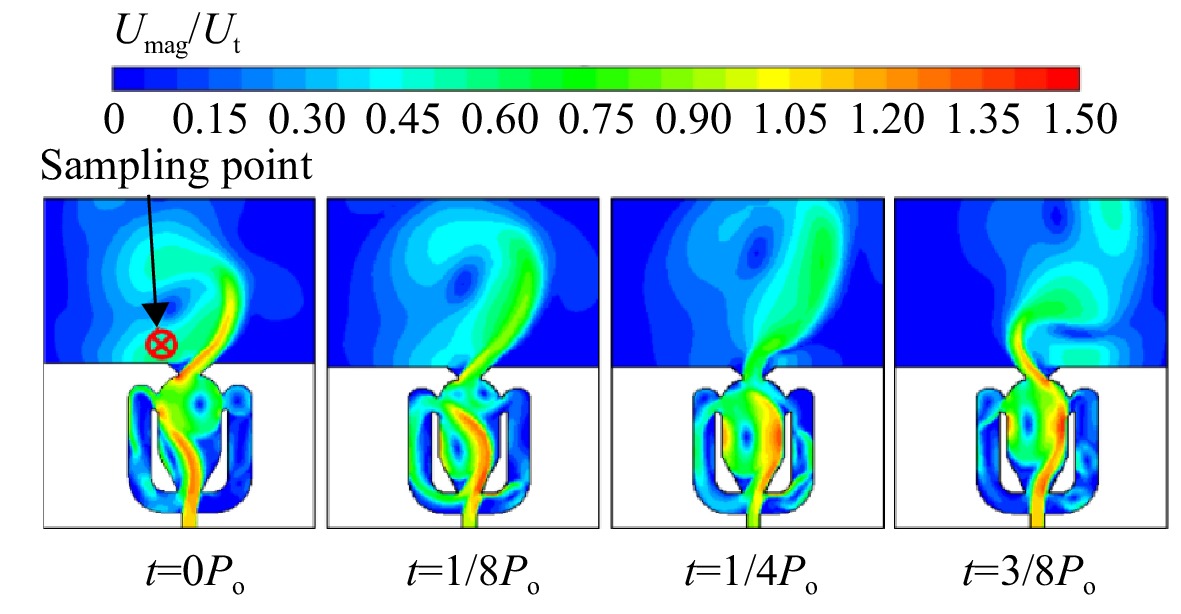
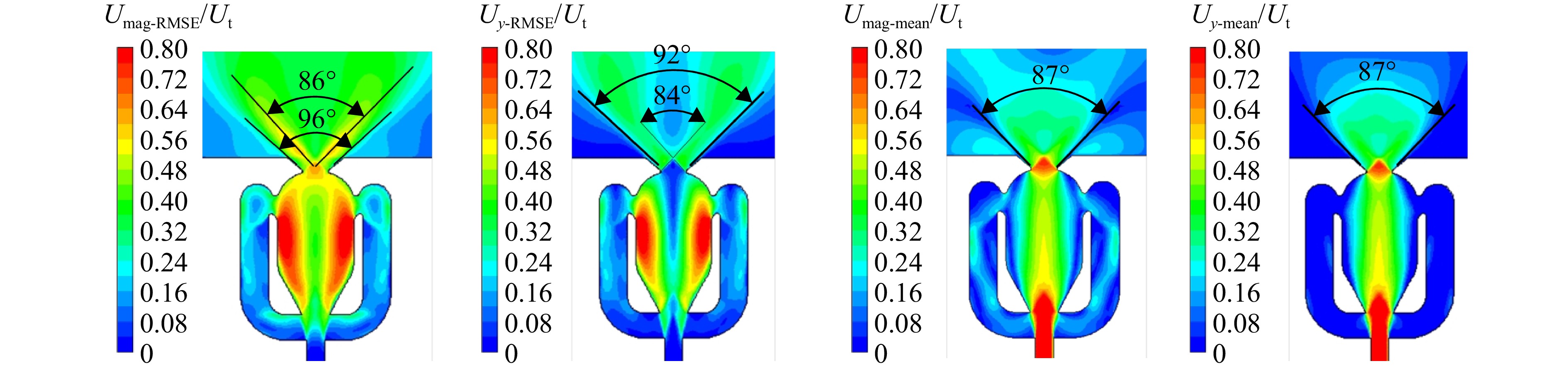
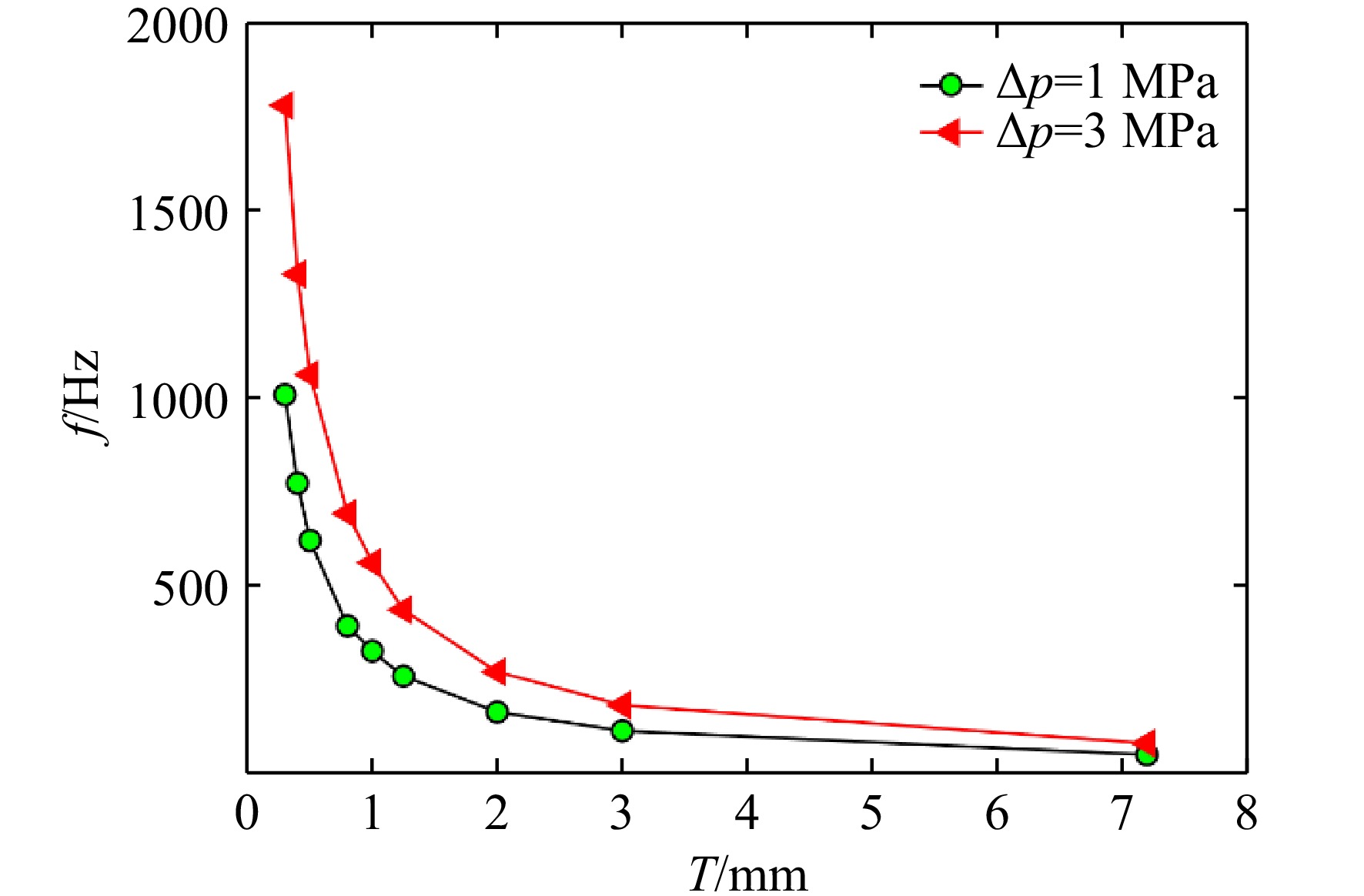
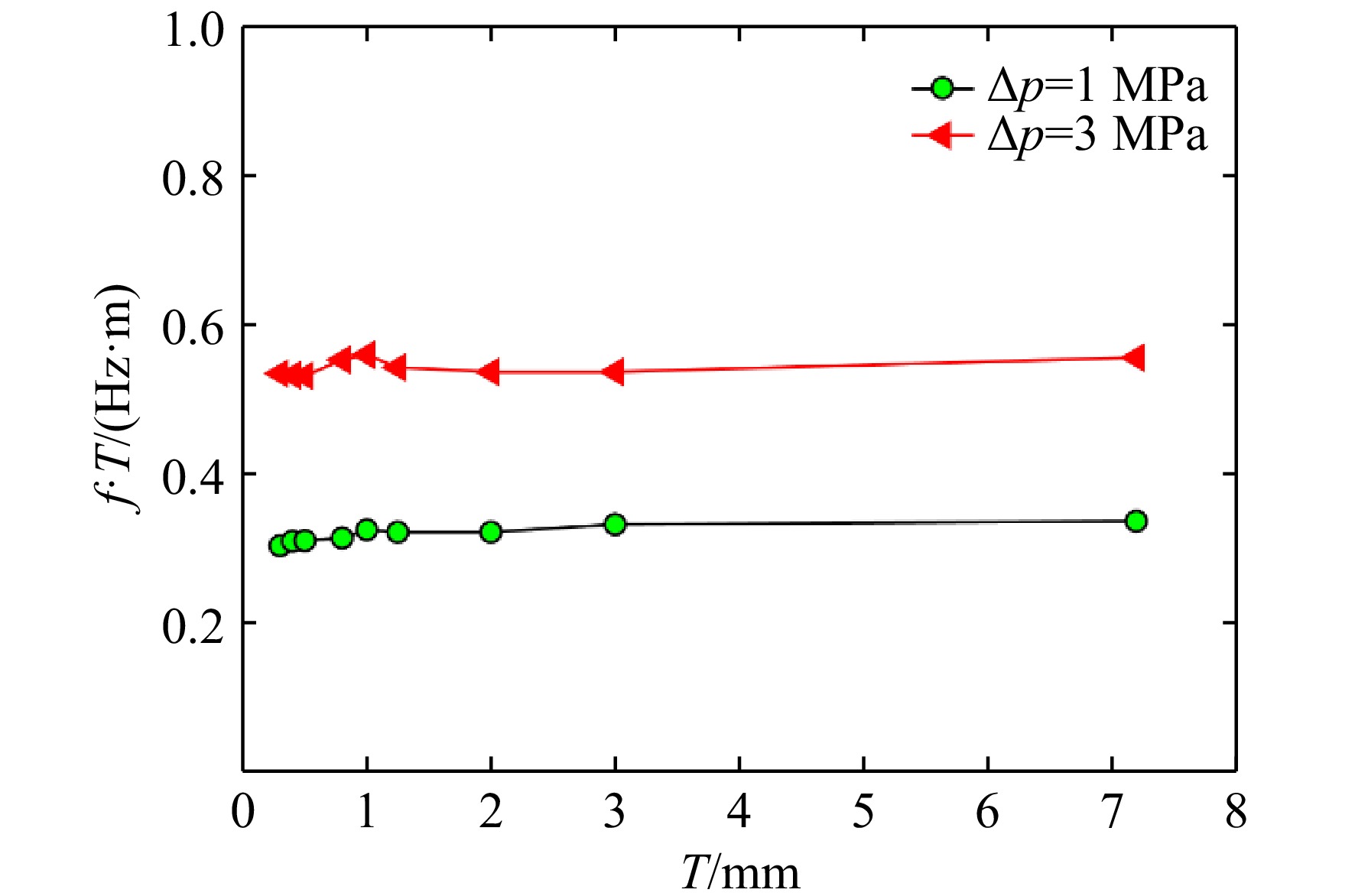
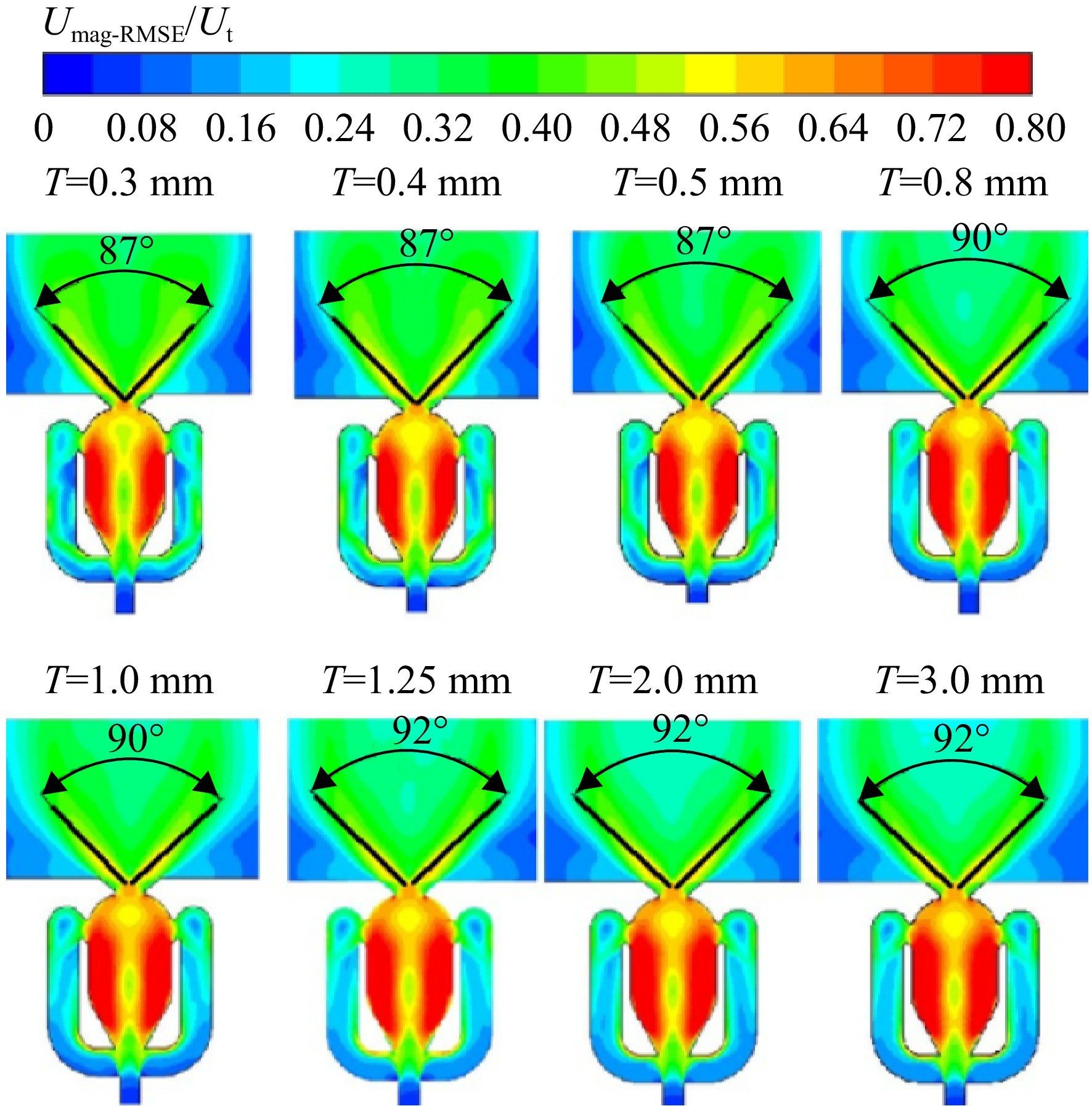
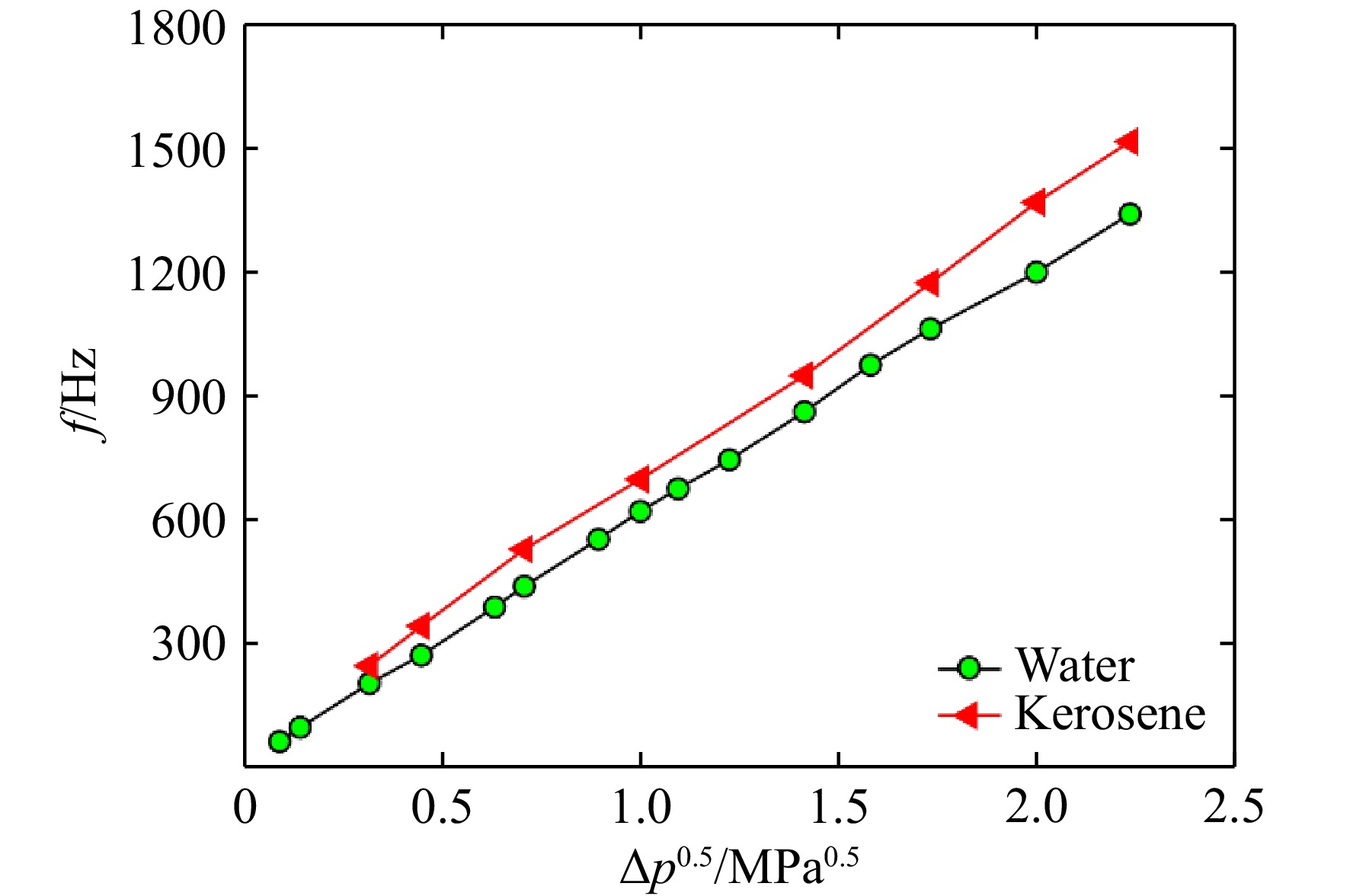
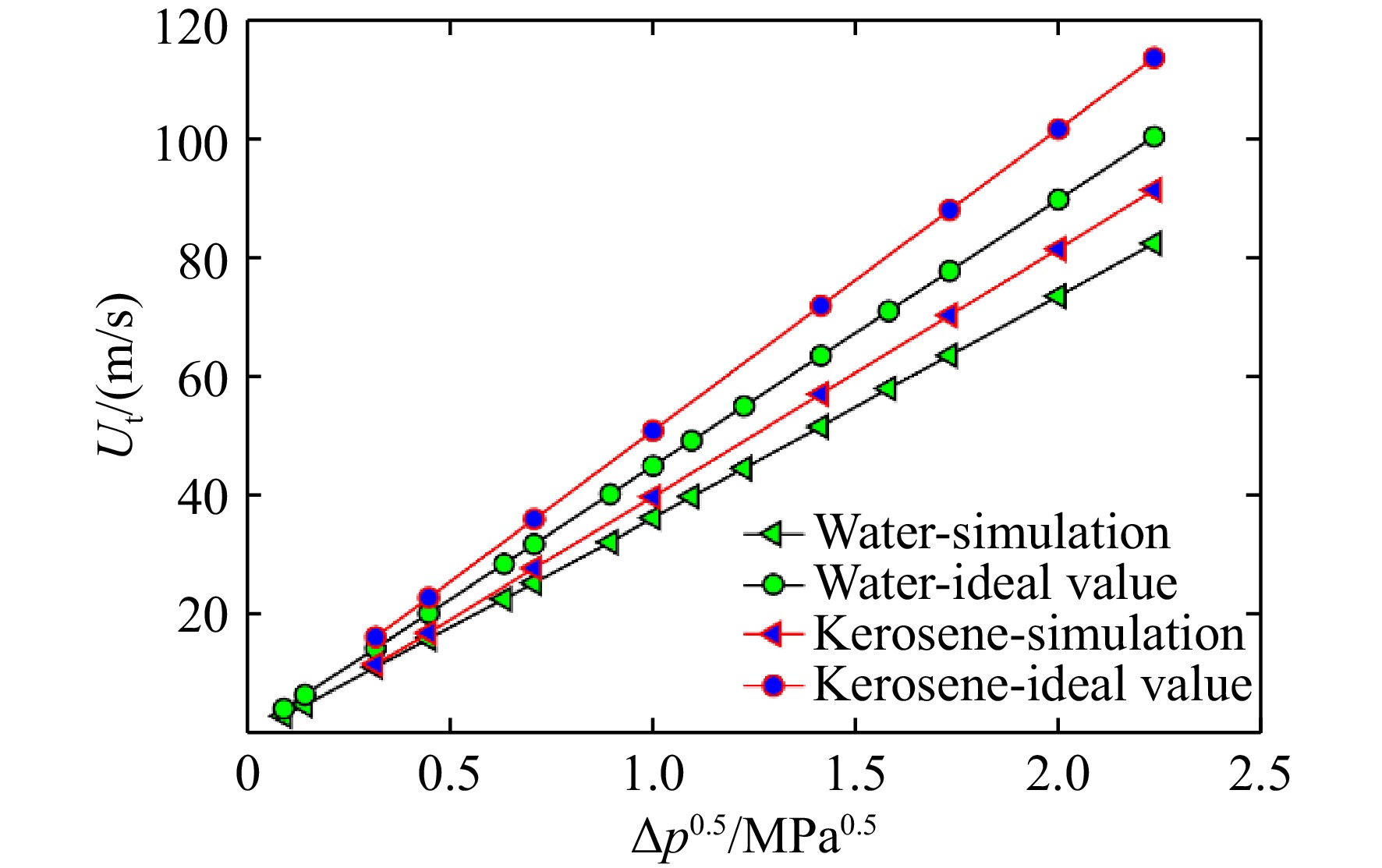
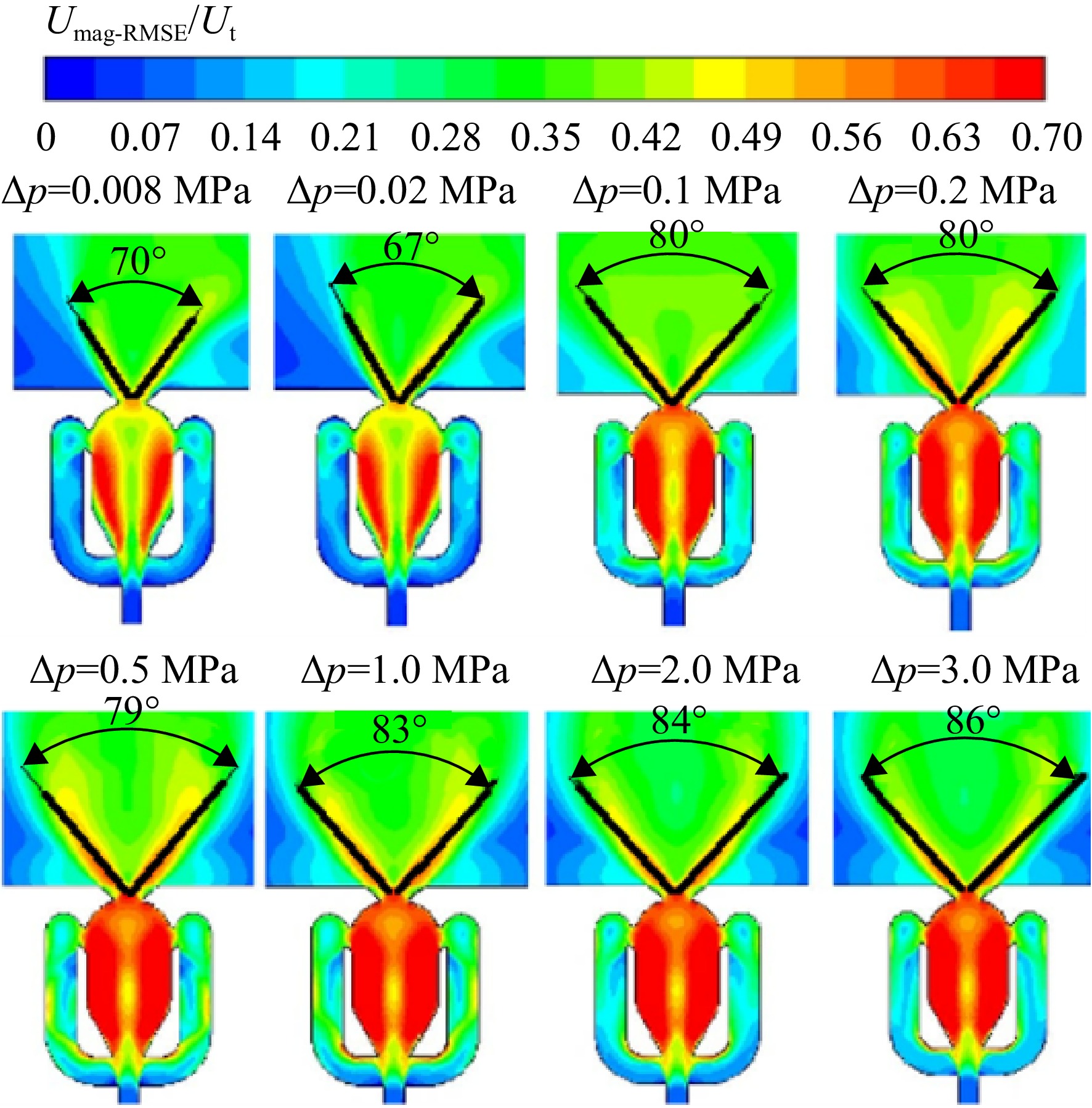
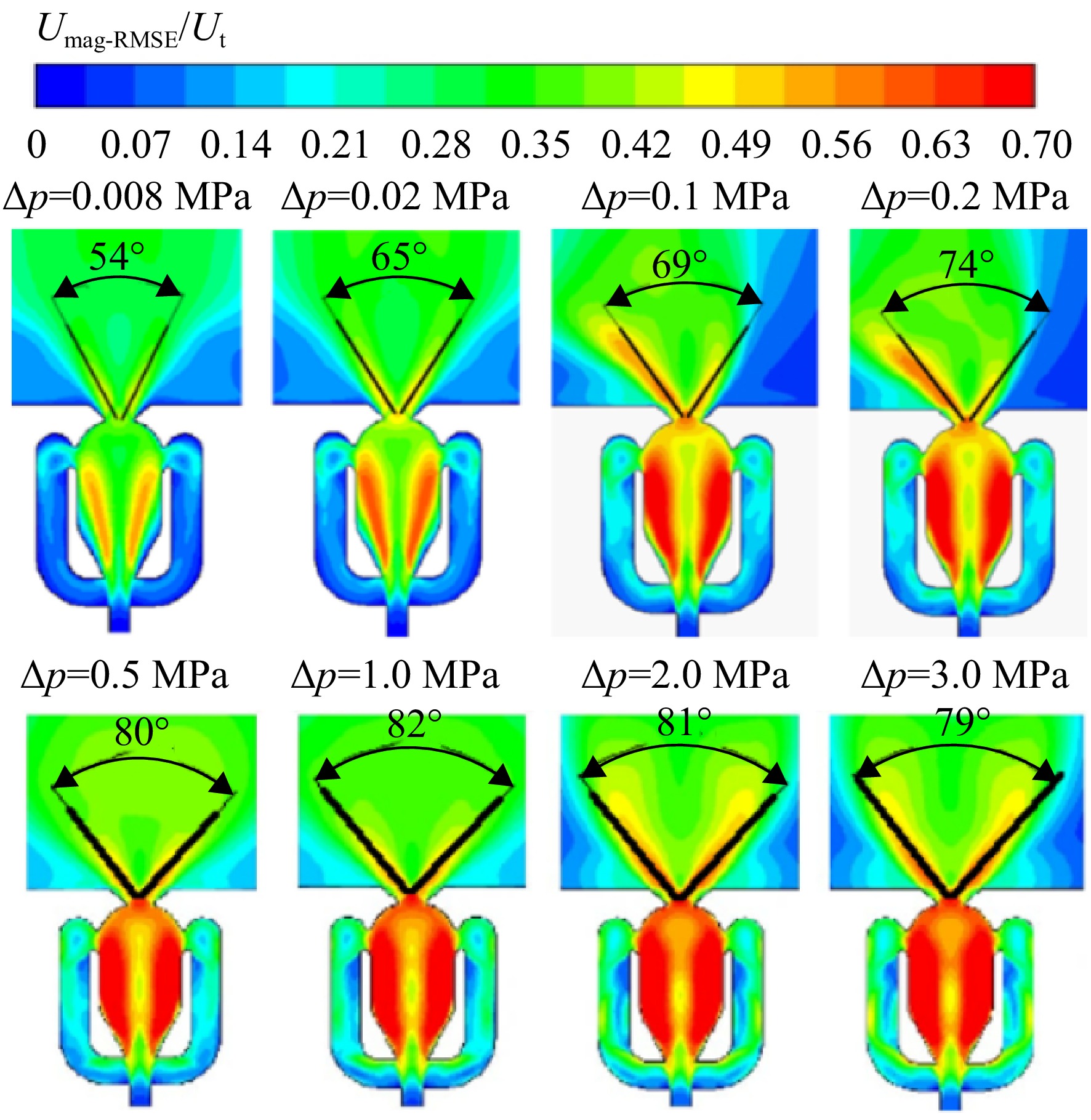
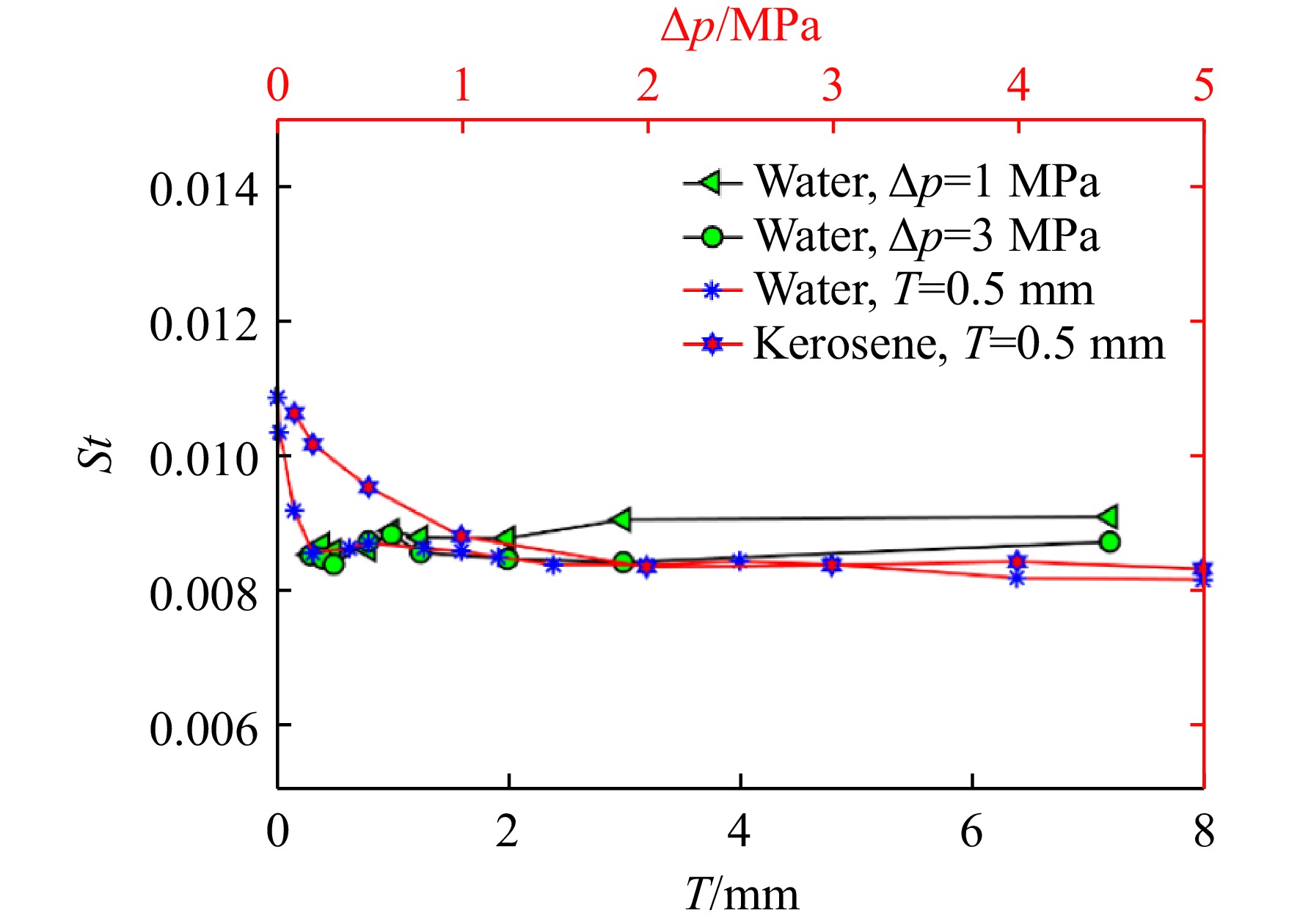
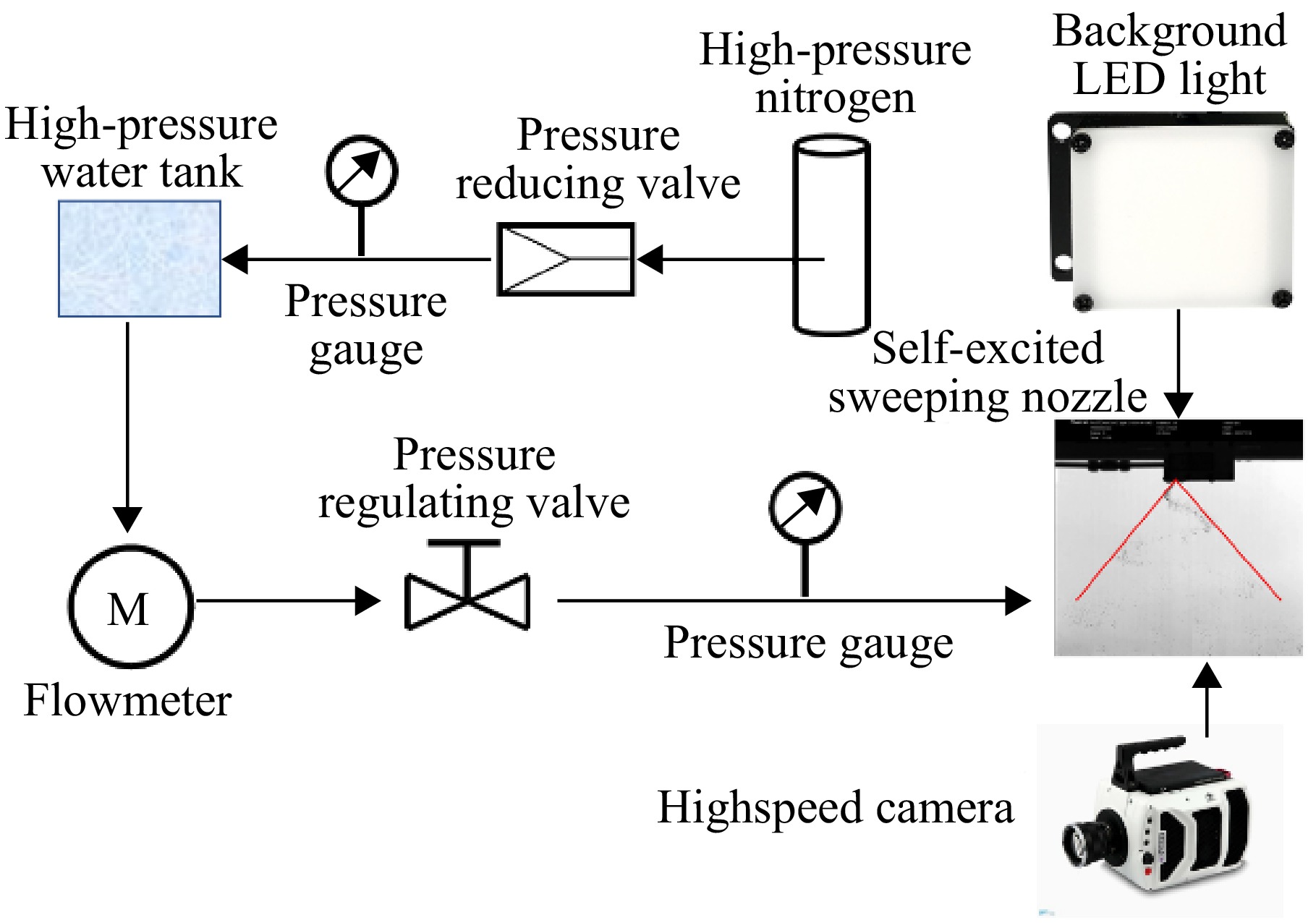
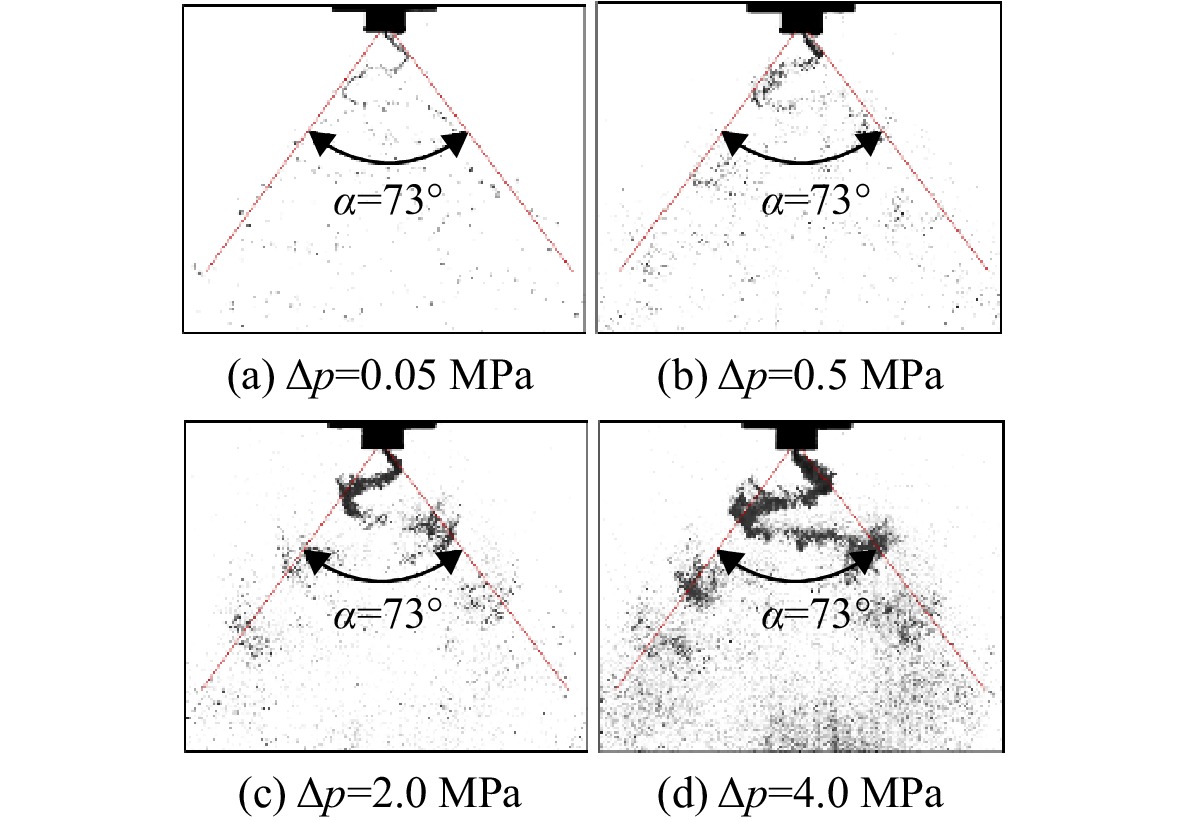
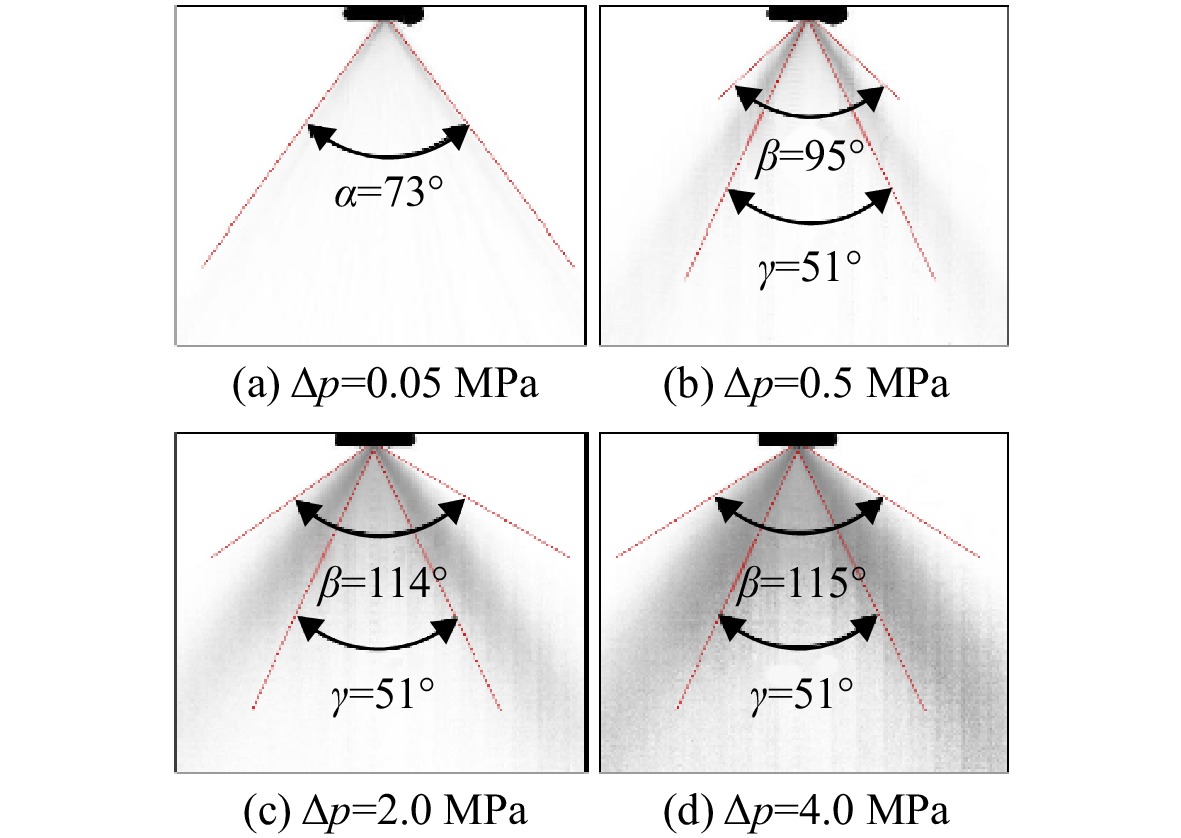
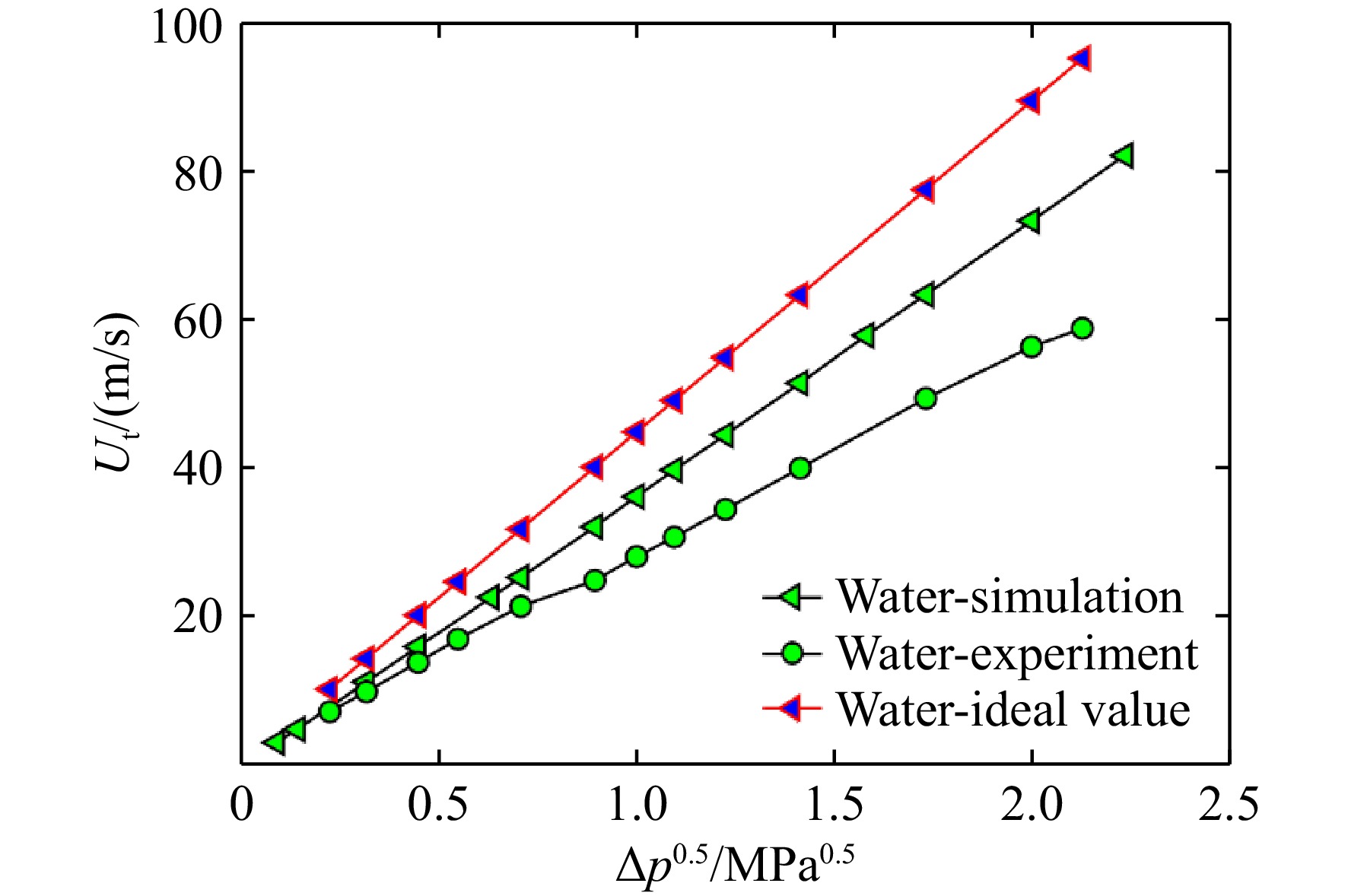
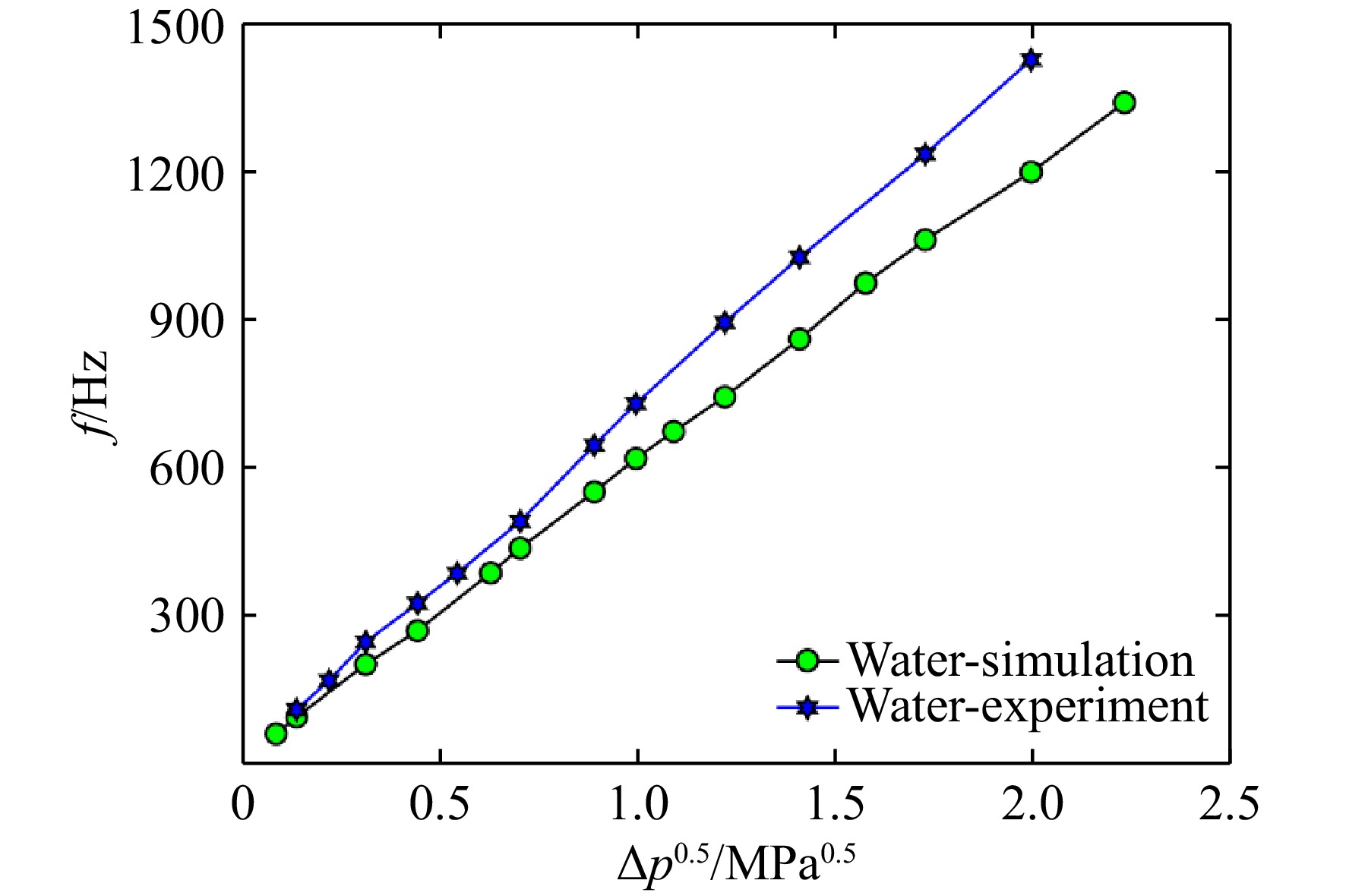
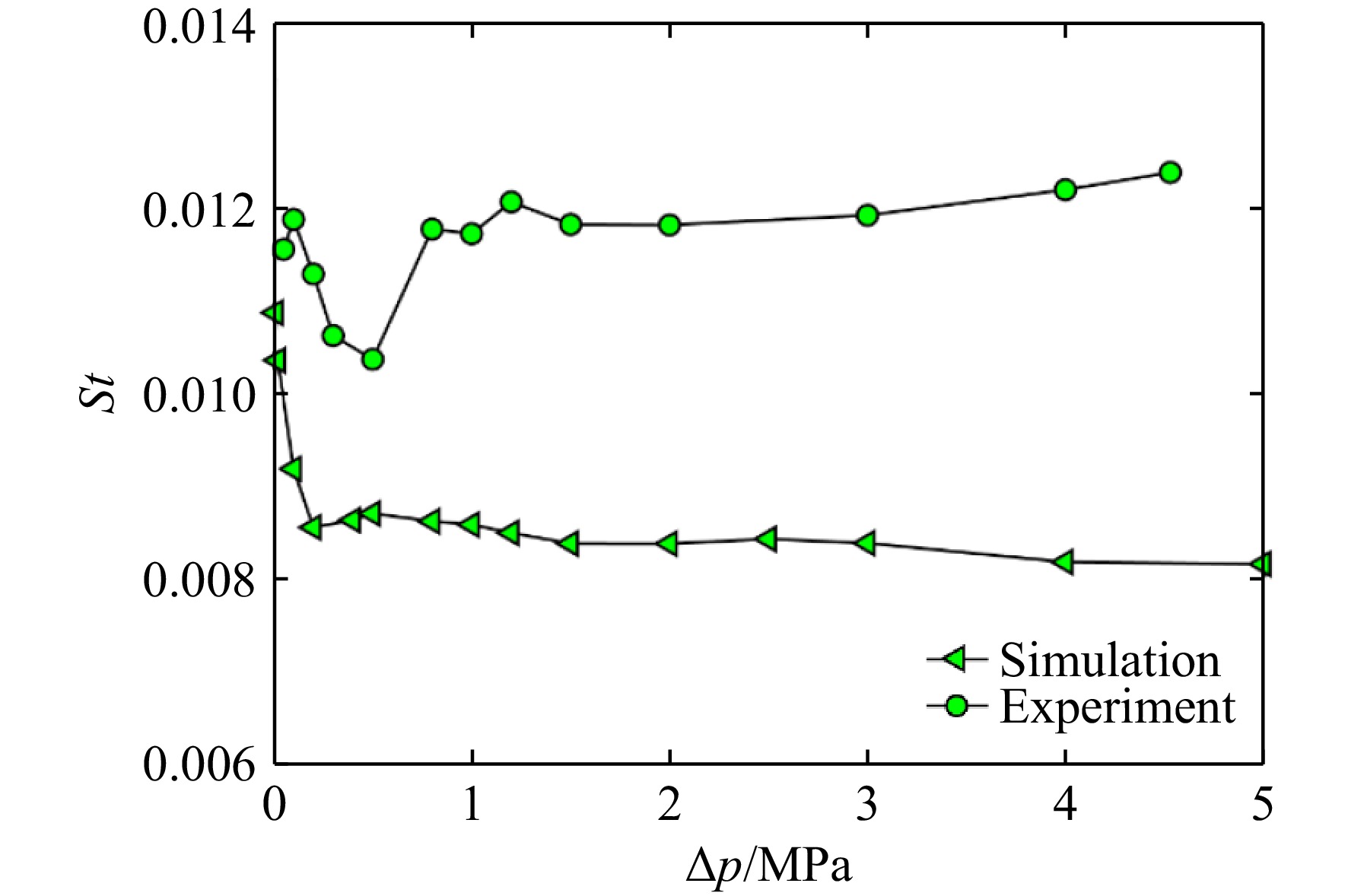
Self-excited sweeping nozzle can generate high-frequency self-excited oscillating liquid spray driven by the working pressure, through the symmetrical design of internal Coanda wall surfaces and feedback channels. In order to explore the application potential of this new nozzle to fuel injection in gas turbine engine, by taking advantage of the 2D numerical simulation and high-speed shadow imaging method, the nozzle’s characteristic velocity, working frequency, sweeping angle responses to the working pressures were comprehensively studied using various working media and scaling dimensions. The results showed that the self-excited sweeping nozzle can generate stable sweeping oscillating spray within a wide working pressure range (0.01—5 MPa) and characteristic dimension range (0.3—7 mm), its sweeping angle was larger than 70°, and oscillating frequency was higher than 1500 Hz. Its sweeping angle increased with working pressure, up to 110° or more. The operating frequency was proportional to the characteristic velocity at its throat, but inversely proportional to its throat width, and the Strouhal number St representing the working frequency remained constant within a wide working pressure range. The above results can provide a strong support for the application and optimization design of the self-excited sweeping nozzle in the gas turbine engines.

Flow and heat transfer performance analysis of wavy fin-and-tube heat exchanger with winglet type vortex generator under low-pressure
HAN Xiao, LIU Ran, ZHANG Lei, WANG Junwei, LI Guohua, ZHANG Zhiqiang, ZHAO Jiayi, WANG Xiangjun, DAI Baomin
2025, 40(5): 20230682. doi: 10.13224/j.cnki.jasp.20230682
Abstract:

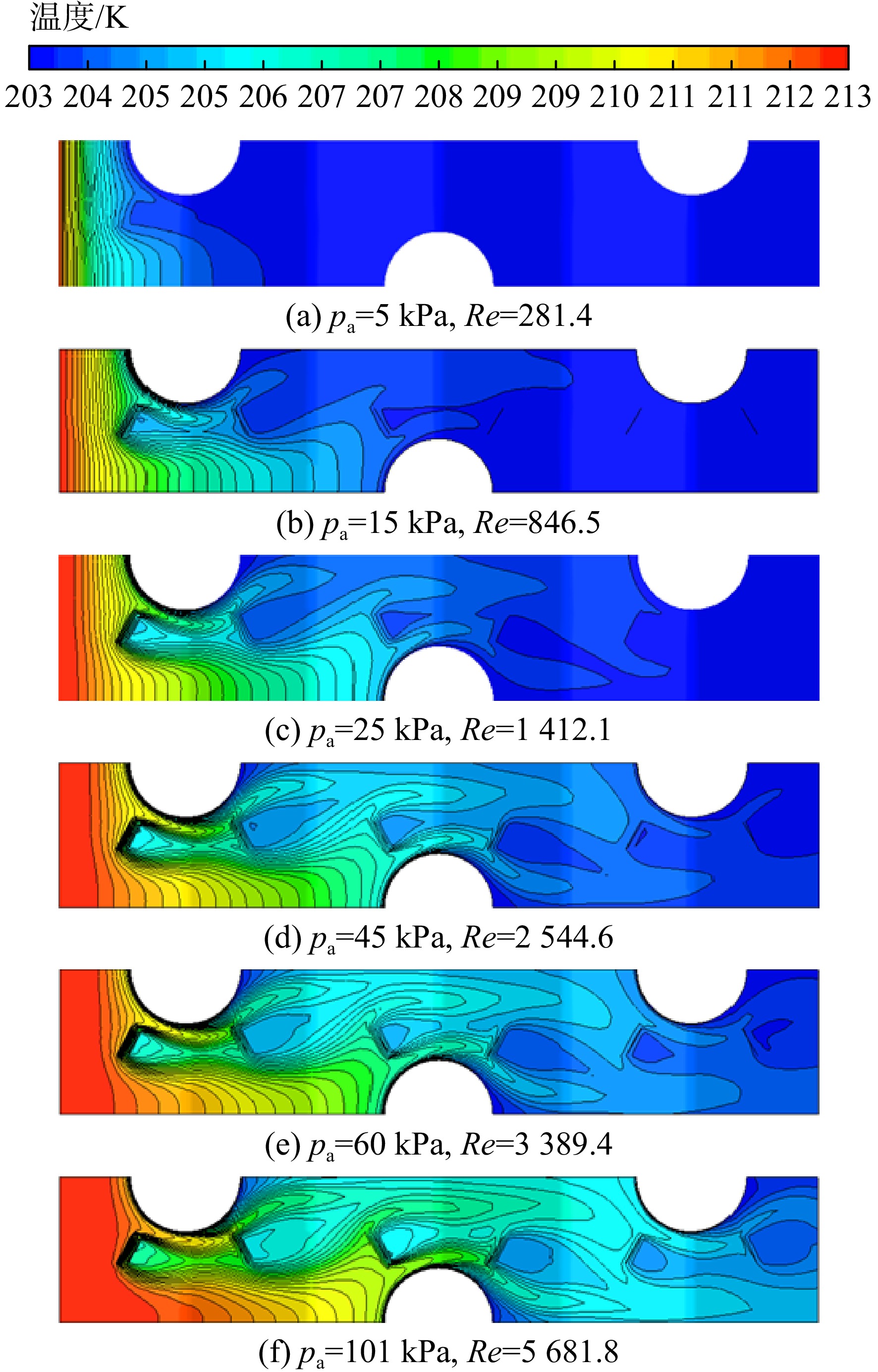
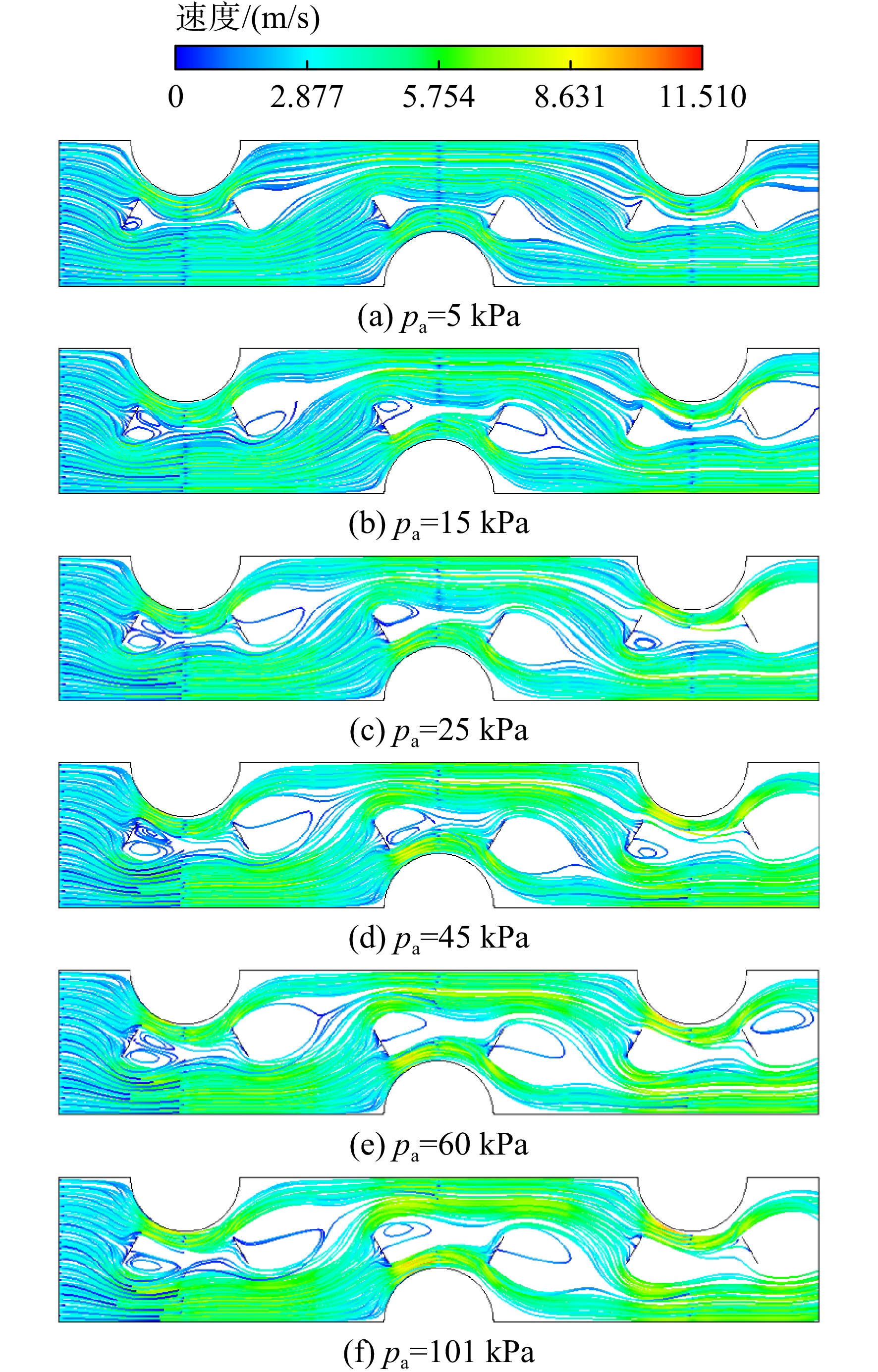
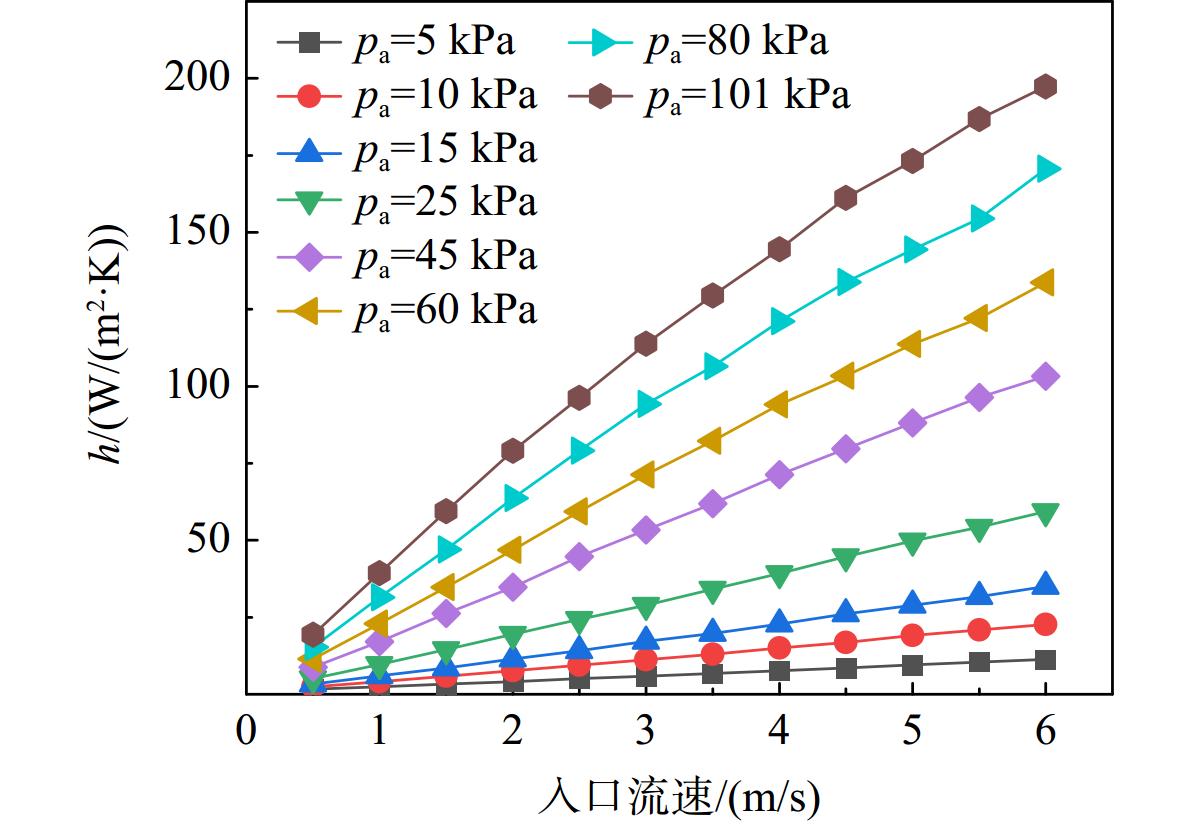
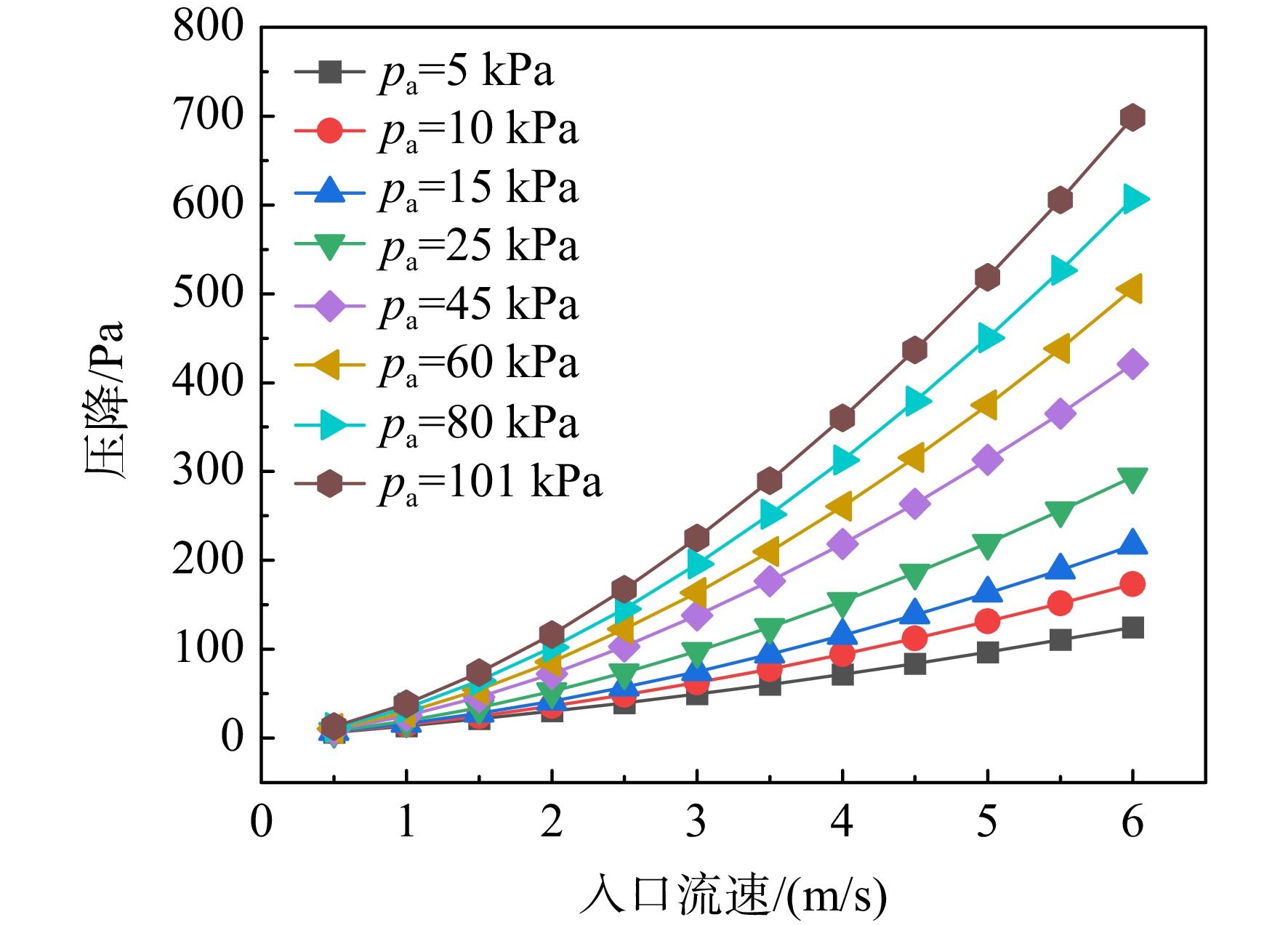
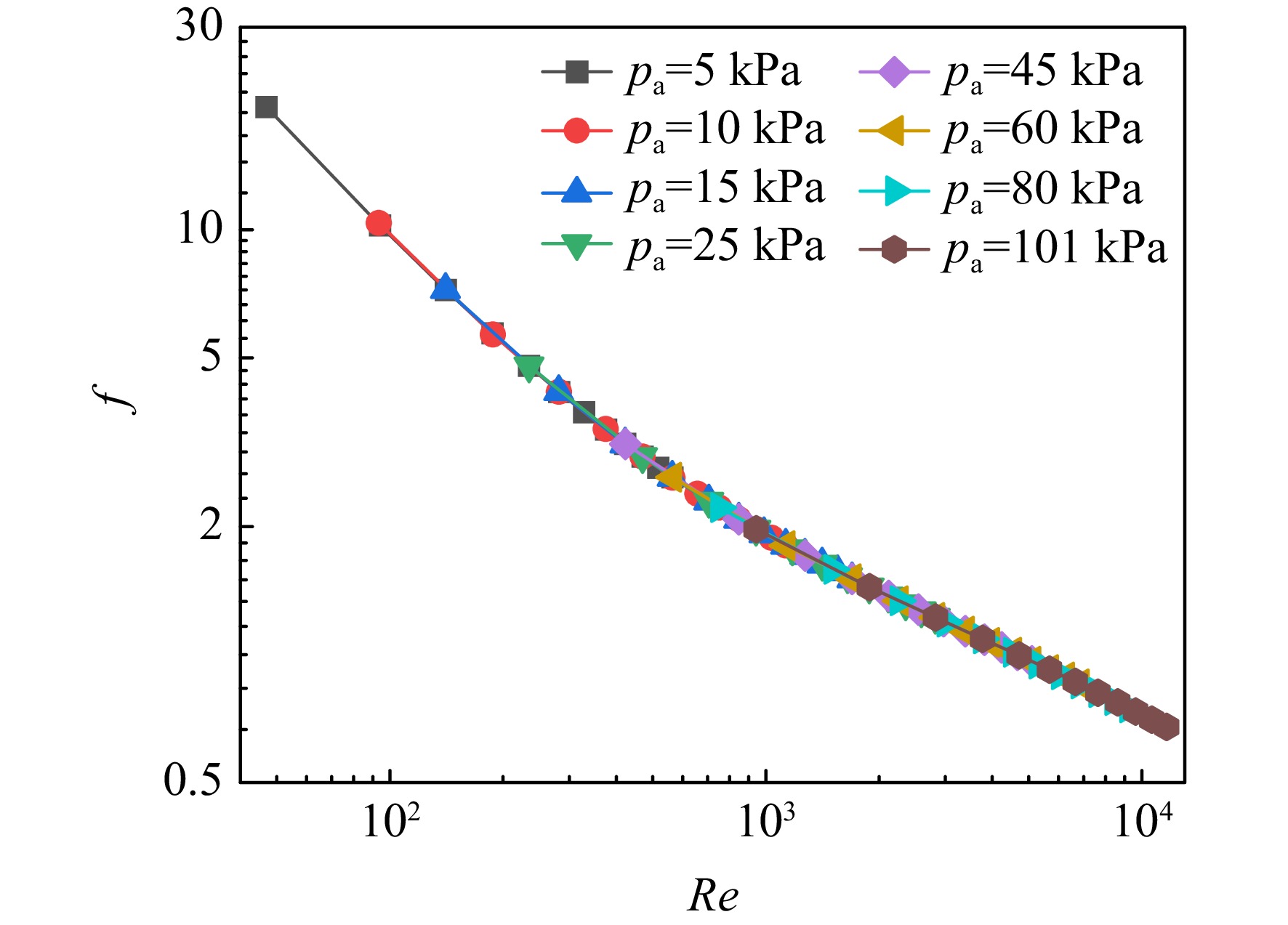
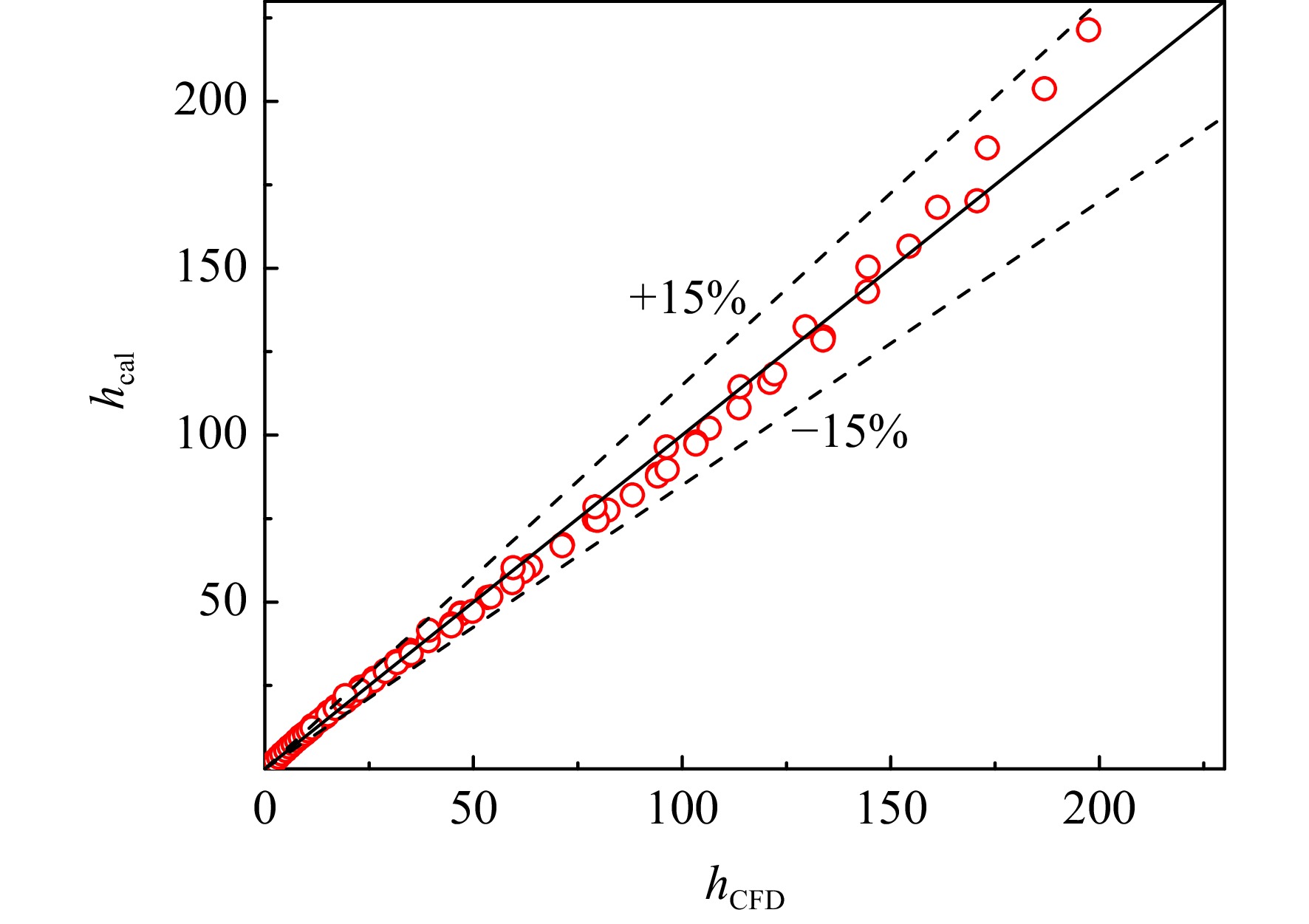
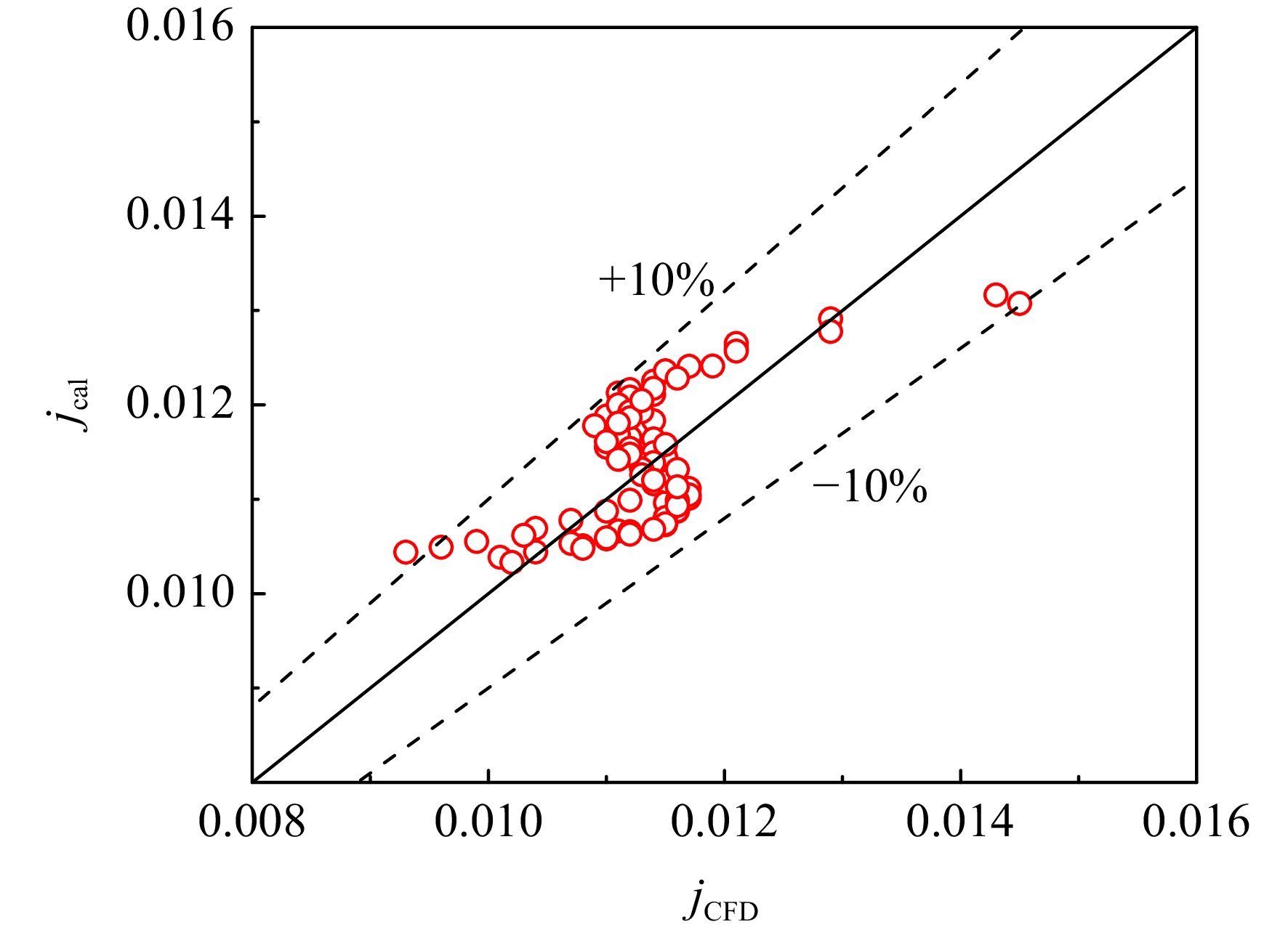
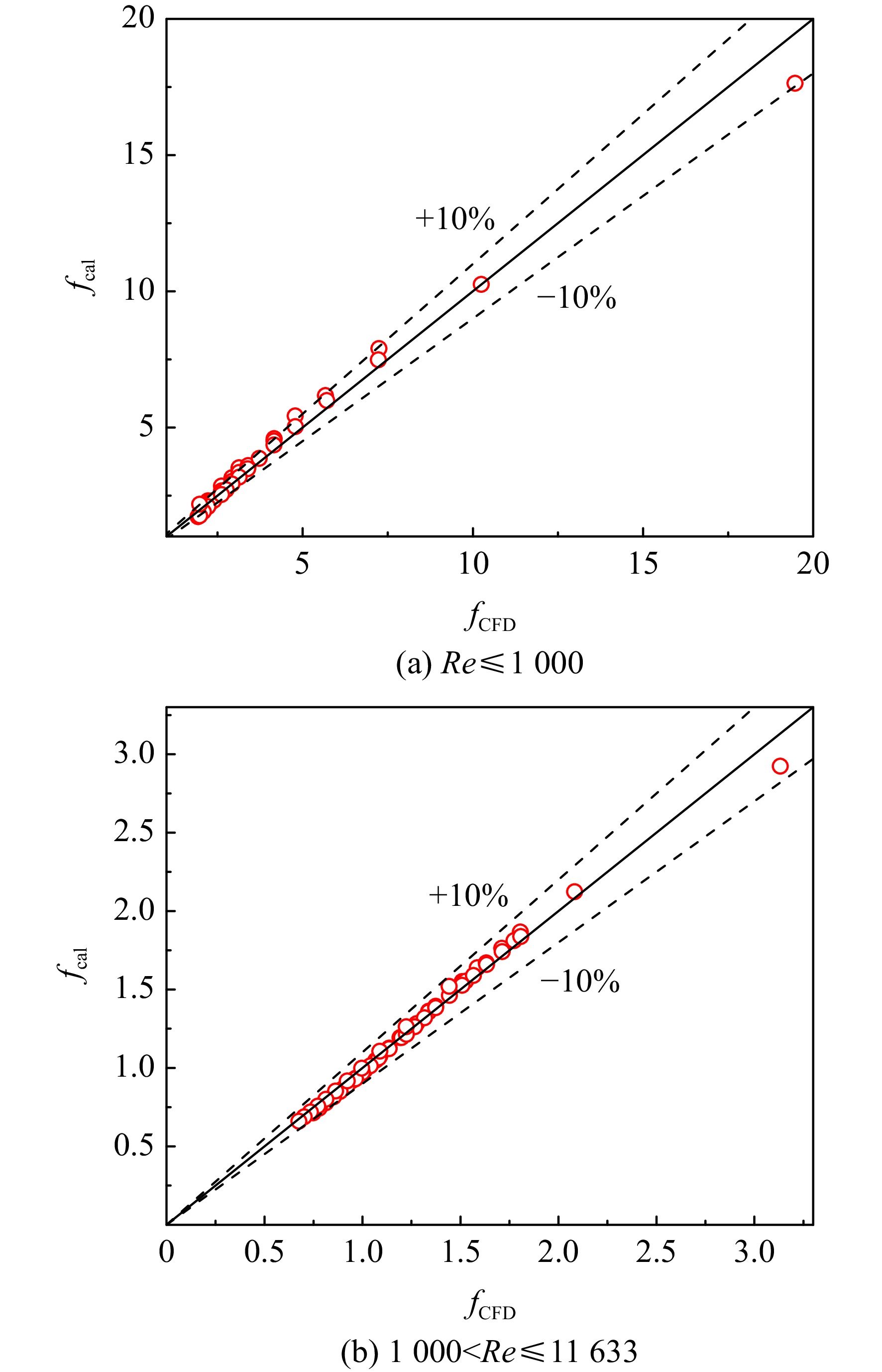
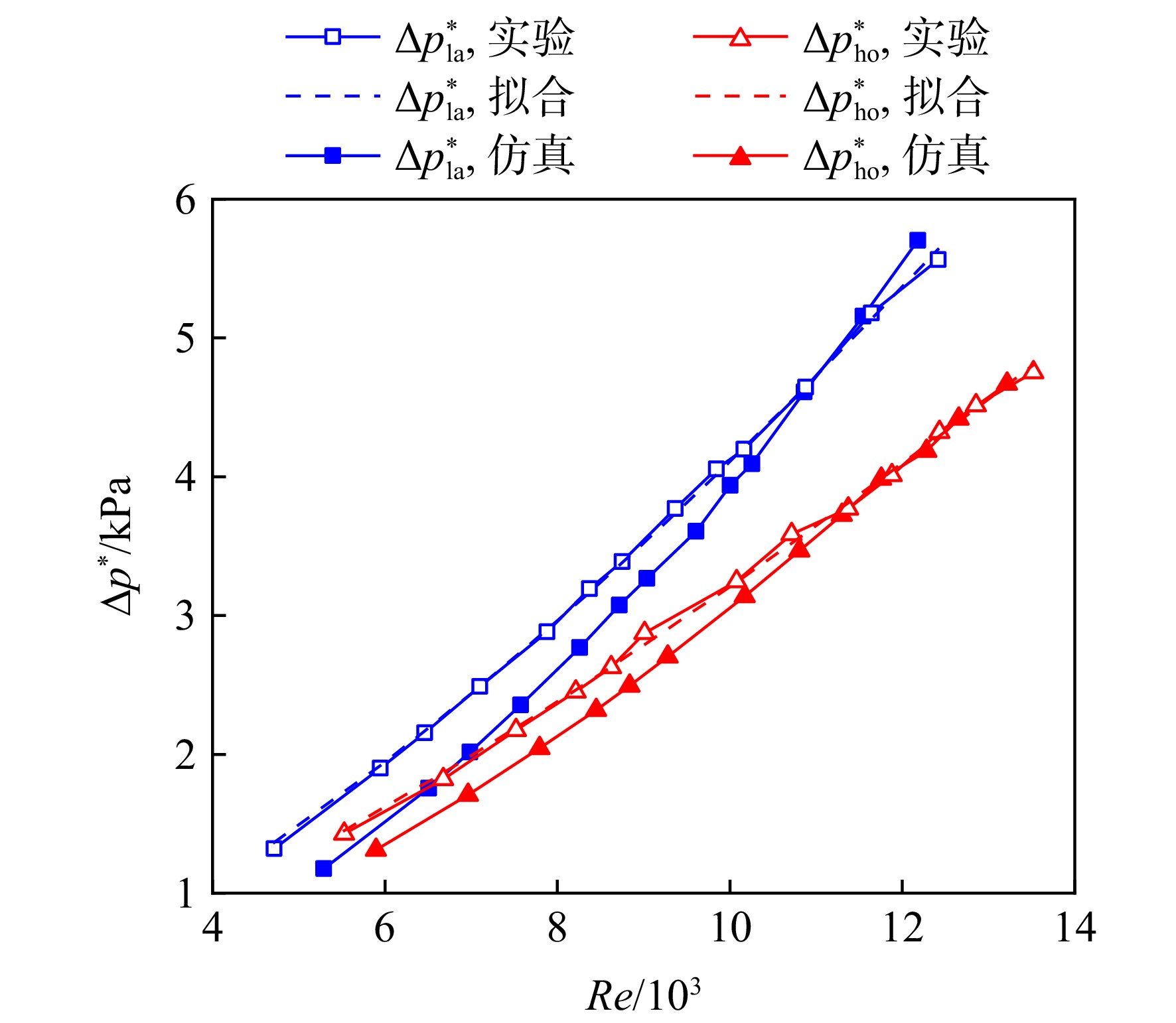
Fin-and-tube heat exchangers are widely used in cabin ambient temperature control of aircraft under low-pressure conditions. In order to study the air-side heat transfer characteristics of fin-and-tube heat exchangers under low-pressure conditions, the air-side flow heat transfer characteristics of the fin-tubed heat exchangers under low pressure were studied numerically in ambient pressure of 5—101 kPa and inlet air velocity of 0.5—6 m/s. The research results showed that with the decrease of ambient pressure, the heat transfer coefficient and pressure drop on the air-side decreased significantly. When the air pressure was 25 kPa, the convective heat transfer coefficient on the air side decreased by 69.9%—75.6% compared with that under normal pressure. Predictive models for the air-side heat transfer factor j and friction factor f of the wavy fin-and-tube heat exchanger with winglet type vortex generator were proposed. The calculation results were in good agreement with the simulation results, with mean absolute errors of 4.75% and 3.57%, respectively. This study can provide a reference for the design of fin-and-tube heat exchanger working in low pressure environment.

Flow and heat transfer characteristics of hollow windward bend sandwich structure
BAI Xiaohui, ZHANG Yubi, GAO Yuanbo, LIU Cunliang
2025, 40(5): 20230138. doi: 10.13224/j.cnki.jasp.20230138
Abstract:

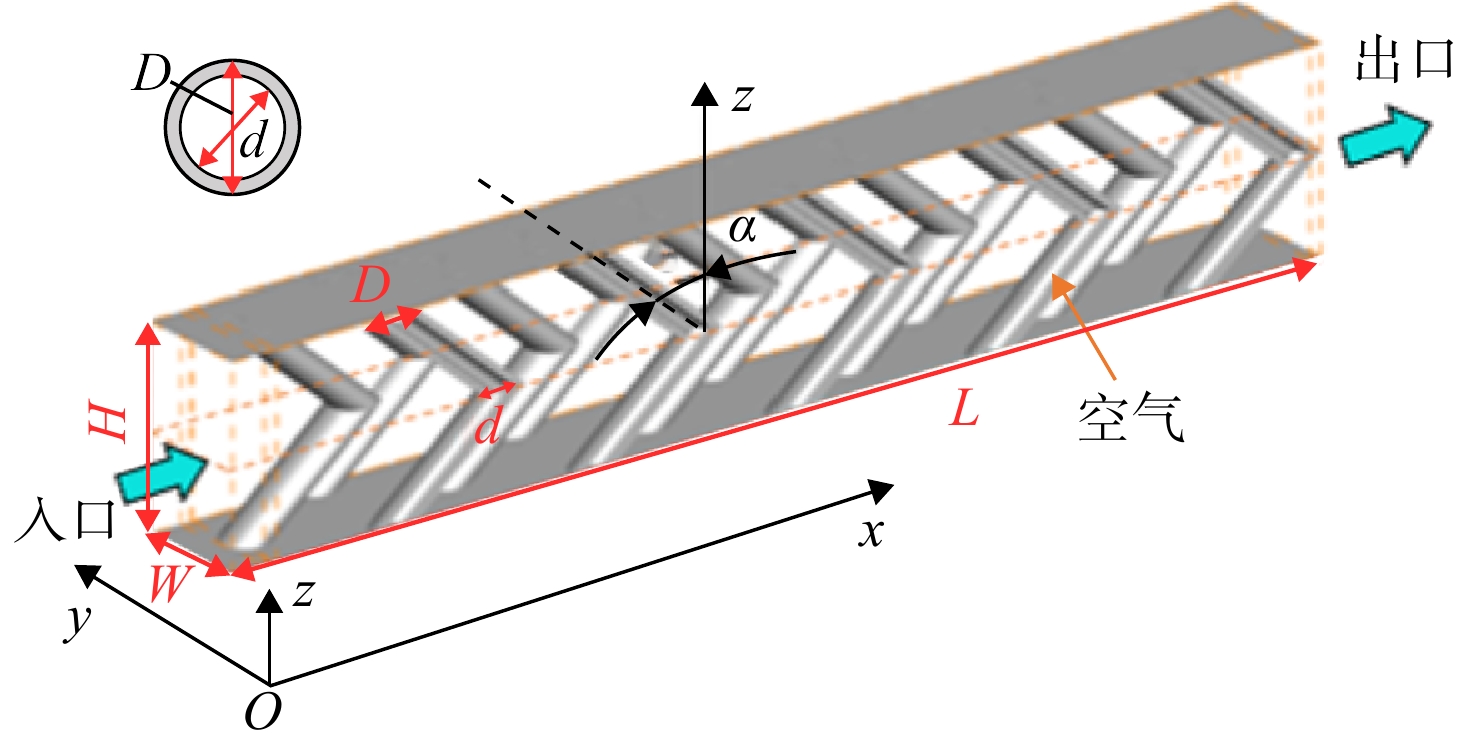
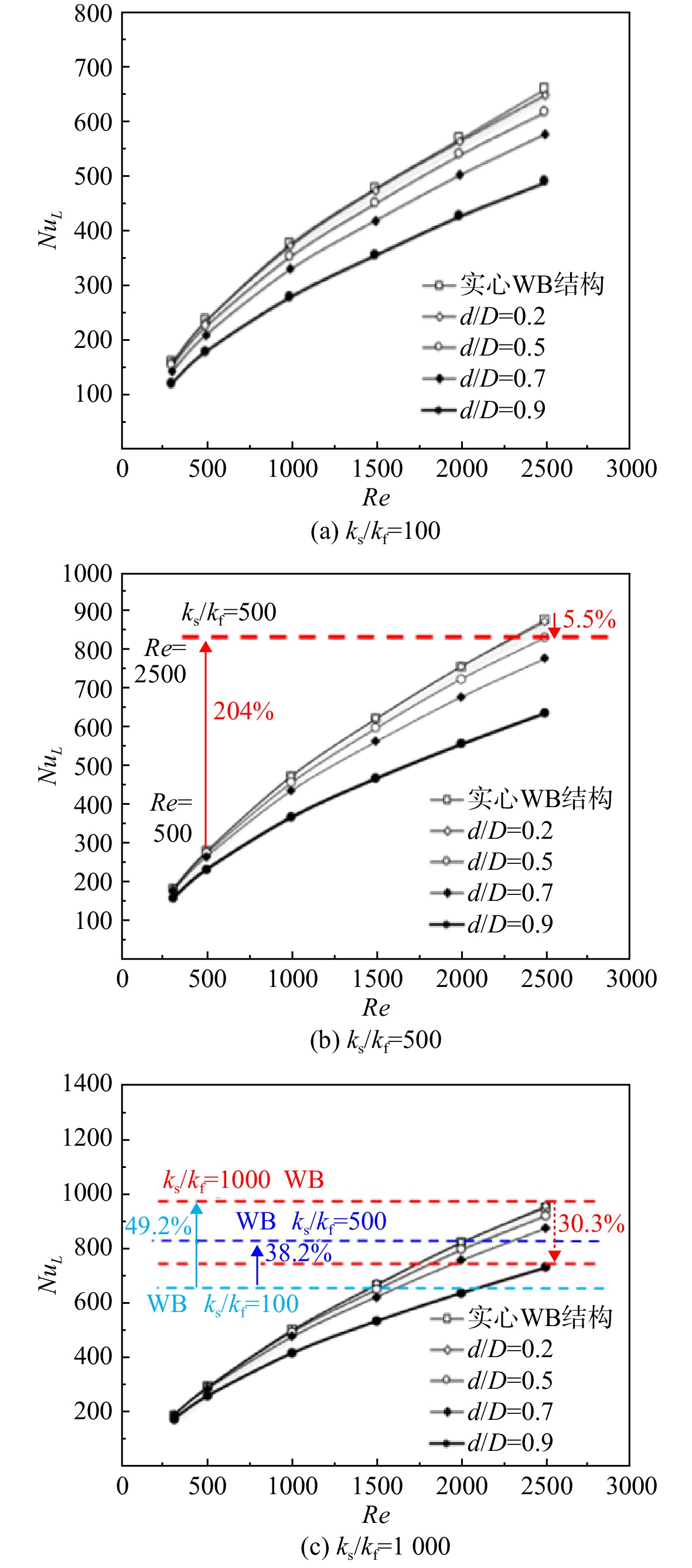
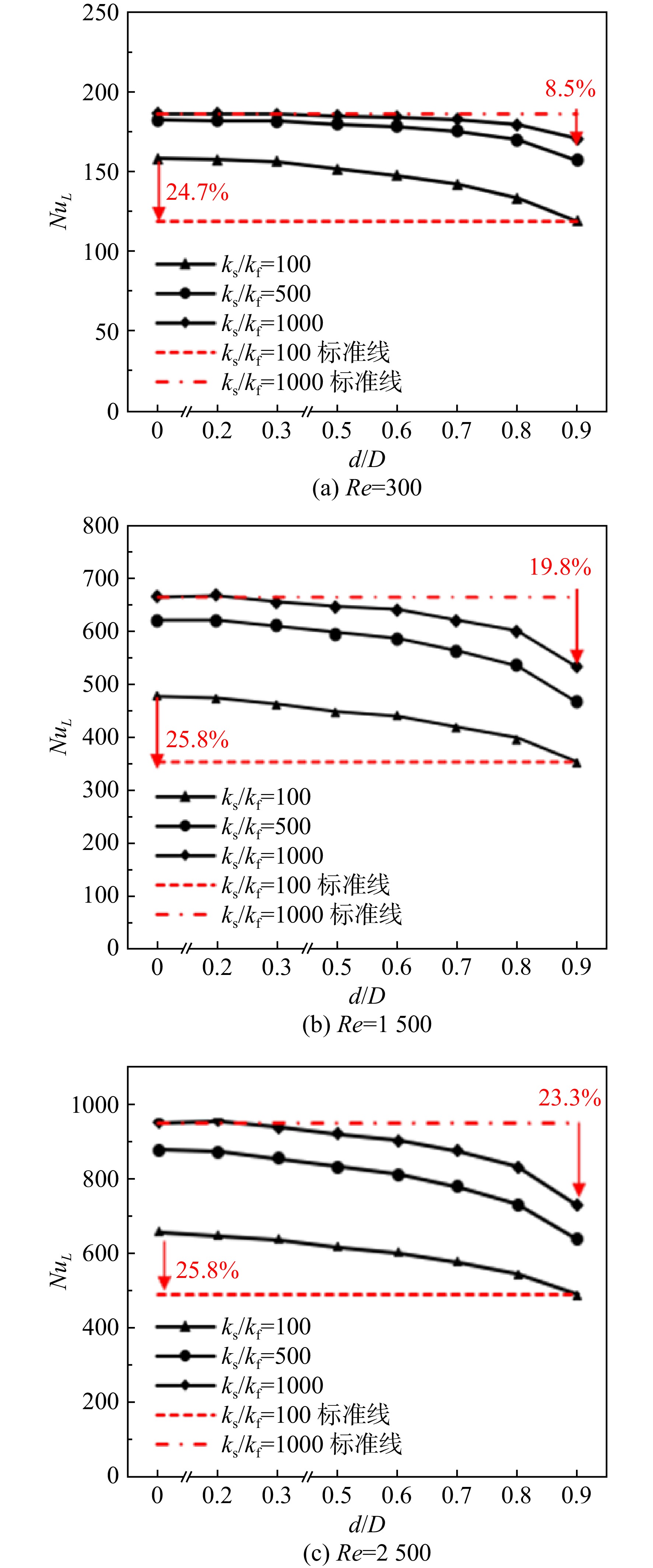
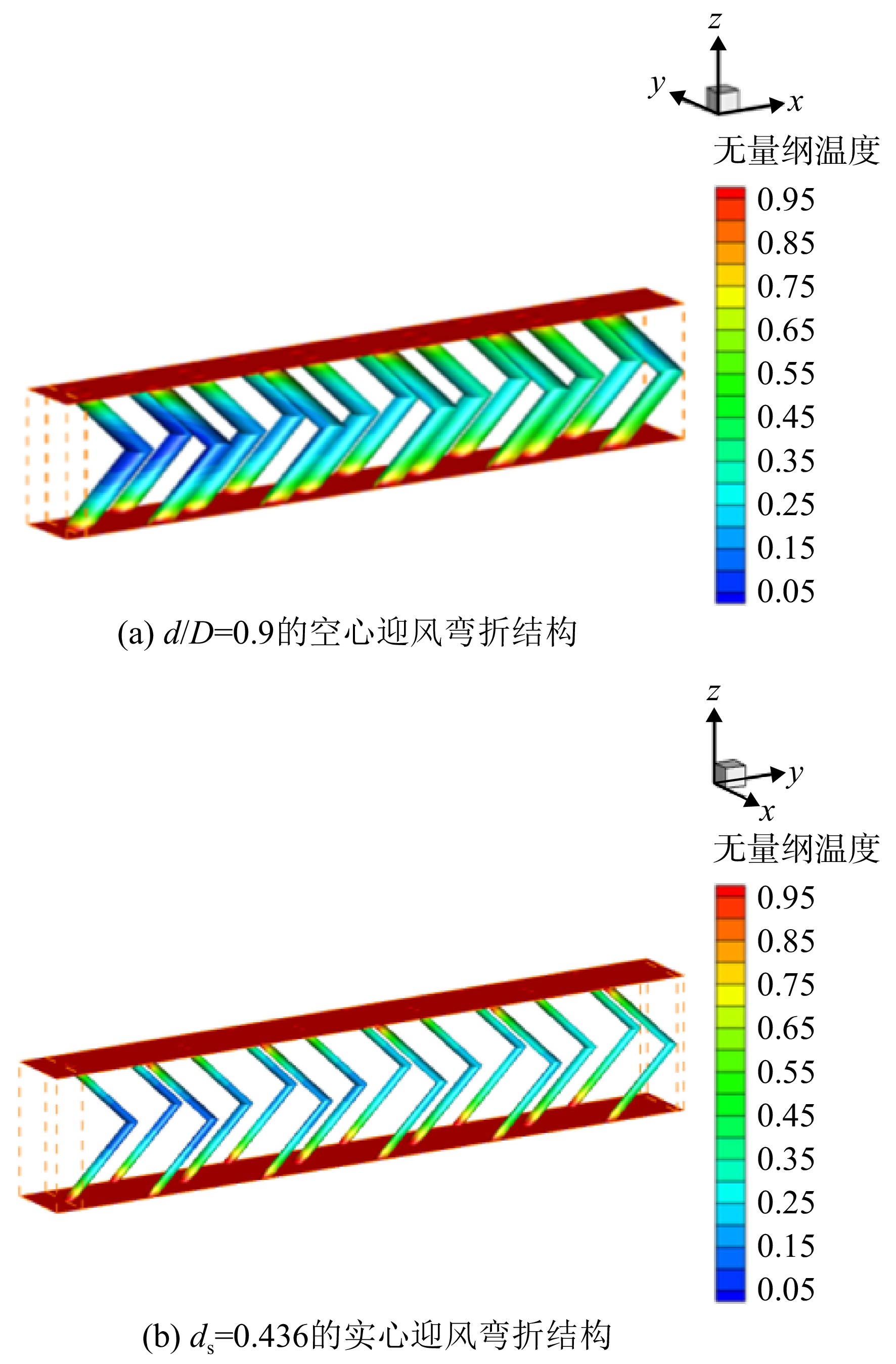
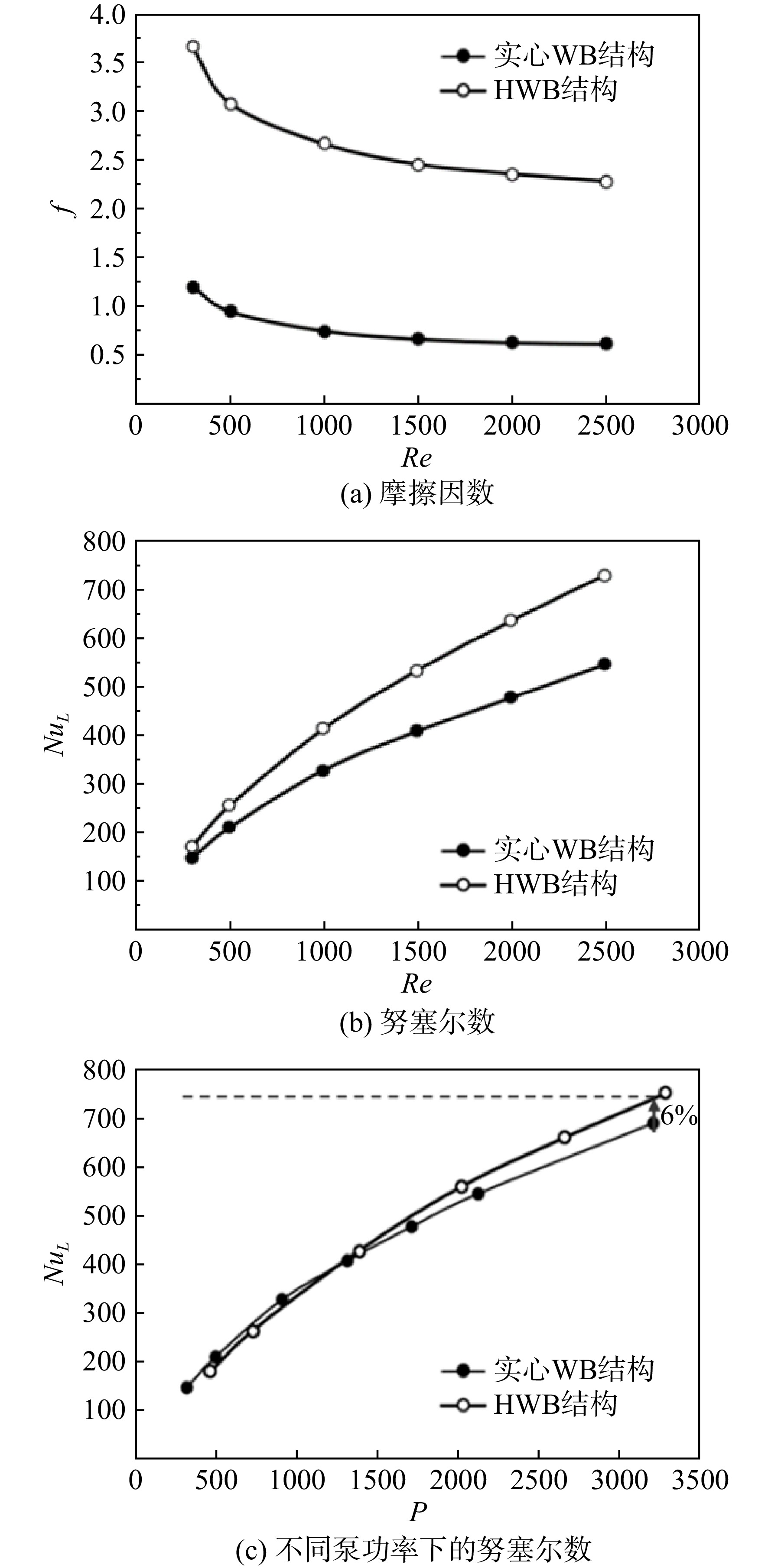
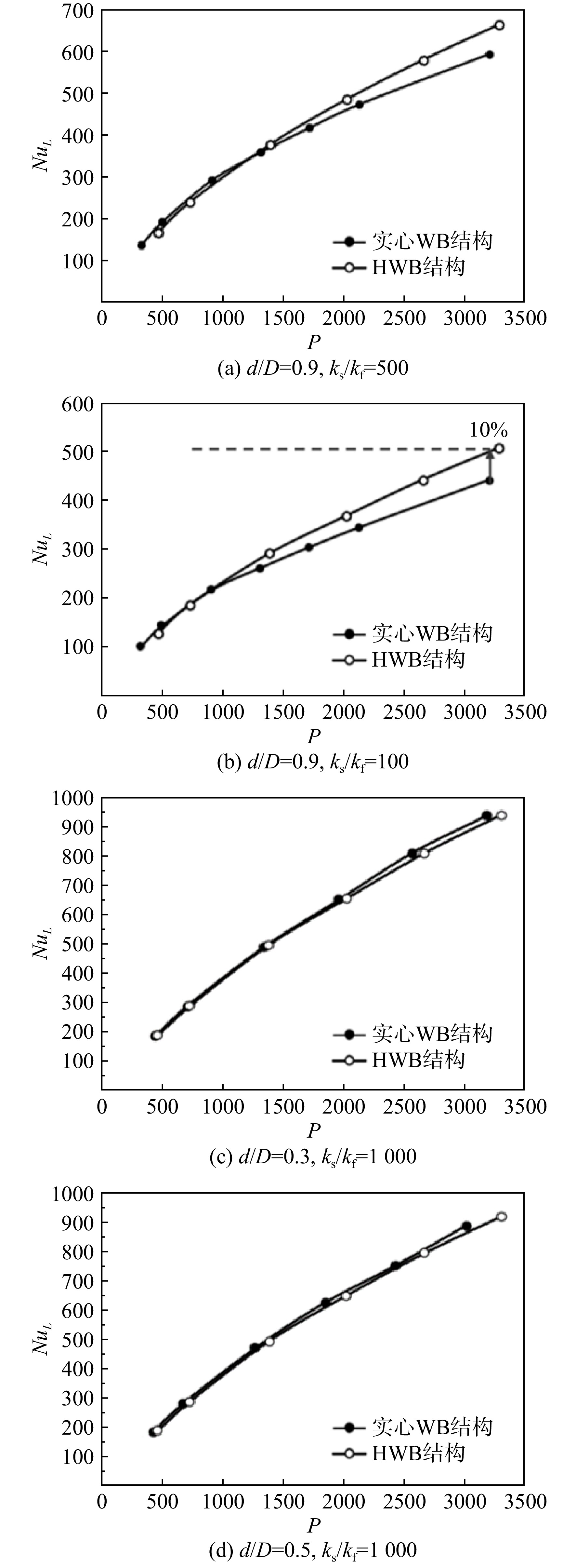
In order to explore the flow and heat transfer characteristics of the hollow structure, the windward bend (WB) sandwich structure with high heat transfer and low flow resistance was hollowed to obtain the hollow windward bend (HWB) sandwich structure. The effects of hollow diameter ratio (d/D), thermal conductivity ratio and Reynolds number on the flow and heat transfer characteristics of HWB structure were studied numerically. The results showed that: (1) the hollow windward bend structure can reduce more weight at the expense of lower heat transfer loss. When d/D=0.5, the weight was reduced by 25%, but the Nusselt number was only reduced by 5.5%; (2) the thermal conductivity ratio of the HWB structure had a great influence on the ratio of the interstitial heat transfer to the end wall heat transfer. Increasing the thermal conductivity ratio, the interstitial heat transfer could increase more than the end wall heat transfer; (3) when d/D was small, the flow and heat transfer capacity of HWB structure and solid WB structure was basically the same at the same solid rate; when d/D increased to 0.9, the flow and heat transfer capacity of HWB structure was slightly stronger than that of solid WB structure.

Numerical simulation of gliding arc ignition characteristics in aeroengine combustor
ZHOU Yu, HUANG Yuan, CHEN Weiqiang, YAN Zhihui, XIAO Baoguo
2025, 40(5): 20230697. doi: 10.13224/j.cnki.jasp.20230697
Abstract:

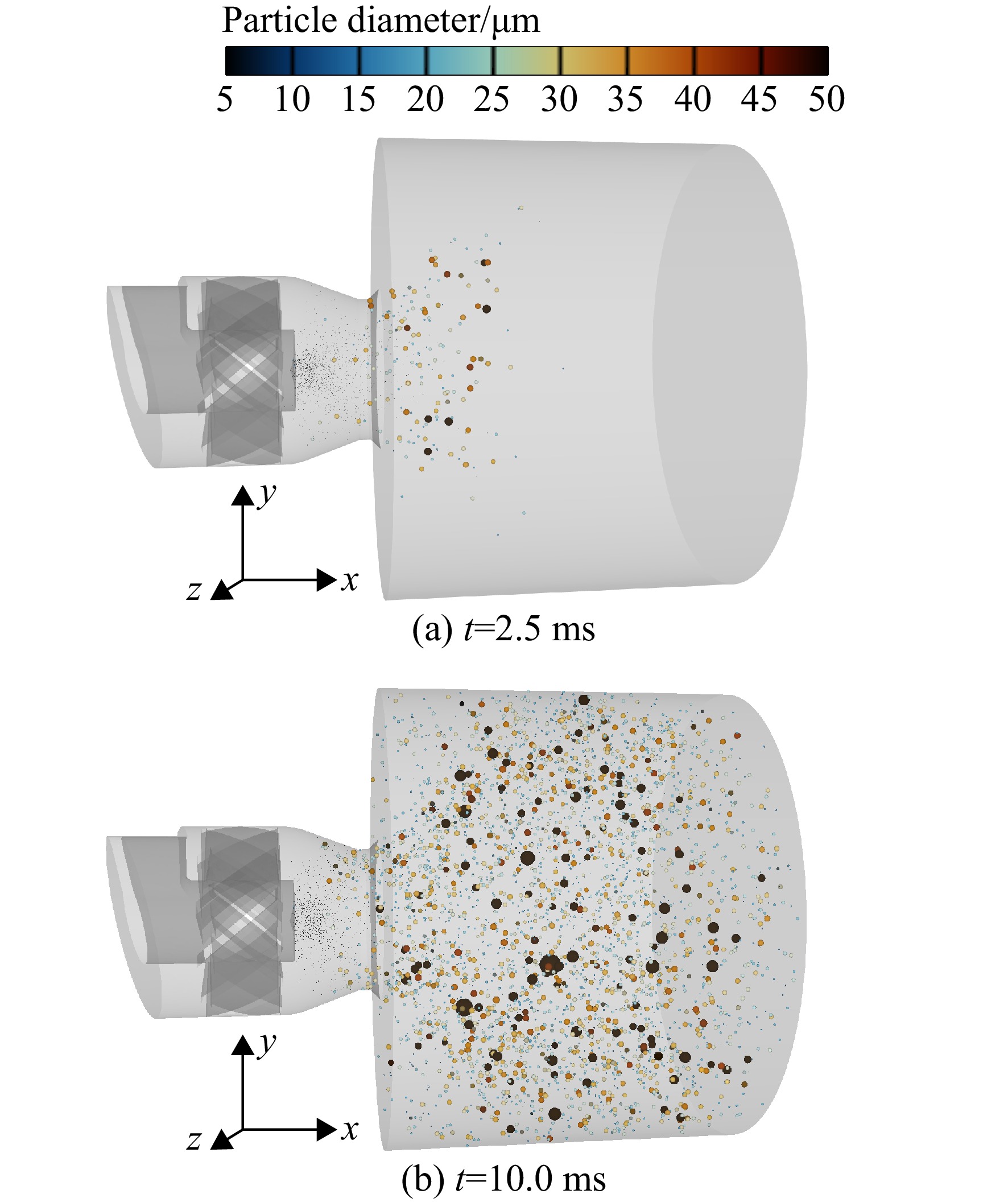
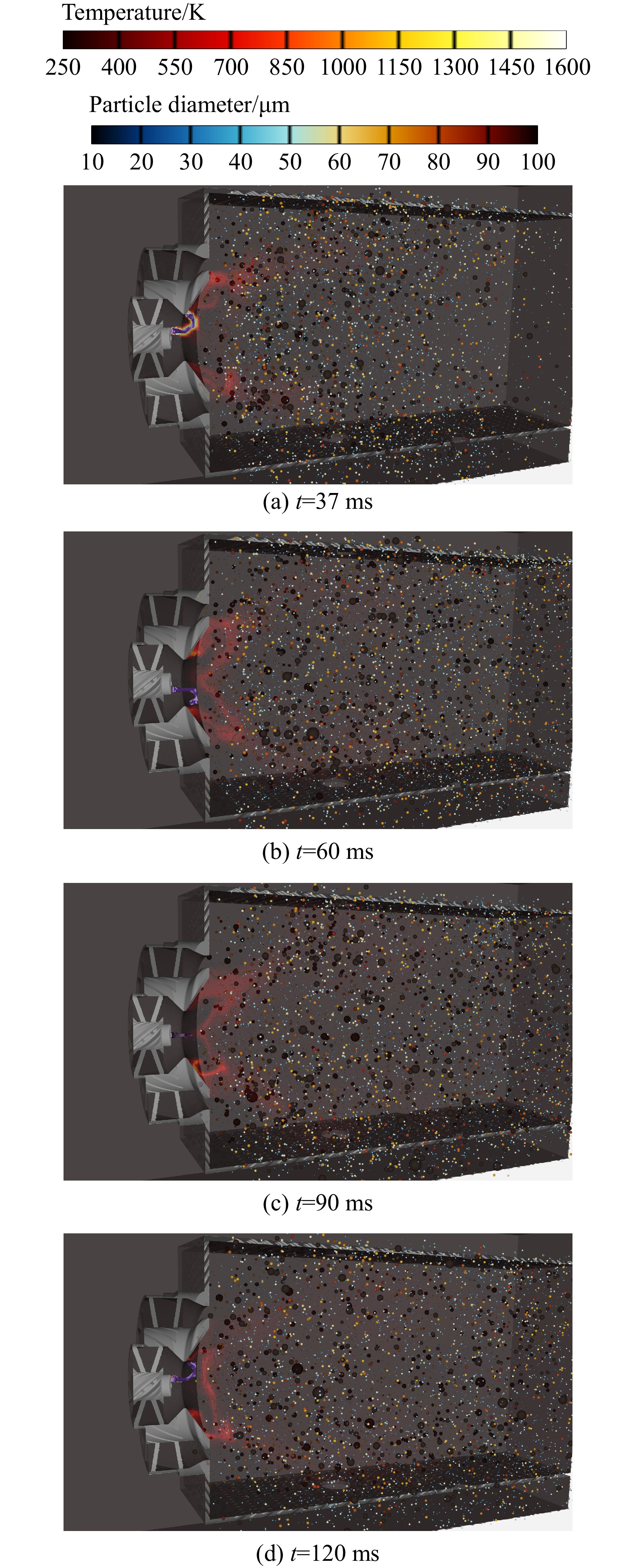
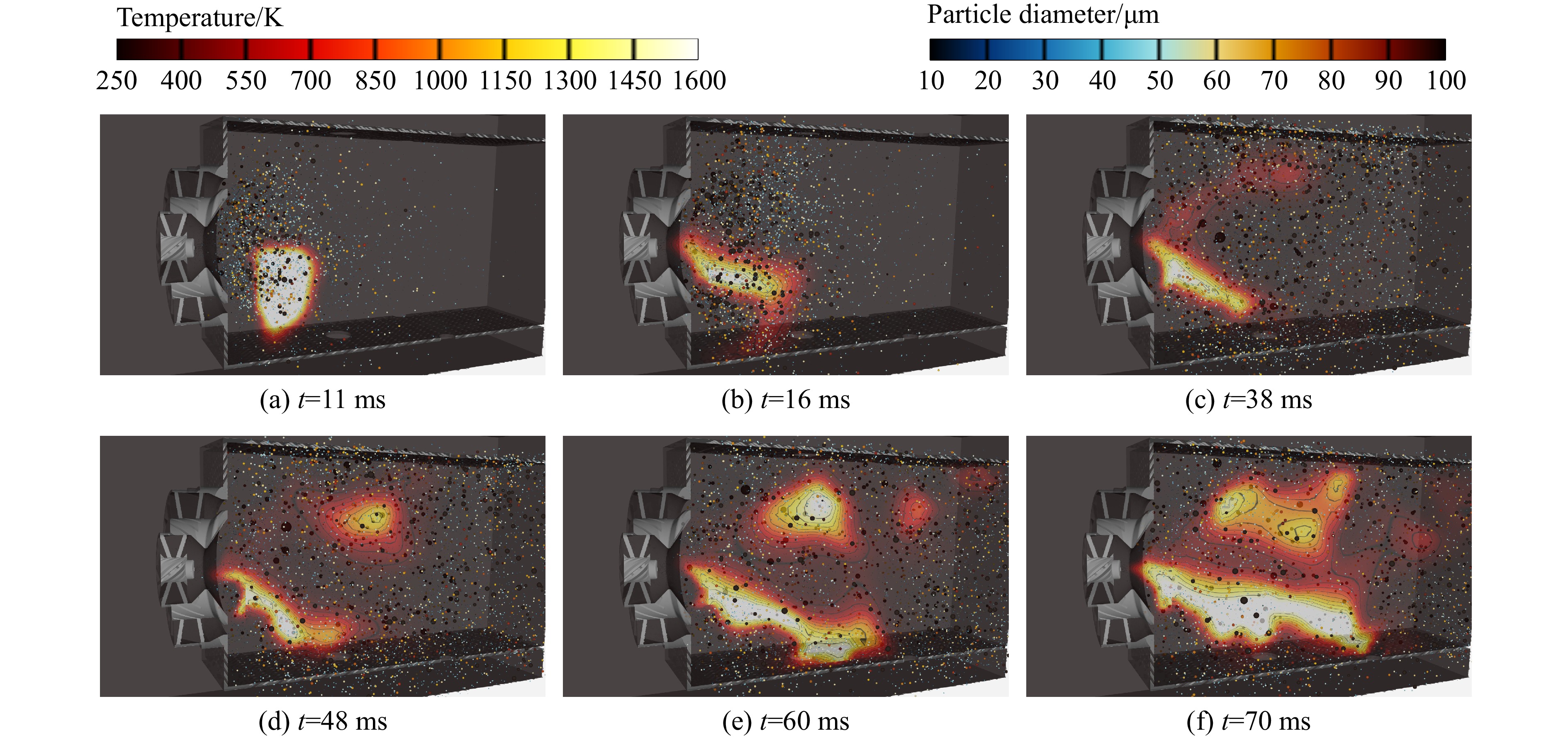
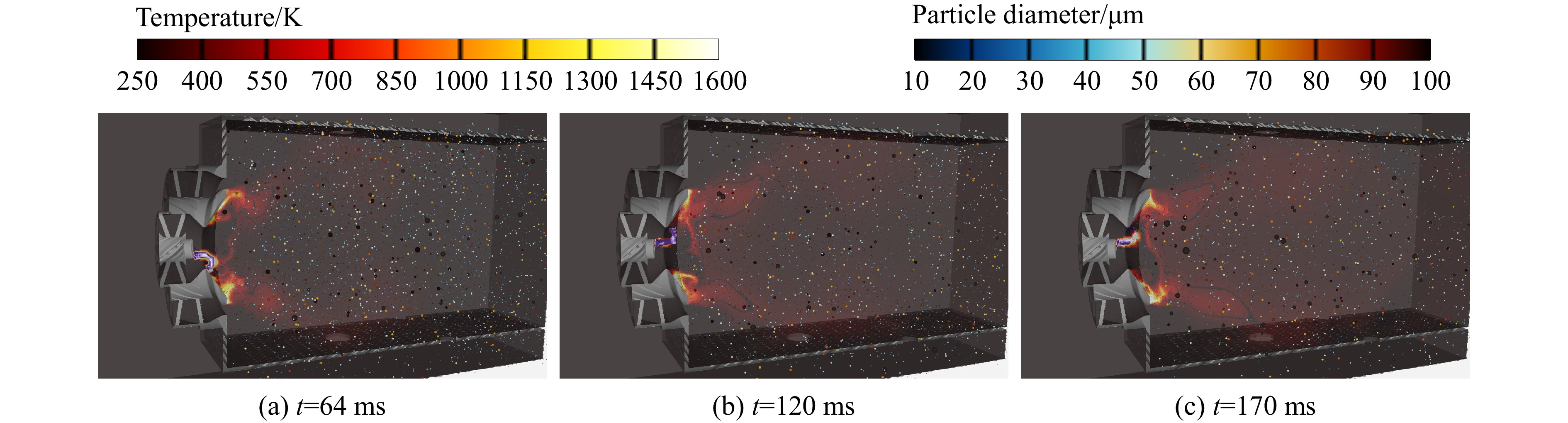
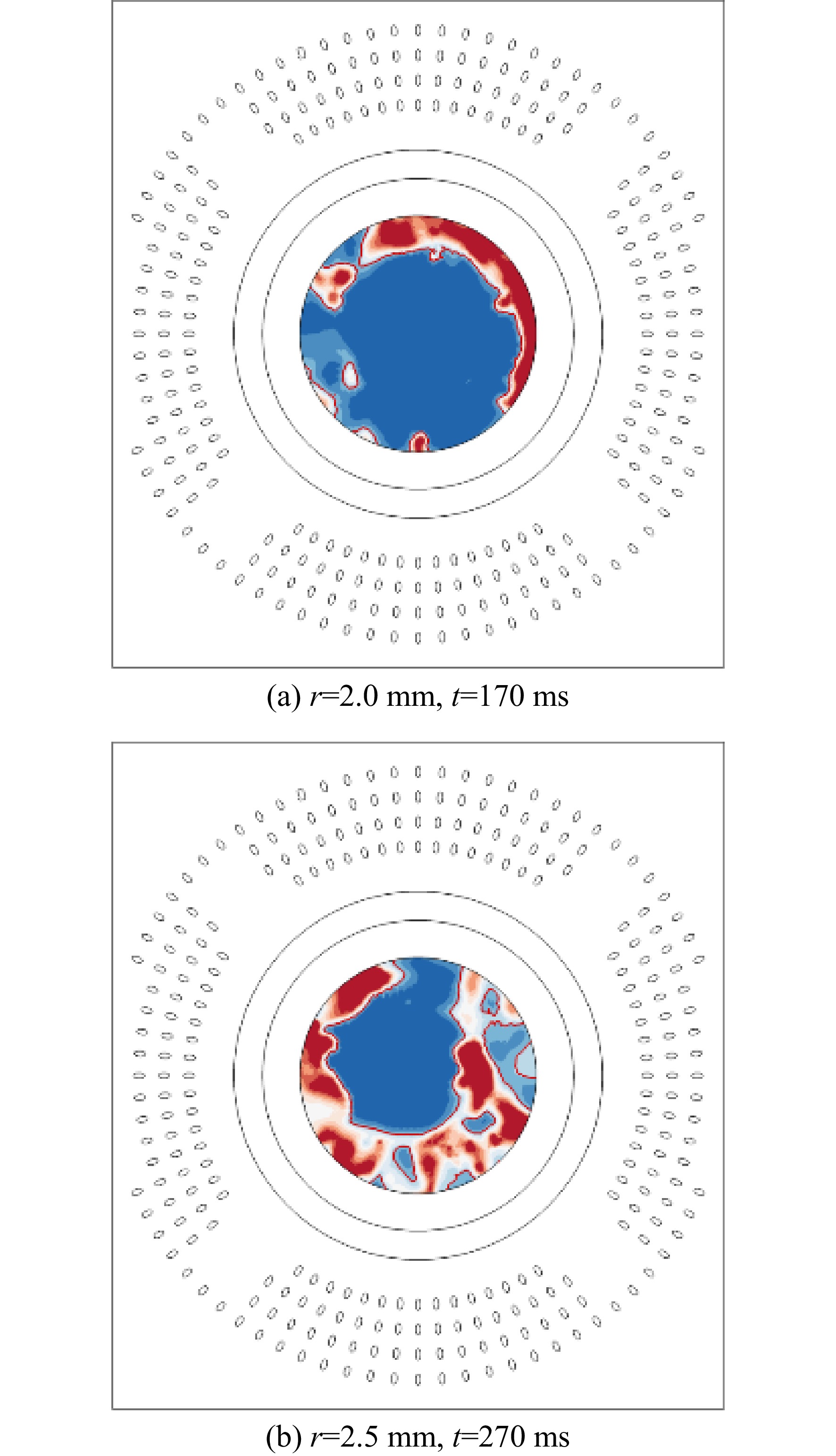
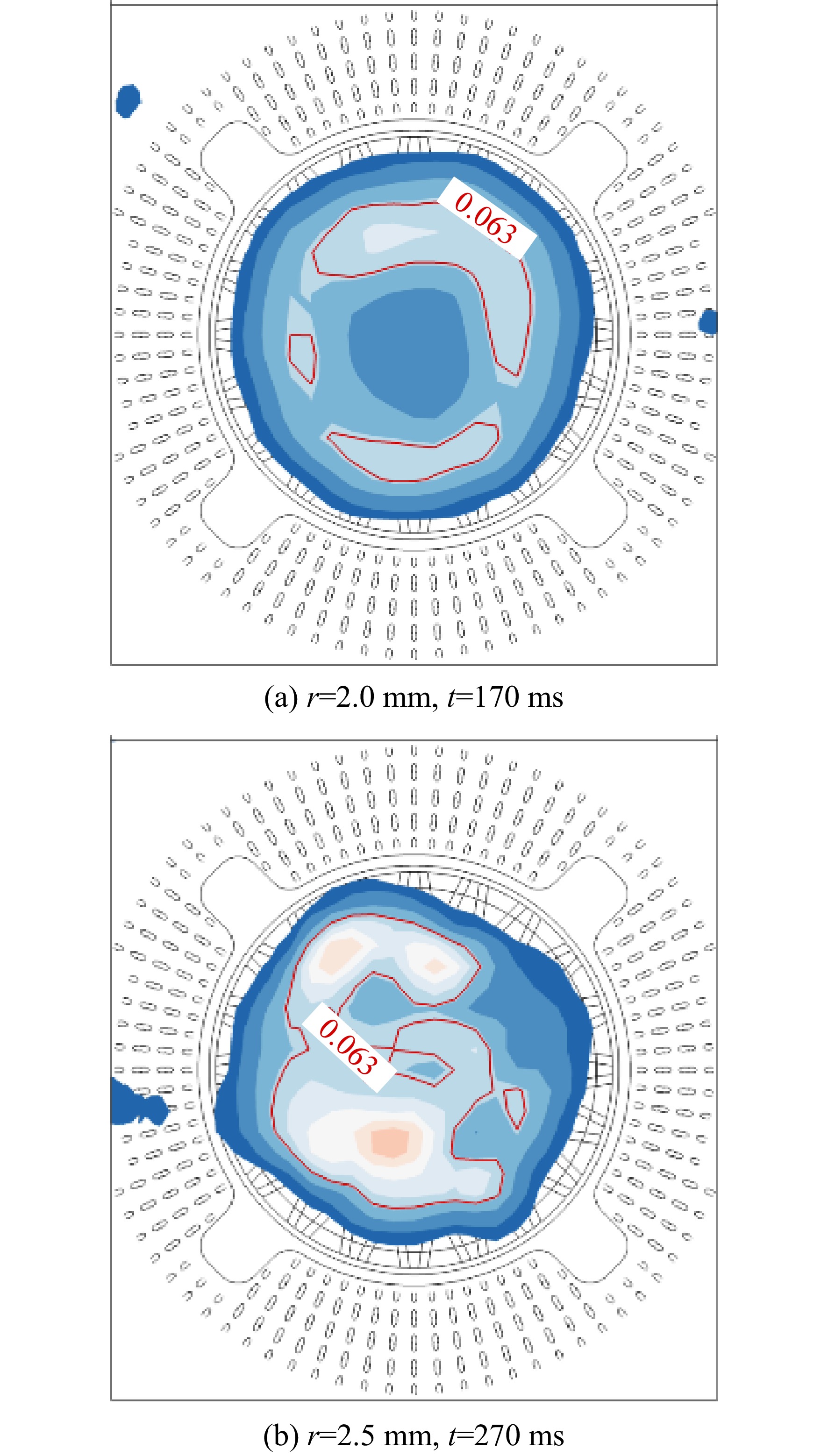
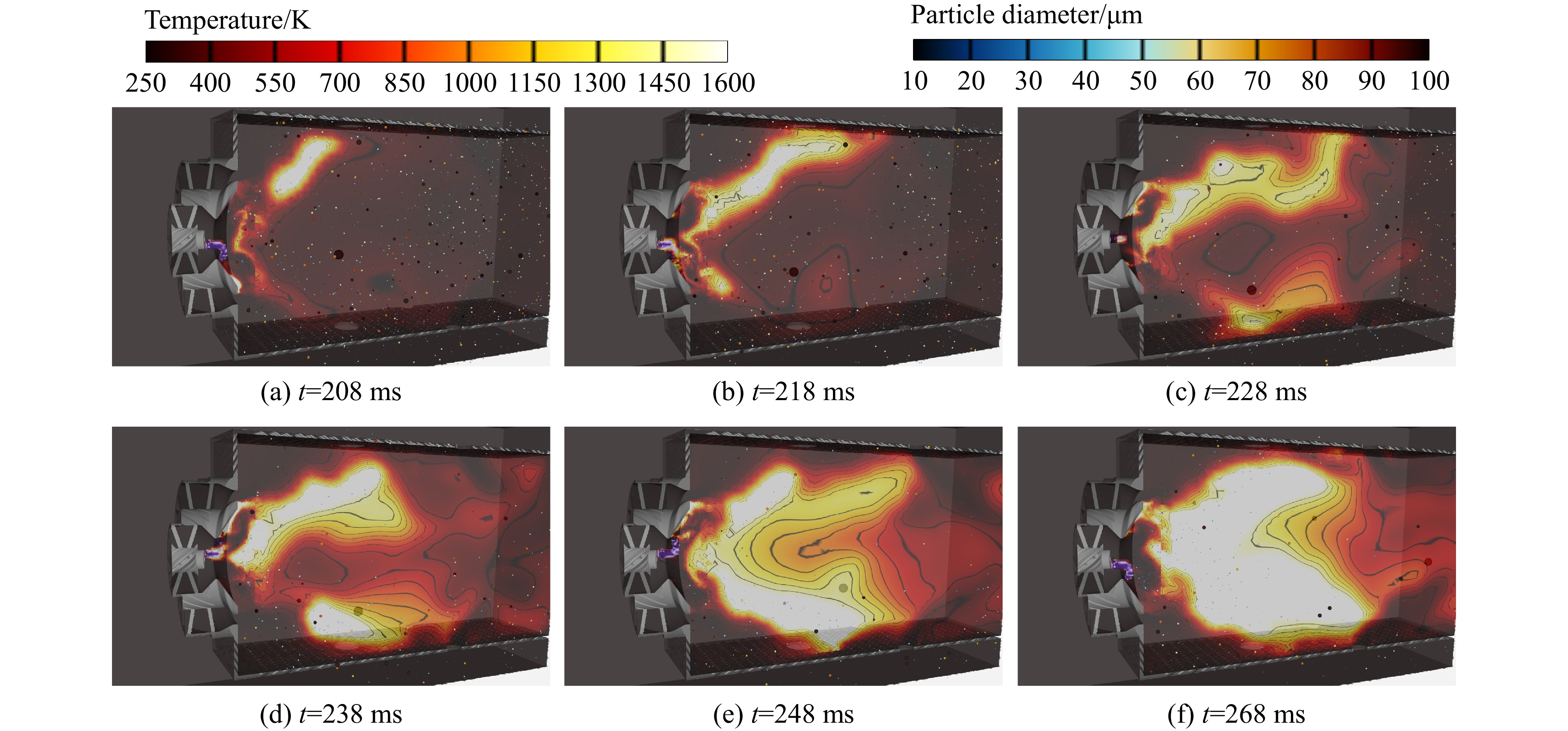
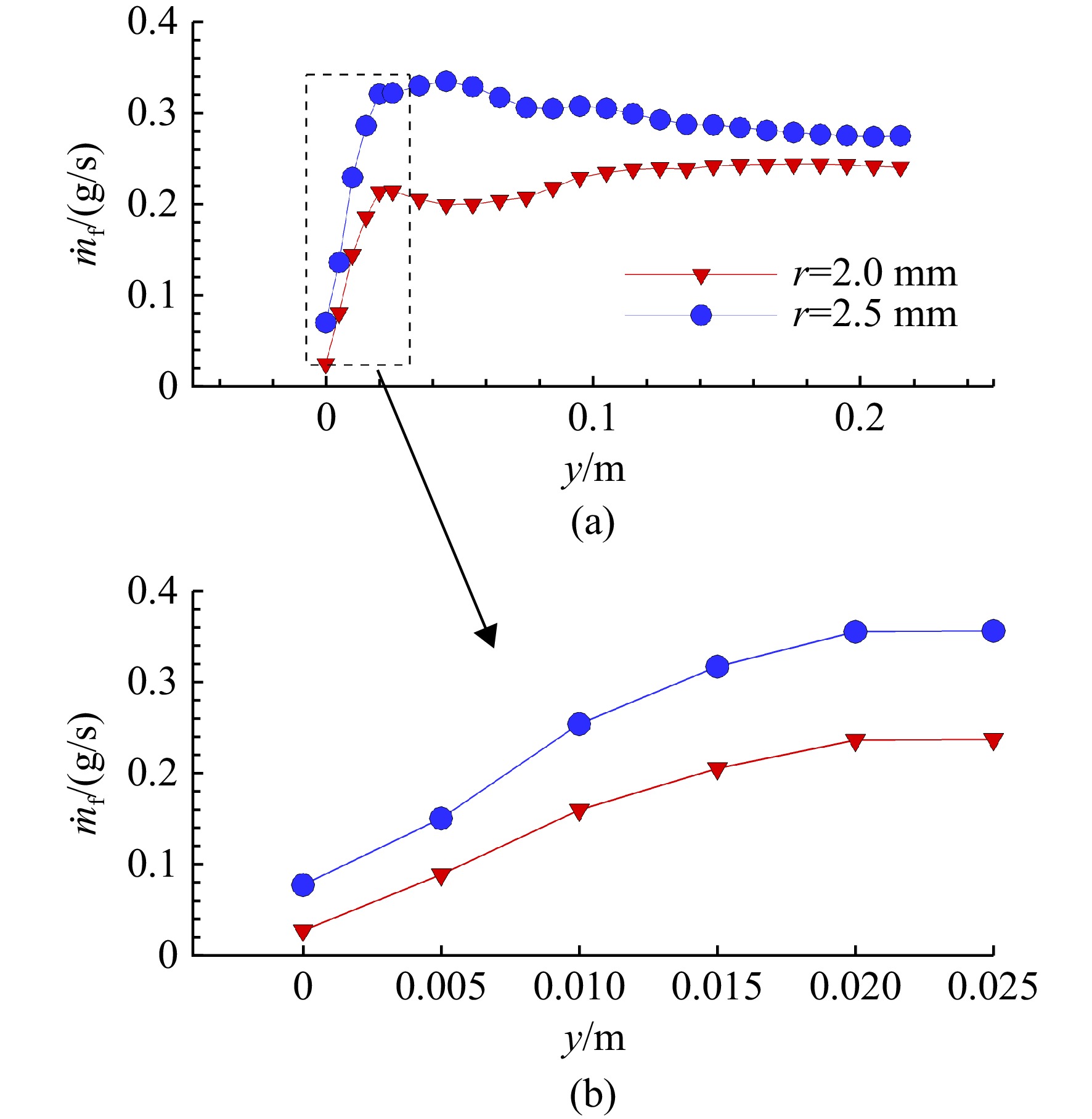
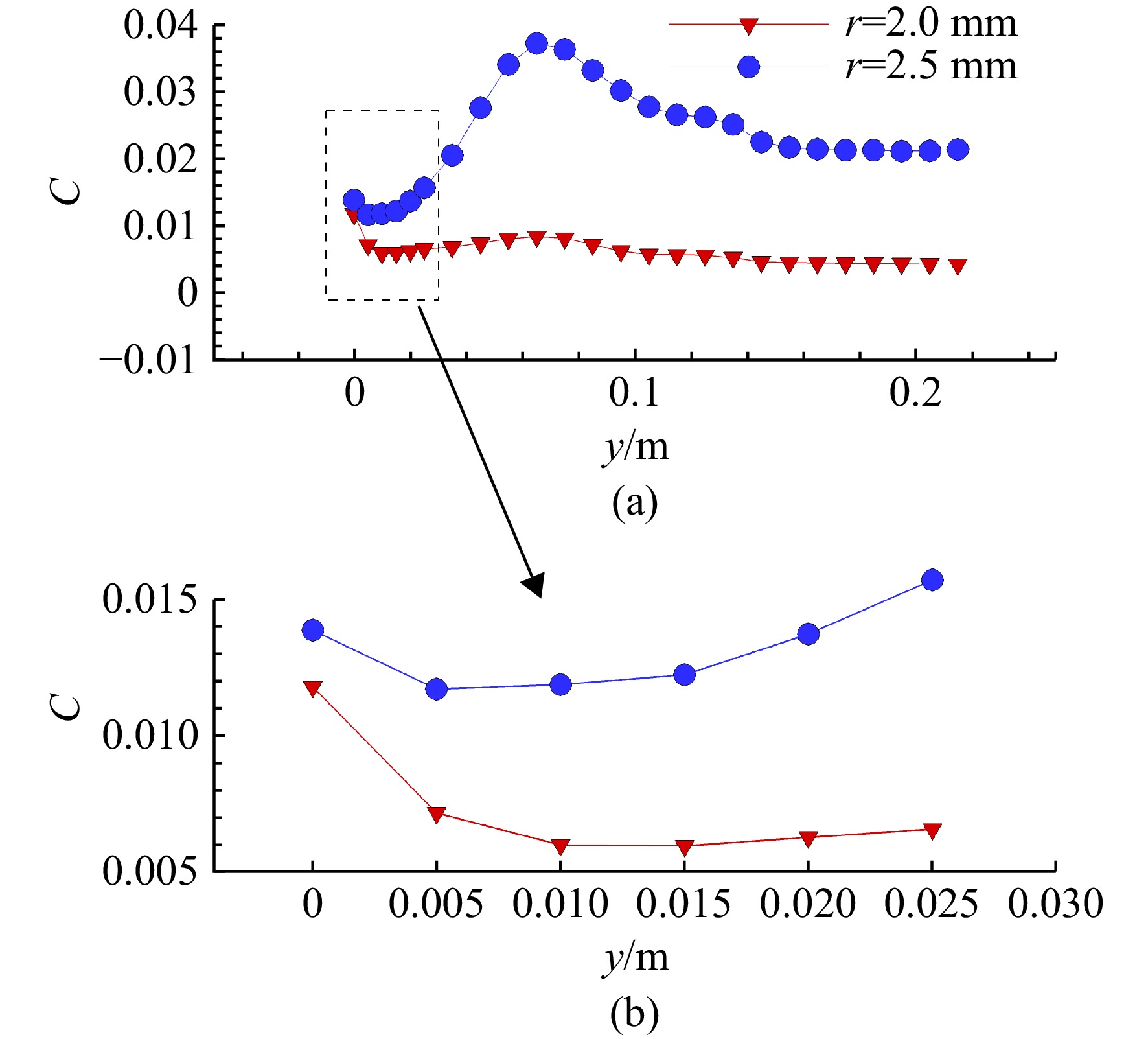
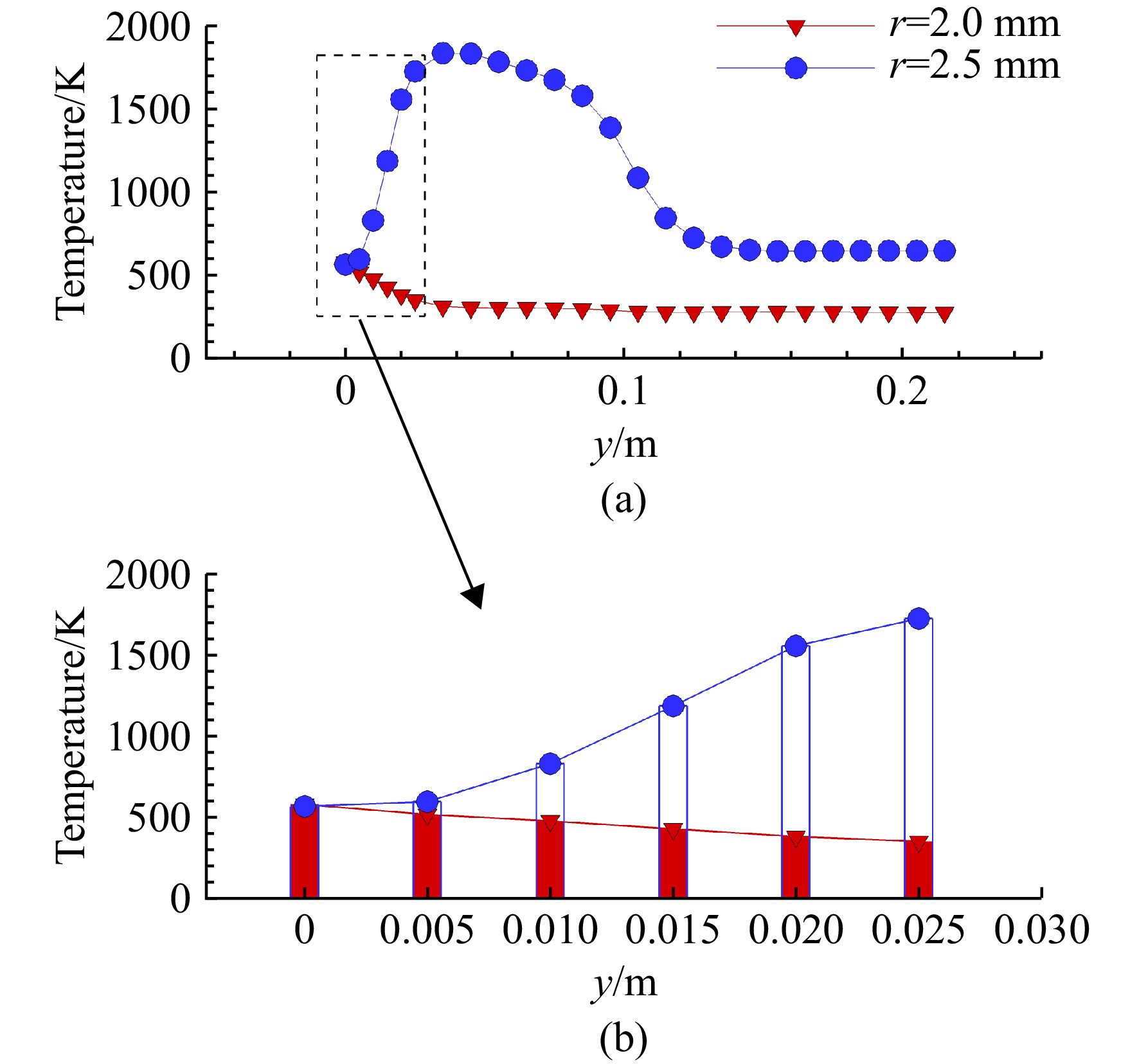
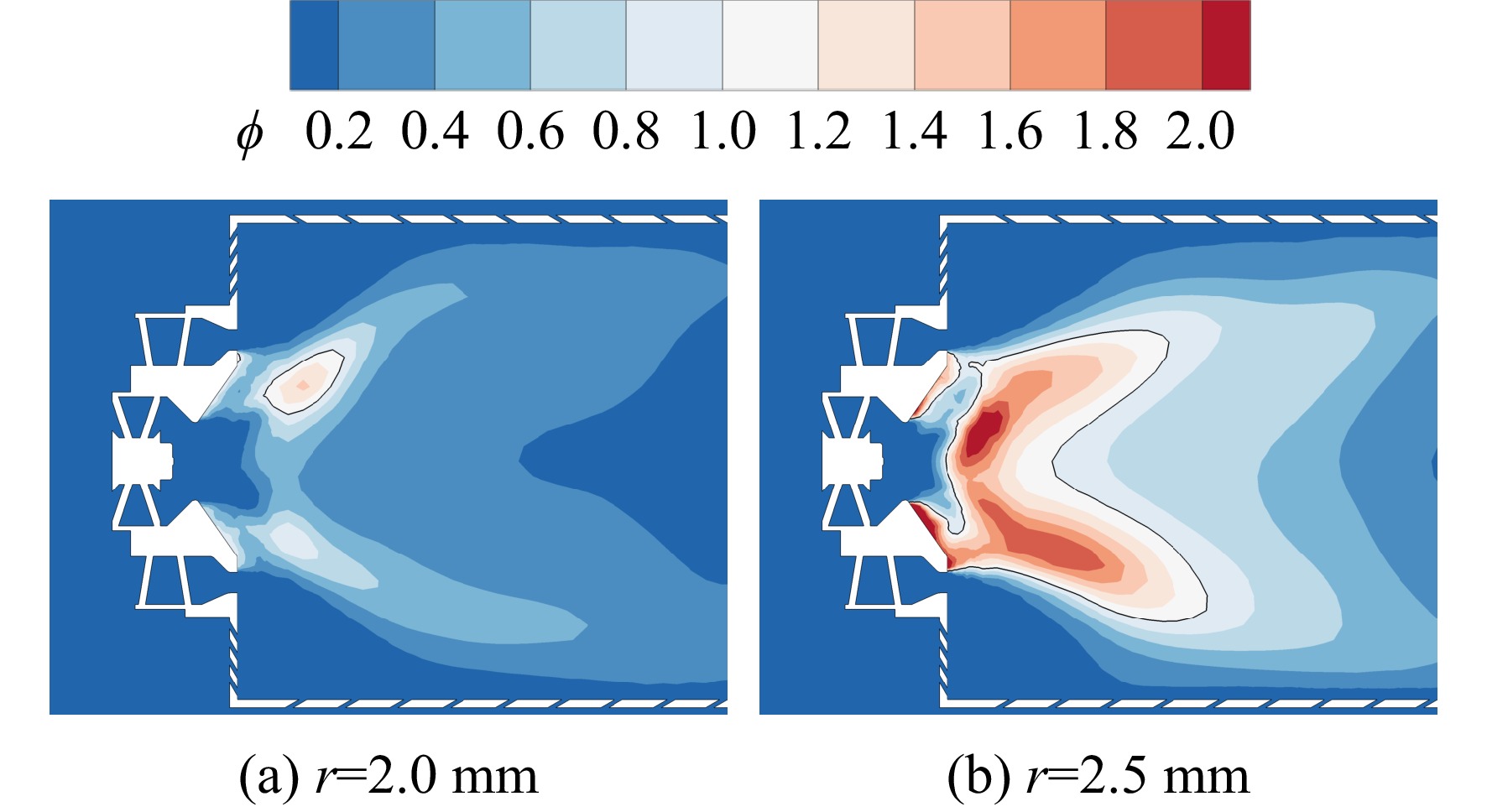
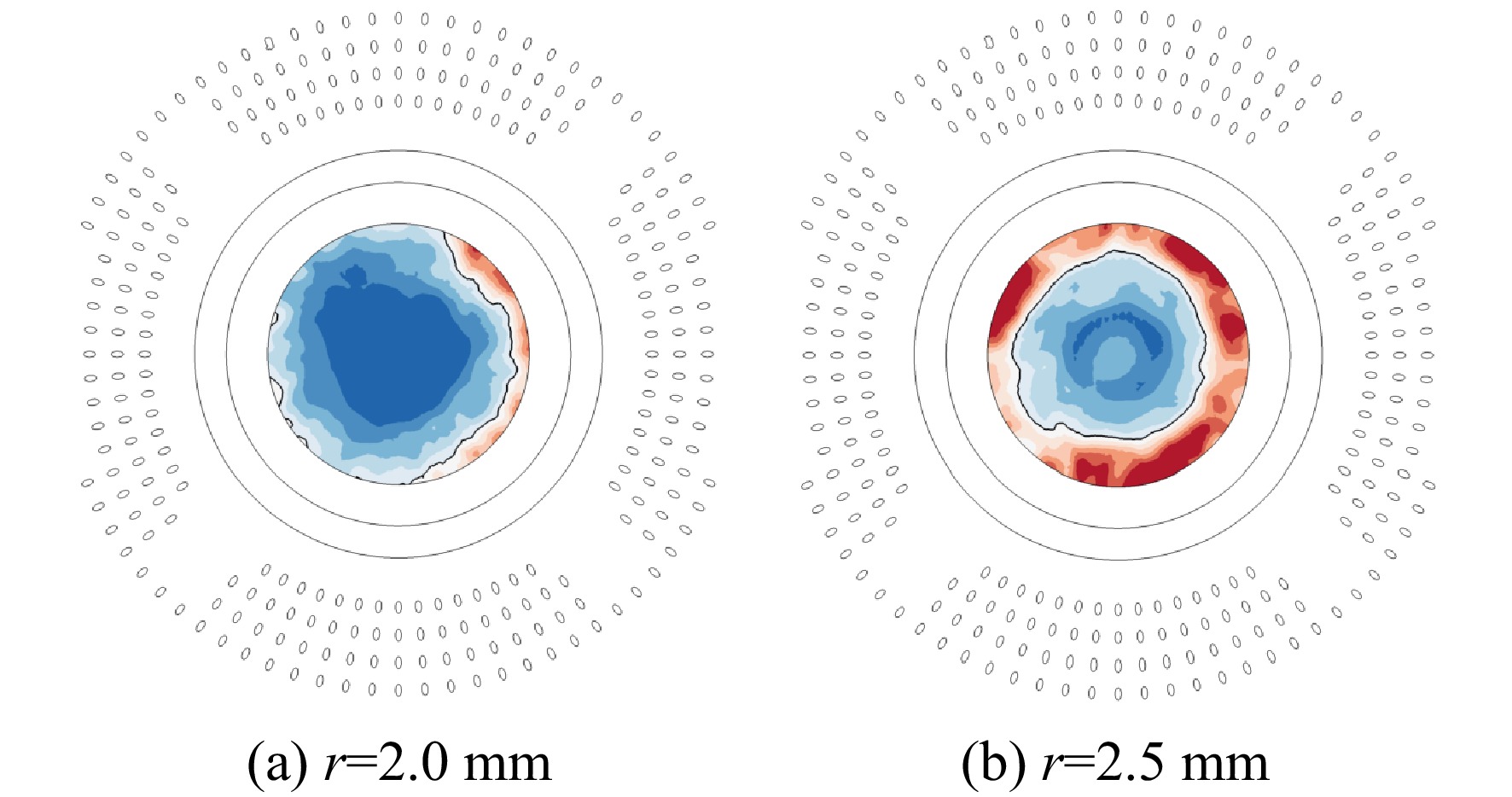
To gain an improved understanding of the ignition characteristics in real aeroengine combustor with gliding arc, a modeling and numerical simulation method of the gliding arc was developed on the CFD platform GTCC and tested on a model combustor with single stage swirler. Numerical simulation of the ignition by gliding arc in real combustor with two-stage axial swirler was carried out under 6 km high-altitude inflow condition. Simulation results showed that the gliding arc on fixed track can significantly enhance the performance of fuel pulverization and ignition, induce periodically anchored flame around the swirler outlet with the fuel-air-ratio, arc radius and rotating speed equal to 0.015, 1.5 mm and 100(°)/ms, respectively. The overall flow field approached the critical status of catching fire and eventually ignited with the arc radius increasing to 2.0 mm. Afterwards, fuel-air-ratio was reduced to 0.01 and the ignition processes with arc radius of 2.0 mm and 2.5 mm were simulated. Mean gaseous kerosene proportion on the outlet of swirler increased from 8.11% to 22.70% with stronger actuation, which successfully impelled the anchored flame to break through the critical ignition limit. Compared with the fuel-air-ratio limit 0.0163 with normal spark plug, simulation results showed that the ignition boundary can be expanded up to 38.65% by the gliding arc.

Grid resolution study for detonation wave utilizing single-step and multi-step H2/Air mechanisms
LI Qingan, ZHANG Yonghui, WANG Ke, FAN Wei, CHEN Liangxiao, YANG Hai, HAN Junde, KANG Jian
2025, 40(5): 20230481. doi: 10.13224/j.cnki.jasp.20230481
Abstract:

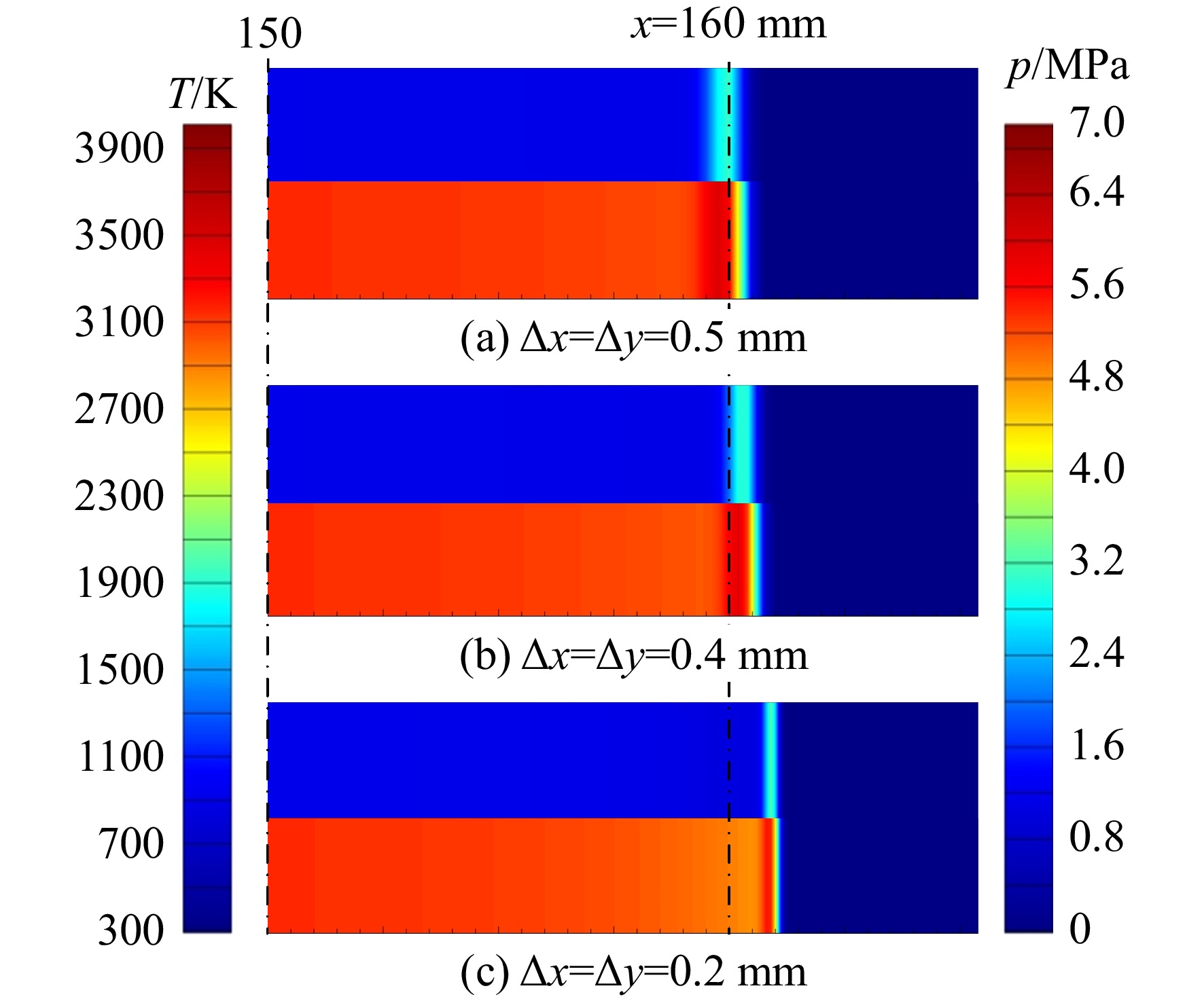
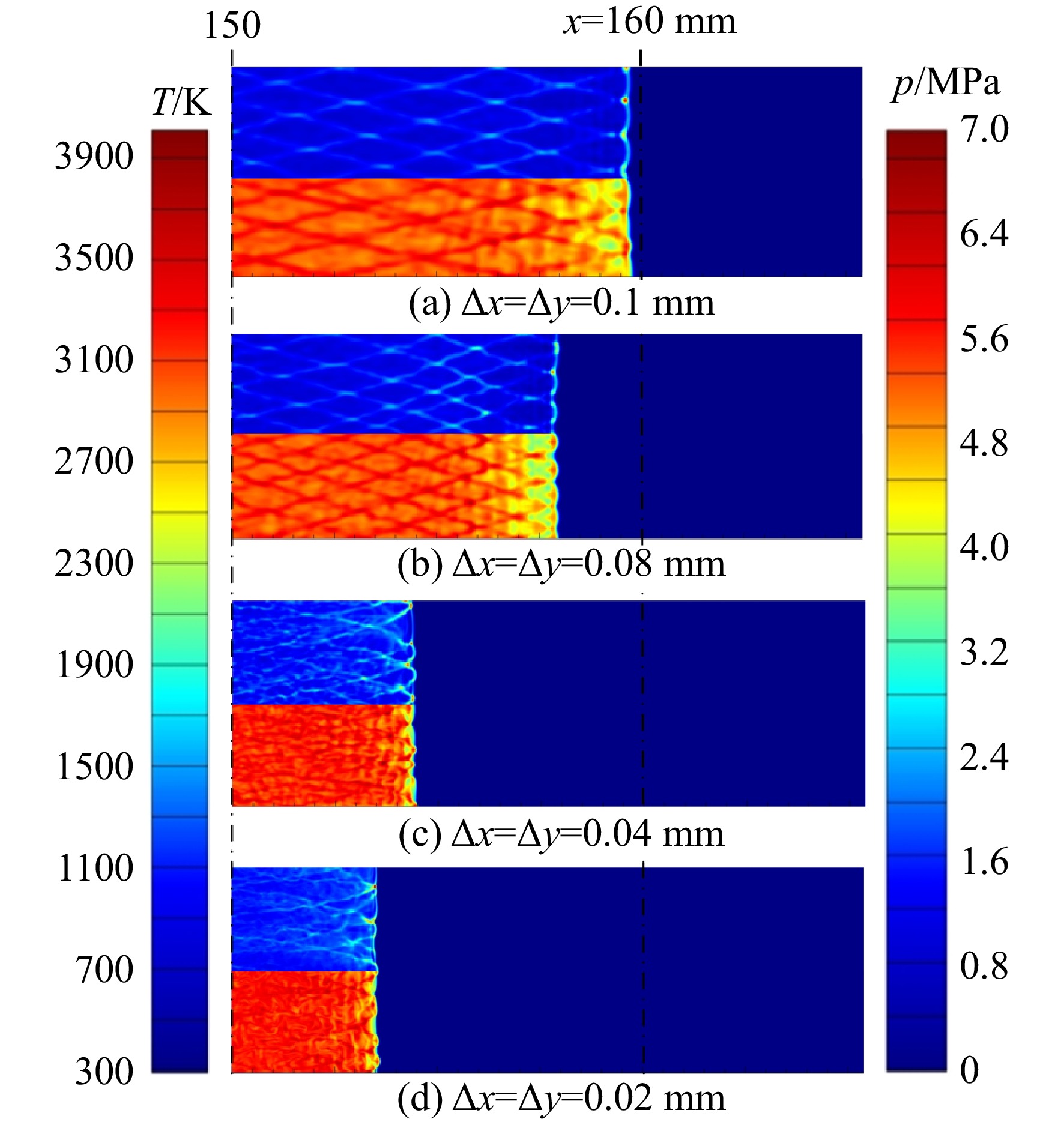
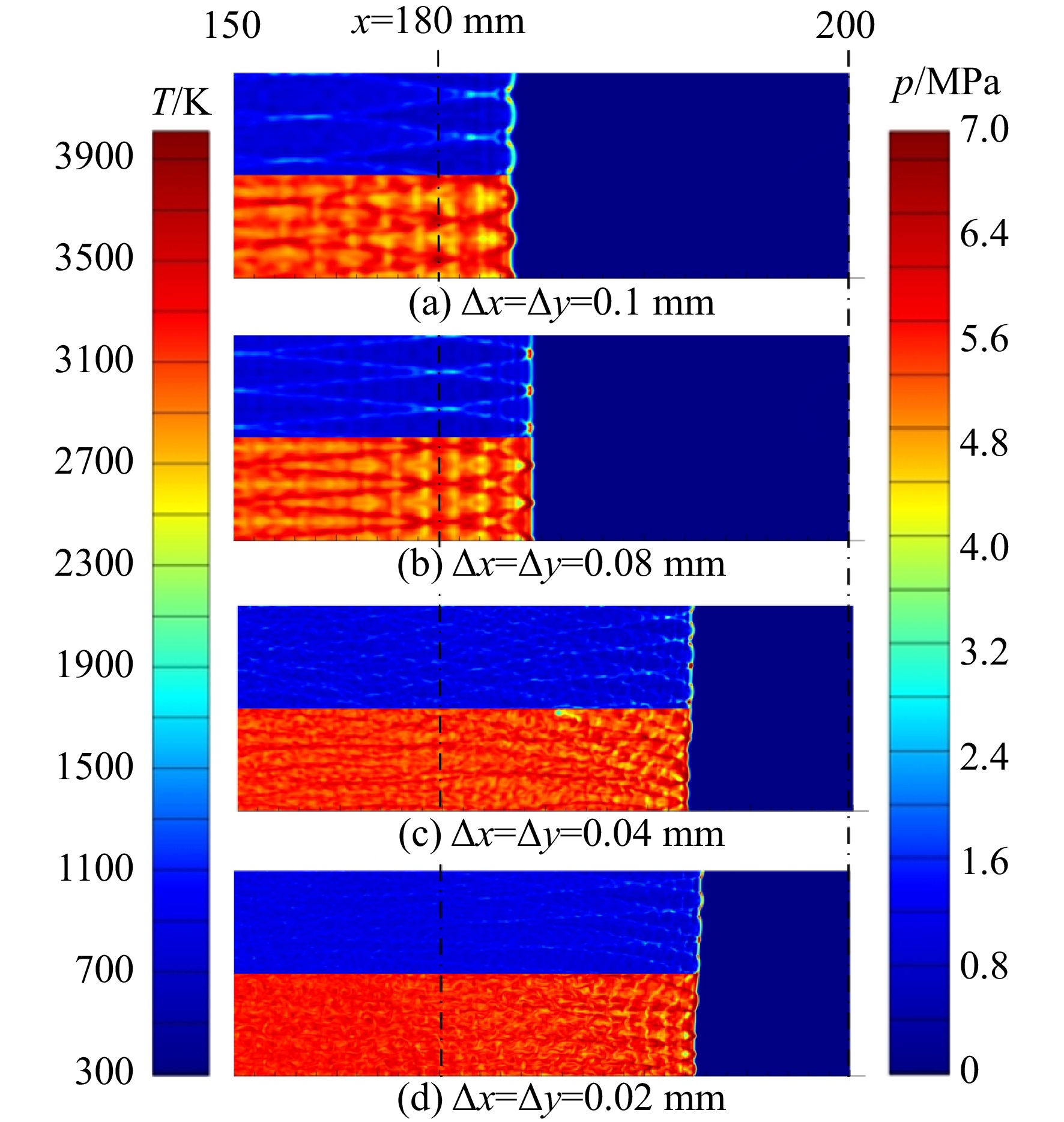
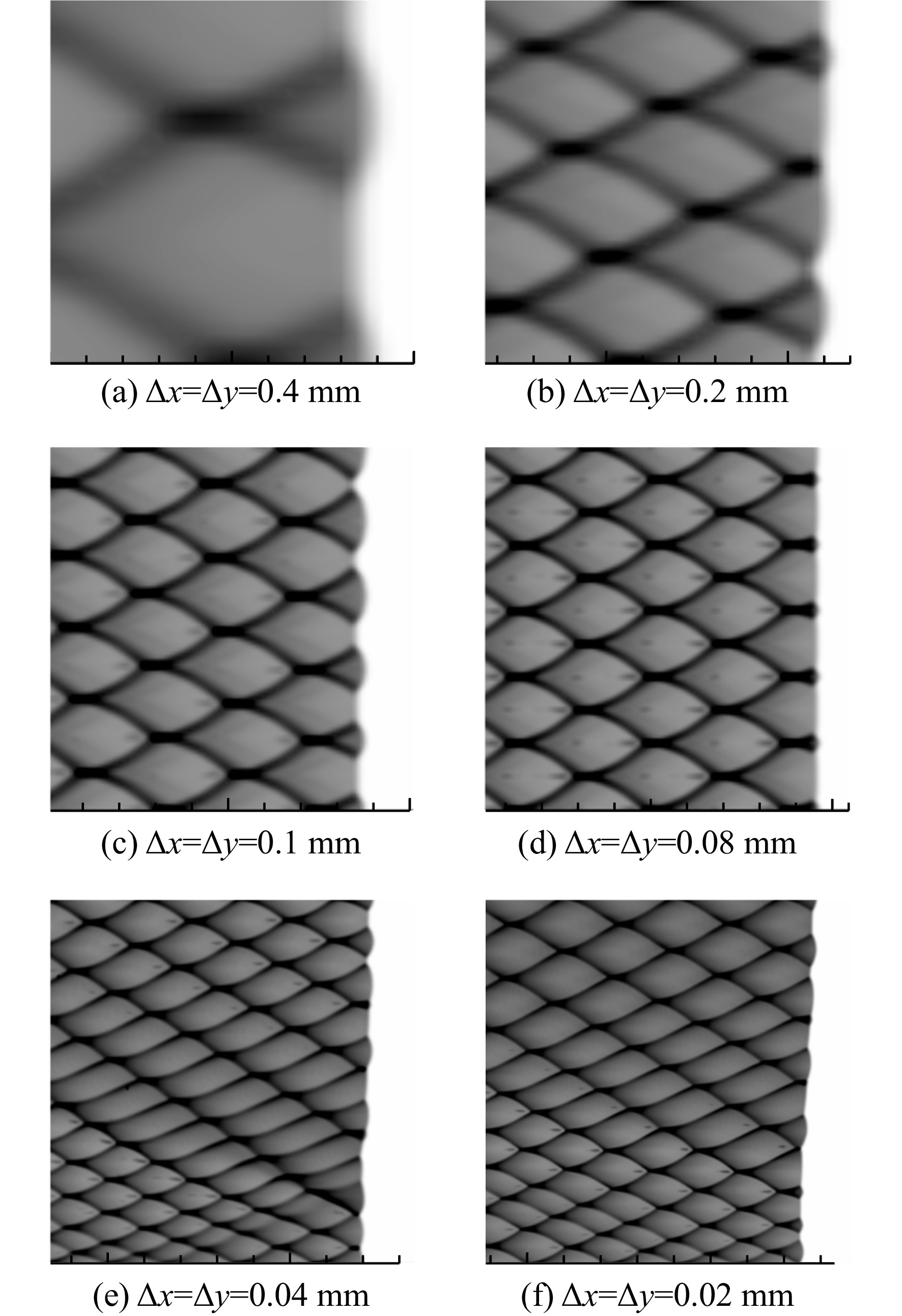
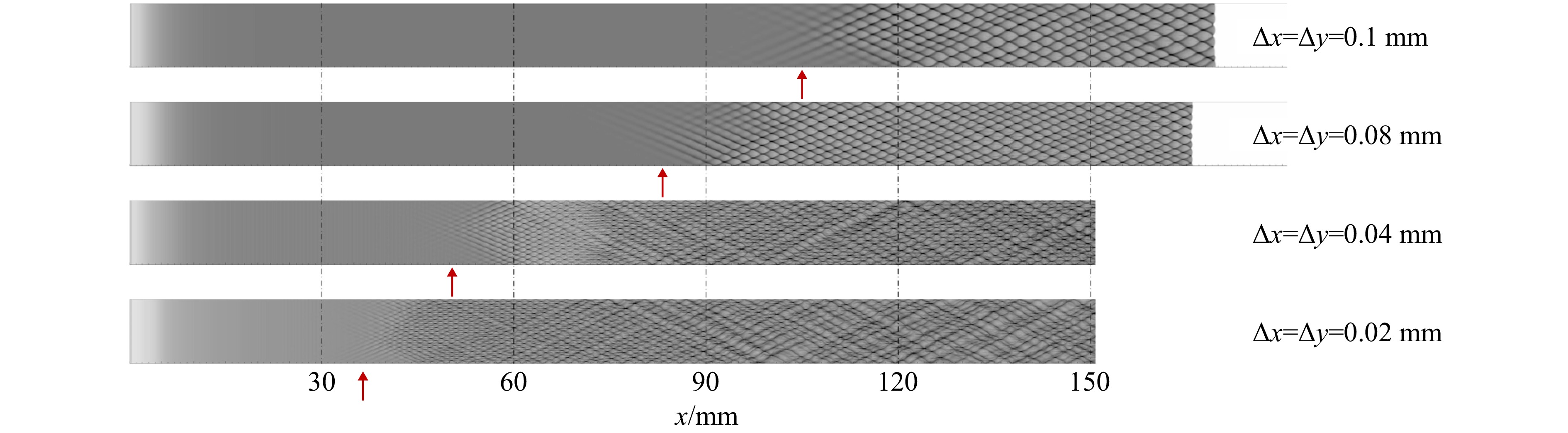
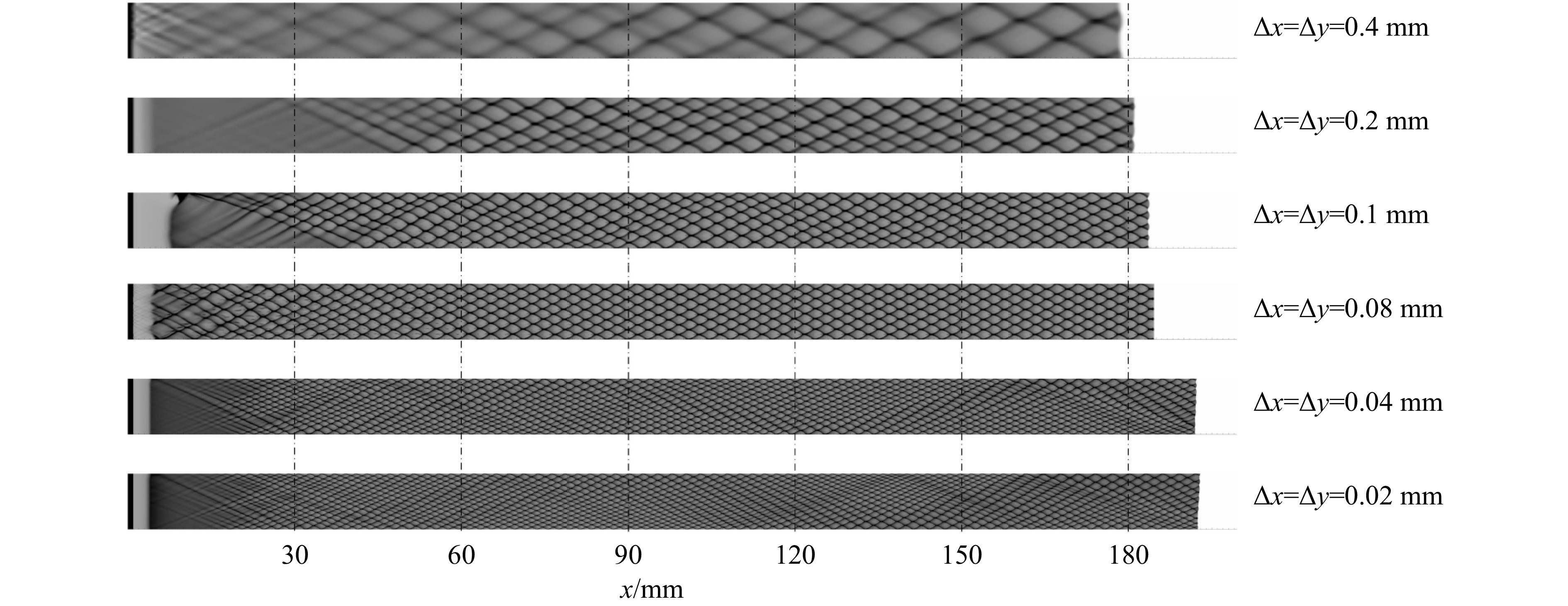
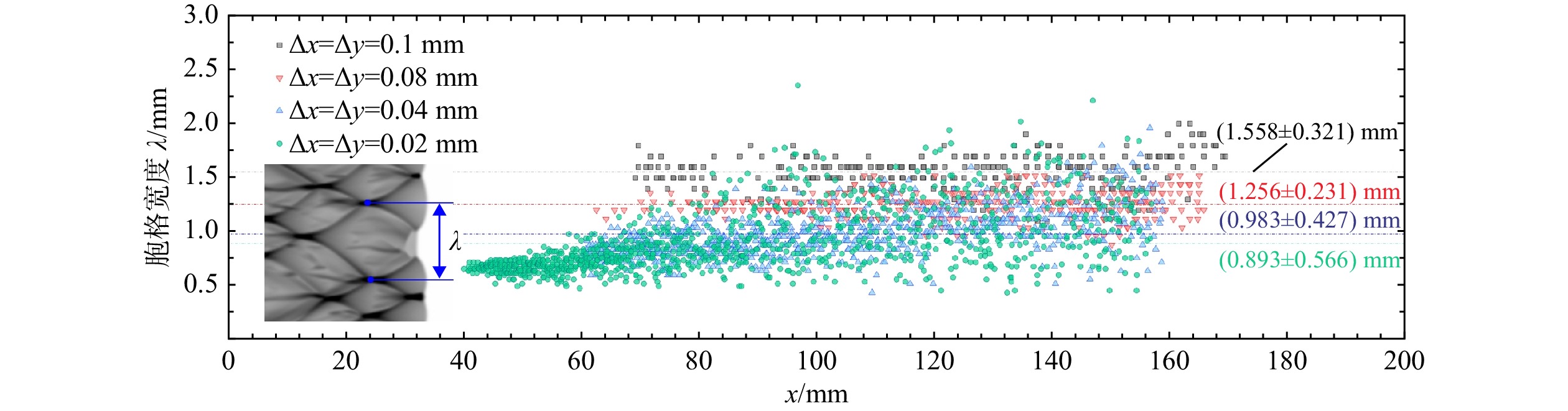
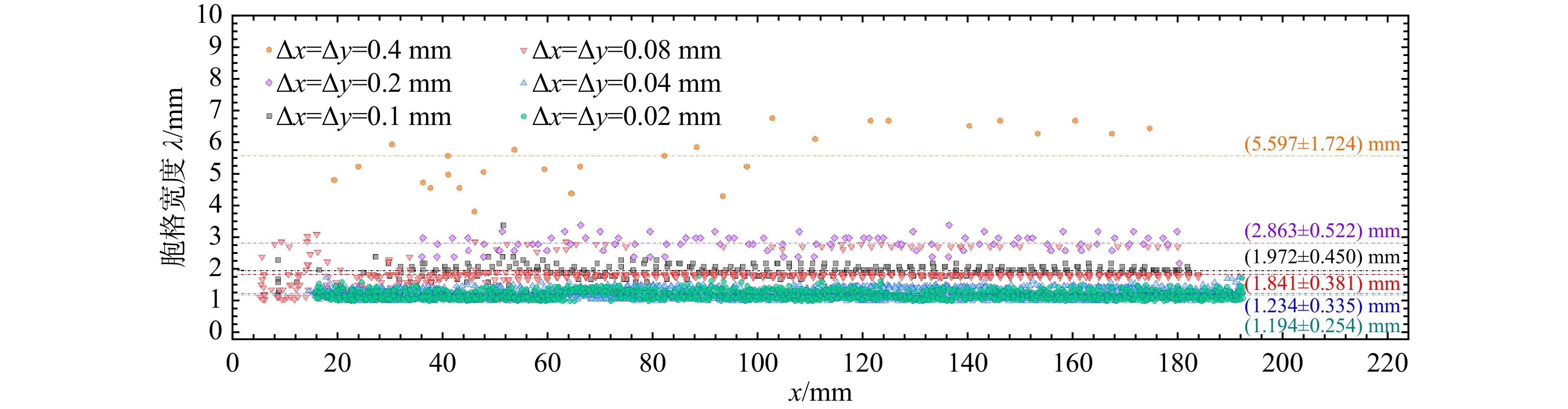
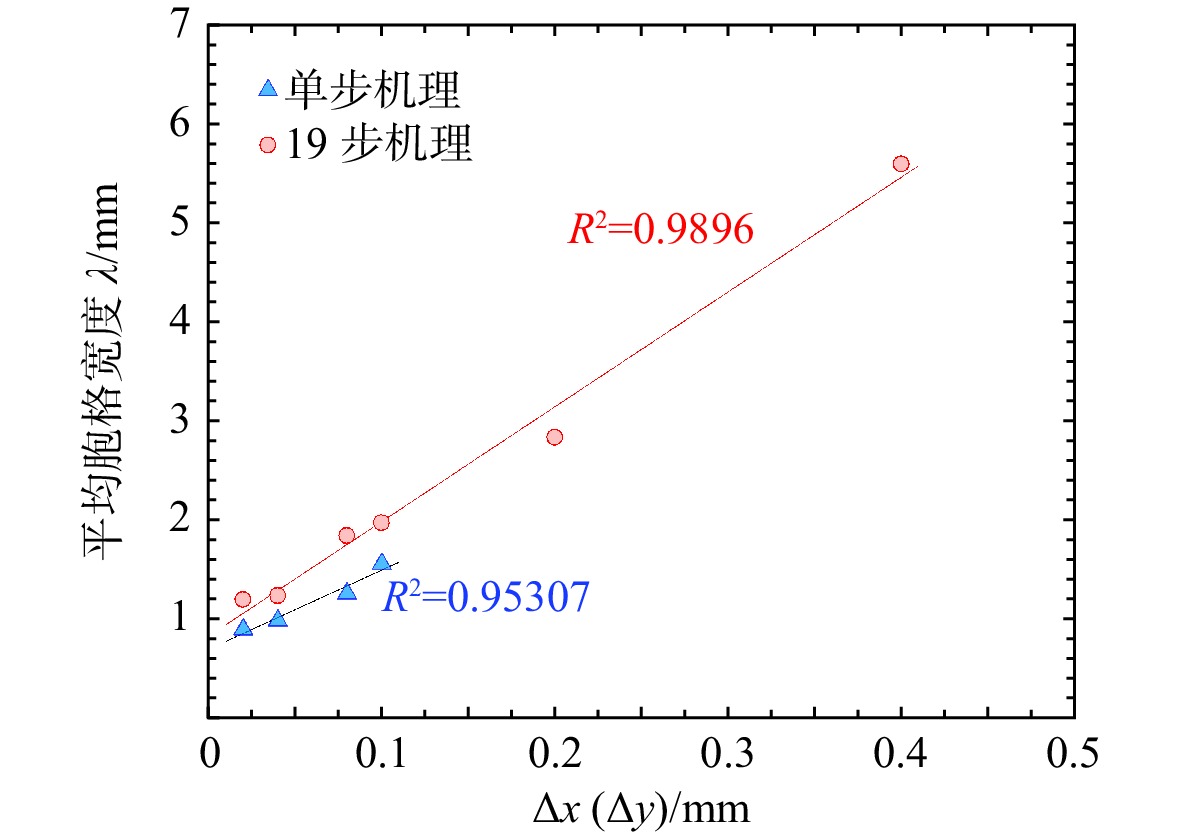
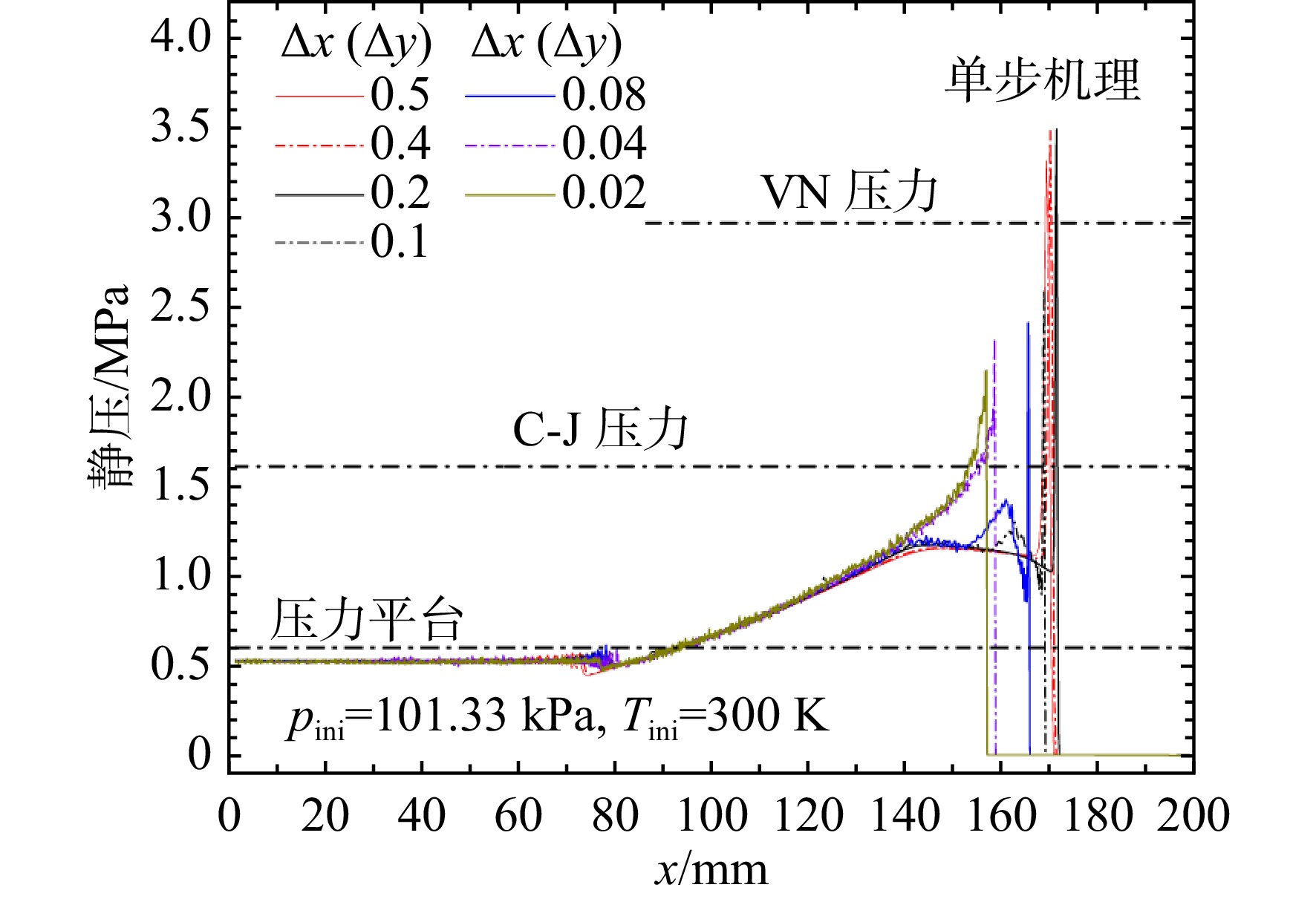
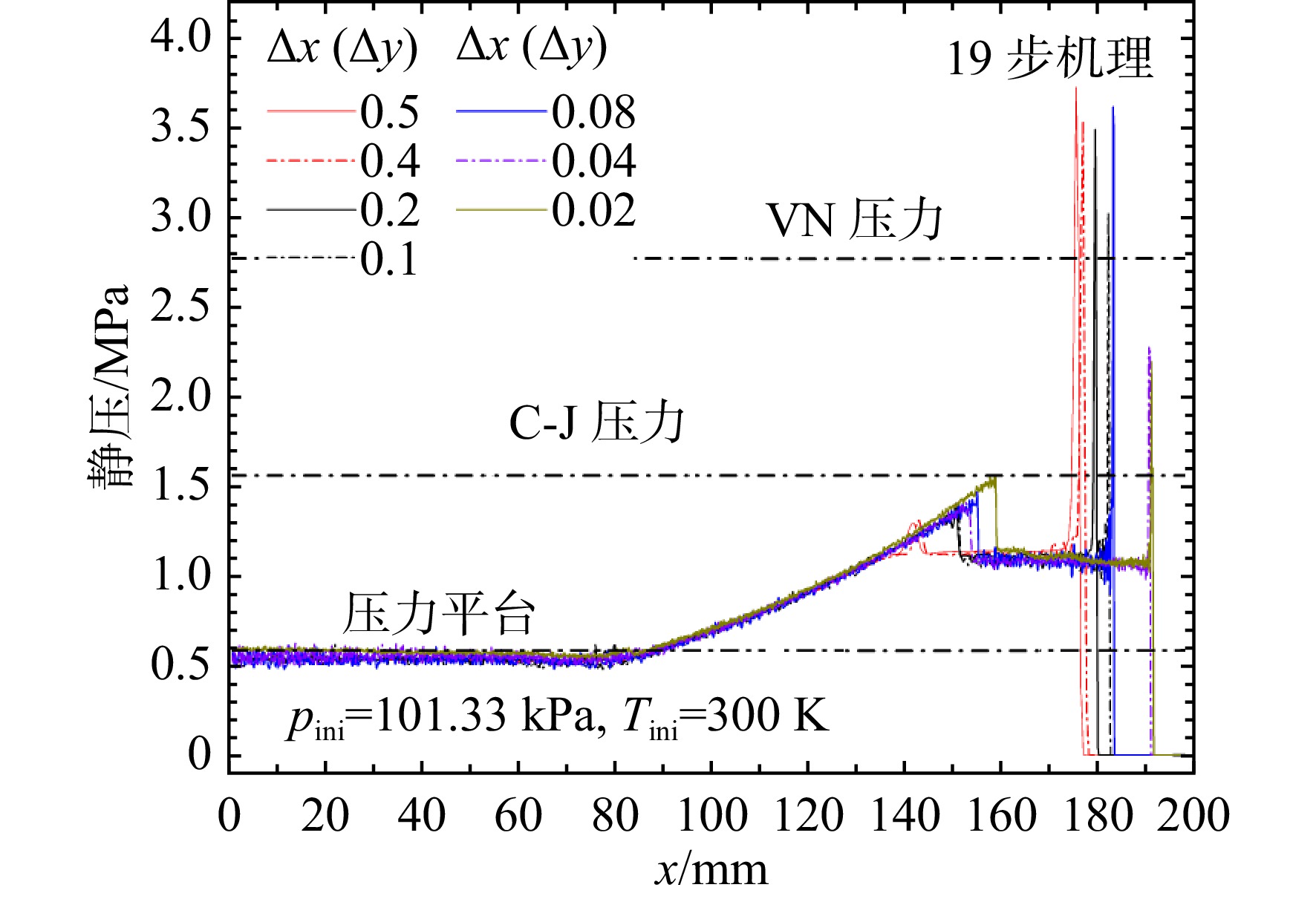
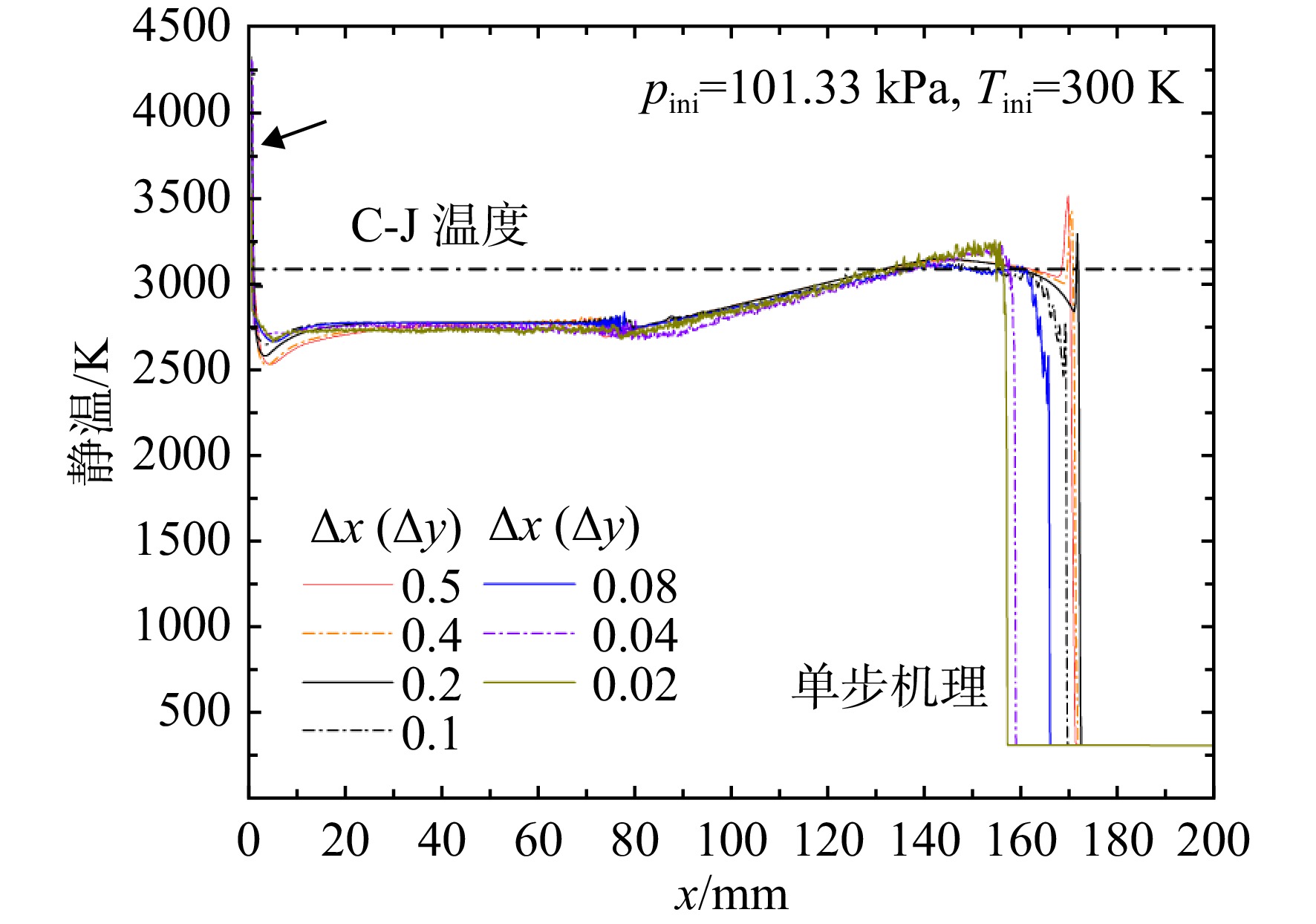
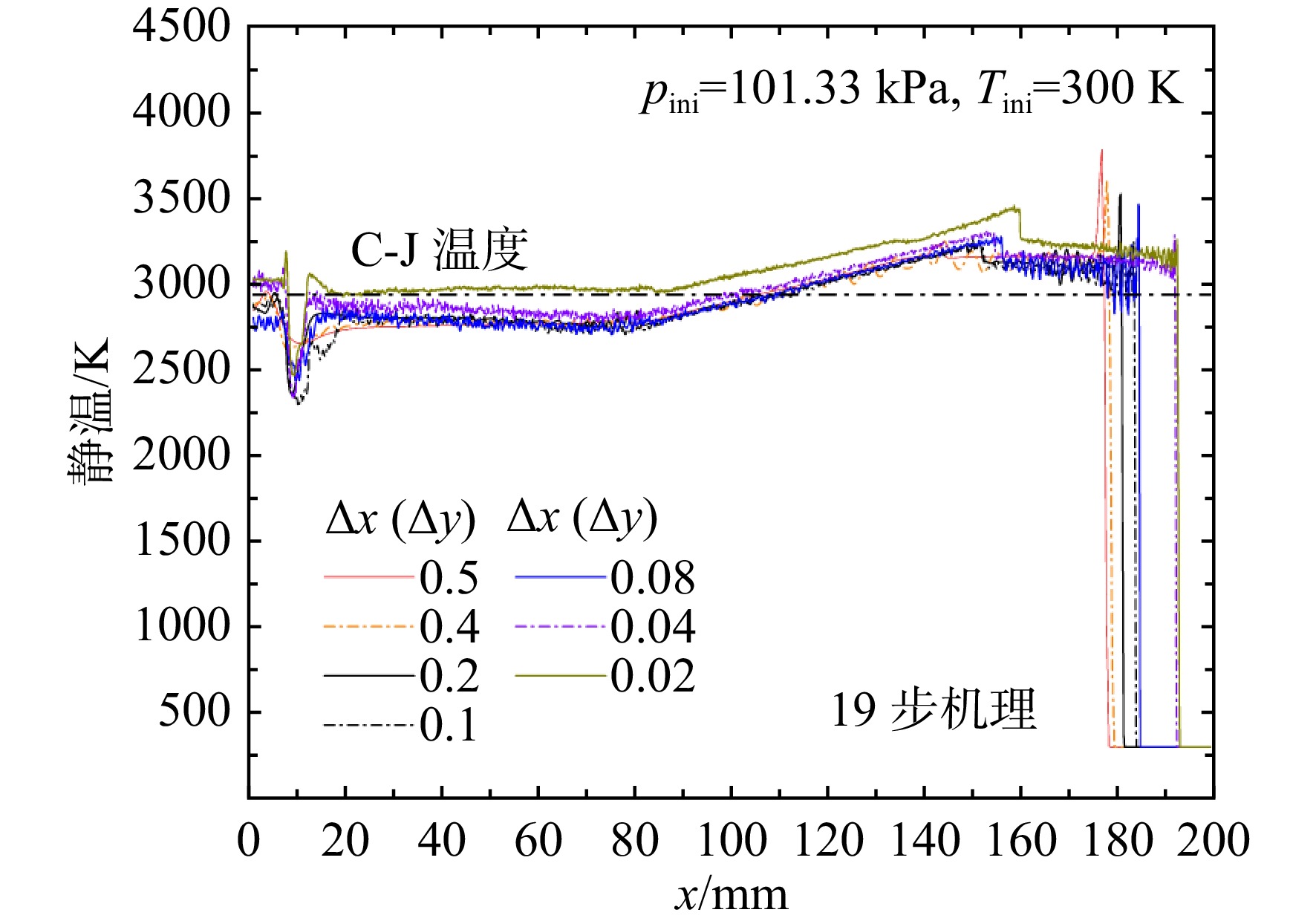
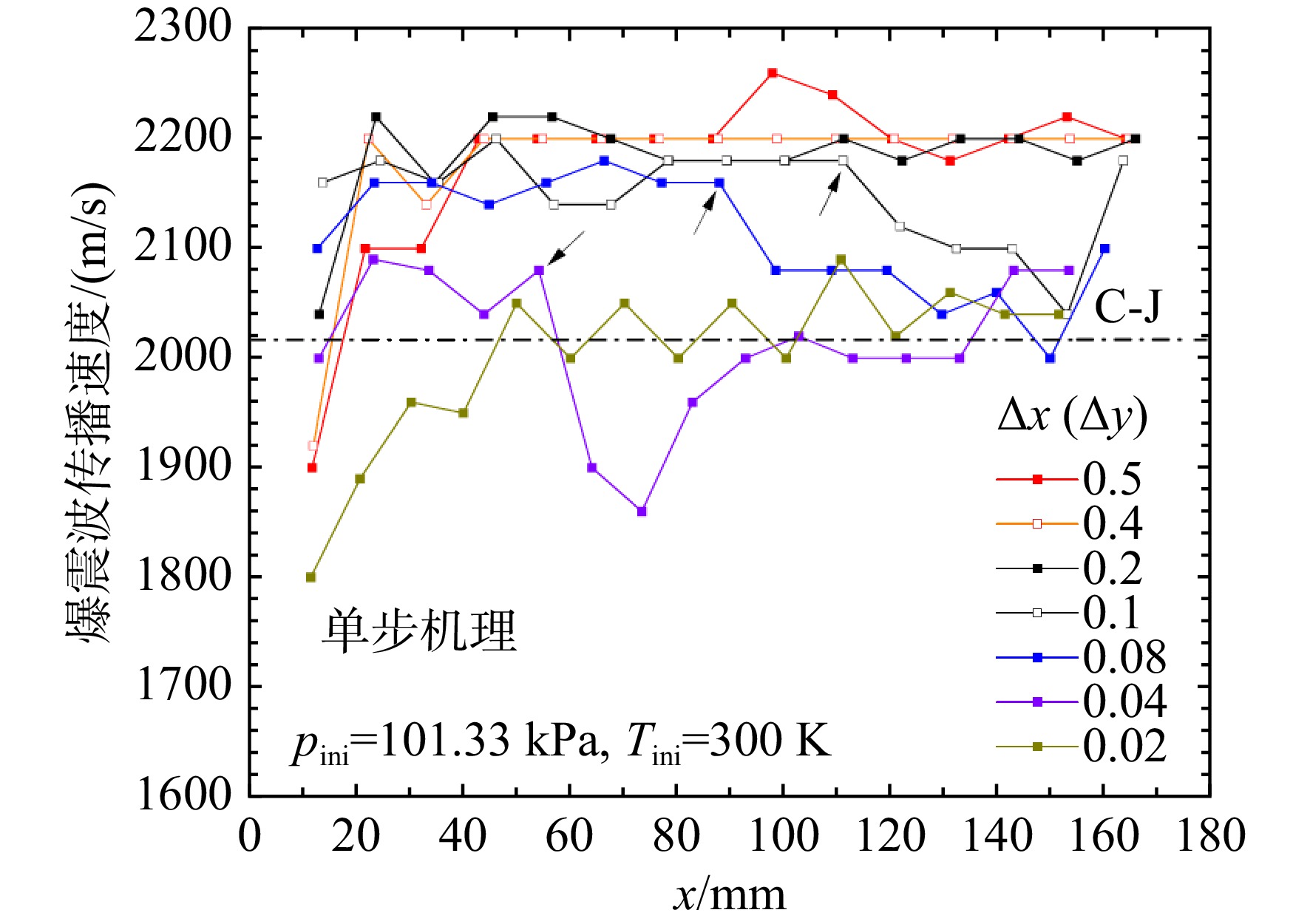
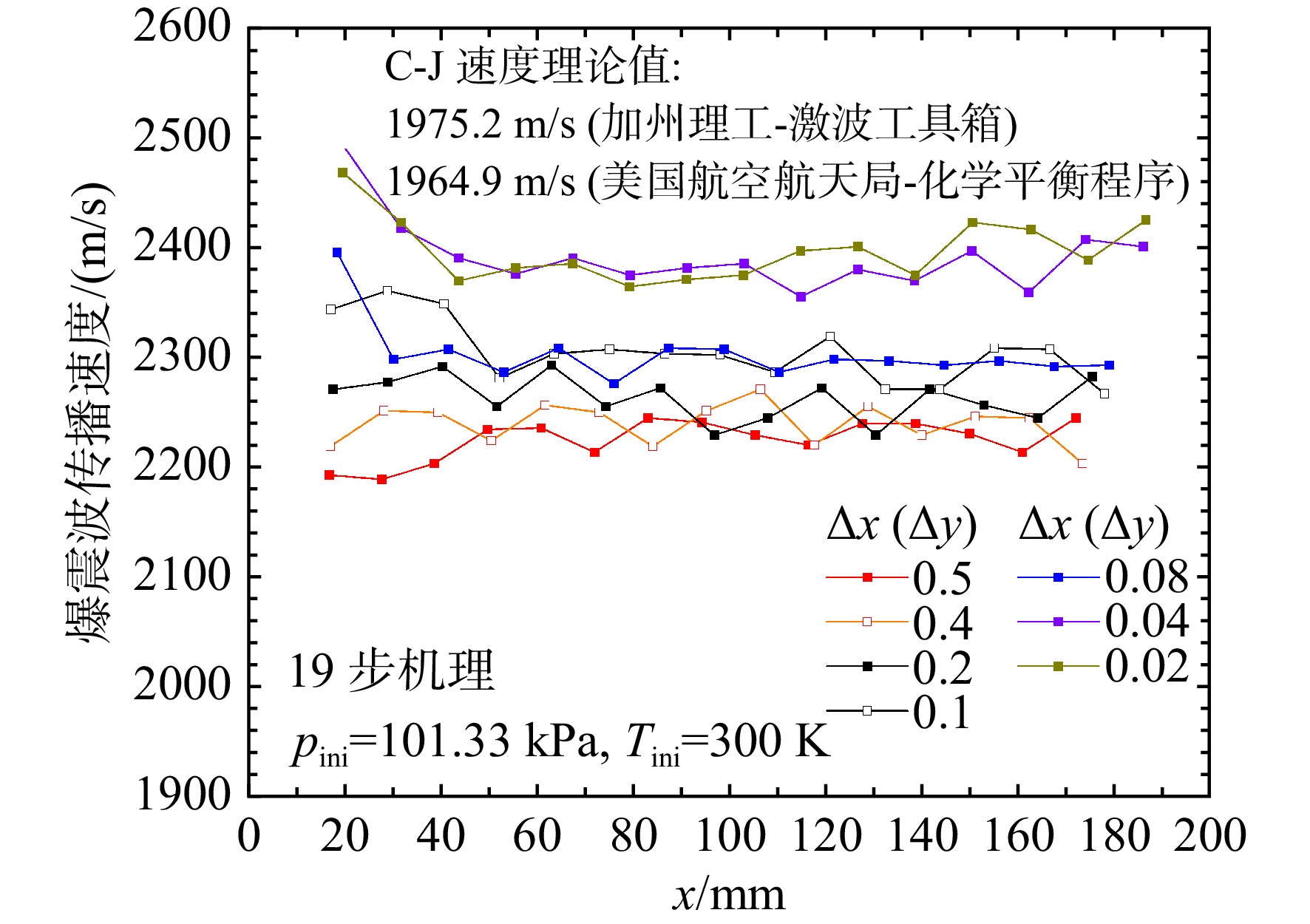
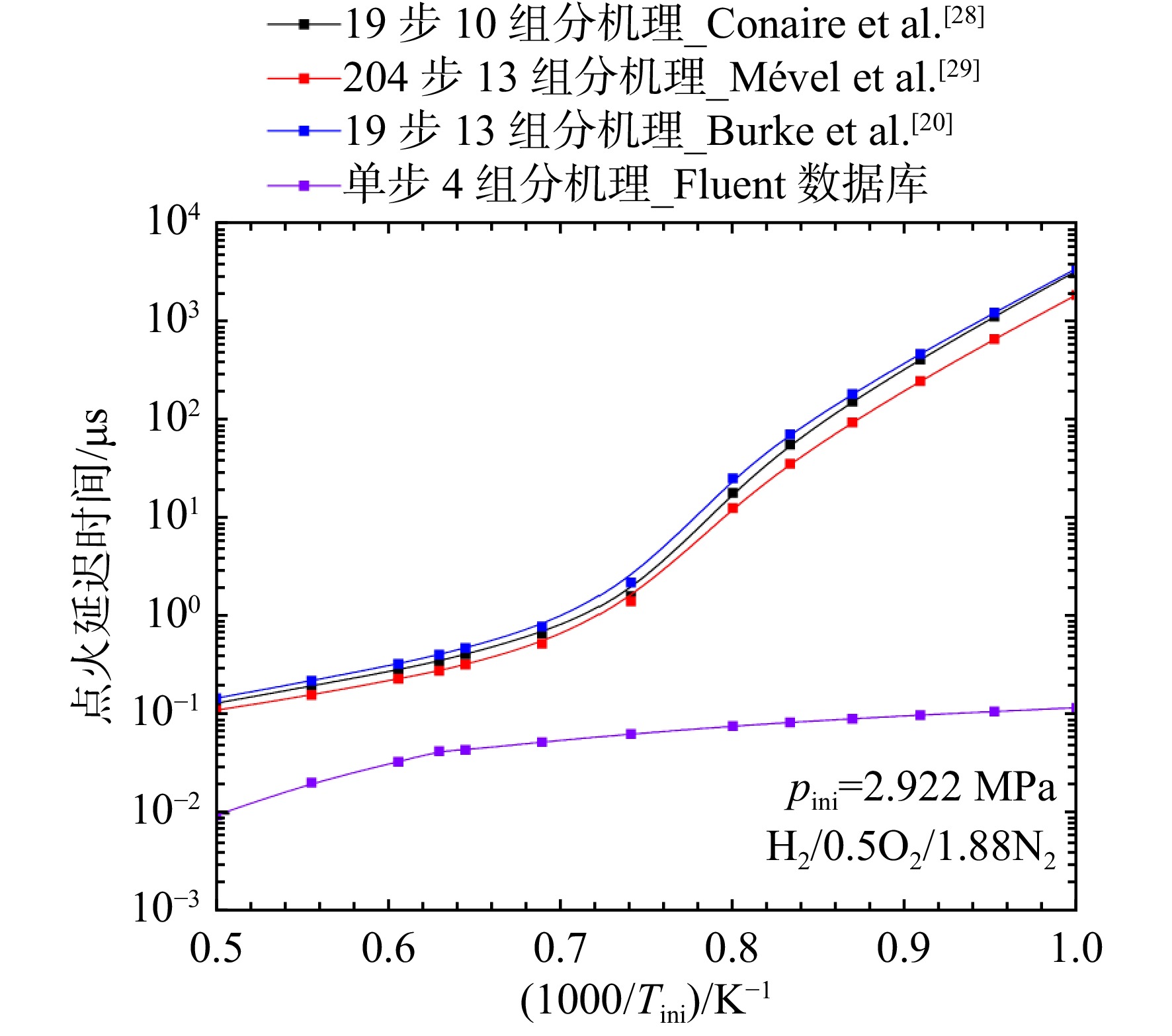
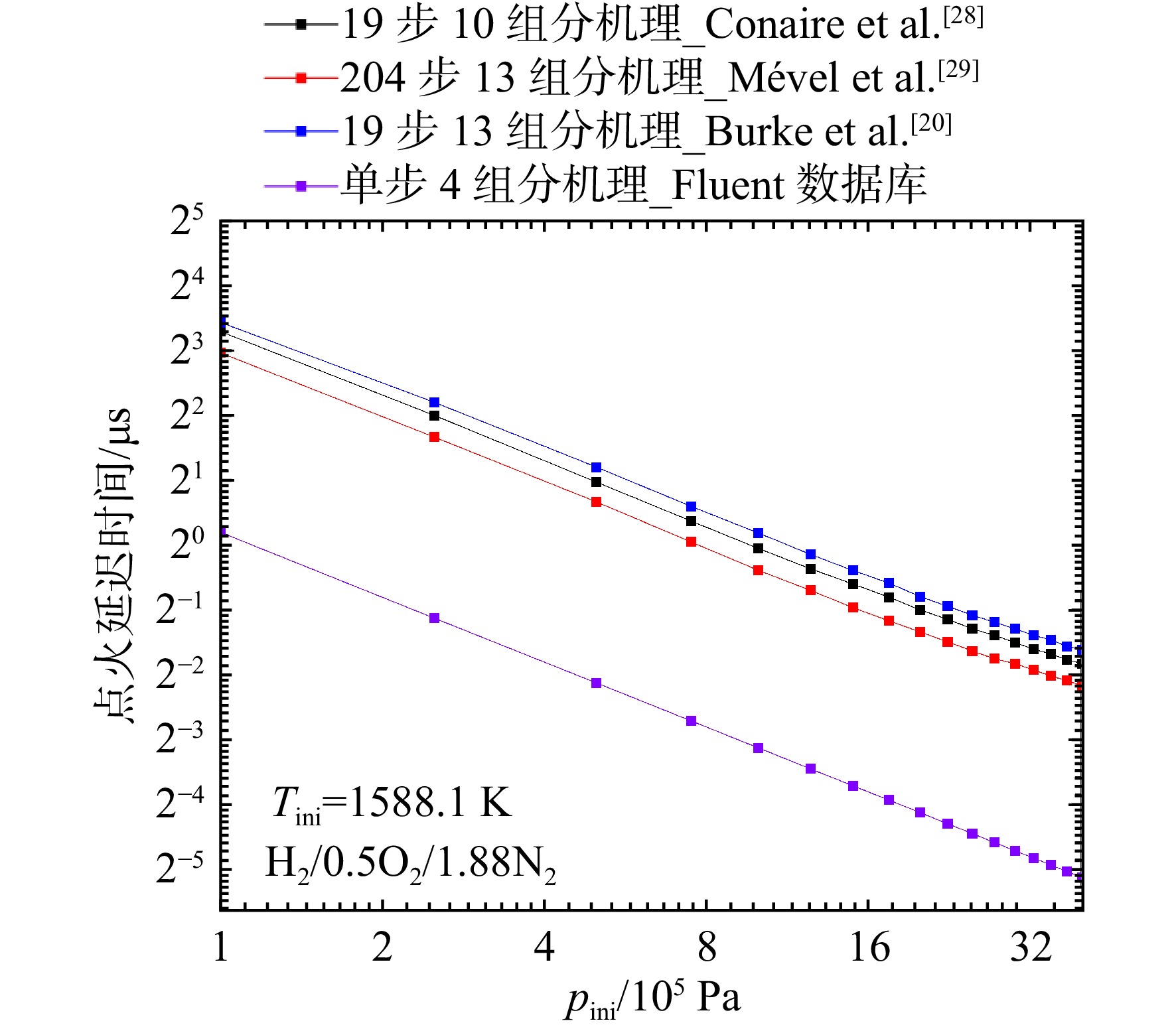
In order to efficiently simplify the process of mechanism selection and resolution studies for detonation propulsion simulation, a series of detonation wave propagation simulations were conducted in a field with an aspect ratio of 20 using both the single-step and the multi-step H2/Air mechanisms, all 7 sizes of grid were considered, including 0.5, 0.4, 0.2, 0.1, 0.08, 0.04, 0.02 mm. The cellular structure and the characteristic parameters of a detonation wave were obtained. The study showed that the cellular structure can be obtained when the grid size was smaller than a critical one, which was 0.1 mm and 0.4 mm for the single-step and multi-step mechanism, respectively. And the cellular structure was easier to be obtained when utilizing a smaller grid size. It was found that the averaged cell width was proportional to the grid size. Larger size of grid can enlarge the static pressure and temperature near the detonation peak, while the pressure plateau was weakly affected by both grid size and mechanism. Compared with the multi-step mechanism, the shorter ignition delay characteristics of the single-step mechanism contributed to a more clear edge of cellular structure, making it easier to obtain the self-sustained propagation of detonation wave.

Experimental investigation on overall heating effect of aero-engine inlet cone
JIANG Xinwei, ZHOU Jianjun, JIA Qi, LI Yundan, XU Weijiang
2025, 40(5): 20220918. doi: 10.13224/j.cnki.jasp.20220918
Abstract:

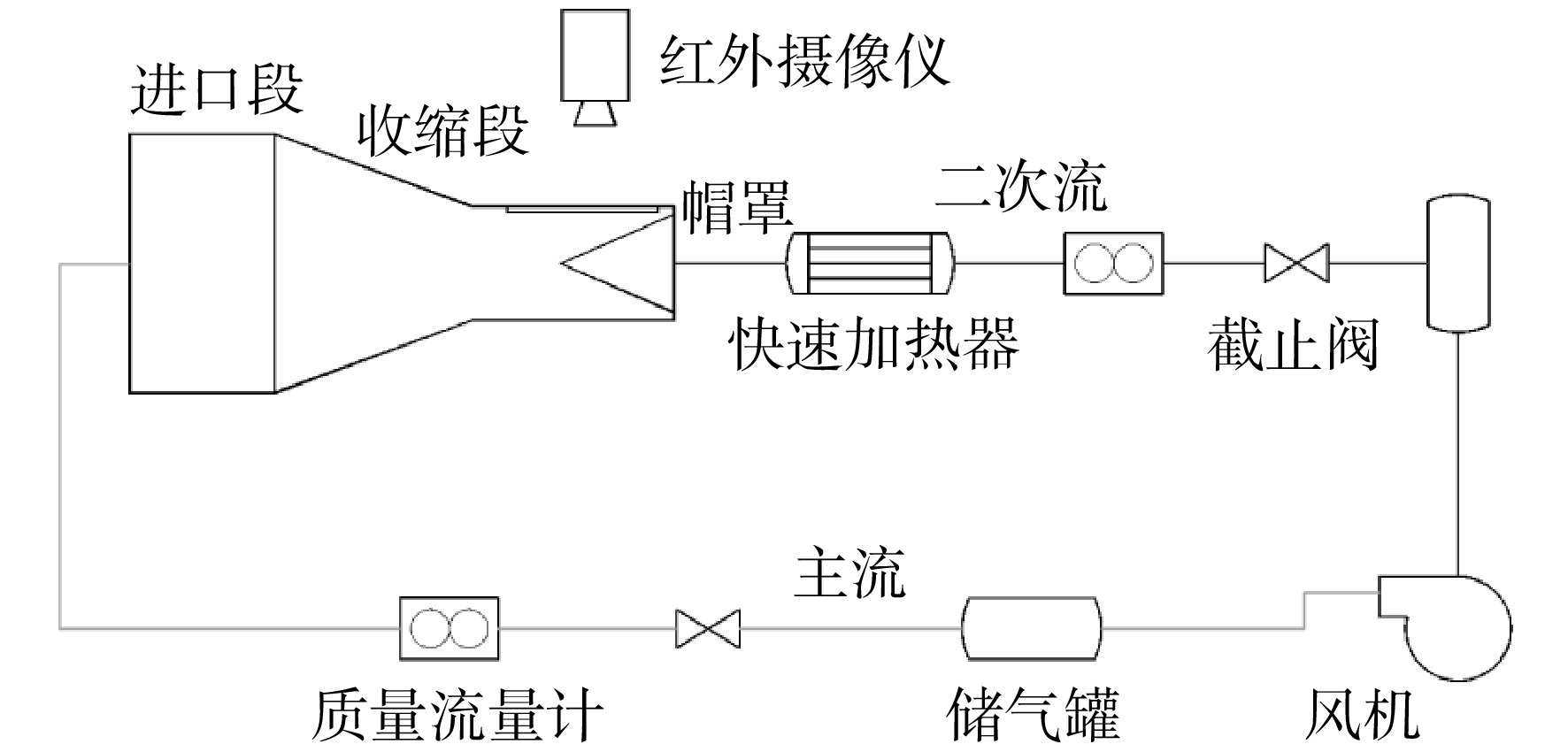
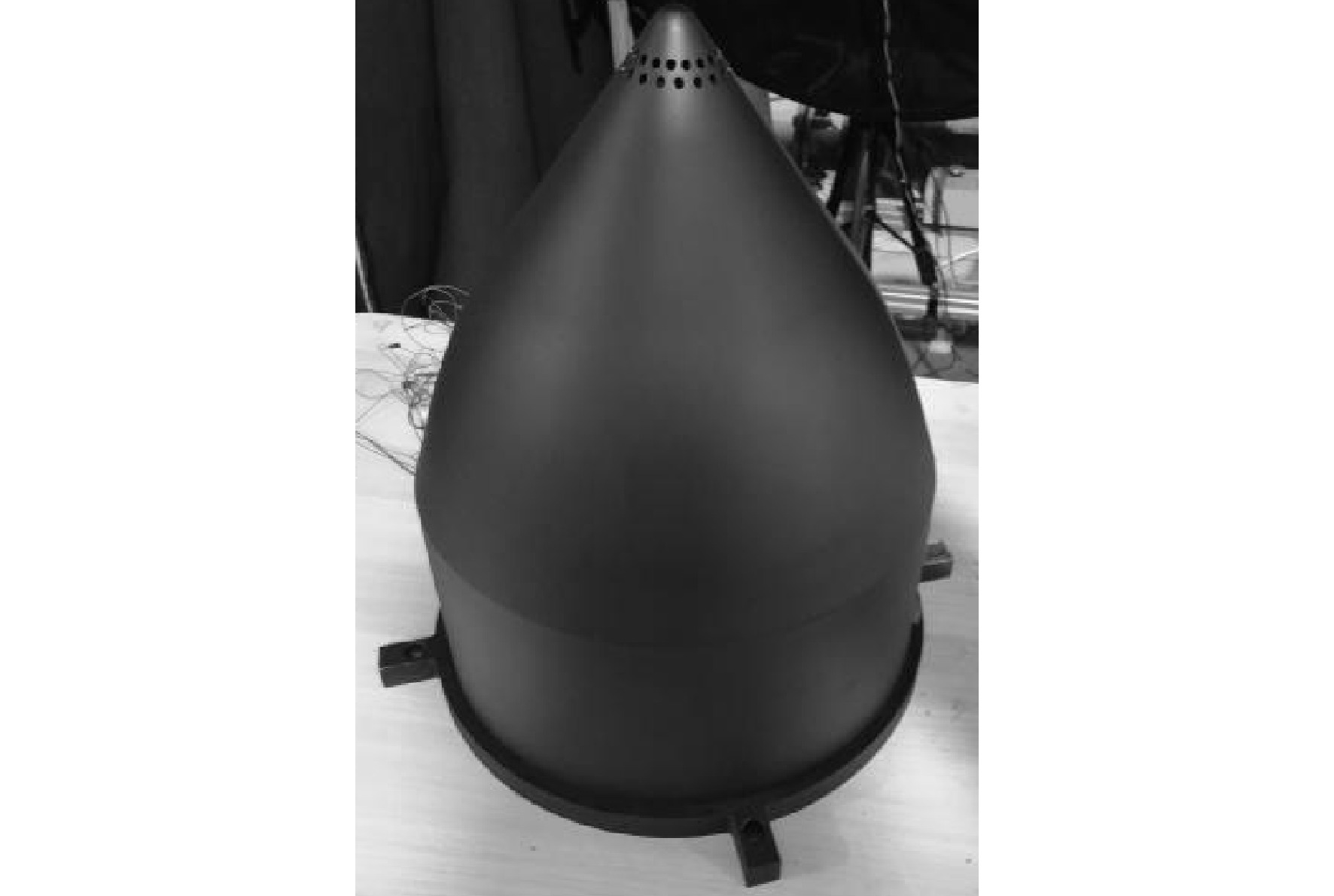
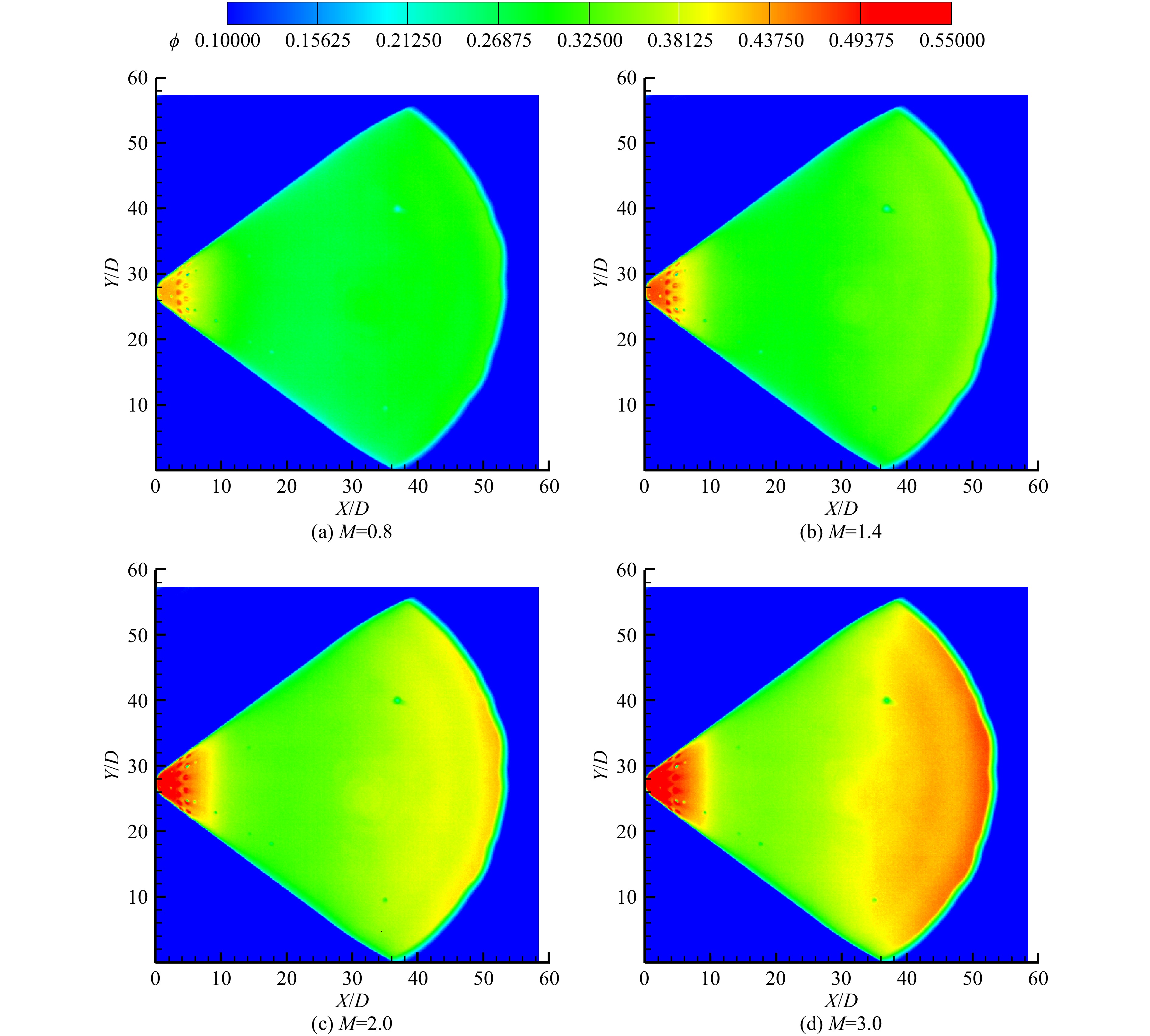
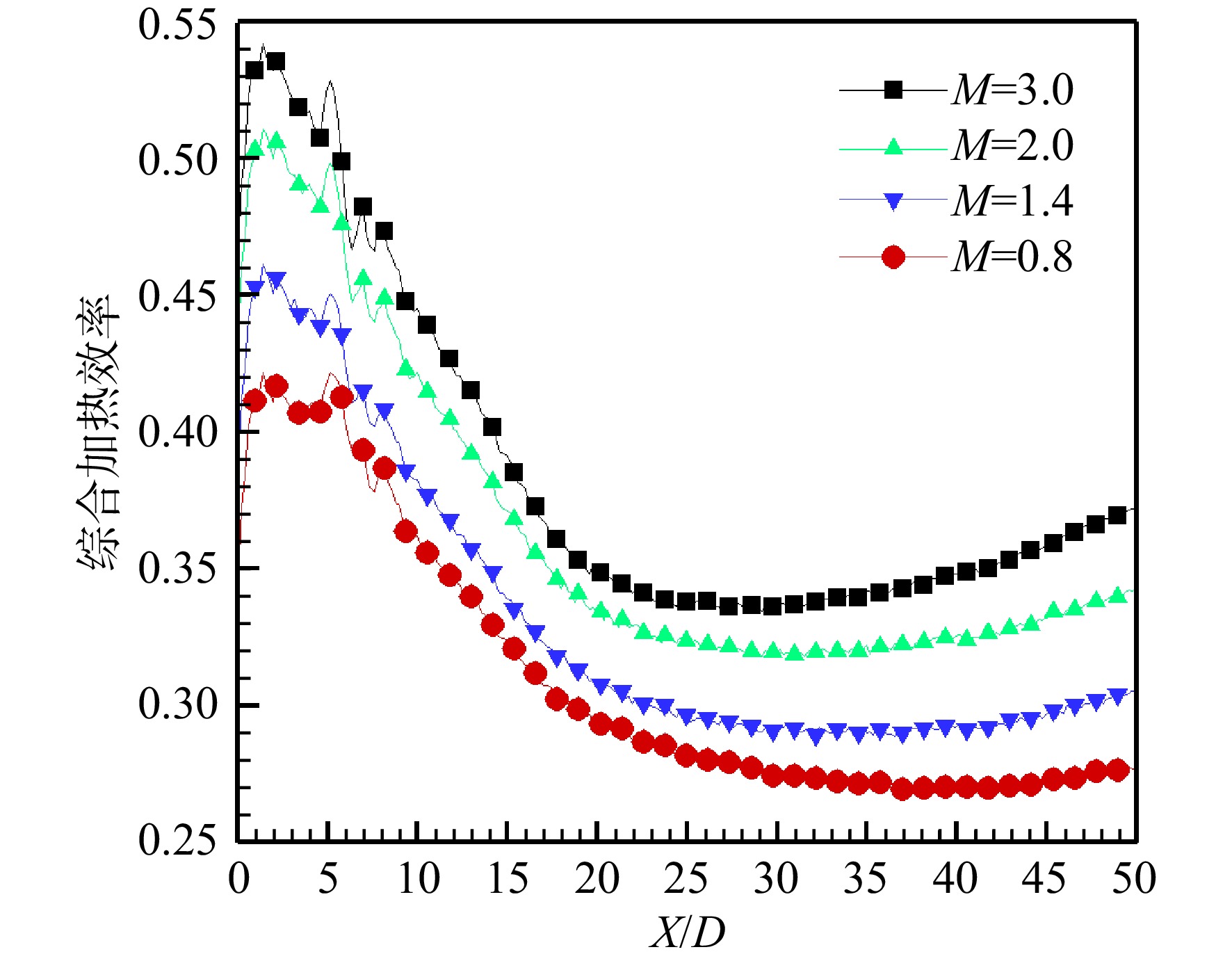
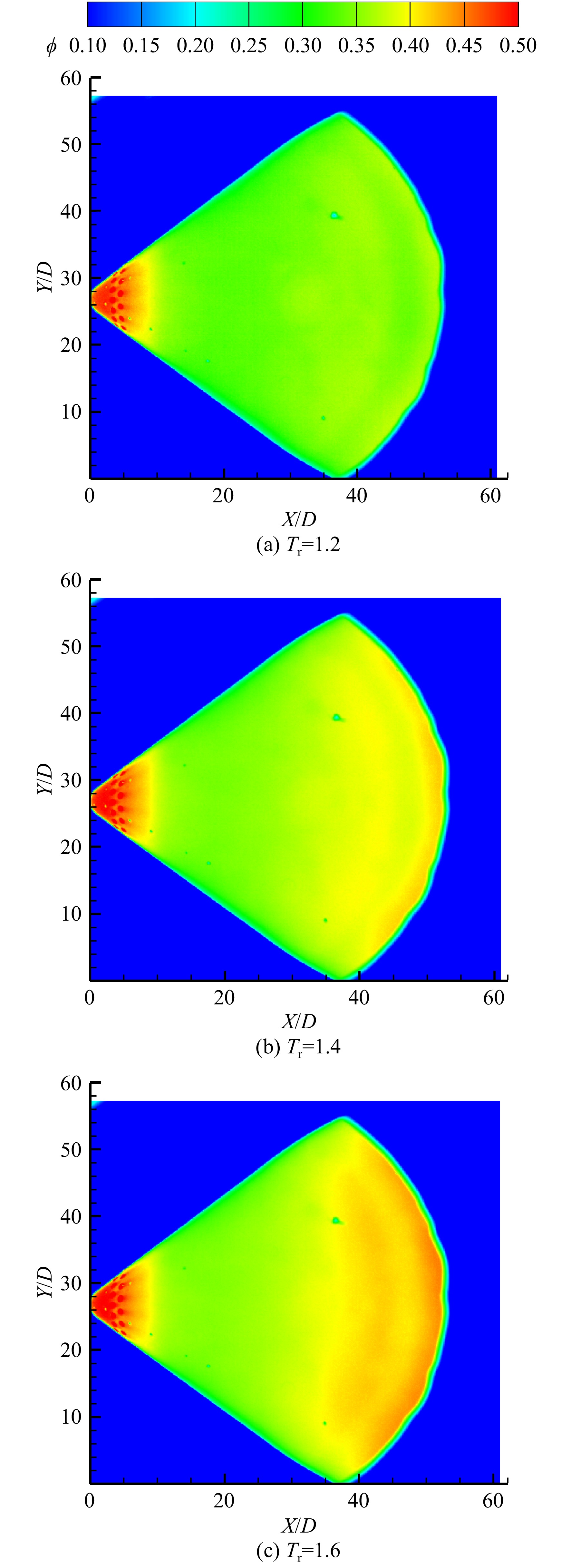
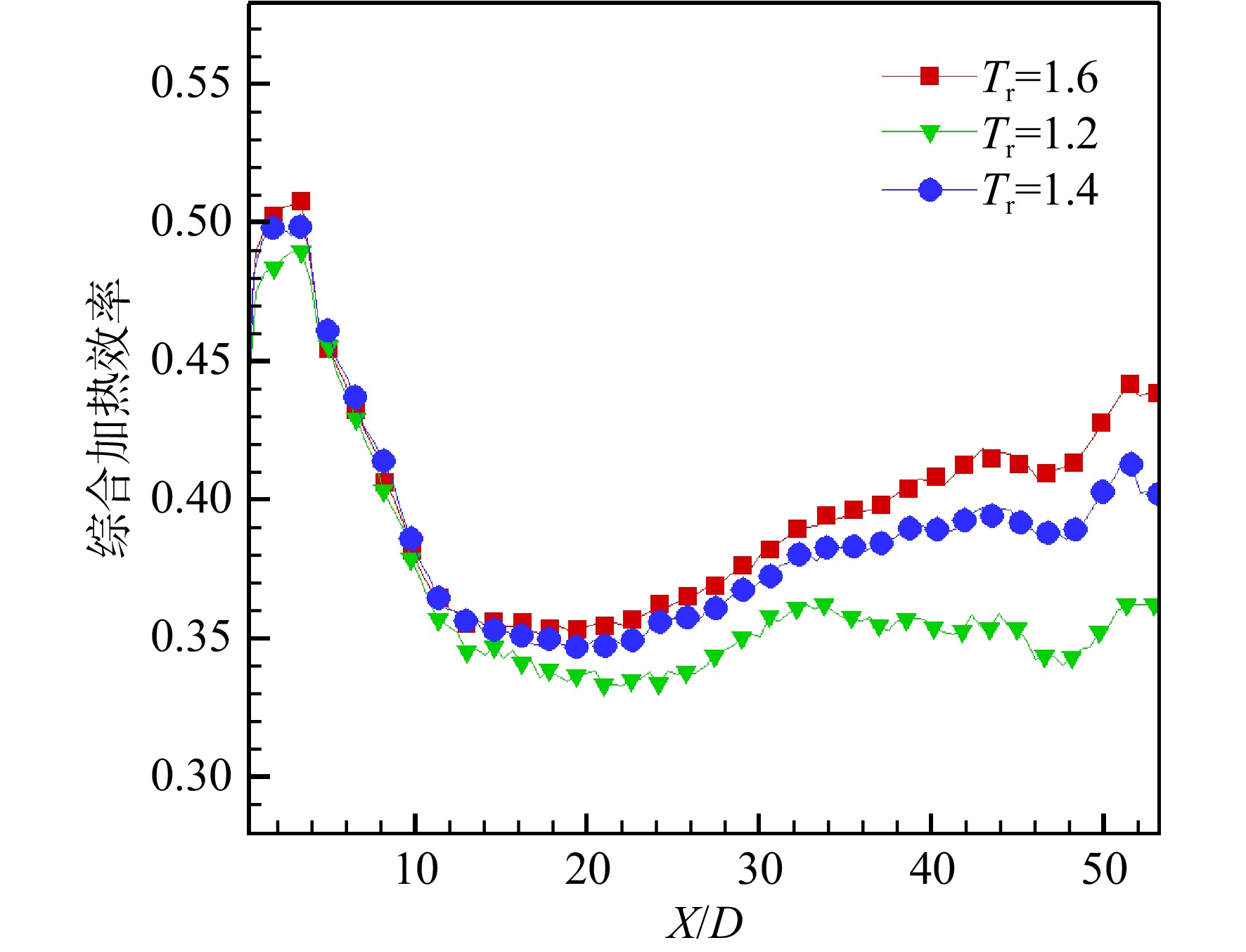
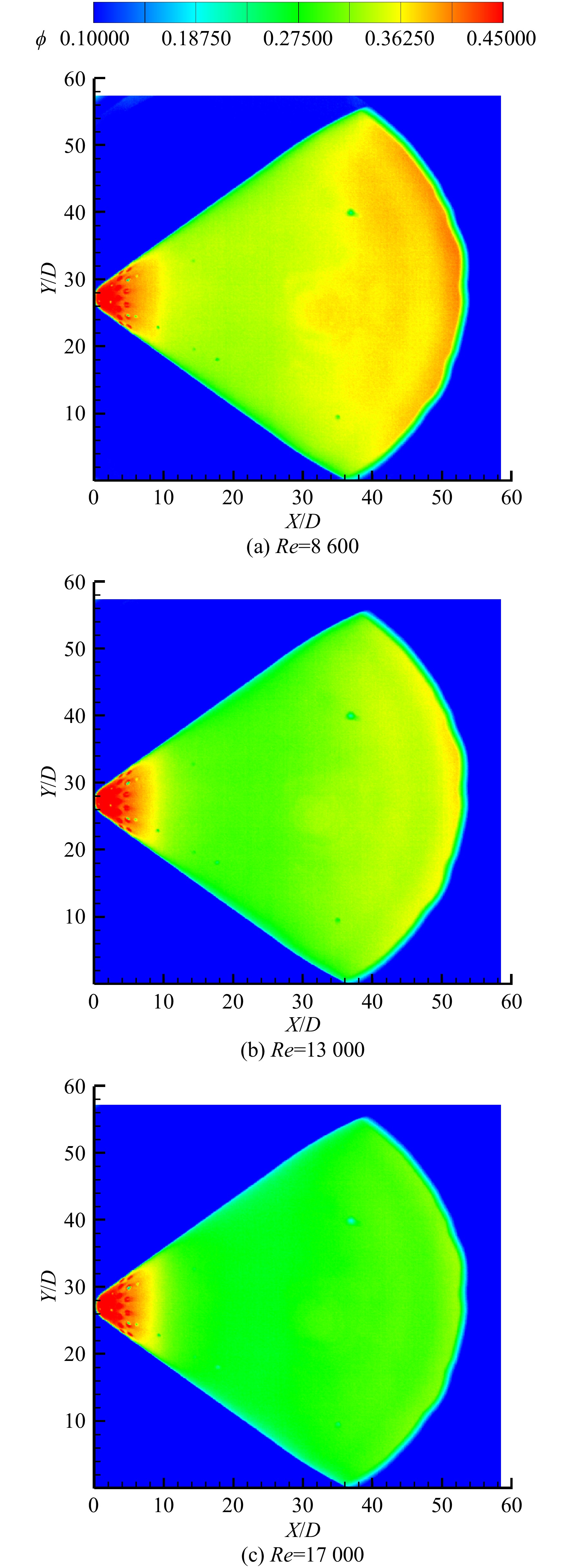
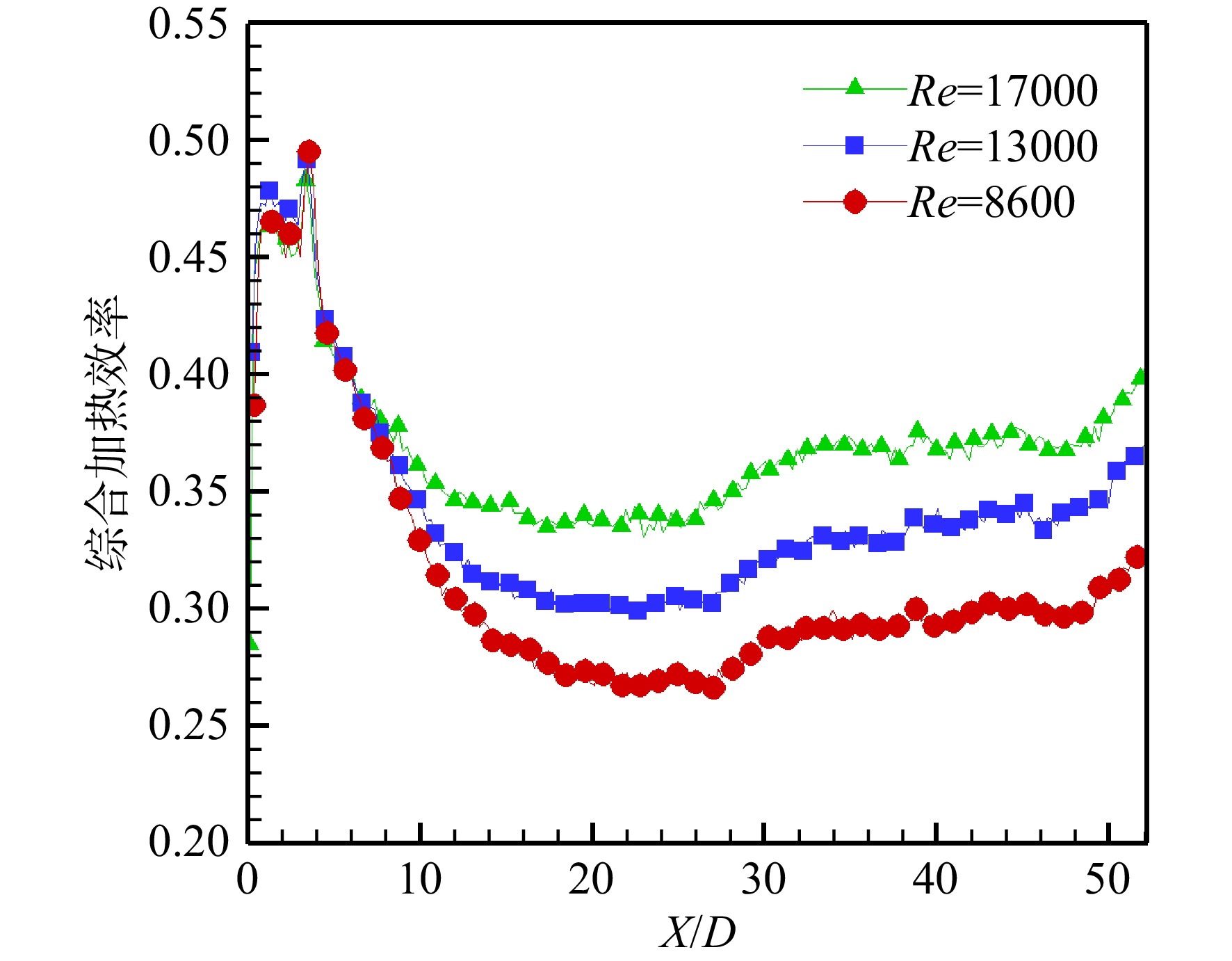
In order to study the influence of flow parameters on overall heating effect of aero-engine inlet cone, the comprehensive heating efficiency on cone surface was measured by infrared temperature measurement technology. The overall heating effect of experimental cone was analyzed in detail under the conditions that the secondary flow blowing ratio was within the range of 0.8—3.0, the temperature ratio was from 1.2 to 1.6, and the mainstream Reynolds number was from 8600 to 17000. The experimental results showed that both internal heat transfer and external film heating caused a high heating efficiency at the leading edge, which was about 0.5. Under experimental conditions, improving blowing ratio can bring better heating effect of the full cone surface. The increase of the blowing ratio from 0.8 to 2.0 can result in a gain of about 33% for the heating effect. The increase of secondary flow temperature can increase the heating effect of leading edge slightly by about 0.01 in comprehensive heating efficiency. The increase of mainstream Reynolds number can decrease the heating effect of the middle and rear parts for the cone.

Study on influence of hydrogen doping ratio on combustion noise of array microtube flame
LUO Shoubo, ZHANG Chi, CHANG Yunxin, GAO Anwen, GAN Zhichao, HAN Xiao, LIANG Yong
2025, 40(5): 20230606. doi: 10.13224/j.cnki.jasp.20230606
Abstract:

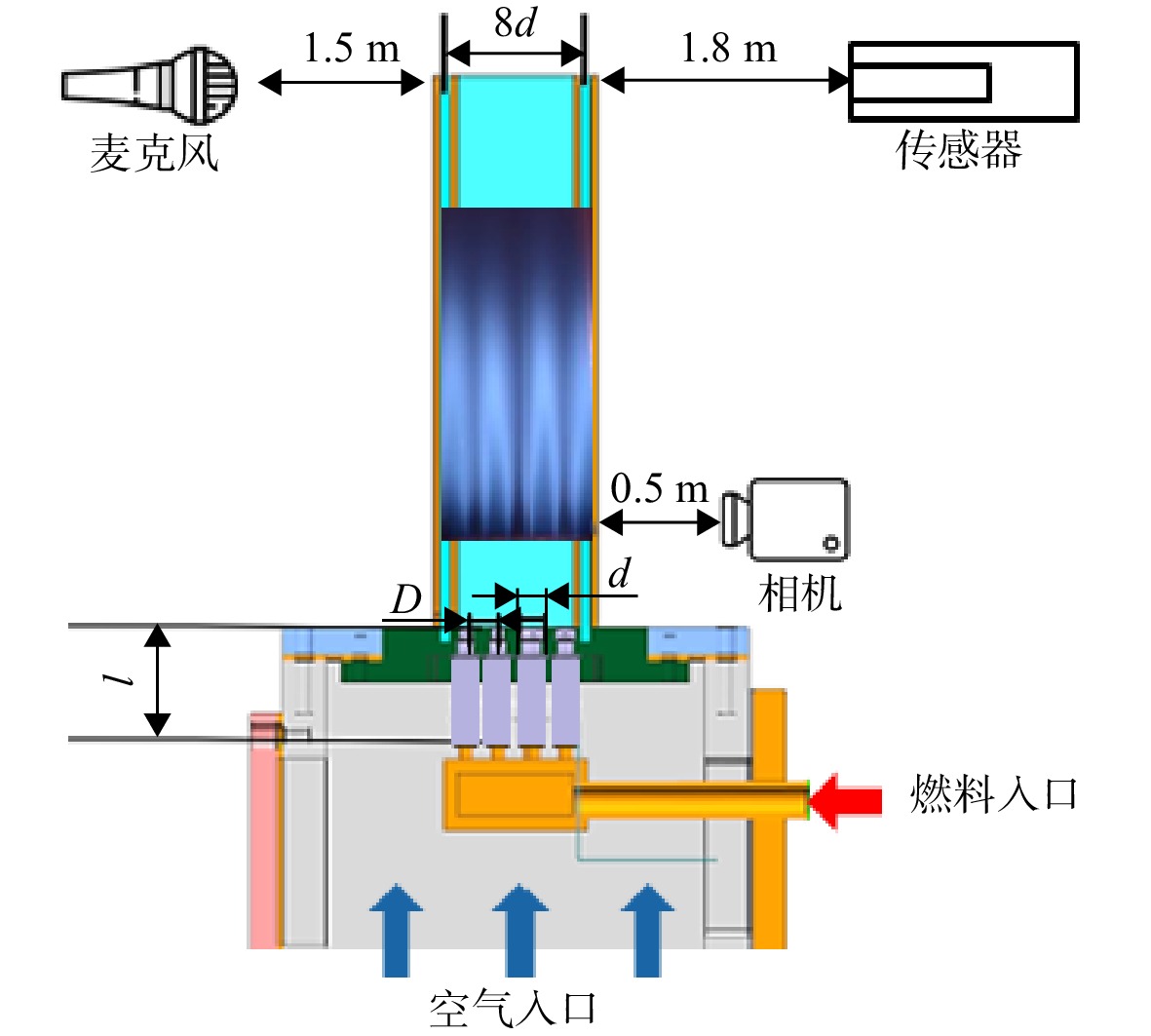
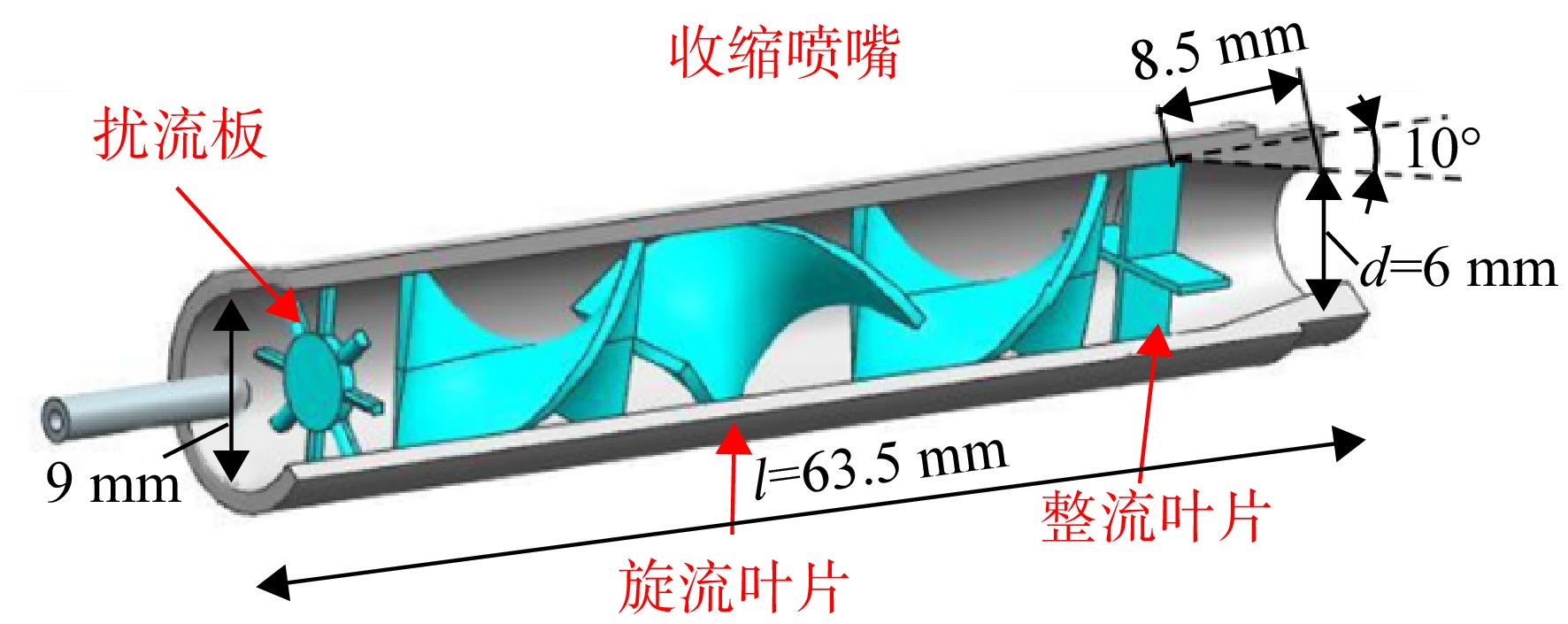
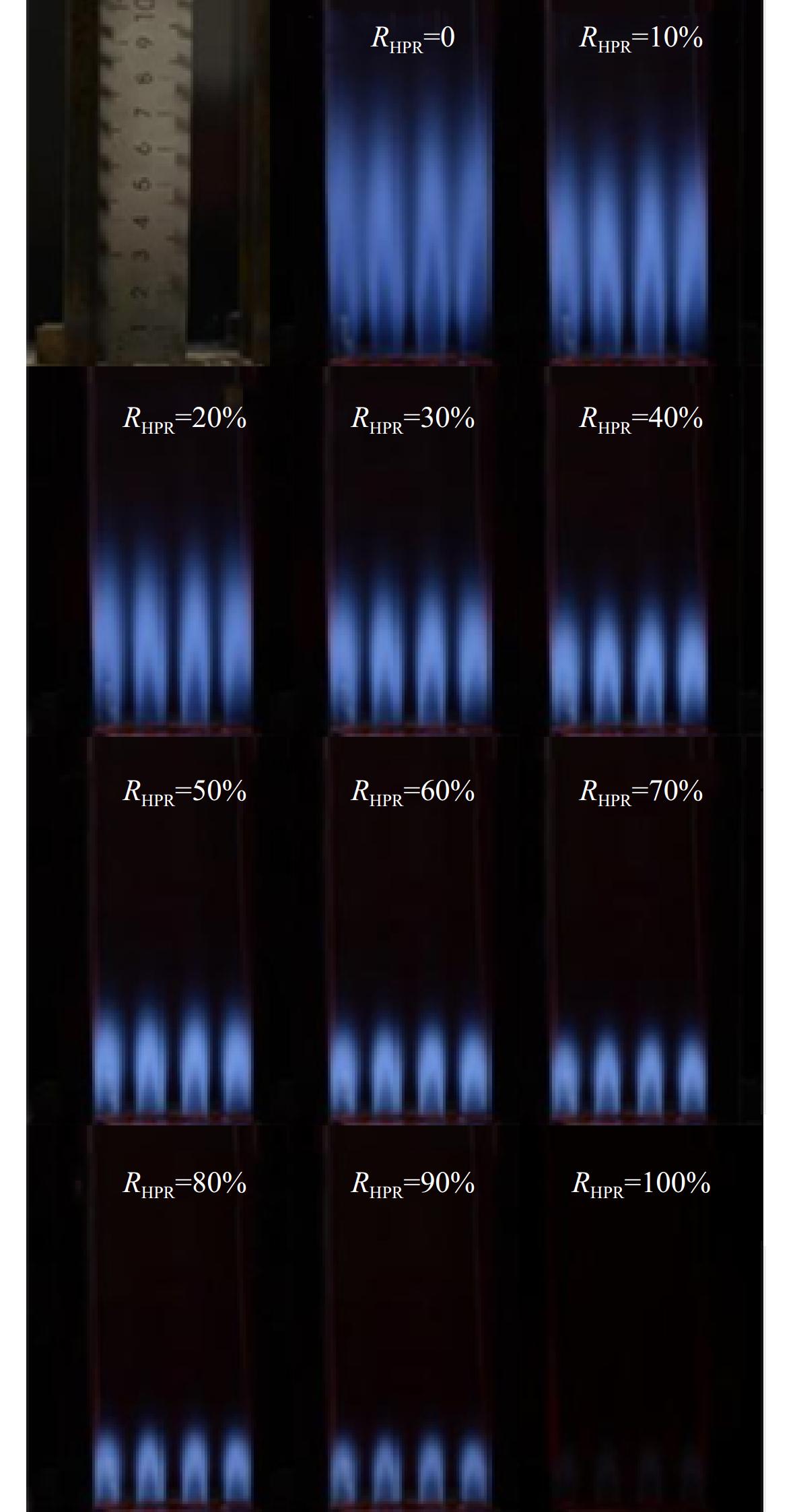
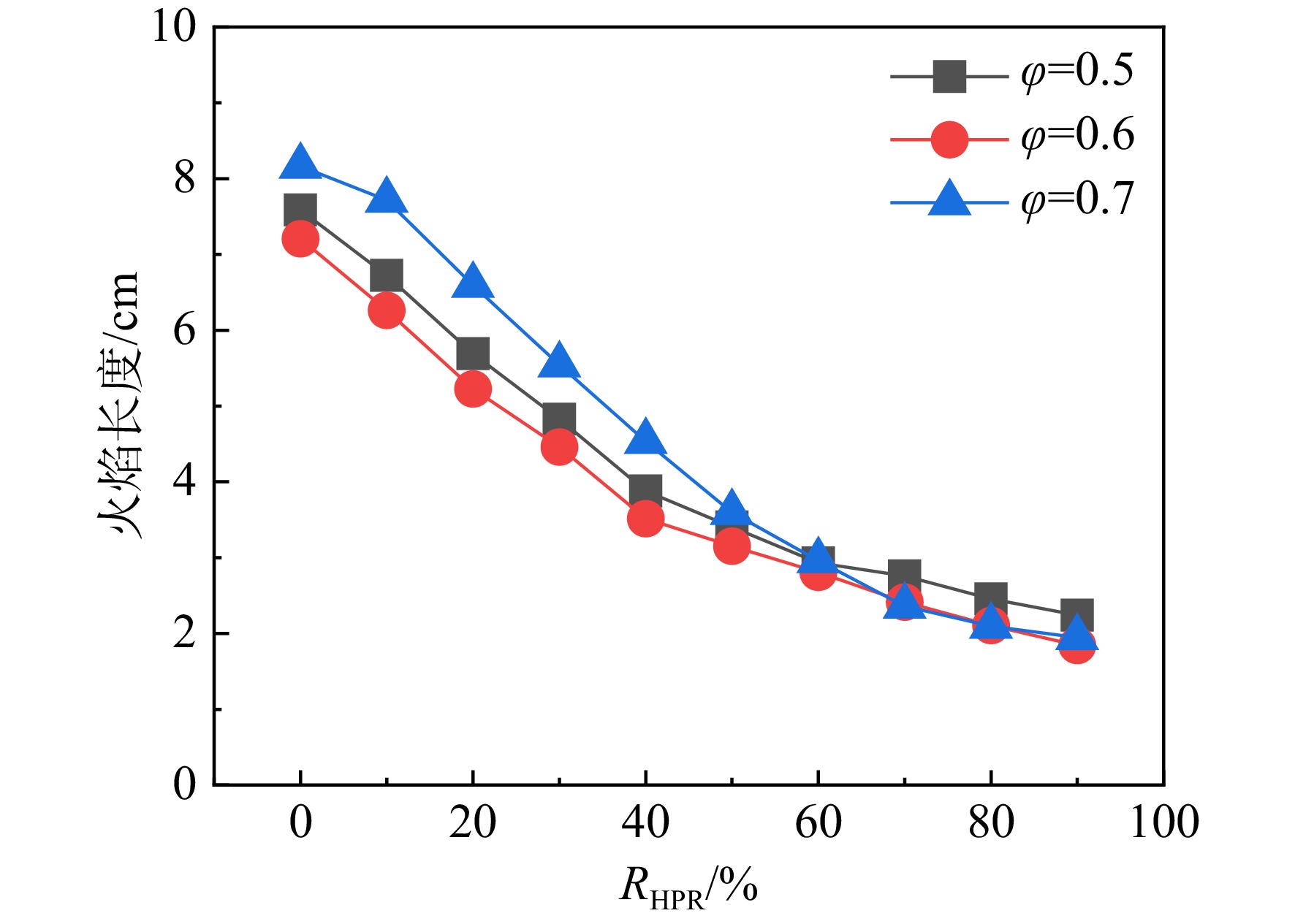
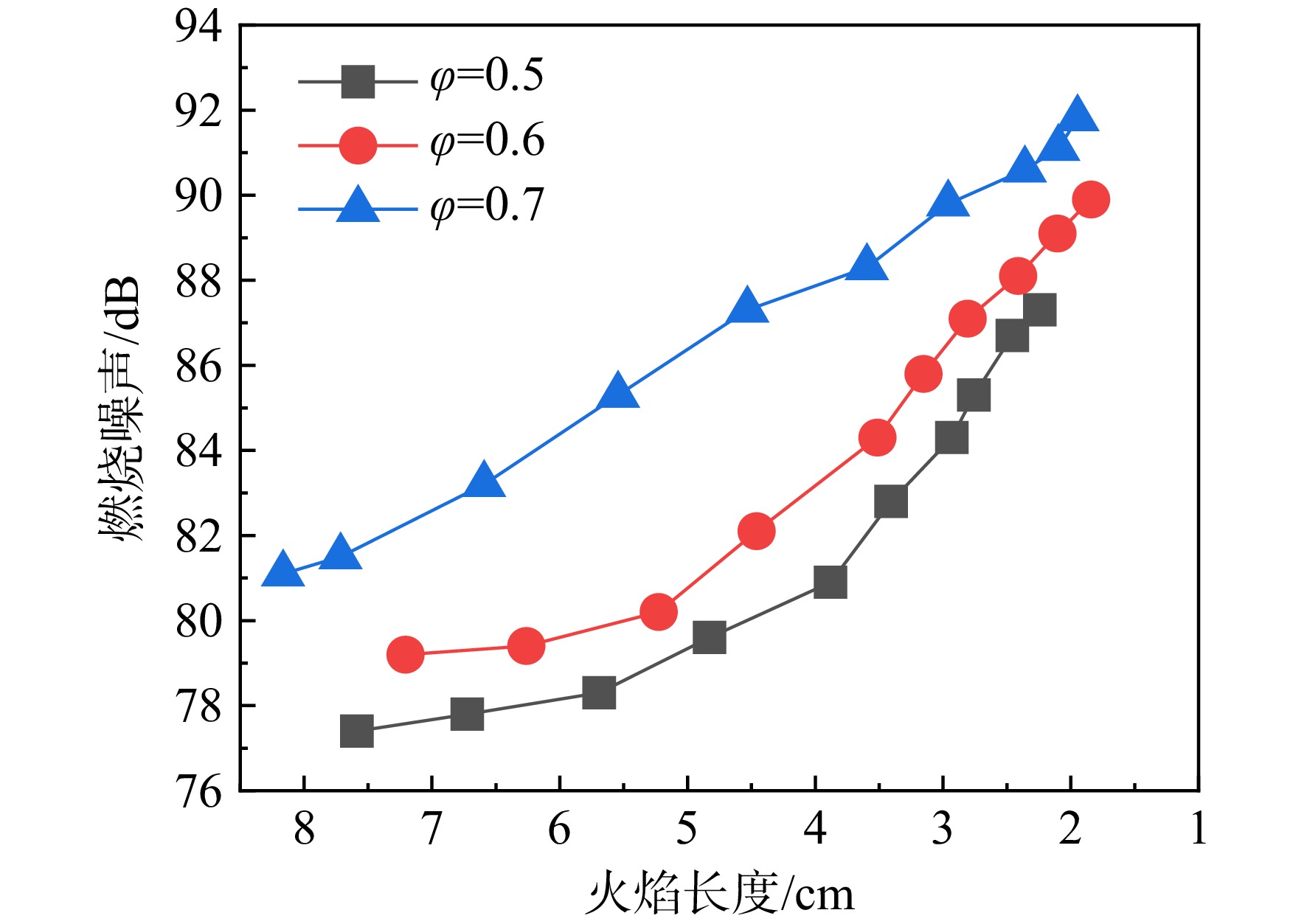
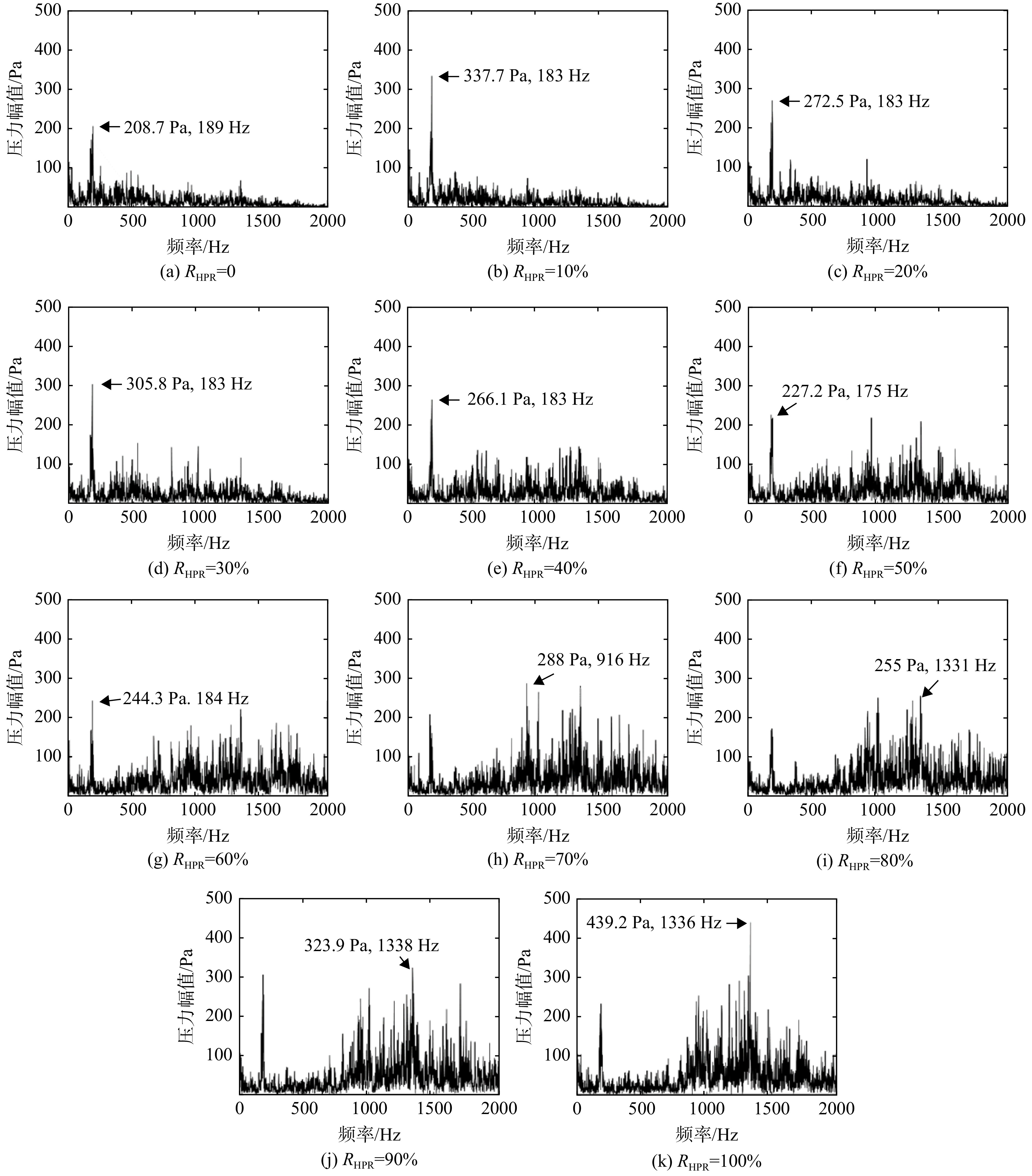
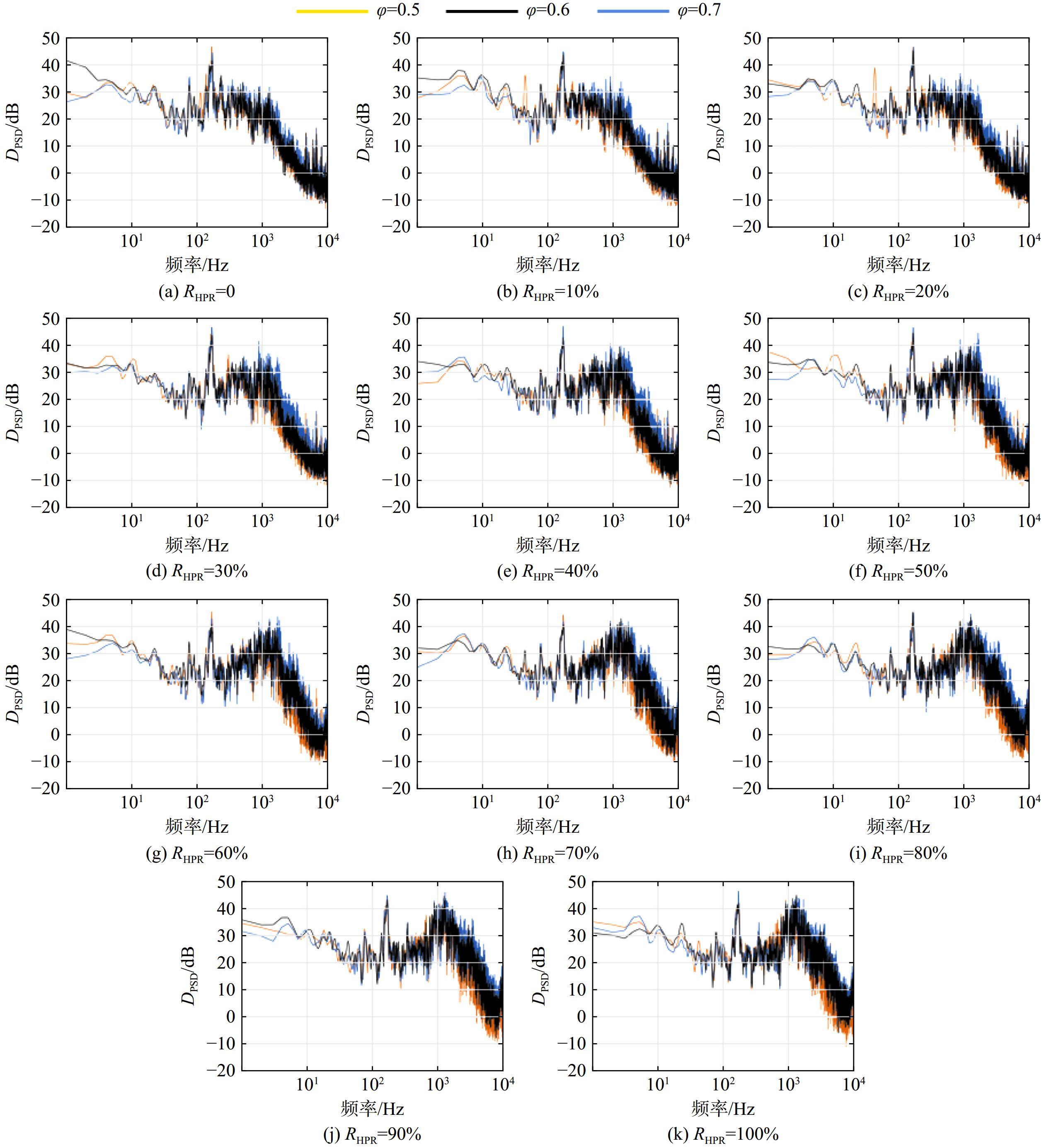
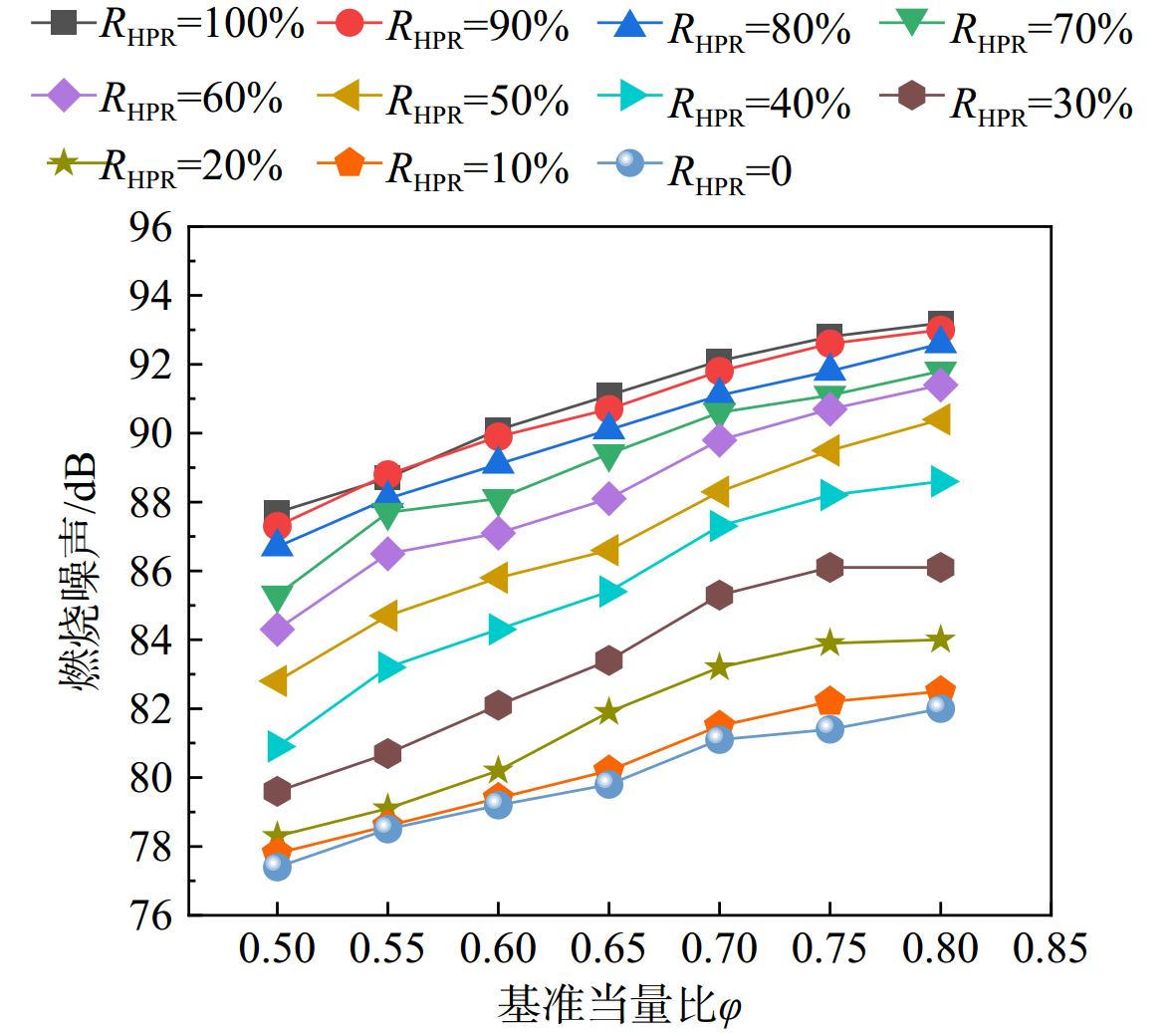
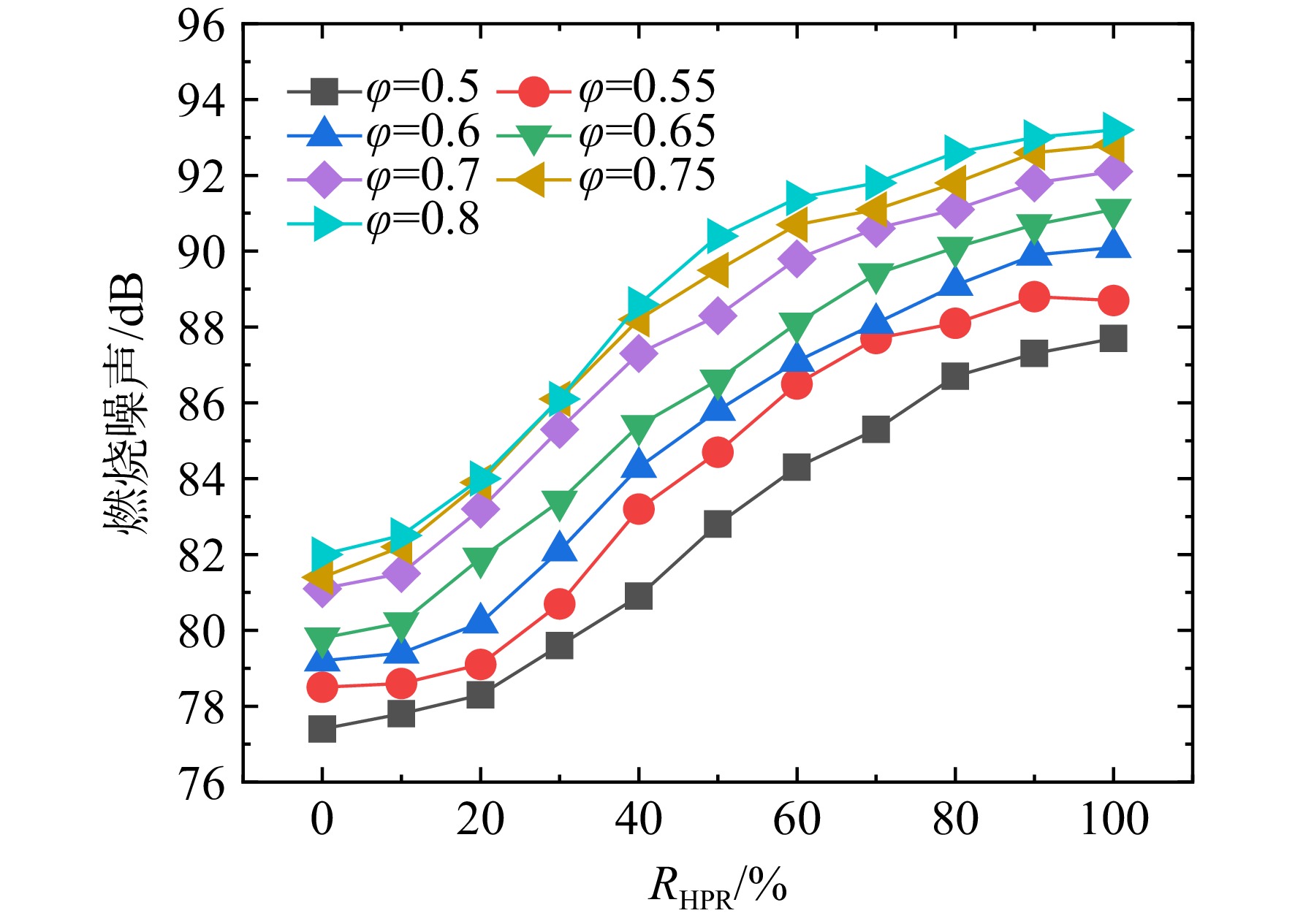
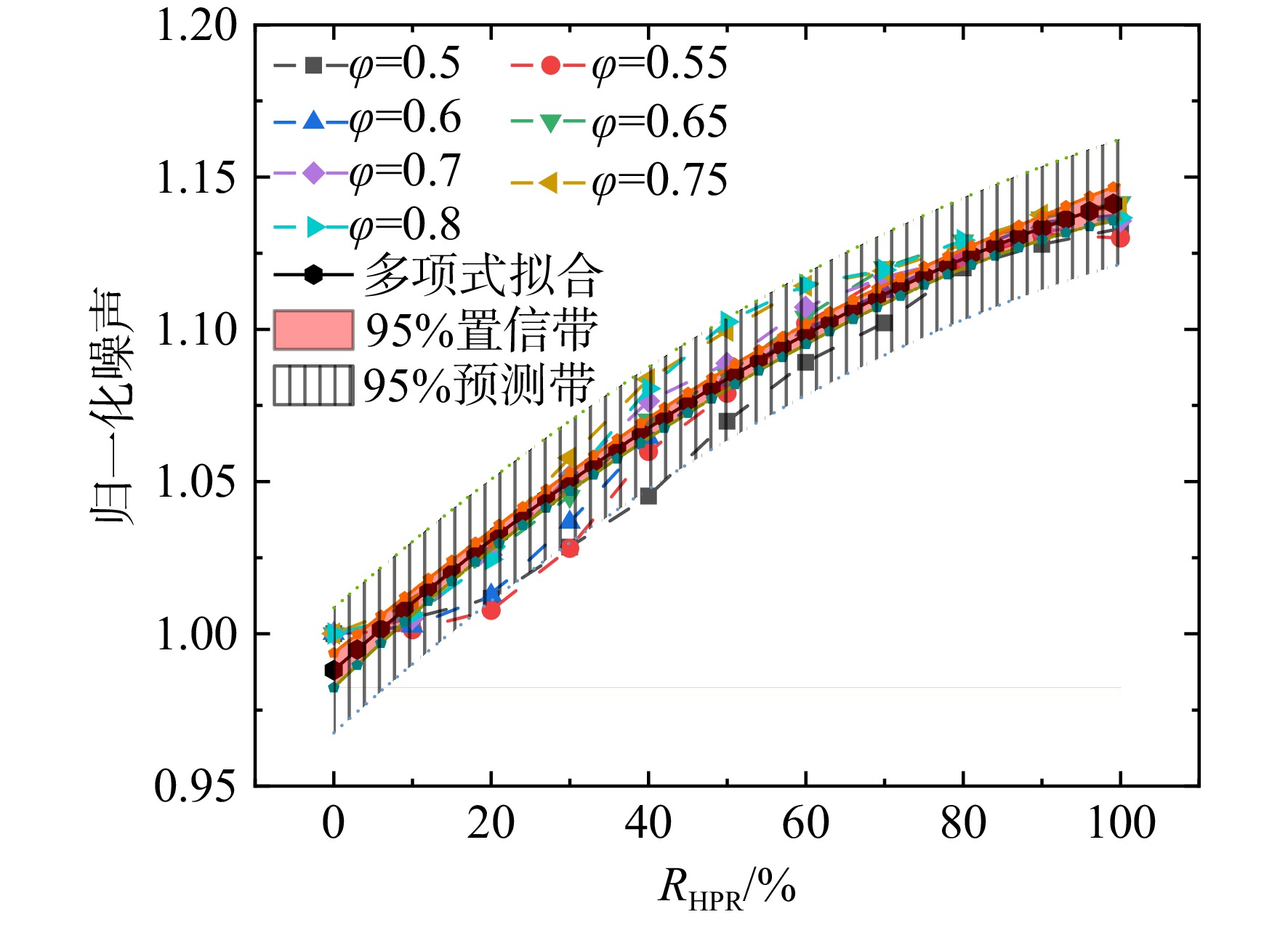
Experimental research was conducted on the direct combustion noise sound pressure level and spectral characteristics of methane/hydrogen at different mixing ratios. An array microtube burner was utilized to organize methane-hydrogen combustion under ambient temperature and pressure conditions. Within the micro-tube, spiral blades were employed to enhance the mixing of fuel and air. Pressure pulsations of combustion noise were recorded using microphones, and the data were subjected to spectral analysis. The study revealed that with an increase in the hydrogen power ratio (HPR), the peak frequency of the combustion noise spectrum gradually shifted from low frequency to high frequency, and there was a noticeable increase in the power spectral density in the high-frequency portion. When the HPR was constant, the shape of the direct combustion noise power spectrum was not significantly affected by the equivalence ratio. Sound levels in decibels were measured using an A-weighted sound level meter. When the baseline hydrogen equivalence ratio was within the range of 0.5 to 0.8, the trend of combustion noise variation remained consistent as HPR increased from 0 to 100%, resulting in an approximate 11 dB increase in noise levels. This study fitted the direct combustion noise and obtained the prediction relationship of methane hydrogen-doped combustion noise using methane combustion noise as the normalized benchmark.

Unsteady characteristics of turbine flow field driven by pulse detonation
LIU Junyu, WANG Zhiwu, LI Junlin, ZHANG Zixu
2025, 40(5): 20230490. doi: 10.13224/j.cnki.jasp.20230490
Abstract:

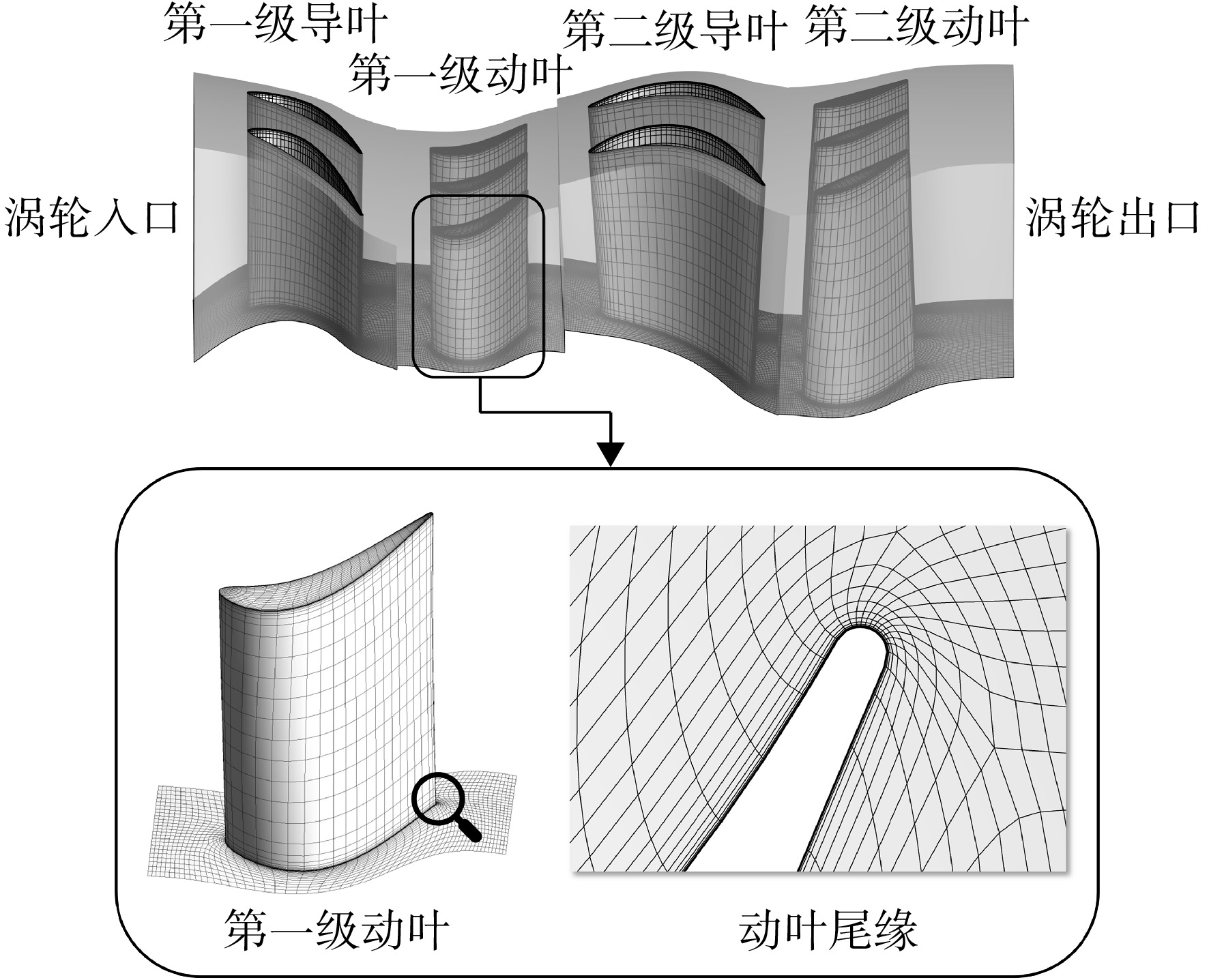
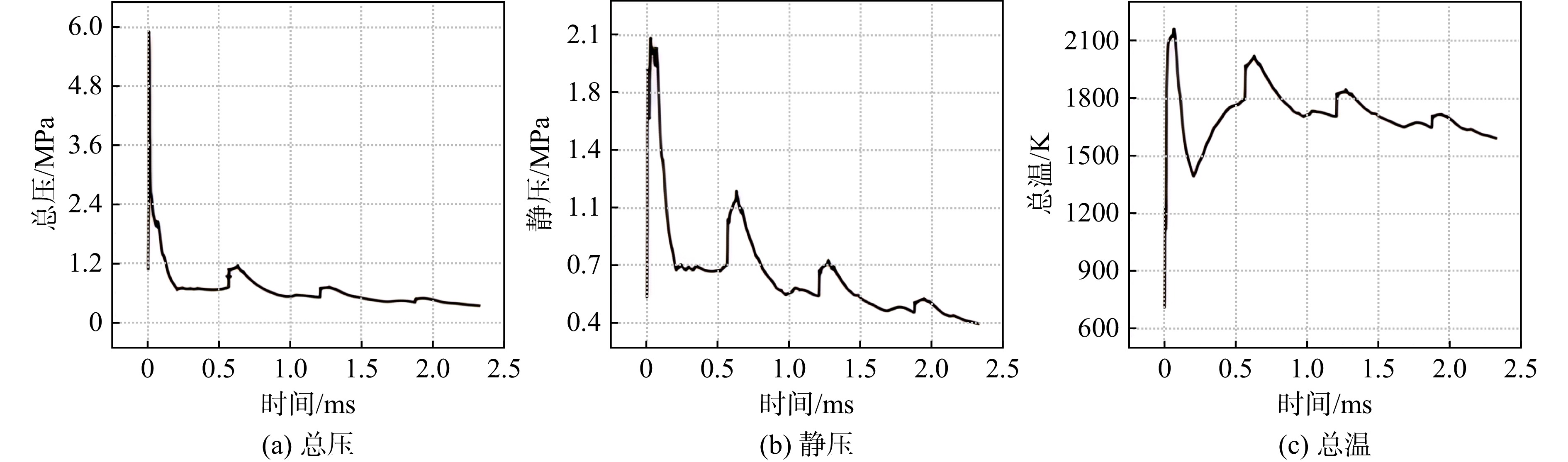
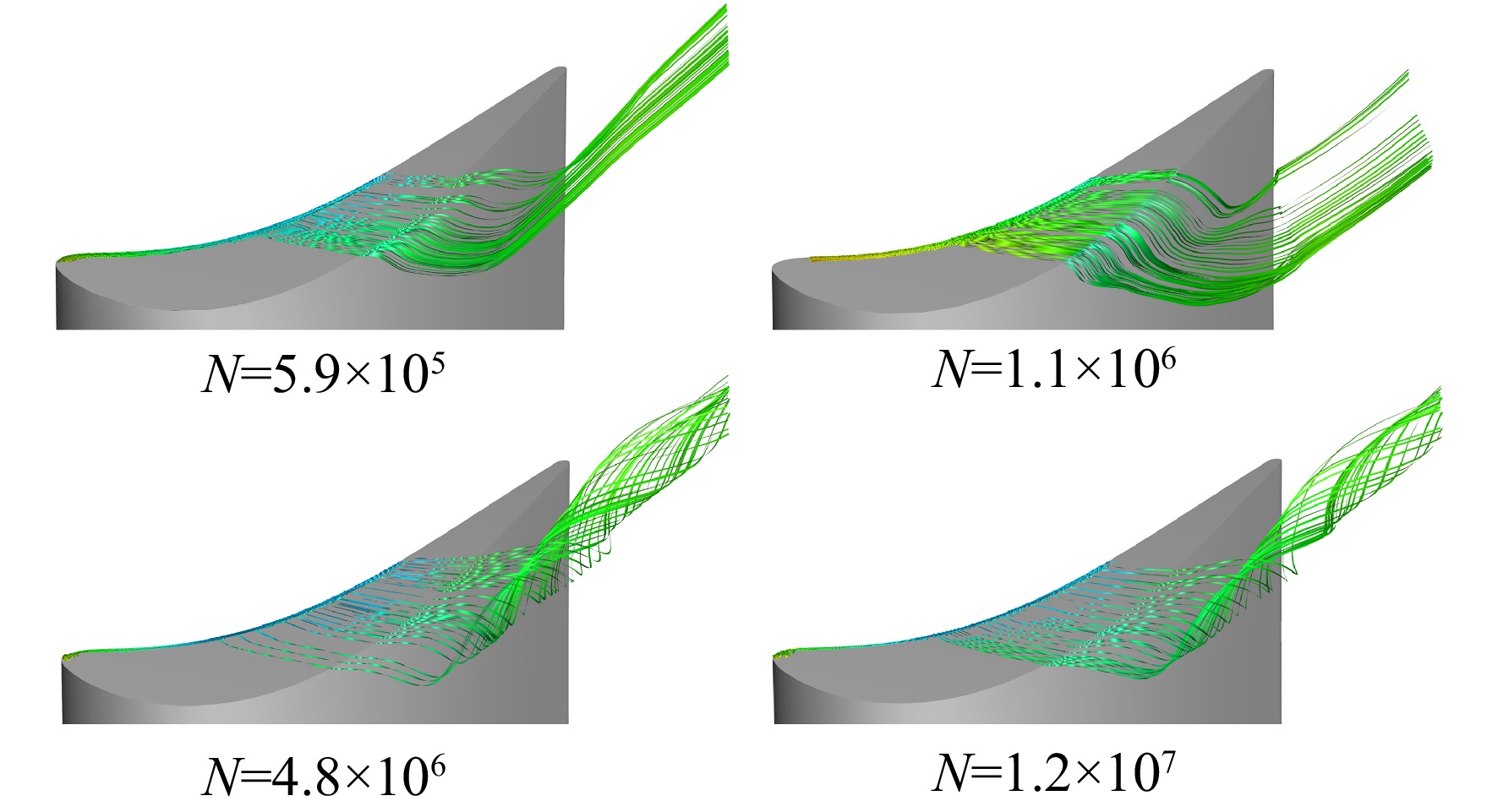
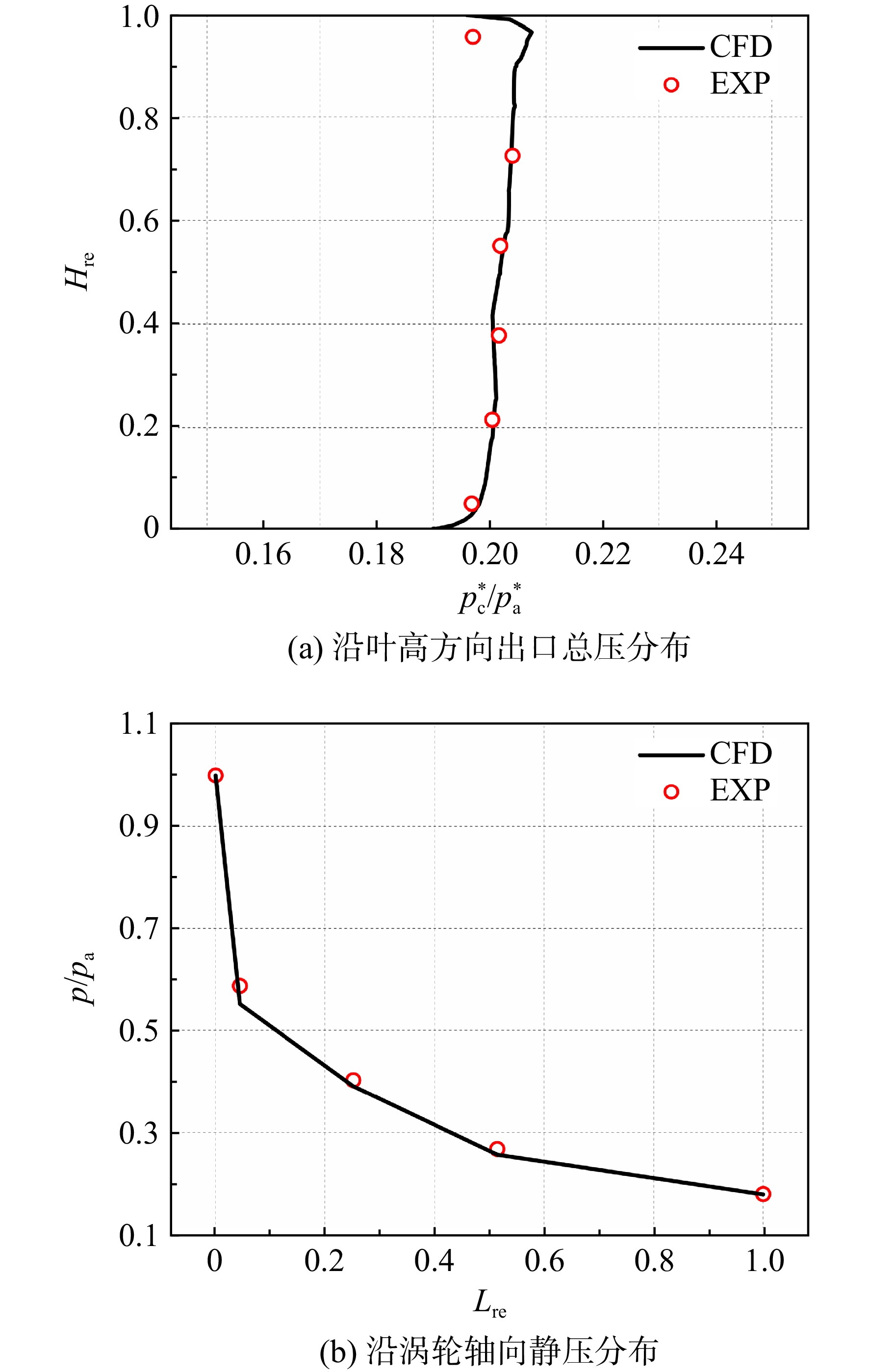
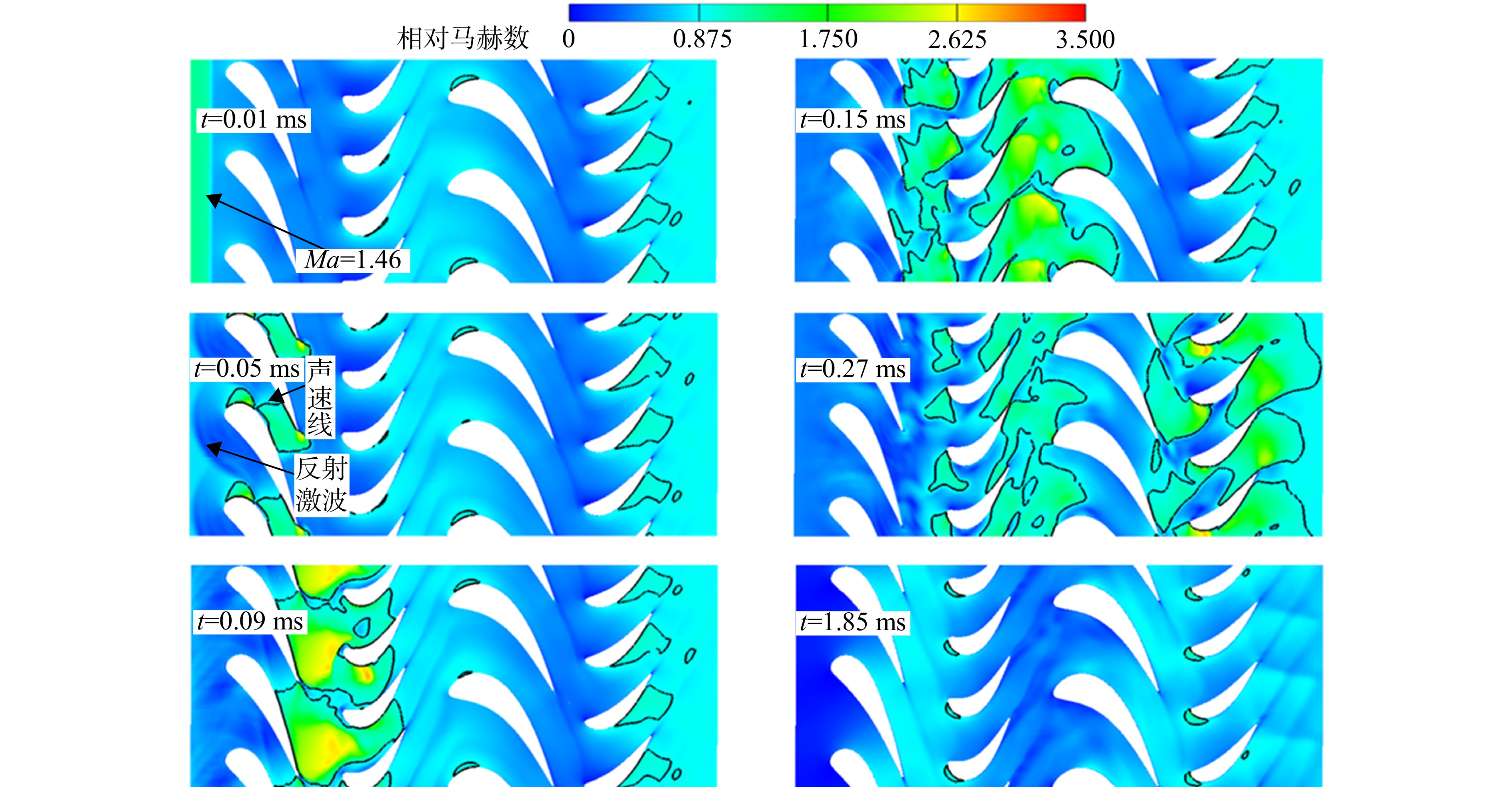
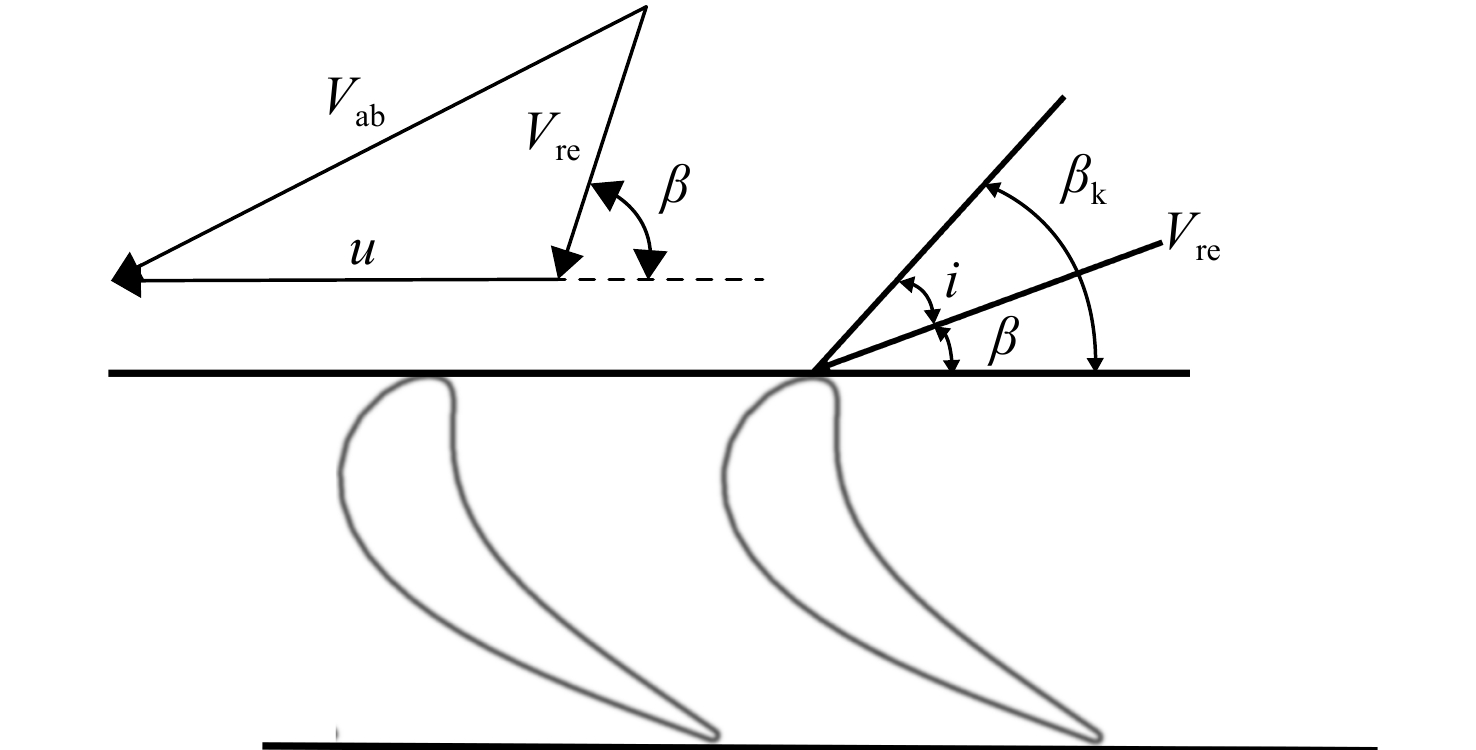
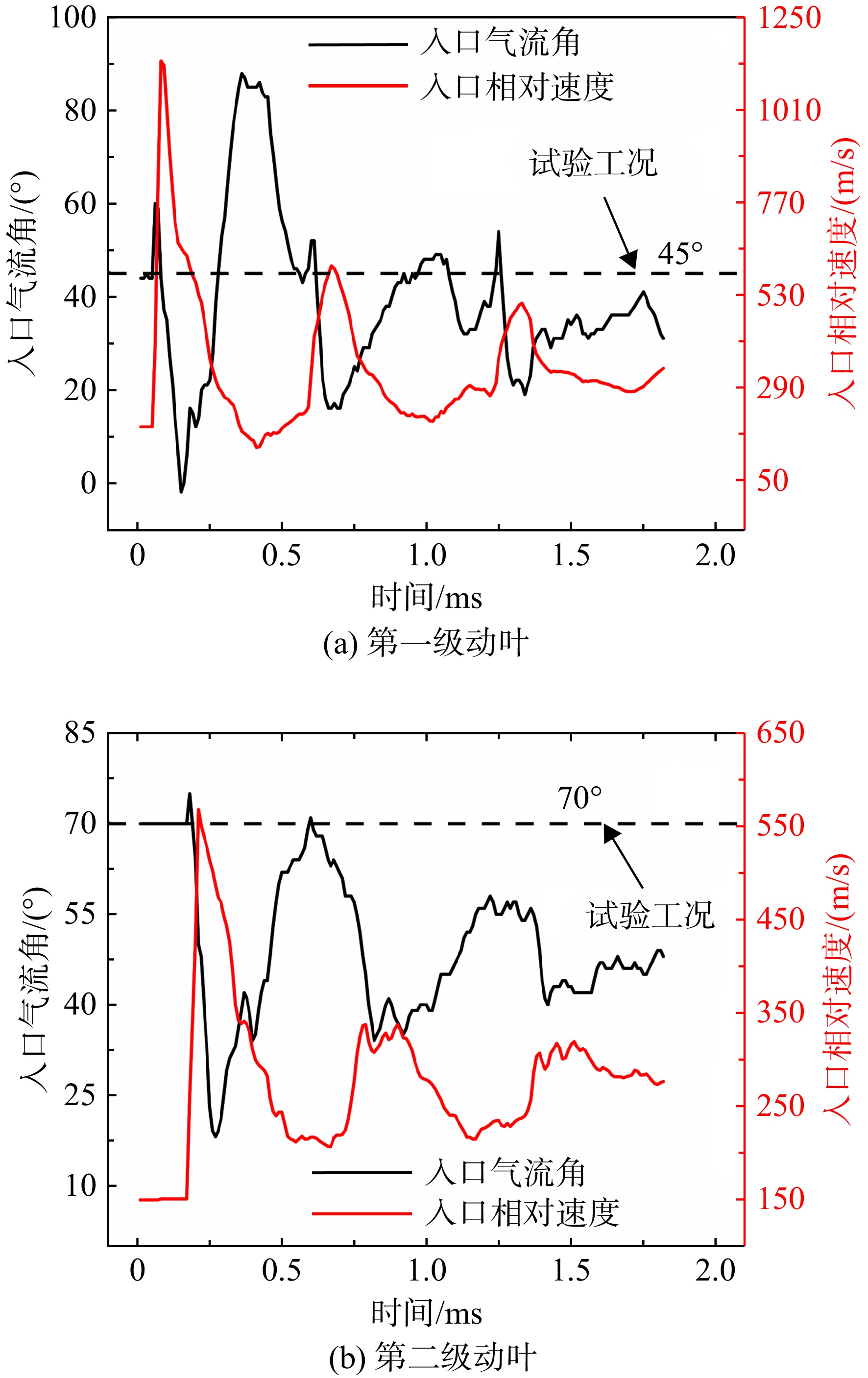
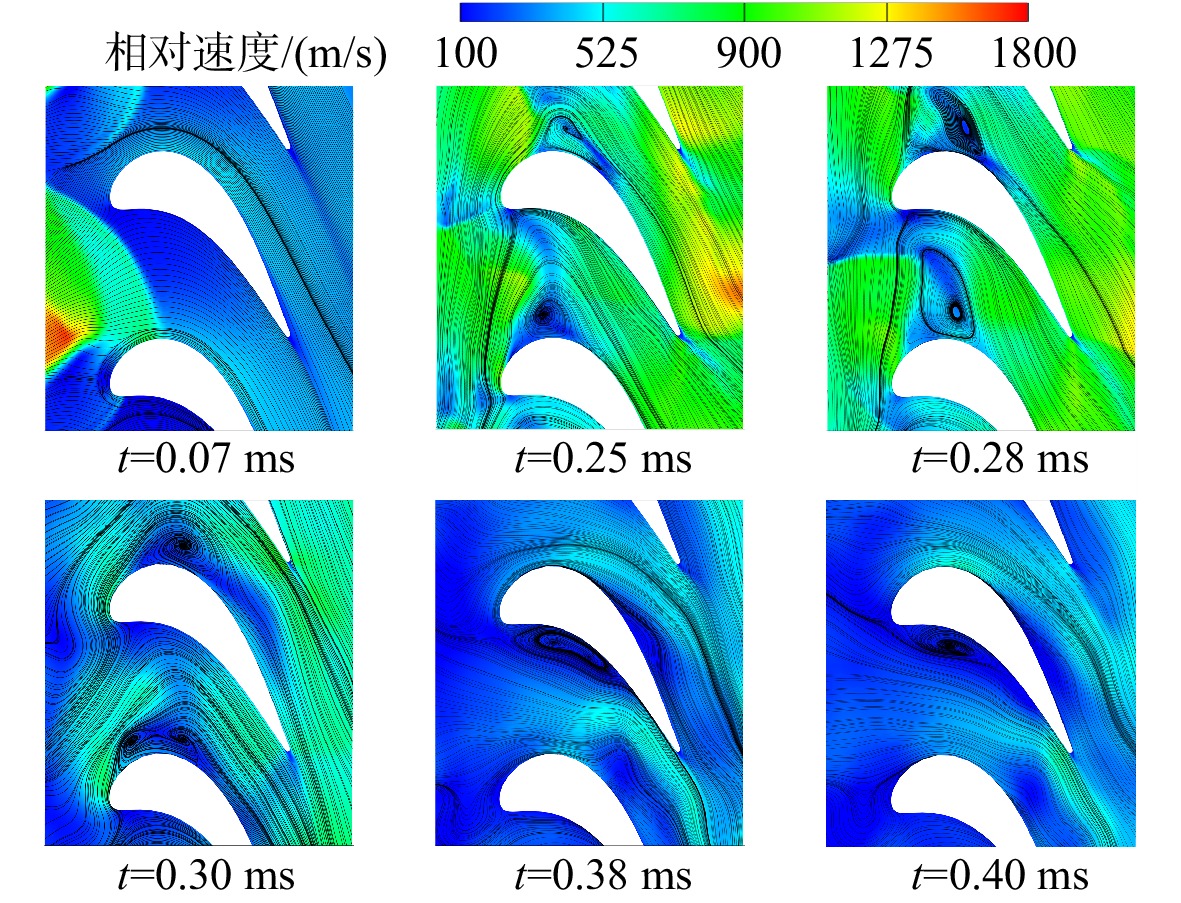
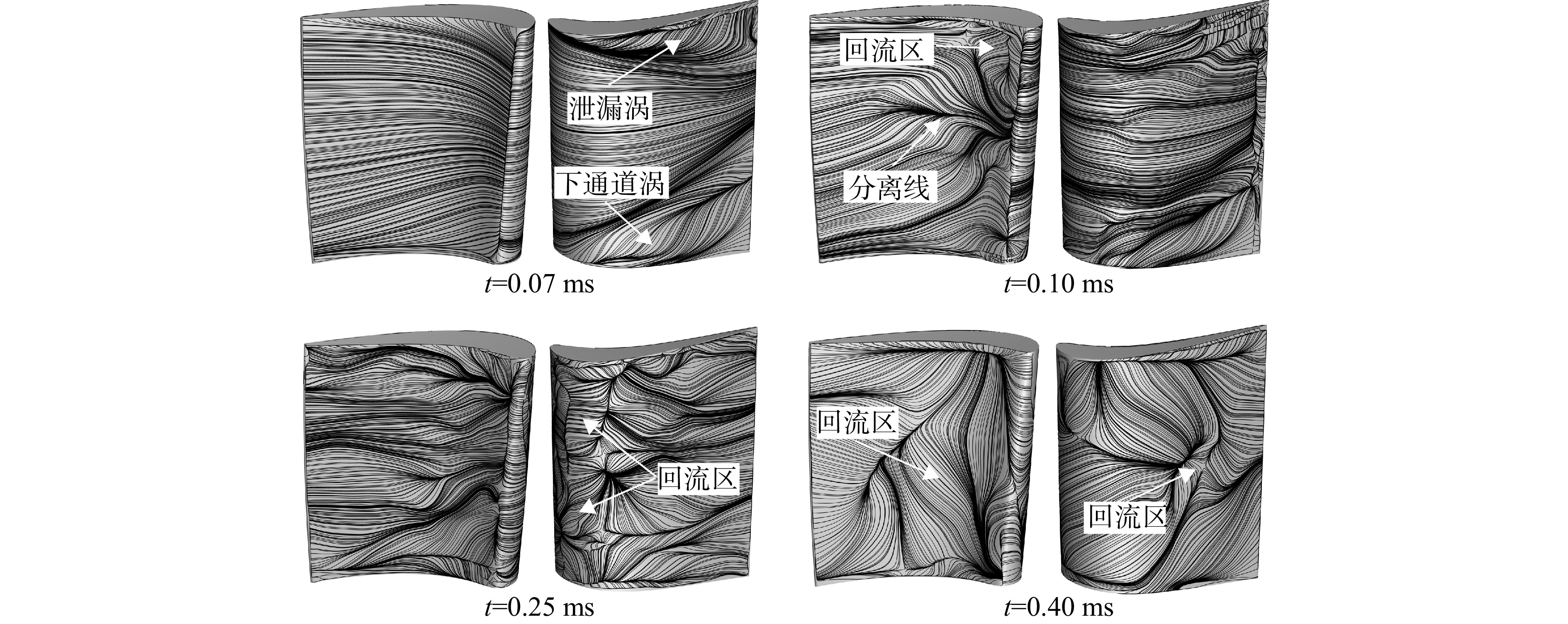
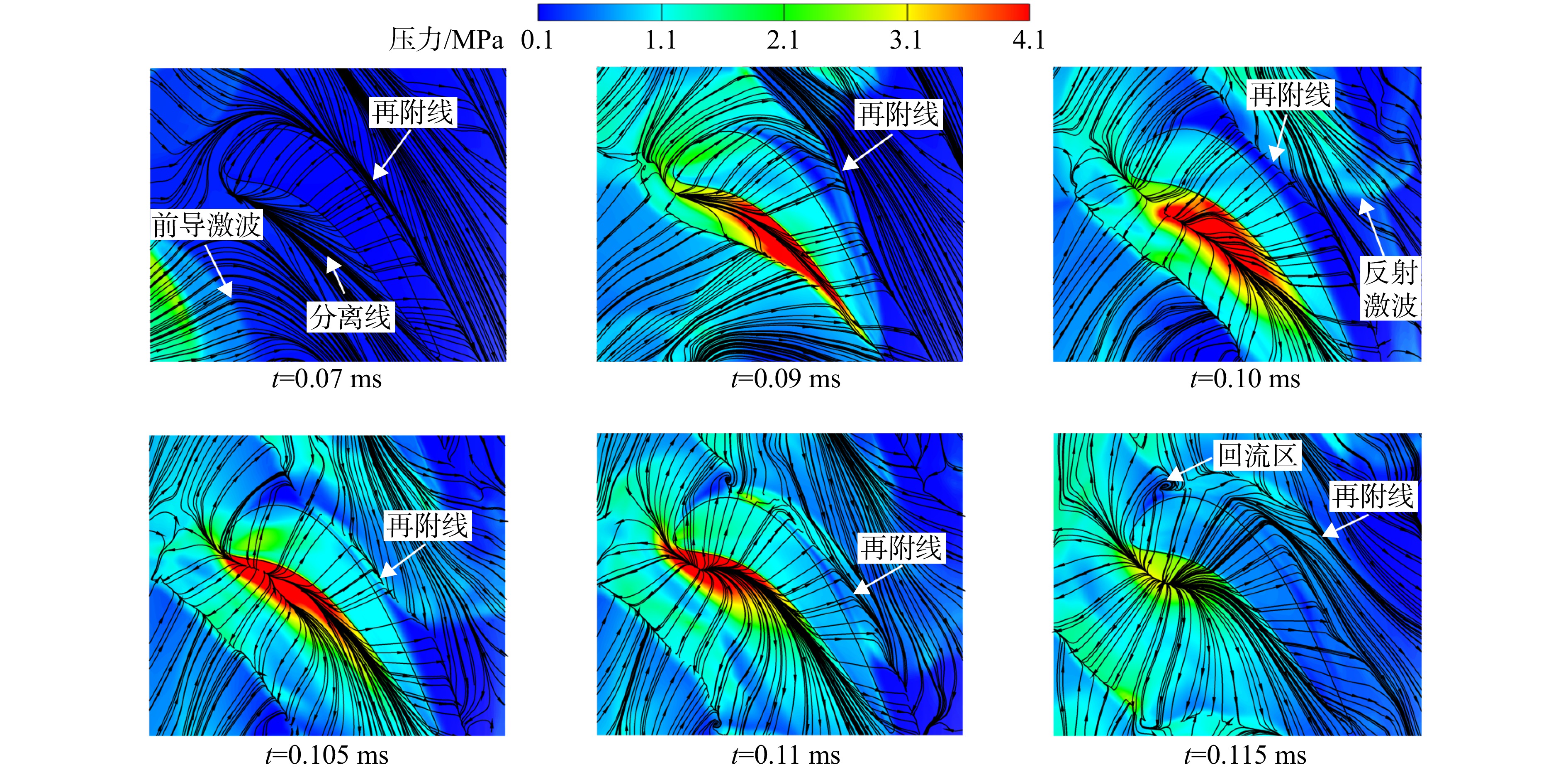
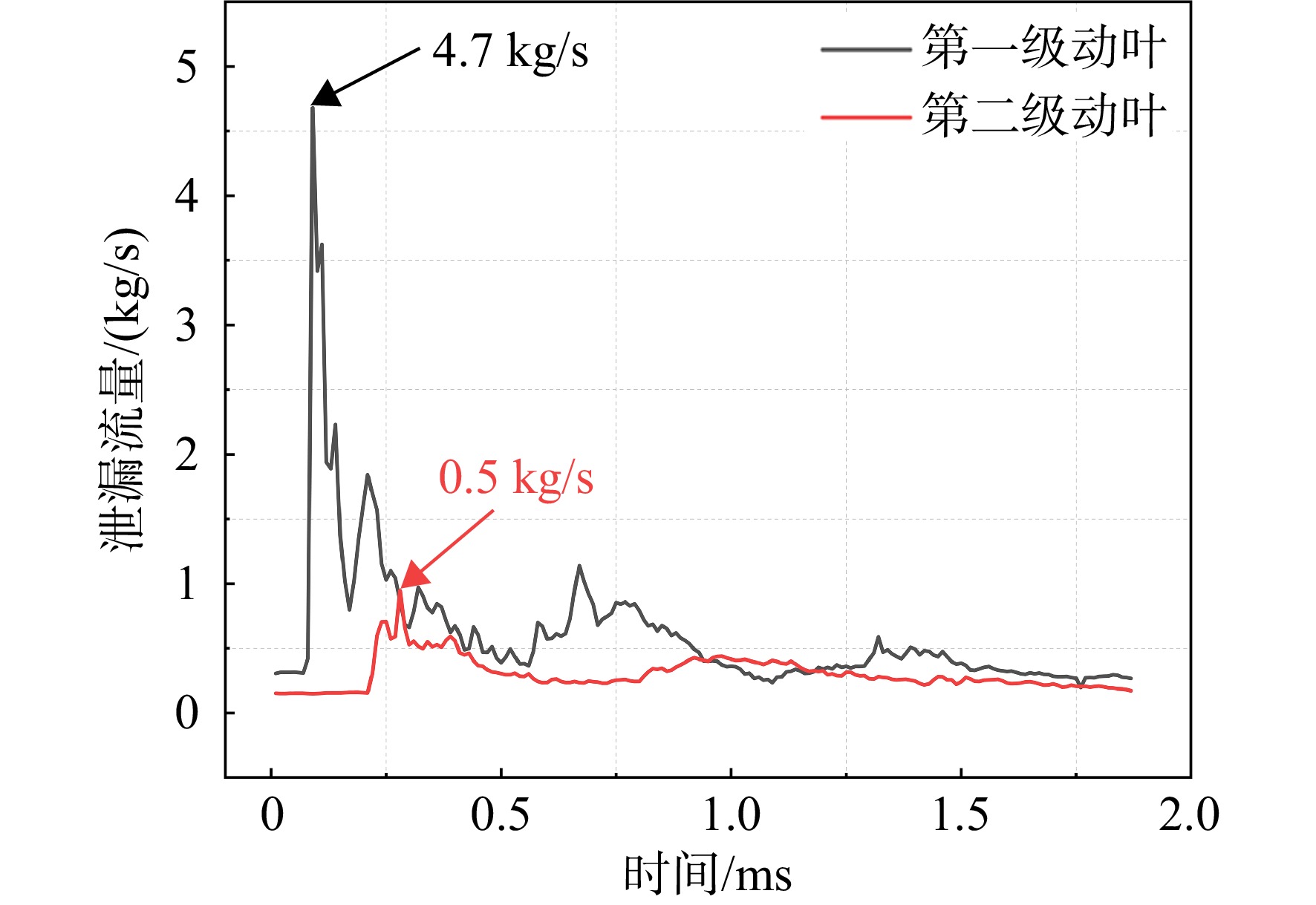
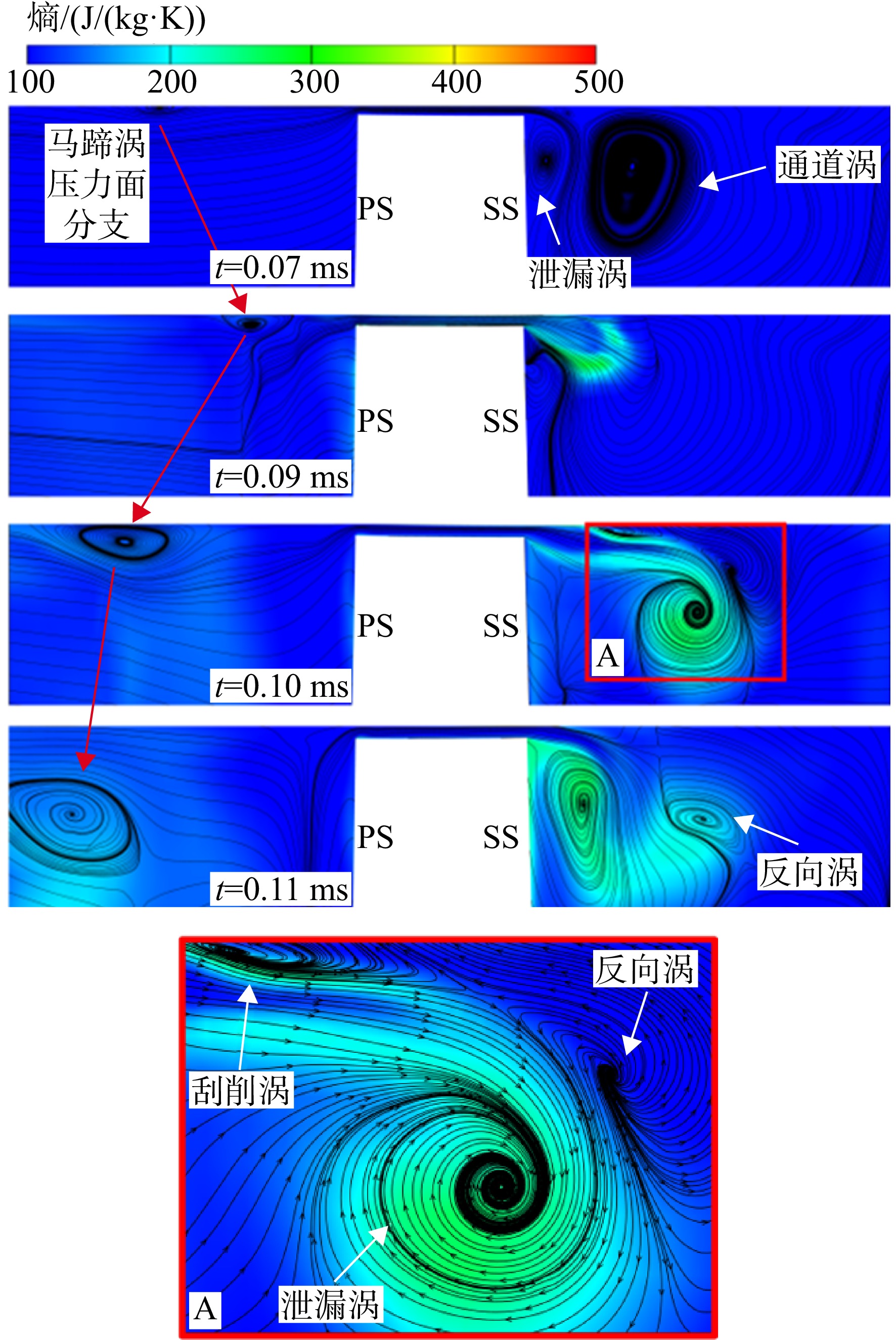
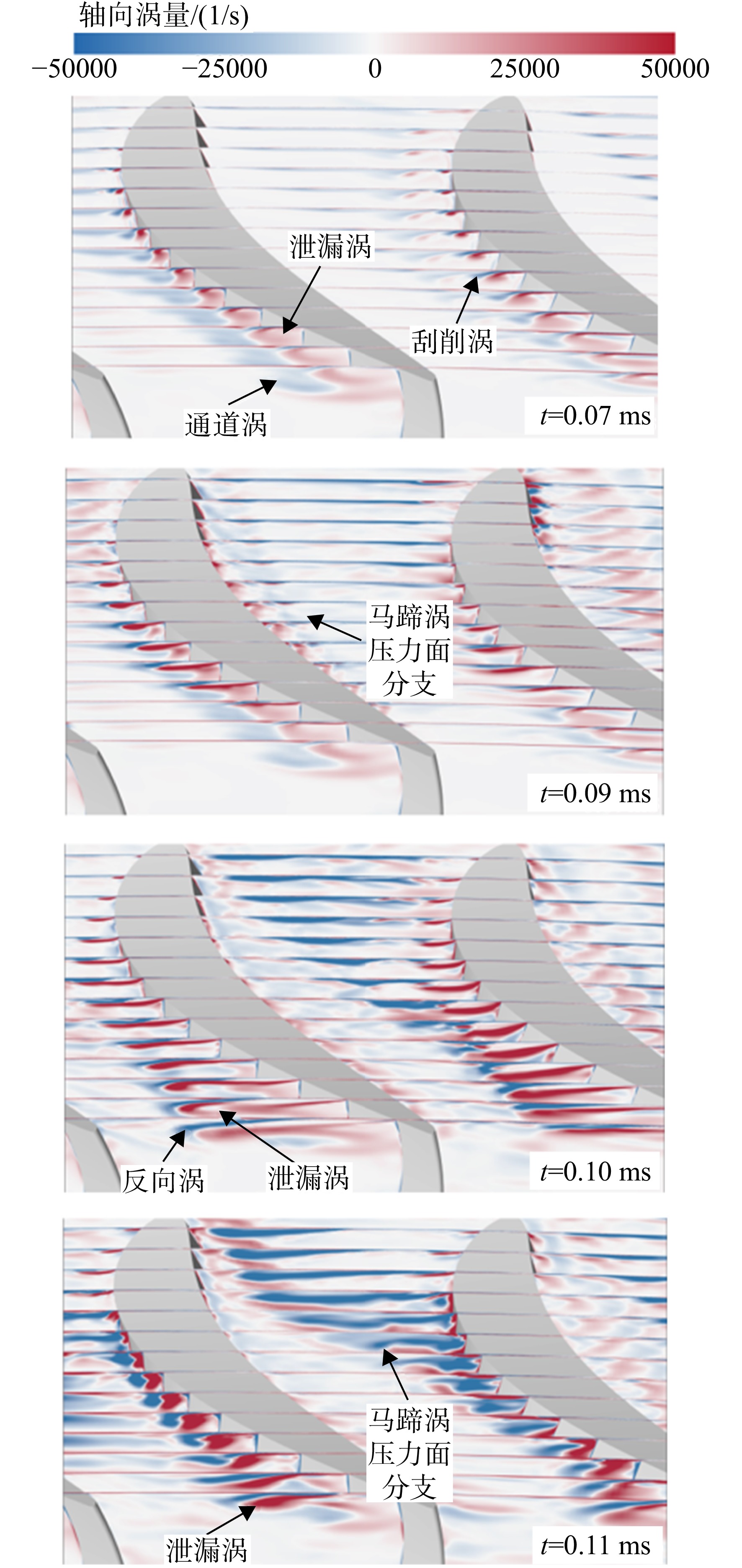
To reveal the influence of the pulse detonation unsteady characteristics on the turbine flow field, a three-dimensional numerical model of the GE-E3 two-stage high pressure turbine was established. The detonation chamber outlet parameters were used as the boundary conditions of the turbine inlet to study the turbine flow driven by detonation. The elementary flow at 50% blade height was analyzed, and then the separation flow on the blade surface and the leakage flow in the tip clearance were studied. The results showed that the gas flow ran at supersonic speeds through the turbine channel, resulting in obvious oblique incision expansion and free expansion outside the cascade. The interaction between the leading shock and the blade changed the airflow attack angle significantly and produced local adverse pressure gradients, resulting in severe flow separation on the blade surface. The leading shock acting on the rotor blade increased the pressure difference on both sides of the tip clearance, and enhanced shearing and mixing between the leakage flow and the mainstream, resulting in a significant increase in entropy in the mainstream area.

Study on cooling effectiveness and flow resistance characteristics of a double-layer corrugated heat shield with variable phase differences
WANG Ziwen, LIU Haiyong, LIU Cunliang, FU Song, HUANG Xiaofeng, BAI Xiaohui
2025, 40(5): 20230600. doi: 10.13224/j.cnki.jasp.20230600
Abstract:

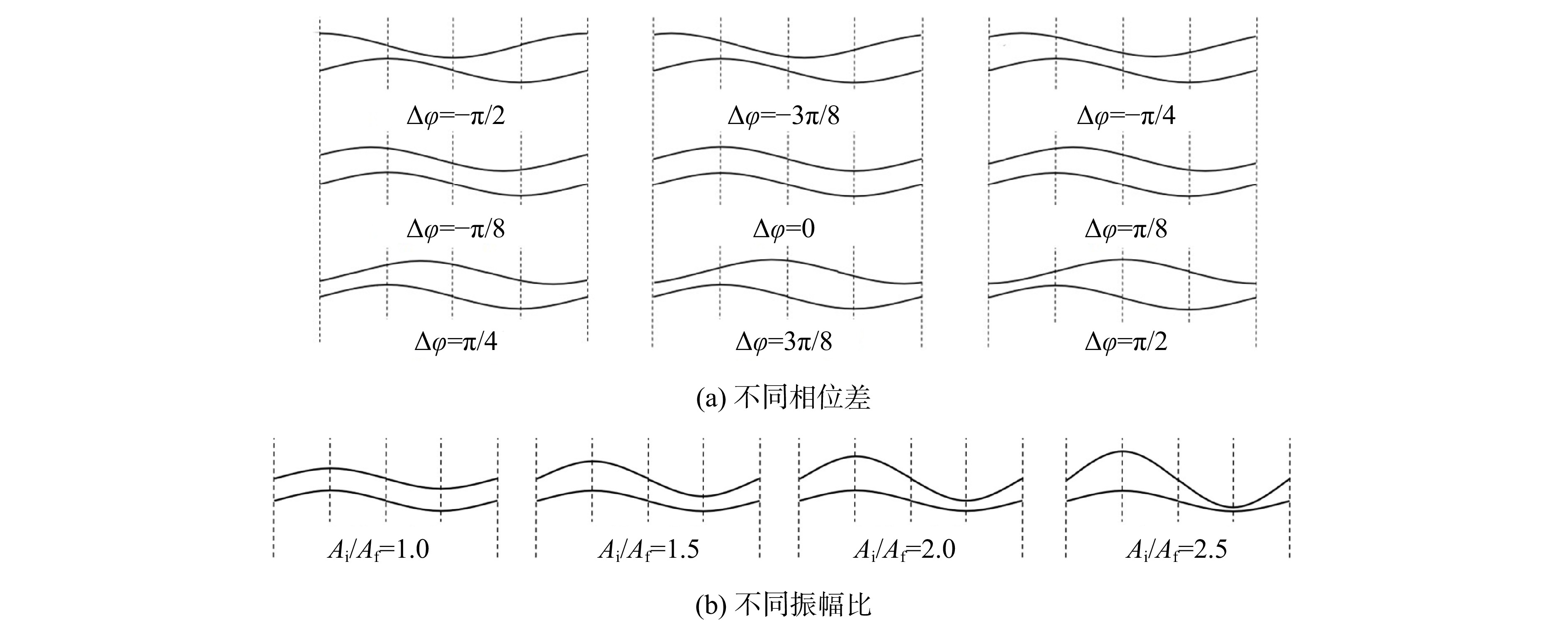
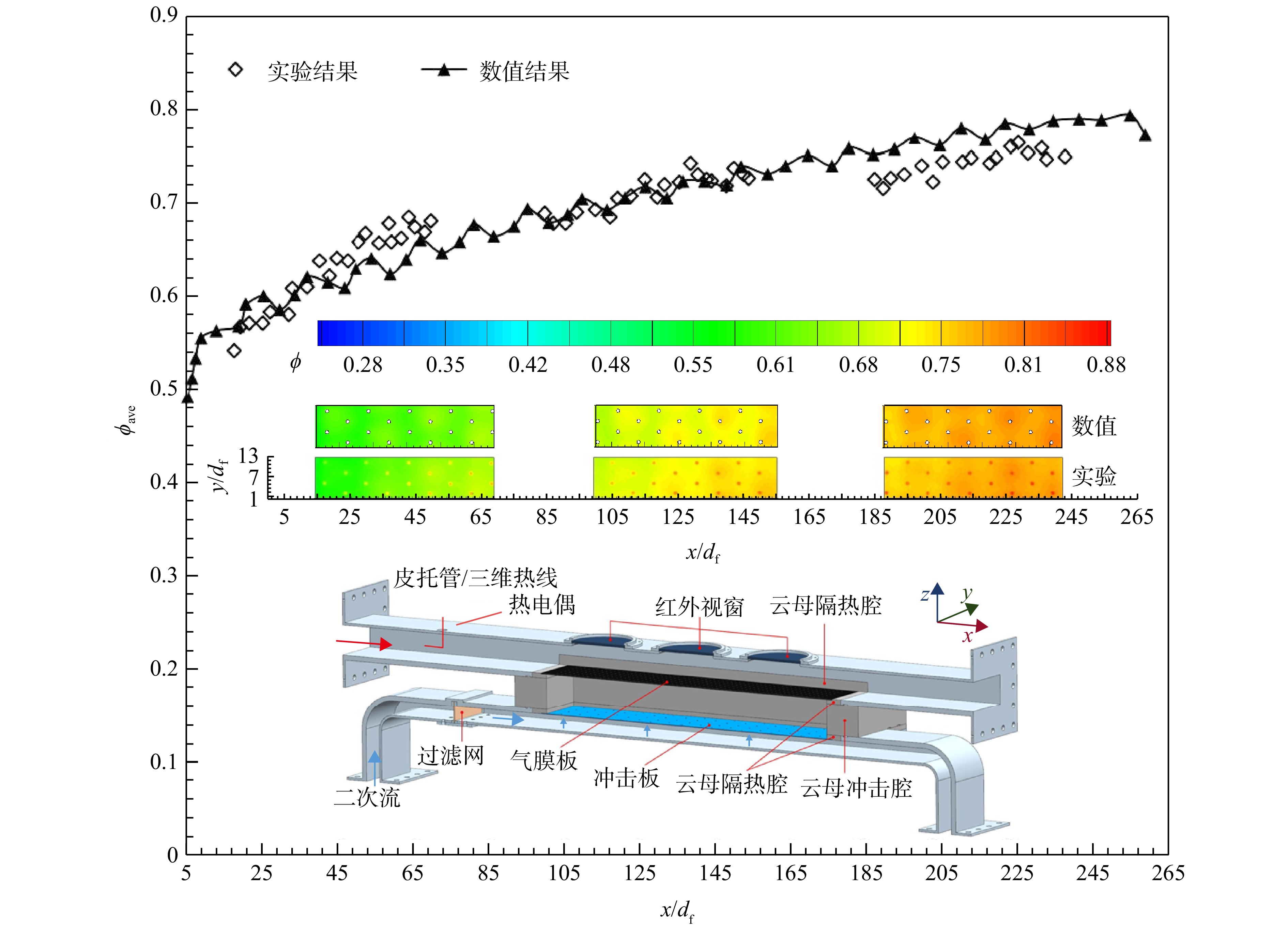
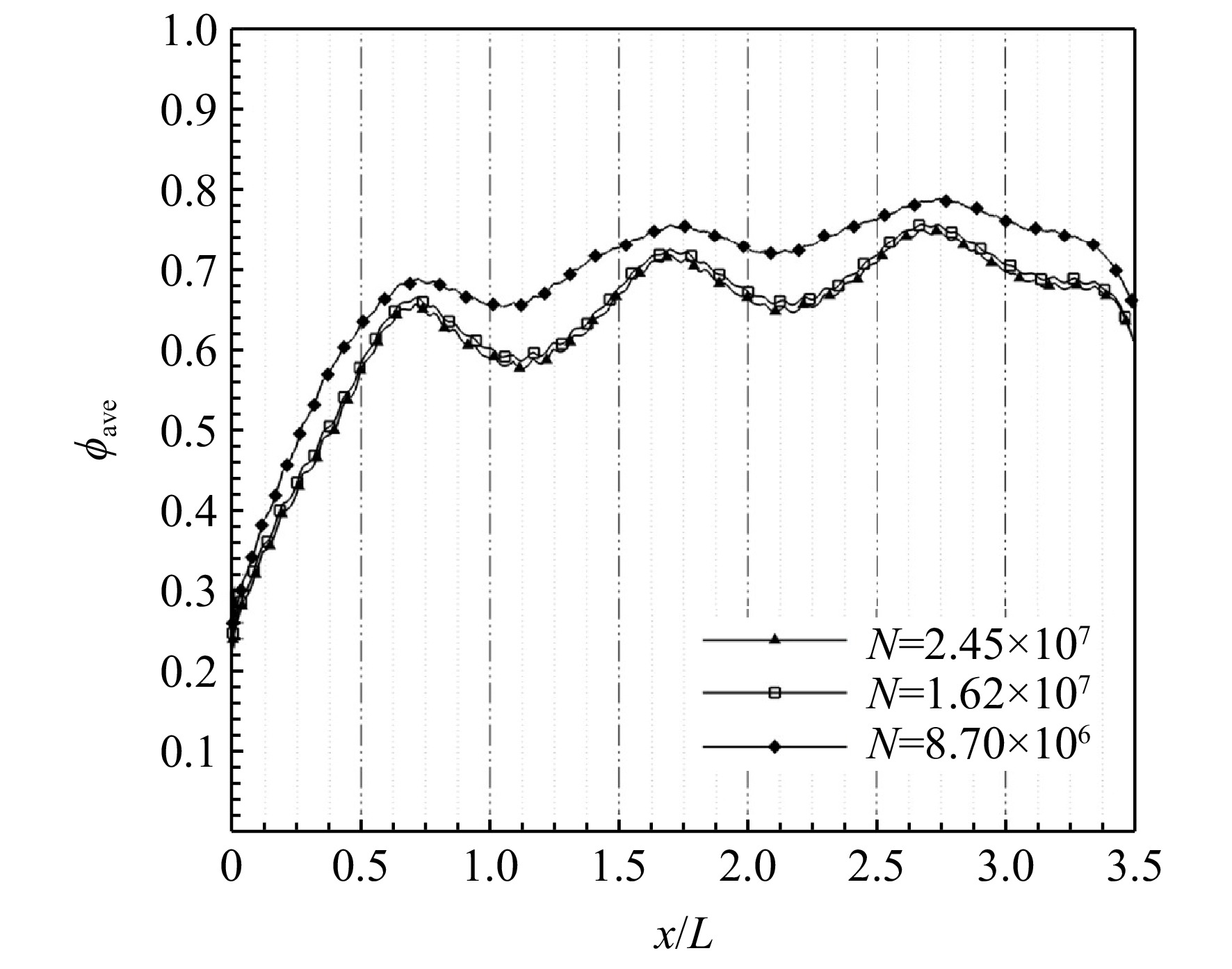
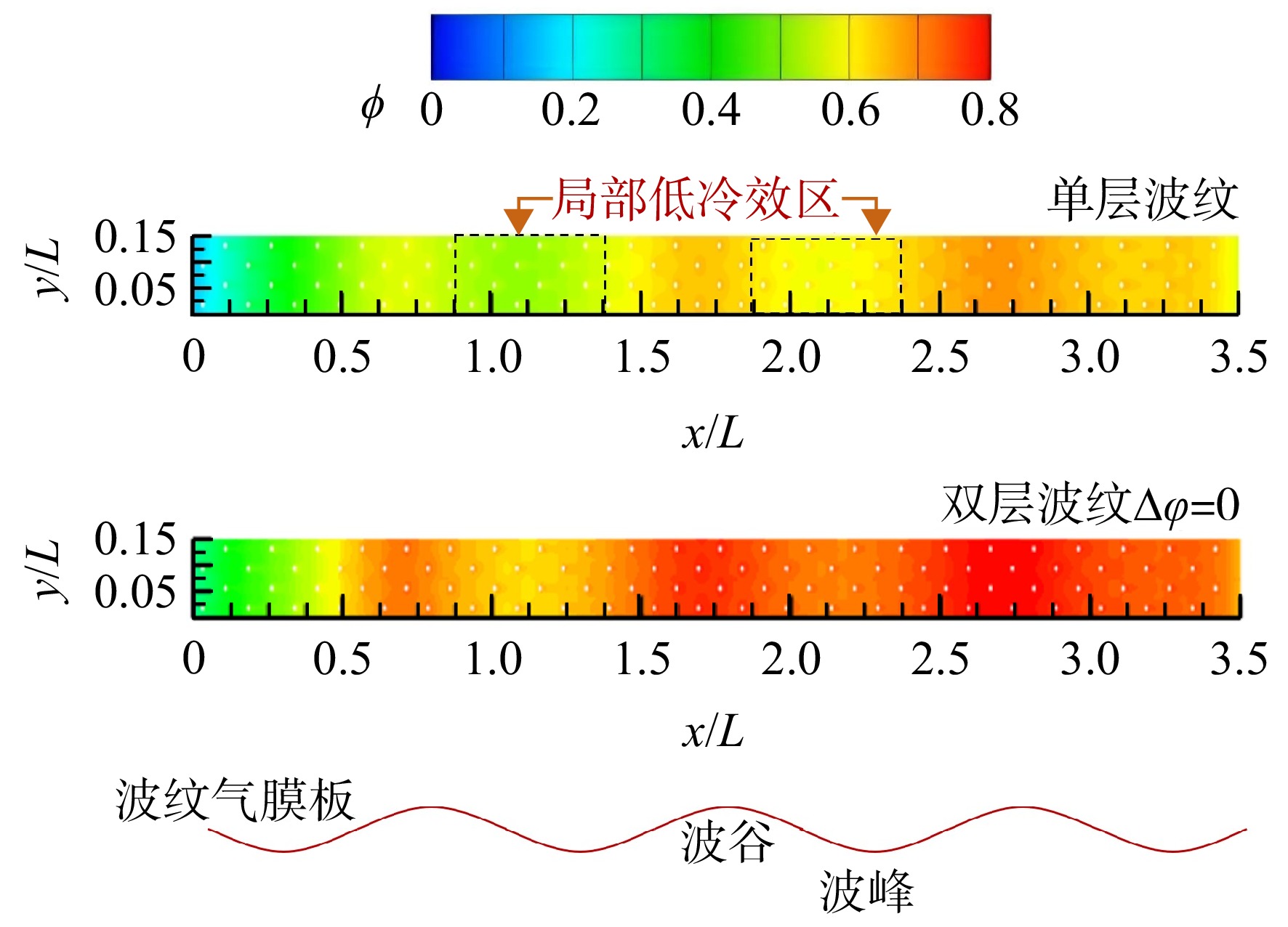
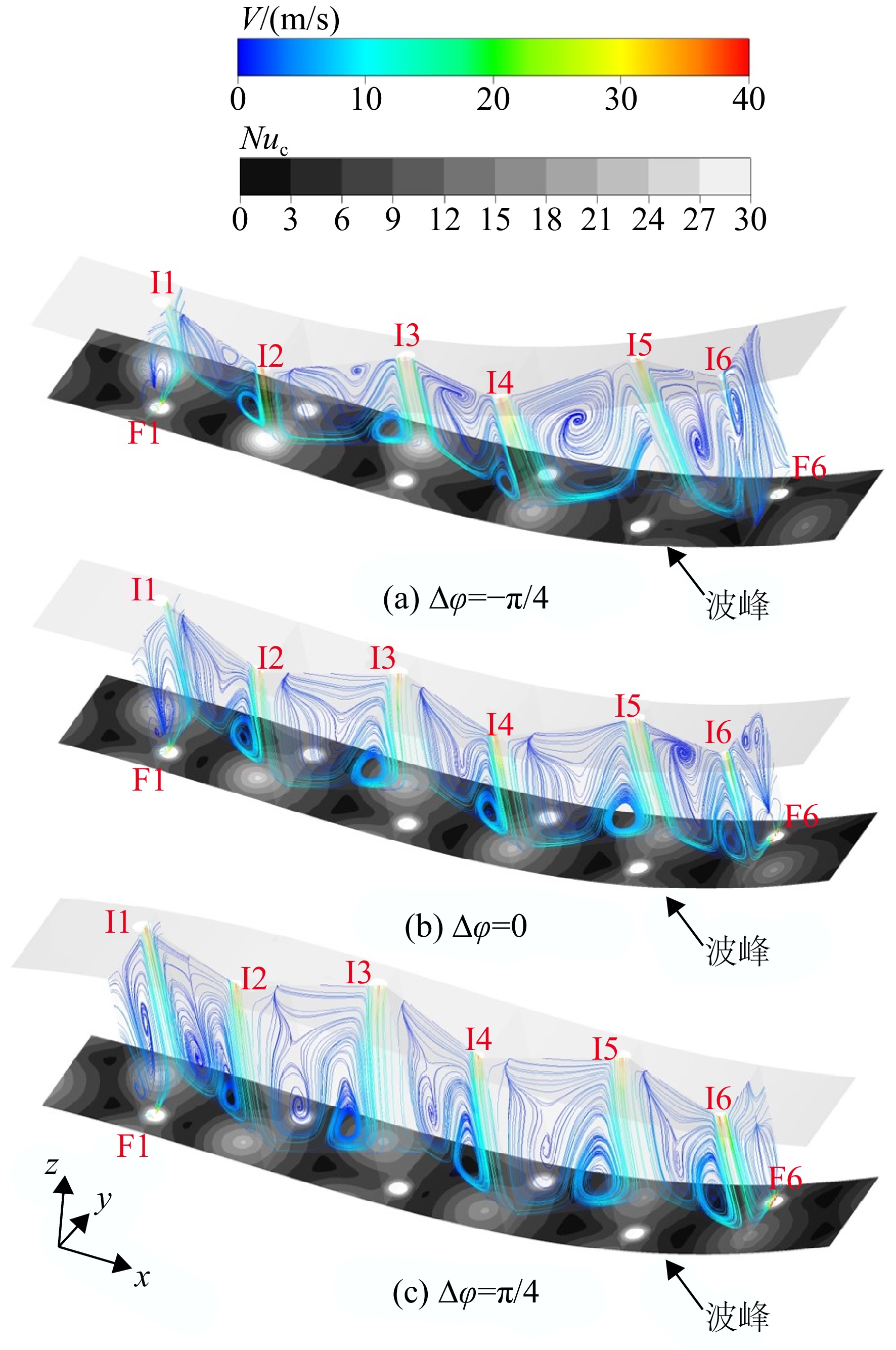
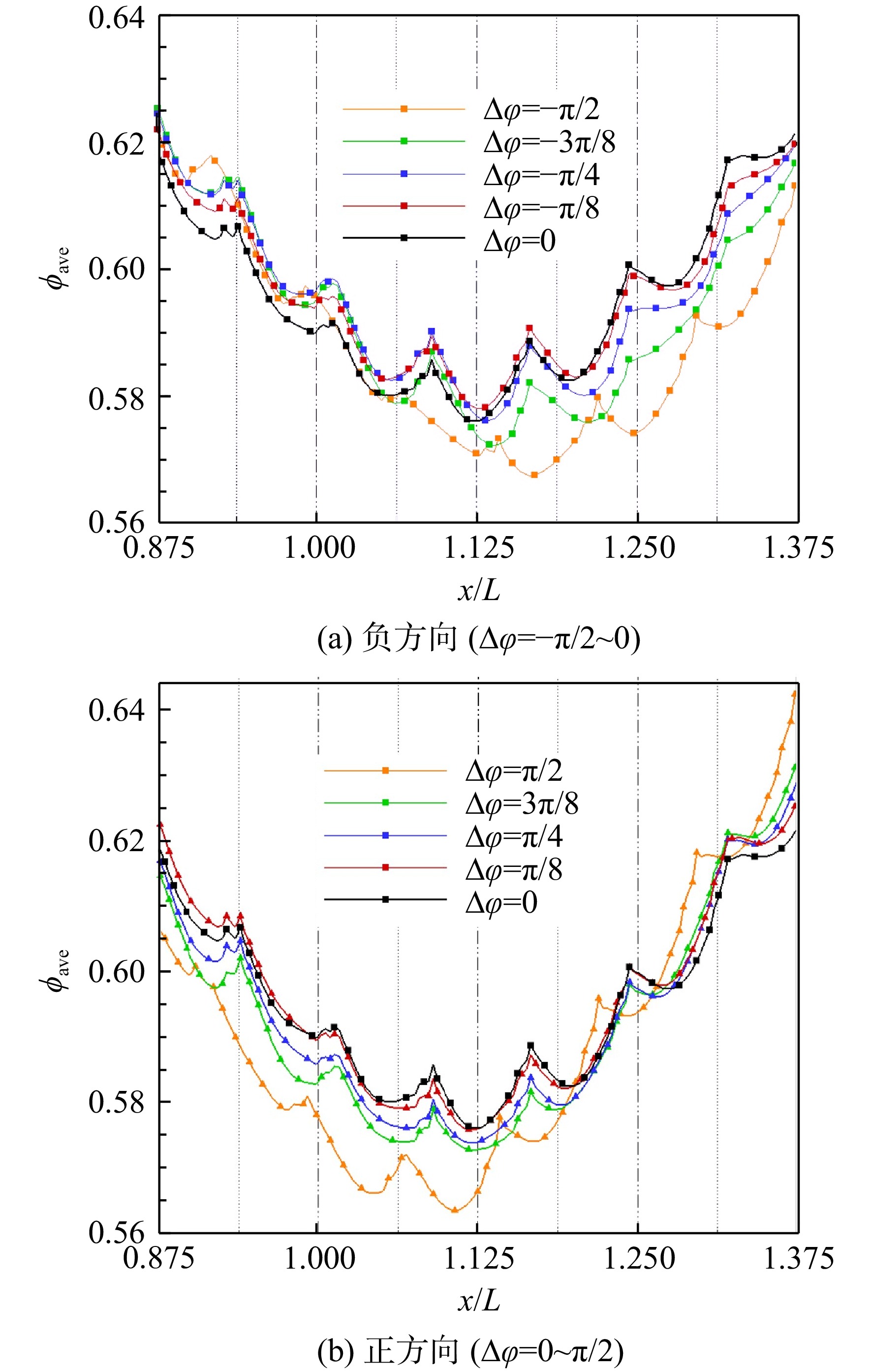
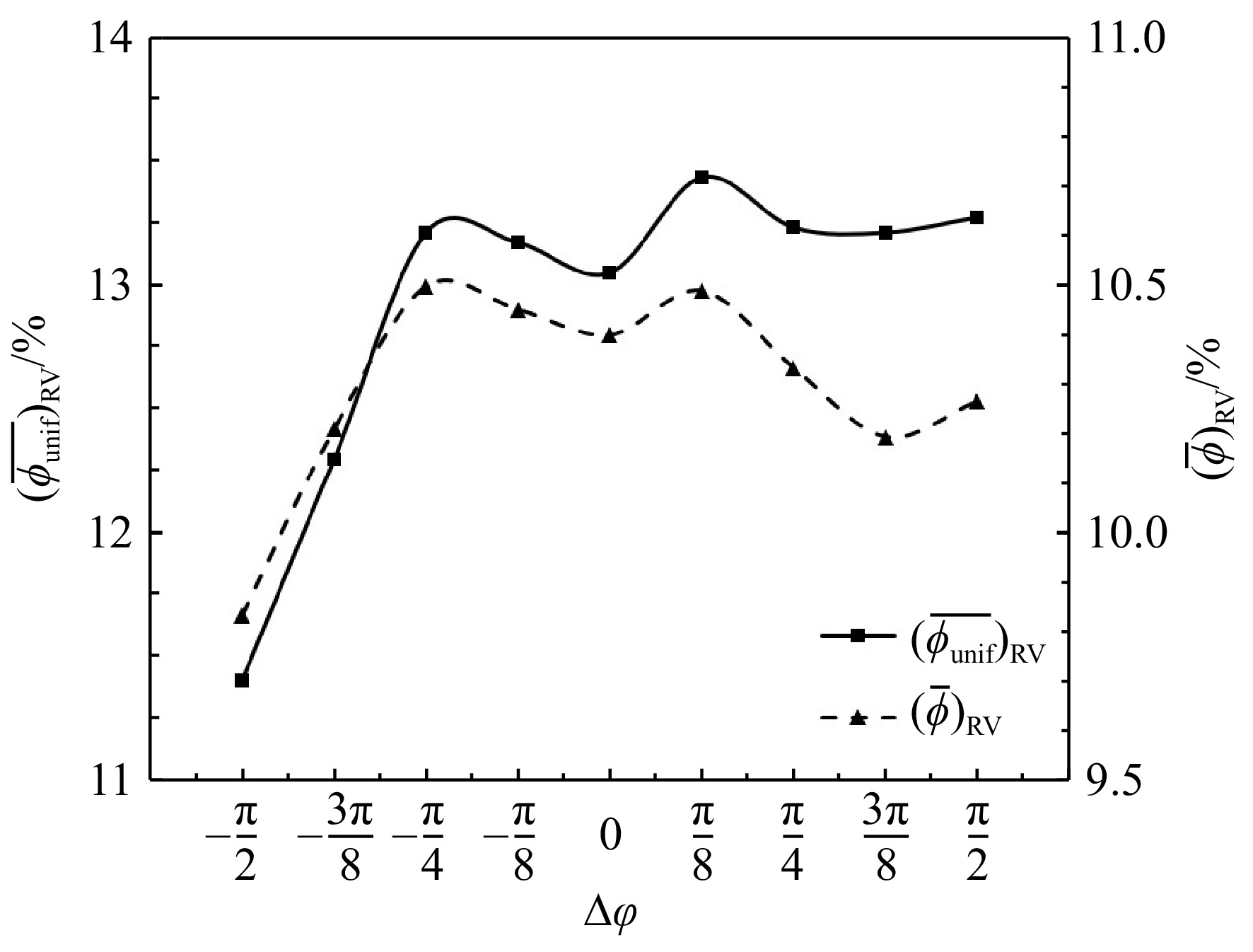
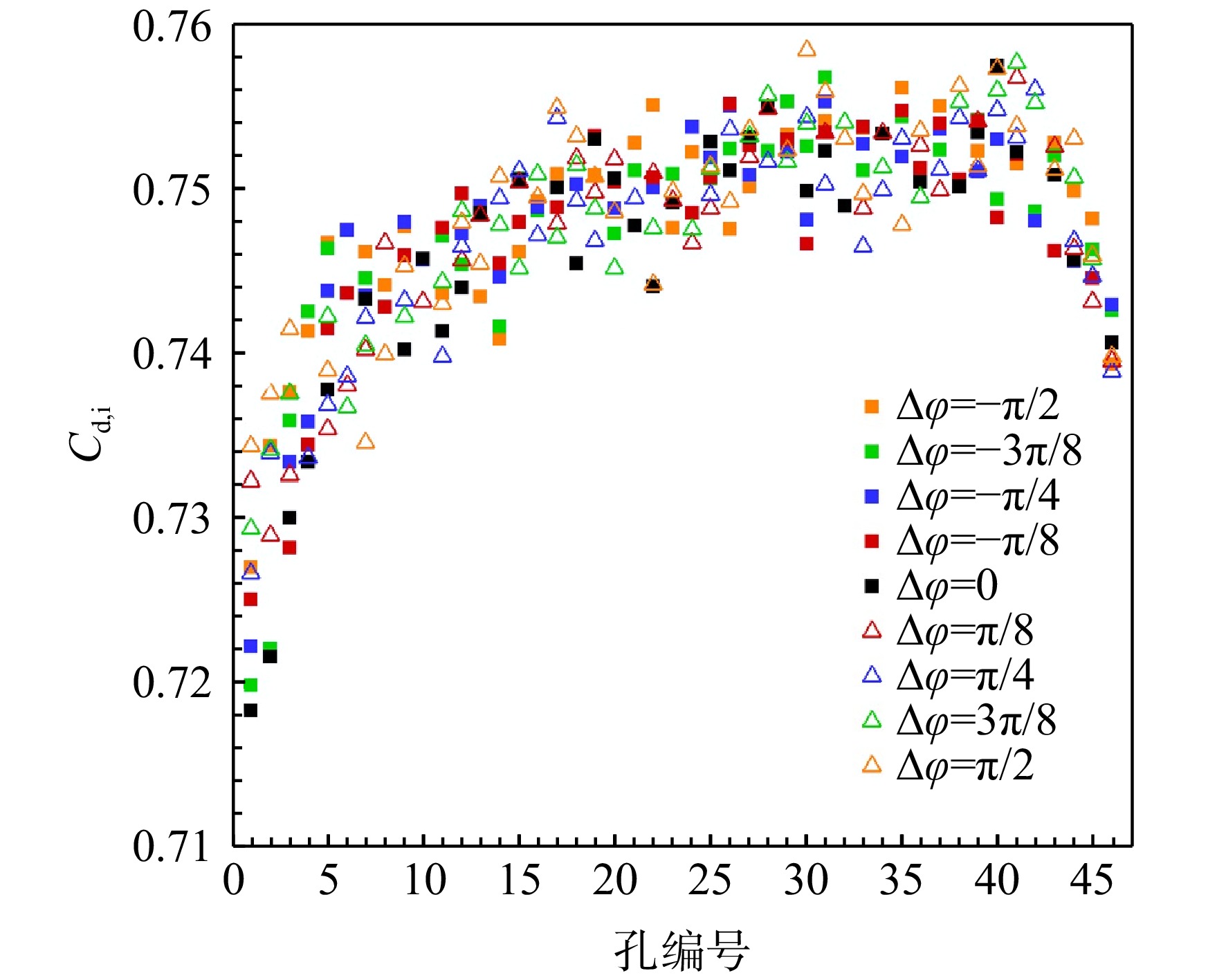
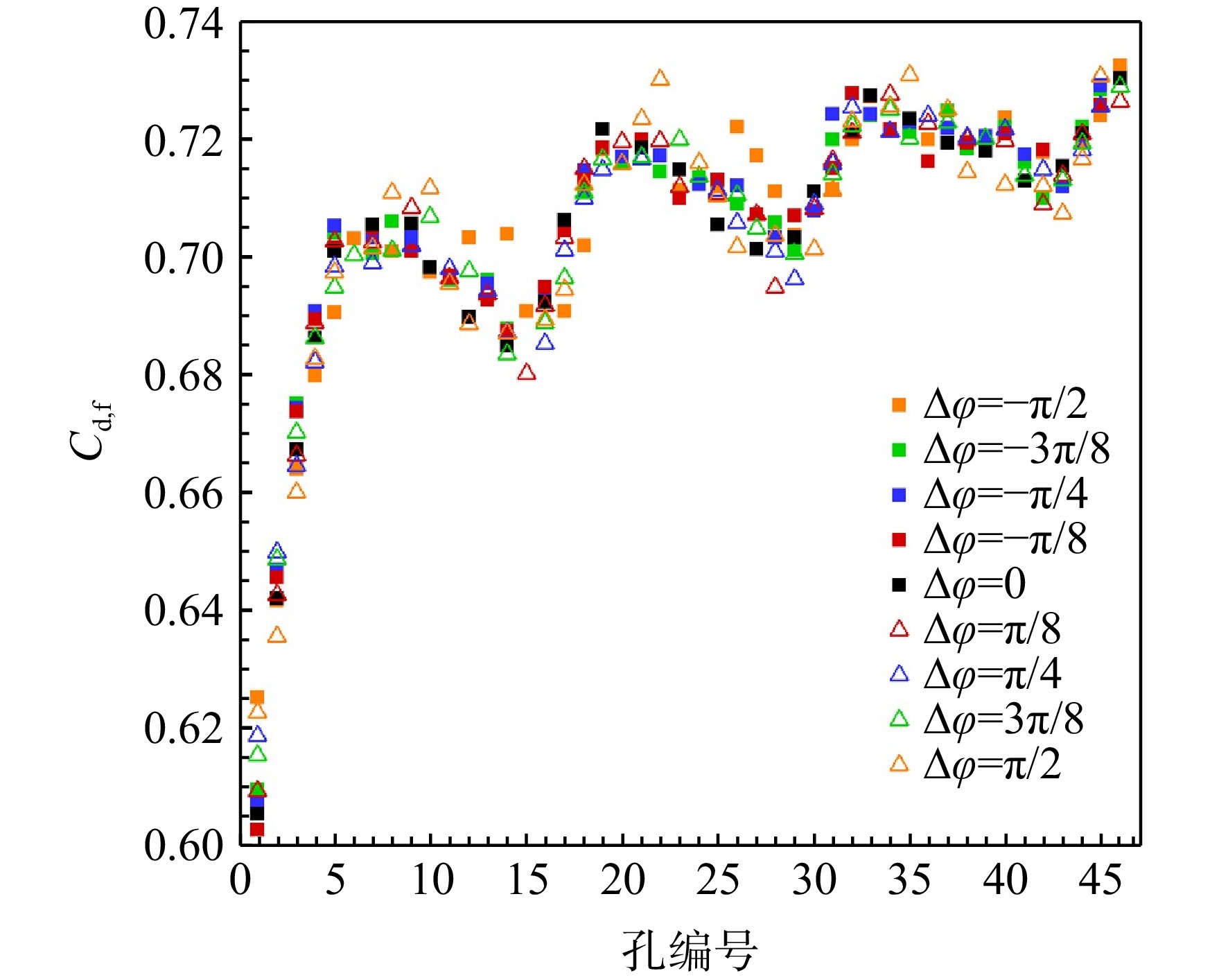
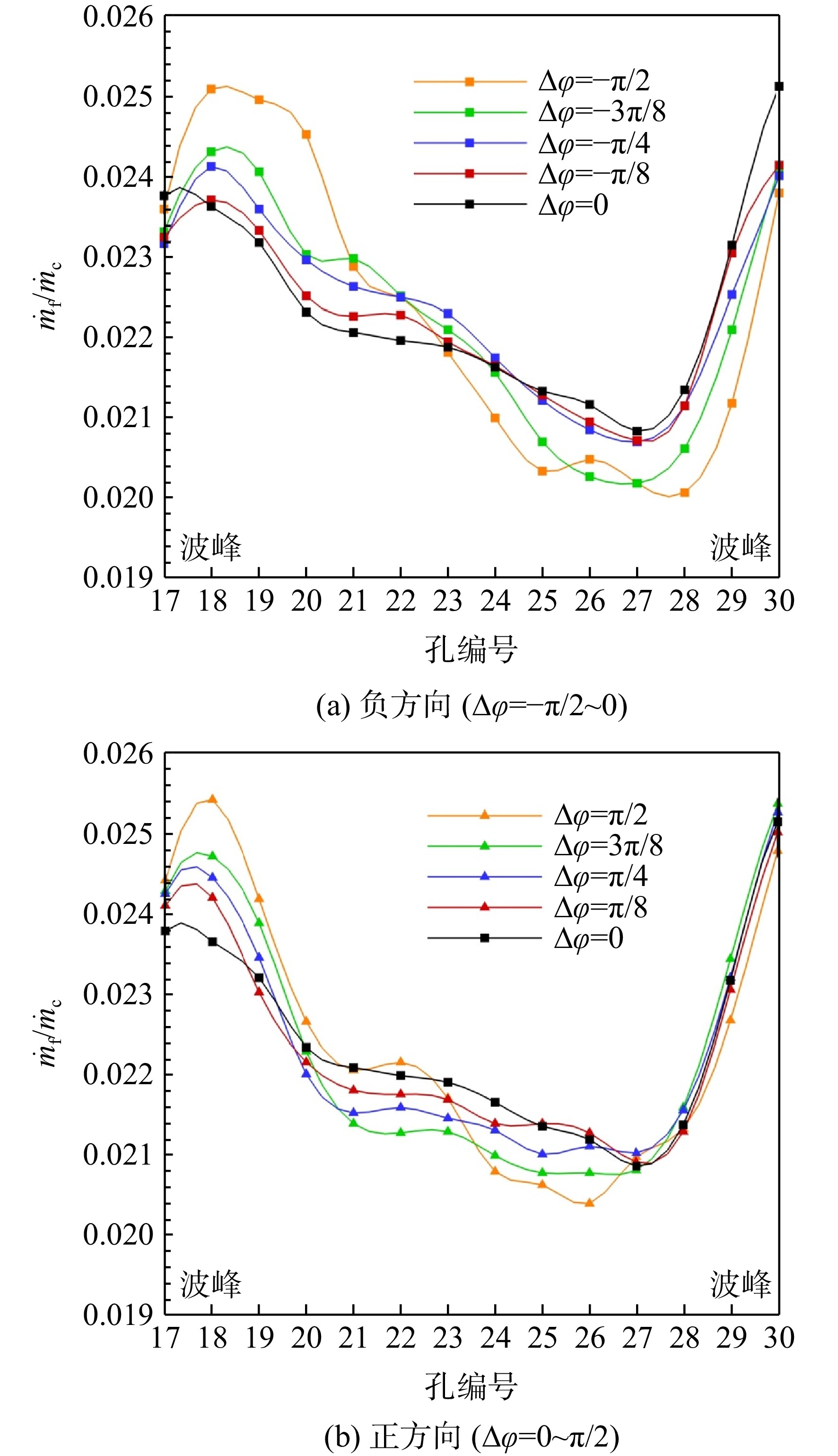
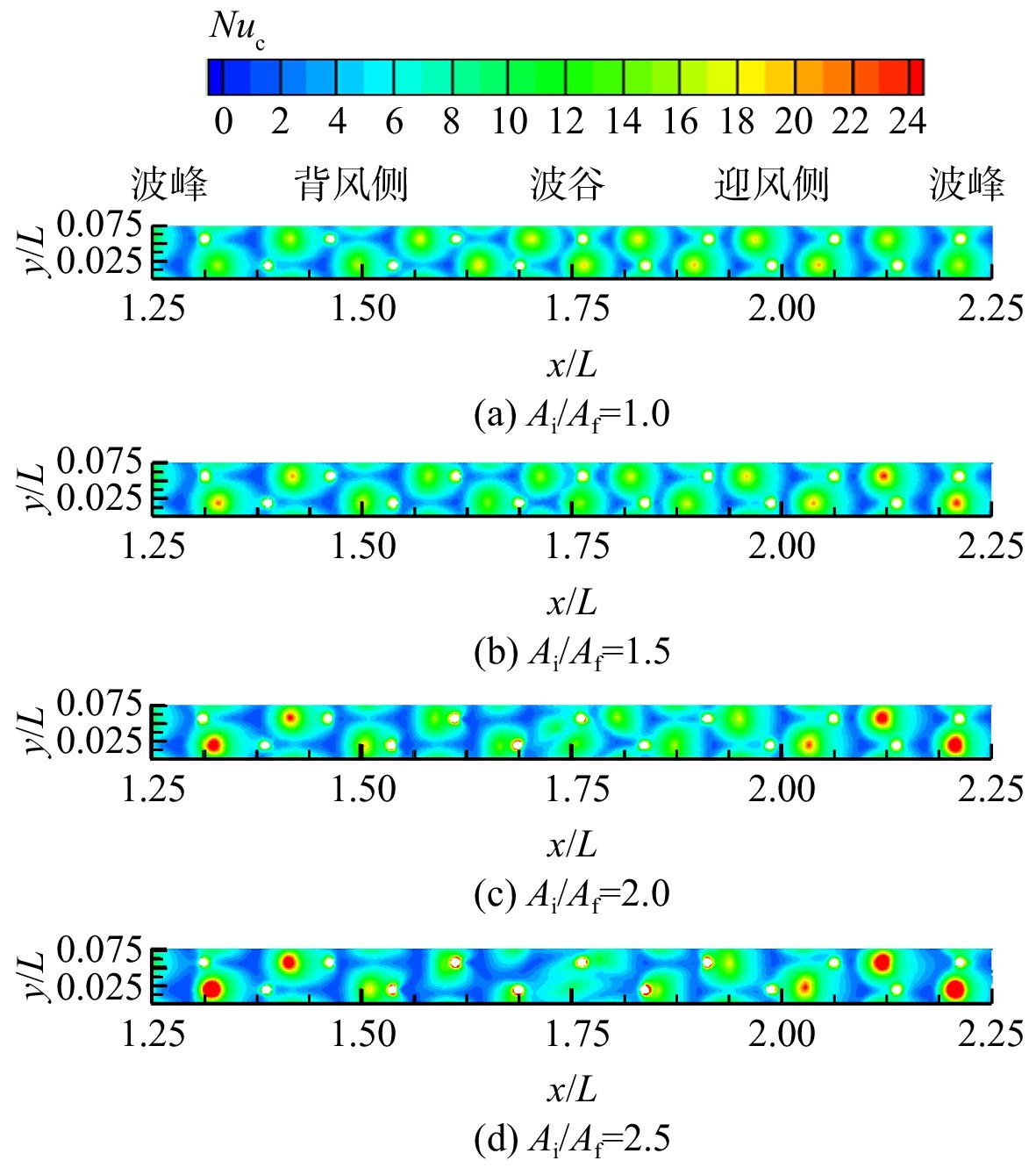
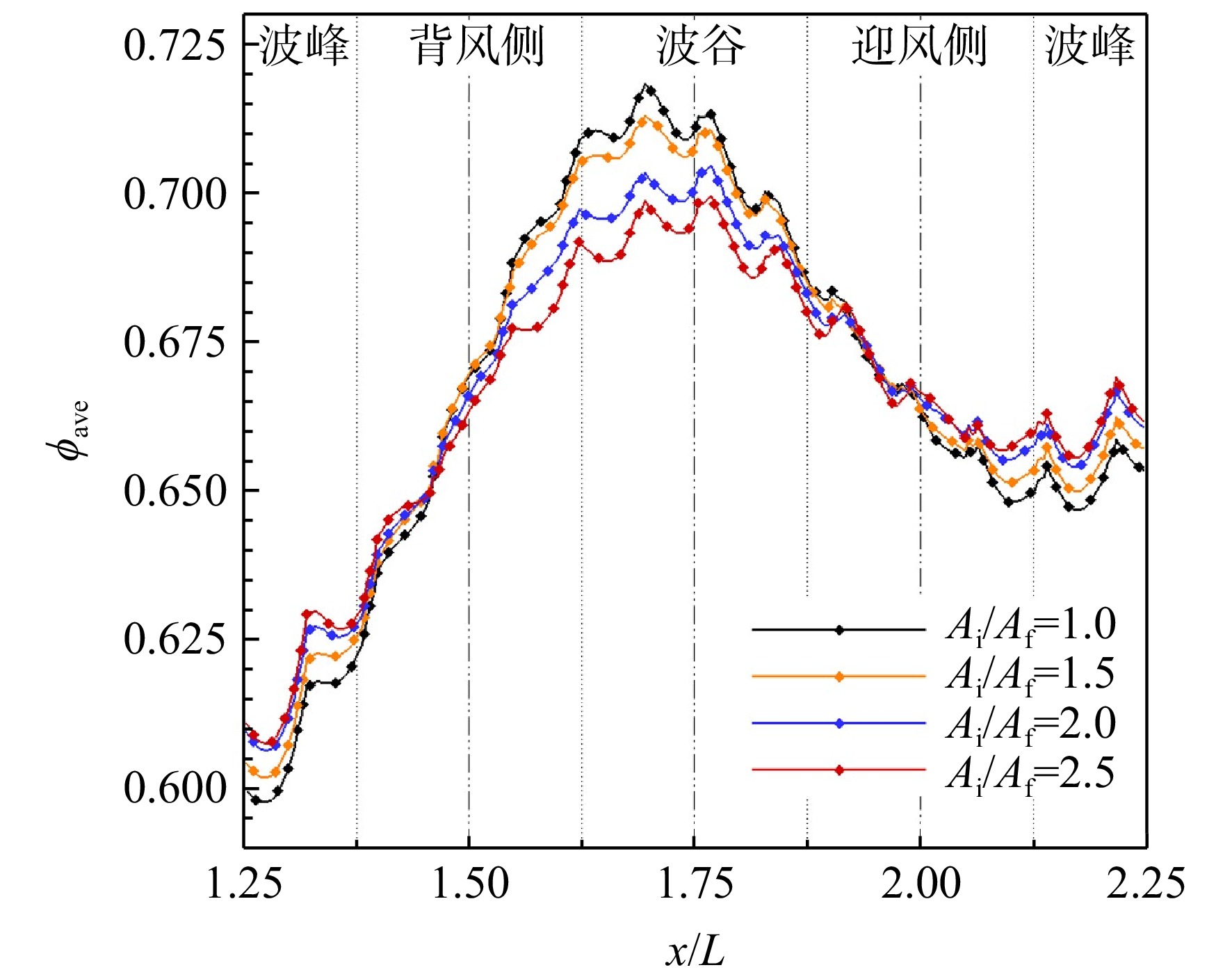
In order to solve the problem of large amount of cold air and local low cooling effectiveness area caused by the characteristic of corrugated structure in the longitudinal corrugated heat shield of an afterburner, a double-layer corrugated heat shield cooling structure was proposed. The cooling effectiveness and flow resistance characteristics of the double-layer corrugated heat shield with varying phase difference and amplitude ratio were studied by numerical simulation. The results showed that when the phase difference was from −π/4 to π/4, the local low cooling effectiveness area was improved, and the surface average overall cooling effectiveness and the temperature uniformity of the heat shield were improved at the same time. The relative surface average overall cooling effectiveness and cooling effectiveness uniformity of the double-layer corrugated heat shield with phase difference π/8 were the highest, i.e. 10.49% and 13.44%, respectively. When the phase difference was too large in the positive and negative directions, it may lead to the unreasonable flow rate distribution of the film holes and could increase the shrinkage loss of the film holes entrance. In addition, it was found that the increase of amplitude ratio can effectively improve the cooling effectiveness near the peak of wave and reduce the cooling effectiveness difference between the peak and the valley of the longitudinal corrugated effusion plate. When the amplitude ratio was 2, the cooling effect was the best.

Numerical and experimental study on leakage characteristics of combined elastic metal seal
HUANG Chanyuan, WEN Shuaifang, SUN Dan, LI Yu, YANG Zemin, ZHANG Xiaolin, WU Lijun
2025, 40(5): 20230484. doi: 10.13224/j.cnki.jasp.20230484
Abstract:

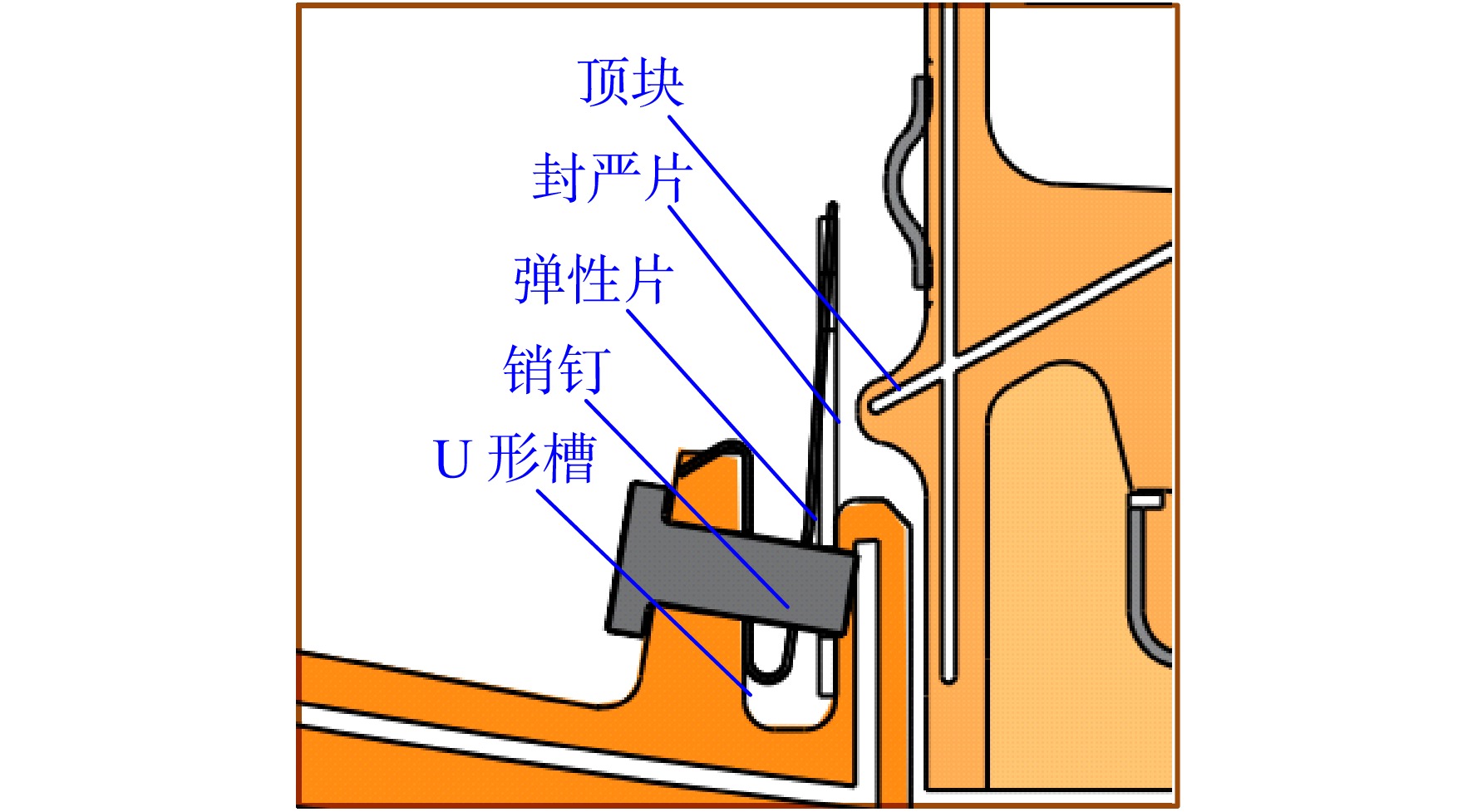
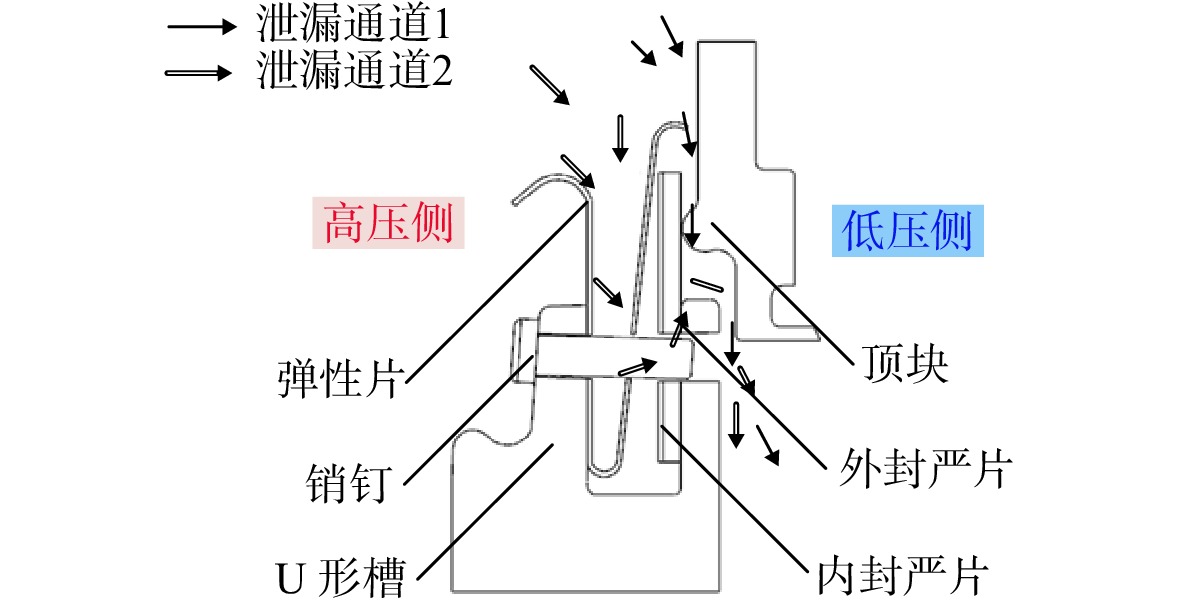
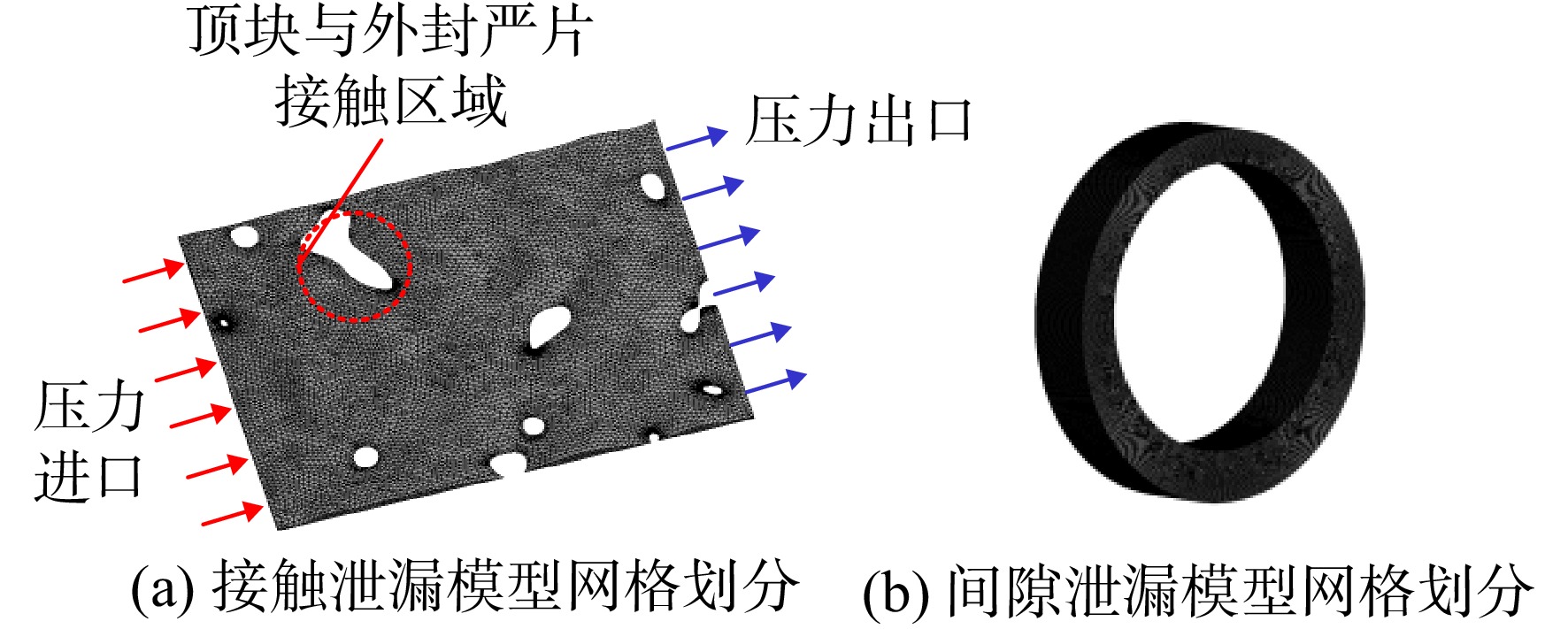
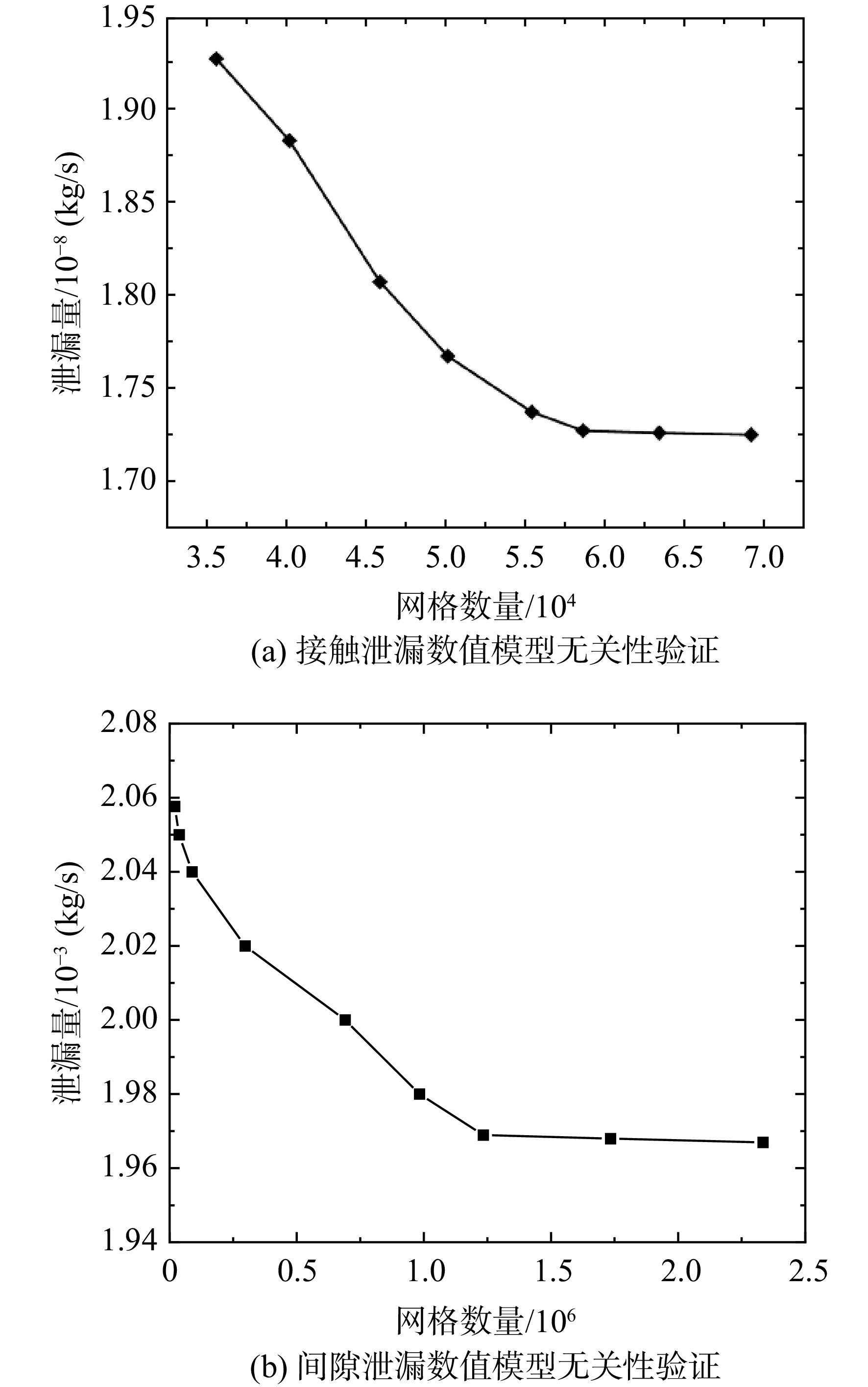
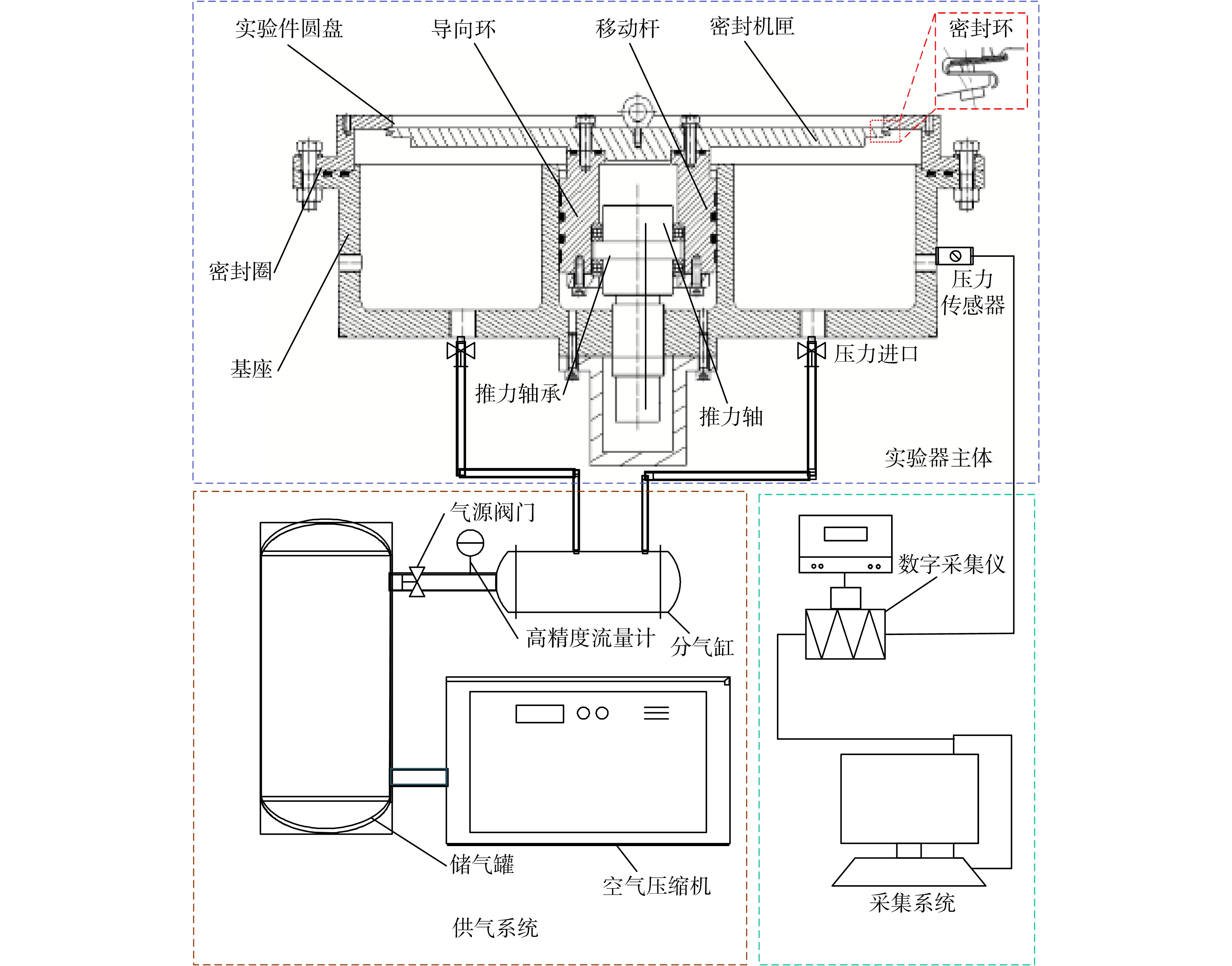
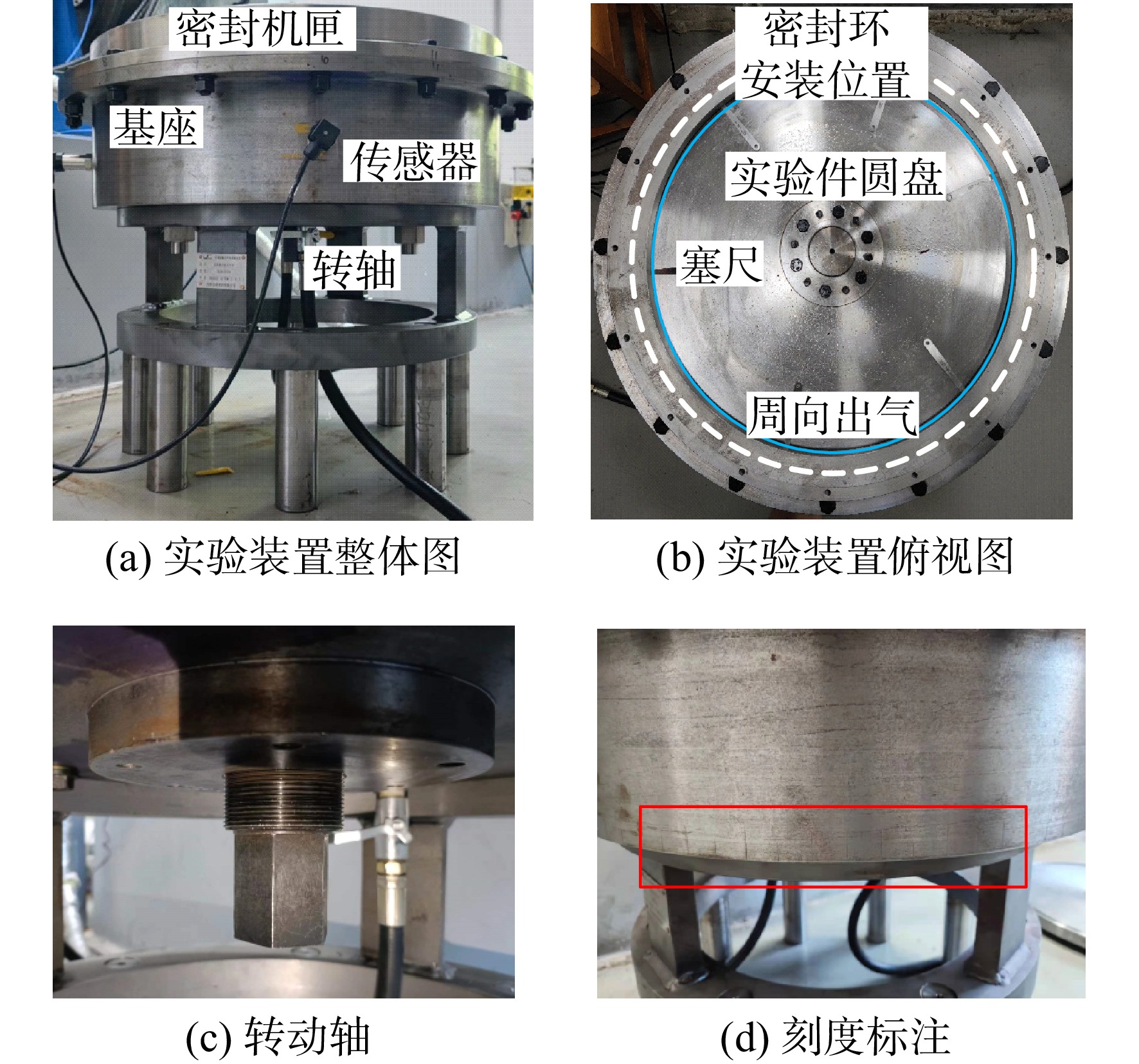
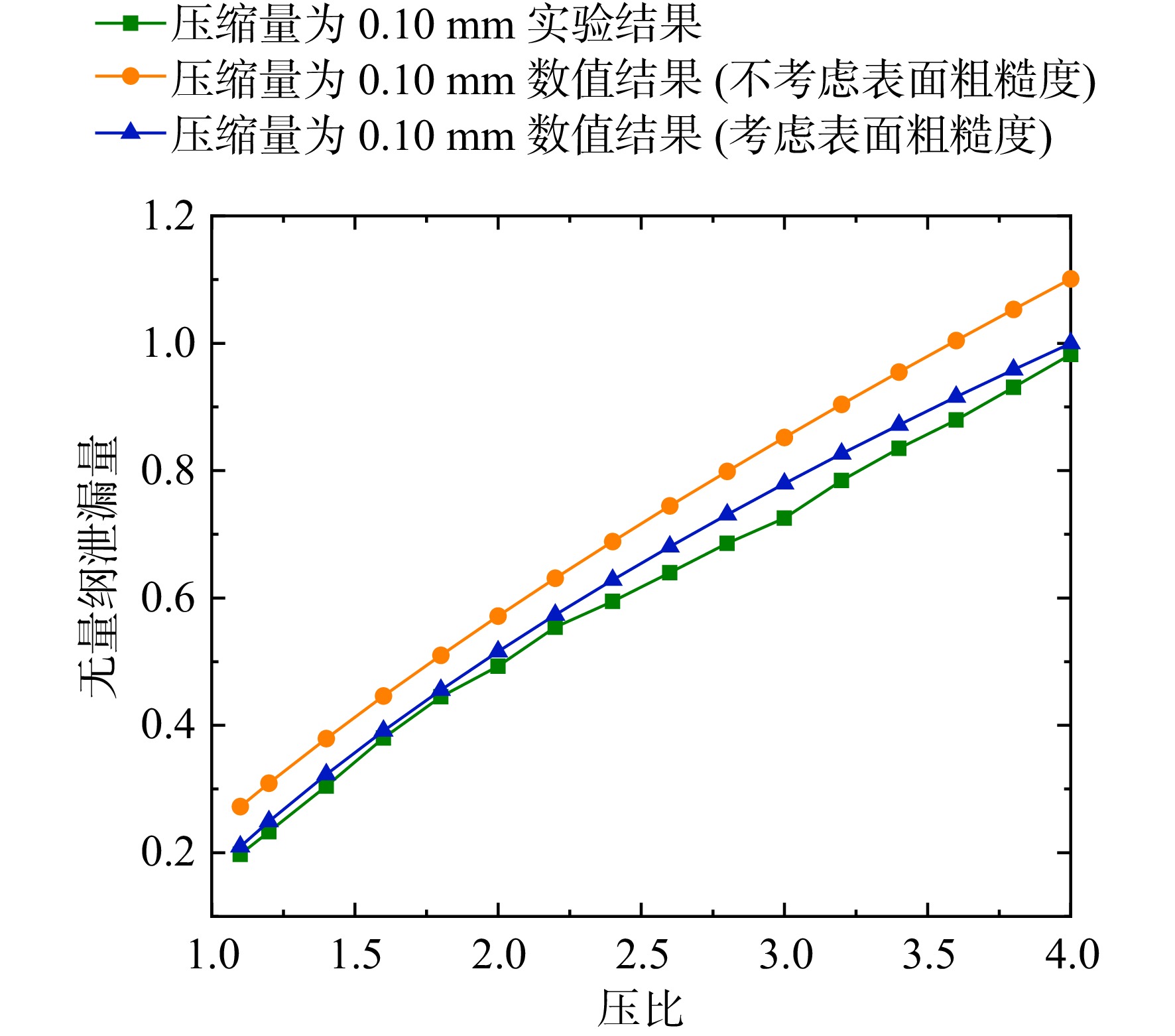
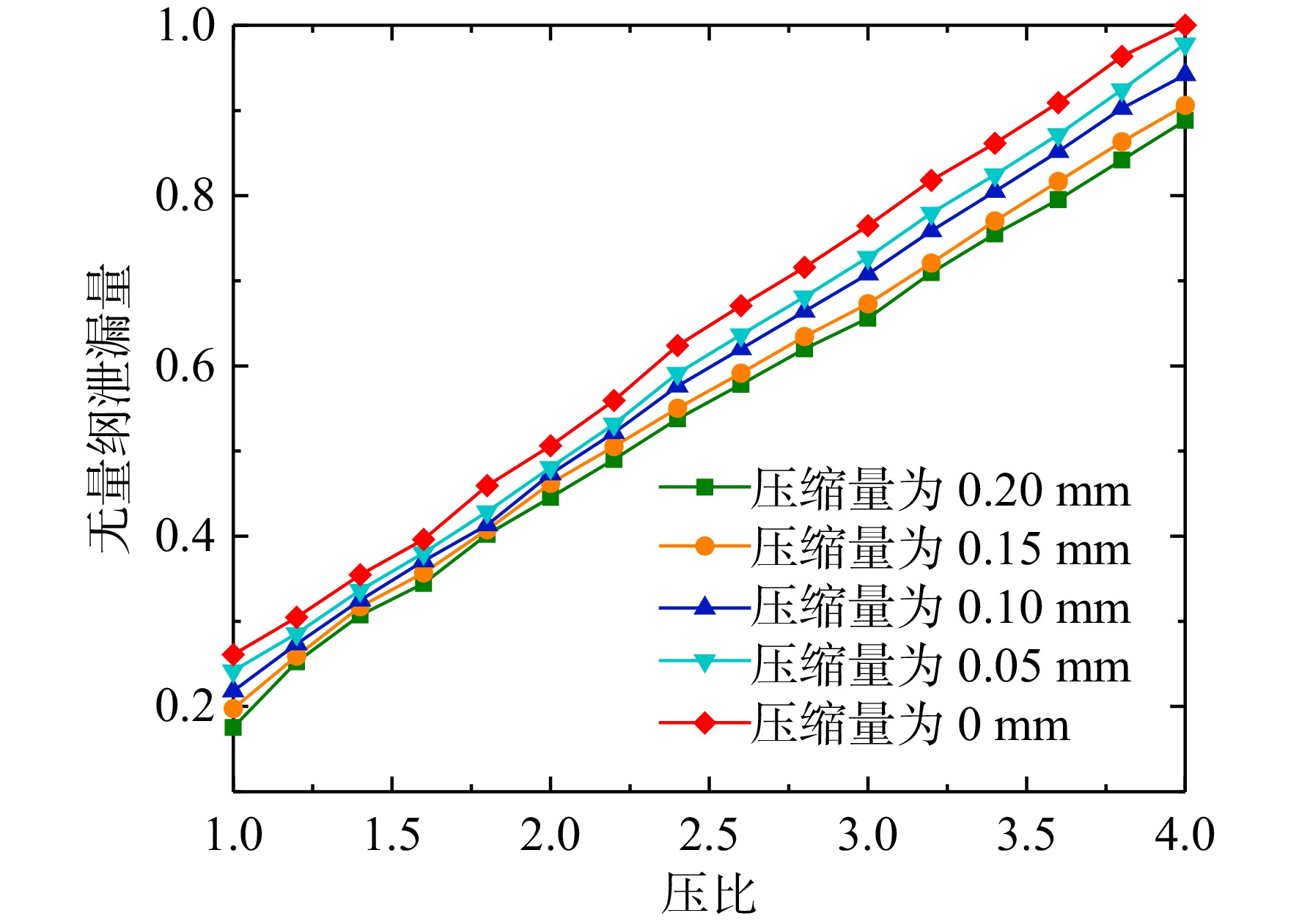
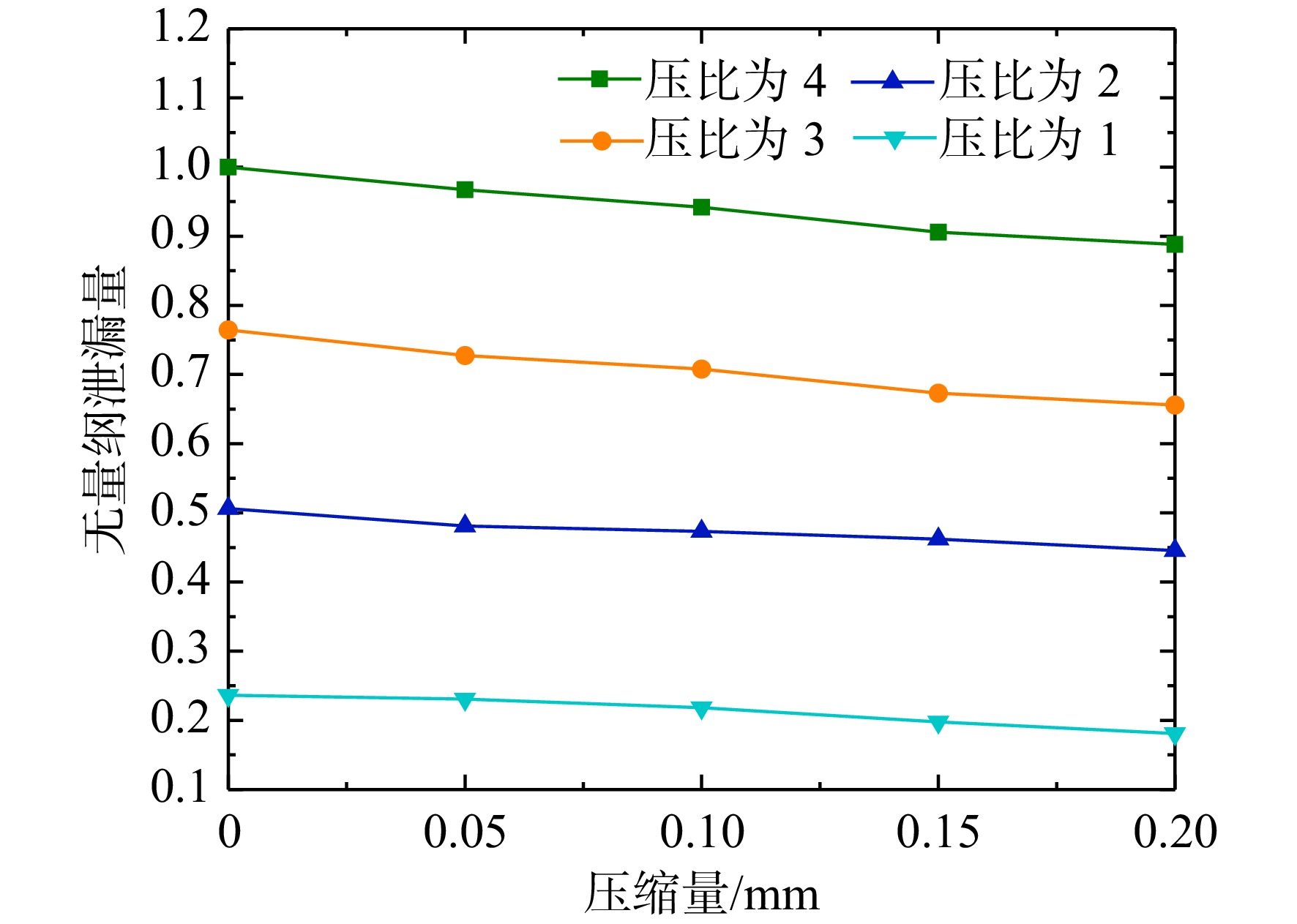
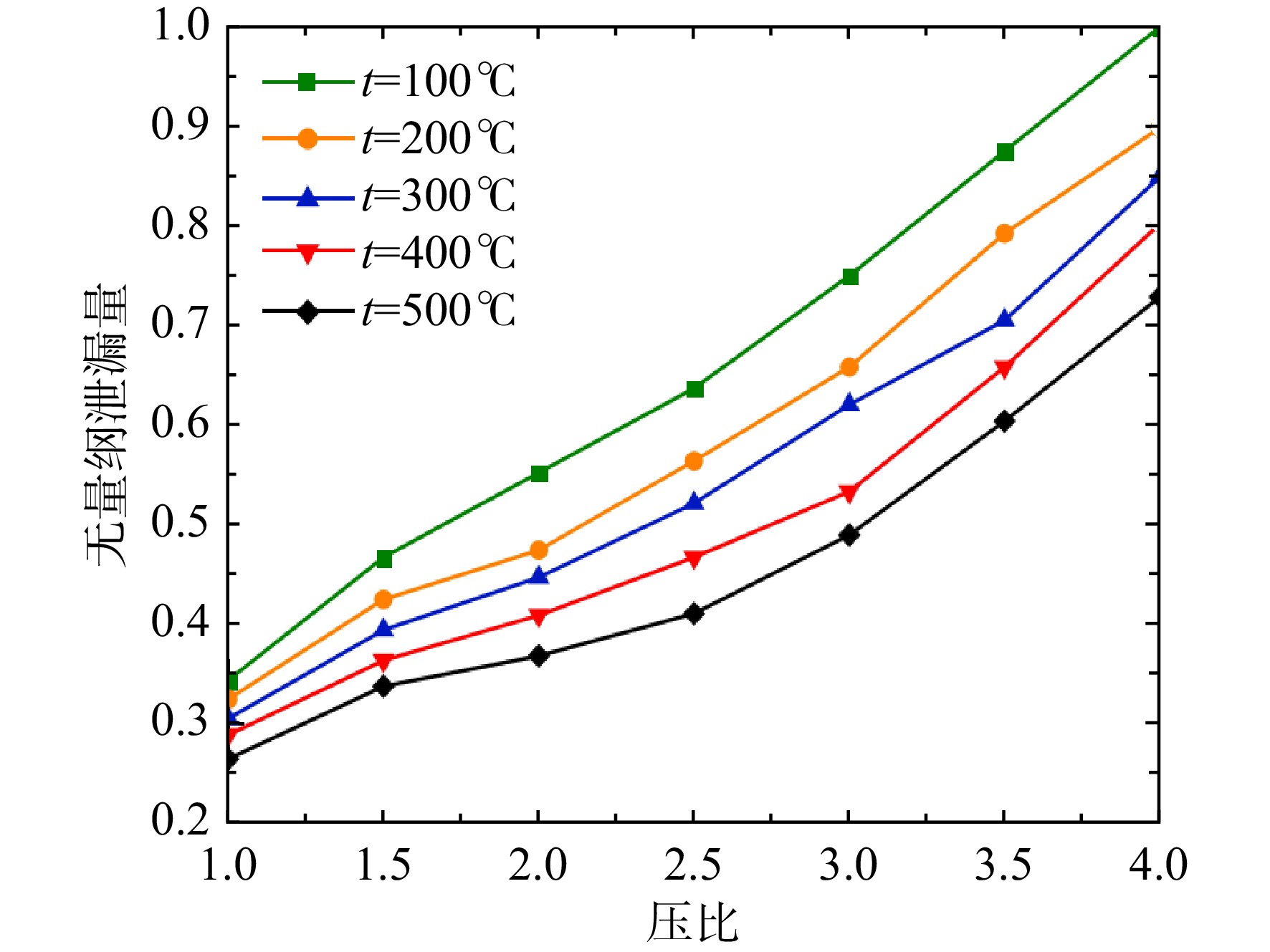
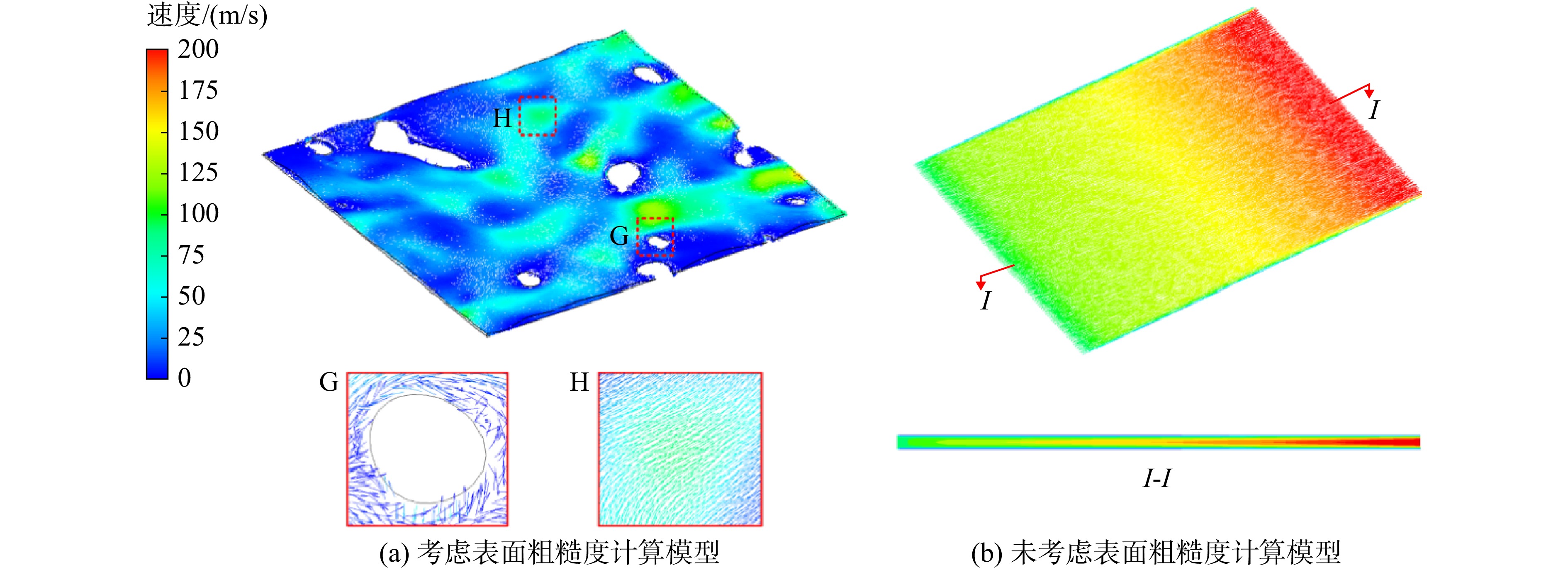
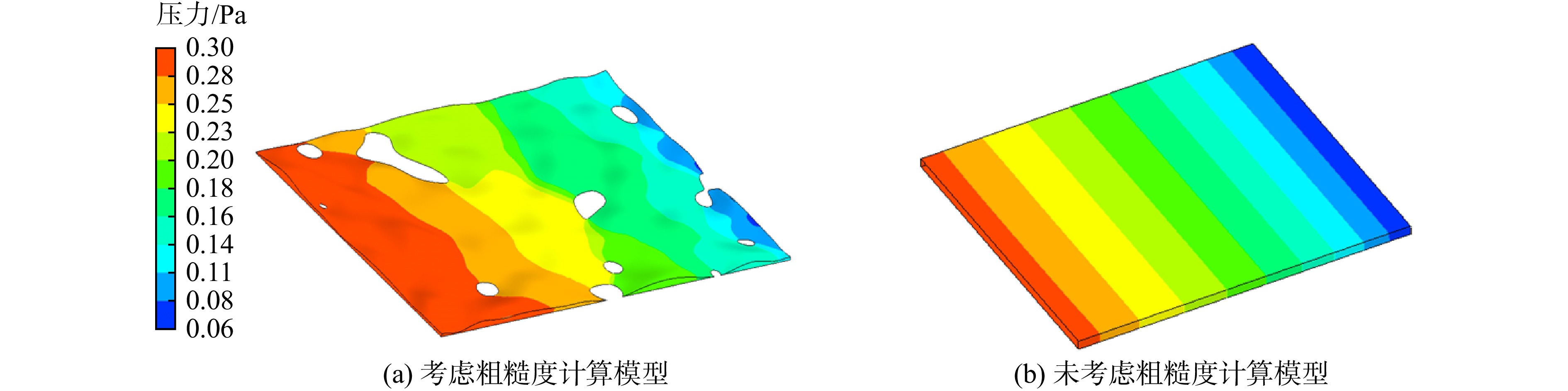
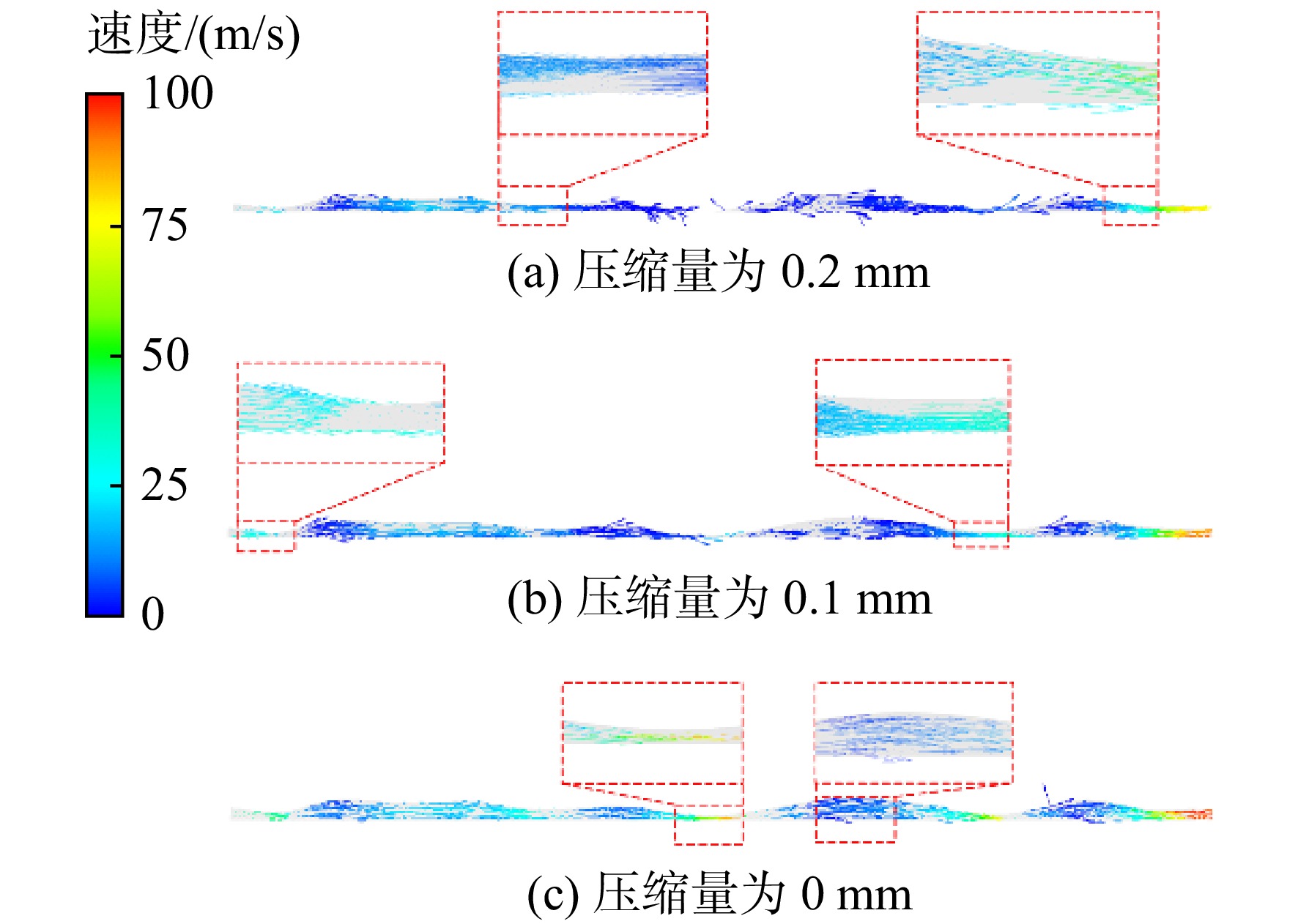
In order to study the leakage characteristics of the combined elastic metal seal, two kinds of numerical calculation models for the leakage characteristics of the contact leakage channel and the gap leakage channel were established. On basis of the numerical calculation results of the macroscopic mechanical characteristics, a solution model for the leakage characteristics of the combined elastic metal seal considering the actual rough contact surface was established based on the fractal theory. An experimental device for leakage characteristics of the combined elastic metal seal was designed and built. Based on experimental verification of the accuracy of the numerical solution model, the mechanical characteristics and leakage characteristics of the combined elastic metal seal under different pressure difference and compression amount of the internal and external cavities were studied, and the sealing mechanism under the influence of roughness was analyzed. The results showed that the equivalent stress increased with the increase of pressure difference and compression quantity. The leakage decreased gradually with the increase of compression and temperature, and the leakage decreased by 24.12% under the conditions of maximum pressure ratio and maximum compression. Surface roughness had a great influence on the leakage amount of the combined elastic metal seal, and roughness and compression could affect the leakage channel gap at the contact and then affect the flow field distribution. The numerical calculation method considering roughness had less error than the traditional method, and can calculate the leakage amount of the combined elastic metal seal more accurately, providing a theoretical basis for analysis of leakage characteristics of the combined elastic metal seal.

Study on advantages of flow resistance reduction for honeycomb-like double-wall cooling structures
XU Ningning, LYU Dong, KONG Xing’ao, LE Xincan, WANG Fengming
2025, 40(5): 20230503. doi: 10.13224/j.cnki.jasp.20230503
Abstract:

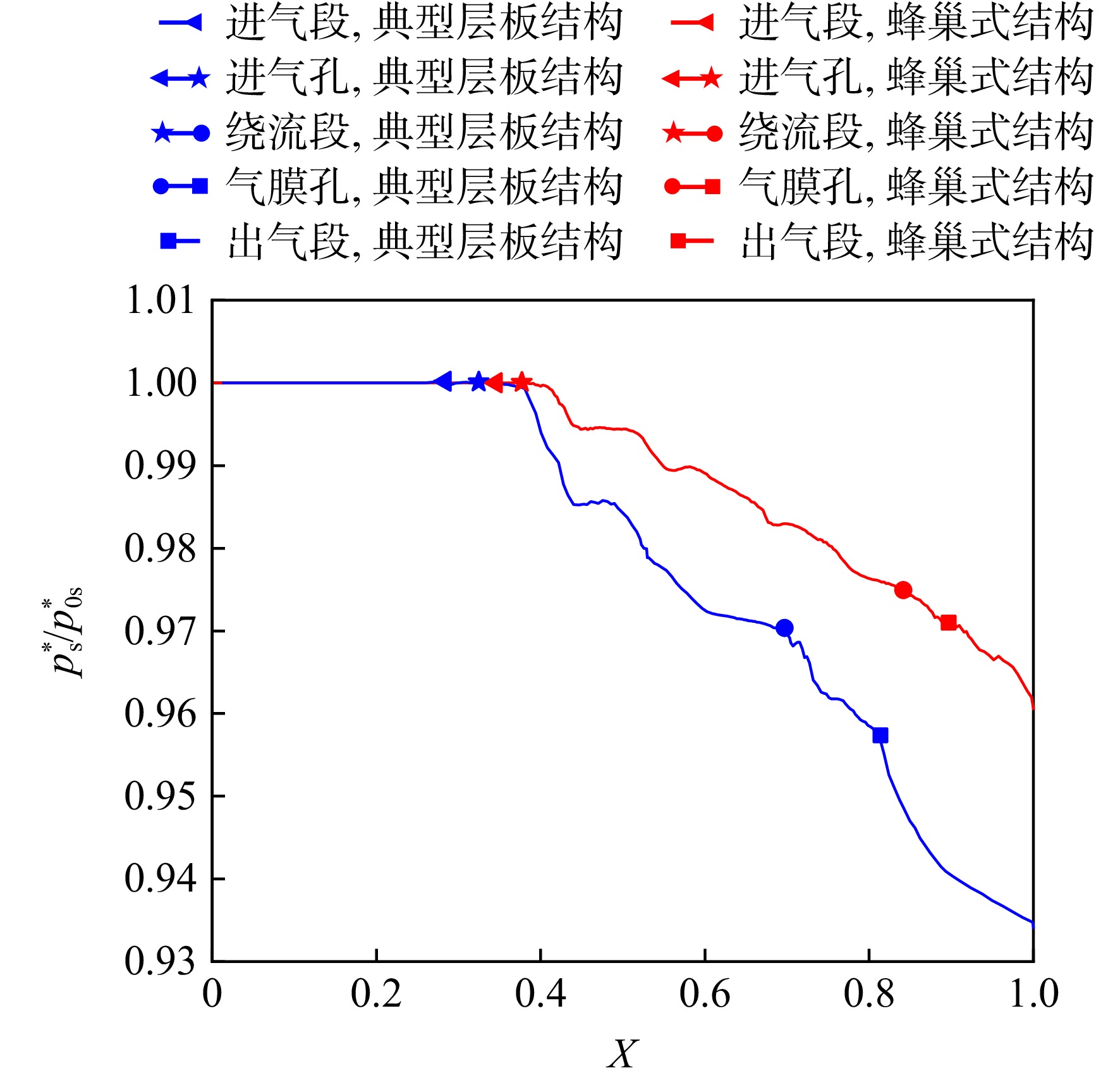
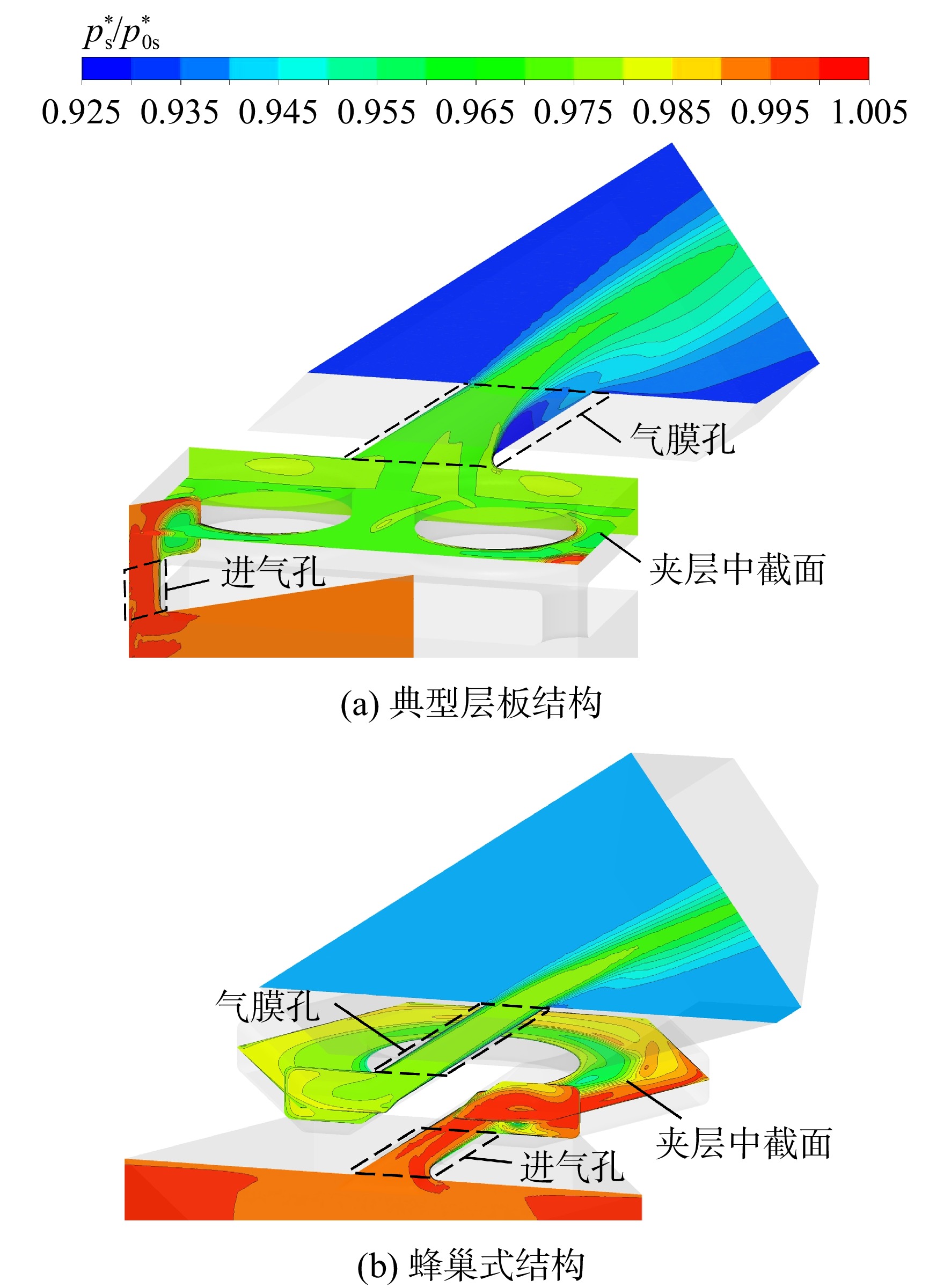
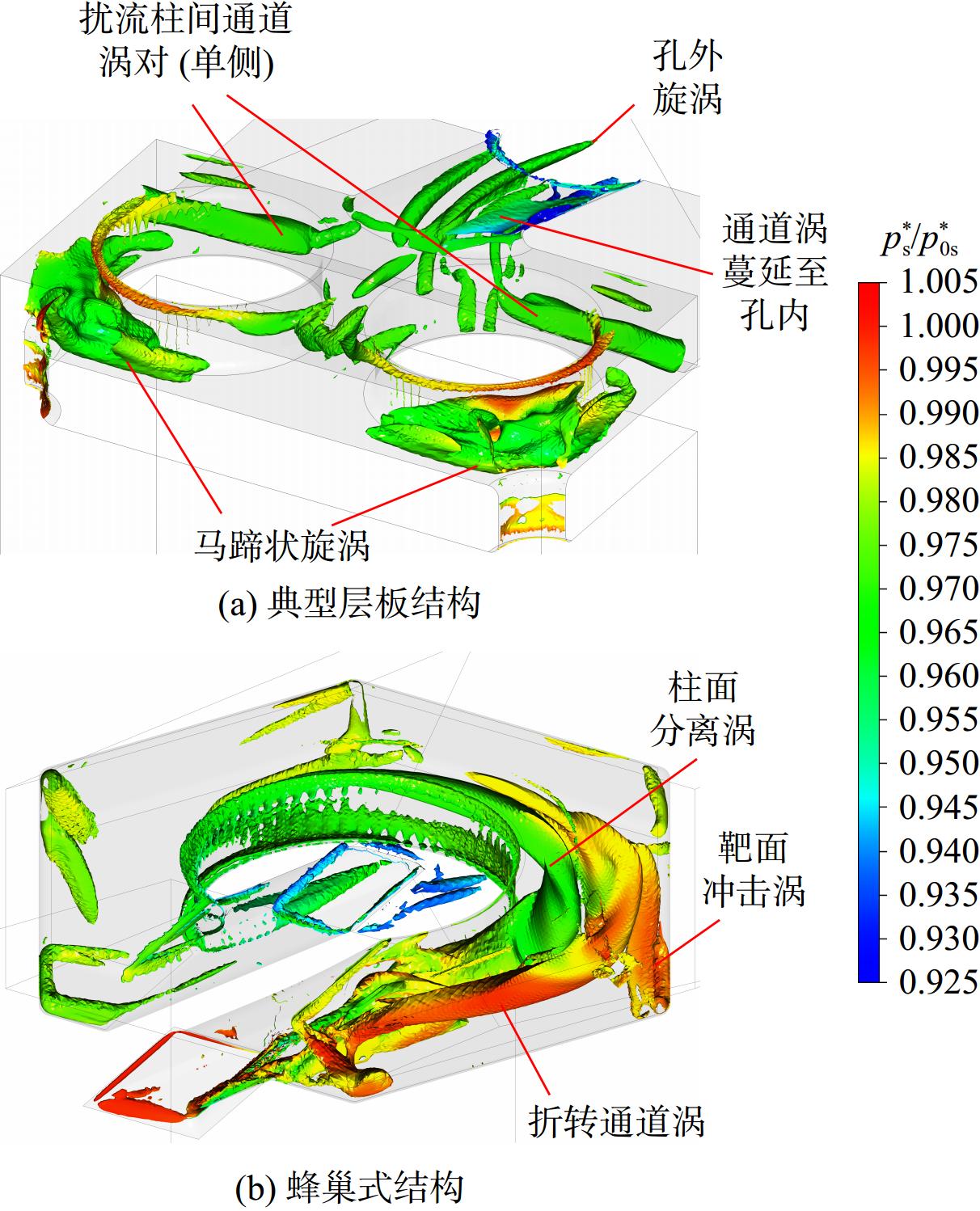
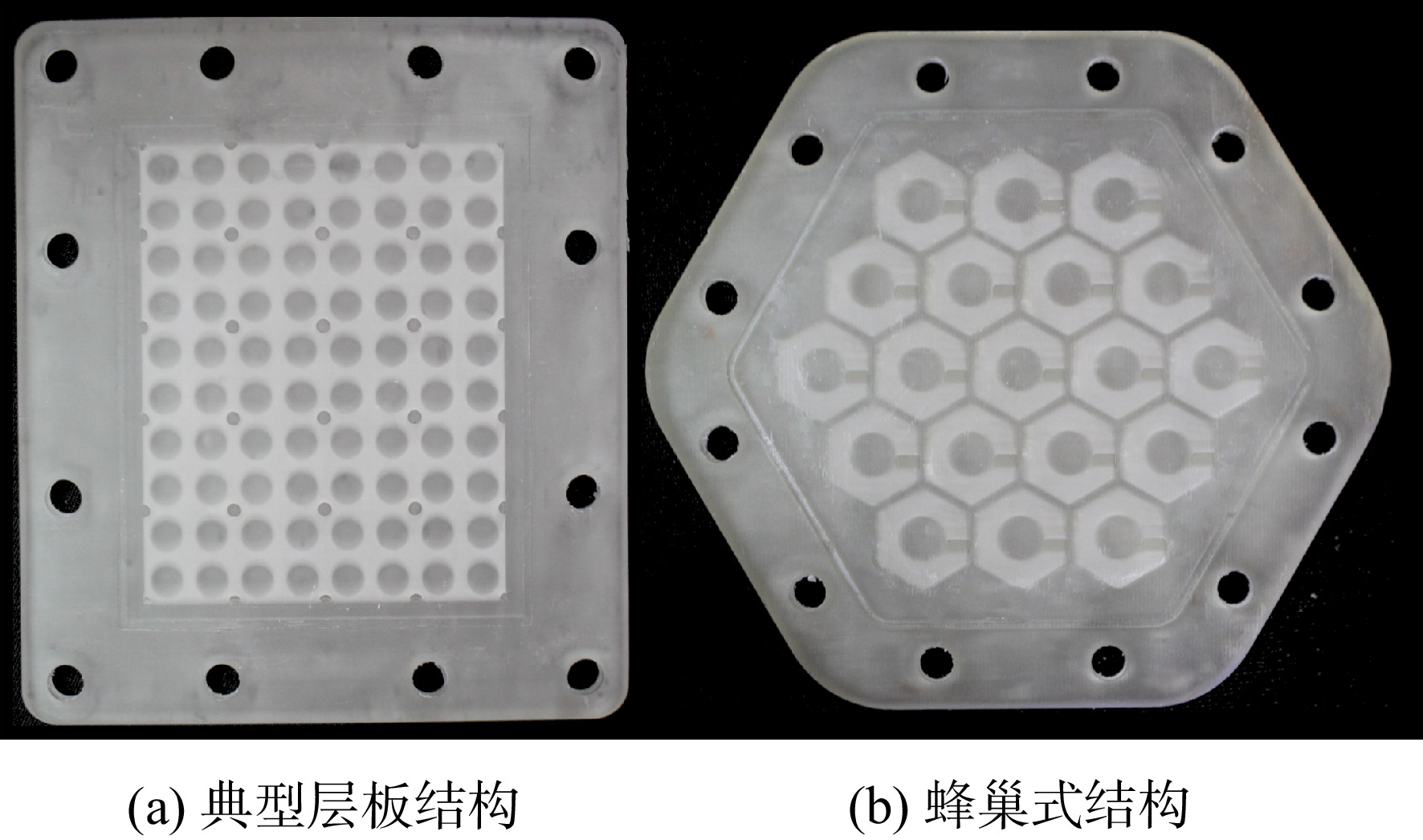
Double-wall cooling structure should be applied to the high-cooling efficiency turbine blade. But the previous works discovered its tremendous flow resistance, which caused the difficulties in applications. A novel honeycomb-like double-wall cooling structure was proposed to solve this issue. Flow resistance comparison experiments between 2 double-wall structures were carried out using a small wind tunnel and 3D printing components under ordinary operating conditions. Compared with the typical lamilloy with the equal structural criterion numbers, the total pressure loss of the honeycomb-like scheme could be reduced by about 20.5% to 22.5% under the same upstream Reynolds number, and the total pressure recovery coefficient could be increased by up to 1.4%. The strengthening mechanism of the novel scheme was clearly revealed by replicating numerical simulations of the experimental process, with more effective flow organization and vorticity suppression. These advantages were proved by uncertainty analysis and verification between experiment and simulation methods.

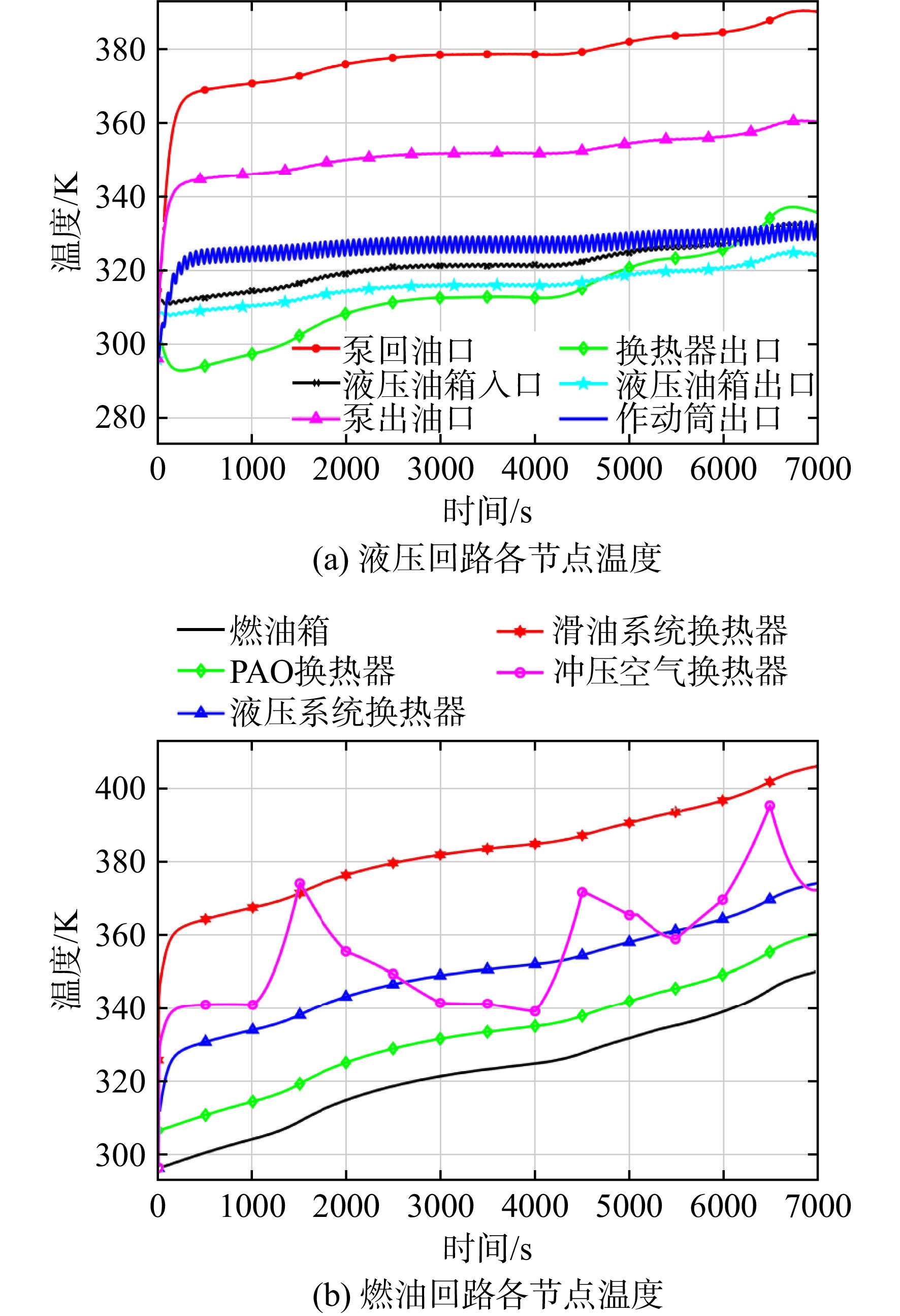
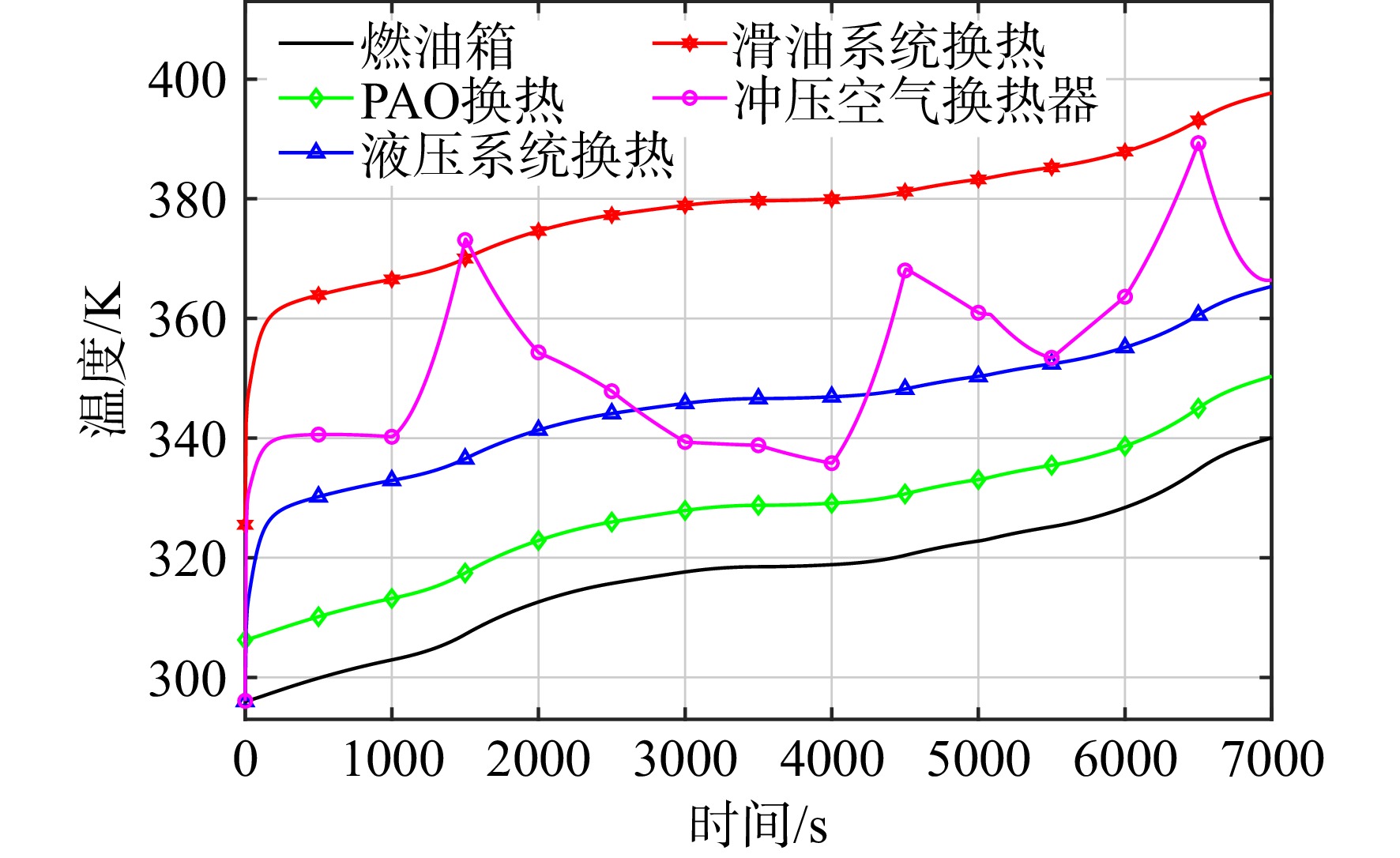
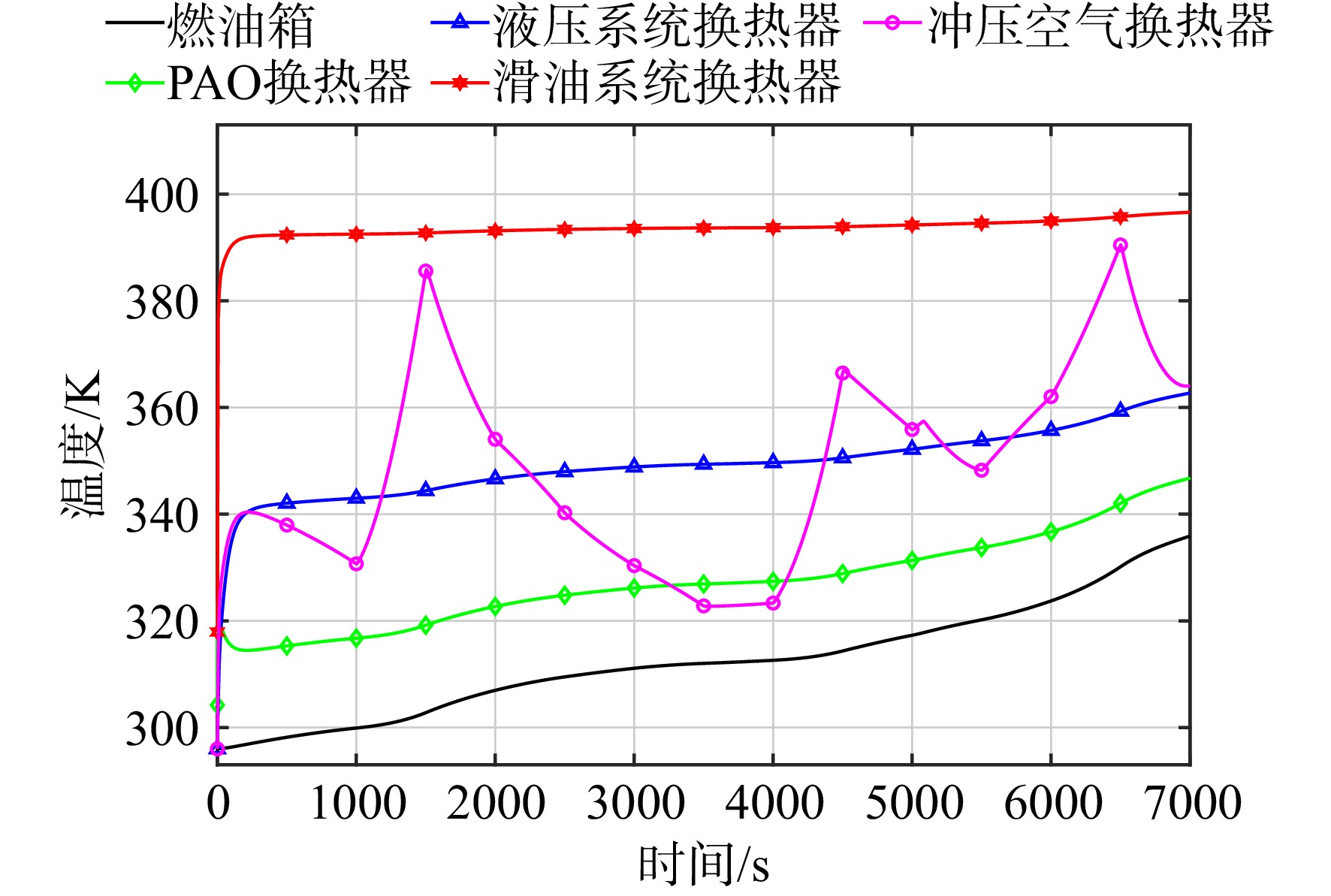
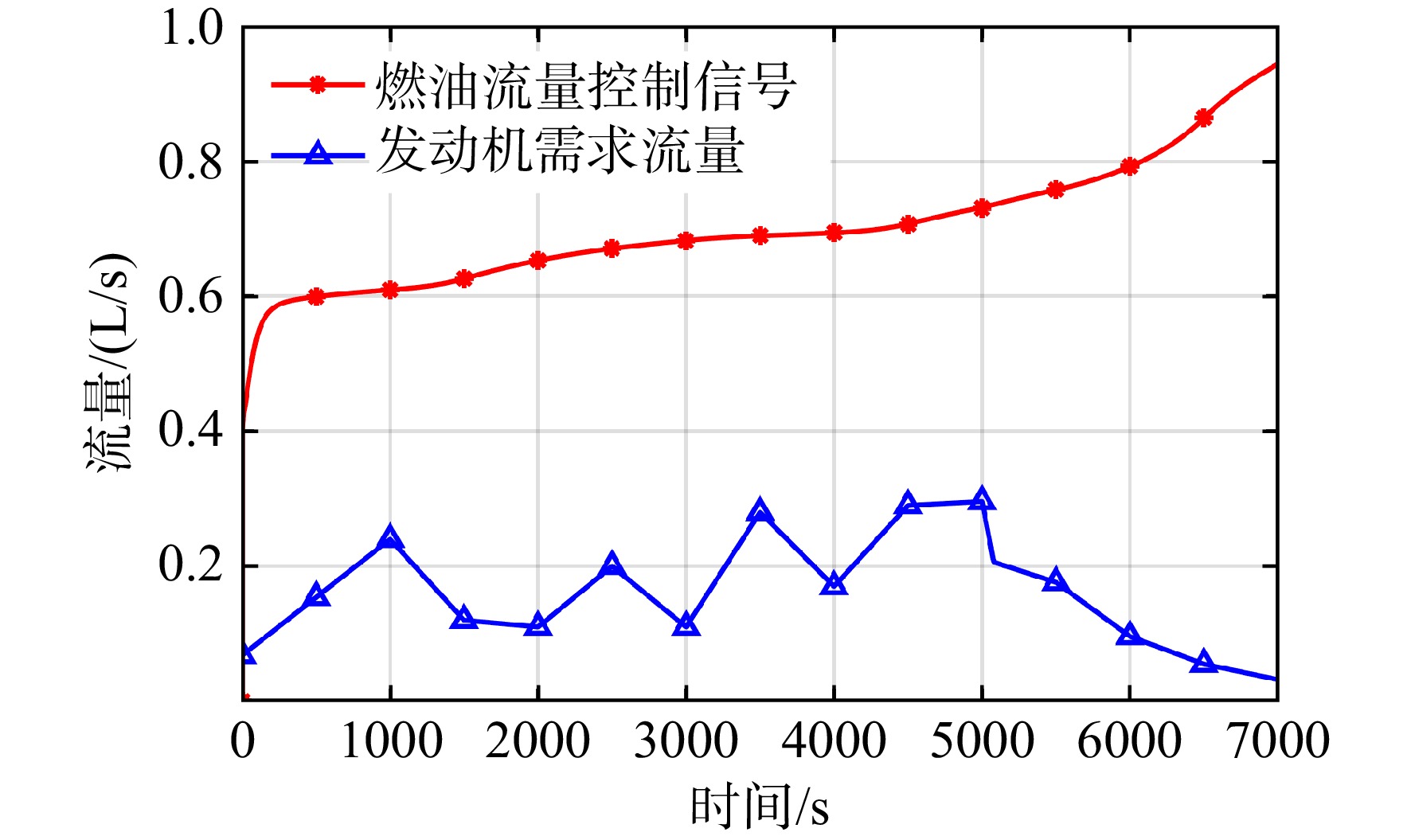
Thermal dynamic simulation and temperature control for aircraft thermal management system
ZHAI Yanjun, FAN Rujun, WANG Xuhui, LI Dong, PANG Bo, QIN Tao, REN Rongtao, LI Yunhua
2025, 40(5): 20230045. doi: 10.13224/j.cnki.jasp.20230045
Abstract:

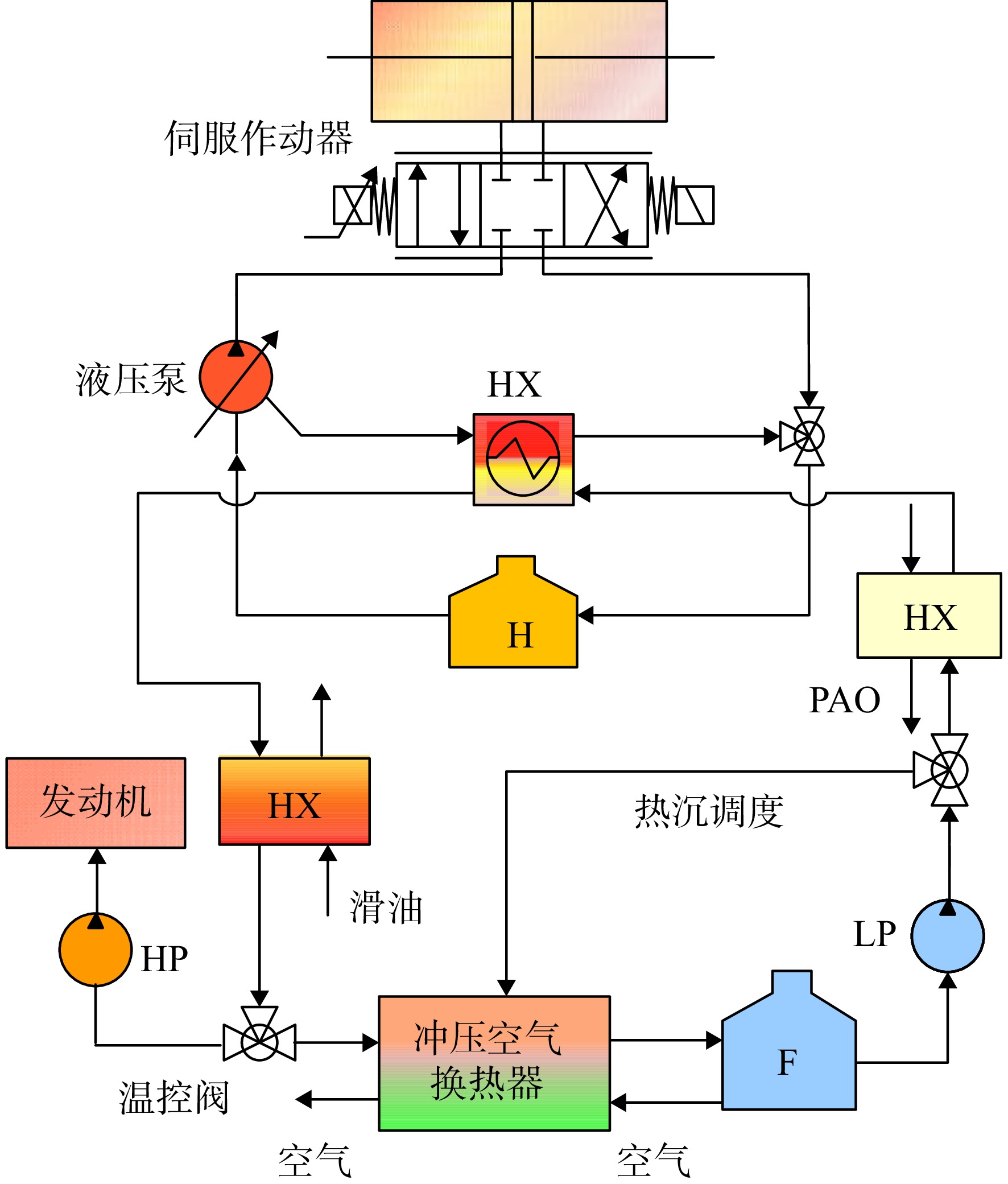
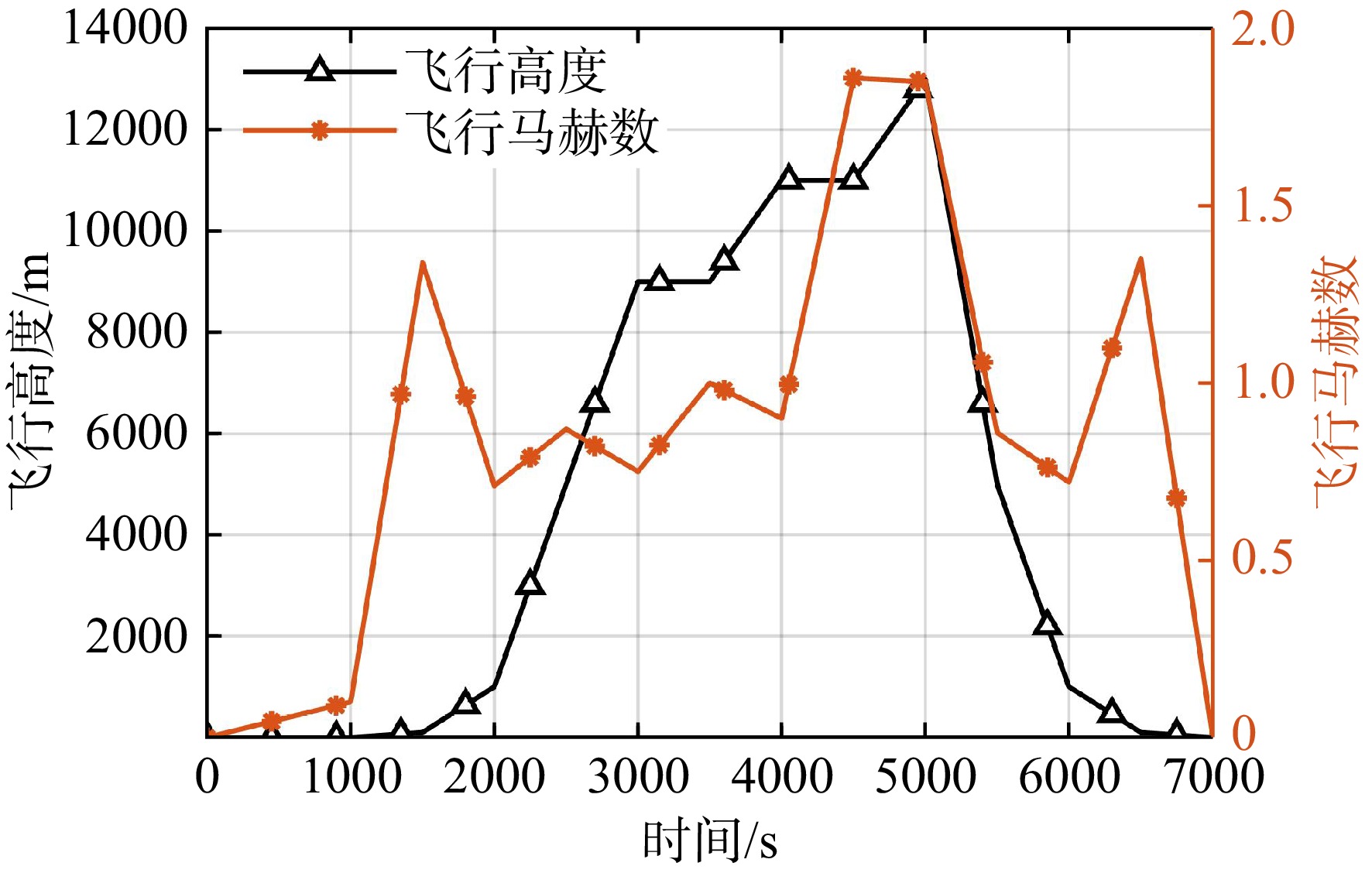
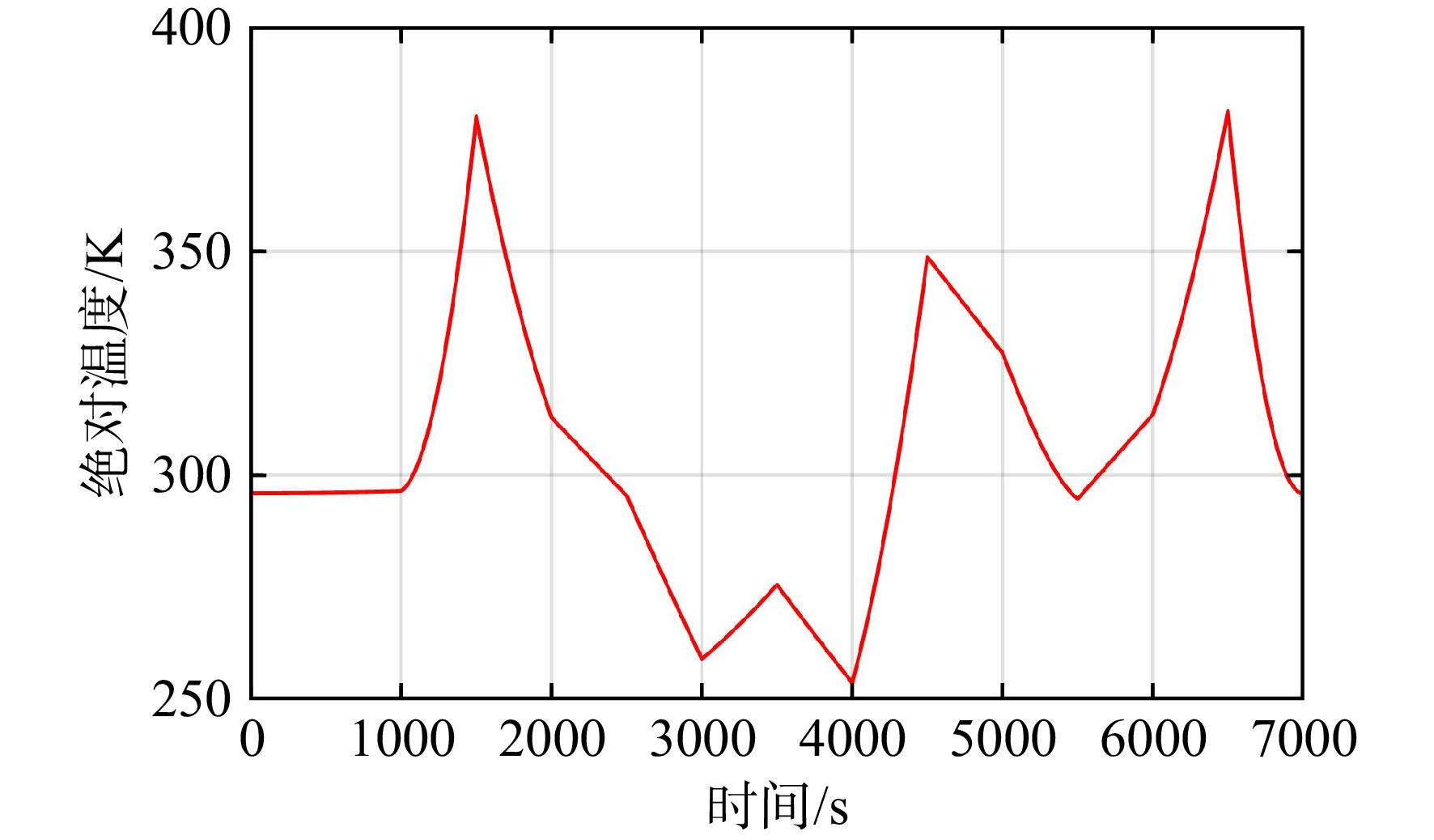
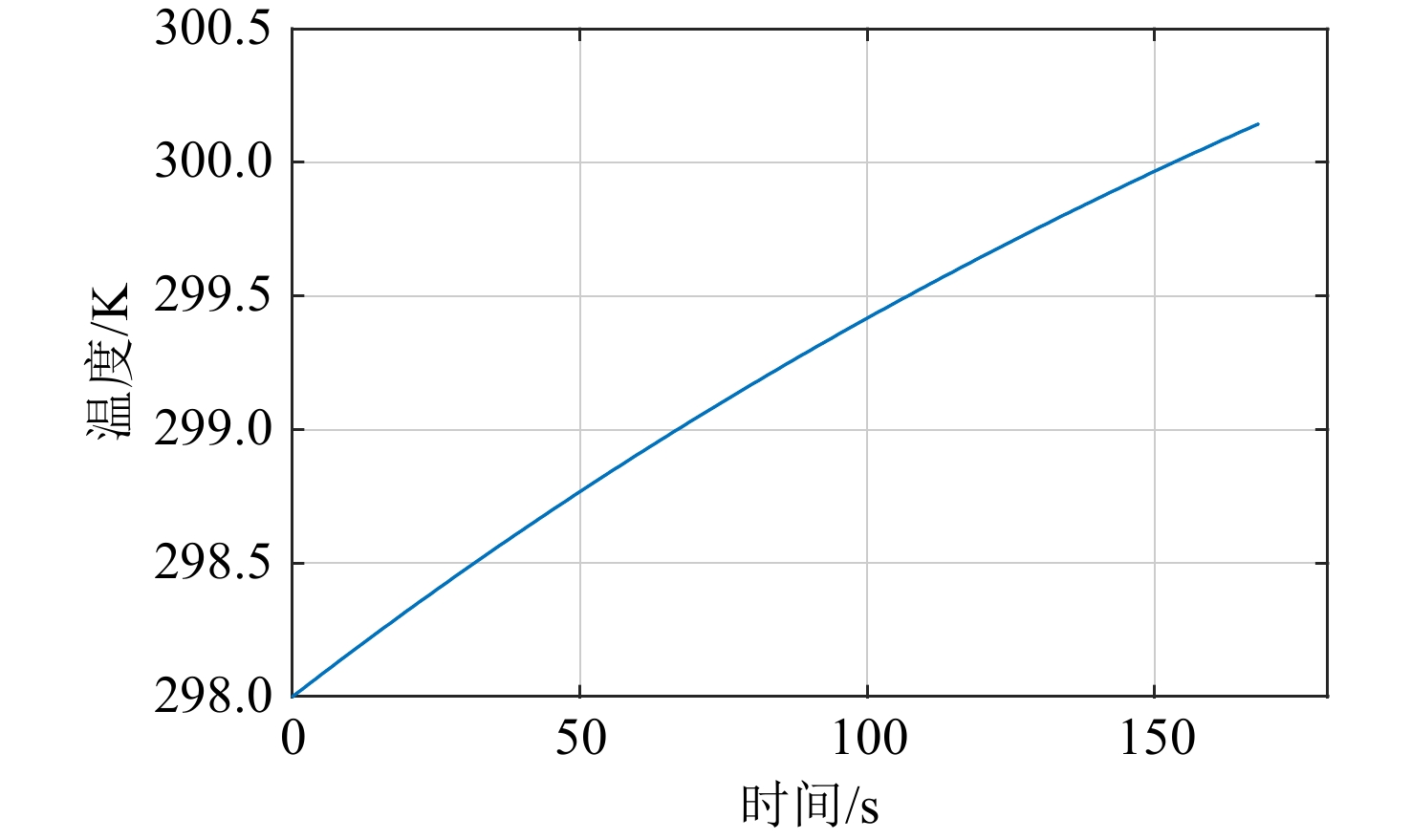
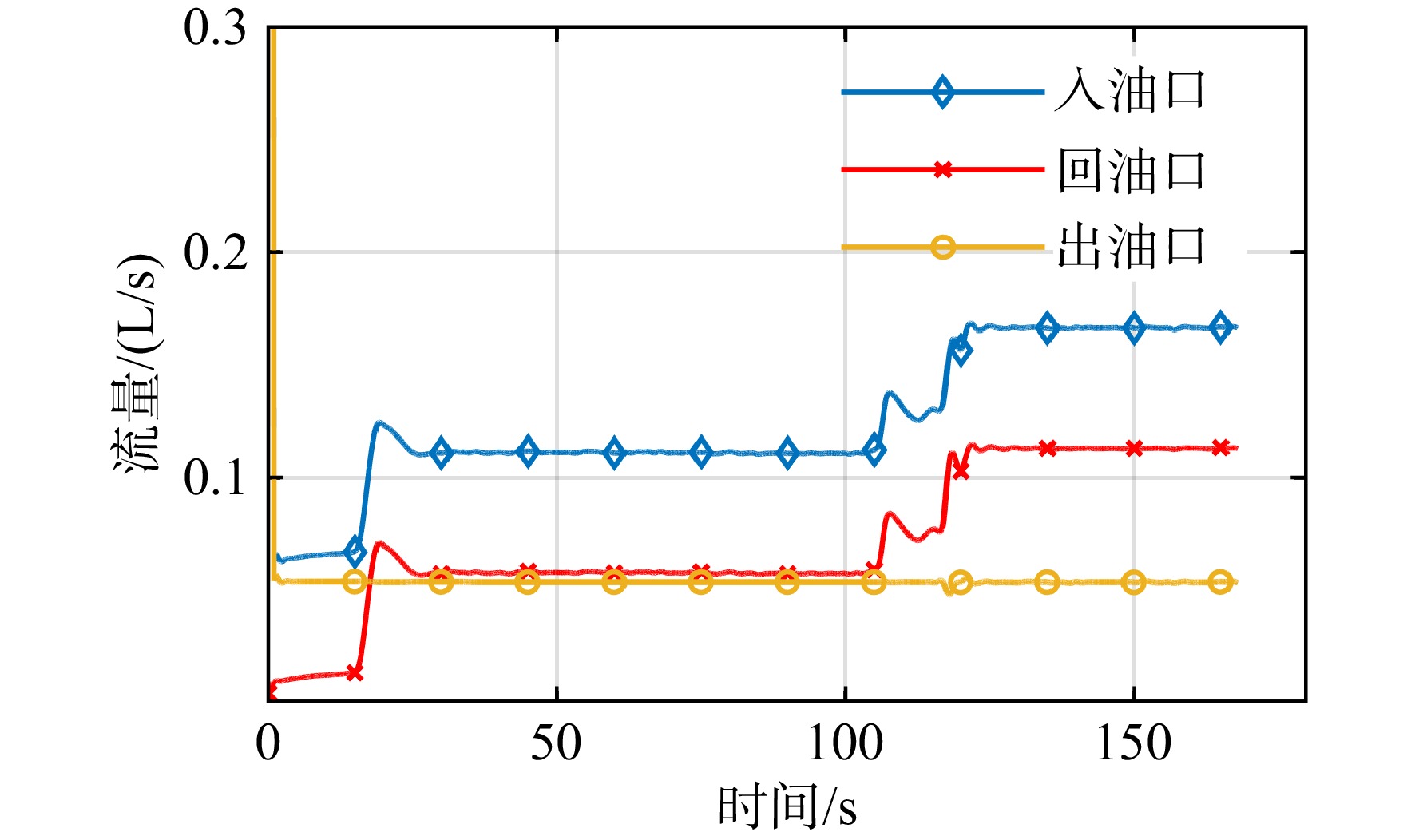
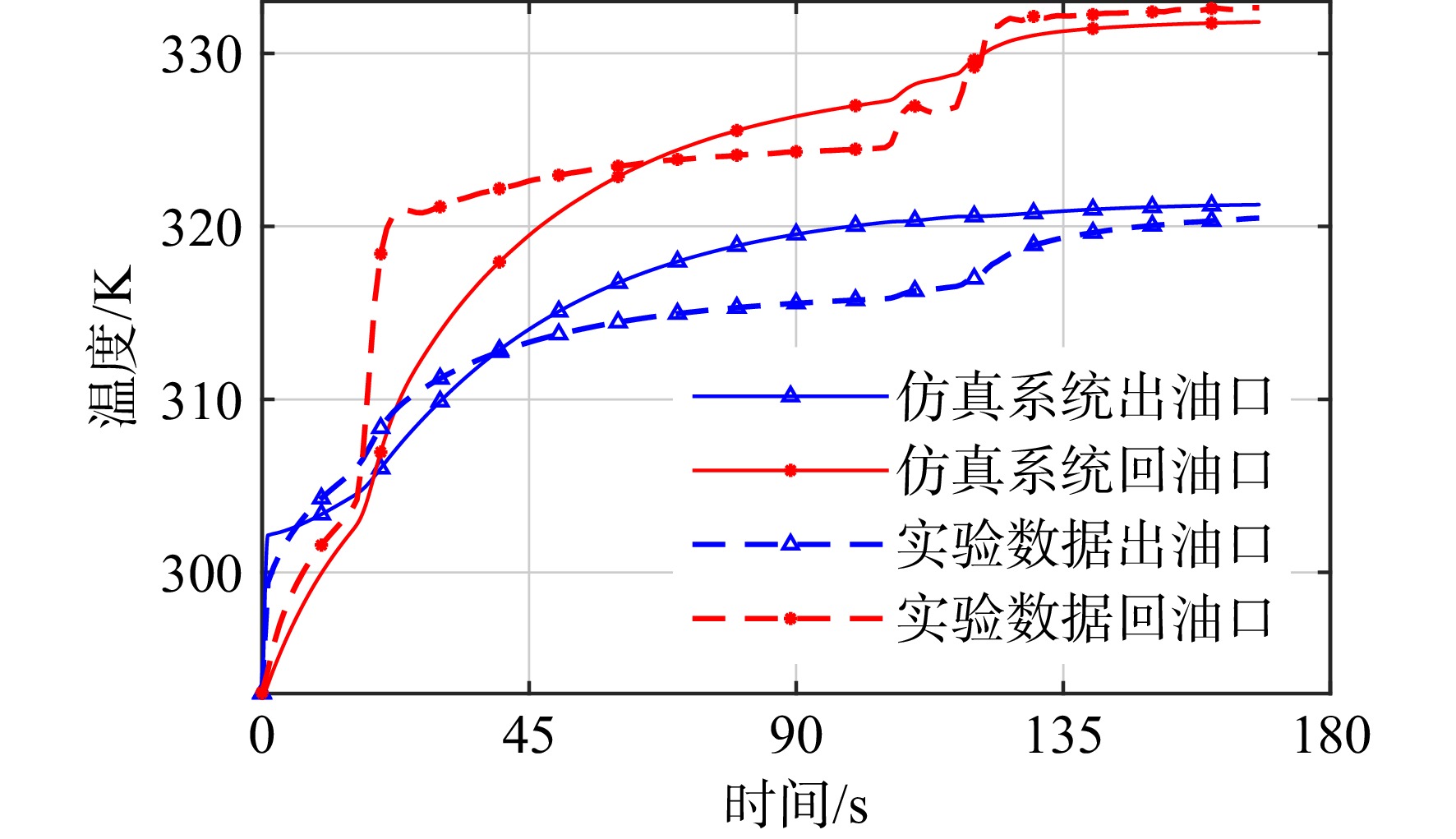
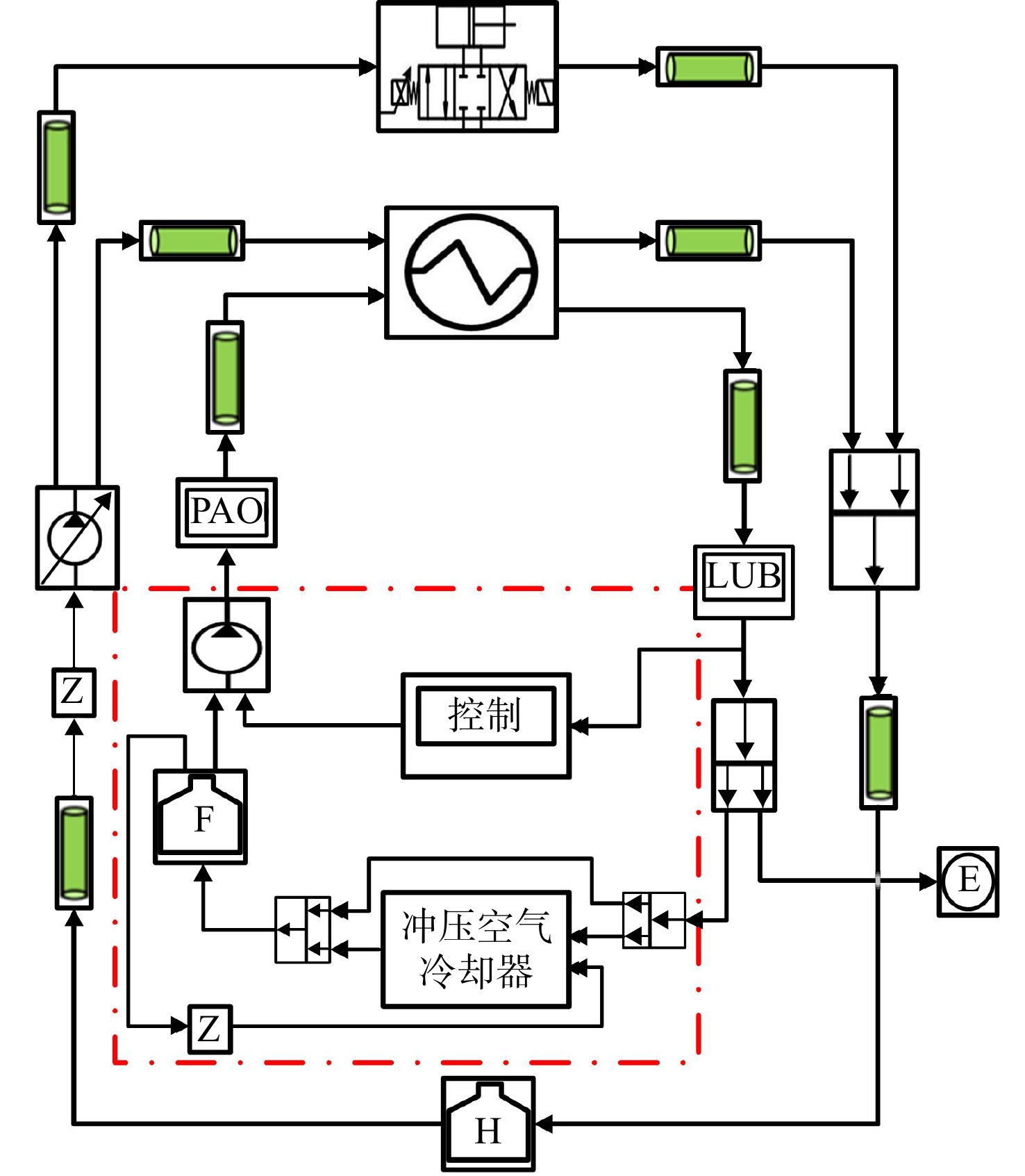
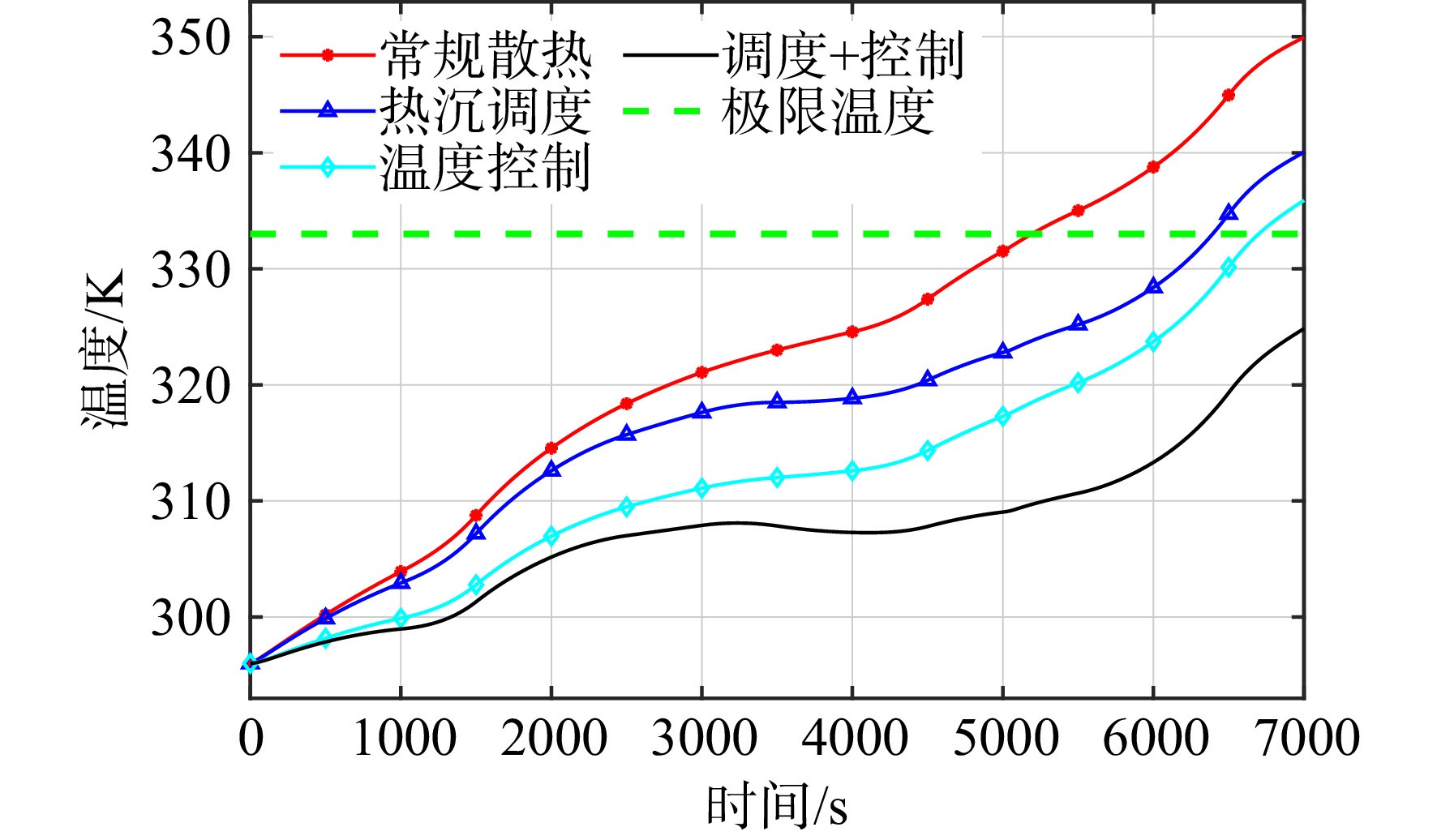
To address the issues of fully utilizing for heat dissipation of the fighter, a thermal dynamic analysis of the aircraft thermal management system was carried out in the whole mission profile through theoretical analysis and modeling, and the temperature control strategy of the fuel system was studied. Firstly, the thermodynamic equation of the hydraulic system was proposed by using the control volume method based on power loss, and the primary factors of the heat generation of the hydraulic pump and hydraulic system were analyzed. Secondly, the simulation platform of thermal management system was established to analyze the temperature variation characteristics of thermal management system, as well as the thermal endurance of aircraft under a given flight profile. Finally, the heat sink scheduling and temperature control strategies were proposed to improve the thermal endurance of aircraft by 23.4% and 29.2%, respectively. The main results can provide an important basis for the design of the thermal management system and the temperature control of the fuel system.

Turbomachinery
Effect of suction leading edge vortex generator on characteristics of compressor cascade
XU Wenfeng, ZOU Shilong, SUN Dan, LU Wenxin, REN Guozhe, ZHAO Huan
2025, 40(5): 20230485. doi: 10.13224/j.cnki.jasp.20230485
Abstract:

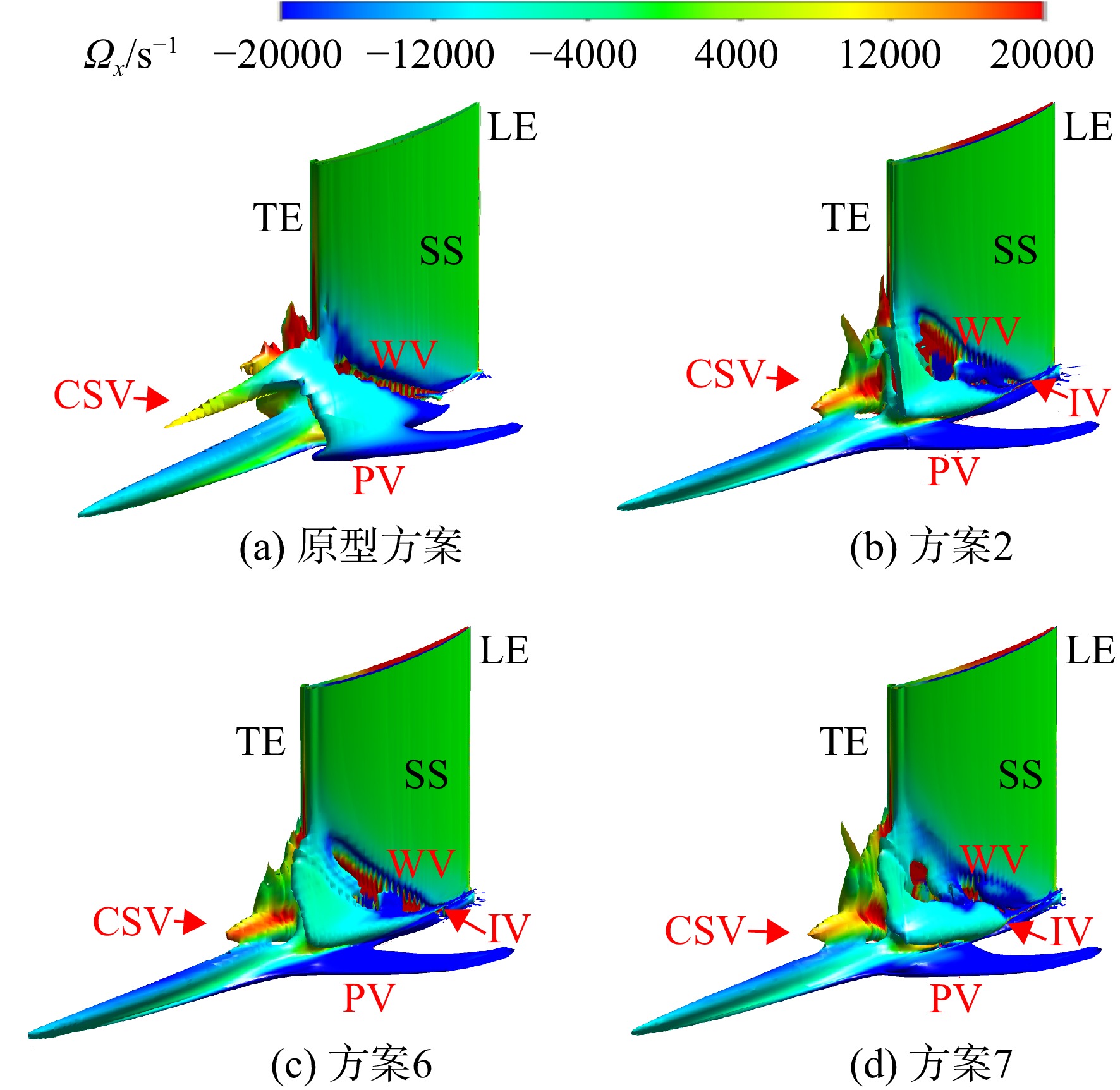
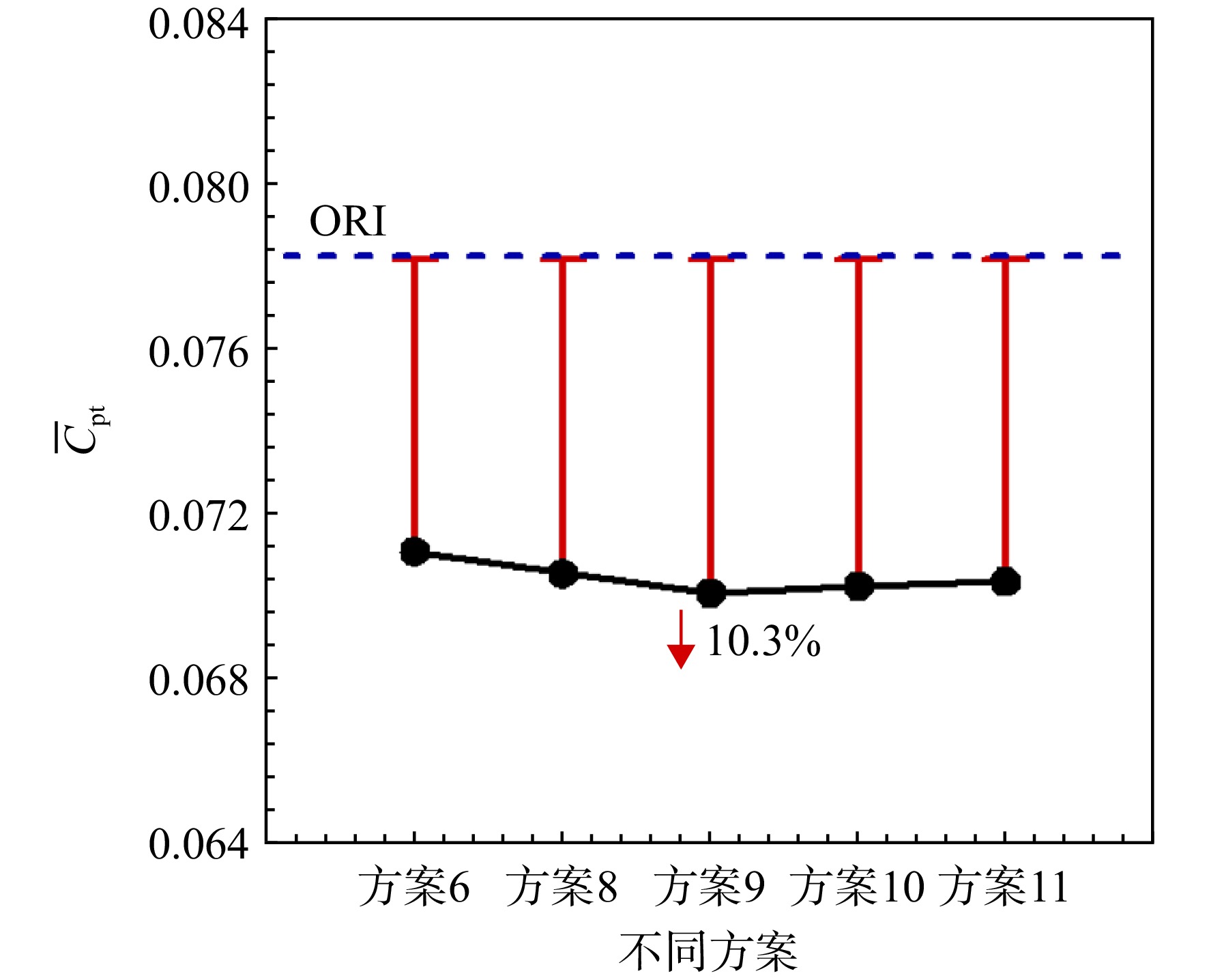
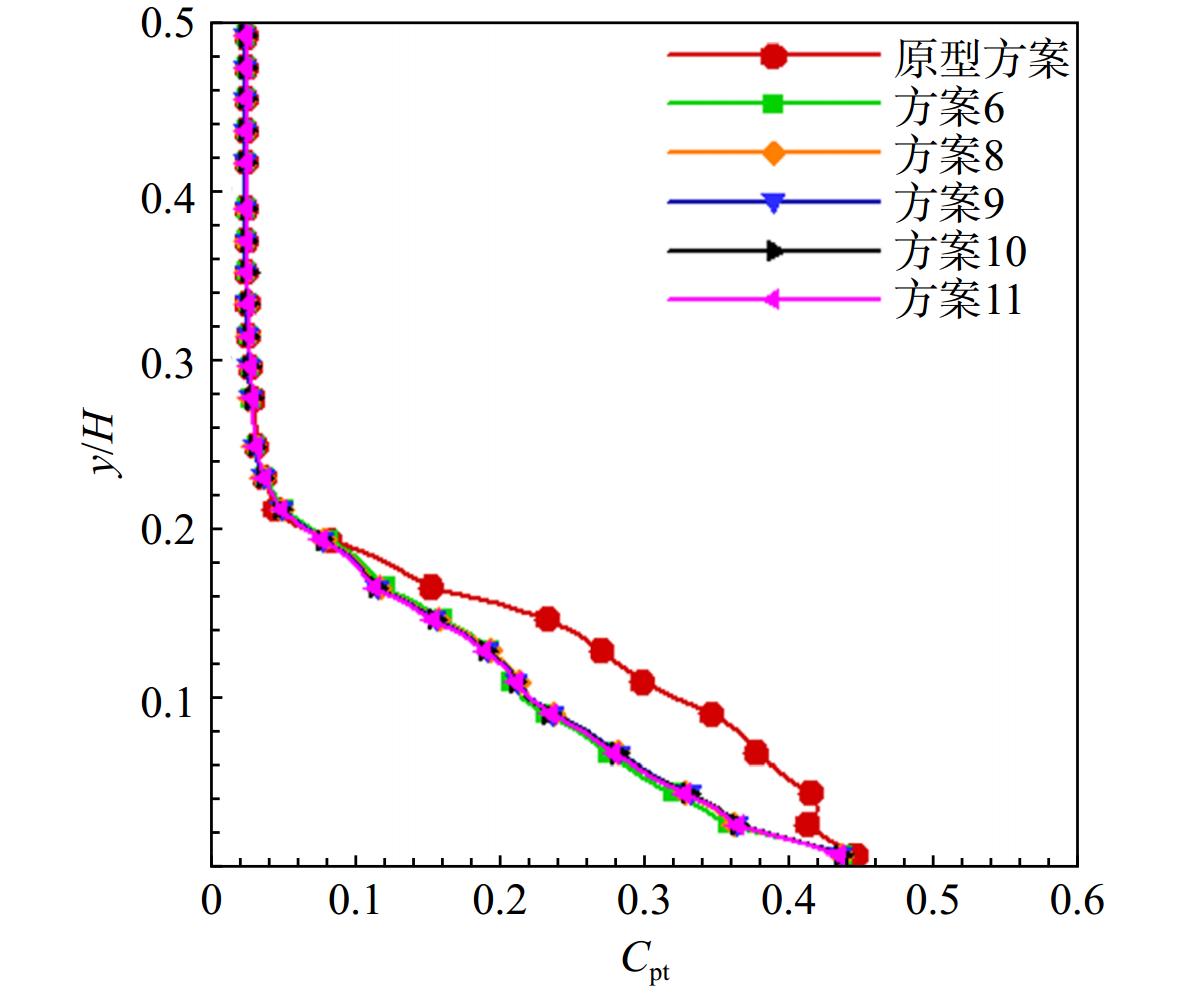
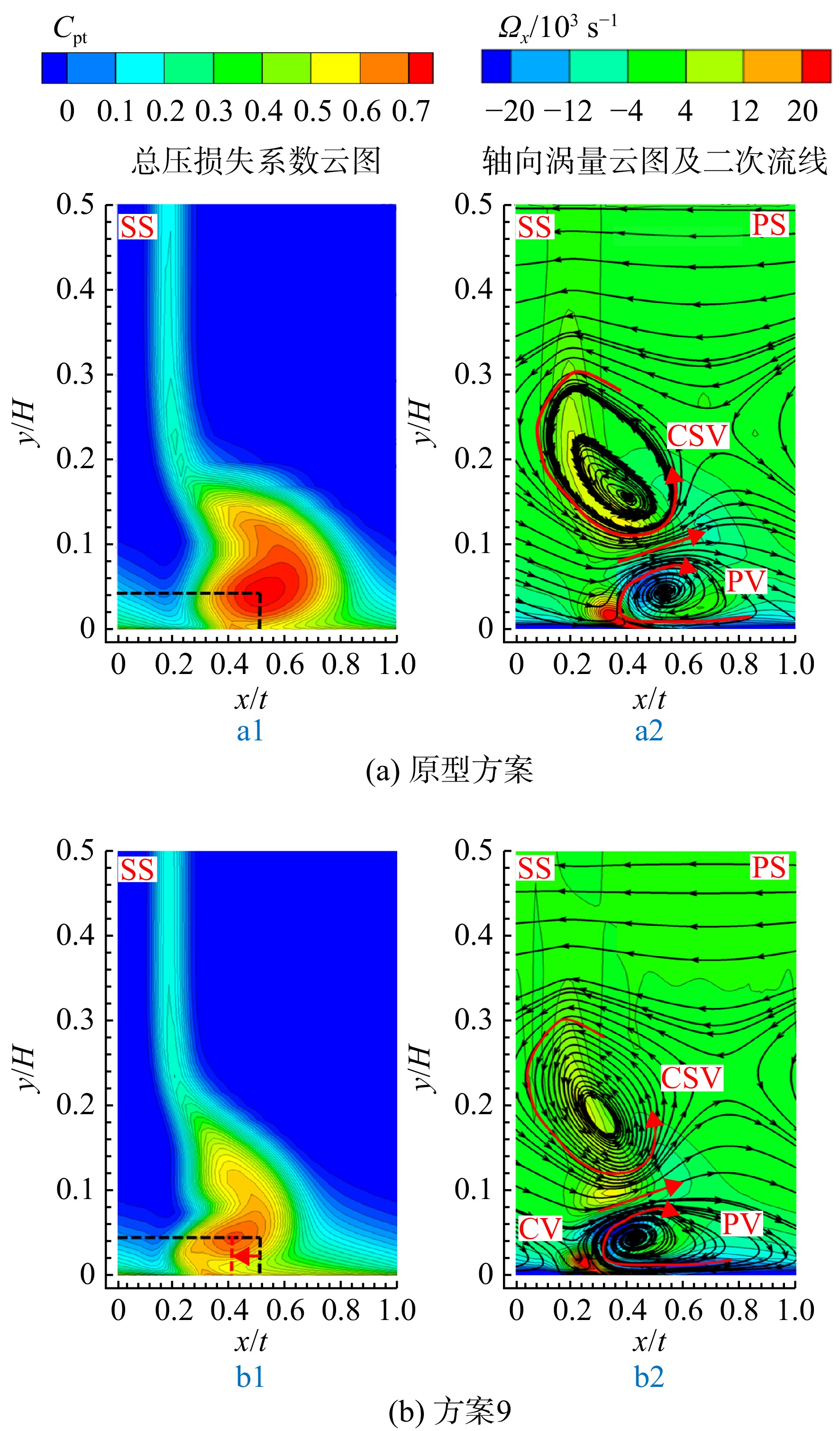
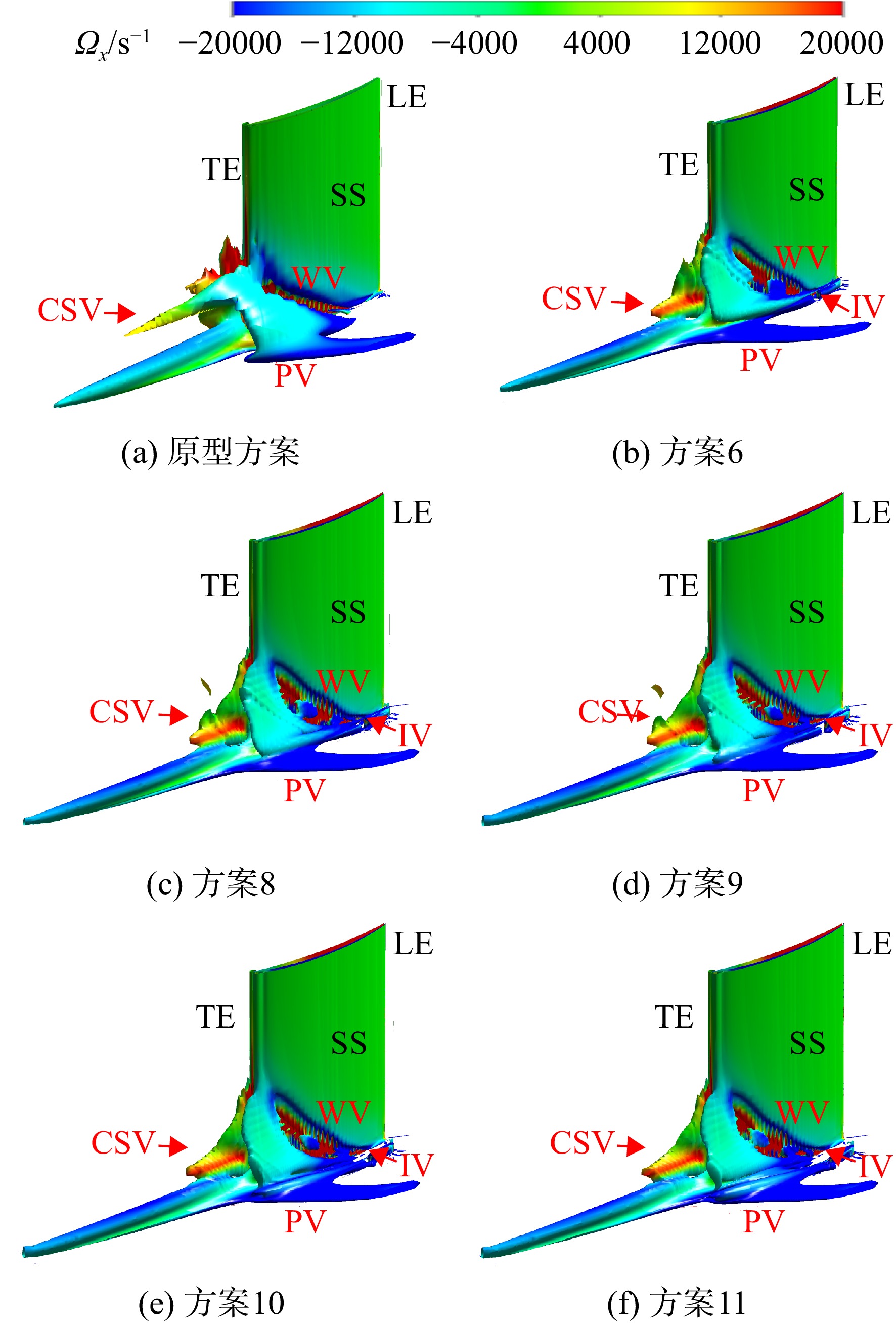
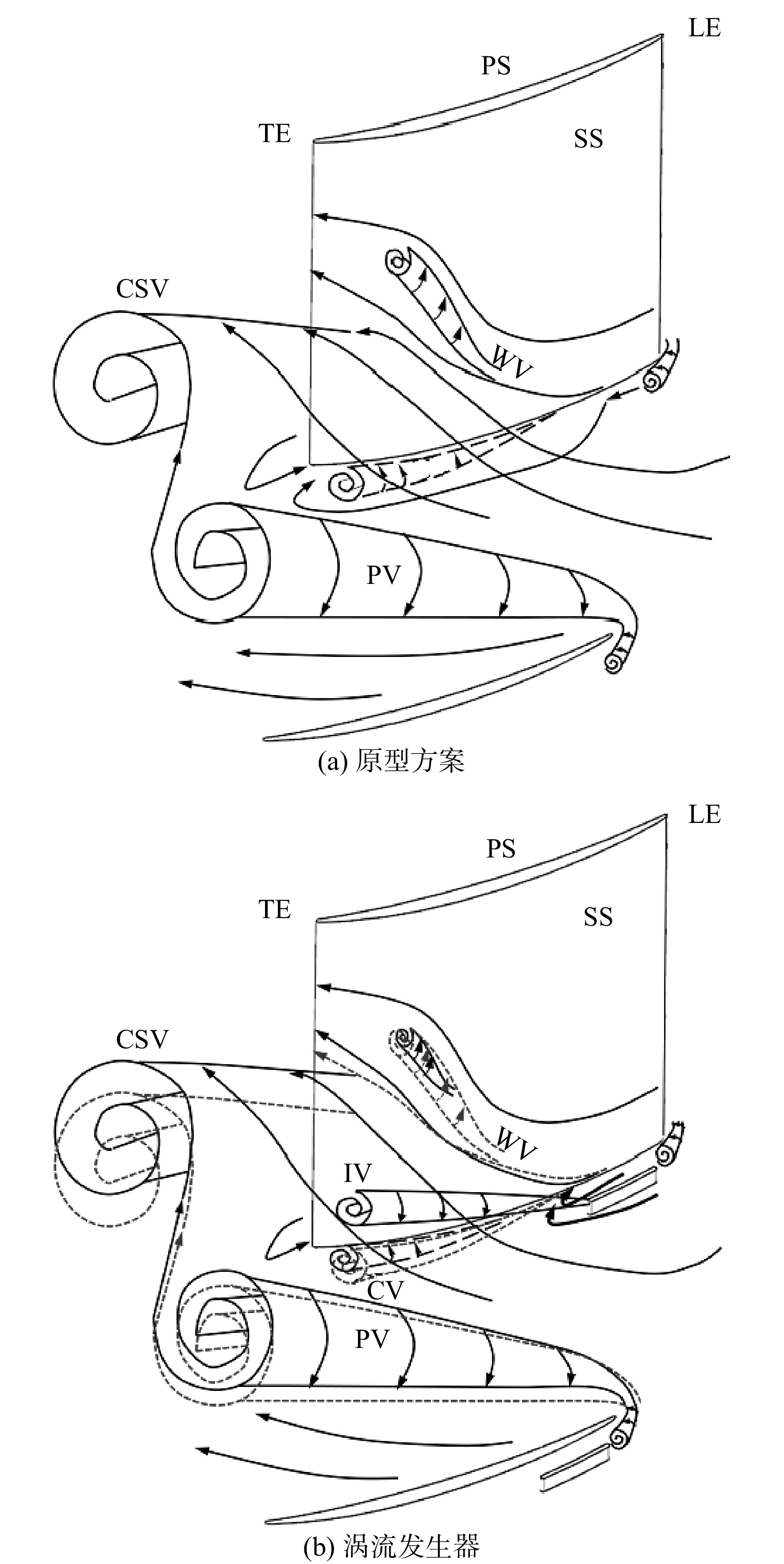
A compressor linear cascade was studied, and vortex generators were arranged near the suction leading edge of the end wall to improve the stator aerodynamic characteristic and control the corner separation. The effects of the vortex generators with different heights, lengths, and pitch positions on the corner separation flow and aerodynamic characteristics were studied by numerical simulation. The results showed that the suction leading edge vortex generator can generate the induced vortex near the end wall of the passage inlet, which inhibited the accumulation of low-energy fluids in the corner region, shifted the separation starting point backward, and narrowed the corner region along the pitch direction, thereby reducing the flow loss. The vortex generator should be arranged at the starting position of the corner separation. The control effect of the corner separation first increased and then decreased with the increase of the height of the vortex generator. With the increase of the chord of the vortex generator, it gradually decreased. As the arrangement position was far away from the suction, it first increased and then decreased. When the vortex generator was arranged at the boundary between the end wall recirculation region and the mainstream region, the chord was equal to 25% of the blade chord, and the height was equal to 2% of the blade height, the flow loss can be reduced by 10.3%.

Effect of blade tip structure on tip flow characteristics in turbine rotor
LIN Juqiang, YOU Ruquan, LI Haiwang, XIE Gang
2025, 40(5): 20230556. doi: 10.13224/j.cnki.jasp.20230556
Abstract:

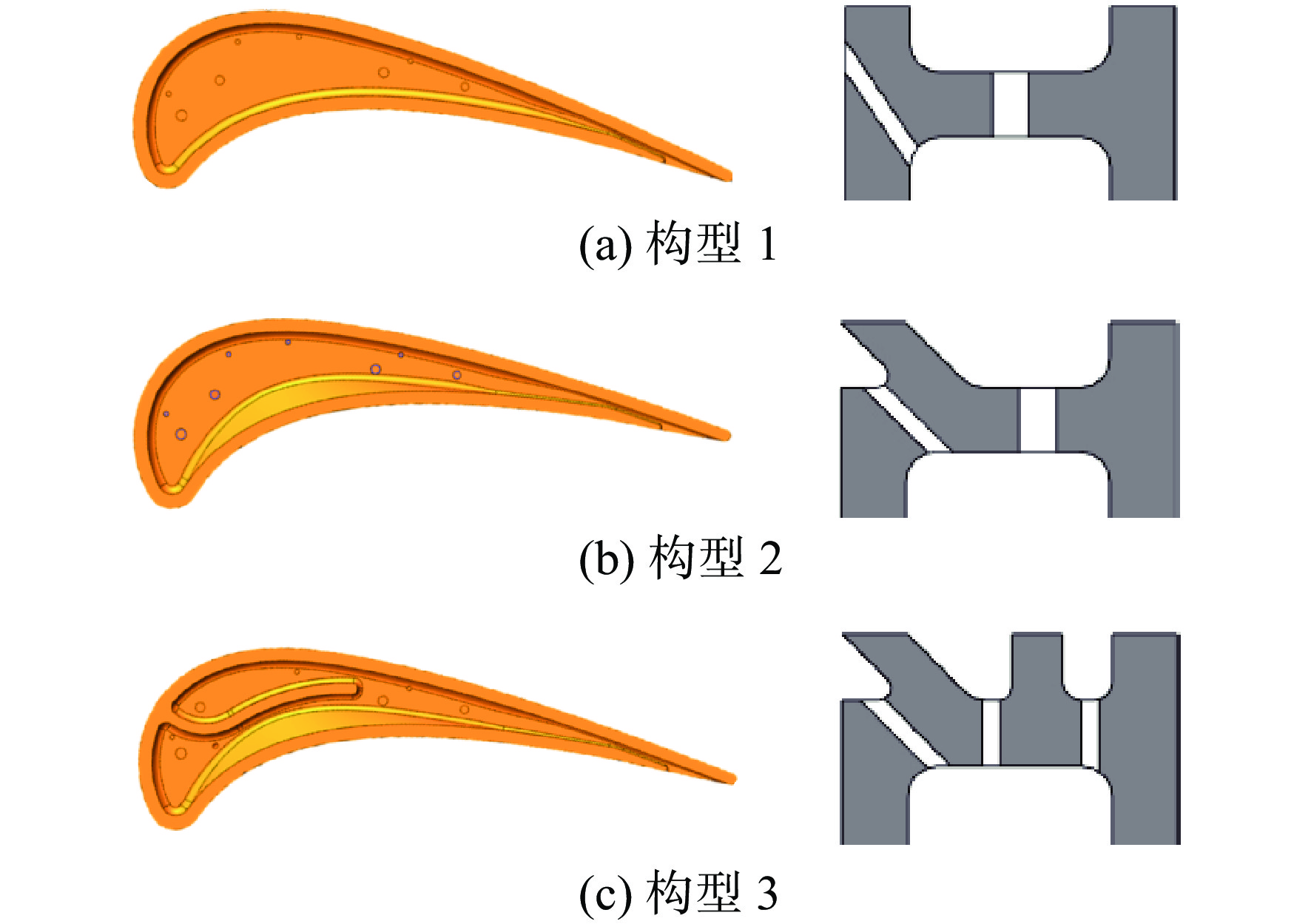
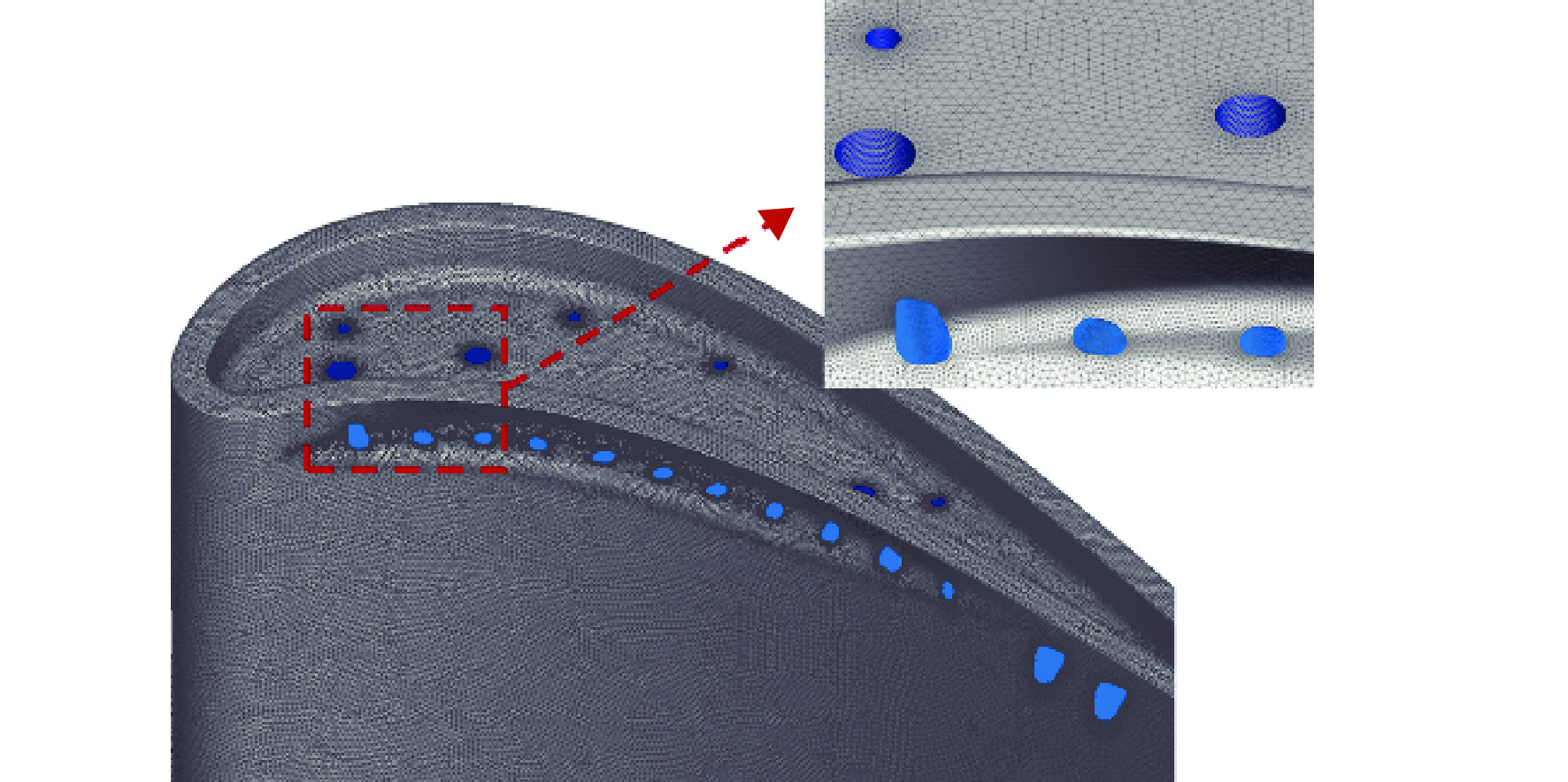
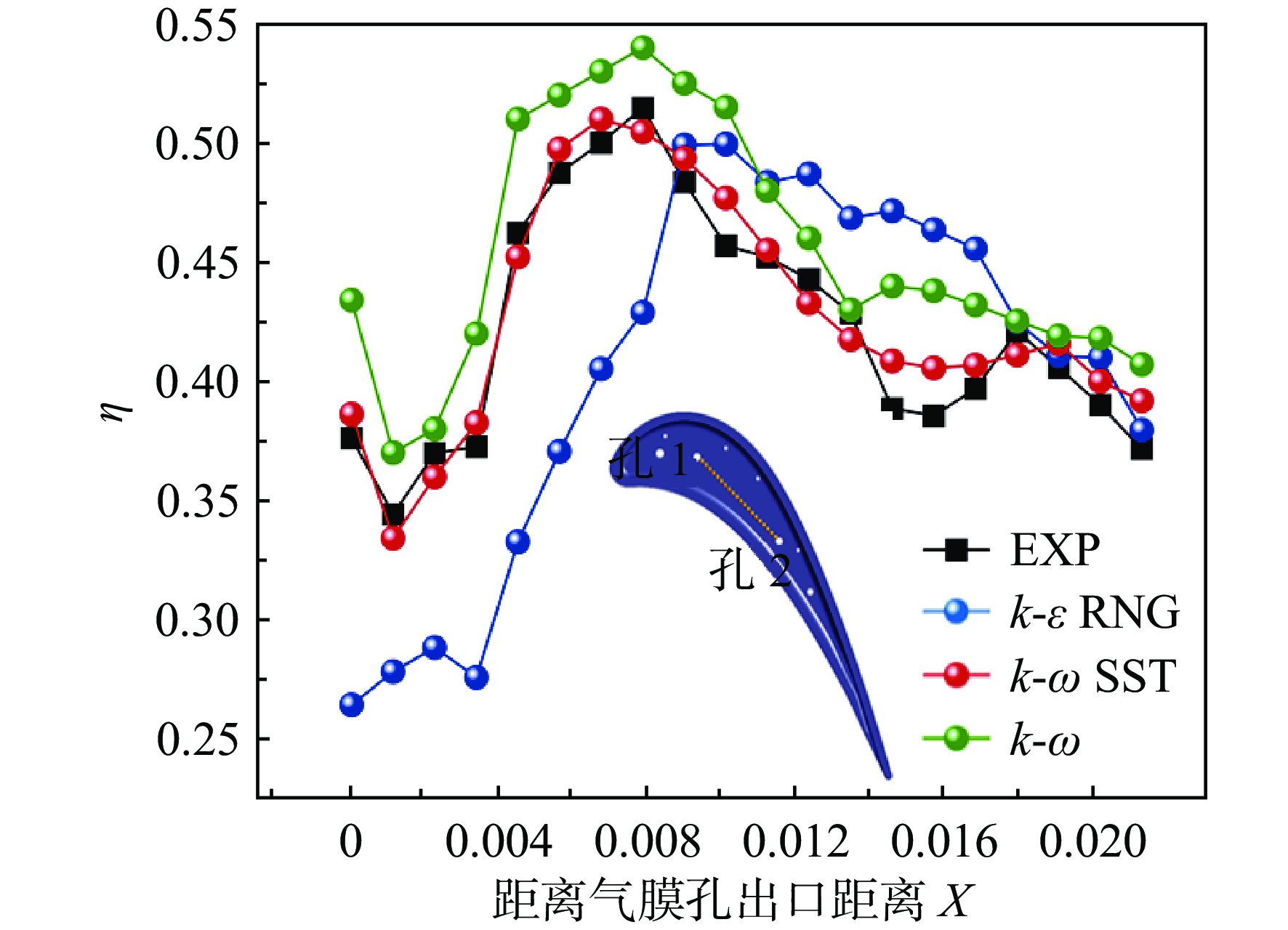
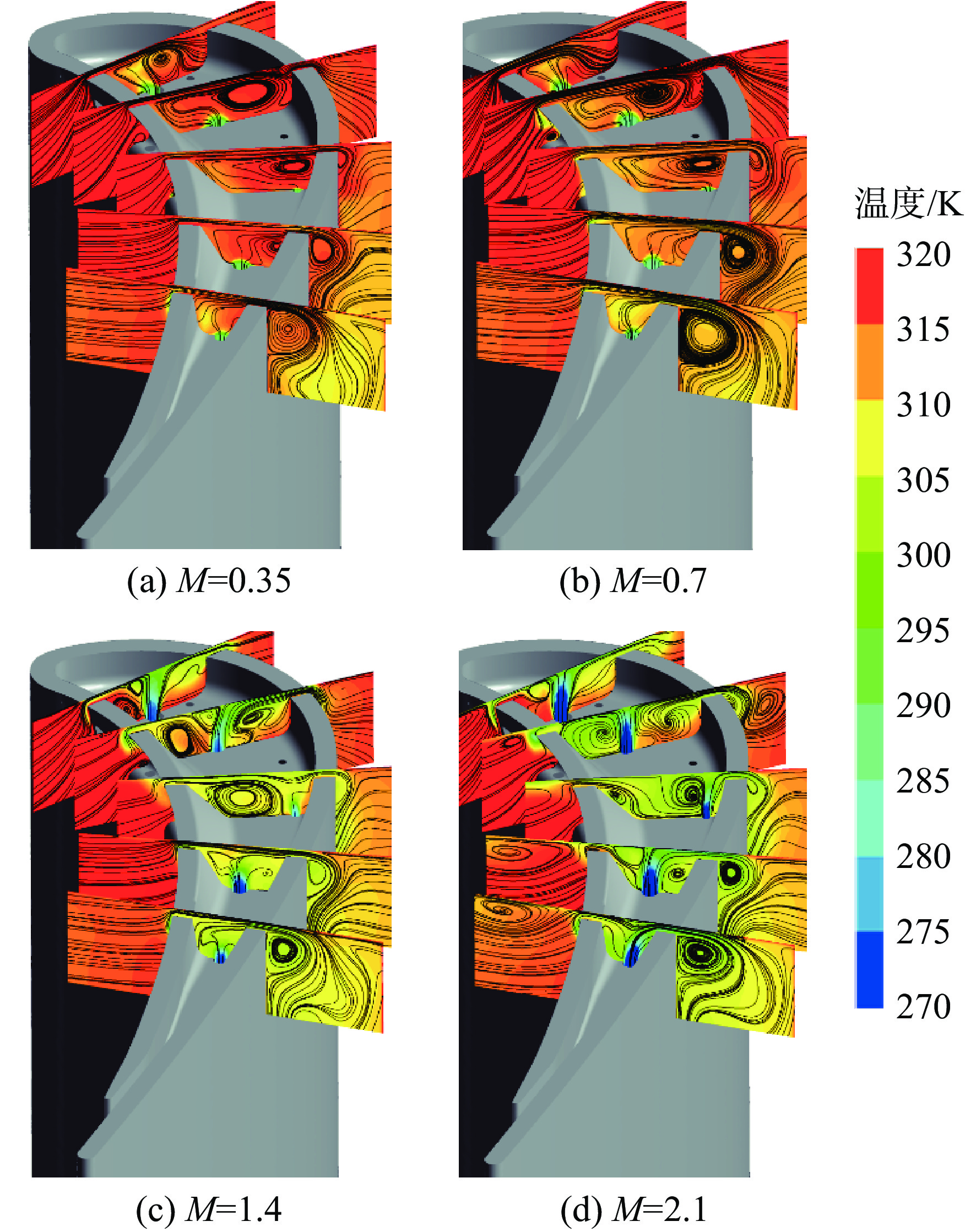
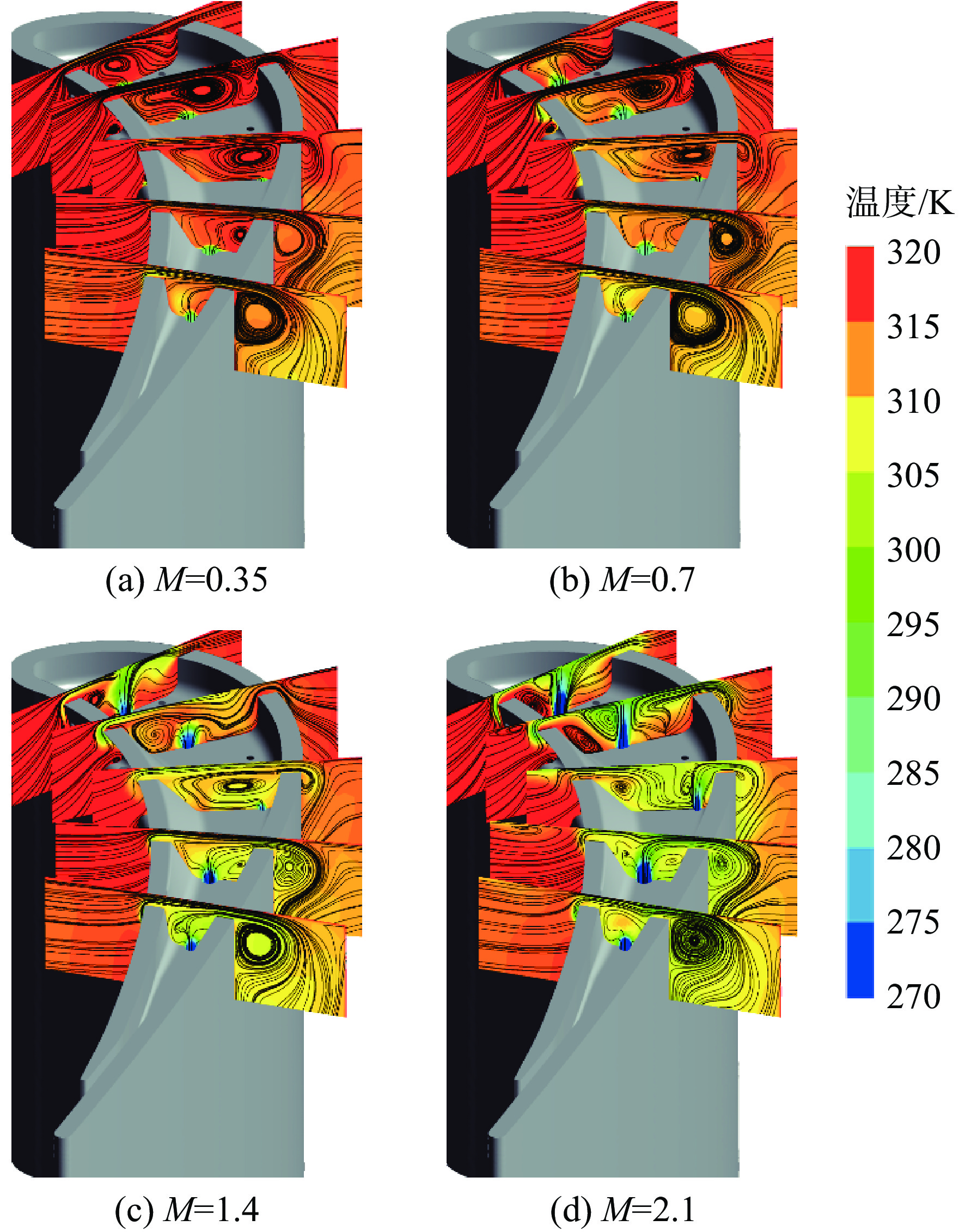
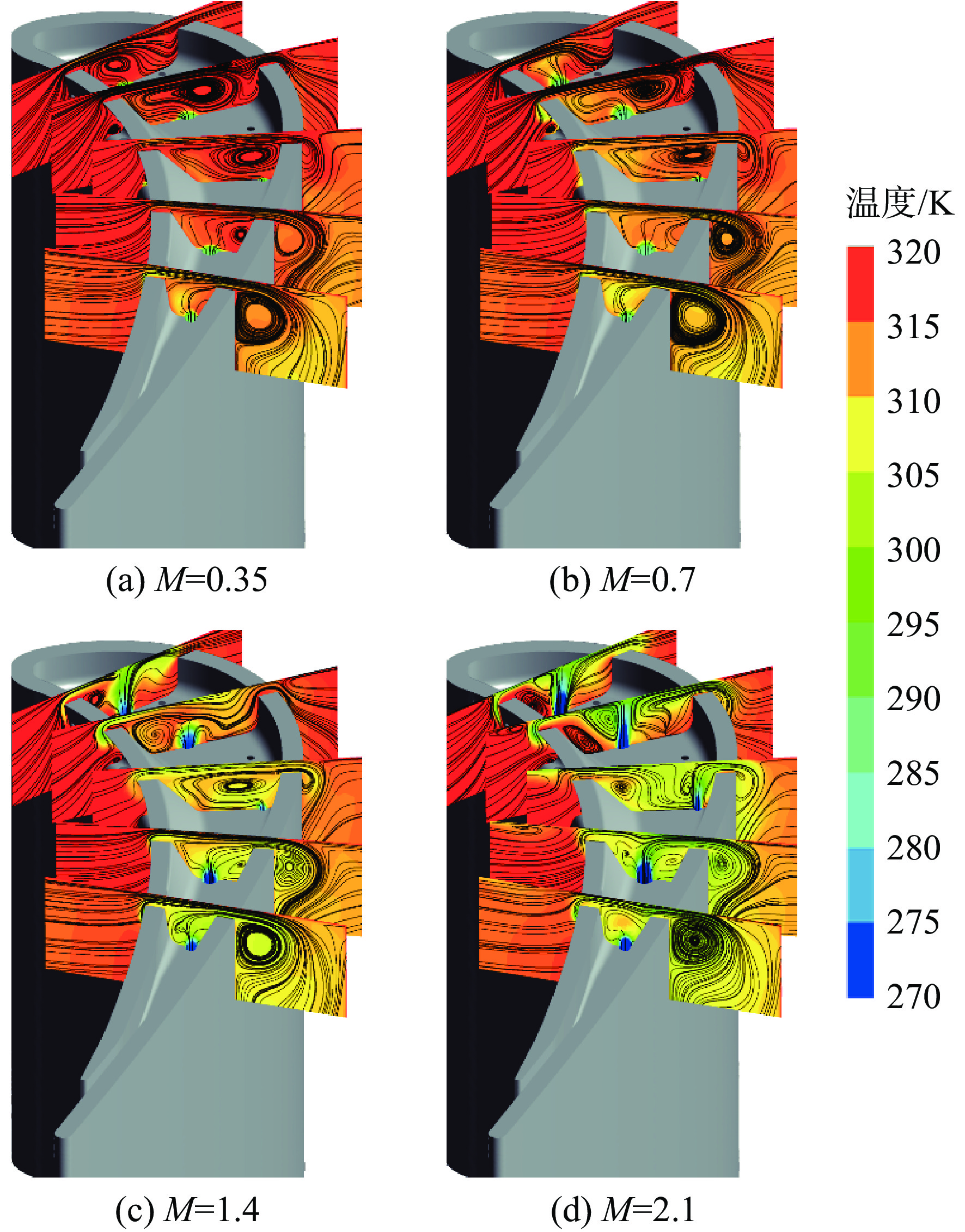
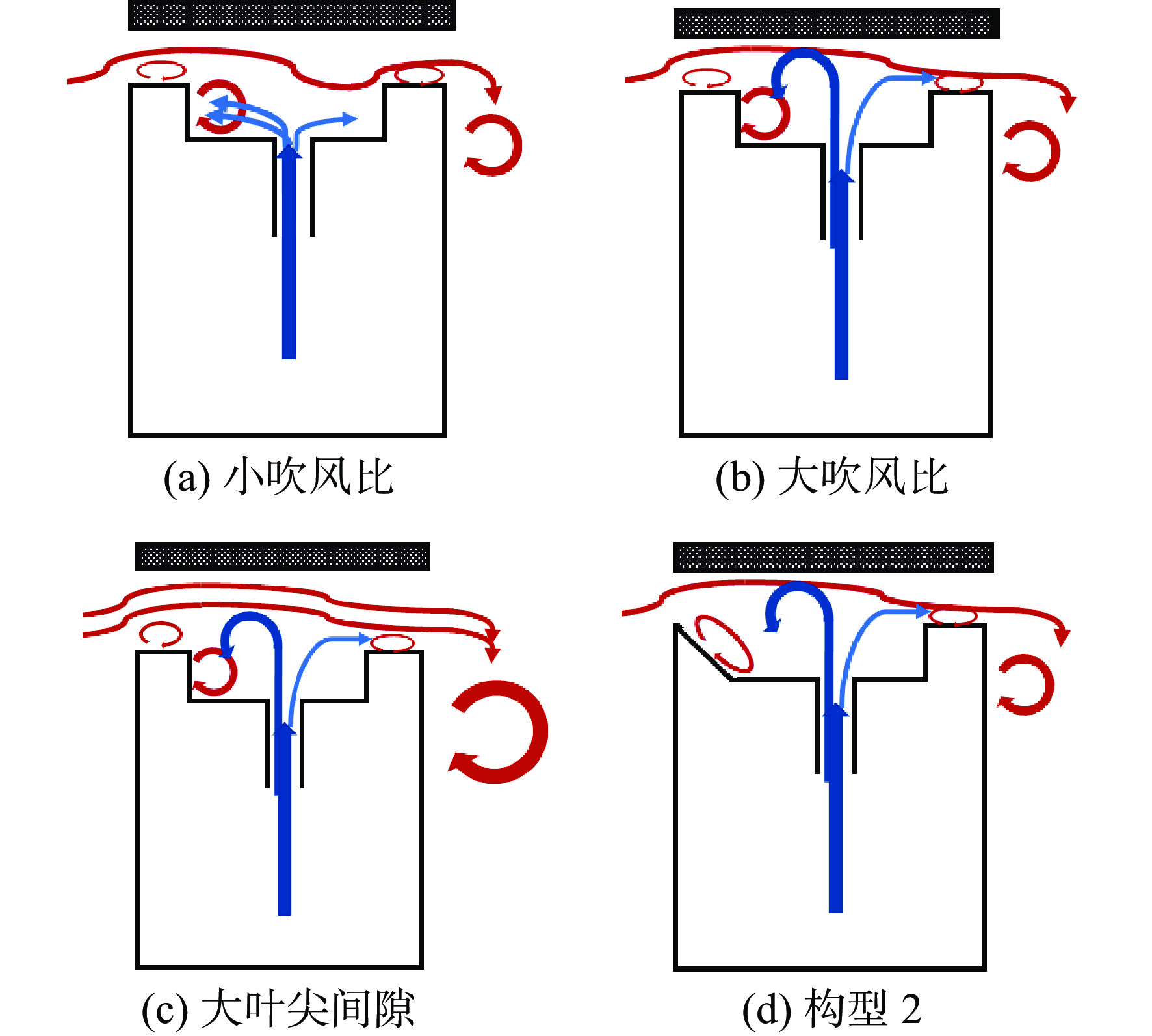
Numerical simulations of three blade tip configurations were conducted using the commercial CFD software Ansys CFX. The k-ω SST (shear stress transport) turbulence model was applied to compute the models under varying tip structures, blowing ratios, and blade tips. The findings demonstrated a direct correlation between the blade tip and the leakage flow entering the recessed area of the blade tip. Smaller blade tip gaps led to heightened flow resistance for the leakage flow, resulting in a corresponding reduction in leakage flow volume. When the cooling air blowing ratio increased, the cooling air directly impacted the interior casing wall, creating a backflow pattern around the point of impact. This backflow vortex was induced by the vortices within the crevice of the blade tip. In the case of configuration 3, the mid-section partition served as an obstruction to the entering leakage flow, thereby augmenting the cooling efficiency on the suction side of the blade tip. However, the partition also triggered the development of uneven crevice vortices and corner vortices on its opposing sides, leading to an elevation in thermal stress gradient. Entropy increment analysis underscored the pivotal role of the blade tip gap in determining the primary leakage loss in the blade tip region. Decreasing the blade tip gap markedly reduced losses in the blade trailing edge region.

Study of real-gas effects on aerodynamic performance of SCO2 centrifugal compressors
XU Pengcheng, ZOU Zhengping, FU Chao, WANG Yifan
2025, 40(5): 20230498. doi: 10.13224/j.cnki.jasp.20230498
Abstract:

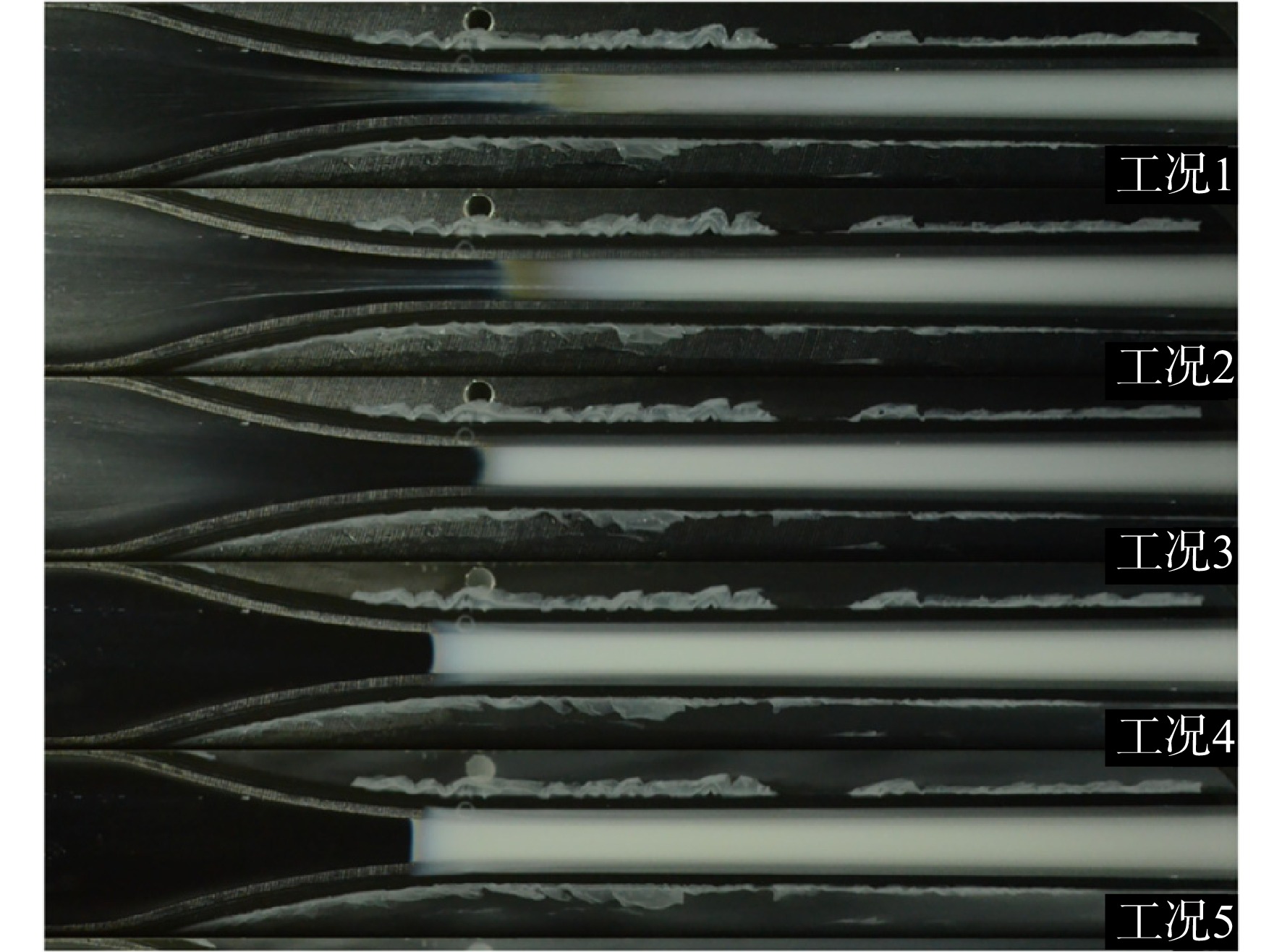
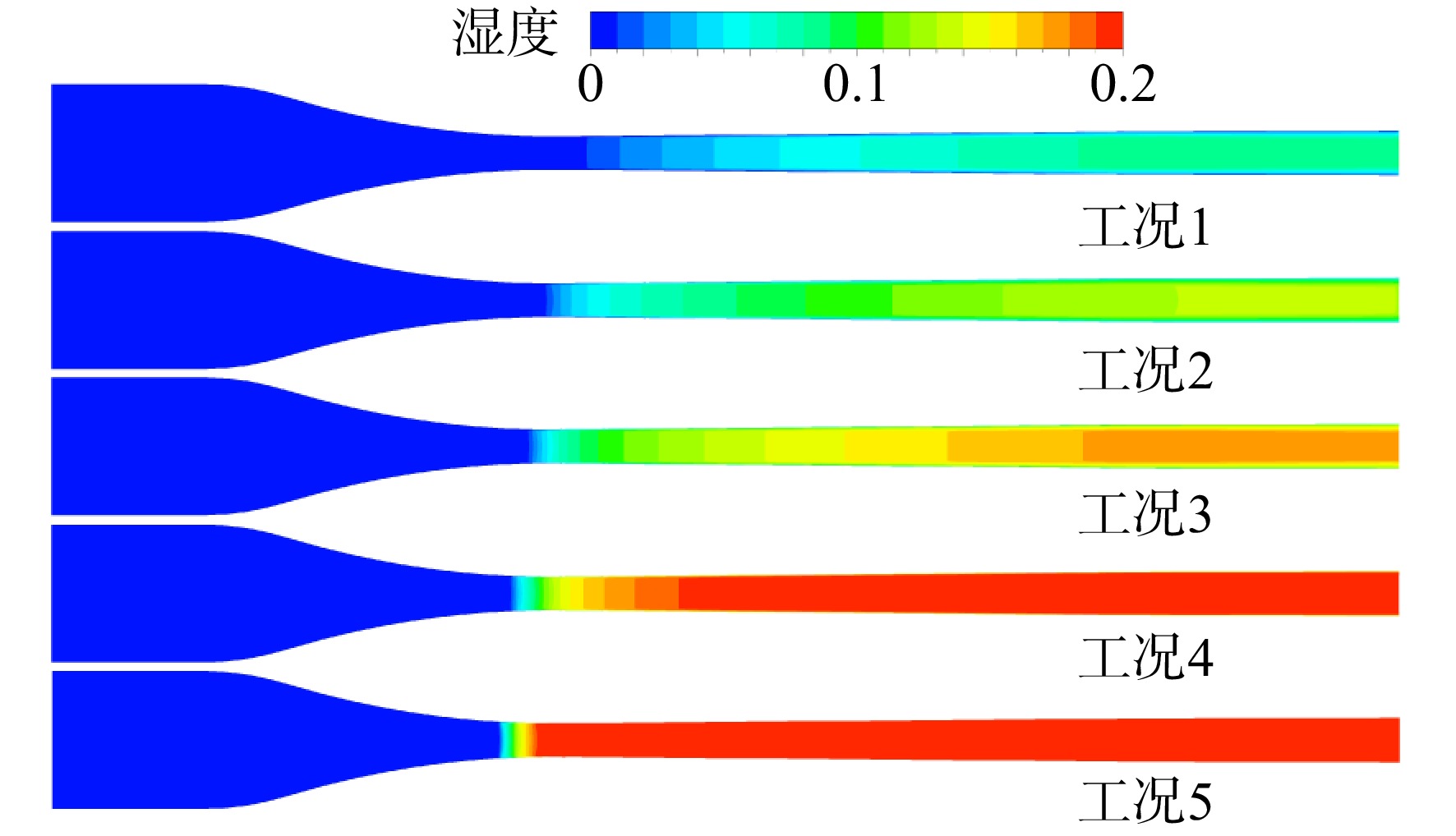
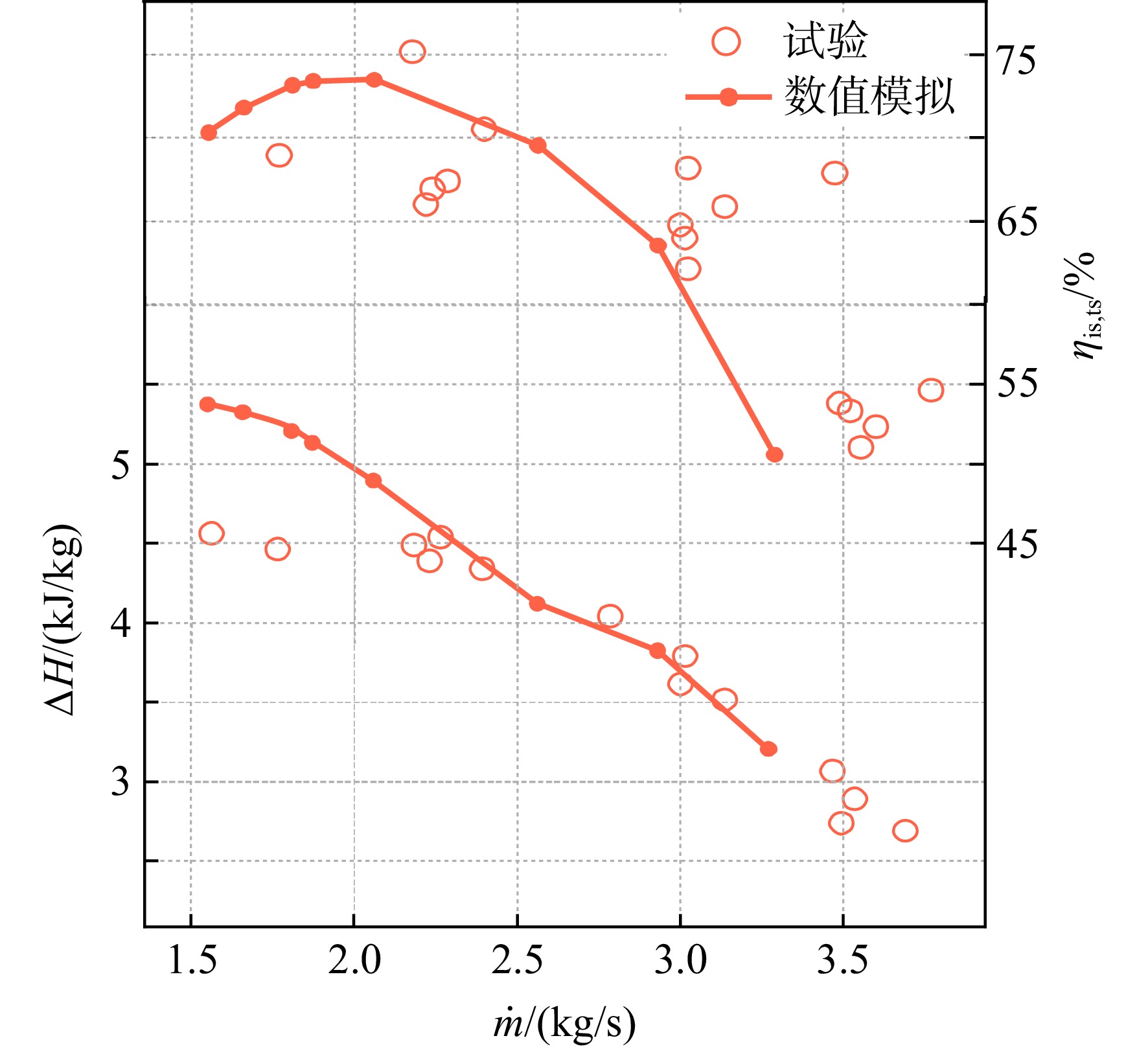
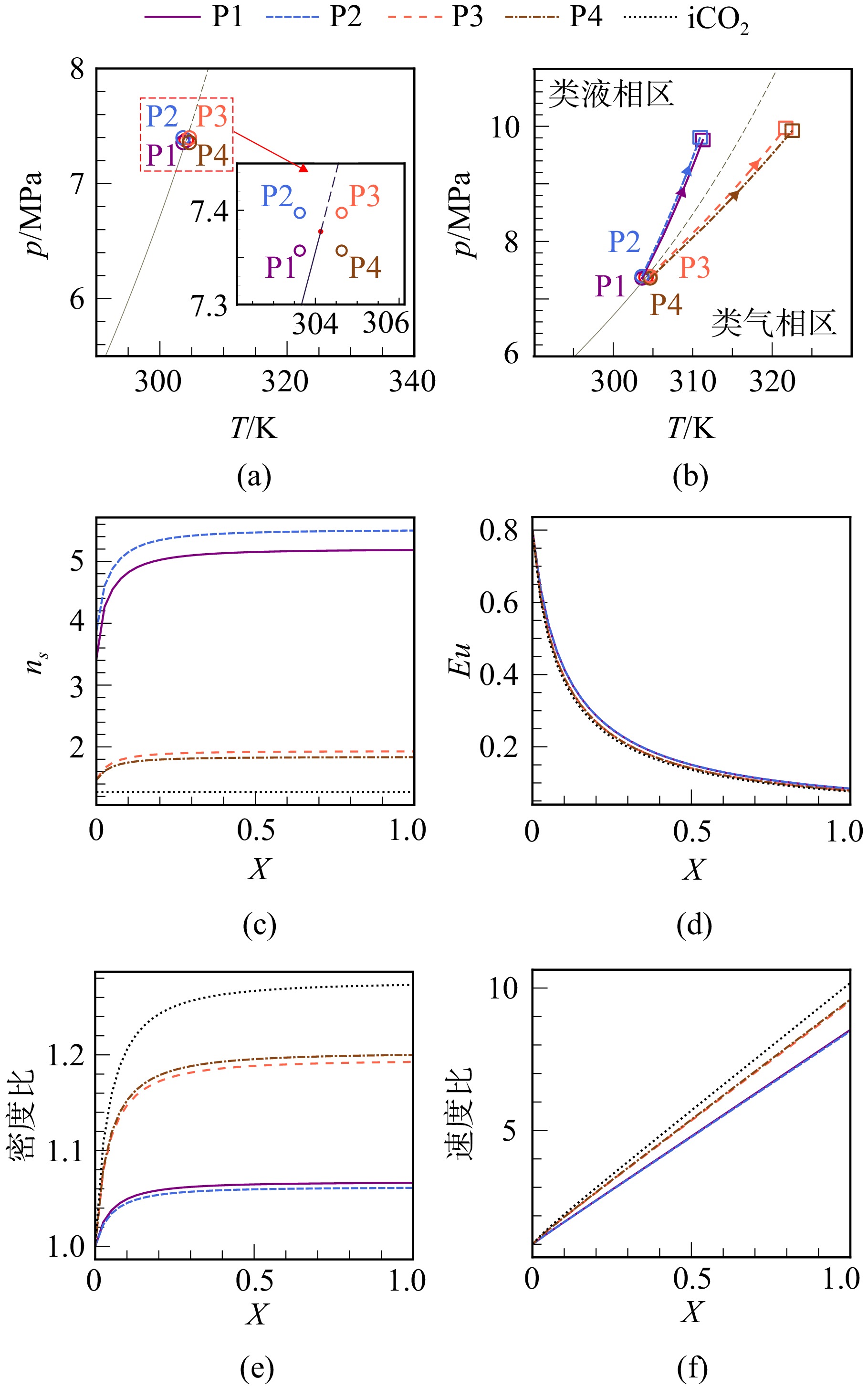
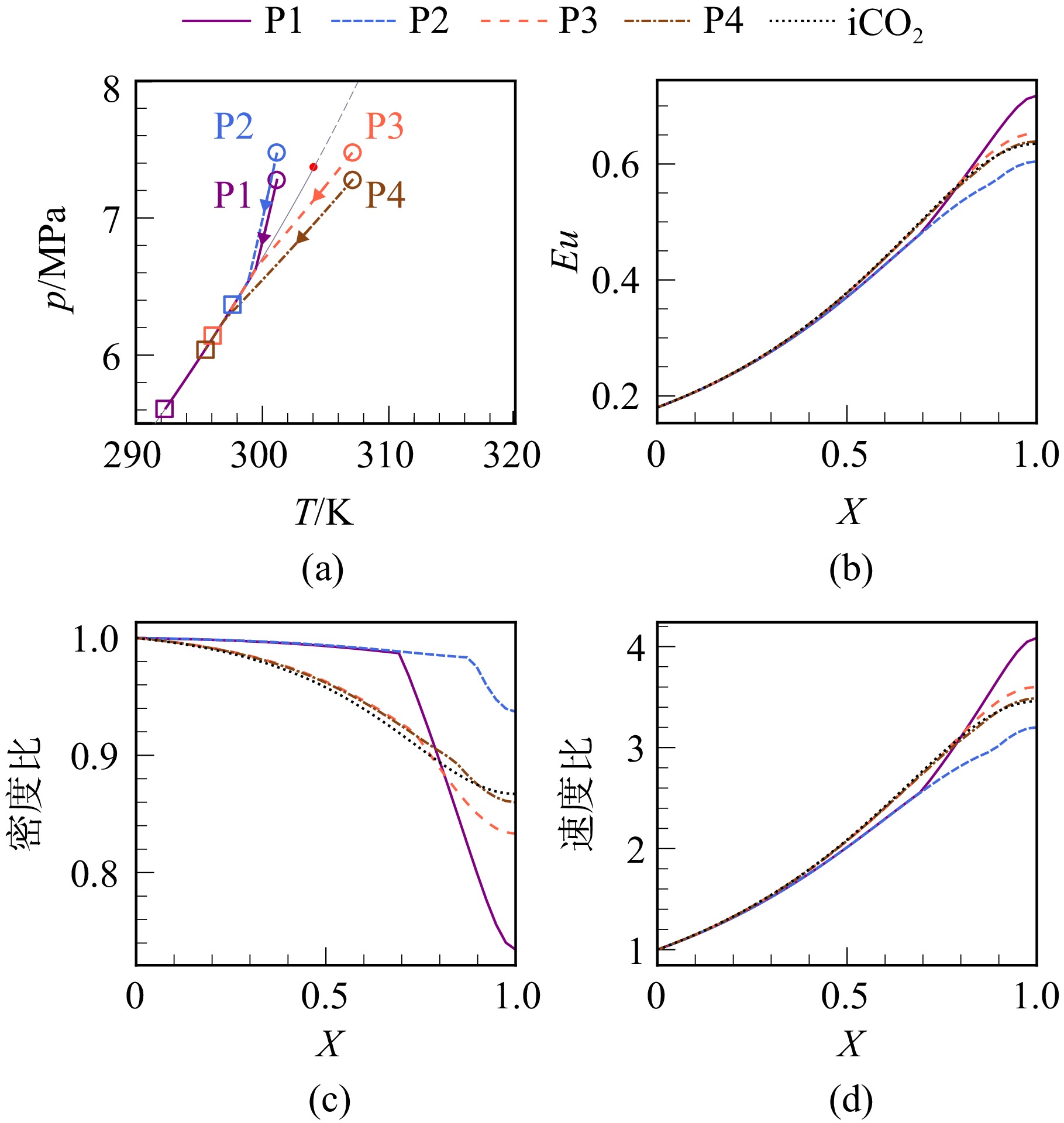
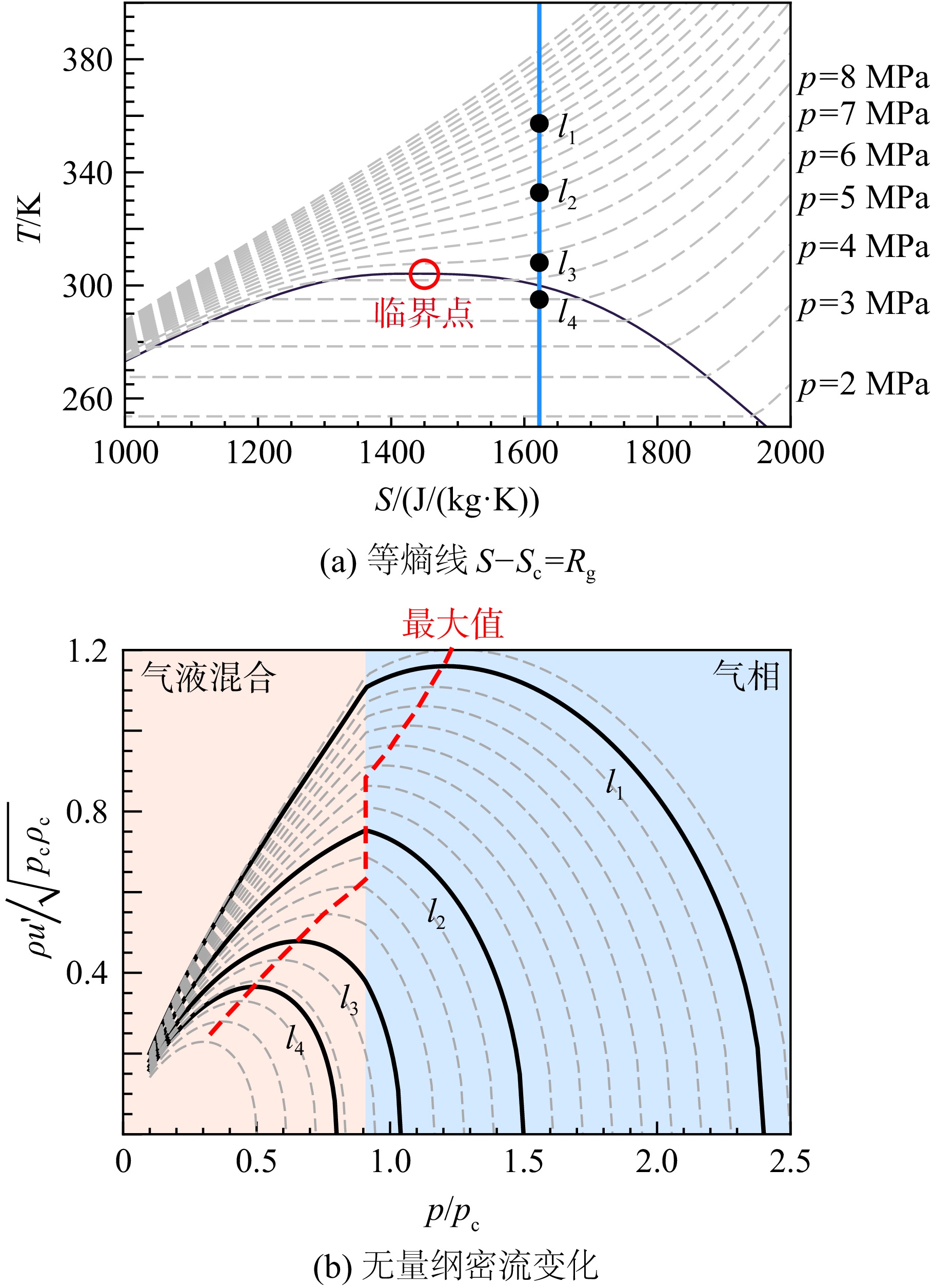
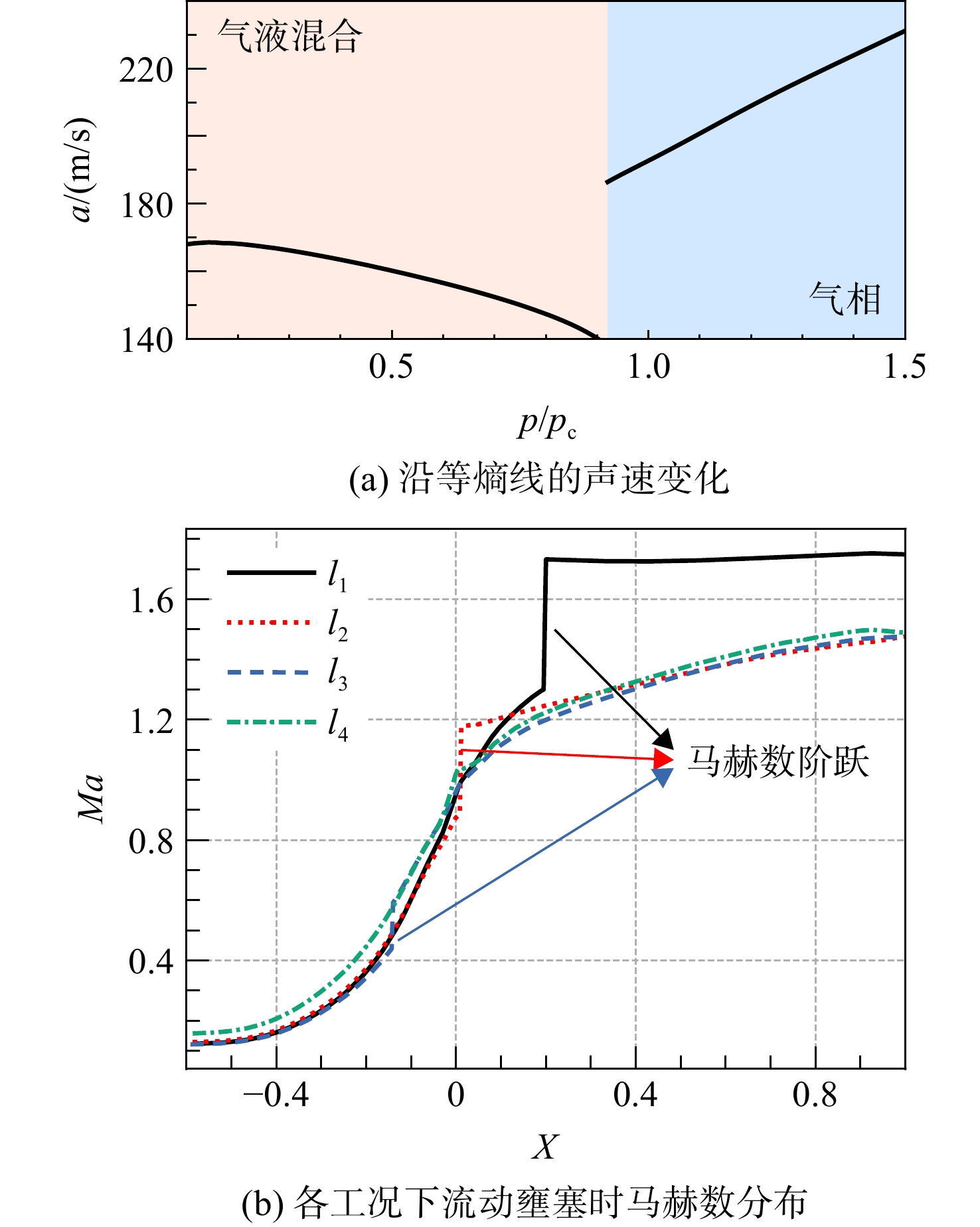
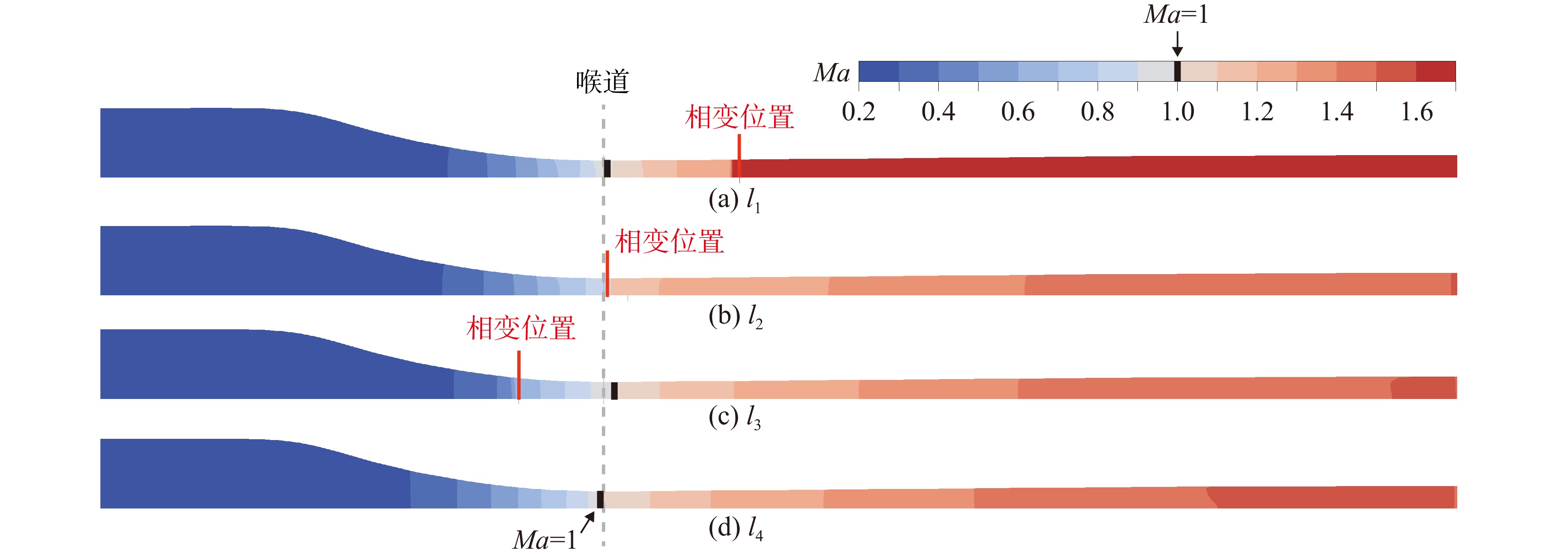
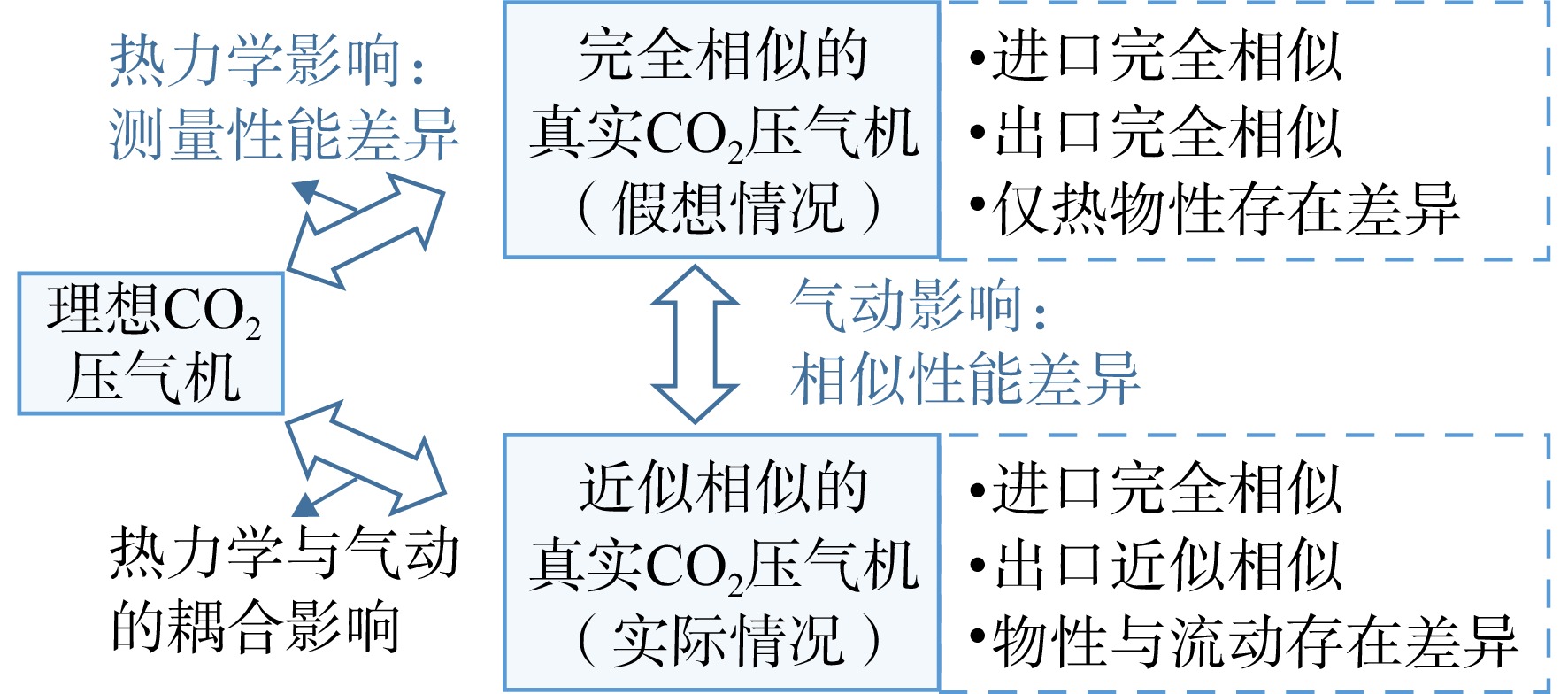
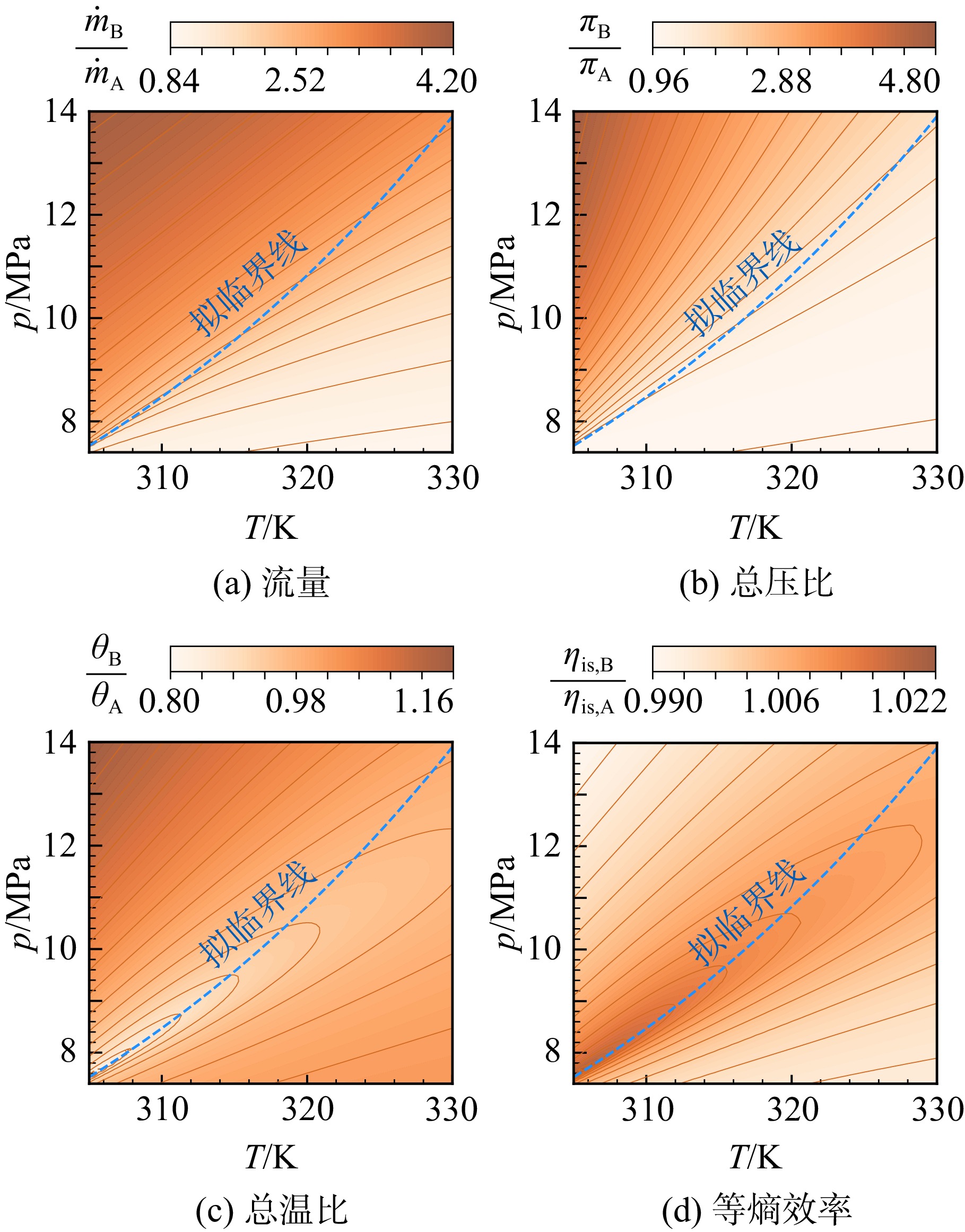
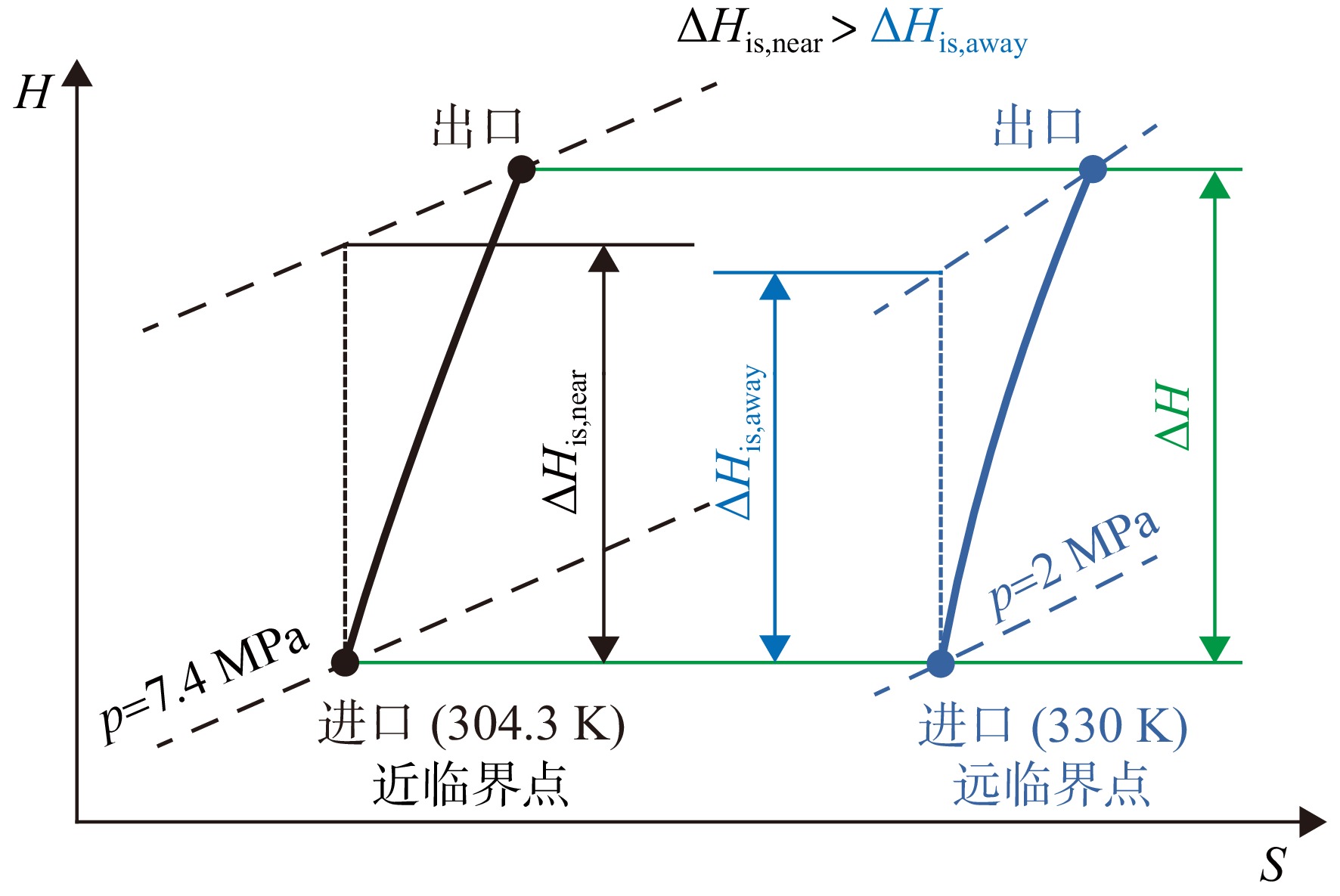
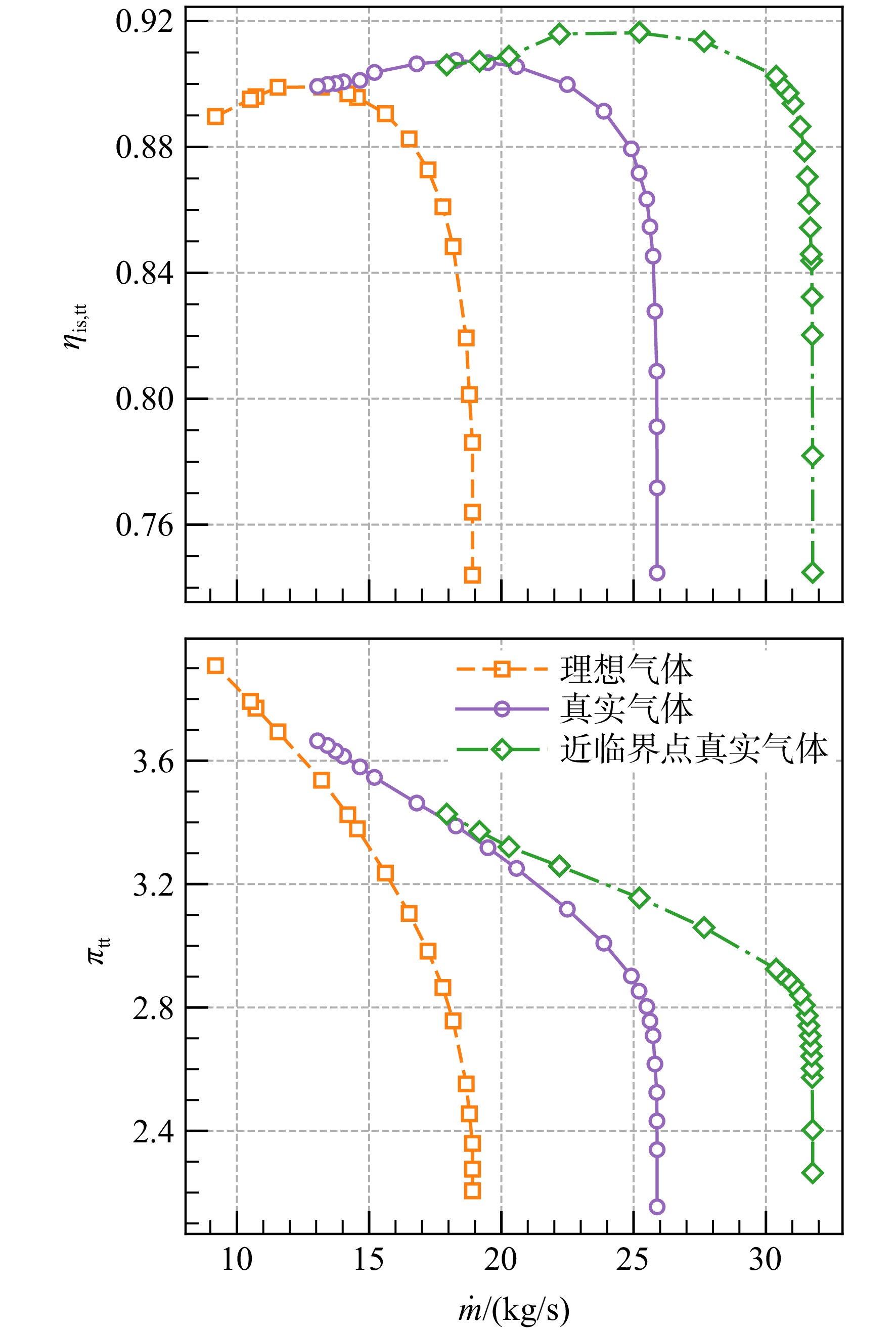
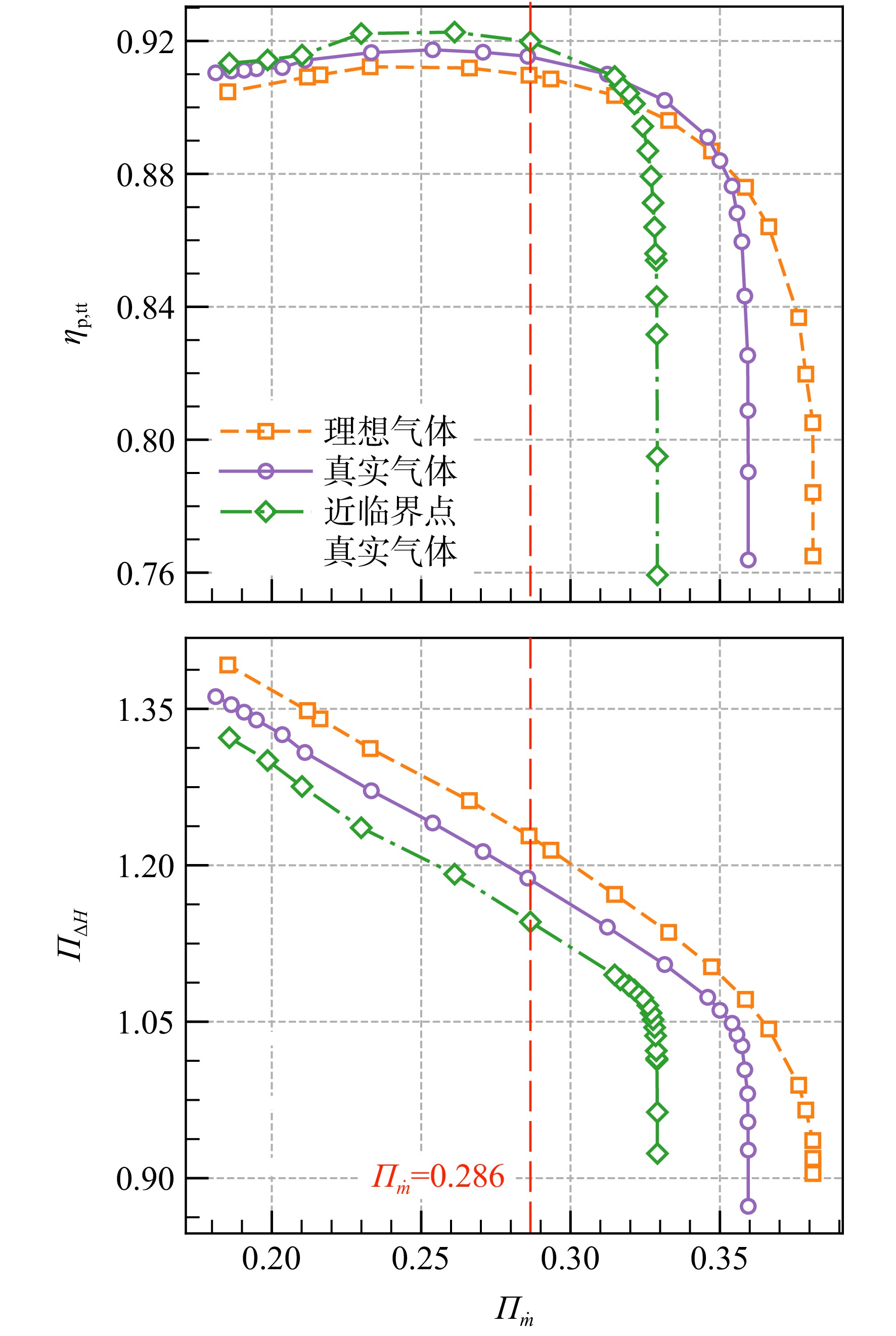
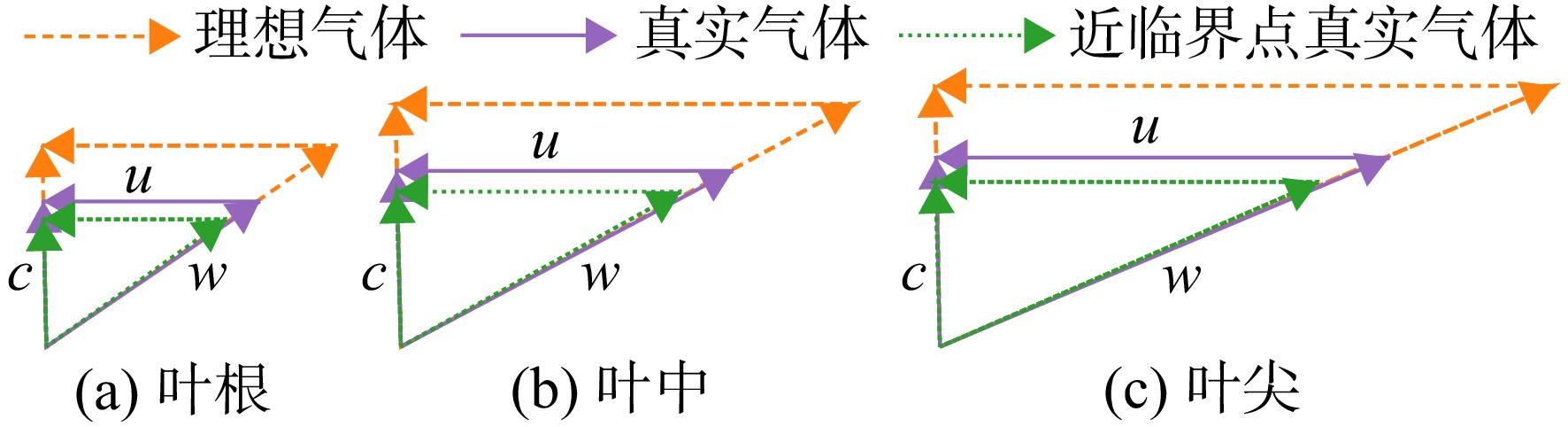
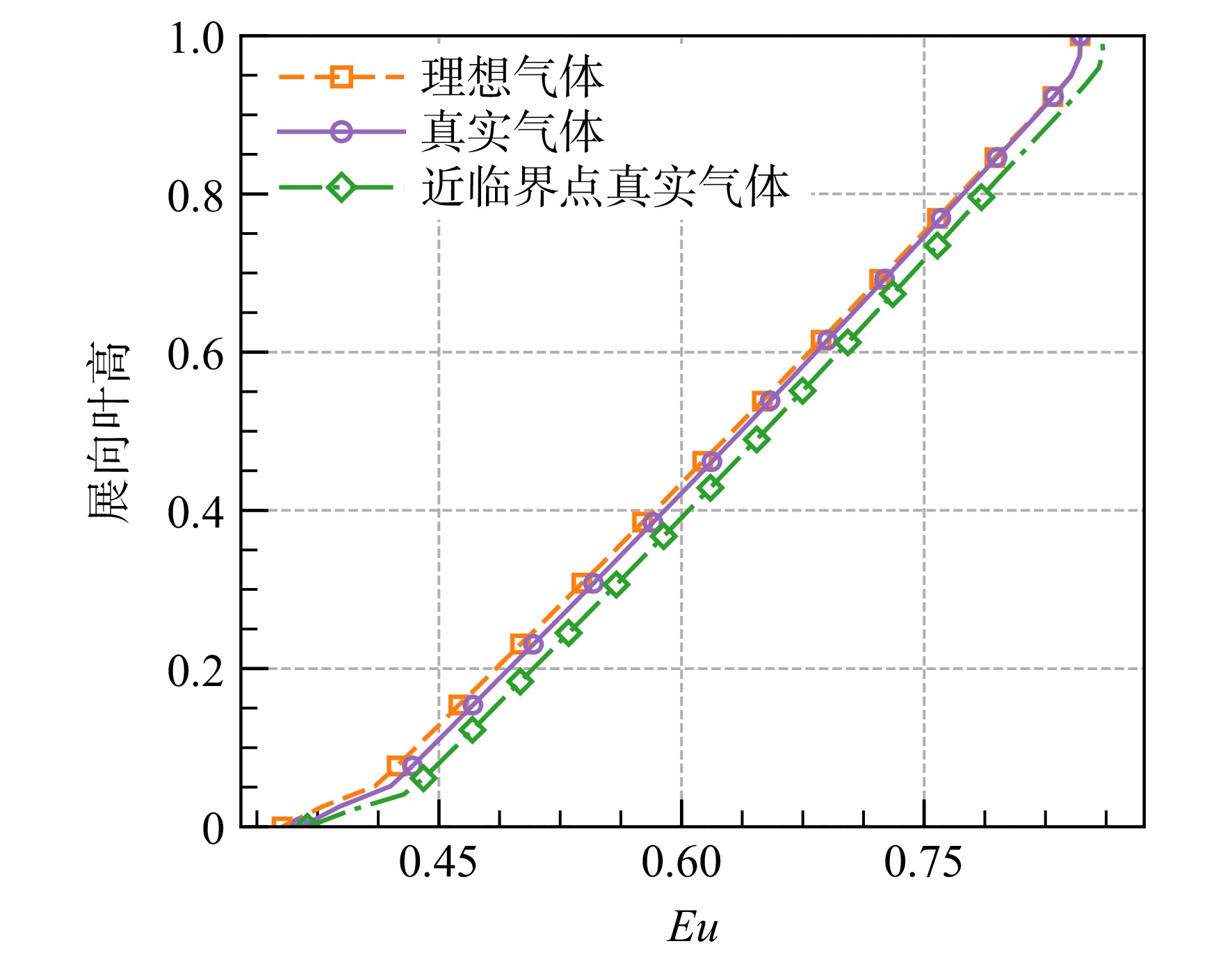
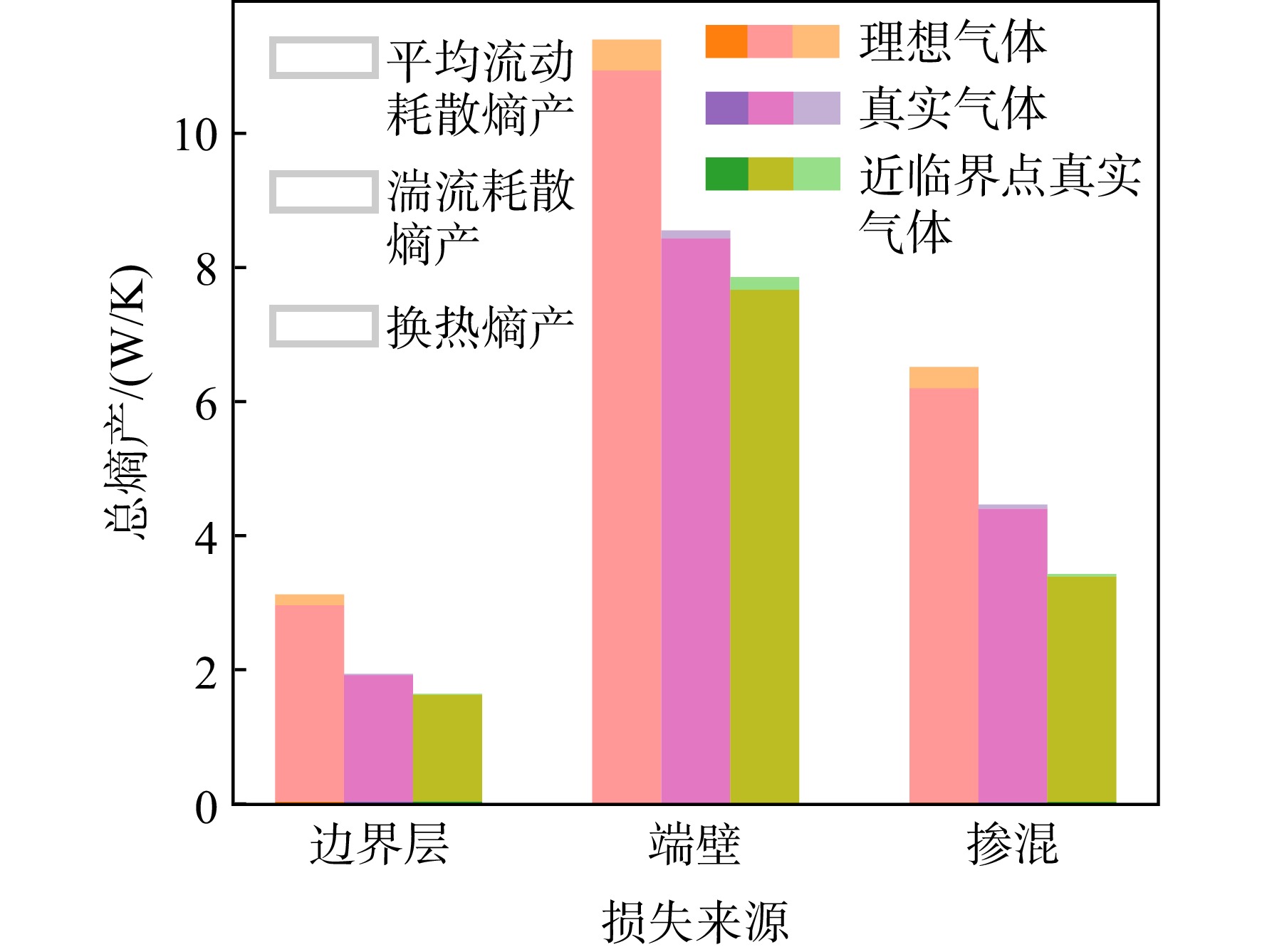
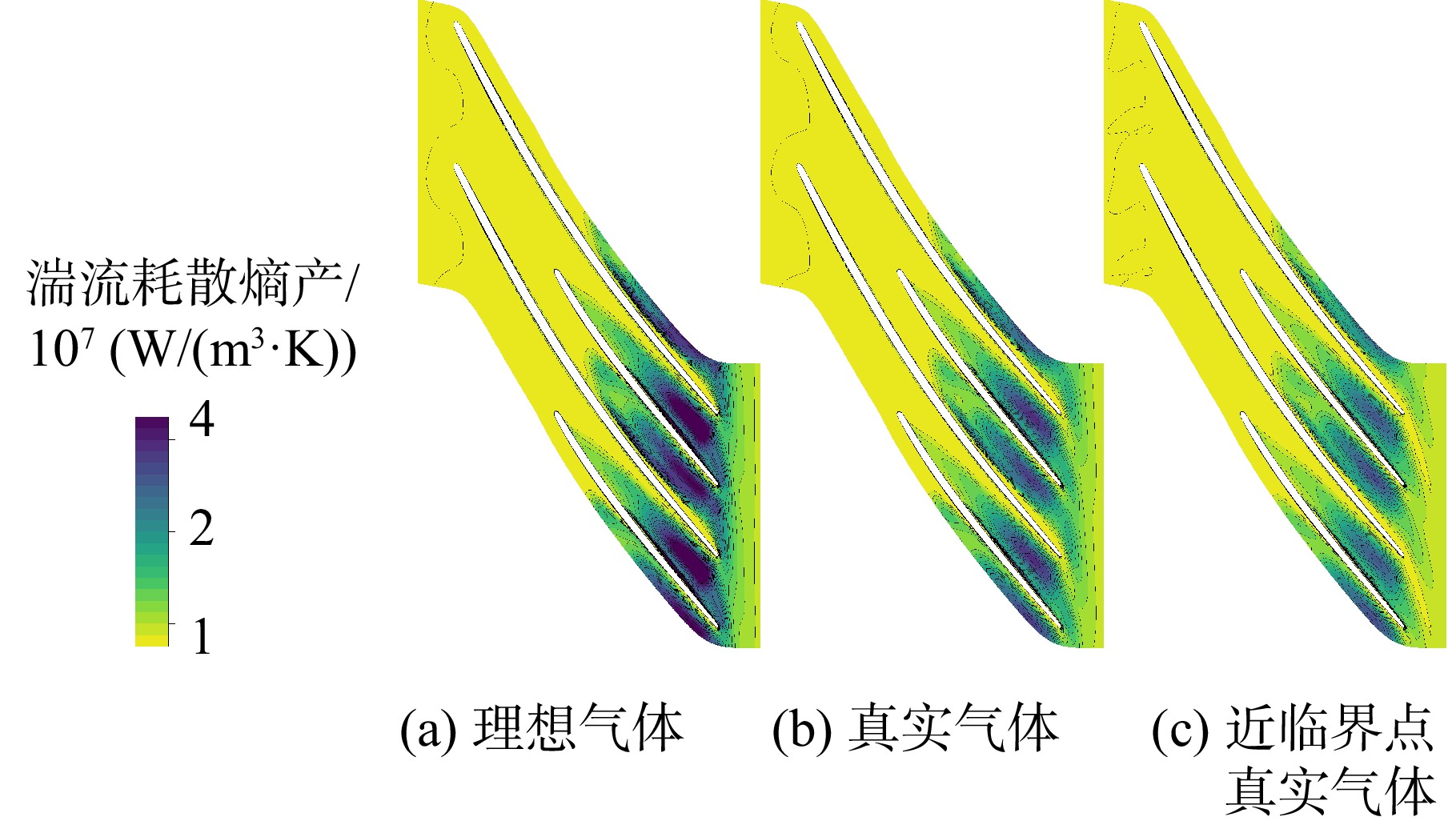
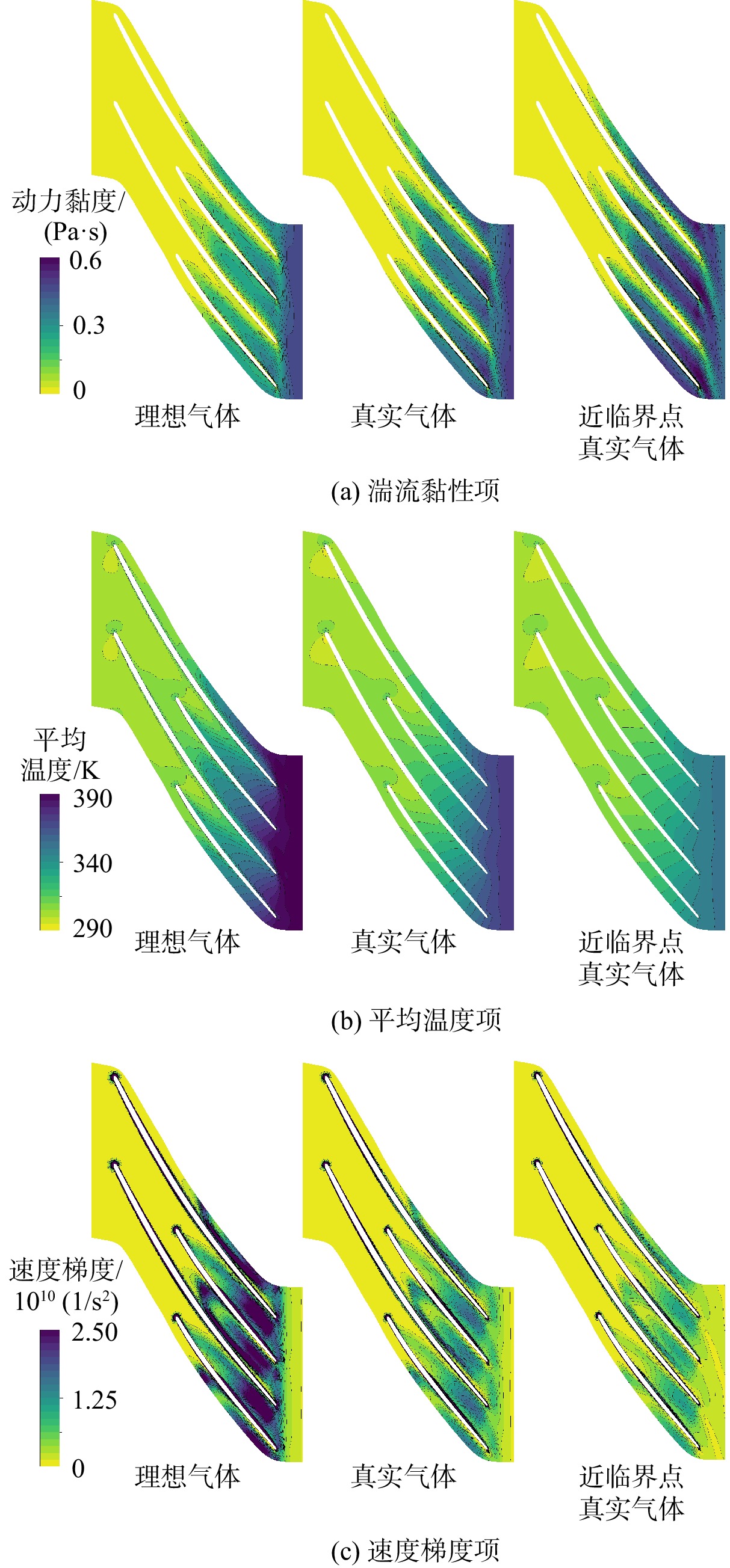
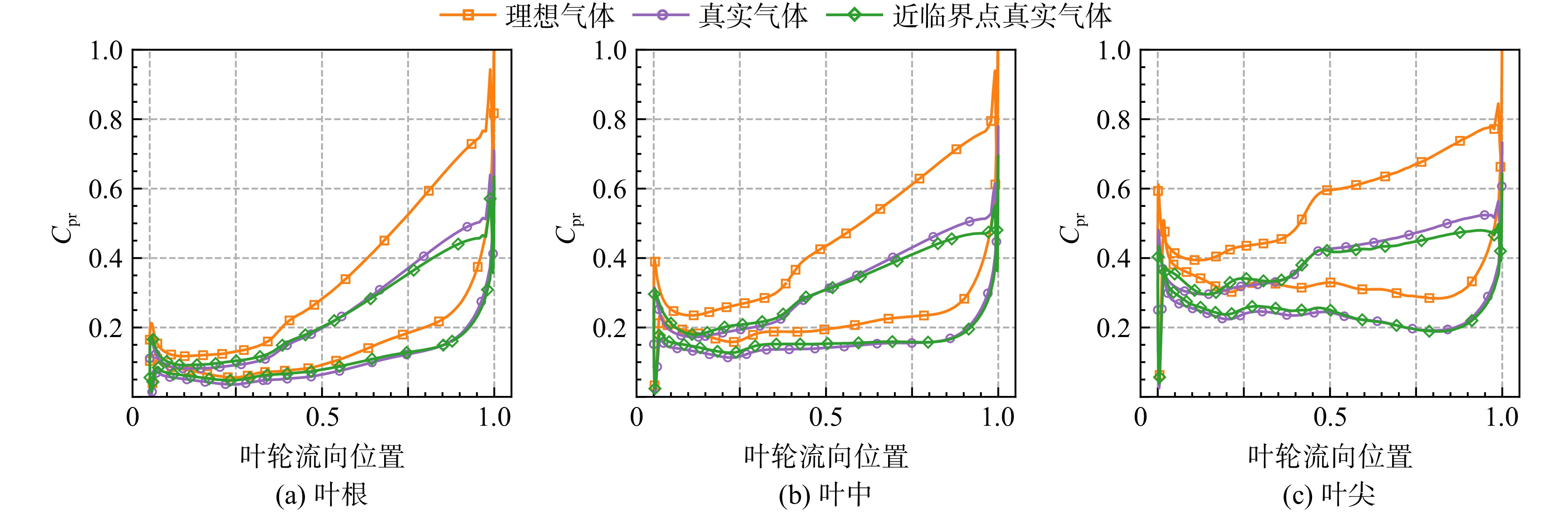
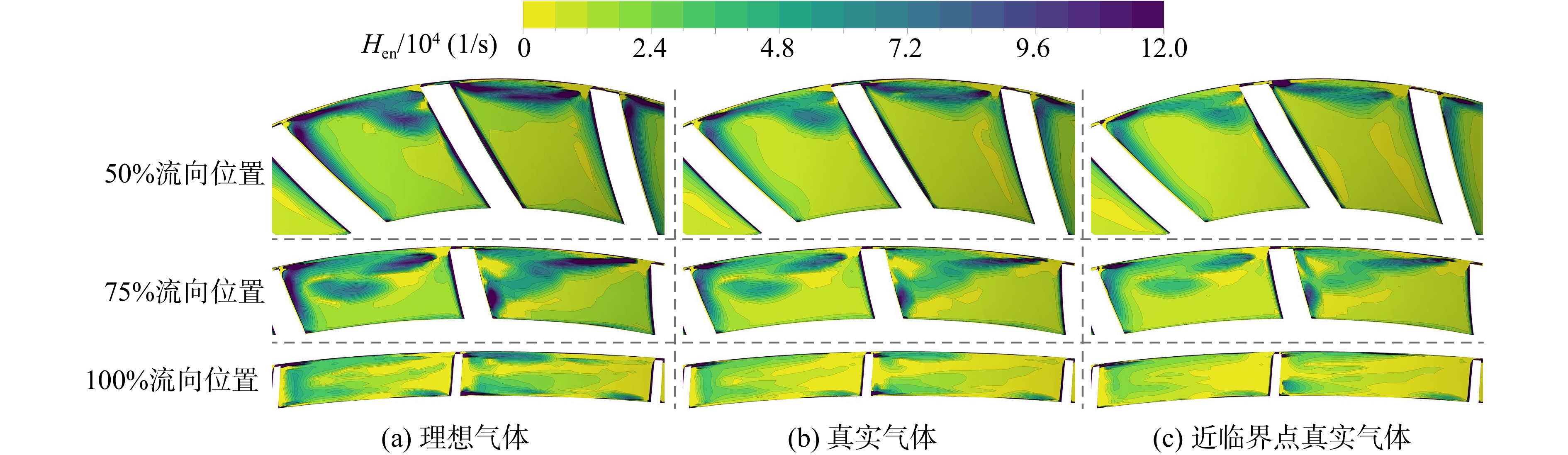
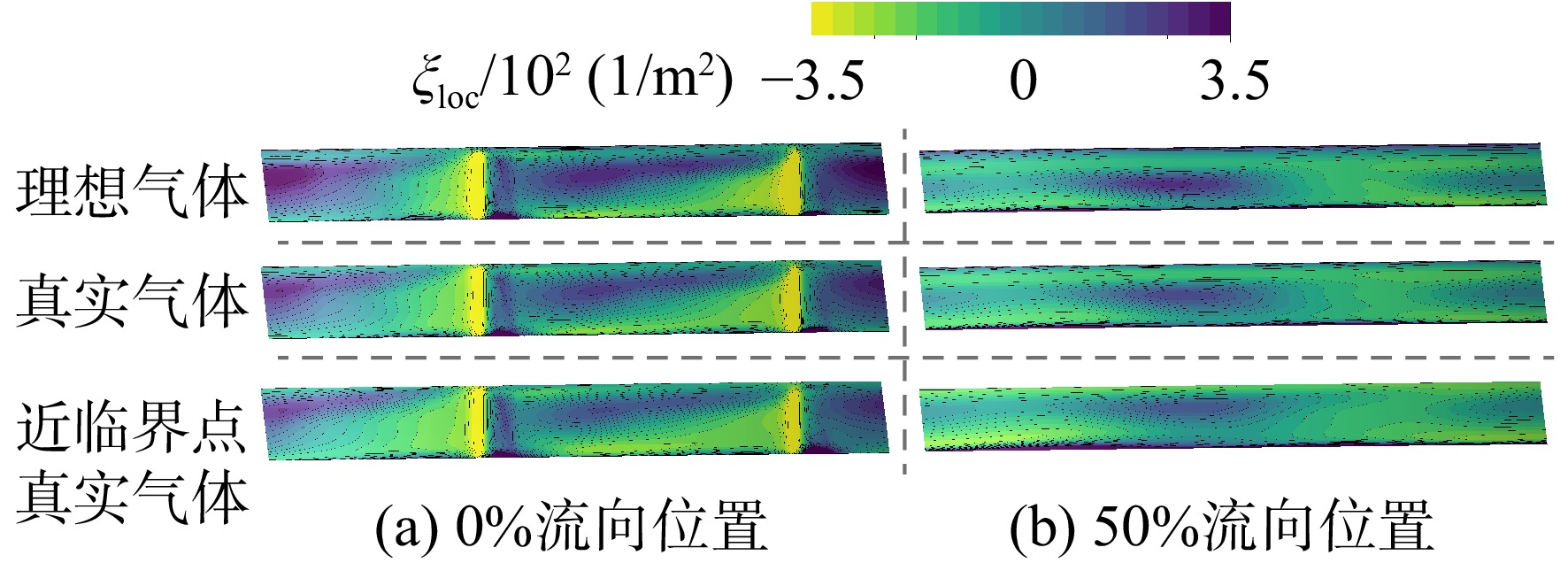
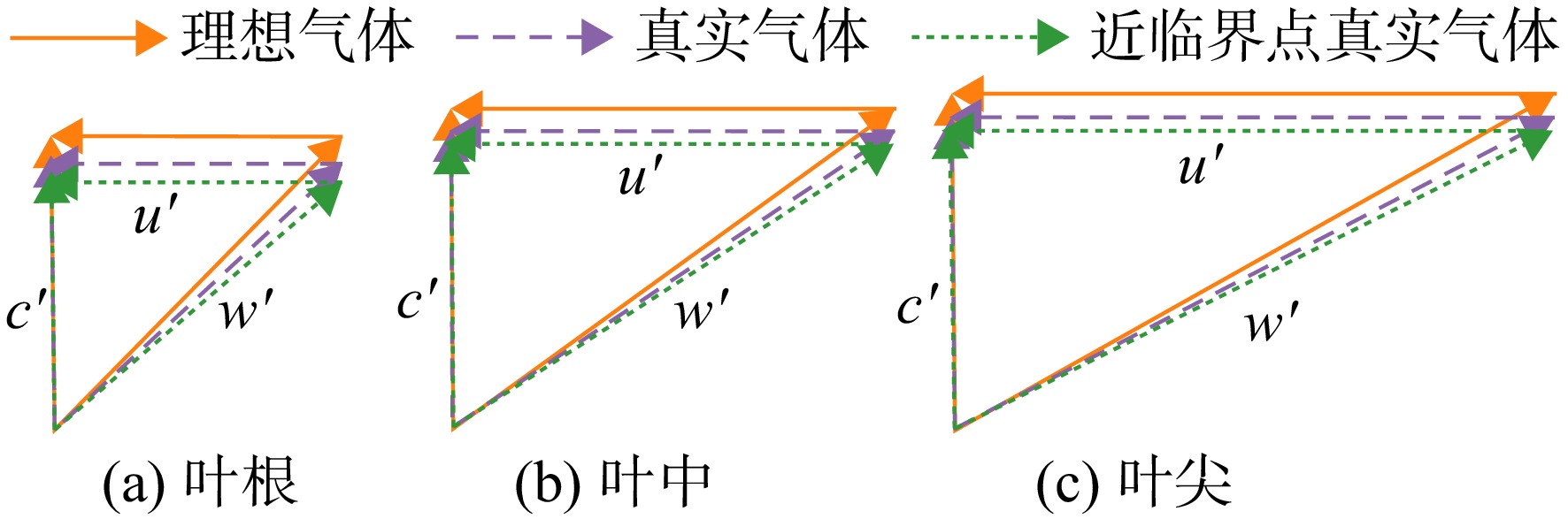
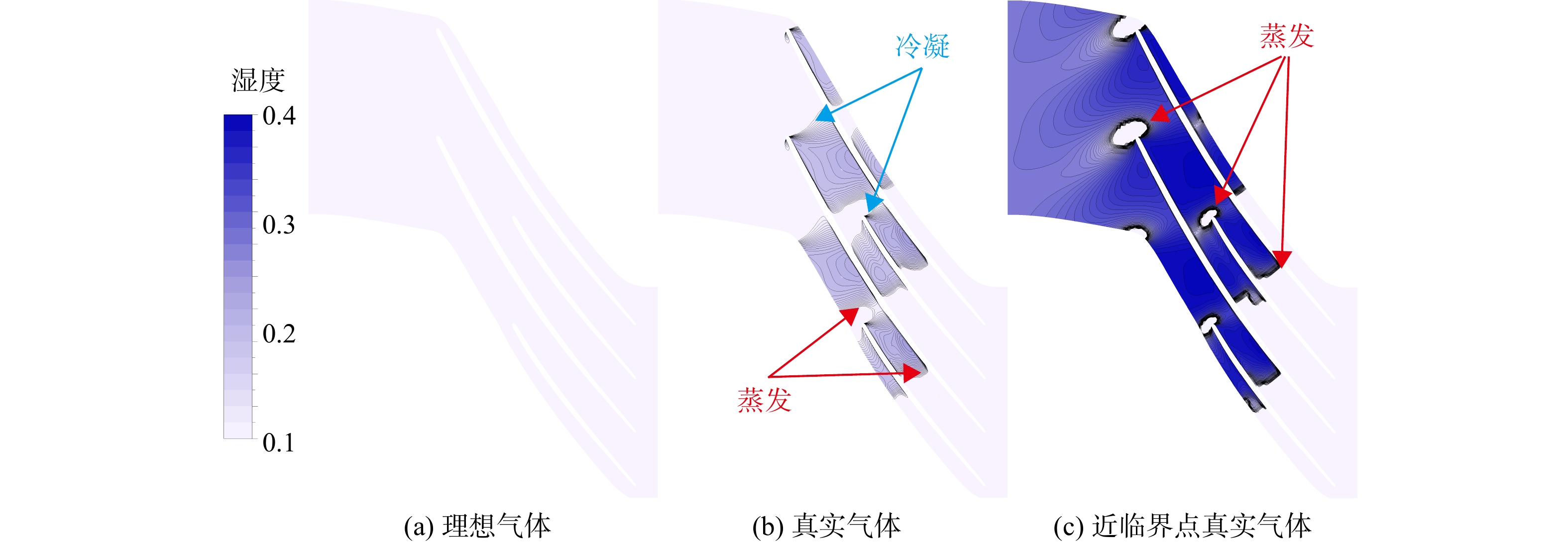
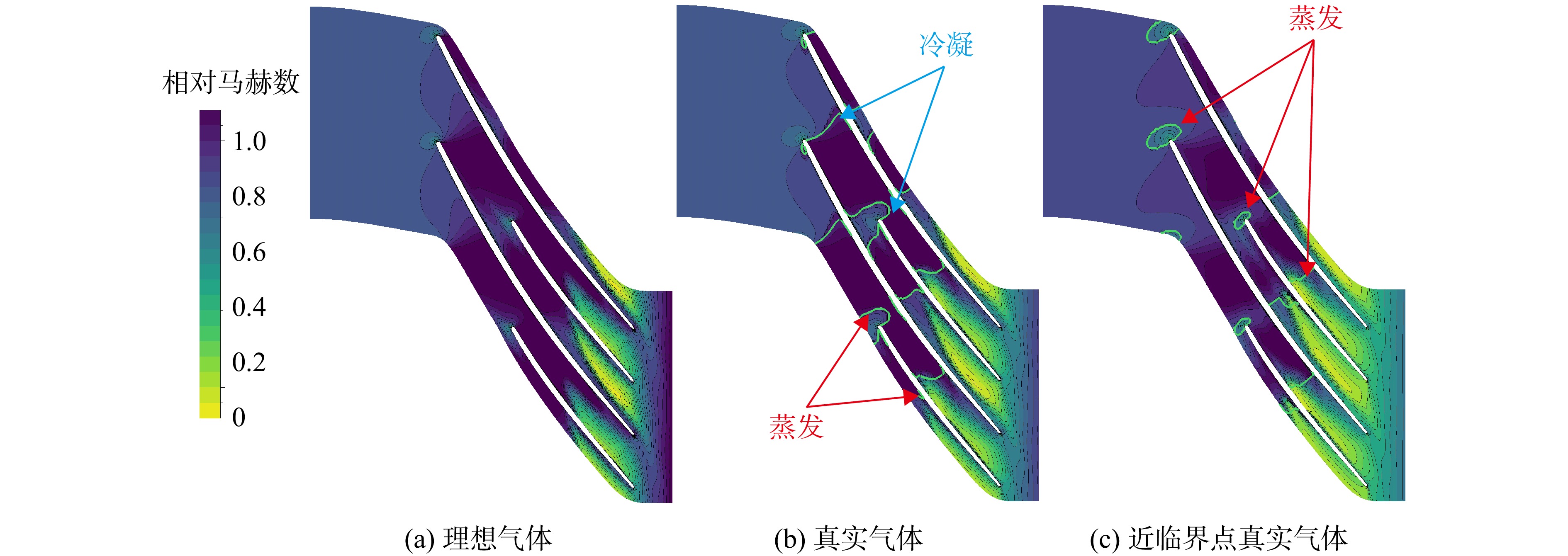
By utilizing similitude theory and numerical simulation, the coupling effects of real-gas aerodynamics and thermophysical properties on the performance of compressors were decoupled. The characteristics and internal flow fields of a supercritical carbon dioxide centrifugal compressor were investigated under different inlet conditions, and the real-gas effects on the enthalpy increase, efficiency, and choke margin of the compressor were explored. The results showed that real-gas effects on the compressor performance can be divided into two categories: thermodynamic effects inherent in the thermodynamic definitions of the performance parameters and aerodynamic effects within the compressor's internal flow field. Among them, aerodynamic effects played a dominant role. By leveraging similitude parameters, the thermodynamic effects can be eliminated. When the real-gas effects were intensified, the reduction in fluid compressibility decreased the impeller’s Euler work, leading to a reduction in enthalpy increase. The alleviation of the blade loading reduced load-related aerodynamic losses, thereby improving the efficiency. The presence of two-phase flow and the onset of choking at the throat led to the reduction of choke margin.

Experimental investigation on flow control of corner separation in a compressor cascade
SUN Shuxian, ZHOU Ling, ZHU Yichen, MENG Tongtong, ZHU Huiling, JI Lucheng
2025, 40(5): 20220925. doi: 10.13224/j.cnki.jasp.20220925
Abstract:

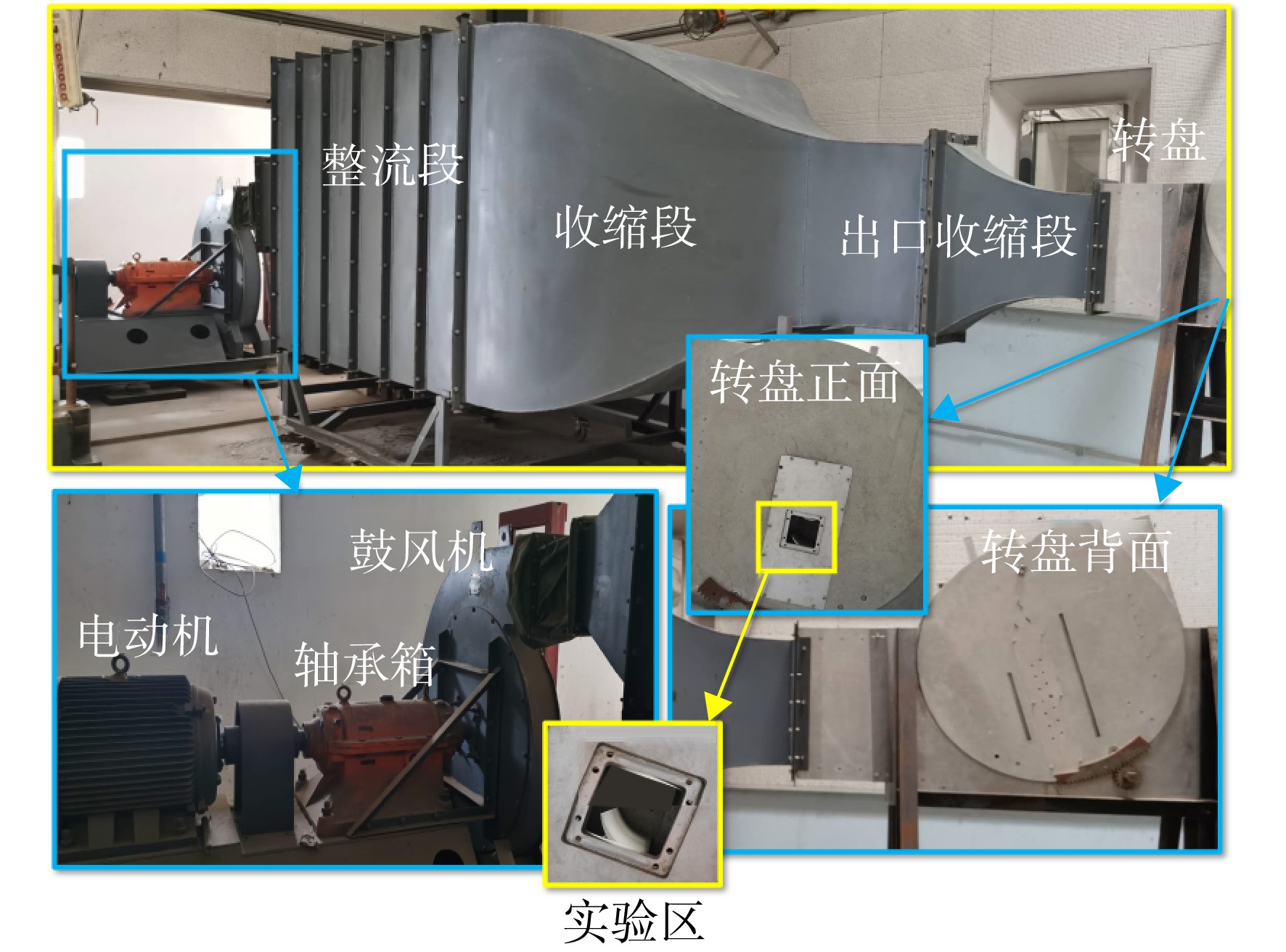
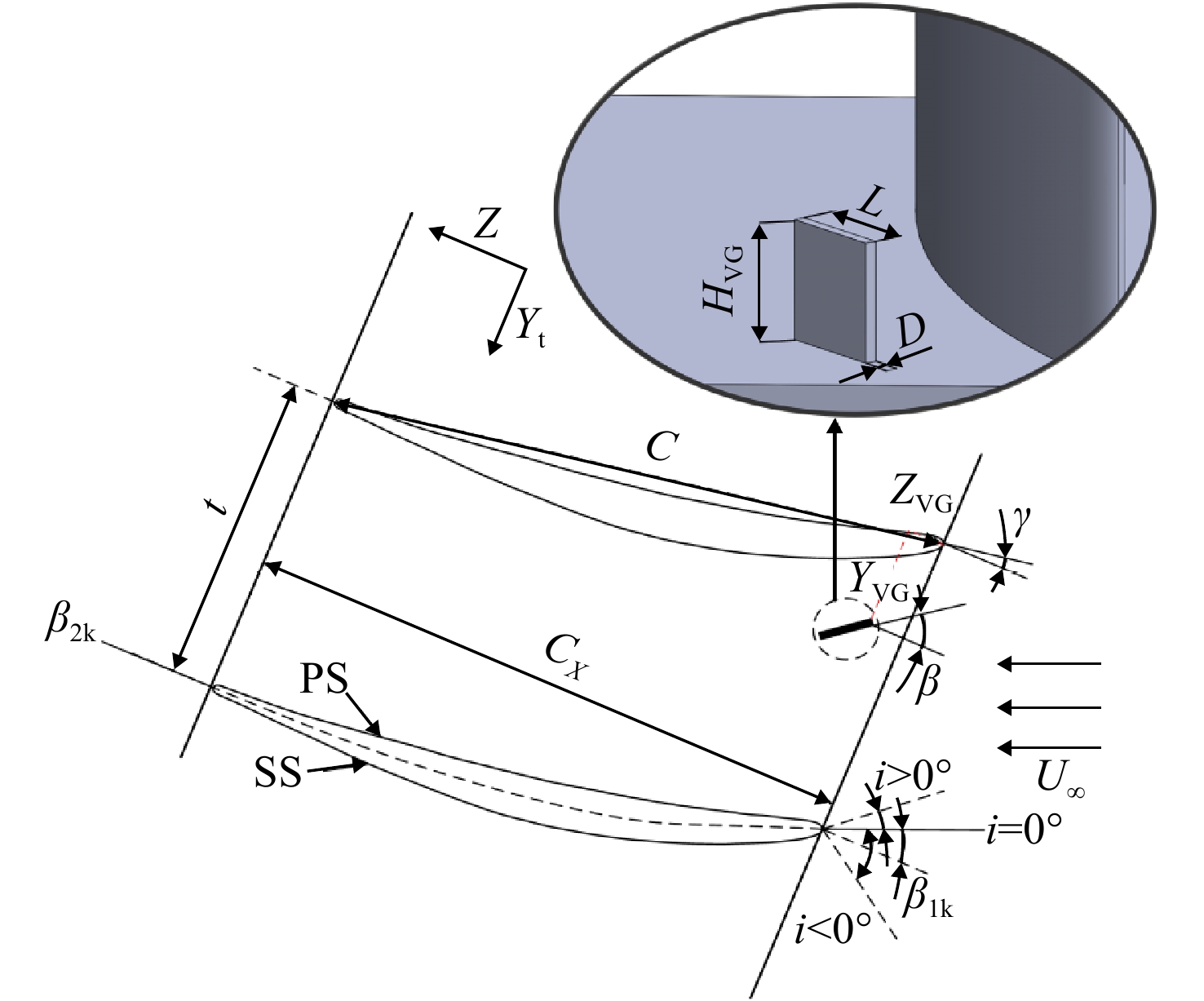
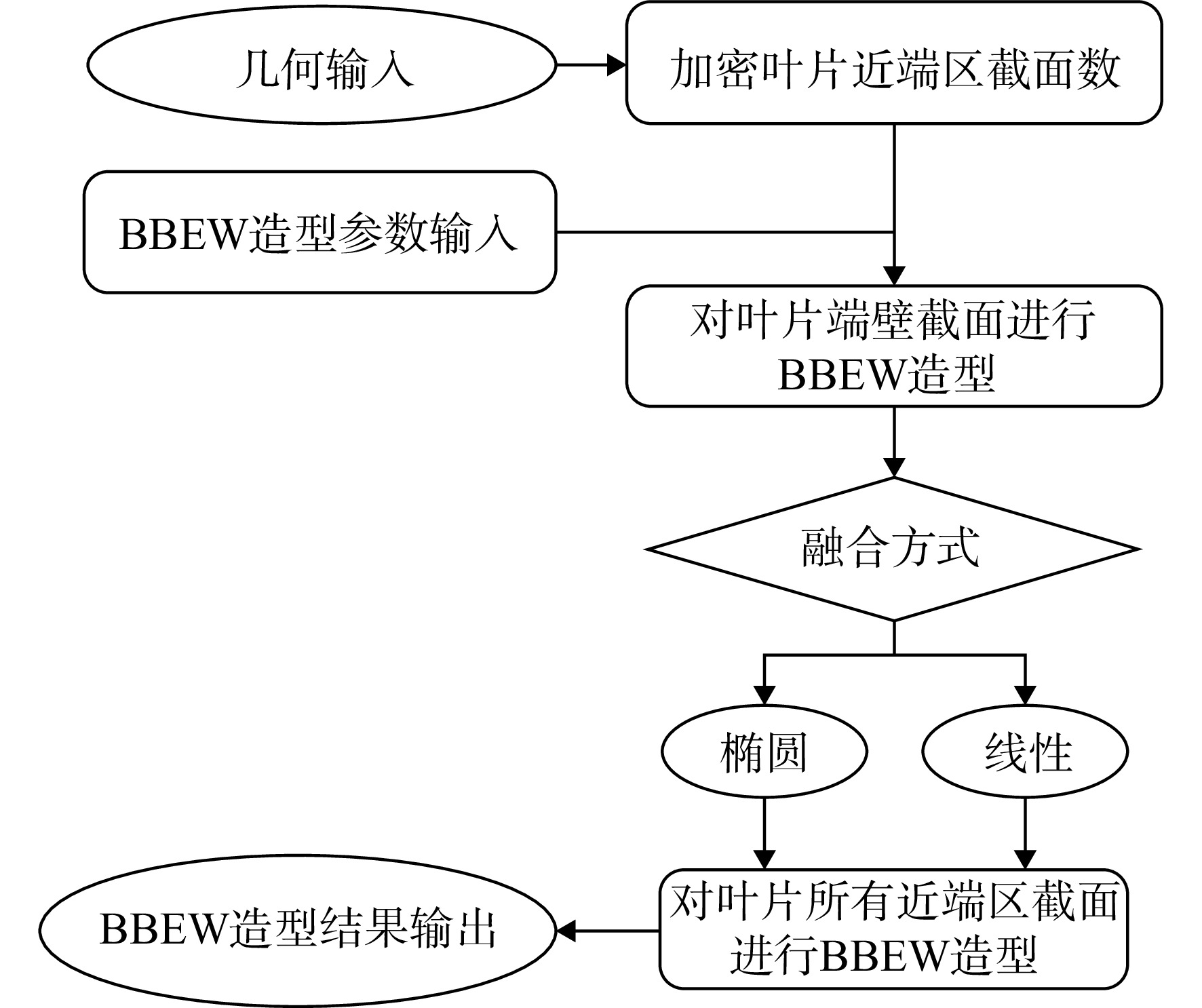
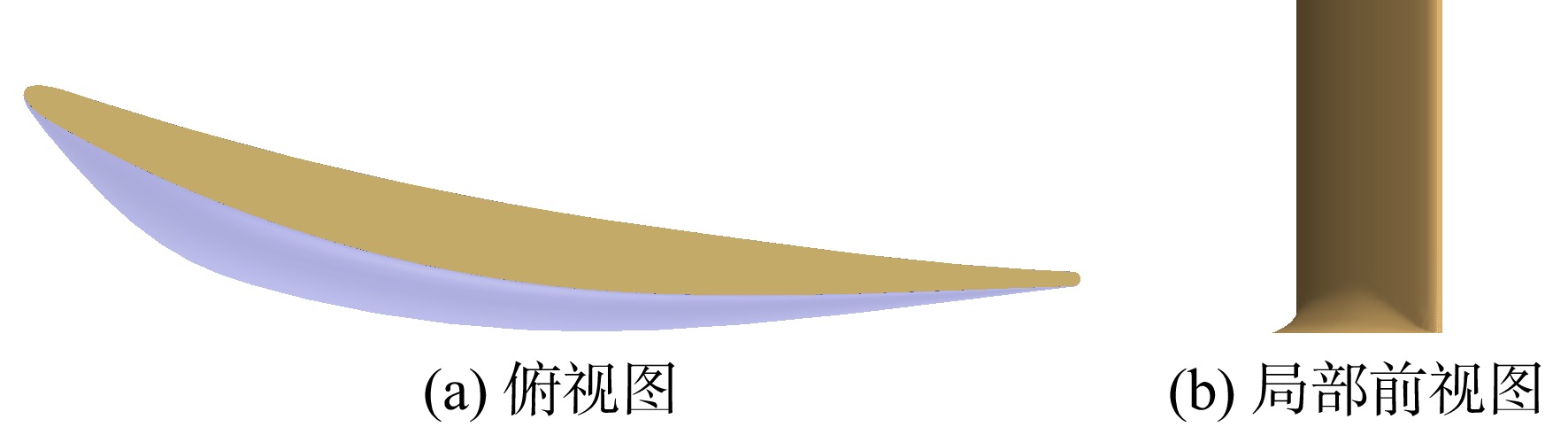
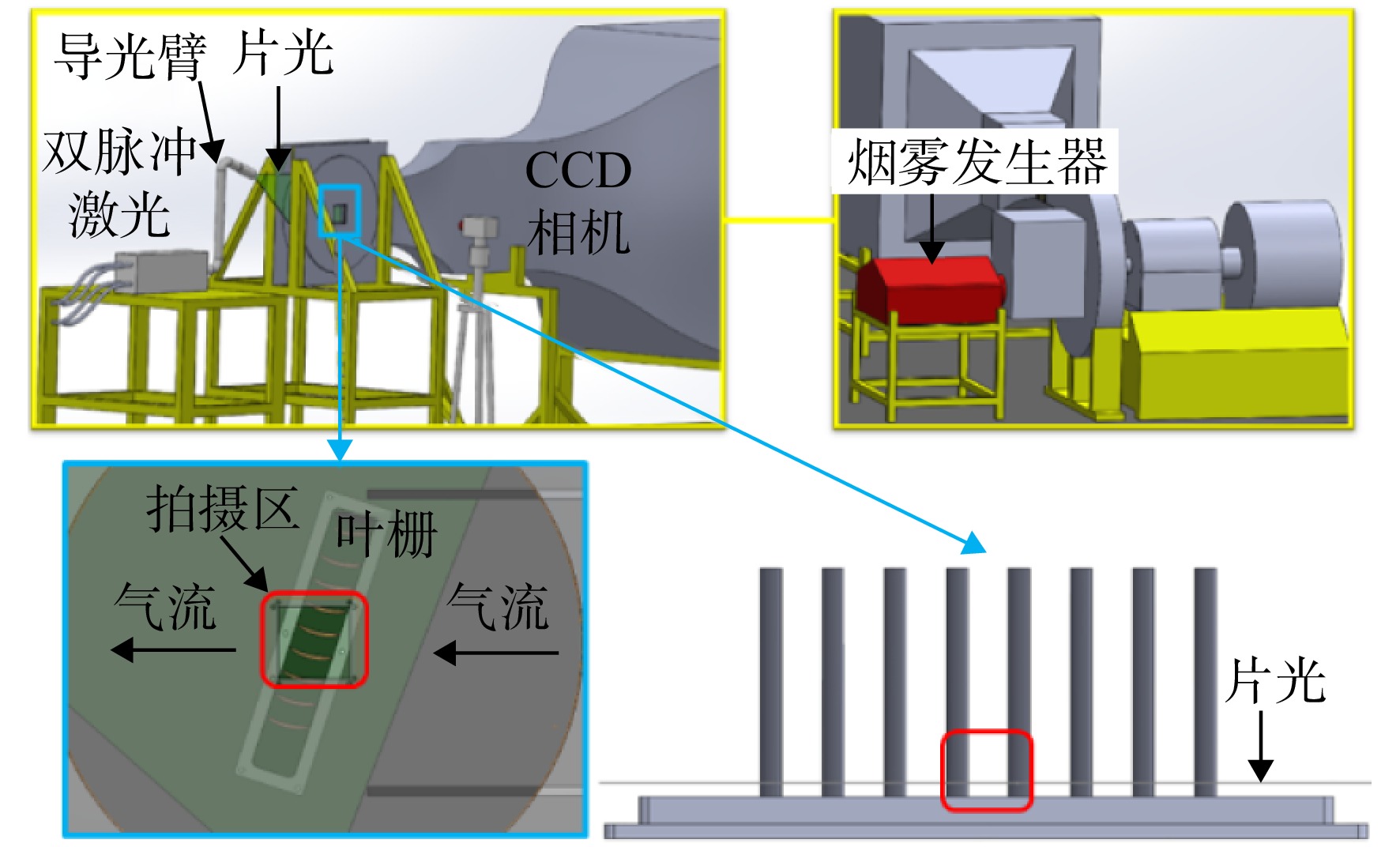
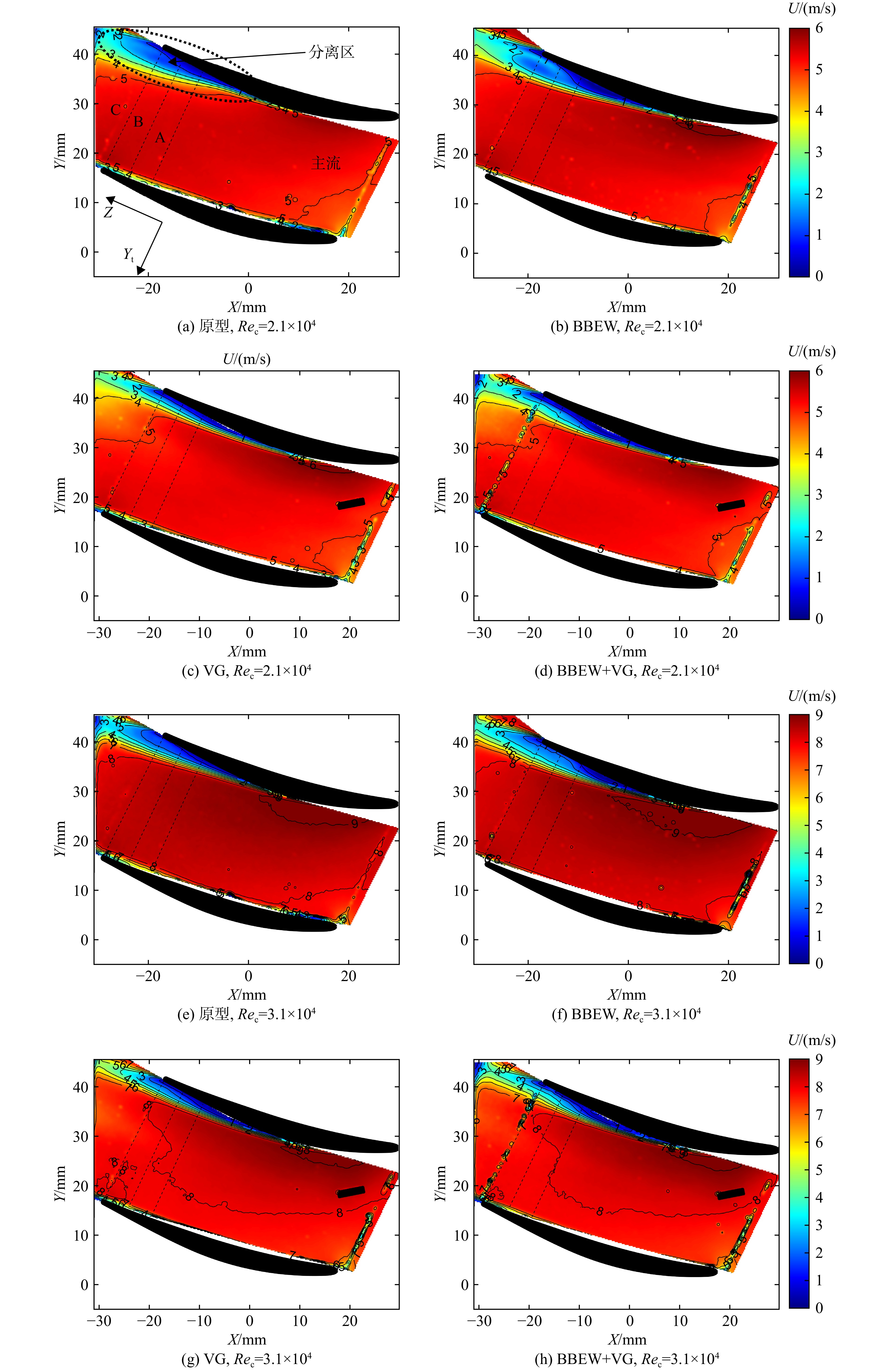
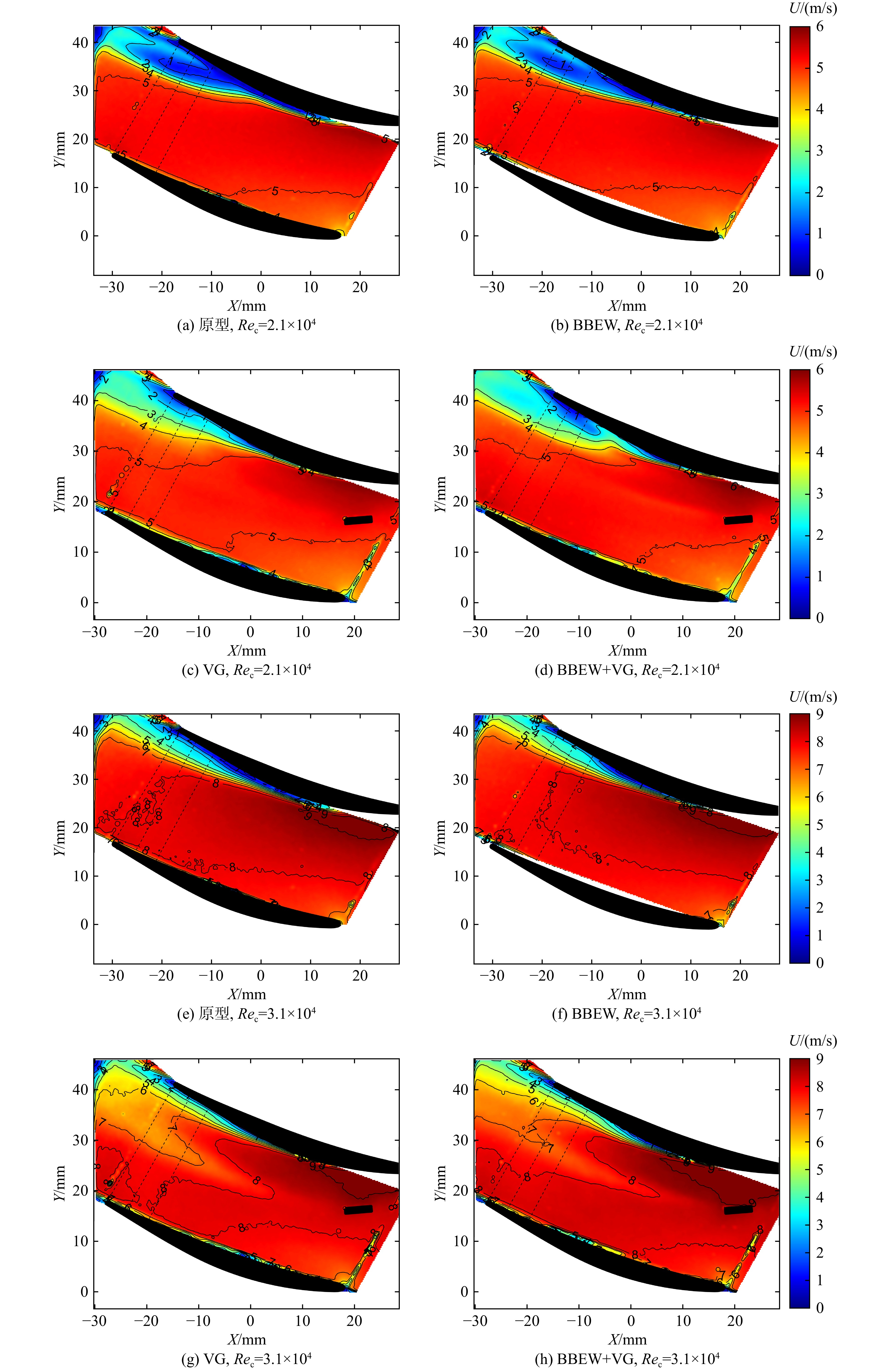
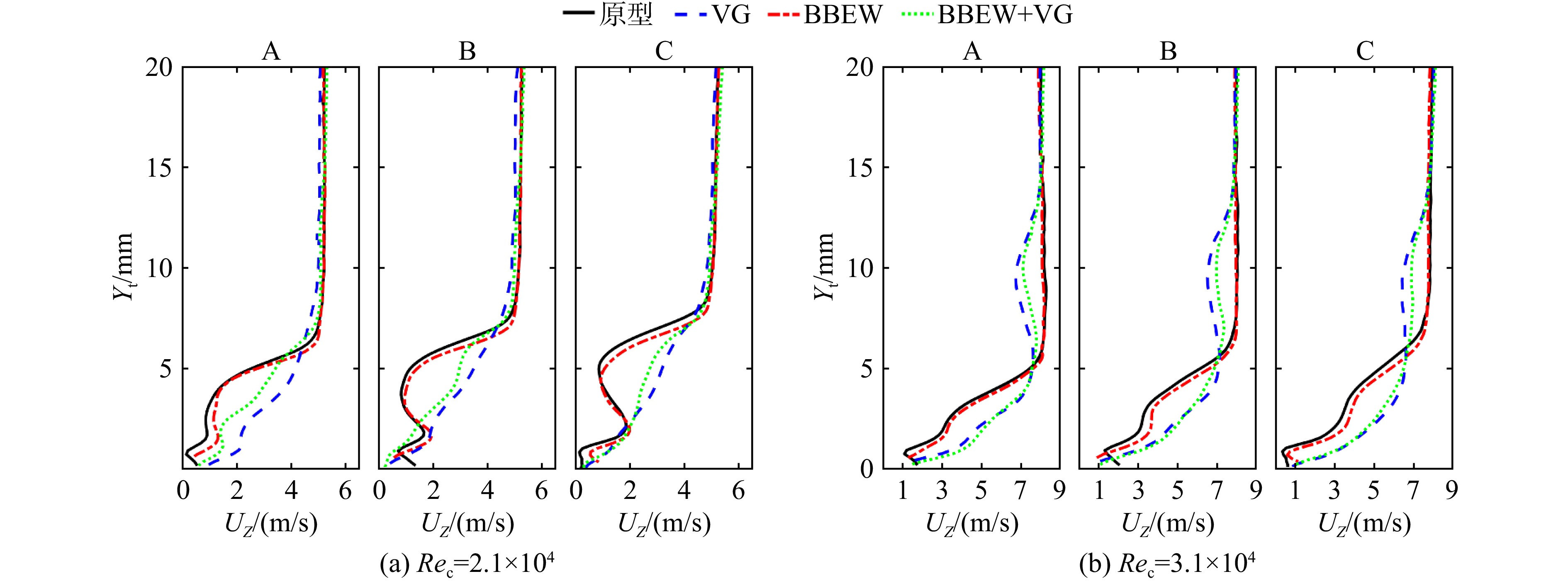
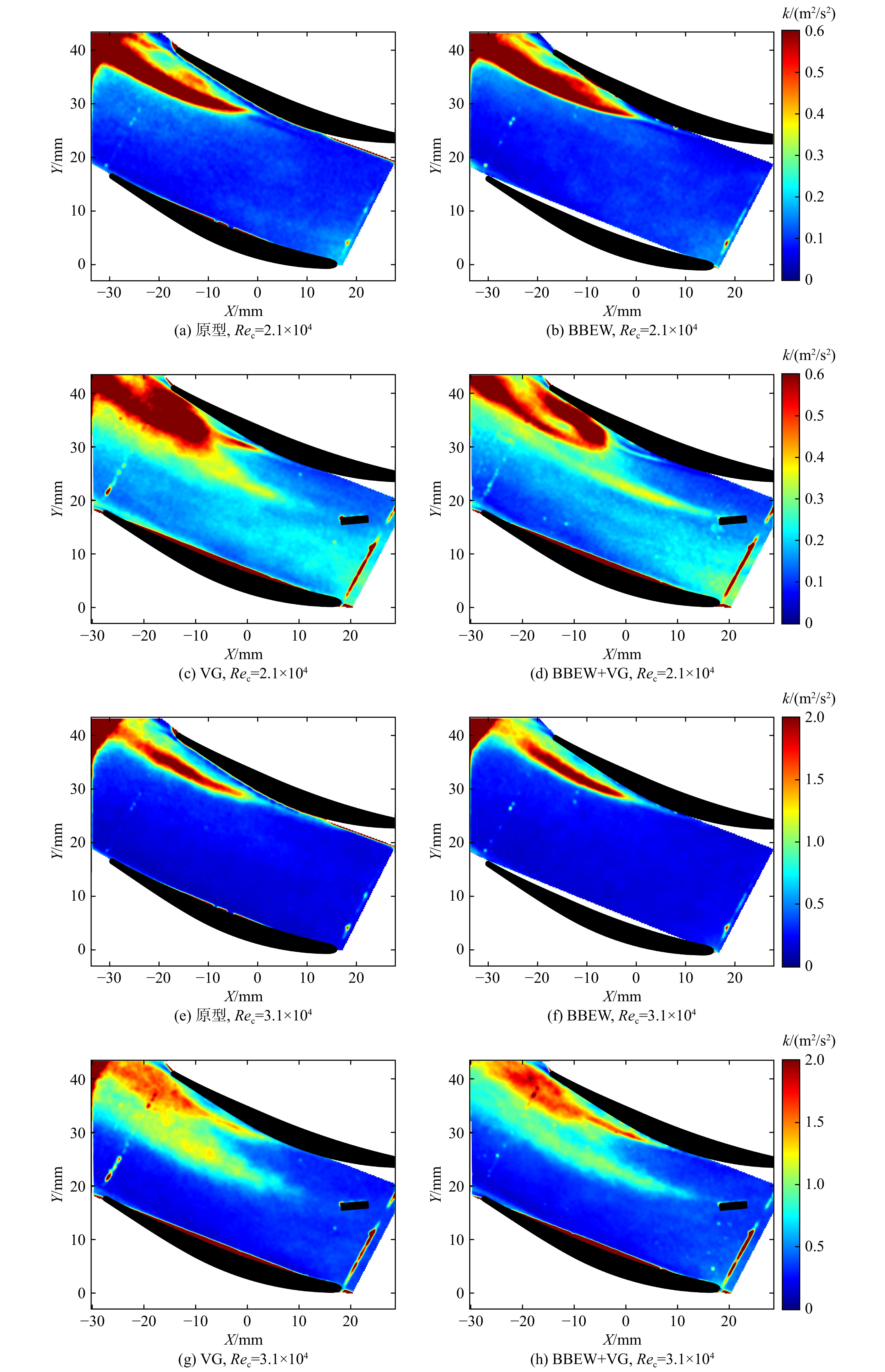
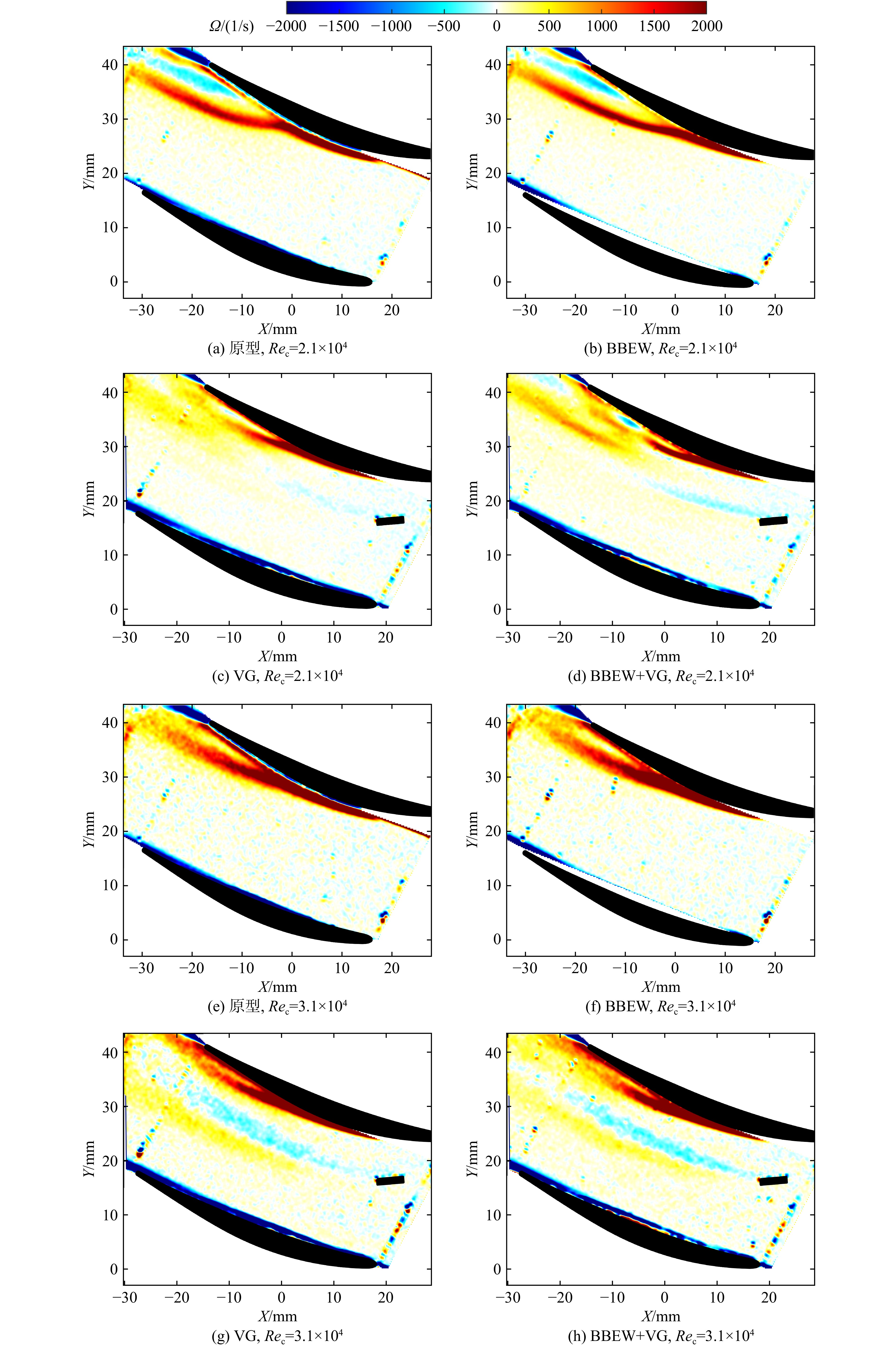
Corner separation is an inherent flow instability phenomenon in a compressor cascade, and its control is an important component of strategies to reduce flow loss and improve the aerodynamic performance of compressors. To deepen understanding of flow mechanisms associated with corner separation and techniques for controlling it, three passive control schemes, i.e., blended blade and endwall (BBEW), vortex generator (VG) and their compound control scheme, were designed based on the customized compressor cascade. Particle image velocimetry (PIV) was used to measure the velocity distribution at different attack angles and velocities in a low-speed cascade wind tunnel. The experimental results showed that the designed BBEW control cascade had limited inhibition on corner separation, and it aggravated the separation under some operating conditions. The cascade with VG can disturb and break the separated shear layer by the wake vortices, helping to promote the mixing of the main flow and low energy fluids, enhance the kinetic energy of the separation zone, and effectively restrain the corner separation.

Experiment on intermittent rotating instability based on wavelet transform analysis
YANG Fan, WU Yanhui, QIAN Kun, LI Bo
2025, 40(5): 20230576. doi: 10.13224/j.cnki.jasp.20230576
Abstract:

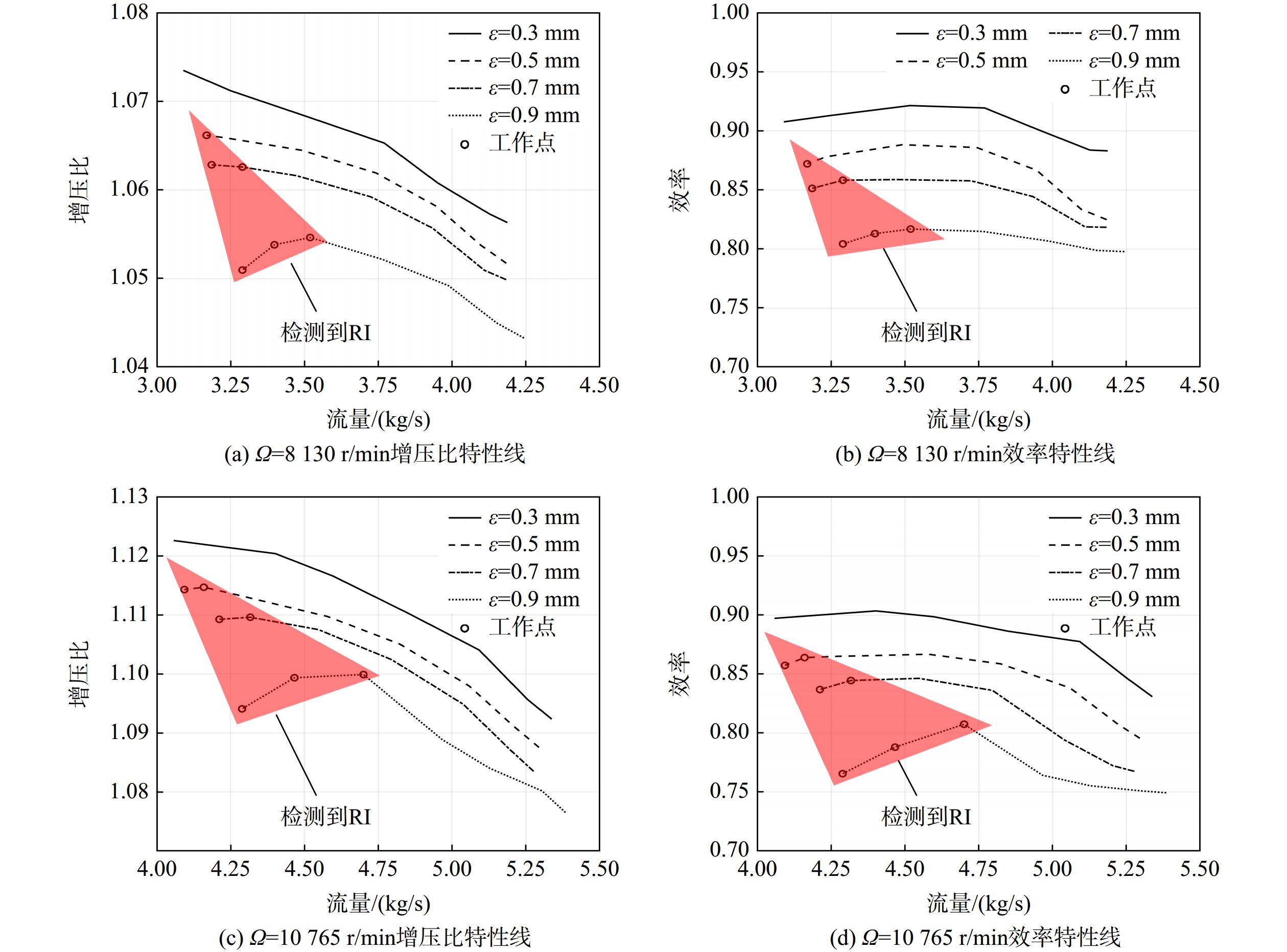
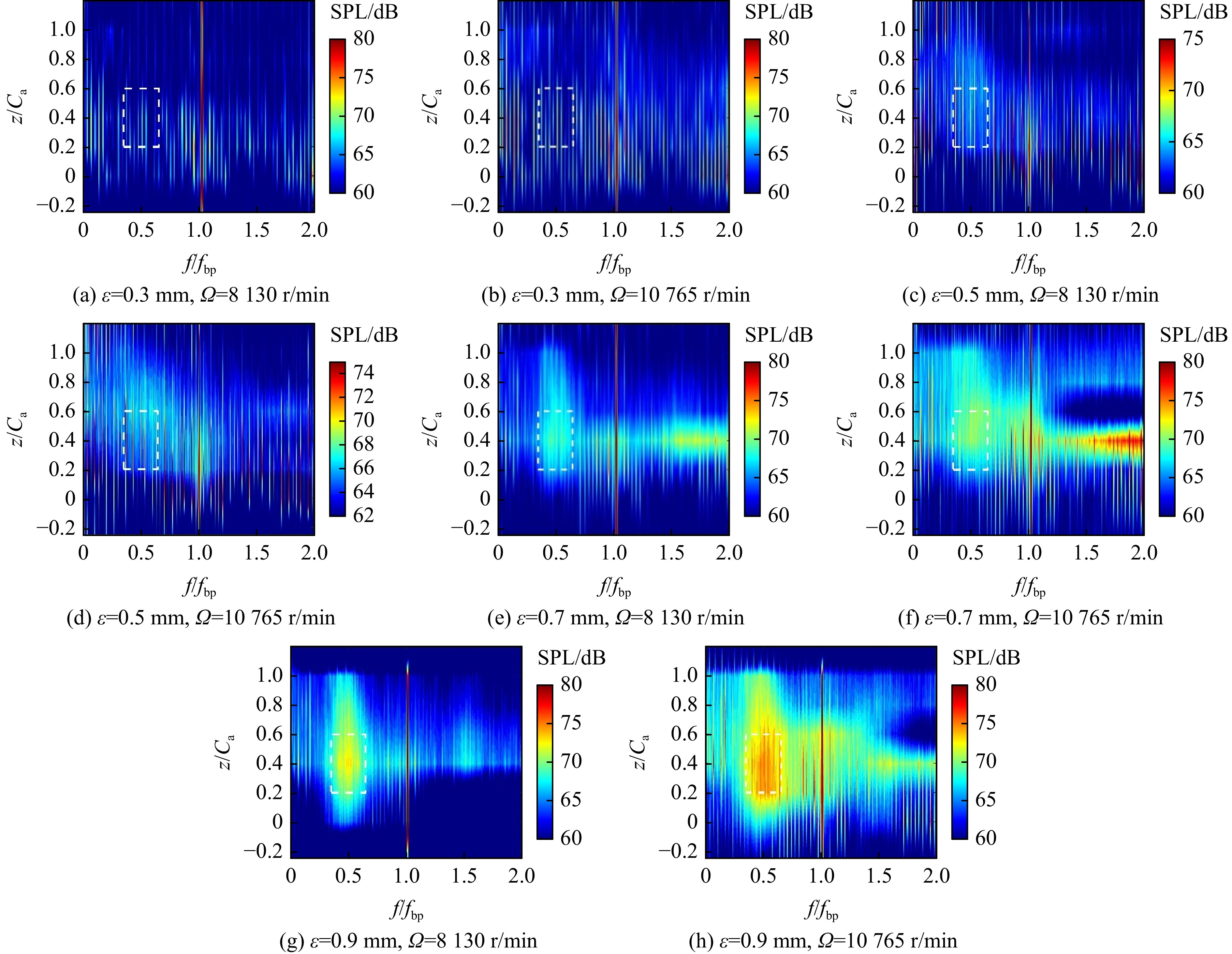
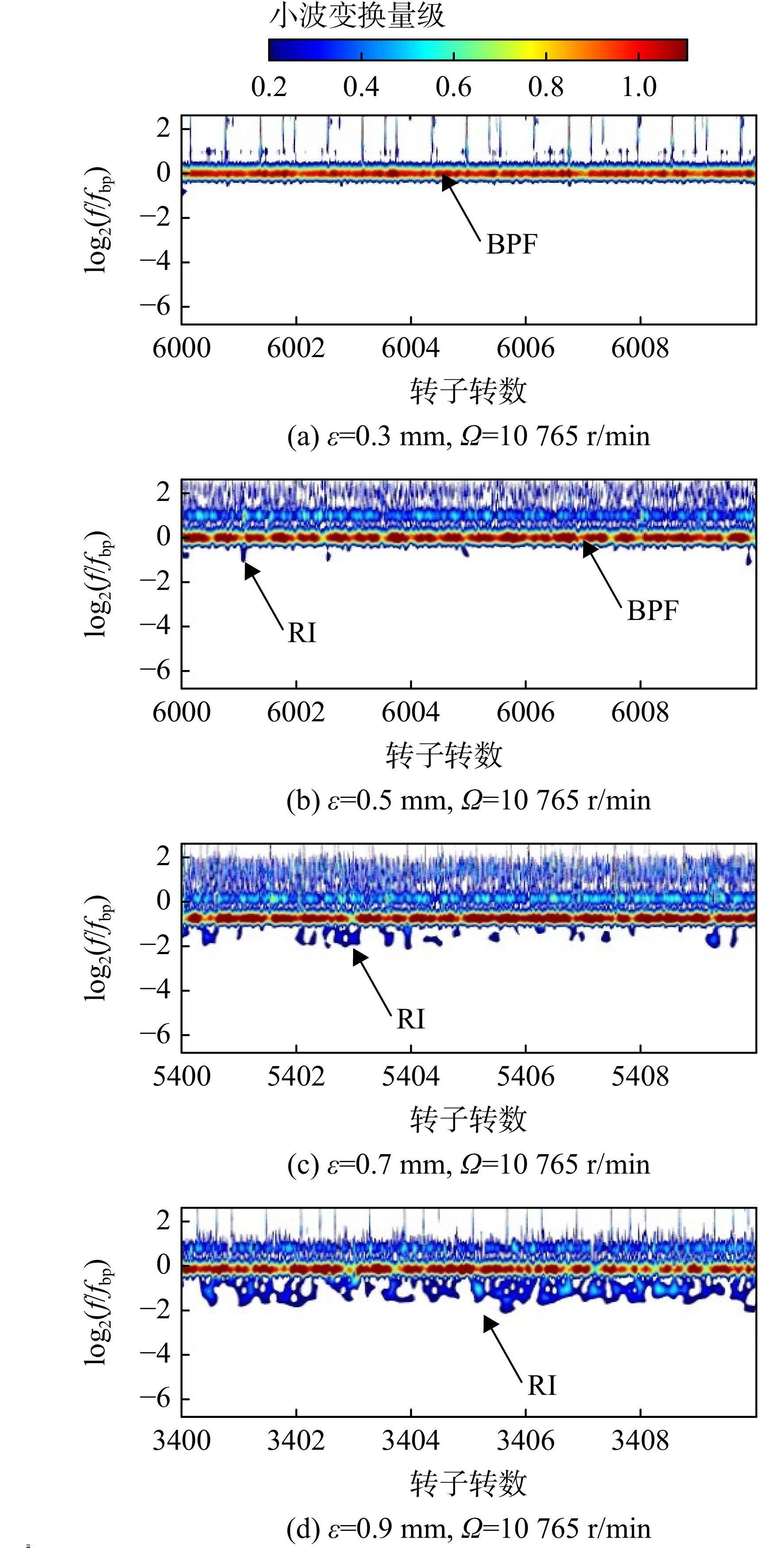
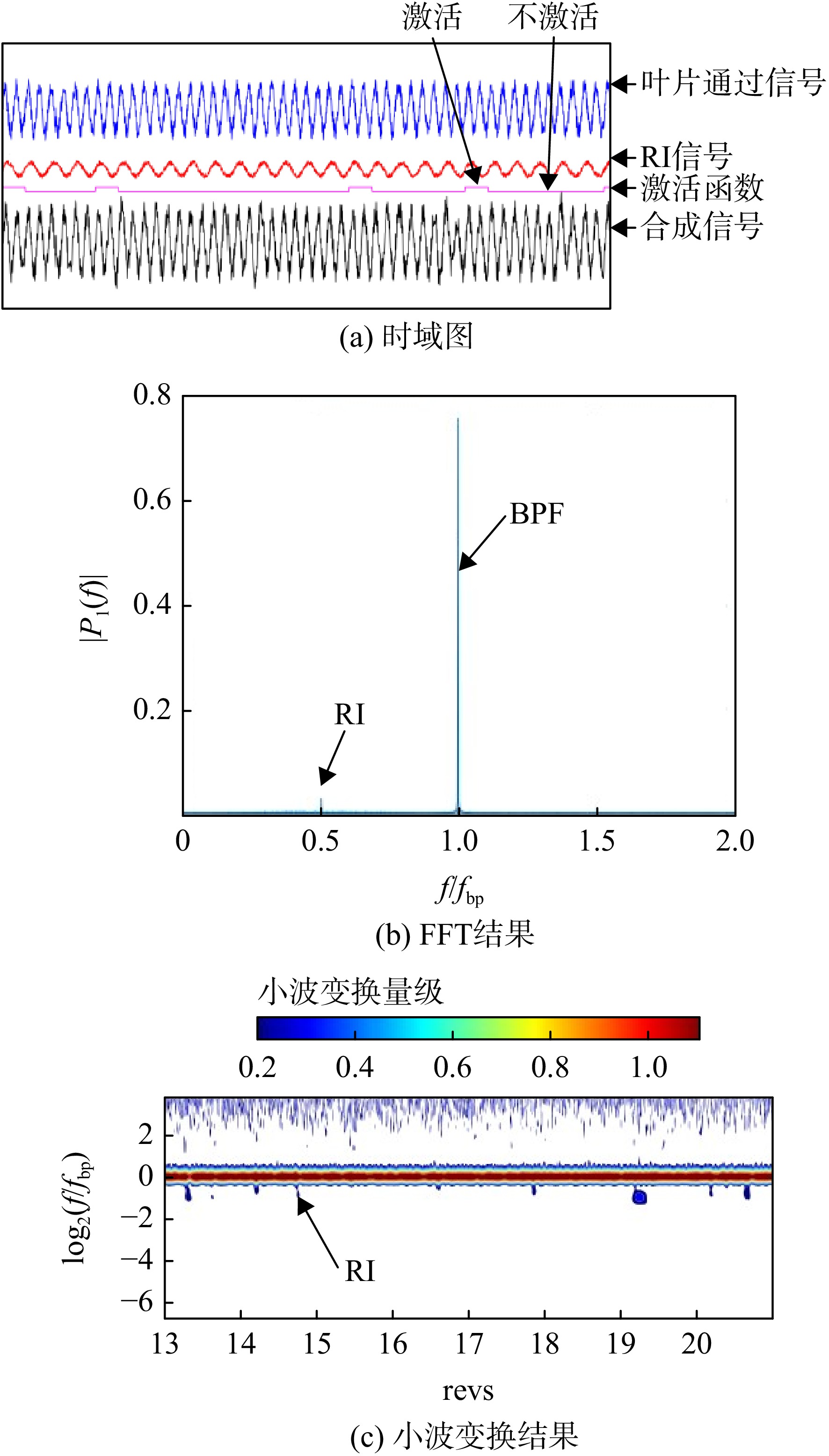
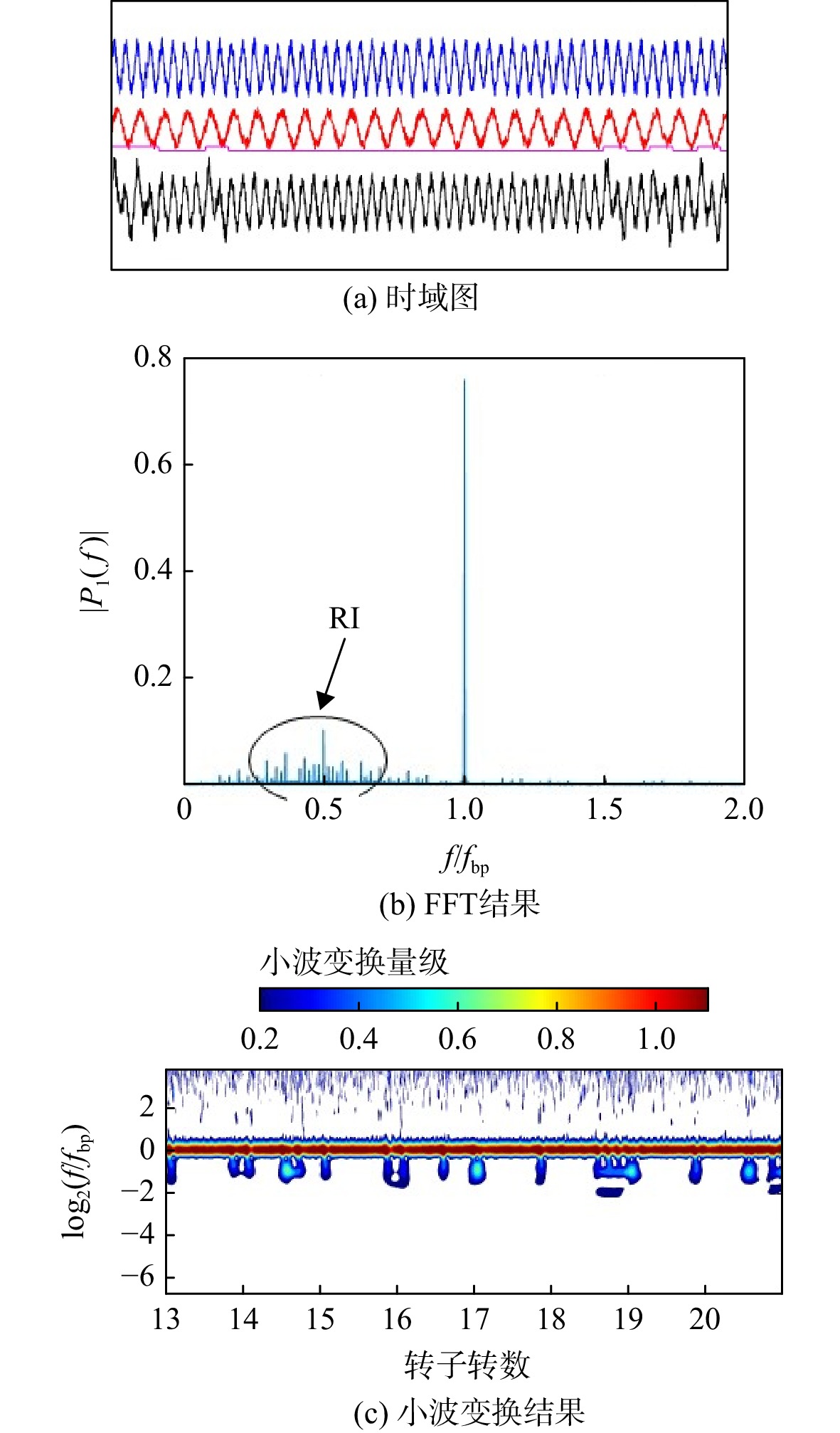
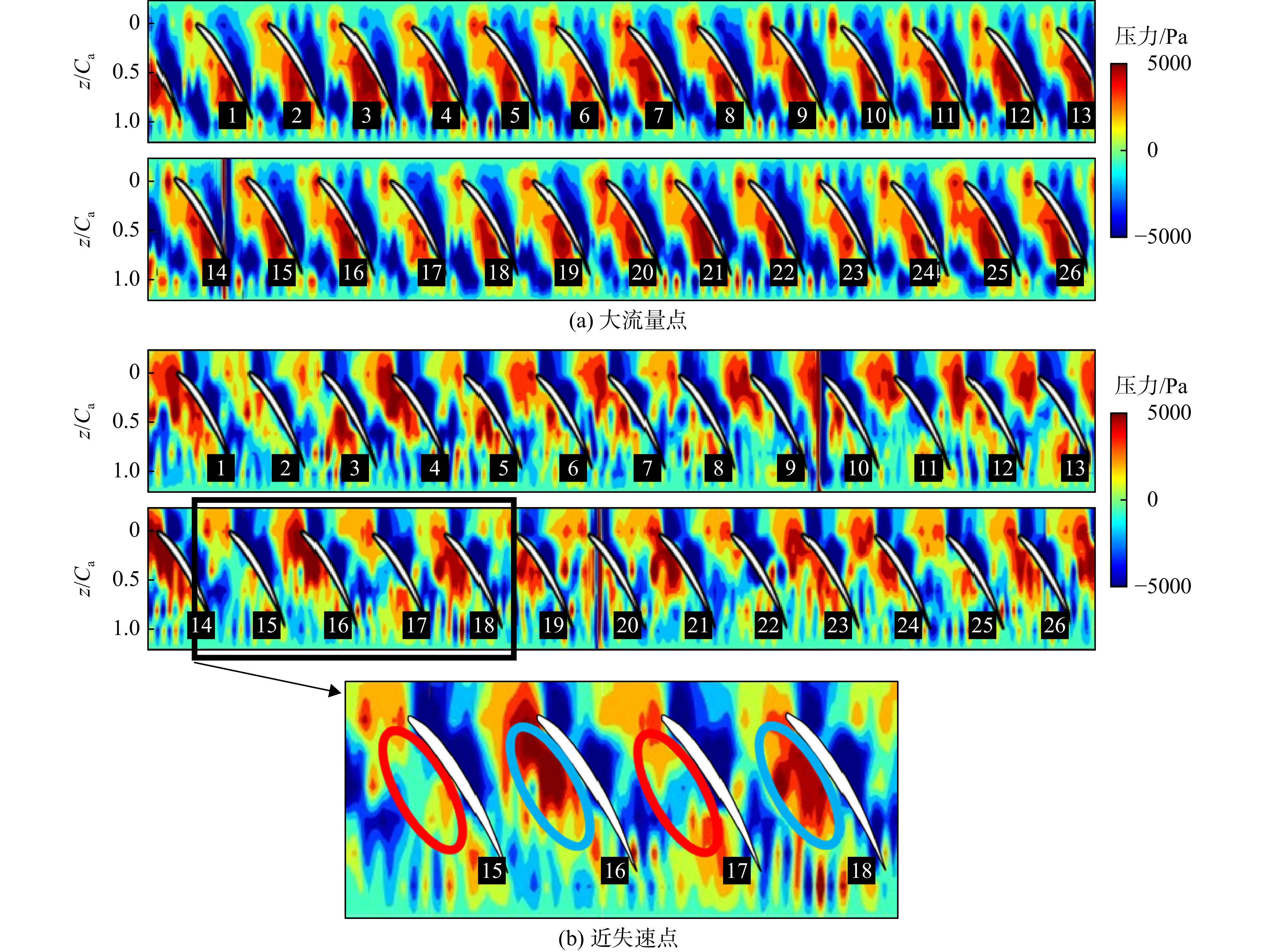
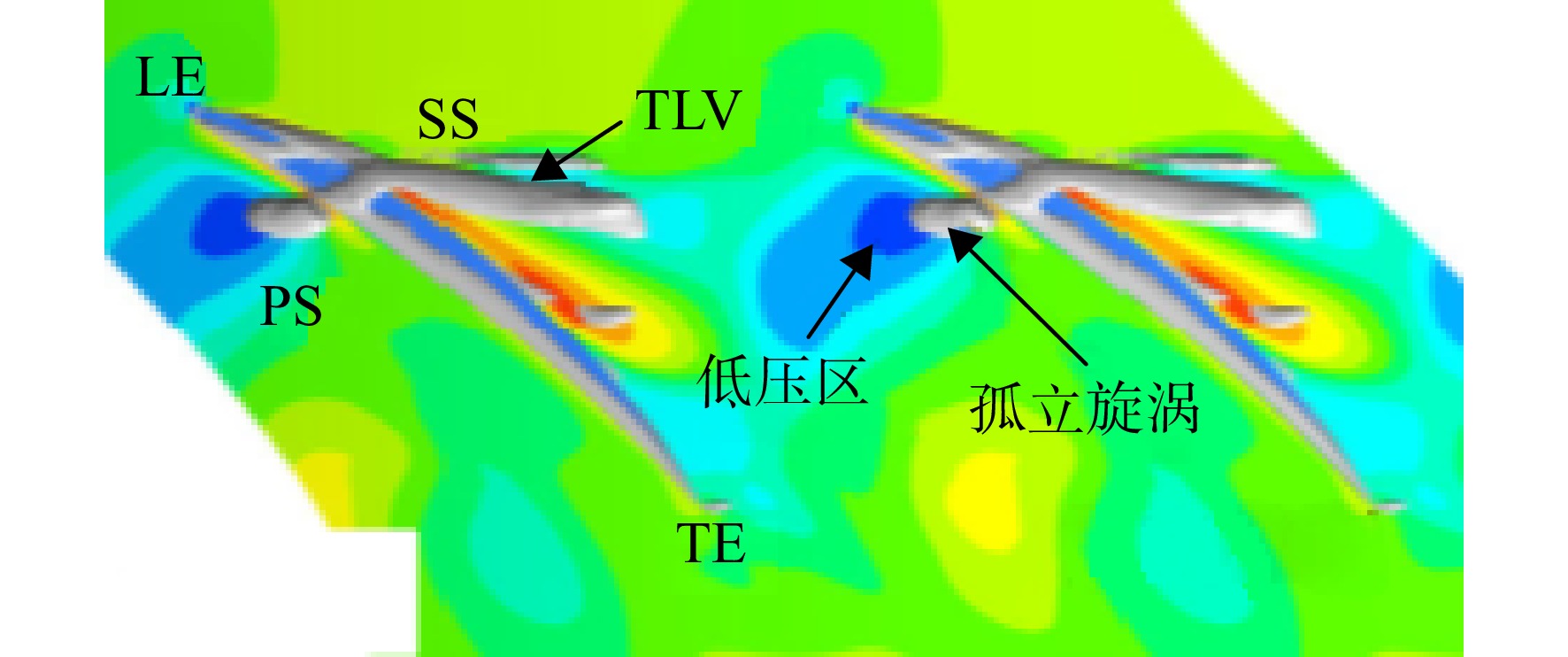
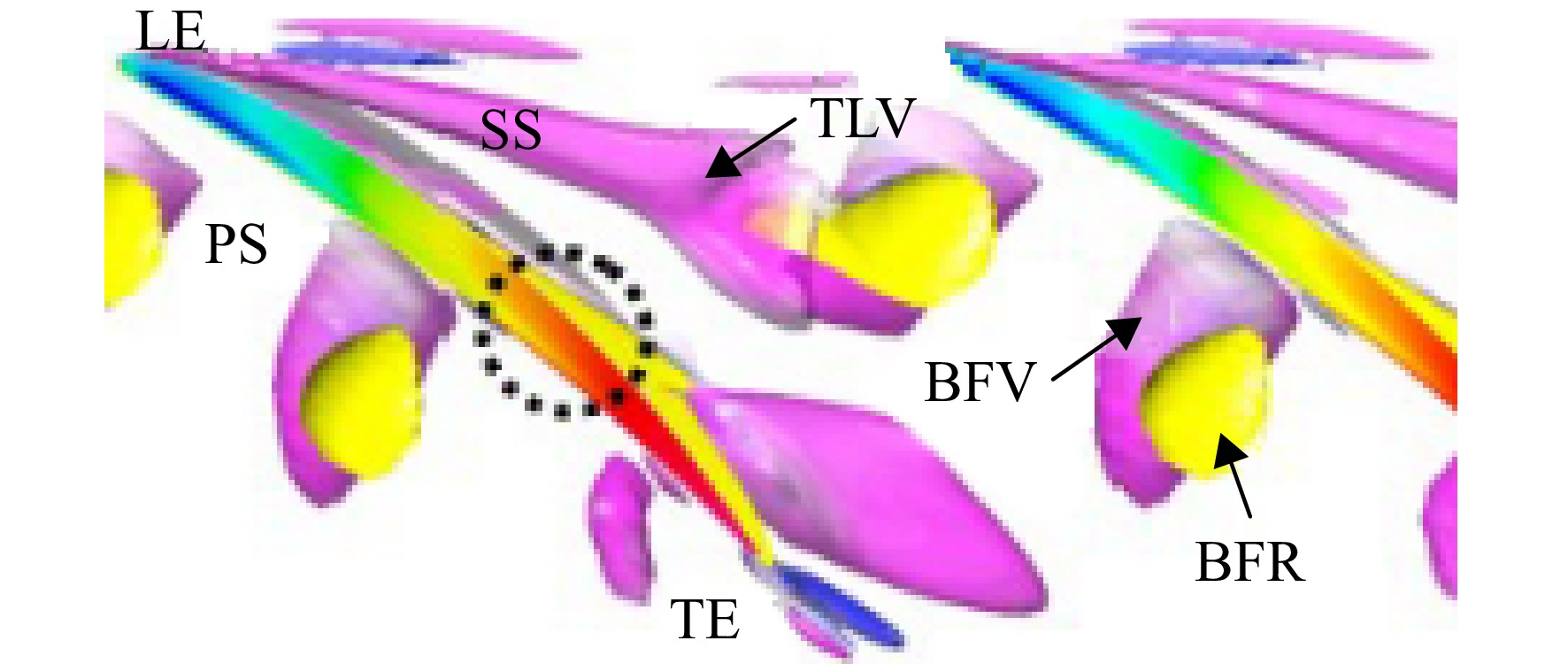
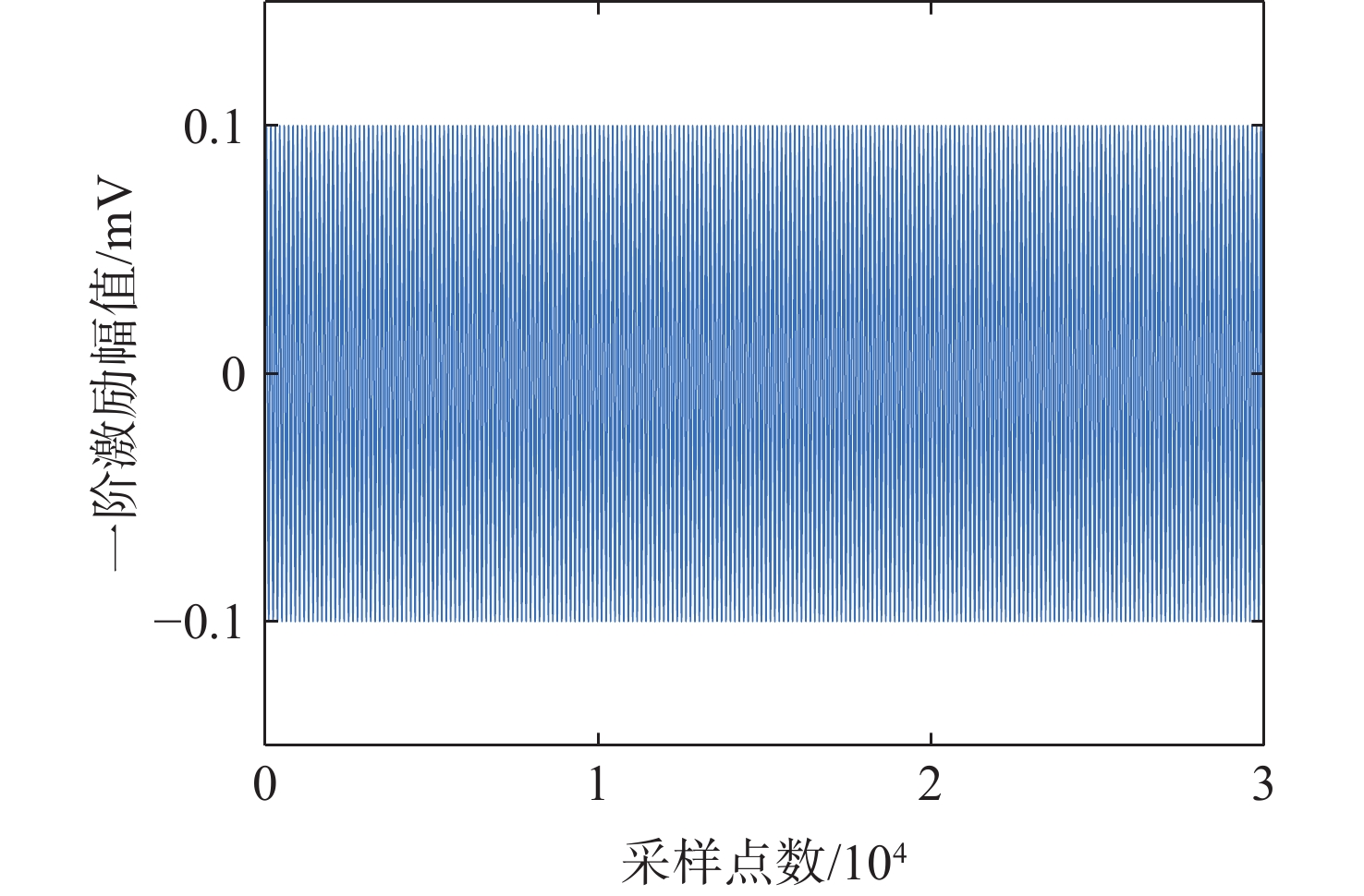
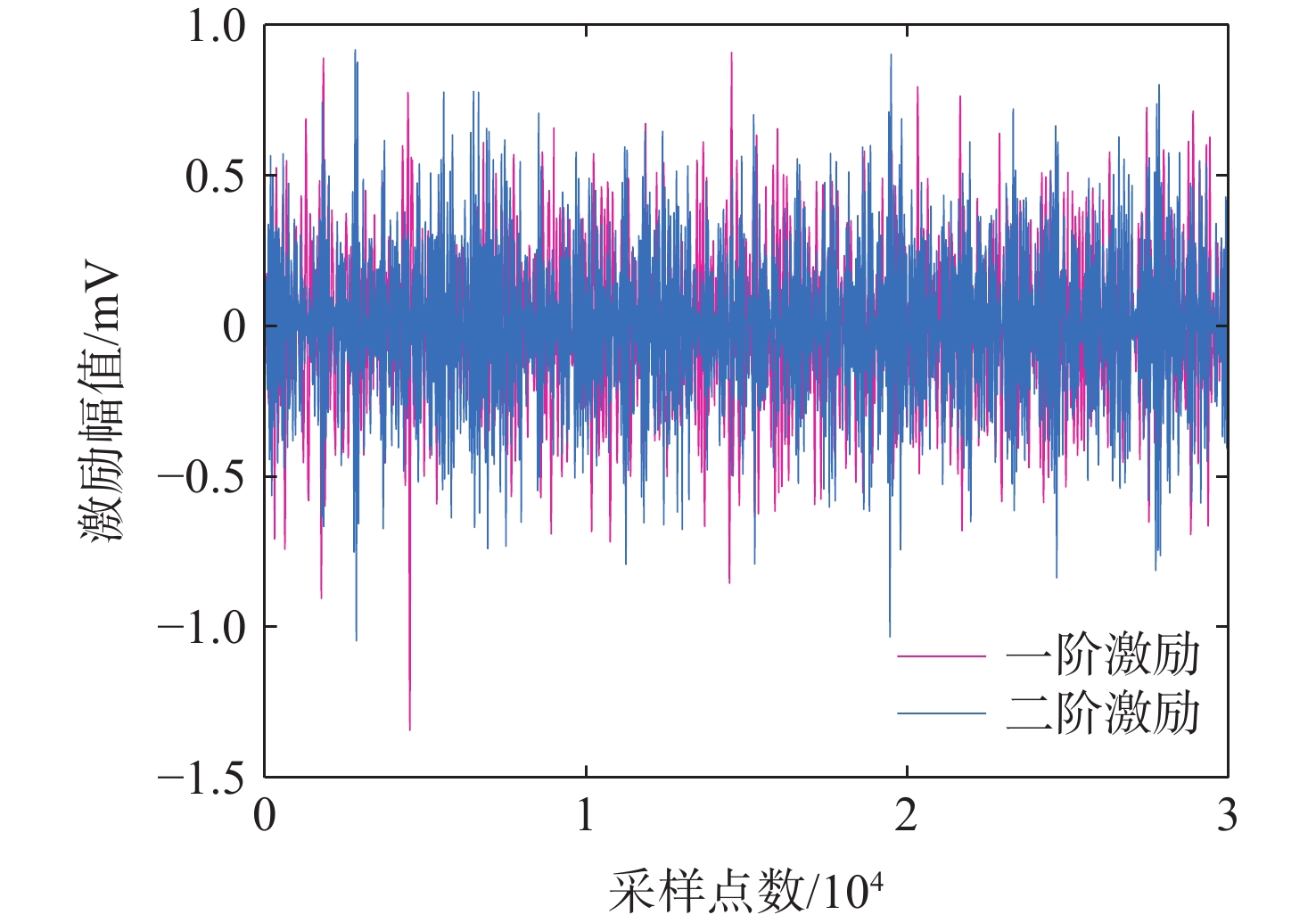
A subsonic axial compressor isolated rotor test rig was taken as the research object to explore the time-frequency characteristics and physical nature of rotational instability (RI) through measurement of unsteady pressure at the blade tip region. Using the power spectrum estimation, the spatial distribution and frequency characteristics of RI were studied, indicating that the frequency characteristics and spatial distribution of RI did not change with the blade tip clearance size, rotating speed and mass flow rate. Using wavelet transform to study the time-frequency characteristics of RI, it was found that RI was not continuous in time. The increase of blade tip clearance would increase the occurrence frequency of RI. The time-frequency characteristics of RI were simulated by artificial signals, and the hypothesis that RI would only appear on specific blades was verified. The pressure field on the tip of the blade showed that the physical nature of RI was represented by a two-channel flow structure with alternating high and low loading formed by the tip leakage vortex breakdown.

Experimental and numerical study on the influence of tip injection on the aerodynamic performance of shrouded turbine blades with different shroud structures
WU Lei, QU Bin, JIANG Zhenyu, ZHOU Cheng, GAO Jie
2025, 40(5): 20220927. doi: 10.13224/j.cnki.jasp.20220927
Abstract:

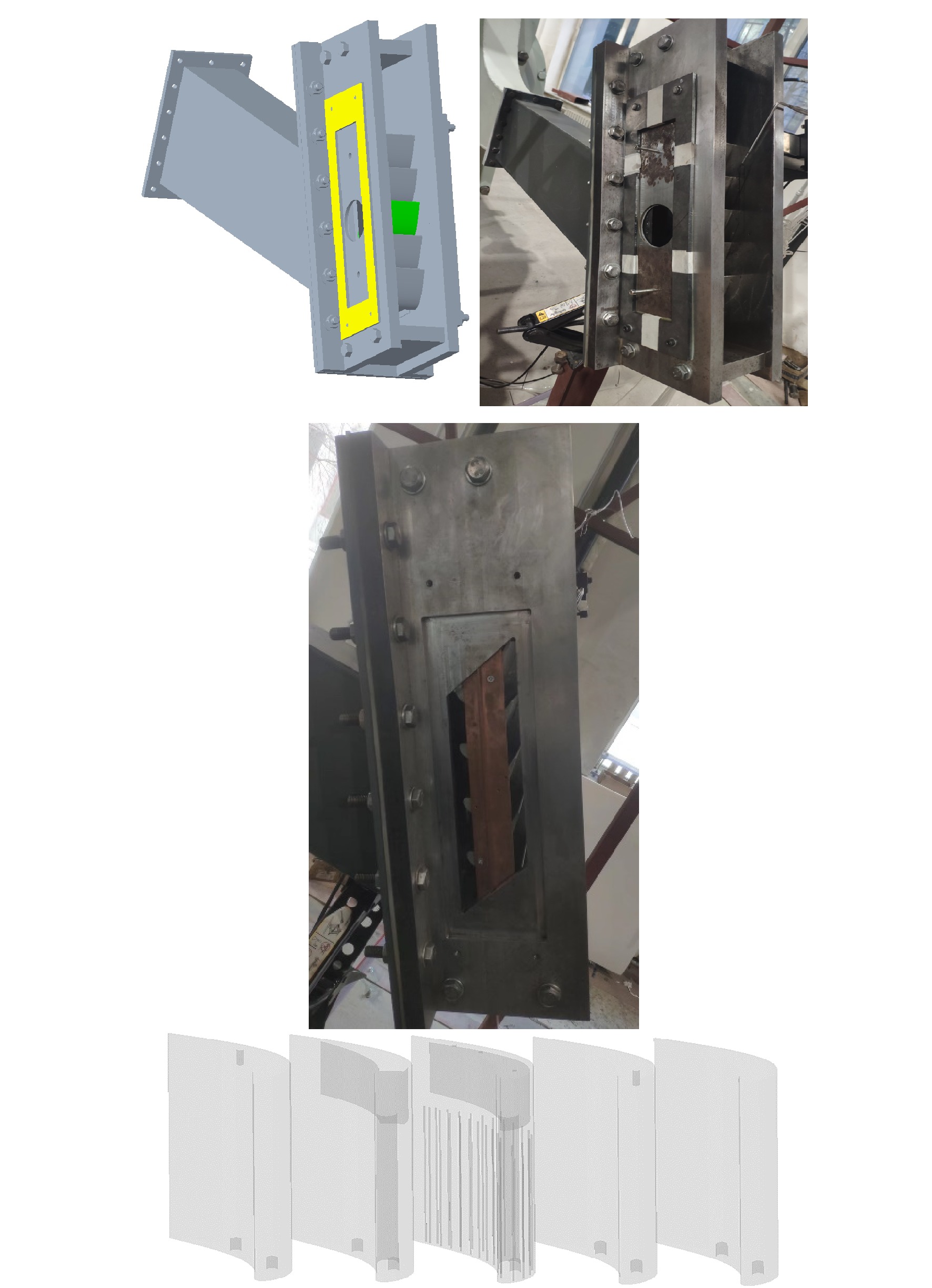
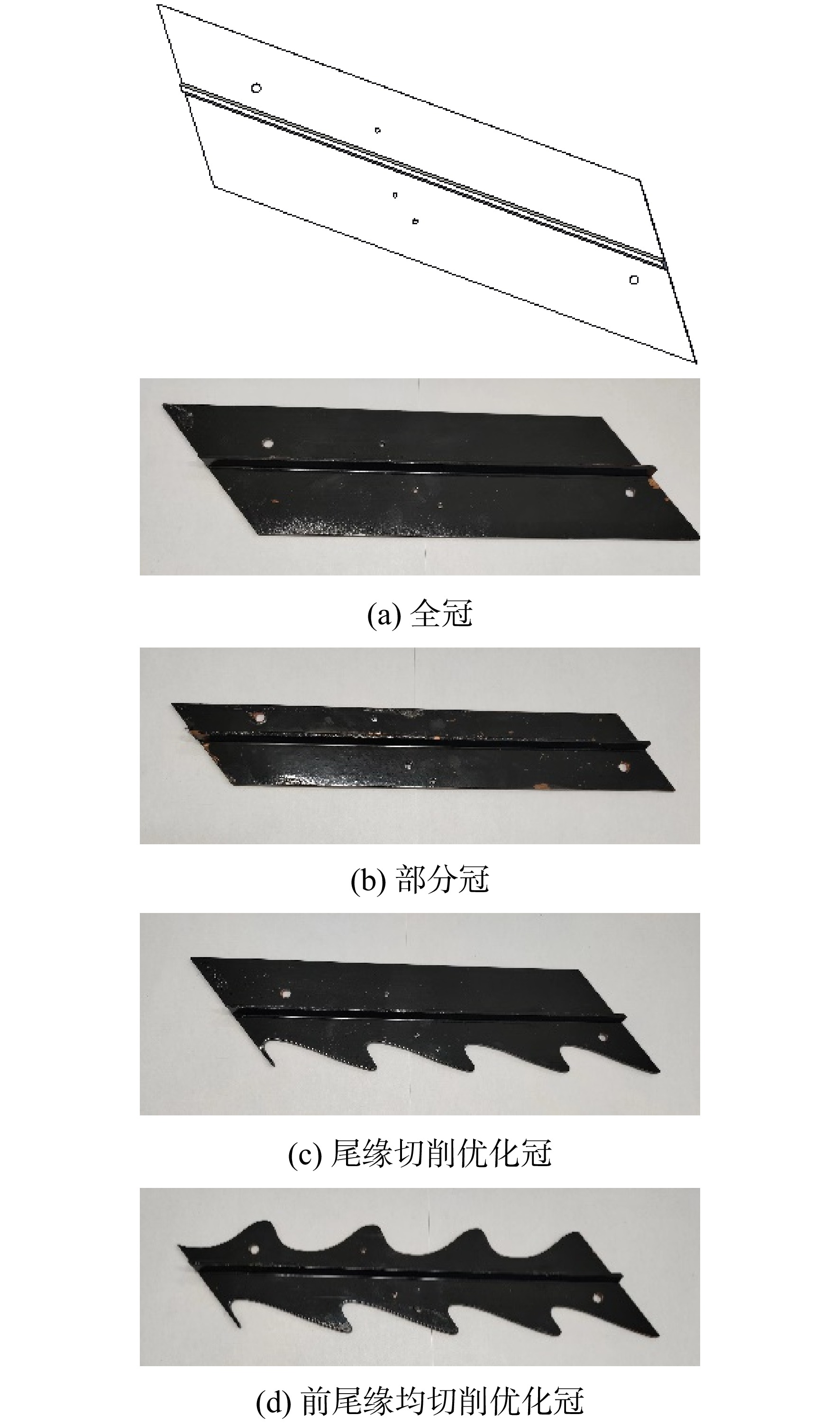
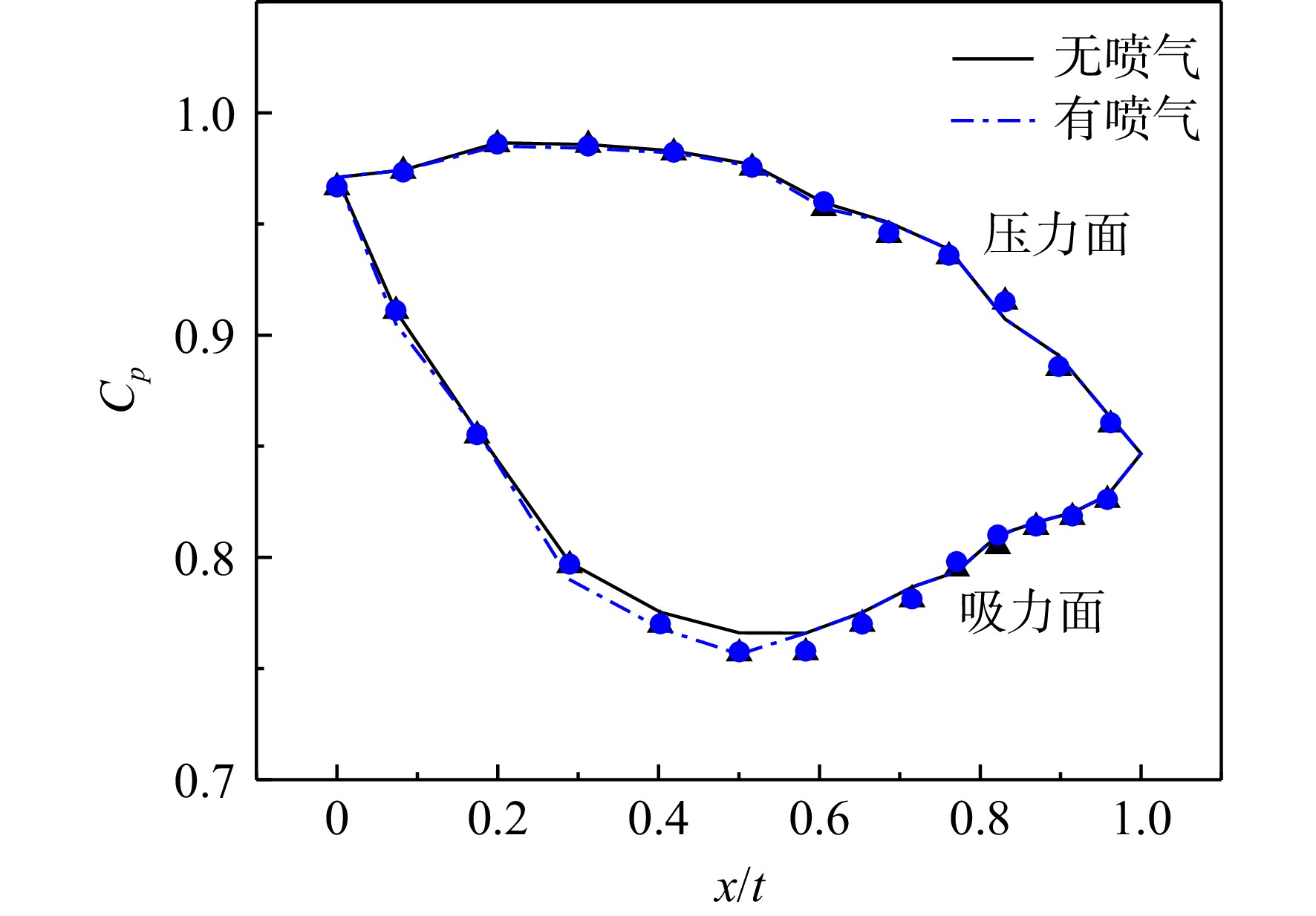
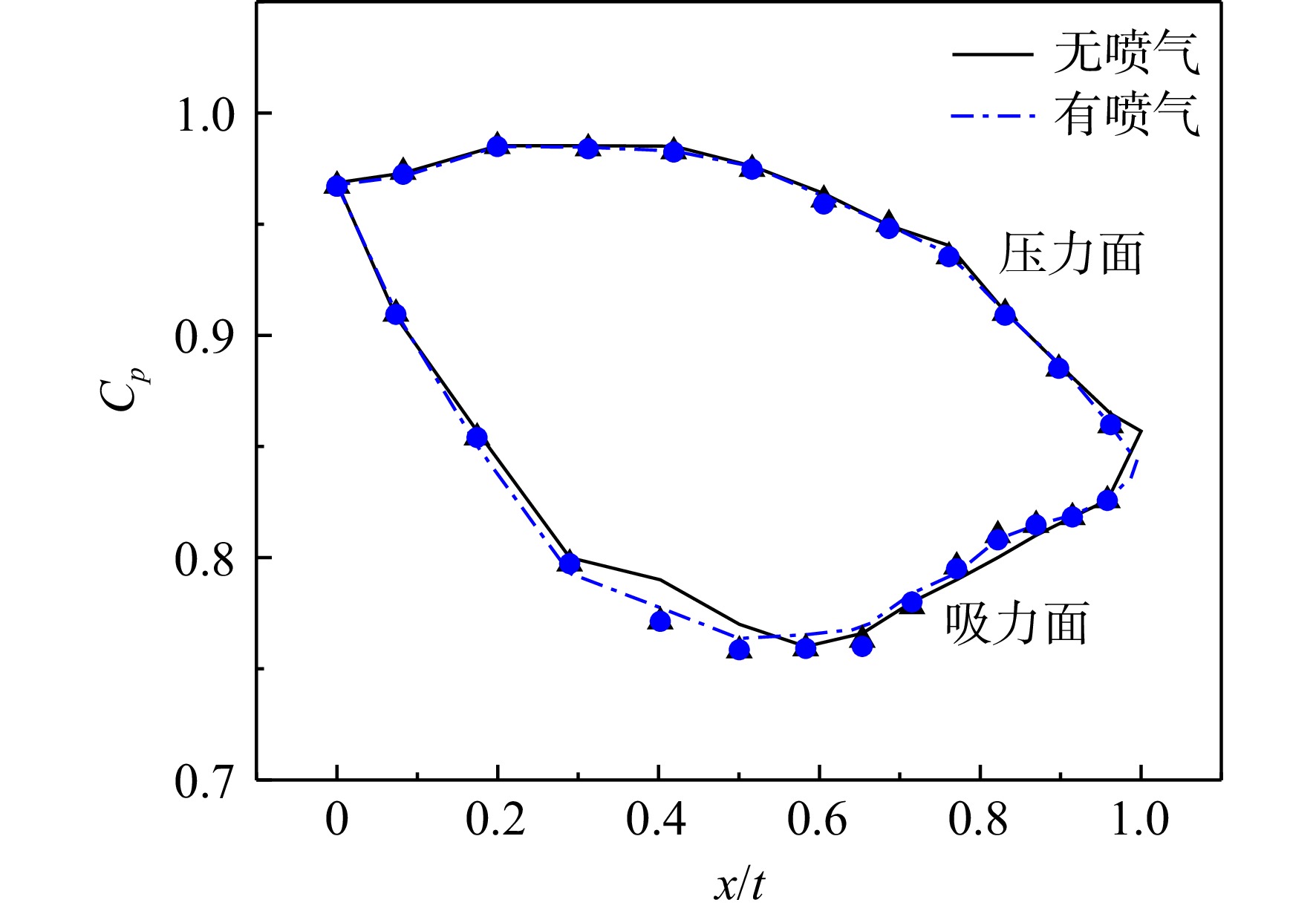
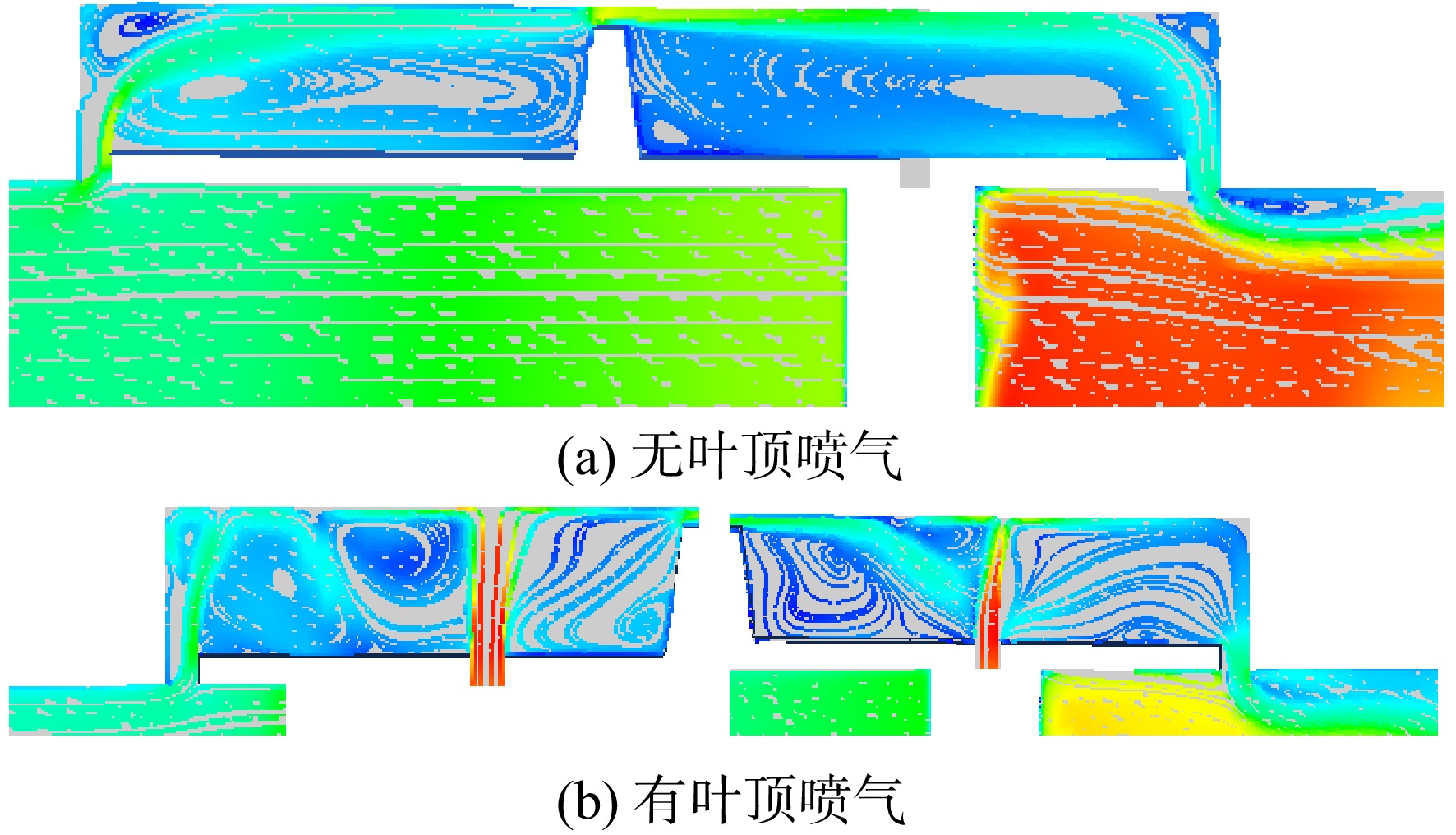
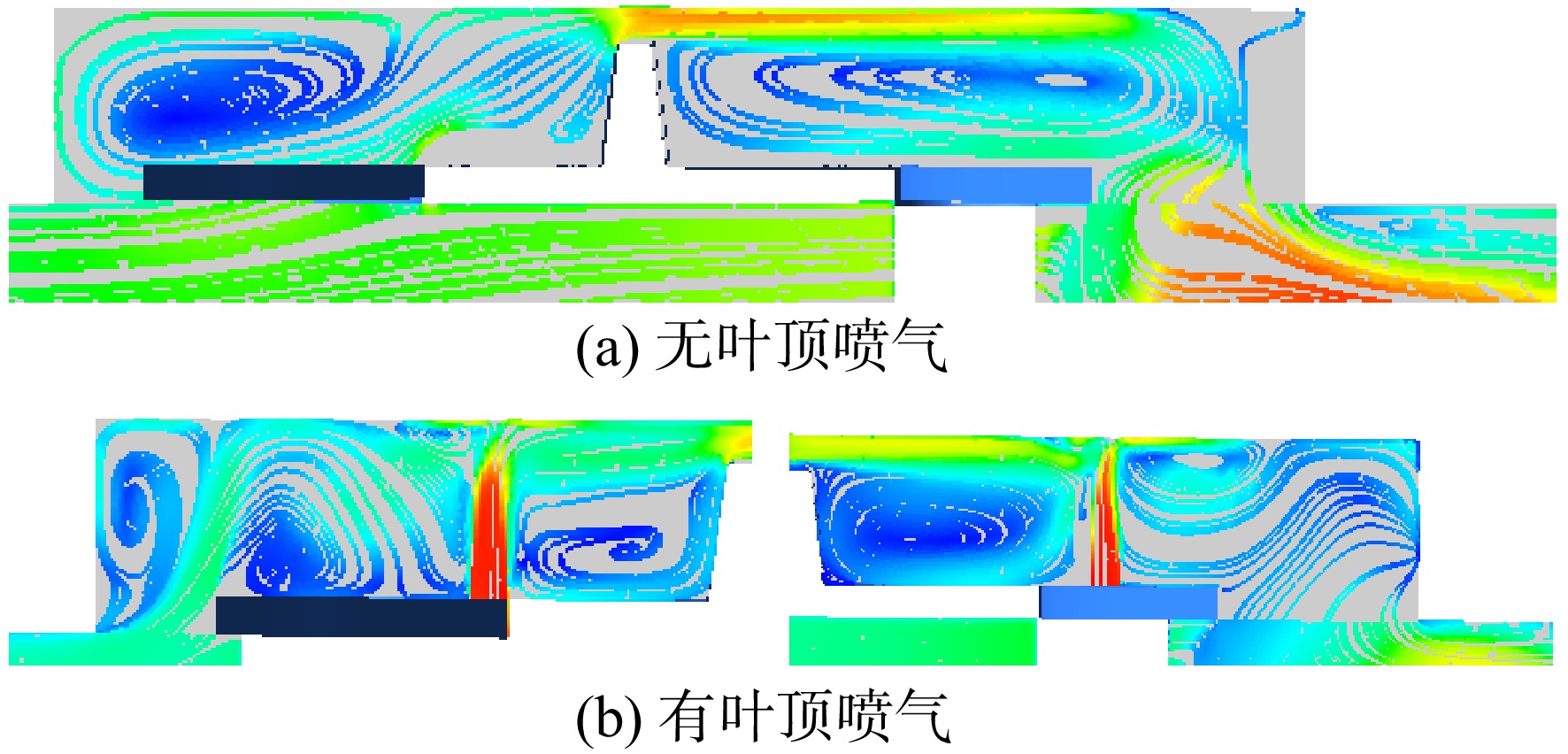
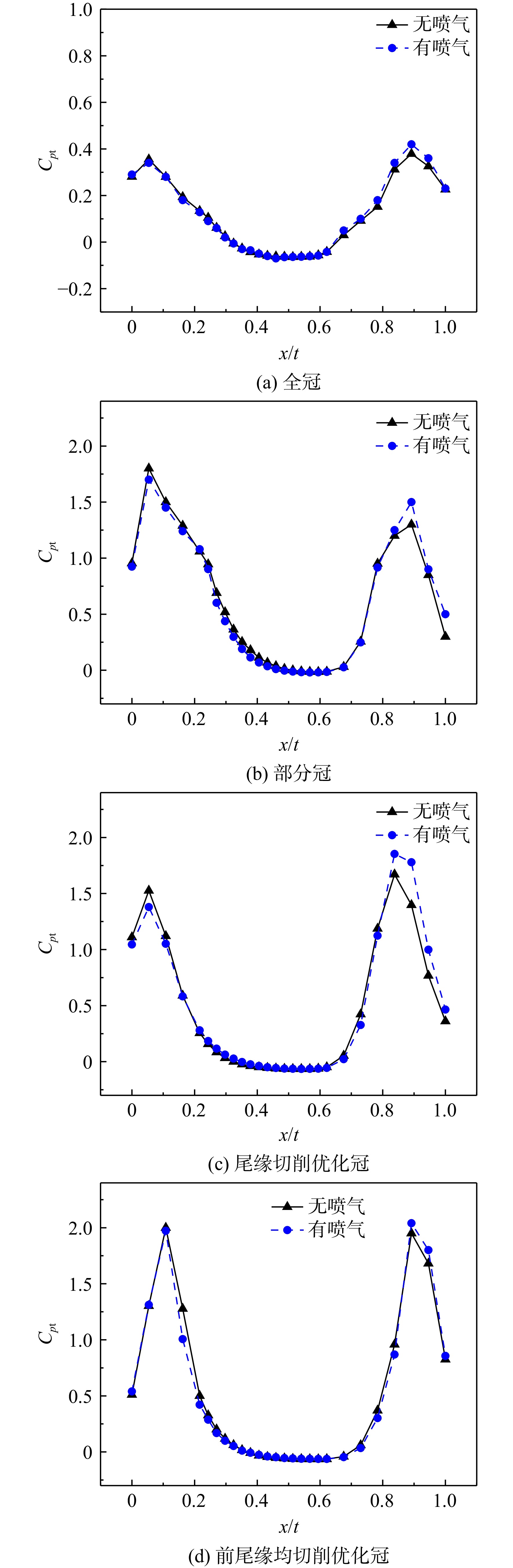
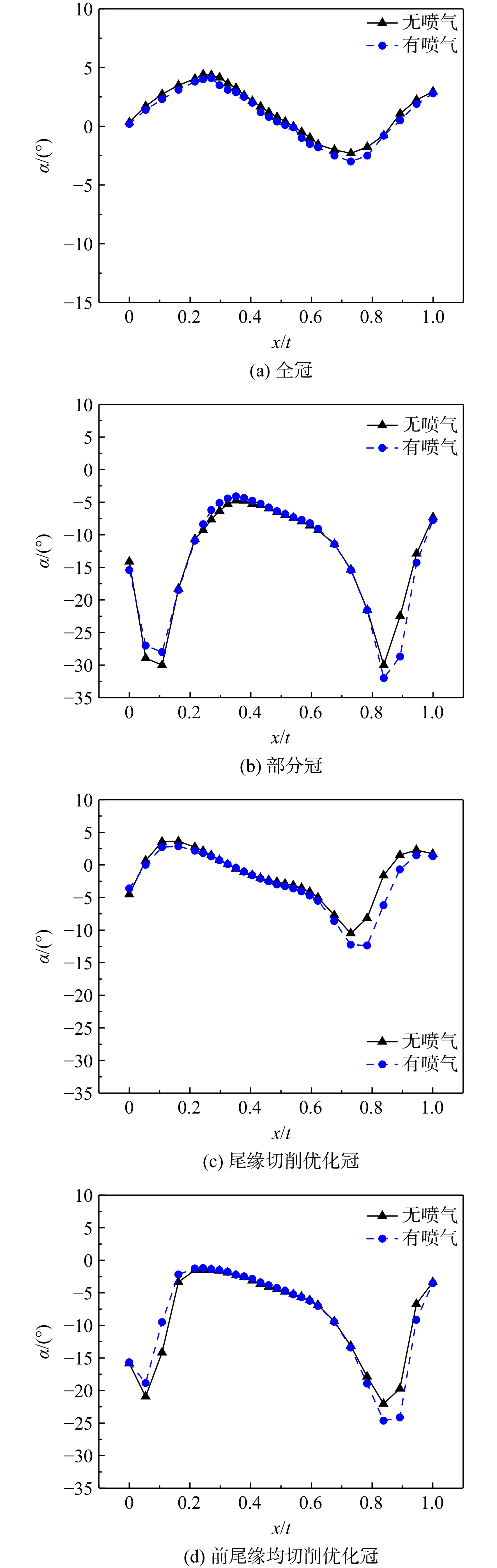
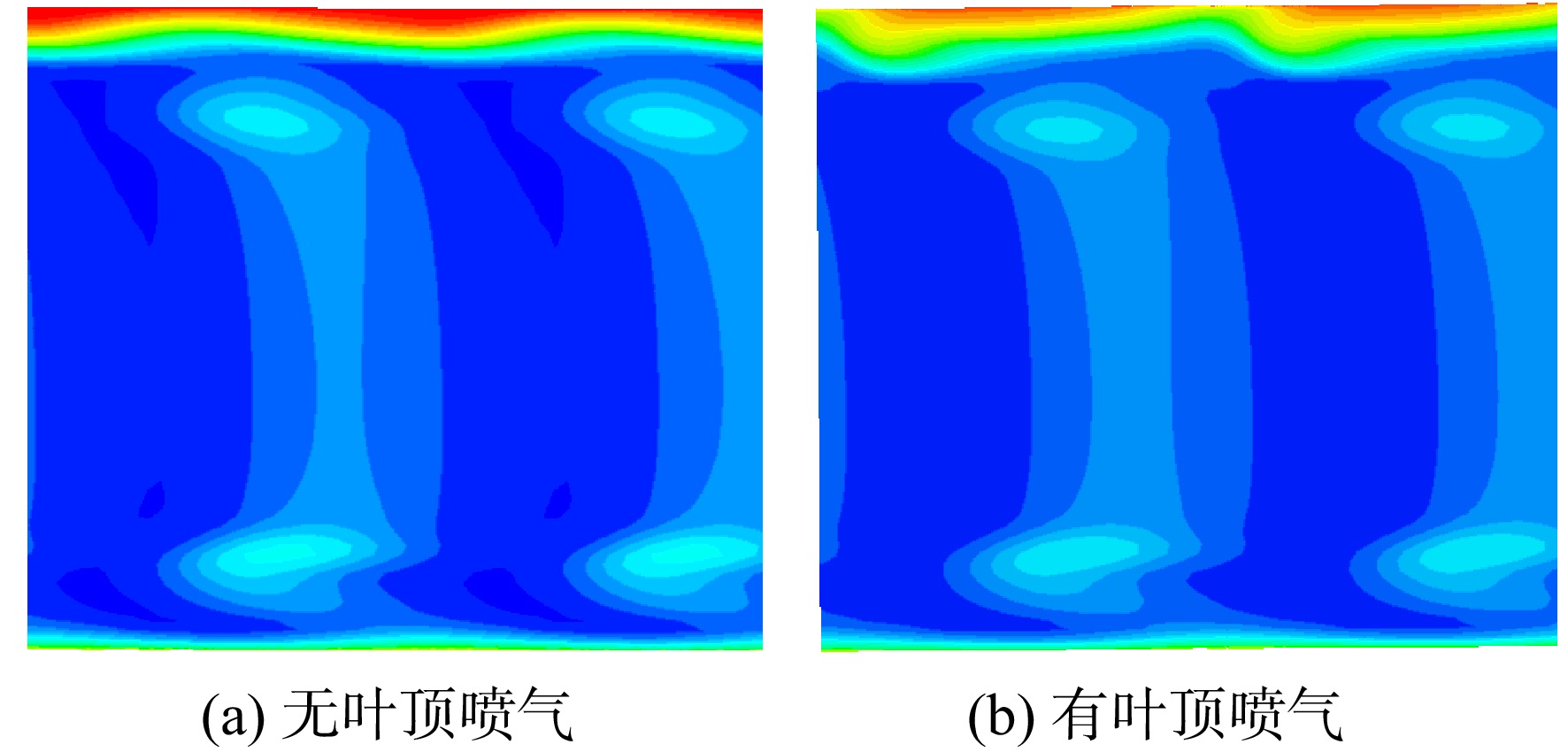
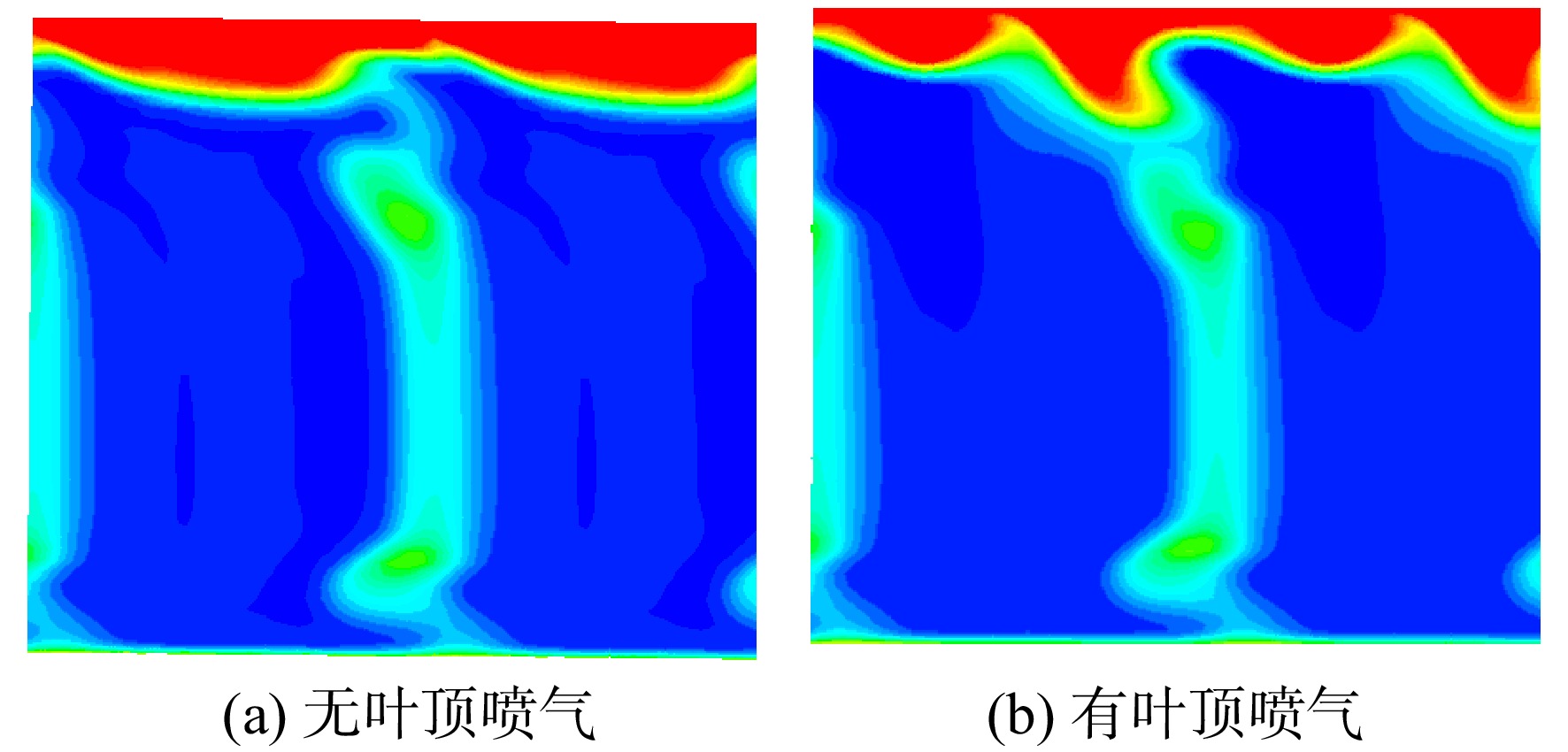
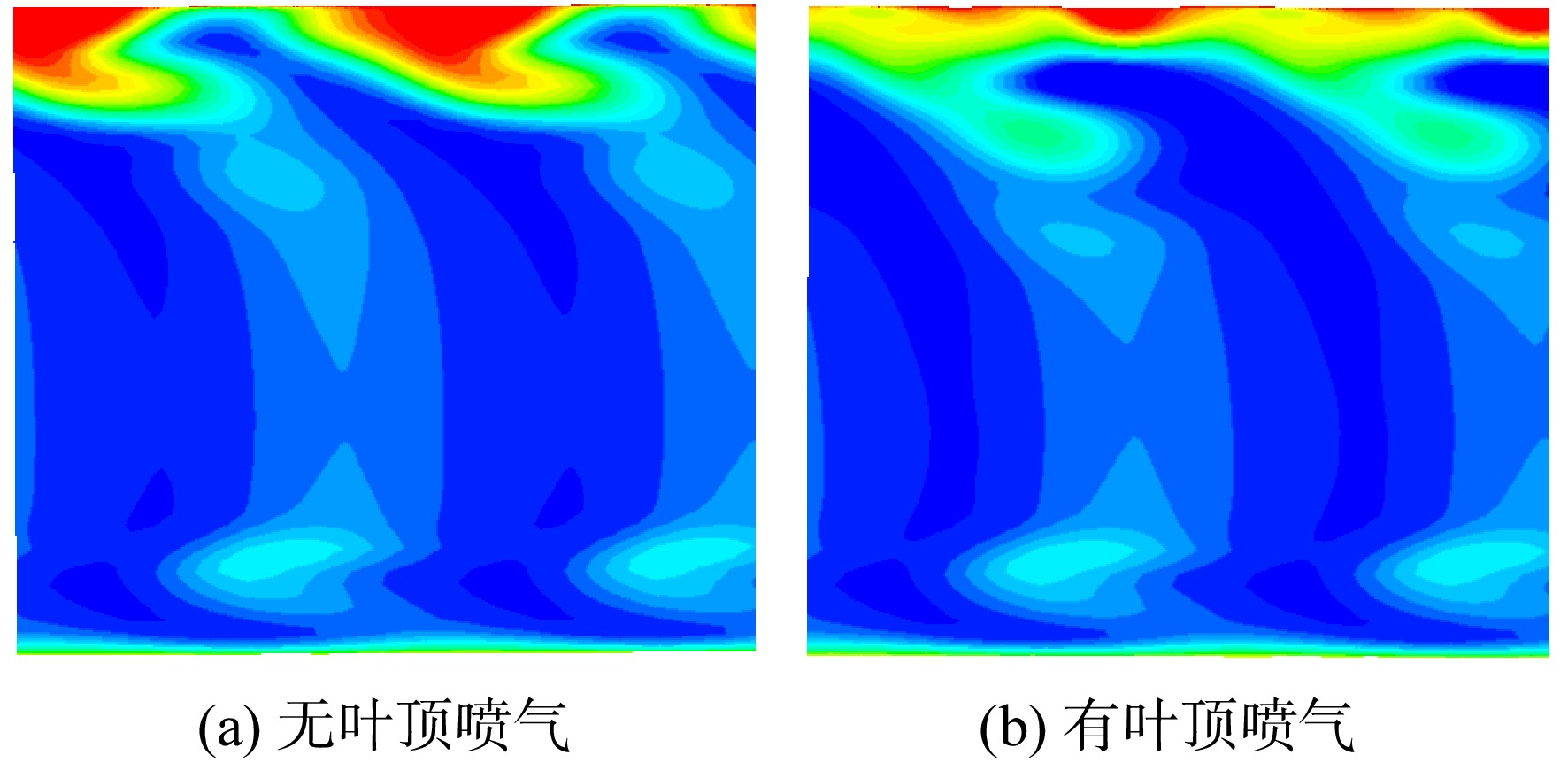
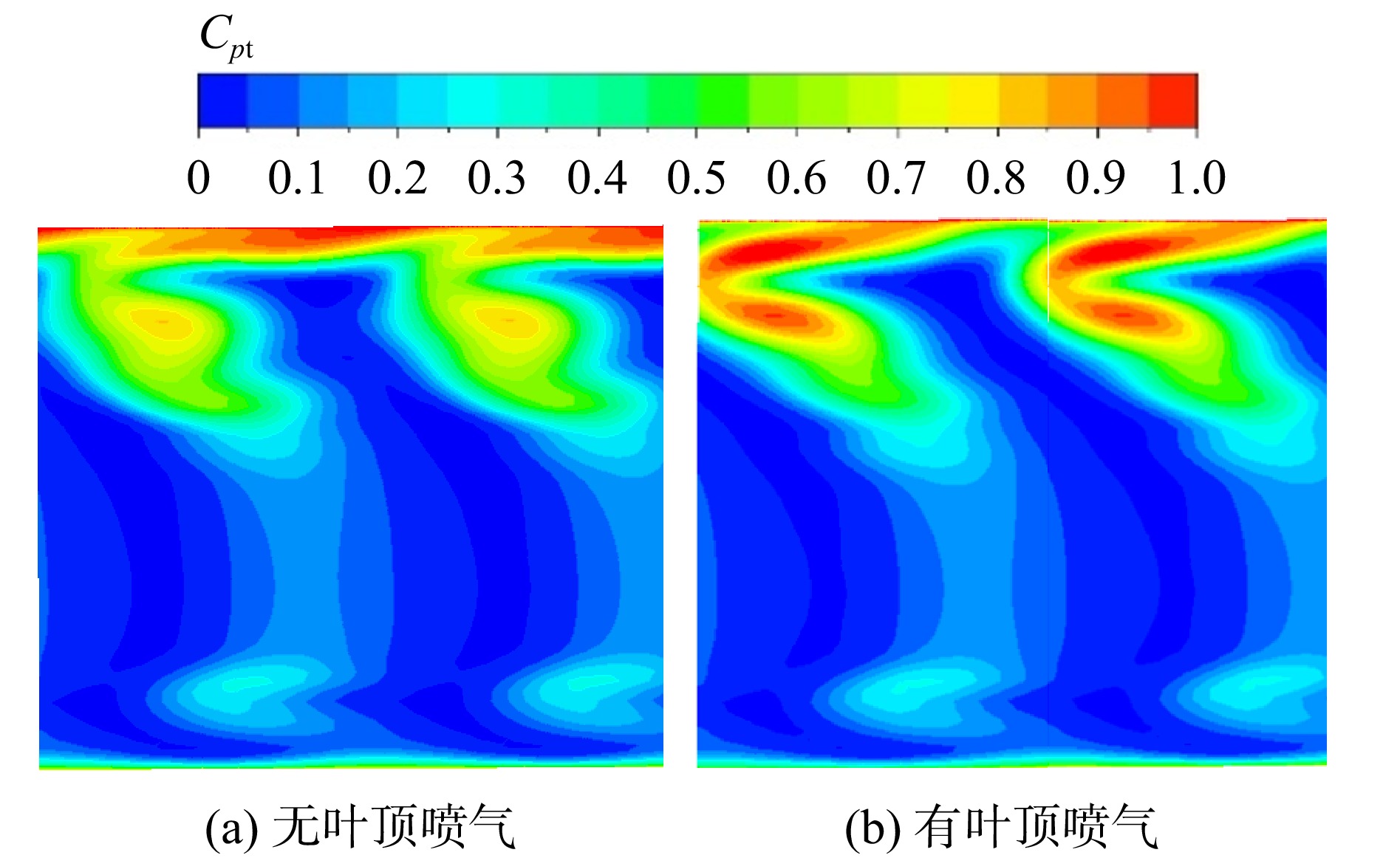
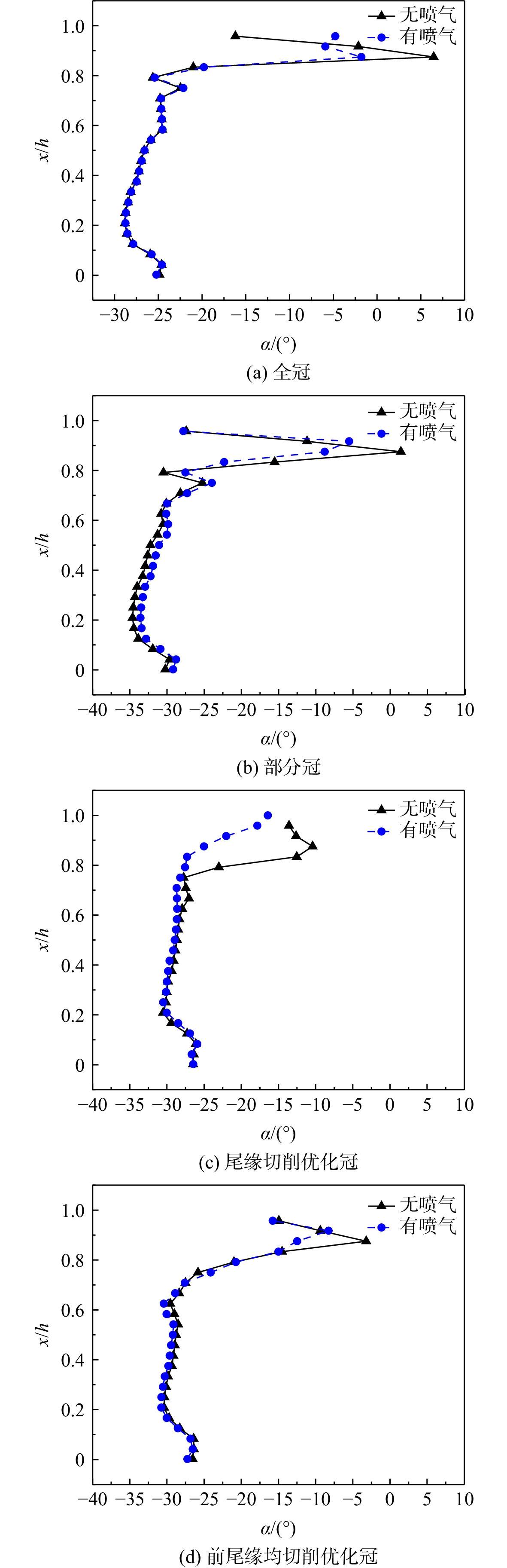
The study on the improvement and optimization of shroud structure is one of the important directions in the field of gas turbine research. In order to study the influence of tip injection on the aerodynamic performance of shrouded turbine blades, four kinds of shrouds, including full shroud, partial shroud, trailing edge cutting optimized shroud and front and trailing edge cutting optimized shroud, were studied by plane cascade experiment. By comparing and analyzing relevant aerodynamic parameters of the four experimental shrouds with or without tip injection, the results showed that when the tip had cold air injection, the leakage flow at the inlet and outlet of the shroud cavity can be improved and the aerodynamic loss can be reduced. At the same time, the average total pressure loss of the trailing edge cutting optimized shroud was 24.8% lower than that of the partial shroud and 6.87% lower than that of the front and trailing edge cutting optimized shroud. The trailing edge cutting optimized shroud had better aerodynamic performance than the partial shroud and the front and trailing edge cutting optimized shroud.

Aerothermodynamics and Aeroengine Design
Large eddy simulation of channel flows based on IPDG method and subgrid model estimation
ZHAO Ming, XIAO Jiabing, DING Qiushi, HAO Shixi, CHEN Yanan, LIU Wei, LIU Zhengxian
2025, 40(5): 20230693. doi: 10.13224/j.cnki.jasp.20230693
Abstract:

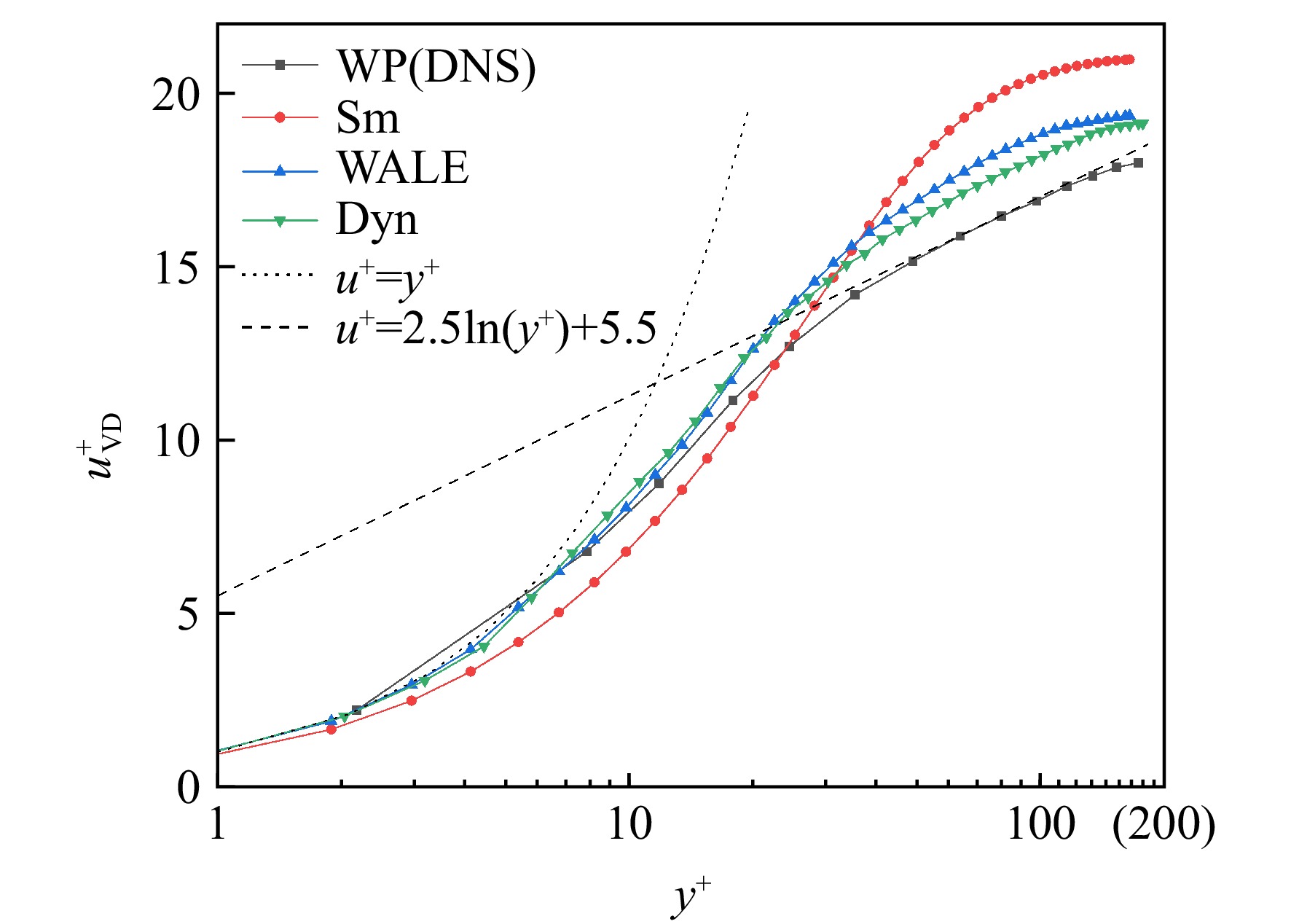
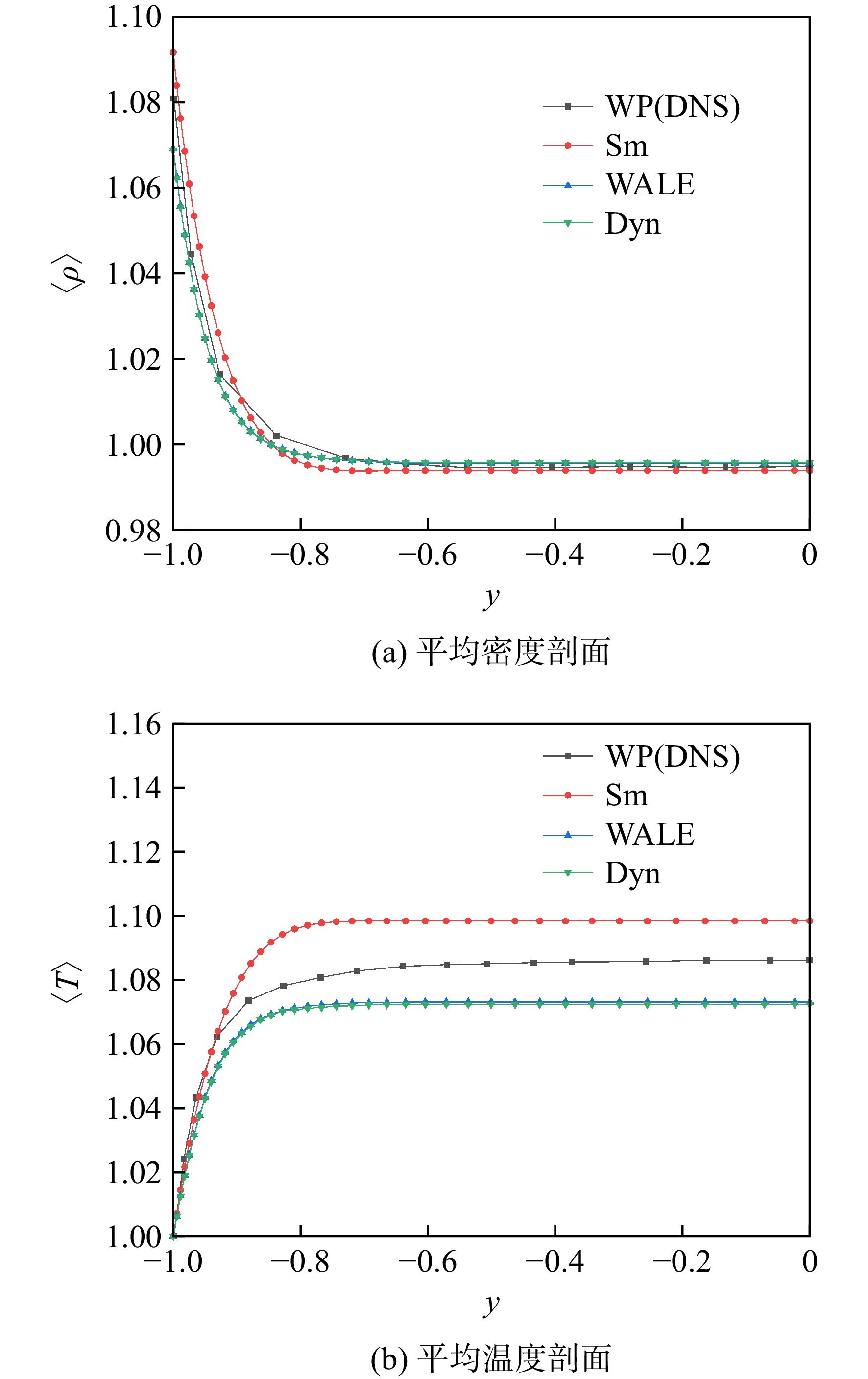
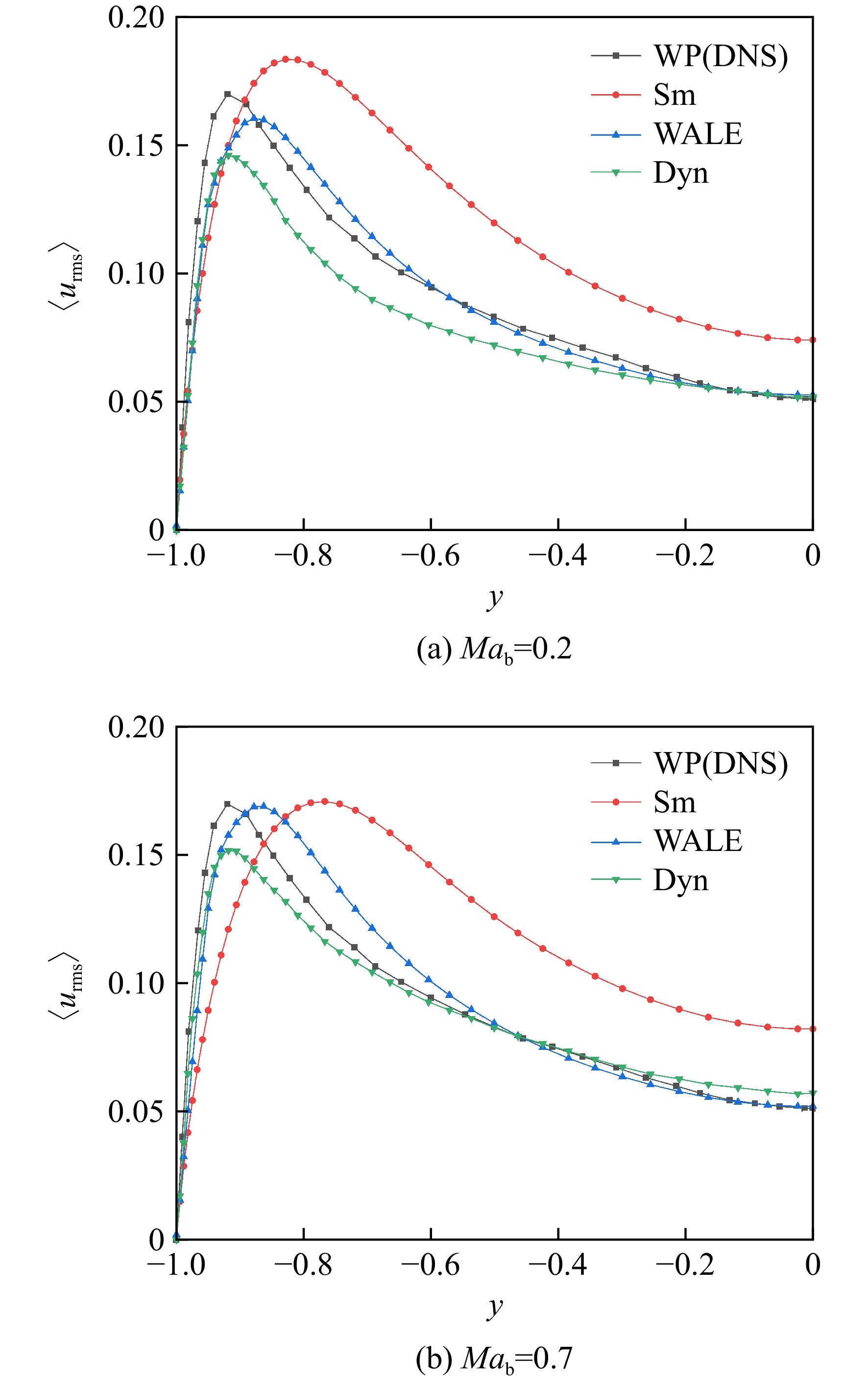
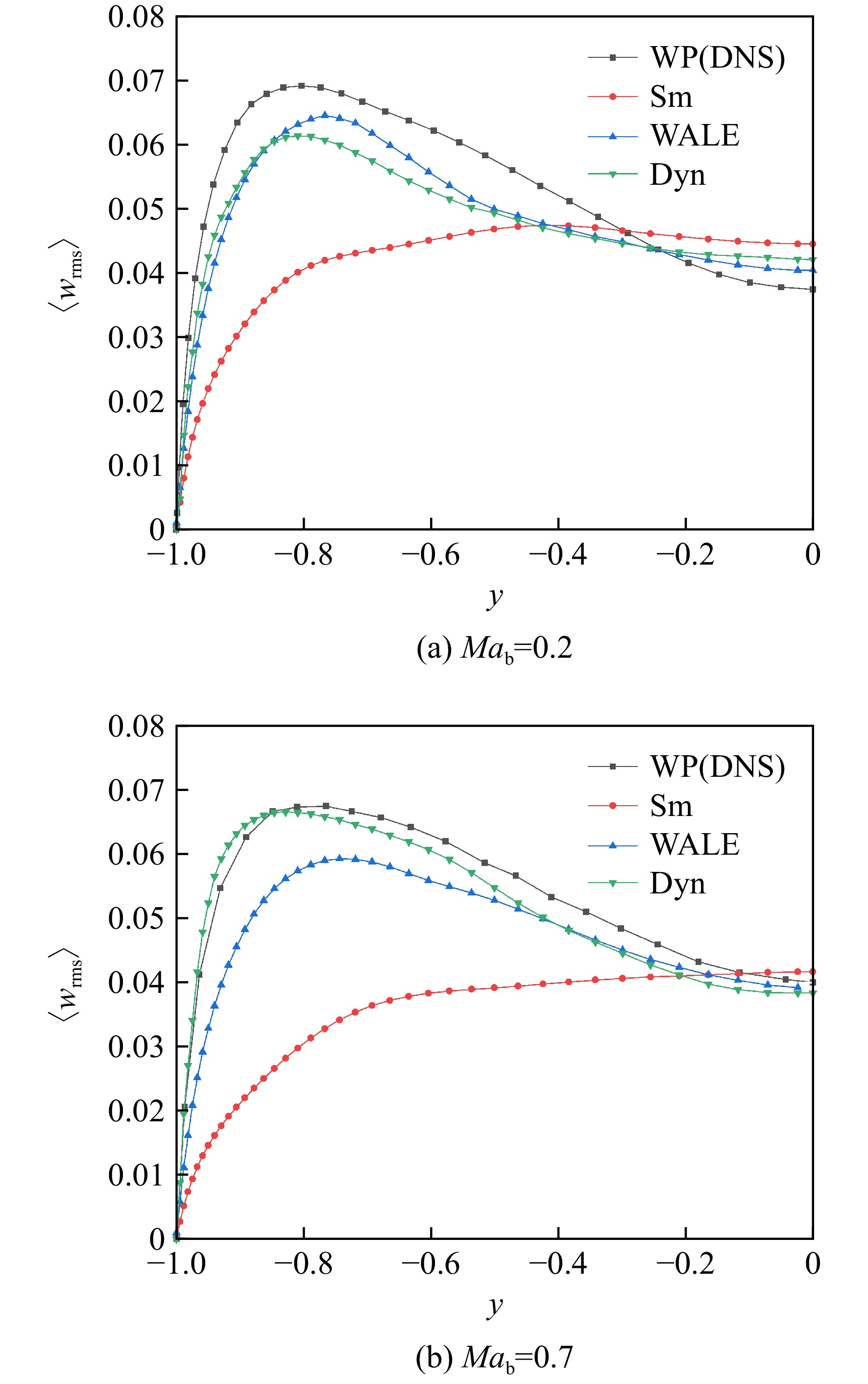
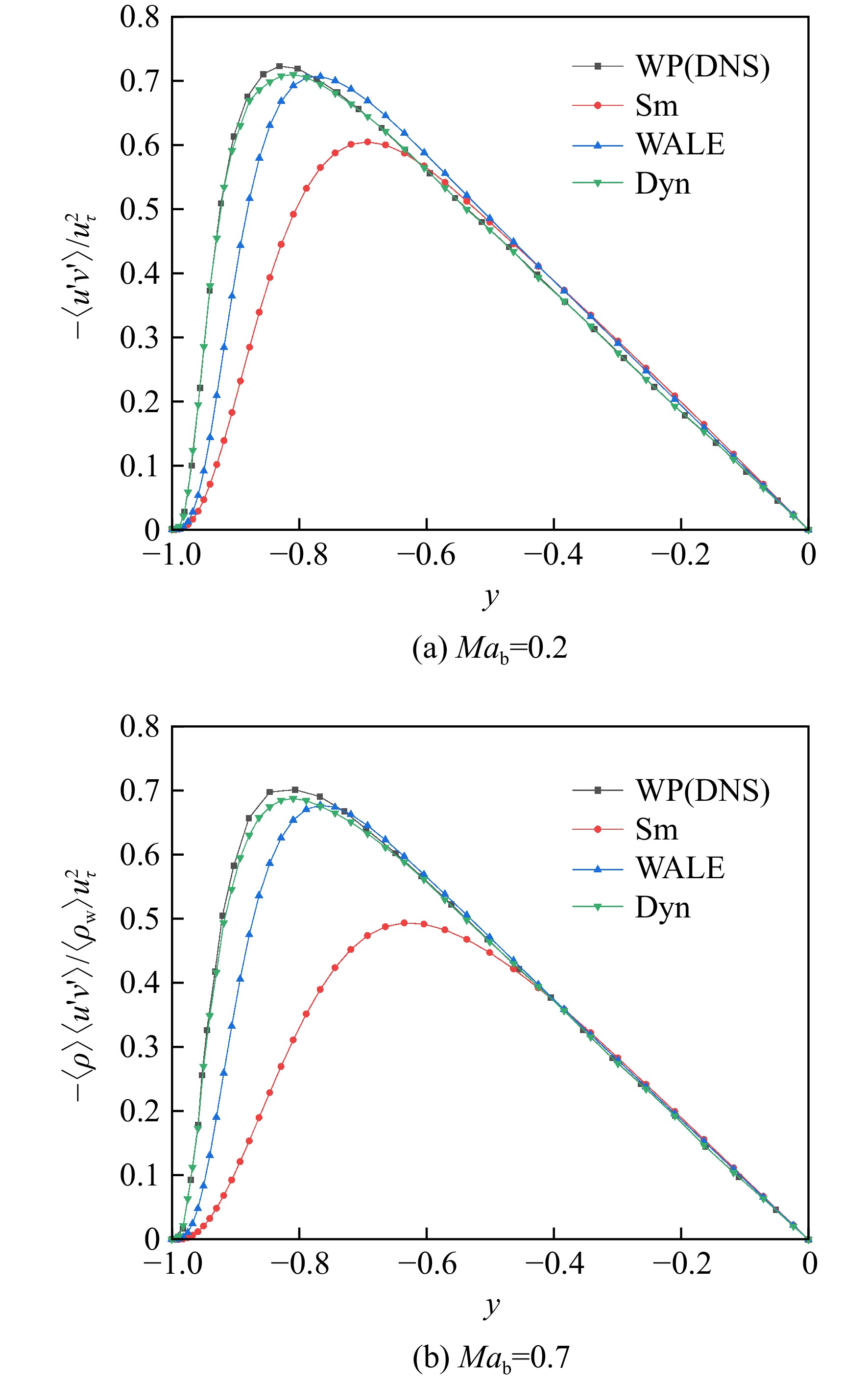
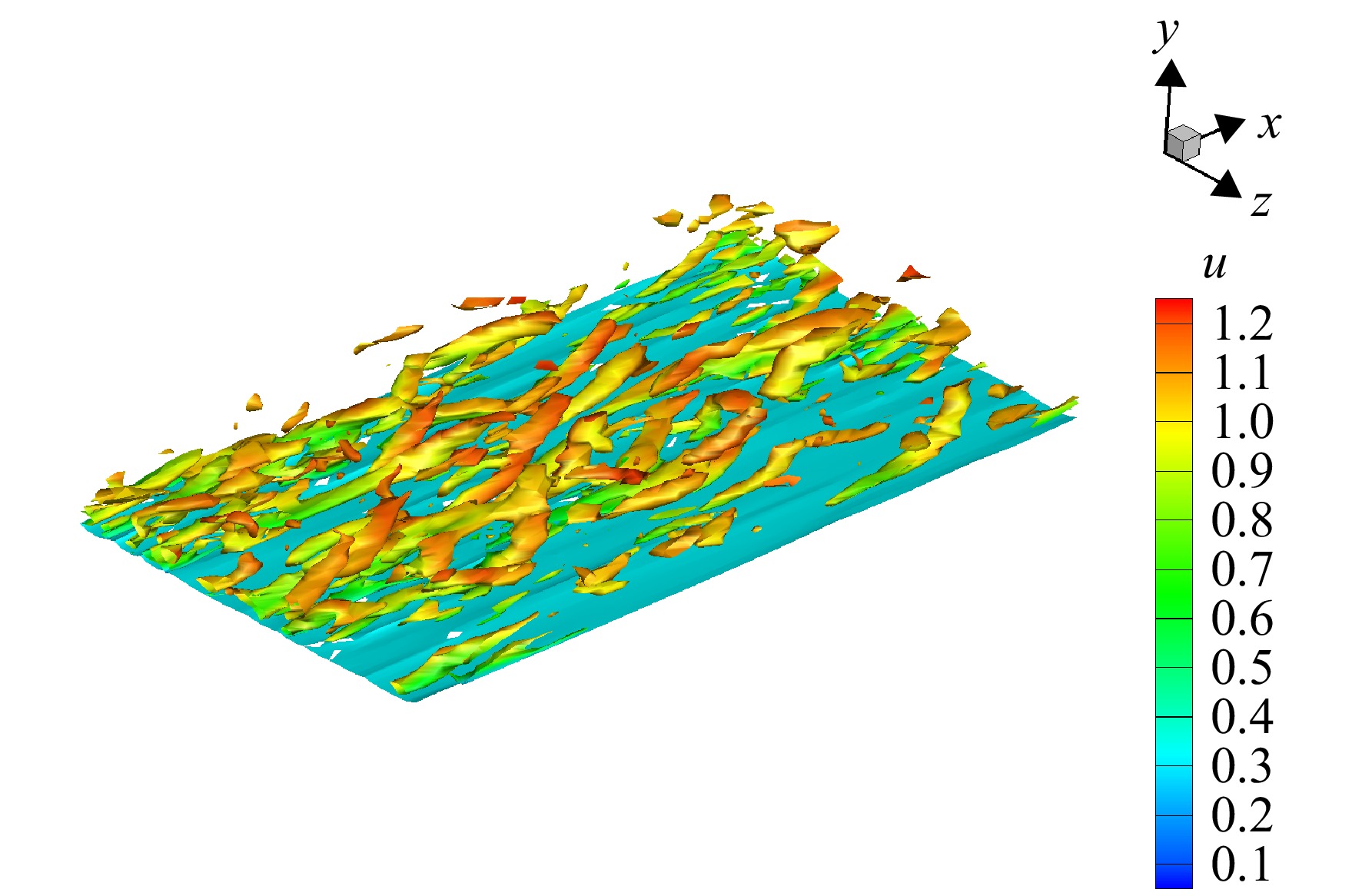
Based on the method framework of the high-accuracy interior penalty discontinuous Galerkin (IPDG) finite element, combined with large eddy simulation (LES), a numerical simulation study was conducted on channel flows. Four different subgrid scale models (Smagorinsky model, Smagorinsky model with Van Driest damping function, wall-adapting local eddy-viscosity (WALE) model, and dynamic model) were employed, and the simulated Mach numbers were 0.2 and 0.7, corresponding to incompressible flow and weak compressible flow, respectively. The results indicated that, within the improved IPDG-LES framework, the Smagorinsky model exhibited lower accuracy due to its excessive dissipation characteristics within the boundary layer. The Smagorinsky model with a dumping function can improve the accuracy but still exhibited excessive viscosity near the wall. The results of WALE model and dynamic models generally outperformed the aforementioned Smagorinsky models and were closer to the reference data, with the dynamic model performing the best overall. Additionally, different models led to similar performances at Mach numbers of 0.2 and 0.7, indicating good adaptability of current IPDG-LES method to weak compressible flows.

Active vibration control technology of wind tunnel model based on PD control algorithm
KOU Xiping, LI Binbin, YANG Zhichun, ZENG Kaichun, YANG Xinghua
2025, 40(5): 20230685. doi: 10.13224/j.cnki.jasp.20230685
Abstract:

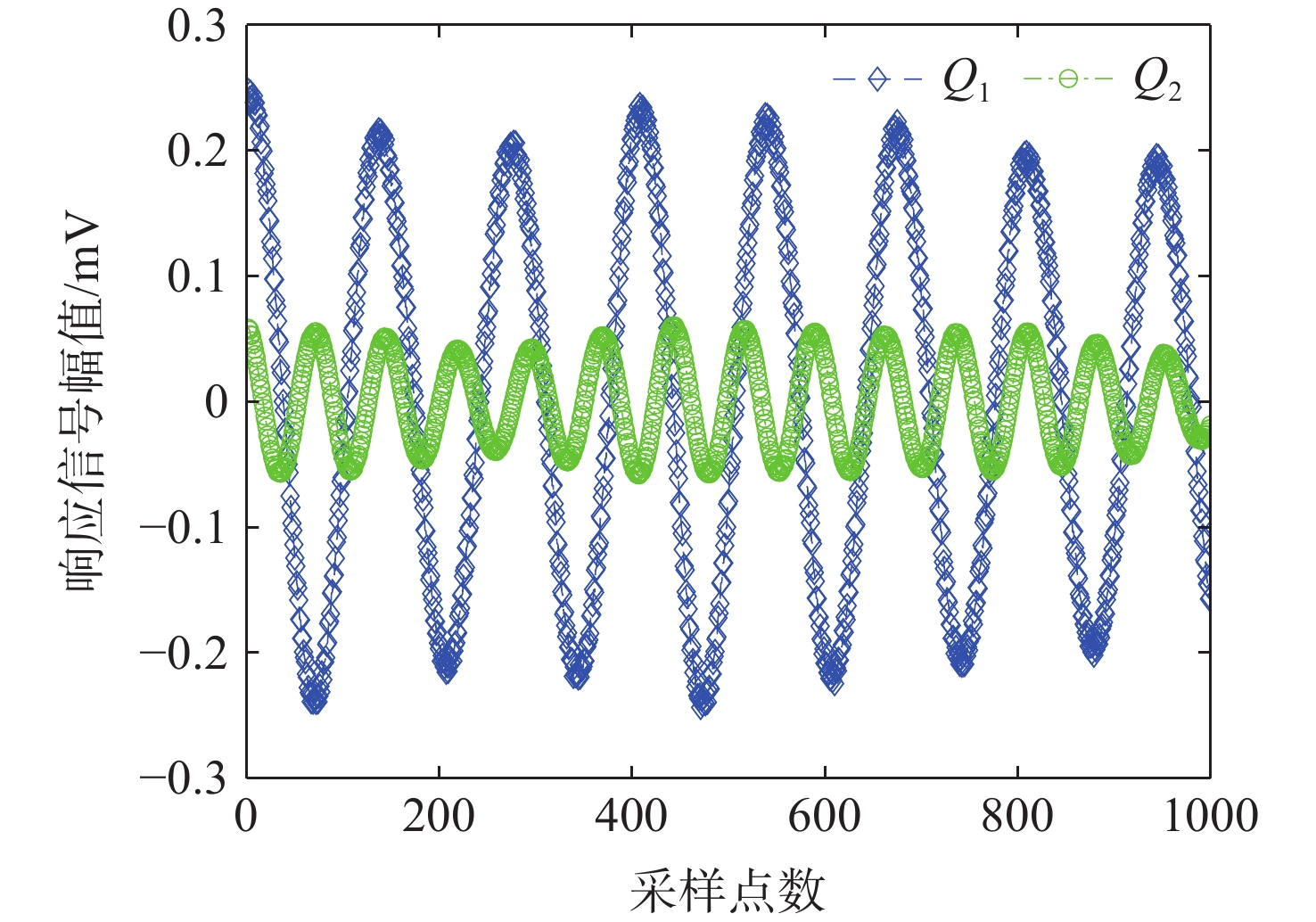
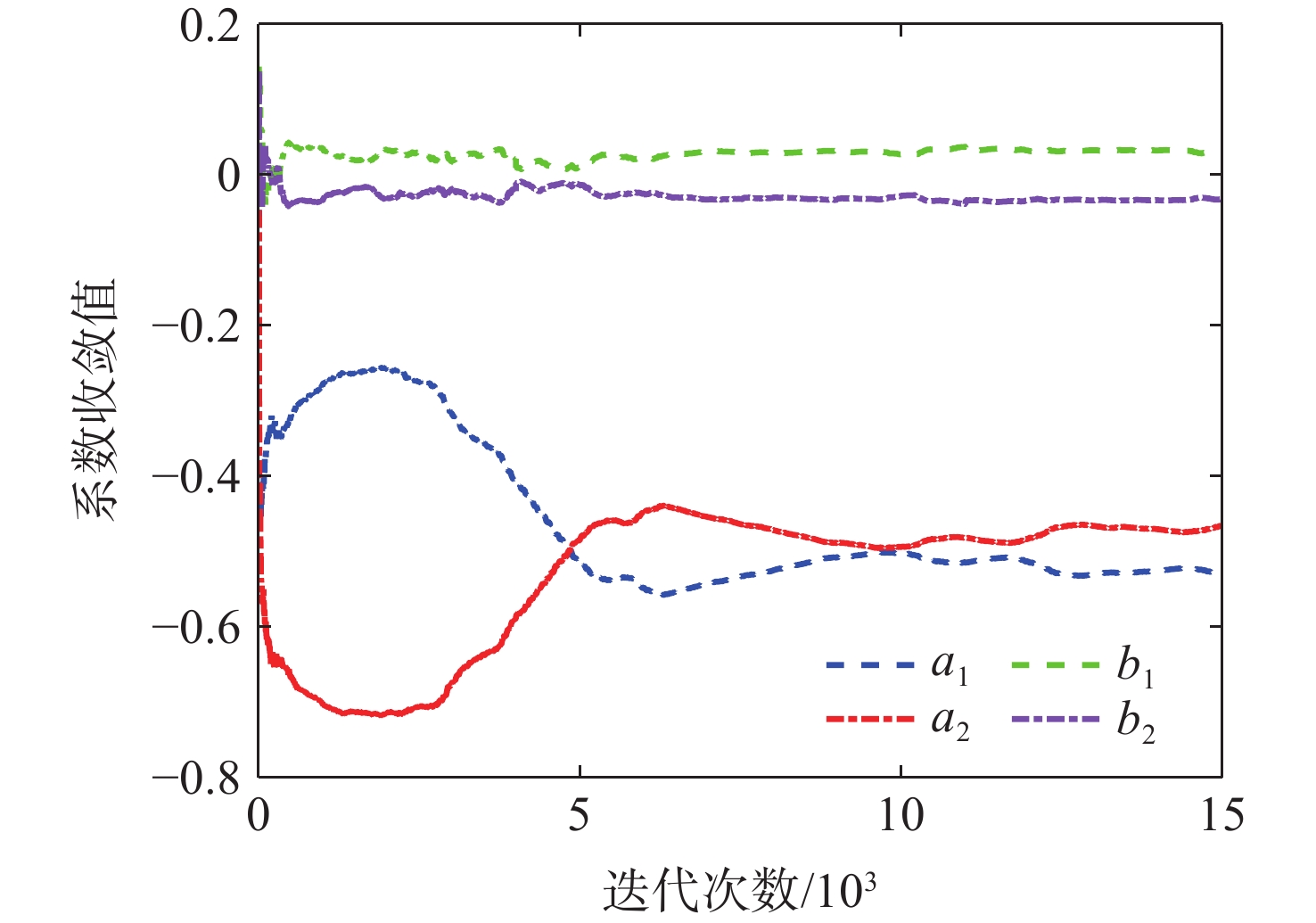
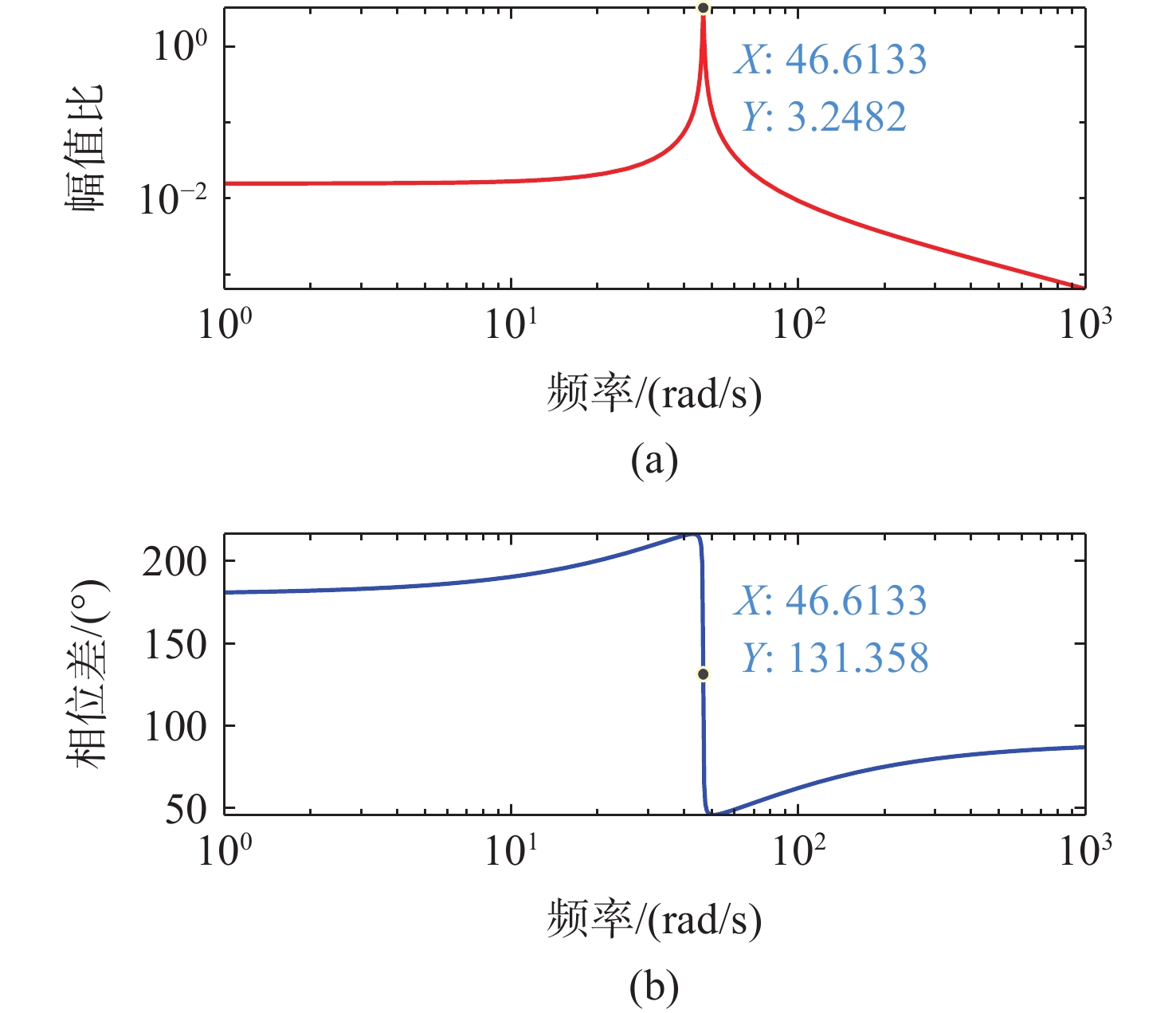
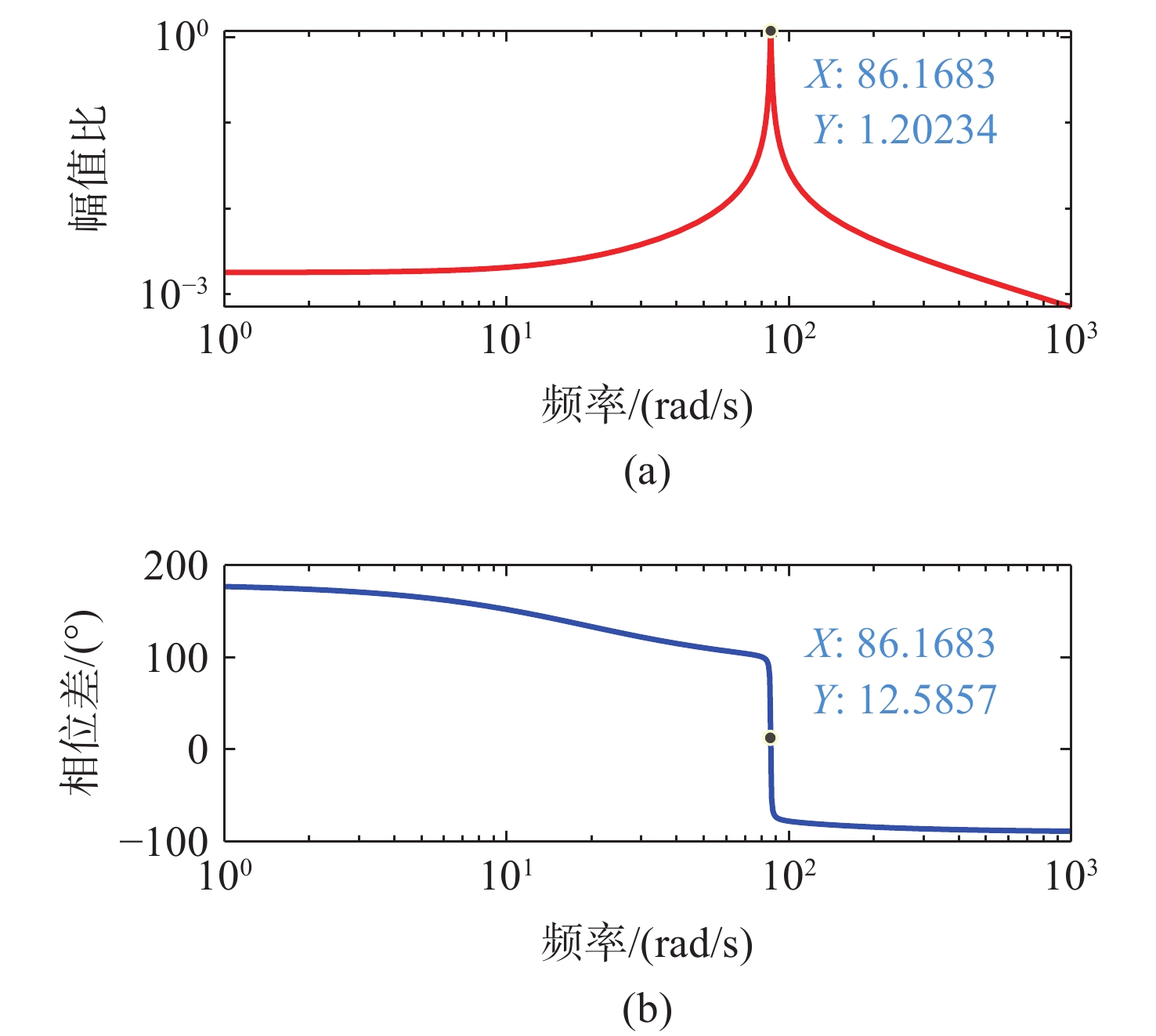
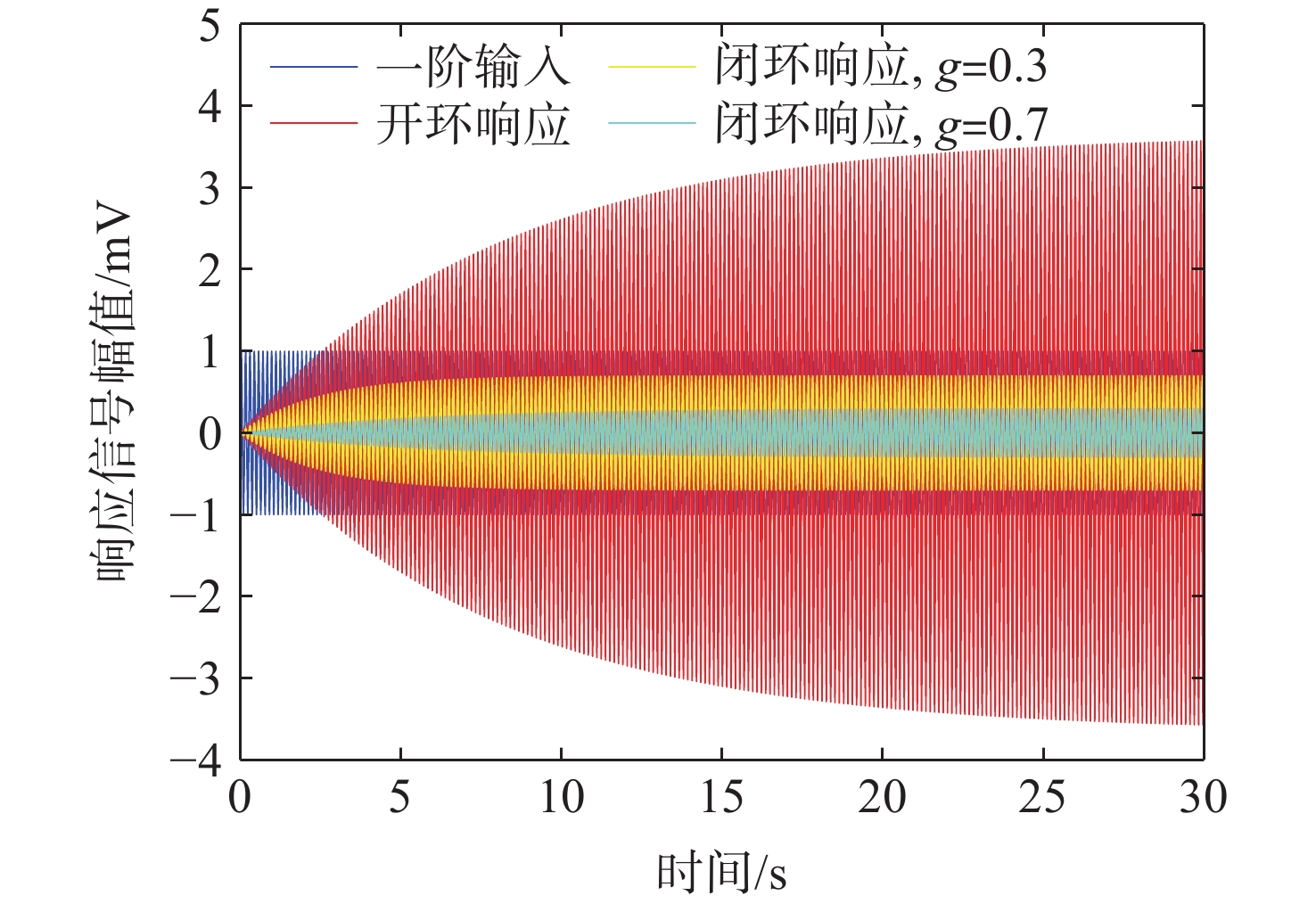
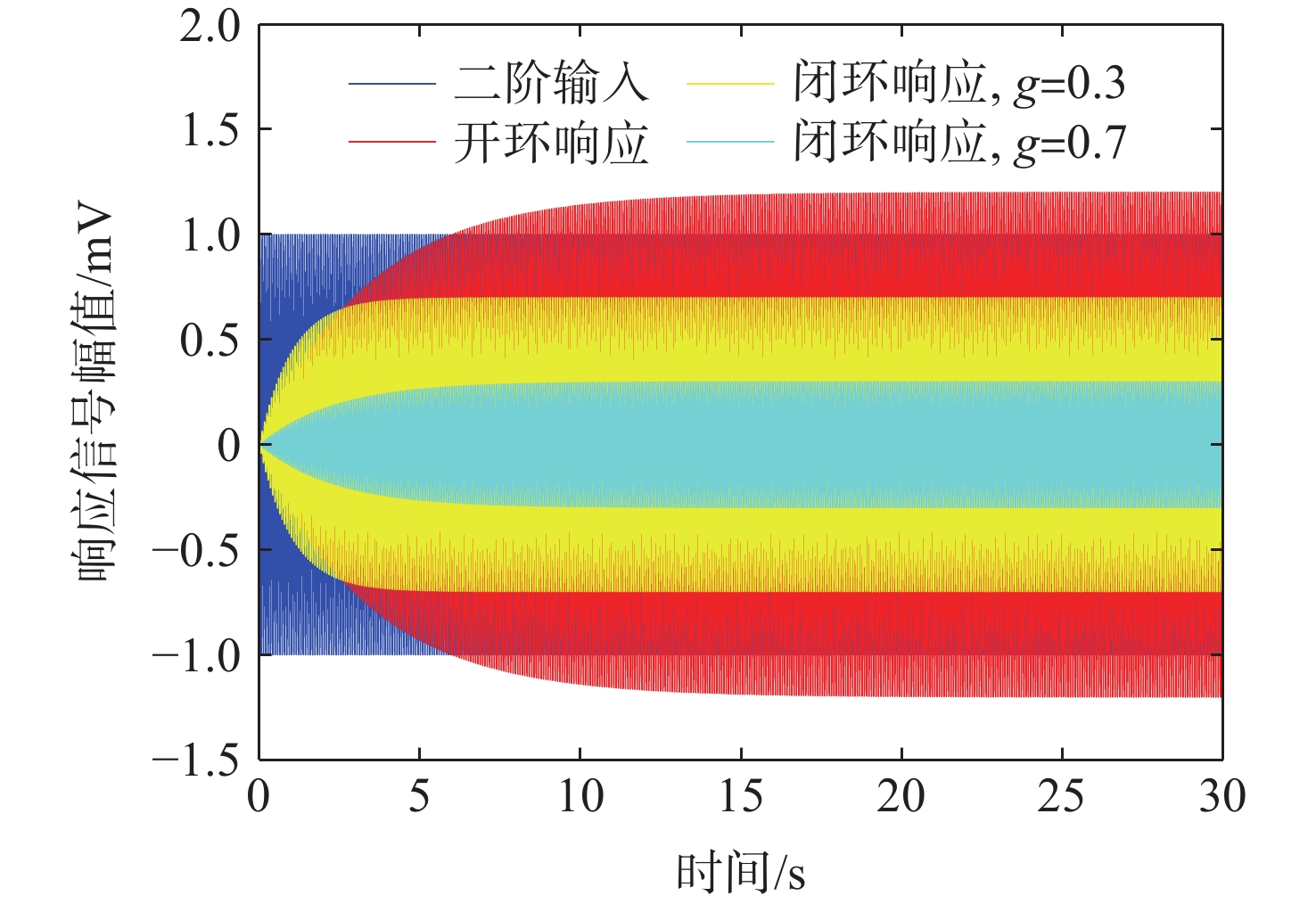
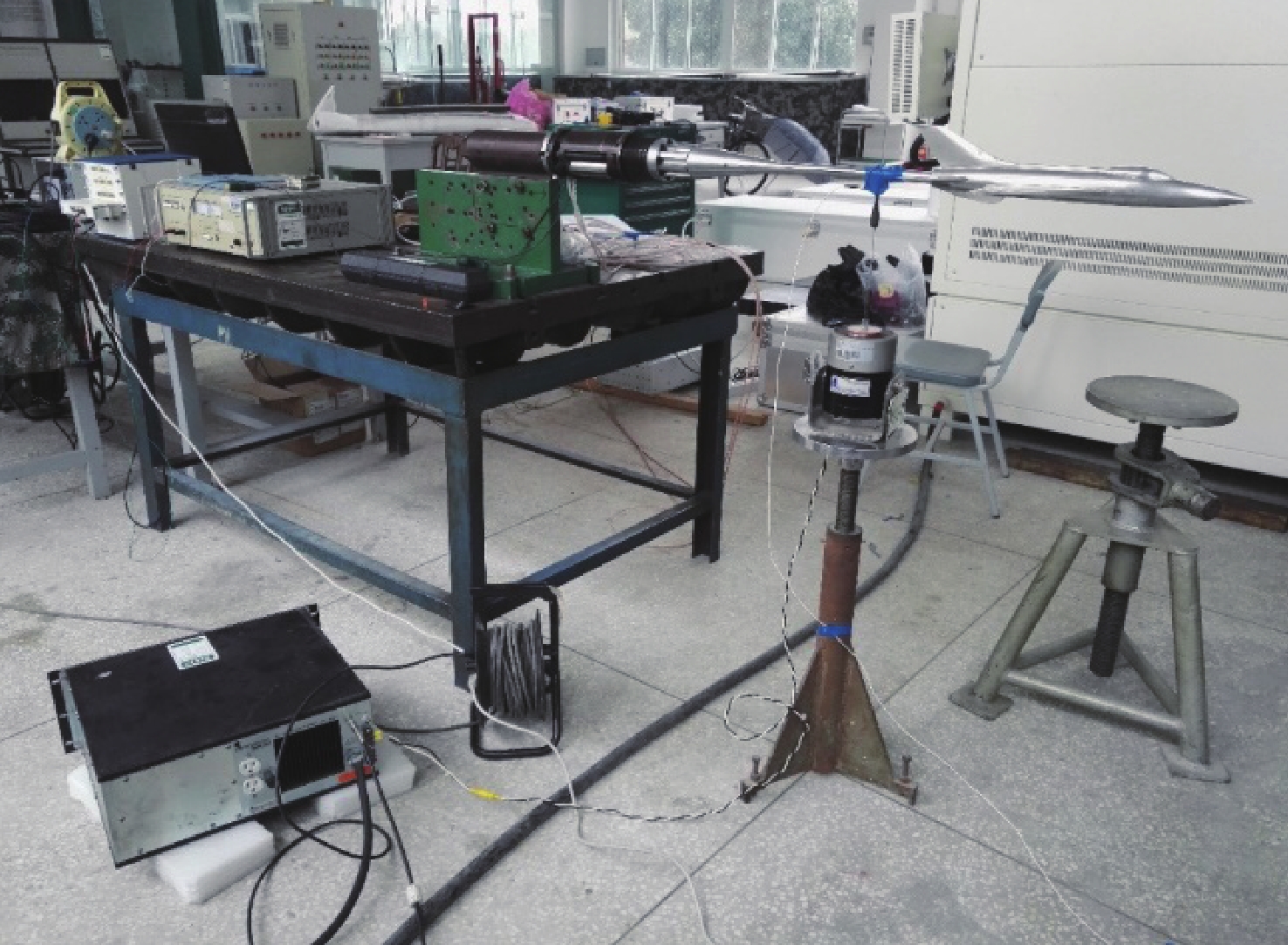
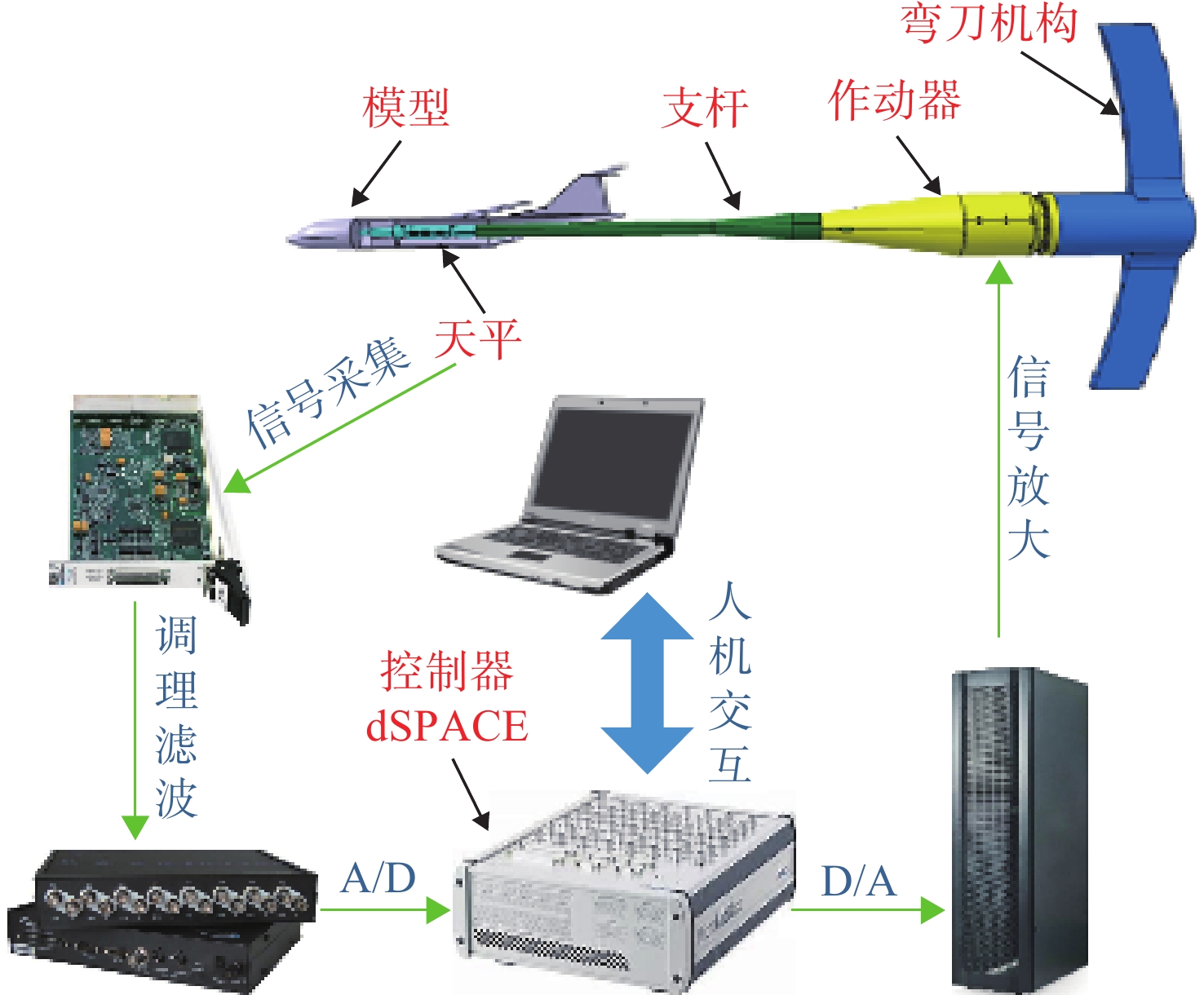
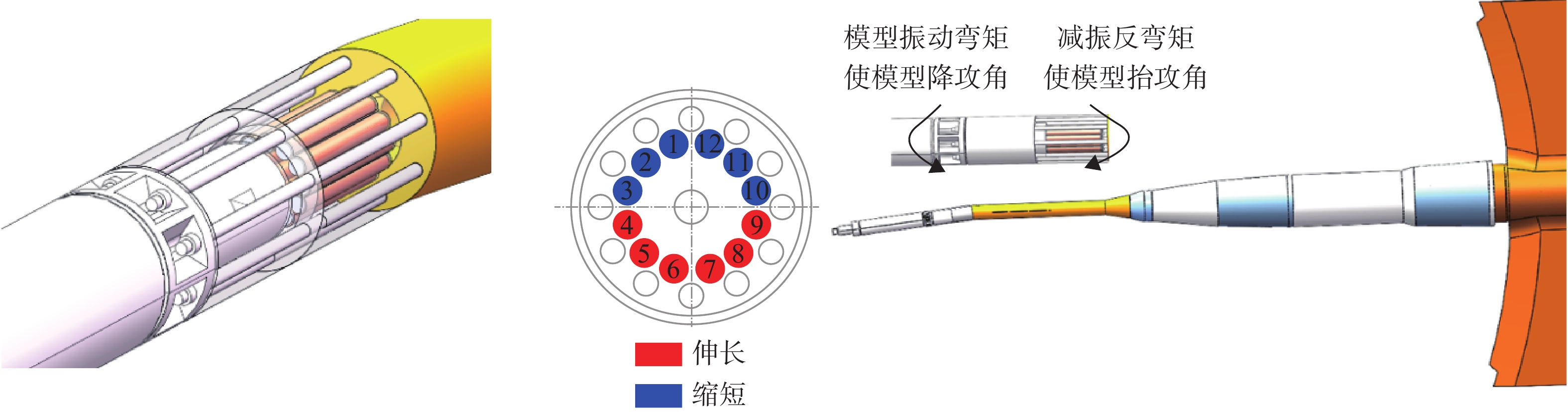
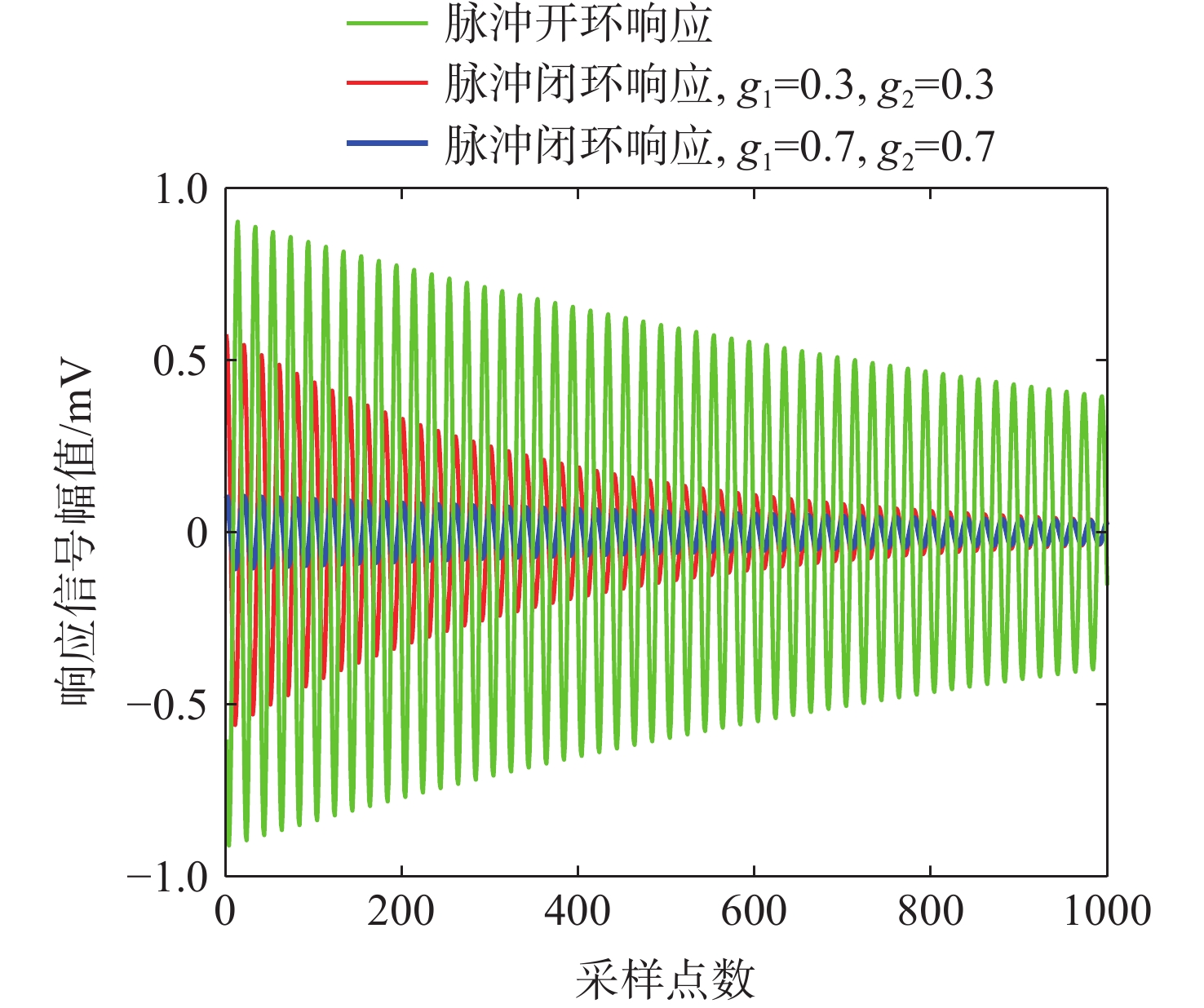
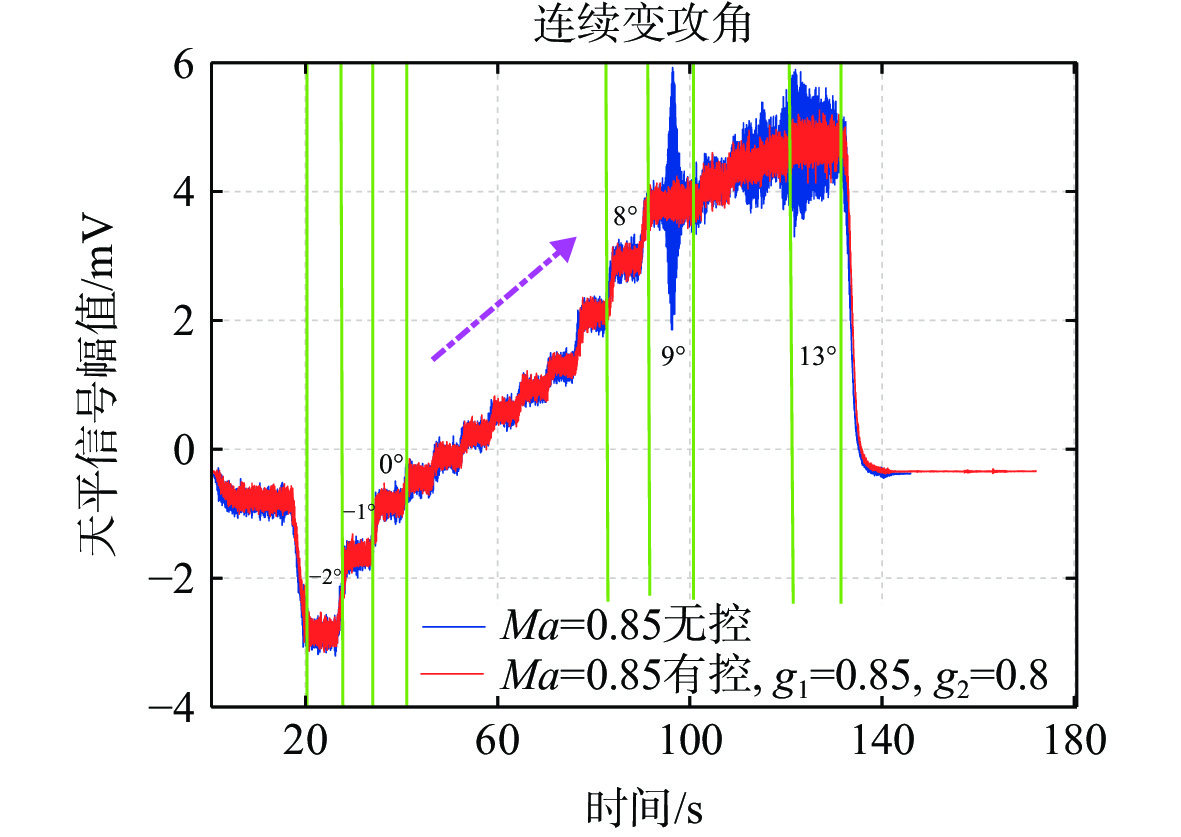
Considering the phenomenon of low frequency and large amplitude vibration of the test model in the process of transonic wind tunnel test, a multi-mode PD control algorithm was designed and good control effect was achieved in numerical simulation, ground test and wind tunnel test. The algorithm was designed to suppress the pitch direction vibration with the largest amplitude, the first two main vibration modes were obtained by modal decomposition of the pitching direction vibration data using Fourier series, the recursive least square method was used to identify the parameters of the channel transfer function of the single mode, the control algorithm was designed for the single-mode channel transfer function. The adopted theoretical methods and algorithm design ideas were discussed, and the methods adopted by numerical simulation were verified. The results showed that the algorithm can achieve better control of the controlled object. The designed control algorithm was loaded into the active vibration suppression system. Through ground debugging verification and wind tunnel test, it was finally shown that the developed damping system can effectively suppress the vibration of the wind tunnel model, and the vibration attenuation can reach more than 80%. The wind tunnel test duration increased by about 50 s, and the measured value of the test angle of attack balance increased to 5°. Thanks to its engineering practical value, this research can provide strong support for the follow-up research of multi-freedom control, multi-actuator collaborative control, and intelligent control algorithm.

Analysis of differential influence of hot jet effect in supersonic and hypersonic flow
SUN Ruibin
2025, 40(5): 20240645. doi: 10.13224/j.cnki.jasp.20240645
Abstract:

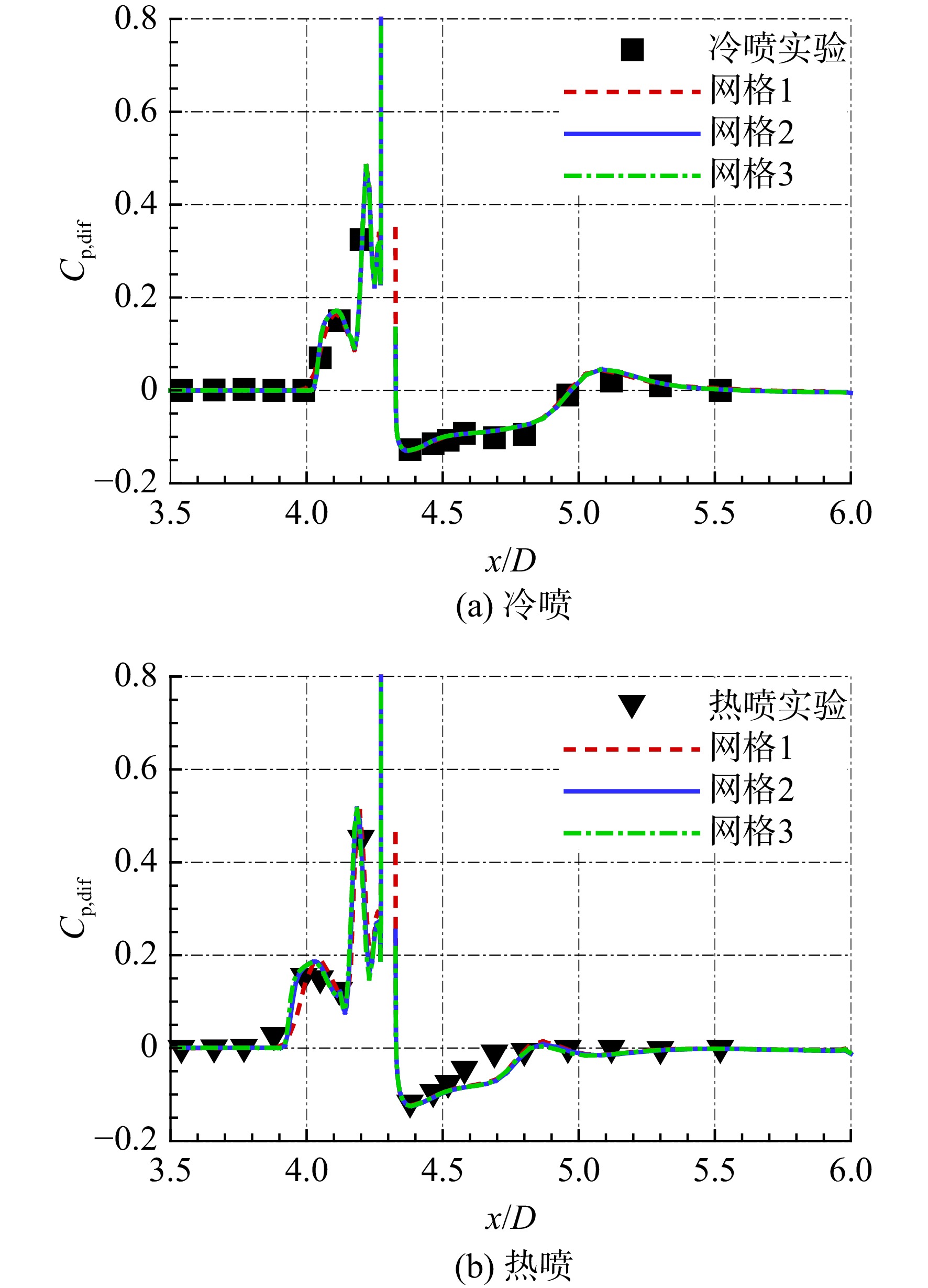
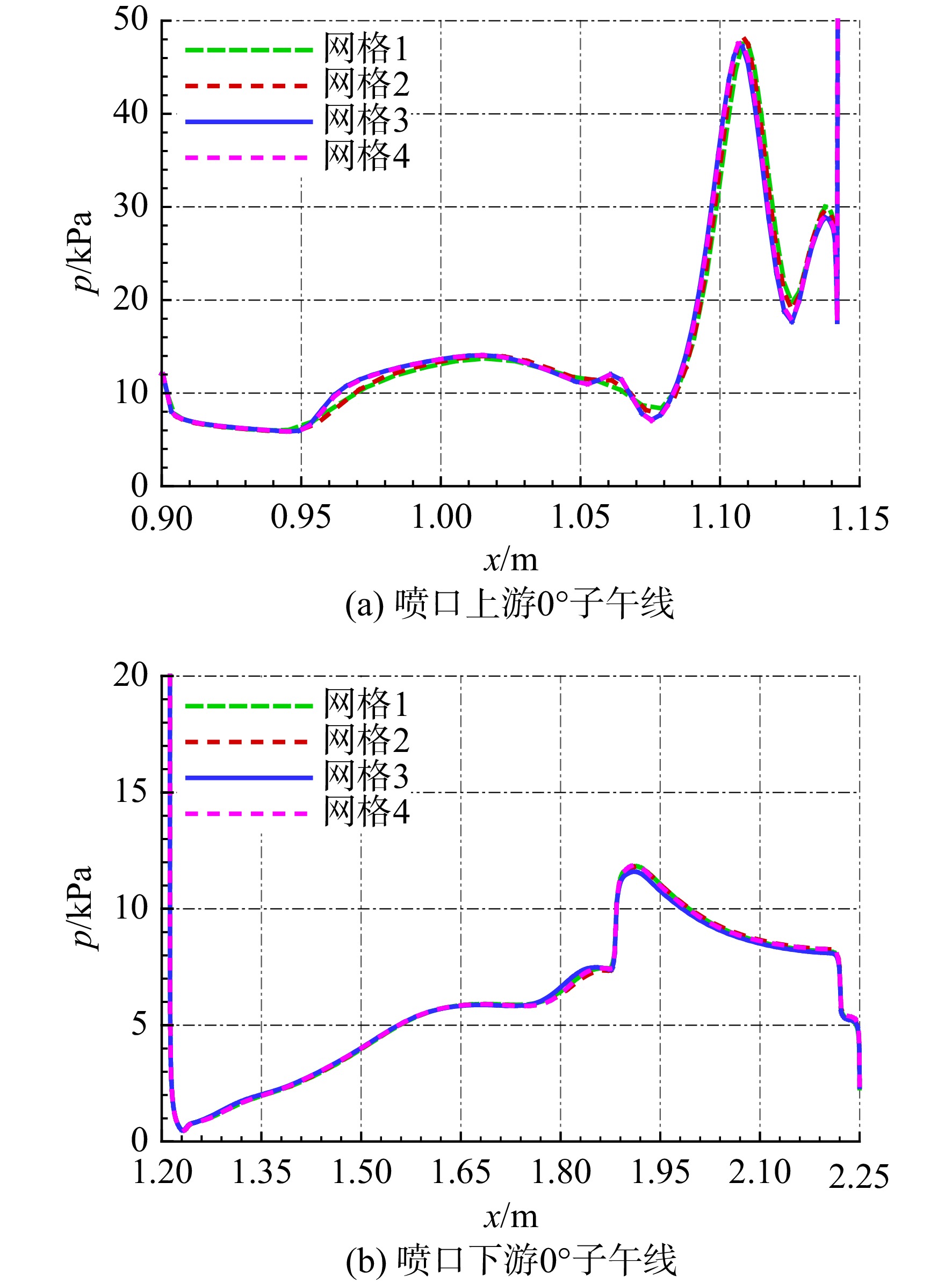
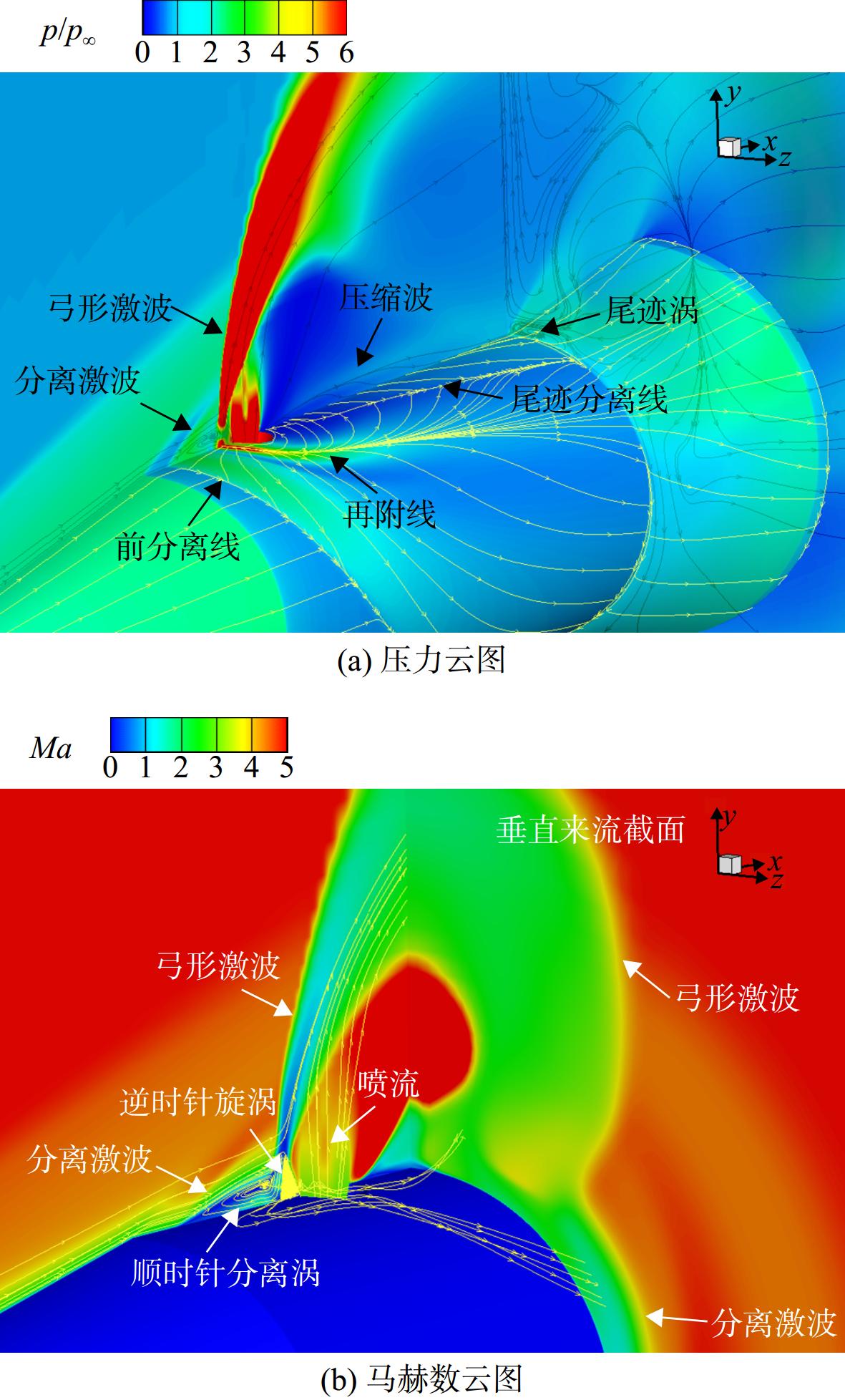
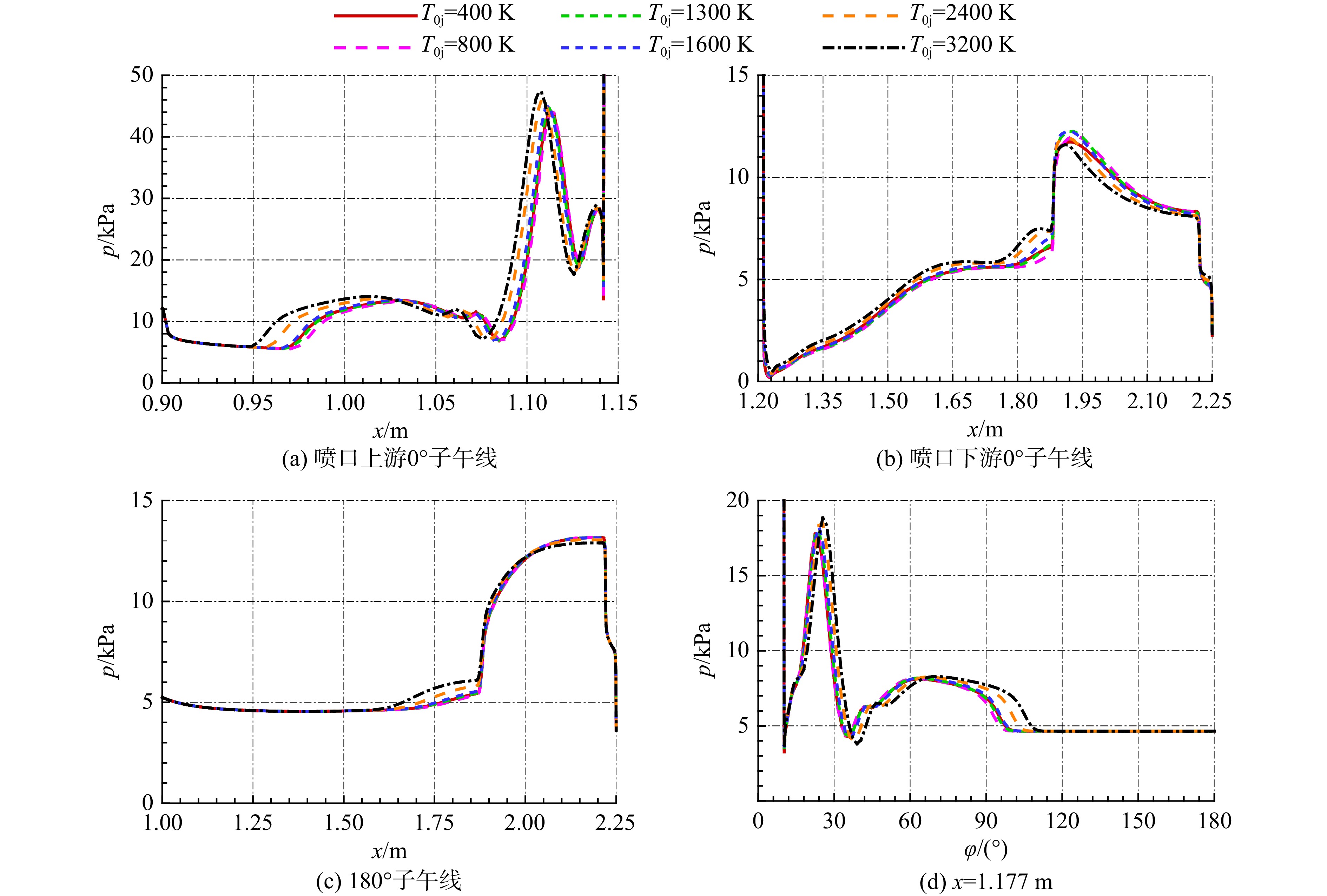
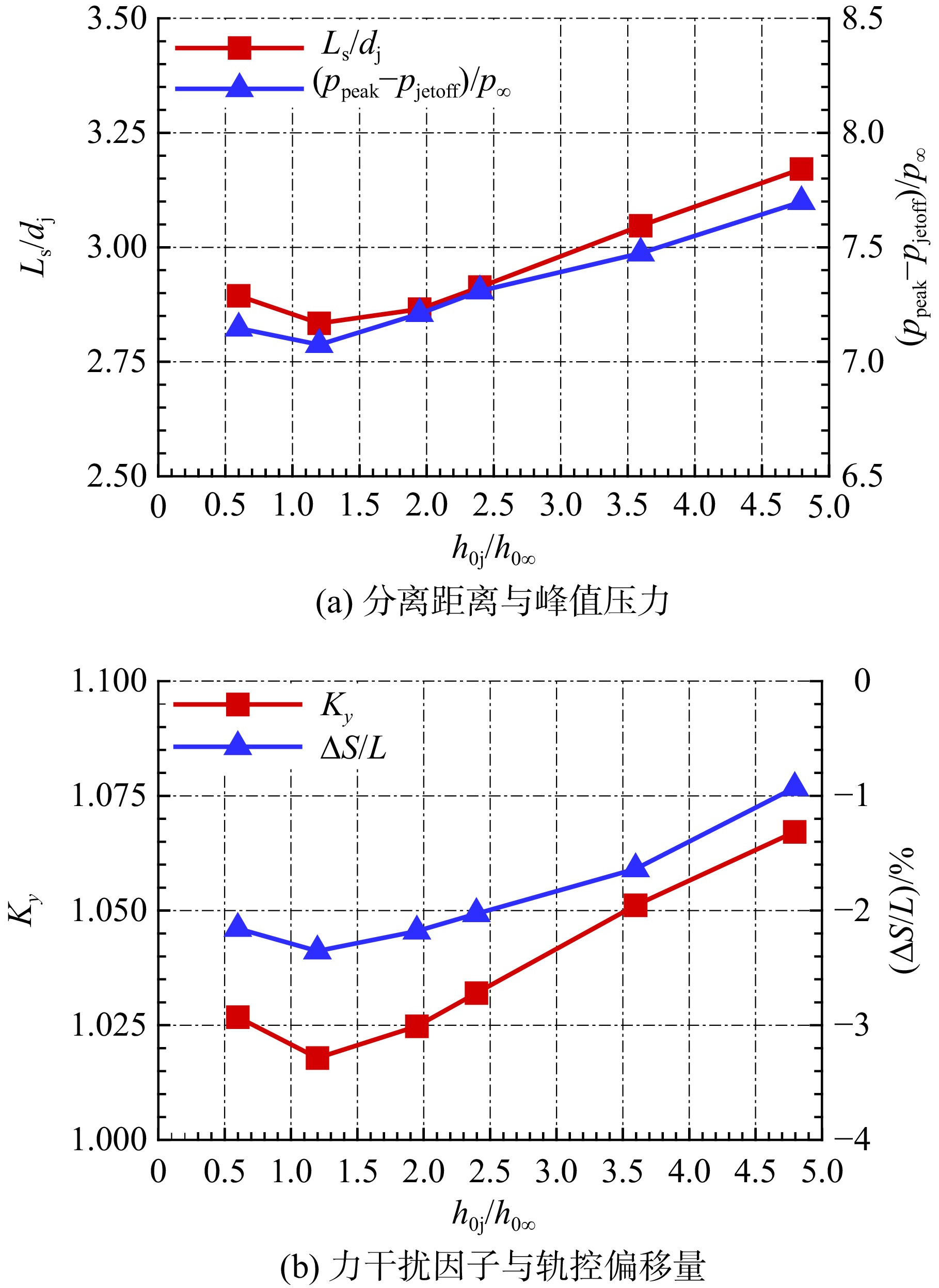
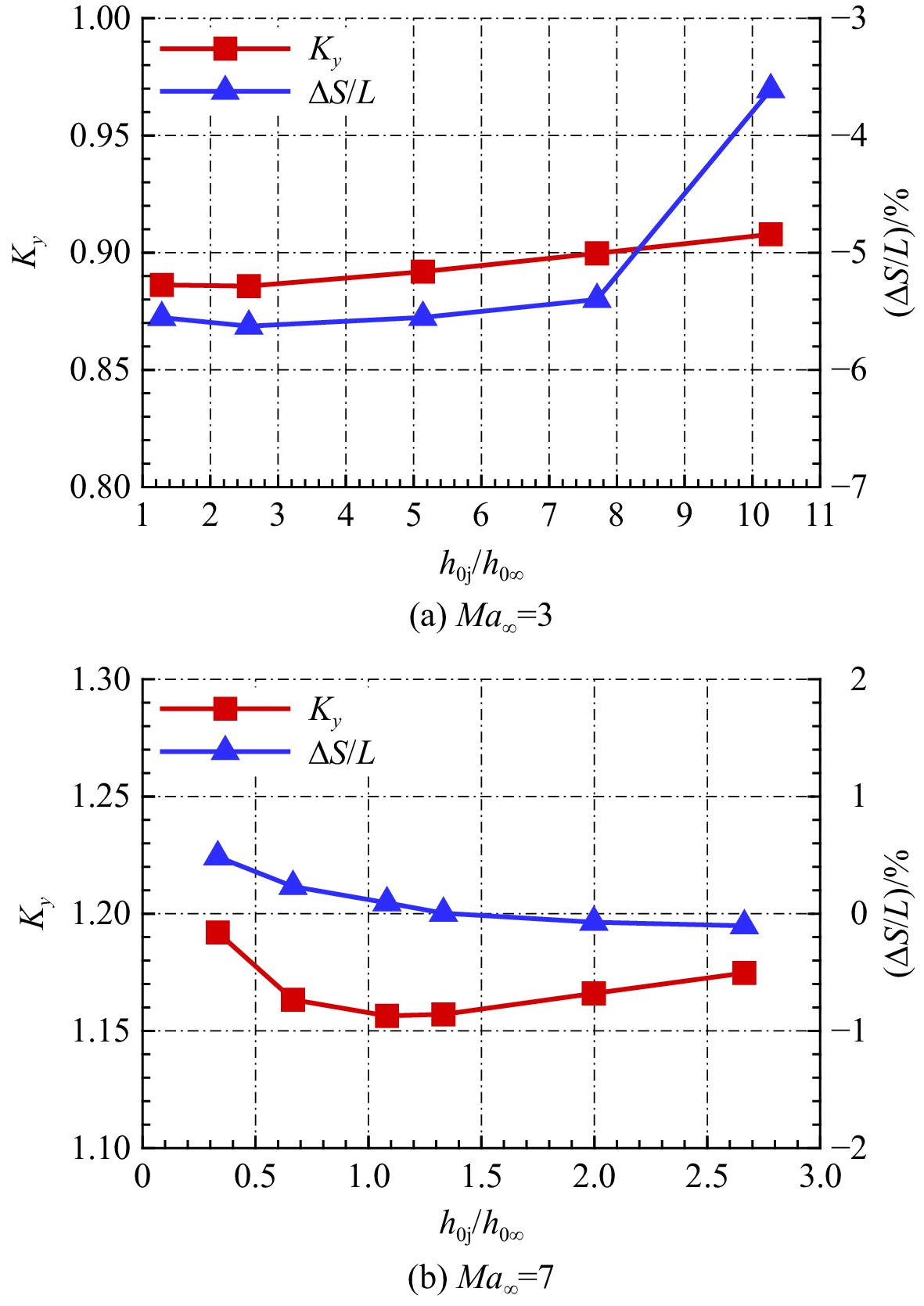
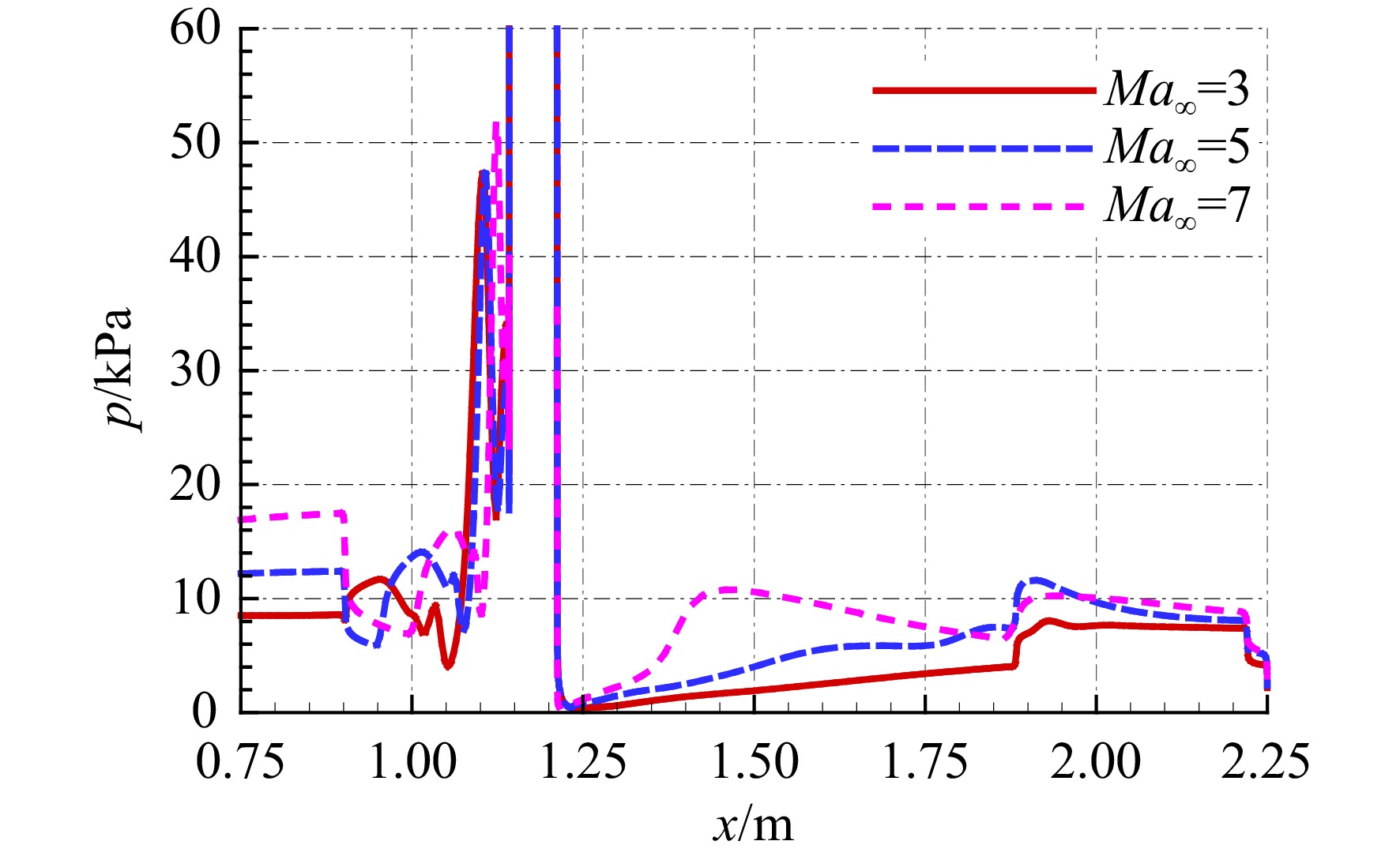
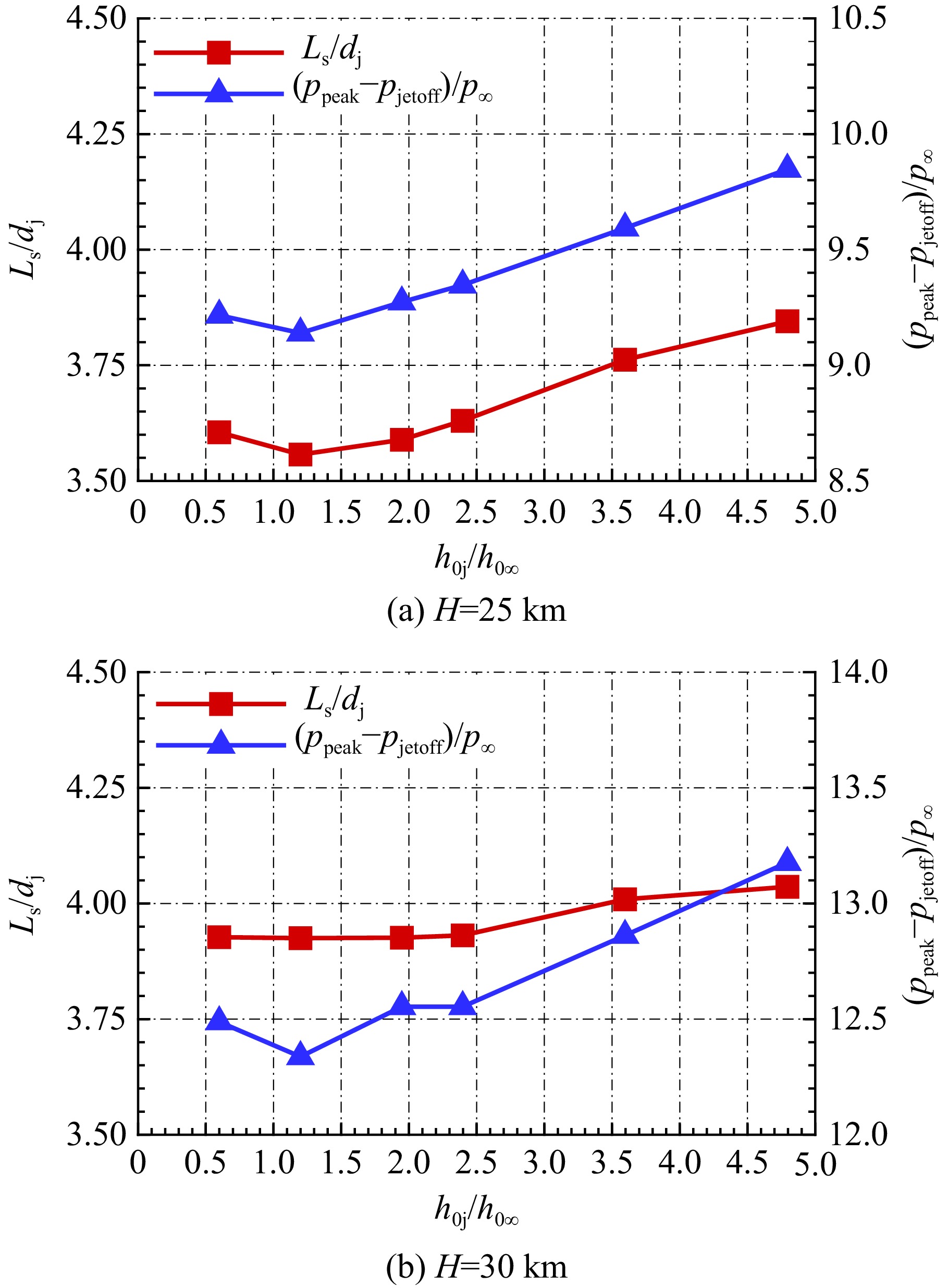
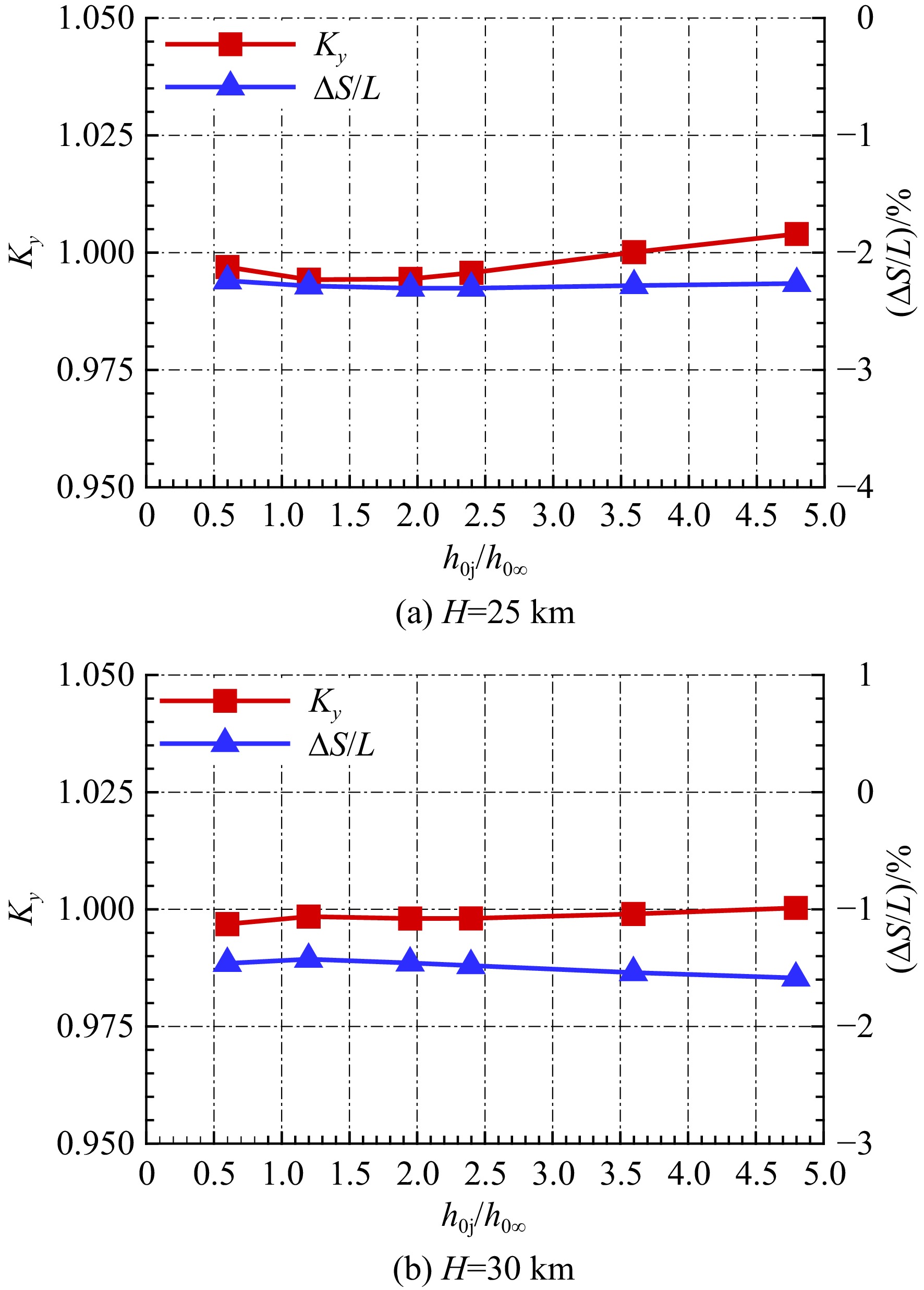
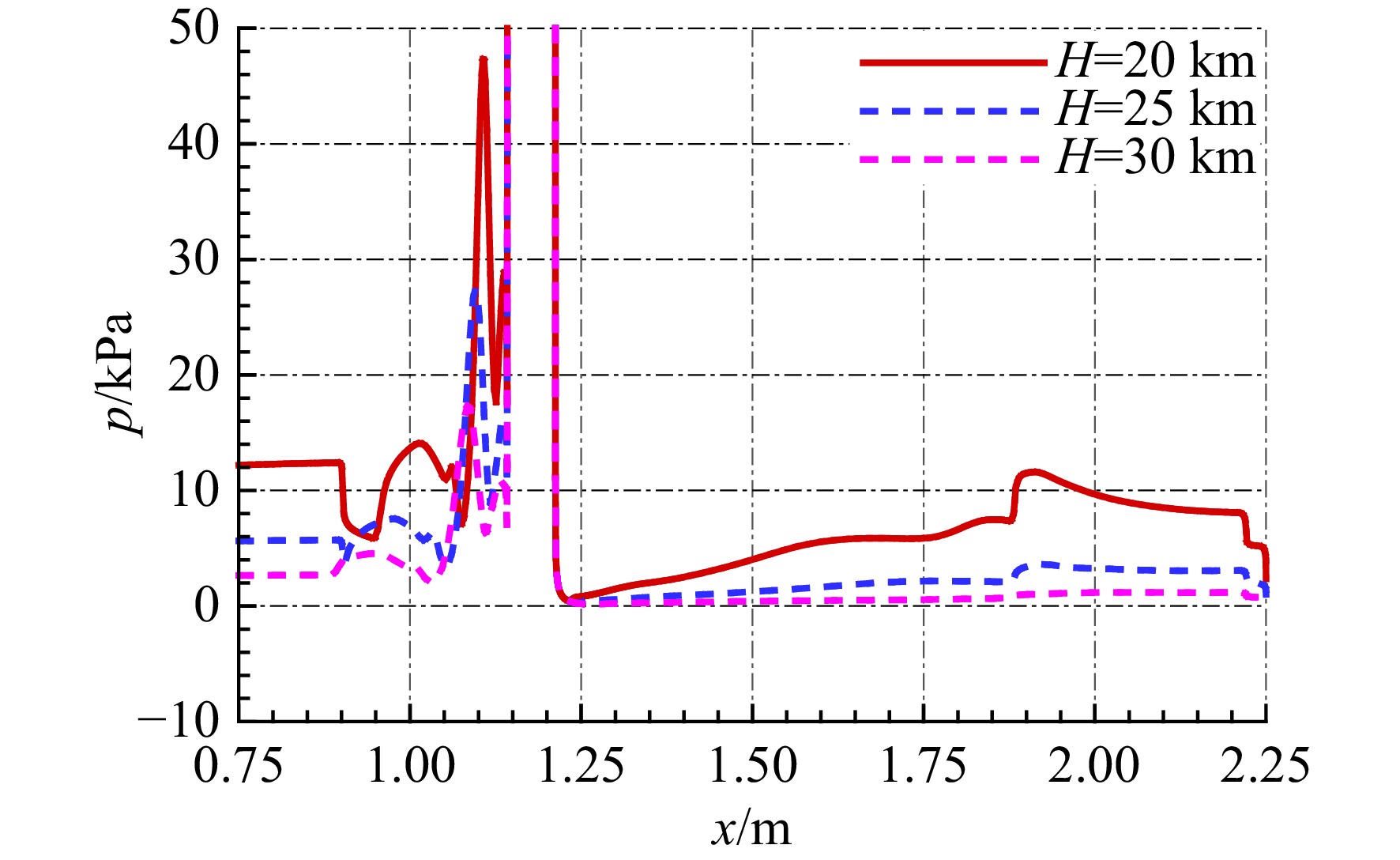
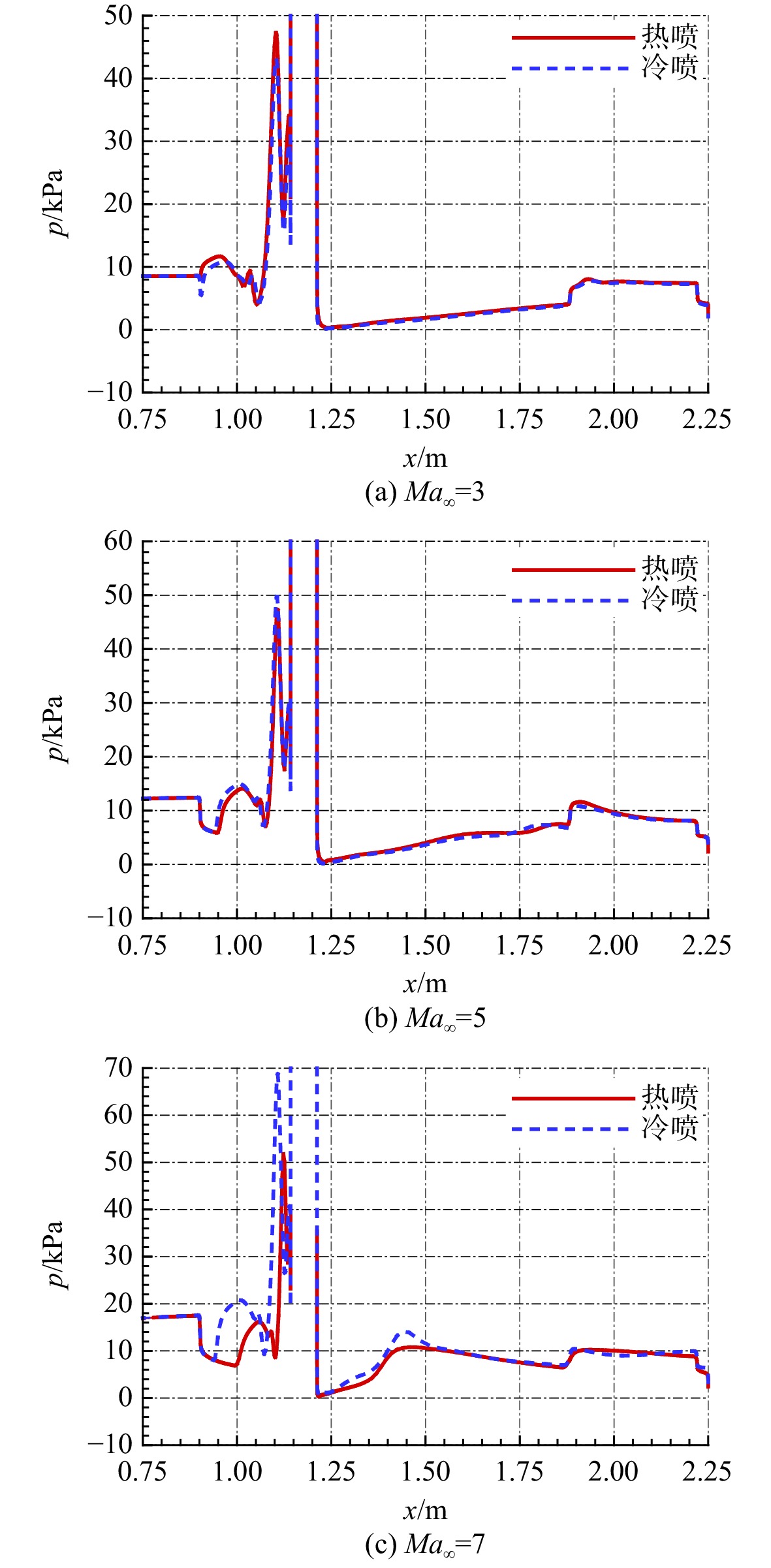
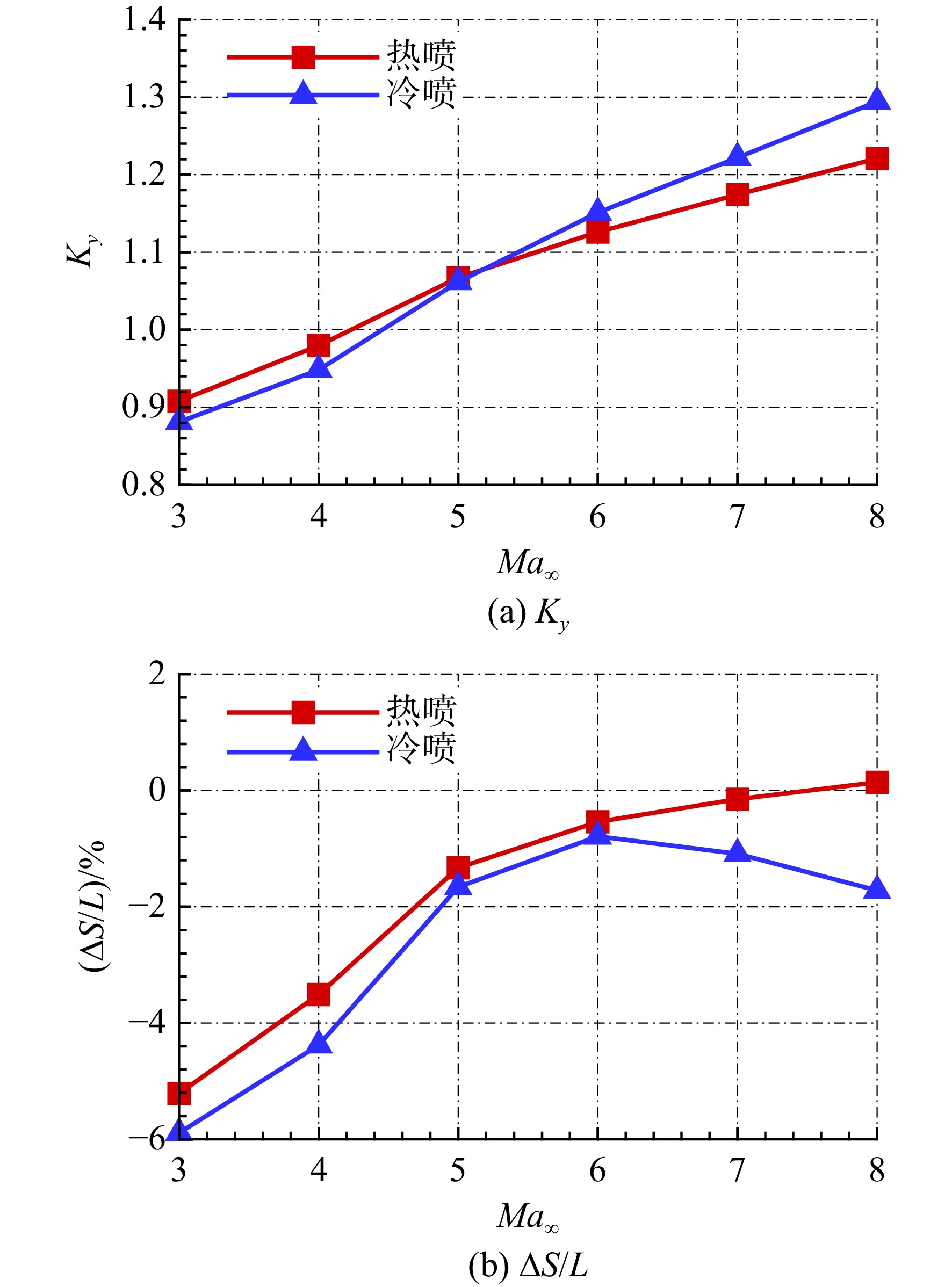
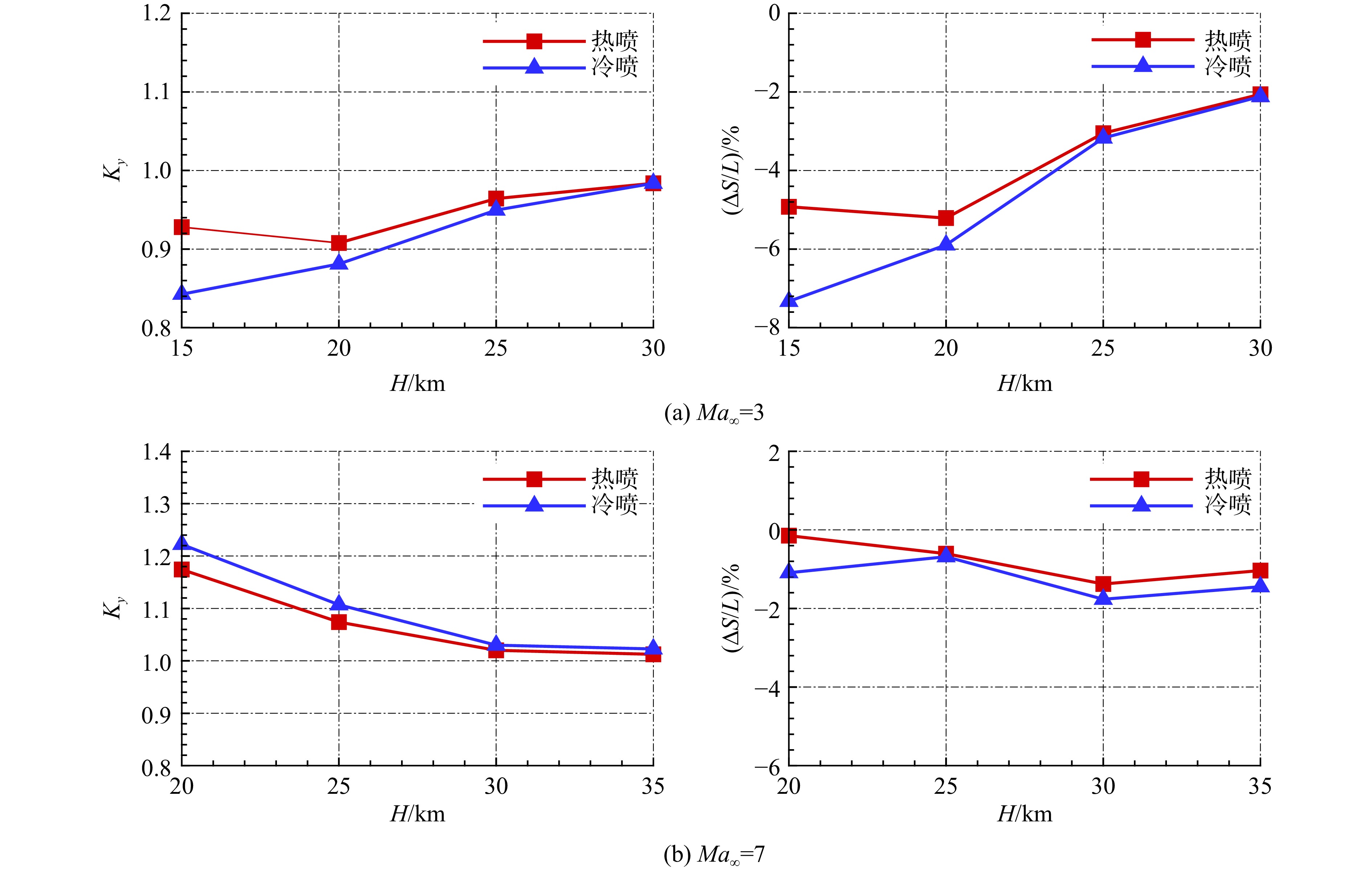
In response to the issue of different cold/hot jet differences caused by the hot jet effect under various incoming flow conditions, the numerical investigation of jet temperature effects on the interaction flow field and aerodynamic characteristics was studied by solving the three-dimensional multi-component Reynolds-averaged Navier-Stokes (RANS) equations to simulate the typical aircraft configuration's divert jet interaction flow field. The differences in cold/hot jet interaction under various incoming Mach numbers and flight altitude conditions were analyzed. The study showed that the impact of jet temperature on the interaction flow field exhibited a coupled influence mechanism of mass and energy fluxes. When the total enthalpy ratio was higher than 1, the influence of jet energy flux was more significant than the mass flux. Conversely, when the total enthalpy ratio was lower than 1, the influence of jet mass flux was more significant than the energy flux. As the incoming Mach number increased, the total enthalpy ratio decreased, and the influence of jet mass flux became more pronounced than that of energy flux, and the interaction flow field range of cold jets with large mass flux gradually exceeded that of hot jets, and the force interaction factor caused by cold jets gradually exceeded that of hot jets. As the flight altitude increased, the total enthalpy ratio was constant, and the proportional contribution of jet mass flux and energy flux kept unchanged, the qualitative rule of cold/hot jet interaction differences remained unchanged, but the reduction in incoming dynamic pressure resulted in an overall decreasing trend of the jet interaction force and moment, it also led to an overall decreasing trend in the difference between the force interaction factor and the shift amount of jet force center of cold and hot jets interaction.

Aerodynamic coupling modeling and characteristic analysis of counter-rotating propellers based on lifting-line method
CHEN Fengping, MA Xiaoyun, JIA Linyuan, CHEN Yuchun, WANG Xiaotian
2025, 40(5): 20240345. doi: 10.13224/j.cnki.jasp.20240345
Abstract:

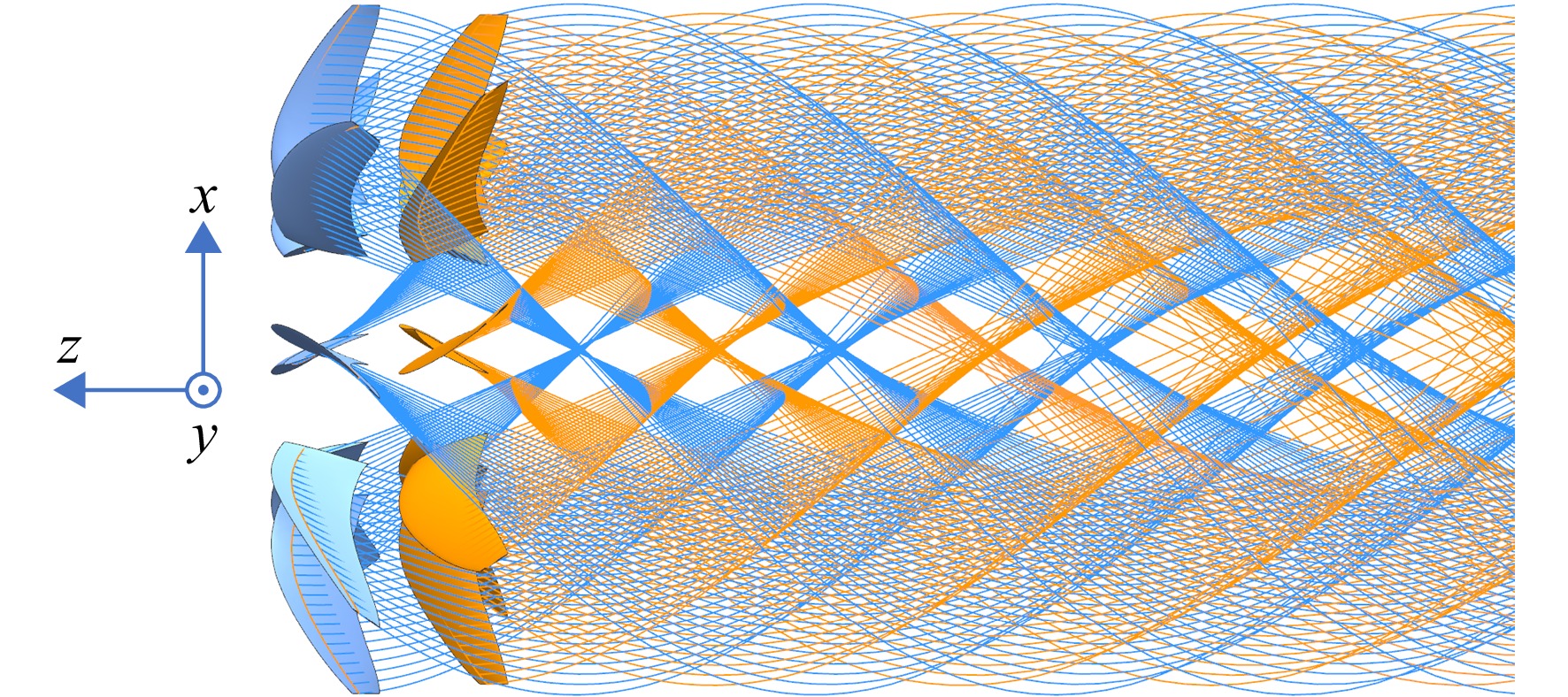
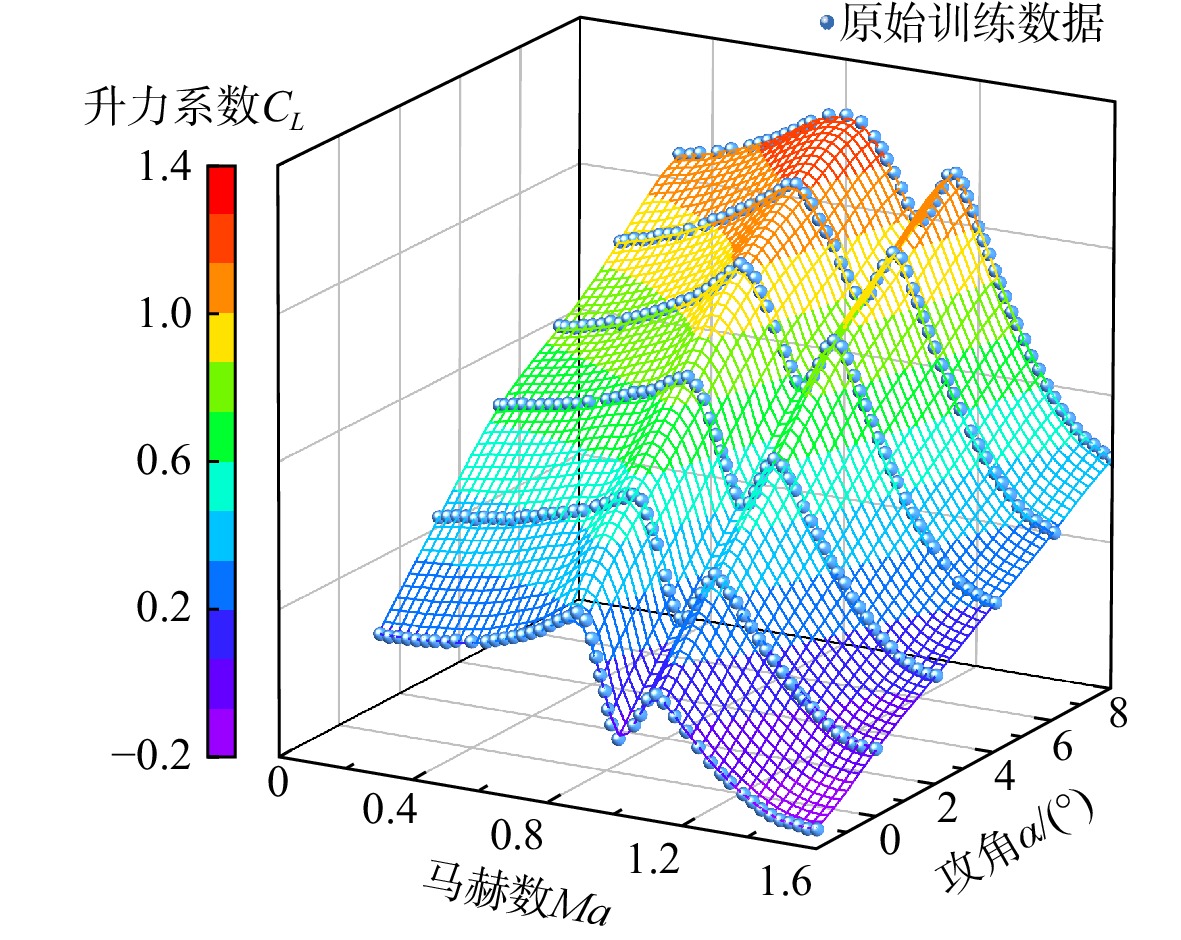
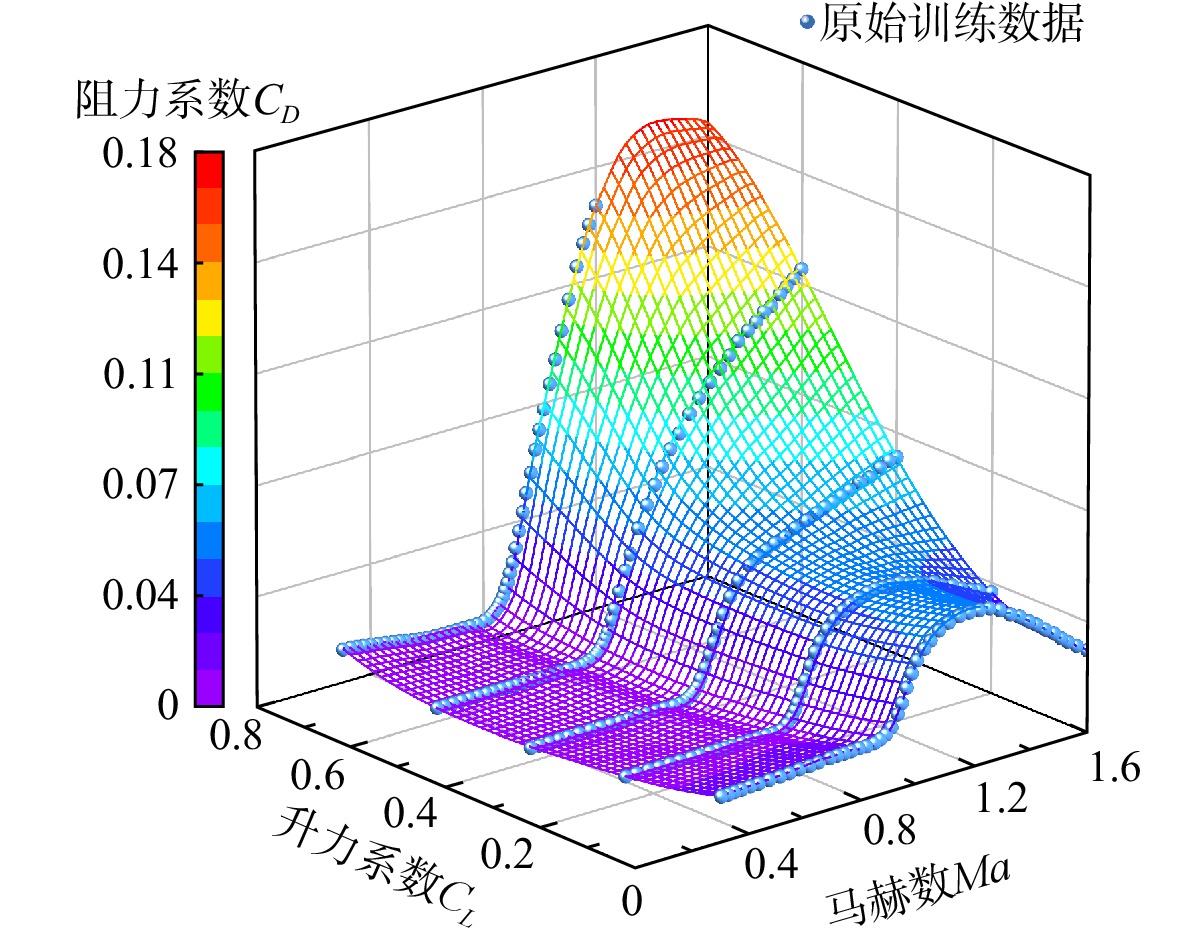
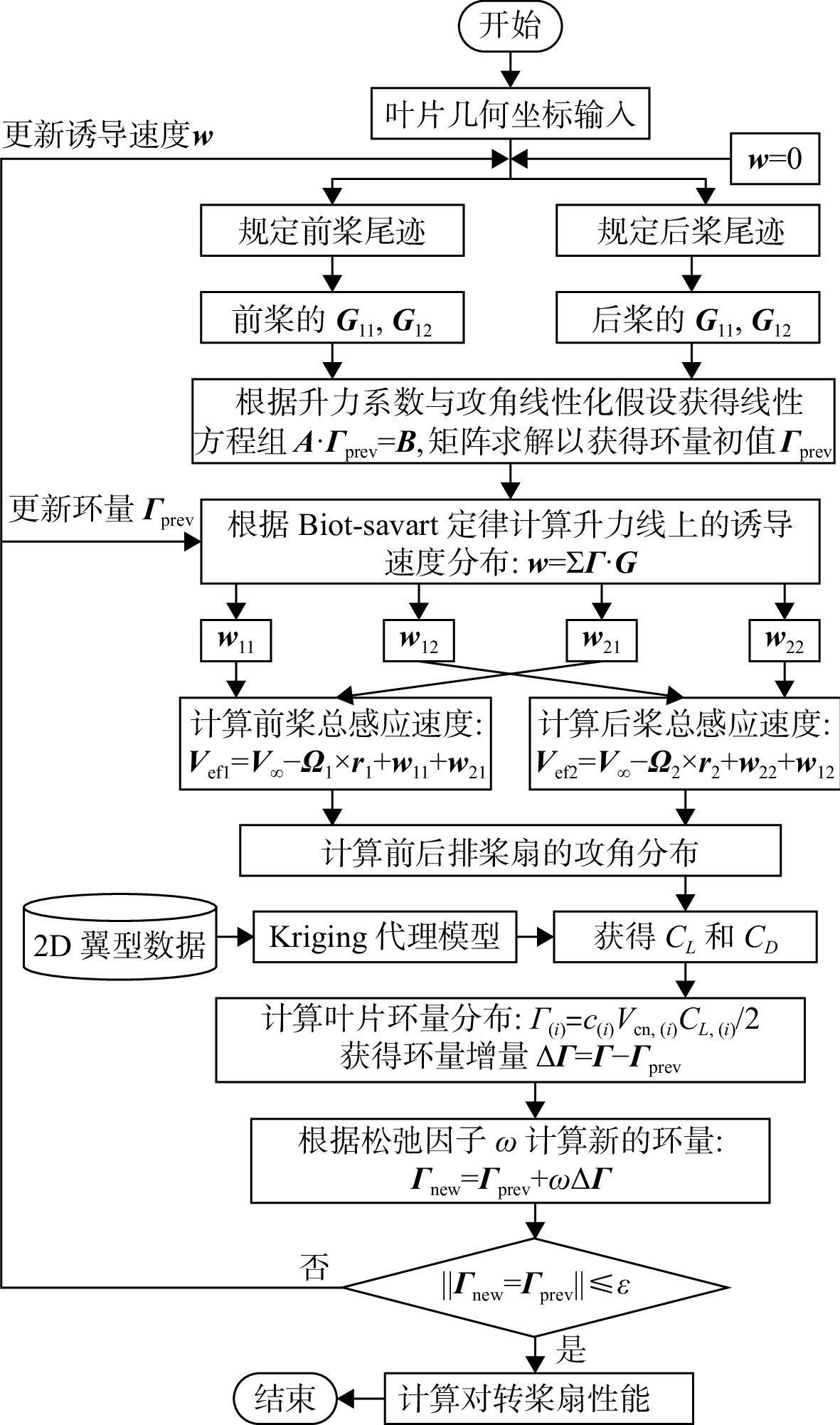
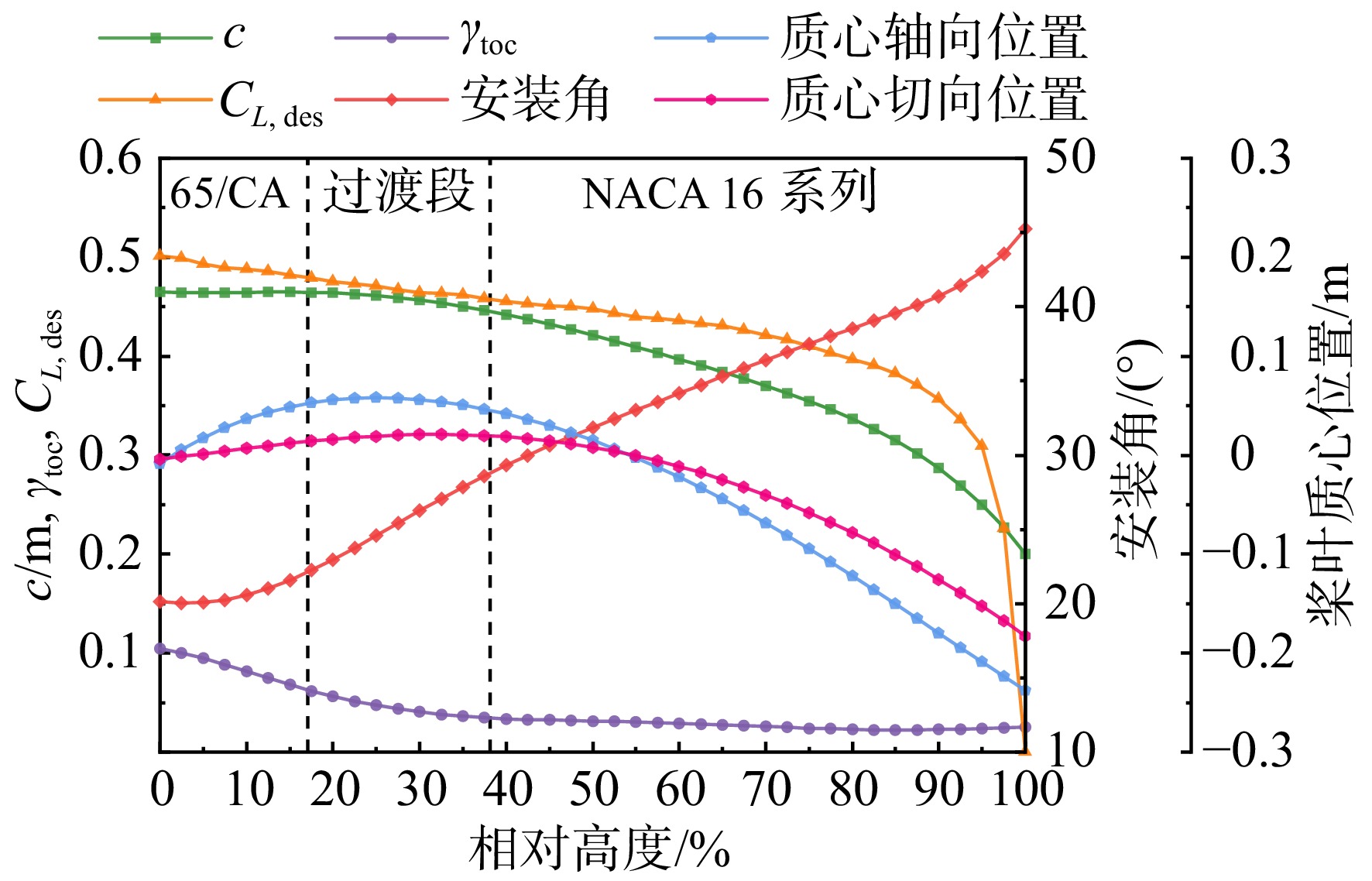
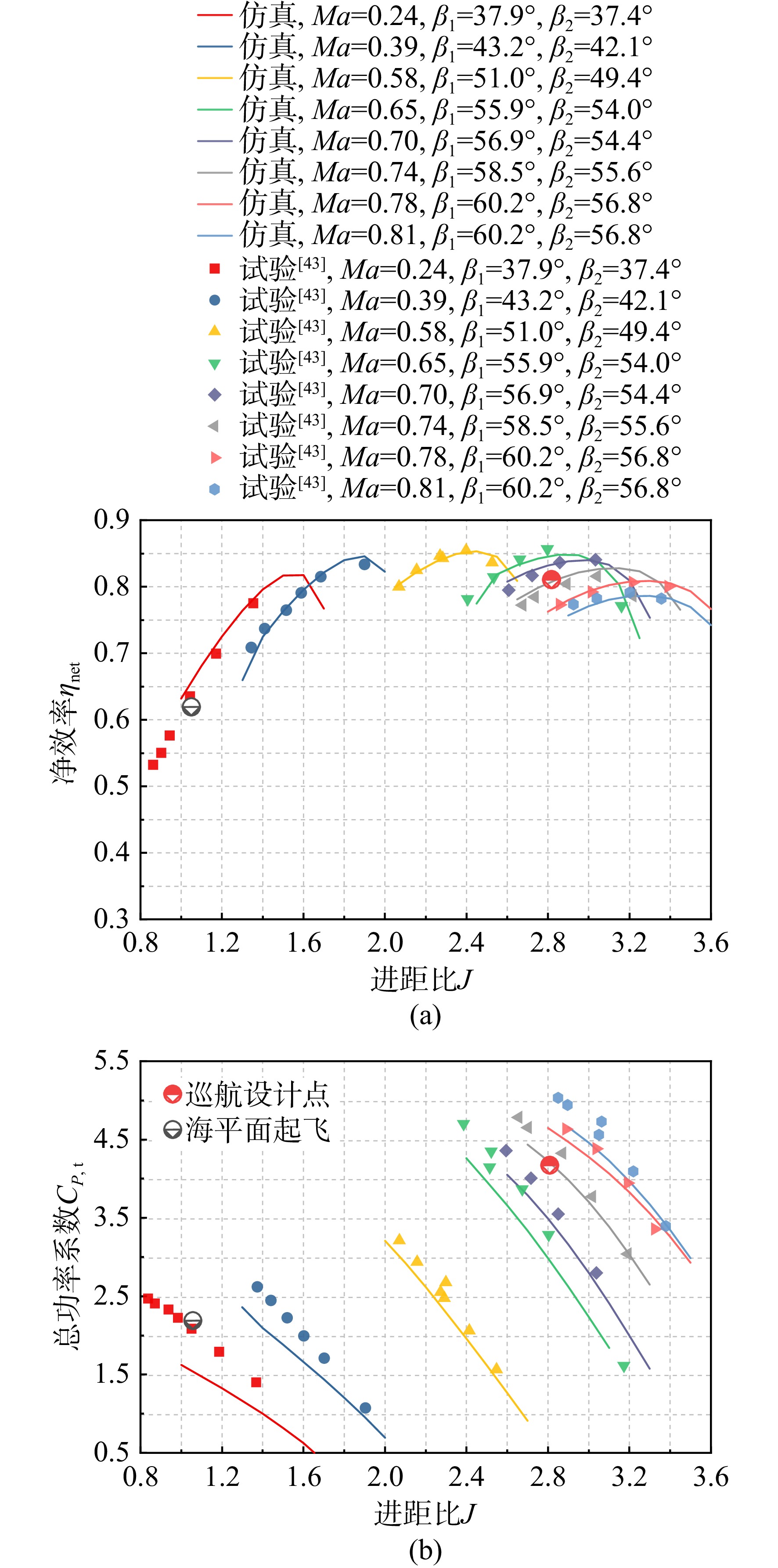
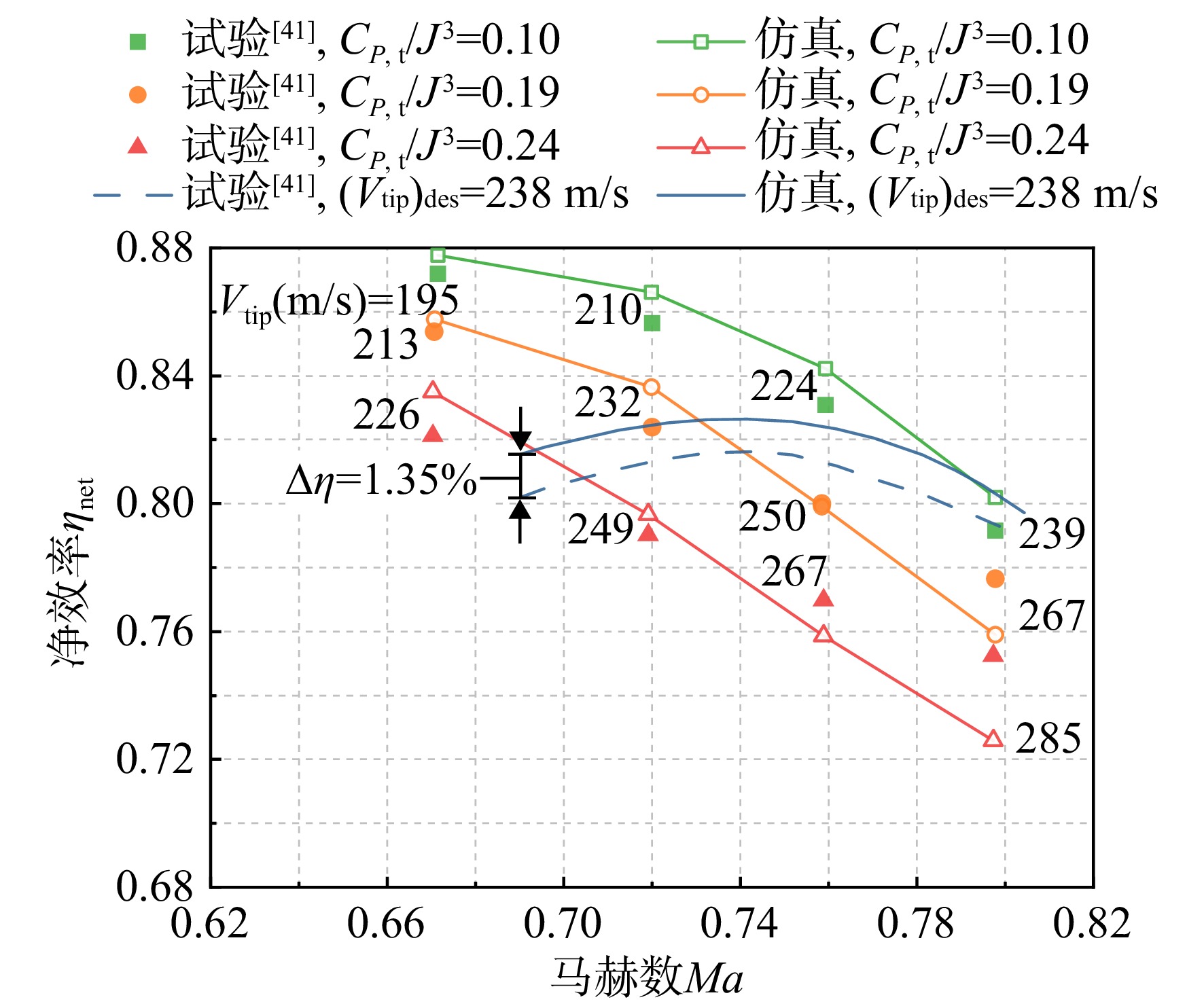
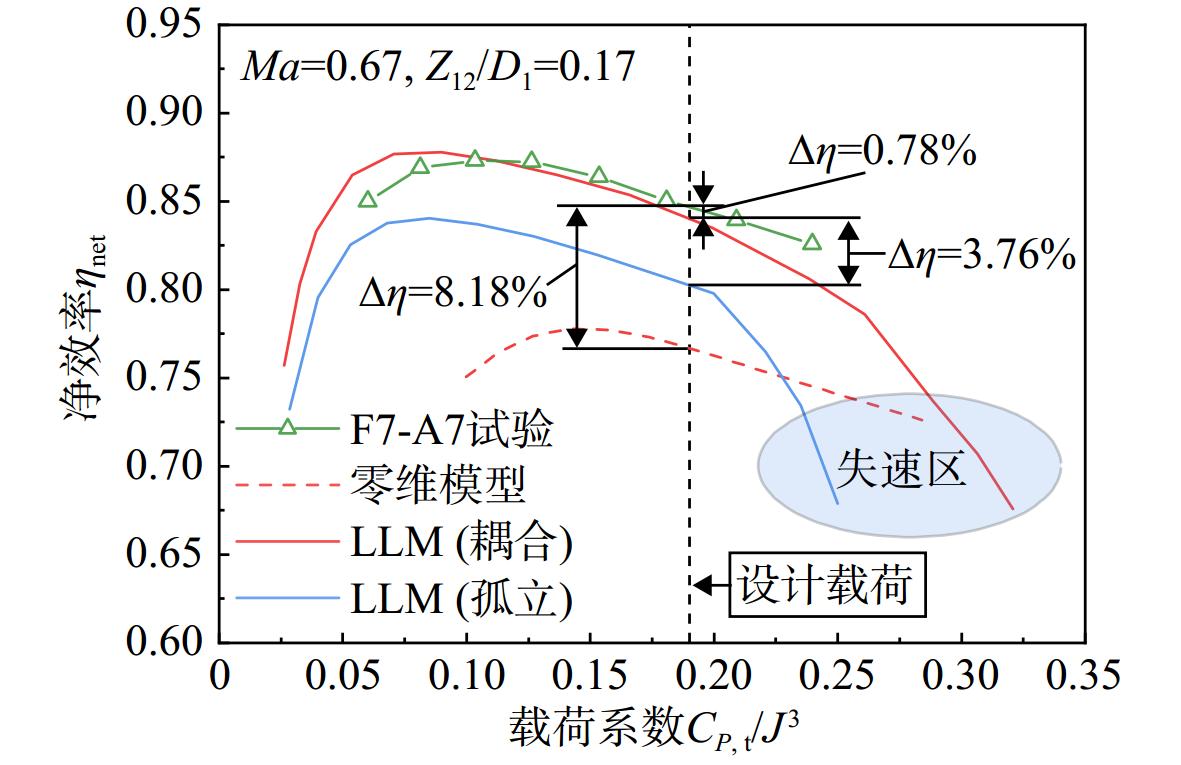
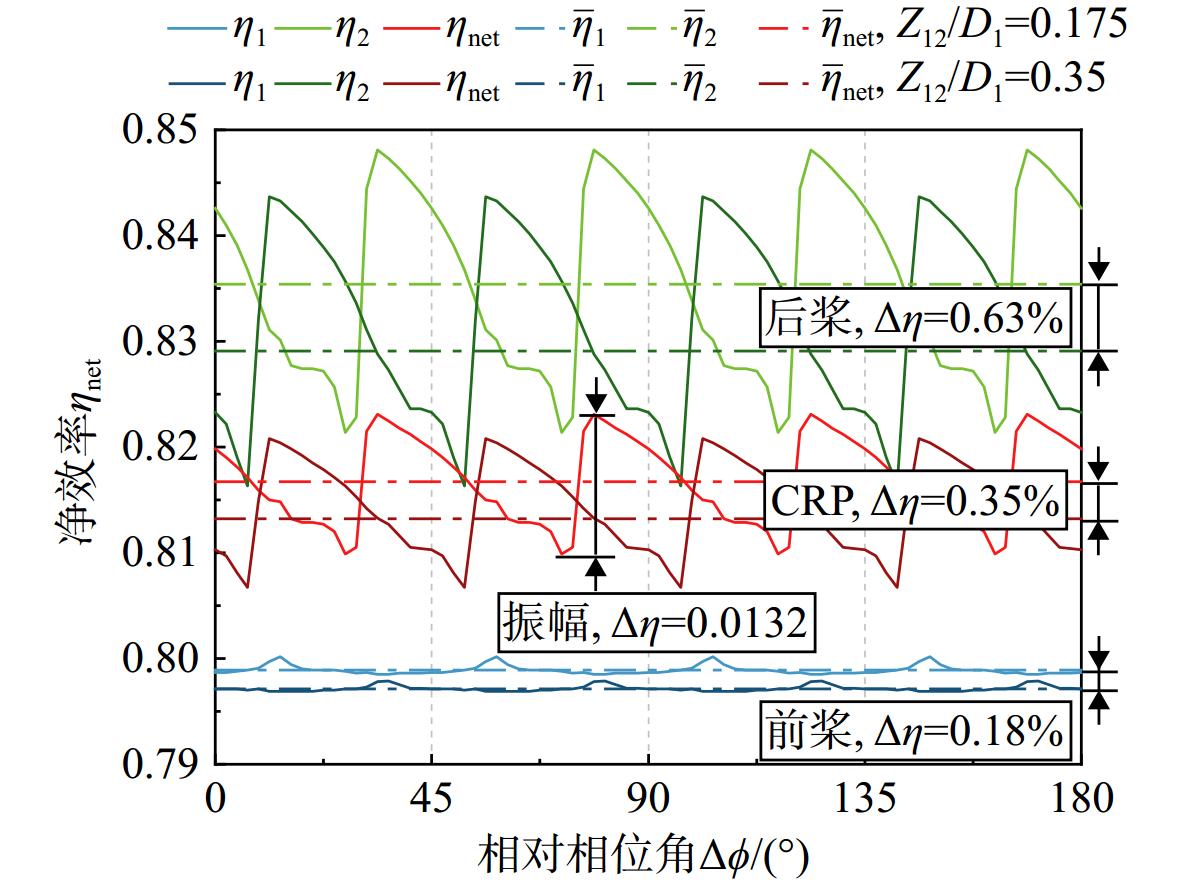
To predict the performance of counter-rotating propellers, a lifting-line prediction model was developed based on the prescribed wake method. The mutual induction velocity terms were introduced to account for the interference effect, and multiphase wakes were calculated to consider the periodicity. To enhance accuracy, a Kriging method was employed to establish surrogate models for lift and drag coefficients. This model was then applied to the F7-A7 contra-rotating propellers. The results indicated that this model not only provided high-precision and rapid predictions of characteristics across the full range of operating conditions, but also effectively captured interference effects, periodic features, and the impact of axial spacing. Specifically, the errors in net efficiency and thrust at the design point were 0.43% and 0.37%, respectively. Under a wide range of off-design conditions, the model maintained a high accuracy, with efficiency errors remaining below 1.2%. The elapsed time to calculate a single operating condition was approximately 21 s. Compared with zero-dimensional models, the prediction accuracy for efficiency and power at both design and off-design points was significantly improved, providing robust support for the overall performance simulation and optimization design of open rotor engines.

Numerical characterization of flow resistance to back pressure variations in a single-row ramp isolation section
HE Dengjun, WANG Bing
2025, 40(5): 20230617. doi: 10.13224/j.cnki.jasp.20230617
Abstract:

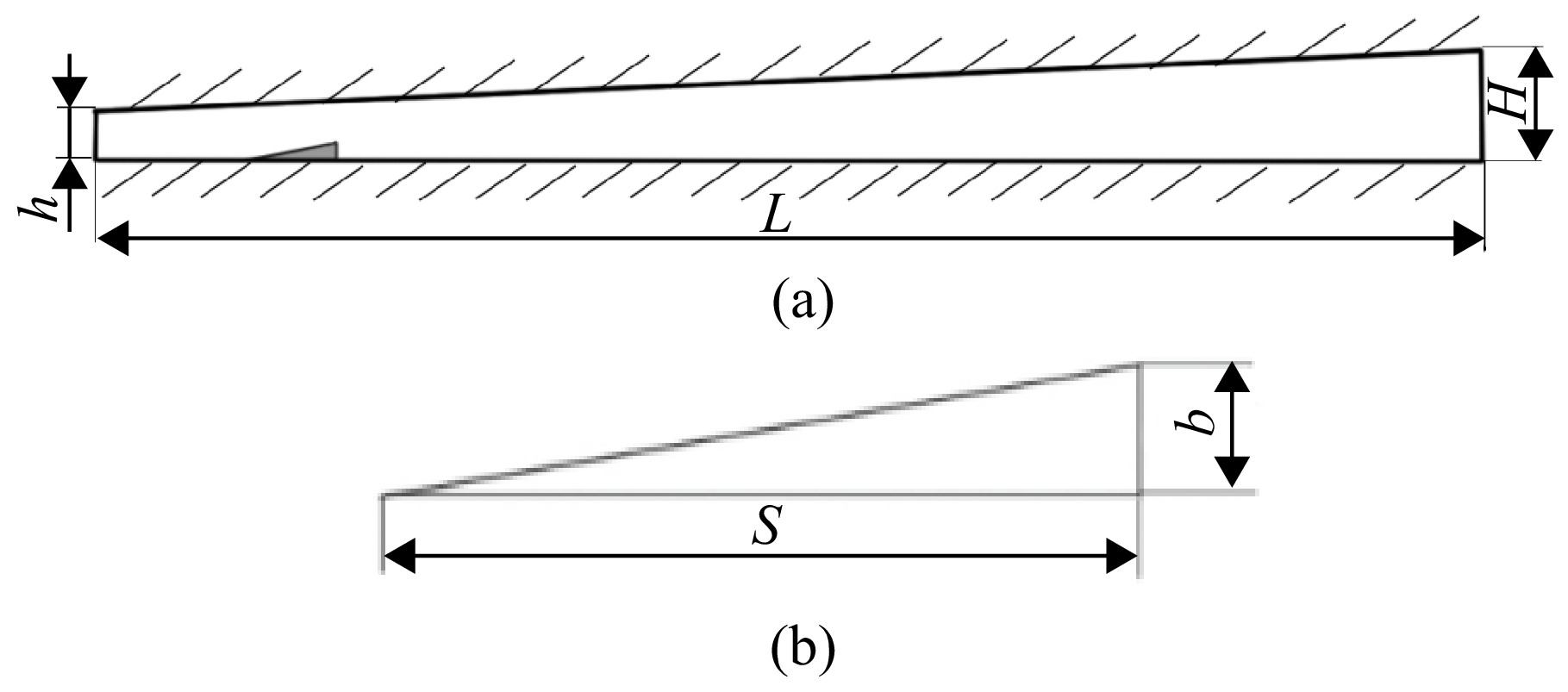
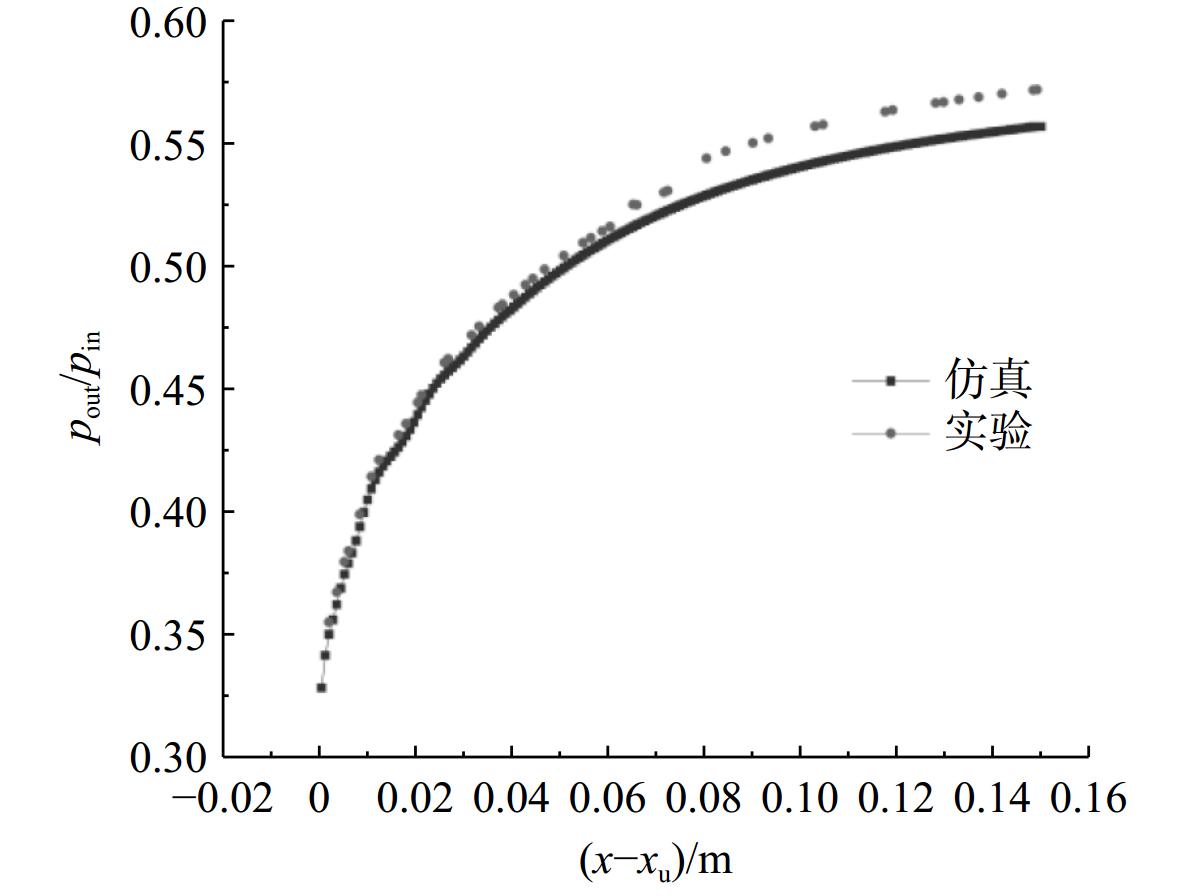
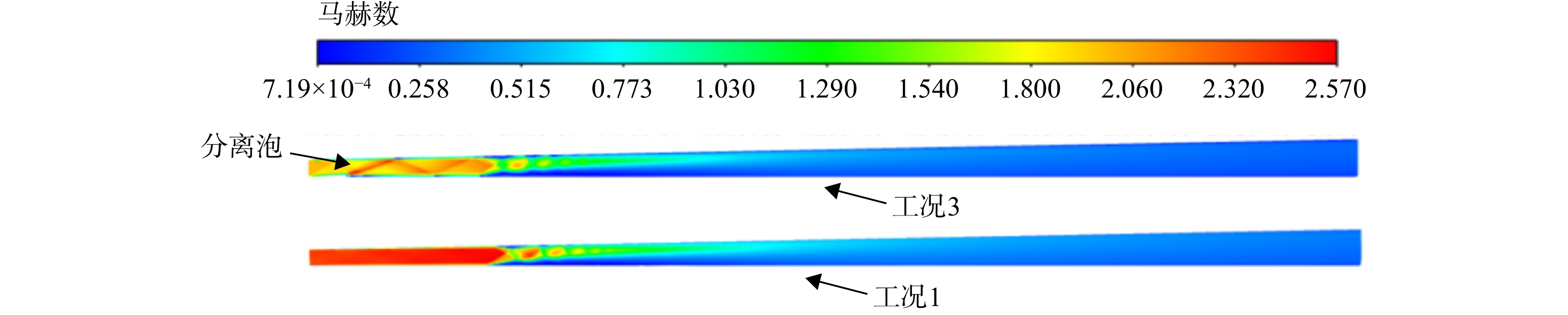
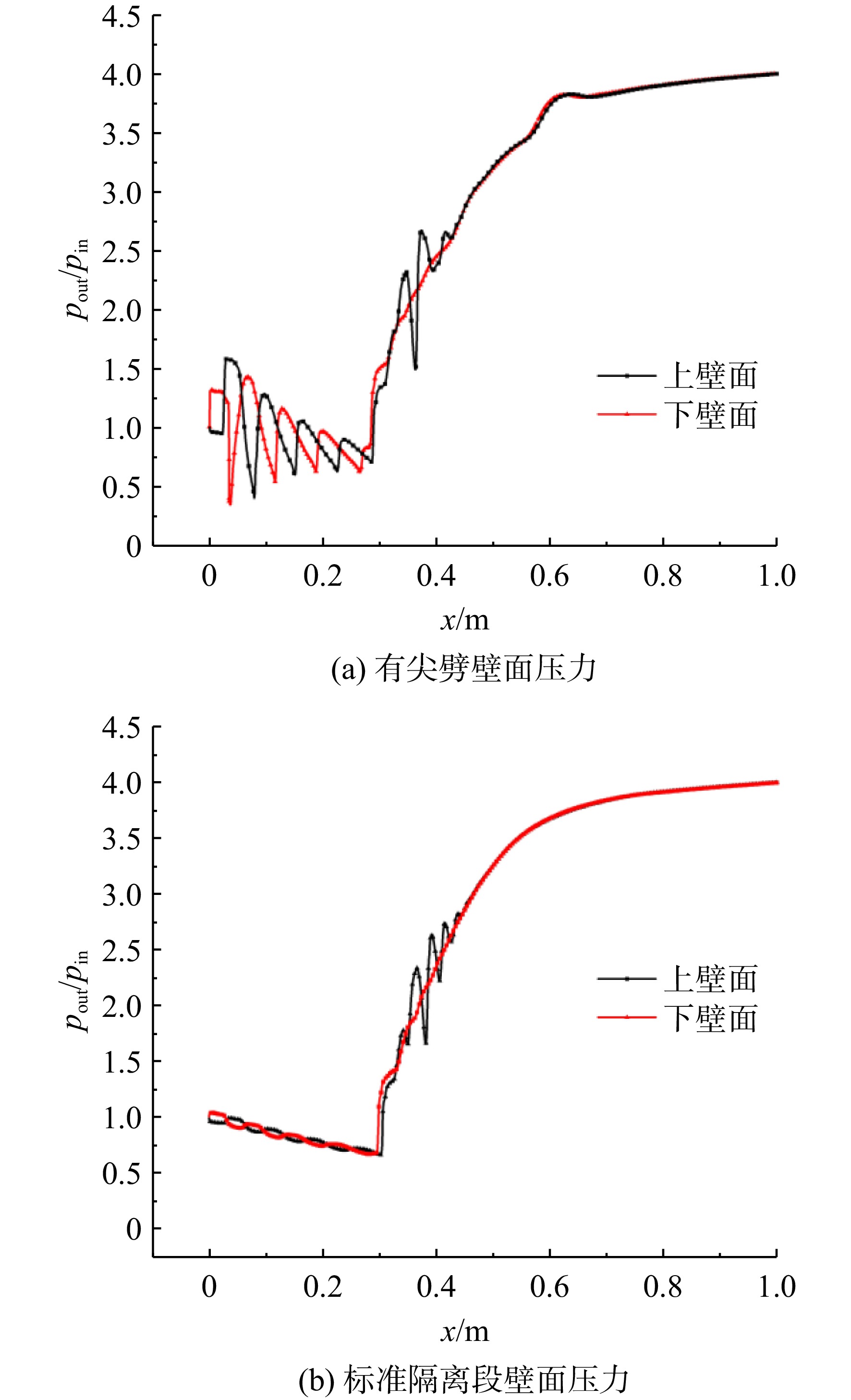
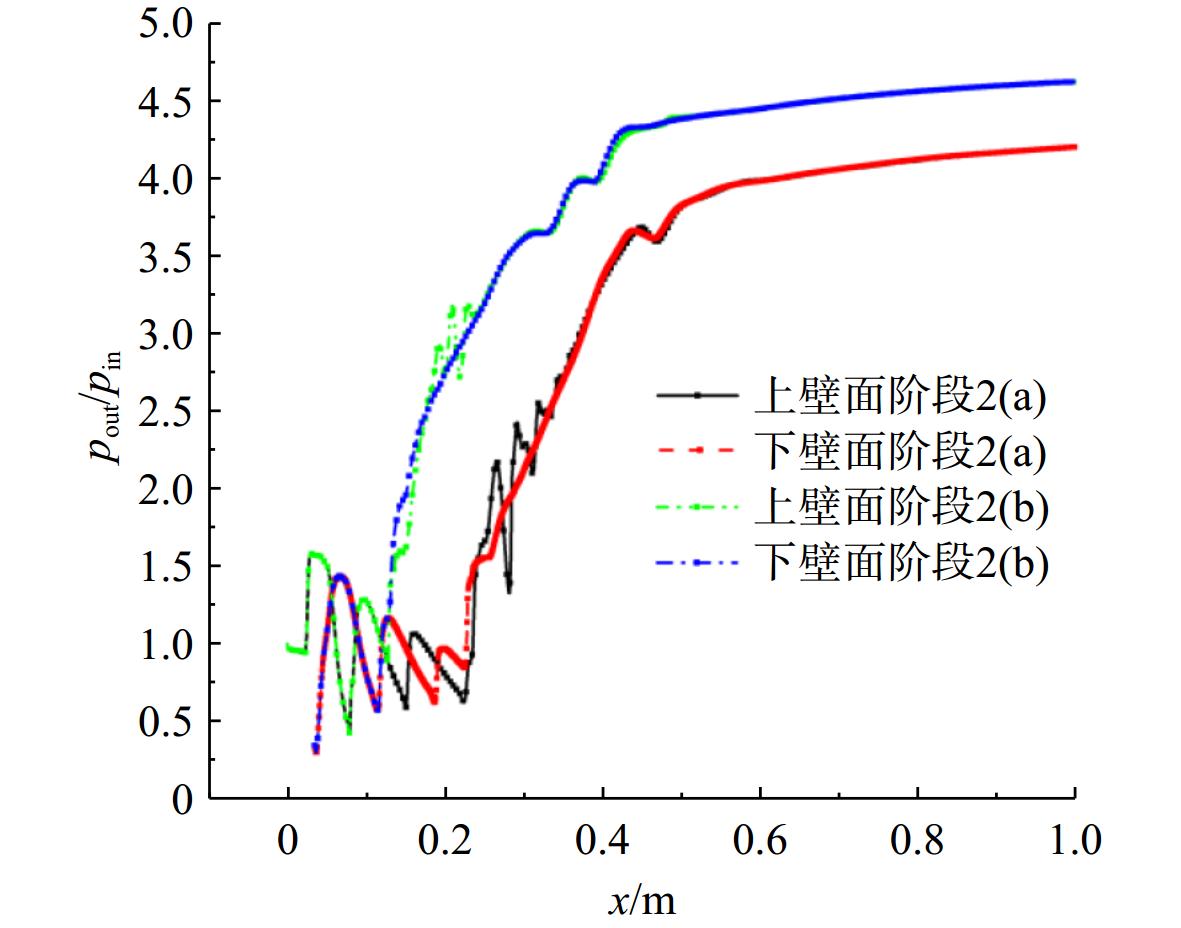
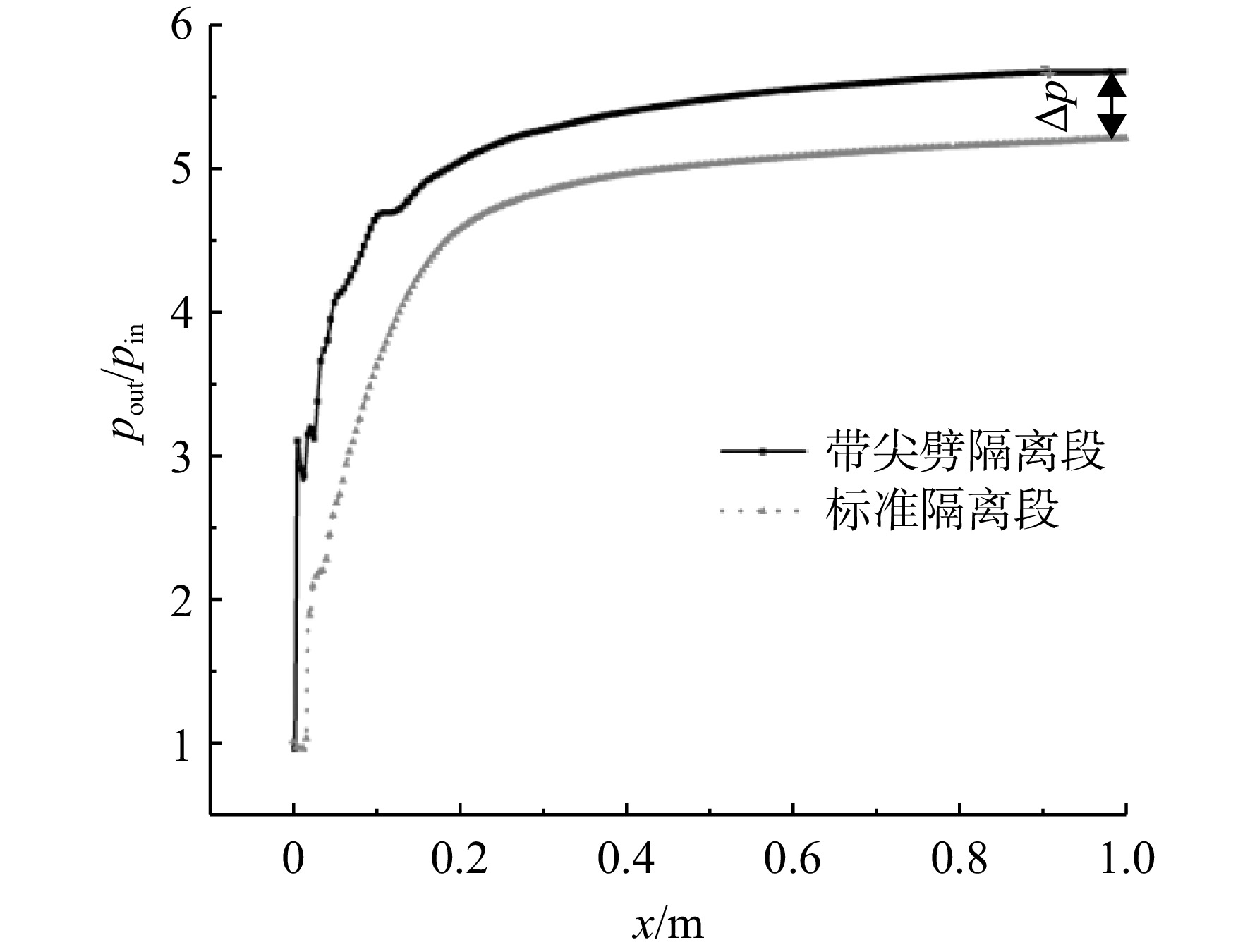
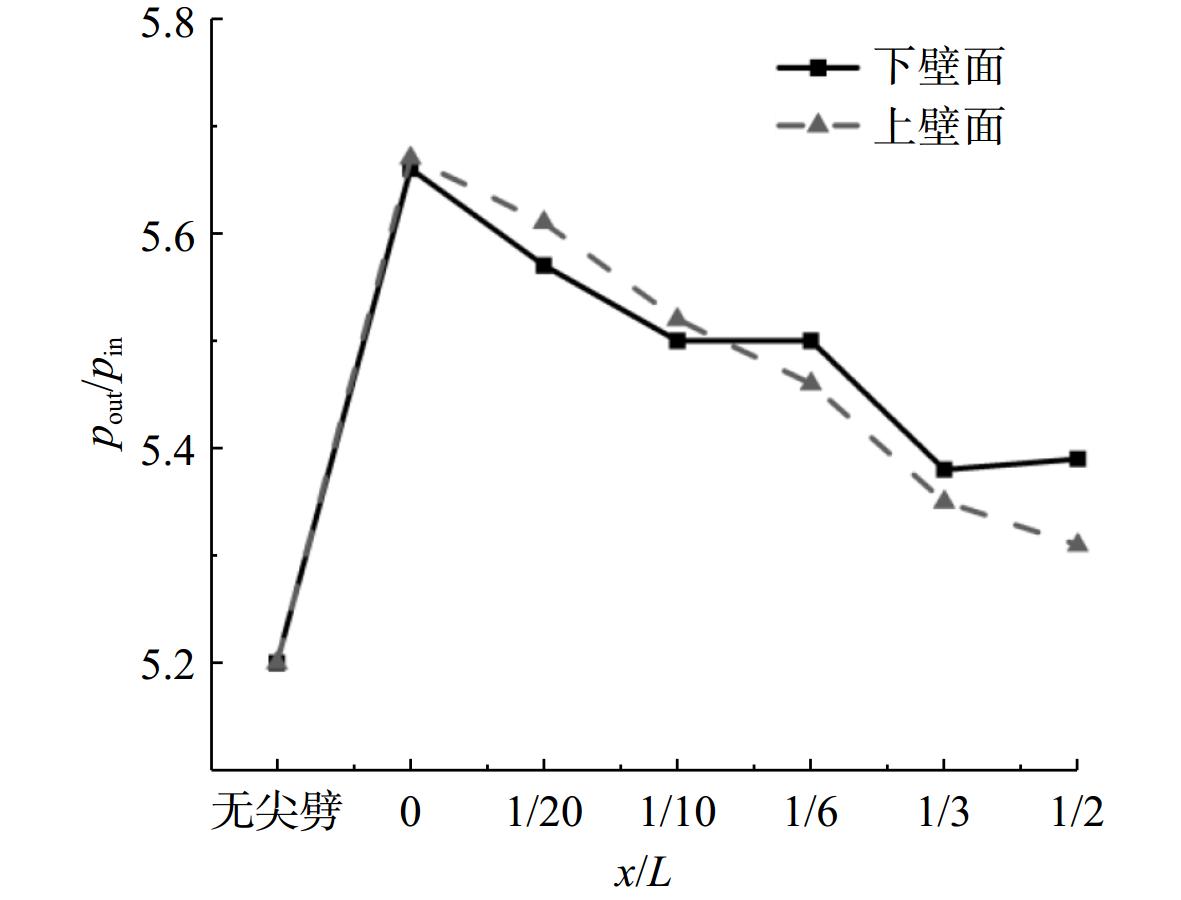
To enhance the anti-backpressure oscillation capability of the scramjet isolator, an isolator configuration featuring a ramp structure was studied. Numerical simulations were conducted by using FLUENT software to investigate the internal flow characteristics of the isolator with various geometric configurations. Subsequently, analysis was performed to elucidate the mechanism behind shockwave train formation within the isolator and the mechanism of backpressure resistance. The research findings indicated that the introduction of a ramp within the isolator significantly enhanced its resistance to backpressure. Compared with the isolator without a ramp, the backpressure resistance of the ramp-equipped isolator was improved by more than 8%. Numerical simulation results also demonstrated that placing the ramp closer to the upstream end of the isolator yielded better performance in terms of resisting backpressure. Under the same backpressure conditions, appropriately increasing the length of the ramp displaced the shockwave train downstream within the isolator. Compared with the isolator without a ramp, the front edge of the shockwave train was displaced downstream by approximately 18.4 mm.

Overall performance of different heating configurations of turbojet engines
TAO Rui, ZHAO Jun, JIANG Jin, WANG Kun, CHEN Shuxian
2025, 40(5): 20230688. doi: 10.13224/j.cnki.jasp.20230688
Abstract:

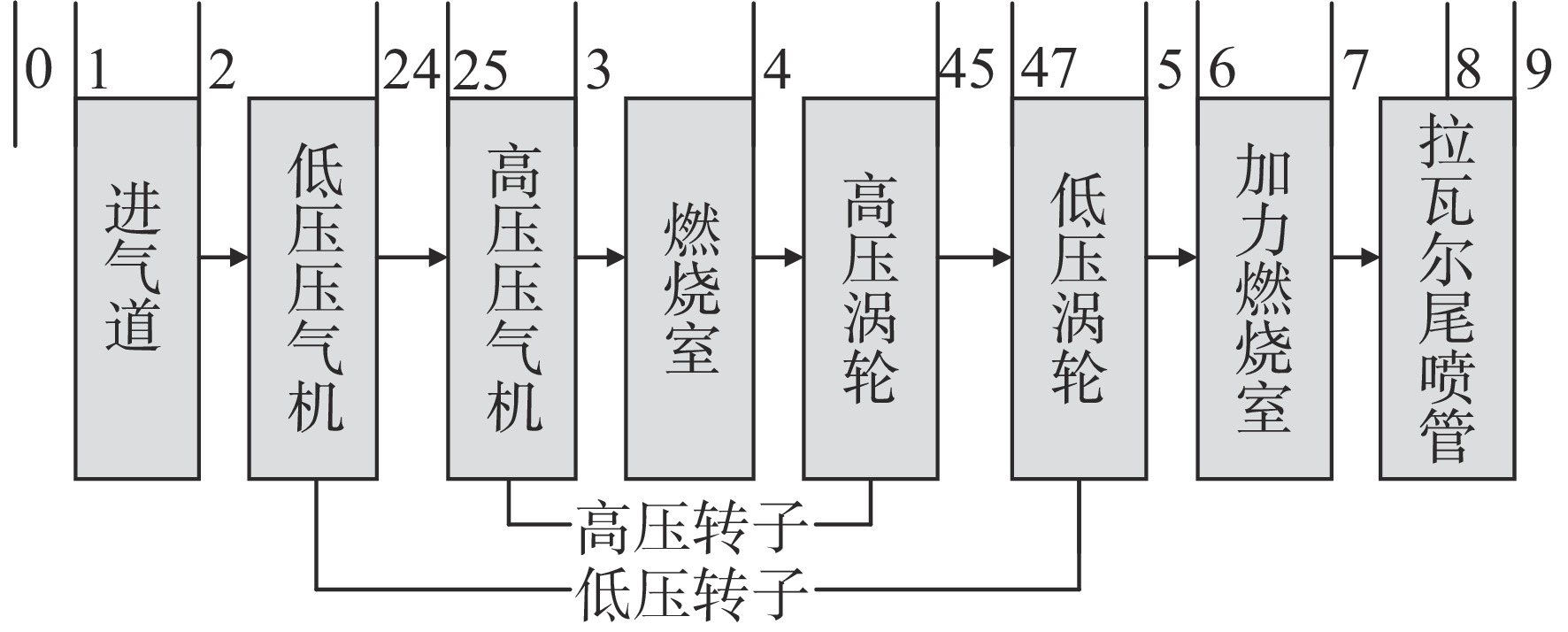
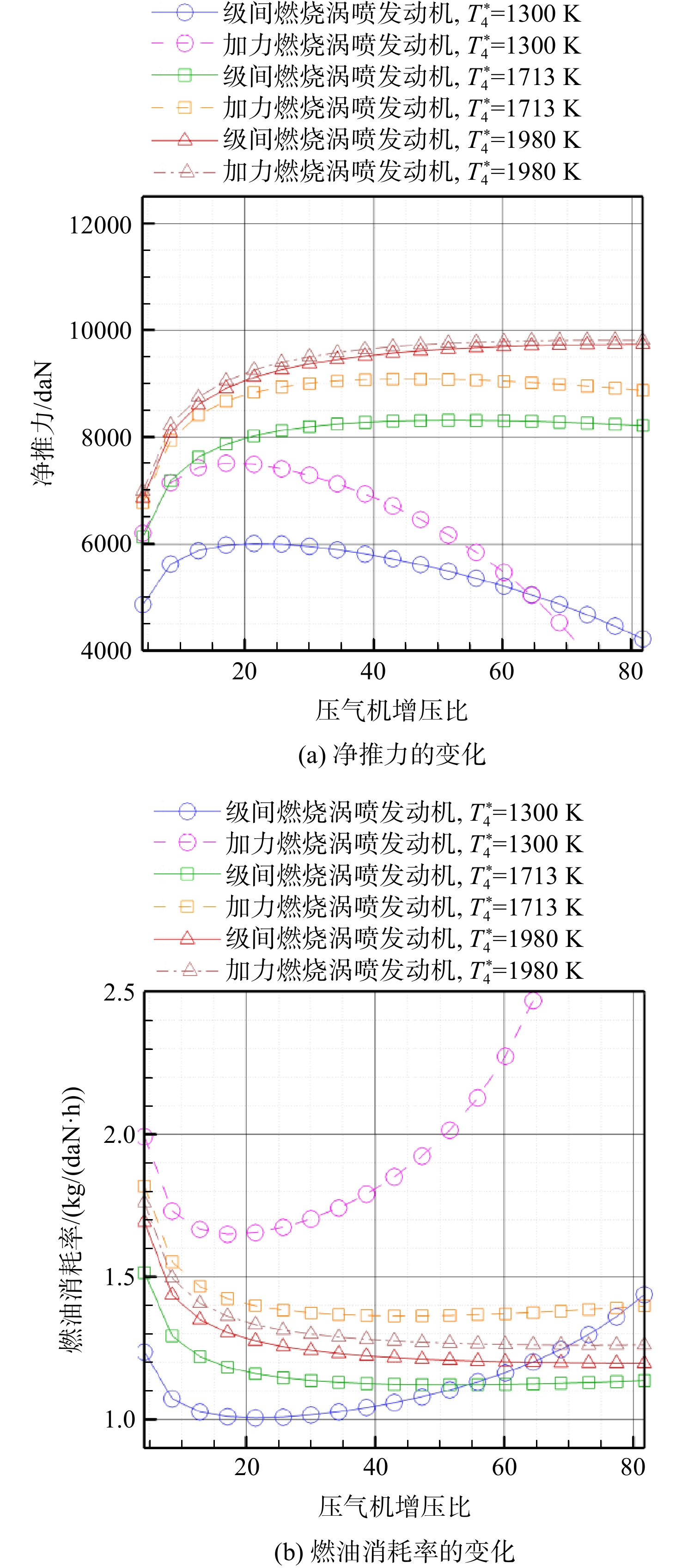
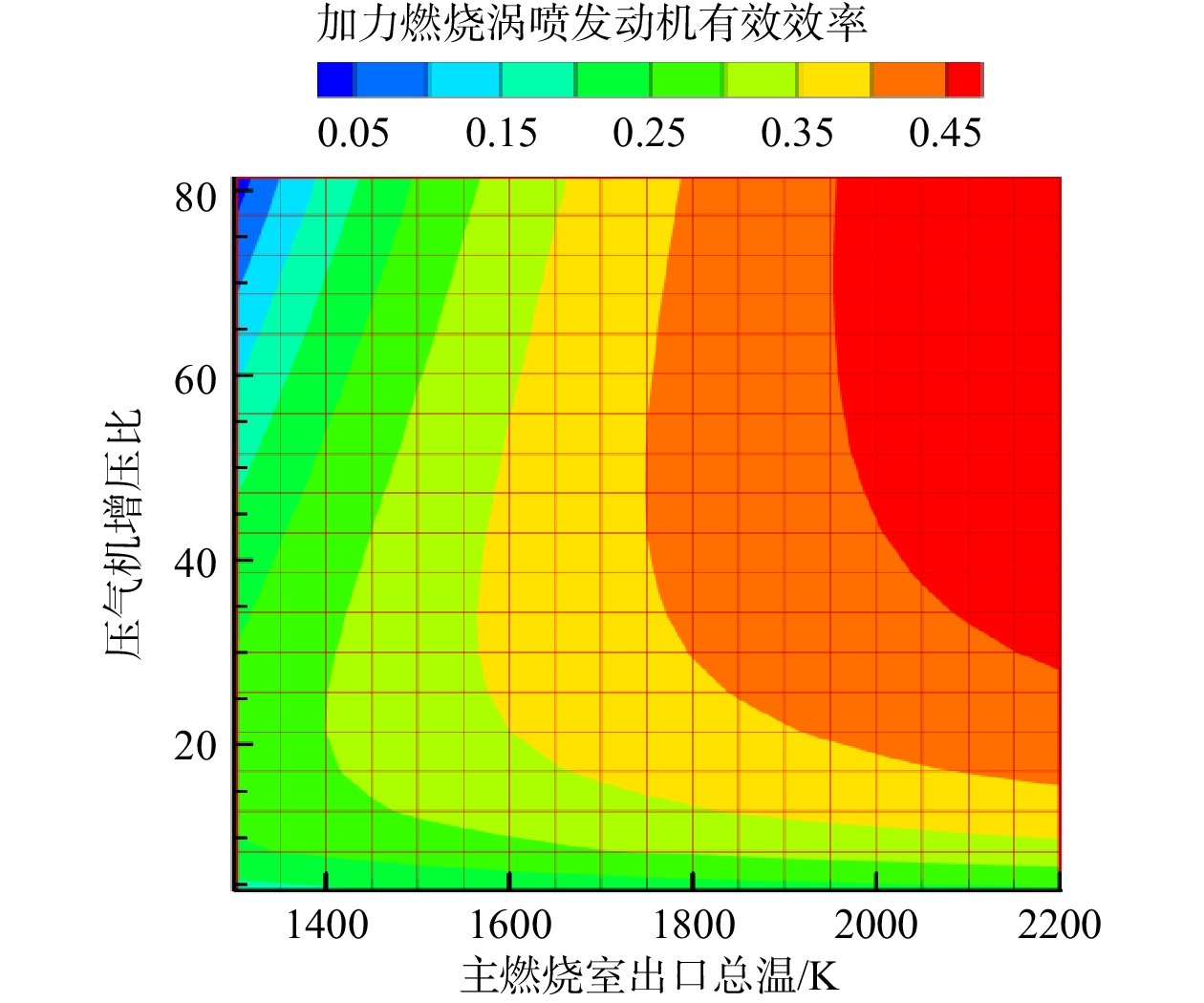
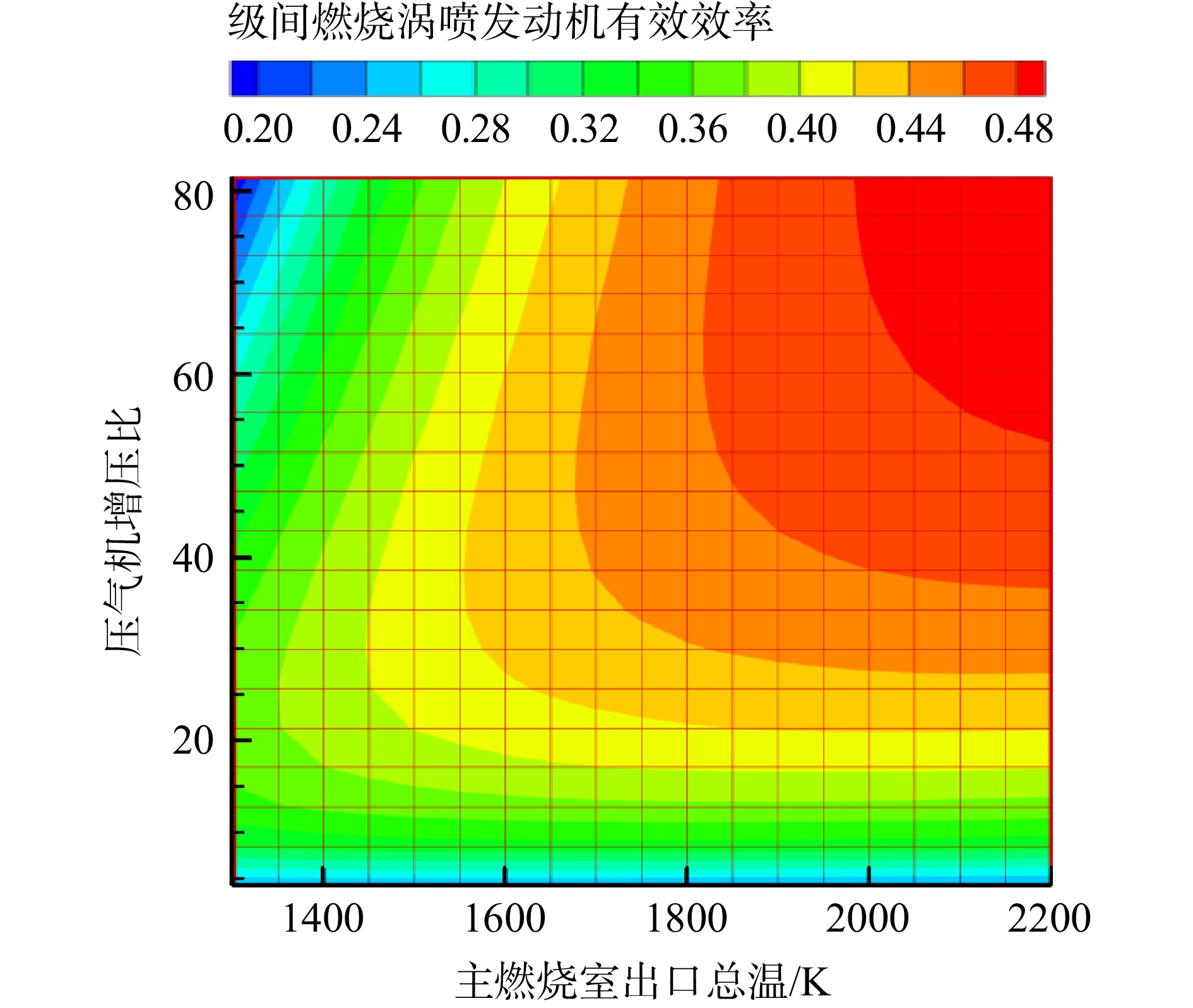
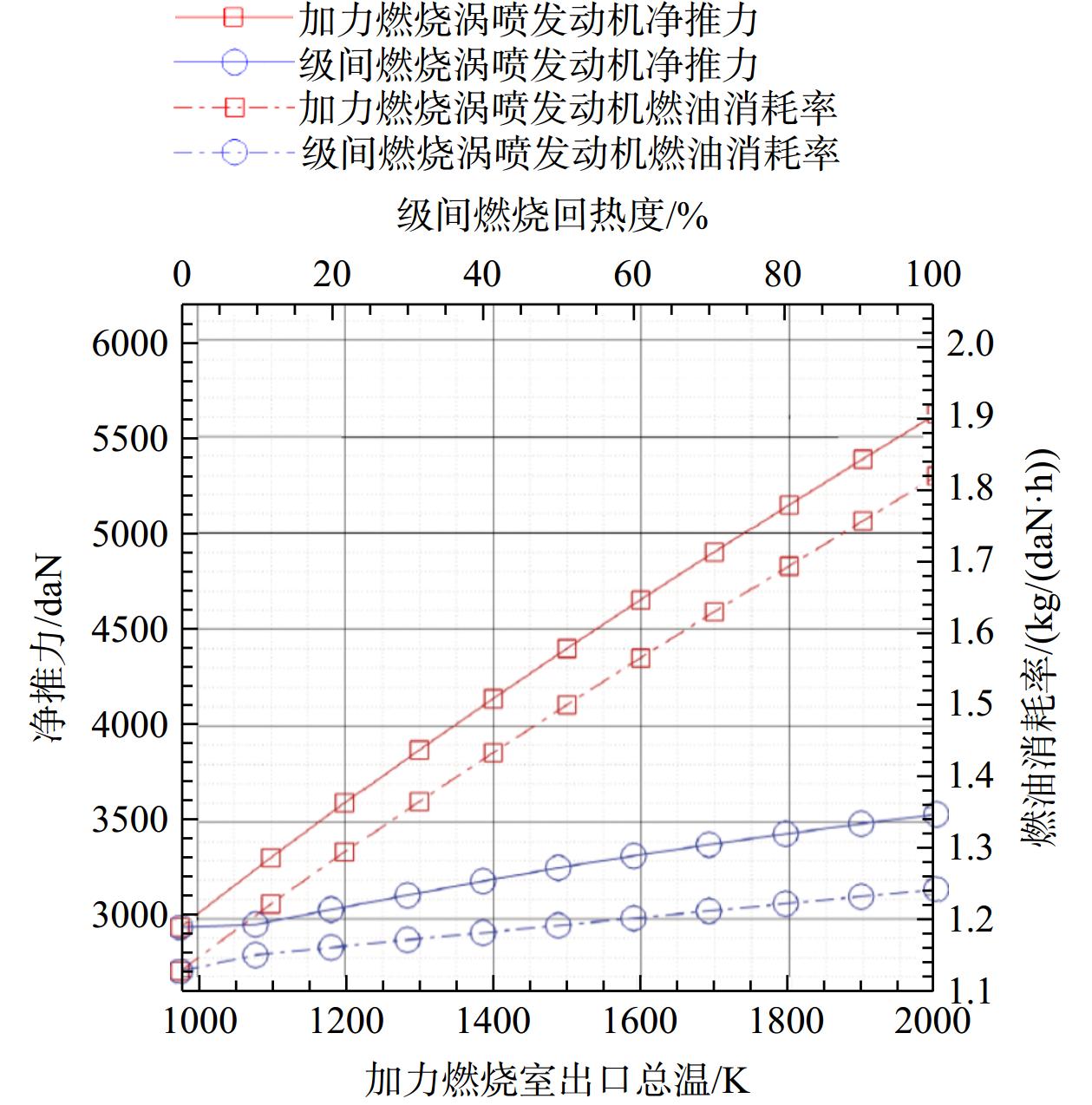
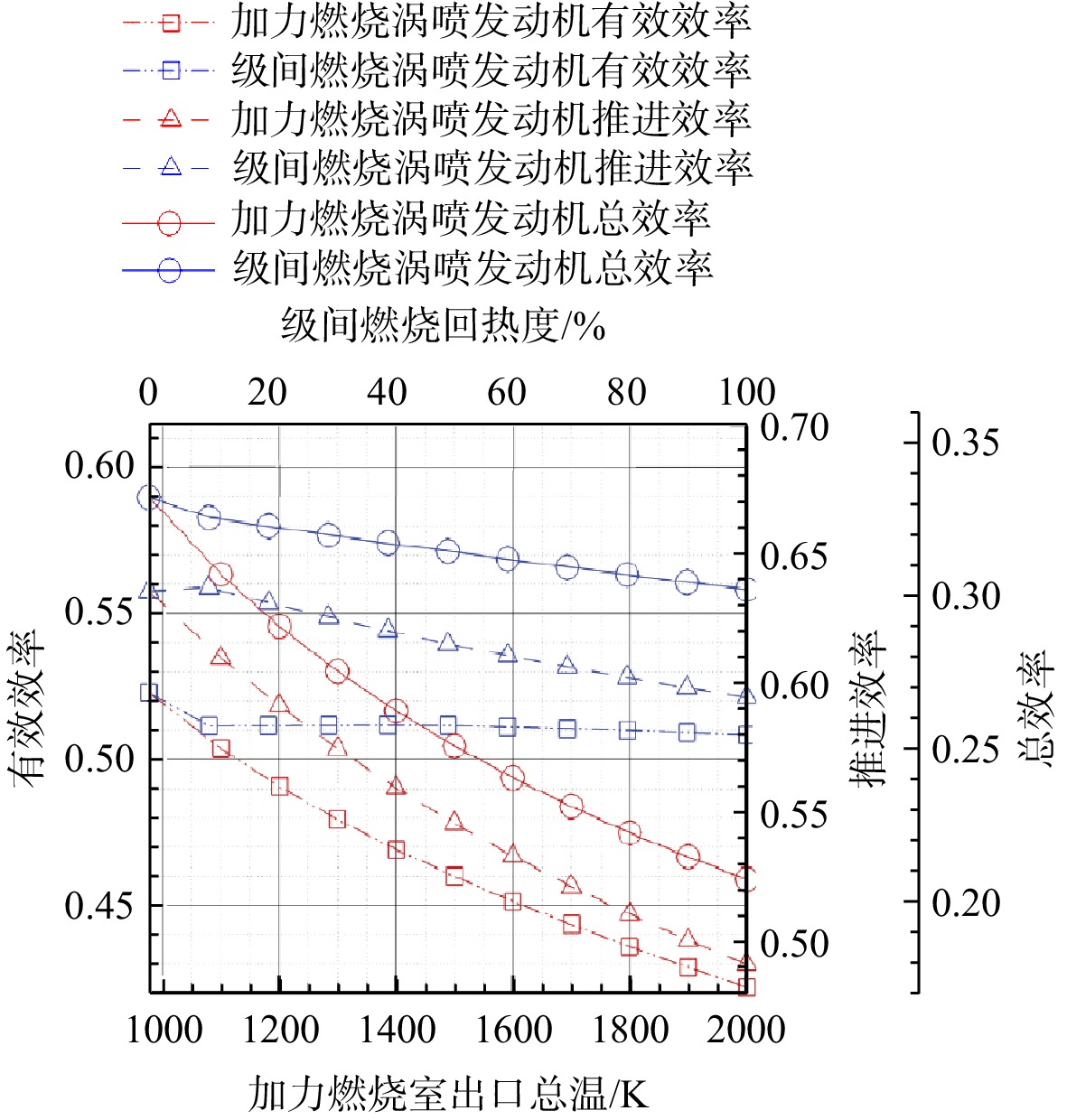
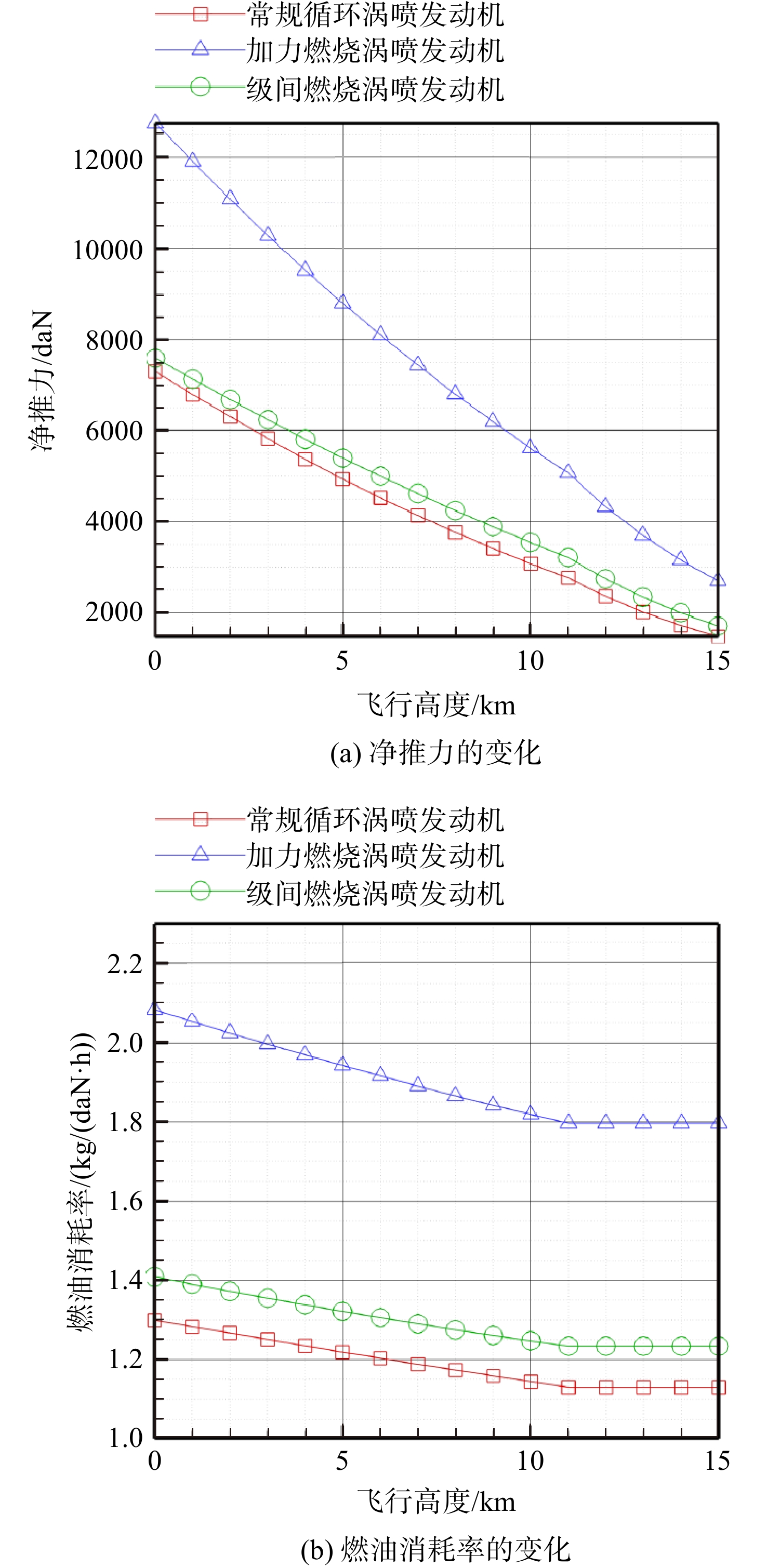
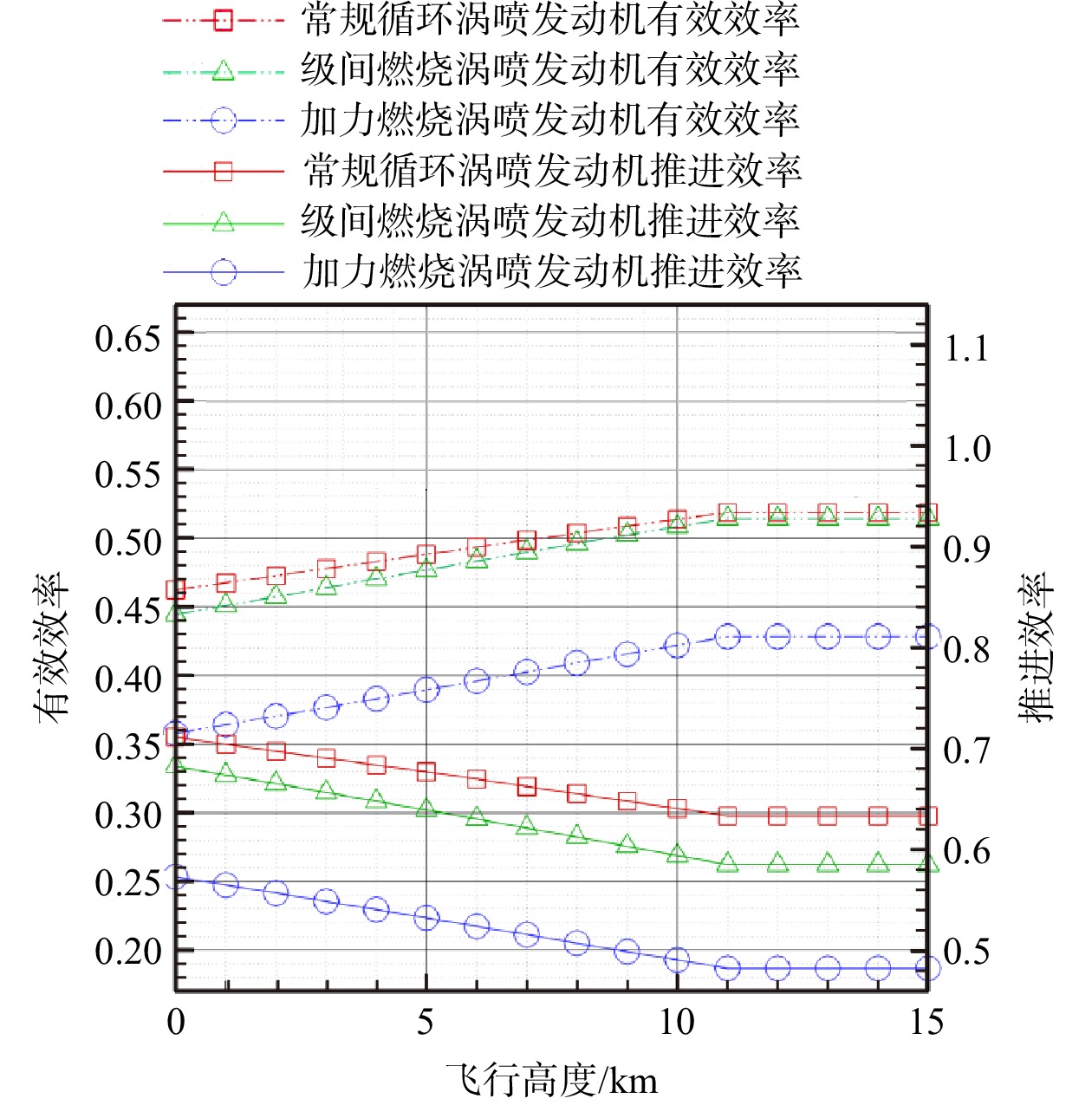
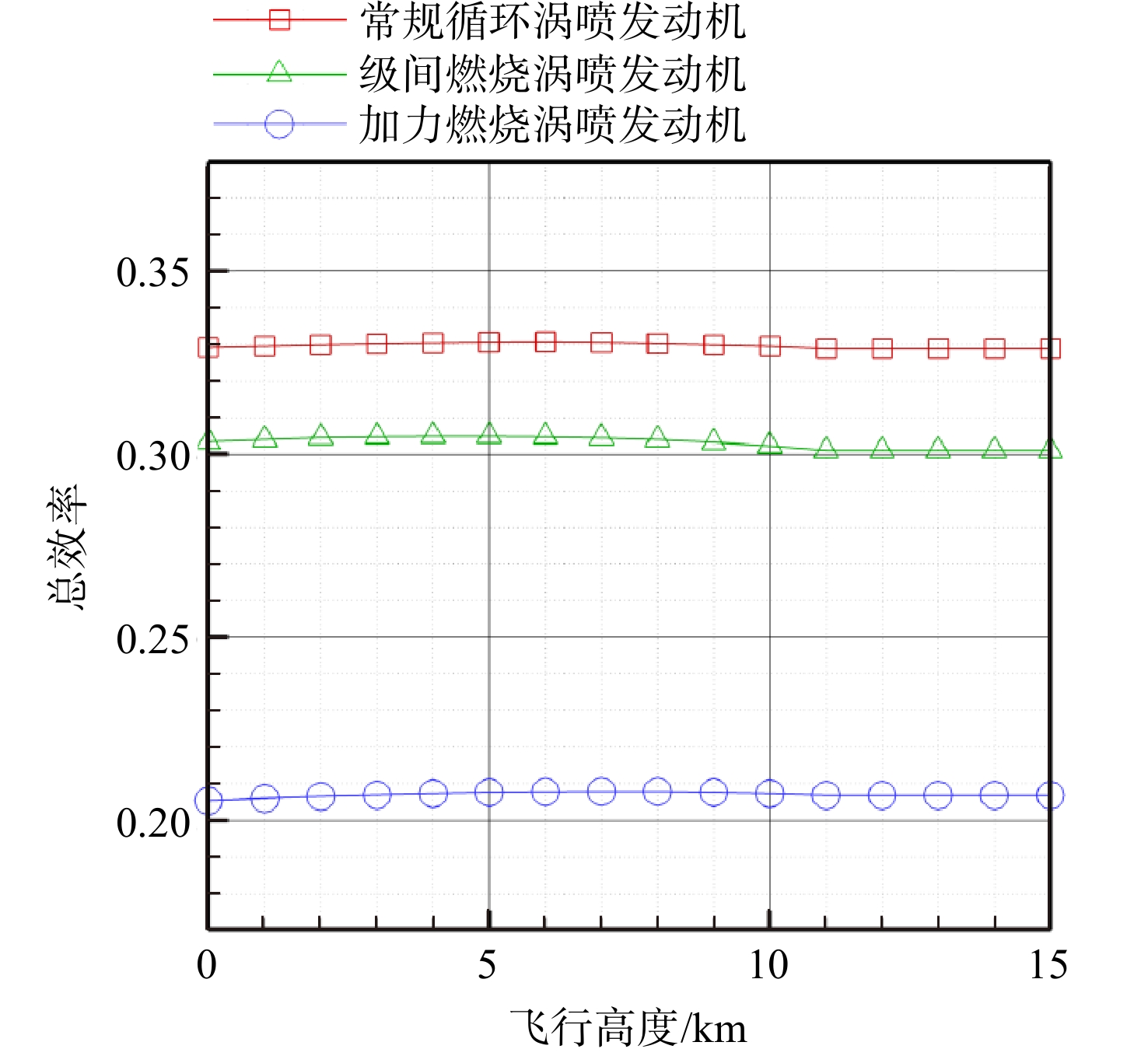
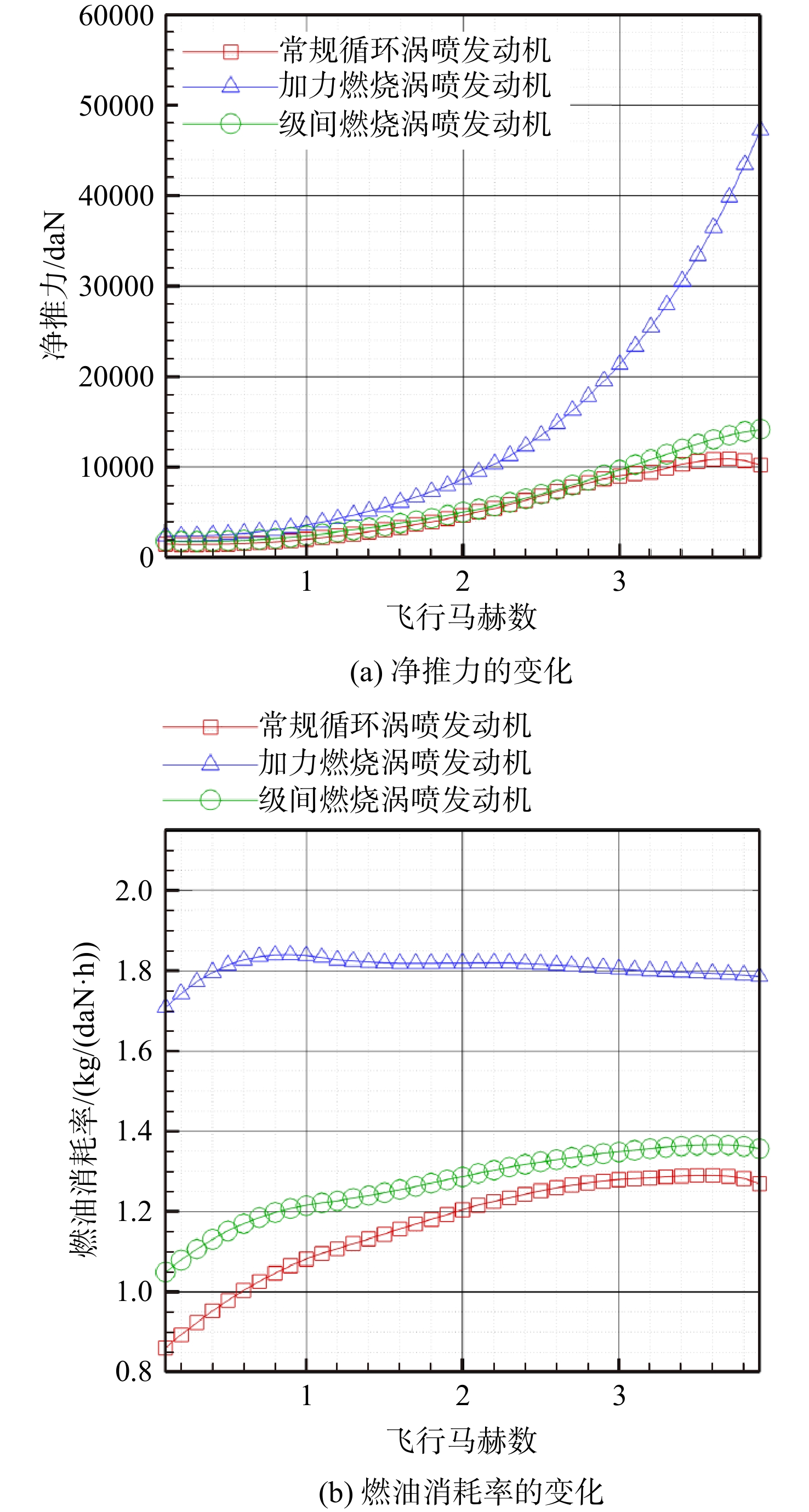
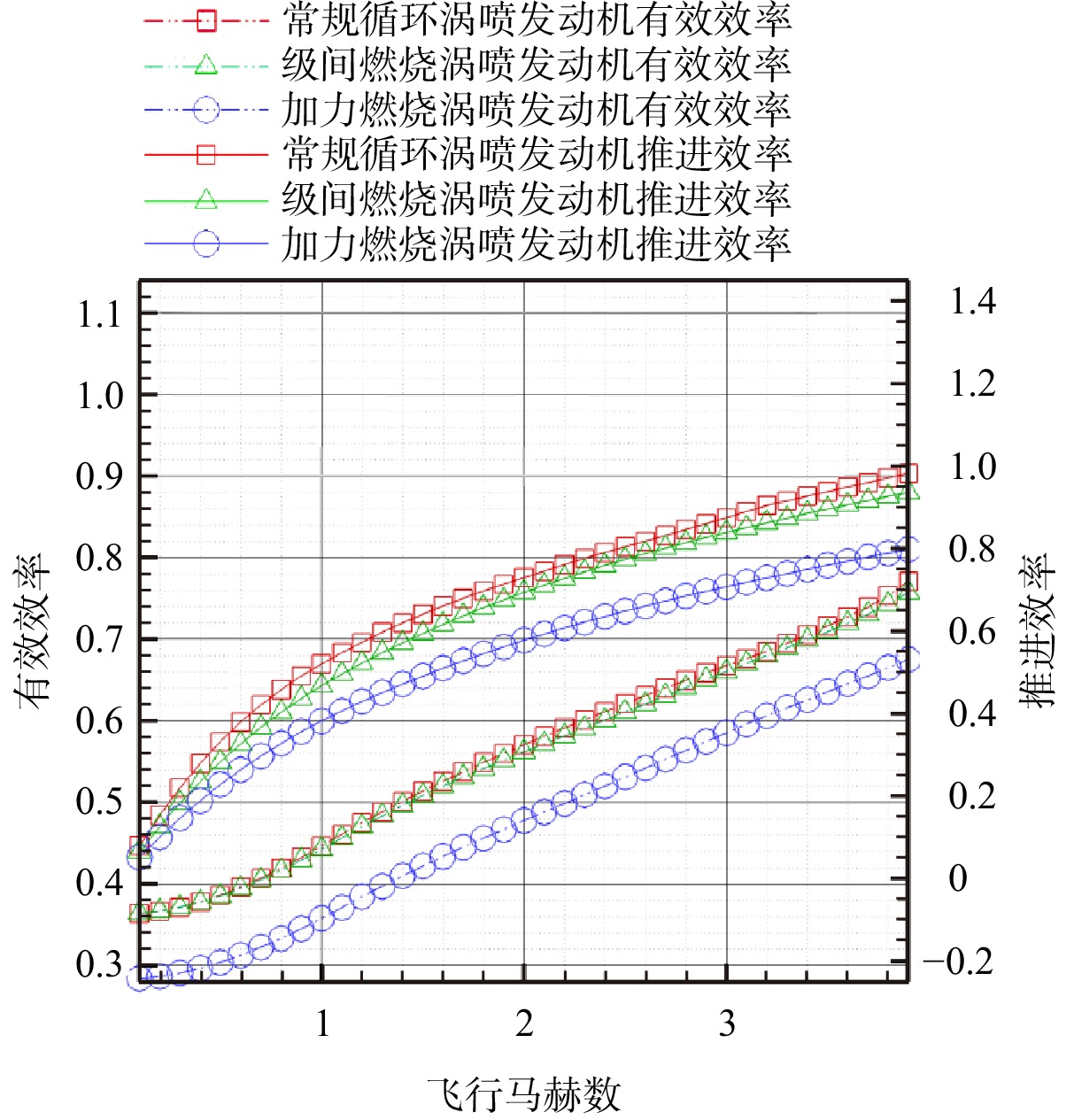
In order to study the overall performance differences of two heating configurations of turbojet engines, the Visual C++ (VC) platform was employed, and a component-level modeling method was utilized. Simulation models for the two heating configurations of the turbojet engines were established, and a comparative analysis was conducted through simulation to evaluate their performance under different operational parameters. The results indicated that when the interstage turbine burner turbojet engine’s effective efficiency exceeded that of the afterburner turbojet engine by 7%, the total pressure ratio of the interstage turbine burner turbojet engine’s selected compressor was higher than that of the afterburner turbojet engine by 25.07%. The interstage turbine burner turbojet engine required a higher compressor pressure ratio to be selected. Regarding throttling characteristics, the fuel consumption of the interstage turbine burner turbojet engine in the fully open state was reduced by 33.33% compared with the fully open afterburner state. In terms of altitude and speed characteristics, the performance of the interstage turbine burner turbojet engine was less affected by changes in flight conditions compared with the afterburner cycle turbojet engine and conventional cycle turbojet engine.

Rocket Engine
Numerical study on pure rocket mode performance characteristics of a RBCC engine
LING Wenhui, WEI Baoxi, HOU Jinli, YAO Dahao, LUO Feiteng
2025, 40(5): 20240433. doi: 10.13224/j.cnki.jasp.20240433
Abstract:

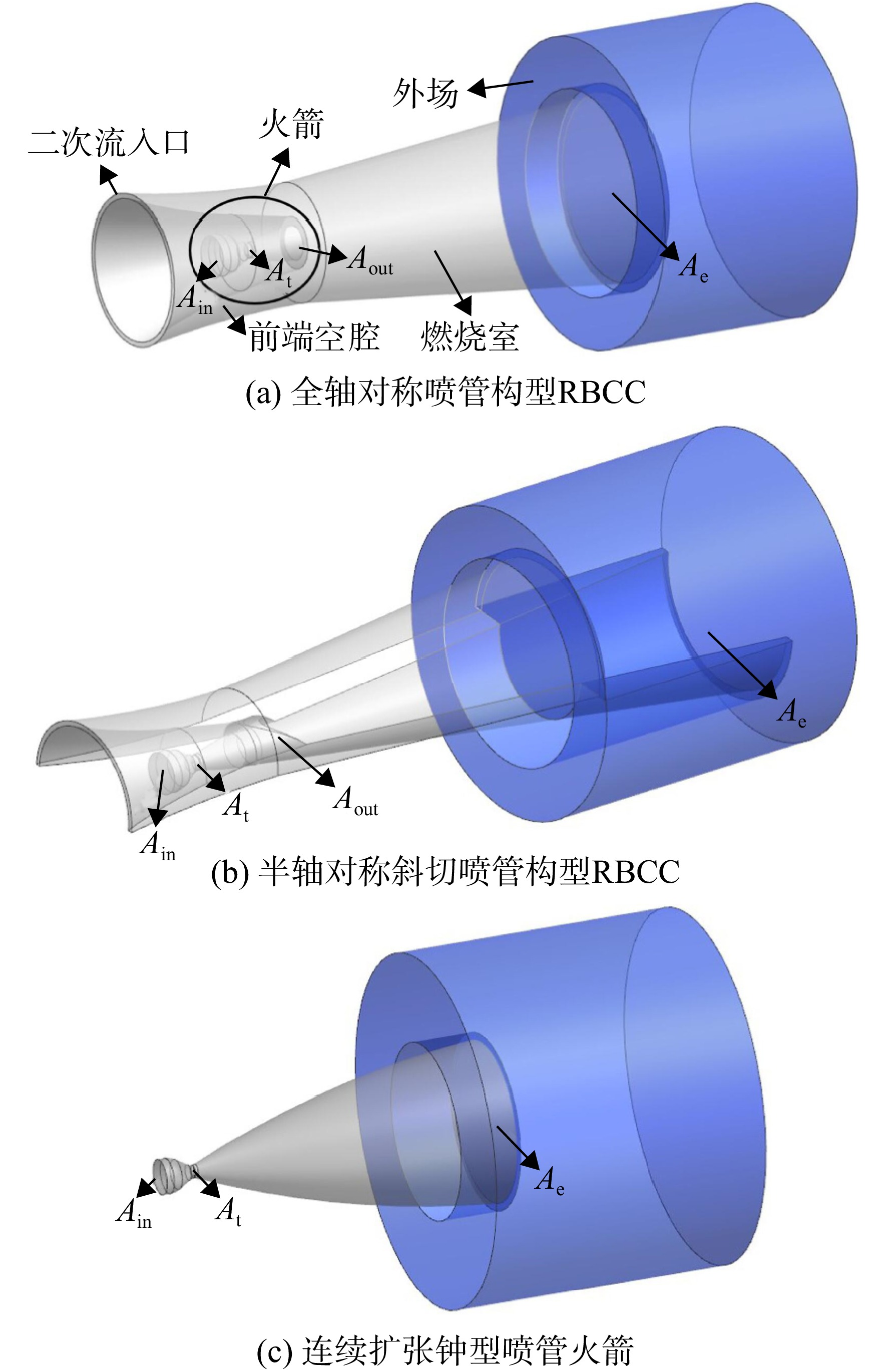
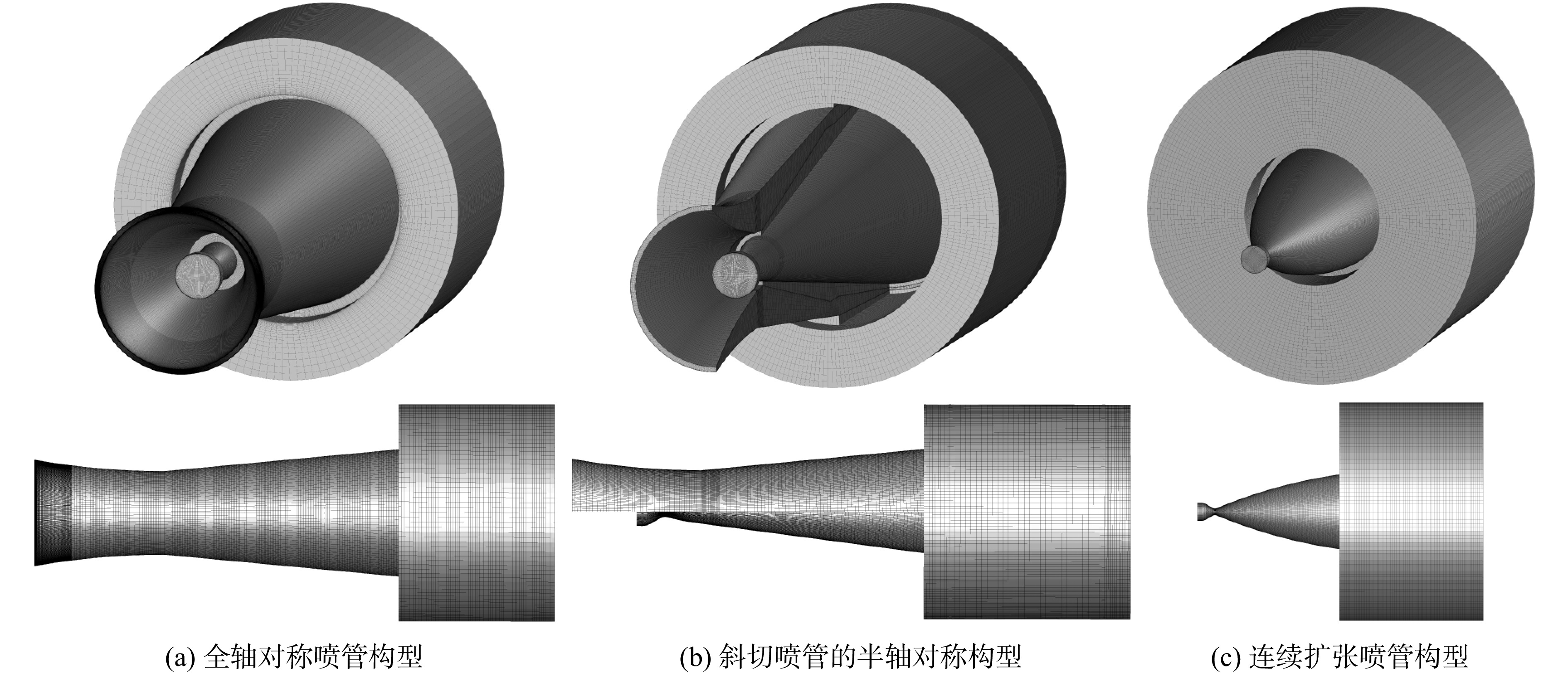
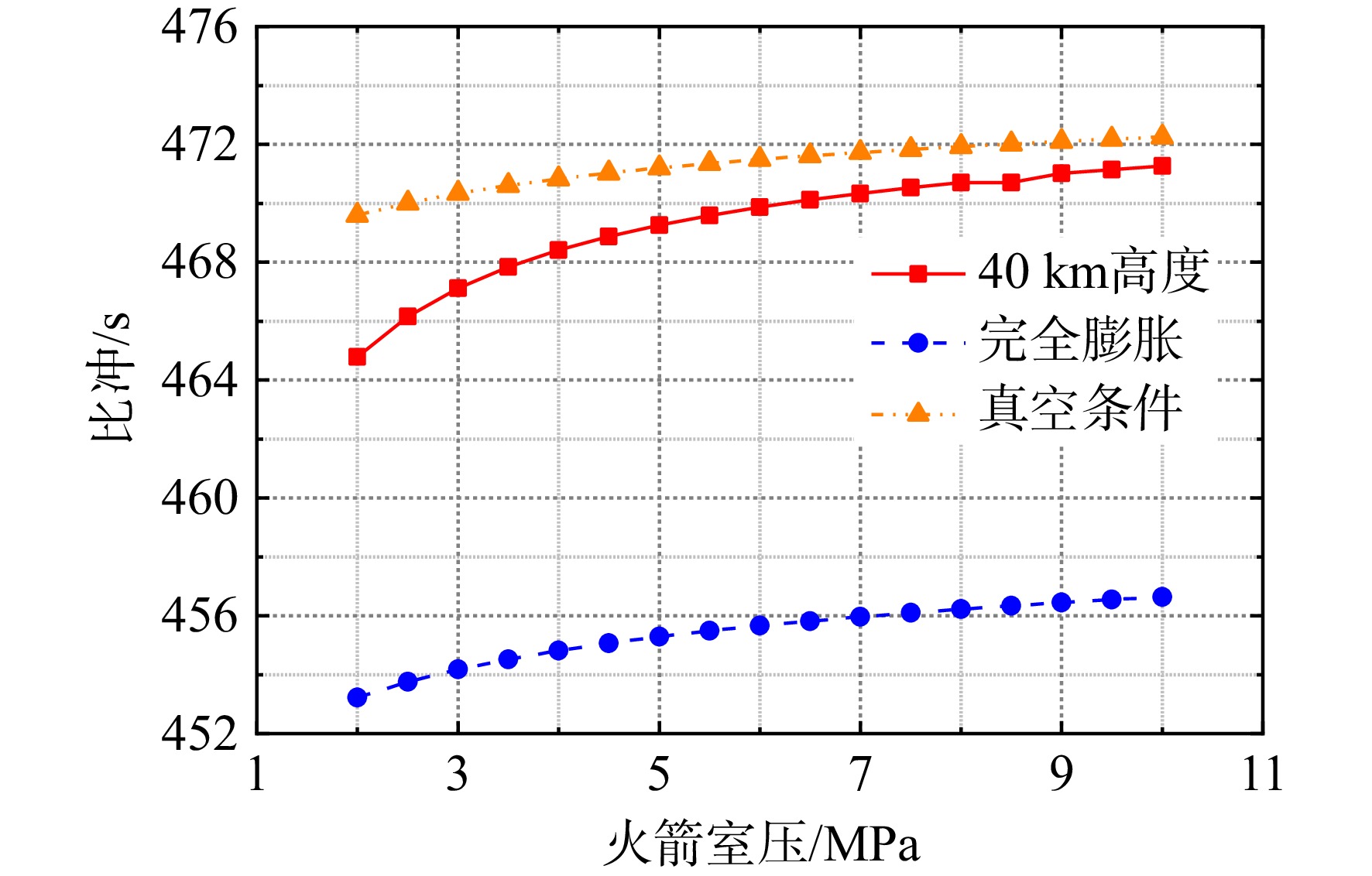
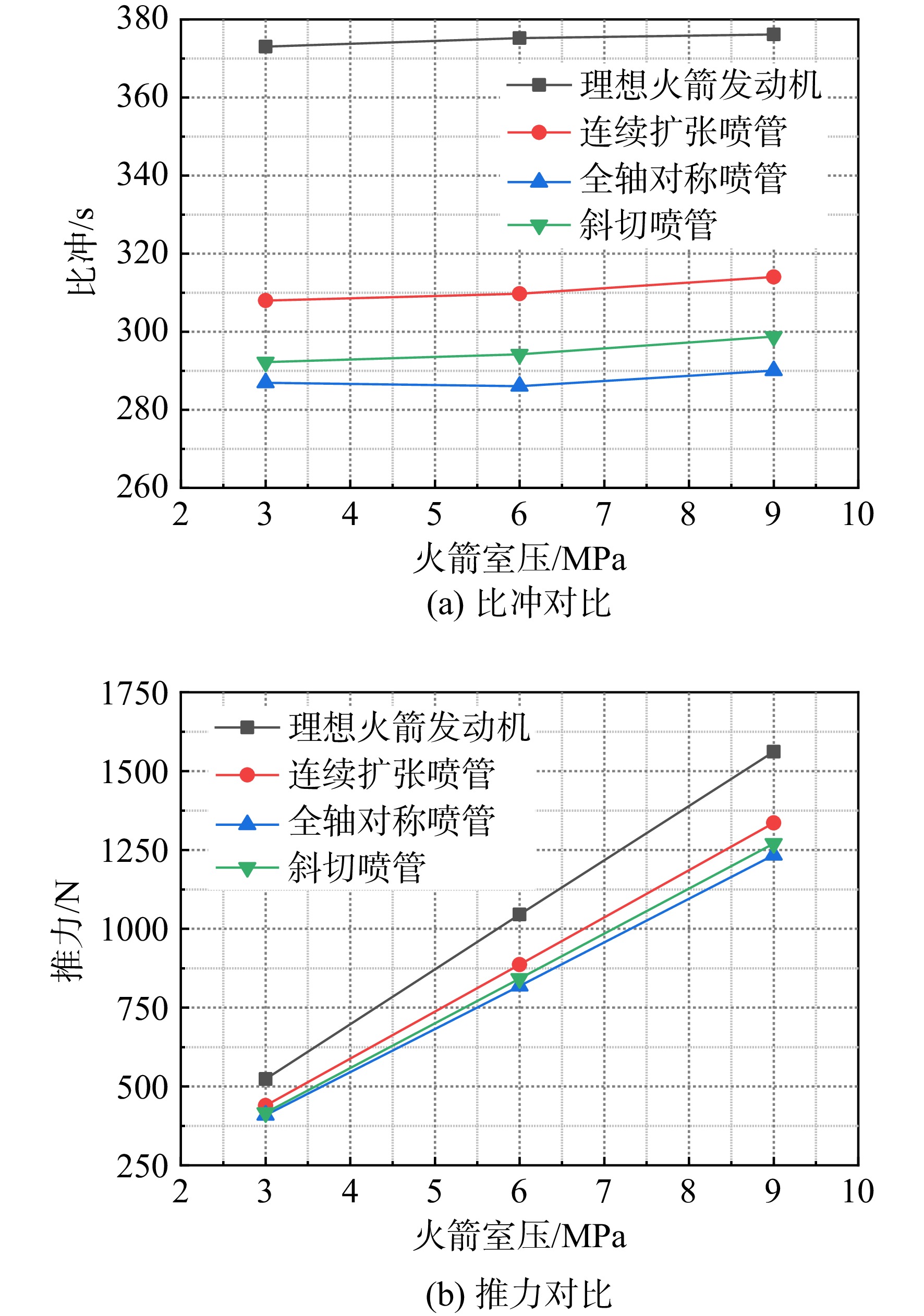
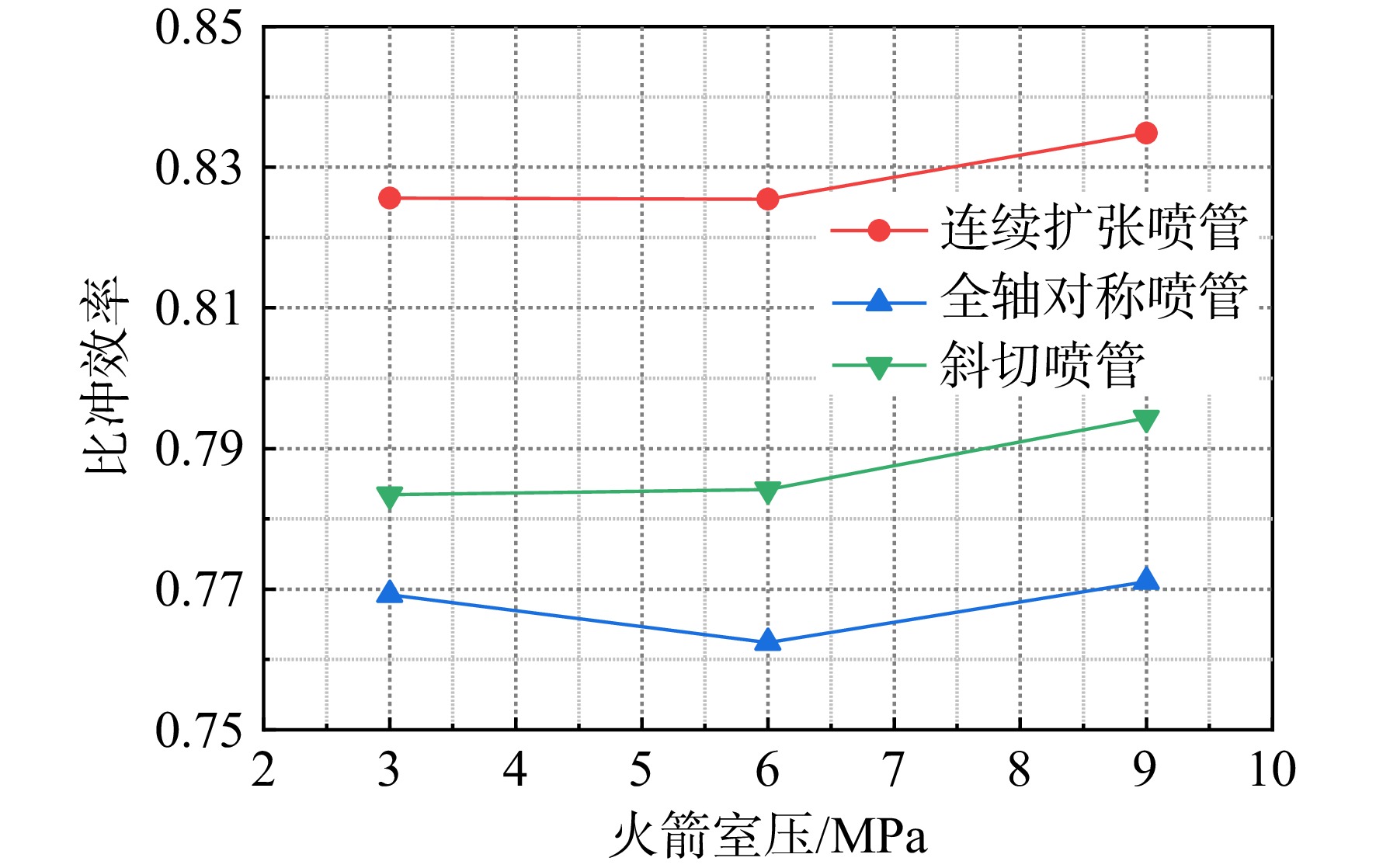
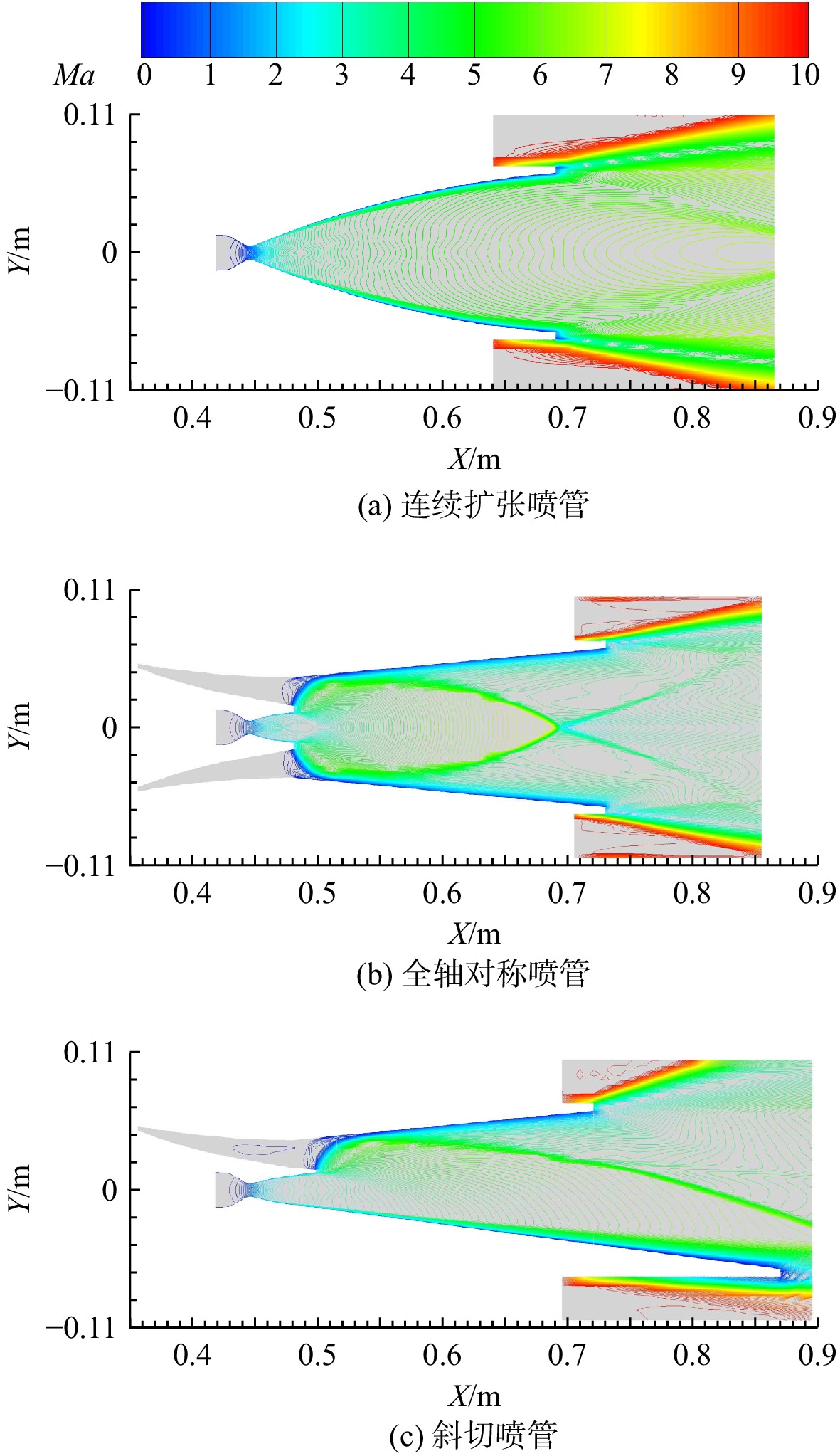
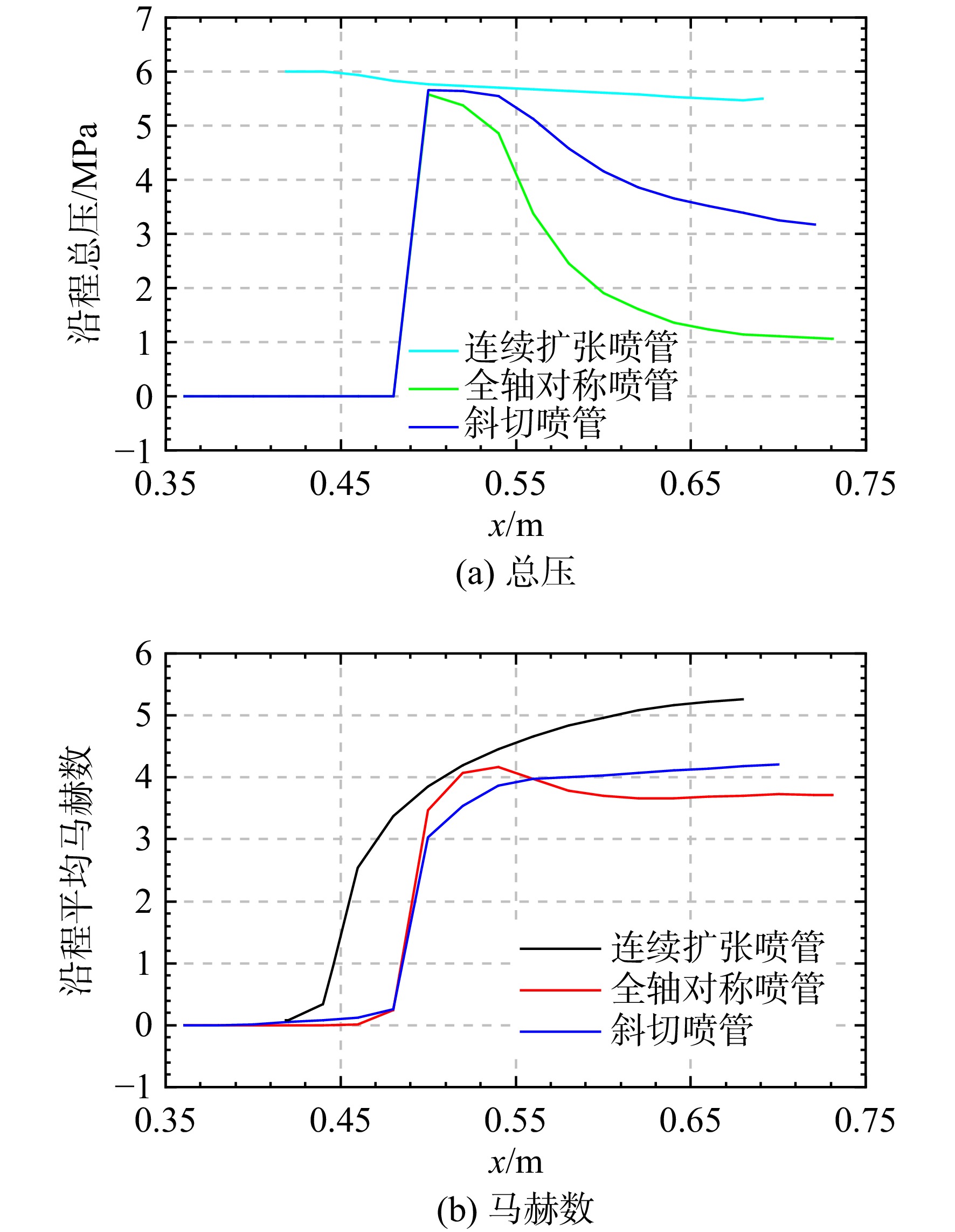
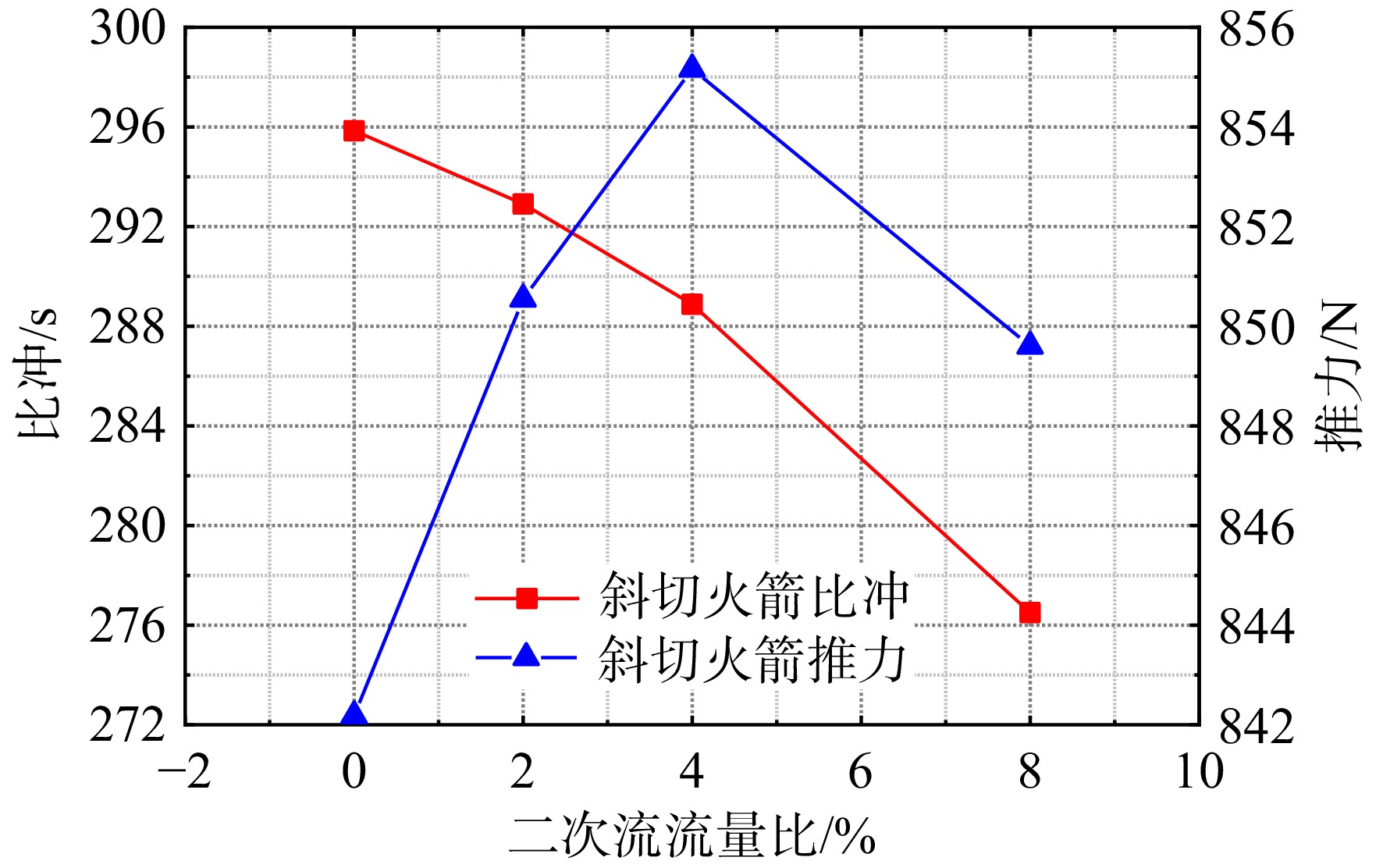
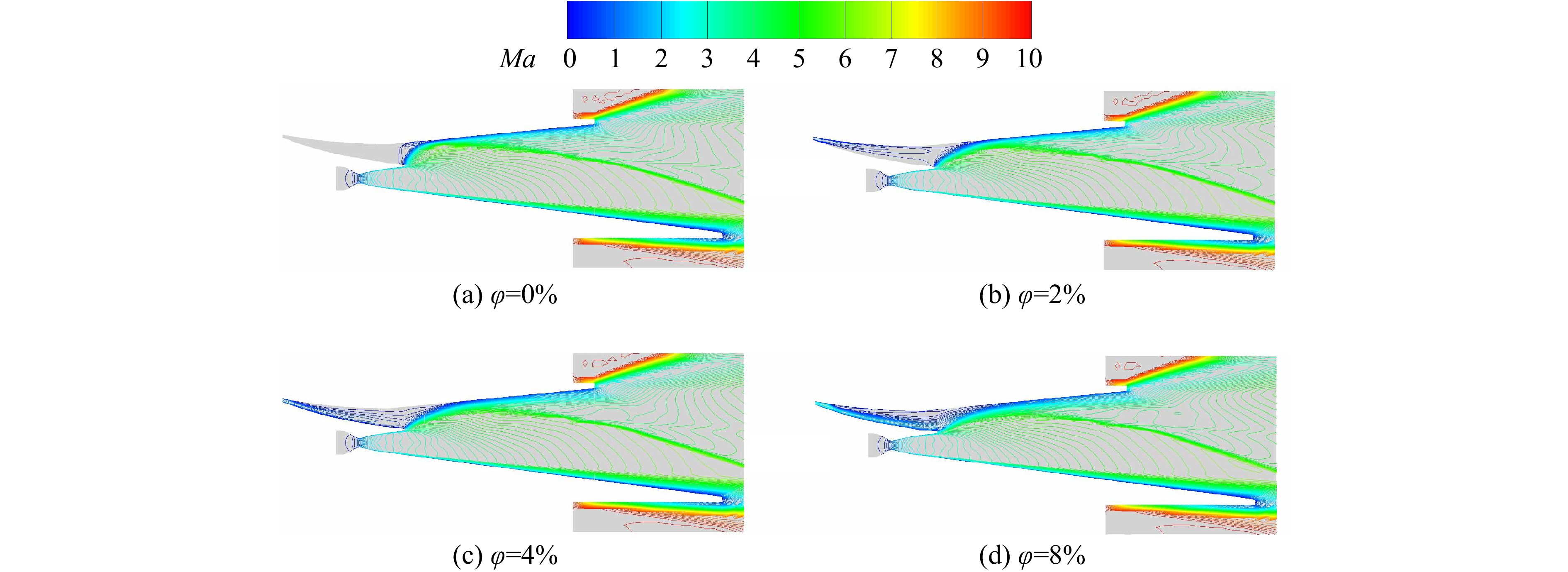
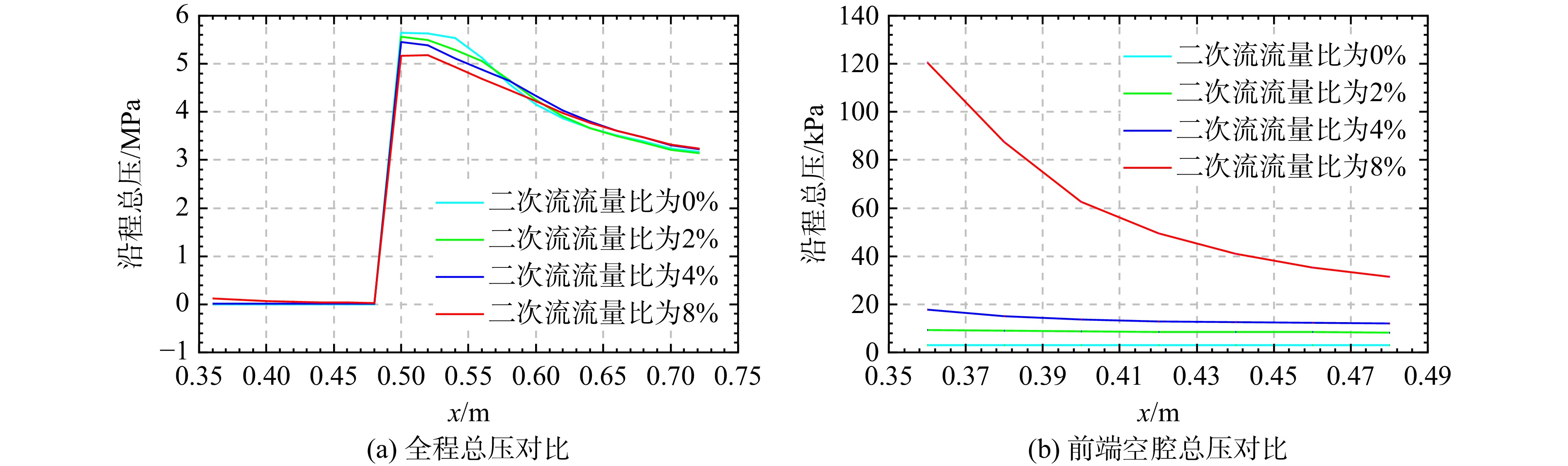
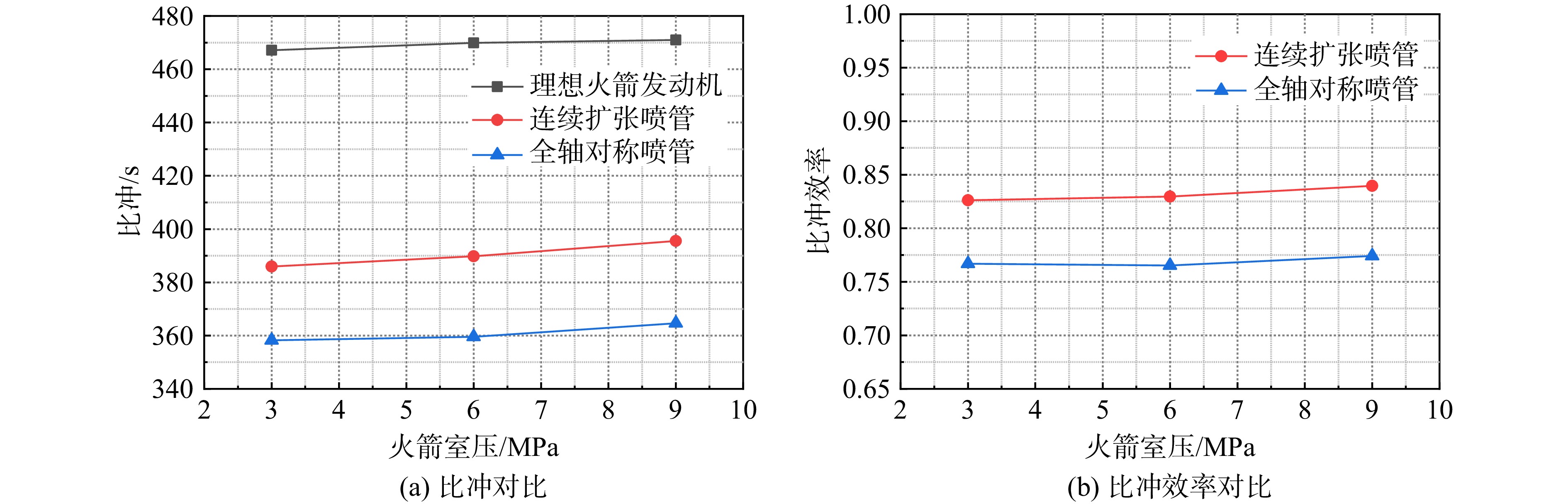
To gain a comprehensive understanding of the performance characteristics and influencing factors of the pure rocket mode in rocket-based combined cycle (RBCC) engines, a full-axisymmetric characteristic RBCC engine benchmark flow path with a central rocket layout was designed and constructed. Additionally, a half-axisymmetric scarfed nozzle configuration RBCC engine and a continuously expanding nozzle configuration rocket engine flow path with the same designed expansion ratio were developed. Three-dimensional expansion flow field simulations were conducted under different thrust chamber pressures in the pure rocket mode, yielding the internal flow characteristics and thrust specific impulse performance characteristics under various nozzle configurations, secondary flows, and rocket propellant schemes. The results indicated that in the pure rocket mode, the non-ideal continuous expansion flow state led to a loss of specific impulse performance, with the specific impulse efficiency being below 80%. The strong shock wave after the large sudden expansion led to a total pressure loss, which was the main mechanism for performance degradation. The overall axisymmetric nozzle configuration had a specific impulse efficiency decrease of about 8% compared with the continuous expansion nozzle. The semi-axisymmetric scarfed nozzle can reduce the total pressure loss of the expansion and improve the specific impulse efficiency. Introducing a secondary flow can adjust the expansion-compression wave system structure to a certain extent to reduce the total pressure loss. Increasing the total temperature of the secondary flow can be beneficial to enhancing overall performance.

Fuel supply characteristics of powder fuel engine
DU Xinlei, DONG Xingang, HUANG Likeng, HE Jingxuan, TIAN Linghan, WANG Zongtao
2025, 40(5): 20230578. doi: 10.13224/j.cnki.jasp.20230578
Abstract:

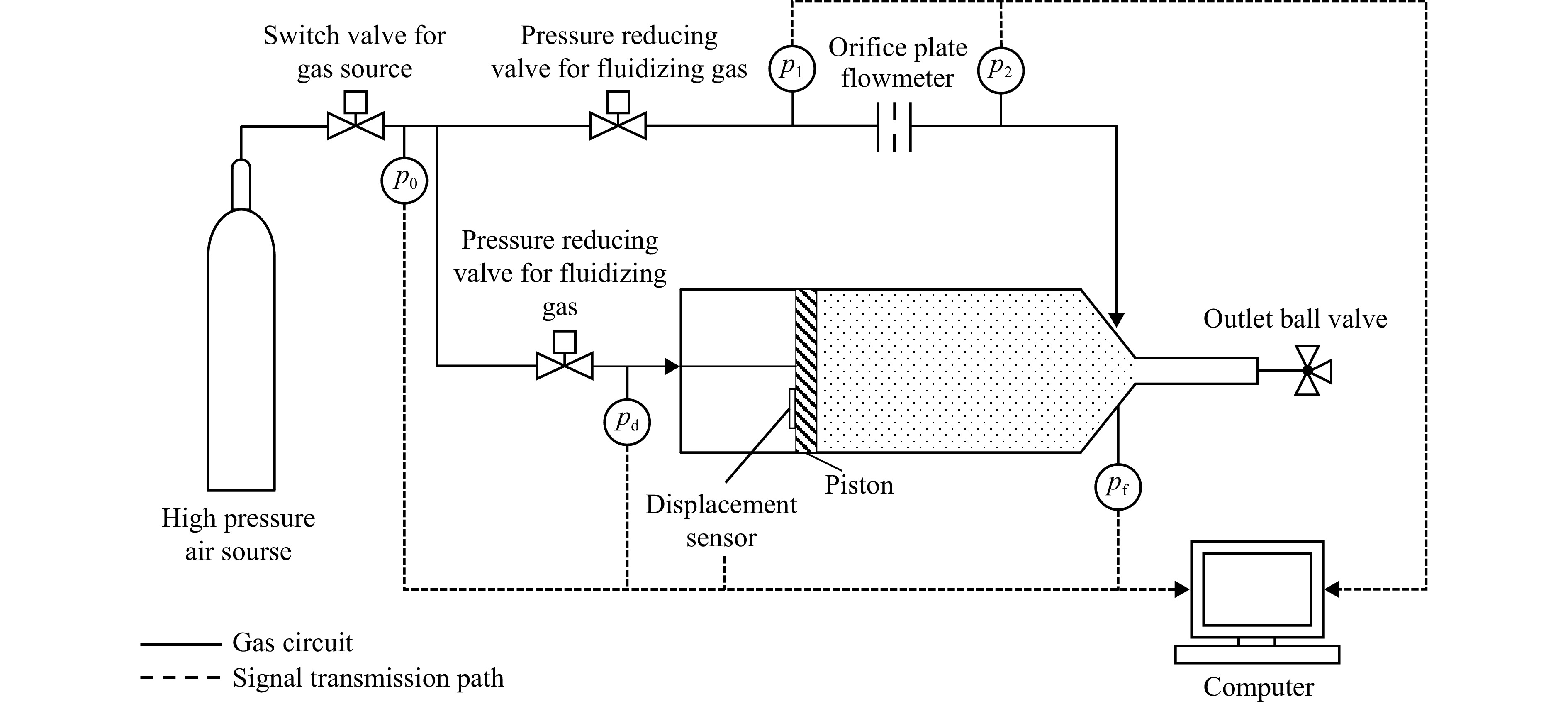
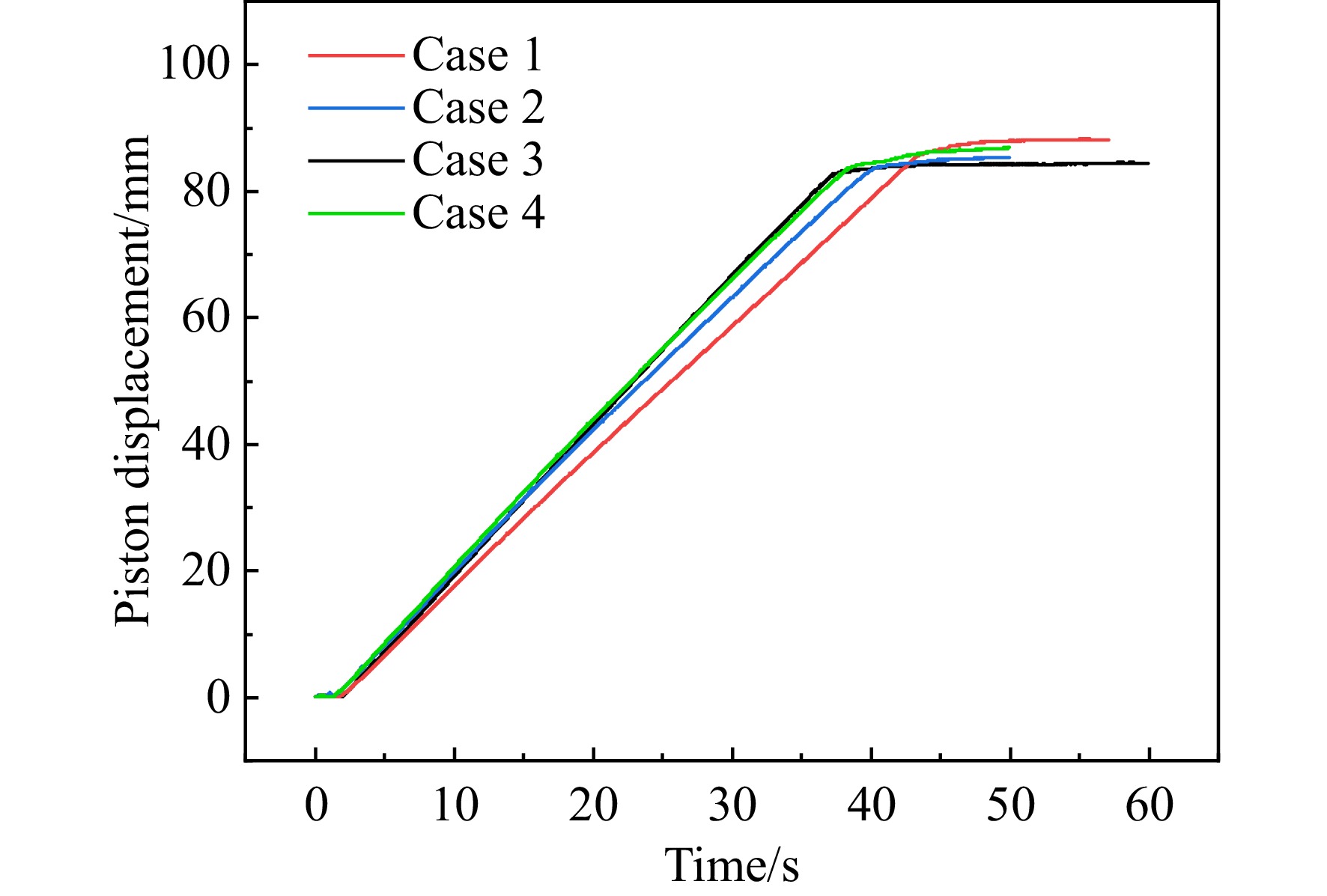
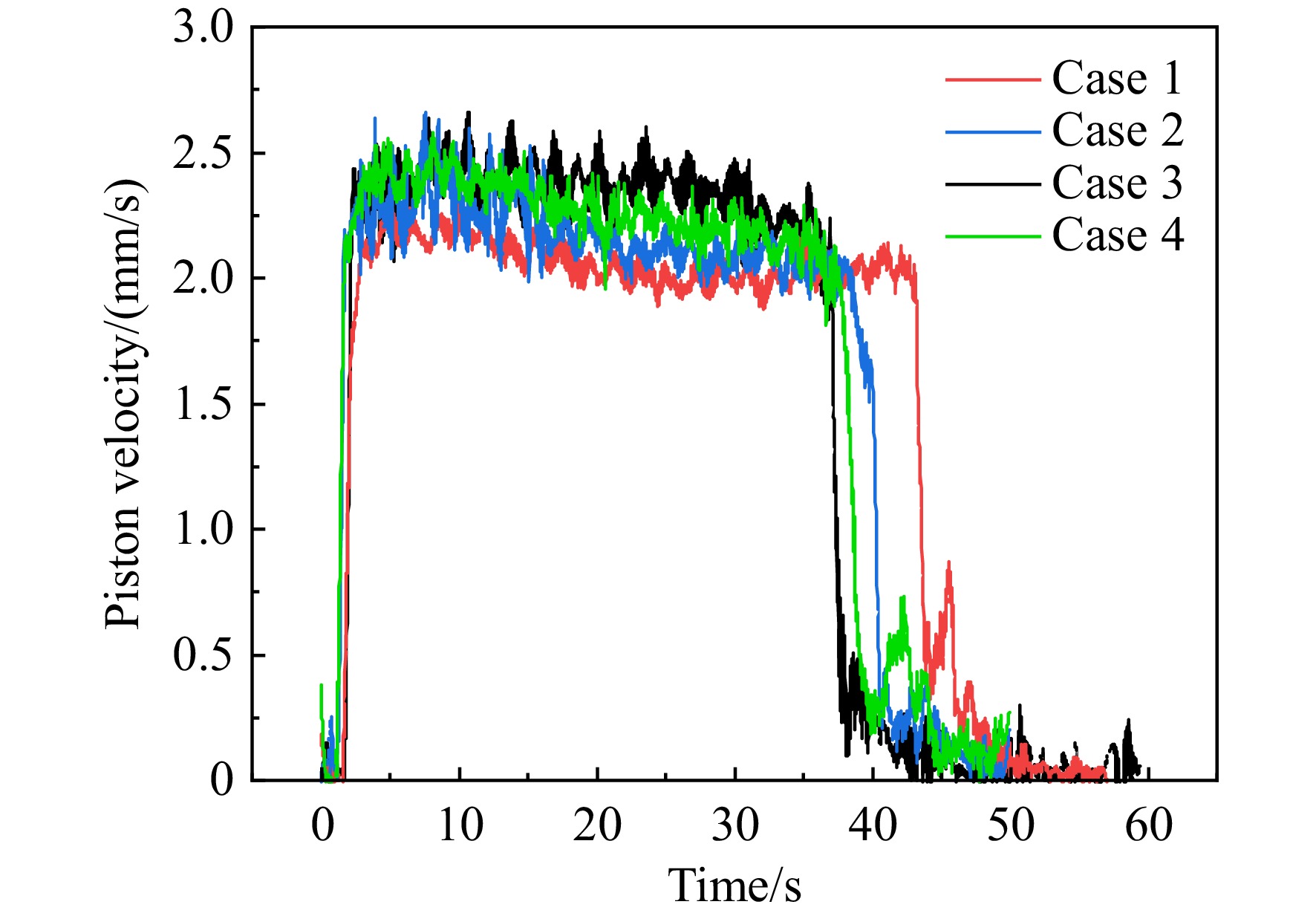
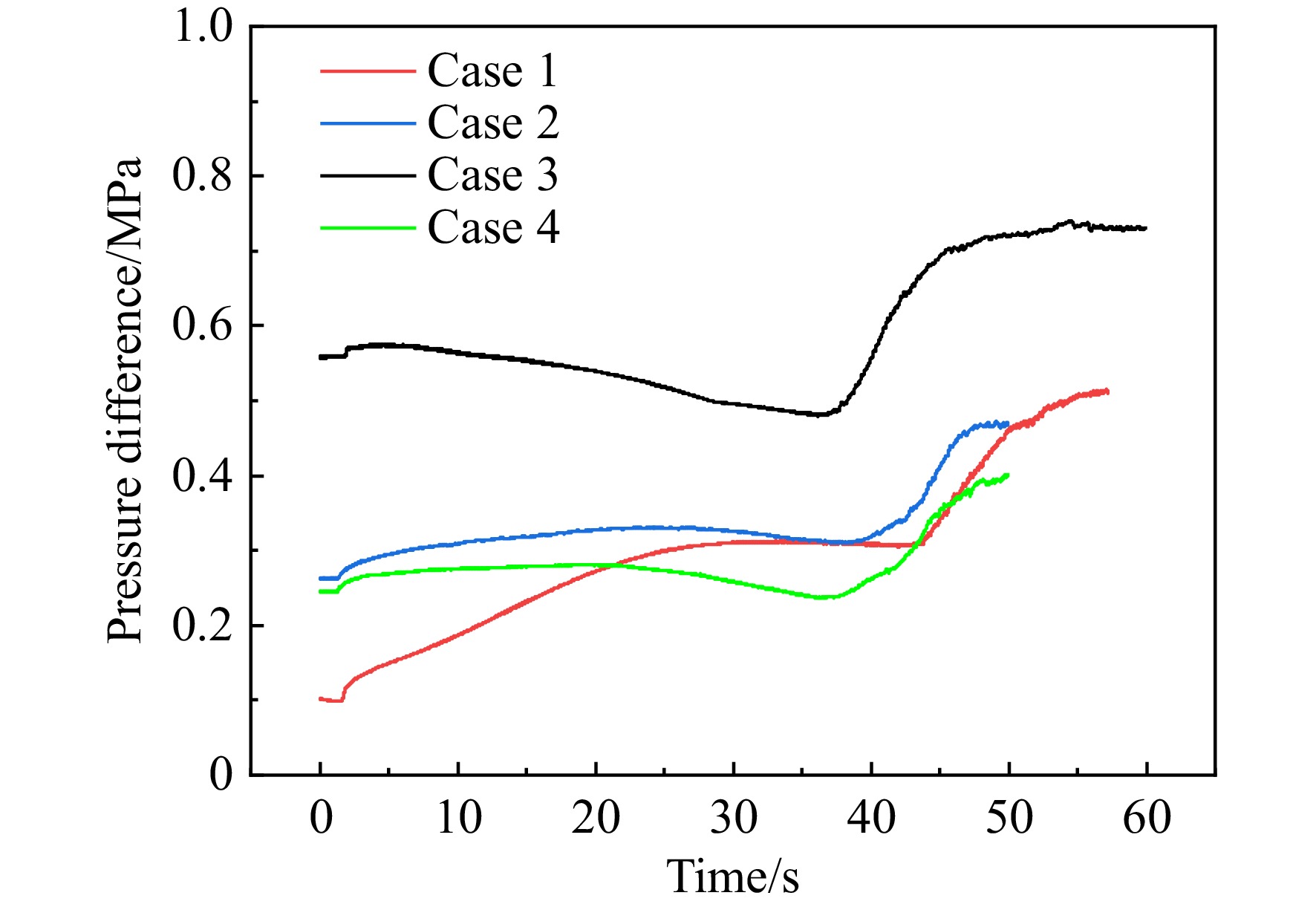
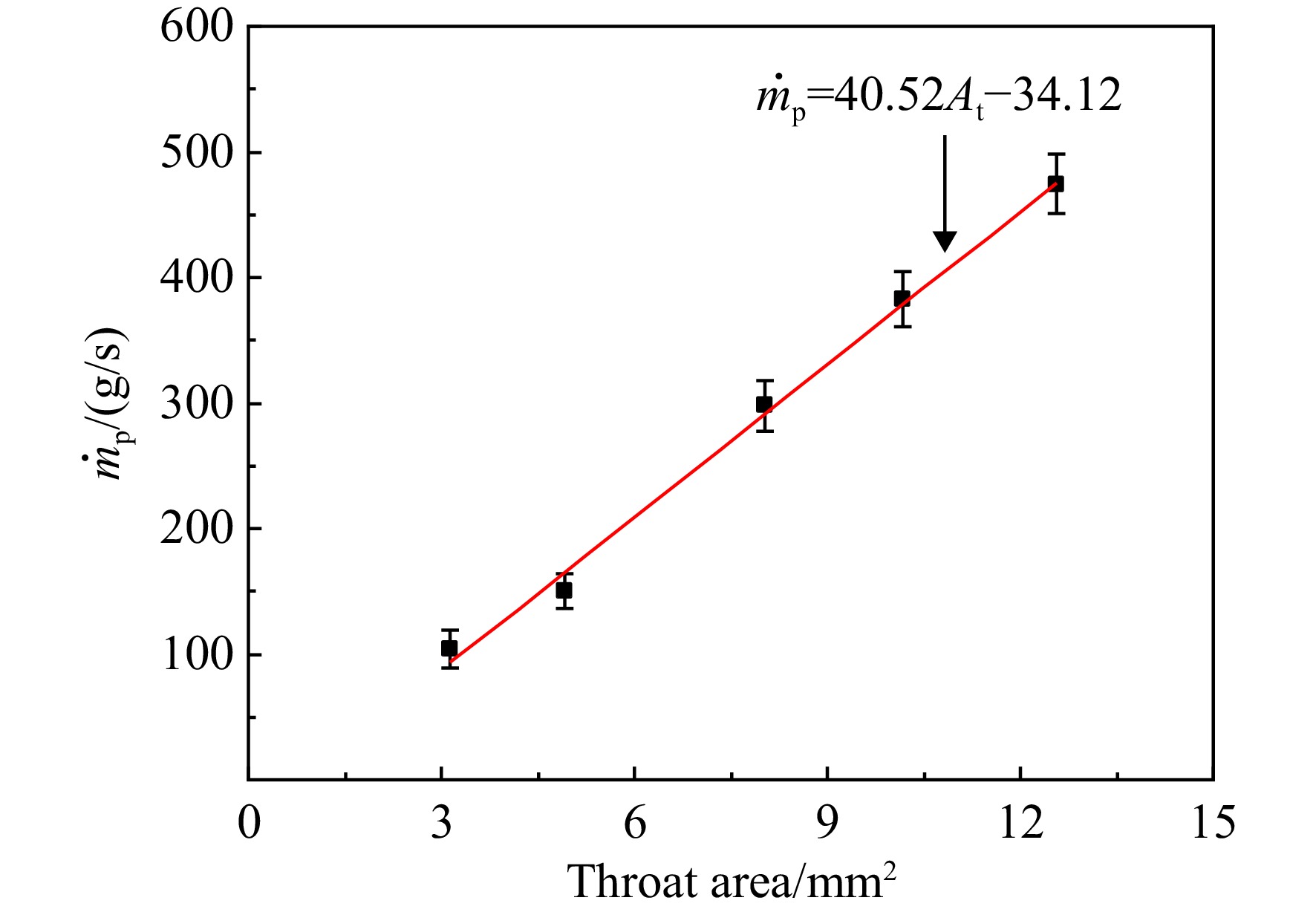
In view of the problem of reliable fluidization and quantitative adjustable transportation of powder fuel, the characteristics of powdered supply system based on piston-driven gas fluidization and transportation were studied. The influences of different piston driving forces, fluidization pressures and diameters of powder outlet throat on the fluidized transport characteristics of powder were analyzed experimentally. Experimental results showed that the system can stably feed powder under the set working conditions; there existed a critical value of piston driving force within the specified range. When the piston driving force was less than the critical value, the powder mass flow rate increased with the increase of piston driving force. When it exceeded the critical value, the piston driving force can be decoupled from the powder fluidization transport, and the powder flow rate had a linear relationship with the throat area of the powder out-let; the flow rate of fluidized gas increased and then decreased rapidly during the increase of driving force, and the solid-gas ratio of powder transportation was the maximum when the piston driving force reached the upper limit; increasing the fluidization pressure made the solid-gas ratio greatly reduce, which was not conducive to the effective utilization of gas source.

Experiment on longitudinal combustion instability of a hypergolic propellant model engine
CHU Wei, JIANG Chuanjin, REN Yongjie, TONG Yiheng, XU Boqi, GUO Kangkang, NIE Wansheng
2025, 40(5): 20230580. doi: 10.13224/j.cnki.jasp.20230580
Abstract:

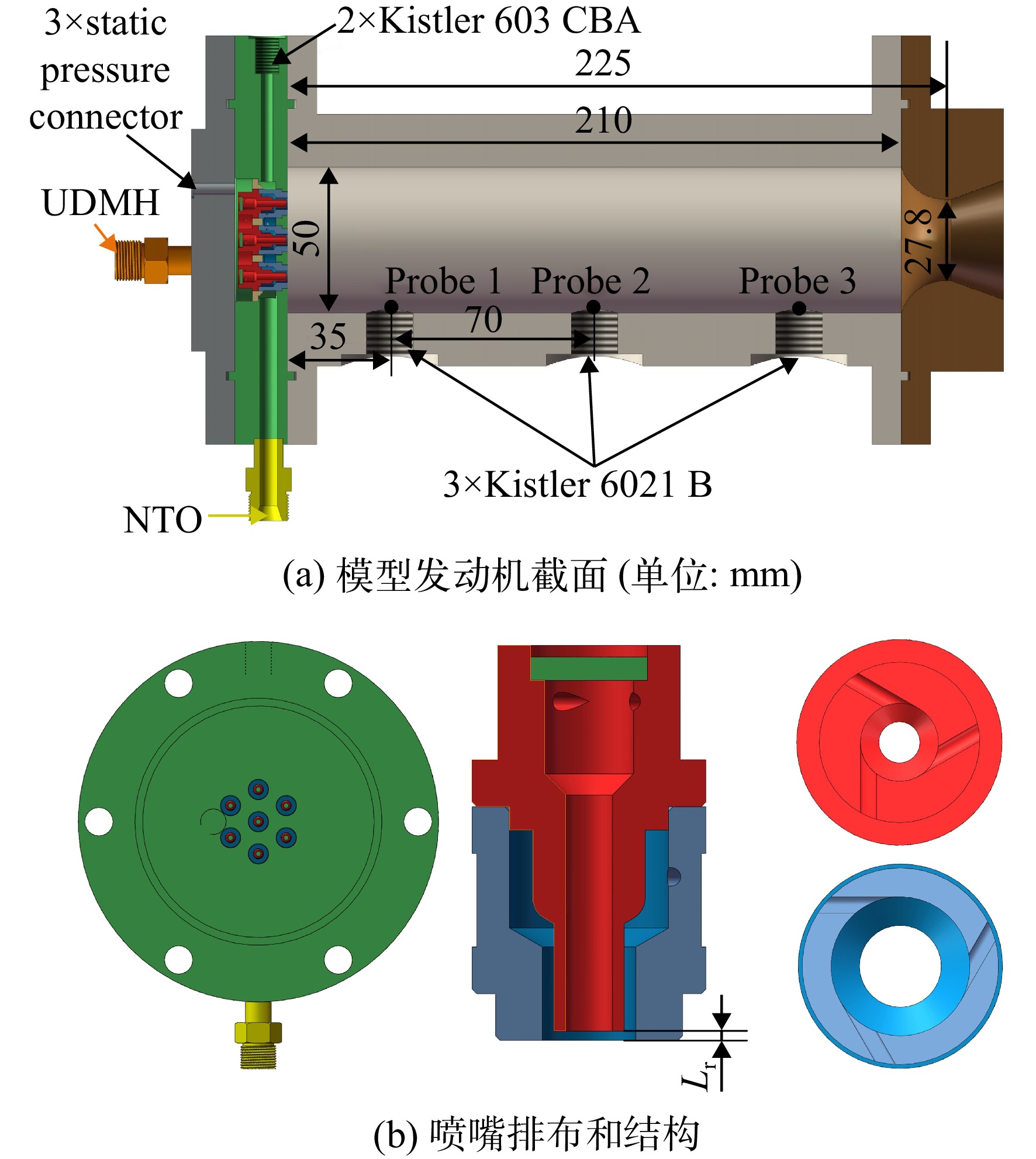
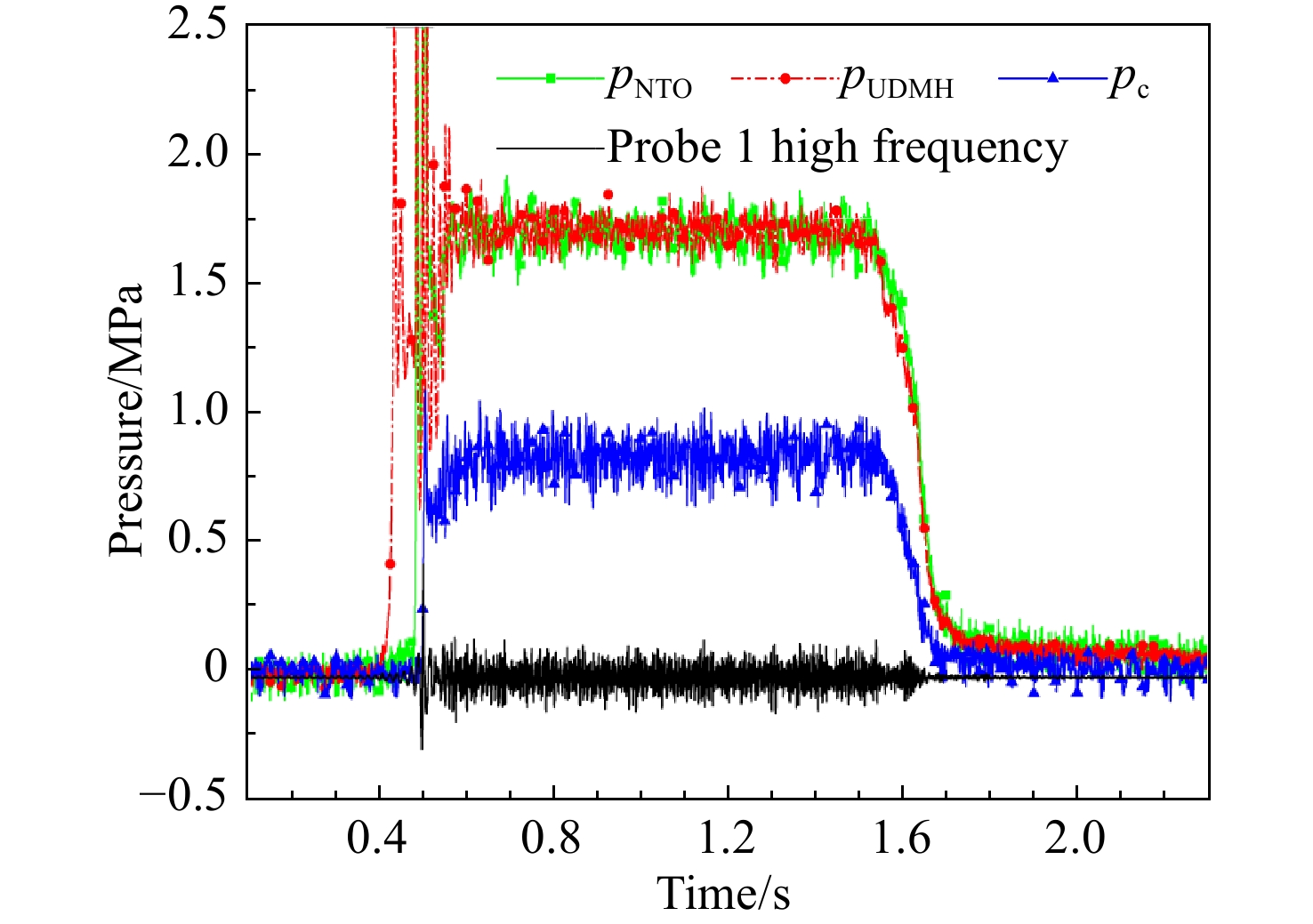
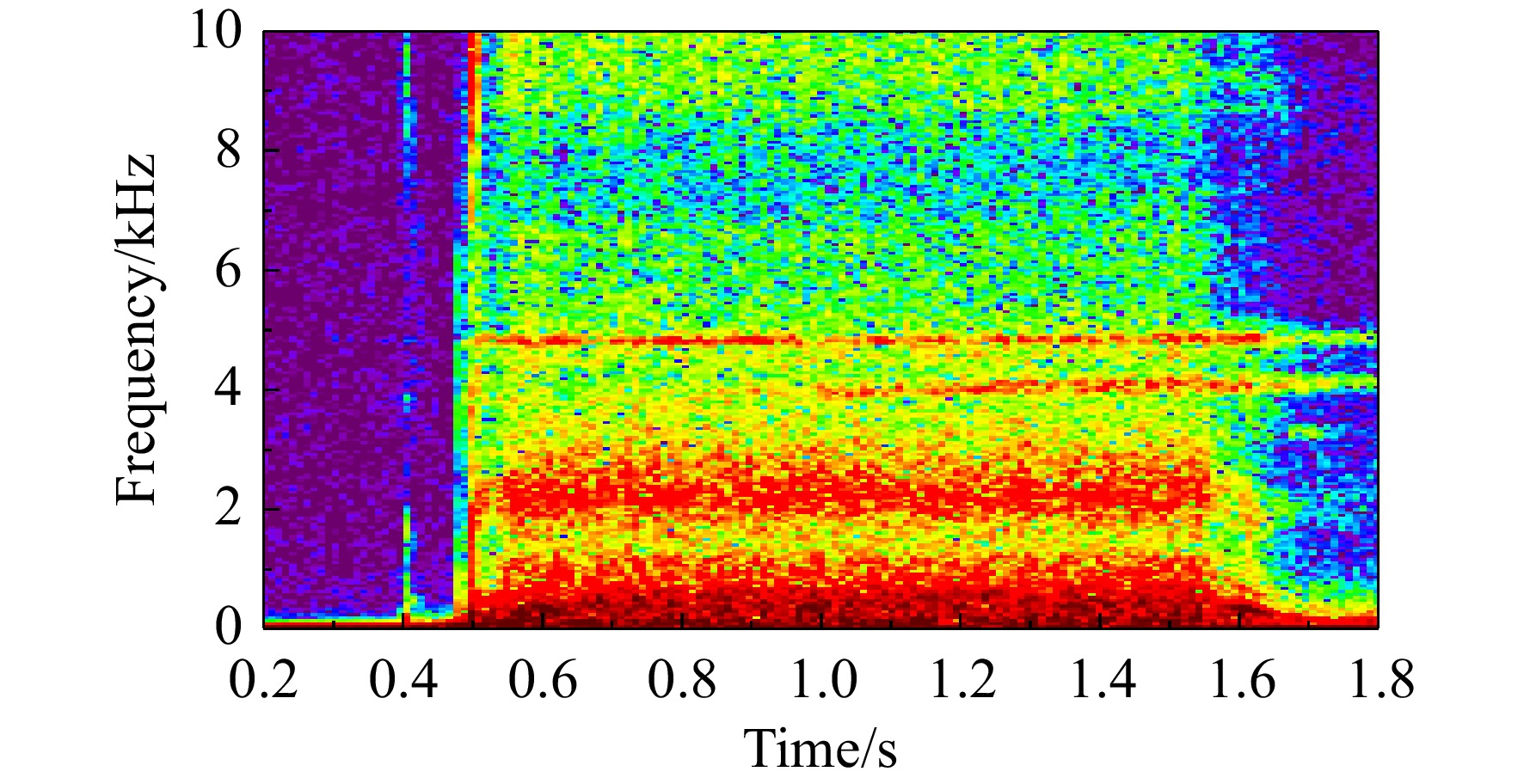
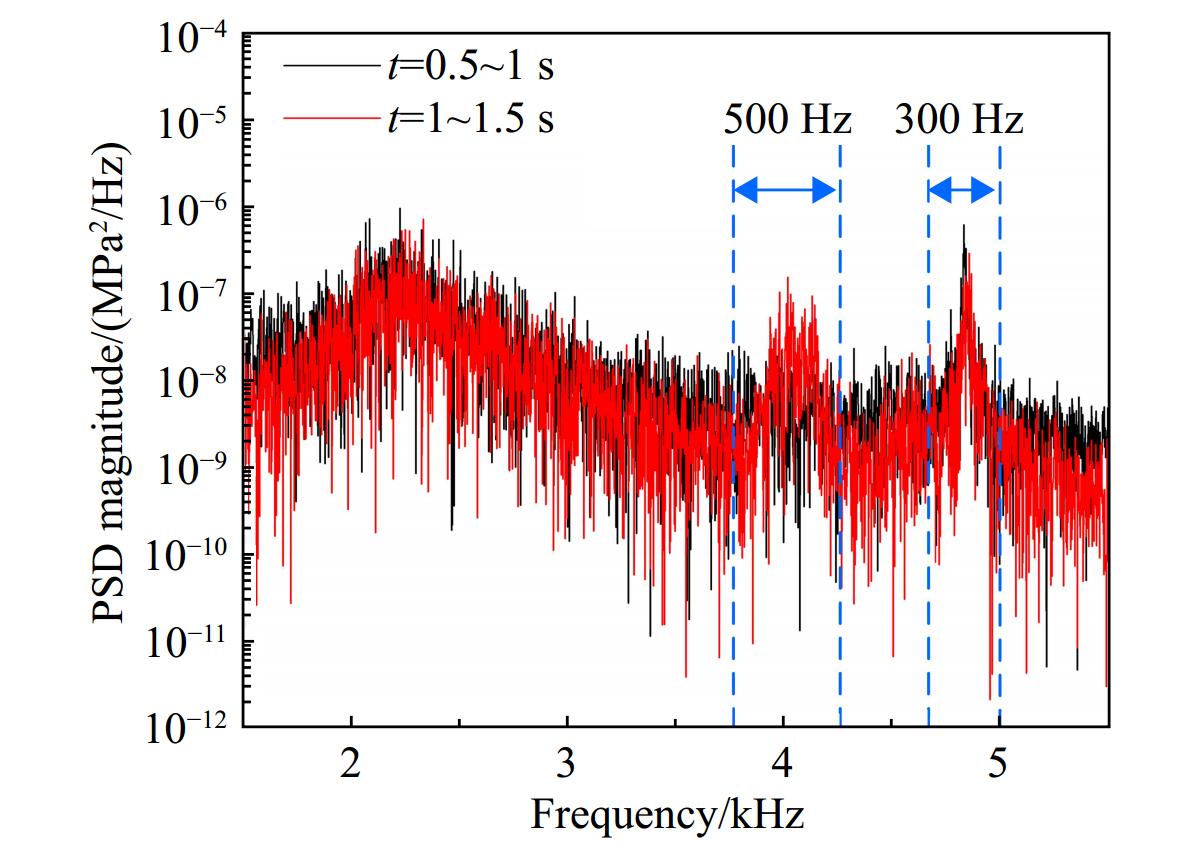
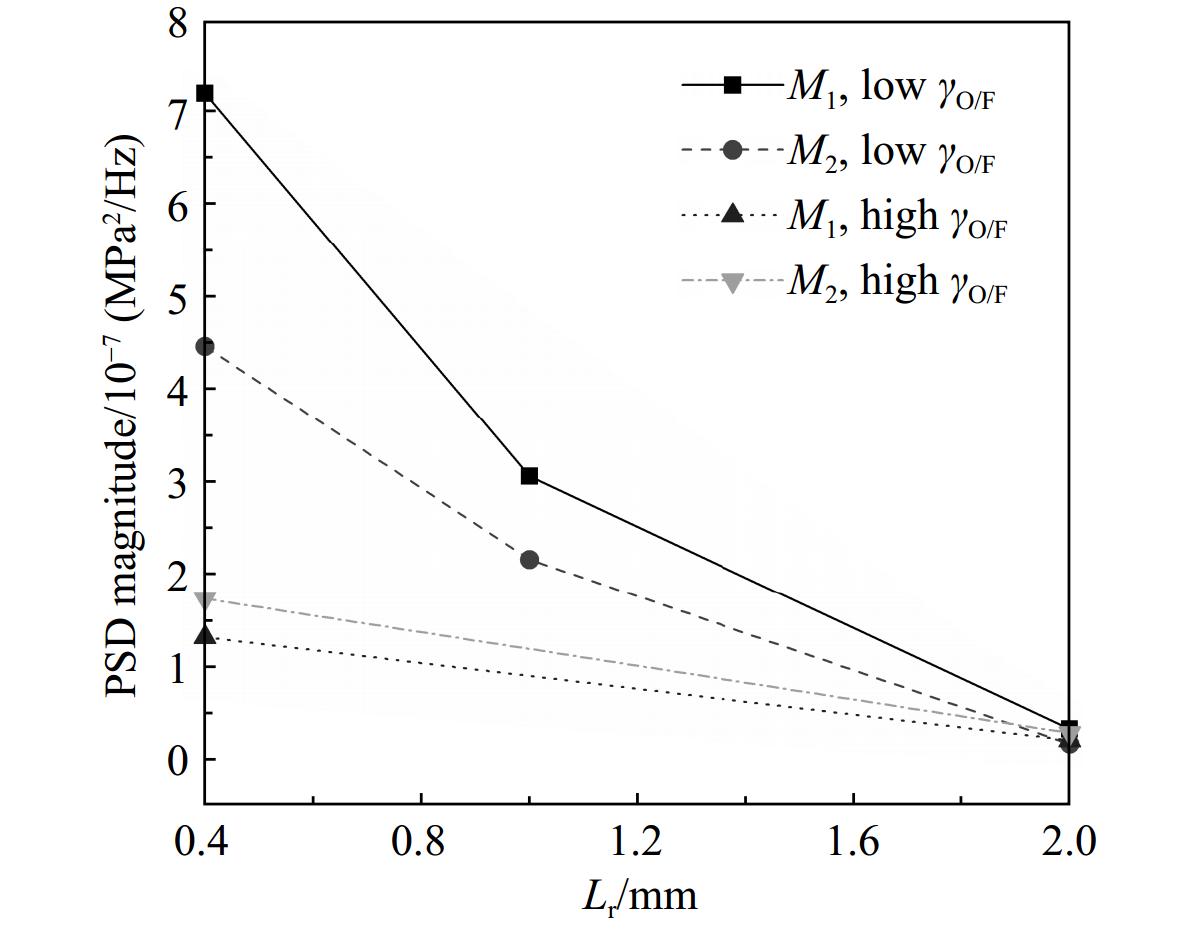
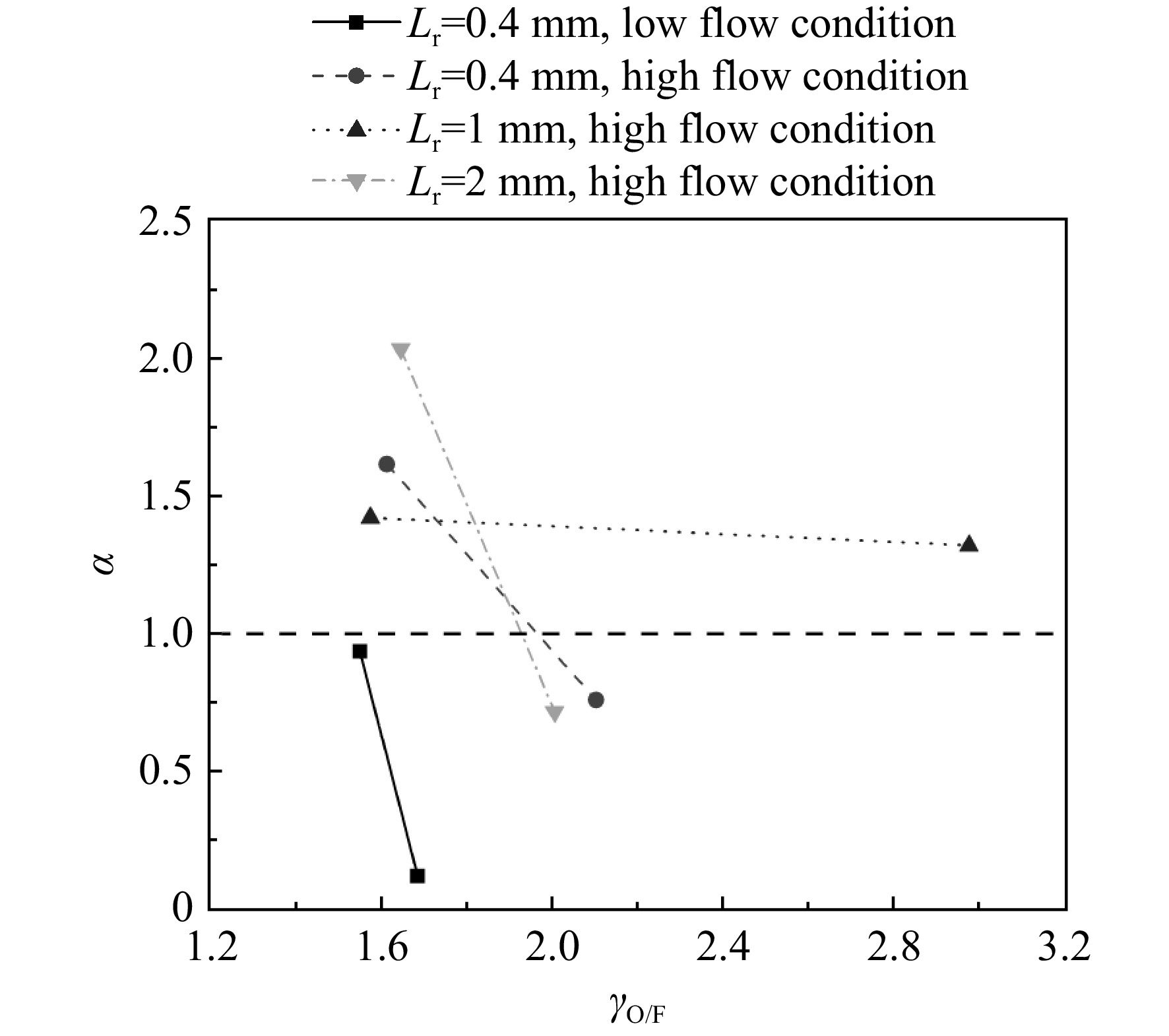
Based on dual-liquid swirl coaxial injectors of hypergolic propellant, a multi-injector model rocket engine was designed to study the effects of oxygen-fuel ratio and recess length on high-frequency longitudinal combustion instability. The results showed that there was a frequency division phenomenon in second-order longitudinal mode when recess length was 0.4 mm, while this phenomenon did not occur with a larger recess length. It was inferred that the frequency division phenomenon was related to the heat release fluctuation caused by the impact fluctuation between the inner and outer conical liquid films of the dual-liquid swirl coaxial injector. With the increase of recess length, the longitudinal combustion instability was also weakened, which was related to the movement of the combustion heat-release region towards the recess chamber, resulting in an enhancement to resist pressure disturbances in the combustion chamber. The increase of oxygen-fuel ratio weakened the longitudinal combustion instability of the model engine under the designed flow rate, while there was still a trend of transition from the first-order longitudinal mode dominant to the second-order longitudinal mode dominant, namely, the amplitude of the second-order longitudinal mode oscillation exceeded the amplitude of the first-order longitudinal mode oscillation. With the increase of oxygen-fuel ratio, the second-order longitudinal mode was significantly enhanced, and the first-order longitudinal mode was weakened under operating conditions deviating from the designed flow rate by −14%.

Plume flow field and base heating environment of the multi-nozzle rocket in ascent phase
REN Fantao, JIANG Yi, LIU Hanyu, JIA Qiming
2025, 40(5): 20230575. doi: 10.13224/j.cnki.jasp.20230575
Abstract:
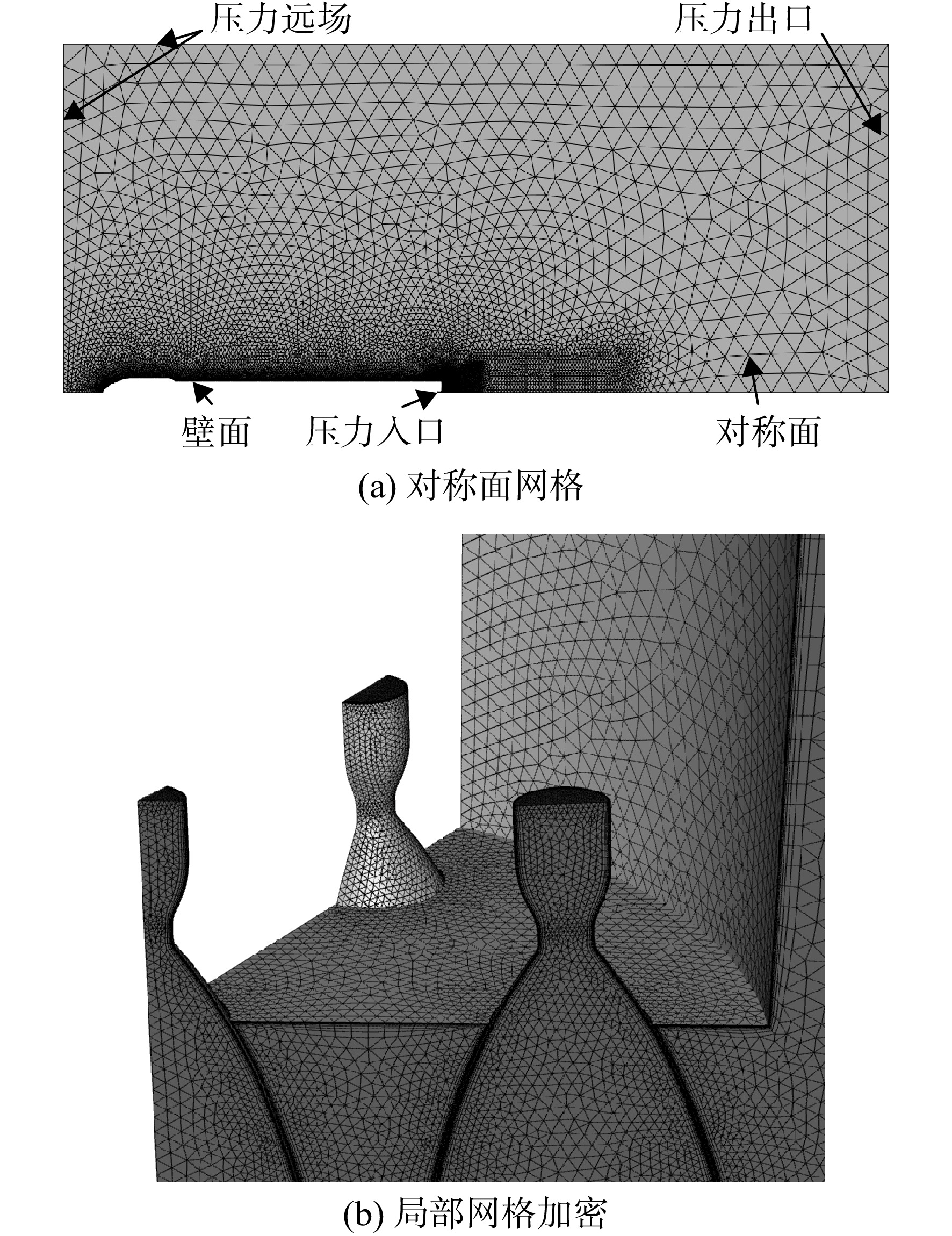
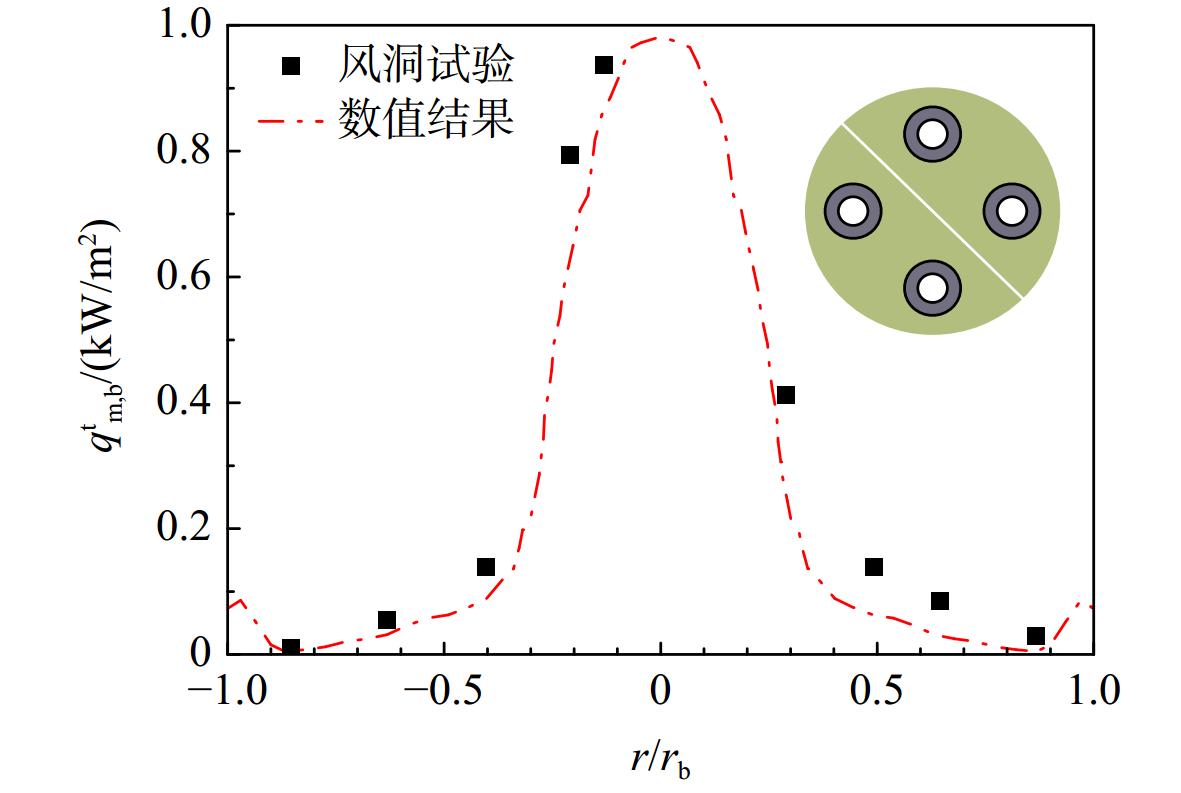
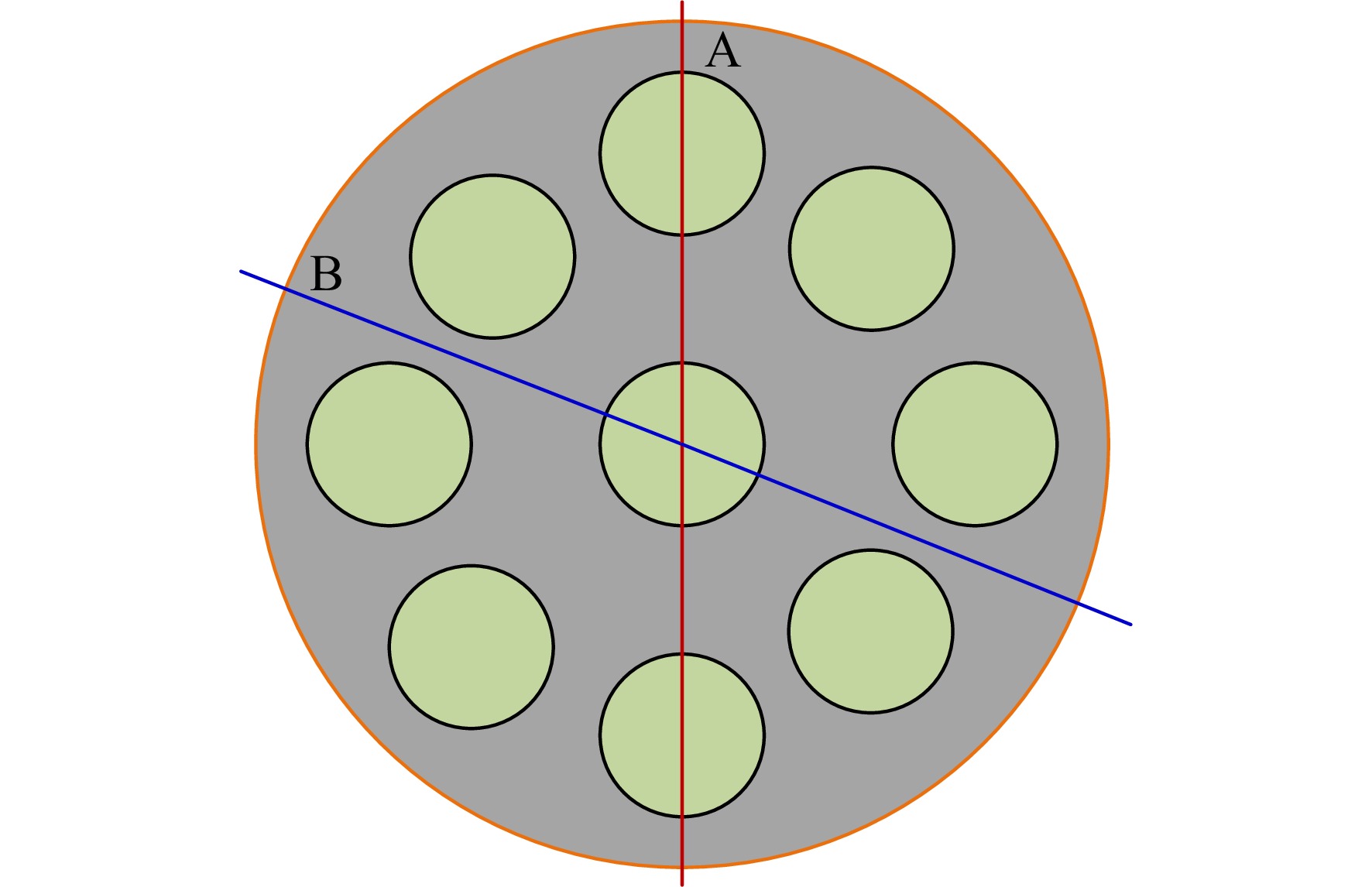
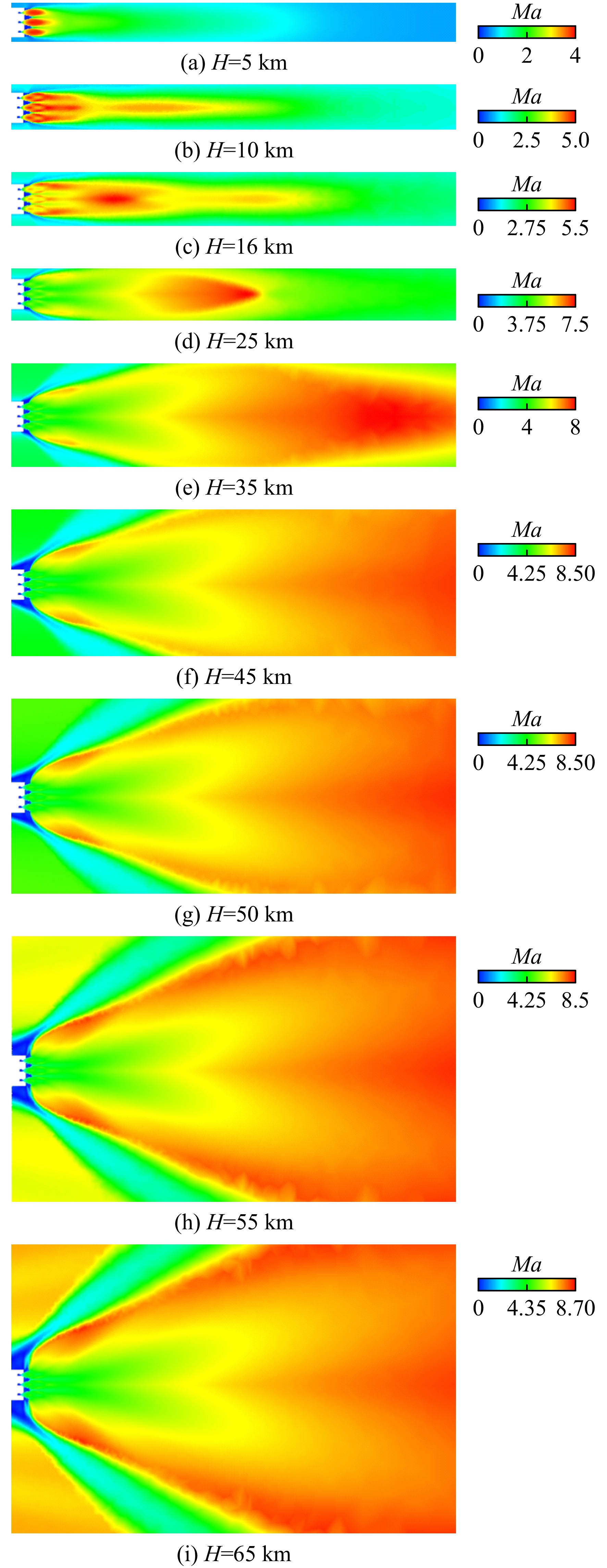
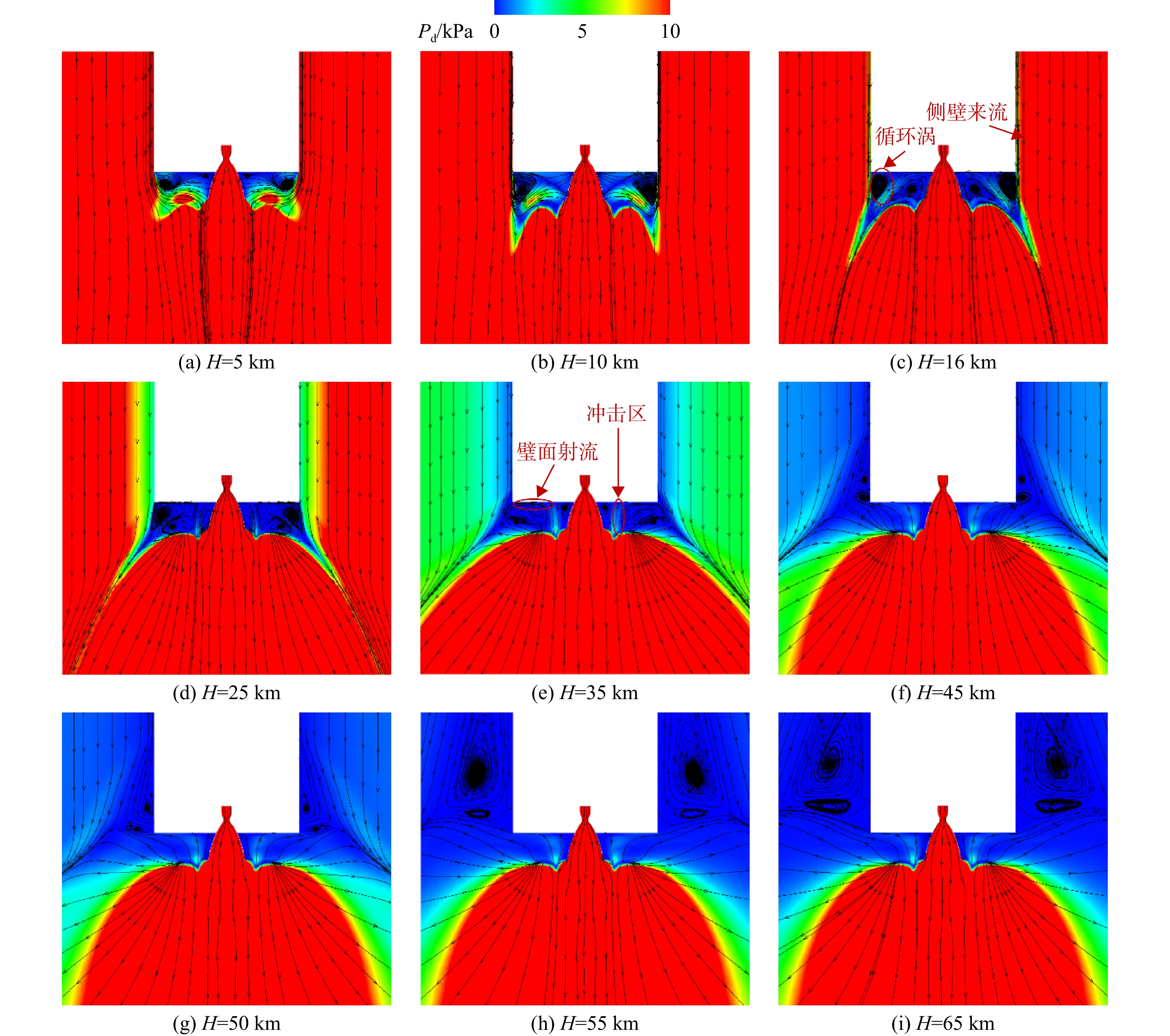
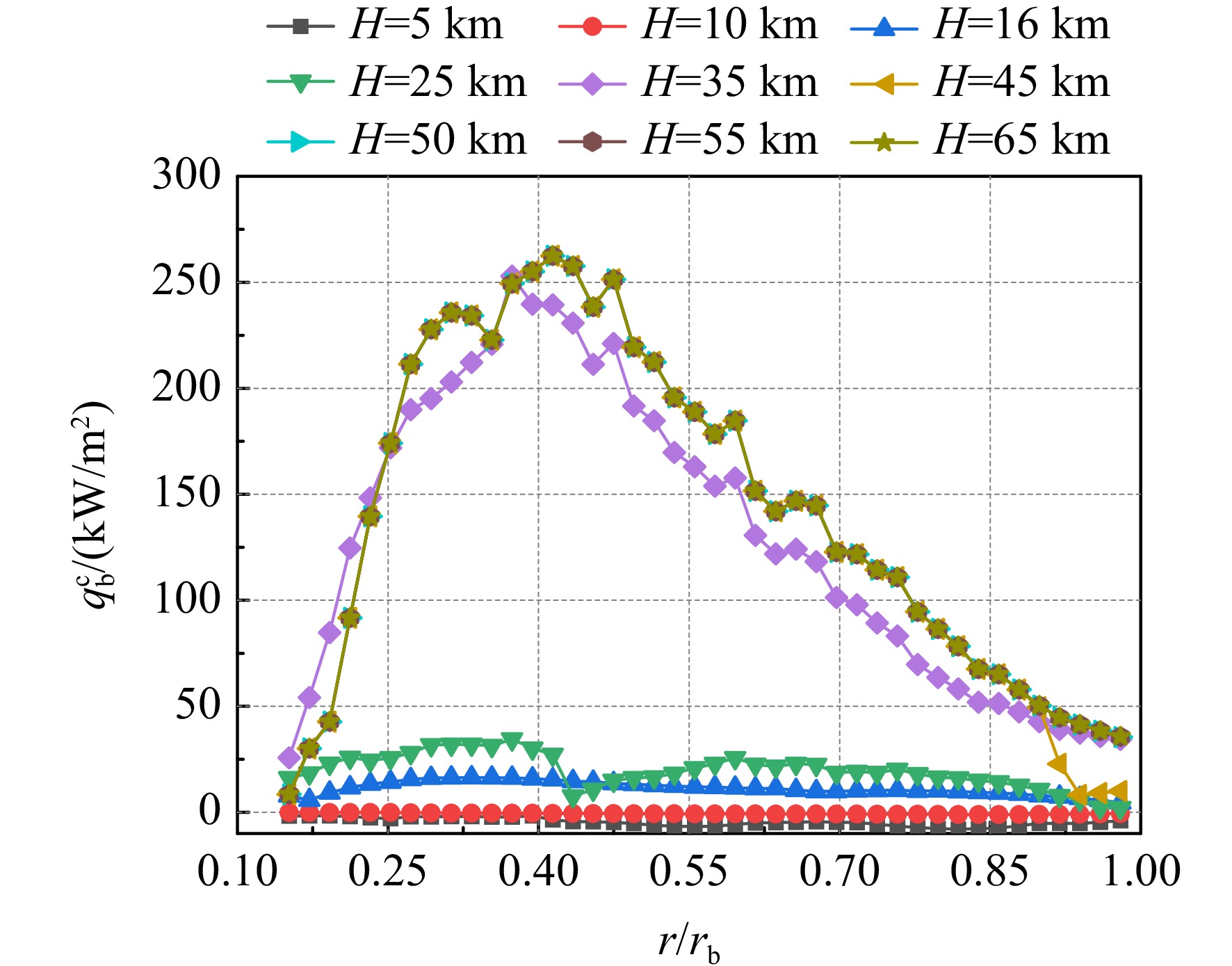
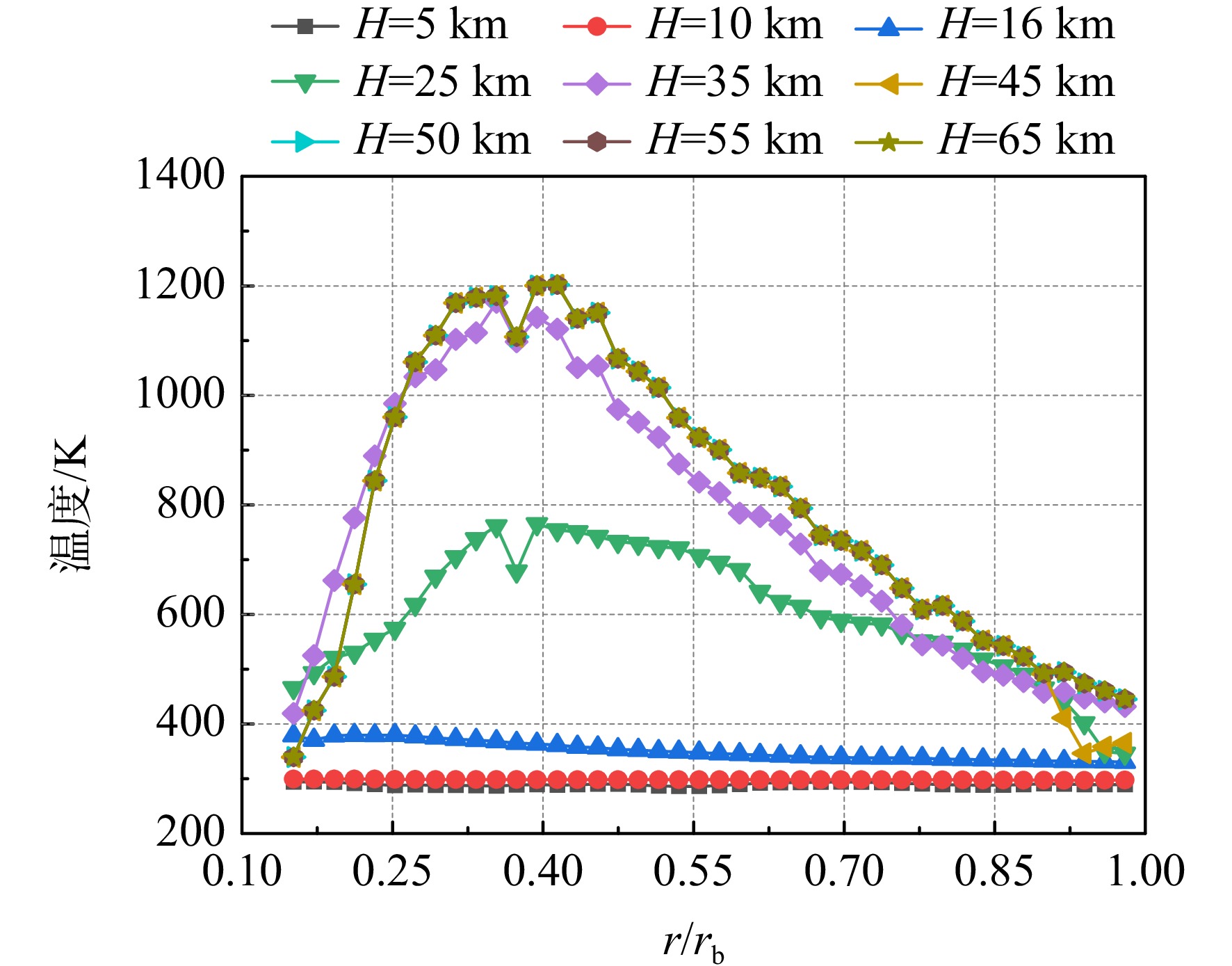
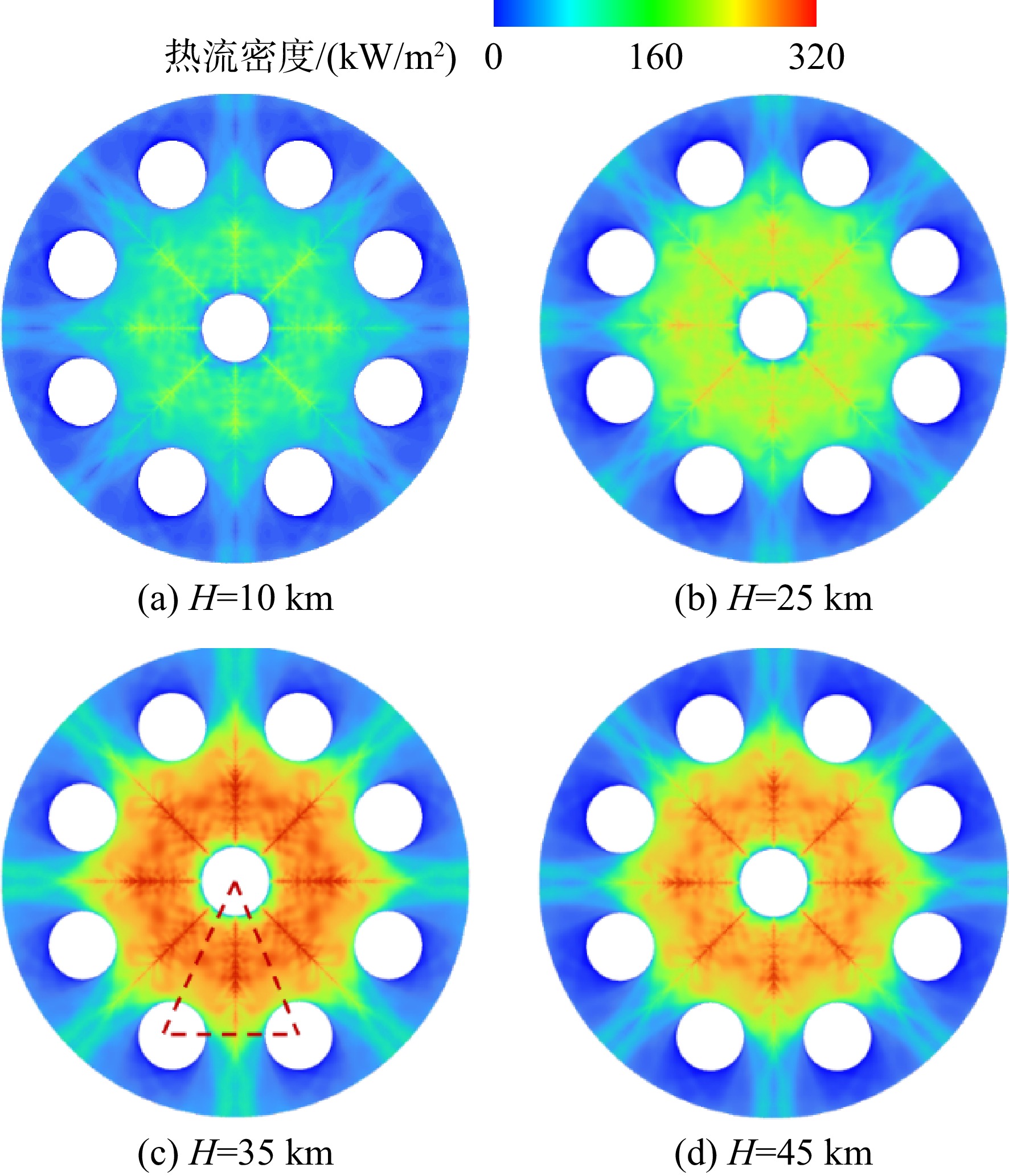
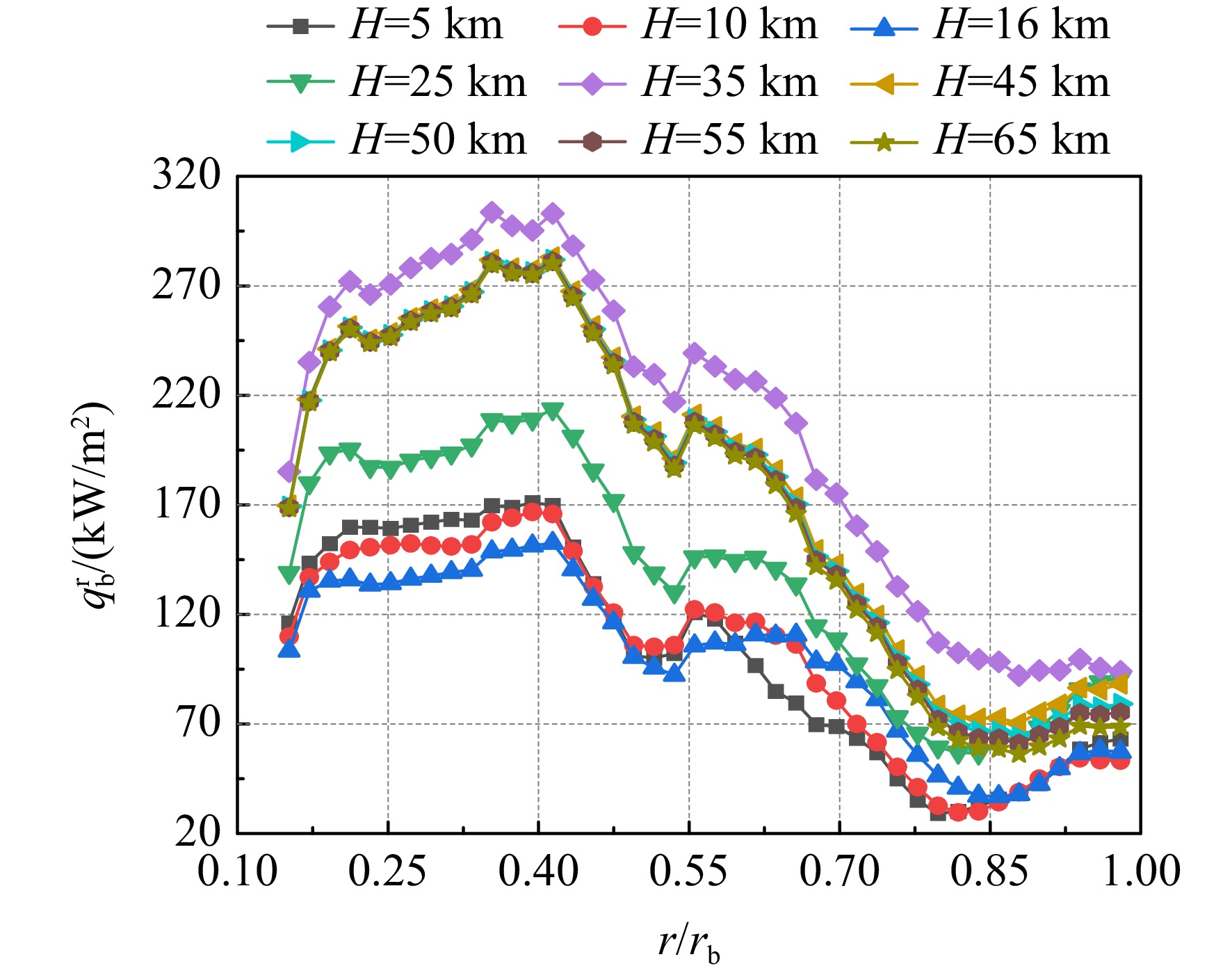
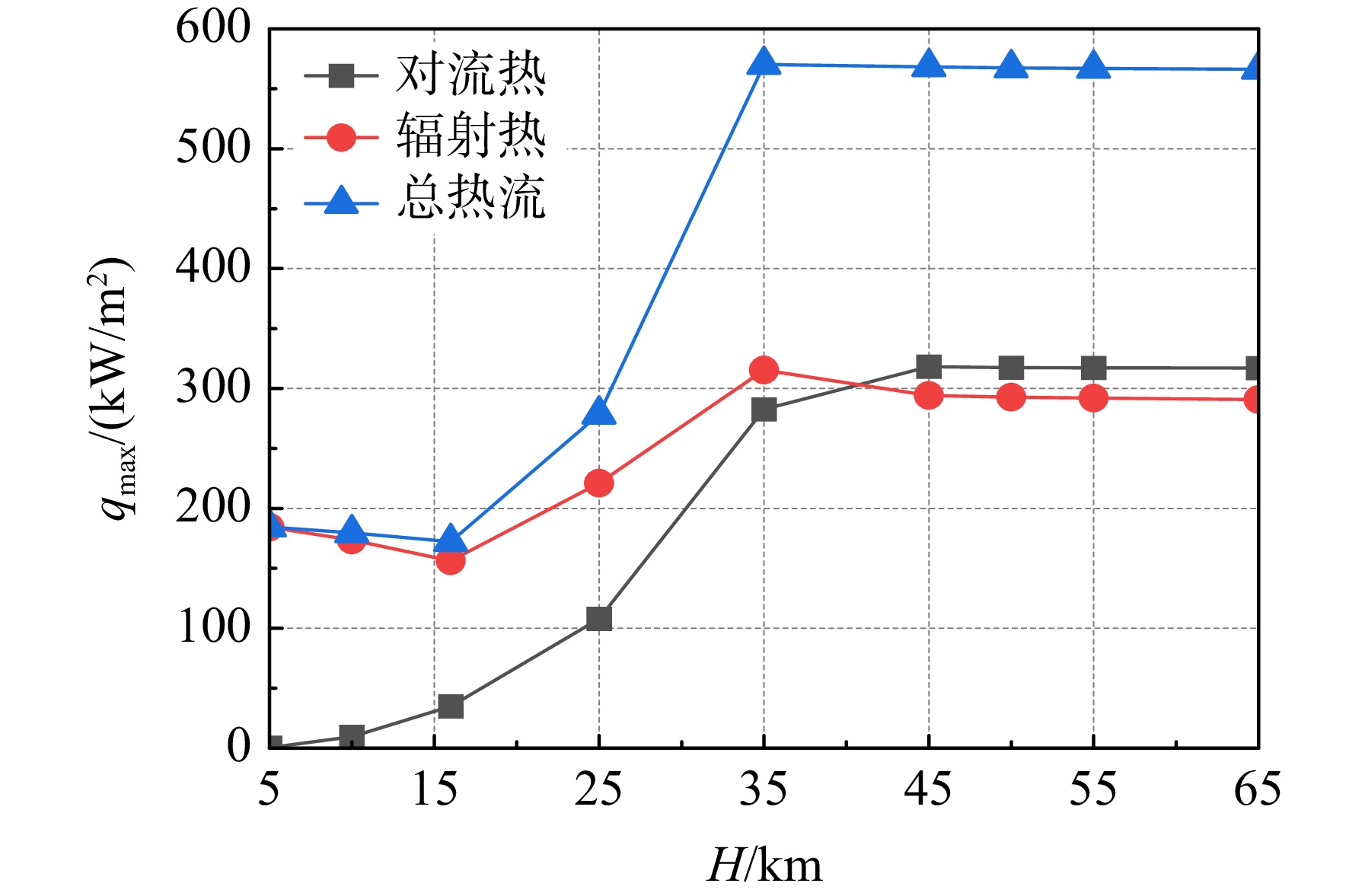
A nine-nozzle configuration rocket was established for the heating protection problem of the multi-nozzle rocket caused by the plume flow field structure and base heating in the ascent phase. Compared with the wind tunnel test data, the reliability of the numerical method was verified, and the numerical simulations were carried out for the plume flow field and the base heating environment at different altitudes. The results indicated that collisions occurred between gas jets, and there existed circulation vortices, gas backflow and back splash at different altitudes. The higher altitude indicated the greater expansion angle of the jet. At low flight altitudes, the base heating was mainly affected by radiation heating, and as the altitude increased, the effect of convection heating was enhanced. The peak of base heating flow density occurred within the range of 30 km to 40 km, with a maximum convective heating flow density of 318.16 kW/m2, a maximum radiant heating flow density of 315.38 kW/m2 and a maximum total heating flow density of 570.31 kW/m2. The temperature gradient of rocket base was the main influence on convection heating, while radiation heating was mainly influenced by the radiation intensity, distance and area of the radiation micro-element.

Power Transimission
Integration of vibration and lubricating metal particle information for condition monitoring of aircraft engine main bearings
LUAN Xiaochi, BAI Tian, ZHAO Junhao, SHA Yundong
2025, 40(5): 20240542. doi: 10.13224/j.cnki.jasp.20240542
Abstract:

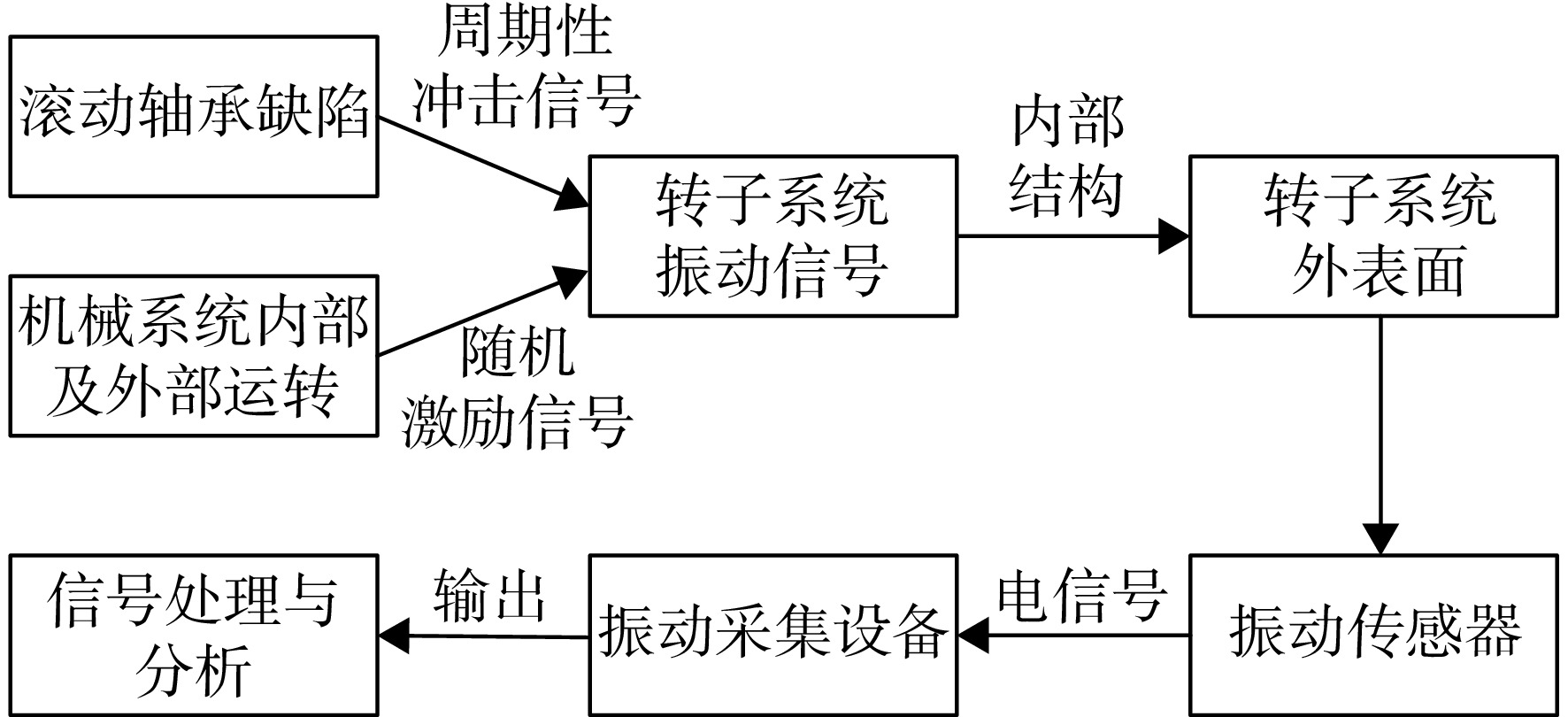
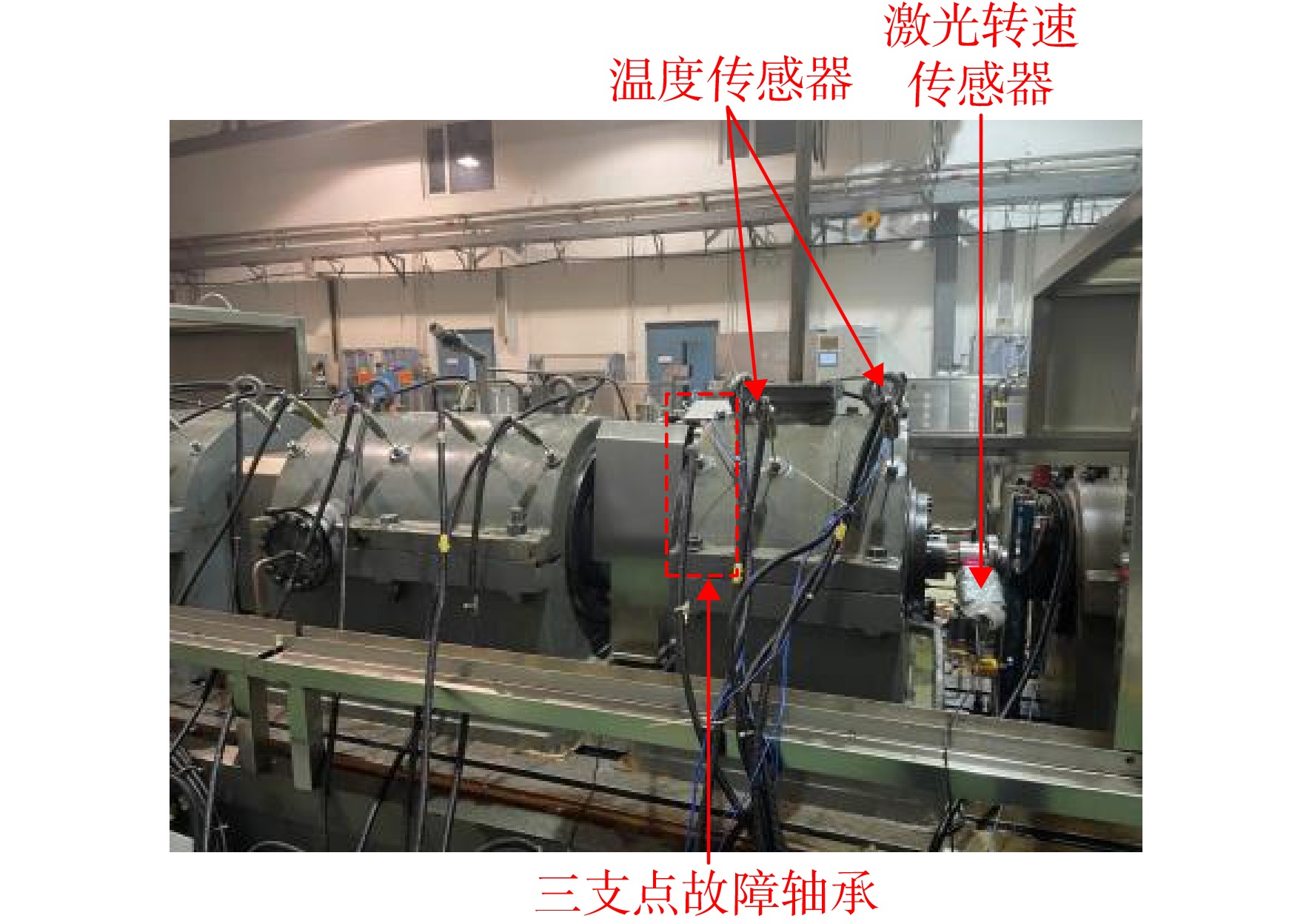
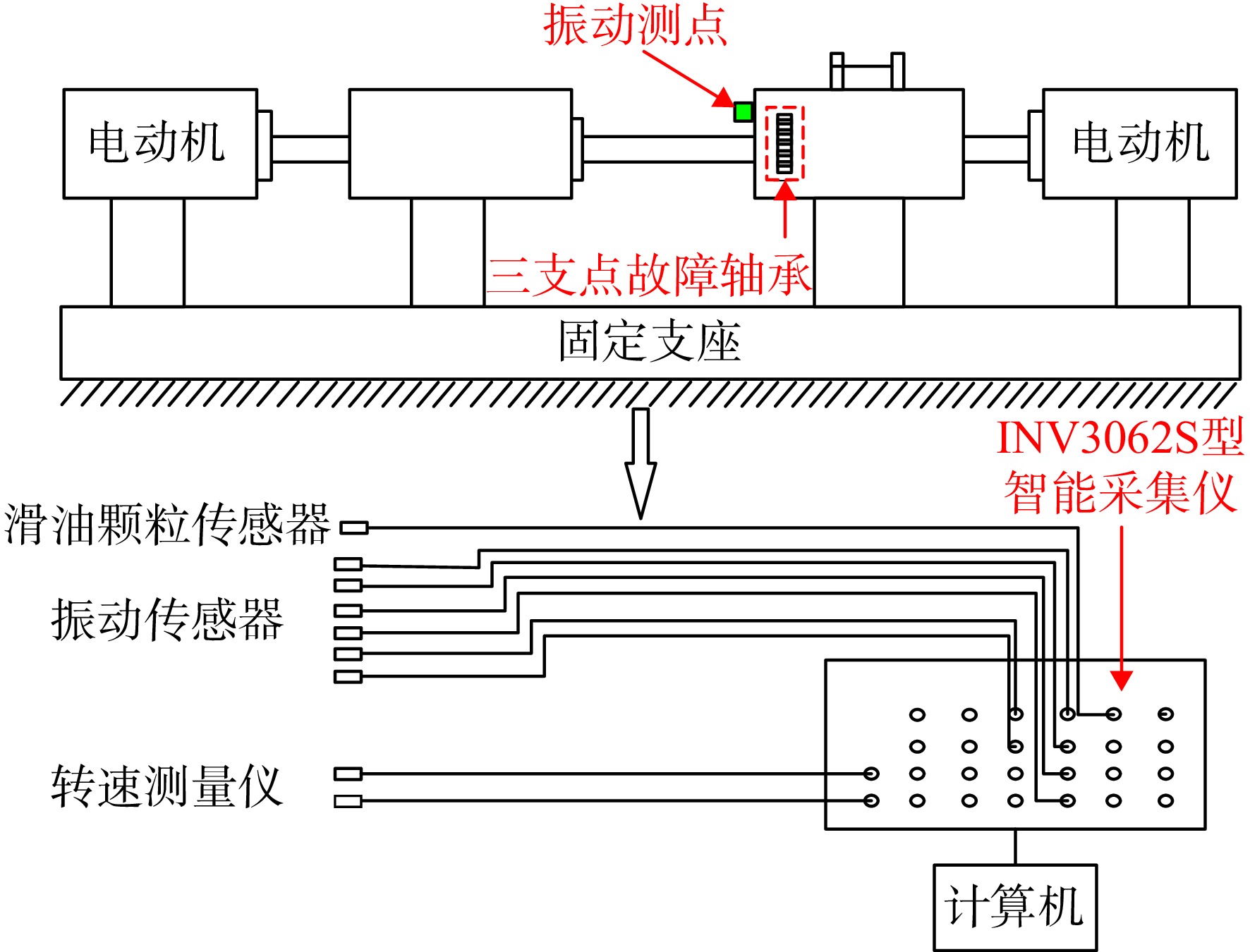
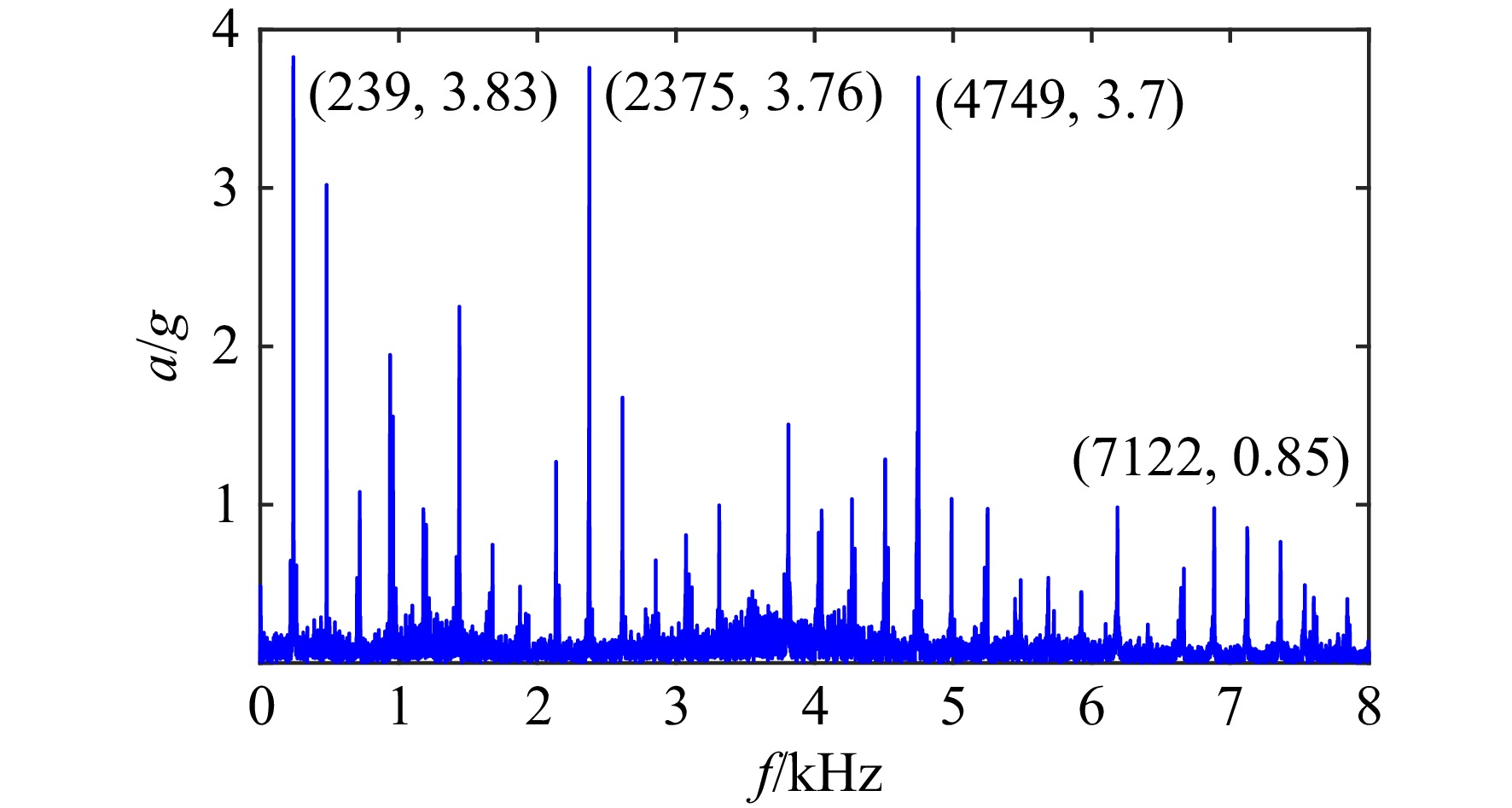
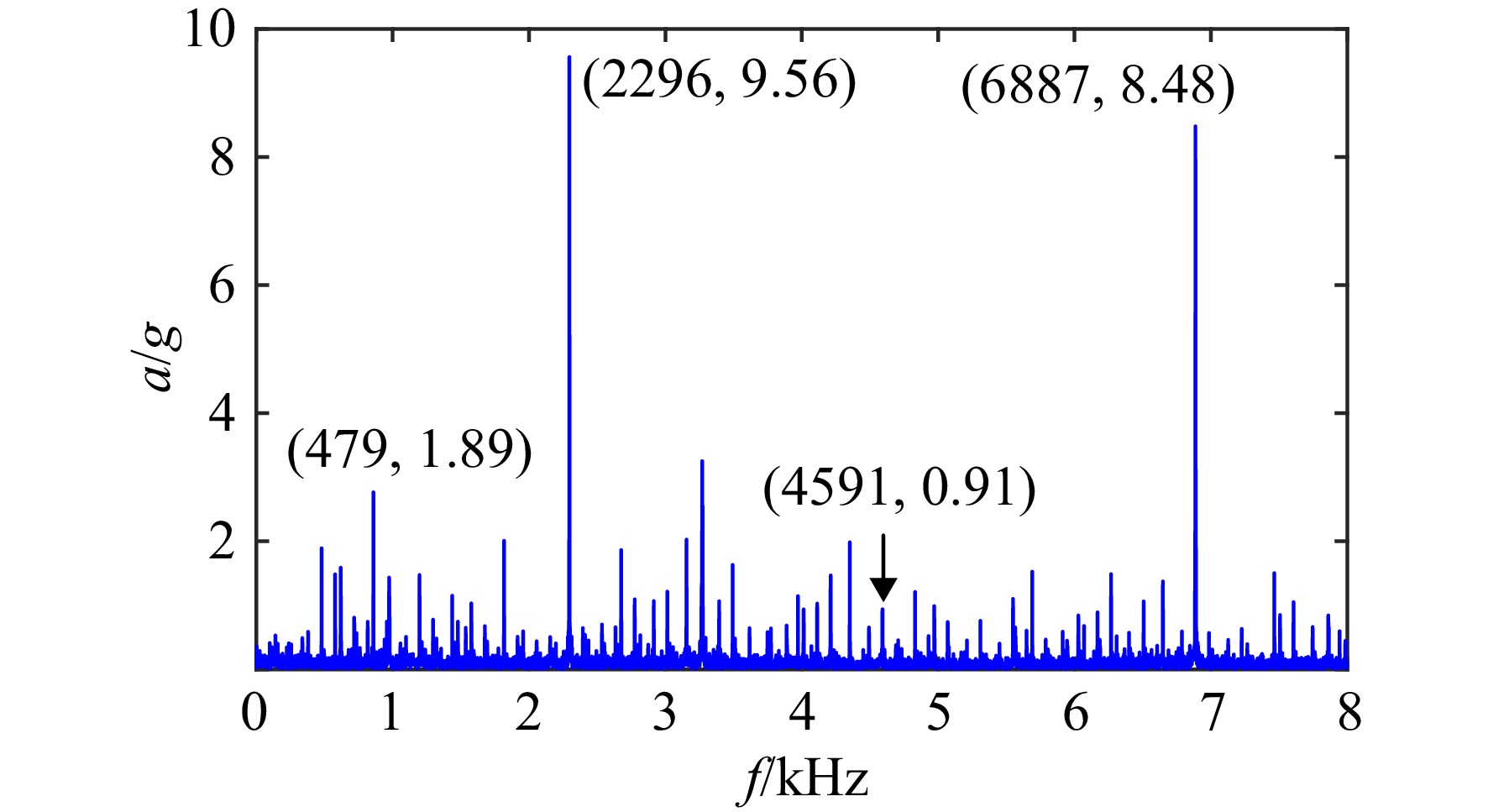
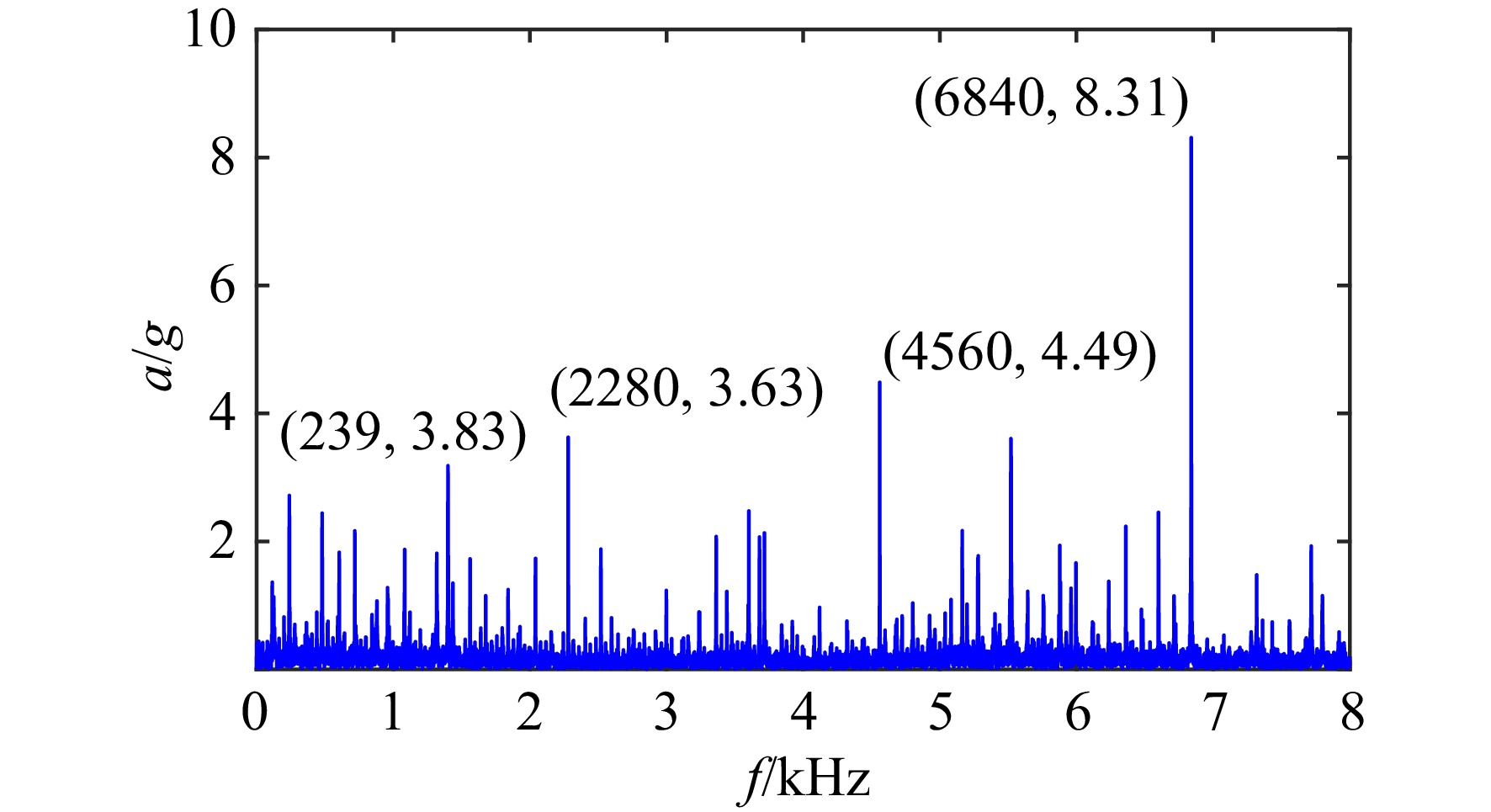
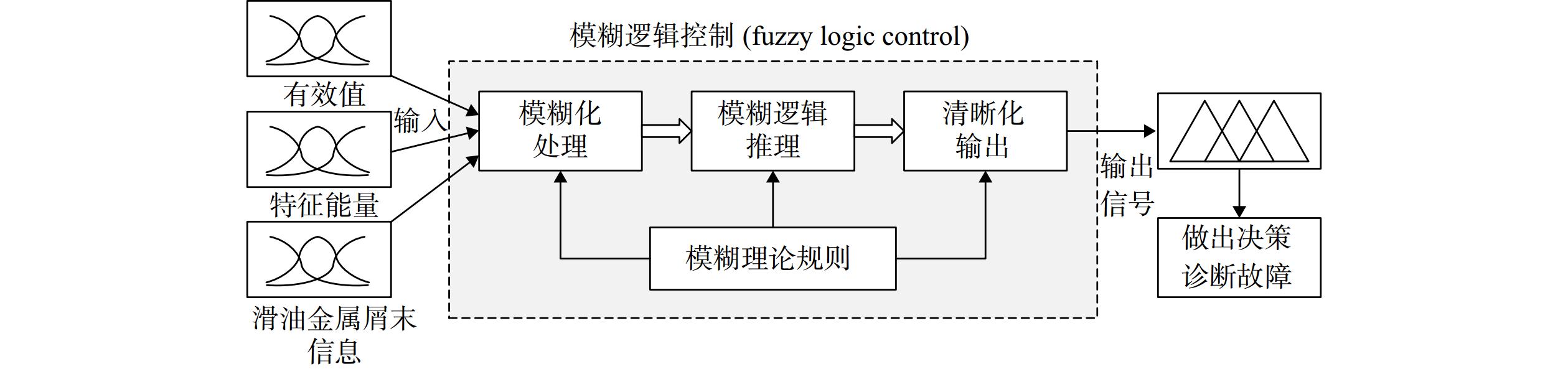
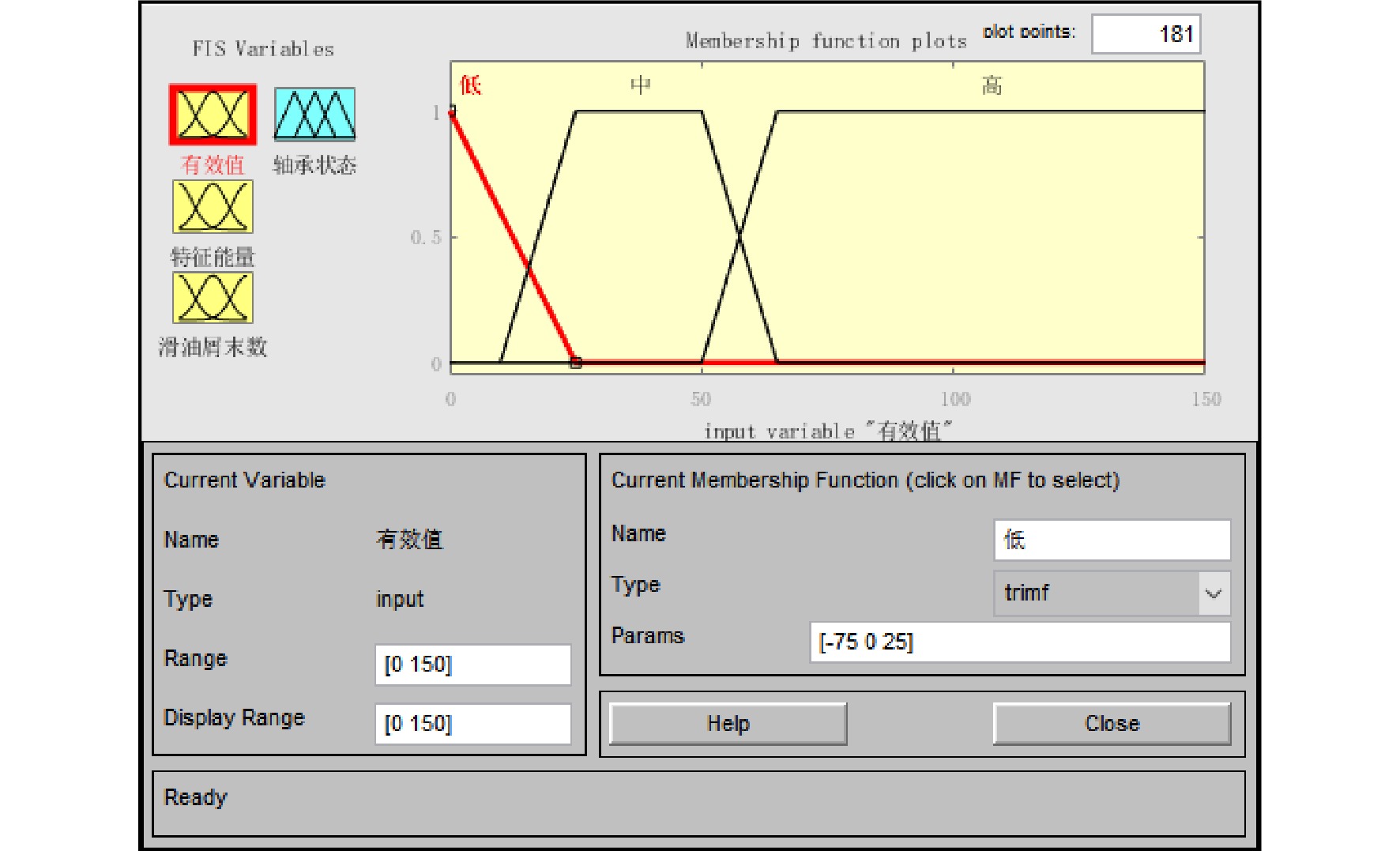
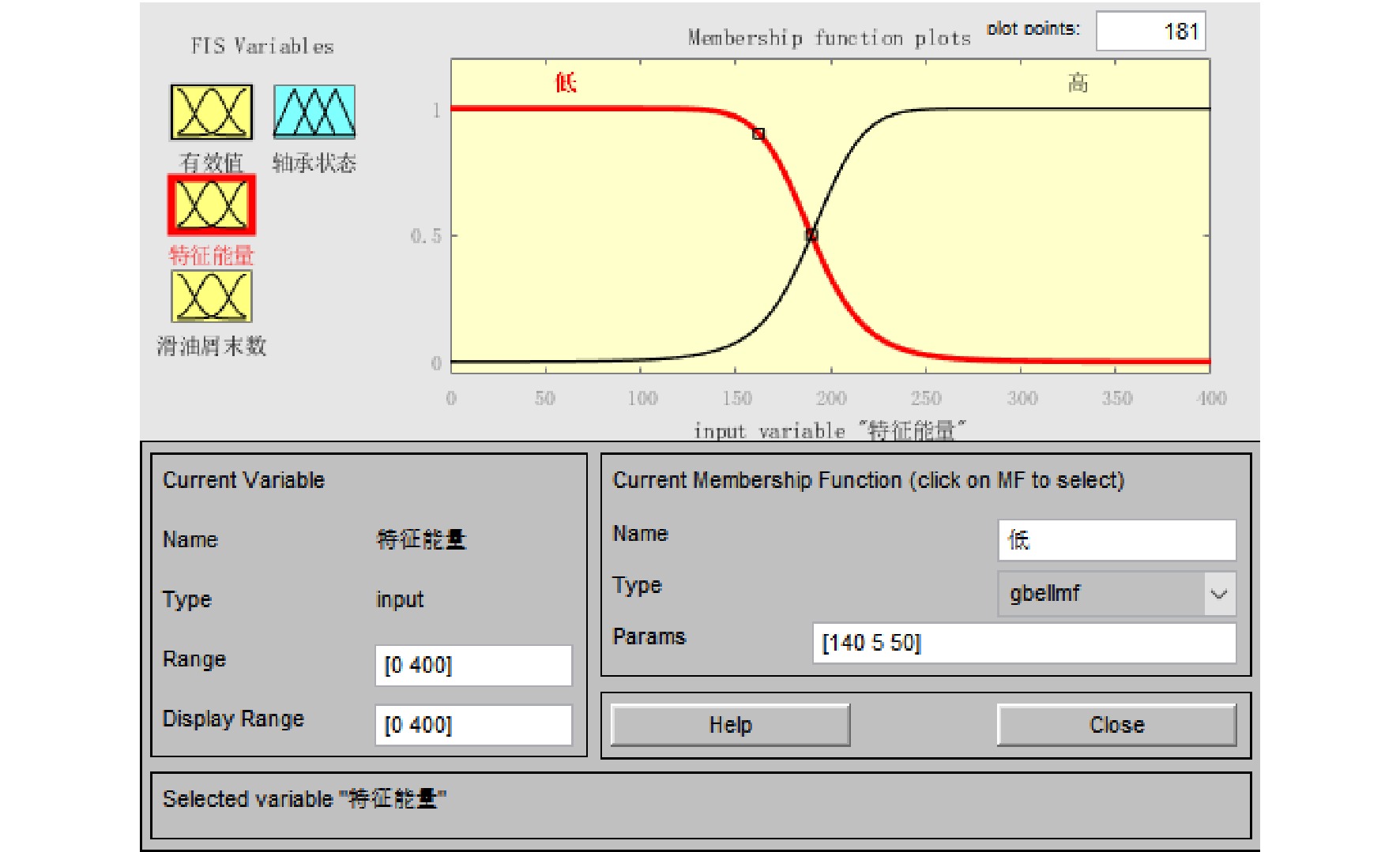
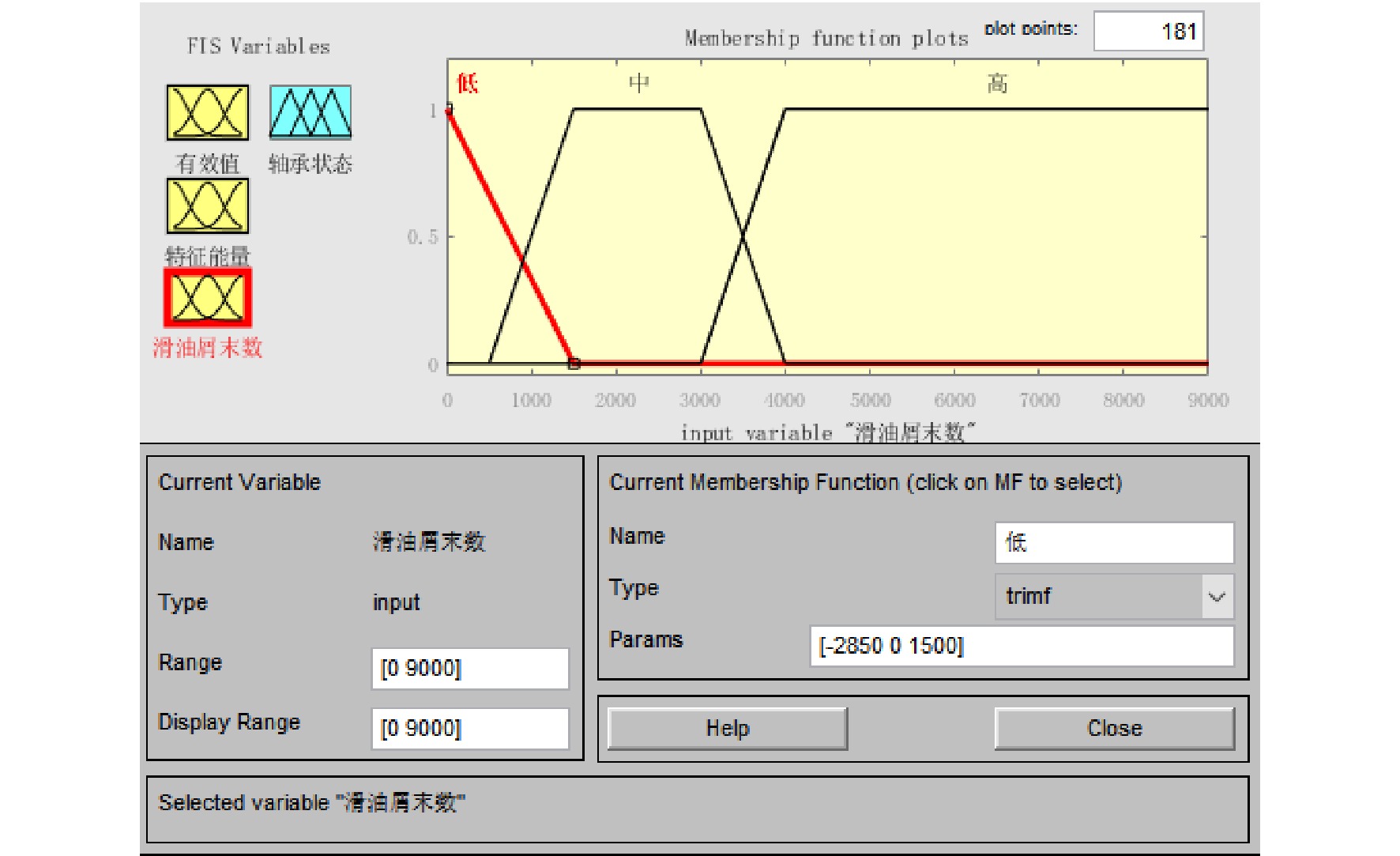
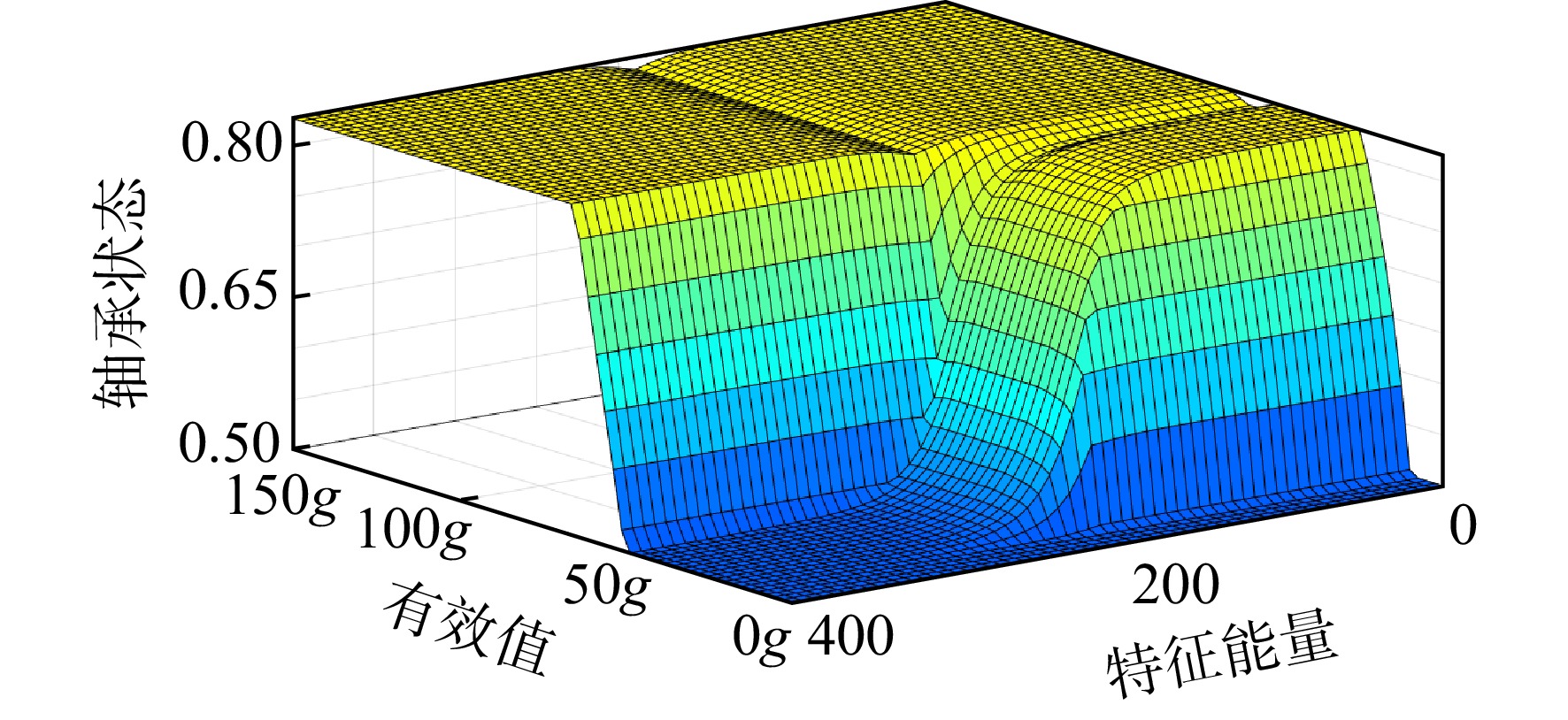
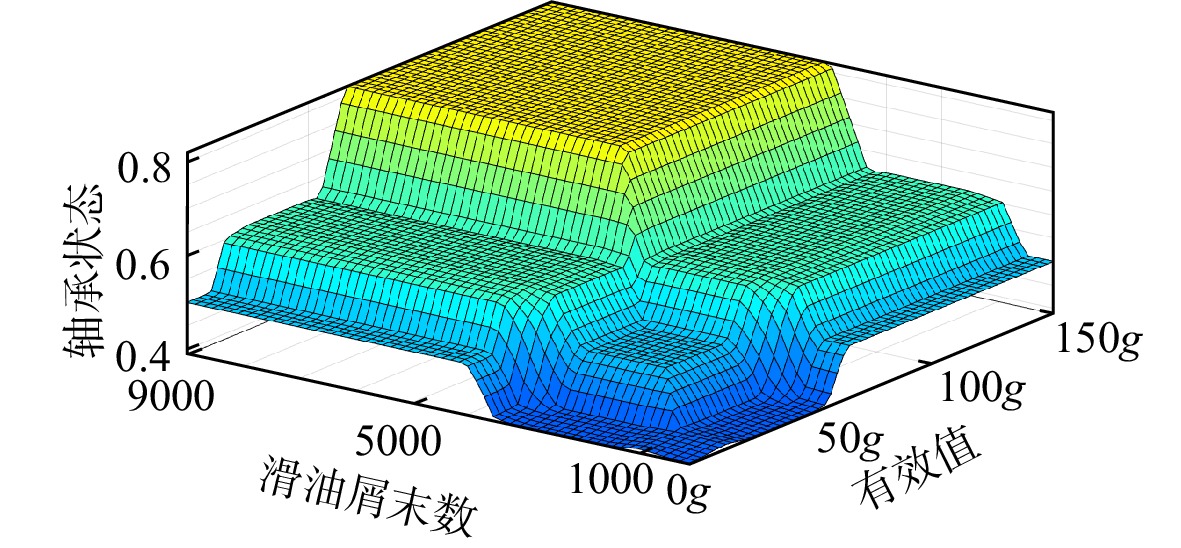
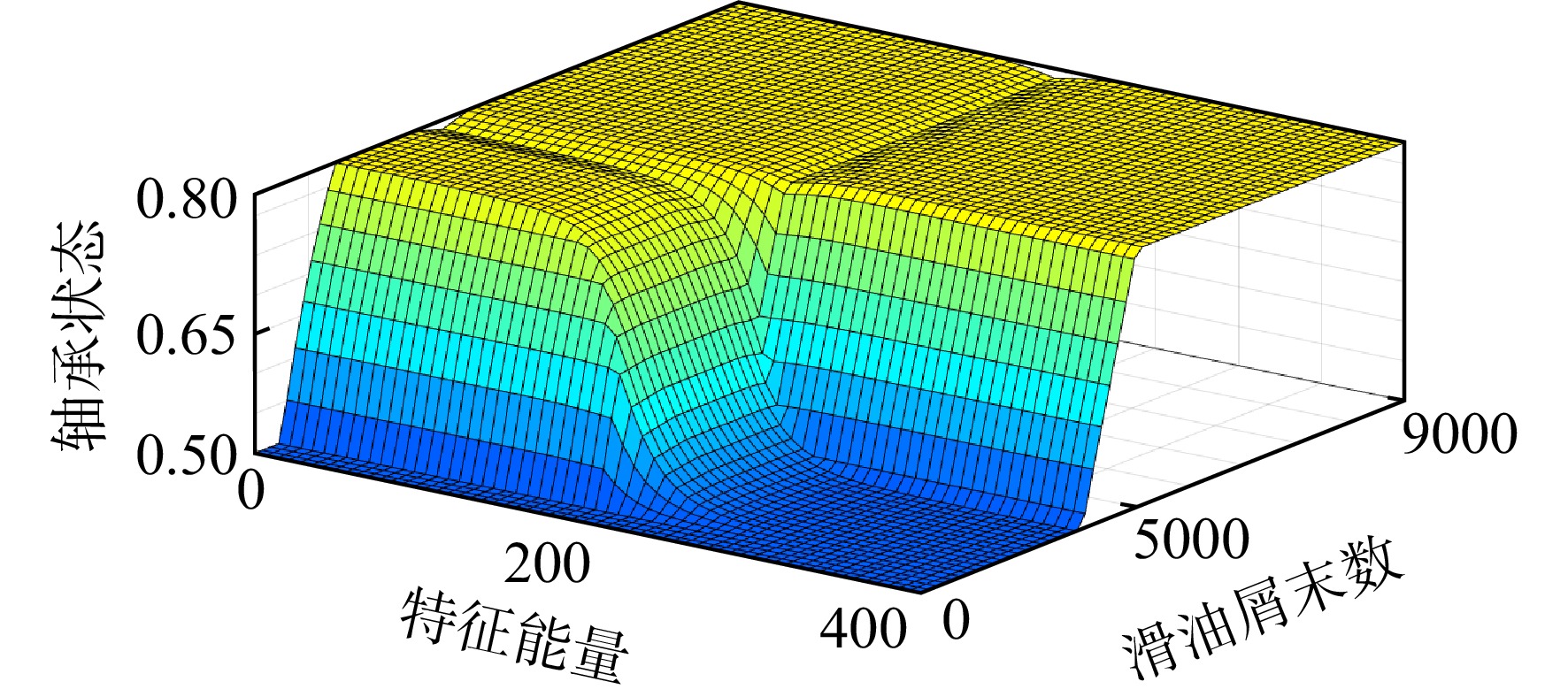
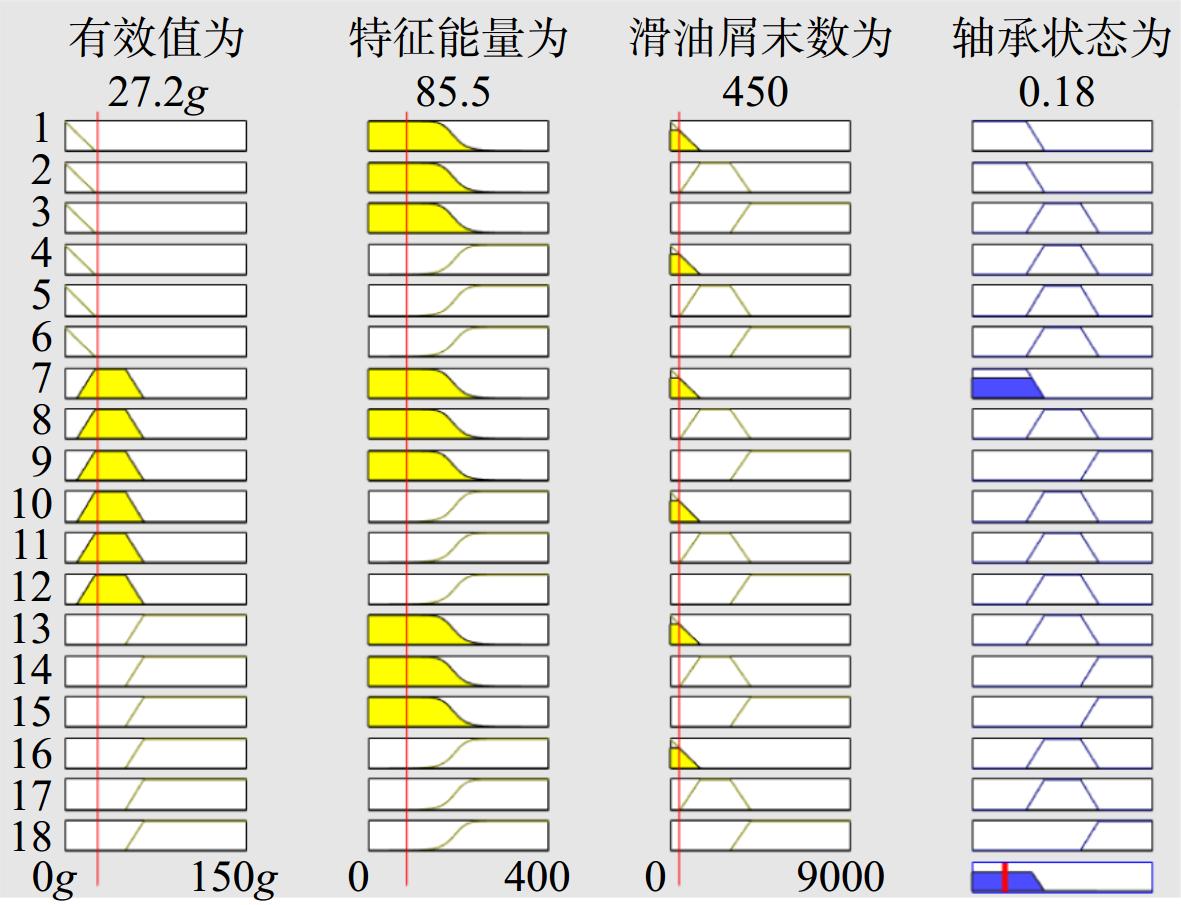
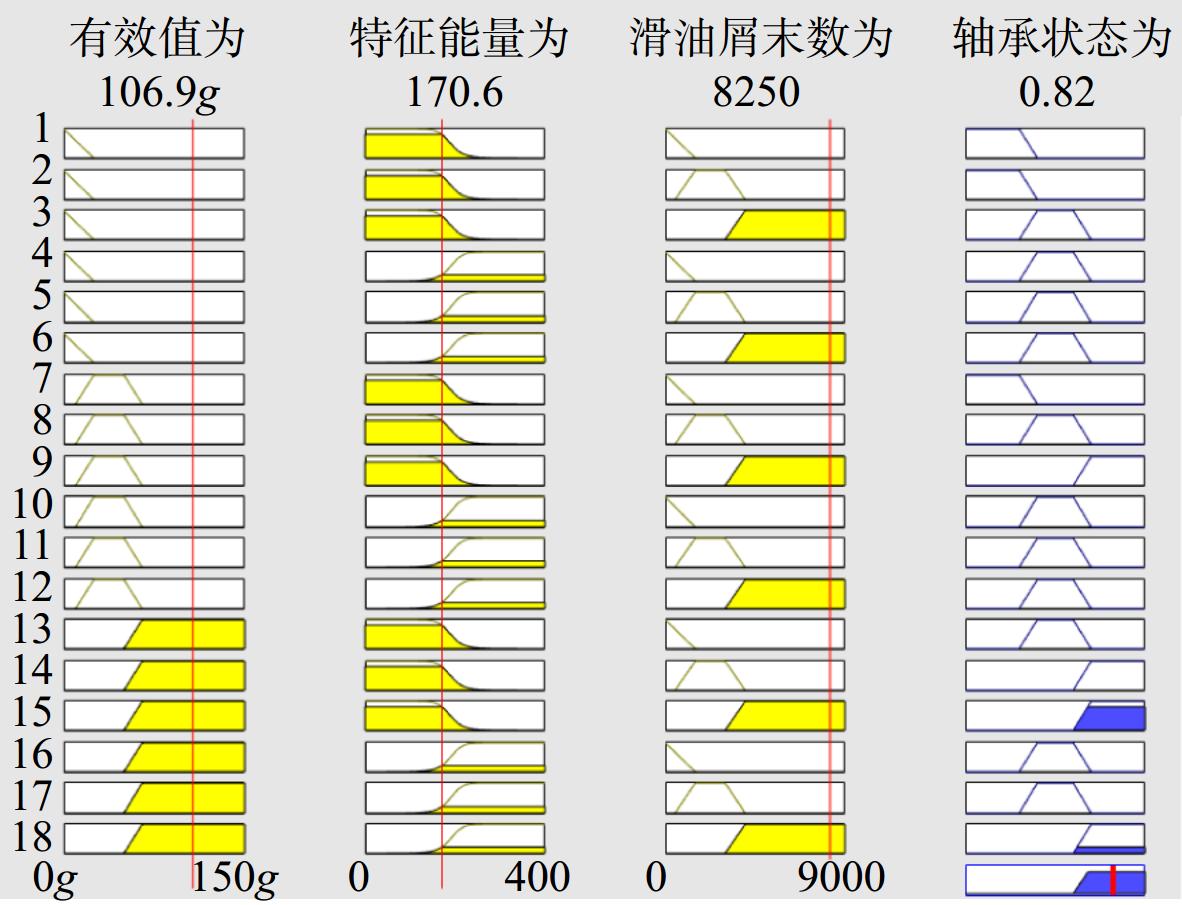
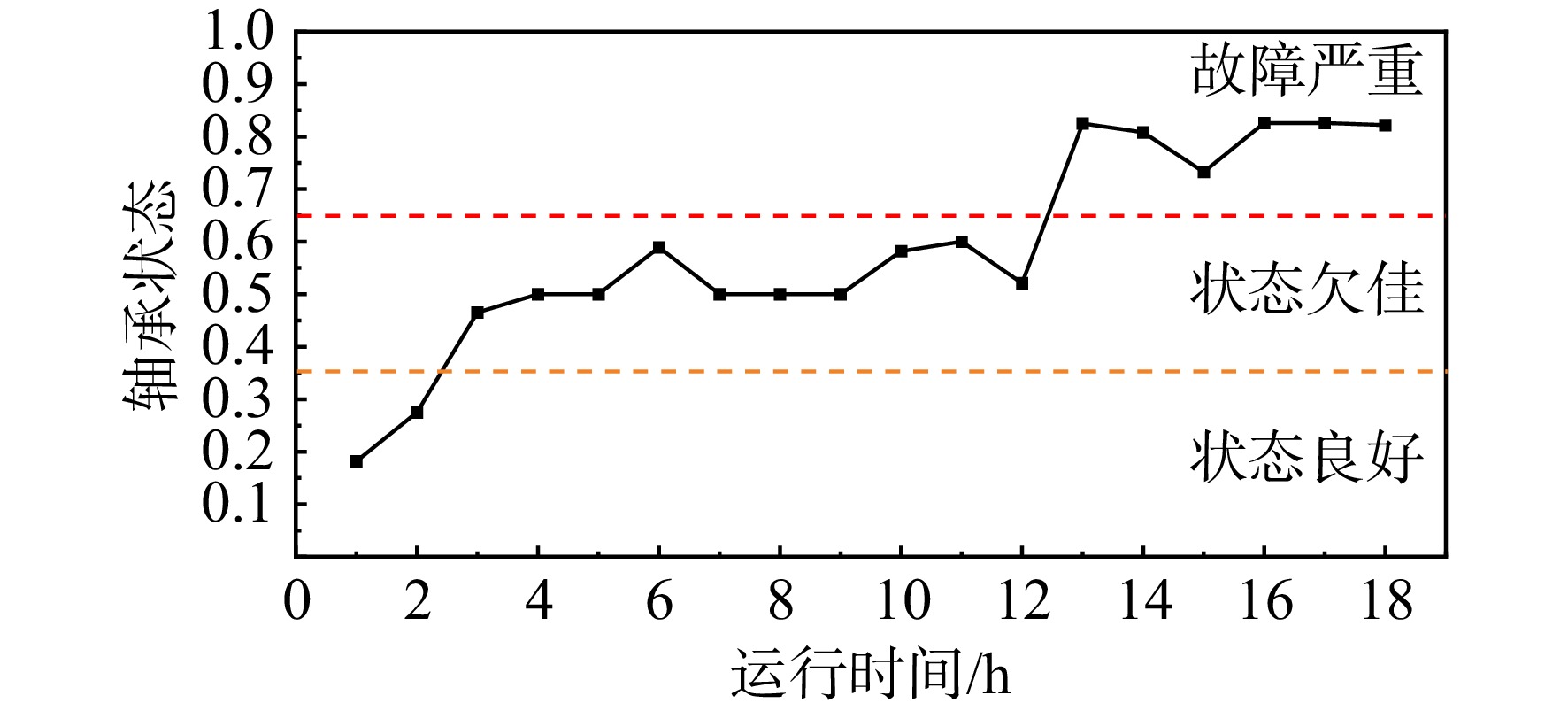
To address the challenge of online monitoring and accurate fault diagnosis of the main bearings in aircraft engines using a single detection method, a state monitoring approach based on the fusion of vibration signals and oil debris information was proposed. First, the root mean square value was selected as the time-domain feature parameter, feature energy was defined as the frequency-domain feature parameter, and the number of metal debris particles in the oil was used as the oil debris information. Based on fuzzy inference theory, these parameters were fused by selecting membership functions and defining fuzzy inference rules to perform fusion analysis and fault diagnosis of the bearings using vibration signals and oil debris information. The results indicated that after operating 1 hour, the calculated bearing condition value was 0.18, which fell within the range of 0 to 0.35, signifying that the bearing was in good condition. After medium-term operation of 9 hours, the bearing condition value was 0.5, within the range of 0.35 to 0.65, indicating a suboptimal bearing state. Running towards the end of its operation of 18 hours, the calculated bearing condition value was 0.82, within the range of 0.65 to 1, suggesting severe bearing failure. The proposed information fusion method can effectively monitor the operational status of the bearing and can provide an effective means for the condition monitoring of the main bearing in an aircraft engine.

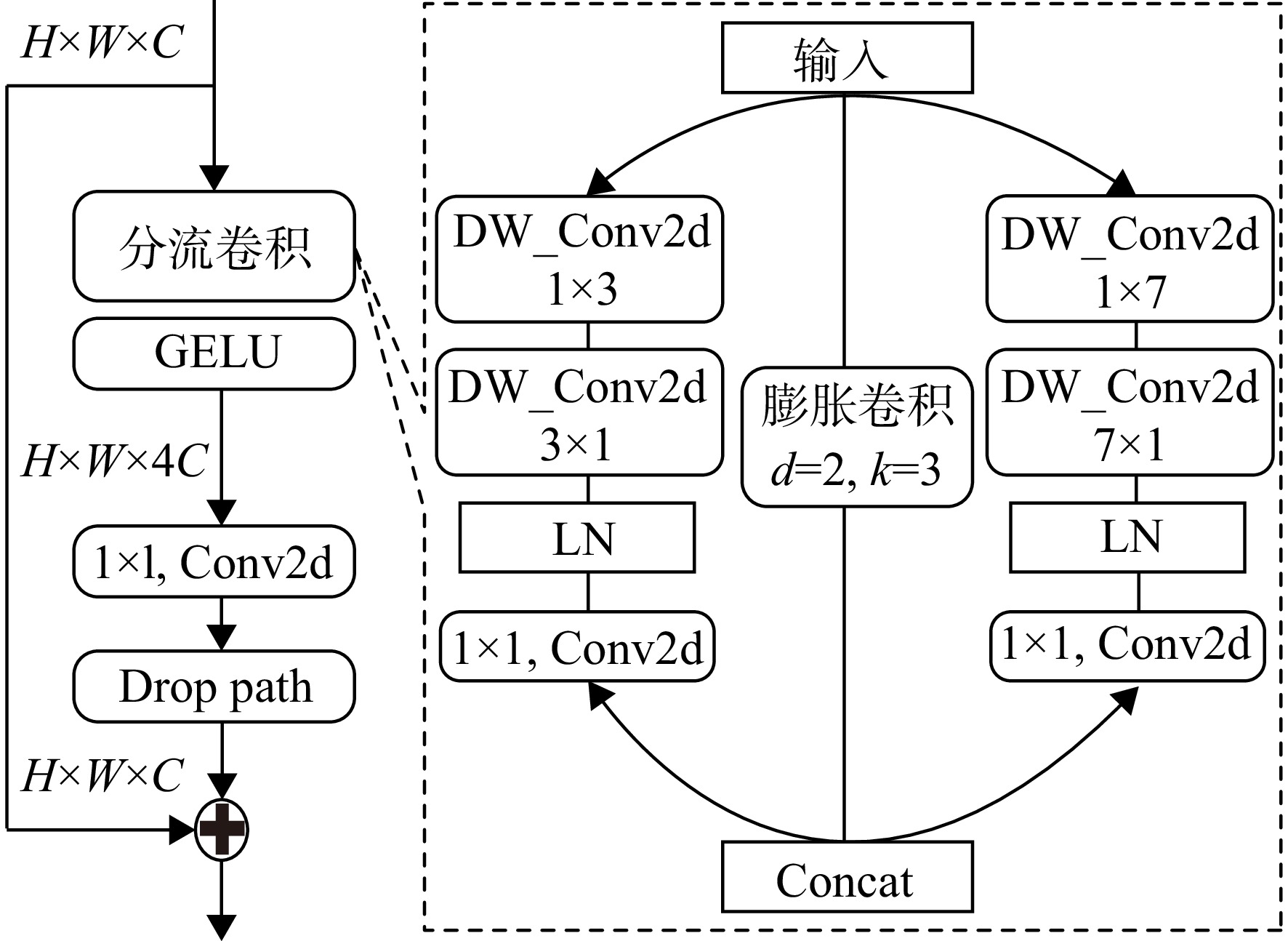
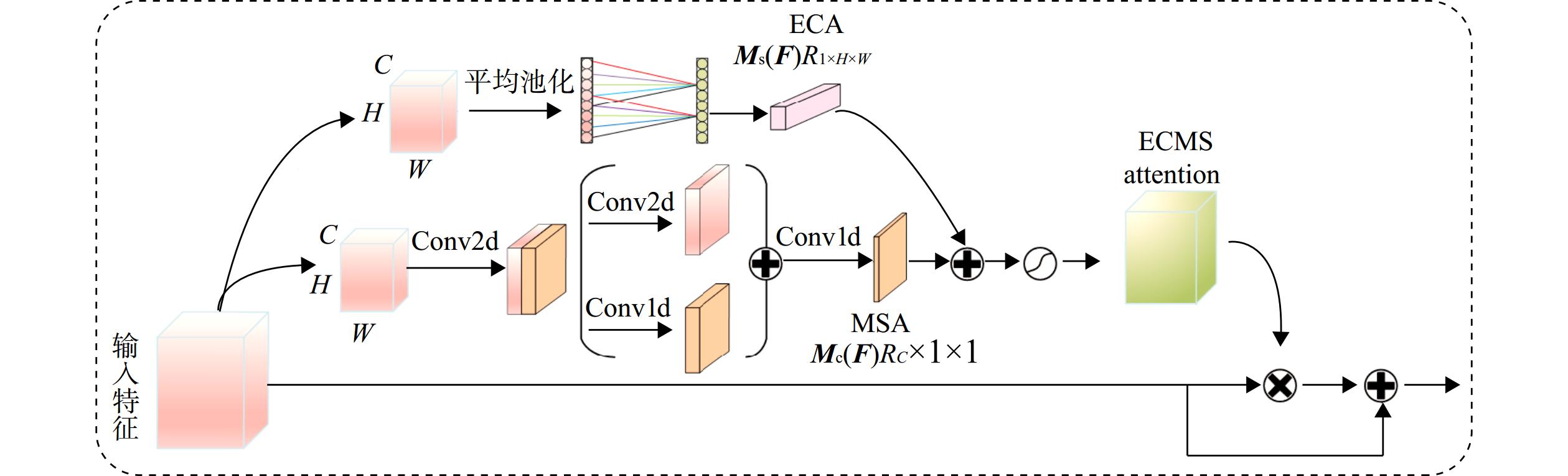
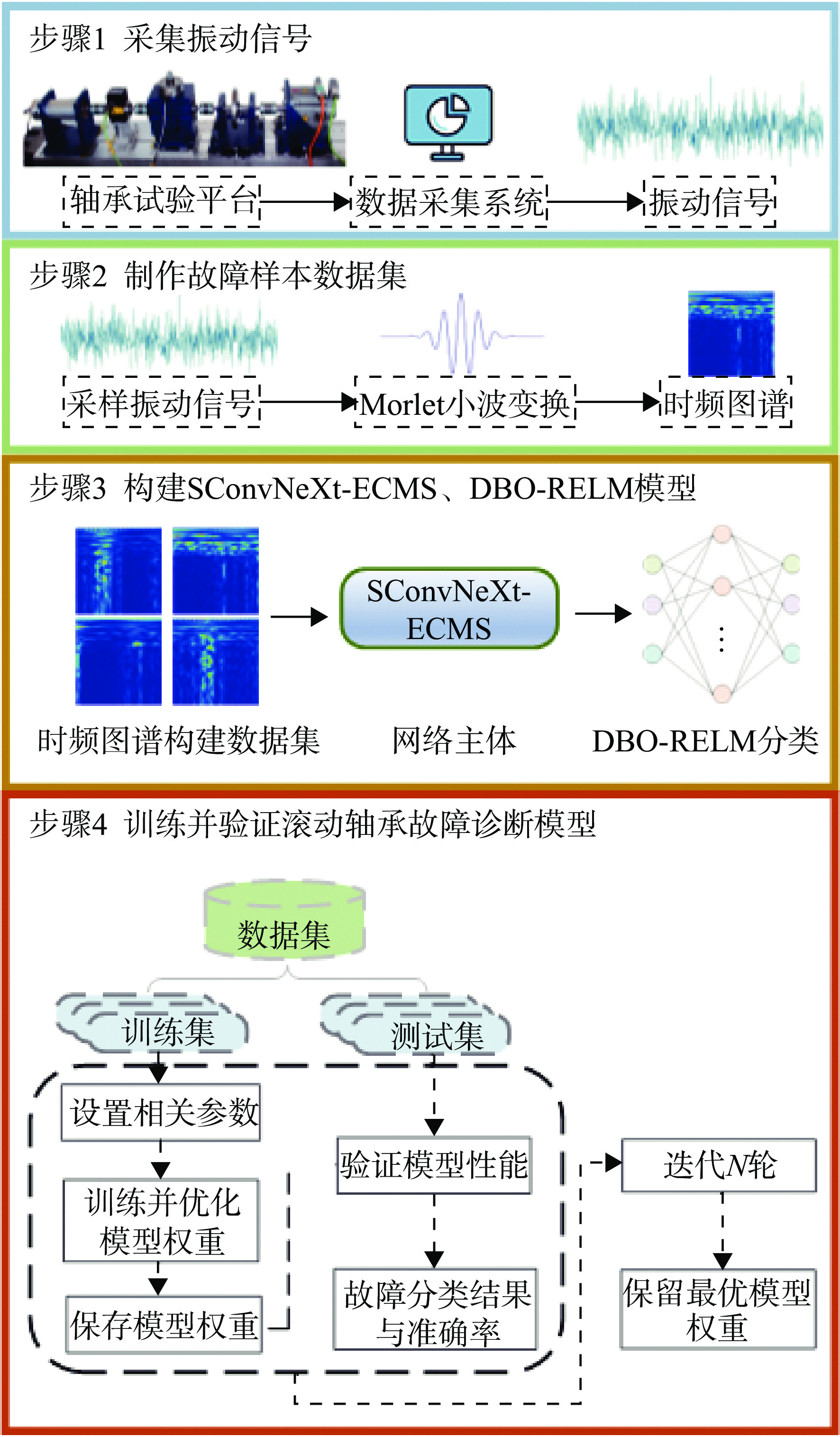
Rolling bearing fault diagnosis method based on SConvNeXt-ECMS and DBO-RELM model
QI Xiaoli, MAO Junyi, WANG Zhaojun, WANG Zhiwen, CUI Dehai, ZHAO Fangxiang
2025, 40(5): 20230678. doi: 10.13224/j.cnki.jasp.20230678
Abstract:
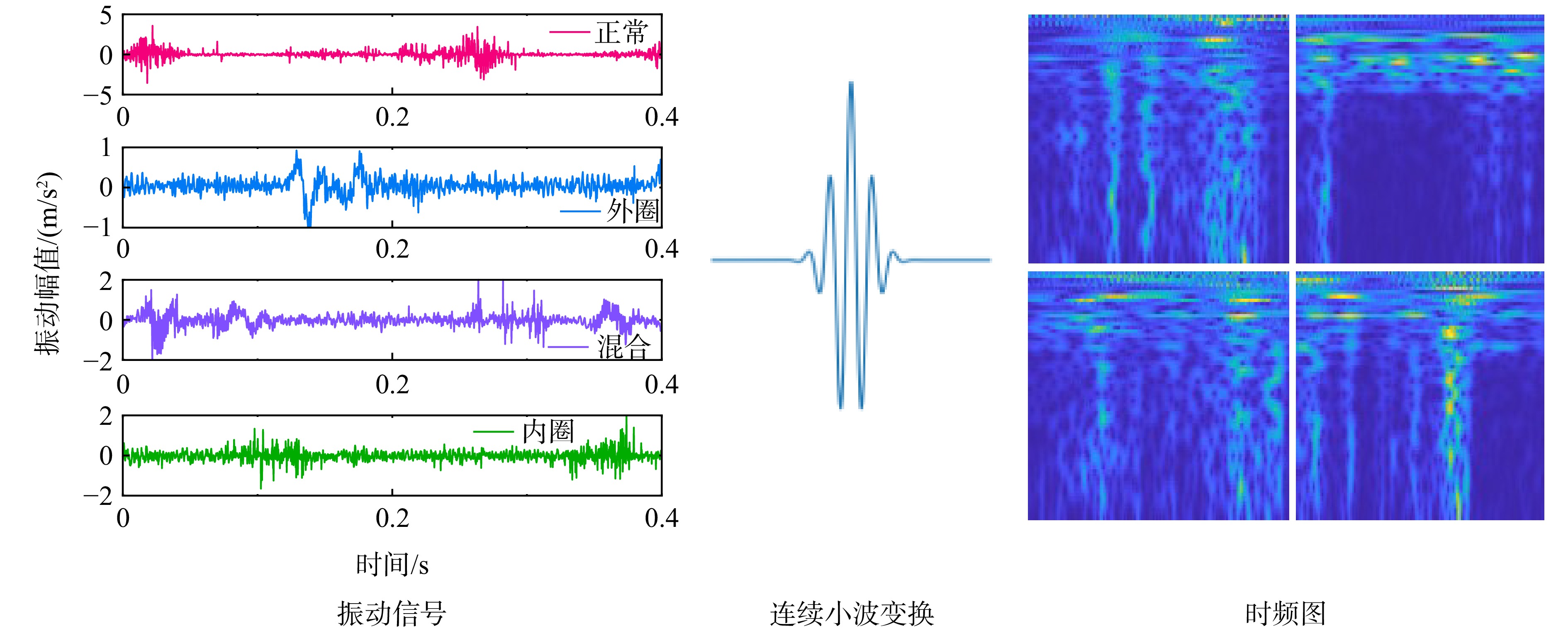
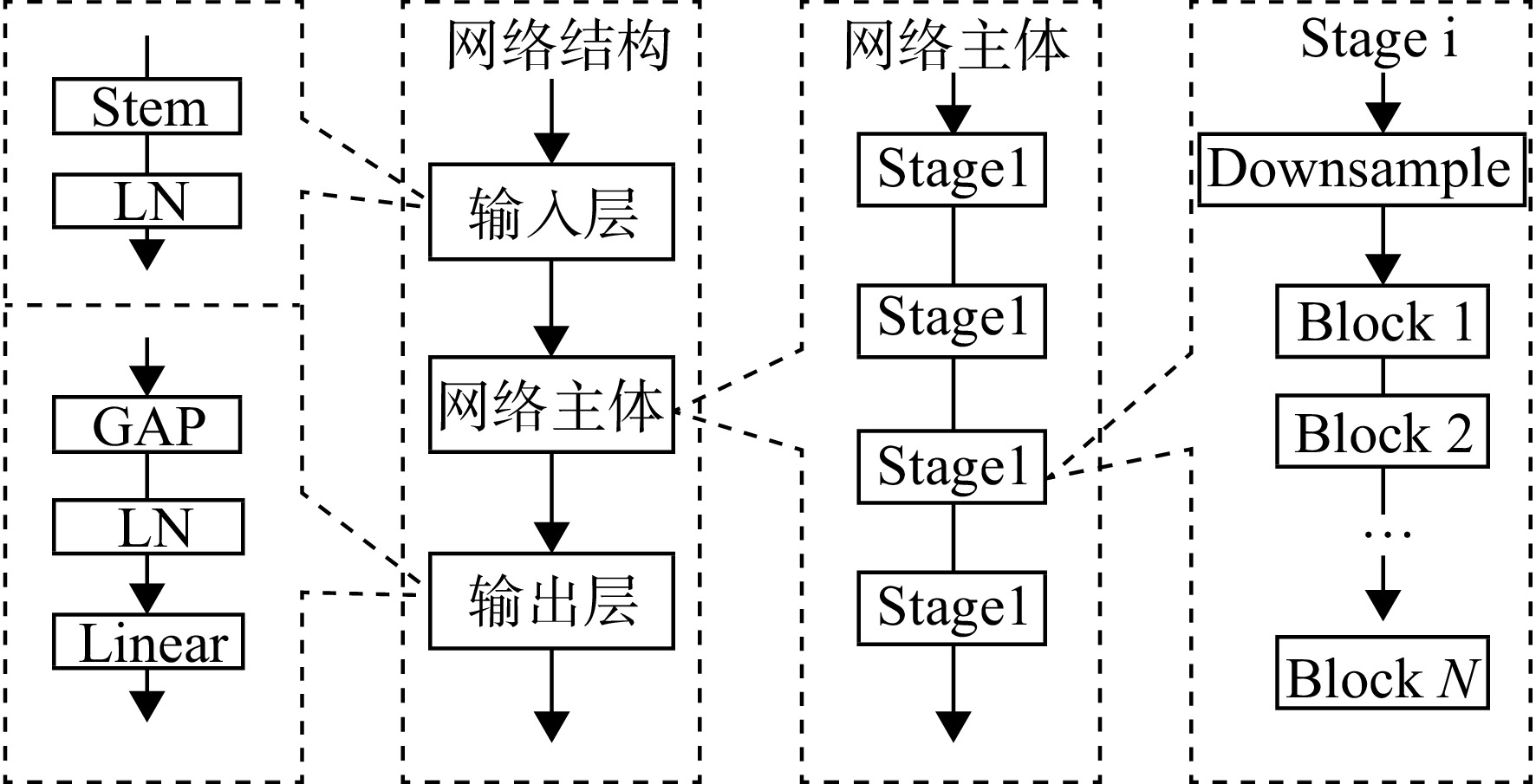
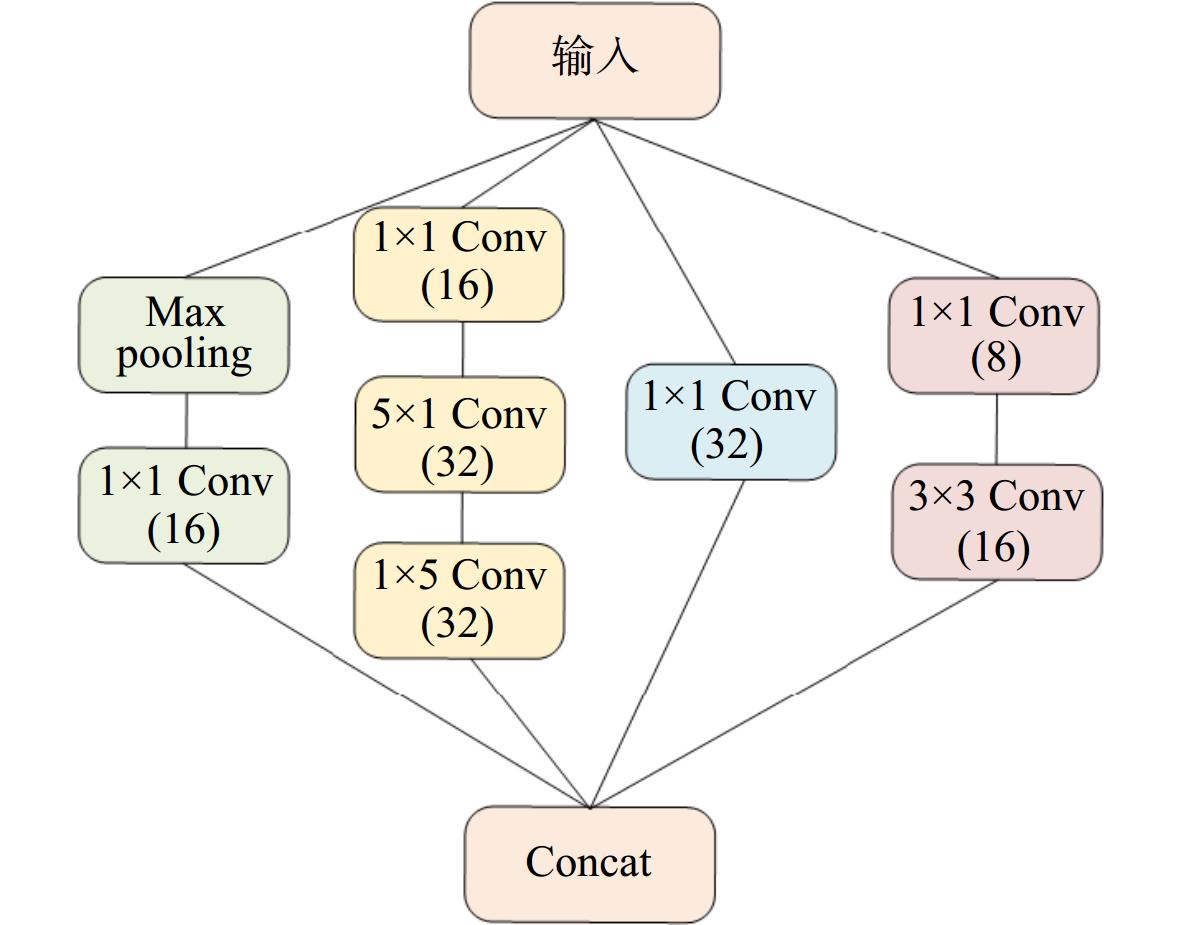
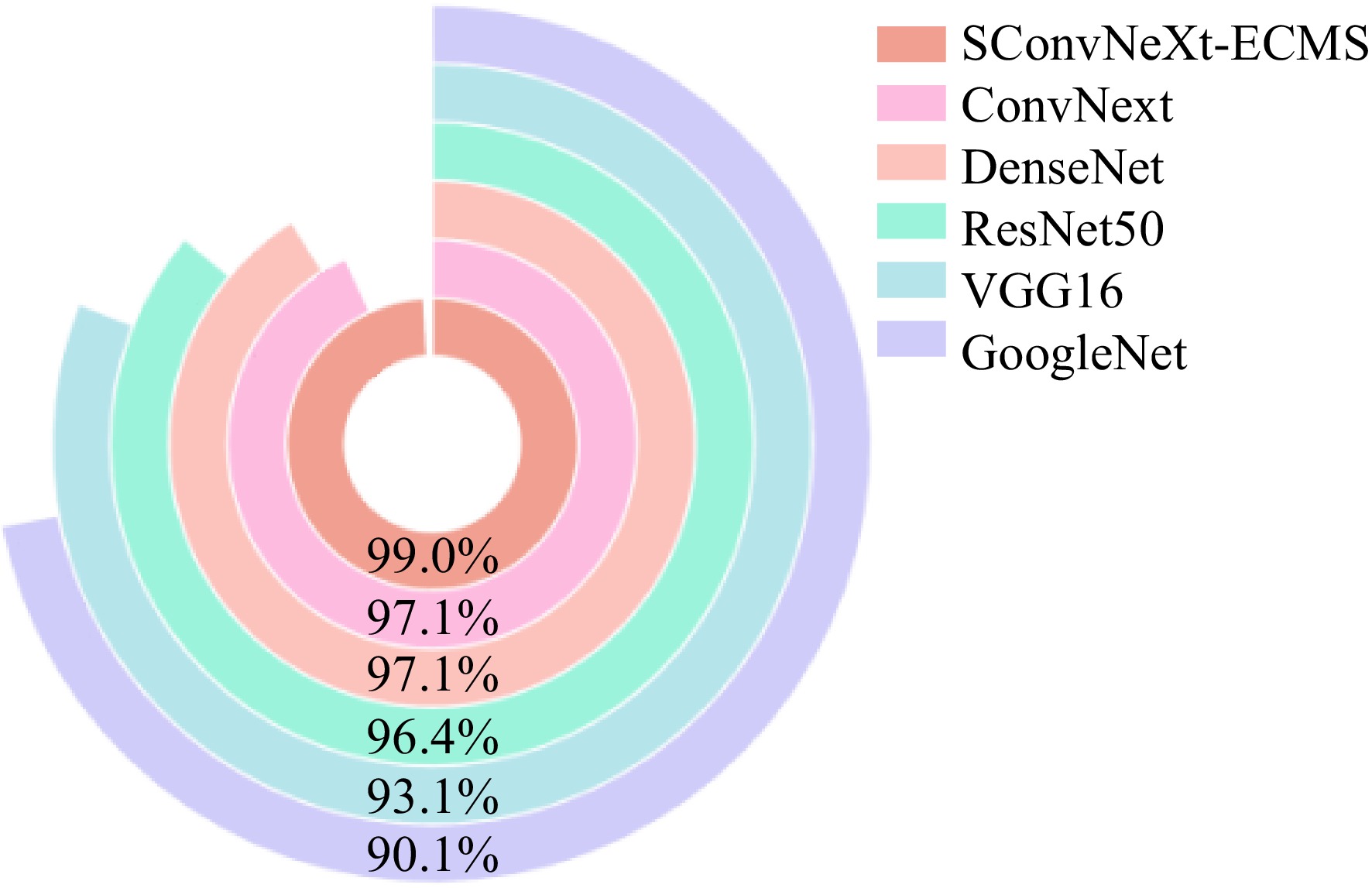
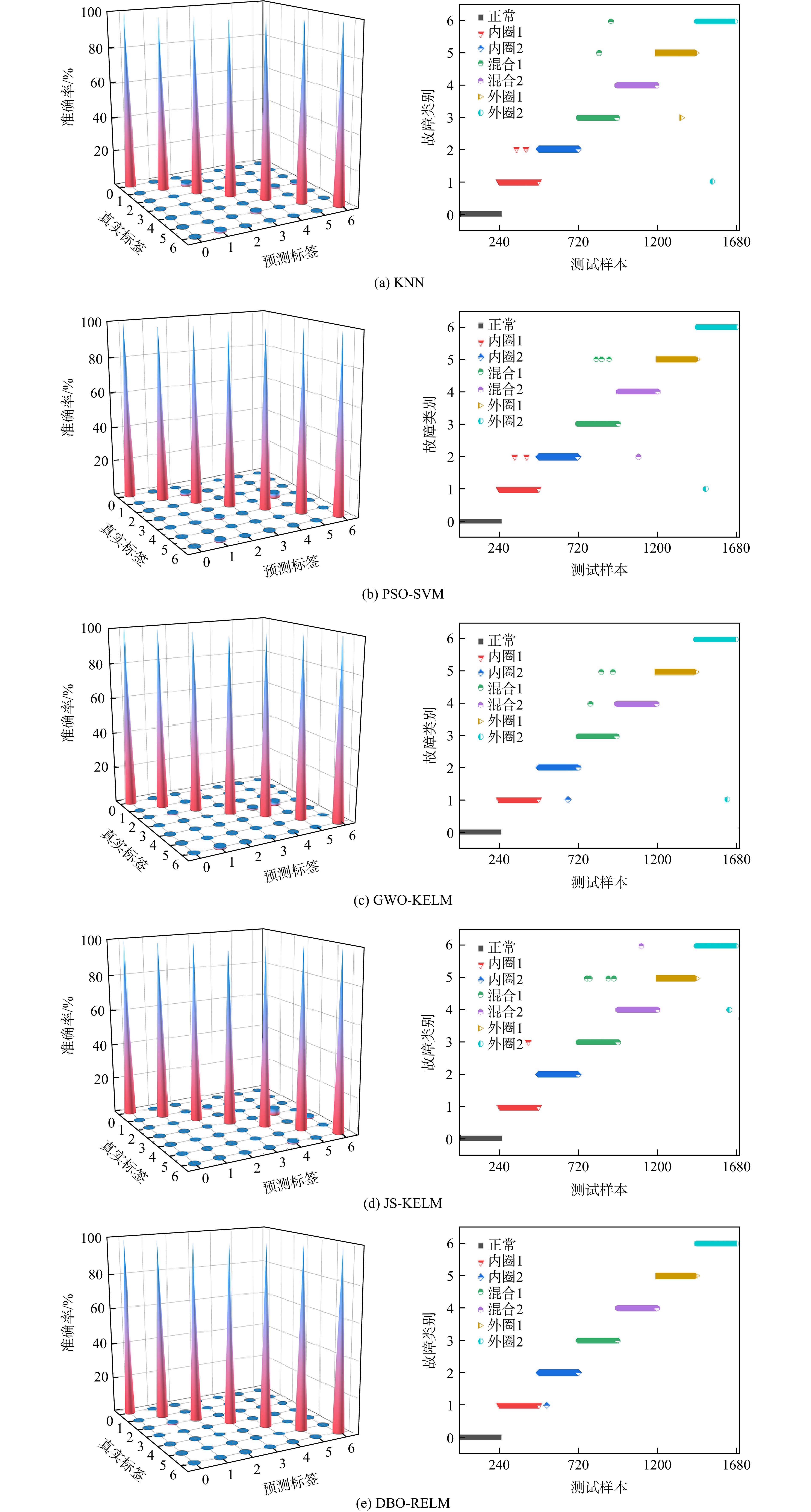
In view of the existing shortcomings of deep learning-based rolling bearing fault diagnosis methods such as low accuracy and poor generalization, a rolling bearing fault diagnosis model based on SConvNeXt-ECMS (the ConvNeXt network based on shuffled convolution-efficient channel and multi-scale spatial attention module) and DBO-RELM (dung beetle optimizer regularized extreme learning machine) was proposed. The ECMS attention mechanism and shunt convolution module were integrated into the ConvNeXt network to improve the feature extraction capability of the ConvNeXt network. The RELM after parameter optimization by using the dung beetle optimization algorithm was used to replace the original classification layer of the network to improve the network’s resolution of similar features. The aviation bearing fault data set simulation experiment from Harbin Institute of Technology was used to verify the improvement effect of the proposed shunt convolution on the ConvNeXt network. The data set from the University of Paderborn was used to conduct a rolling bearing hybrid fault diagnosis experiment to verify the classification effect of the SConvNeXt-ECMS and DBO-RELM models proposed by the author. Simulation experiment results showed that the proposed SConvNeXt network had an accuracy of up to 100% in the aviation bearing fault classification task, which was better than other existing networks; the rolling bearing hybrid fault diagnosis test showed that the ECMS attention mechanism and the DBO-RELM method had further improved the performance of the original network. The new model can diagnose rolling bearing hybrid faults with a maximum accuracy of 99.94%. Compared with other existing rolling bearing fault diagnosis models, it has higher fault diagnosis accuracy and stronger generalization ability.

Autocontrol
Forward frequency domain design method for integrating constant pressure drop control valve of fuel servo system
ZHAO Wenshuai, WANG Xi, ZHOU Long, ZHOU Zhenhua, CHAI Wenwei, ZHANG Sheng
2025, 40(5): 20230561. doi: 10.13224/j.cnki.jasp.20230561
Abstract:
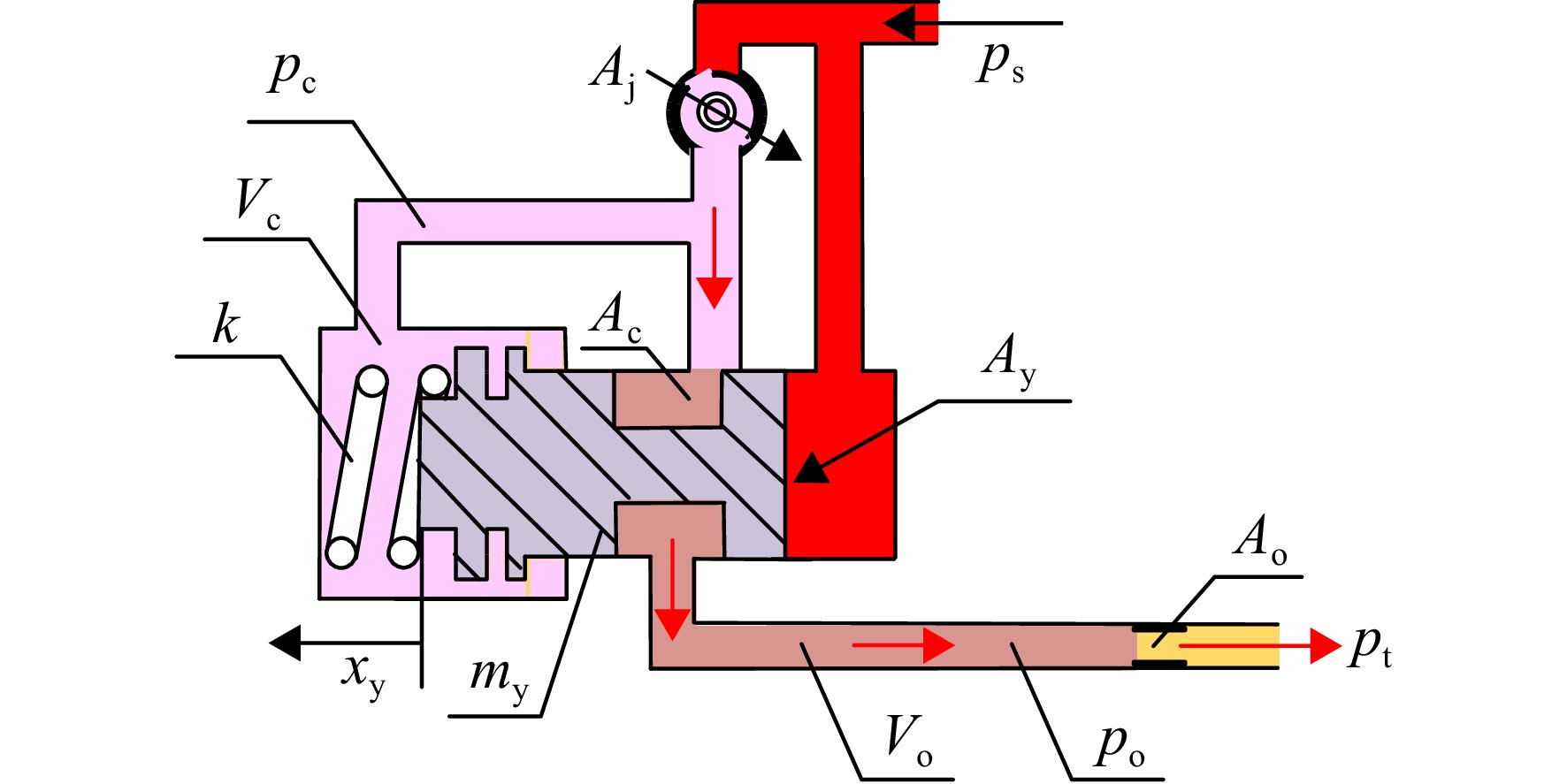
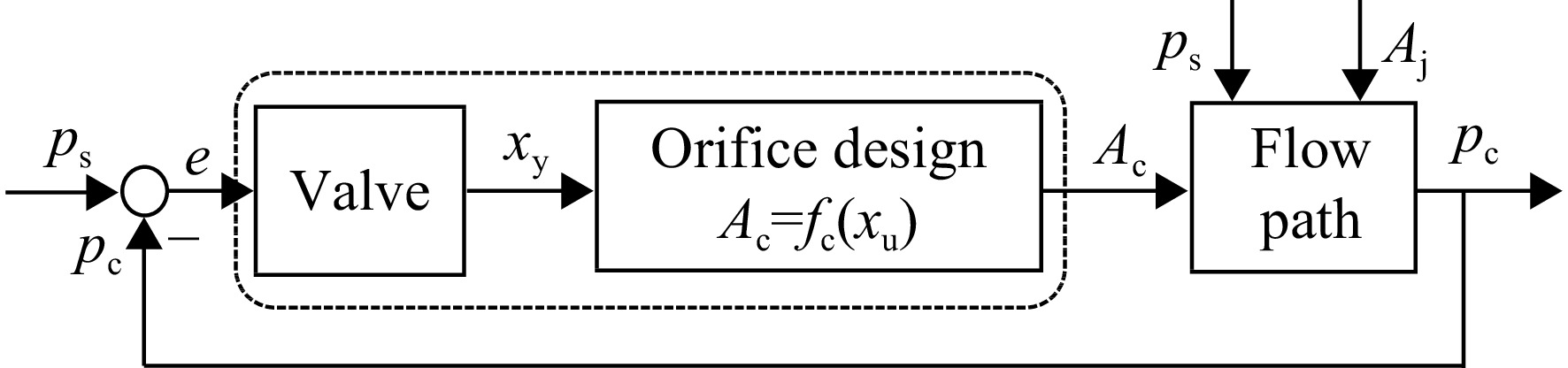
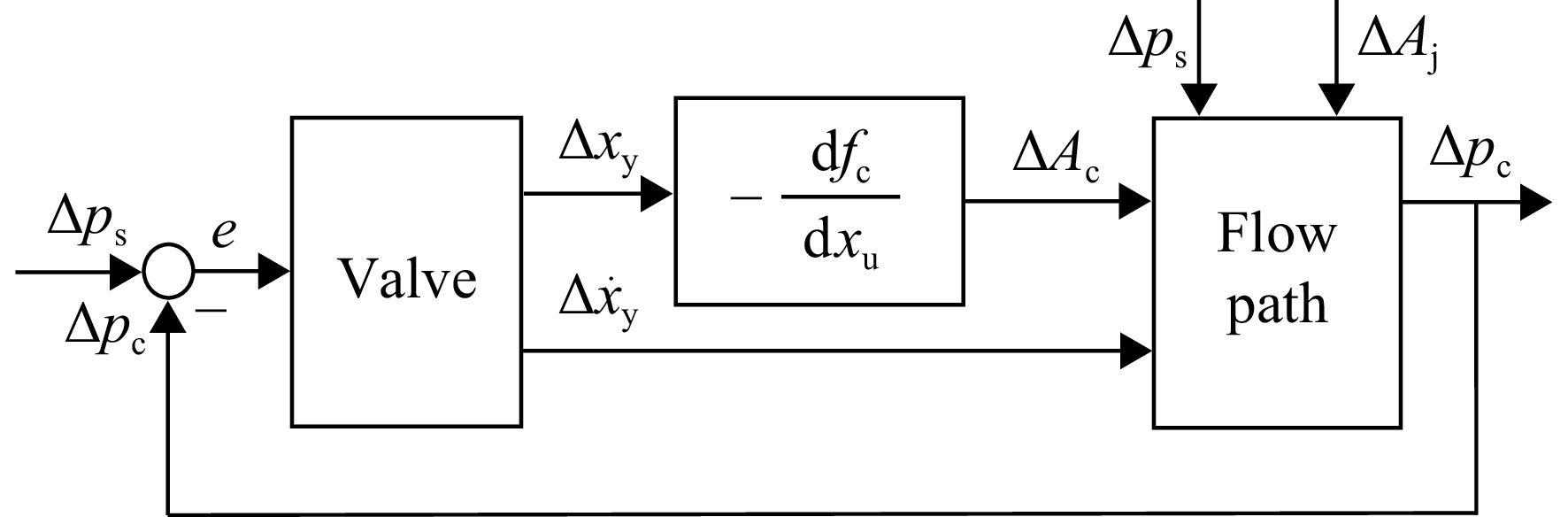
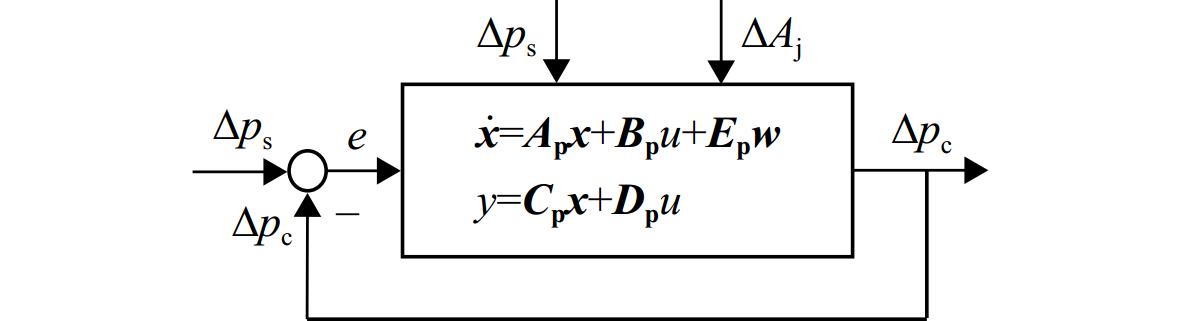
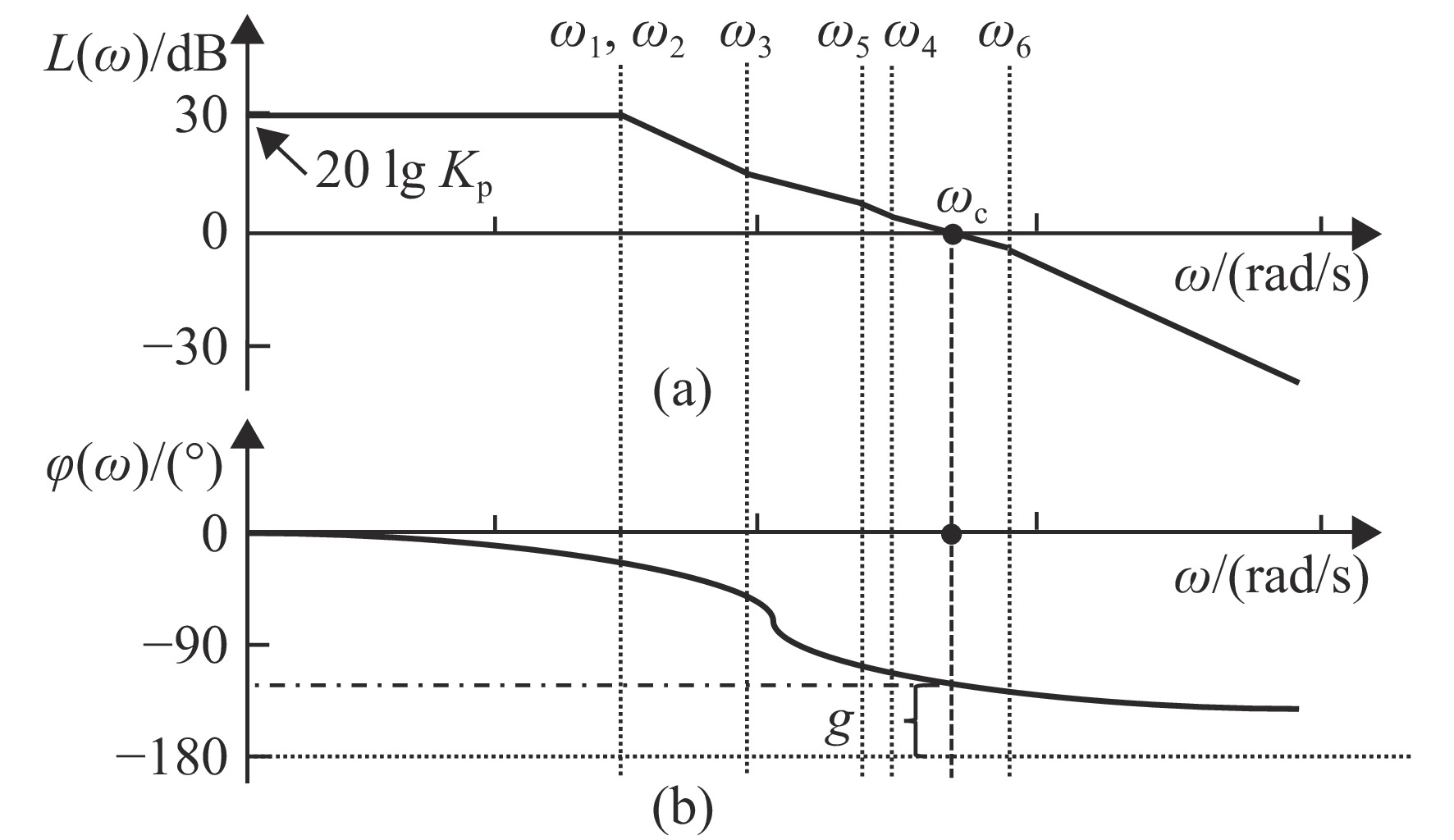
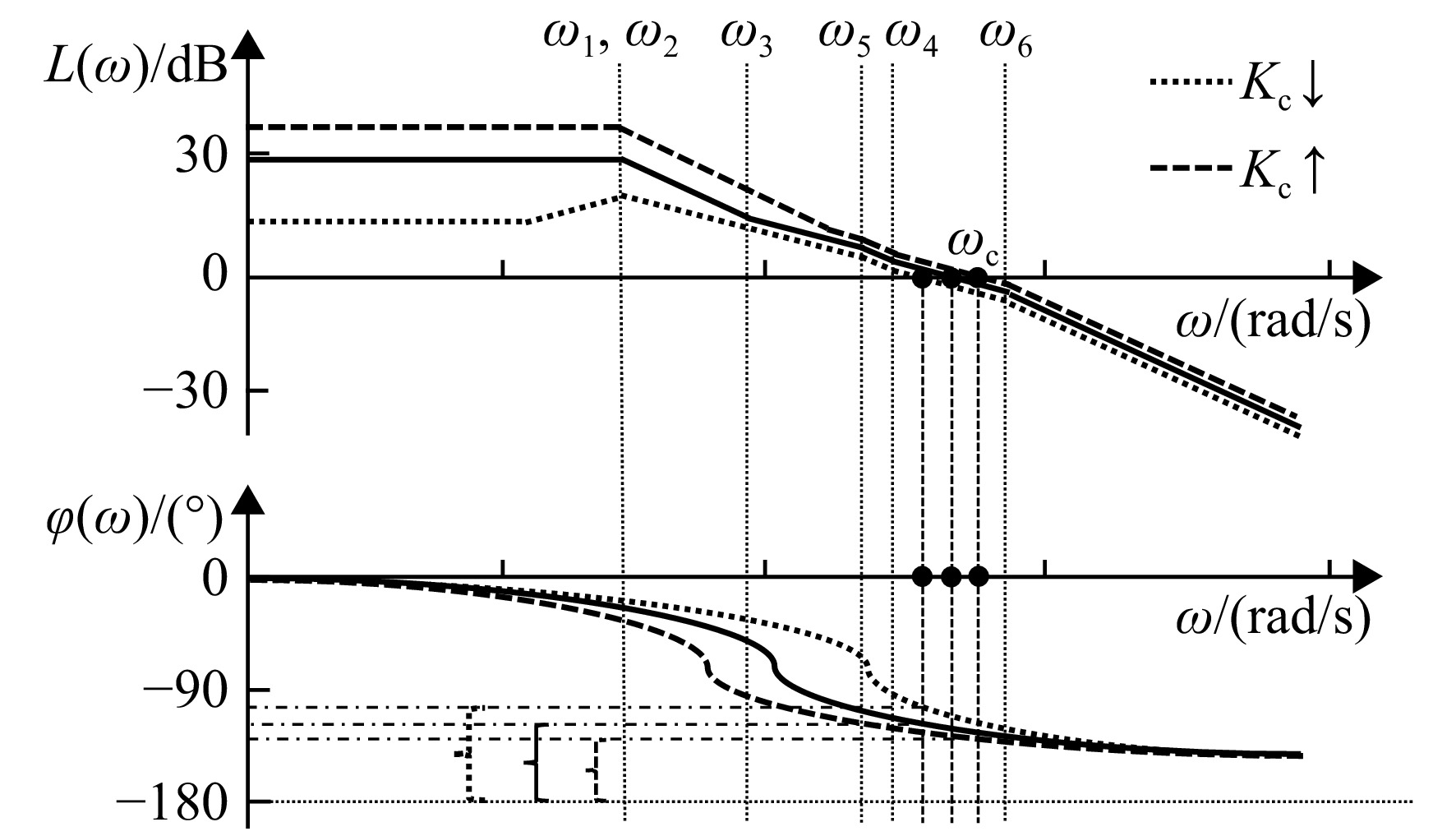
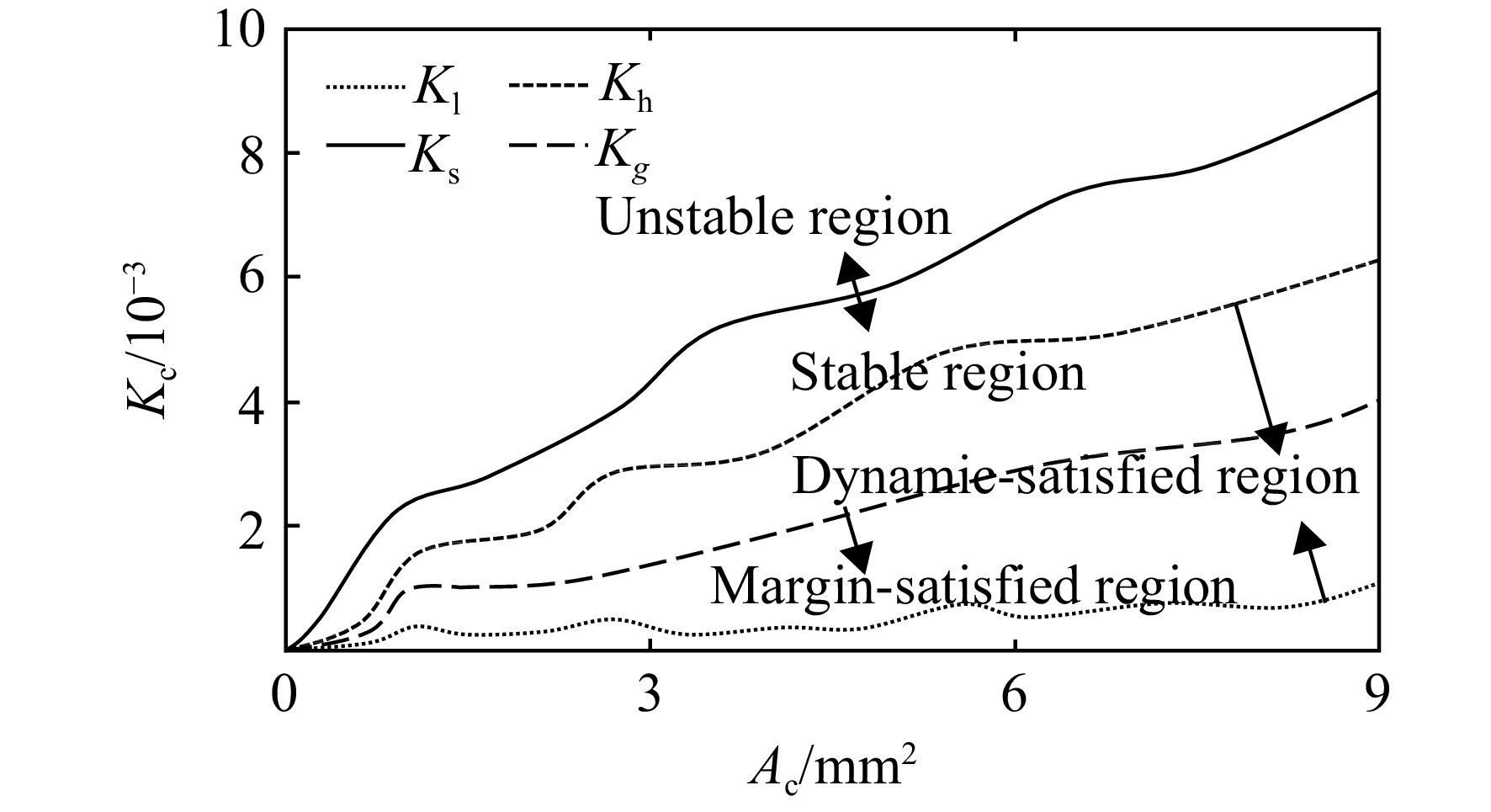
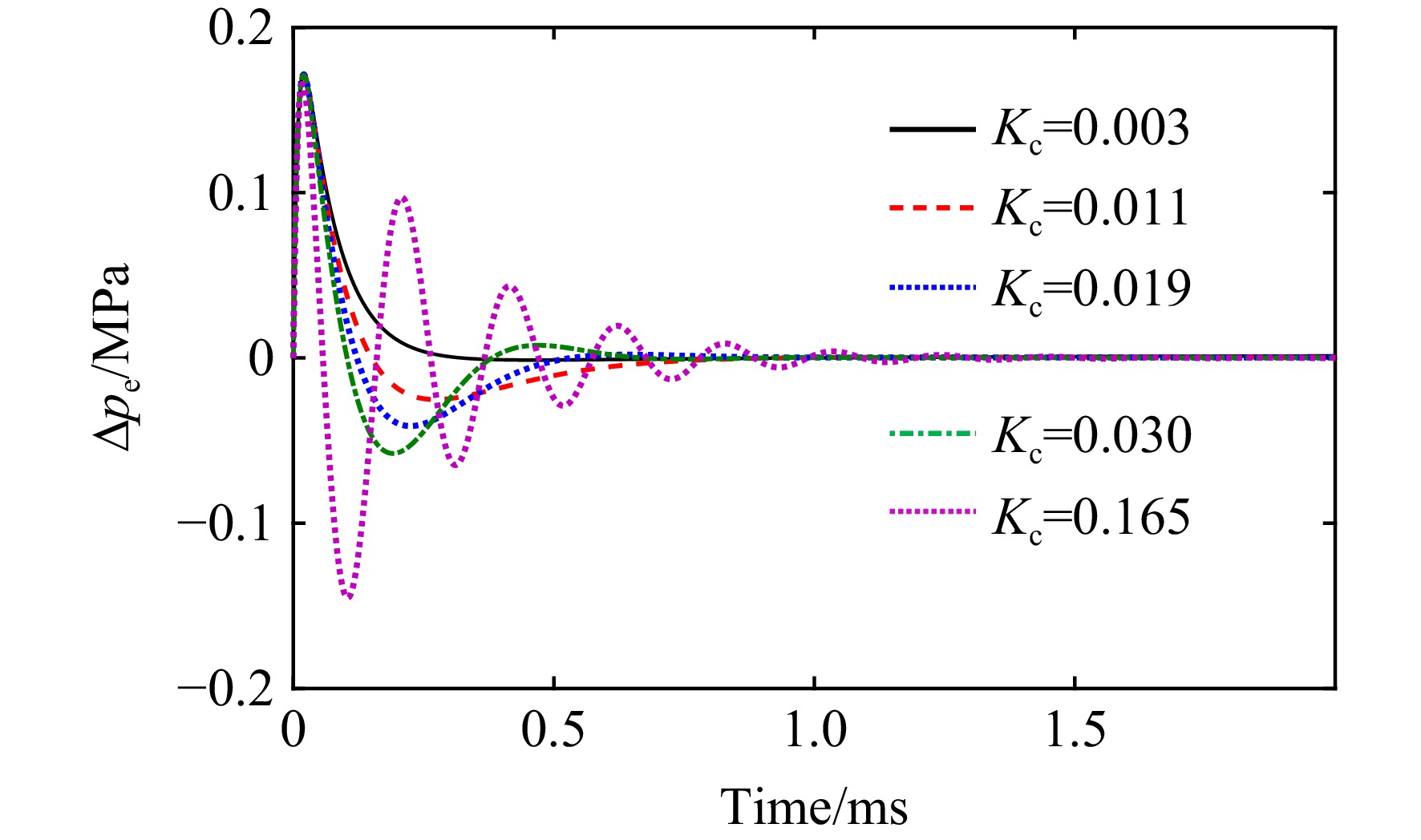
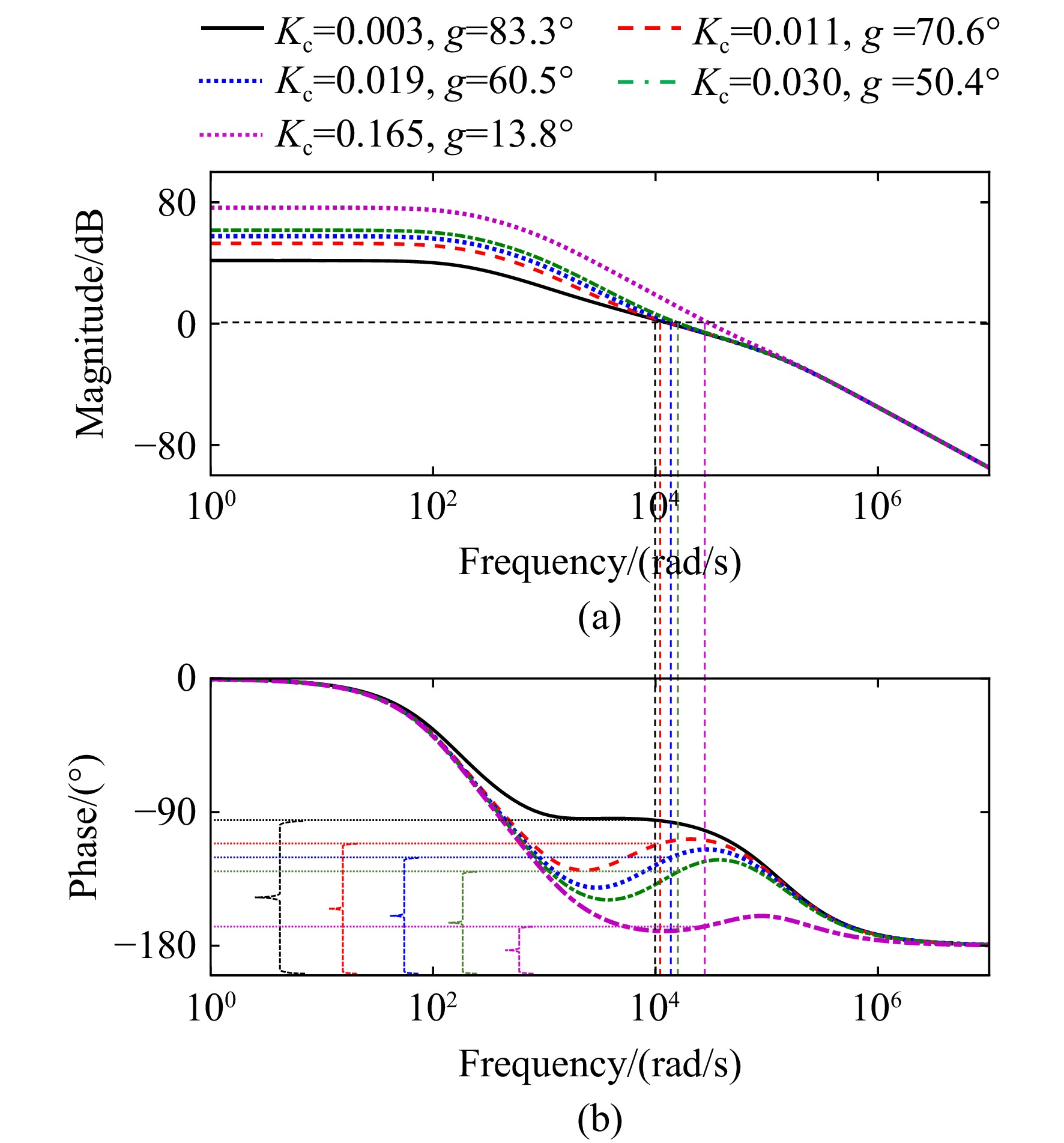
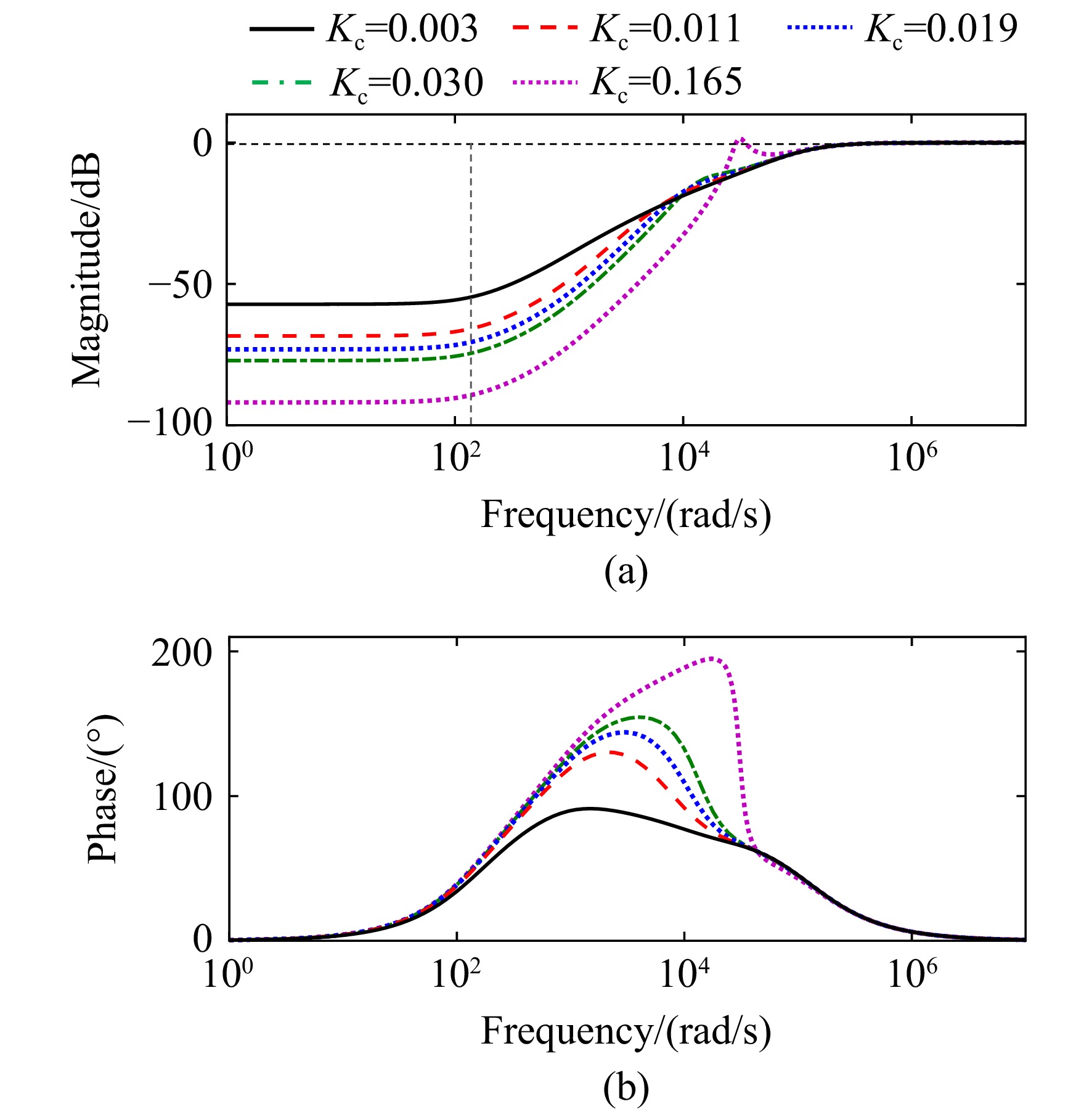
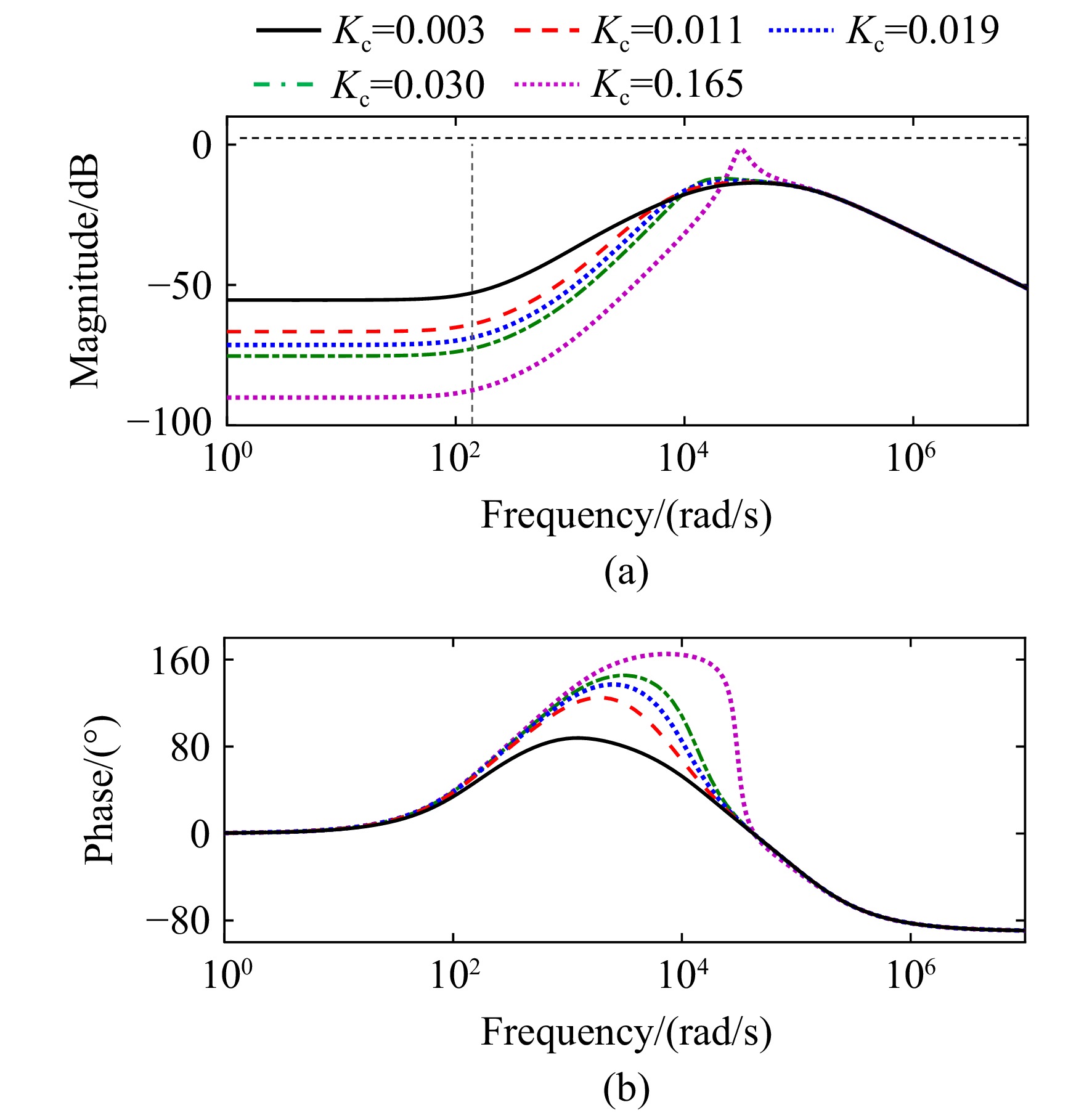
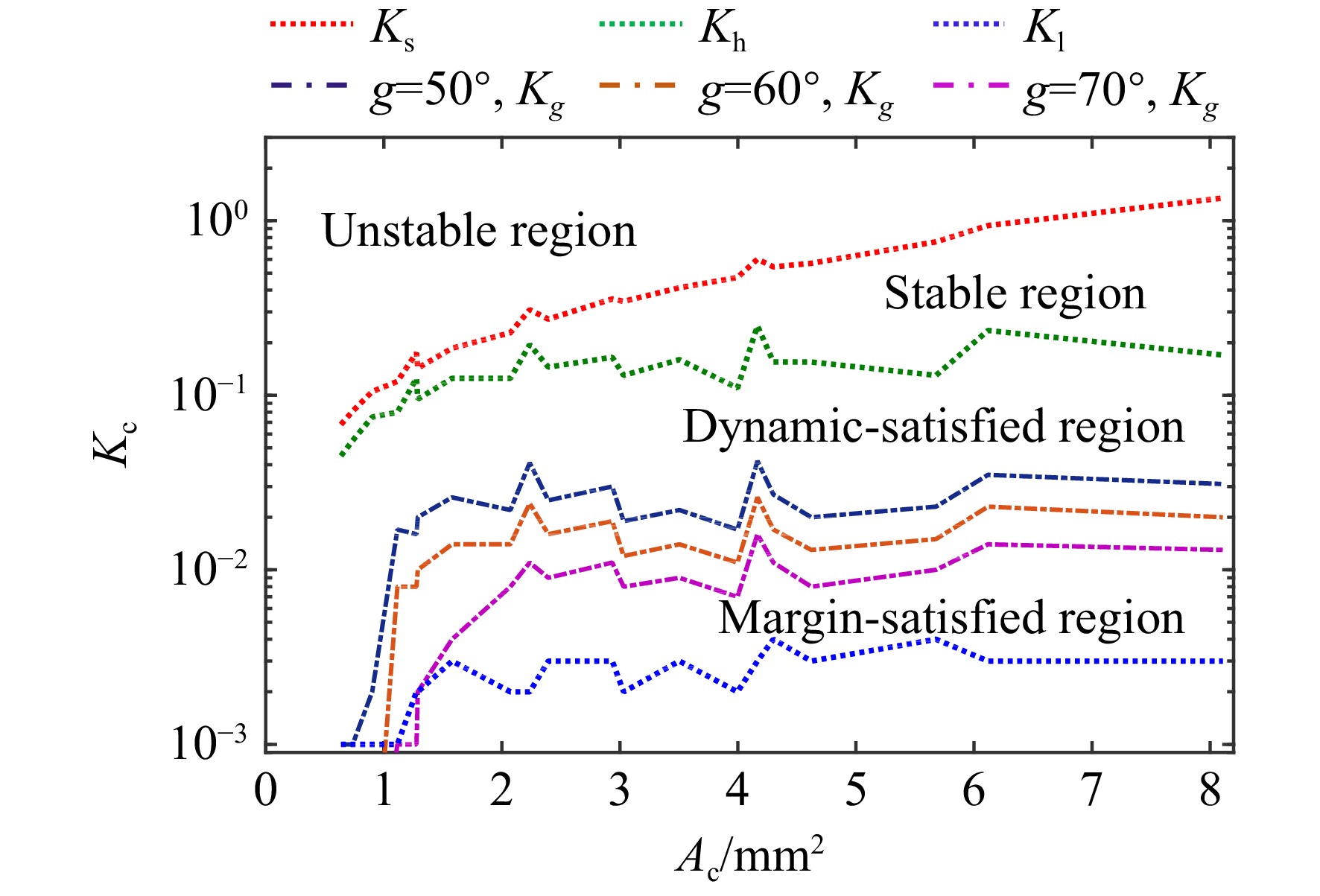
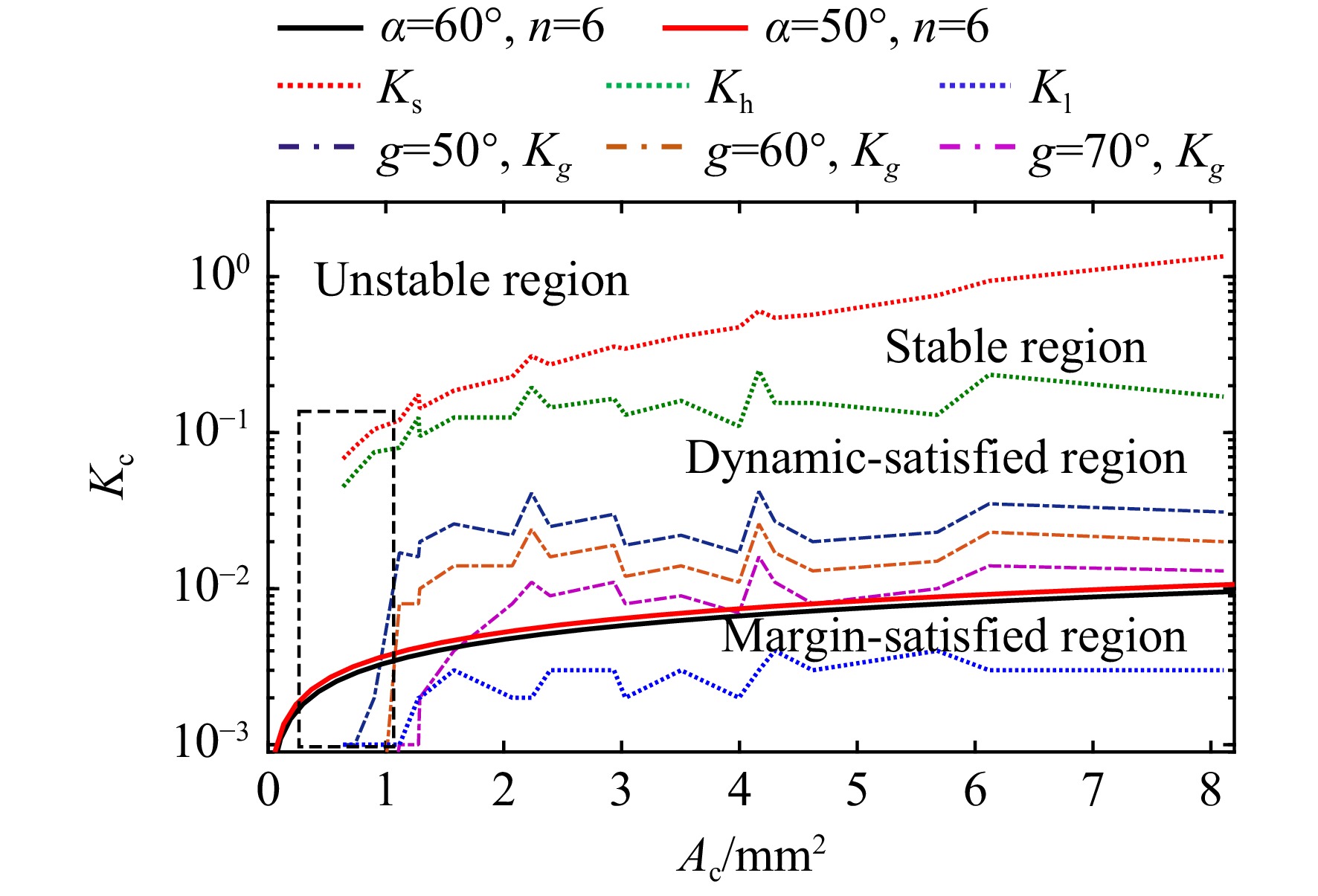
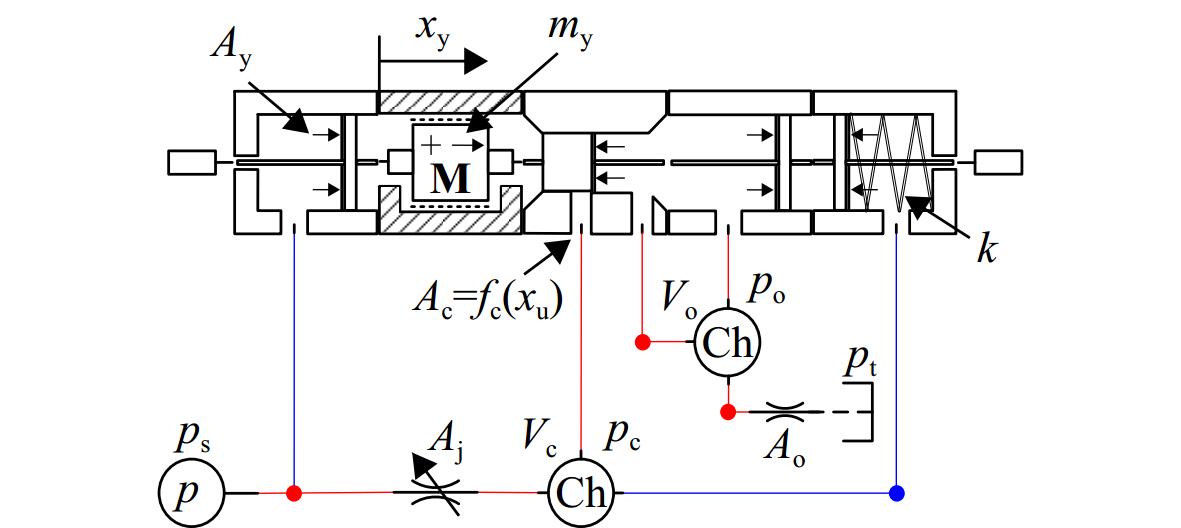
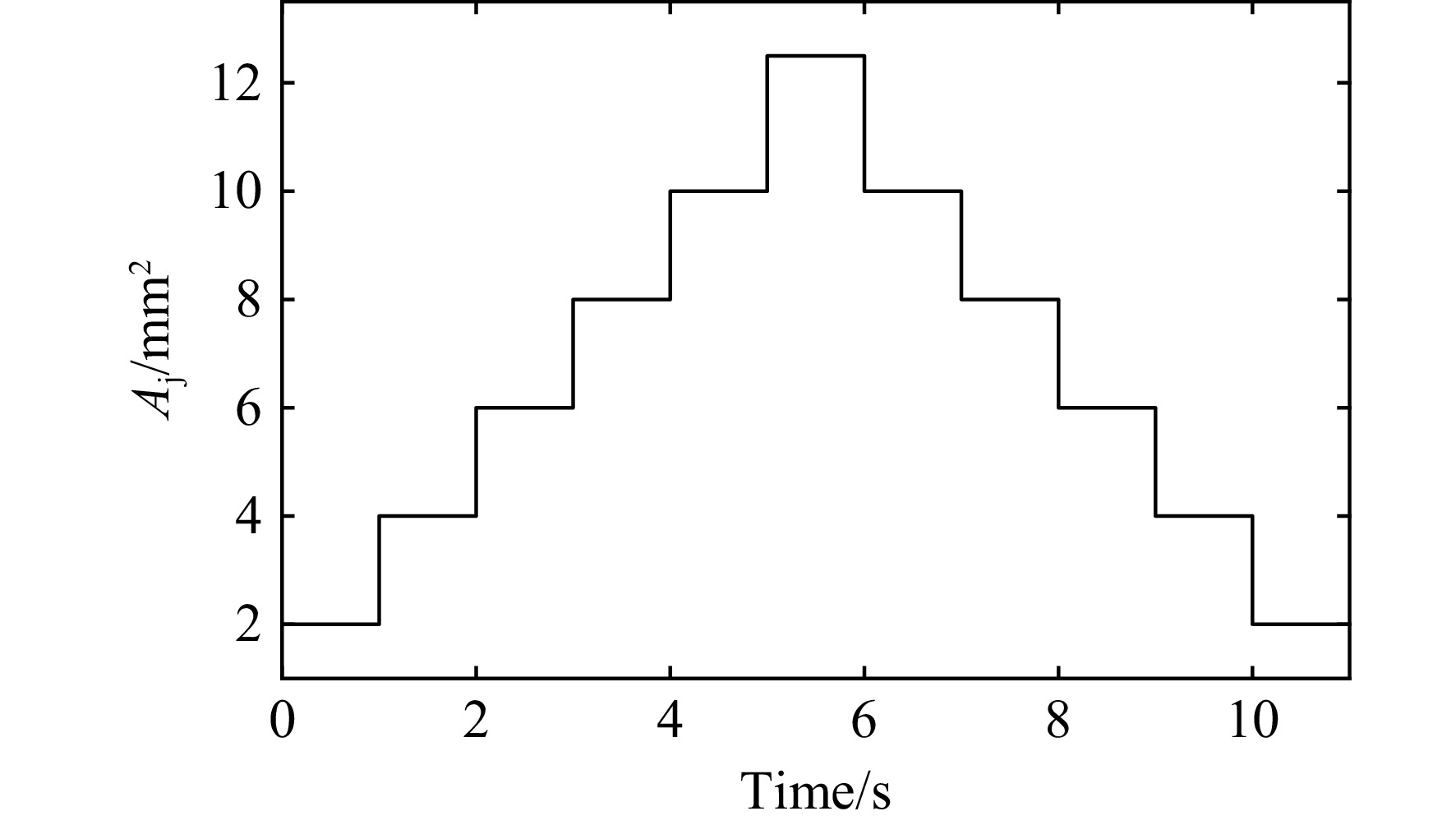
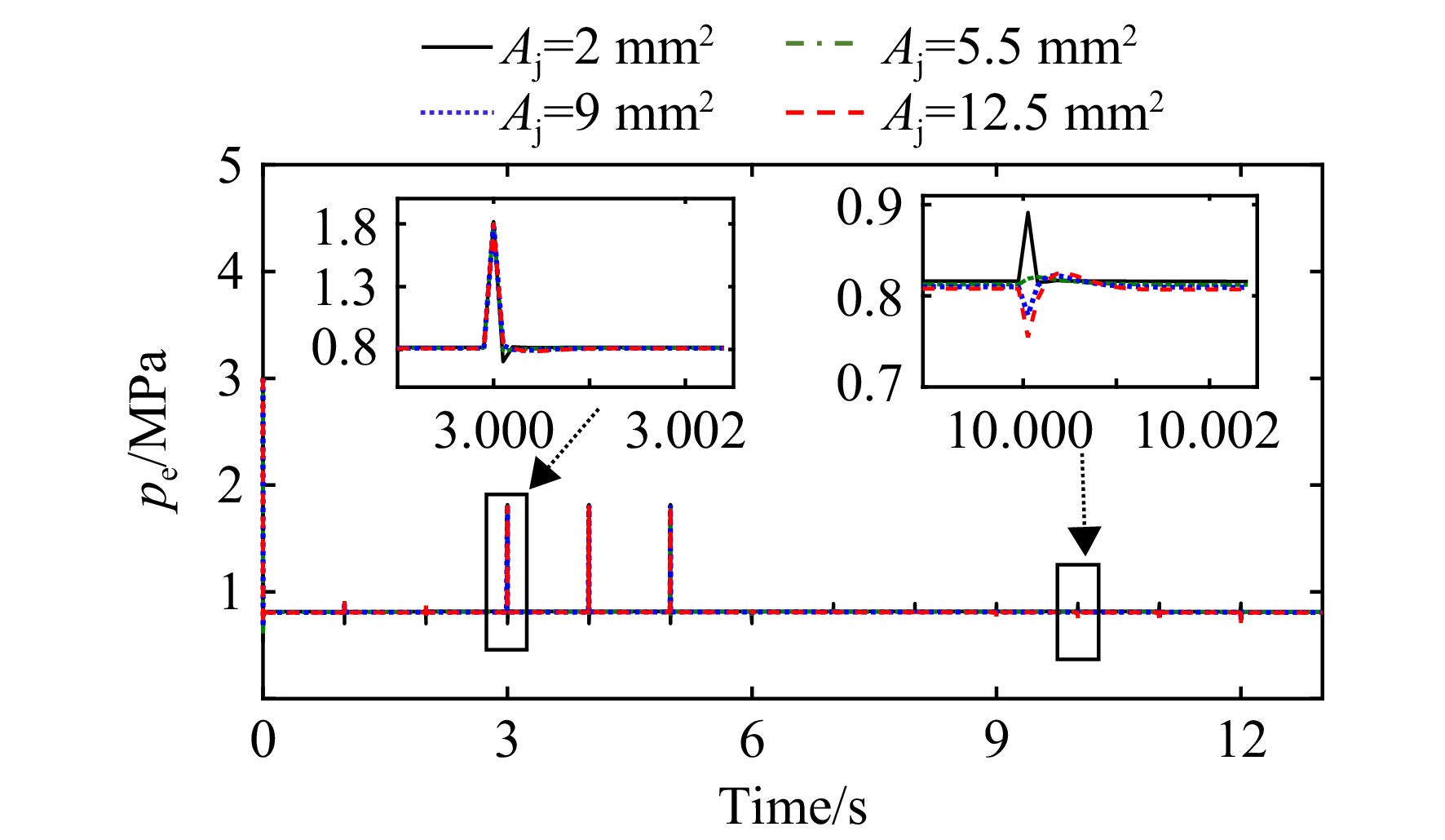
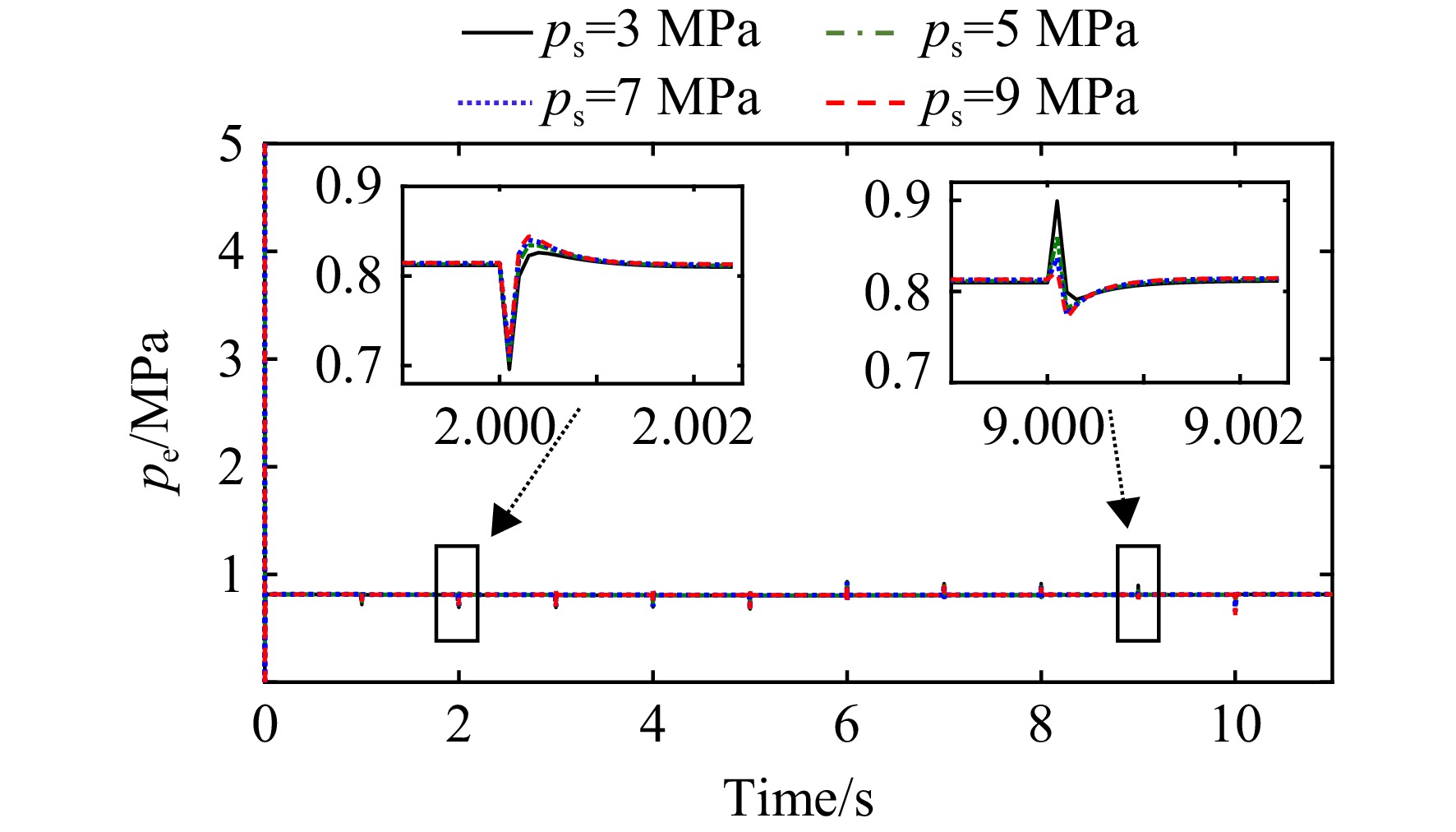
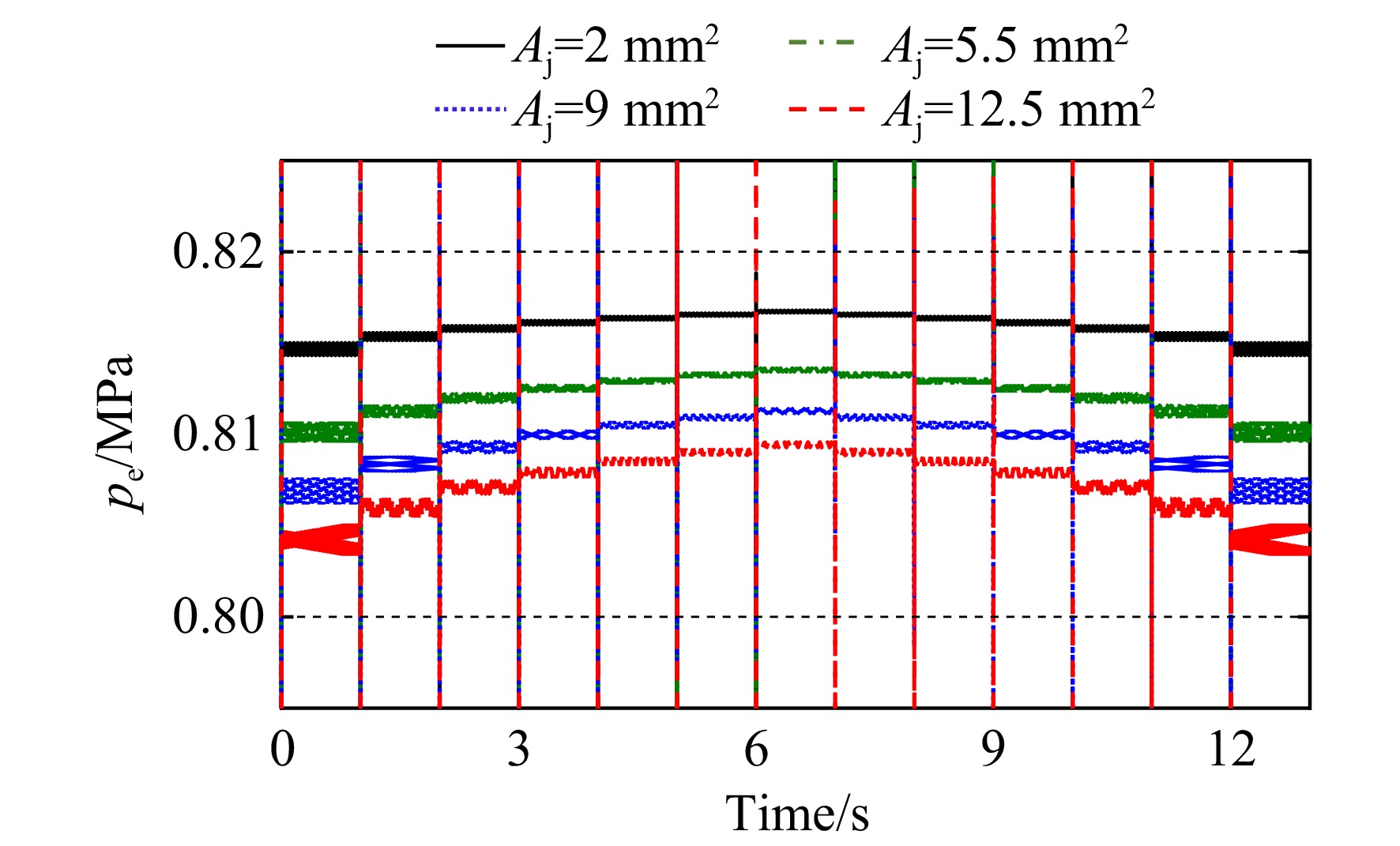
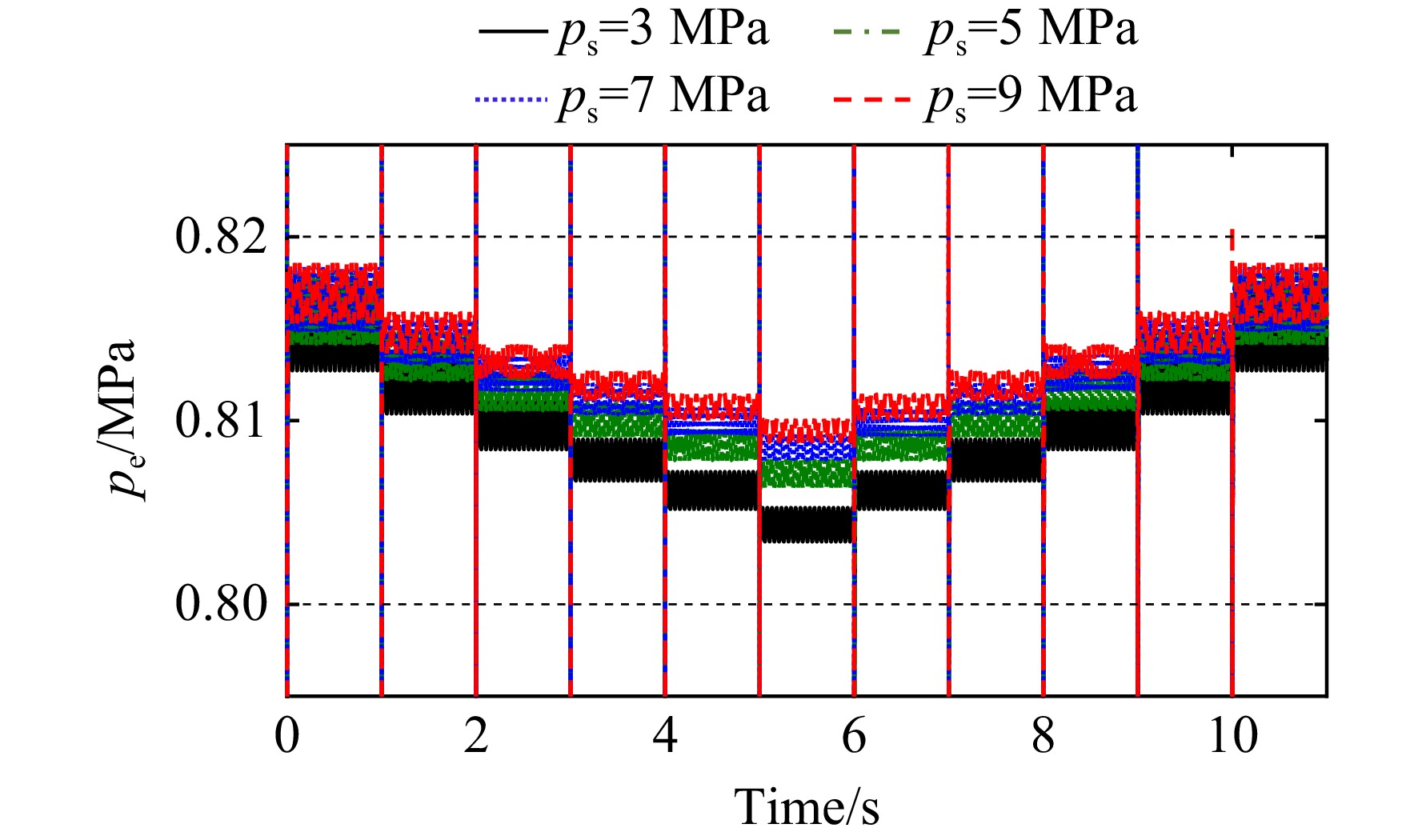
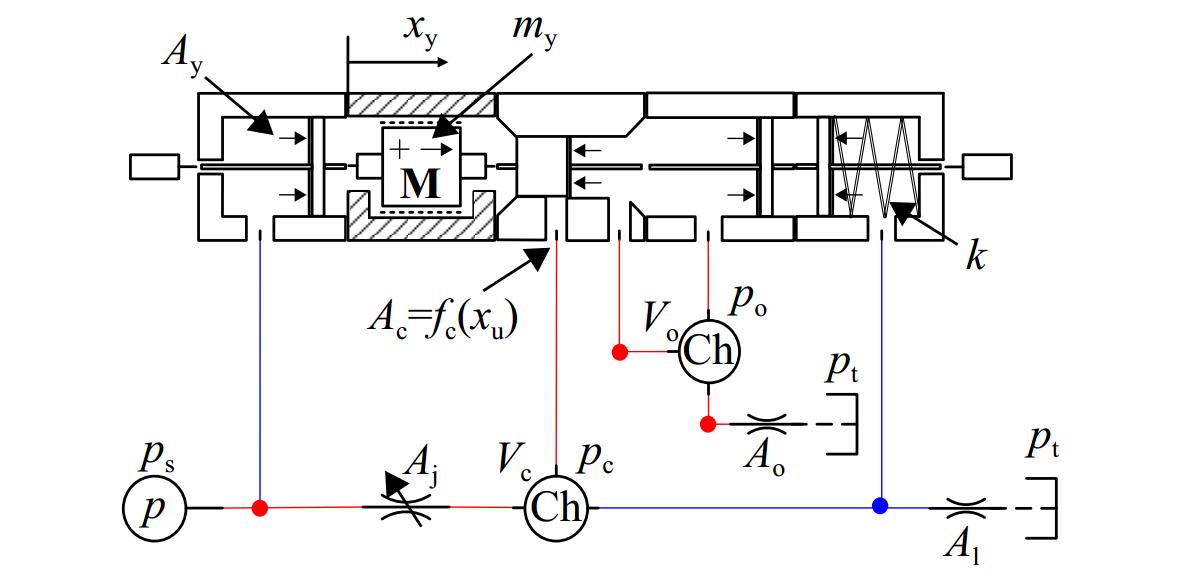
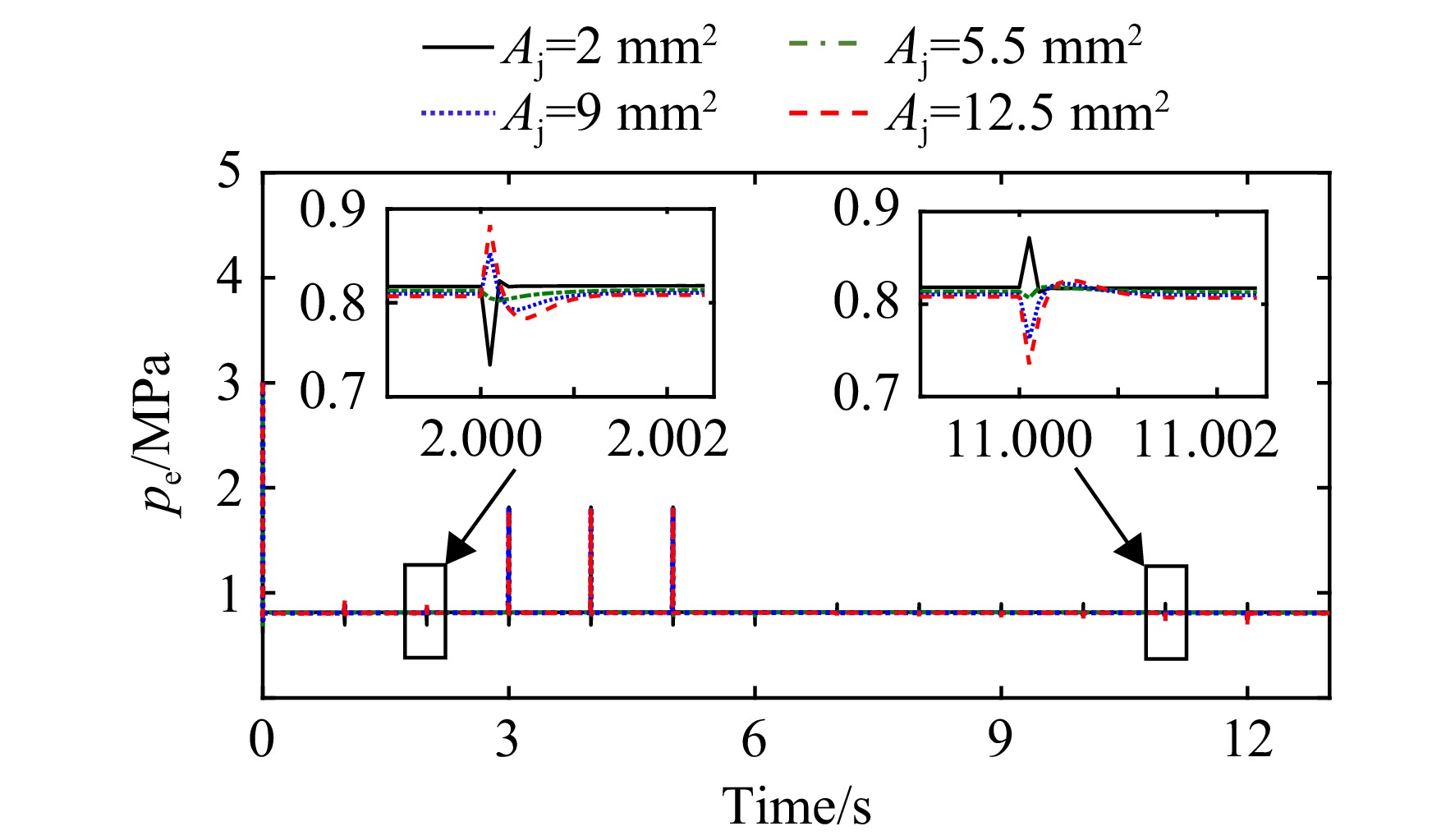
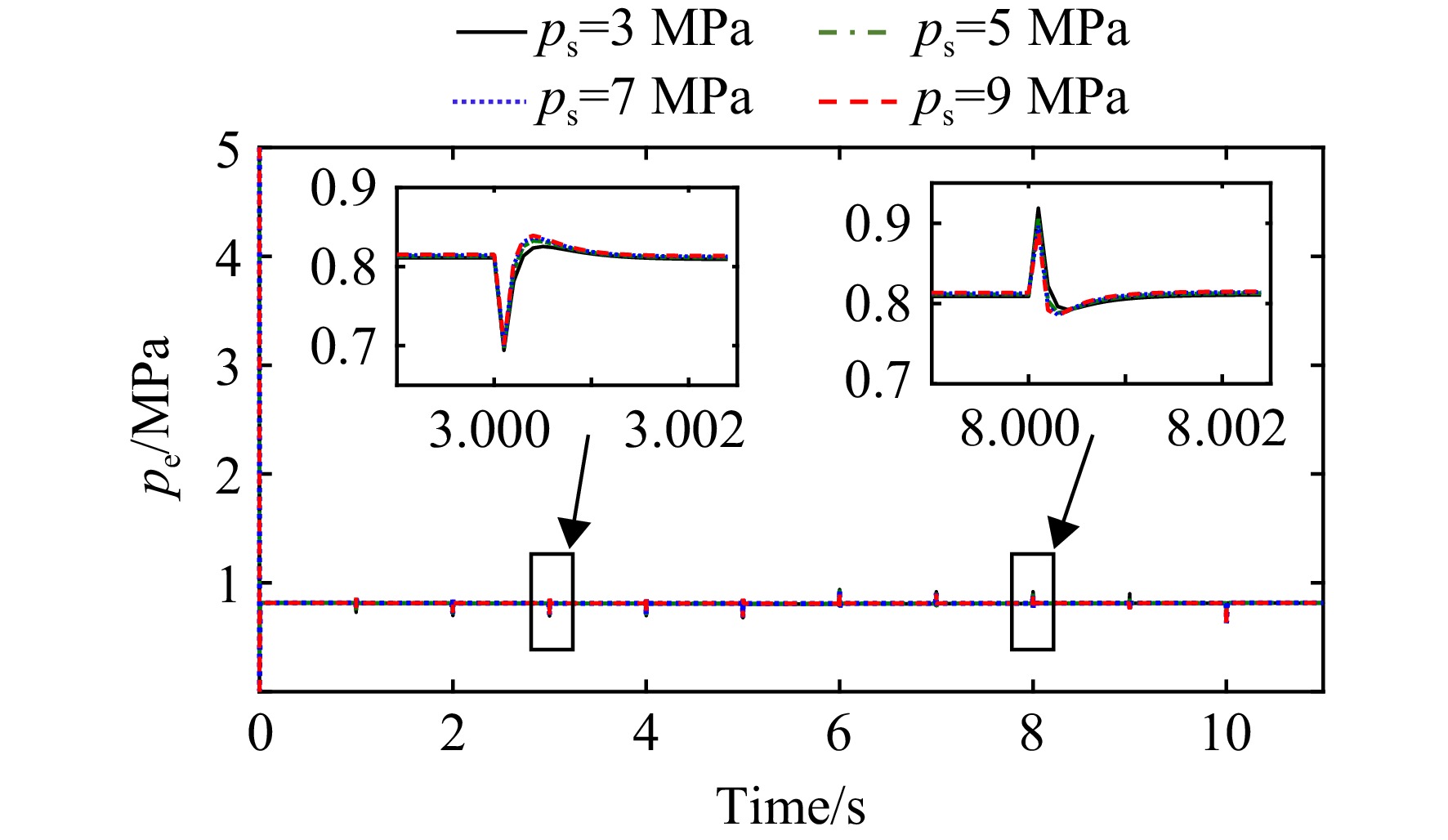
A forward frequency domain design method for integrating constant pressure drop control valve was proposed, and the contents of the presented study were given: the state space model of the constant pressure drop control valve was derived based on the linear system theory; the explicit relationships between the structural parameters and system performance were established based on the frequency domain analysis method, providing a design guidance of the structural parameters; a dynamic design method was proposed based on the frequency domain design theory, which realized the design of the stabilization control gain; for convenient engineering applications, the concept of design graph for regular orifices was proposed, and the design method of structural parameters for regular orifices was provided. The simulation results showed that, under bad conditions, including the 1 MPa strong step disturbance of the inlet pressure and the significant step disturbance of the metering area, the steady-state working range of the controlled pressure drop was (0.81±0.01) MPa, the static error was less than 1.2%, the settling time was less than 0.002 s, and the phase margin was almost more than 70°. The system had servo tracking and robust disturbance rejection performance.

Modeling of aero-engine afterburning fuel metering module with natural frequency studies
YANG Yikun, MA Jing, HUANG Ao, YANG Lei
2025, 40(5): 20230593. doi: 10.13224/j.cnki.jasp.20230593
Abstract:
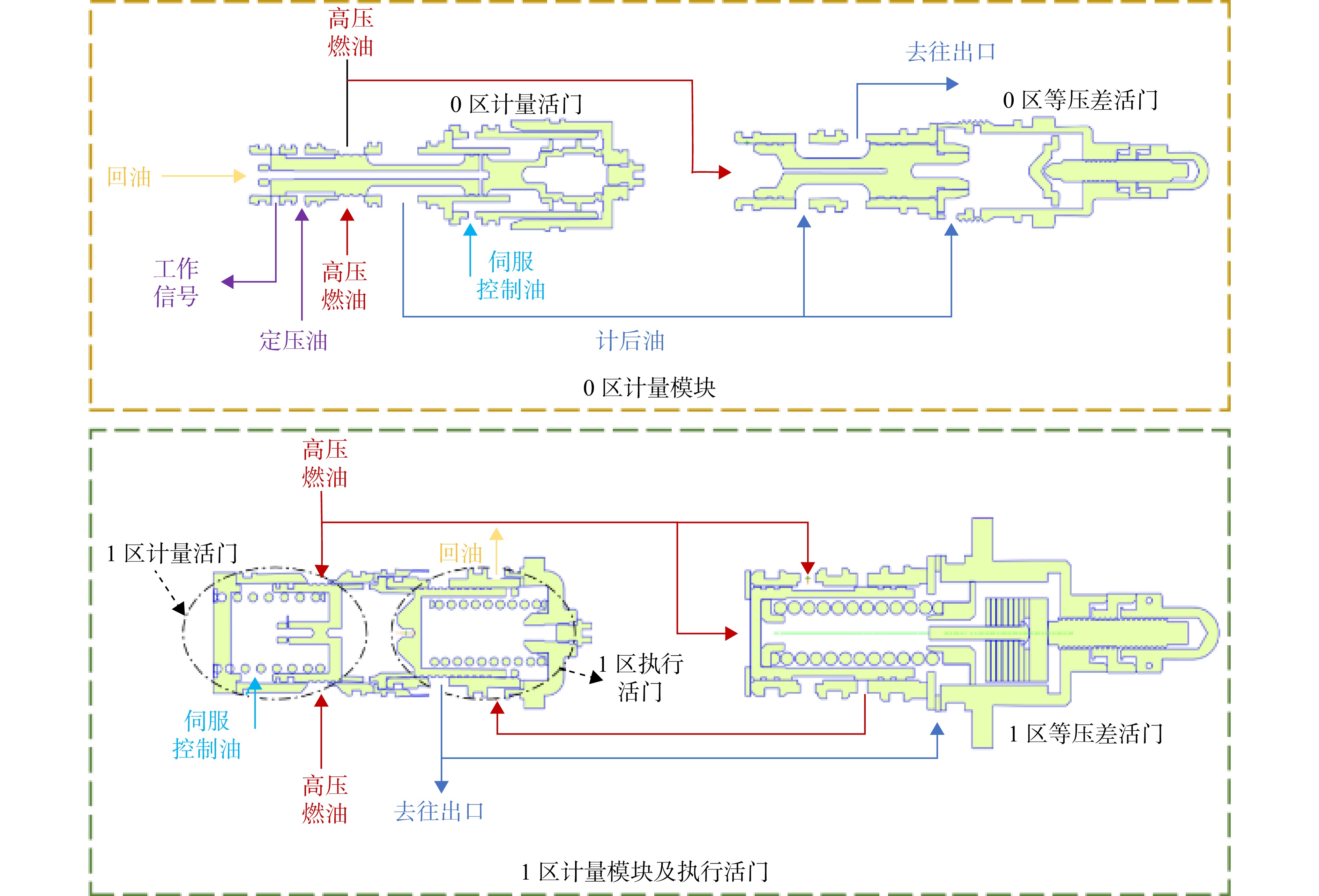
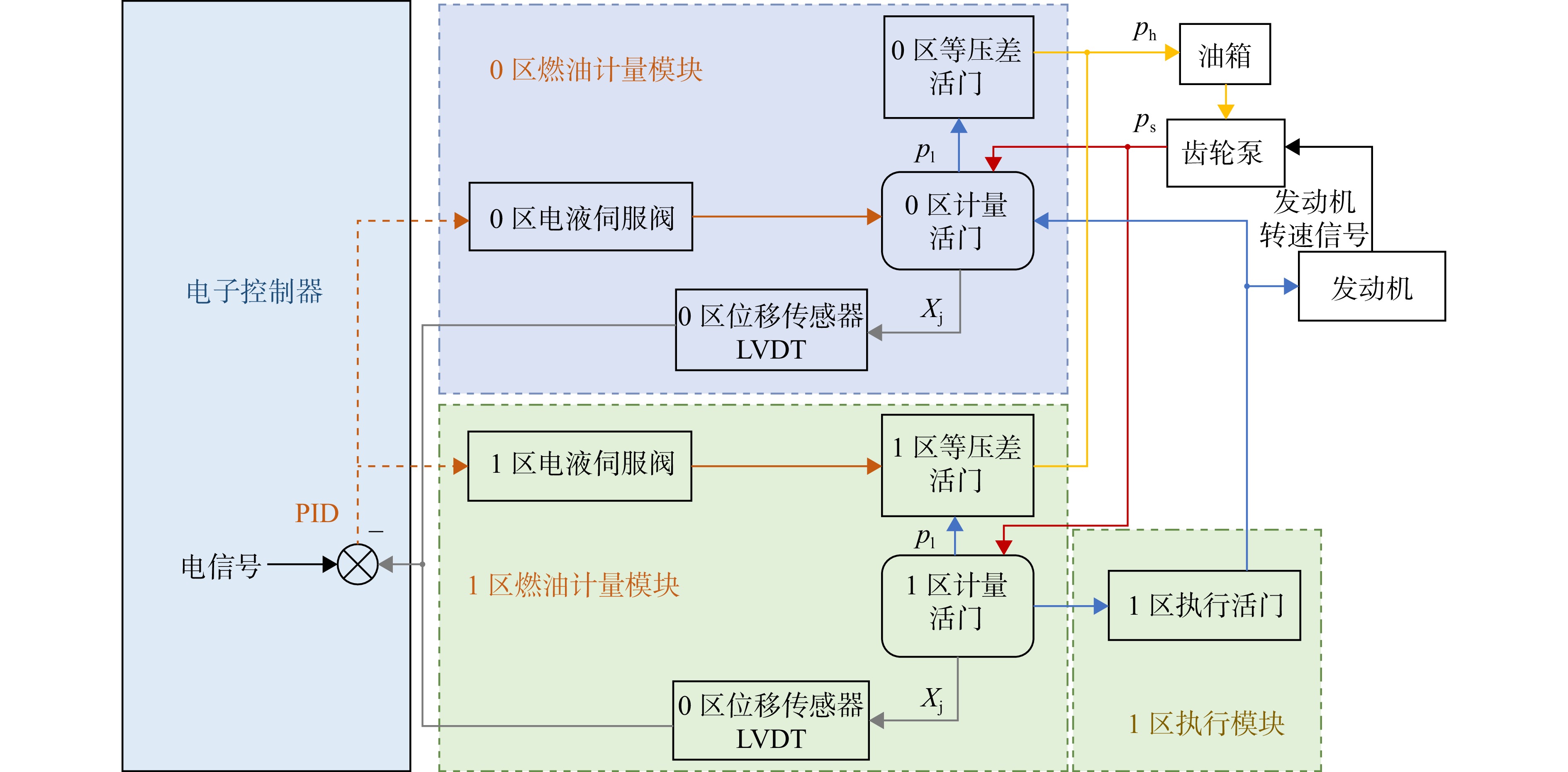
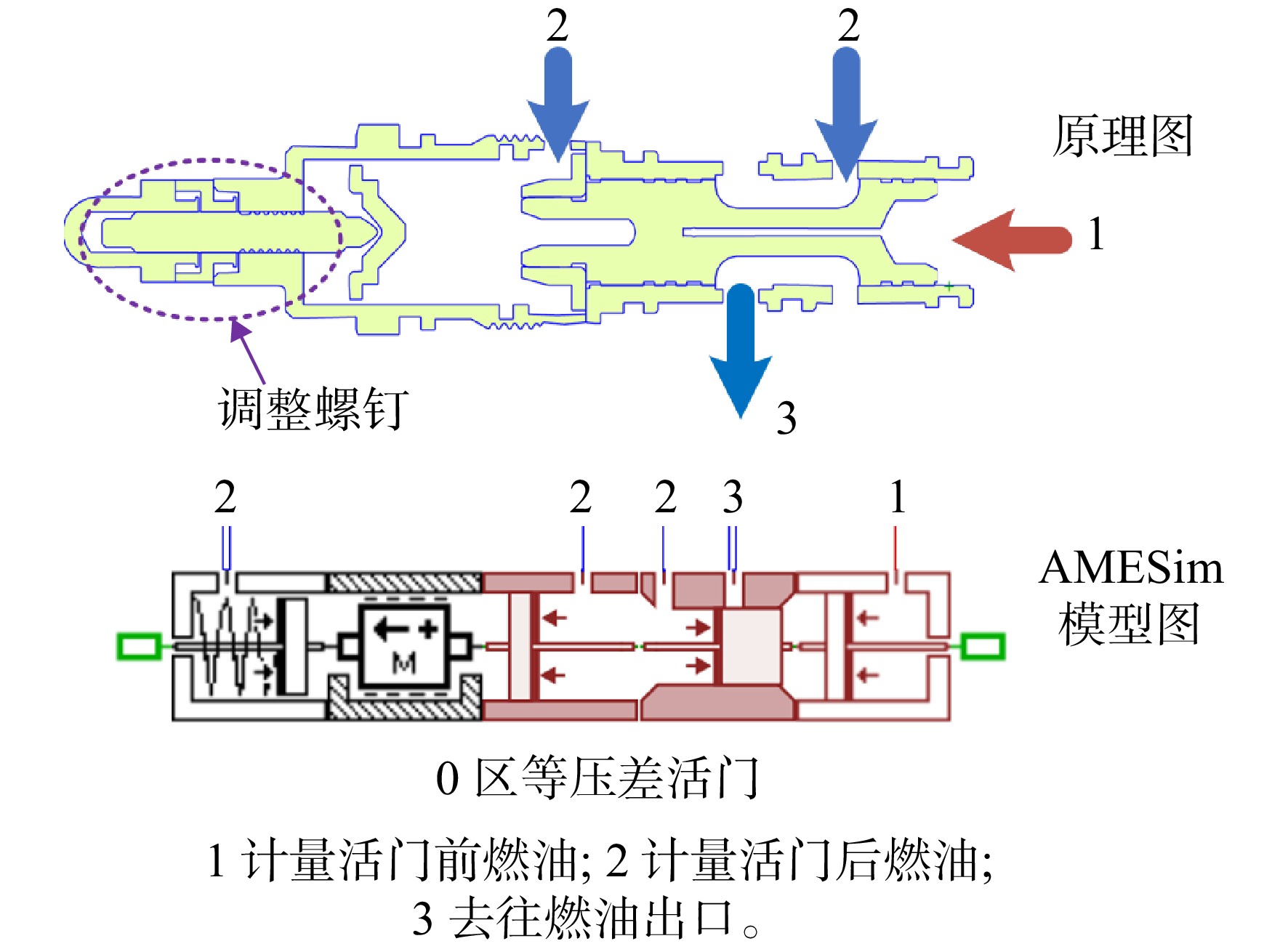
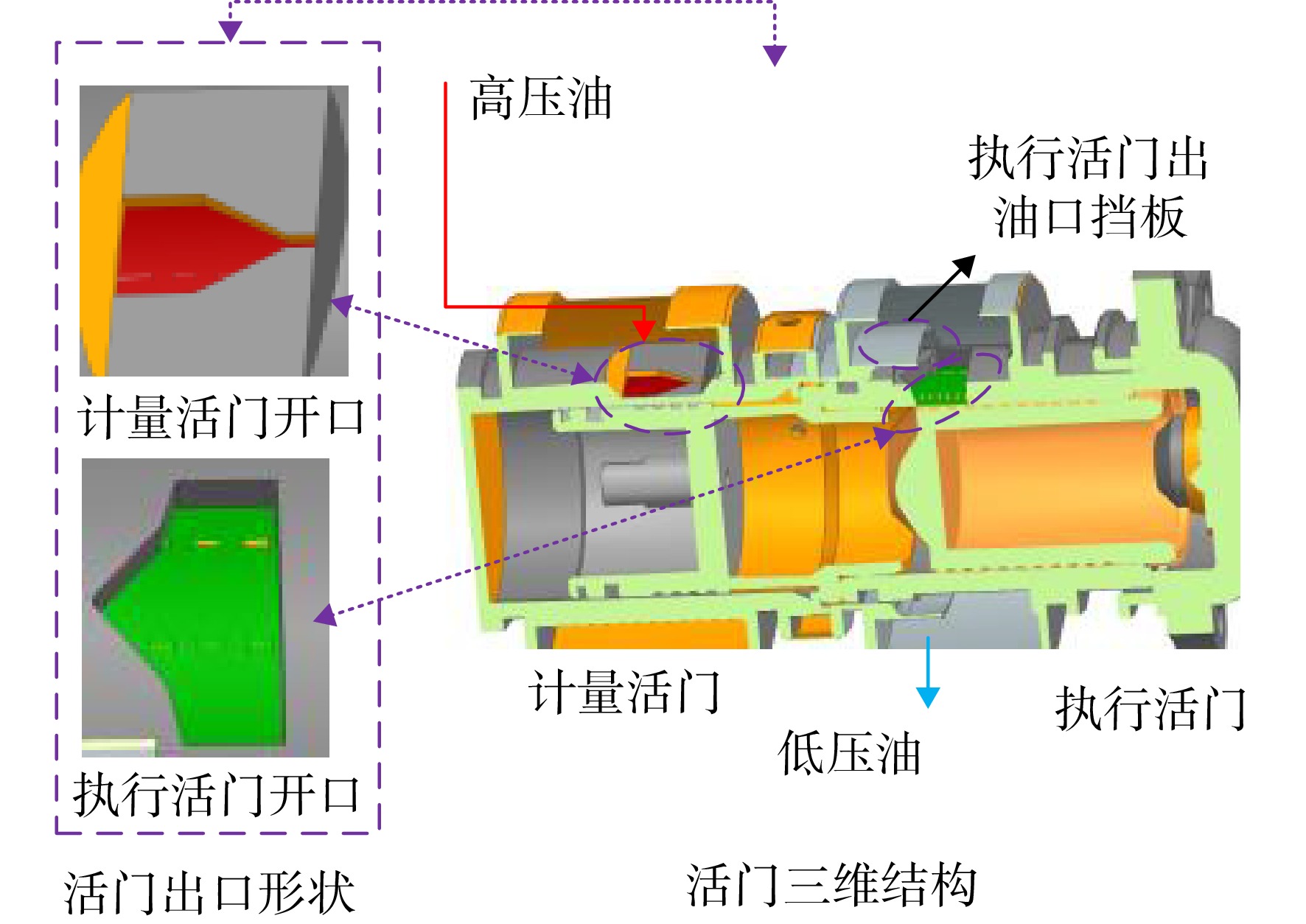
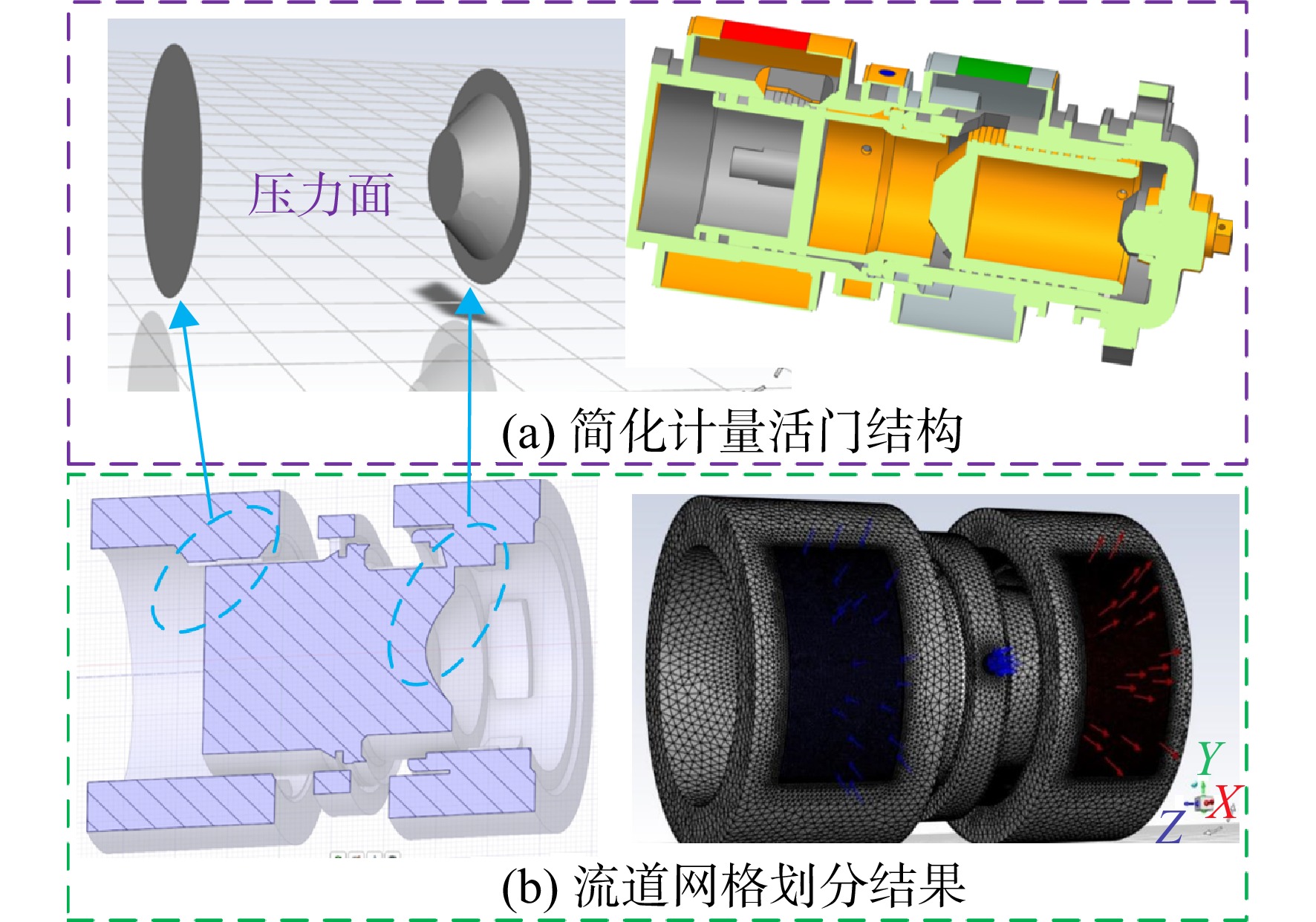
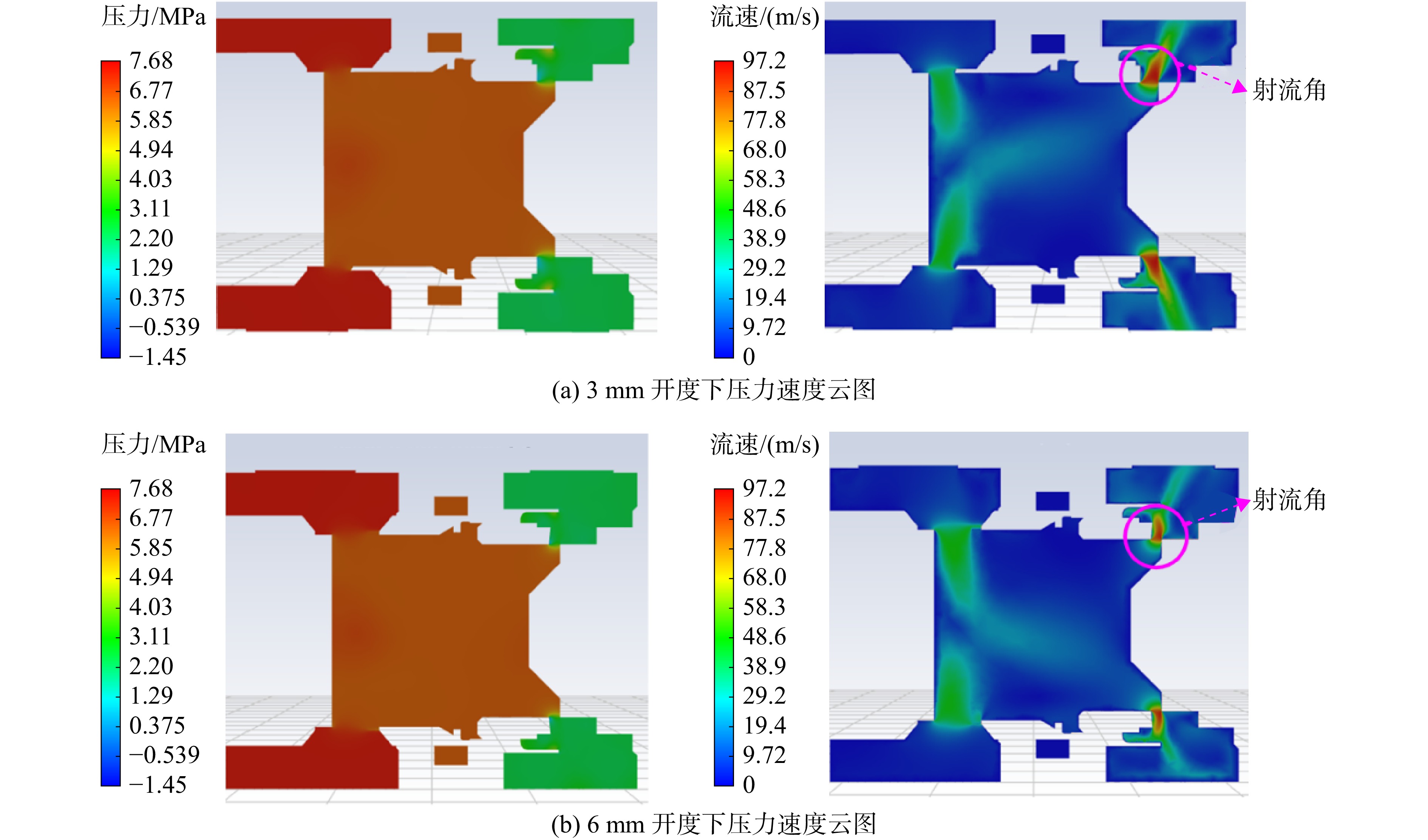
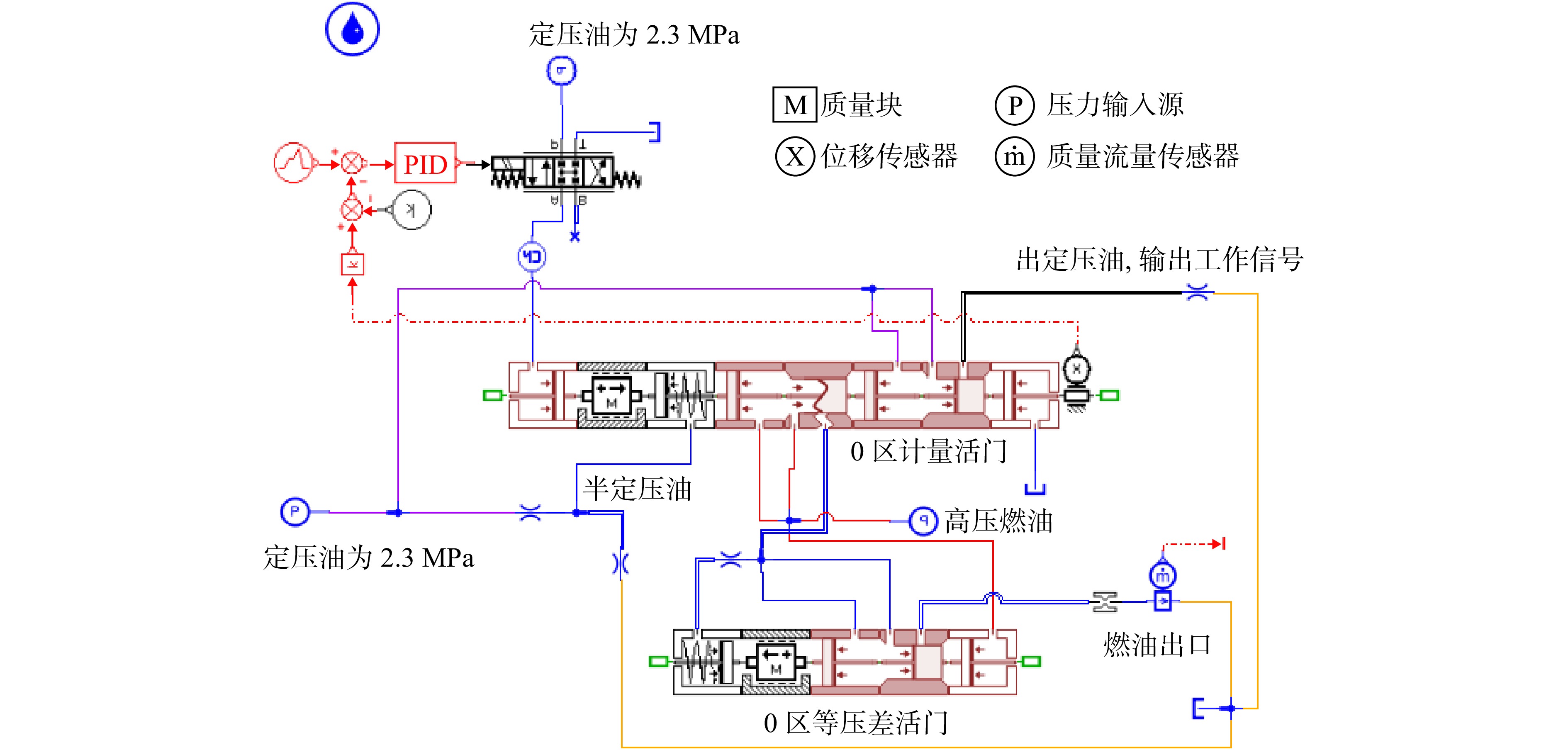
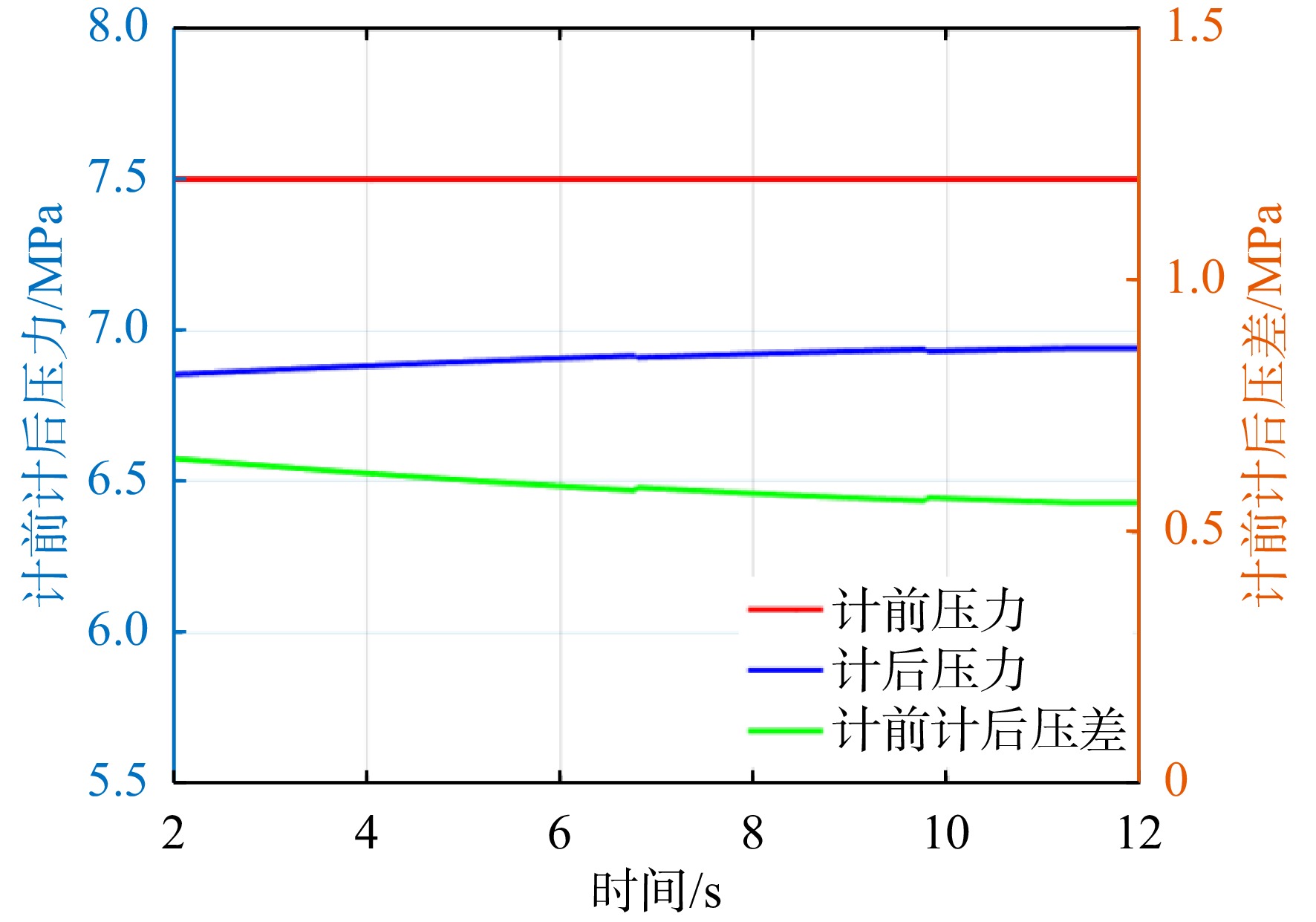
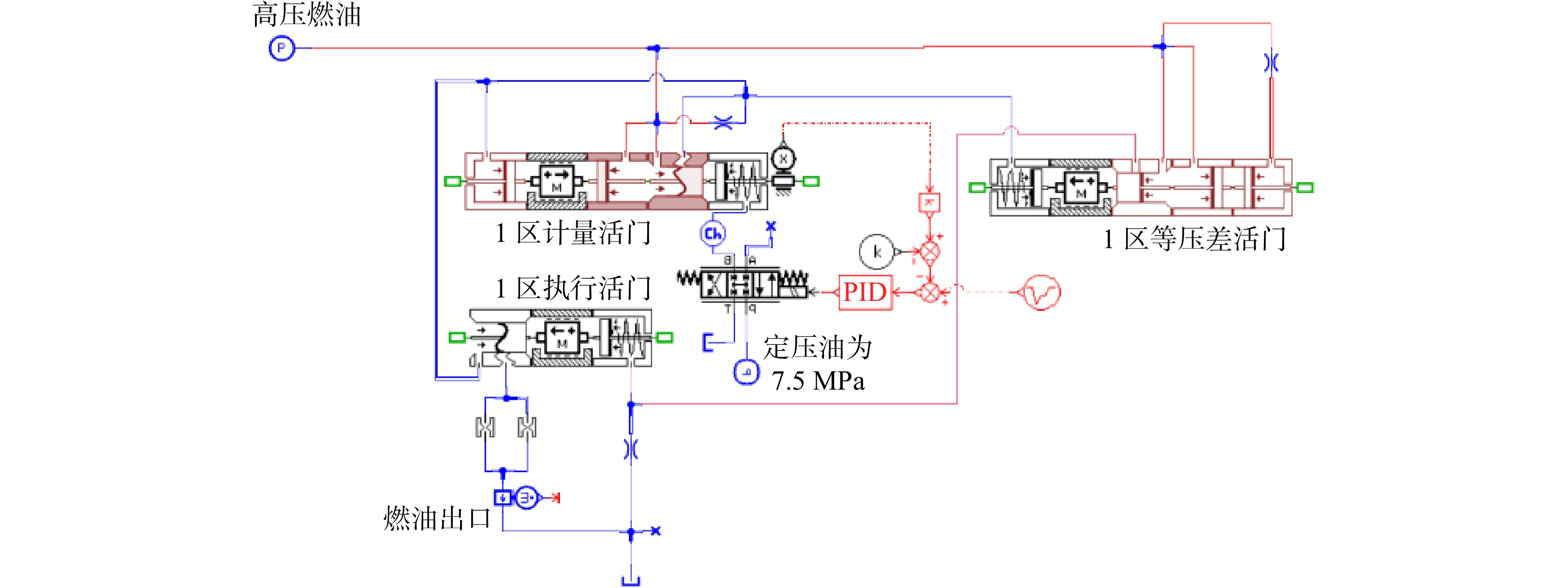
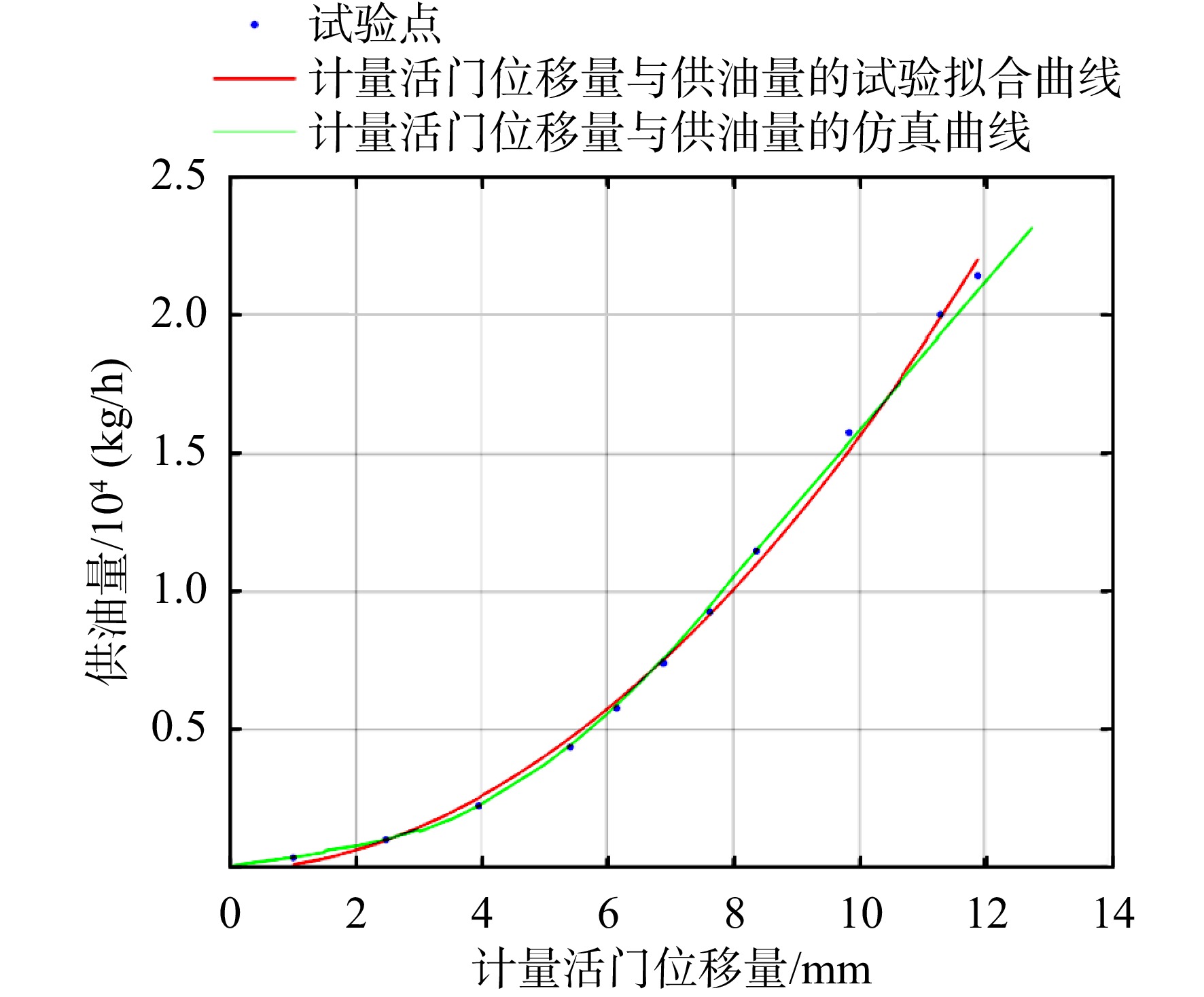
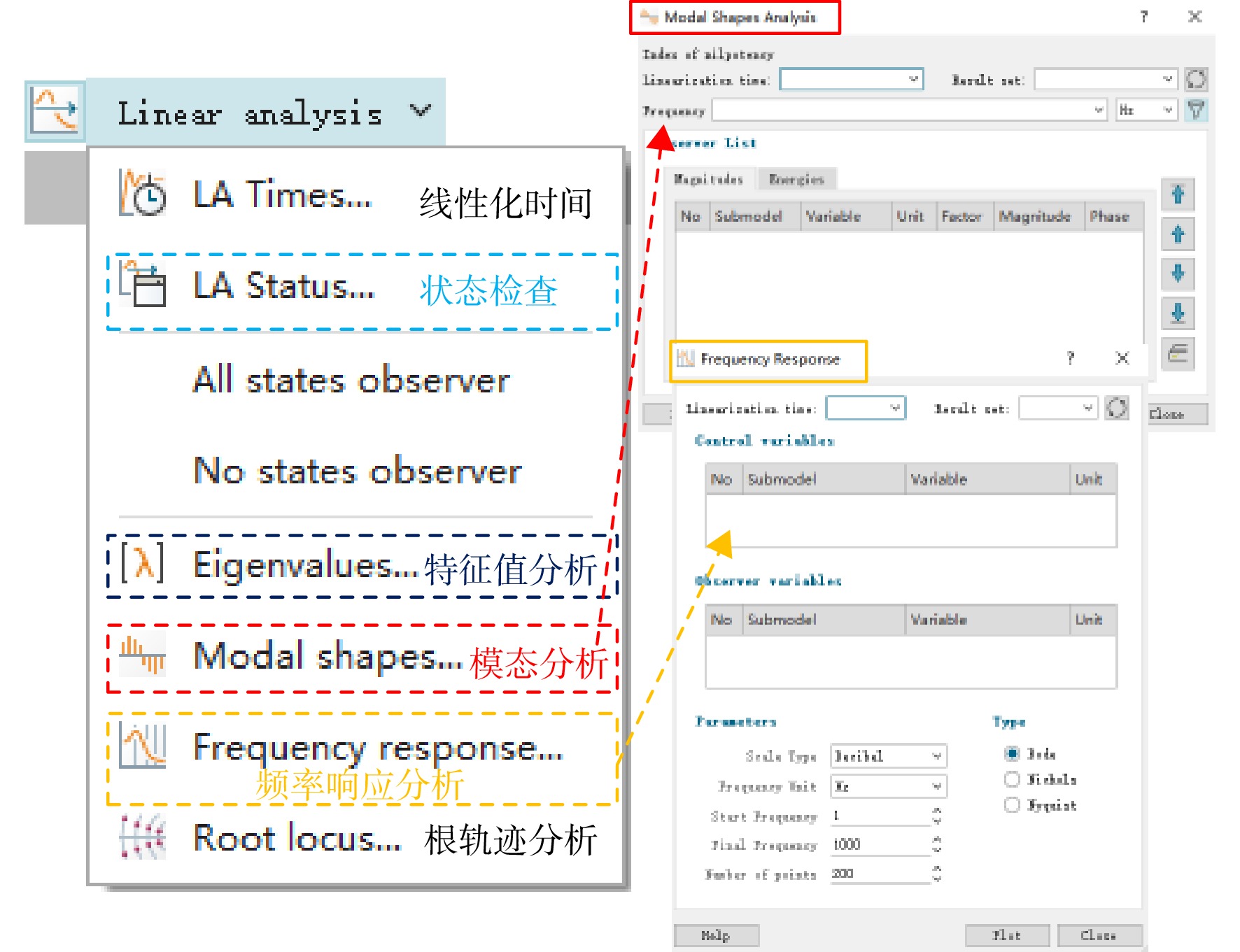
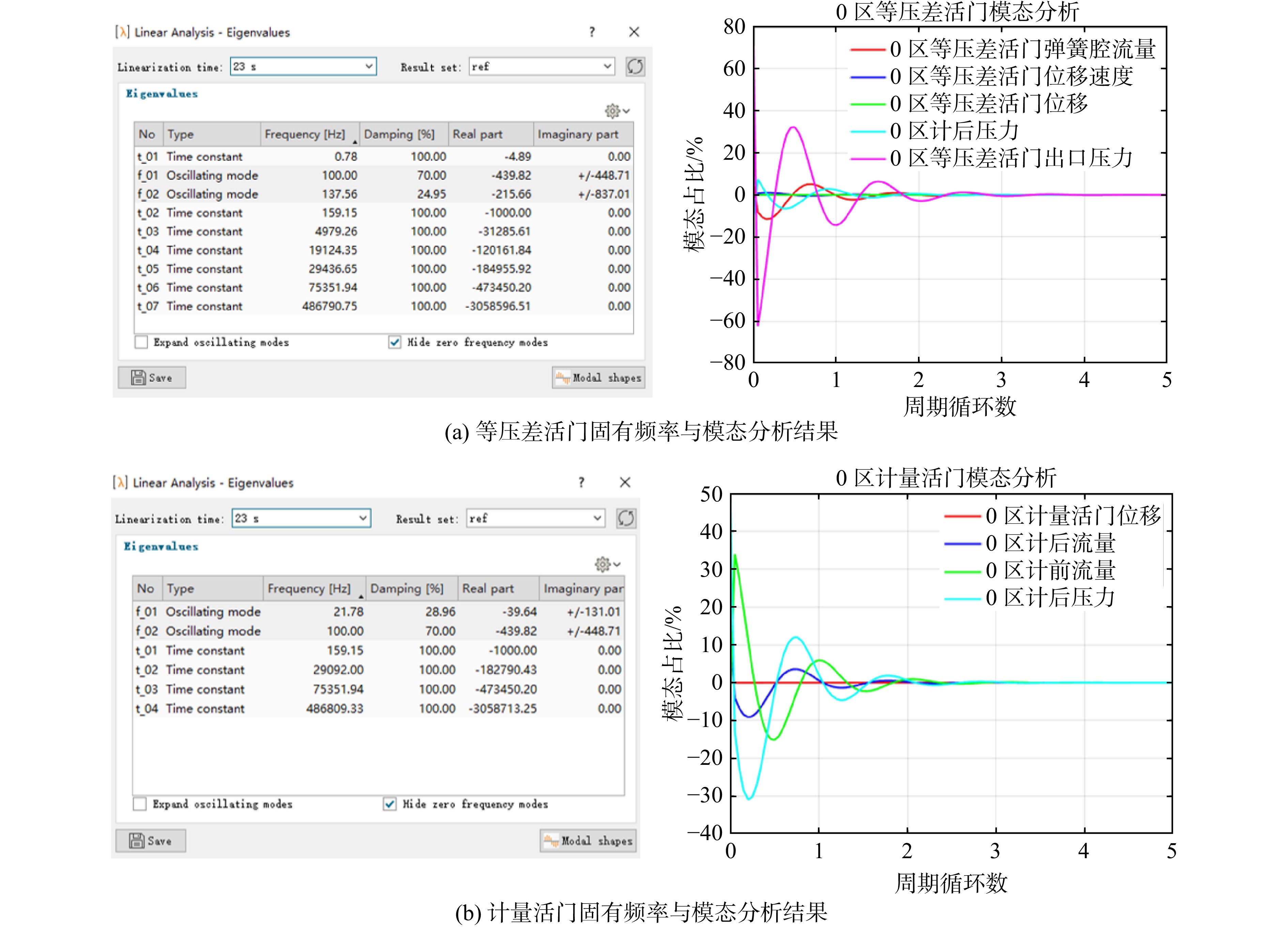
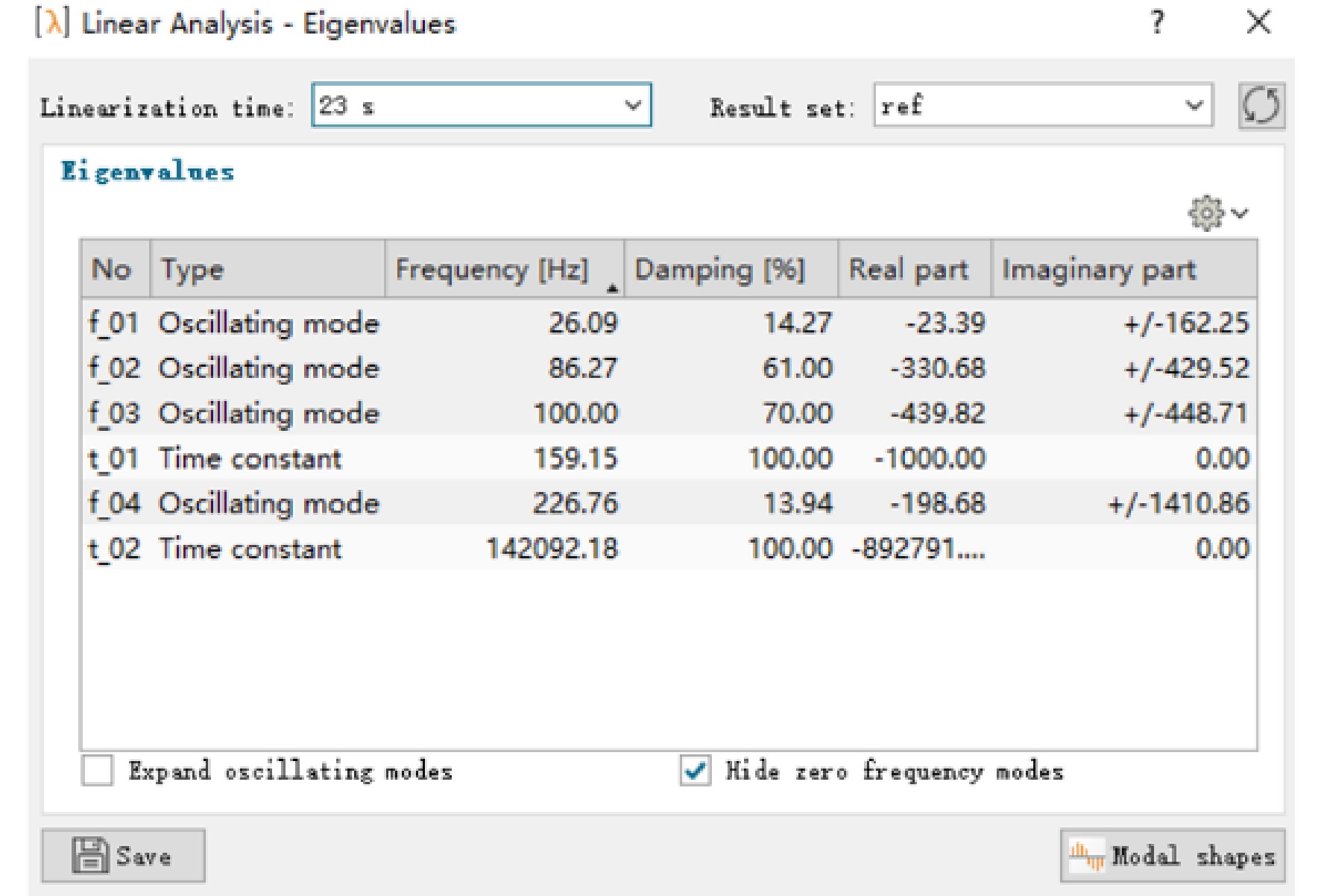
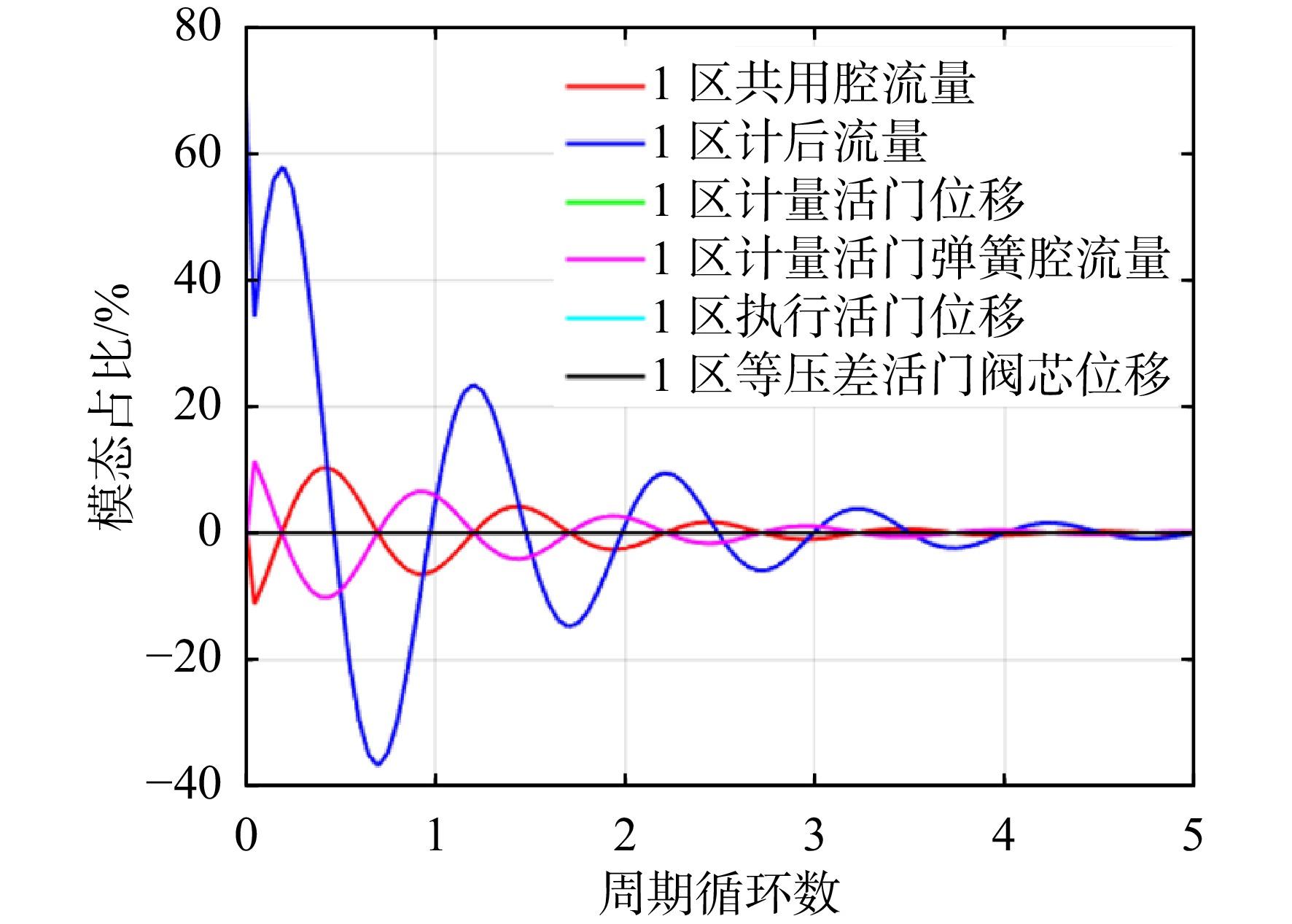
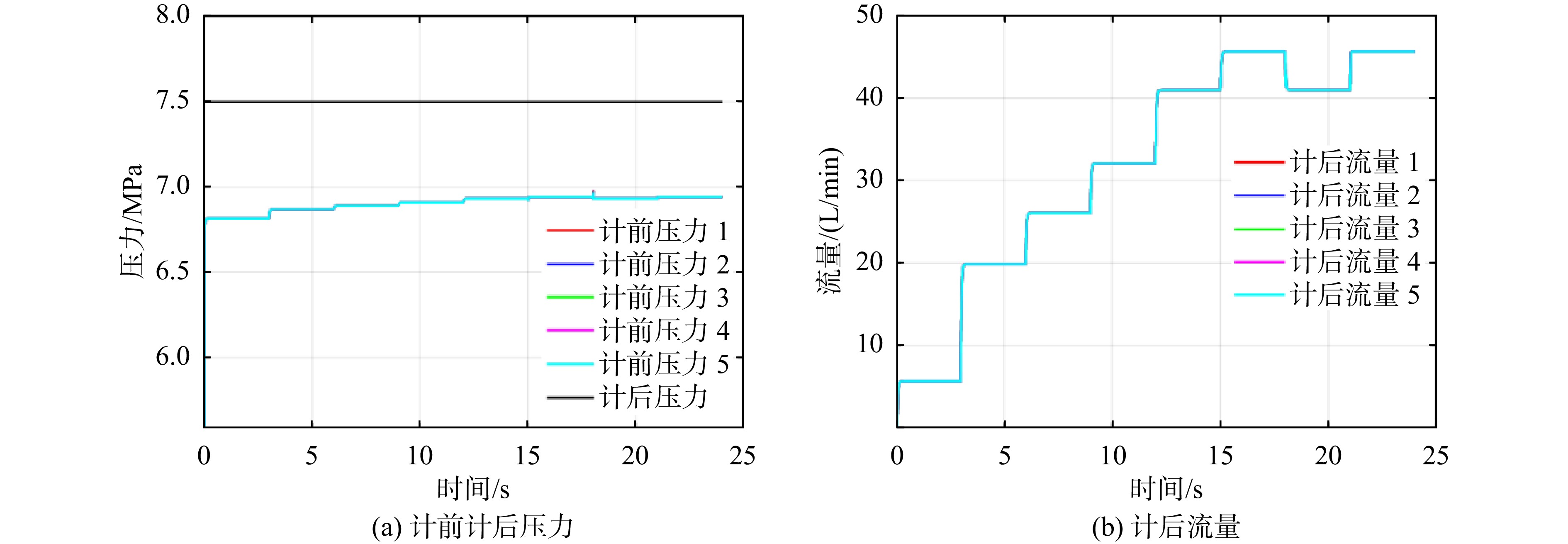
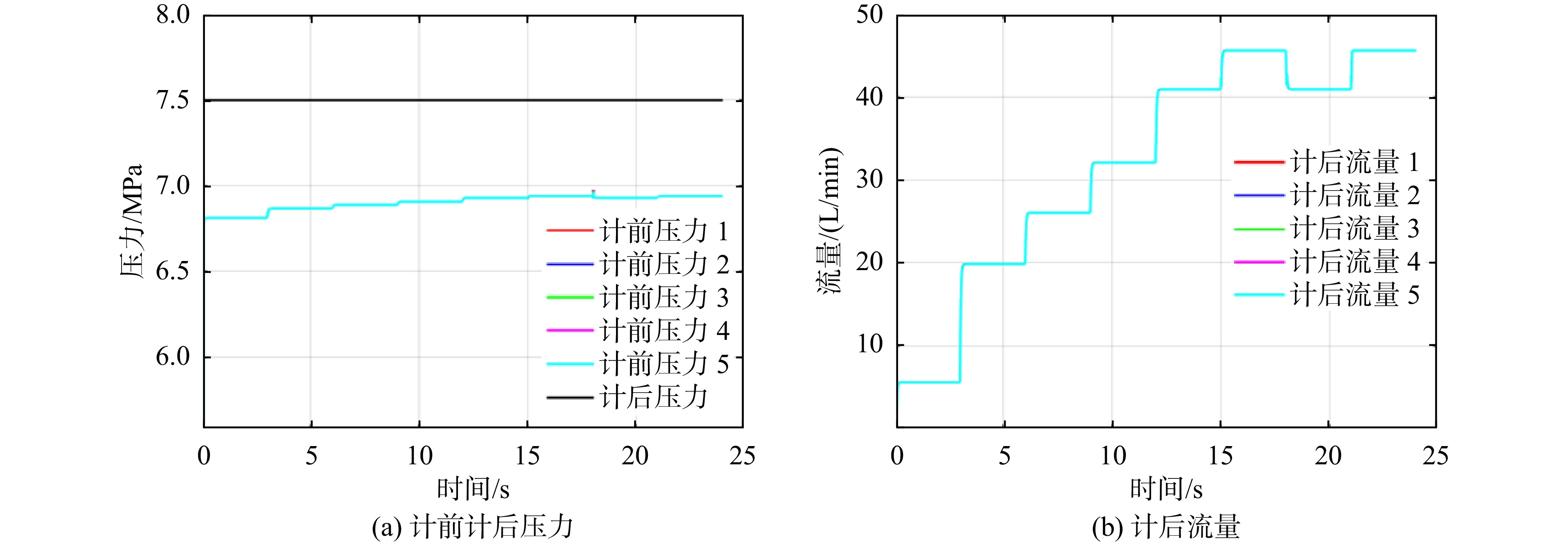
Considering the complexities of the structure and the difficulties in experimental analysis of a certain type of aircraft engine’s afterburner fuel metering module, digital modeling and simulation were conducted in AMESim based on force balance and flow balance equations. Additionally, steady-state hydrodynamic model parameters were obtained using flow field simulation analysis software. Studies on the performance of pressure-equalizing valves and metering valves in different zones of the afterburner were carried out. Utilizing AMESim’s linear analysis tool, special research was conducted on the natural frequencies of critical valves in various zones of the afterburner, along with their influencing factors. The simulation results showed that the established model had an error of less than 5% compared with experimental data, demonstrating high accuracy and reliability. Moreover, the research on natural frequencies could provide a theoretical support and practical foundation for improvements and engineering troubleshooting of this type of fuel metering module.