2024 Vol. 39, No. 10

Structure,Strength and Vibration
Methodology of life prediction for thermal barrier coatings in engineering design
JING Fulei, TANG Shibai, WEN Quan, YANG Junjie, HU Dianyin, FAN Xueling, ZHANG Tao, WU Jian
2024, 39(10): 20220853. doi: 10.13224/j.cnki.jasp.20220853
Abstract:

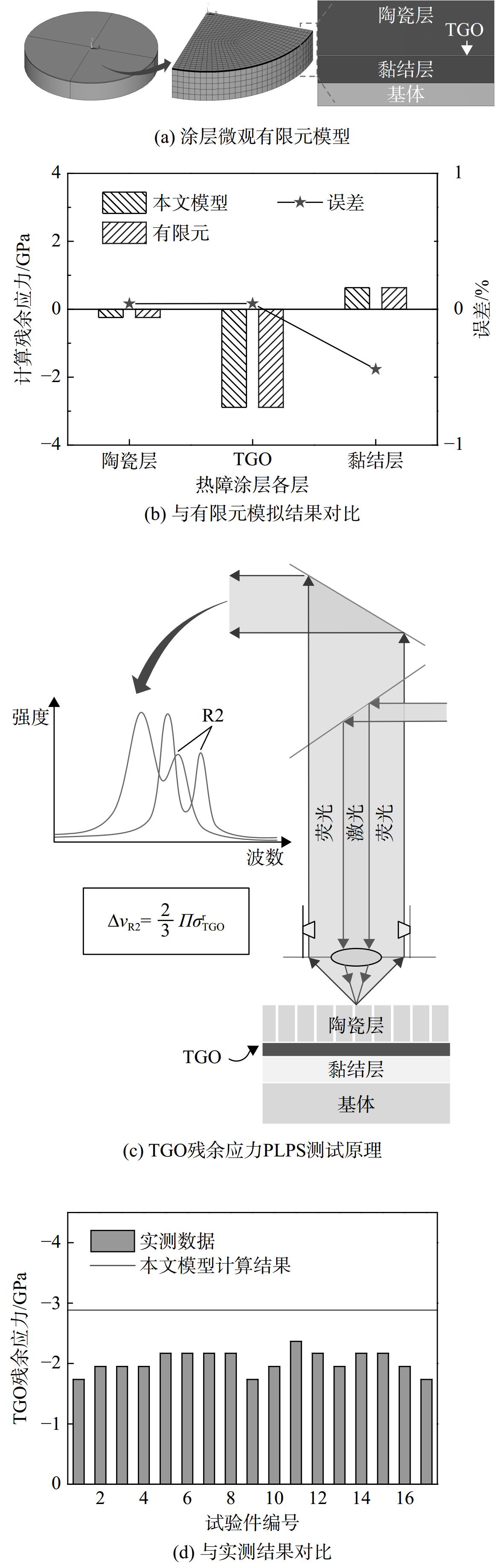
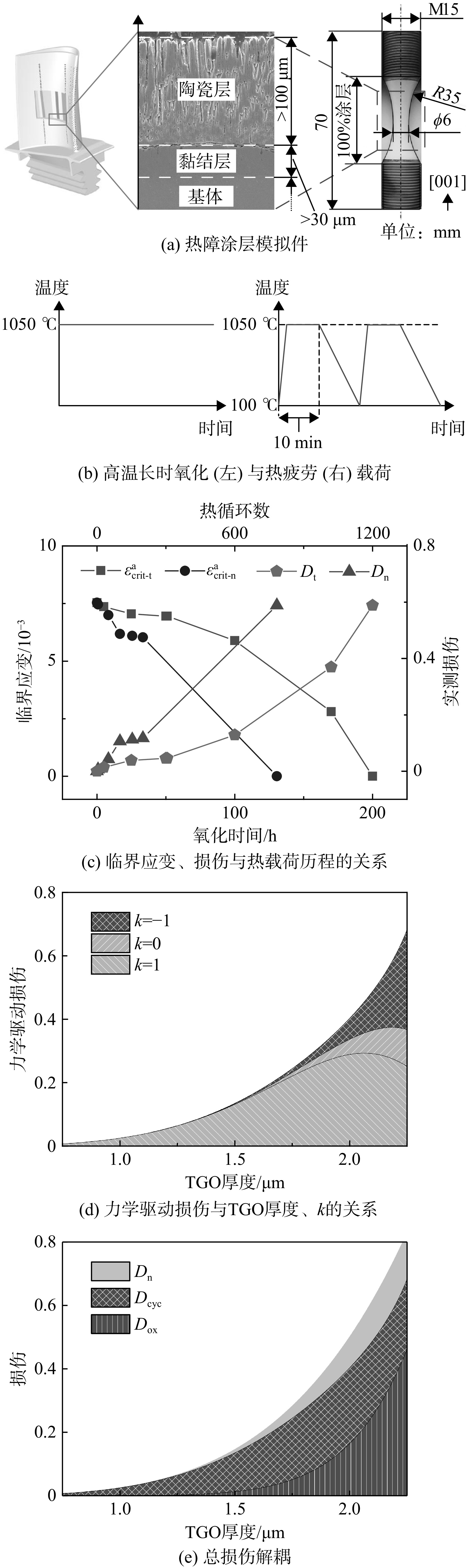
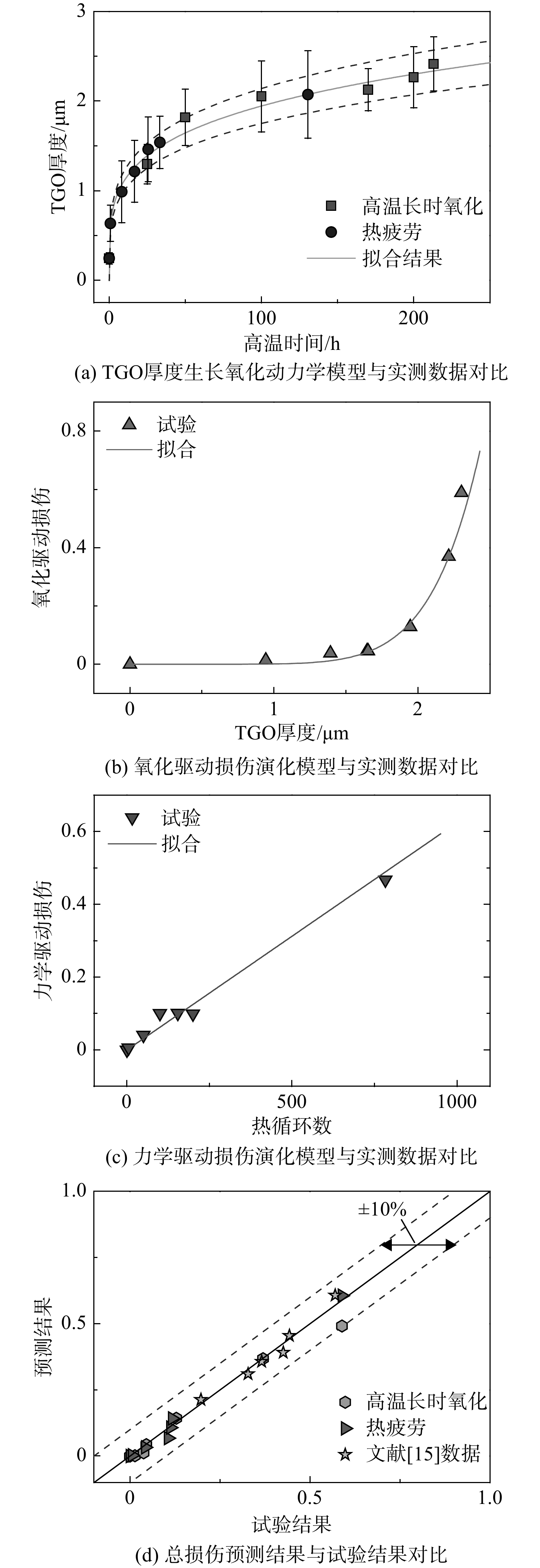
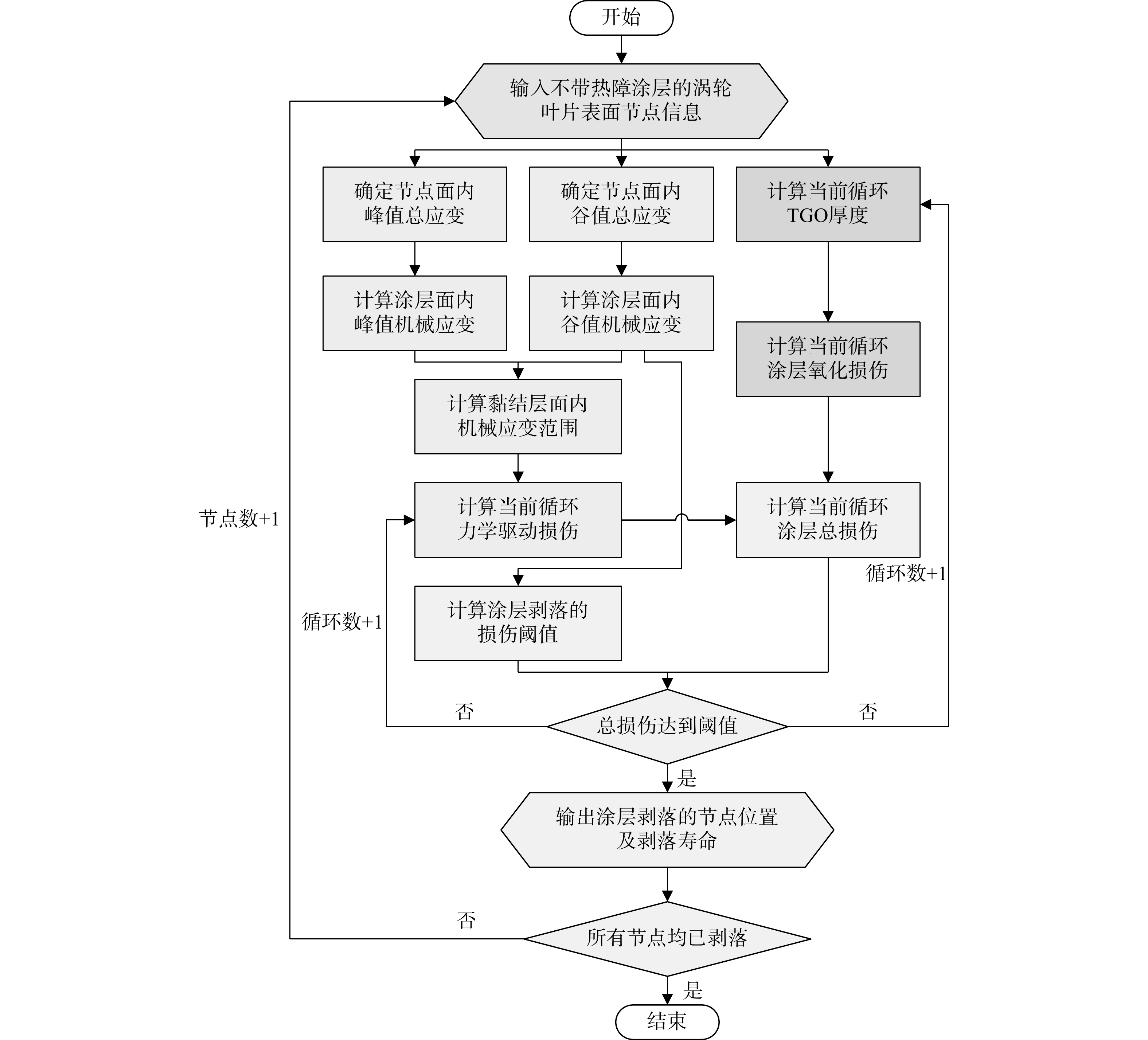
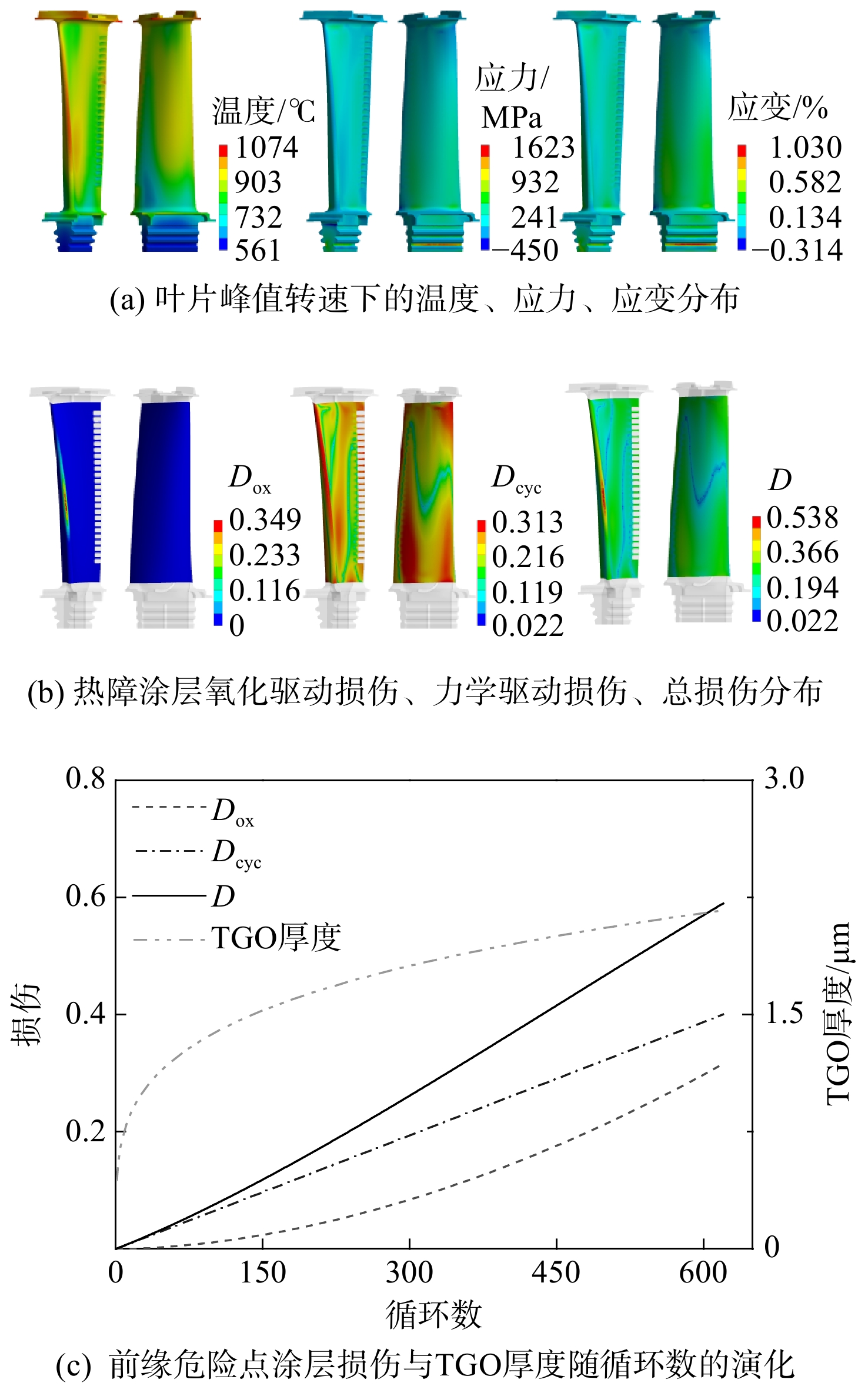
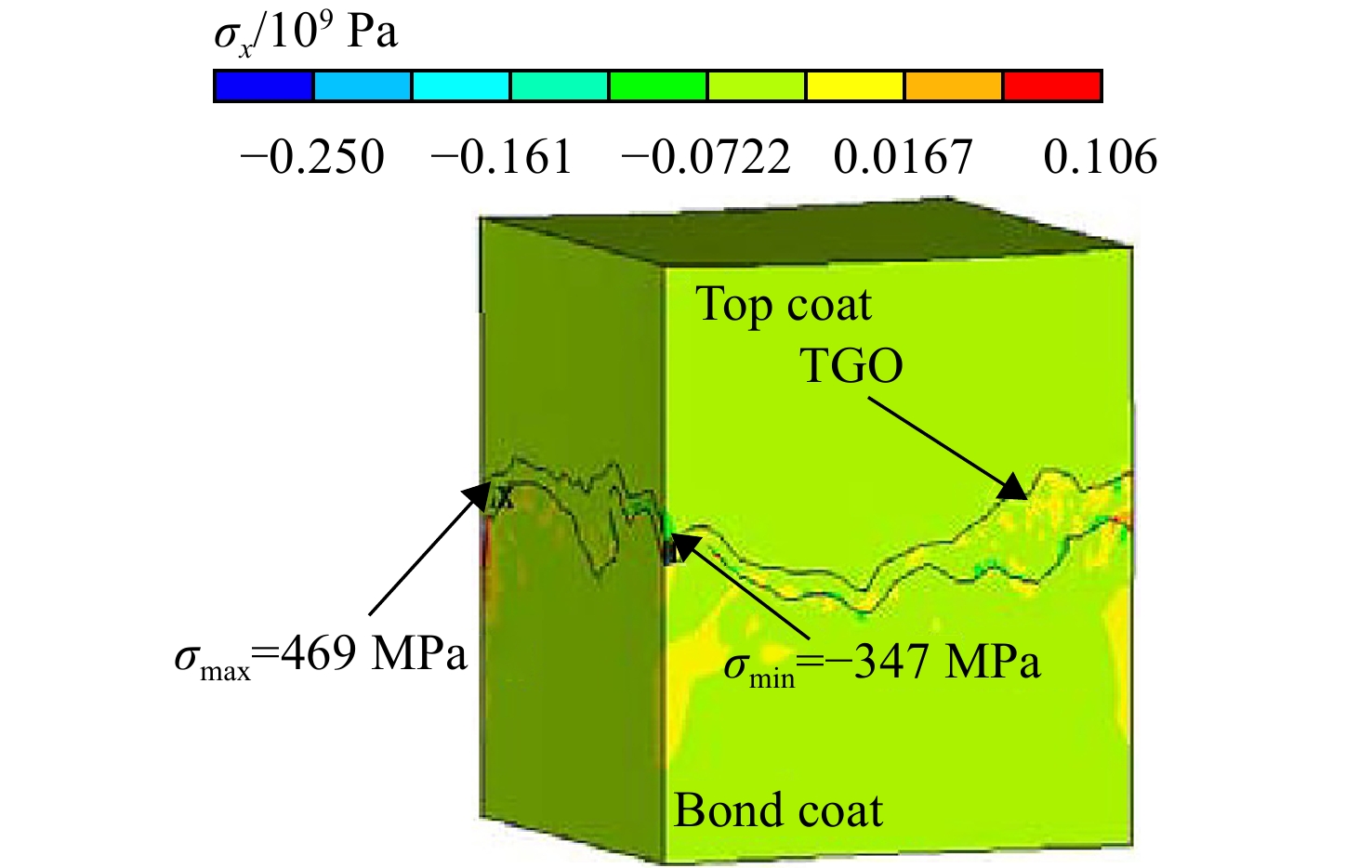
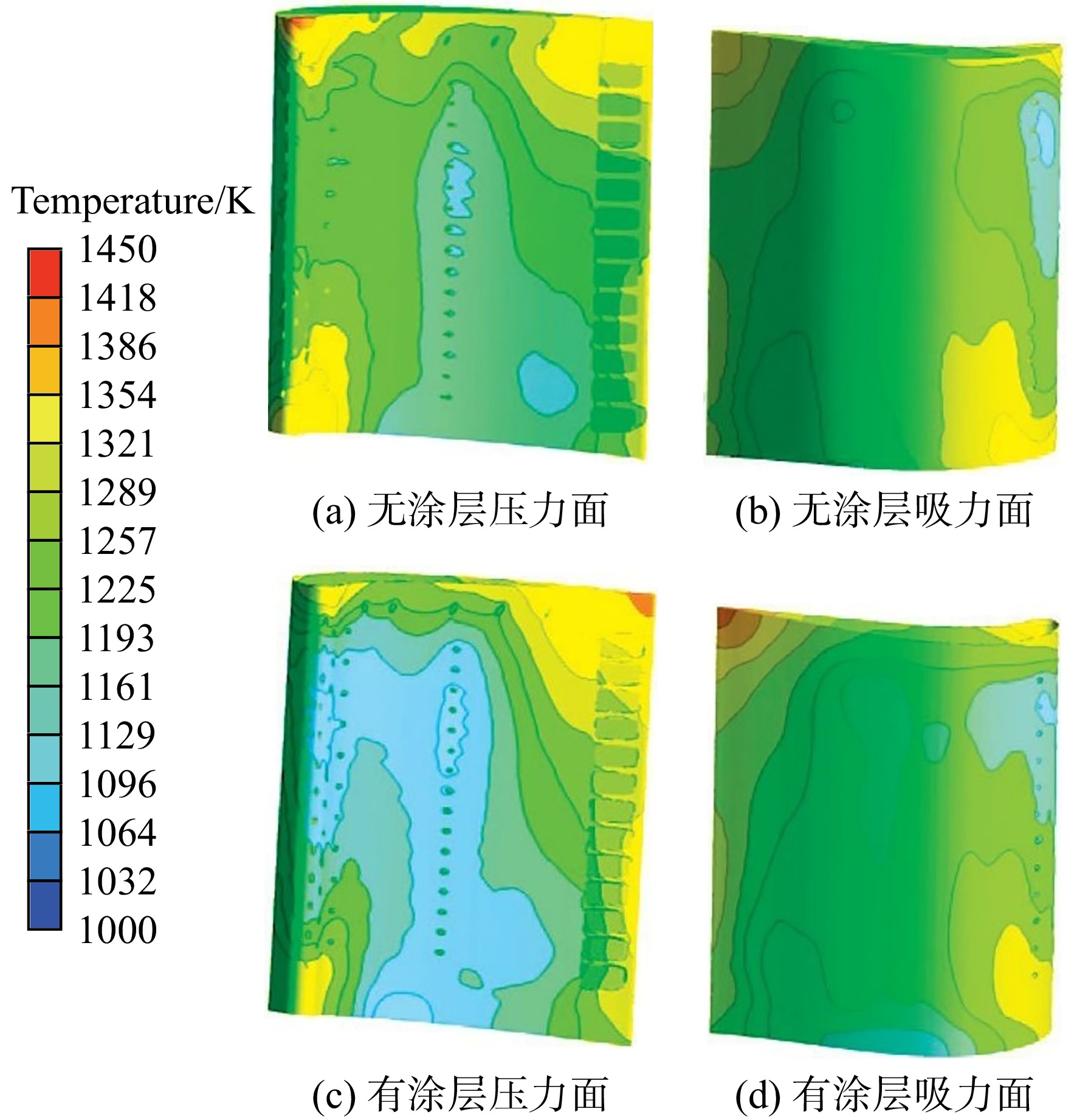
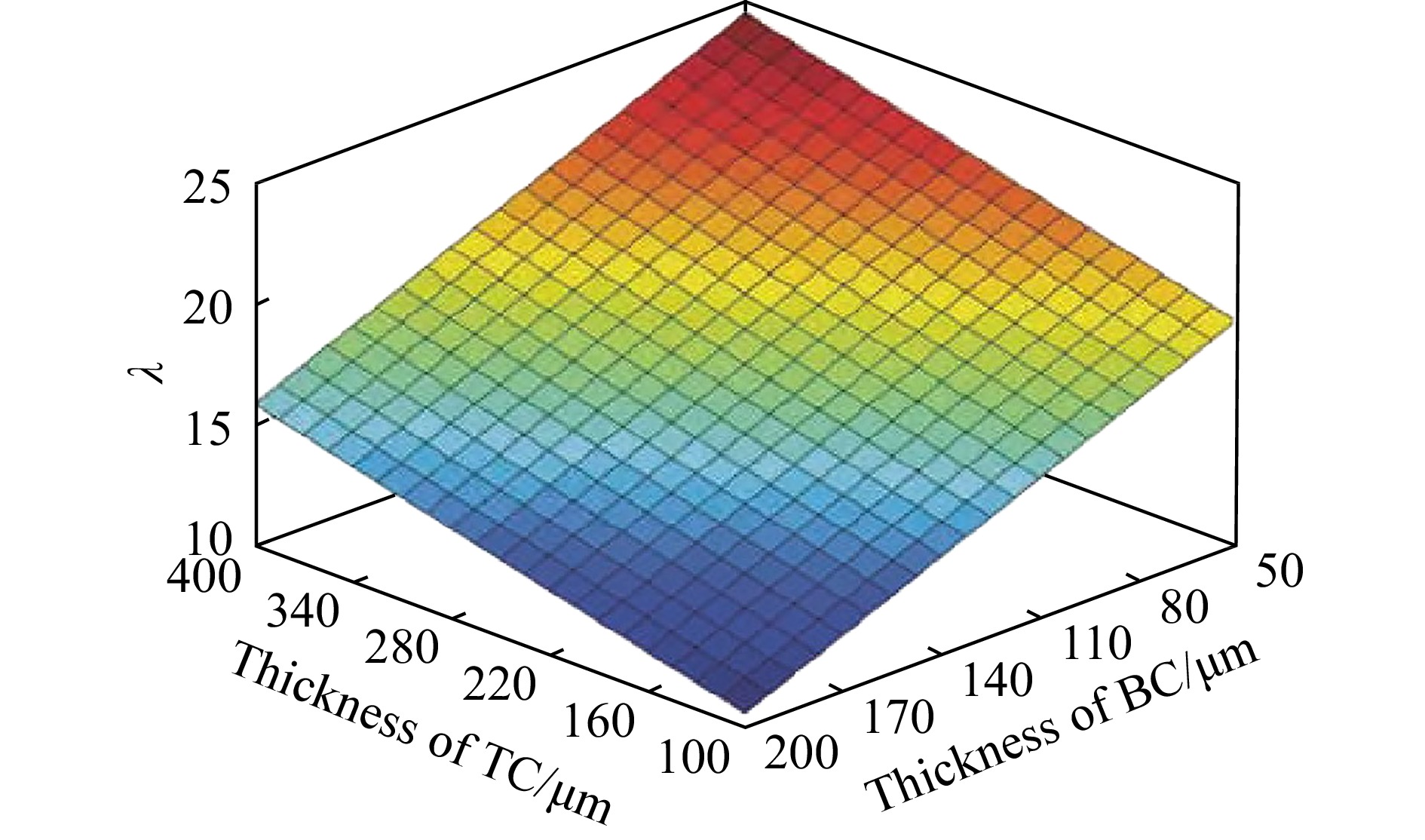
A methodology of life prediction for thermal barrier coatings was developed to meet the engineering design requirement of turbine blades with coatings. According to the loading feature of thermal barrier coatings, a simplified mechanical model was adopted to calculate the critical behavior of each layer efficiently. The interfacial damage evolution generated in the coatings was measured by the spalling-resistance tests on the simulated specimens with thermal barrier coatings after undergoing high-temperature long-term oxidation and thermal fatigue. On this basis, the total damage in the coatings was decomposed and a damage model considering the coupling of oxidatively induced and mechanically induced damages was proposed to improve the prediction accuracy of damage and spallation life. Lastly, based on the theoretical models, a software tool for damage analysis and life prediction of thermal barrier coatings, which can be integrated in the existing design process of components, was developed and verified by the instance of turbine blade. The results showed that the above-mentioned method predicted the evolution of damage generated in thermal barrier coatings with an error of ±10%.

Numerical calculation on resistance characteristics of metal foam
ZHANG Lifen, GE Xin, HU Xinglong, WEI Ruirong, YU Bangtuo, LIU Zhenxia
2024, 39(10): 20220638. doi: 10.13224/j.cnki.jasp.20220638
Abstract:

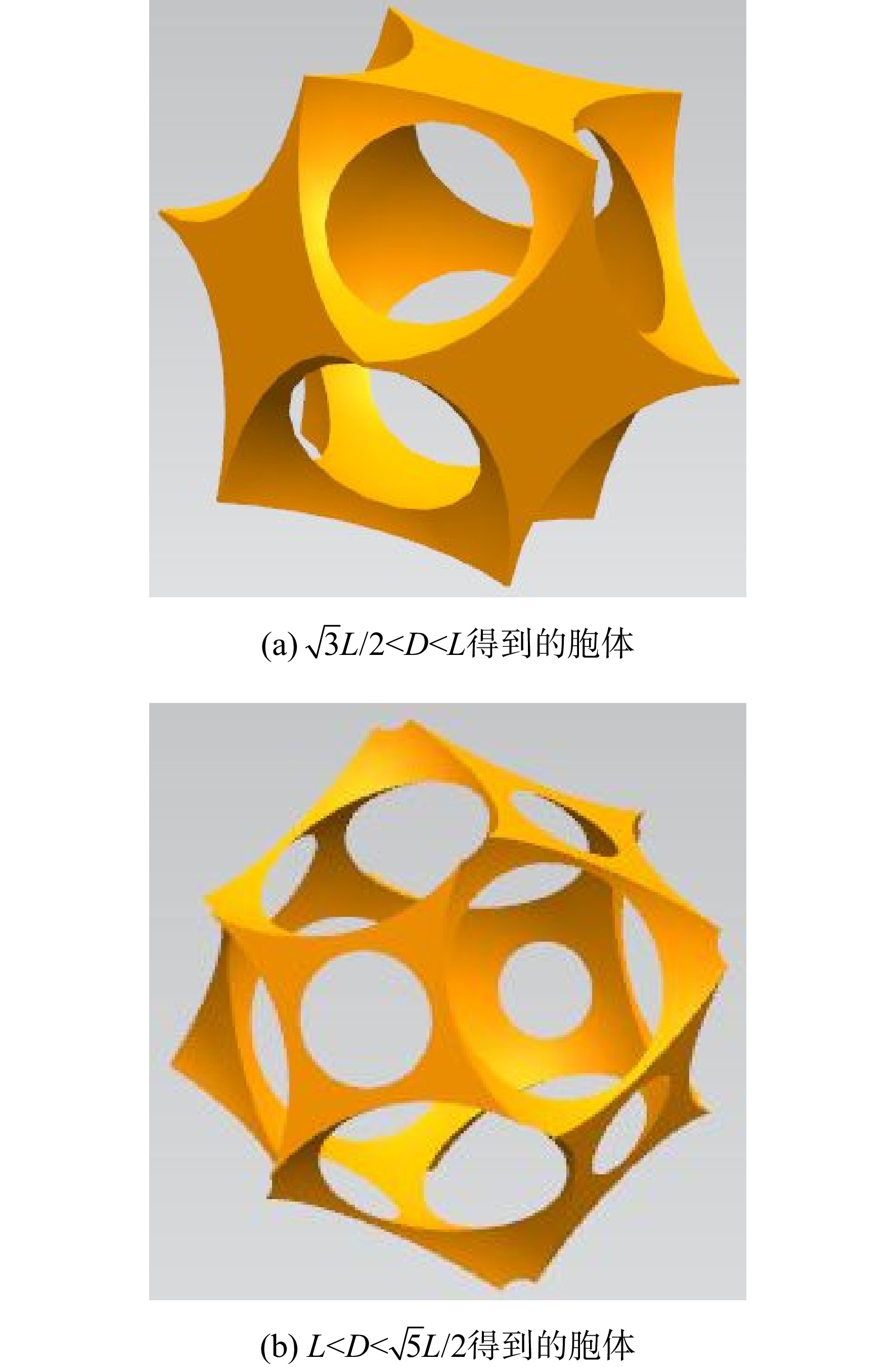
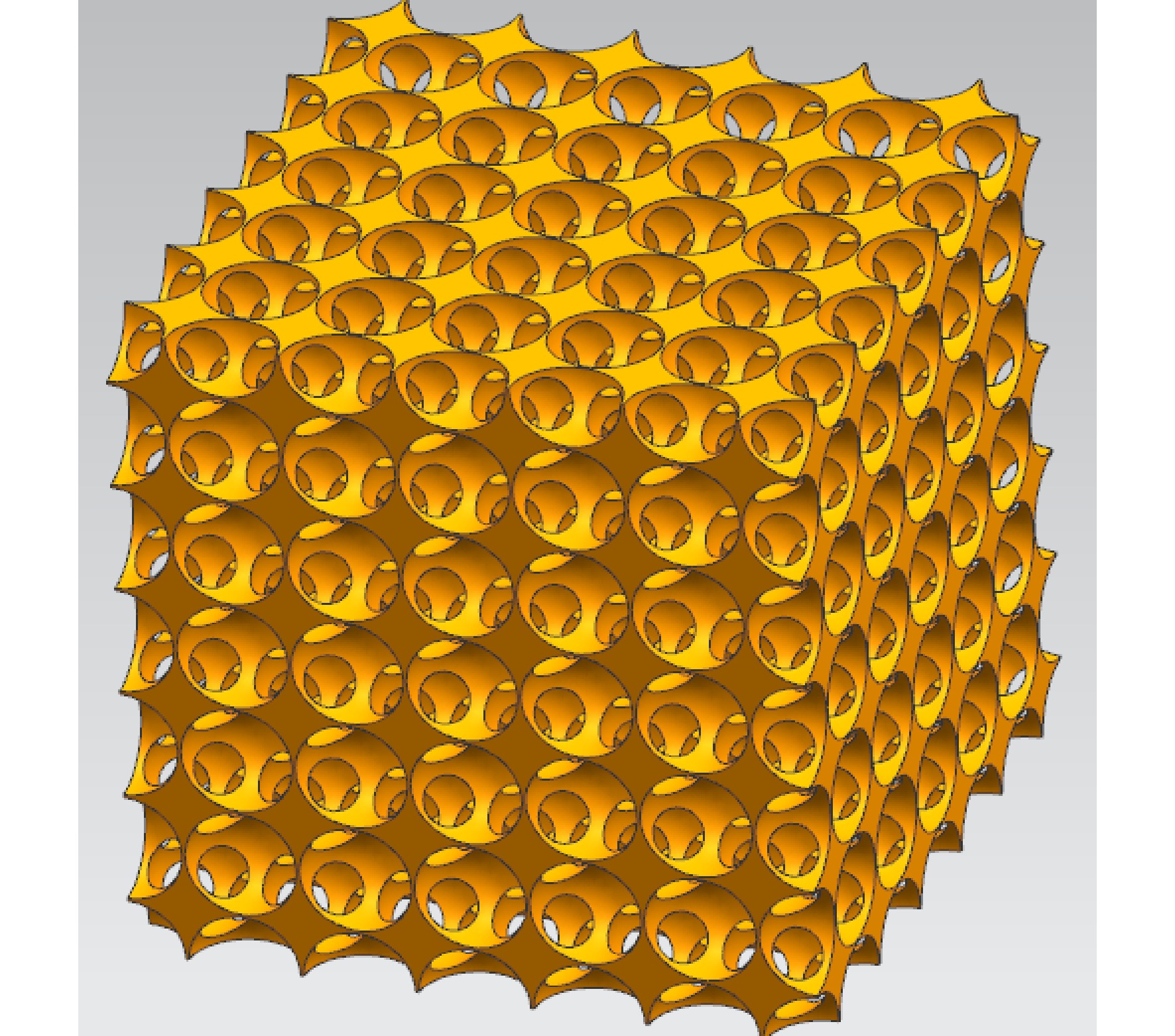
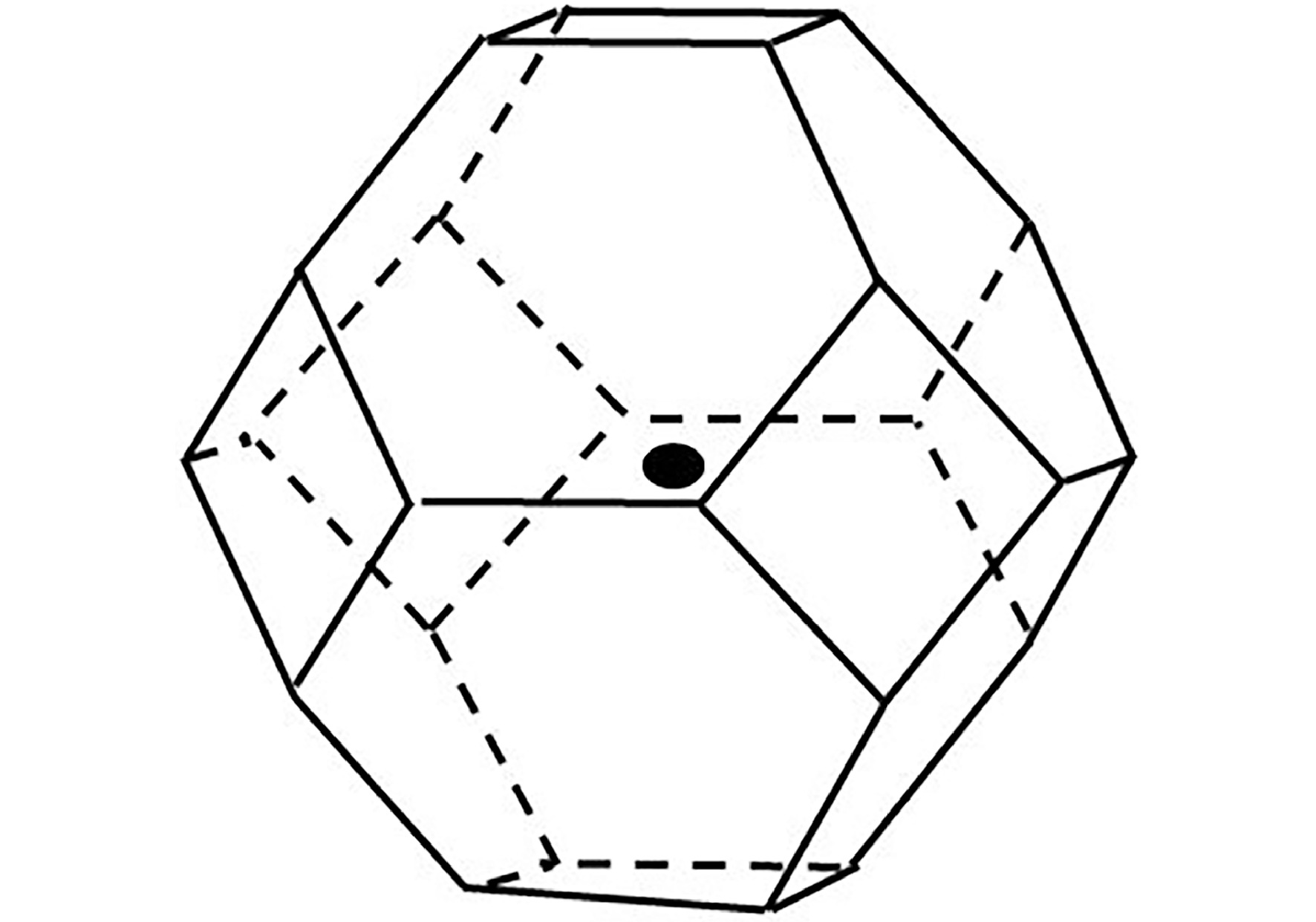
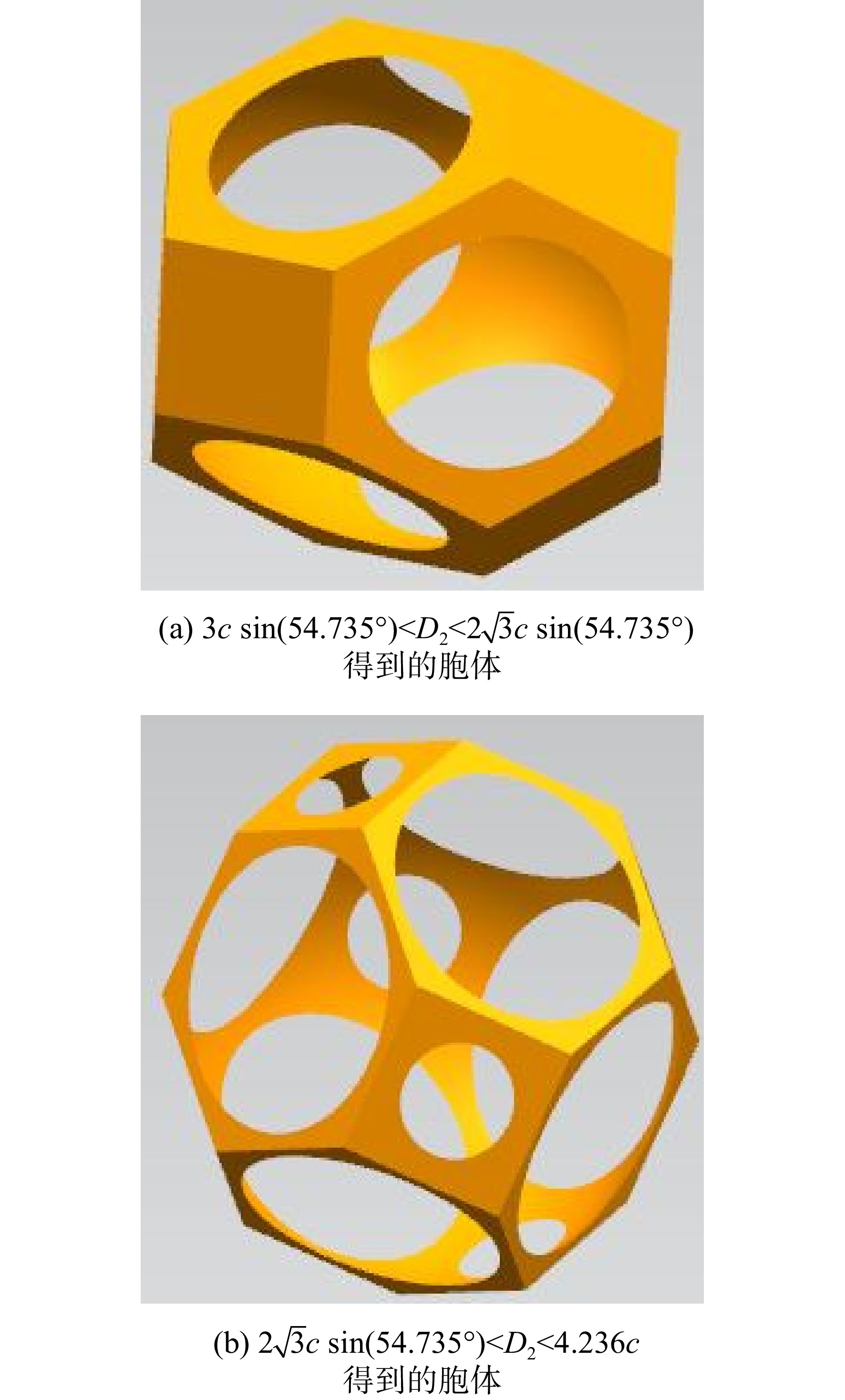
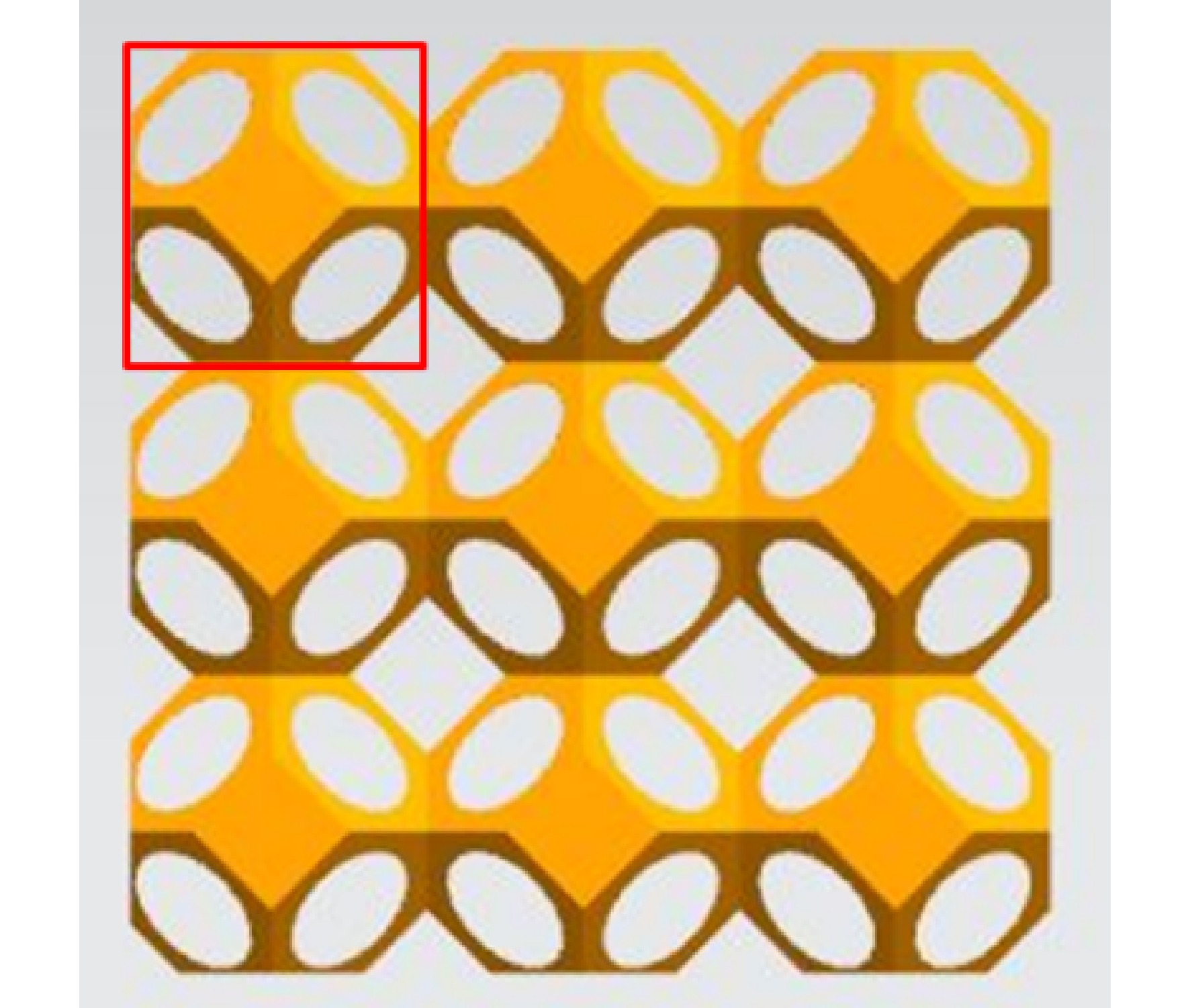
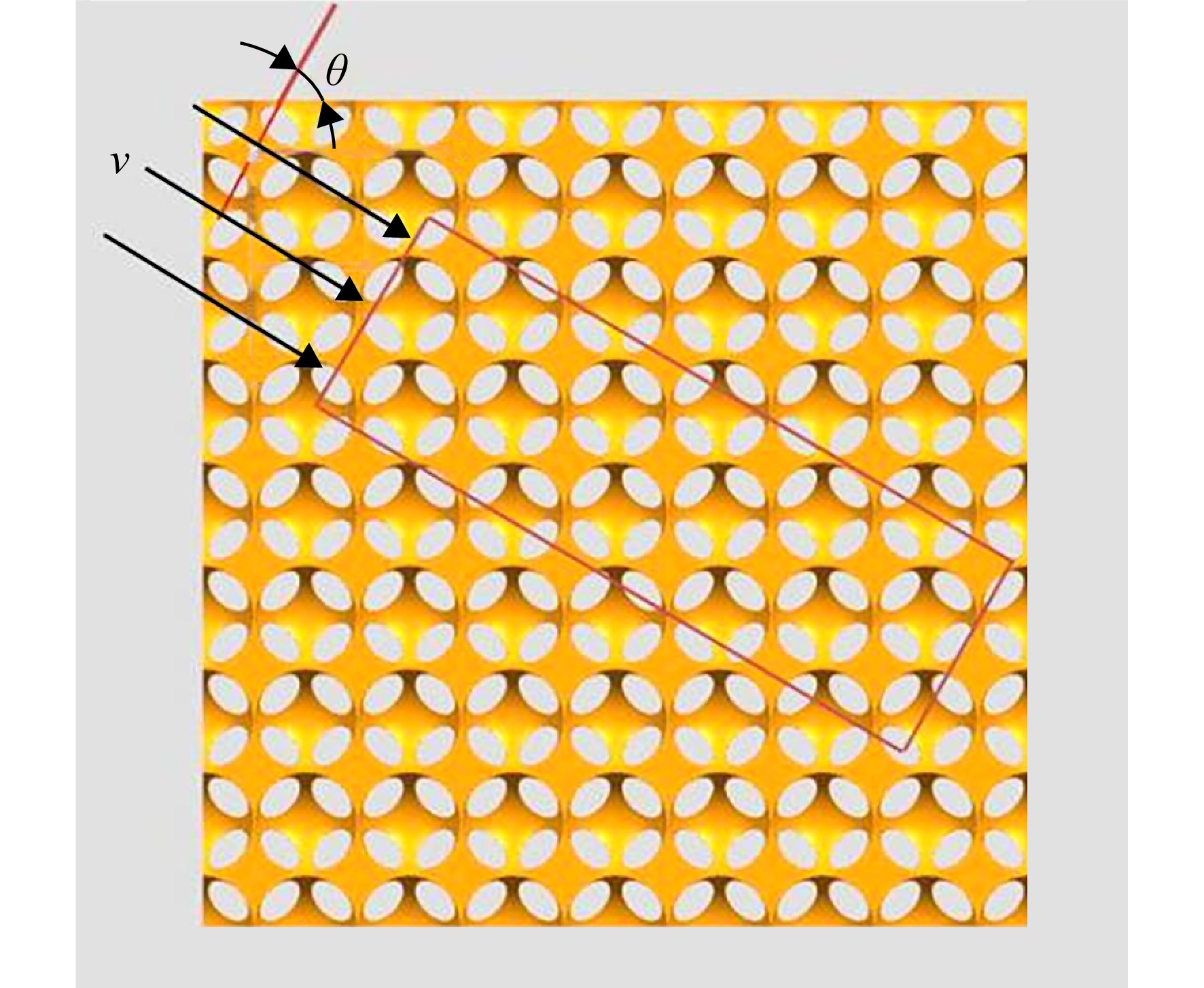
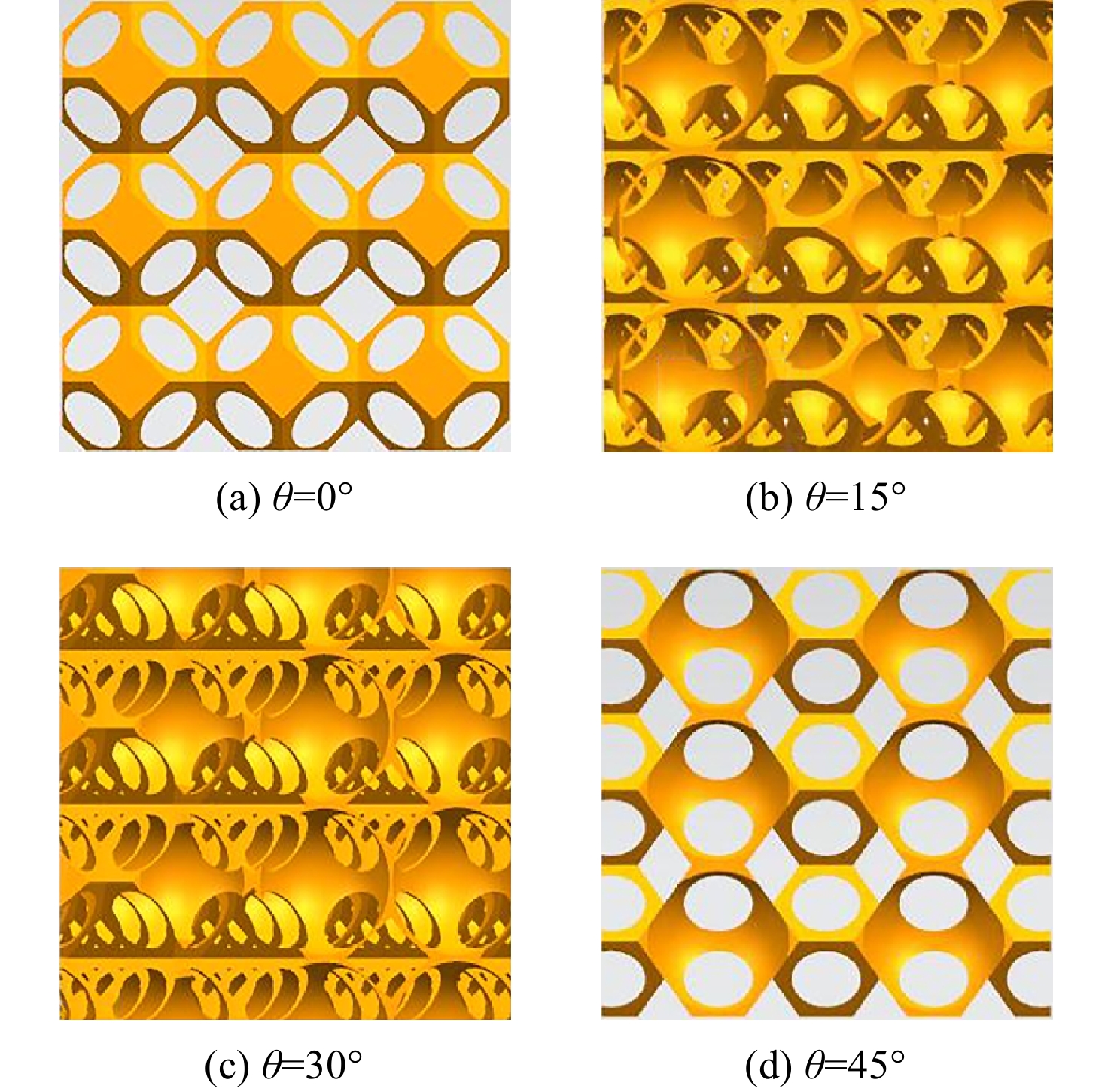
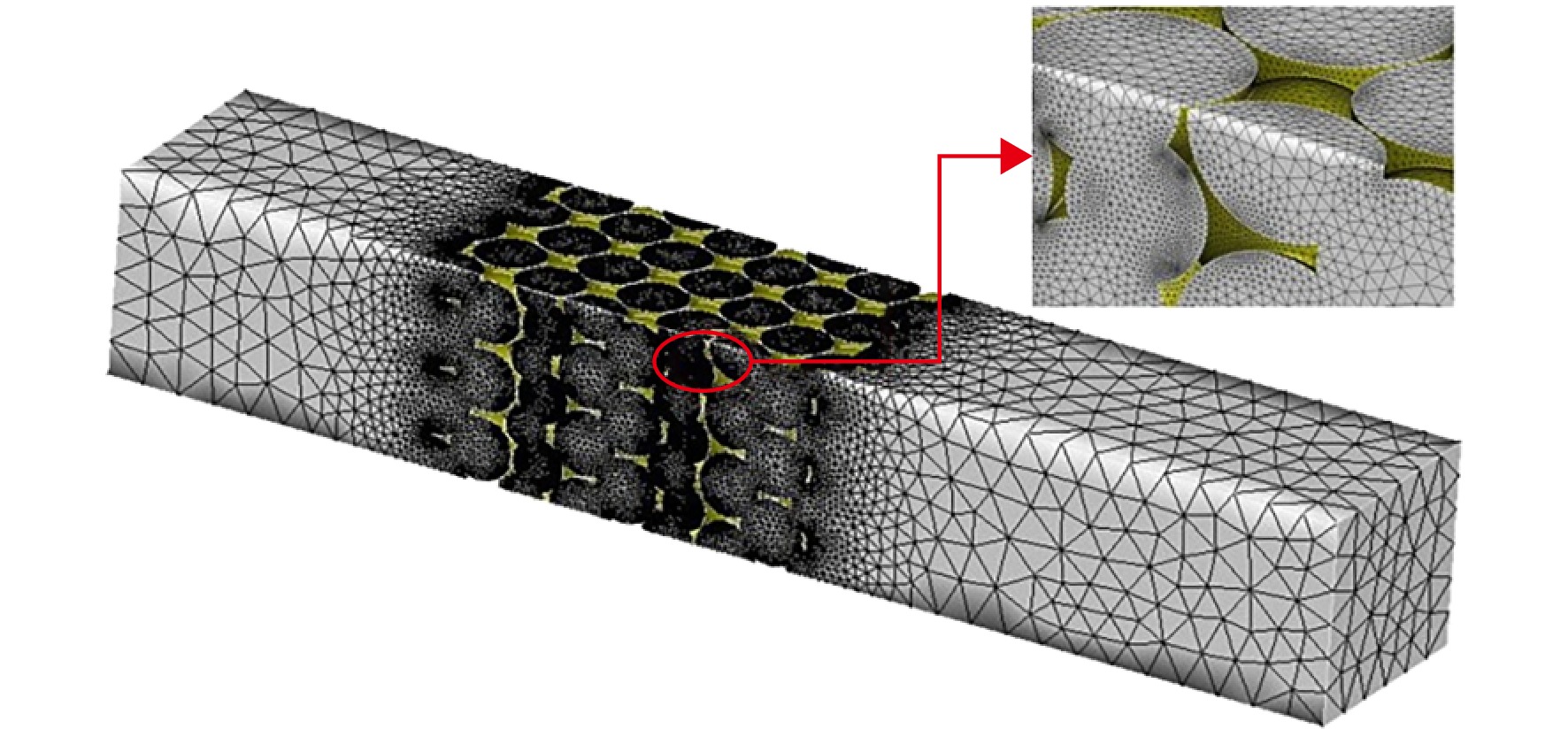
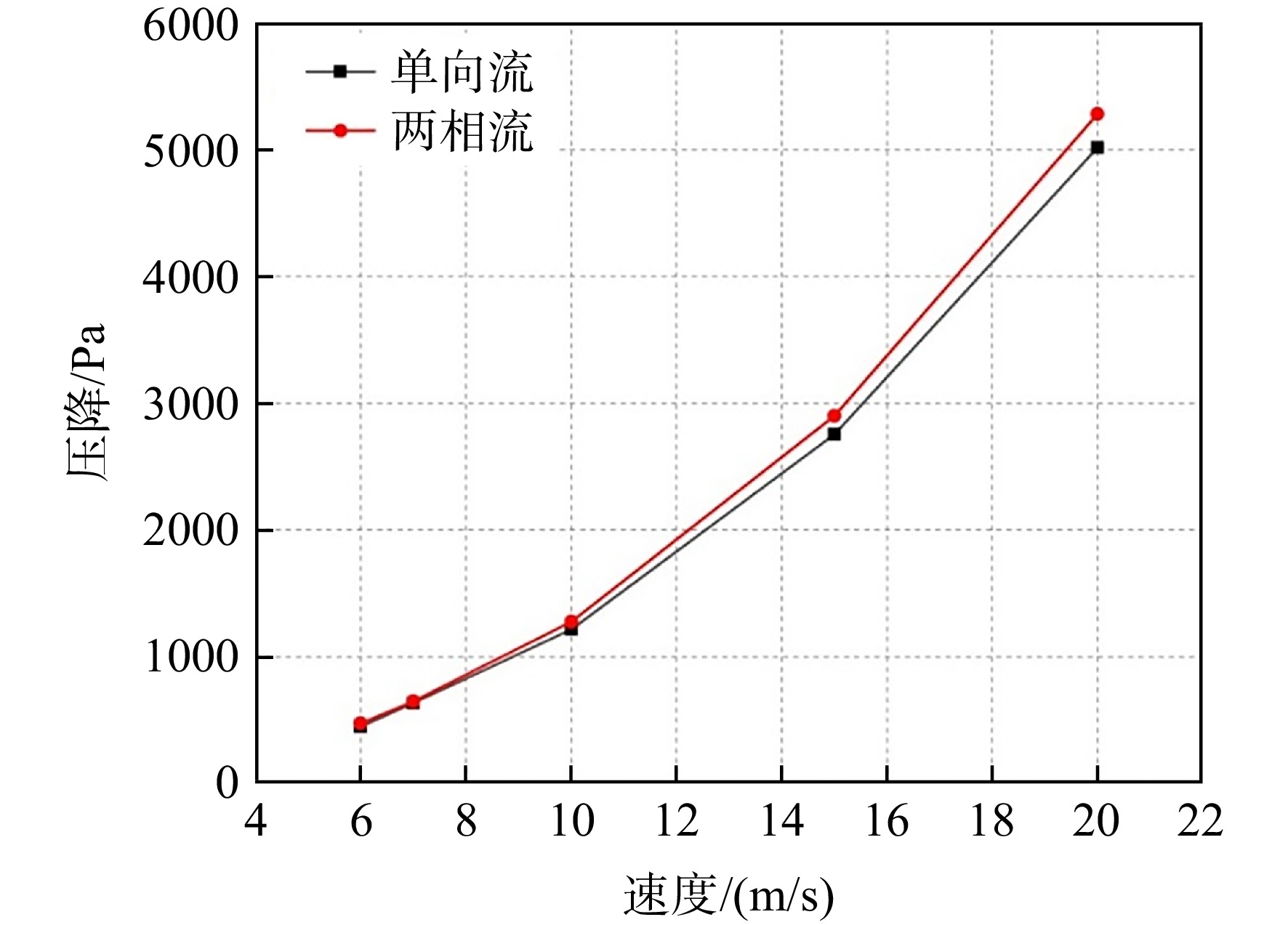
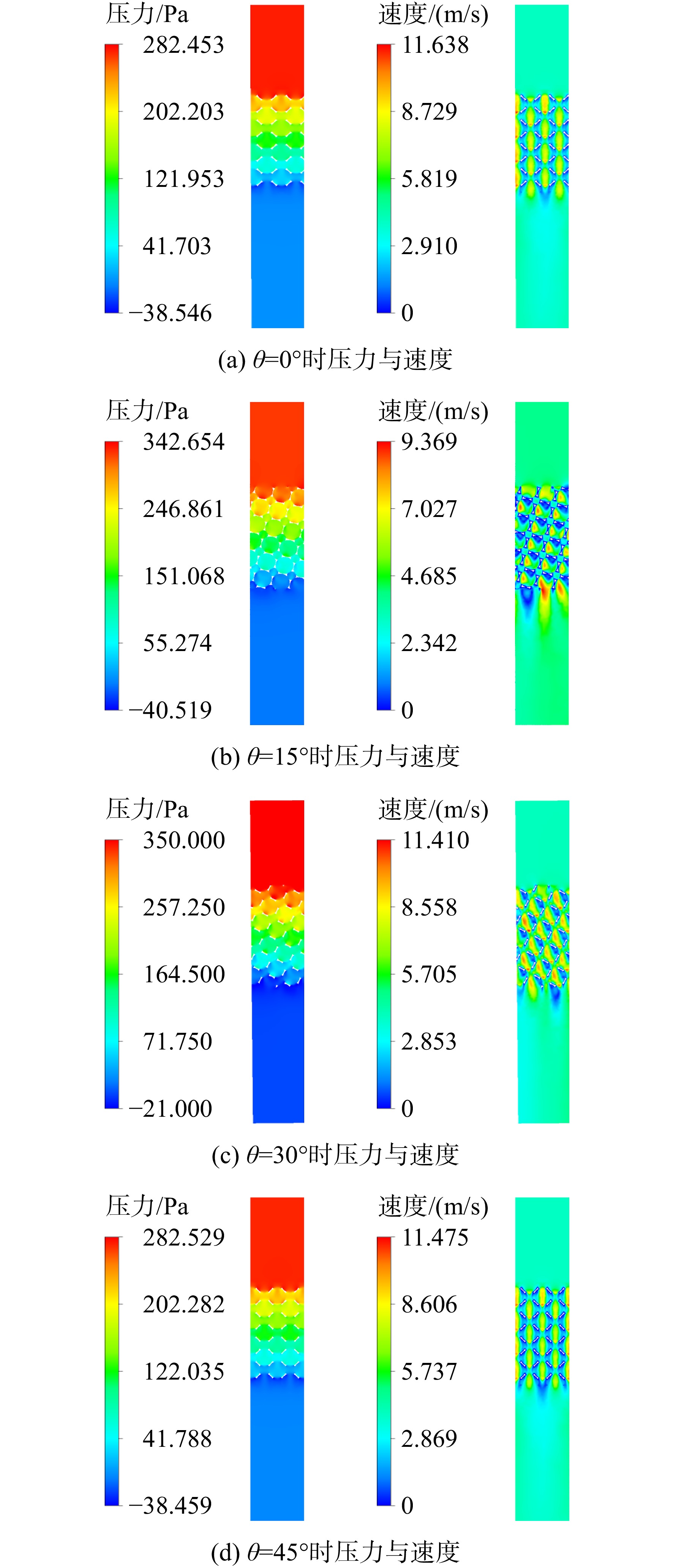
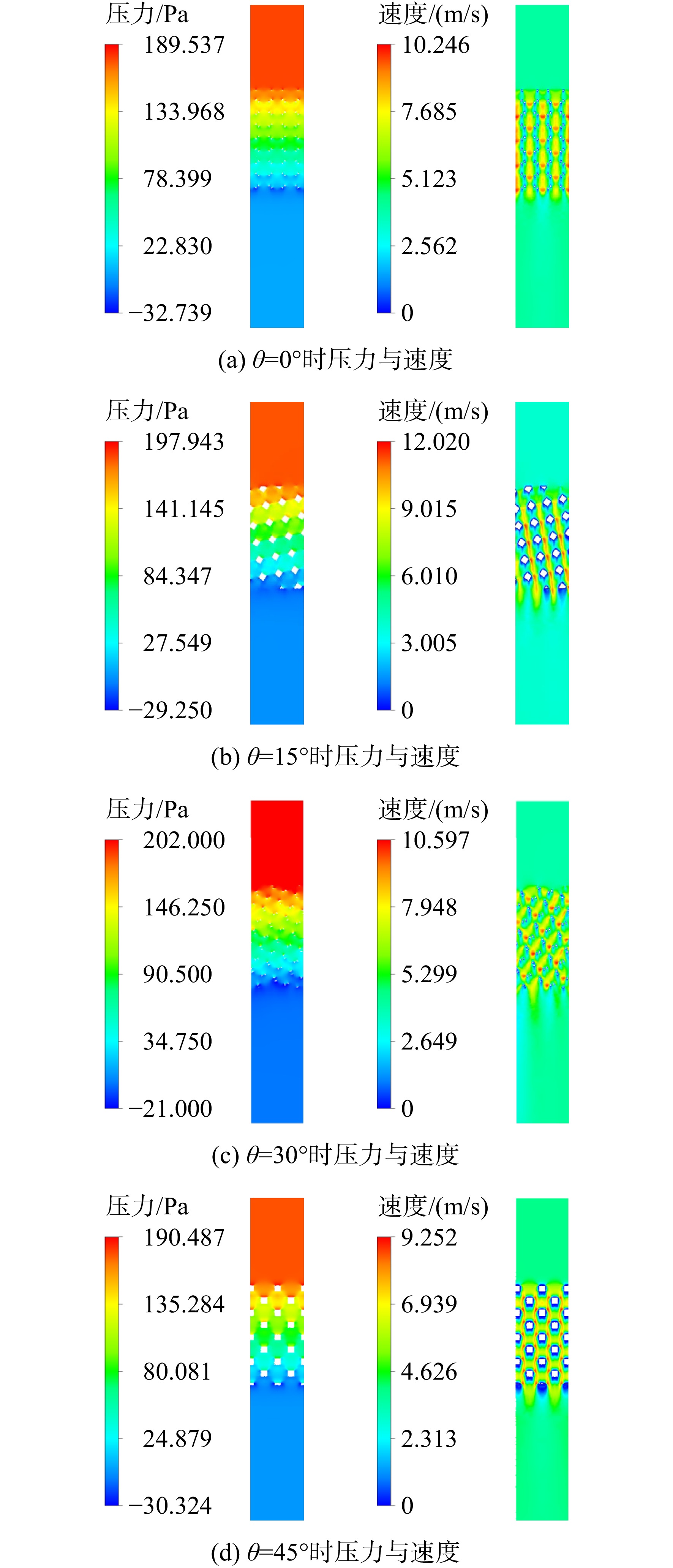
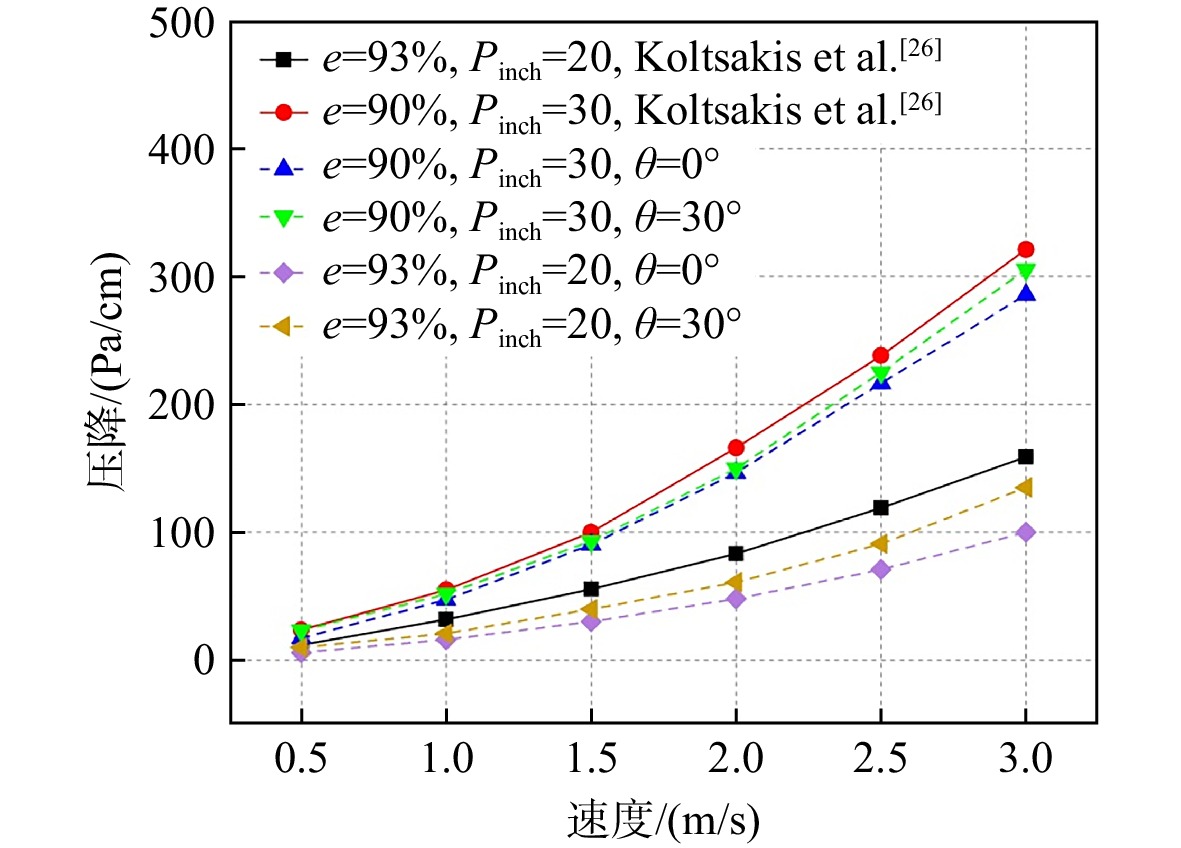
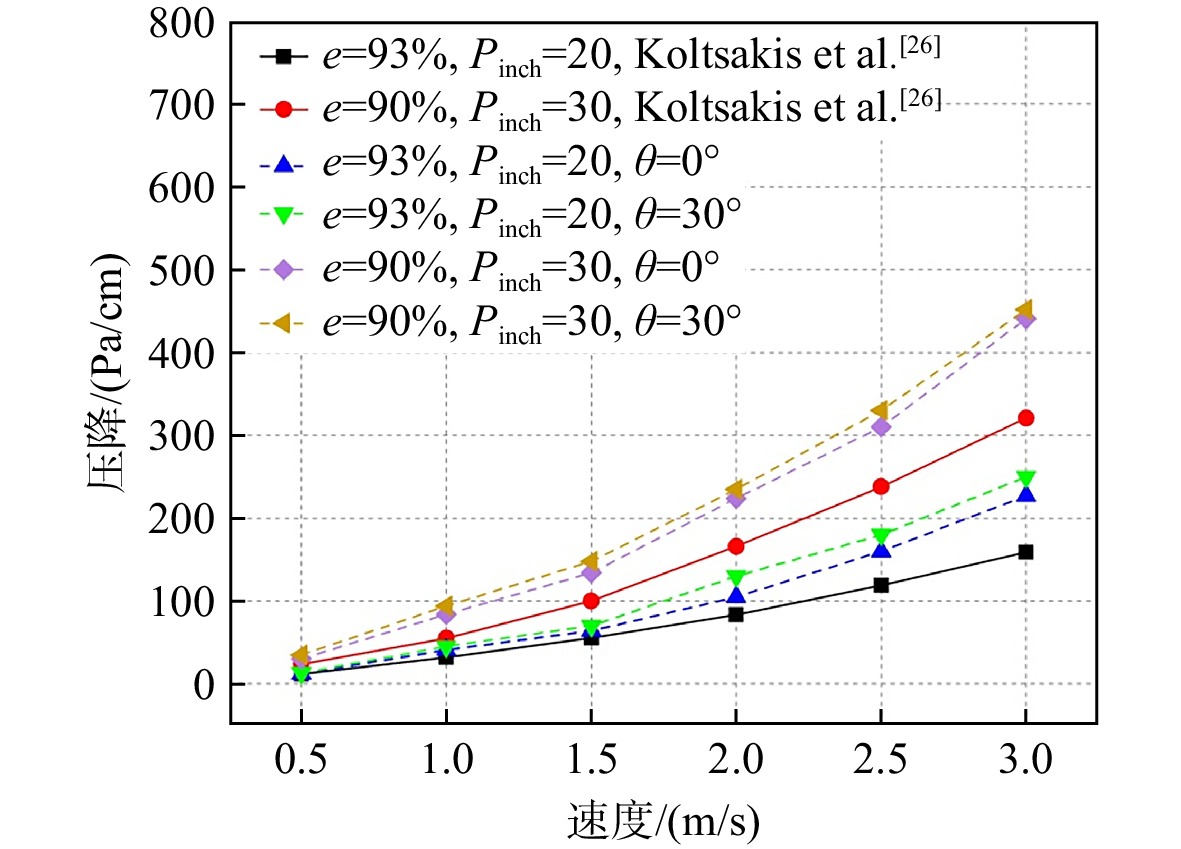
The cell structure of the metal foam was reconstructed using the body-centered cubic structure and Kelvin structure, respectively, and the internal resistances of the metal foam under single-phase flow and two-phase flow at different cutting angles were analyzed and compared. The results showed that: 1) the body-centered cubic structure can achieve a porosity e range of 68.01% < e < 98.01%; while the Kelvin structure can achieve a porosity range of 72.1% < e < 98.7%; 2)the pressure drop calculated by two-phase flow was about 5% higher than that calculated by single-phase flow when the mass fraction of oil droplets was 9.1% and the inlet velocity was less than 20 m/s; 3) the resistance characteristics of the Kelvin structure metal foam with a cutting angle of 30° were in high agreement with those of the actual metal foam, and can better characterize the resistance characteristics of the metal foam.

Influence of variable temperature circulating air on turbine guide vane life
CHEN Yingtao, LIANG Shuwei, AI Yanting, LIANG Zijian
2024, 39(10): 20220834. doi: 10.13224/j.cnki.jasp.20220834
Abstract:

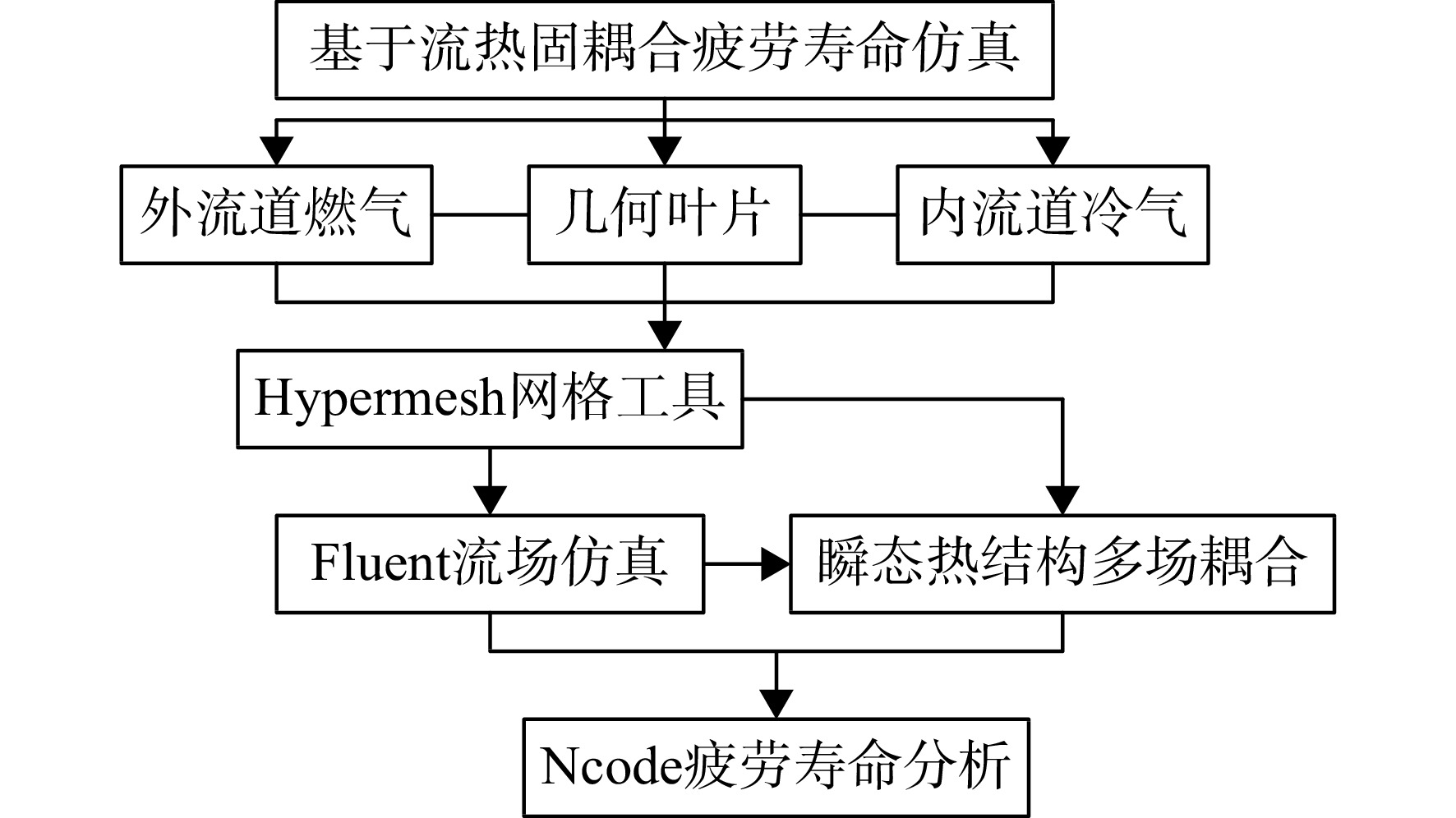
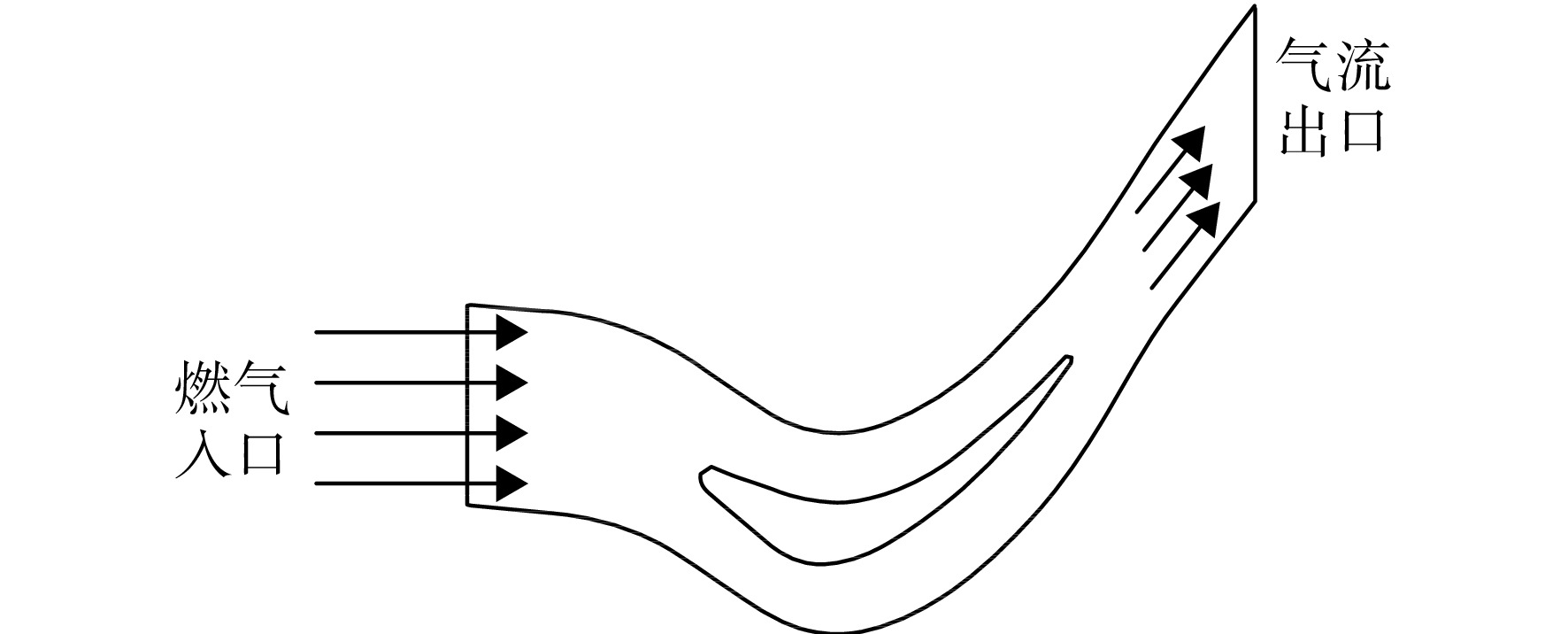
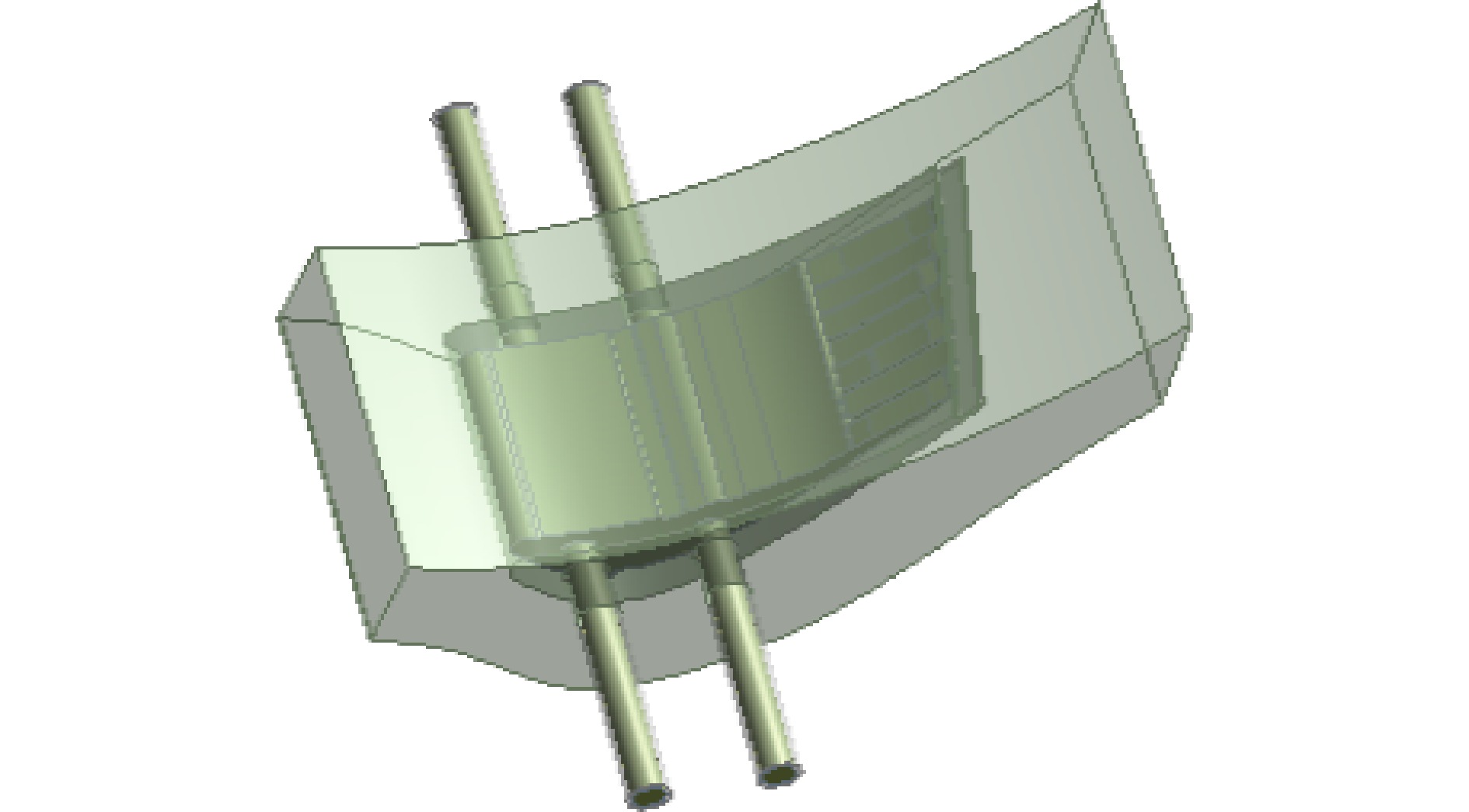
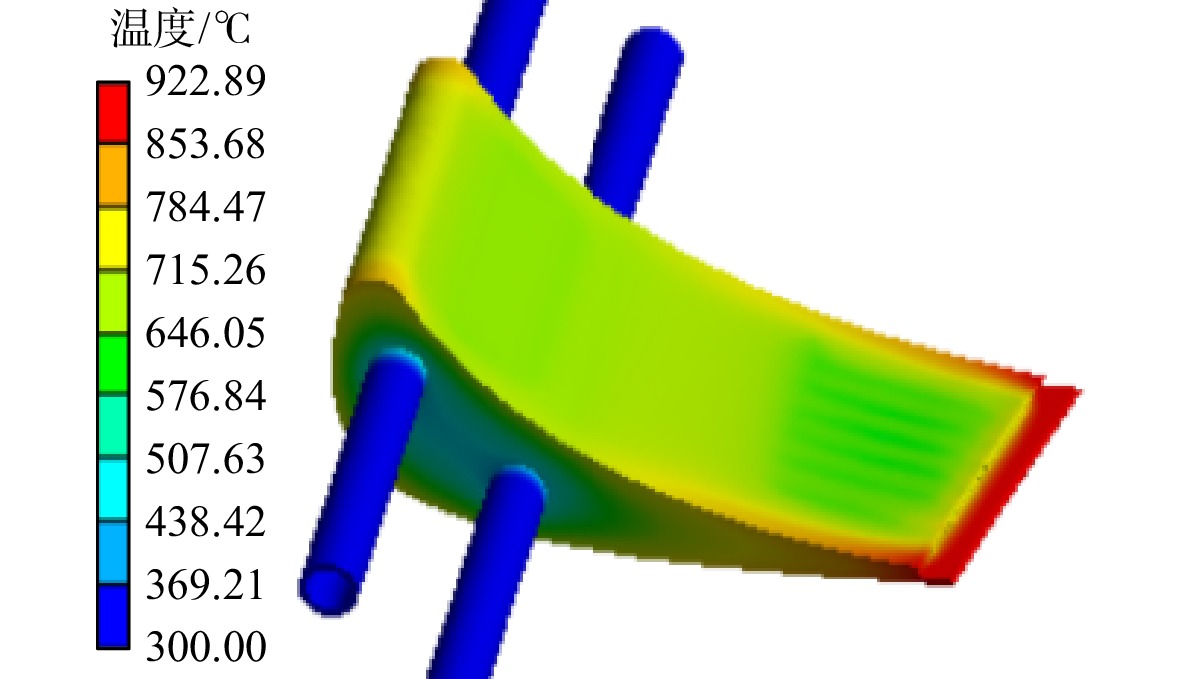
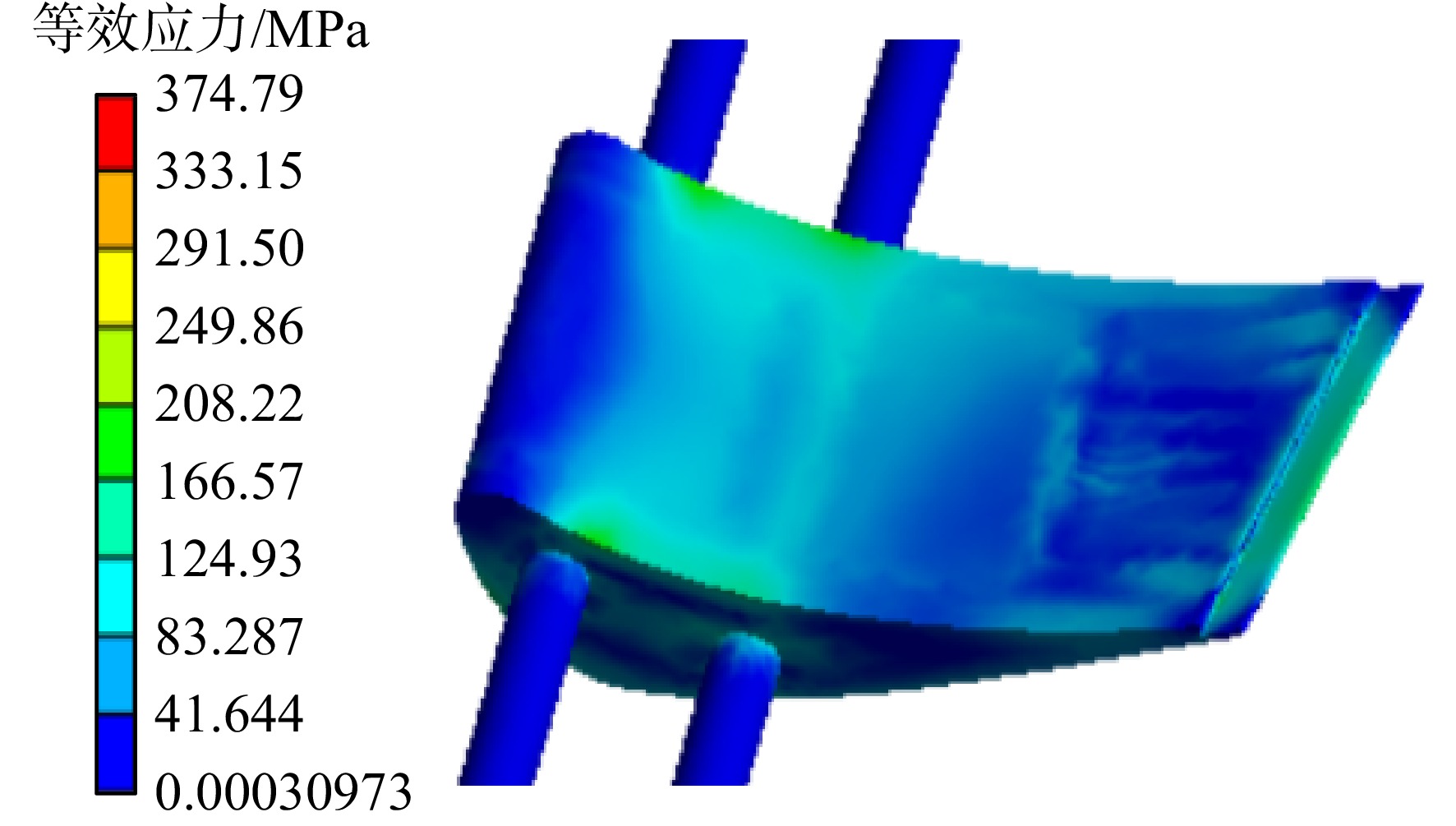
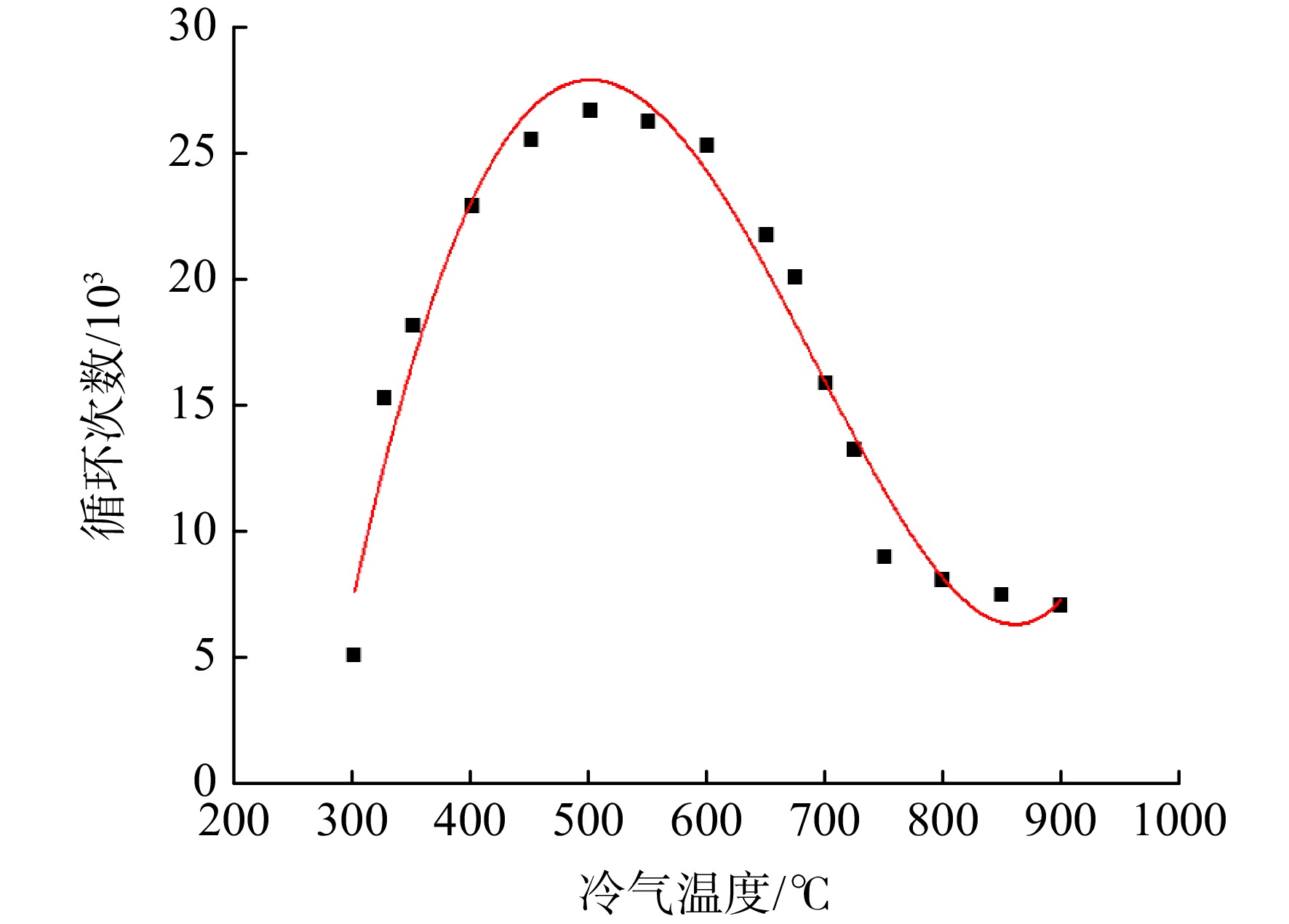
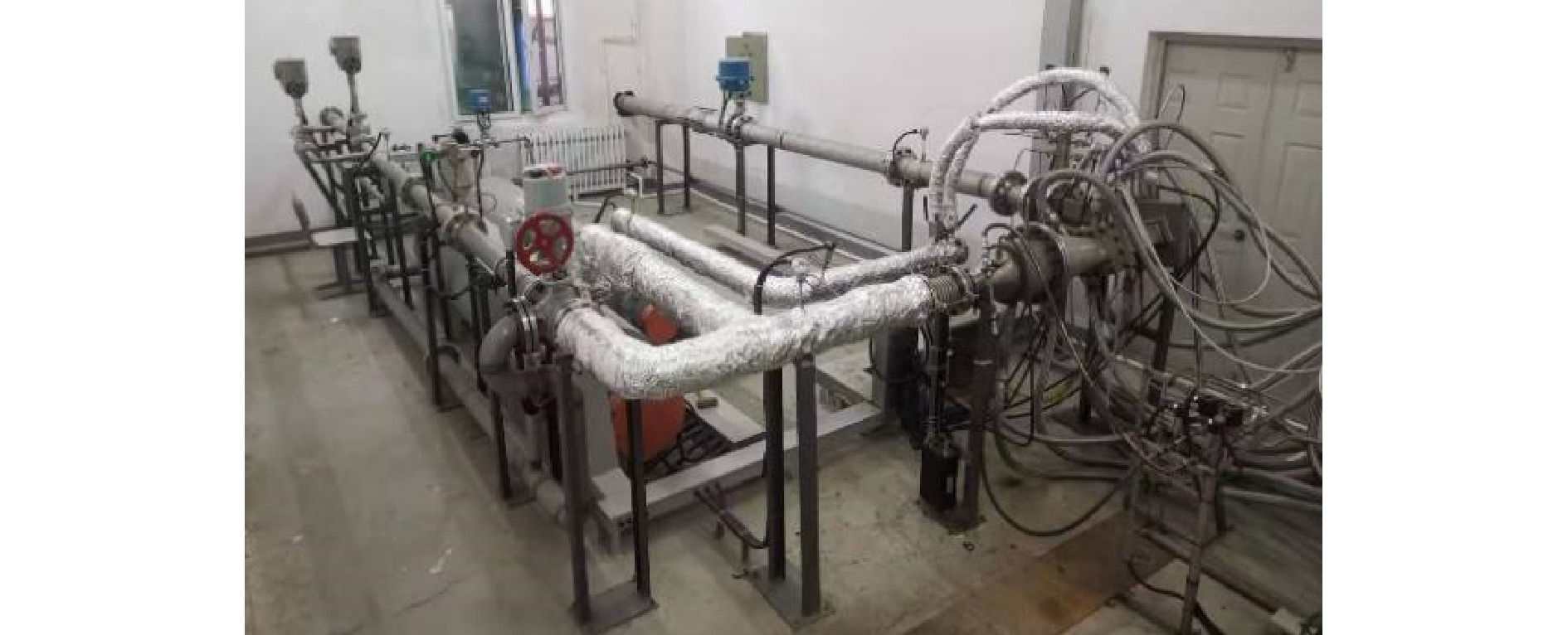
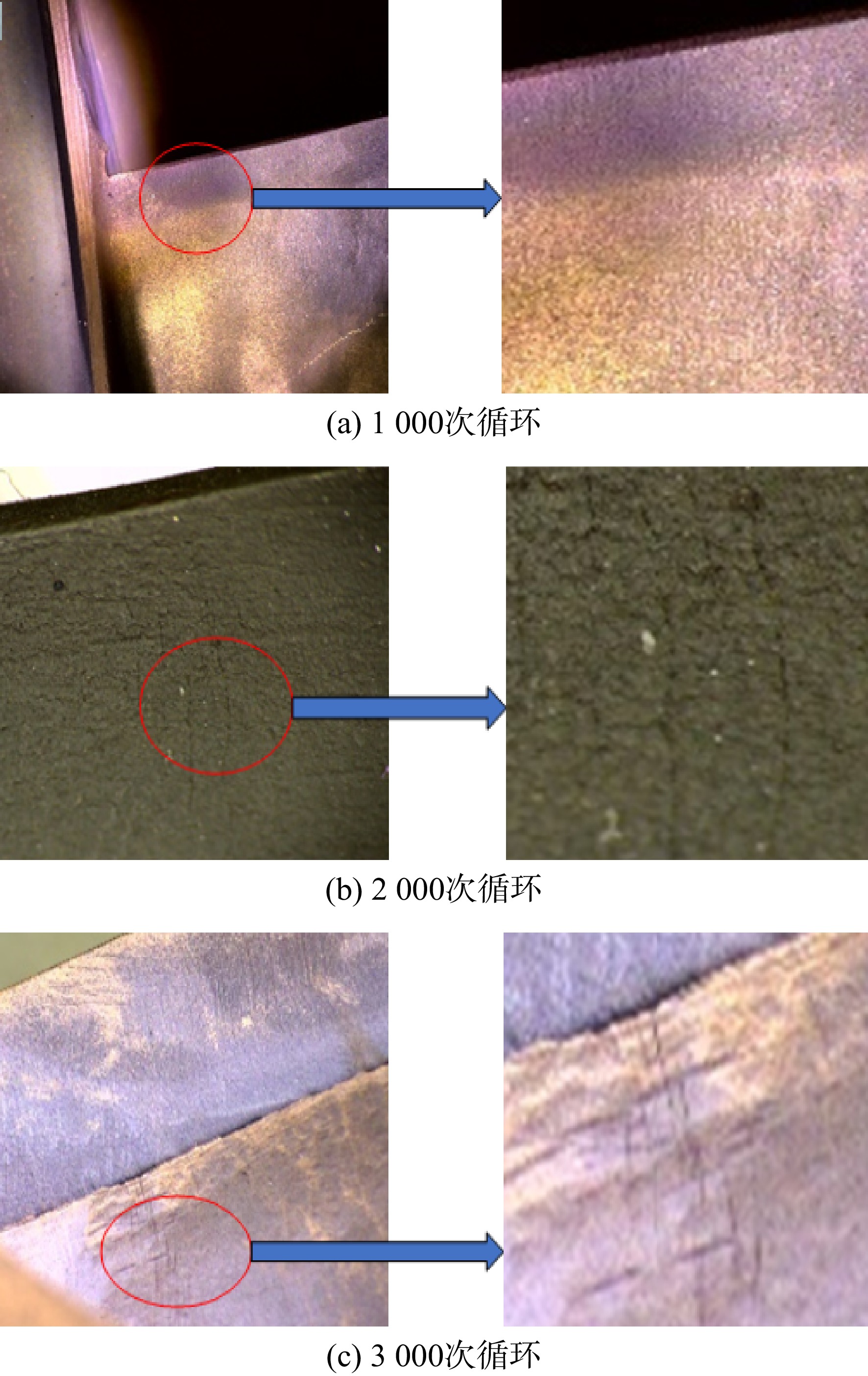
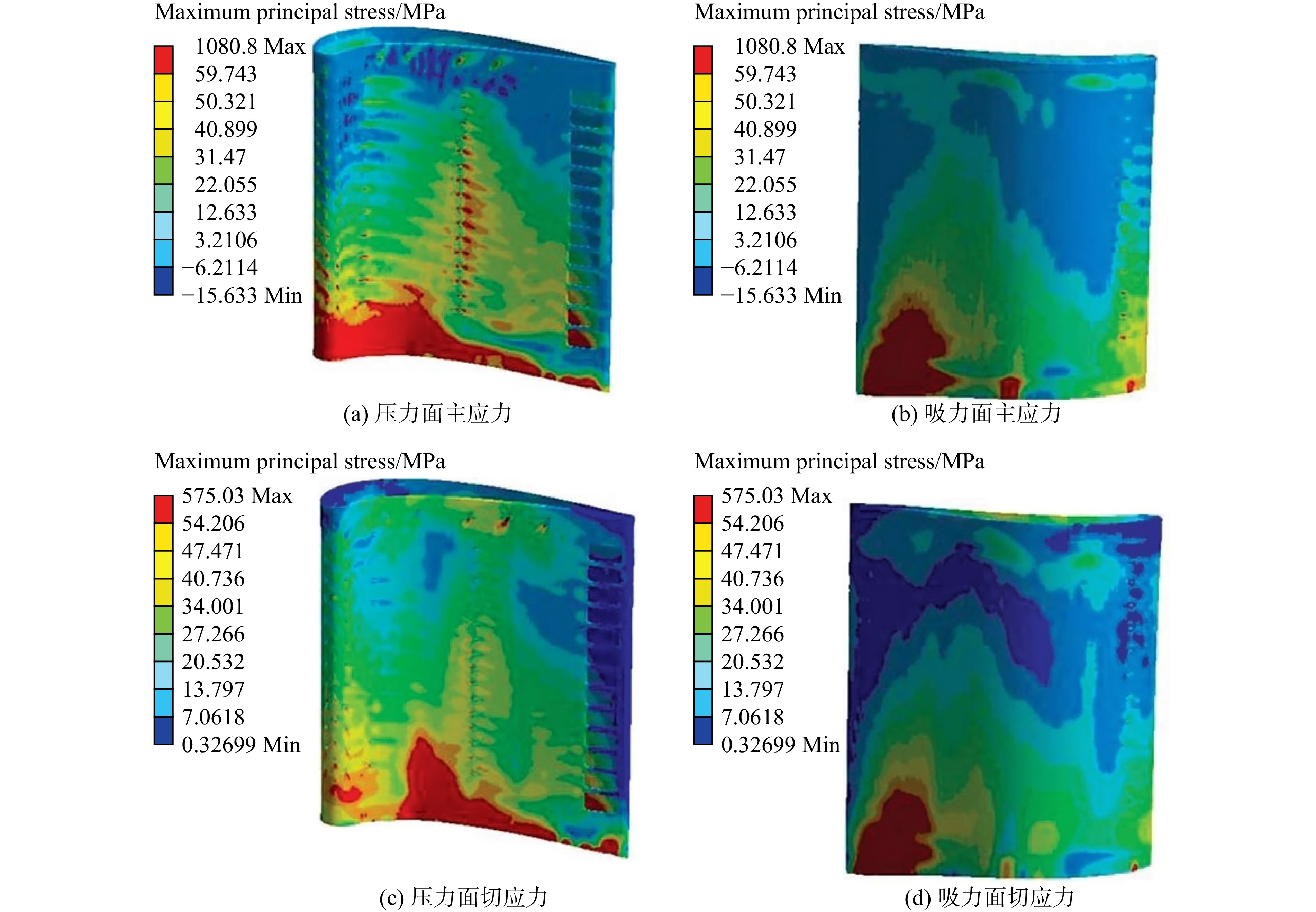
To improve the reliability and service life of gas turbine guide vane, the concept of variable temperature circulating air conditioning was introduced. Taking a turbine vane as an example, the thermal shock cycle fatigue life of a gas turbine vane was studied, and three-dimensional fluid-solid thermal coupling finite element analysis of stress state under start-stop cycle load spectrum of turbine guide vane was carried out. According to the change law of thermal shock stress of the vane in the cold air of the variable temperature cycle, the temperature field distribution and stress field distribution of the vane in the steady state and transition state in the cycle were obtained, and then the structural strength and fatigue life of the vane under each calculation condition were analyzed and evaluated. A test bench was built, thermal shock fatigue test was carried out on the turbine guide vane of this type of gas turbine under constant temperature cold air circulation, and then the test results were compared with the results of finite element analysis, showing that: the large area of turbine van stress obtained by three-dimensional fluid-solid thermal coupling finite element analysis was located at the trailing edge of turbine van and the middle of turbine van basin, consistent with the failure zone obtained by thermal shock test; the thermal fatigue life of vane can be effectively improved by changing the cooling circulation temperature.

Development of aero-engine corrosion sensitivity test system
MA Pingchang, LIU Yue, GAO Fei, RUI Peng, XU Haibo
2024, 39(10): 20220835. doi: 10.13224/j.cnki.jasp.20220835
Abstract:

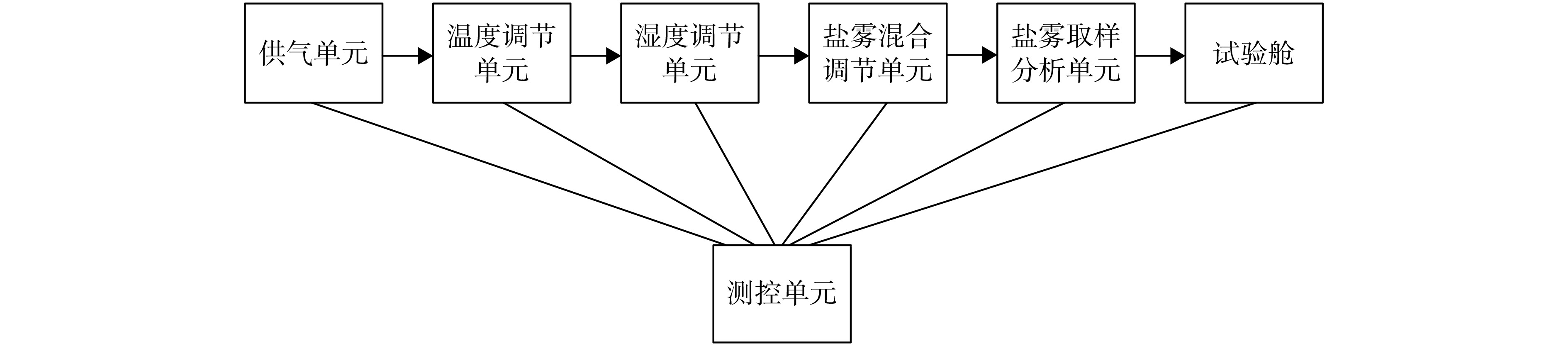
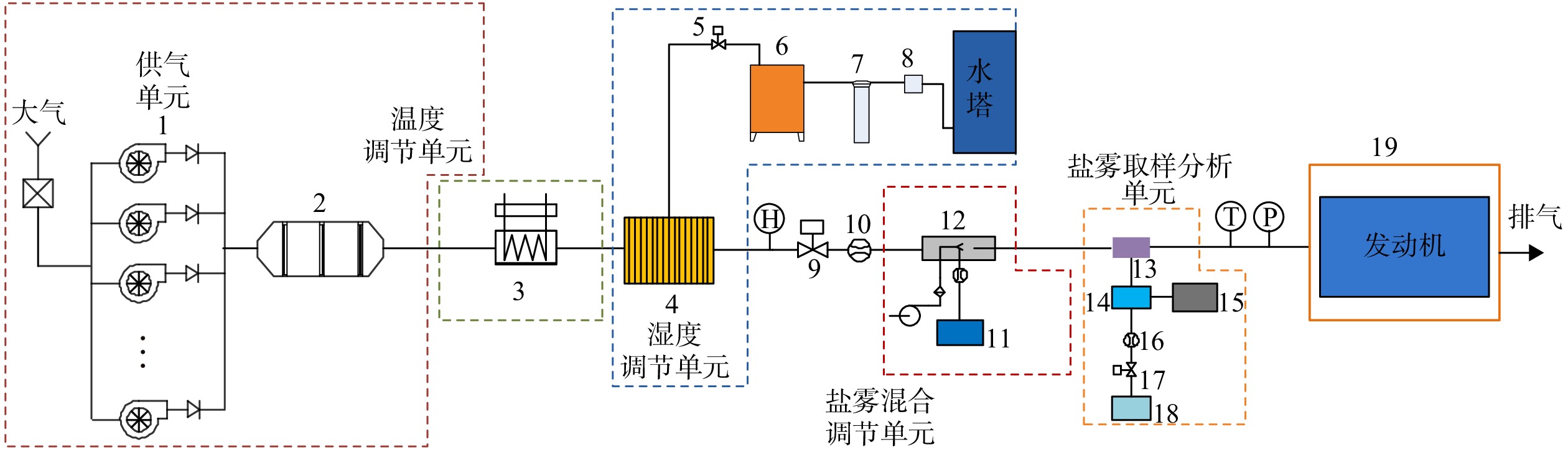
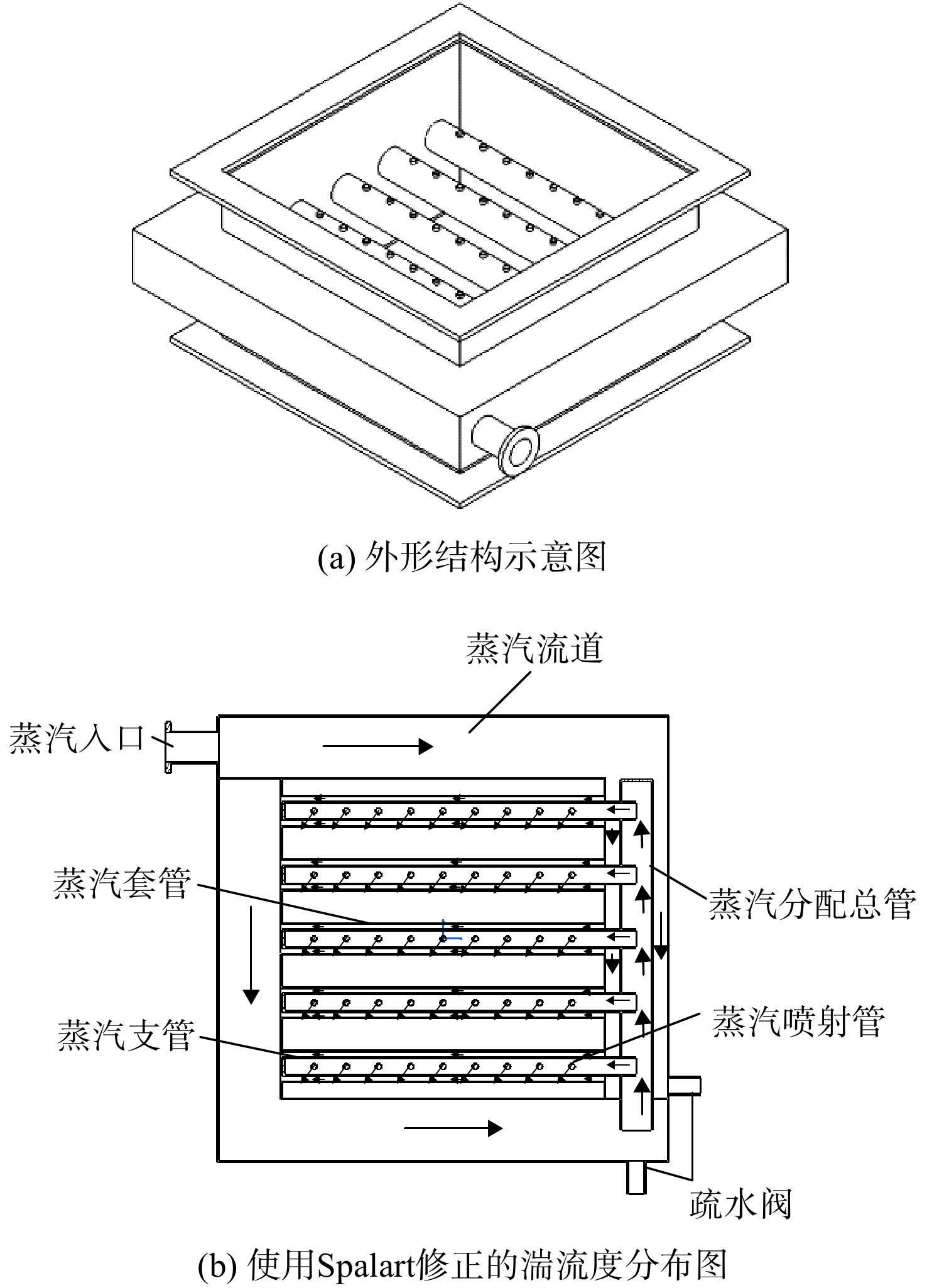
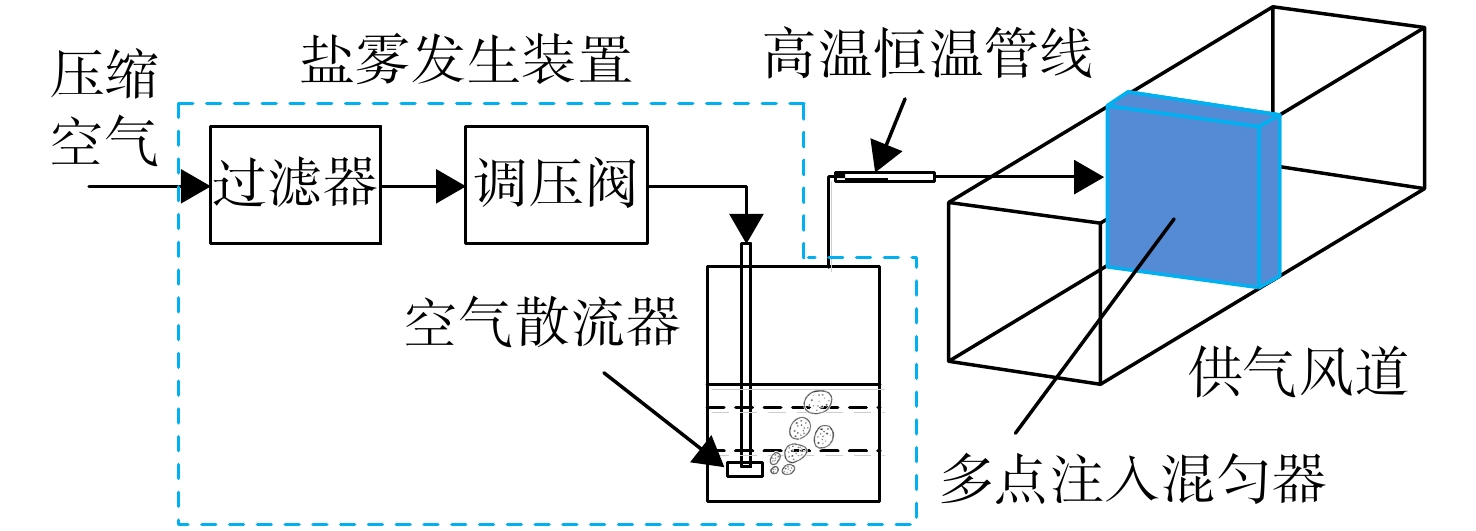
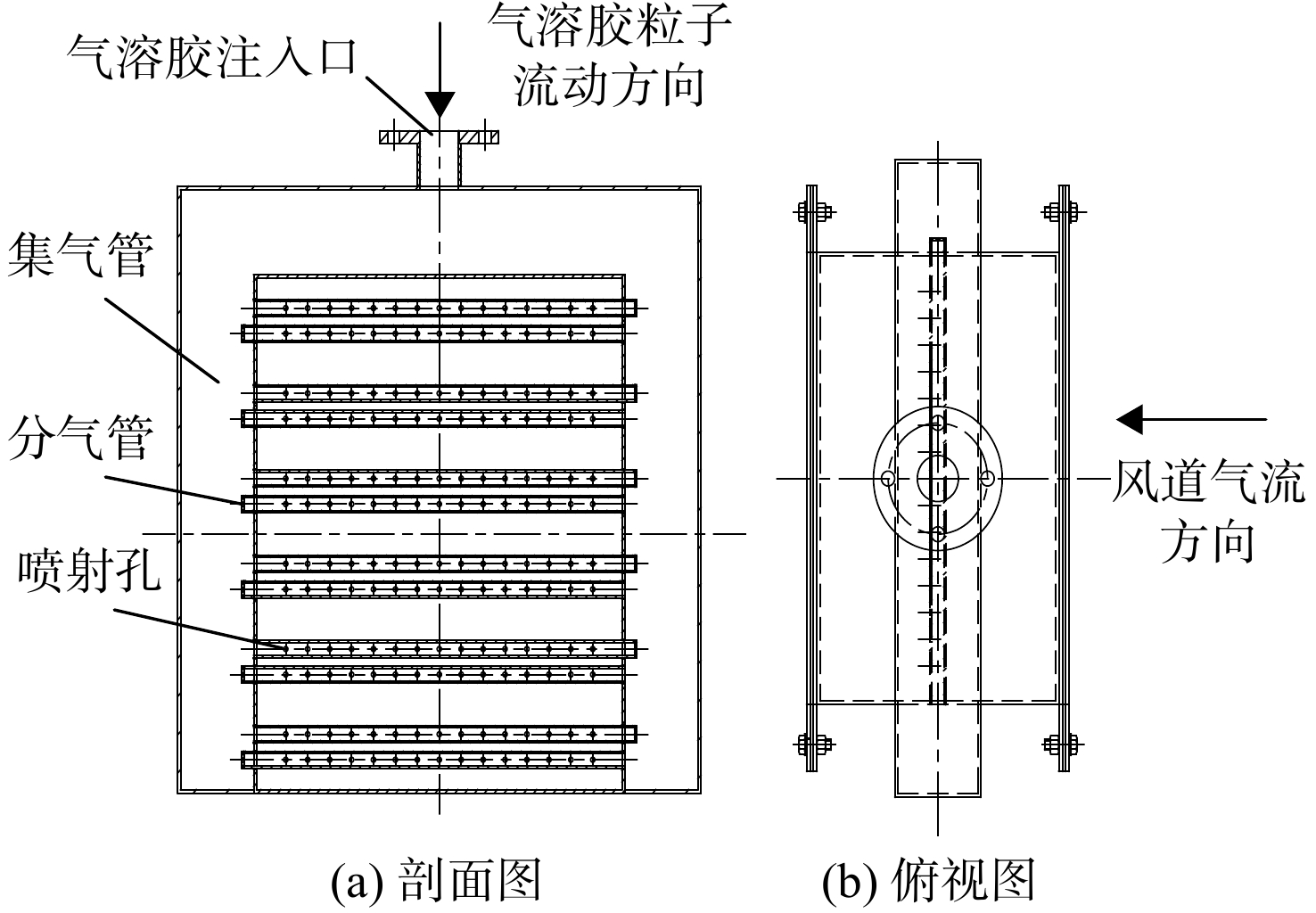
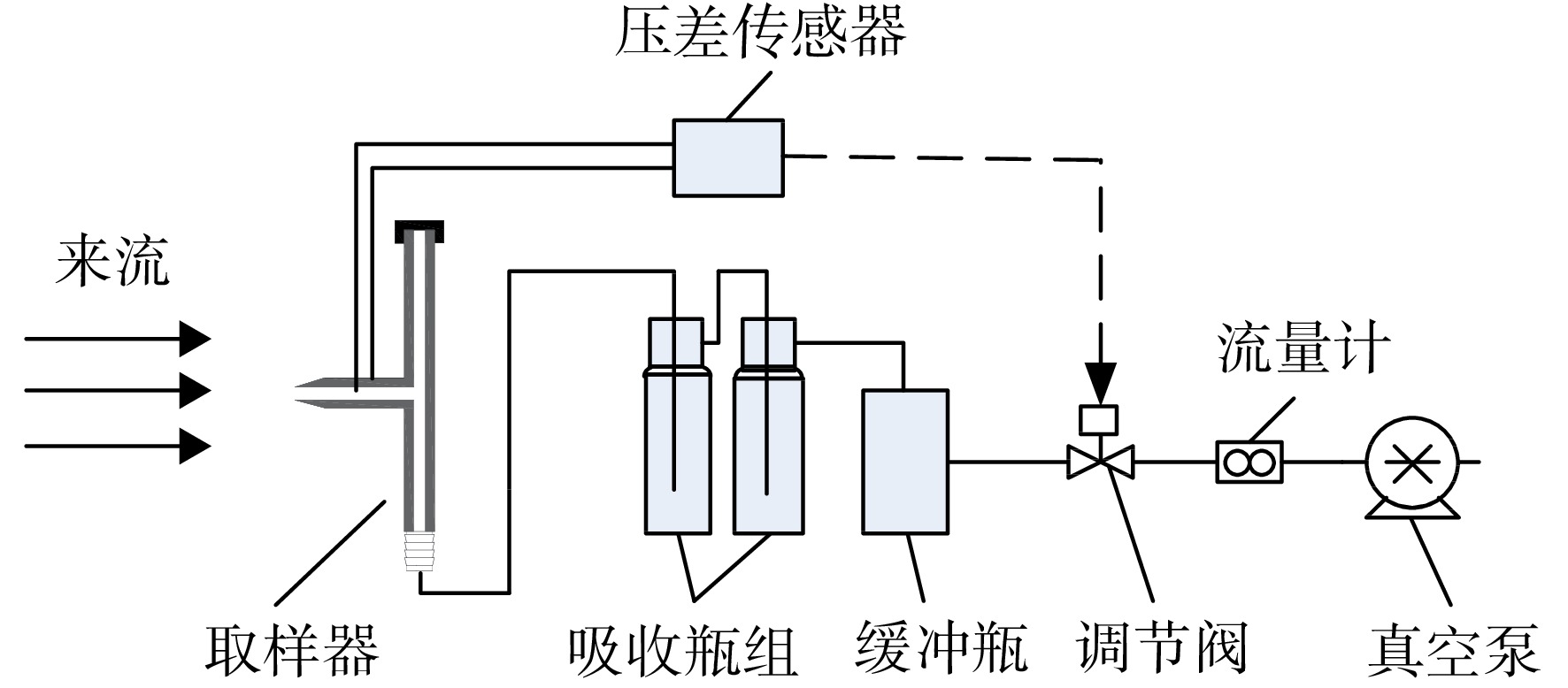
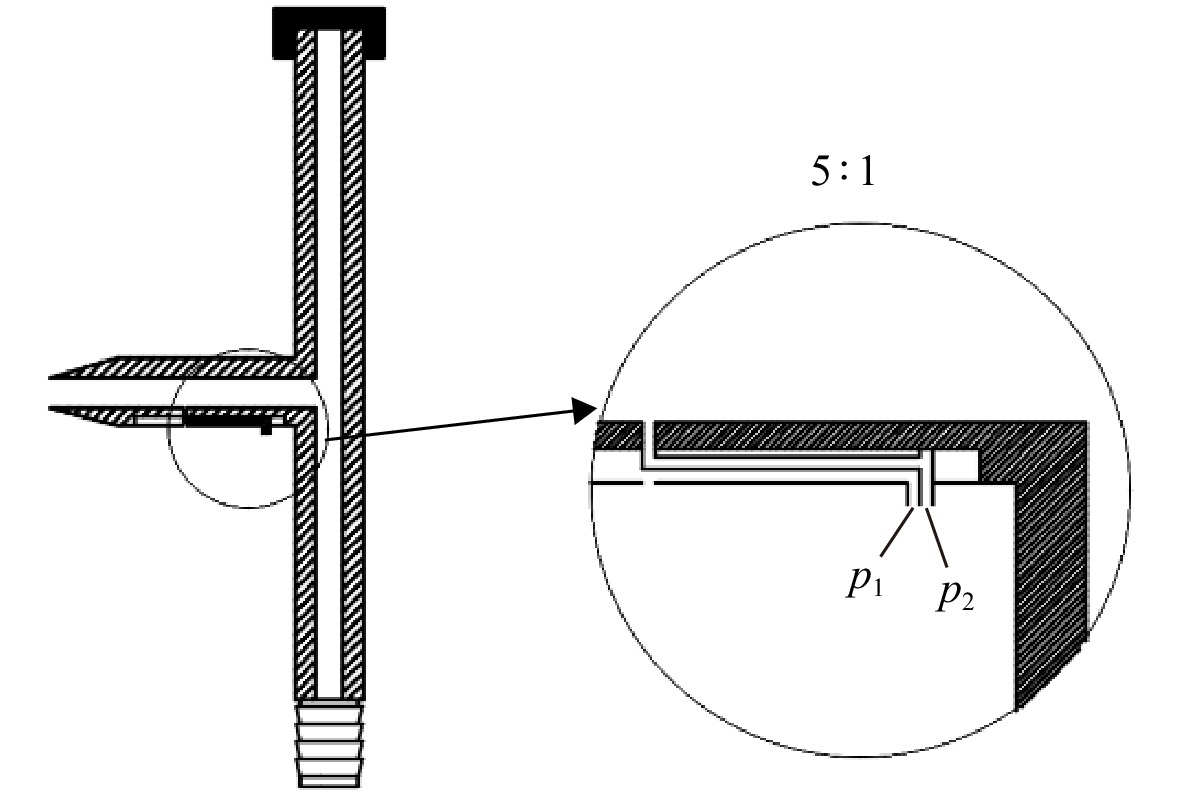
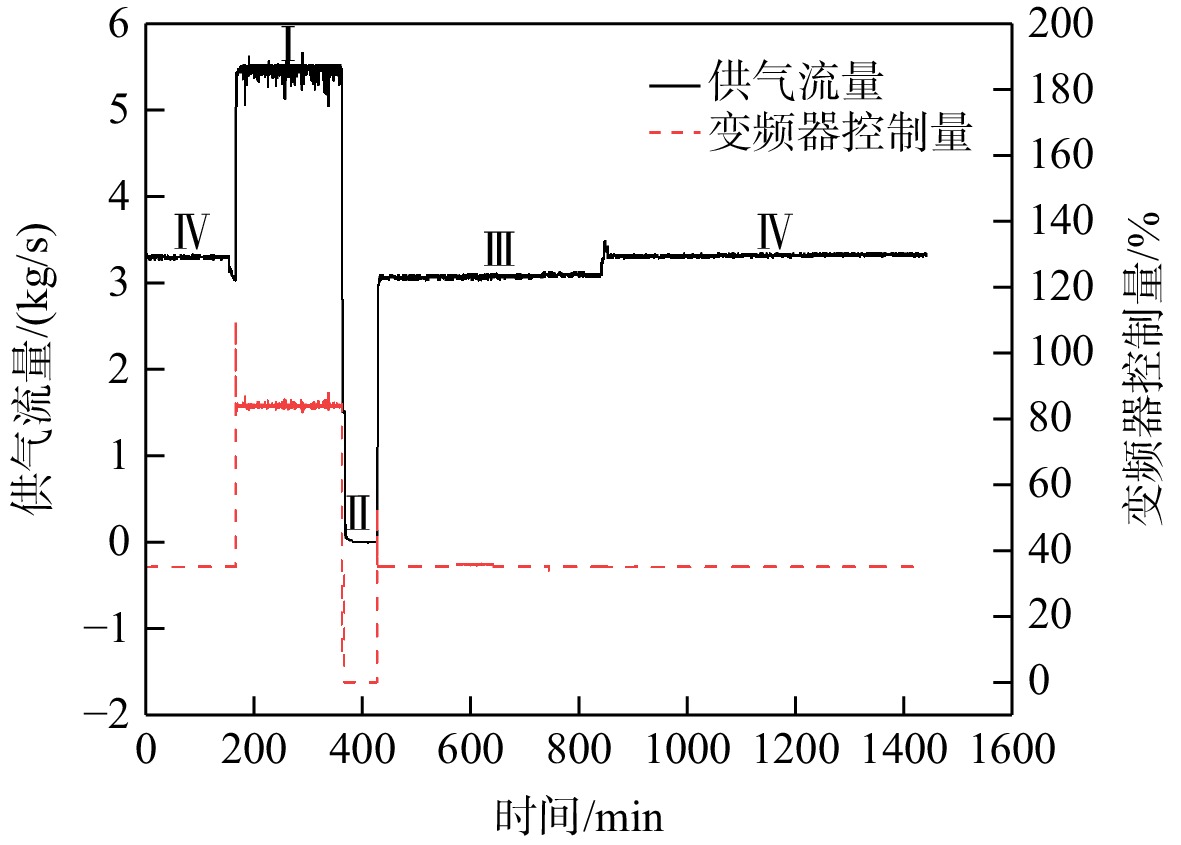
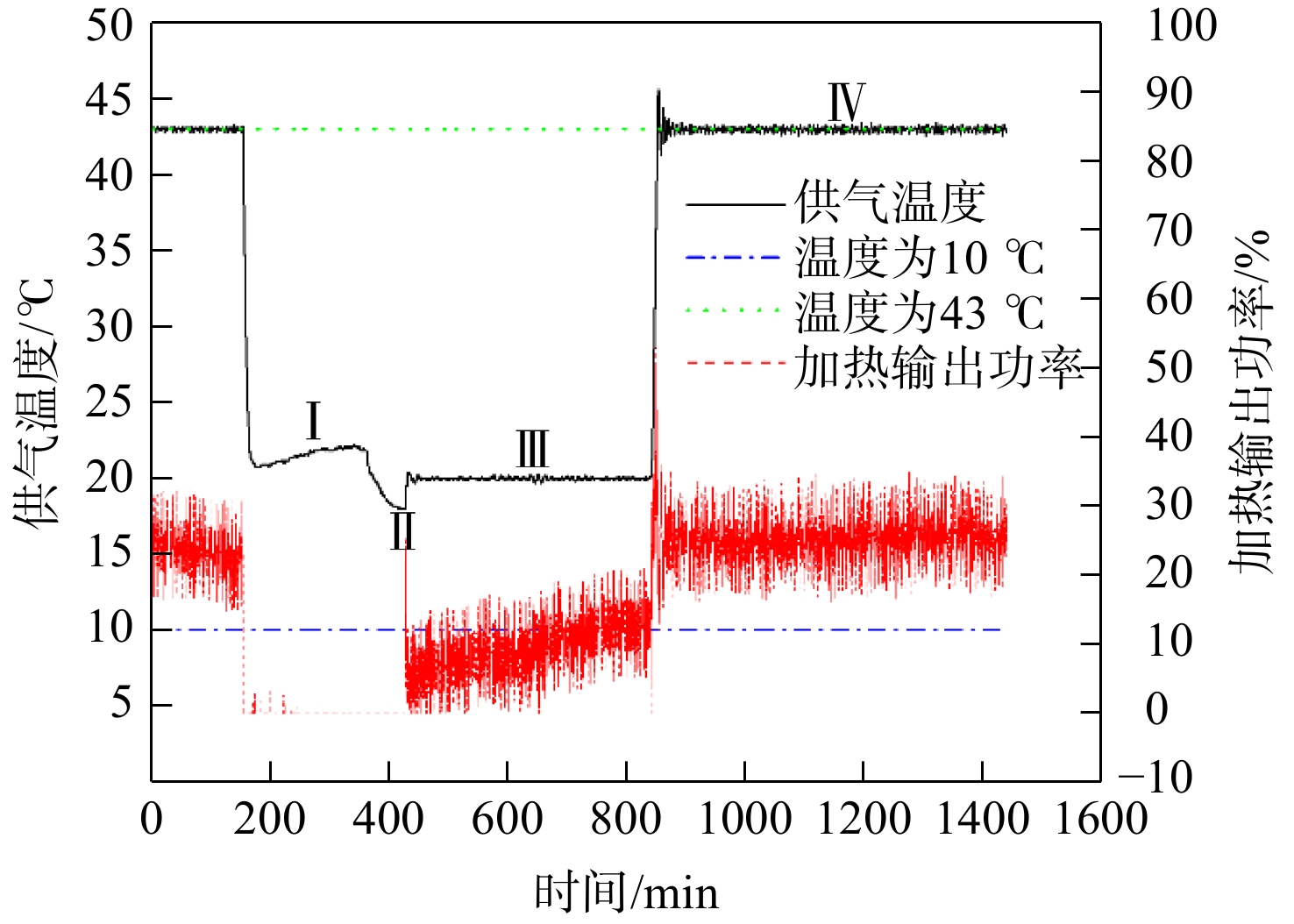
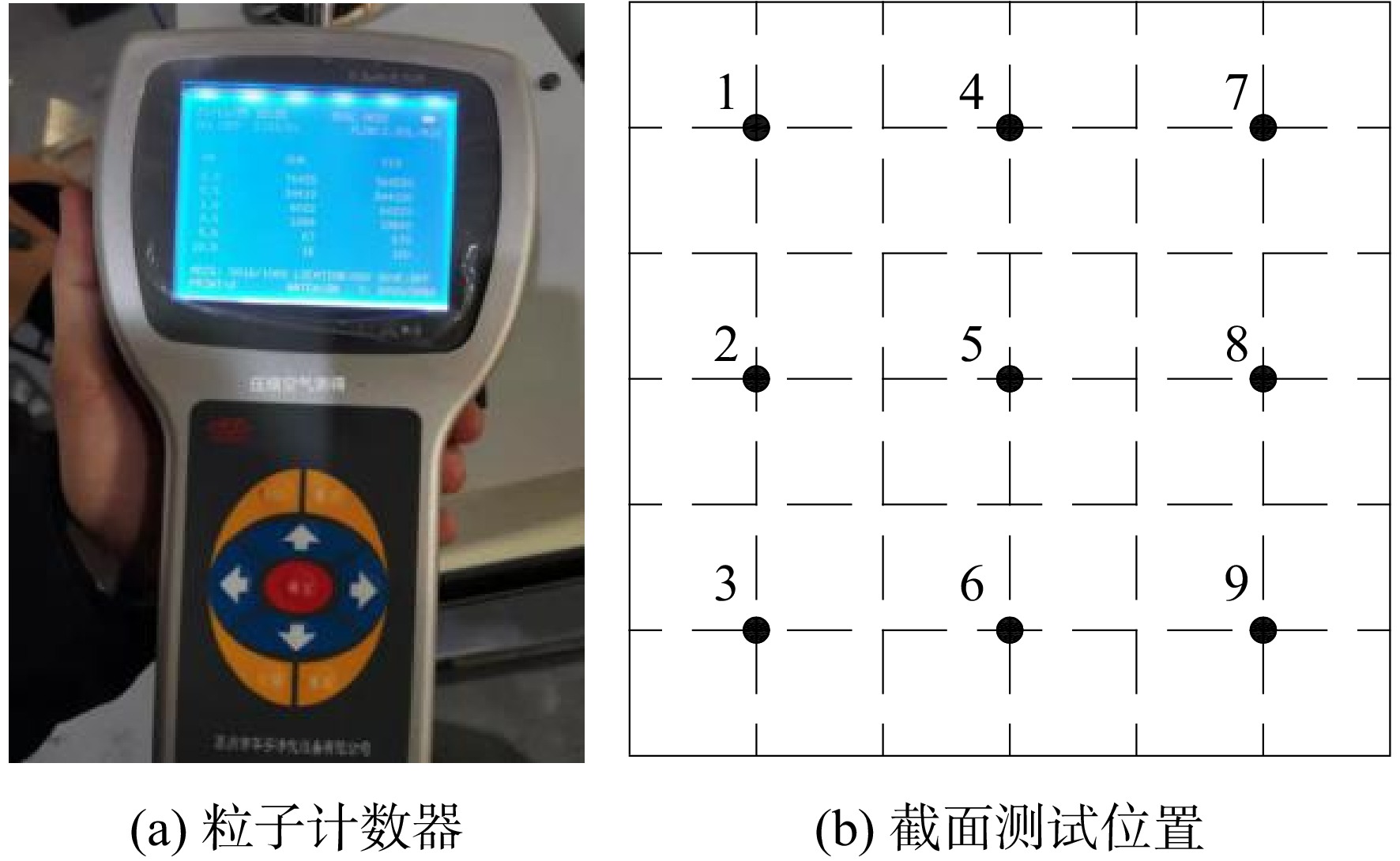
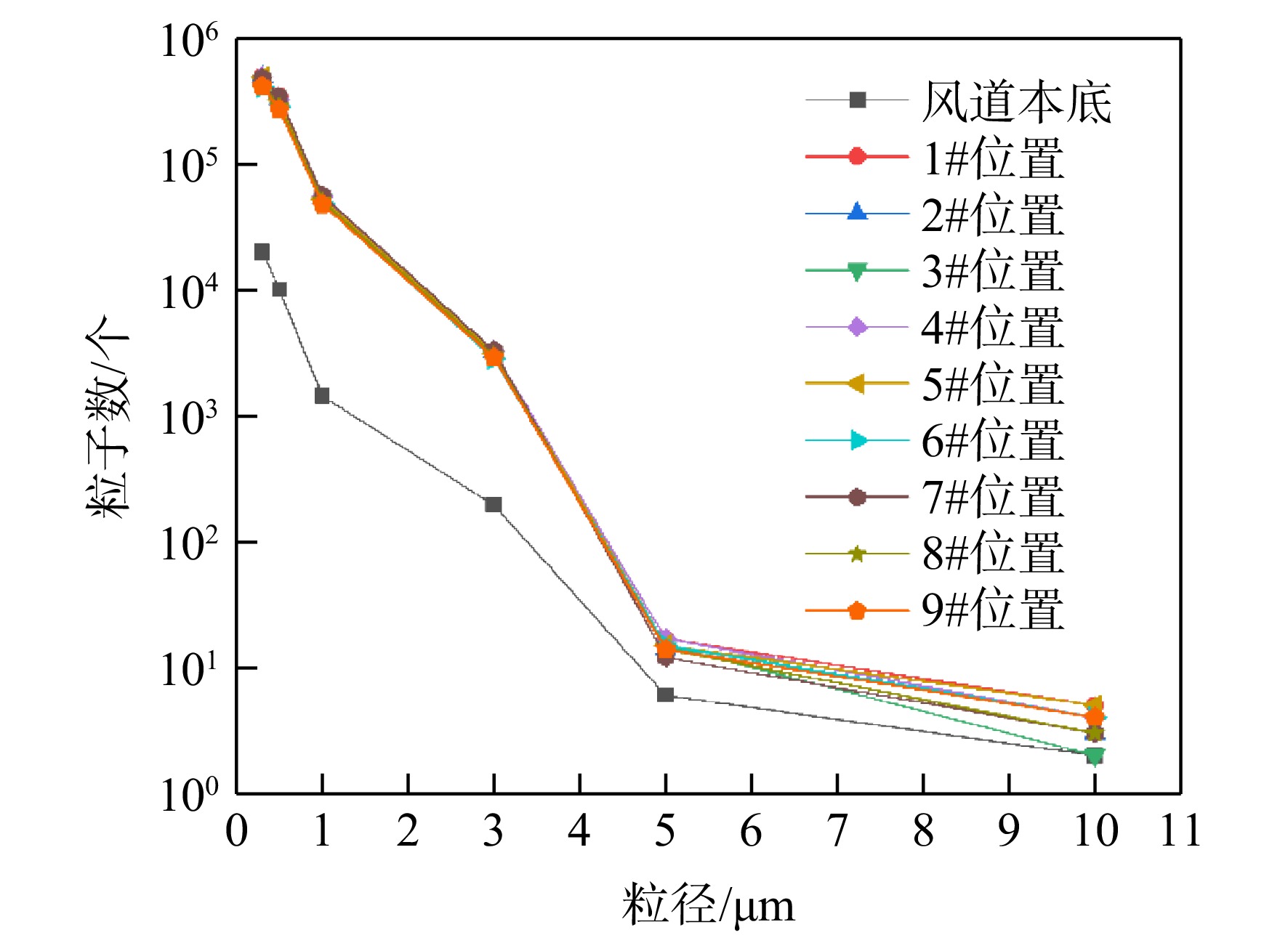
In order to meet the requirements of corrosion sensitivity test for aero-engines, a corrosion sensitivity test system based on fresh air intake and straight through layout was designed and developed. The key design points of the system were introduced, including determination of air supply, design of large flow dry steam humidifiers, integrated design of salt spray injection and mixing, and design of dynamic salt spray sampling. To verify the effectiveness of the key technology design, system performance test was carried out. The test results showed that system performance met the standard requirements at all stages of the corrosion sensitivity test. The static control accuracy of flow can reach ±1.6%, and the dynamic control accuracy was within ±4.6%. The static temperature control accuracy can reach ±0.5 ℃, and the maximum deviation between the actual temperature and the set temperature was 2.2 ℃ during engine operation. In the test, the maximum humidification capacity of the system can reach 550 kg/h, the humidity control accuracy was within +3%—−5% at the stage with the maximum humidification capacity, and the humidity control accuracy can reach ±2% at the stage with the minimum humidification capacity. The salt content of the gas supply was within (200±18)ppb. The simulated particle size distribution of salt spray was between 0.3 μm and 10 μm, and the distribution uniformity of salt spray was basically ±10% at different positions of the air supply duct section.

Structural robust optimization design of beam seal
LIU Yong, REN Xinjiang, YAN Fangchao
2024, 39(10): 20220868. doi: 10.13224/j.cnki.jasp.20220868
Abstract:

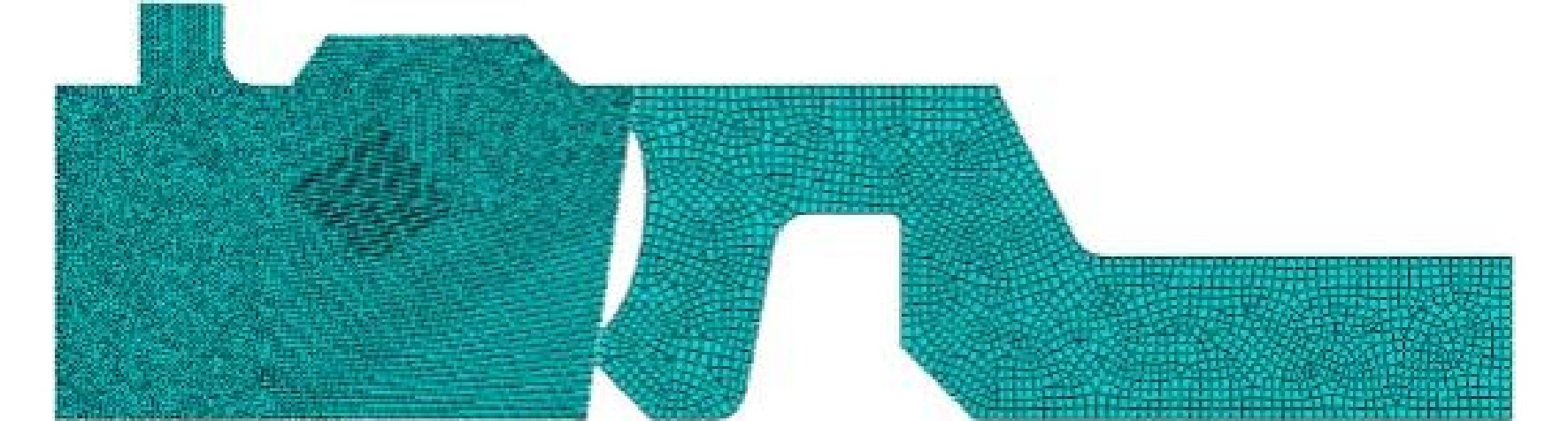
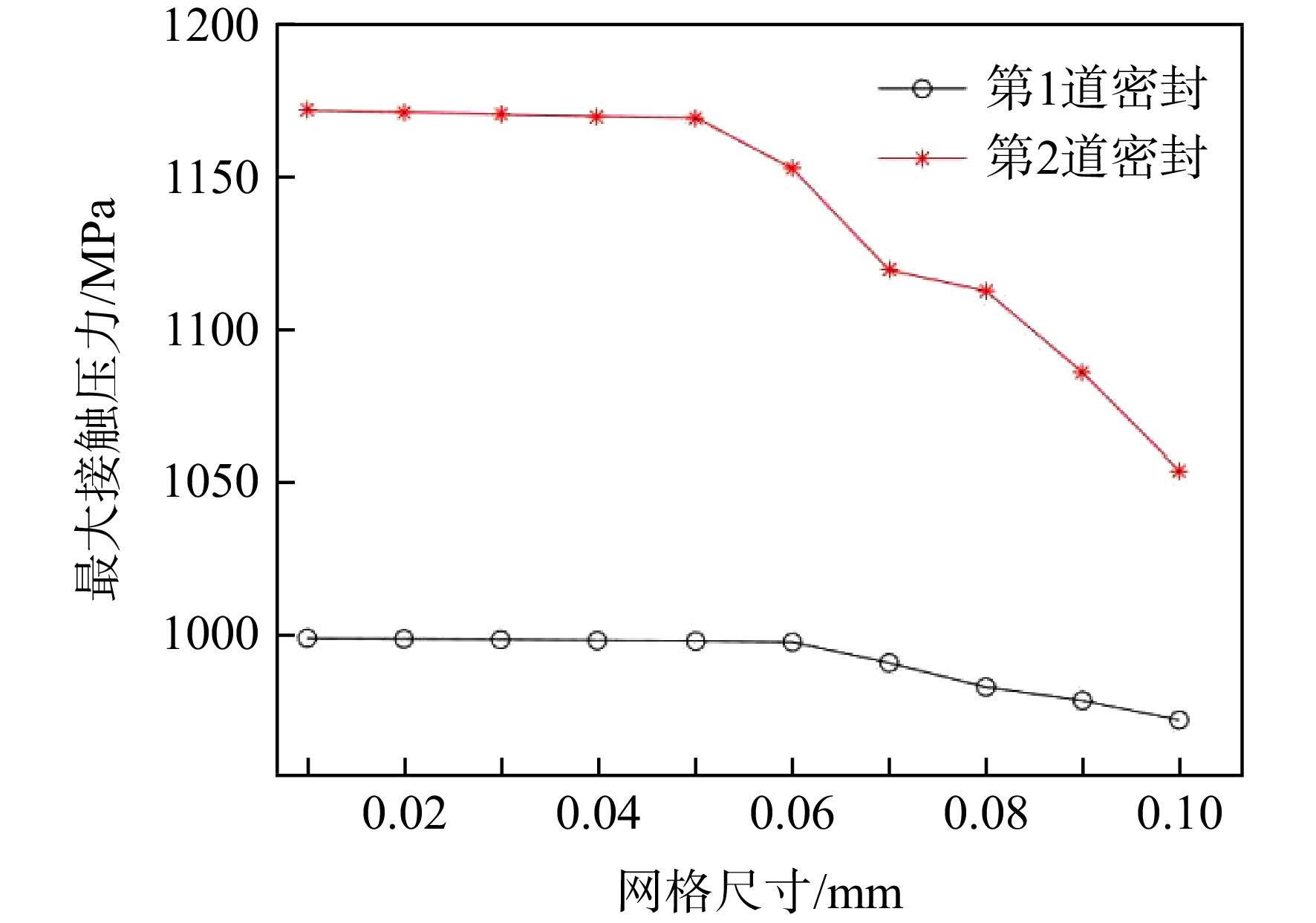
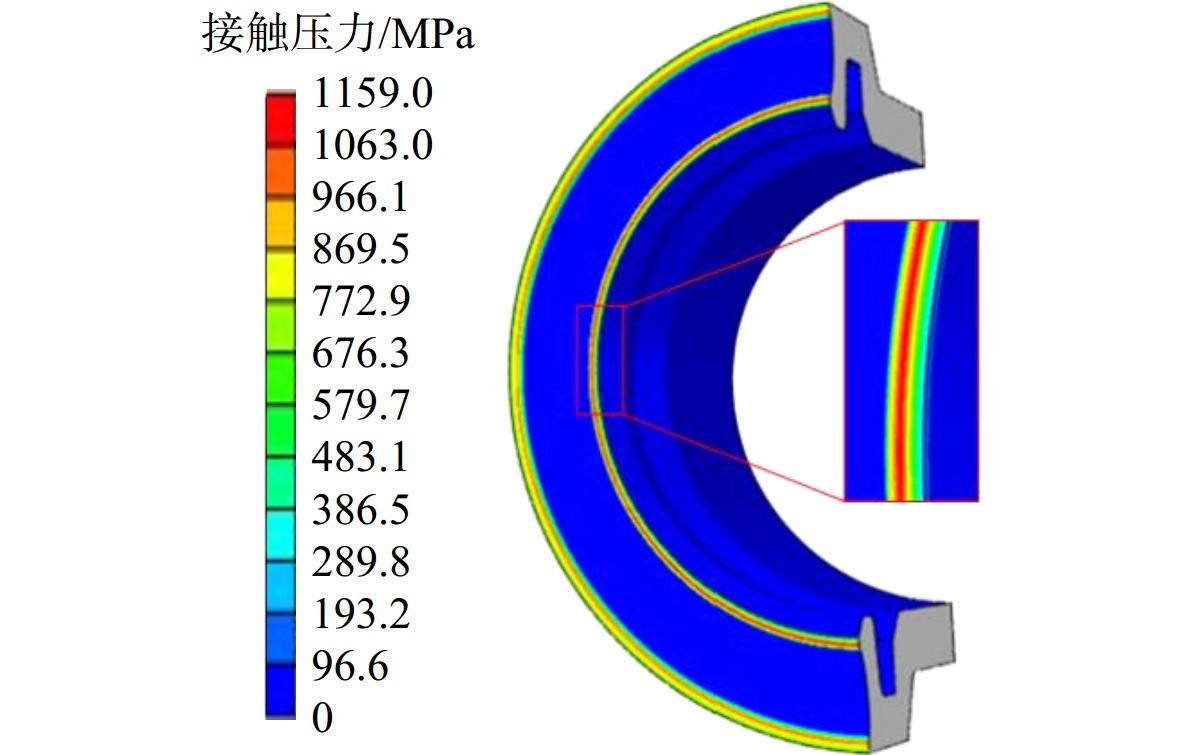
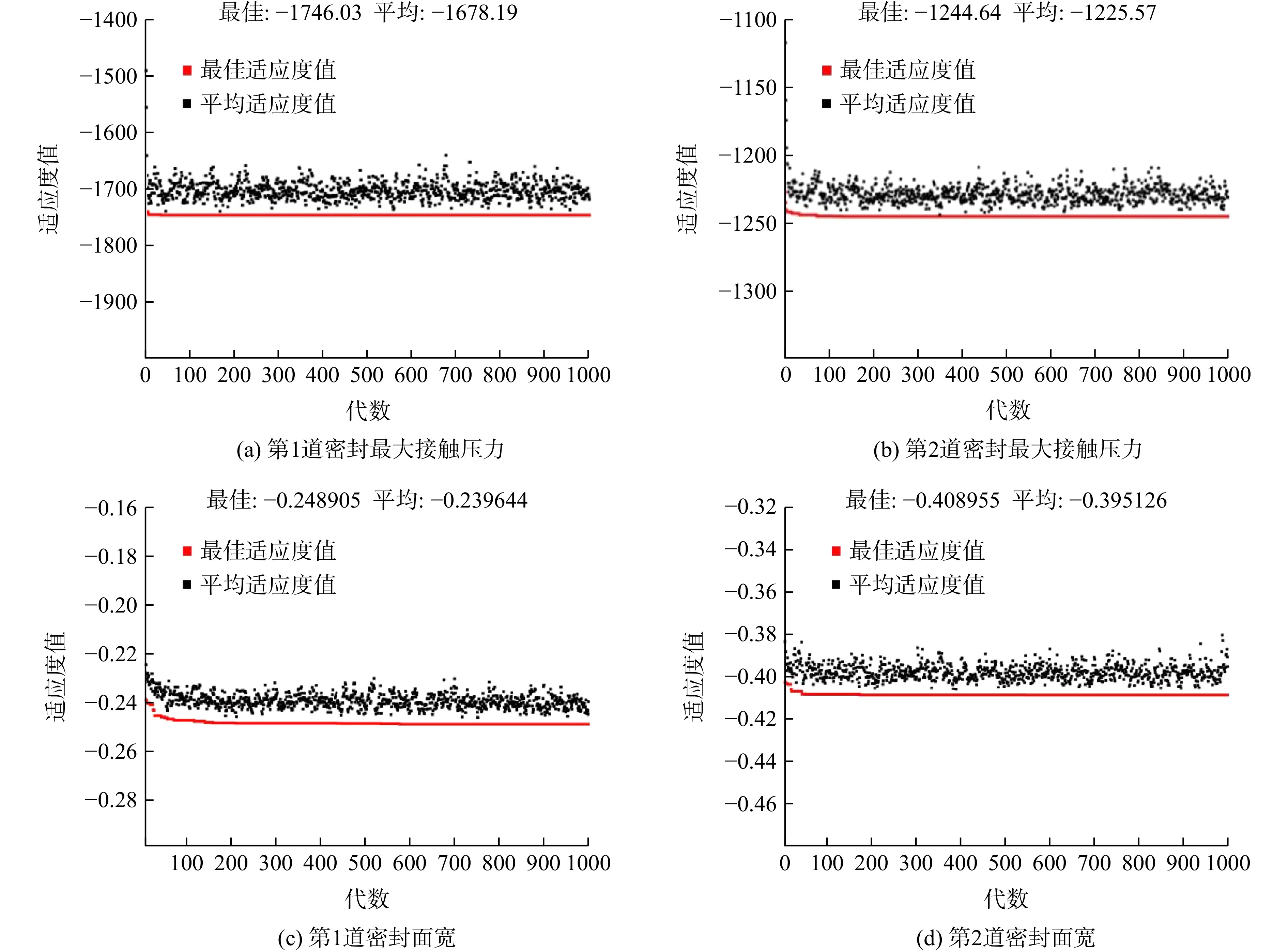
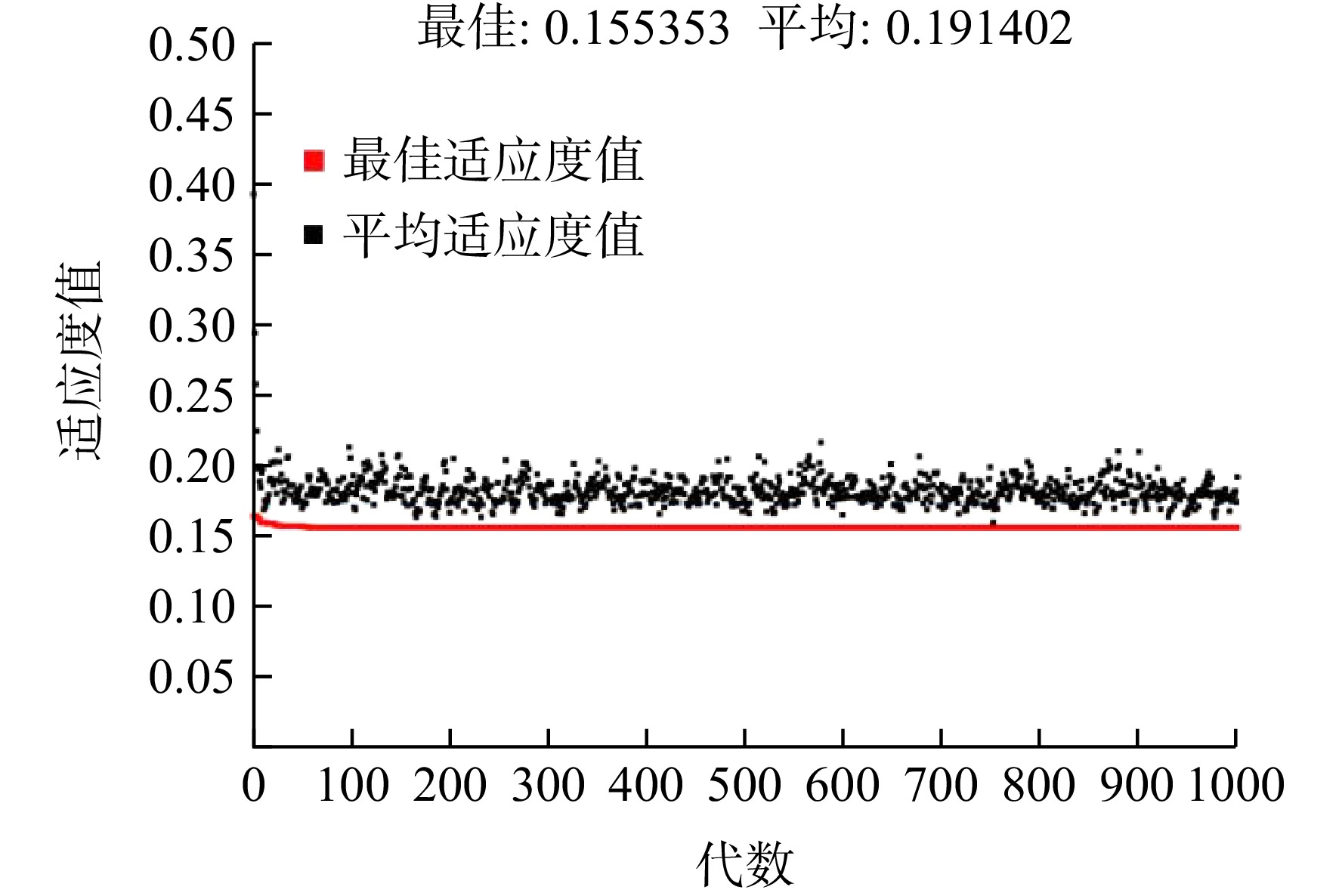
In order to improve the sealing performance of the beam seal, the structural parameters of the beam seal were used as design variables, and the robust optimization design was carried out. A finite element model of the beam seal with elliptical arc groove was established. Taking the maximum contact pressure and contact surface width of these two seals on the sealing contact surface as quantitative indicators of sealing performance, second-order response surface models were established, and the response surface models were solved by multi-objective optimization using genetic algorithm. The additional sensitivity term representing the robustness of the objective function was added to the multi-objective optimization model, and the robust design parameters combination of the beam seal was obtained. The effectiveness of the robust optimization results was verified by the finite element’s numerical simulation. The results showed that when the elliptic semi-major axis was 1.156 mm, the elliptic semi-minor axis was 0.315 mm, and the nominal width of the first seal was 0.429 mm, the sealing robustness of the beam seal was better, and the robust design achieved the expected goal.

Prediction of the swing fatigue life of flexible joint based on cracking energy density
ZHANG Jinyao, REN Junxue, XUE Muyao, TONG Yue, ZHENG Qing, TANG Haibin
2024, 39(10): 20220826. doi: 10.13224/j.cnki.jasp.20220826
Abstract:

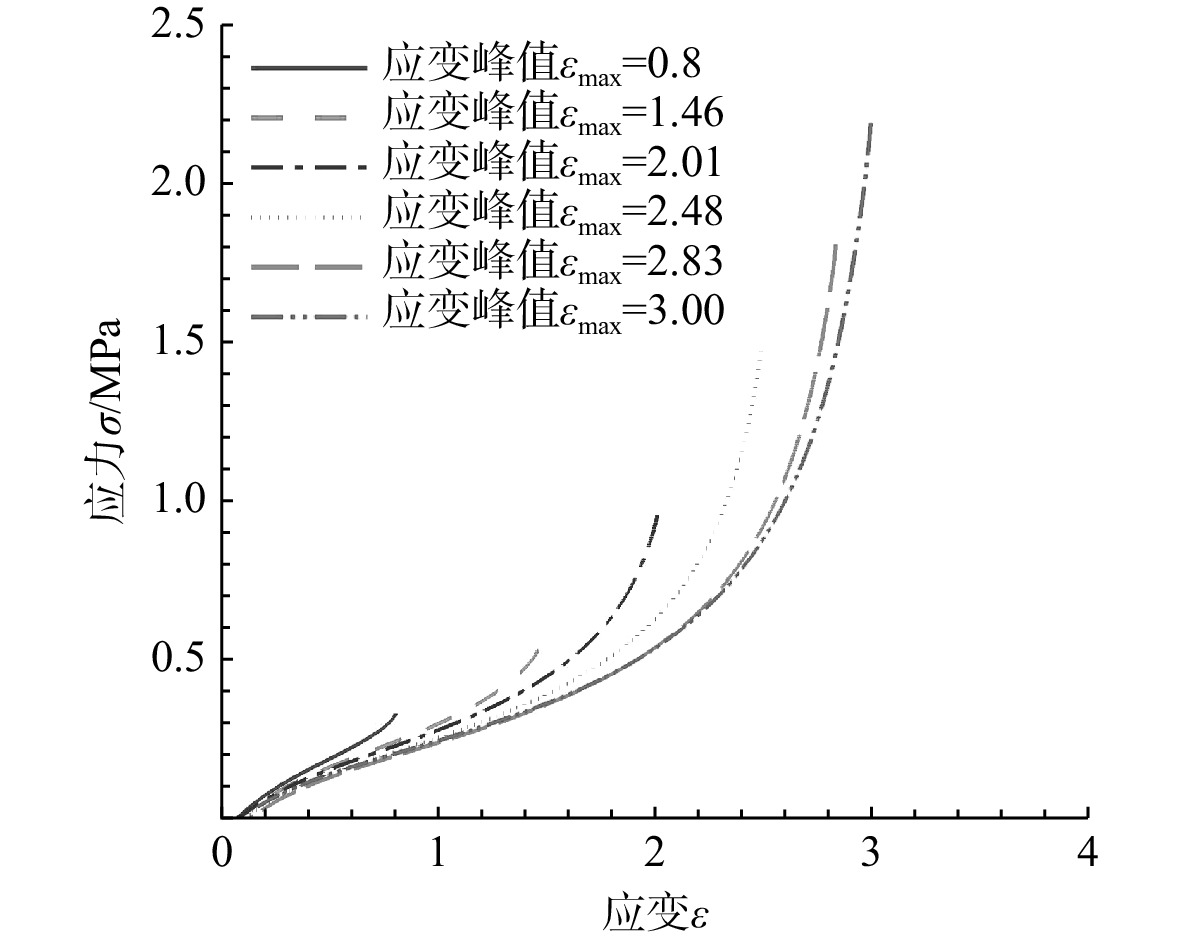
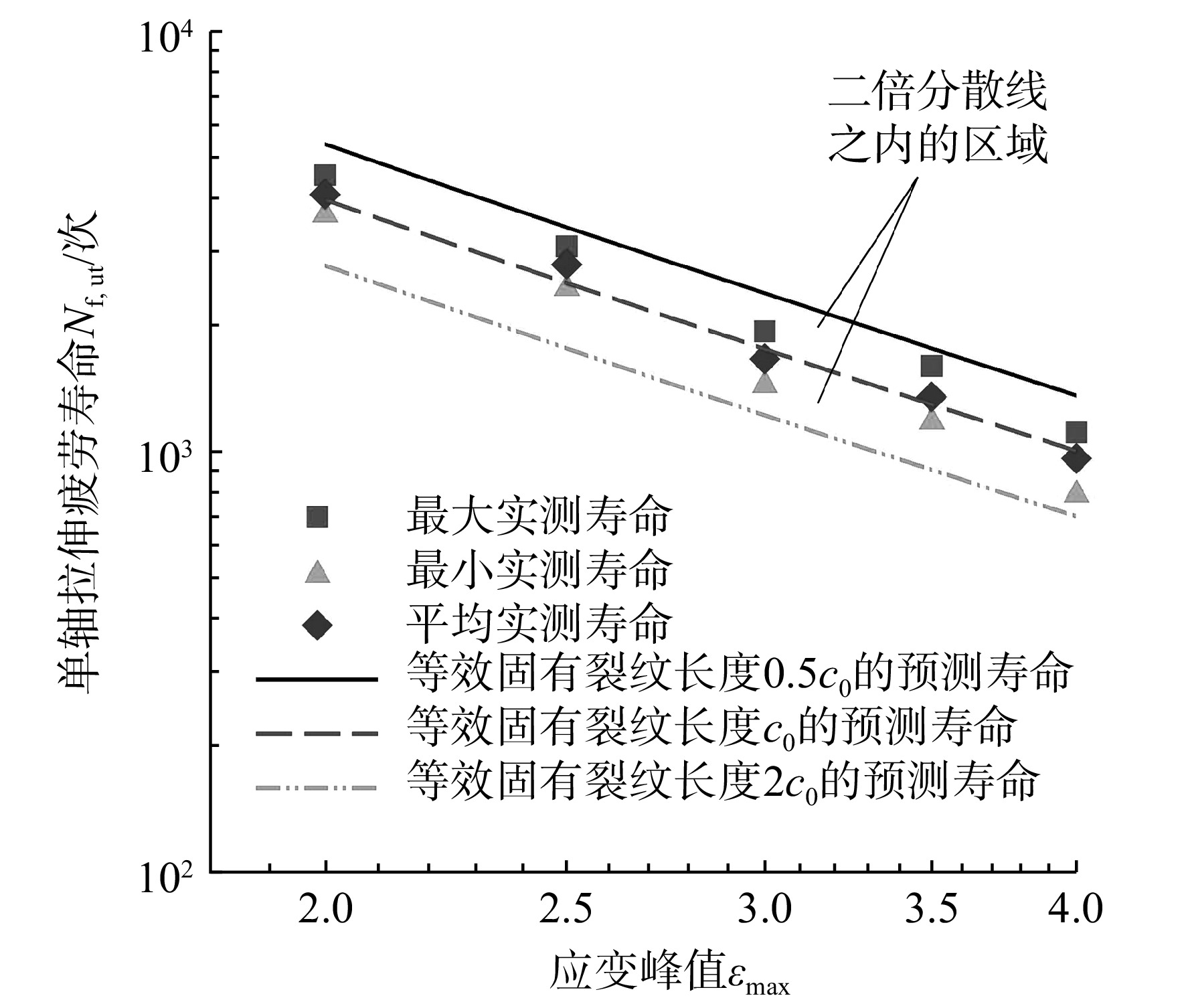
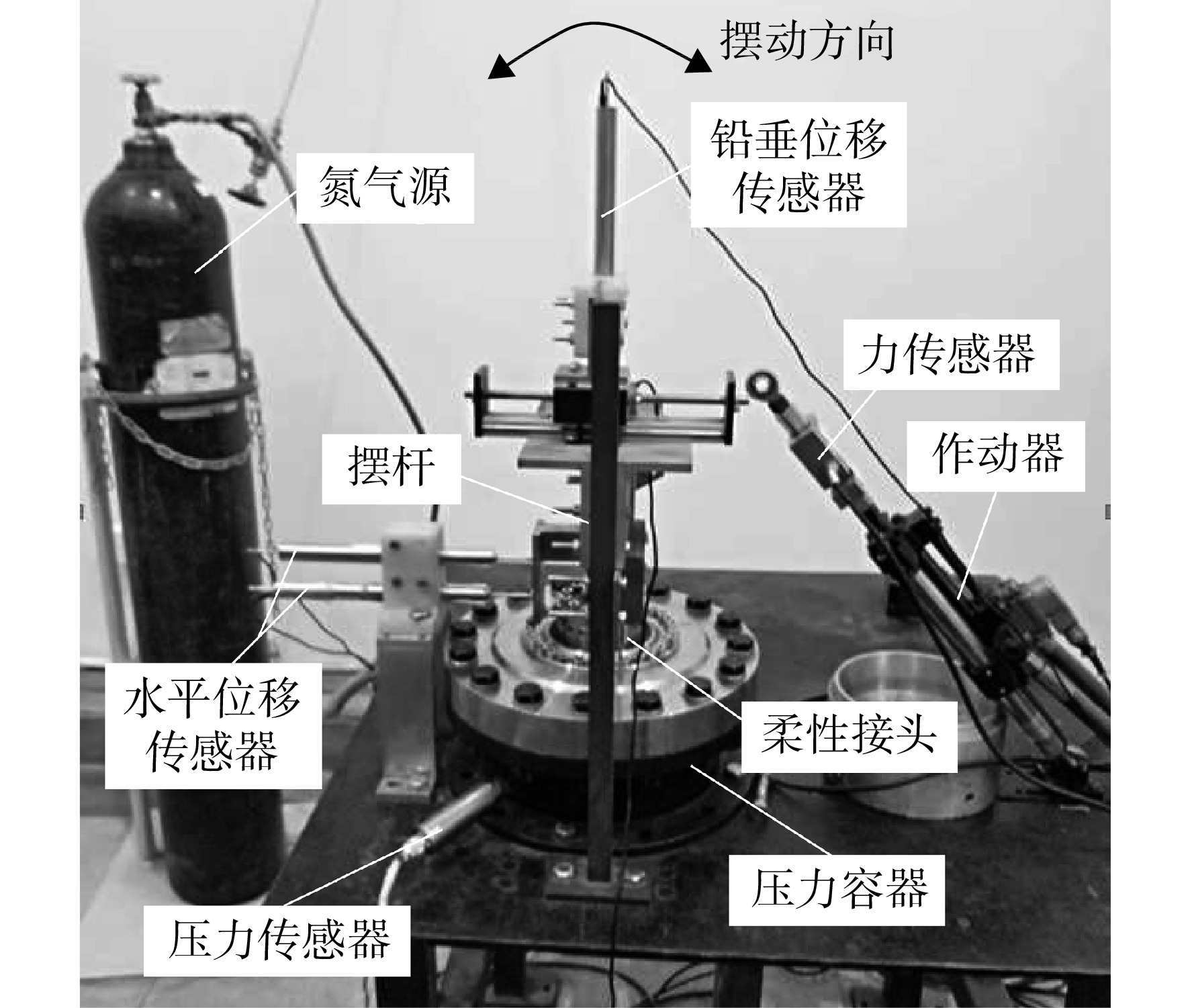
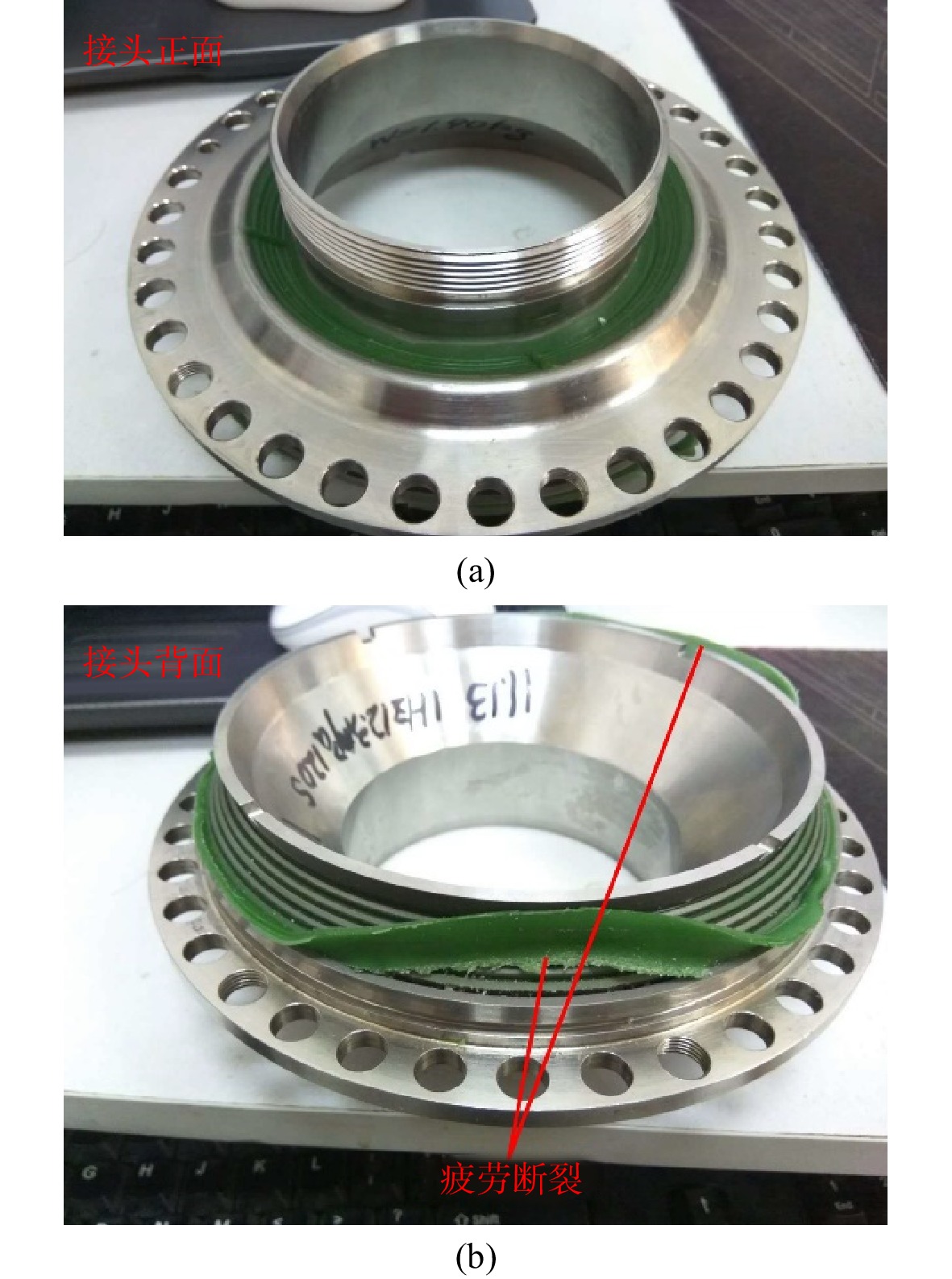
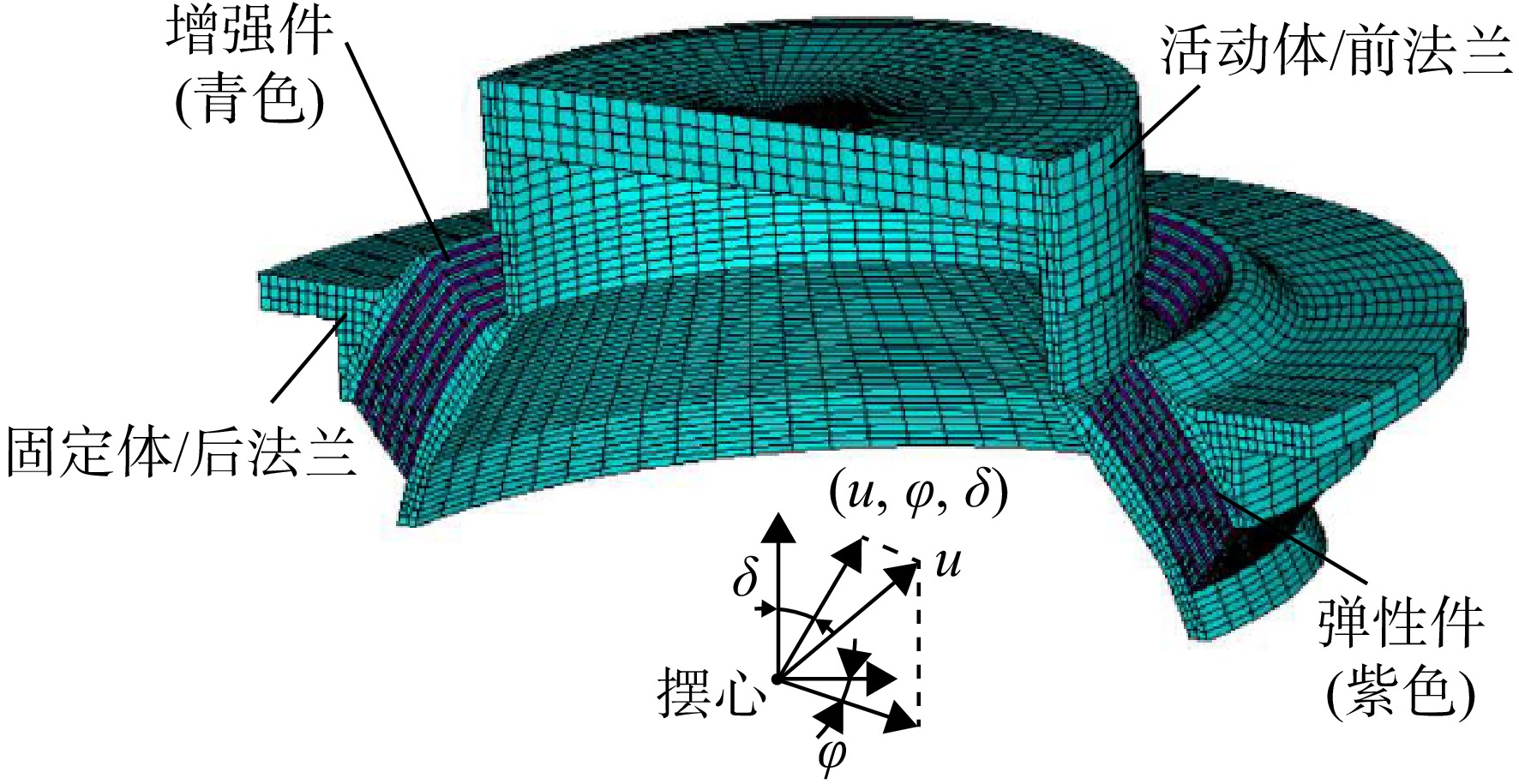
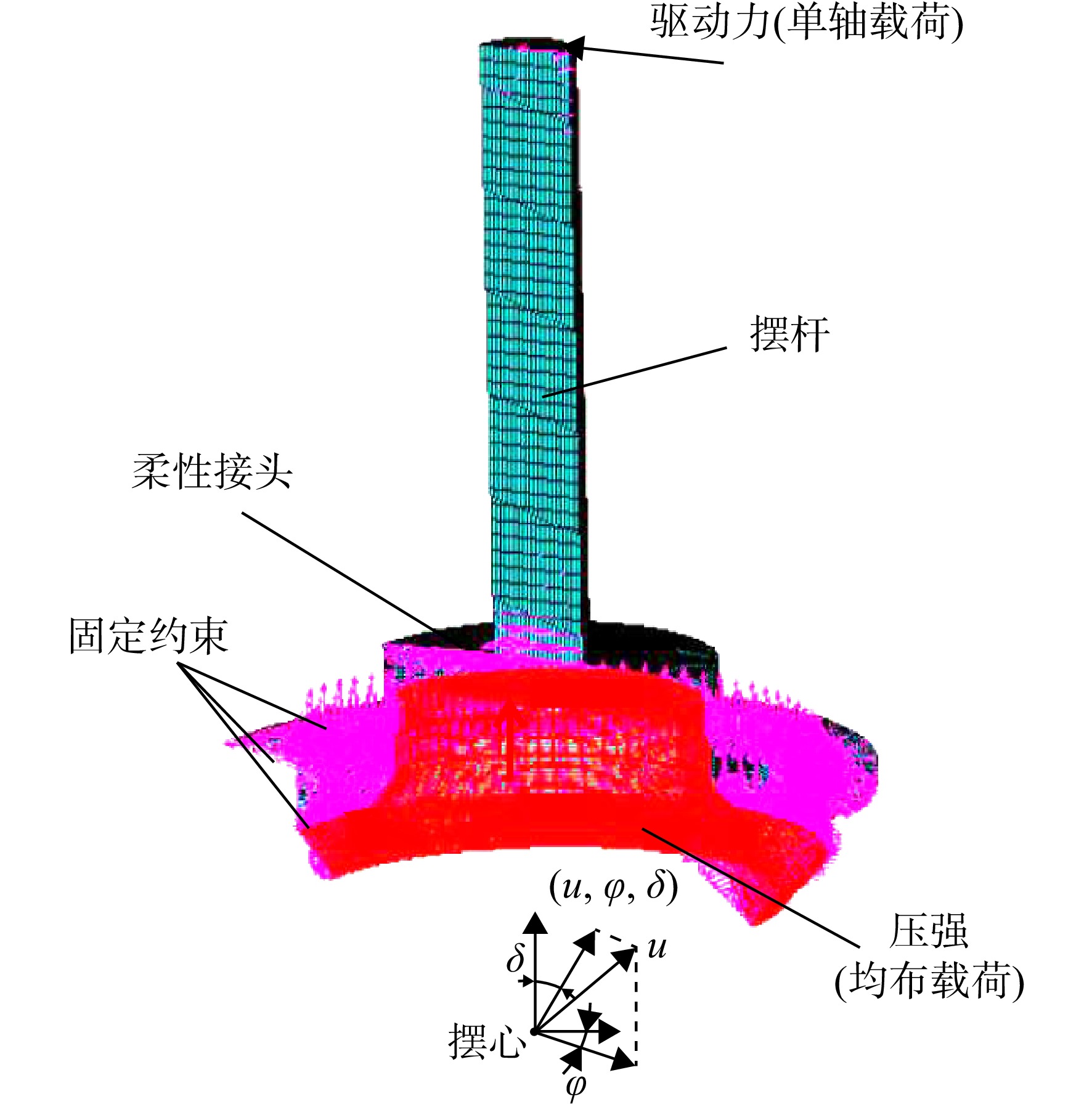
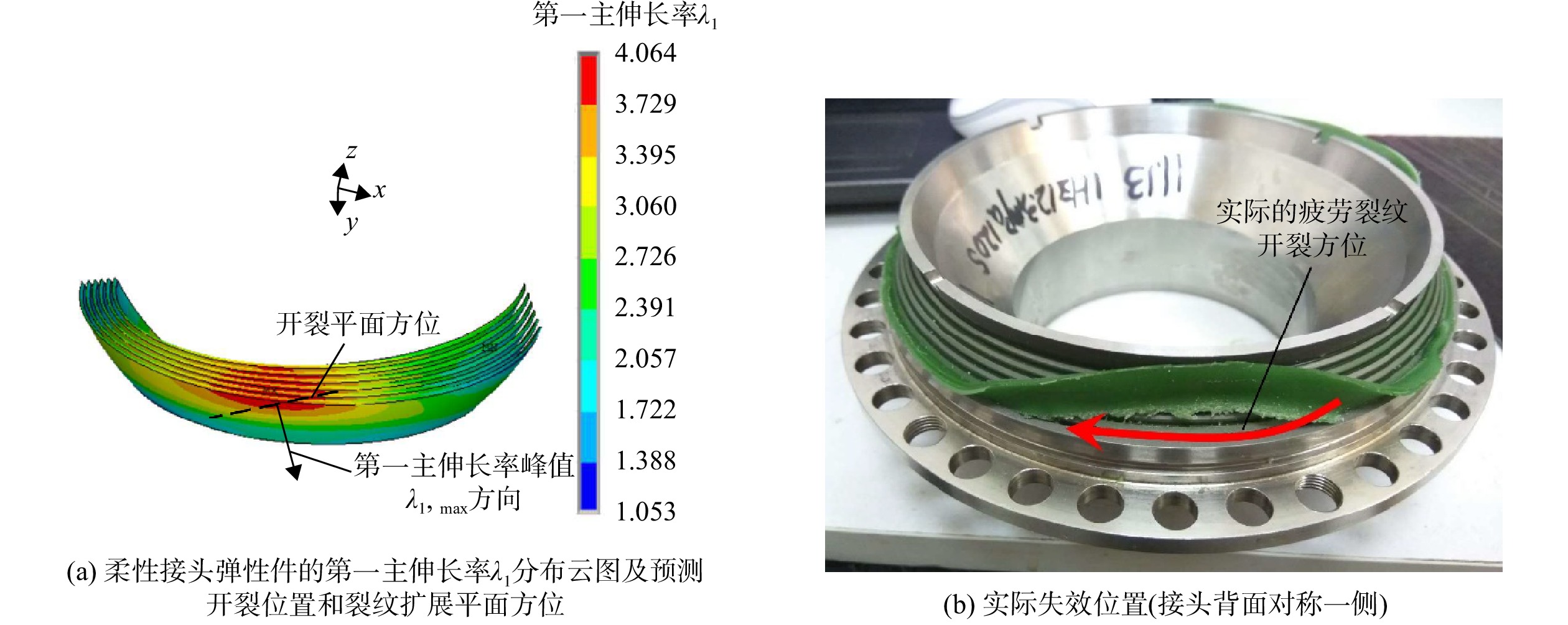
In order to accurately predict the swing fatigue life of flexible joint, the cracking energy density (CED) was used as the damage parameter to drive the fatigue crack growth of elastomers. The swing fatigue life prediction model of flexible joint was established by means of fatigue crack growth test and uniaxial tensile fatigue test. The CED of flexible joint under 12.3 MPa and 6° swing angle was calculated by using the finite element analysis results, and then the swing fatigue life of flexible joint was predicted. The results showed that the predicted swing fatigue life of the flexible joint under the test condition was 107 cycles, which was consistent with the measured fatigue life of 120 cycles, and the predicted crack location and crack plane were in good agreement with the failure position of test. The ratio of predicted life to measured life was 1/1.12 within the double dispersion factor, which was acceptable in engineering.

Dynamic characteristics analysis of the complex rotor-blade system for the aero-turboshaft engine
JIN Miao, WANG Ailun, WANG Qingshan, YIN Yijun, HENG Xing, ZHANG Haibiao
2024, 39(10): 20220739. doi: 10.13224/j.cnki.jasp.20220739
Abstract:

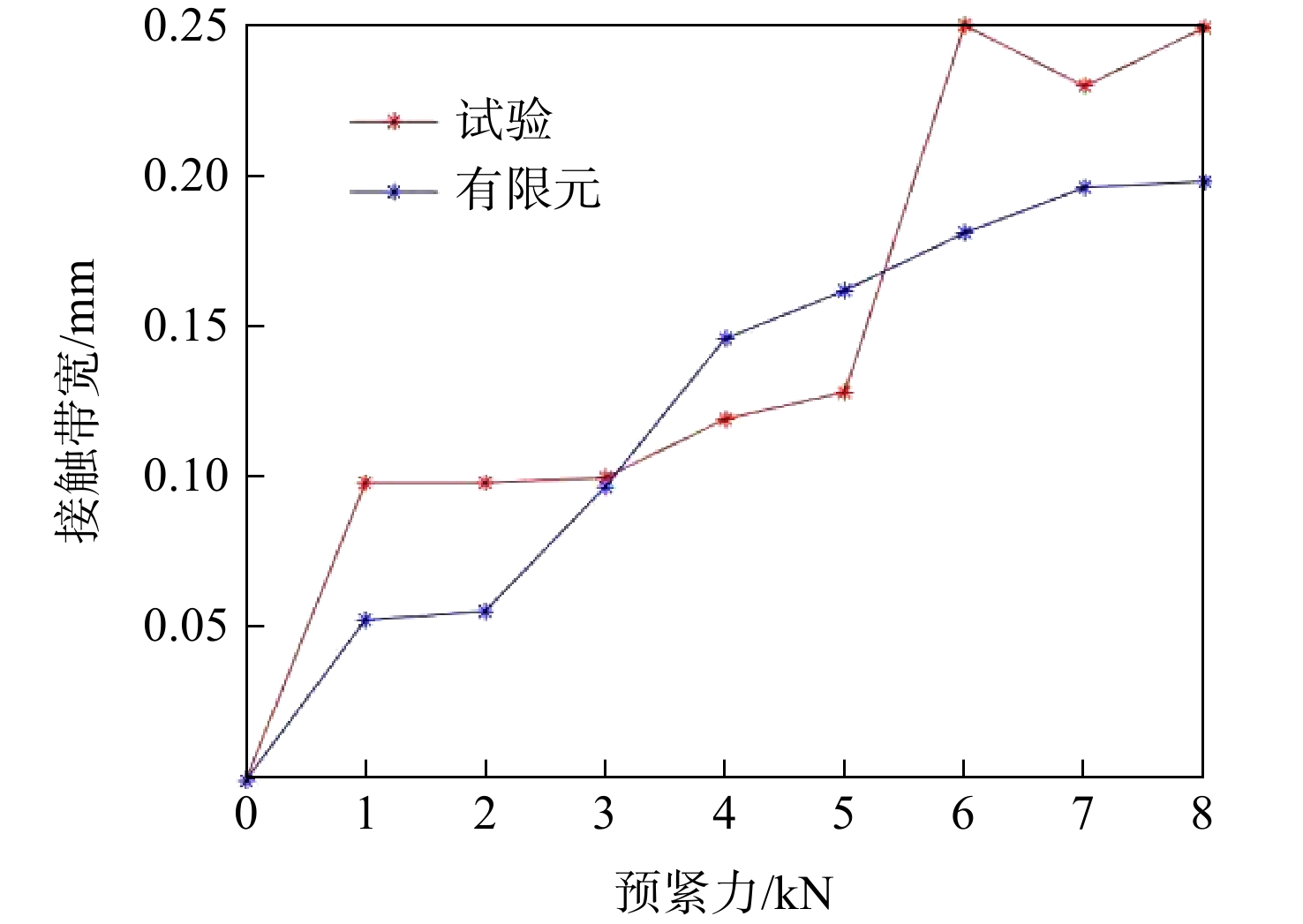
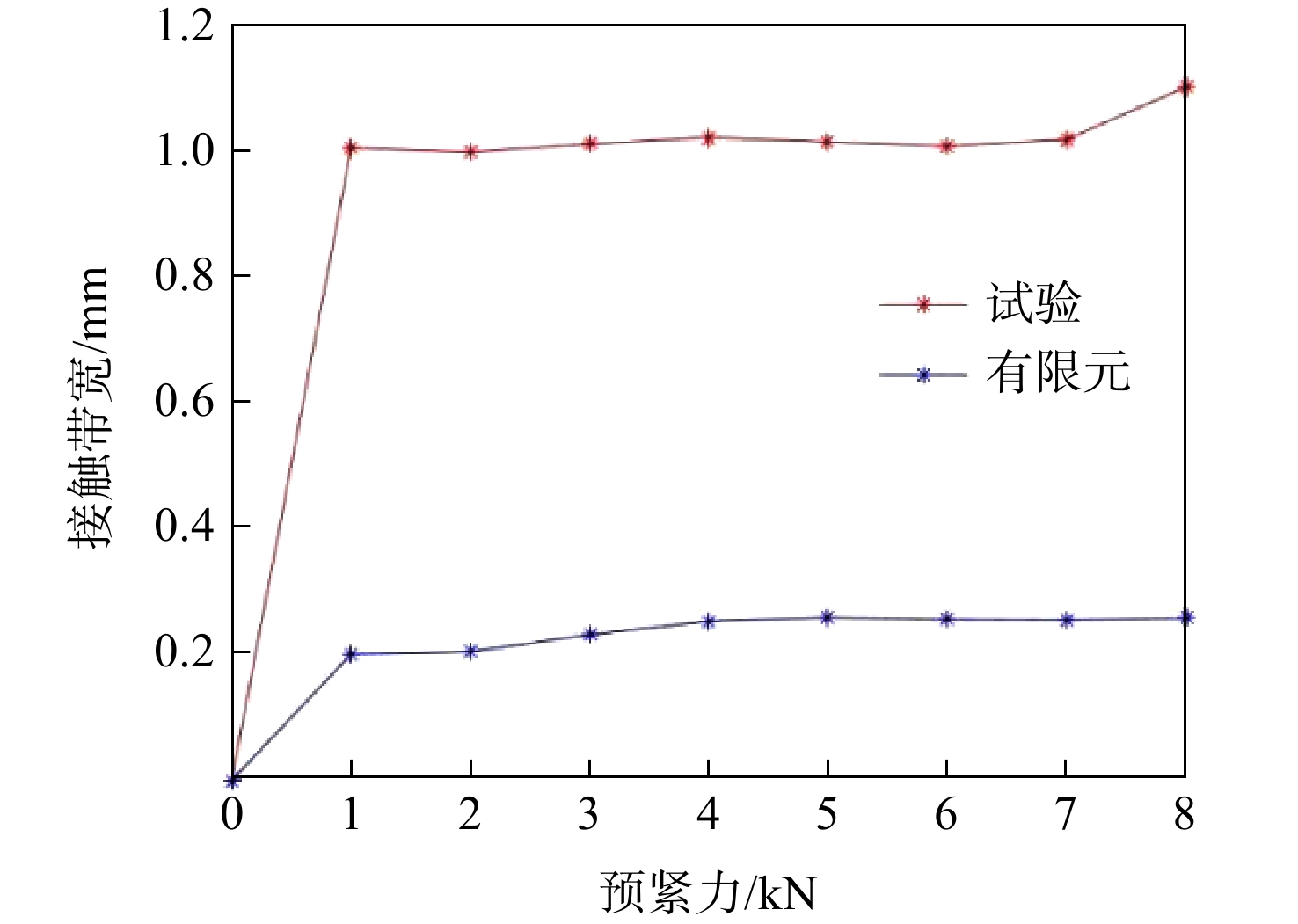
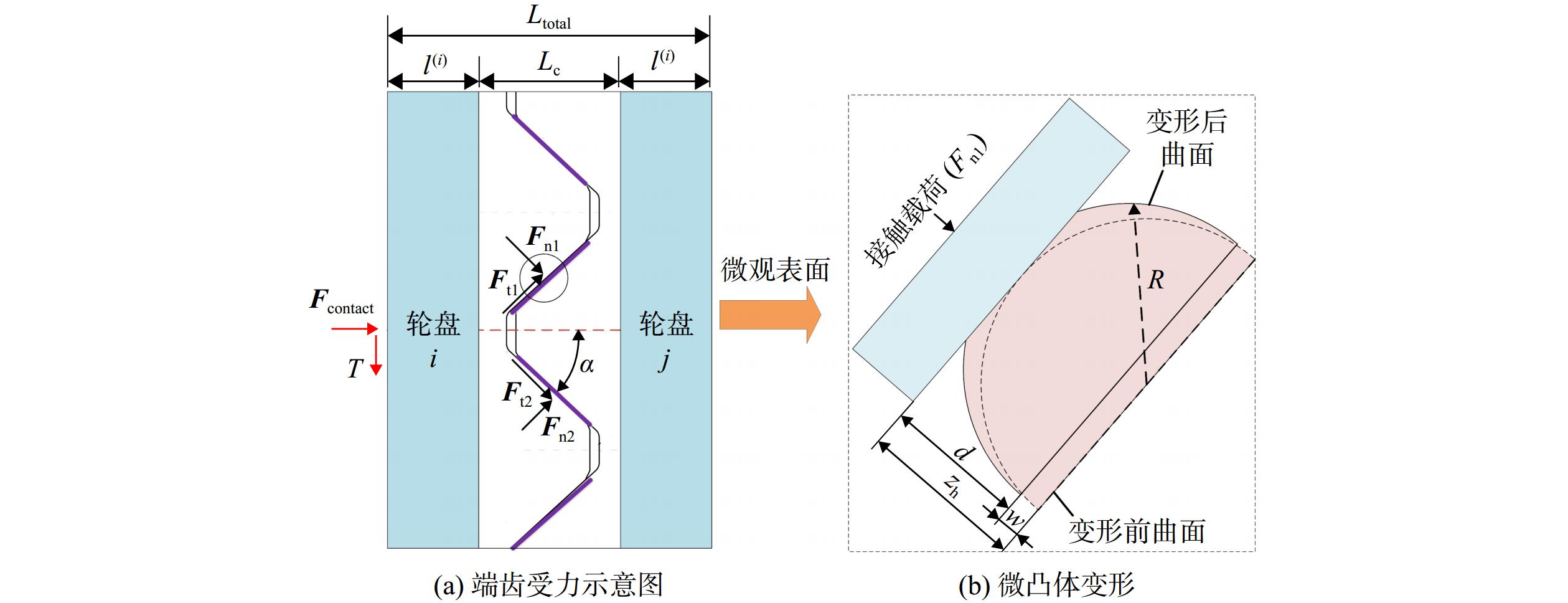
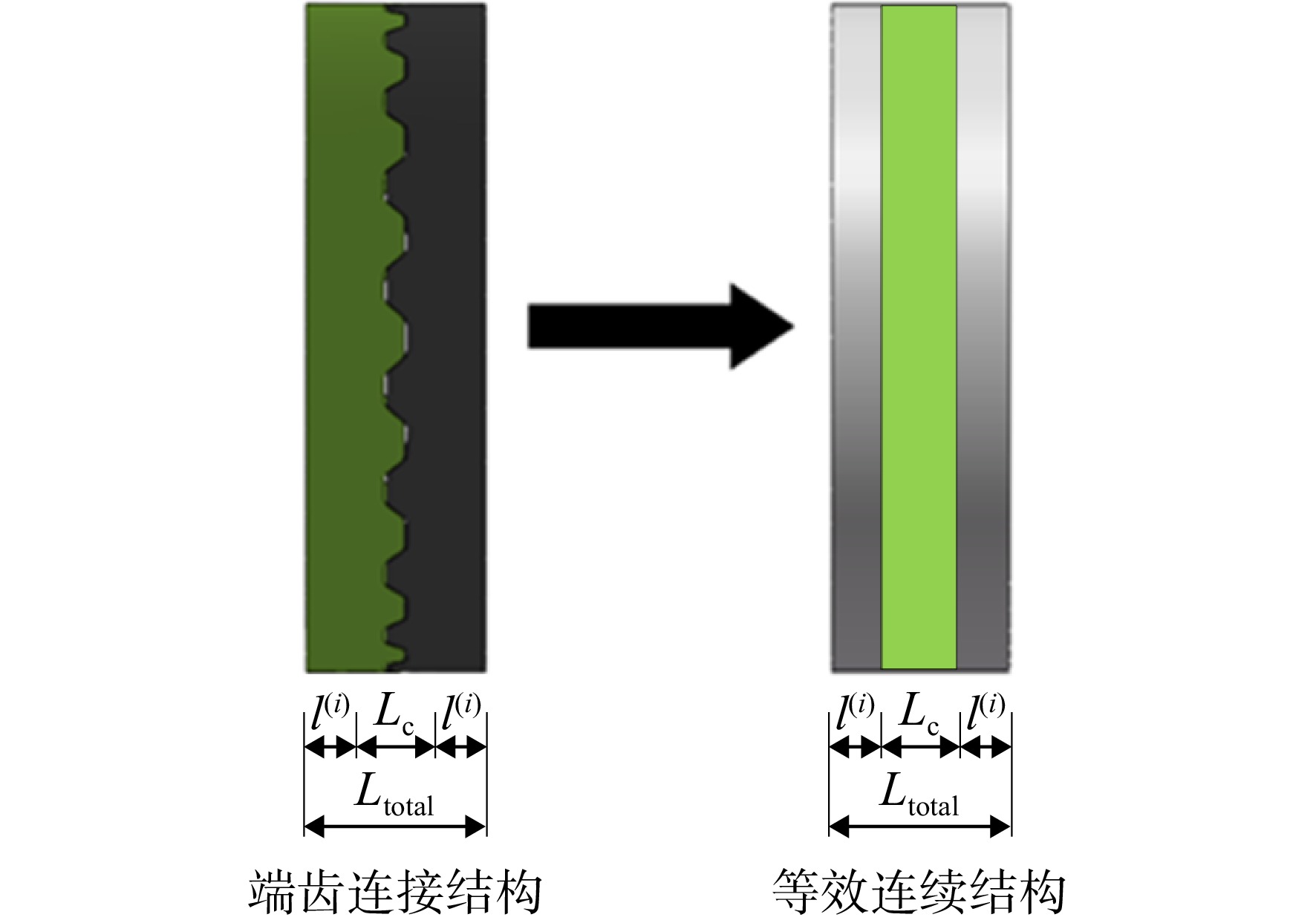
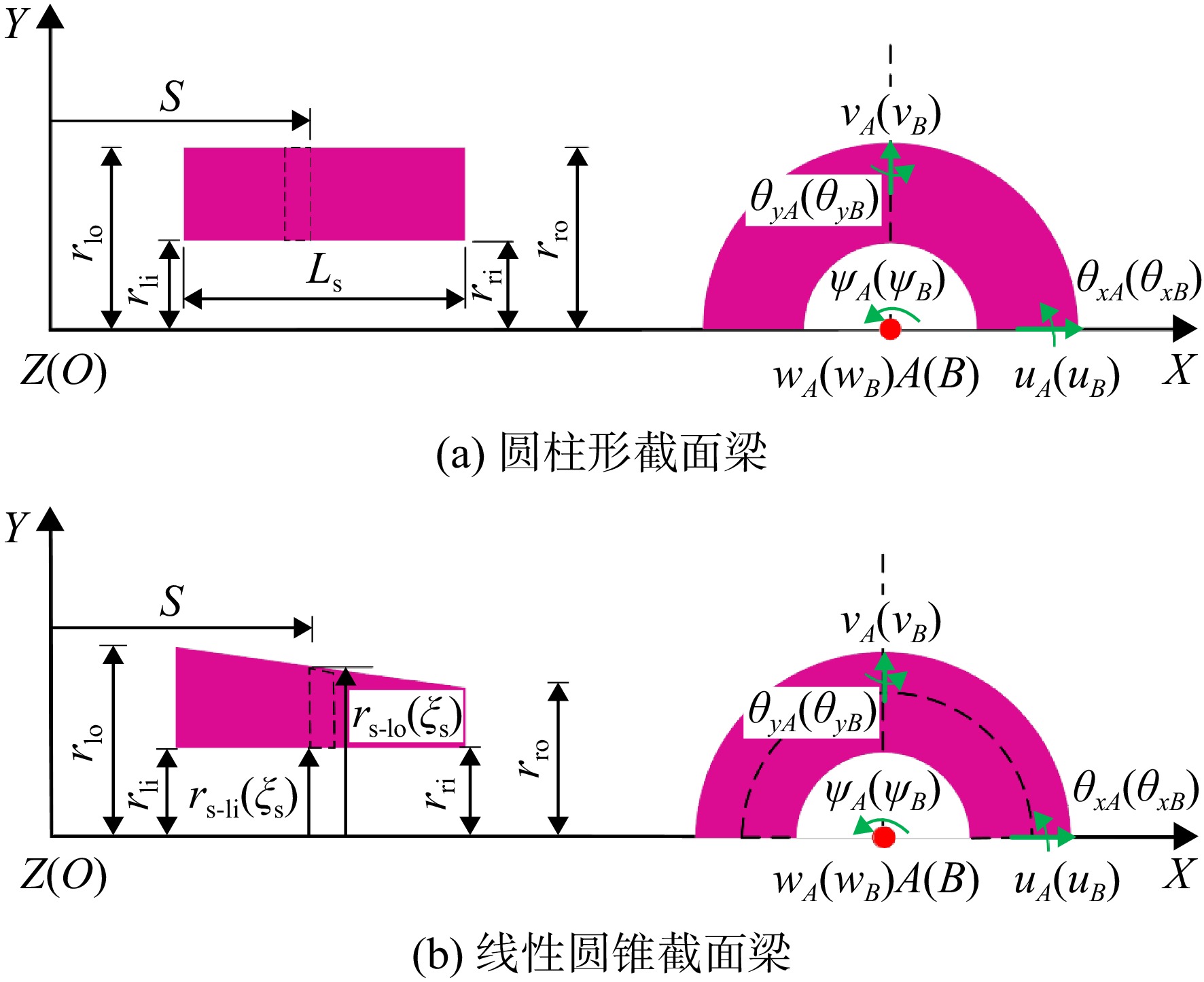
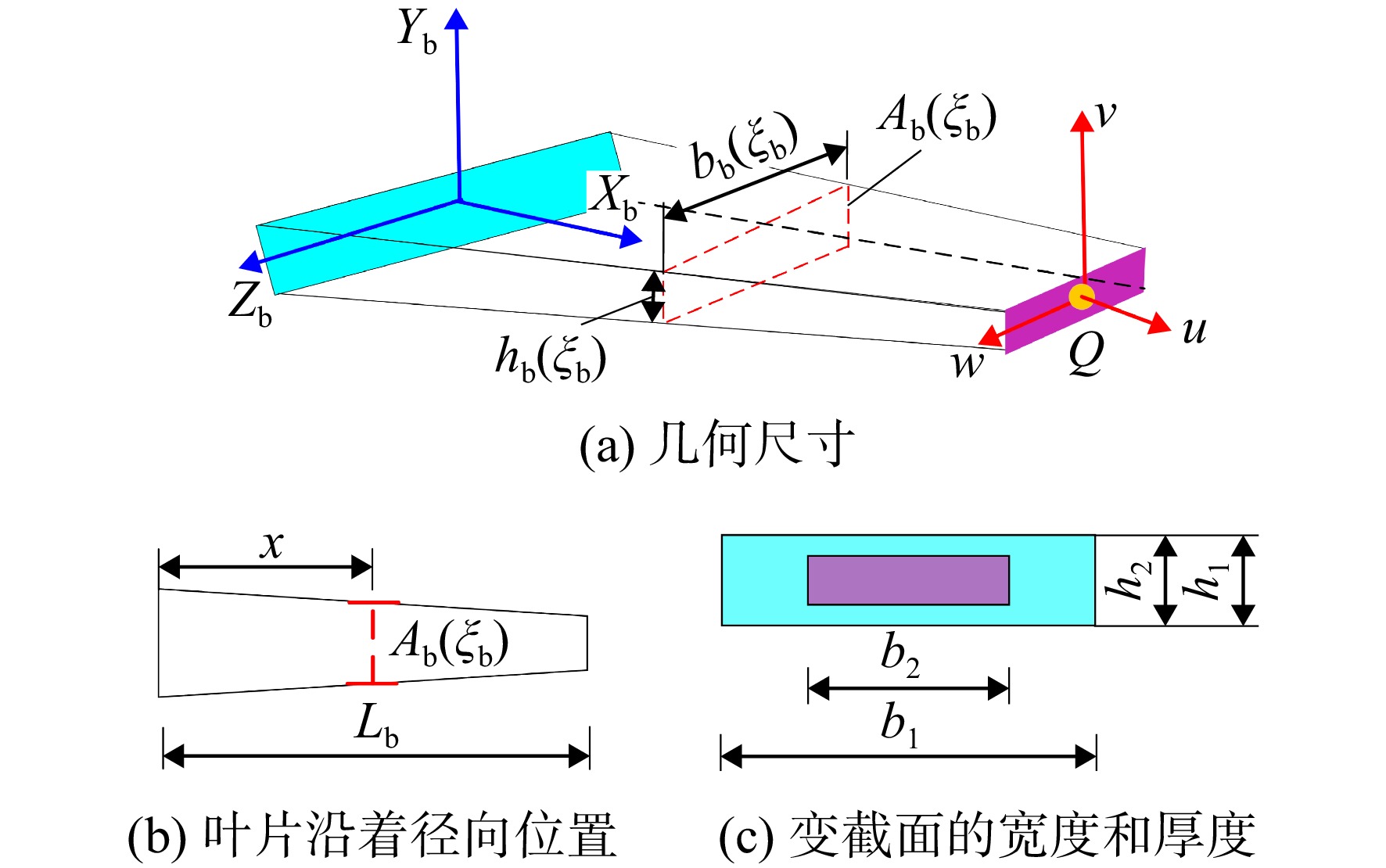
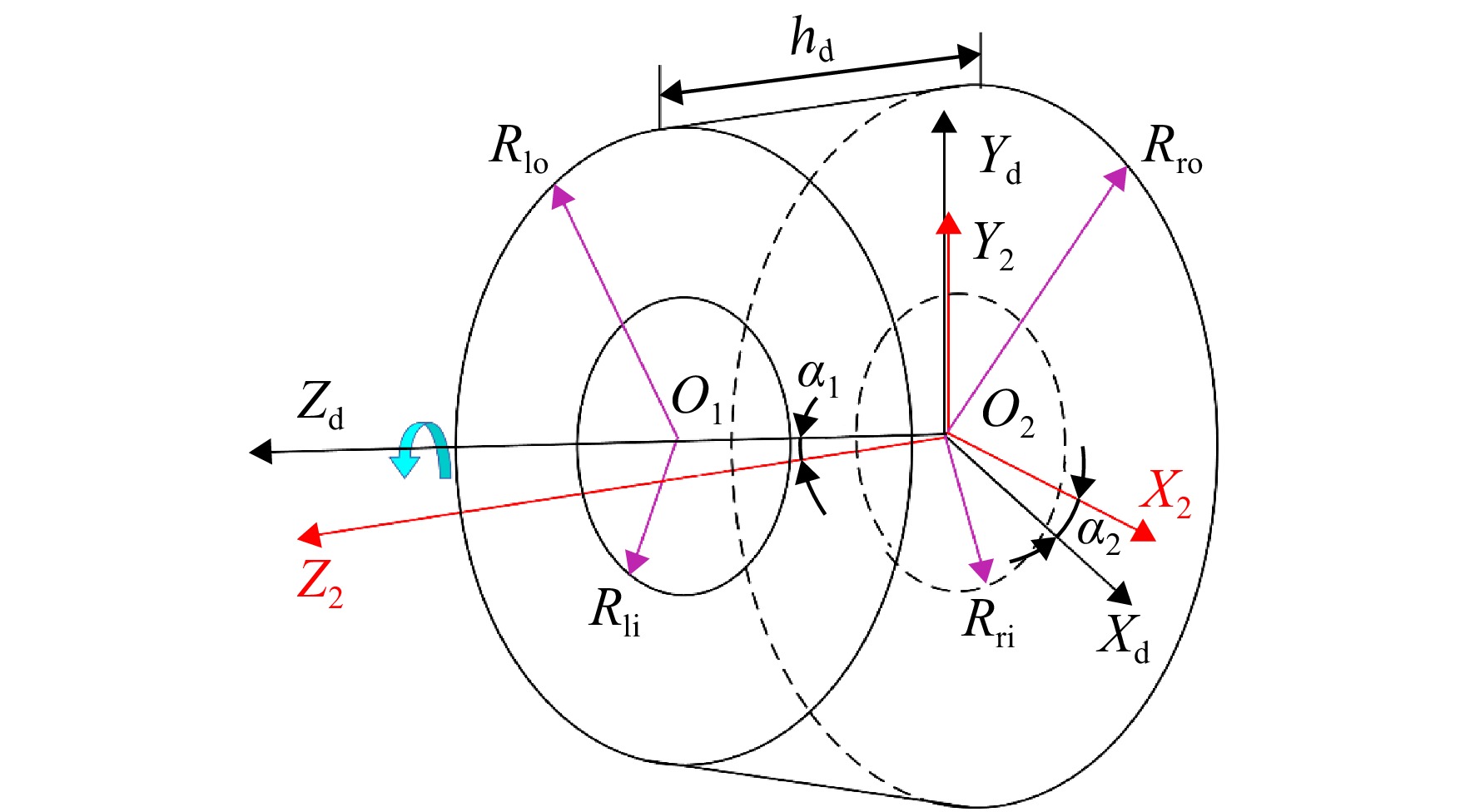
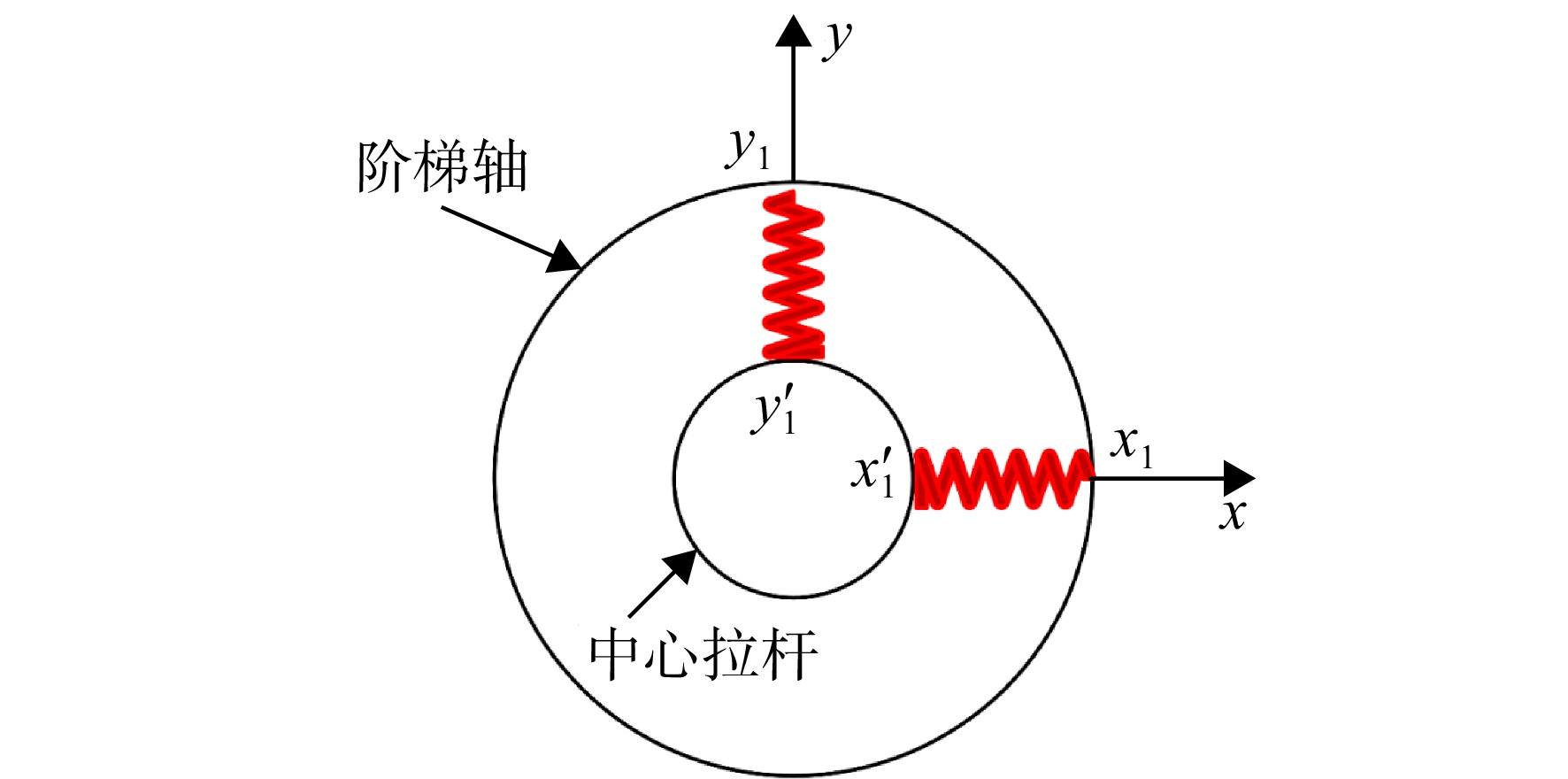
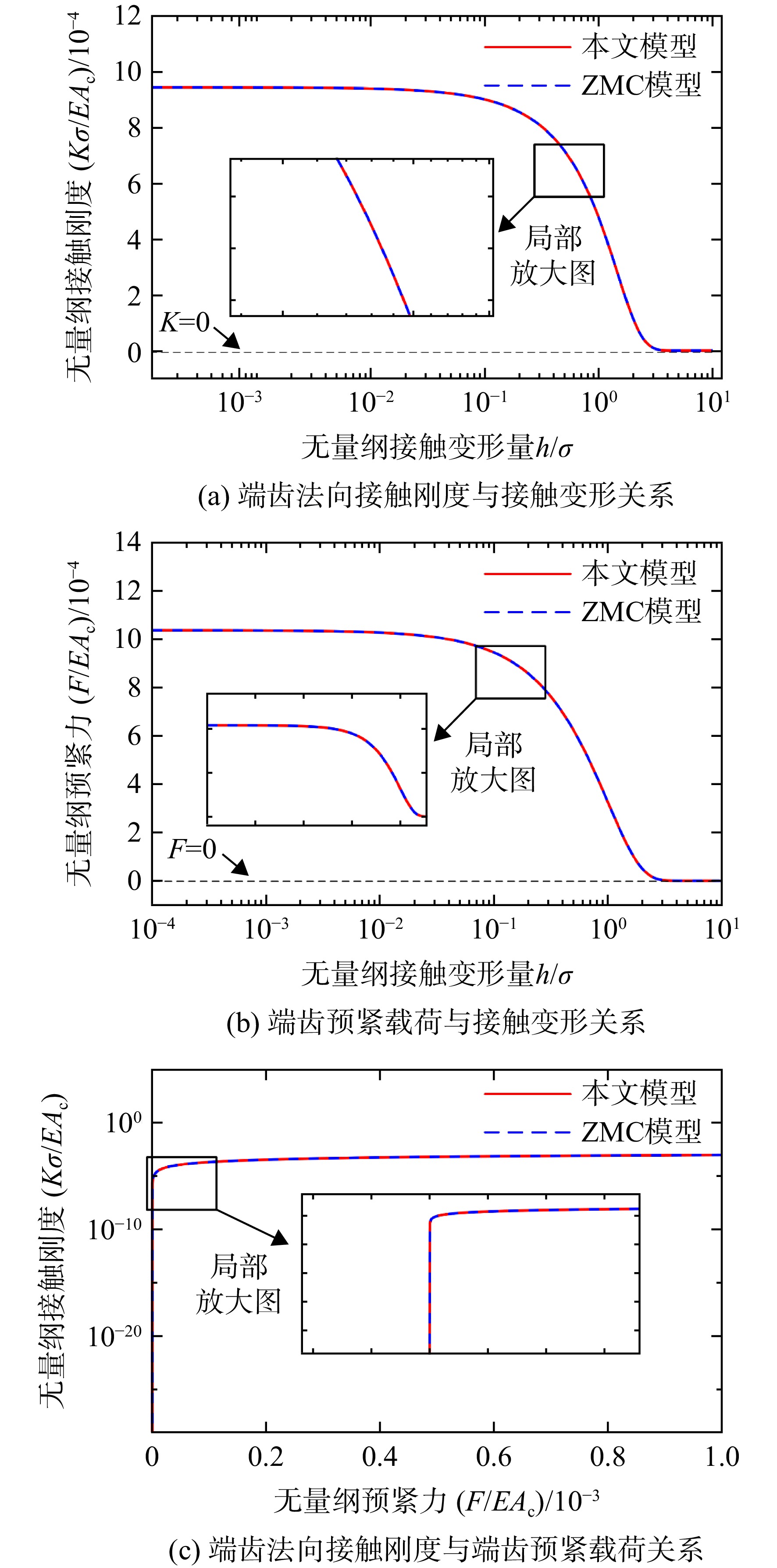
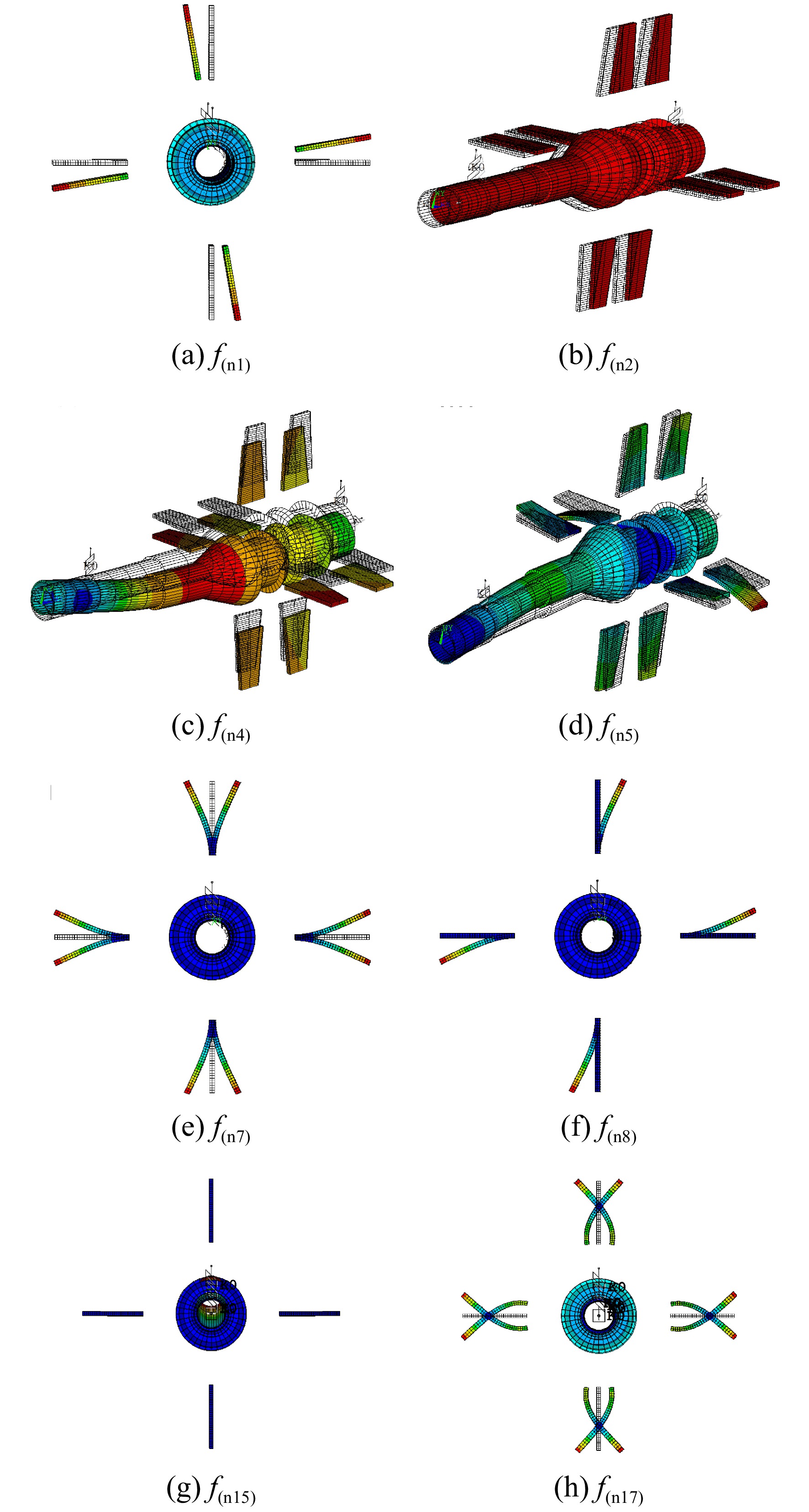
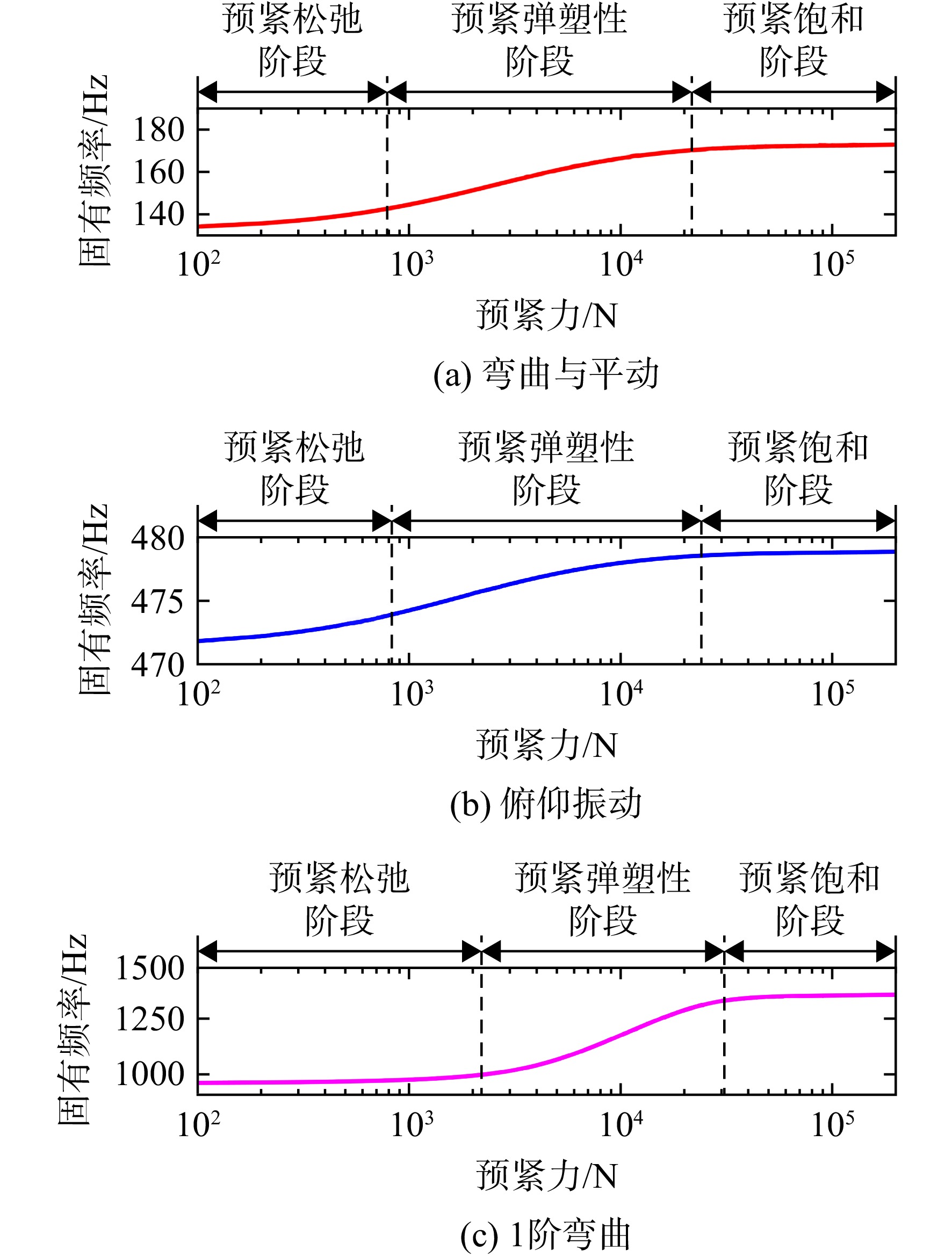
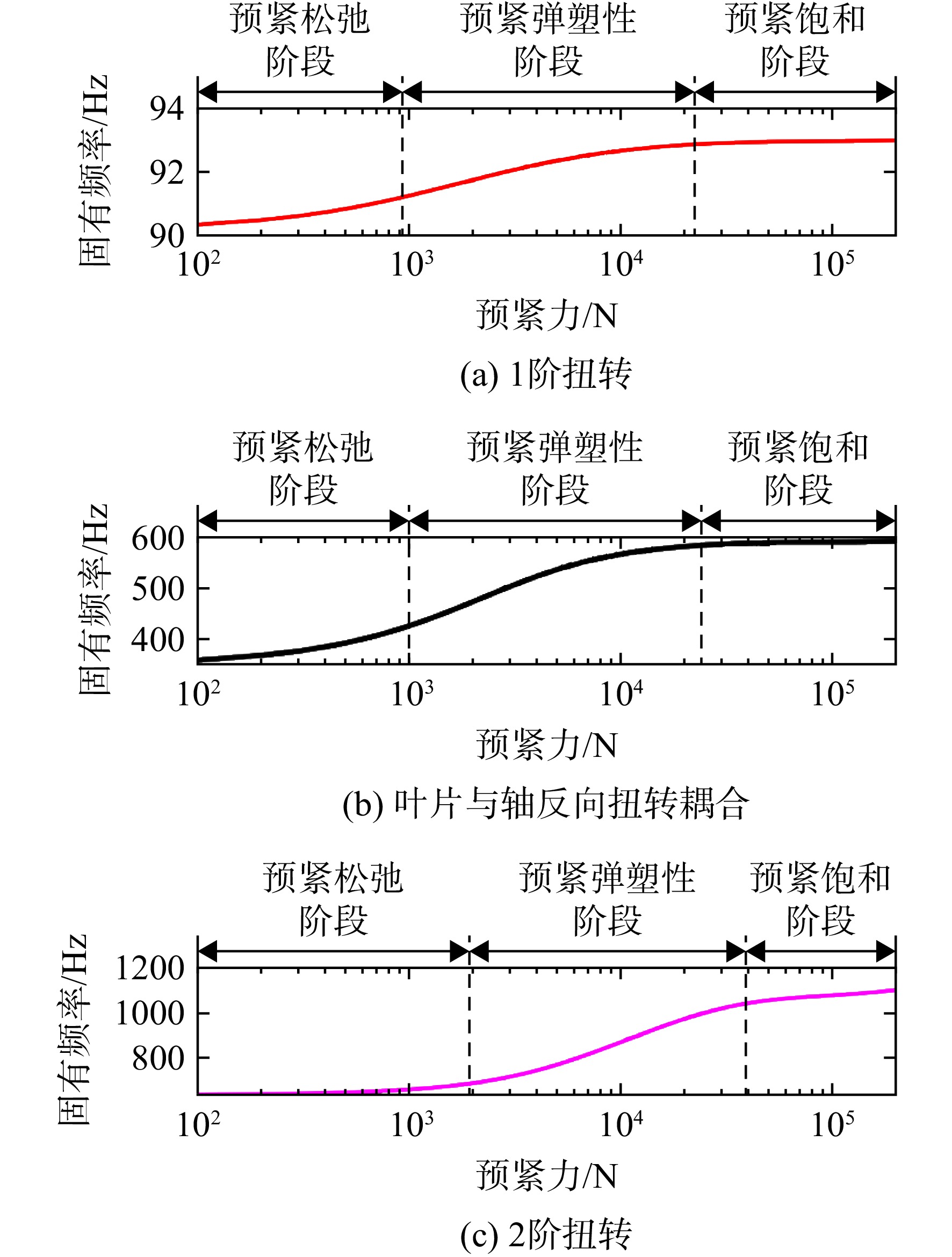
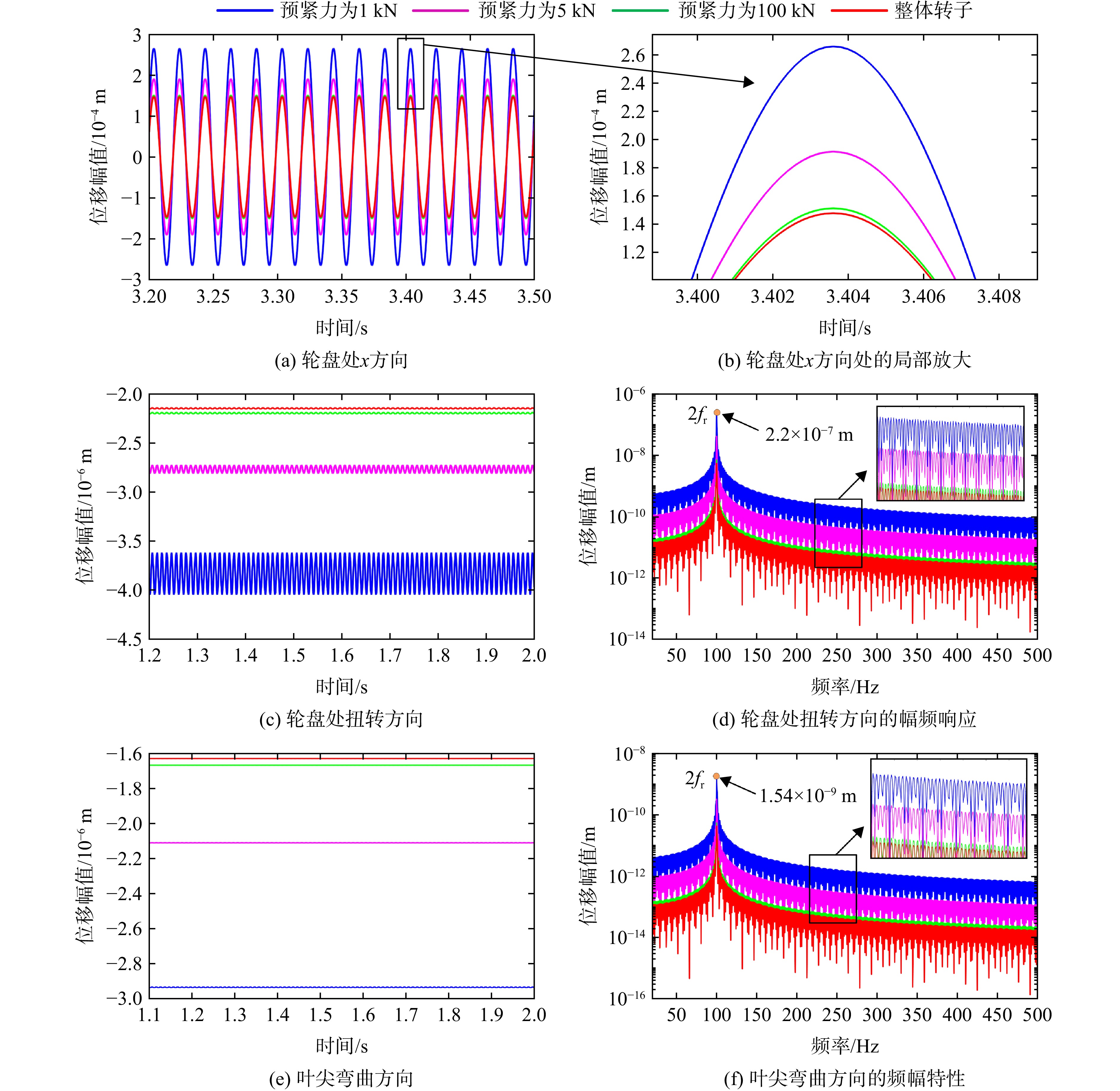
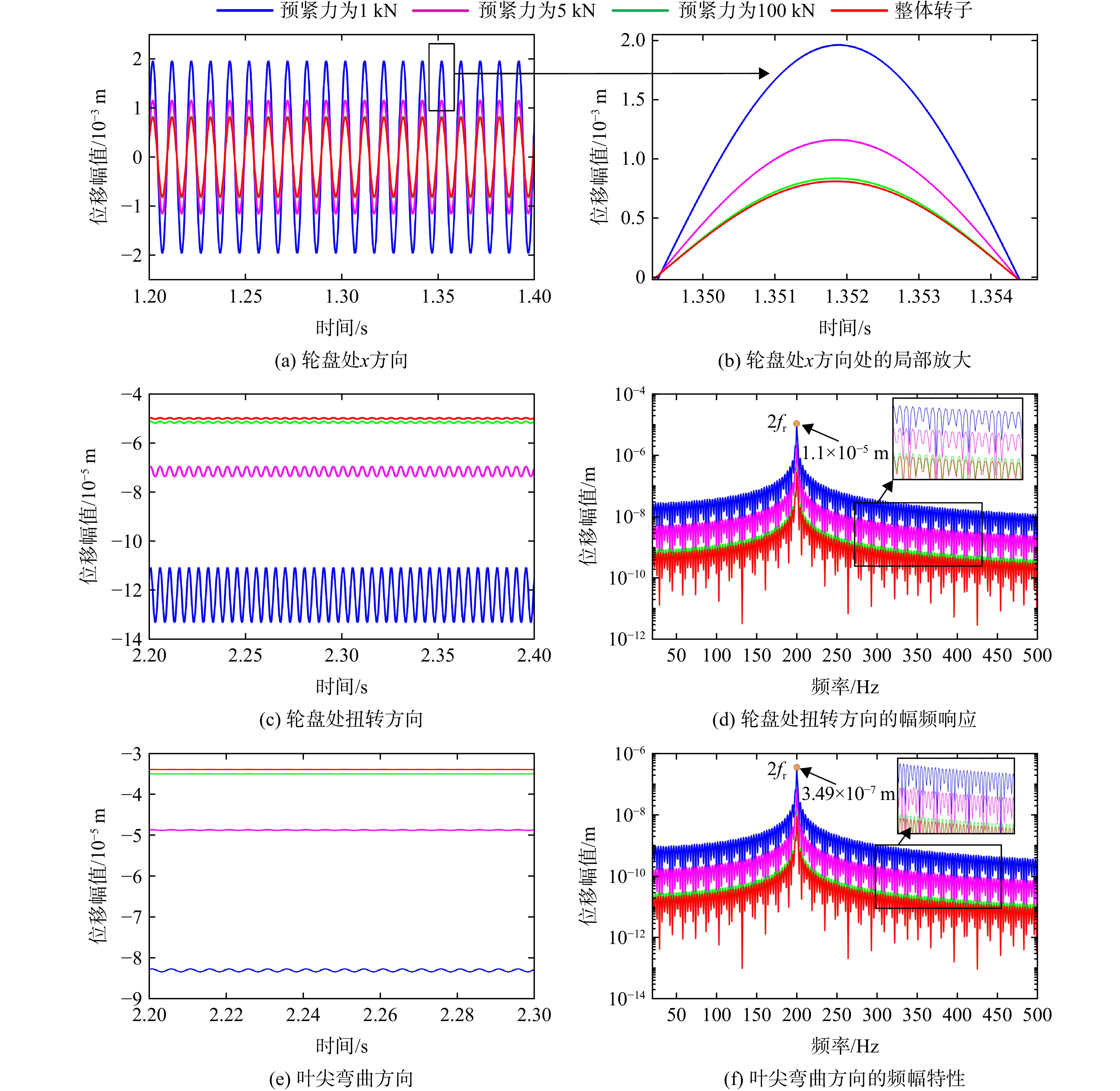
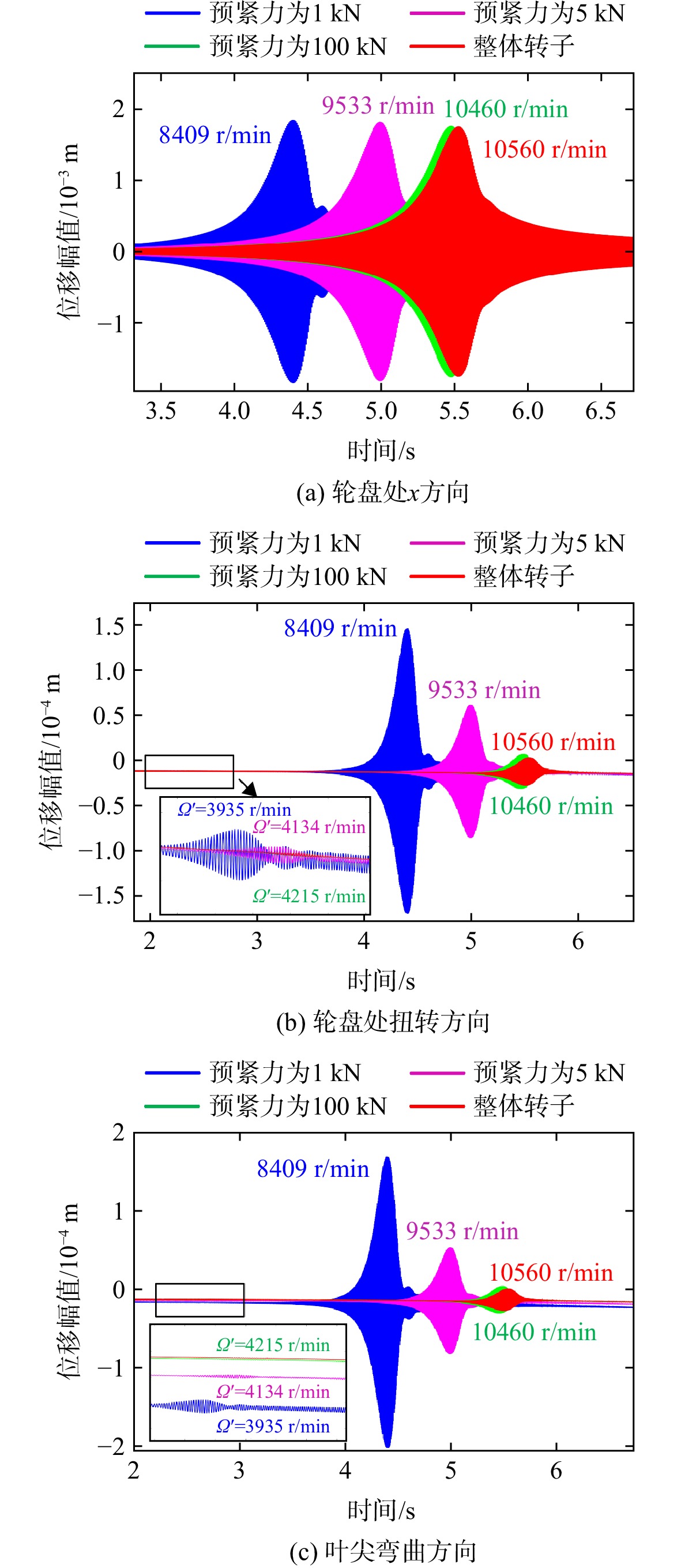
The equivalent contact model of the end-tooth connection including three stages such as the elastic, elastoplastic and plastic deformation was proposed using the Hertz contact theory in conjunction with the mathematical statistics method. In view of the complex structure of the aero-turboshaft engine, the general dynamic model of the complex rotor blade system, including the end tooth connection considering the contact effect, was established based on the finite element method and Hamilton's variance principle. The concrete finite element results demonstrated the validity and correctness of the analytical model. And on the basis, the effects of the pre-tightening forces on the natural frequencies, transient and steady unbalance responses were further investigated. The results showed that the effects of the pre-tightening forces had a significant effect on the contact state of the end-tooth connection. In the relaxation state of the pre-tightening force, the slippage of contact interface can reduce the bending and torsional stiffness of the end-tooth connection, leading to a decrease in the connection stiffness of the end-tooth connection. For the transient and steady-state unbalanced responses, there existed obvious amplitude amplification phenomena in the rotor vibration in x direction, torsional direction and bending vibration of the blade tip. The saturation stage of the pre-tightening force was selected at the range of 2.0×10⁴—2.0×10⁵ N, the end tooth connection was approximately equivalent to the rigid connection. The results provide a quantitative reference for the design of the aero-turboshaft engine considering the end-tooth connection under the action of the pre-tightening forces.

Vibration and noise analysis of fuel pump regulator under combined load
HU Xueman, HOU Liang, BU Xiangjian, ZHOU Yibo
2024, 39(10): 20220849. doi: 10.13224/j.cnki.jasp.20220849
Abstract:

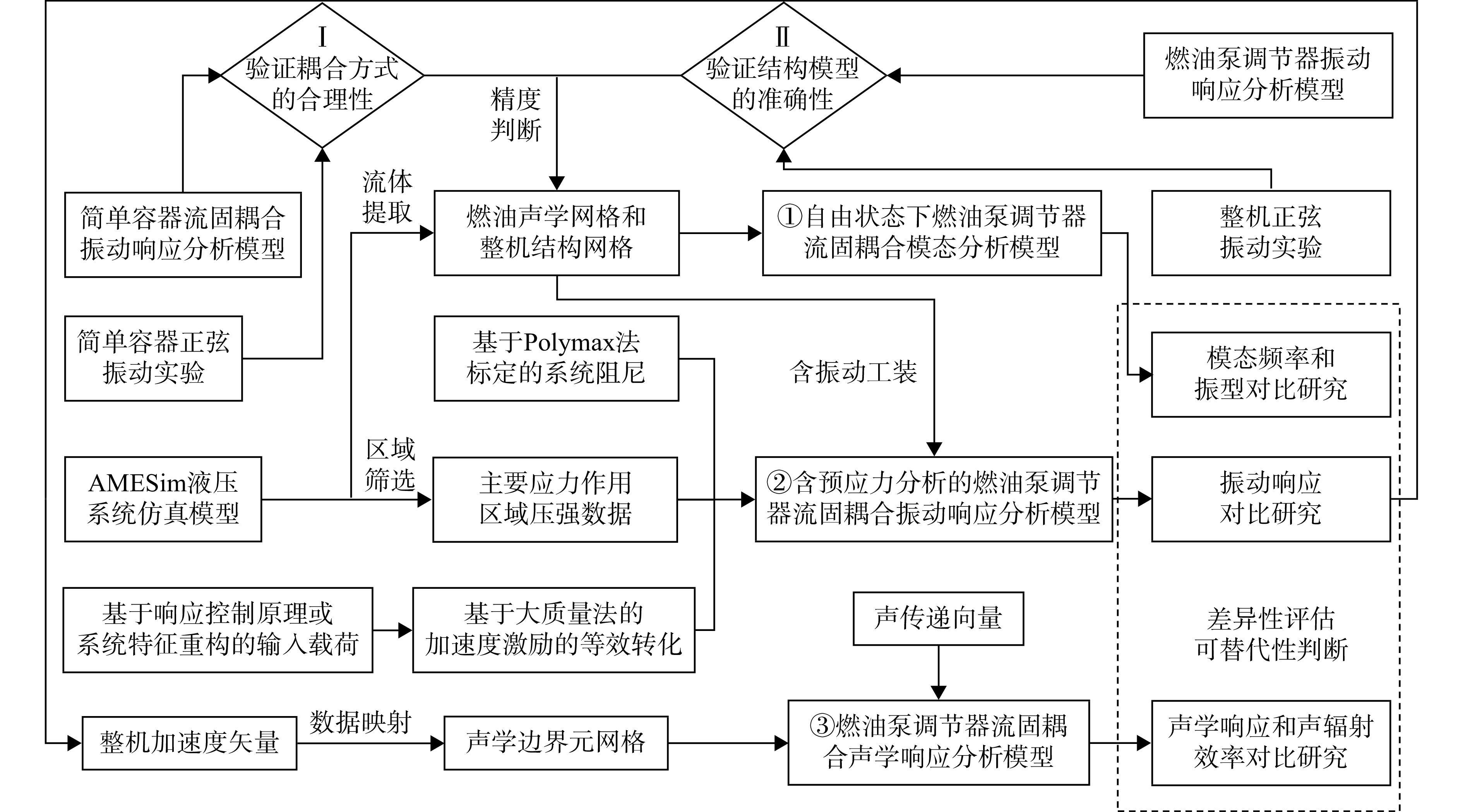
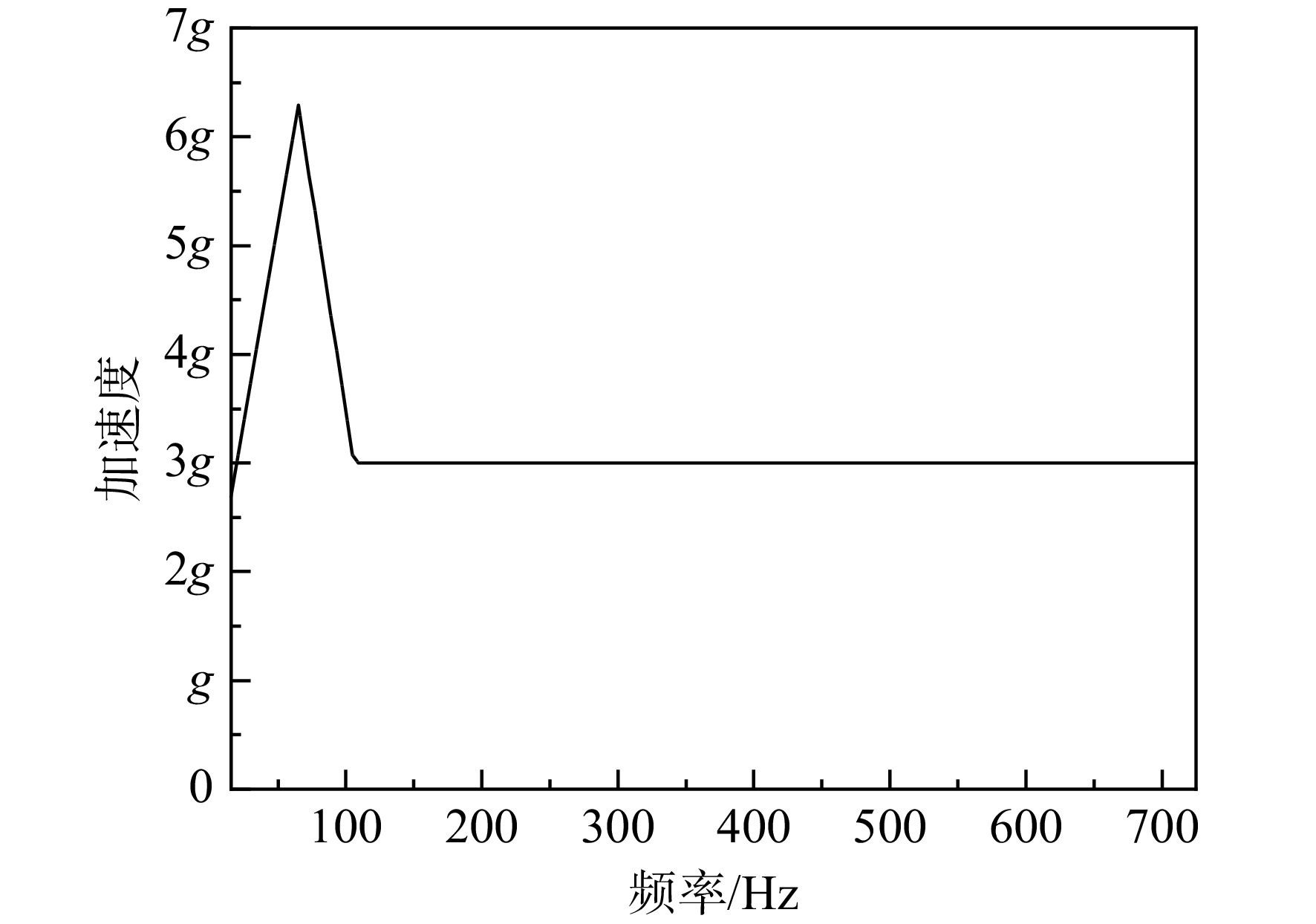
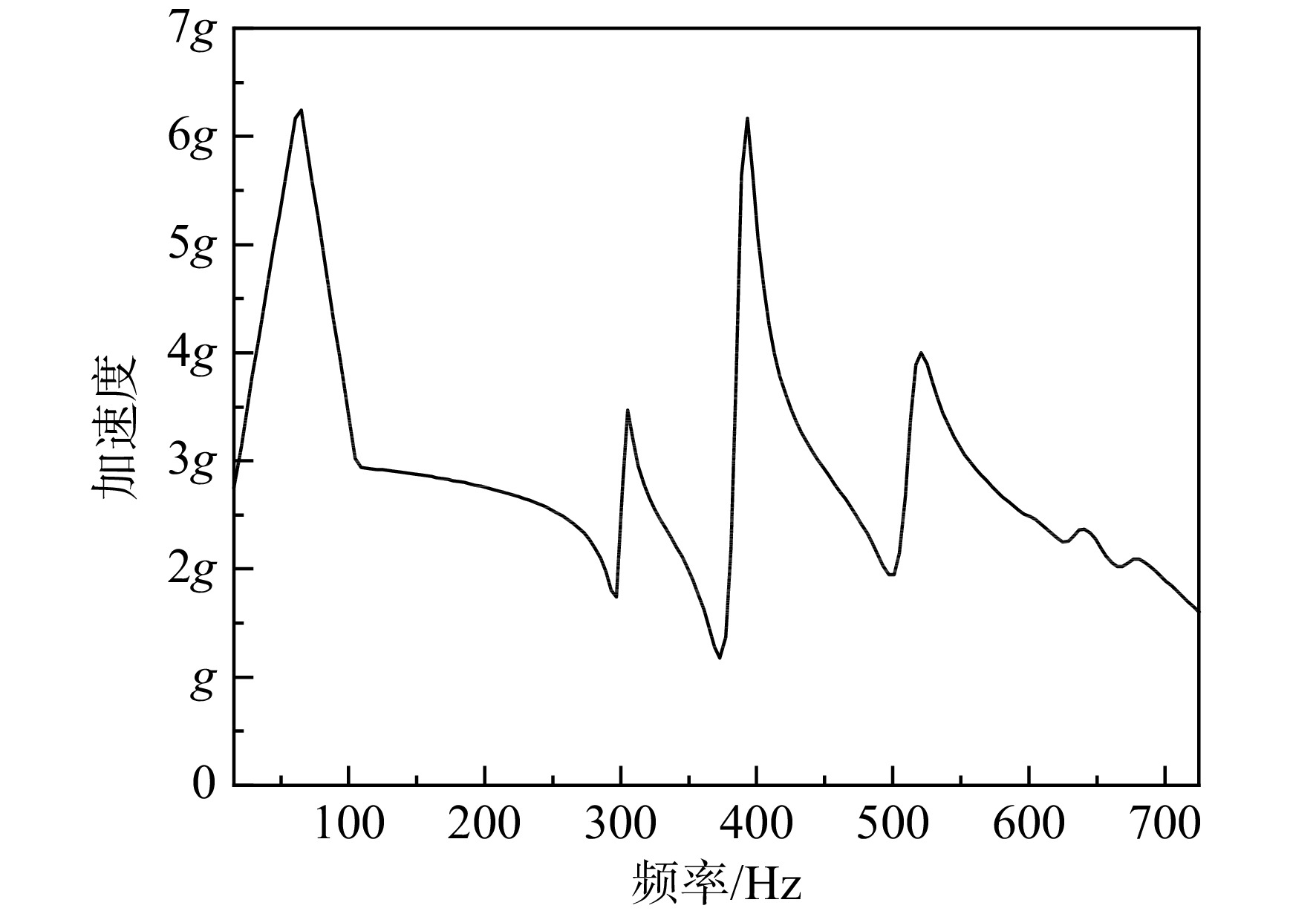
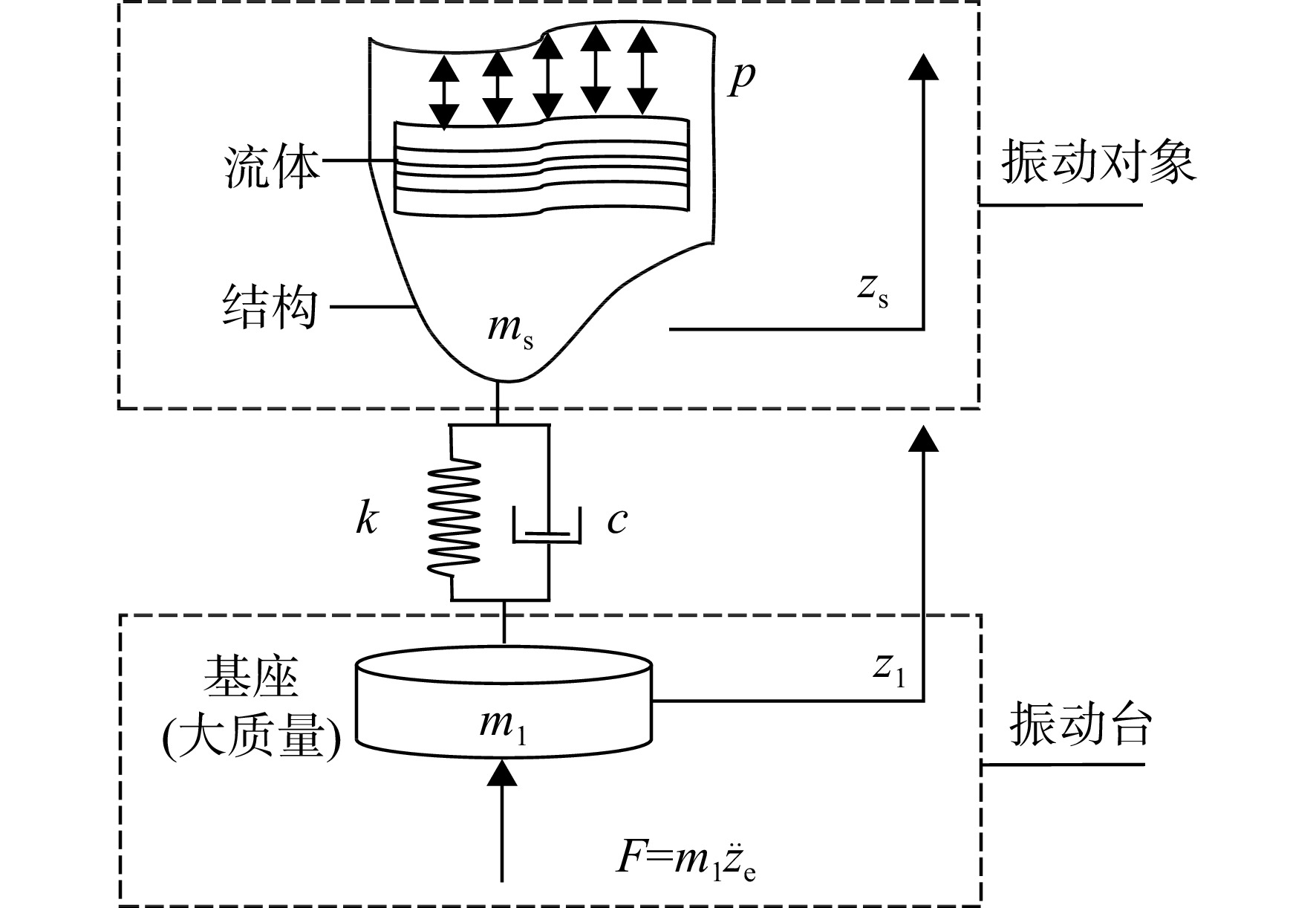
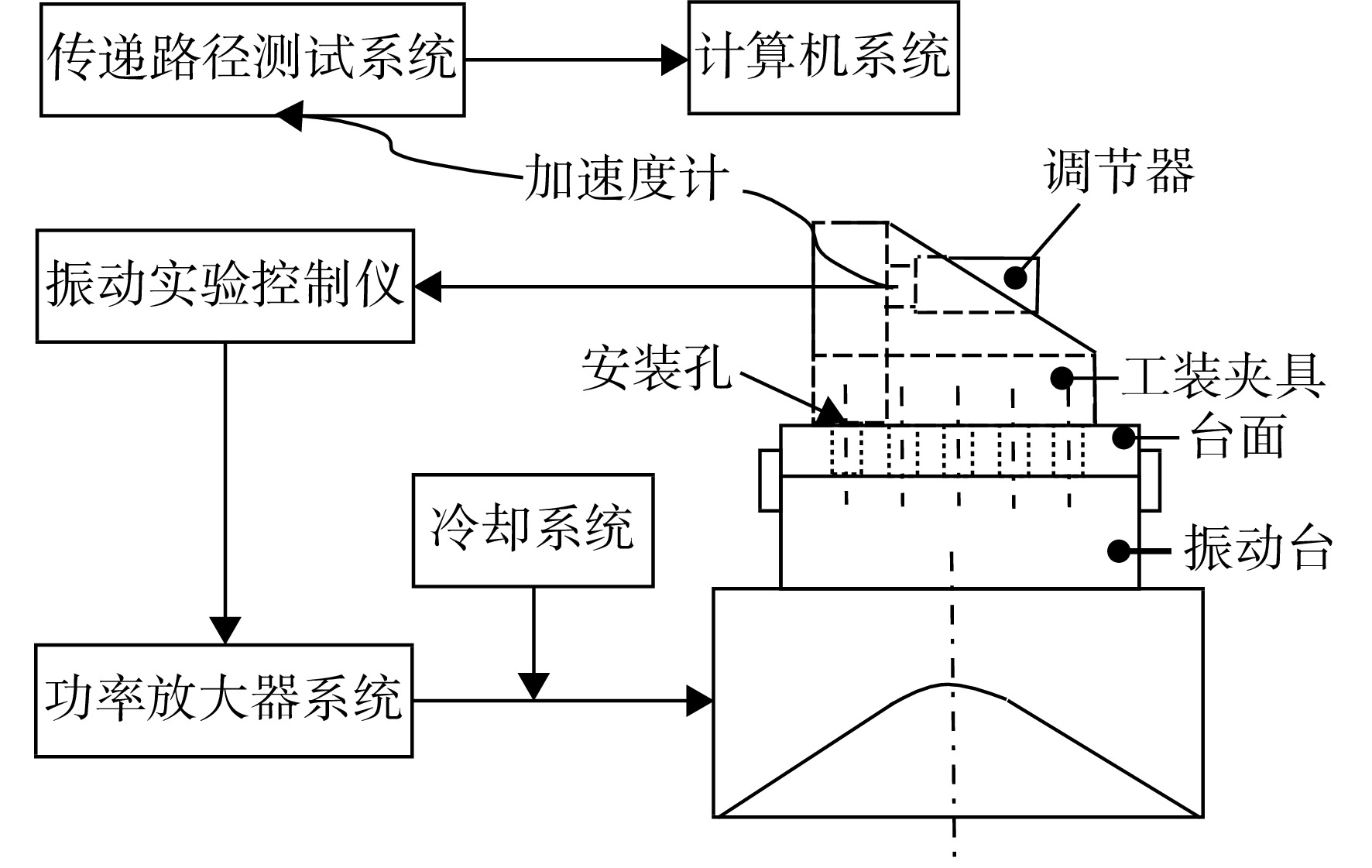
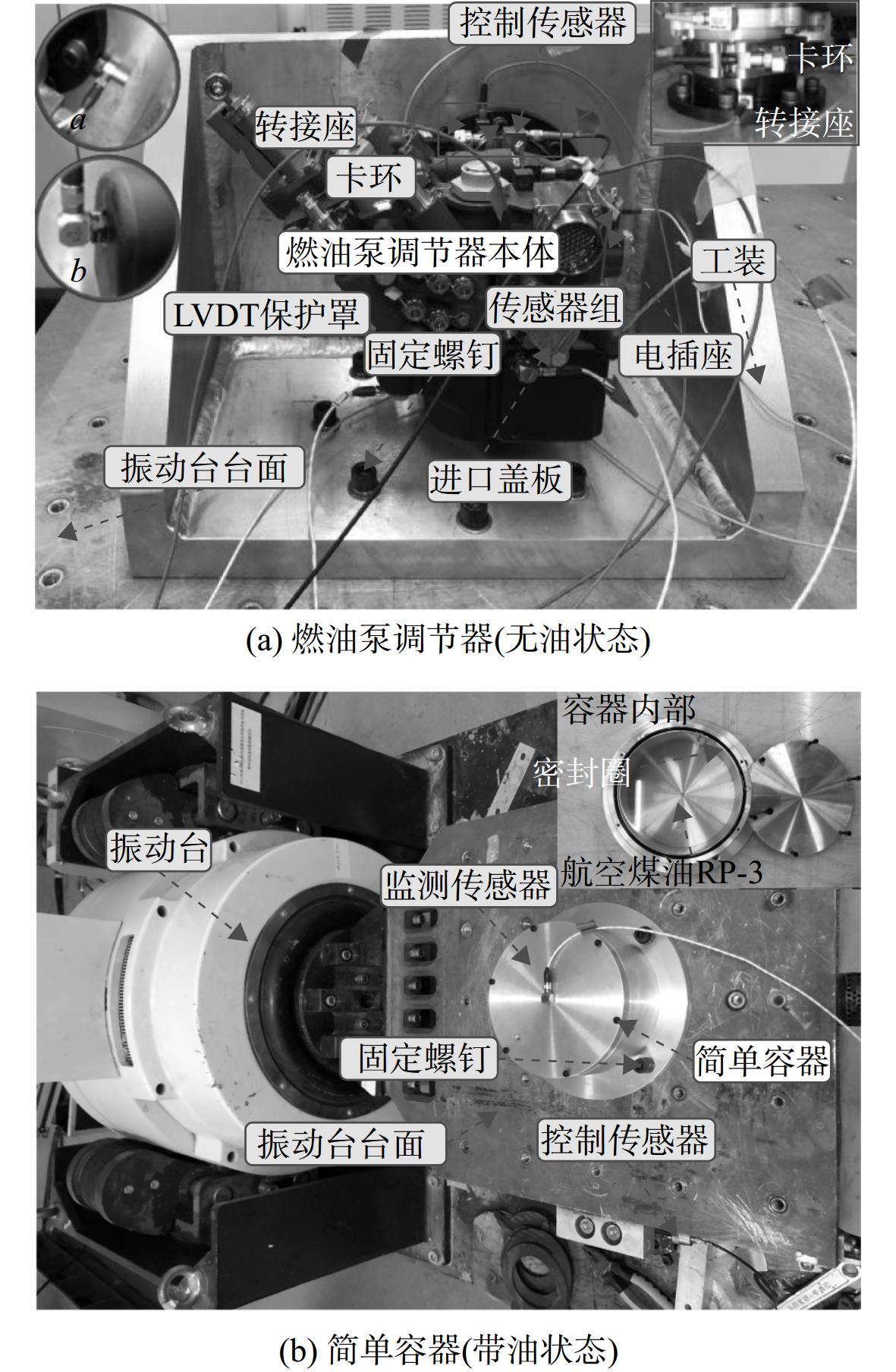
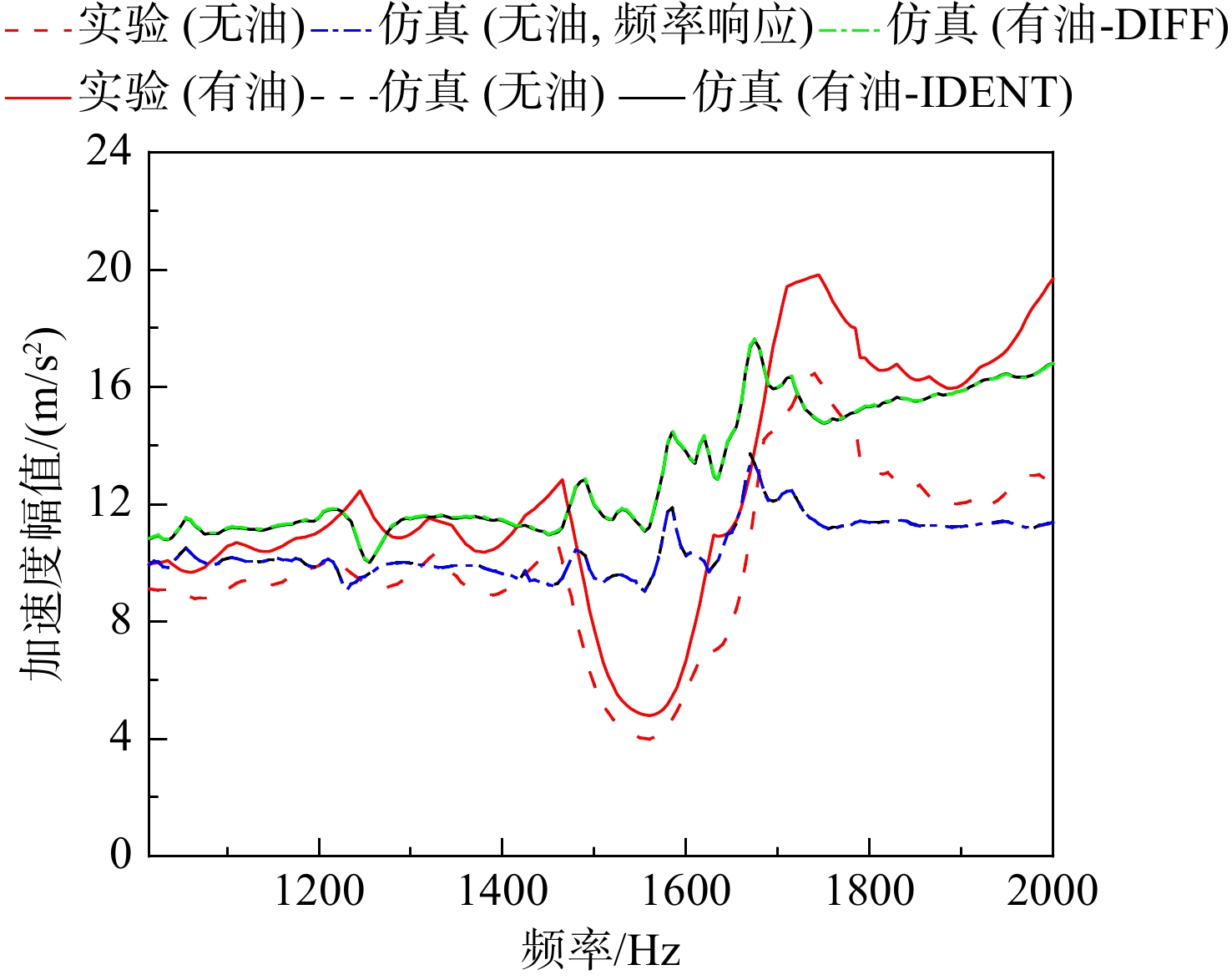
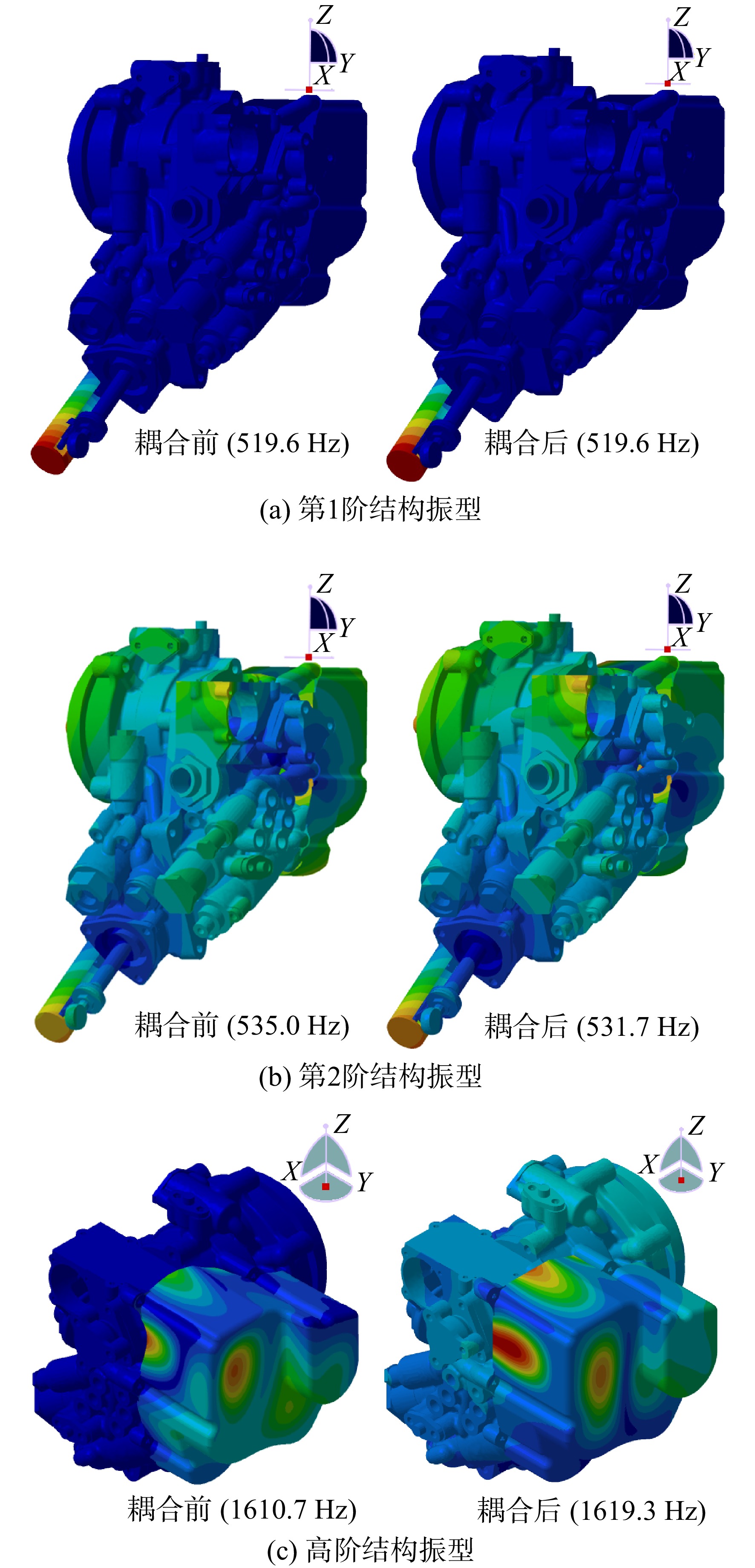
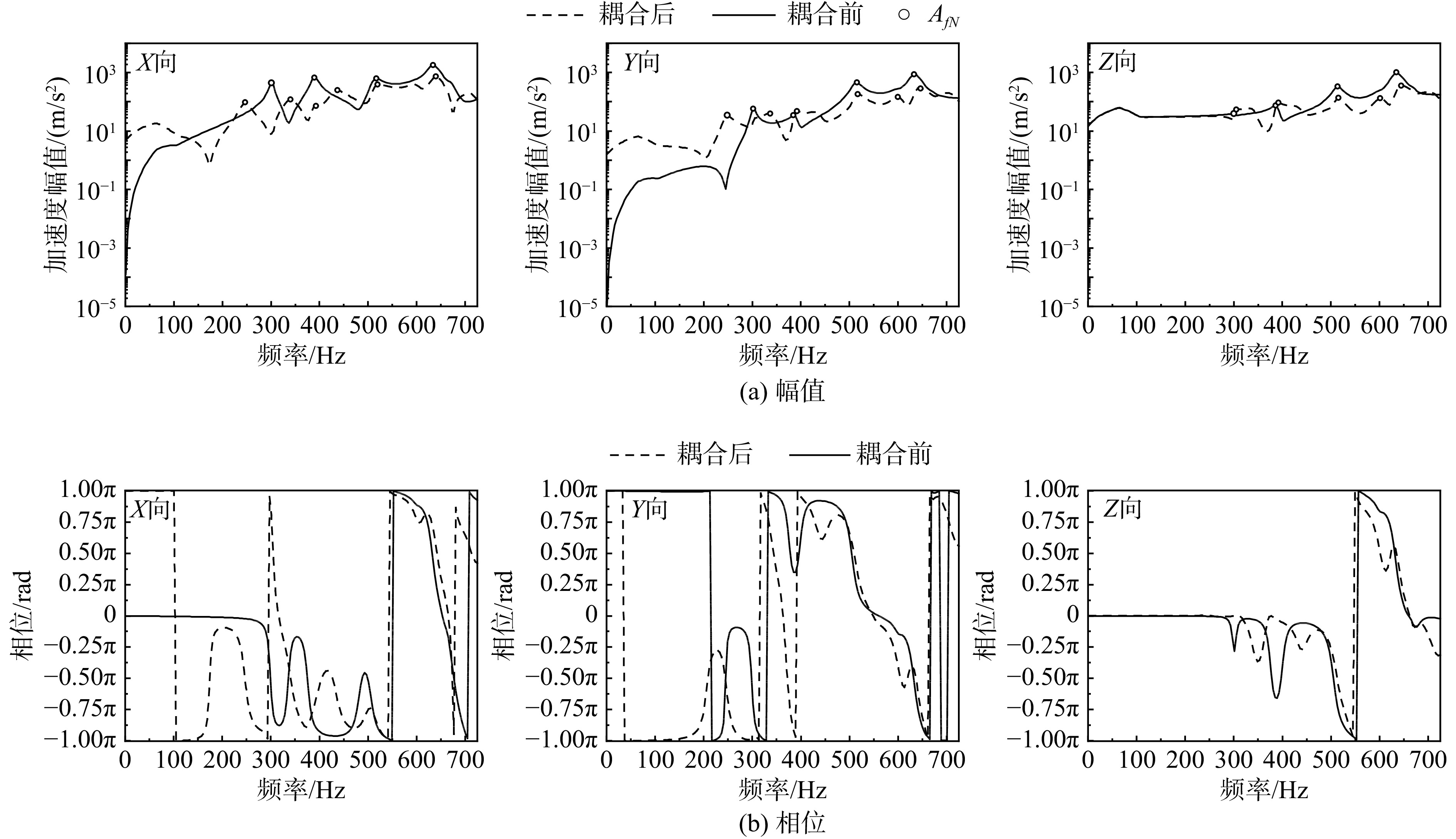
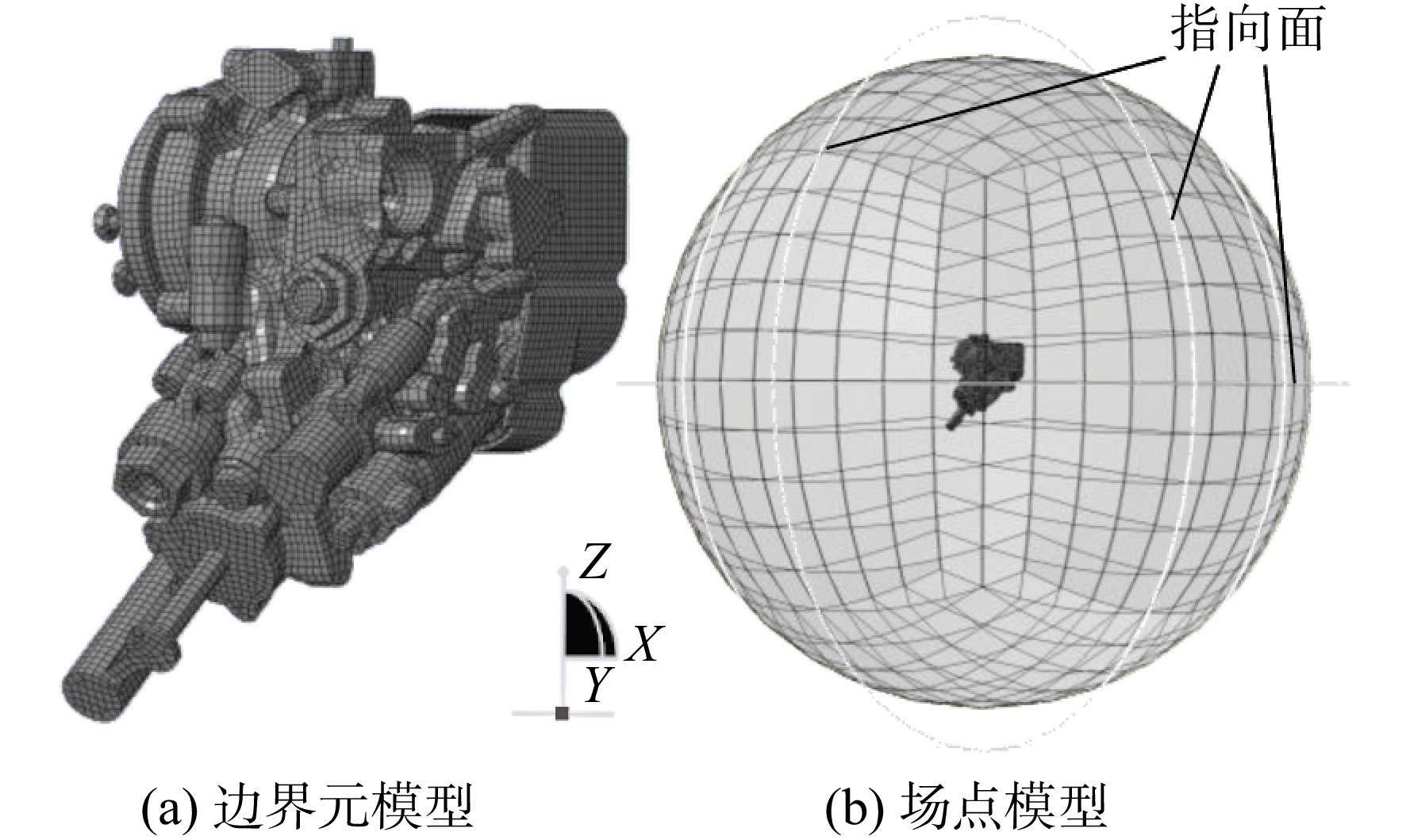
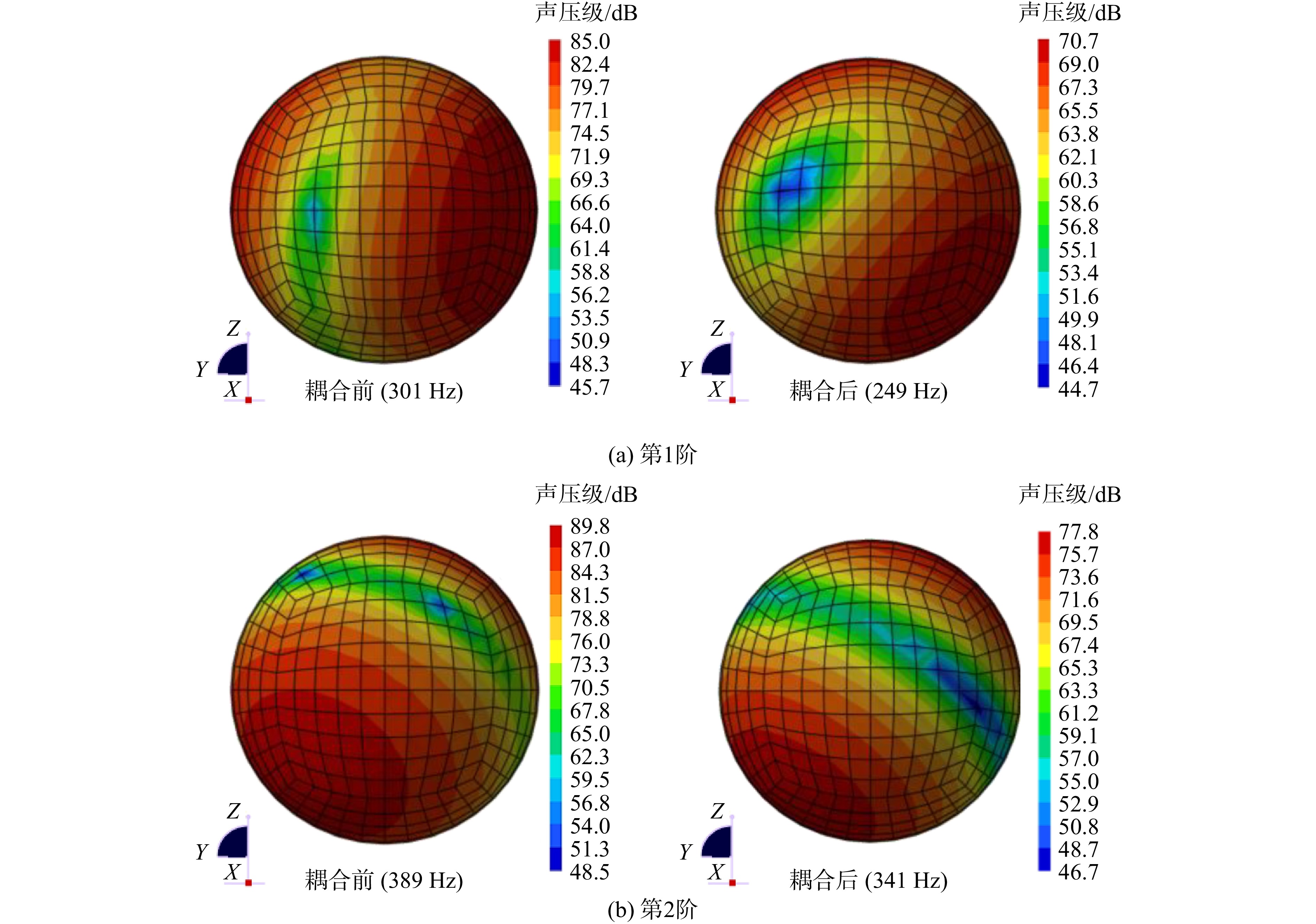
To investigate the dynamics of a highly integrated fuel pump regulator under combined structural and fluid loads, and compare the difference in responses between its working and non-working states, a hydraulic model was established to obtain the pressure of main action area under extreme conditions according to the principle of the hydraulic system. The structural damping was identified by the Ploymax method. The excitation load was reconstructed by the response control principle and system characteristics, and the load form was transformed by the large mass method (LMM). The acoustic-structure interaction method was used to solve the modal and vibration responses under the combined boundary, and the indirect boundary element method (IBEM) was used to calculate the acoustic response. The results indicated that the change of free mode without fuel prestress was little, and the peak response of vibration and noise considering casing vibration and fuel prestress was significantly reduced at low frequency, the first order frequency was reduced by 17.3%, and the maximum noise value at this frequency was reduced by about 14.3 dB, and the response had a tendency of increase beyond 600 Hz, compared with results of non-fluid-structure interaction.

Rotordynamics test with gradually increasing crack depth
HAN Bing, LIU Zhansheng, HE Peng, YAN Peigang
2024, 39(10): 20220856. doi: 10.13224/j.cnki.jasp.20220856
Abstract:

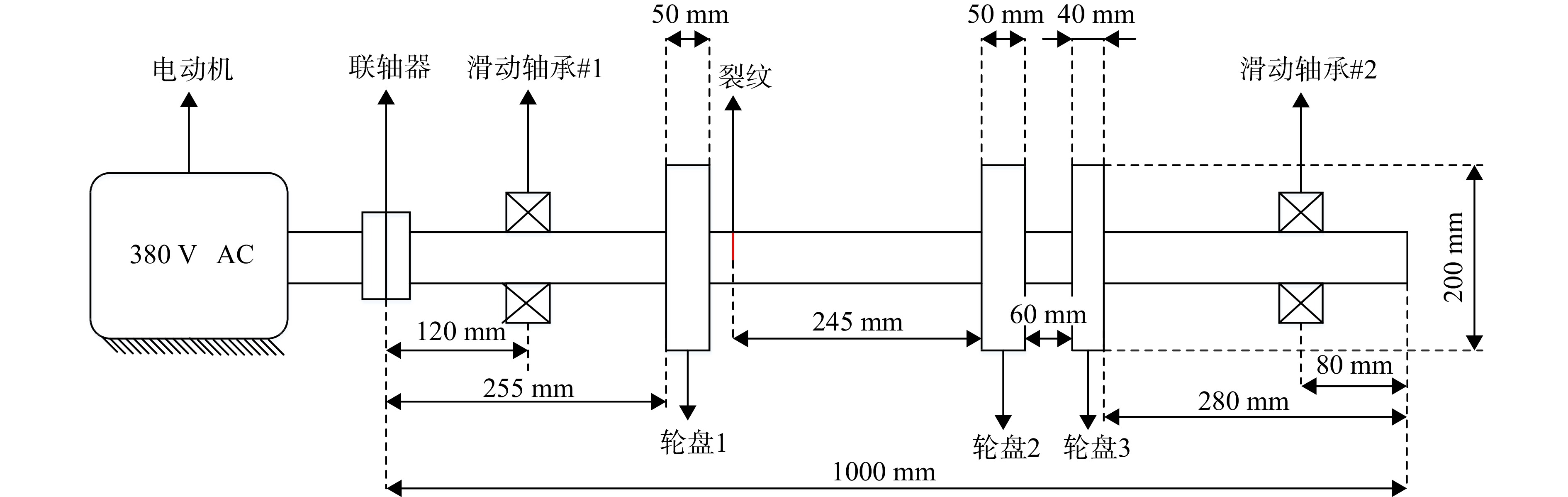
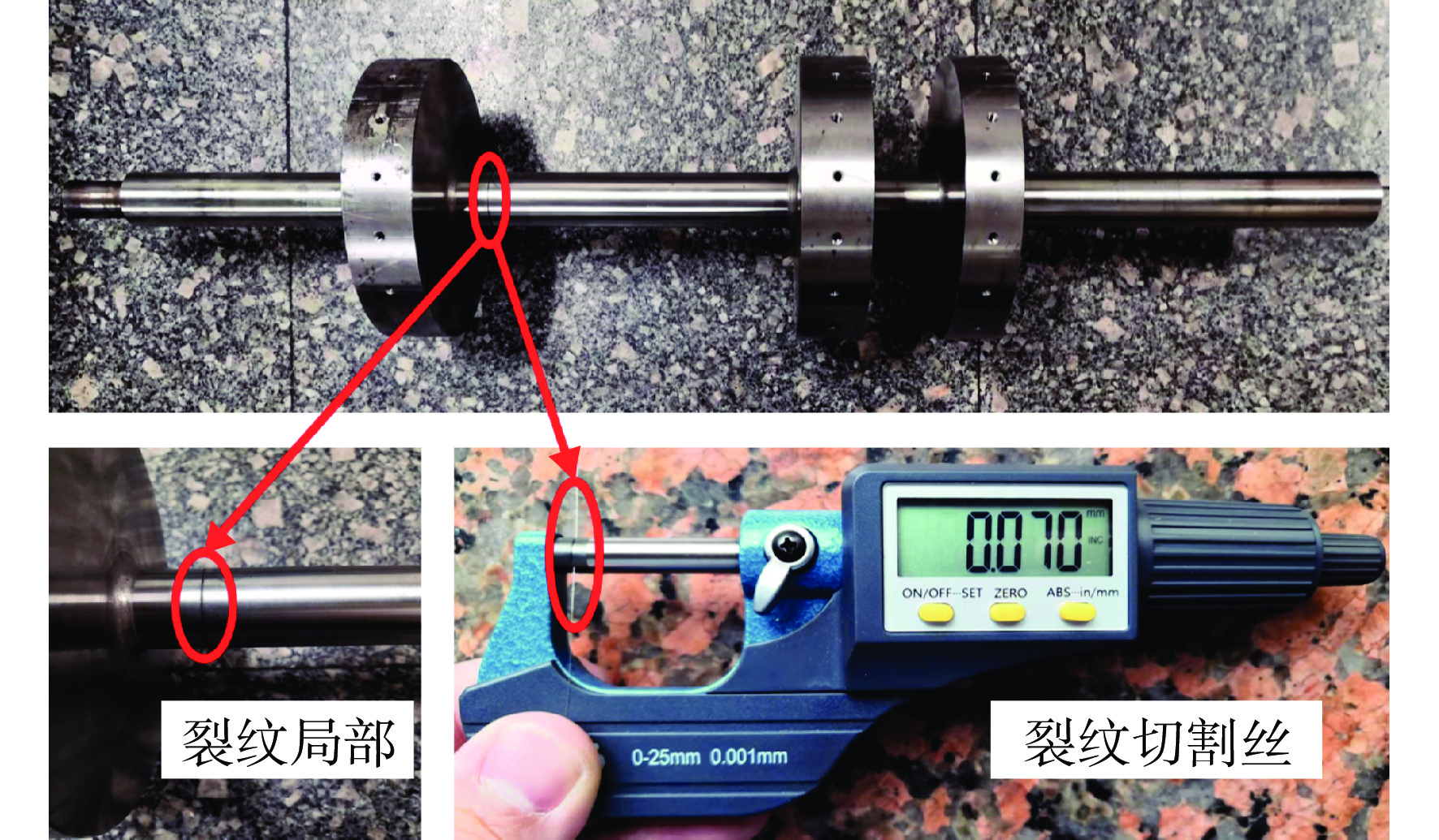
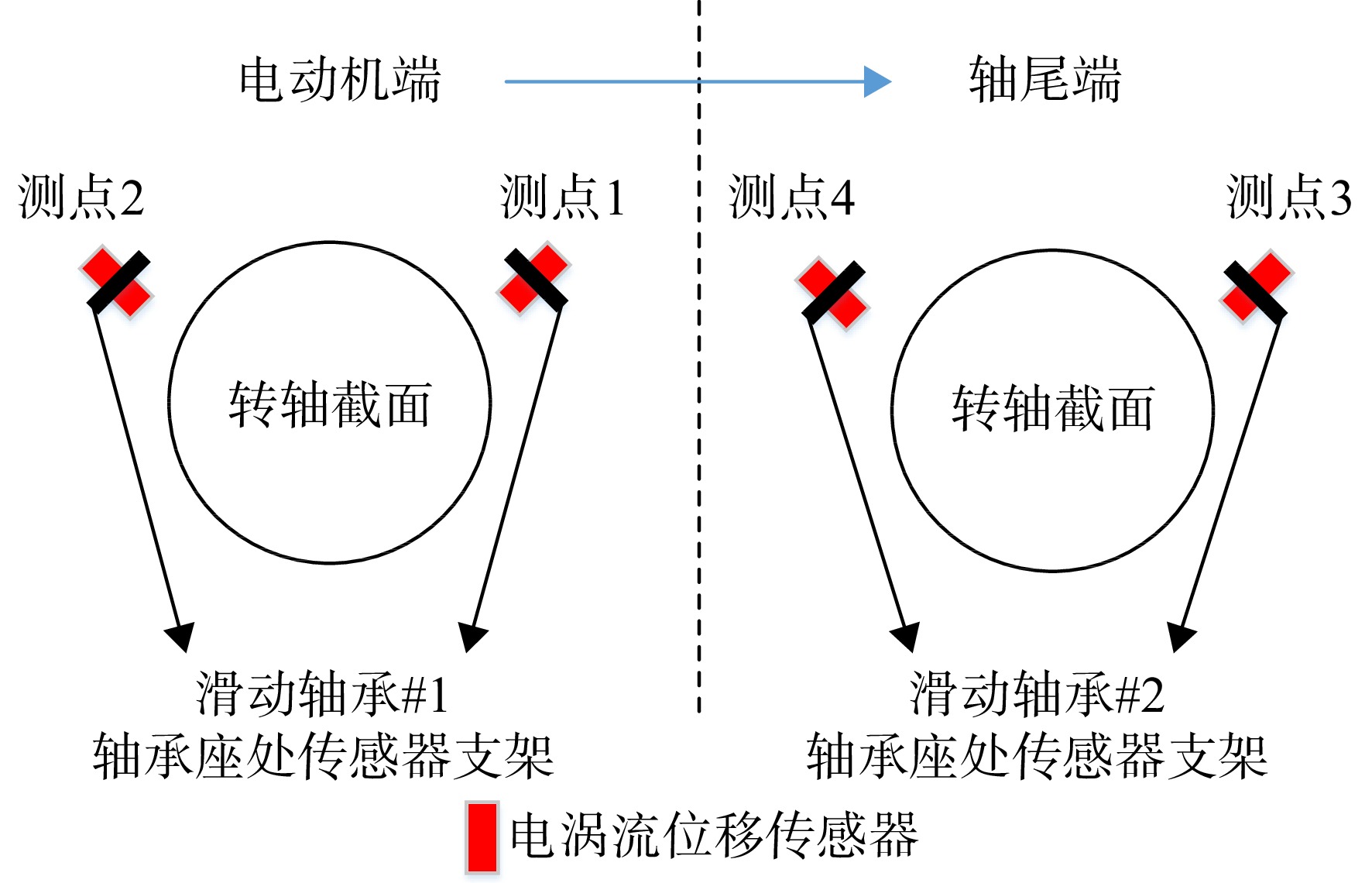
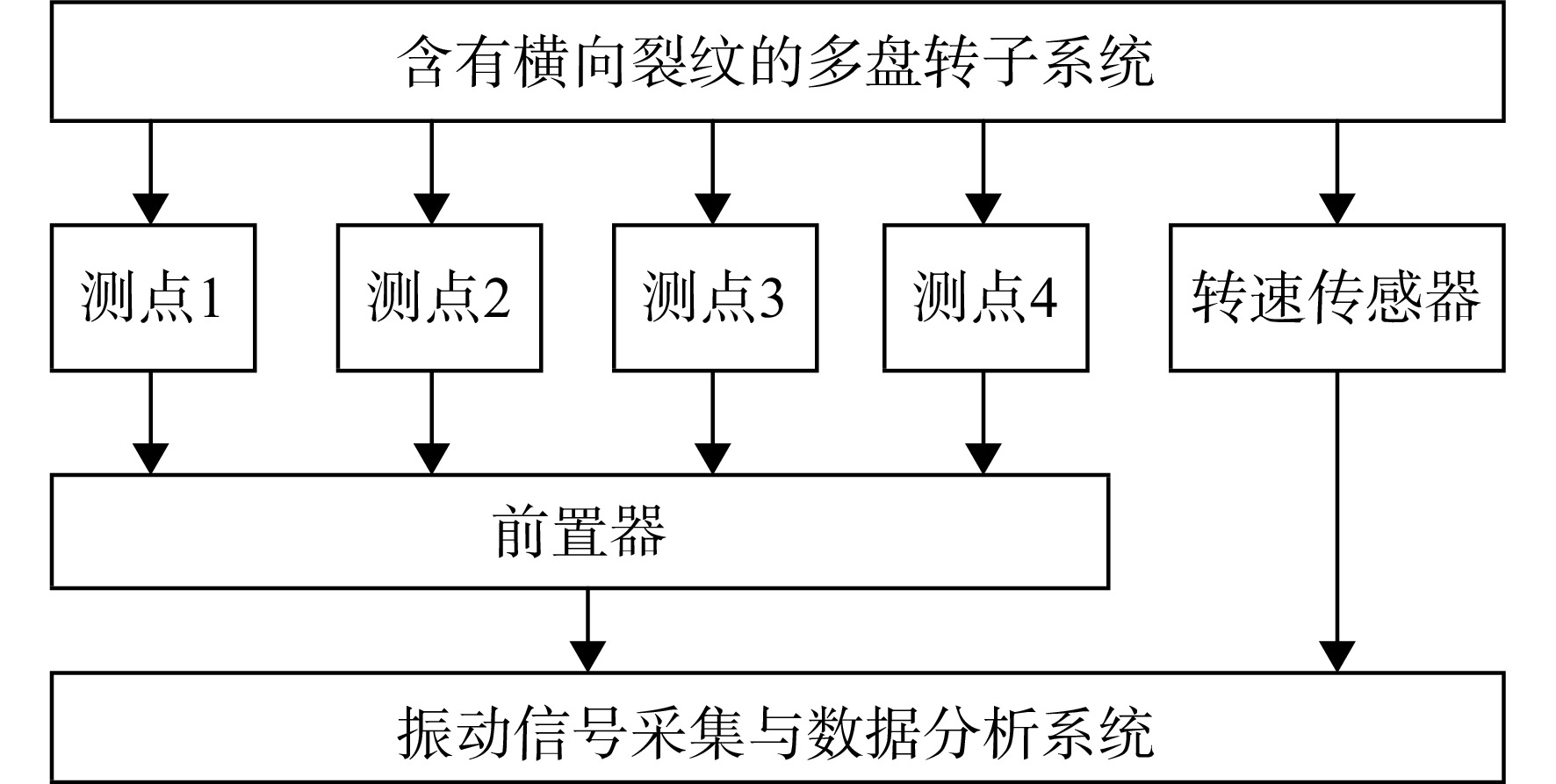
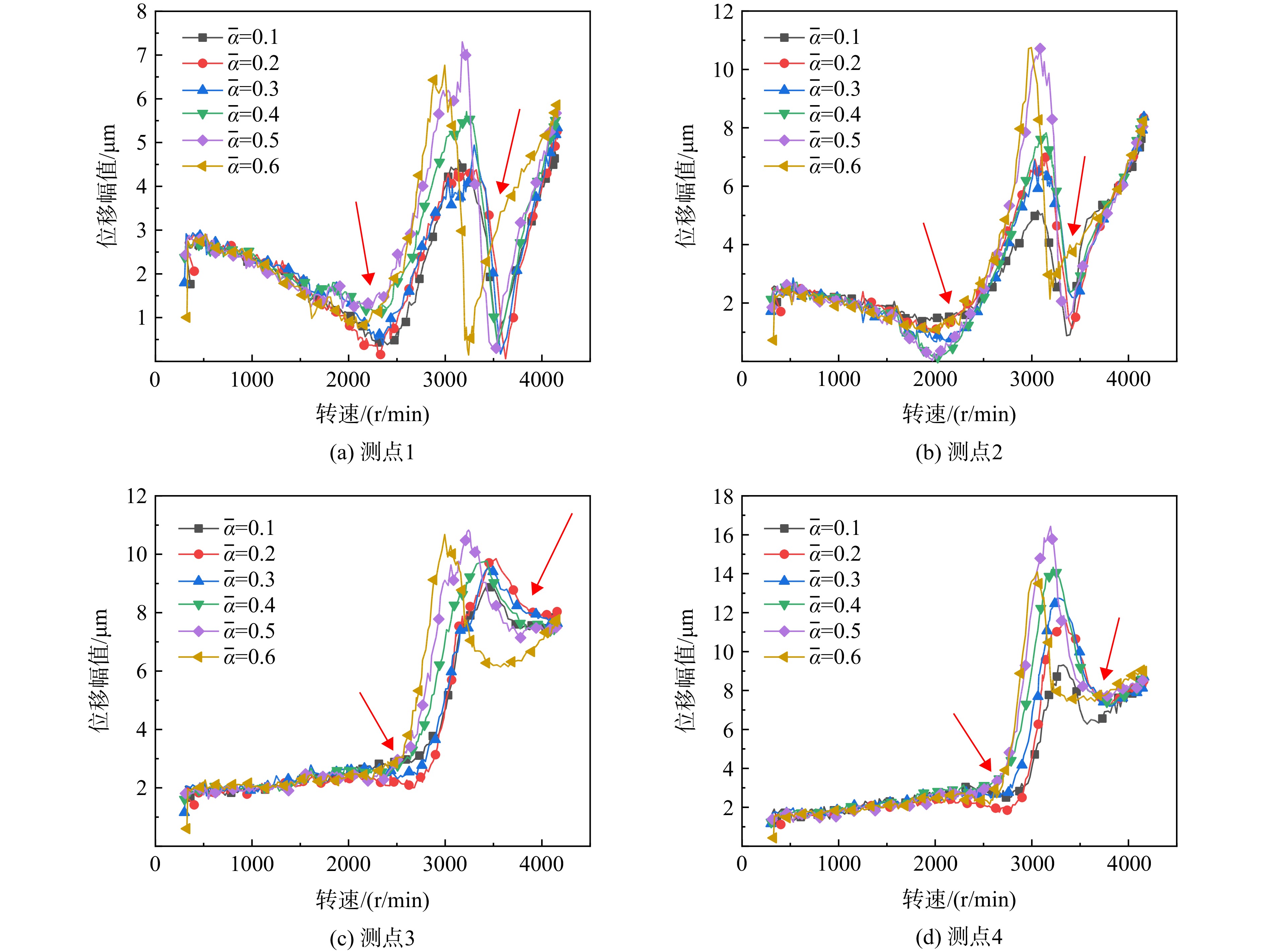
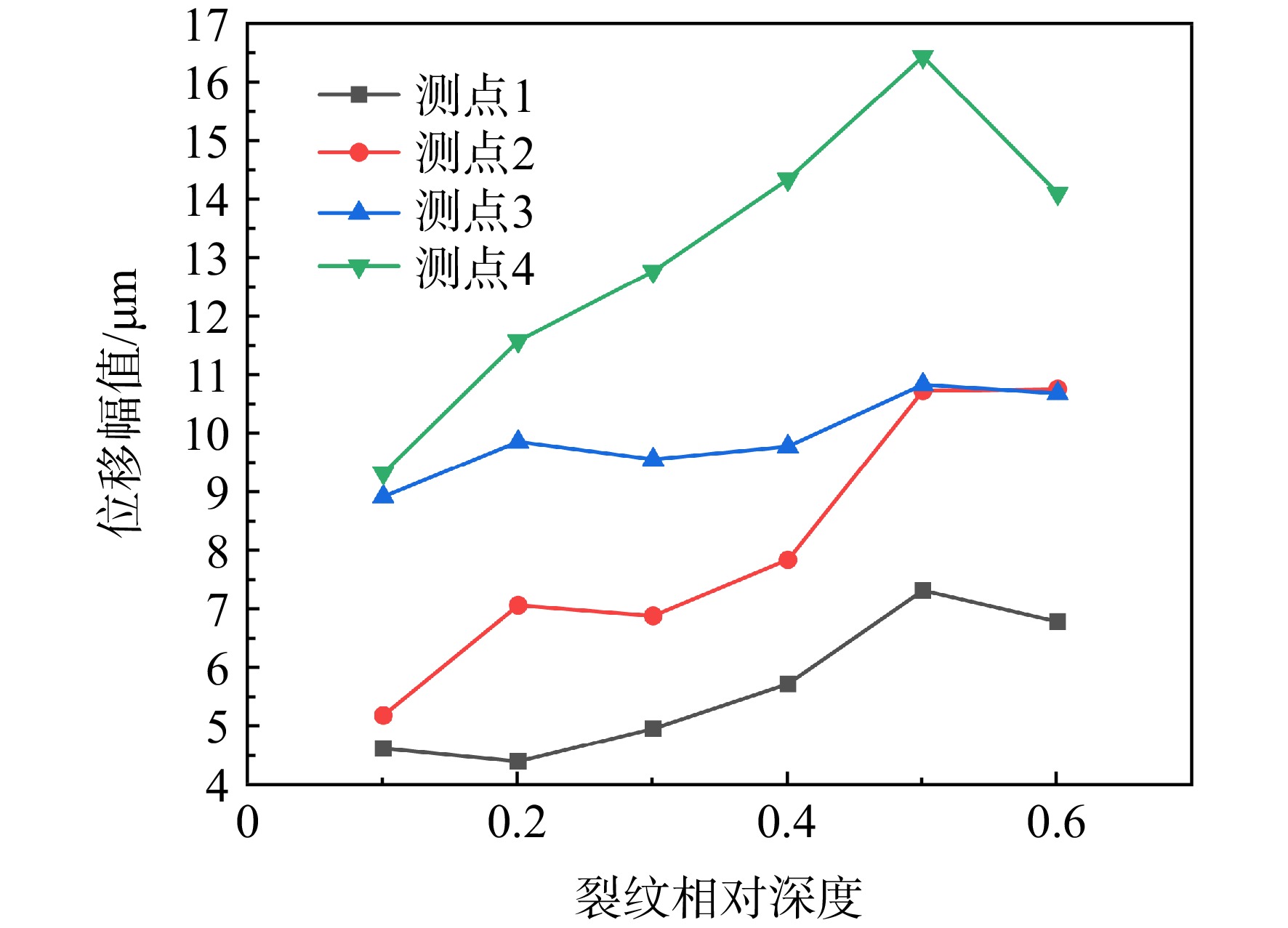
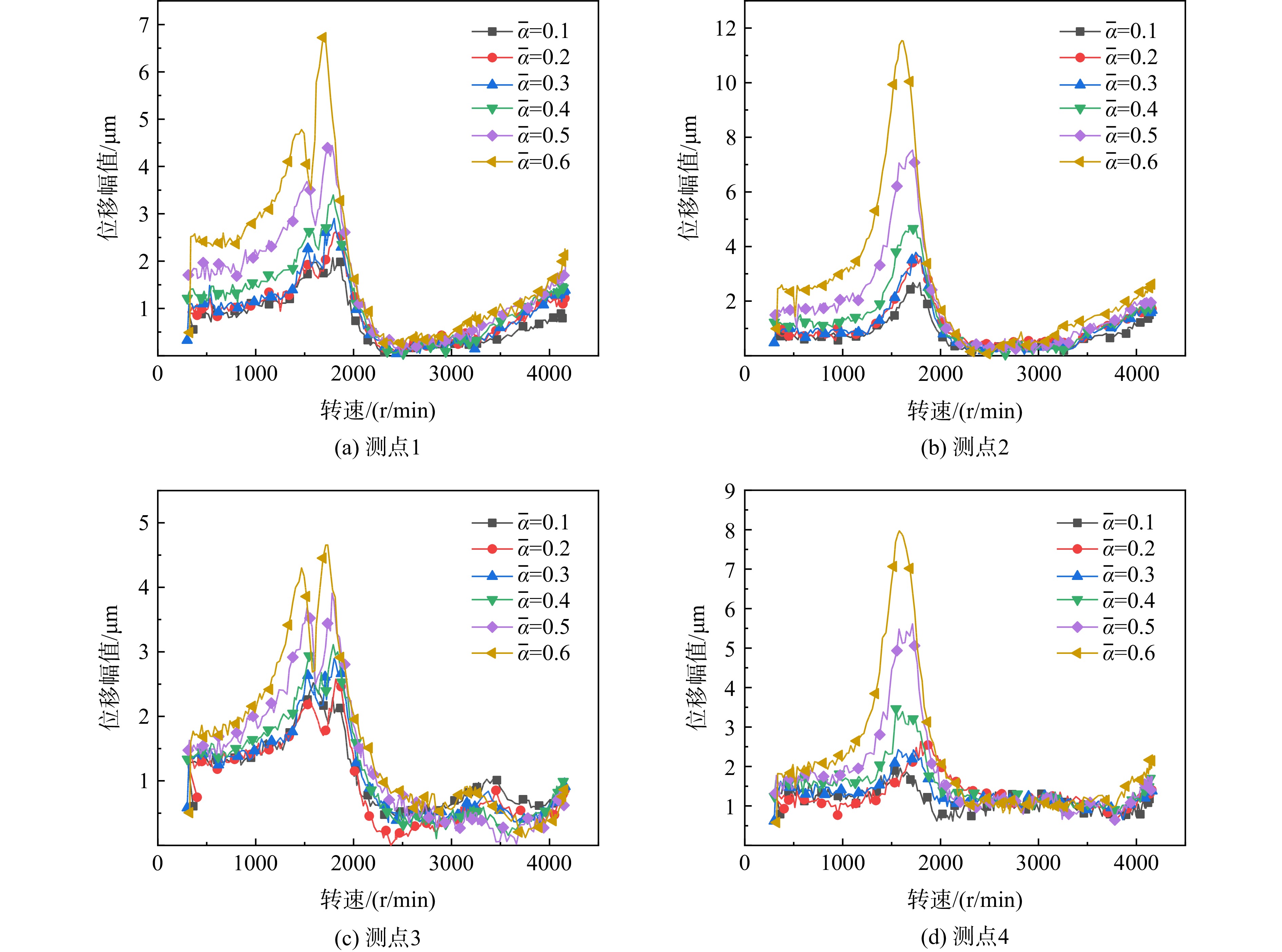
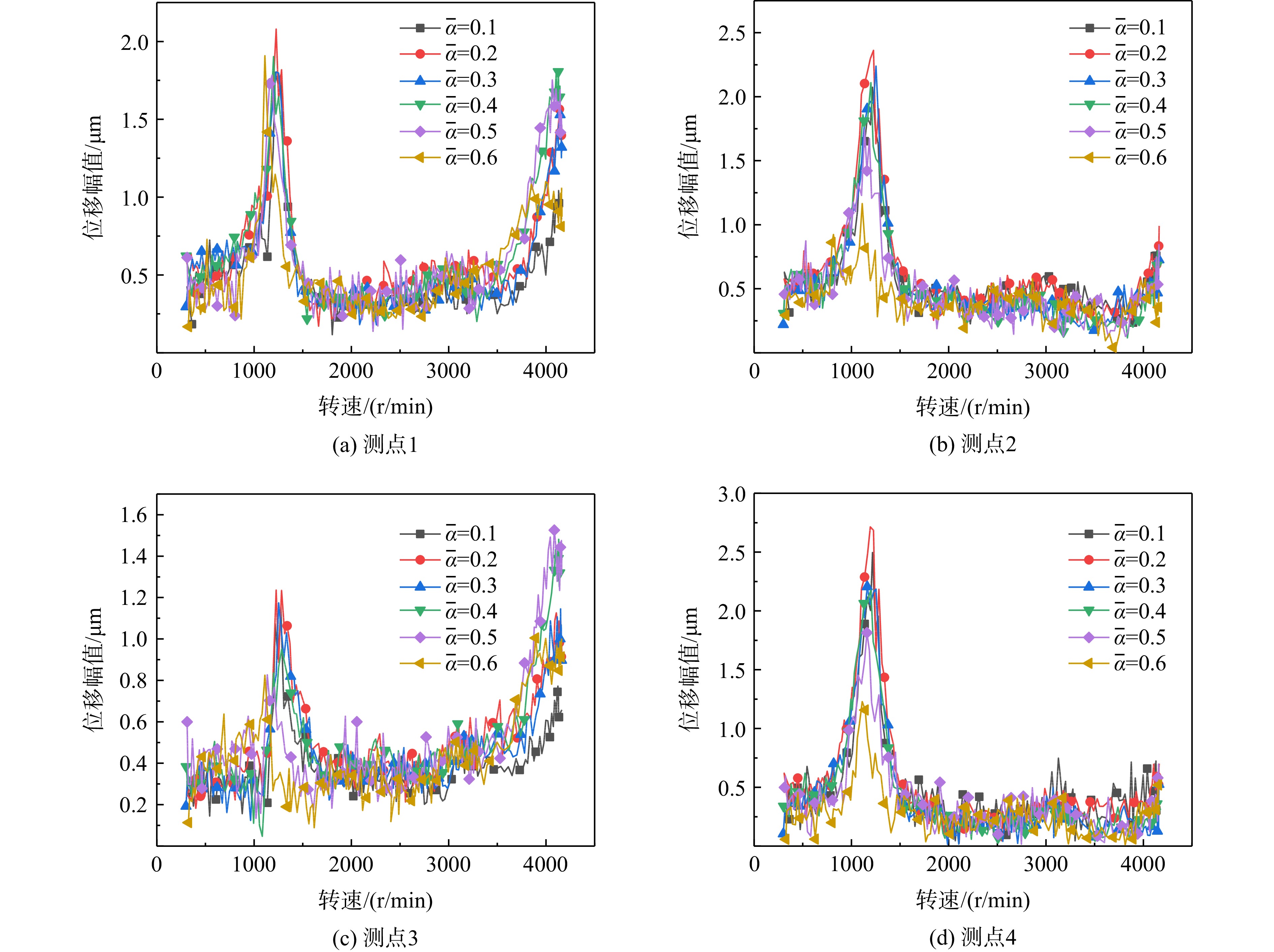
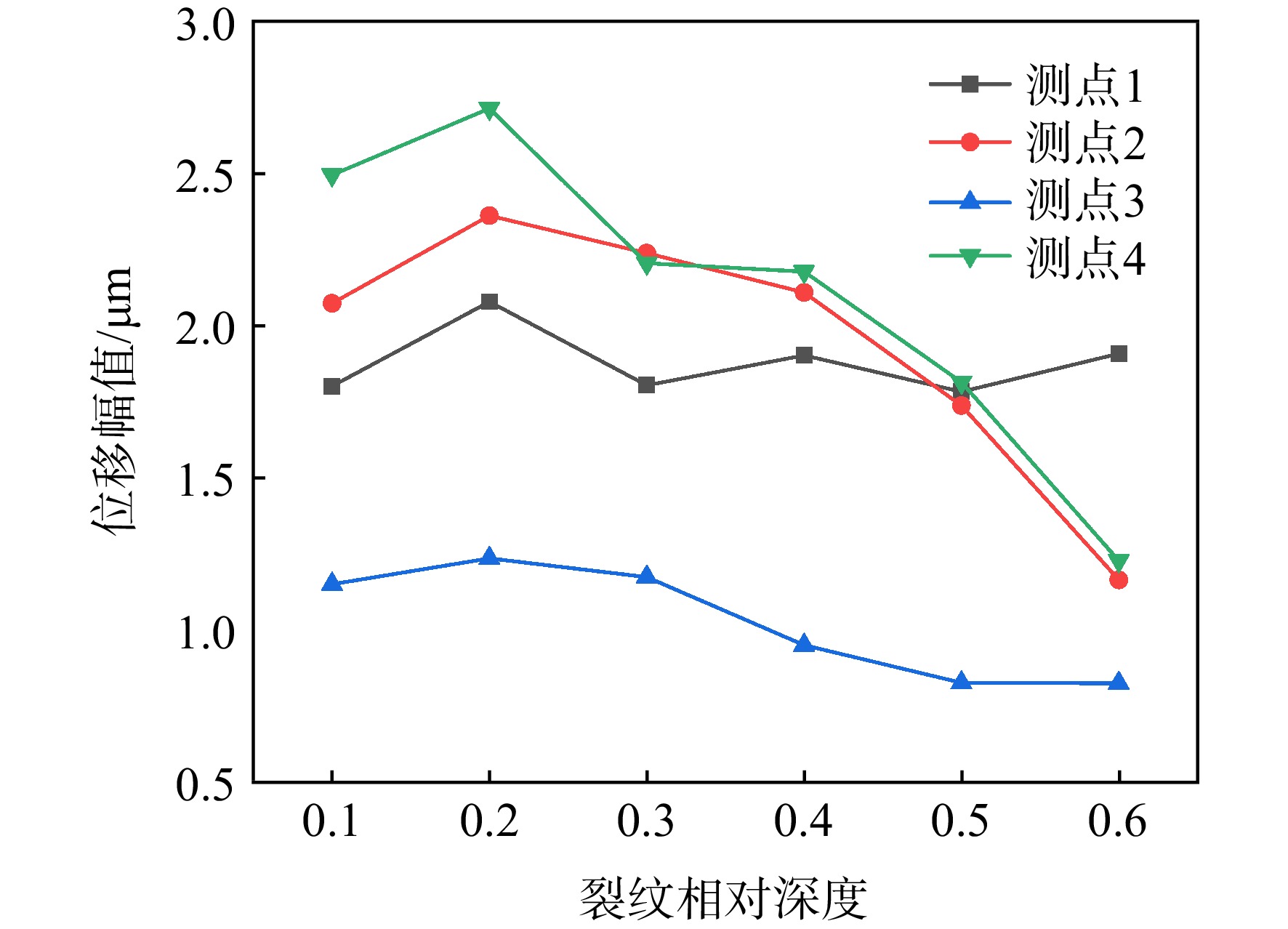
The vibration characteristics of a multi-disk rotor system with a shaft crack fault were tested. In the test, the cracks of different depths were prefabricated on the rotor from the shallower to the deeper using the precision wire cutting processing method, so as to simulate the gradual deterioration process of the crack fault under the actual working condition. The vibration displacement signal near the bearing seat during the cracked rotor speed increase stage was measured. The test results showed that compared with the case with the crack depth up to 50% of the shaft diameter, when the crack depth reached 60% of the shaft diameter, the 1× response peak at the critical speed and the 3× response peak at the 1/3 critical speed region were significantly reduced, while the peak of the 2× response in the 1/2 critical speed region was increased suddenly. This result can provide a basis for early warning of rotor fracture.

Review progress on corrosion damage detection and evaluation methods of high-temperature structures of the aero-engine
HU Jianhui, QI Hongyu, LI Shaolin, SHI Duoqi, YANG Xiaoguang
2024, 39(10): 20220198. doi: 10.13224/j.cnki.jasp.20220198
Abstract:

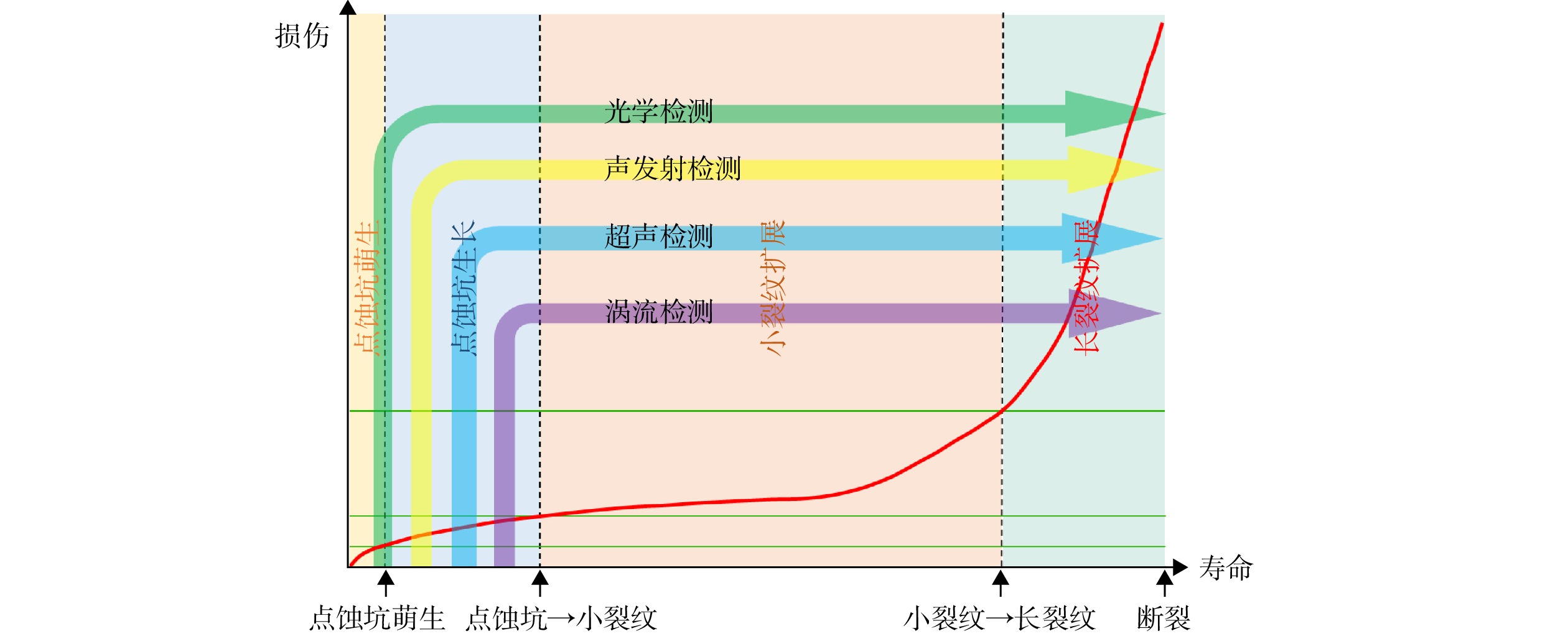
The research progress of corrosion damage detection and evaluation methods for aero-engine high-temperature structures was reviewed. The non-destructive testing technologies commonly applied to detect the type Ⅰ hot corrosion (uniform corrosion) and type Ⅱ hot corrosion (pitting corrosion) of high-temperature structures were mainly introduced, including the detection mechanism, signal characteristics, application and research. The advantages and limitations of these kinds of testing technologies were enumerated. The established strength evaluation methods based on non-destructive testing were also summarized. The detection capabilities of several testing techniques mentioned were compared, and the difficulties in applying non-destructive testing into corrosion damage detection of high-temperature structures were expounded. Results showed that the current non-destructive testing technologies could hardly provide favourable support for the condition-based maintenance of high-temperature structure corrosion damage of aero-engine. It is suggested to further investigate the detection technologies of complex structures, the realization of stronger detection capability and the coordinated application of multi-technology on structure corrosion of aero-engine.

A TSHBM method and its application in response calculation of dry friction damped blades
SUN Yang, ZHOU Biao, ZANG Chaoping
2024, 39(10): 20220195. doi: 10.13224/j.cnki.jasp.20220195
Abstract:

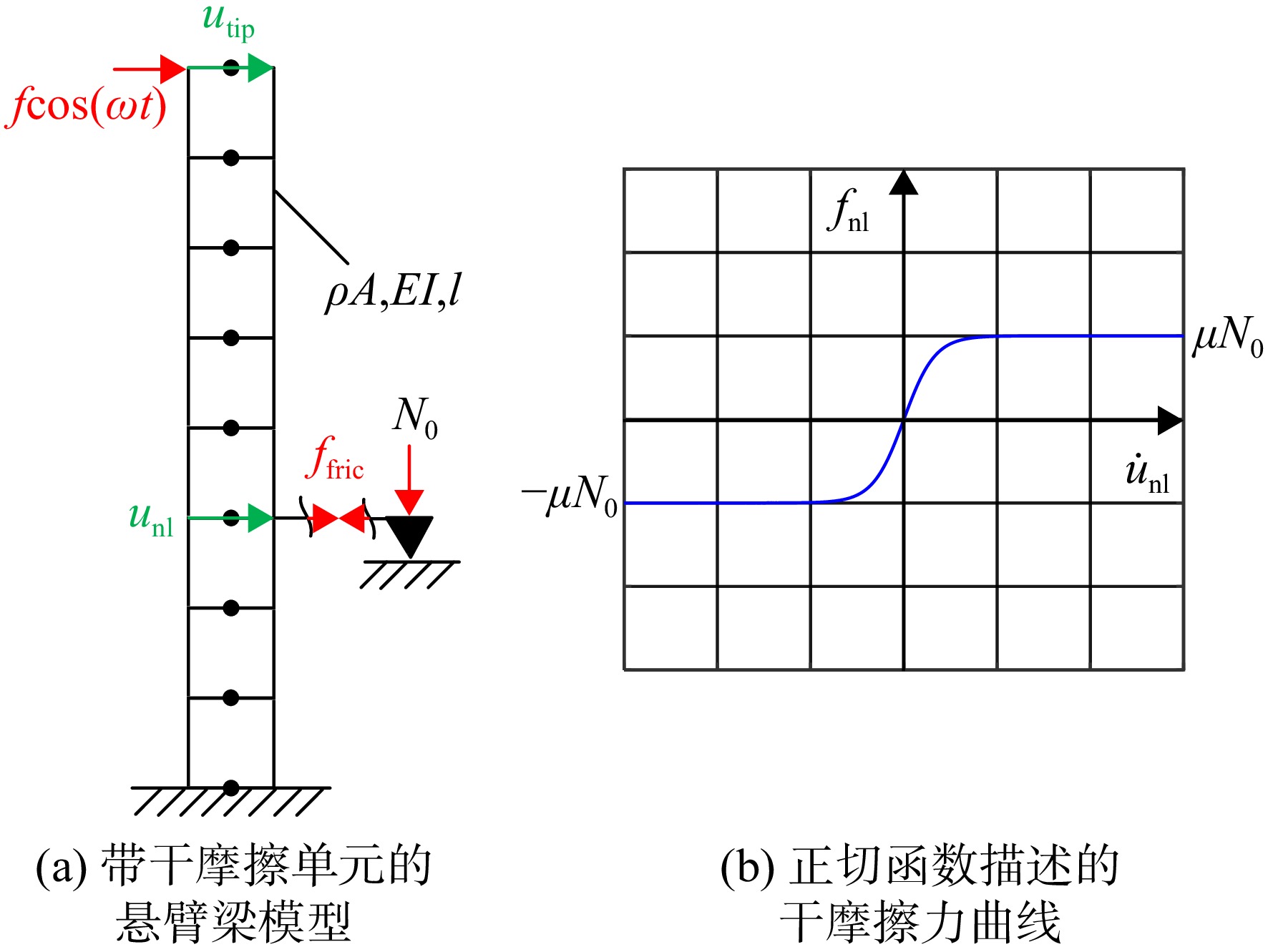
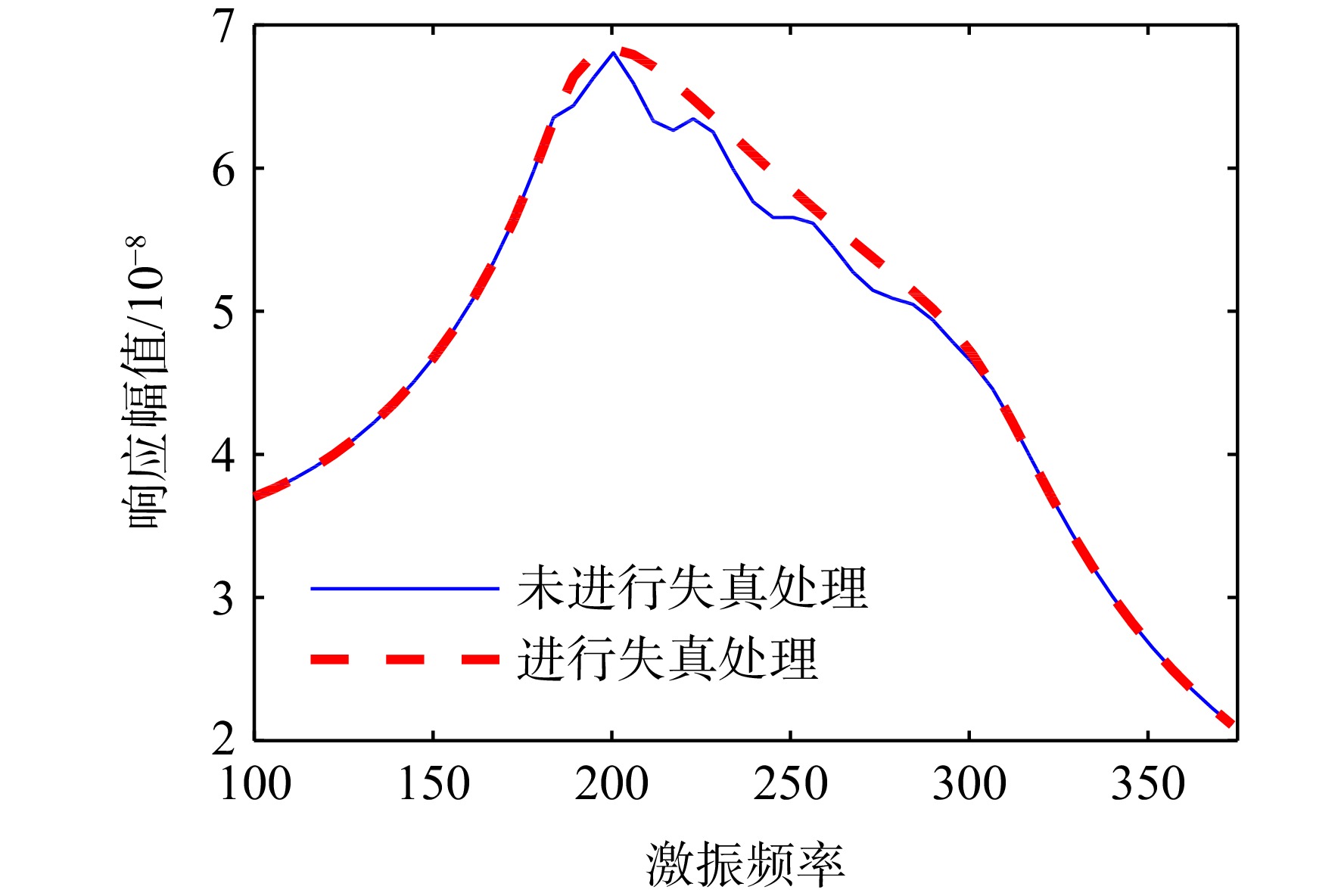
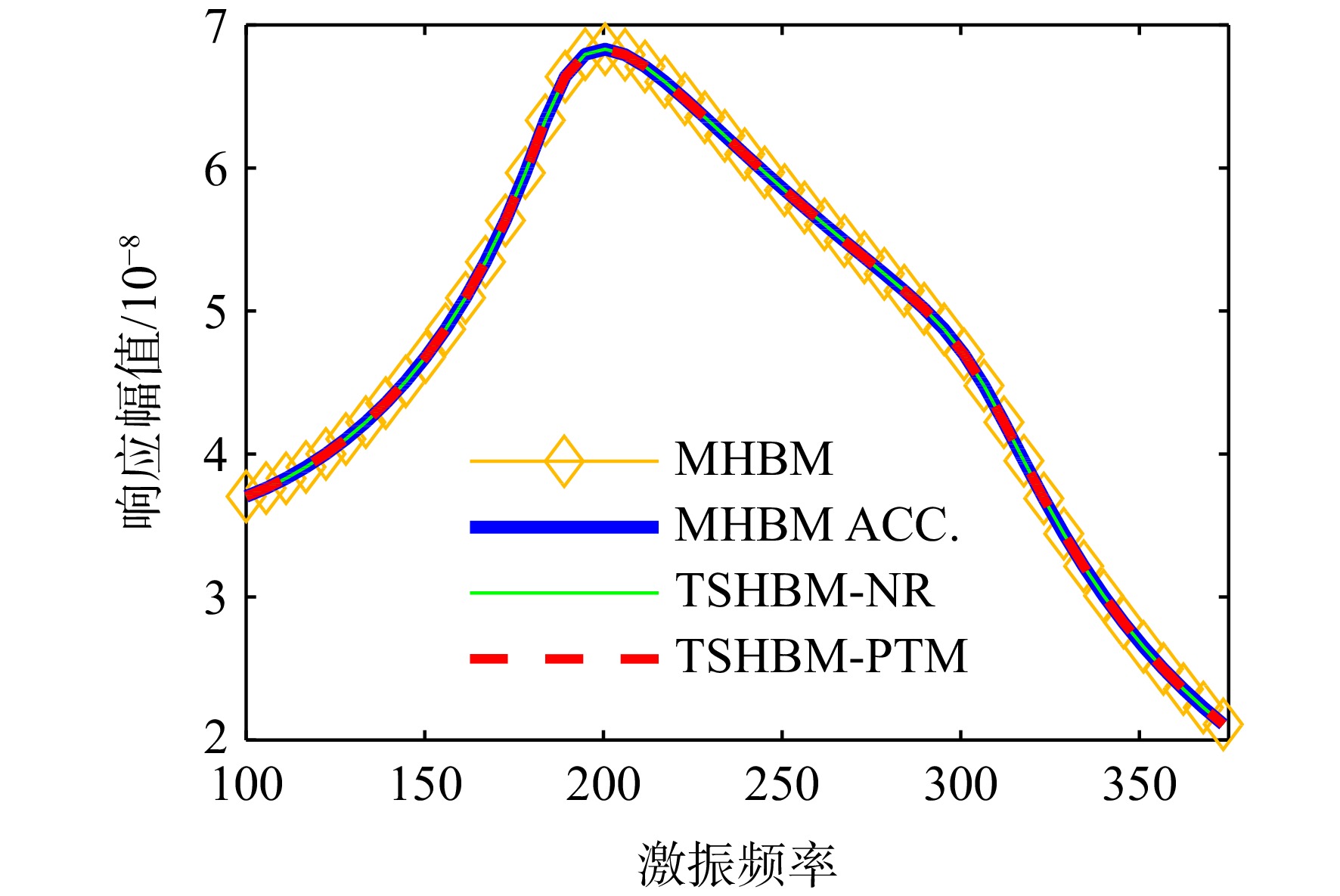
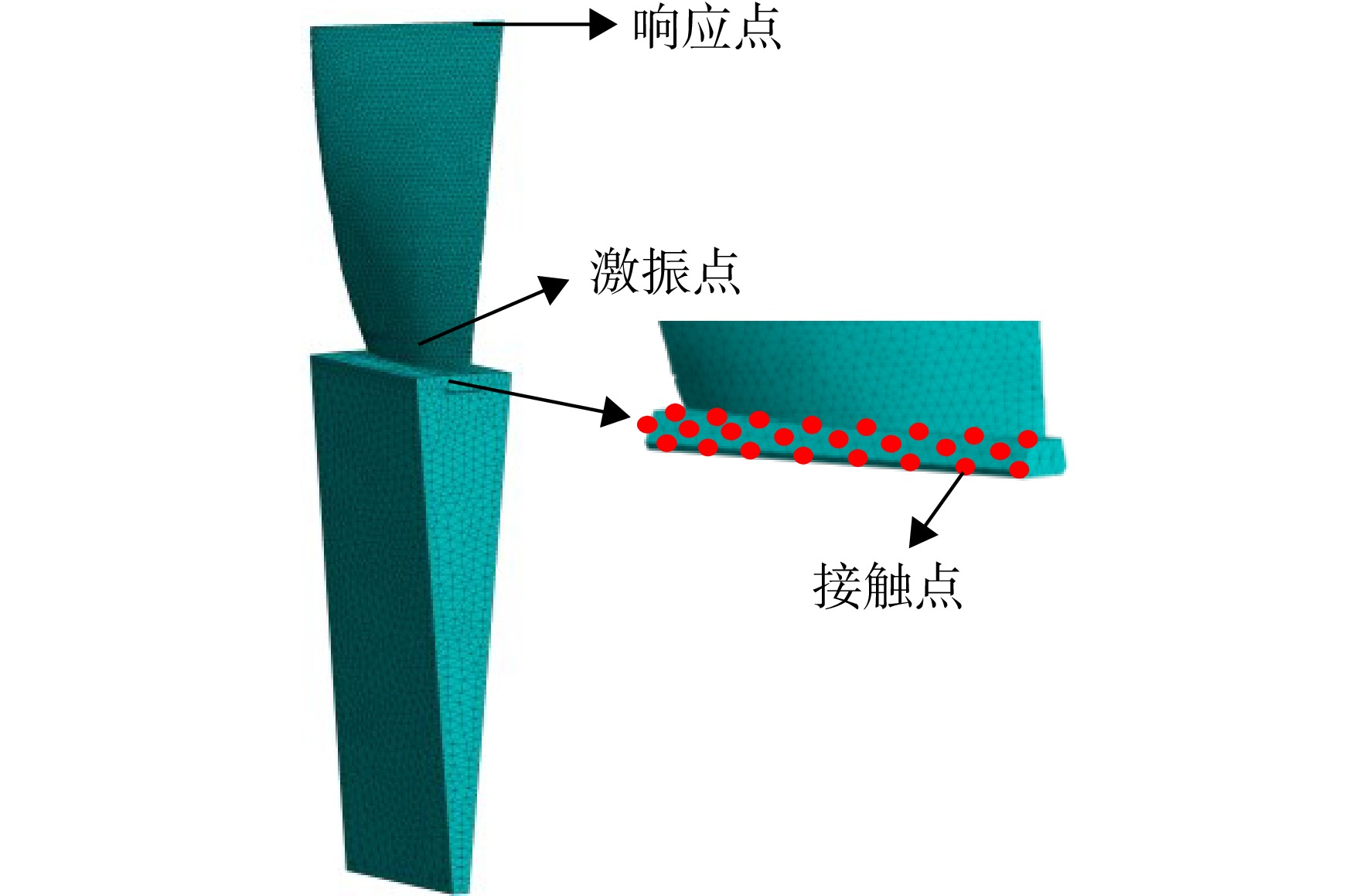
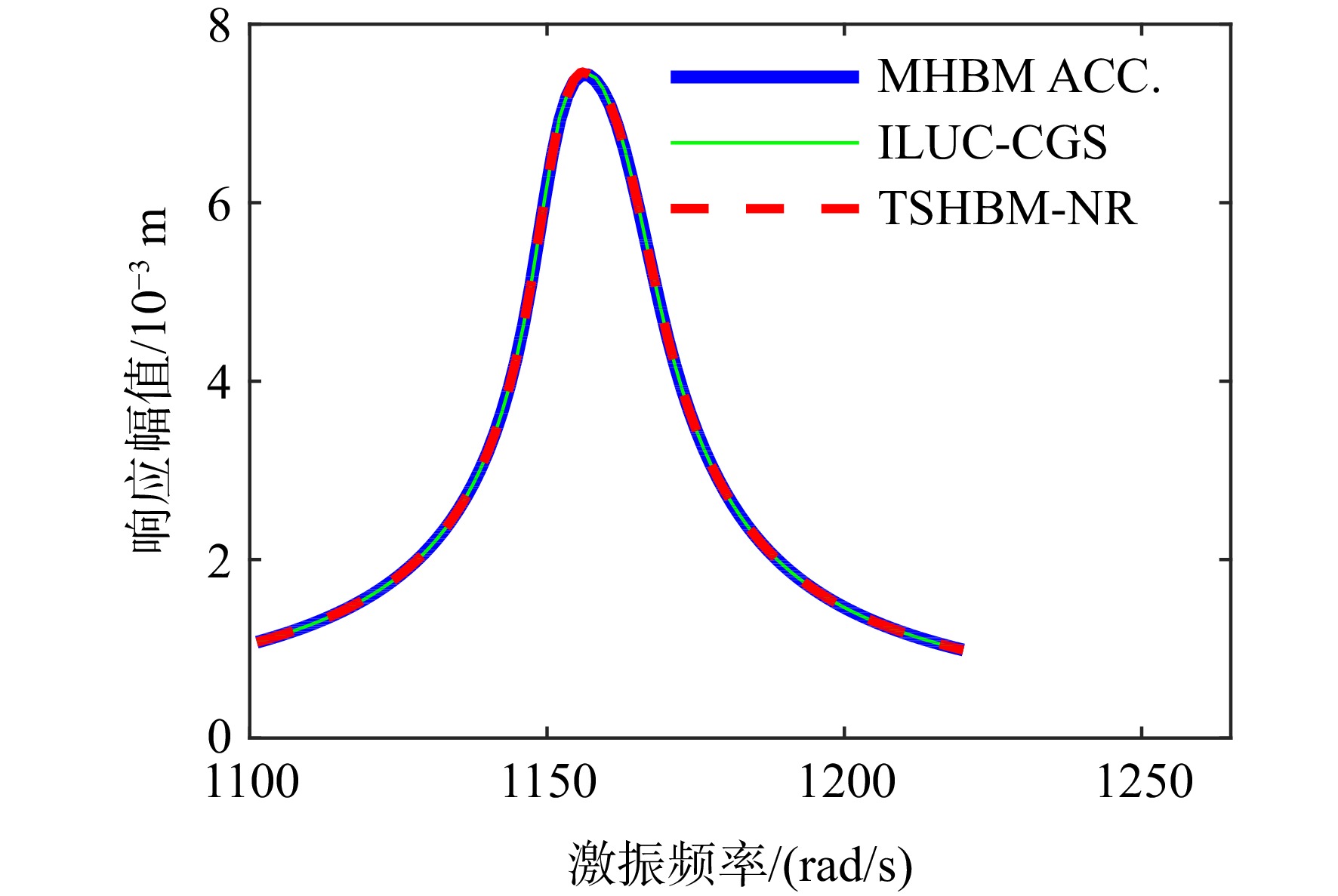
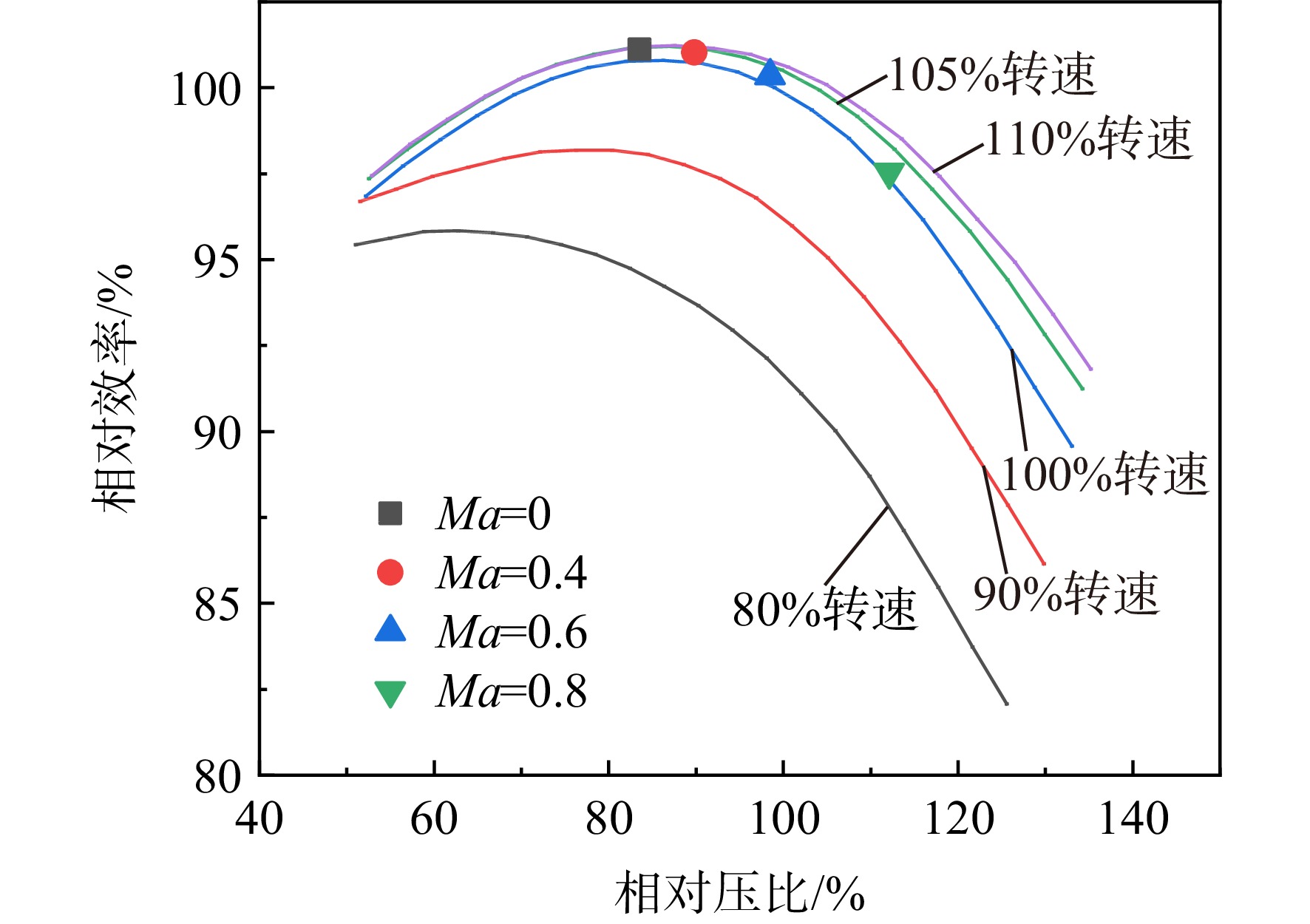
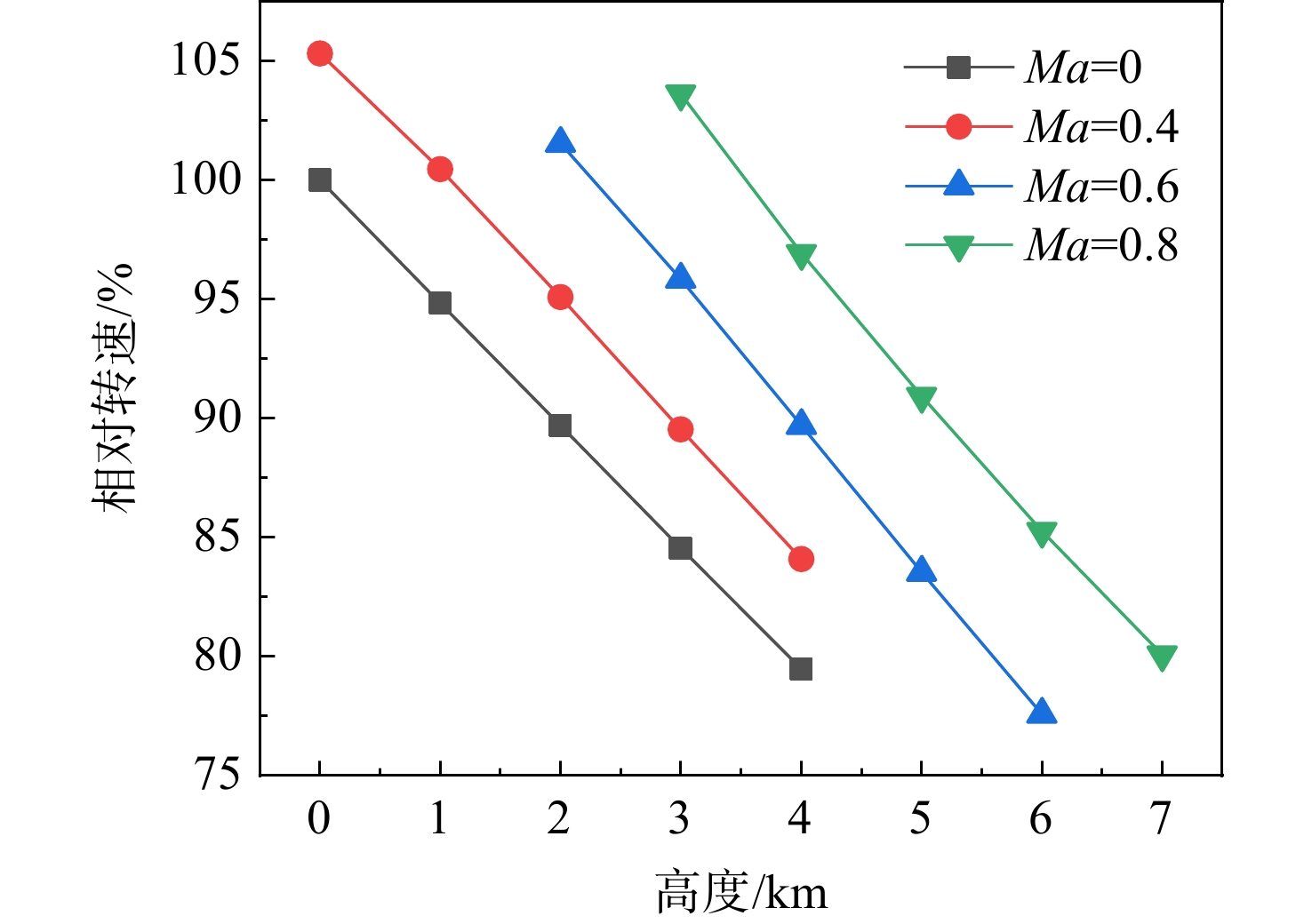
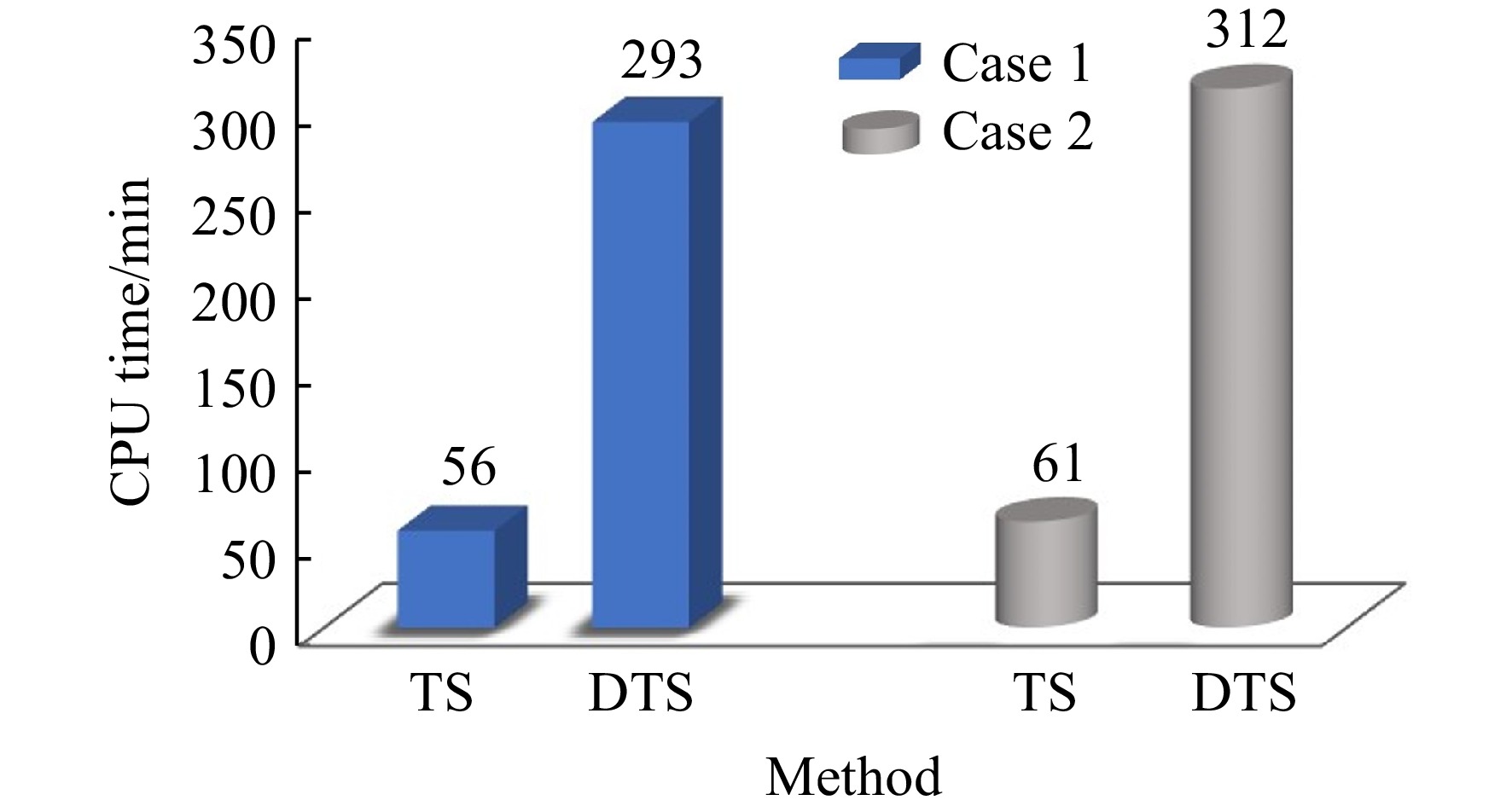
A novel nonlinear forced vibration response calculation method based on the time-spectral form of harmonic balance method (TSHBM) was established and applied to the response analysis of dry friction damped blades structure with contact interfaces. A general framework for the nonlinear forced response computation was established based on the TSHBM, of which the principles and characteristics were emphasized. In order to appropriately account for the contact nonlinearity, the computational schemes for dry friction force and the construction of an analytic Jacobian matrix were proposed. The novel computational method for nonlinear forced responses of blades with contact interfaces was built. The numerical simulation results showed that for the FE model of a bladed disk sector with dovetail joint, when the 1st and 3rd harmonic orders were respectively reserved, the nonlinear vibration response calculation time of this method was reduced by 37% and 46%, respectively, compared with traditional multi-harmonic balance method. So this method has unique advantages in terms of ease of use, generalizability and computational efficiency.

Numerical investigation on bristles buoyancy effect of suppressed-disturbance brush seals with fluid-structure interaction
SUN Jisheng, SUN Dan, ZHAO Huan, MU Wei, REN Guozhe, XU Wenfeng
2024, 39(10): 20220770. doi: 10.13224/j.cnki.jasp.20220770
Abstract:

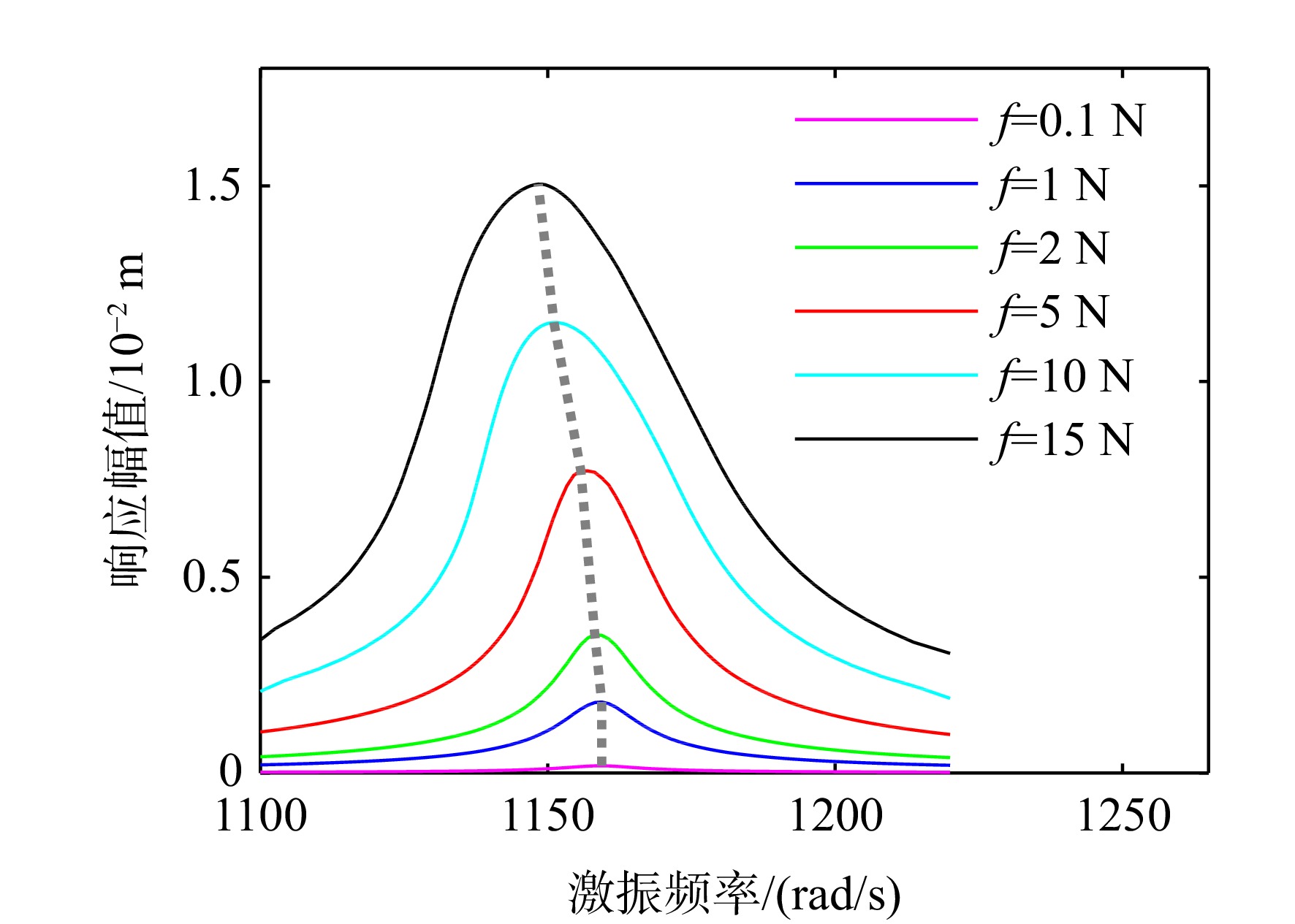
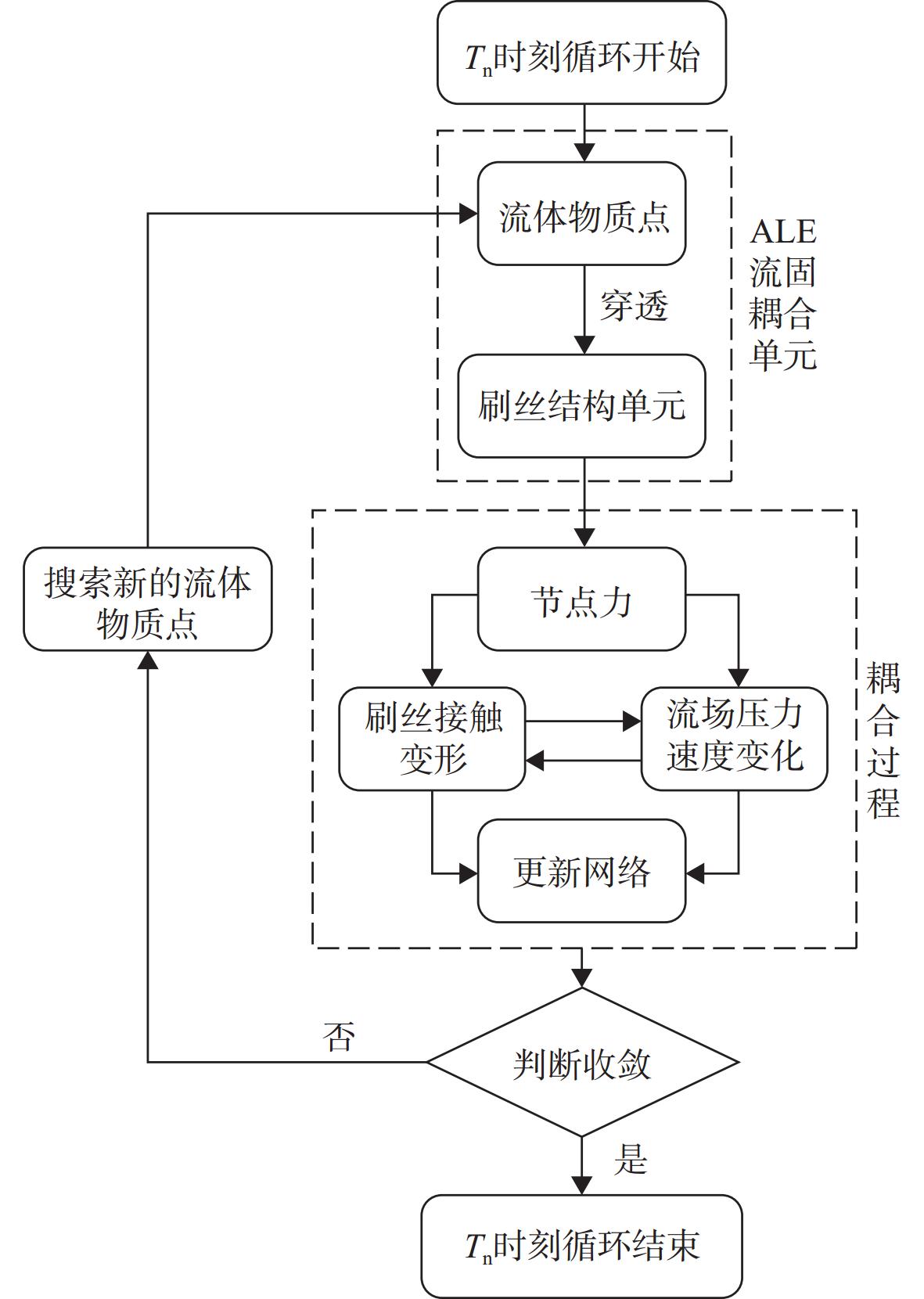
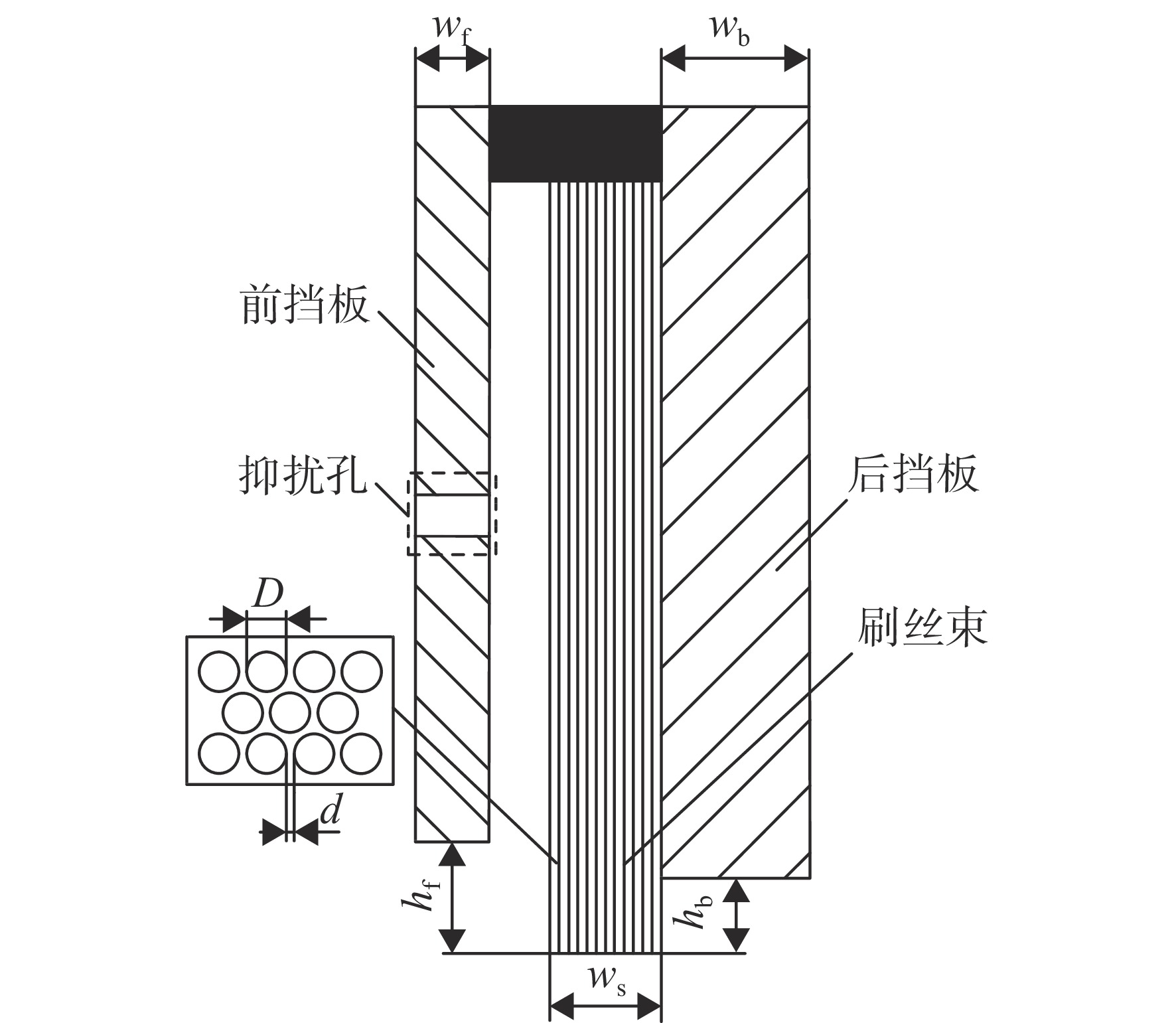
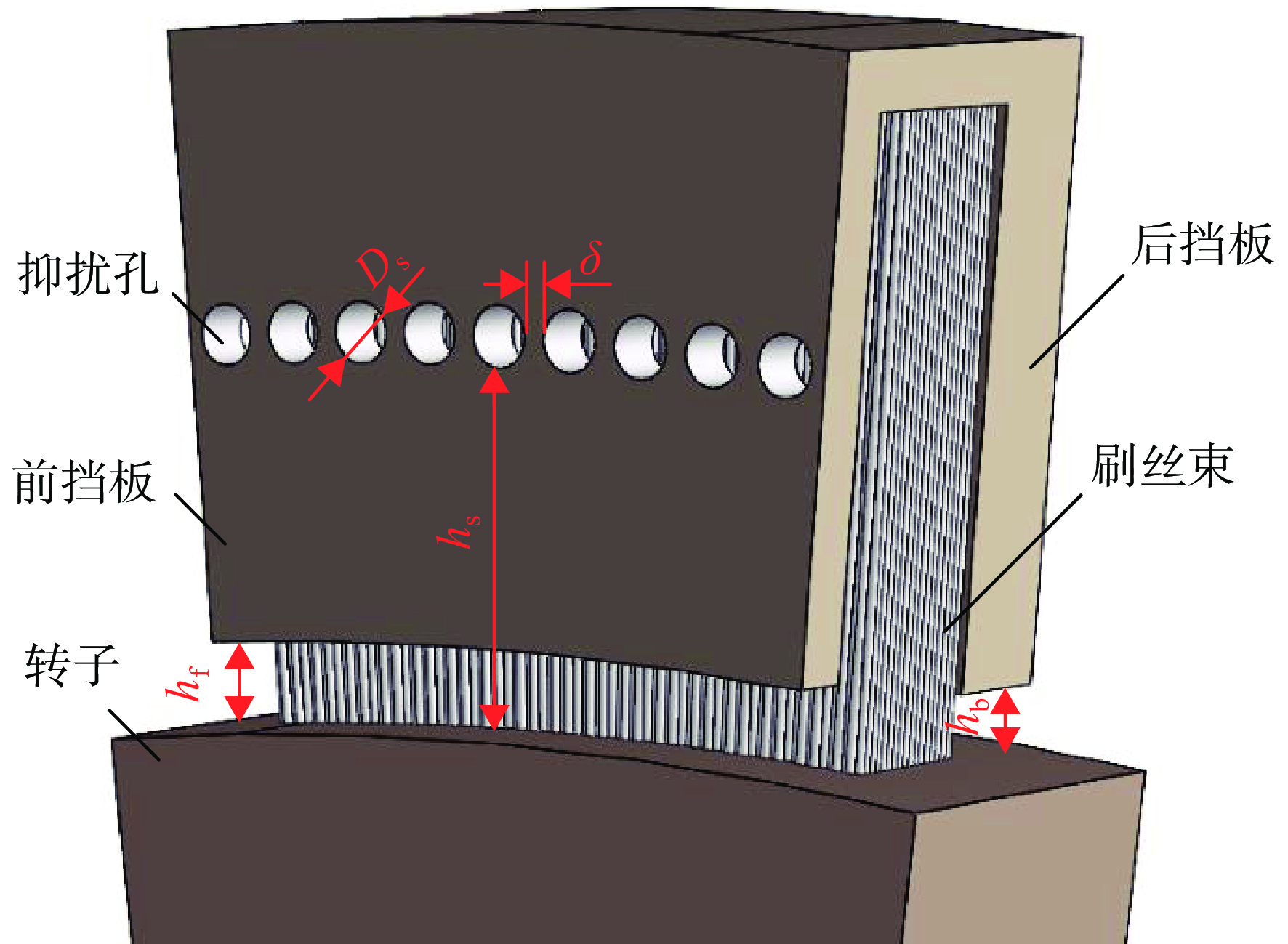
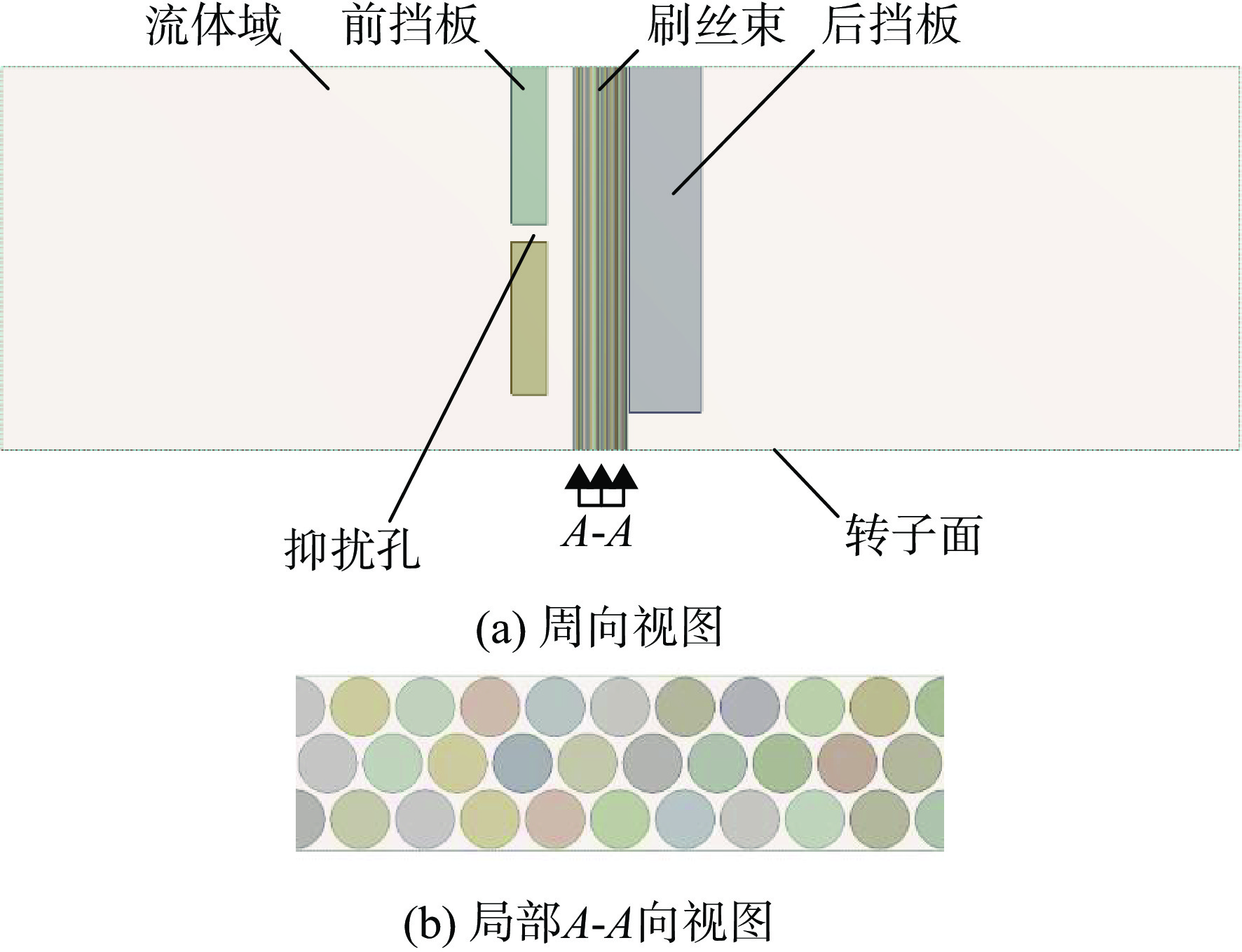
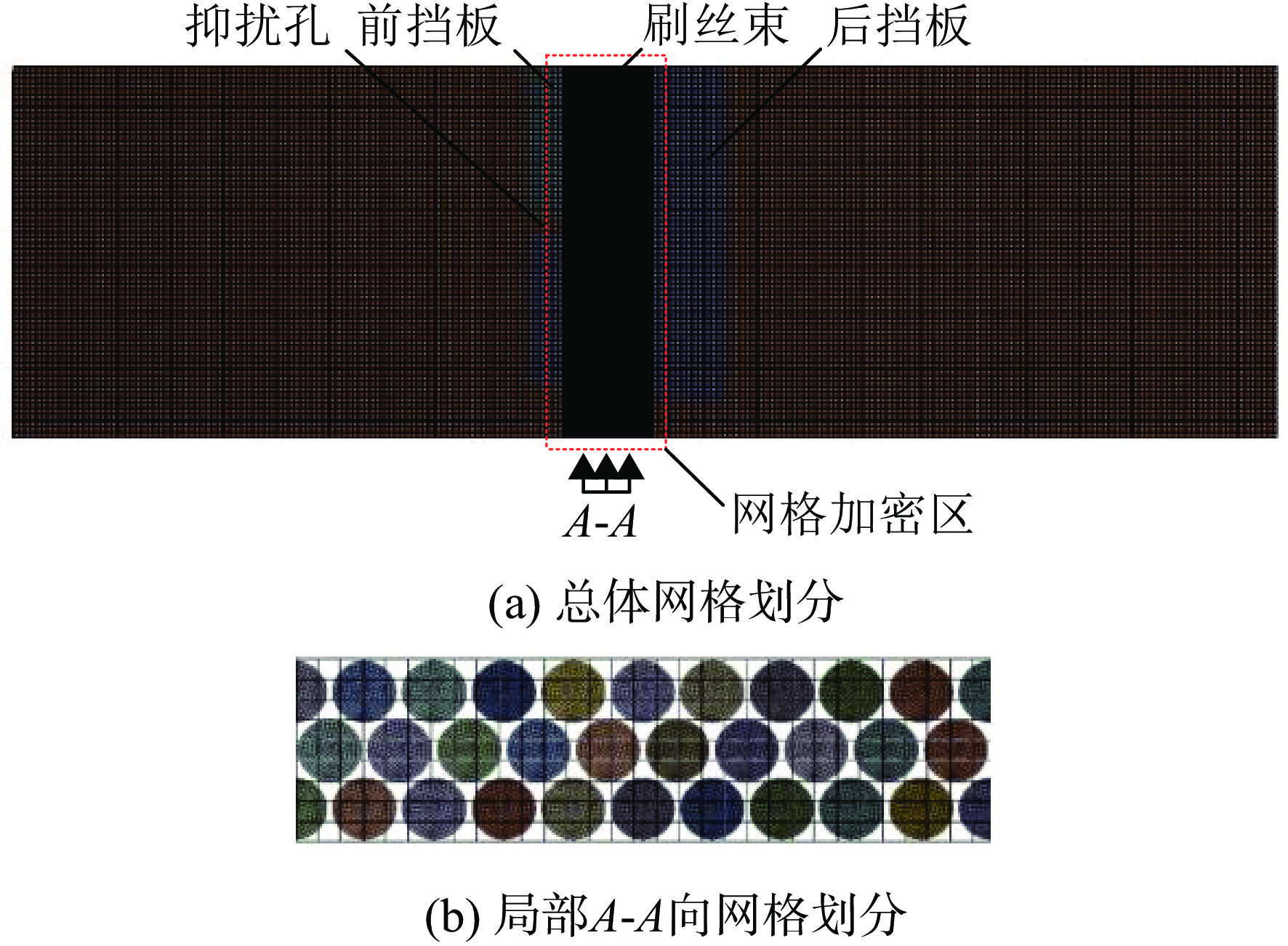
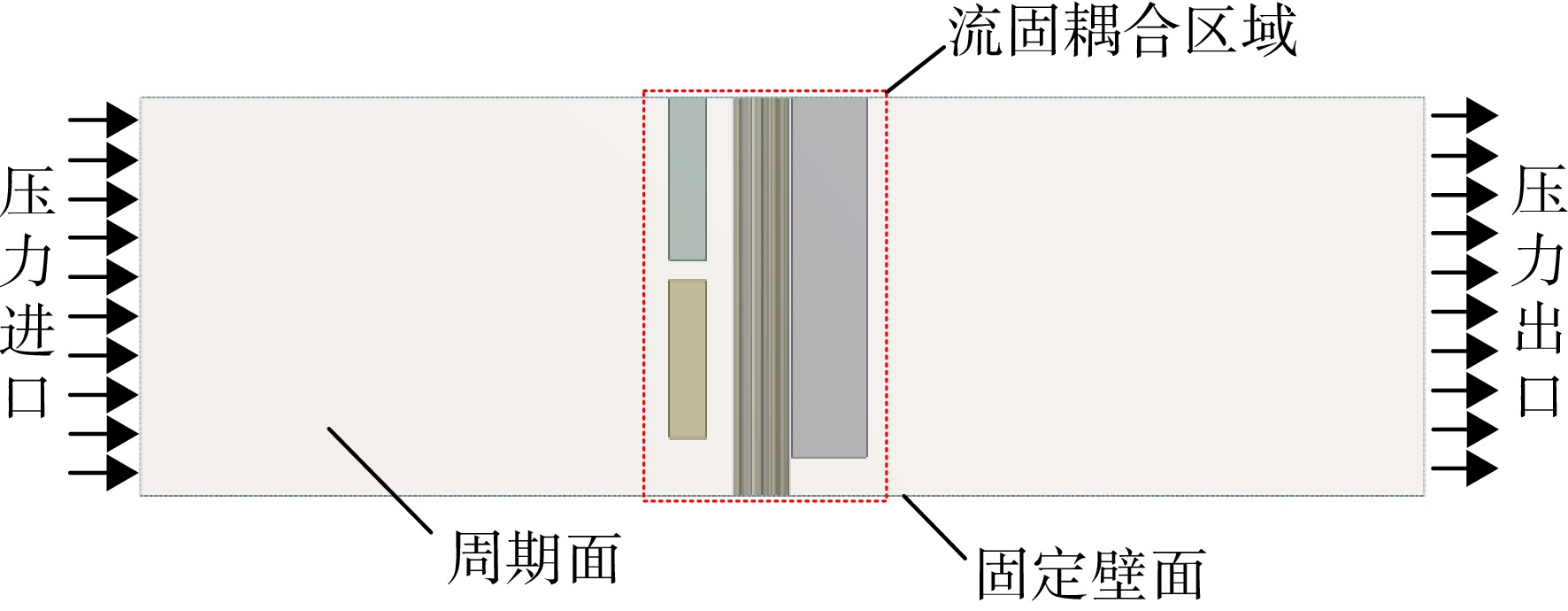
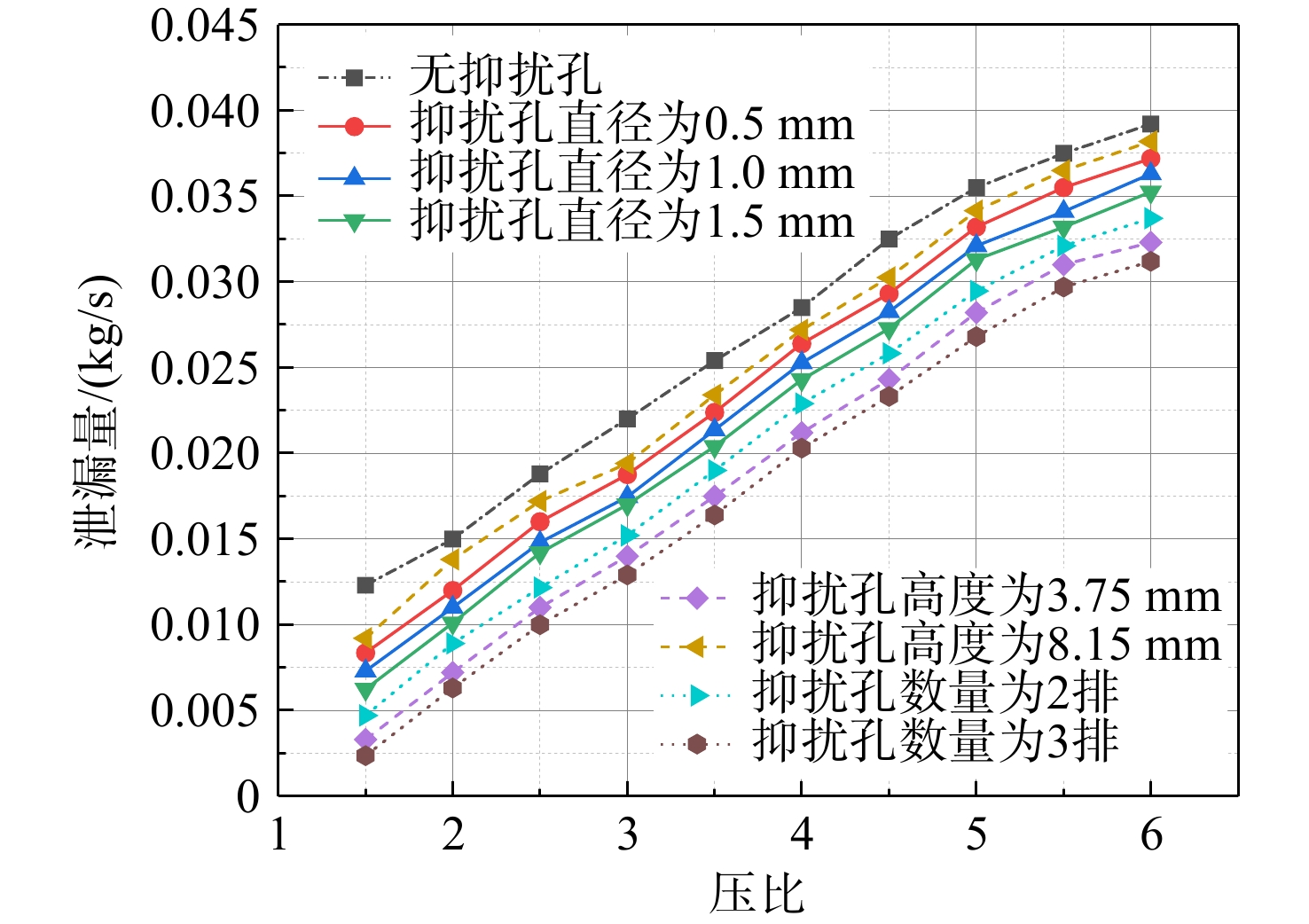
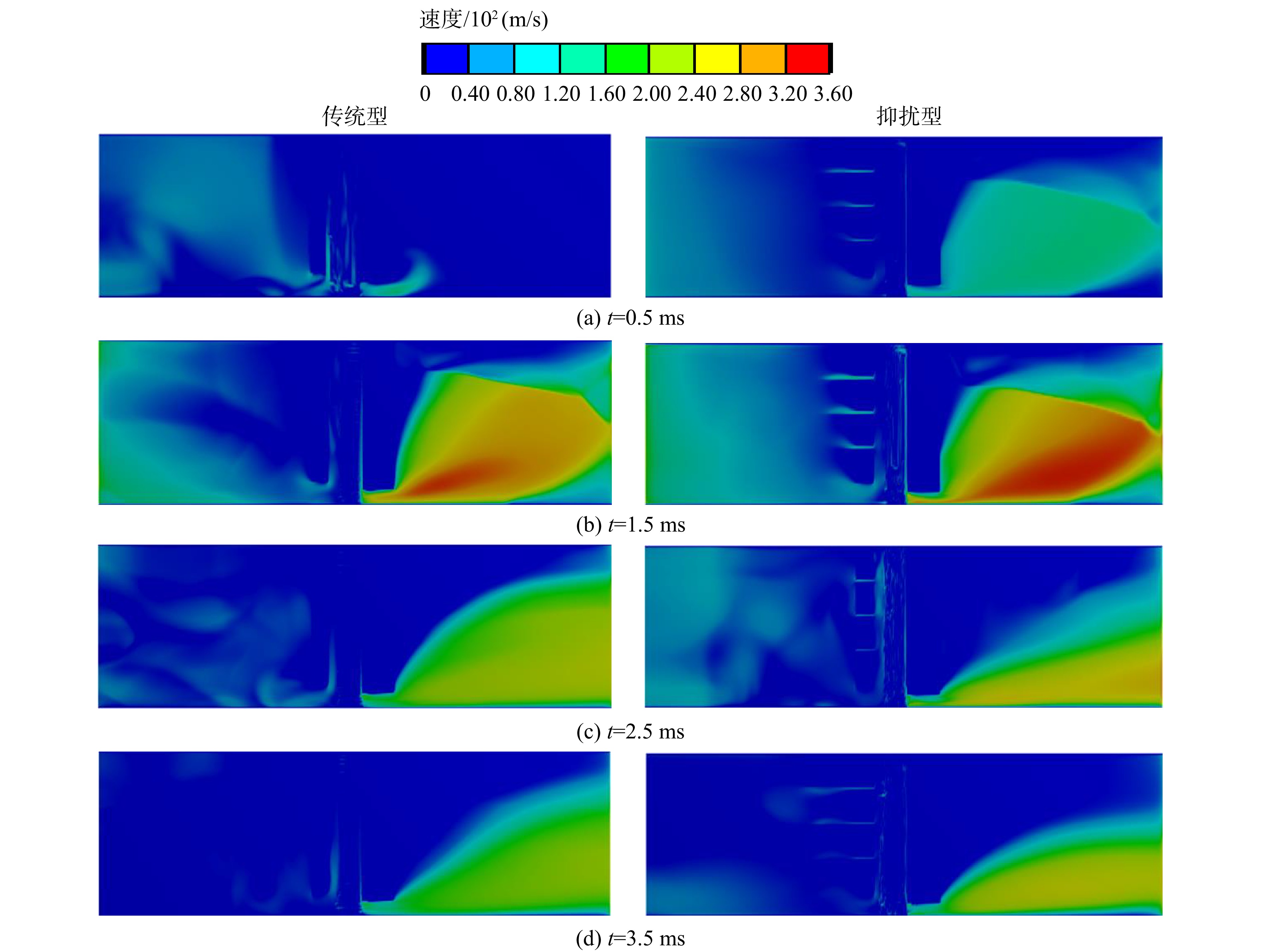
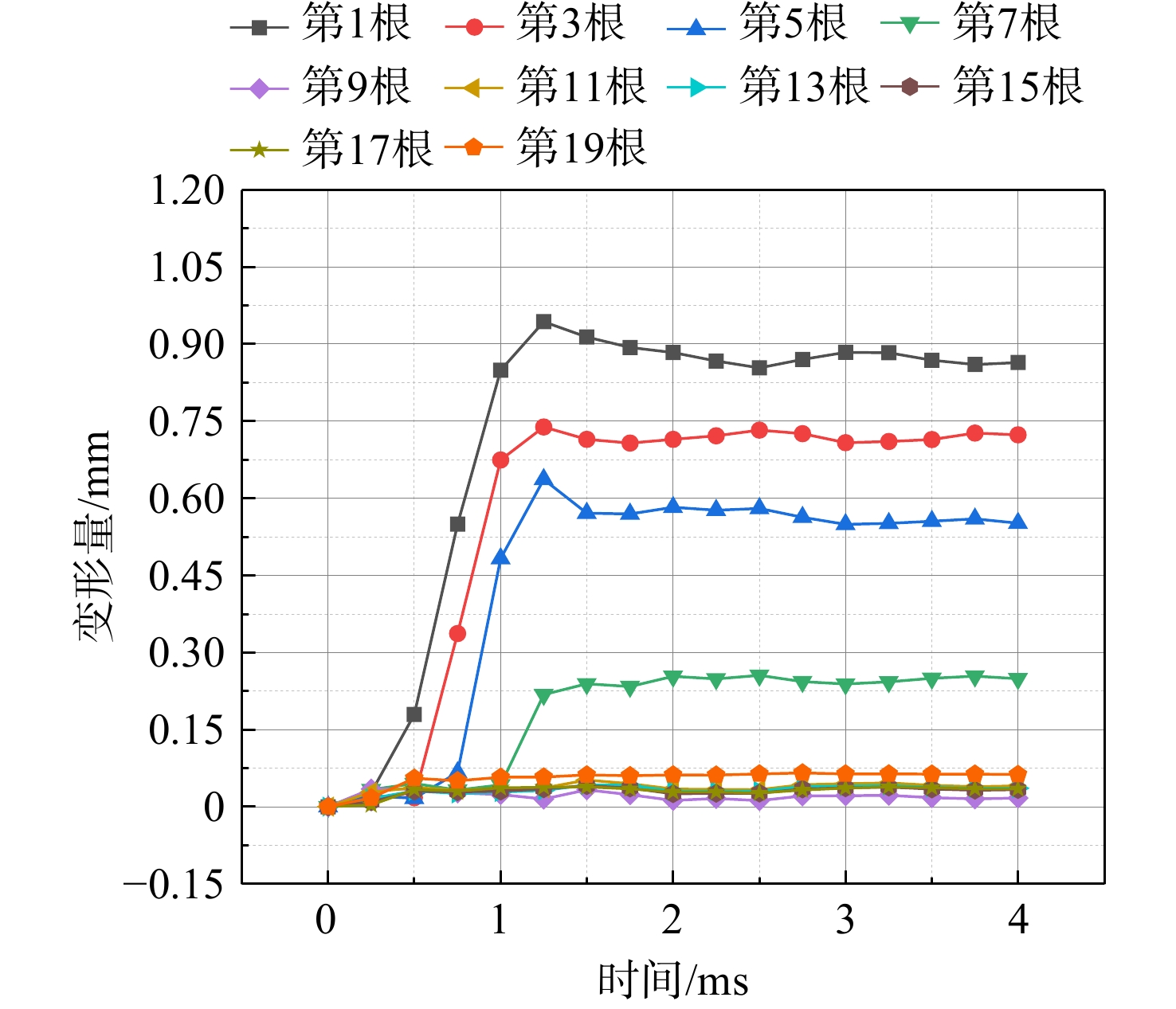
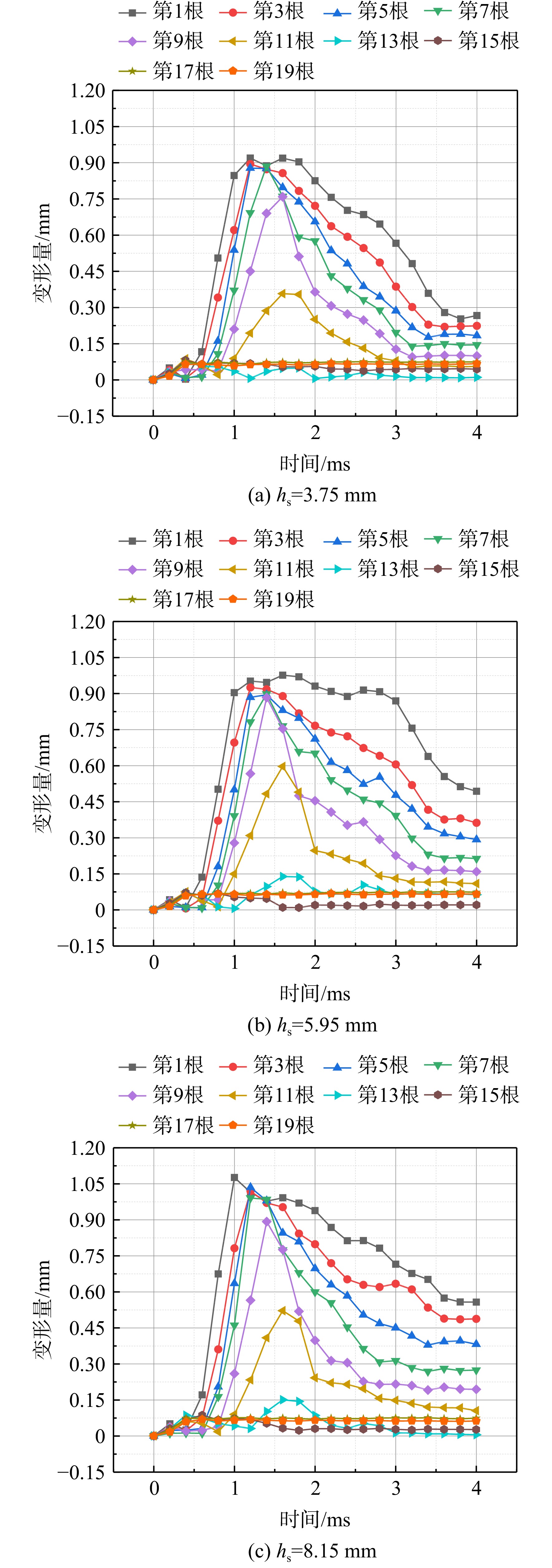
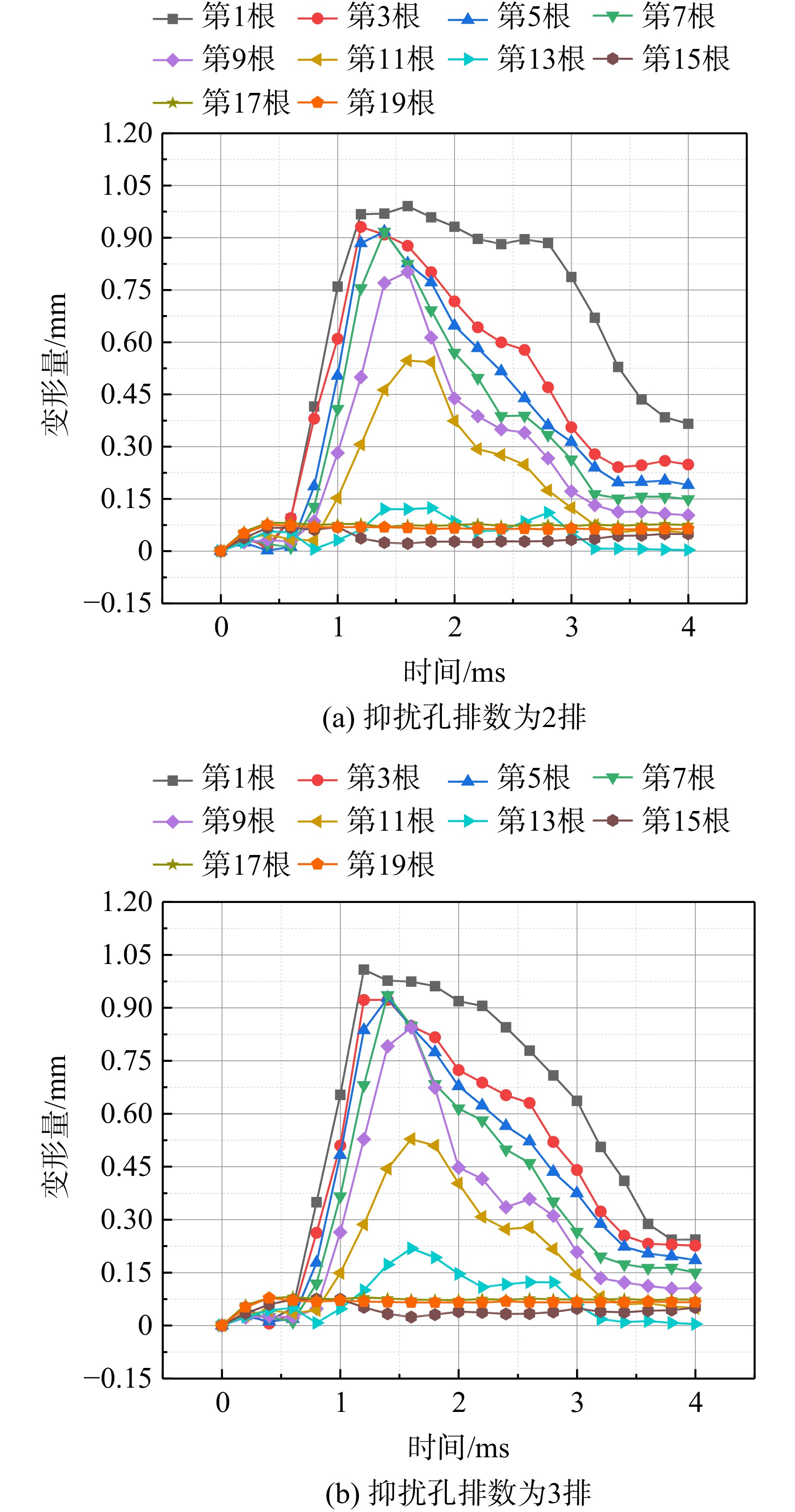
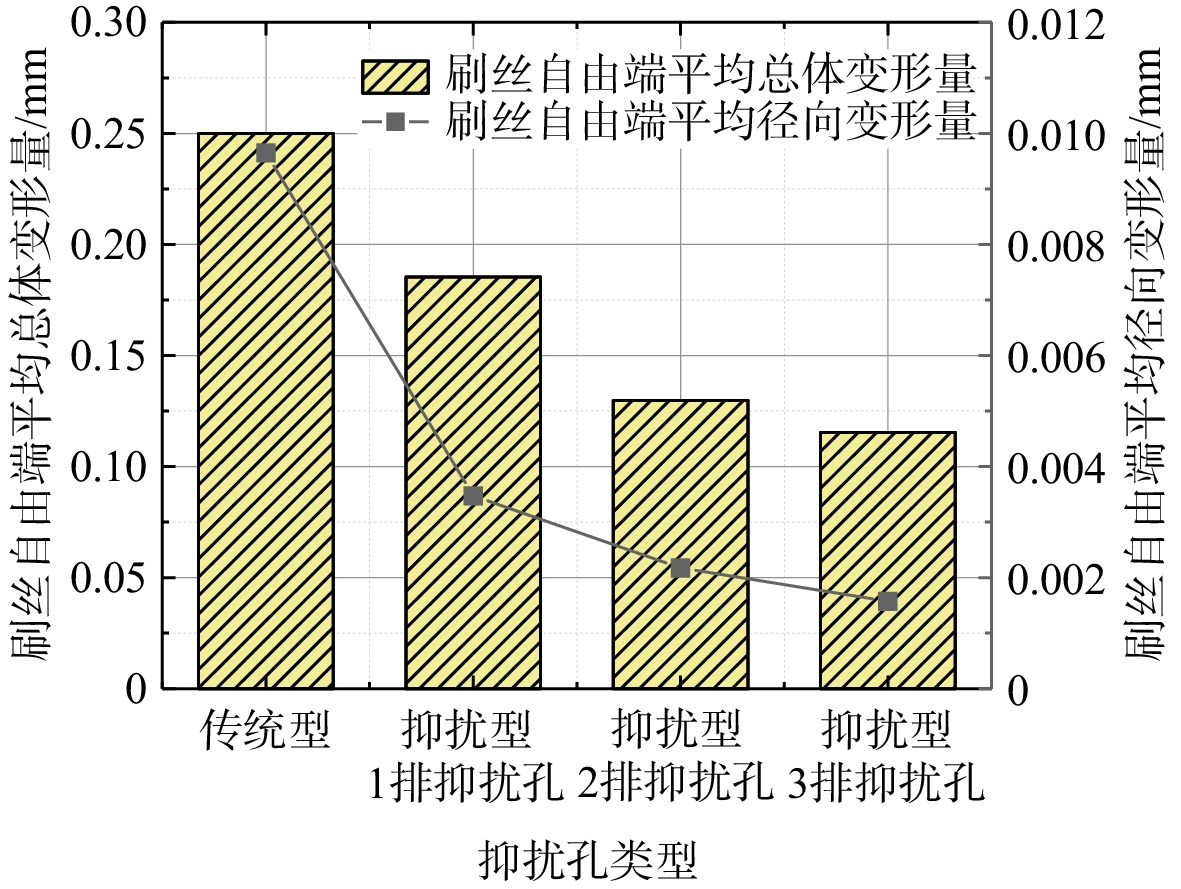
Suppressed-disturbance (SD) brush seal structure was presented. A three-dimensional transient solution model for bristles buoyancy effect of the brush seal with disturbance suppression was established based on arbitrary Lagrange-Eulerian (ALE) fluid-structure coupling method. The leakage characteristics and velocity characteristics of the brush seal with different SD hole structures were studied, and the influence of the structural parameters of SD holes on bristles buoyancy effect of brush seal was studied. The results showed that the SD hole in the front plate of the traditional brush seal can change the stress state of the front bristles, and the front bristles were subjected to a torque opposite to the direction of disturbance, effectively inhibiting the bristles buoyancy effect, and significantly improving the sealing performance of the traditional brush seal. Compared with the traditional brush seal prone to produce the bristles buoyancy effect, reducing the height of the SD hole and increasing the diameter and number of the SD hole can effectively reduce the leakage of the brush seal. Increasing the number of rows of SD hole to 3 rows can reduce the leakage of brush seal by 30.2%. The setting of the SD hole structure can inhibit the deformation of the front bristles caused by the bristles buoyancy effect. Compared with the traditional brush seal, the height of the SD hole was set to 3.75 mm, the diameter of the SD hole was set to 1.5 mm, and the number of rows of the SD hole was set to 3 rows, which reduced the average deformation of the free end of the brush by 53.2 %, 34.8 % and 54.0 %.

Multi-objective fusion diagnosis of aeroengine wear failure
MA Jiali, CHEN Guo, KANG Yuxiang, WANG Yuwei, MIAO Huihui, CAO Guisong
2024, 39(10): 20220191. doi: 10.13224/j.cnki.jasp.20220191
Abstract:

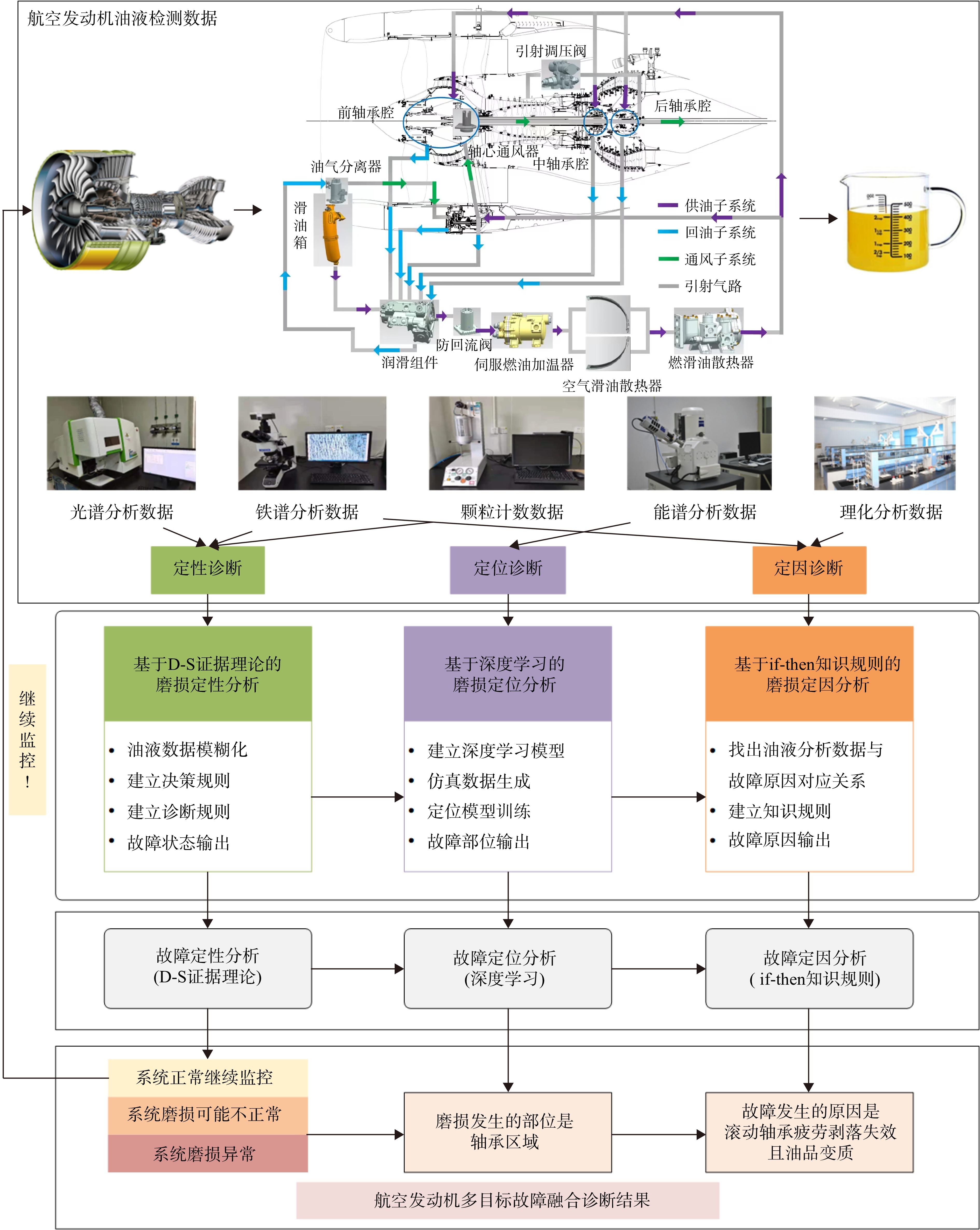
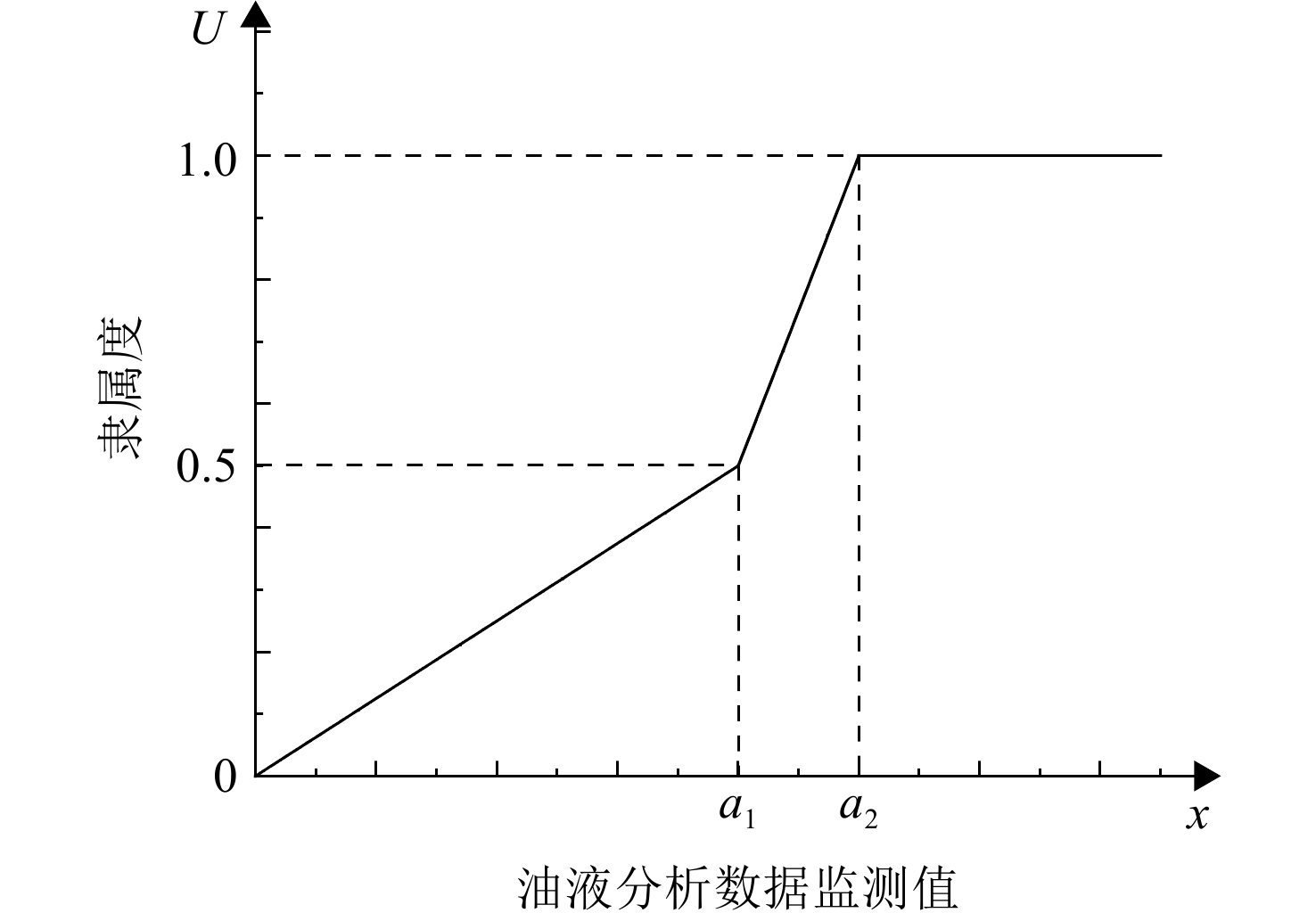
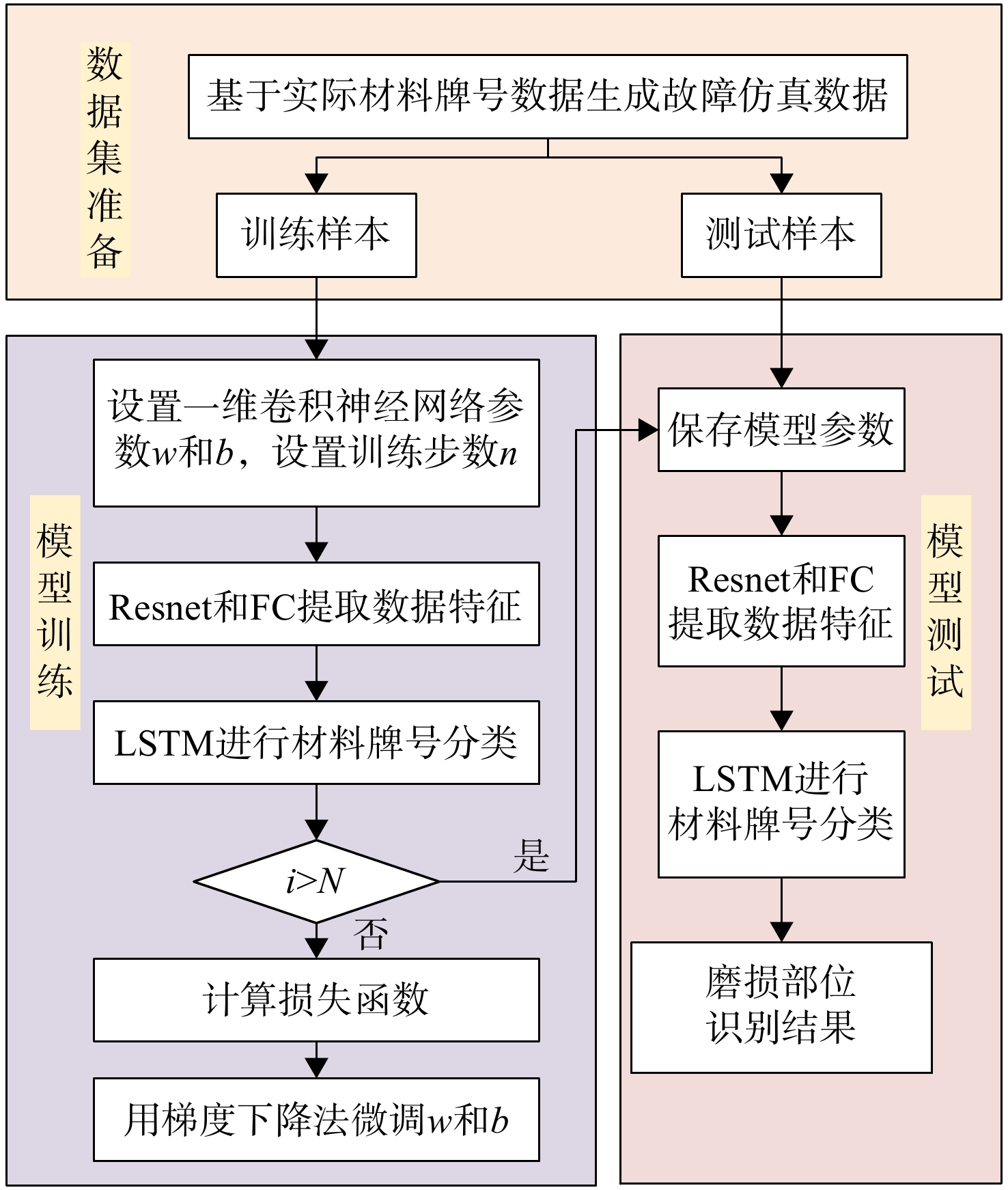
According to the characteristics of various oil analysis data, an aeroengine wear fault fusion diagnosis method was established to realize comprehensive evaluation of aeroengine wear state based on oil analysis data. The fault fusion diagnosis method included wear fault qualitative analysis, location analysis and cause analysis. Taking the original analysis data of spectrum, Ferrography and particle count as the input, the qualitative diagnosis results of engine wear fault were obtained based on D-S evidence theory through qualitative analysis; in the location analysis, a rolling bearing fault location identification model based on deep learning was established, and the original data of energy spectrum analysis were used as the model input to realize the intelligent identification of aeroengine wear location; finally, in the cause analysis, using the qualitative results and positioning results, according to the experience of domain experts, the knowledge rules based on if-then were established to find out the cause of engine wear fault. The effectiveness and reliability of the proposed method were verified by using the actual oil monitoring data, the diagnostic accuracy can reach up to 100%, and the results fully showed the correctness and effectiveness of the method.

Fault diagnosis of rotating machinery based on multi-kernel supervised manifold learning
YANG Changyuan, MA Sai, HAN Qinkai
2024, 39(10): 20220184. doi: 10.13224/j.cnki.jasp.20220184
Abstract:

In order to accurately perform fault diagnosis for rotating machinery, a multi-kernel supervised manifold learning (MKSML) algorithm was proposed. More specifically, MKSML algorithm allowed to effectively select the features of high-dimensional fault data, and extract the low-dimensional fault features with better discrimination. Through the idea of supervised learning, the clustering of similar samples and the differences between various samples have been enhanced. A novel weighted neighborhood graph was proposed by constructing multi-kernel function. The distance information and angle information between adjacent points were retained. And the interference of outliers and noise in the sample was suppressed. Through the gray wolf optimization algorithm to adjust the MKSML parameters, the algorithm could be applied to various types of rotating machinery fault diagnosis. The fault diagnosis model of rotating machinery based on MKSML was proposed, and bearing fault diagnosis experiments and gear fault diagnosis experiments were conducted.

Combustion,Heat and Mass Transfer
Development and application of finite element methods in research field of thermal barrier coatings
LIU Yankuan, WANG Yuansheng, WANG Lulu
2024, 39(10): 20220762. doi: 10.13224/j.cnki.jasp.20220762
Abstract:

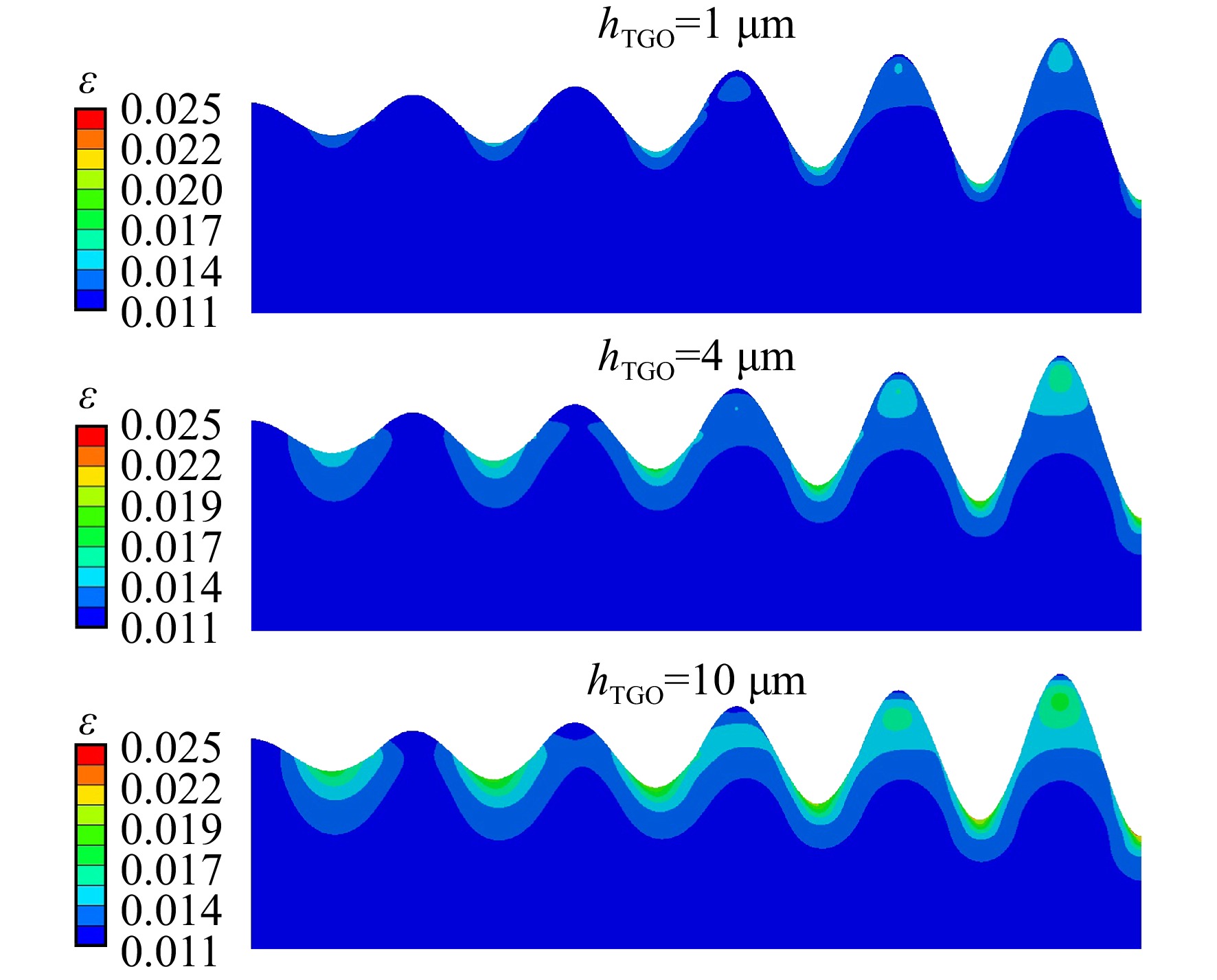
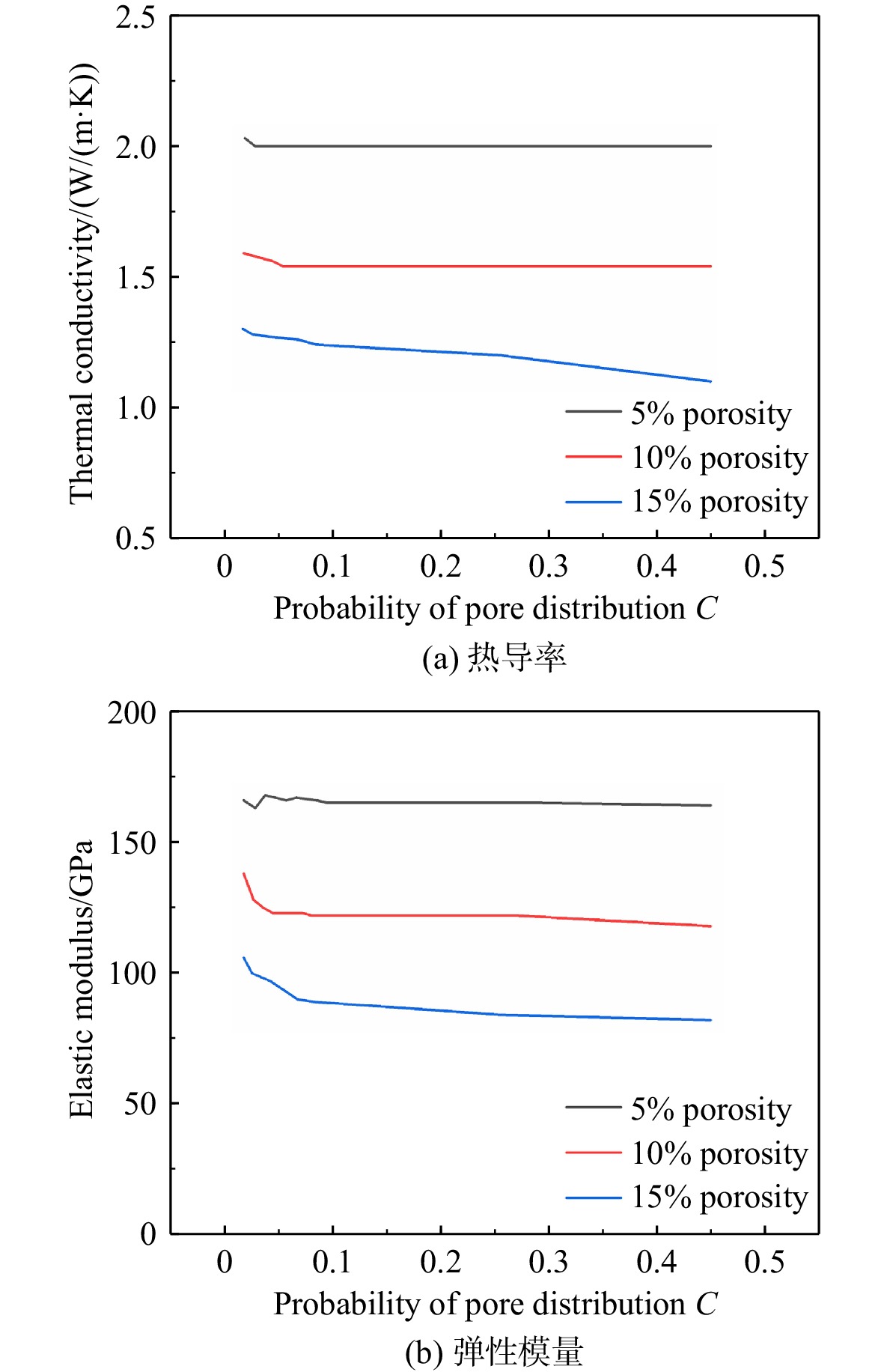
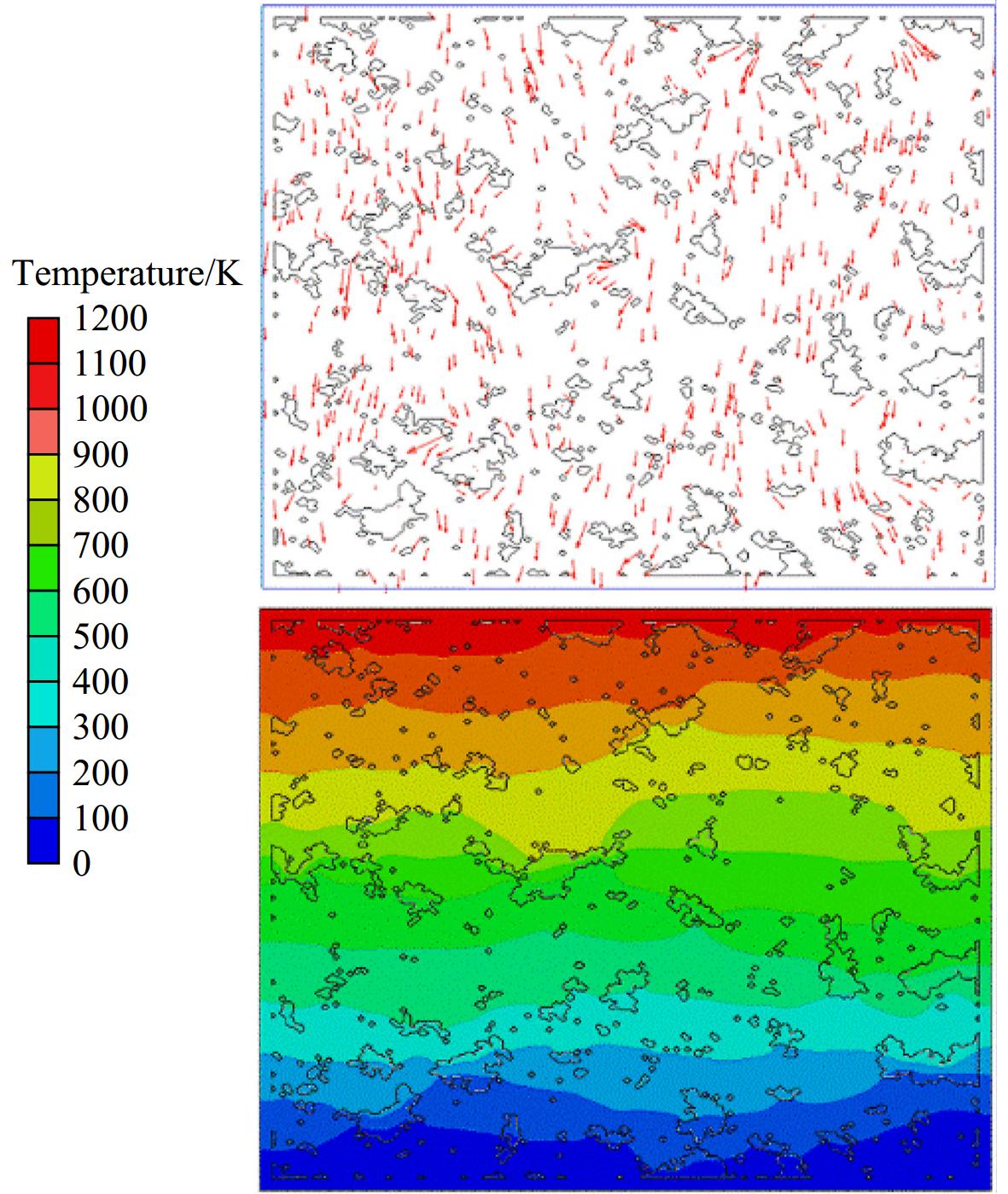
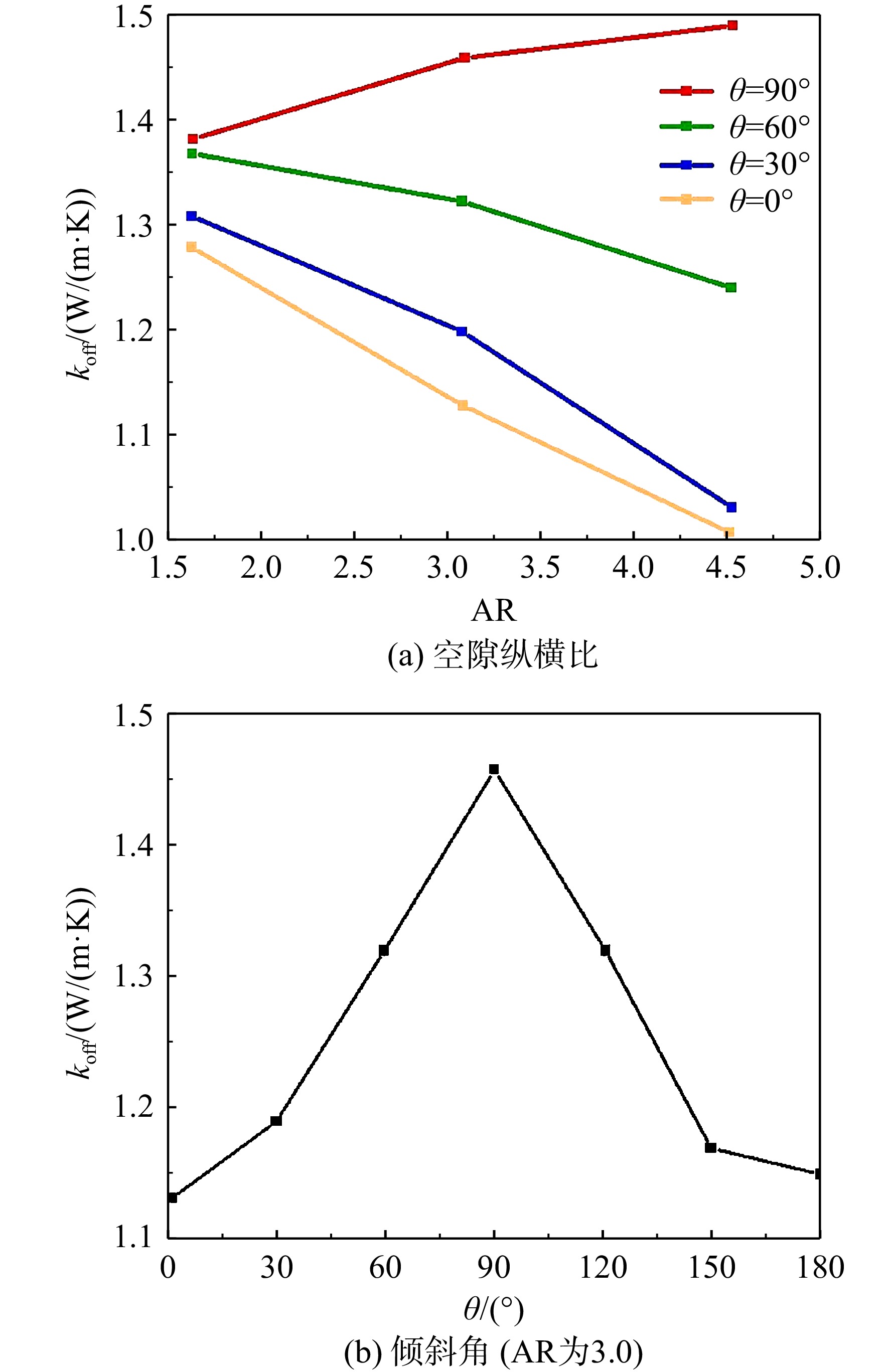
Three major aspects, including thermally grown oxides (TGO) growth behavior and stress-strain, overall thermomechanical properties of thermal barrier coatings (TBC), structural optimization and life prediction of TBC, were reviewed. The development and application of finite element method in these researches in recent years were analyzed, then the problems and limitations in current researches were summarized. At present, the research directions mainly focus on the combination of failure theory, multi-physics coupling and Python subroutines with complex physical models to obtain more accurate finite element analysis results. However, due to many problems such as irregular morphology of TGO, insufficient physical parameters of materials under high temperature conditions, and random distribution of microscopic pores in ceramic layers, there is still a gap between the calculated and actual results. In the future, more in-depth research can be carried out from the aspects of physical model fineness, interlayer boundary conditions and dynamic growth simulation, etc.

Study on pressure control characteristics of cryogenic propellant tank based on active and passive TVS technology
ZHOU Zhenjun, WU Jun, GONG Mengmeng, WU Yong, ZHAO Yunning, CHENG Long
2024, 39(10): 20220331. doi: 10.13224/j.cnki.jasp.20220331
Abstract:

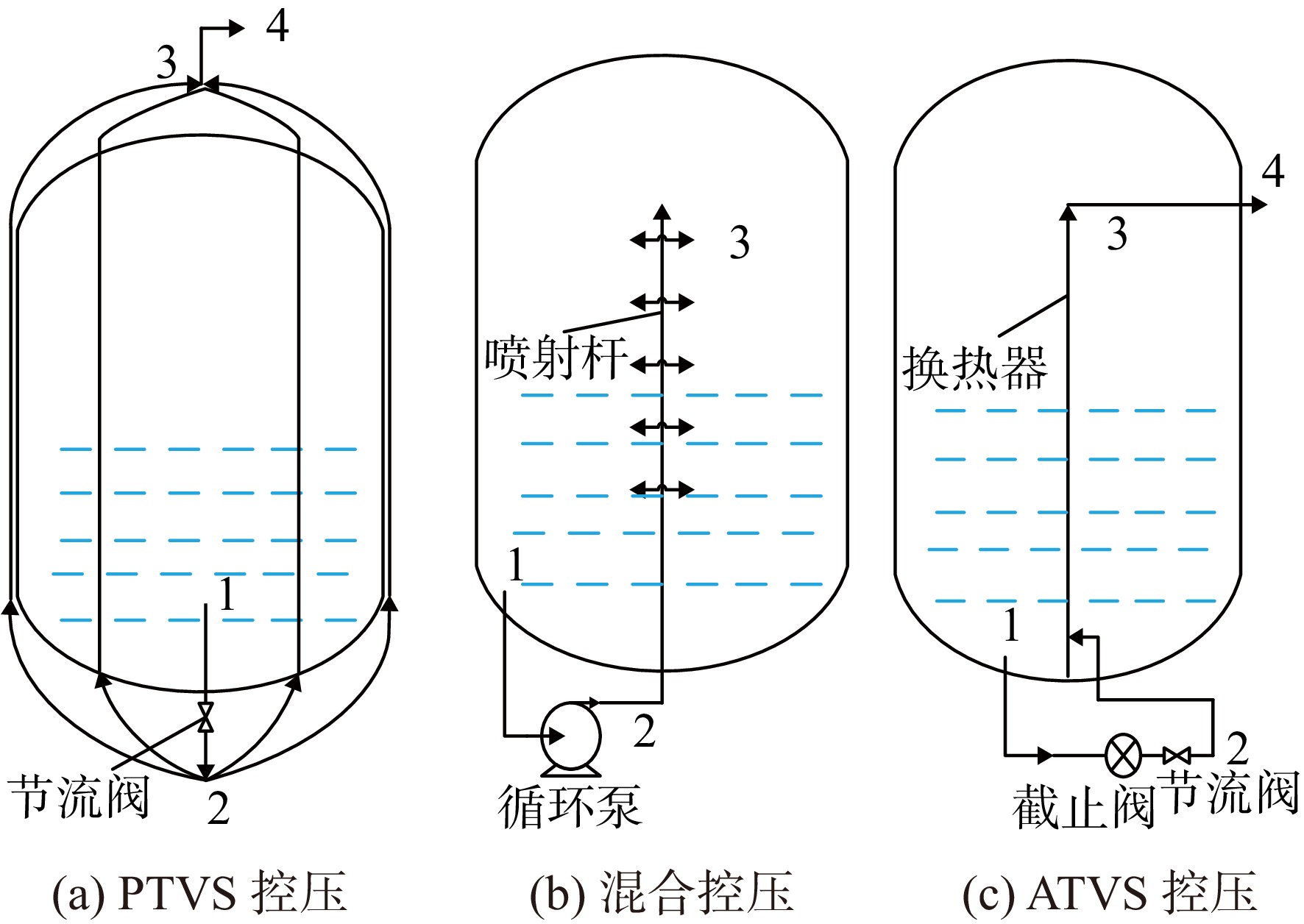
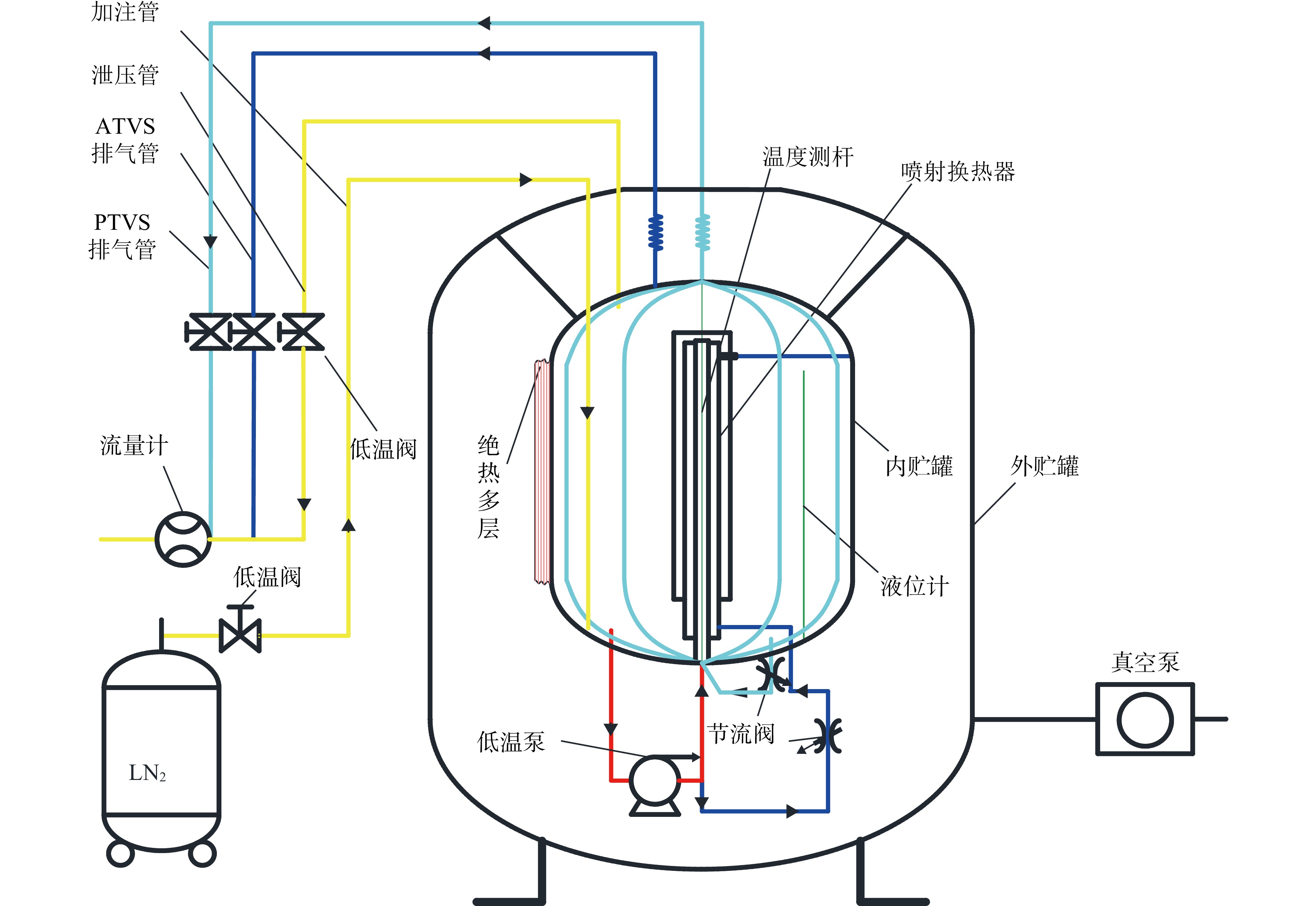
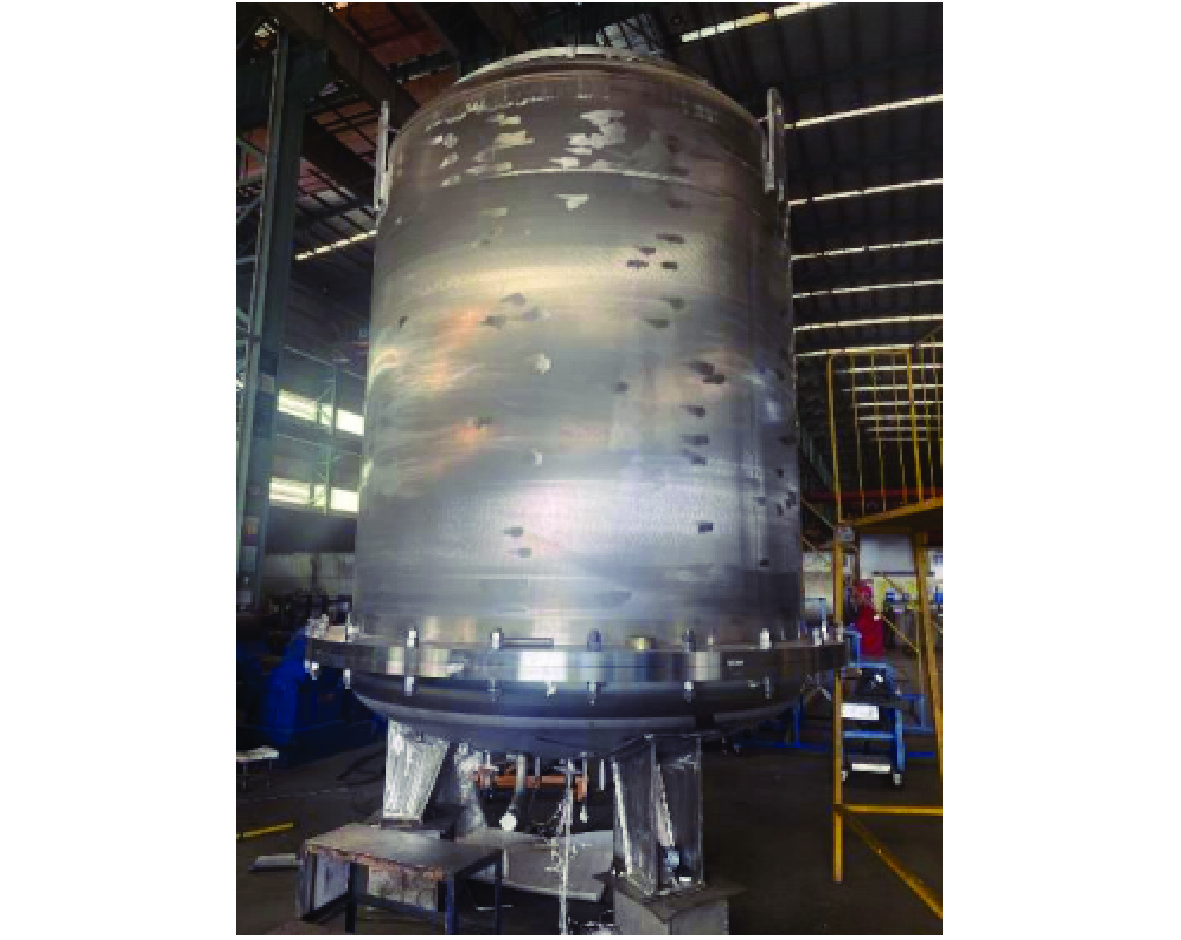
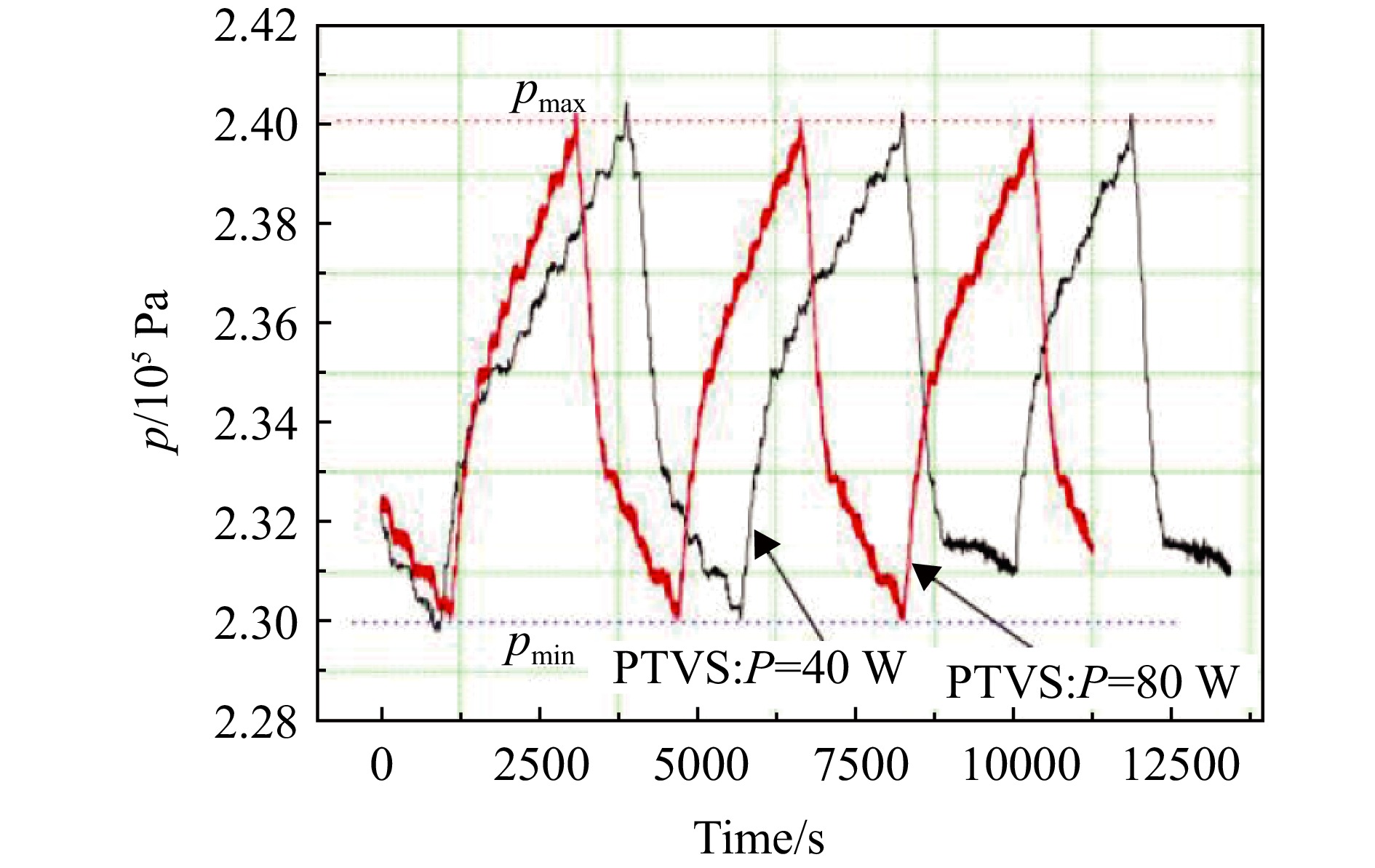
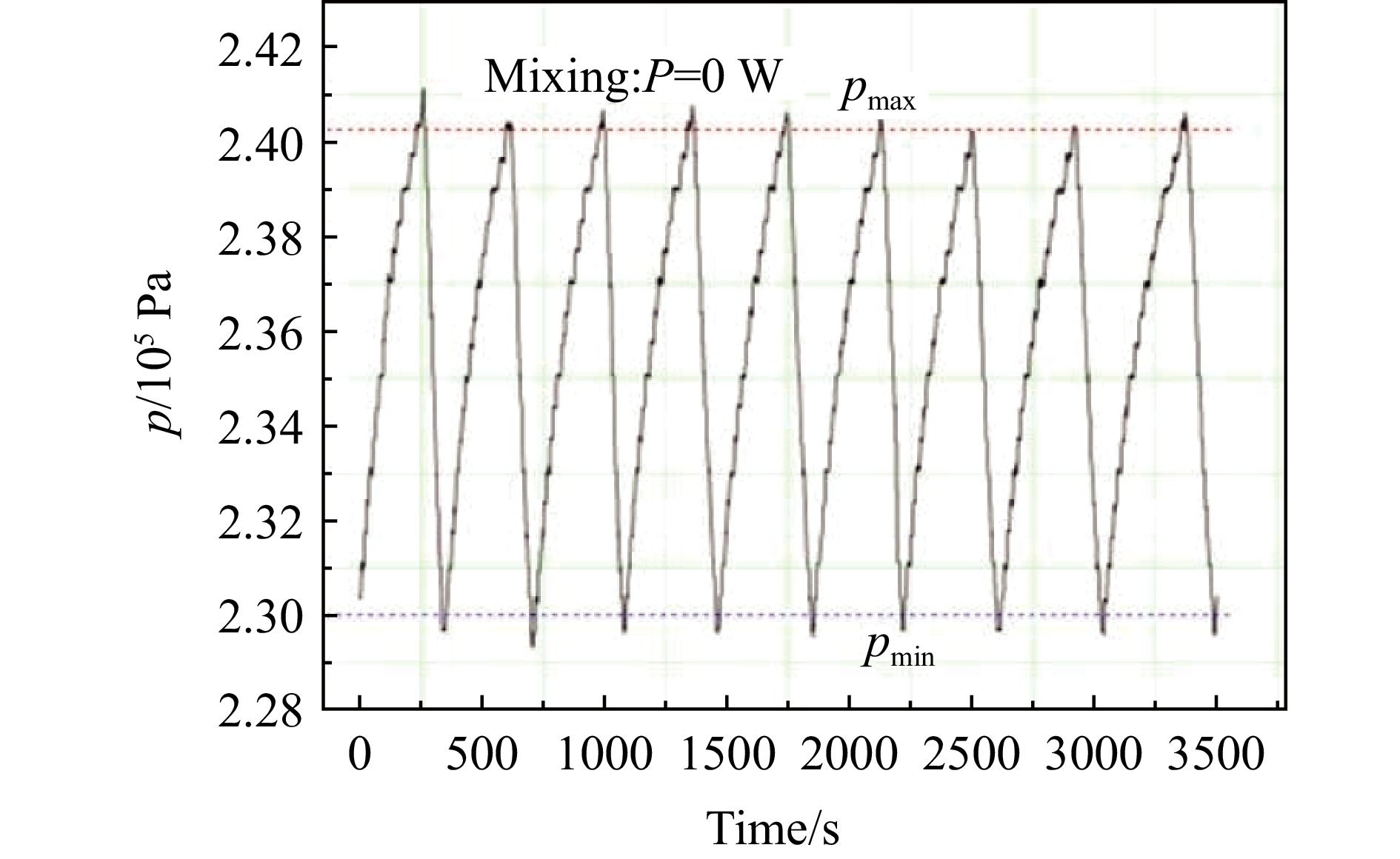
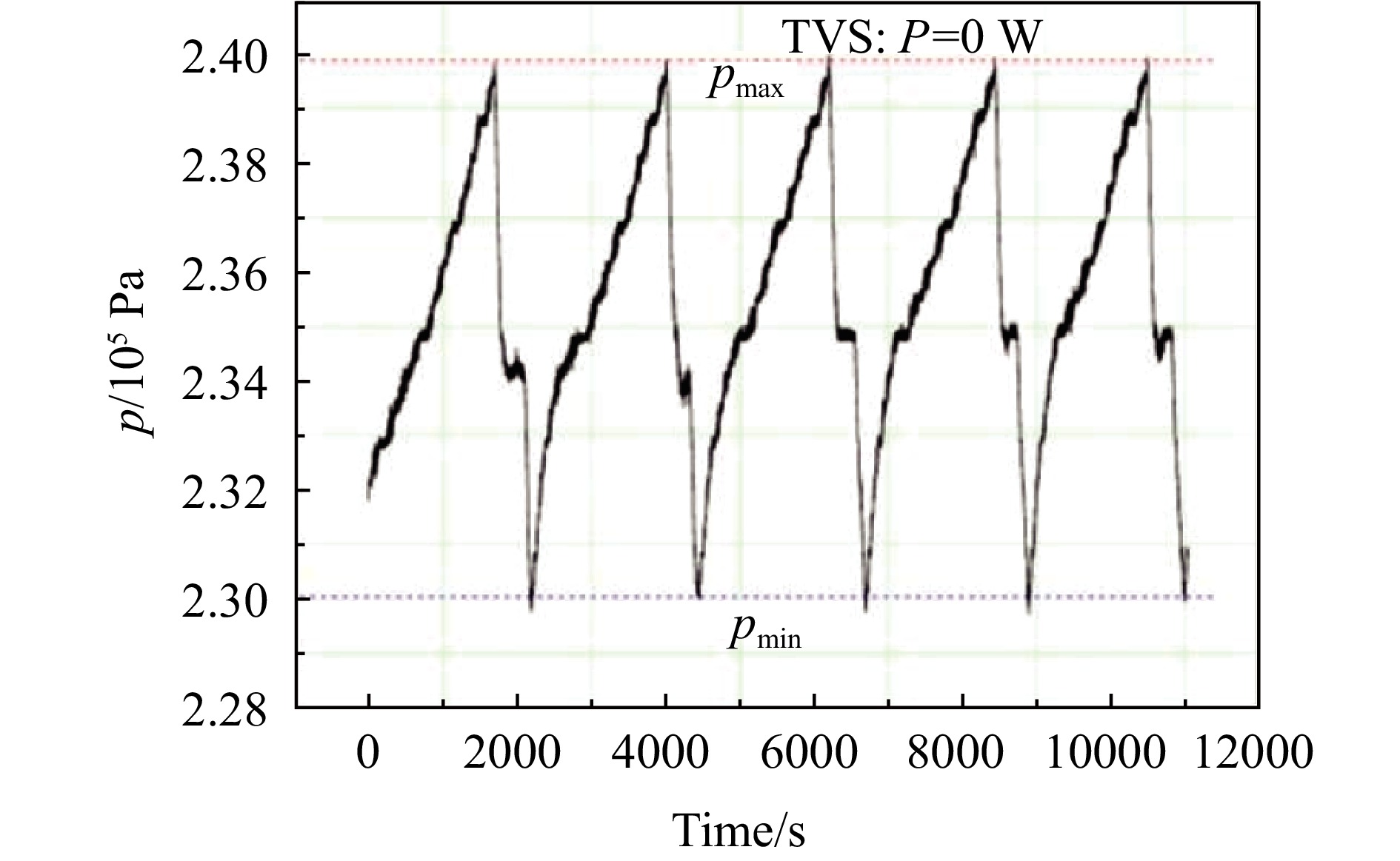
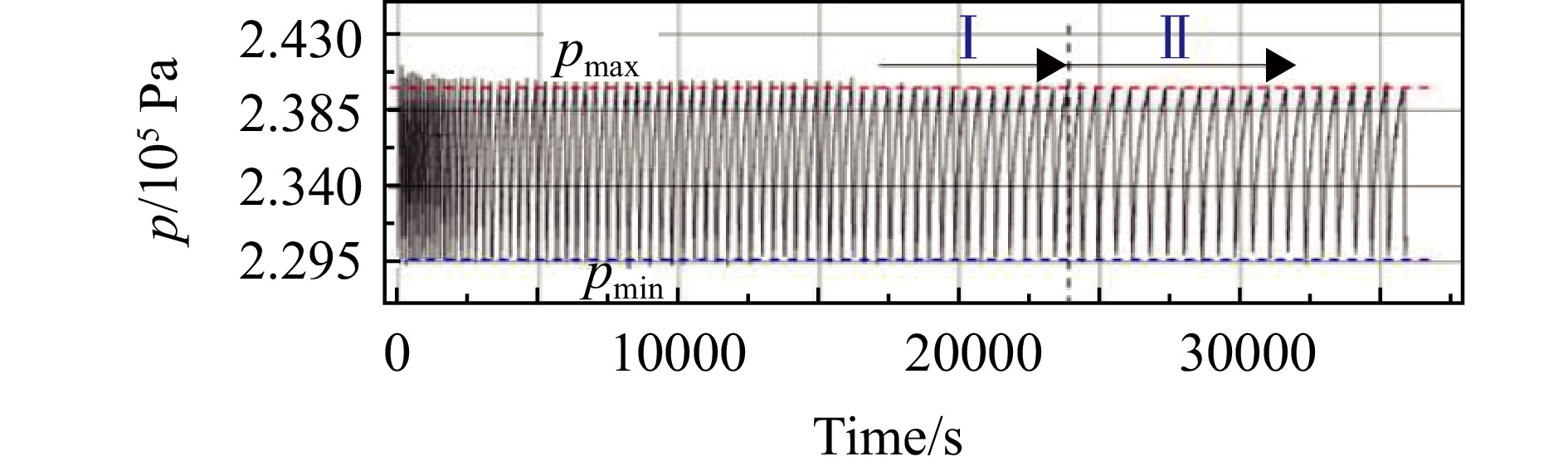
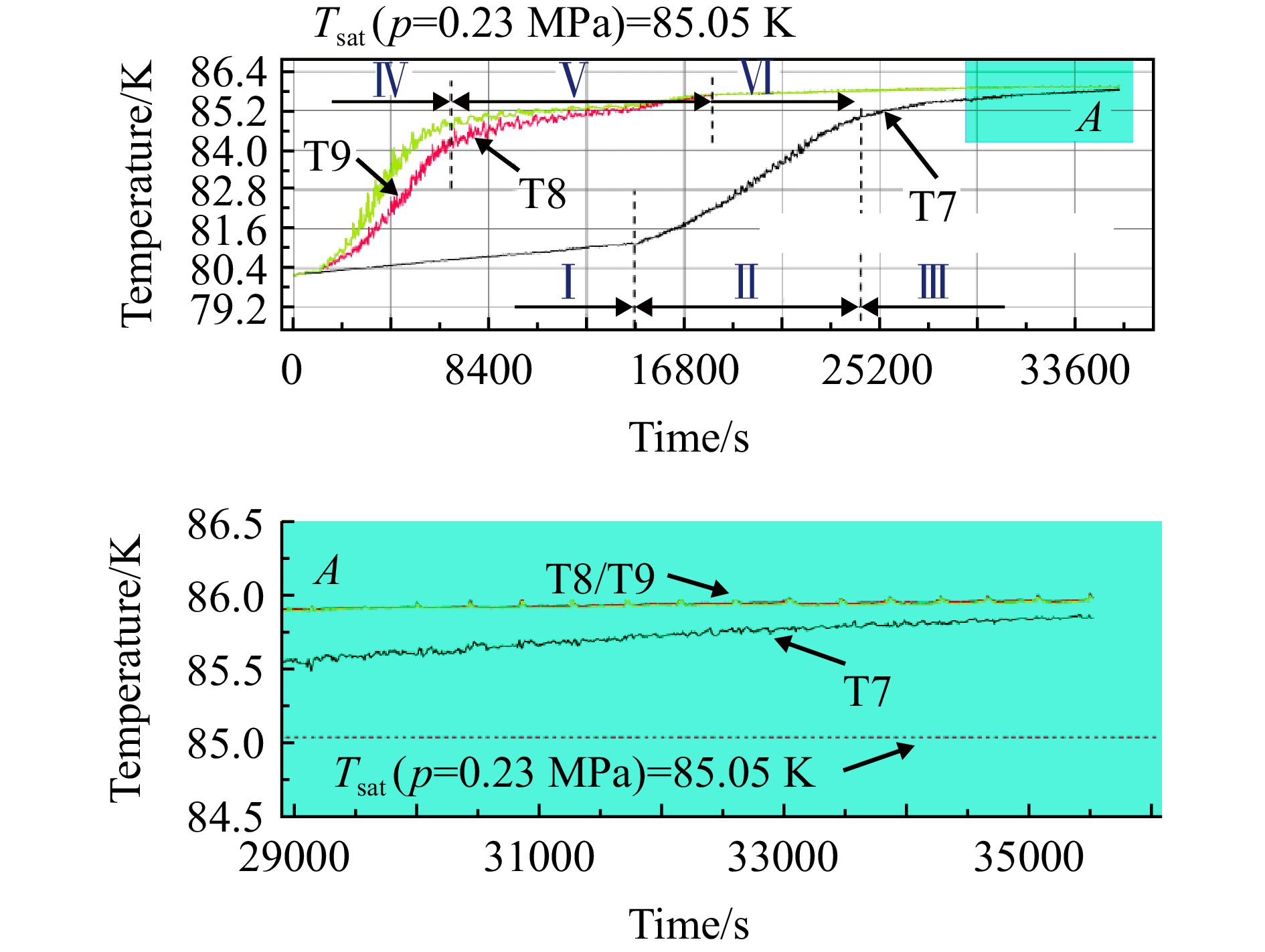
Active and passive thermodynamic venting technology has advantages in pressure control of cryogenic propellant tank. Researchers carried out a lot of theoretical and experiment analysis work in active thermodynamic venting technology. In order to study the characteristics of pressure control by active and passive thermodynamic venting technology in cryogenic tank, a cryogenic experiment platform integrating active and passive thermodynamic venting system was built, and pressure control experiments of passive thermodynamic venting system (PTVS), mixed and active thermodynamic venting system (ATVS) modes were carried out. The cryogenic tank heating power was divided into orthogonal experiment under 0 W, 40 W and 80 W working conditions, and a long time-consuming pressure control experiment with duration of 10 h was carried out. The experiment results showed that the pressure control cycle time decreased with the increase of heating power, and the pressure control cycle frequency was higher; when the input power was kept unchanged, the single cycle pressure control time of PTVS mode was the longest, and the single cycle time of mixed mode pressure control was the shortest. The pressure control method combined with mixed and ATVS operated stably during the nearly 10 h experiment process, the tank pressure was controlled within the predetermined range. The input of throttling refrigeration capacity weakened the influence of external heat leakage, the temperature rising rate of liquid phase gradually decreased and tended to be flat, and the liquid phase temperature was finally close to the fluid temperature at the thermal stratification.

Research status and prospect of aircraft heat pipe anti-icing technology
LI Yundan, CHEN Xiaoming, GONG Huan, LI Miao, LIAN Wenlei
2024, 39(10): 20220771. doi: 10.13224/j.cnki.jasp.20220771
Abstract:

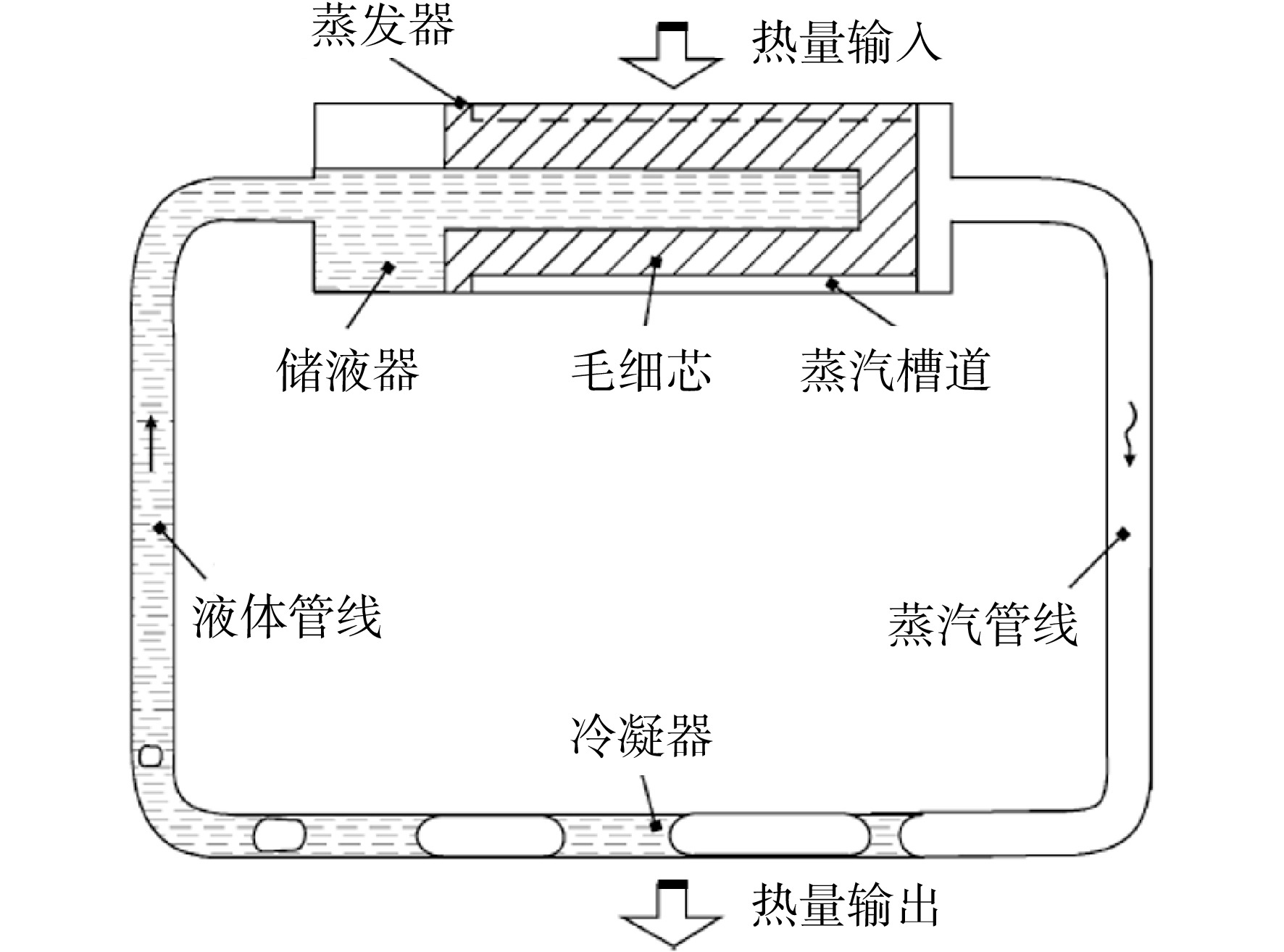
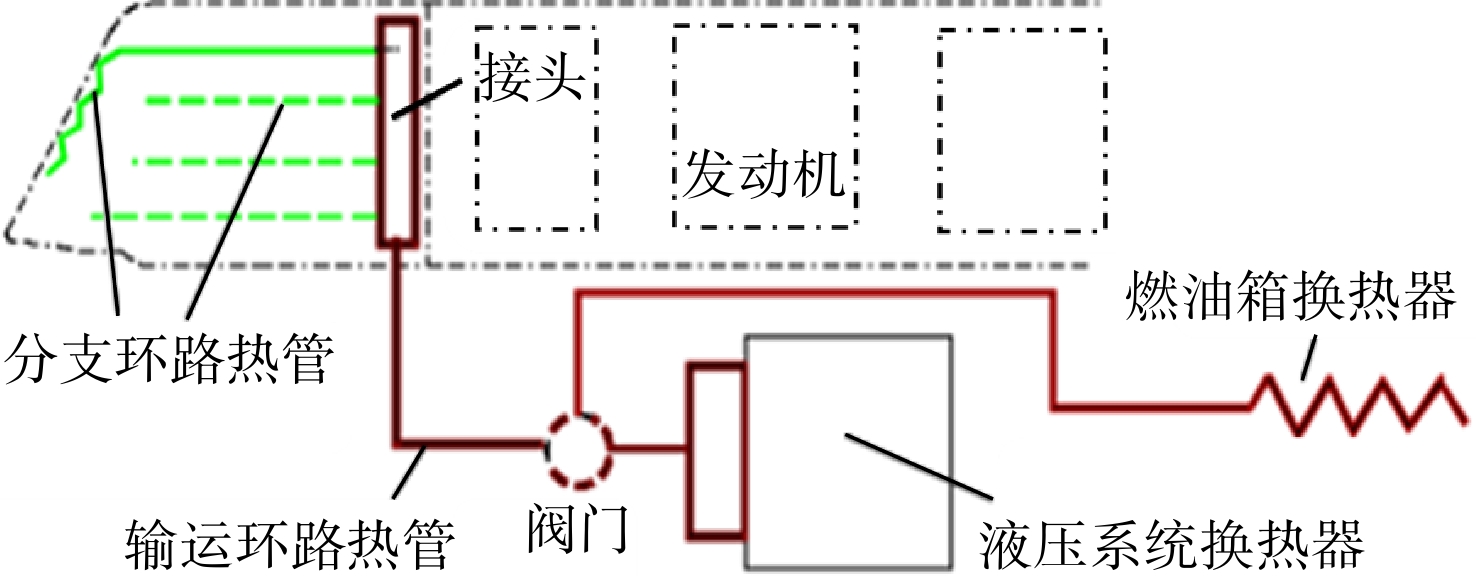
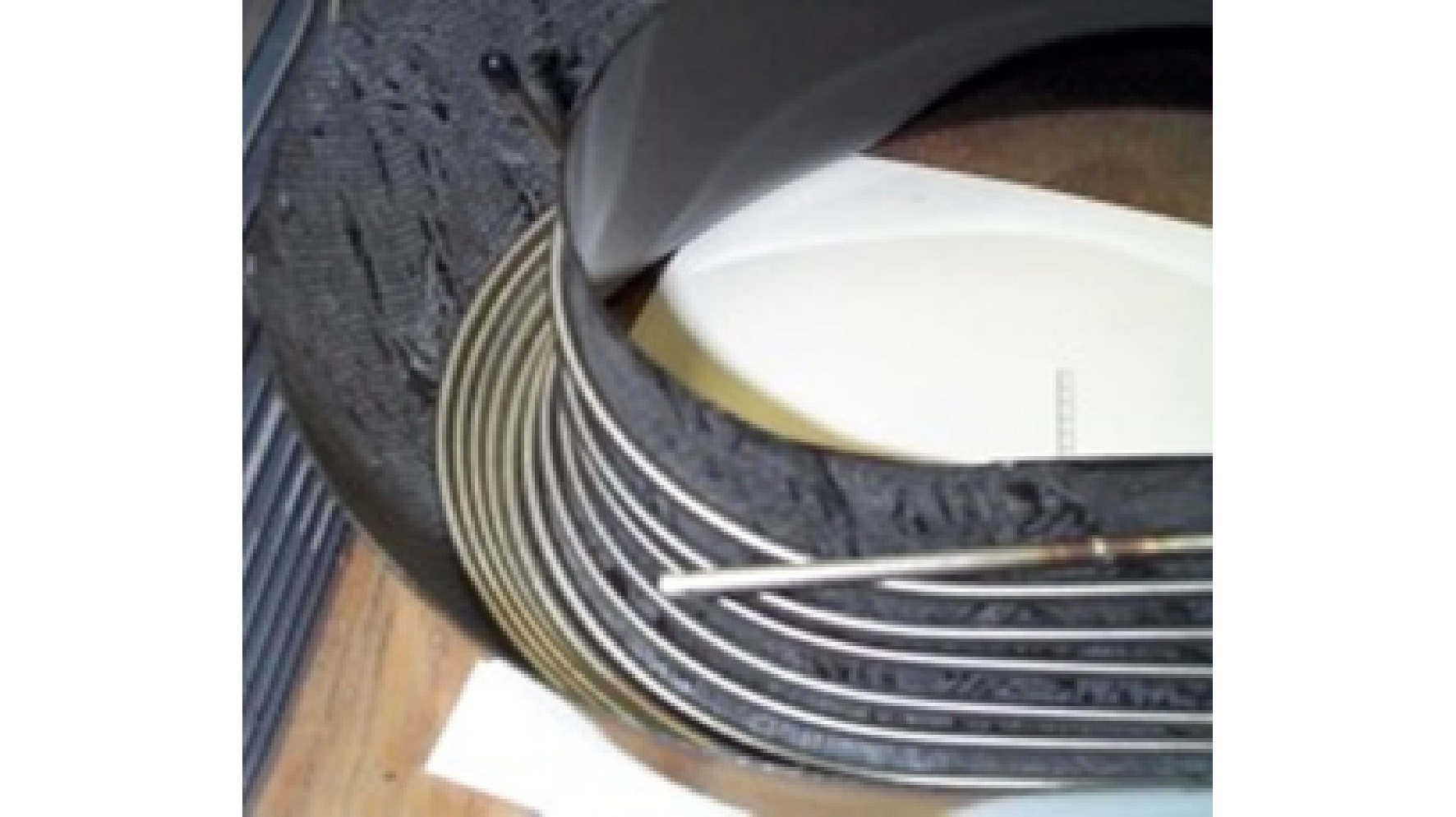
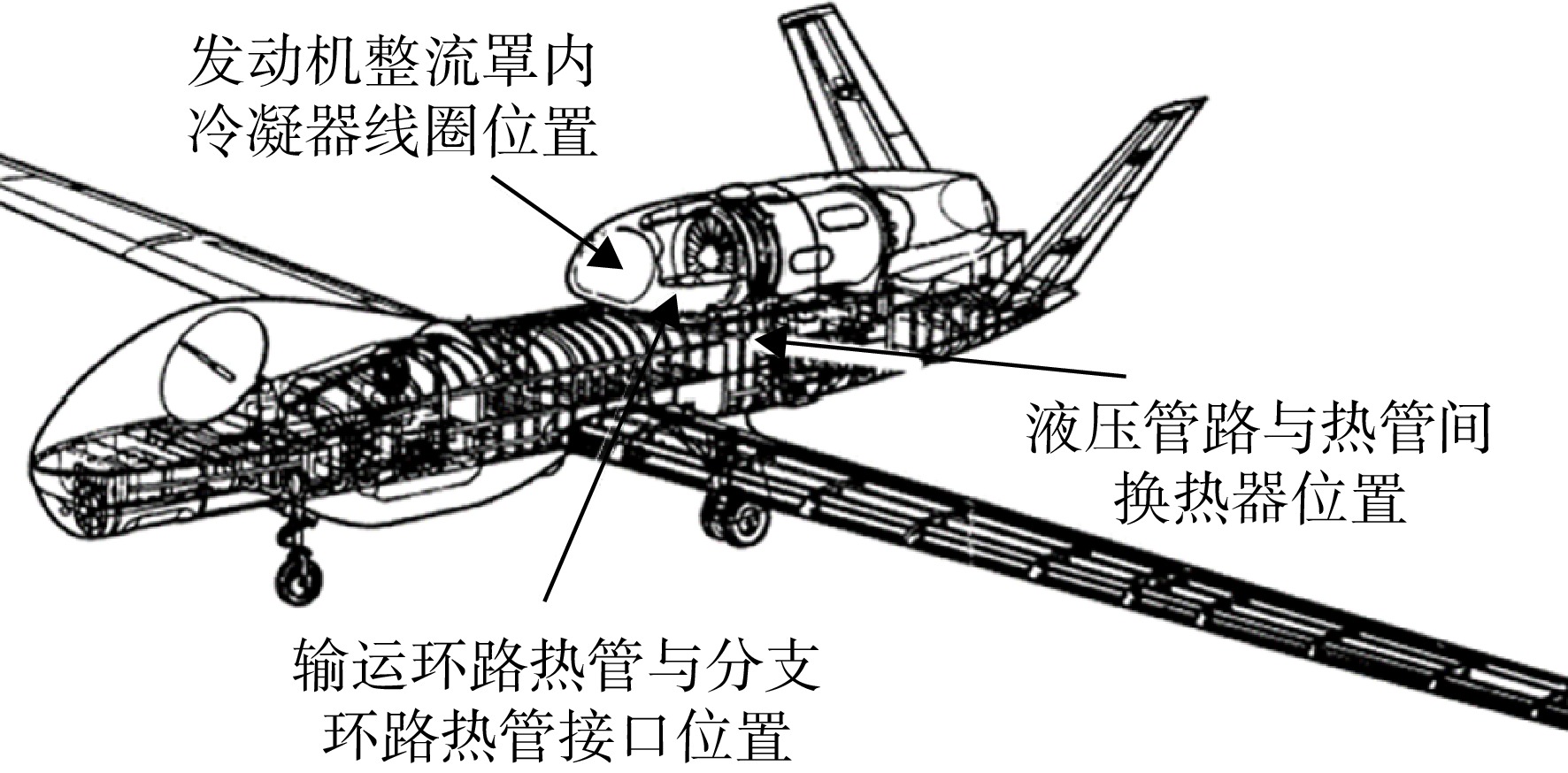
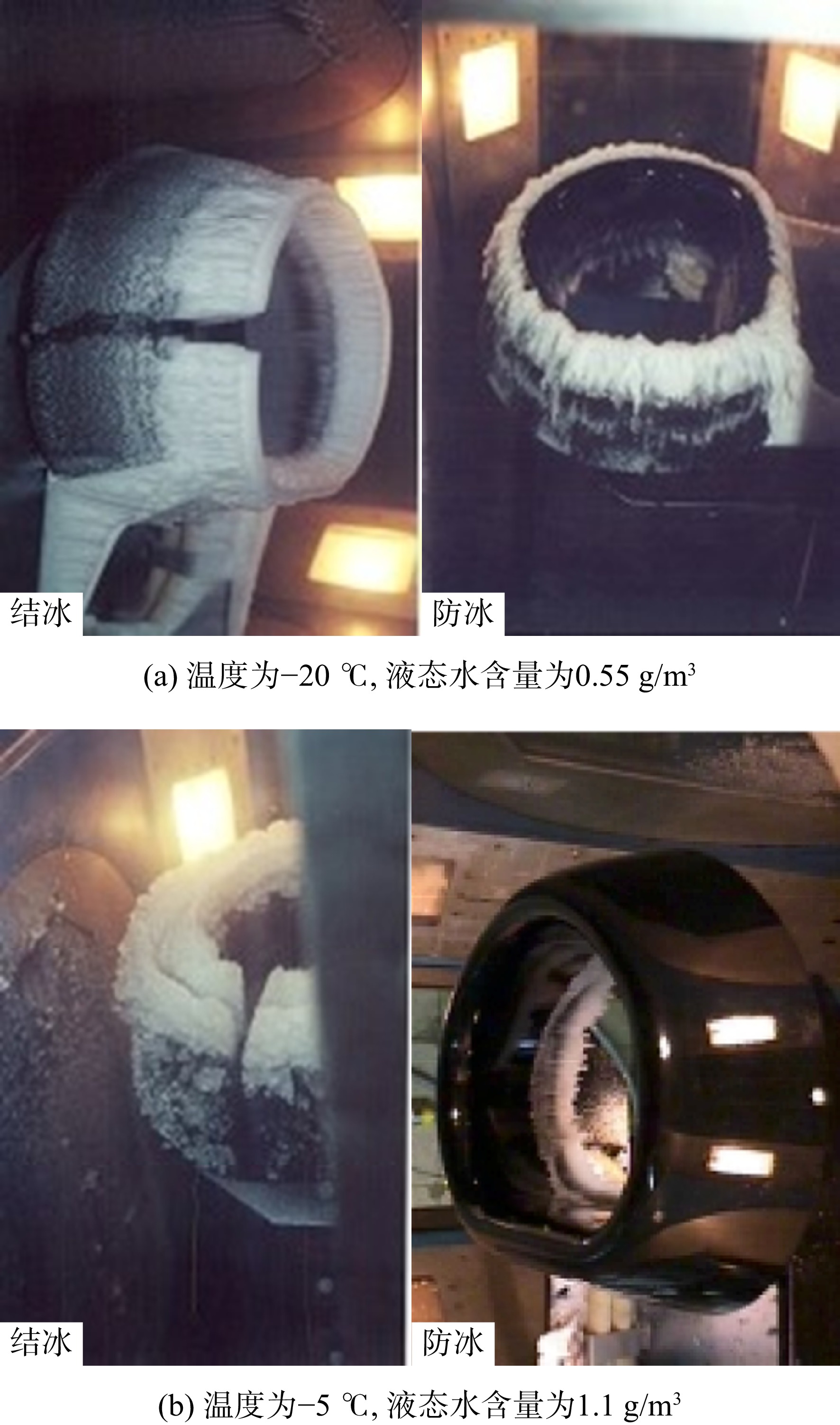
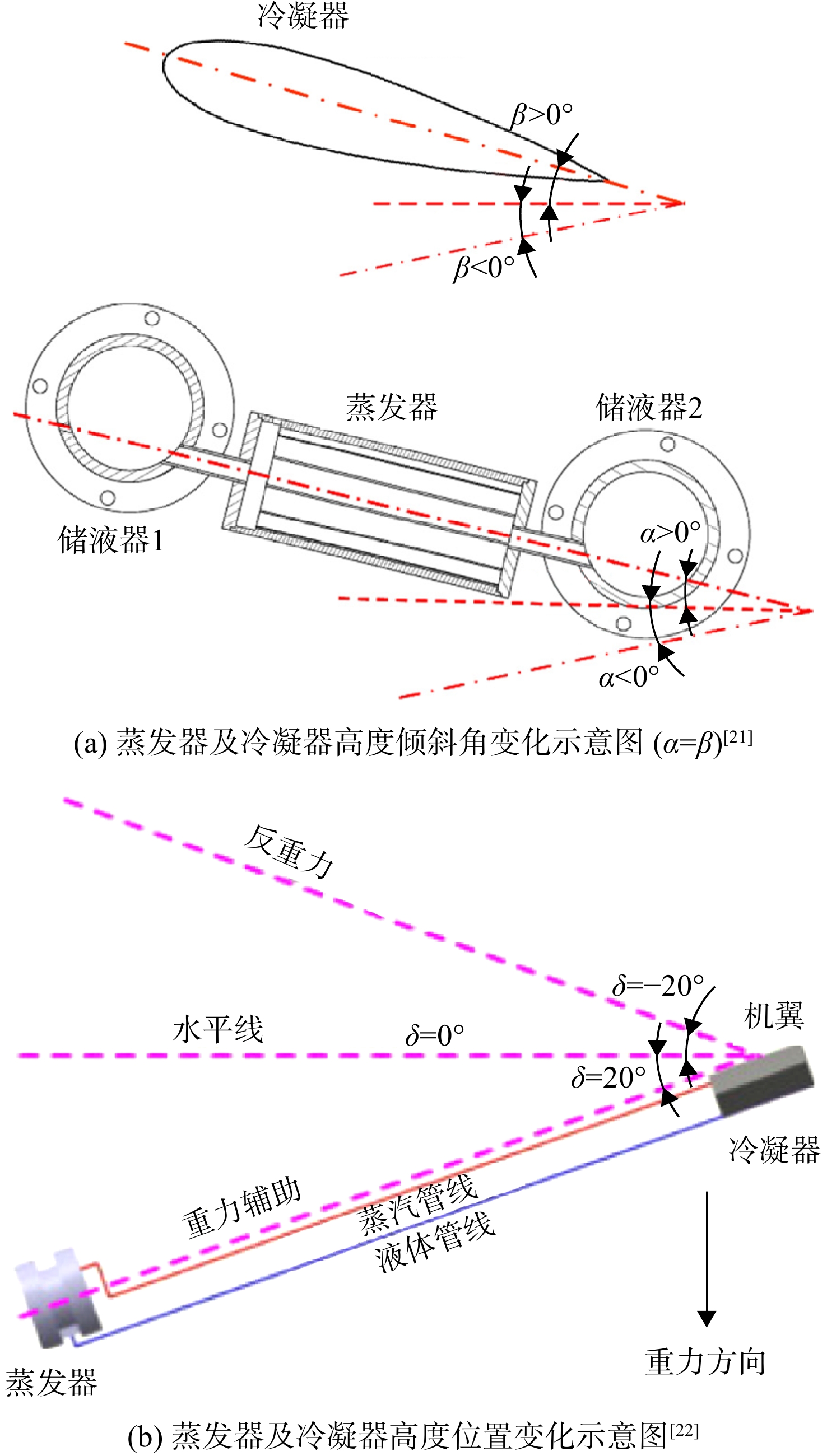
In order to deeply understand and develop the anti-icing technology of heat pipe, the research status of different types of heat pipes in aircraft anti-icing field was mainly discussed, the theoretical and experimental results of loop heat pipe, rotating heat pipe and gravity heat pipe used in anti-icing of aircraft wings and engine front parts were summarized, the main characteristics of loop heat pipe and rotating heat pipe for anti-icing were sorted out, and the development direction of heat pipe anti-icing technology was prospected. The results showed that the researches on heat pipe anti-icing technology were still at initial stage, and most of them stayed in the design and feasibility verification of heat pipe anti-icing system. These suggested that subsequent research should be concentrated on experiments, and the method of combining numerical calculation and experimental research should be adopted, with a focus on the operation characteristics of heat pipe anti-icing system under the aircraft environment and icing meteorological conditions; moreover, the influences of factors such as the characteristics of the working medium, working temperature and liquid filling rate on the heat transfer performance of the heat pipe anti-icing system were determined, thus providing a theoretical and experimental support for the design optimization and practical application of heat pipe anti-icing system.

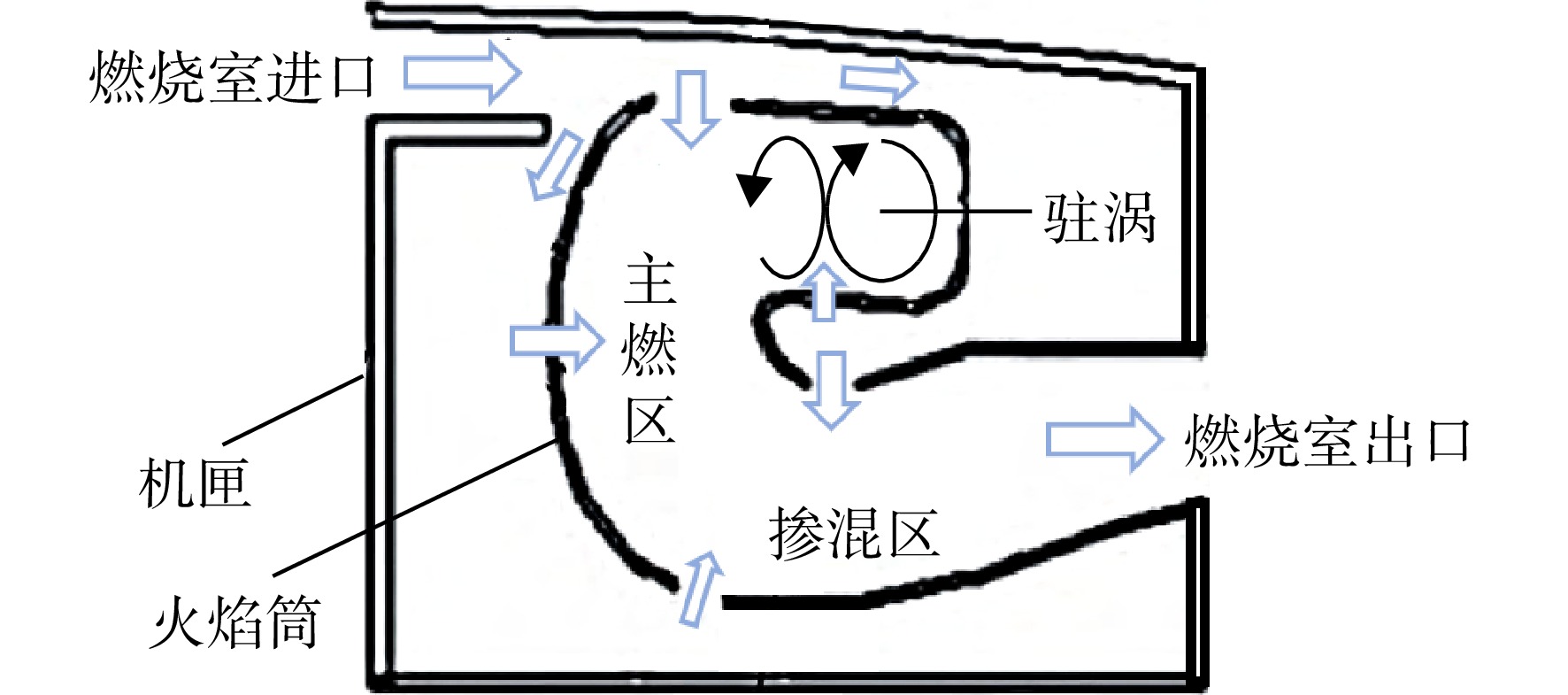
Effects of swirler sleeve angle on combustor exit temperature distribution
ZHENG Jianwen, JIANG Lijun, LIU Tao, TANG Chao, WEN Yifan
2024, 39(10): 20240164. doi: 10.13224/j.cnki.jasp.20240164
Abstract:

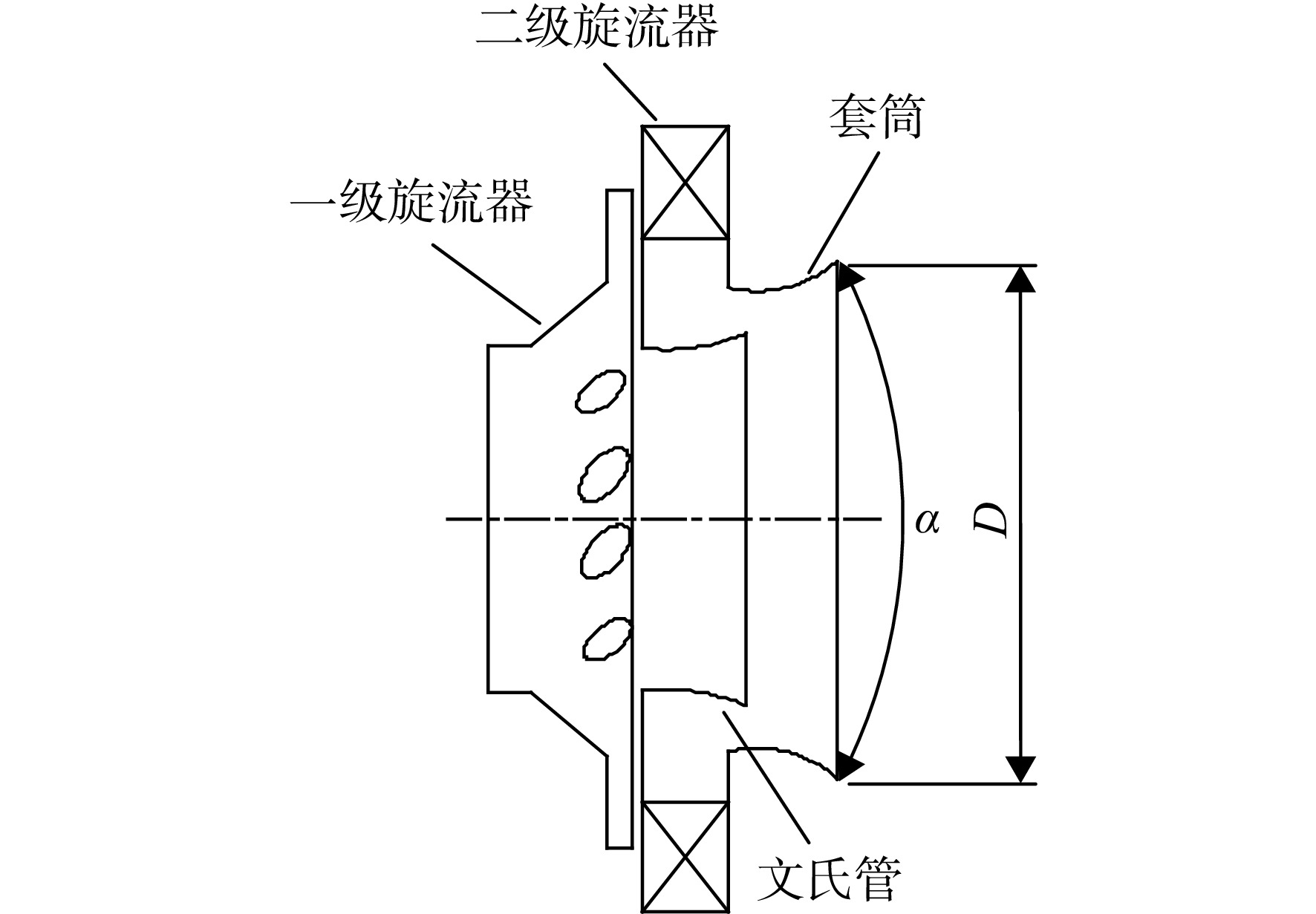
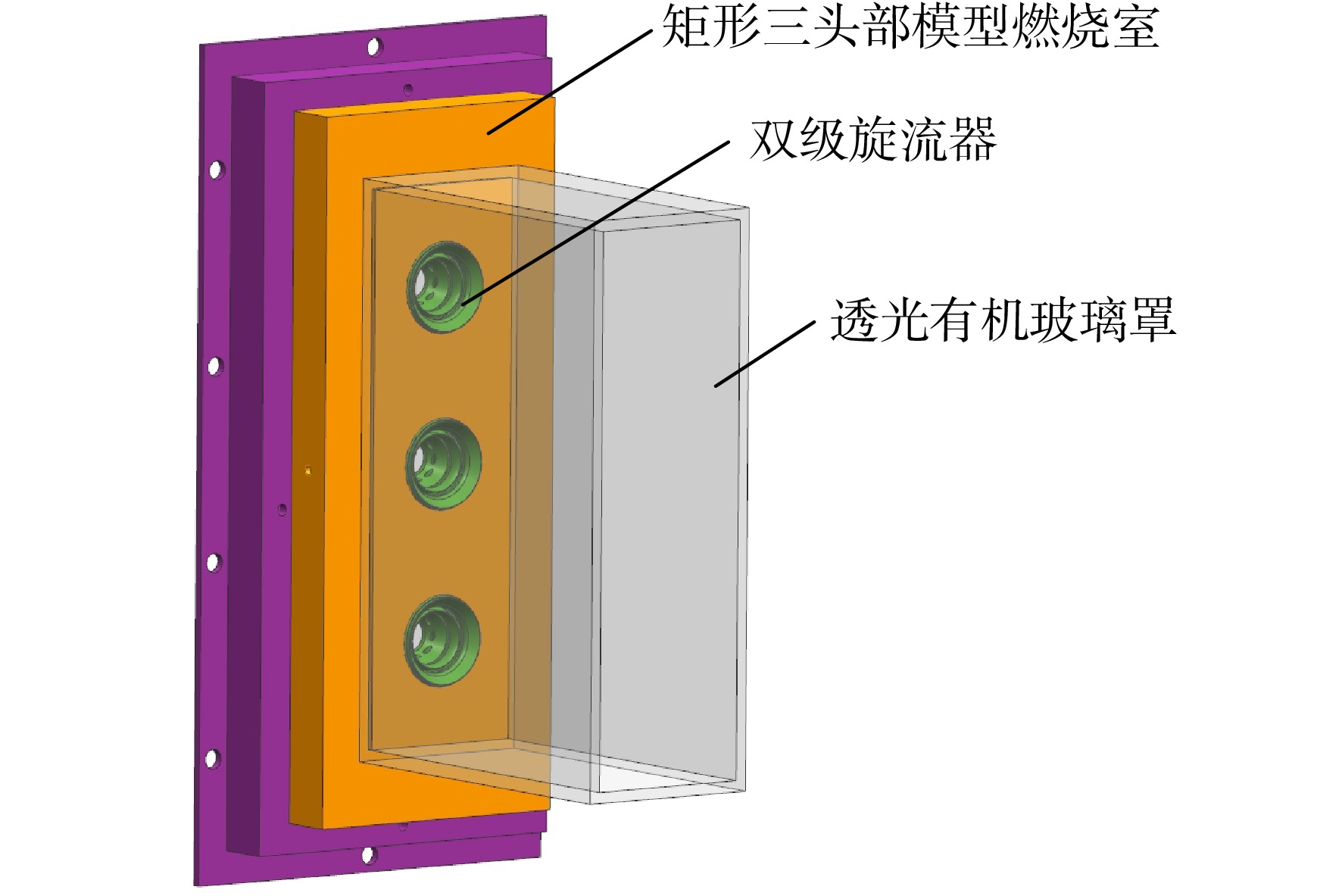
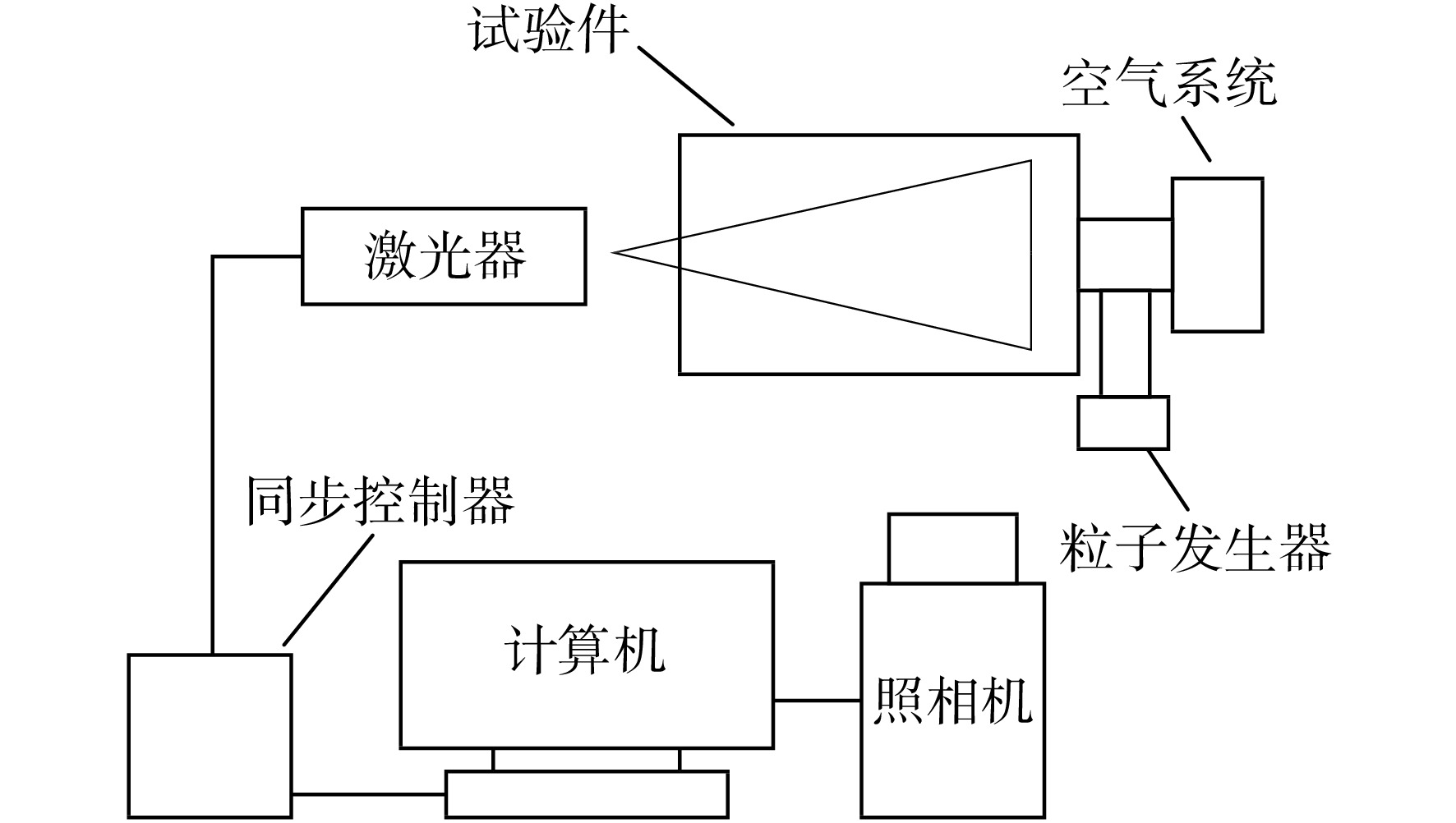
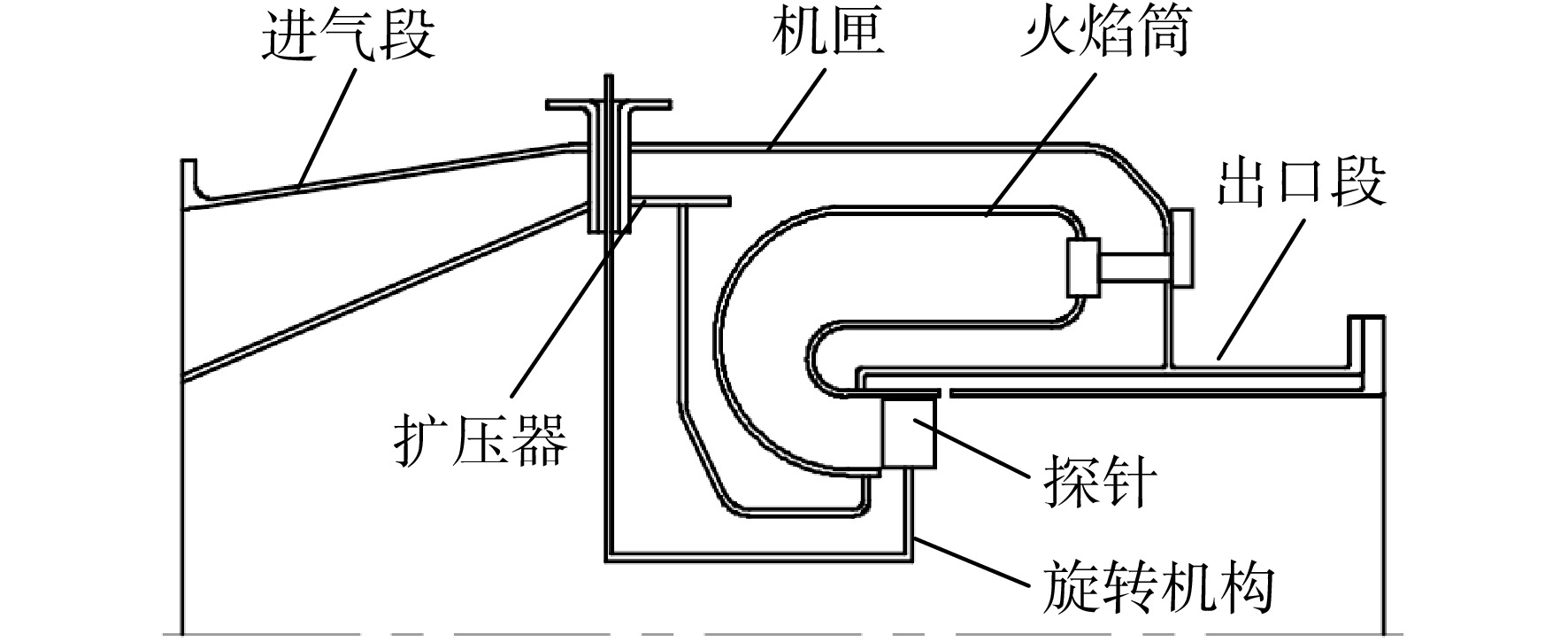
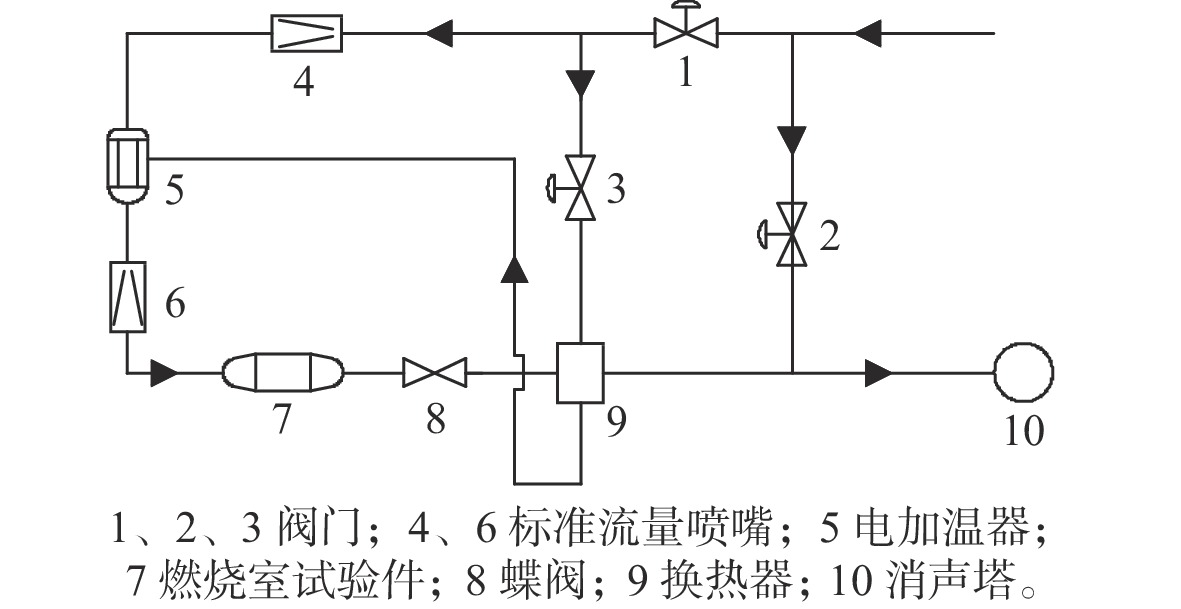
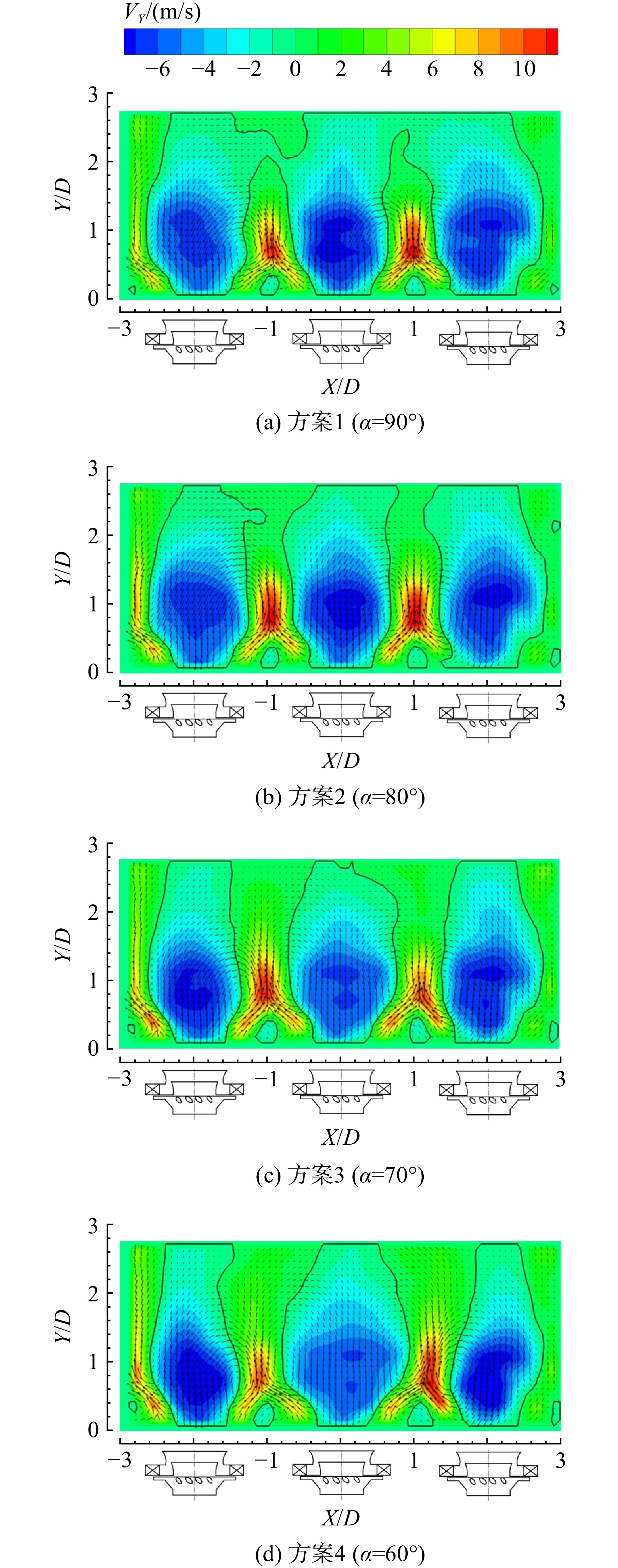
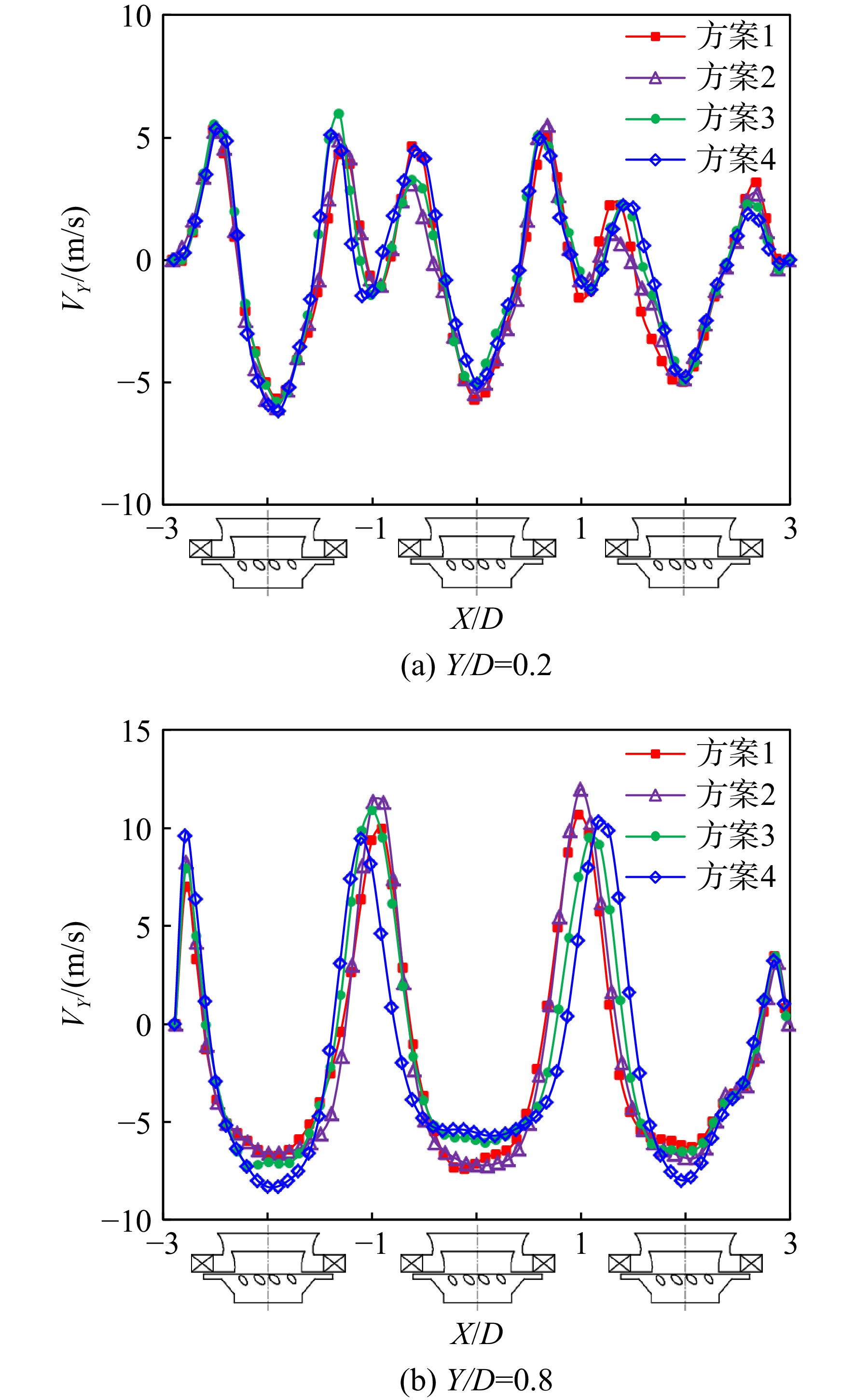
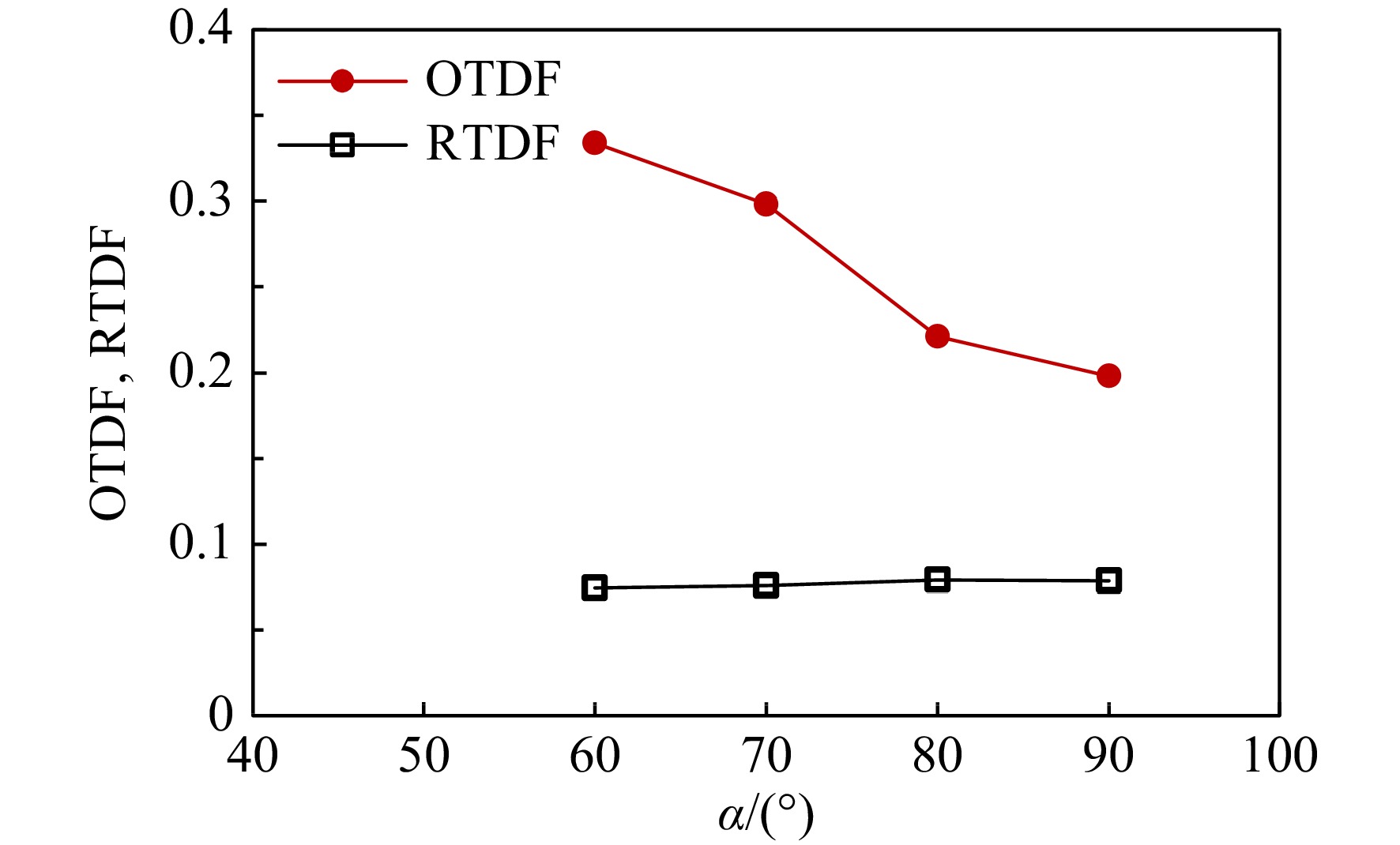
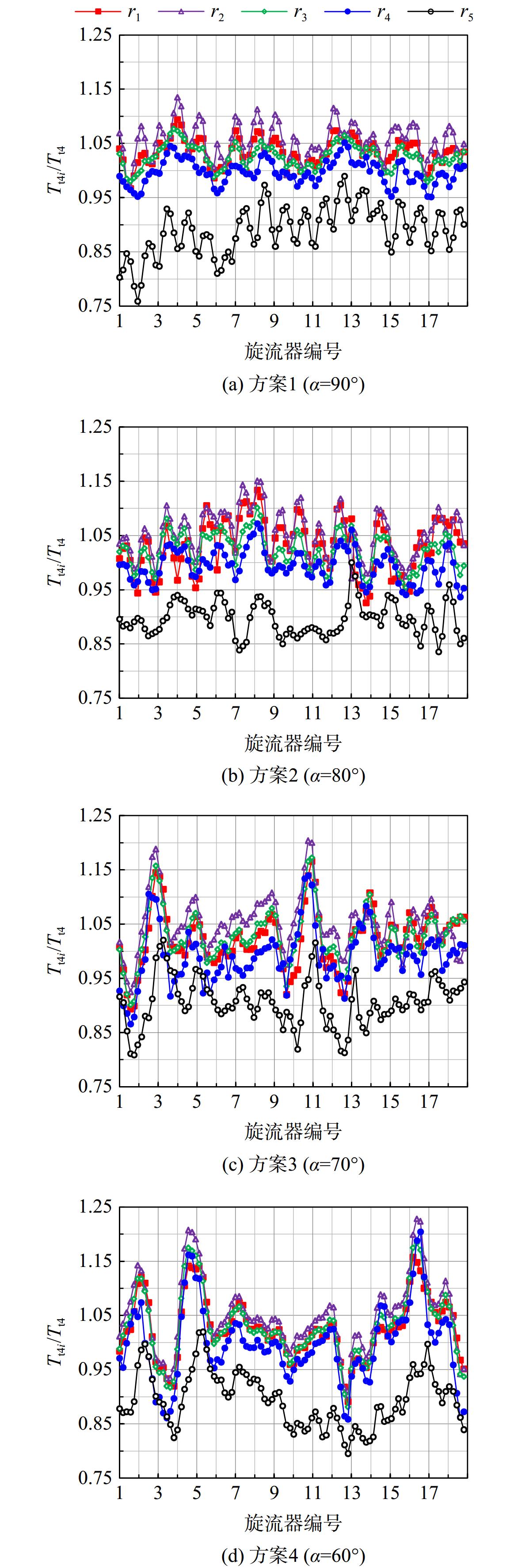
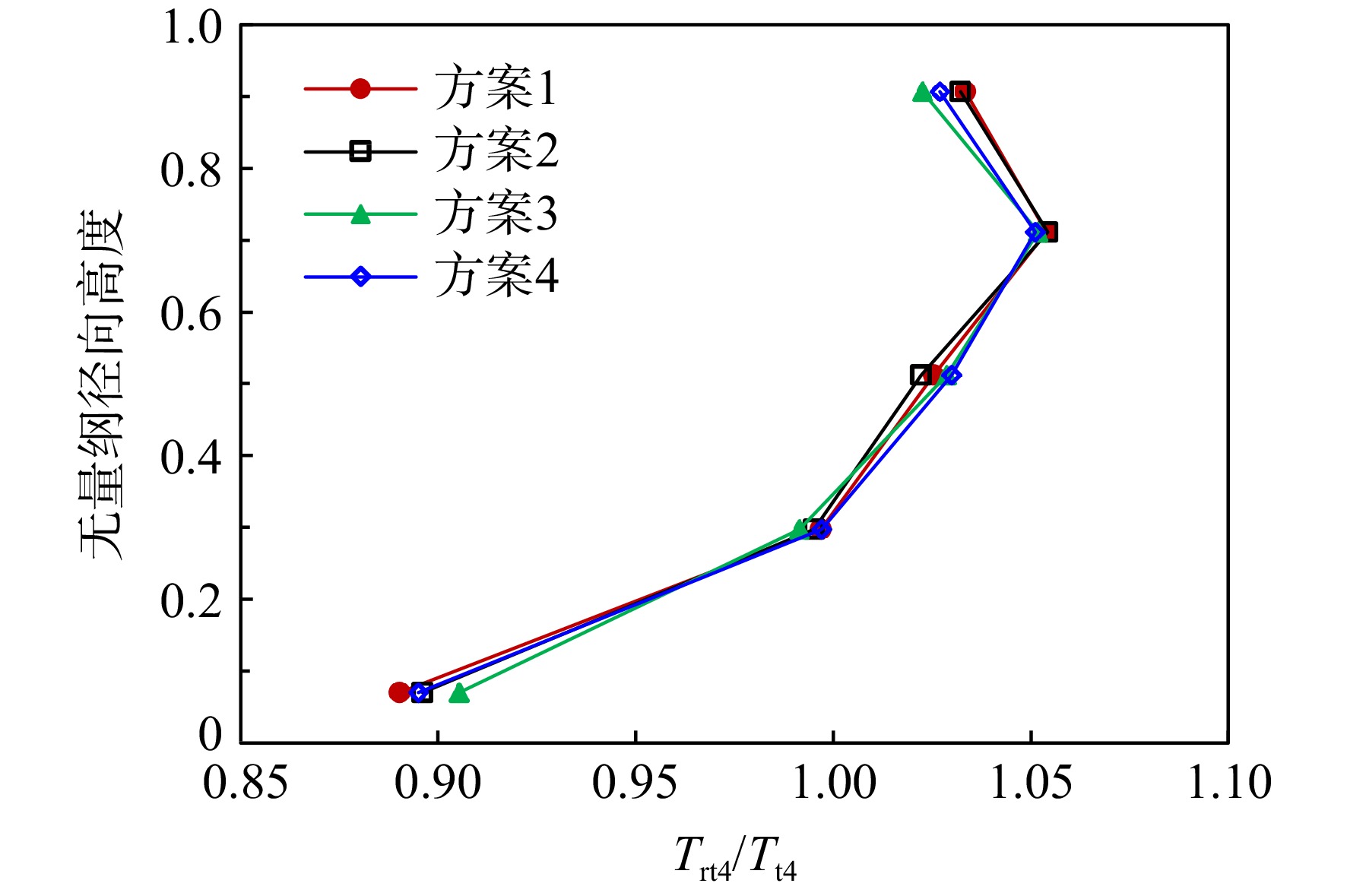
In order to understand the effects of swirler sleeve angle on the combustor exit temperature distribution, experimental investigations were conducted on the full annular reverse-flow combustor of dual swirler with sleeve angle of 90°, 80°, 70° and 60°. The flow field characteristics of three-sector model combustor obtained by PIV were used to analyzed the mechanism of sleeve angle effects. The experimental results indicated that when the sleeve angle decreased from 90° to 60°, the uniformity of exit circumferential temperature distribution was deteriorated and the overall temperature distribution factor (OTDF) increased from 0.198 to 0.334. The exit radial temperature distribution curve was less affected by sleeve angle variation, and the radial temperature distribution factor (RTDF) was maintained at about 0.077. Within the test range, the combustor exit temperature distribution property was deteriorated as the sleeve angle decreased.

Supercritical kerosene combustion characteristics of single-head combustor
ZHENG Yushan, WANG Shiwei, XIAO Baoguo, ZHOU Yu, LI Tianyu
2024, 39(10): 20220823. doi: 10.13224/j.cnki.jasp.20220823
Abstract:

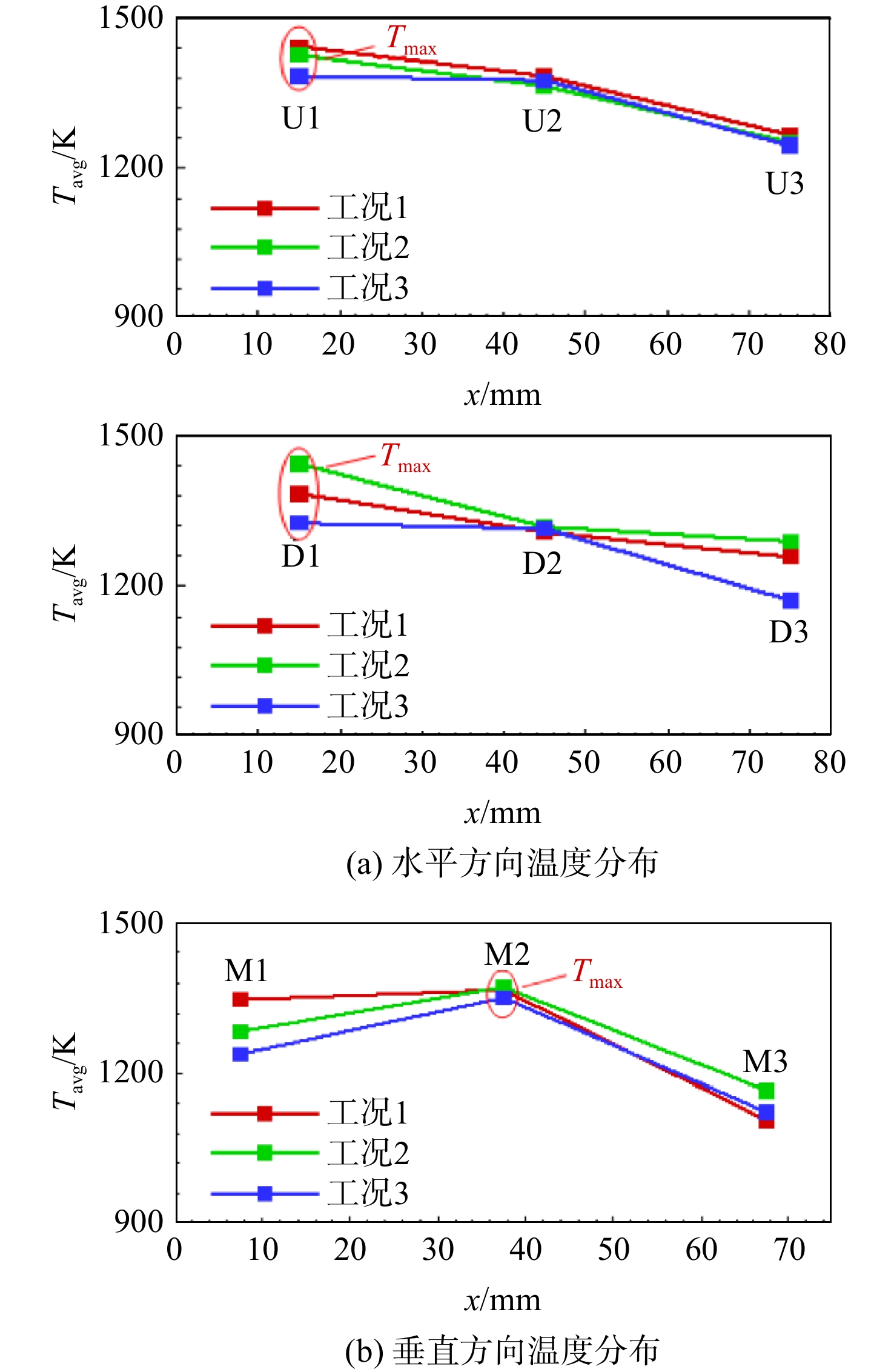
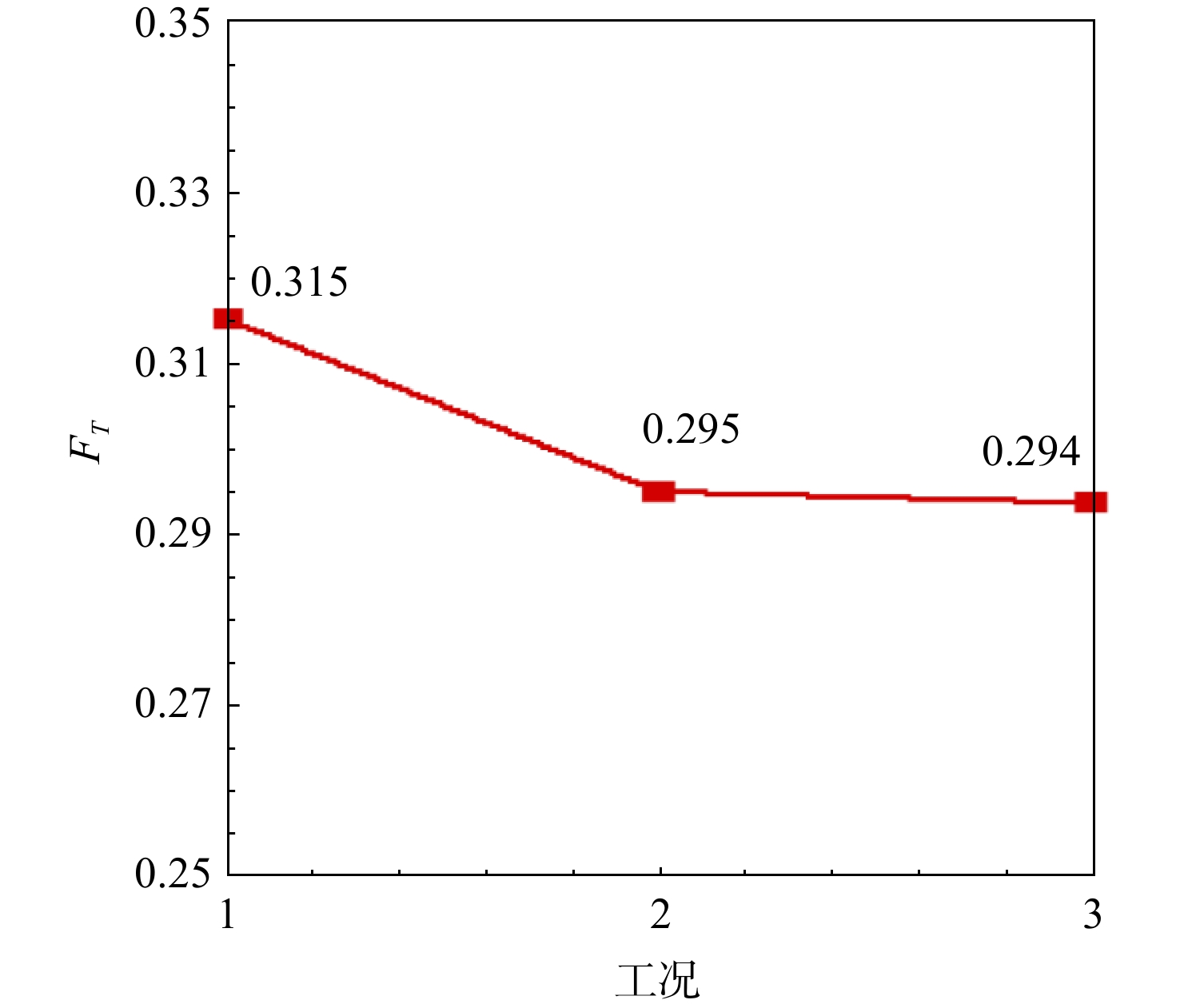
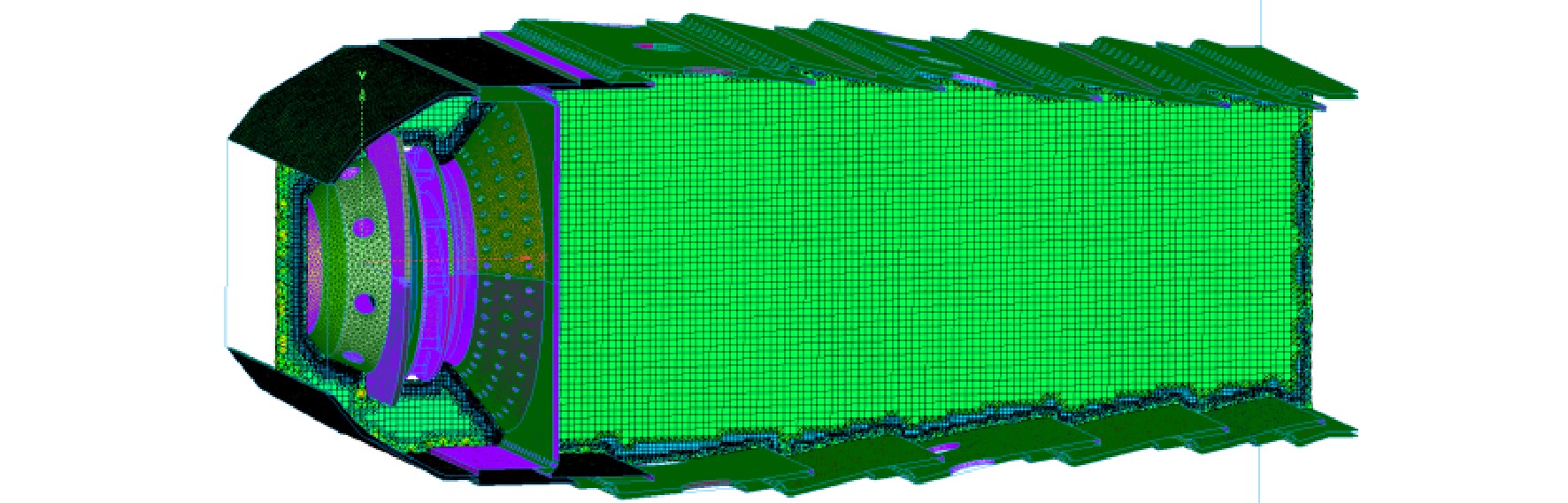
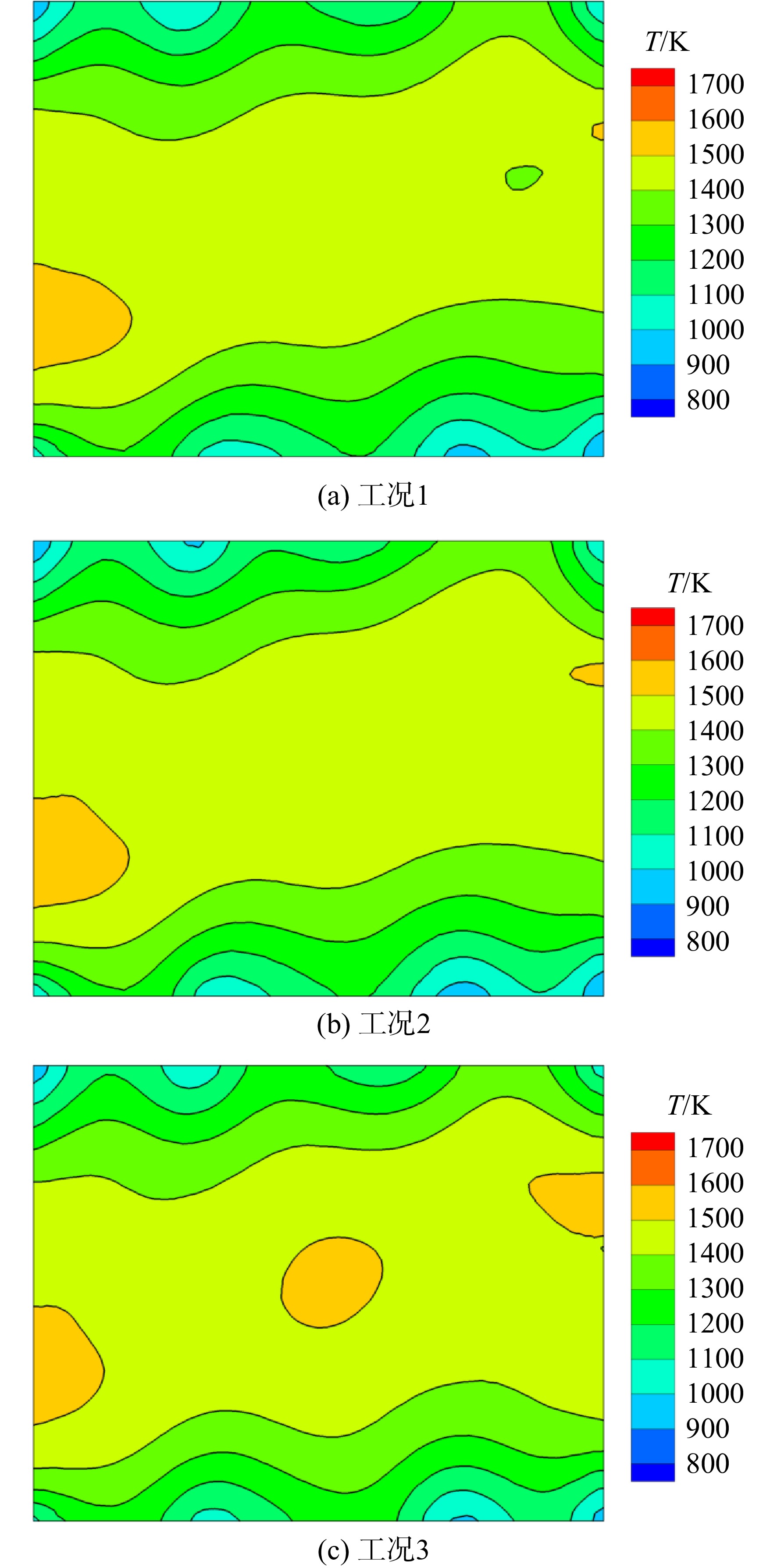
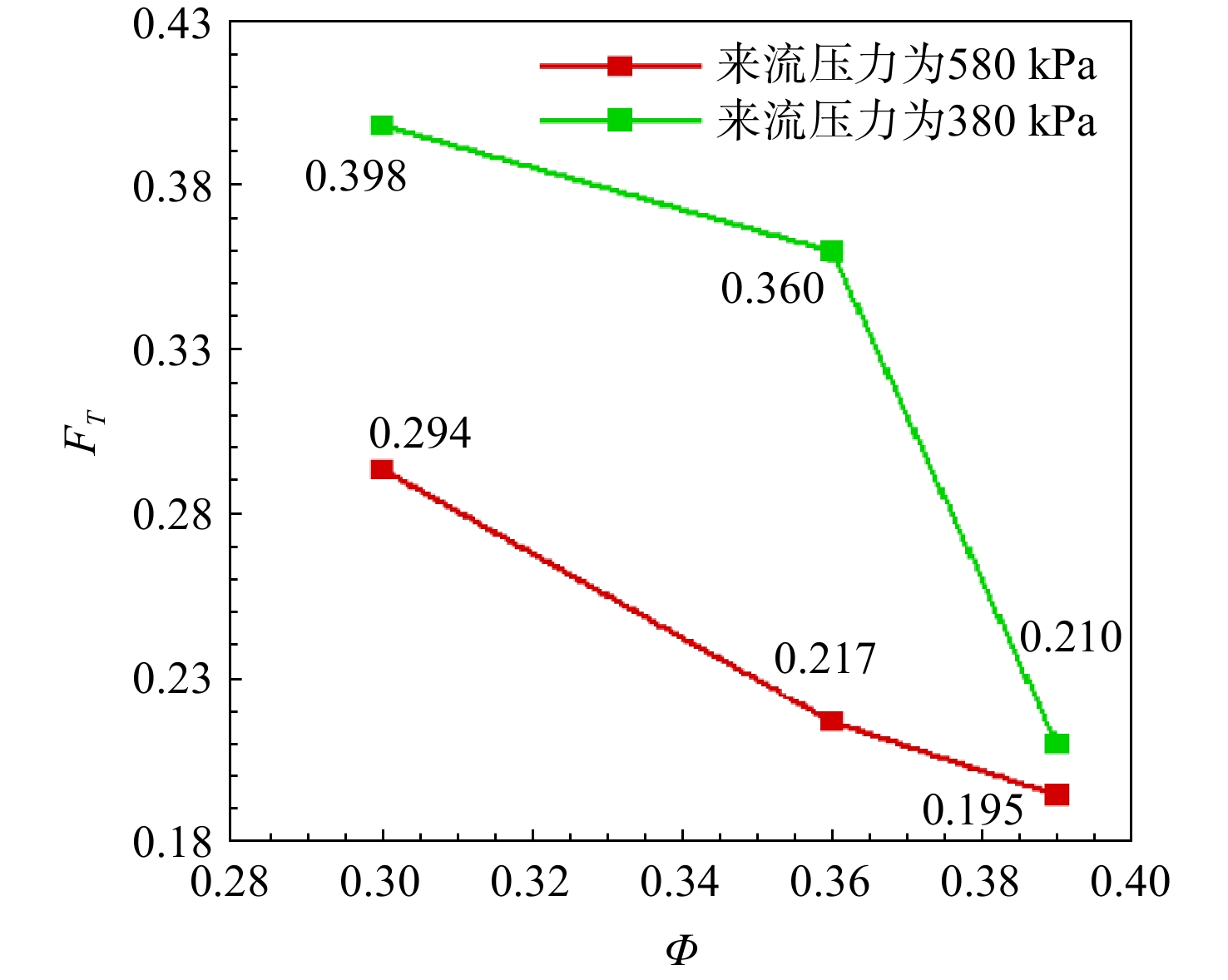
In order to deeply understand the combustion characteristics of supercritical kerosene in aeroengine, a series of direct-connect experiments and numerical simulations were carried out under different ambient pressures and equivalent ratios based on a single-head model of an aeroengine dual-swirl combustion chamber. The influence of kerosene injection condition on combustion characteristics was obtained. The results showed that, under the same experimental conditions, the transition of kerosene from subcritical to supercritical condition had no obvious effect on the outlet center temperature, but it improved the outlet temperature uniformity to a certain extent, as the outlet temperature distribution coefficient decreased from 0.315 to 0.294. When kerosene was injected in supercritical condition, the uniformity of outlet temperature increased with the increase of equivalent ratio, as the outlet temperature distribution coefficient decreased from 0.294 to 0.195 at 380 kPa, and from 0.394 to 0.210 at 580 kPa. Numerical simulations of combustor flow field under various conditions were carried out based on our own CFD software, and the temperature distribution trend obtained was consistent with the experiments. The results showed that kerosene injected in supercritical condition can enhance fuel and air mixing, advance combustion, migrate the main combustion zone upstream and improve the uniformity of outlet temperature distribution.

Flow boiling characteristics of surfactant solutions in microchannels
SUN Hong, RUI Ziliang, PENG Hao
2024, 39(10): 20220850. doi: 10.13224/j.cnki.jasp.20220850
Abstract:

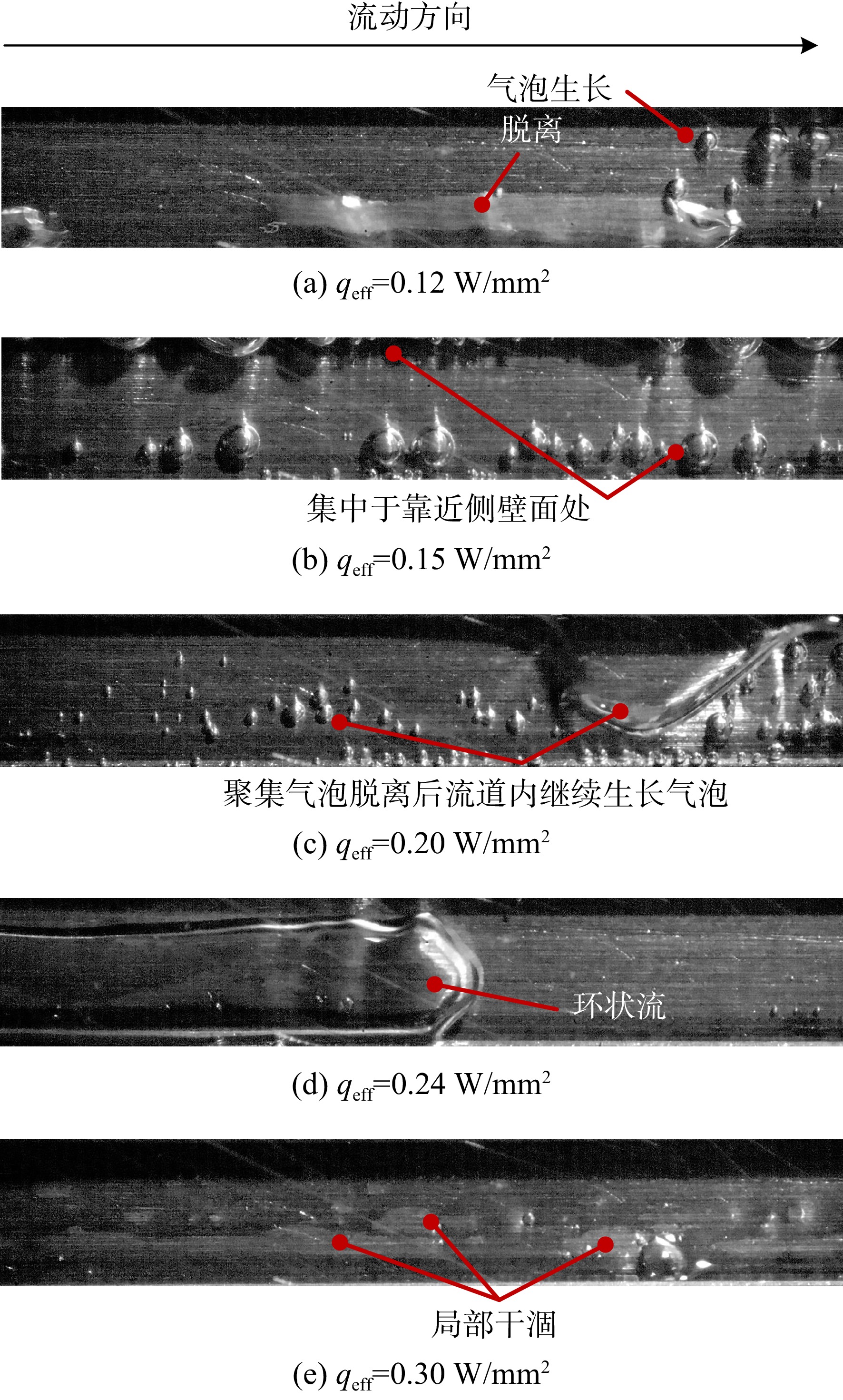
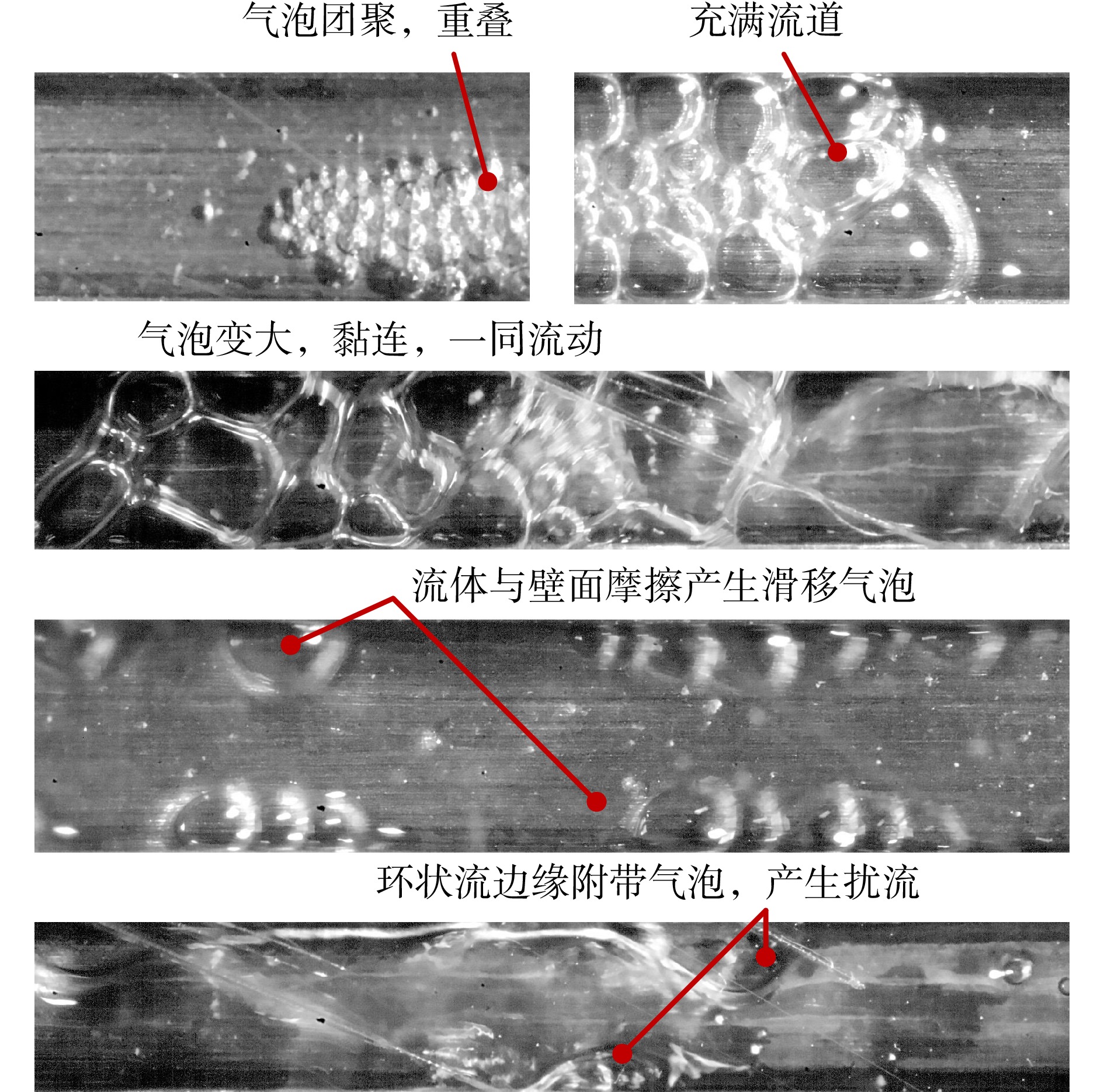
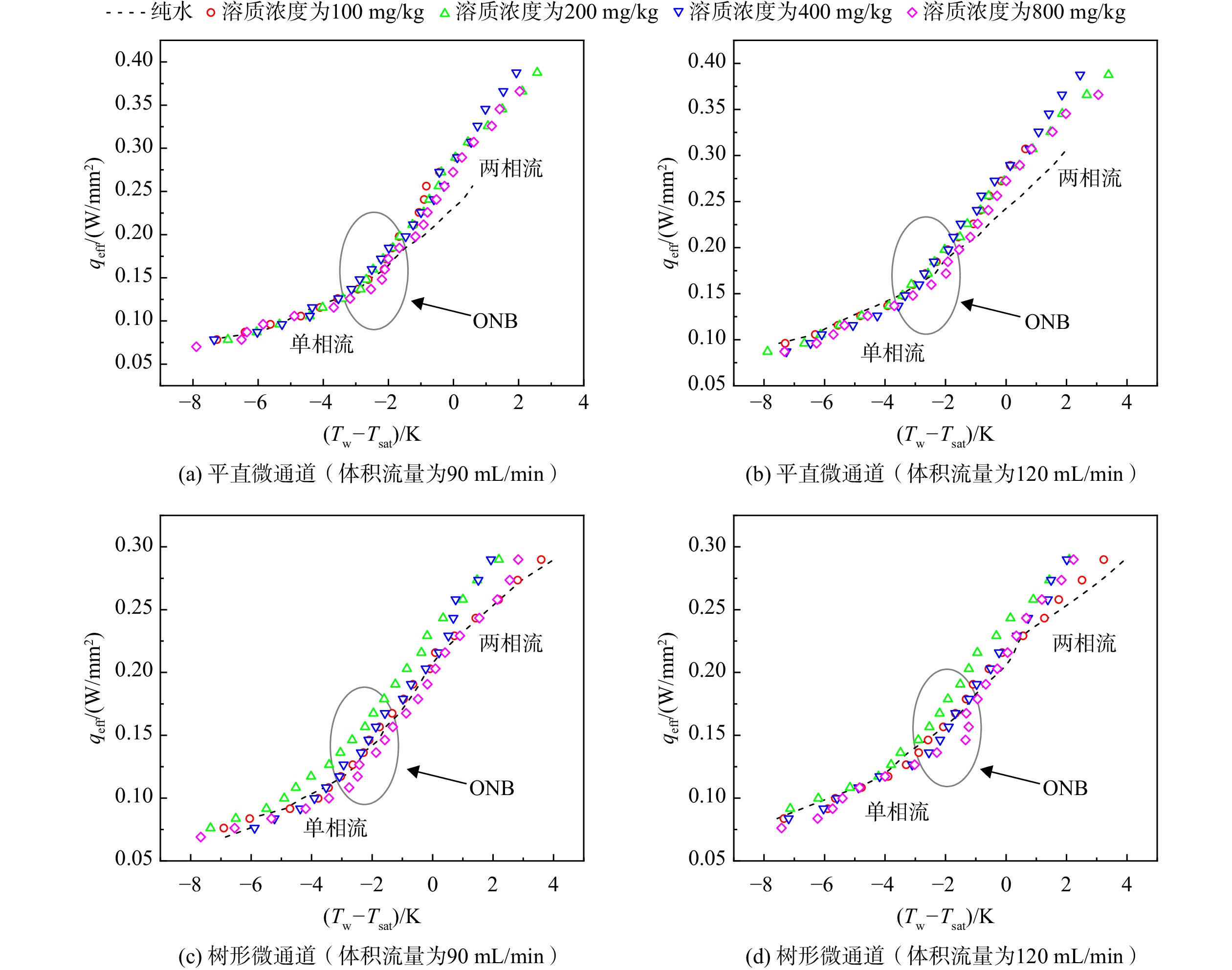
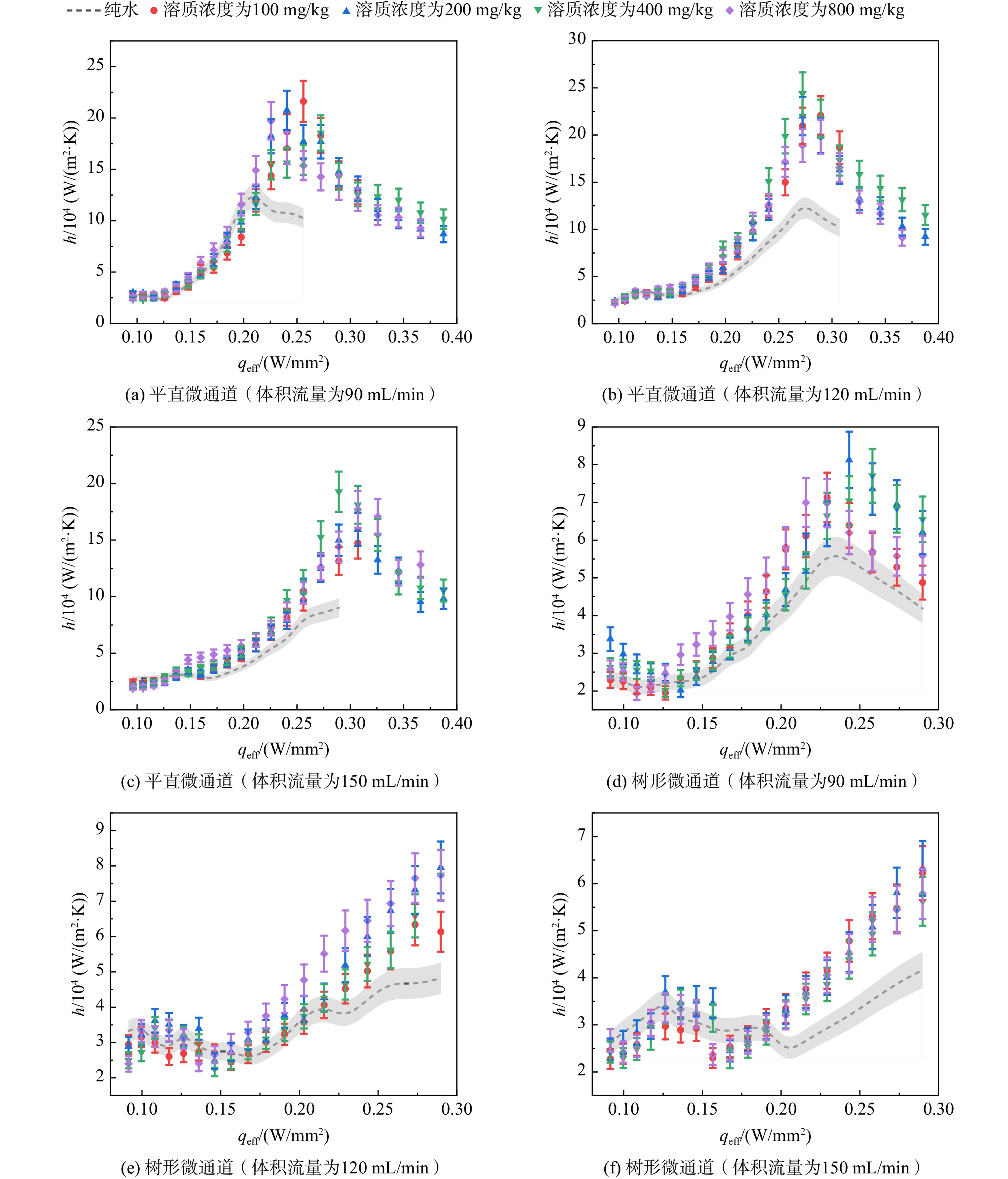
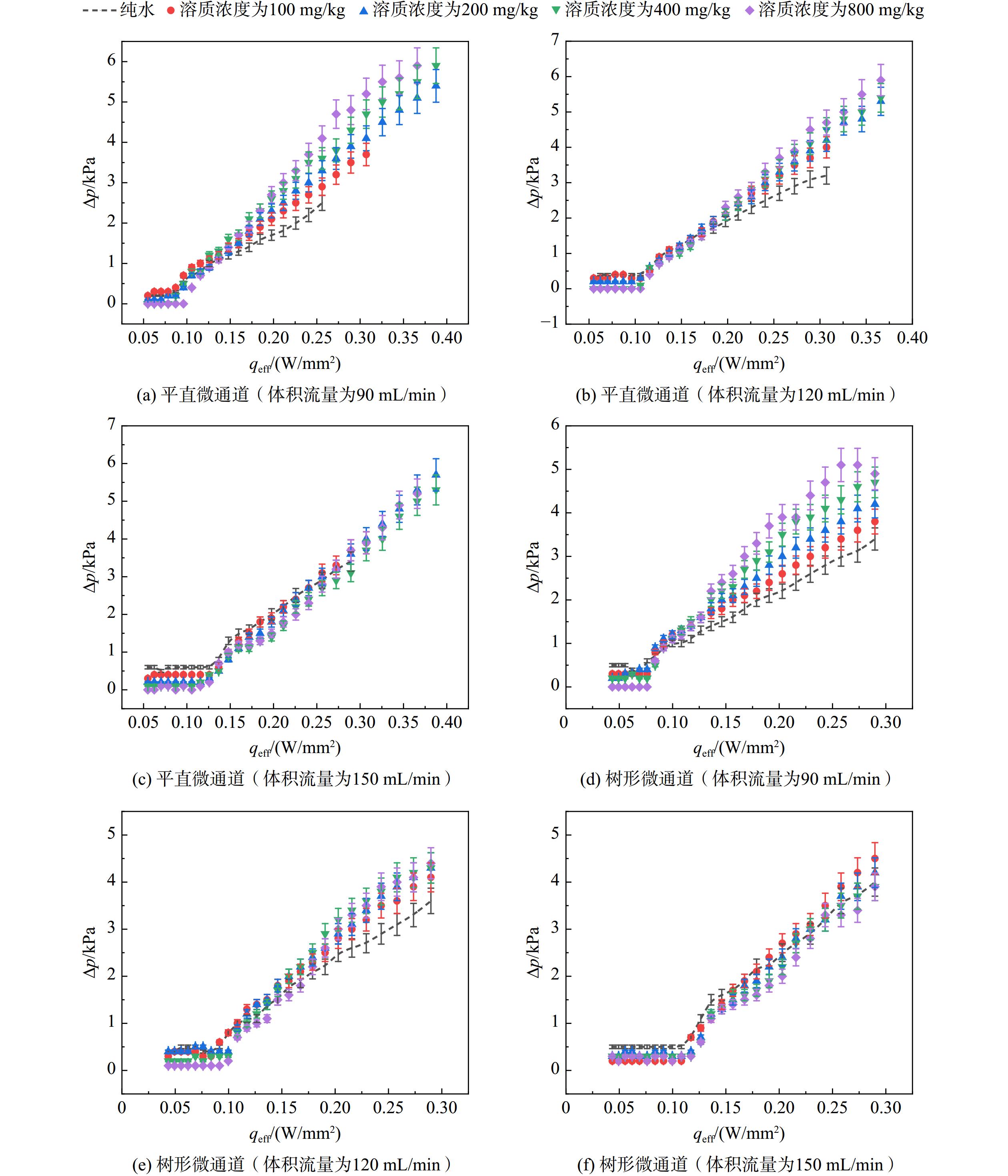
The flow boiling characteristics of aqueous solutions of surfactant Sodium Dodecyl Sulfate (SDS) with solute concentration of 0—800 mg/kg were investigated in flat and tree-shaped microchannels of 0.8 mm hydraulic diameter. The results showed that SDS significantly enhanced the heat transfer effect of both structures, the maximum heat transfer coefficients of 1.5×10⁵ W/(m2·K) and 6×10⁴ W/(m2·K) can be achieved in flat and tree-shaped microchannels, and the aqueous solutions of 400 mg/kg and 200 mg/kg increased the maximum heat transfer coefficients by more than 40%, respectively. As SDS significantly increased the number of nucleation points, many bubbles agglomerated and moved as a whole, and many activated bubbles interfered with the main flow movement during the process of fluid flow and friction with the wall, which enhanced the convective heat transfer. For the flat microchannel, the flow was fully developed, and local dry spots were easily observed in the unstable boiling phase, and more homogeneous mixing of the gas-liquid phase occurred in the tree-shaped microchannel, resulting in smaller fluctuation of pressure drop. The pressure drop in the single-phase flow was significantly reduced by SDS, and the effect on the pressure drop in the boiling phase decreased as the volume flow rate increased, the change in pressure drop at a volume flow rate of 150 mL/min was less than 6%.

Supercritical pressure fuel cooling characteristics of ramjet nozzle
SHI Yinuo, SHAN Yong, TAN Xiaoming, ZHANG Jingzhou, SUN Wenjing
2024, 39(10): 20220704. doi: 10.13224/j.cnki.jasp.20220704
Abstract:

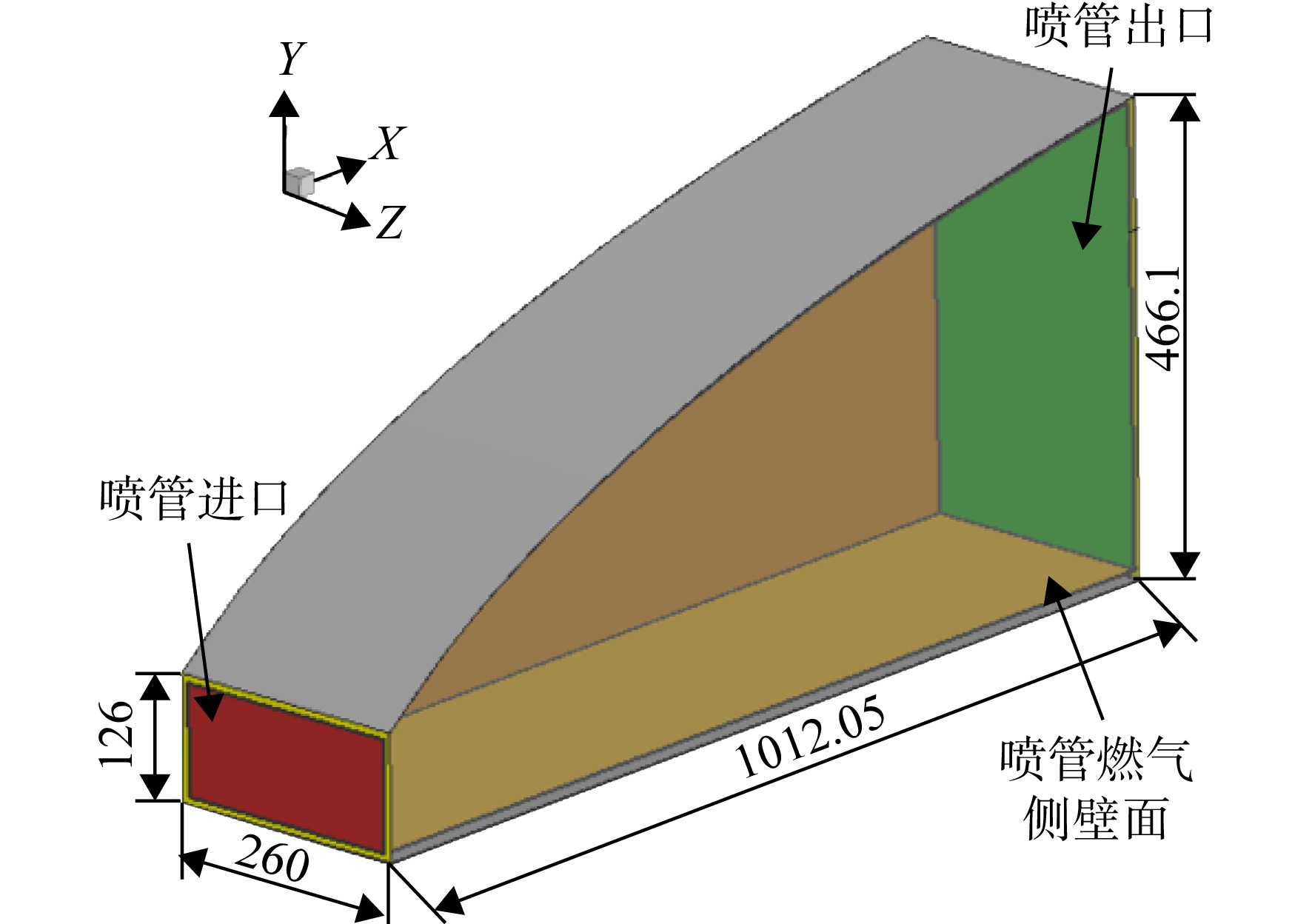
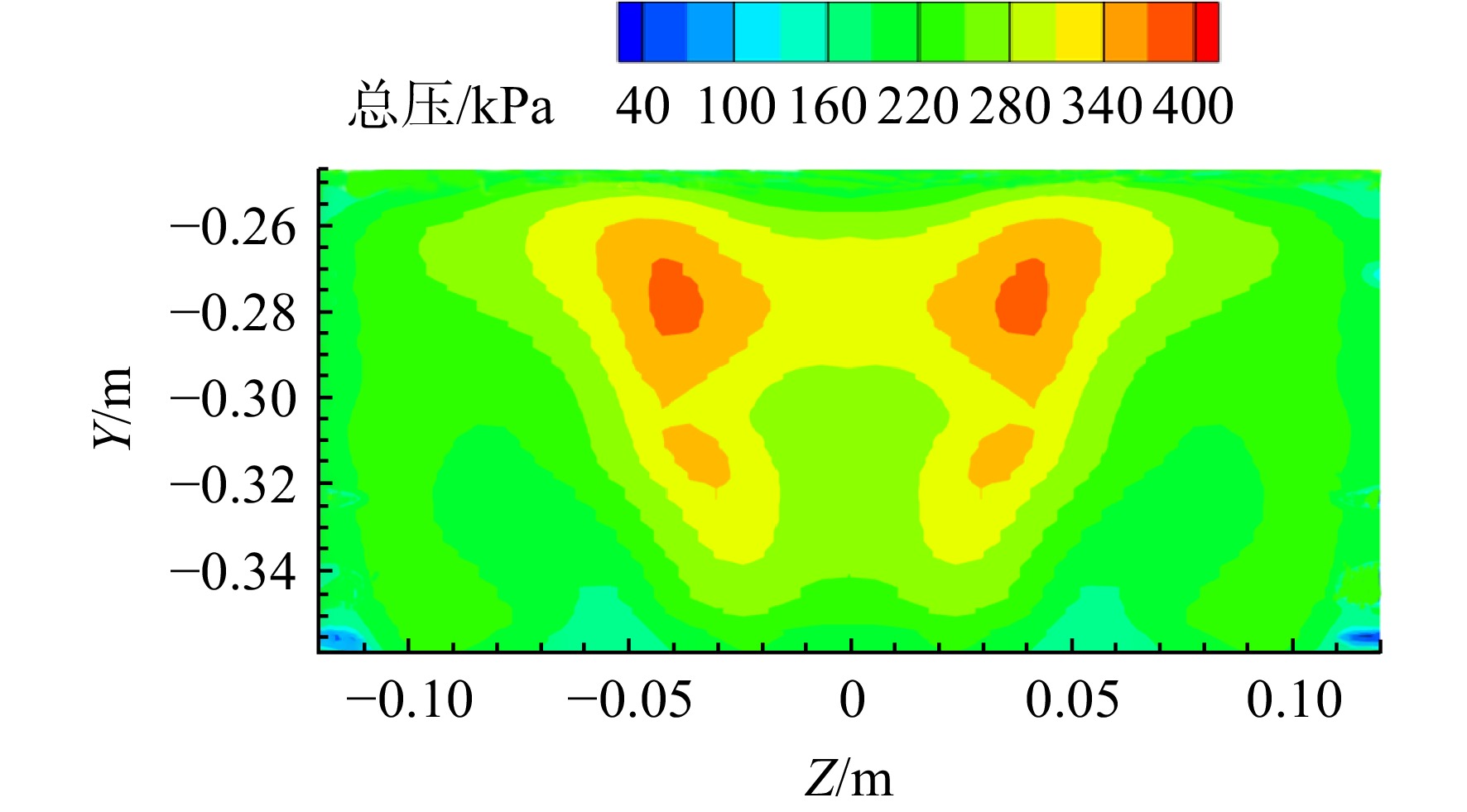
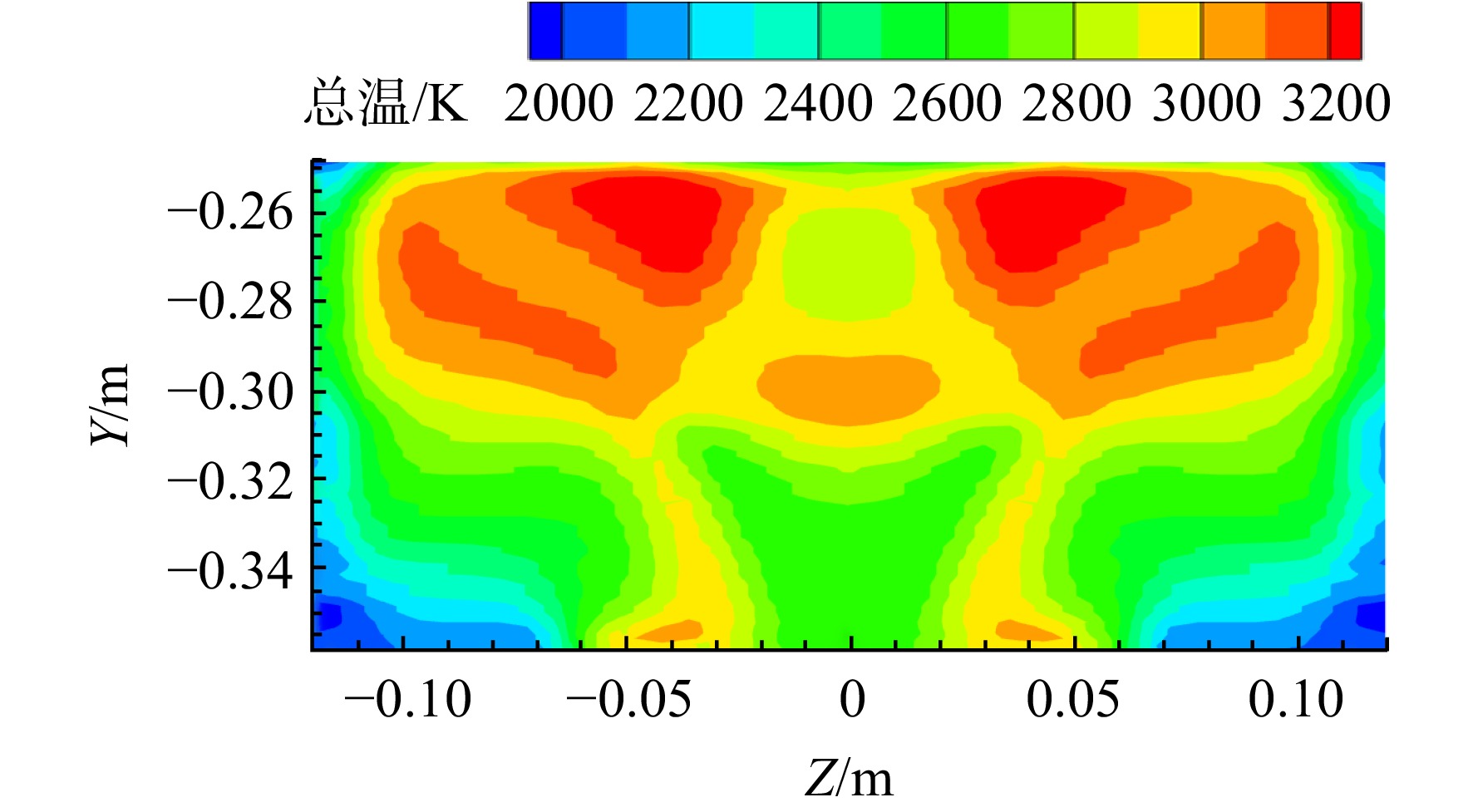
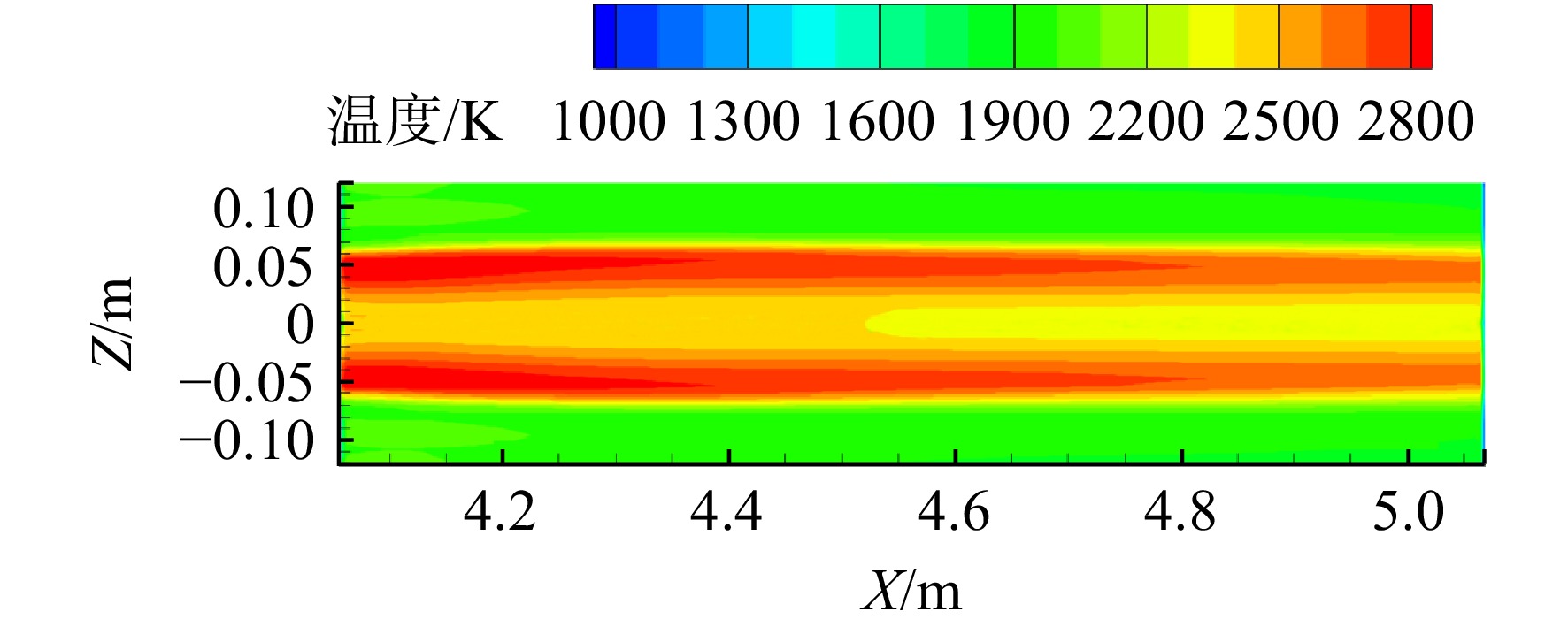
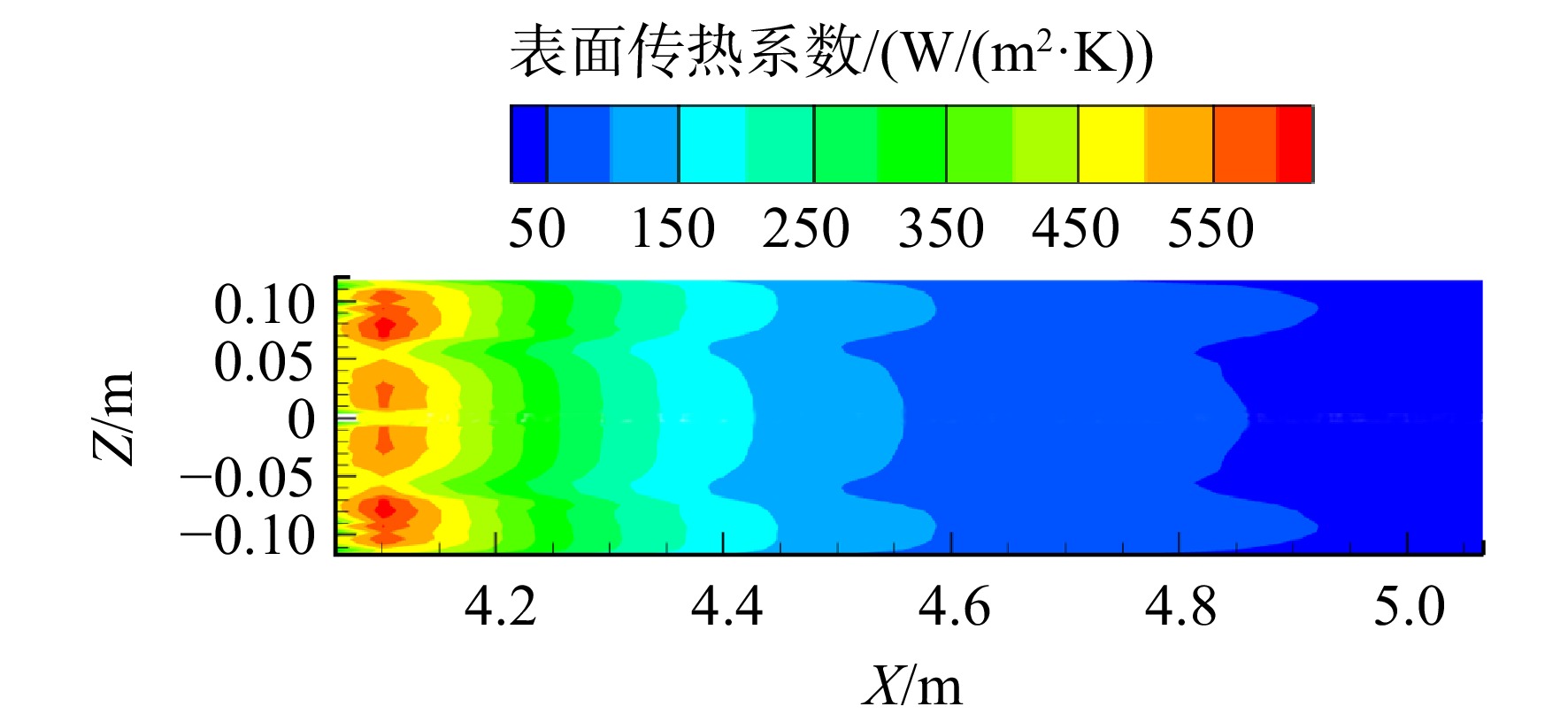
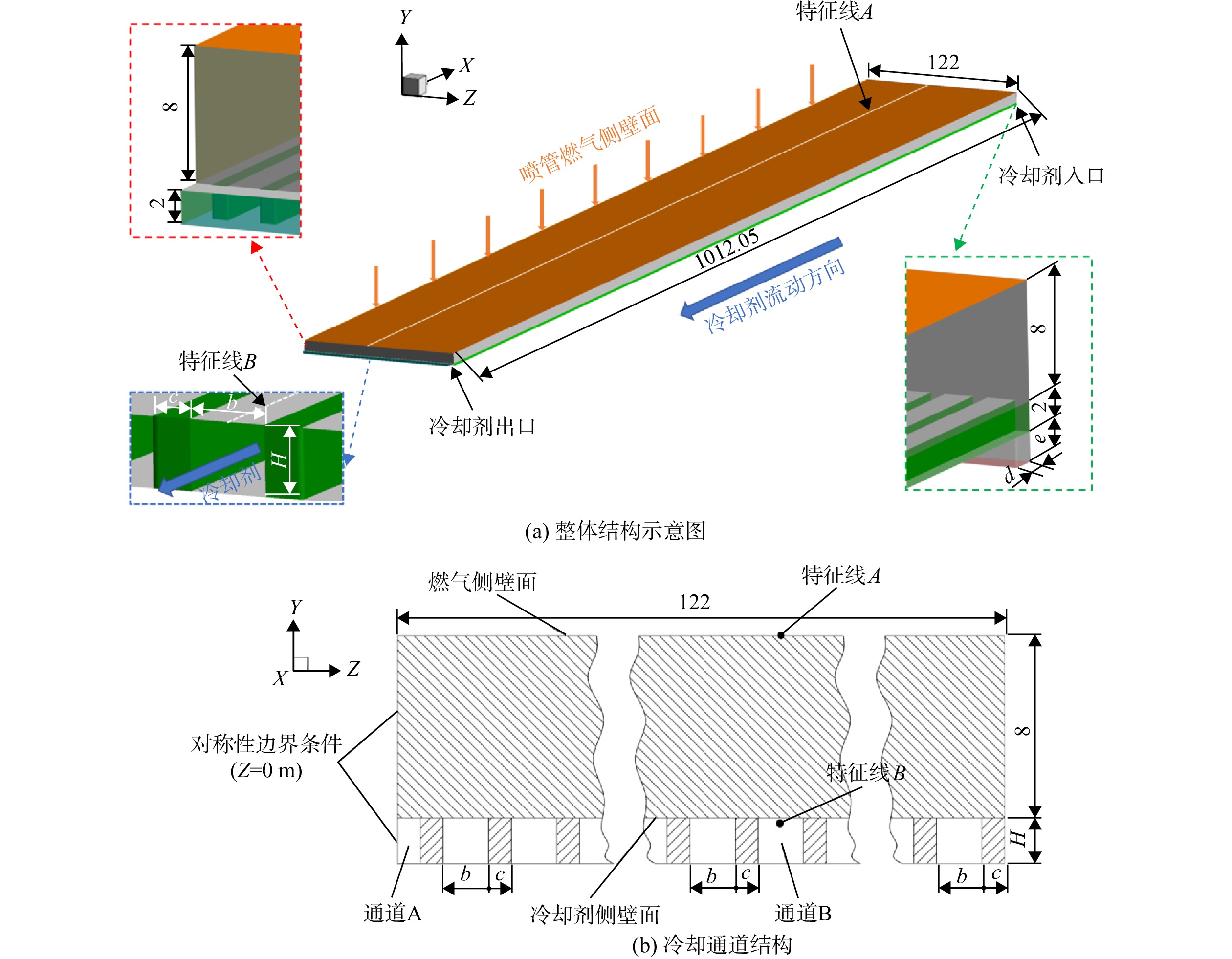
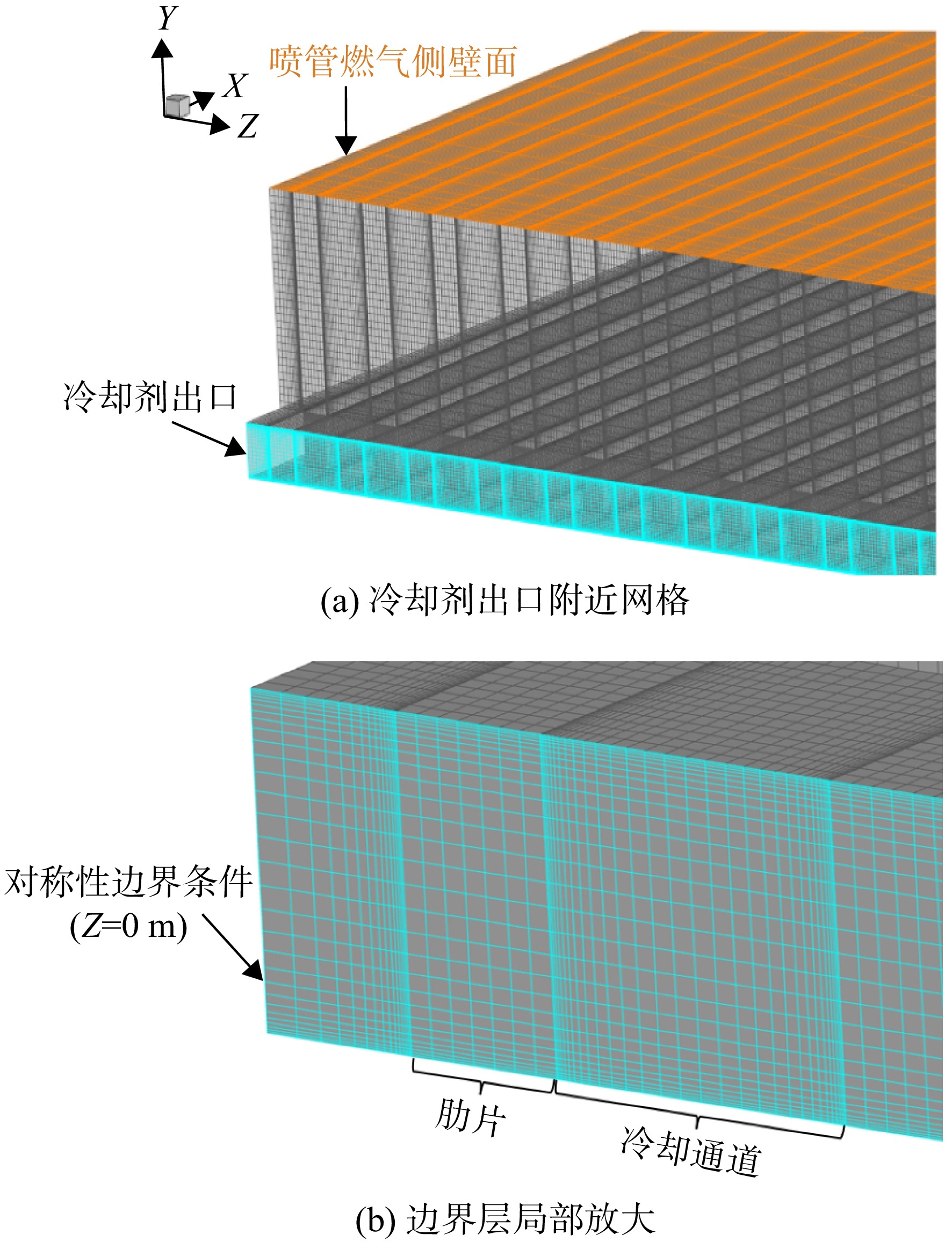
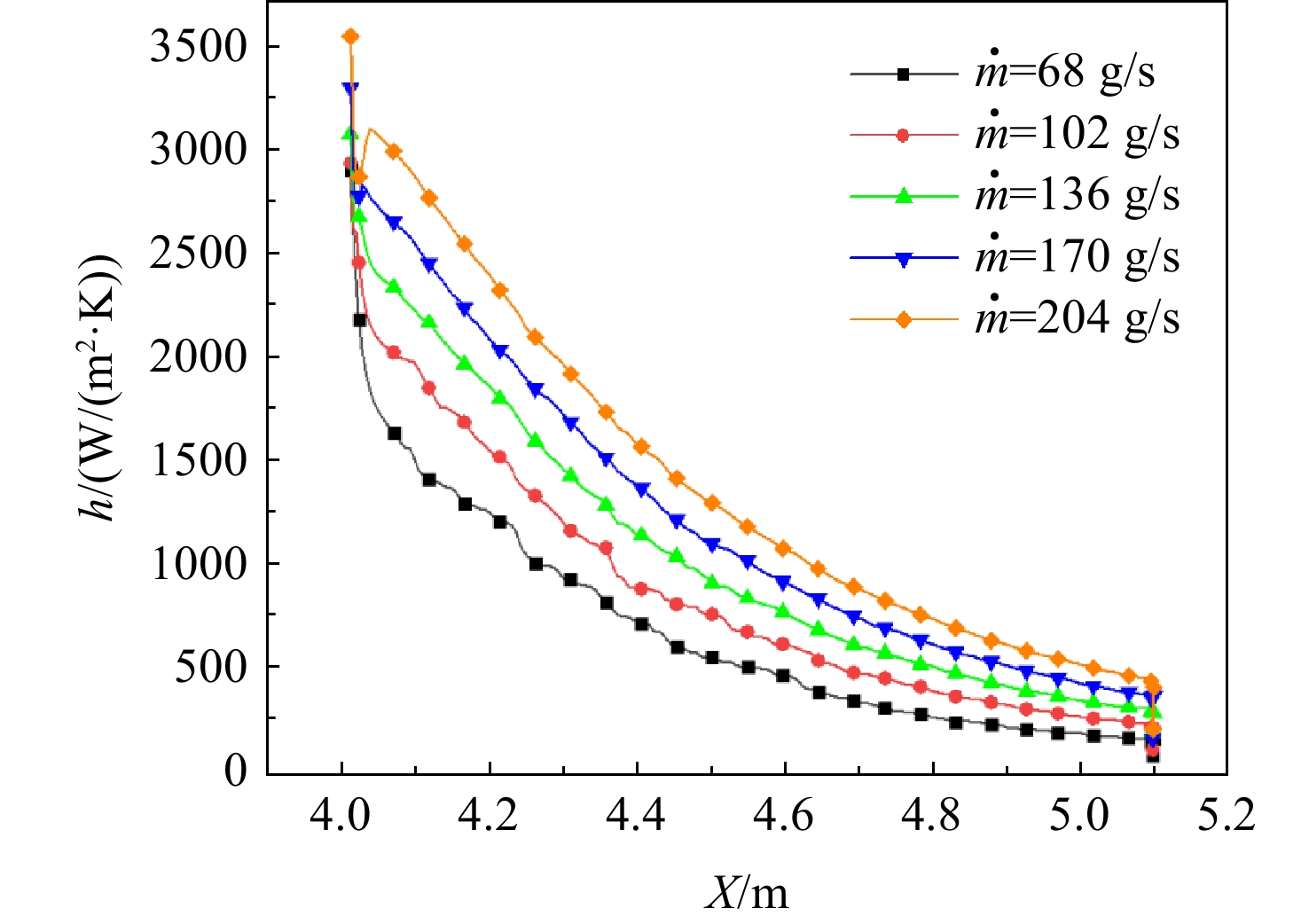
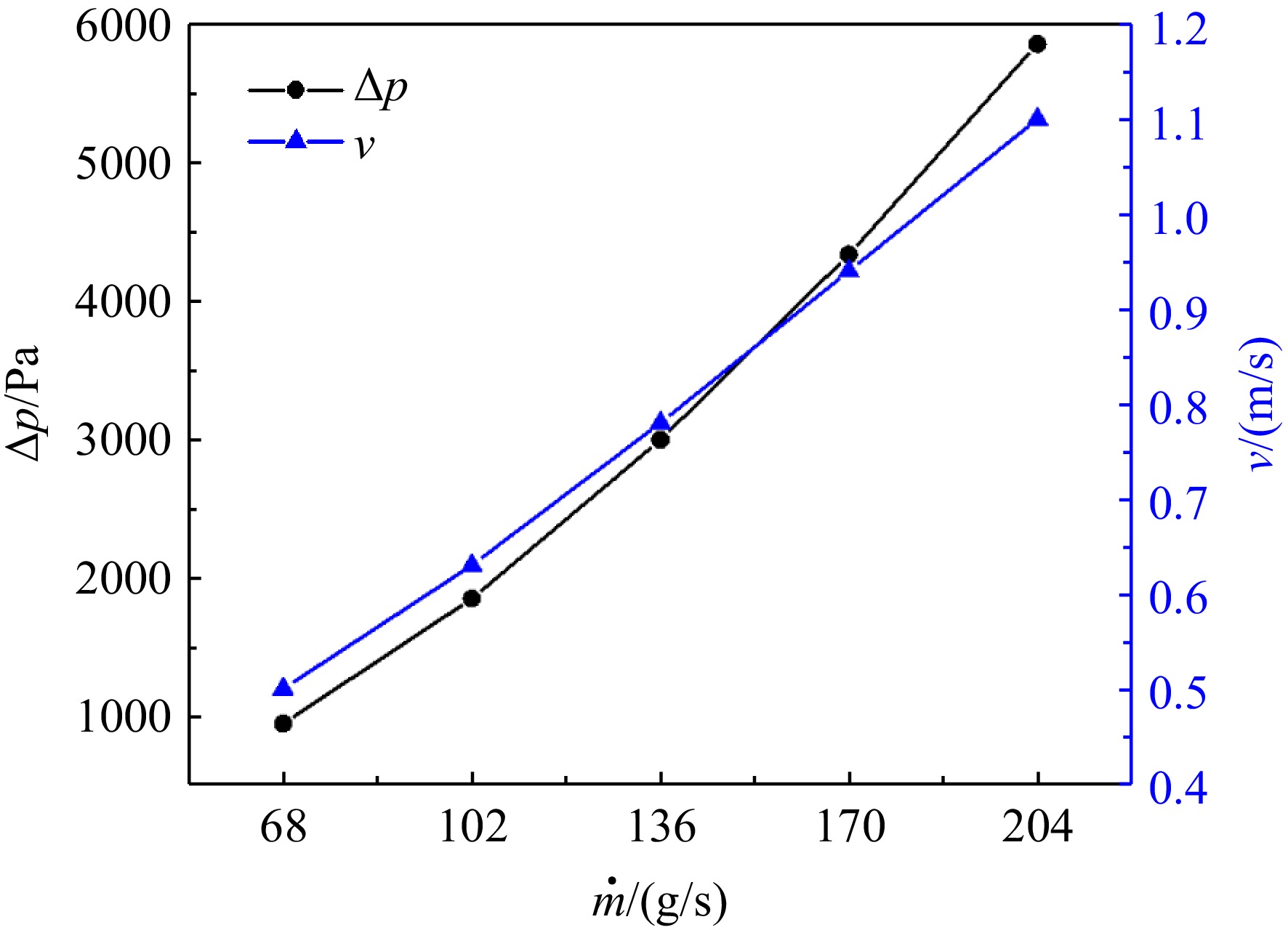
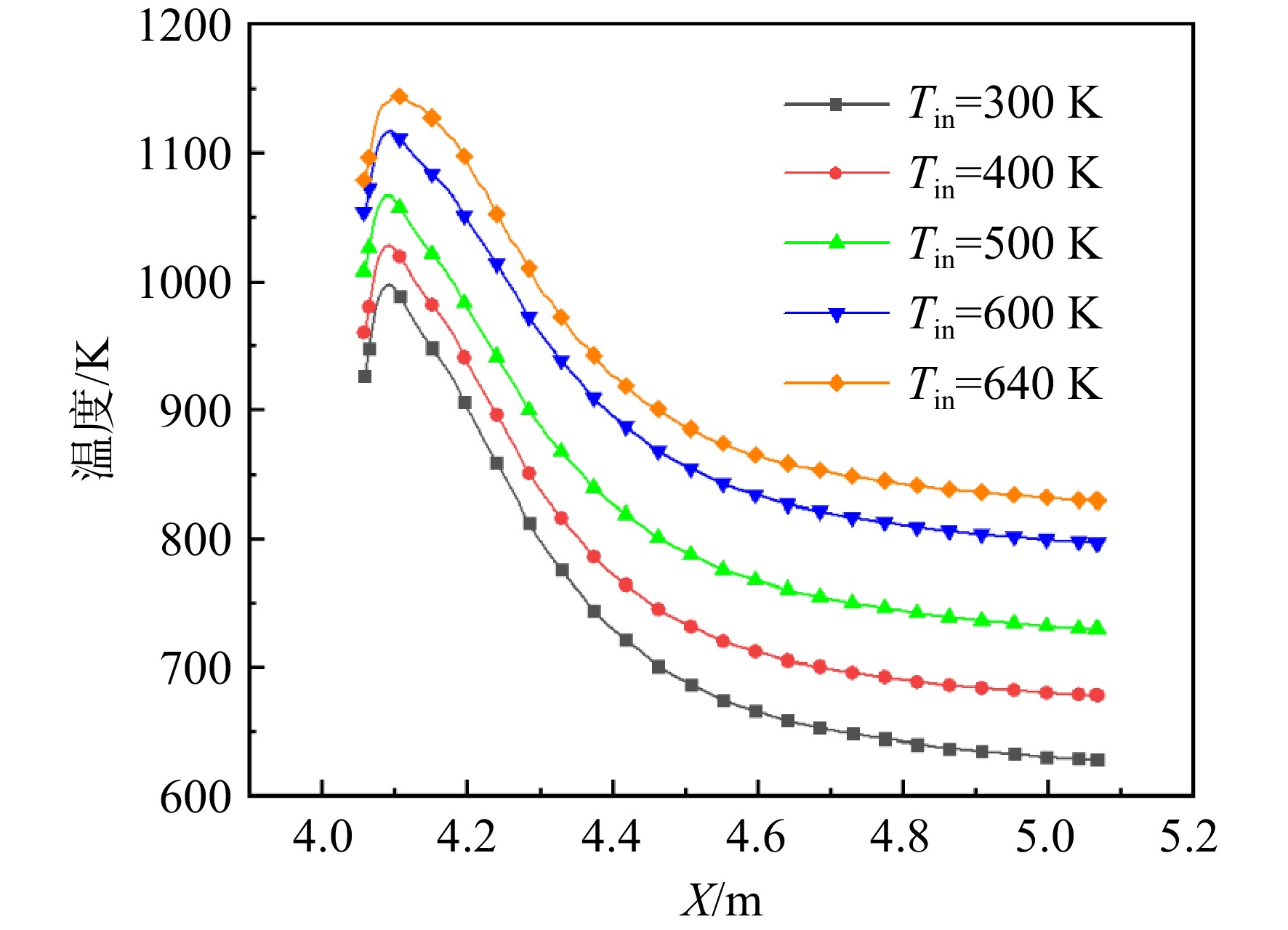
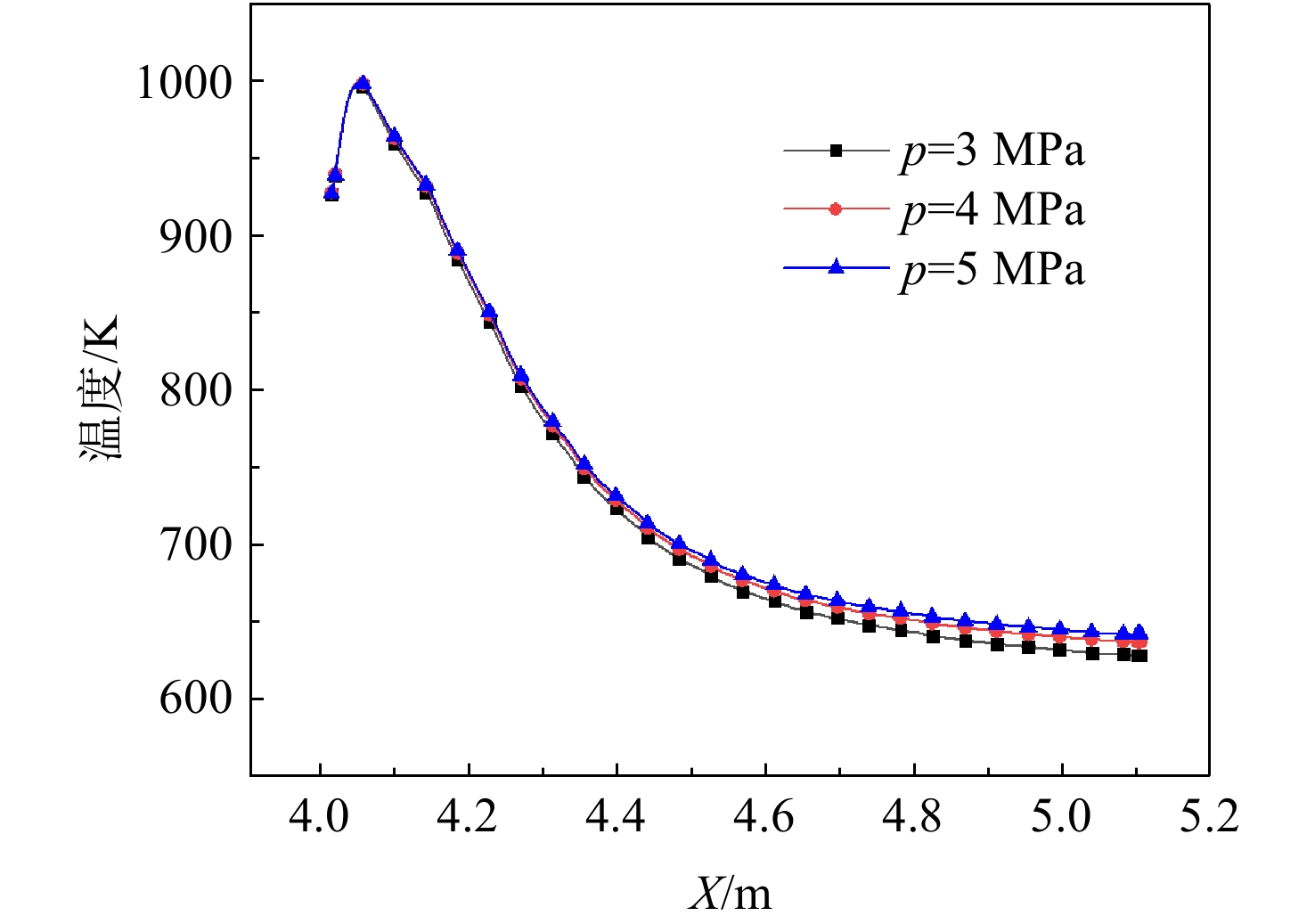
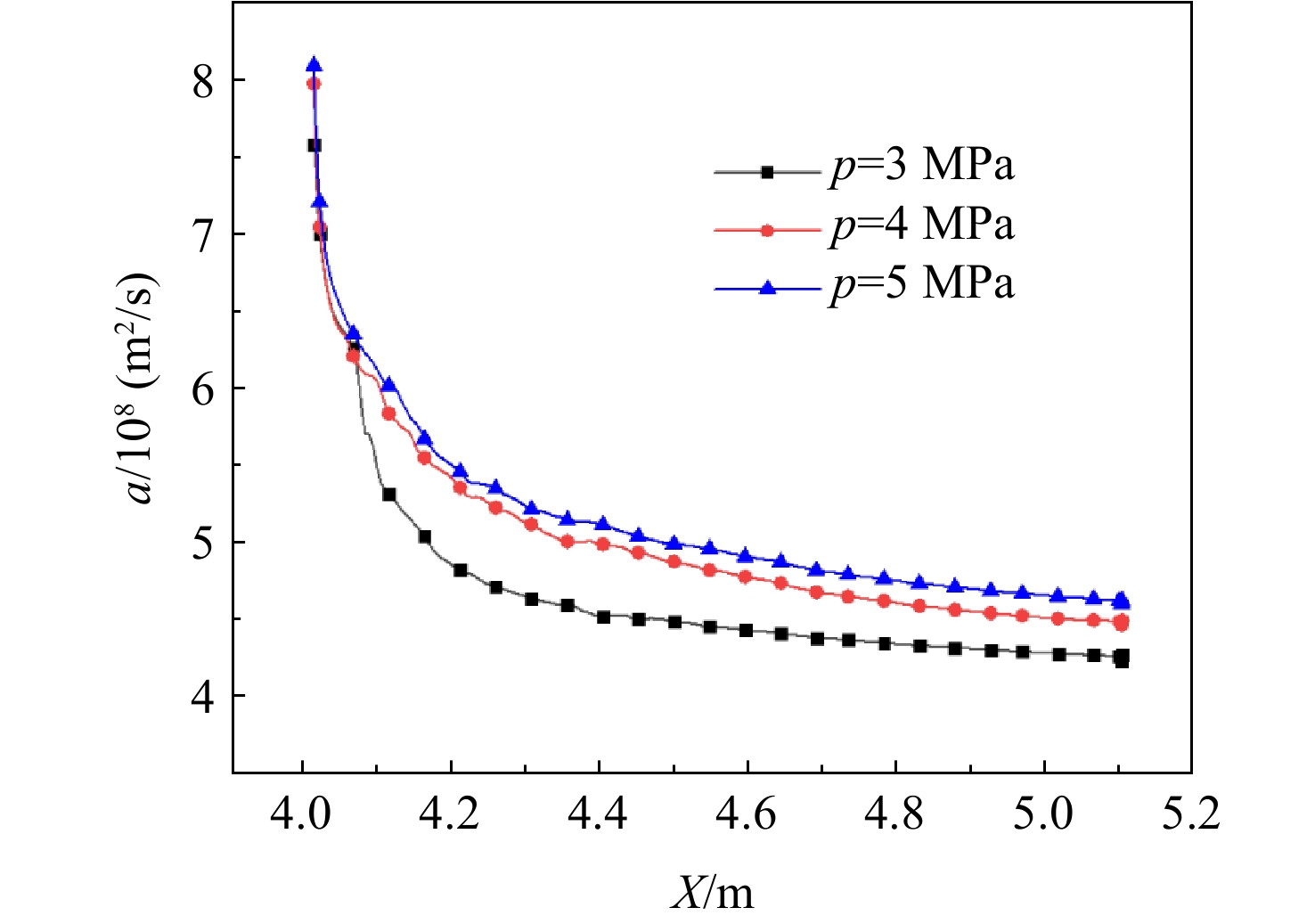
On the premise of obtaining typical heat load of the ramjet nozzle and its heat transfer boundary conditions, a longitudinally ribbed supercritical pressure fuel cooling multi-channel structure was constructed, the effects of fuel flow direction, fuel flow (68—204 g/s), fuel inlet temperature (300—640 K), fuel supercritical pressure (3—5 MPa) on the flow and heat transfer characteristics of supercritical pressure fuel in the channel were compared and analyzed. The results showed that: the supercritical pressure fuel consumption was 275 g/(s·m2), the maximum temperature of the nozzle wall can be reduced from 2 986 K to below 1 200 K; when the fuel and gas flow in the nozzle were in the same direction, the inlet section effect of the fuel heat exchange can be fully utilized to reduce the high temperature of the nozzle inlet wall, the temperature difference between the nozzle inlet and outlet walls was reduced, and the axial thermal stress can be reduced; the fuel mass flow increased, the surface heat transfer coefficient in the cooling channel increased, and the cooling effect improved, but the fuel pressure drop gradually increased; if the fuel inlet temperature was too high, the thermal diffusivity of the fluid near the channel wall increased sharply, resulting in heat transfer deterioration, then there was an optimal inlet temperature to minimize the fuel pressure drop; when the fuel inlet temperature was low, the gas side wall surface temperature and fuel pressure drop were not sensitive to the change of fuel pressure.

Influence of secondary combustion reaction on the performance of air-underwater dual-mode turbines
ZHANG Anjing, QIN Kan, WANG Hanwei, WANG Qian, LUO Kai
2024, 39(10): 20220671. doi: 10.13224/j.cnki.jasp.20220671
Abstract:

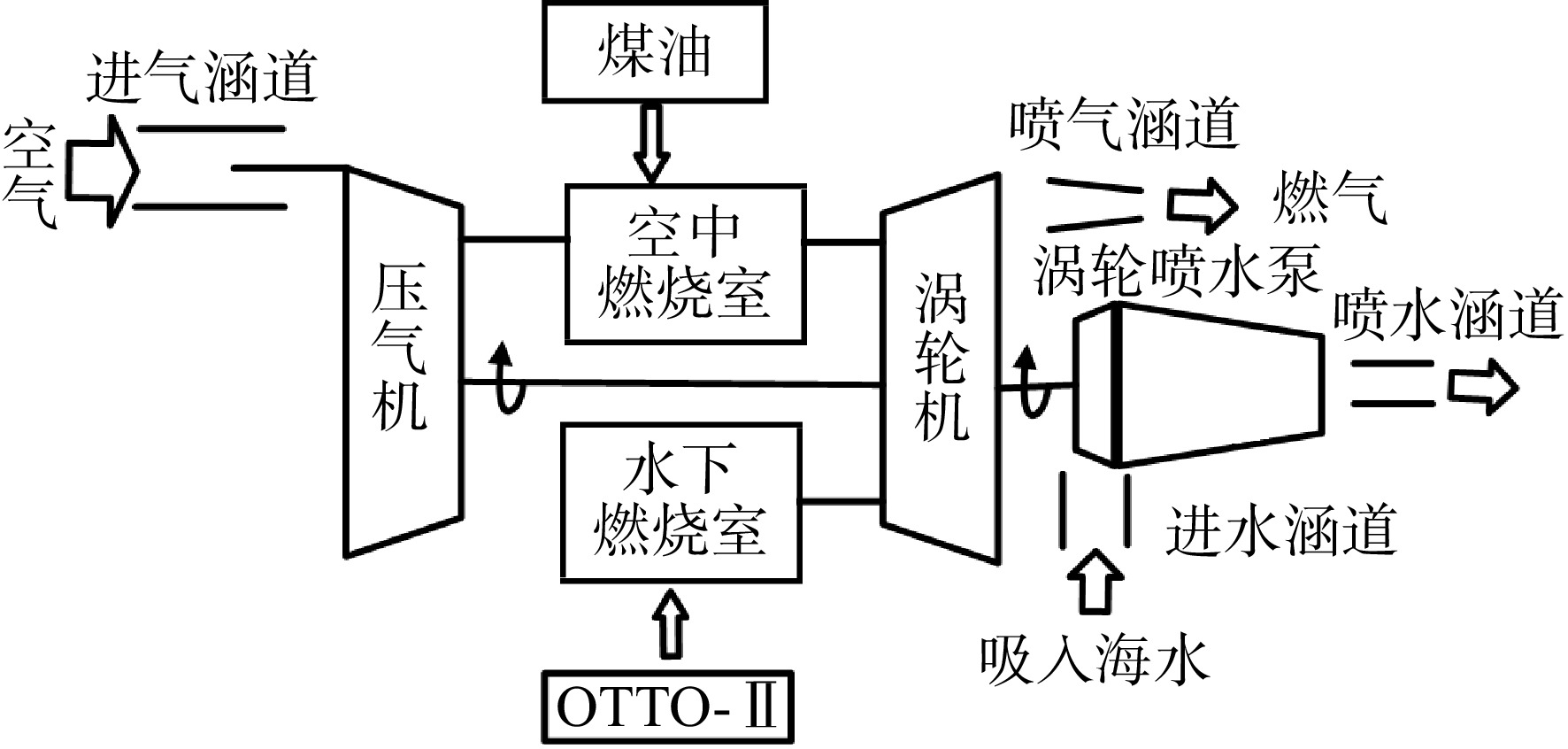
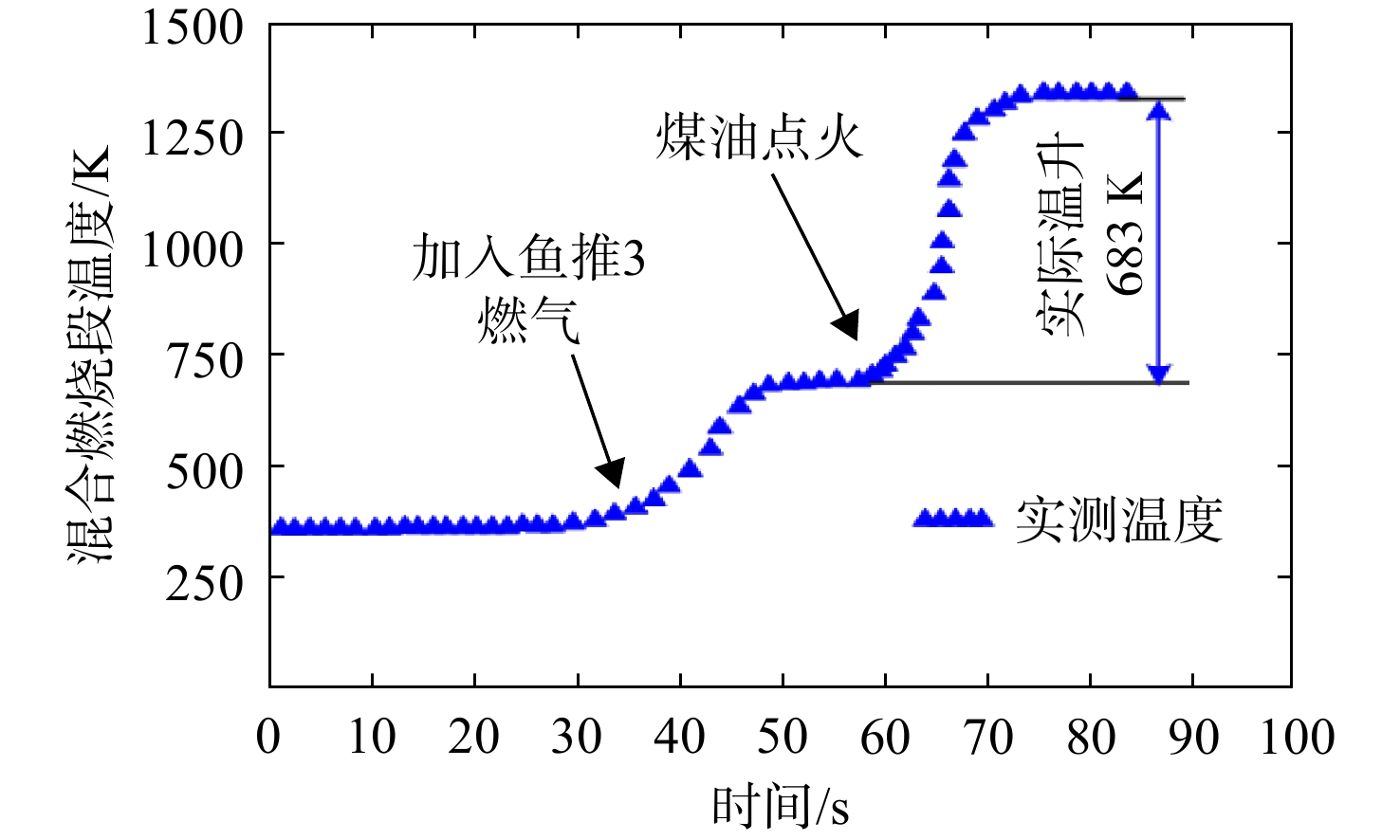
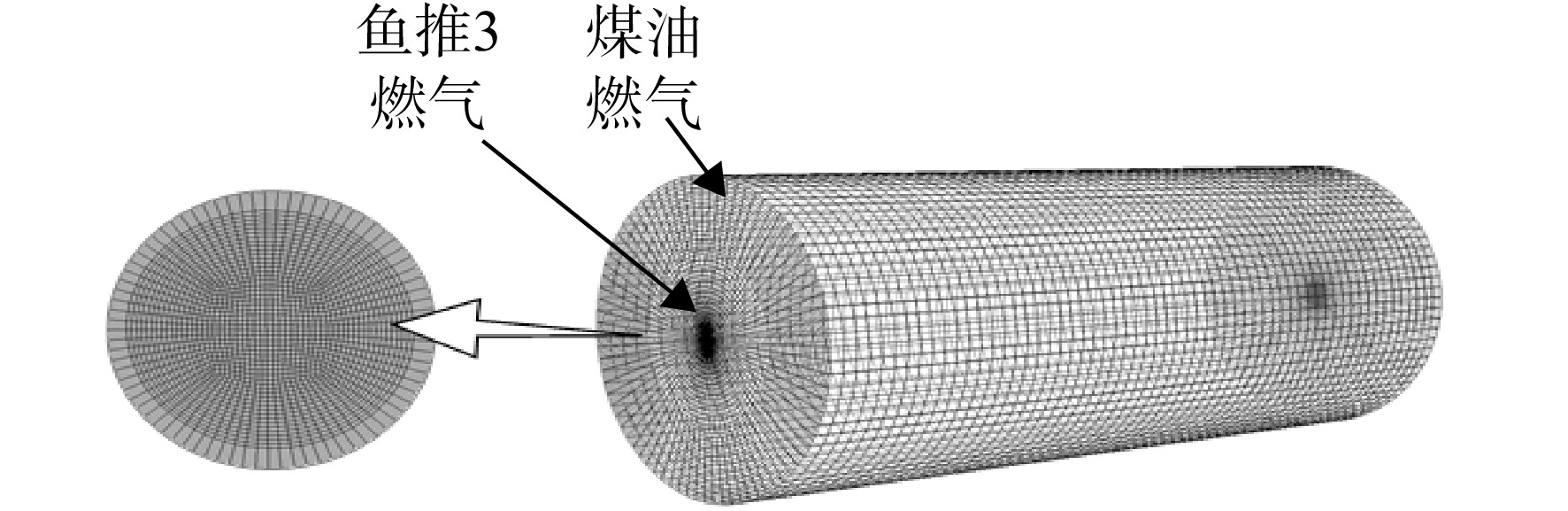
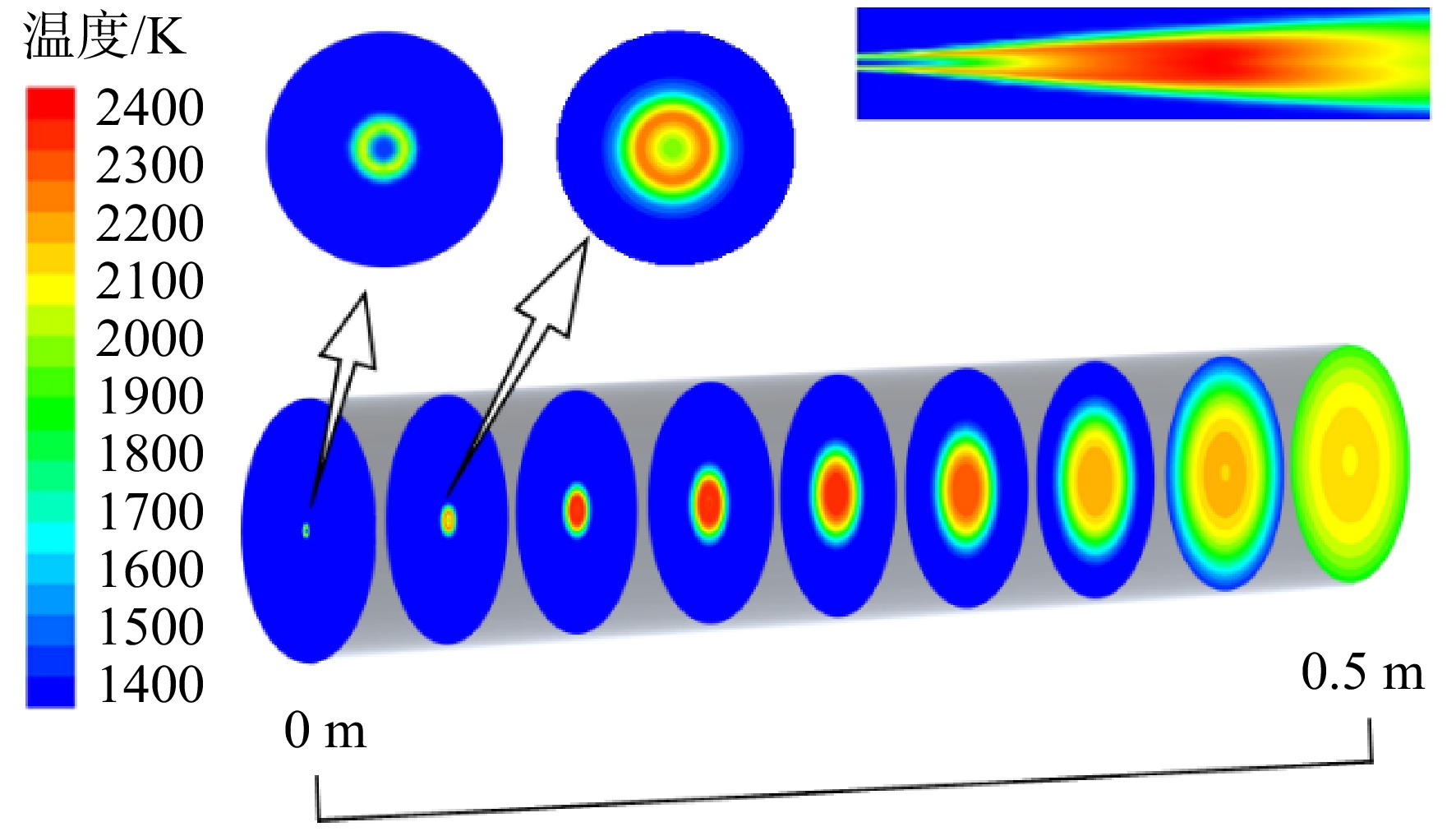
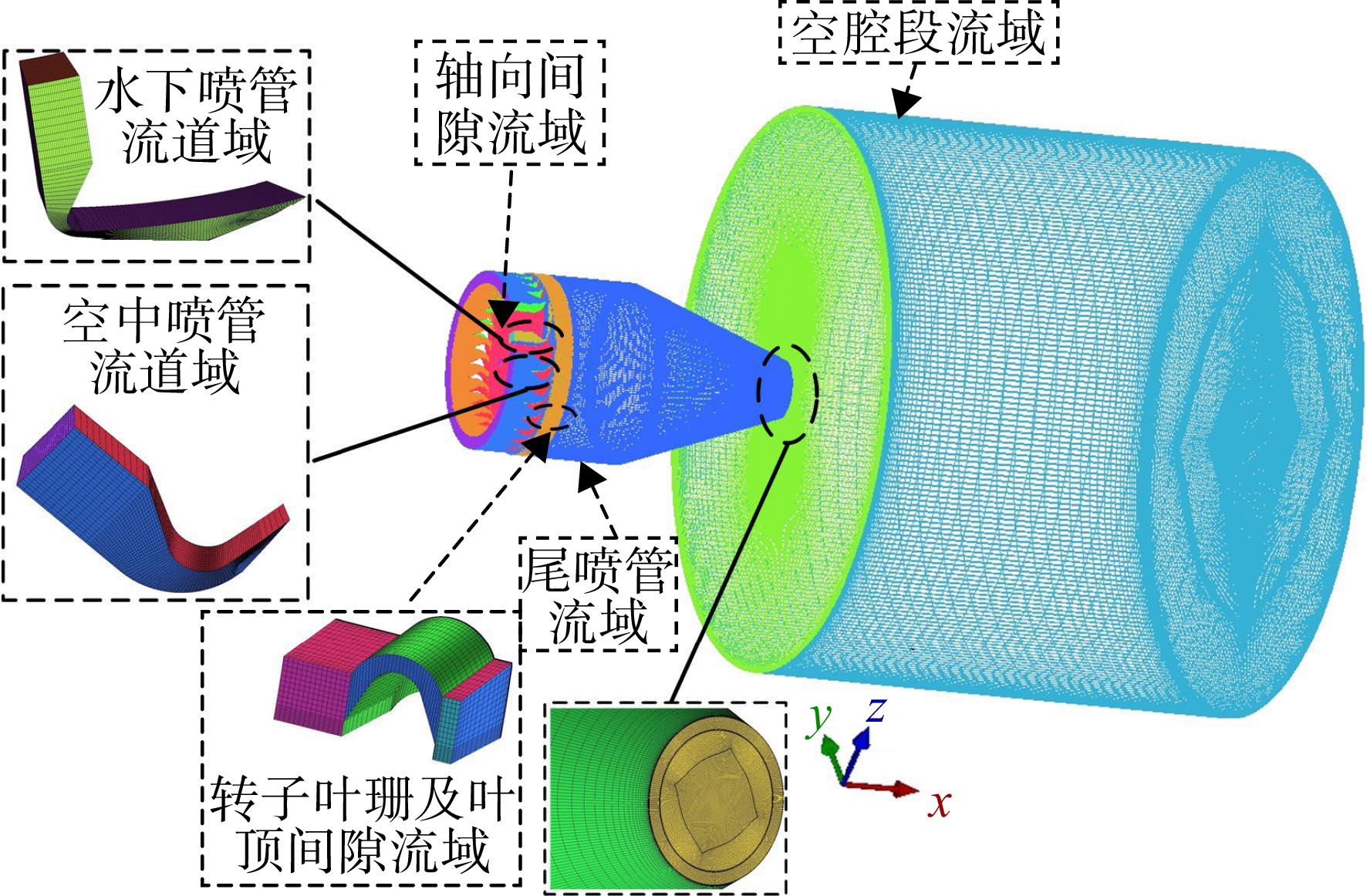
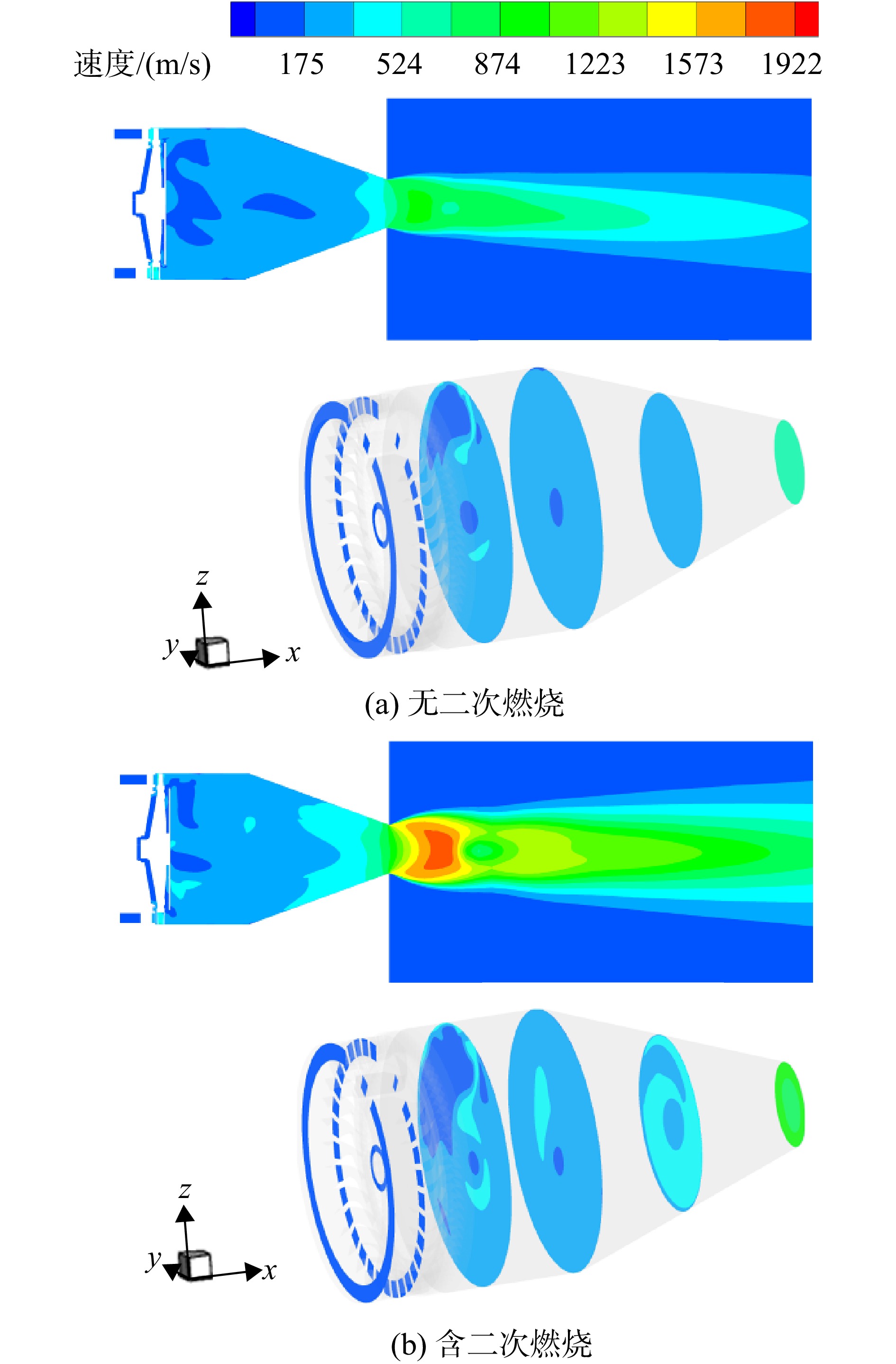
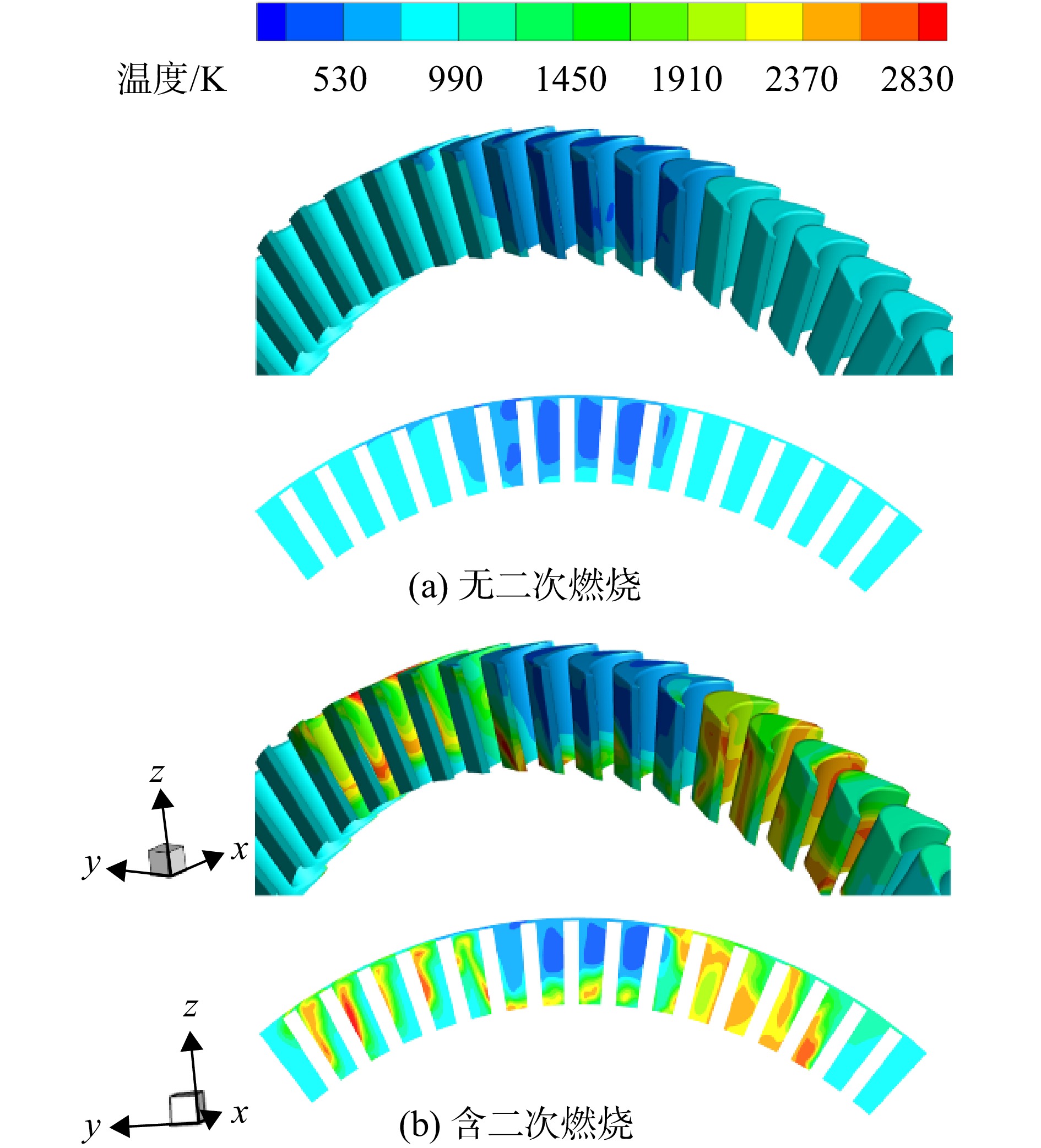
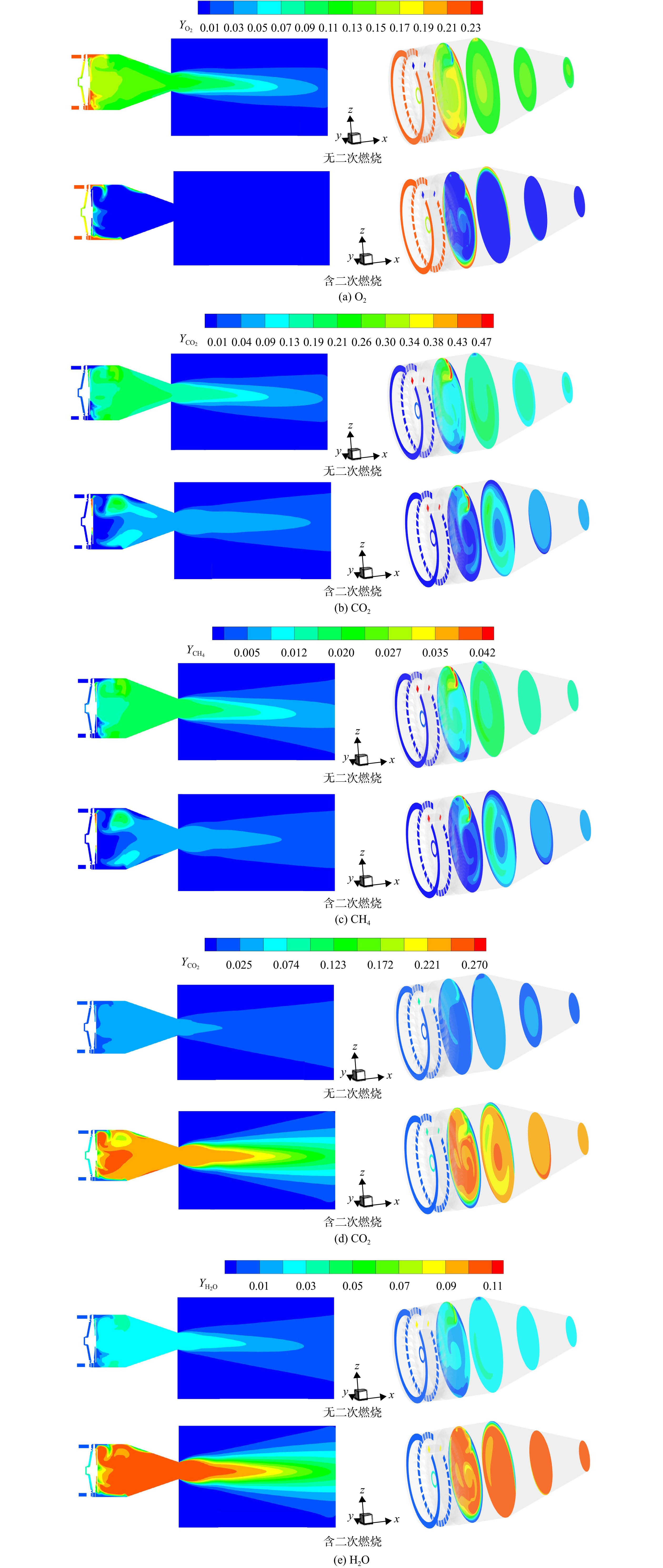
In order to make the trans medium vehicle adapt to underwater and air medium navigation at the same time, research on the secondary combustion reaction process of a new dual-mode turbine was carried out. The turbine used kerosene and air as fuels when it worked in the air, and used Yutui-3 propellant as fuel when it worked underwater. At the stage of turbine water take-off, kerosene and Yutui-3 propellant need to be burned at the same time. As the combustion products of Yutui-3 propellant contain a large amount of CO, H2 and CH4, it will produce secondary combustion after mixing with the residual air from kerosene combustion. In order to analyze the influence of secondary combustion reaction during takeoff, the influence of secondary combustion reaction on the performance of air-water dual-purpose turbine was studied by numerical simulation. The results showed that these two kinds of fuel gases had chemical reaction, and CO, H2 and CH4 in Yutui 3 fuel gas were almost completely burned; the secondary combustion reaction mainly occurred in the front section of the nozzle. The maximum temperature of the combustion section increased from 712 K to 2 185 K, which increased the outlet velocity of the nozzle and made the thrust increase by about 30.24%. This study provides an idea for the increase of thrust of air water turbine during takeoff.

Influence of excitation amplitude on mixing control of a supercritical jet
YUAN Minpeng, FENG Yanyan, XIANG Yong, SONG Yanping
2024, 39(10): 20220848. doi: 10.13224/j.cnki.jasp.20220848
Abstract:

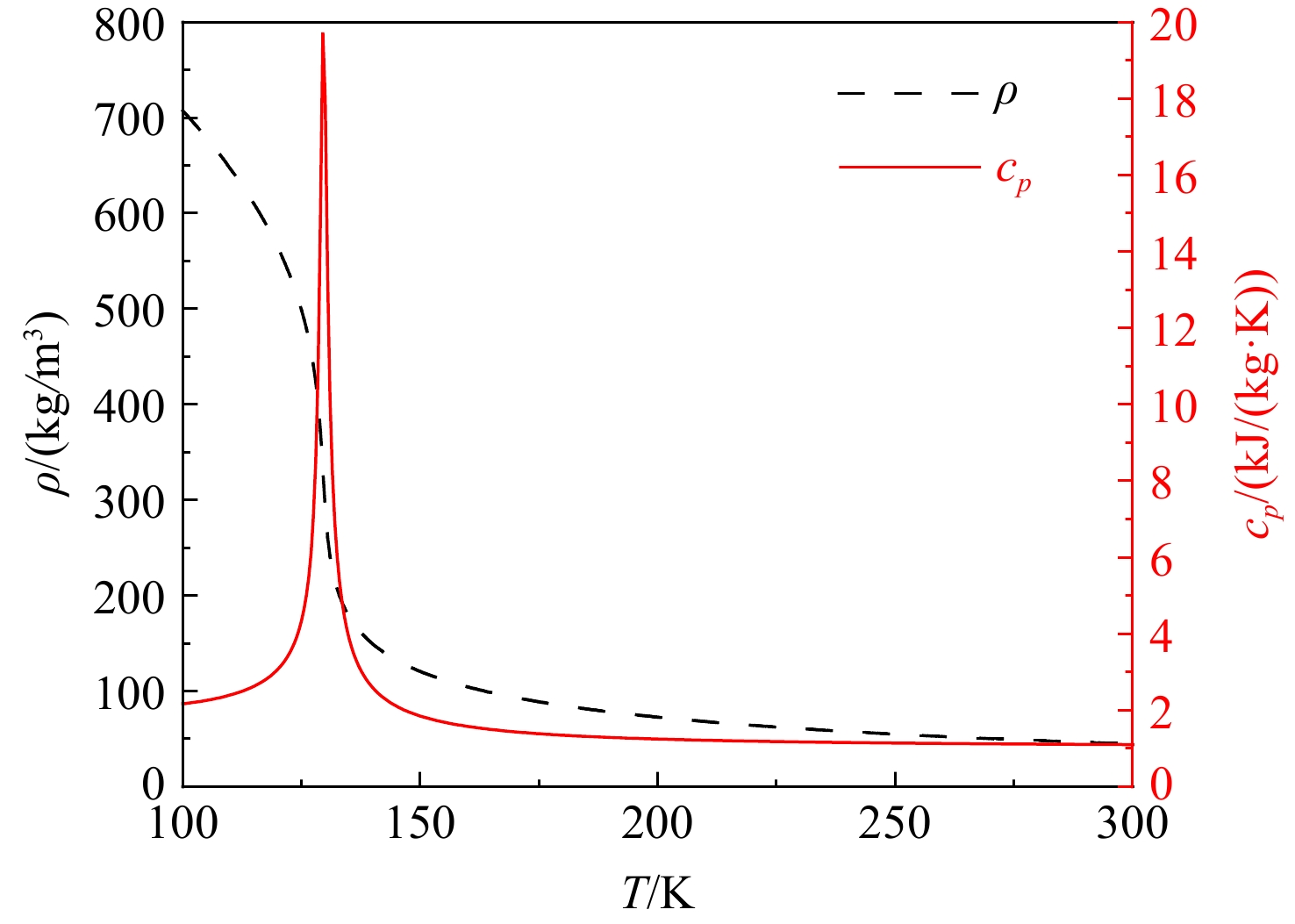
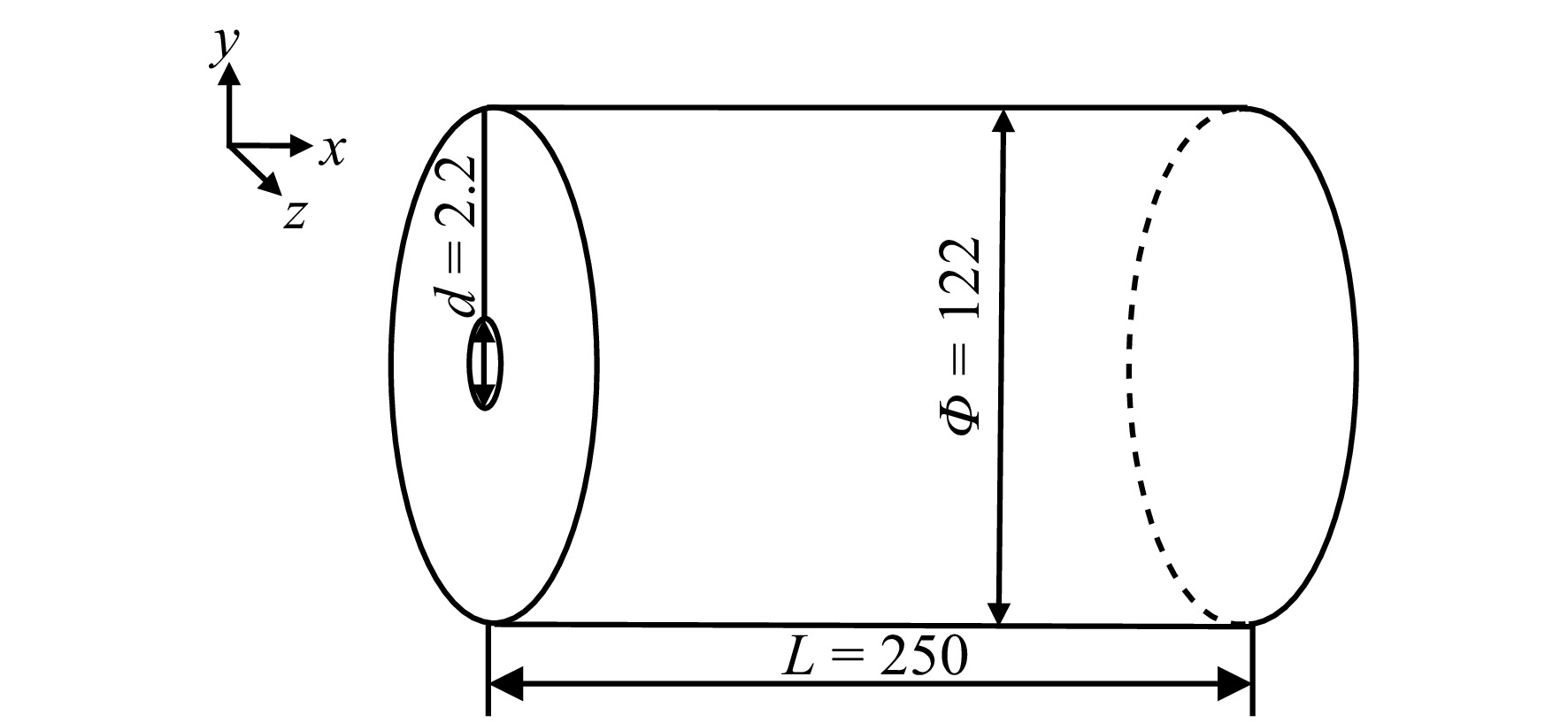
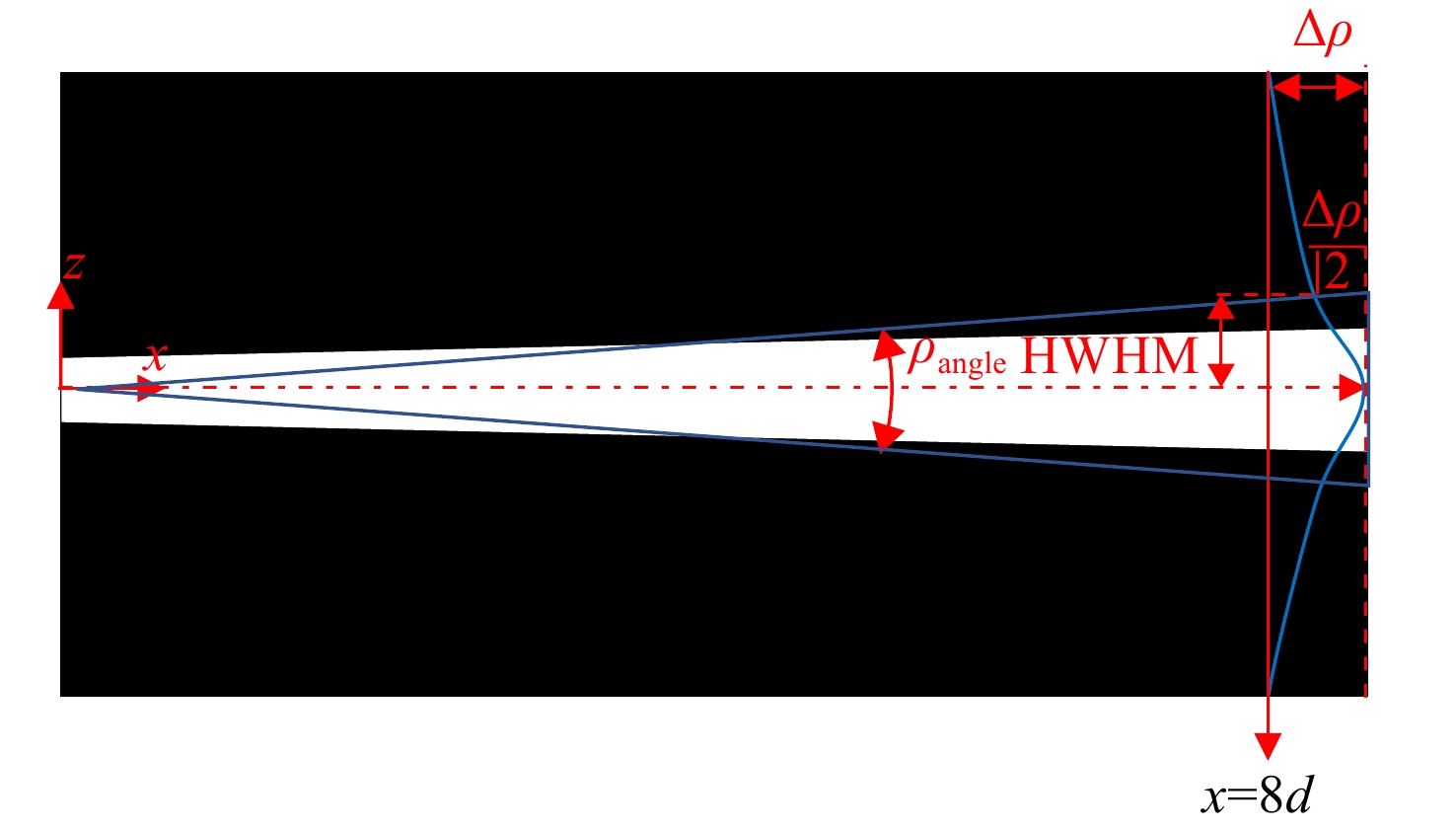
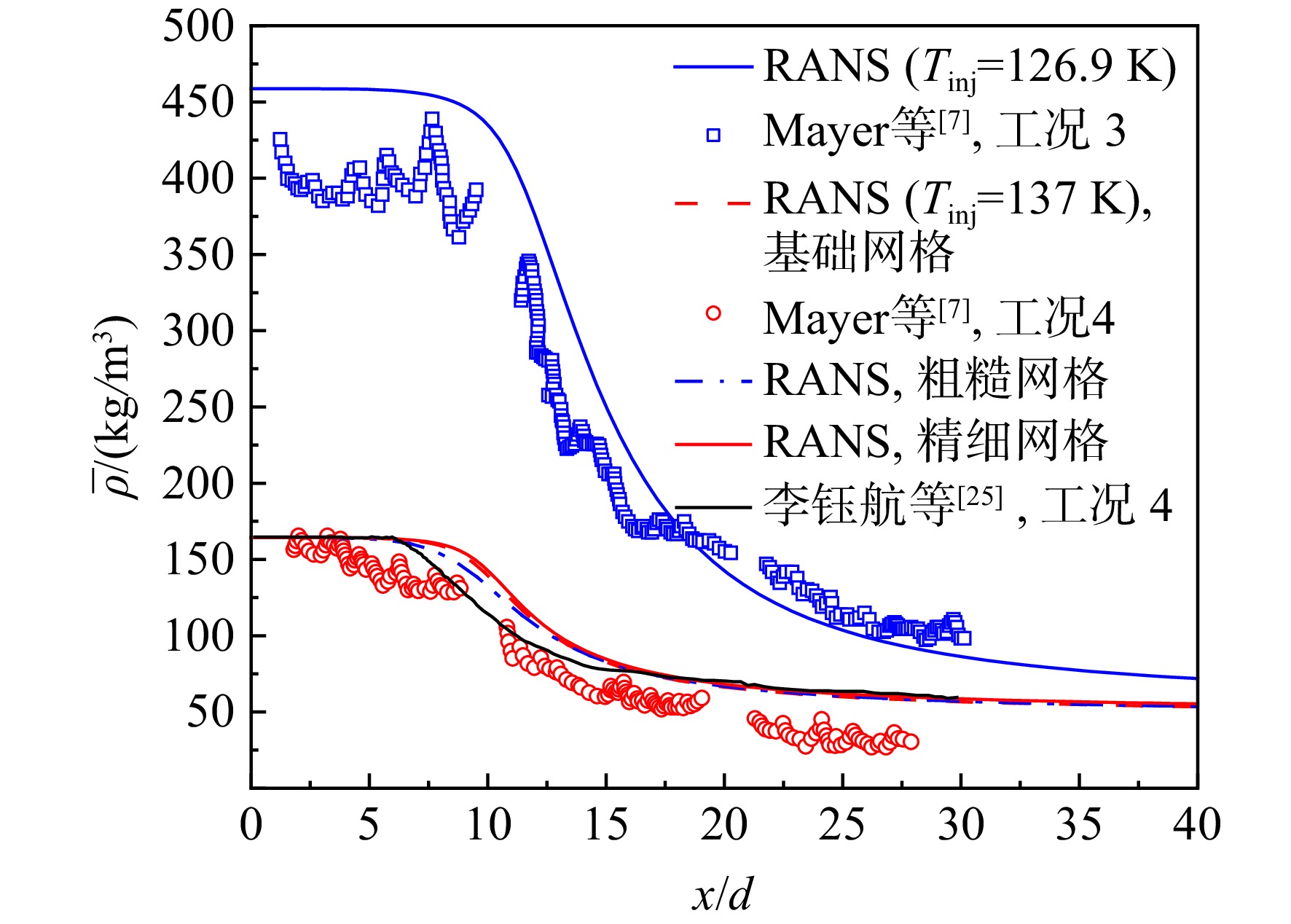
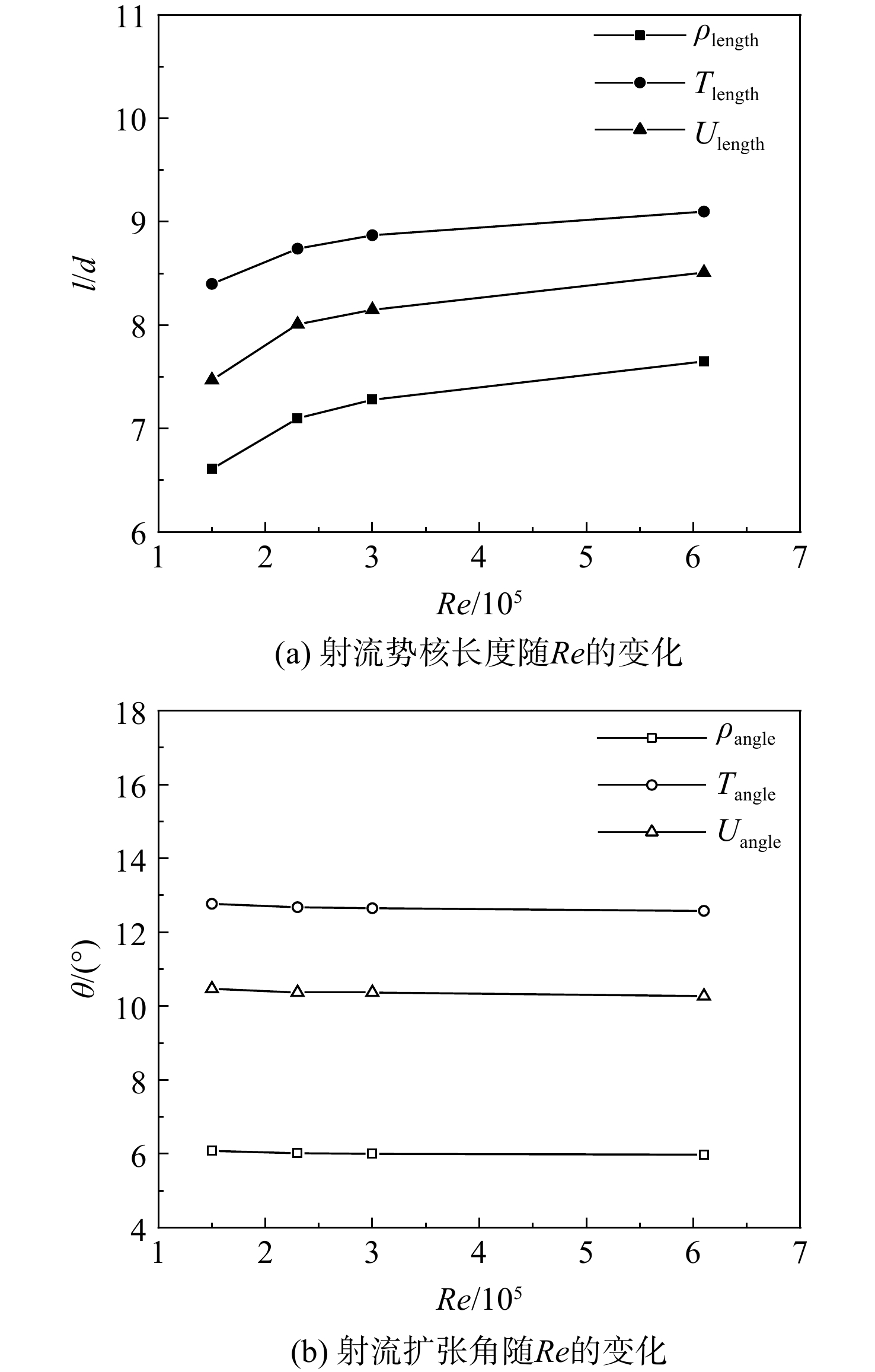
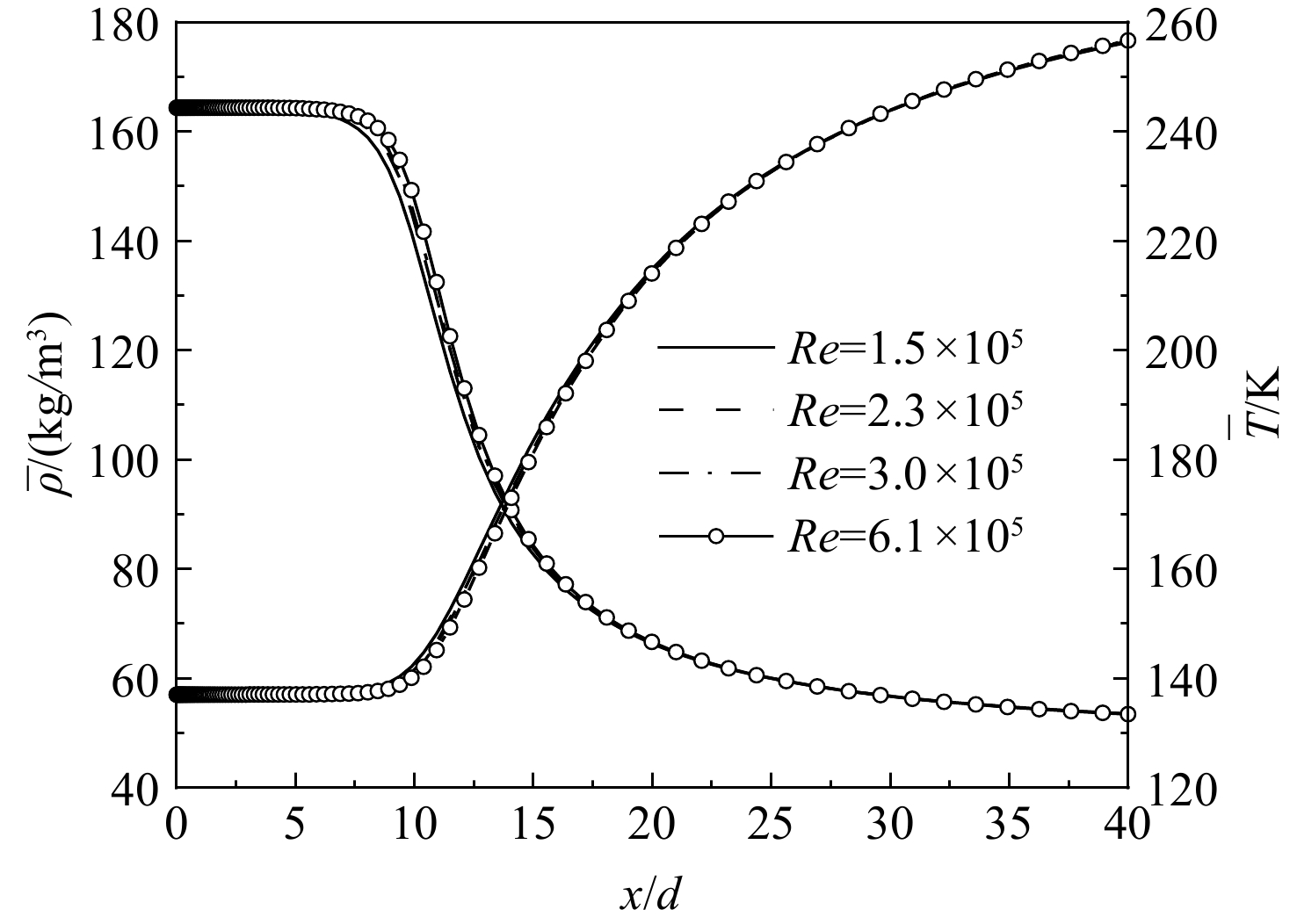
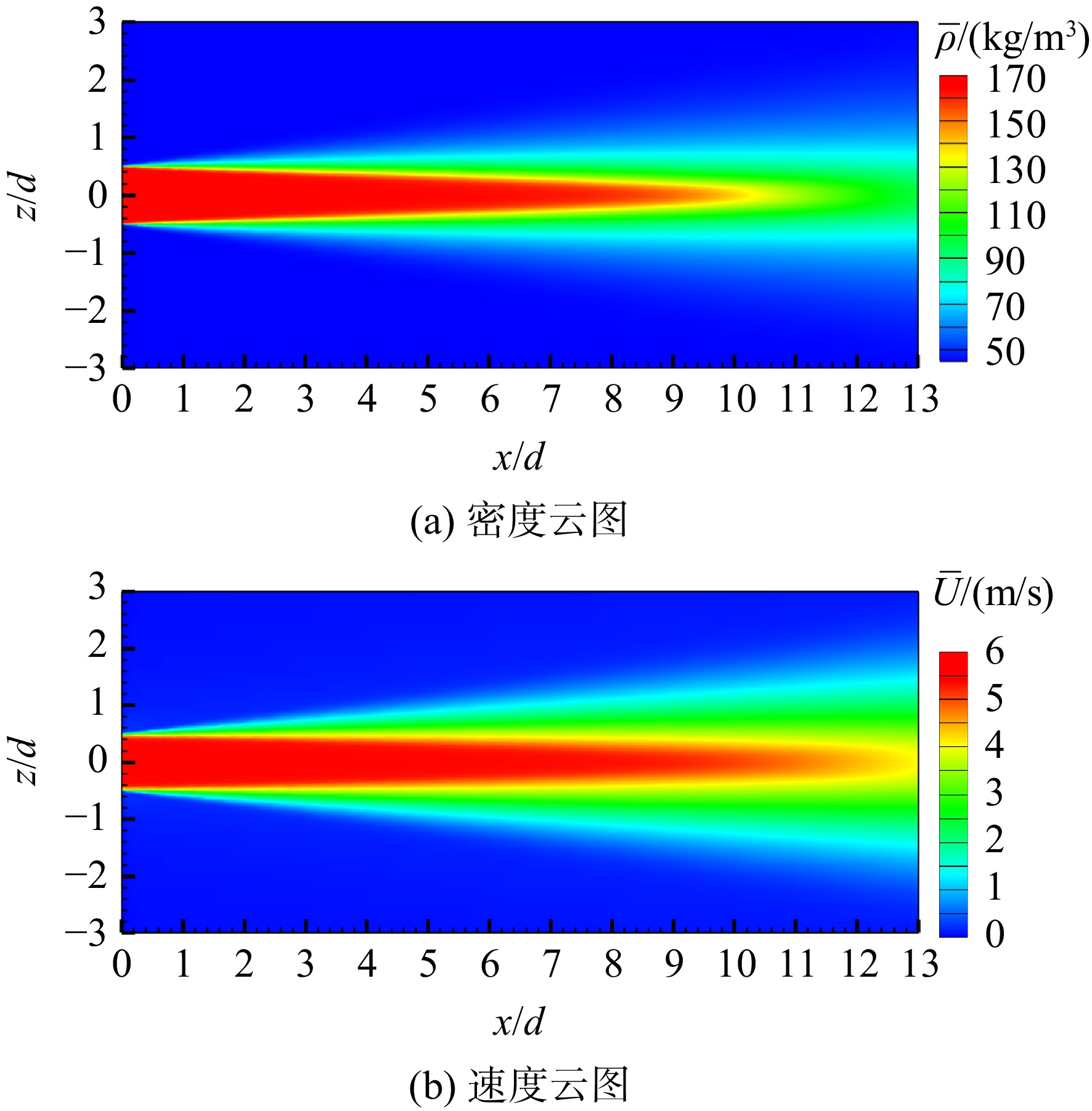
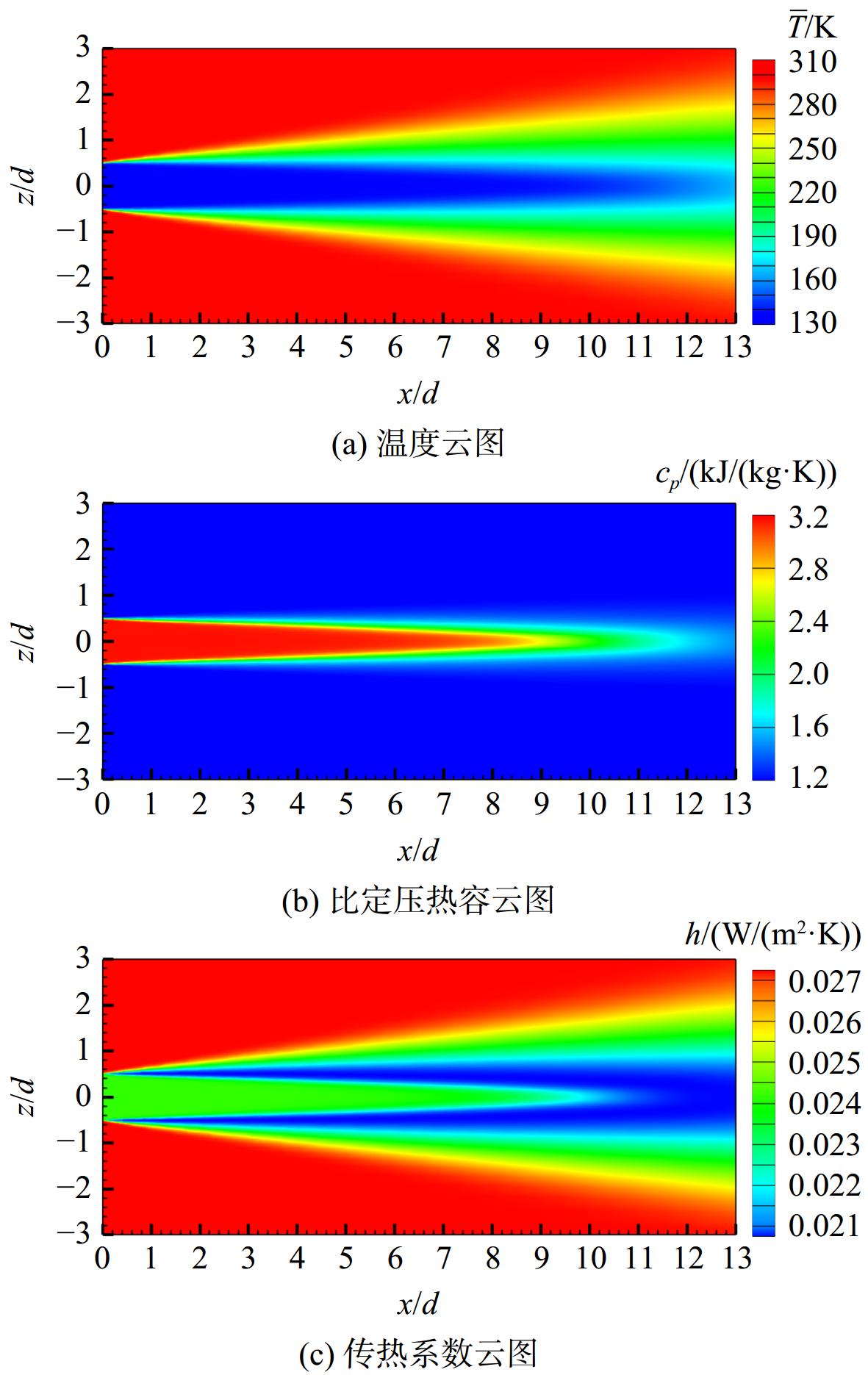
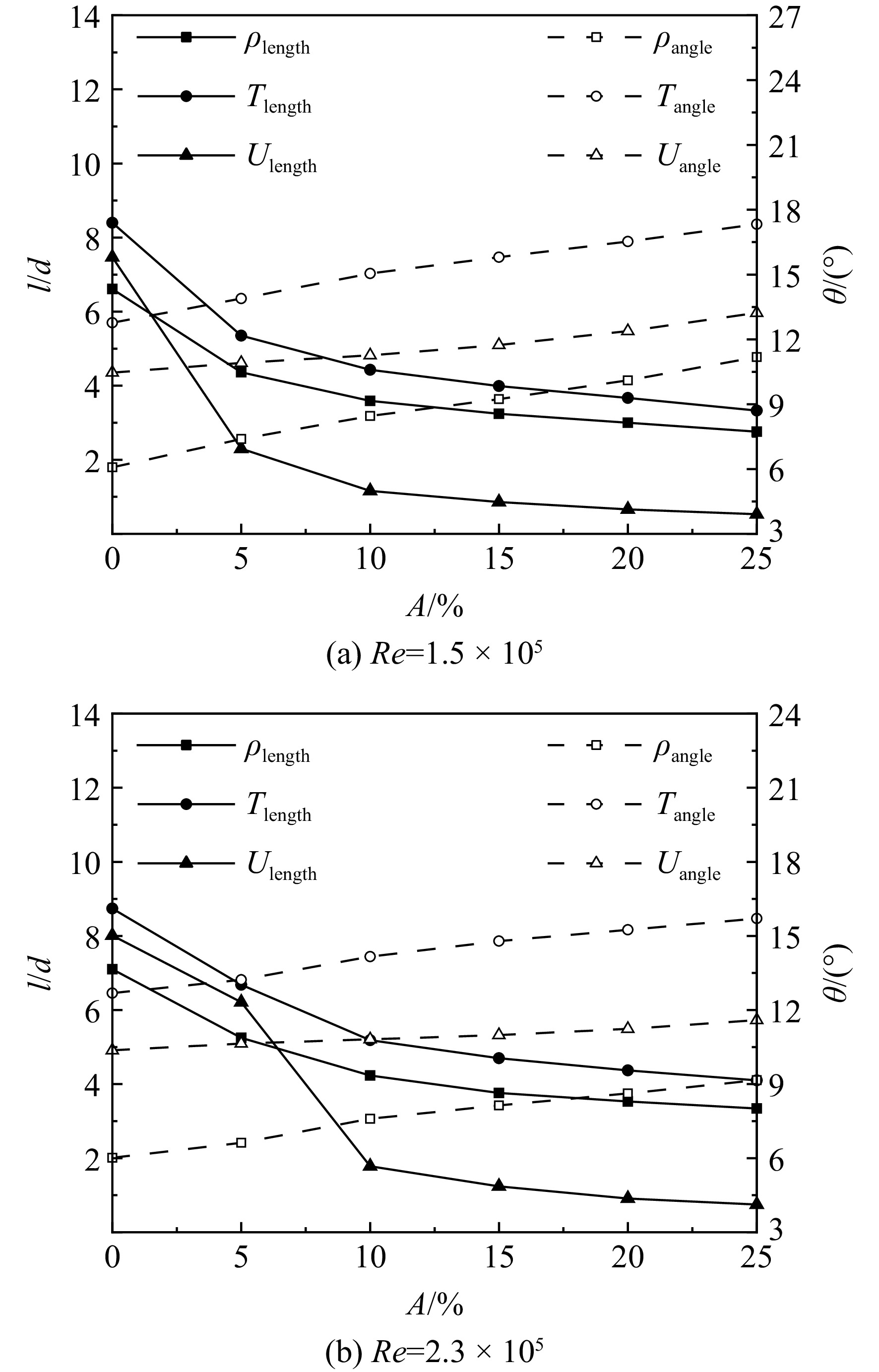
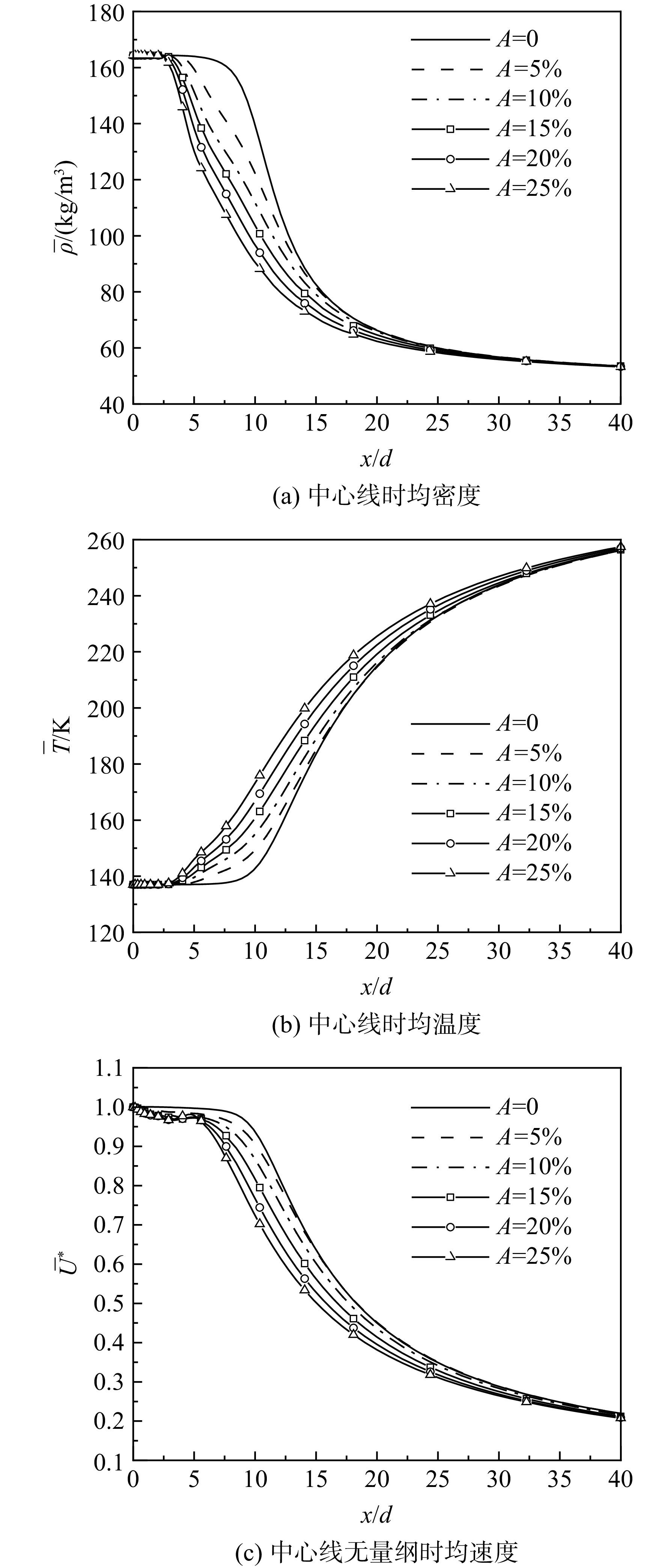
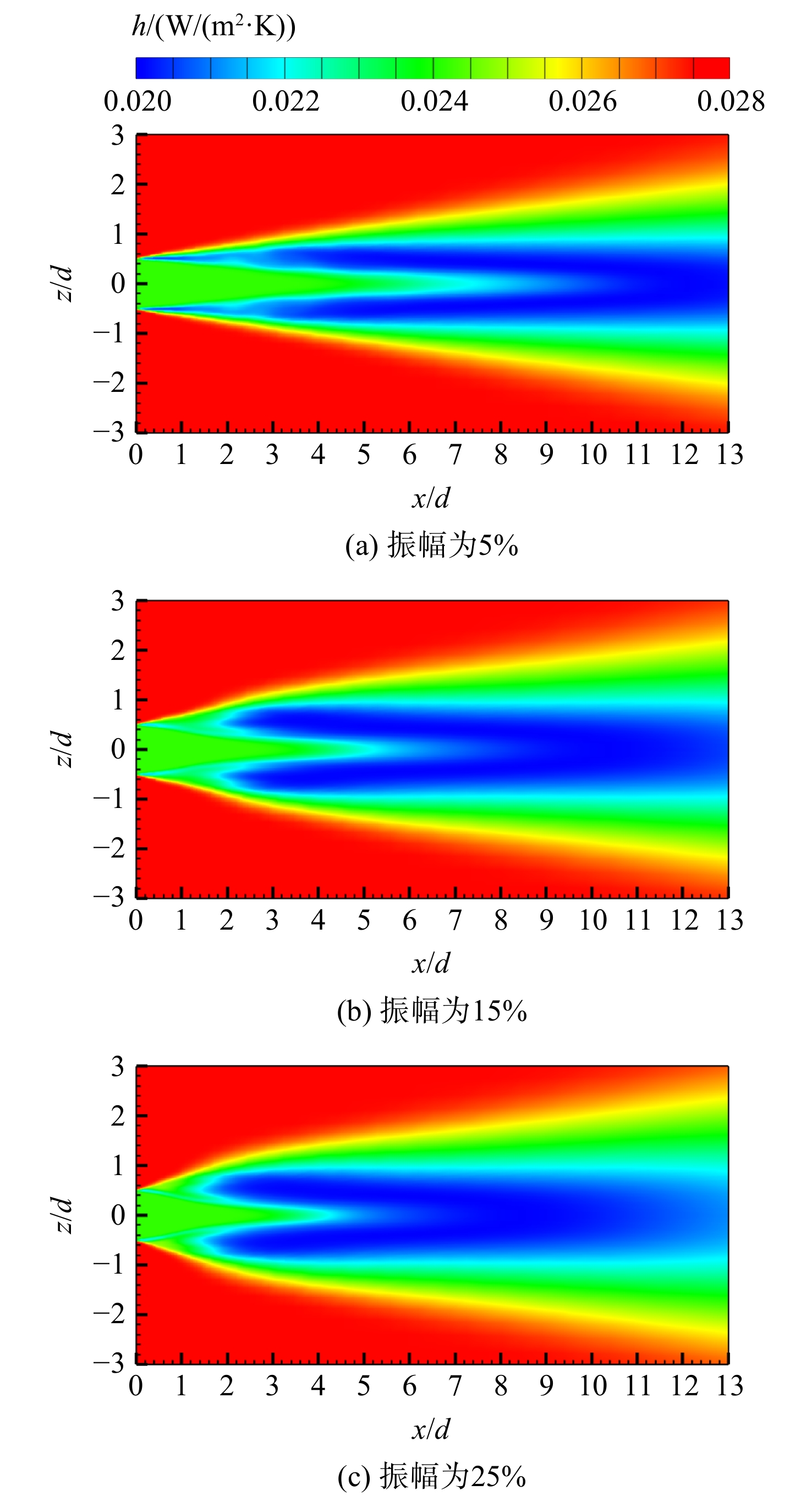
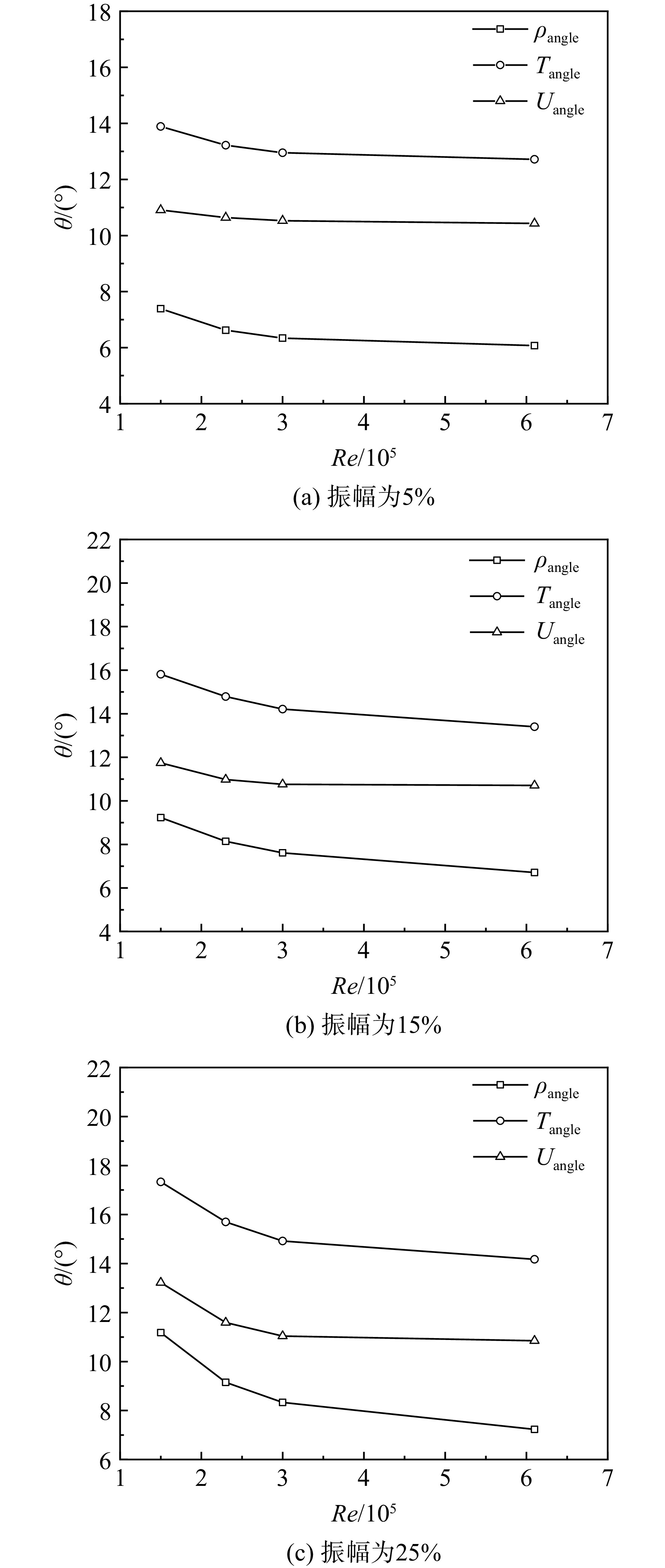
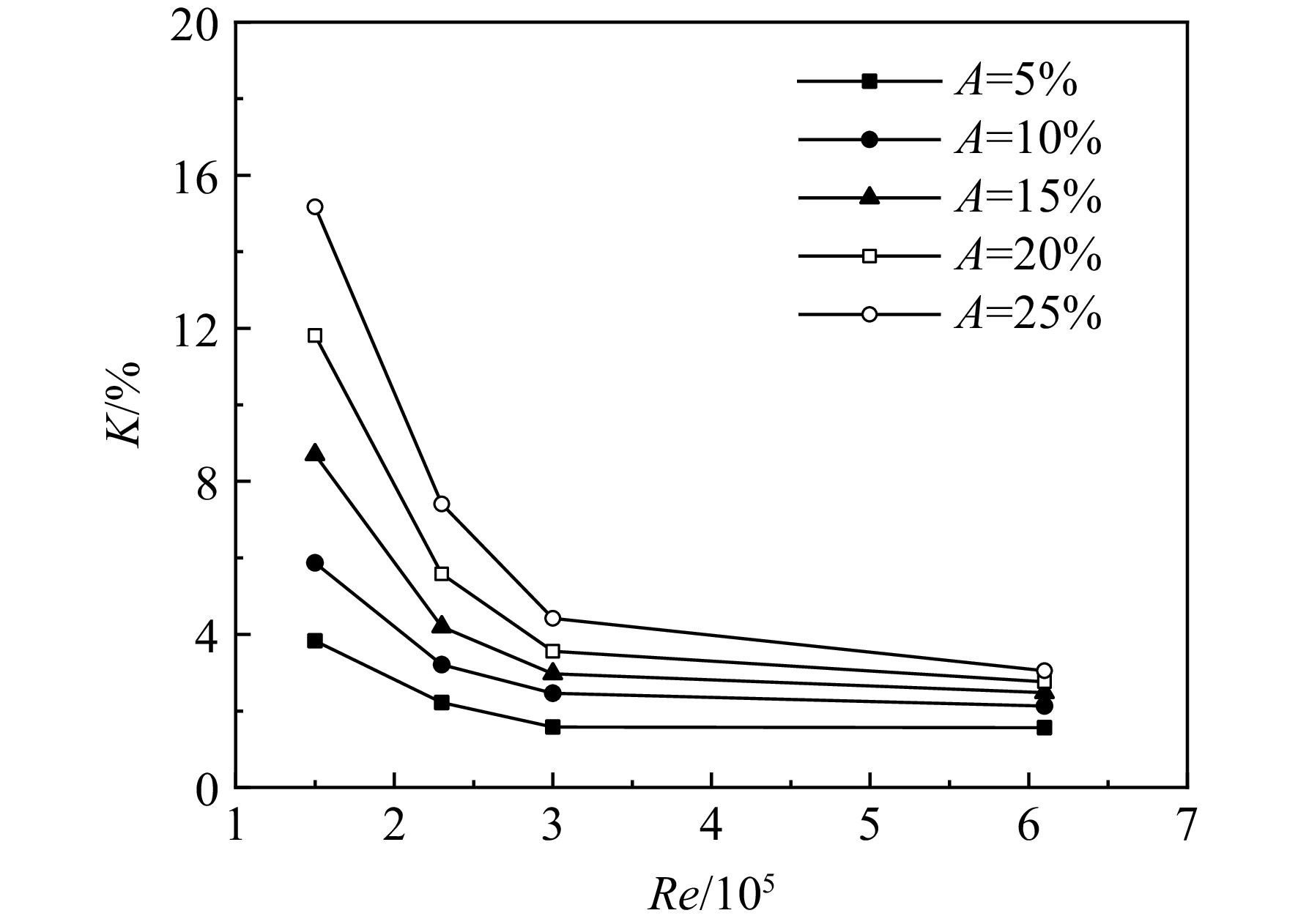
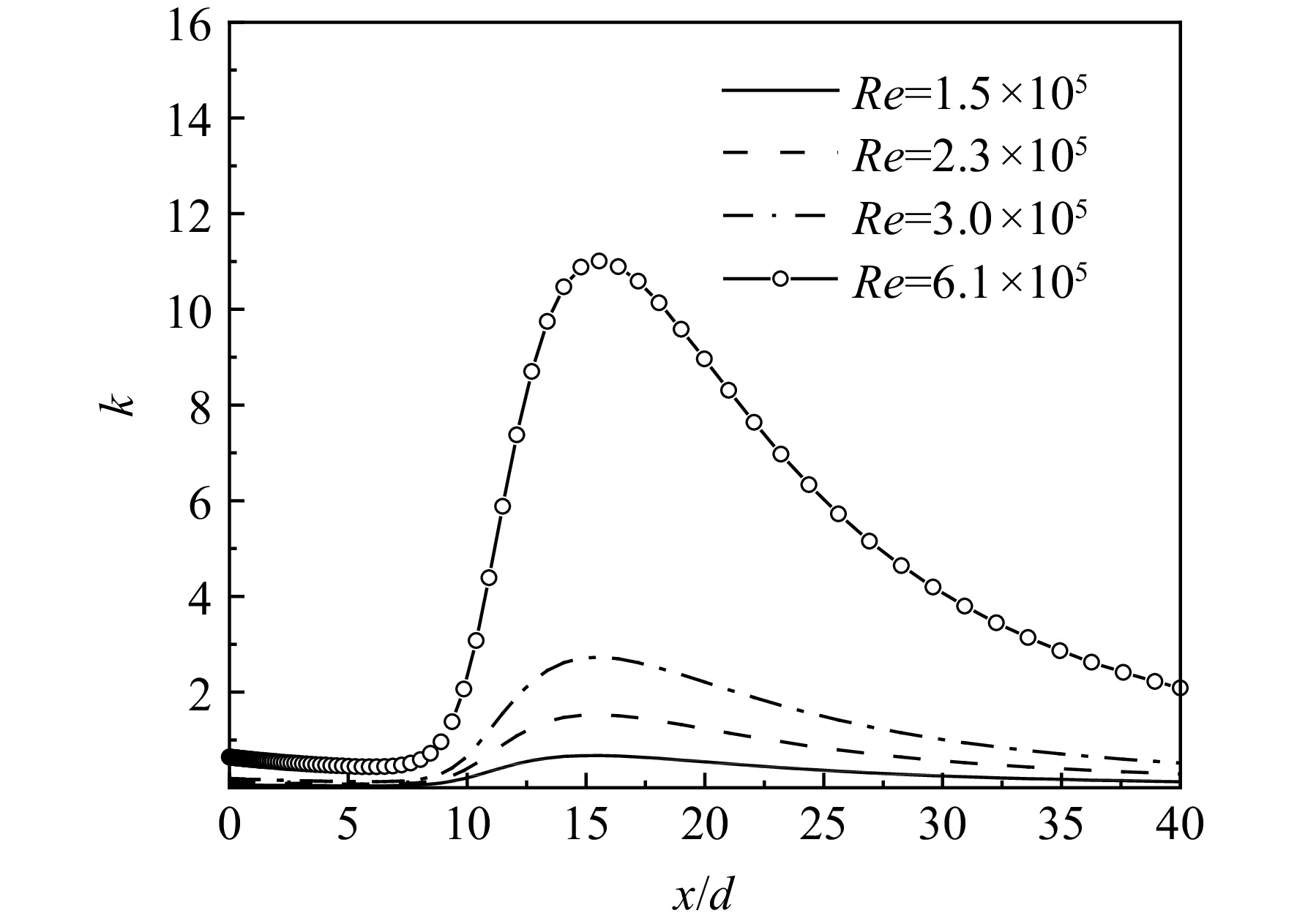
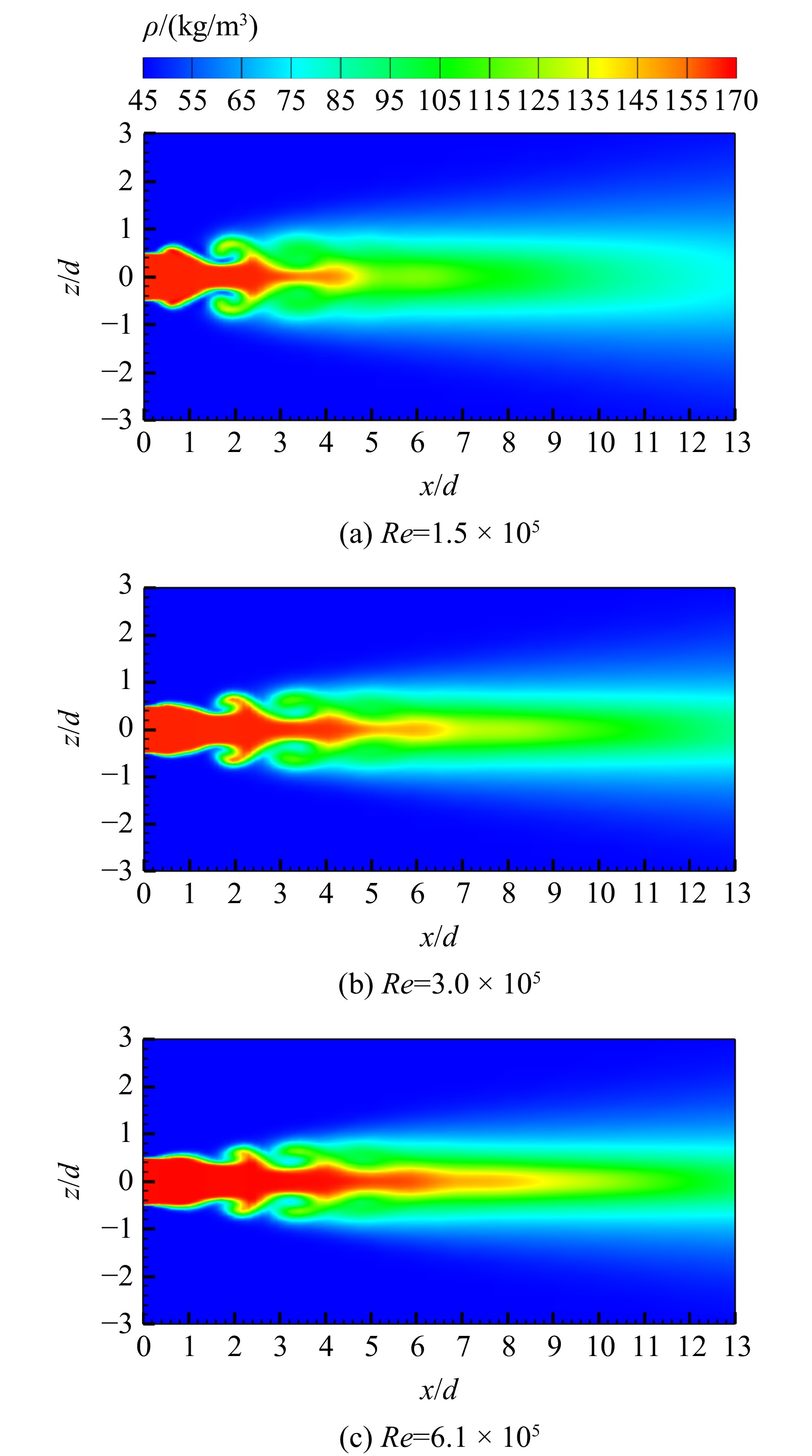
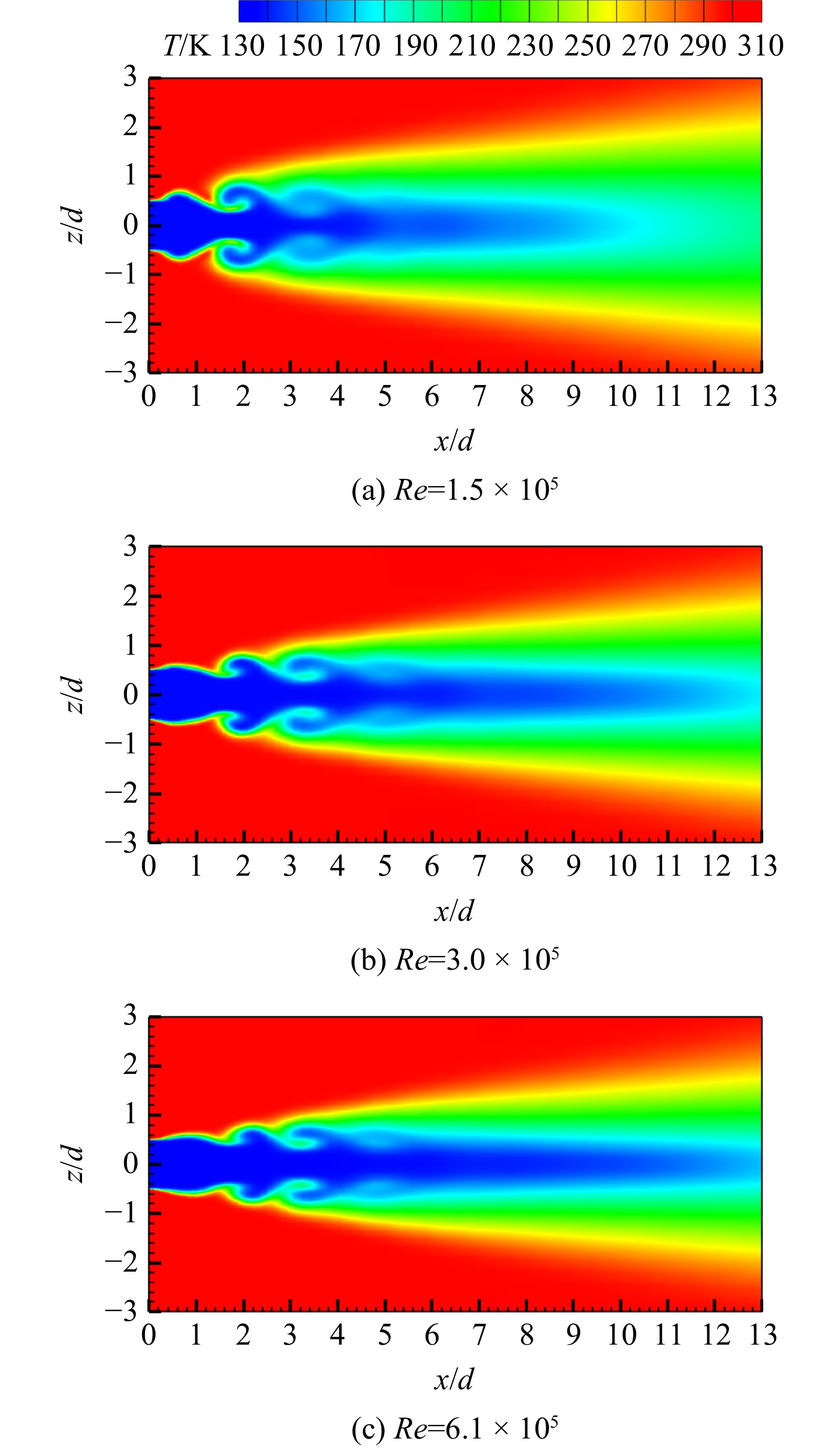
Based on a supercritical nitrogen circular turbulent jet, the mixing control effect by using varicose excitation was investigated using Reynolds-averaged numerical simulations. The mixing characteristics of the gas-like jet were analyzed under different excitation amplitudes and Reynolds numbers. The results showed that the potential core length and diffusion angle of unexcited jet remain basically unchanged within the studied range of Reynolds number (1.5×10⁵—6.1×10⁵, based on jet diameter). The Reynolds number had little effect on the mixing of supercritical nitrogen jet. For relatively low Reynolds numbers (less than 2.3×10⁵), jet mixing was enhanced with increasing excitation amplitude. The jet density potential core was shortened maximumly by 58% and the diffusion angle was increased by 87% with 25% control amplitude. Meanwhile, the varicose excitation effectively improved the heat transfer performance near the jet exit, relieving the solid wall effect. For higher Reynolds numbers (higher than 3.0×10⁵), the jet turbulent kinetic energy of the increased, with a thinner shear layer and a larger velocity, density and temperature gradient in it, causing difficulty of jet mixing control. For a Reynolds number of 6.1×10⁵, the changes of jet density potential core and diffusion angle were about 76% and 23% of those under lower Reynolds number condition. Reynolds number had a significant influence on the effect of jet mixing control.

Cooling characteristics analysis on impingement film with effusion under constant pressure difference
WU Jiazhou, ZHANG Jingyu, WANG Long, HE Xiaomin
2024, 39(10): 20220785. doi: 10.13224/j.cnki.jasp.20220785
Abstract:

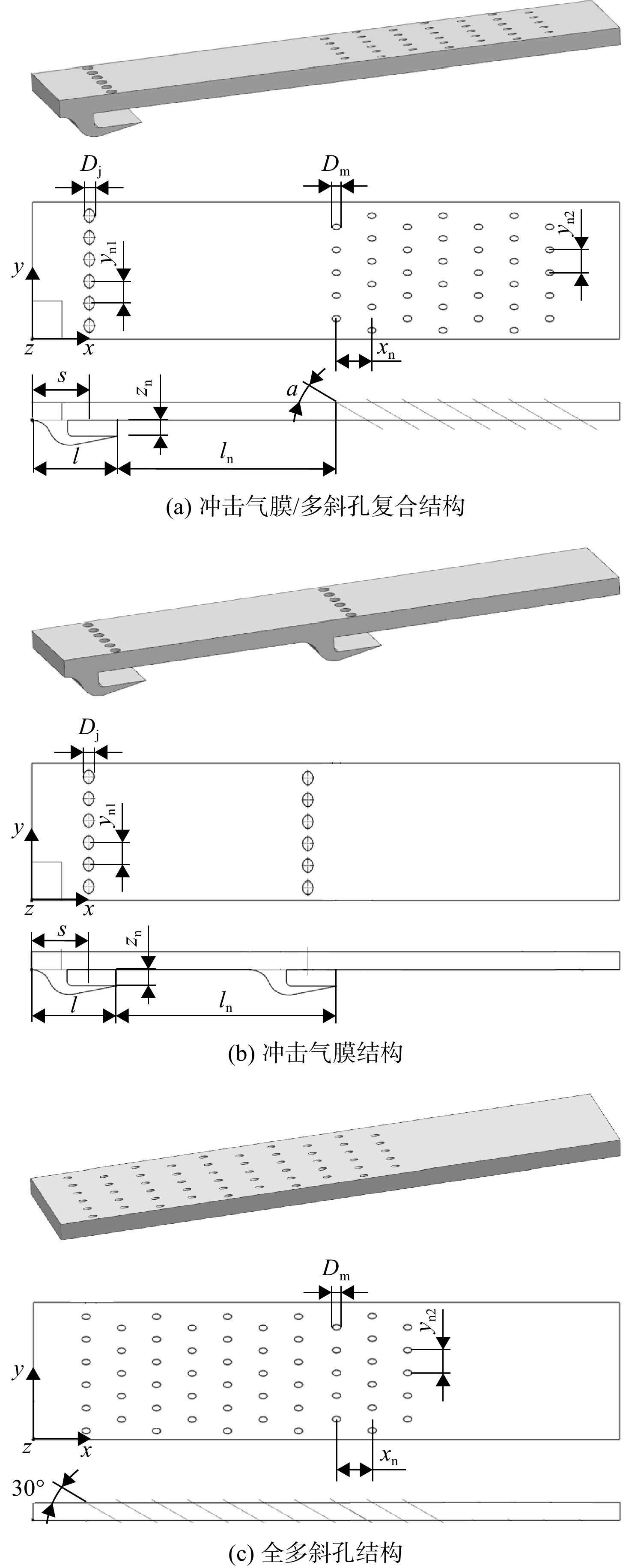
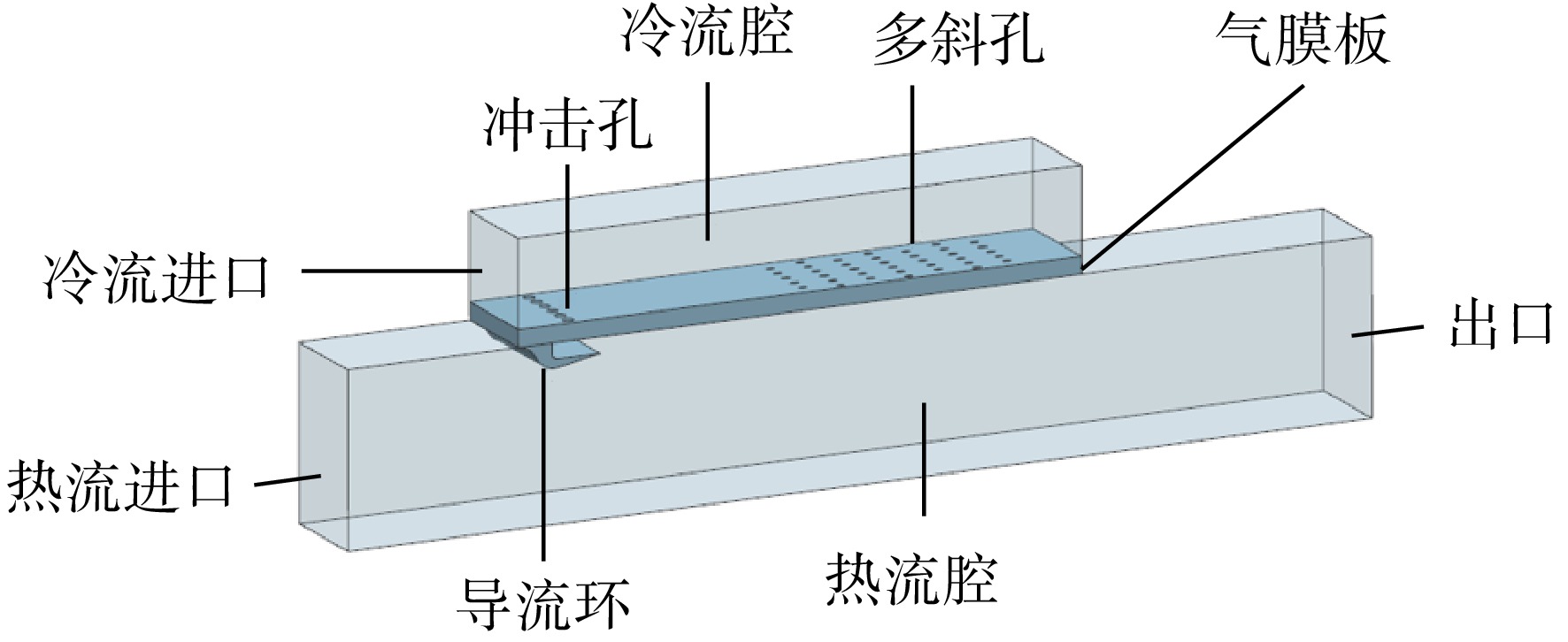
In response to the problem of short continuous liner wall and poor film stacking effect in a certain type of oblique flow vortex combustor, a combined impingement film and effusion cooling structure was constructed. Under the conditions of equal pressure difference, experimental study of multiple cooling schemes on the overall cooling effectiveness was carried out, and the influence laws of pressure difference between coolant and hot gas, the distance ratio between slit and effusion, and the impact spacing ratio on the flow and overall cooling effectiveness were obtained by combining the numerical simulation. The results showed that compared with the single effusion or impingement film structure, the impingement film composite effusion scheme solved the problems of low cooling effectiveness in the film initial section and uneven distribution of axial wall temperature, and average area overall cooling effectiveness was about 3.2% higher than effusion cooling. The increase of the pressure difference significantly improved the overall cooling effectiveness. The larger distance ratio between slit and effusion was not conducive to the stacking of the downstream cooling-film, while the reduction of the impact spacing ratio can improve the overall cooling efficiency of the impingement film section.

Numerical simulation of micro-scale combustion characteristics of jet fuel surrogate/hydrogen mixtures
CHEN Xinghe, SU Sheng, WANG Juan
2024, 39(10): 20220769. doi: 10.13224/j.cnki.jasp.20220769
Abstract:

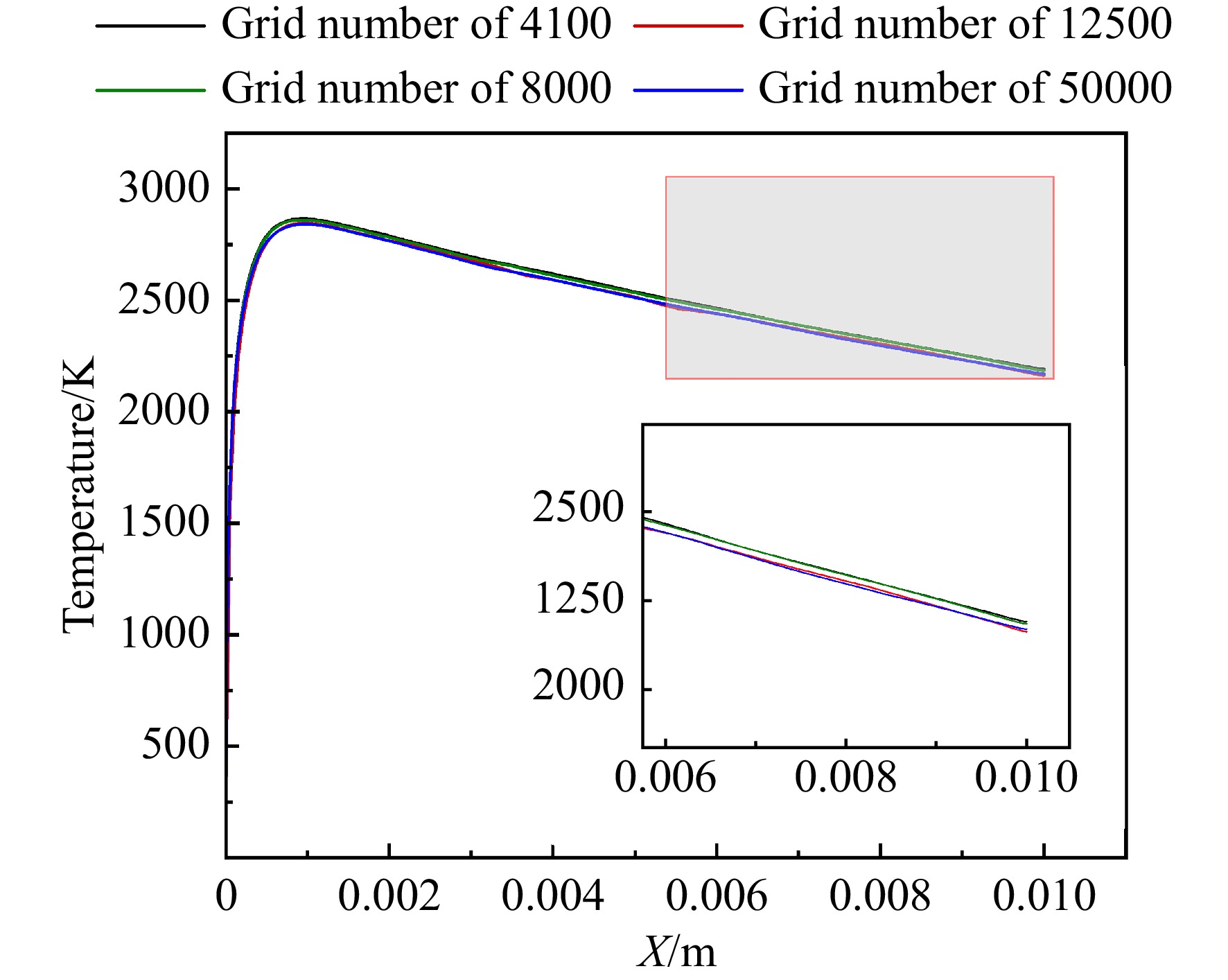
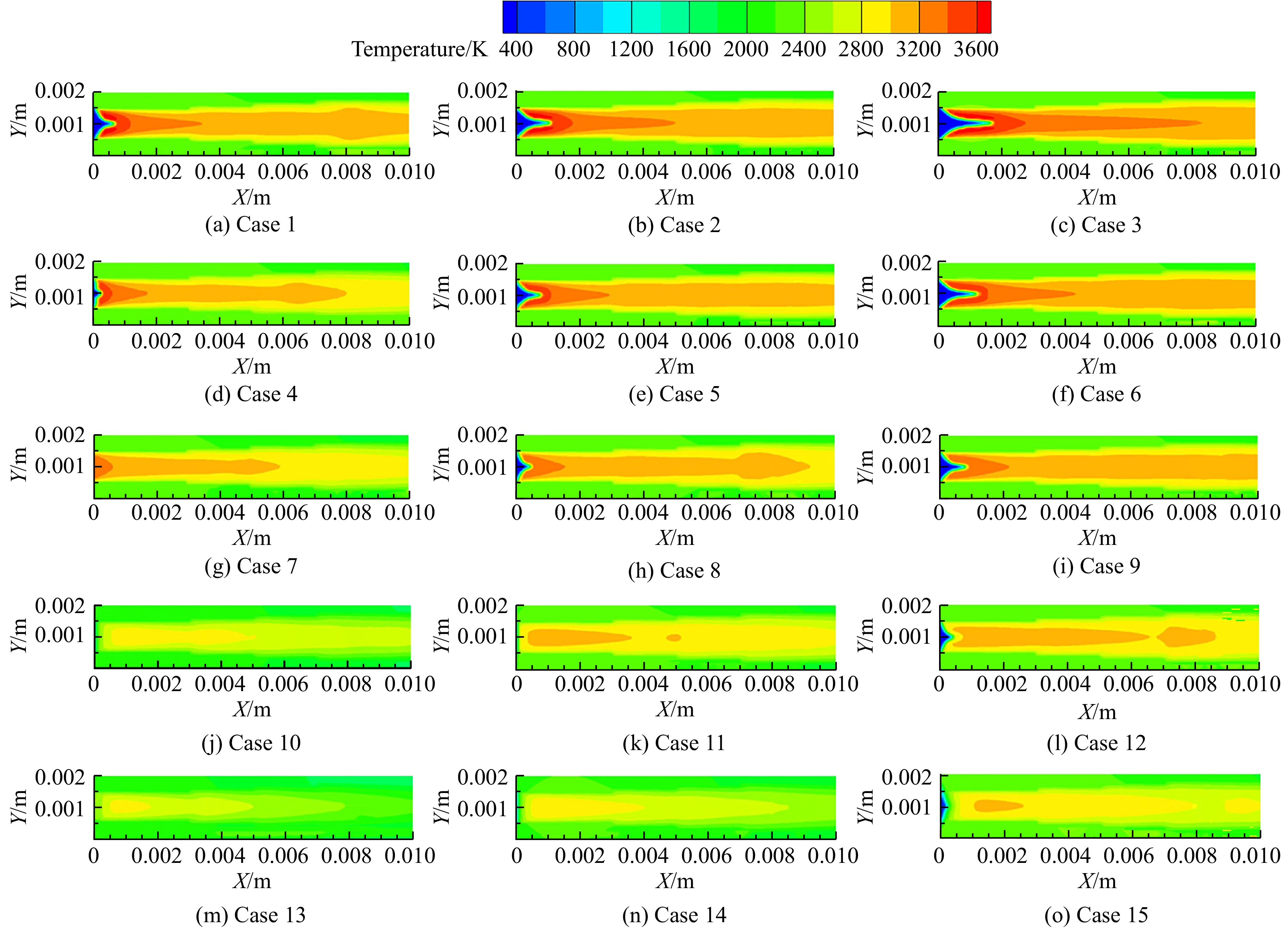
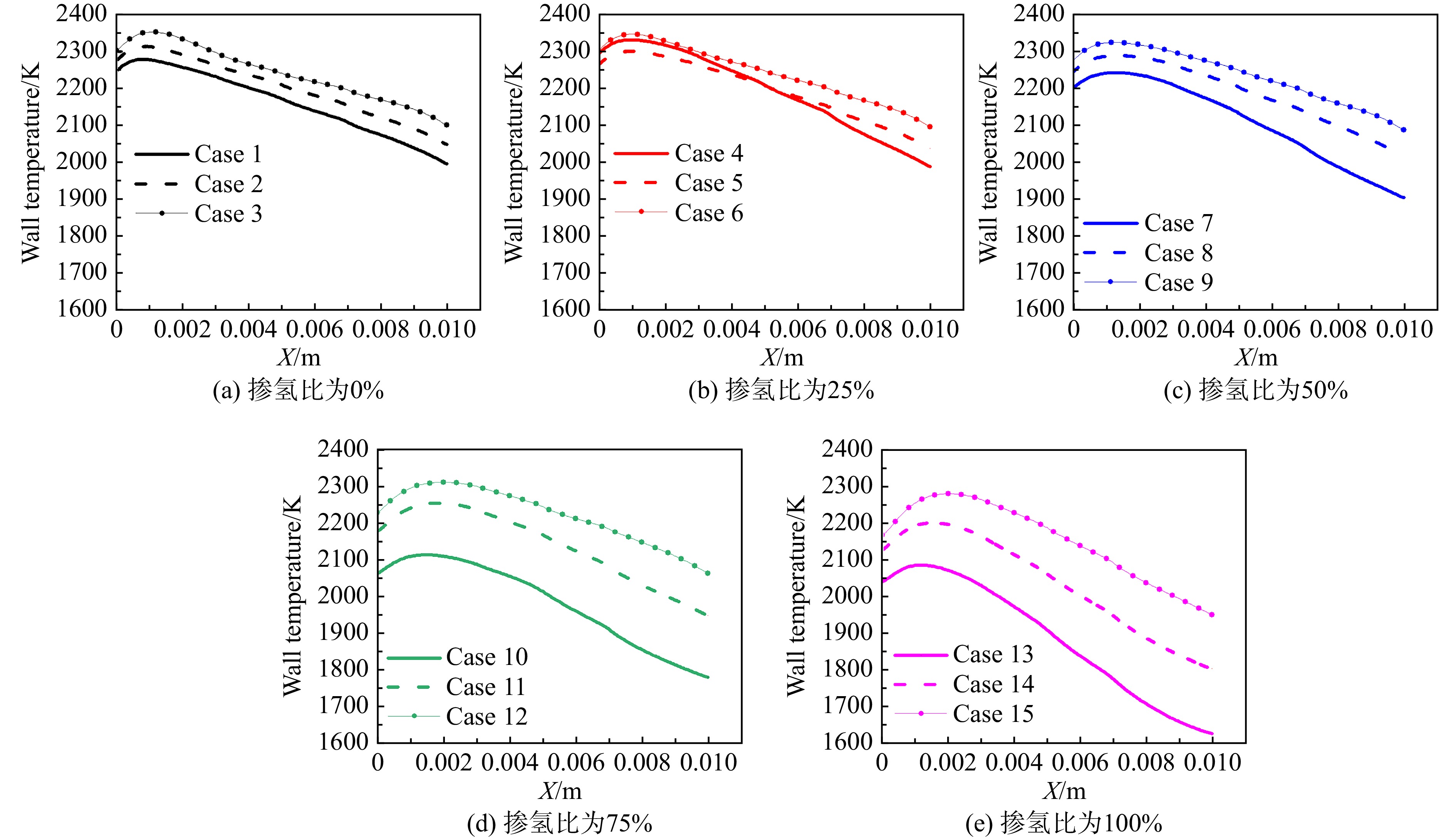
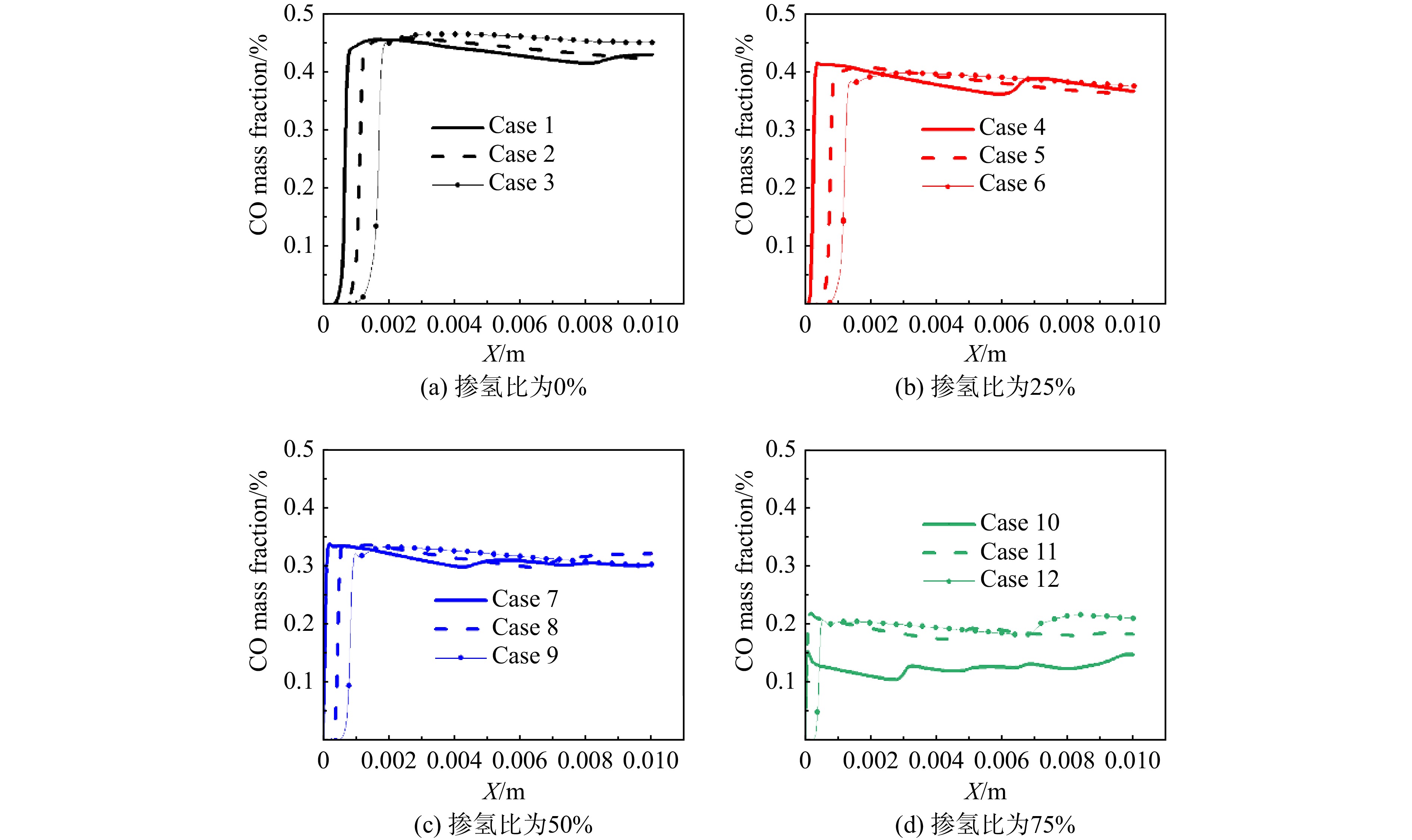
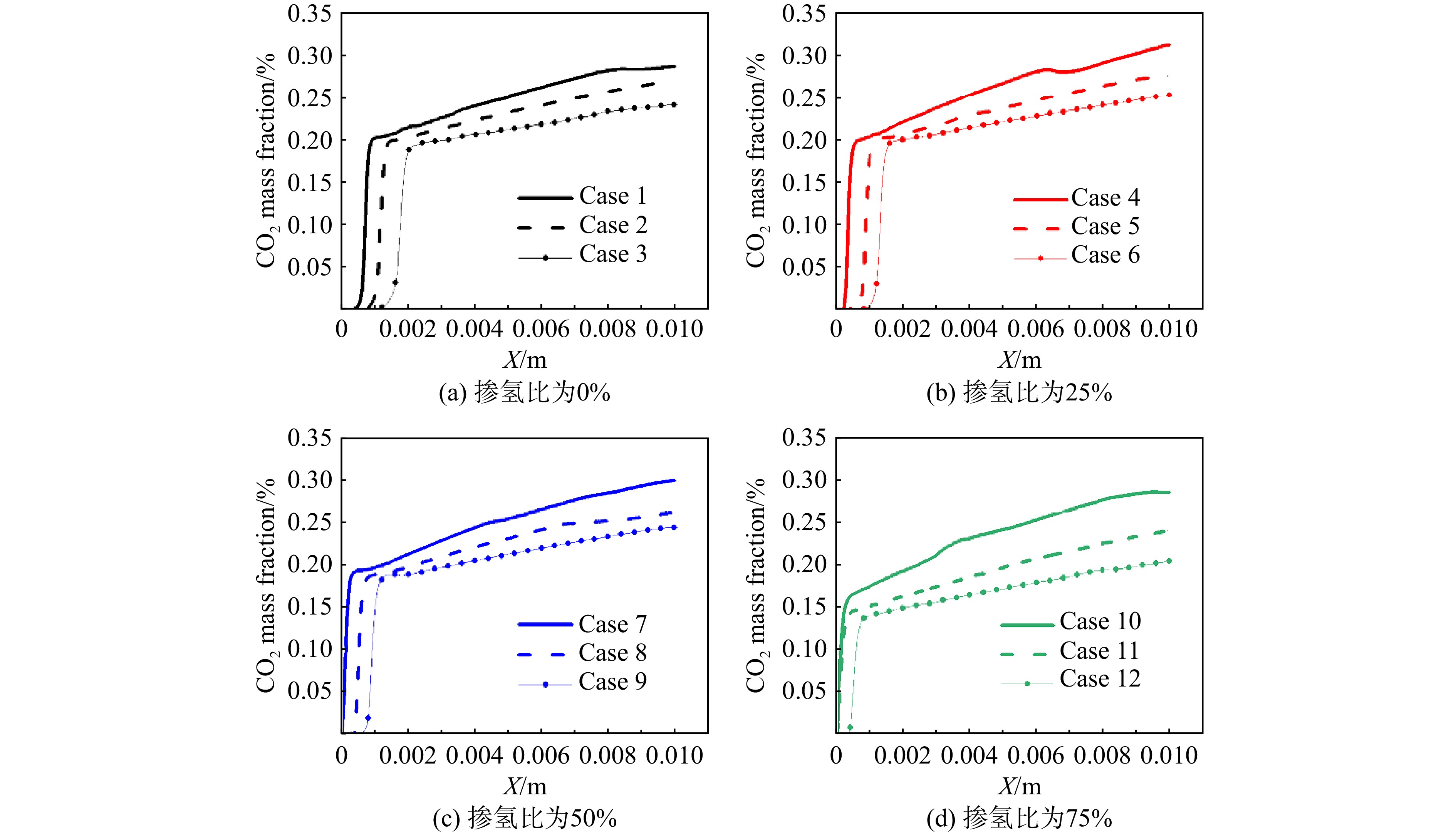
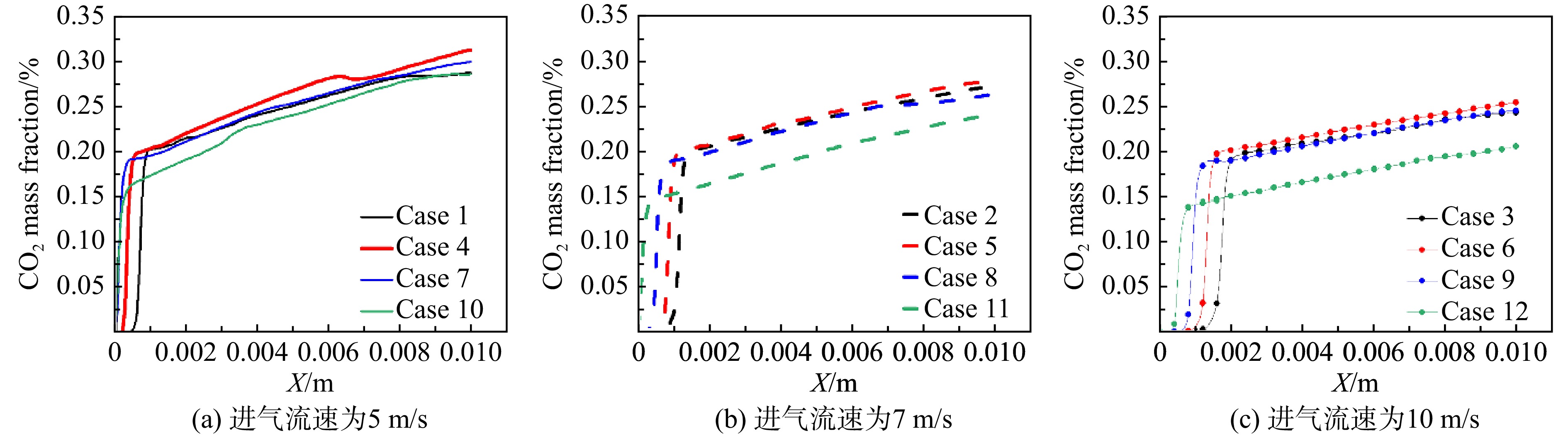
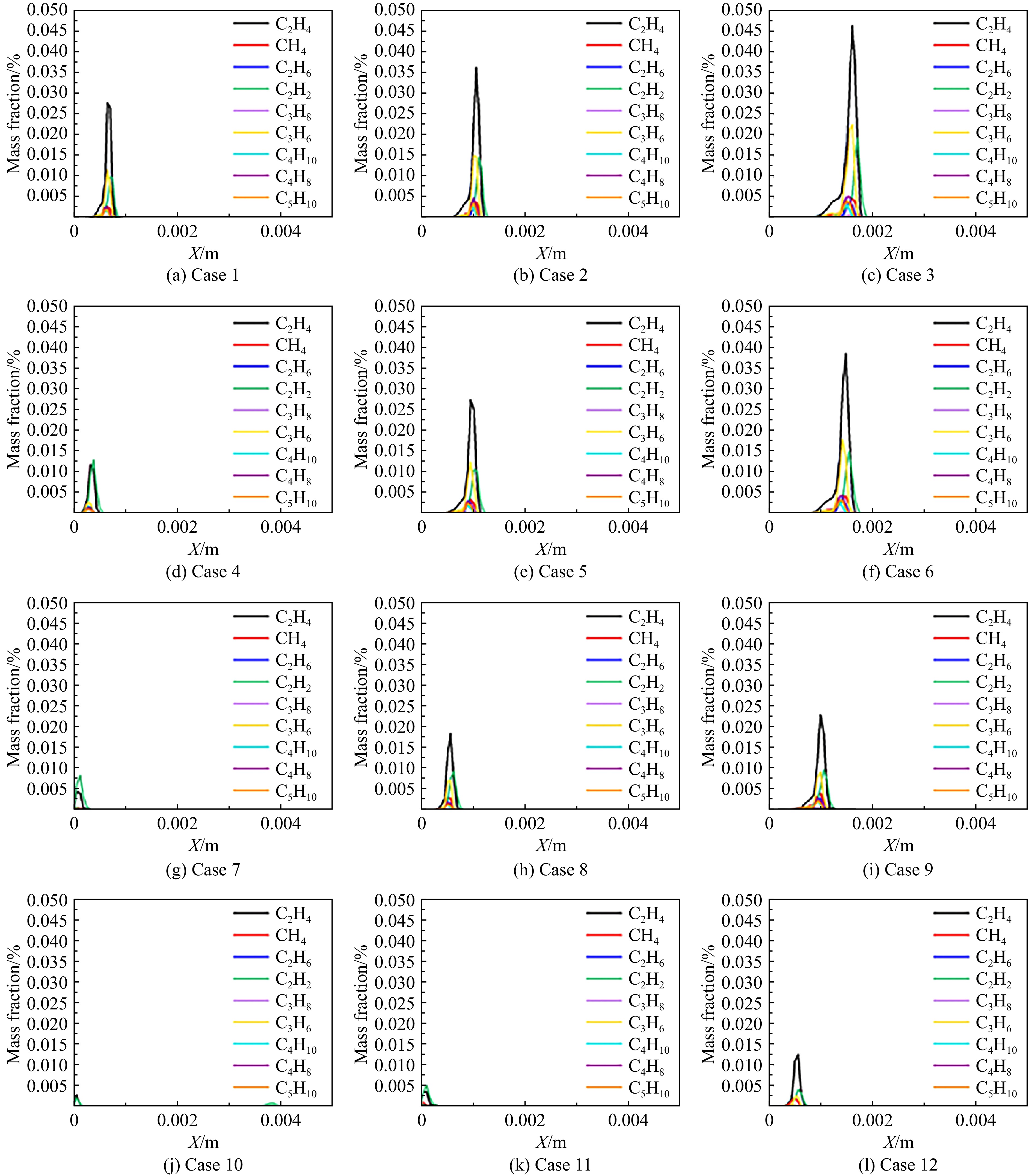
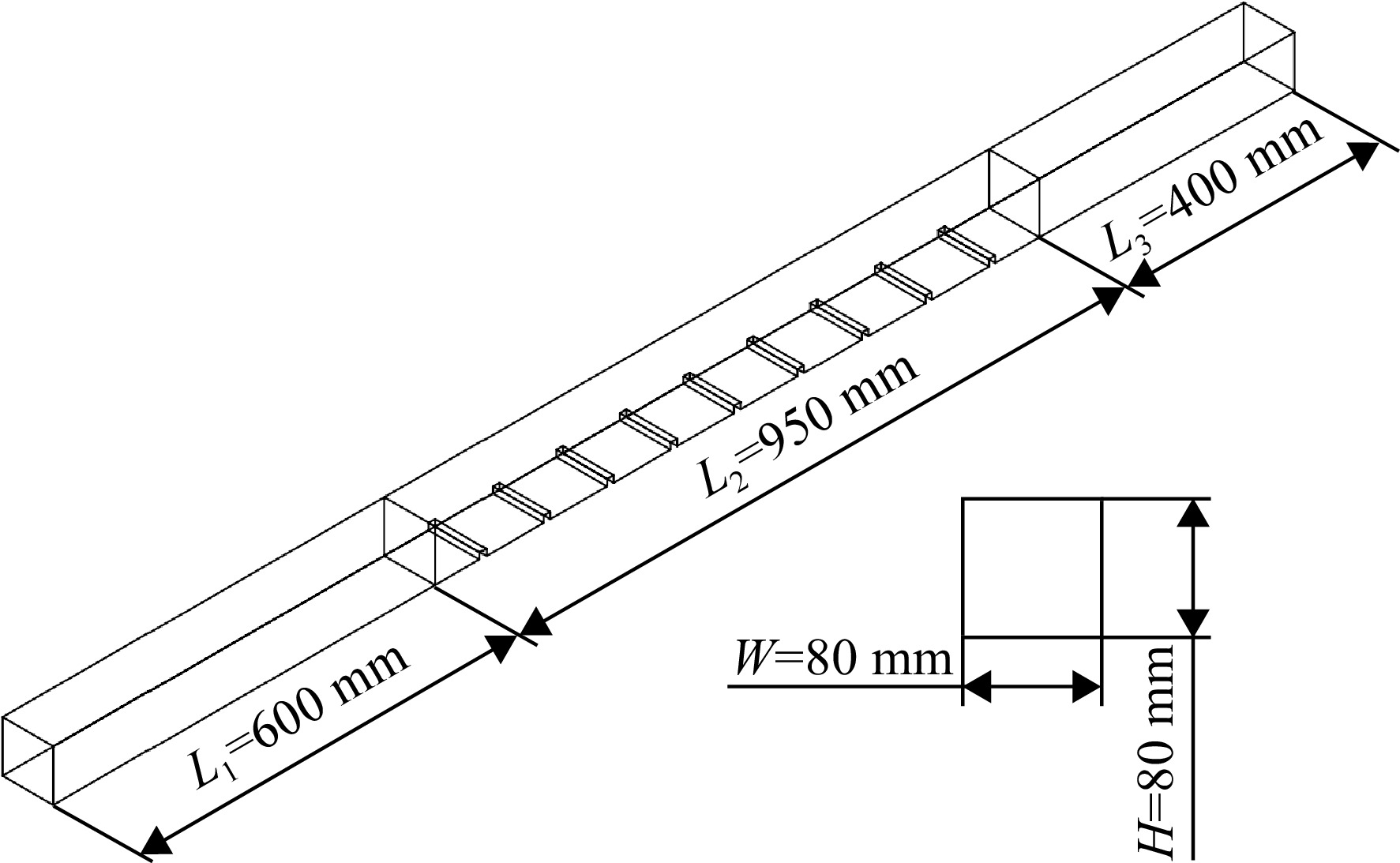
Abstract: The combustion of a Jet A-1 surrogate (69% C10H22, 11% C9H18 and 20% C9H12) and hydrogen in pure oxygen was simulated in a two-dimensional three-step back stage micro-scale combustor. The effects of hydrogen mixing ratio and inlet gas flow rate on the combustion characteristics in the combustor were analyzed. The results showed that all the flames can be stabilized before the first stage of the micro burner (3 mm away from the micro burner inlet). With the increase of hydrogen mixing ratio, the flame position gradually moved towards the micro burner inlet, the flame length was shortened, and the high-temperature area inside the micro burner reduced, the maximum temperature decreased, the upstream combustion intensity was higher but the downstream combustion intensity was lower, the mass fractions of CO and CH4 decreased, the fuel cracking occurred closer to the micro burner inlet and the mass fractions of the cracking products decreased. With the increase of inlet gas flow rate, the high temperature zone of combustion reaction expanded, the flame center position and flame front moved and stretched towards the micro burner outlet, the influence of hydrogen mixing ratio on the wall temperature decreased, the OH mass fraction along the micro burner centerline increased, the CO2 mass fraction decreased, the CH4 mass fraction increased, and the cracking reactions occurred closer to the micro burner outlet and the mass fractions of the products increased. These results indicated that at low inlet gas flow rate, mixing a small amount of hydrogen can obtain high wall temperature and high energy. Low inlet gas flow rate may affect the chemical reaction in the combustion zone and reduce the amount of OH generated upstream. The increase of hydrogen mixing ratio and the decrease of flow rate can cause more obvious fluctuation of CO mass fraction. The hydrogen mixing ratio was 25% when the CO2 mass fraction reached the highest amount. At high hydrogen mixing ratio and low inlet gas flow rate, acetylene was mostly generated by direct cracking of the fuel, and only a small amount was generated by secondary cracking of propylene.

Fluid flow and heat transfer of ribbed channel based on the hierarchical design concept
LIU Guoqing, ZHENG Shaofei, YANG Yanru, LI Haiwang, WANG Xiaodong
2024, 39(10): 20220861. doi: 10.13224/j.cnki.jasp.20220861
Abstract:

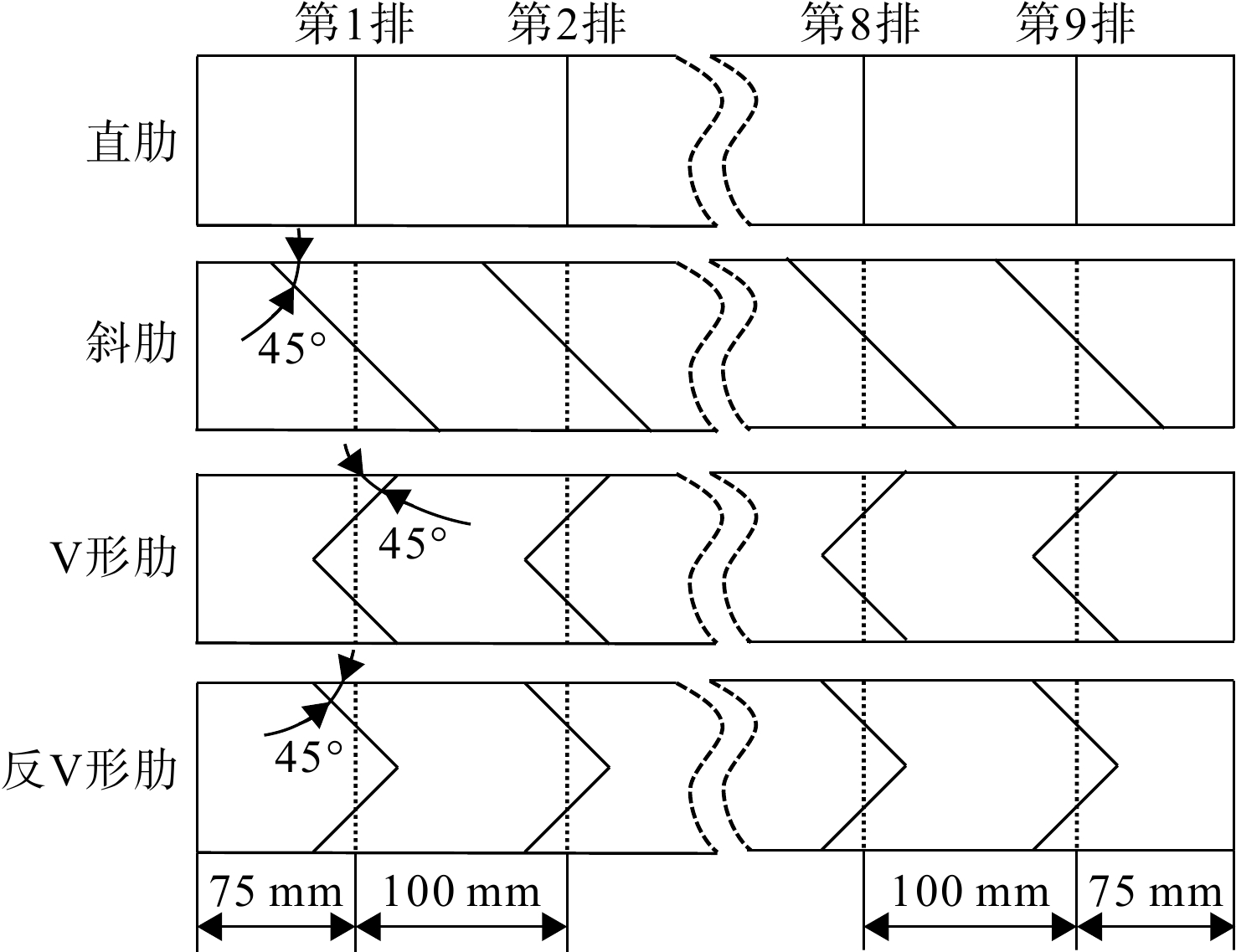
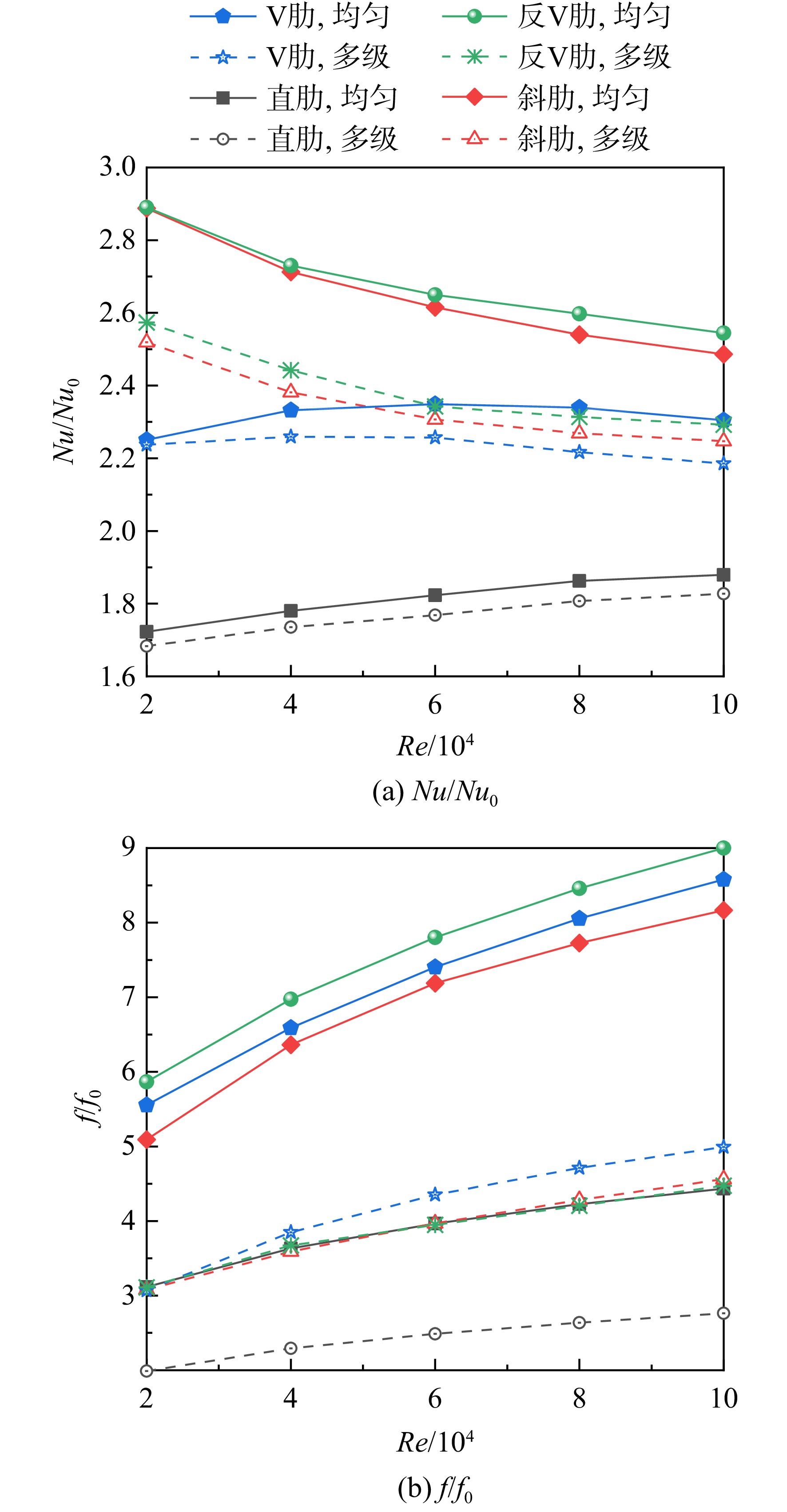
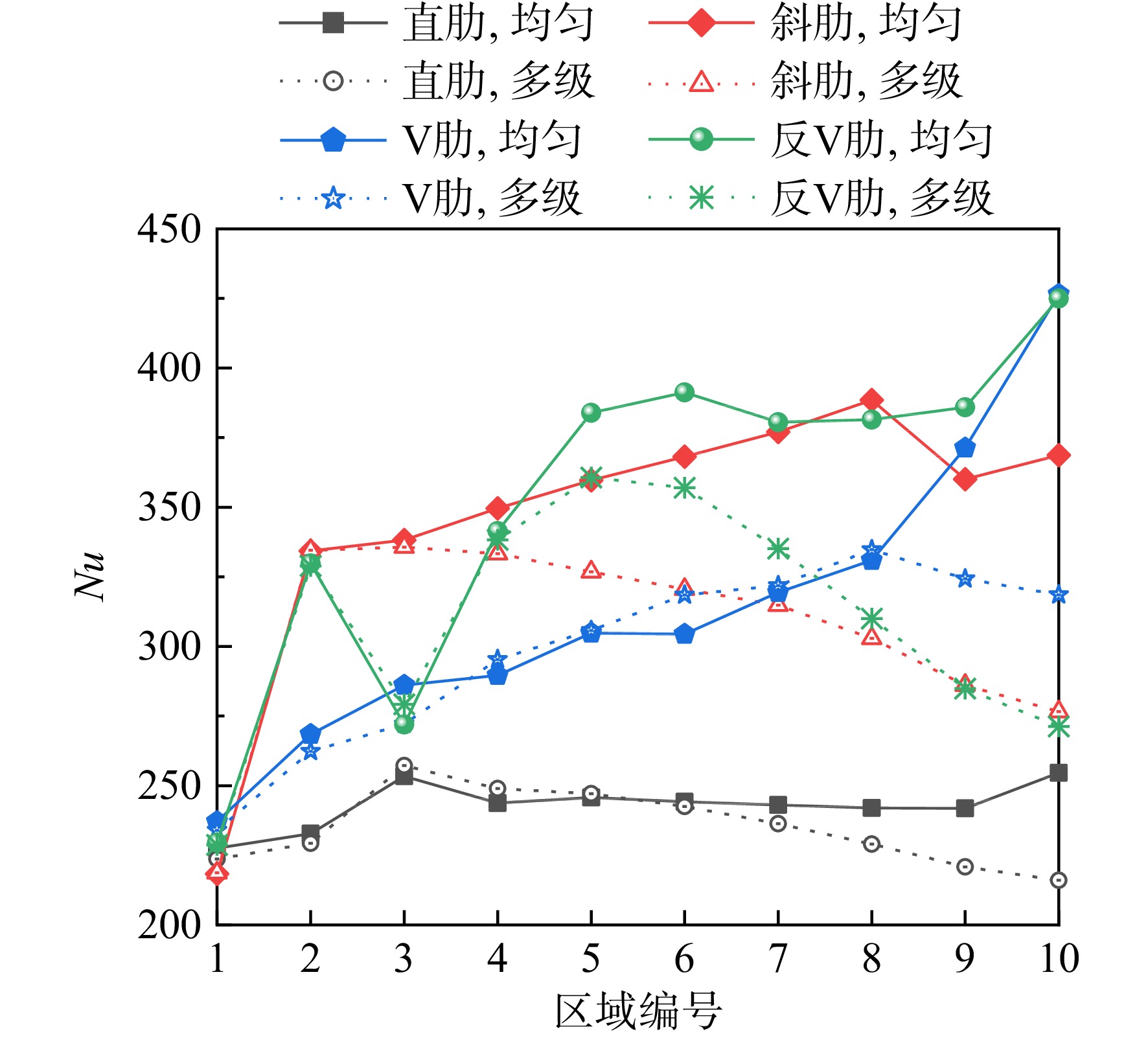
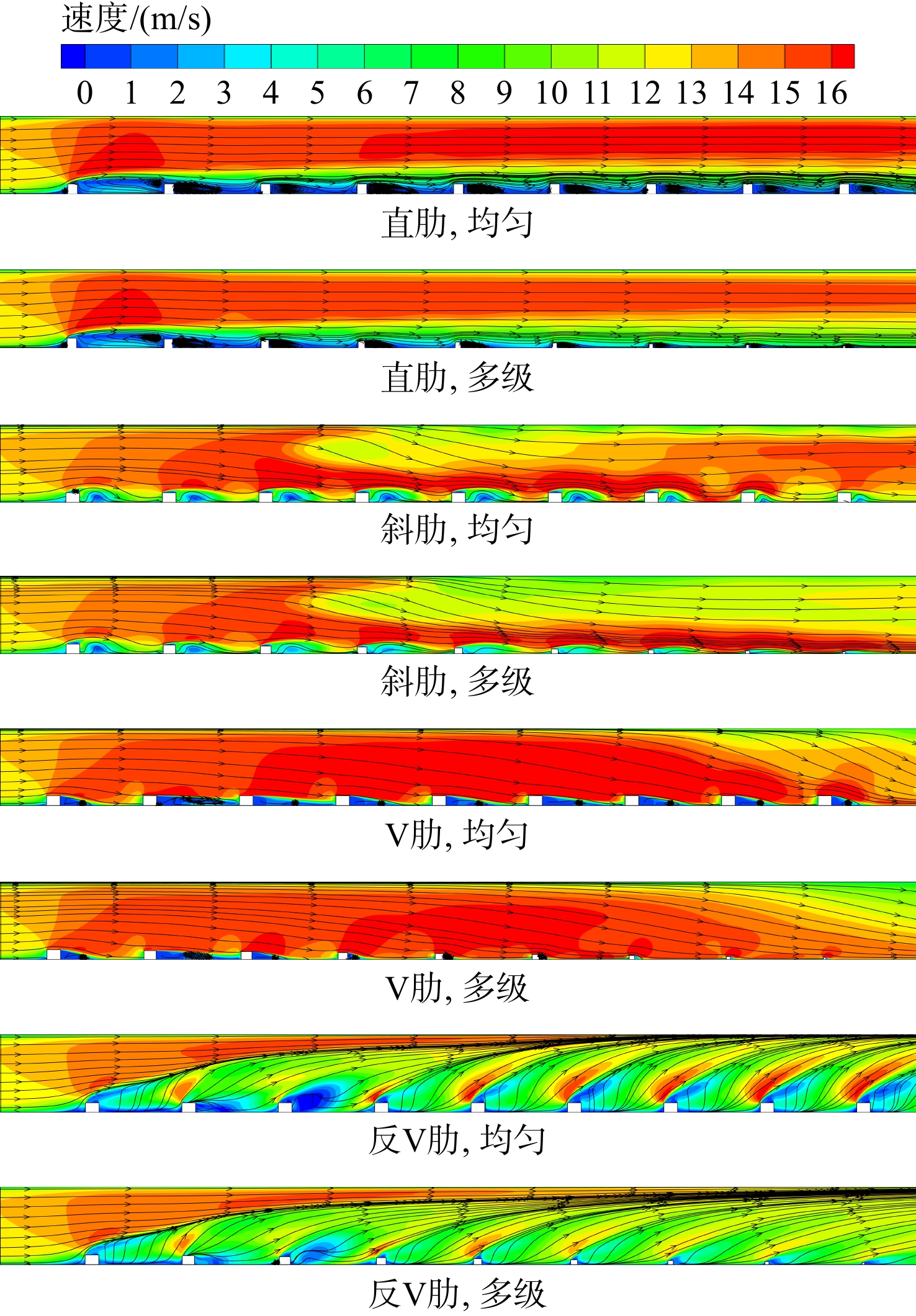
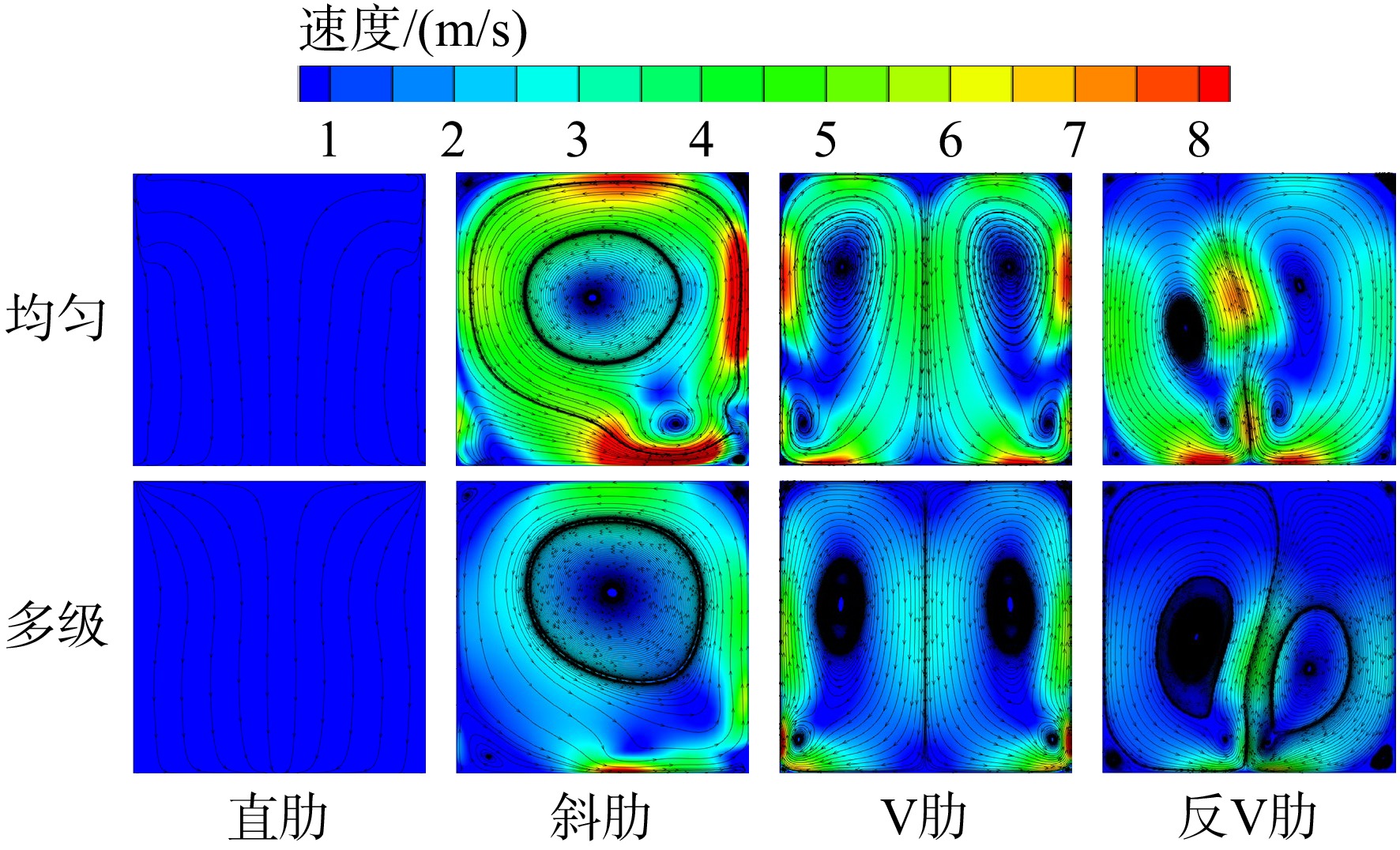
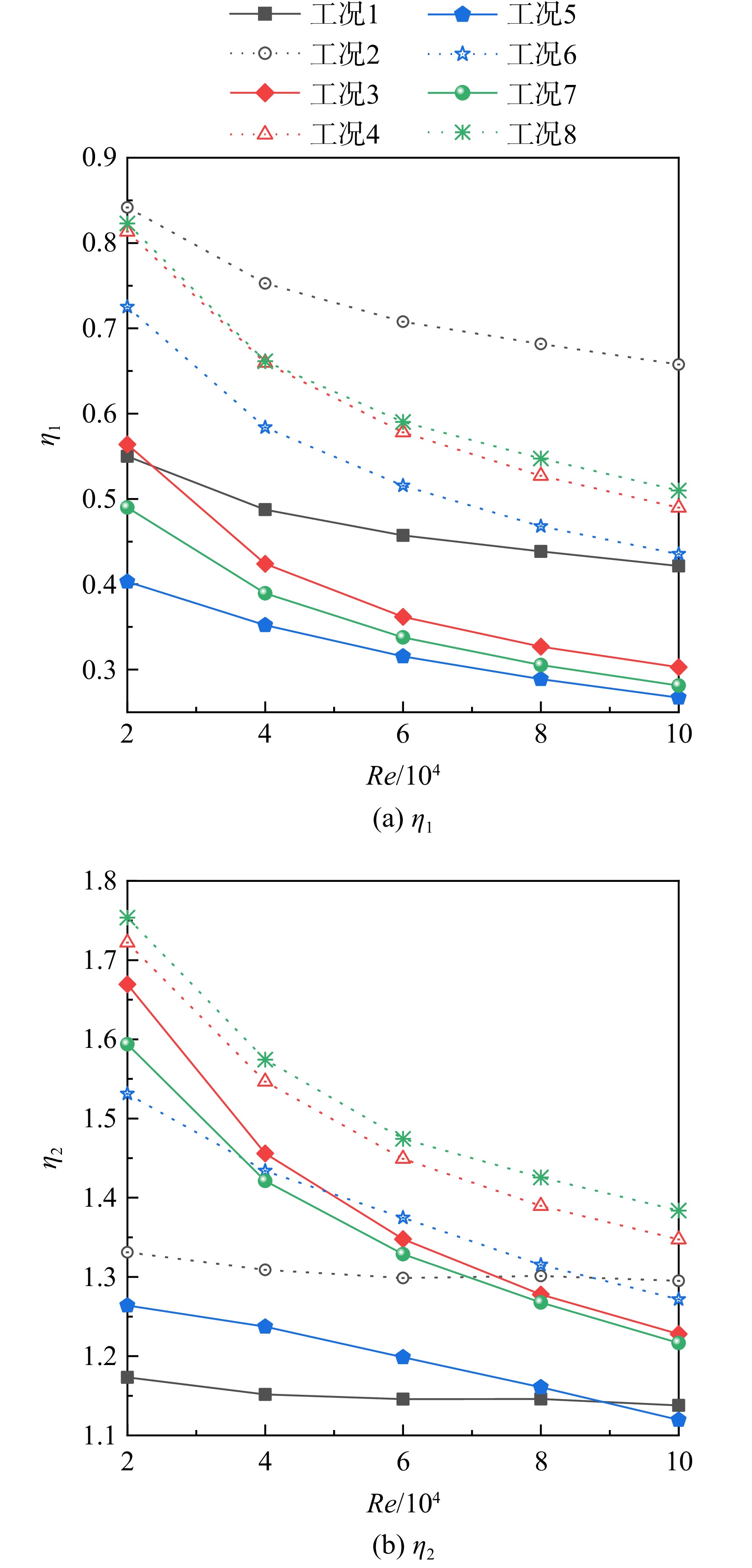
Using the numerical simulation, the fluid flow and heat transfer characteristics of a ribbed channel considering four rib configurations (transverse ribs, inclined ribs, V-shaped ribs, and inverse V-shaped ribs) and two designs (uniform design and hierarchical design) were studied for verifying the effectiveness of the hierarchical design concept. The results demonstrated that using the hierarchical design, the heat transfer performances of four kinds of ribs slightly decreased, the transverse rib had a minimum reduction below than 3.00%, while the inclined rib presented a maximum reduction up to 12.76%; the flow resistance was significantly reduced, the transverse rib had a minimum reduction with the decreased friction factor by 36.15%—37.67%, the inverse V-shaped rib had a maximum reduction with the decreased friction factor by 46.98%—50.32%; as a result, the hierarchical design effectively improved the overall cooling performance of the ribbed channel with a reduction of 81.29% for the inverse V-shaped rib at Reynolds number of 100000. The slight reduction of the heat transfer performance and the marked resistance reduction came from the combination of the constrained secondary flows and the lowering effect of the mainstream.

Aerothermodynamics and Aeroengine Design
Influence mechanism of different axial spacings on aerodynamic and acoustic characteristics of counter-rotating propeller
FENG Heying, CUI Panwang, TONG Fan, CHEN Zhengwu, LI Qiangbin
2024, 39(10): 20220838. doi: 10.13224/j.cnki.jasp.20220838
Abstract:

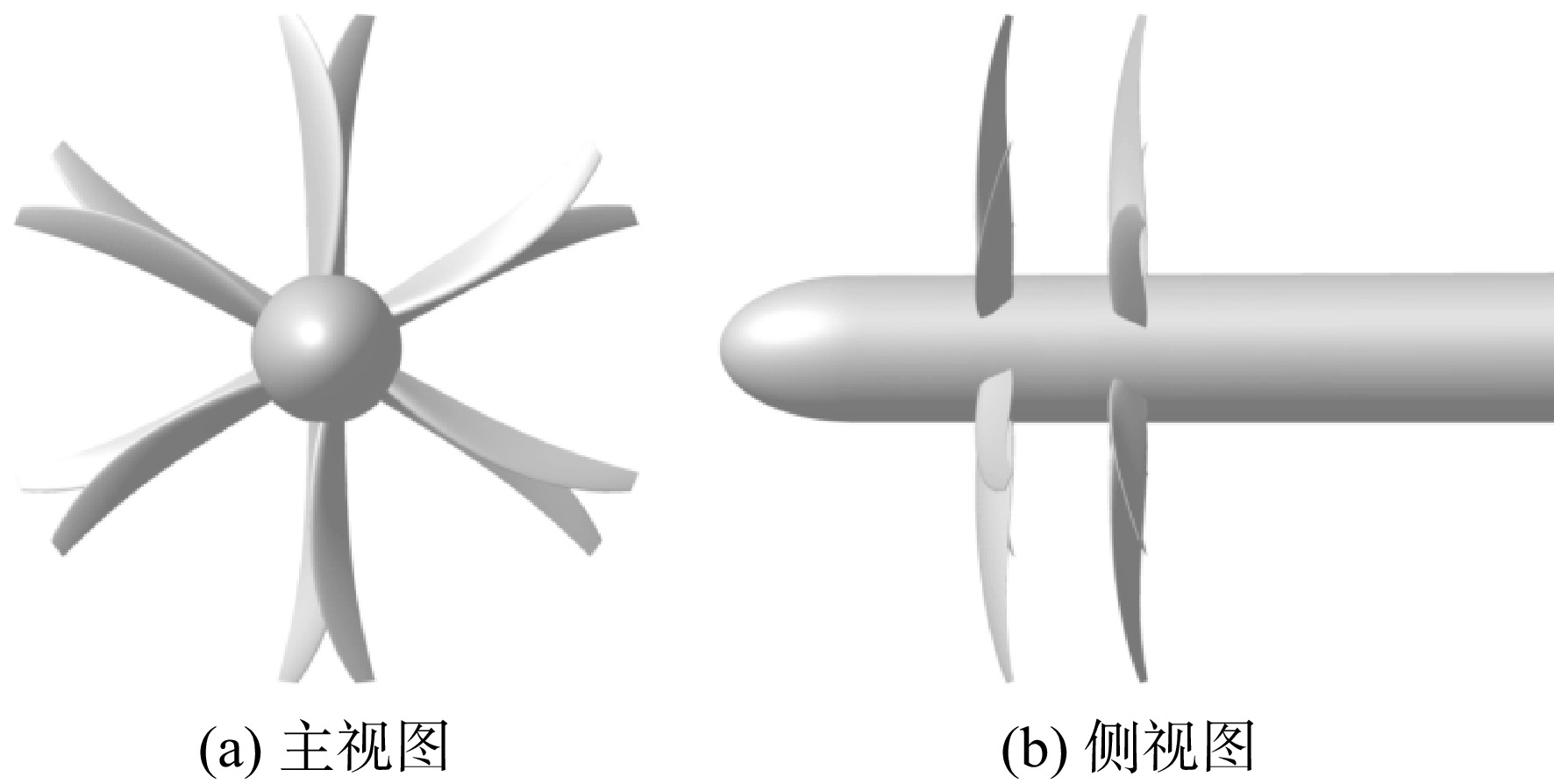
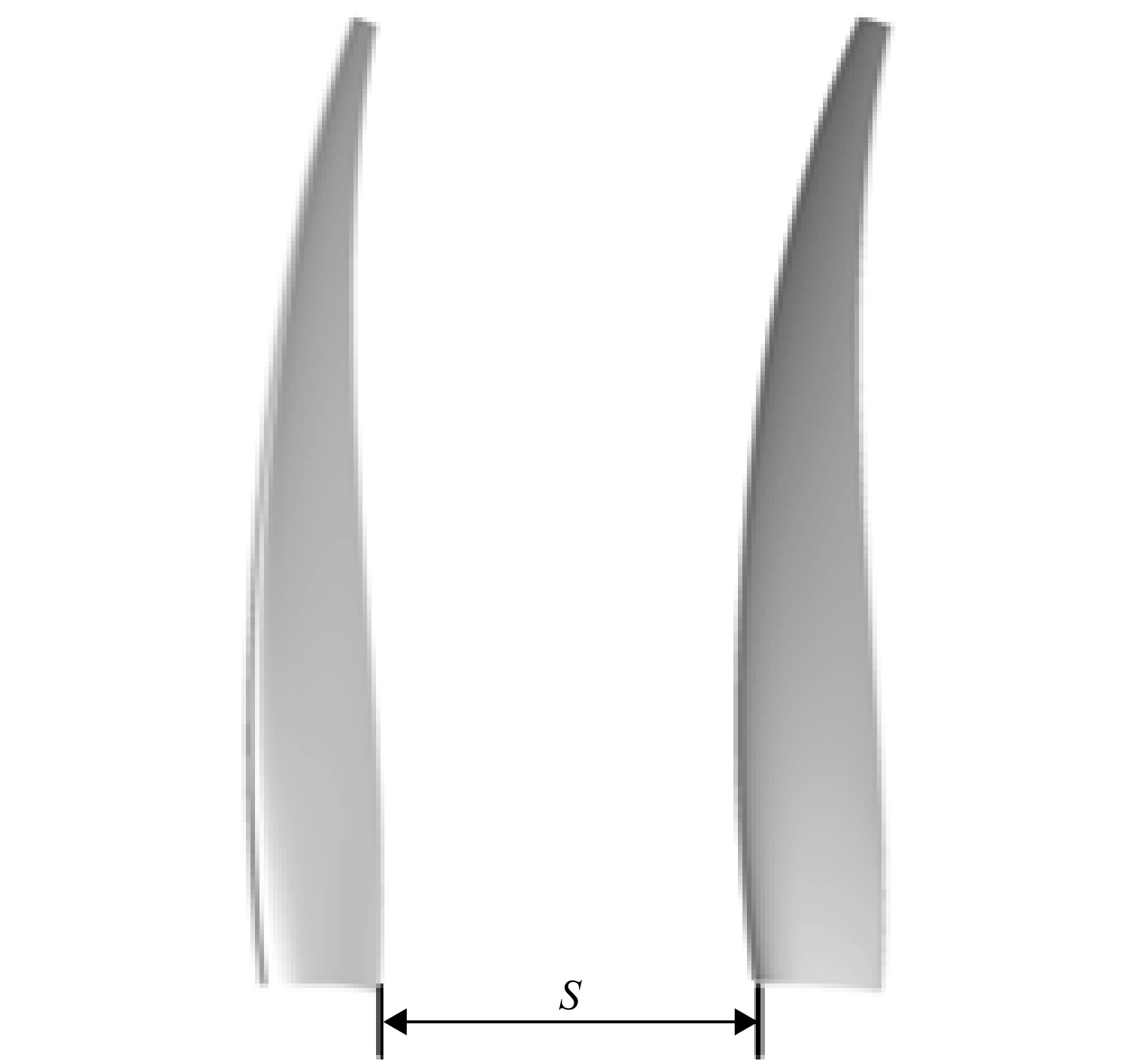
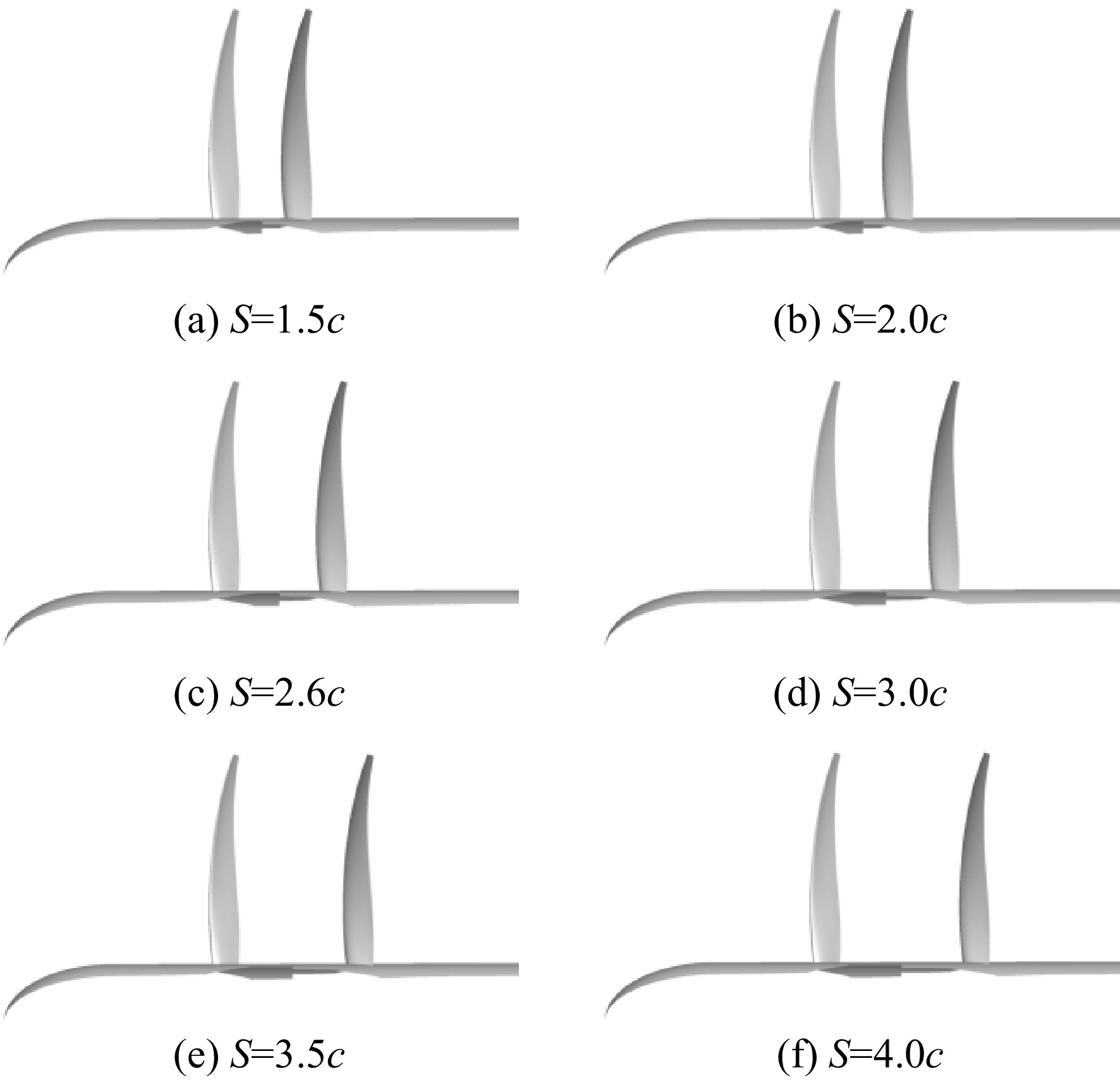
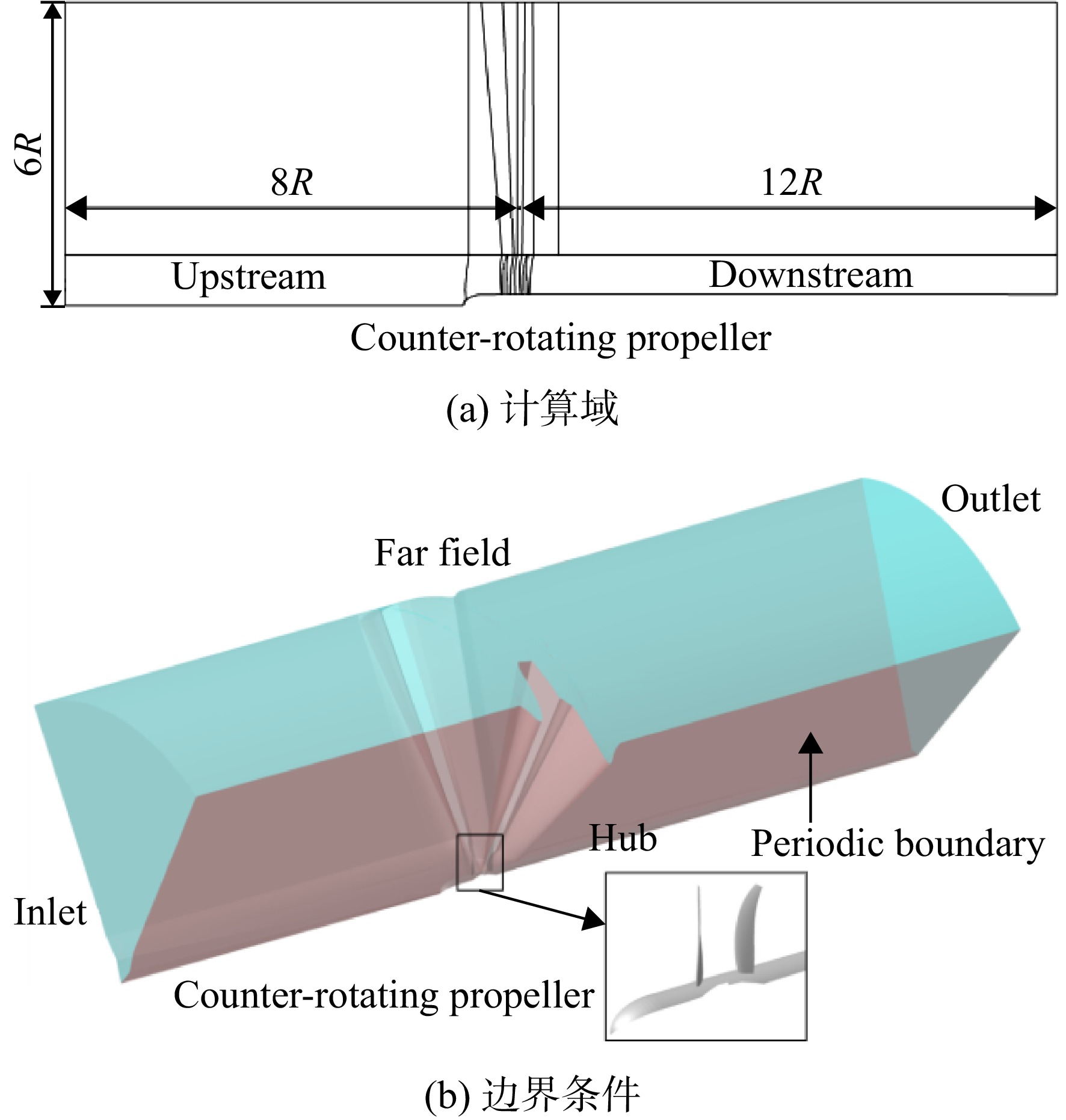
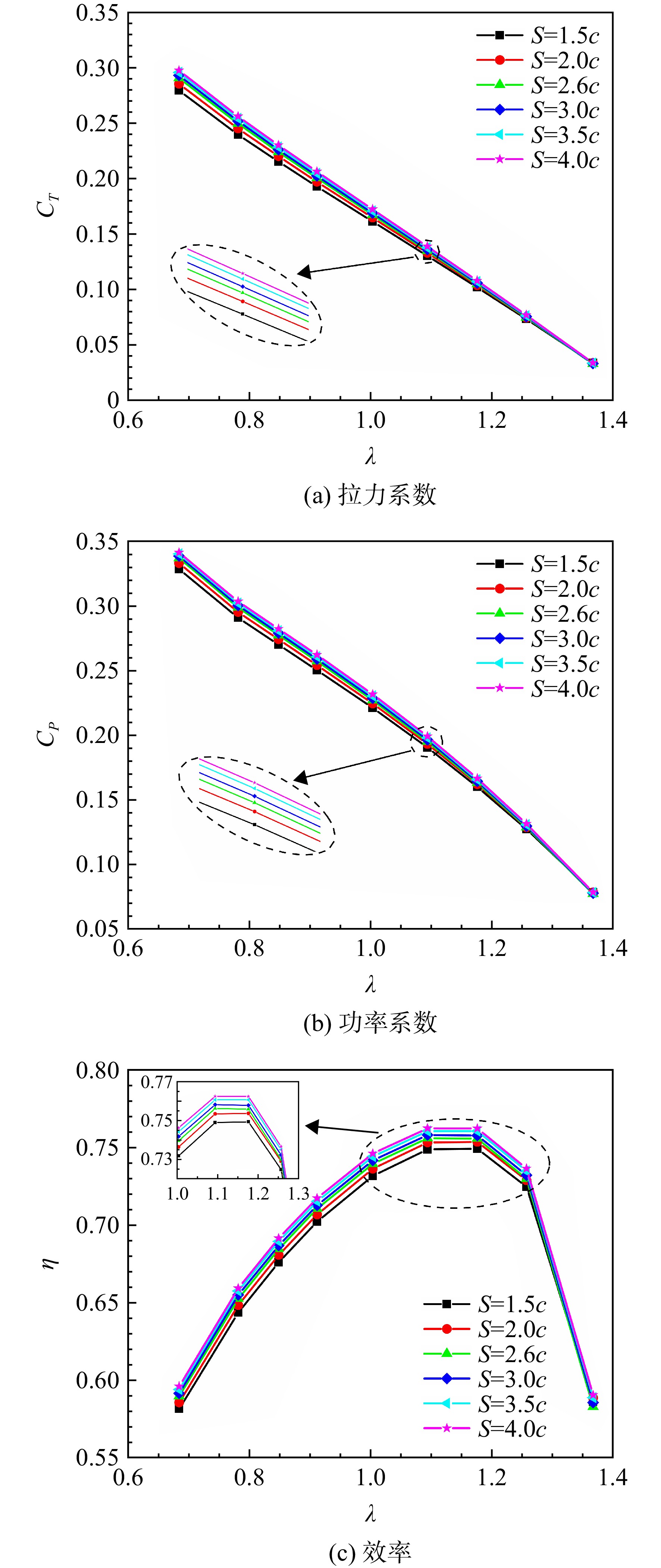
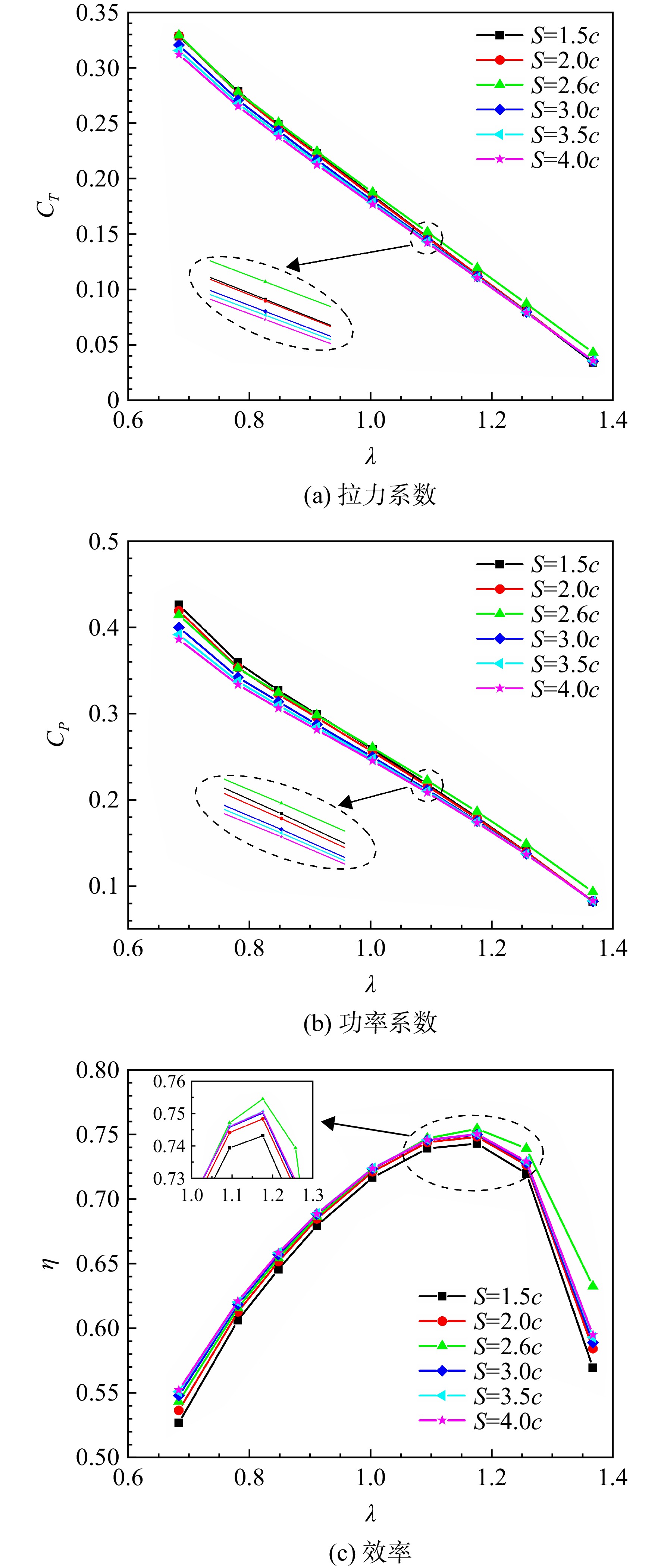
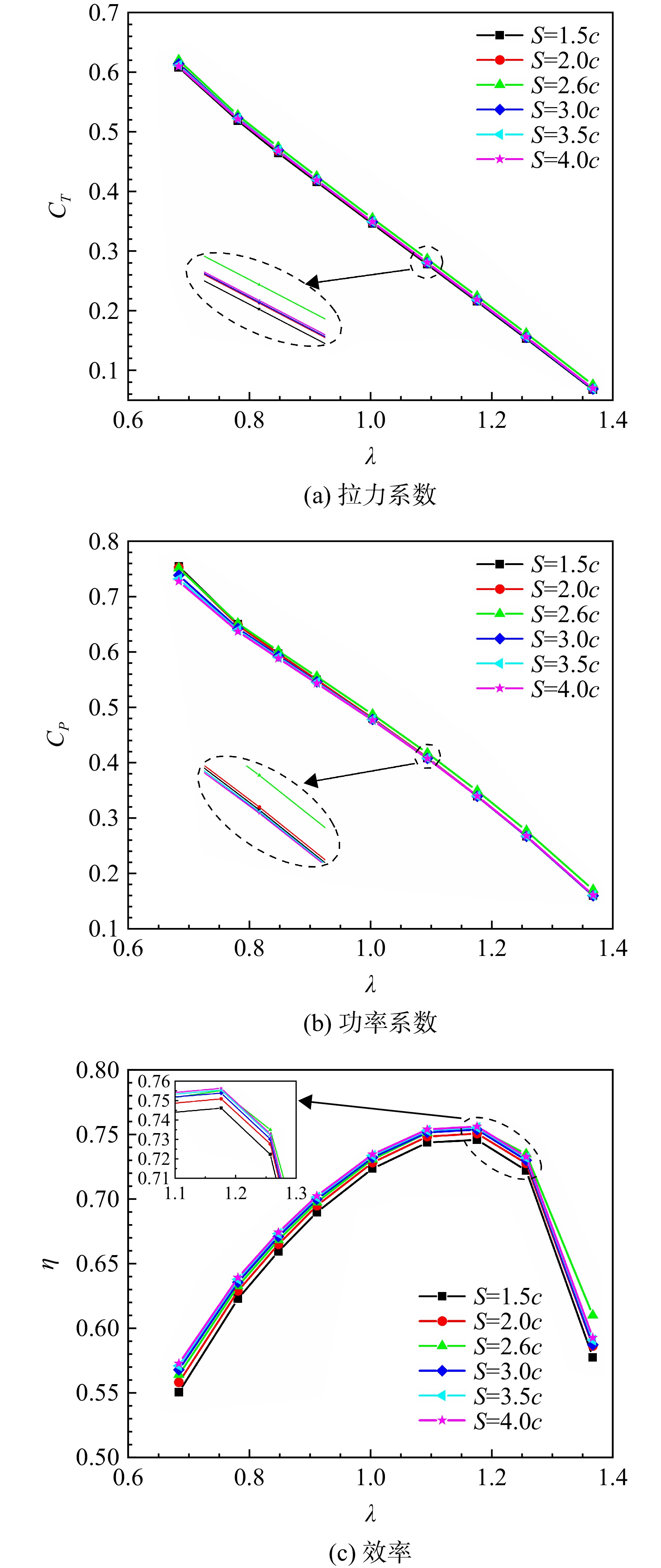
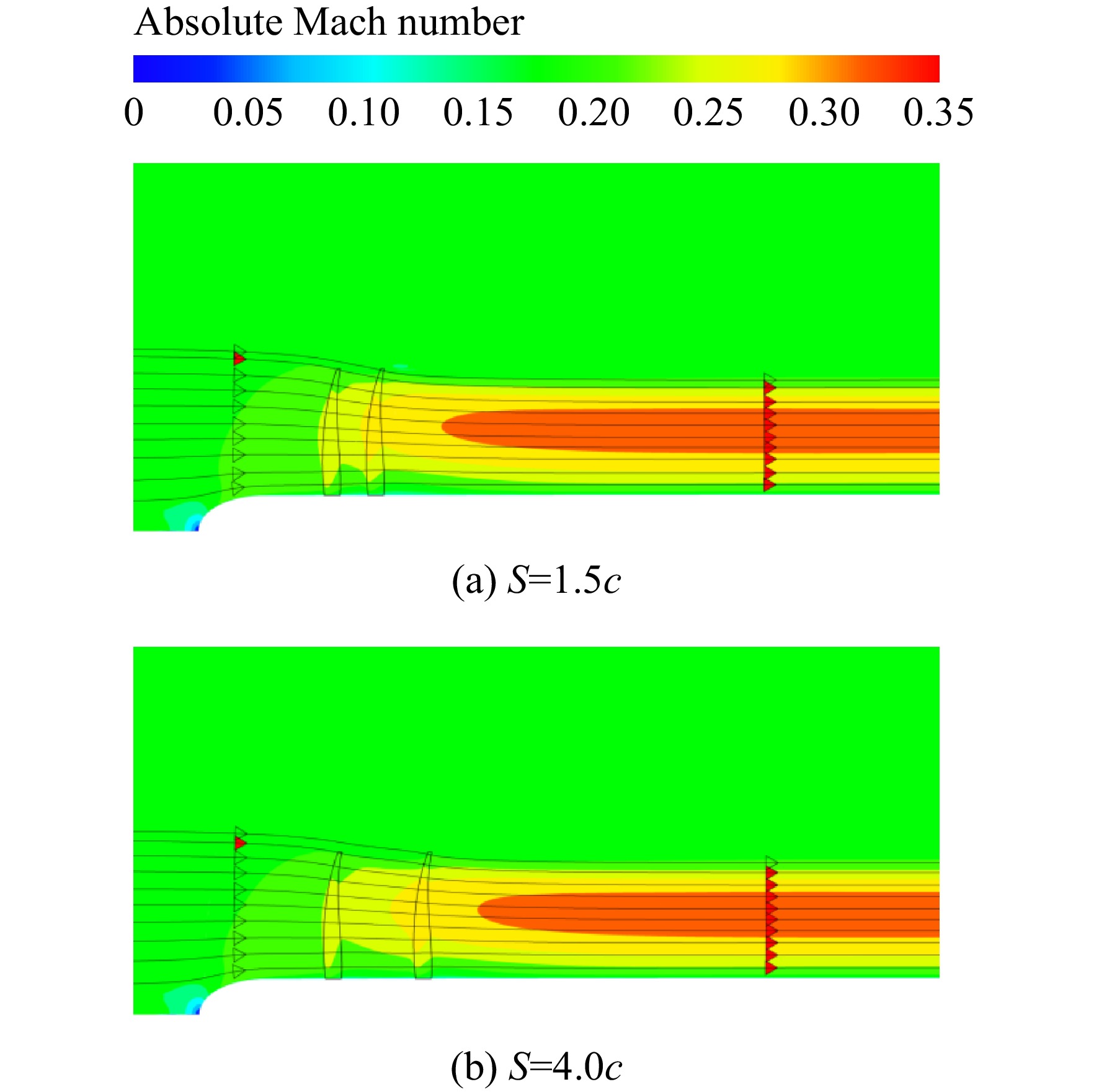
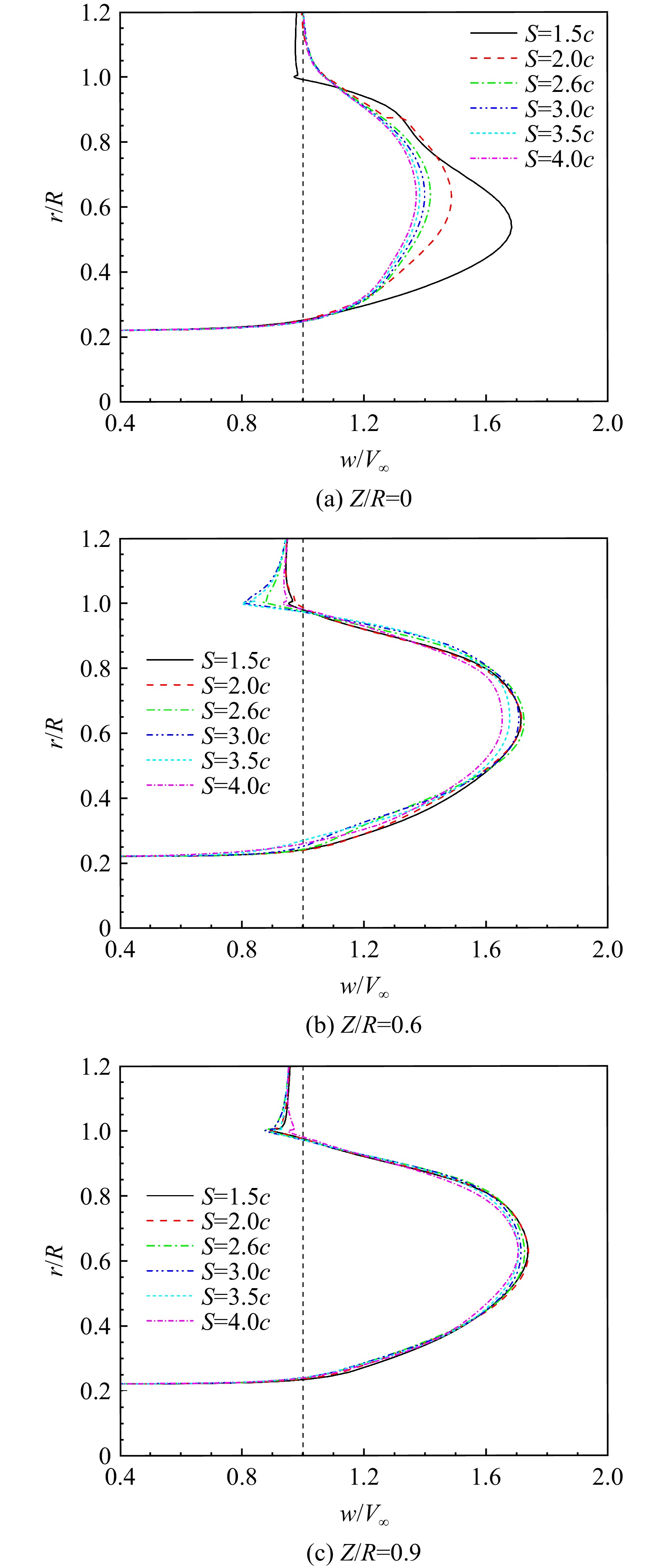
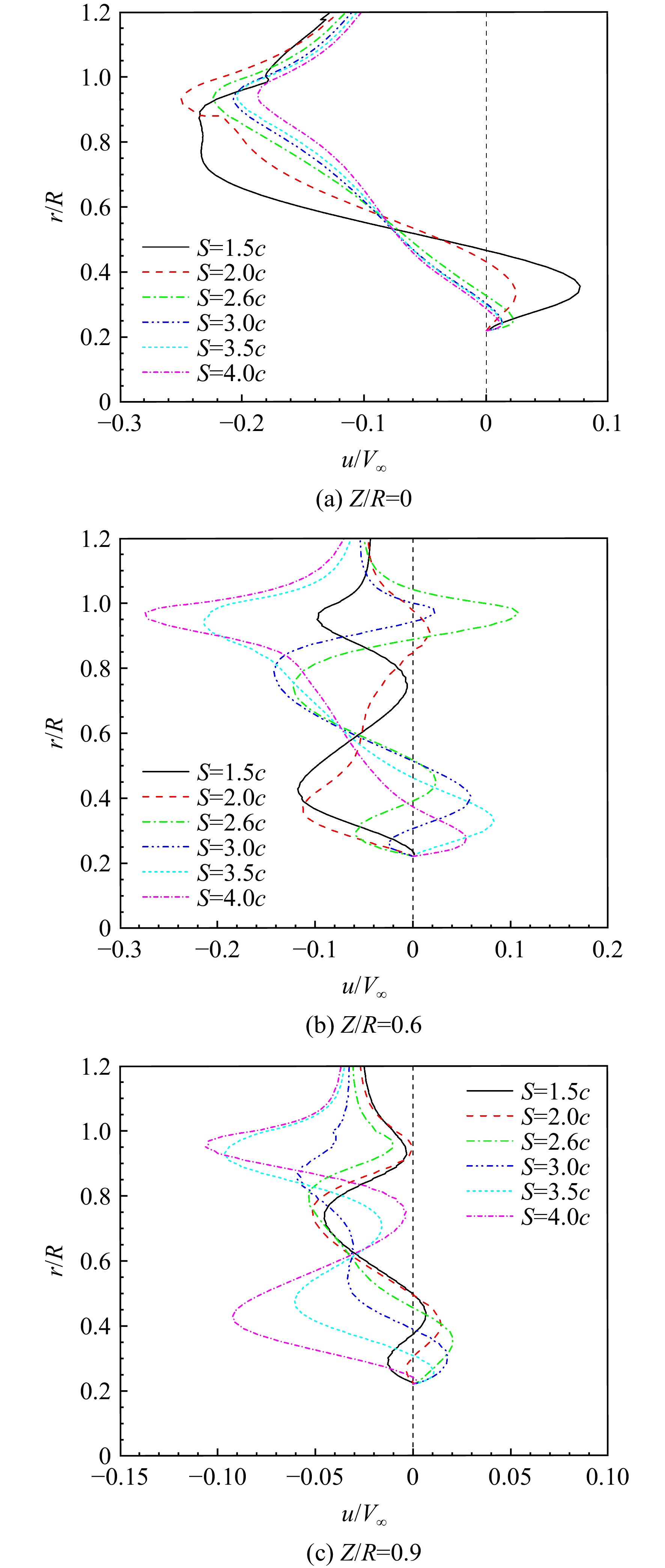
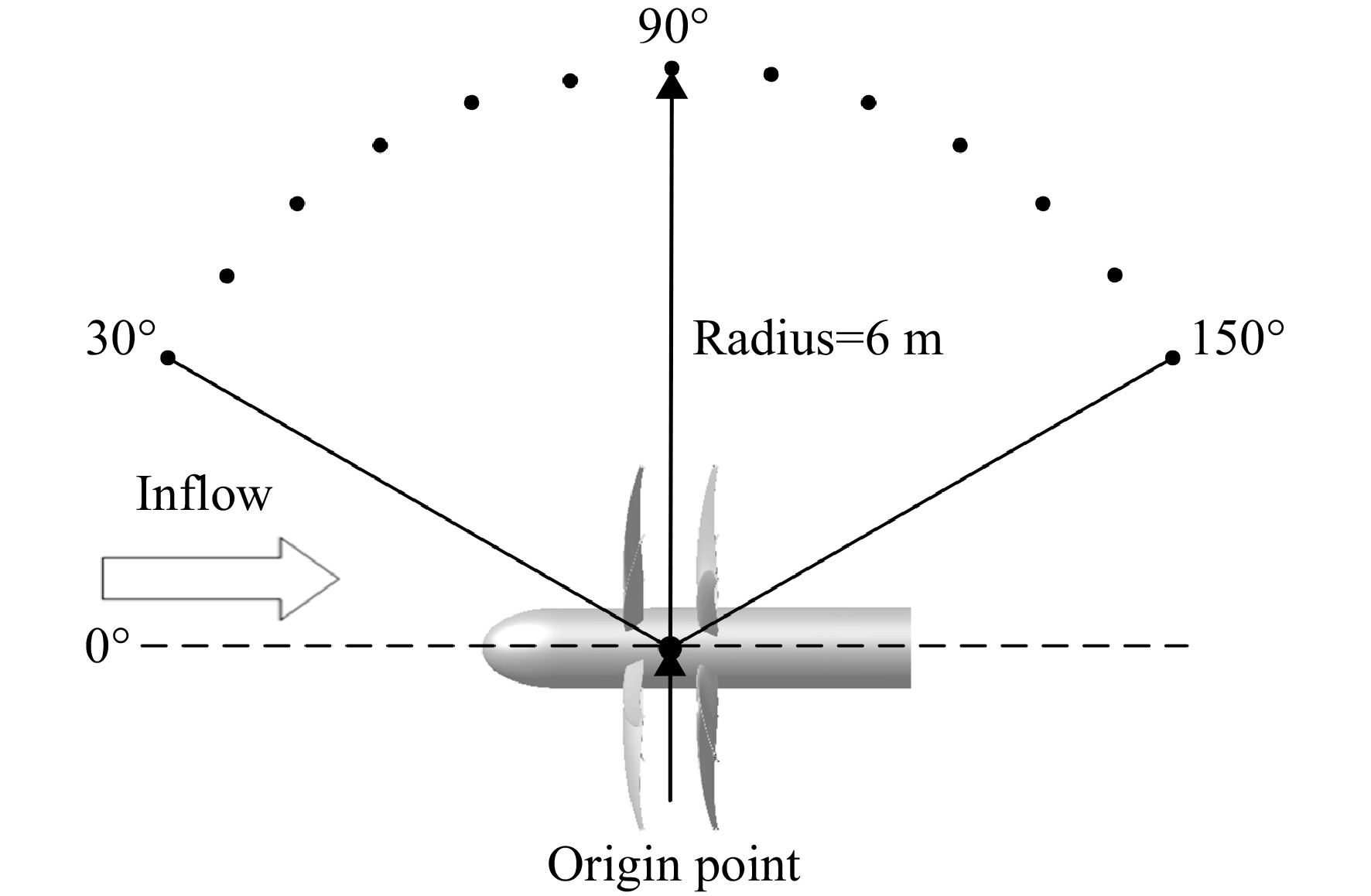
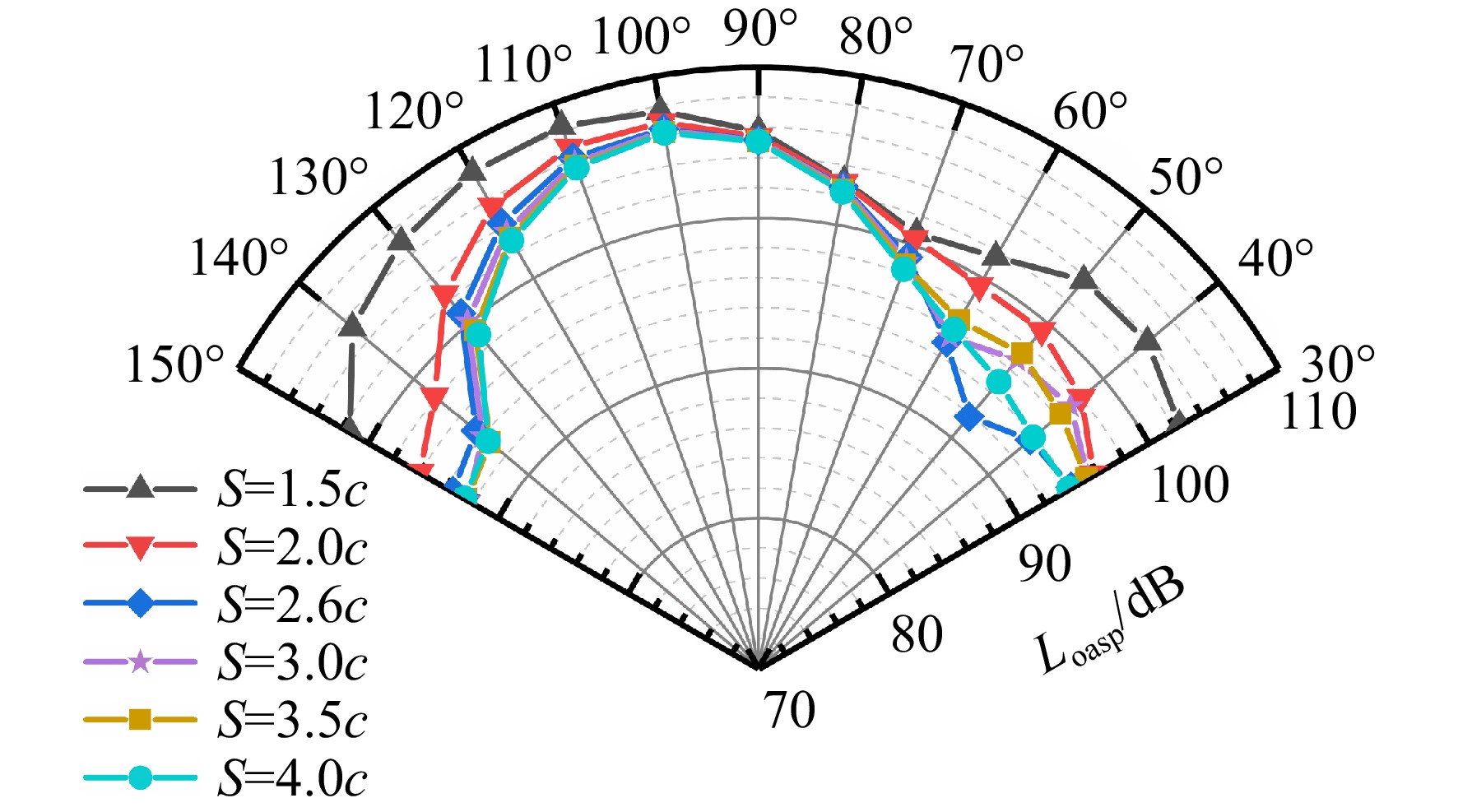
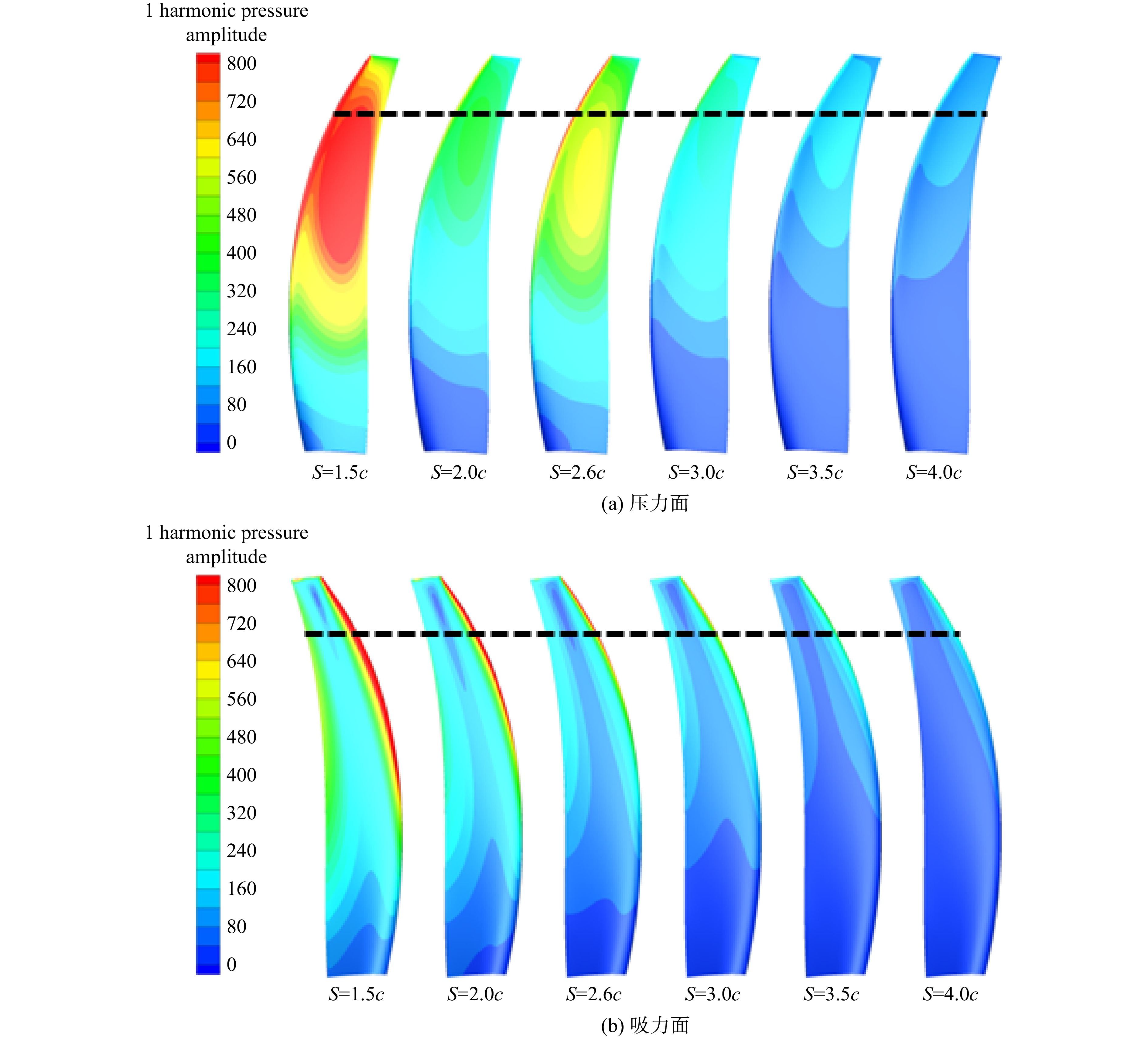
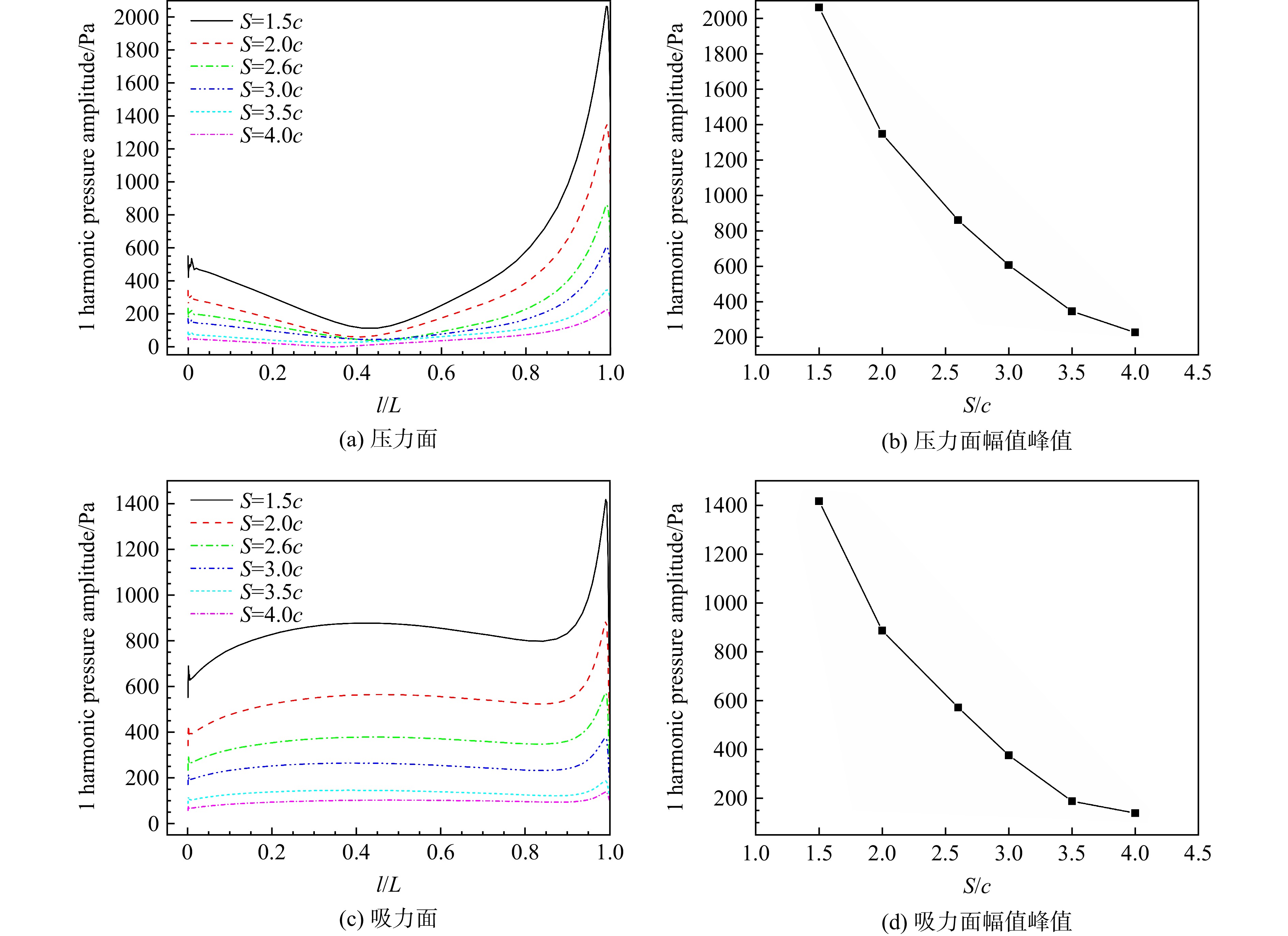
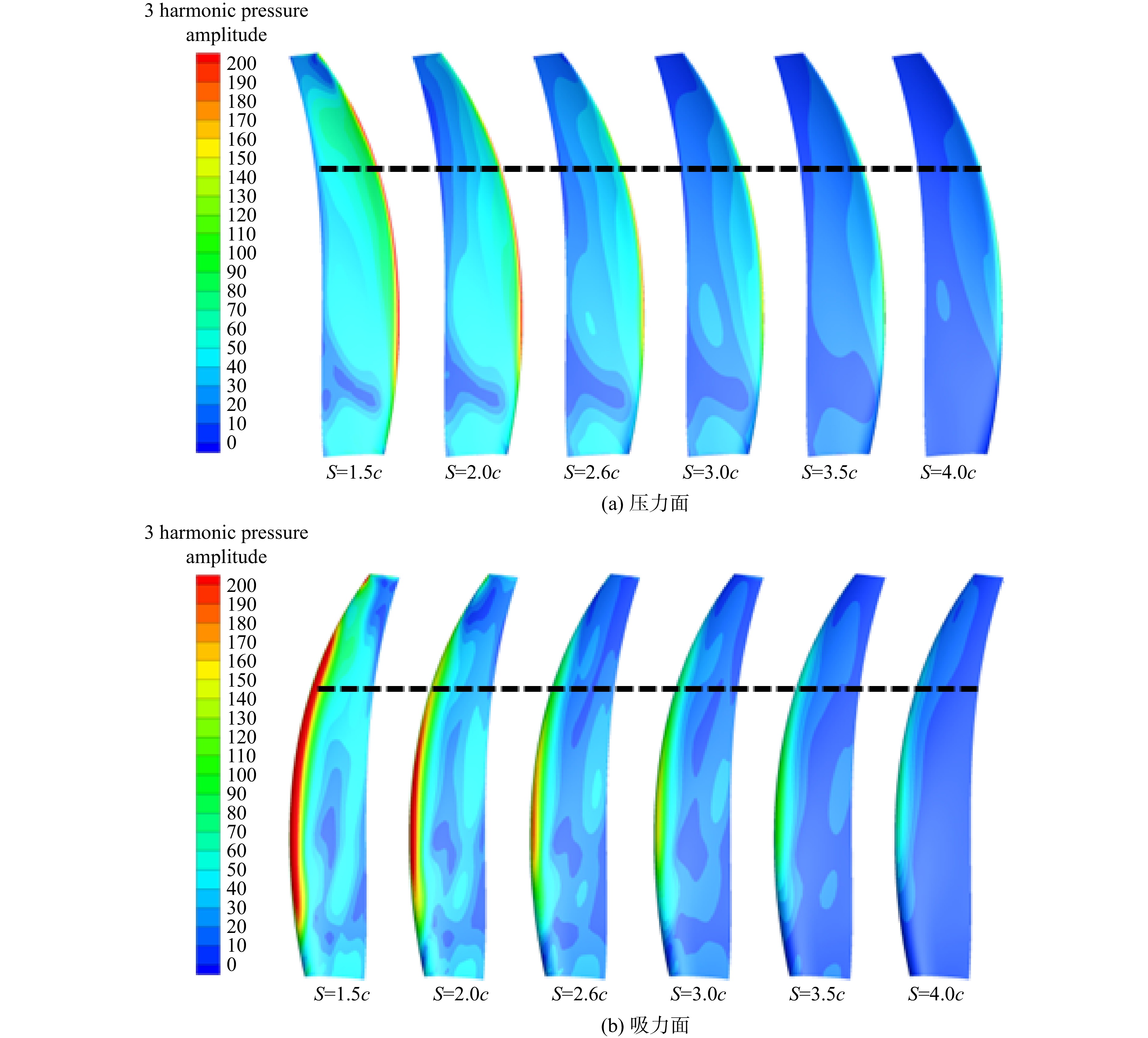
Based on the nonlinear harmonic method and acoustic analogy theory, the influences of rotor axial spacing on the aerodynamic characteristics and noise of counter-rotating propeller and its physical mechanism were studied. Taking a certain type of counter-rotating propeller as the research object, six kinds of counter-rotating propeller models with different rotor axial spacings were studied. The calculation results showed that change of the axial spacing of the counter-rotating propeller rotor had a certain influence on the overall efficiency of the counter-rotating propeller, but had little influence on the total pull coefficient and total power coefficient. The increase of rotor axial spacing had a significant impact on the axial velocity between the front and rear rotors, but had little impact on the axial velocity of air flow behind the rotor. With the increase of the axial distance between rotors, the radial velocity between the front and rear rotors decreased gradually, and then the slipstream contraction between rotors of counter-rotating propeller was weakened. By changing the axial spacing of the rotor, compared with the minimum axial spacing, the maximum noise of the counter-rotating propeller was reduced by about 10 dB, the interference noise was reduced by more than 10 dB, and the efficiency was increased by 1.4%. With the increase of rotor axial spacing, the amplitude of the first harmonic pressure on the pressure surface and suction surface at 85% of the blade height of the front rotor decreased by 1836 Pa (89%) and 1277 Pa (90%), respectively, at the trailing edge, and the amplitude of the third harmonic pressure on the pressure surface and suction surface at 75% of the blade height of the rear rotor decreased by 266 Pa (78%) and 209 Pa (85%), respectively, at the leading edge.

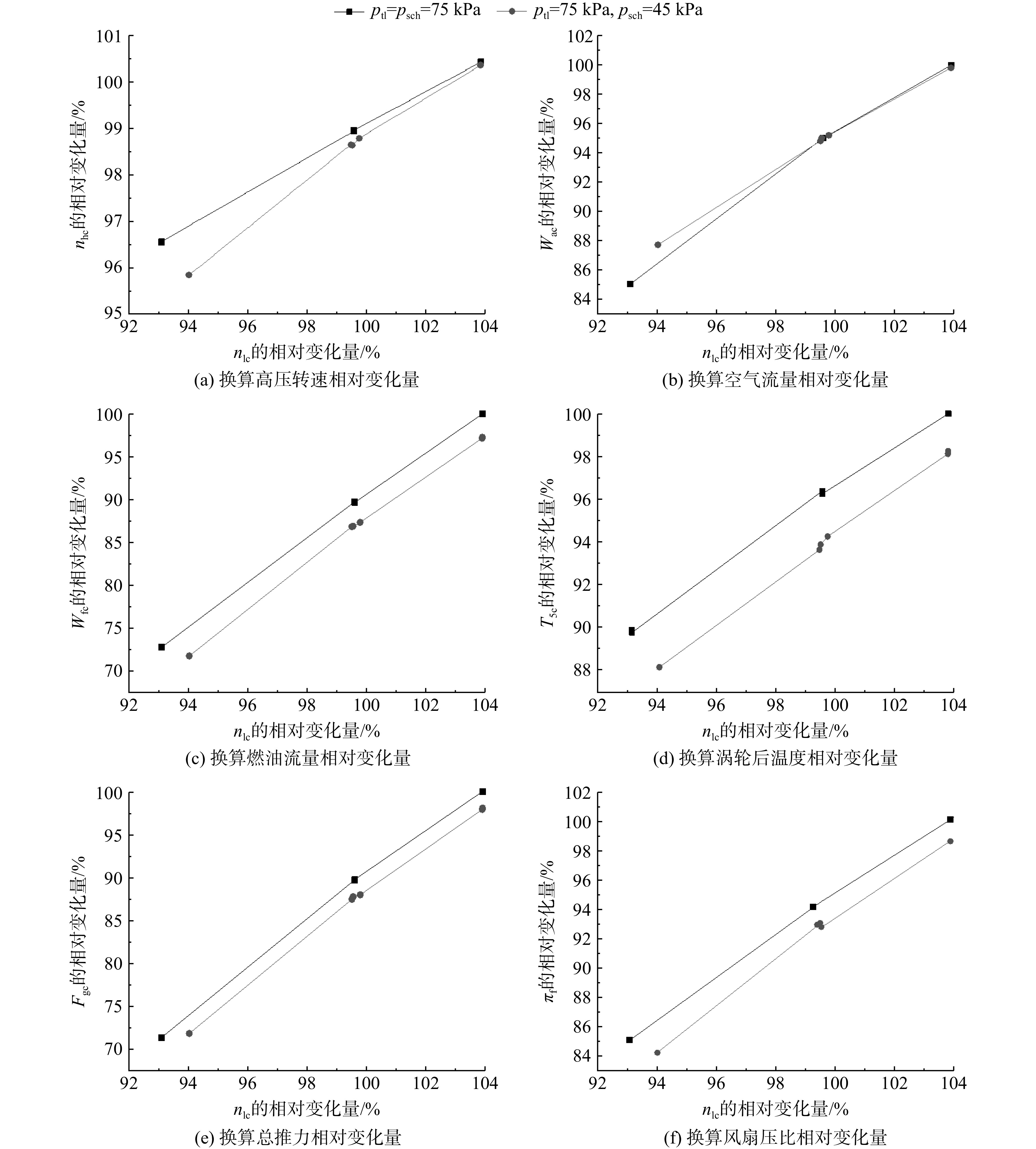
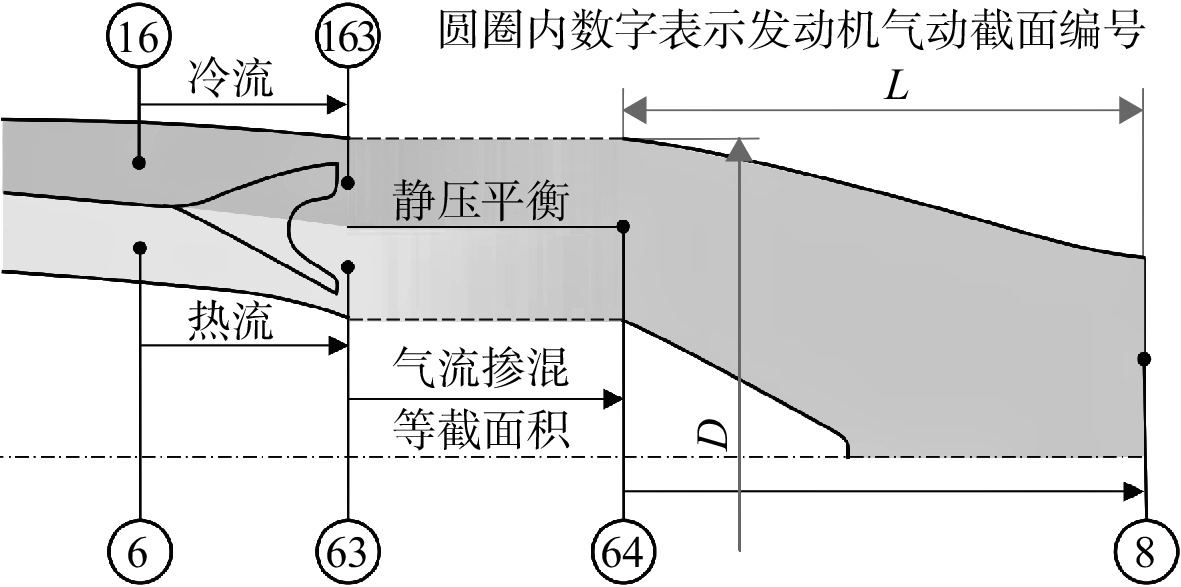
Investigation of performance approximate revision methods for engine with adjustable convergence nozzle in ram pressure calibration of altitude simulated test
WU Feng, LIU Tao, DENG Ran, WANG Jingyuan, XU Quanyong
2024, 39(10): 20220862. doi: 10.13224/j.cnki.jasp.20220862
Abstract:

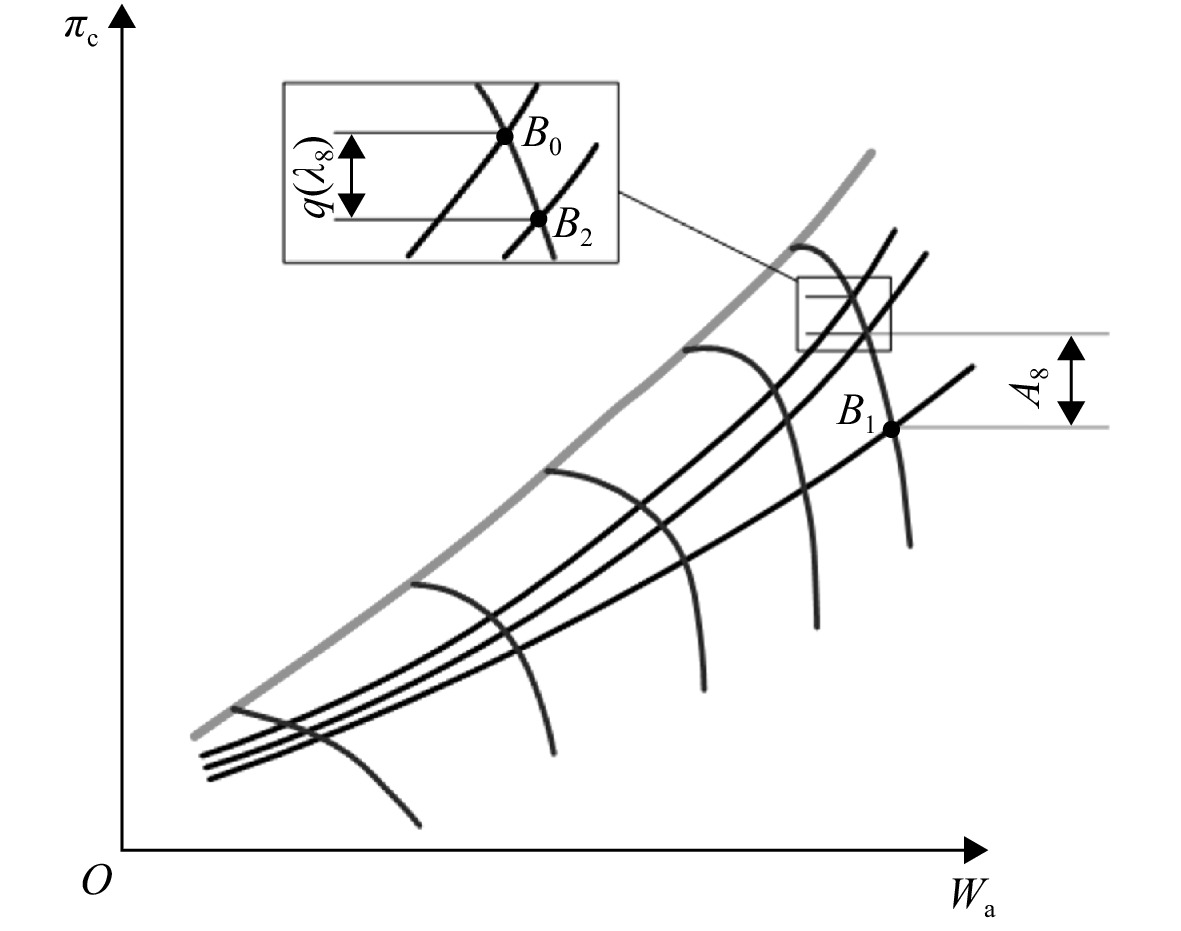
A method of revising the performance of an engine with adjustable convergent nozzle caused by nozzle control deviation in ram pressure calibration of Altitude Simulated Test was presented. According to this method, the correction coefficient was obtained by comparing the test results under ram pressure condition with those under equal ram pressure condition. The approximate correction of calibration test results under the condition of ram pressure was realized. For a turbofan engine, the experiments in altitude test and the overall performance simulation were carried out. The variation of engine performance under nozzle control deviation was obtained, and the correction of calibration test results under ram pressure condition was realized. The results showed that this calibration test method was feasible under the condition of ram pressure, and the difference between the engine thrust and other main performance parameters obtained by the above method and the factory test results was less than 2.0%.

Research on simulation and evaluation technology of aero-engine vulnerability
LI Zhaohong, XING Yang, PEI Yang, CHAI Zheng, GUO Pengchao
2024, 39(10): 20220442. doi: 10.13224/j.cnki.jasp.20220442
Abstract:

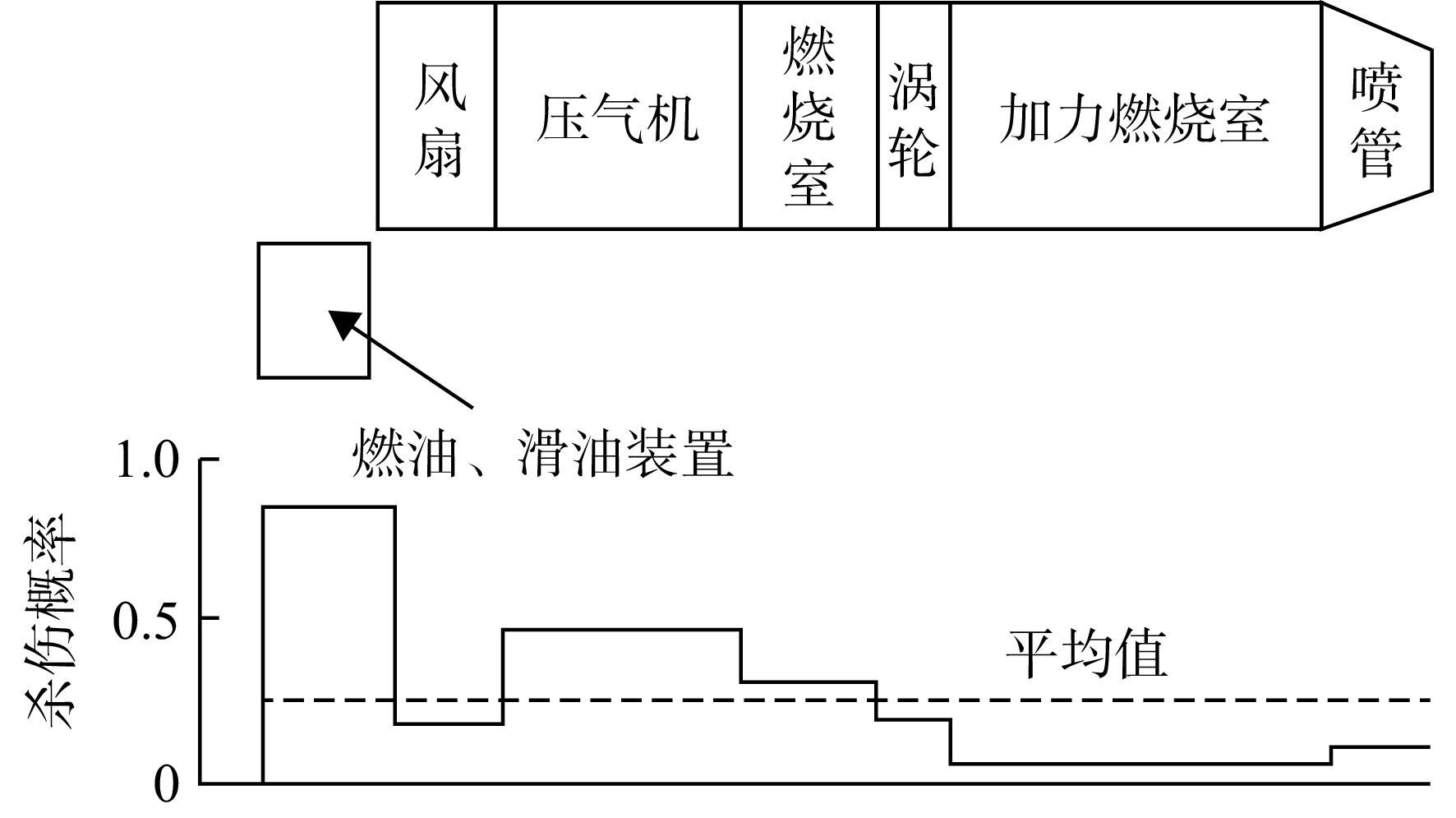
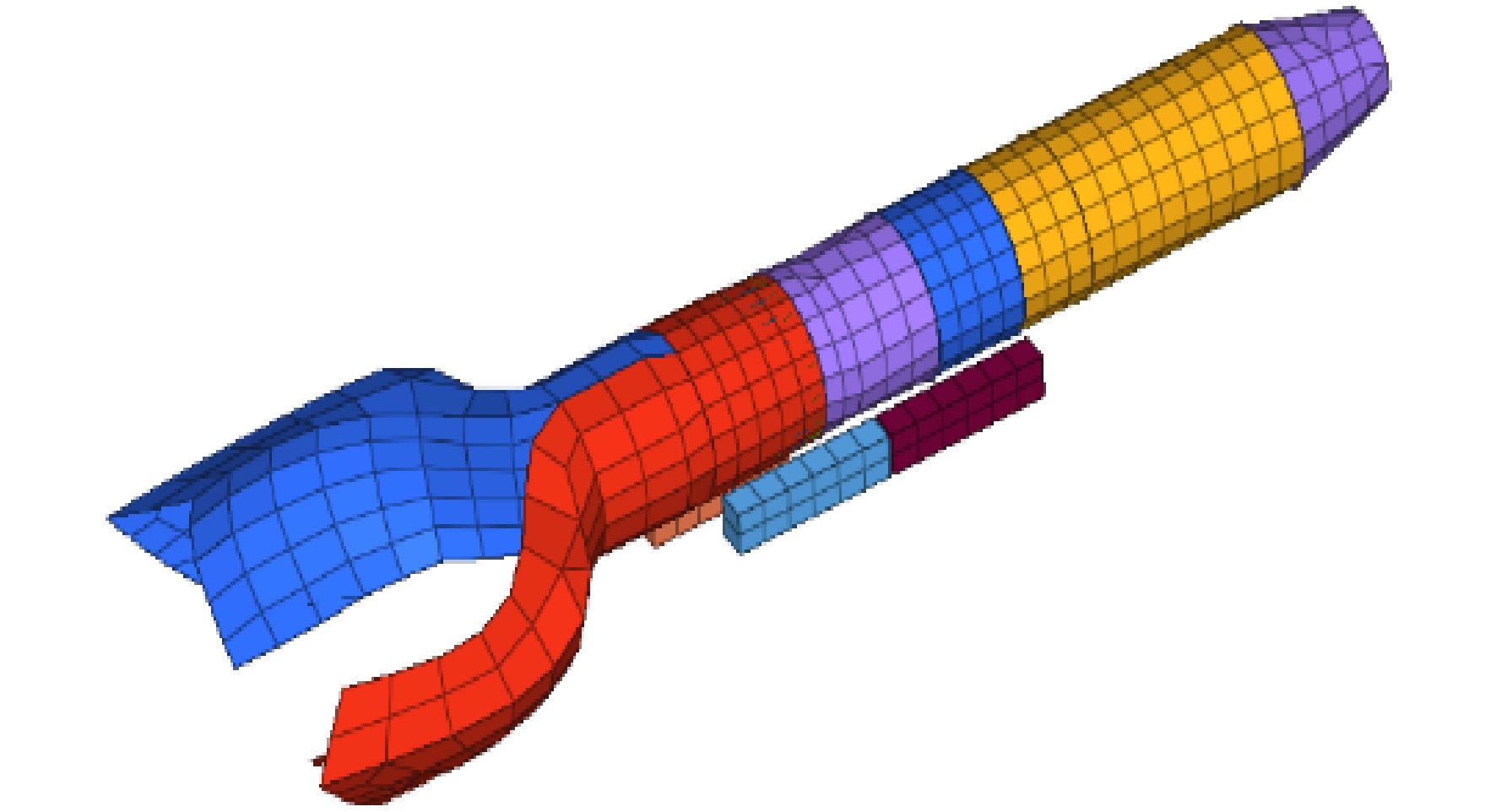
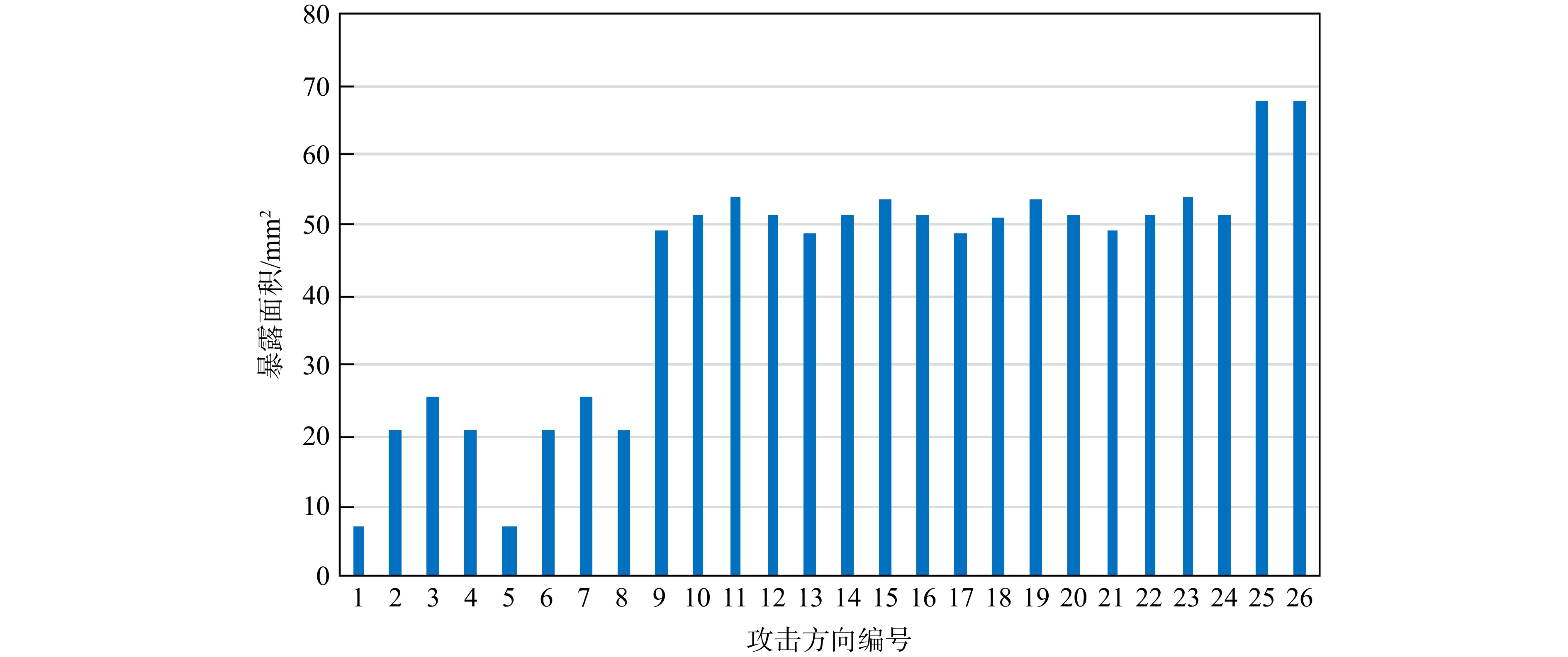
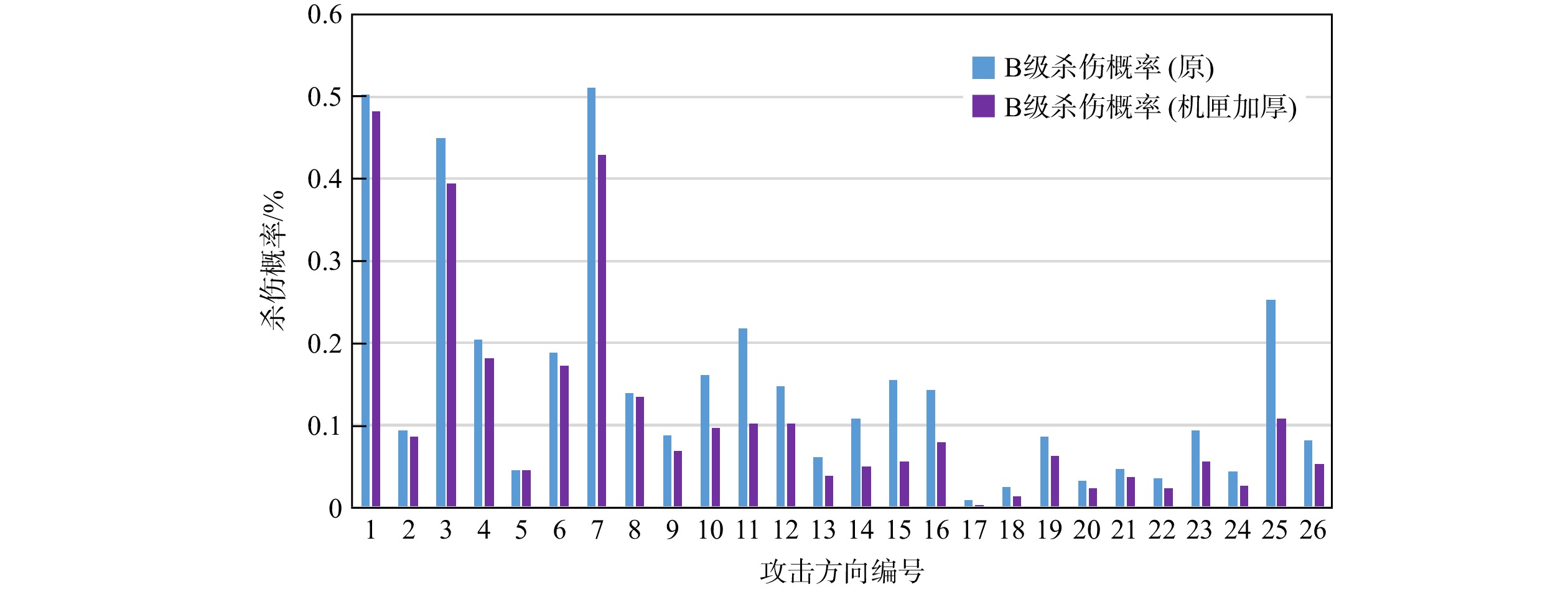
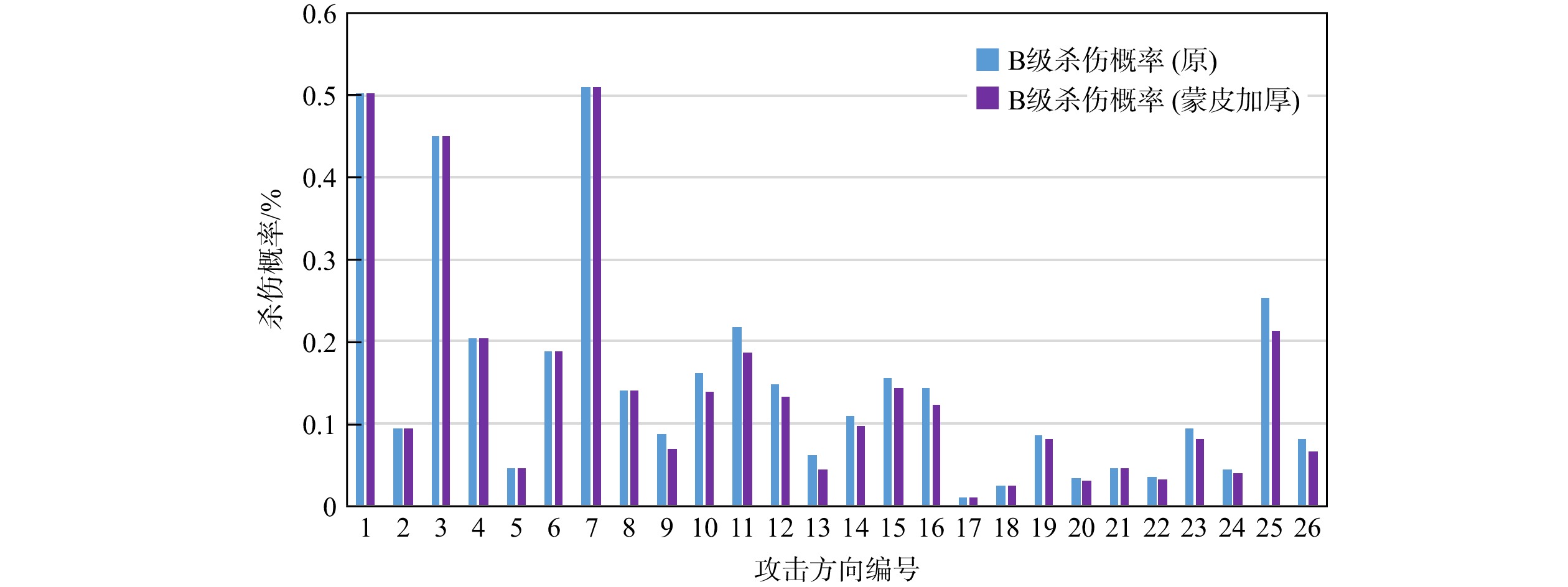
In order to improve the combat survivability of aircraft, a computational simulation method for aircraft engine vulnerability assessment was proposed. Taking a certain type of engine as an object, the lethal components of the engine were identified, the vulnerability assessment model of the engine was established, then the projectile was selected as a typical threat, and the vulnerability simulation analysis software was used to quantify the vulnerability indicators such as the engine kill probability. According to the calculation results of the developed vulnerability calculation software, for direction 1 and direction 7, the level B kill probability of compressor inner casing, low-pressure and high-pressure rotating shafts was high. Considering possible measures to reduce the vulnerability of the engine, suggestions for improving the vulnerability design of the engine were put forward, and the improvement effect was analyzed by calculating an example. The proposed method has guiding significance for aero-engine protection and survivability design.

Applicability of inverse method of characteristics
LIU Chuanzhen, MENG Xufei, BAI Peng
2024, 39(10): 20220761. doi: 10.13224/j.cnki.jasp.20220761
Abstract:

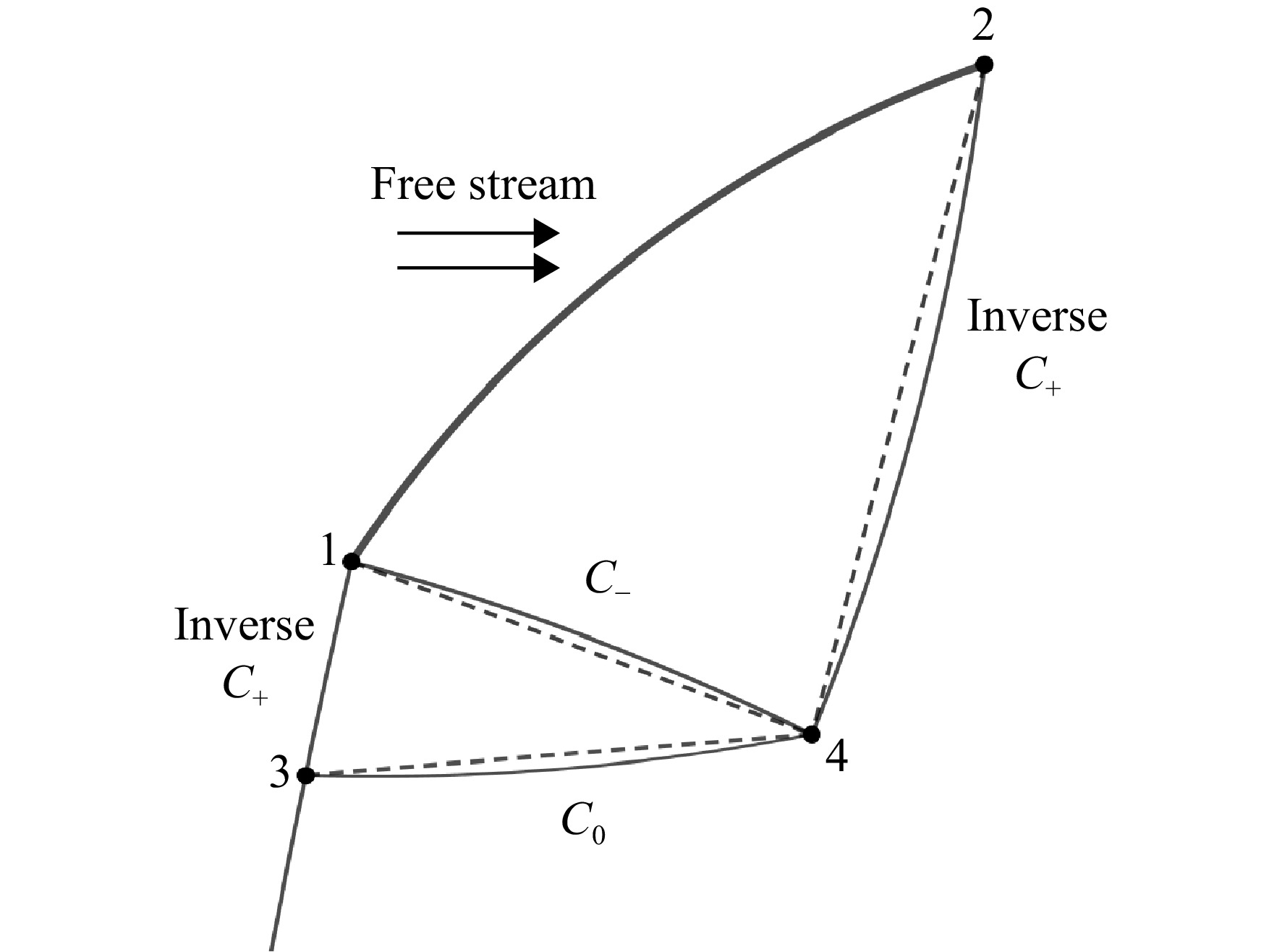
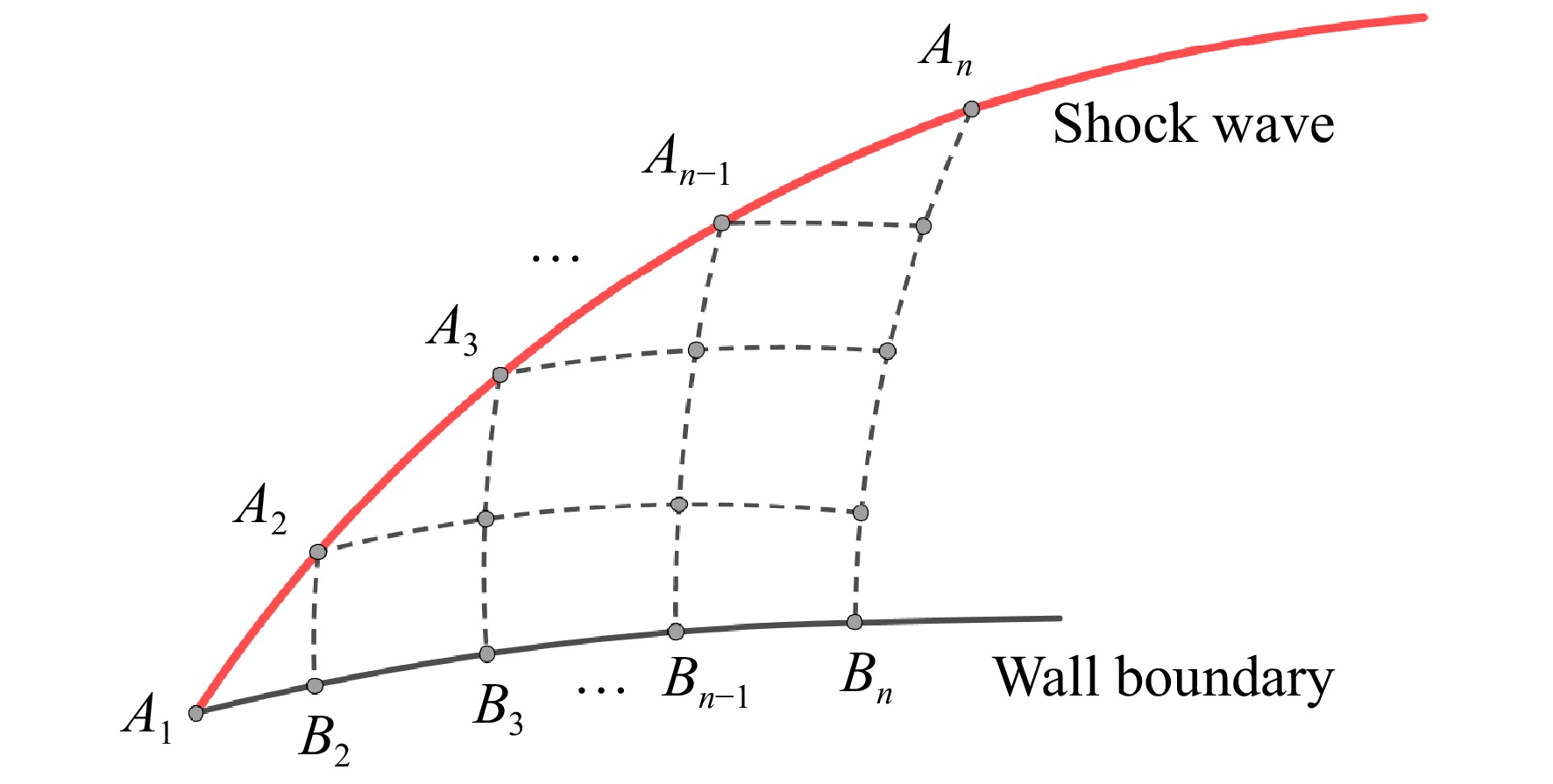
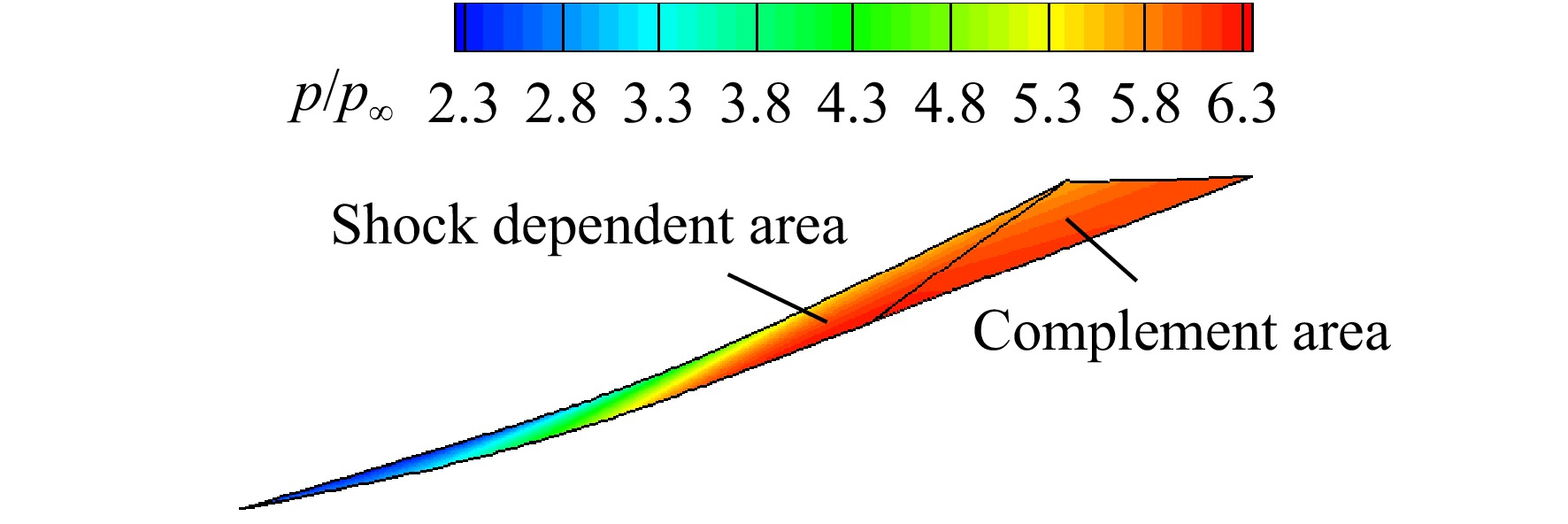
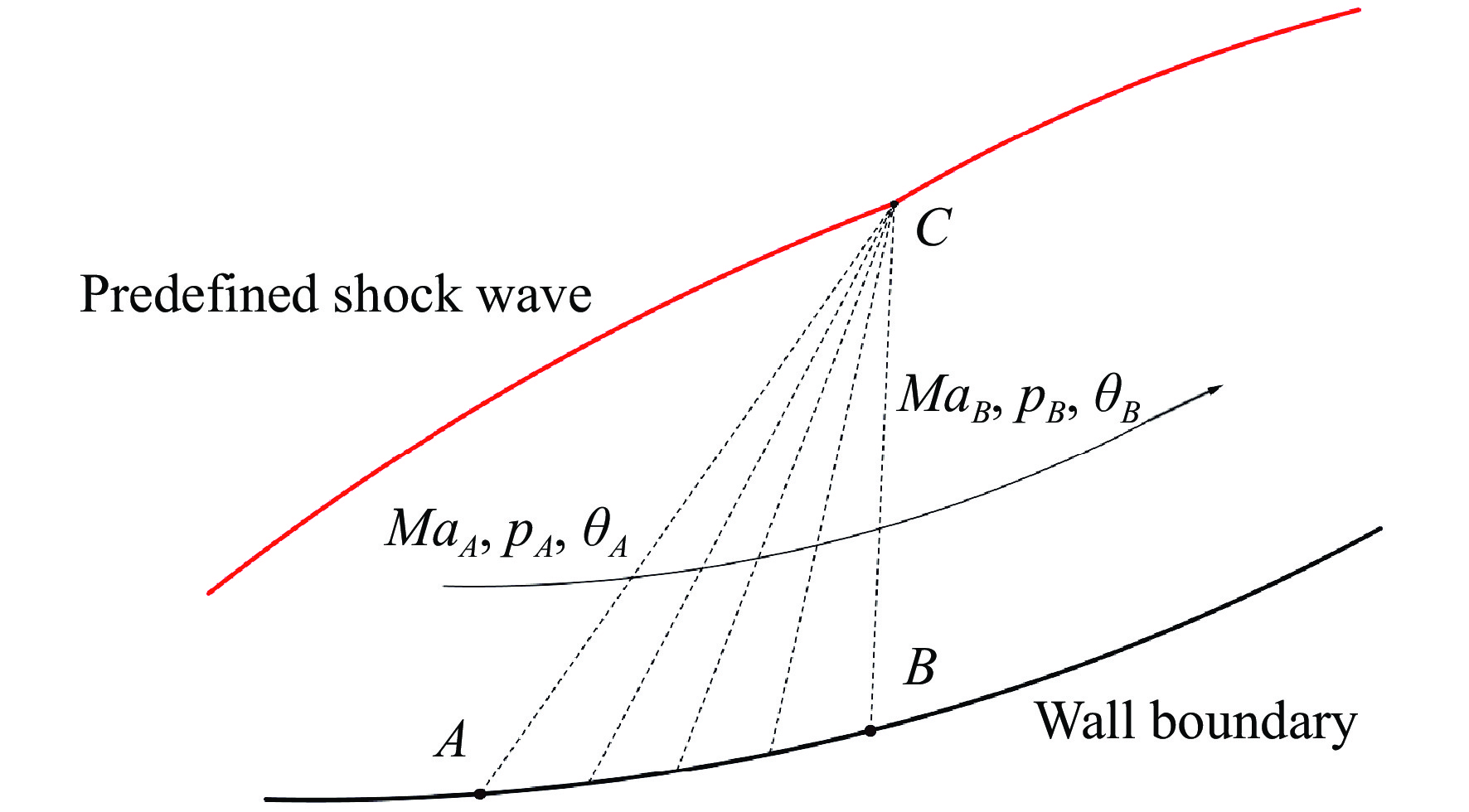
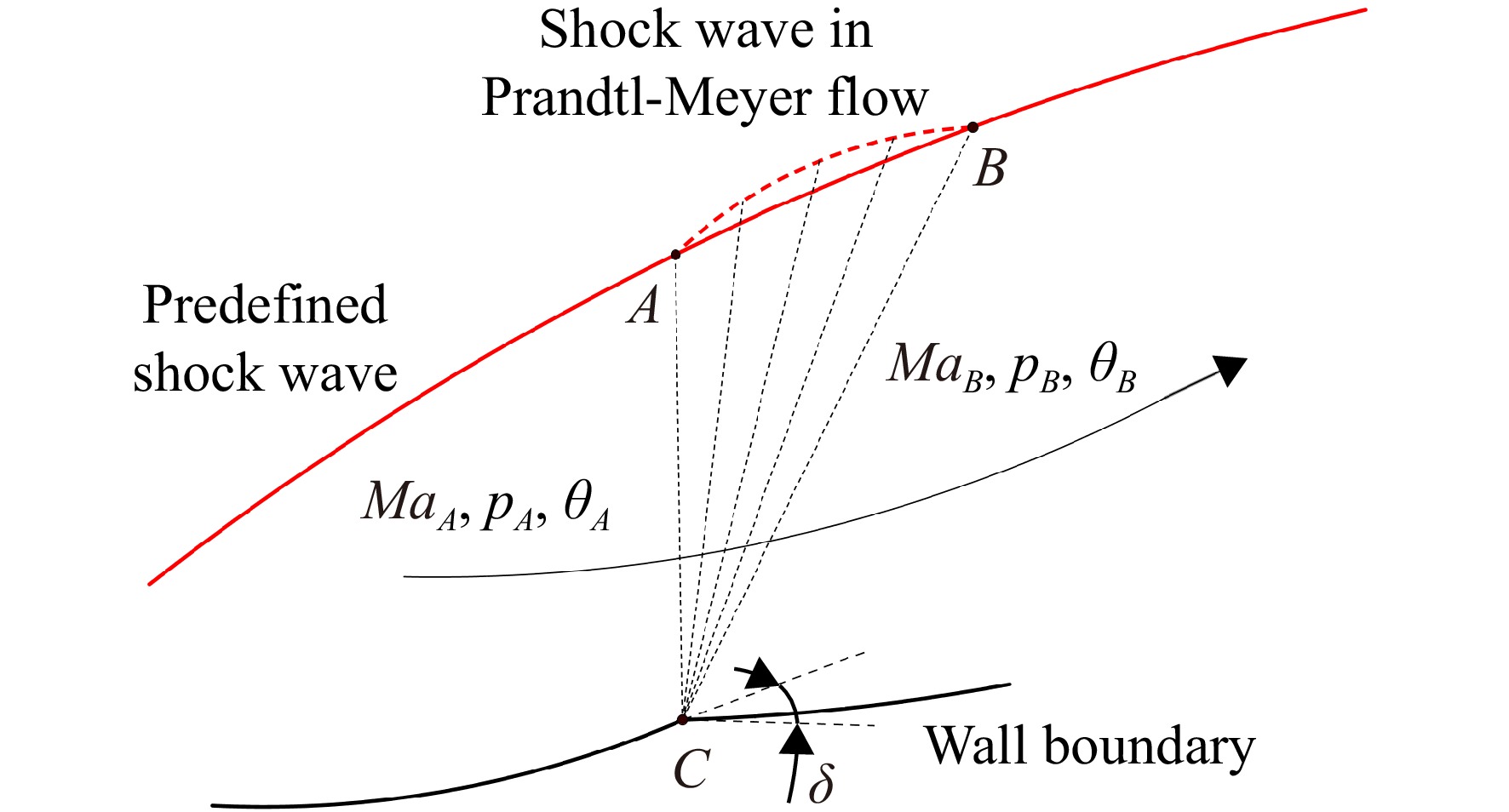
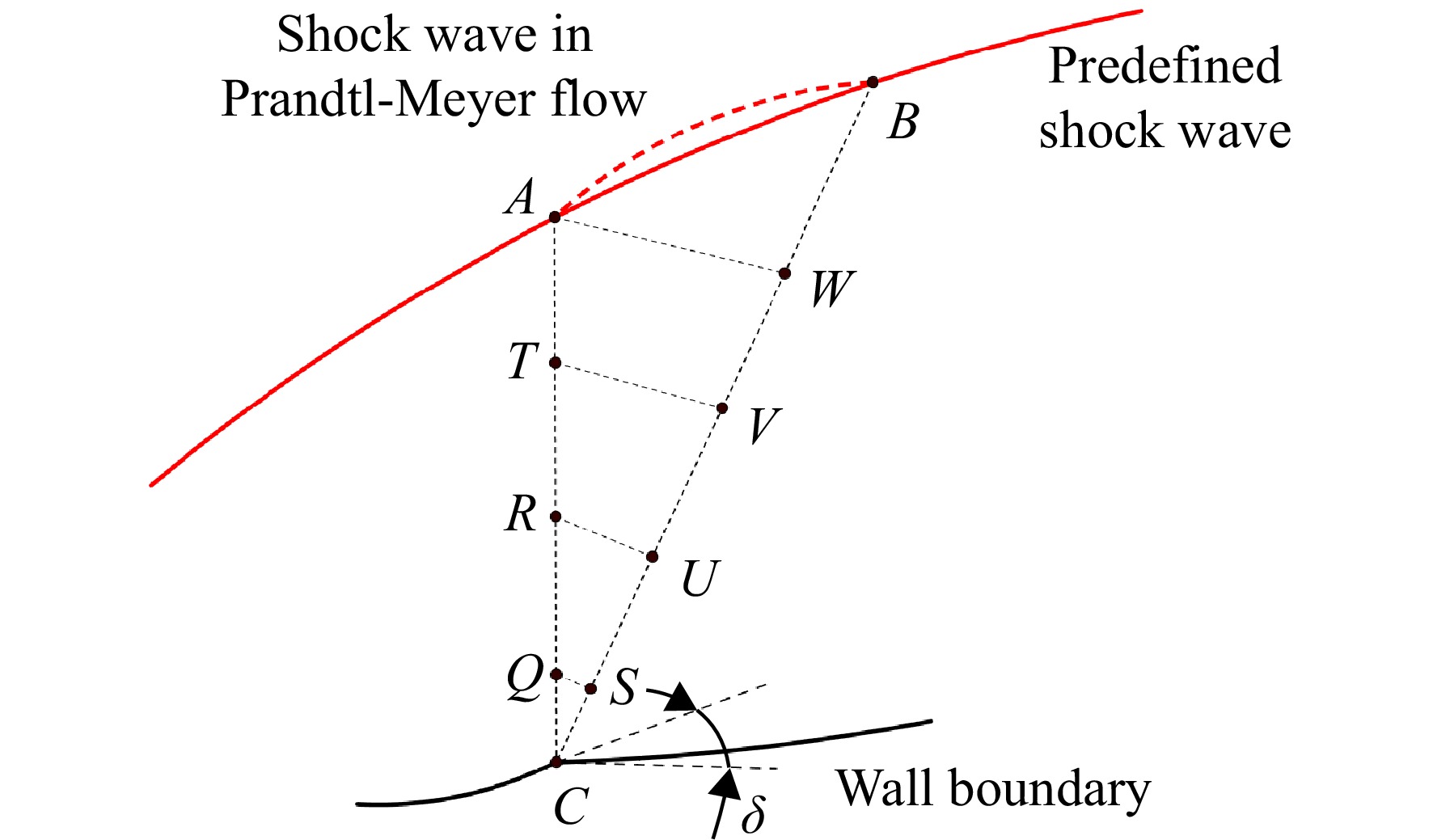
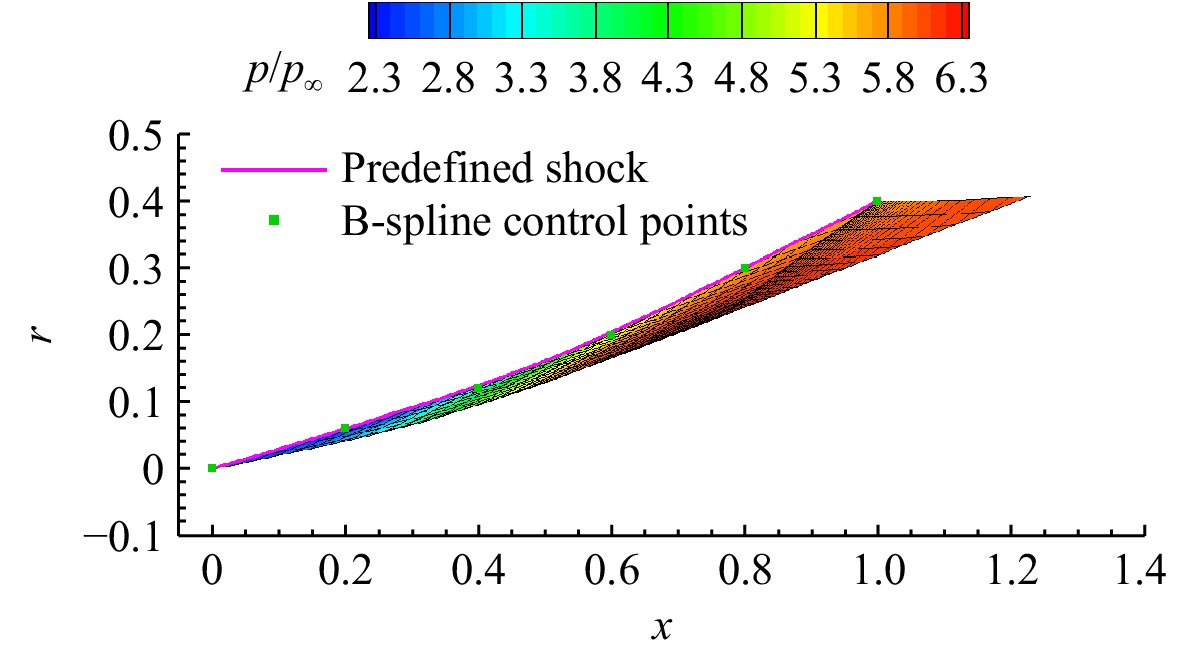
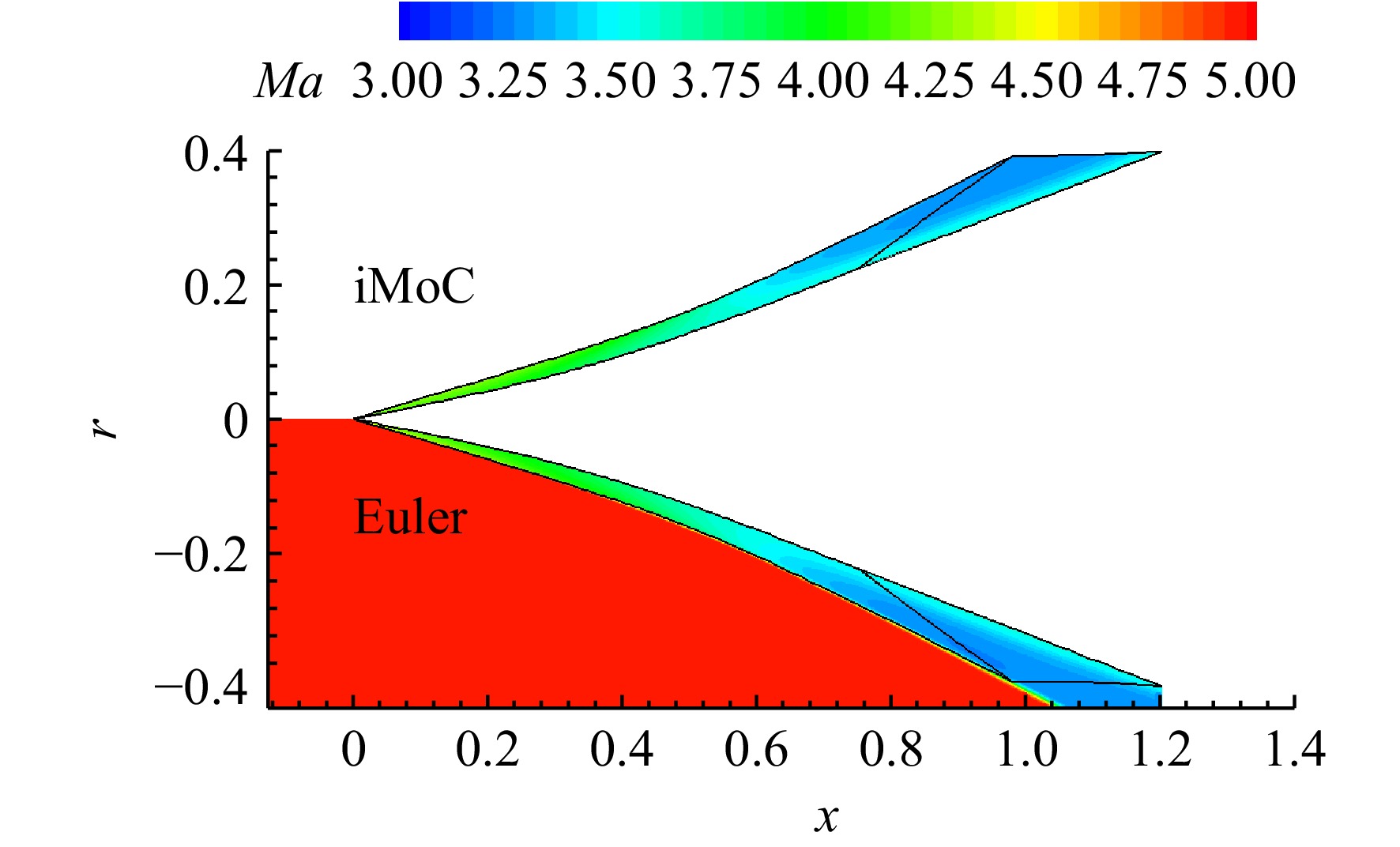
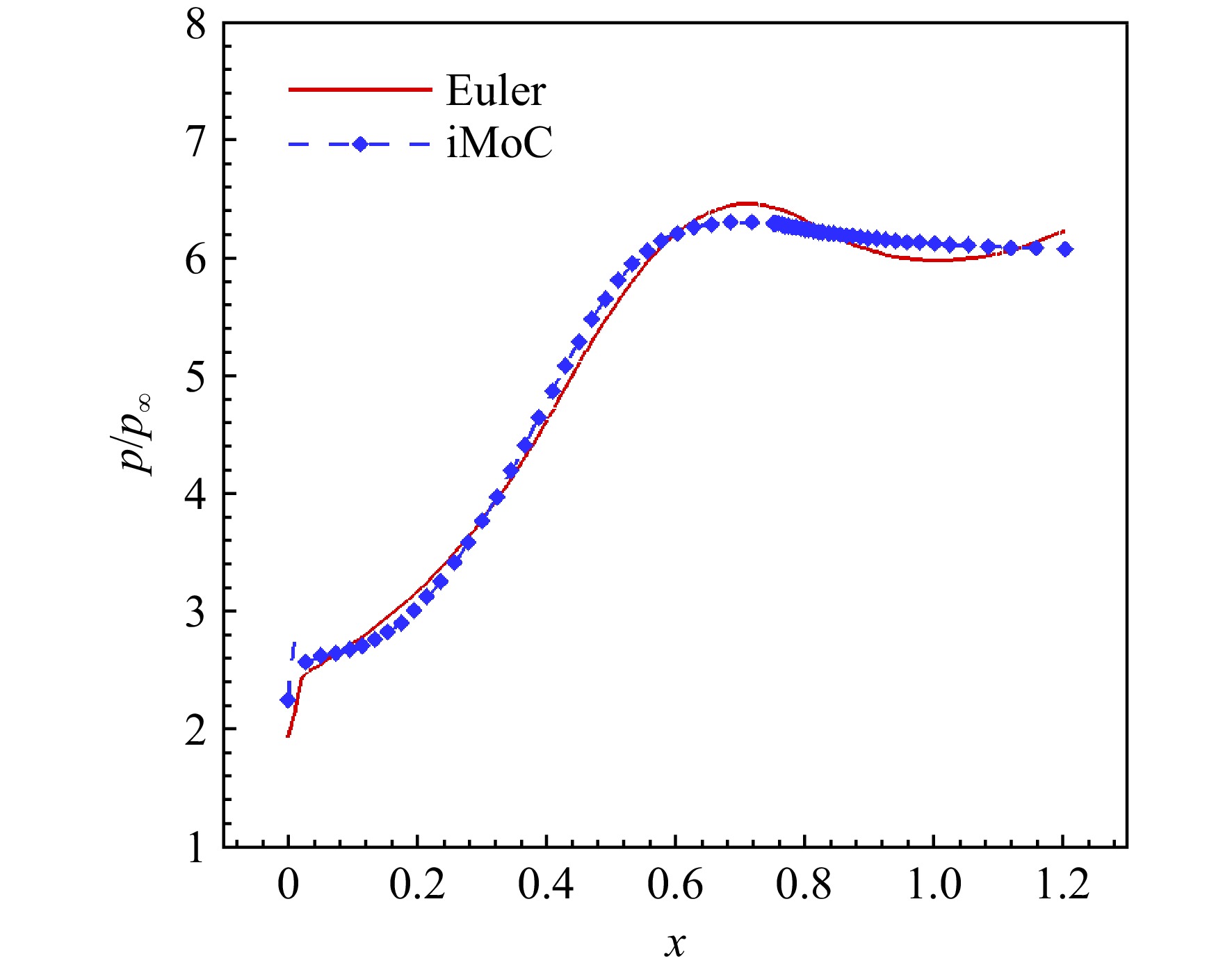
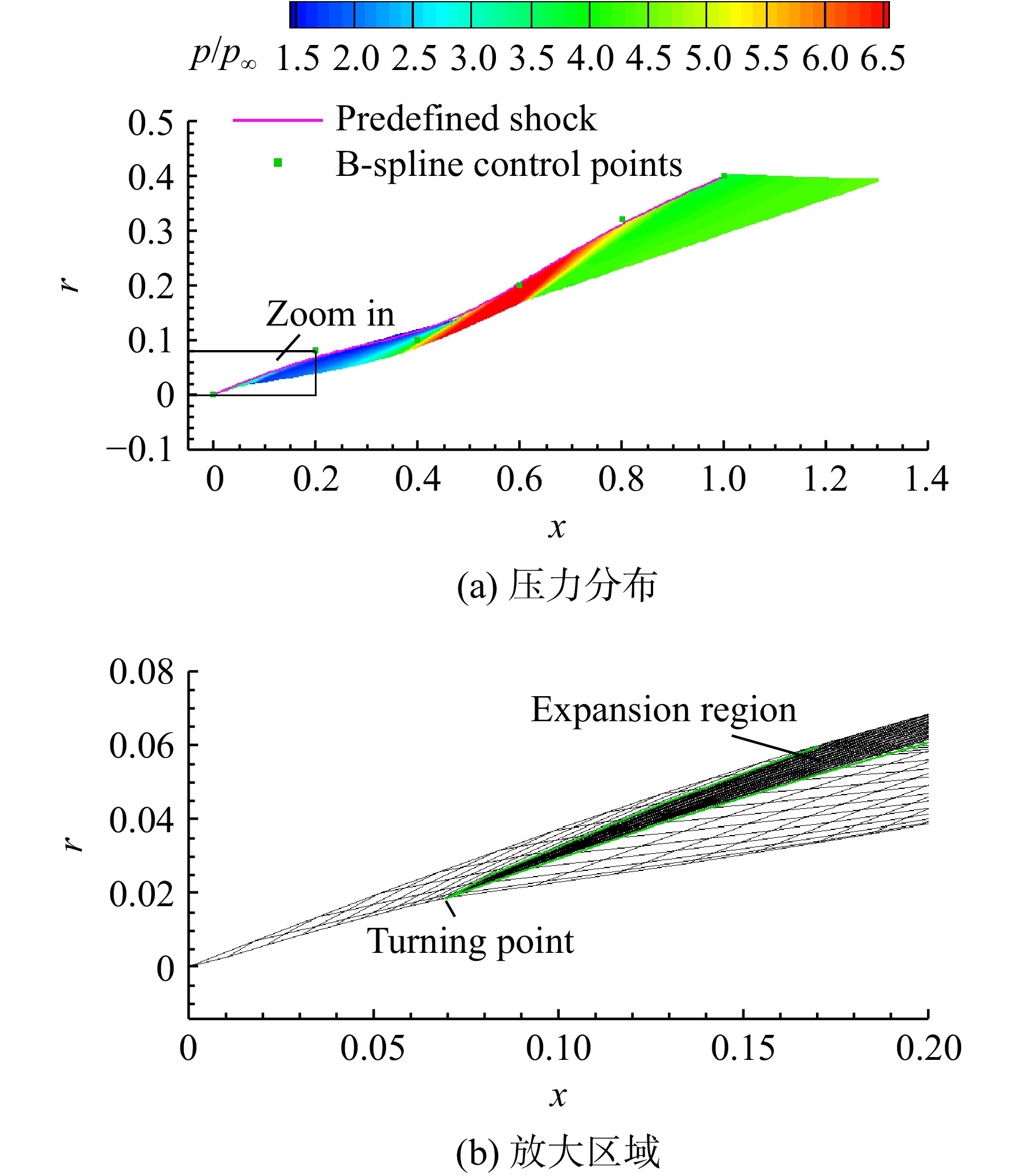
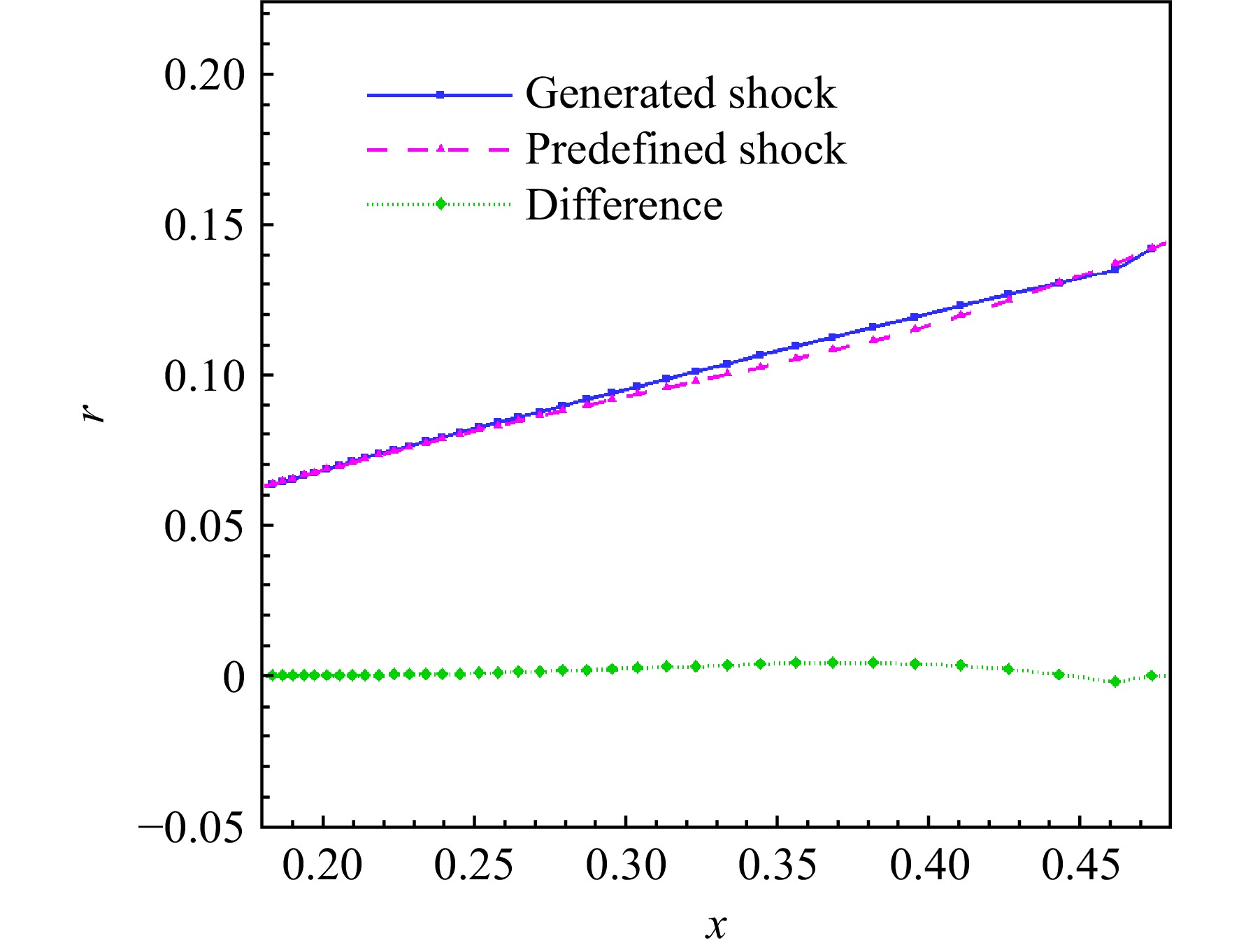
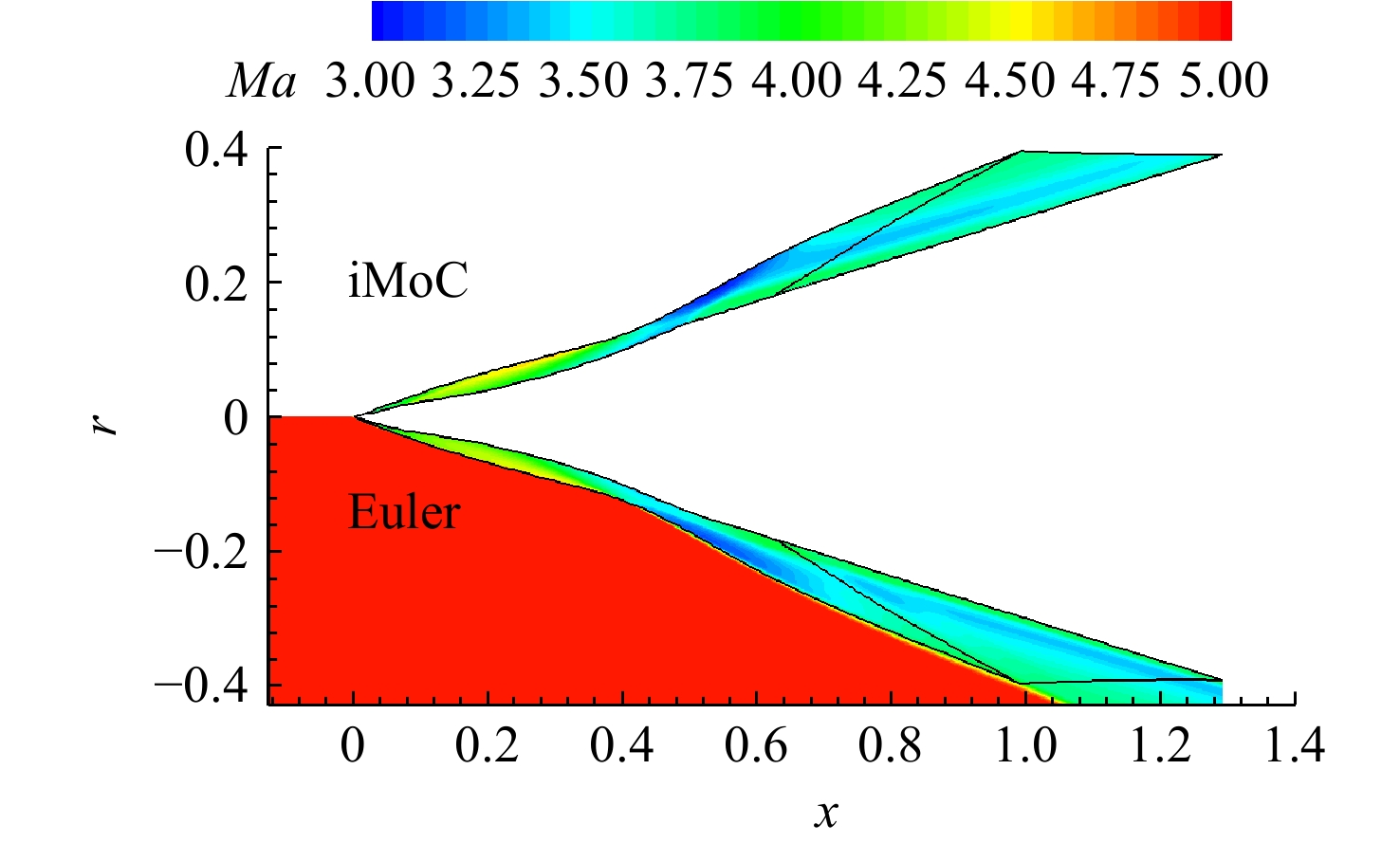
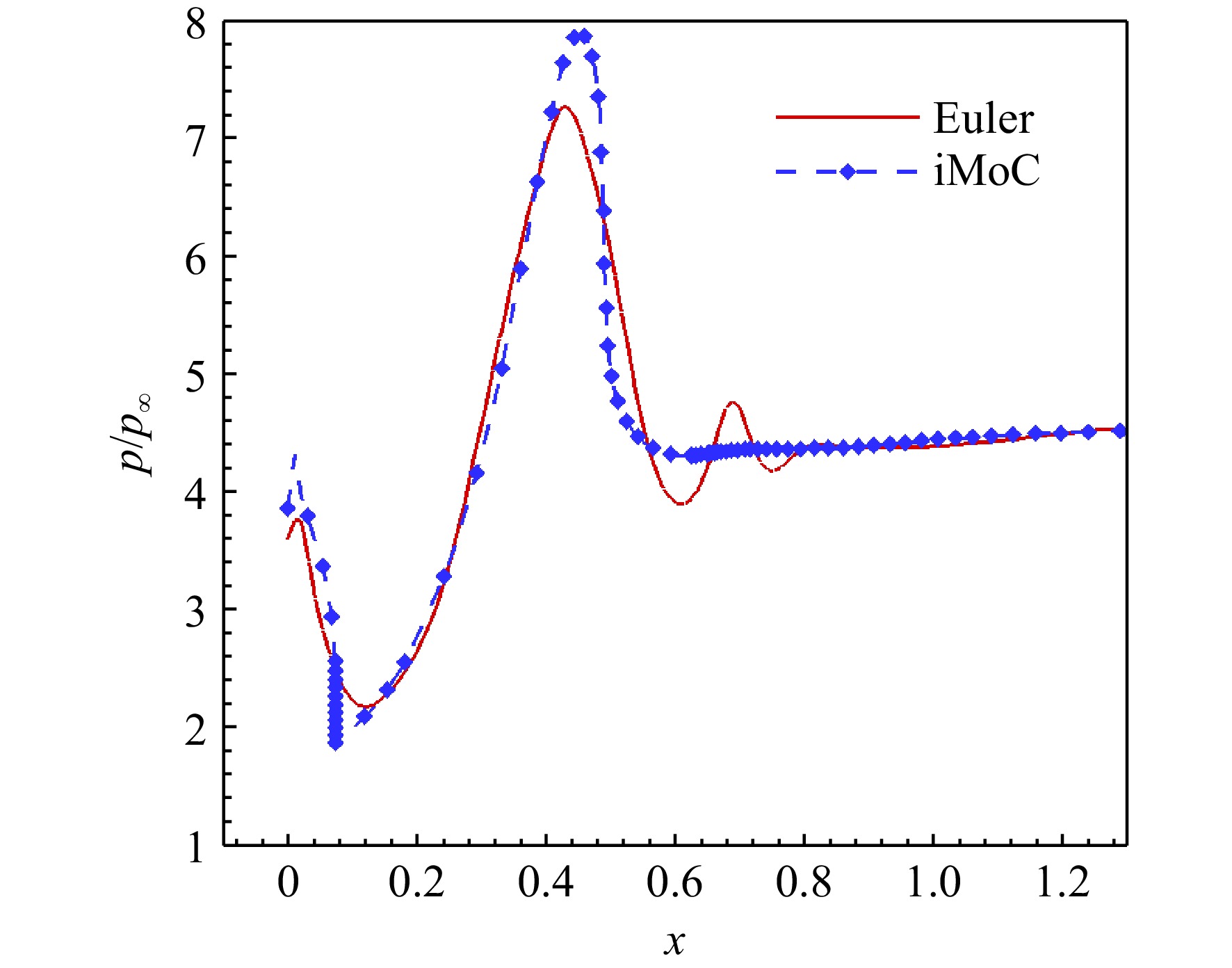
The inverse method of characteristics (iMoC) was employed to simulate the axisymmetric flow behind a predefined shock wave. Its applicability was also analyzed. Firstly, two marching schemes in iMoC were compared: by the interaction of the left-running and right-running characteristic lines and the interaction of the left-running characteristic line and stream line. It was found that the scheme of interacting the left-running characteristic line and stream line was simpler and more stable. The applicability of iMoC was then analyzed for the concave and convex shock shape, respectively. It was proved that iMoC can compute the flow behind the concave shock wave based on the oblique shock relations. For the convex shock wave, when the shock wave angle declined too much along the axial coordinate, the clusters of left-running characteristic lines may interact, leading to the failure of marching in iMoC. Furthermore, an expansion flow can be placed to deal with the infeasible segment on the convex shock wave. The computational fluid dynamics techniques were applied to verify this method and analysis result. This study provides a theoretical support to propel the application of iMoC in waverider and inward inlet design.
Numerical simulation for the hypersonic flow structure and thermal environment of non-rectangular cavities in the rarefied slip regime
JIN Xuhong, YAO Yuzhu, CHENG Xiaoli, ZHOU Jingyun
2024, 39(10): 20220755. doi: 10.13224/j.cnki.jasp.20220755
Abstract:

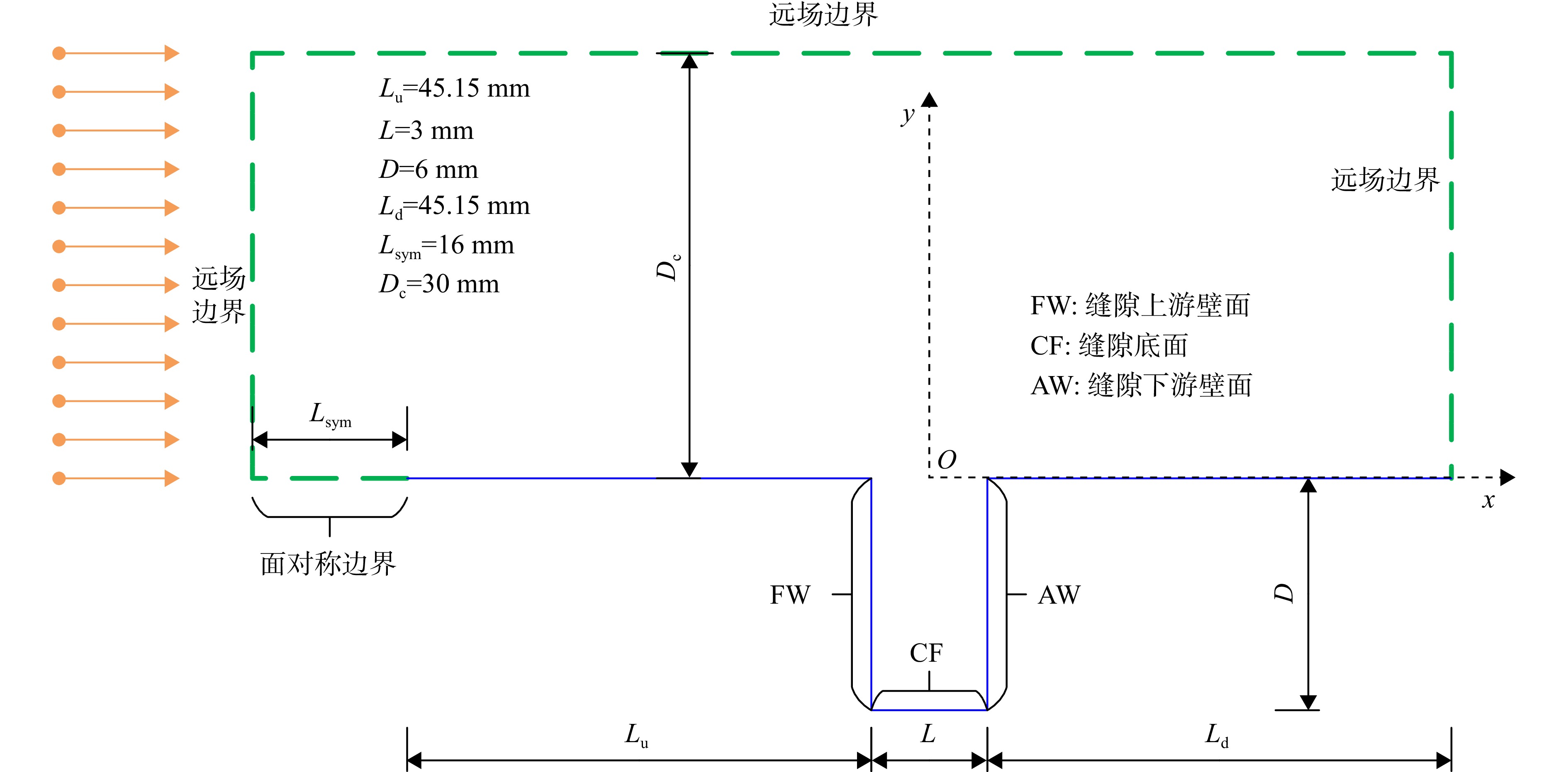
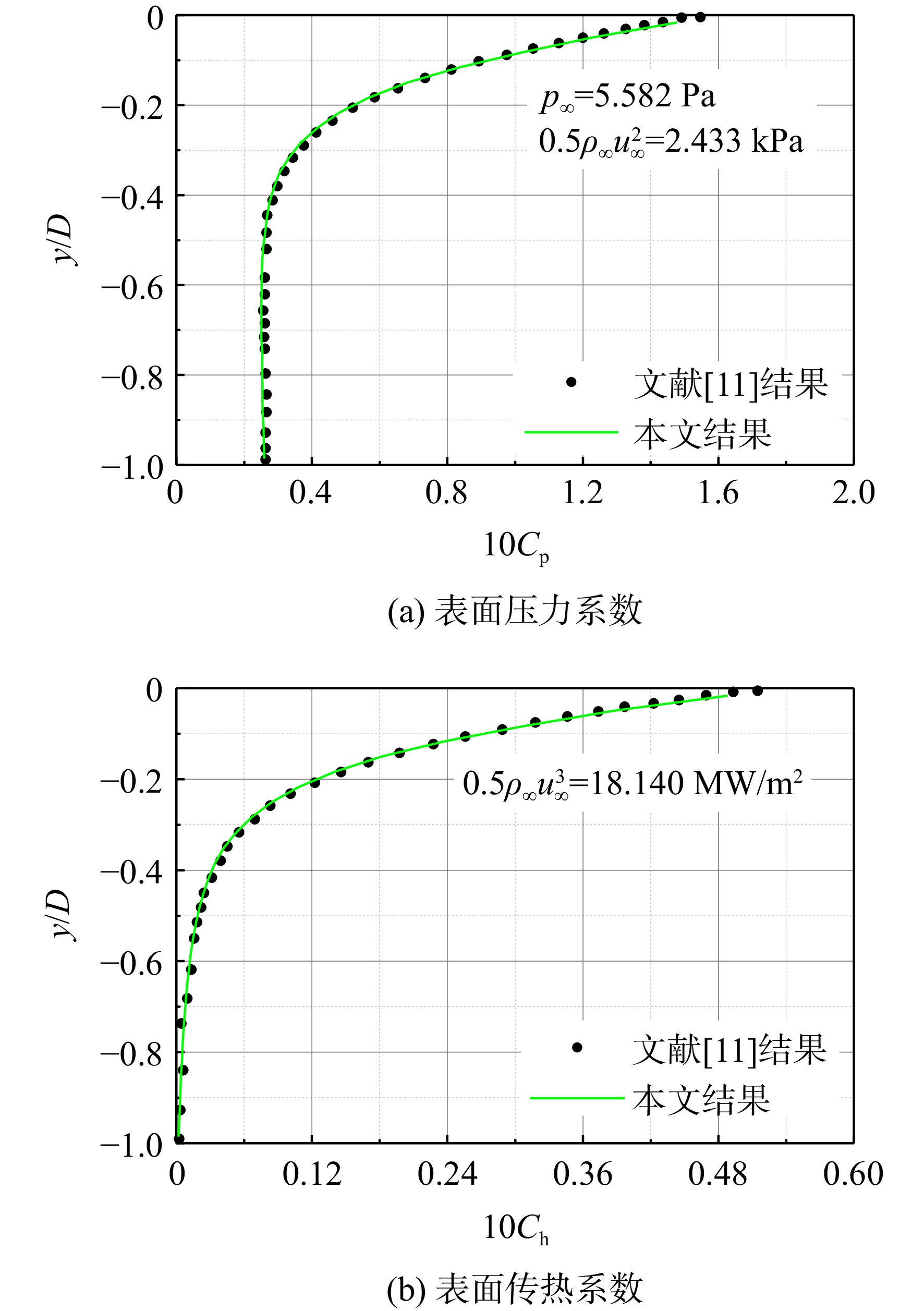
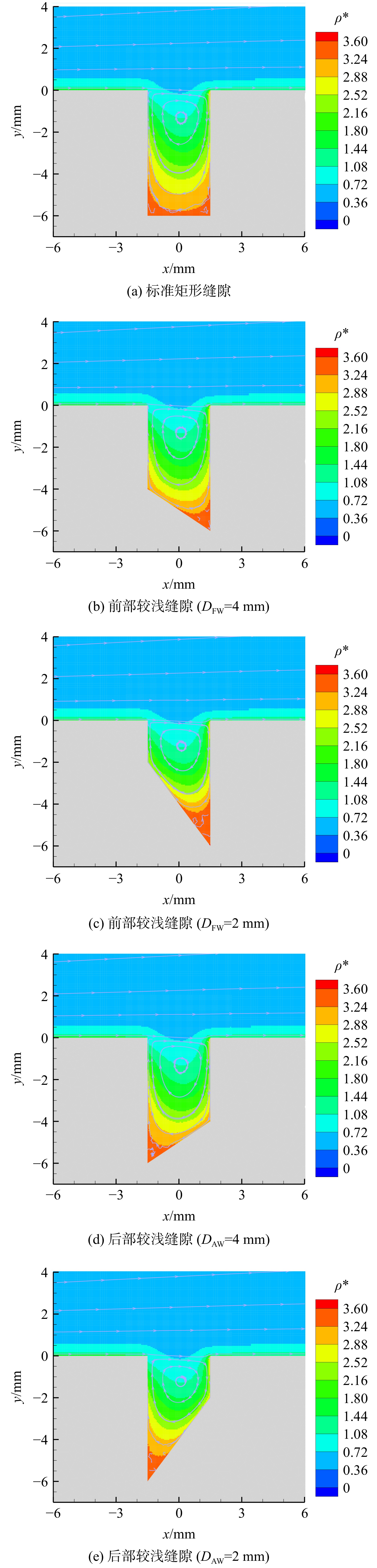
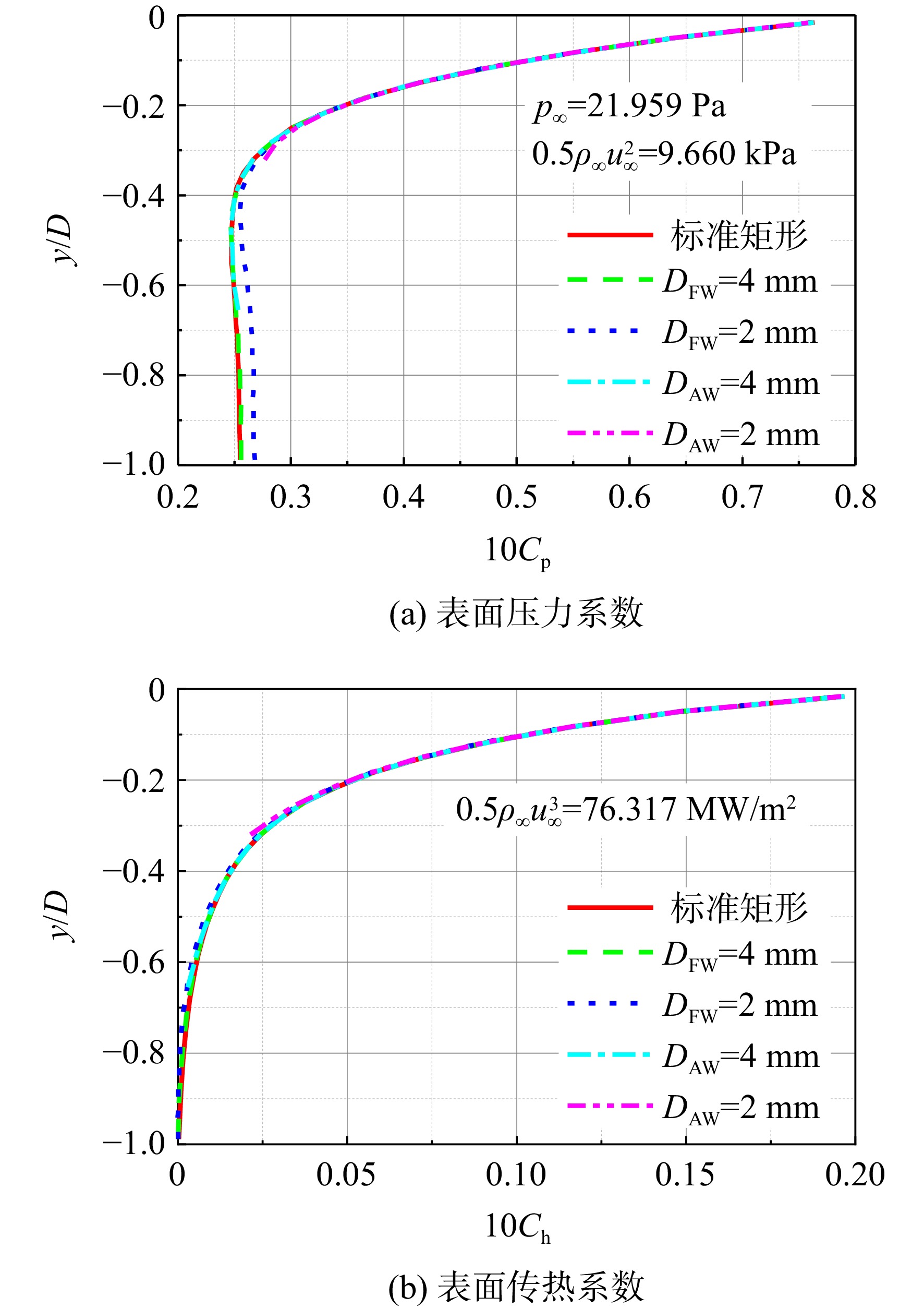
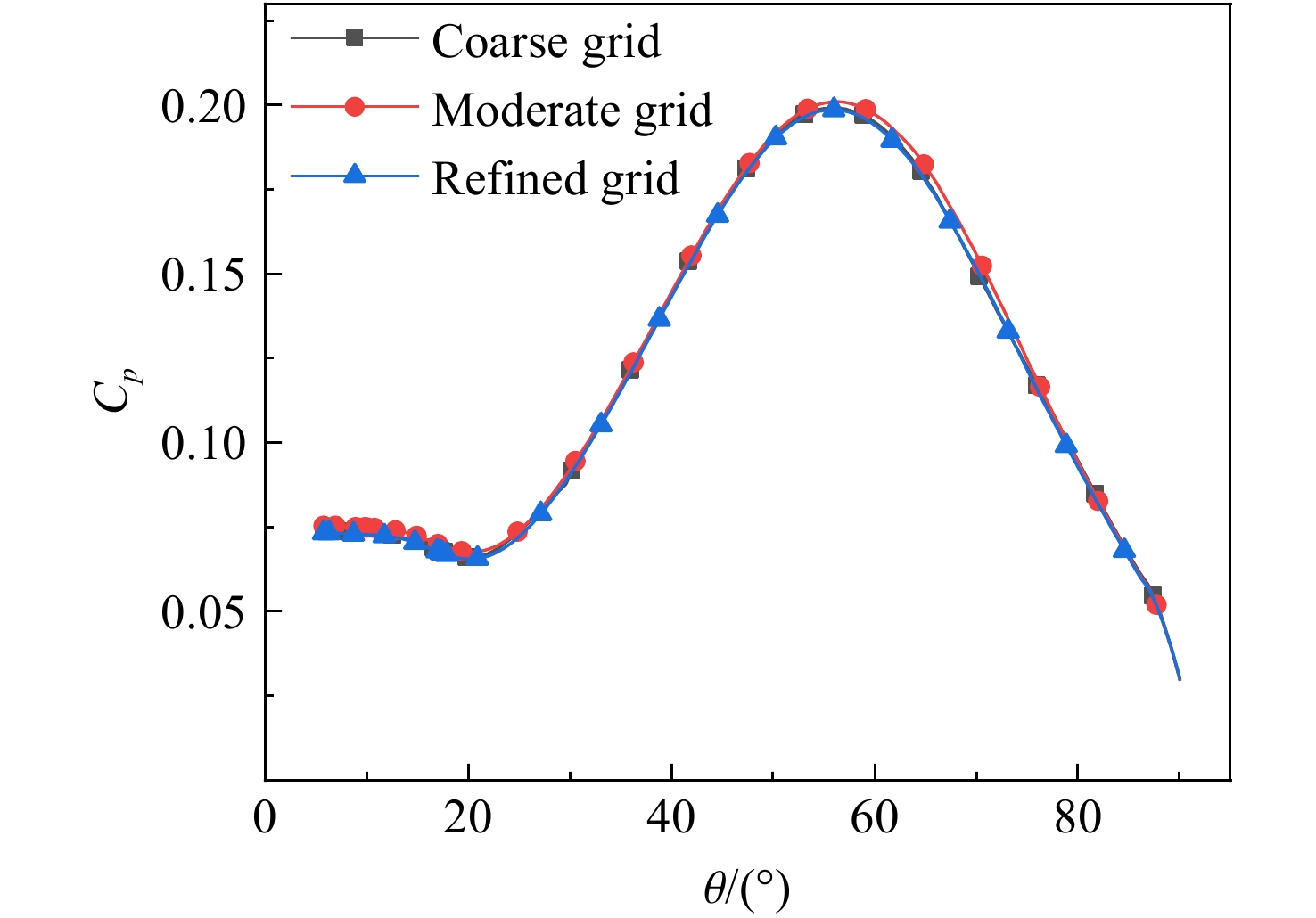
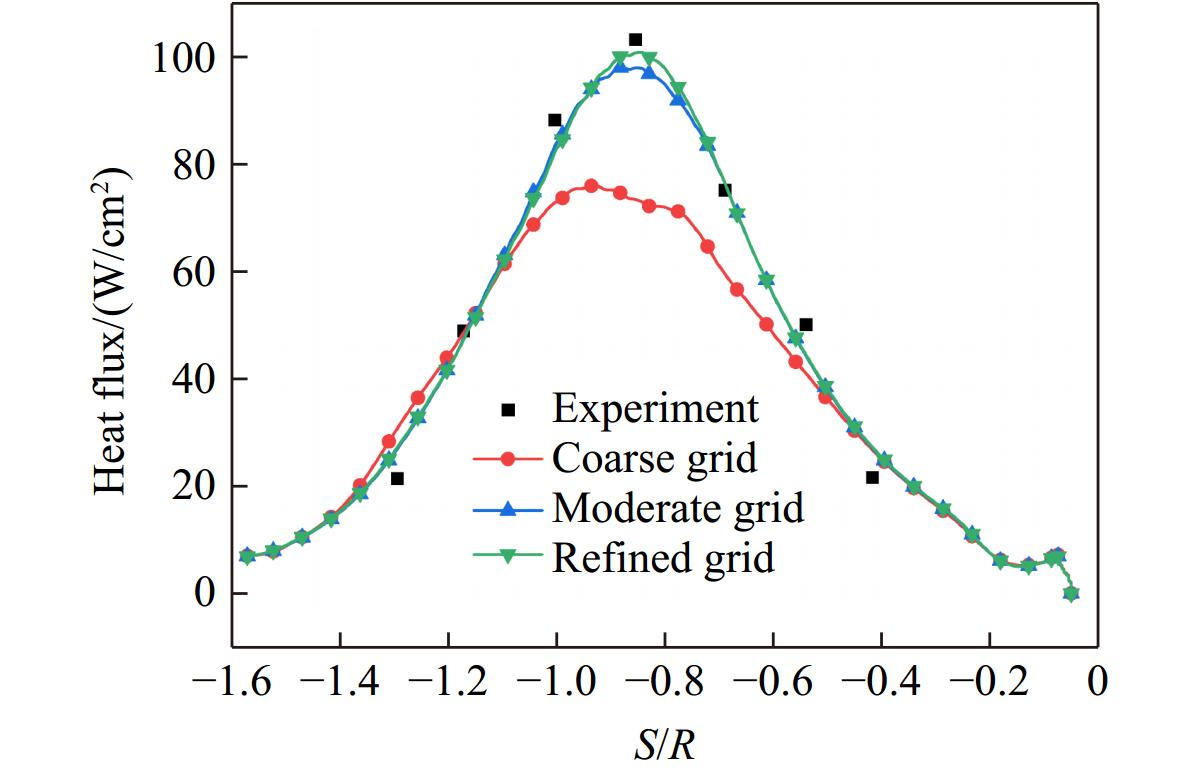
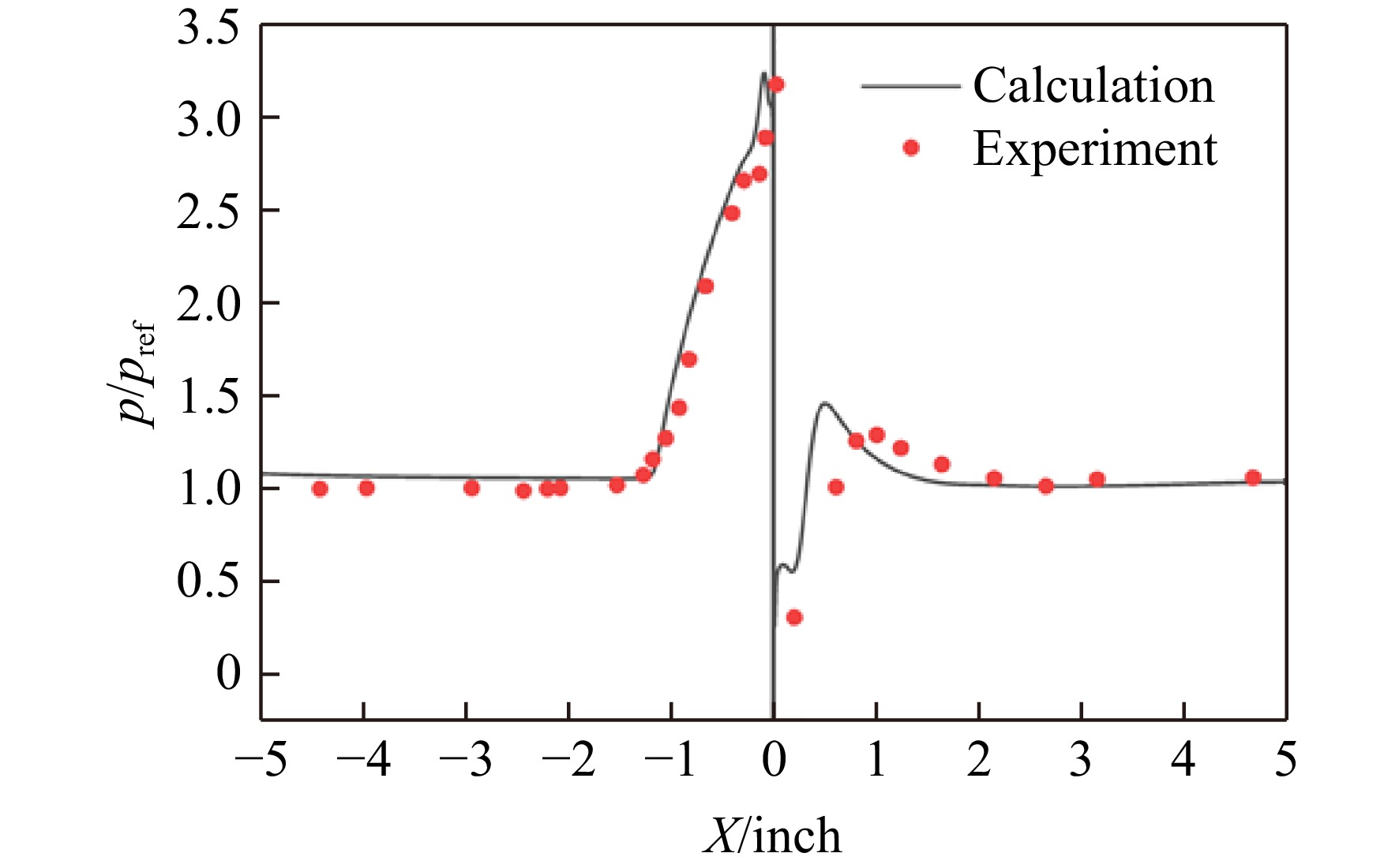
In order to quantify the local high pressure and heat loads due to cavities or imperfections on the surface of hypersonic vehicles, the direct simulation Monte Carlo (DSMC) was utilized to simulate the rarefied hypersonic flows over cavities in the slip regime. Three kinds of cavities were taken into account: the standard rectangular cavity, the shallower-front cavity, and the shallower-back cavity, for the purpose of gaining the effects of cavity-floor shape on flow characteristics inside the cavity, surface pressure and heat transfer to the cavity surfaces. Results showed that the cavity-floor shape had little influence on flow characteristics, including the streamline pattern, vortex-core position and density distribution, inside the upper part of cavities. Therefore, the surface pressure and heat transfer to the upper part of the aft wall of the cavity was kept unchanged when the front or back part of the cavity floor became shallower. However, in comparison with the standard rectangular cavity, both the shallower-front and shallower-back cavities suffered more severe heat loads on the cavity floor. Especially, the peak value of heat transfer to the cavity floor in the case of shallower-back cavity was 100 times larger than the corresponding value in the standard rectangular cavity. In the design of spacecraft, the cavity floor is exactly taken as the spacecraft surface, so much attention should be paid to the pressure and heat loads on the cavity floor in case of shallower-back cavity.

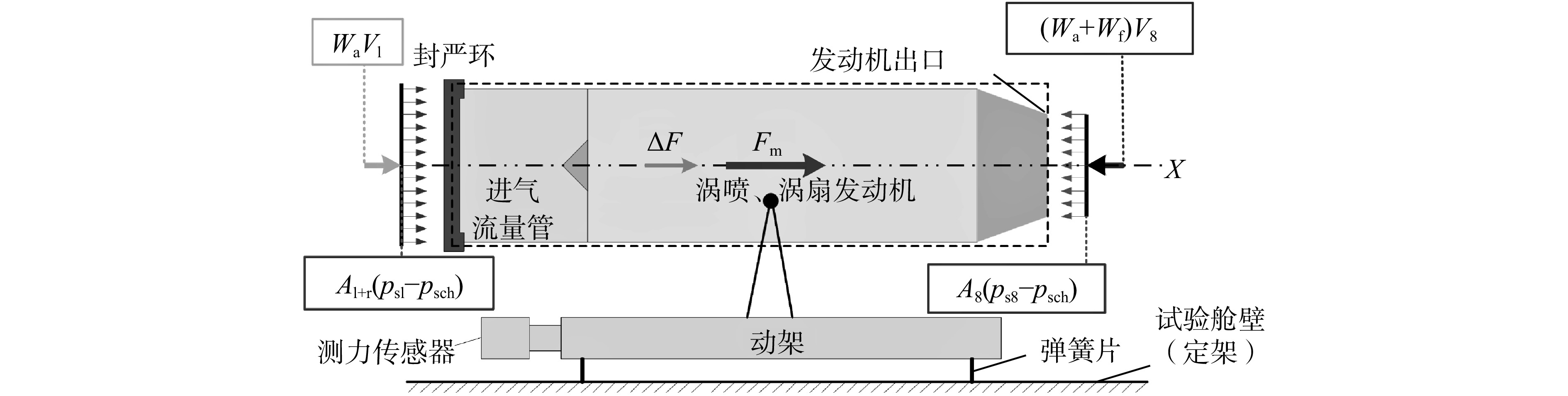
Error analysis and uncertainty assessment of intake momentum measurement in thrust test
YANG Qiao, WU Feng, WANG Jingyuan, XU Quanyong, LI Hongli
2024, 39(10): 20220846. doi: 10.13224/j.cnki.jasp.20220846
Abstract:

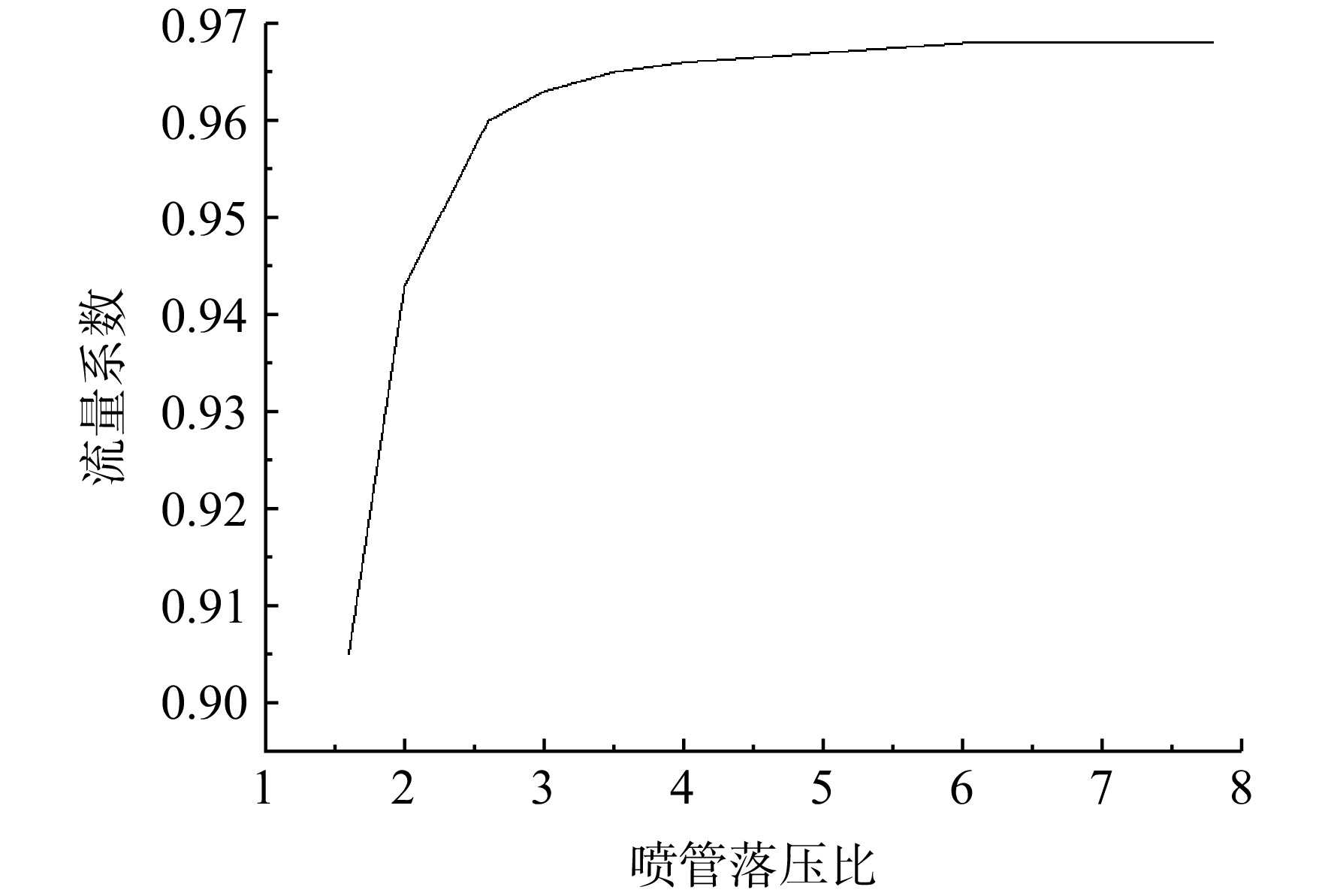
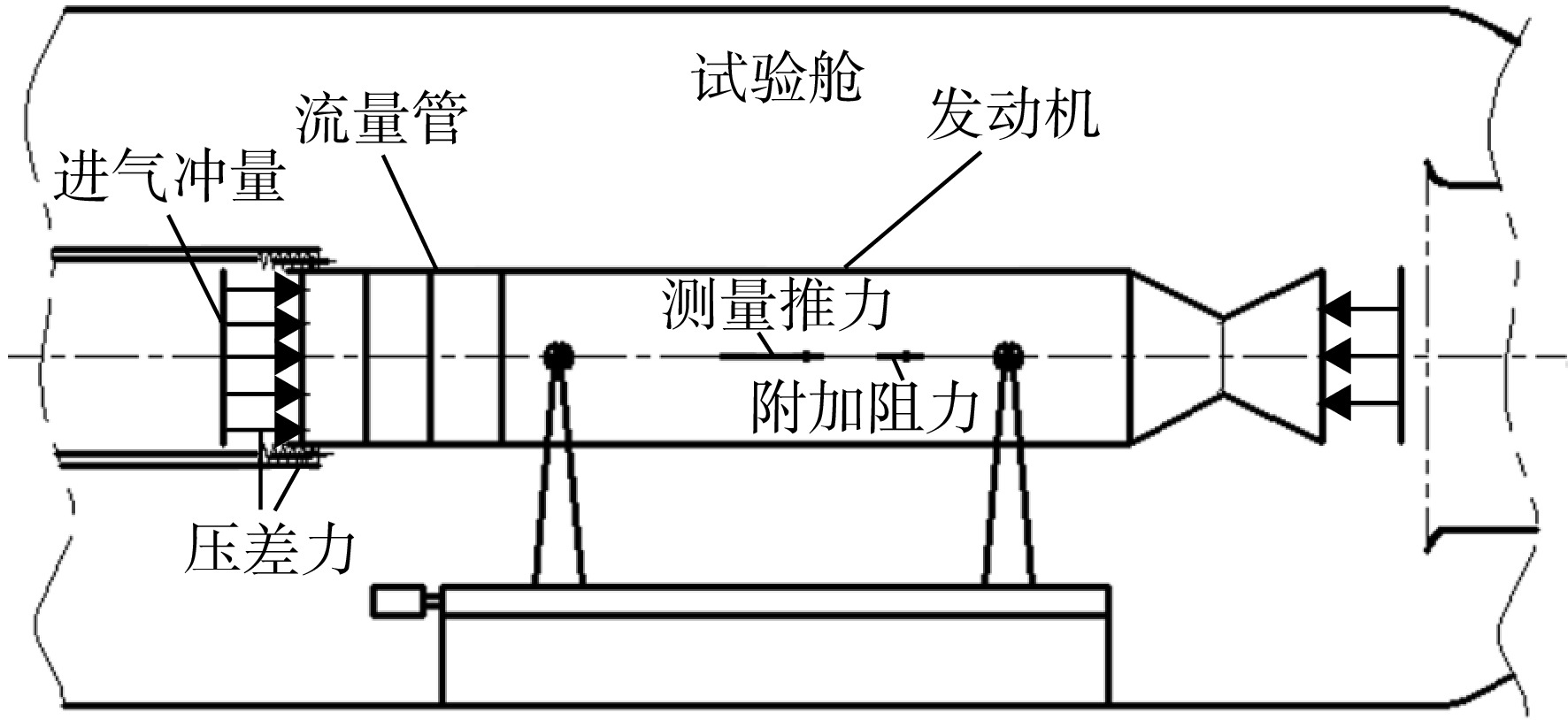
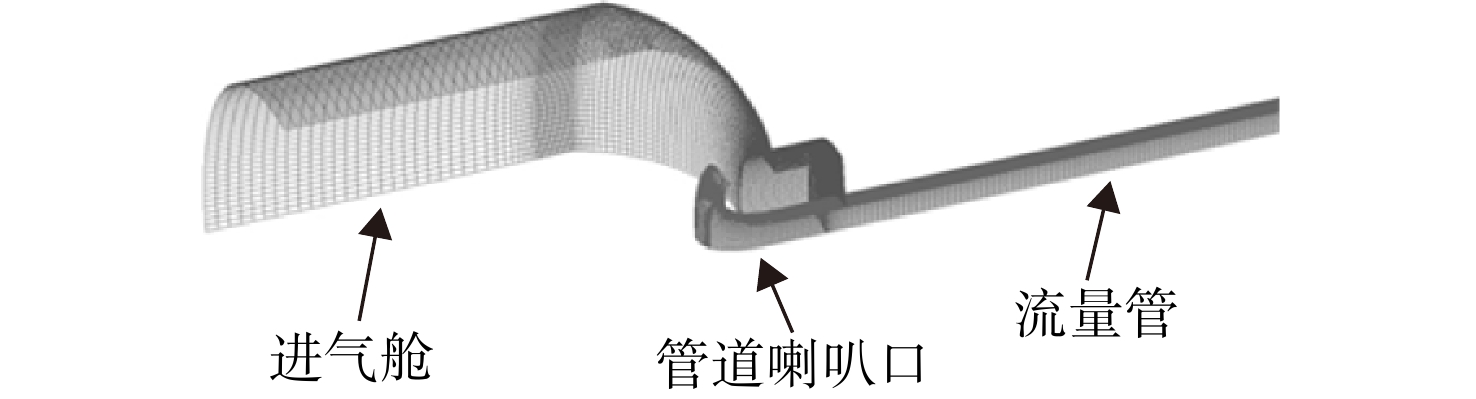
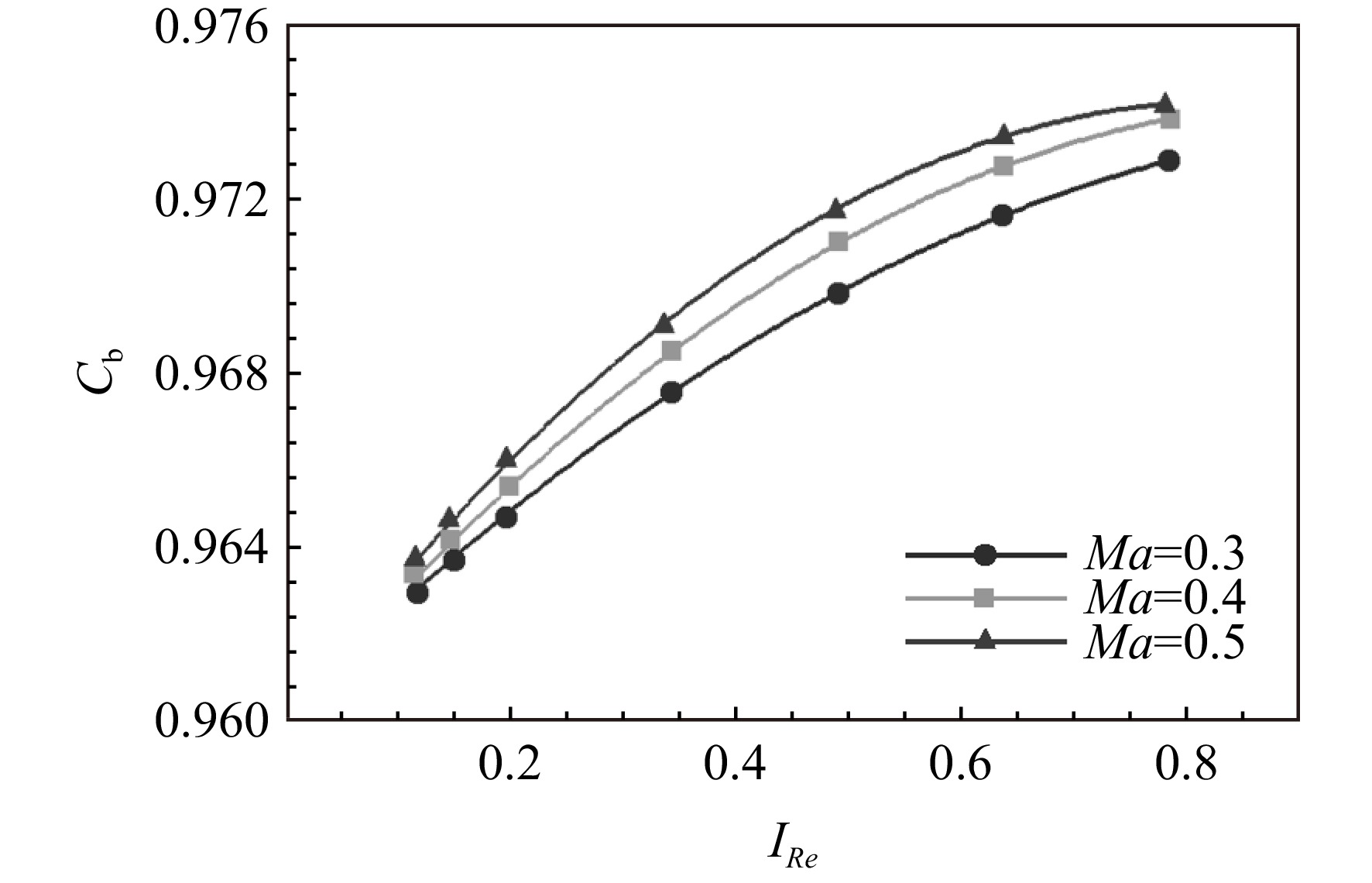
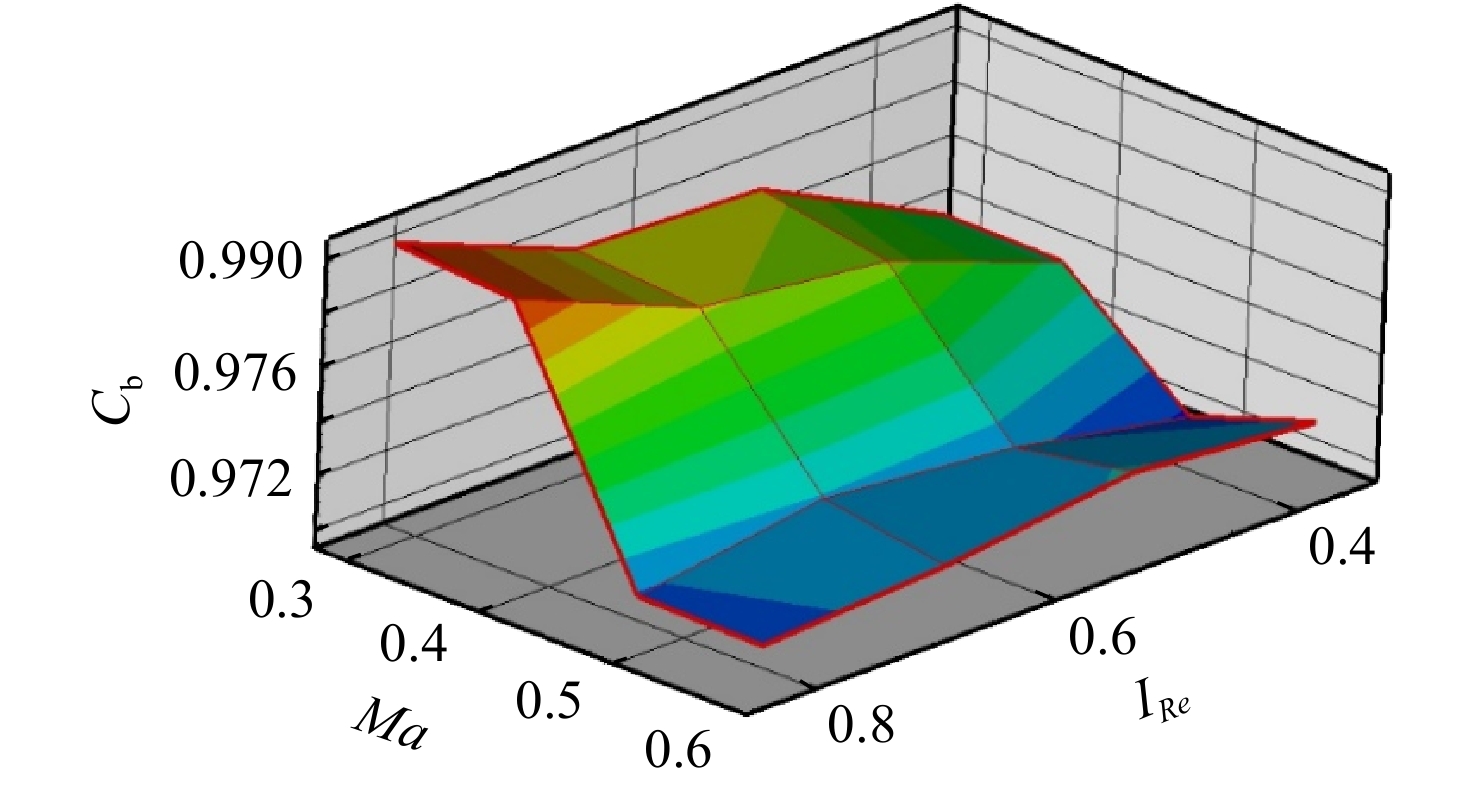
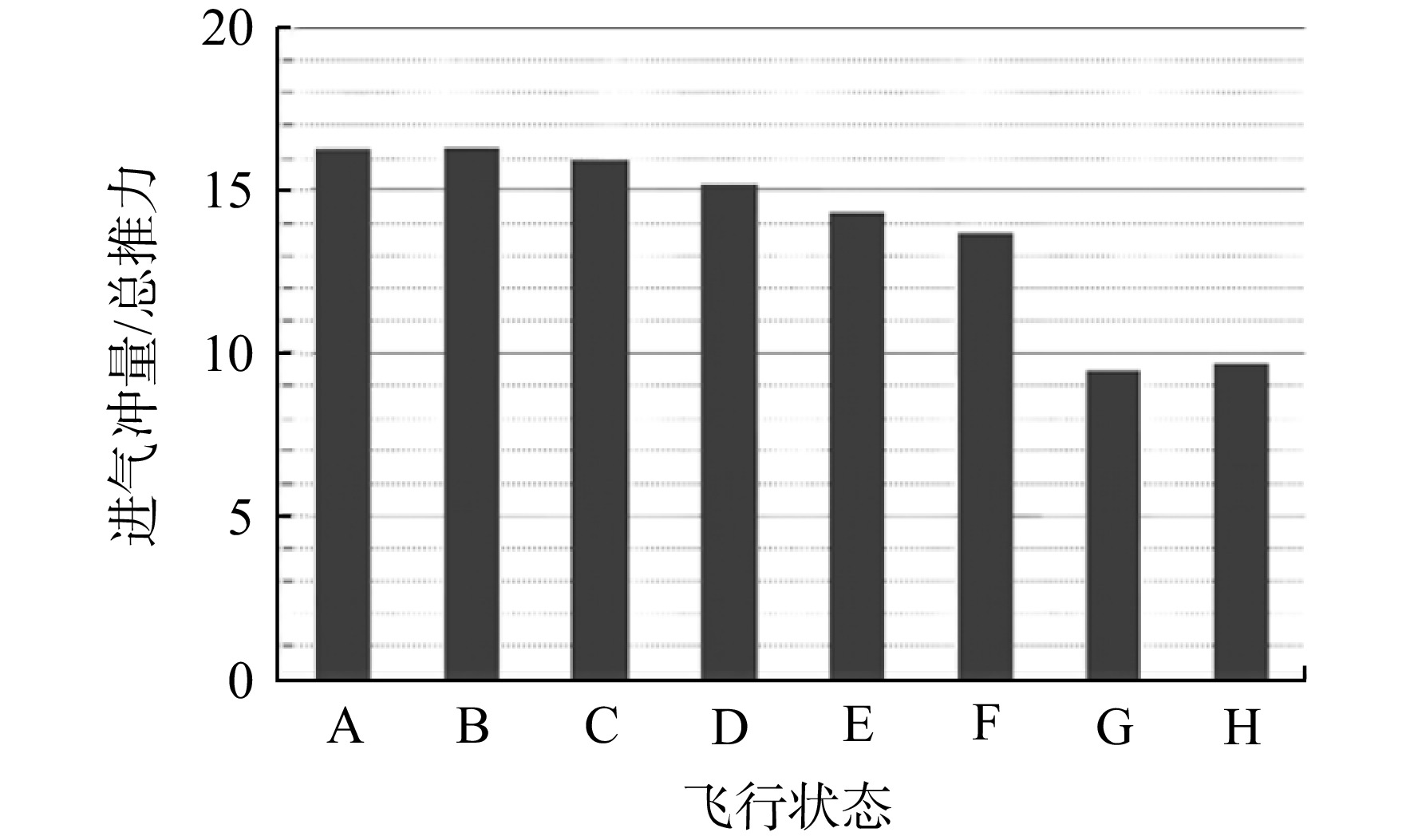
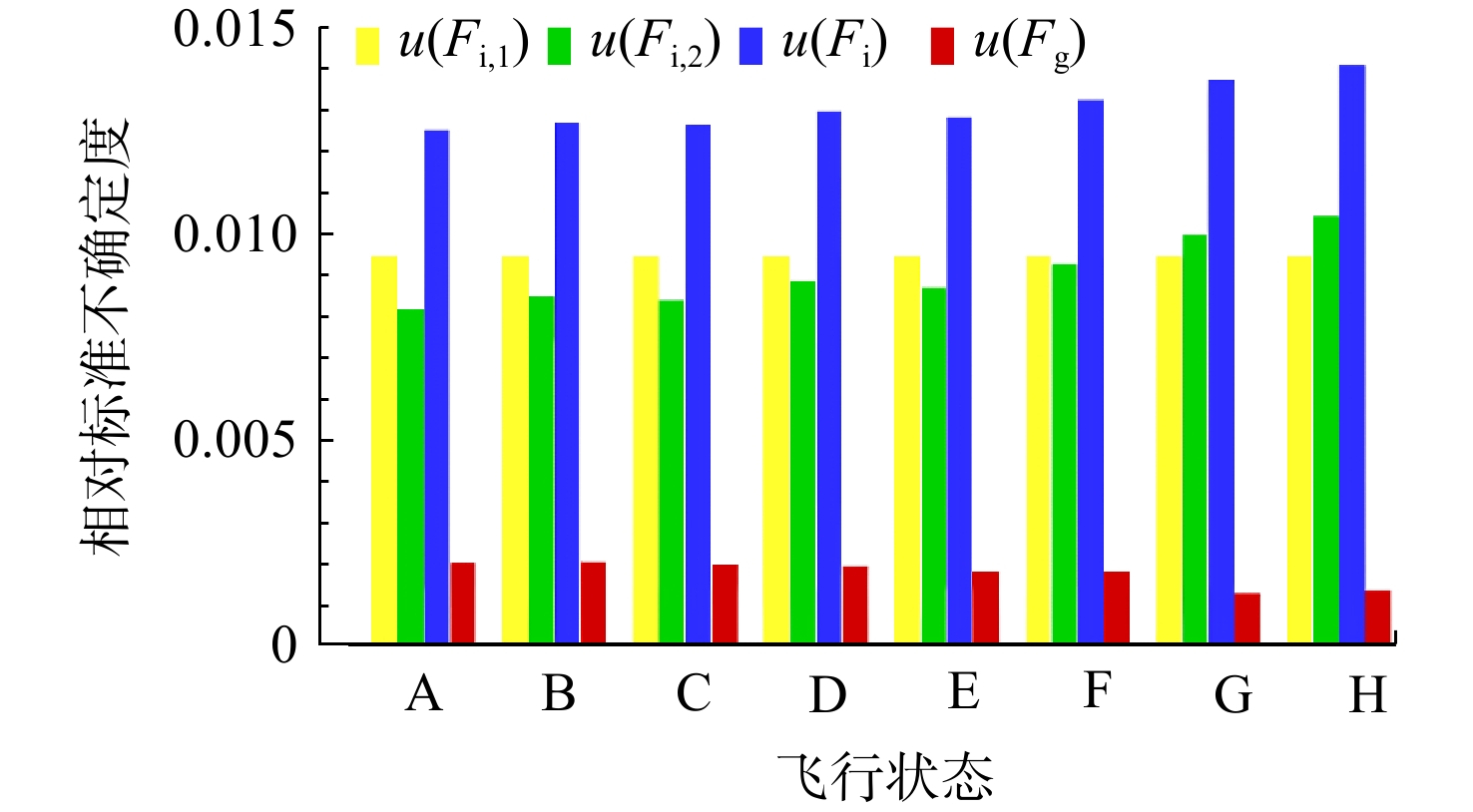
In the high altitude simulation test, the measurement method of intake momentum required for engine thrust statistics and the components of measurement uncertainty were introduced. The measurement error of flow coefficient affected by Reynolds number and the calculation error of inlet velocity caused by boundary layer velocity loss were given. The uncertainty of these two errors was analyzed theoretically. Taking the typical flight condition of a turbofan engine as an example, numerical simulation and test measurement were carried out, and the corresponding uncertainty of intake momentum measurement was obtained. The results showed that the uncertainty of intake momentum in thrust measurement was about 1.2%—1.4%. The error of flow coefficient caused by Reynolds number deviation and the calculation error of intake velocity cannot be ignored, and should be taken into account in the calibration method or correction method.

Second power system modeling and performance analysis
YUAN Changkun, LIU Jiao, LIU Huoxing, ZHOU Zhihong
2024, 39(10): 20220197. doi: 10.13224/j.cnki.jasp.20220197
Abstract:

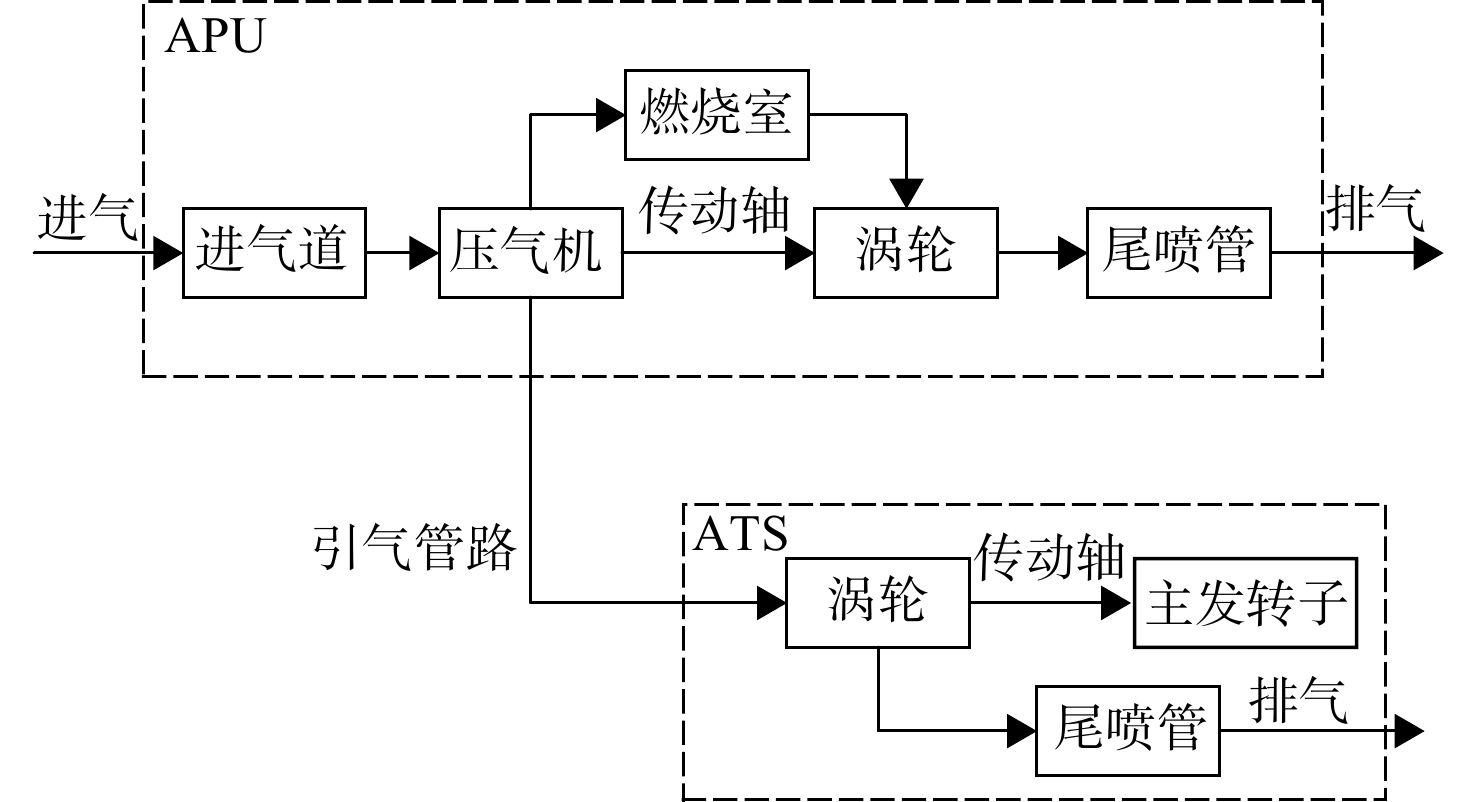
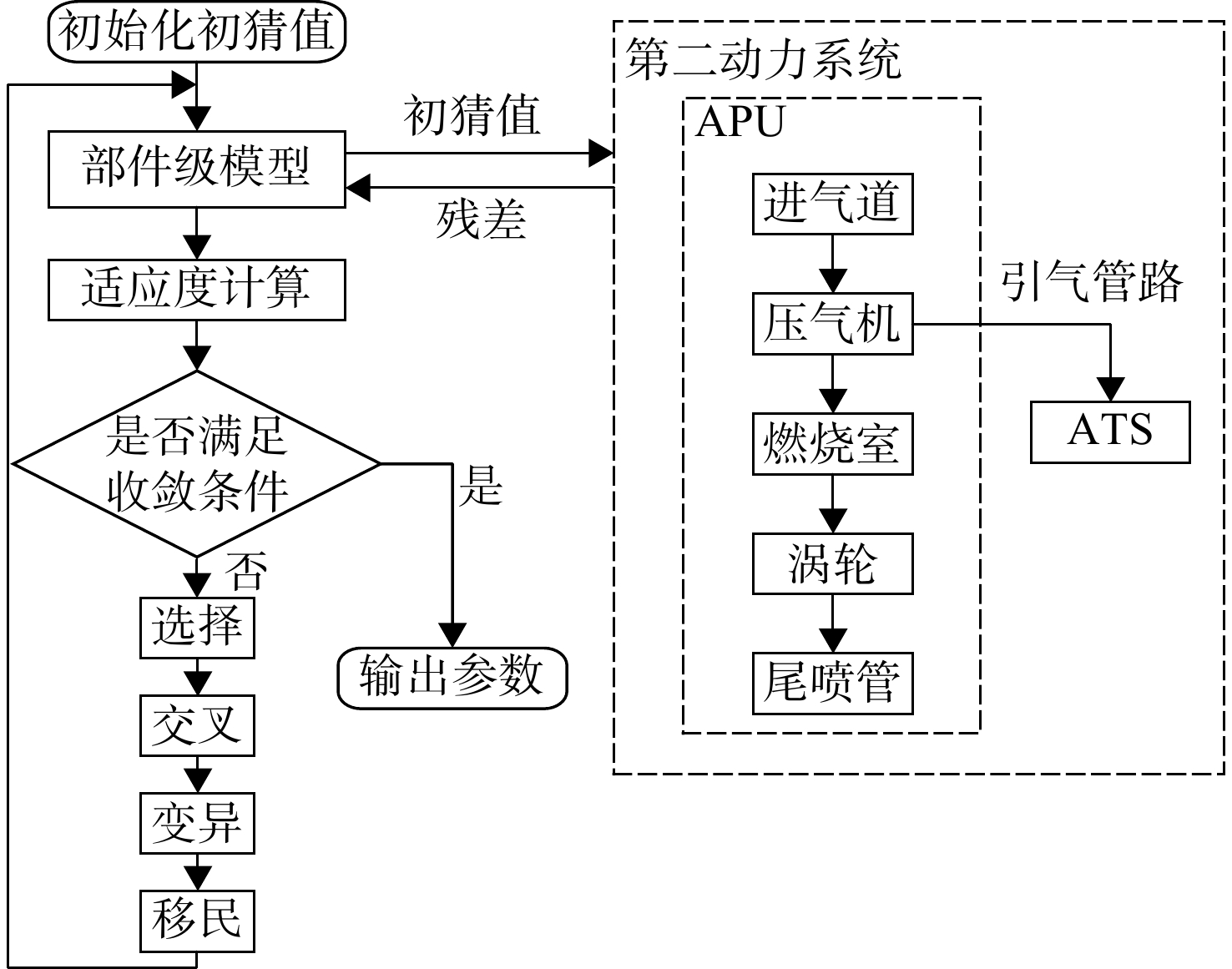
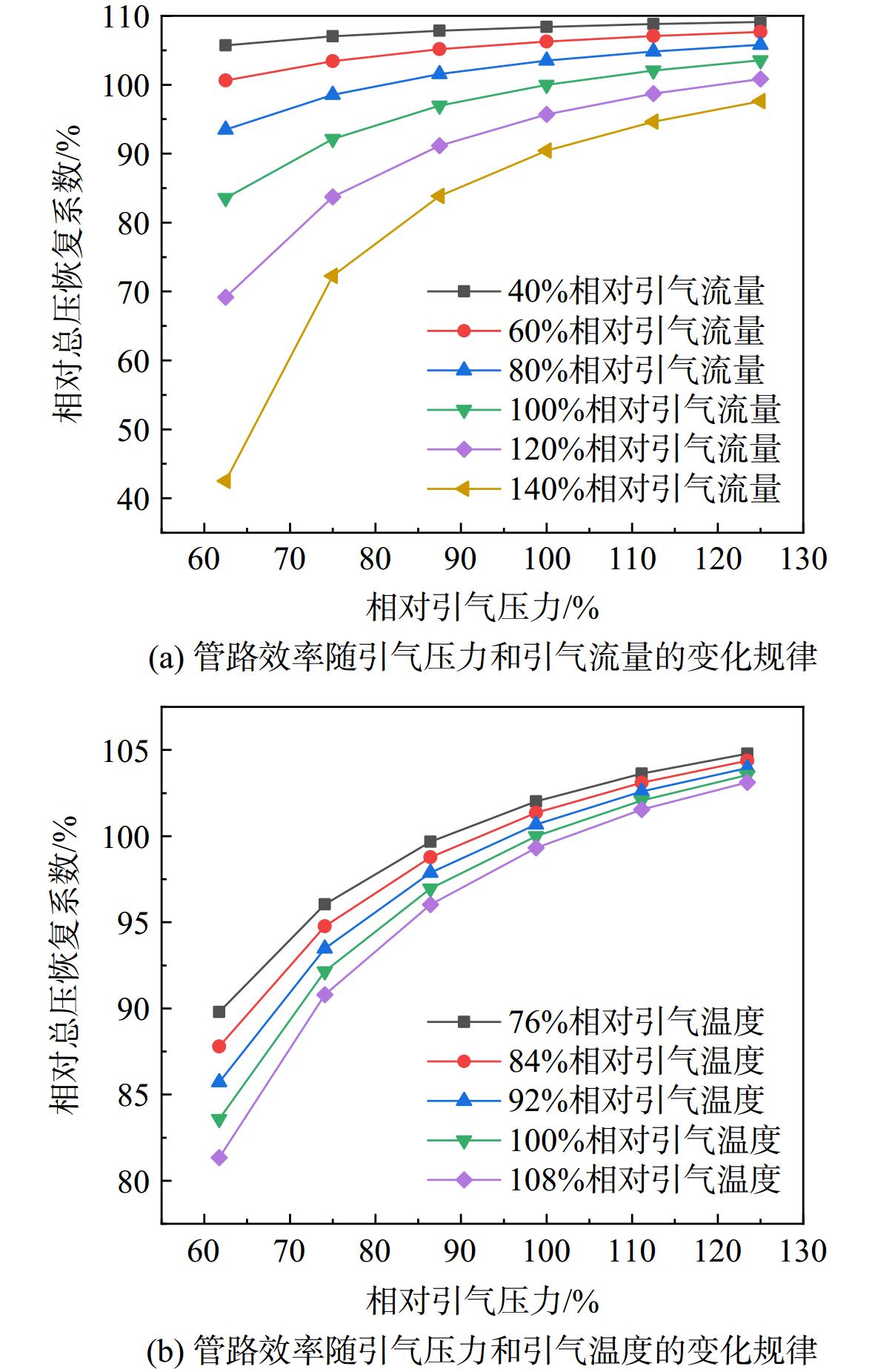
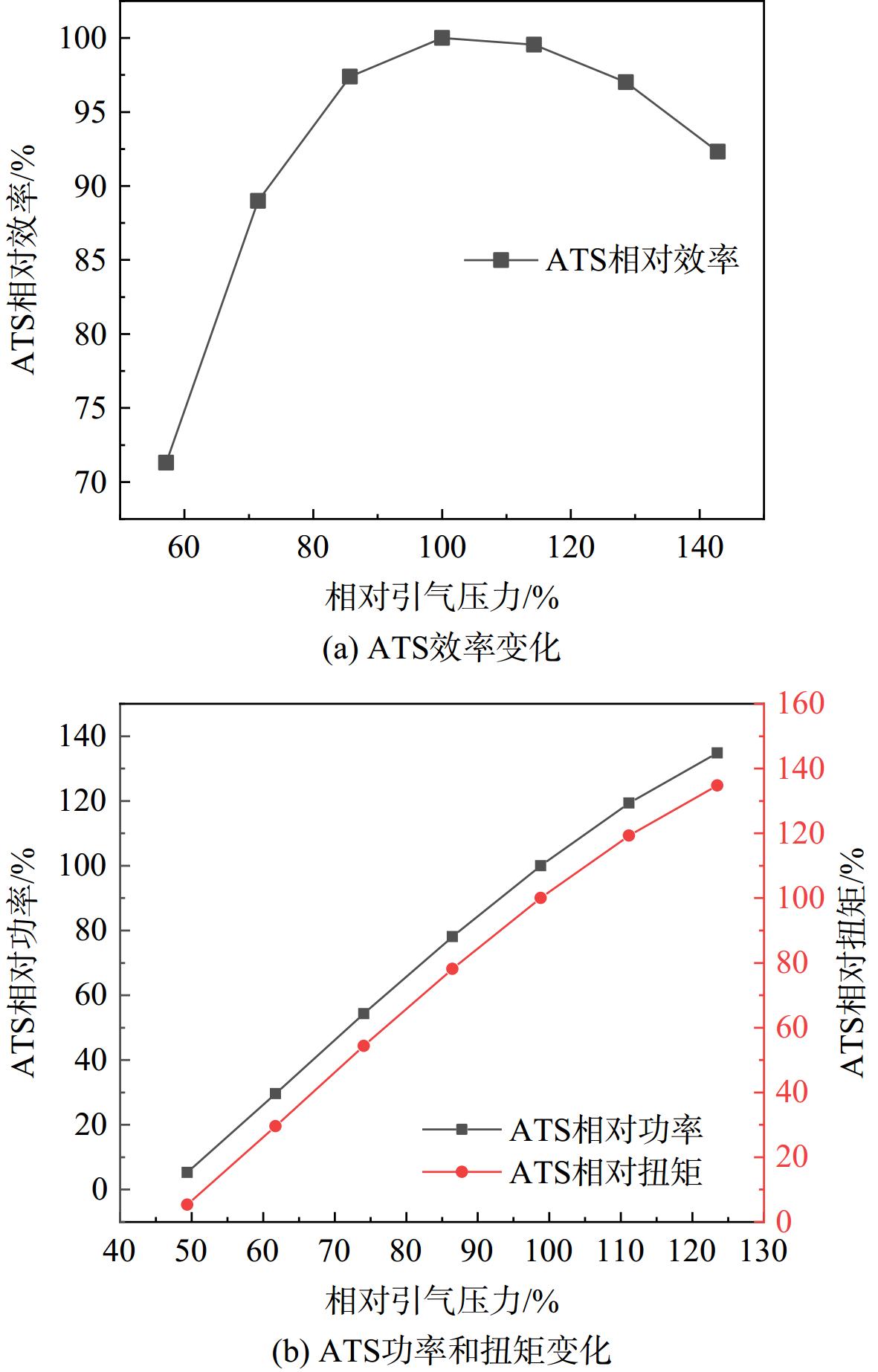
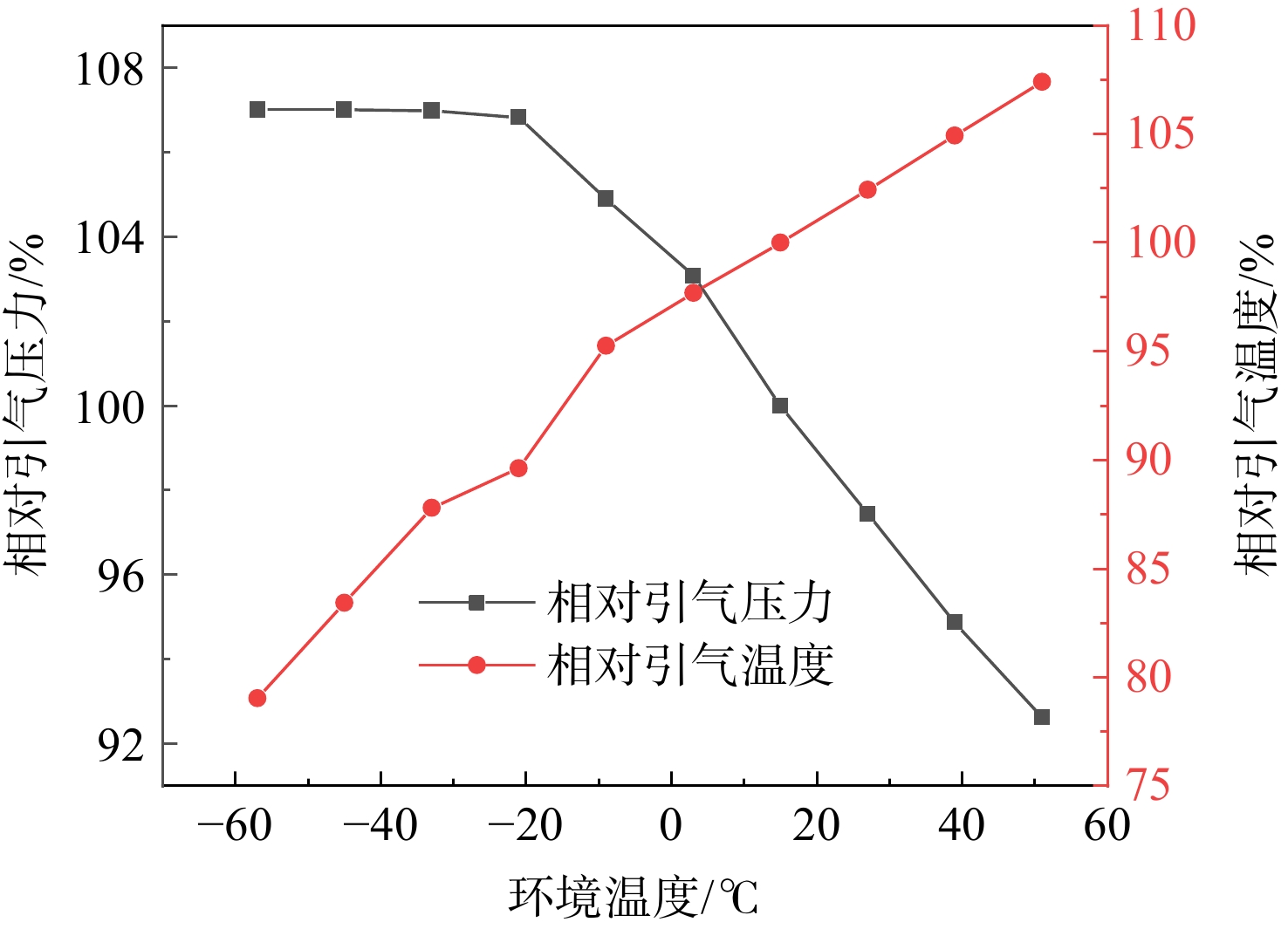
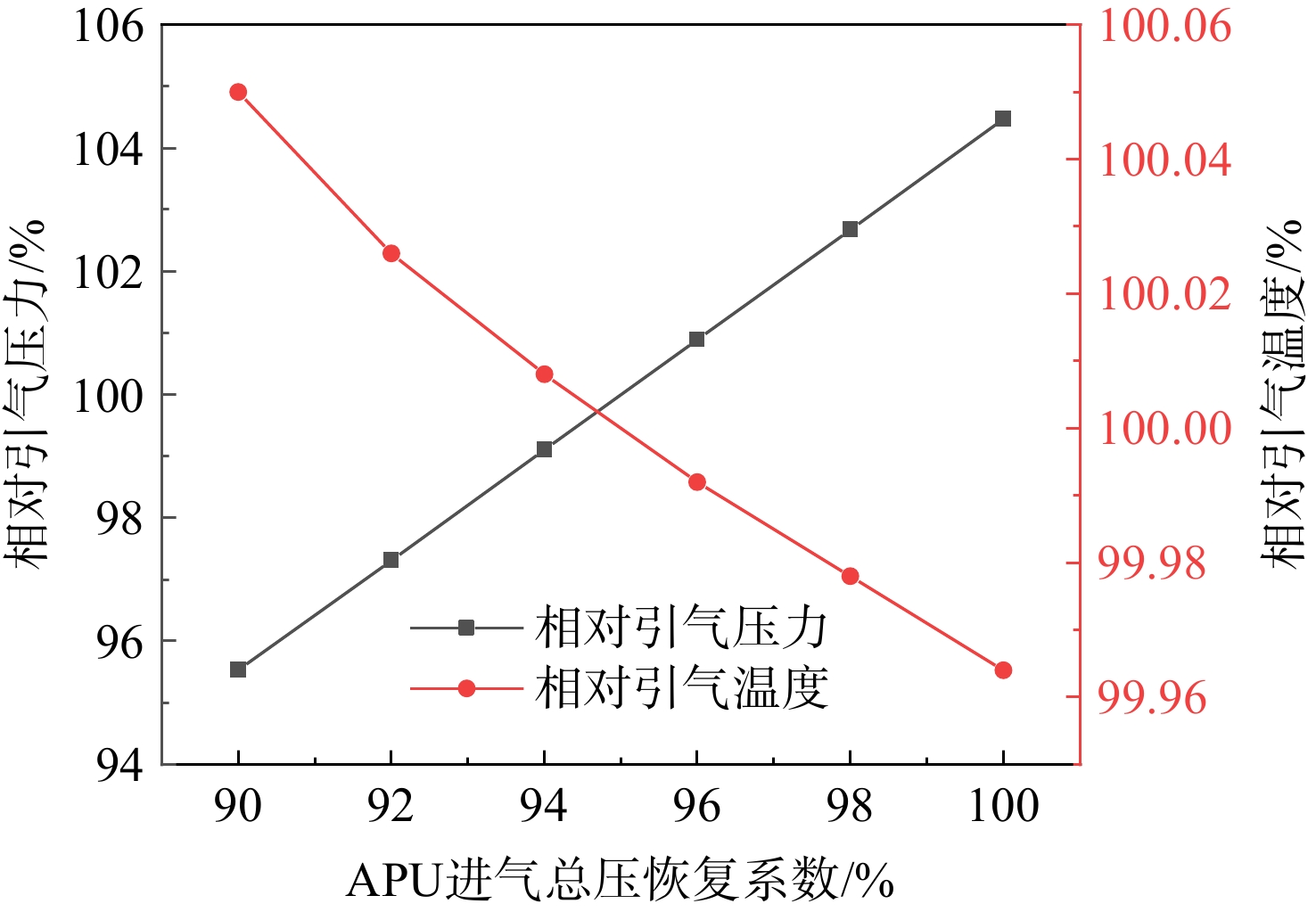
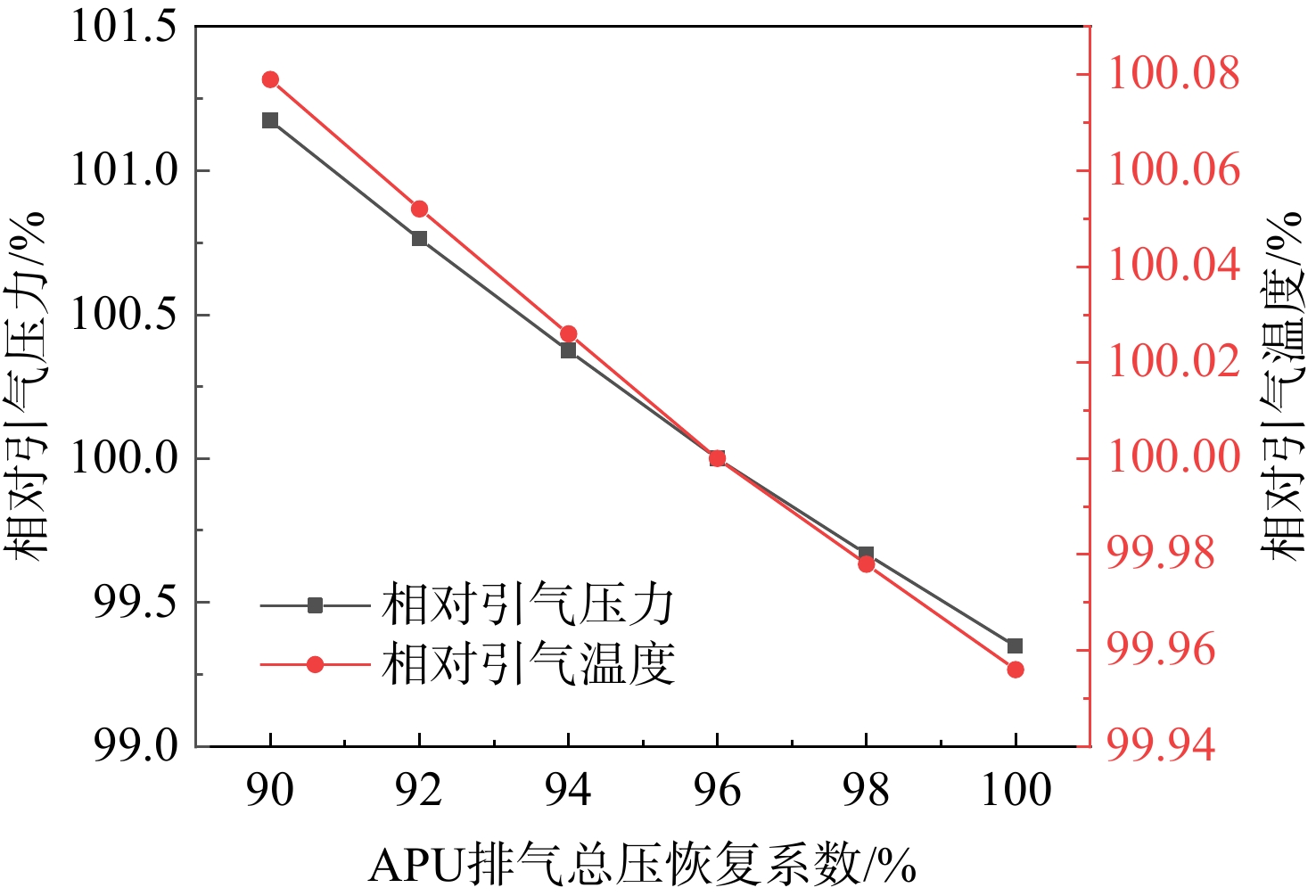
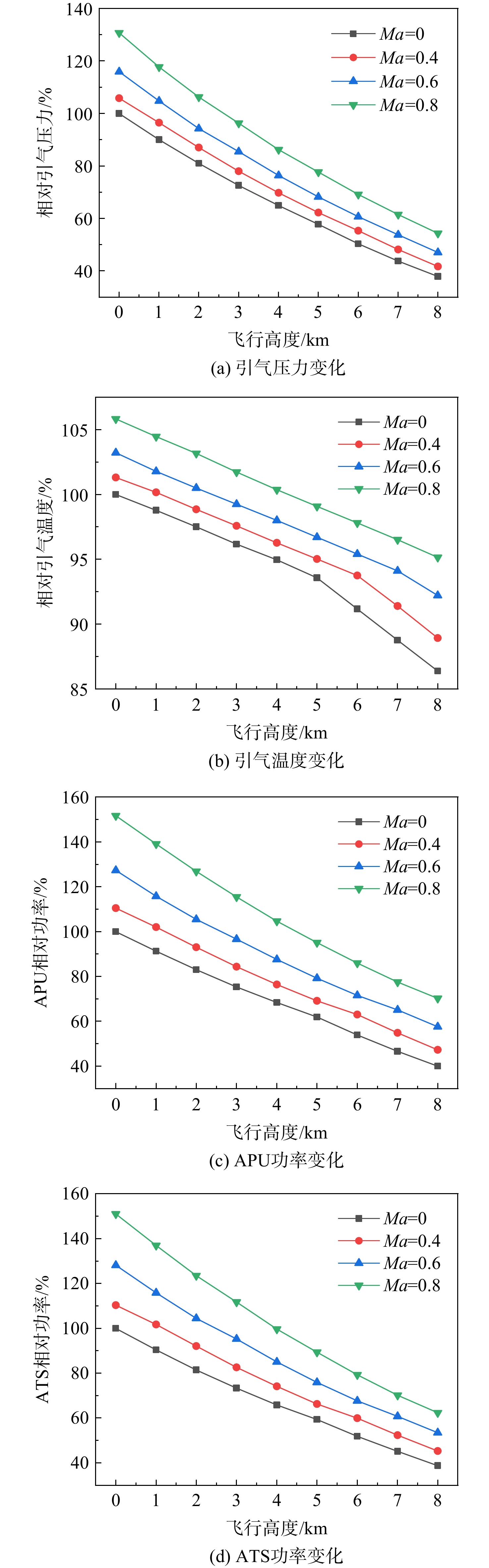
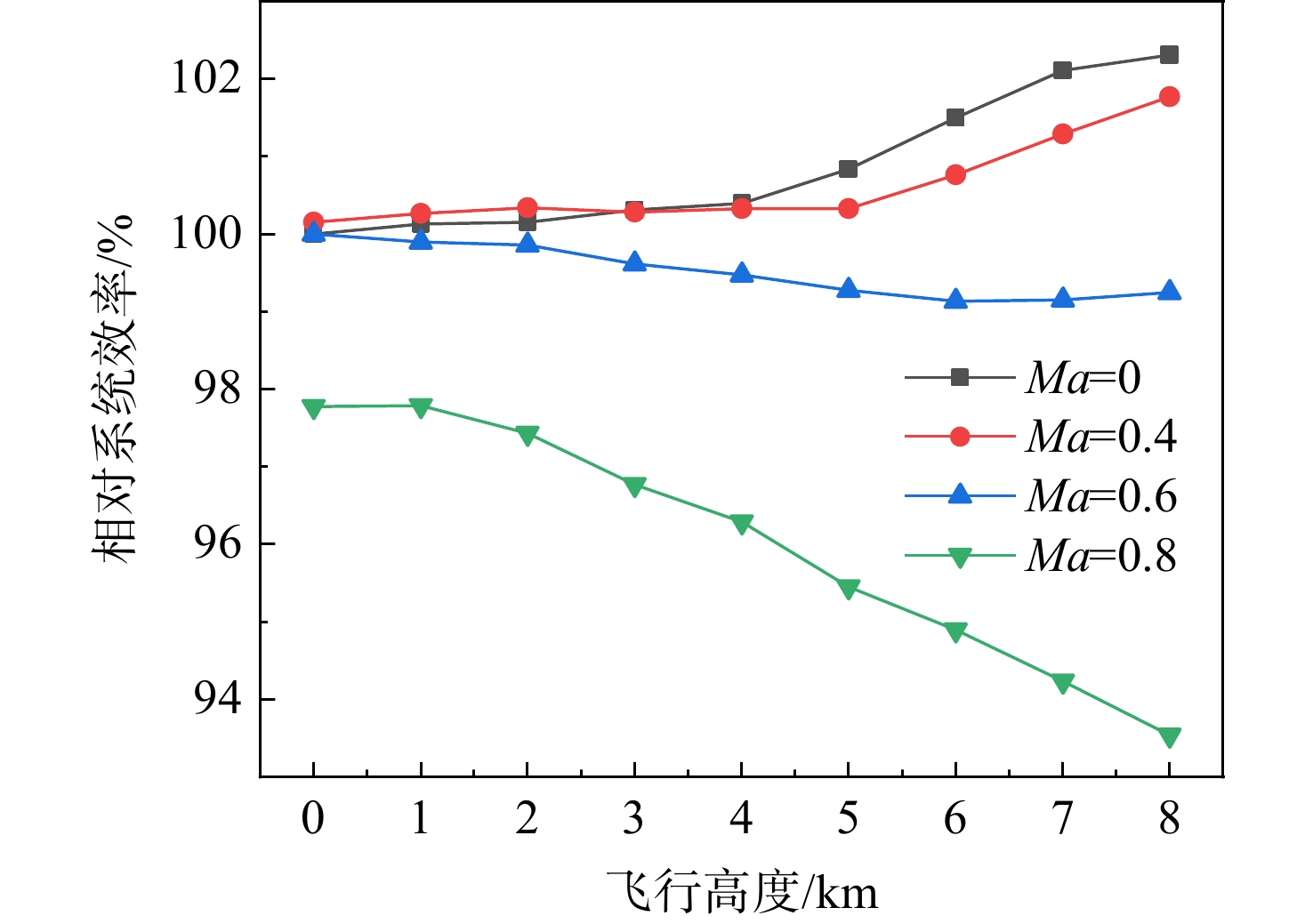
In order to analyze the overall working characteristics of the second power system of aircraft, a component-level modeling method and multi-population genetic algorithm were used to model the second power system, which consisted of the auxiliary power unit (APU), exhaust pipe and air turbine starter (ATS). The reliability of the simulation model was verified by comparison with the reference data, and the error of the simulation results was less than 3.5%. The loss characteristics of the bleed air pipeline and the working characteristics of APU and ATS were obtained by simulation calculation. The temperature characteristics, altitude velocity characteristics and load characteristics of the system were obtained by simulation analysis for the whole system. The results showed that the efficiency of the bleed air pipeline changed significantly with the bleed air parameters, and there existed a coupling relationship between the components of the second power system. The overall performance parameters such as the equivalent power of the system decreased with the increase of altitude, and the efficiency of the system decreased with the increase of flight speed. The research conclusion can provide a reference for the design of advanced second power system.

Numerical simulation on drag and heat reduction of hypersonic spike-aerodisk-self-coupled stamping lateral jet concept
WANG Ziyu, FANG Shuzhou, GUO Jian, NI Zijian
2024, 39(10): 20220775. doi: 10.13224/j.cnki.jasp.20220775
Abstract:

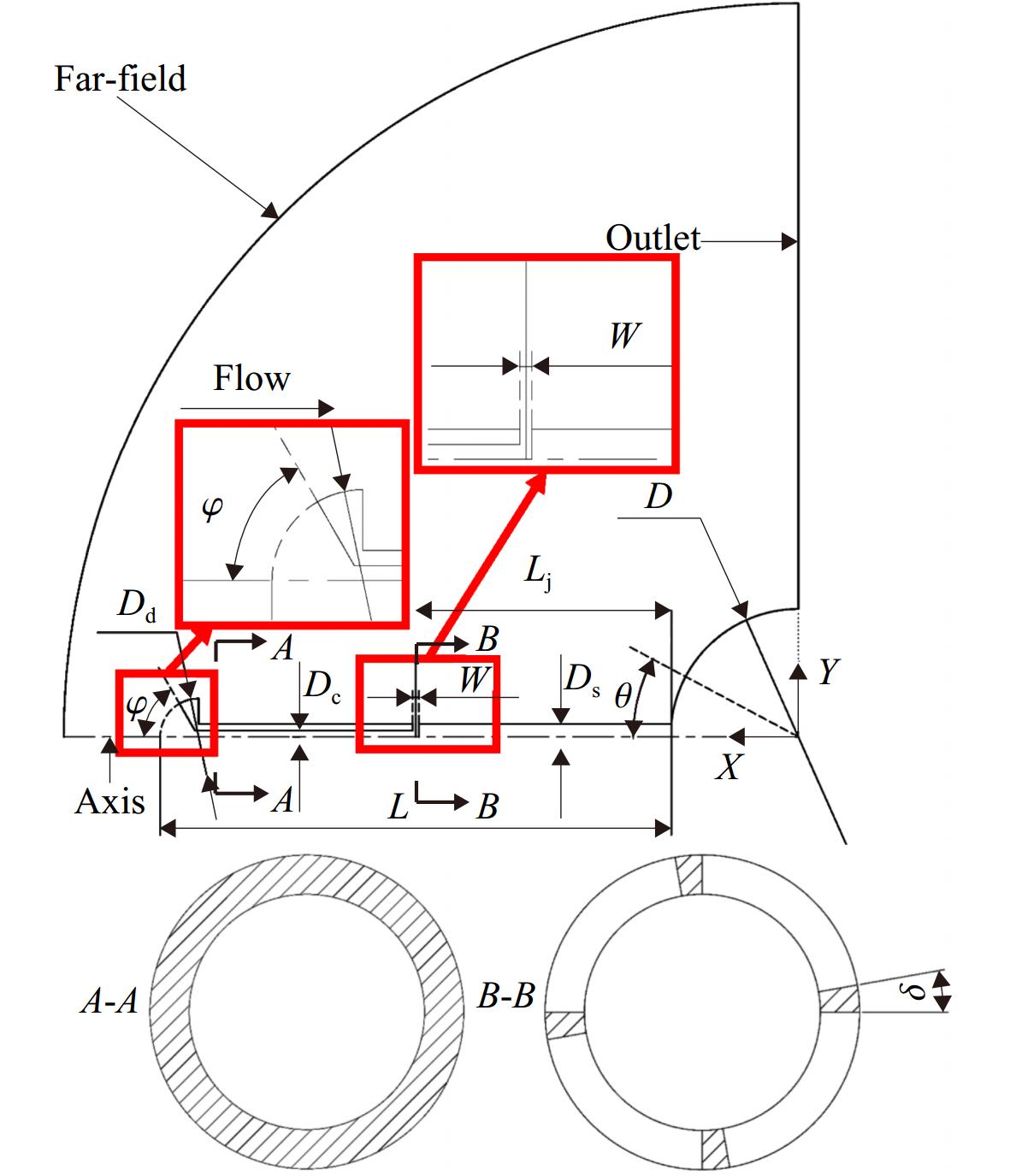
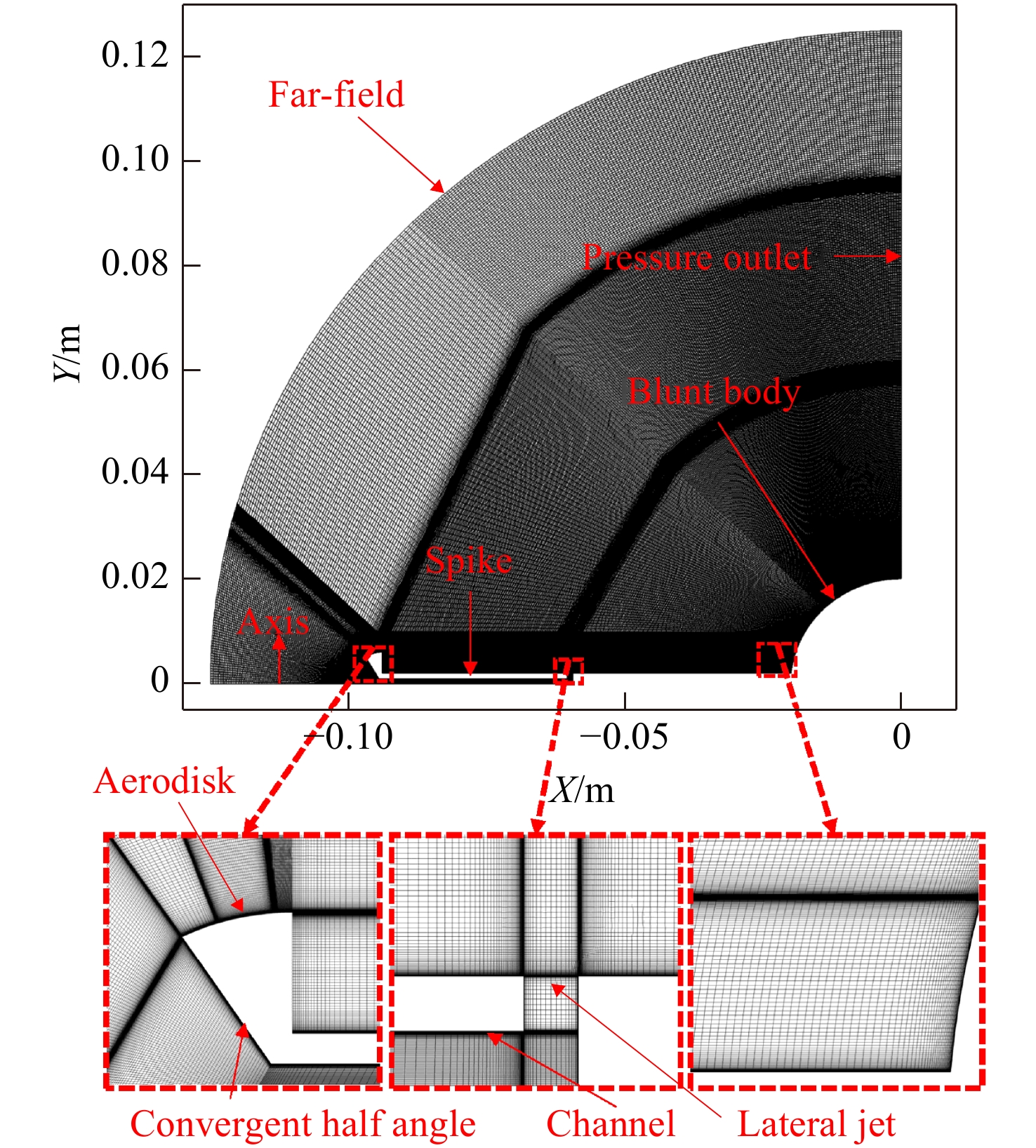
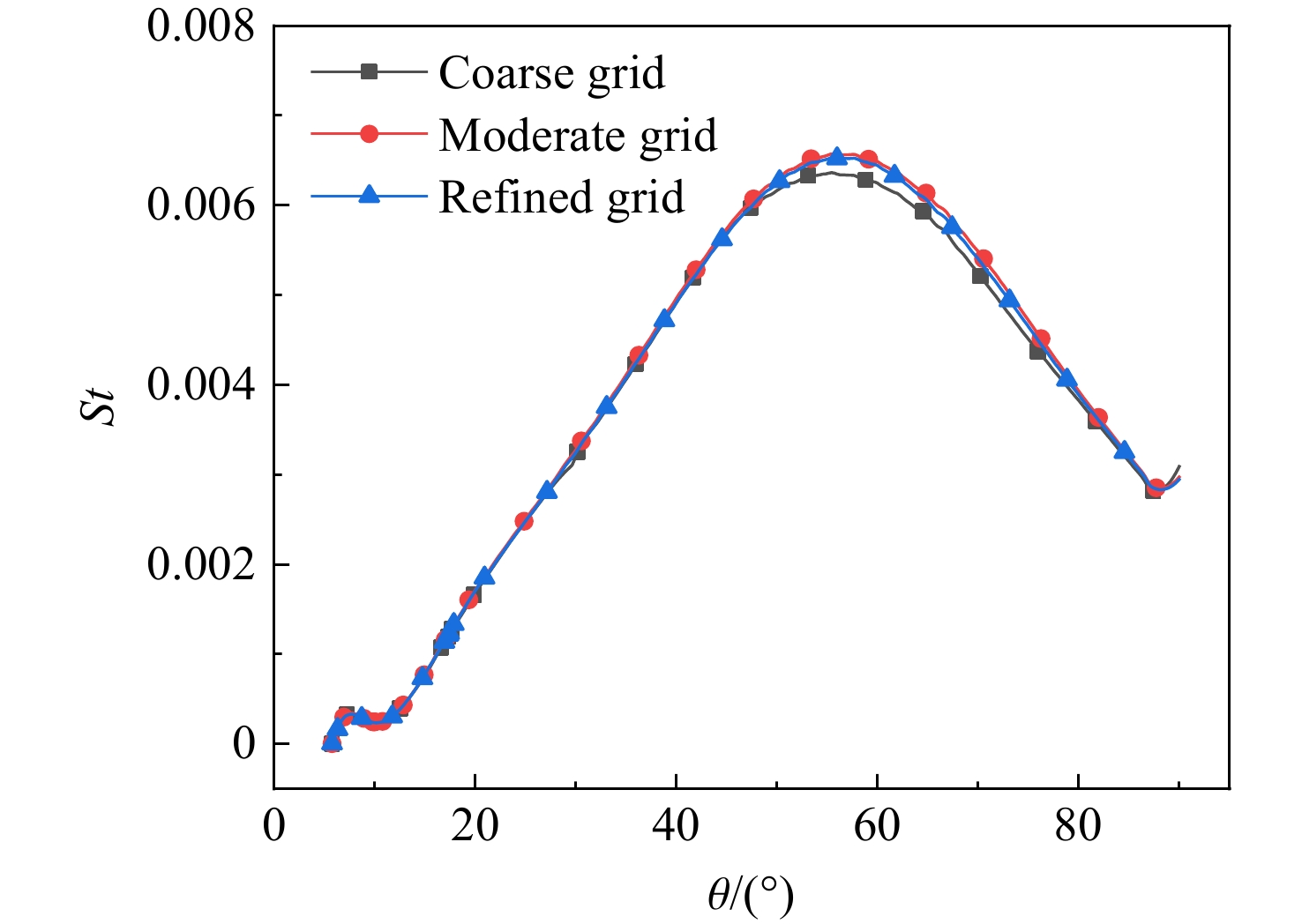
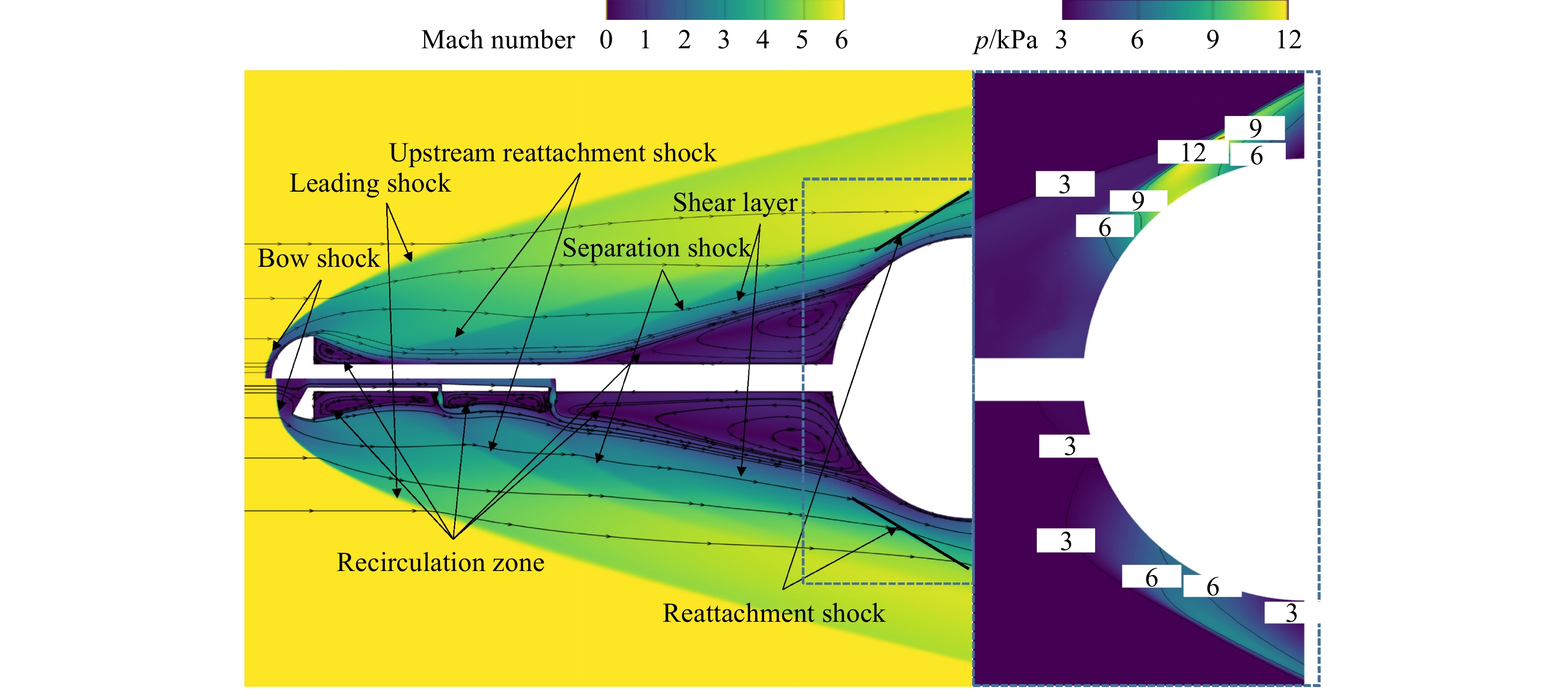
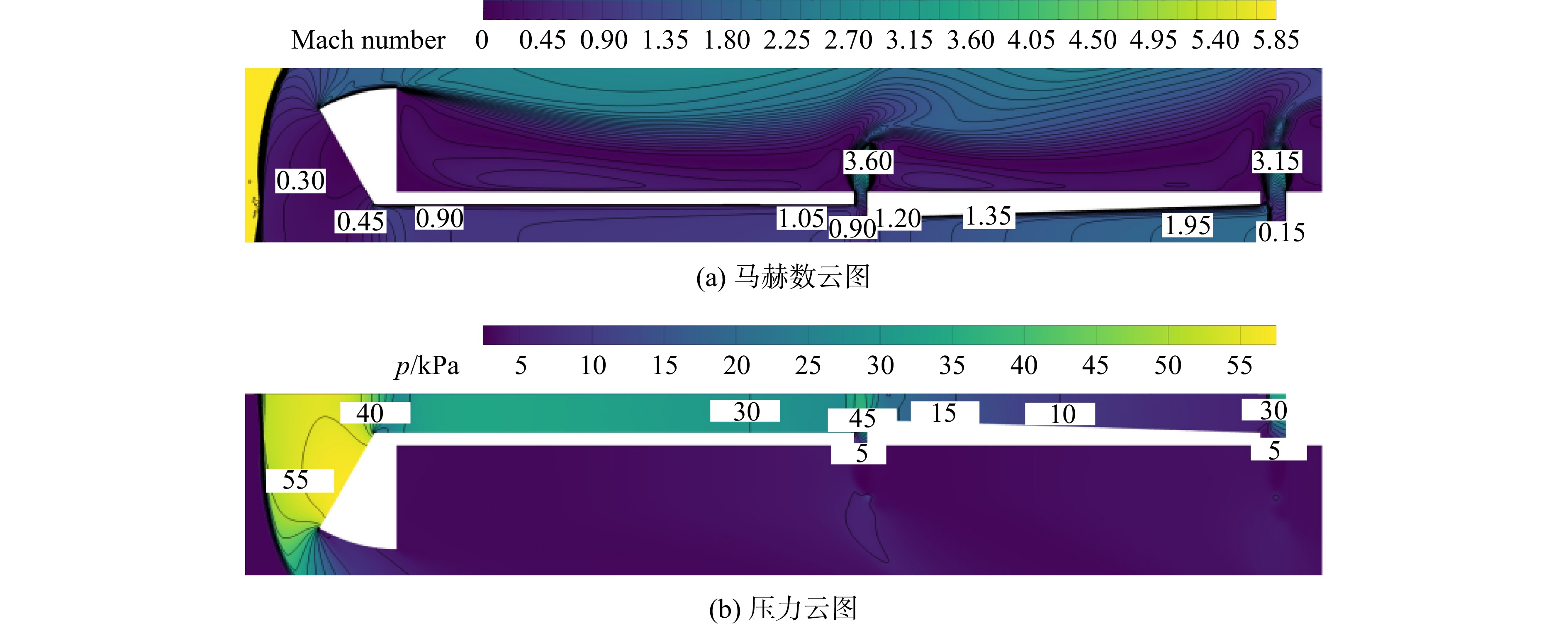
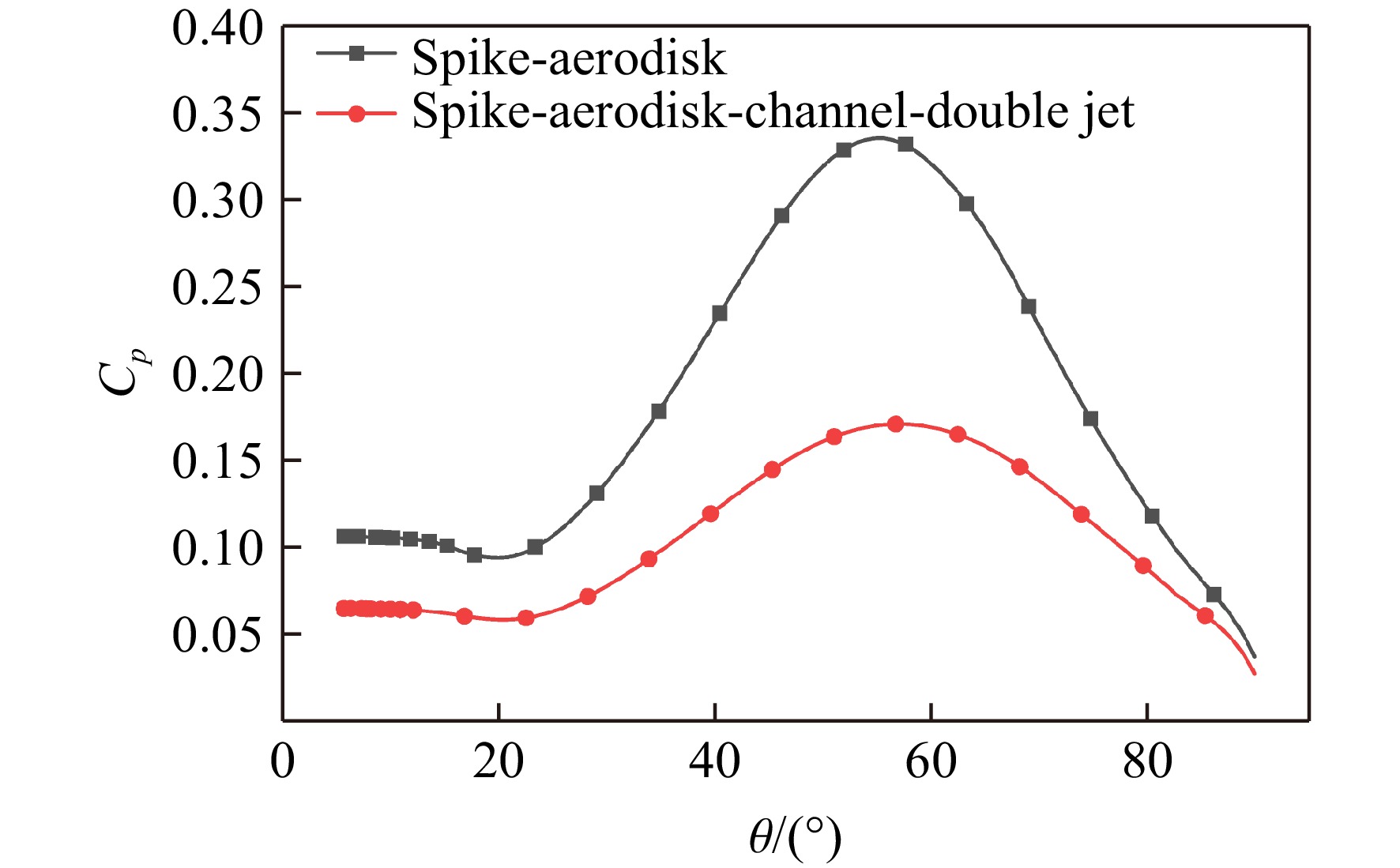
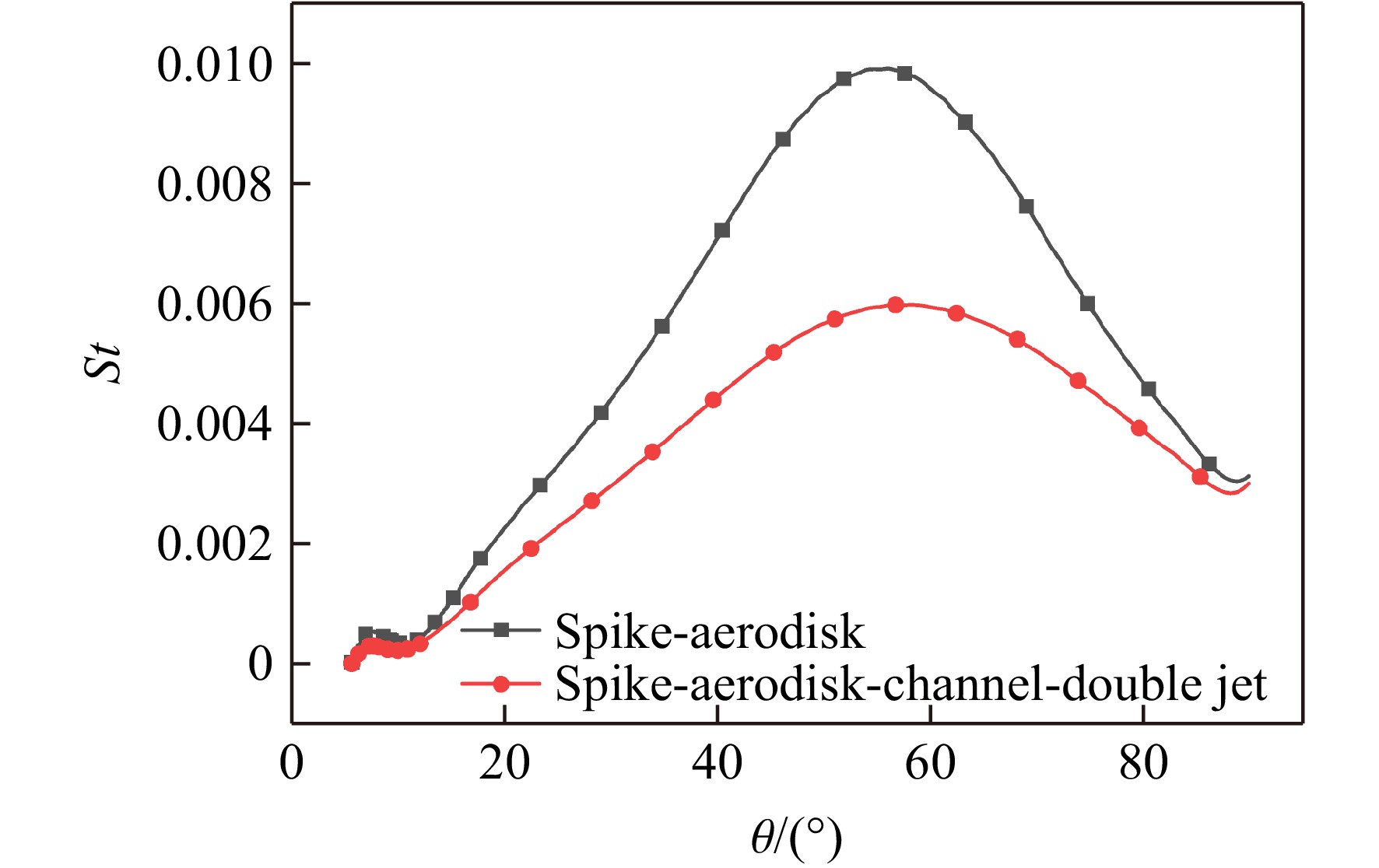
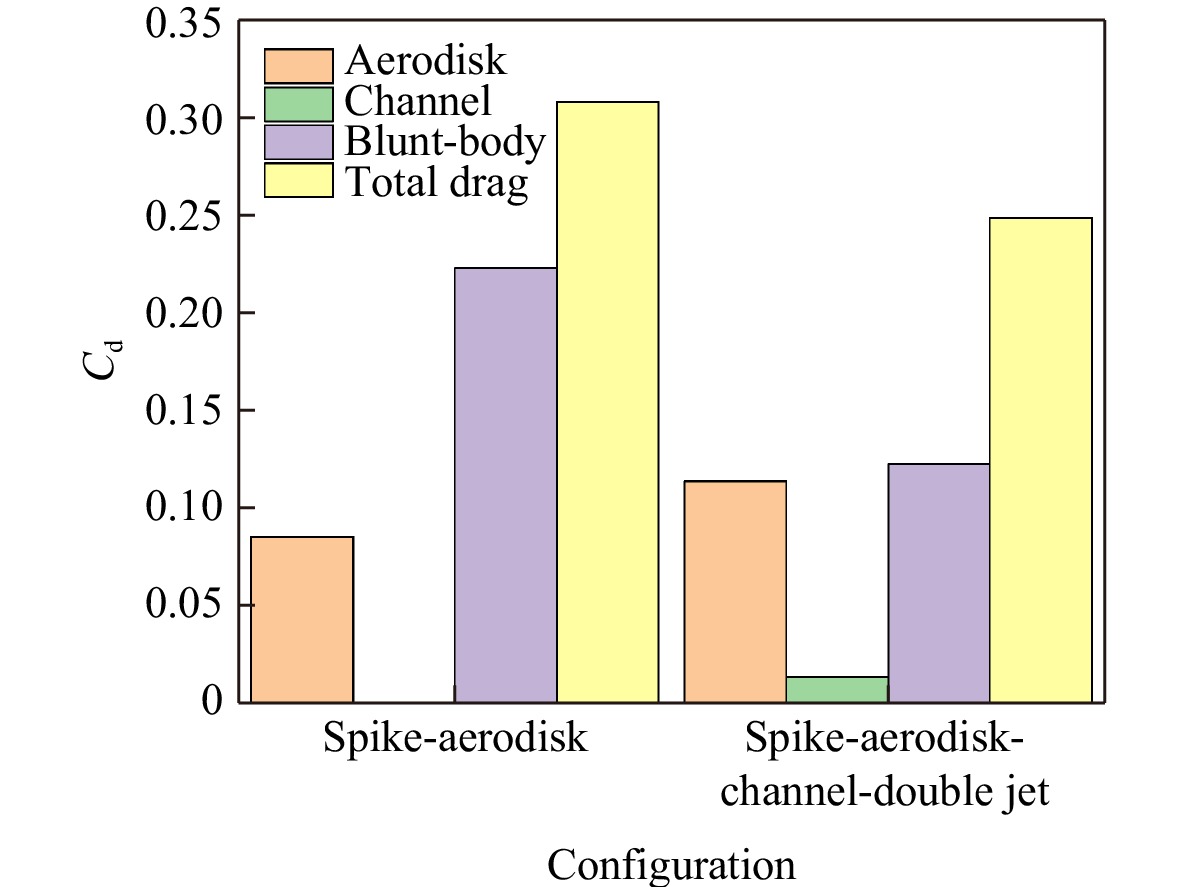
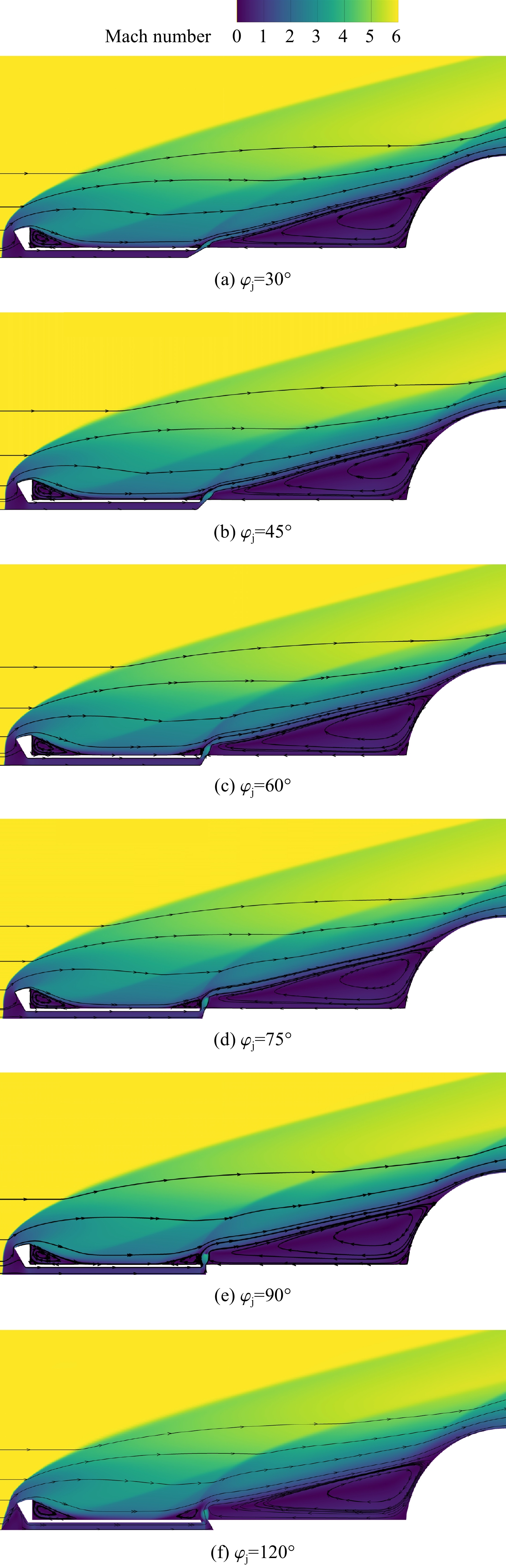
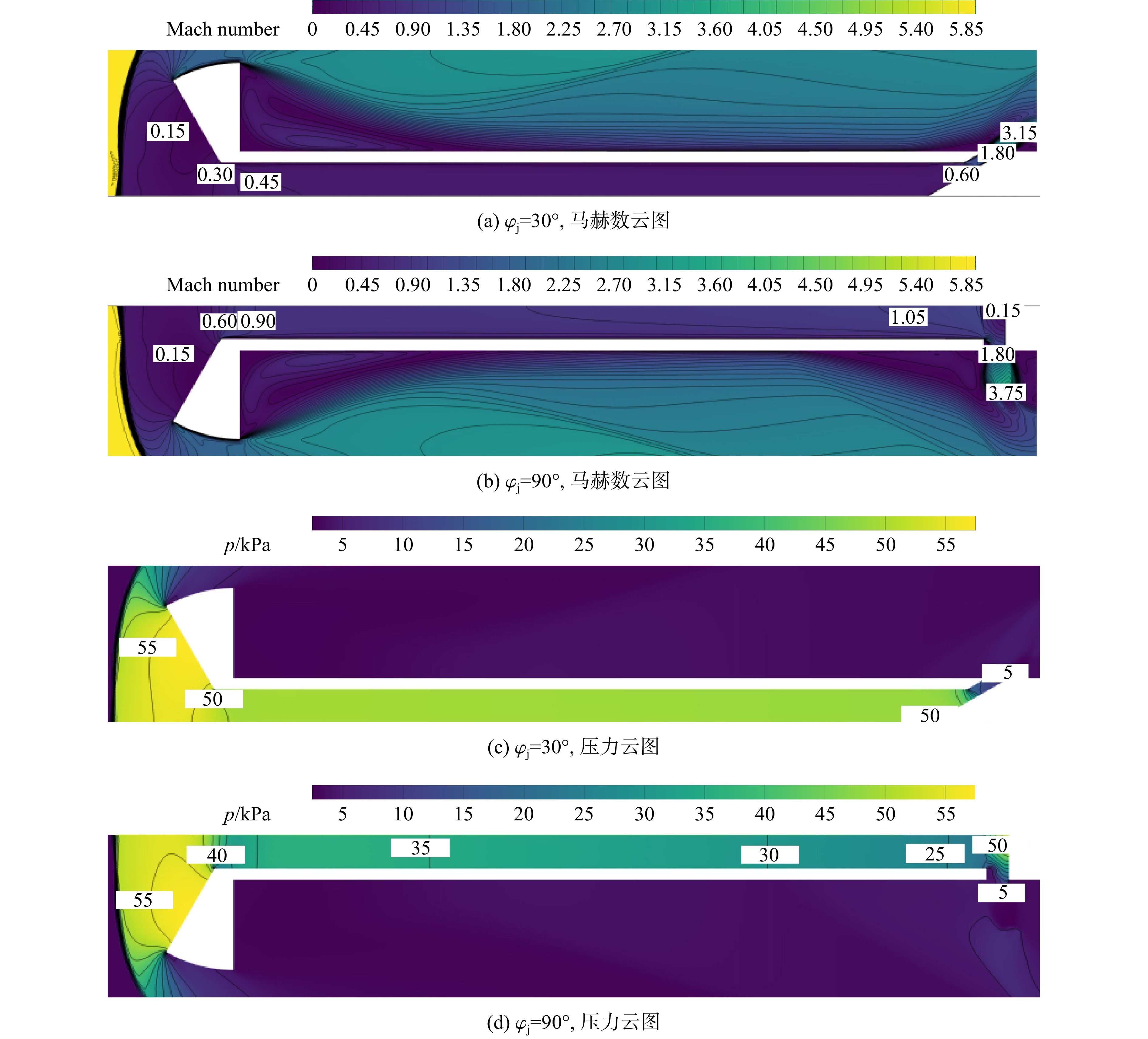
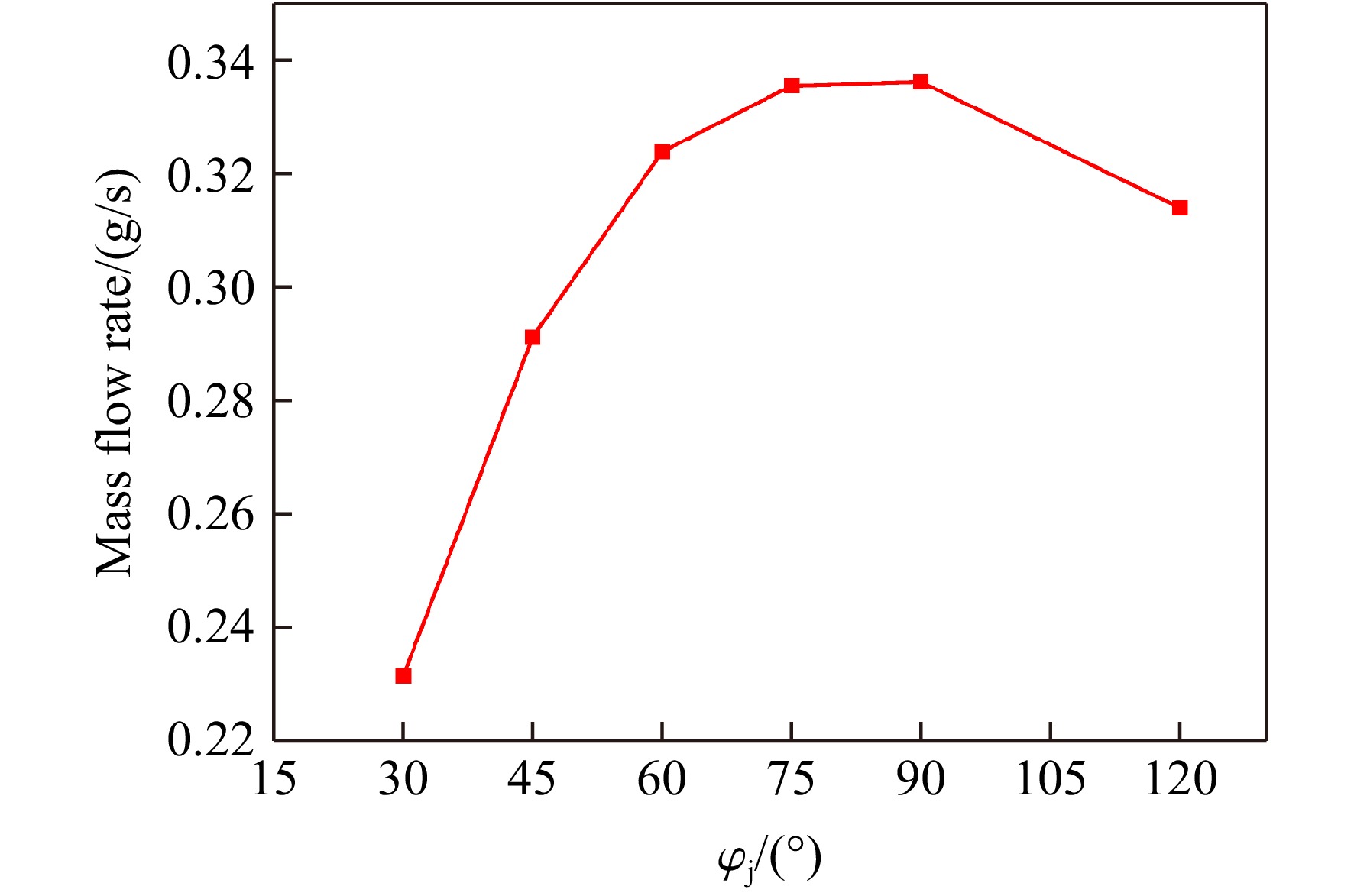
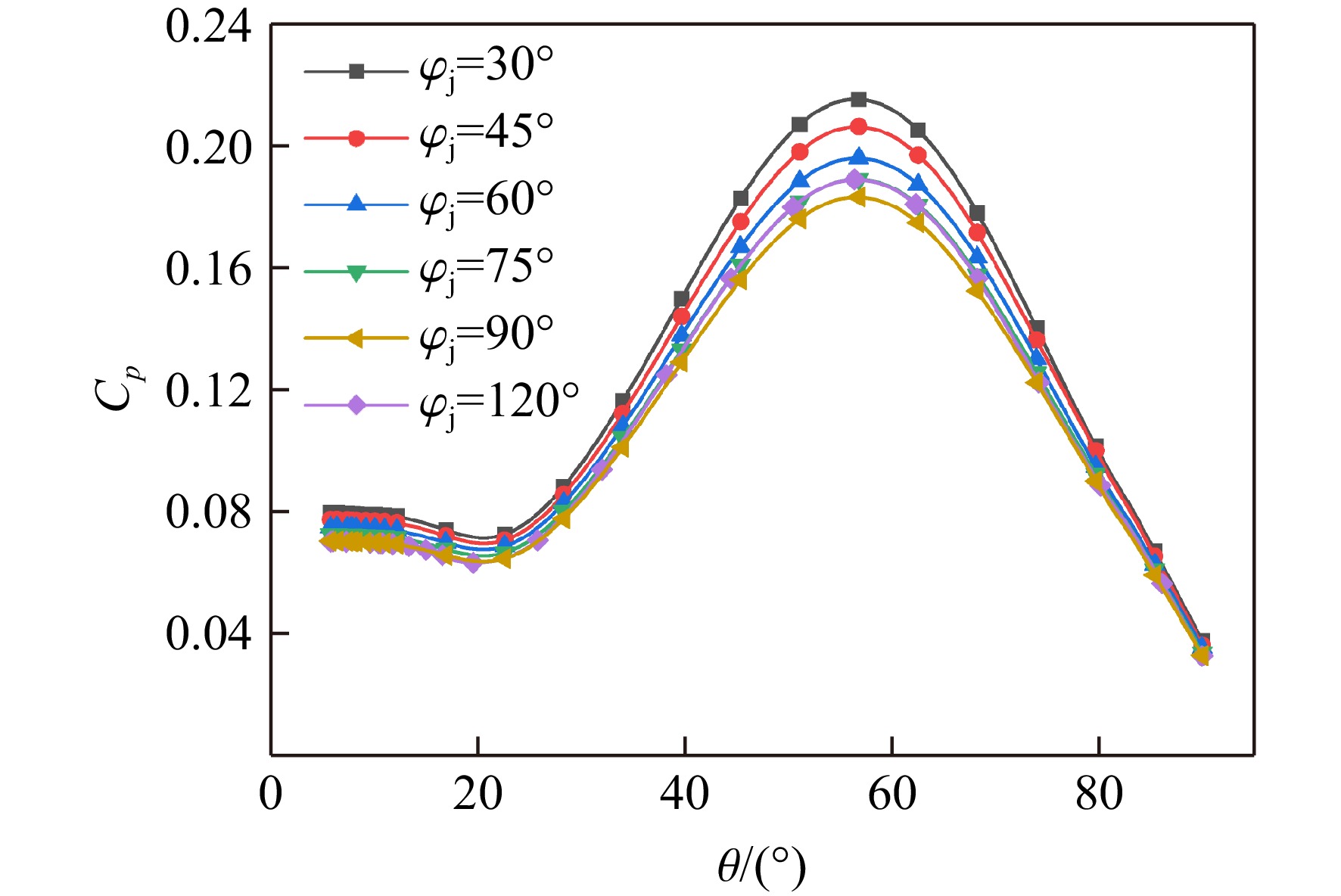
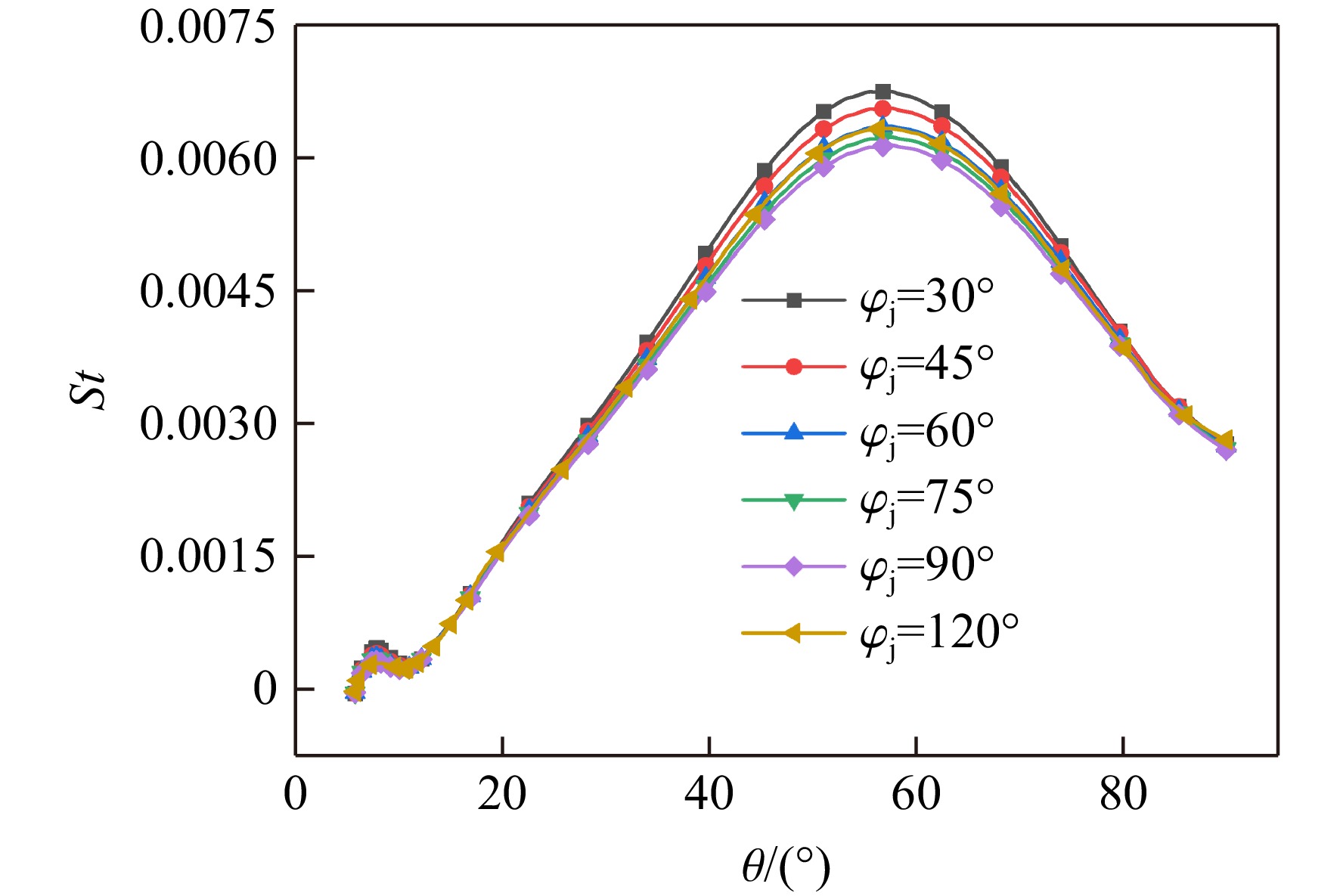
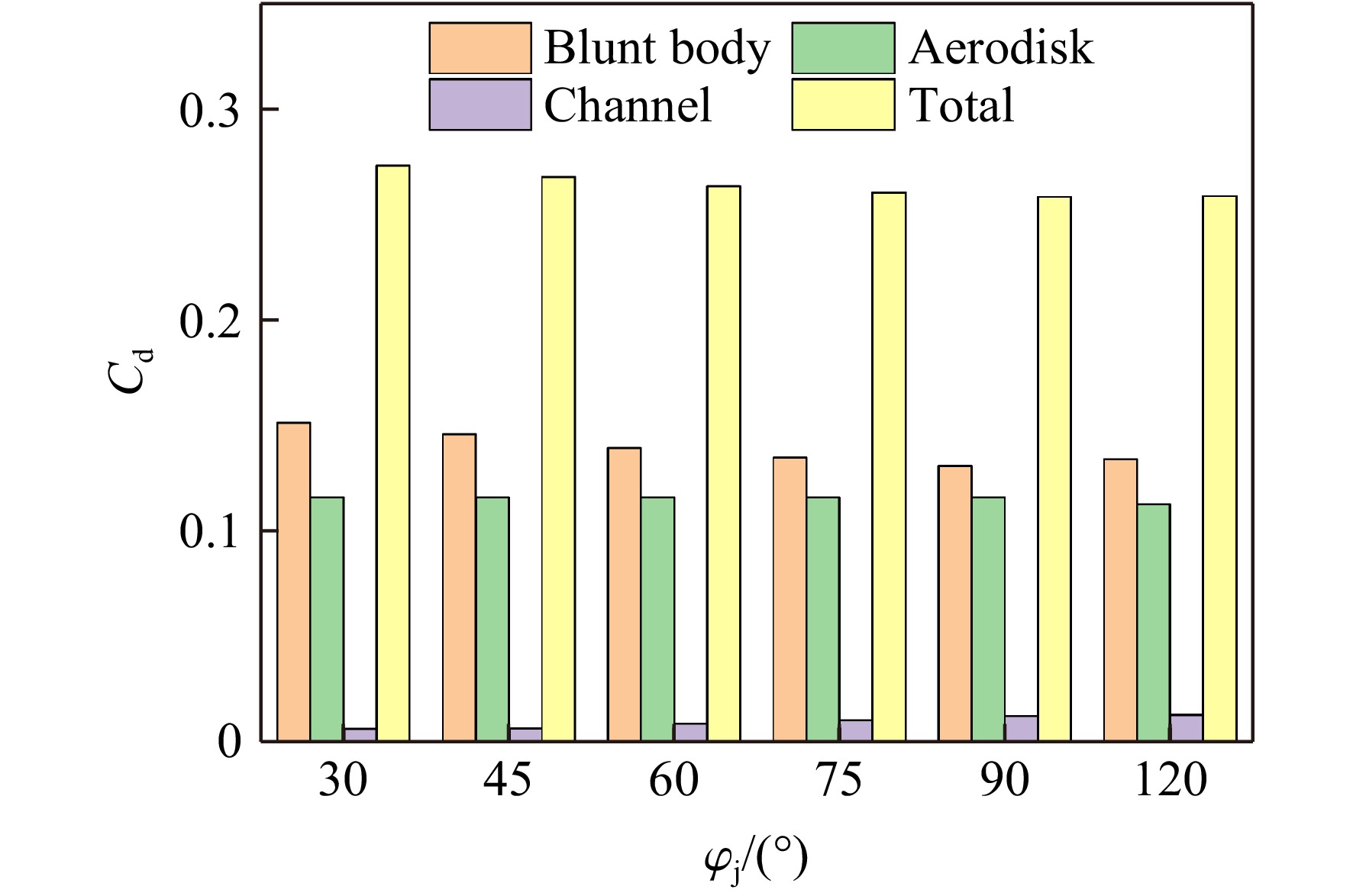
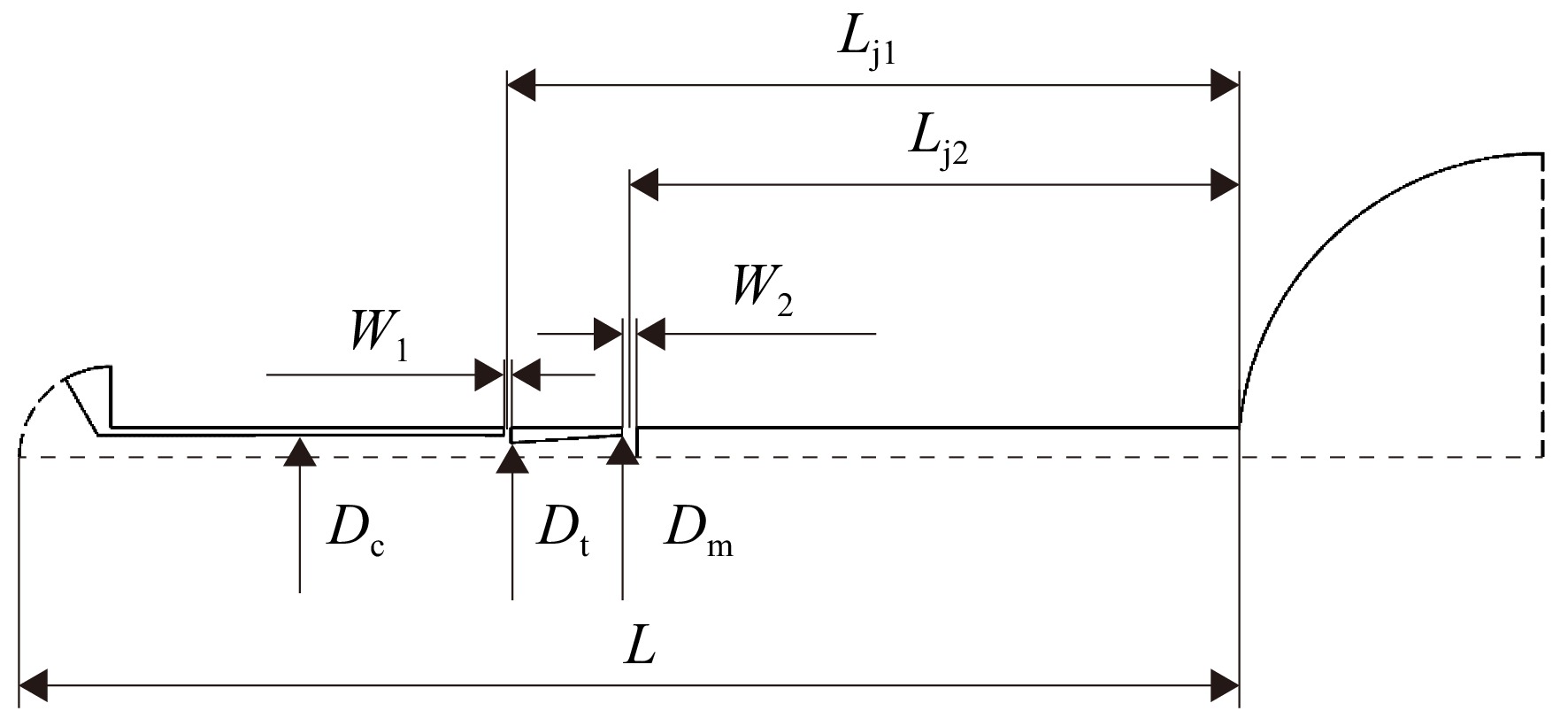
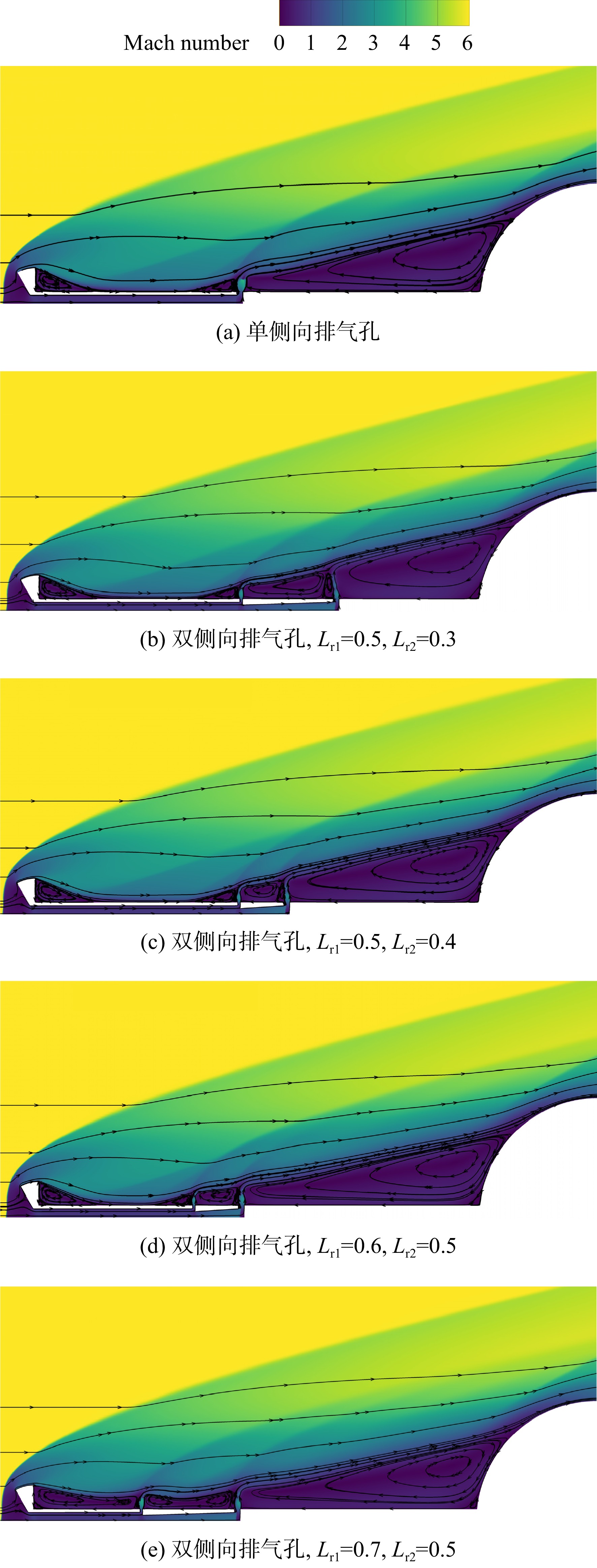
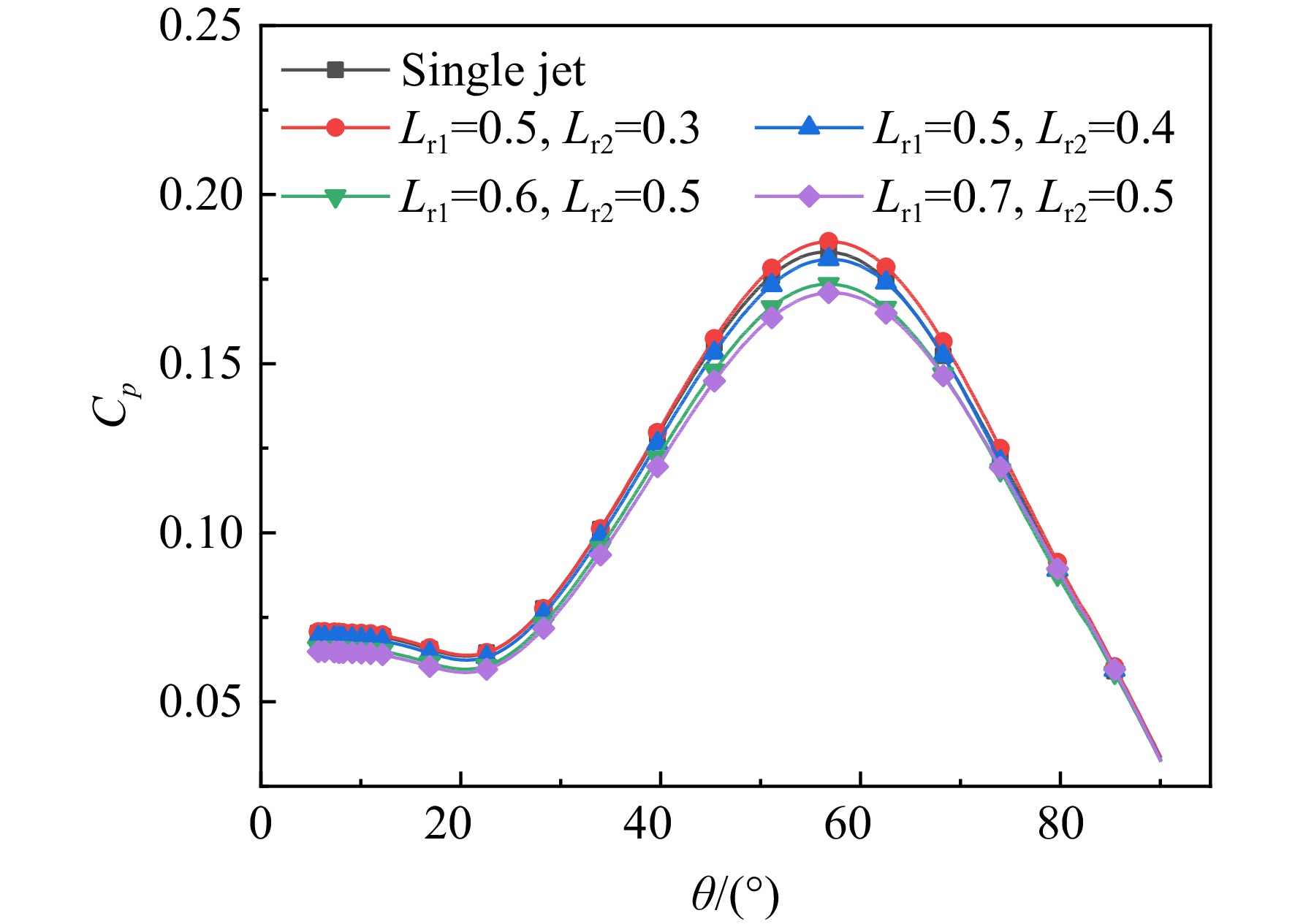
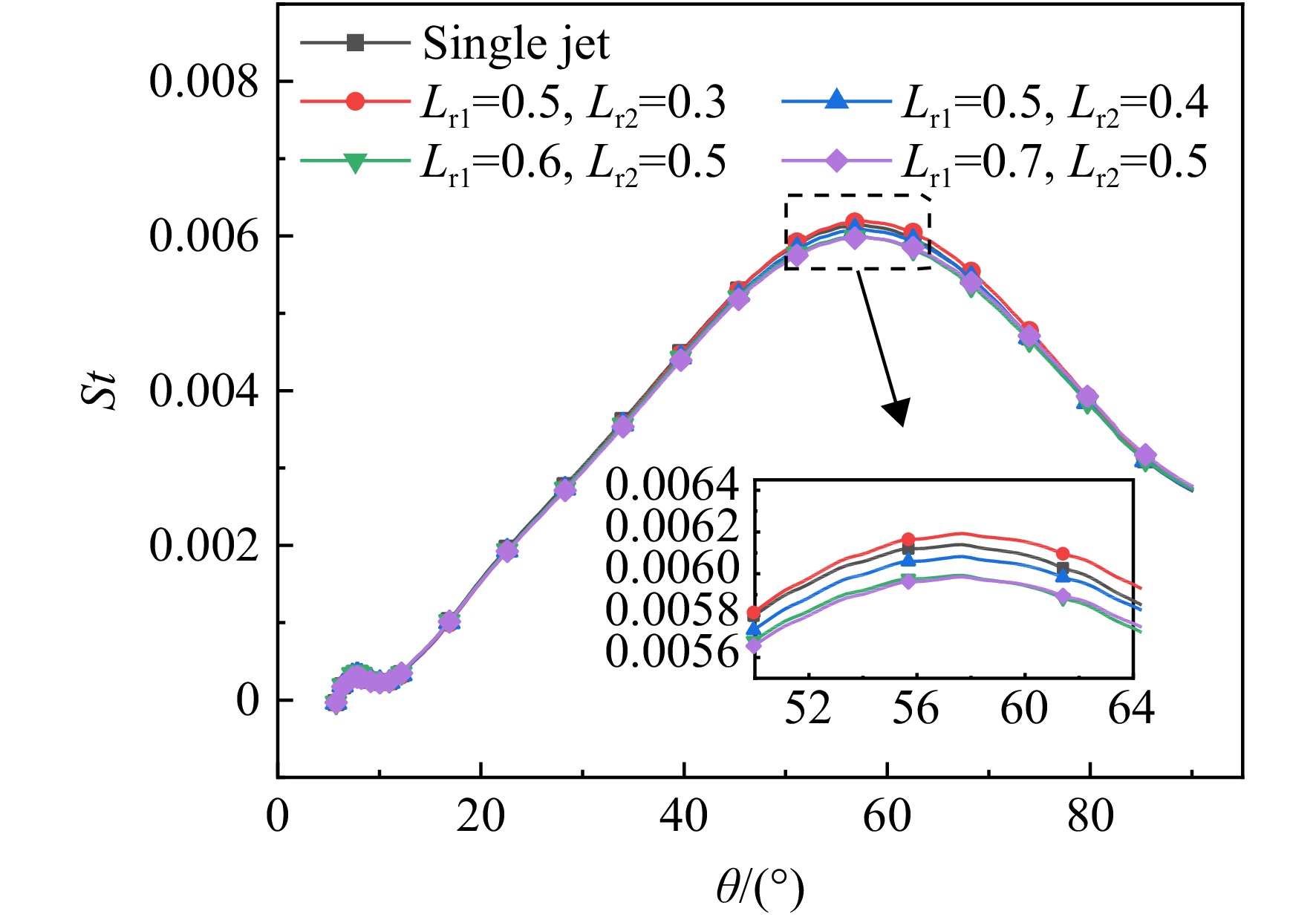
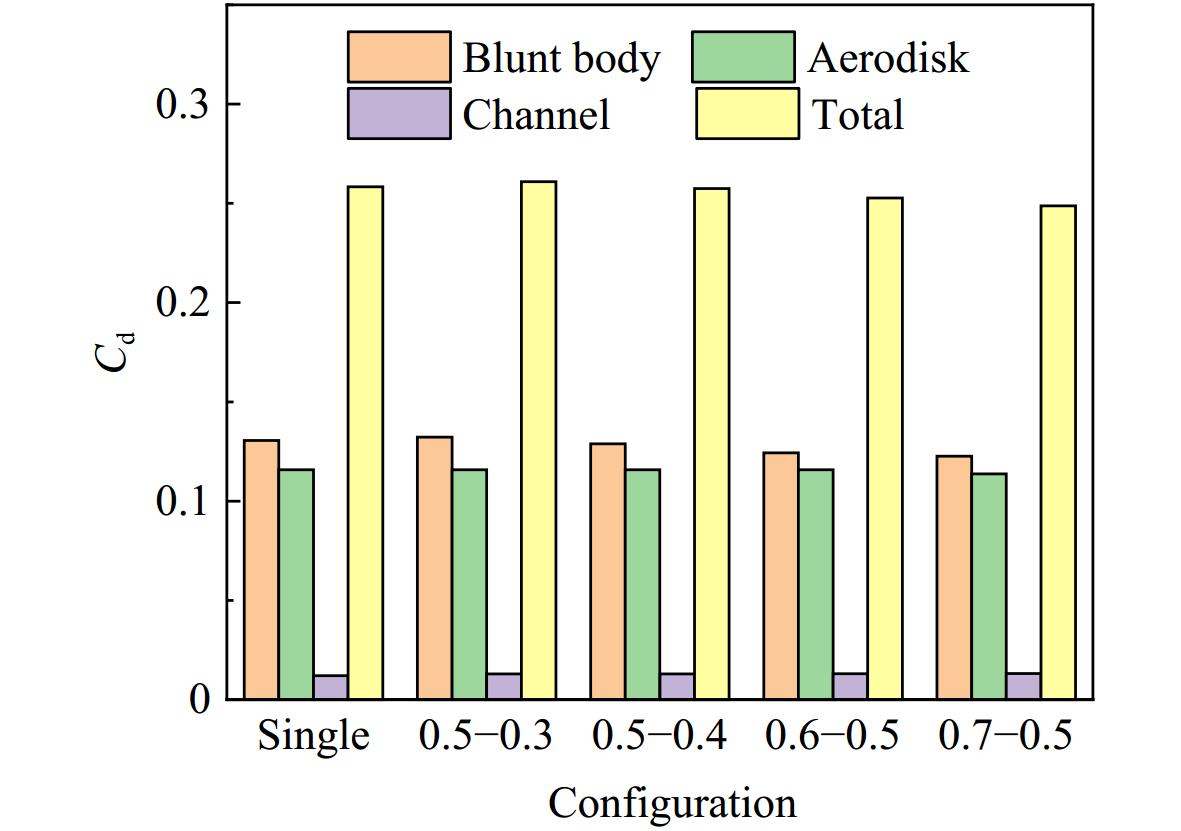
The drag and heat reduction effect of hypersonic spike-aerodisk-self-coupled stamping lateral jet configuration was numerically simulated. Compared with the simple spike-aerodisk, the spike-aerodisk-self-coupled stamping lateral jet configuration pushed the shear layer away from the wall, enlarged the recirculation zone near the blunt body, and pushed the separating shock away from the spike. The strength of the attachment shock was significantly weakened, and the drag and heat reduction characteristics of the combined configuration were significantly improved. The drag and heat reduction mechanism of the spike-aerodisk-self-coupled stamping lateral jet configuration was studied, and the influences of different parameters on the drag and heat reduction effect were discussed. Within the study range, the drag and heat reduction effect was continuously improved when the lateral jet angle increased from 30° to 90°, but when the lateral jet angle increased from 90° to 120°, the drag and heat reduction effect decreased slightly. For lateral multiple jets, the farther the second lateral jet was from the blunt body wall surface, the better the drag and heat reduction performance. The configuration with the best drag and heat reduction effect was compared with the configuration with the same parameter spike-aerodisk, finding that the peak value of Stanton number on blunt body wall was reduced by 39.7%, and the drag coefficient of configuration was reduced by 19.3%.

Research and application of SST turbulence surrogate model based on neural network
LIANG Shuang, GUO Mingming, YI Miaorong, TIAN Ye, SONG Wenyan, YANG Maotao, ZHANG Yi, LE Jialing
2024, 39(10): 20220759. doi: 10.13224/j.cnki.jasp.20220759
Abstract:

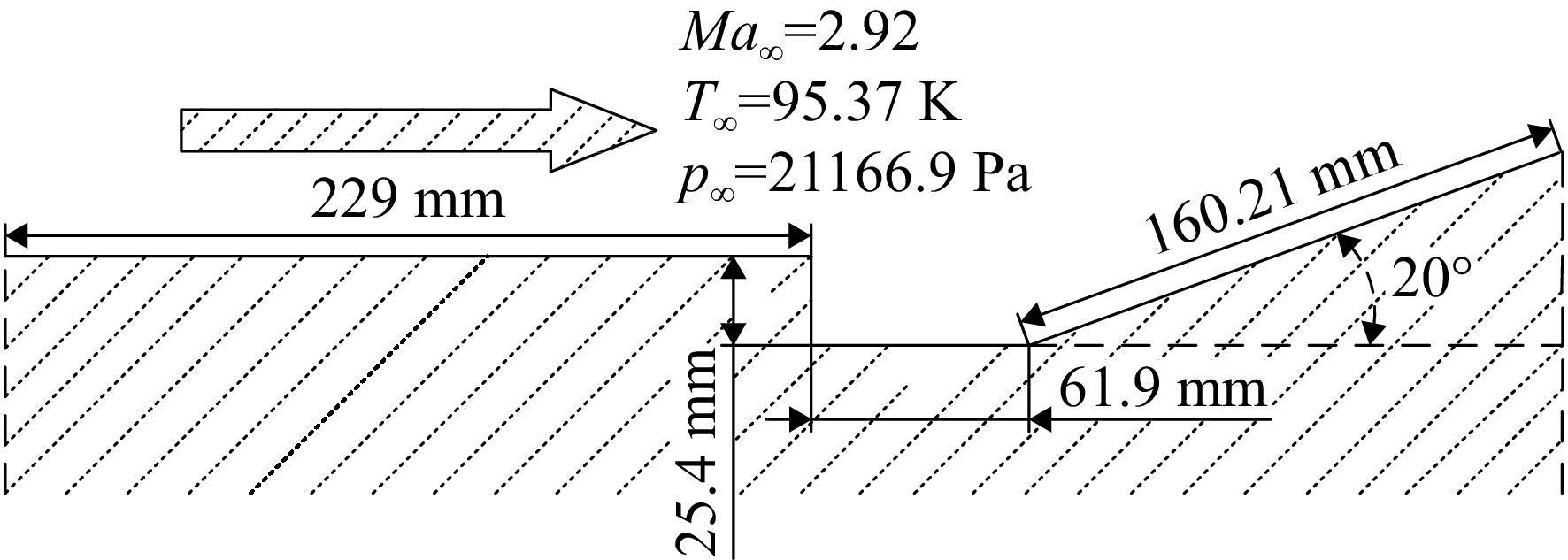
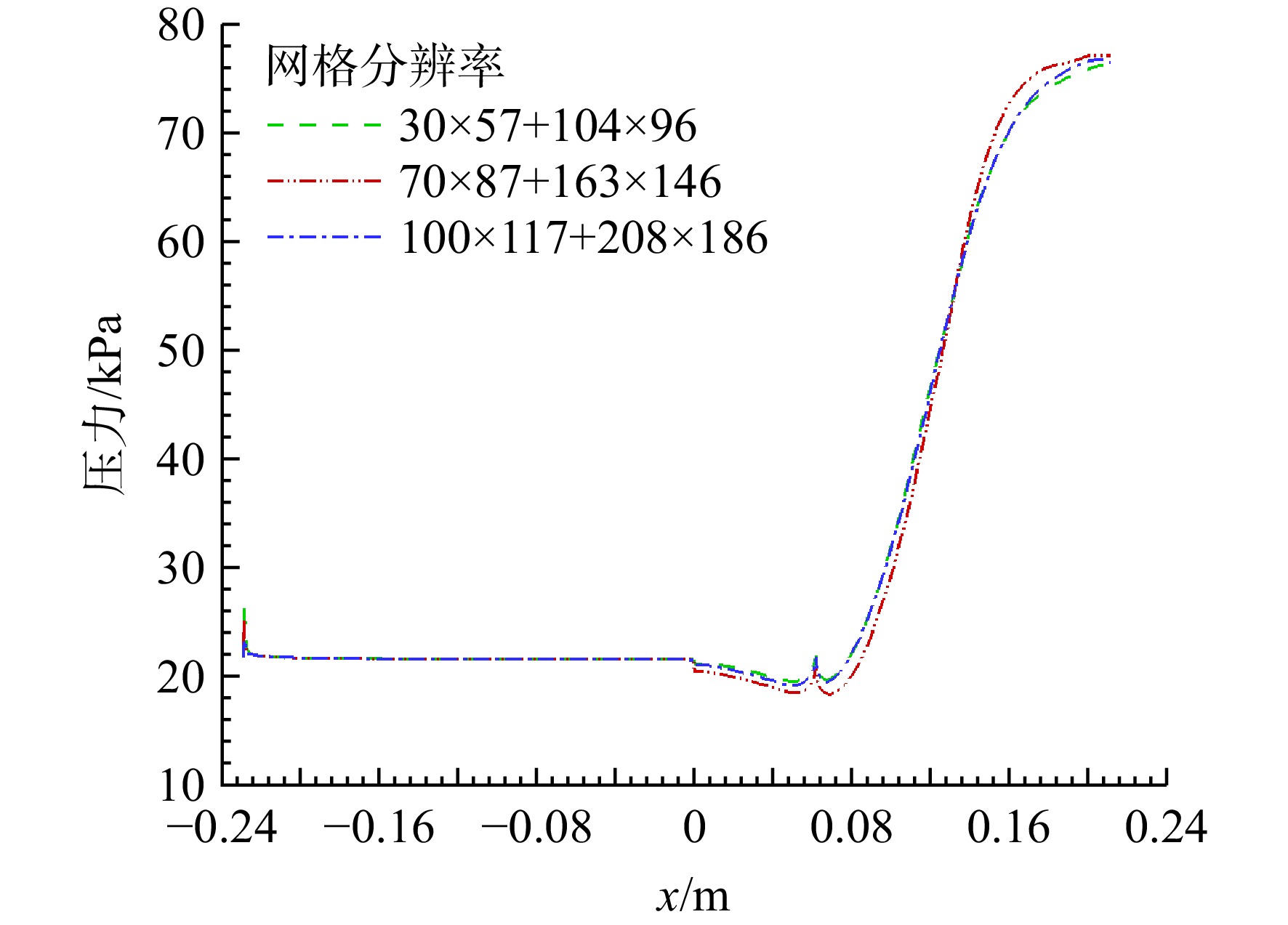
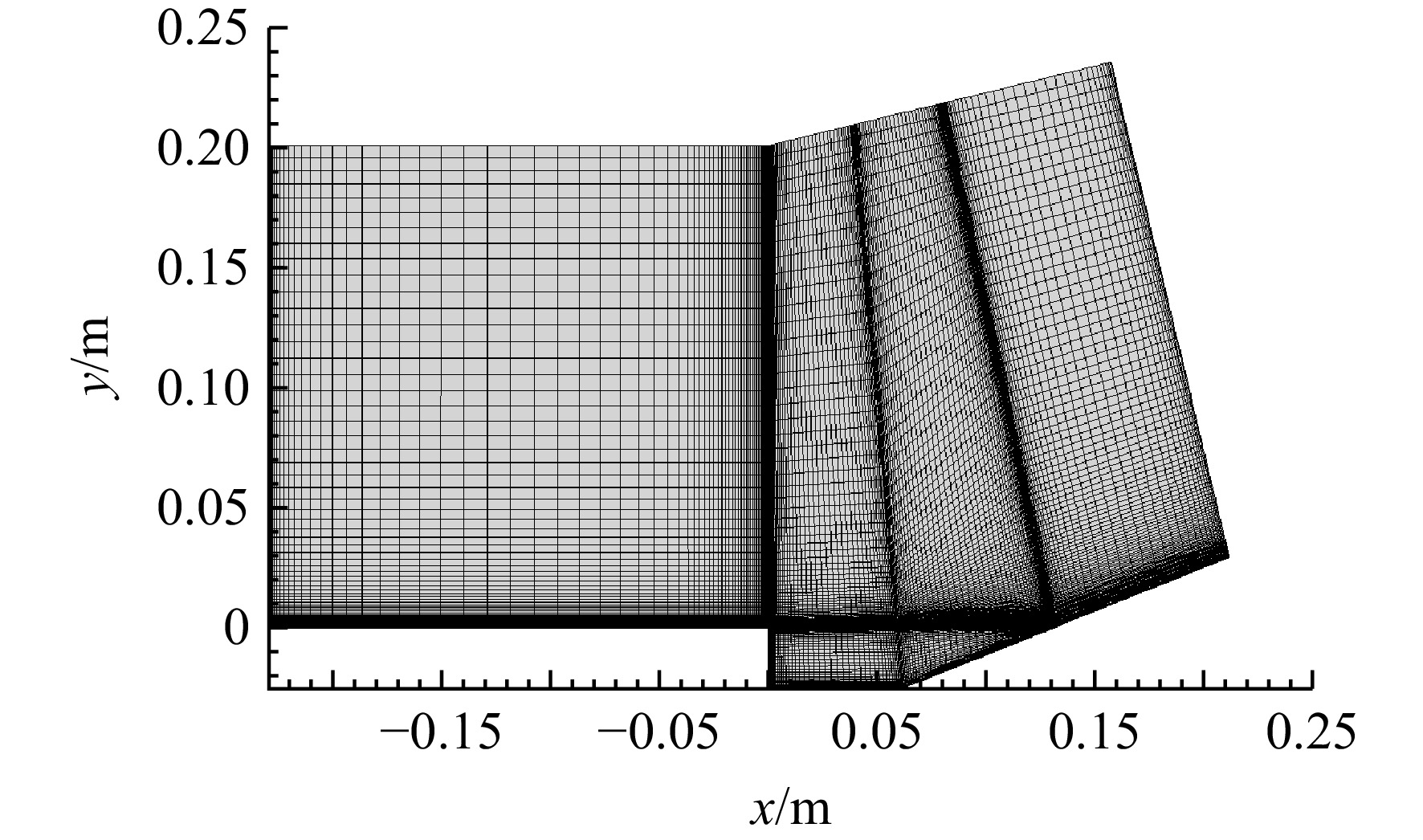
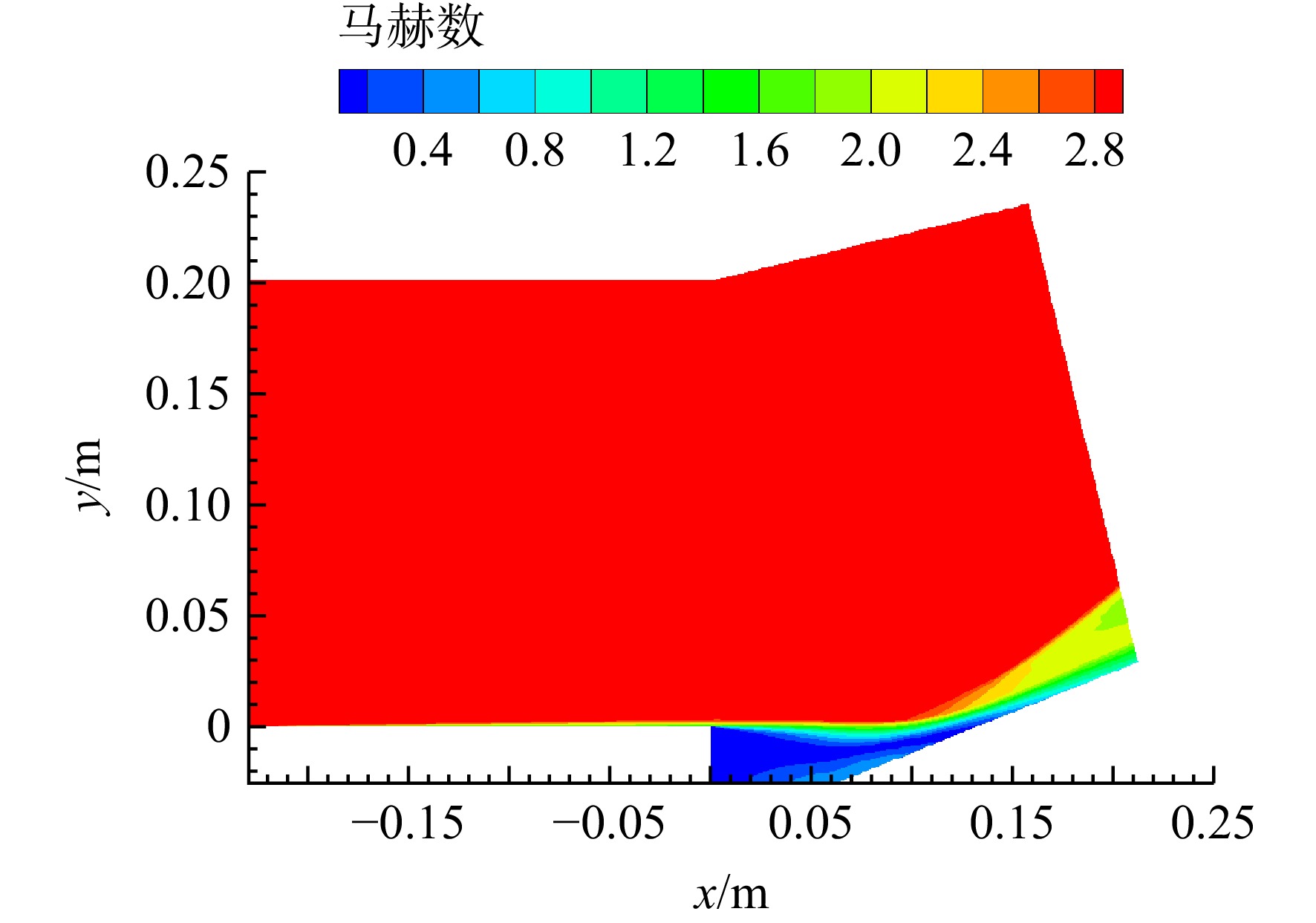
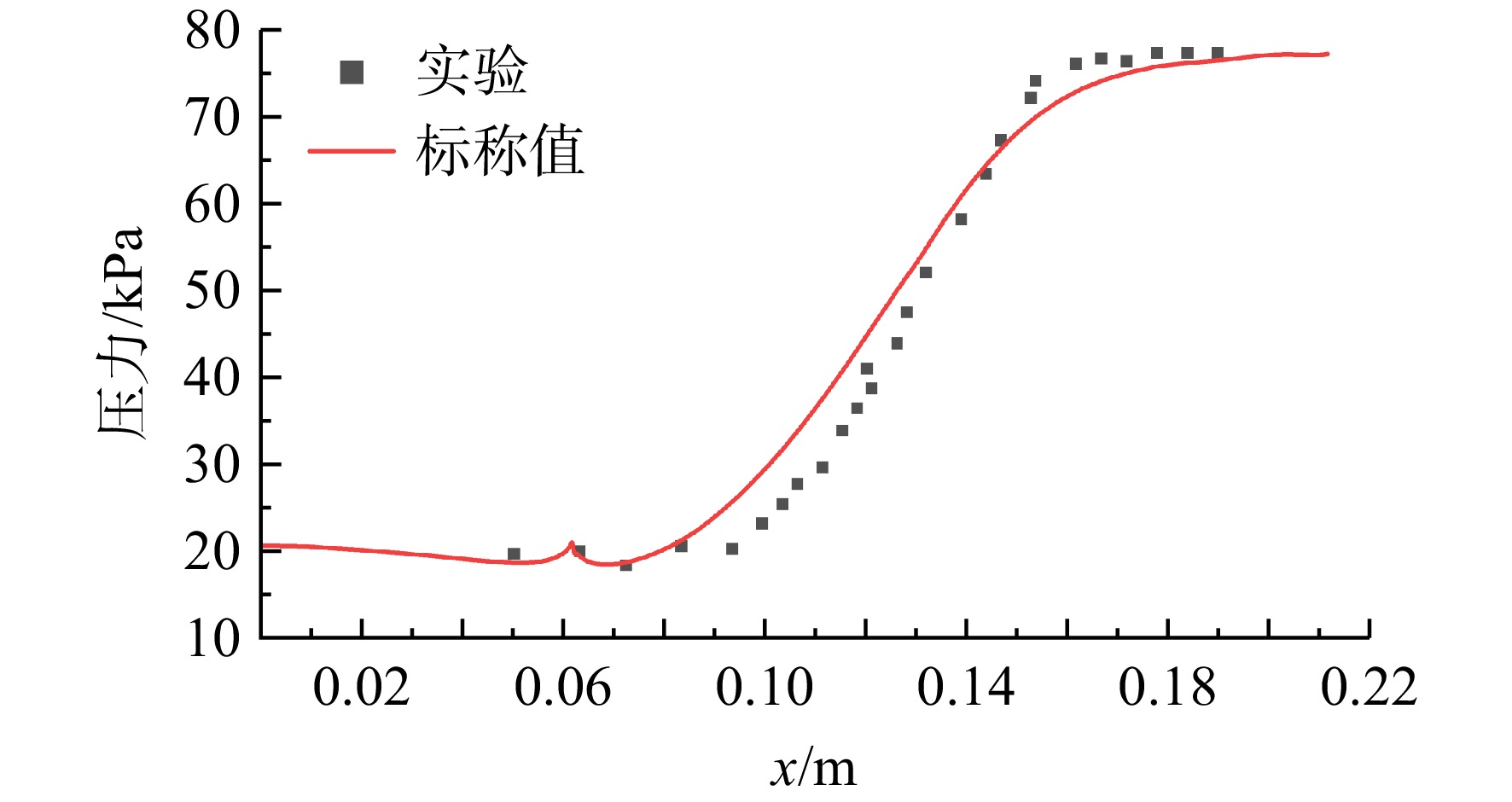
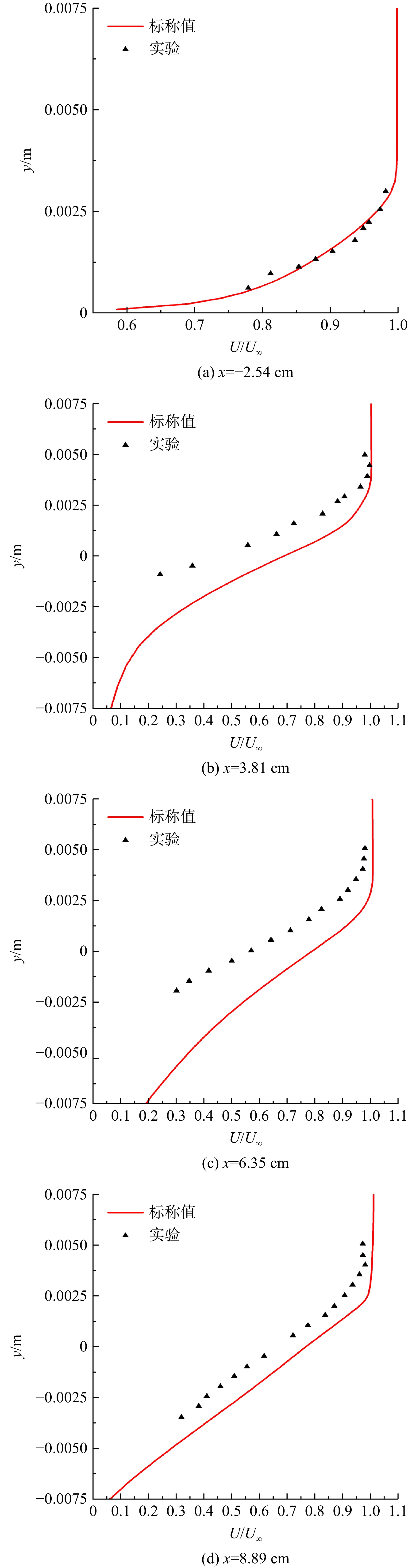
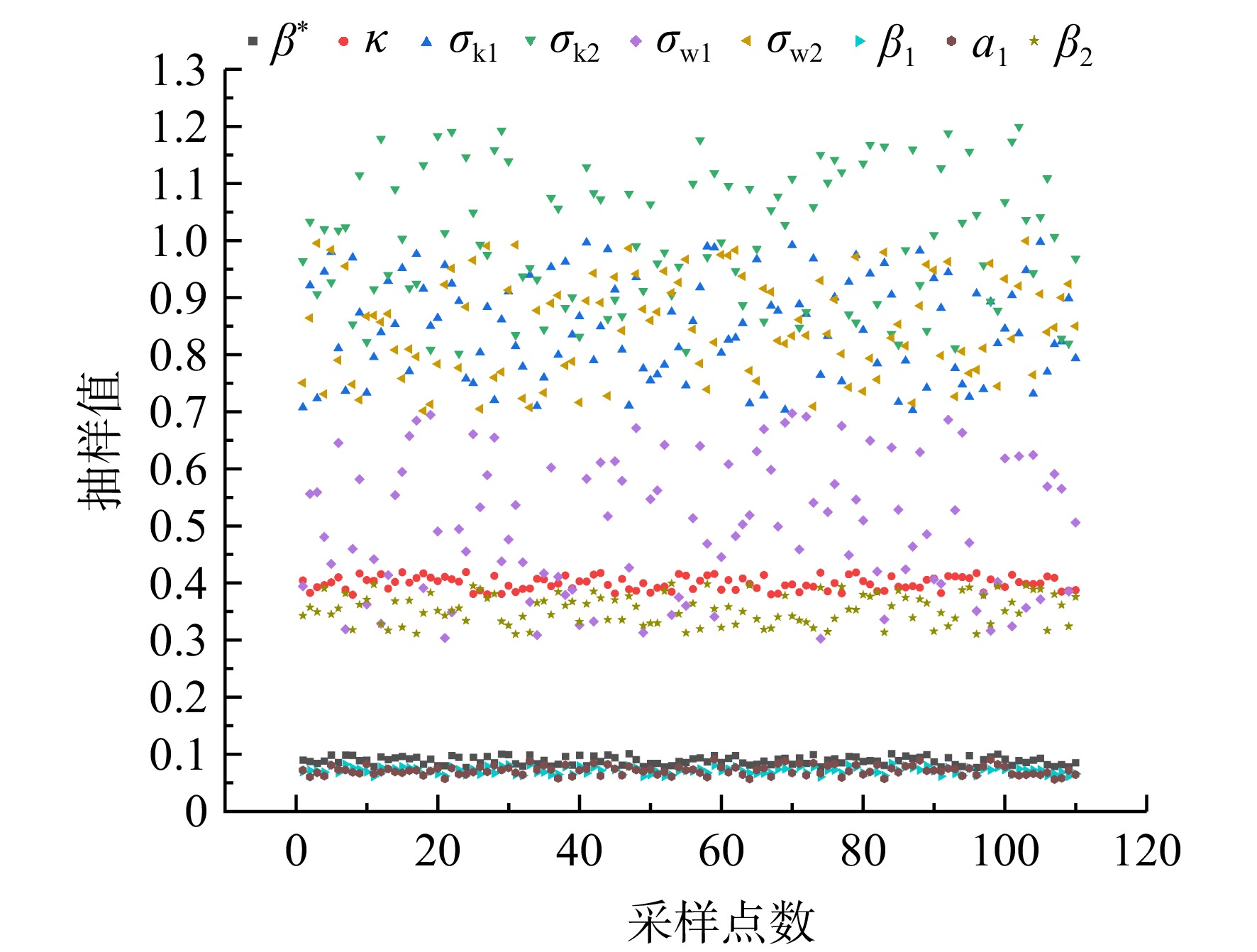
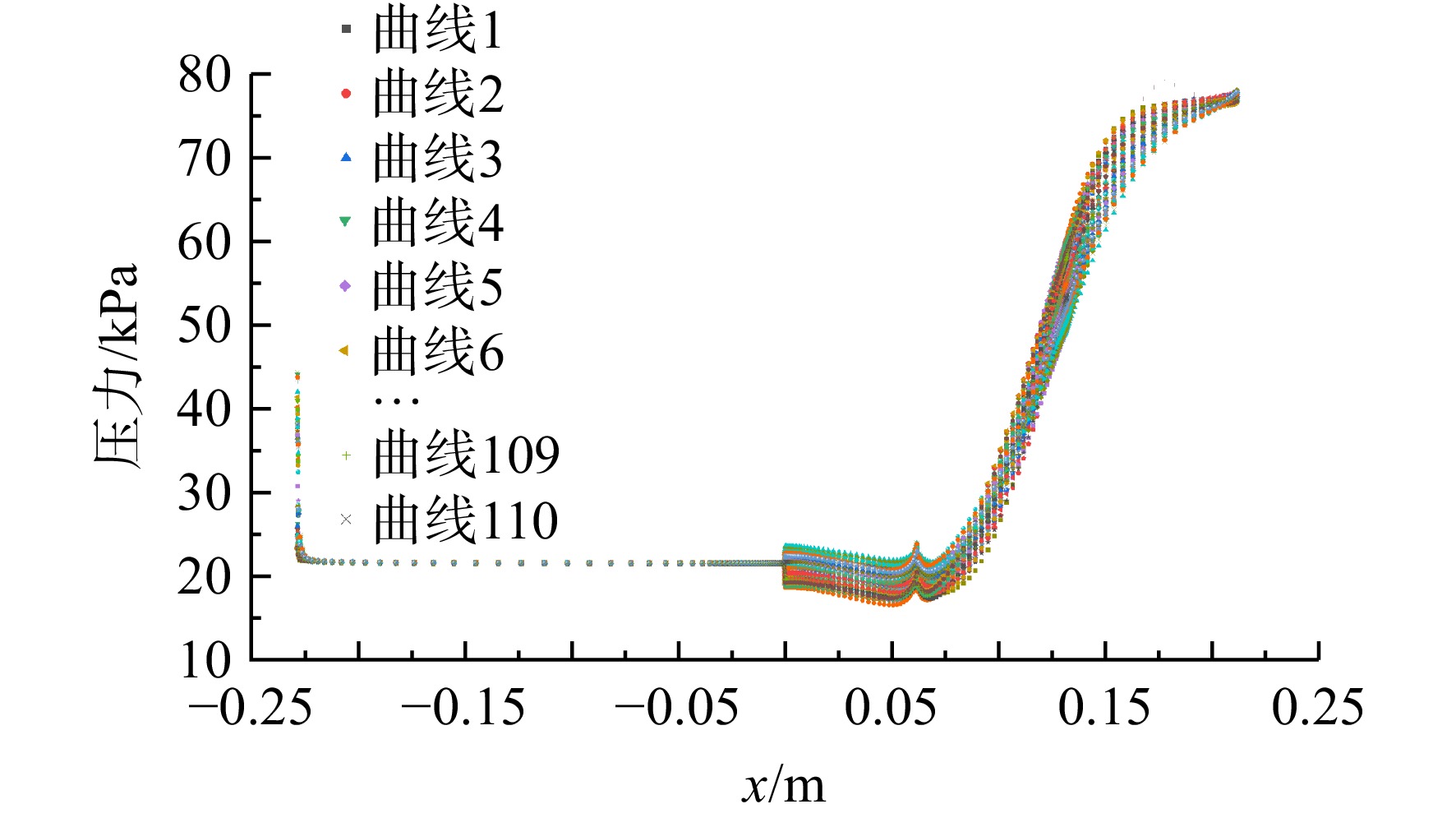
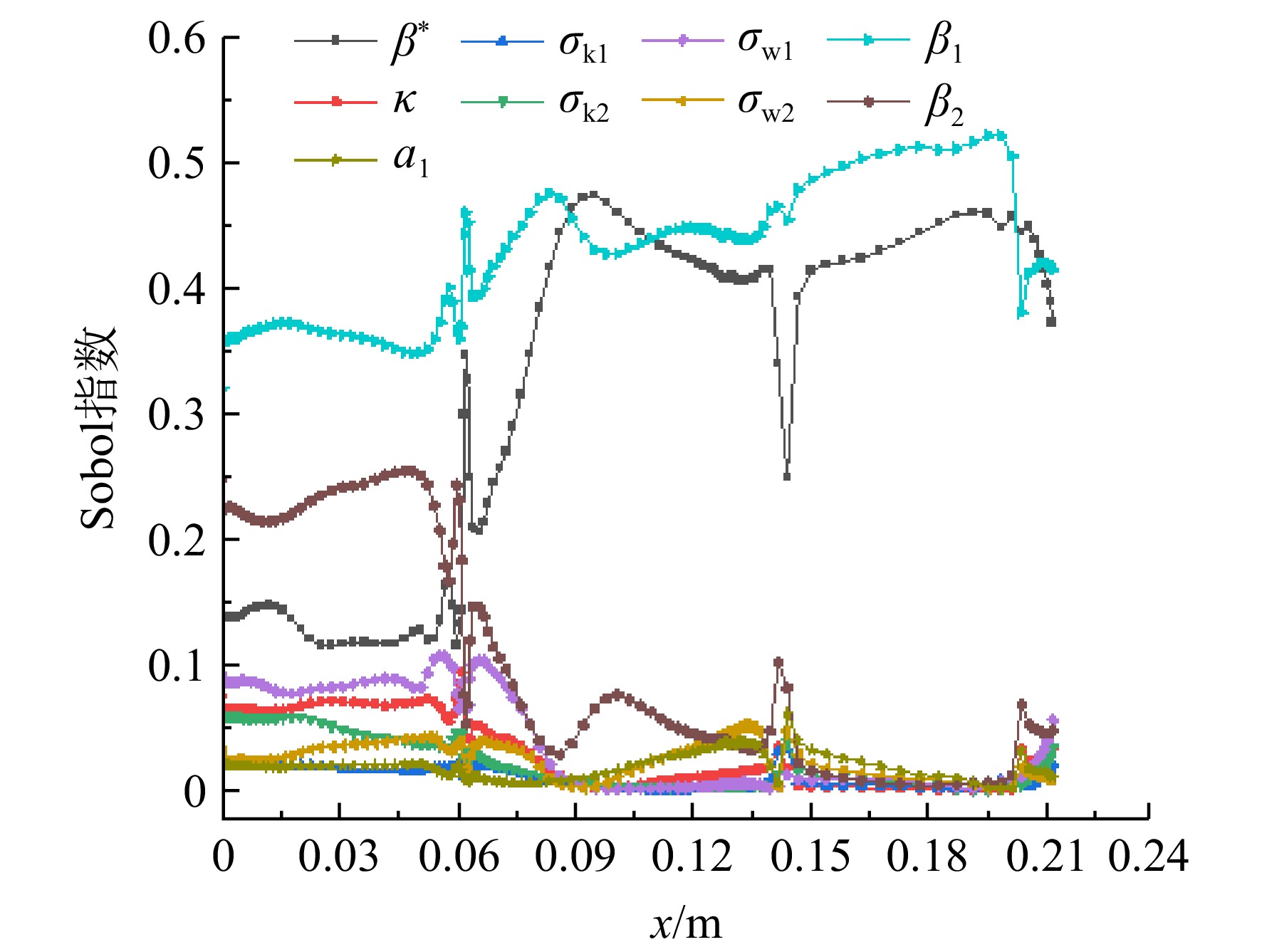
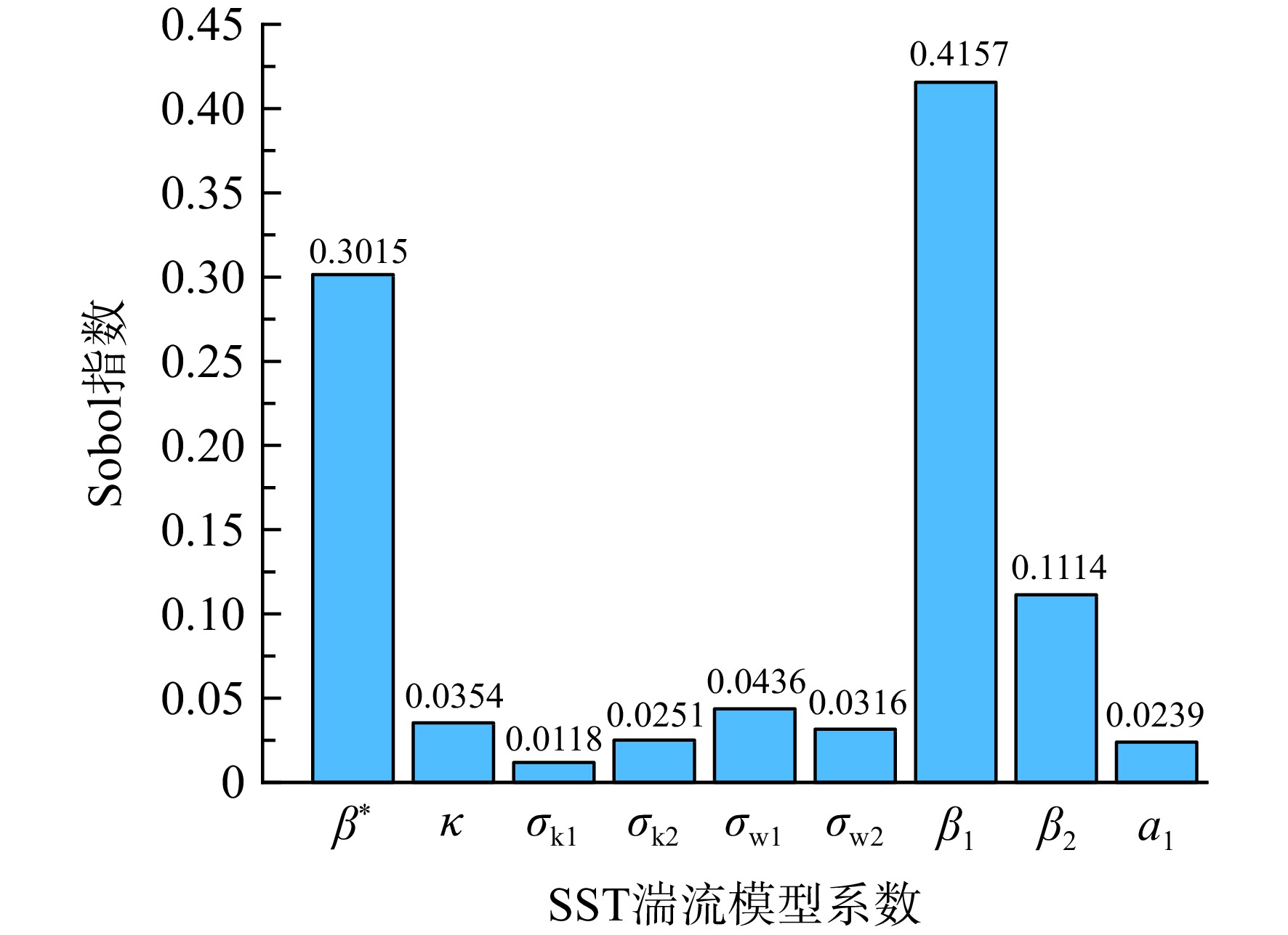
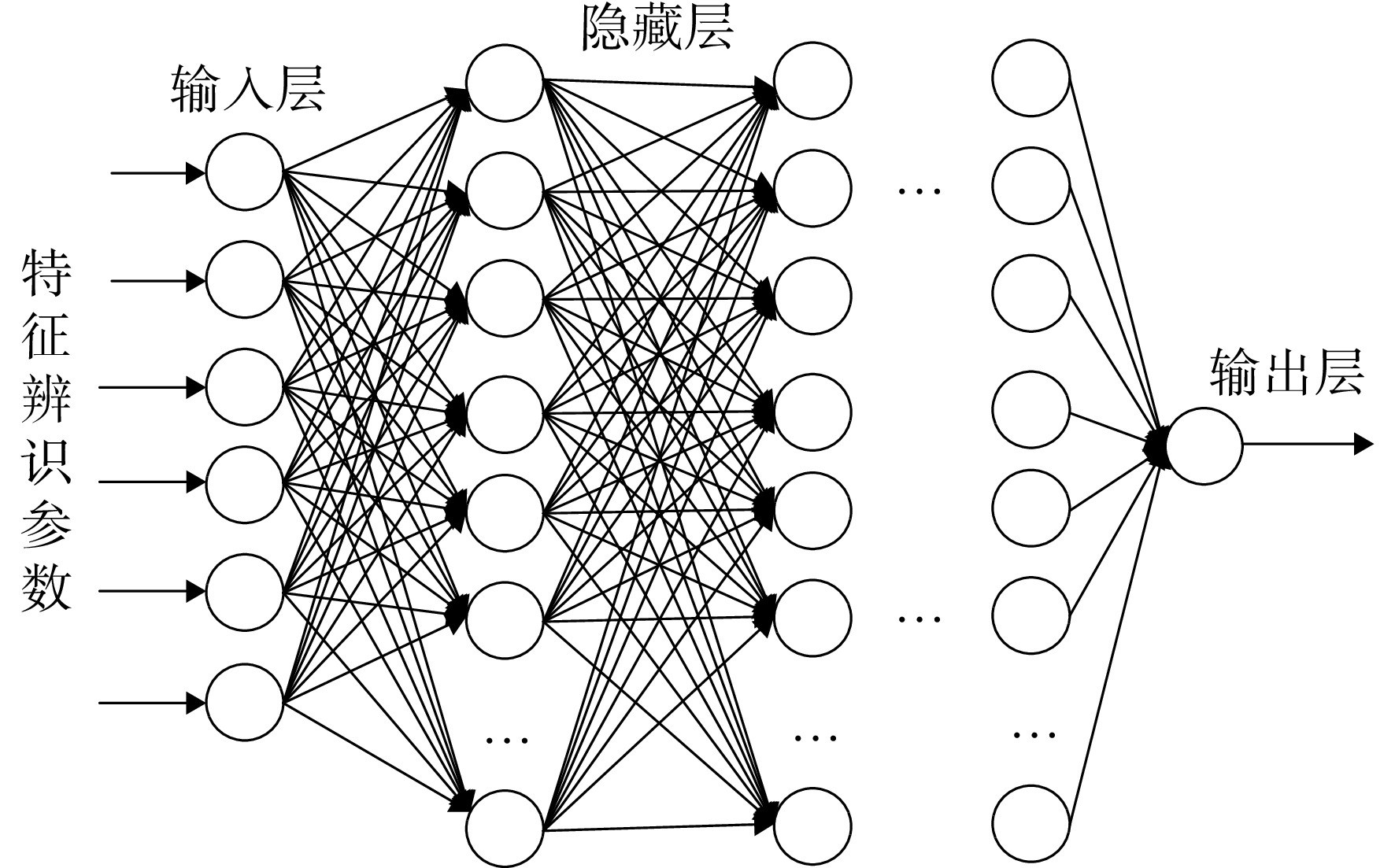
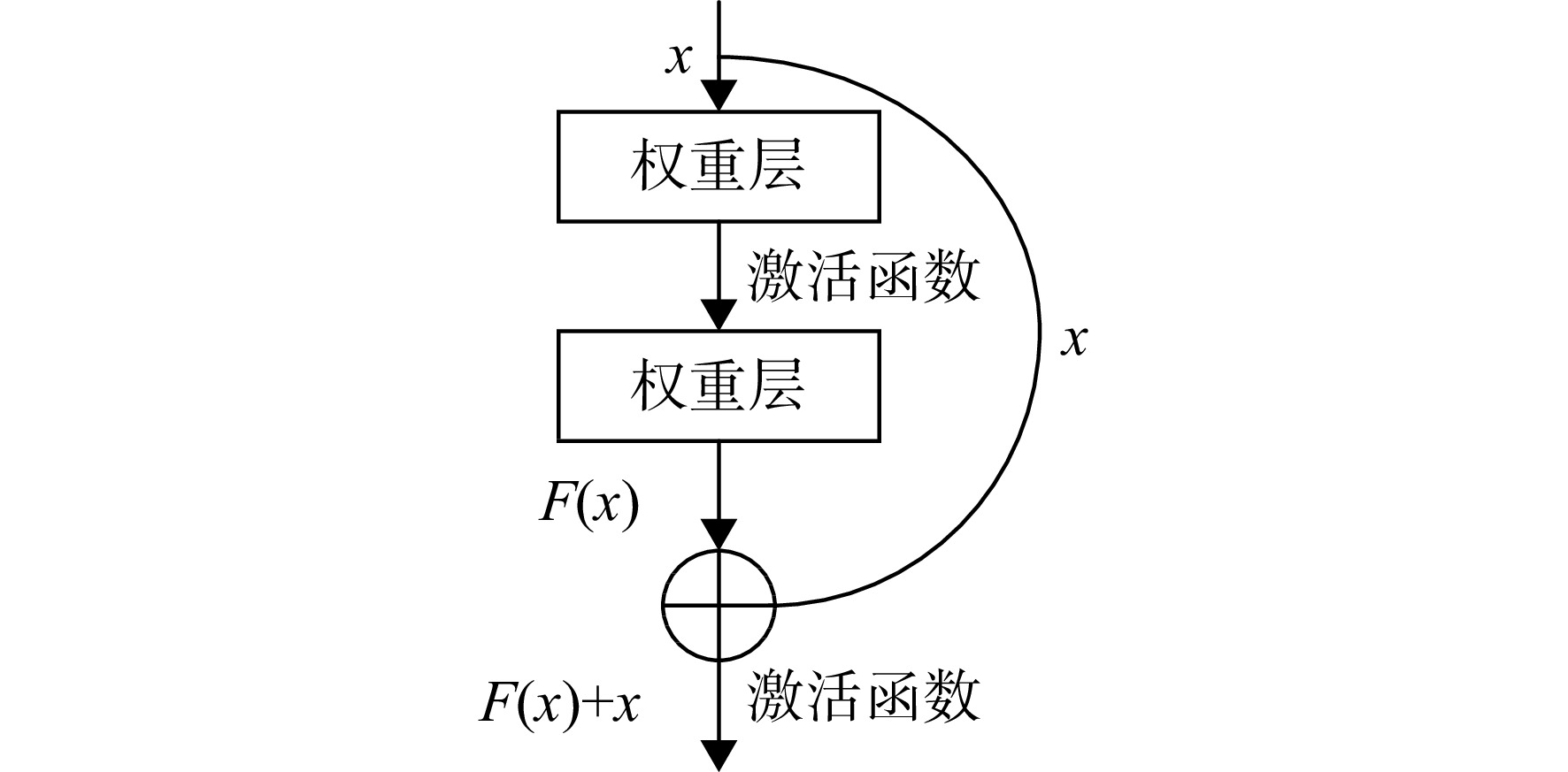
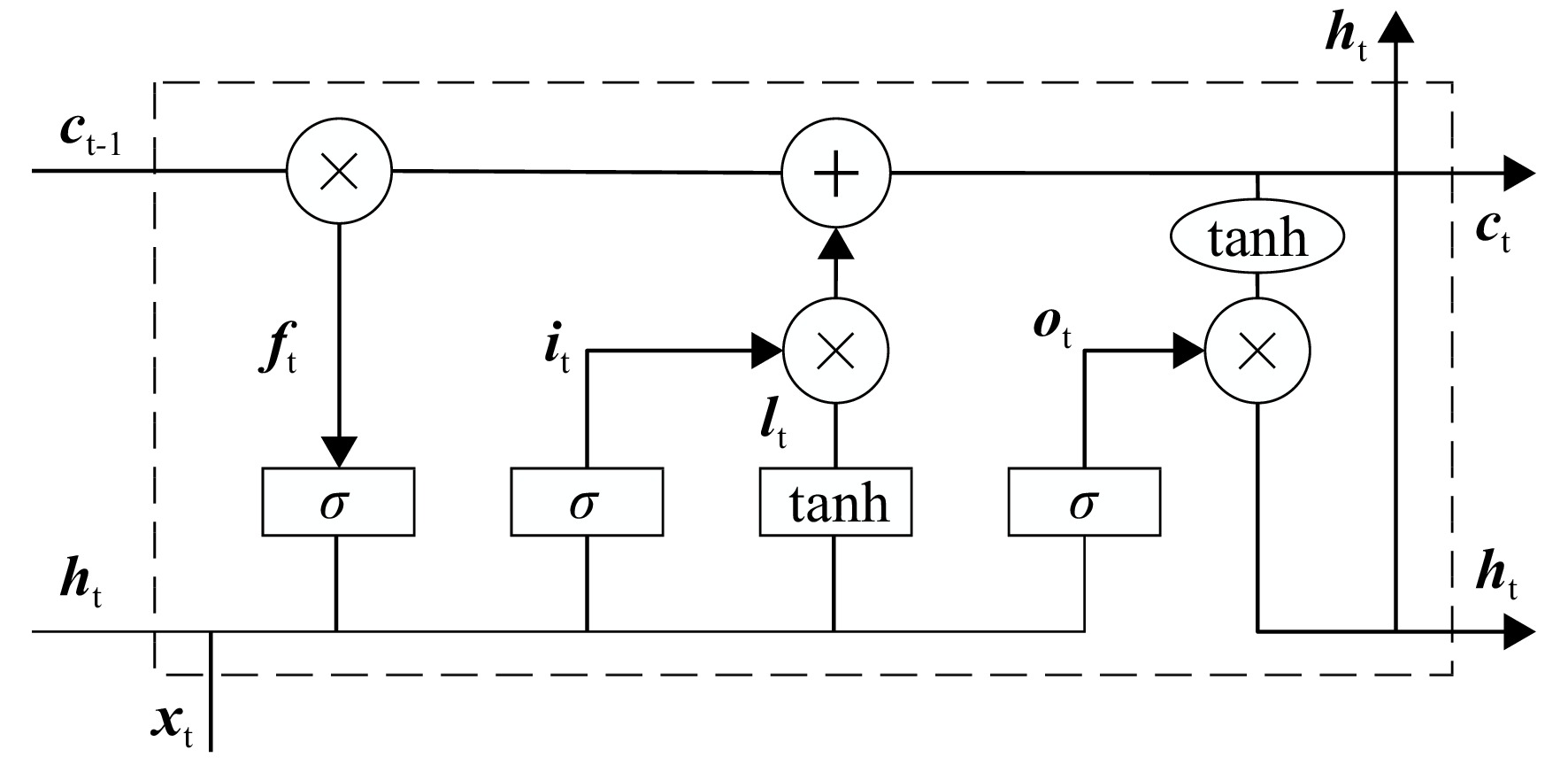
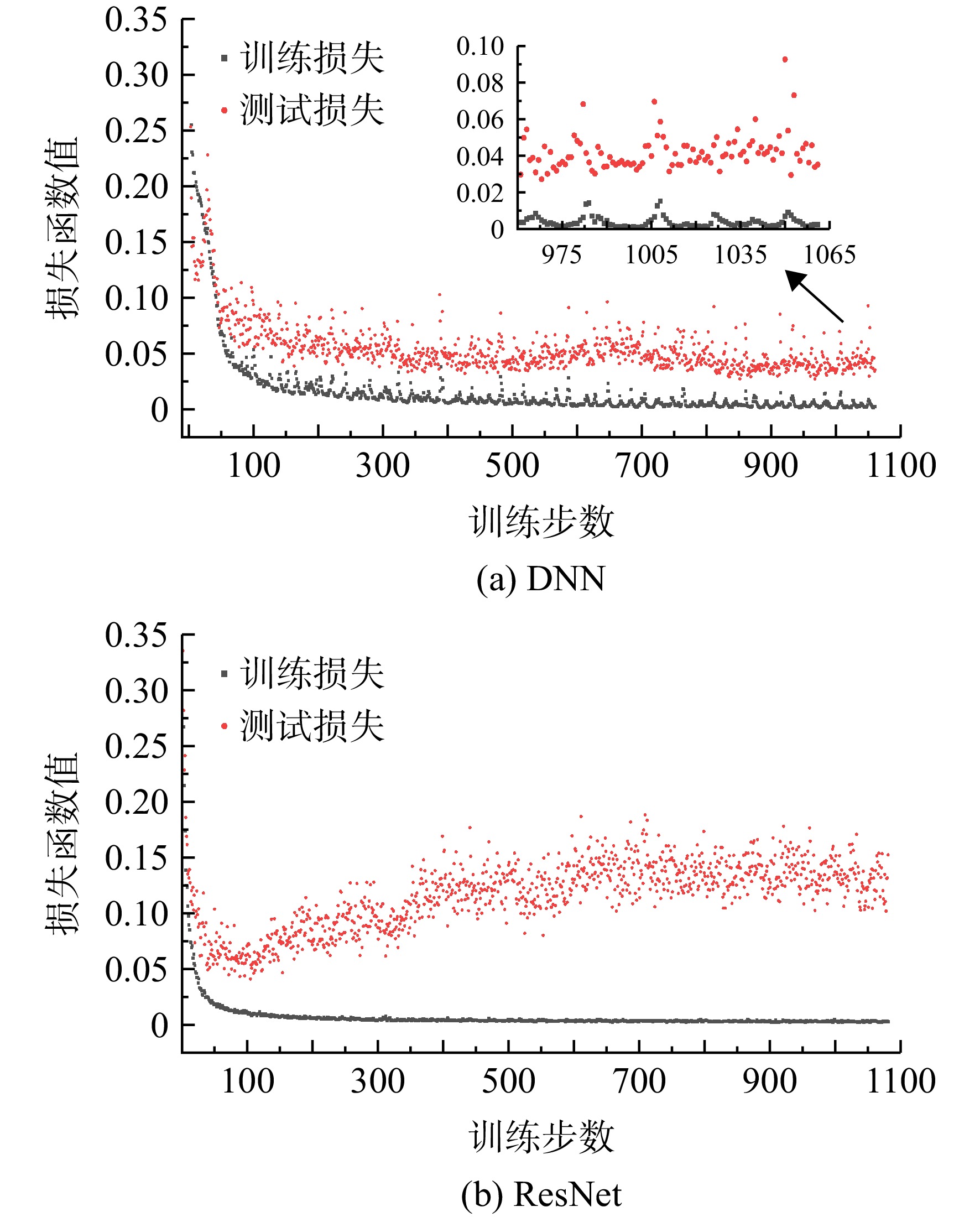
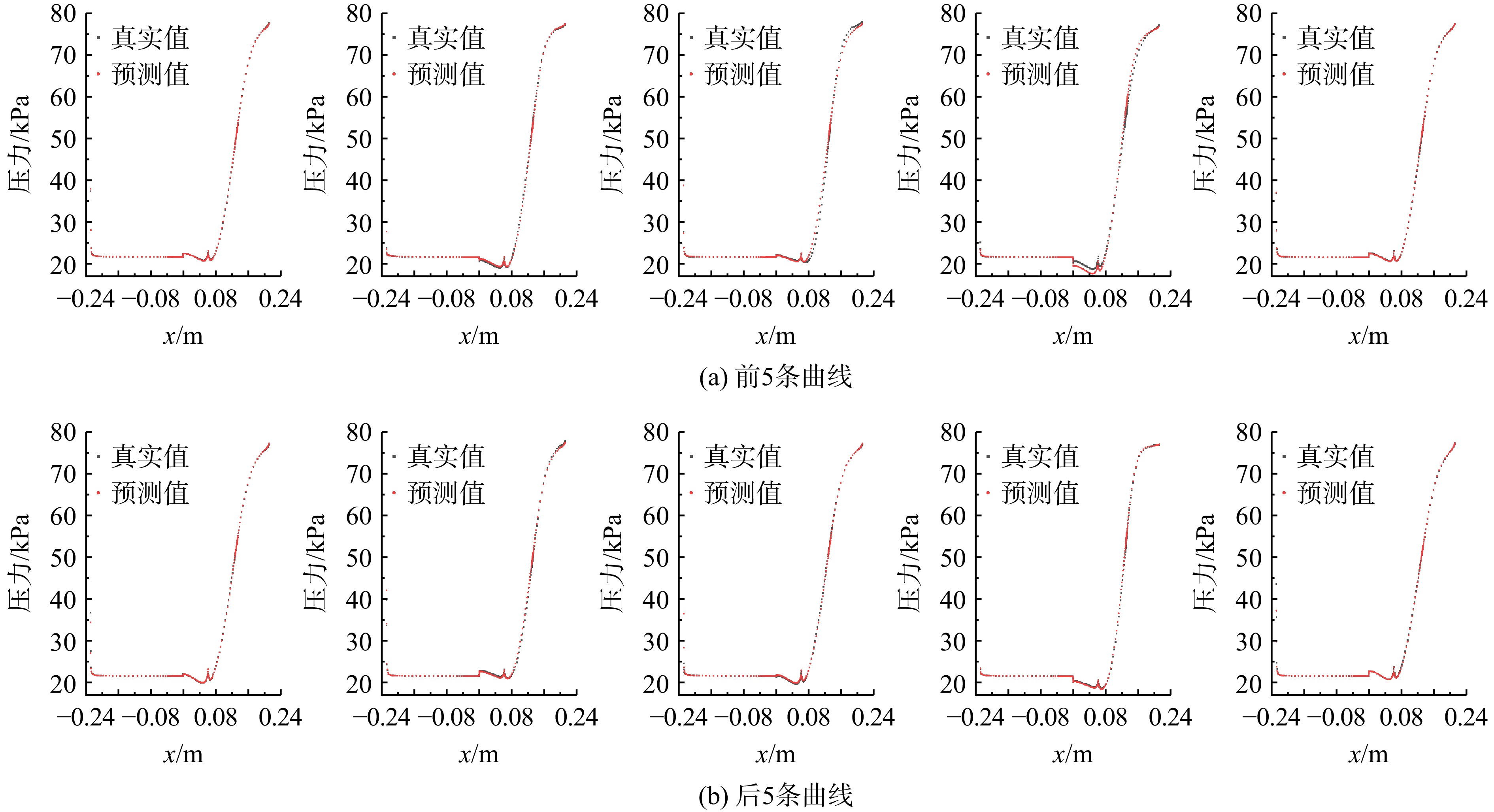
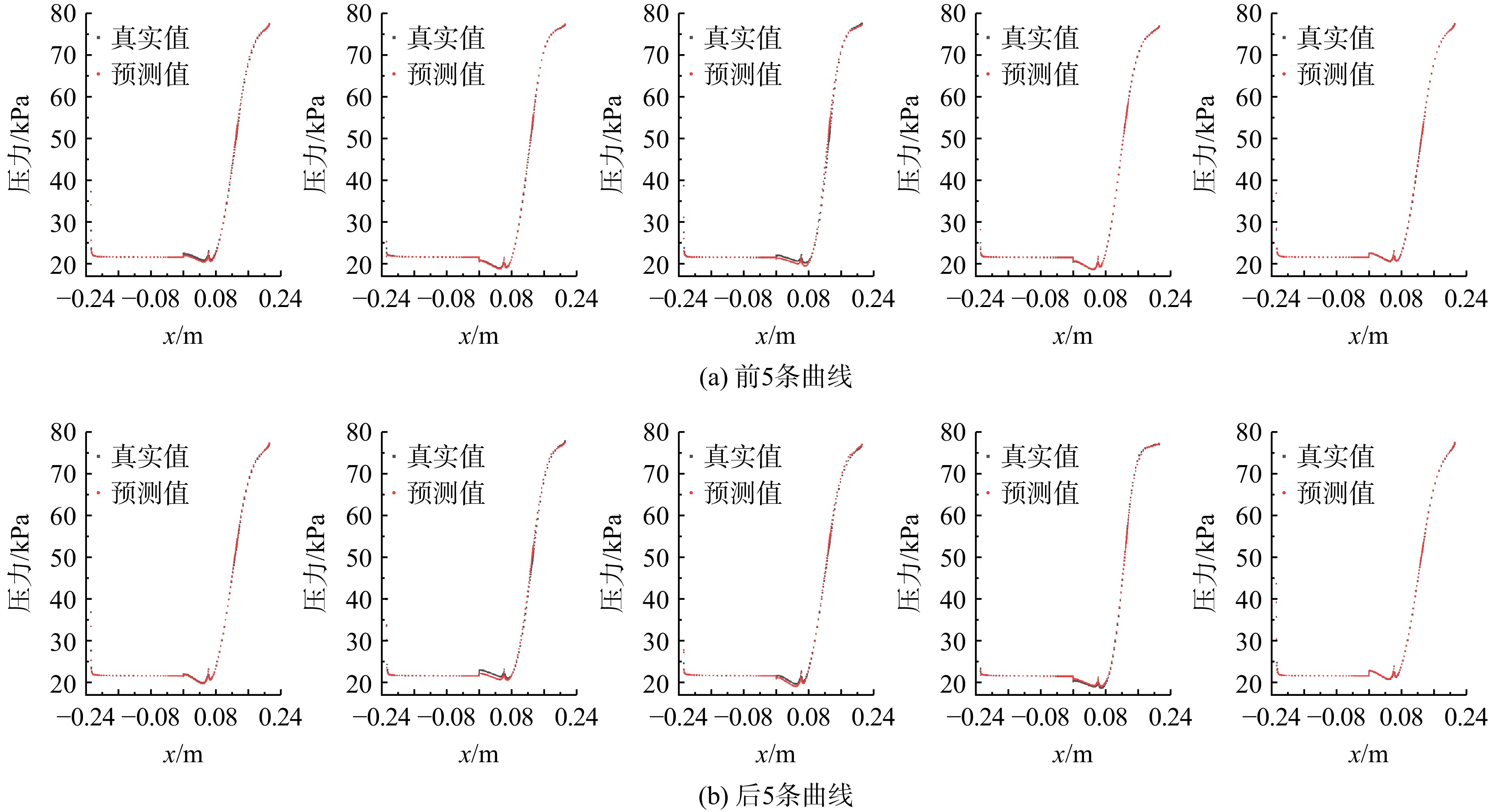
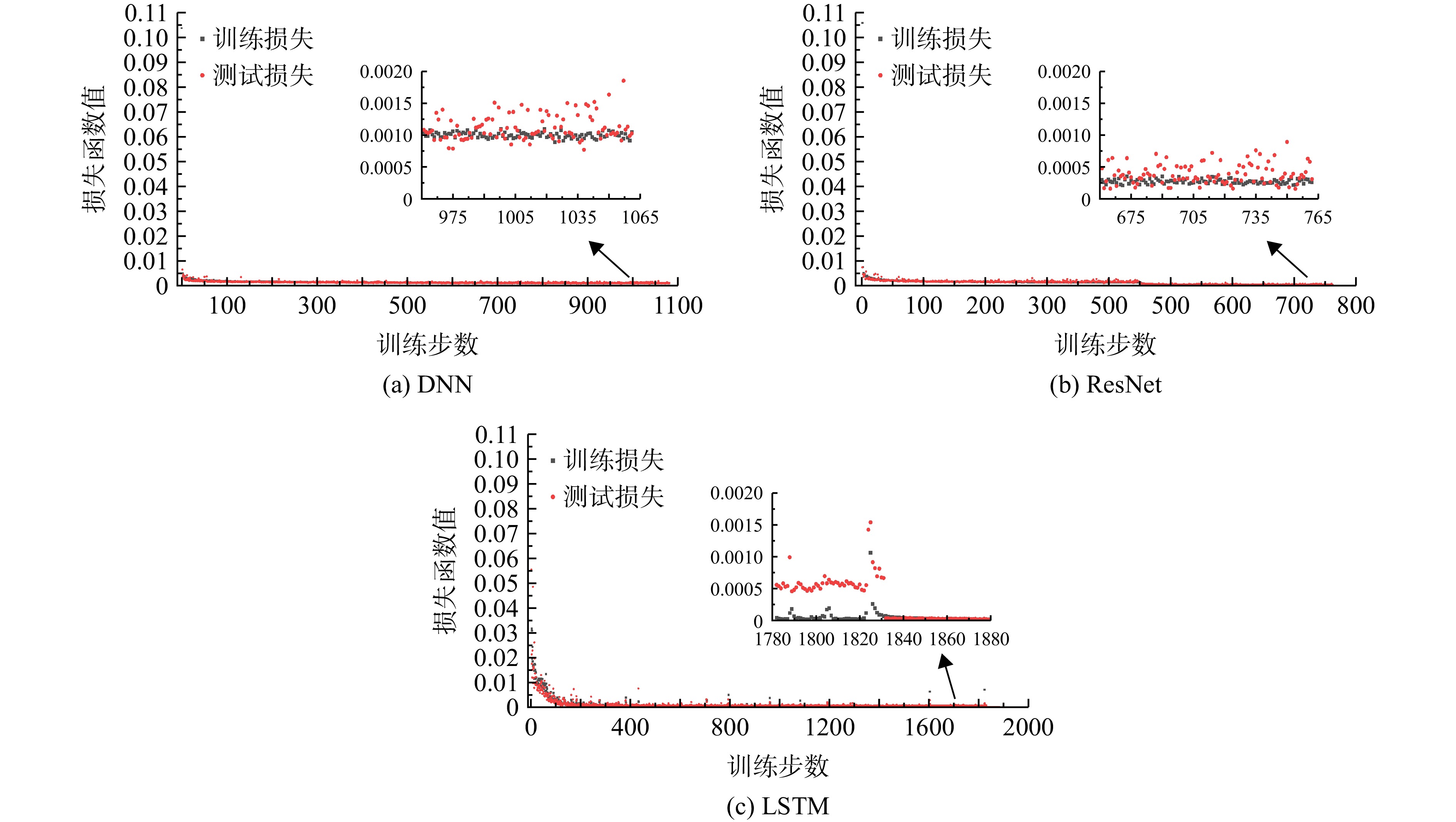
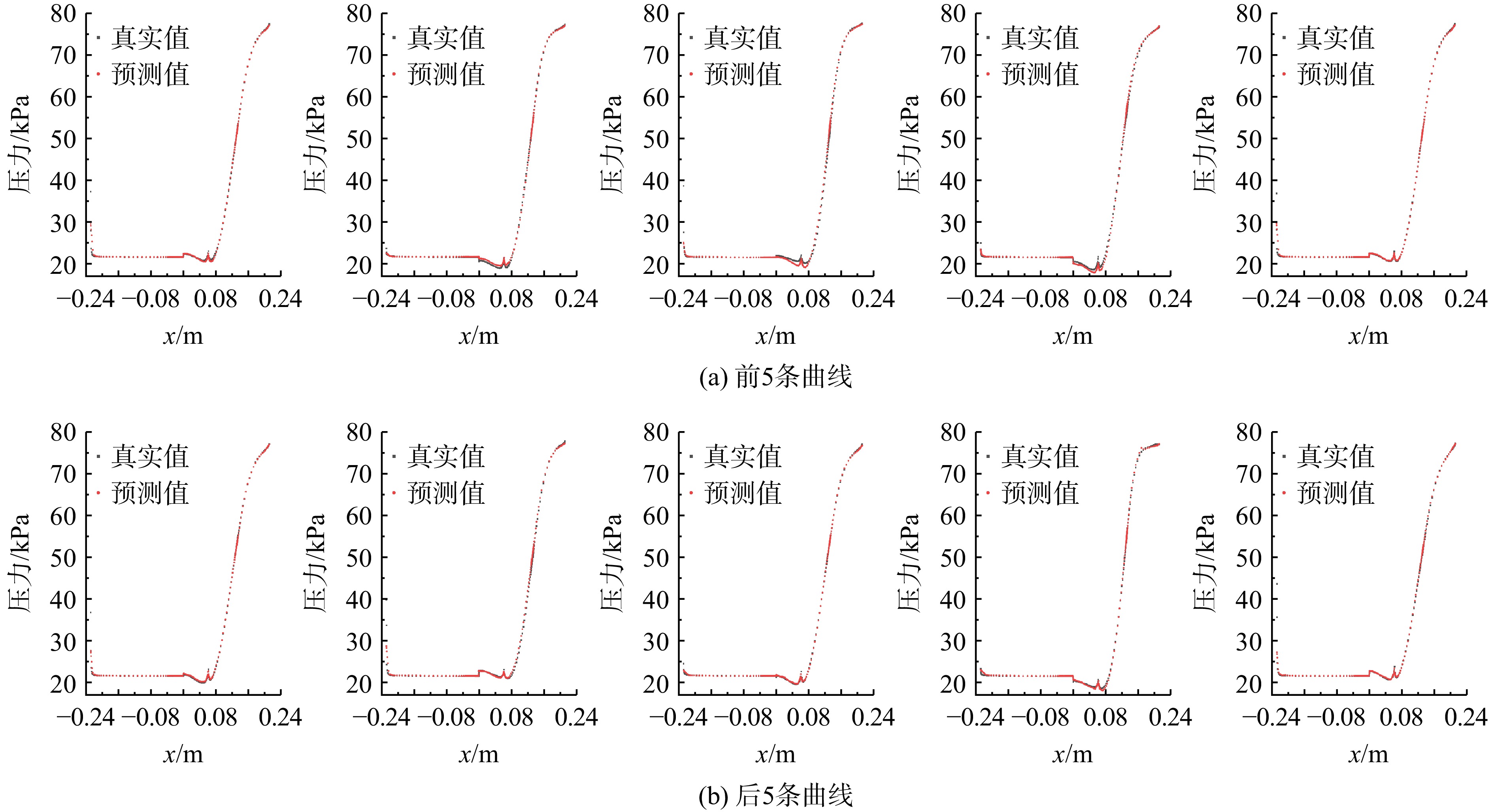
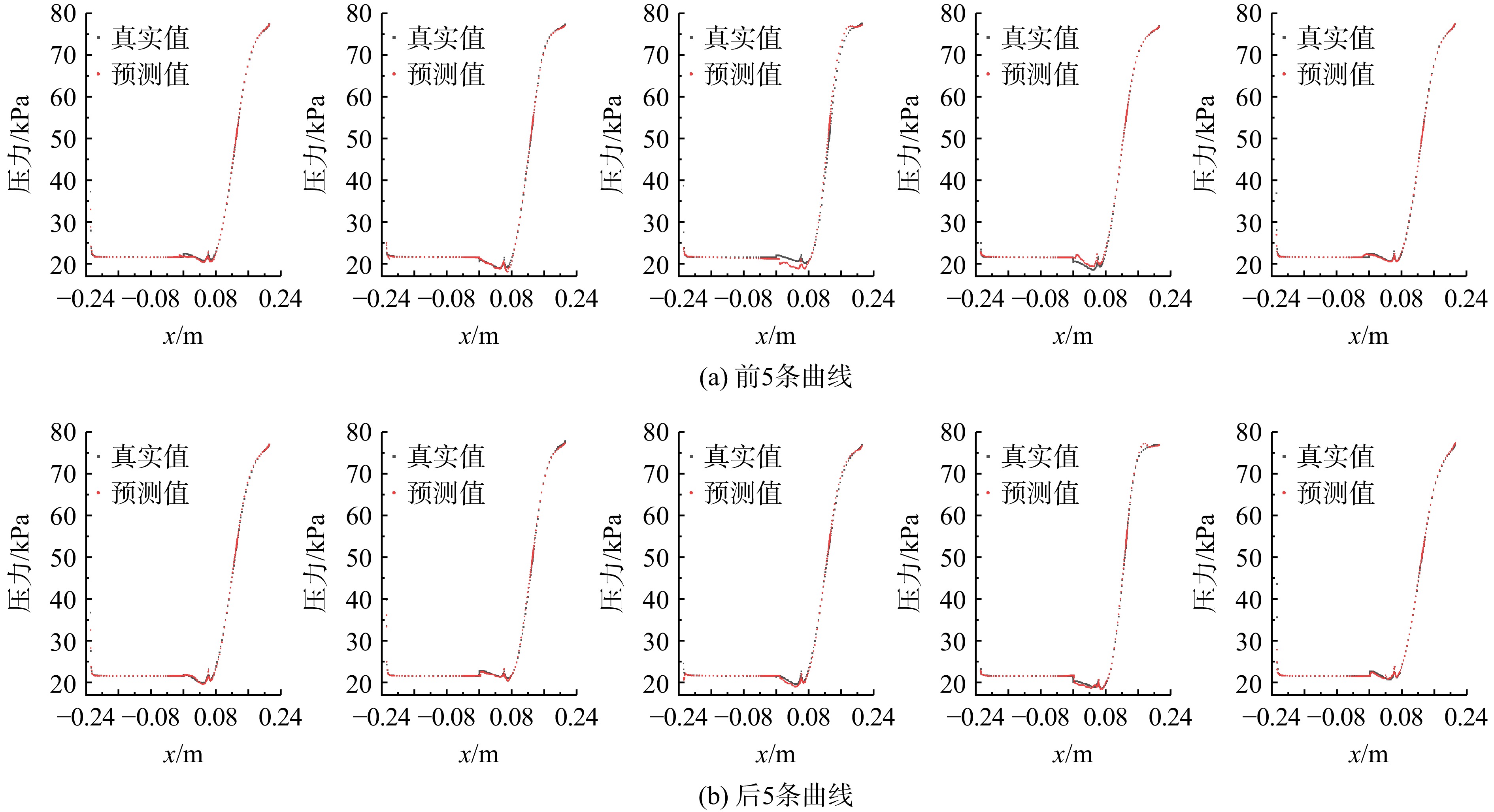
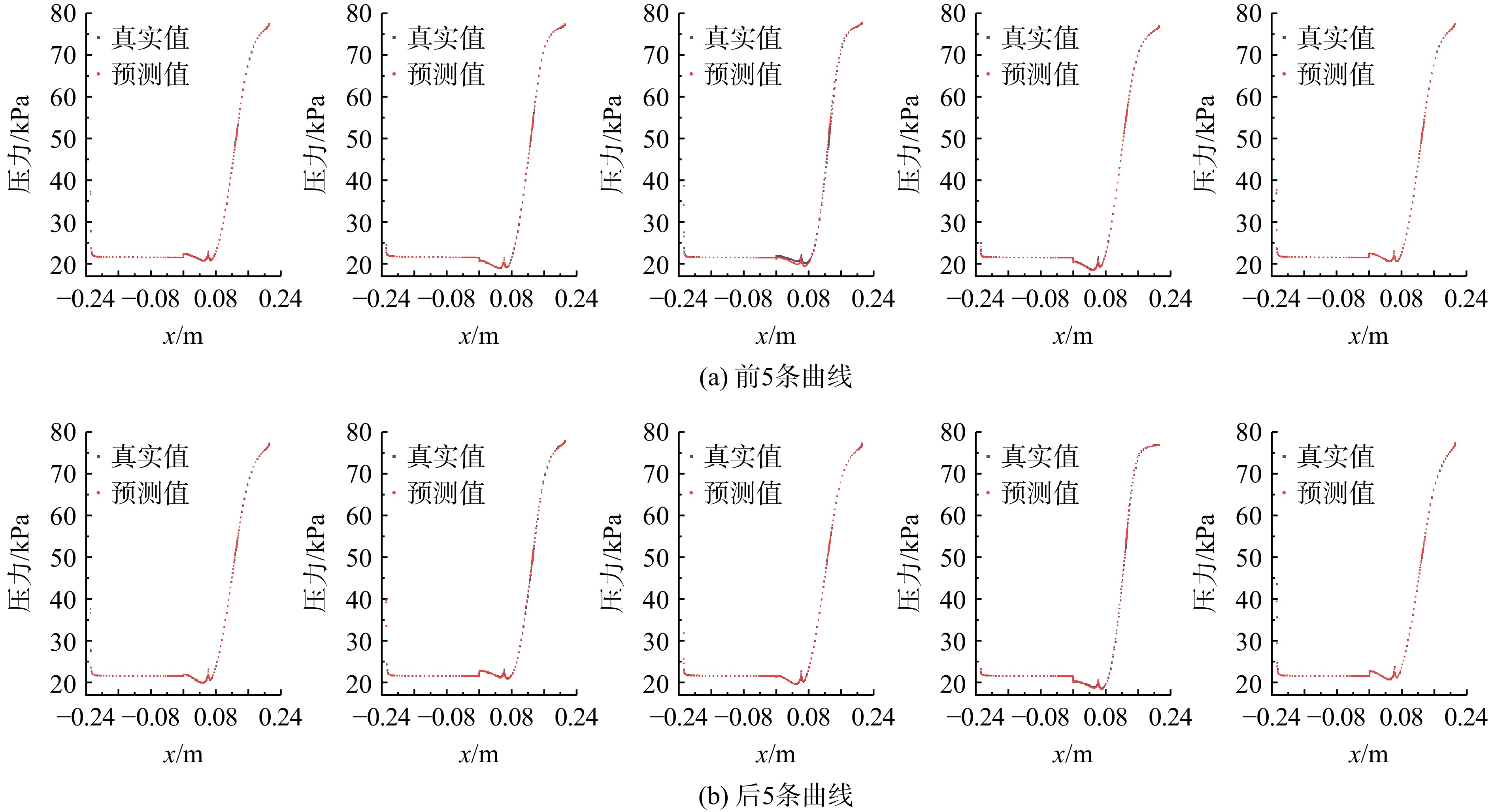
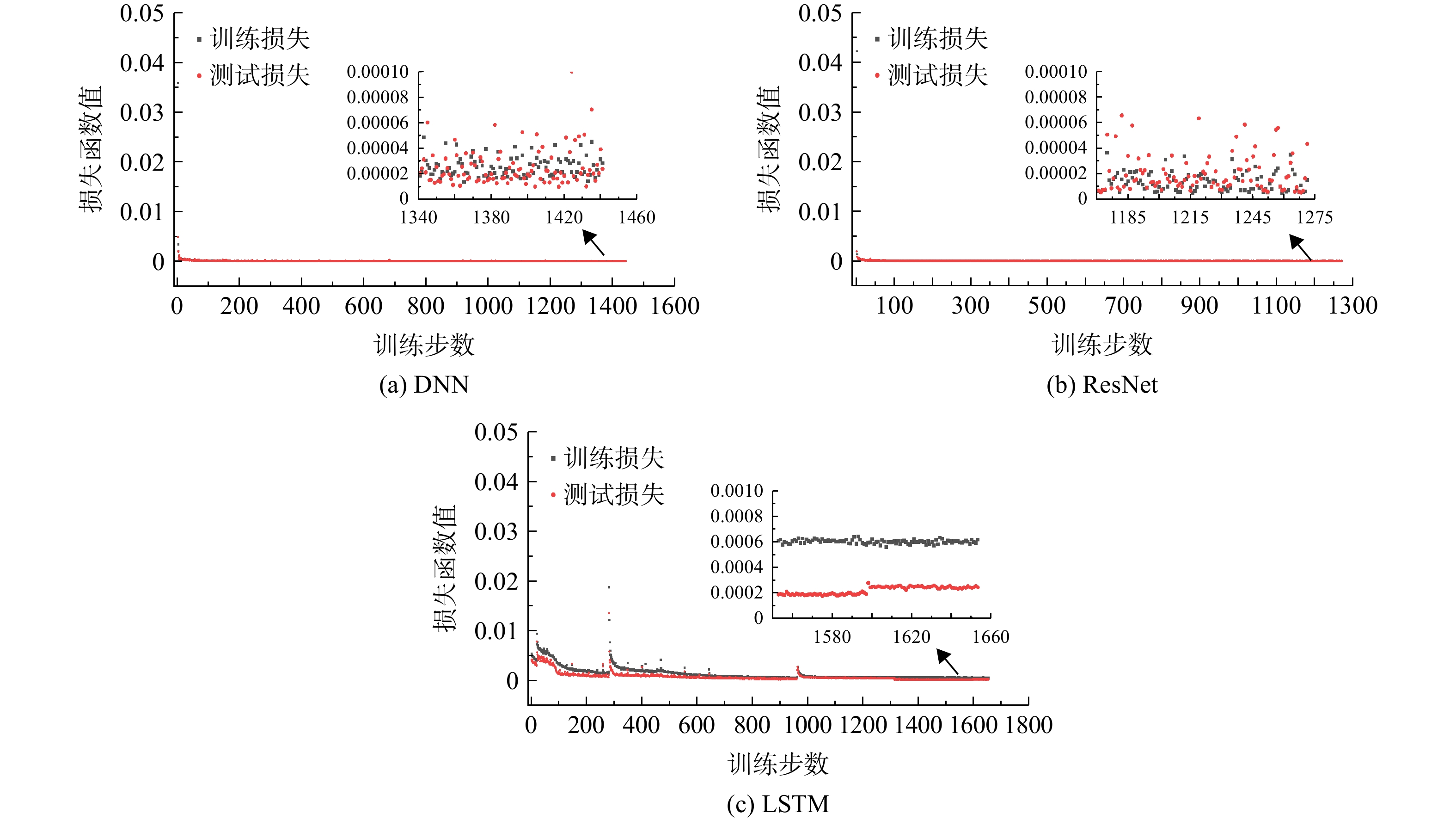
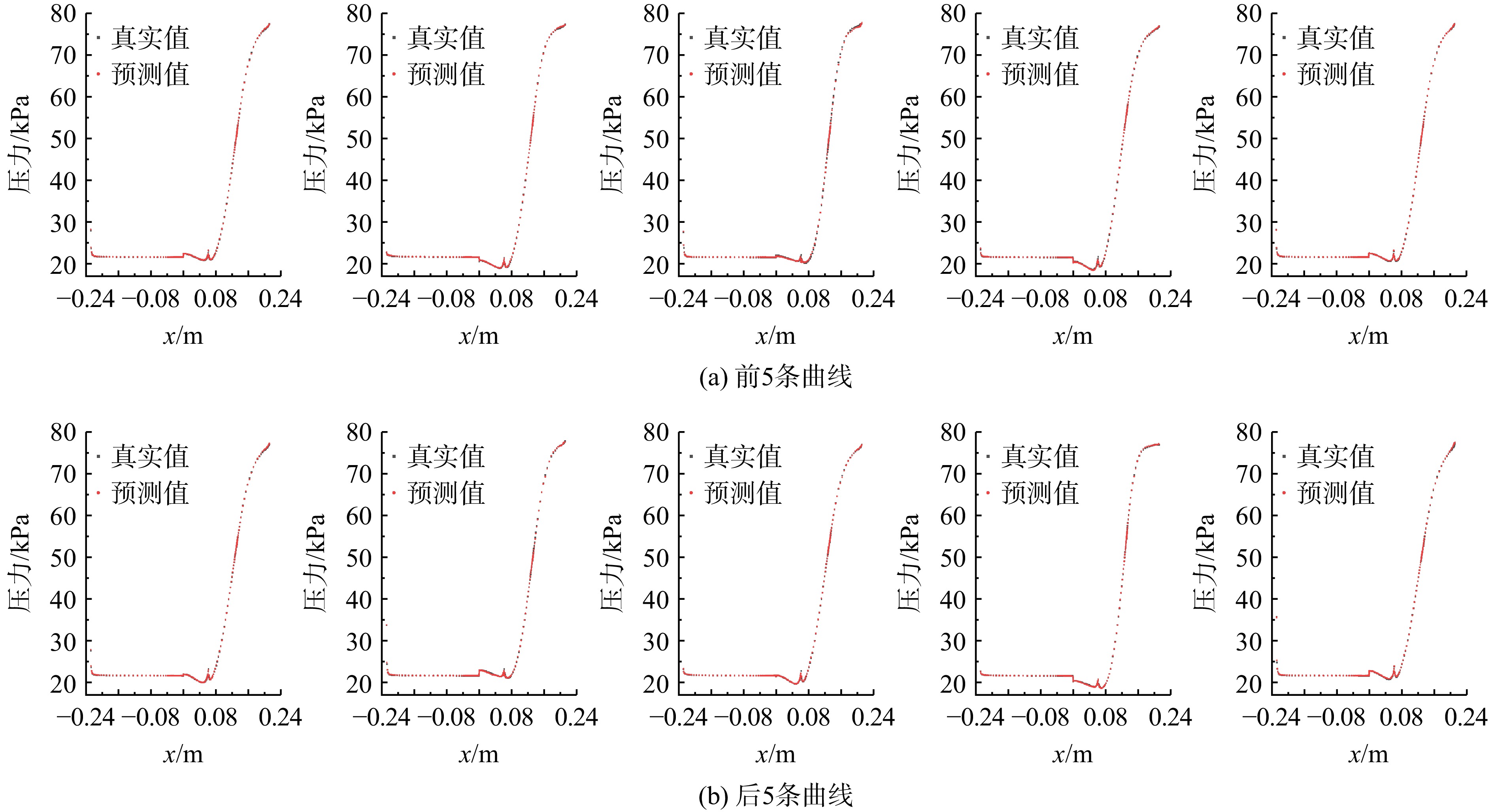
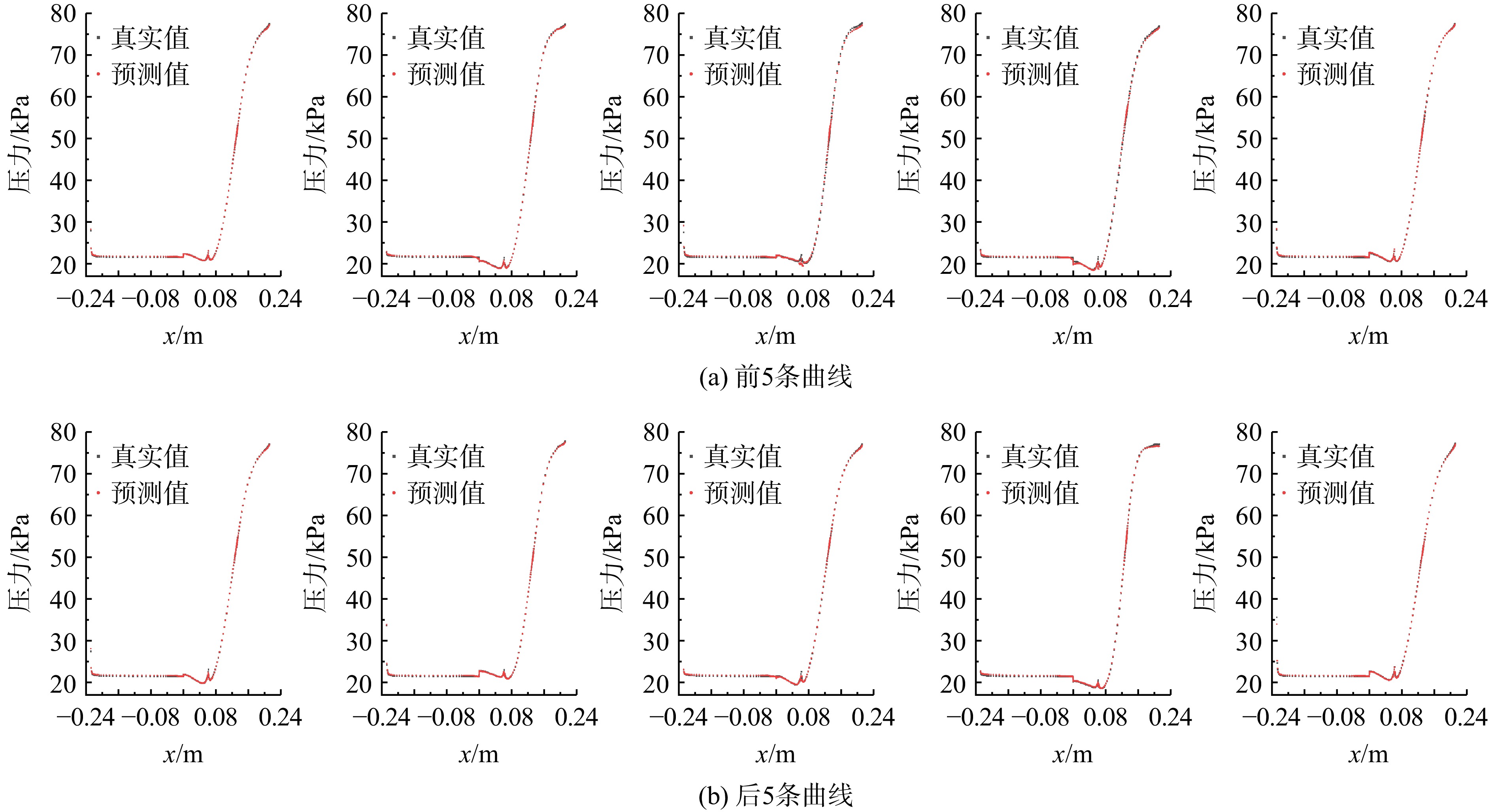
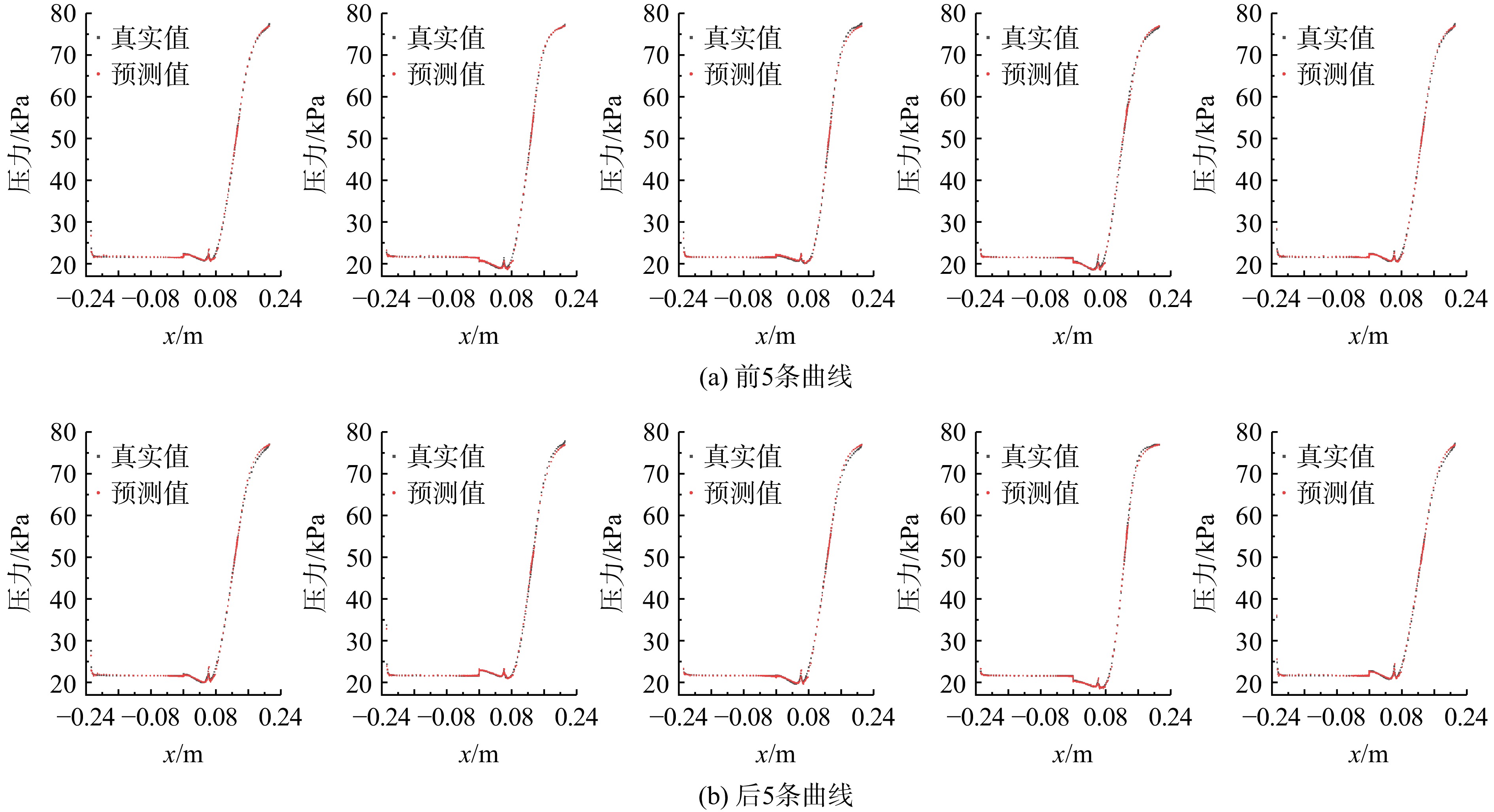
In view of the problem that traditional turbulence model has many parameters and is slow to obtain complex flow data, various kinds of neural network algorithms were studied to construct the turbulence surrogate model of the Navier-Stokes solver in supersonic flow. The cavity under supersonic flow conditions was taken as the research object, and the Latin hypercube sampling method was used to obtain the sample space of nine parameters of the standard SST turbulence model. The independently developed hypersonic internal and external flow coupling numerical simulation software AHL3D was used to carry out numerical simulation at the incoming flow Mach number of 2.92 Ma to obtain the wall pressure data, and then the dataset was constructed. Various kinds of models such as deep neural networks (DNN), residual neural network (ResNet), and long short-term memory (LSTM), which were trained by the training dataset, were used to build the SST turbulence surrogate model. The experimental results showed that: under certain SST turbulence model parameters, these three neural network surrogate models can predict the wall pressure with high accuracy, and the coefficient of determination was above 0.99, which was basically consistent with the results of the numerical simulation solver, and can be used to quickly obtain the wall pressure under different turbulence model parameters.

Efficient optimization design method of helicopter rotor airfoil
CUI Senrun, LI Guoqiang, ZHANG Weiguo, YANG Xiaoquan, CHANG Shuyu
2024, 39(10): 20220819. doi: 10.13224/j.cnki.jasp.20220819
Abstract:

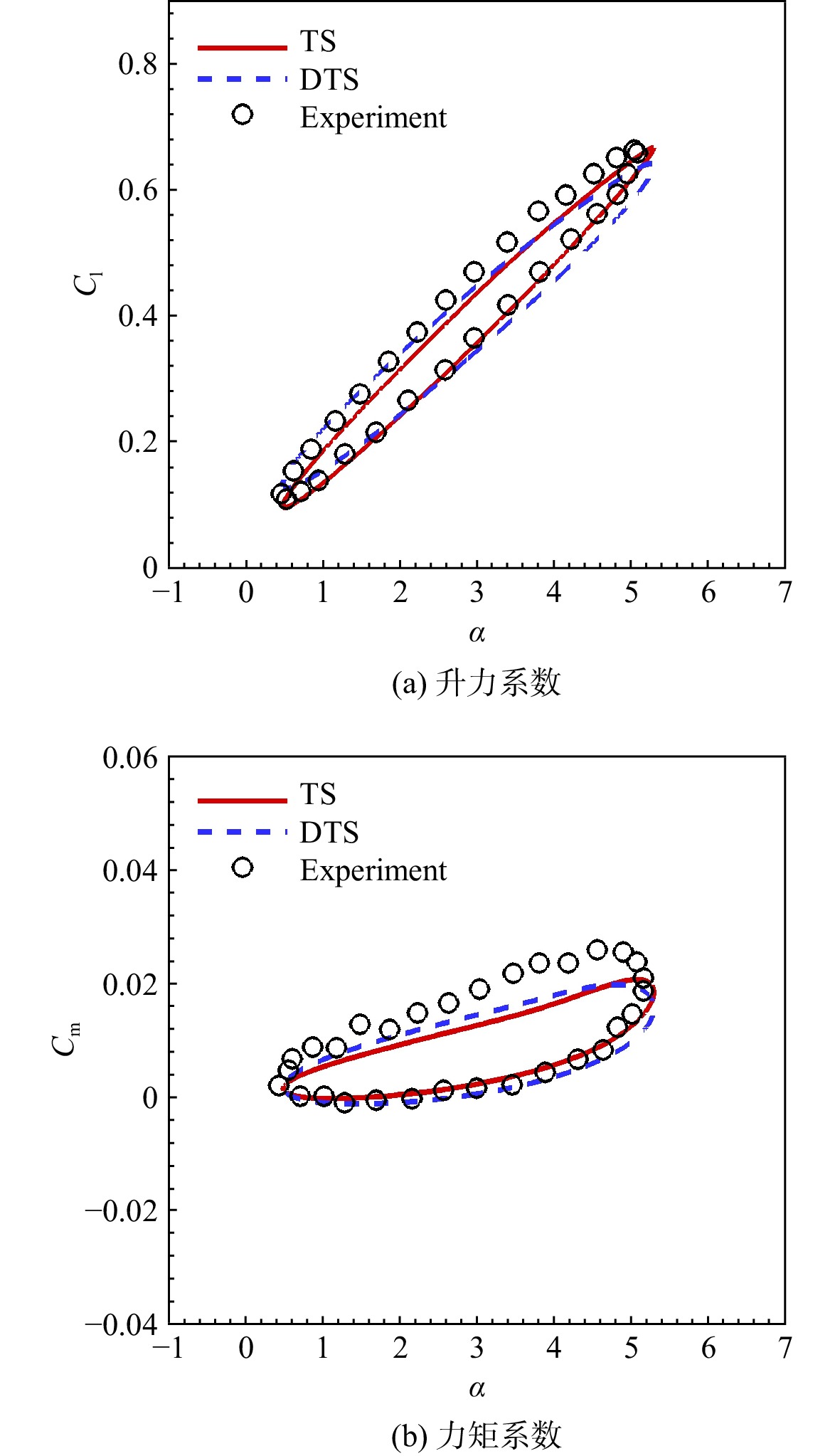
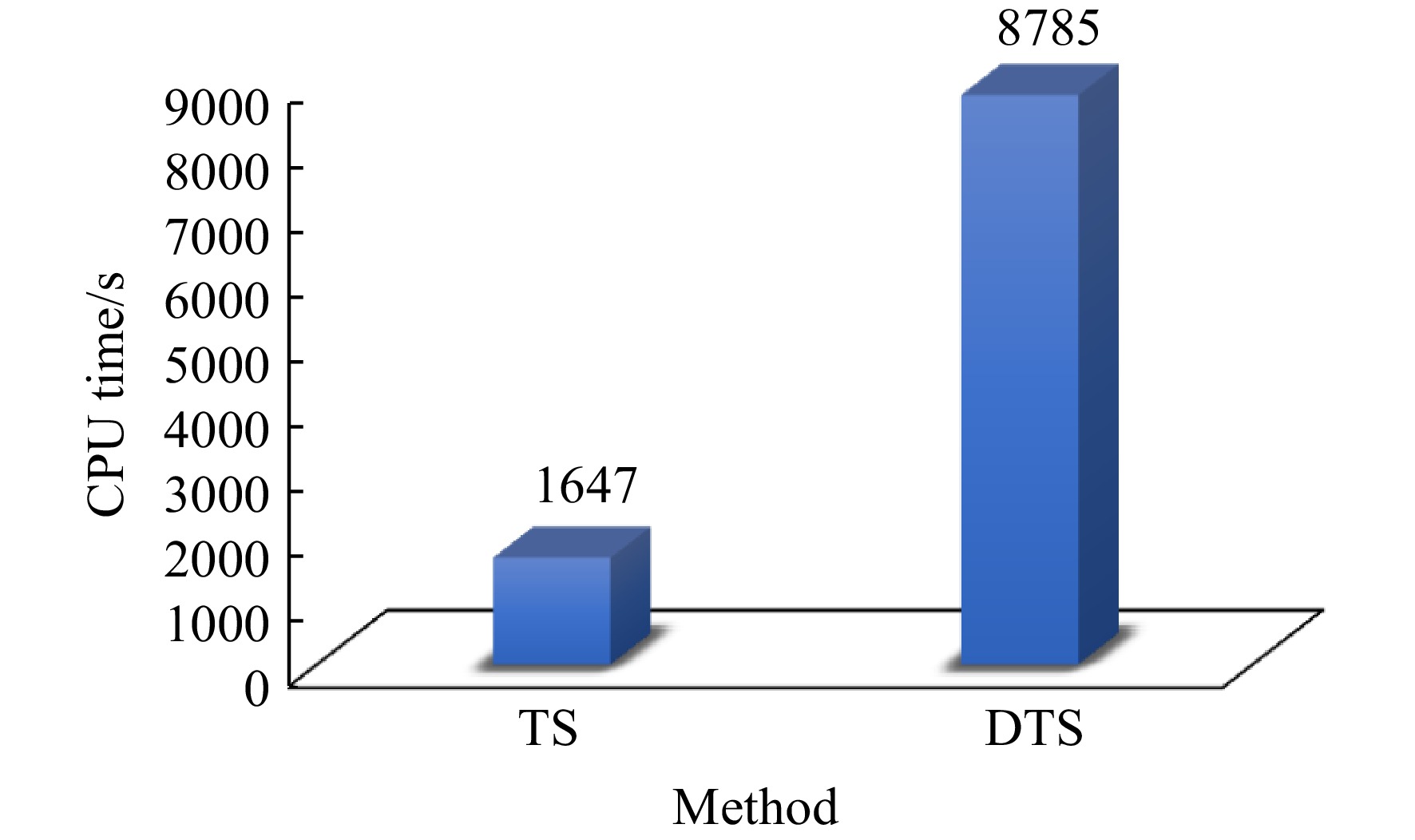
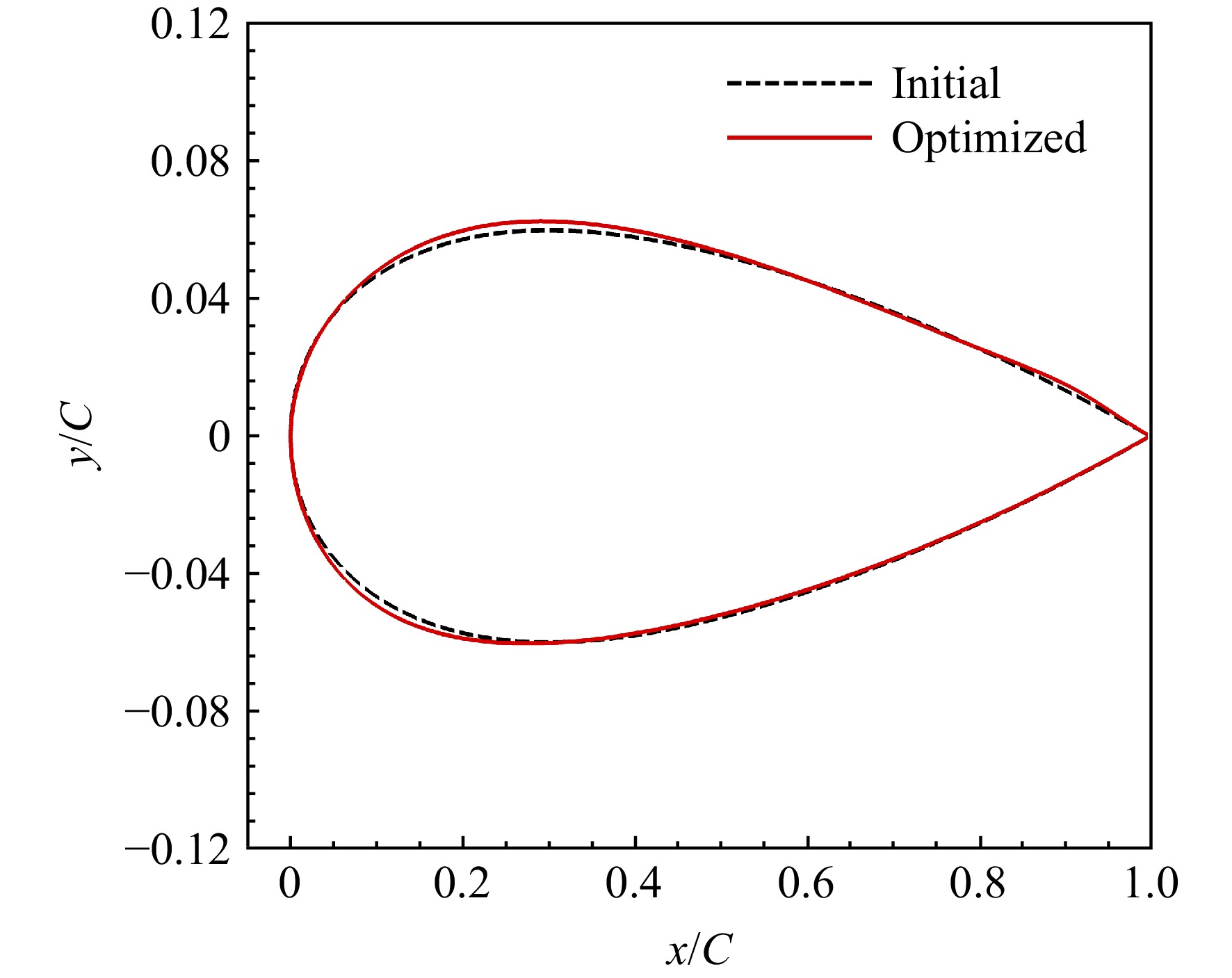
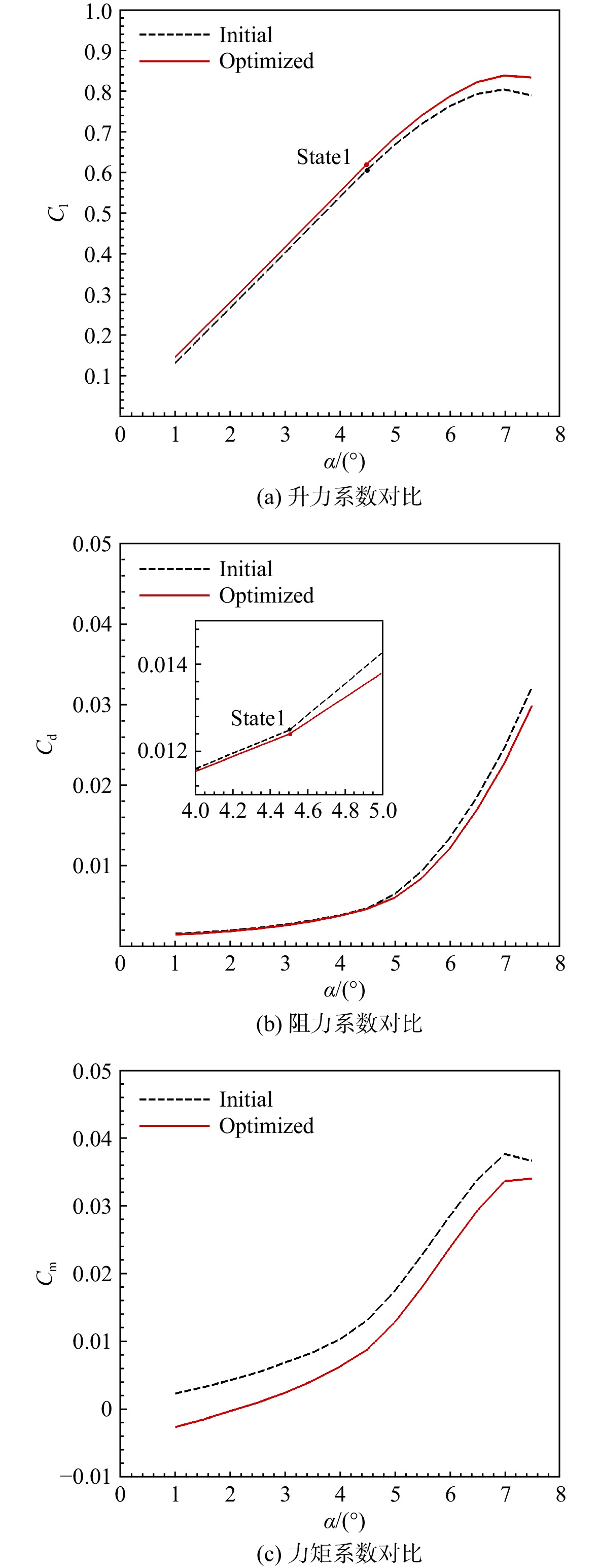
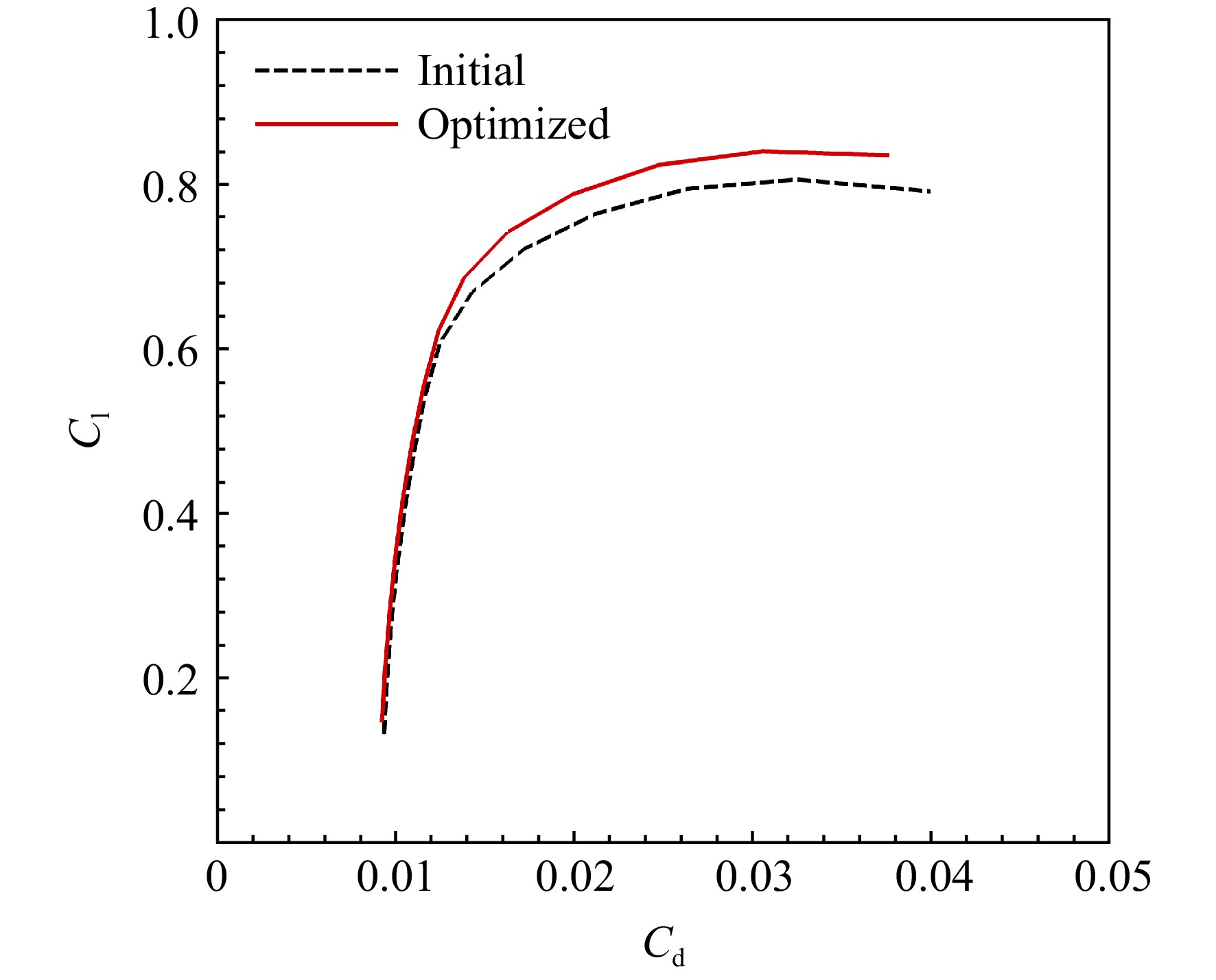
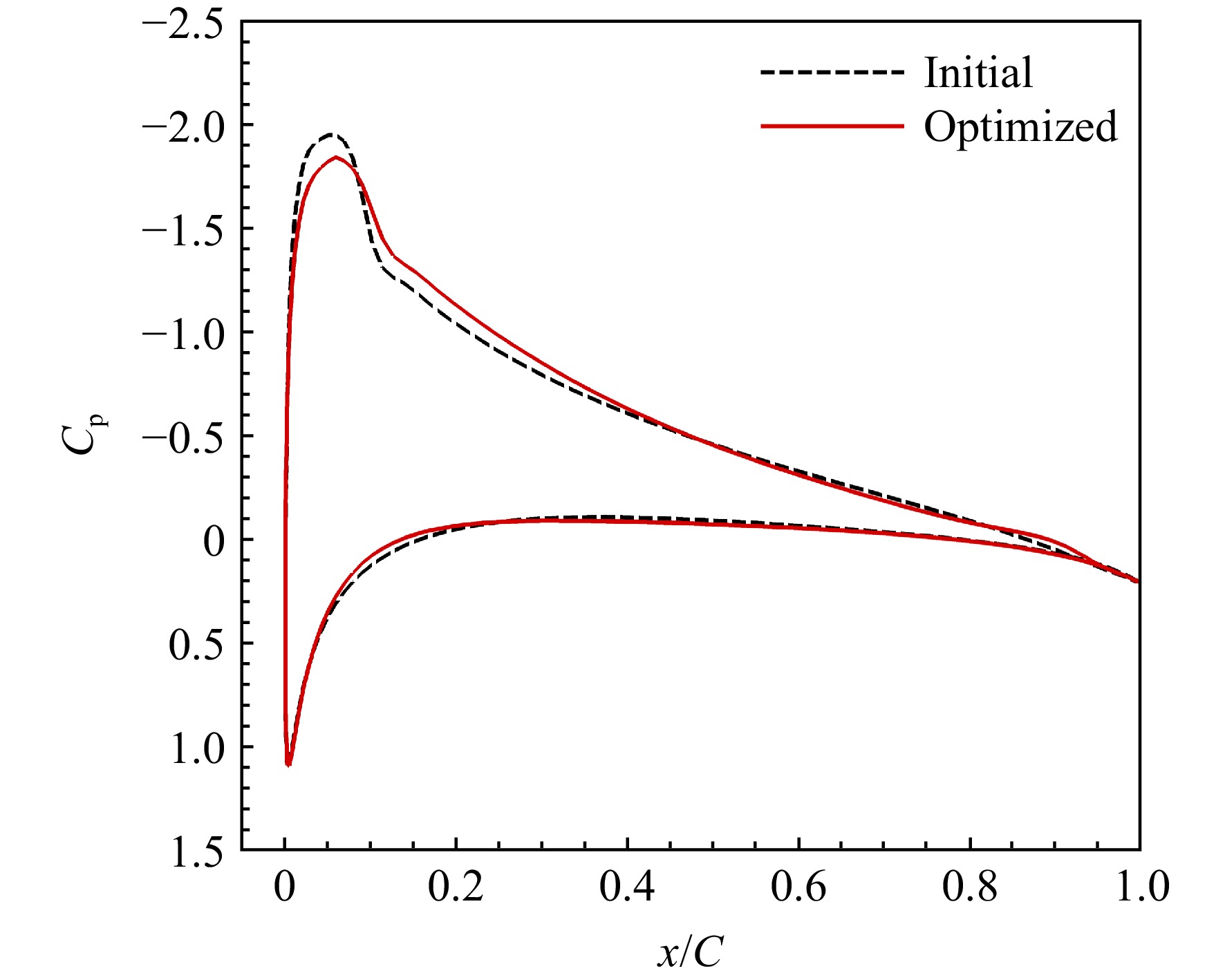
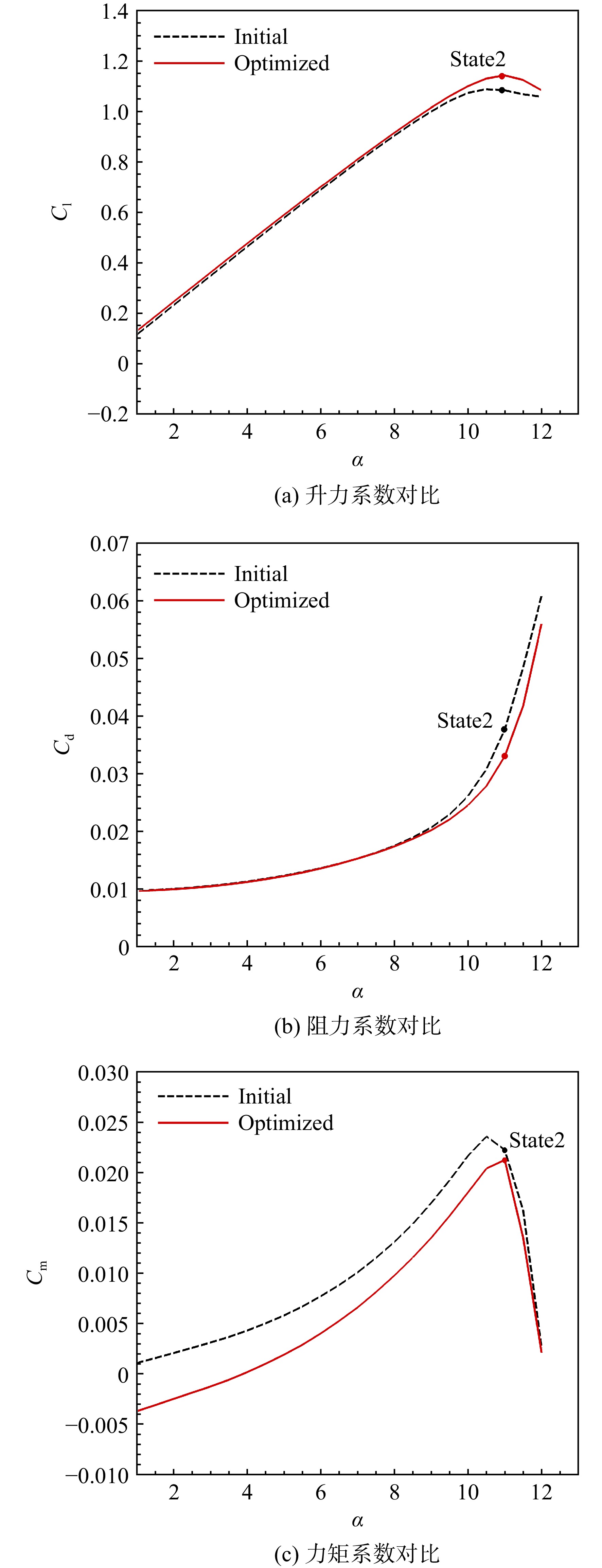
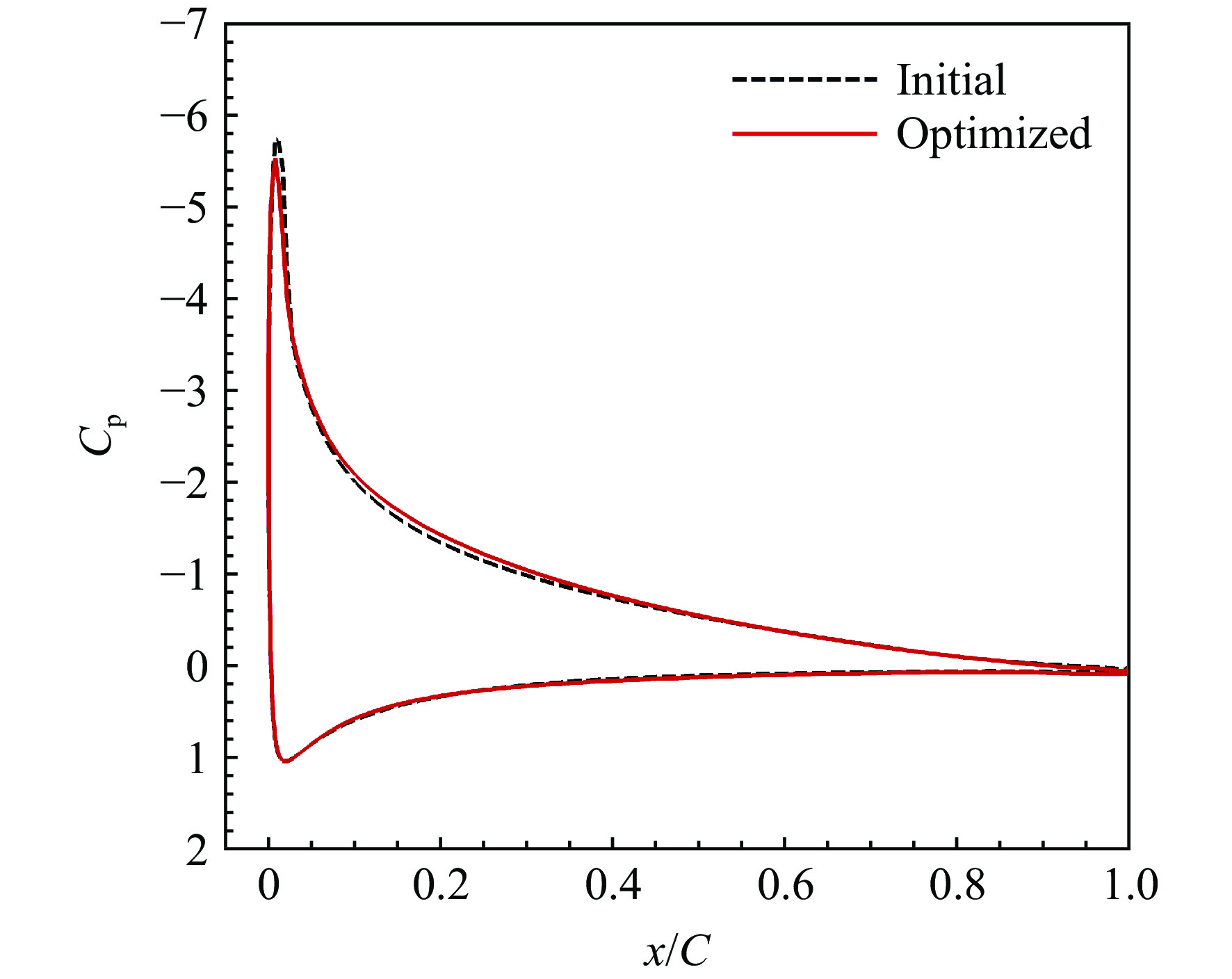
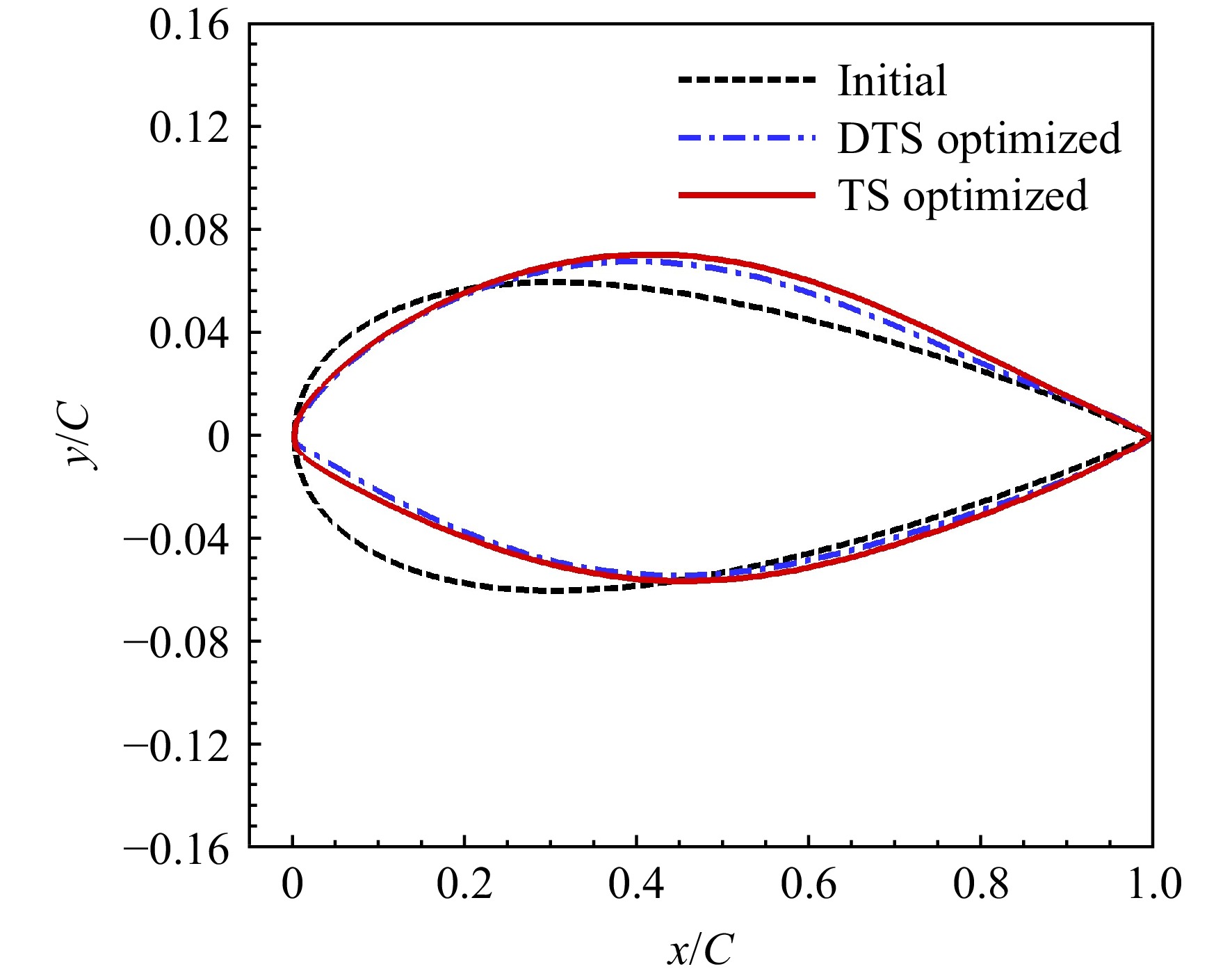
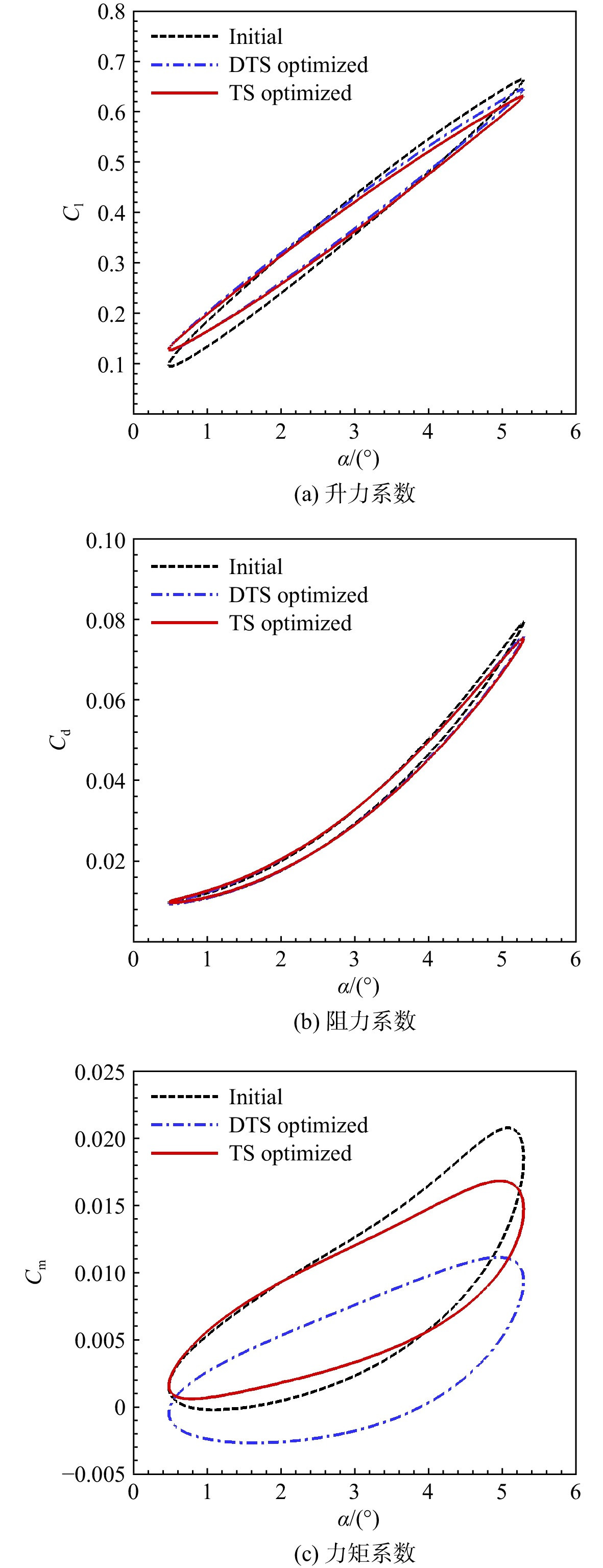
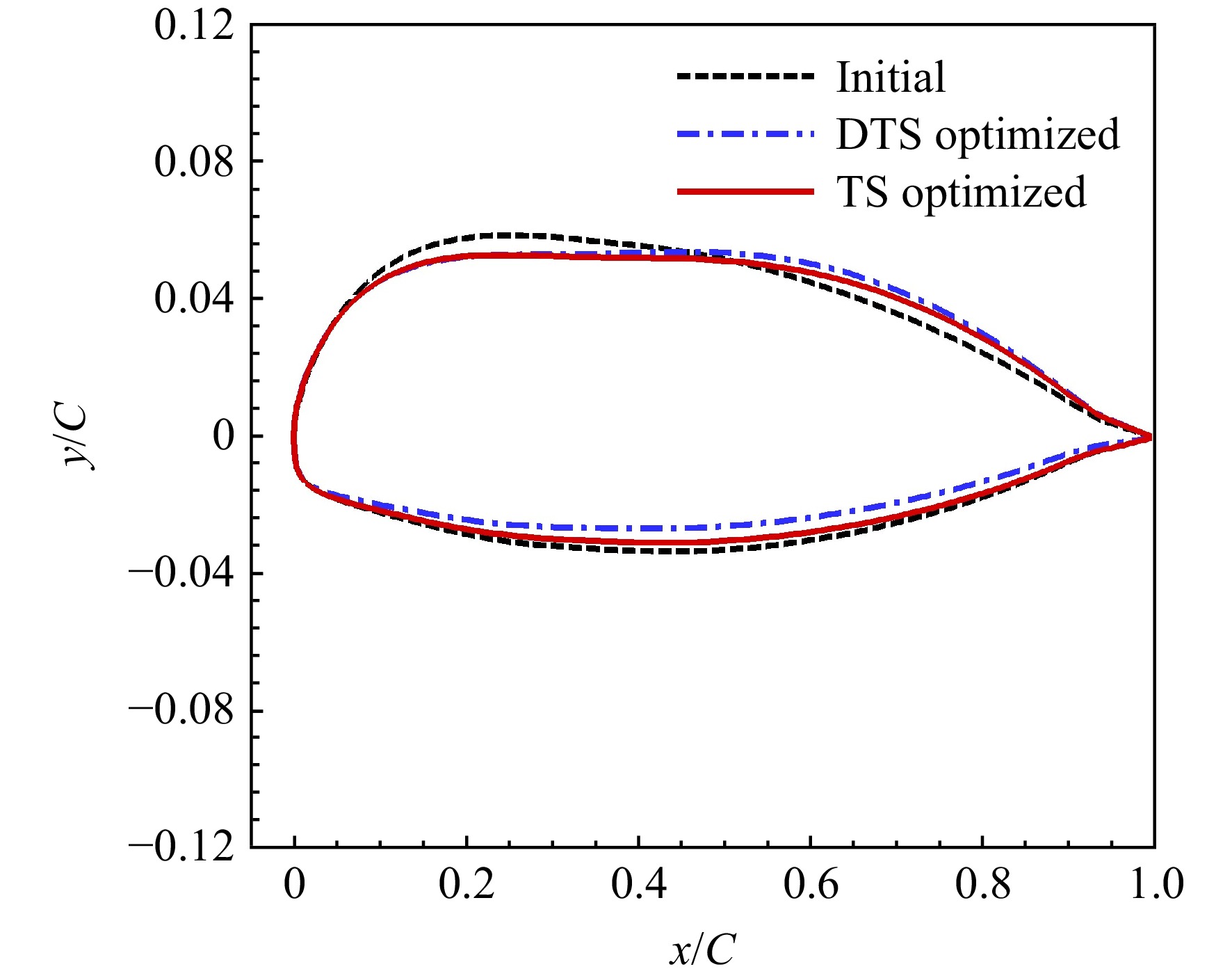
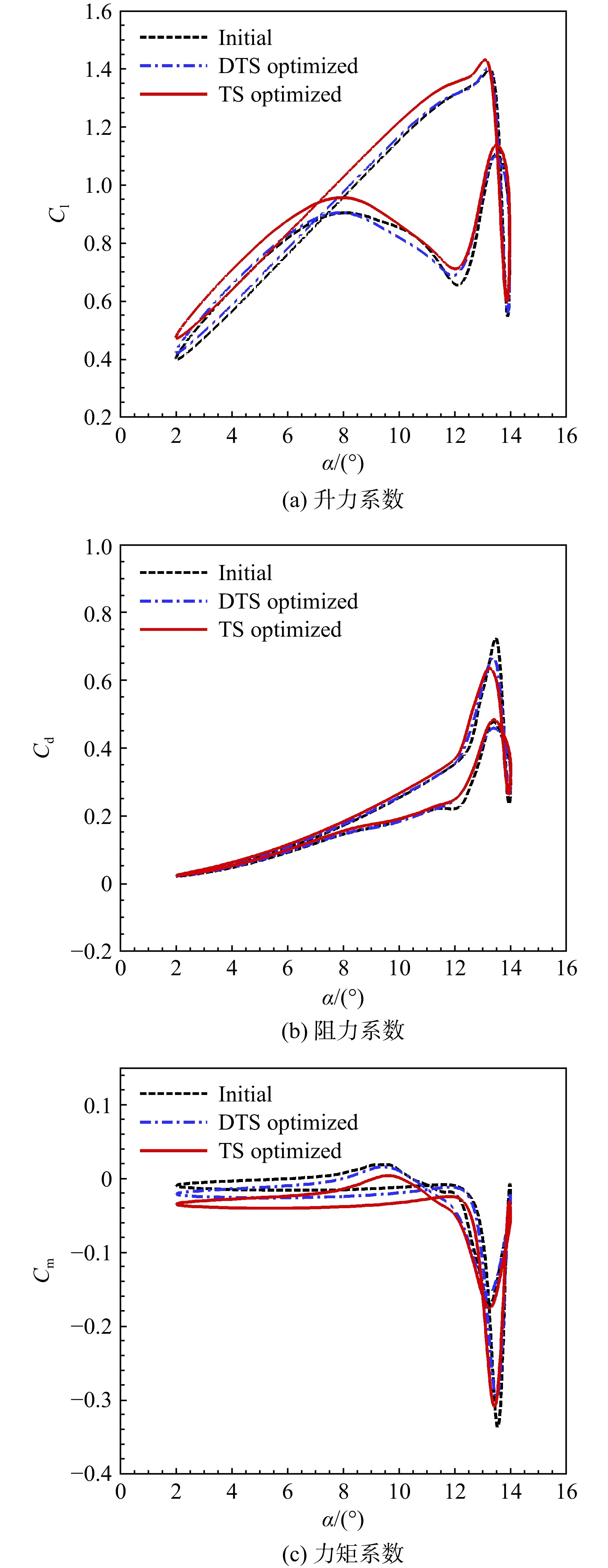
The adjoint-based design optimization method of rotor airfoil is inefficient in combination with a dual time stepping method, making it difficult to meet the optimization requirements of multi-point and multi-objective optimization in engineering. Considering the problem of unsteady optimization design of rotor airfoil, coupled with efficient time spectral method and multigrid method, a multi-point and multi-objective optimization design method suitable for multiple motion states of helicopter, such as hovering, forward flight and maneuvering, was developed. The Navier-Stokes equation and adjoint equation were solved by using the time spectral method to discretize the physical time term. In addition, the multigrid method was used to improve the optimization efficiency. The rotor airfoil NACA0012 and OA209 were selected to carry out multi-point, multi-objective steady and unsteady optimizations. The results showed that the static and dynamic aerodynamic shape optimization design methods had high accuracy, and can realize the multi-point and multi-objective optimization design of rotor airfoils under complex motion states; compared with dual time stepping and adjoint-based design optimization method, the time spectral and adjoint-based design optimization method can improve the calculation efficiency of airfoil optimization by more than 5 times.

Numerical simulation on the effect characteristics of belly temperature rise for short/vertical takeoff and landing aircraft proximity of ground
LI Chun, LI Guangchao
2024, 39(10): 20220831. doi: 10.13224/j.cnki.jasp.20220831
Abstract:

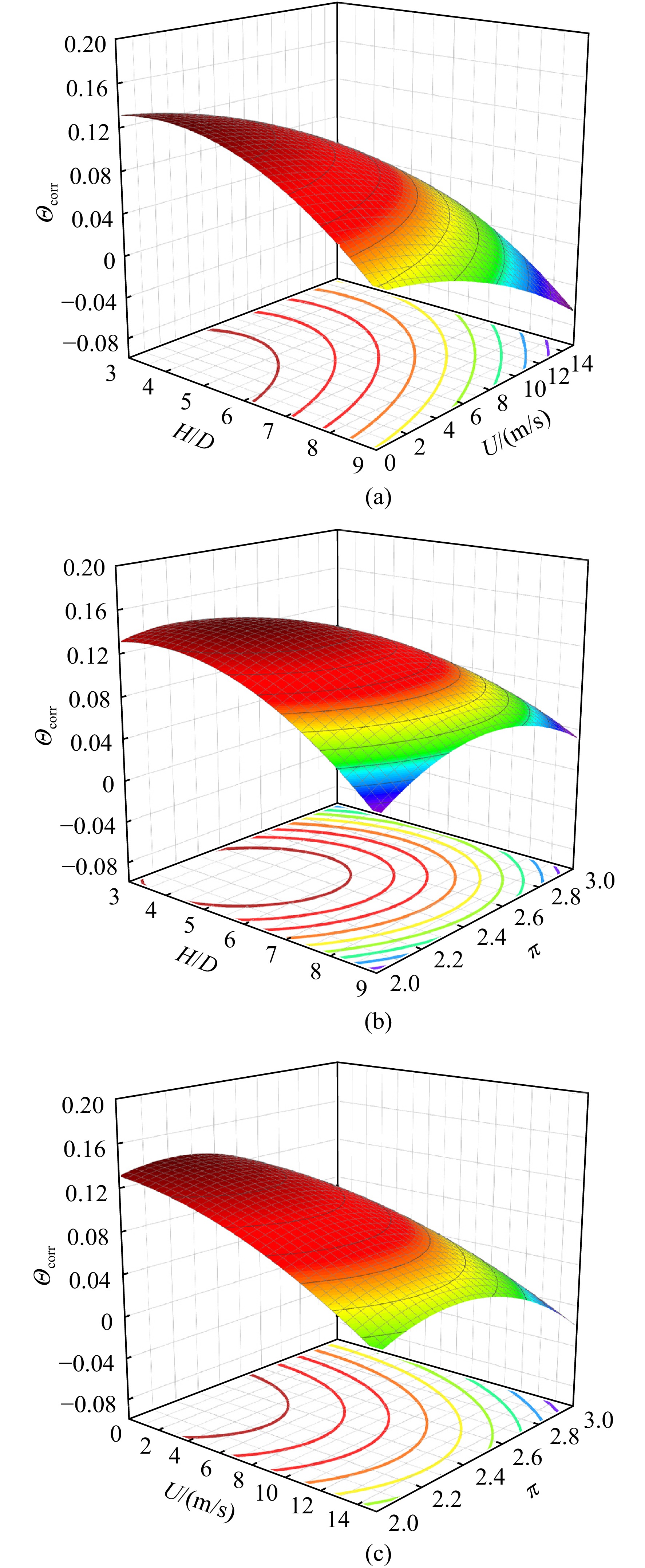
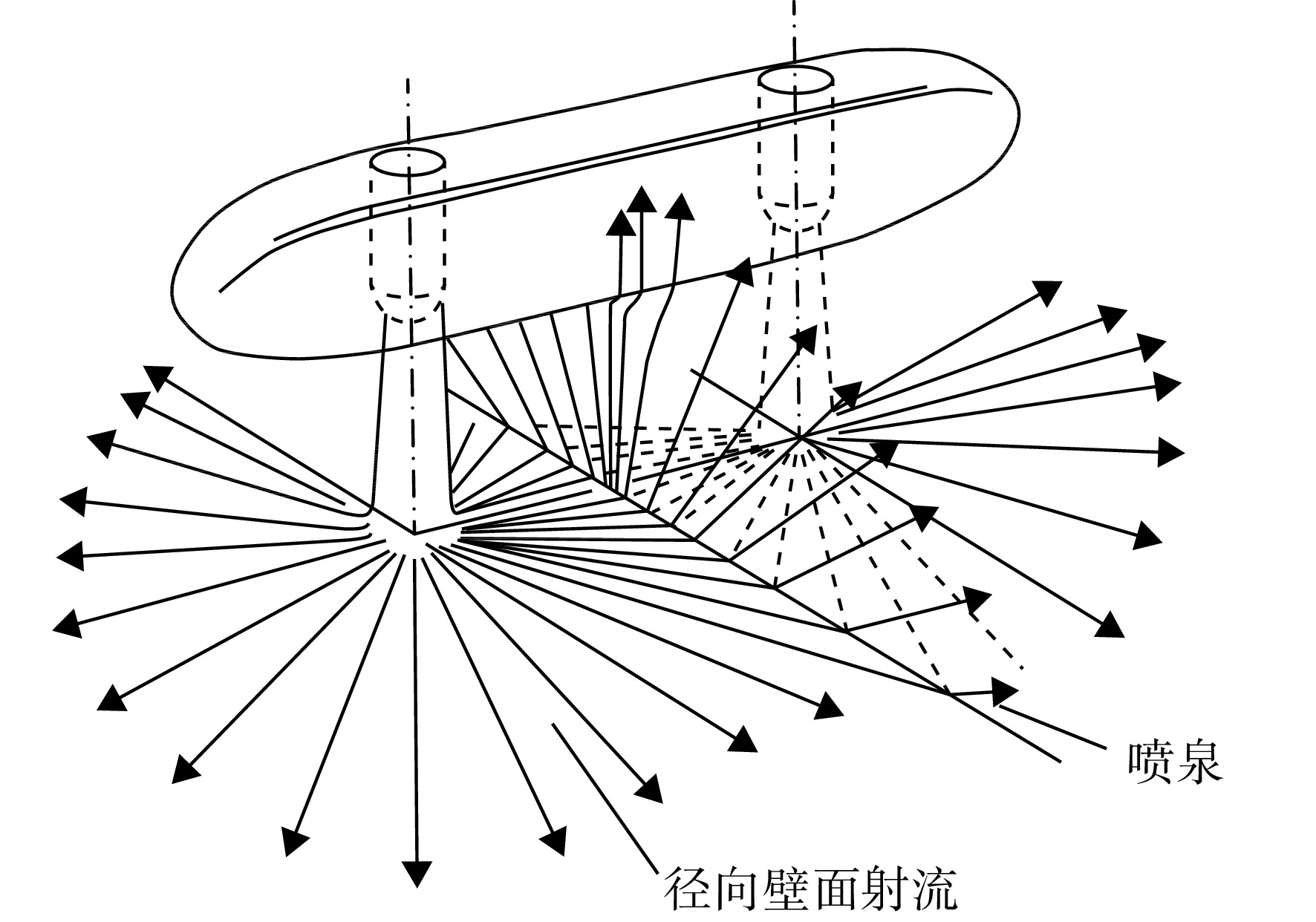
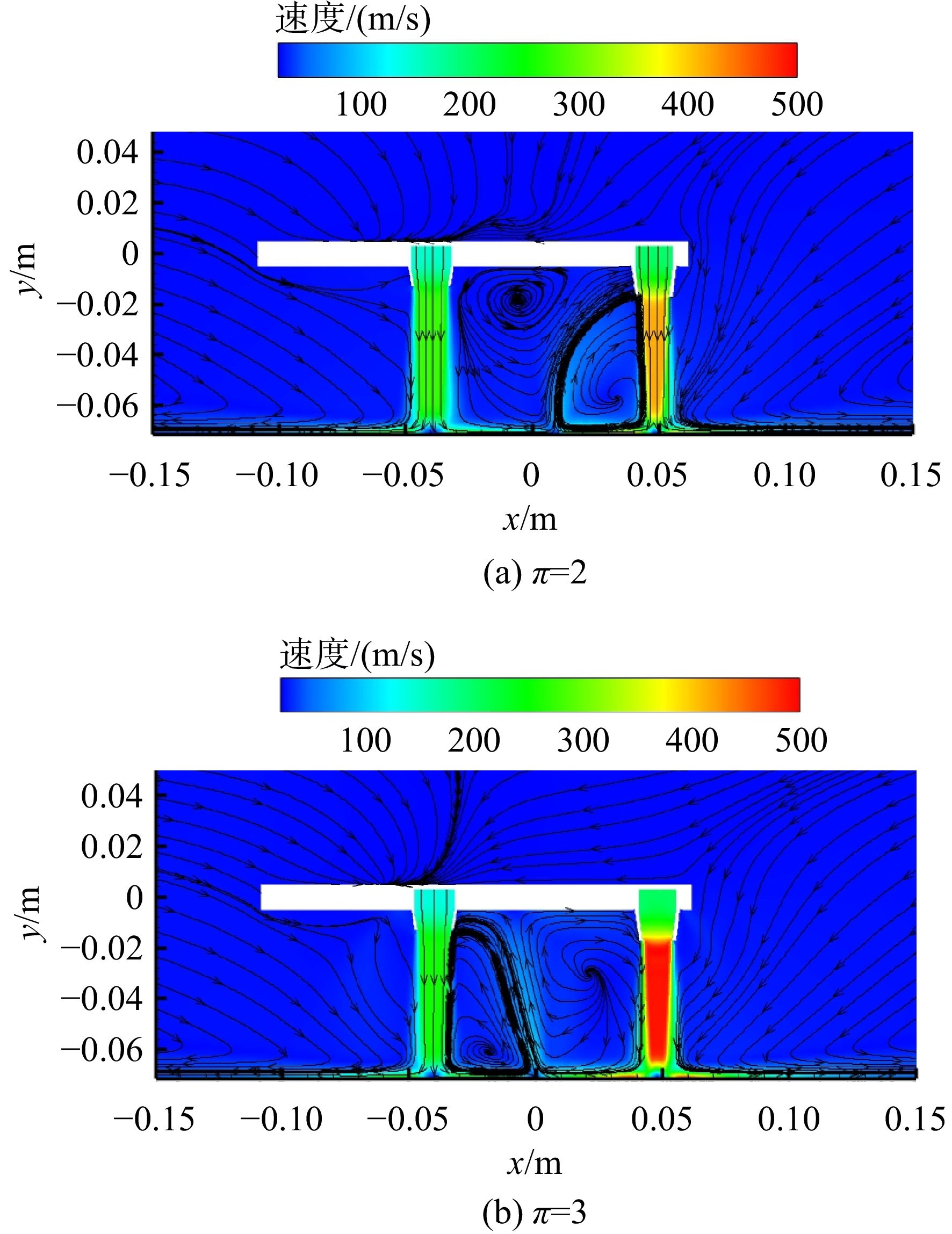
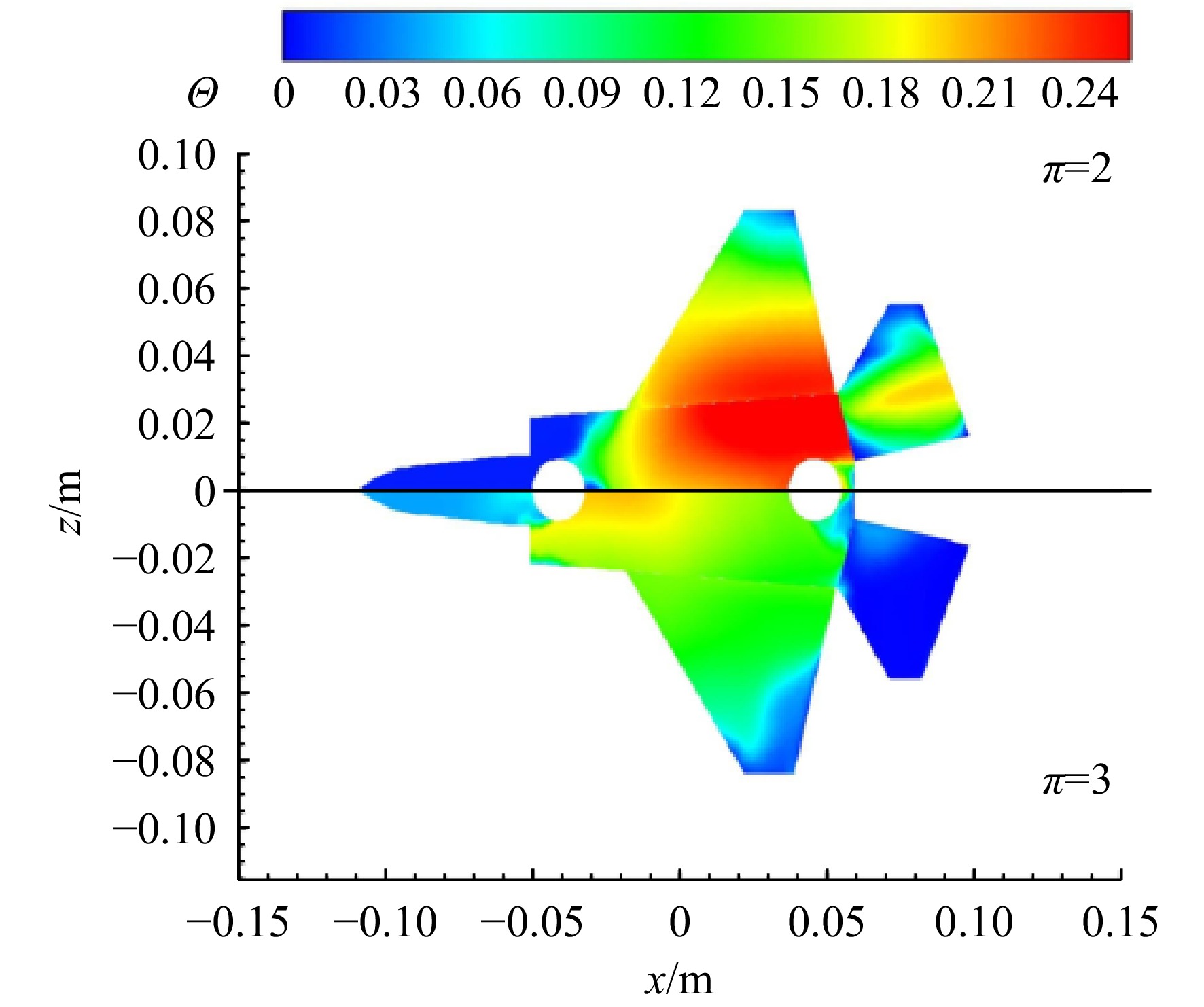
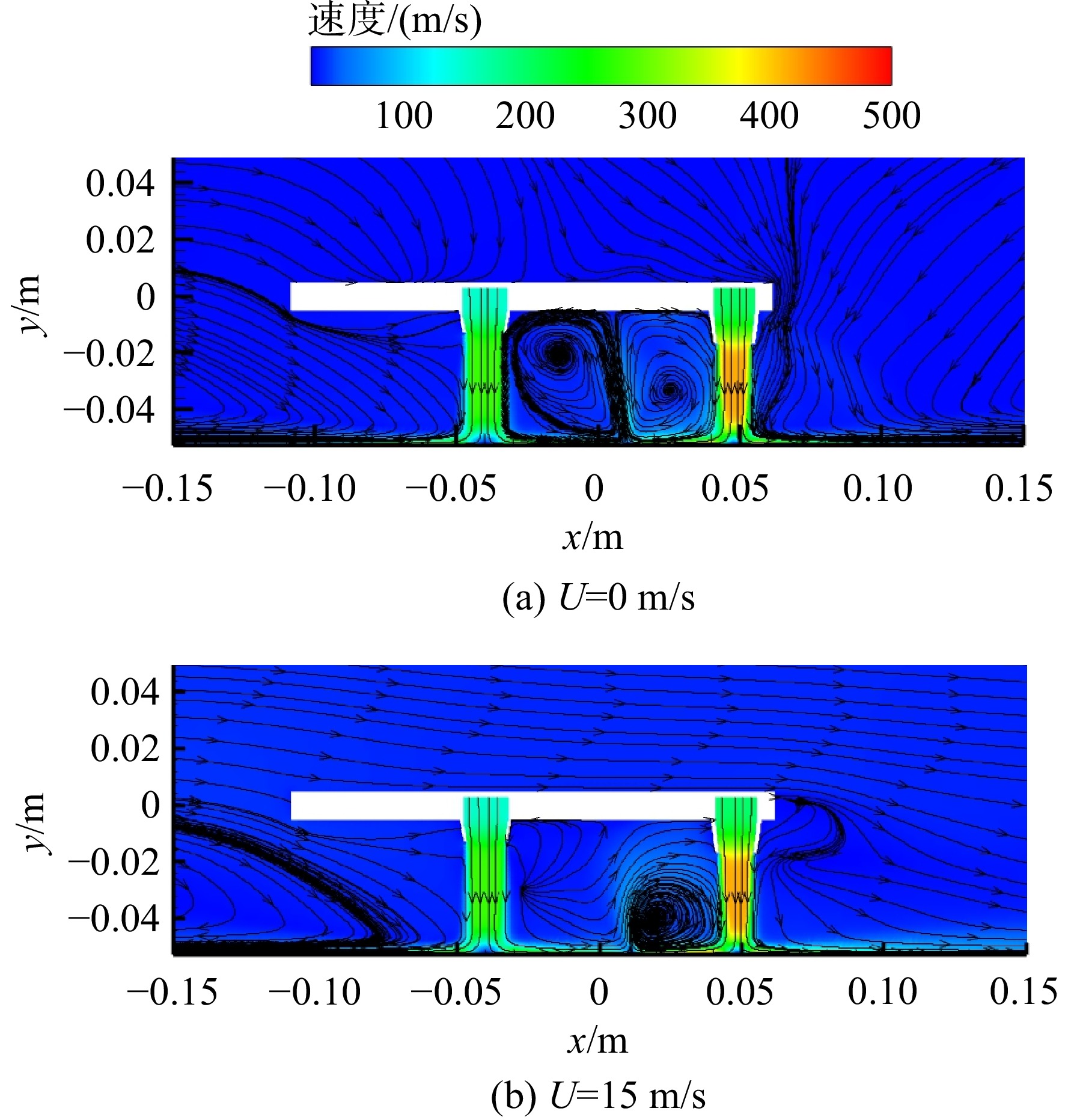
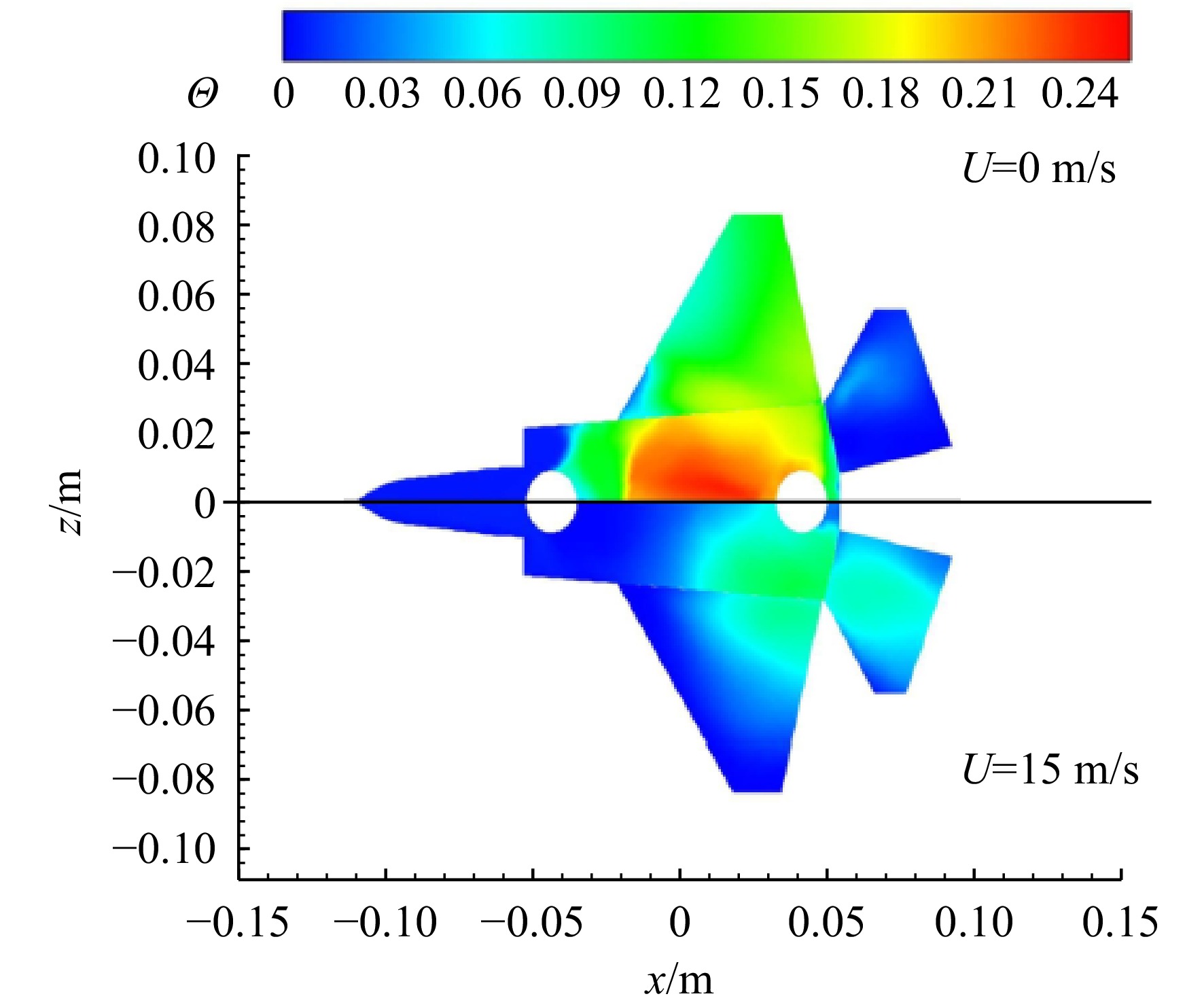
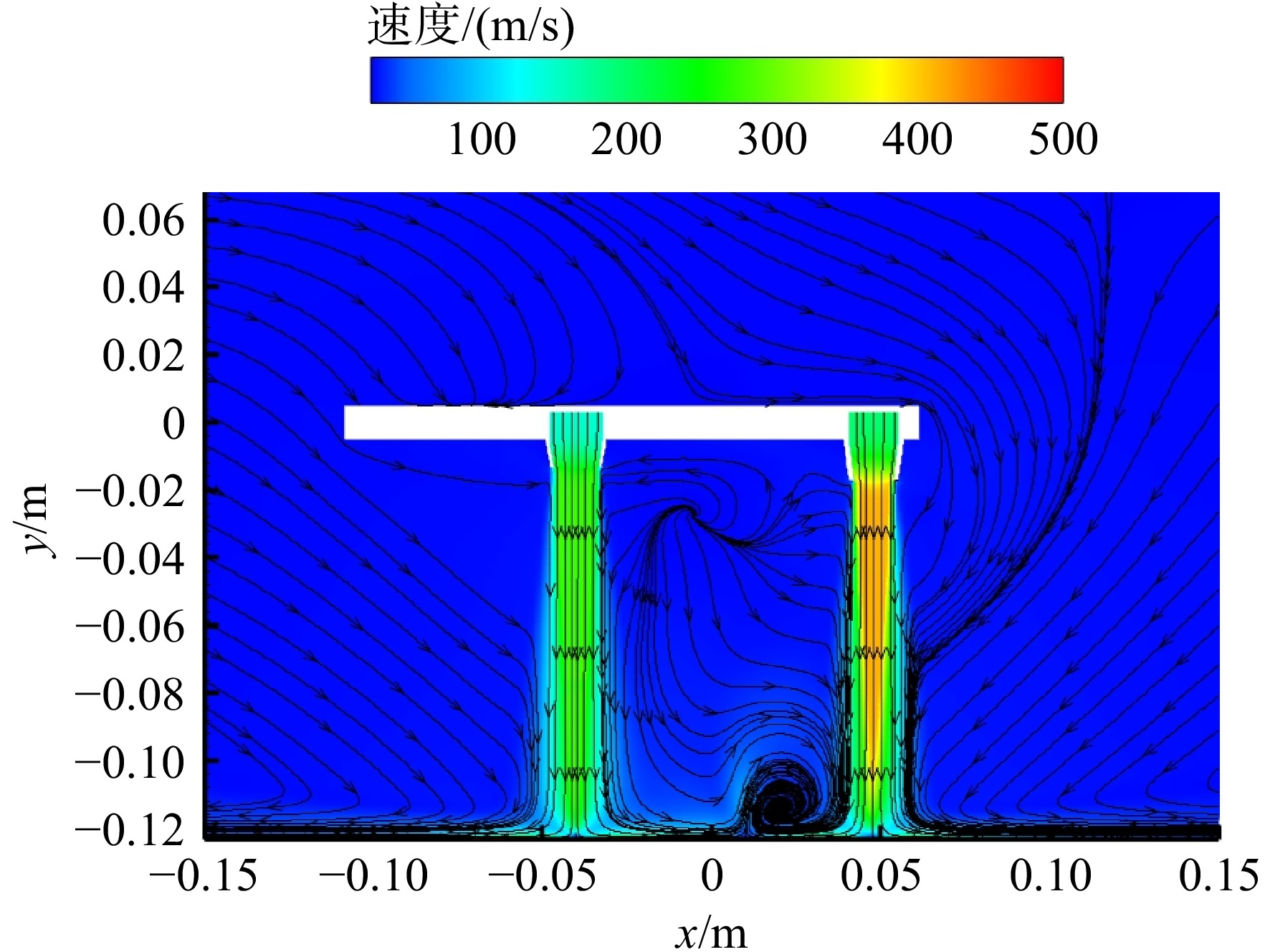
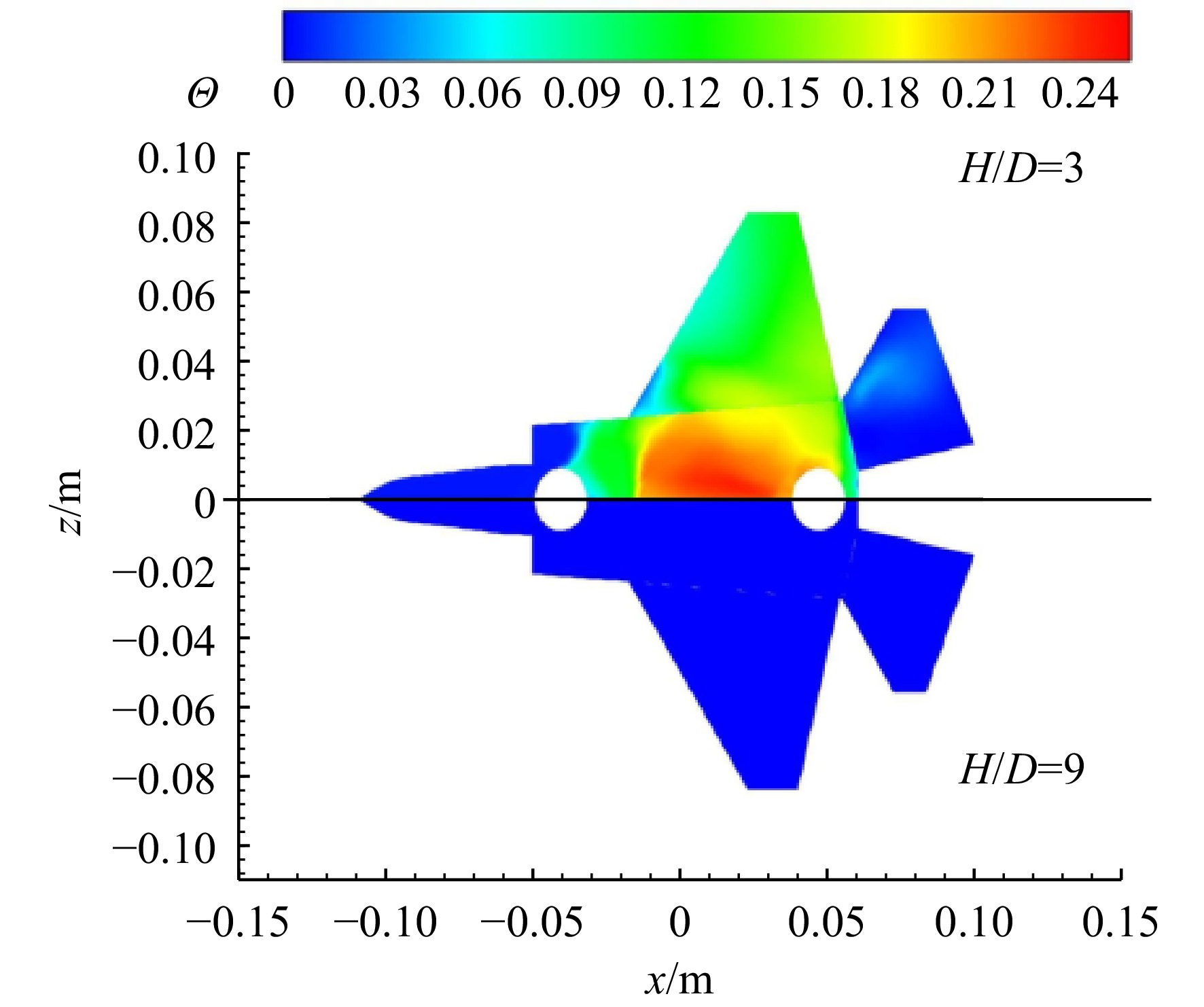
The two-order response surface regression functions of the belly temperature rise of the aircraft about the nozzle pressure ratio (NPR), inflow velocity and the height of the nozzle exit were obtained by CFD method and the response surface method, and the key factors significantly affecting the belly temperature rise were also acquired. The interaction effects of NPR, inflow velocity and height of nozzle exit above ground on aircraft belly temperature rise were analyzed, and the maximum belly temperature rise in certain range working state was obtained. The study showed that when considering single factor the belly temperature rise decreased with the increase NPR, inflow velocity and the height of nozzle exit above the ground. When considering the interaction of the two factors, only height and NPR had interaction effects on the belly. When considering the two-order influence of single factor, there were two order effects of height of nozzle exit, inflow velocity and NPR. According to the maximum belly temperature rise obtained by optimization, the height of rear nozzle exit above ground was treble the diameter of rear nozzle exit, the NPR was 2, and the inflow velocity was 0 m/s. In this case, the belly temperature change was 13.92%.

Turbomachinery
The matching performance research of core driven fan stage and compressor
HUANG Lei, ZHANG Jun, HE Xudong, LI Qinghua, CHU Wuli, XIAO Shuangqiang
2024, 39(10): 20220798. doi: 10.13224/j.cnki.jasp.20220798
Abstract:

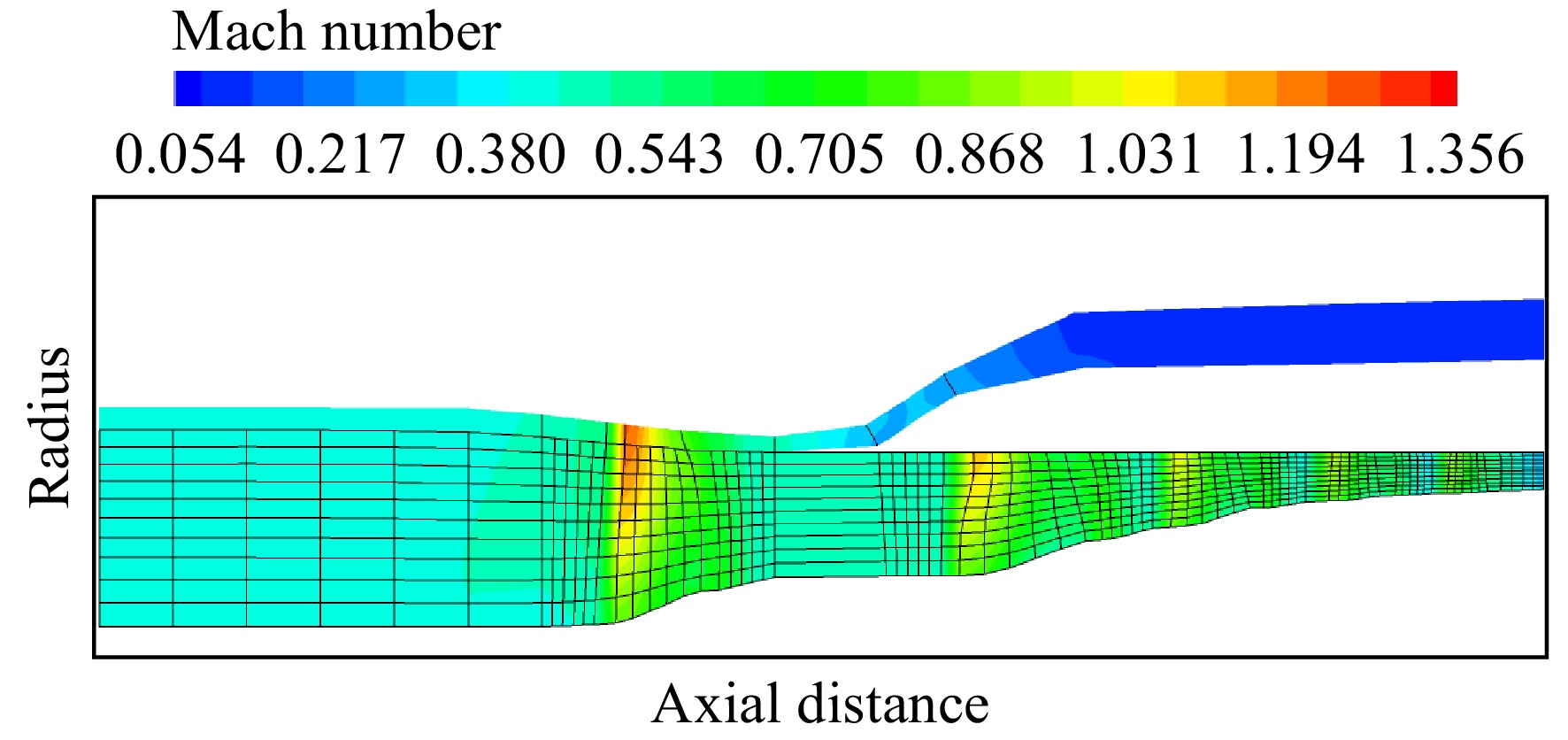
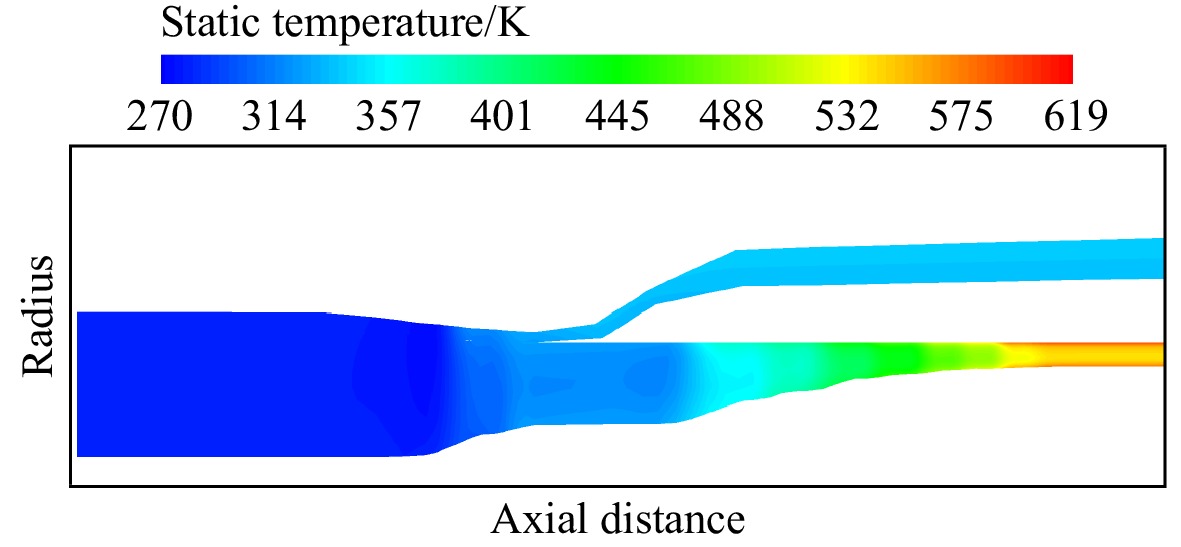
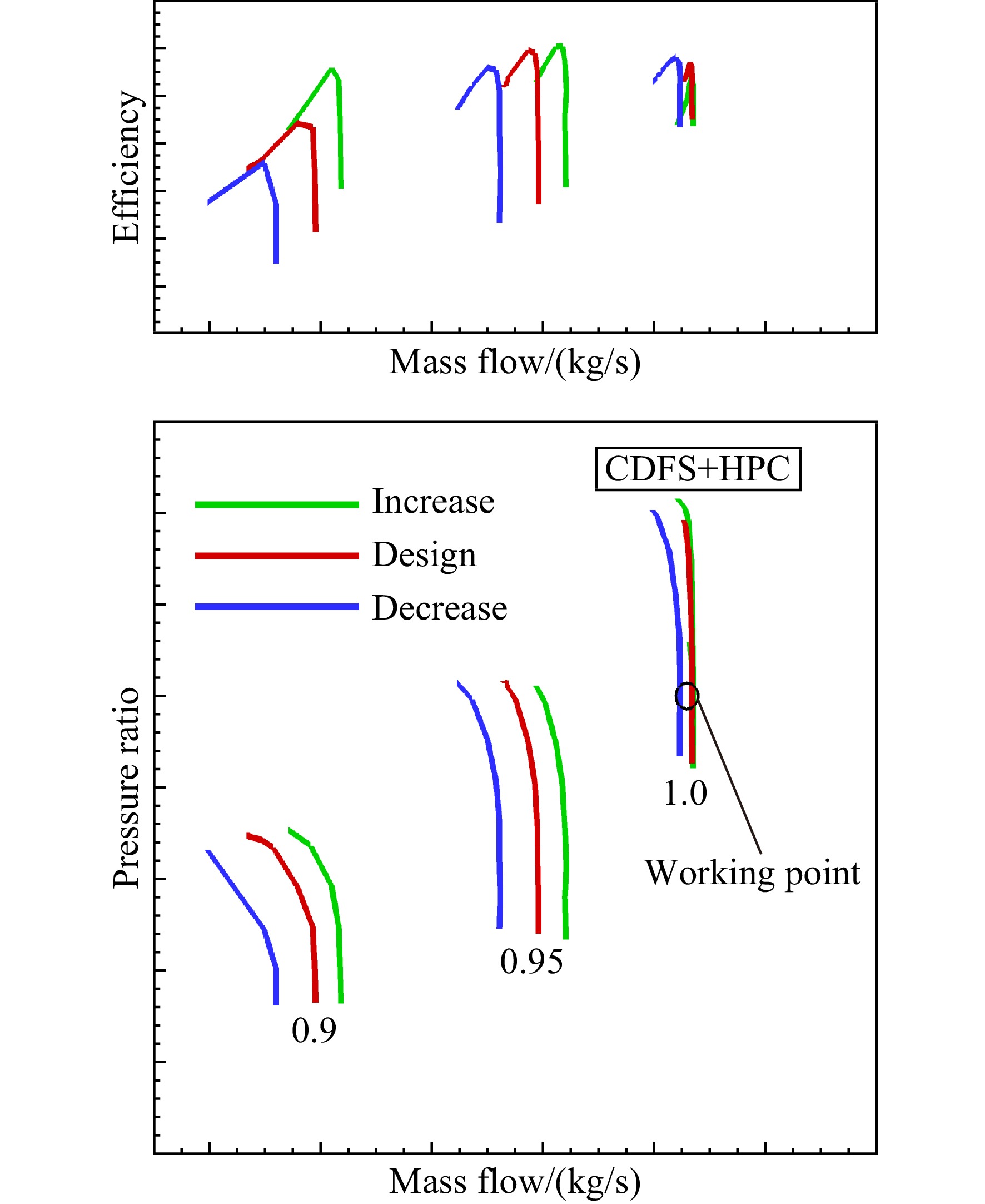
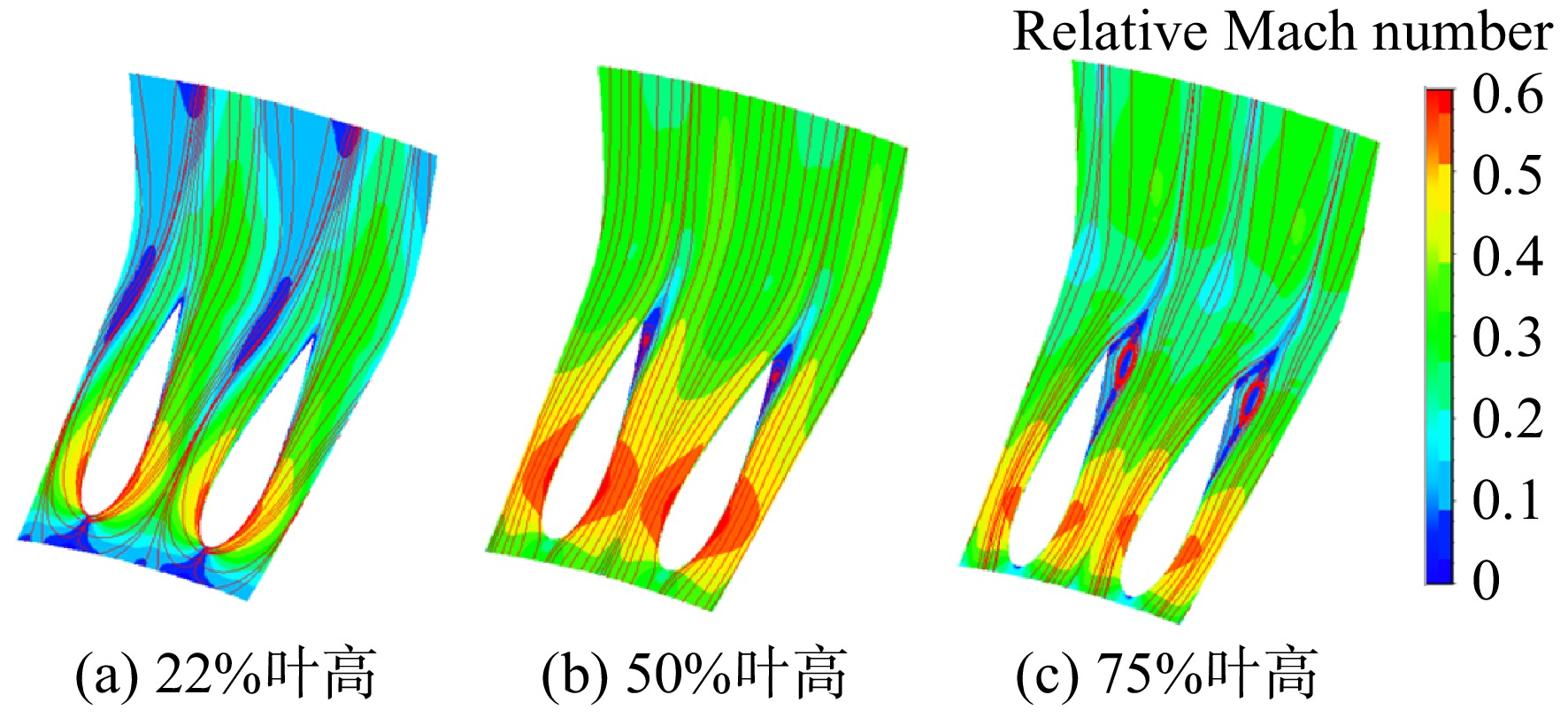
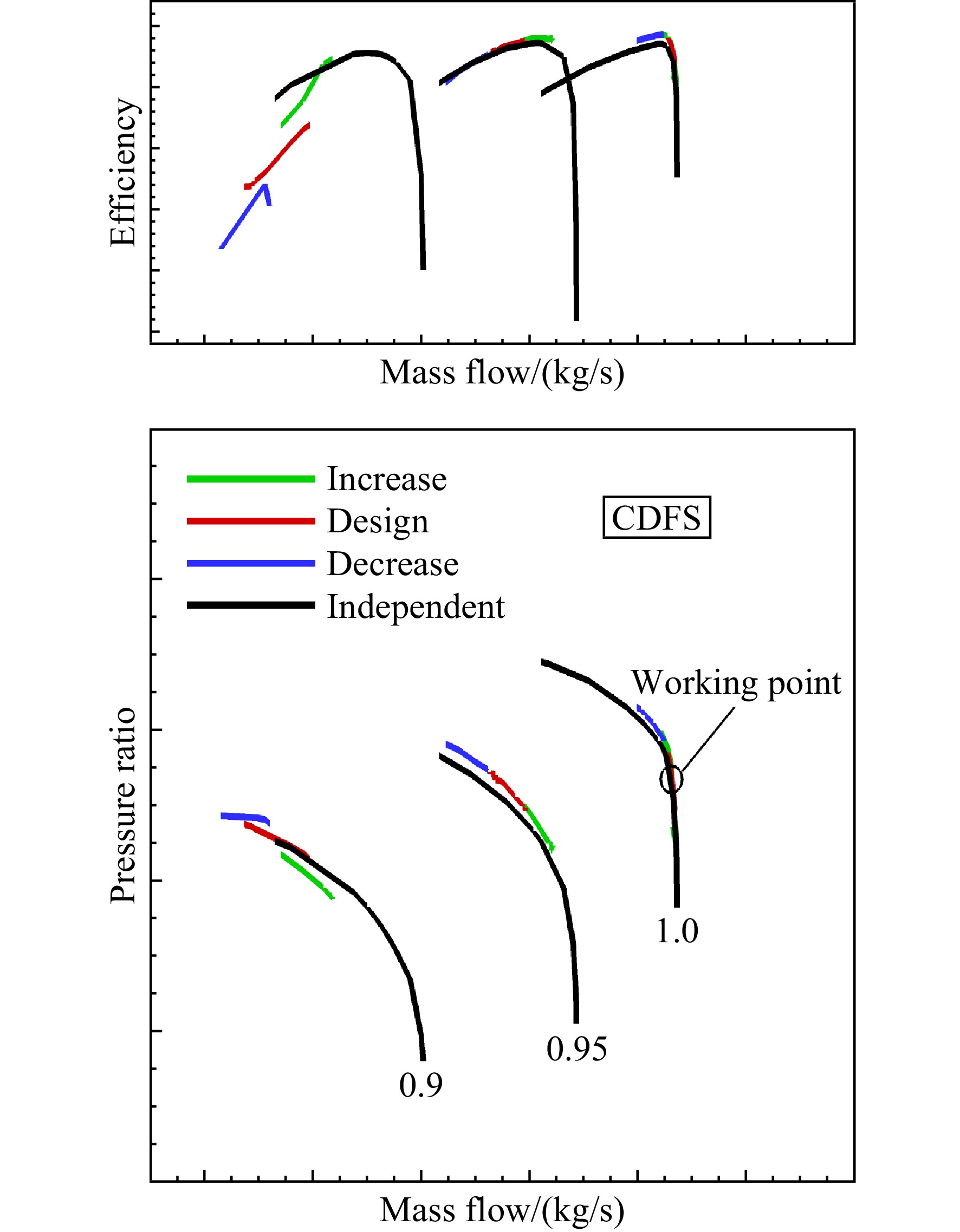
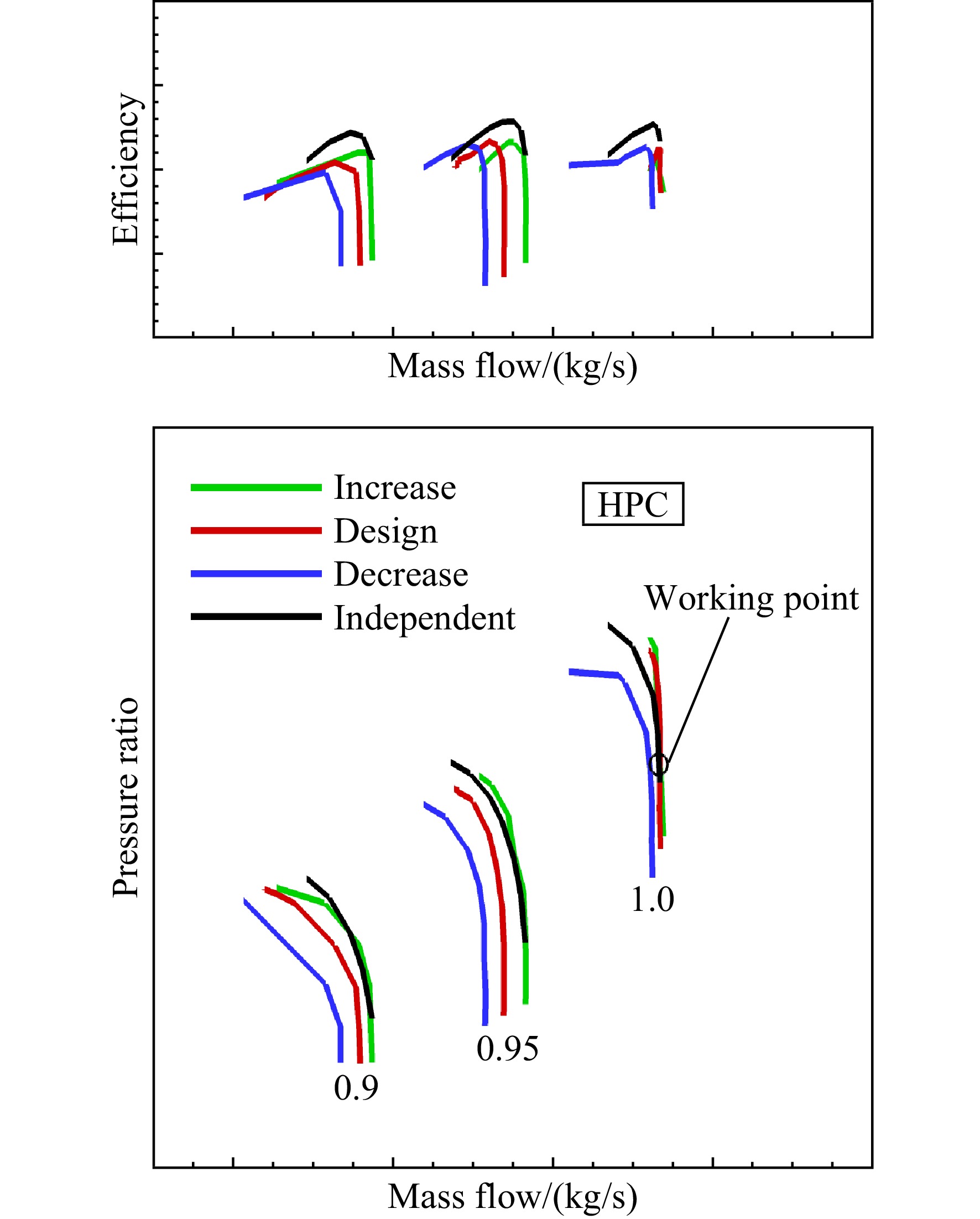
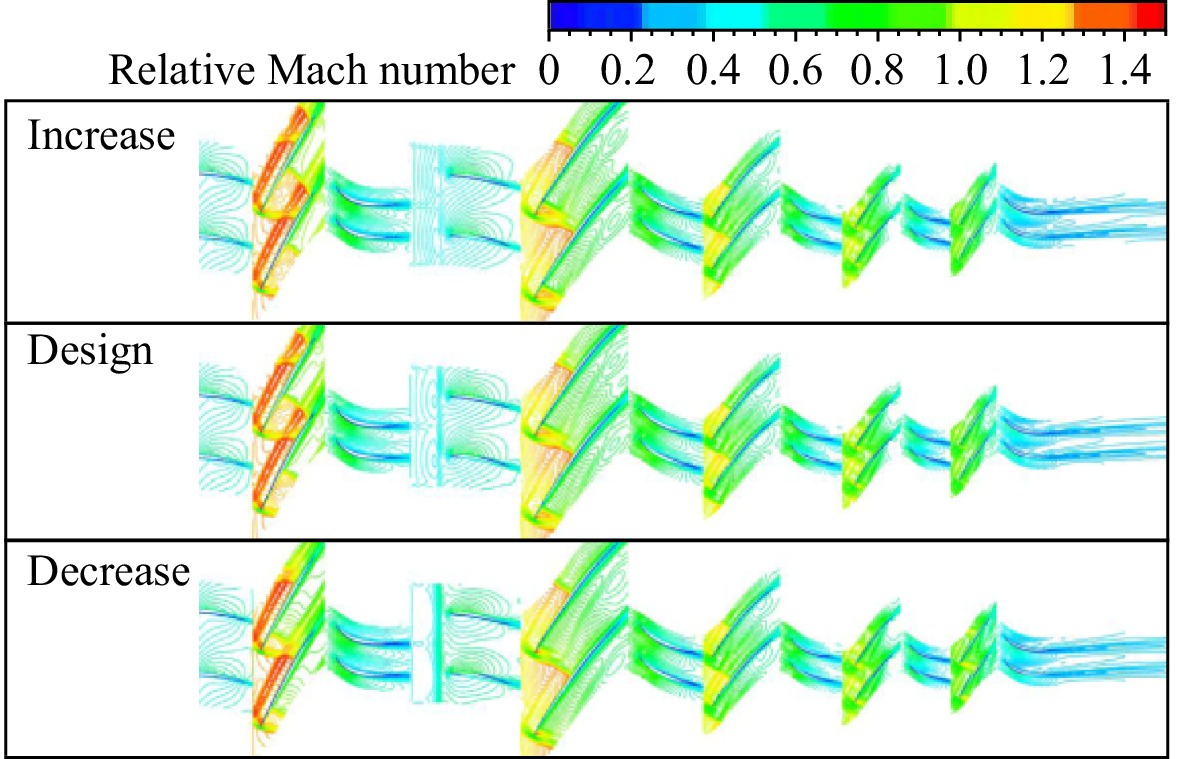
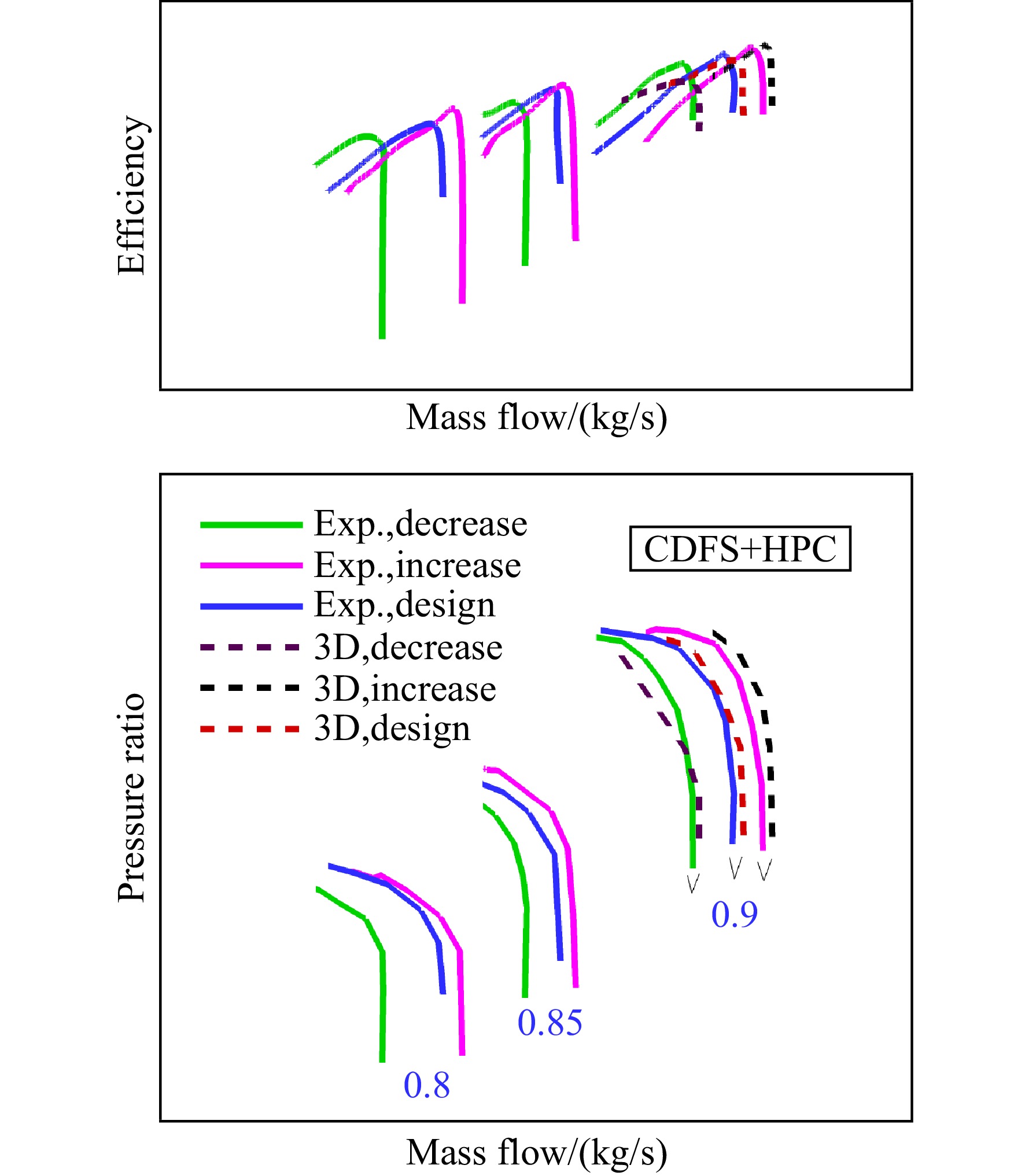
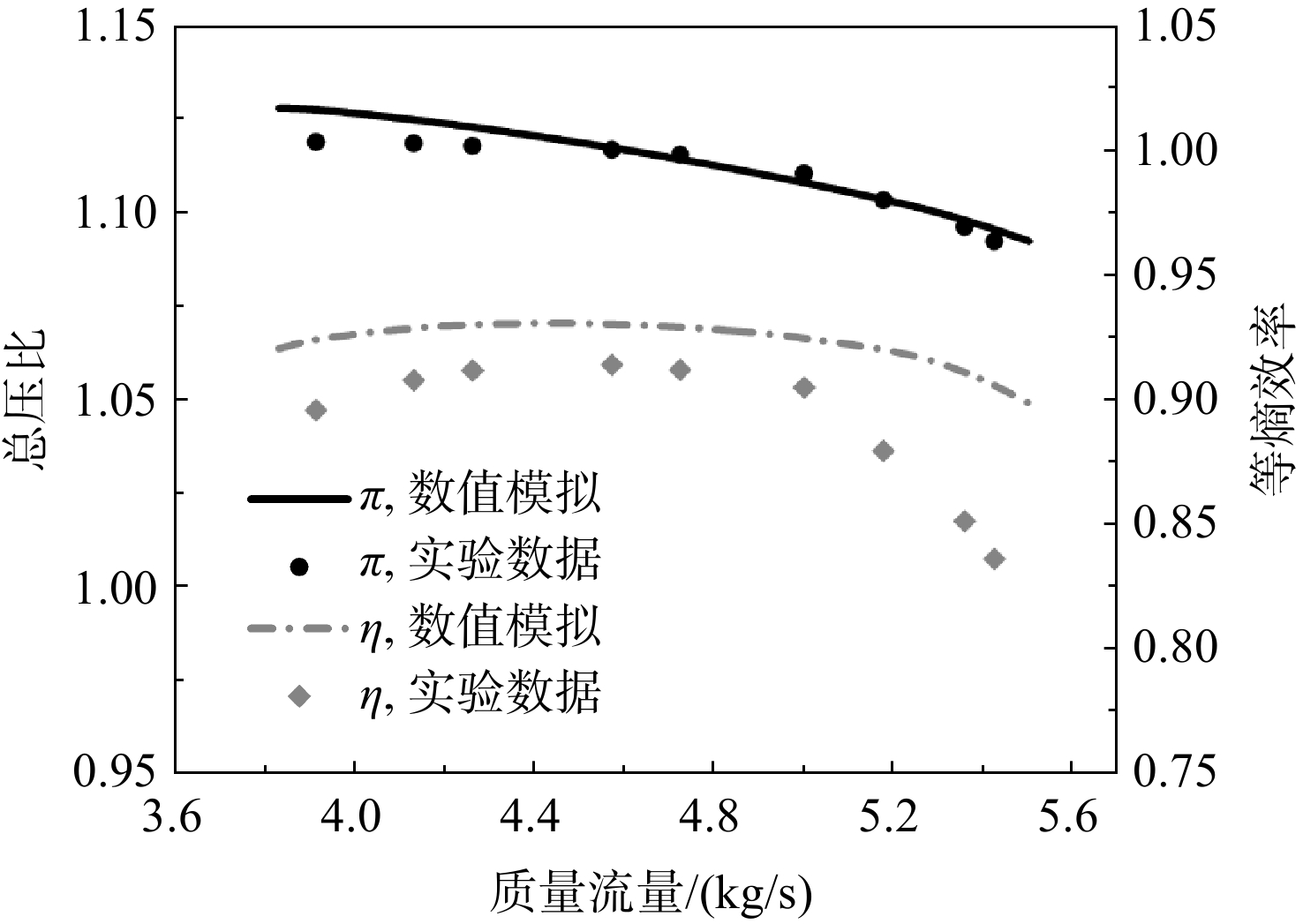
In order to improve the aerodynamic performance of compressor with core driven fan stage, it is essential to study the matching of core driven fan stage and high pressure compressor witch, which is of great importance to the core compressor component on next generation engine. Four issues should be considered on the matching of core driven fan stage and high pressure compressor: the matching design of one-dimensional, the matching design of through-flow, the matching design of blade modeling parameter, the matching of two-dimensional flow field, then three-dimensional simulation analysis and testing investigation were carried out. The testing results showed that: the variation tendency of core driven fan stage and high pressure compressor performance was coincident with three-dimensional simulation and the testing results, which verified the effectiveness of the matching performance of high efficiency core driven fan stage and high pressure compressor. By increasing the bypass ratio, the pressure ratio of core driven fan stage could be lower, bringing about the increase of the pressure ratio of high pressure compressor. On the contrary, the decrease of bypass ratio could lead to the lower pressure ratio of high pressure compressor.
Uncertainty quantification of real stagger angle deviation affecting compressor performance
JI Tianyuan, CHU Wuli, ZHANG Haoguang, DONG Jiezhong
2024, 39(10): 20220858. doi: 10.13224/j.cnki.jasp.20220858
Abstract:

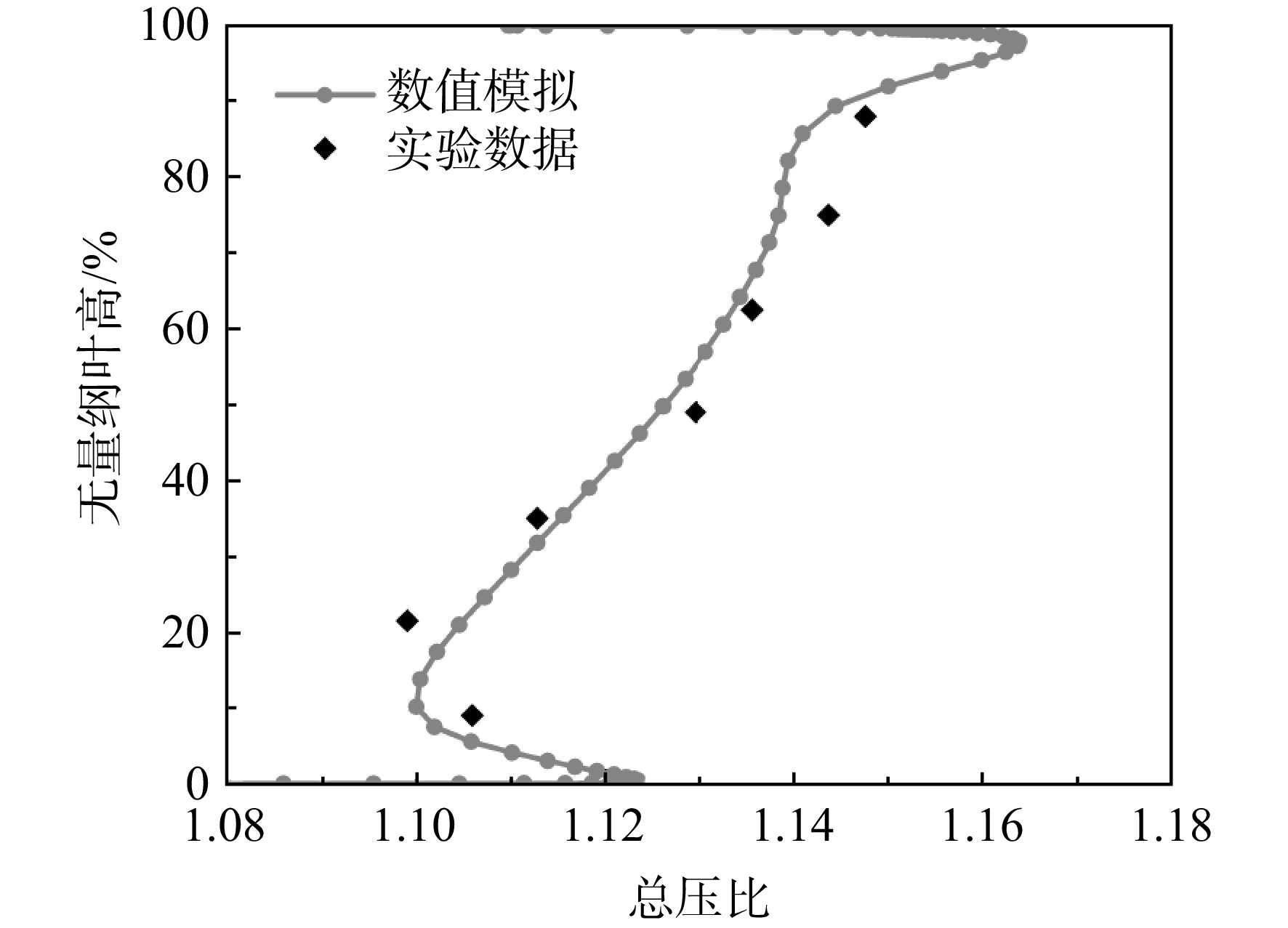
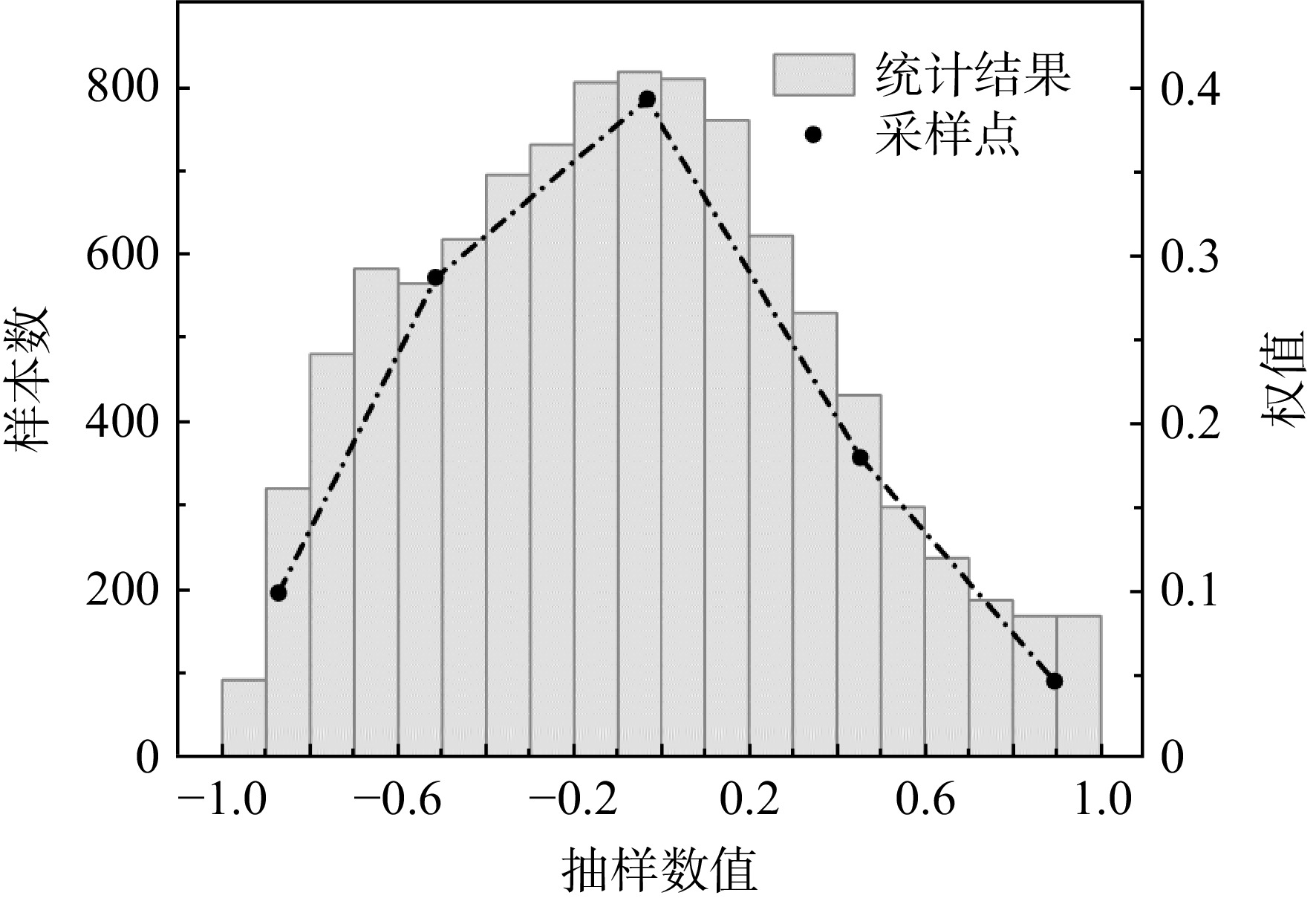
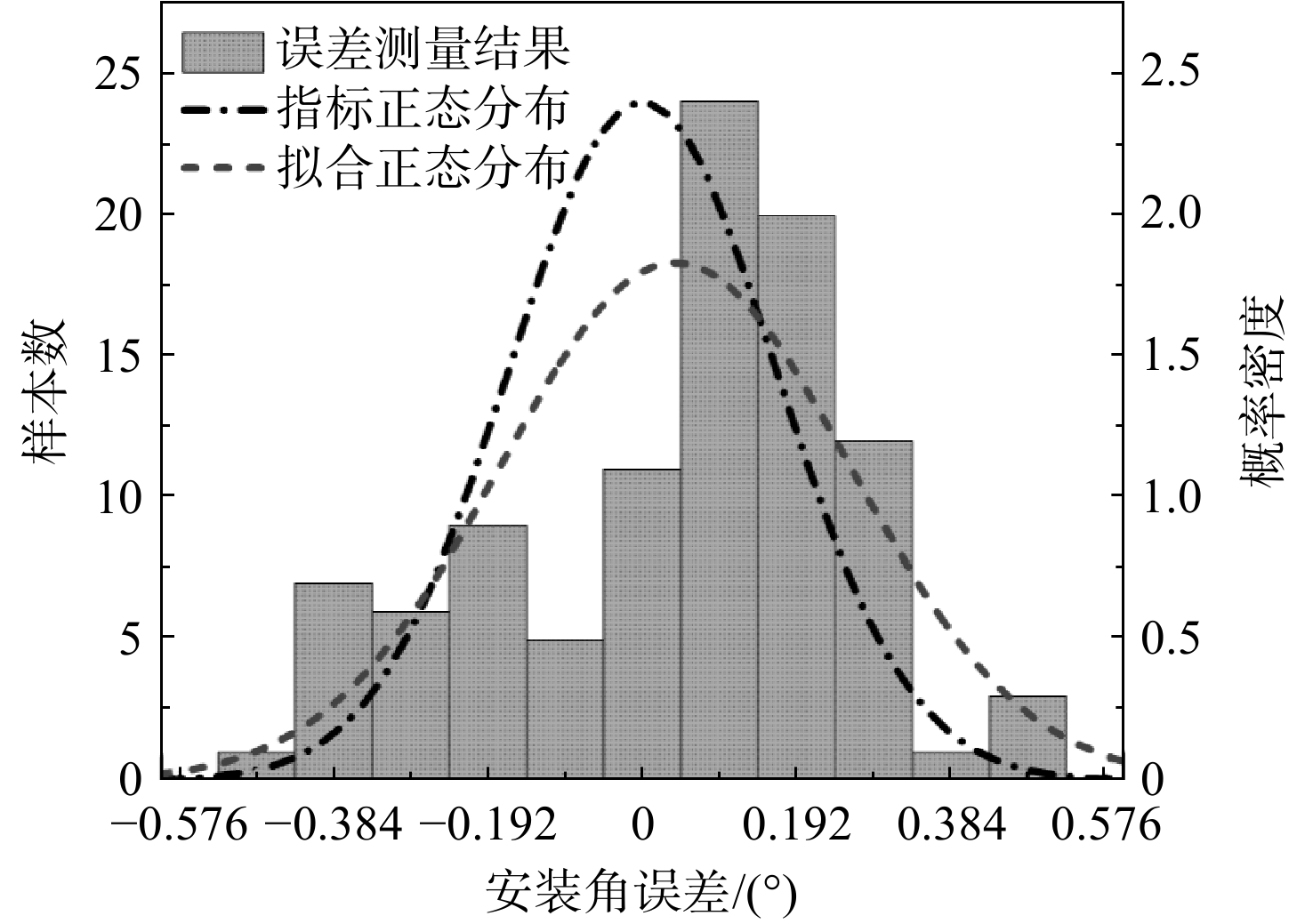
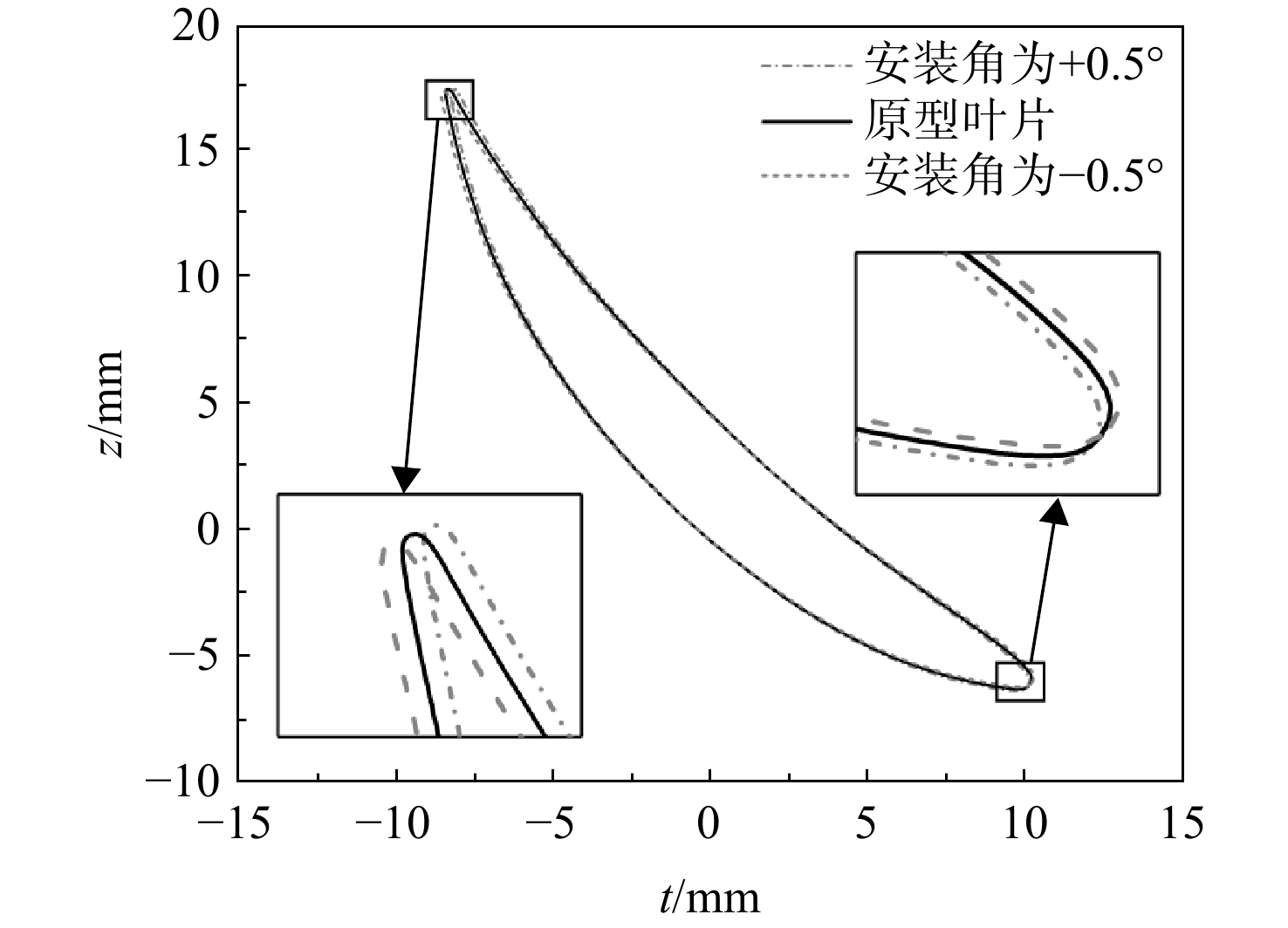
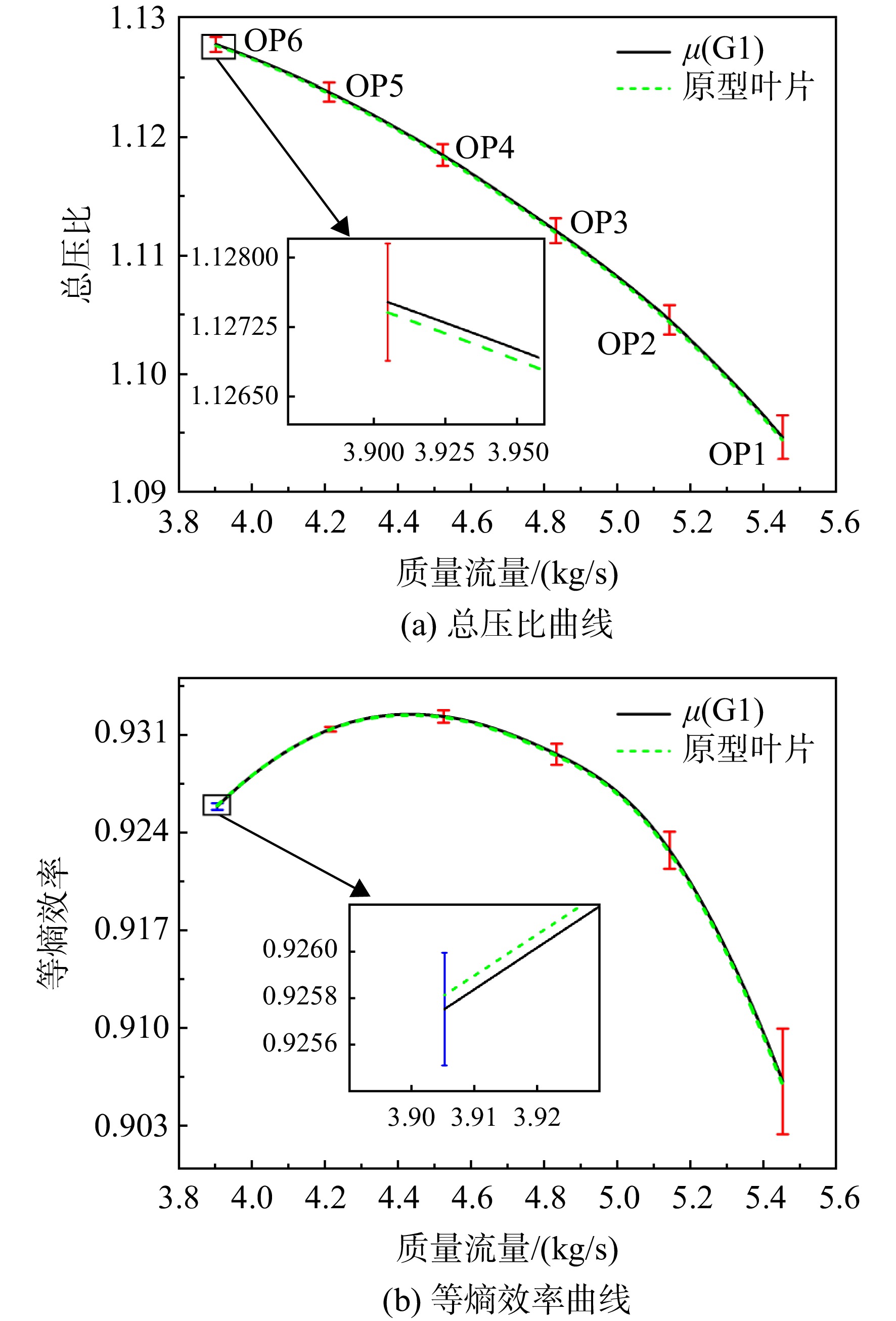
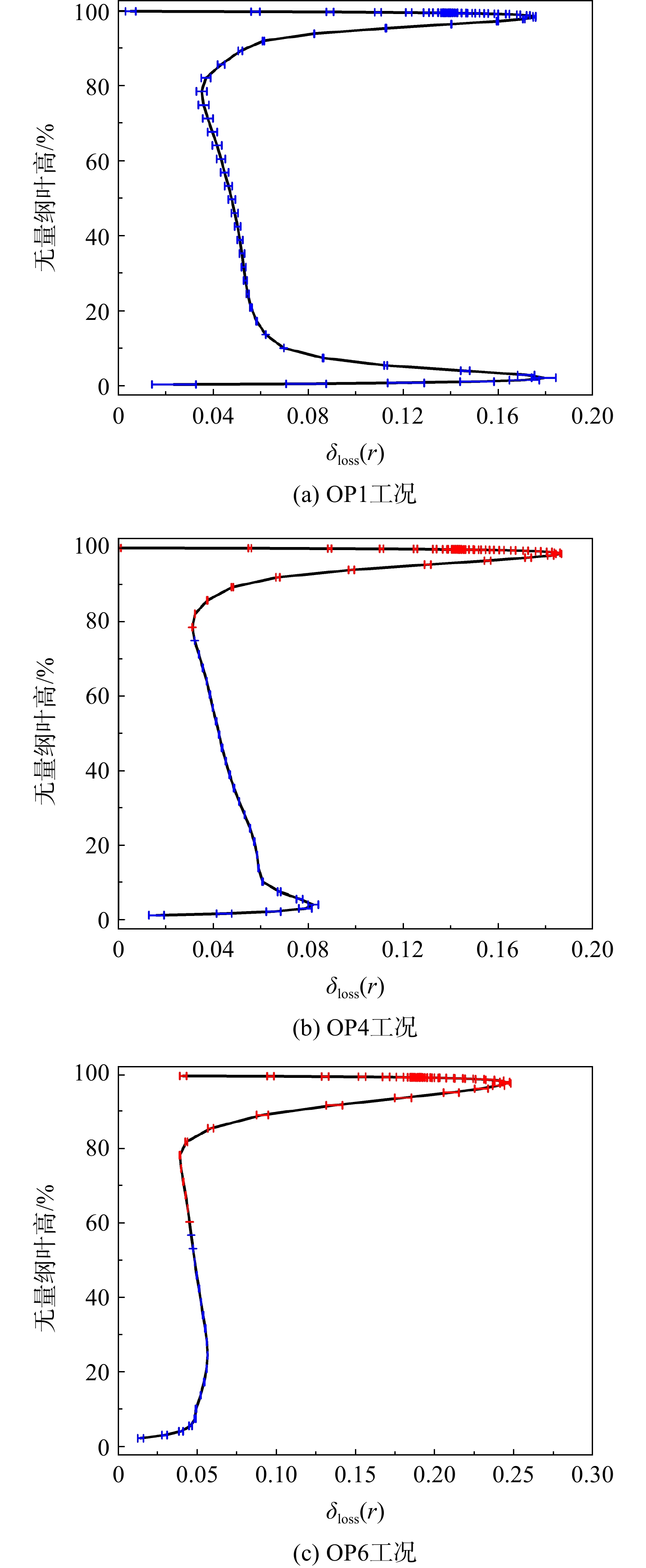
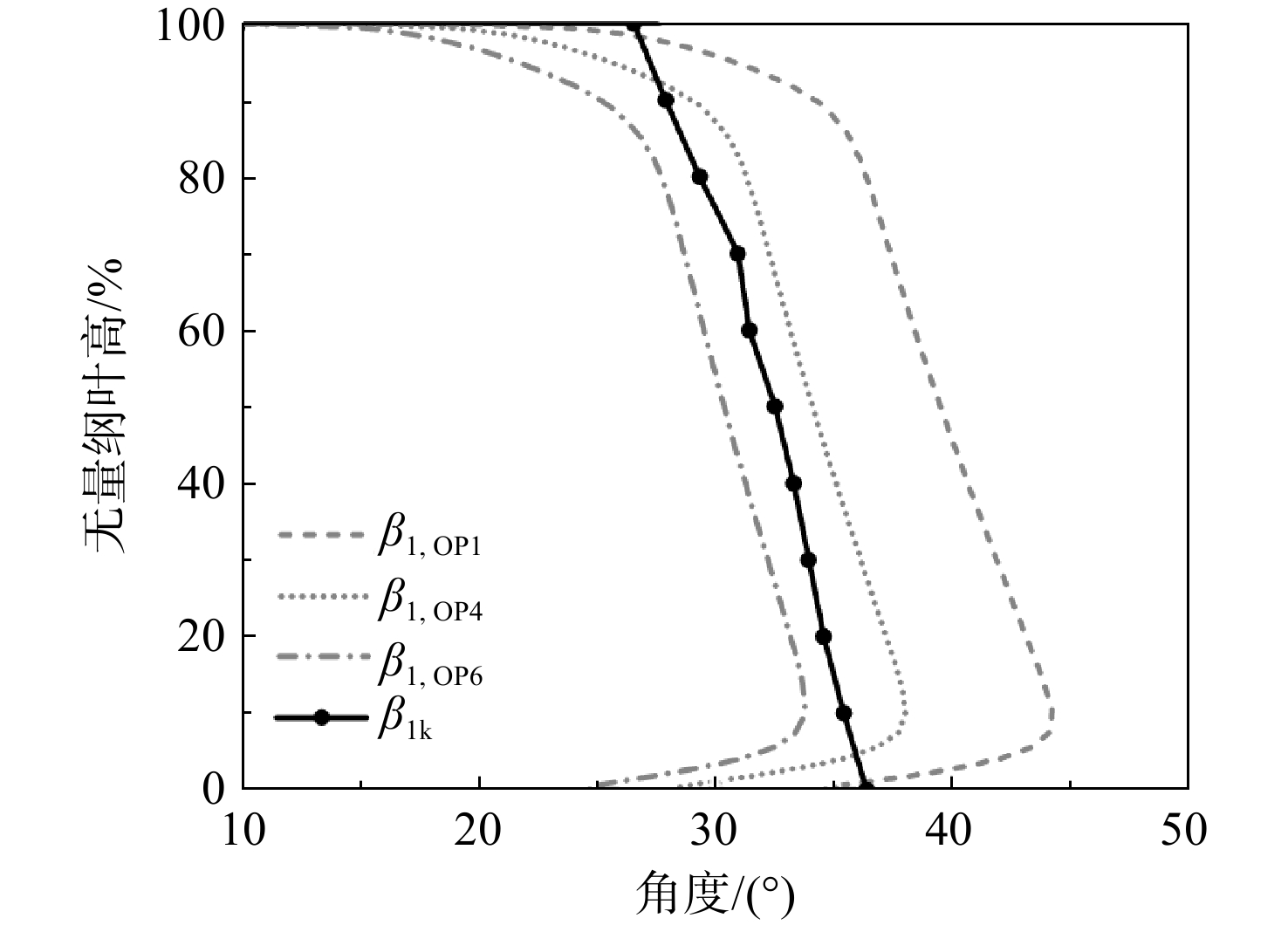
In order to study the influence of blade stage angle deviation on compressor performance and stability, a subsonic single rotor axial compressor was taken as the research object and sparse approximation arbitrary polynomial chaos method was used as uncertainty quantification method to evaluate the uncertainty effect of blade stage angle deviation on compressor aerodynamic performance and flow field structure. Results showed that the performance parameters were all monotonically correlated with the stagger angle deviation, and the fluctuation degree of compressor performance decreased with the decline of mass flow rate. The stagger angle deviation changed the incidence angle. Under the condition of large mass flow rate, the fluctuation of the flow field in the blade root area was the largest because the negative incidence angle was the most serious in this area. Under the condition of small mass flow rate, the tip clearance leakage vortex was significantly affected by stagger angle deviation, and the flow loss fluctuation in the blade tip area was the largest. At the same time, because the development direction and expansion degree of tip clearance leakage vortex changed with the stagger angle deviation under near stall condition, the plugging degree of tip area was affected, finally leading to fluctuation of the compressor stability.
Experiment of turbine cascade under high Mach number and low Reynolds number conditions
DUAN Wenhua, CHEN Weijie, ZHAO Xinyu, QIAO Weiyang
2024, 39(10): 20220827. doi: 10.13224/j.cnki.jasp.20220827
Abstract:

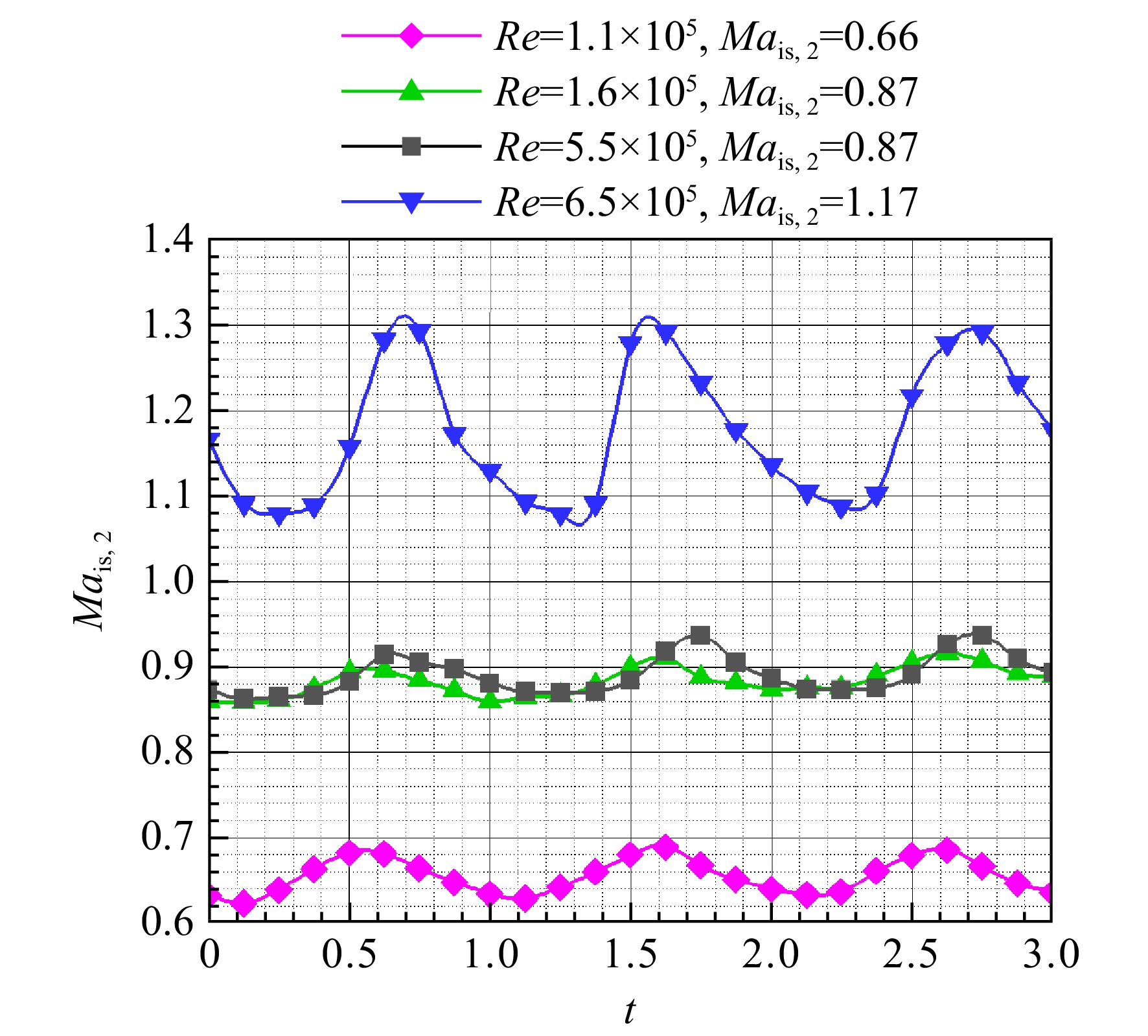
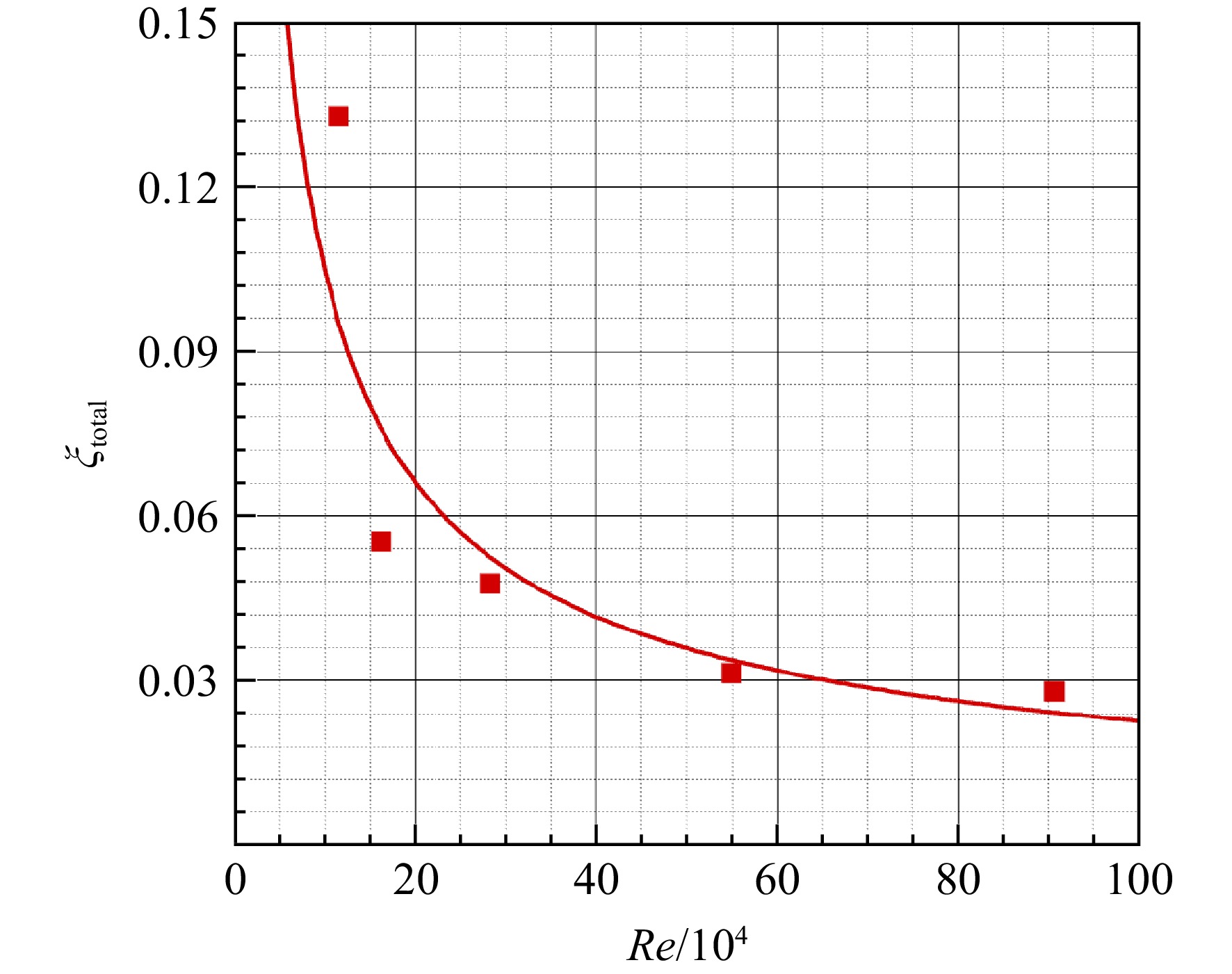
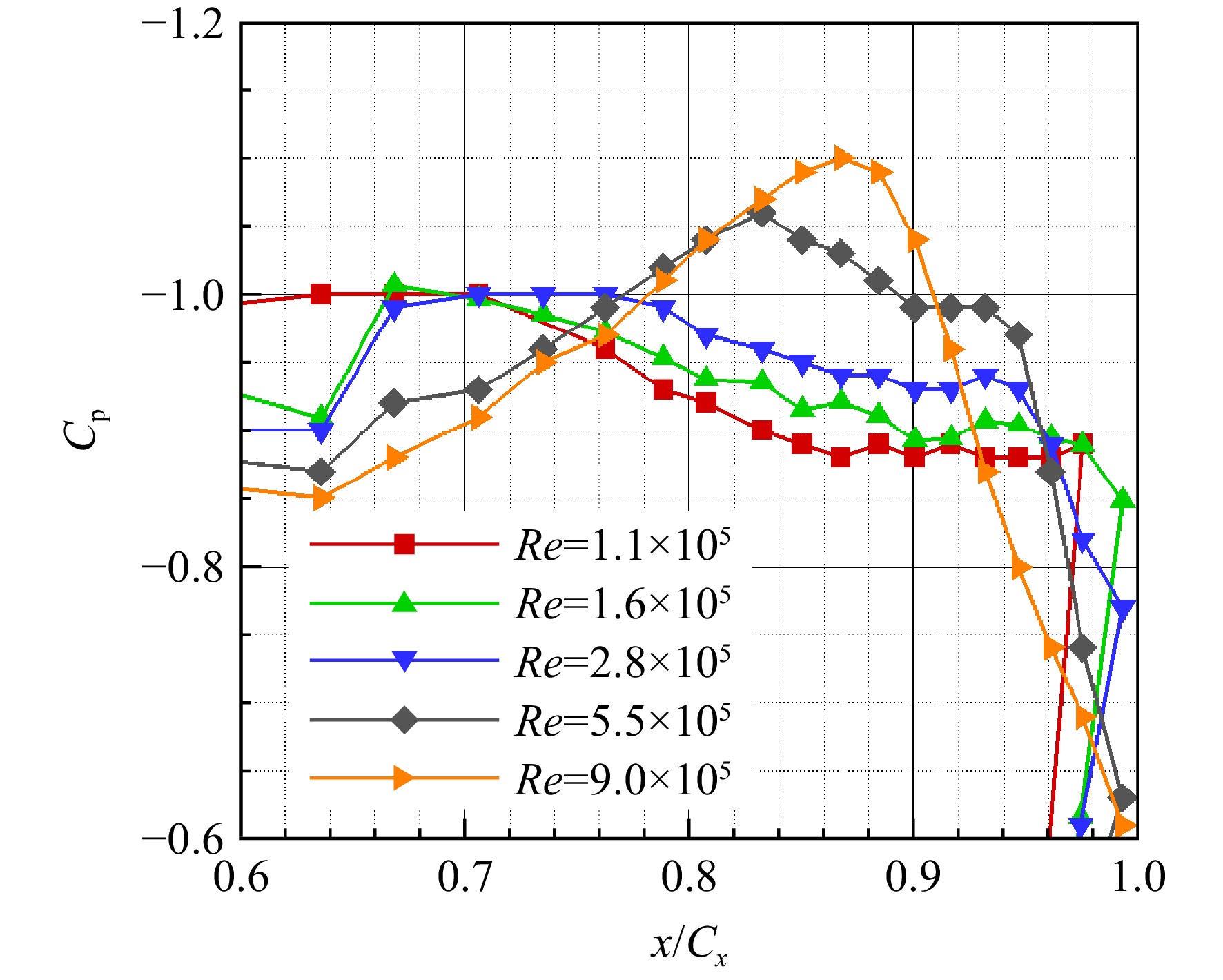
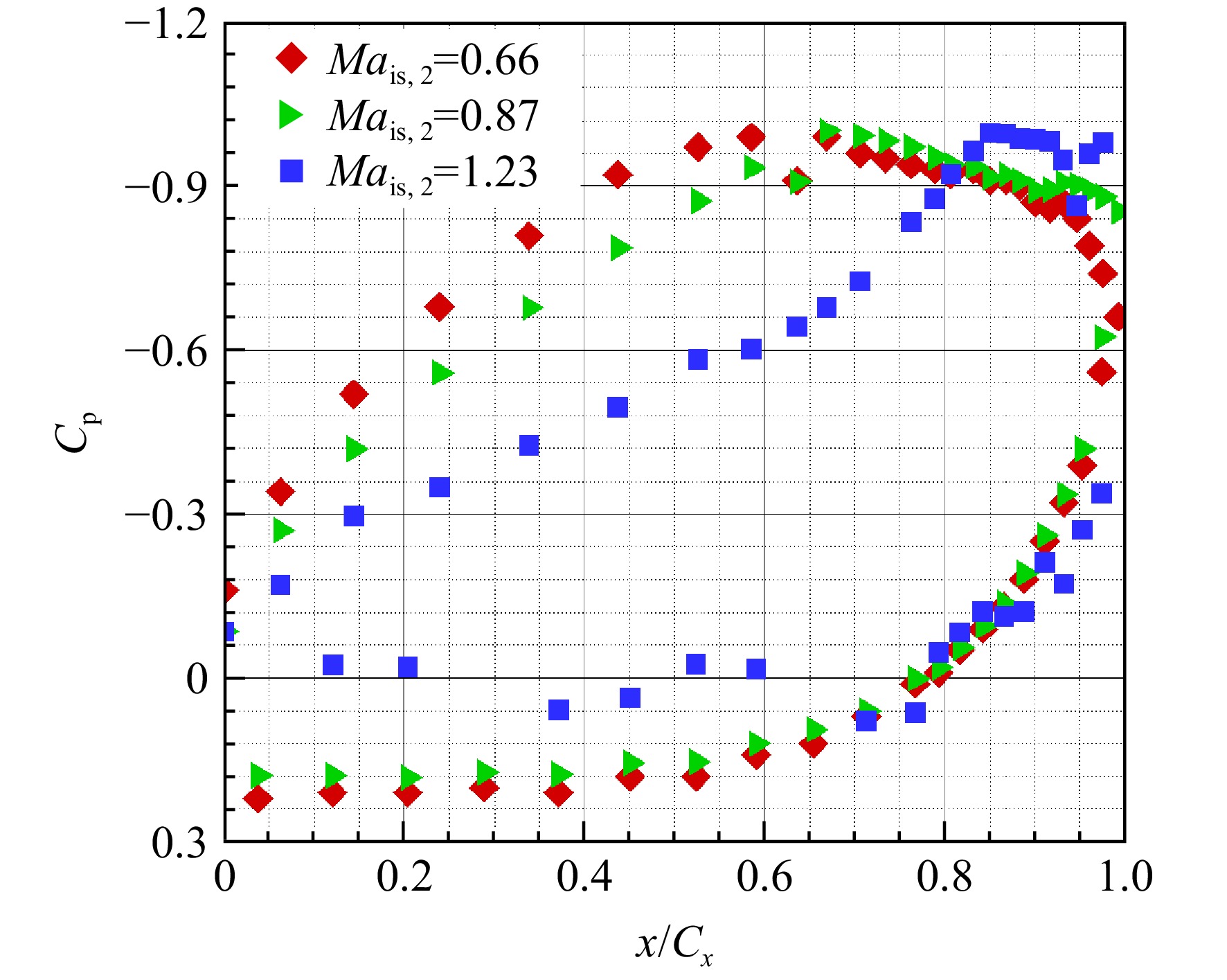
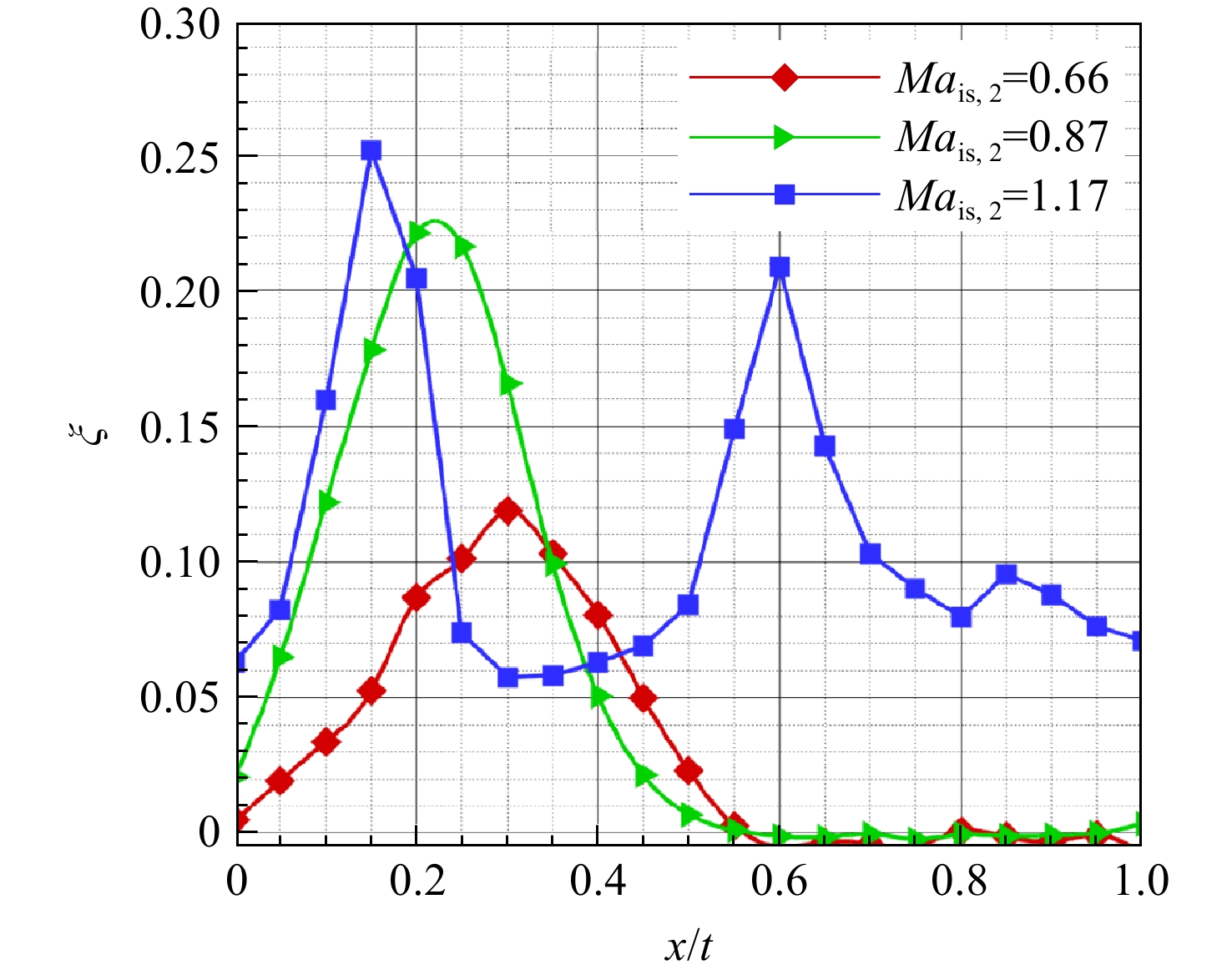
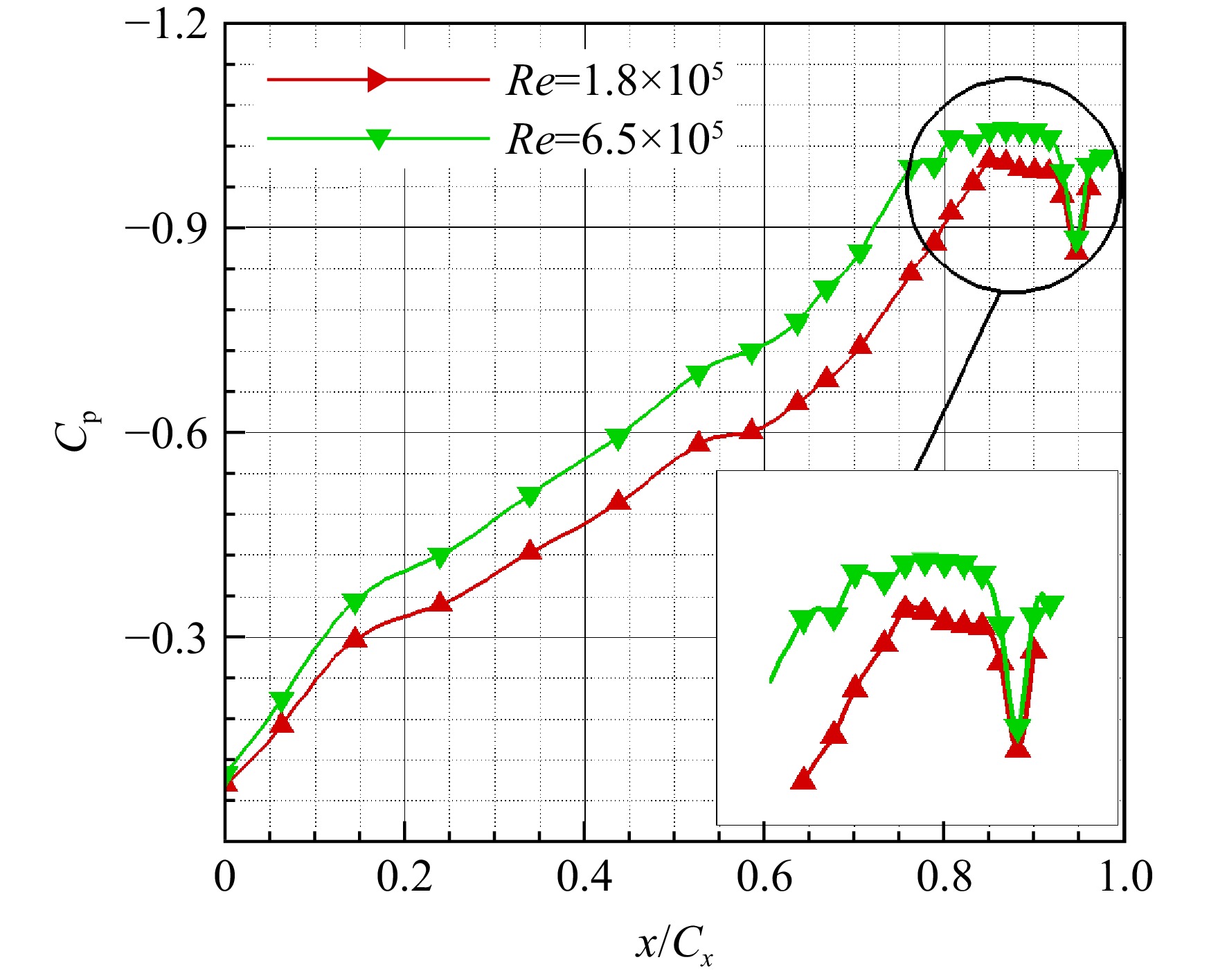
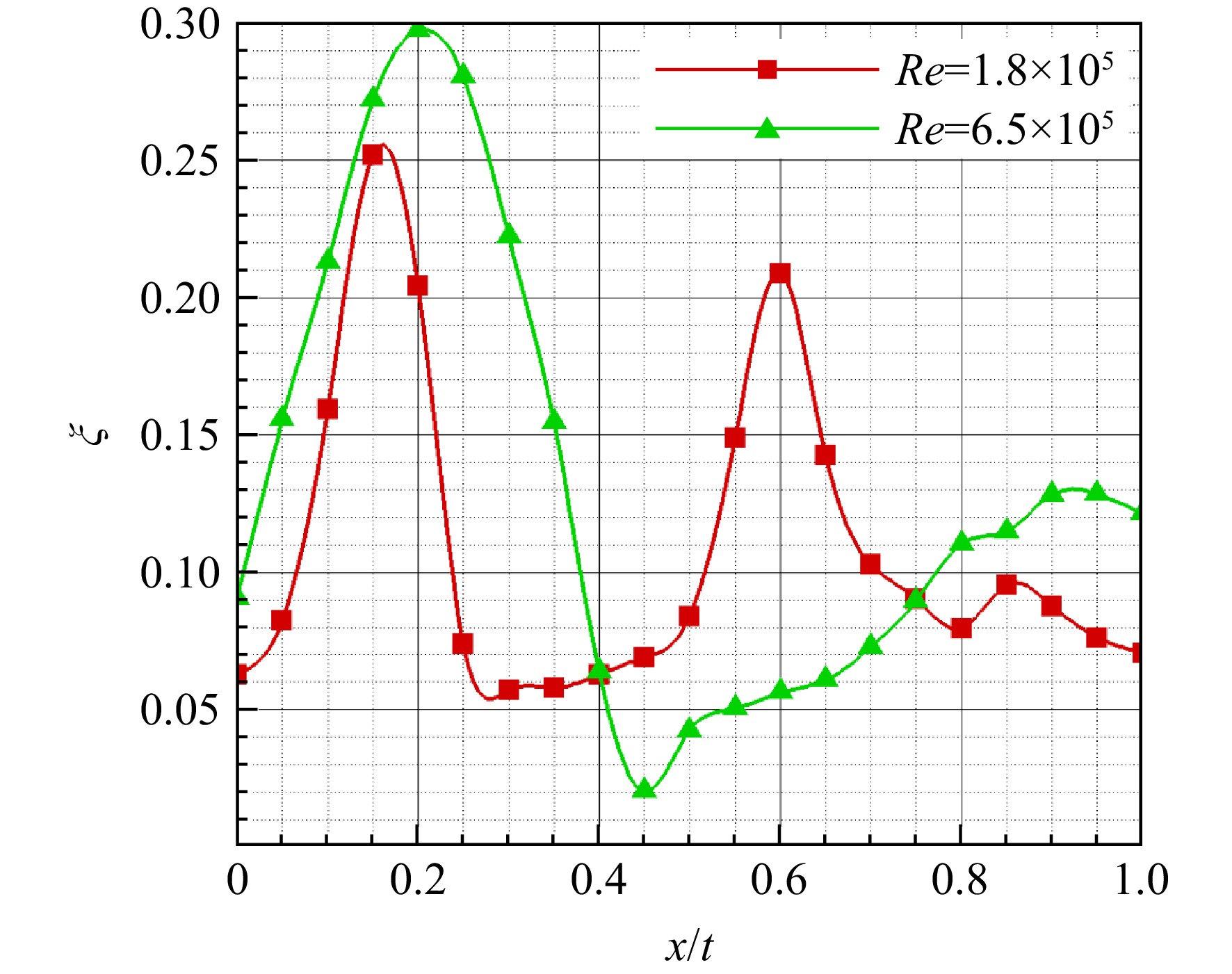
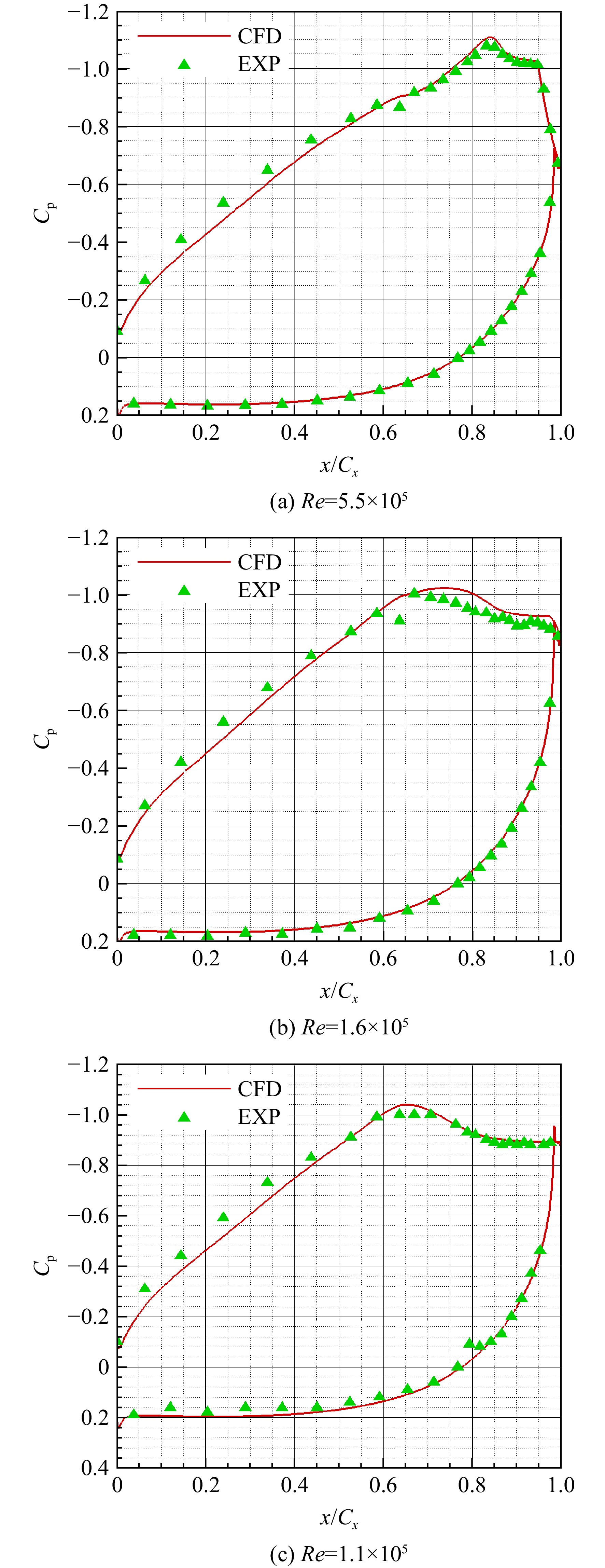
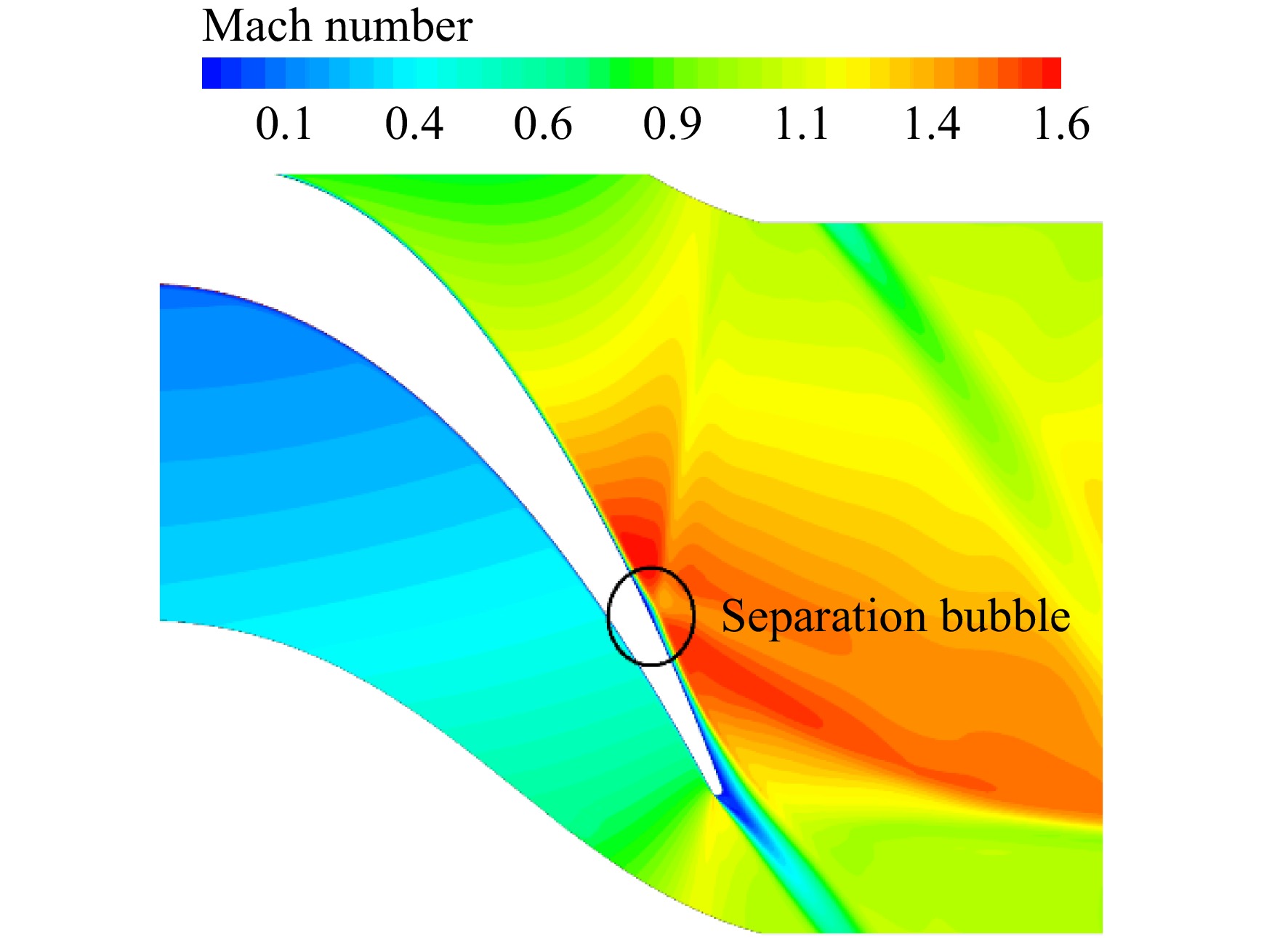
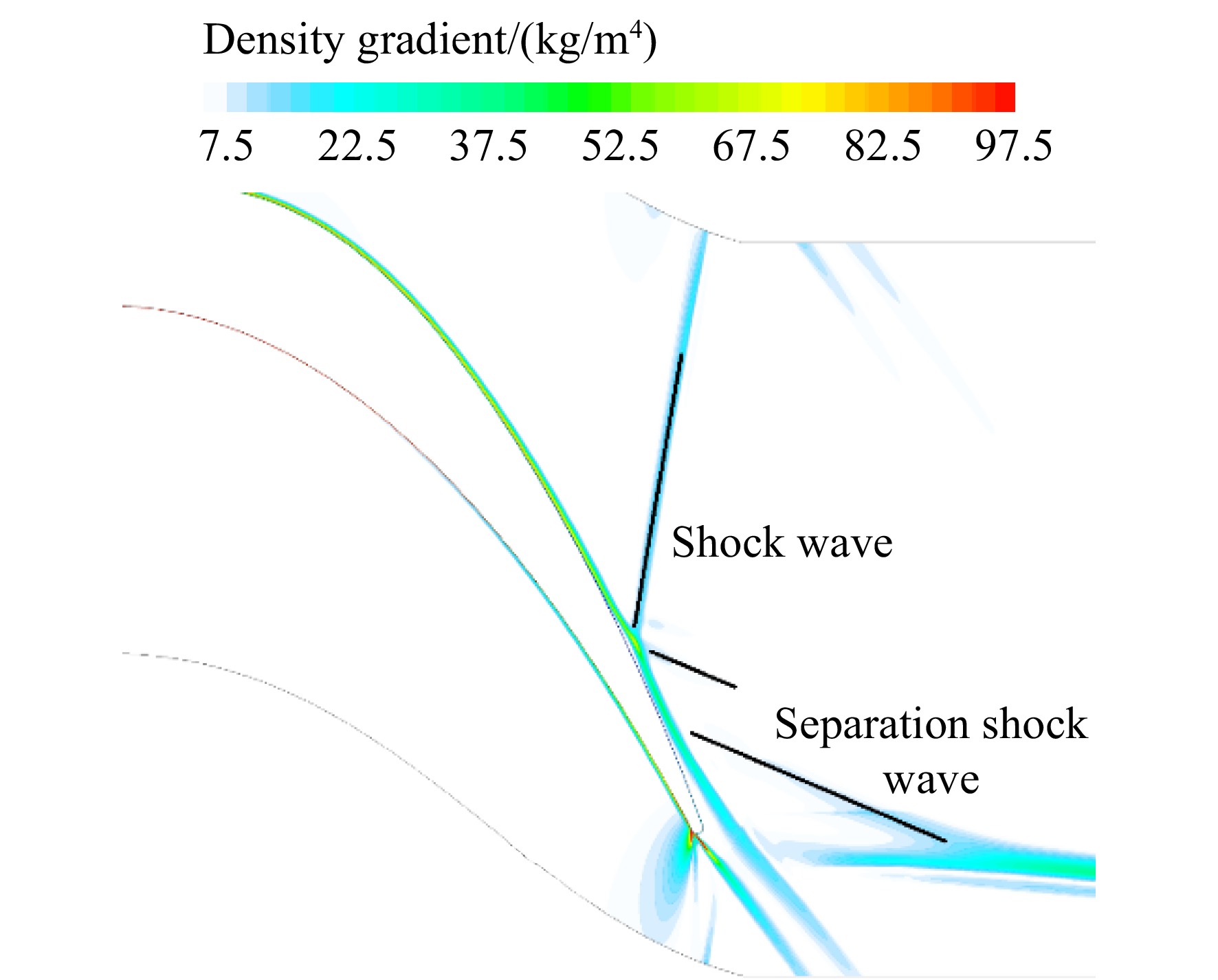
A high speed low pressure turbine cascade was experimentally and numerically studied under high Mach number and low Reynolds number conditions. The loss characteristics of cascade under isentropic outlet Mach number range of 0.66—1.23 and Reynolds number range of 1.1×10⁵—9.0×10⁵ were studied experimentally, and the flow field under typical conditions was simulated. The influence of Reynolds number on cascade performance under high subsonic speed conditions and the influence of shock wave on boundary layer flow under different Reynolds number conditions were mainly analyzed. The results showed that when the Reynolds number decreased under high subsonic speed conditions, the suction side boundary layer developed from no separation to a closed separation bubble, and finally to an open separation. In the absence of shock wave, the starting position of laminar separation was not greatly affected by isentropic outlet Mach number, which mainly affected the transition and reattachment position of the separation boundary layer. Shock laminar boundary layer interactions occurred on the suction surface of the blade under transonic conditions. The development of the boundary layer after interaction relied on the Reynold number and the strength of shock. The numerical results were in good agreement with the experimental results, but there were differences in the prediction of the pressure coefficient at very low Reynolds numbers.

Stroboscopic illumination image acquisition method and influence of the paint pulse luminescence time
GE Ning, GAO Limin, LI Ruiyu, OUYANG Bo, WANG Lei
2024, 39(10): 20220565. doi: 10.13224/j.cnki.jasp.20220565
Abstract:

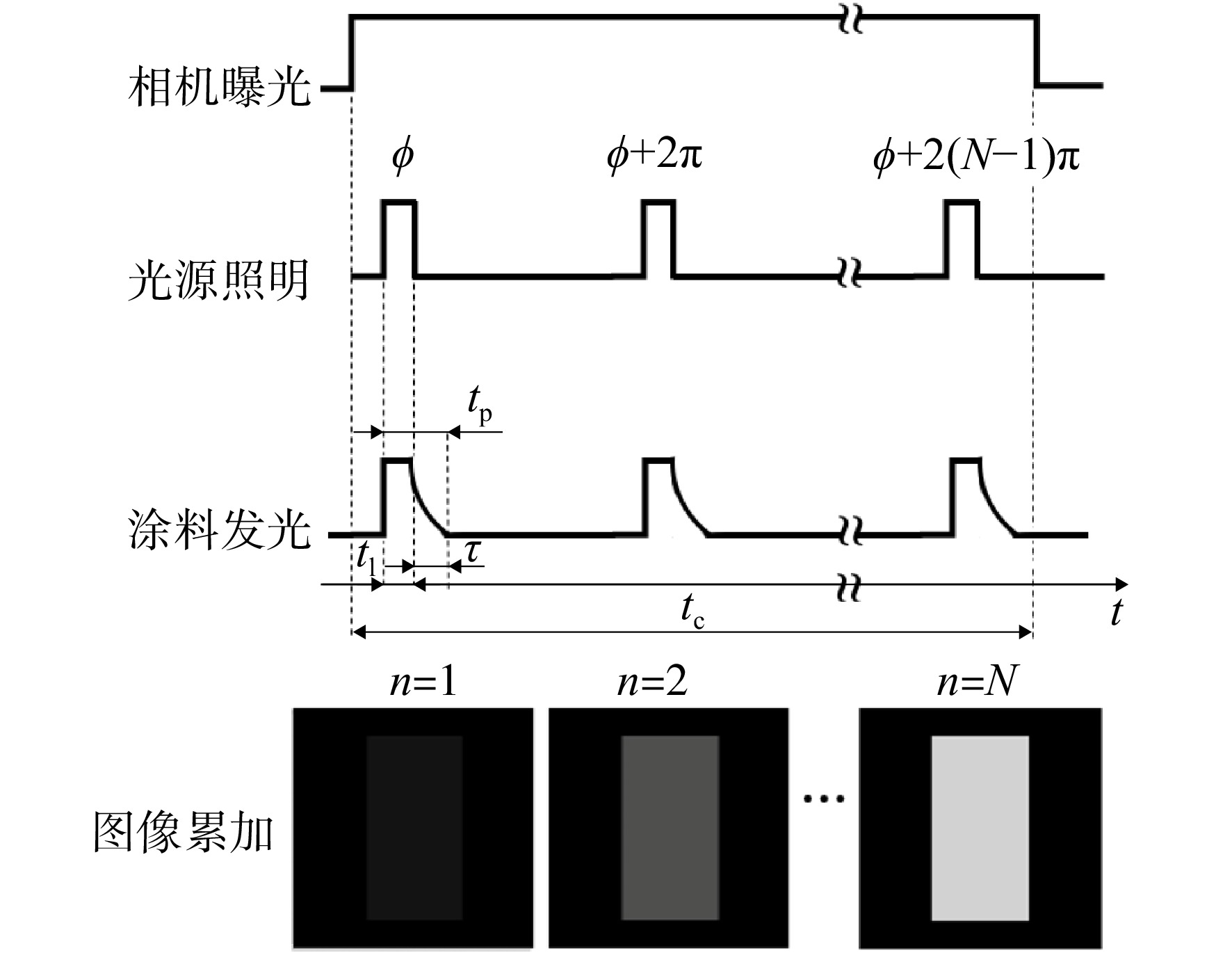
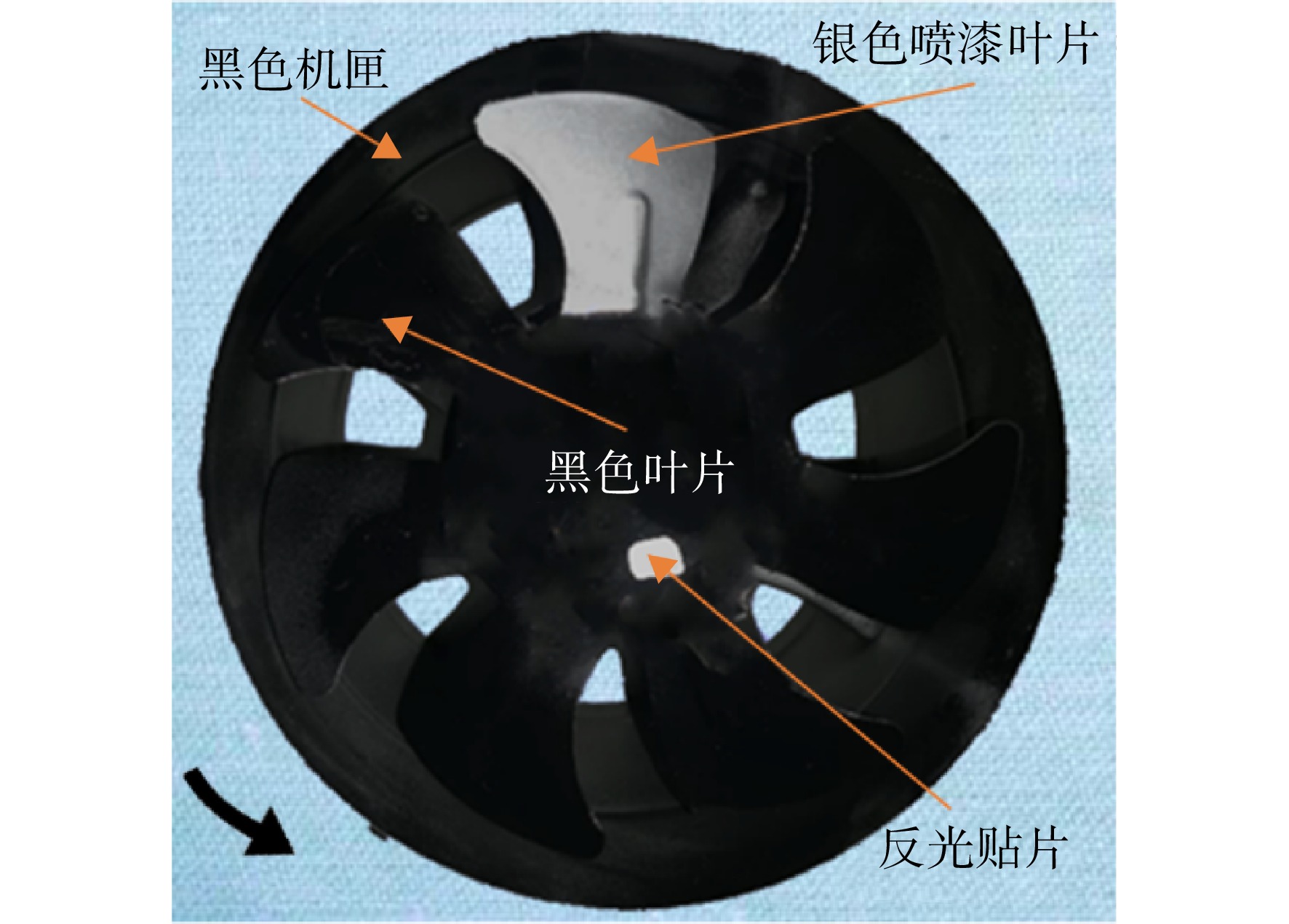
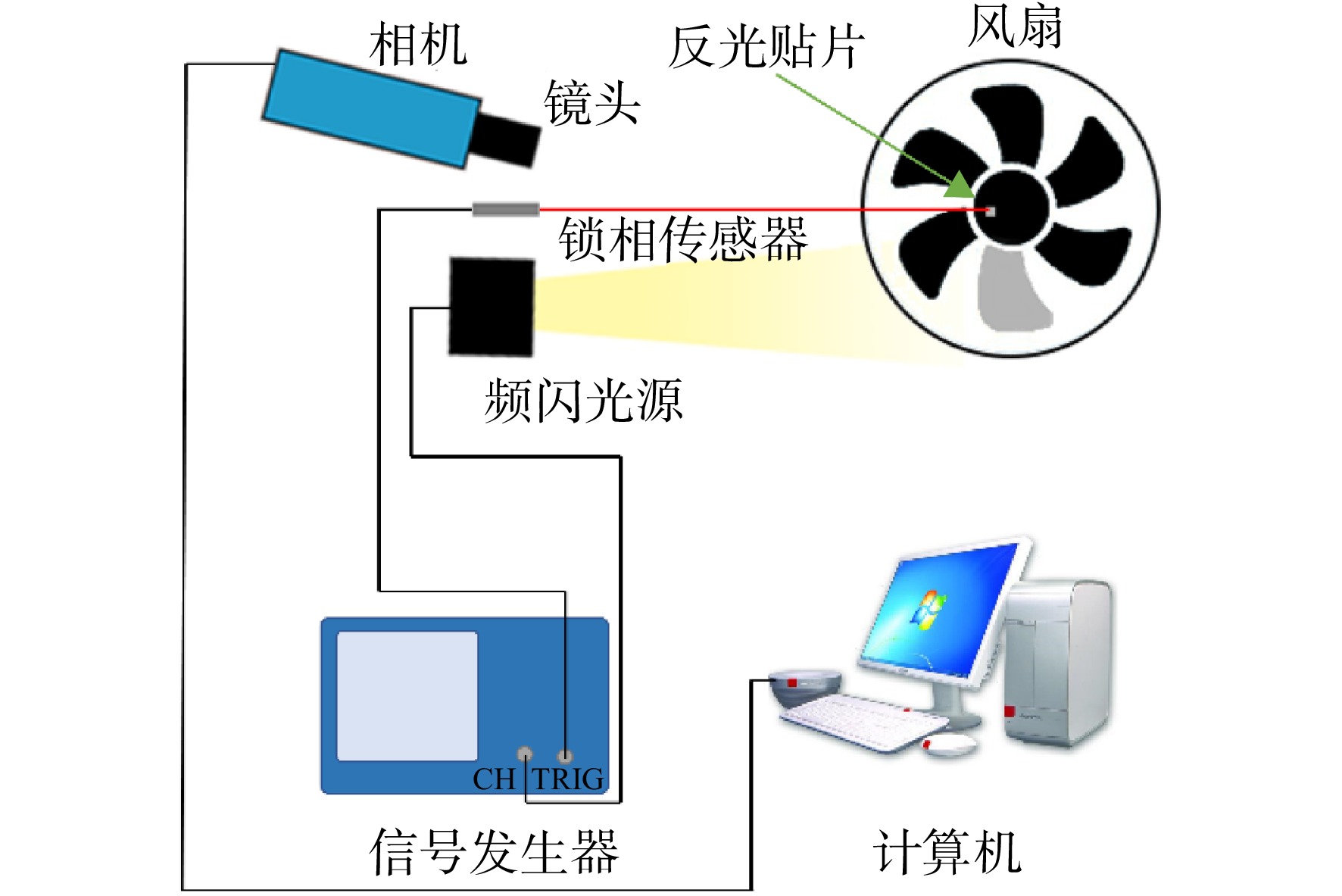
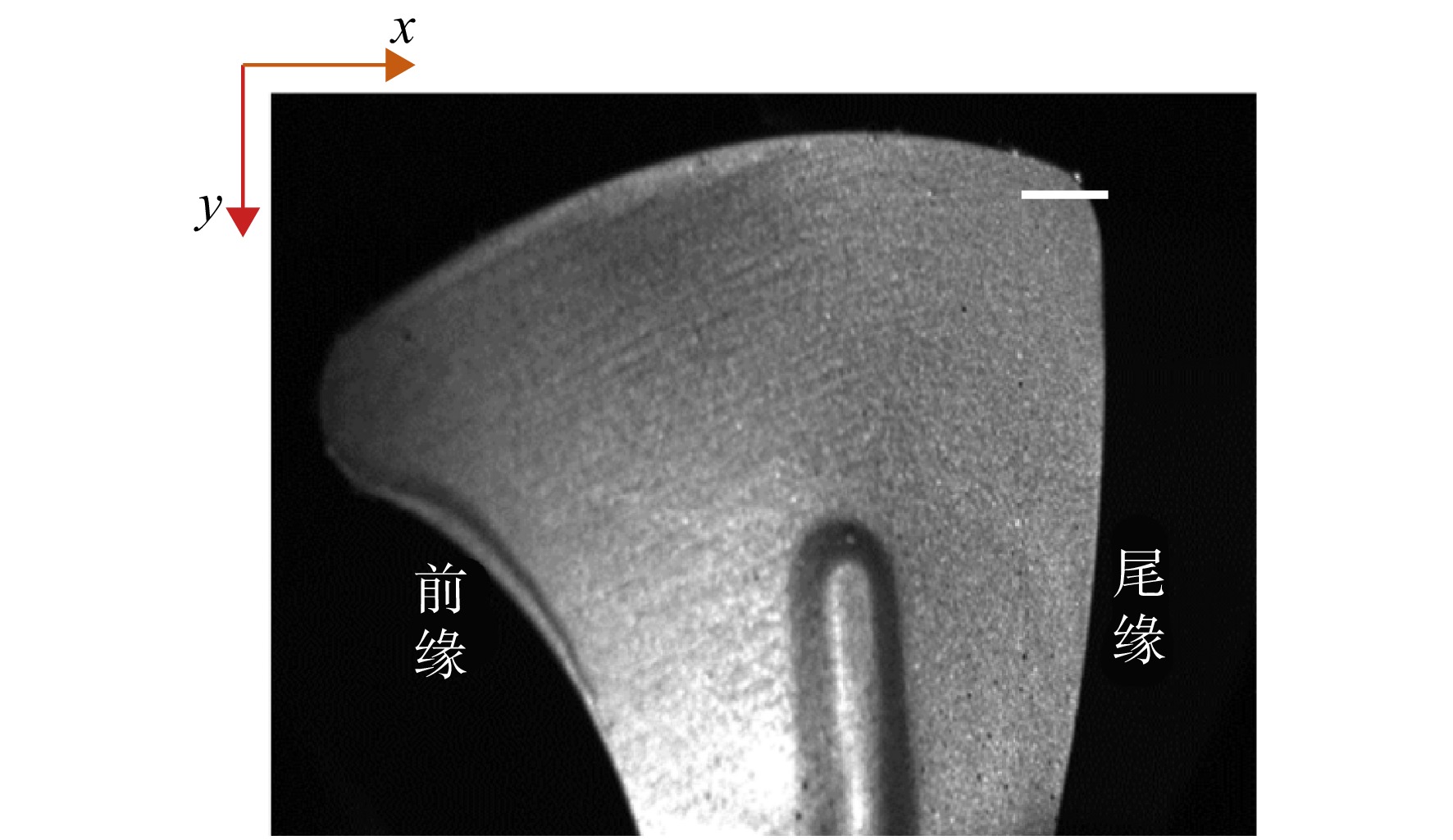
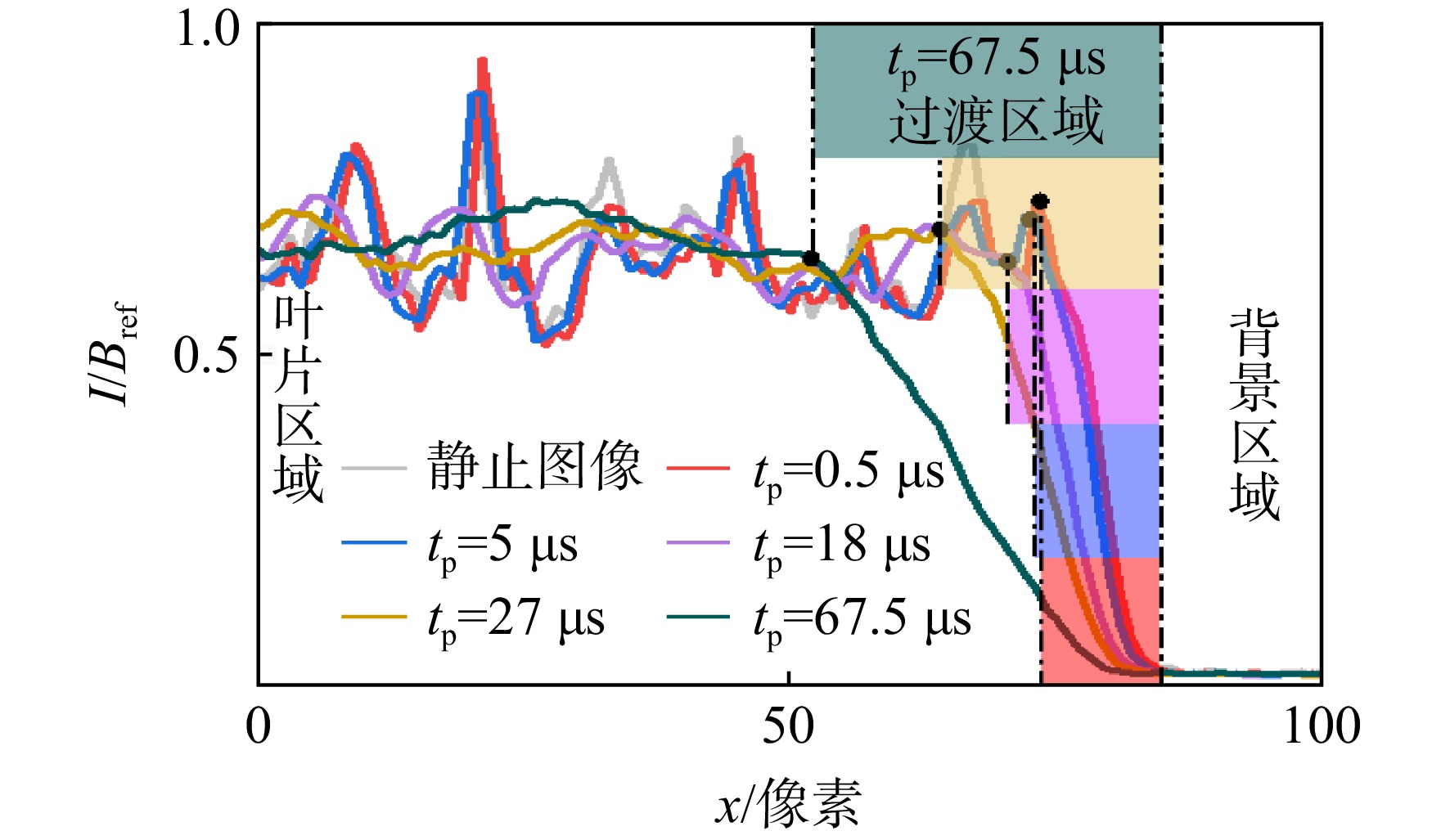
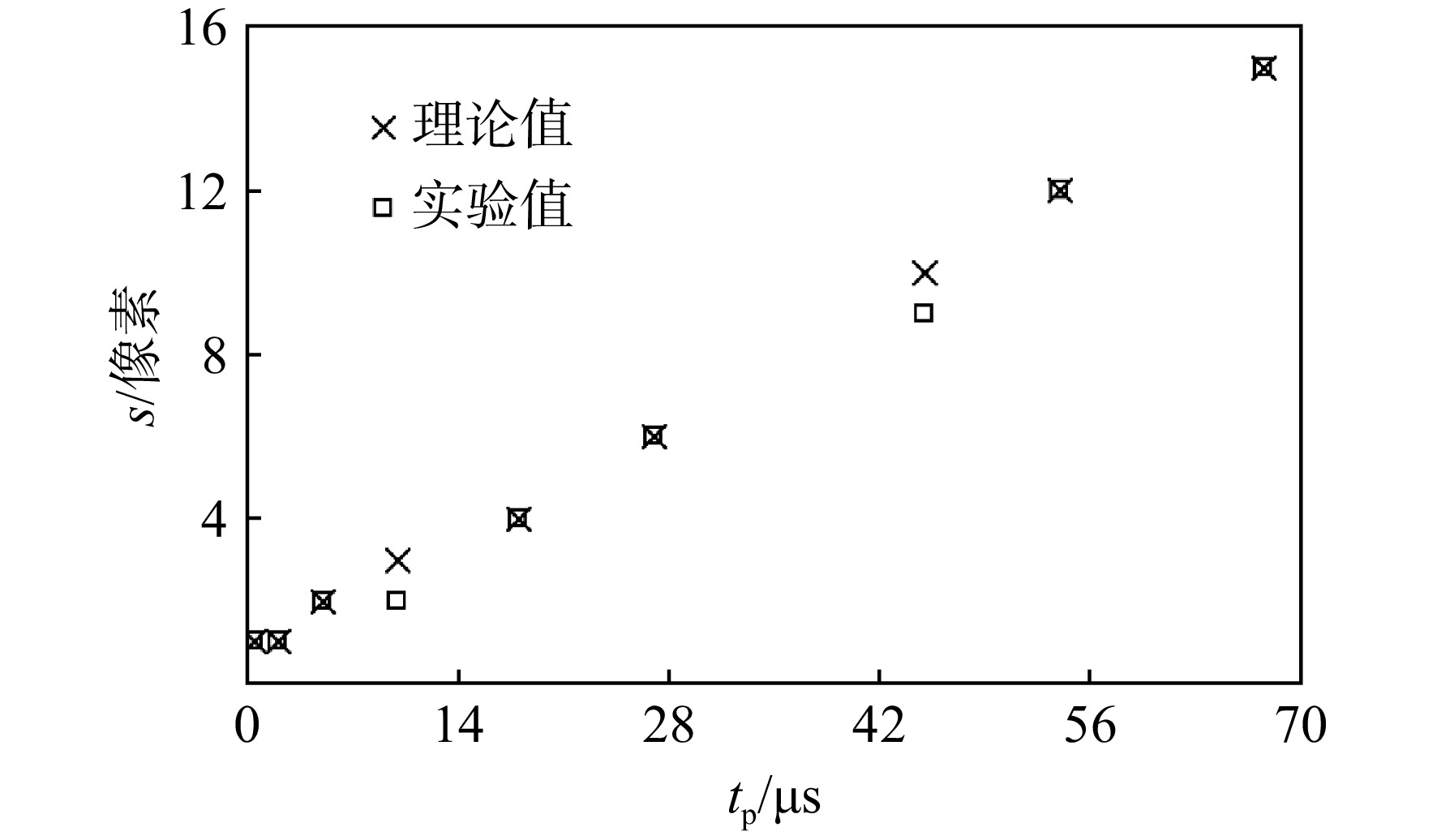
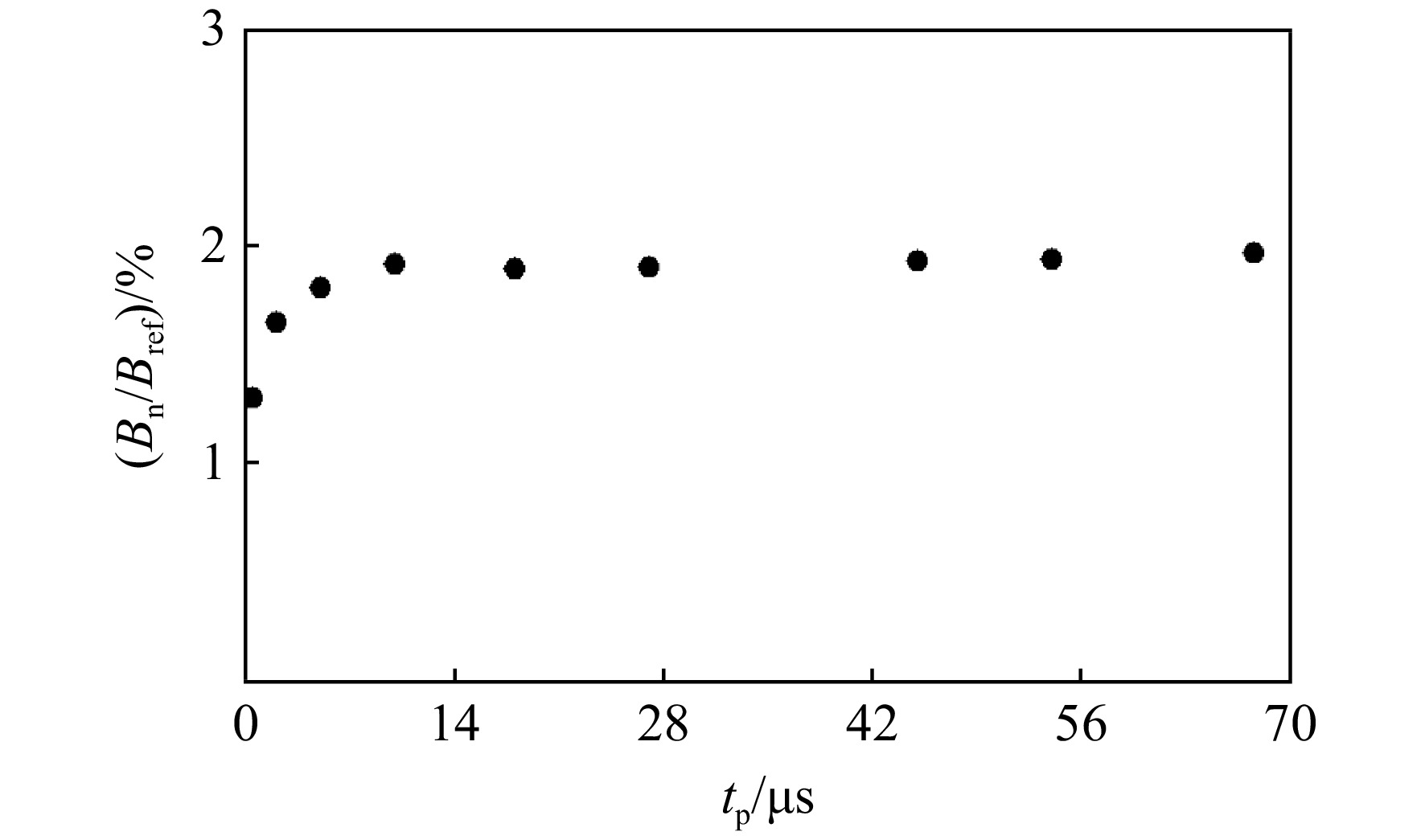
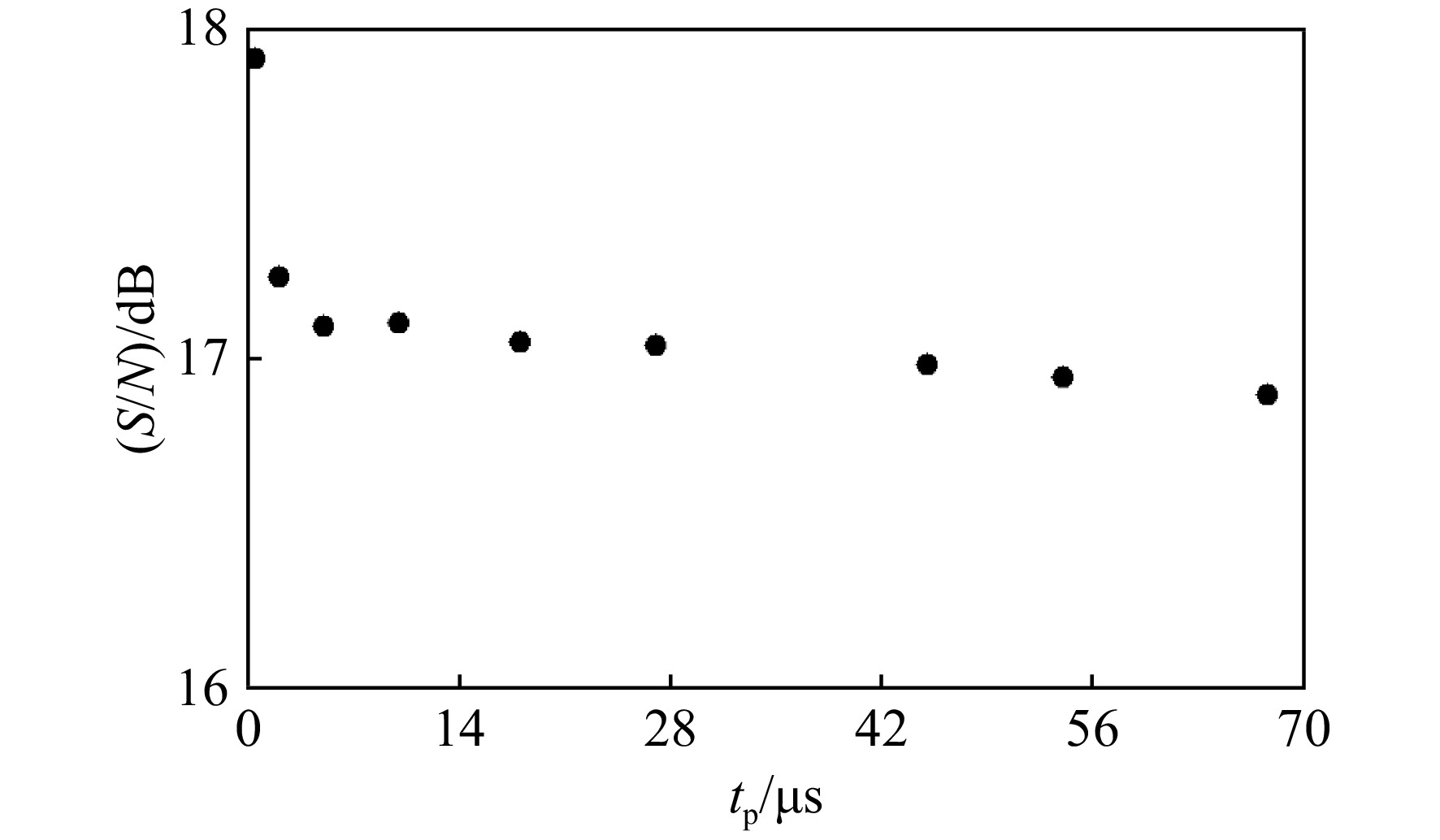
A method of image acquisition method based on stroboscopic illumination was proposed for measurement of pressure sensitive paint applied to rotating model. In accordance with this method, a measurement system was developed. A small fan was used as the object for the image acquisition experiment, which examined the influence of the paint pulse luminescence time on the quality of the image. The results showed that: when the image motion blur length was not greater than 4 pixels, the image clarity was essentially the same as the reference image in the static condition; with a consistent total paint luminescence time, the shorter paint pulse luminescence time indicated the lower image noise level and the higher signal-to-noise ratio, making it suitable for rotating objects with high speed.

Rocket Engine
Experiment on the tail supersonic jets characteristics of an underwater vertically moving vehicle
ZHANG Chun, XU Tonghua, LIU Xinhui, WANG Baoshou
2024, 39(10): 20220824. doi: 10.13224/j.cnki.jasp.20220824
Abstract:

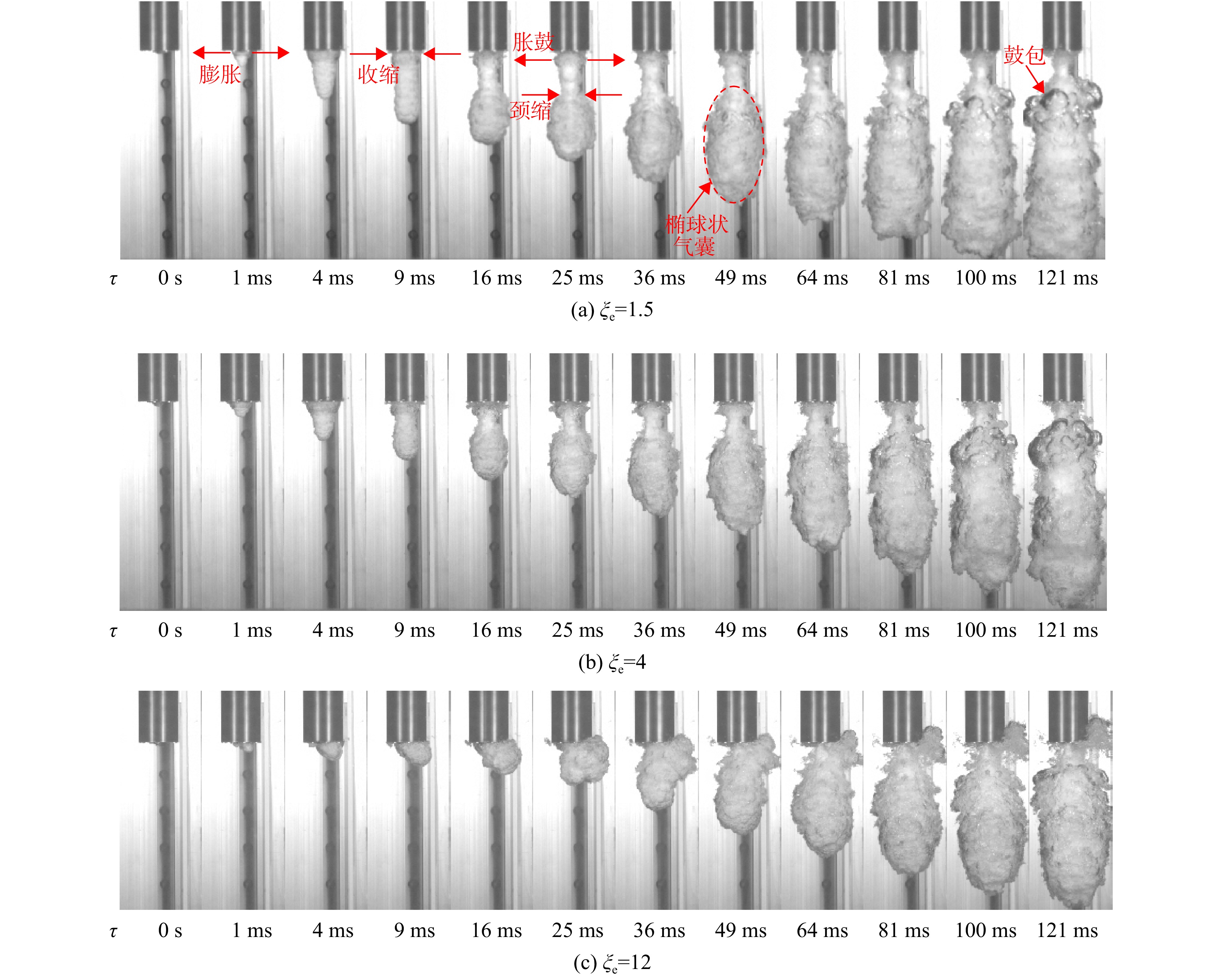
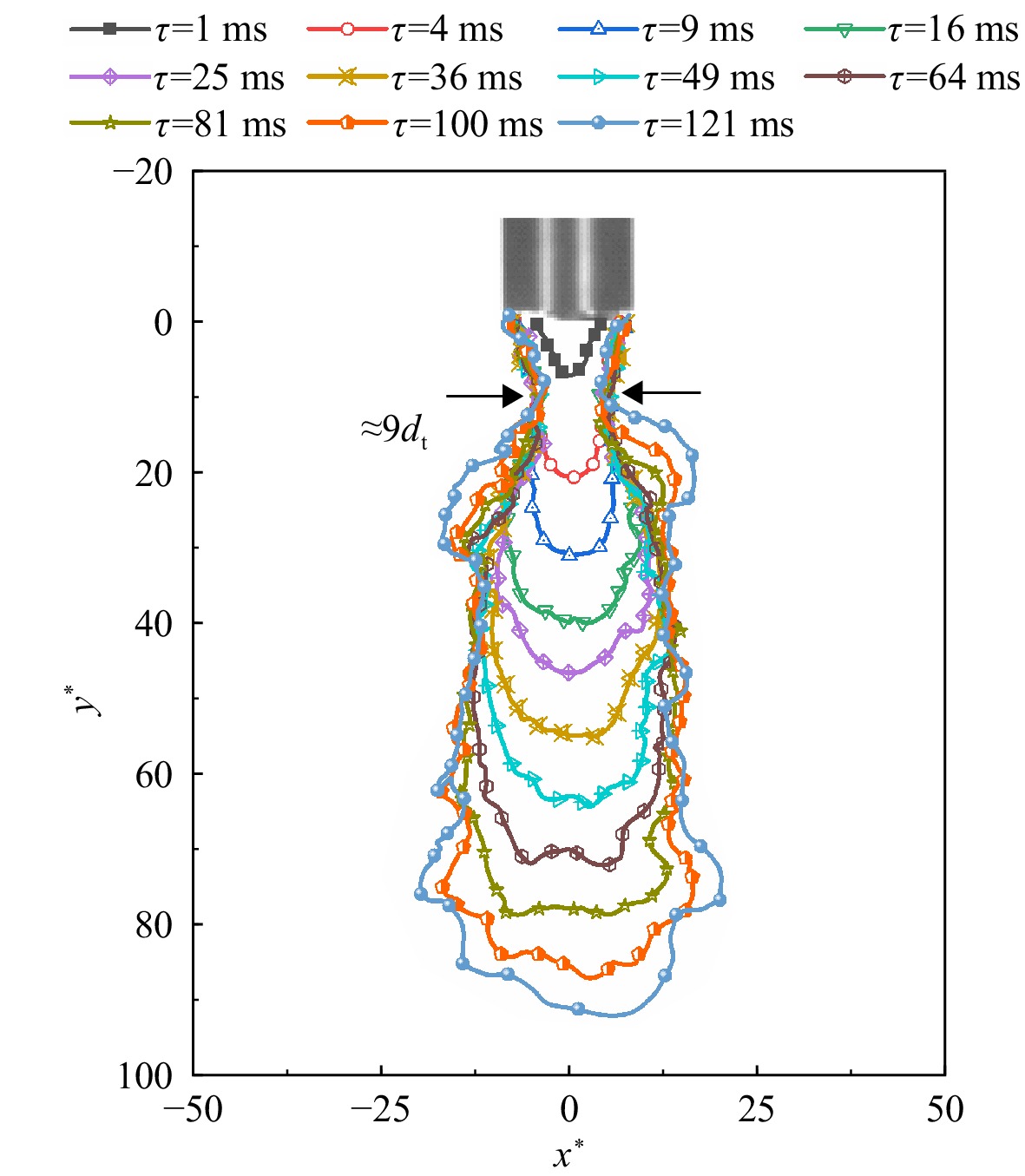
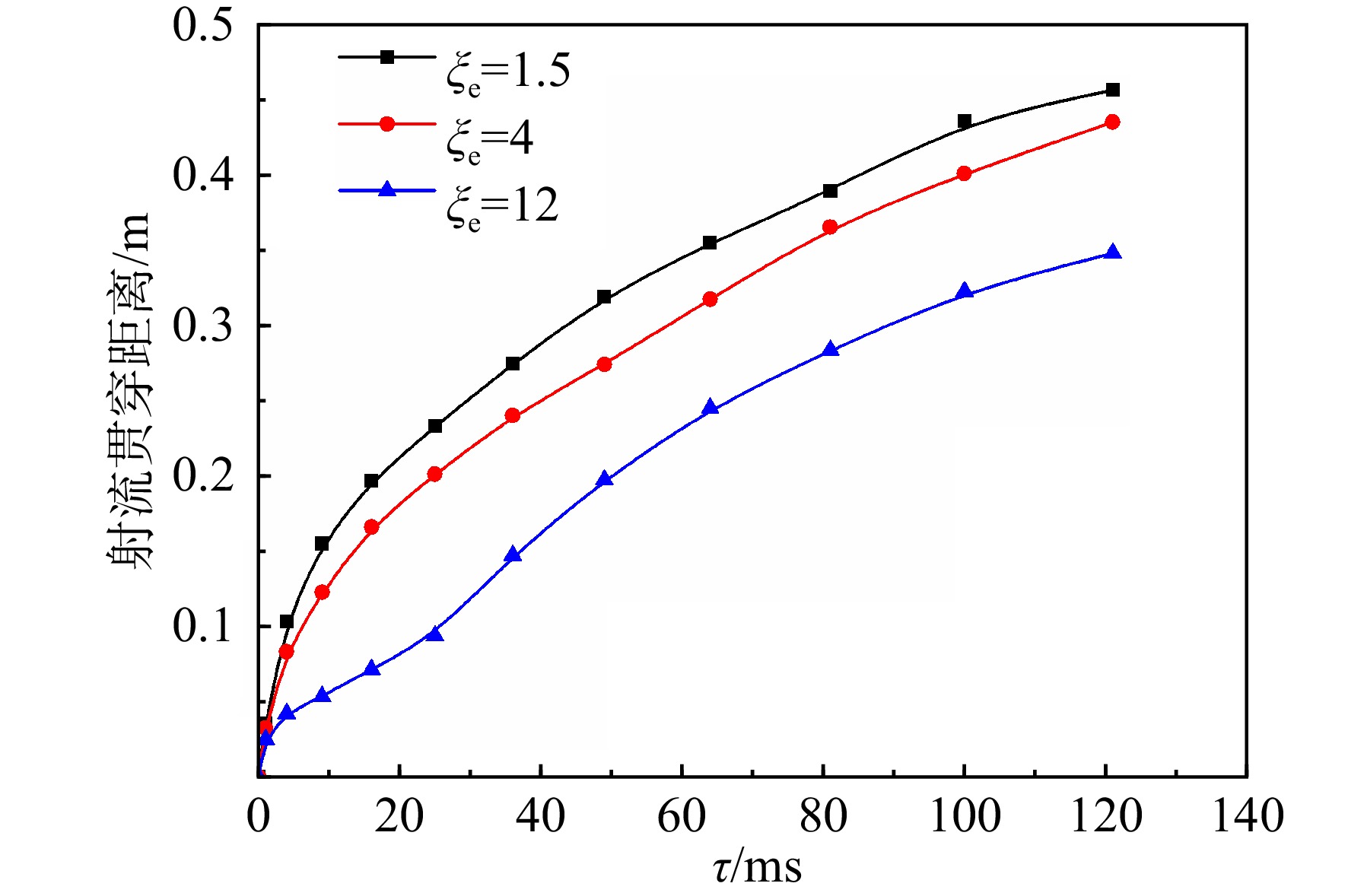
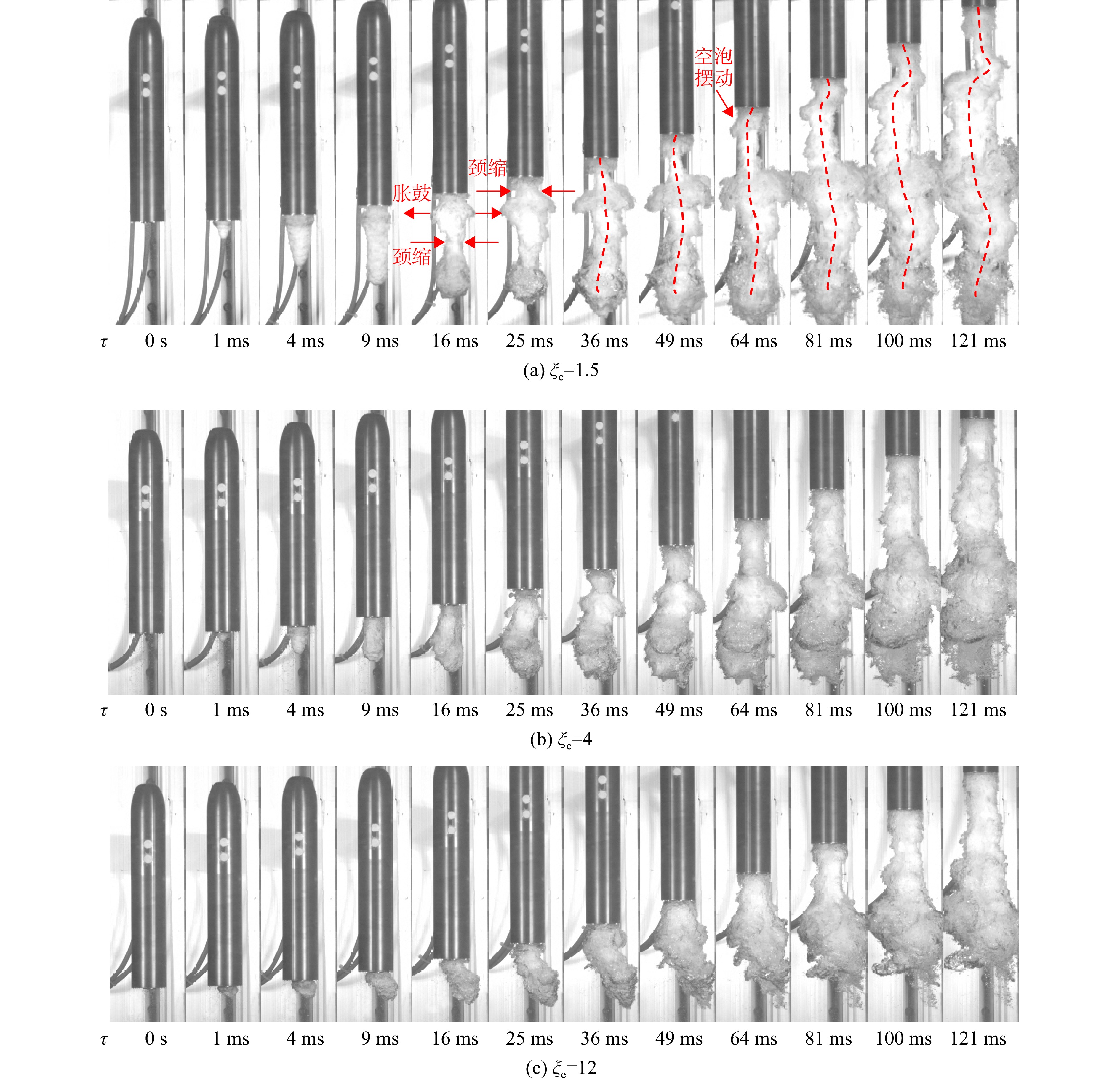
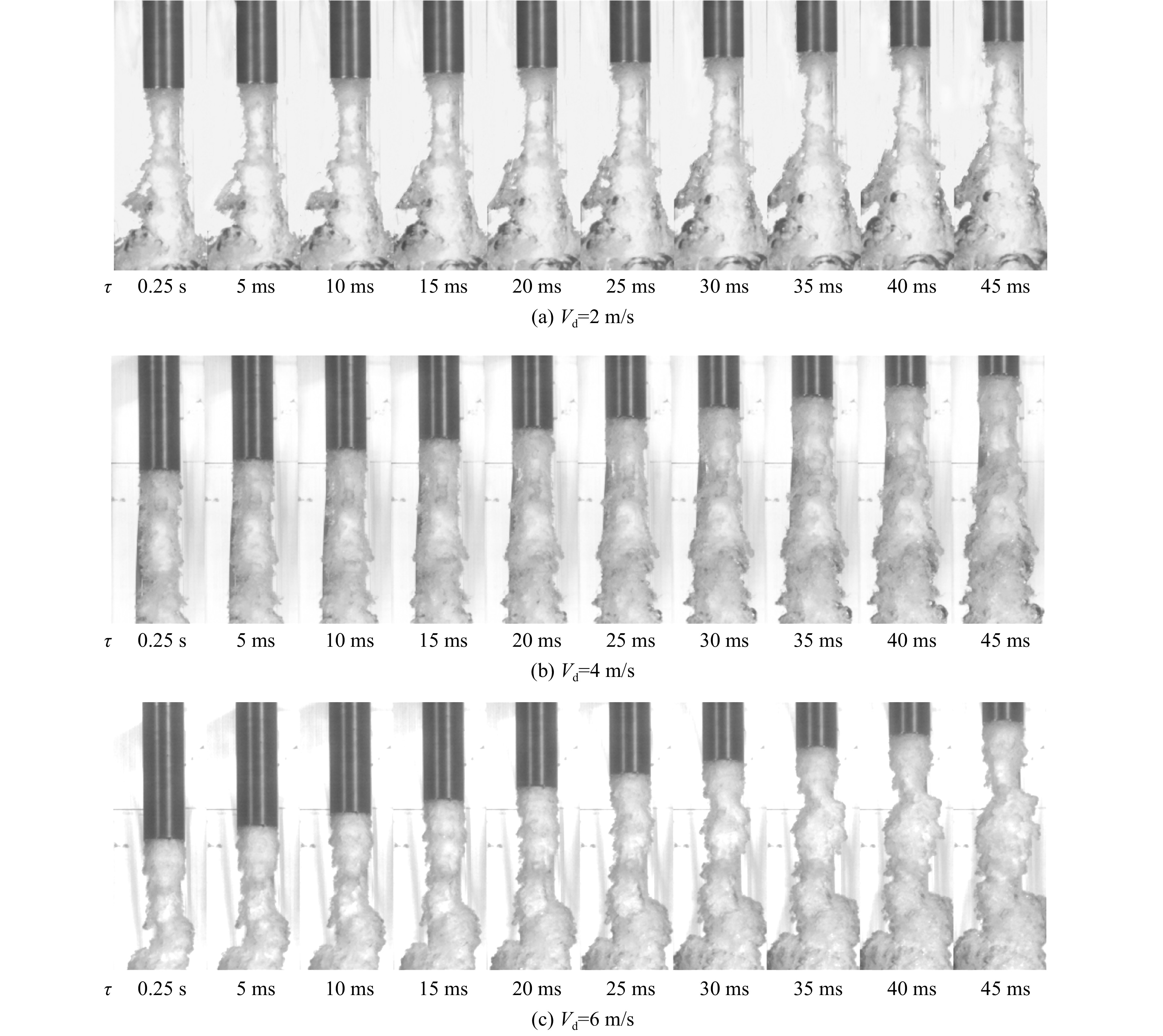
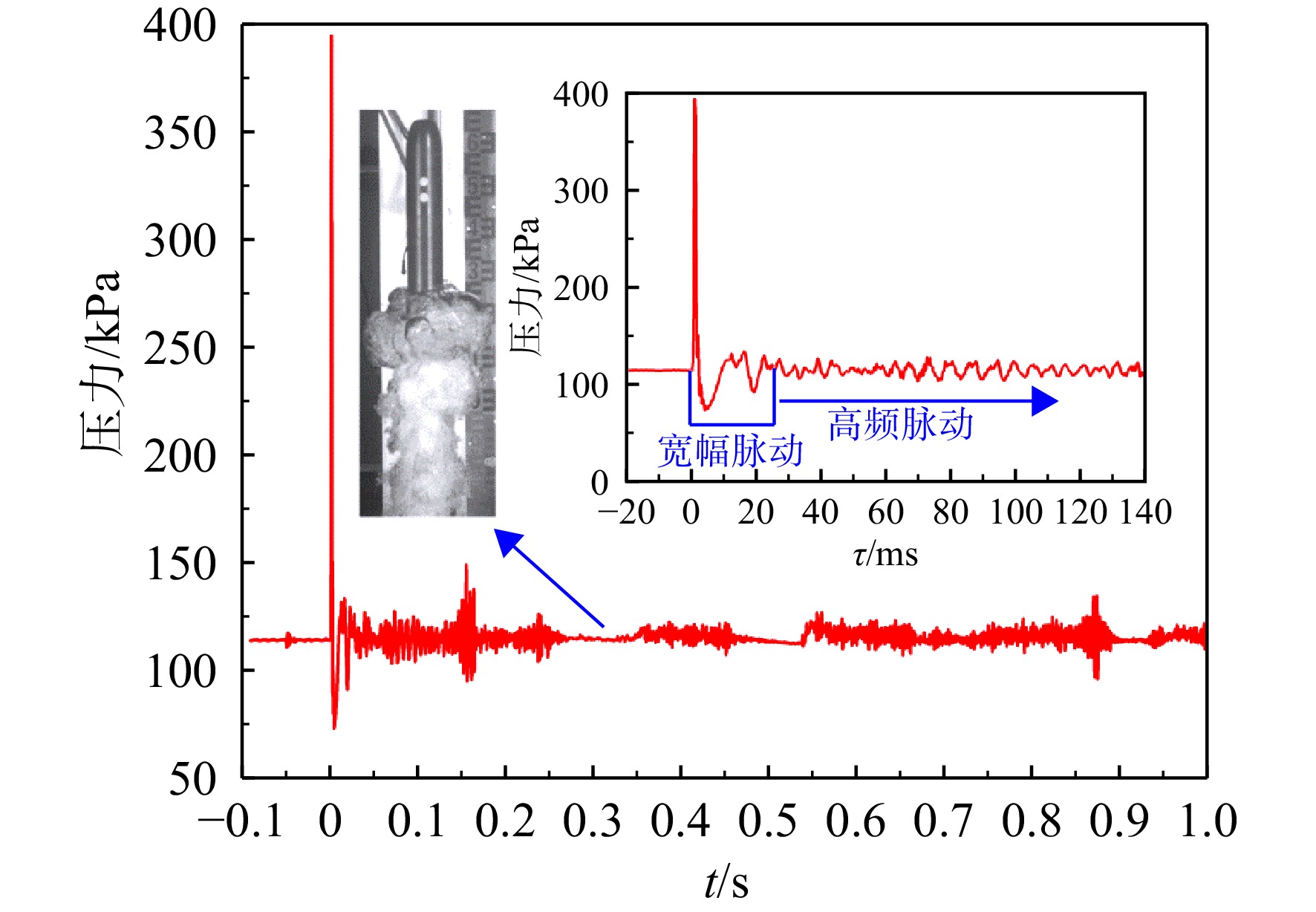
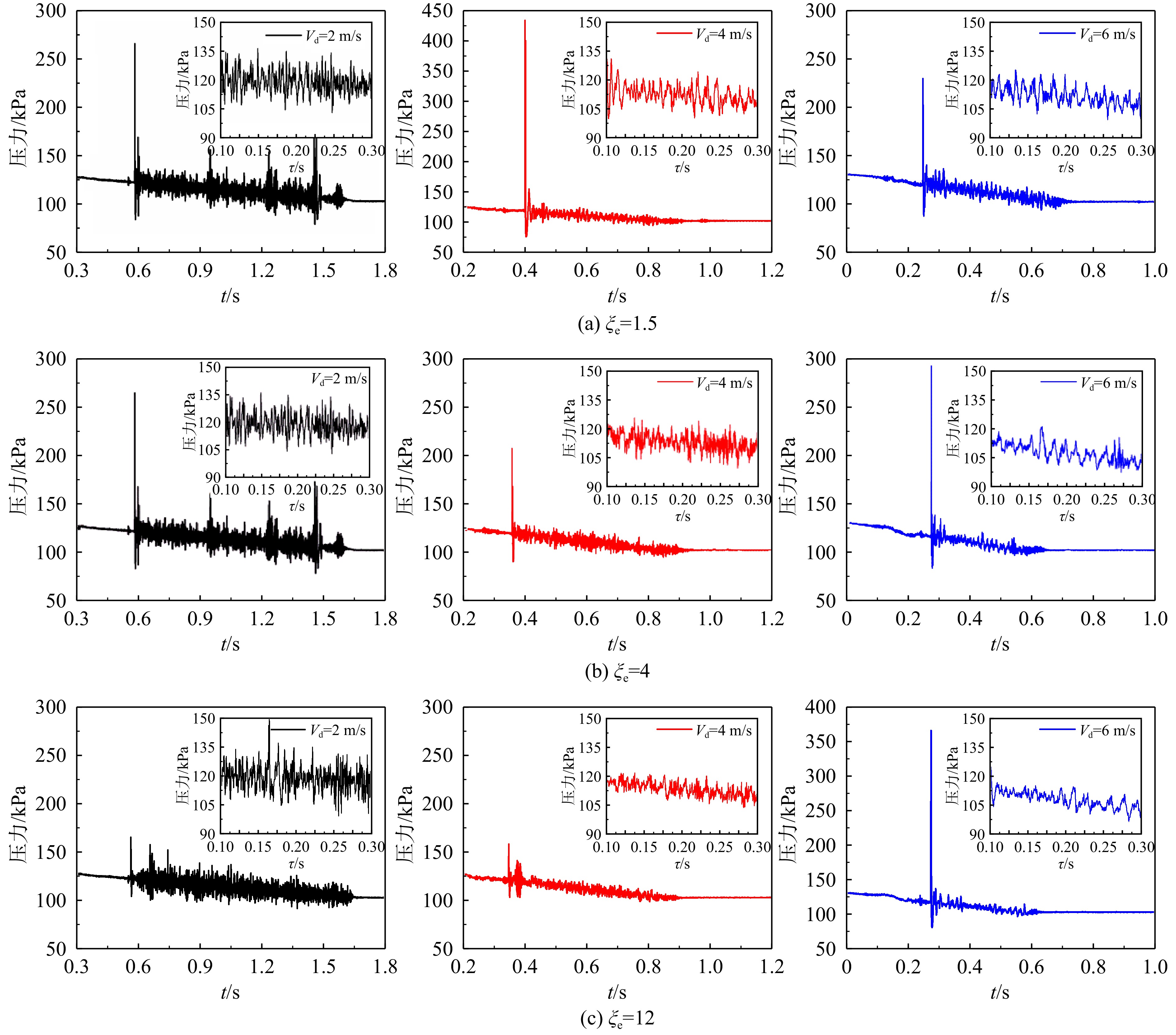
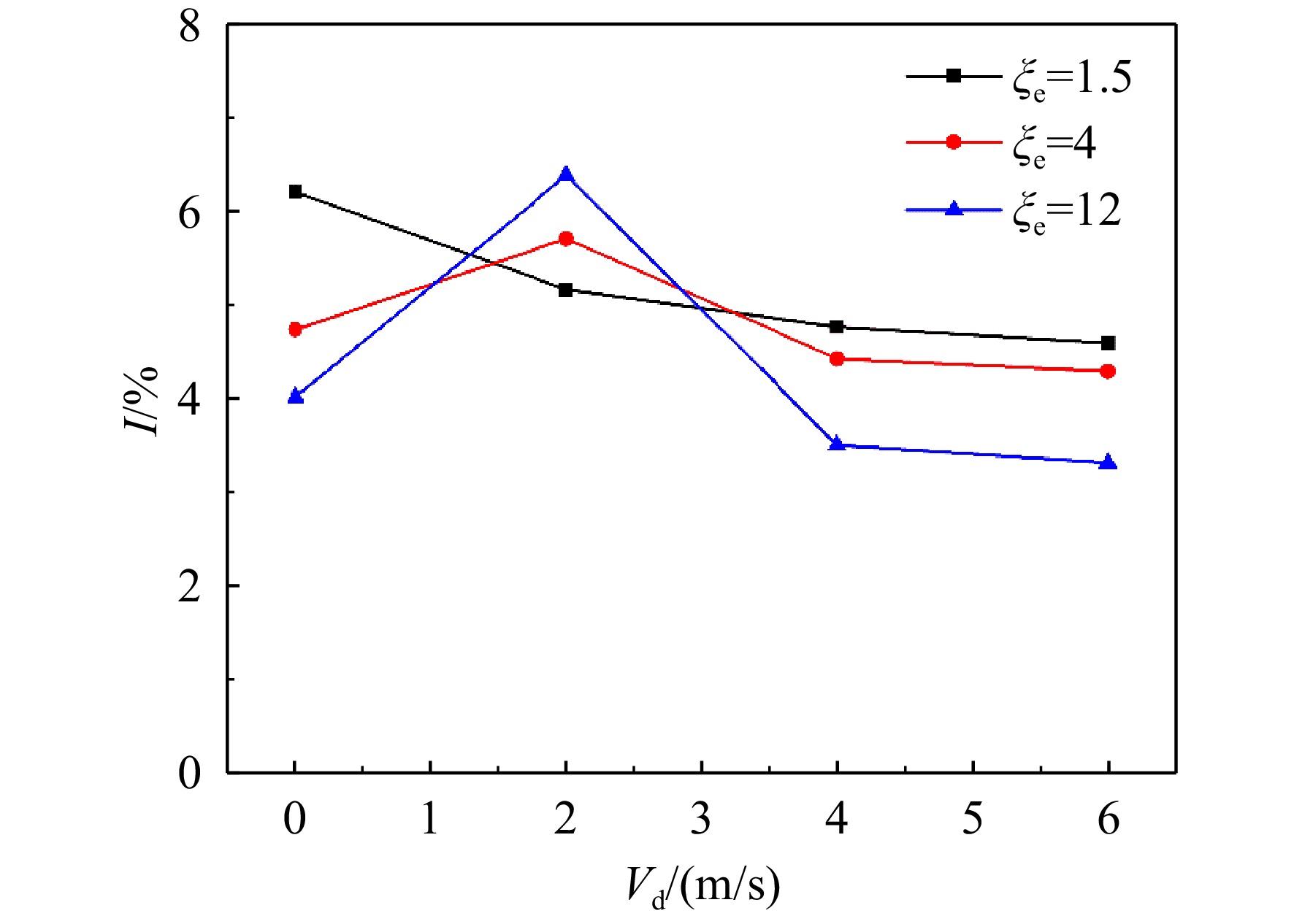
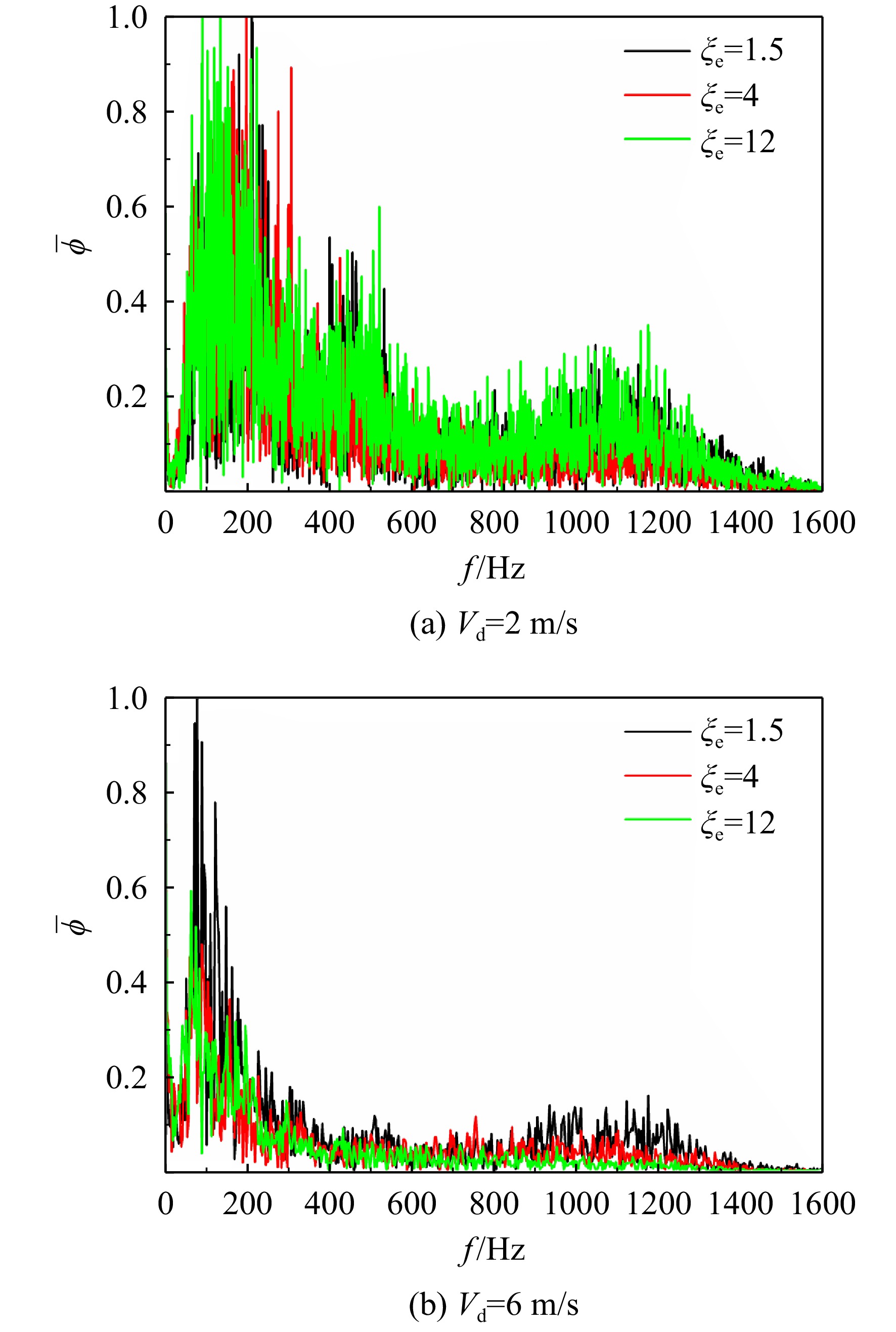
Considering the interaction between the flow around underwater vehicles and the supersonic gas jets, supersonic gas jets submerged in ambient liquid environment from a vertically moving vehicle were experimentally studied. In the experiments, a high-speed camera system was used to observe the evolution of the gas jet bubbles, and a dynamic pressure measurement system was used to measure the pressure fluctuation at underwater vehicle bottom. The results showed that the main shape of the cavity formed by the supersonic gas jets in still water gradually changed into quasi-ellipsoid ones. Due to the influence of Rayleigh-Taylor instability, the bulge phenomenon occurred in some domains close to the nozzle outlet. The jet penetration distance decreased with the increase of nozzle expansion ratios. For the tail jets characteristics of an underwater vertically moving vehicle, asymmetric cavity walls may be formed at the start-up stage of ventilation. The interaction between the flow around underwater vehicles and supersonic gas jets led to the cavity oscillations, which gradually disappeared in the working stage. The supersonic gas jets continuously disturbed the near-field flow, and the vehicle bottom pressure successively presented the characteristics of transient impact pressure peak, wide fluctuation in the initial stage, high frequency fluctuation in the working stage, and stable atmospheric pressure after water exit. The shear flow generated by the high-speed motion of the vehicle can suppress the high frequency oscillation of the tail jets, and the pressure oscillation in the 200—1200 Hz frequency band was significantly reduced.

Lateral force regulation characteristic of a three-tab mechanism
ZHANG Ruheng, YANG Jun, YAO Baojiang, YANG Shilin, ZHANG Bingfeng
2024, 39(10): 20220733. doi: 10.13224/j.cnki.jasp.20220733
Abstract:

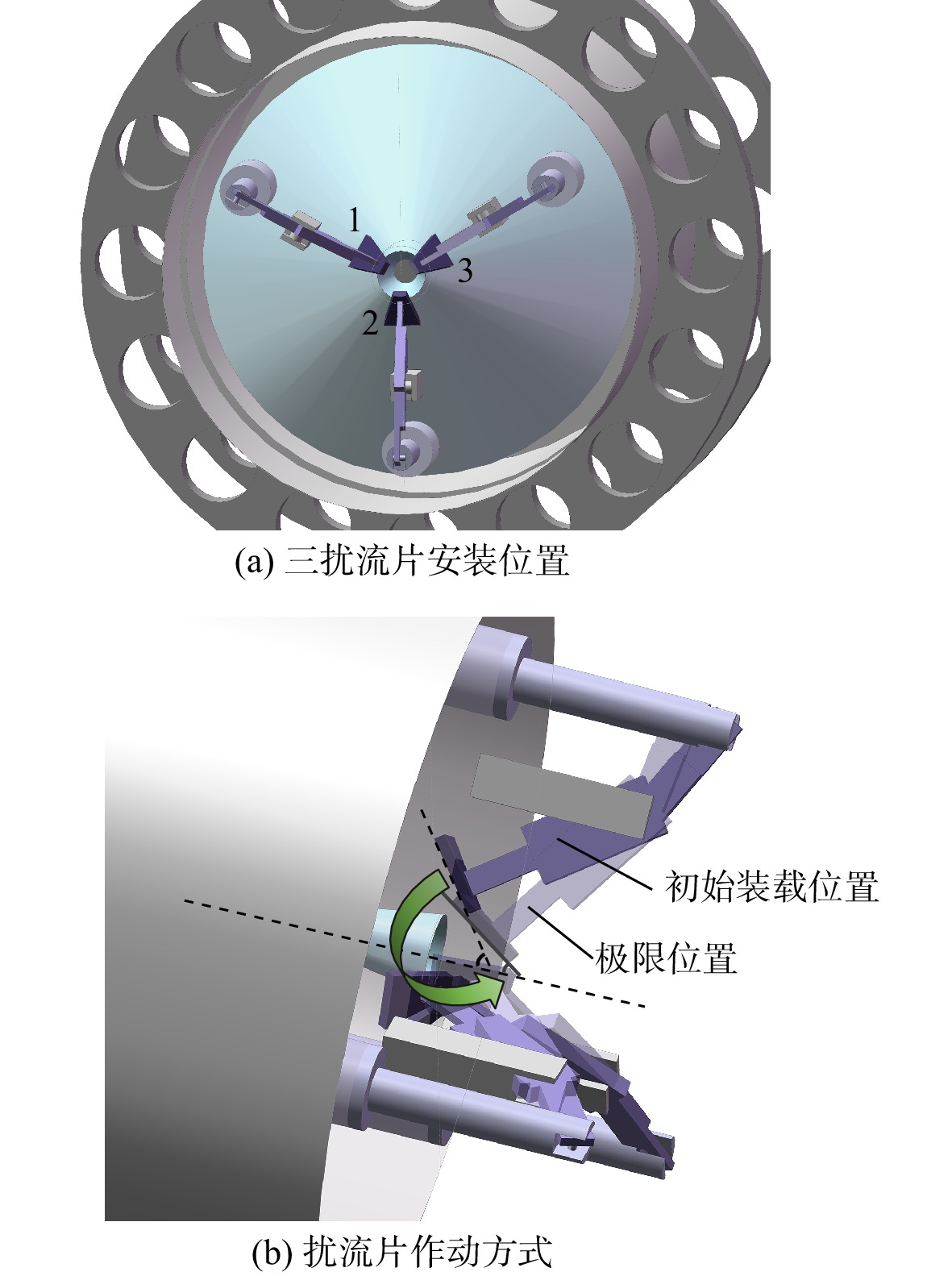
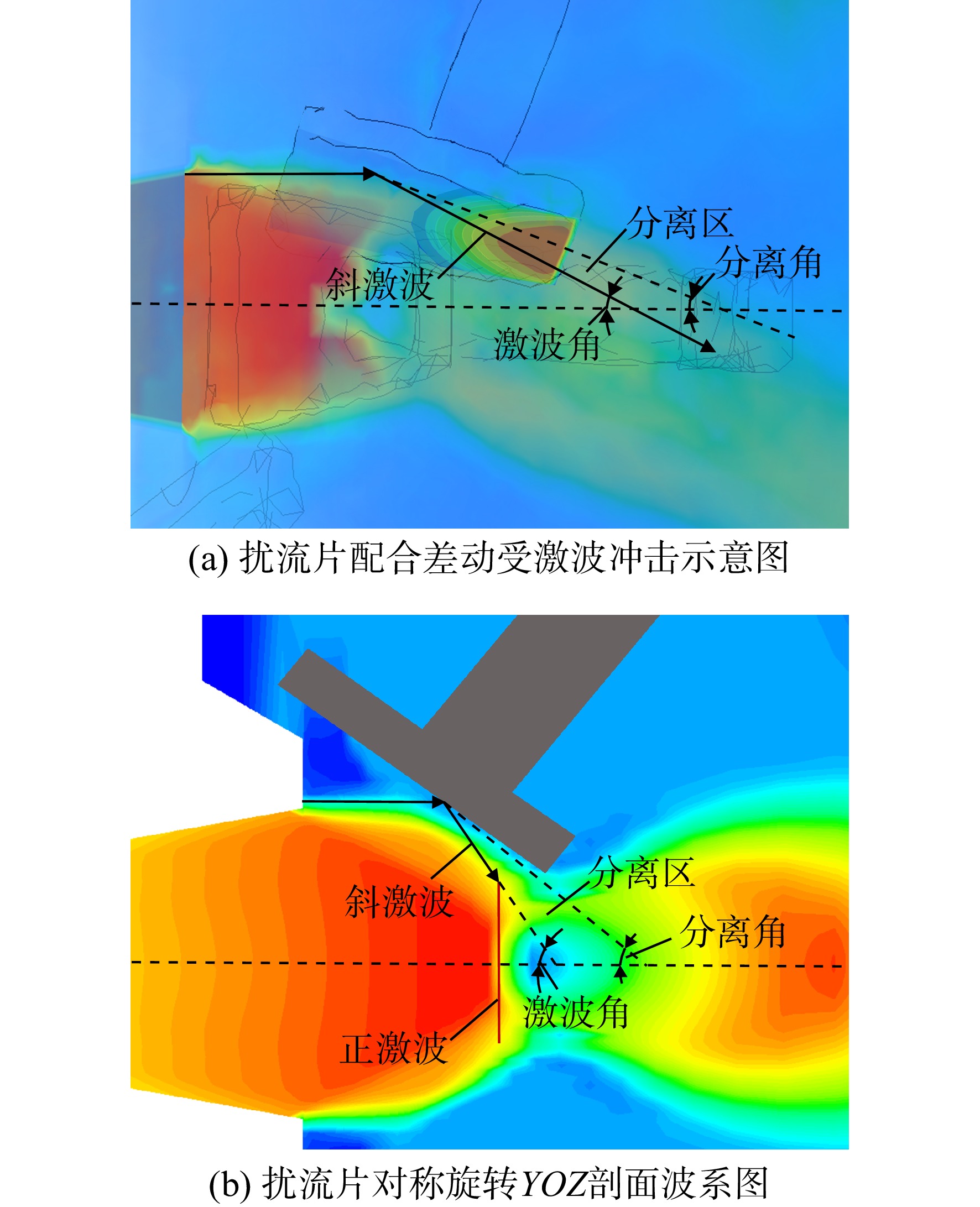
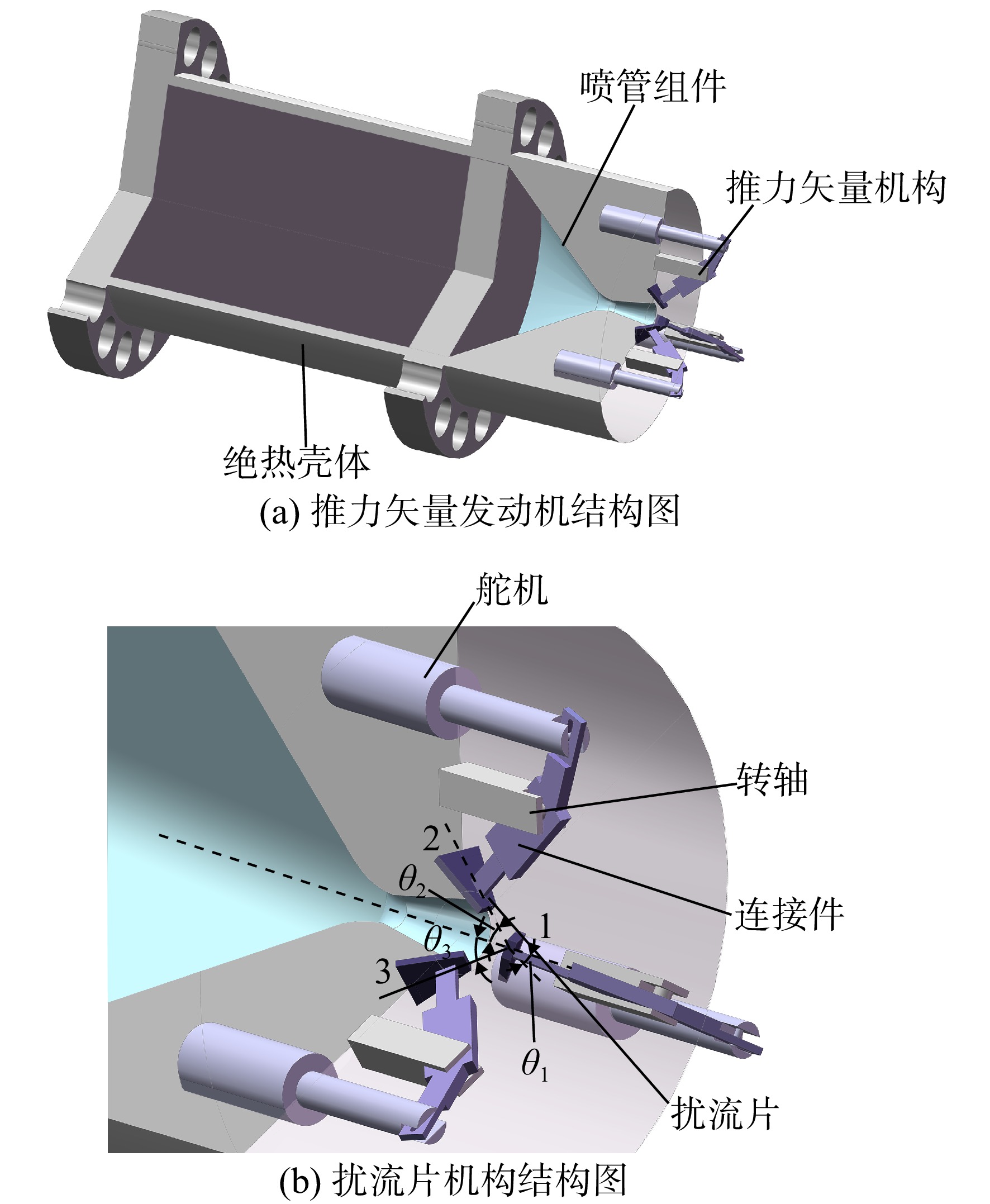
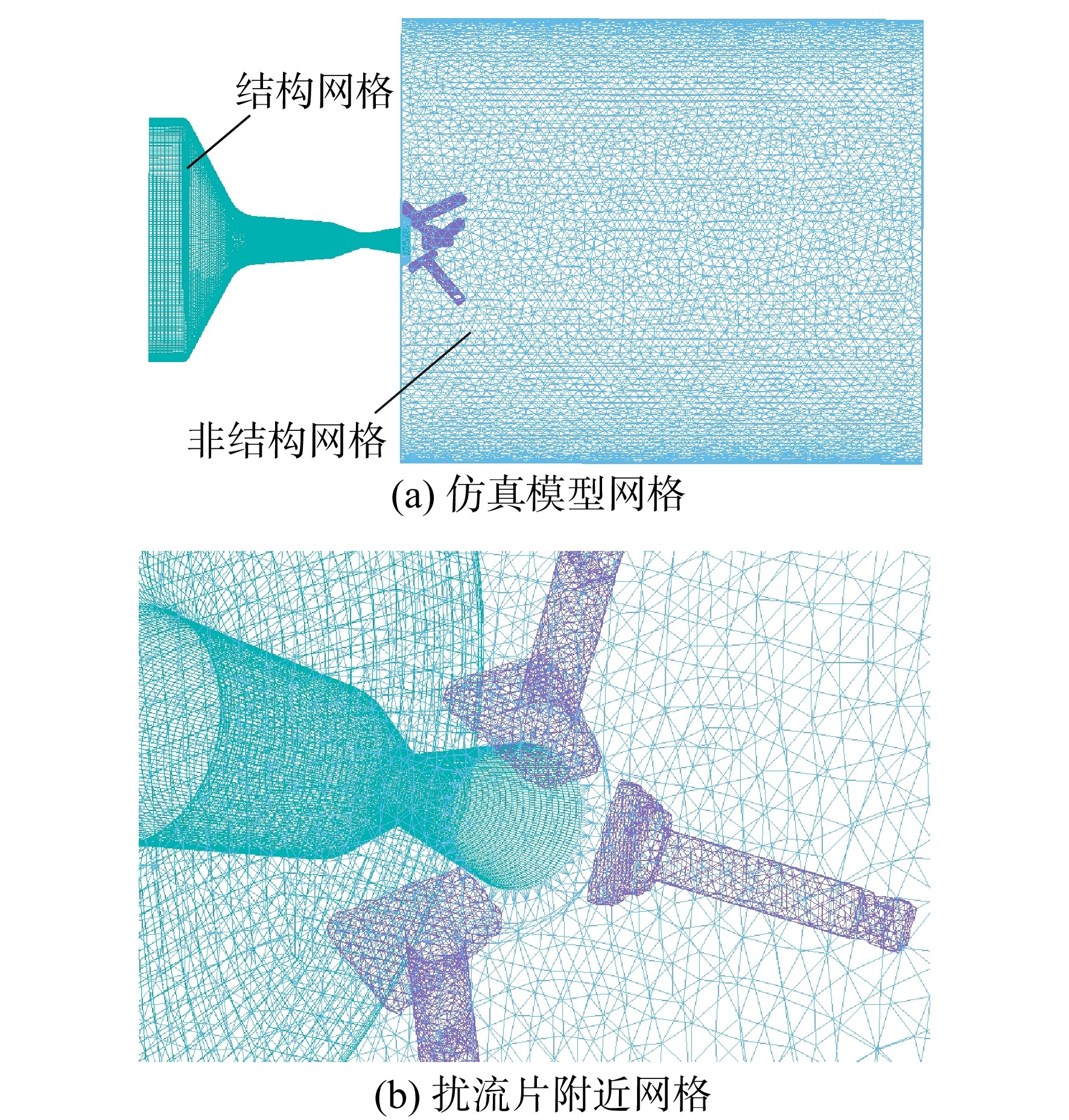
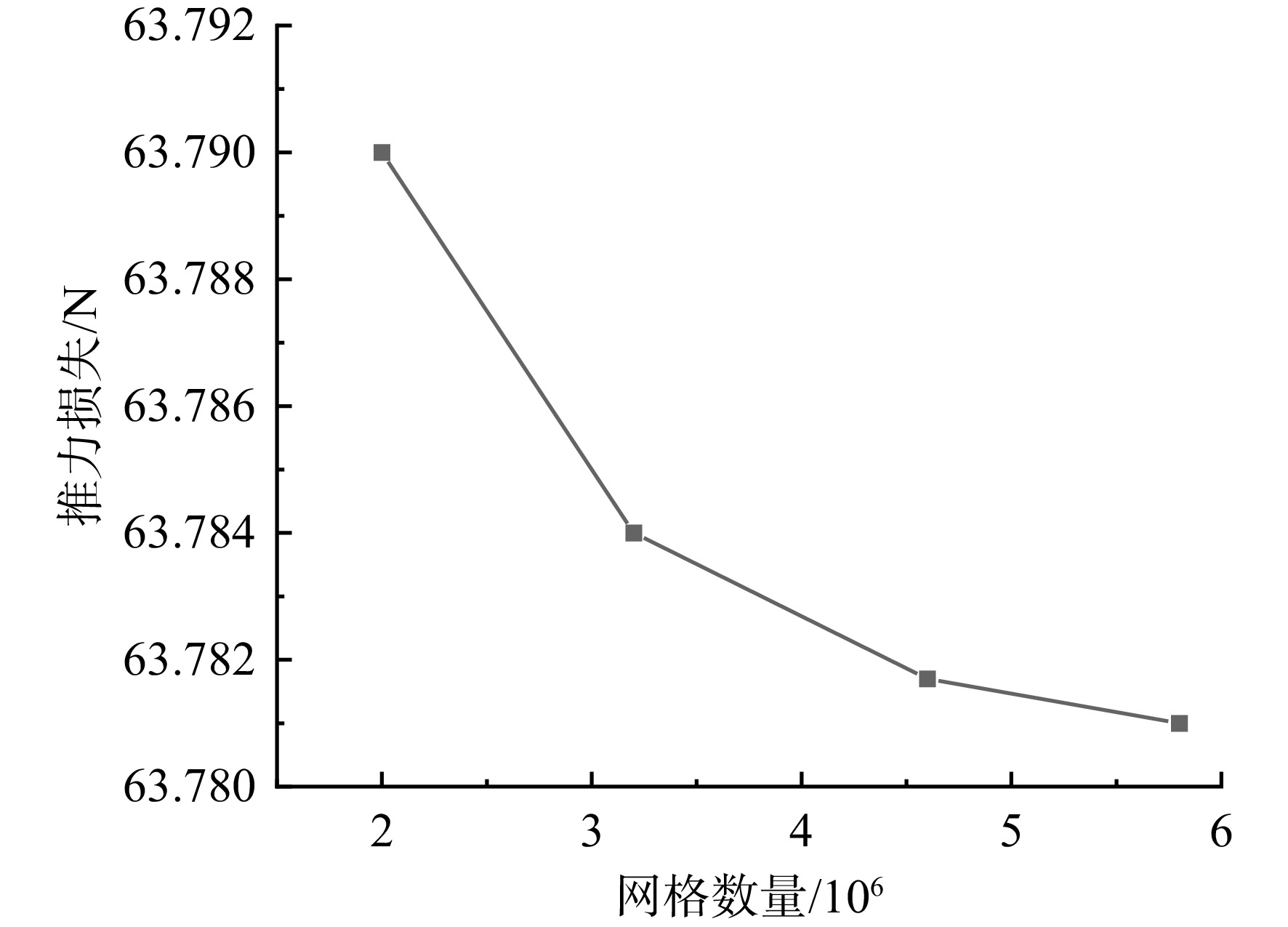
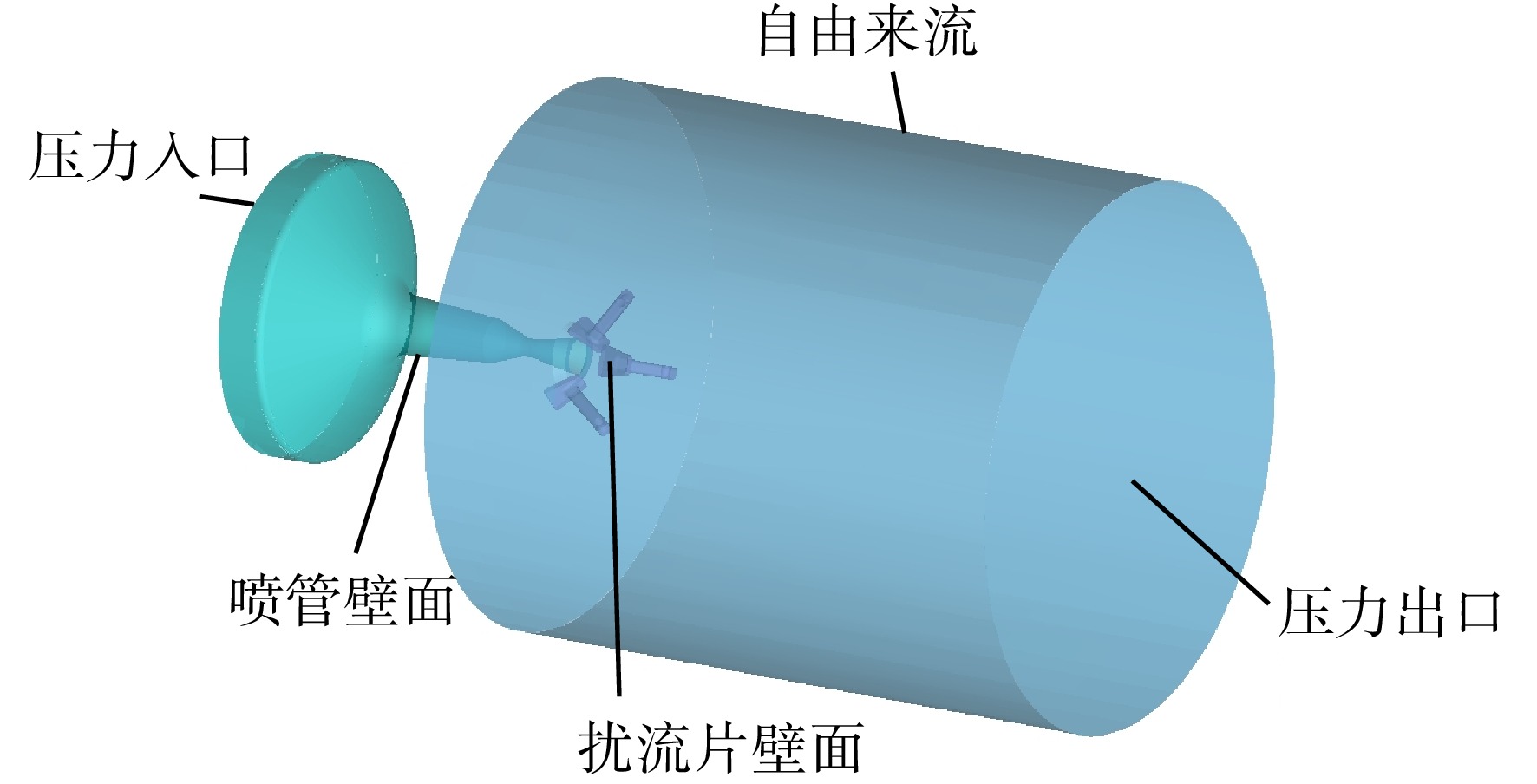
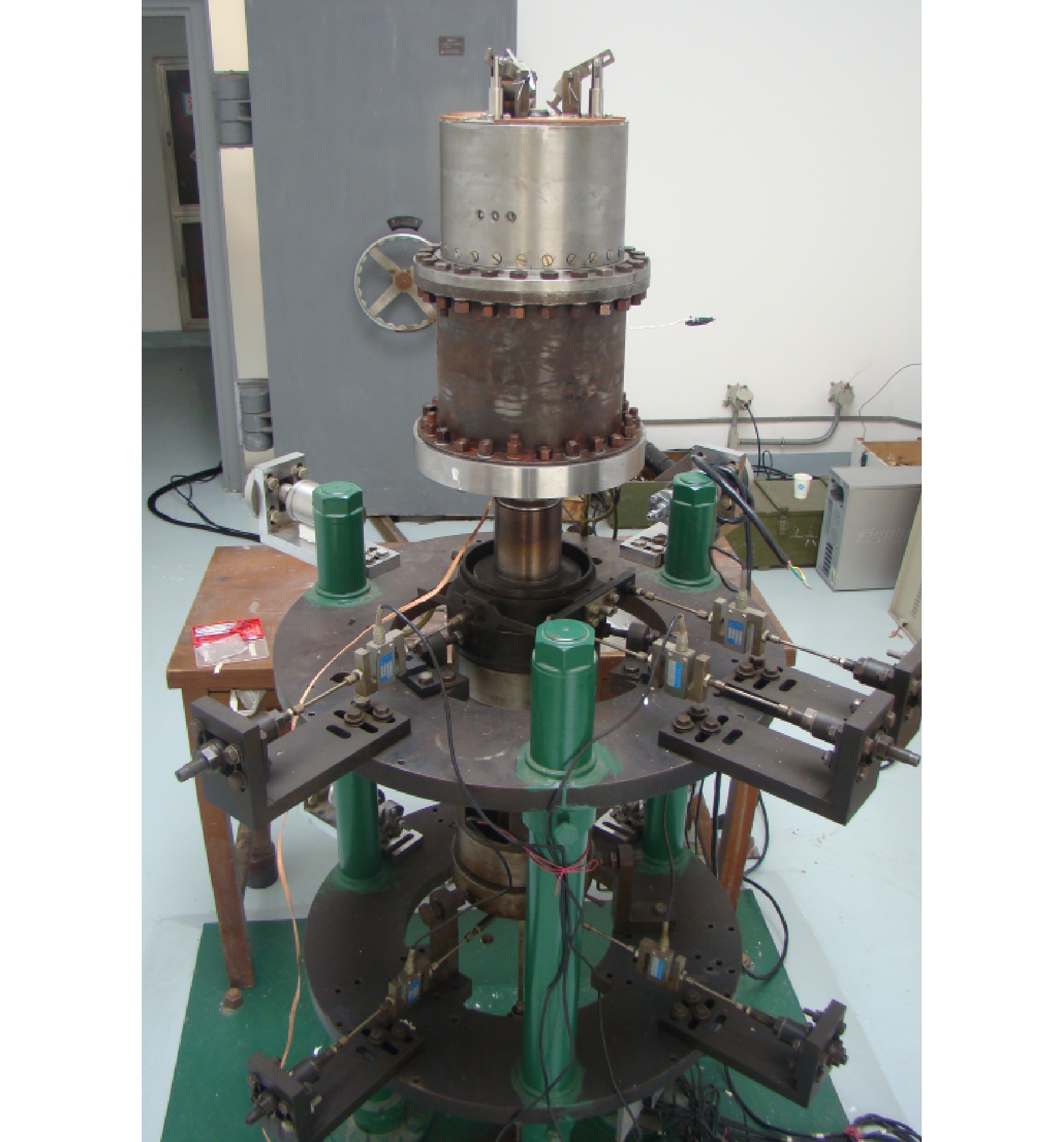
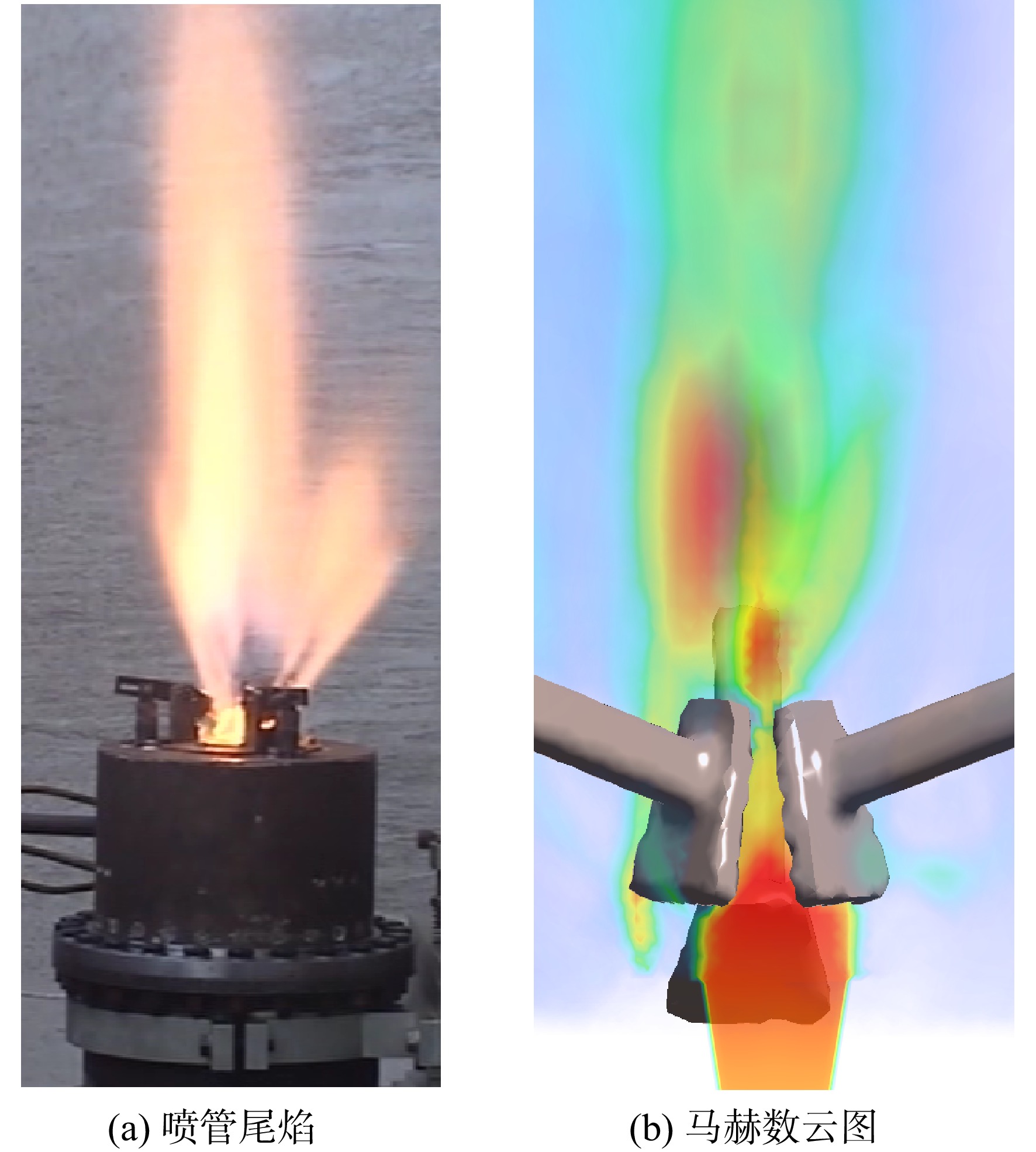
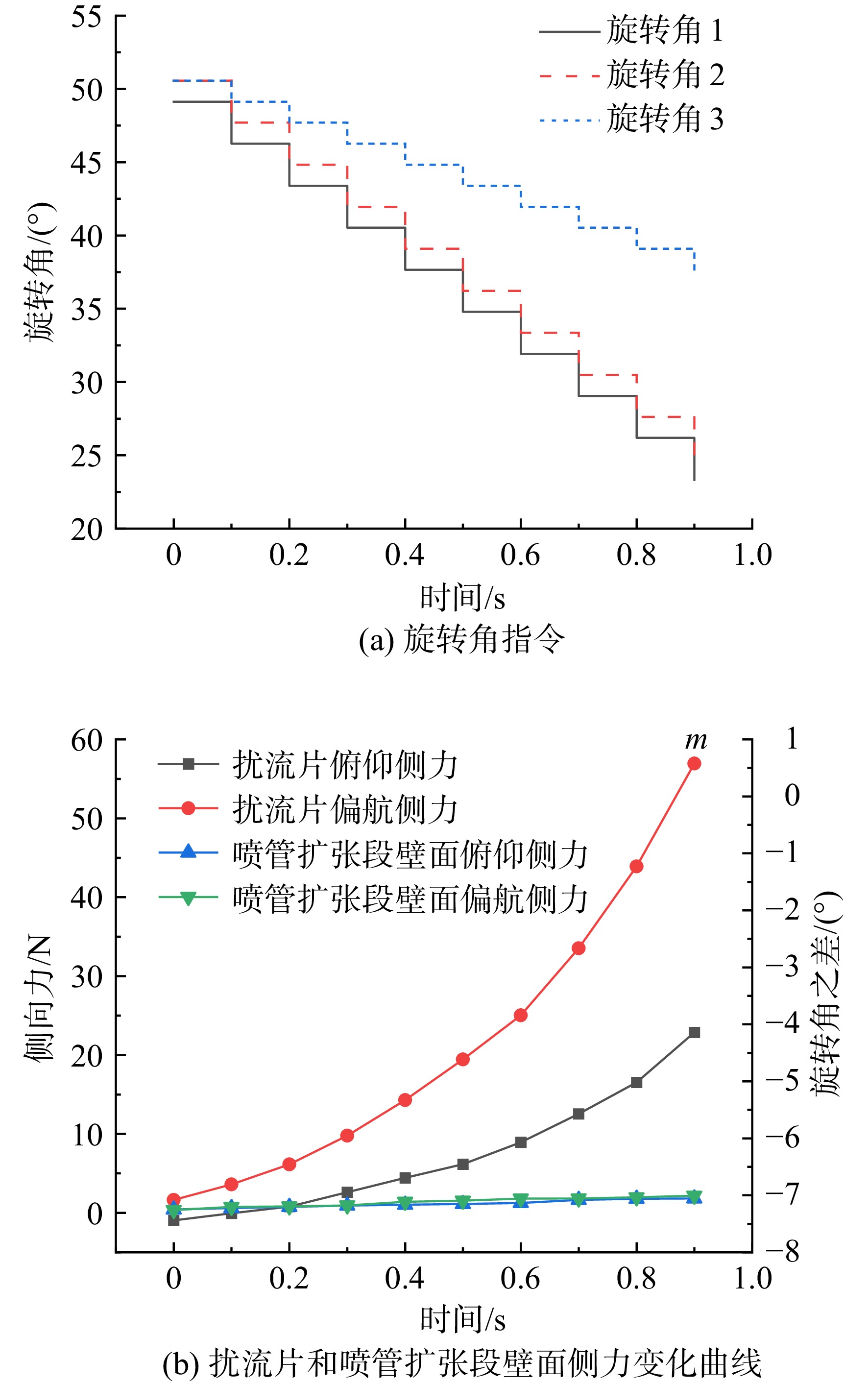
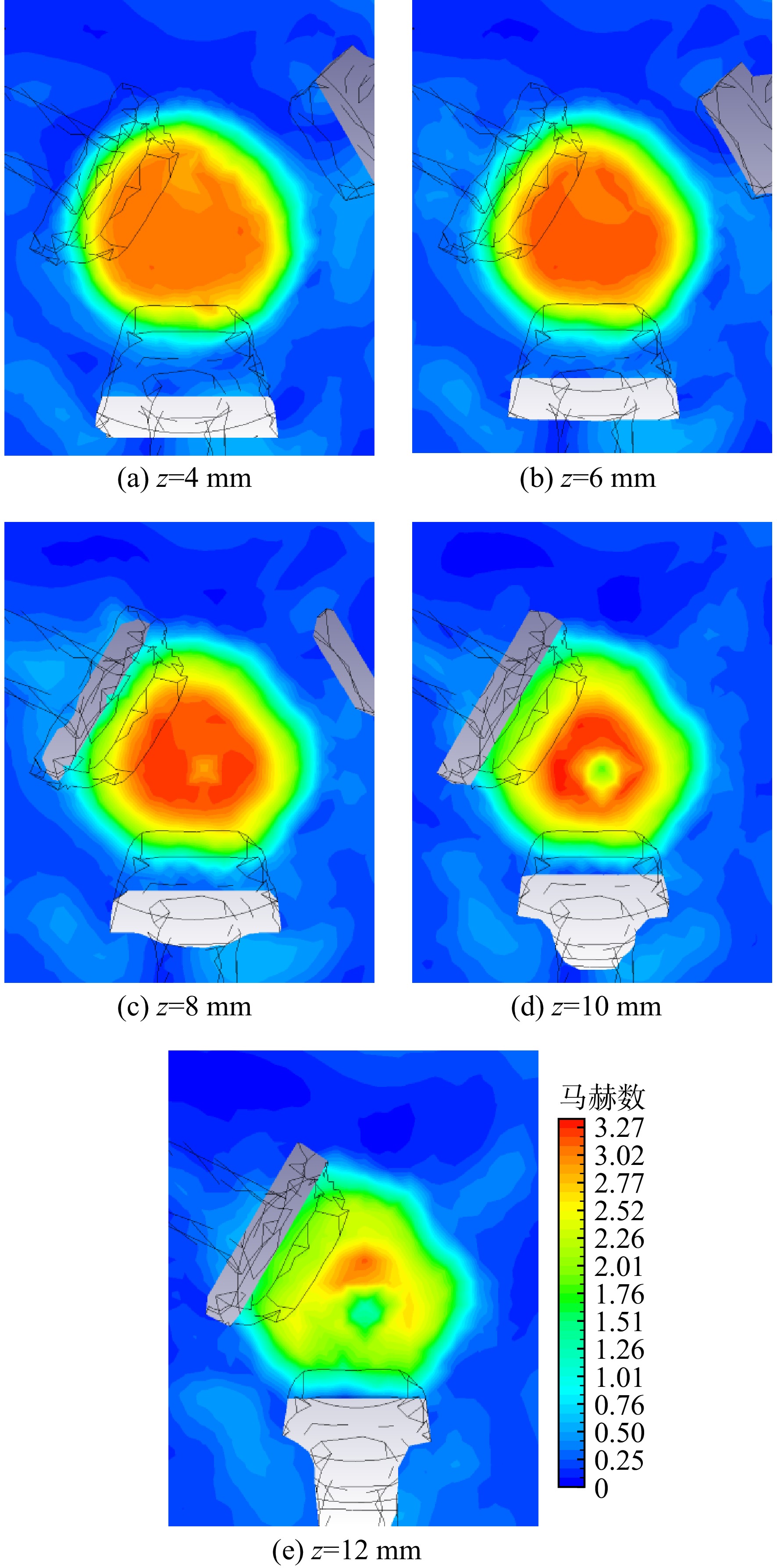
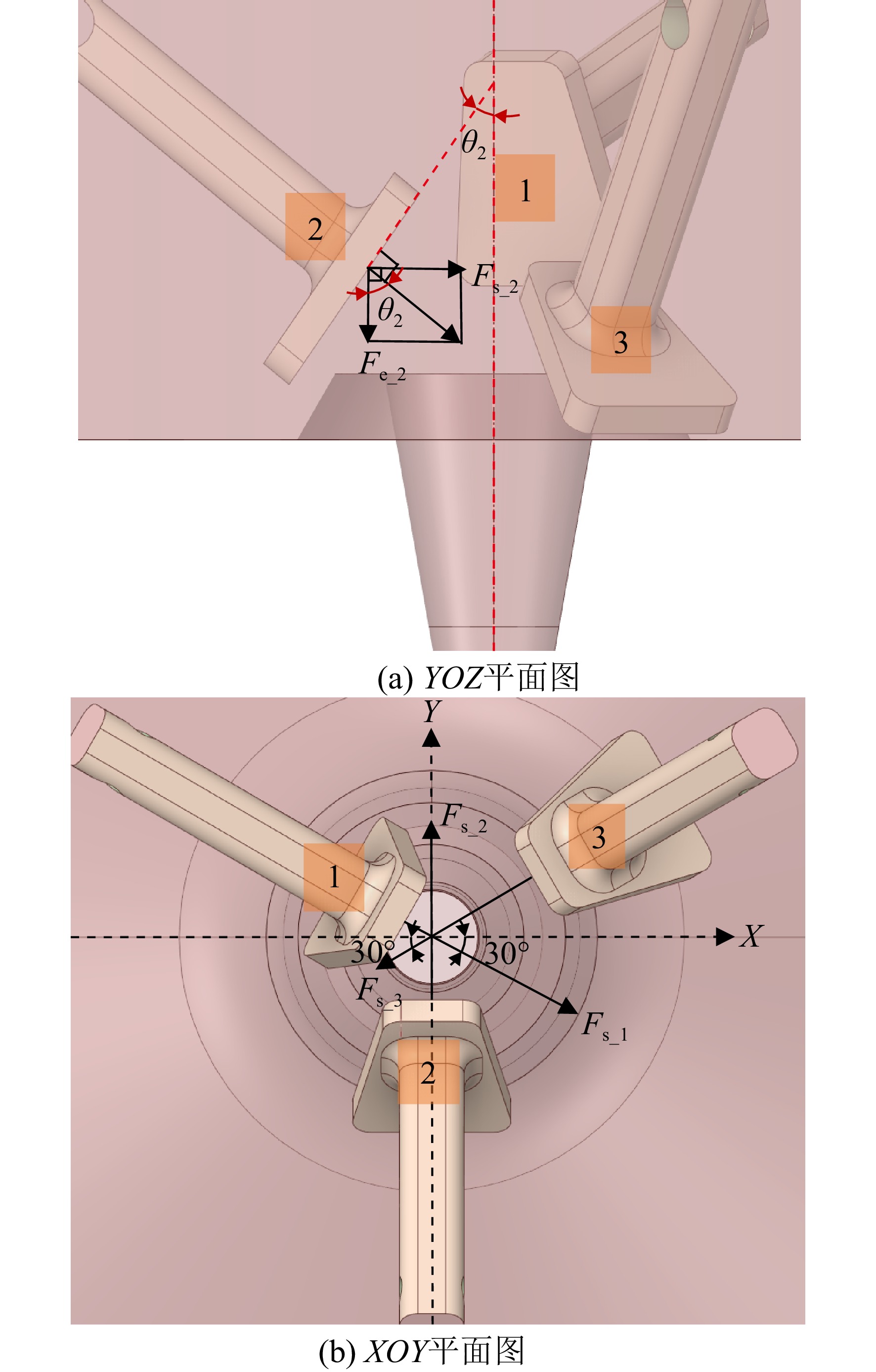
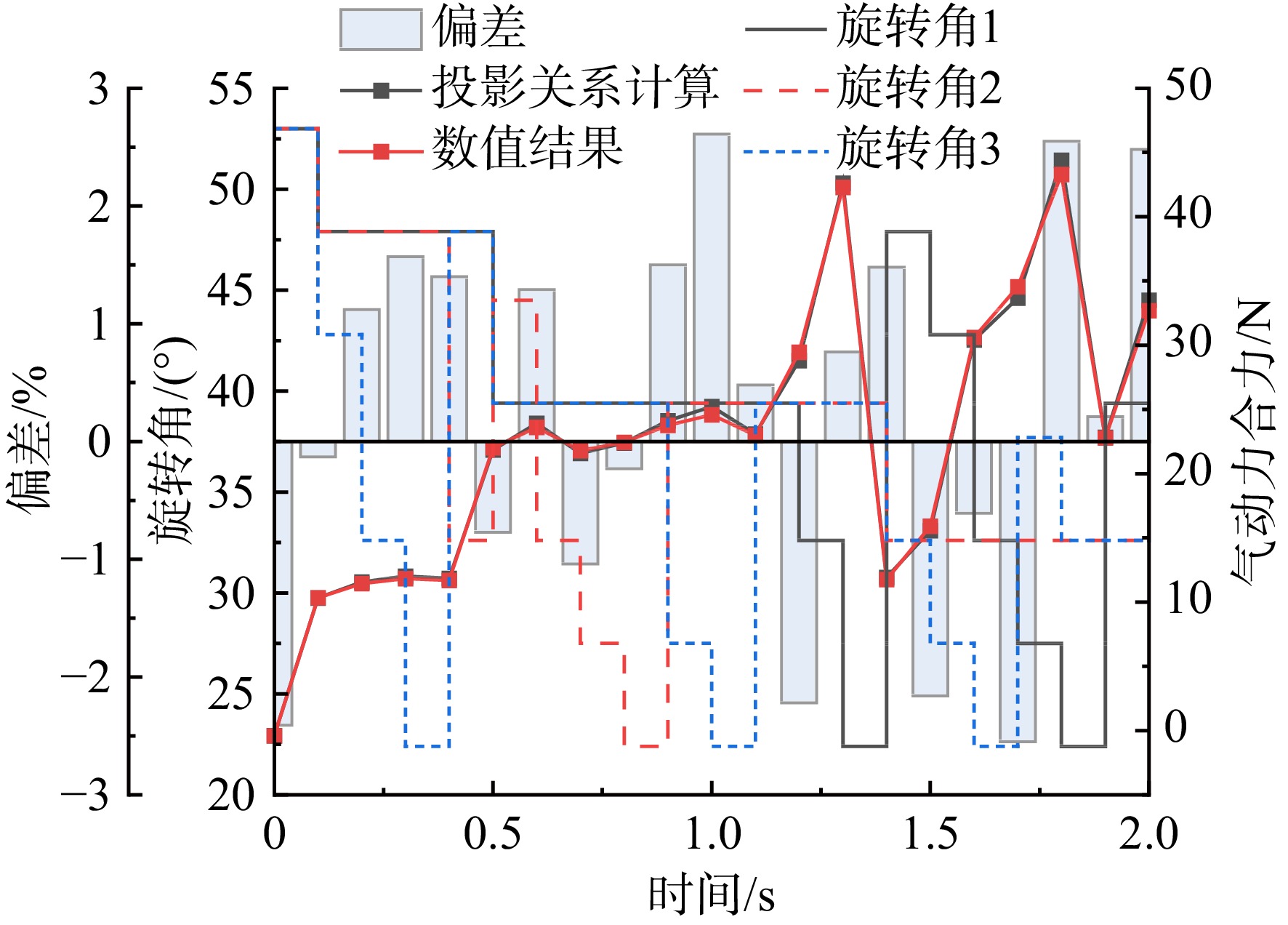
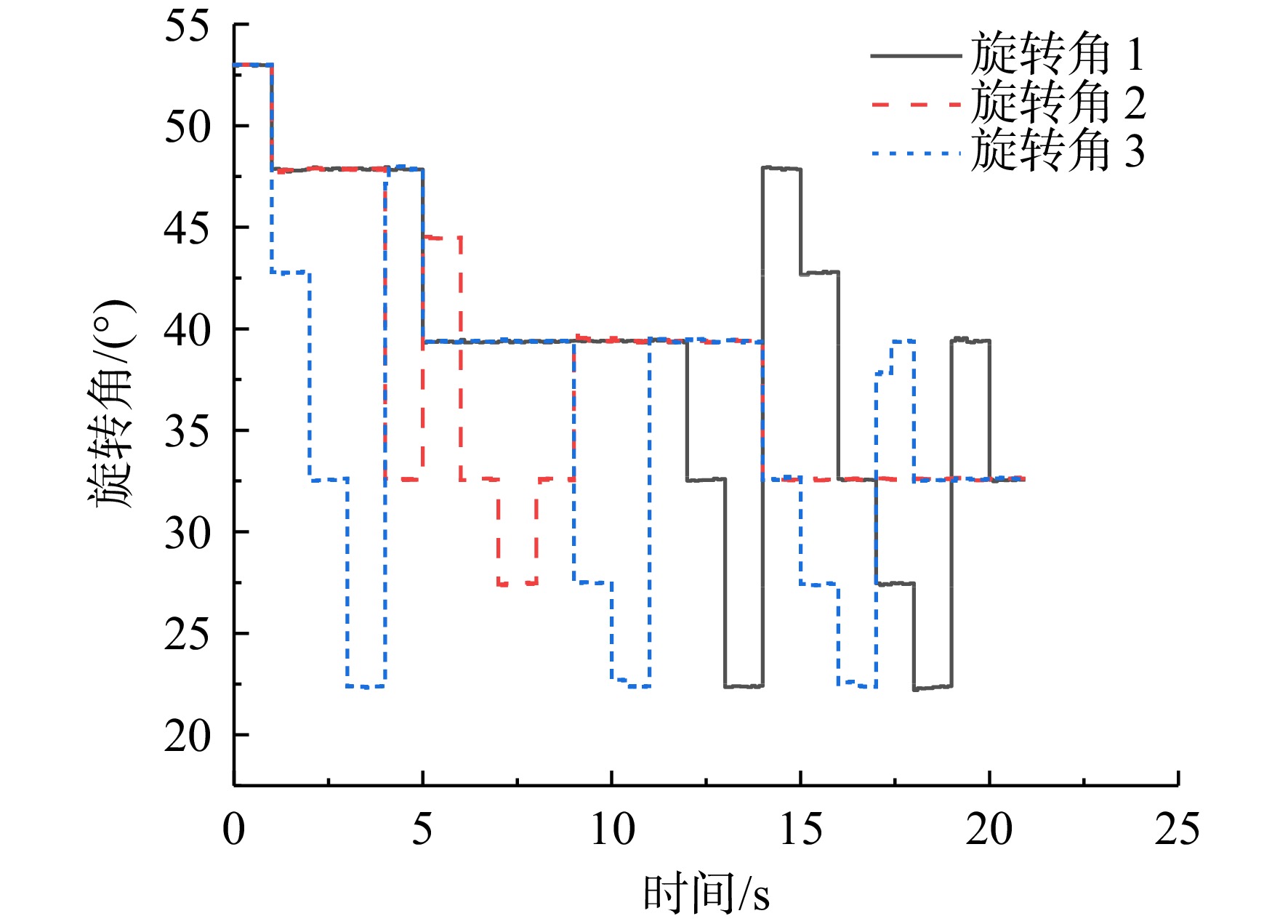
In view of the layout feature of three tabs in circular symmetry and action mode of radial rotation, a lateral force calculation scheme with only three-tab rotation angles as variables was proposed. Numerical and experimental results showed that the lateral force on the wall of nozzle expansion section was almost non-existent when thrust vector was adjusted by the mechanism, and lateral force was mainly generated by differential action of three tabs. The pitch force was positively correlated with difference value between average rotation angle of spoiler 2 and spoiler 1, spoiler 3. The yaw force was positively correlated with difference value between rotation angle of spoiler 1 and spoiler 3. When performing small angle adjustment with a starting angle of 52° and ending angle of 23°, the aerodynamic interference between three tabs was small to be within 3%, and the thrust loss was approximately linear with tab rotation angle. The deviation of the calculation result of lateral force from the test result was less than 6%, which verified the correctness of this method. The proposed formula had closed solvability, and the rotation angle of the target can be solved according to thrust loss and expected lateral force in reverse solving, thus providing a method for attitude adjustment of three-tab mechanism.

Simulation on filling process of gas generator head with gas injecting
HAN Jianing, ZHOU Chenchu, LU Jiawei, YU Ruibo, ZHANG Lihui
2024, 39(10): 20220772. doi: 10.13224/j.cnki.jasp.20220772
Abstract:

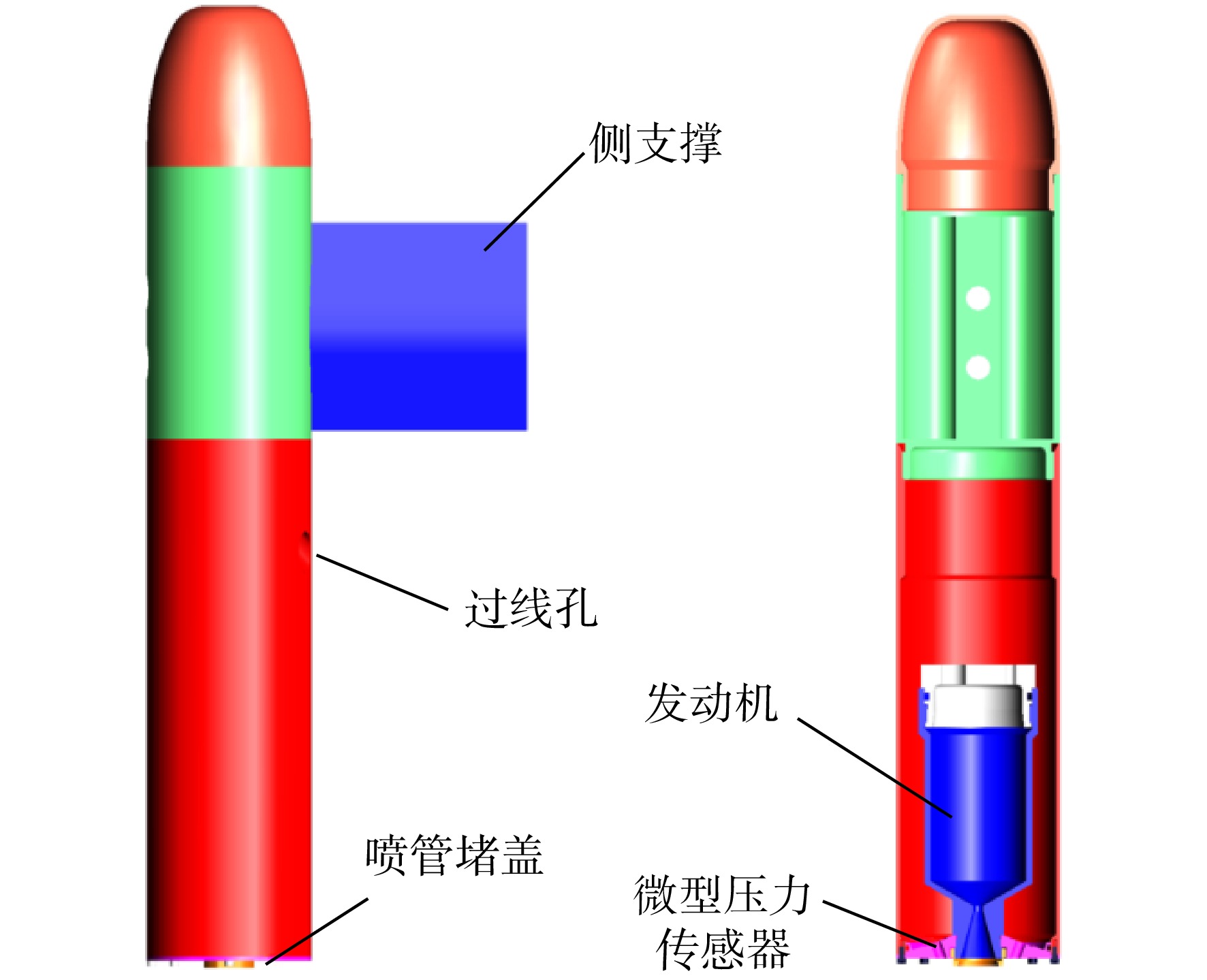
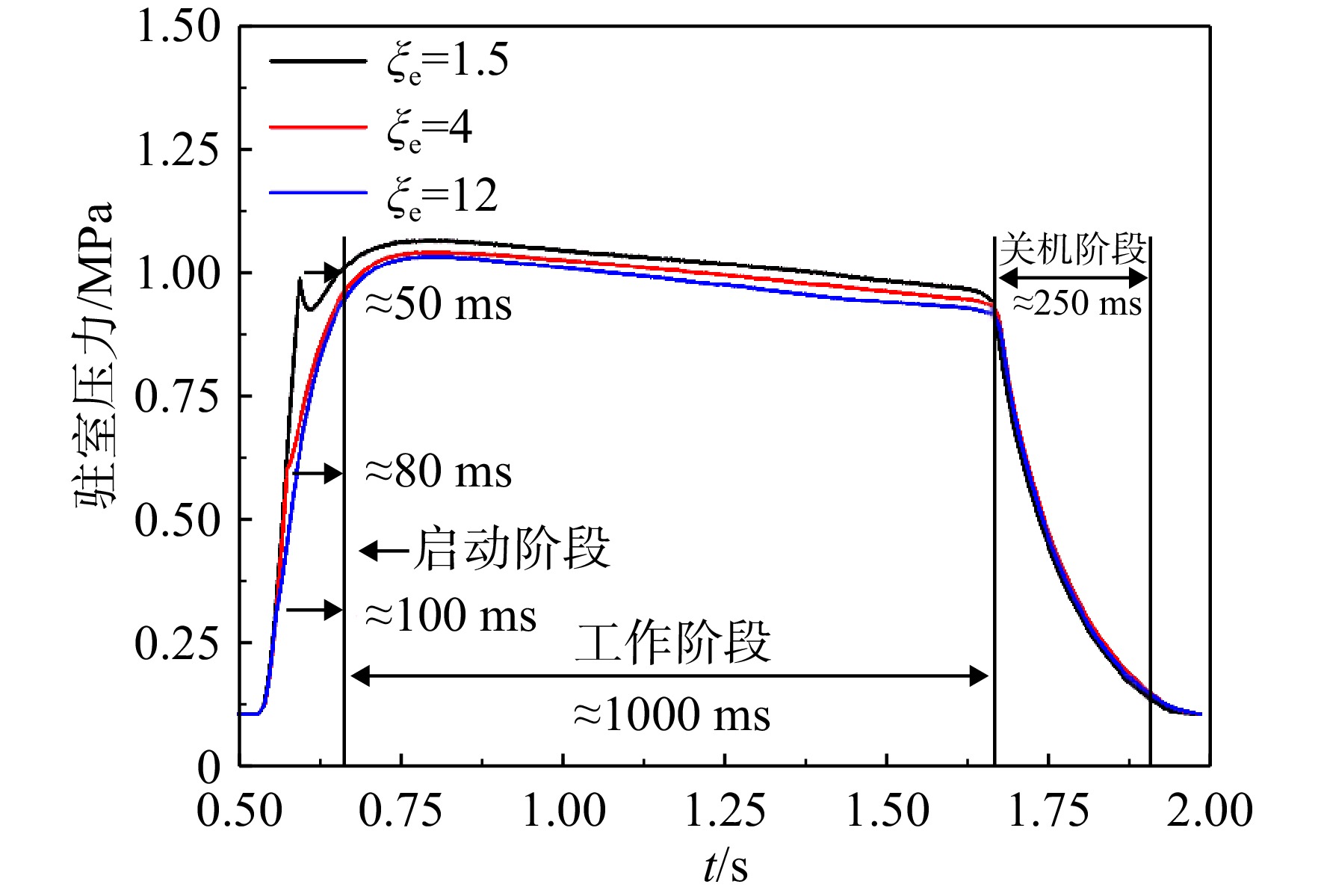
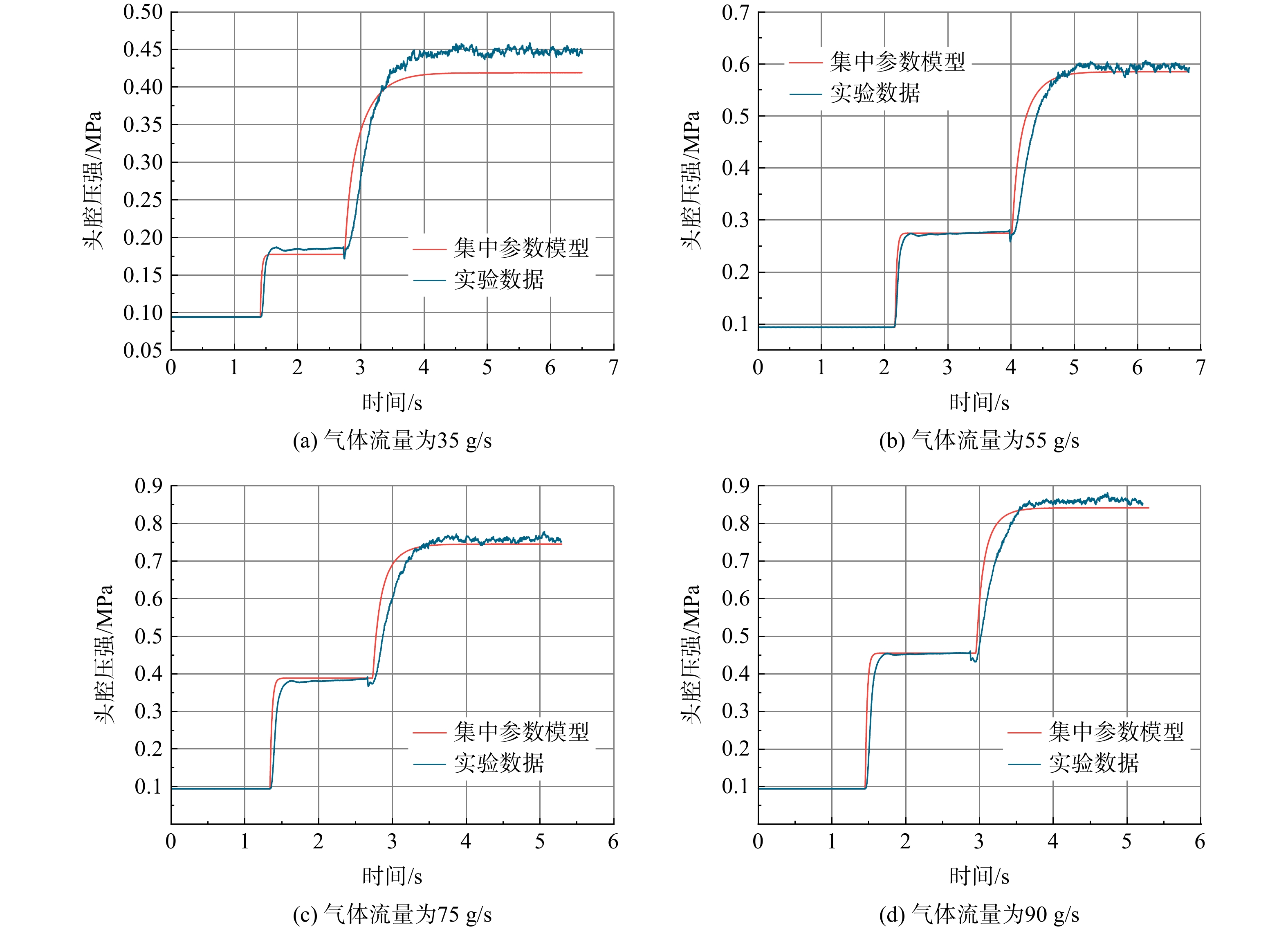
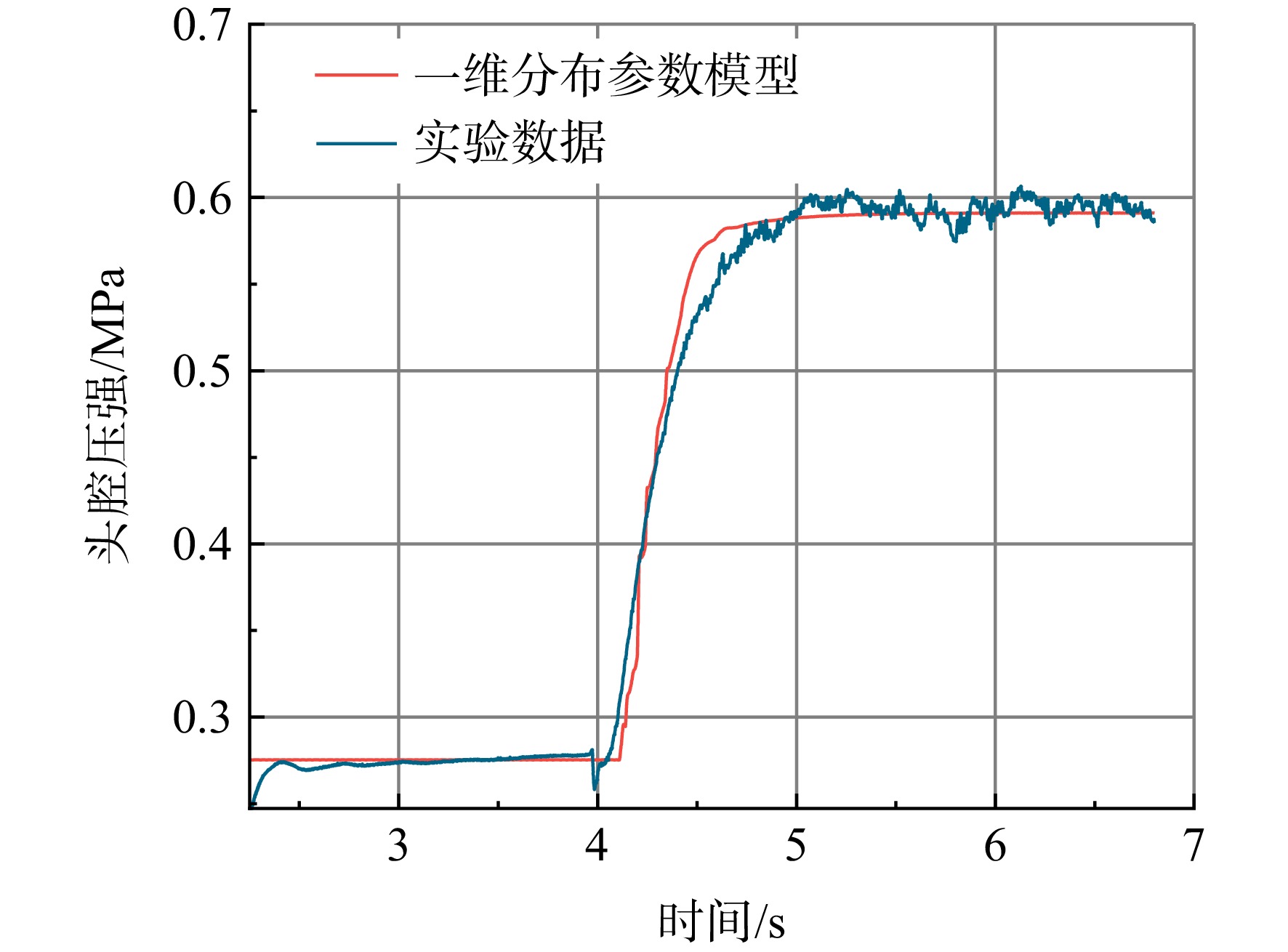
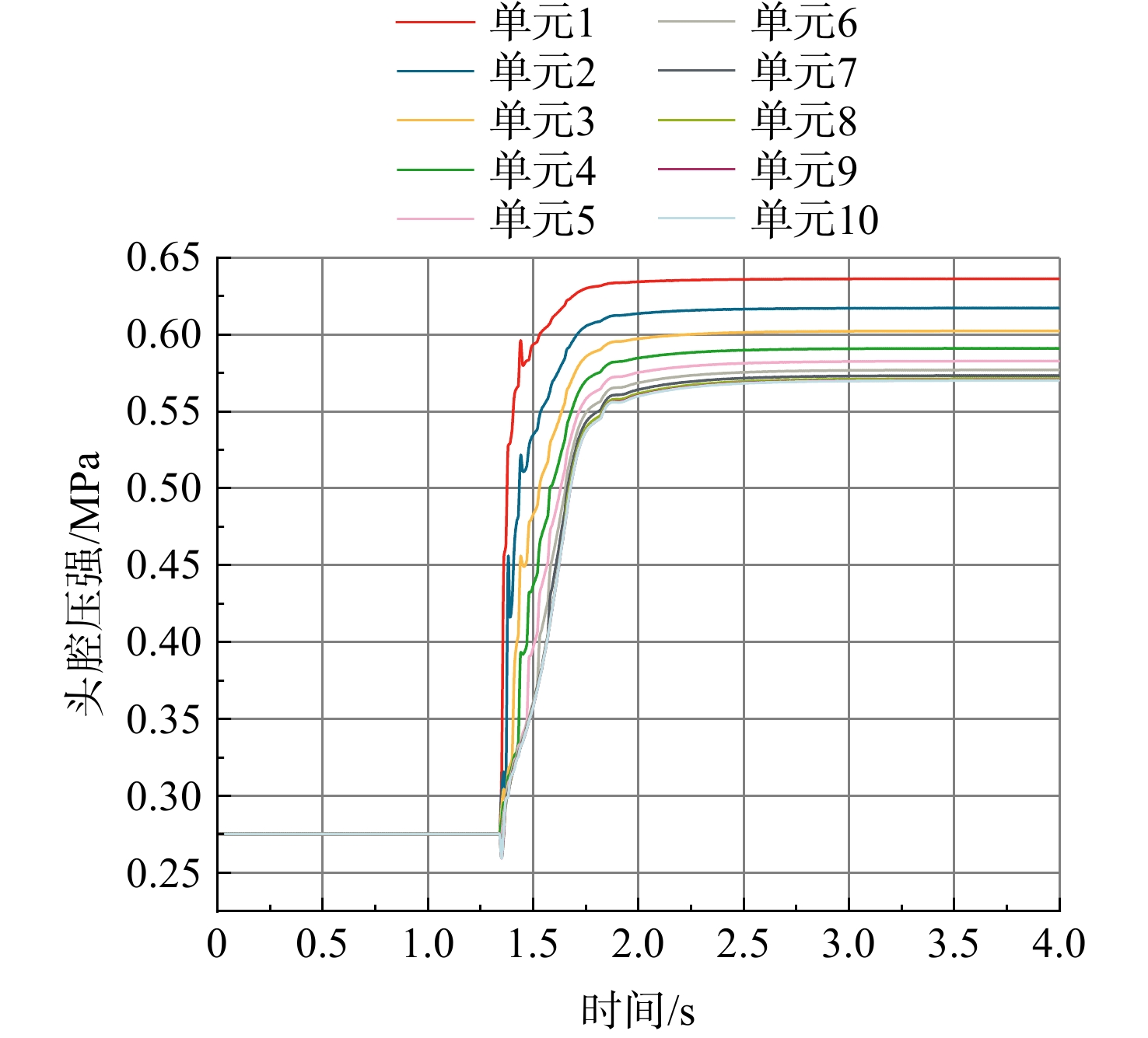
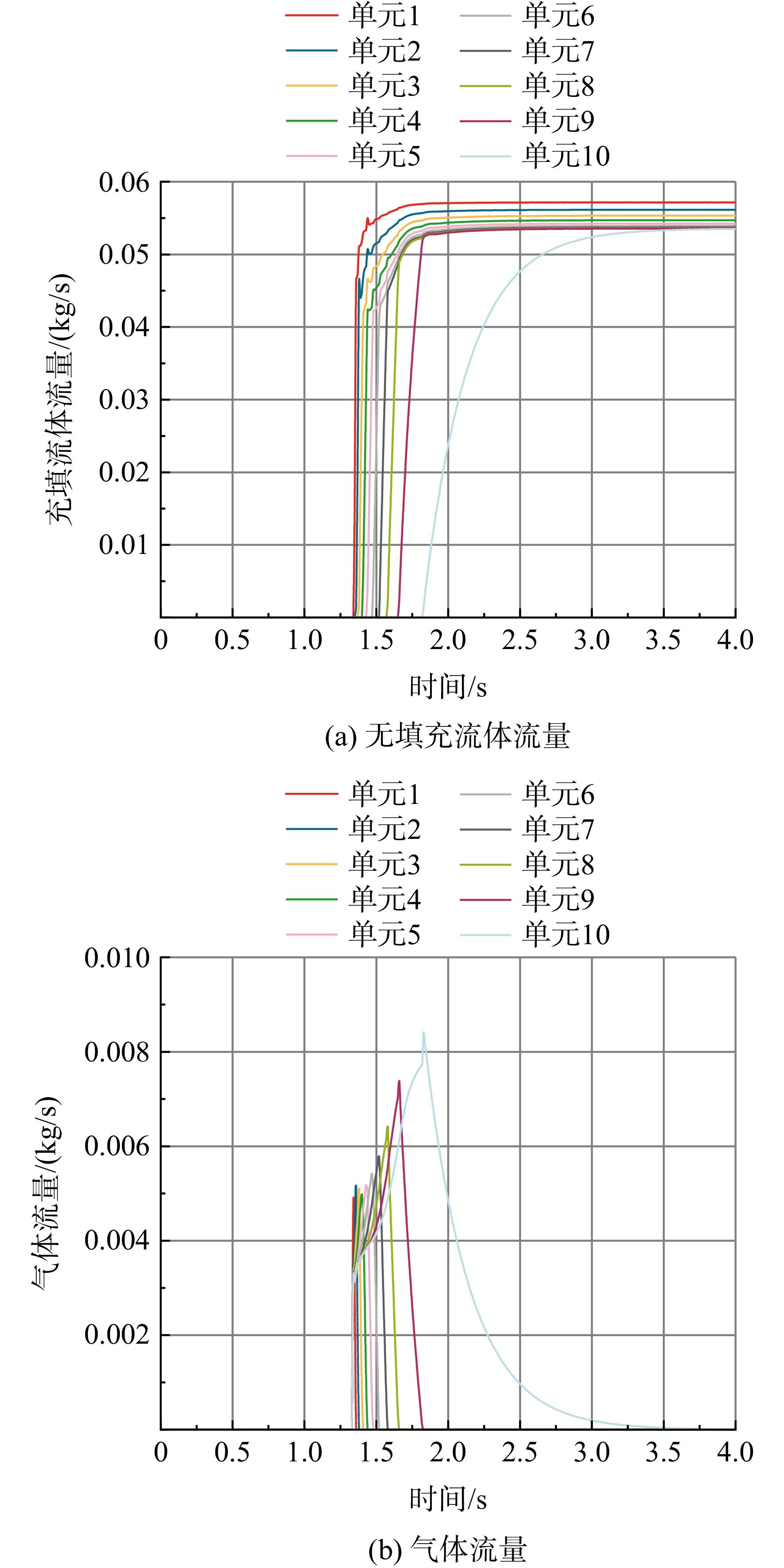
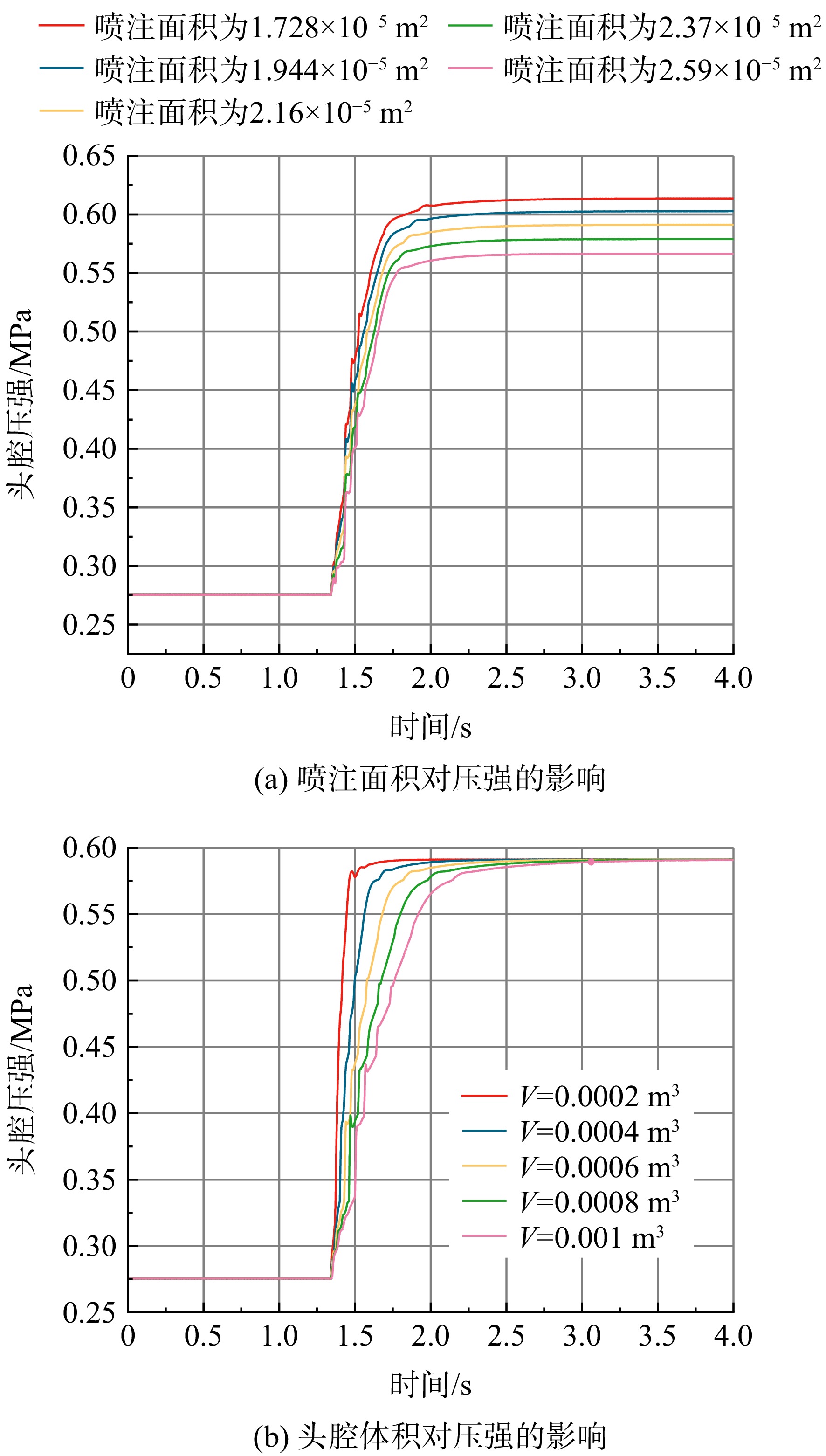
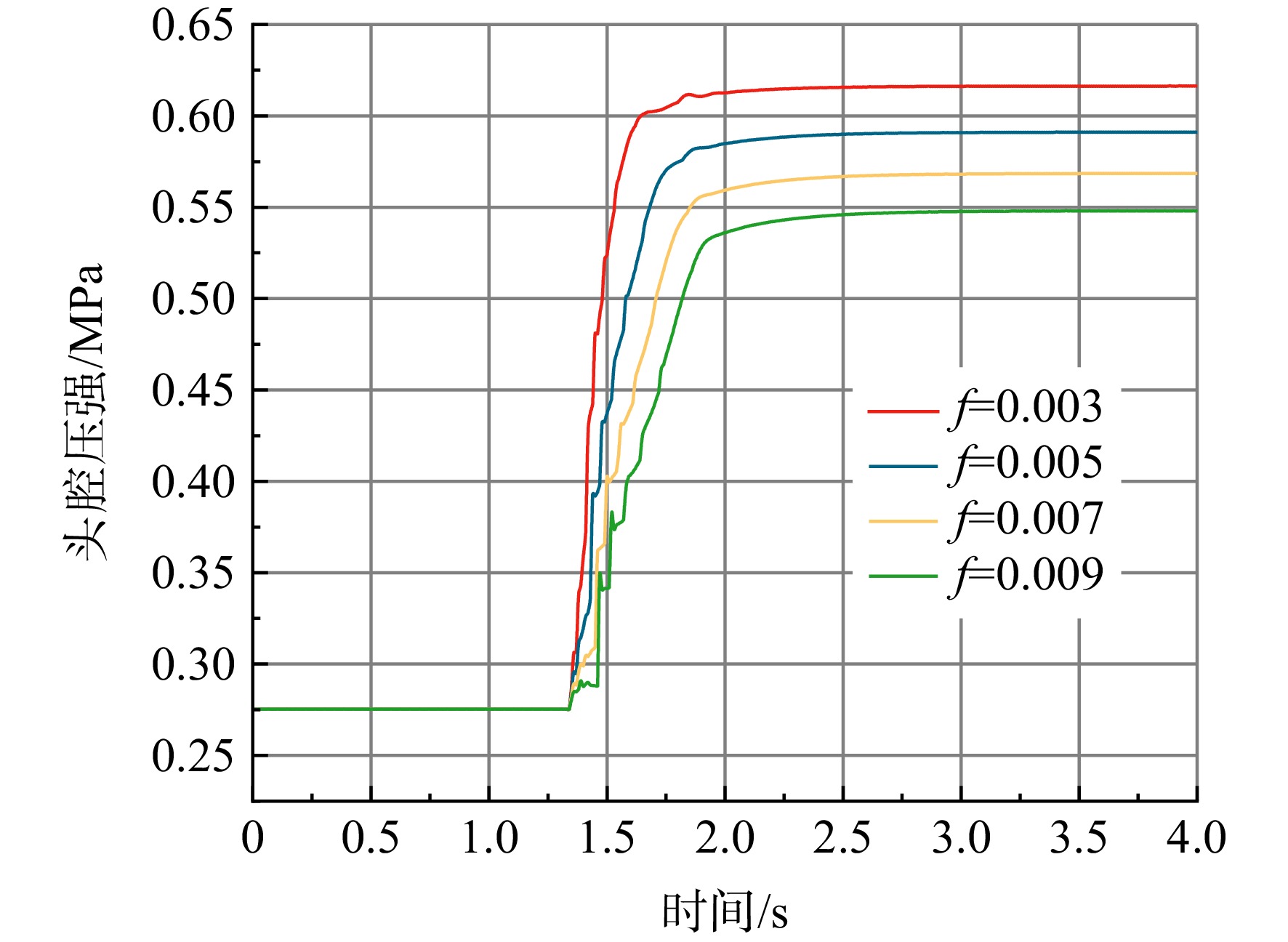
Based on the starting process of high-pressure combustion liquid oxygen kerosene rocket engine, the filling process of the head cavity of the gas generator with gas injecting was studied. Firstly, experiments indicated that the coefficient n required for the Marquinelli empirical relation was determined to be 2.29, which verified the accuracy of the empirical relationship. Secondly, the finite element segmentation was used to establish a one-dimensional distribution parameter model of the head cavity of the gas generator with gas injecting, and the experimental data were compared and analyzed with the empirical relationship and the simulation results of the one-dimensional distribution model, which proved the accuracy of the model. The results showed that the error between steady-state pressure and the mean value of experimental data of the one-dimensional distribution parameter model was 0.429%, and the error of the empirical relationship (centralized parameter model) was 1.464%; the flow area of the injecting increased, the pressure built into the head cavity slowed down, and the stable pressure value decreased; the volume of the head cavity increased, and the pressure building speed slowed down, but the pressure stability value was kept unchanged; the resistance coefficient of the head cavity increased, and the pressure stability value and filling speed decreased.

Autocontrol
Analysis of low frequency pulsation of main fuel system on turbofan engine
SUN Haobo, LI Linghan, LIU Xiaofeng
2024, 39(10): 20220660. doi: 10.13224/j.cnki.jasp.20220660
Abstract:

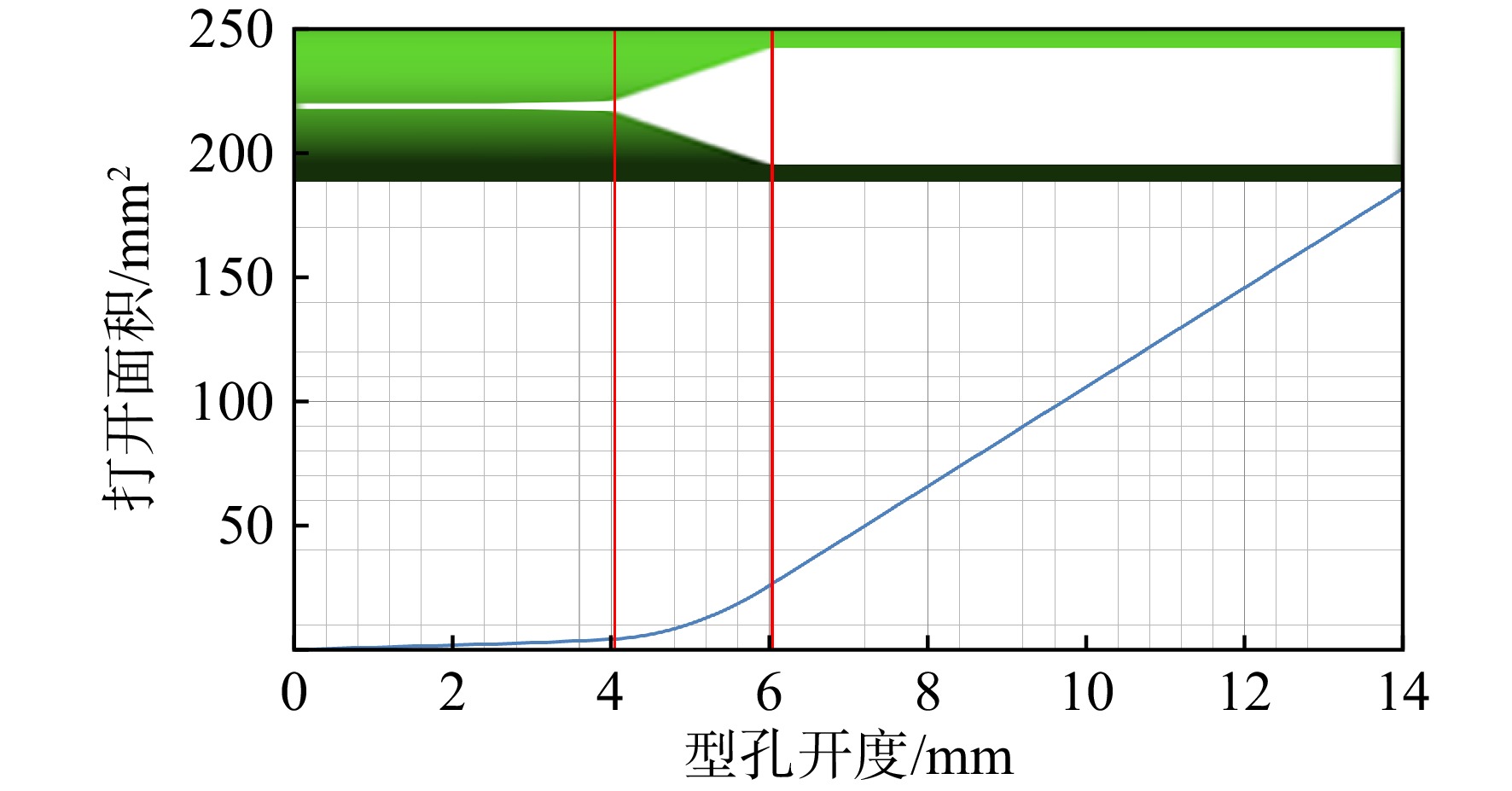
In view of the problem of low-frequency pulsation in the main fuel system of turbofan engine that could affect the safety of the engine, the mechanism of low-frequency pulsation in the fuel system was analyzed, and the influencing factors of low-frequency pulsation were clarified. Starting from the influencing factors of pulsation, and combined with the working principle of the main fuel system and the relationship between related accessories and pipeline assembly, the reason for the large low-frequency pulsation in the system was pinpointed, and an improvement method to suppress the low-frequency pulsation by adjusting the size of the valve type orifice was proposed. The improved valve was verified with a turbofan engine. The test results showed that the improvement method is reasonable and effective, and the pulsation amplitude can be reduced by 5% to 84%, greatly improving the working reliability of the engine's main fuel system and ensuring the safety of the engine.

Control strategy of mass flow rate and pressure in an air supply system of gas turbine engine
XUE Yongjian, LIU Gaowen, MA Jiale, BAI Yang, GONG Wenbin, LIN Aqiang
2024, 39(10): 20220781. doi: 10.13224/j.cnki.jasp.20220781
Abstract:

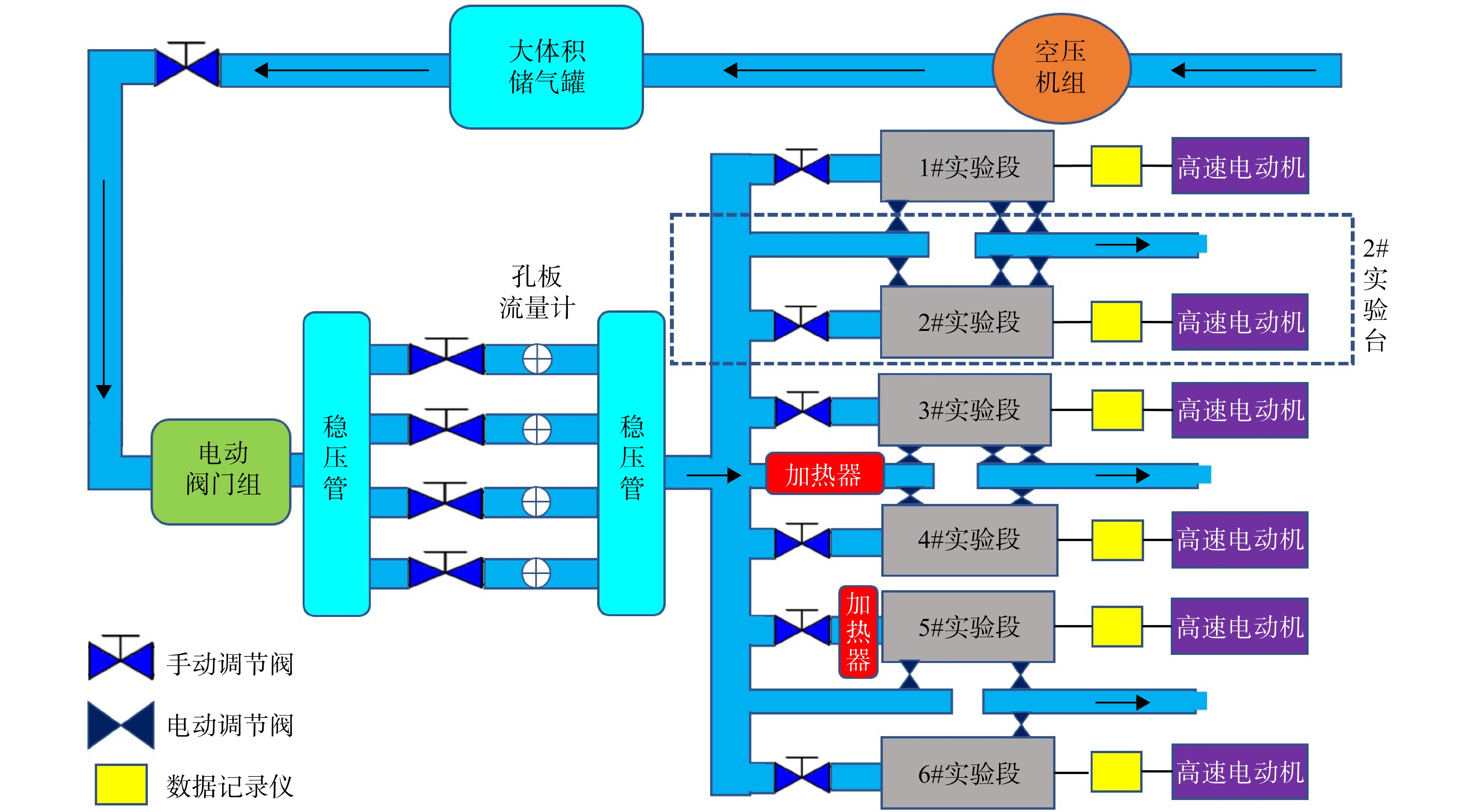
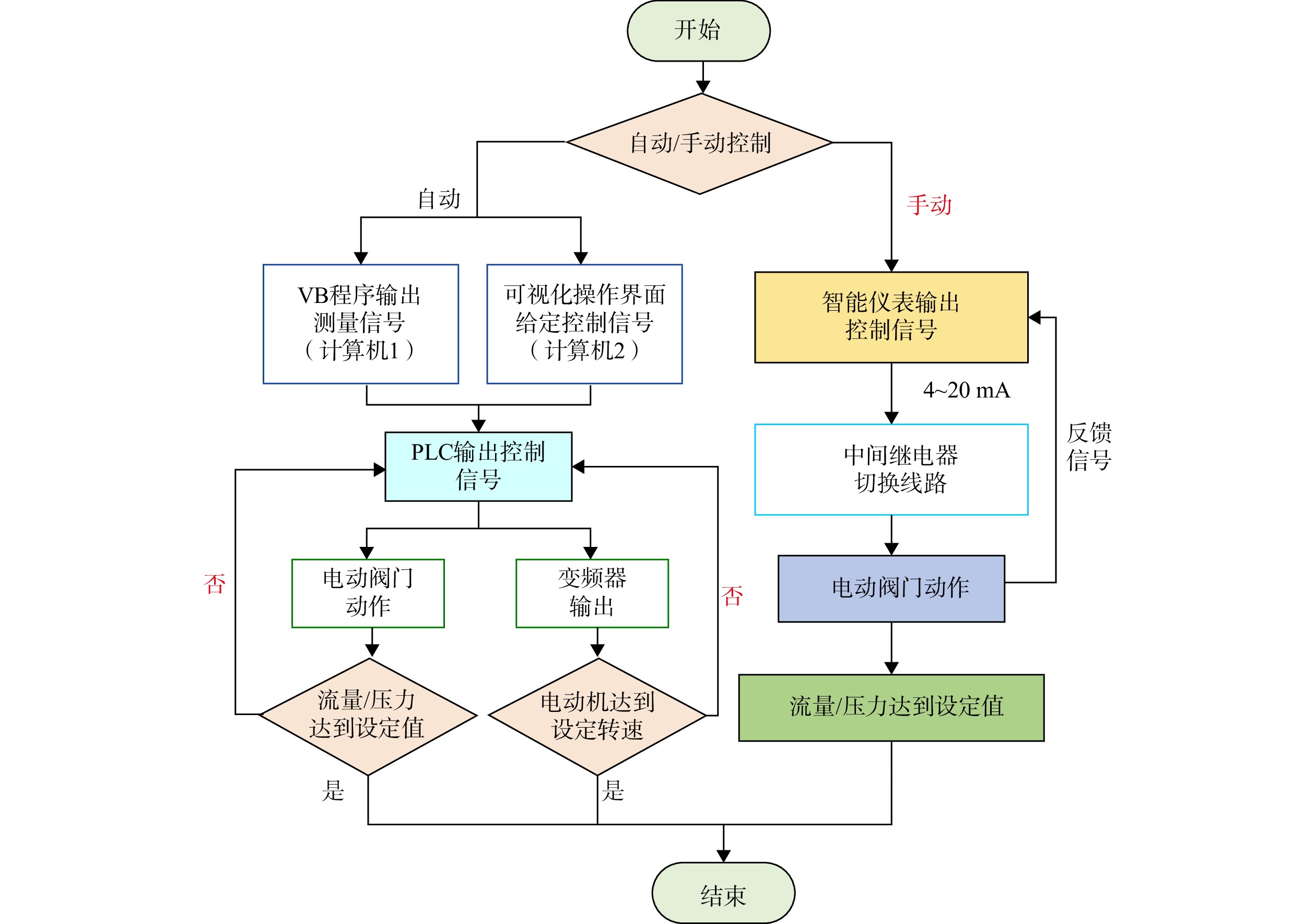
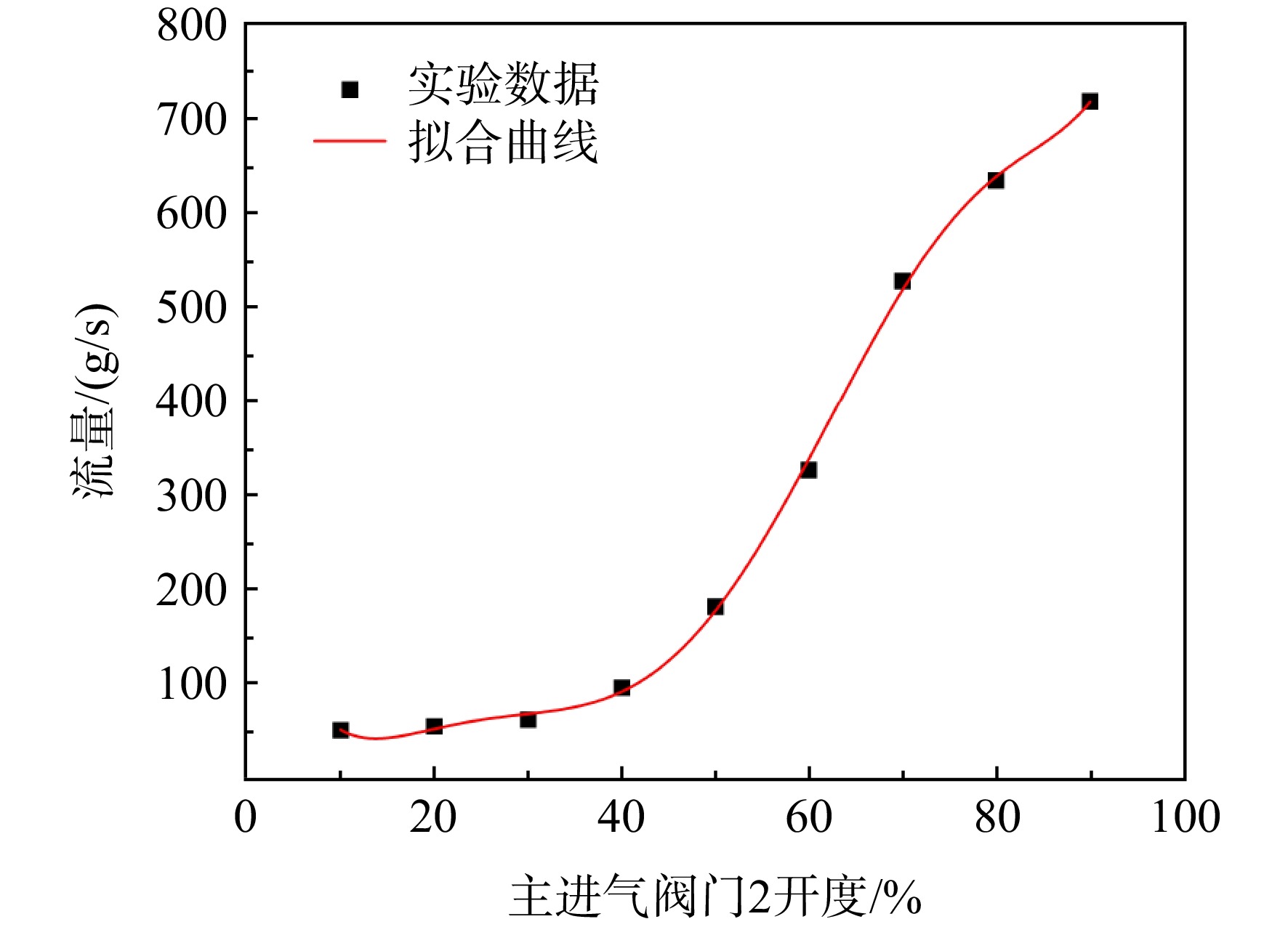
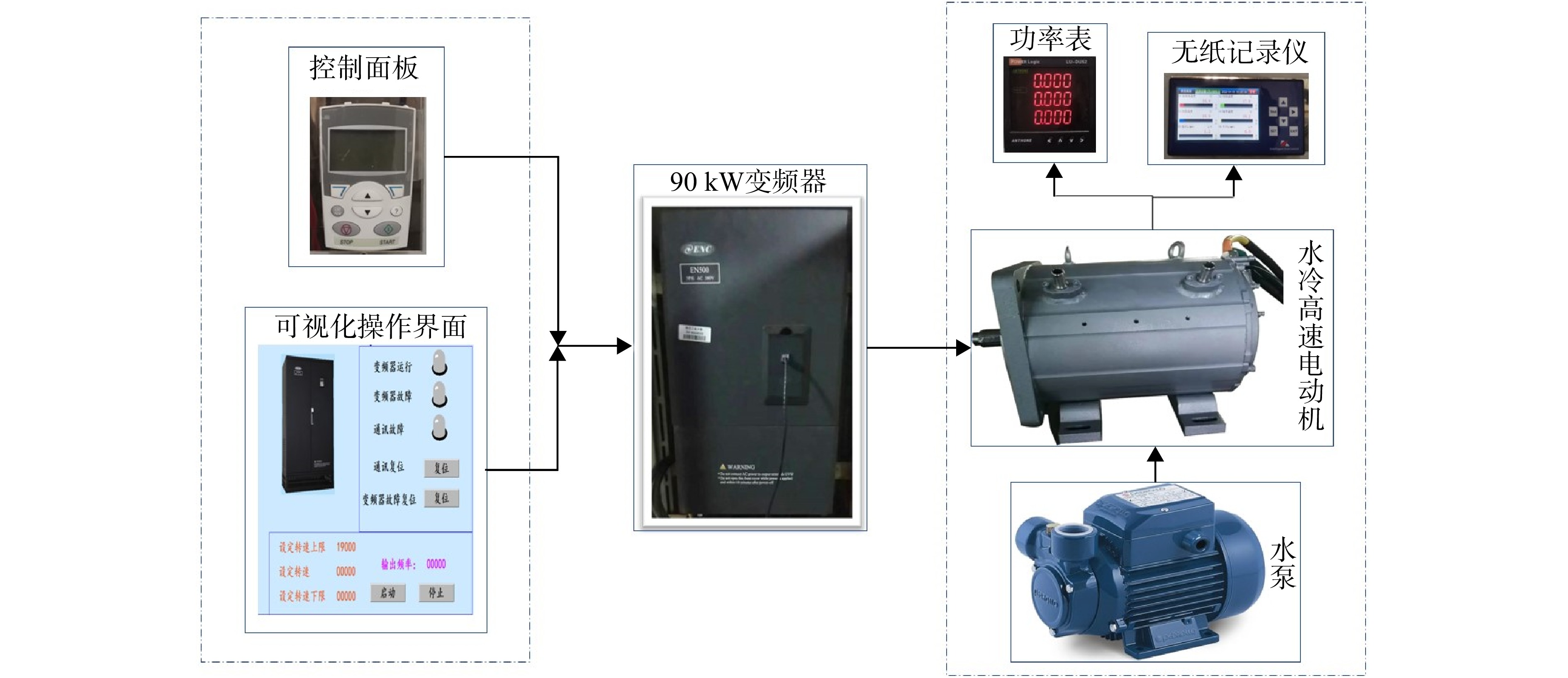
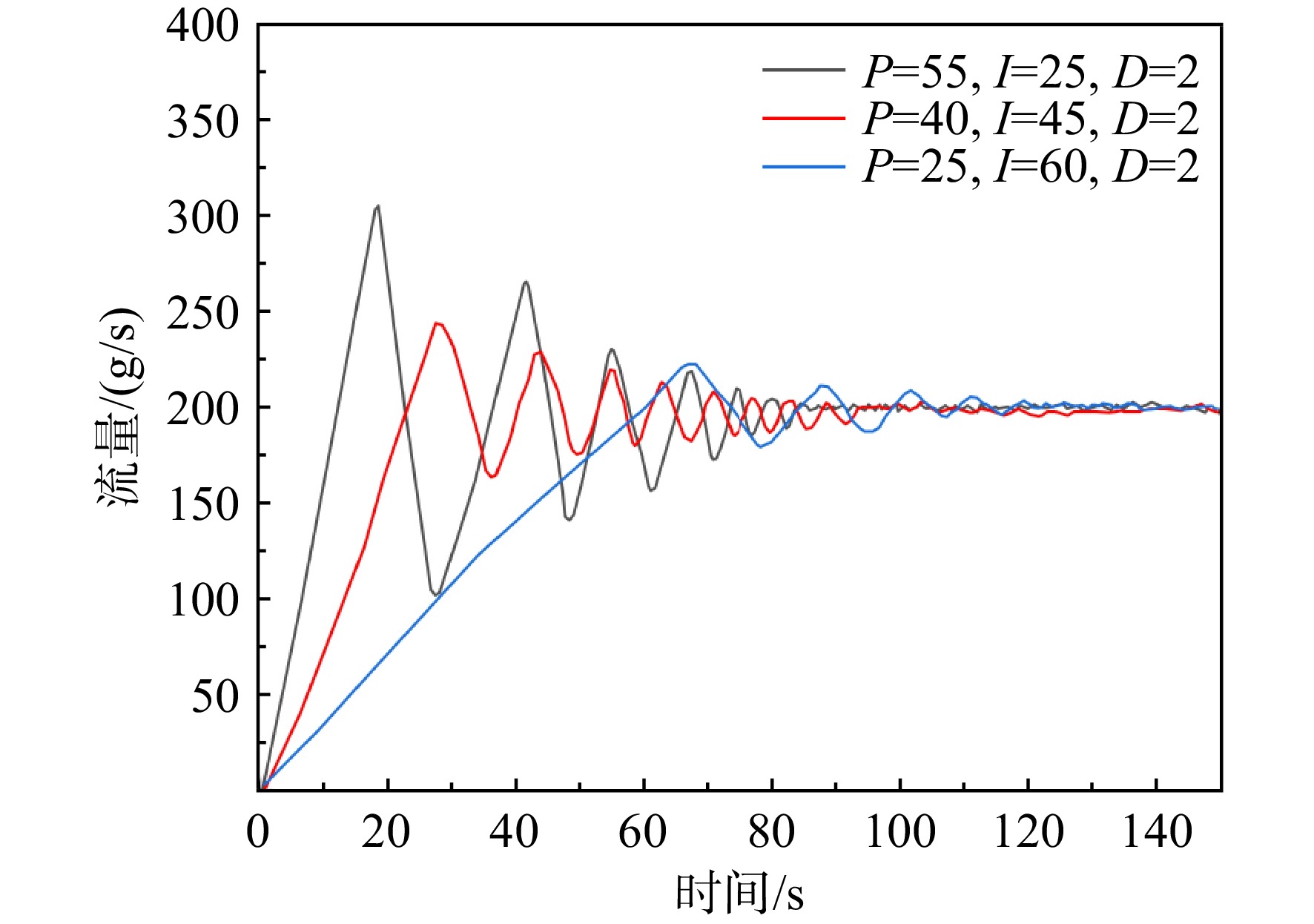
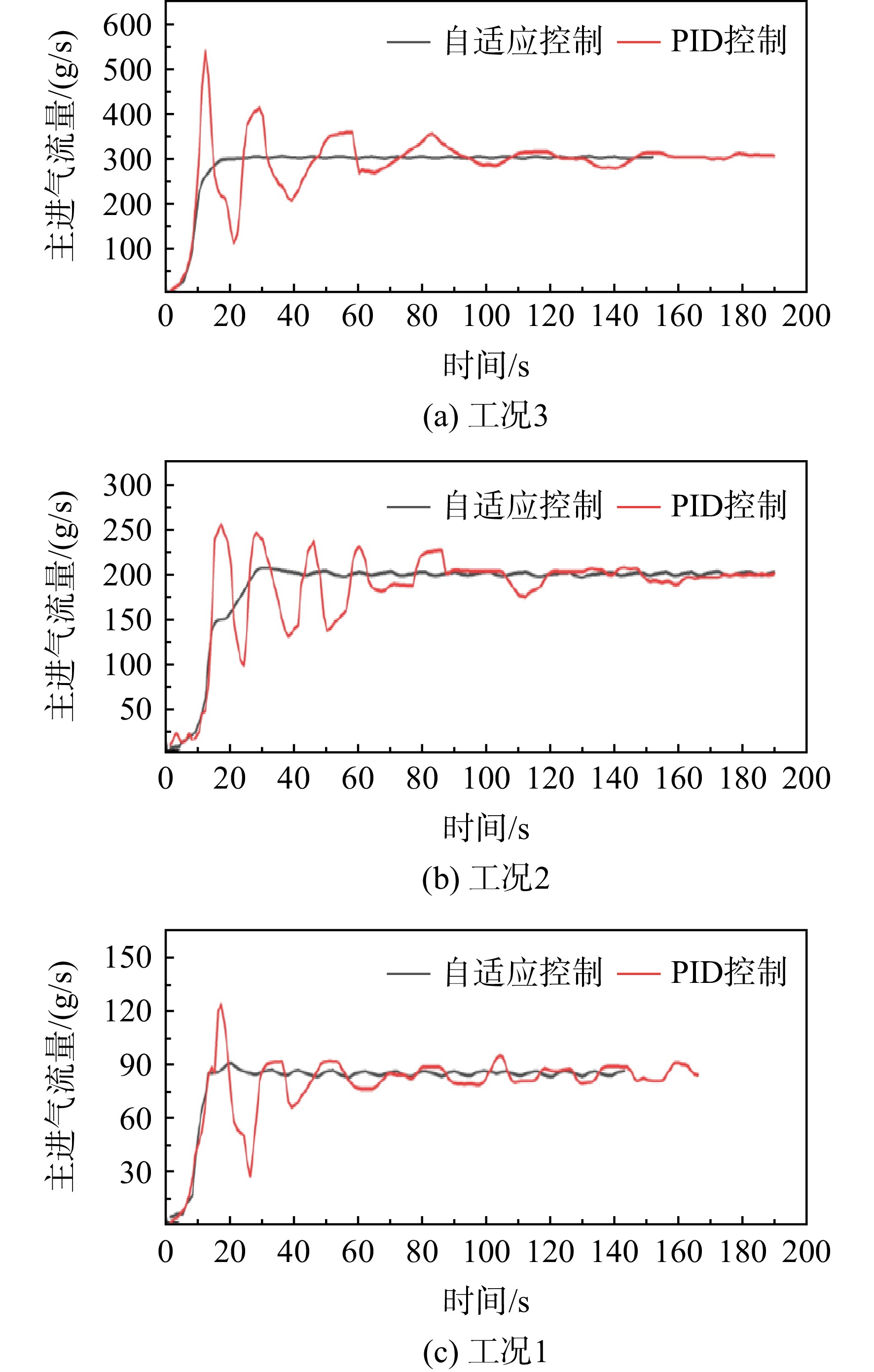
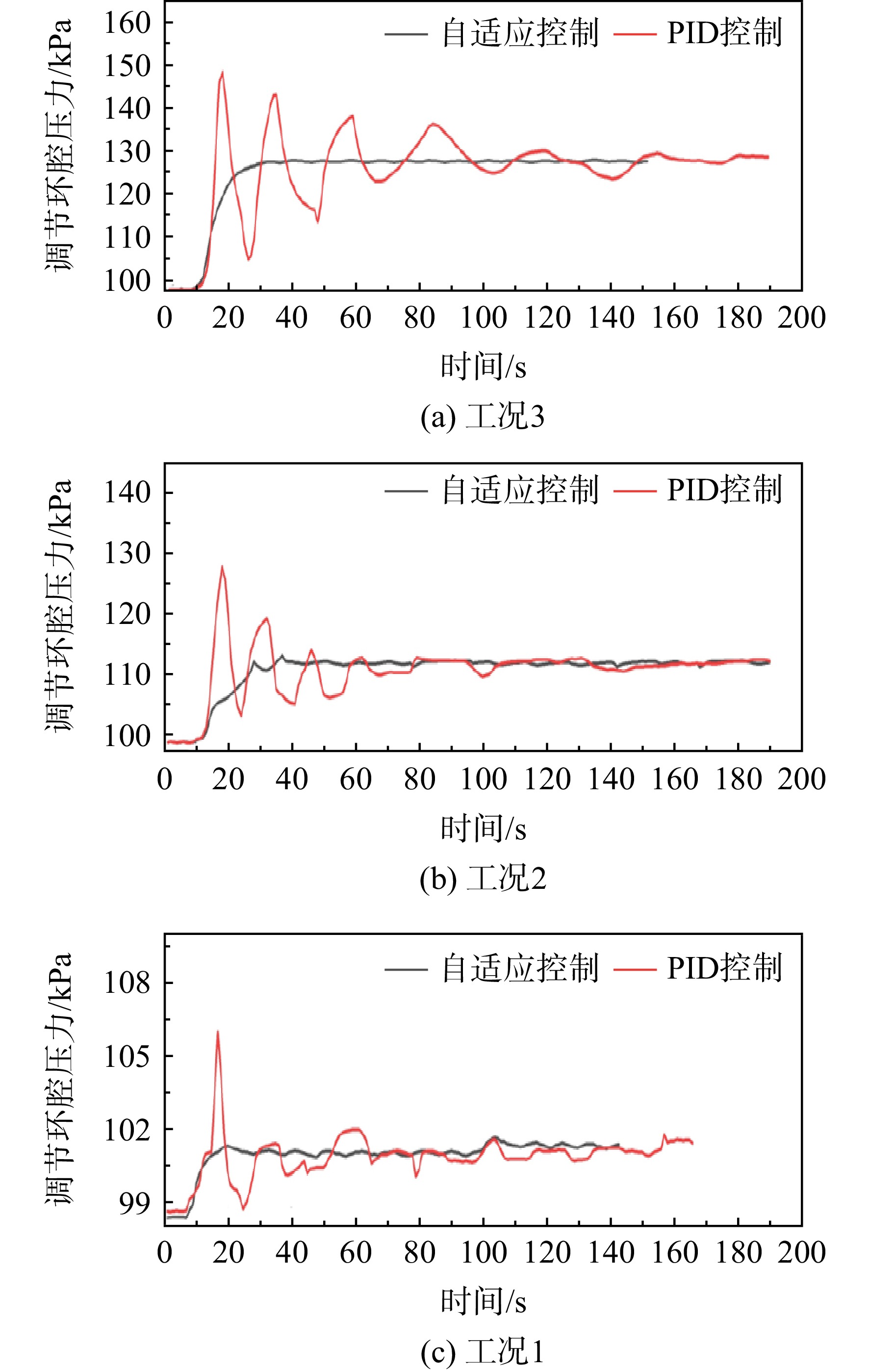
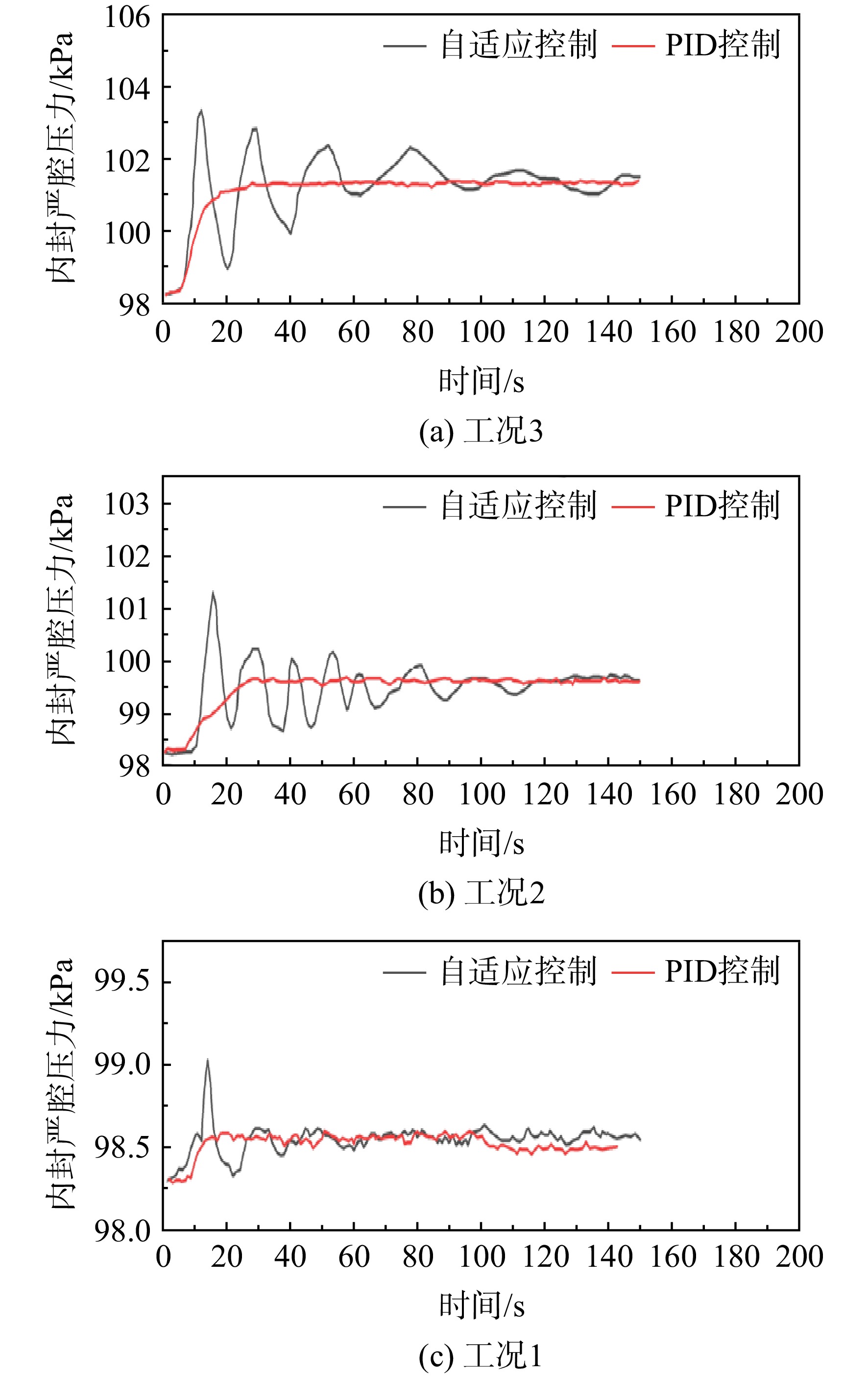
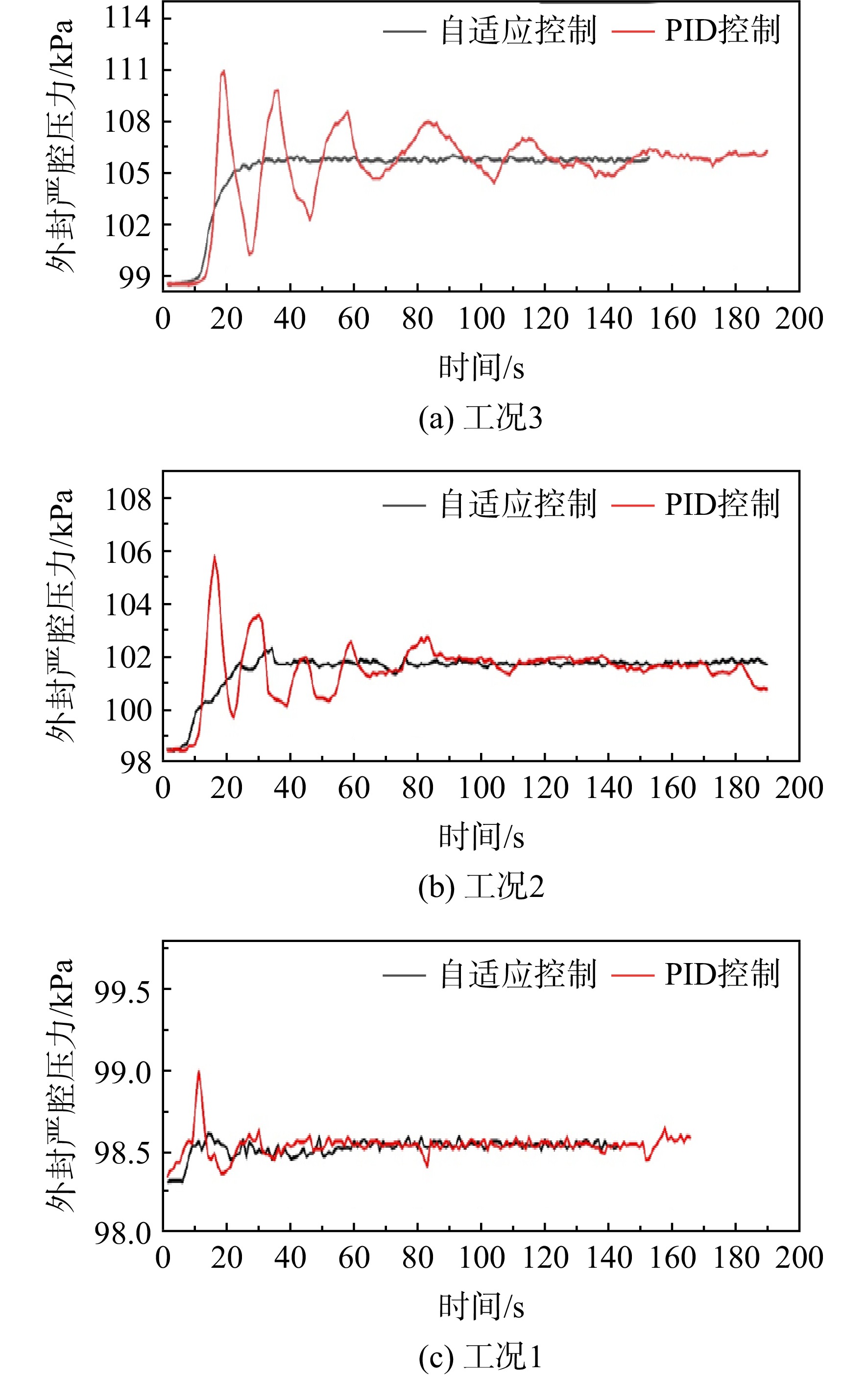
The mass flow rate and pressure control scheme of the gas supply system was studied, and the improved control method of using multiple linear regression prediction and adaptive proportional regulation was put forward to integrate the control of the electric valve of each flow path of the experimental platform. The design of a measuring control system operation table, using Siemens programmable logic controller (PLC) as the main controller, can realize automatic control of 46 electric valves, and retain the remote manual control function. The control mode can be adjusted according to different electric valve speed change/increase amplitude, making the valve adjustment more smooth. Based on the pipeline condition of the experimental platform, compared with the conventional proportion integral differential (PID) control, the control mode can reduce the overshooting of the pressure and mass flow rate of each gas path of the experimental platform by more than 20%, shorten the adjustment time by more than 40 s, and improve the steady-state performance by more than 2% for the large mass flow rate condition.

Excitation control technology of frequency conversion AC power generation system for dual-winding induction generators for multi-electric auxiliary power units
SHI Jianyu, ZHANG Yufei, GUO Zitao, LIU Haozhe, BU Feifei, HUANG Wenxin
2024, 39(10): 20220549. doi: 10.13224/j.cnki.jasp.20220549
Abstract:

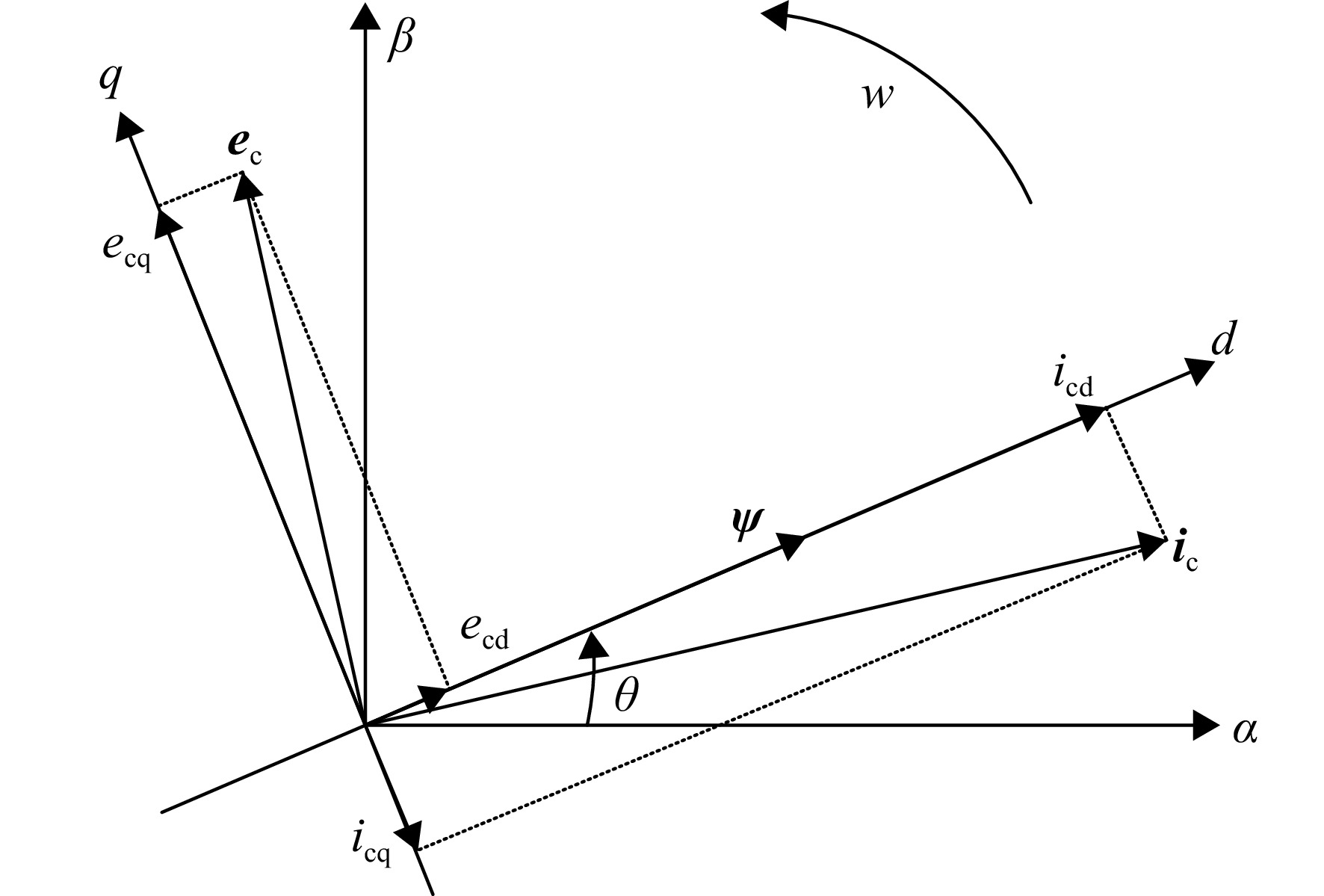
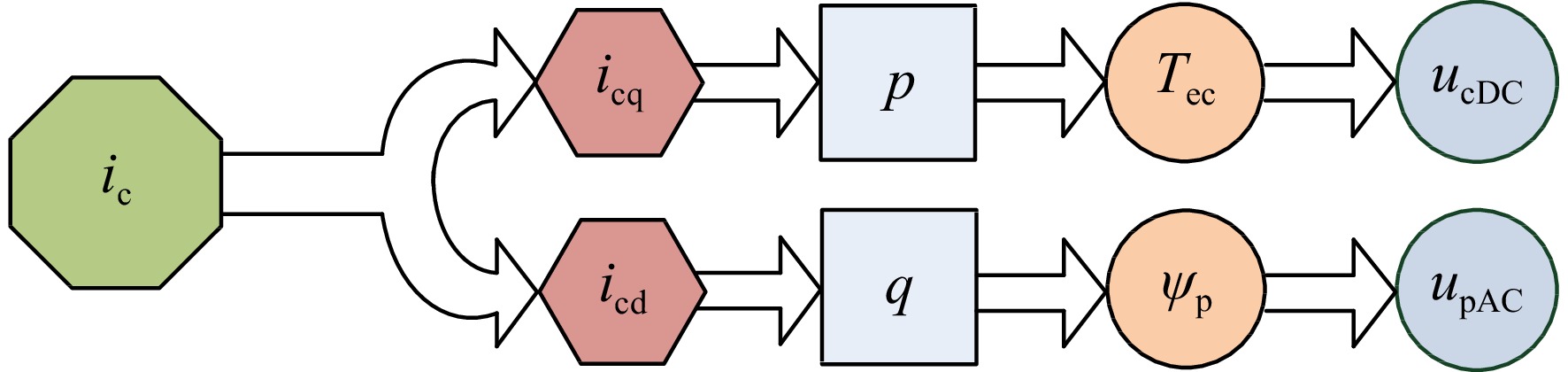
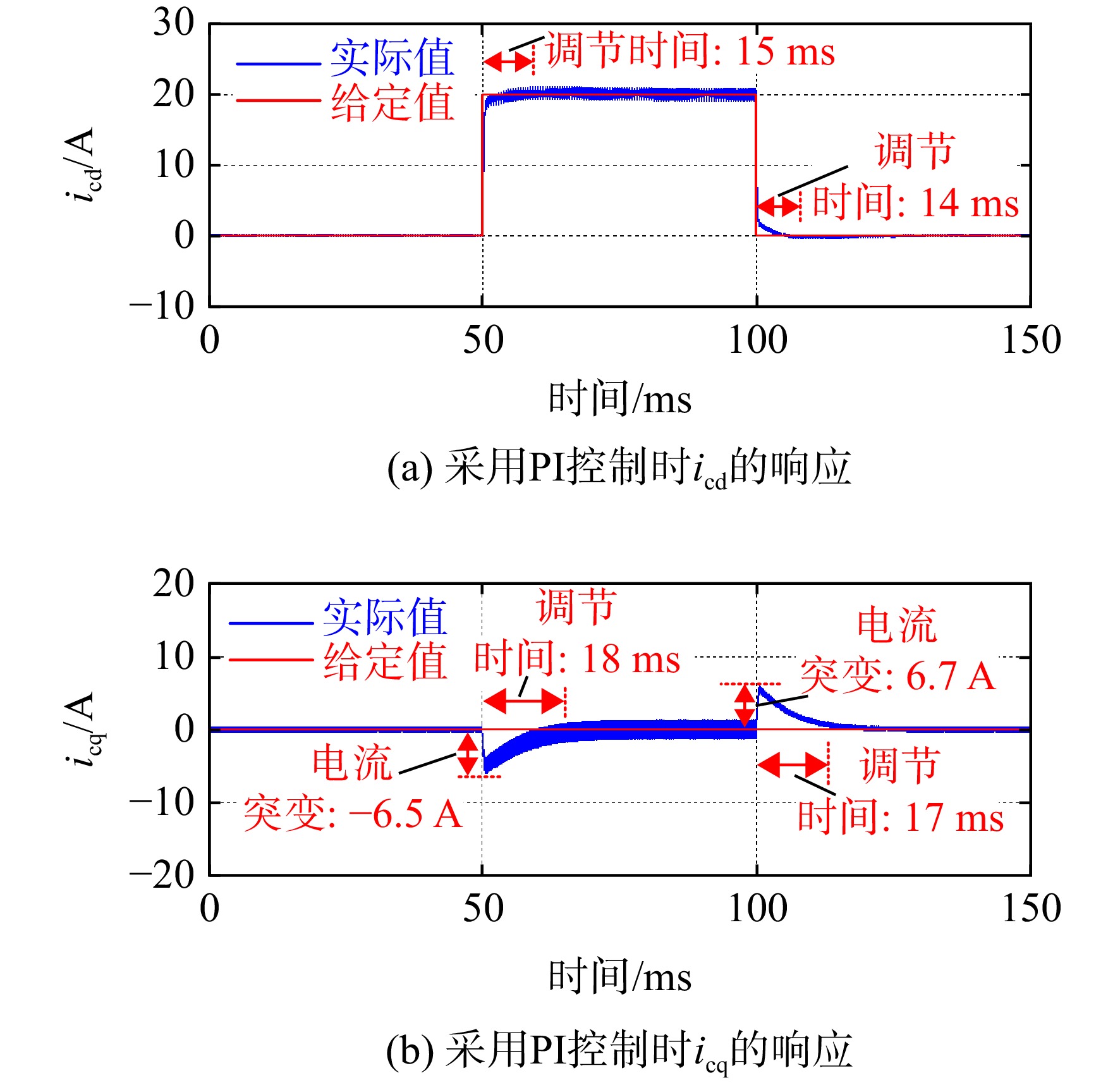
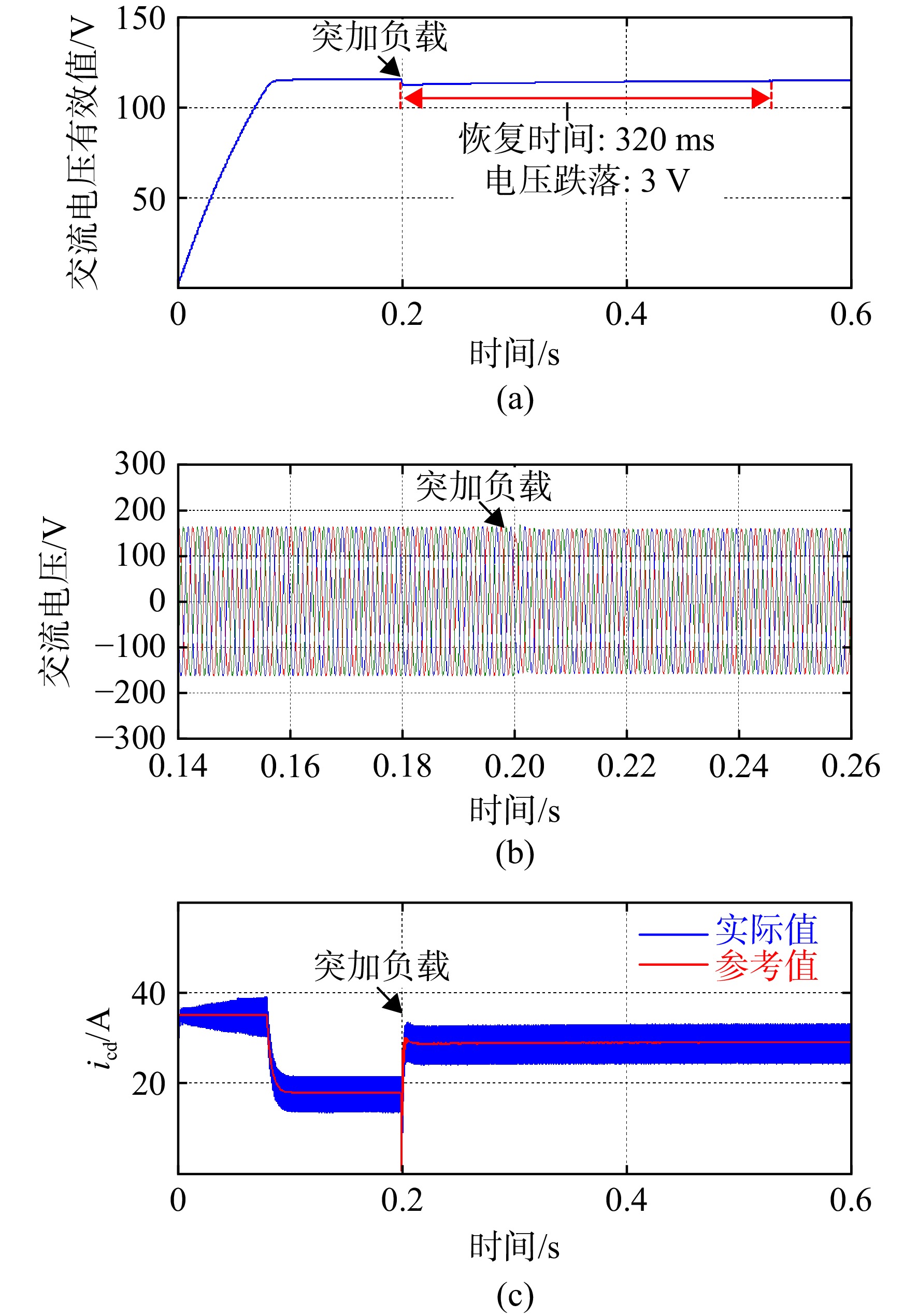
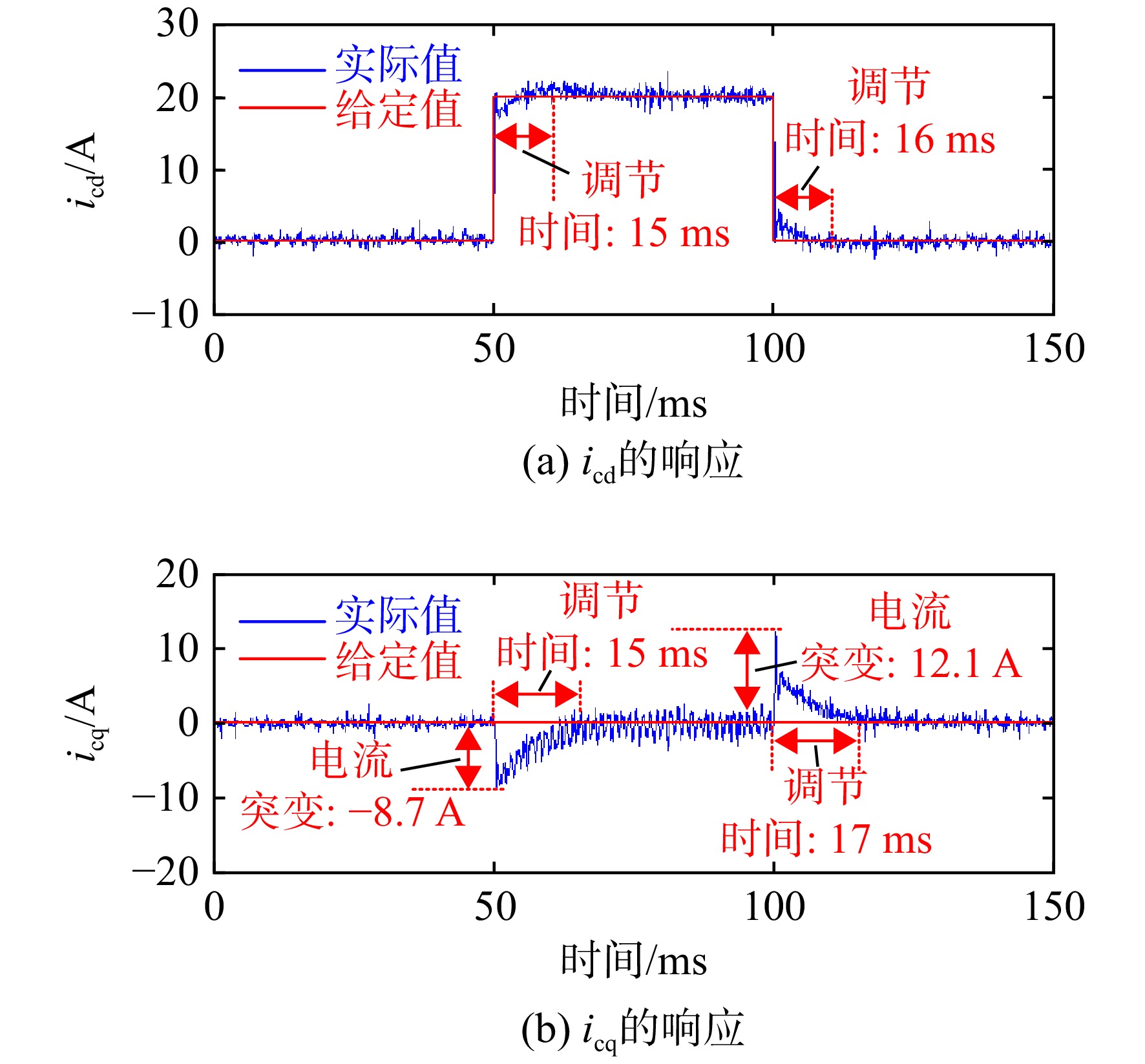
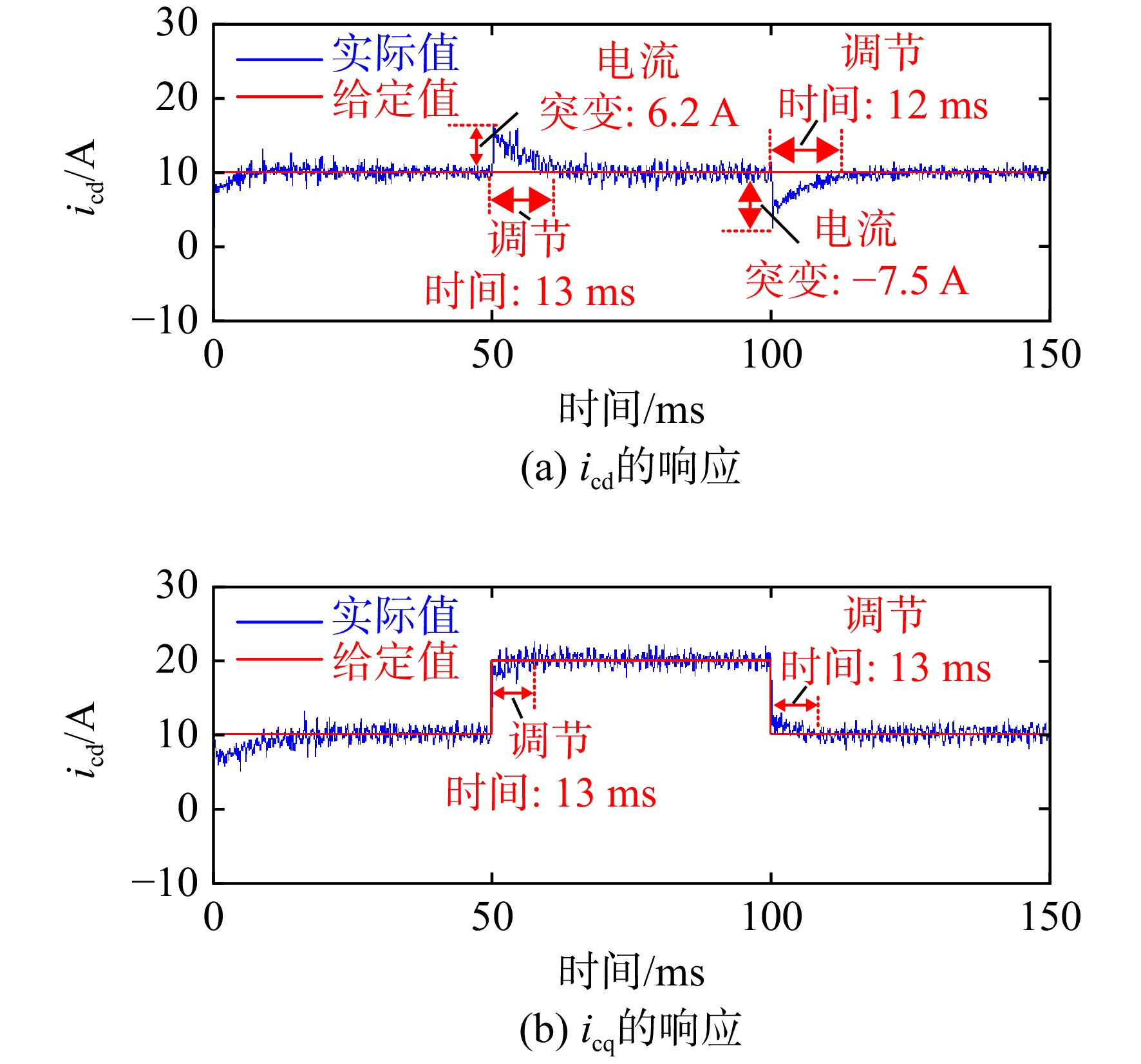
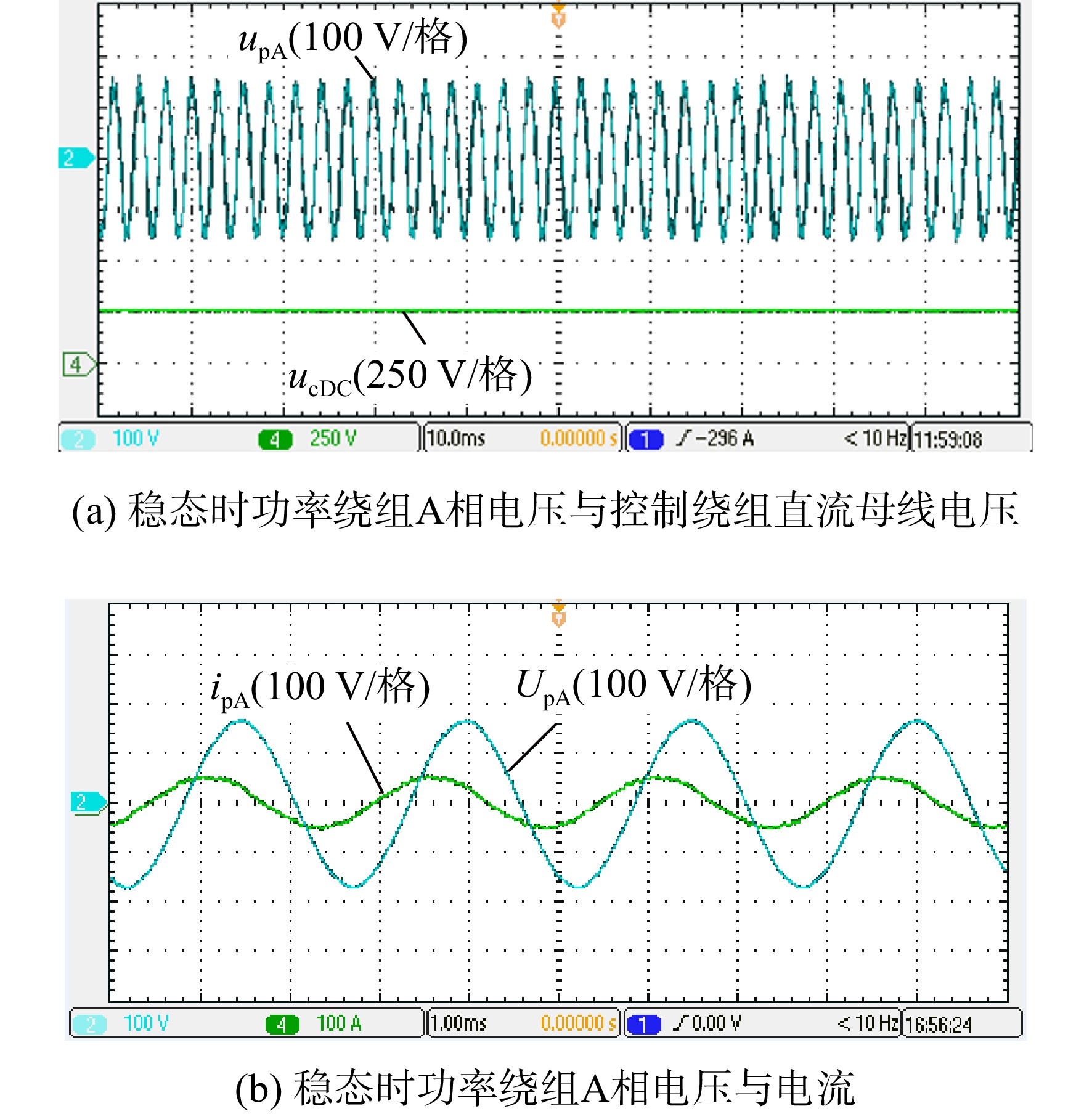
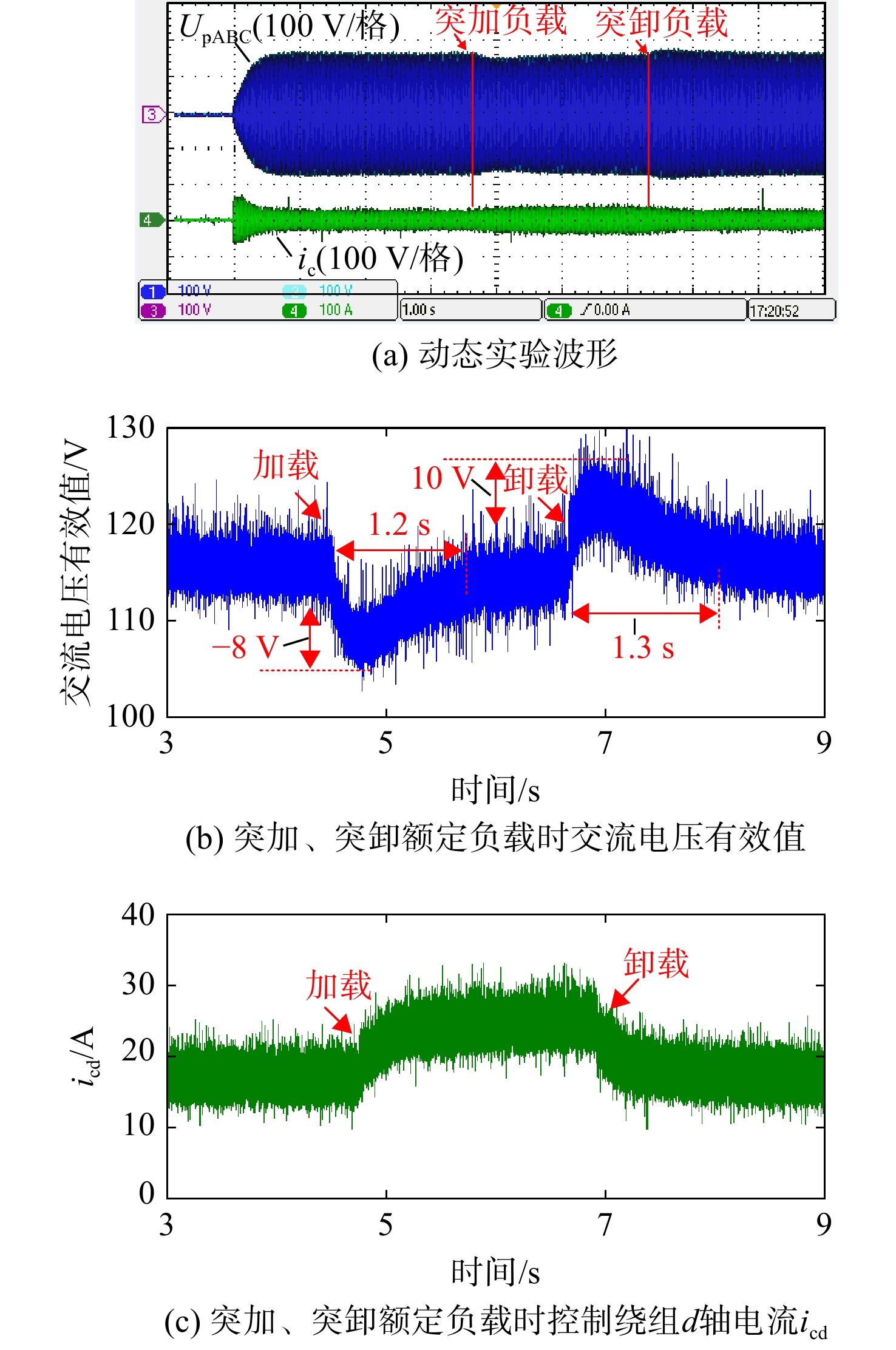
When the main power supply of the aircraft failed, the auxiliary power unit (APU) can be used as a backup power supply instead of the faulty generator. Taking the multi-electric auxiliary power device as the background, a double-winding induction generator variable frequency AC power generation system was studied, and a frequency conversion AC excitation control technology based on control winding flux orientation was proposed. The generator stator consisted of two sets of windings, one for the control winding, which was used to adjust the generator excitation, and the other for the power winding, which was used to output frequency conversion AC power. The two windings were coupled only by a magnetic field. The control winding current was decoupled by using the magnetic chain orientation, and the control winding current was divided into reactive current and active current, and on this basis, the power winding AC voltage and the control winding DC voltage were controlled respectively. The experimental results verified that when the AC side surged and offloaded abruptly, the voltage changed within ±10 V and the recovery time was not more than 1.3 s. Research results showed that the excitation control technology can make the induction generator run smoothly, and AC output voltage has good steady and dynamic performance.

Safety,Airworthiness
Simulation on steady-state characteristics of aero-engine fuel regulation device
YANG Shiyu, LIN Yuanfang, XU Xianghua, LIANG Xingang
2024, 39(10): 20220776. doi: 10.13224/j.cnki.jasp.20220776
Abstract:

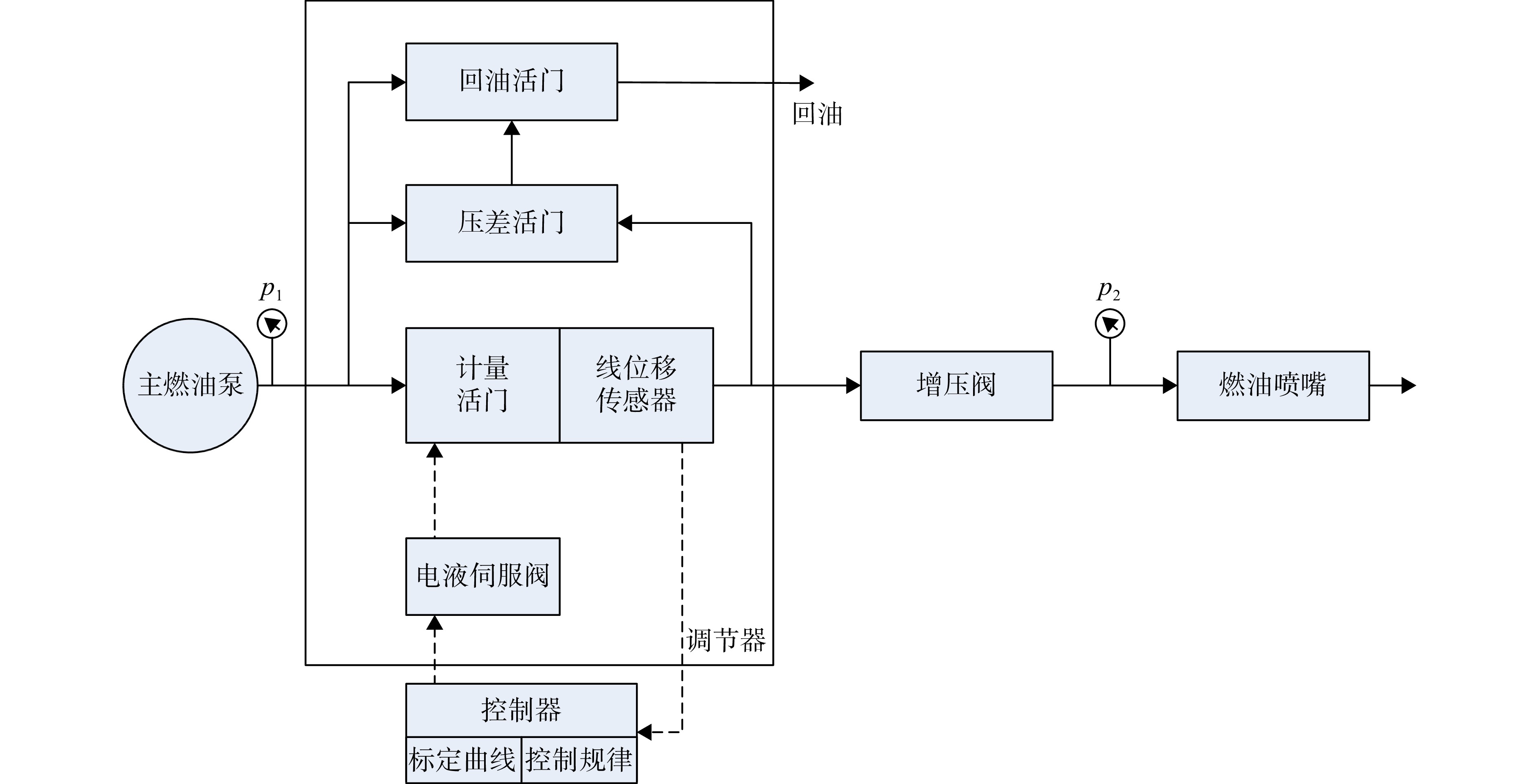
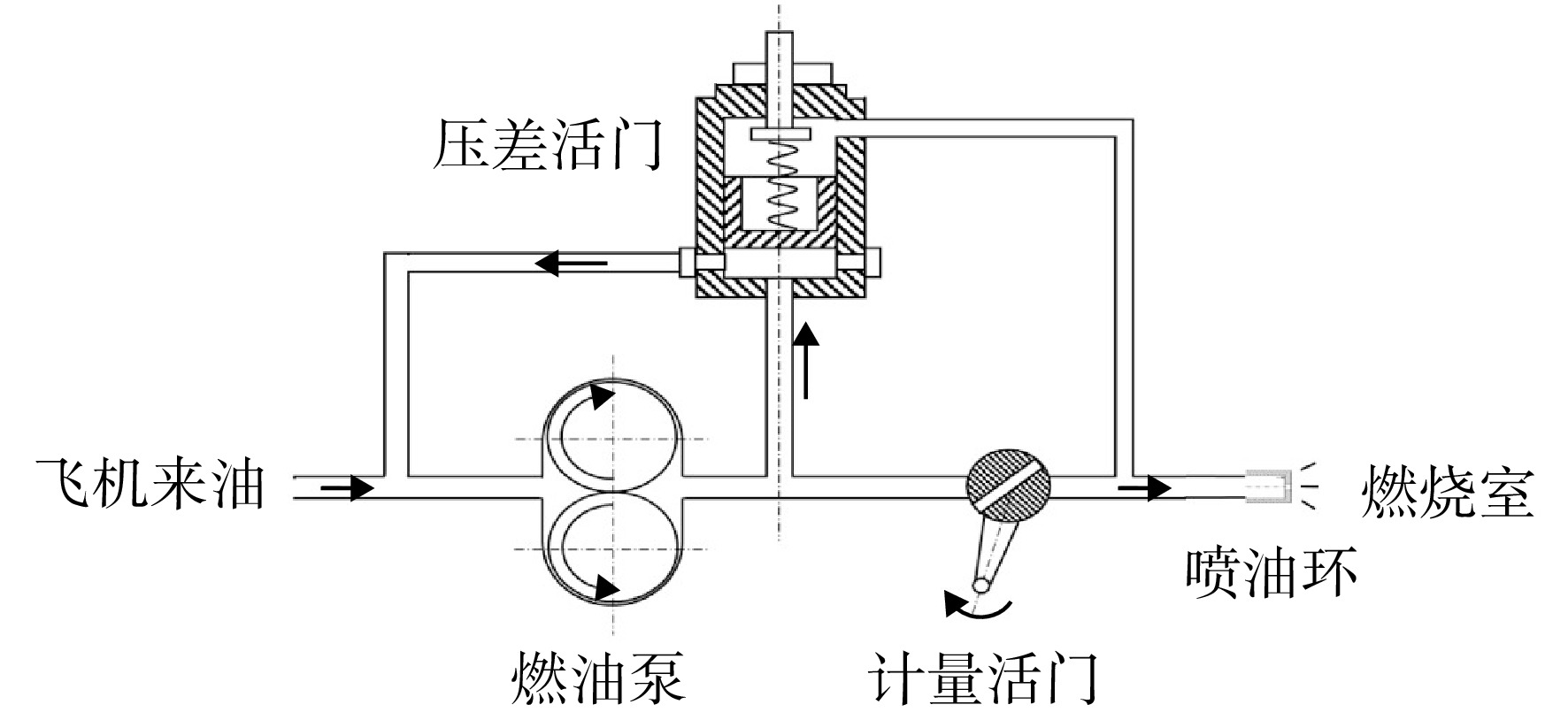
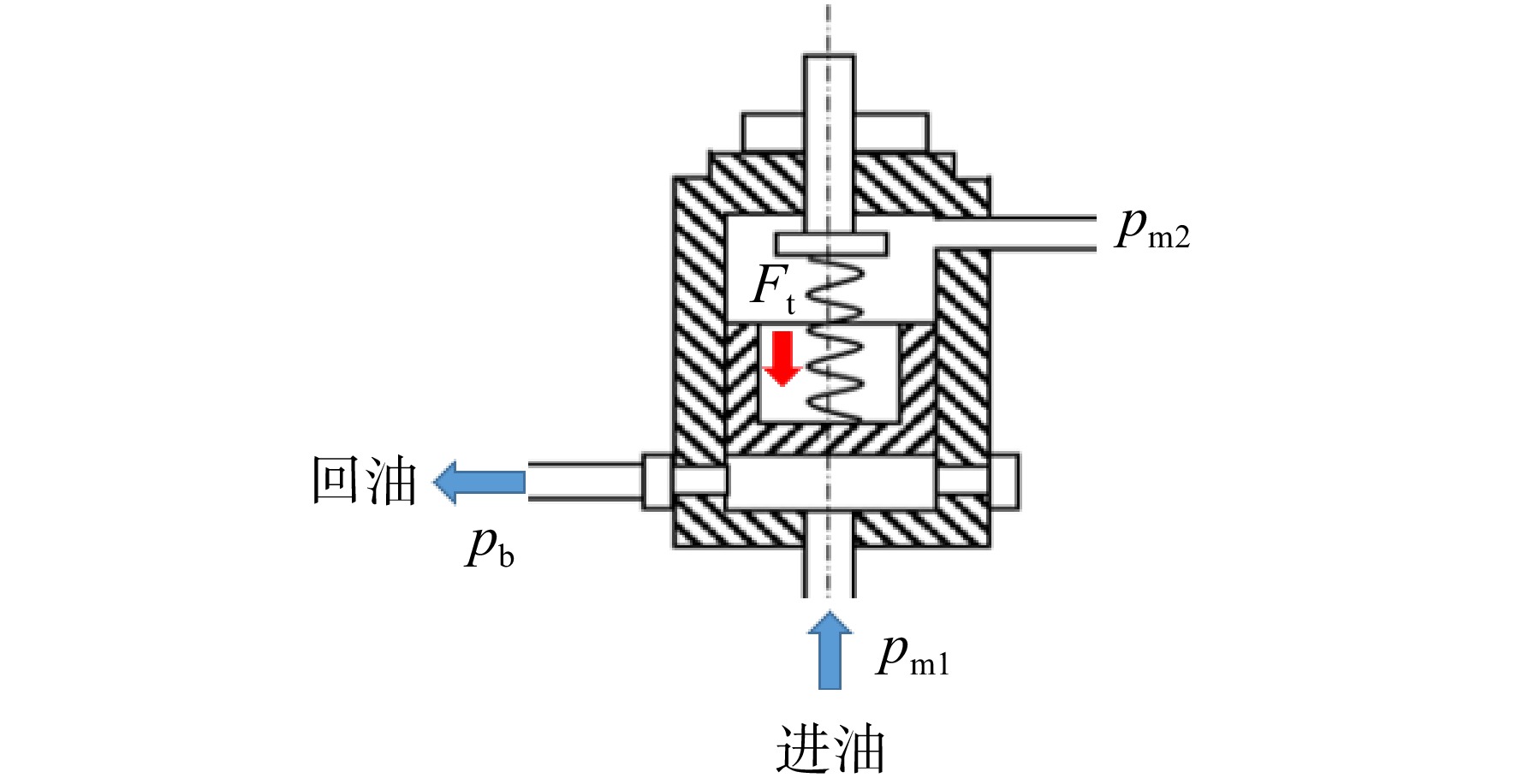
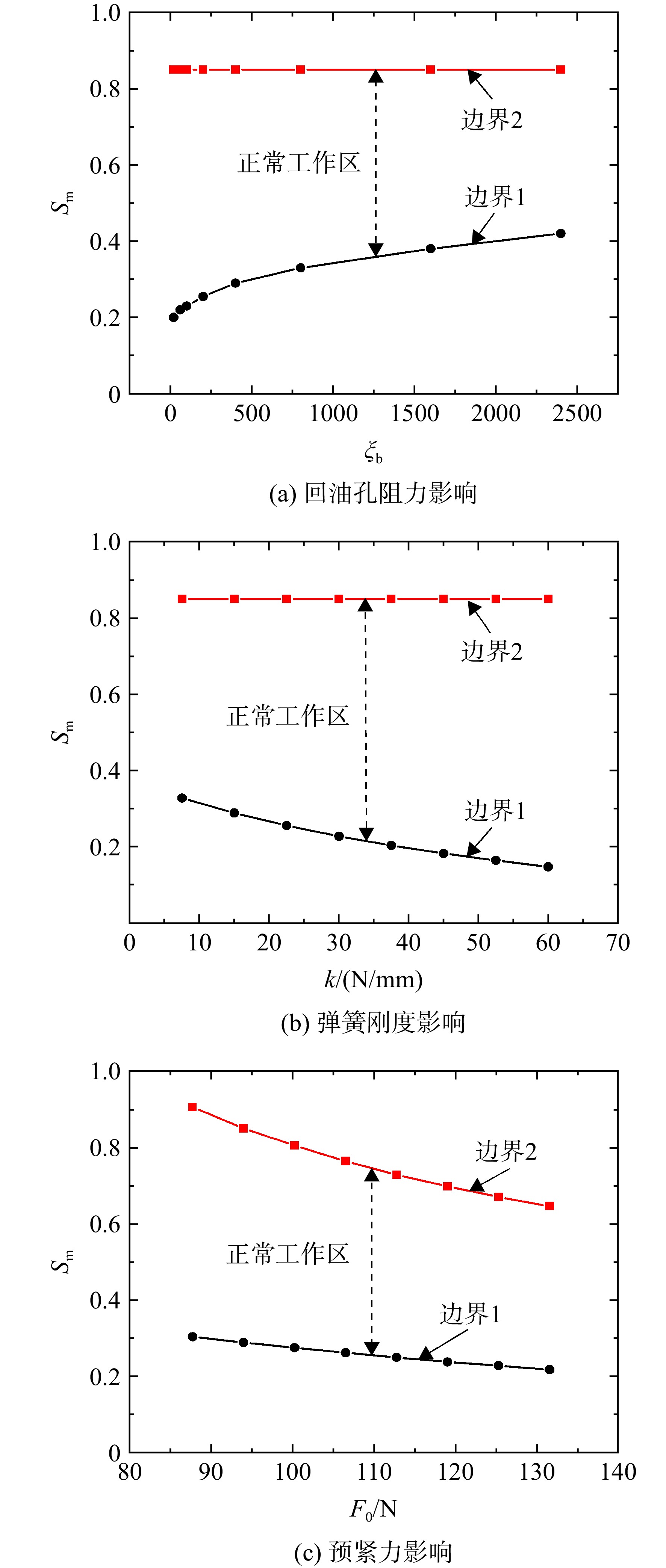
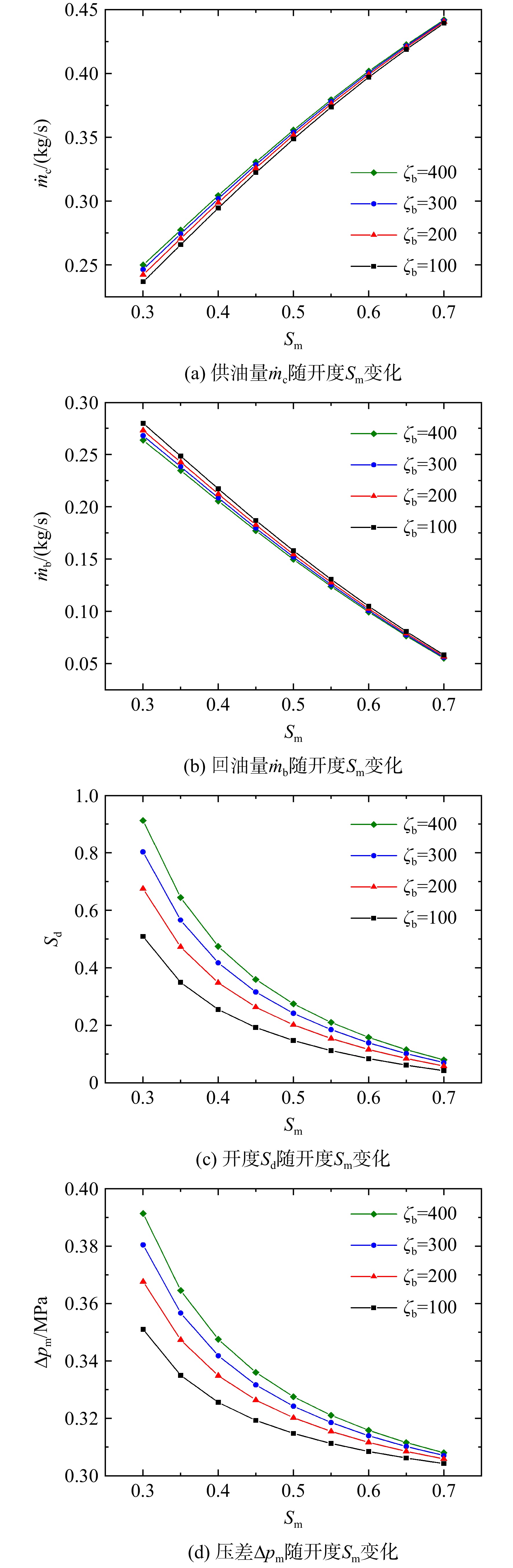
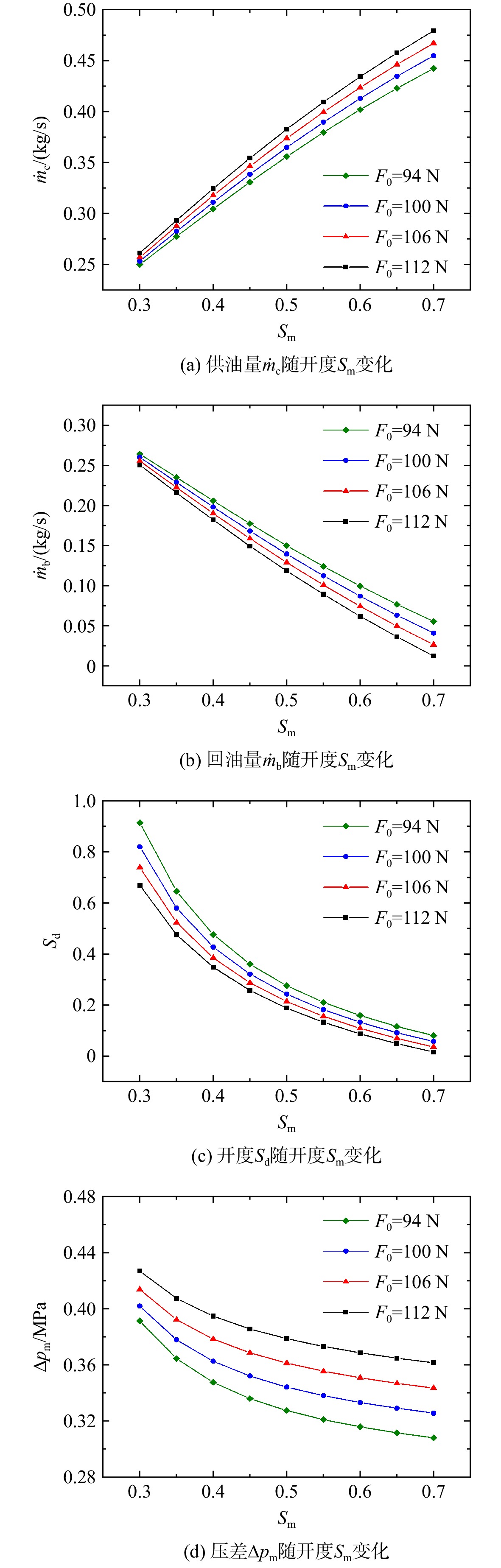
In order to study the steady-state operating characteristics of fuel regulation device and improve the flow control performance, a one-dimensional steady-state flow simulation program for aero-engine fuel system was developed based on Python language. By establishing a complete component library and efficient solution algorithm, the simulation of a fuel flow regulation system with pressure control components was realized. From the view of system, the working characteristics of the regulation device and the influence of parameters on the flow were analyzed. The results showed that under the working condition of the design point, the normal-working opening range of the metering valve was 0.3—0.85, and too large or too small opening was not conducive to the control of fuel flow. Only the preload can change the opening boundary of the metering valve. The influences of differential pressure valve parameters on the oil supply varied monotonically with the opening of the metering valve. Under the function of differential pressure valve, the oil supply to the combustor was less sensitive to the parameters of the system, and the change was less than 10%. It was found that internal leakage of the fuel pump served as an important factor affecting the fuel supply.