2024 Vol. 39, No. 11

Structure,Strength and Vibration
Influences of configuration state of double-stage turbine assembly on rotor dynamic characteristics
MA Yanhong, LI Yifeng, CHEN Xueqi, WANG Yongfeng, HONG Jie
2024, 39(11): 20220329. doi: 10.13224/j.cnki.jasp.20220329
Abstract:

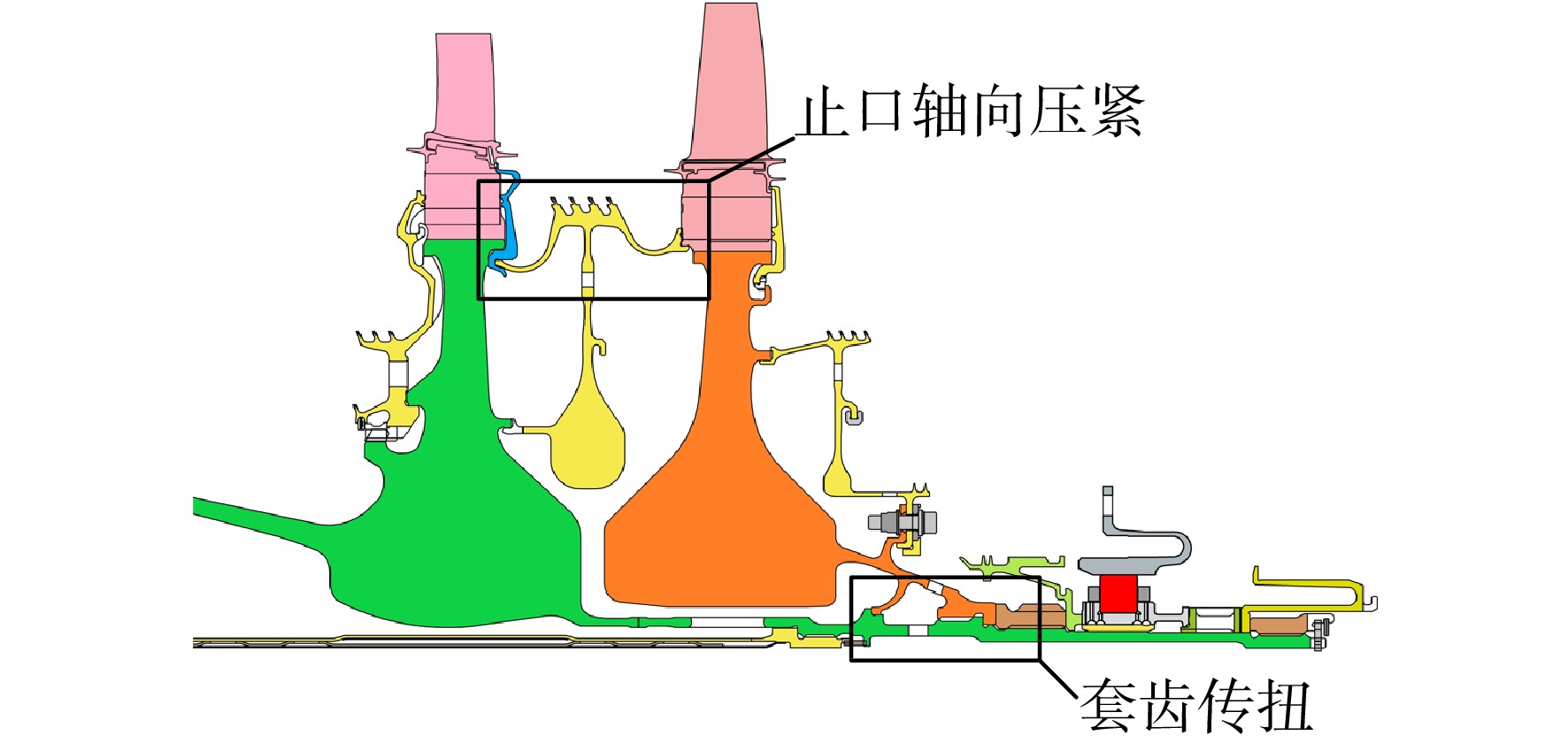
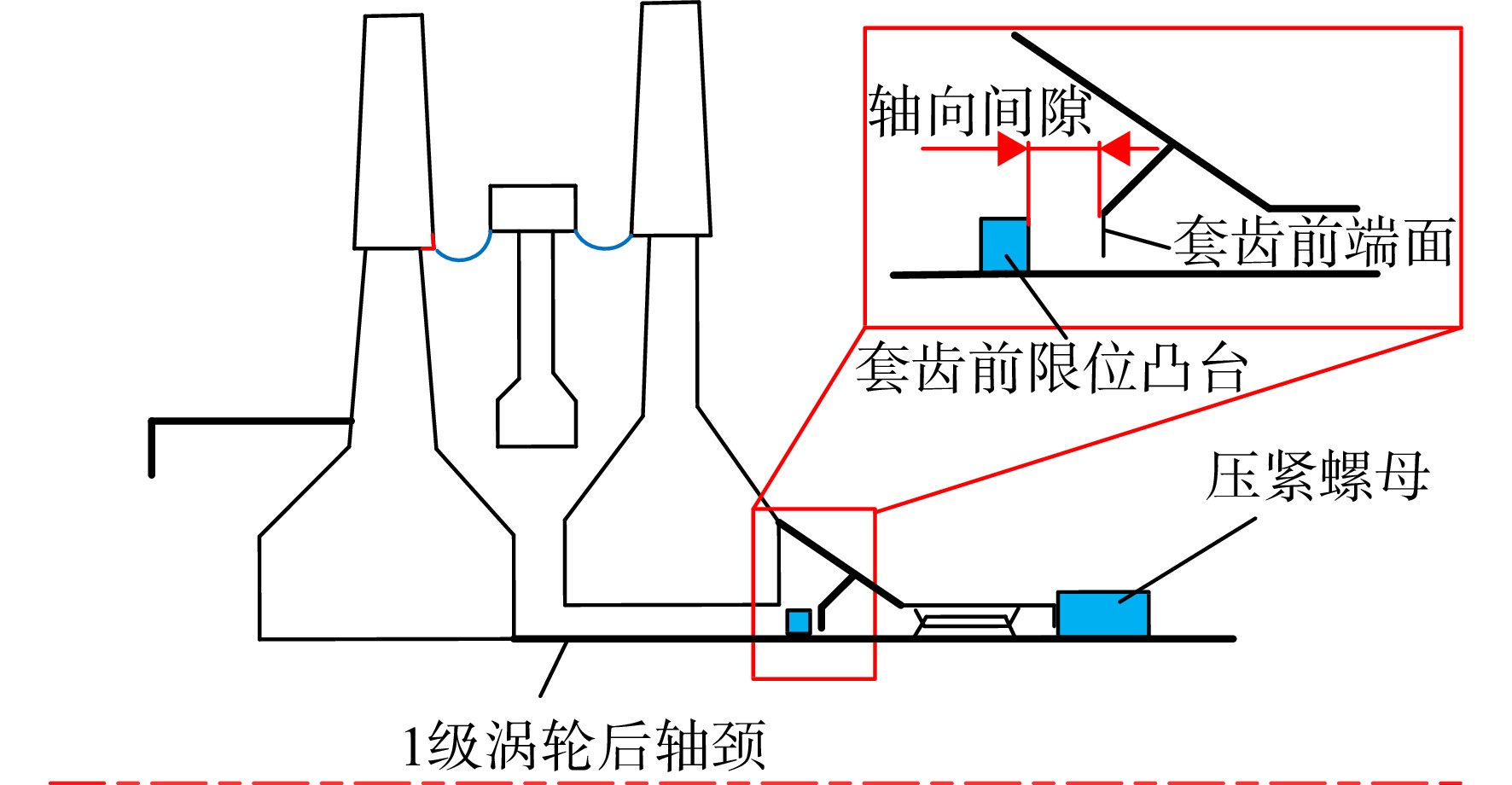
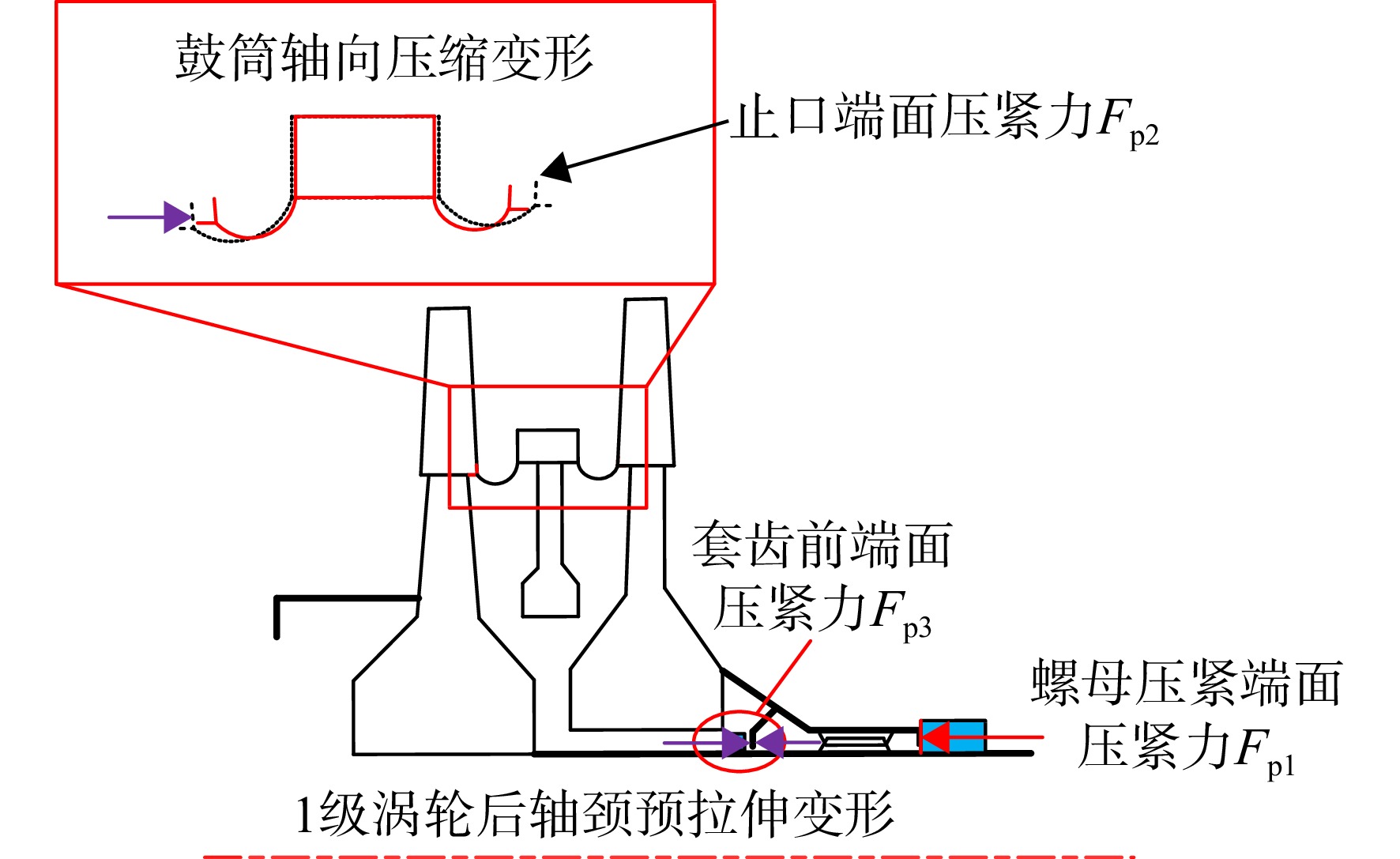
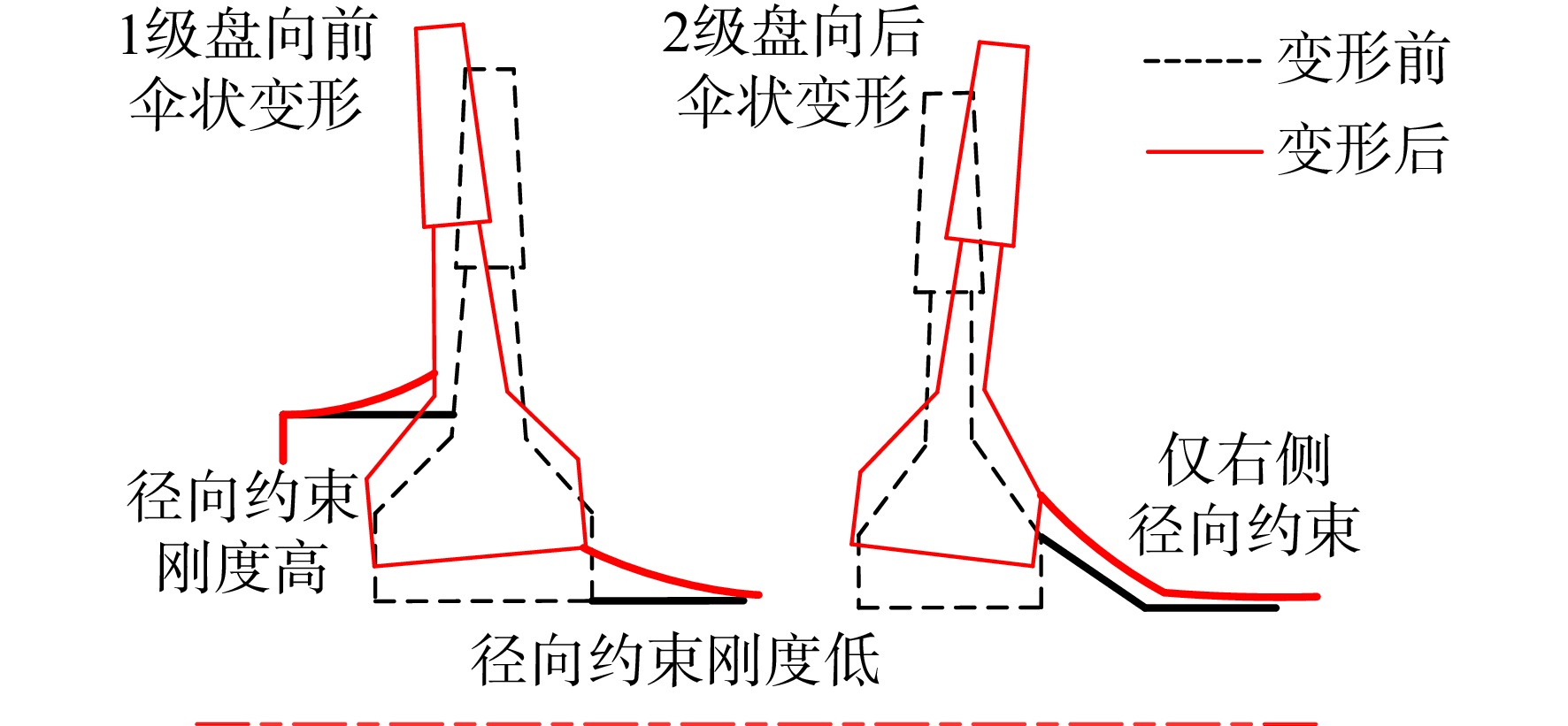
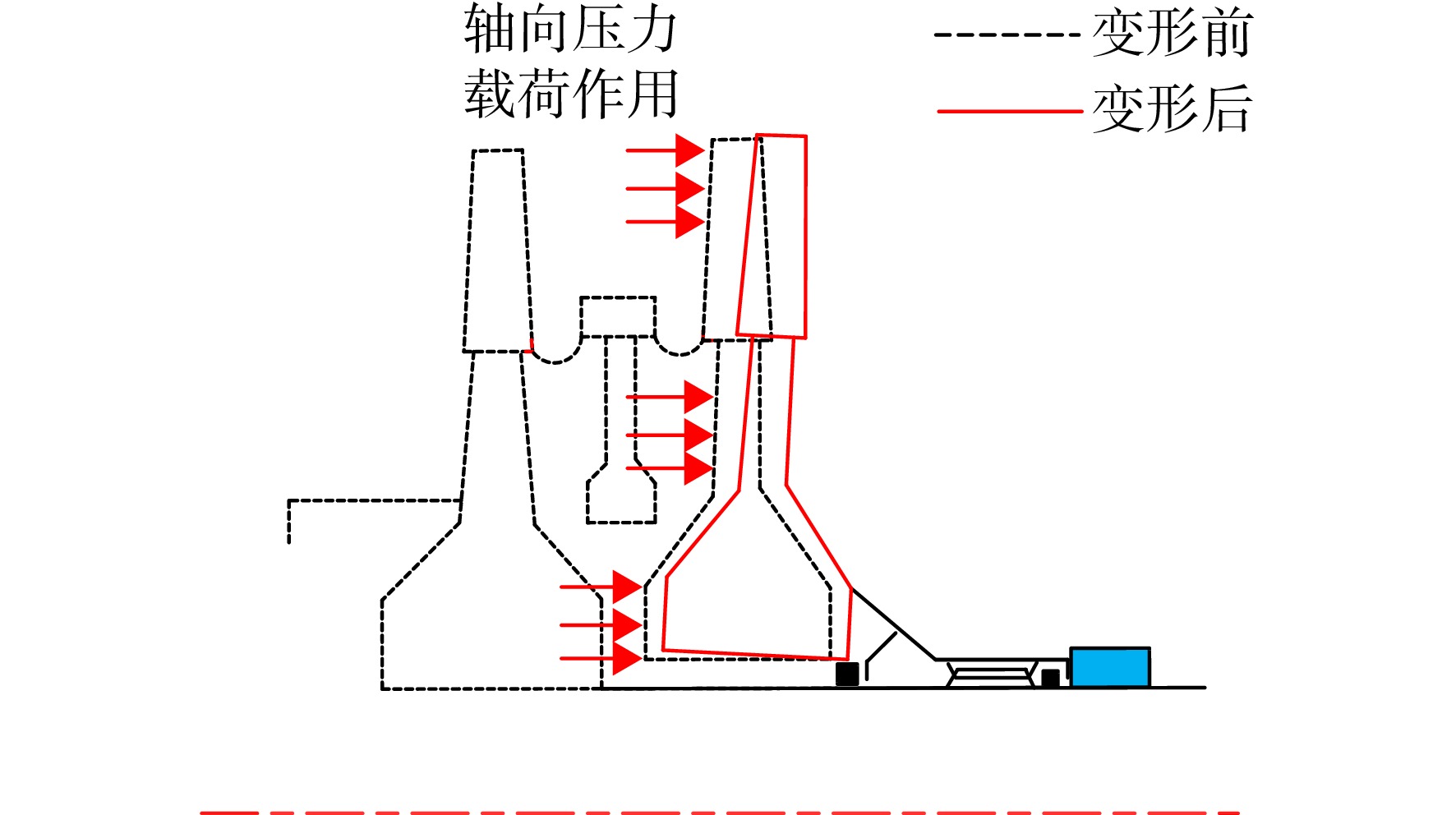
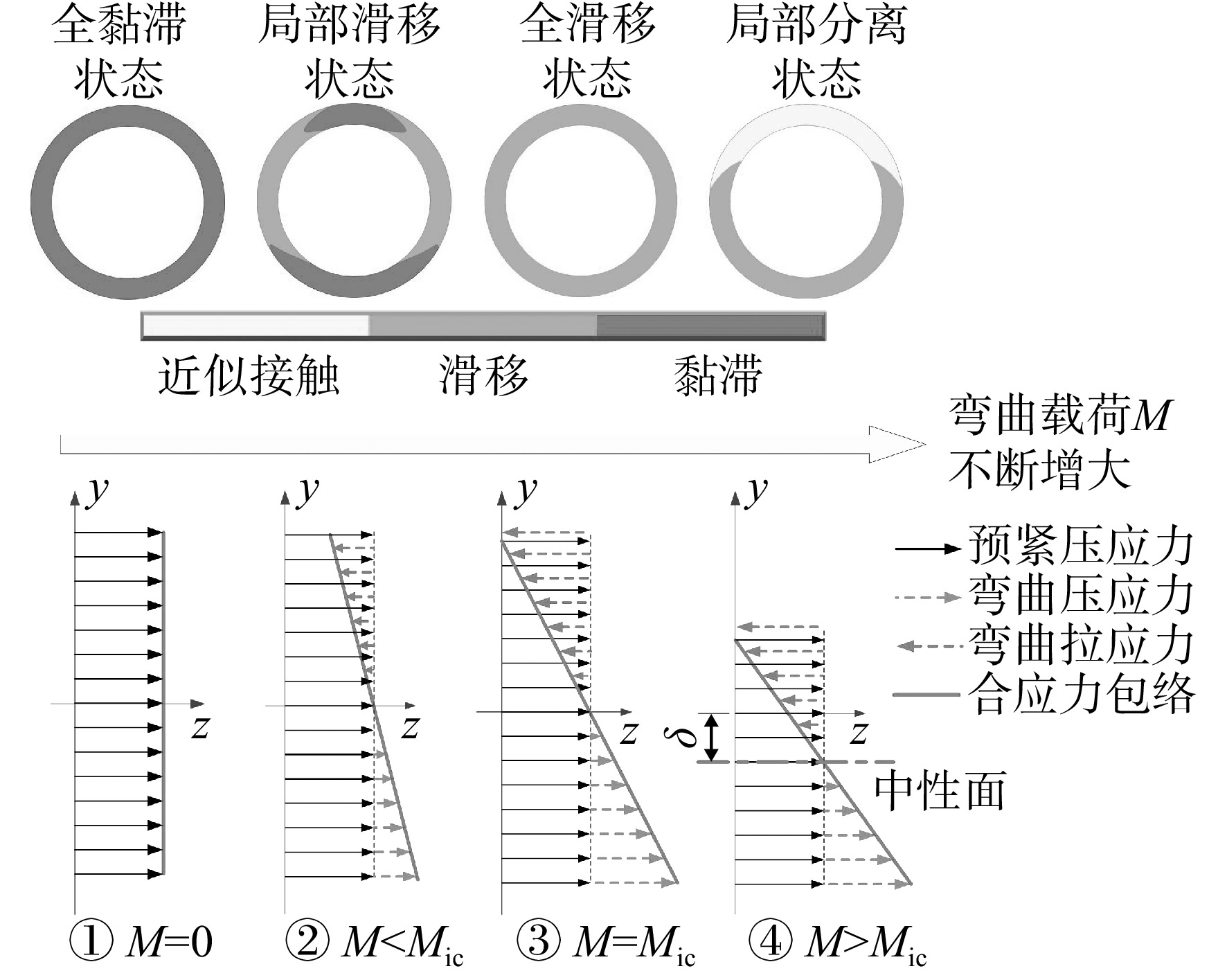
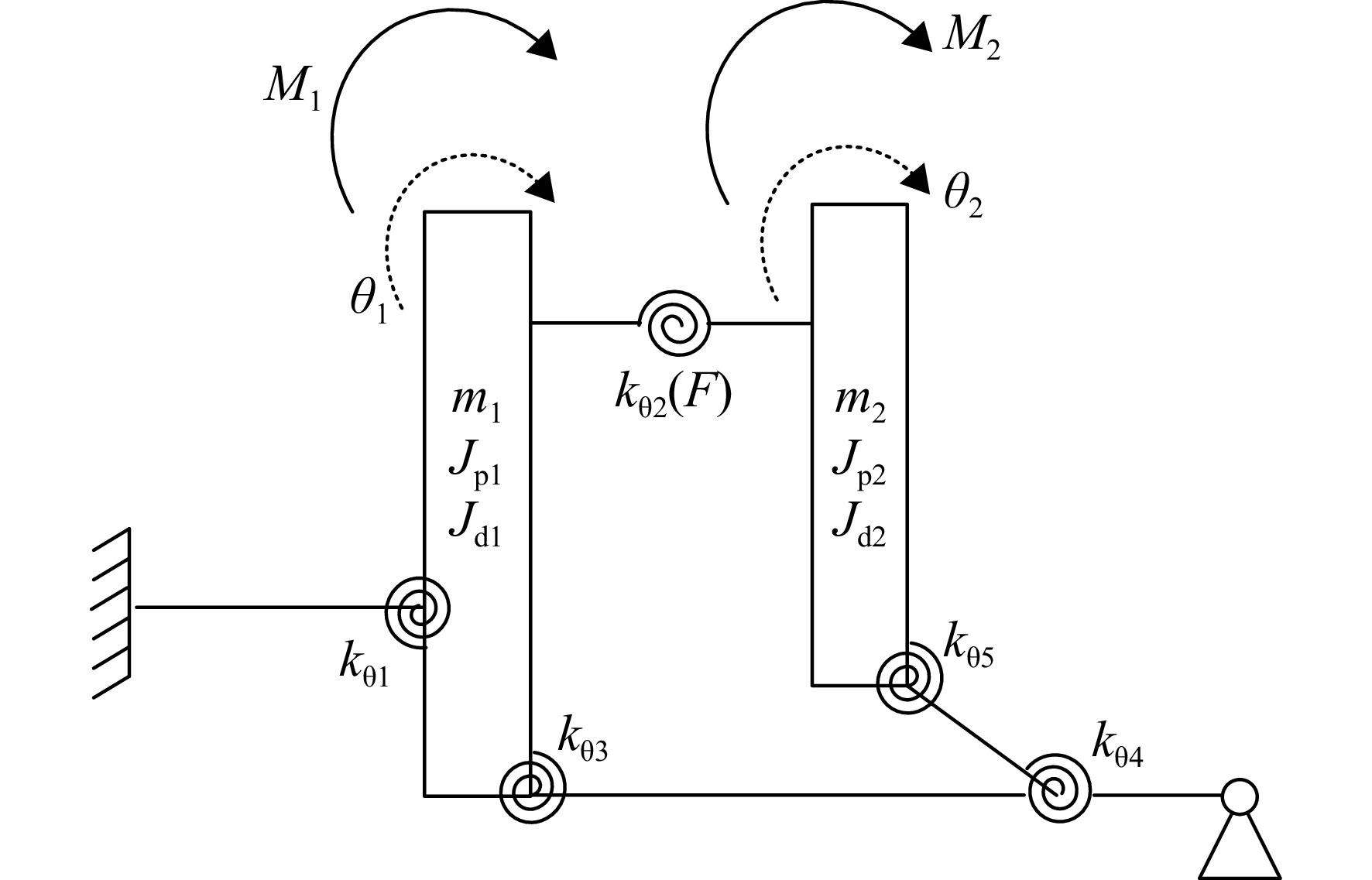
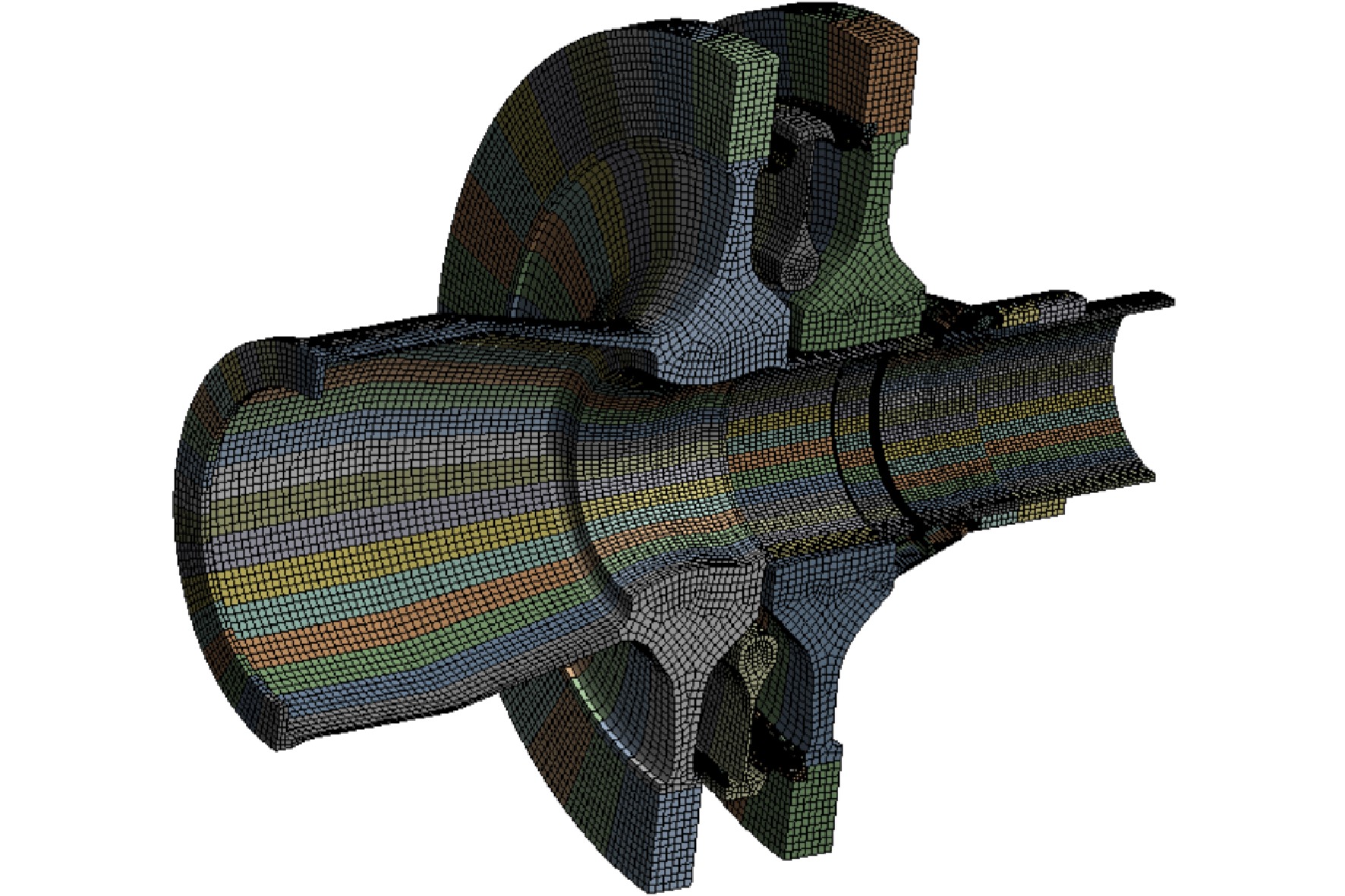
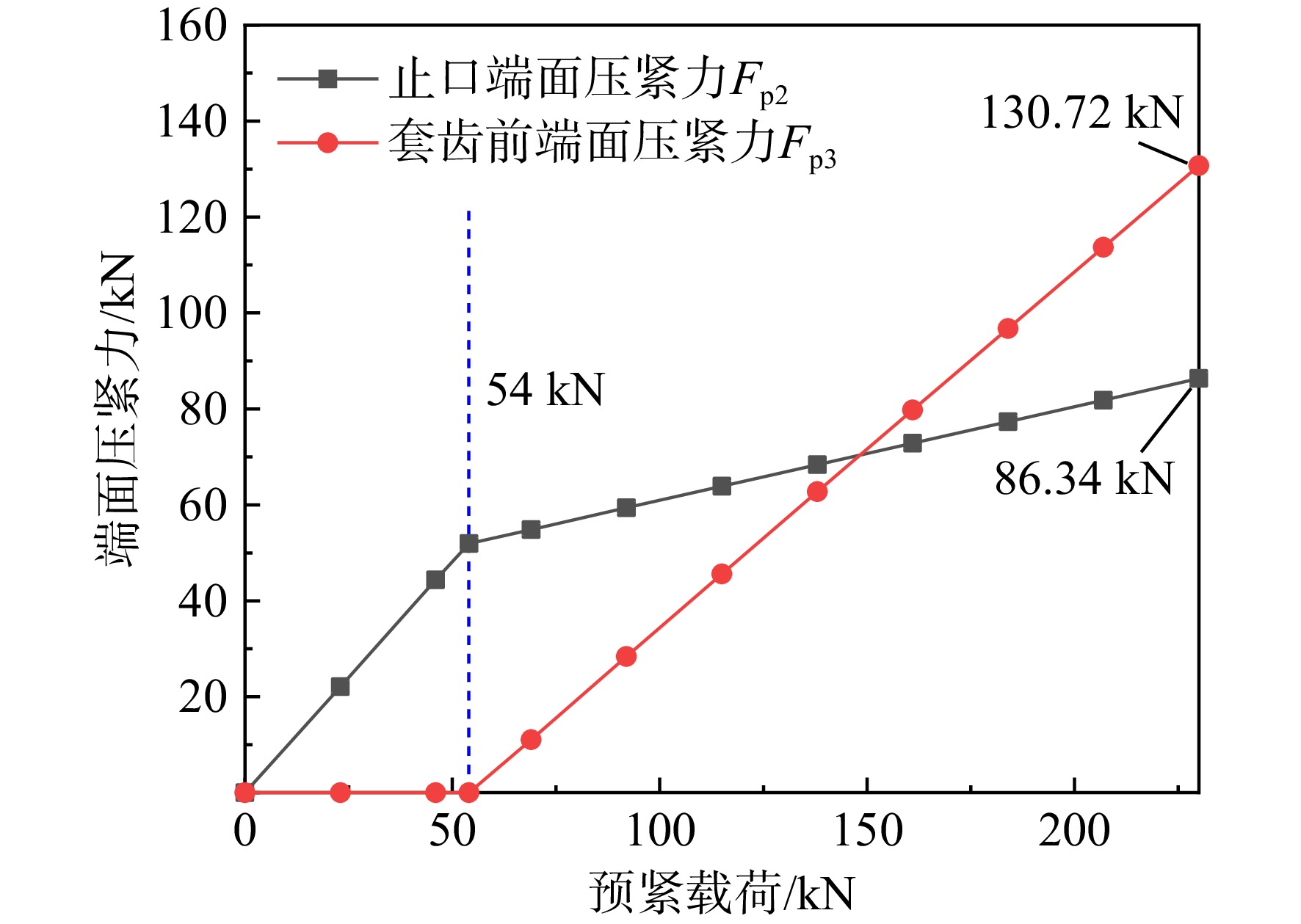
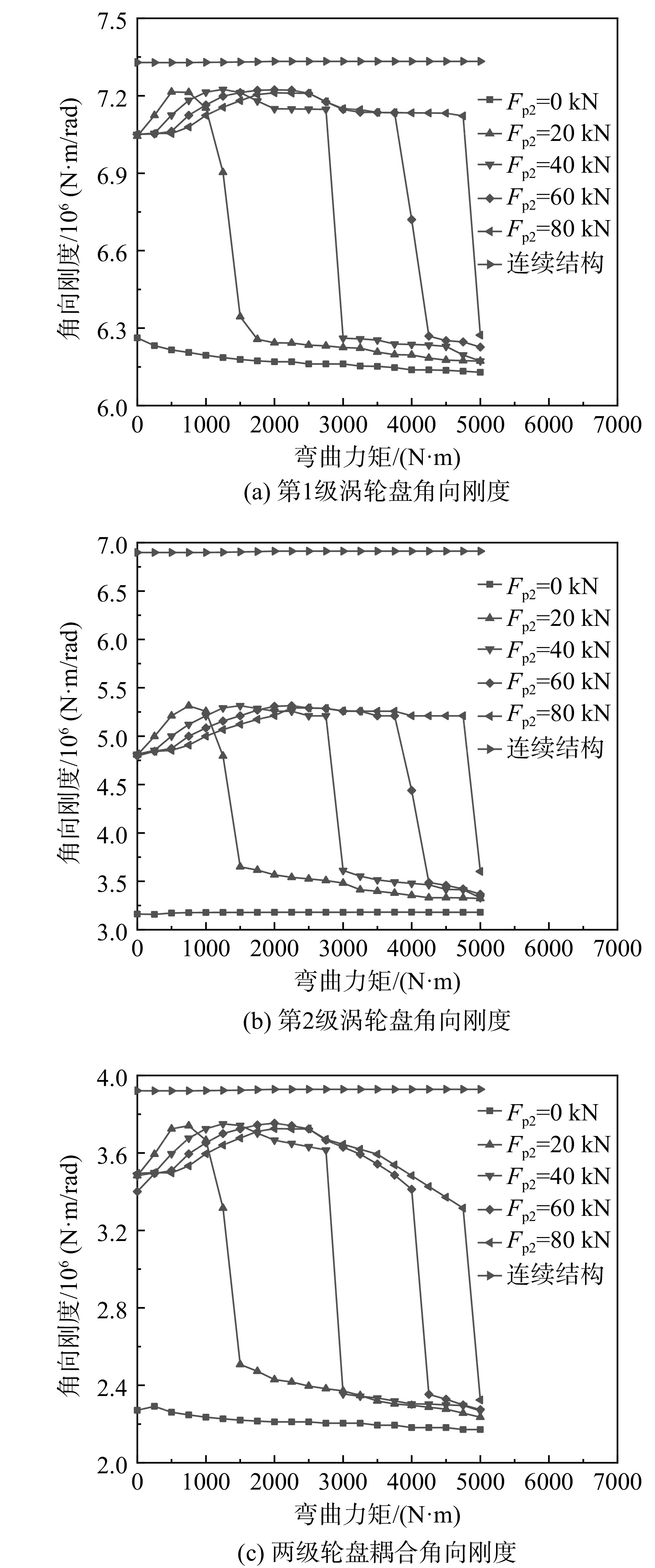
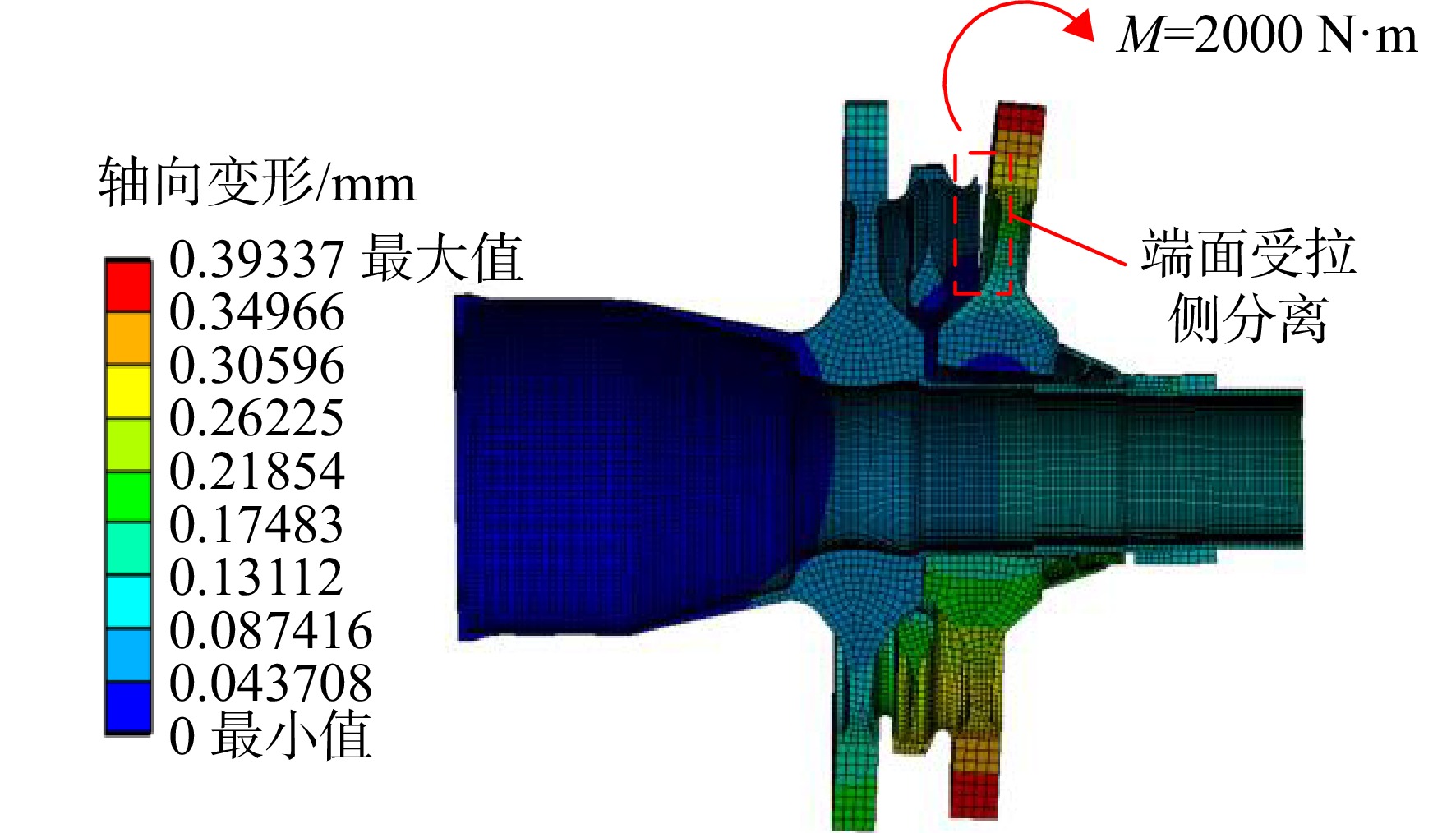
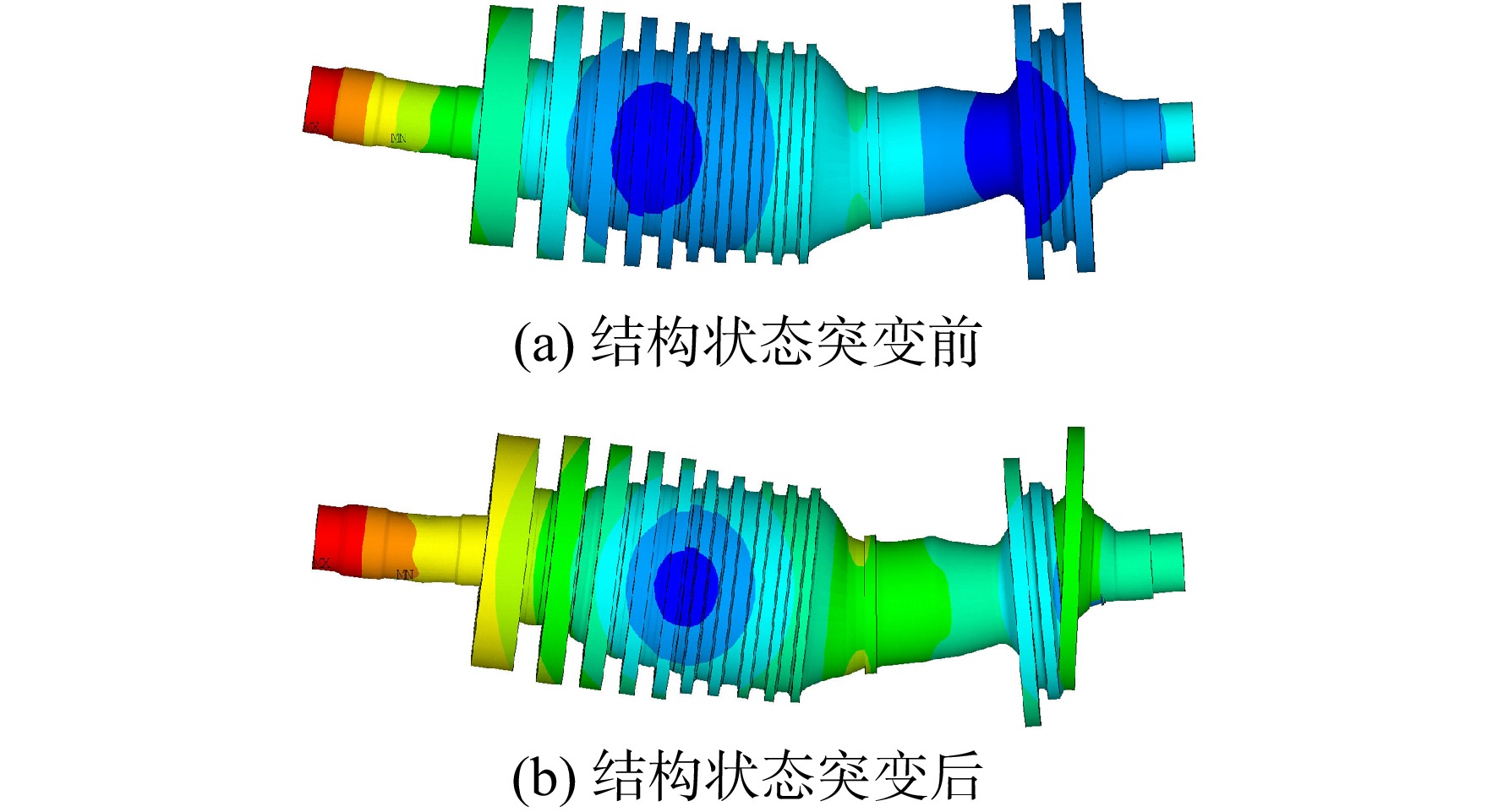
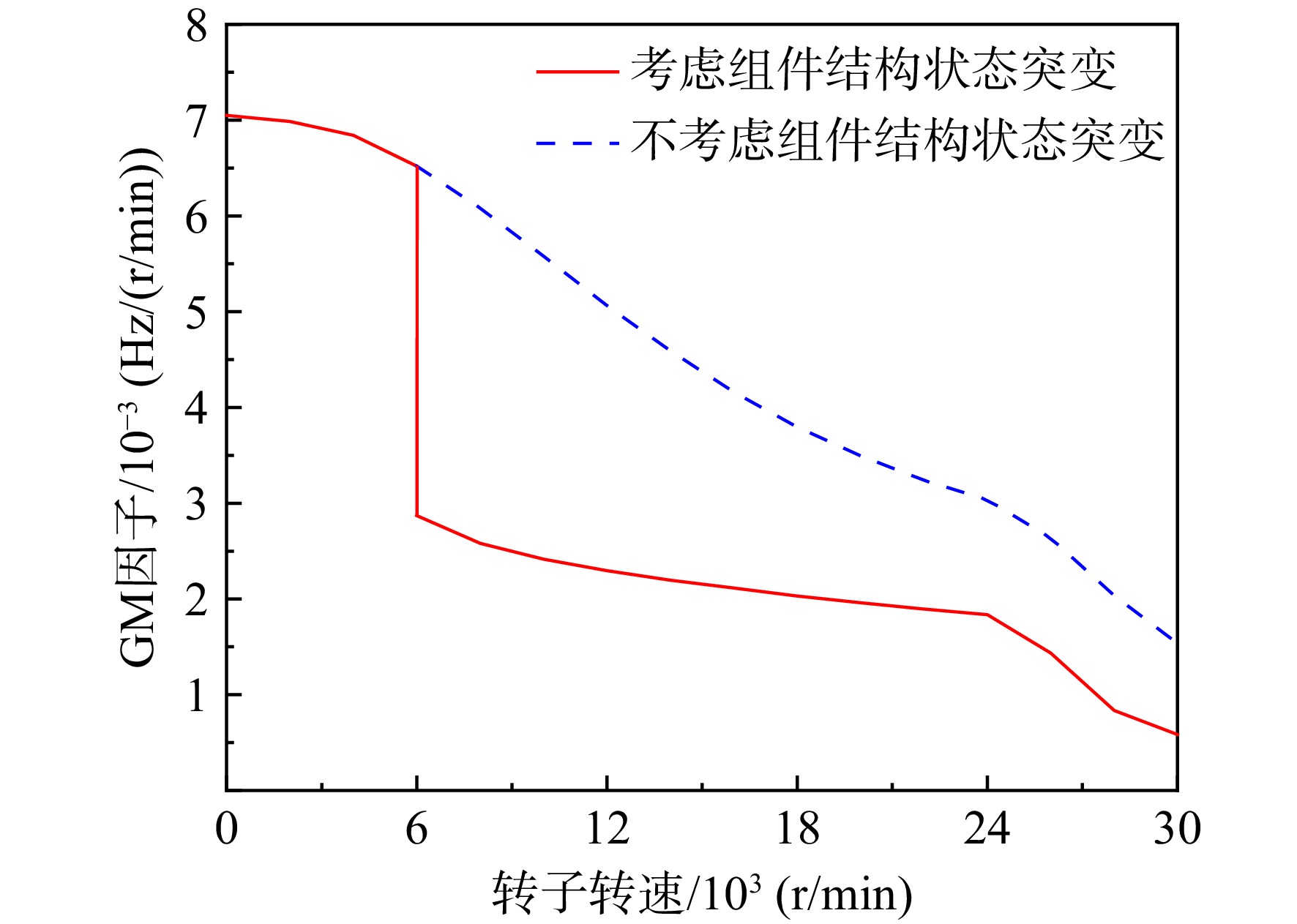
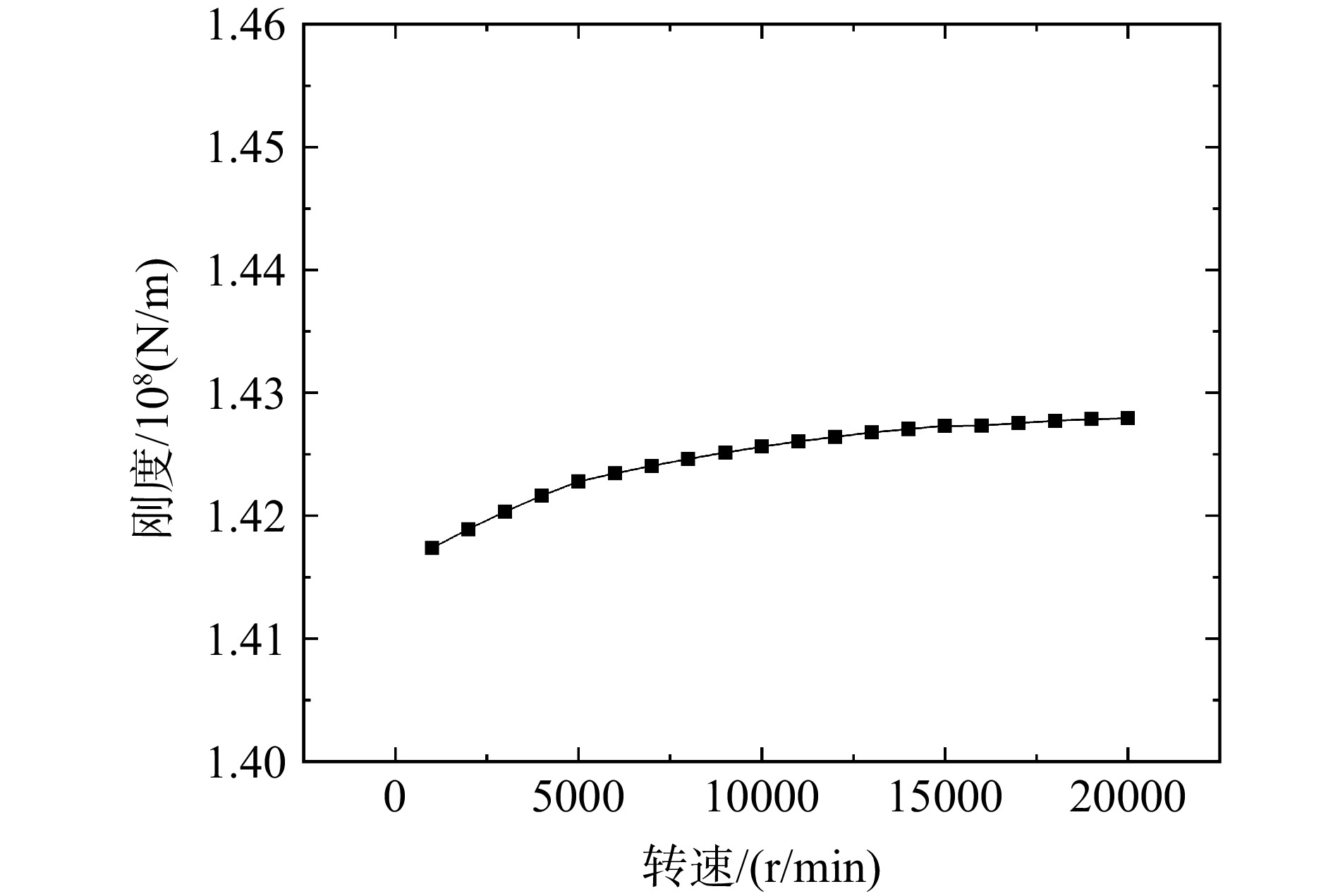
The influences of configuration state change of double-stage high-pressure turbine assembly on rotor dynamic characteristics were studied. By studying the influence process of the working load on the interface contact state and local angular stiffness-deformation characteristics of the double-stage turbine assembly, the configuration states analysis model of the double-stage turbine assembly was established, and the mechanical mechanism of the configuration state change of the assembly was revealed. An equivalent modeling method of rotor dynamics considering the configuration state of assembly was established, and its influences on the rotor dynamics characteristics were studied. The research showed that the uncoordinated deformation of each component in the assembly caused by the complex working load could cause the change of the interface contact mechanical properties and the angular stiffness characteristics of the assembly. Due to the effect of the rotating inertia moment, there was a “sudden drop” phenomenon in the angular stiffness of the double-turbine assembly, which significantly reduced gyroscopic effect and critical speed of the rotor bending mode. The simulation results showed that the critical rotational speed of the rotor bending mode decreased by about 17% after considering the sudden change in the configuration state of the double-turbine assembly.

Life calculation and test method of RV reducer based on fatigue strength
ZHANG Yueming, LI Yiwan, JI Shuting
2024, 39(11): 20220957. doi: 10.13224/j.cnki.jasp.20220957
Abstract:

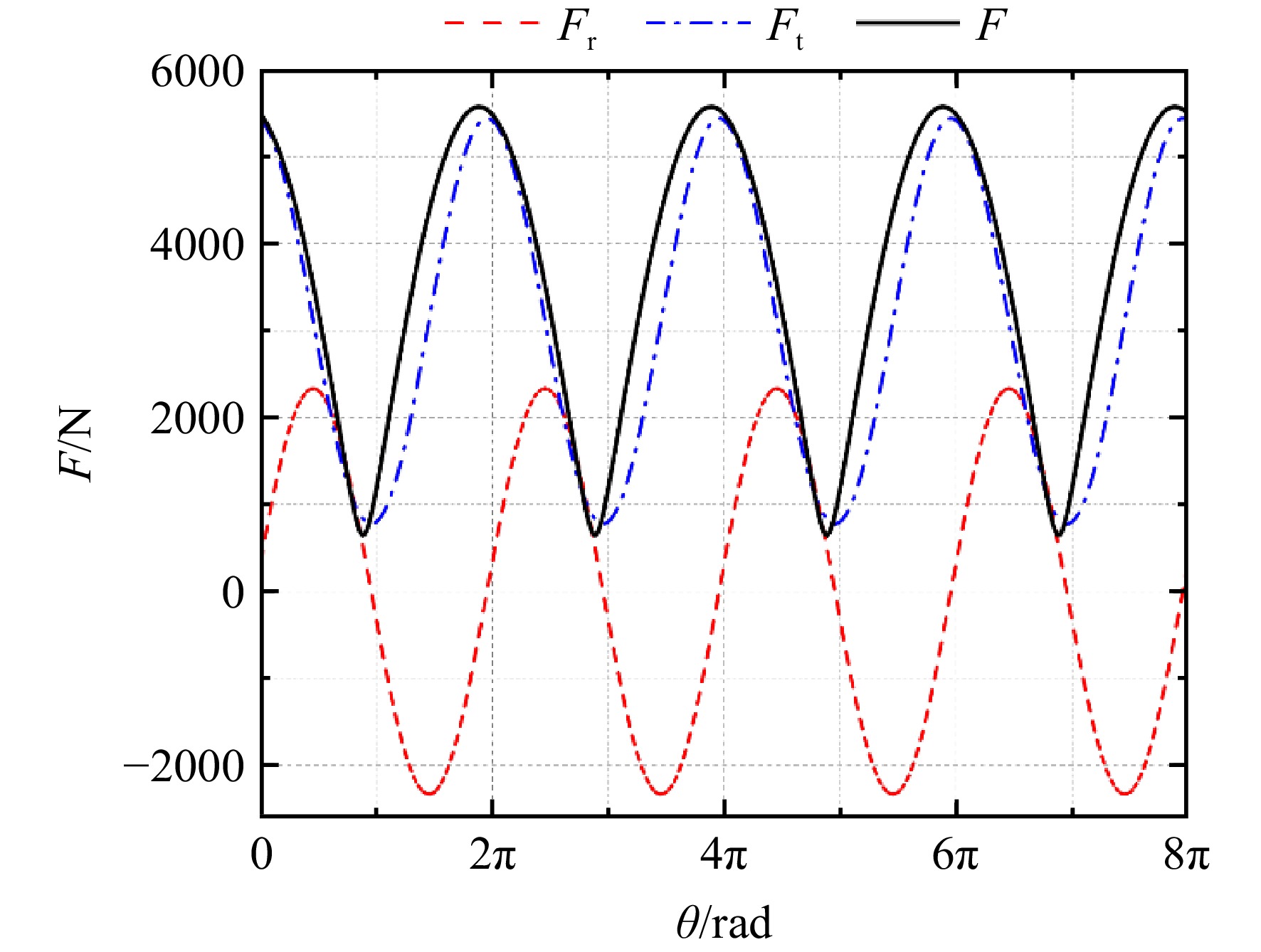
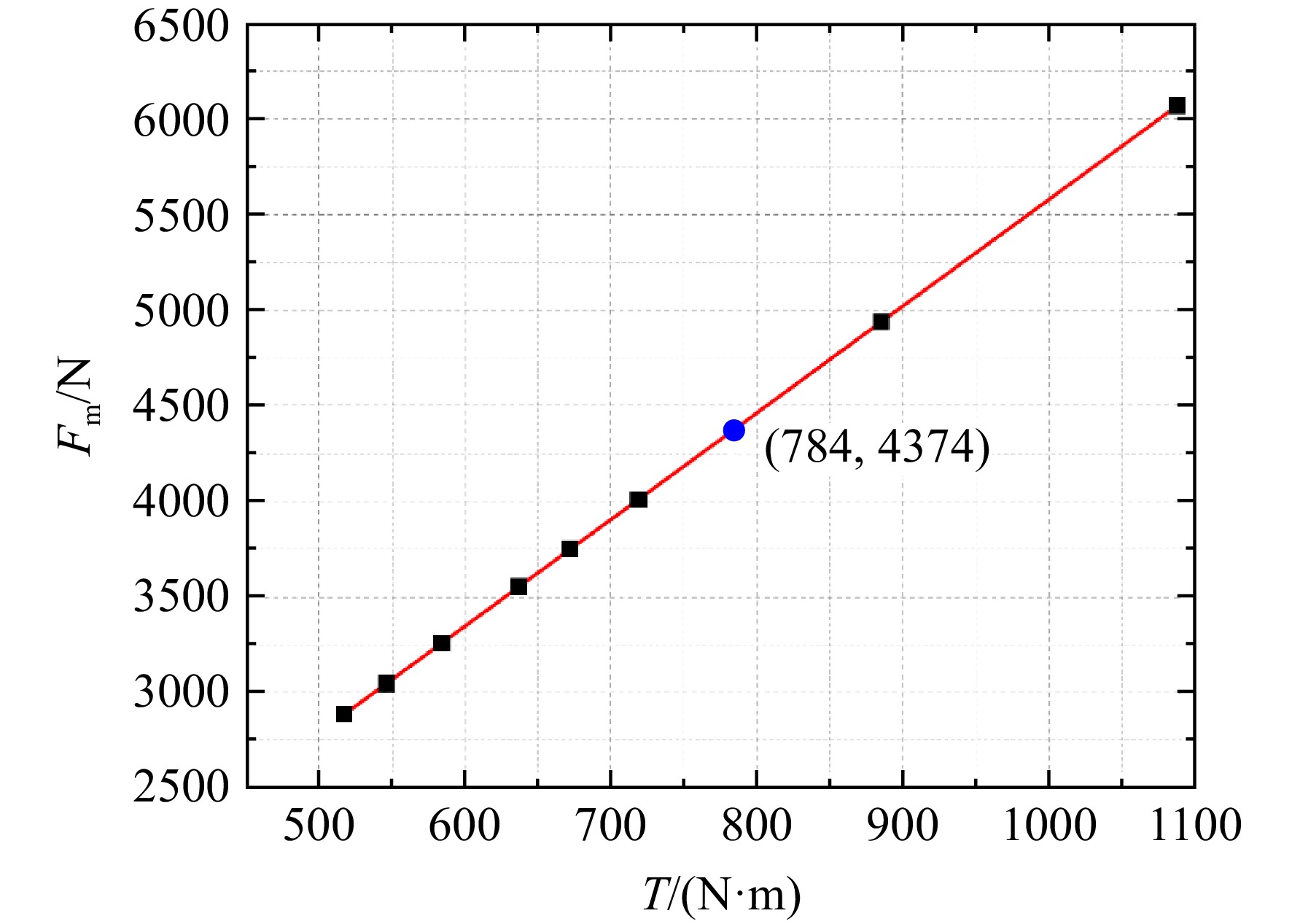
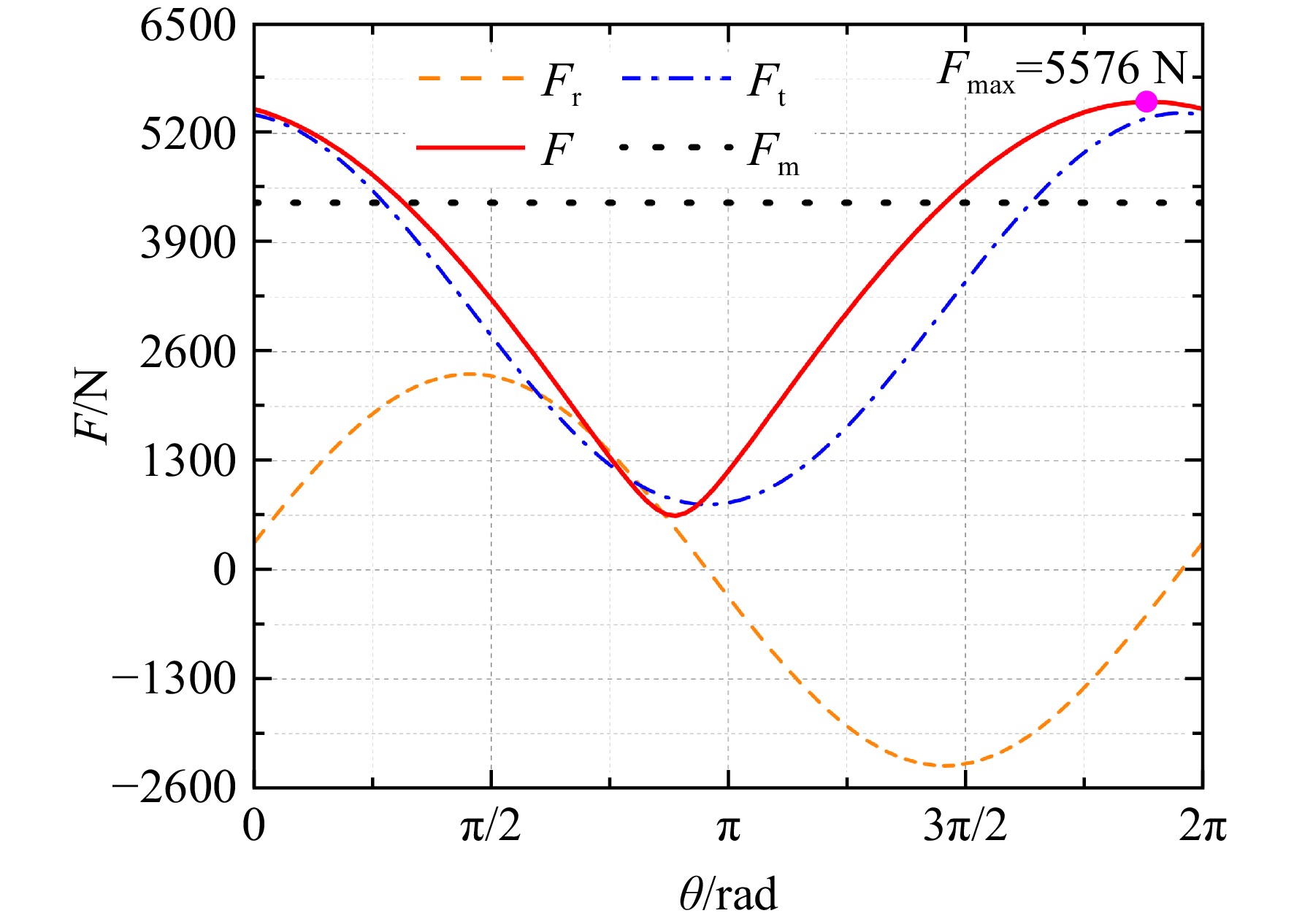
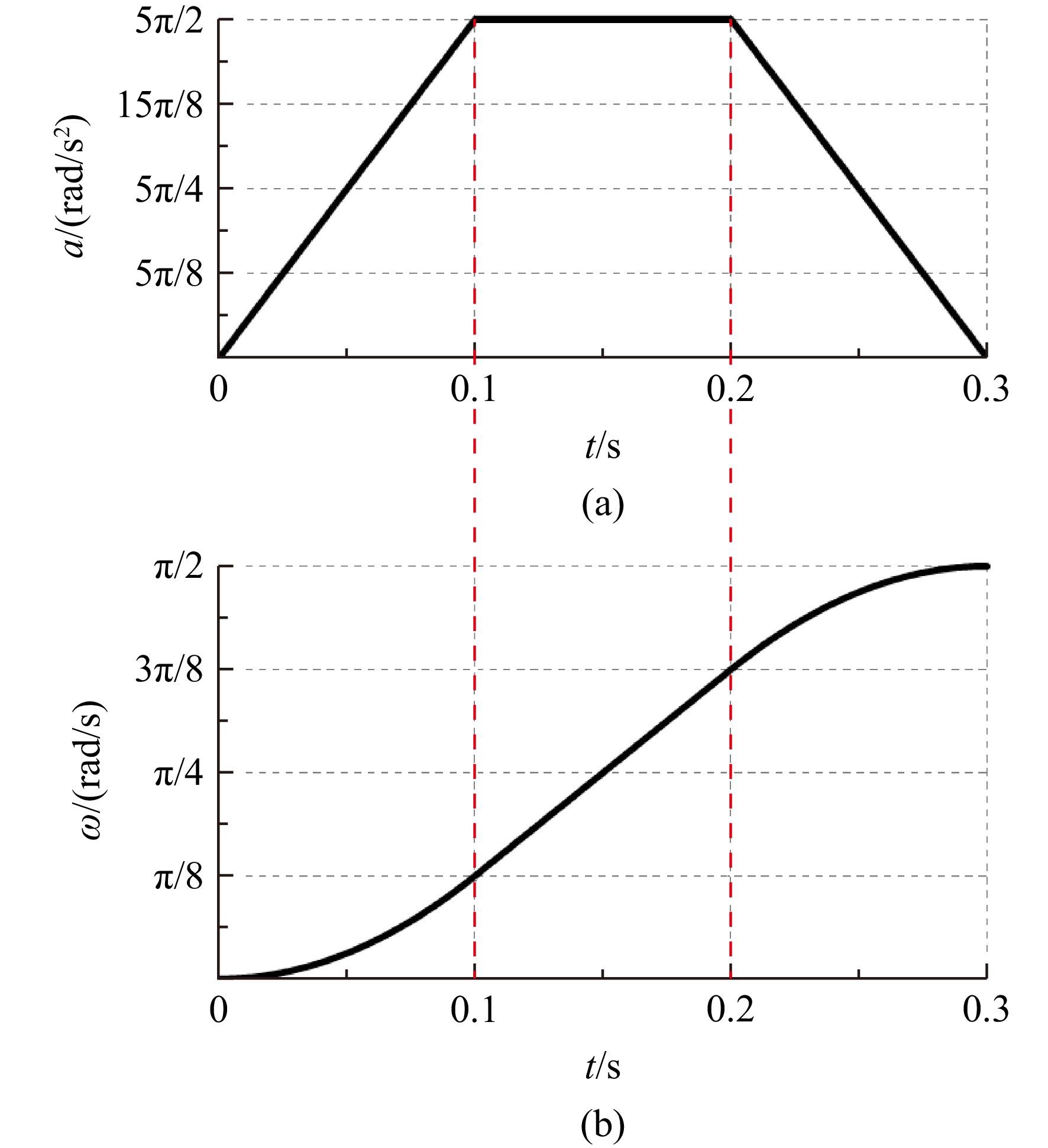
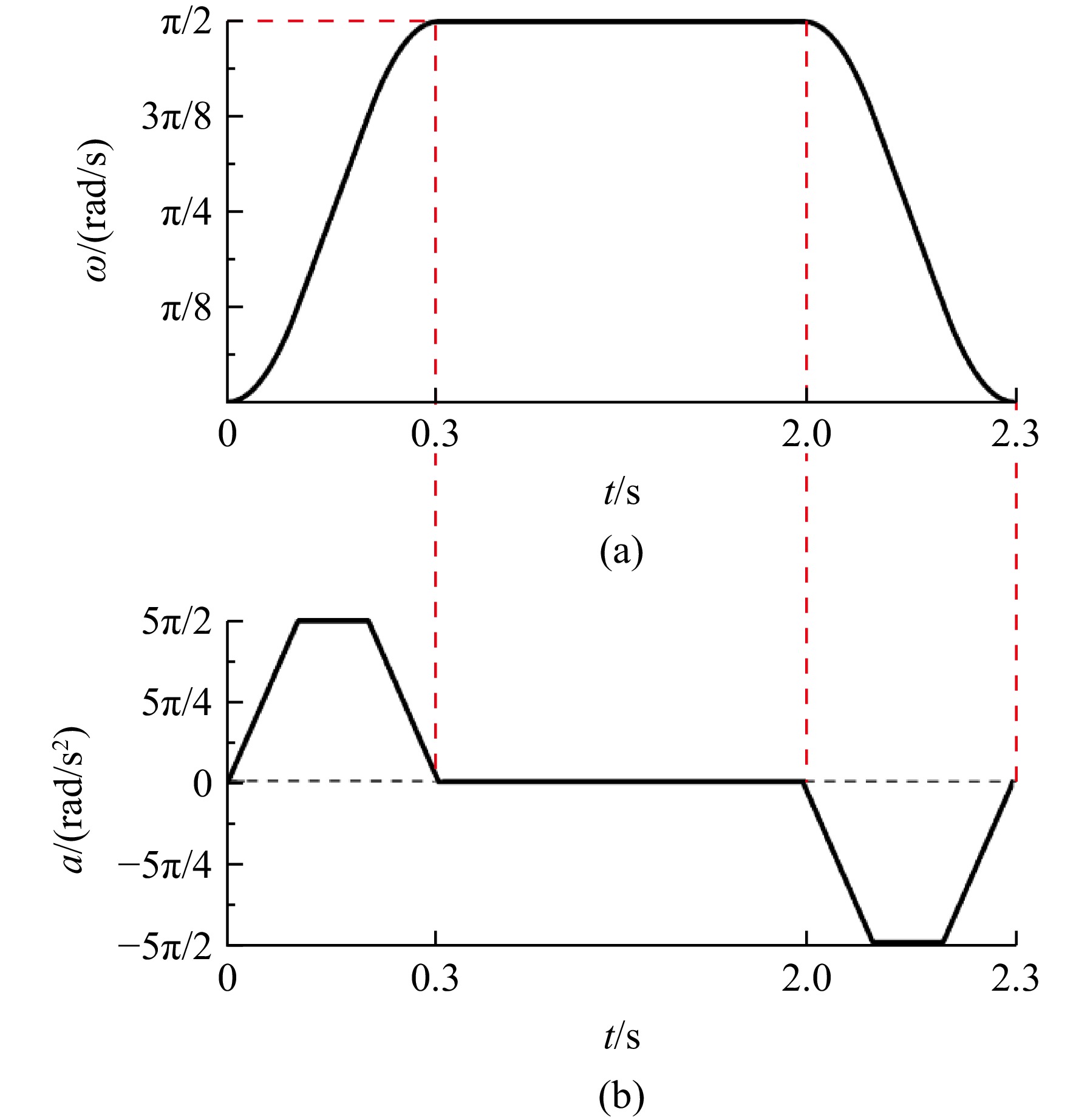
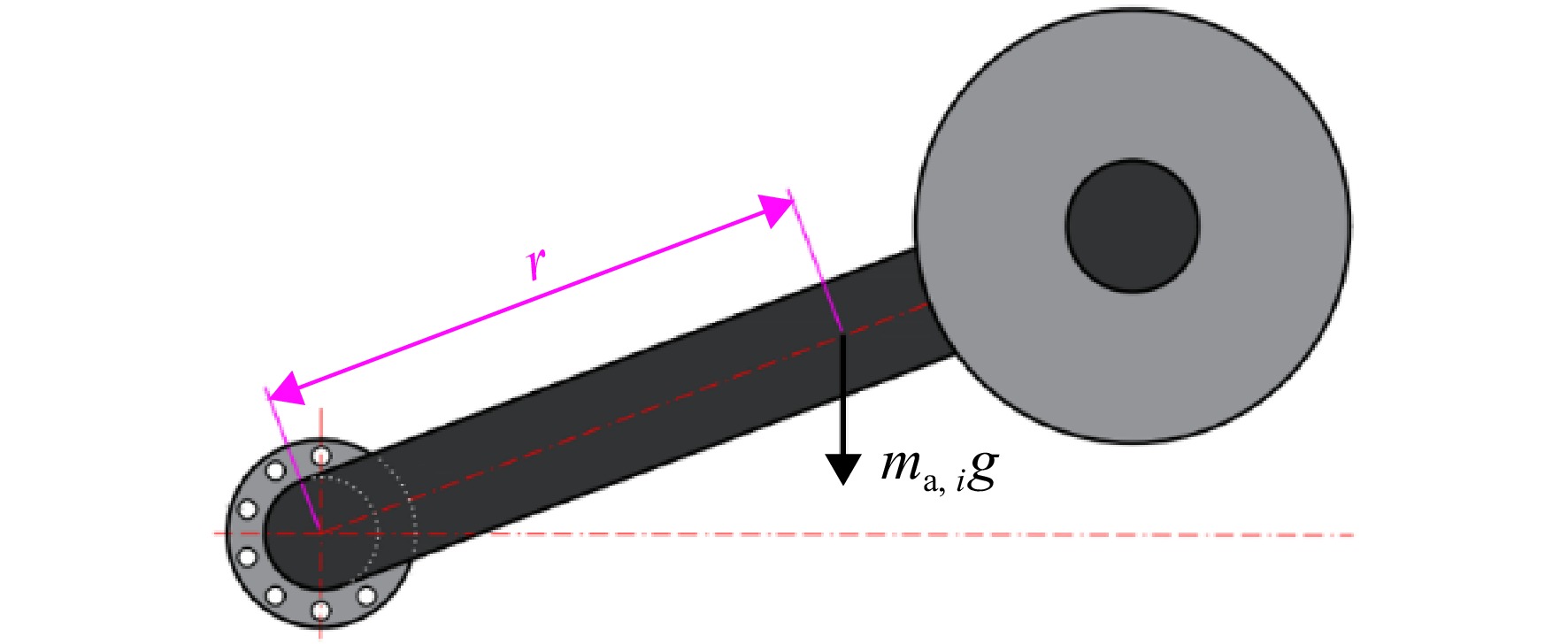
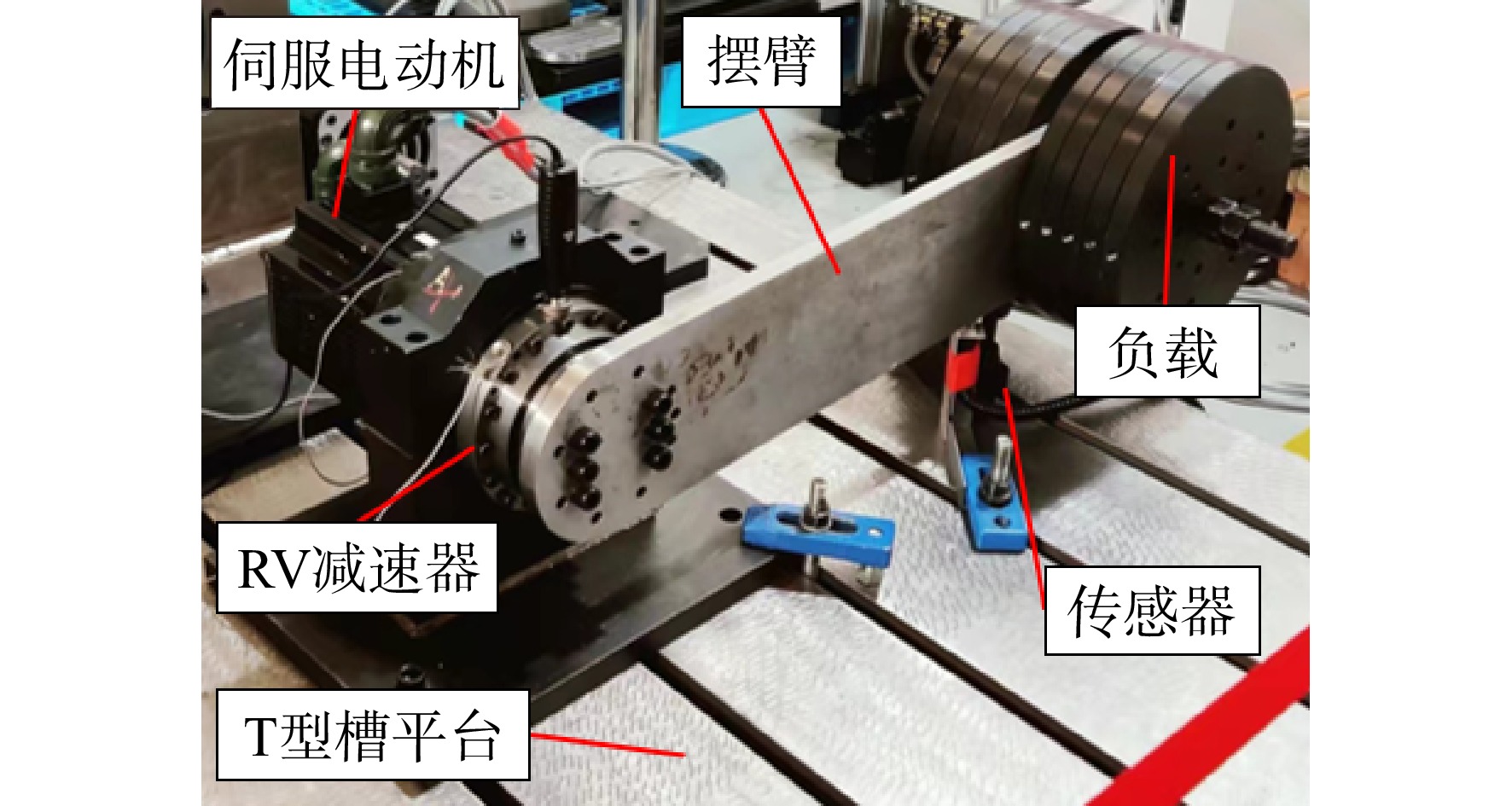
To accurately calculate the life of rotate vector (RV) reducer under actual operation and reduce the cycle and cost of durability life test, taking RV reducer for industrial manipulator as research object. A fatigue life calculation method of RV reducer based on fatigue strength theory was presented, and a device was designed and built for accelerated life test. Combined with stress-fatigue life (S-N) curve and Palmgren-Miner rule, the basic life model of RV reducer was established. The mathematical expression of the RV reducer’s rated life and service life was constructed, the law between the load and service life of the RV reducer was systematically studied, and the accelerated life test based on the S curve acceleration and deceleration control algorithm was designed. The test device was set up and the data were analyzed to verify the accuracy of the life calculation method. The results showed that the relative error between the life obtained by the fatigue life calculation method and the test results was only 6.3%, the acceleration factor was 20.7, and the test cycle and cost reduction effect were remarkable.

Natural characteristics calculation and analysis of fiber reinforced truncated conical shell
XU Zhuo, XU Peiyao, ZHENG Lisheng, LI Hui, LI He, GU Dawei, HE Mingyang, HAN Qingkai, WEN Bangchun
2024, 39(11): 20220876. doi: 10.13224/j.cnki.jasp.20220876
Abstract:

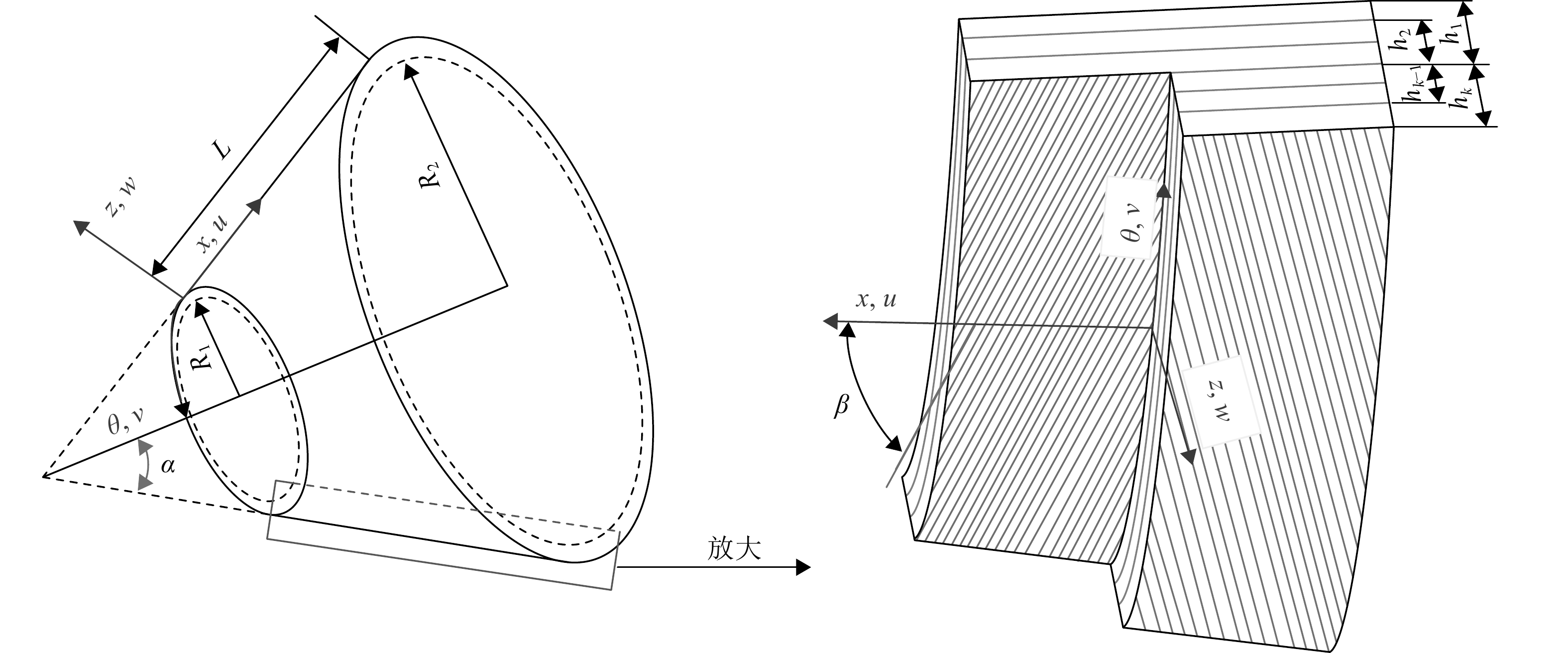
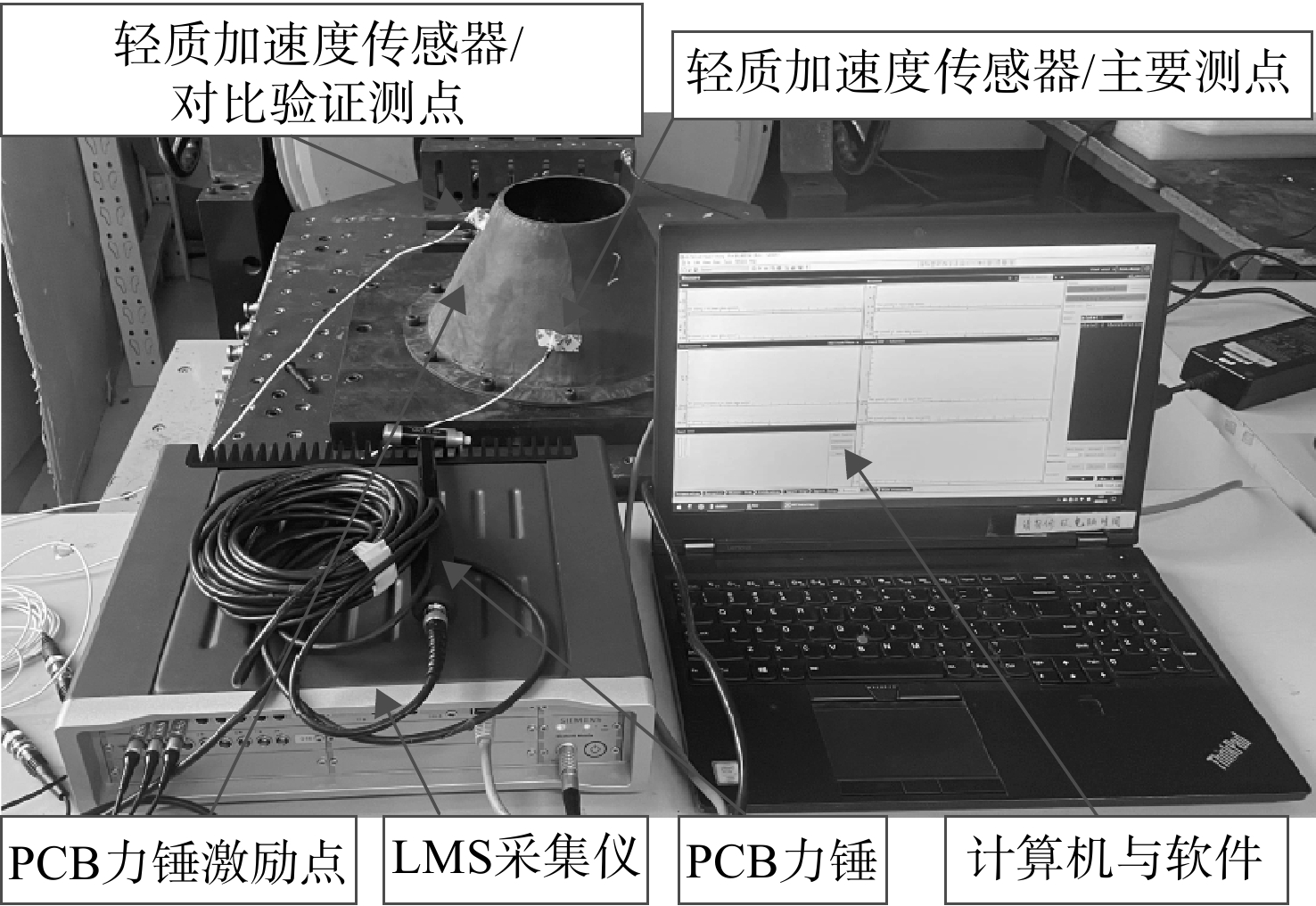
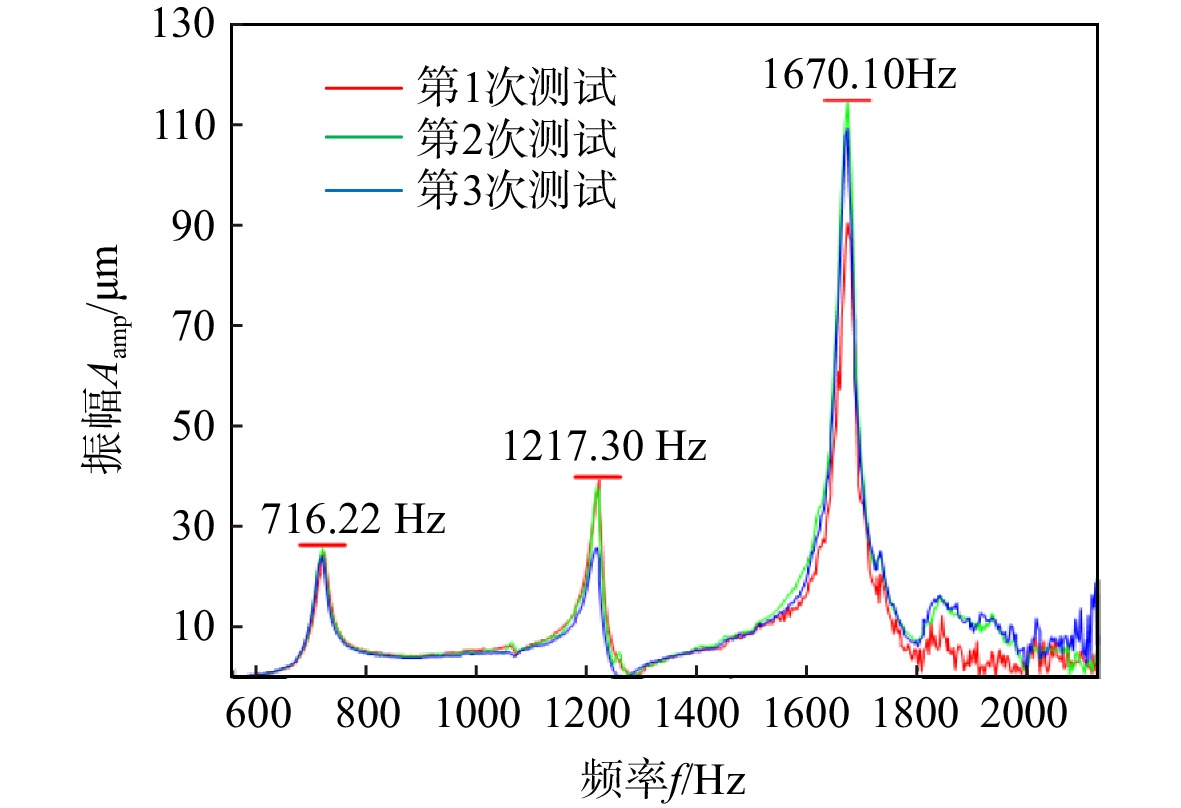
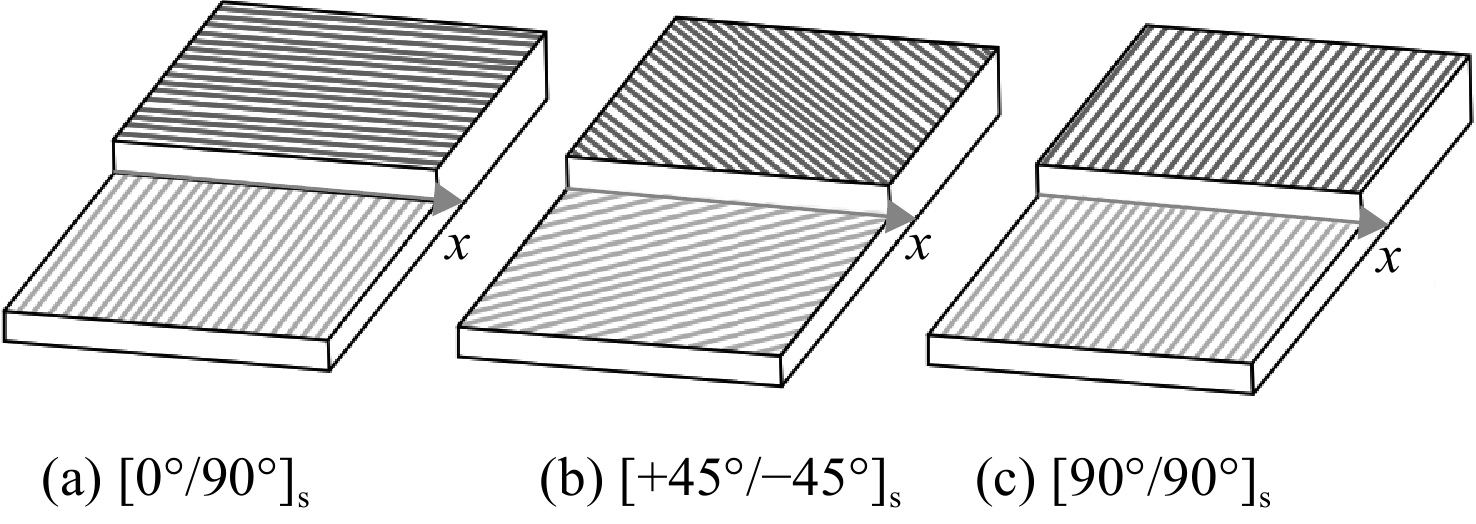
The natural characteristics of composite conical shells were calculated and verified by combining theory and experiment. Based on the classical lamination theory and considering the influence of anisotropy of composite structures, the theoretical model was established by introducing half-cone angle coefficients. Then, the natural characteristics of the structures were obtained by utilizing the Rayleigh-Ritz method and orthogonal polynomial method. A natural characteristic experiment system of TC300/epoxy resin composite conical shell was established and the natural characteristics were acquired. The results showed that the error between the calculated and test results was between 1.4% and 2.3%, which further verified the correctness of the proposed model. Finally, the influences of different parameters, such as the half cone angle, the boundary conditions and the fiber ply angles, on the natural characteristics of the structure were discussed.

Research on crimping parameters of civil aircraft hydraulic pipeline and analysis of its high pressure vibration characteristics
YU Lingjie, YANG Jianzhong, XU Zhaoke, CHEN Shikang
2024, 39(11): 20220786. doi: 10.13224/j.cnki.jasp.20220786
Abstract:

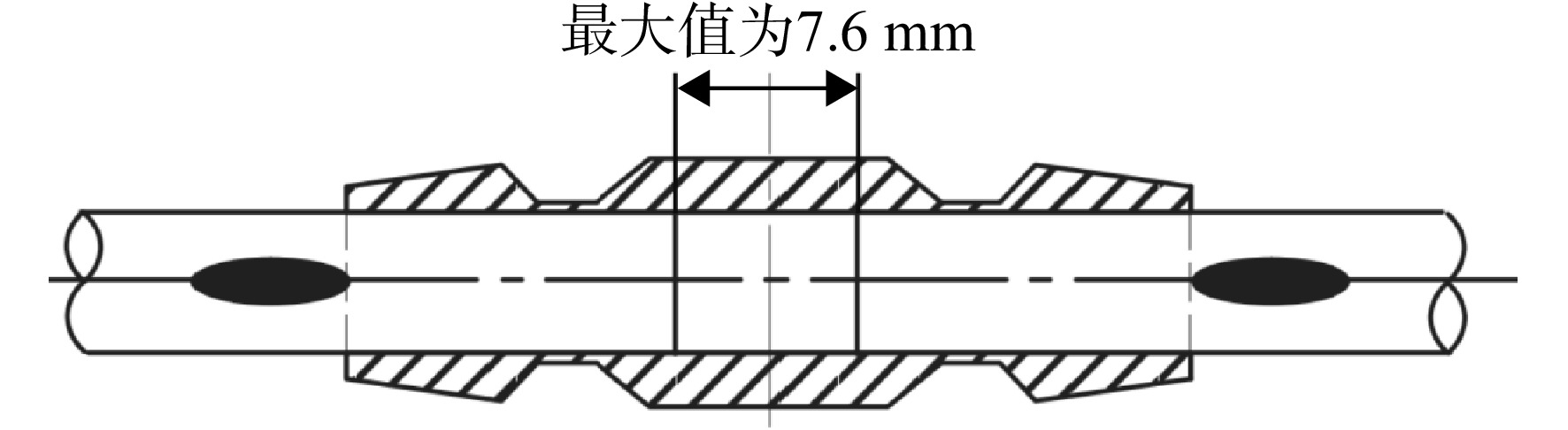
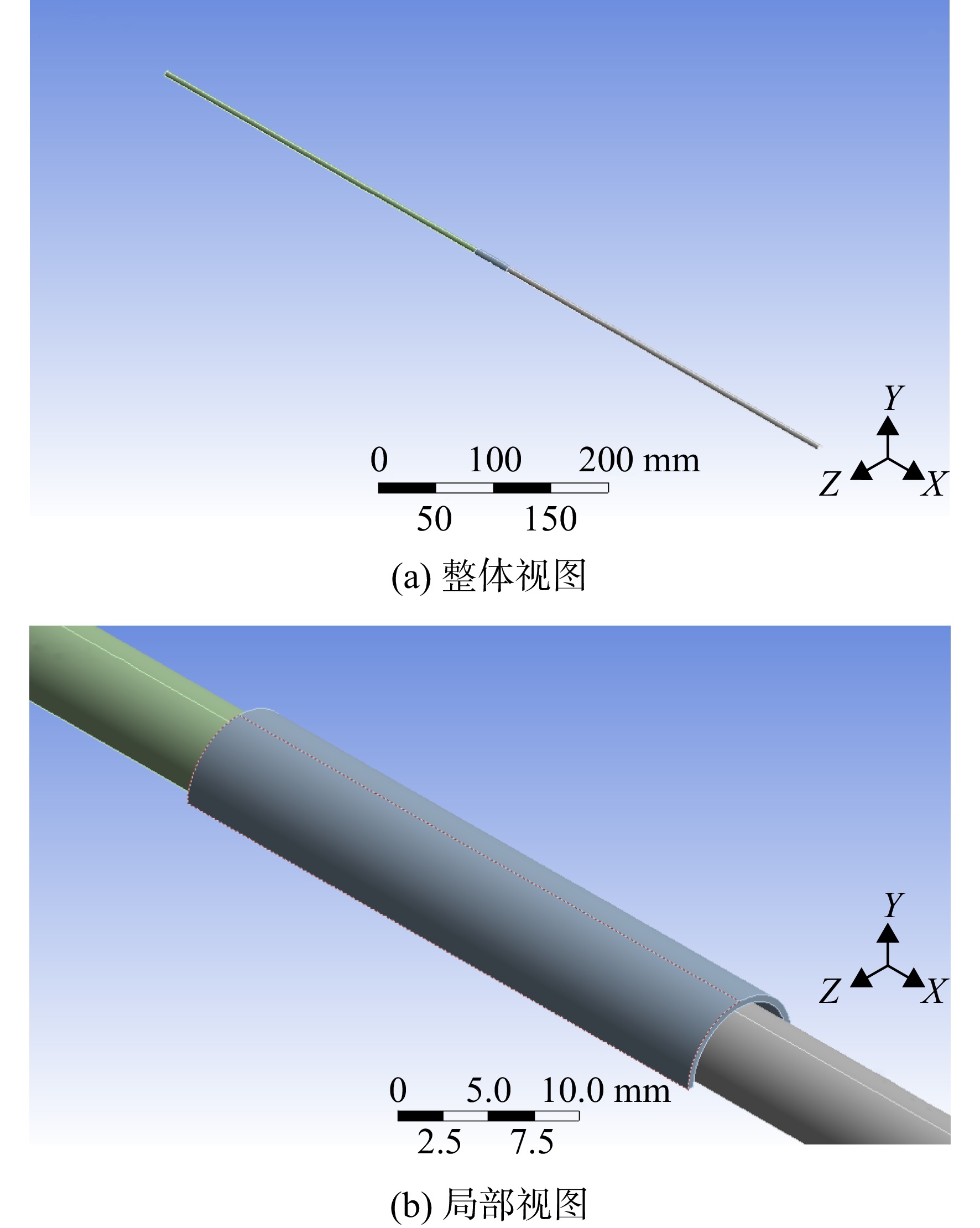
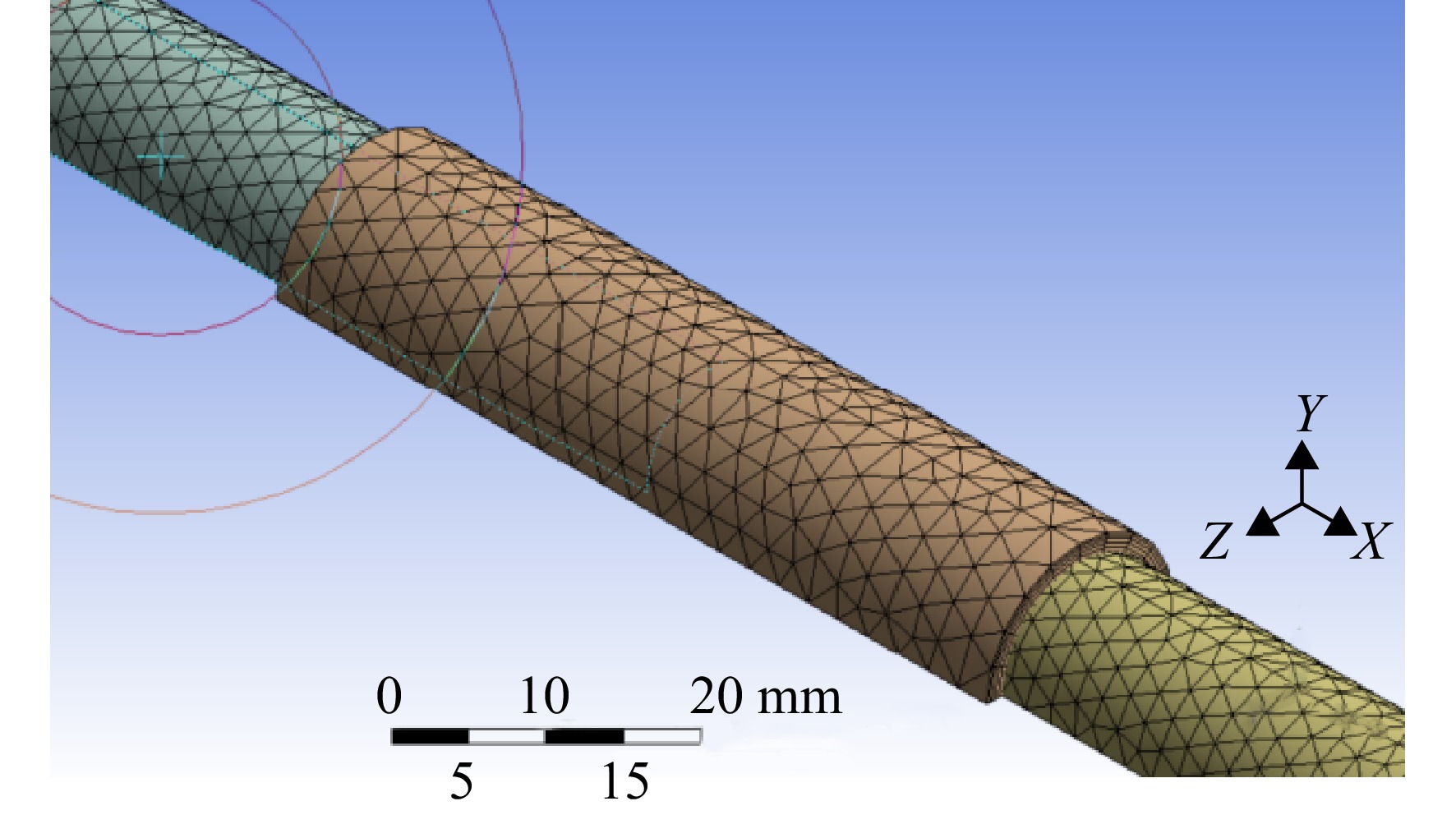
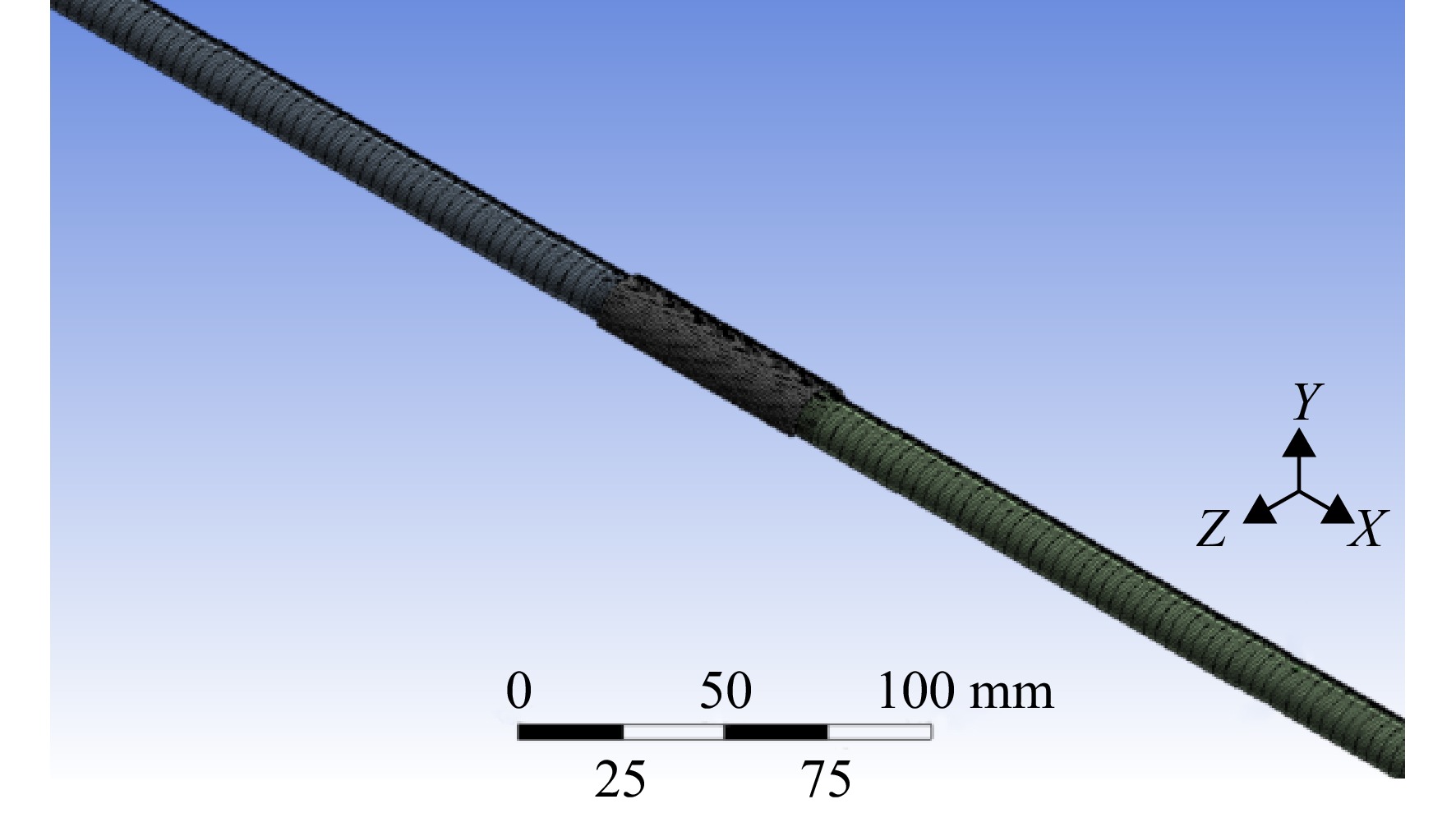
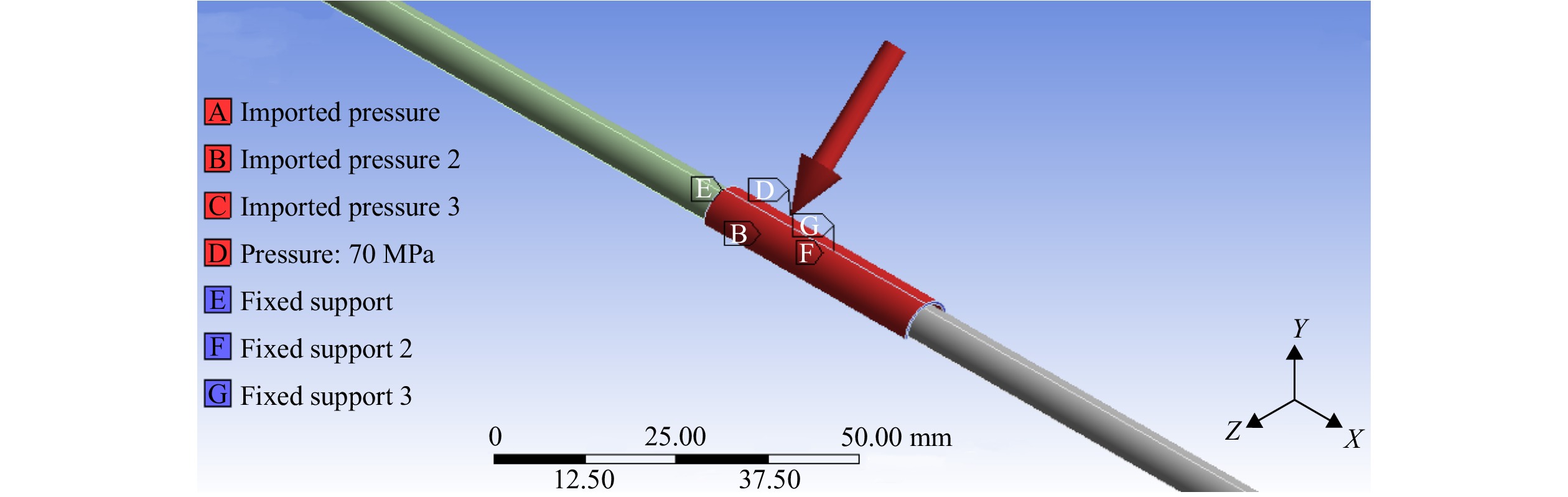
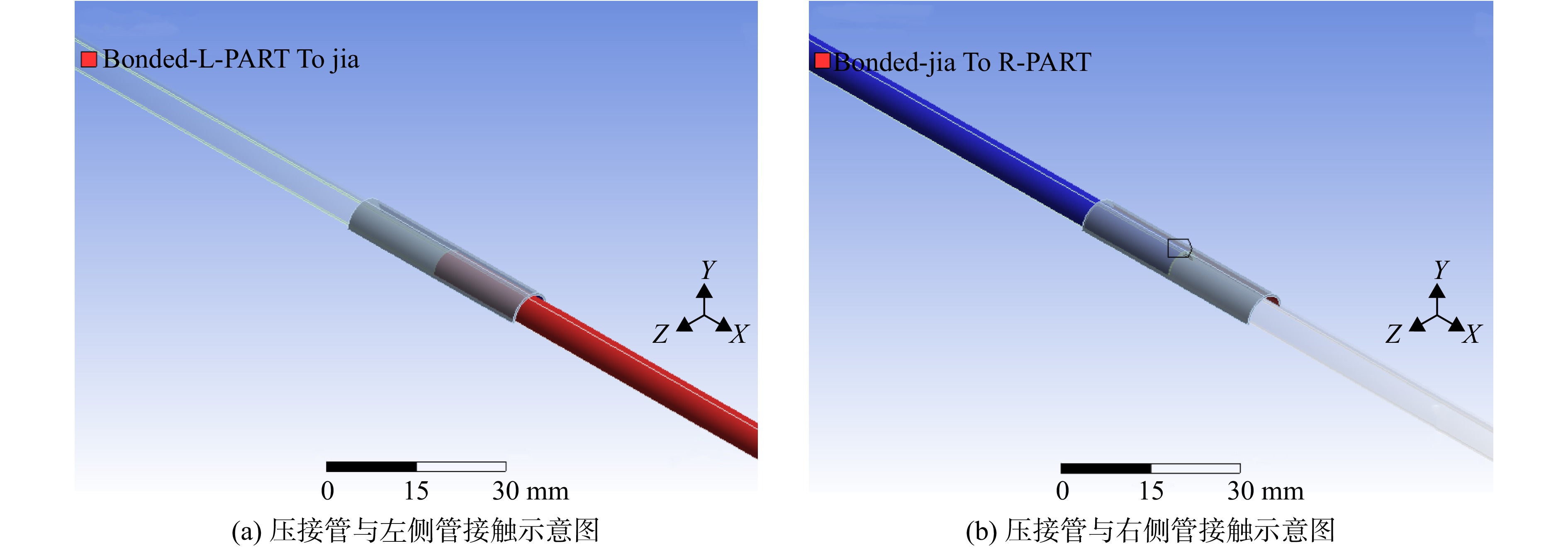
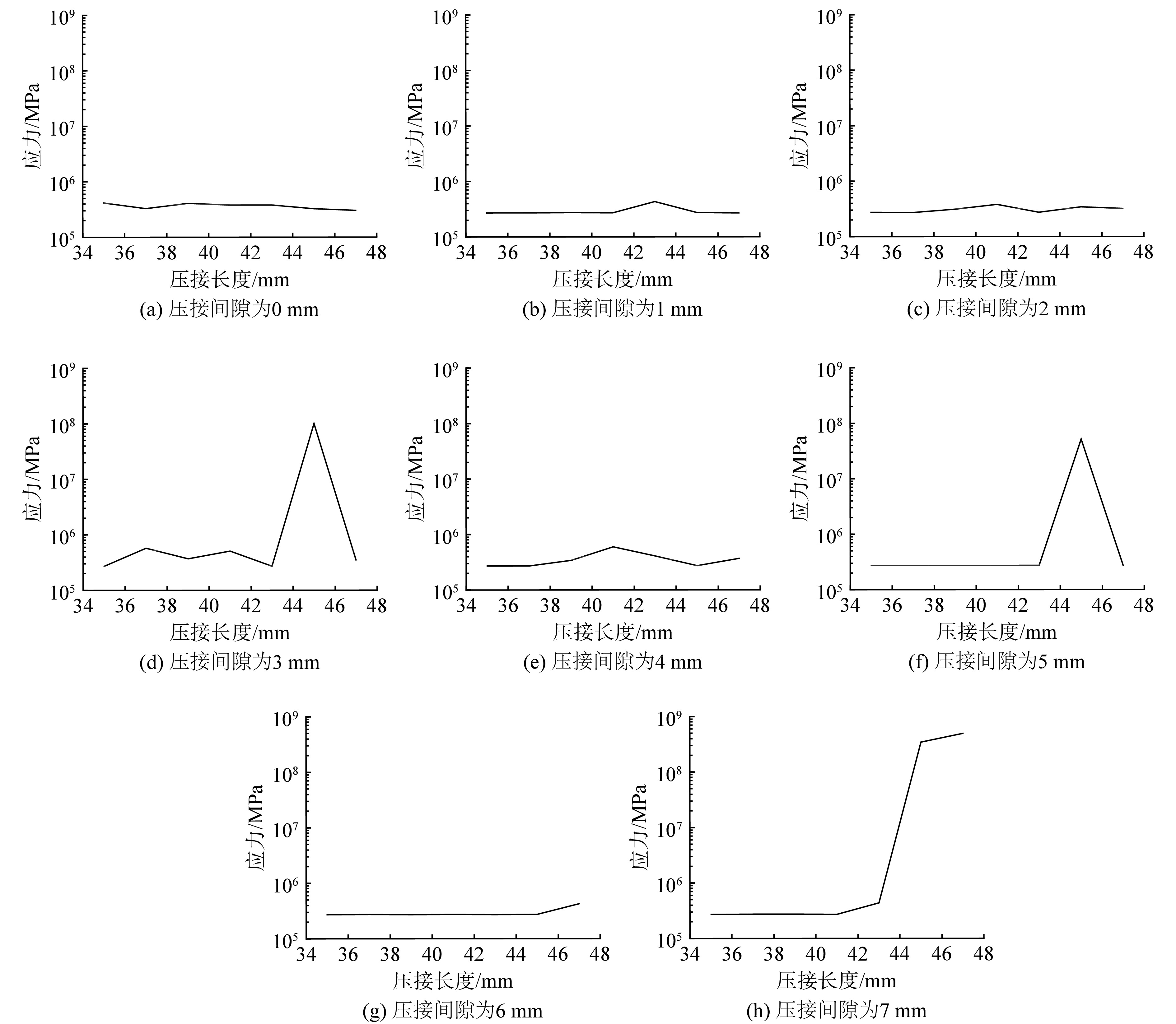
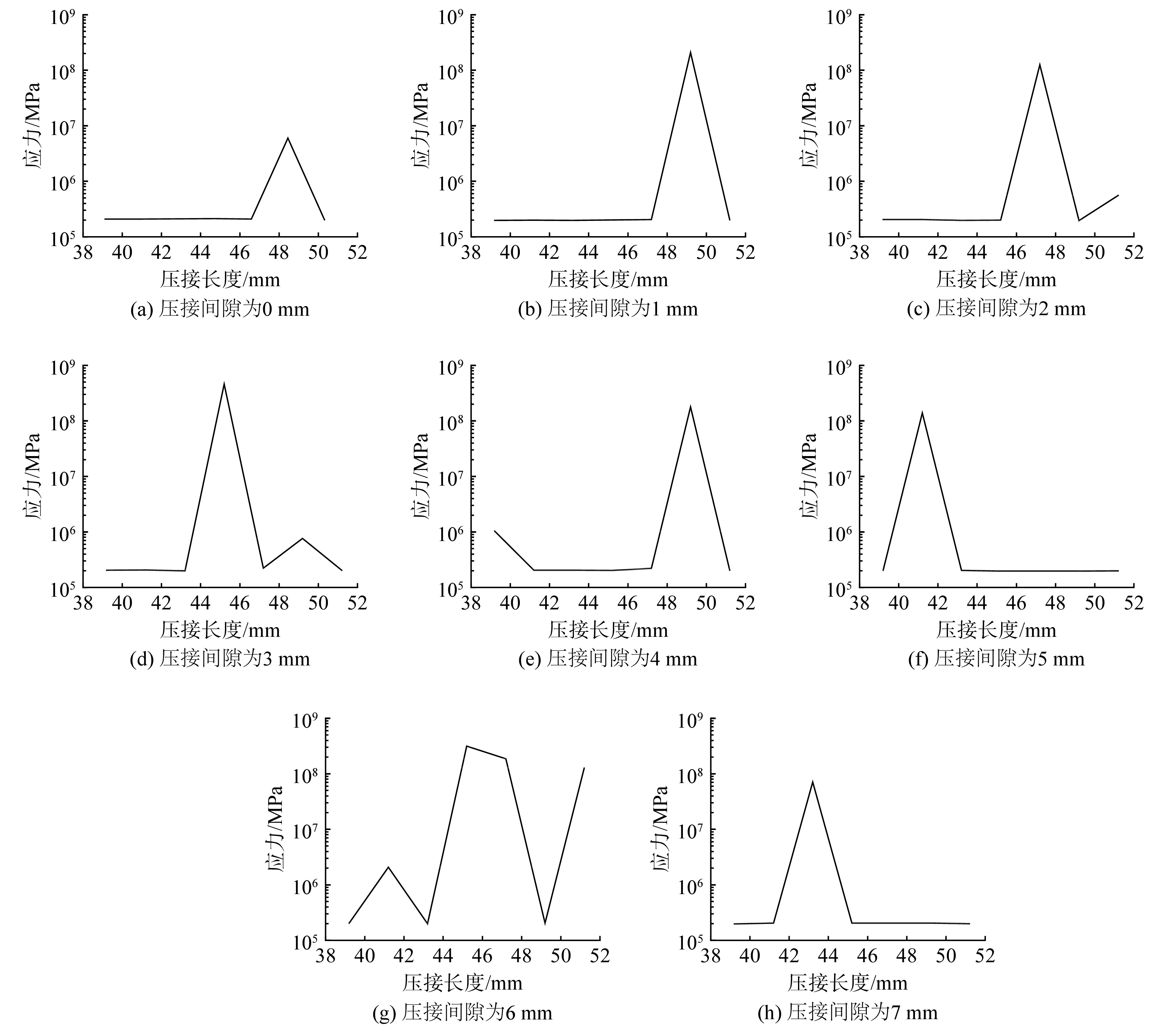
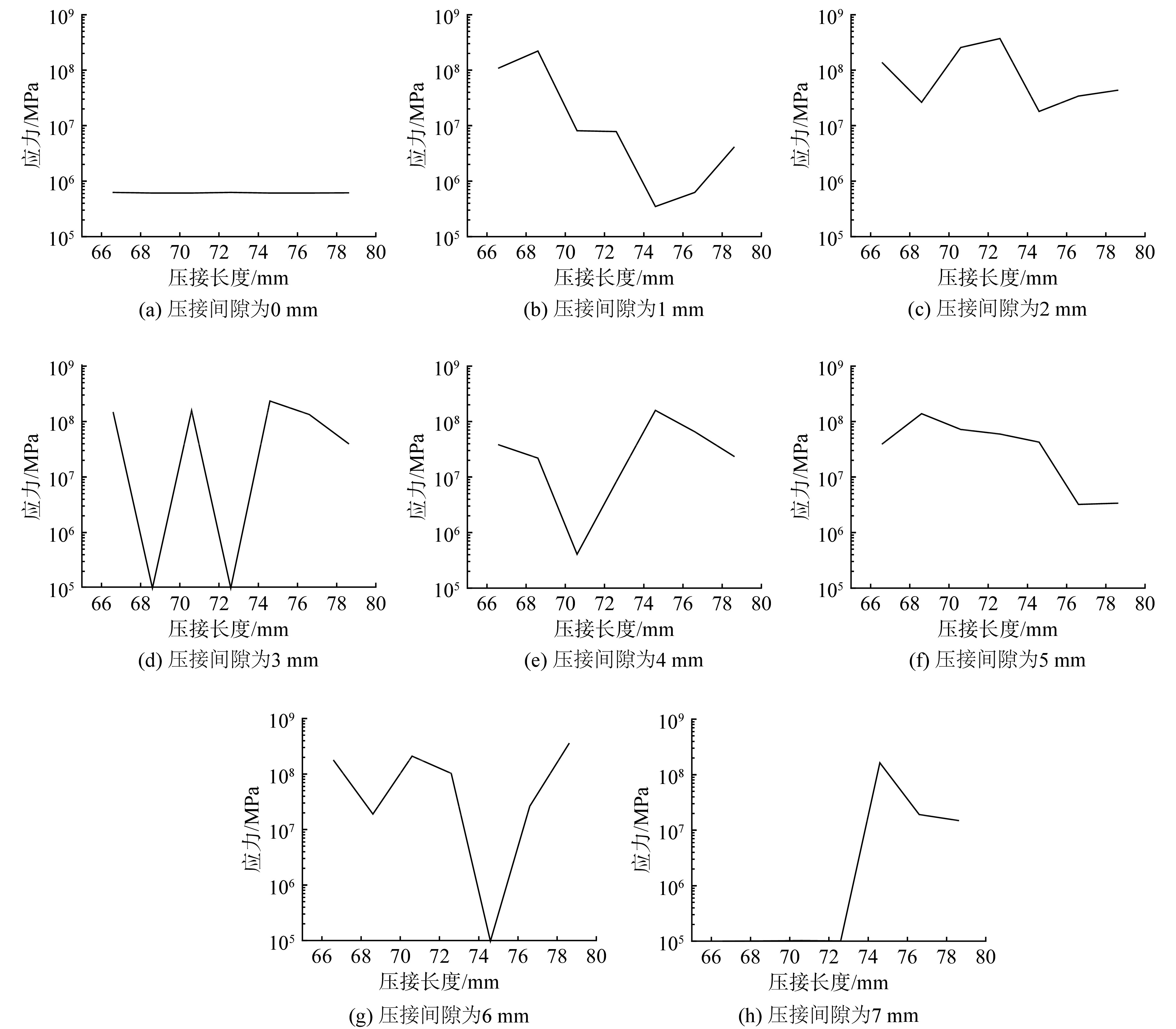
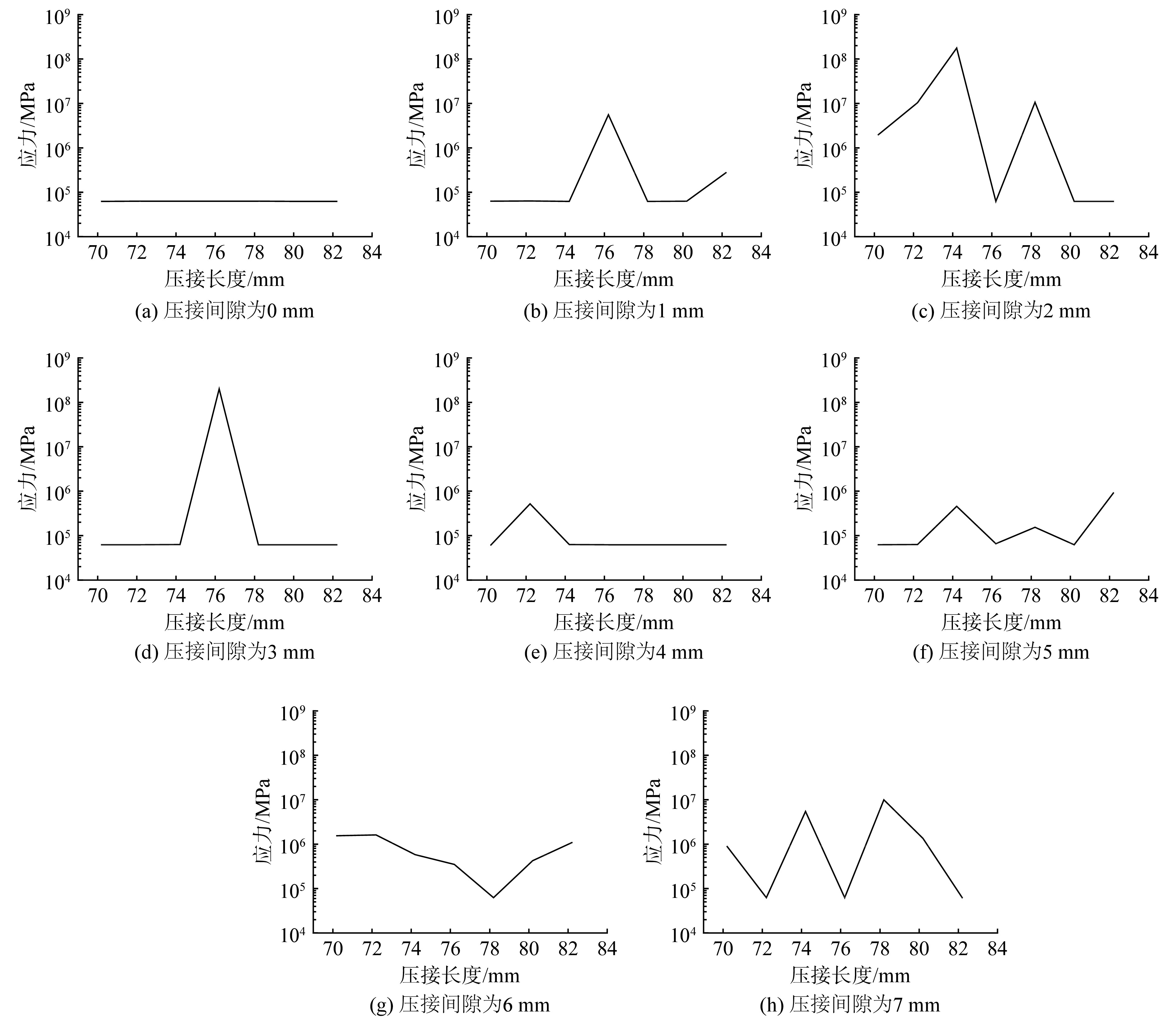
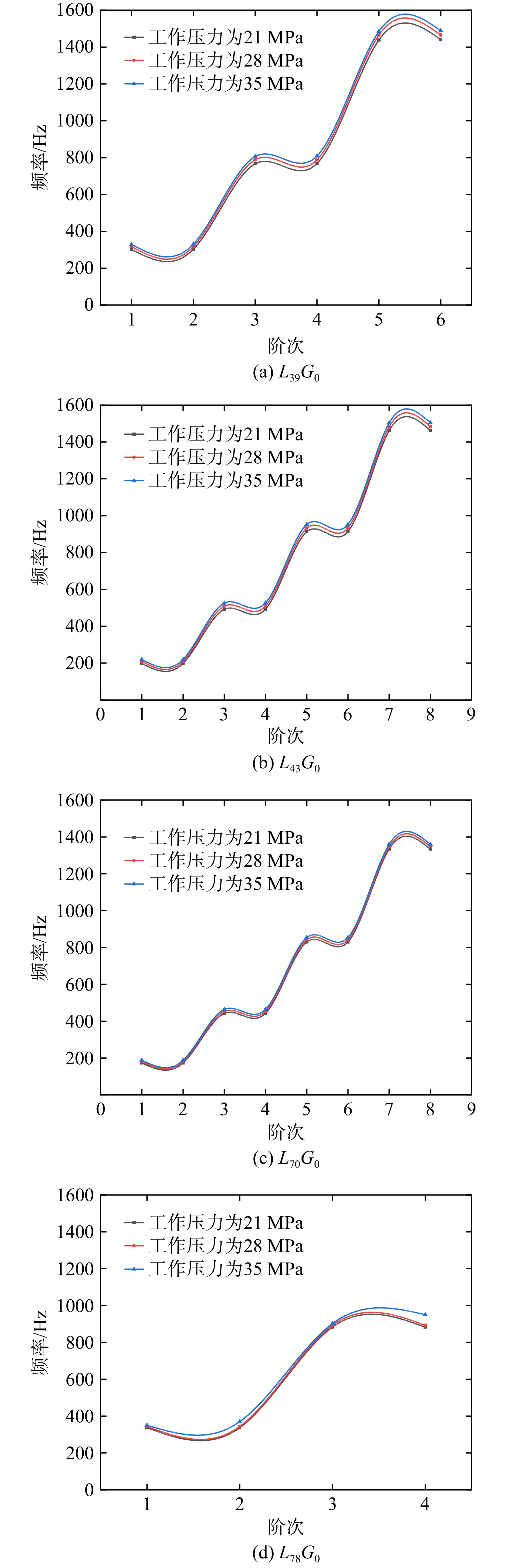
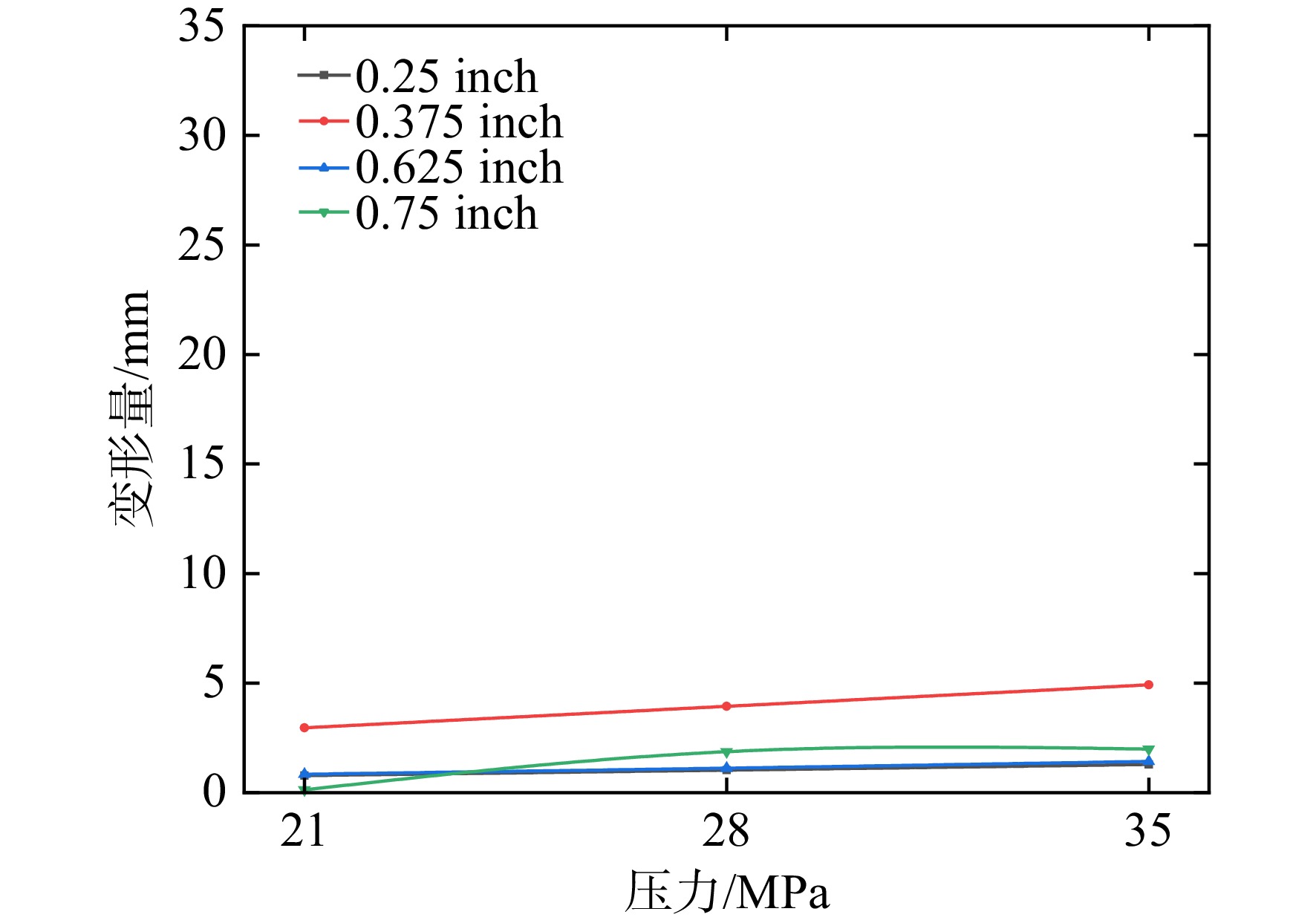
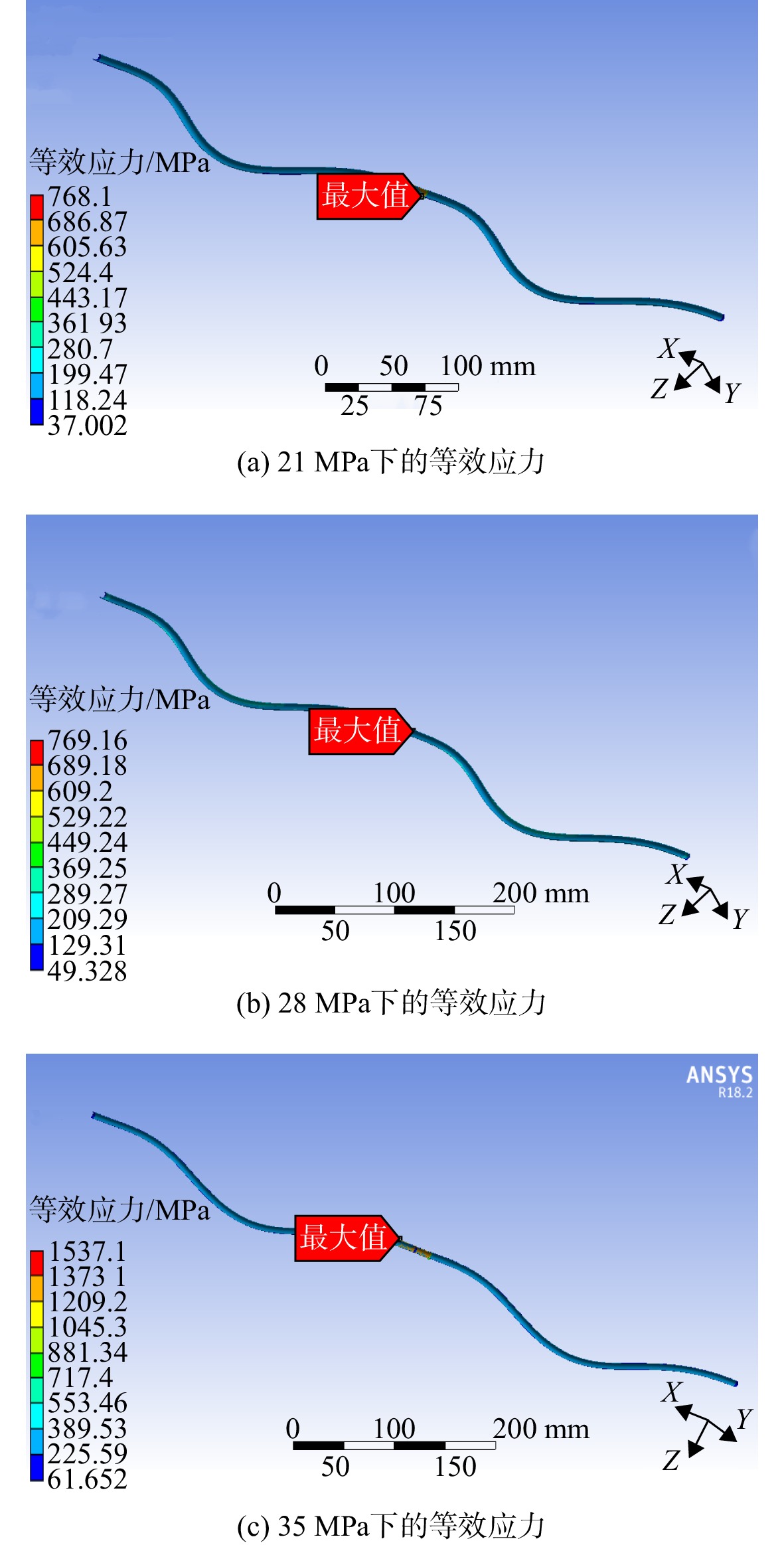
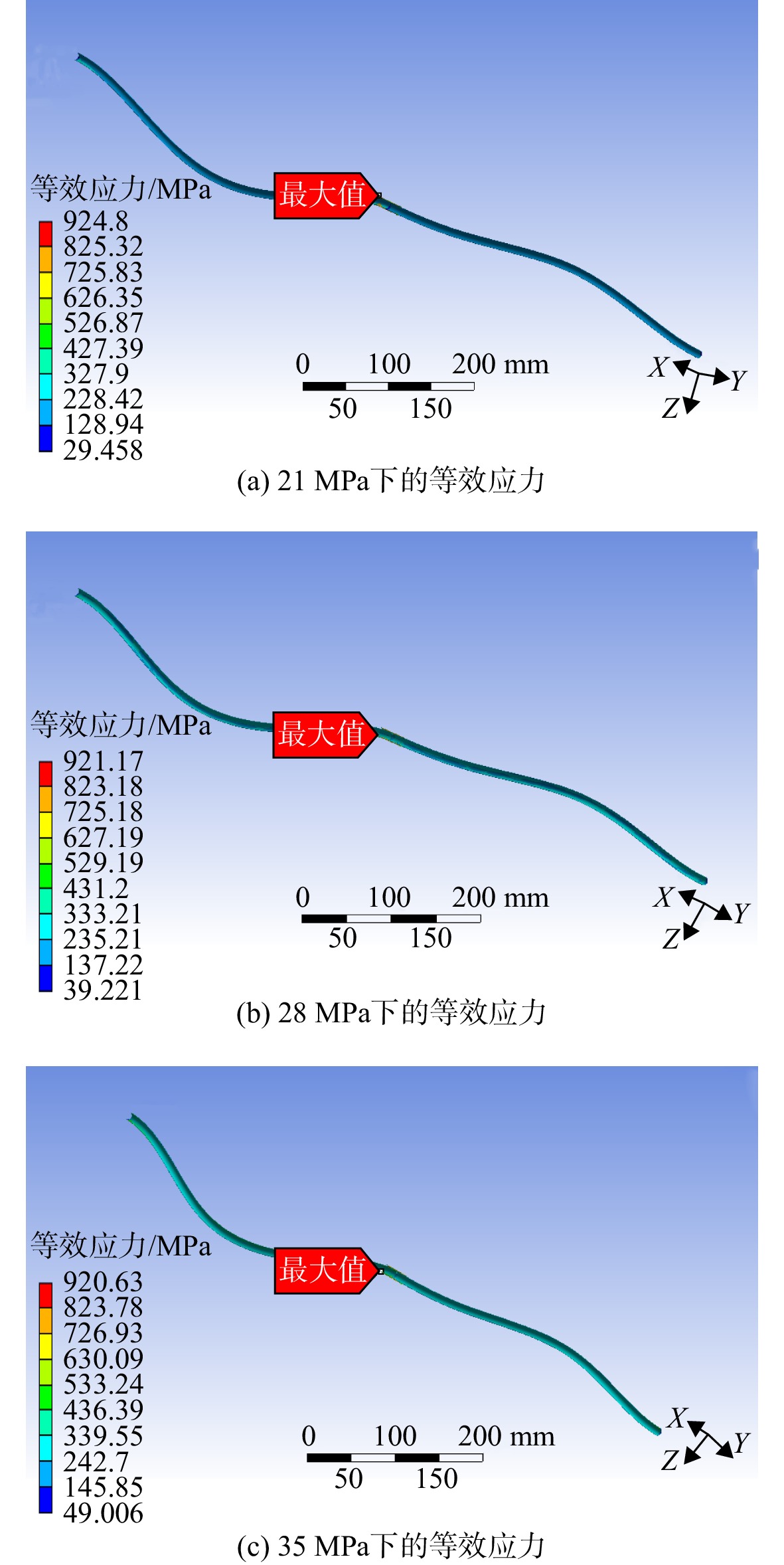
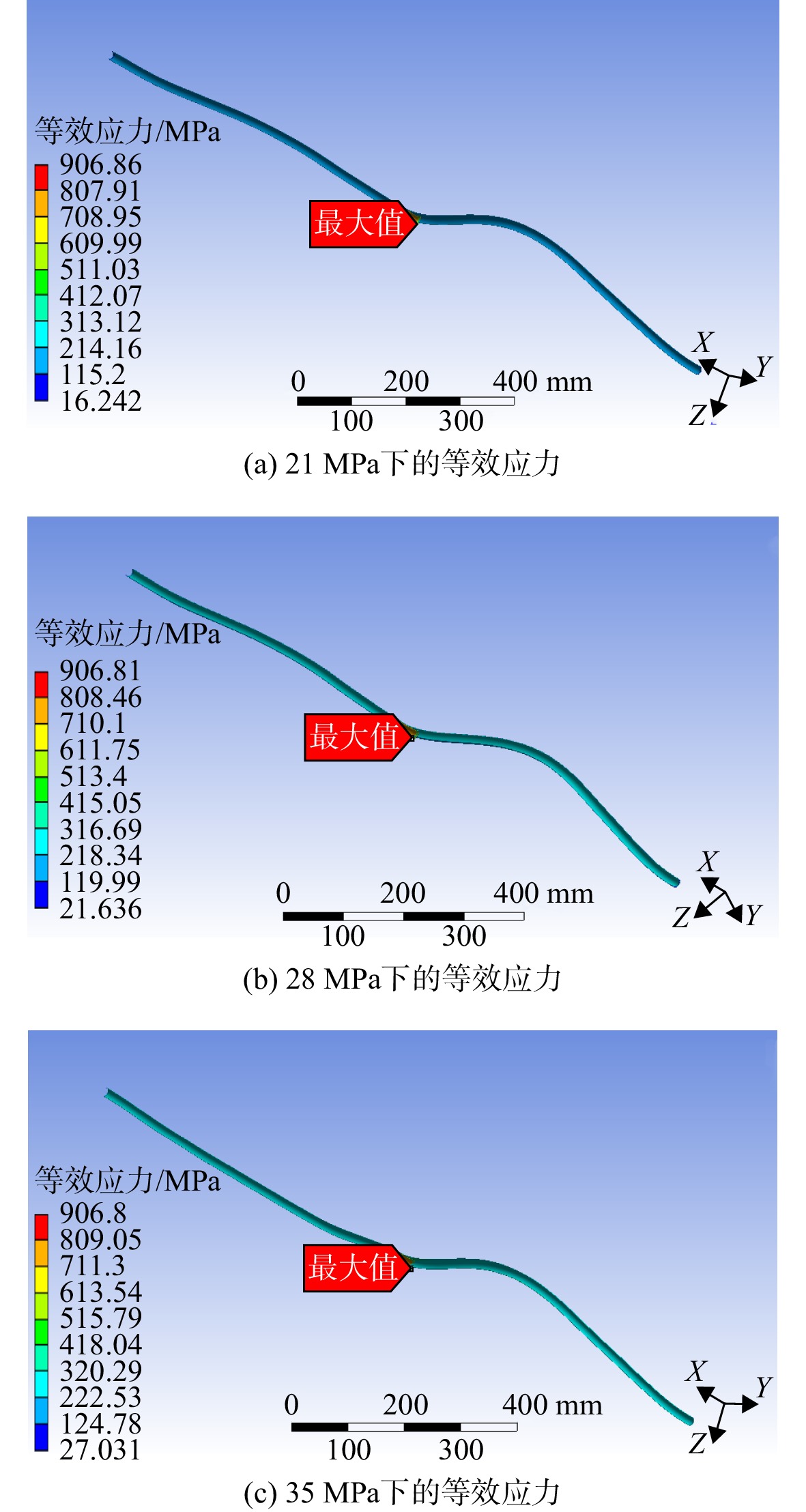
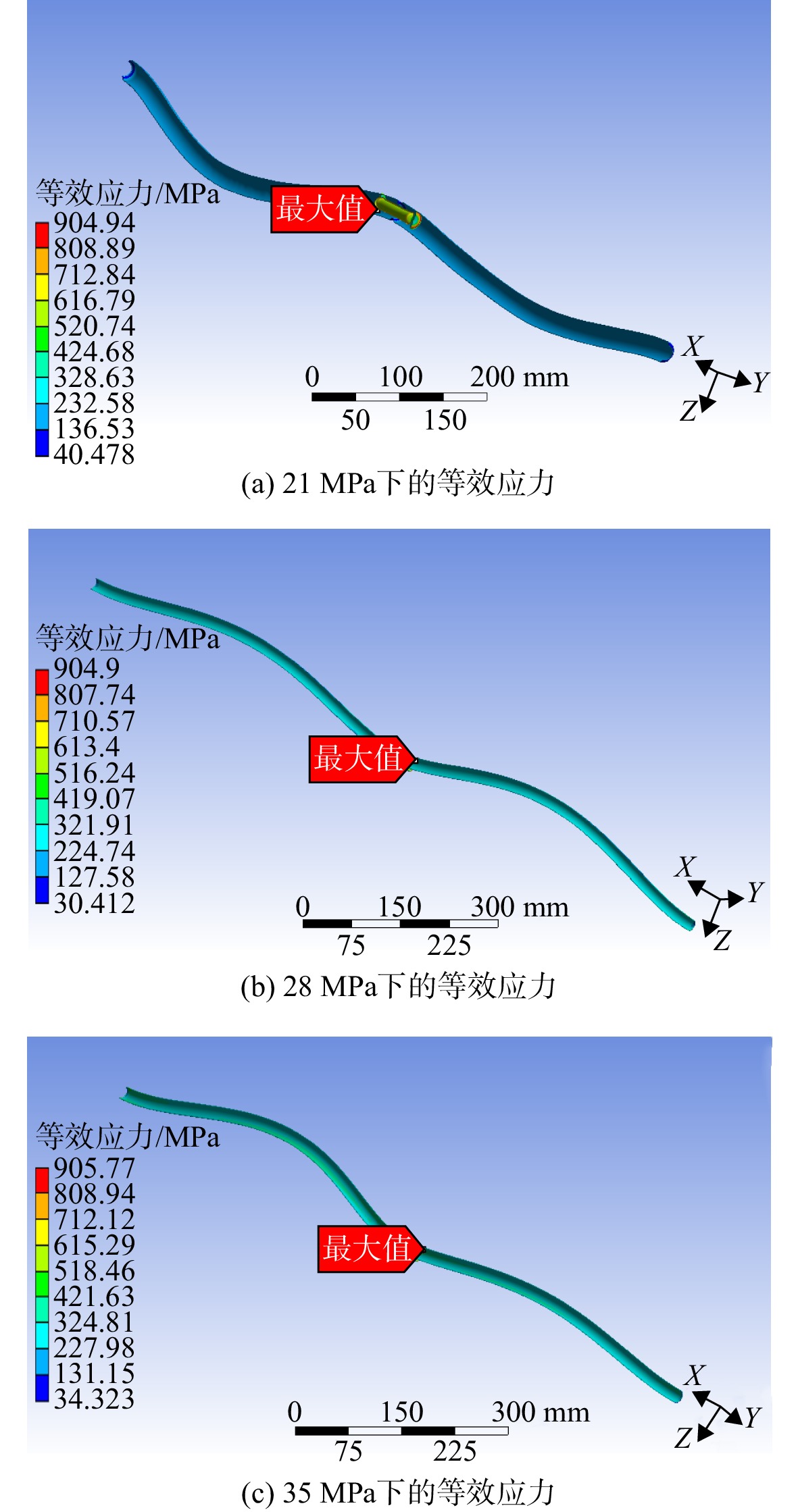
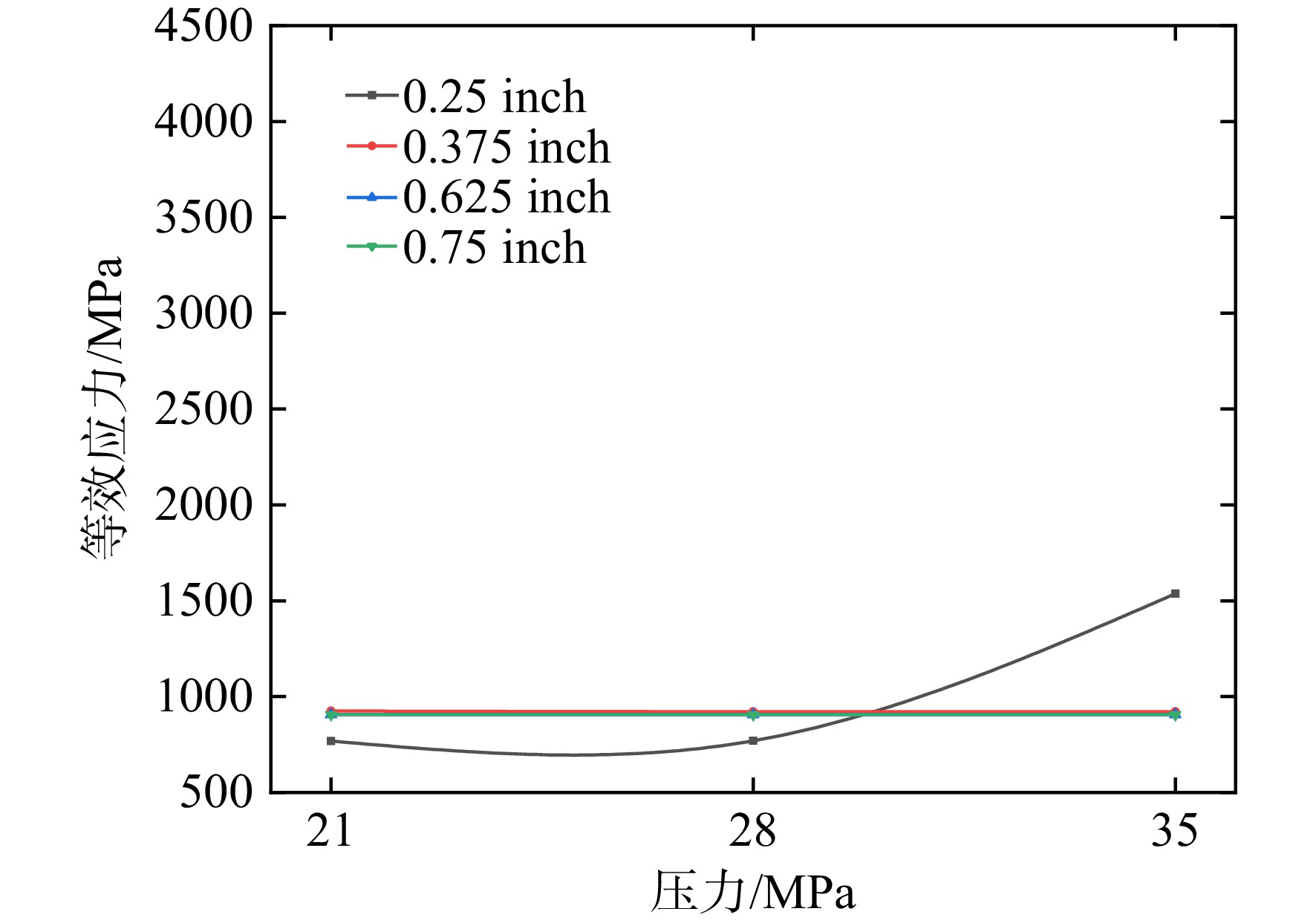
The crimping repair parameters of four specifications of hydraulic pipelines were studied, and their dynamic characteristics under three pressure levels were analyzed. Firstly, the finite element model of the hydraulic pipeline after crimping repair was established. The modal analysis of the pipeline showed that when the crimping gap was 0 mm, the natural frequencies of each order of the pipeline did not change significantly with the crimping length. Within the frequency range of 0—1580 Hz, the maximum normal stress value withstood by the pipeline decreased with the increase of pipeline diameter. Therefore, the crimping clearance of the four specifications of hydraulic pipelines should be 0 mm, and the crimping length should be determined according to the aircraft maintenance manual. The dynamic characteristics of four specifications of hydraulic pipelines were analyzed under three pressure levels. The natural frequencies of each order of the pipeline increased with the increasing pressure. The maximum deformation was less than 5 mm under three pressure levels. The equivalent stress of pipeline with outer diameter of 6.35 mm under 35 MPa was much greater than that under 21 MPa and 28 MPa, and greater than that of the other three specifications of hydraulic pipeline. The position with the maximum equivalent stress of the pipeline was at the crimping joint.

Numerical and experiment of morphing skin based on equivalent thermoelastic energy method
ZHANG Wei, MA Yueyin, CAI Qingqing, GAO Xinyu, NIE Xutao
2024, 39(11): 20220976. doi: 10.13224/j.cnki.jasp.20220976
Abstract:

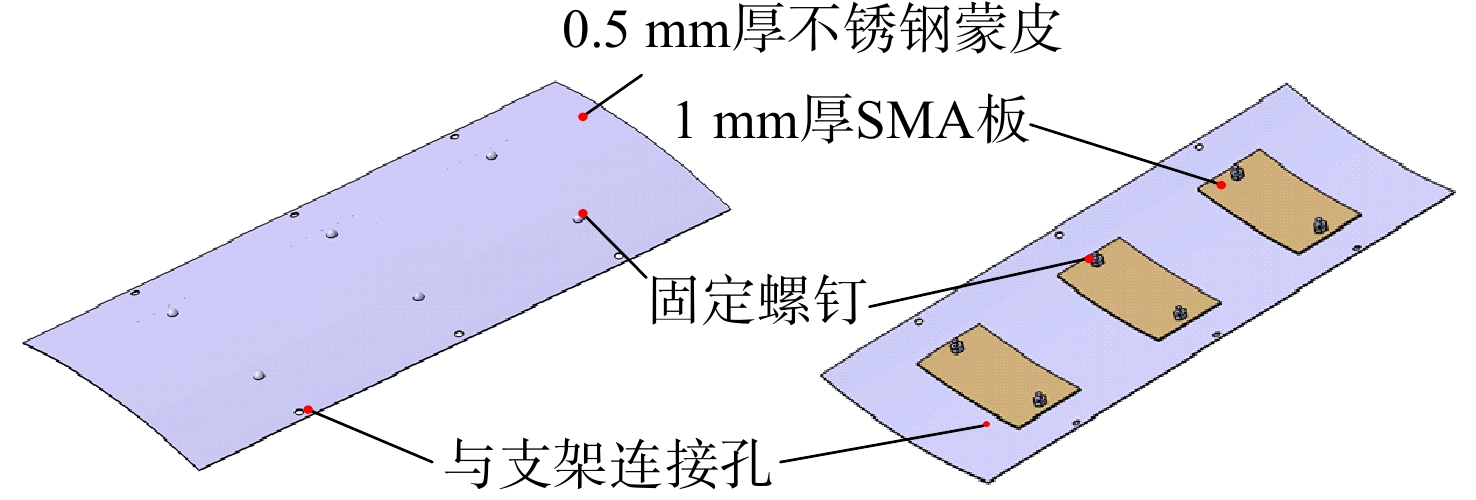
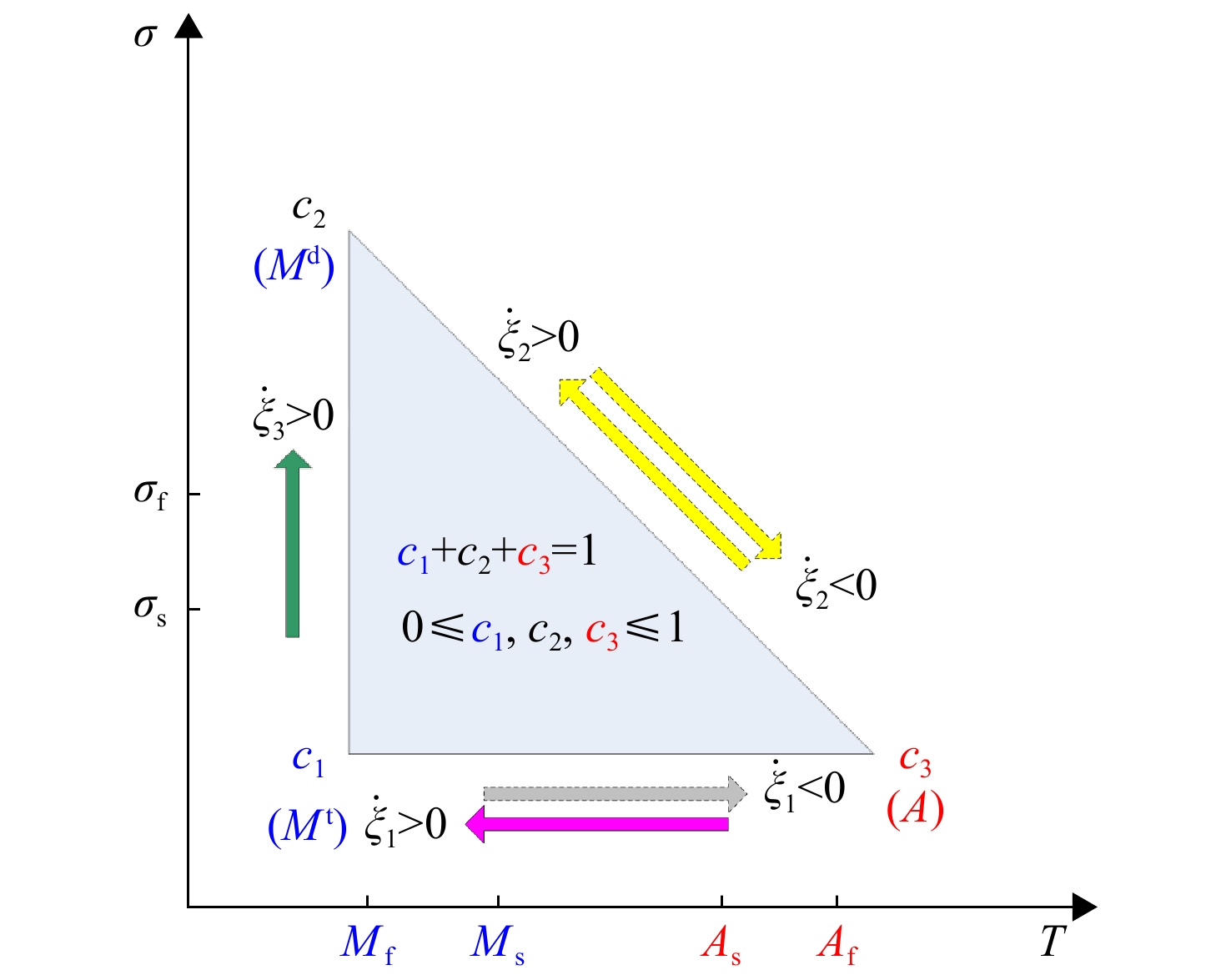
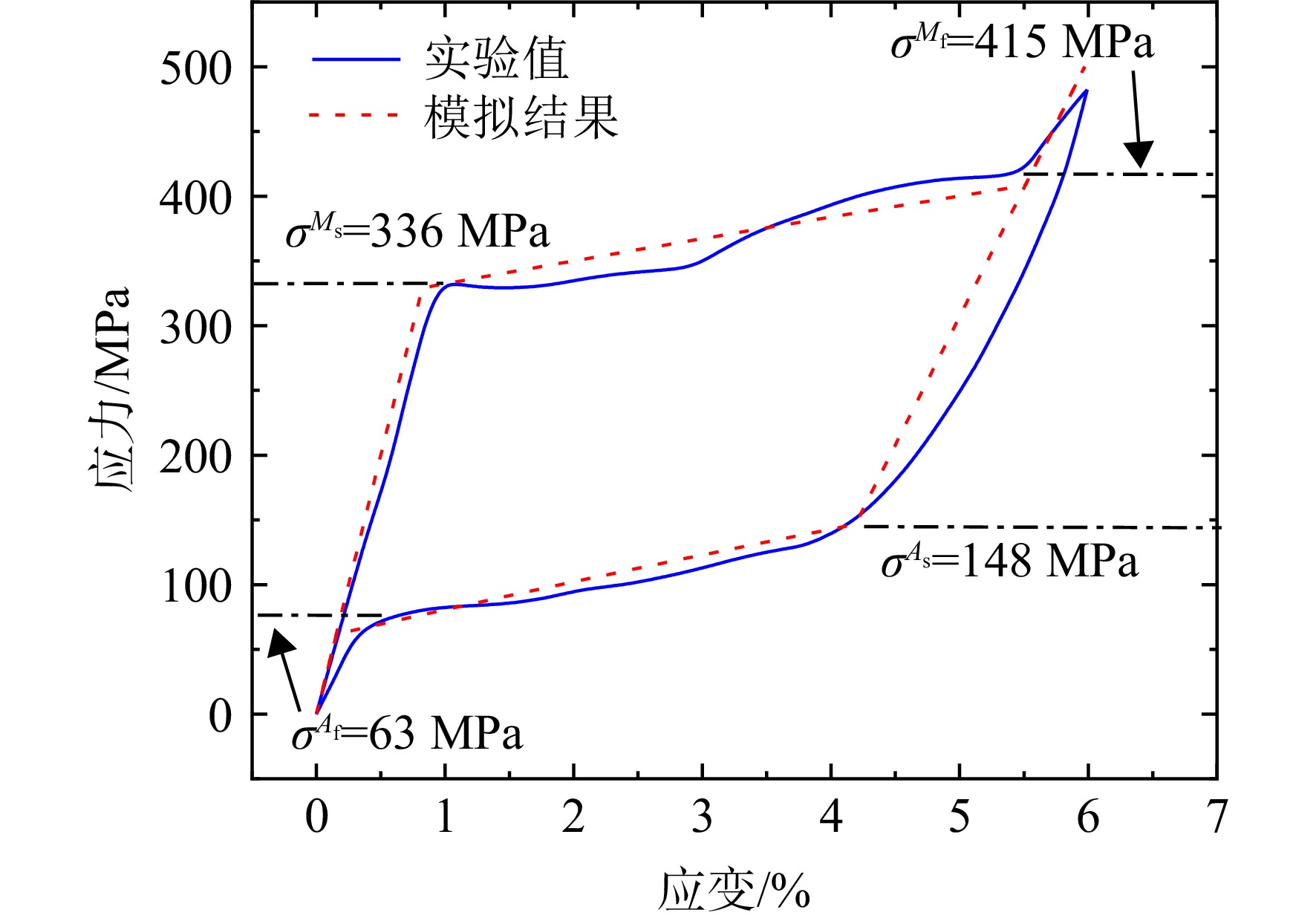
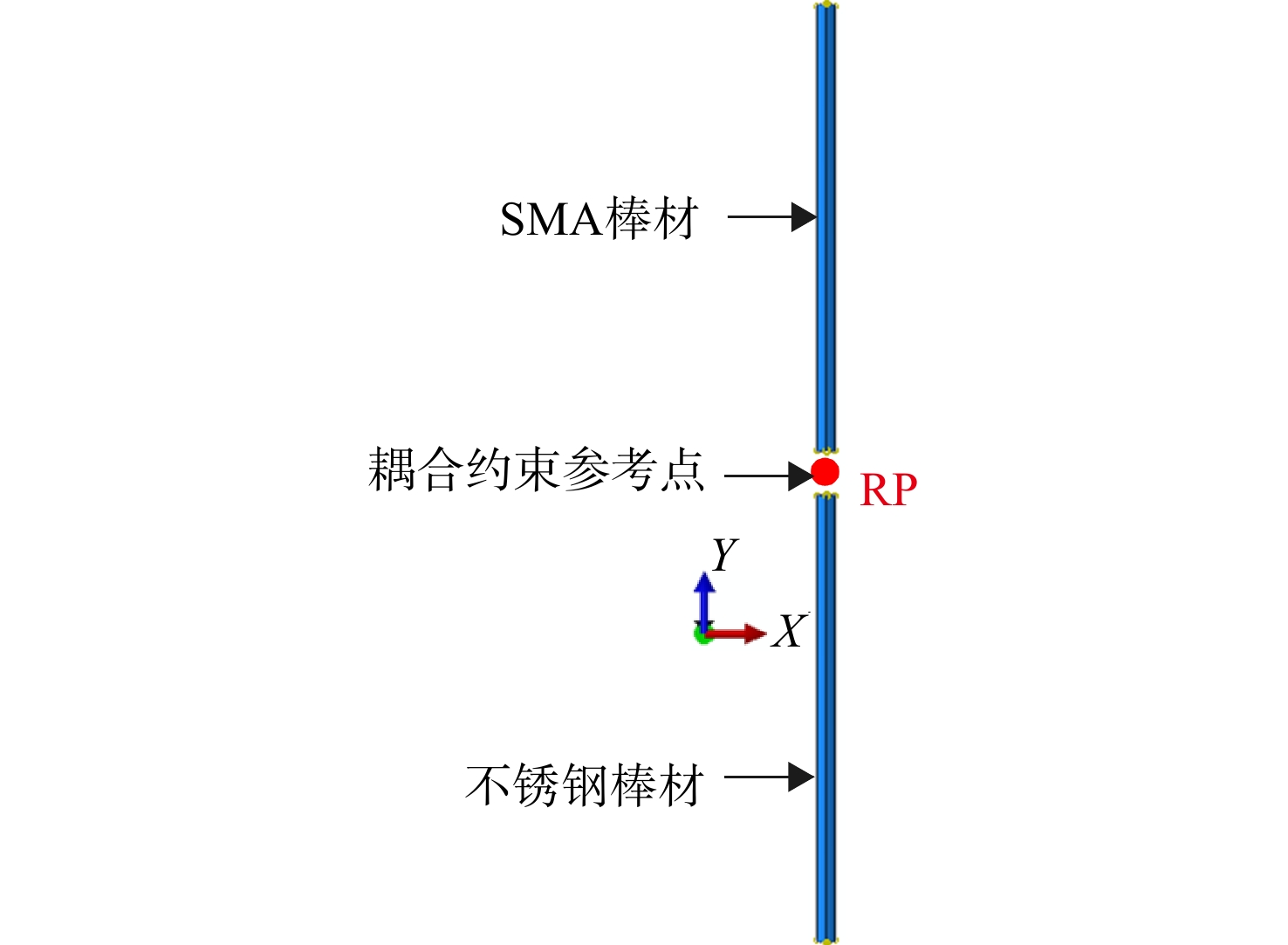
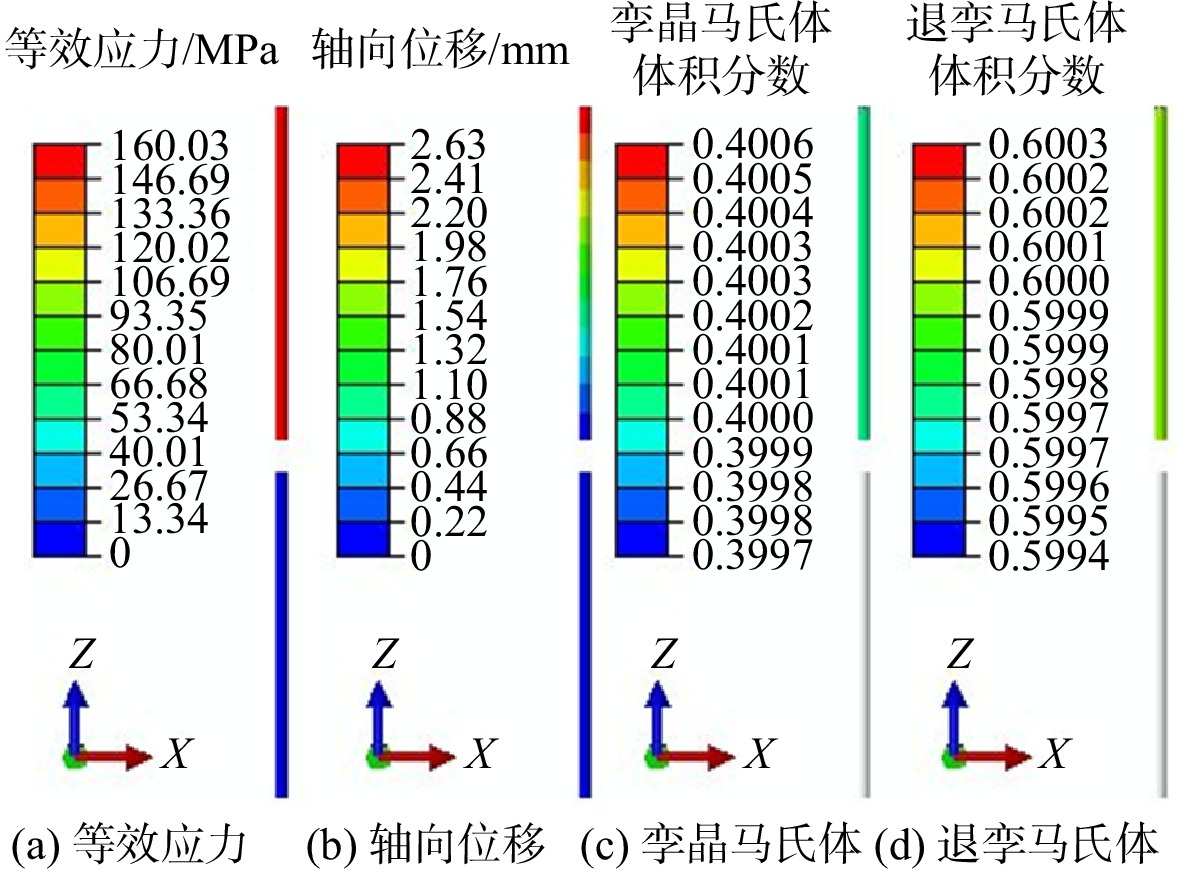
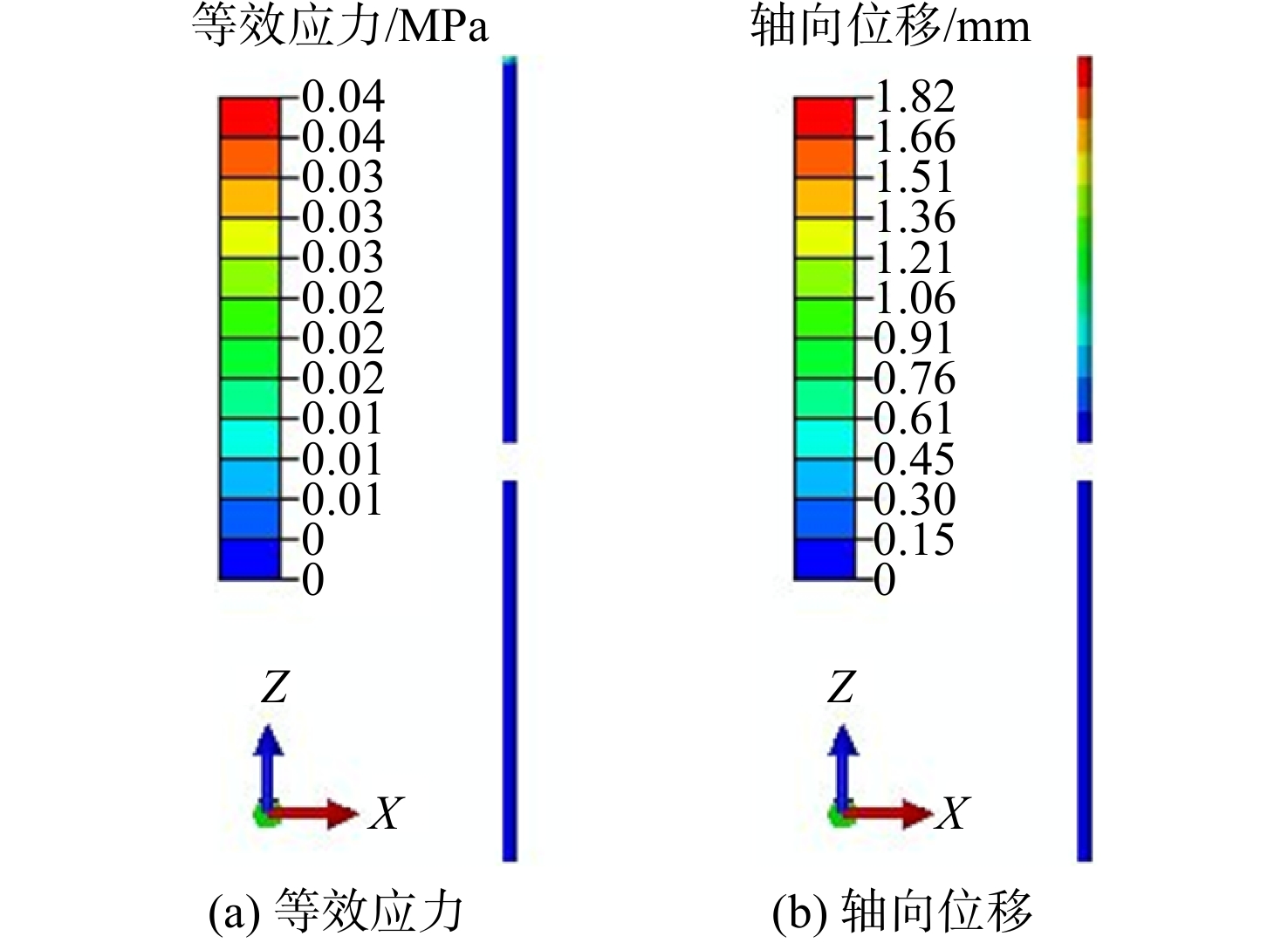
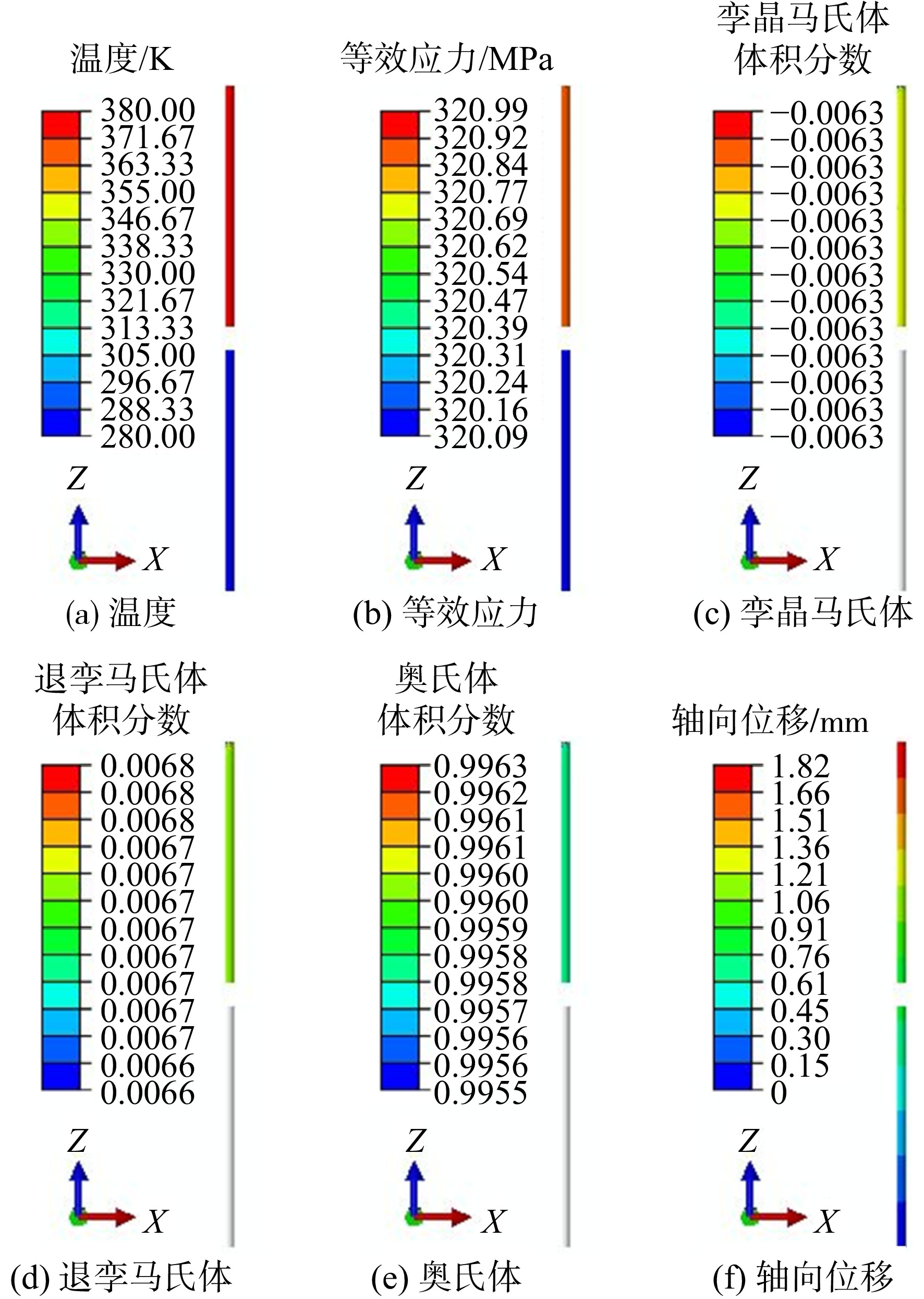
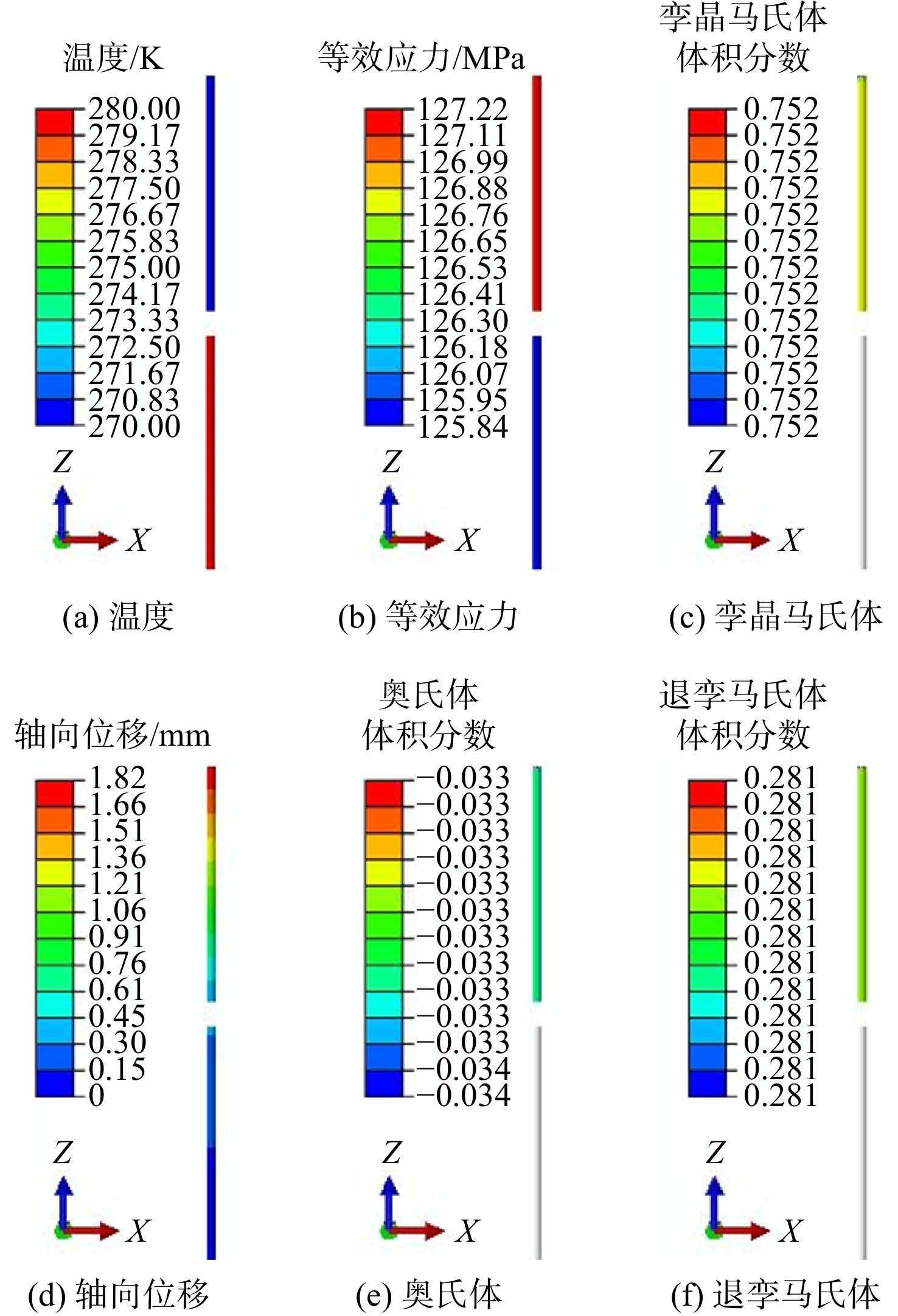
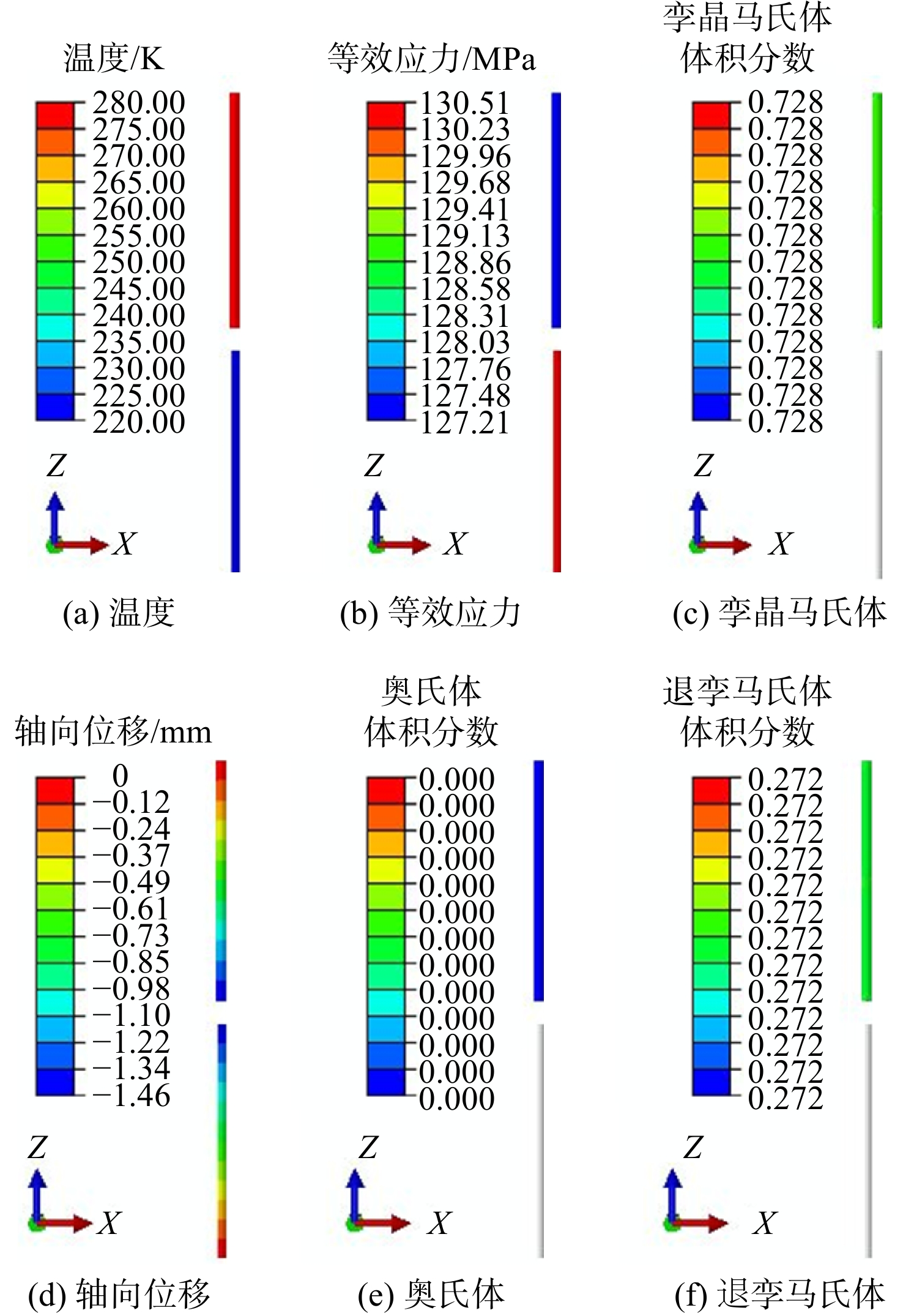
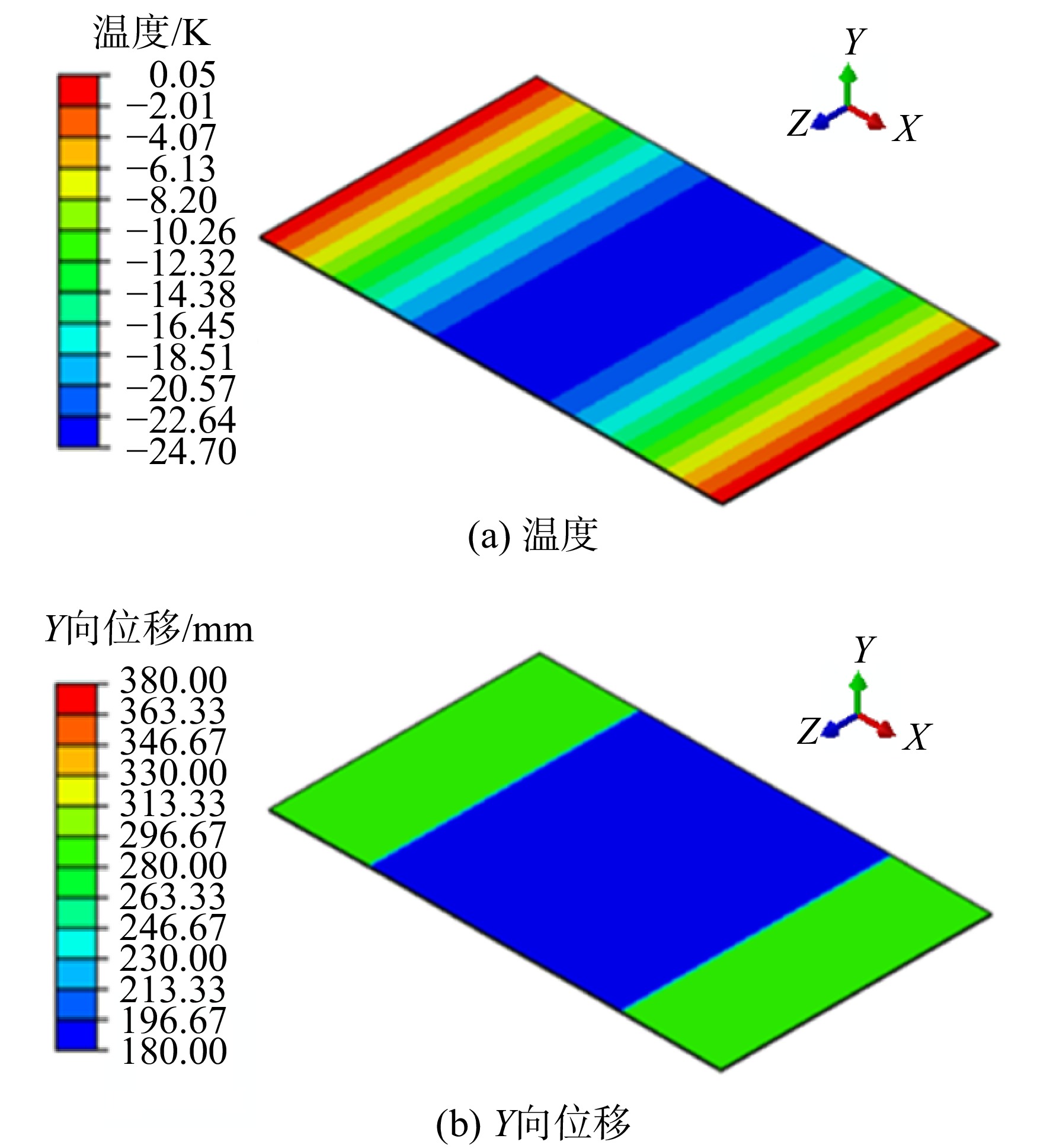
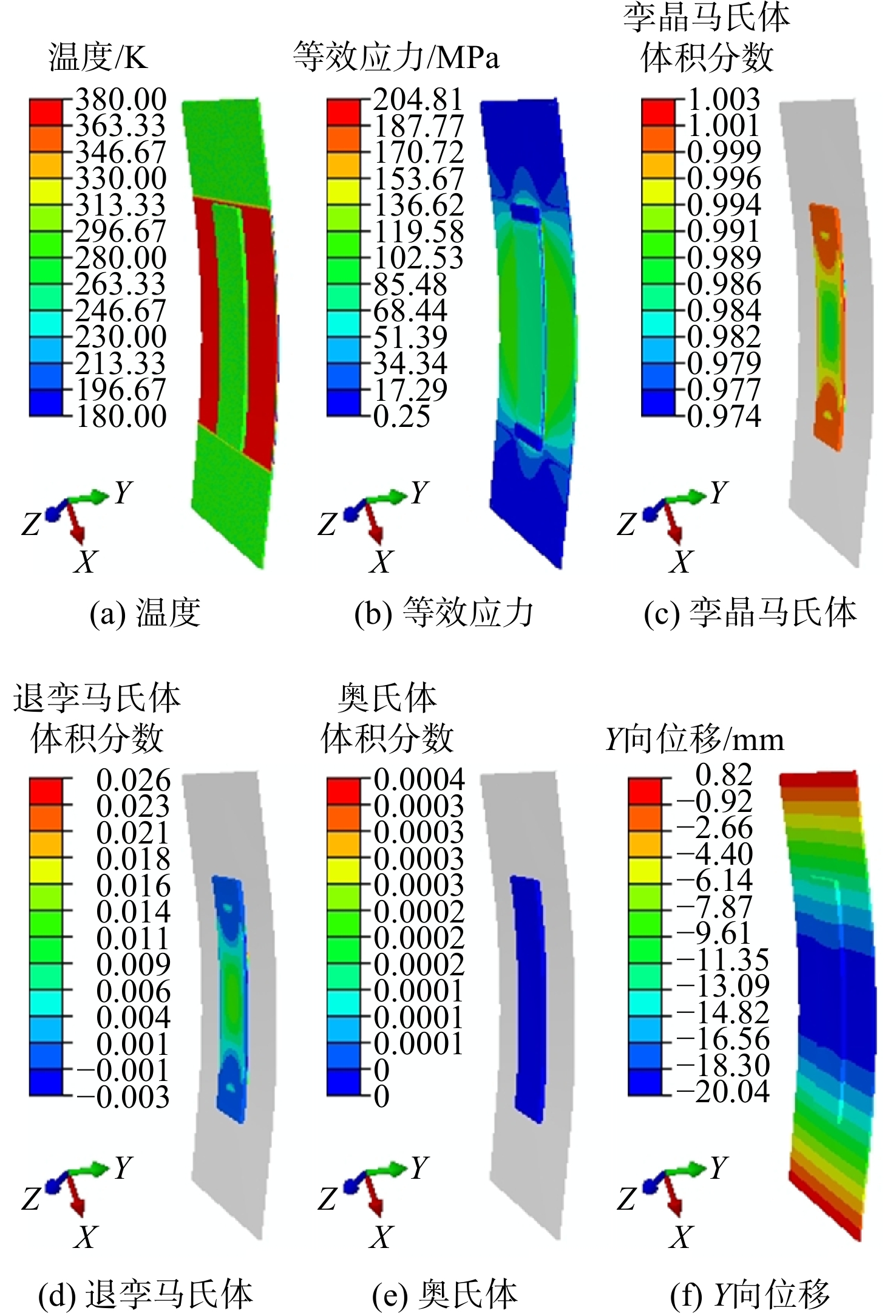
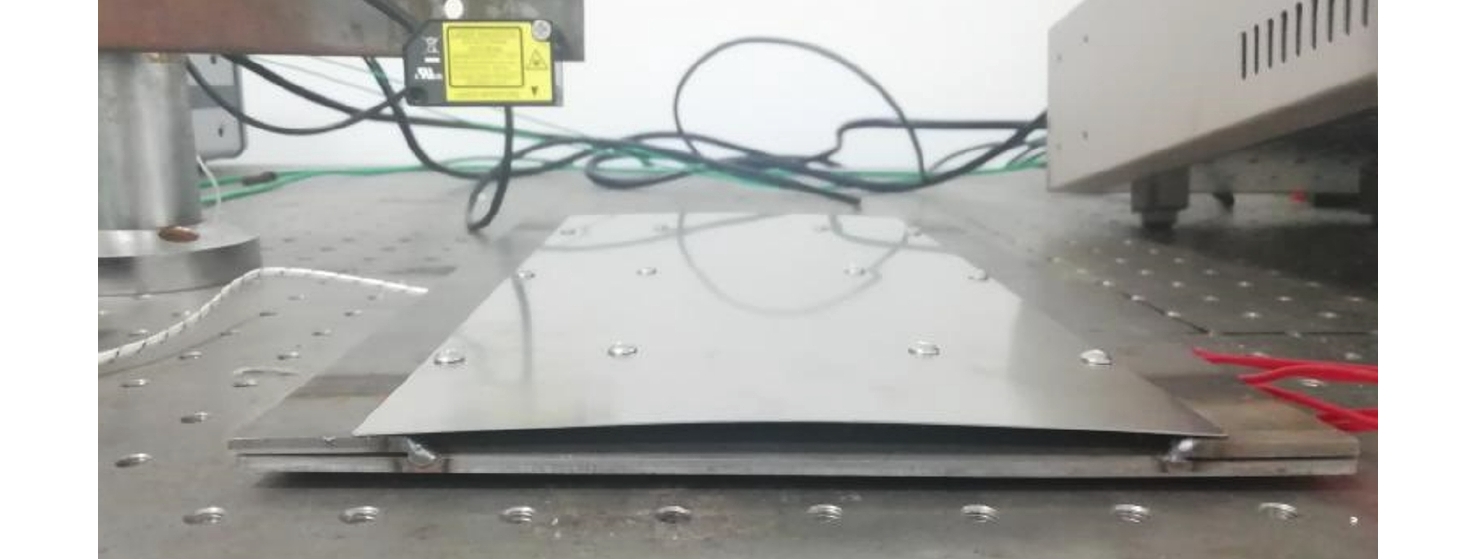
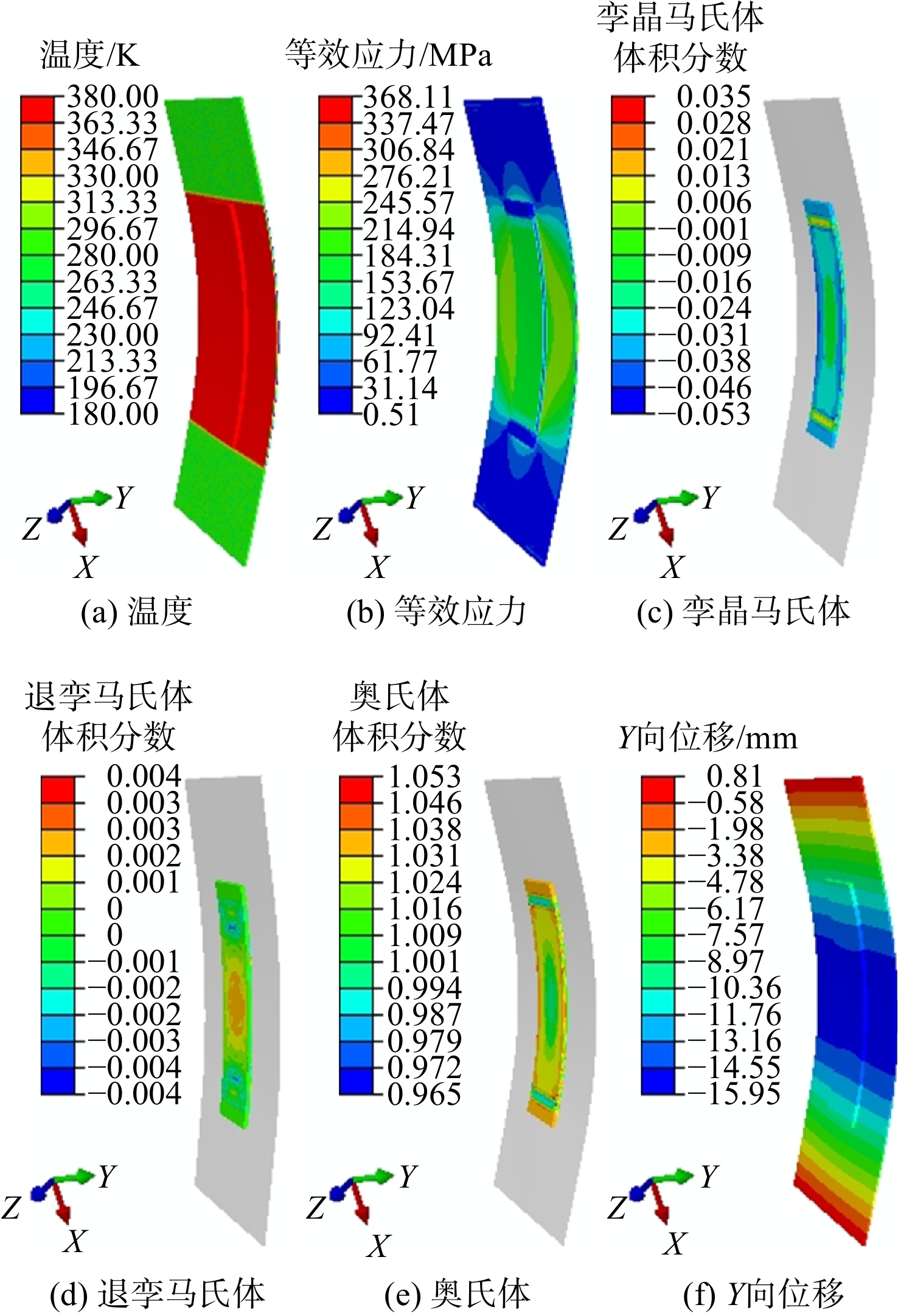
To simplify the modeling, an equivalent simulation method was proposed to convert the transformation energy of SMA into the thermoelastic strain energy of elastic plate and express it by temperature difference. The equivalent approach and Boyd-Lagoudas extended model were compared and analyzed for a SMA wire model. According to the compiled physical property subroutine of SMA based on the Boyd-Lagoudas extended model, twinned martensite other than conventional detwinned martensite and austenite was considered. The maximum error of the equivalent model was 9.8%, proving its effectiveness and accuracy. For the active morphing skin composed of stainless steel and one-way SMA, the variation magnitude of the wing arc height calculated by the equivalent approach was 4.03 mm, consistent with the experimental value of 3.81 mm. It indicated that the equivalent thermoelastic energy method was effective to carry out full-scale wing simulation and rapid design iteration.

Parametric vibration analyses of eccentric rotational ring-shaped periodic structures
WEI Zhenhang, WANG Shiyu, WANG Yifan
2024, 39(11): 20220332. doi: 10.13224/j.cnki.jasp.20220332
Abstract:

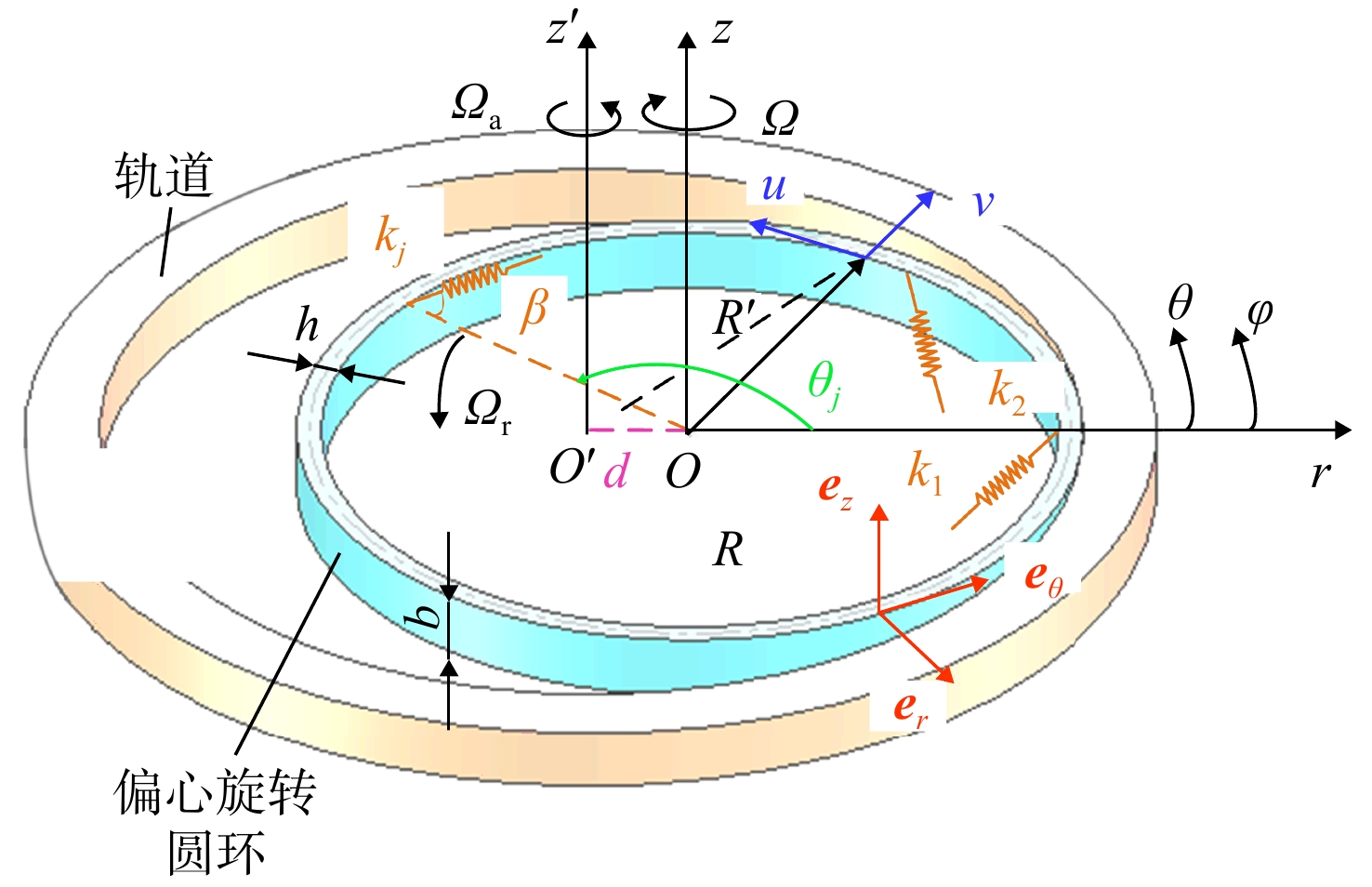
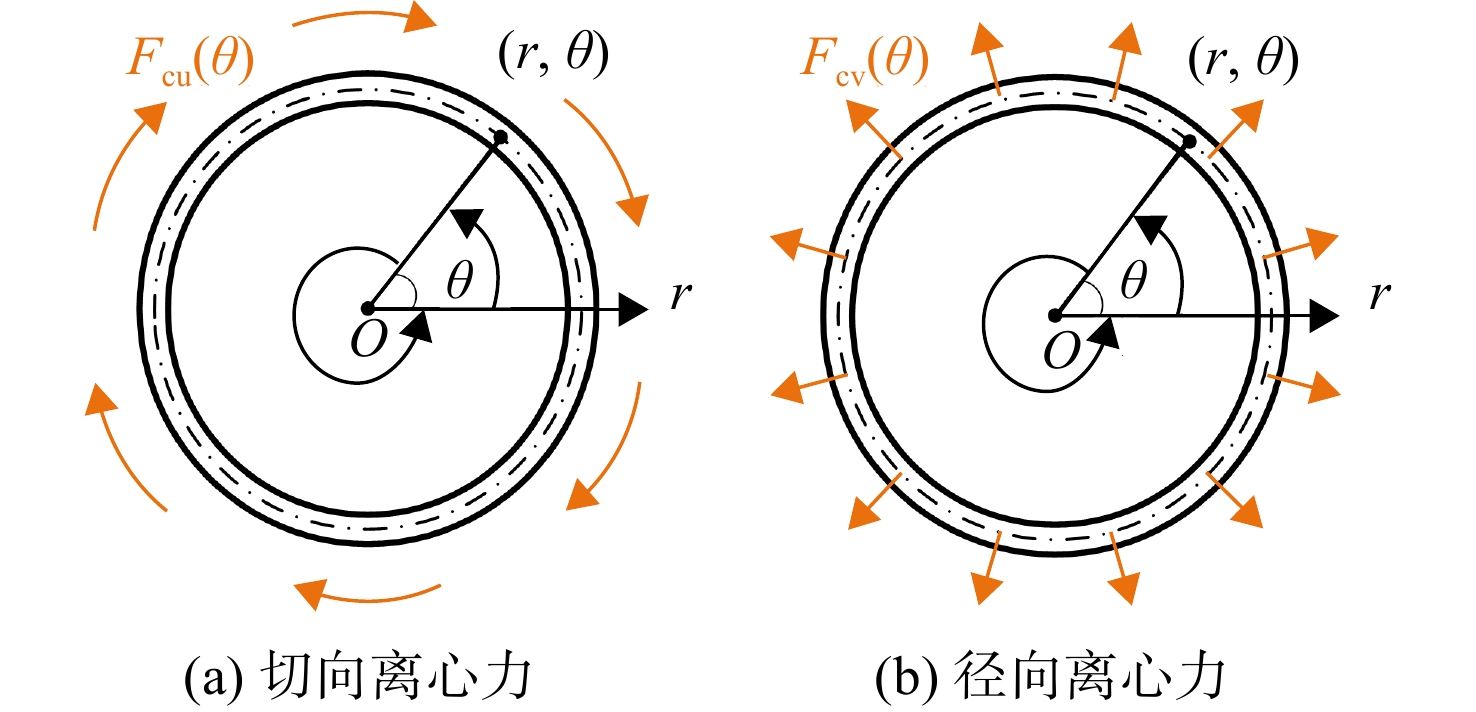
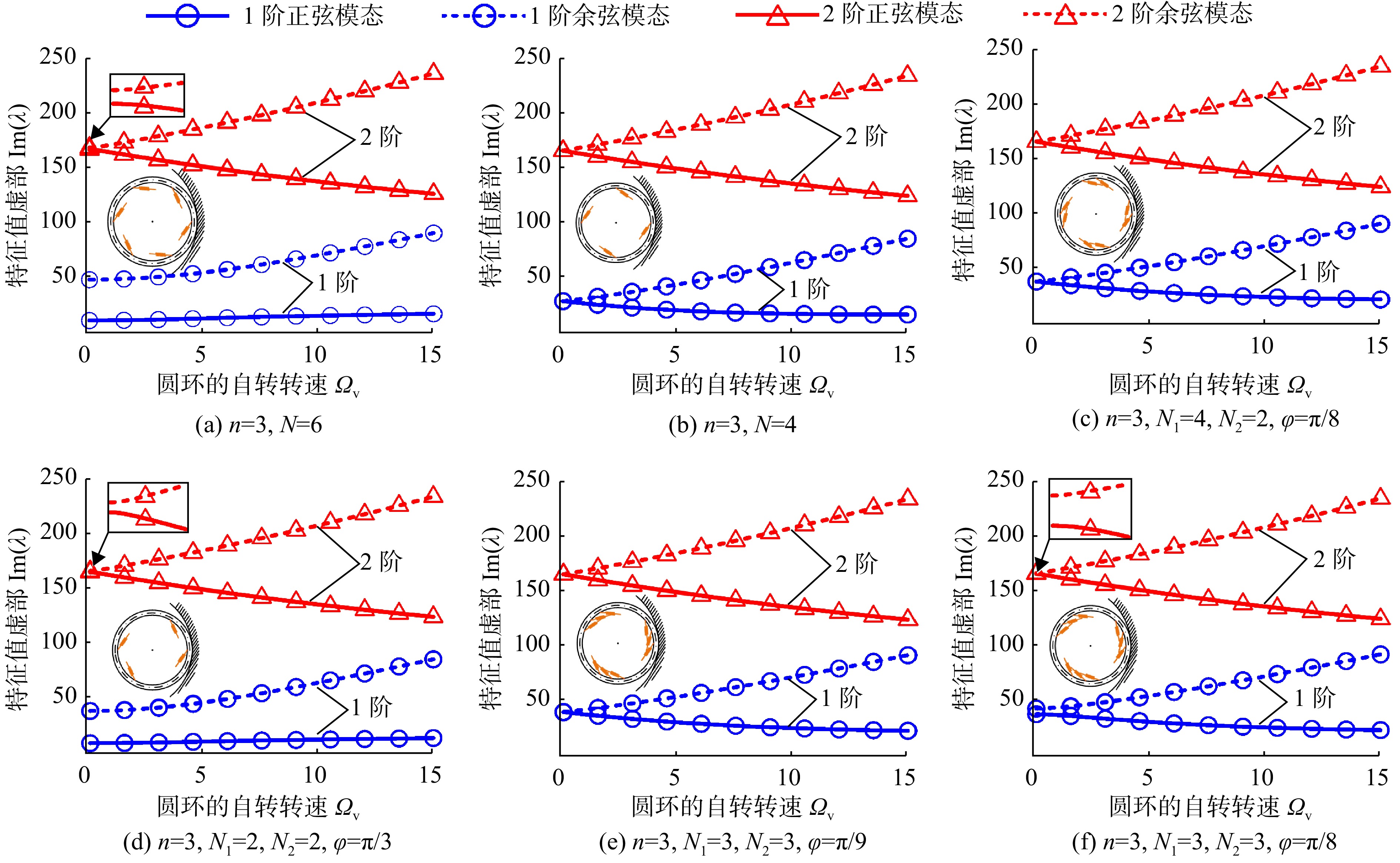
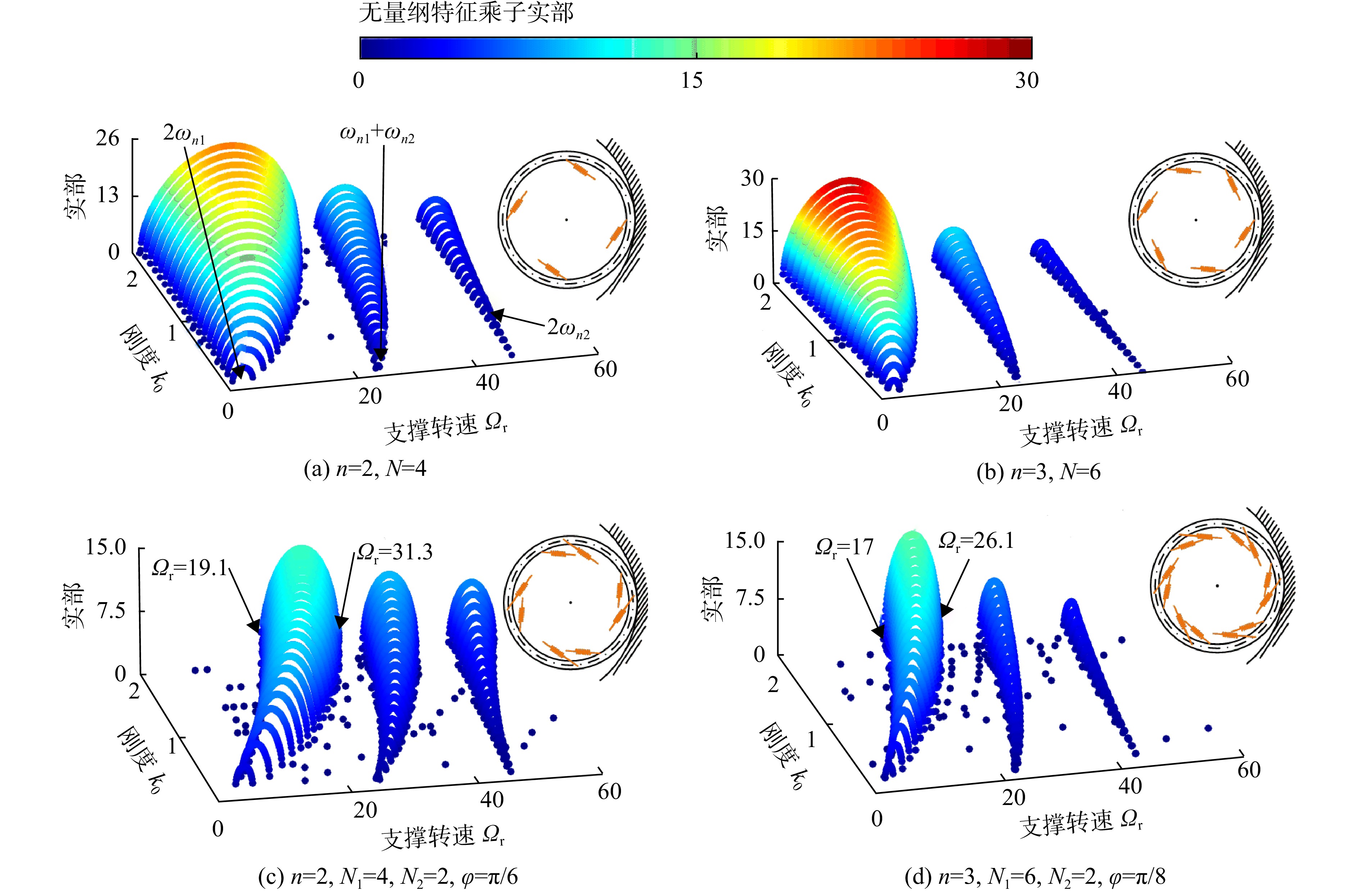
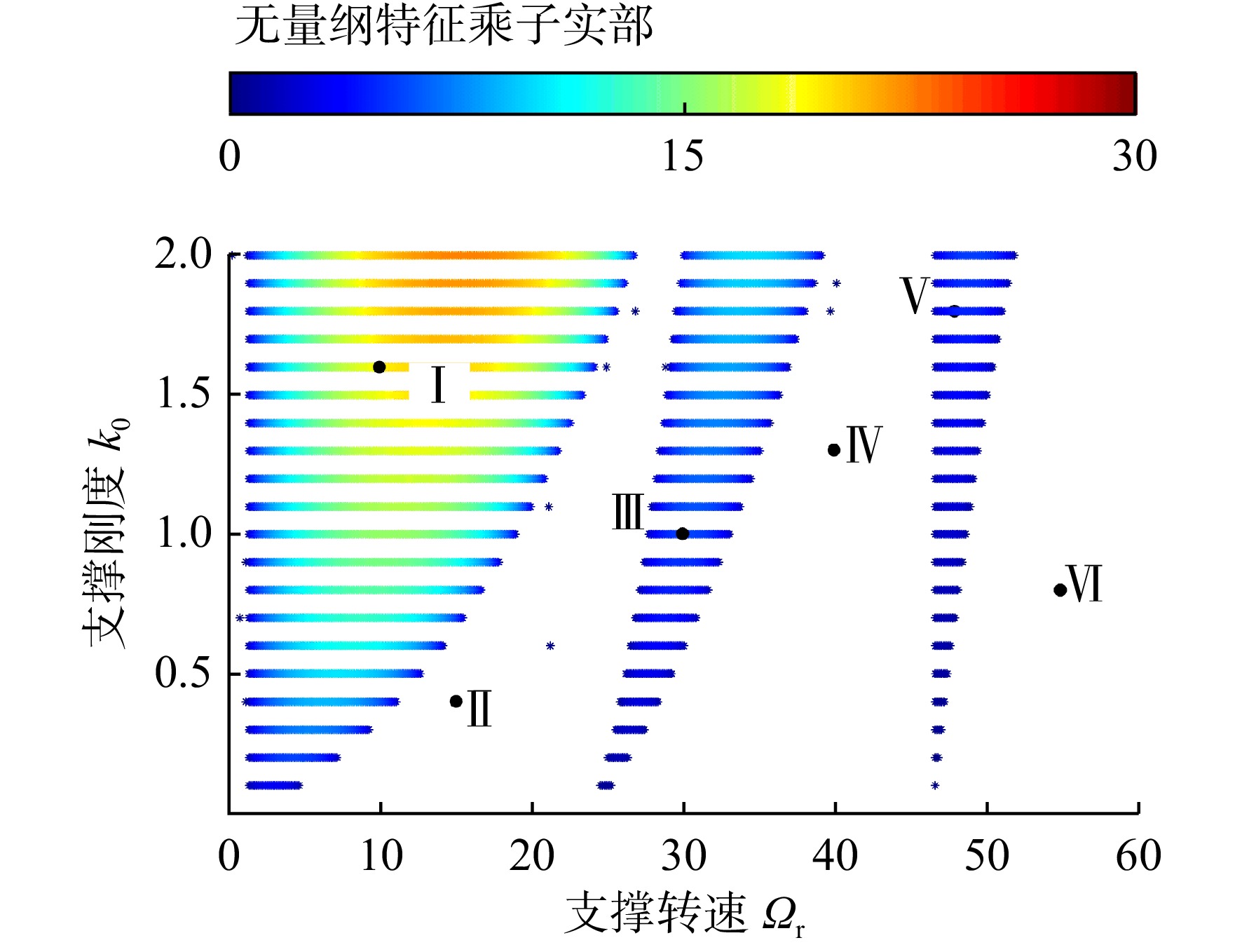
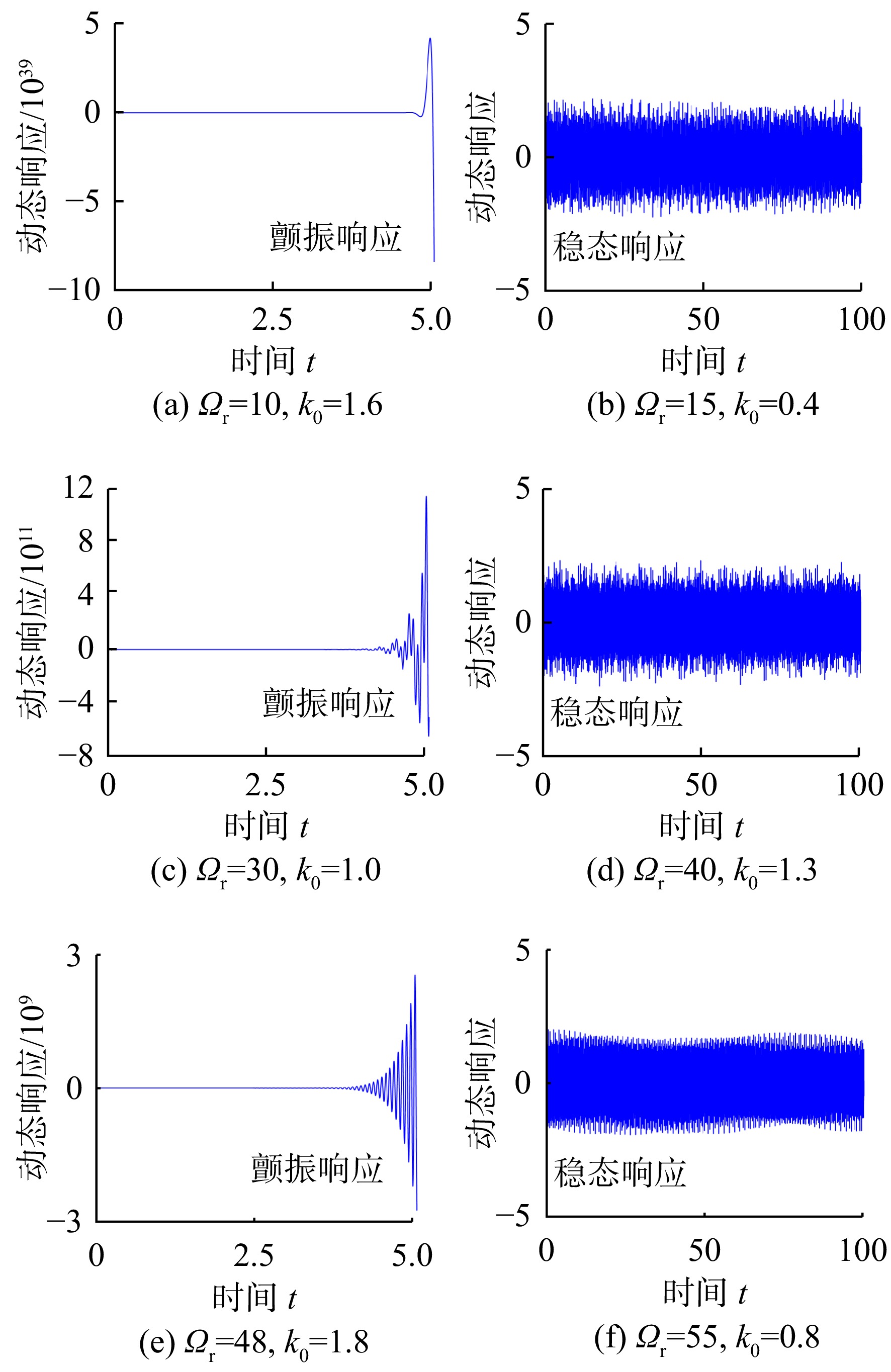
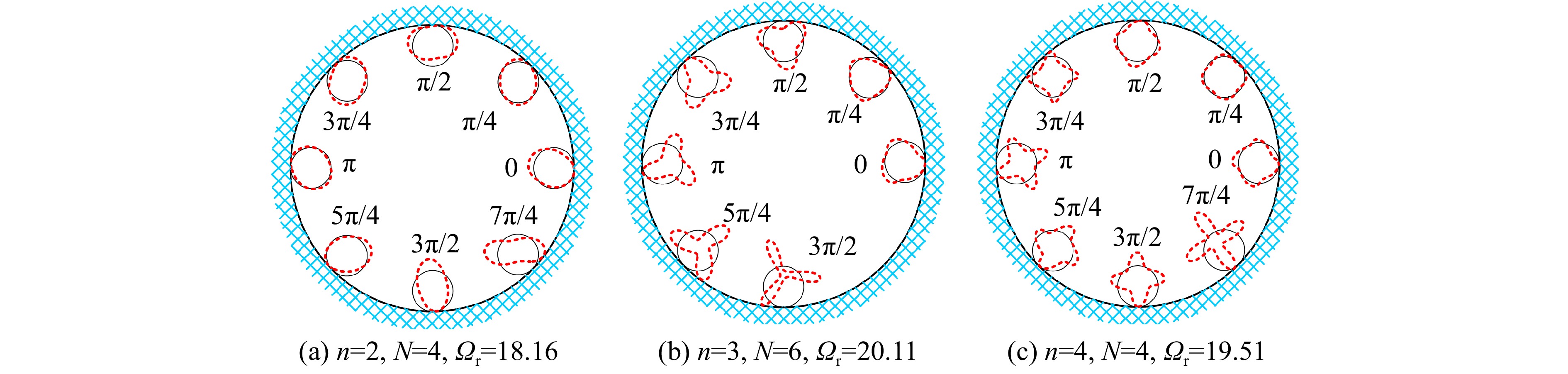
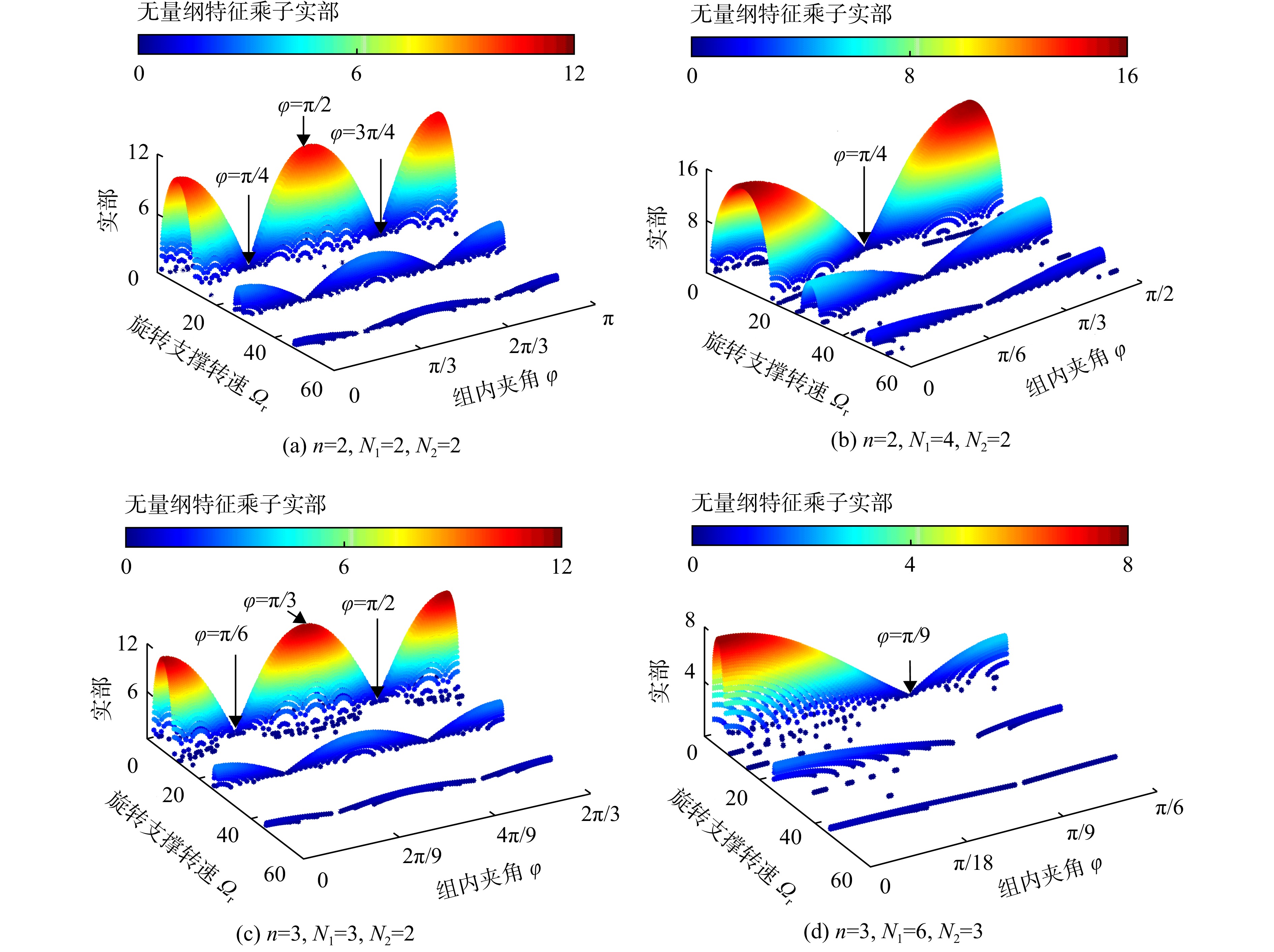
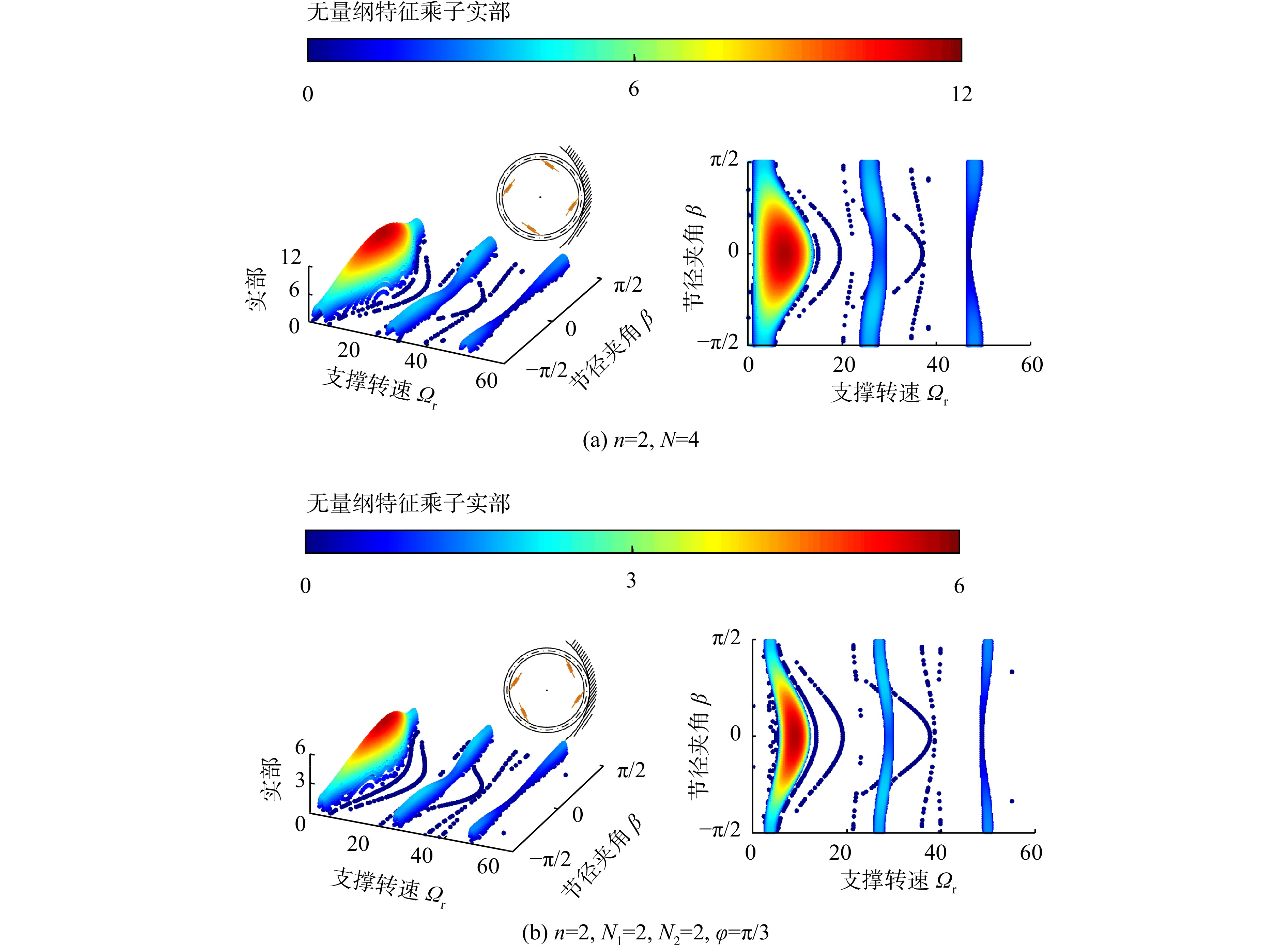
A dynamic model with time-varying excitation of eccentric rotating structures was established based on Hamilton principle to solve the parametric vibration problem of eccentric rotational ring-shaped periodic structures. The influences of topological structures with different supports and parameter combinations on natural frequency splitting were analyzed. Floquét theory was used to calculate the instability regions for different parameters, and the relationship between the natural frequency splitting and the instability regions was revealed. In addition, the influences of wavenumbers, intergroup angle, and the angle between the radius and rotary supports of grouping topology on the stability were analyzed, based on which a method for improving stability was proposed. The results showed that natural frequencies splitting and the parameter excitation arose when the topology of the rotary supports and wavenumbers met some specific relationships. The parametric instability mainly appeared at the natural frequency and their linear combinations. The instability regions changed periodically with the intergroup angle, and the angle between the radius and rotary supports had different influences on each instability region.

Interval uncertainty analysis method based on adaptive radial basis function model
JIANG Feng, HONG Linxiong, LI Huacong
2024, 39(11): 20220874. doi: 10.13224/j.cnki.jasp.20220874
Abstract:

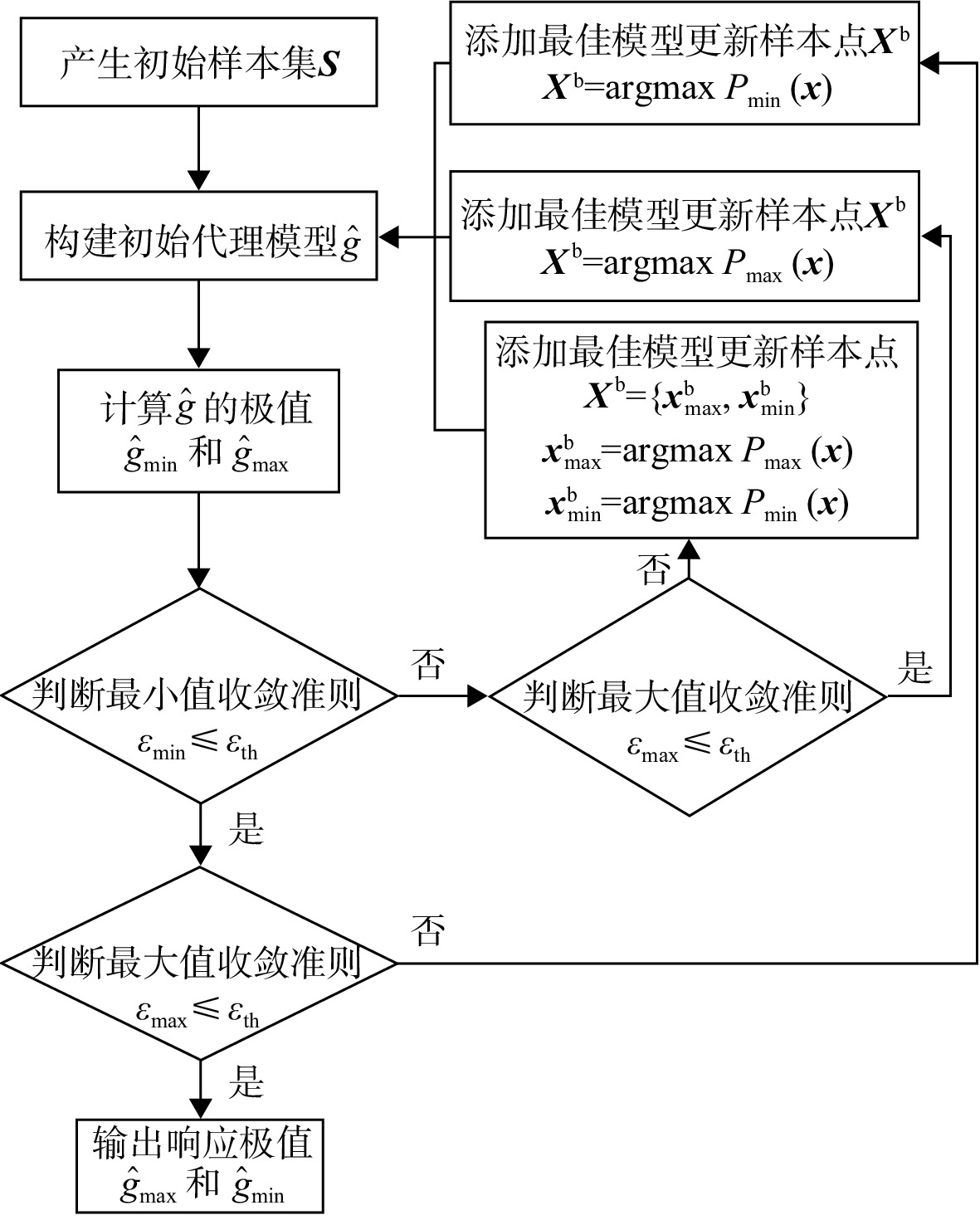
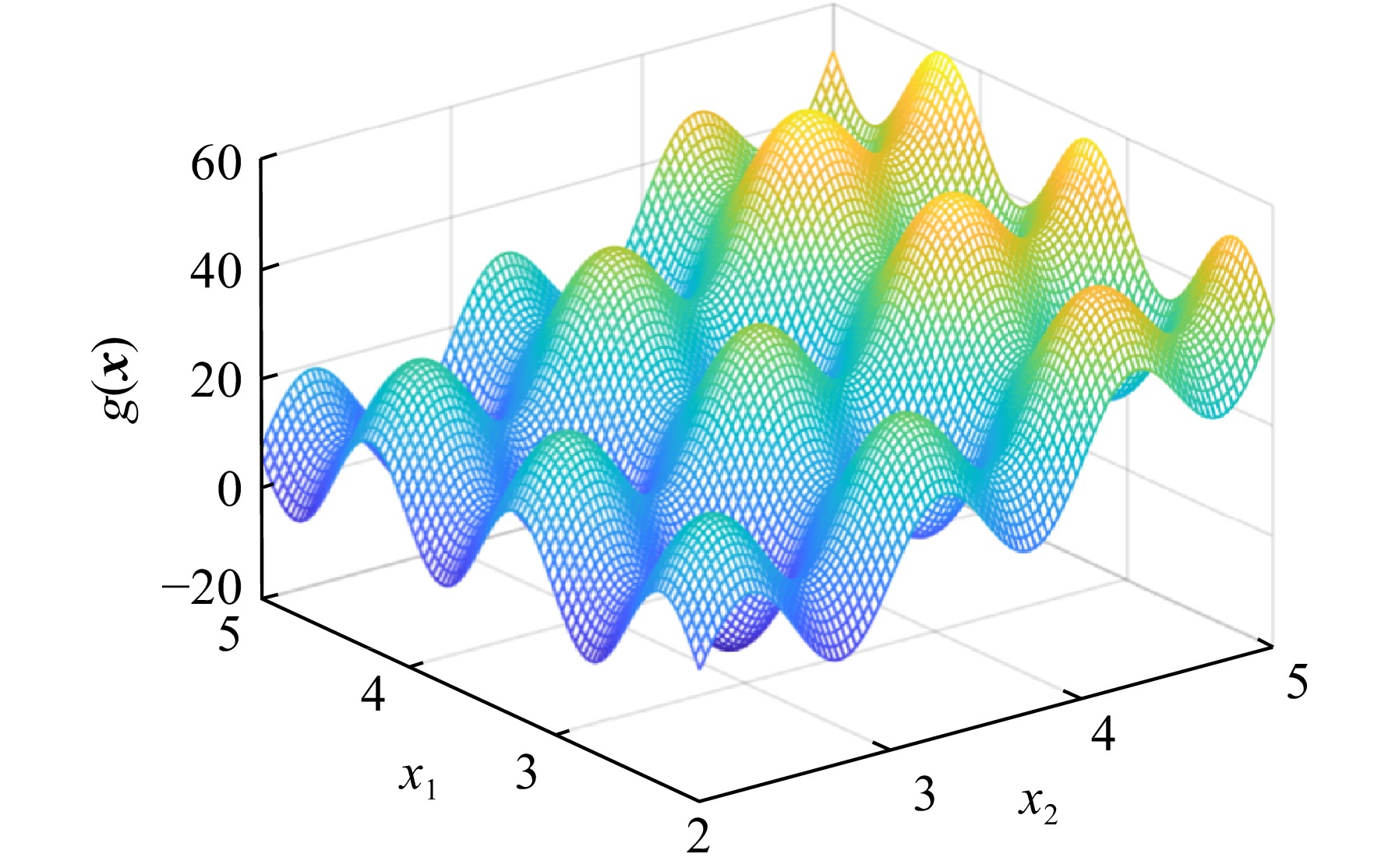
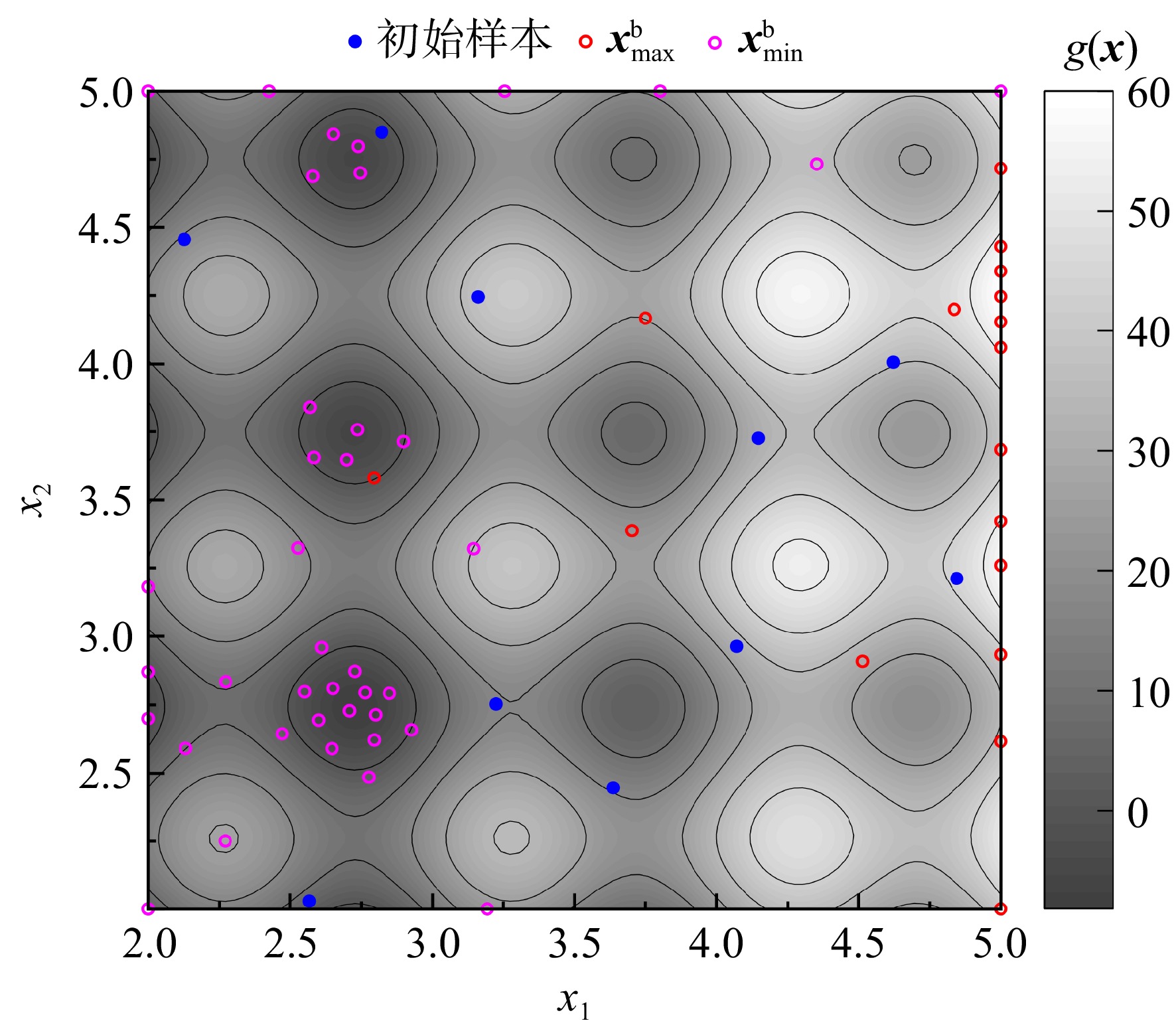
Considering the problem of interval uncertainty analysis, an adaptive uncertainty analysis method based on radial basis function model was proposed. Firstly, an acquisition function, also called the potential maximum function, which can be combined with the radial basis function model, was presented, and subdivided into potential maximum/minimum functions according to the characteristics of the maximum/minimum problem. Then, for the interval uncertainty analysis problem, a sequential optimization framework based on the potential maximum/minimum function was established to complete the efficient and high-precision solution of the interval uncertainty analysis problem. Three examples showed that, the proposed method can improve the computational efficiency of particle swarm optimization (PSO) and vertex method with accurate solution; also, the method refined the model sequentially through the proposed acquisition function, so compared with the method in which the Latin hypercube sampling is used to perform the “one-shot” sampling for radial basis function model constructing, and the response bounds is estimated through particle swarm optimization (LHS+PSO), it can guarantee the accuracy of the predicted bounds by improving approximate accuracy of the model in local regions.

Multi-view visual measurement of three-dimensional dynamic position and orientation of aero engine casing
GUO Jianying, LIANG Jin, YE Meitu, WANG Mingming, LIU Hui, TENG Guangrong
2024, 39(11): 20220967. doi: 10.13224/j.cnki.jasp.20220967
Abstract:

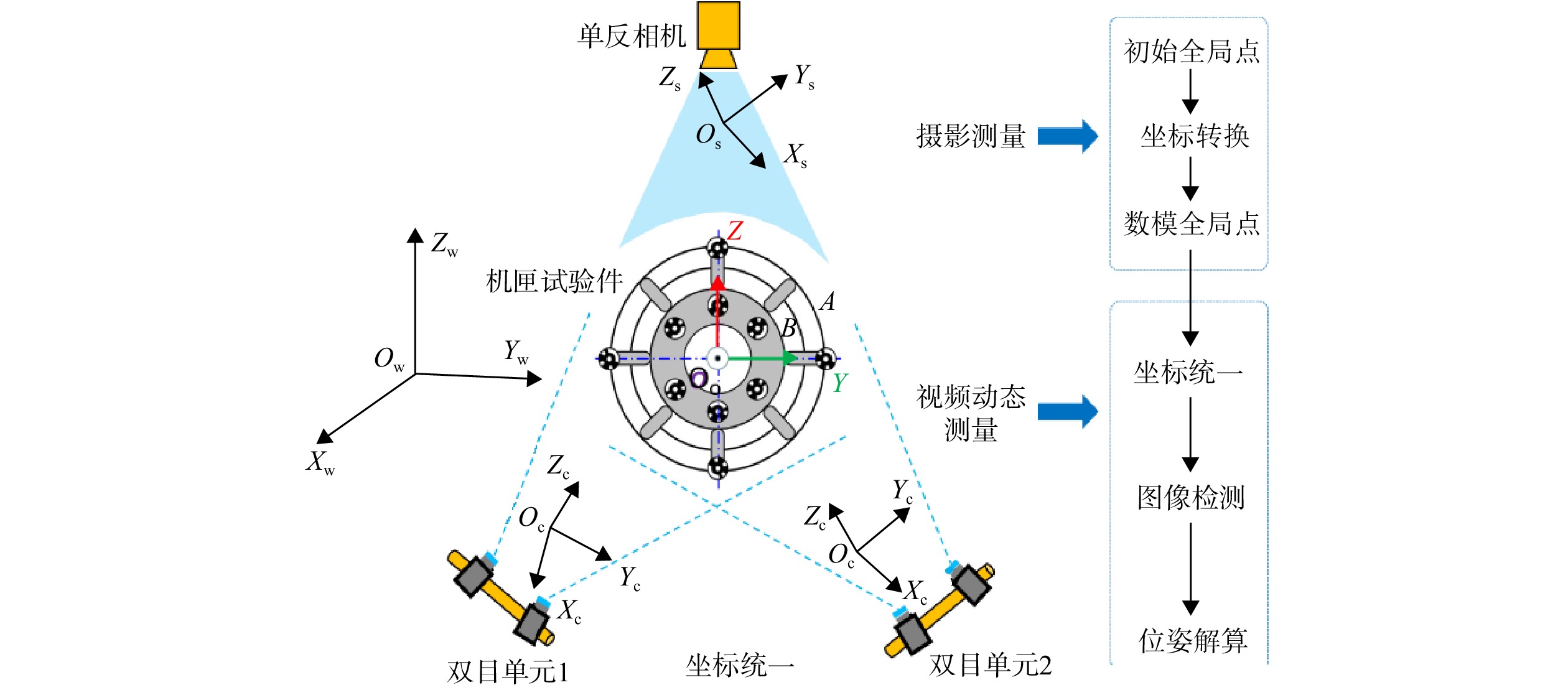
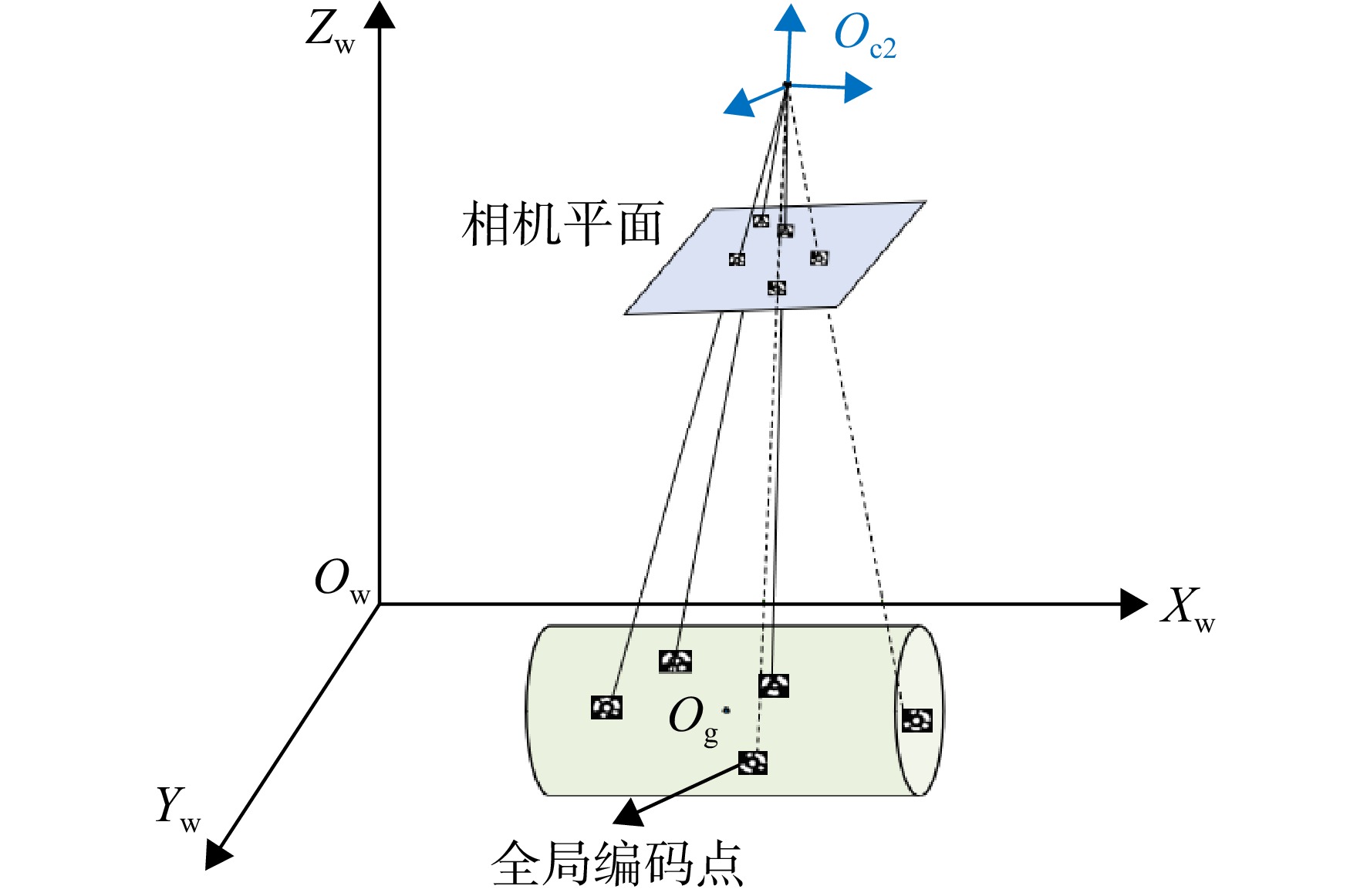
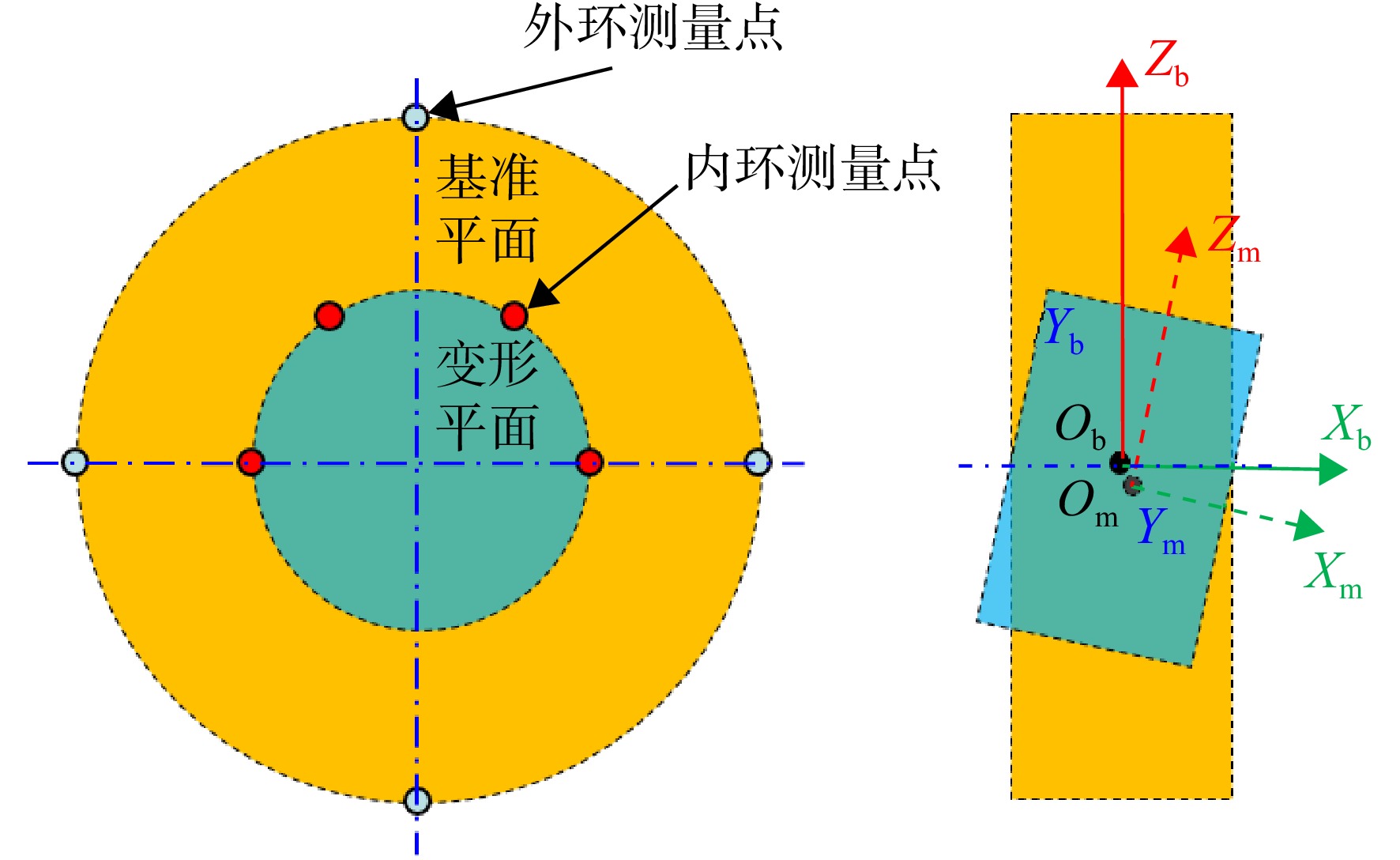
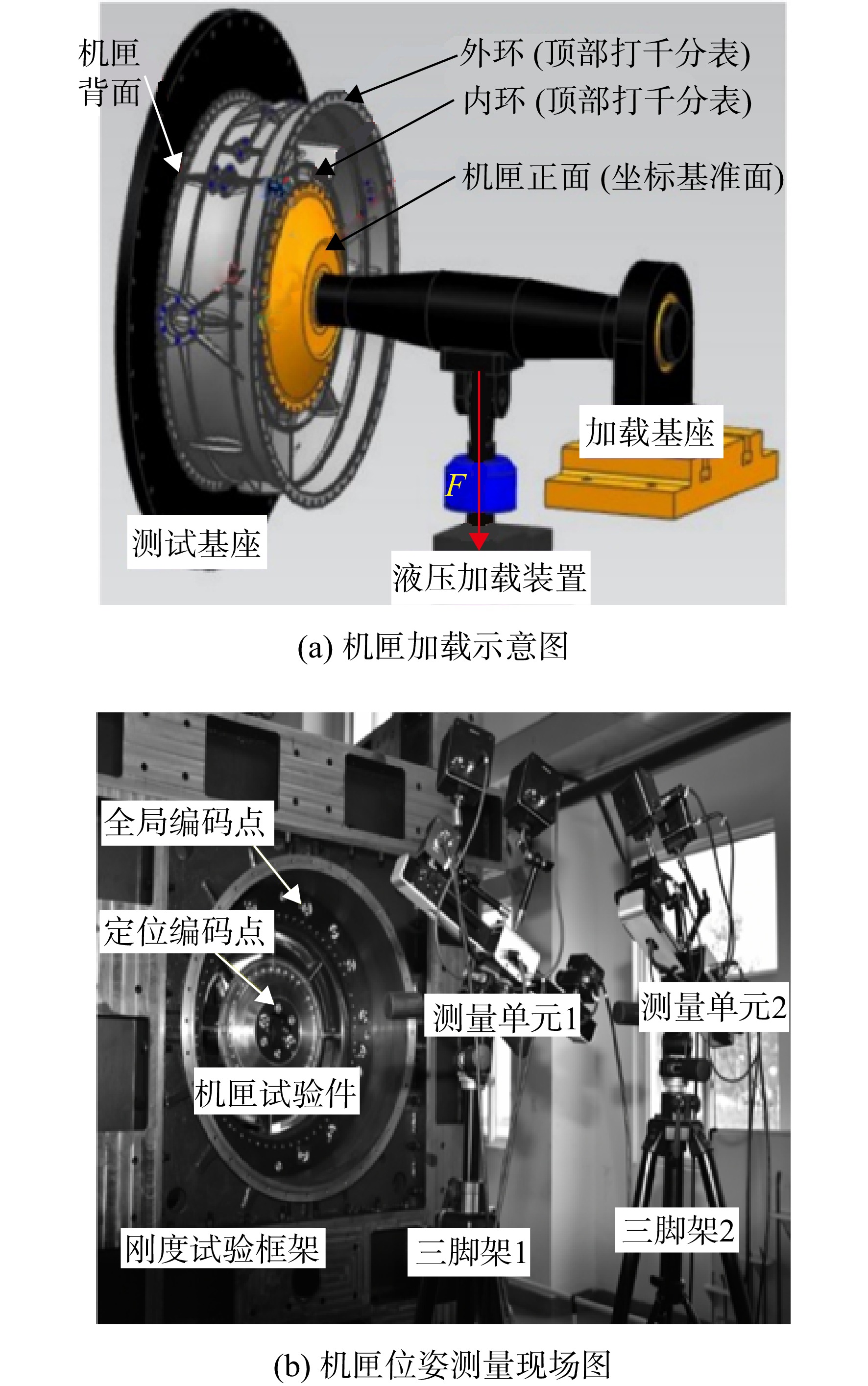
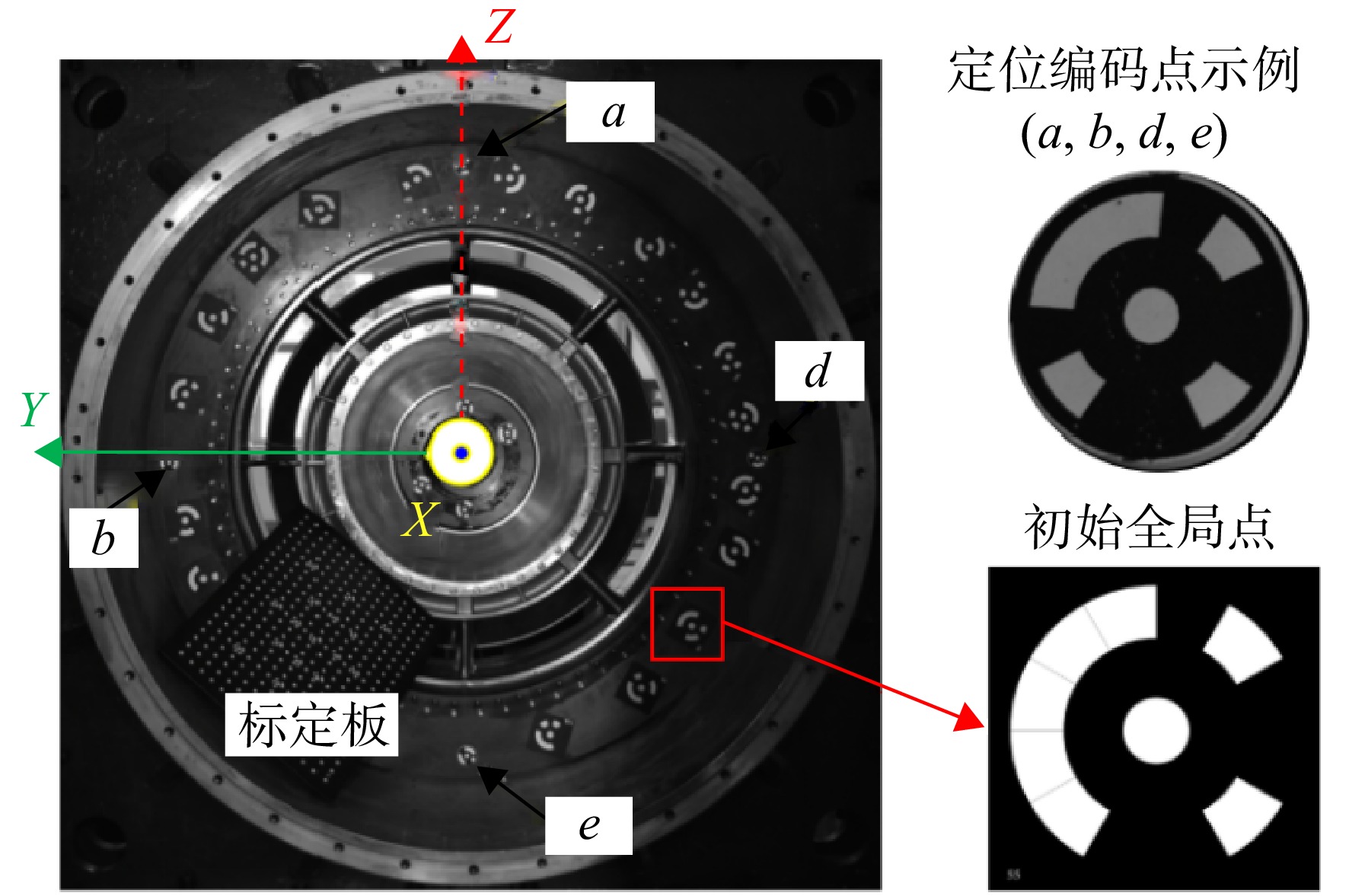
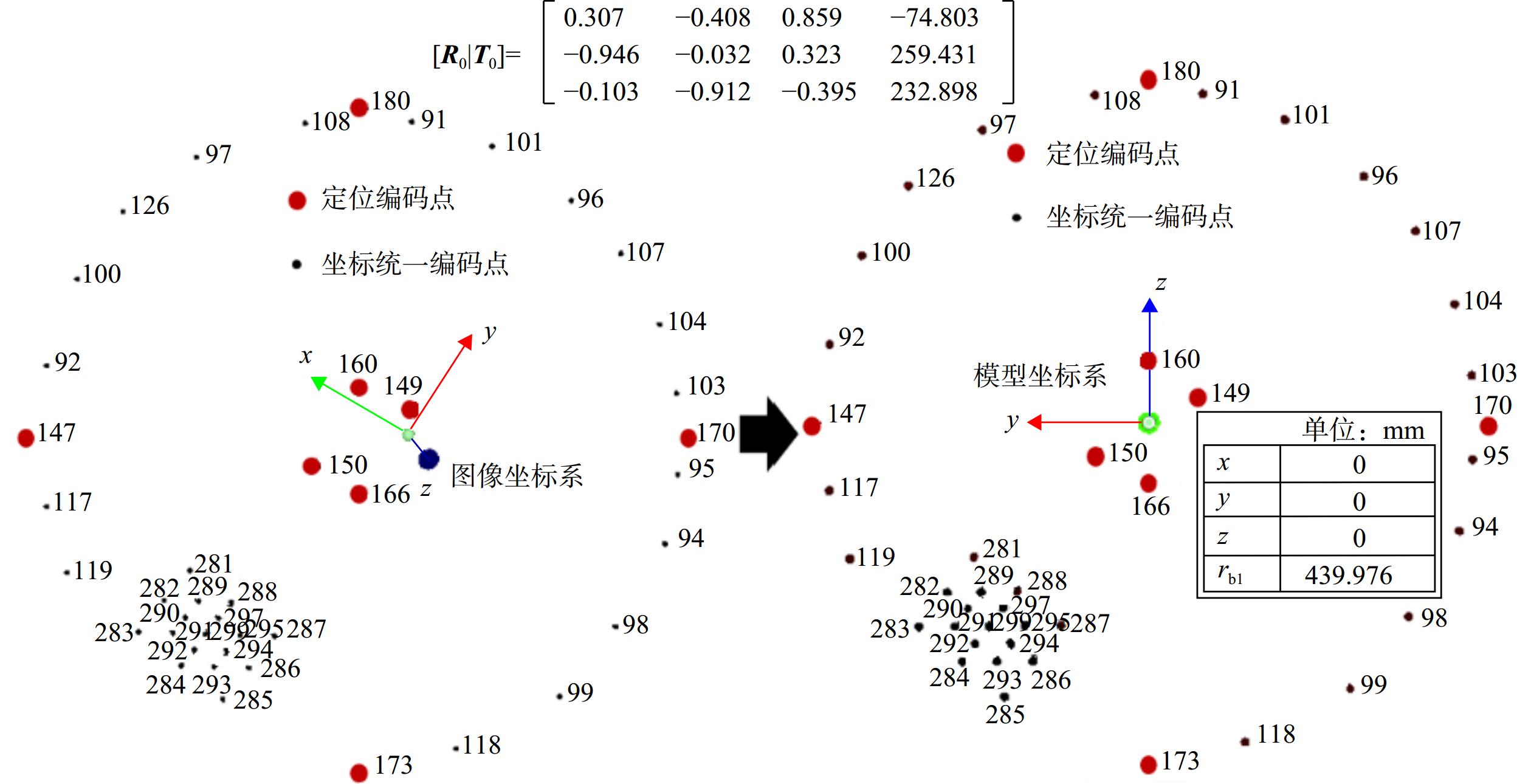
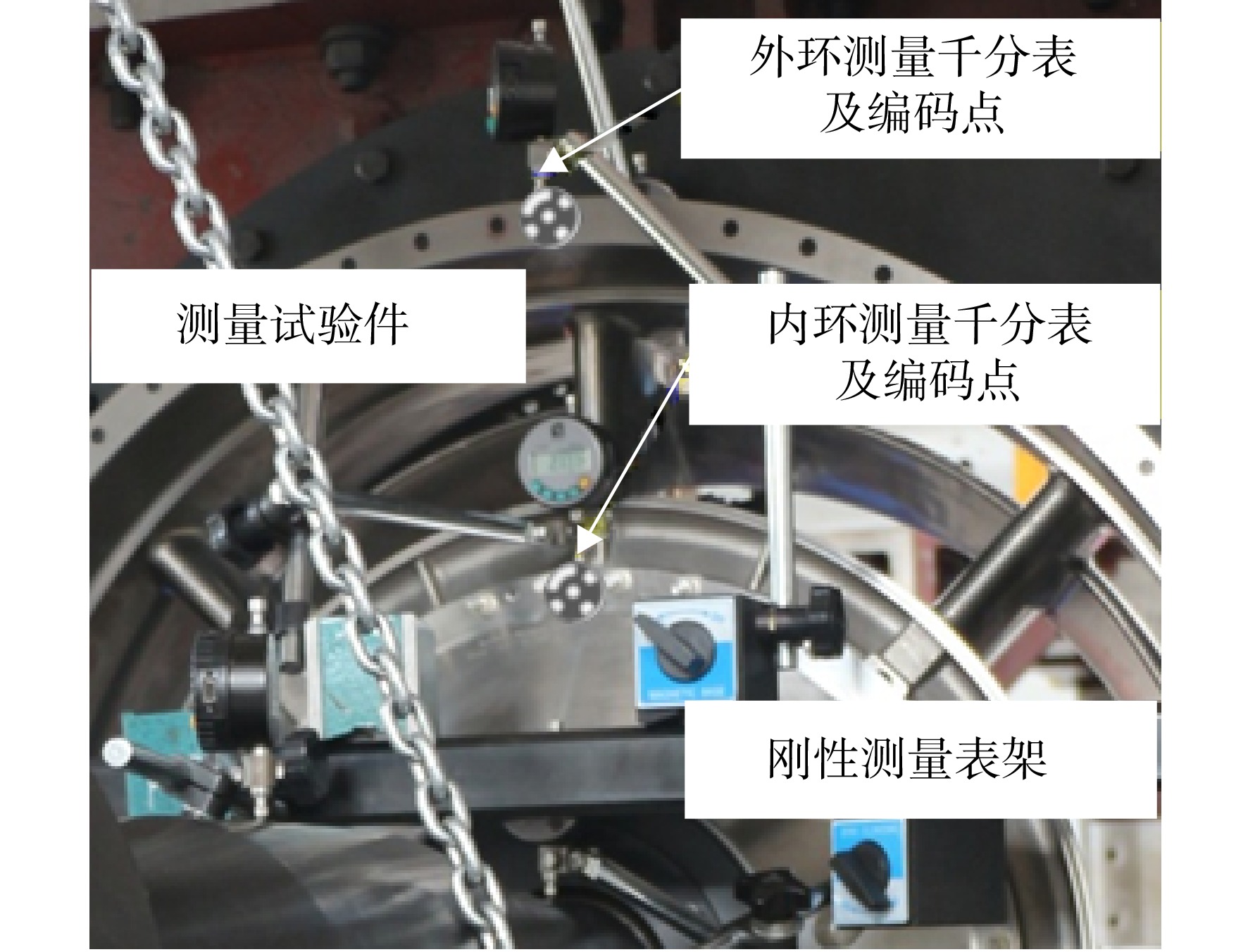
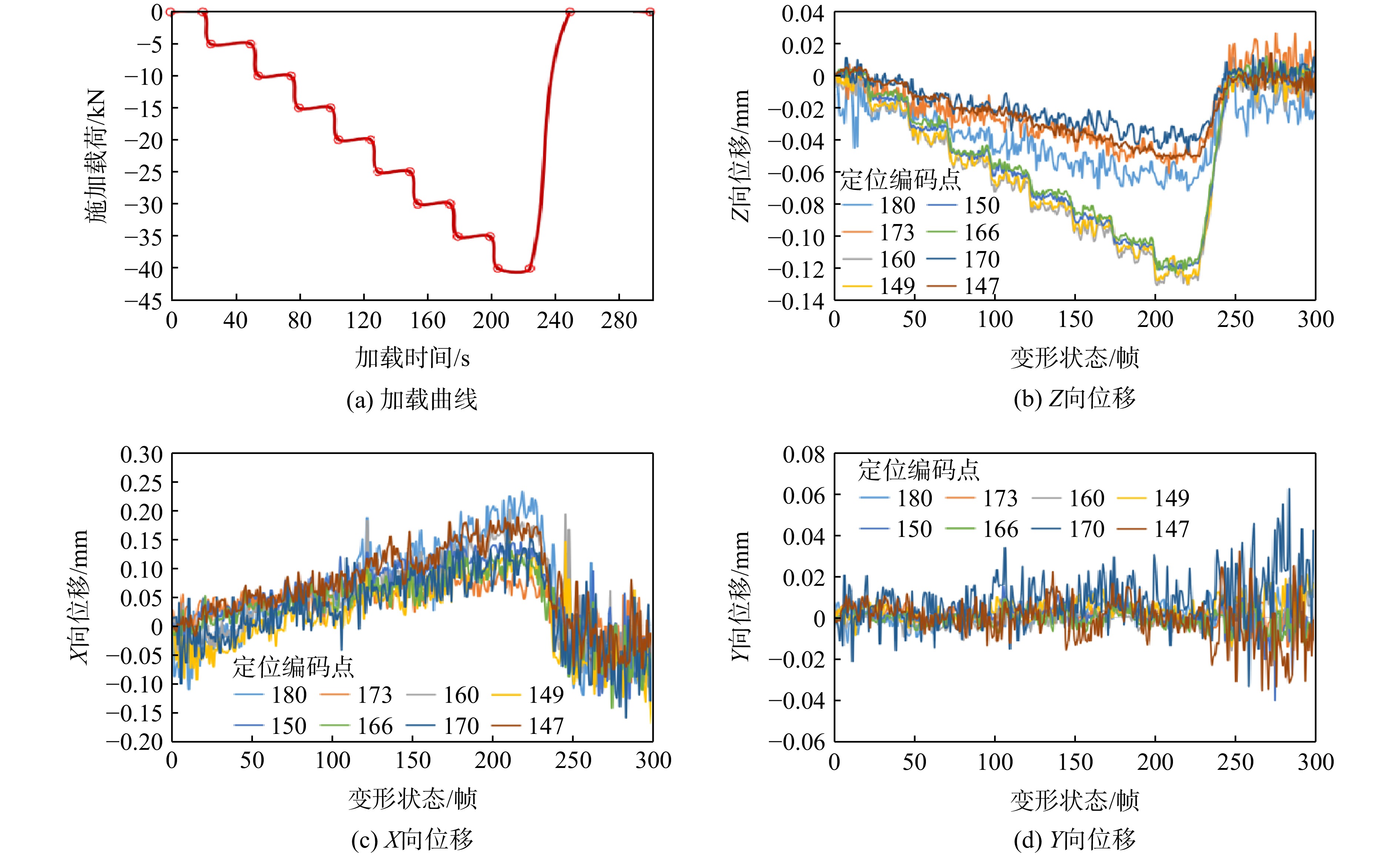
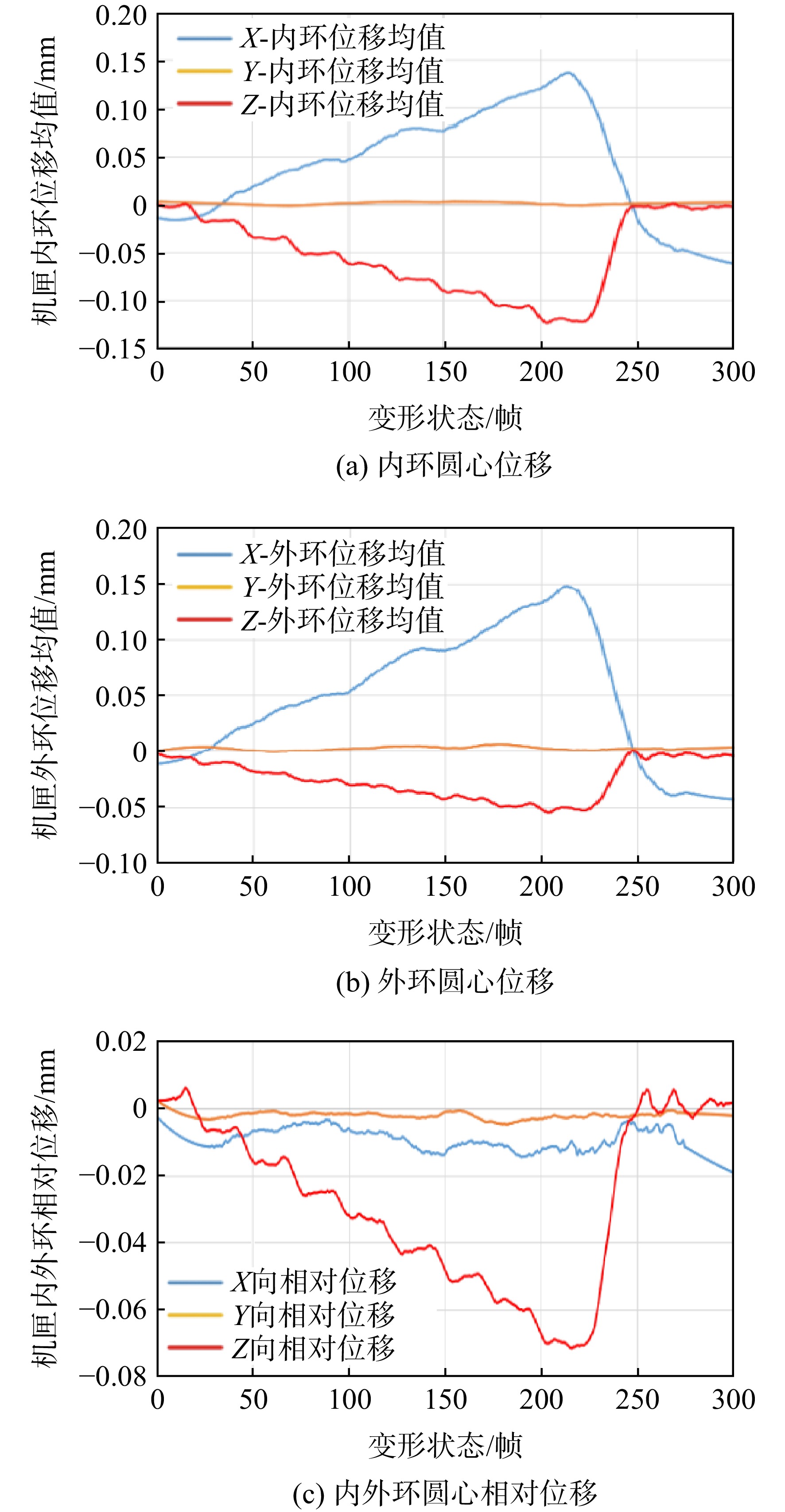
In view of the difficulty of measuring the relative position and orientation in the rigidity test of aero engine casing, the conventional method of binocular visual measurement for position and orientation was improved, a global multi-view visual dynamic position and orientation measurement method based on video dynamic measurement technology was proposed. The global coordinates of coded point on the casing under initial coordinate system were obtained by close-range photogrammetry and converted to custom numerical model coordinate system of the casing by vector coordinate transformation. The external parameters of multi-view camera were solved by using the coded point coordinates under numerical model coordinate system, and the coordinate system of each measuring camera was unified, so that the measuring data can be analyzed in the customized coordinate vector. The three-dimensional coordinates of measuring points on the inner and outer rings of the casing under each deformation state were obtained by multi-view visual dynamic position and orientation measurement method, and then the position and orientation of the measuring points on the inner and outer rings of the casing in the numerical model coordinate system as well as their relative changes were calculated. The test results showed that the displacement measurement error of the proposed method was less than 0.005 mm compared with the traditional micrometer measurement method, which made up for the disadvantage of the traditional measurement method in extracting difficultly the relative orientation of different parts of the test piece, thus providing a convenient measurement method and reliable data source for the rigidity test of aero engine casing and related shells.

Parametric modeling method and mechanical behavior of 3D woven composites with warp insertion
GUO Yingzhao, CUI Haitao, WEN Weidong, ZHANG Hongjian, ZHAO Siyu, JU Hongkui, GUO Junhua
2024, 39(11): 20220950. doi: 10.13224/j.cnki.jasp.20220950
Abstract:

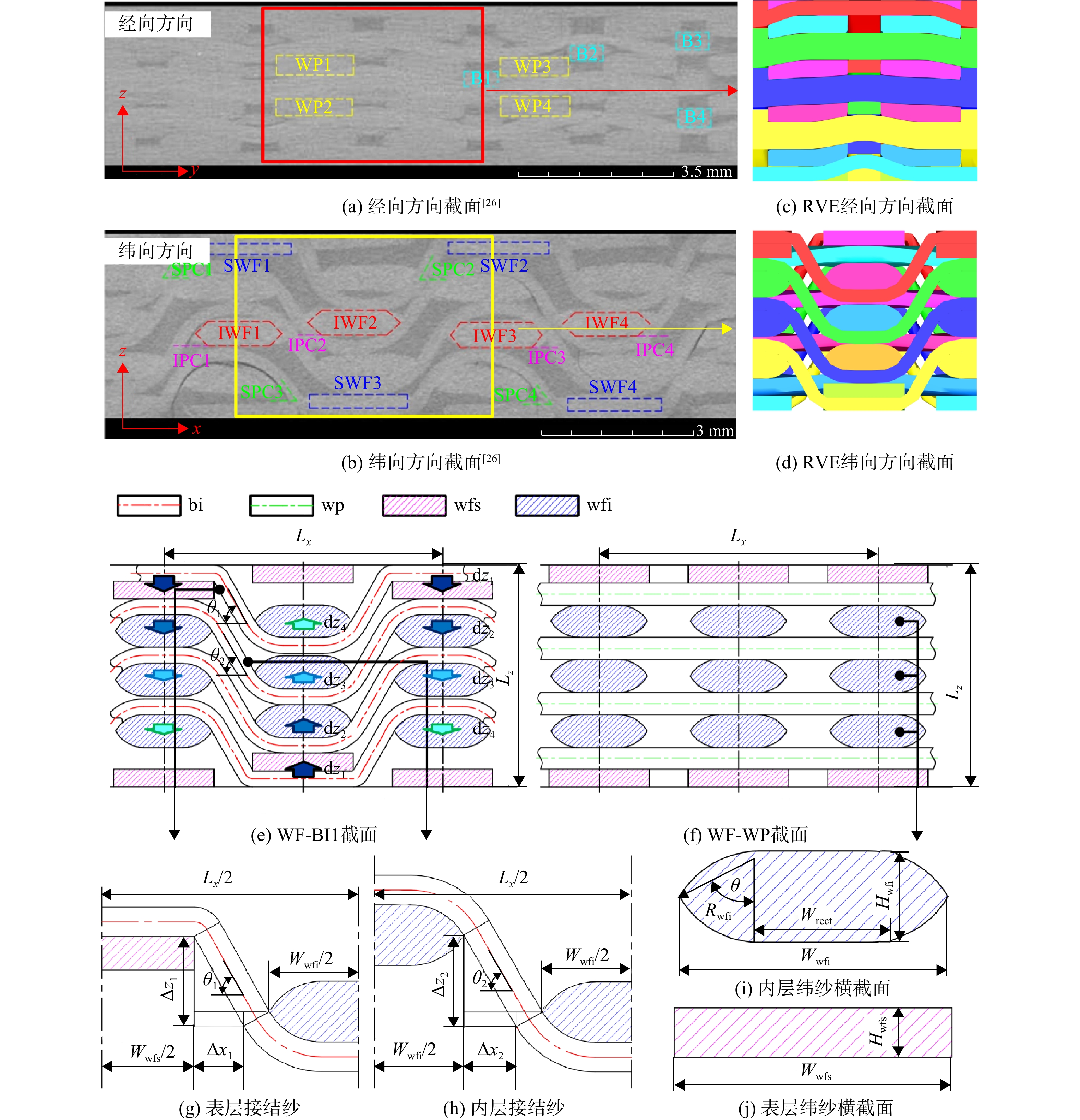
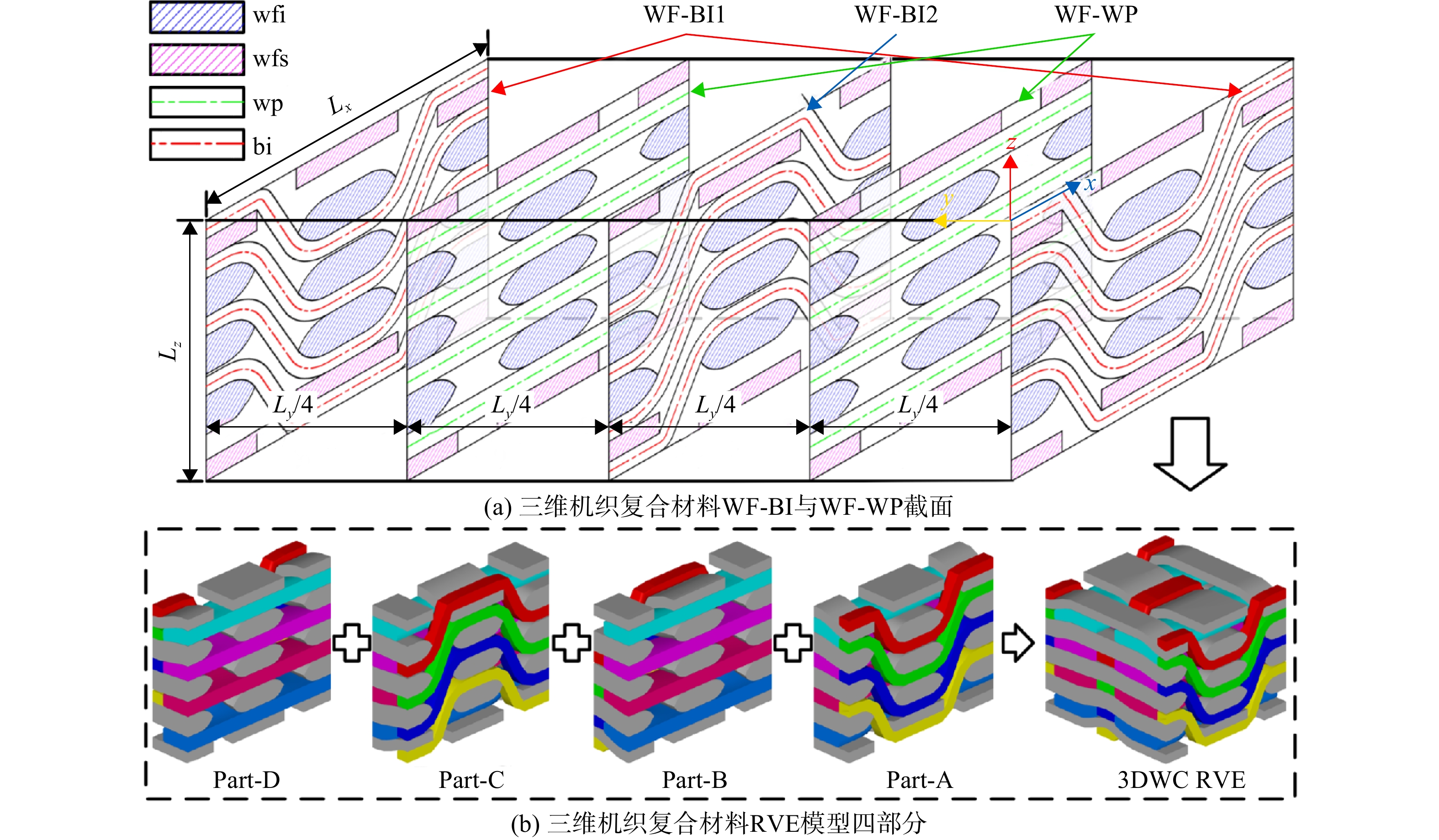
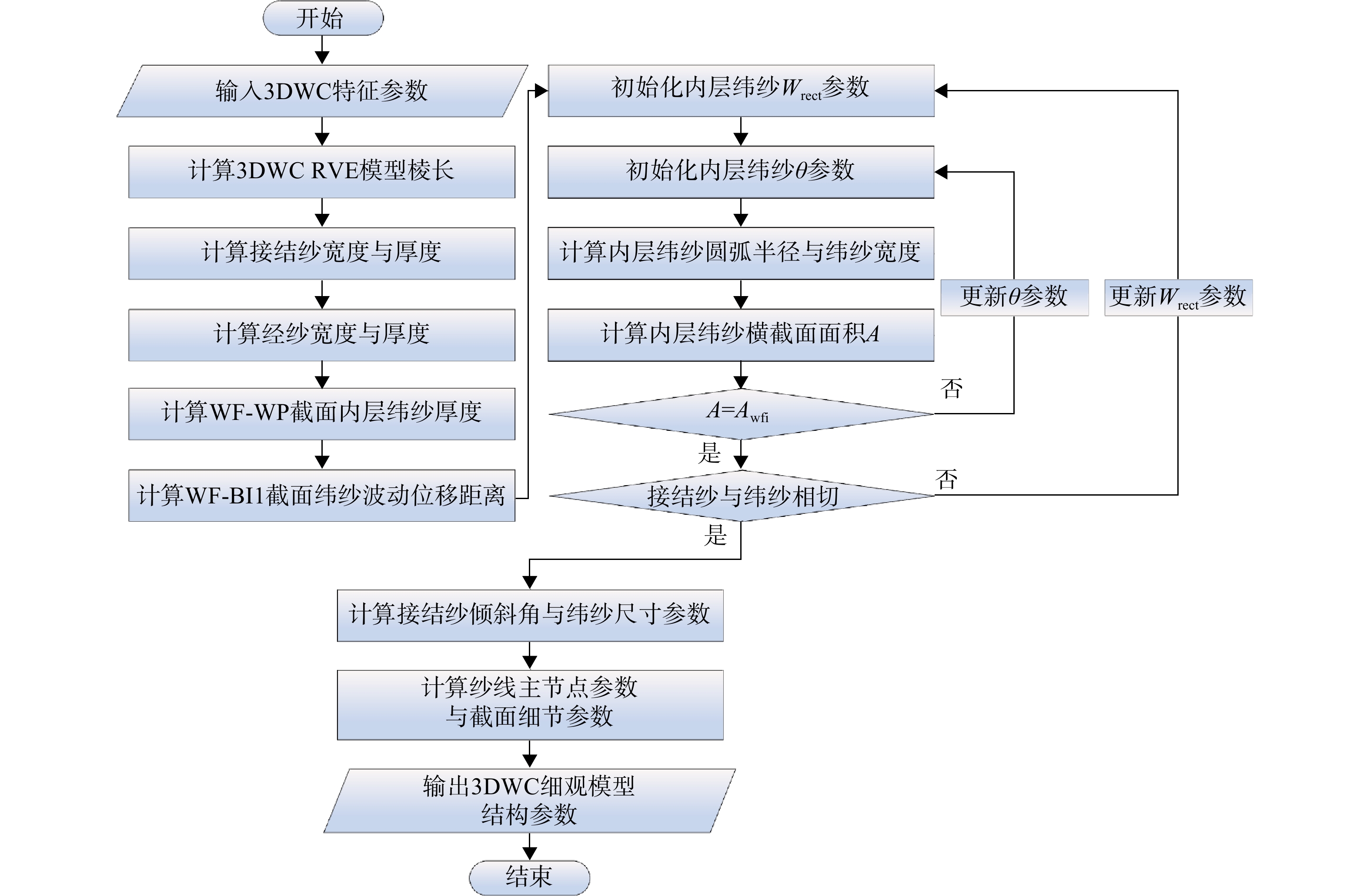
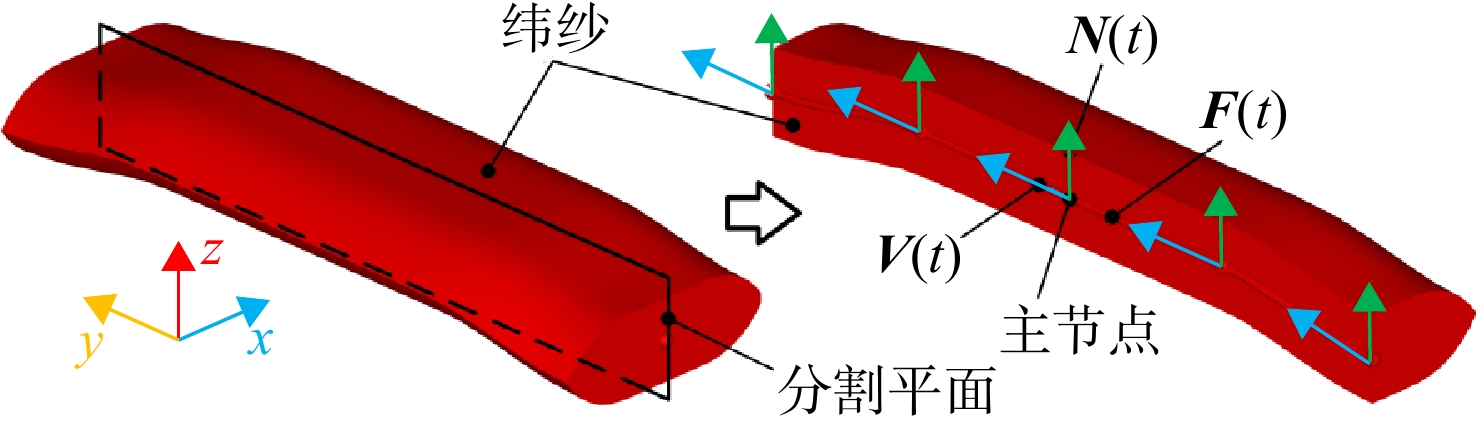
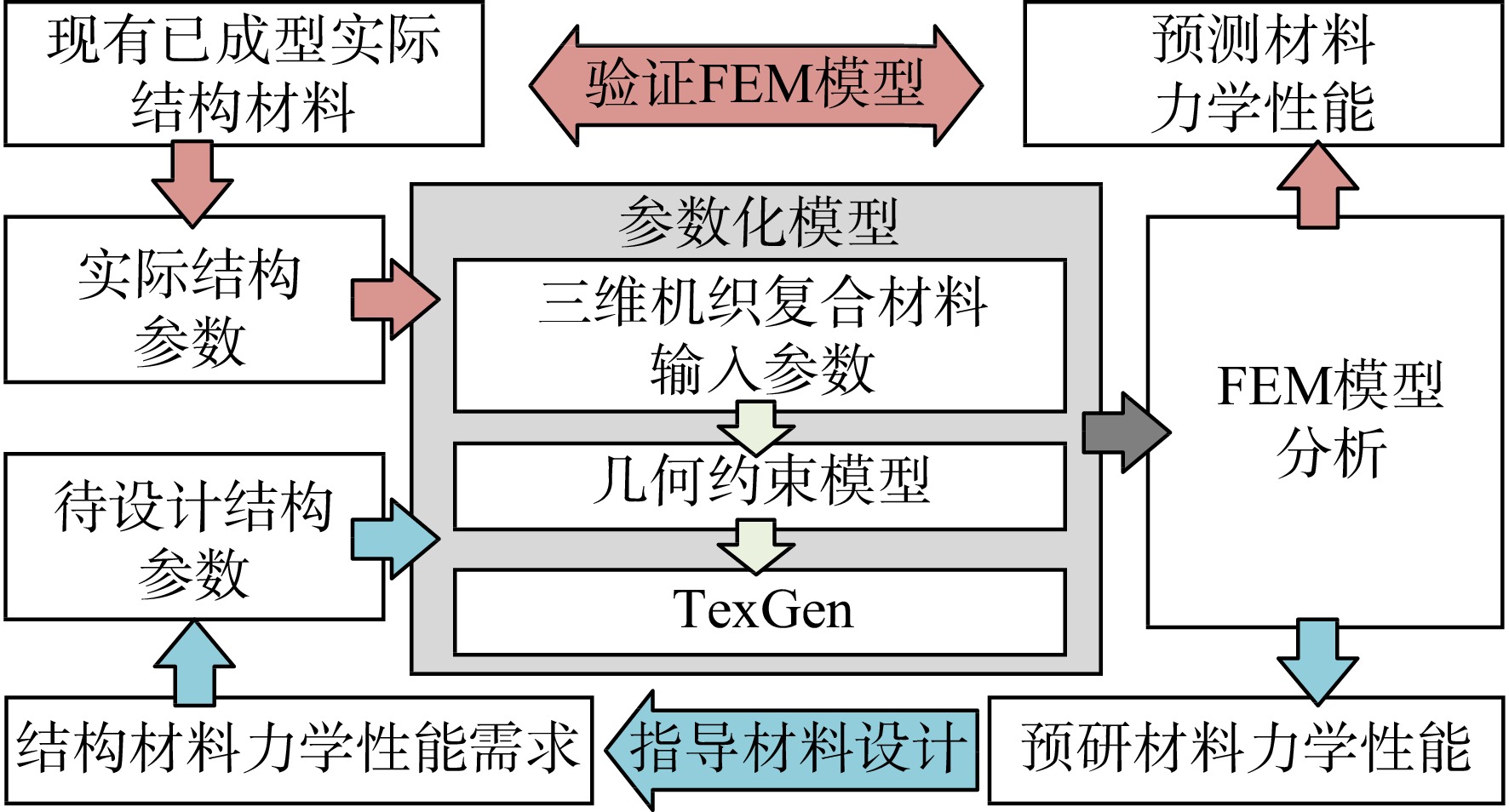
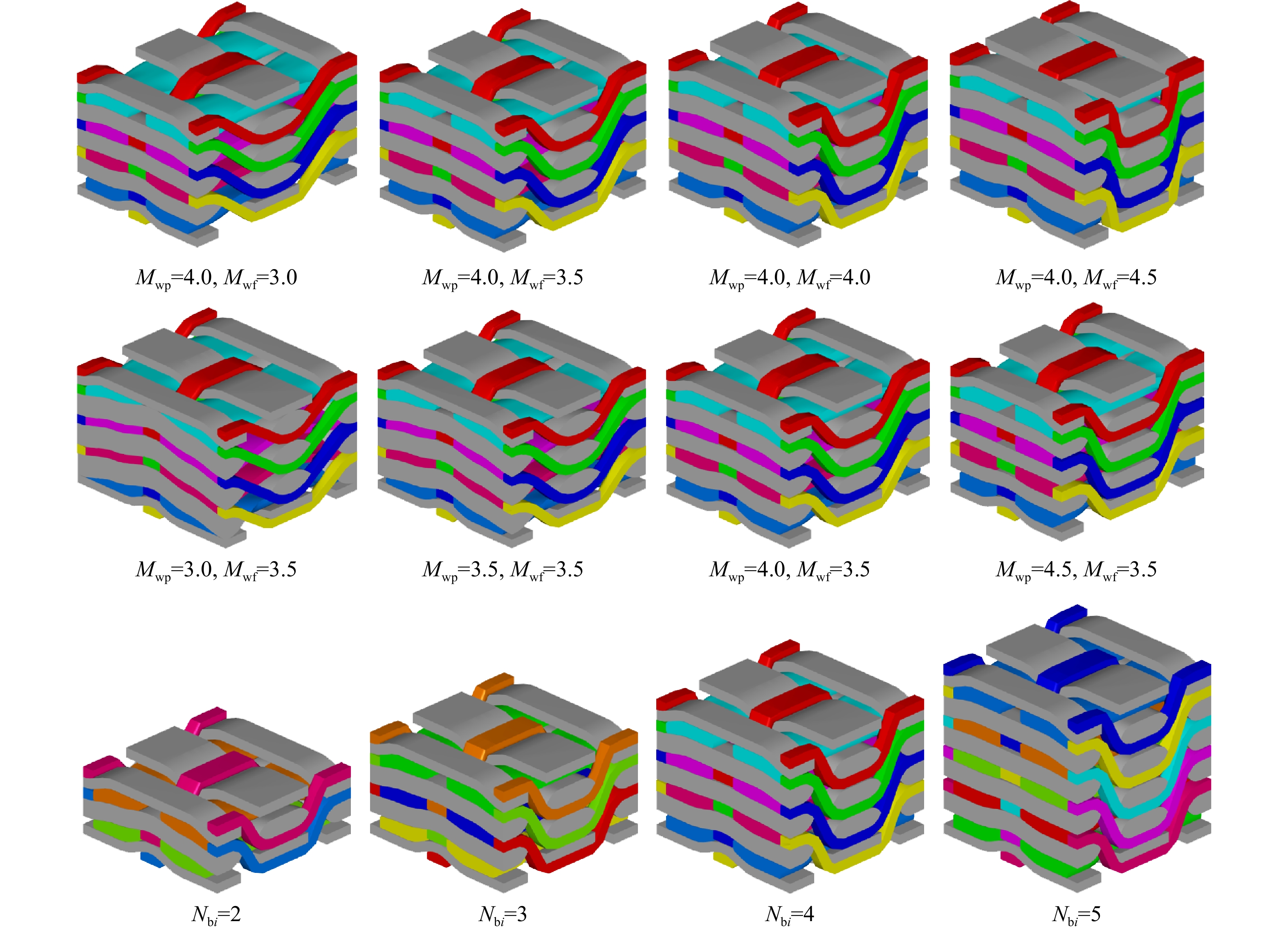
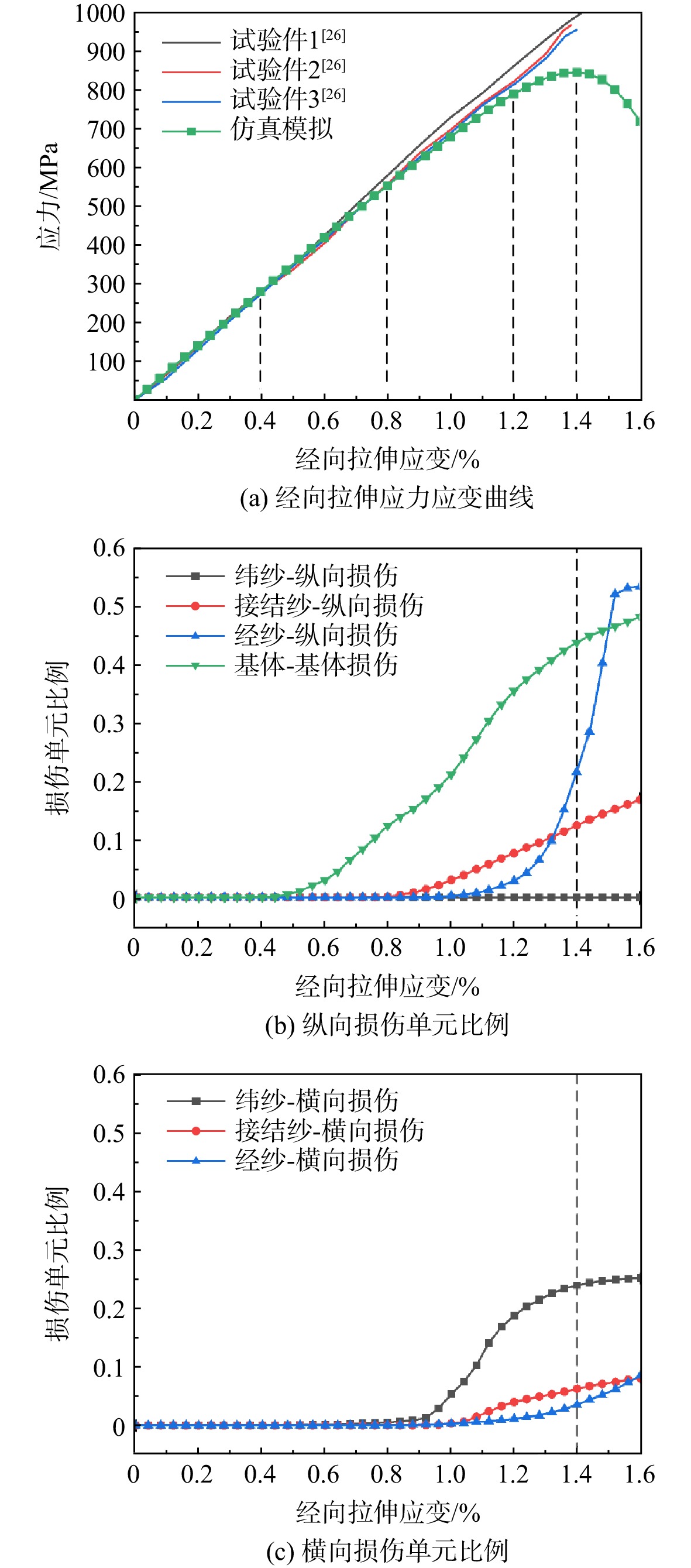
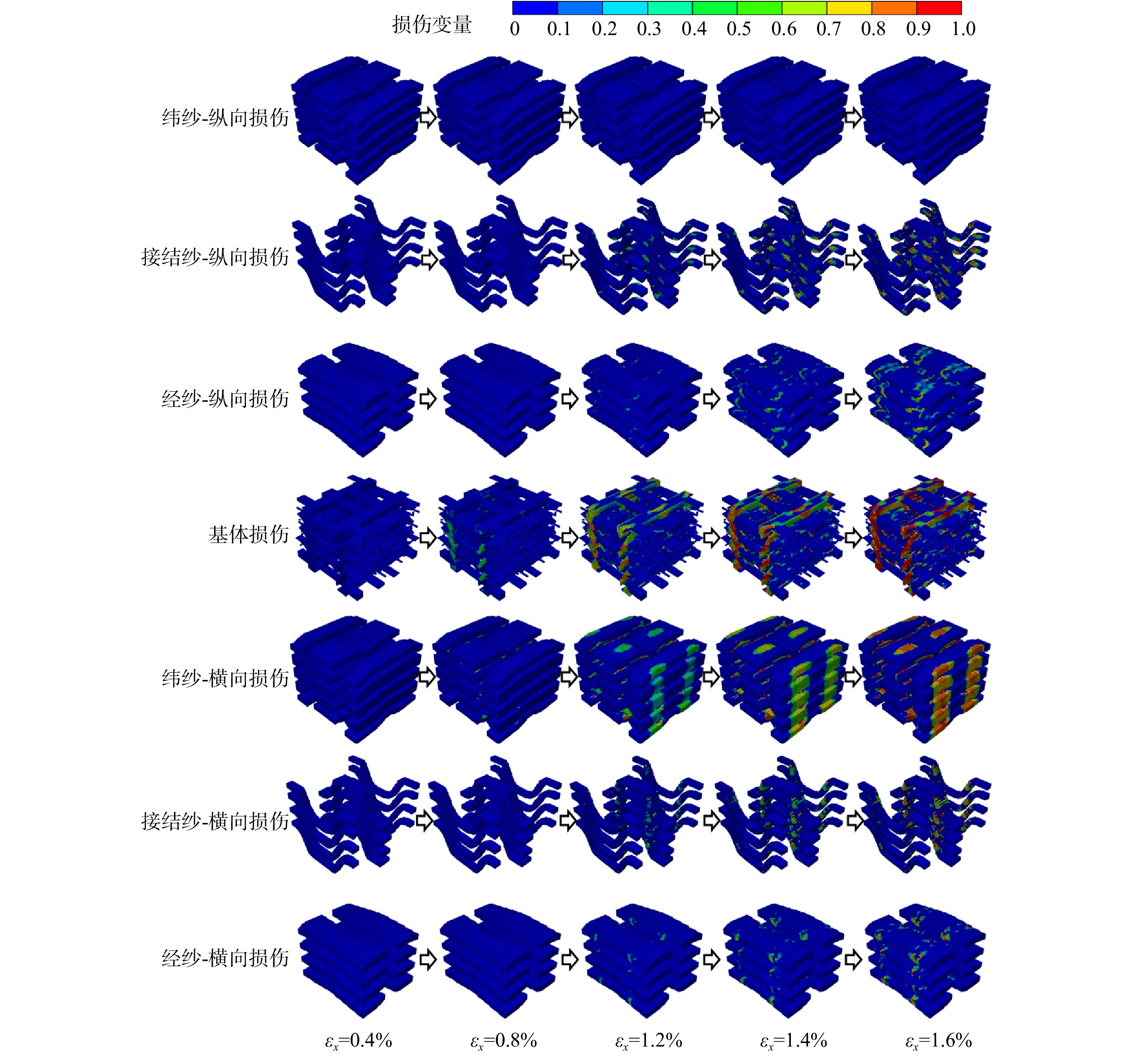
To describe the microstructure and mechanical behavior of woven composites more accurately, a parametric model construction method for 3D woven composites with warp insertion was established. The equality constraints among the parameters in the geometric model were investigated, and the geometric constraint model was developed to realize the parametric description of the geometric model. Based on the geometric constraint model, the construction method of the parametric model was discussed, and the mapping relationship between the geometric model and the actual structure was established by input parameters, which improved the reduction degree of the geometric model to the actual structure, providing a guidance for material analysis and design. The progressive damage model was applied to predict the strength of 3D woven composites in the warp direction, and the prediction results were compared with the experimental results. Under the tensile load, the failure mode of the warp and binder yarn was mainly longitudinal fracture, the failure mode of the weft yarn was transverse fracture, and the failure mode of the resin-rich region was tensile fracture. The predicted strength of the material in the warp direction was 853.6 MPa, with a relative error of 2.3%, which was basically consistent with the experimental results.

Thrust stand model analysis and thrust positioning based on screw algebra
LI Dong, ZHANG Leile, ZHENG Guoliang, XING Yanchang, YOU Guangfei
2024, 39(11): 20220960. doi: 10.13224/j.cnki.jasp.20220960
Abstract:

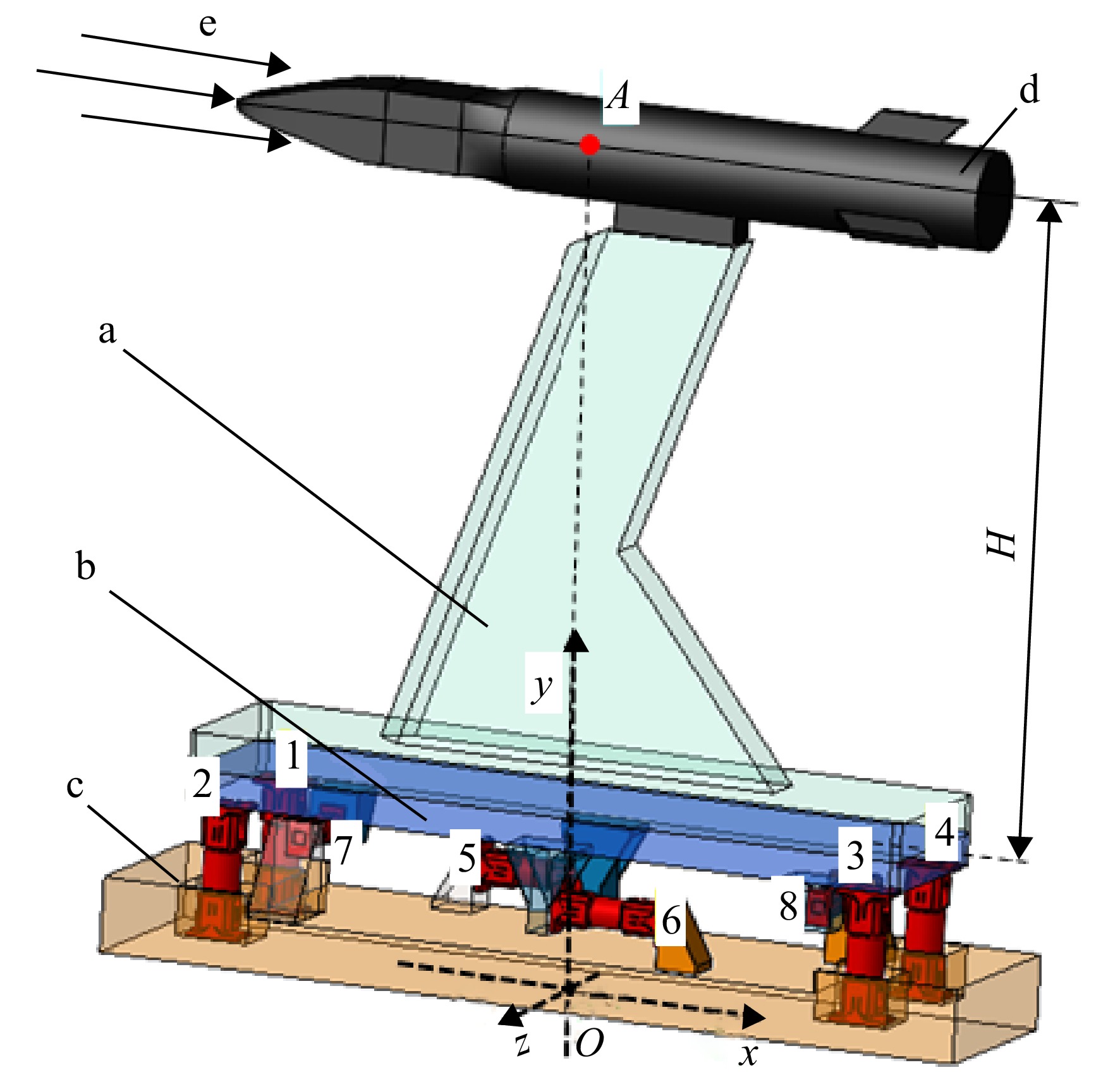
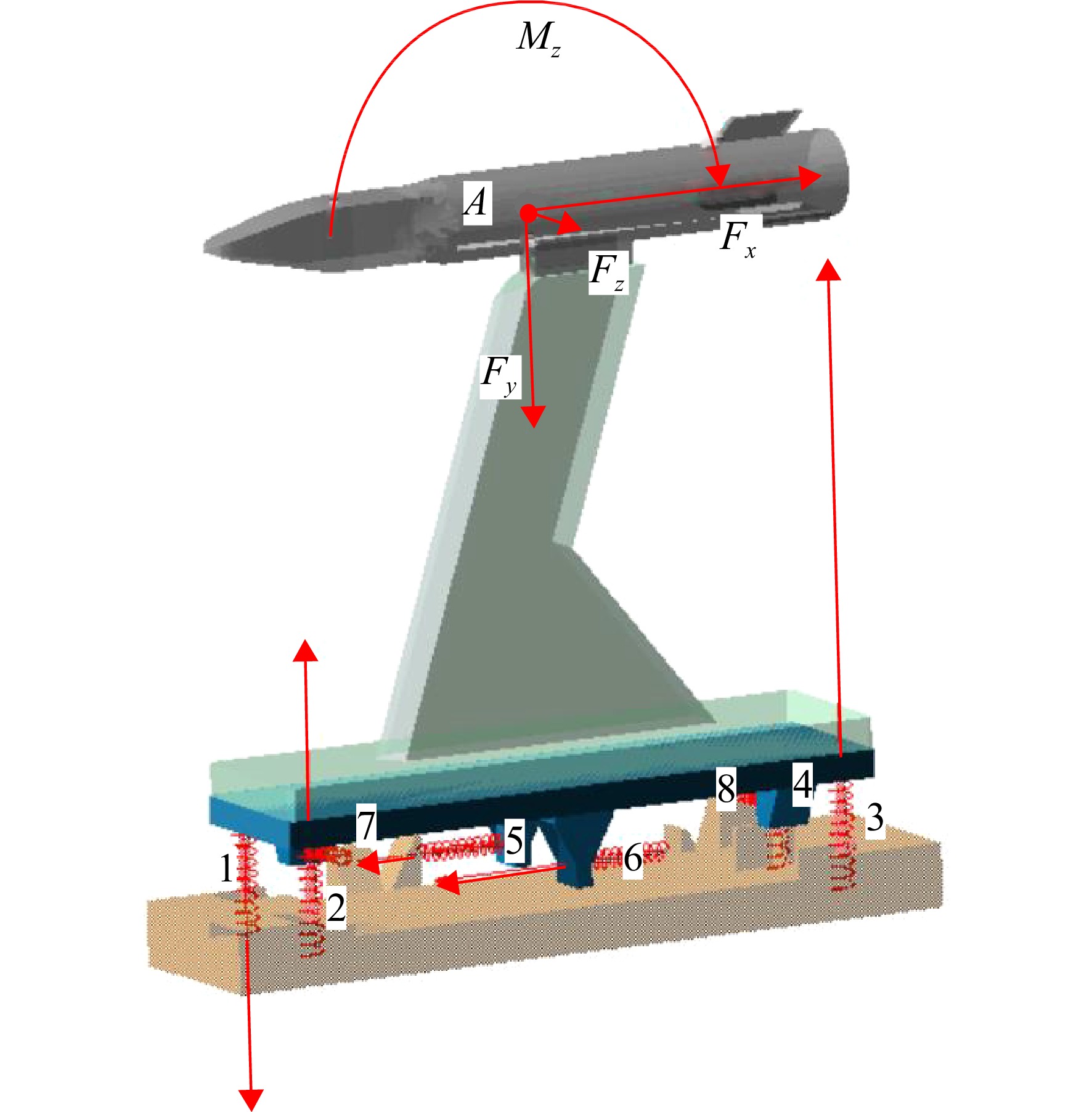
The screw theory and coordination between deformation and displacement were applied to research the octagonal orthogonal box-type thrust stand in screw modeling, model solving, error compensation, and thrust positioning. Screw model of the stand was established based on the two major characteristics of load eccentricity and force coupling. And constraint equations for model solution were derived based on the branches deformation constraint relationship. Numerical examples and simulations showed that the maximum relative error of the screw model was 9.147‰. An error compensation model was established based on the coordinated relationship between the branches deformation and the stand displacement. Numerical examples and simulations showed that the minimum compensation for force was 78.03%. The Poinsot’s central axis theorem of the screw theory was used to clarify the uncertainty of vector thrust positioning, which was caused by ignoring the influence of pure couple in the resultant force. The analytic method indicated that the effect of mass center offset on vector thrust uncertainty was linear.

Helicopter rotor blade model updating method based on sensitivity analysis
SU Zixian, HAN Dong, CUI Zhao
2024, 39(11): 20220869. doi: 10.13224/j.cnki.jasp.20220869
Abstract:

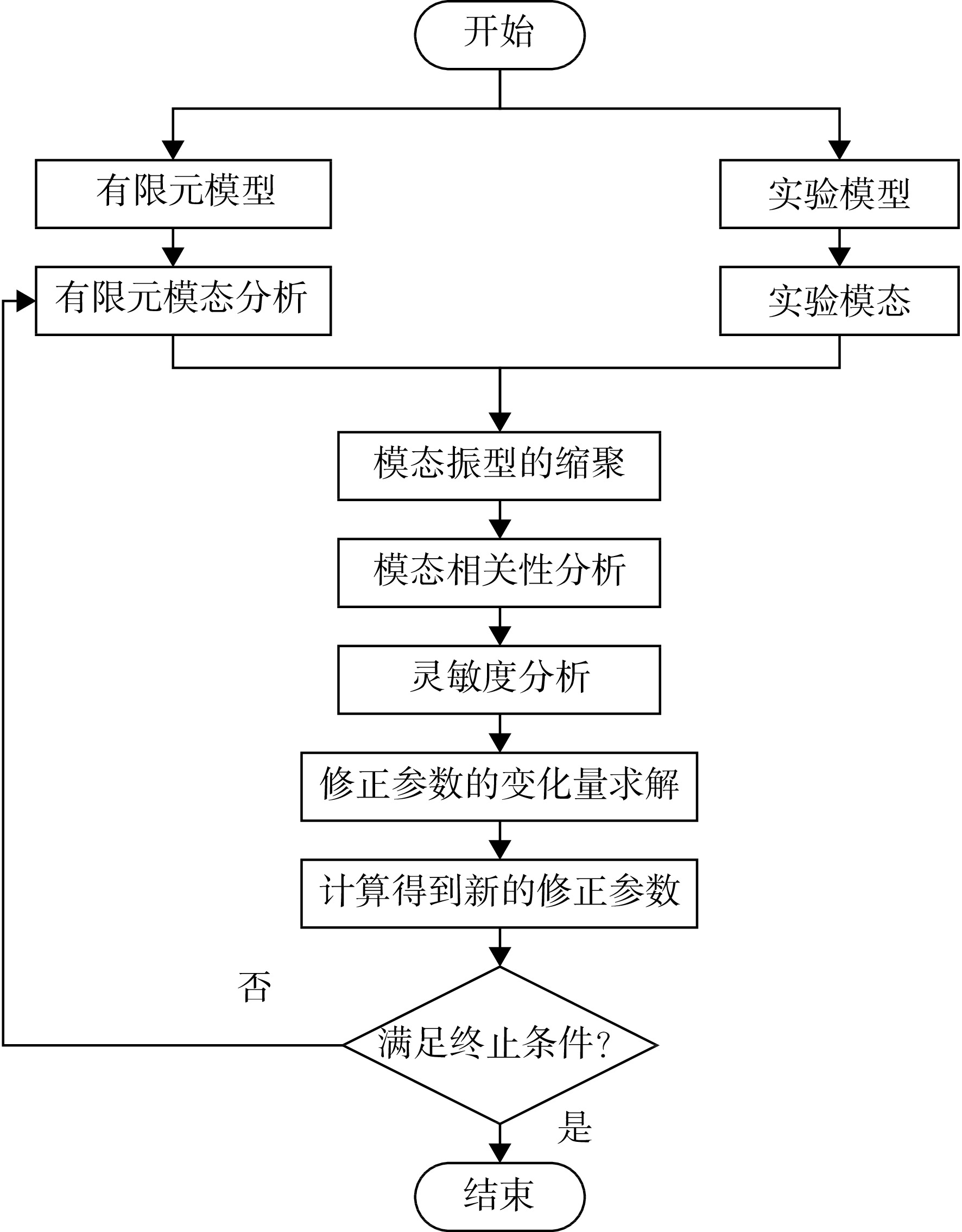
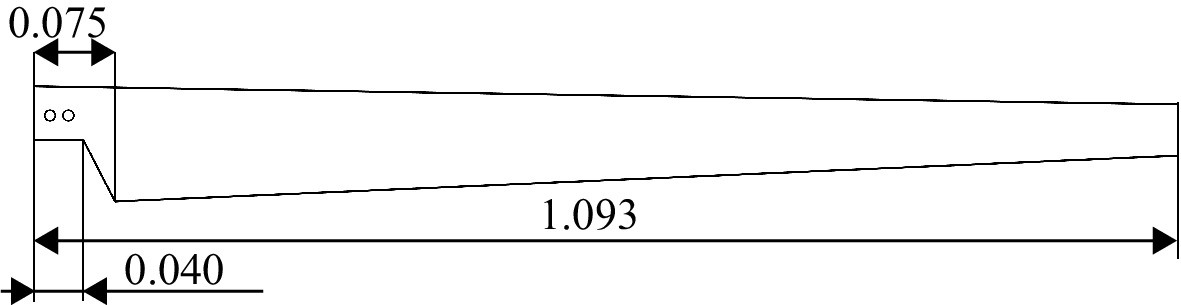
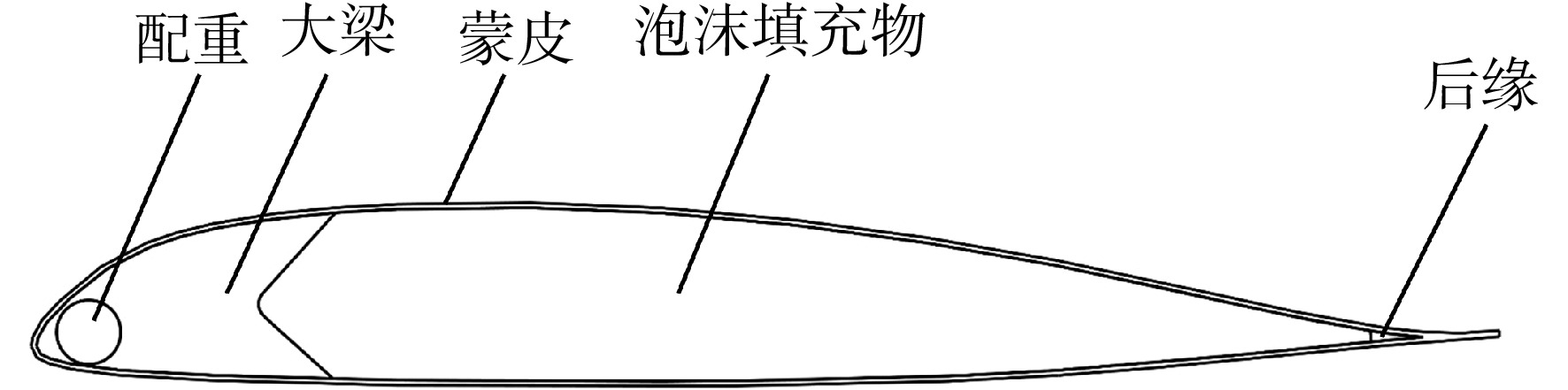
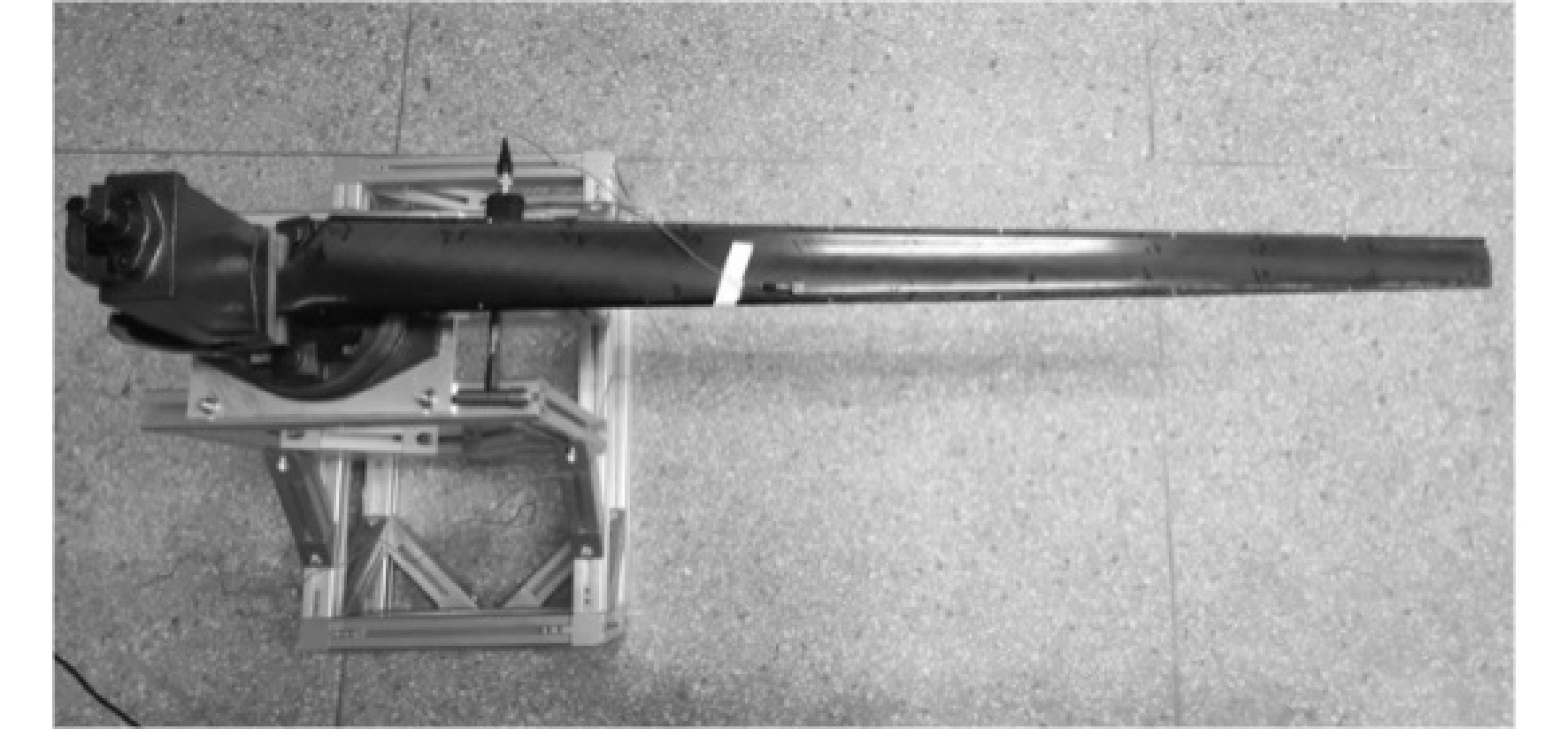
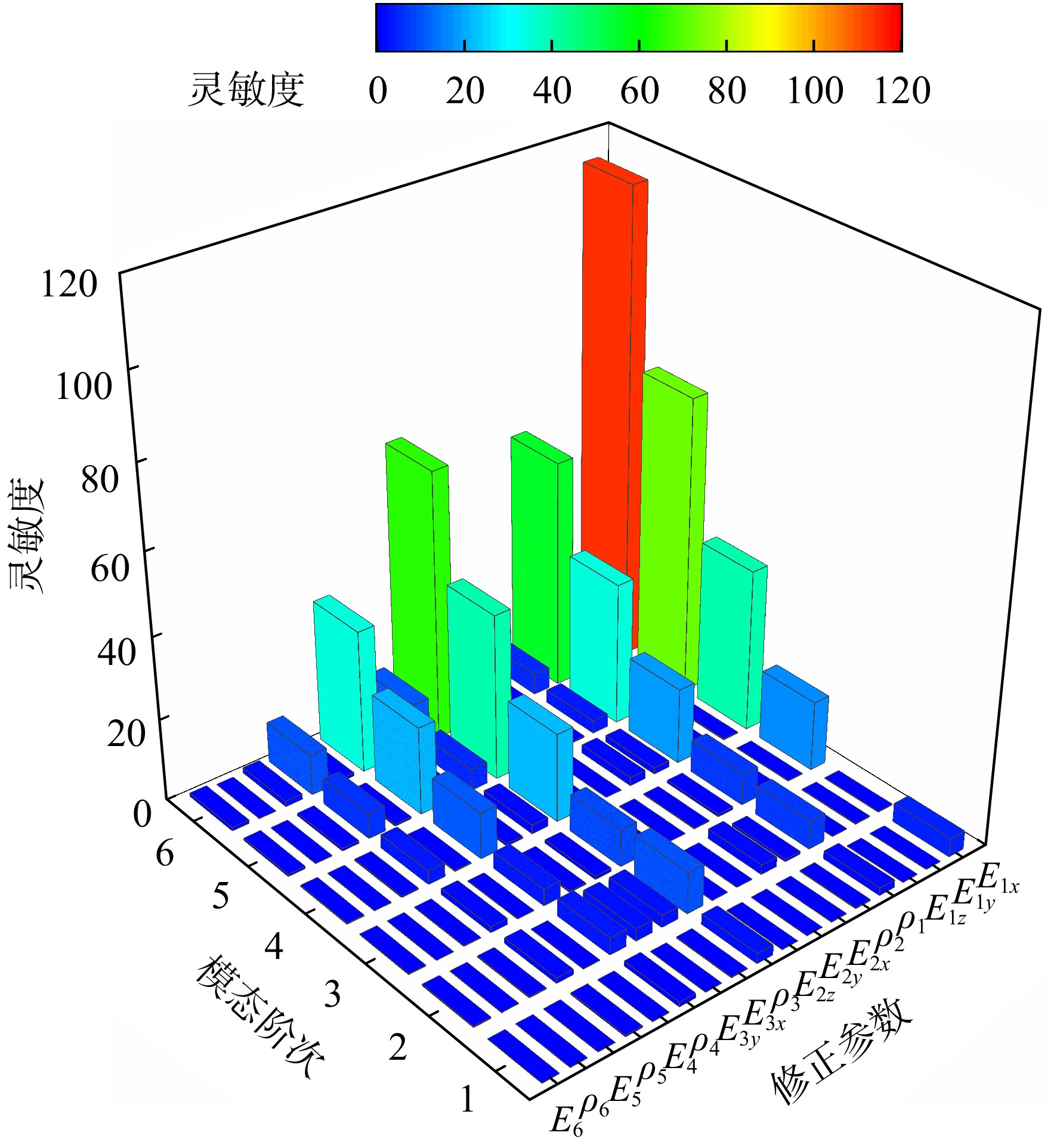
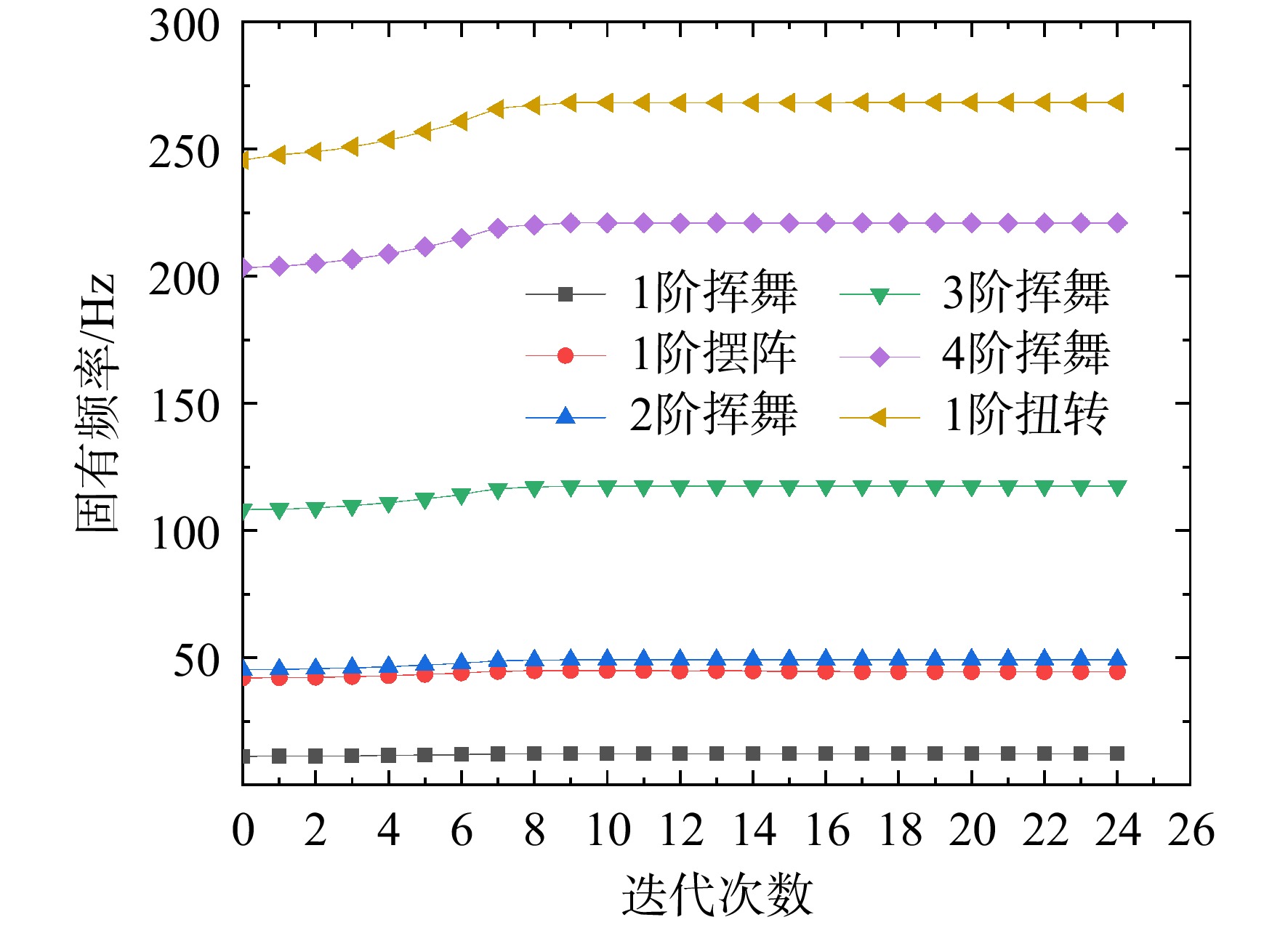
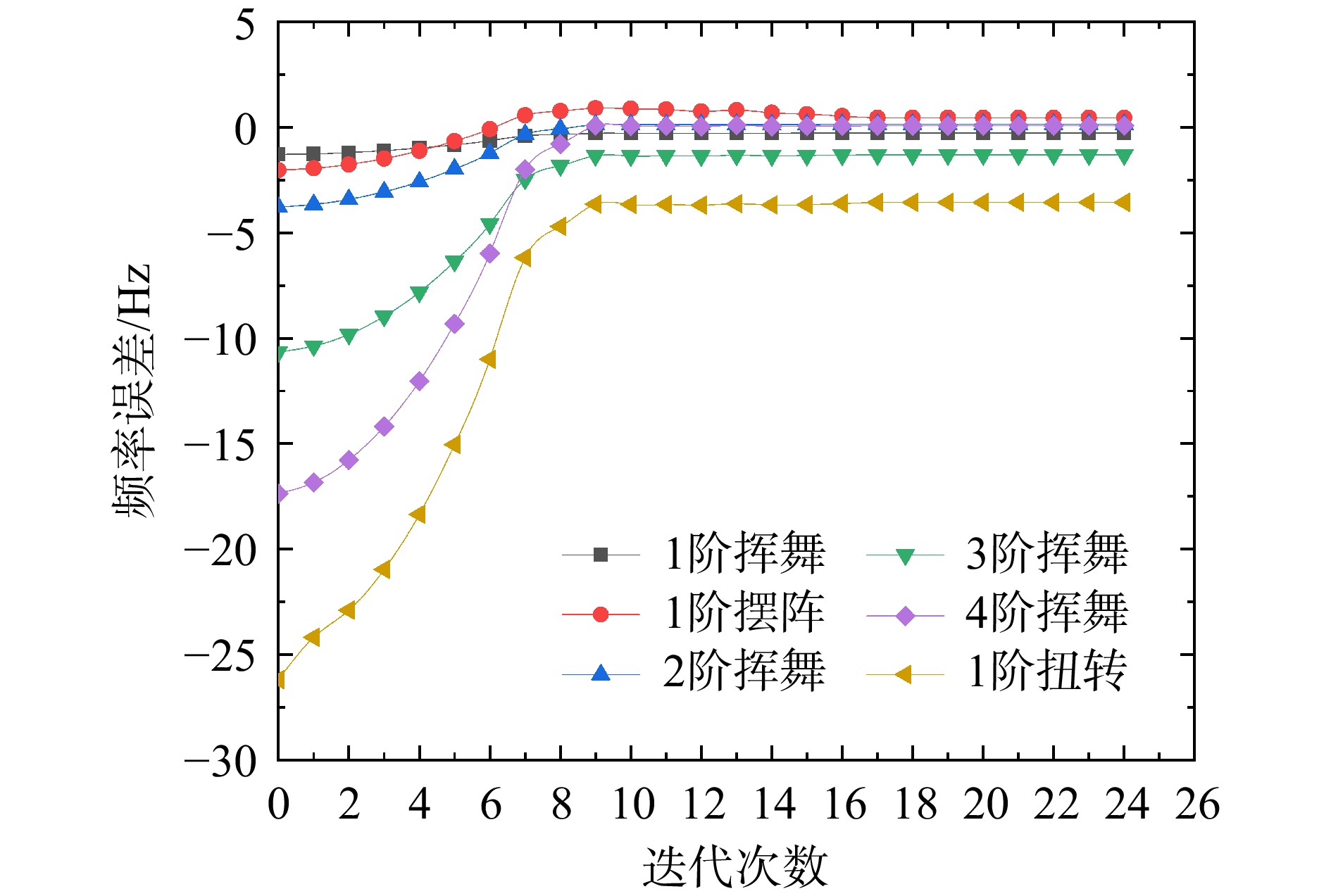
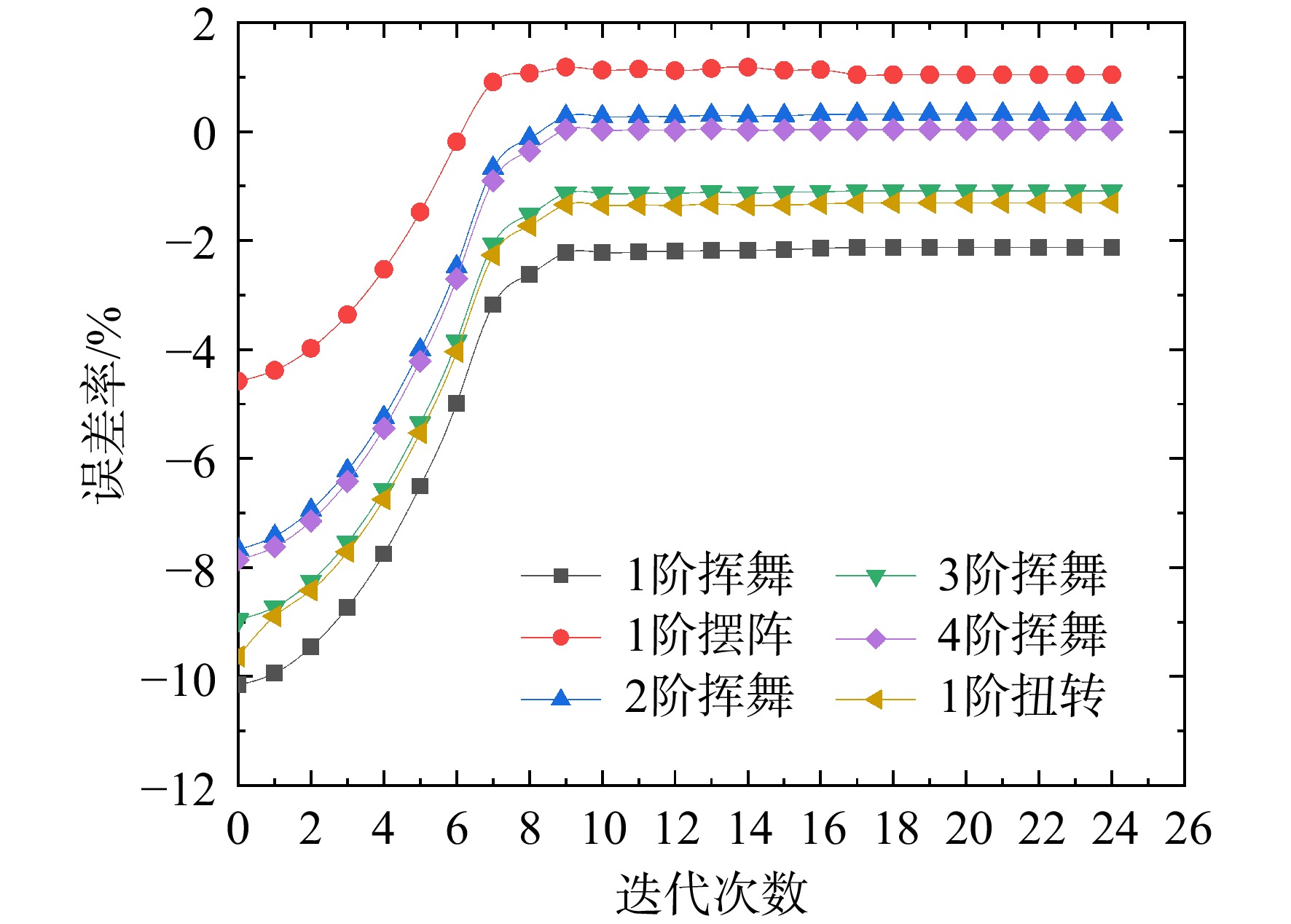
In order to reduce the deviation between the modal response results of the finite element model and the actual model of the helicopter rotor blade structure, a model updating method based on sensitivity analysis was used. In view of traditional sensitivity method without consideration of the influence of the change of design parameters on the sensitivity calculation results, as well as the problem of non-uniform quantification, the method was appropriately improved for the helicopter rotor blade model. Taking the carbon fiber composite helicopter rotor blade model as an example, the natural frequencies of the first six modes of the actual model and the finite element analysis model were obtained through experiments and finite element analysis, respectively, and the main design parameters of the finite element model of the rotor blade were optimized by using the sensitivity method. The average error between the rotor blade finite element model and the actual model was reduced from 8.15% to less than 1%. The error was significantly reduced and the accuracy was significantly improved. The updating results showed that the model updating method based on sensitivity analysis can effectively improve the accuracy of the helicopter propeller structure model.

Turbomachinery
Effects of blade single and coupling errors on axial flow compressor performance
CHU Wuli, HE Xudong, YANG Jibo, LIU Kaiye
2024, 39(11): 20220941. doi: 10.13224/j.cnki.jasp.20220941
Abstract:

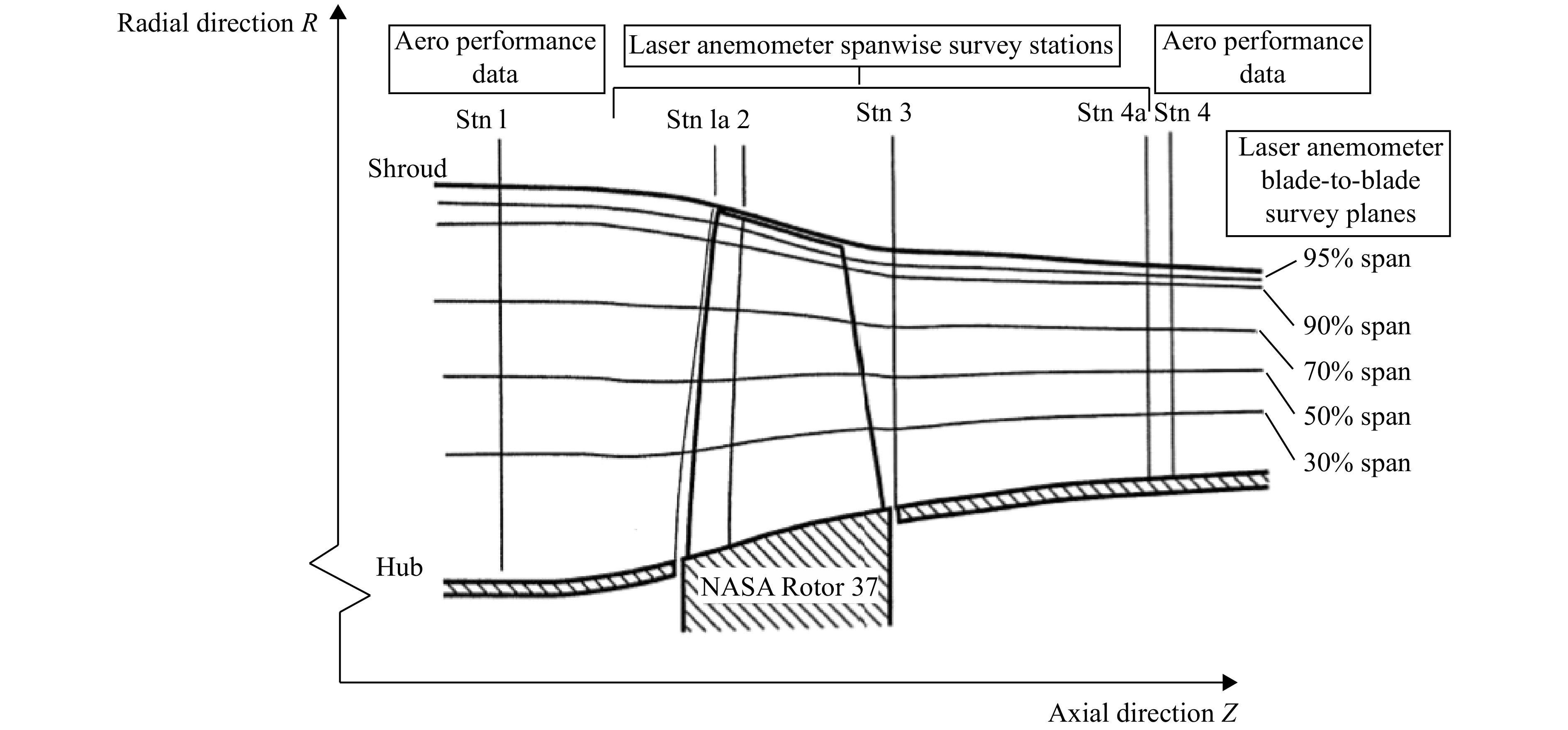
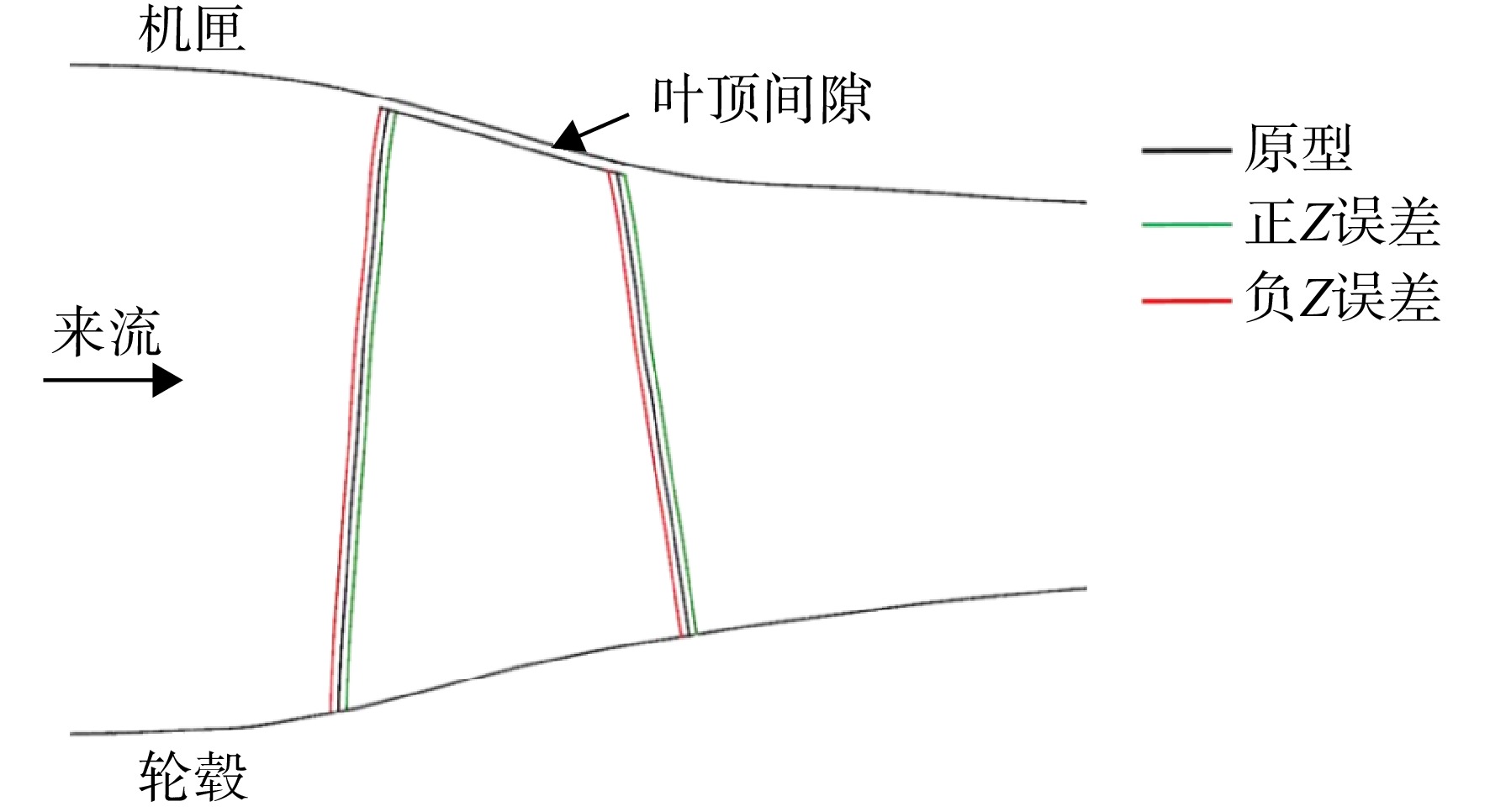
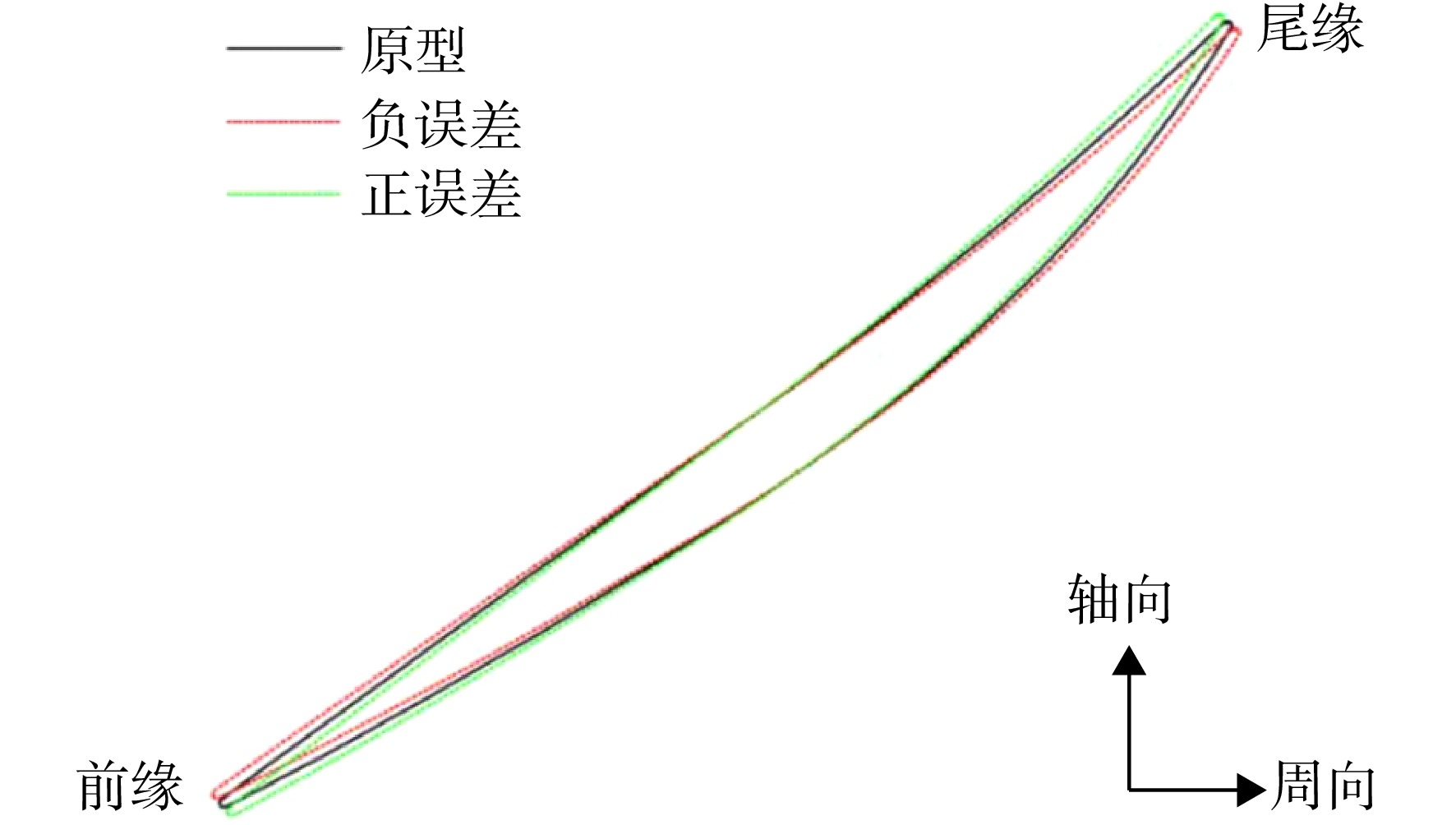
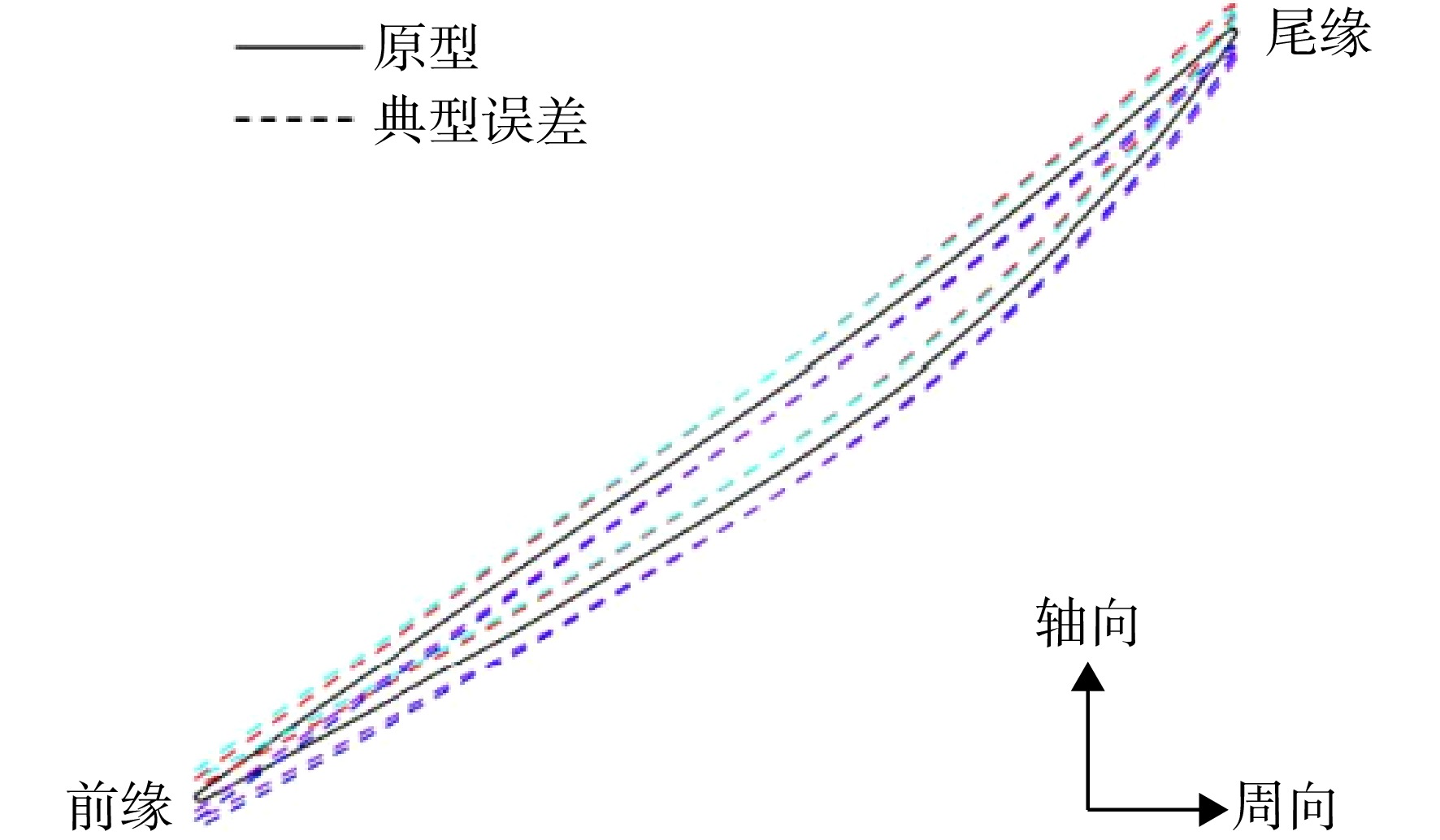
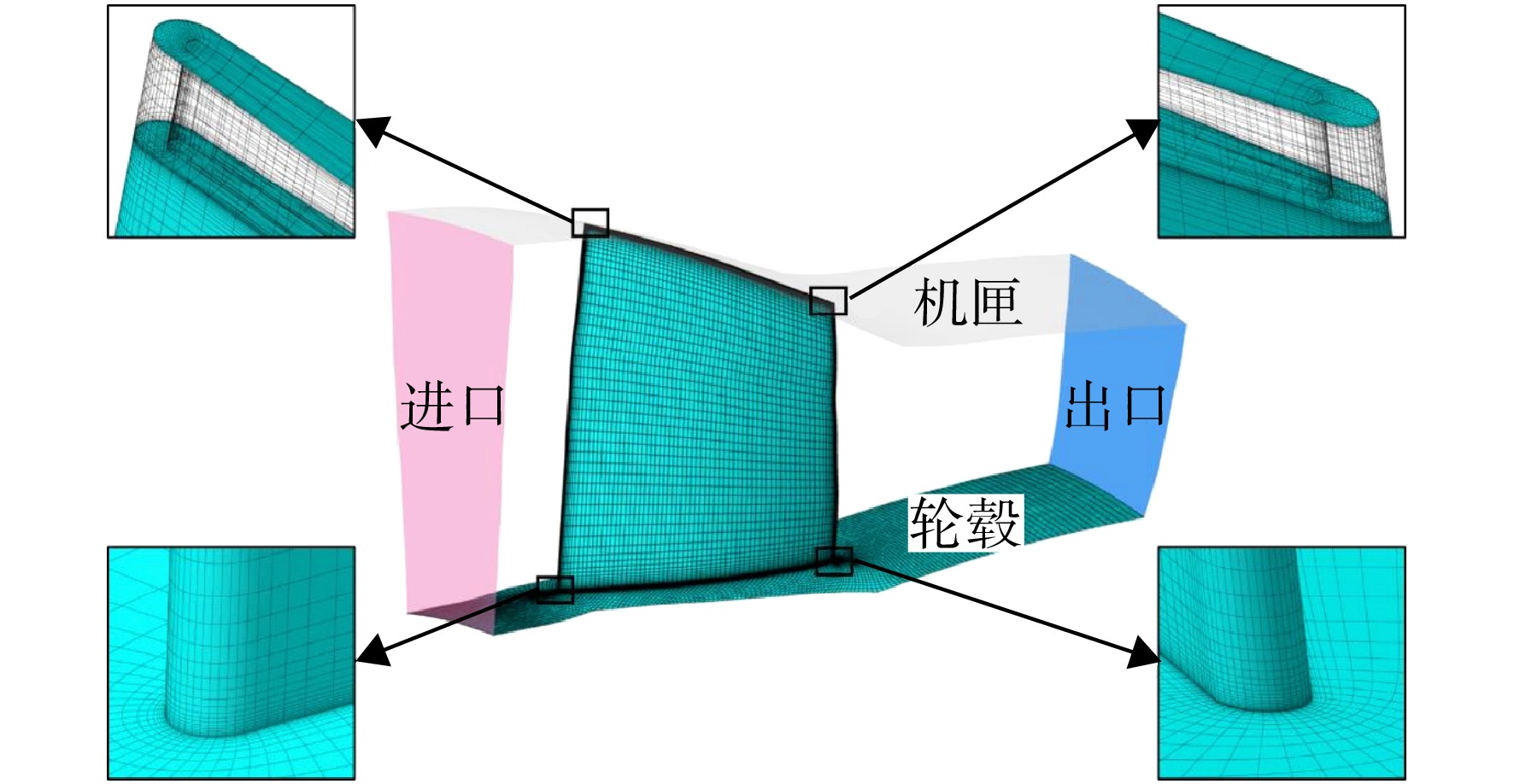
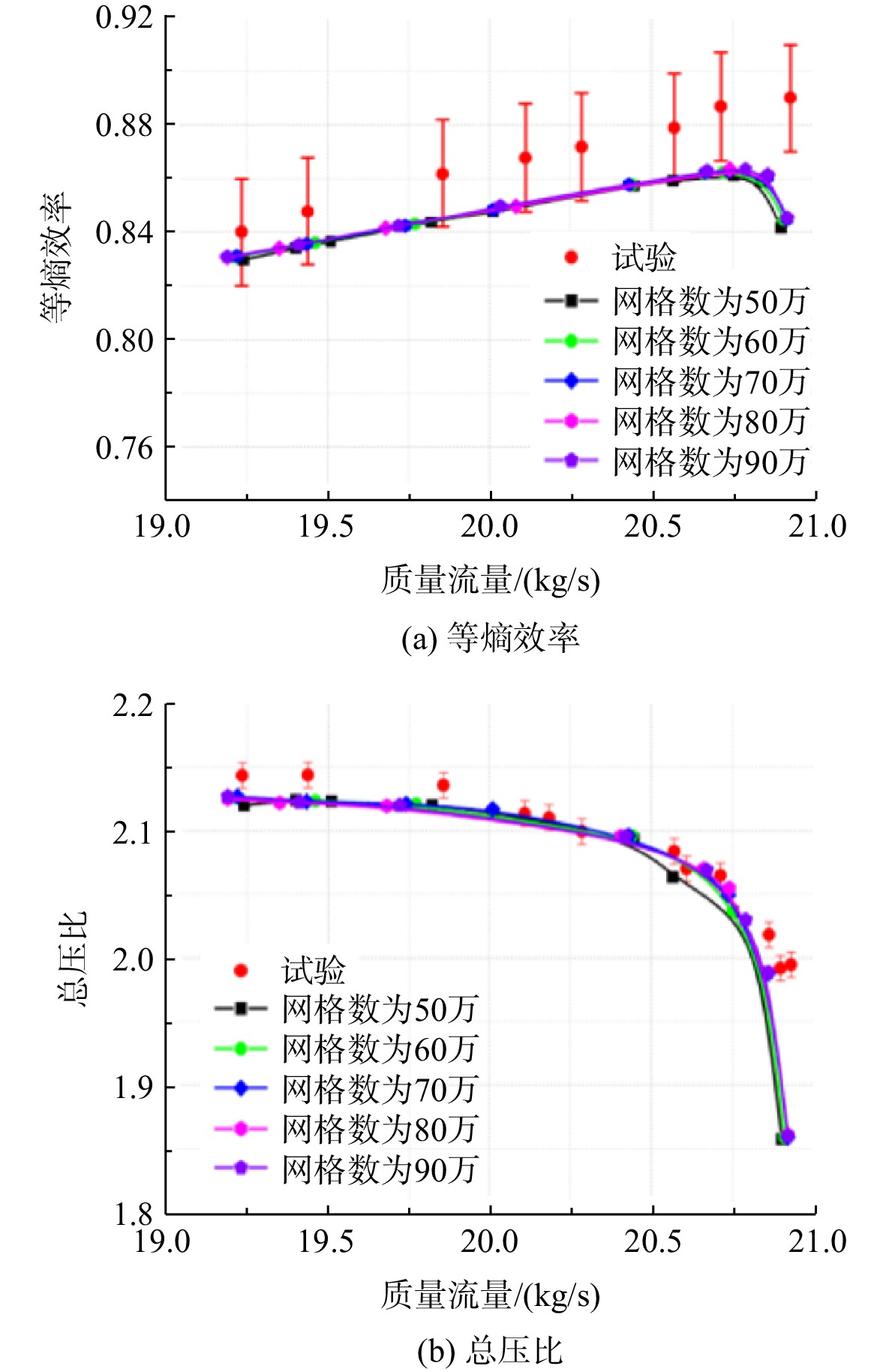
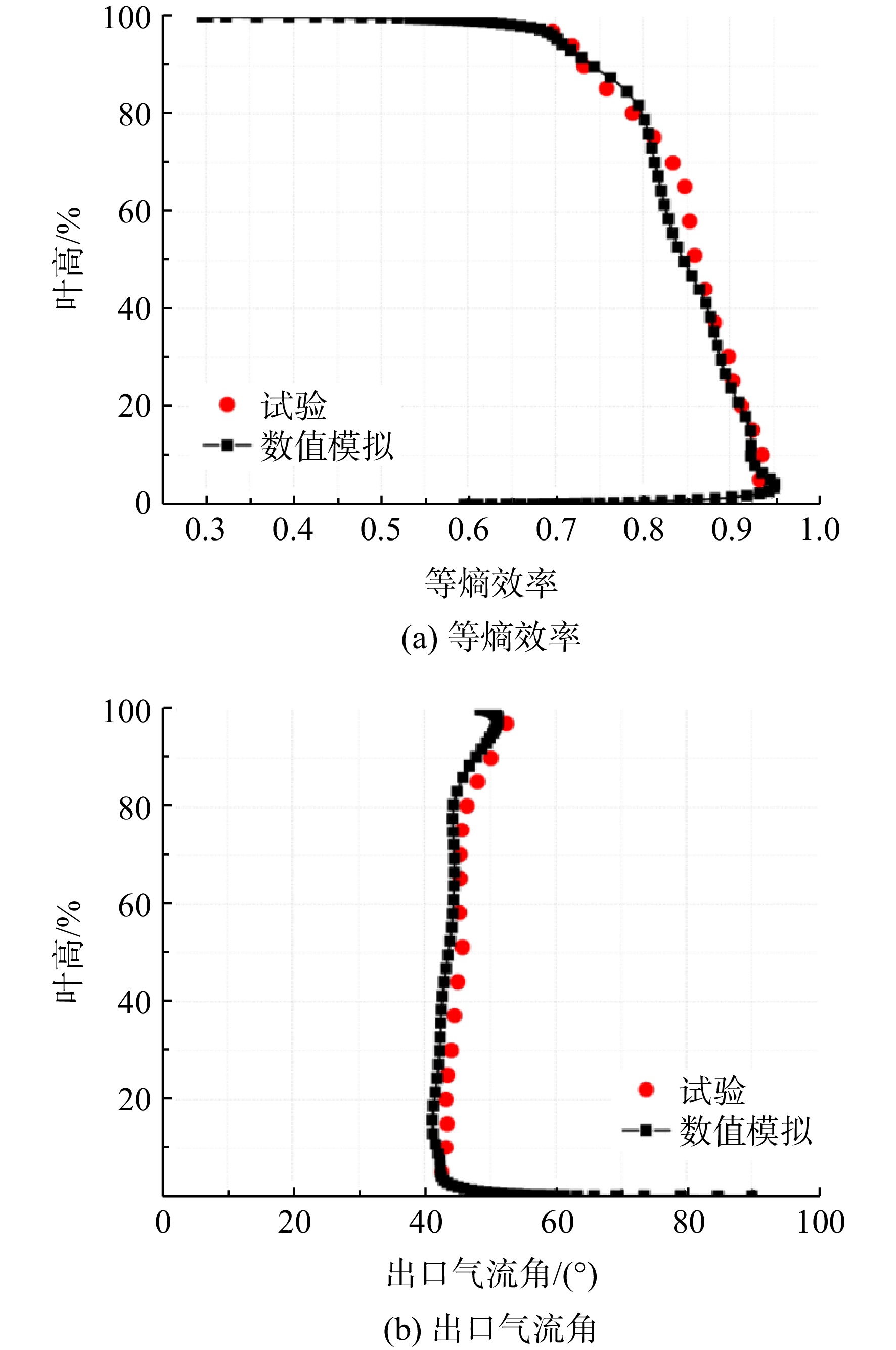
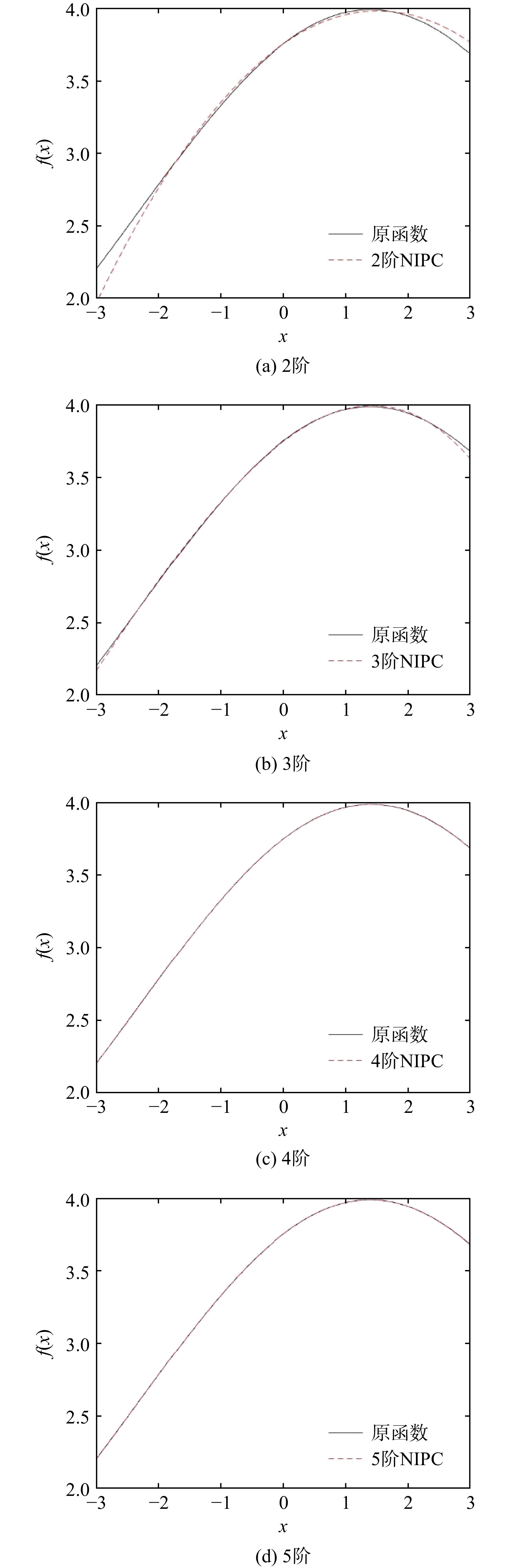
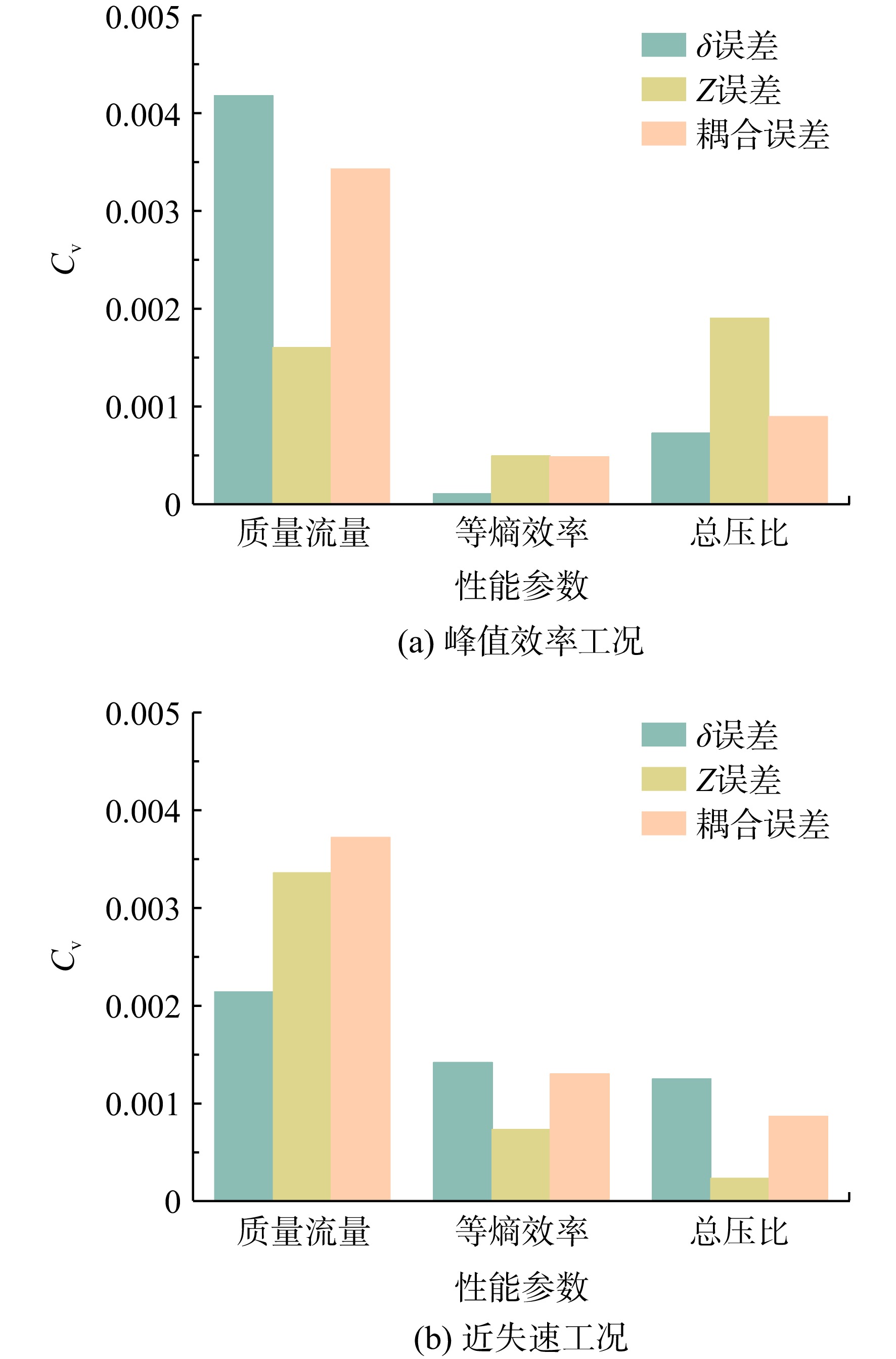
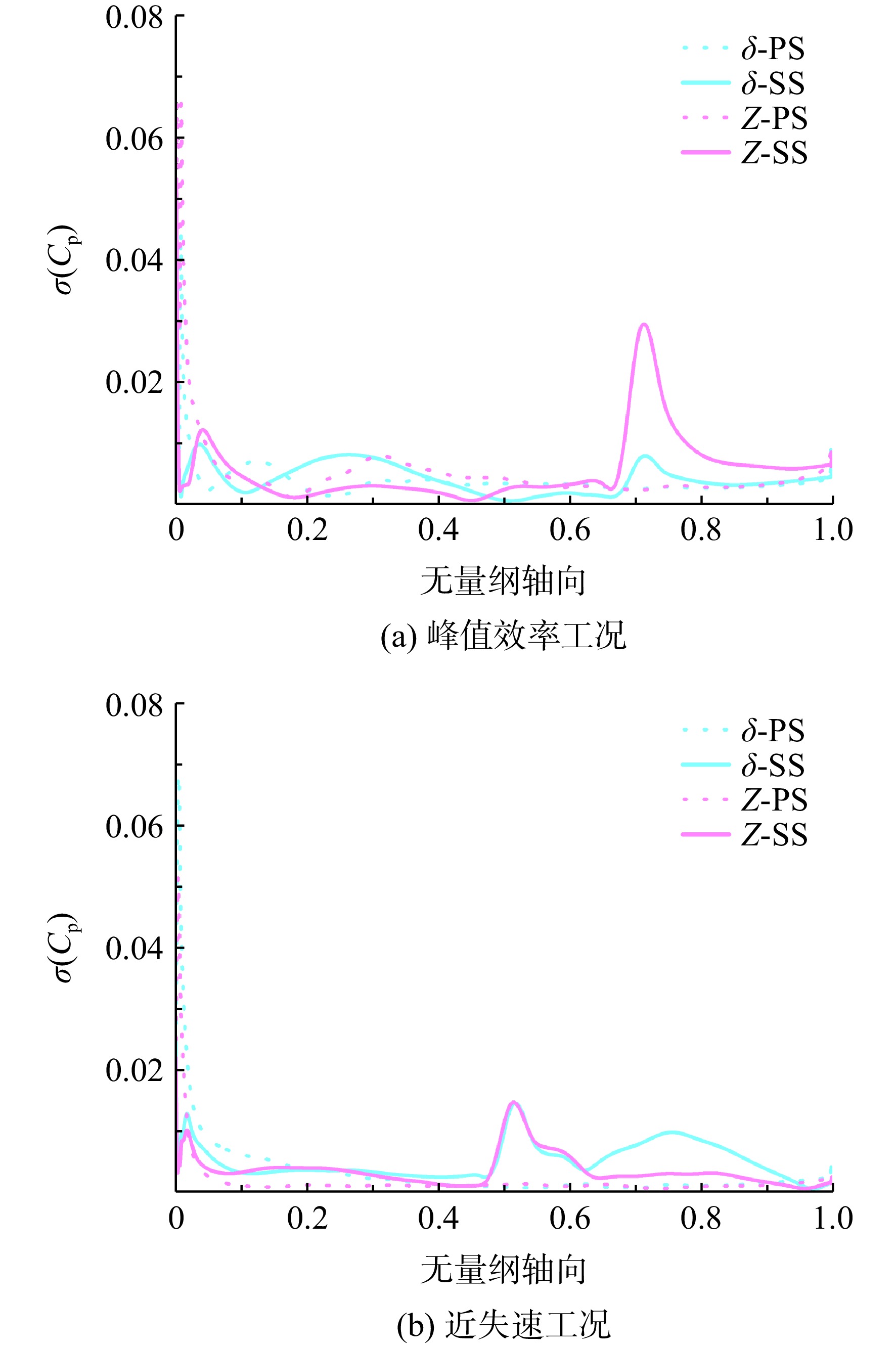
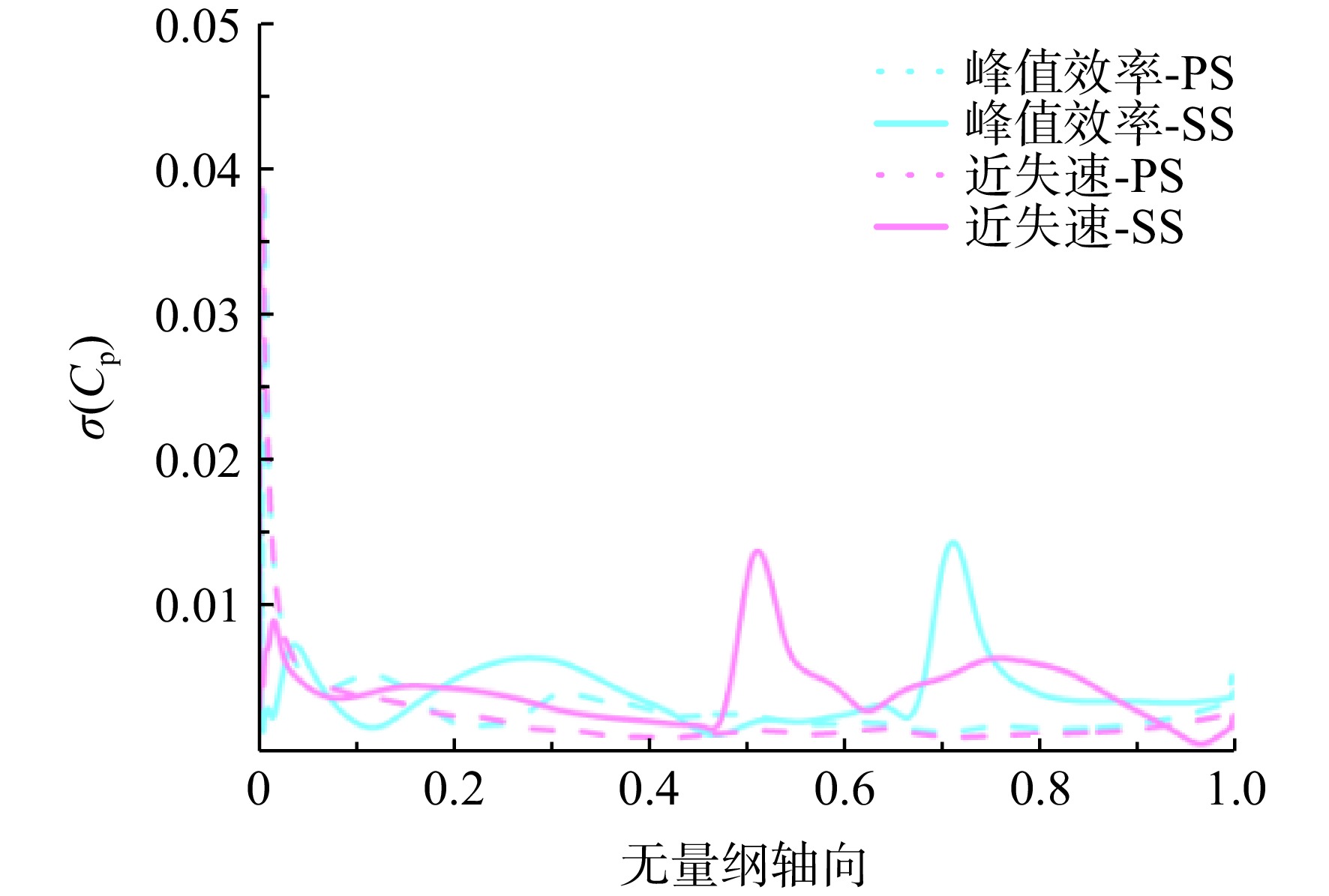
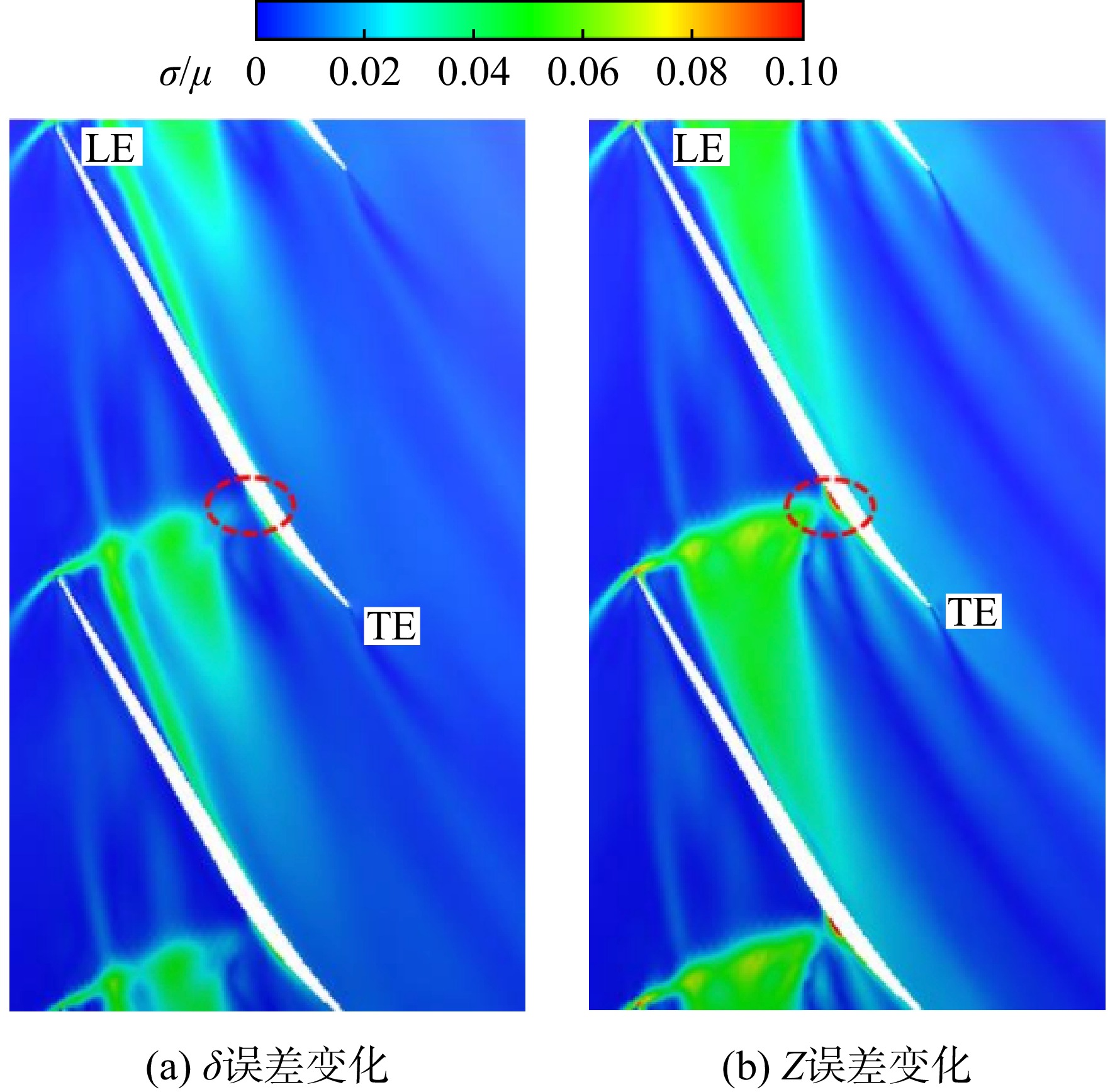
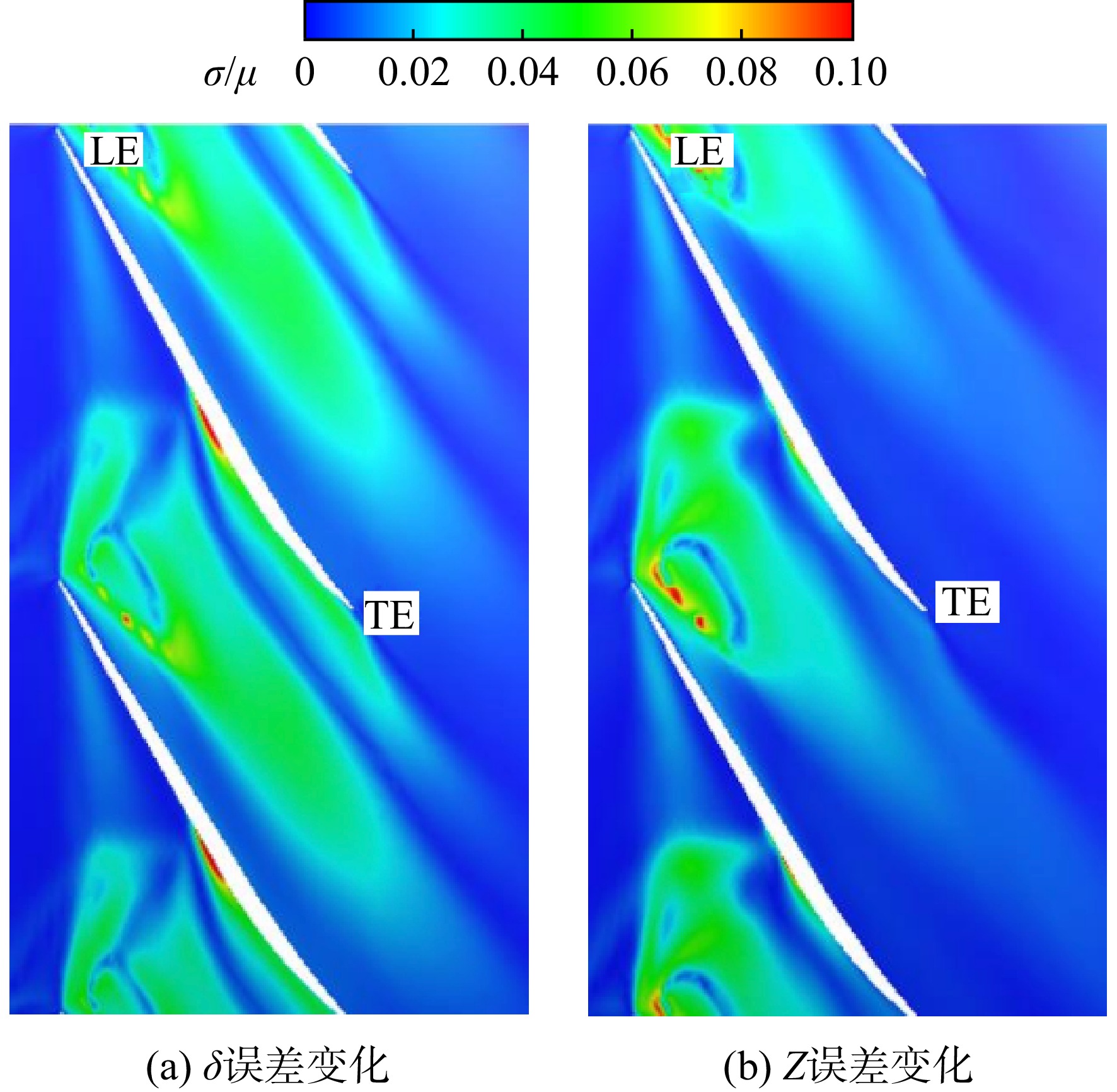
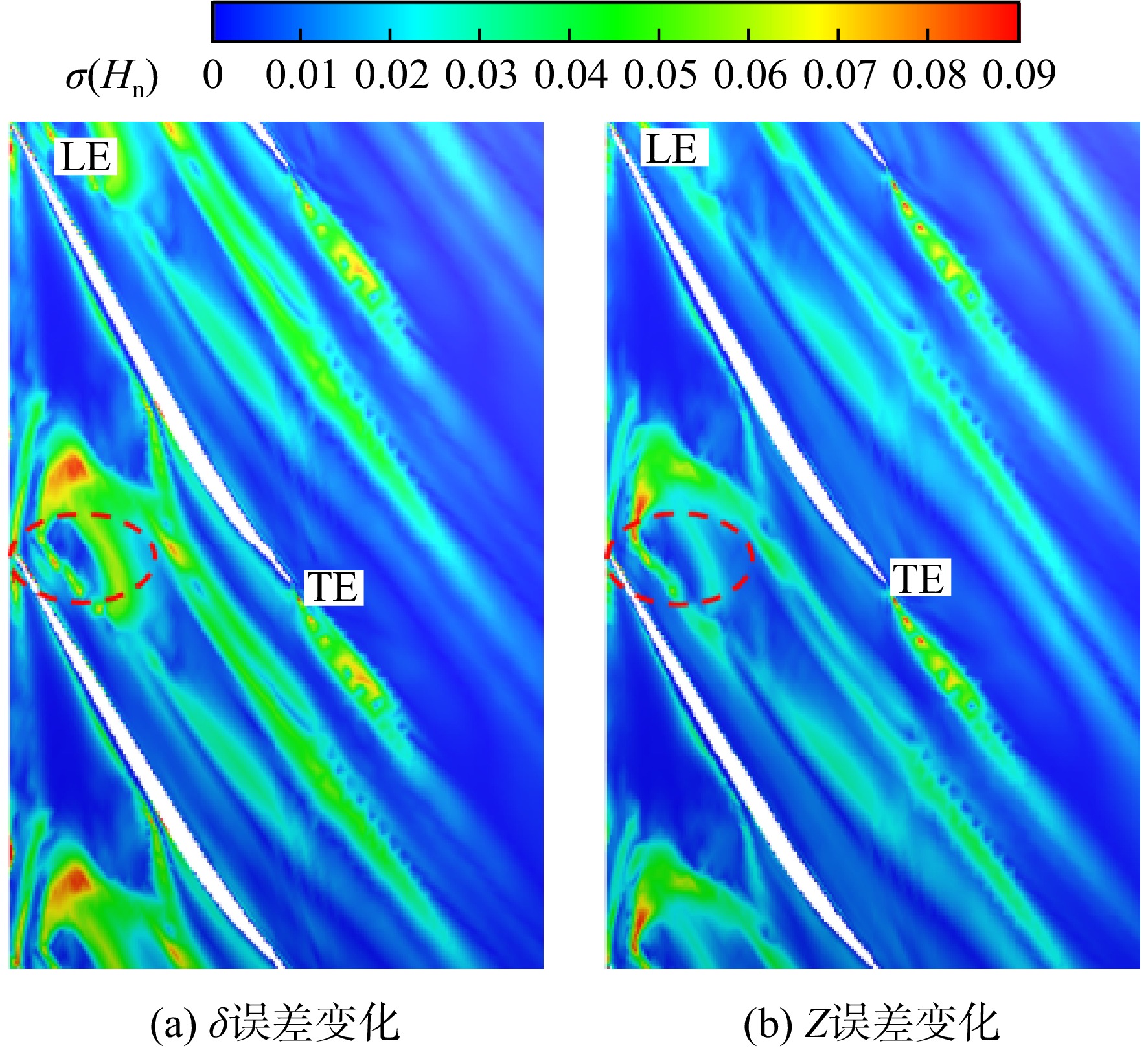
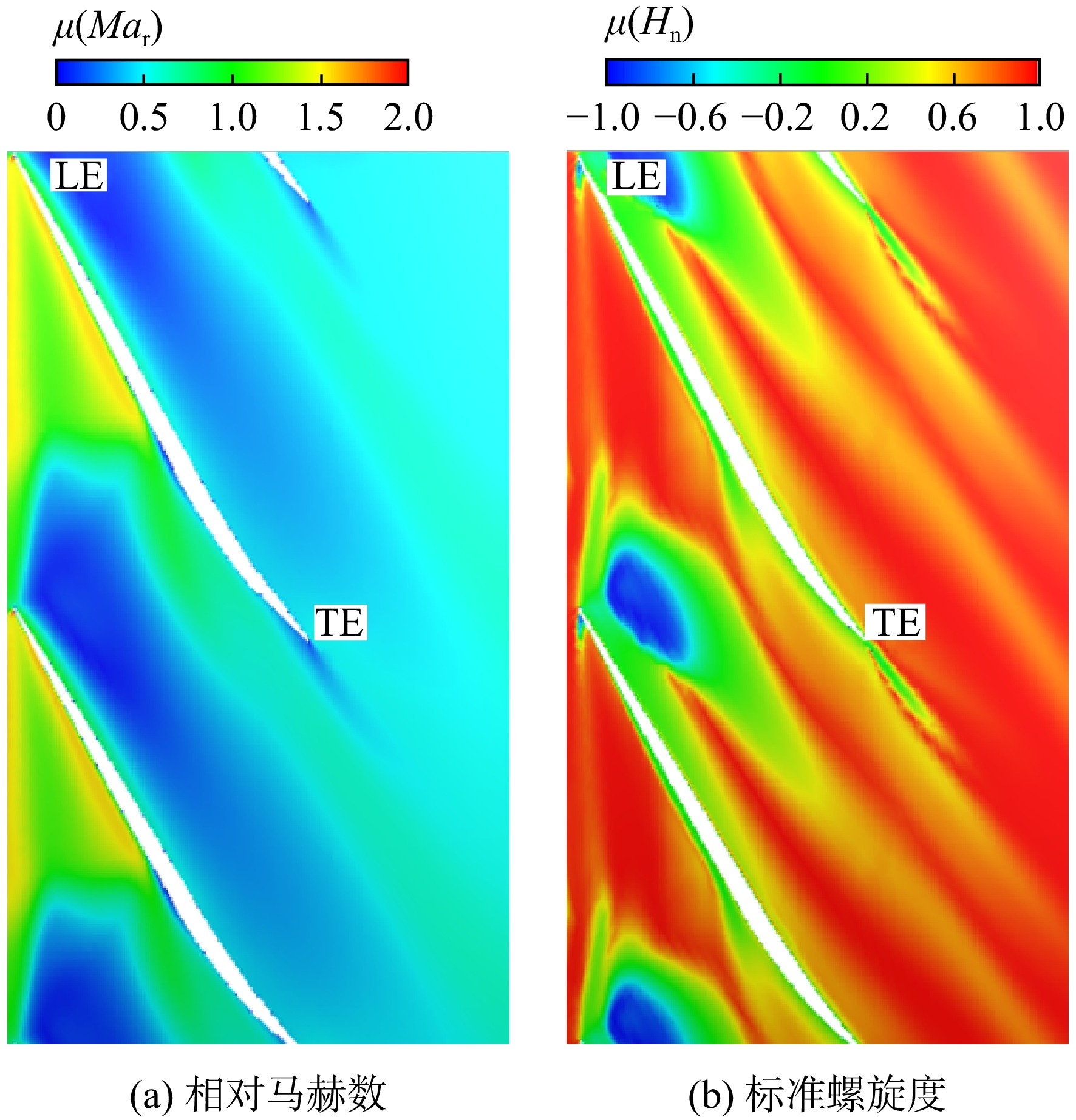
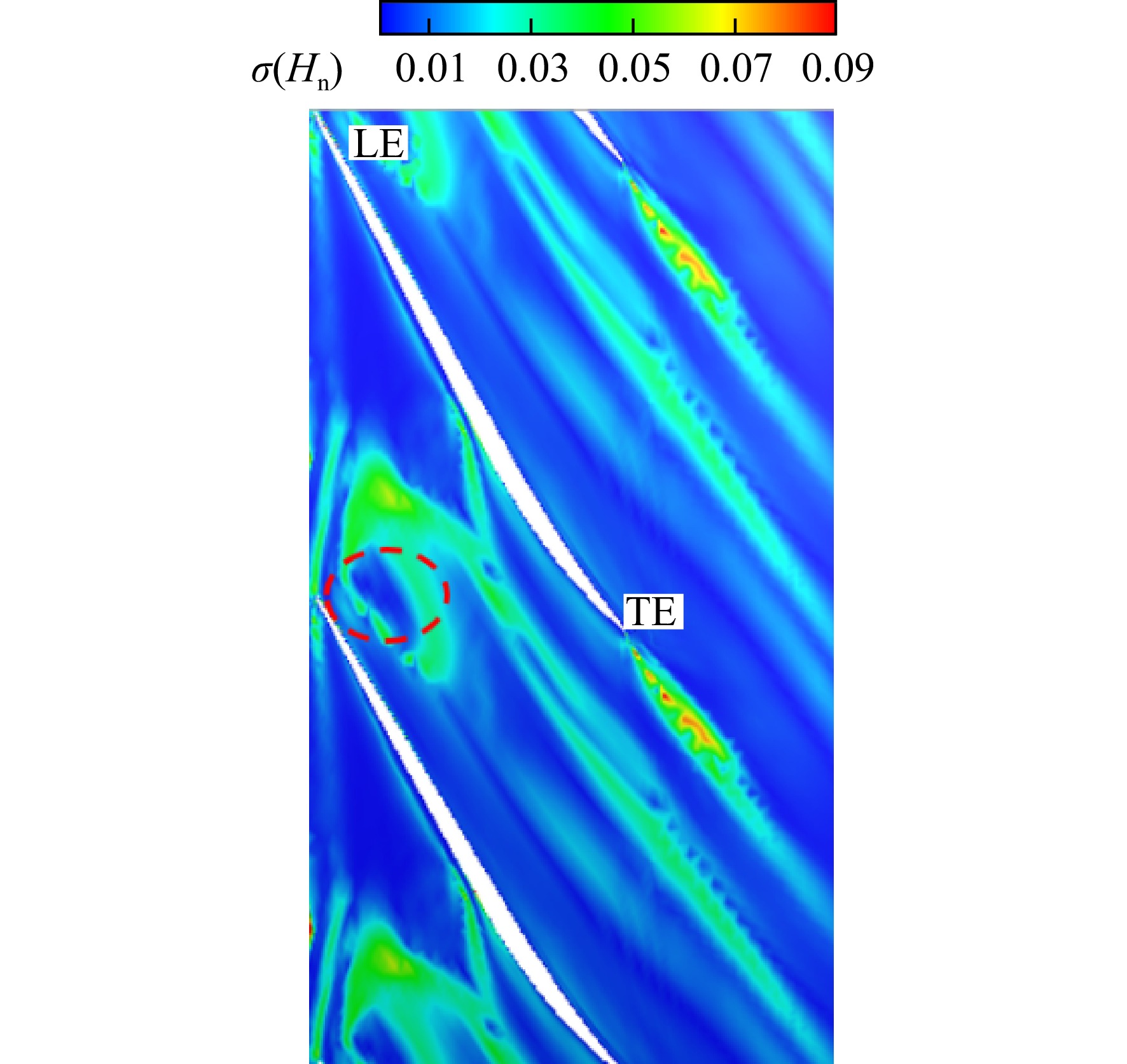
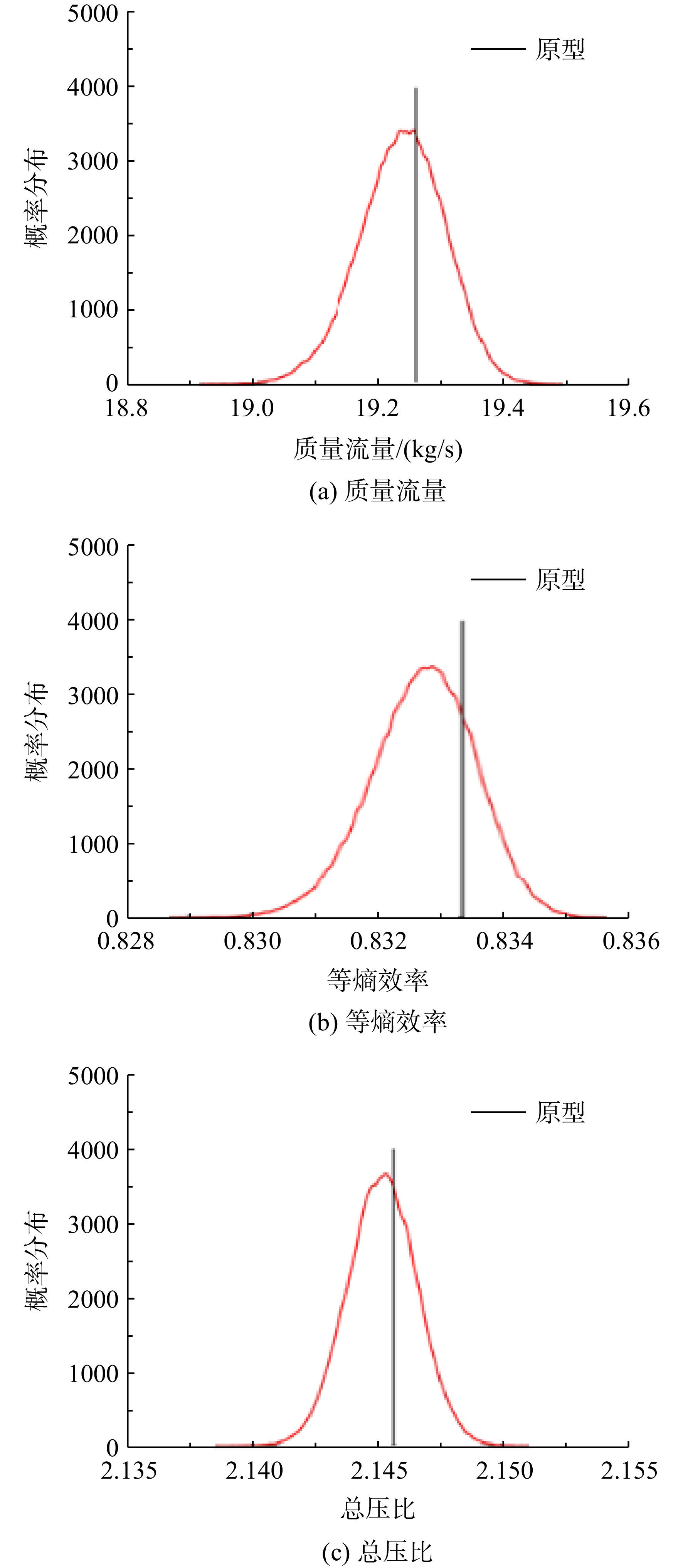
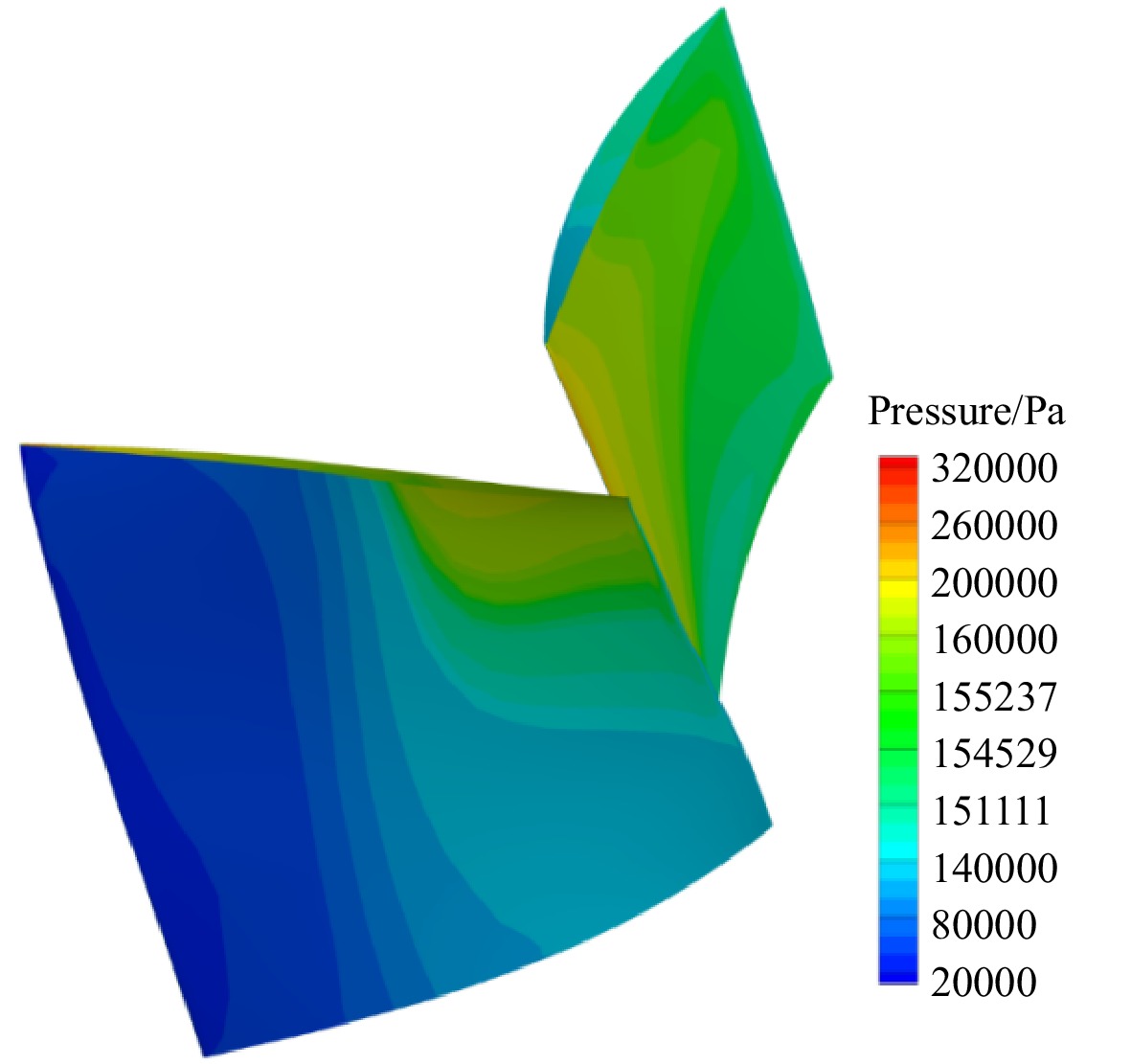
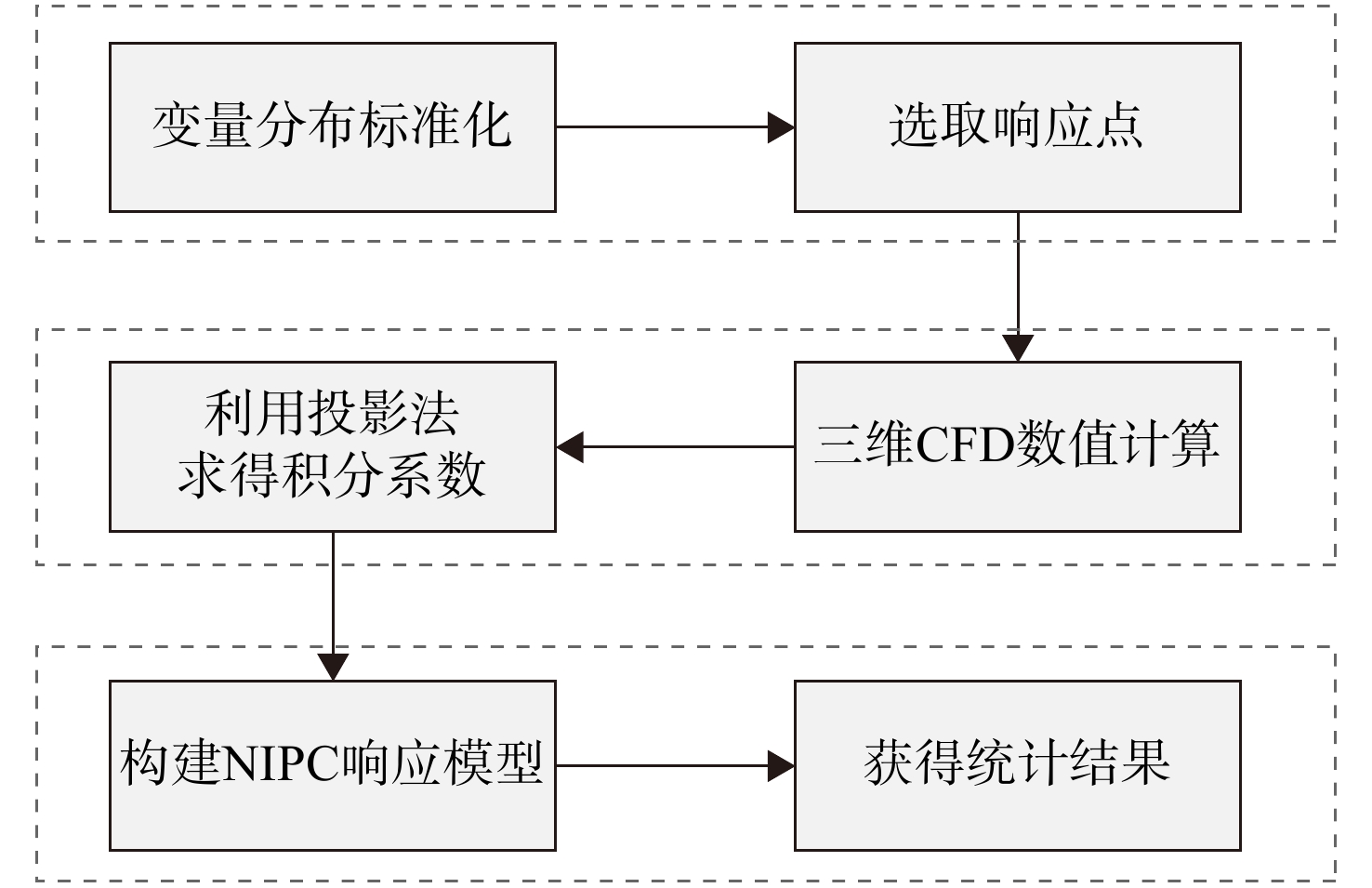
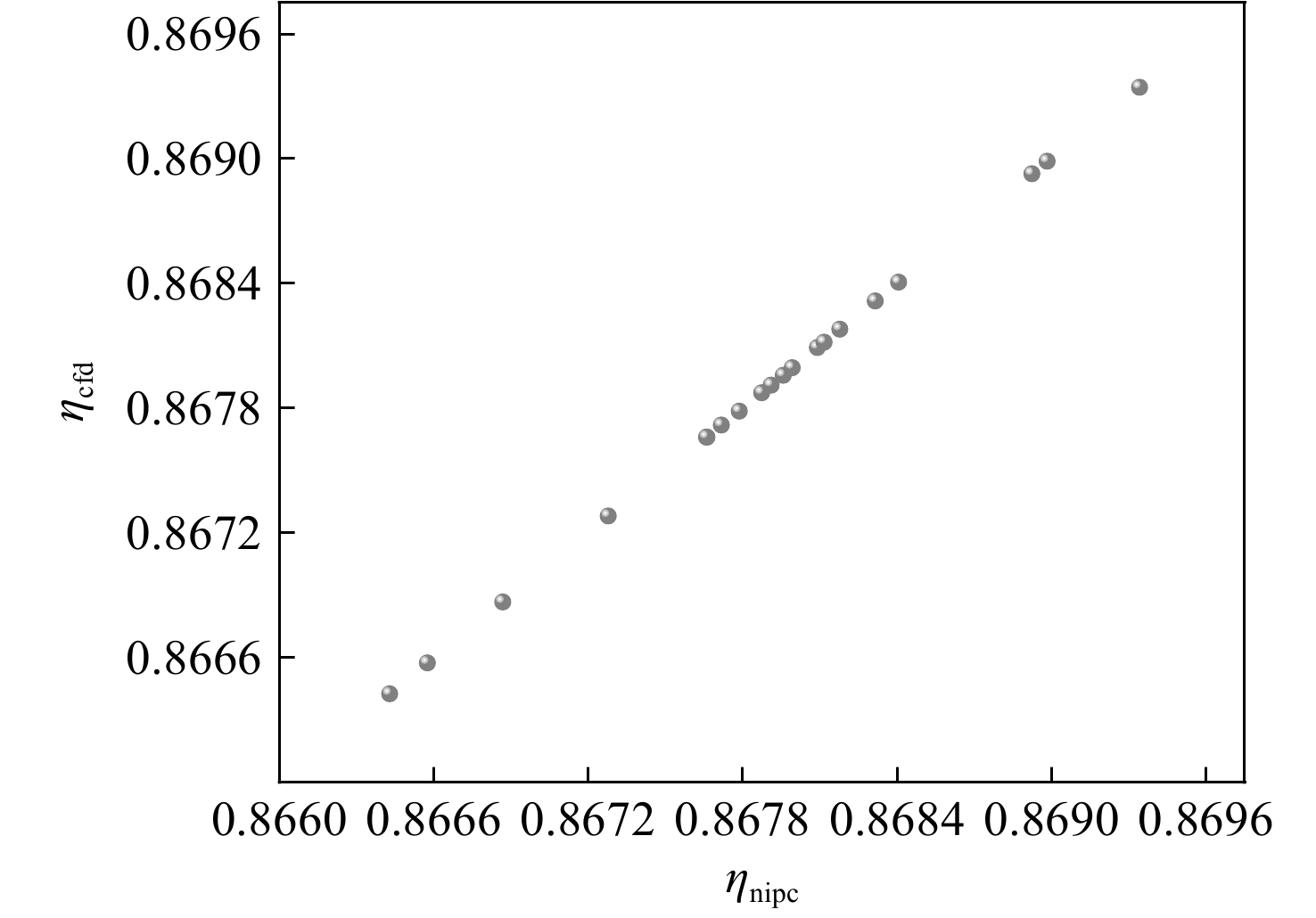
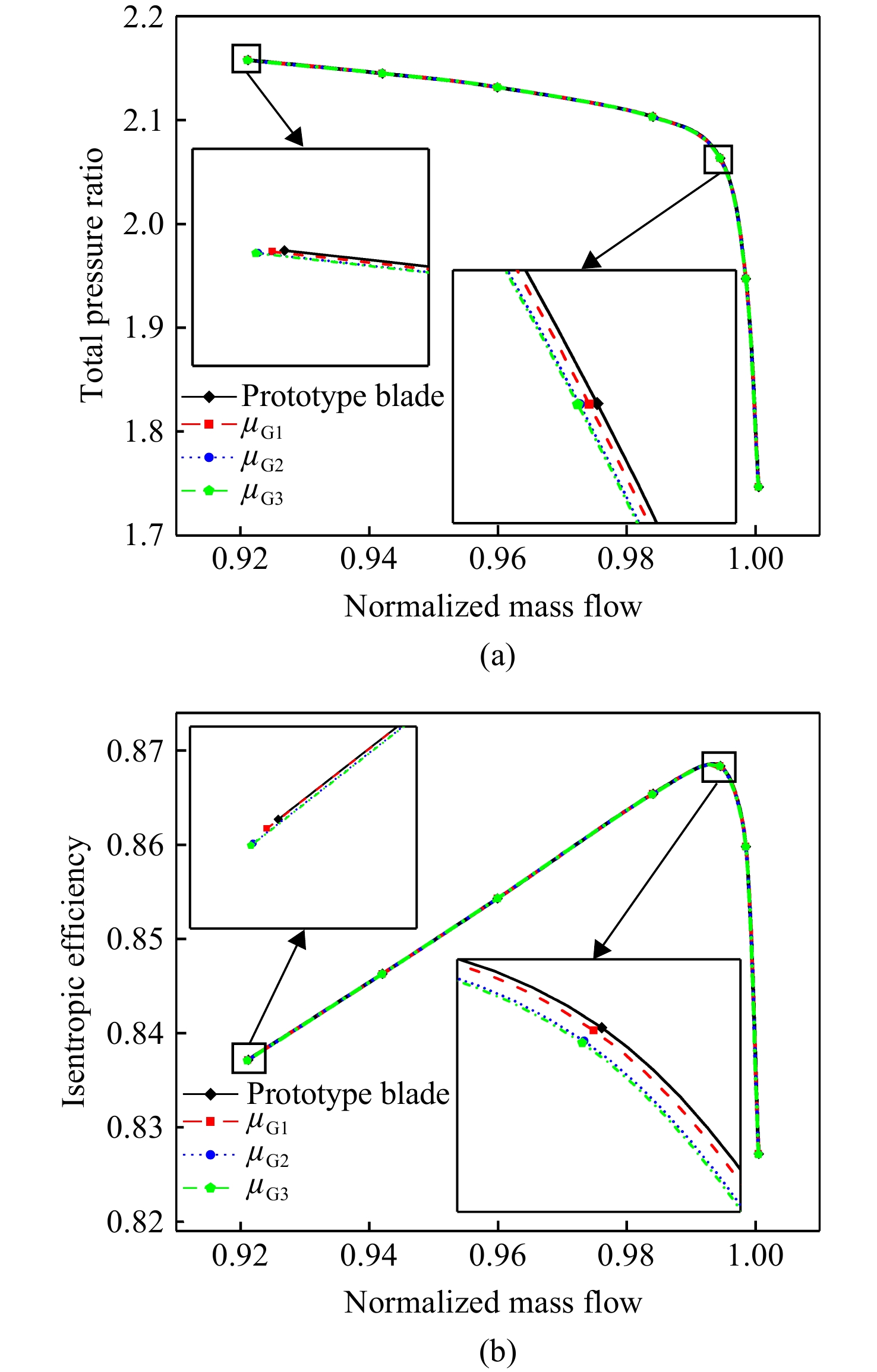
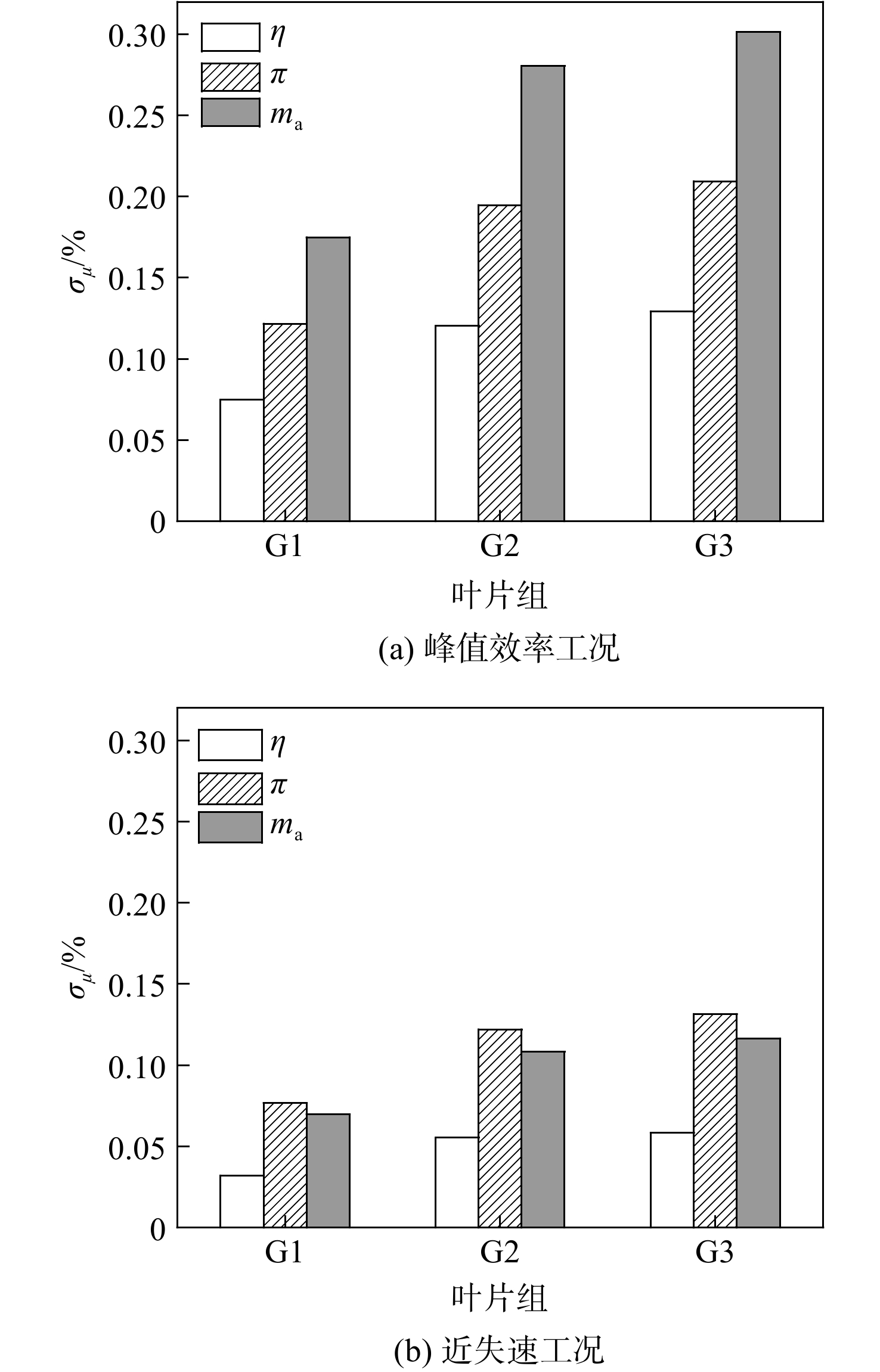
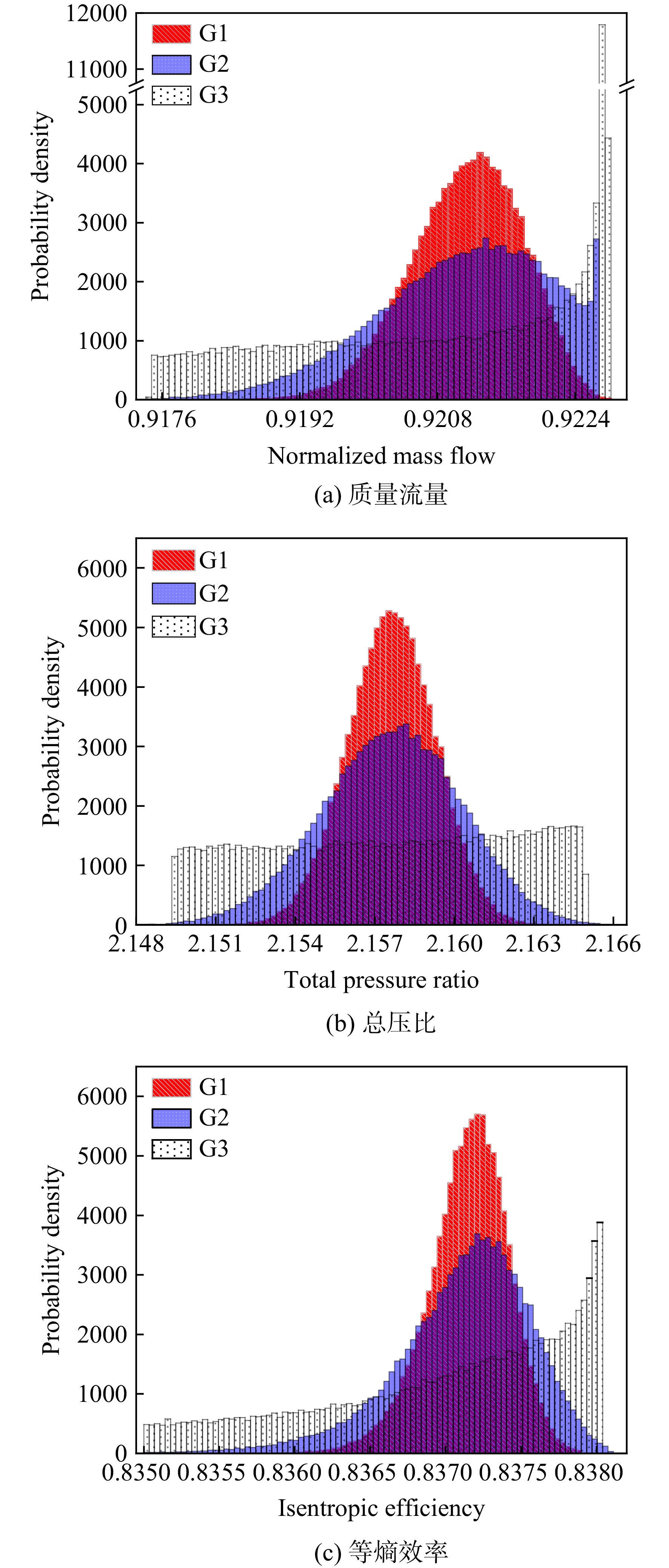
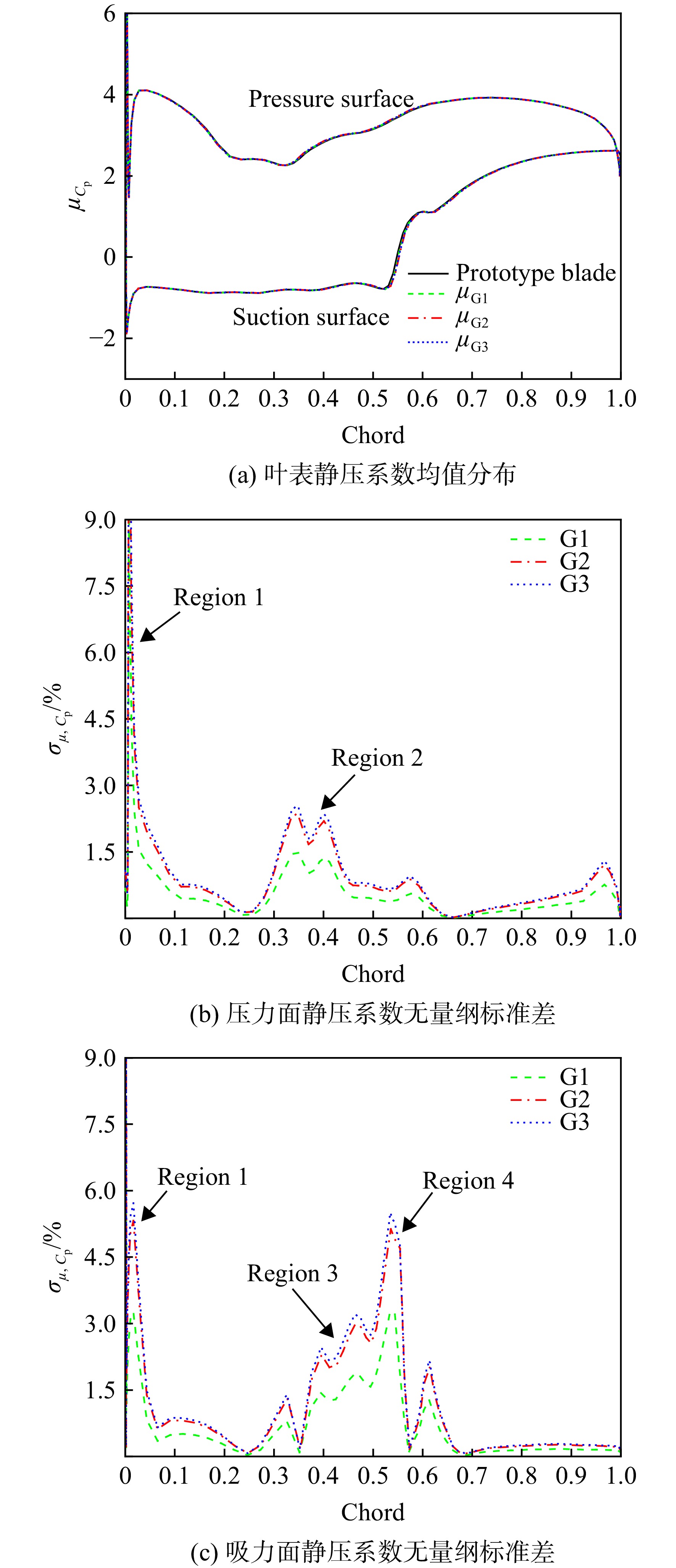
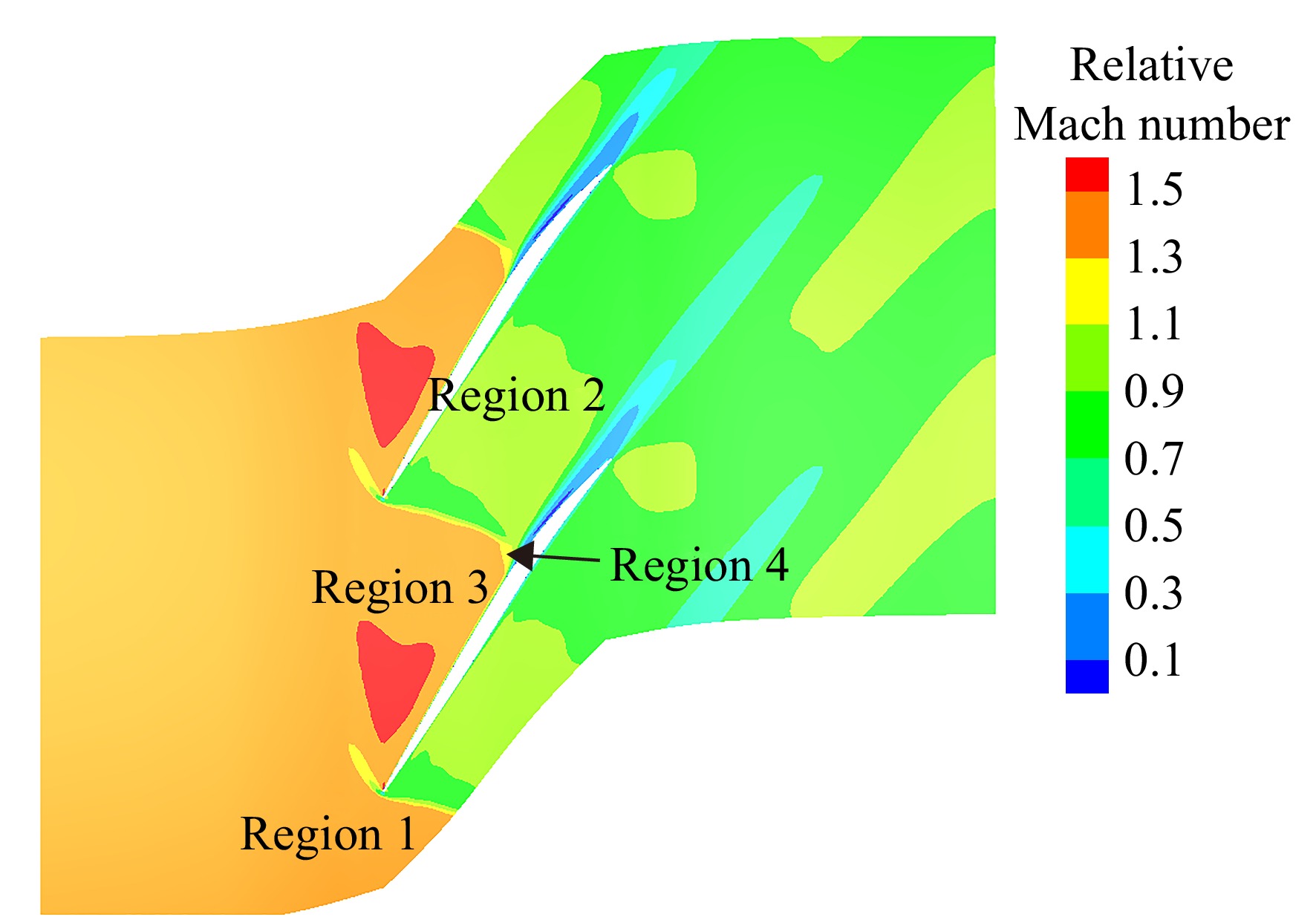
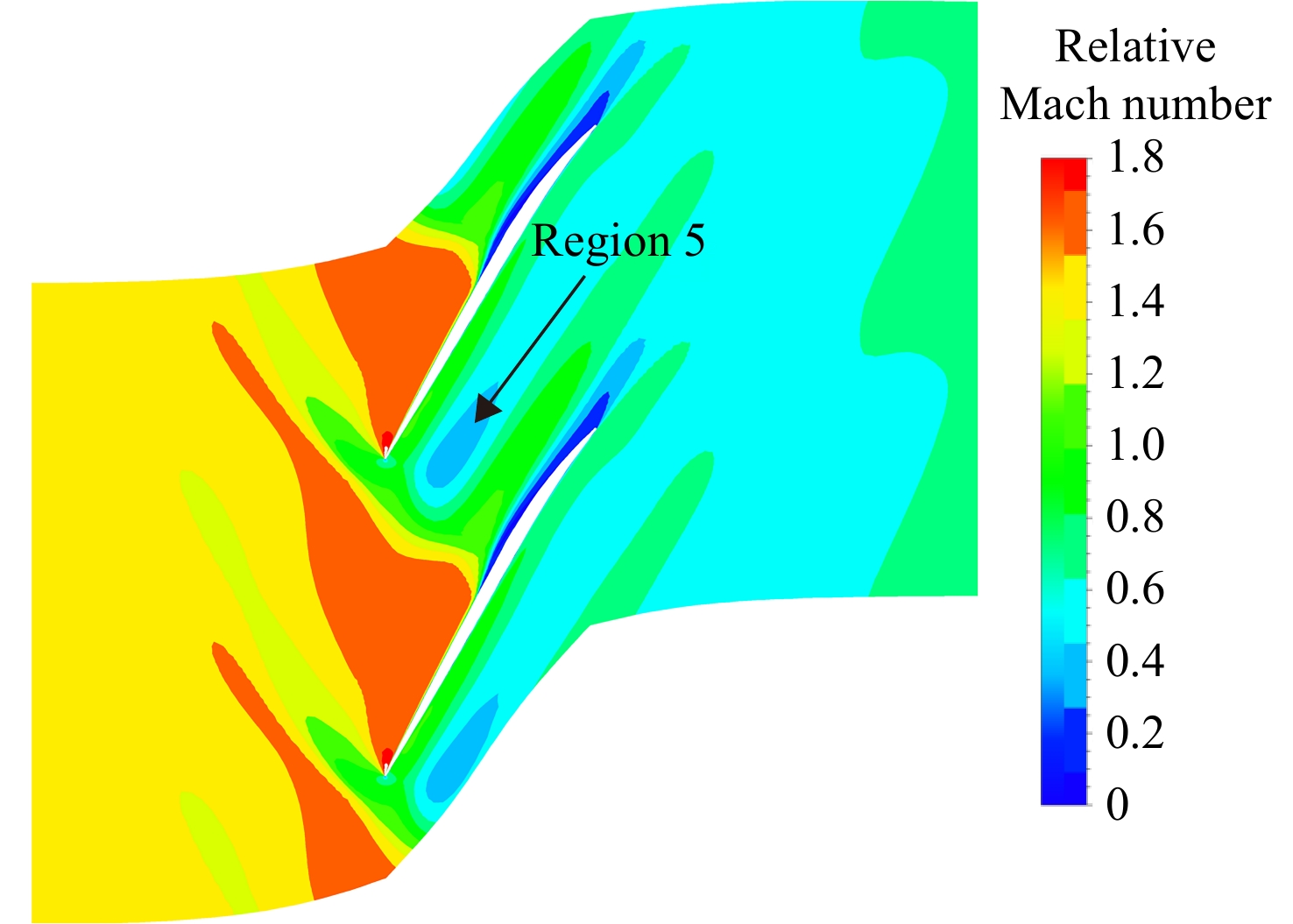
Due to the limitation of processing technology and other factors, there is always a small error between the theoretical blade profile and the actual blade profile in the actual processing. For transonic compressor Rotor 37, the influences of axial position and stagger angle errors on the uncertainty of compressor aerodynamic performance were studied by numerical simulation and NIPC (non-intrusive polynomial chaos method). The conclusion indicated that, for machining errors with zero mean standard normal distribution of axial position and stagger angle, the sensitivity of rotor aerodynamic performance was approximately the same when they changed singly or in coupling, only individual parameters were different. The correlation between the aerodynamic performance of axial flow compressor and each error was strong or weak, and attention shall be paid to the performance parameters with strong correlation during processing. The influence of blade coupling error on compressor lied in the superposition of the influences of blade axial position error and stagger angle error.

Discrete-adjoint optimization of axial turbine blade using free-form deformation
KANG Wei, WANG Yanqing, XU Quanyong, HU Shilin
2024, 39(11): 20220943. doi: 10.13224/j.cnki.jasp.20220943
Abstract:

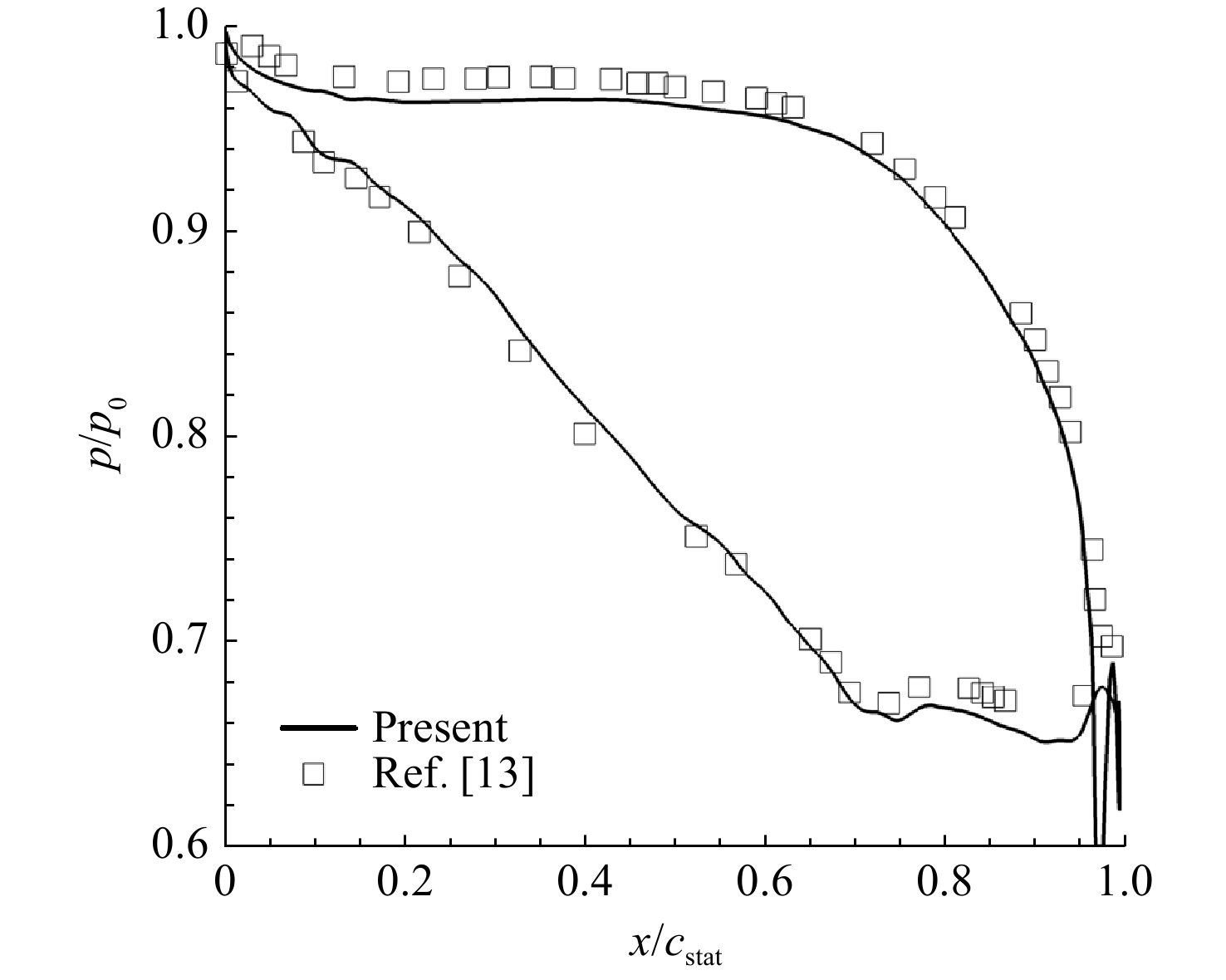
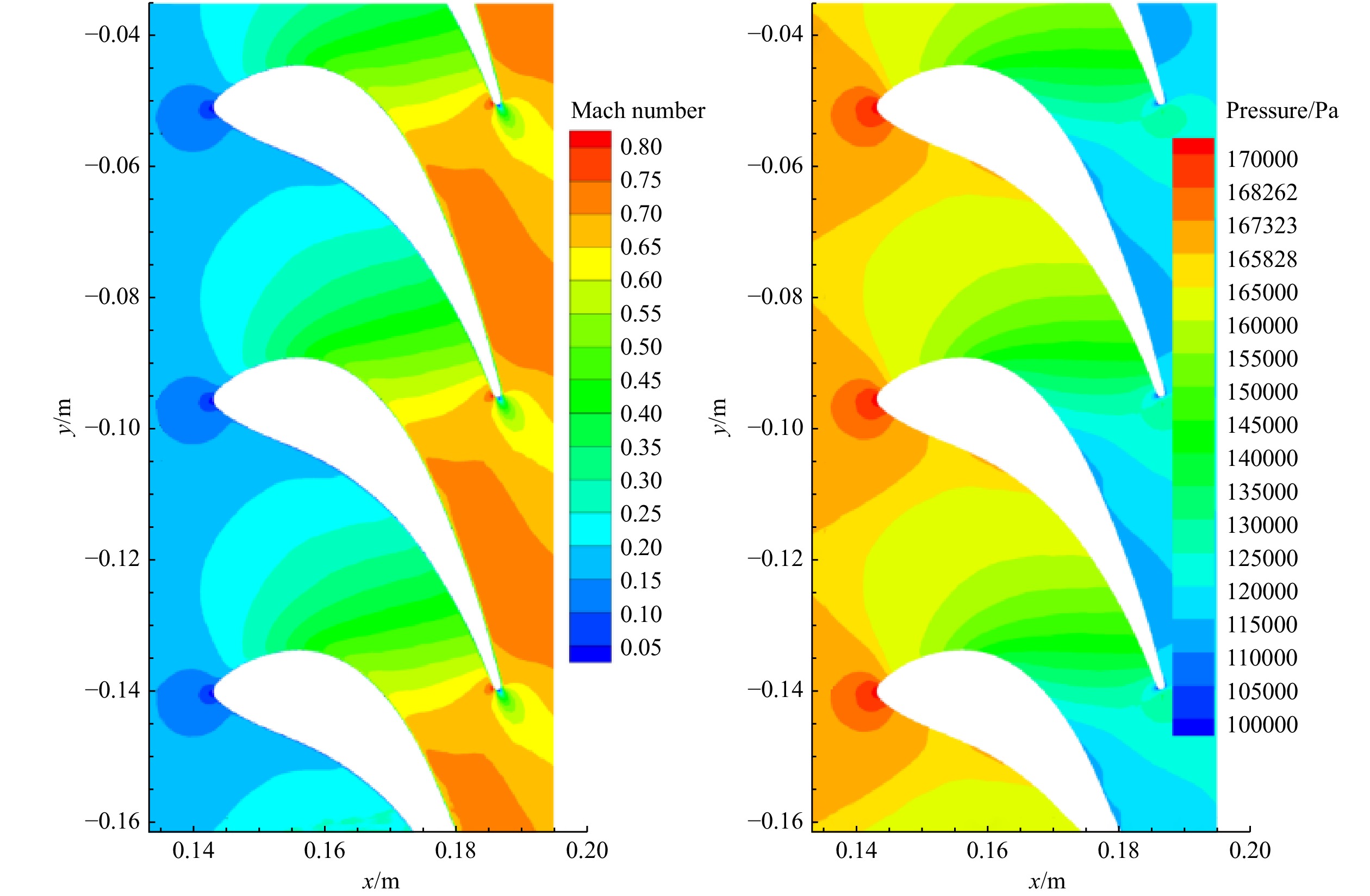
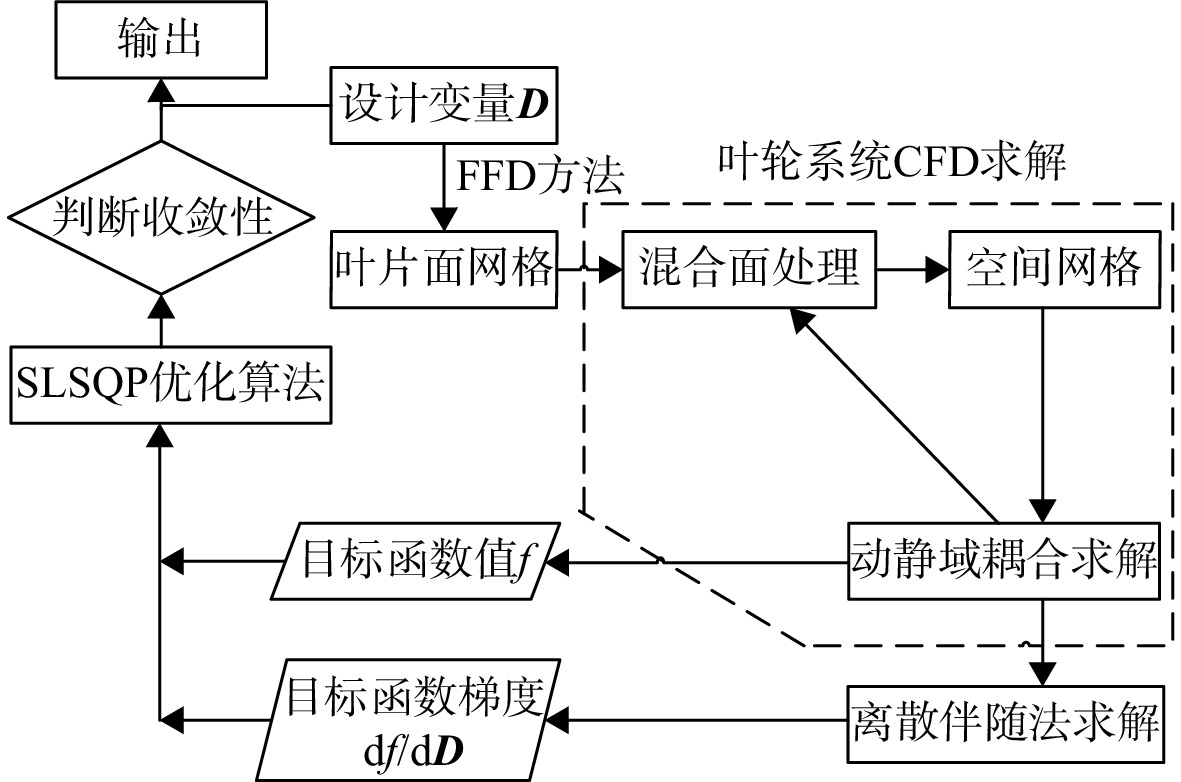
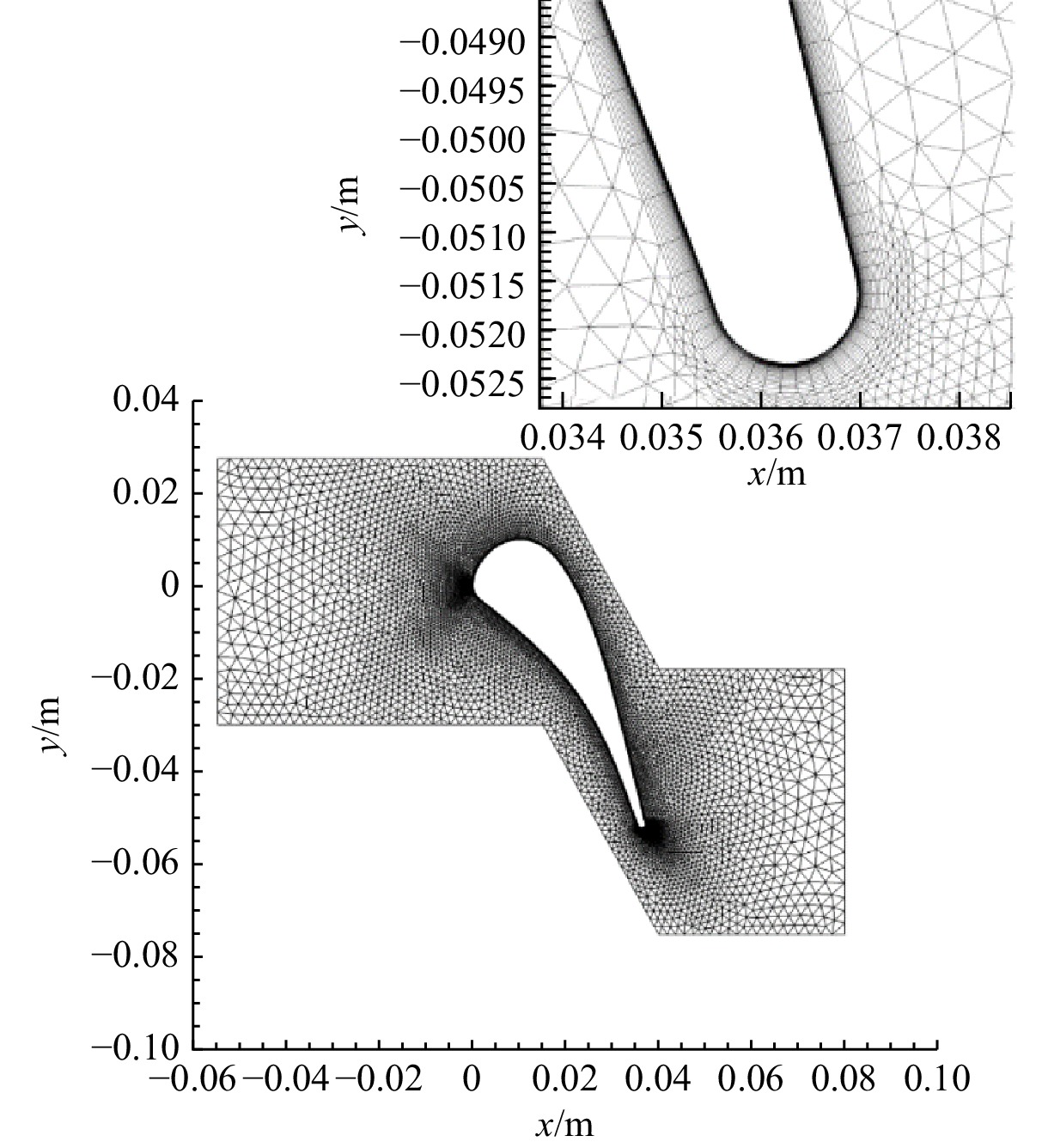
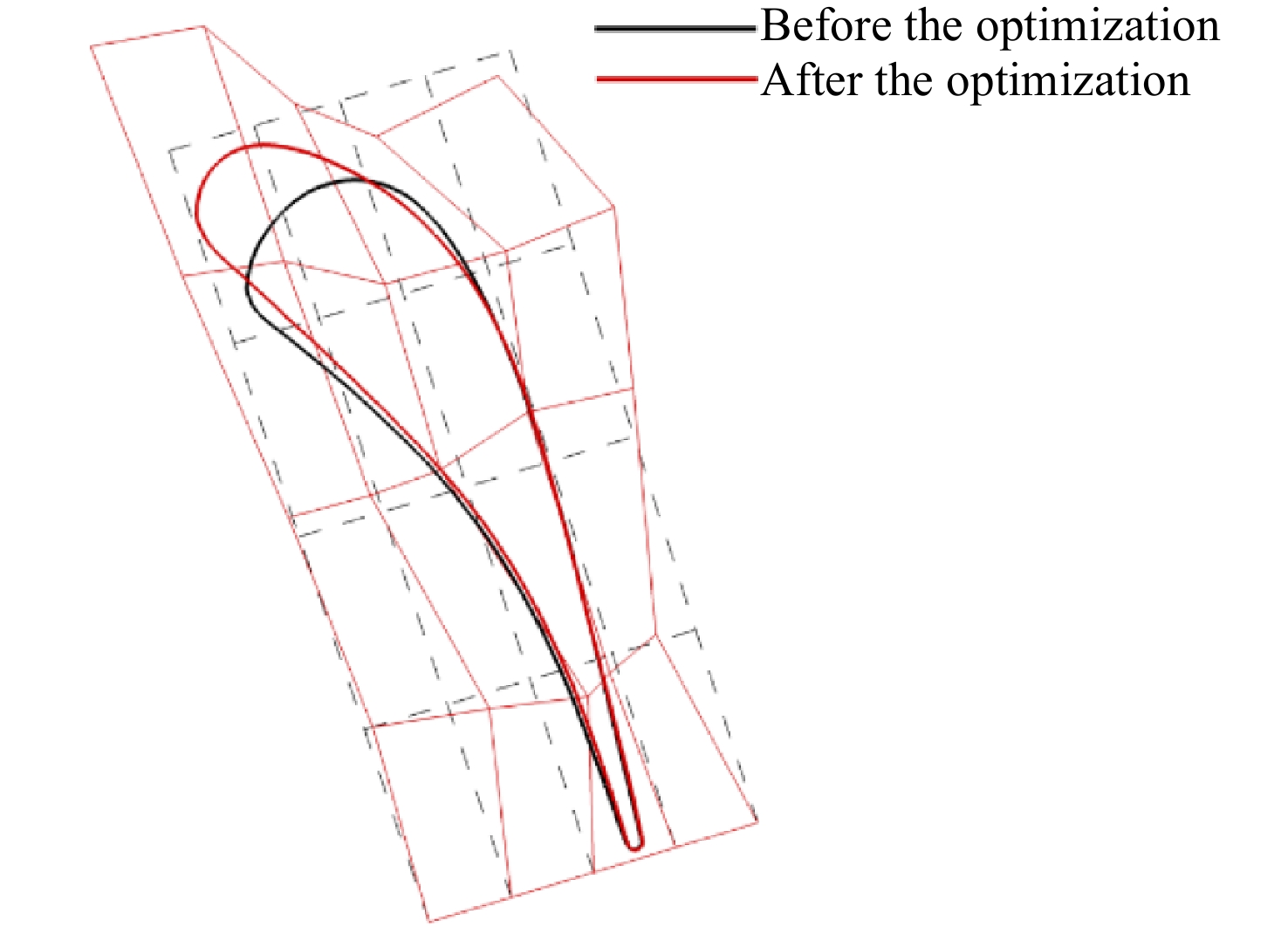
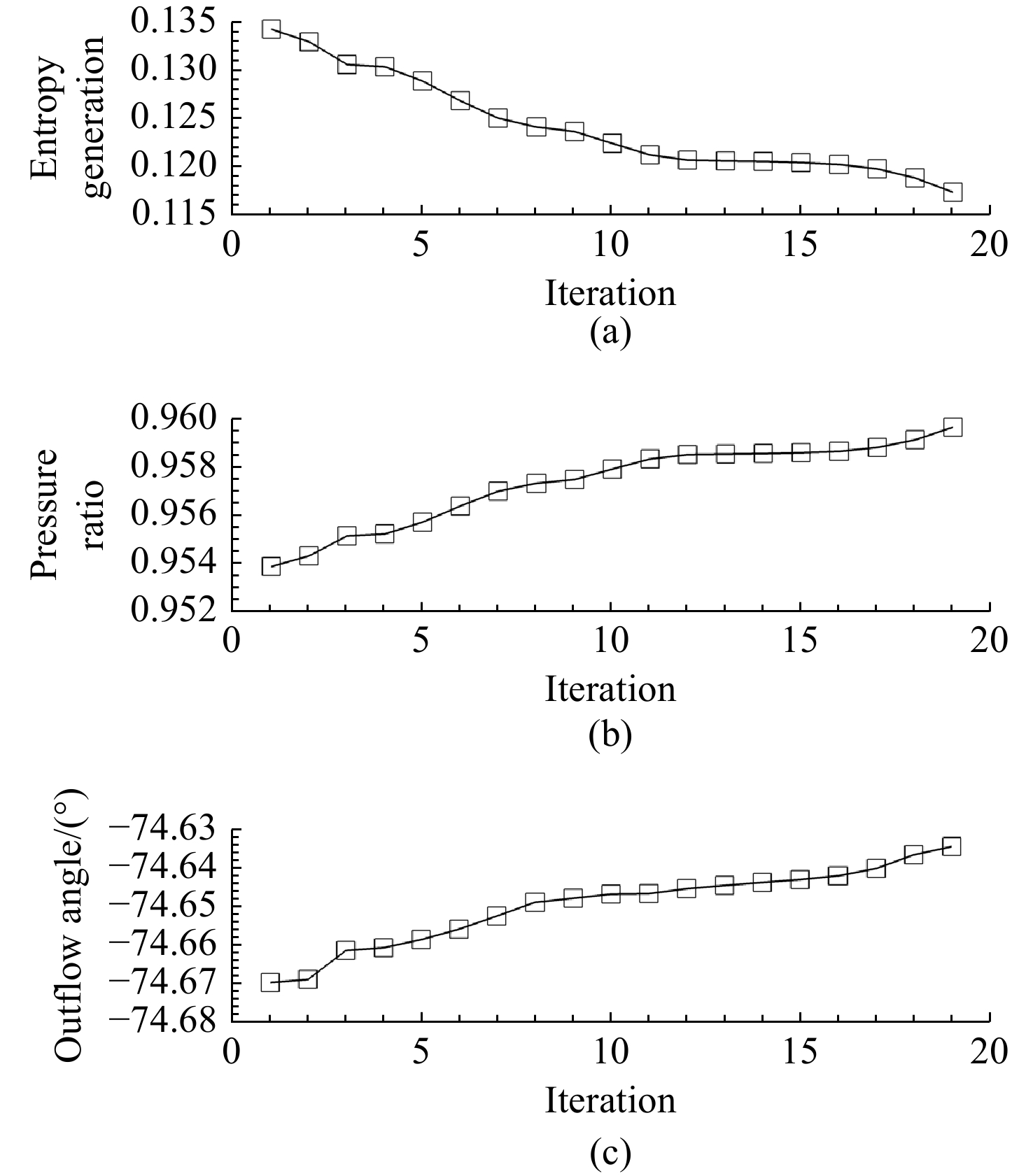
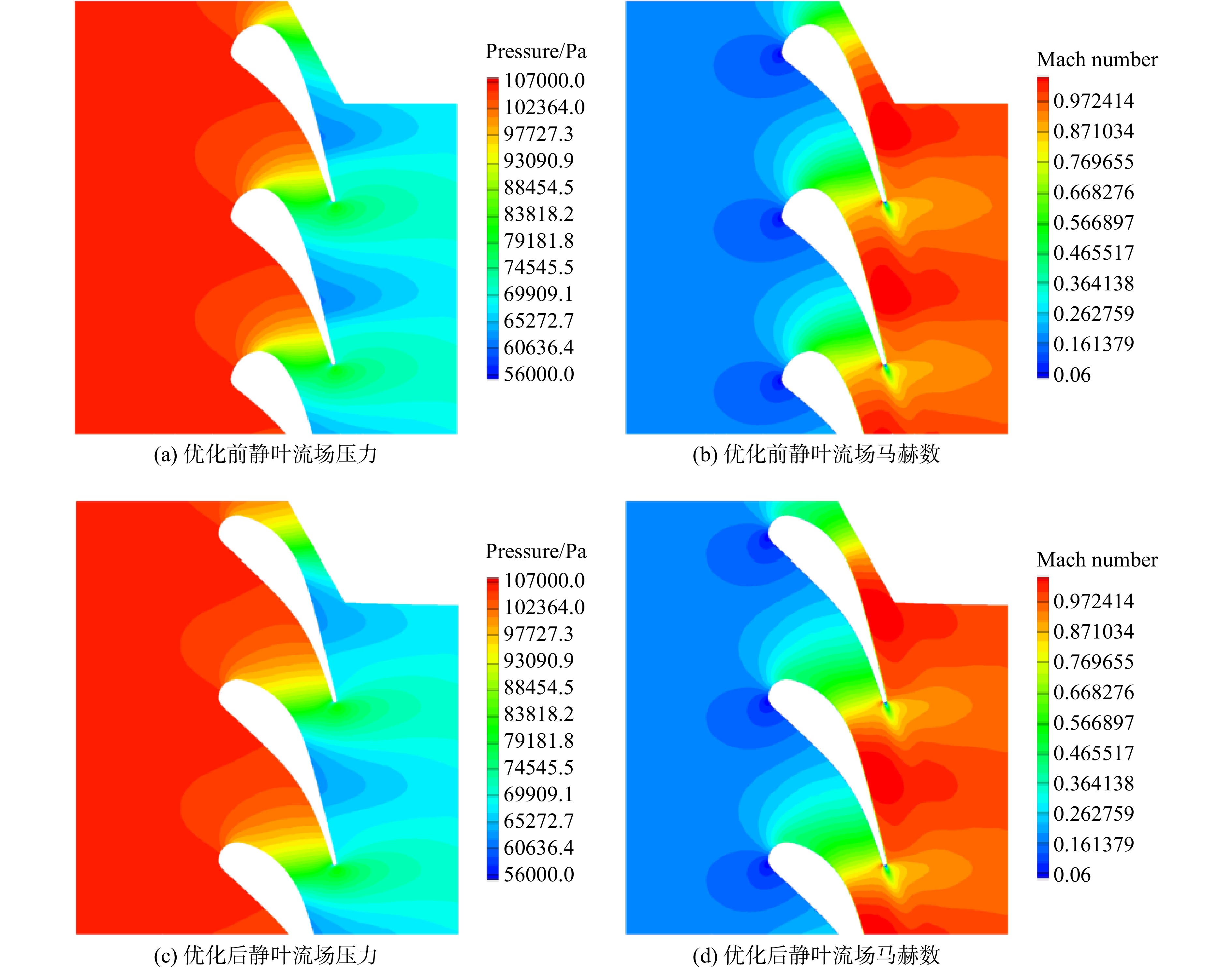
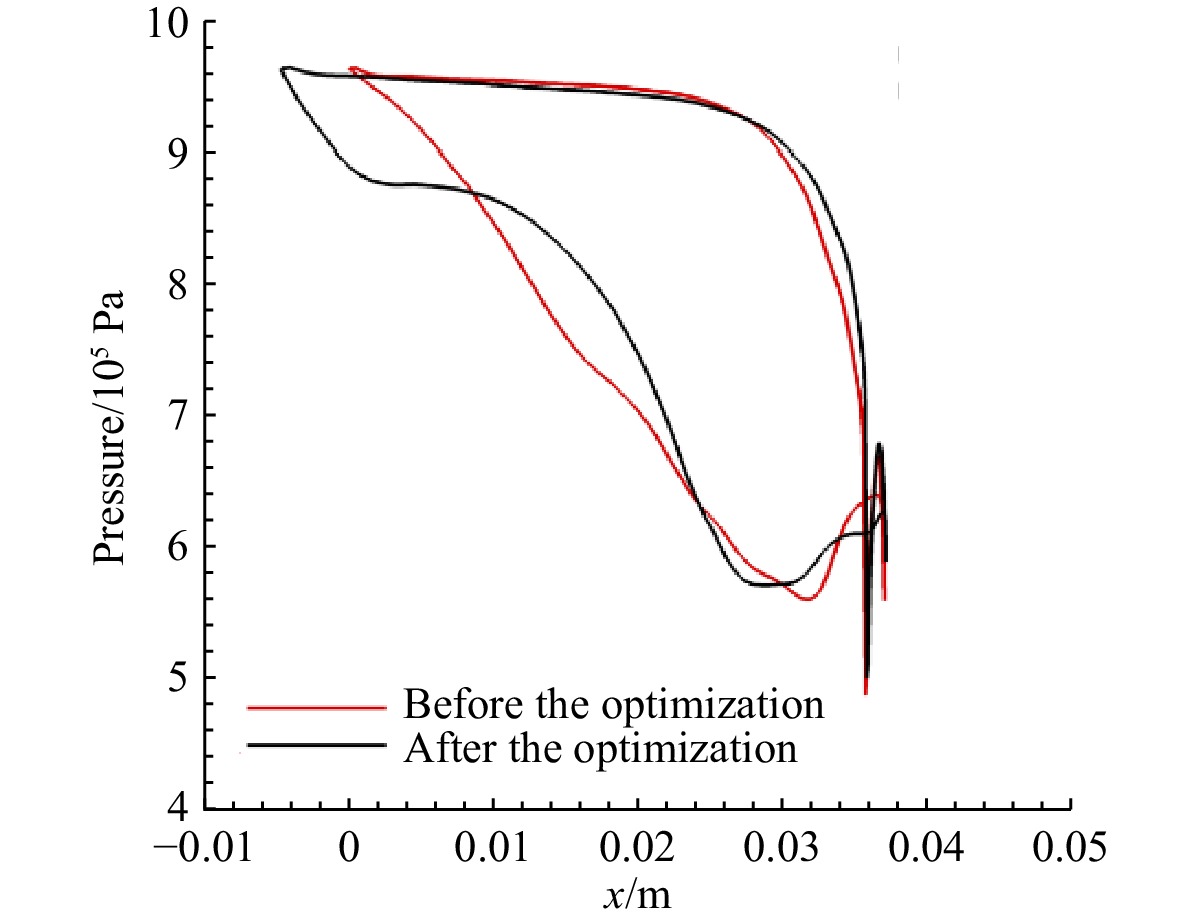
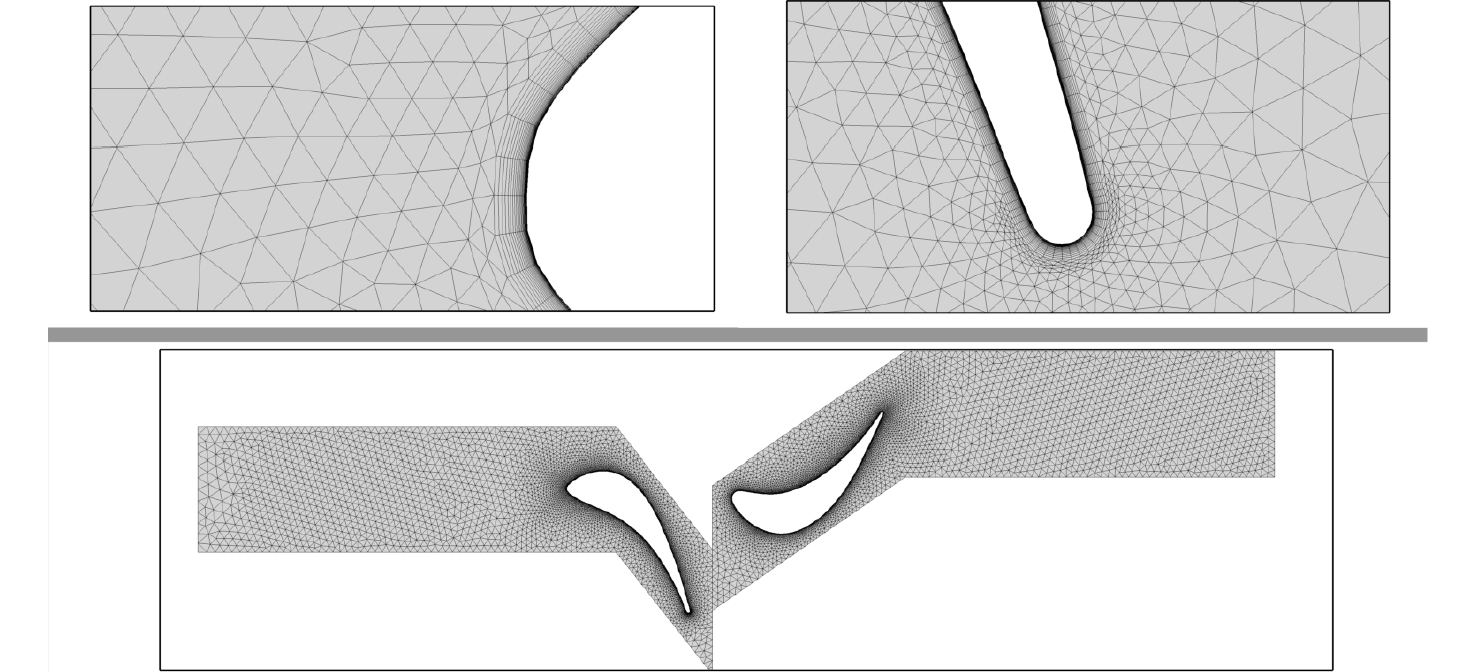
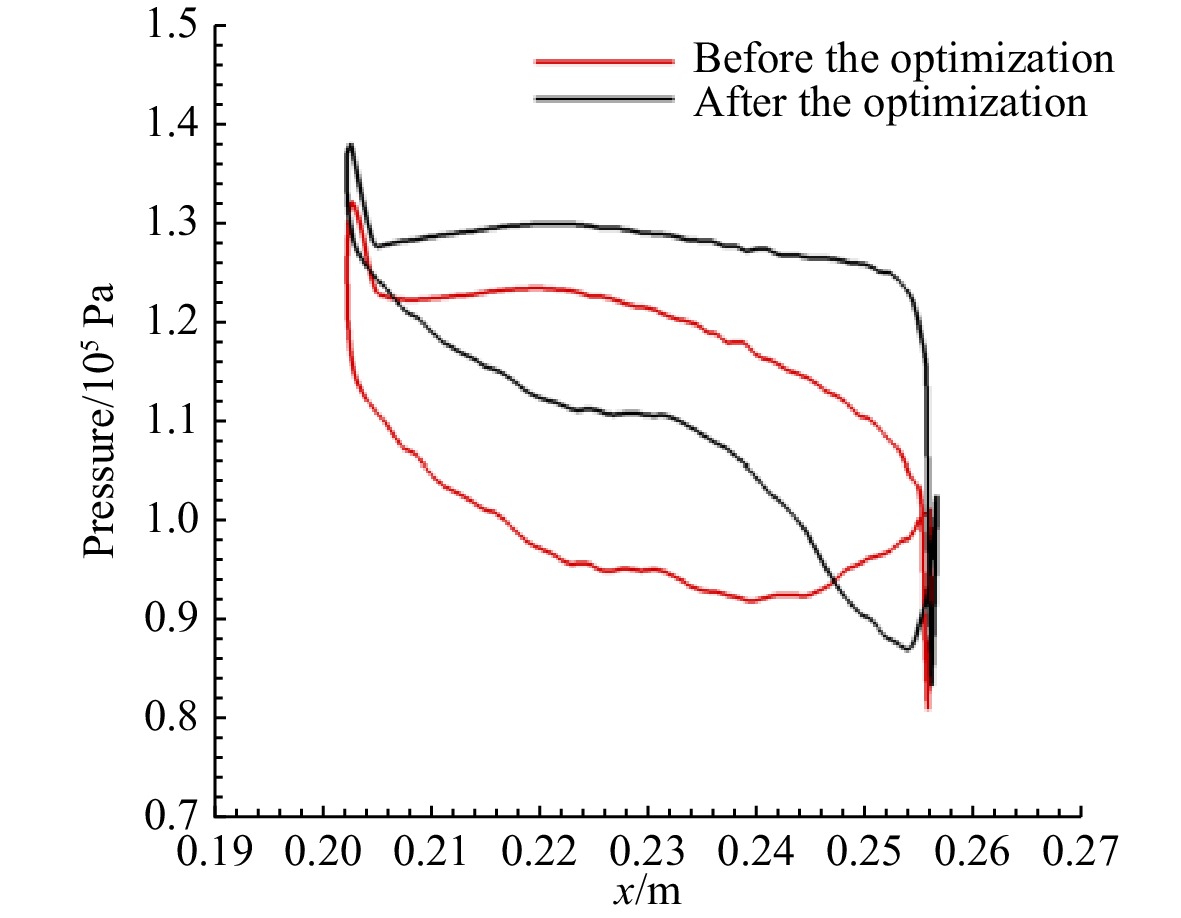
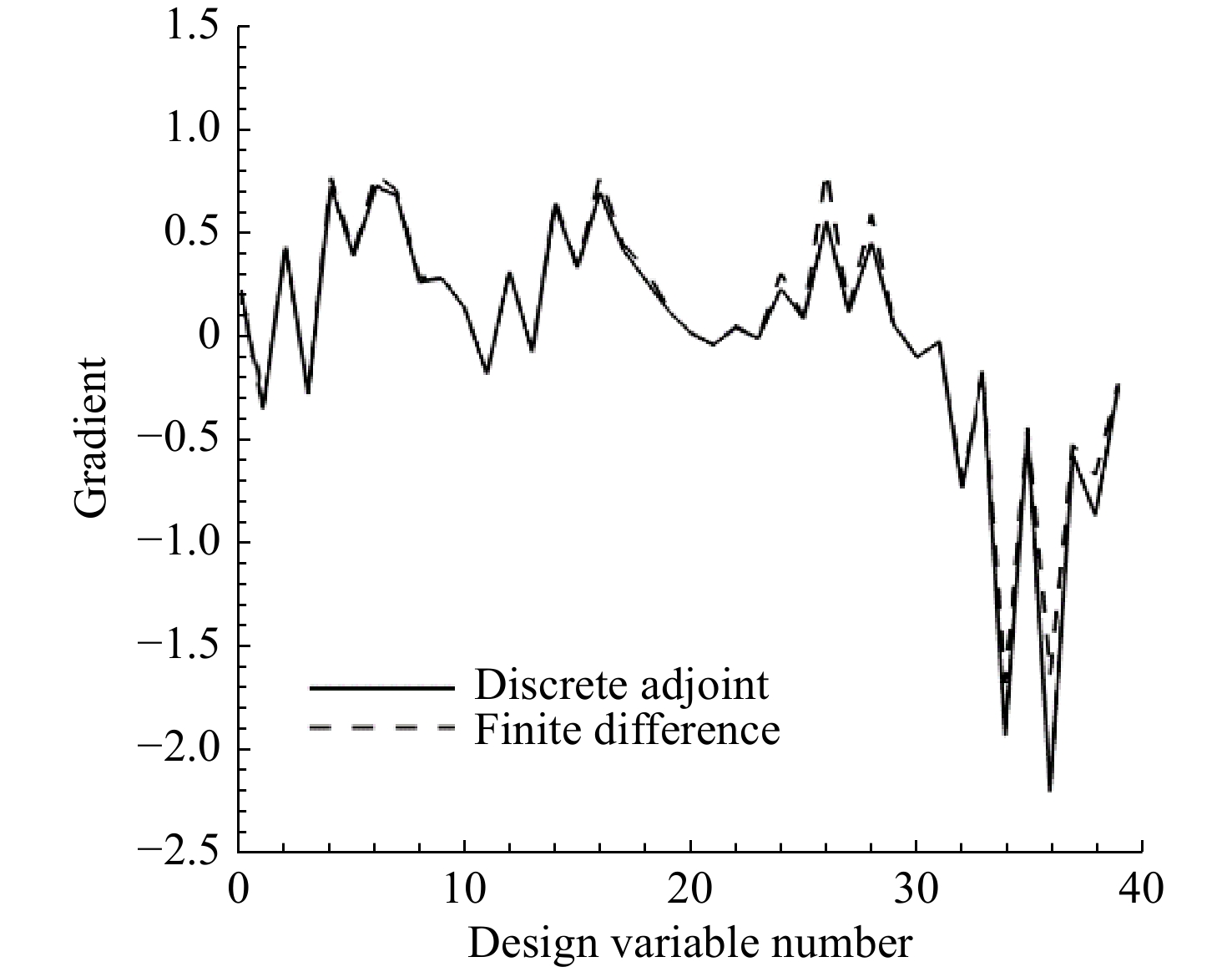
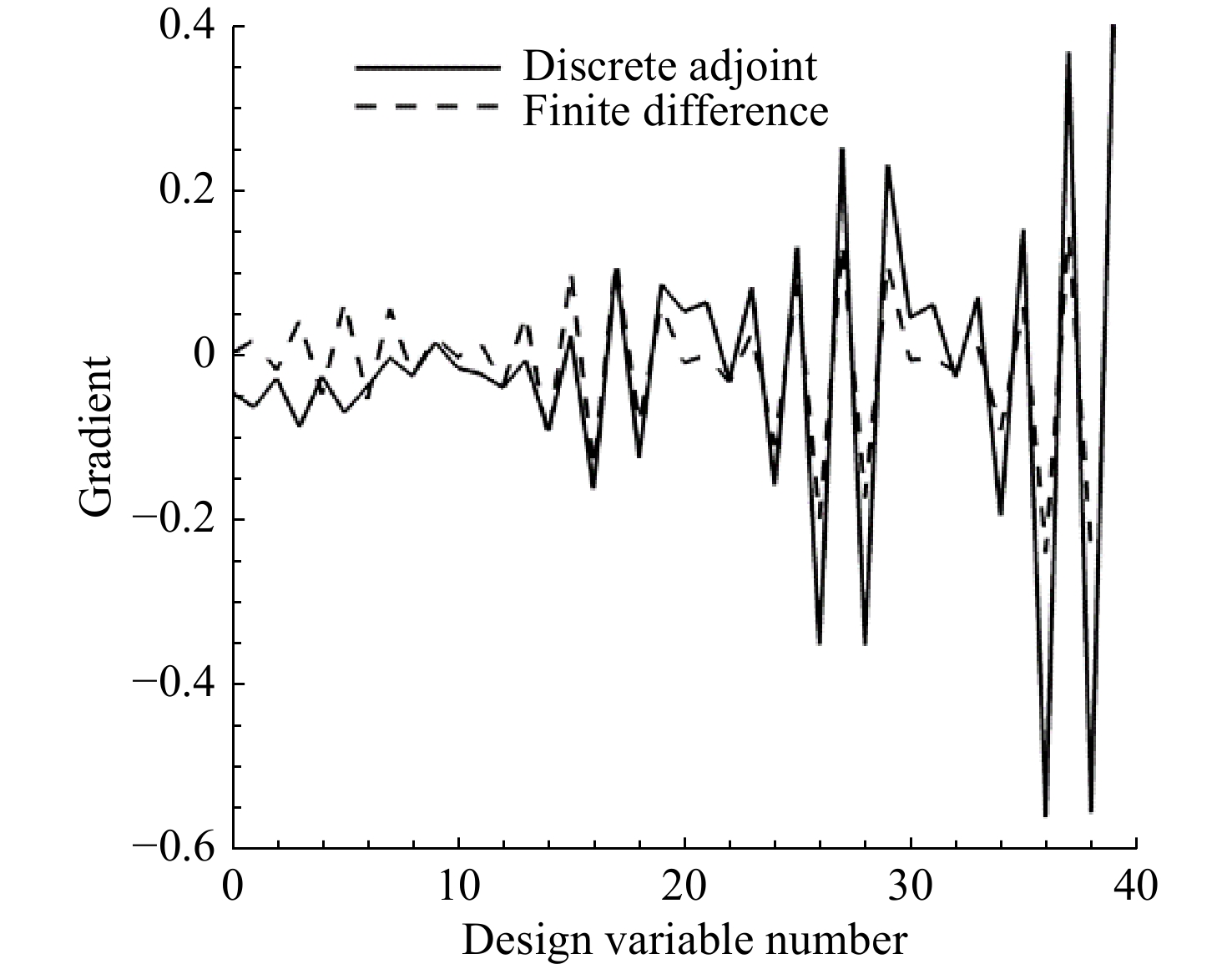
A discrete-adjoint CFD method based on the free-form deformation was developed for aerodynamic performance optimization of the axial turbine stage. Optimization analysis of the two-dimensional turbine stator and single turbine stage was carried out, and the optimal shape of the blade shape under the constraints was given. In the stator blade optimization, the leading edge radius and thickness of the blade obtained were significantly reduced. The total pressure recovery coefficient decreased by 12.44% after optimization, while the flow outlet angle was constrained to −74.66° with the variance of 0.047% during the optimization. For the single-stage turbine optimization problem, the camber of the rotor blade was enhanced, and the total efficiency was improved by 0.79% considering the rotation effect. The constraint condition lied in the flow outlet angle with the variance of 0.068% during the optimization. The results showed the effectiveness of the proposed method on the aerodynamic performance optimization of turbine stage. Compared with the traditional finite difference method, the discrete adjoint method costed only 3% CPU time for single-stage optimization.

Optimization design method for reducing aerodynamic force of turbine rotor blade
CHEN Huanlong, QIN Yong, CAI Wenzhe, WANG Bing, YAN Tingsong
2024, 39(11): 20220891. doi: 10.13224/j.cnki.jasp.20220891
Abstract:

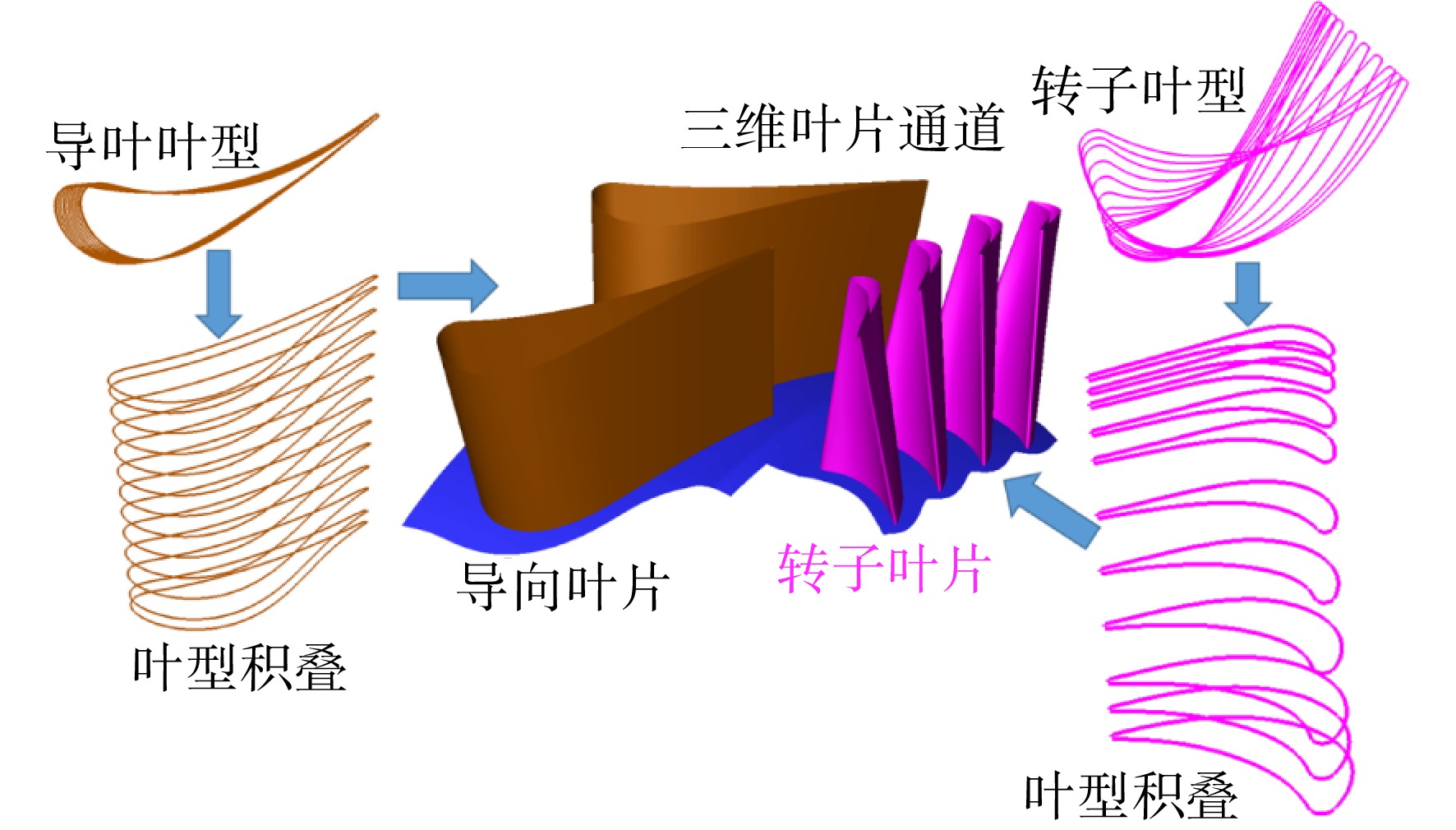
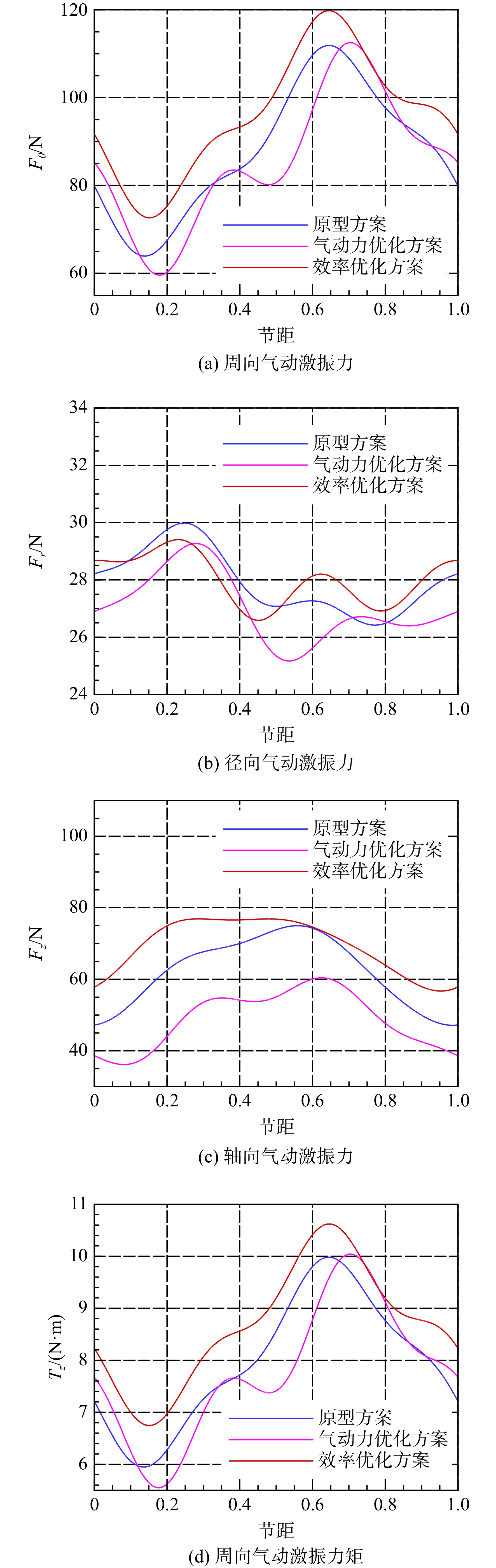
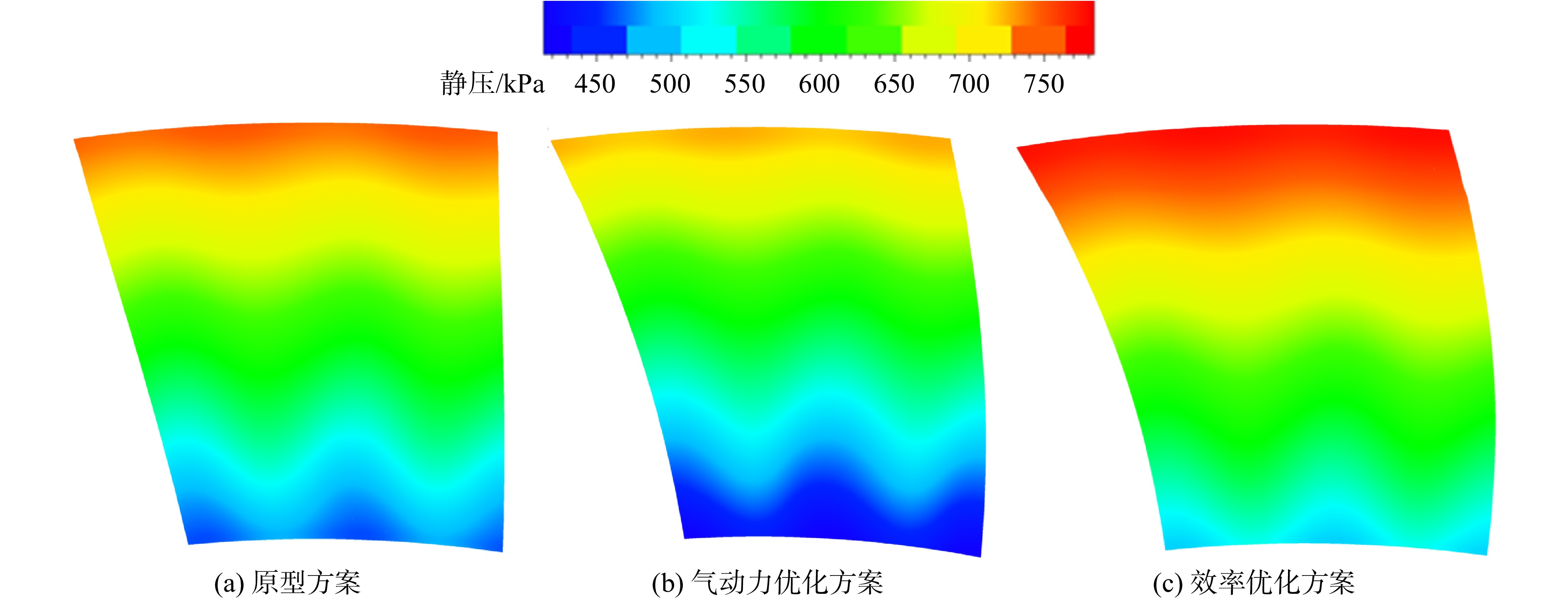
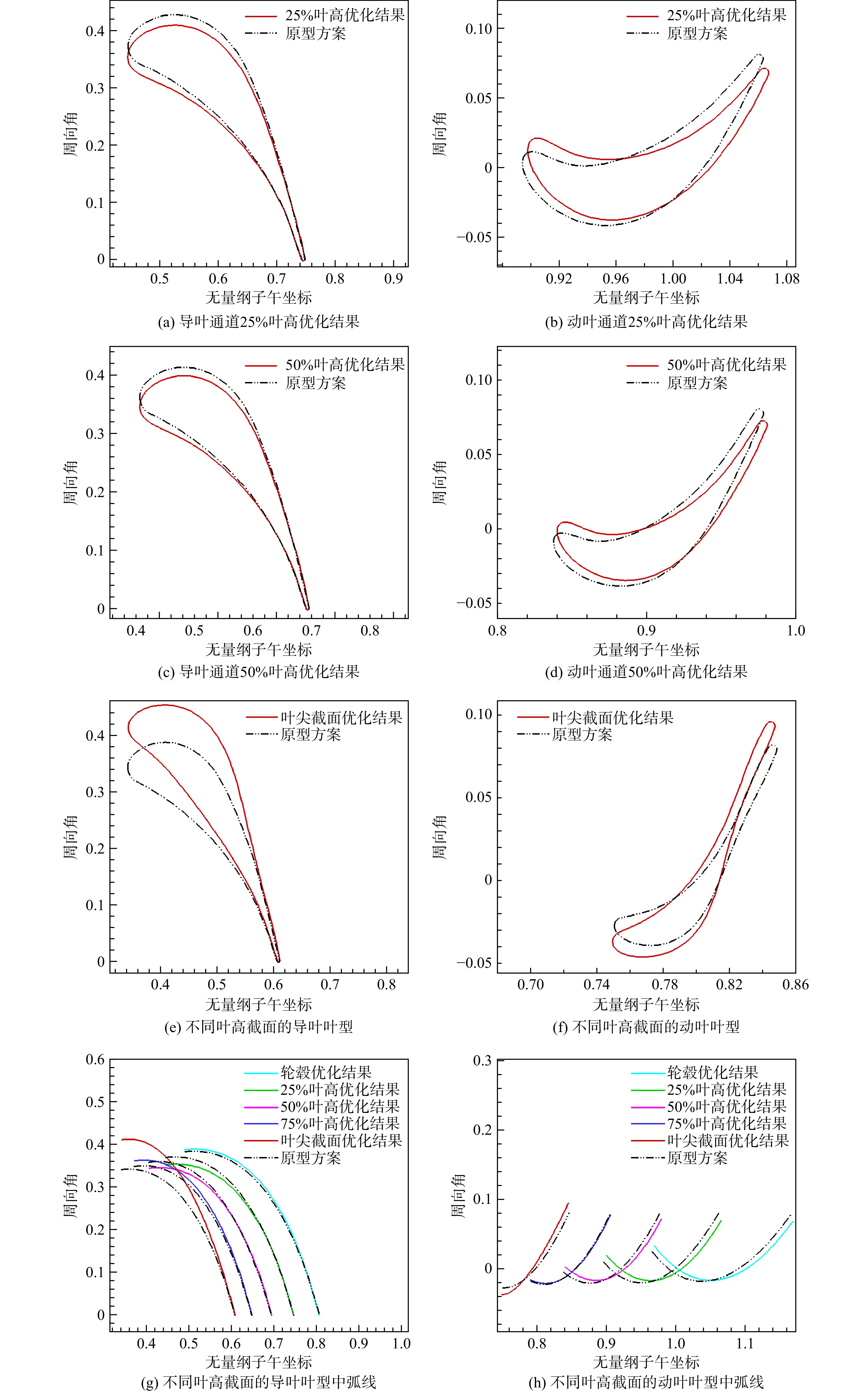
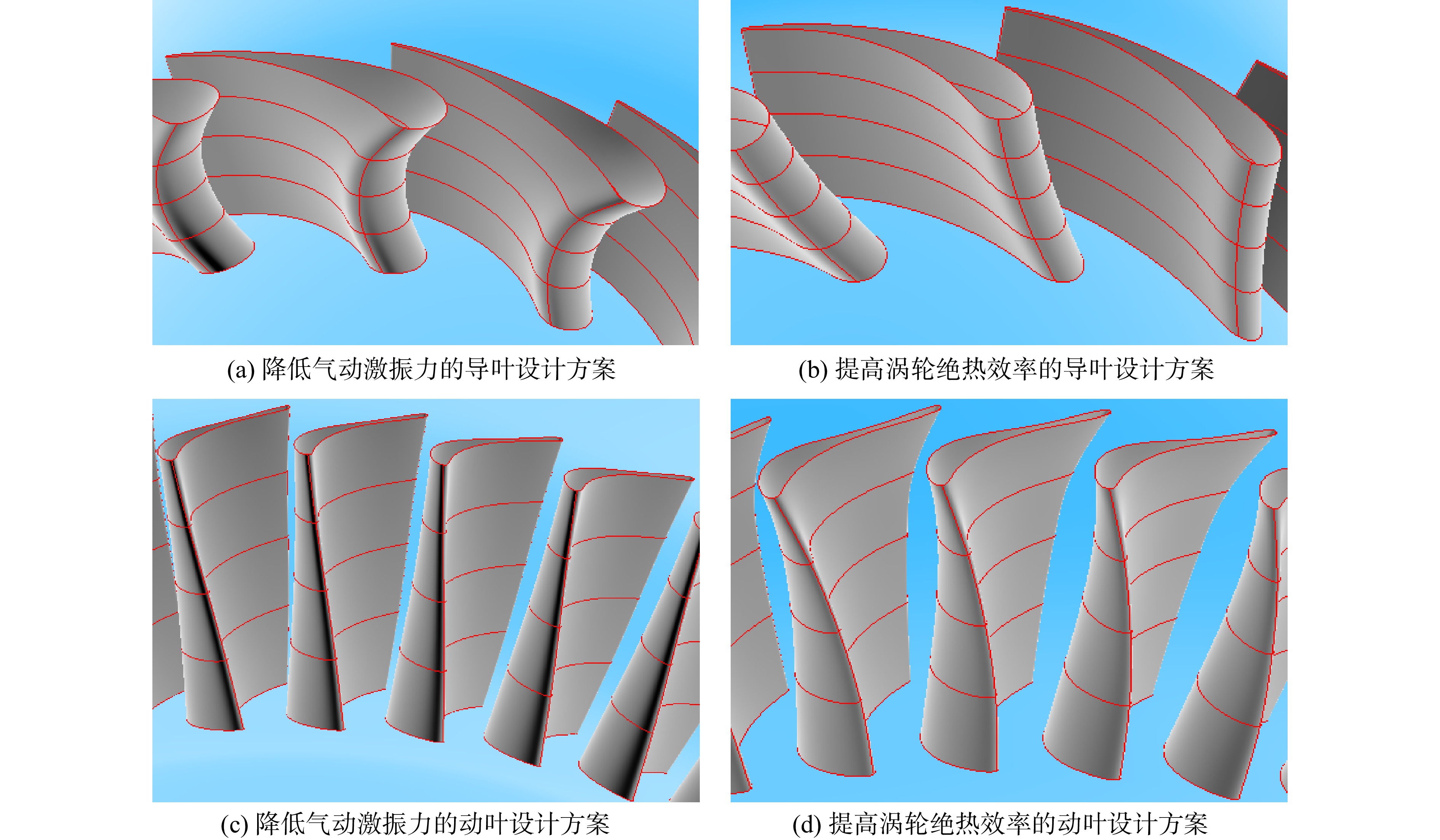
In view of the physical problem of unsteady aerodynamic excitation force induced by flow interaction between turbine stage blades, an aerodynamic optimization design method for both turbine guide vanes and rotor blades was proposed and carried out. The research results indicated that not only the time-average aerodynamic force of the turbine rotor blade was reduced by about 8%, but also the aerodynamic excitation characteristics of other phases were improved for rotor blade. The results indicated the feasibility of this aerodynamic optimization design method. Moreover, the optimized guide vane had obvious curved and swept feature, allowing to reduce the unsteady aerodynamic excitation force of downstream rotor blade. This is a new understanding of the flow mechanism of “curved blades” in turbine unsteady aerodynamic design technology field, which is very worthy of further research.

Design and validate about swirl velocity restrain on cavity behind centrifugal impeller disk
ZHANG Yuansen, ZHOU Zhixiang, HAO Xusheng, ZHAO Zunsheng, CHEN Du, WU Nan
2024, 39(11): 20230136. doi: 10.13224/j.cnki.jasp.20230136
Abstract:

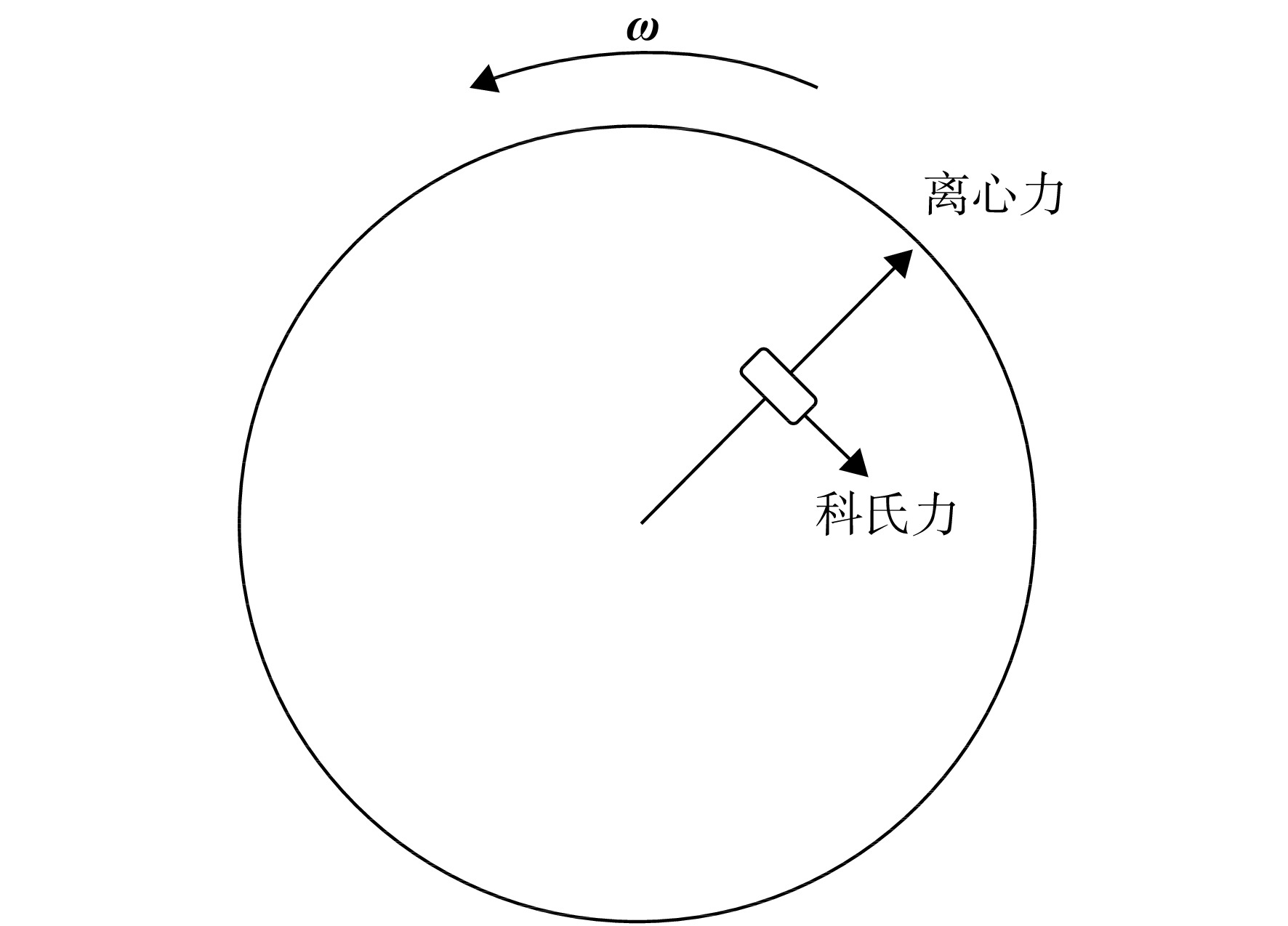
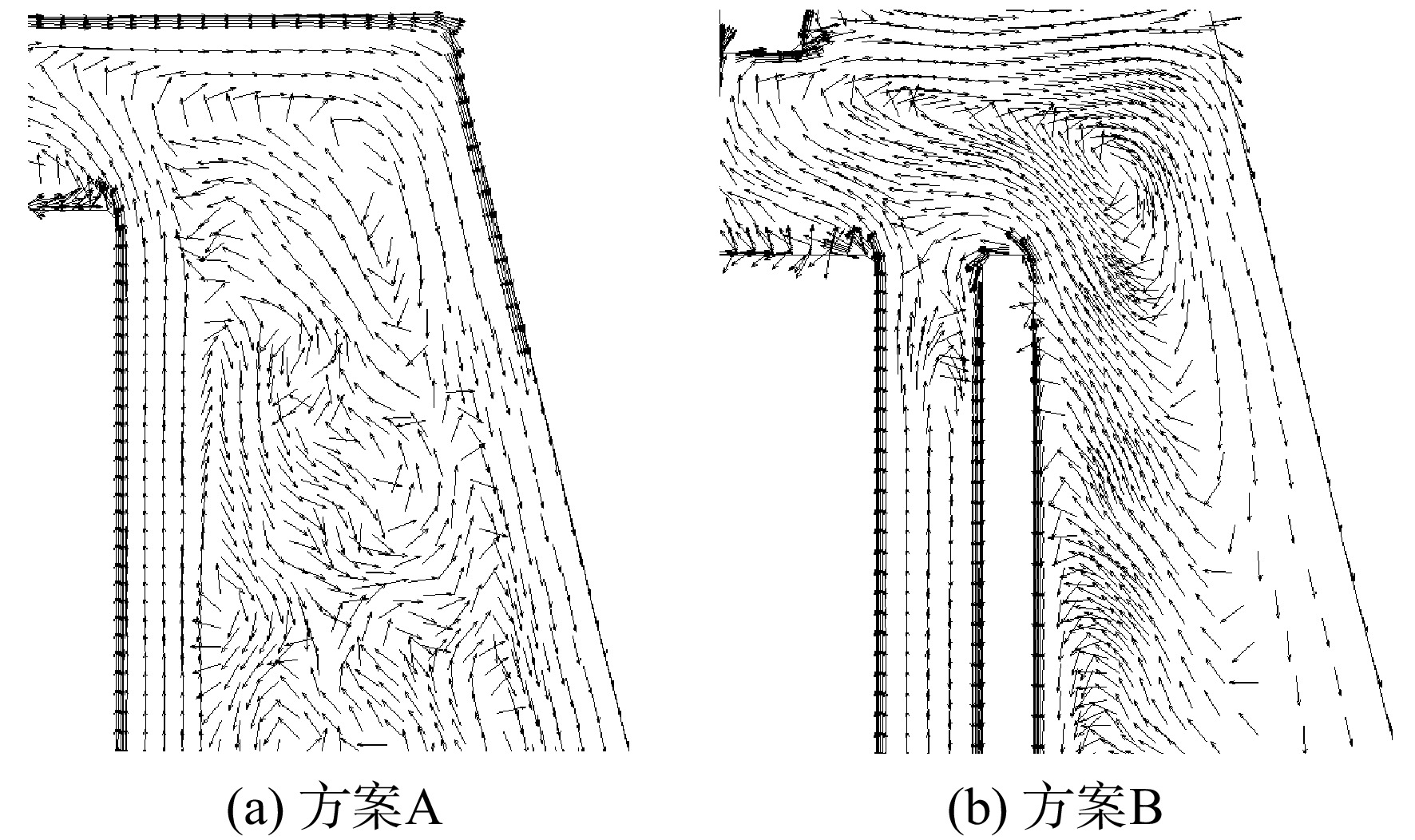
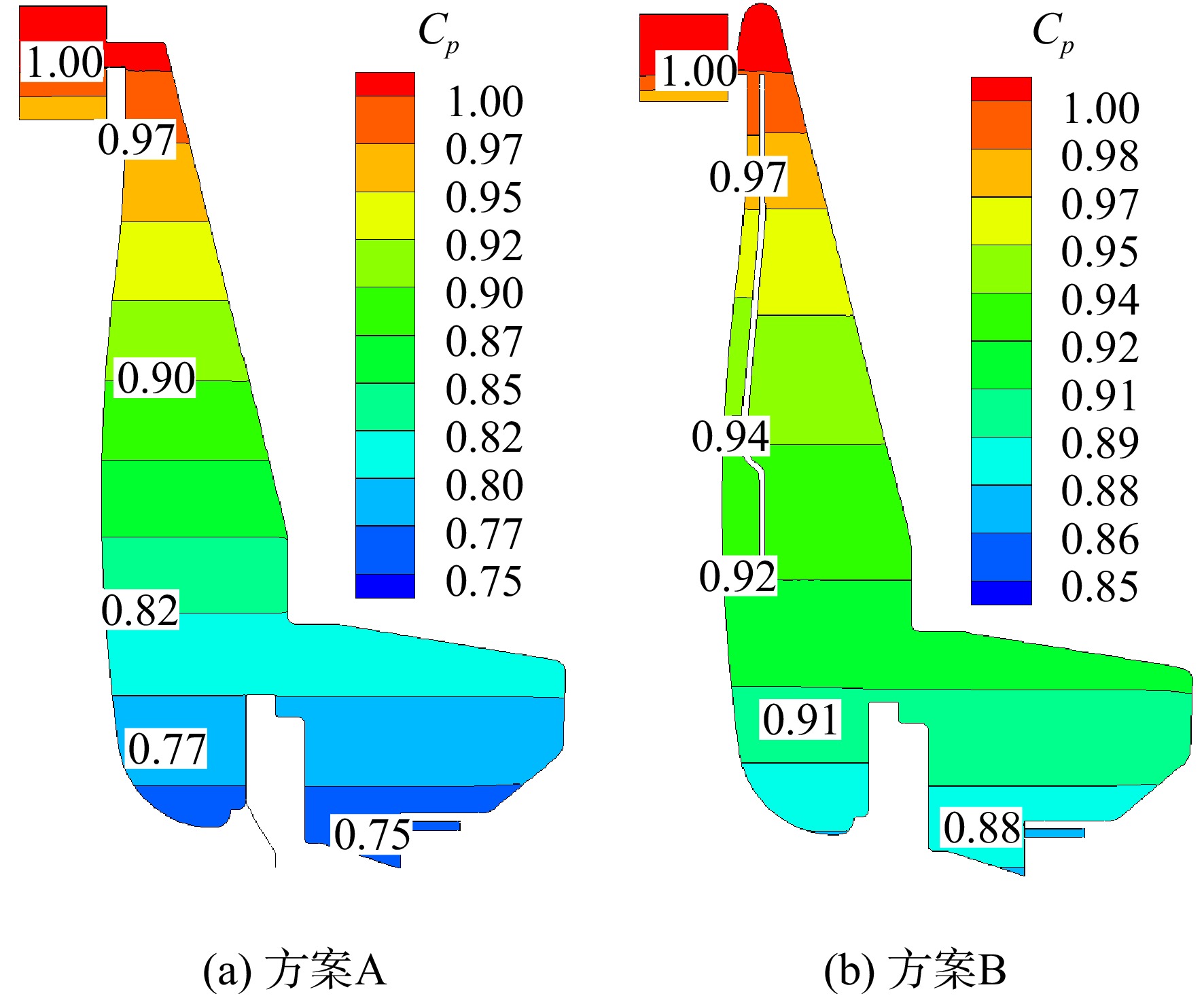
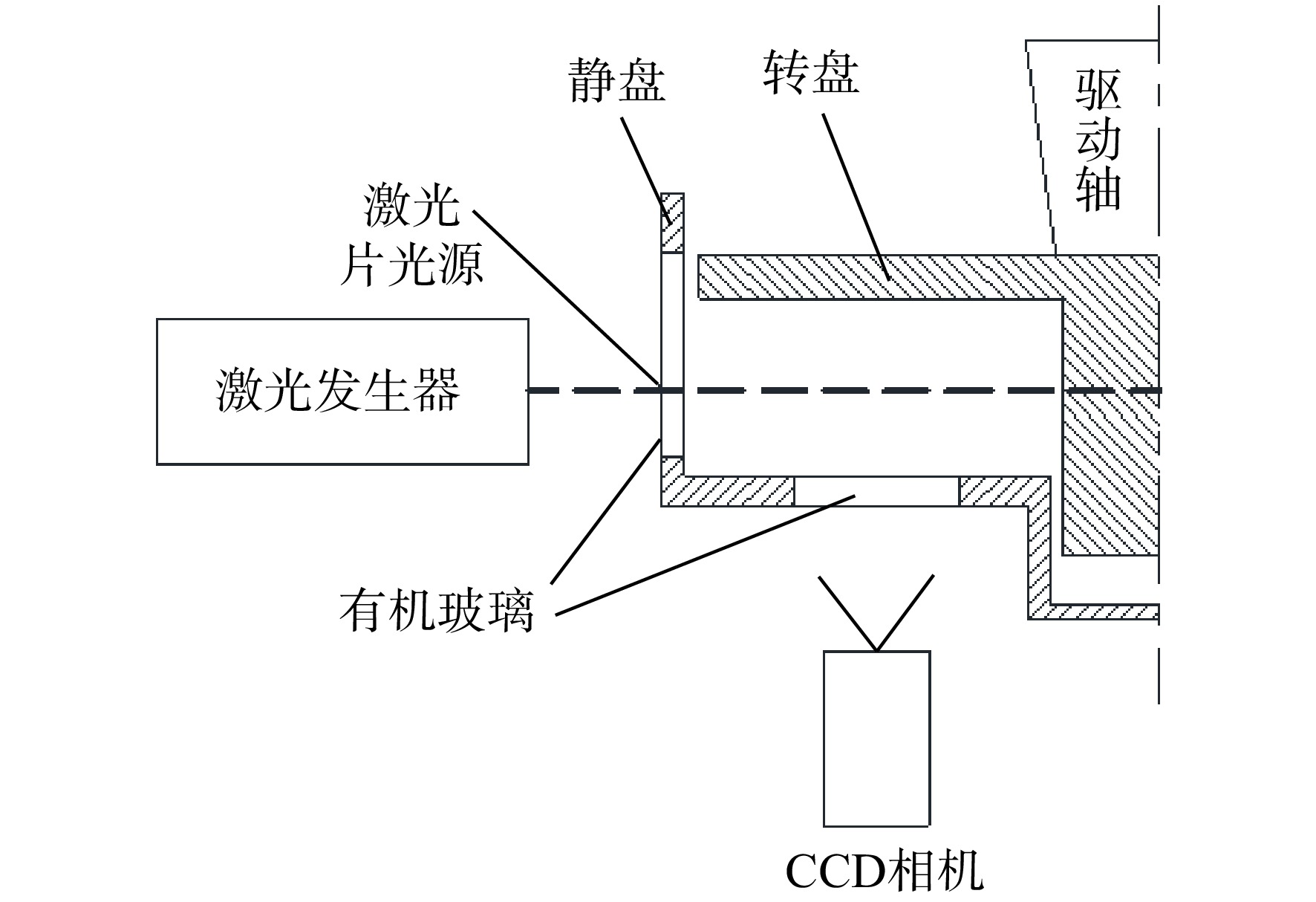
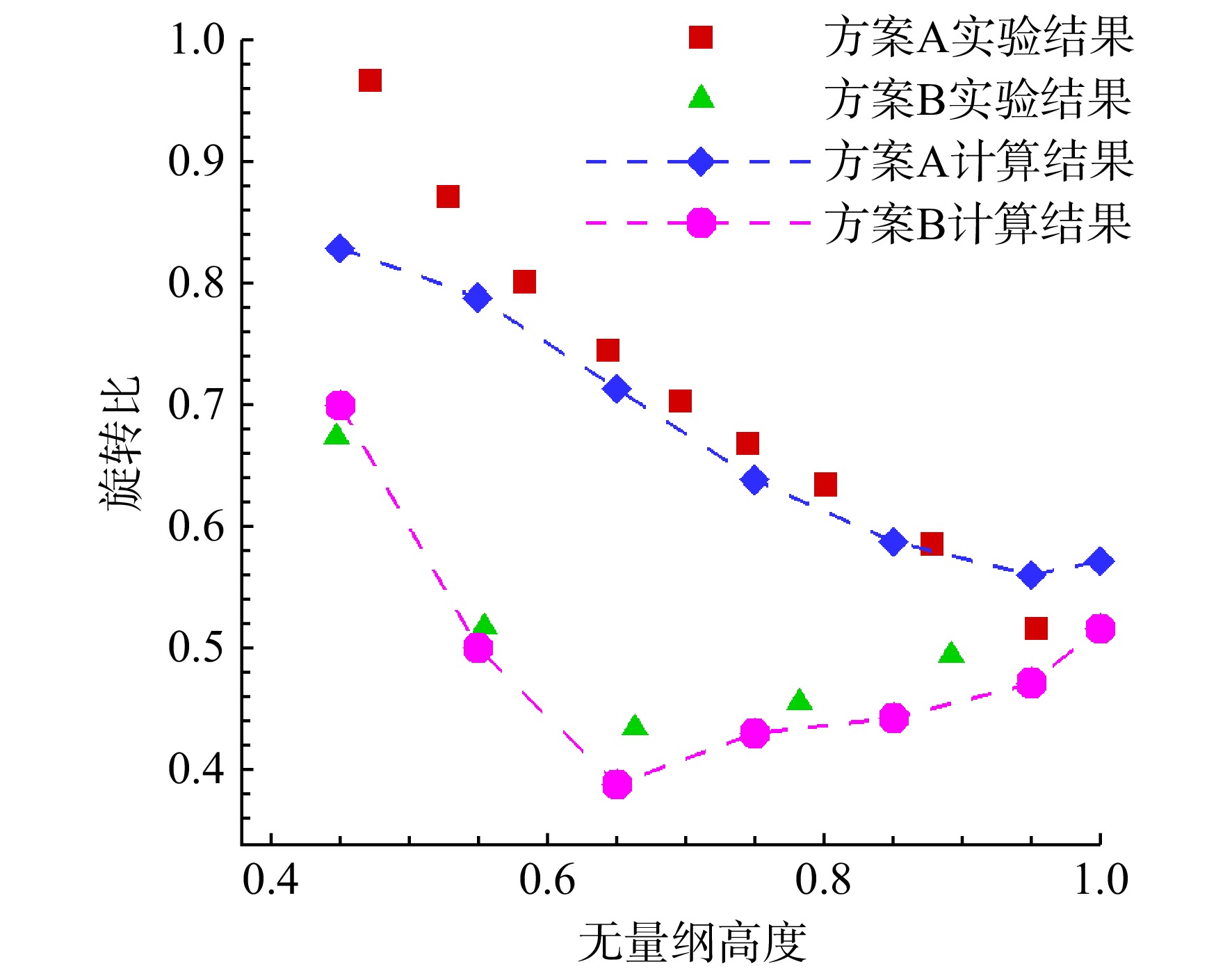
Base on the theory about Coriolis force on rotate cavity, the project to restrain swirl ratio on the cavity behind centrifugal impeller disk was designed, and then analyzed by the numerical tool. The result showed that: the project about radial outer flow on the cavity behind centrifugal impeller disk was dominated by the Coriolis force, which can restrain the swirl ratio and increase the static pressure coefficient to 0.88 on the cavity exit, the static pressure coefficient increased by 16.6% compared to plan A, so it can increase the axial force on the cavity behind impeller disk and improve the light load of bearing and reverse the direction of axial force at small state. But due to the great velocity diversity between rotation wall and air, the power wasting on the cavity behind impeller disk increased, the temperature of air exit increased to 30 K. The result was validated on rotating heat exchange coefficient testing stand.

Experimental method of varying static pressure ratio for a transonic compressor rotor cascade
WEI Wei, REN Siyuan, LI Xuechen, SHI Peijie, MA Husheng
2024, 39(11): 20240087. doi: 10.13224/j.cnki.jasp.20240087
Abstract:

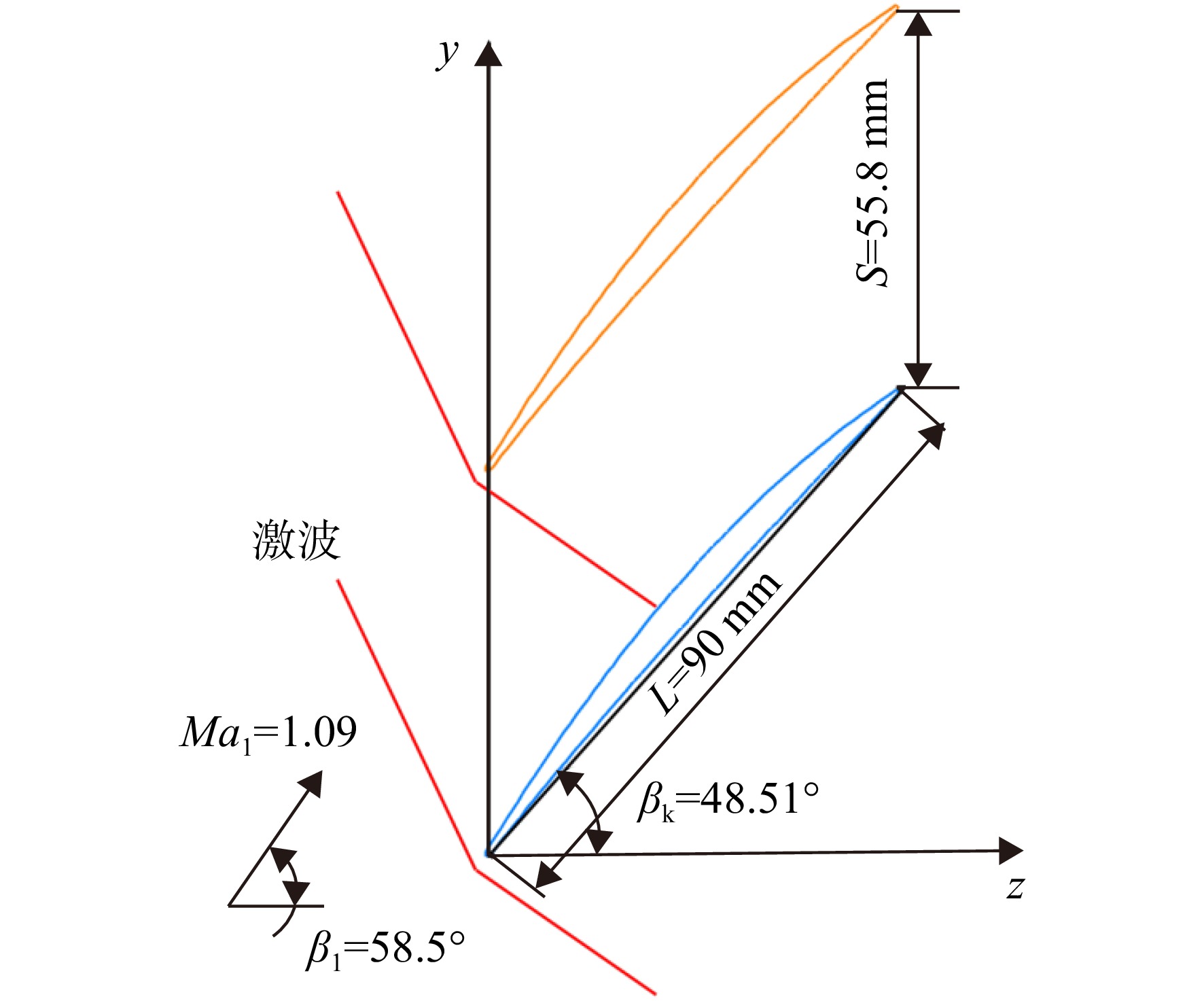
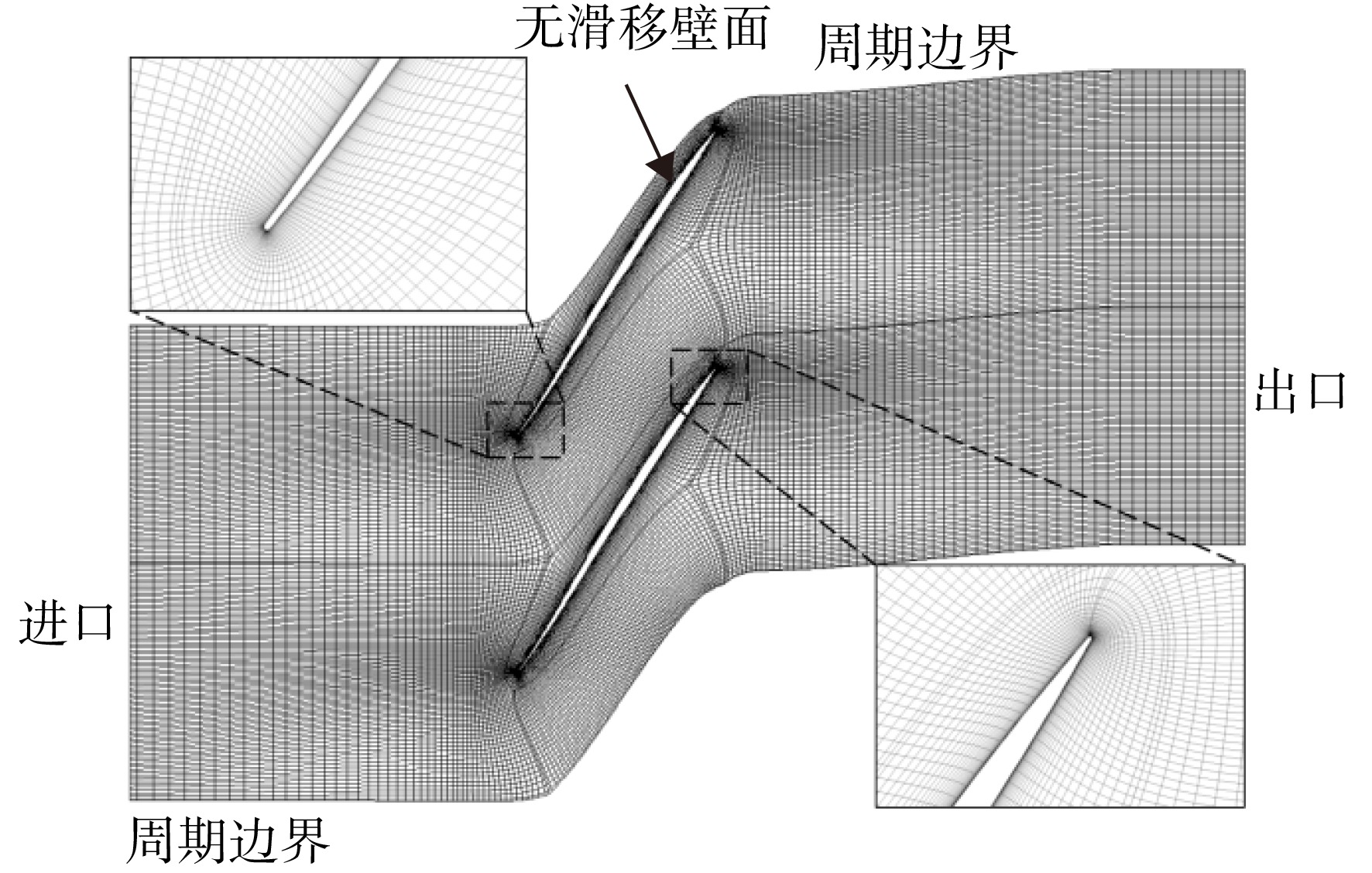
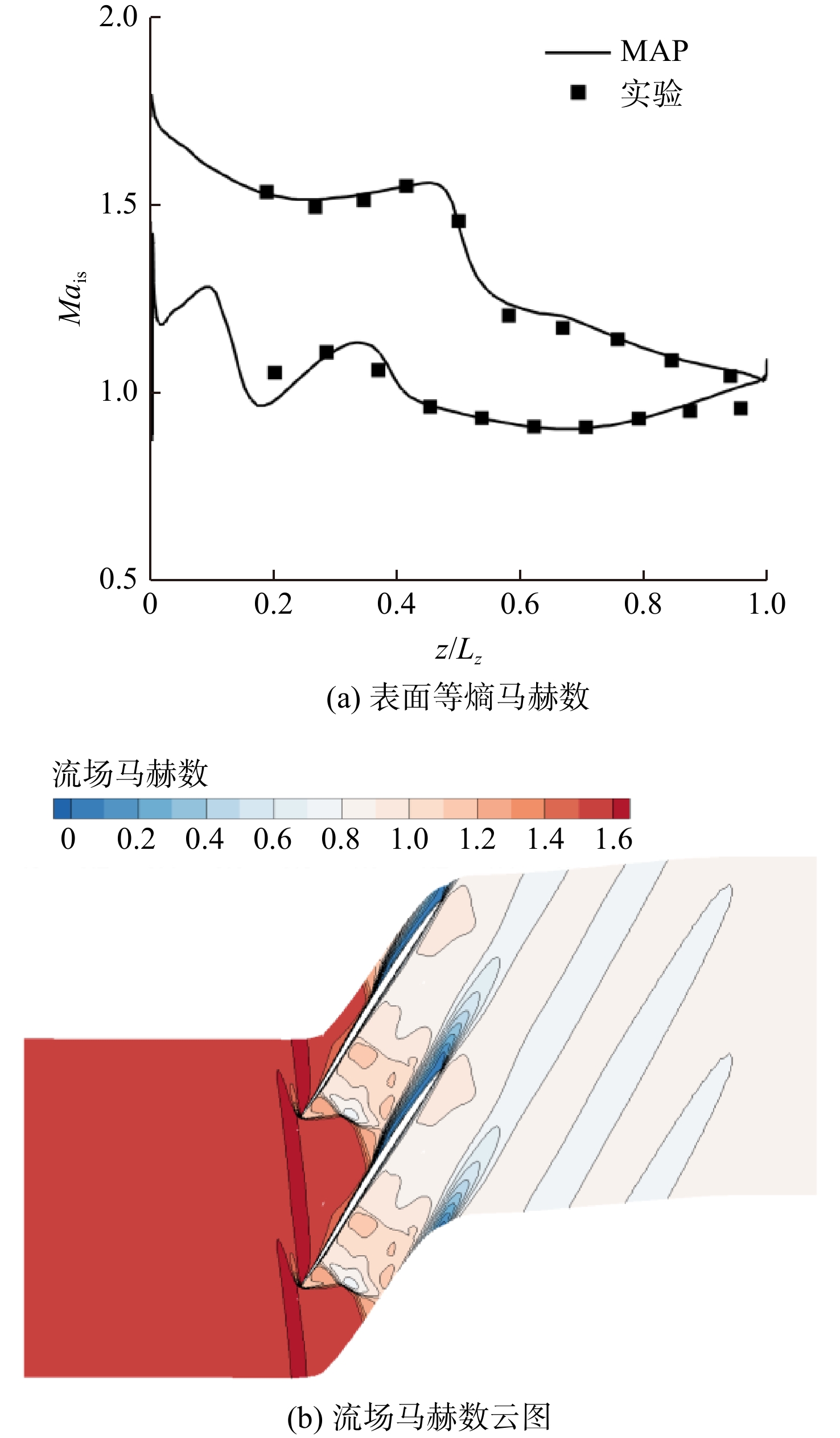
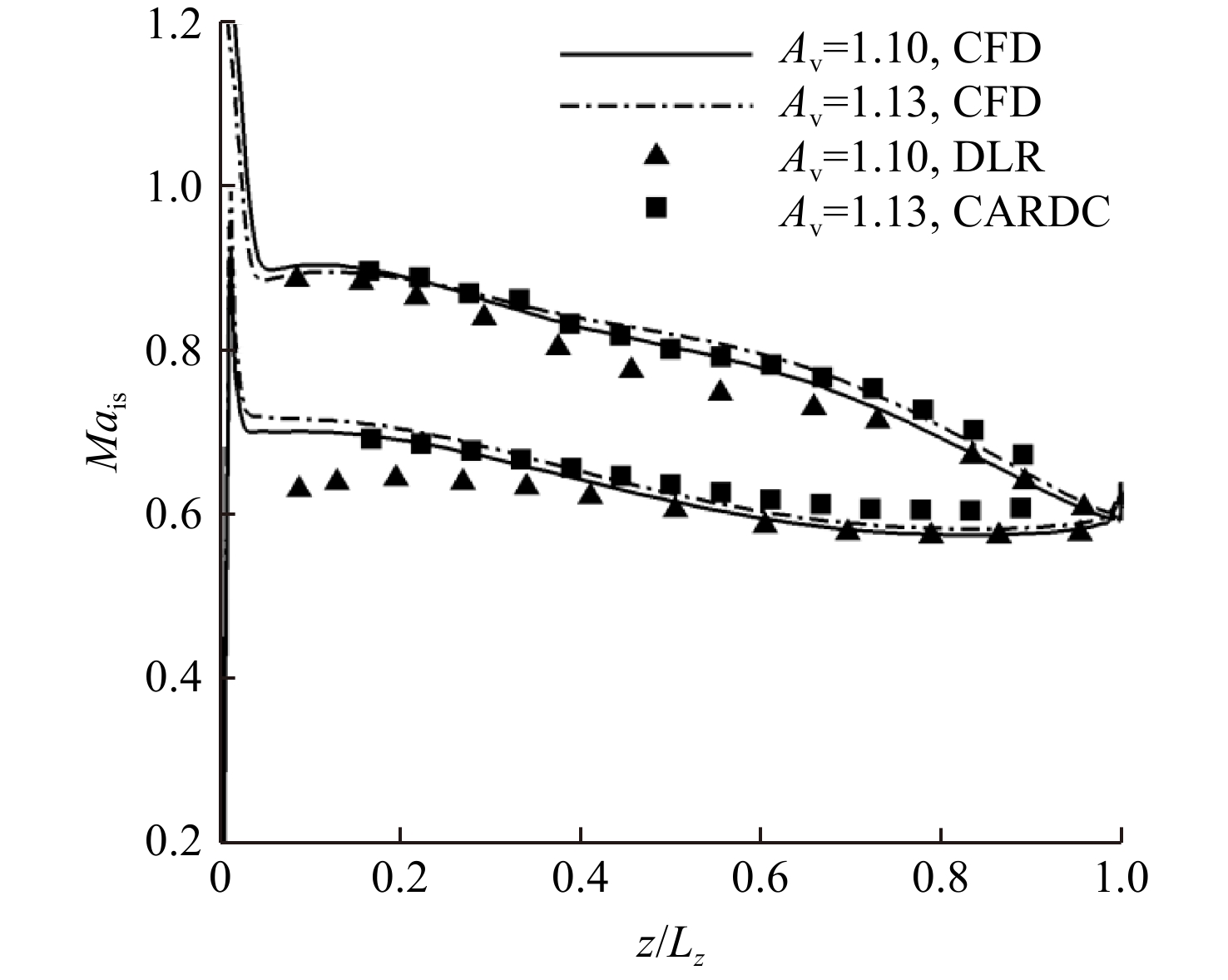
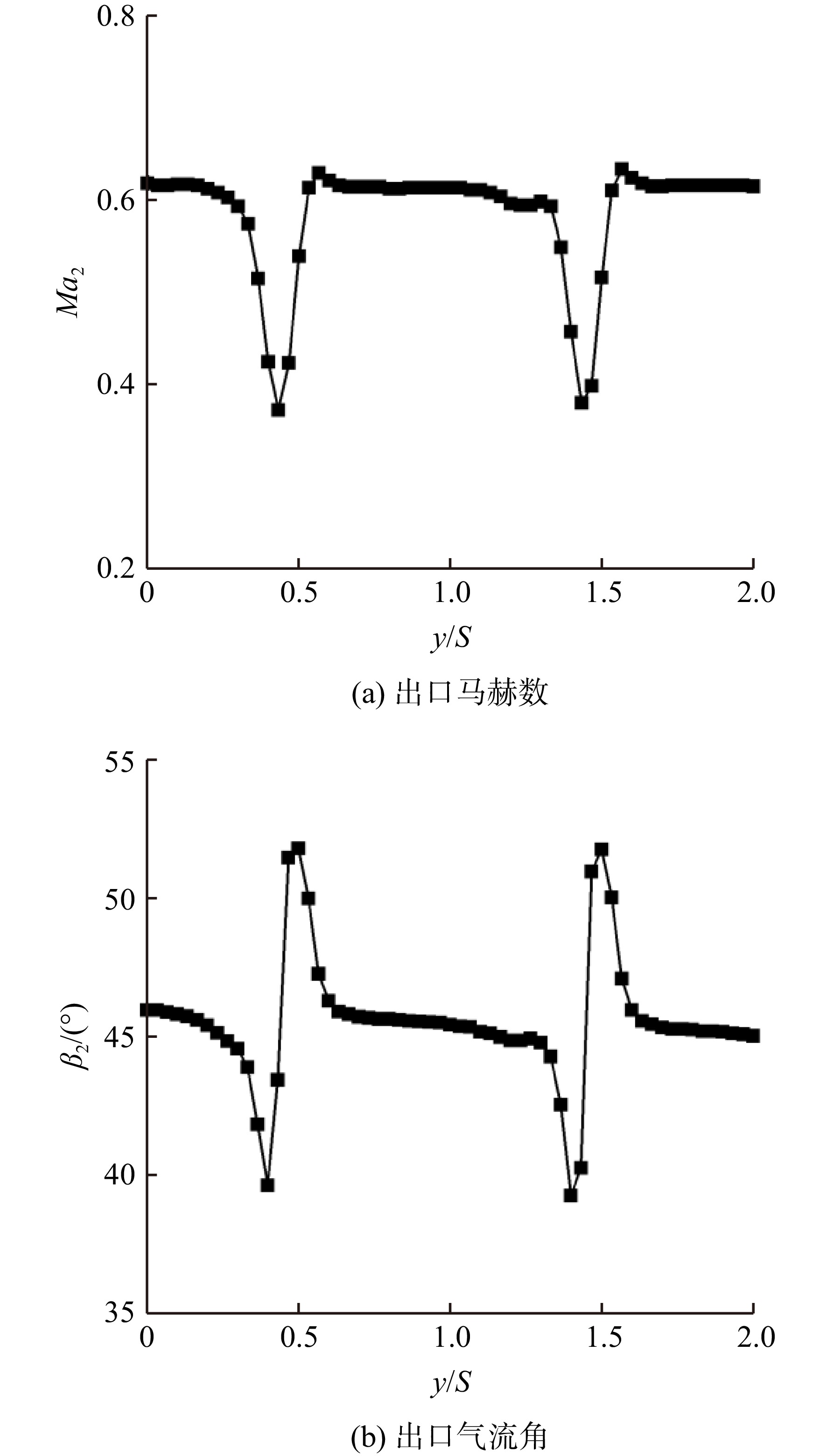
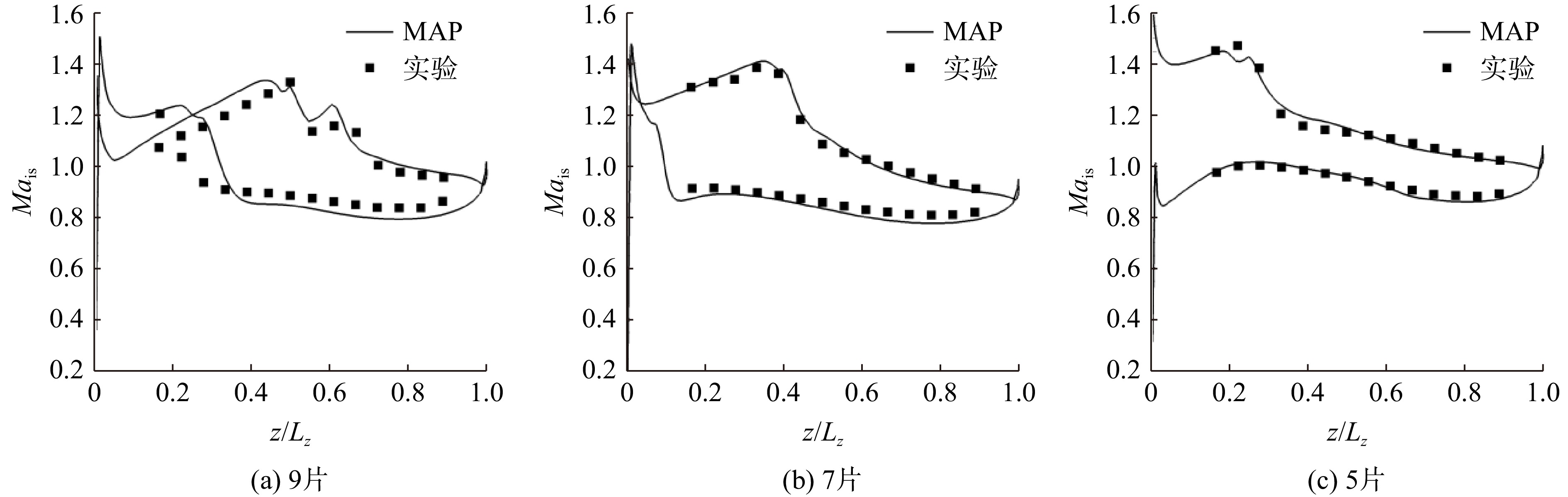
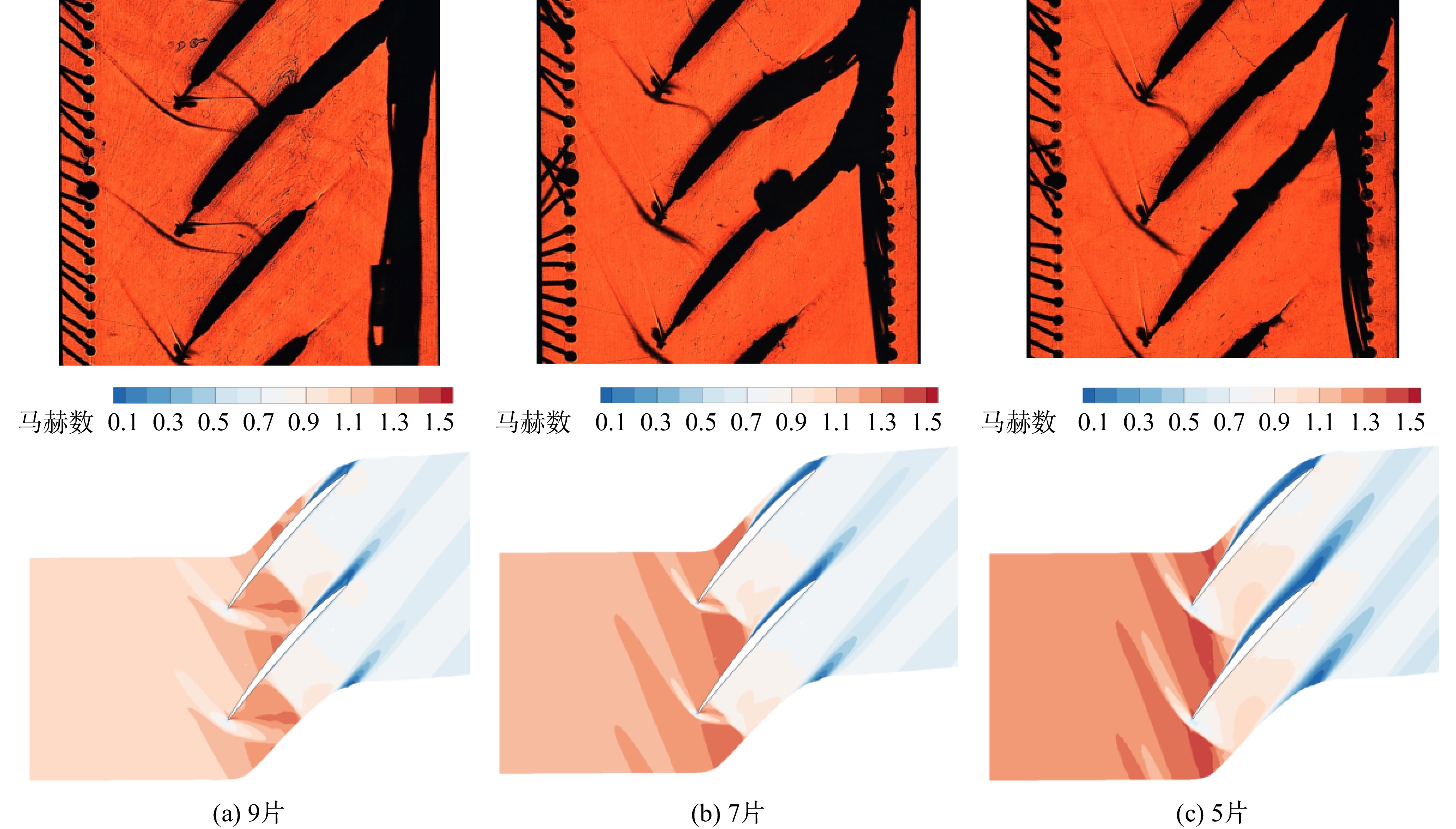
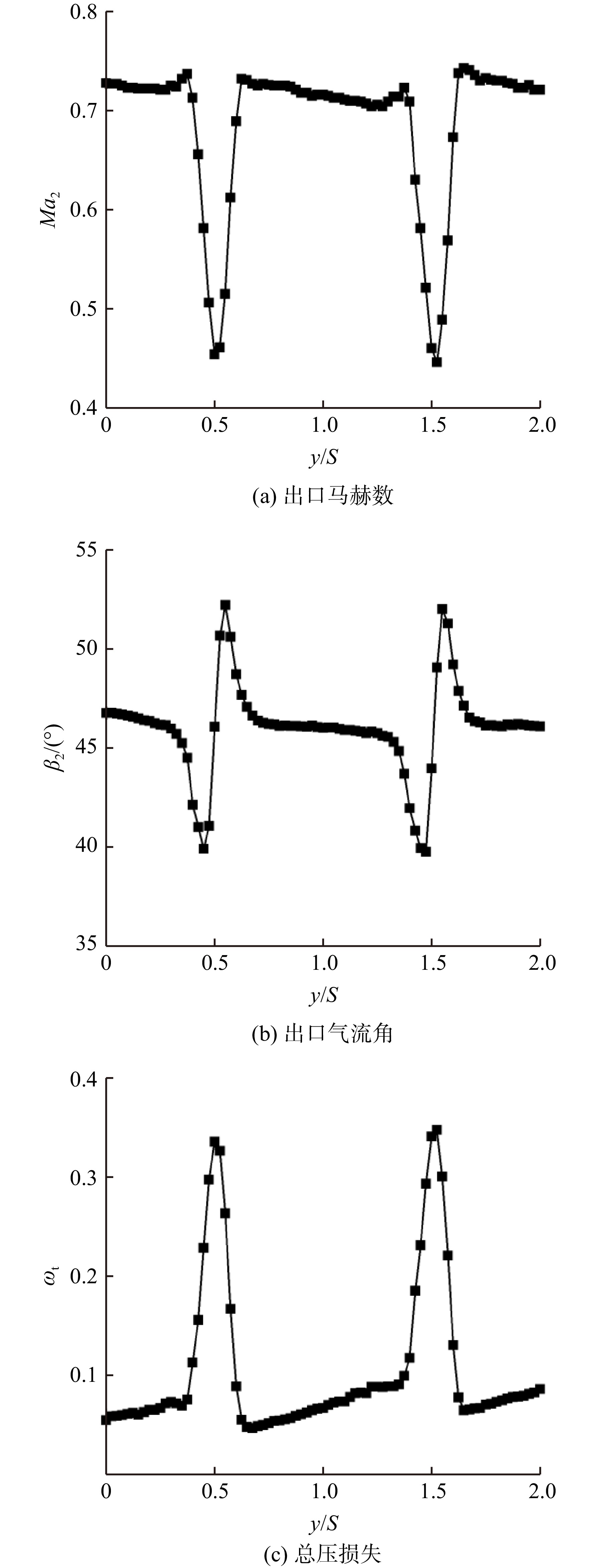
The study focused on addressing the experimental challenge of increasing the static pressure ratio for transonic compressor rotor cascades. To this end, various experimental methods were investigated, including altering the blade numbers of the cascade model and adjusting the back pressure in a variable density plane cascade wind tunnel. A calibration method was developed to estimate the Mach number of the flow field, by utilizing the predicted isentropic Mach number distributions of blade surfaces obtained from computational fluid dynamics (CFD). This method effectively guided the high static pressure ratio experiments conducted near the design point of the rotor cascade of the L030-4 compressor. The results demonstrated the success of the combined approach, involving the reduction of blade numbers and adjustment of back pressure in achieving the desired high static pressure ratio conditions with seven blades. Furthermore, the Mach number calibration method based on CFD facilitated the realization of high static pressure ratio experiments near the design point of the L030-4 compressor cascade. The obtained parameters, including total pressure loss, static pressure ratio, exit flow angle, and axial density velocity ratio of the cascade, were compared with the experimental data from foreign wind tunnel experiments. The relative deviations were all below 4%, validating the rationality of the calibration method.

Uncertainty analysis of impact of blade thickness deviation on rotor performance
JI Tianyuan, CHU Wuli, ZHANG Zhenhua, CHEN Huayin
2024, 39(11): 20220203. doi: 10.13224/j.cnki.jasp.20220203
Abstract:

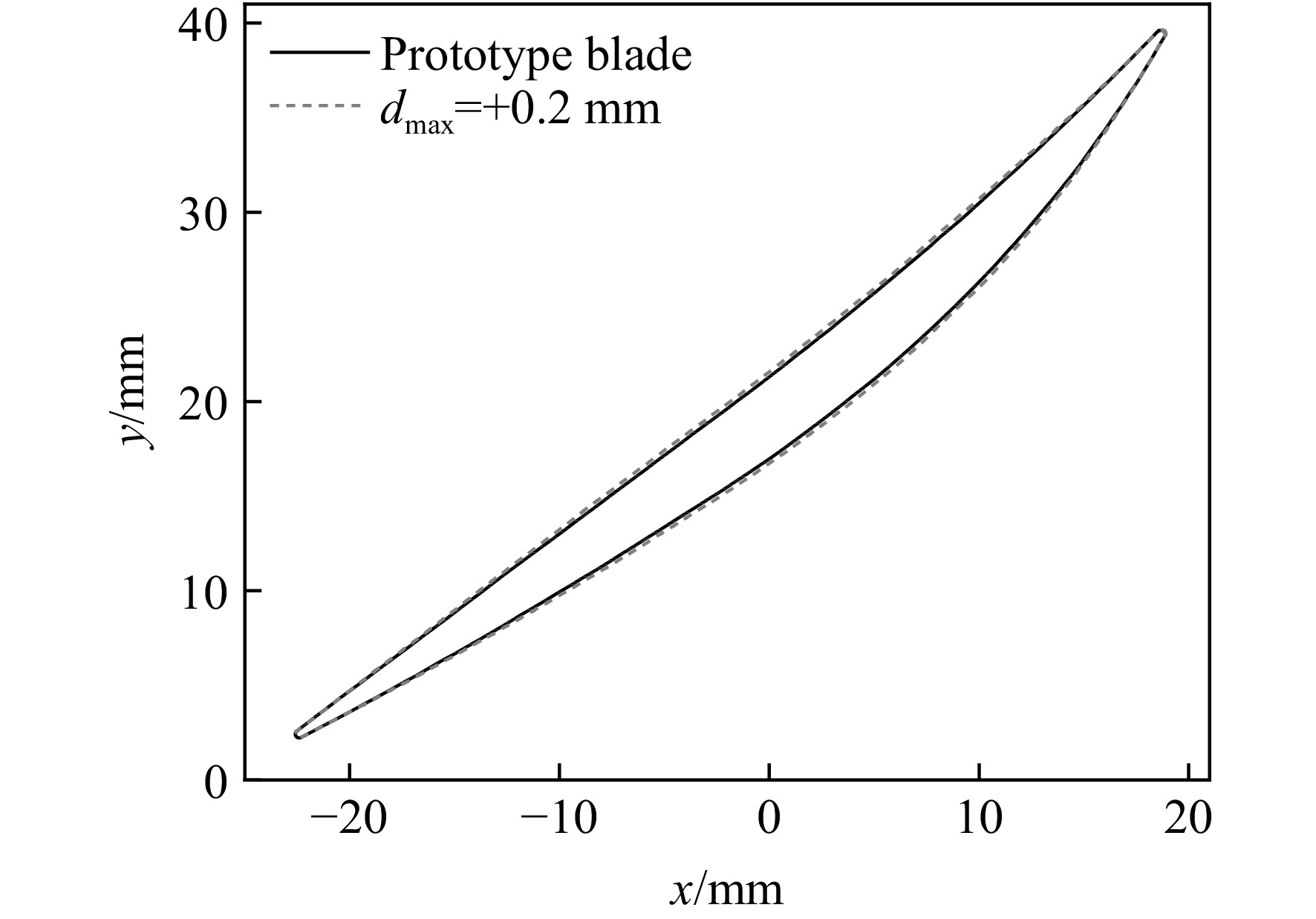
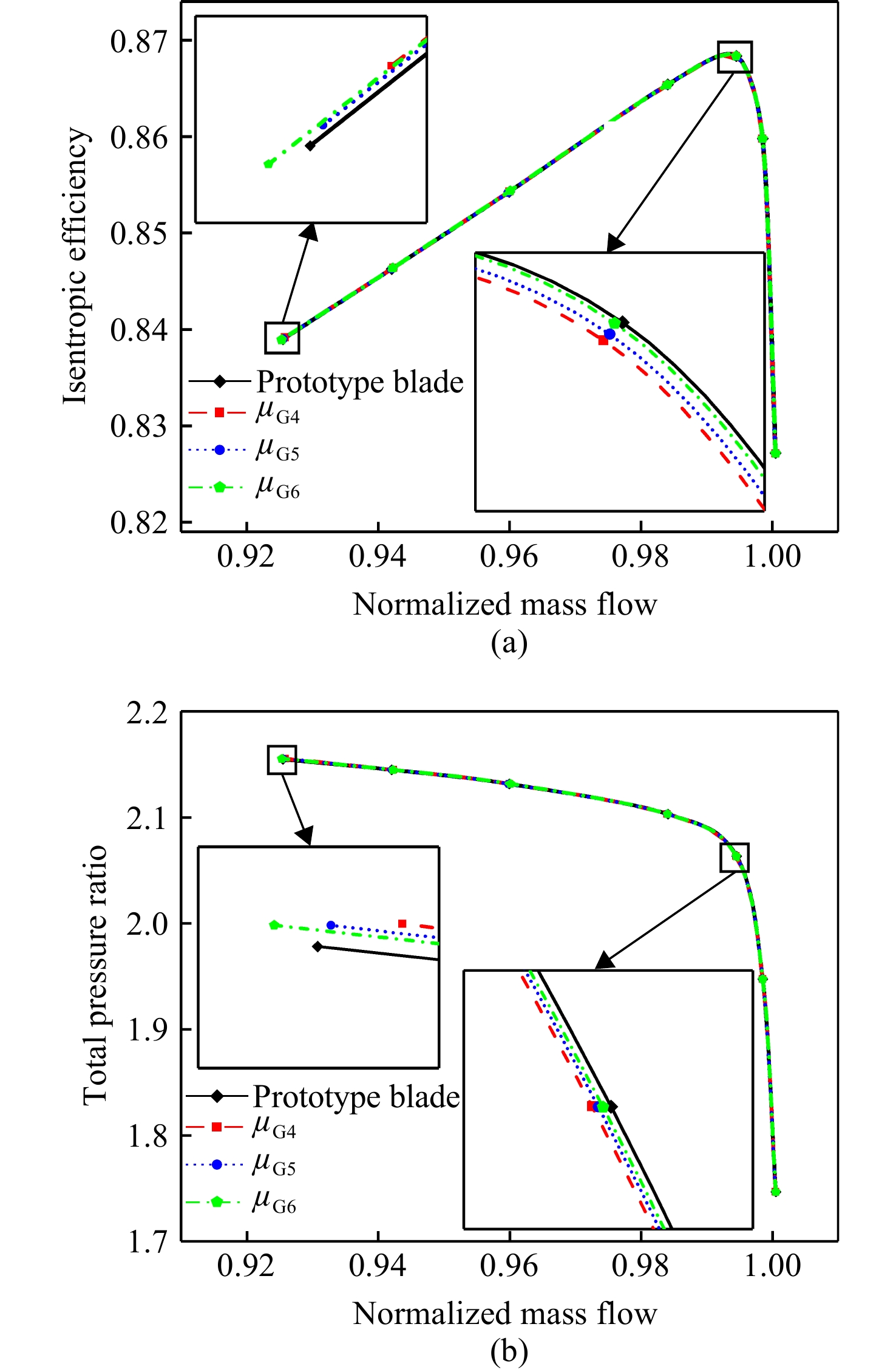
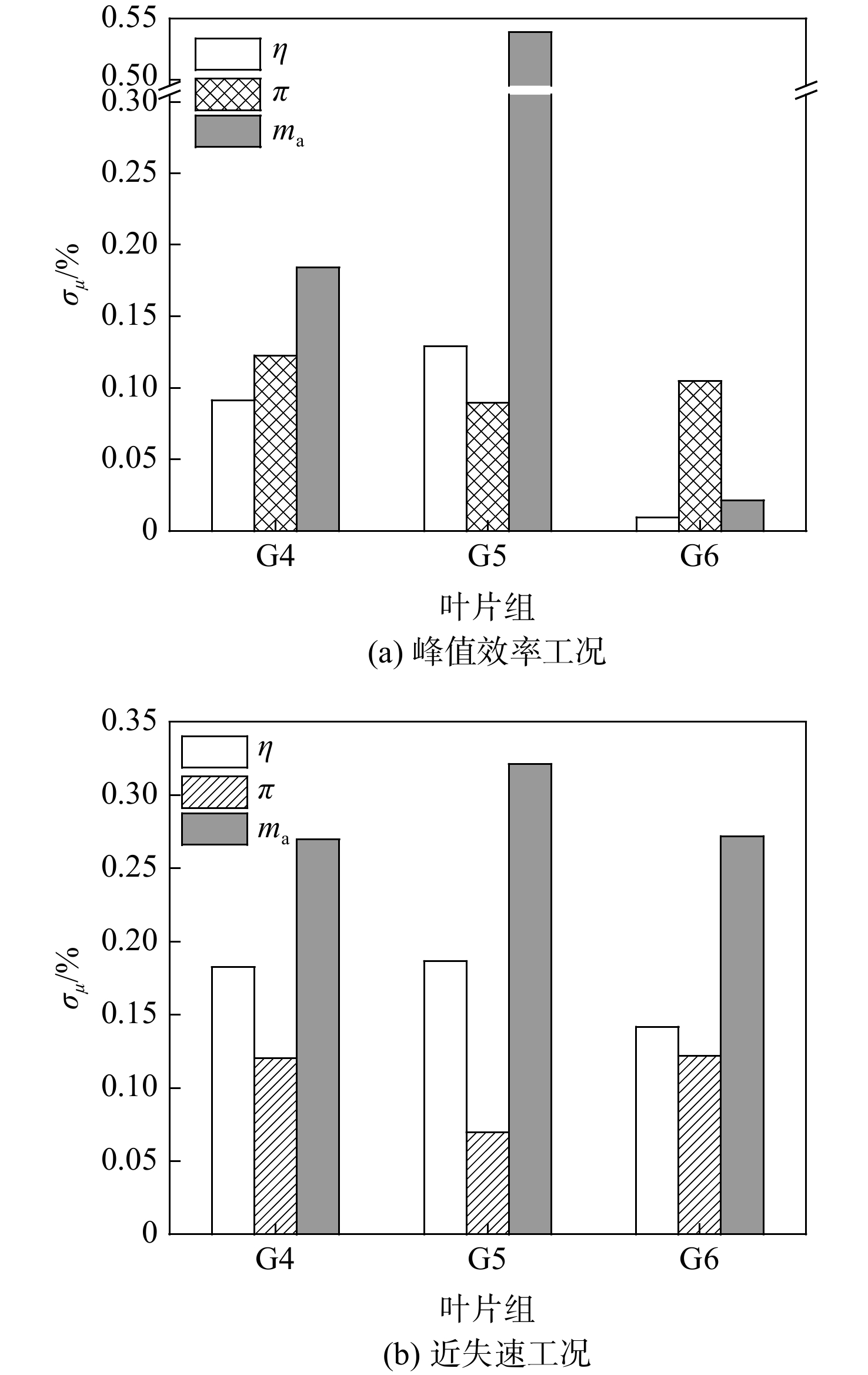
In order to study the impact of blade thickness deviation on rotor performance, the Rotor37 was taken as the research object and non-intrusive polynomial chaos was used as uncertainty quantification method to evaluate the uncertainty impact of blade thickness deviation on rotor aerodynamic performance and flow field structure. The results showed that for the blade group with symmetric probability distribution of thickness deviation and mean value of 0, the average level of aerodynamic performance almost unchanged compared with the prototype blade, and the fluctuation degree of aerodynamic parameters was positively correlated with the standard deviation of the thickness deviation probability distribution. The linear correlation between rotor performance change and thickness deviation was strong when machining accuracy was higher. In the meantime, the impact of thickness deviation of blade suction and pressure surface on rotor aerodynamic performance was obviously different. The suction surface thickness deviation had a greater impact on isentropic efficiency and mass flow rate, while the thickness deviation of pressure surface had a more obvious impact on the total pressure ratio characteristics of rotor, and the uncertain impacts of these two on rotor performance alone were partially cancelled out when they worked together.

New method for predicting the transition position of airfoil surface based on XGBoost model
LI Changlin, TONG Xin, YU Peixiang, OUYANG Hua
2024, 39(11): 20220210. doi: 10.13224/j.cnki.jasp.20220210
Abstract:

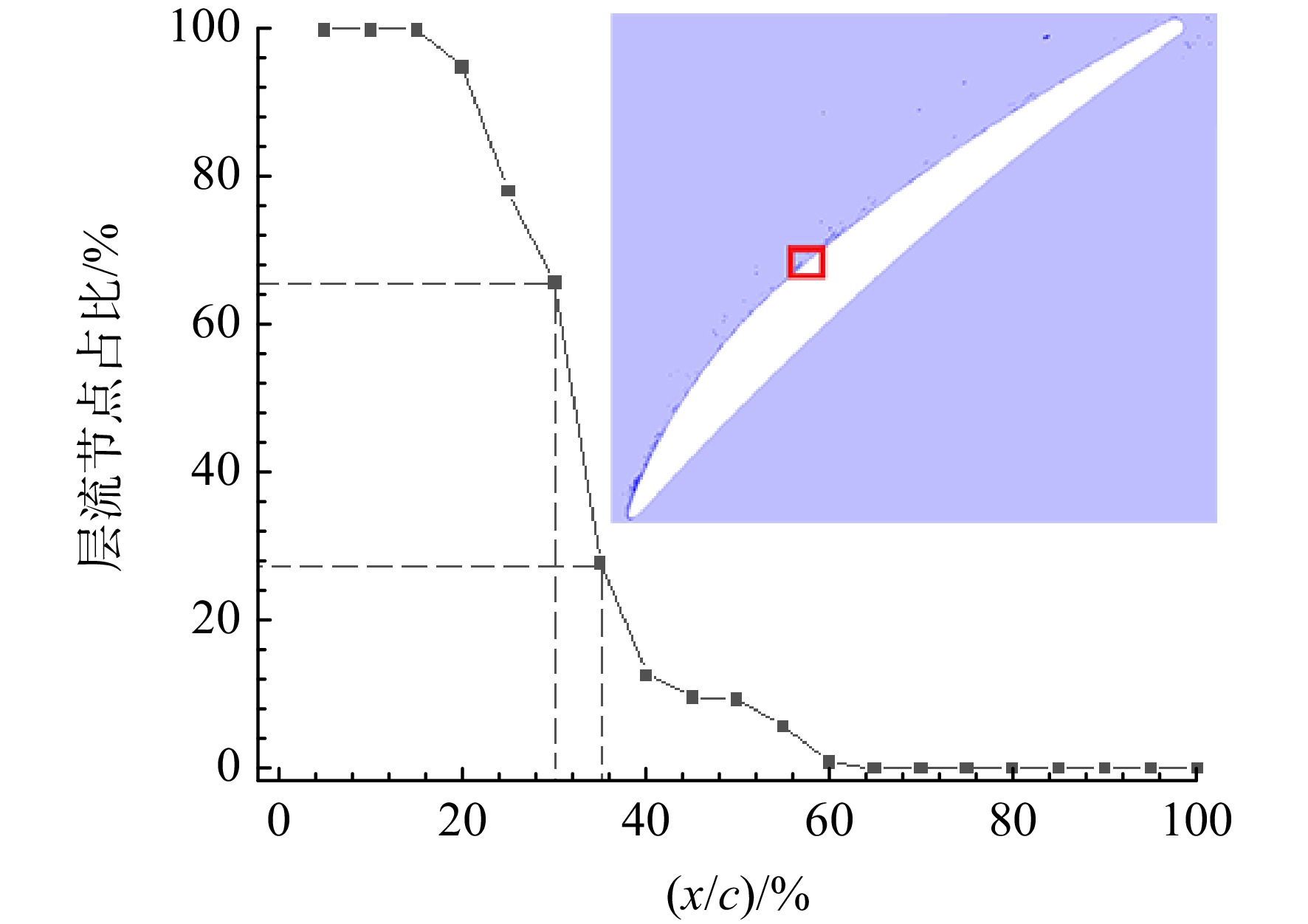
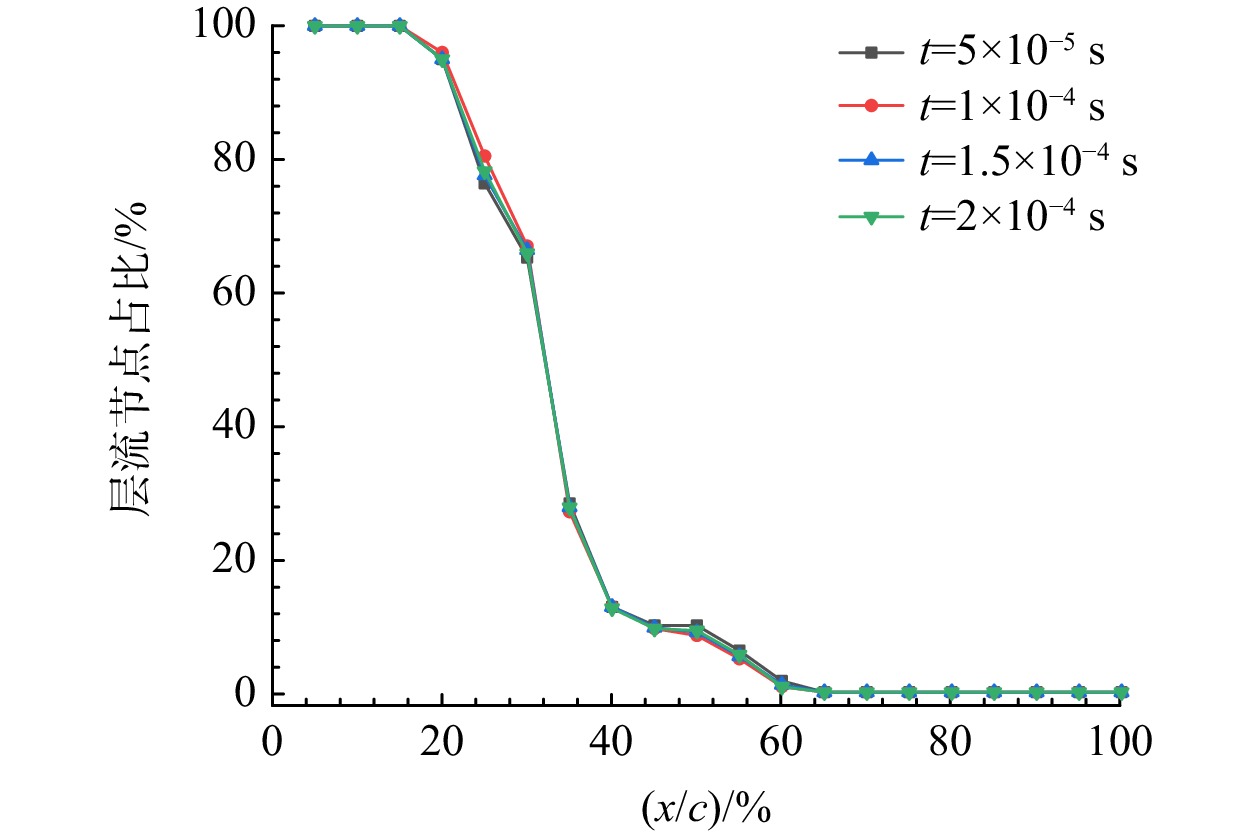
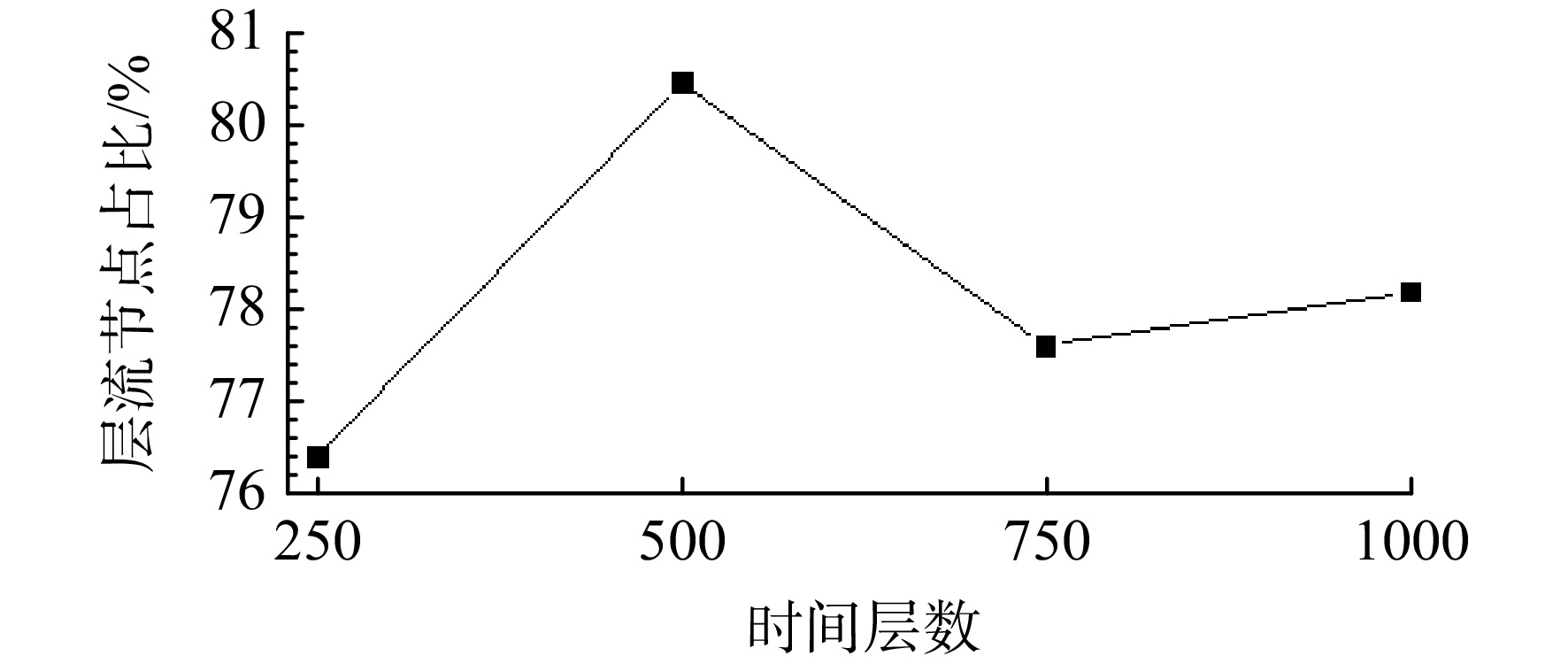
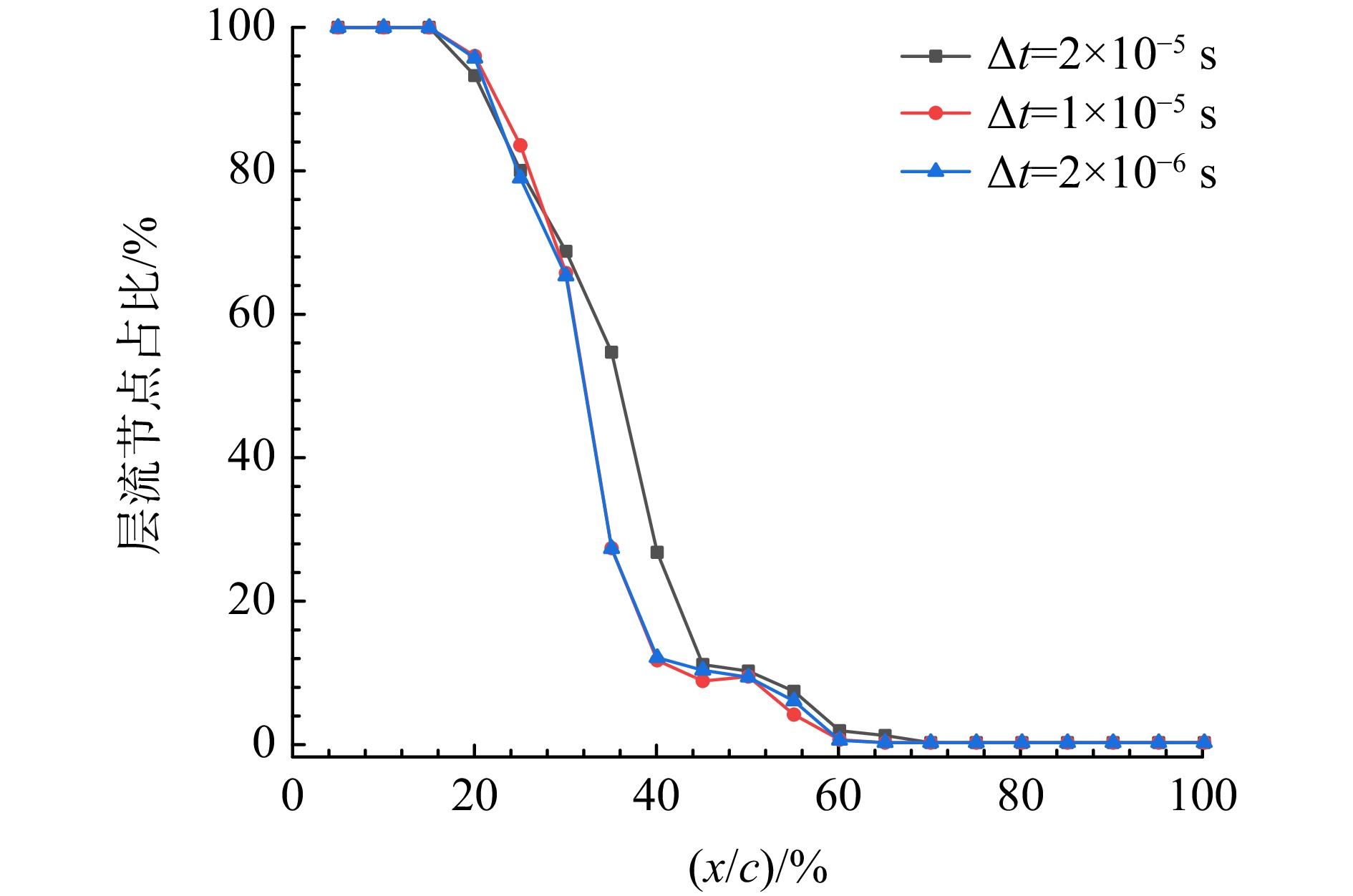
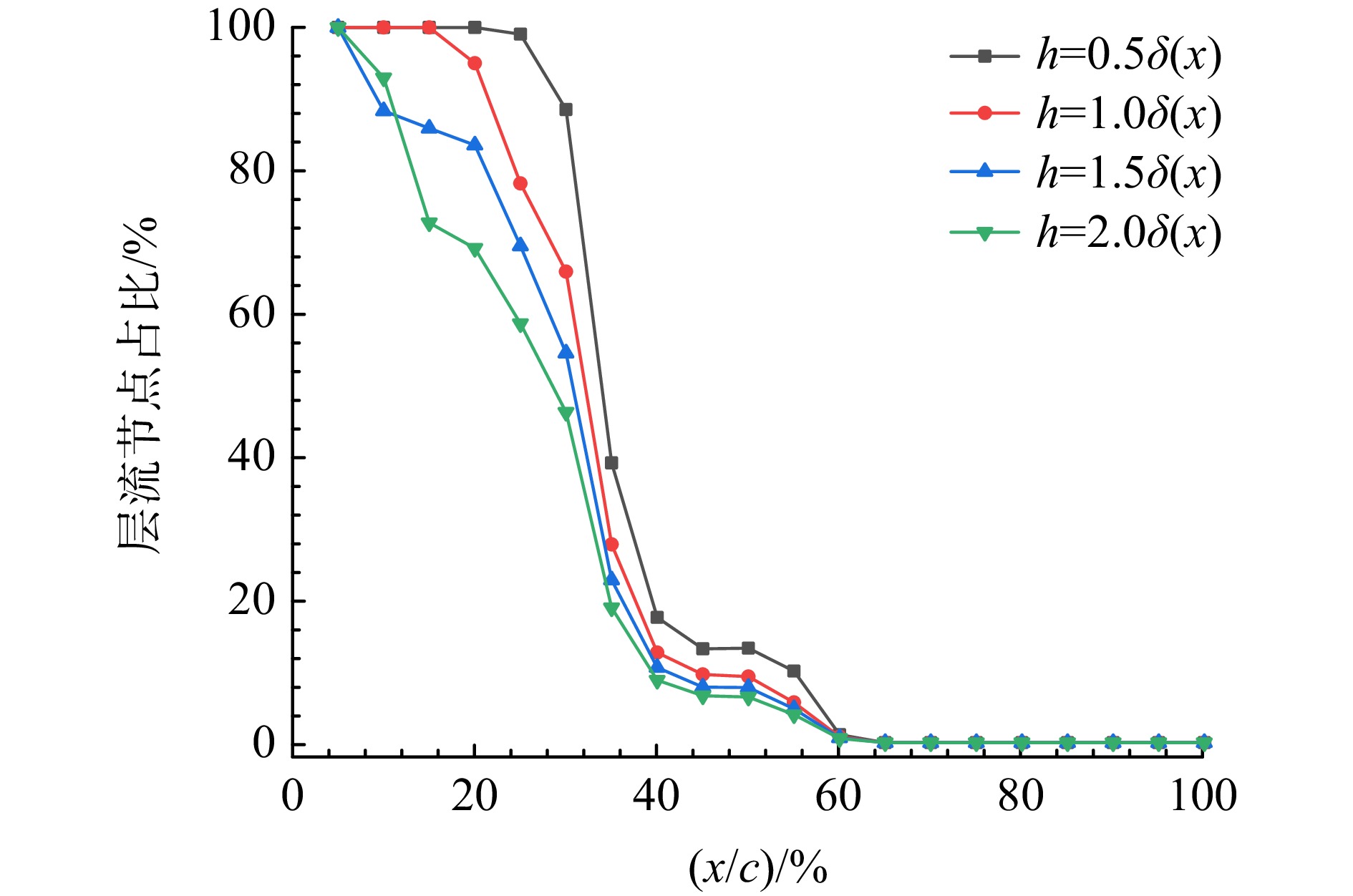
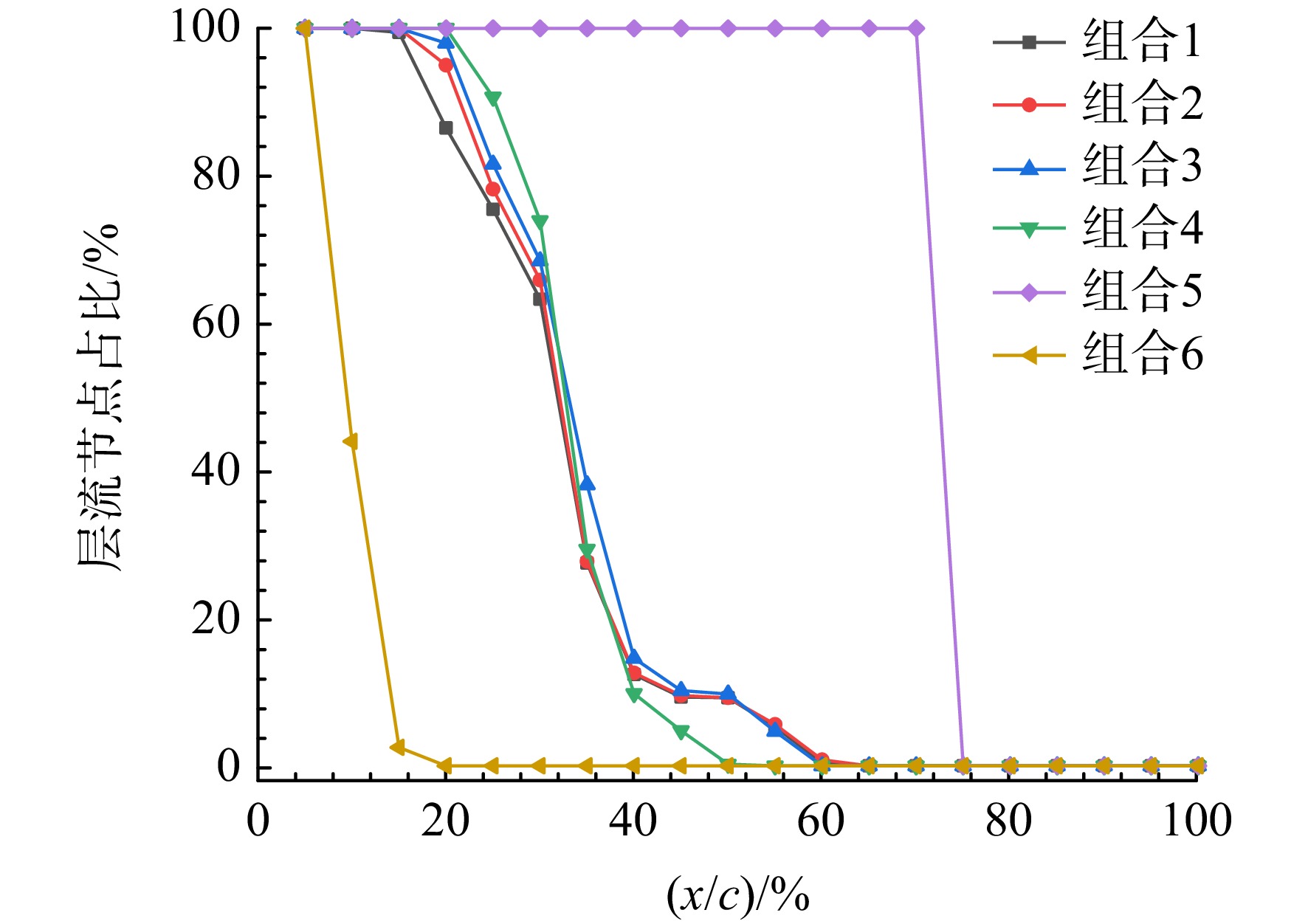
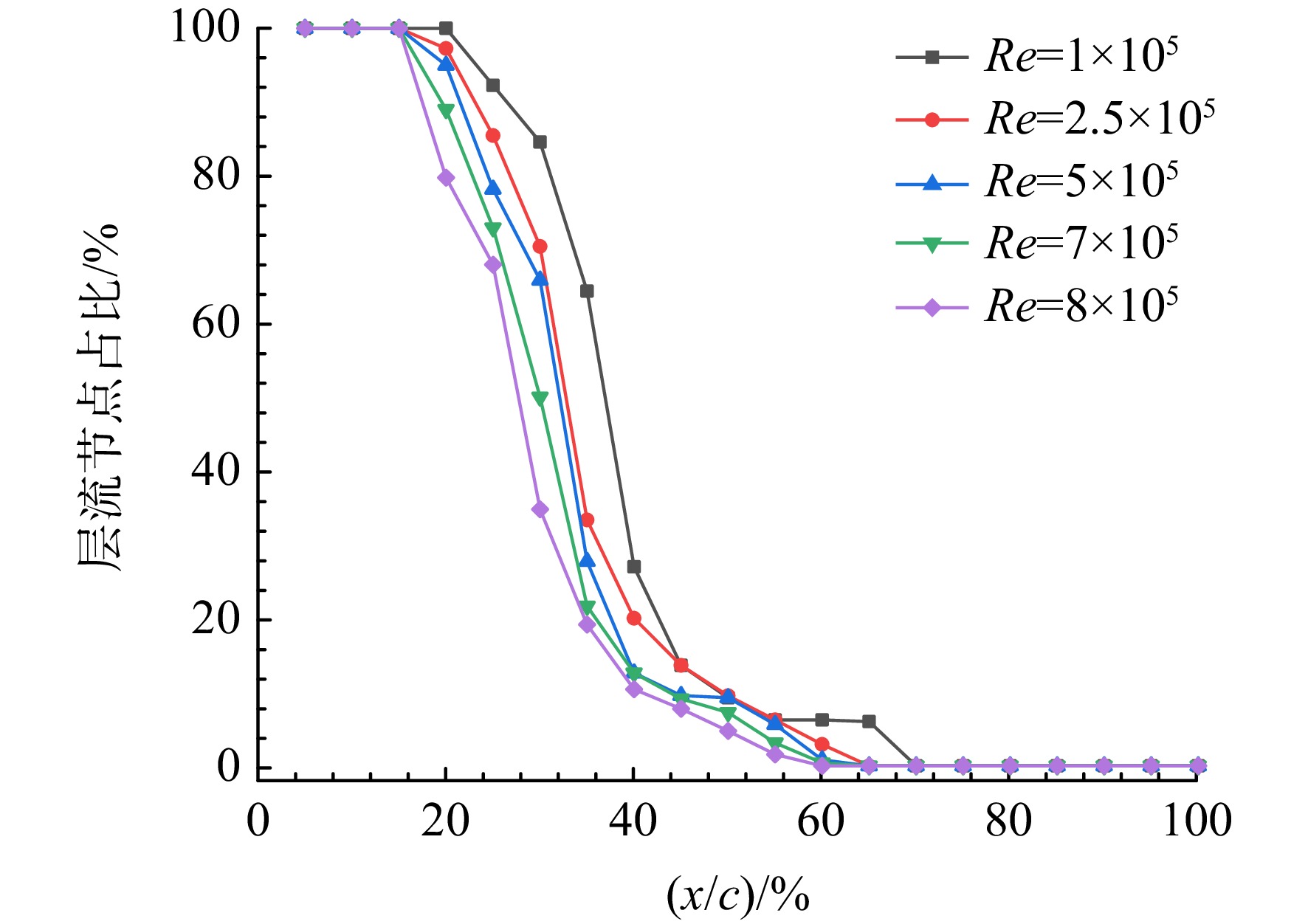
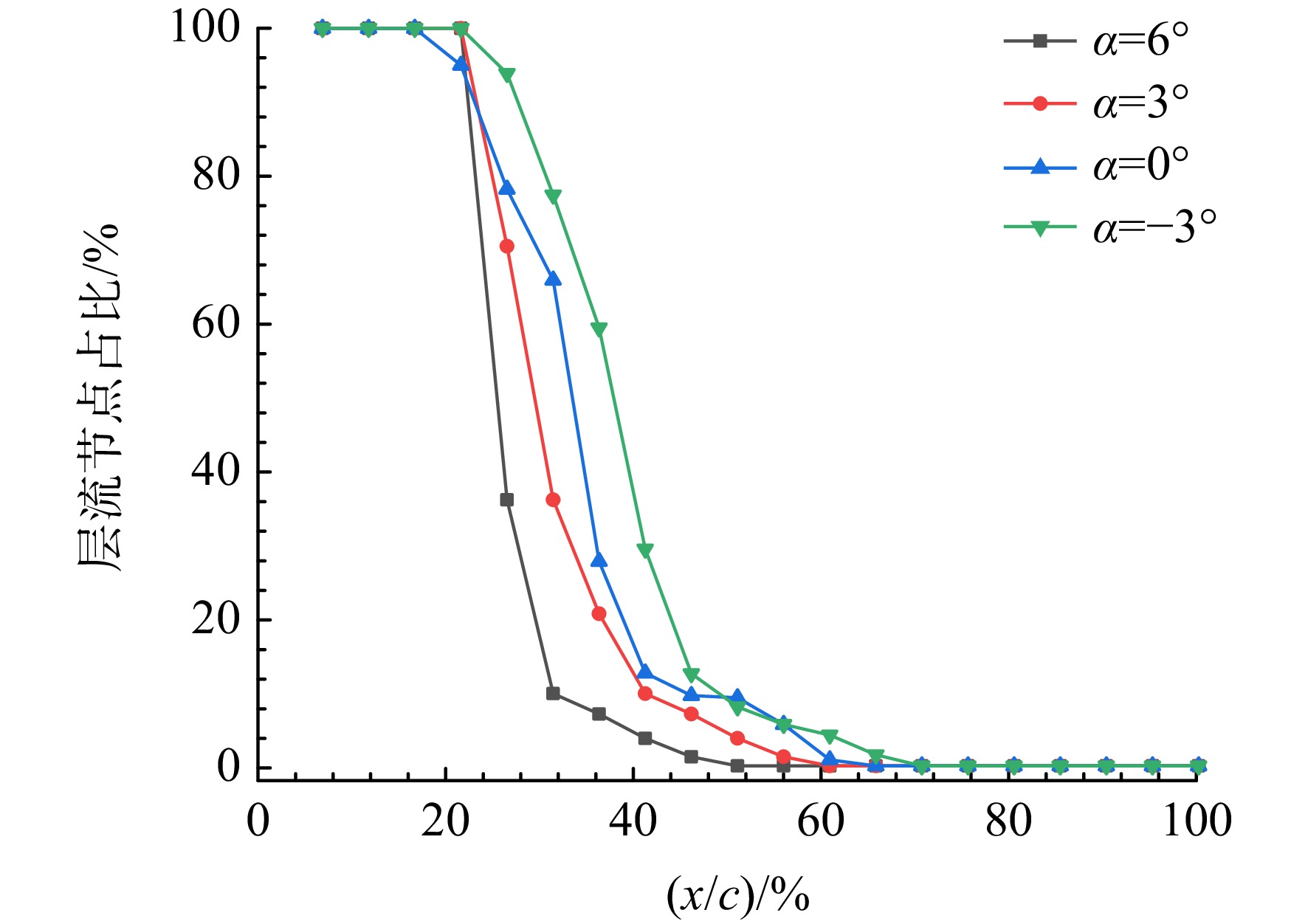
For identification of the transition position on the blade surface, a turbulence/non-turbulence interface identification method based on XGBoost model without specified thresholds was introduced. According to this method, the high-precision flow field around the controlled diffusion airfoil was solved by the large eddy simulation method. Considering the intermittent flow, the proportions of laminar flow state at different positions in the boundary layer at different times were calculated by the machine learning method, and the transition position was obtained according to the change rate in the chord length direction of the airfoil. The method was verified by investigating different influencing parameters. Compared with traditional criteria, this method could accurately predict transition positions without subjective judgment. In addition, using the present method, it was found that for a controlled diffusion airfoil, the boundary layer transition depended not only on the turbulent energy, but also on the size of vortices and the space distribution feature.

Research on effect prediction and adjustment method of hinge-type adjustable total pressure distortion generator
WANG Mingzu, WANG Zhiqiang
2024, 39(11): 20220201. doi: 10.13224/j.cnki.jasp.20220201
Abstract:

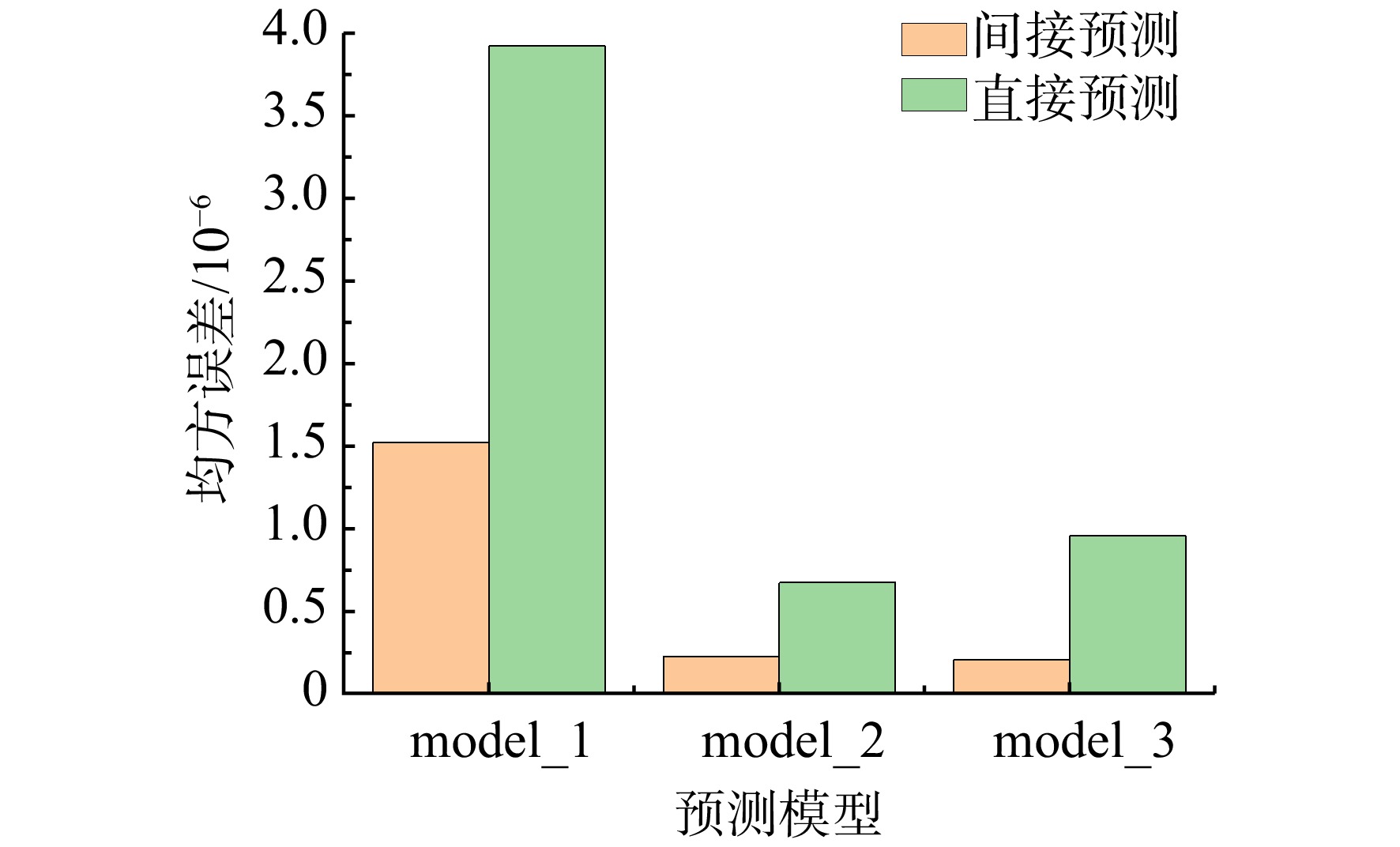
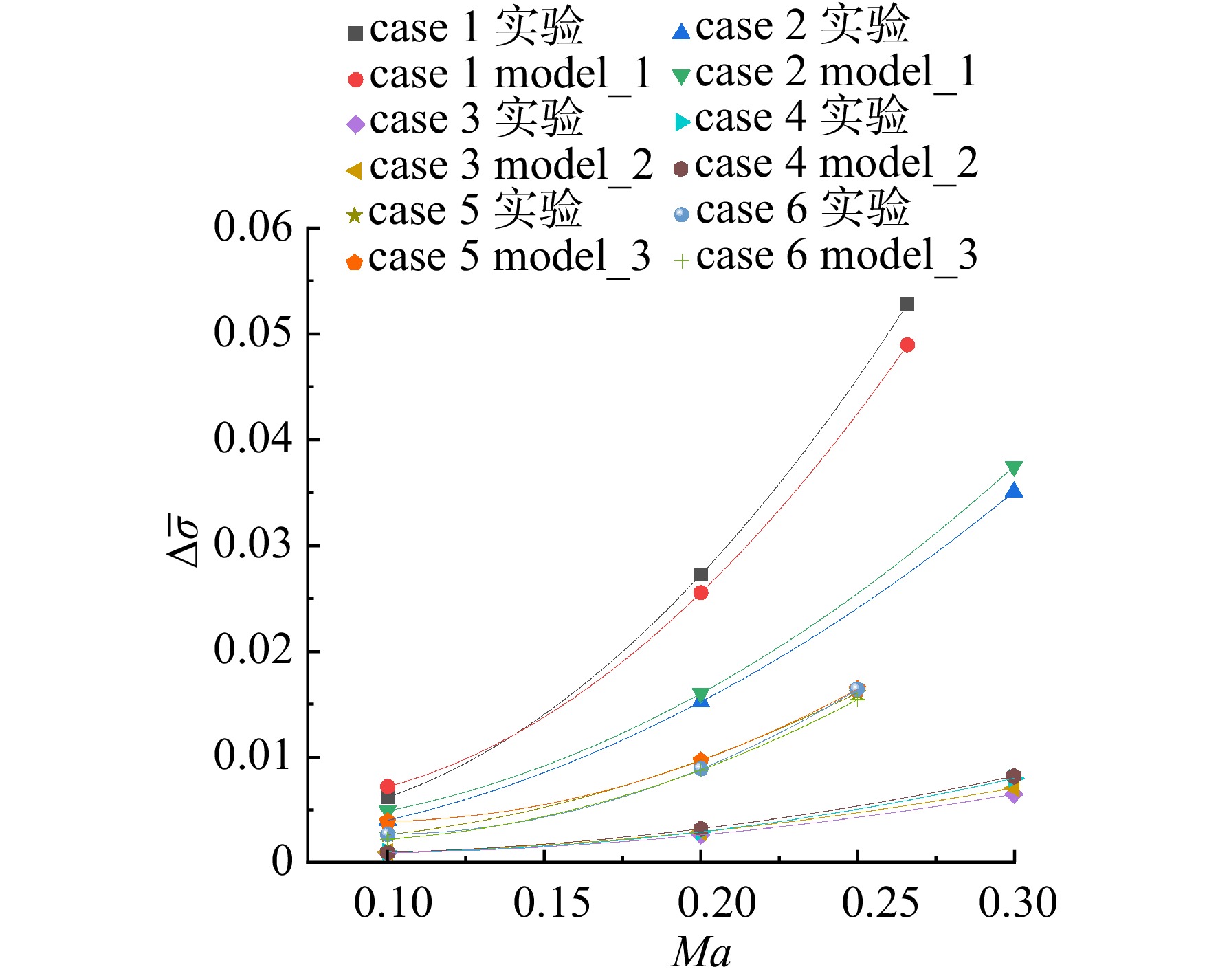
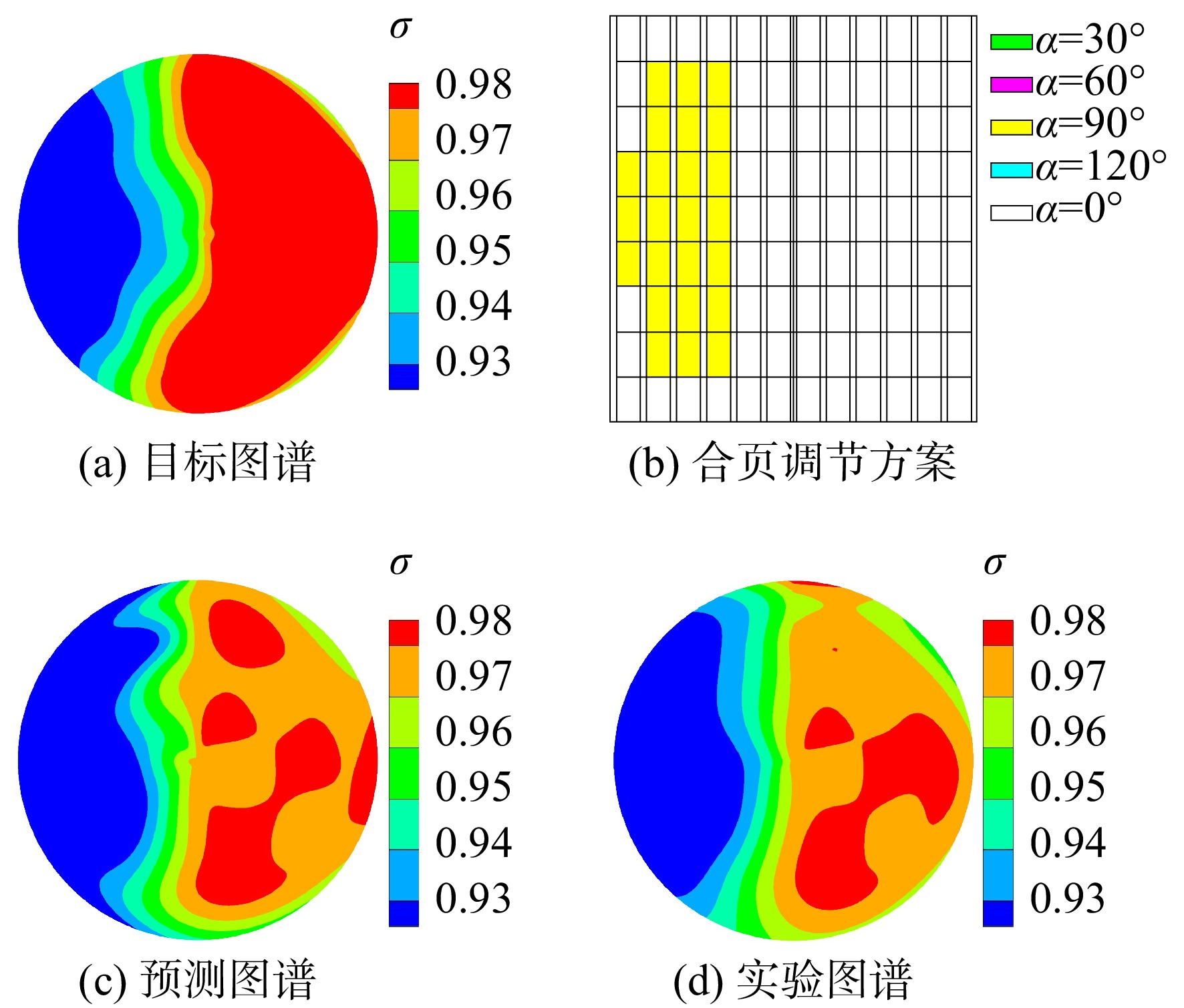
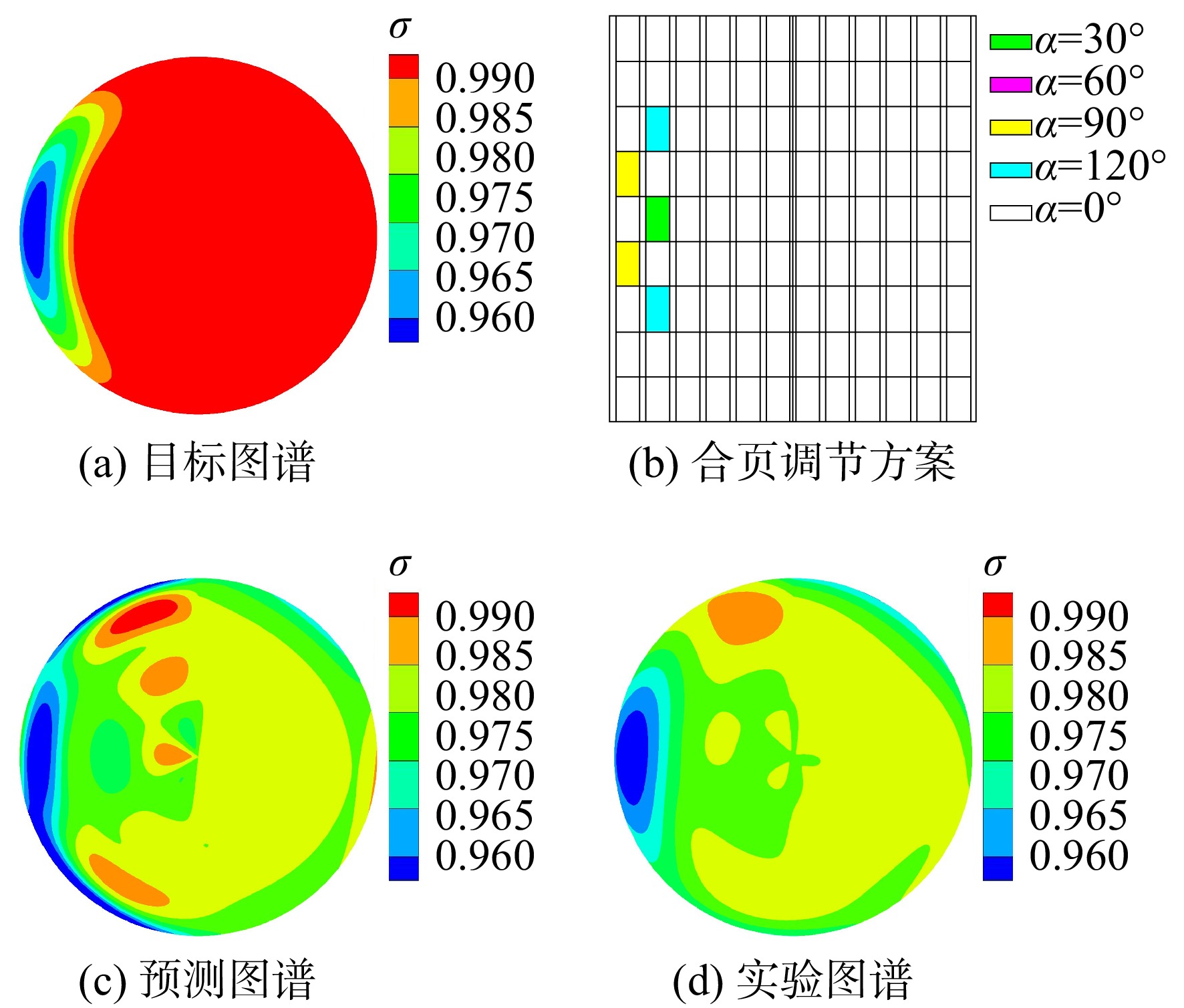
In order to study the characteristics of a new hinge-type adjustable distortion generator and realize the purpose of guiding the adjustment of this type of distortion generator for specific target map, wind tunnel test was conducted to analyze its distortion flow field, and the GA-BPANN was used for modeling, finally a prediction model that can predict the downstream steady-state total pressure distortion map through the Mach number of the incoming flow and the angle of the distortion generator hinge was obtained; based on this model, a rapid design program was designed. The results showed that the prediction model can quickly and effectively predict the total pressure recovery coefficient of each measuring point at the downstream measurement section of the distortion generator, and the rapid design program can effectively simplify the use process of this type of distortion generator.

Numerical investigation for influence of chute seal configuration of a counter-rotating turbine cavity on hot gas ingestion
SONG Yanqing, SUI Xiuming, TONG Xin, SONG Quanbin, ZHAO Wei, ZHAO Qingjun
2024, 39(11): 20220955. doi: 10.13224/j.cnki.jasp.20220955
Abstract:

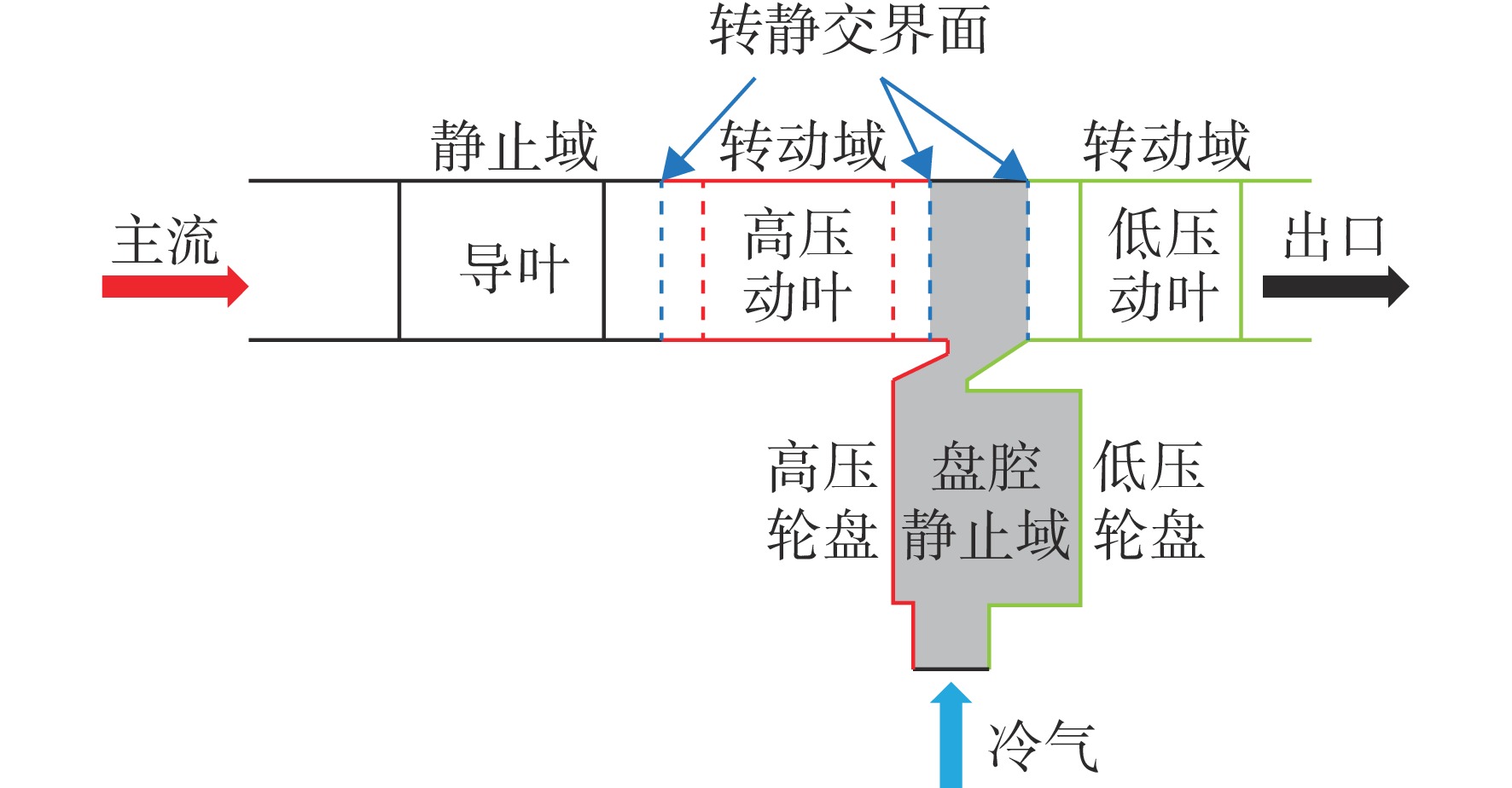
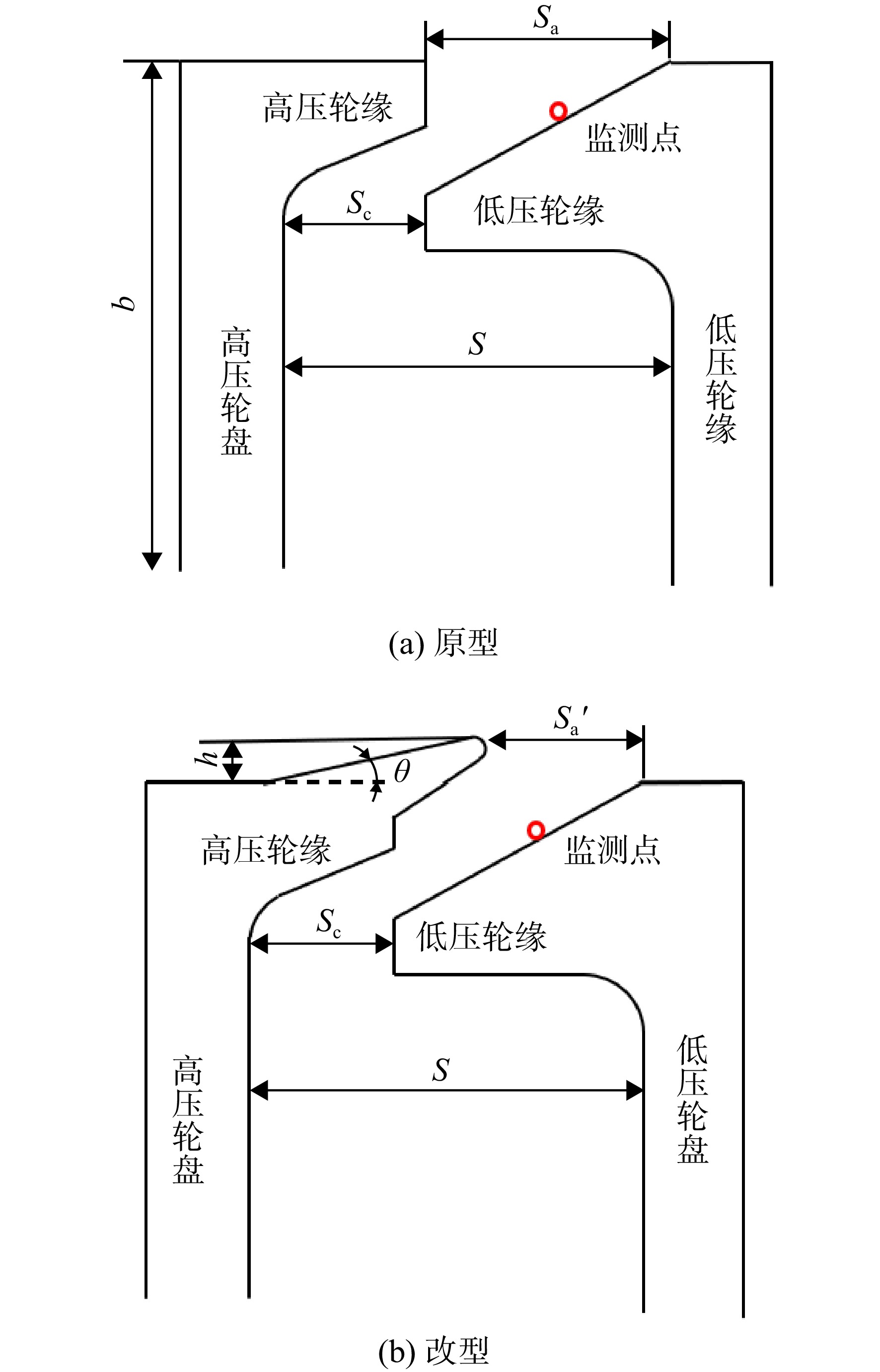
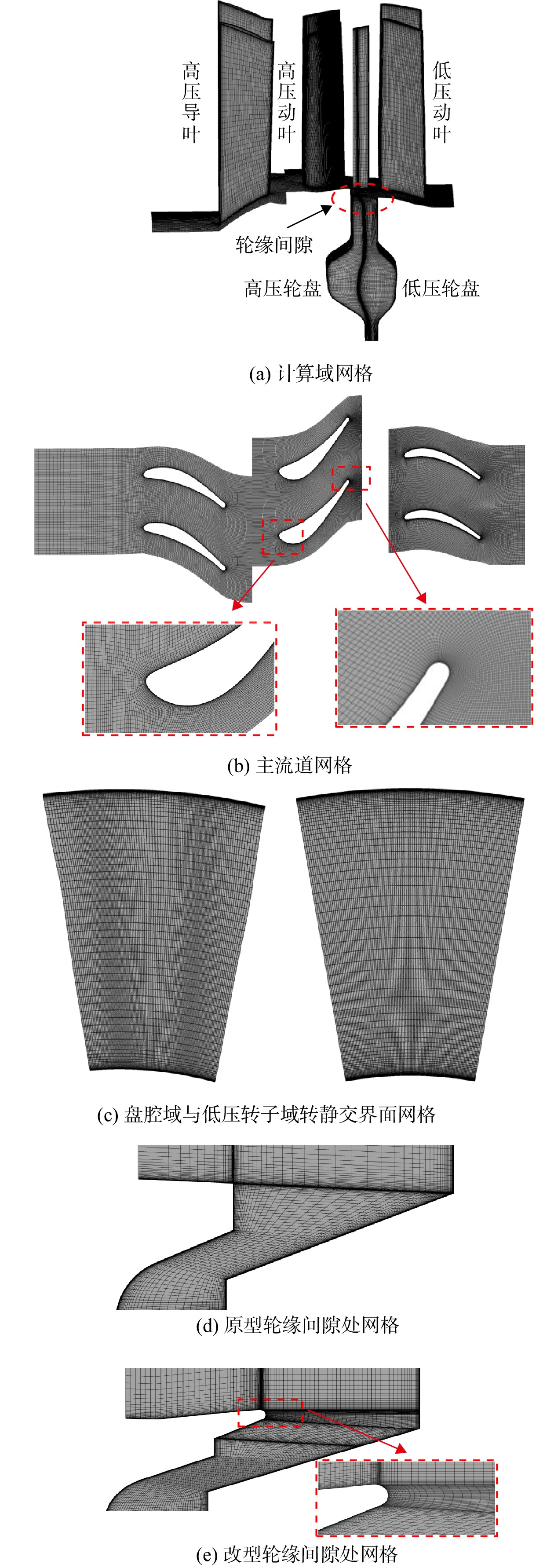
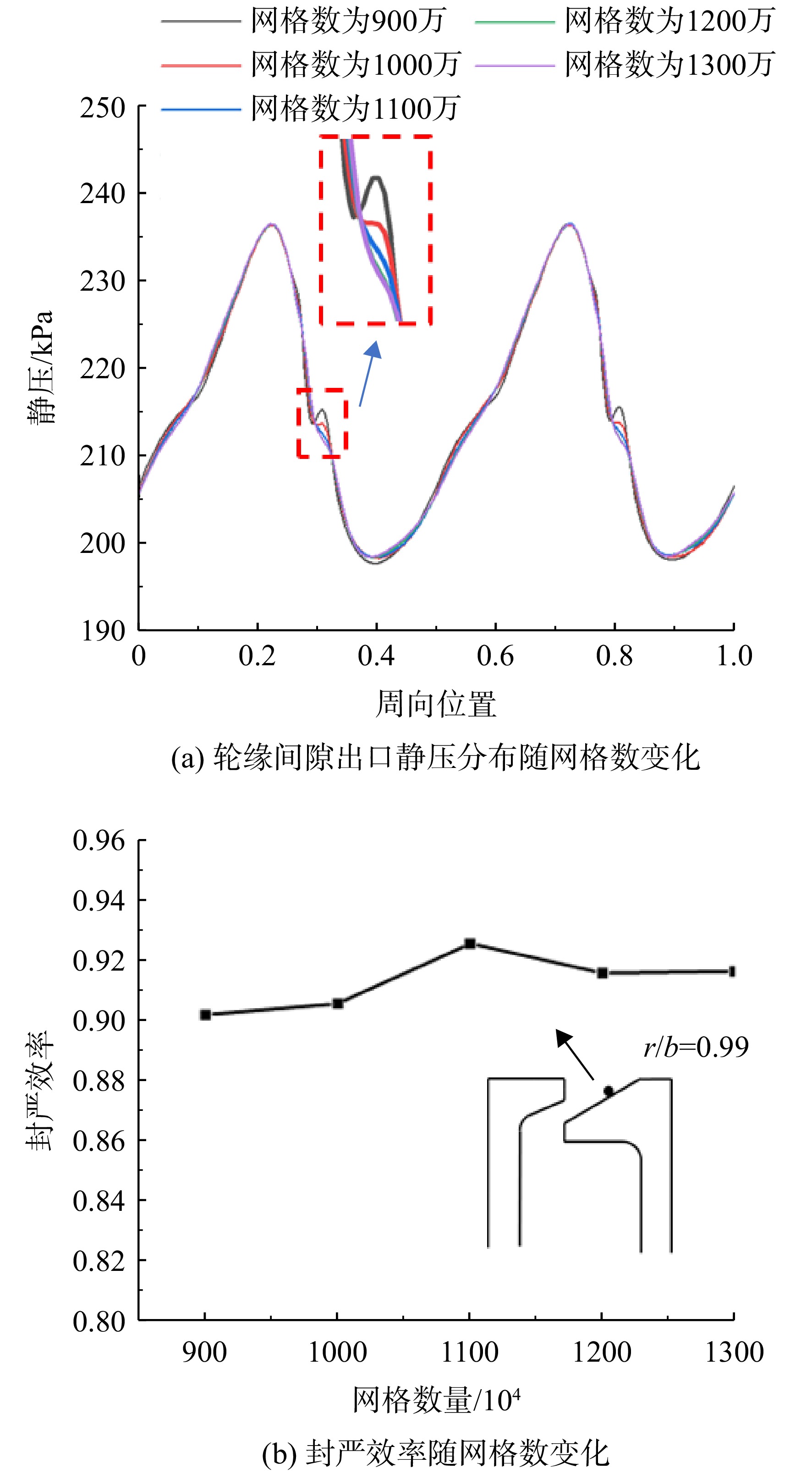
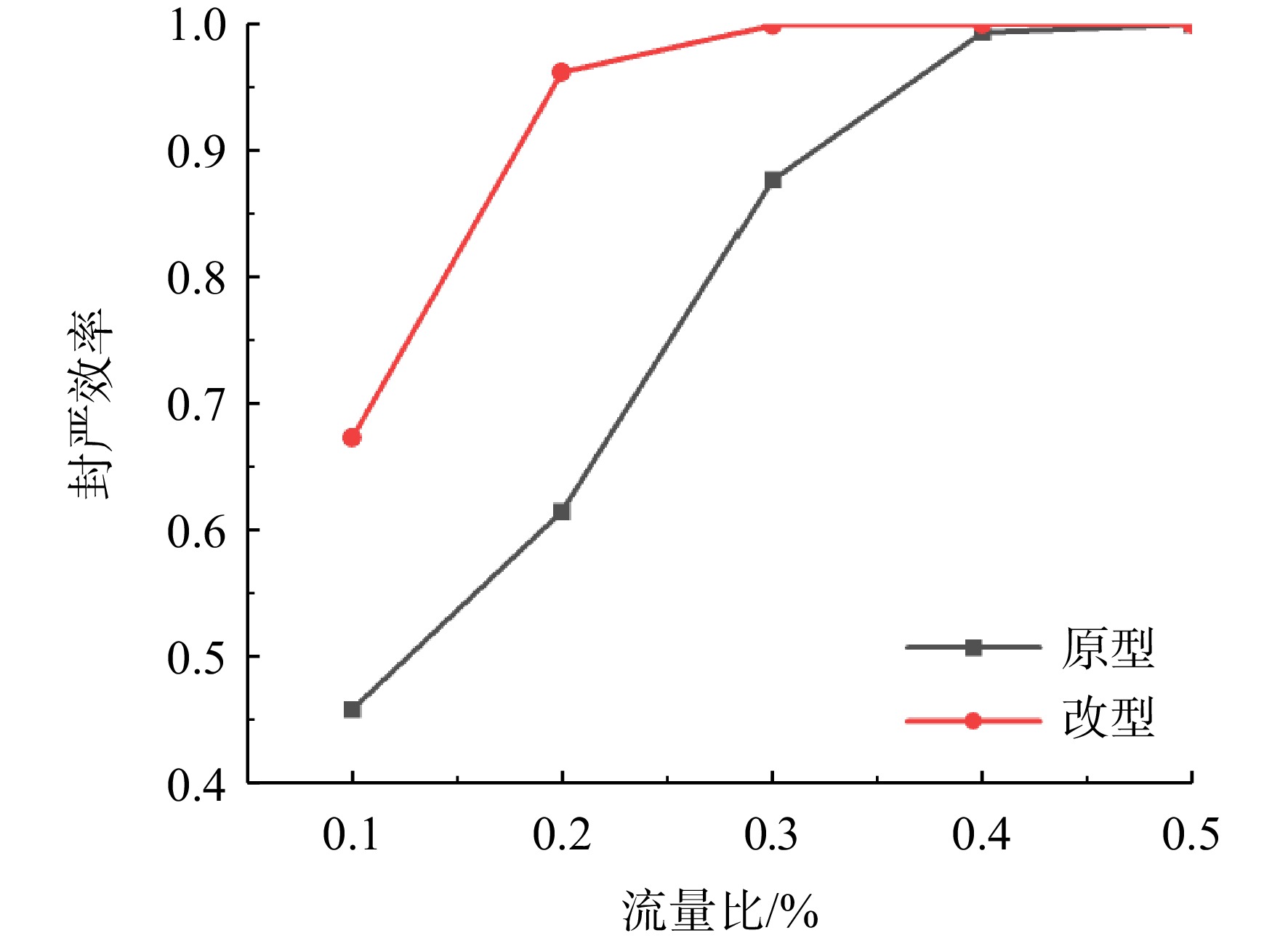
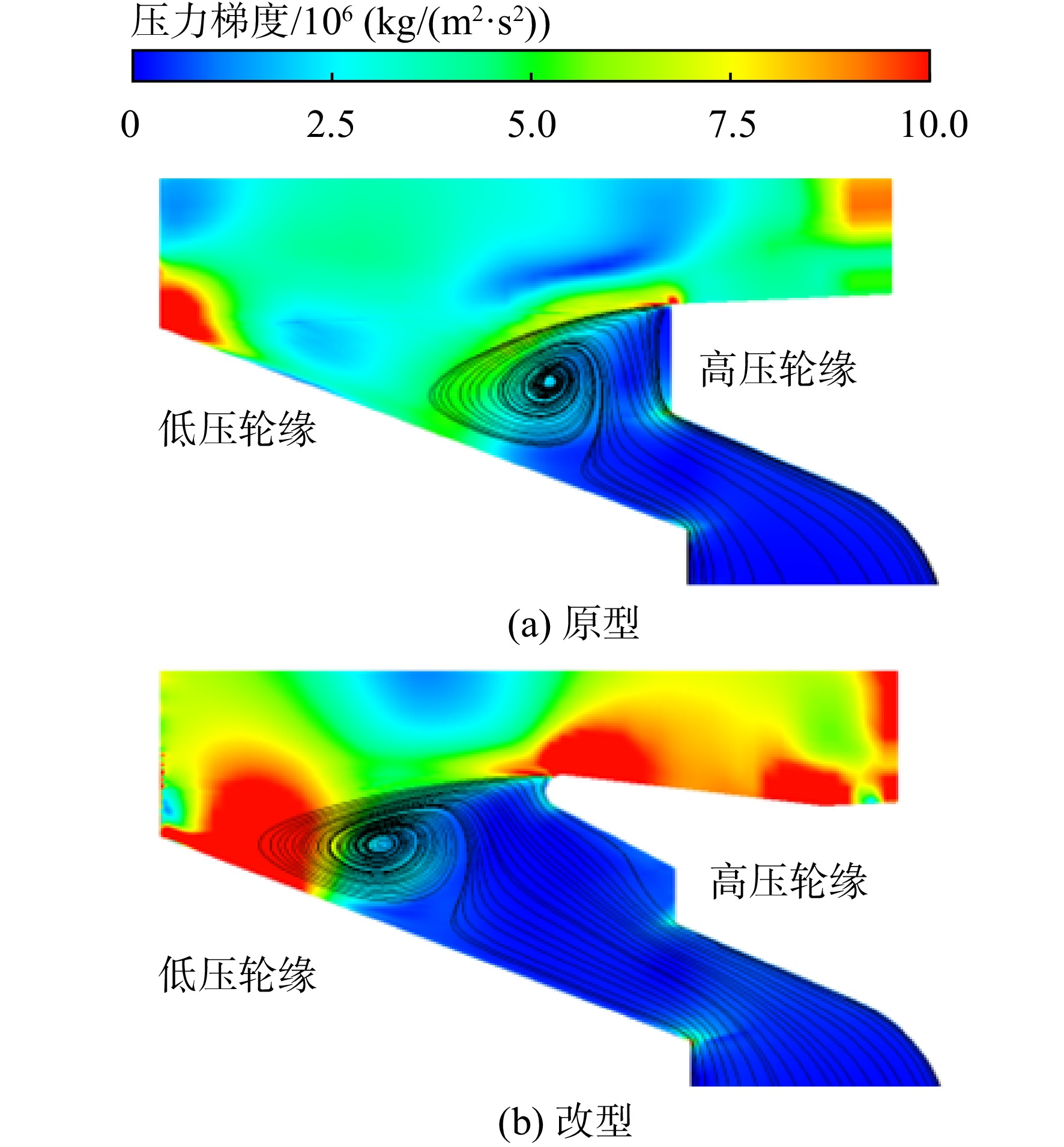
The numerical simulation method was used to study the influence of the chute seal configuration of the high-pressure wheel flange on hot gas ingestion, and the results showed that under low sealing flow, the radial expansion of the end of the high-pressure wheel flange caused the decrease of pressure gradient in the wheel flange gap, which delayed the separation of the boundary layer of the low-pressure wheel flange, while the radial expansion of the high-pressure wheel flange caused the increase of mainstream flow velocity in the endwall region, and the ability of the fluid to resist the inverse gradient was enhanced. As a result, the sealing efficiency increased by 46.95%; with the increase of the sealing flow, the pressure of the sealing flow in the disk cavity gradually increased, the sealing efficiency was gradually improved due to the enhancement of the sealing flow outflow capacity, and the radial upward movement effect of the sealing vortex core induced by the radial expansion of the high-pressure wheel flange was weaker than the influence of the increase of the sealing flow on the sealing efficiency, so with the increase of the sealing flow, the increase of sealing efficiency gradually decreased.

Combustion,Heat and Mass Transfer
Experiment on flash-boiling spray characteristics of single-orifice/dual-orifice nozzle
MIAO Junjie, WU Weiqiu, LI Xiankai, YIN Chao, JIANG Kailin, FAN Yuxin
2024, 39(11): 20220940. doi: 10.13224/j.cnki.jasp.20220940
Abstract:

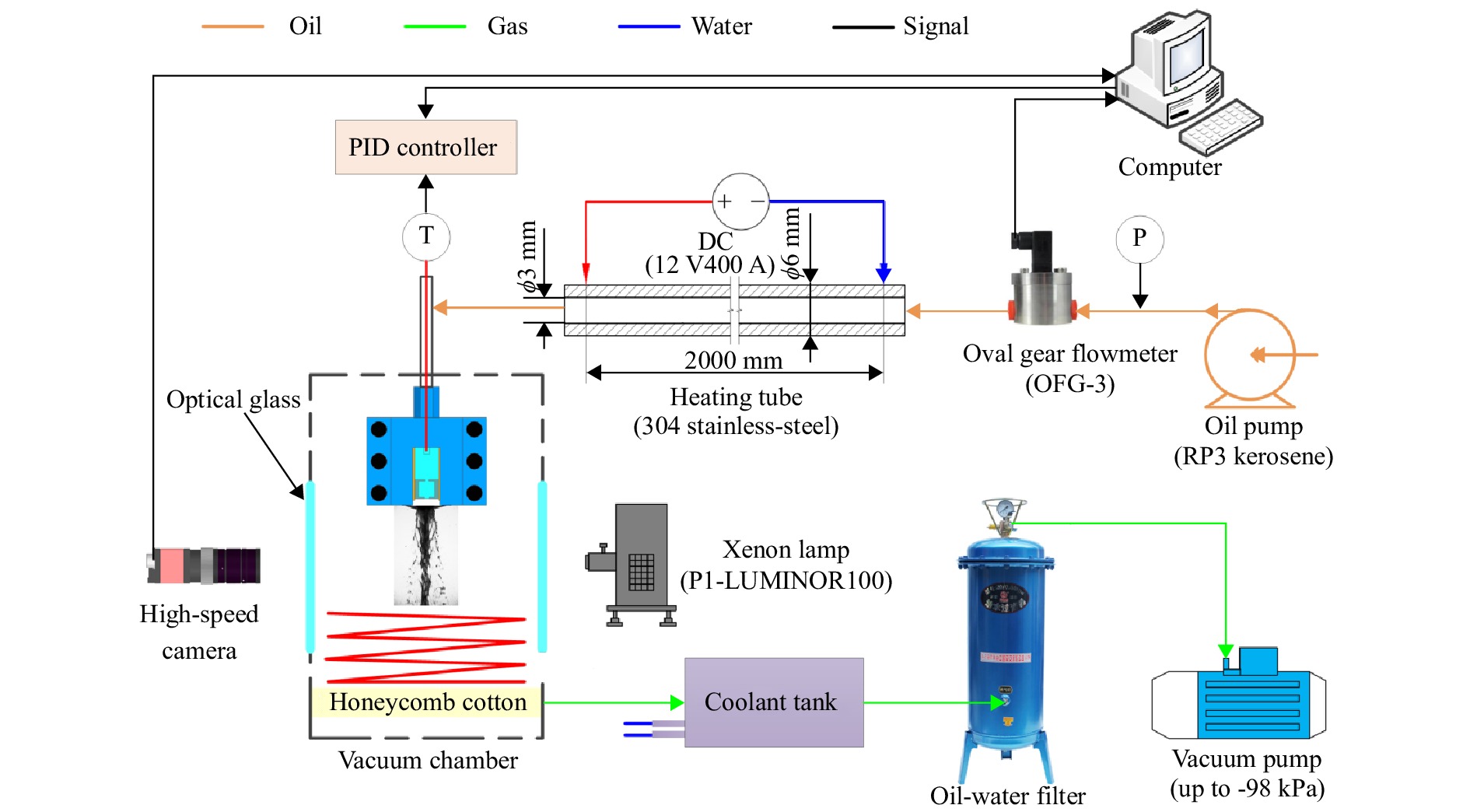
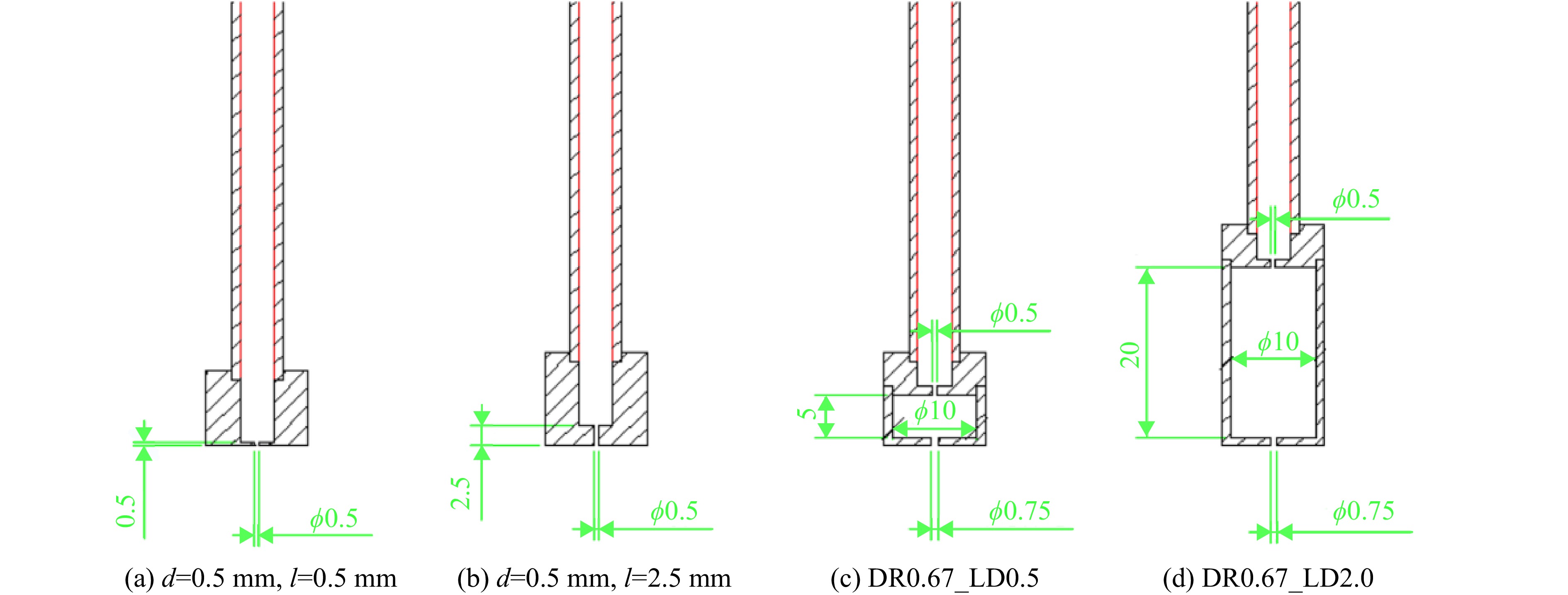
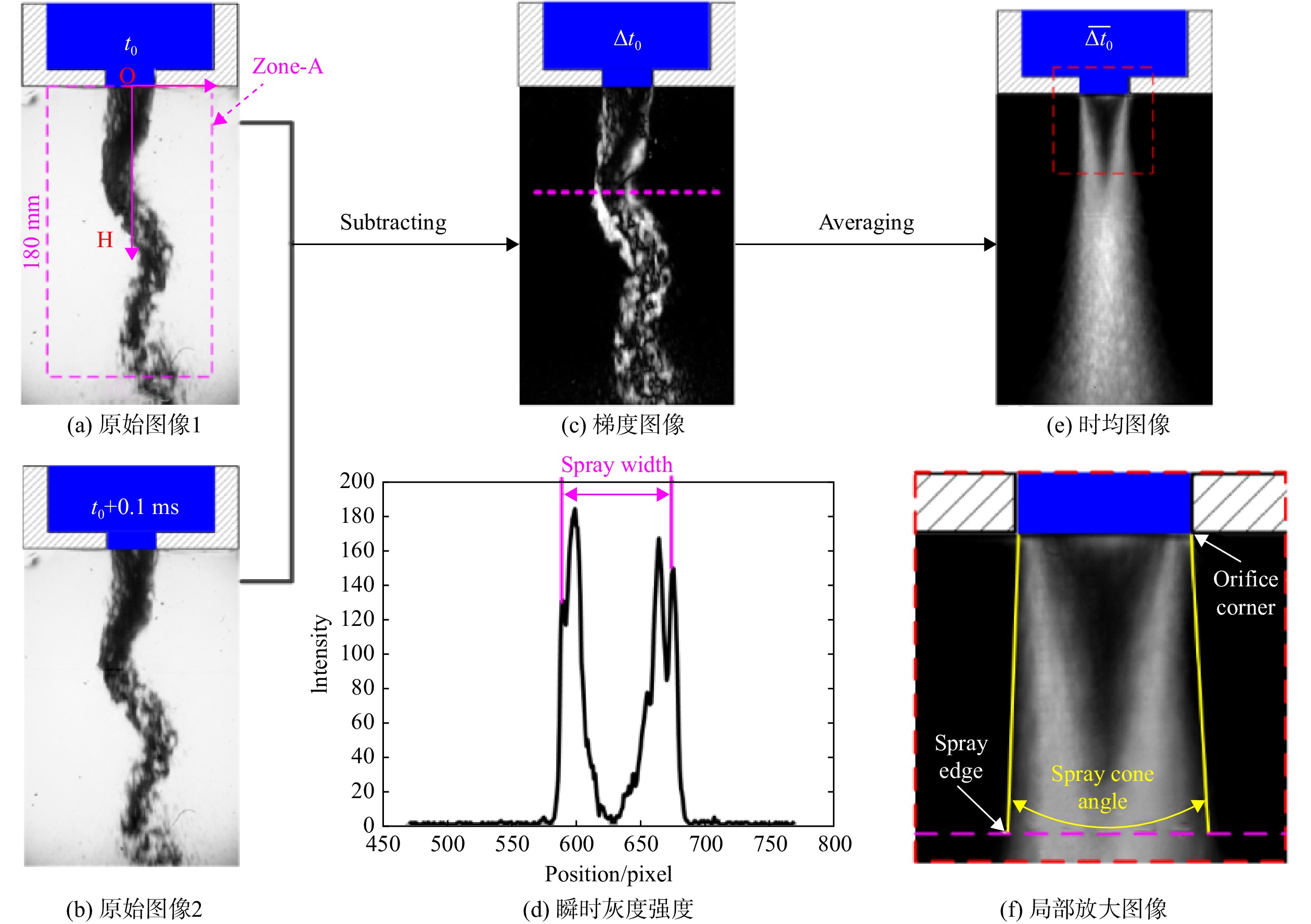
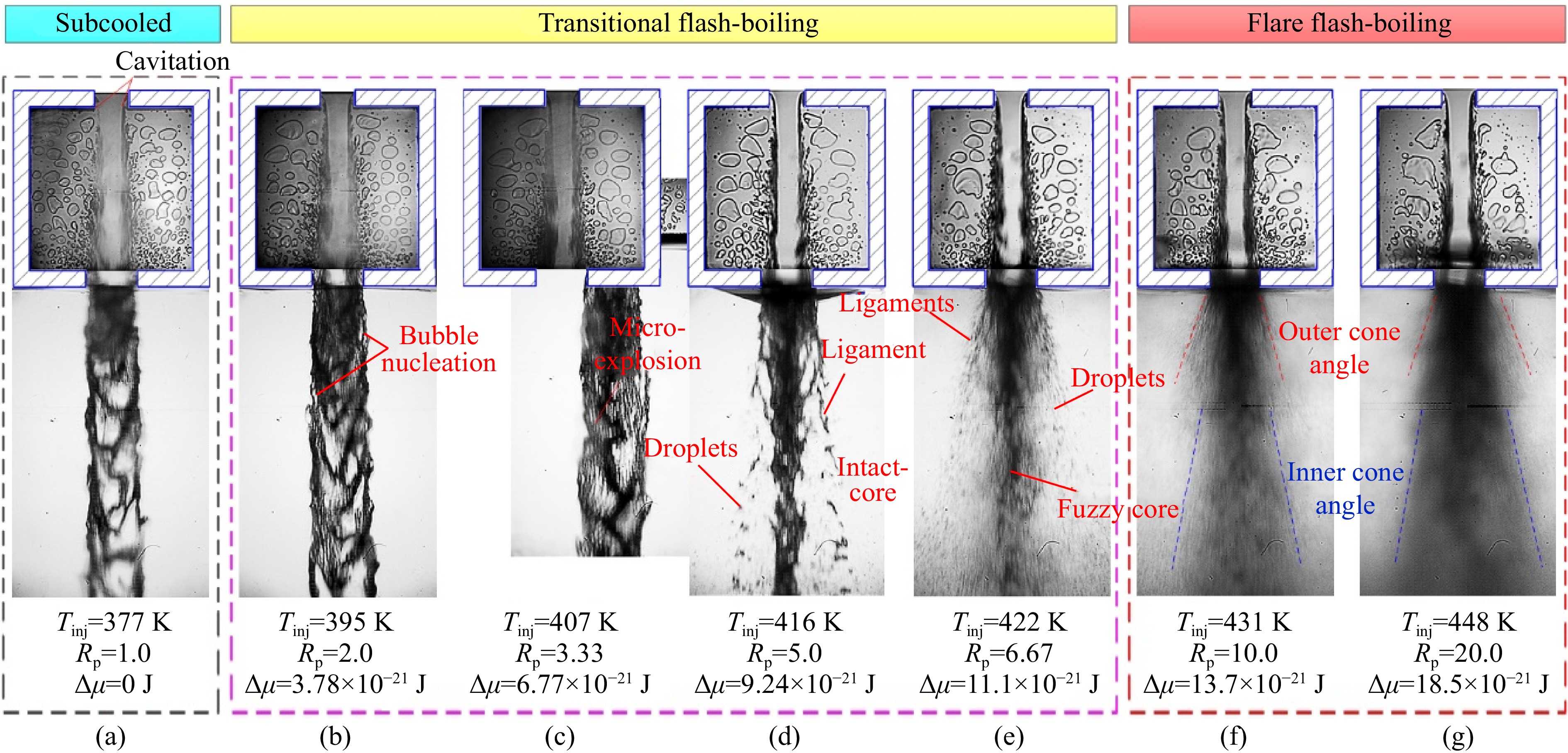
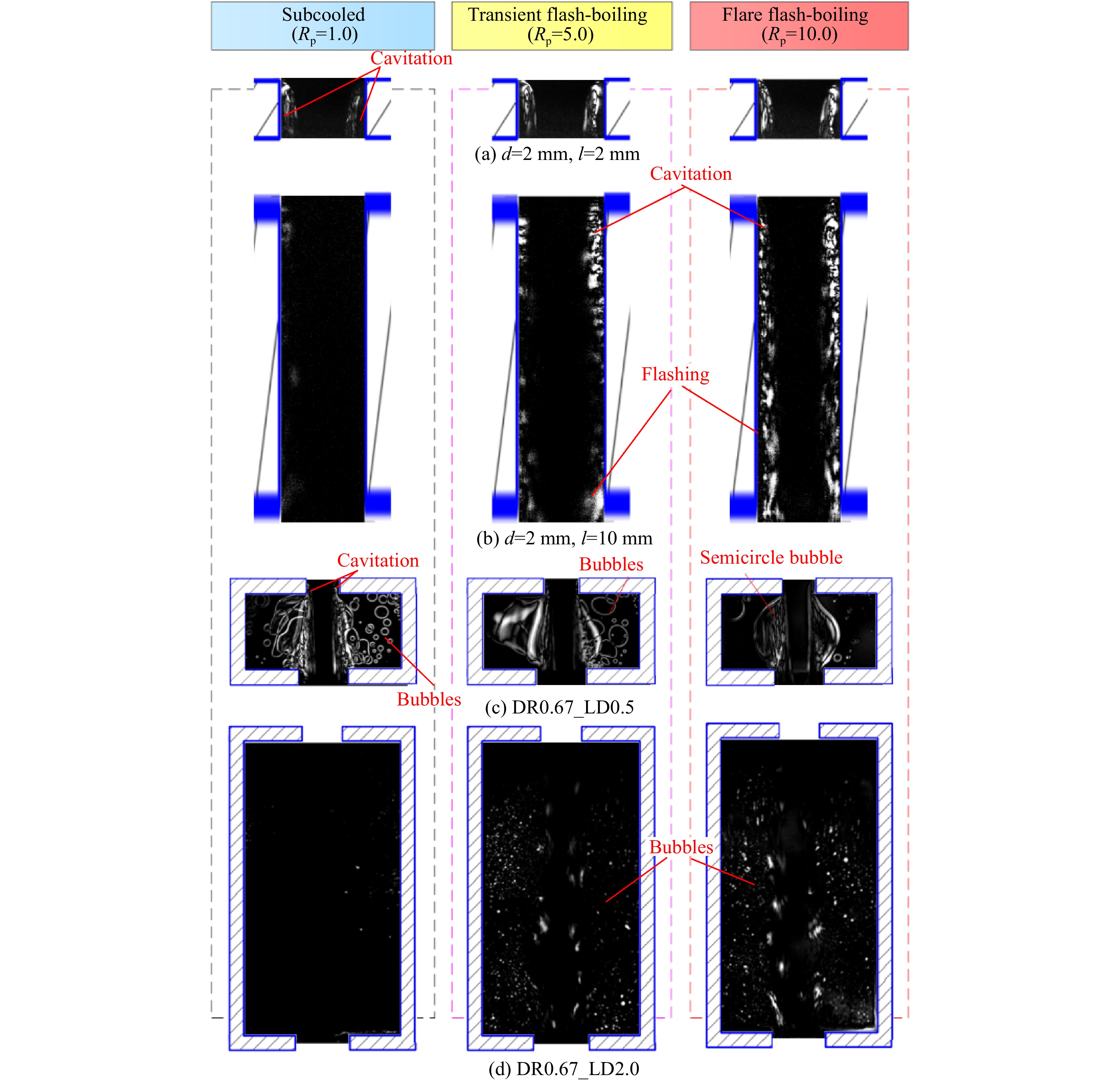
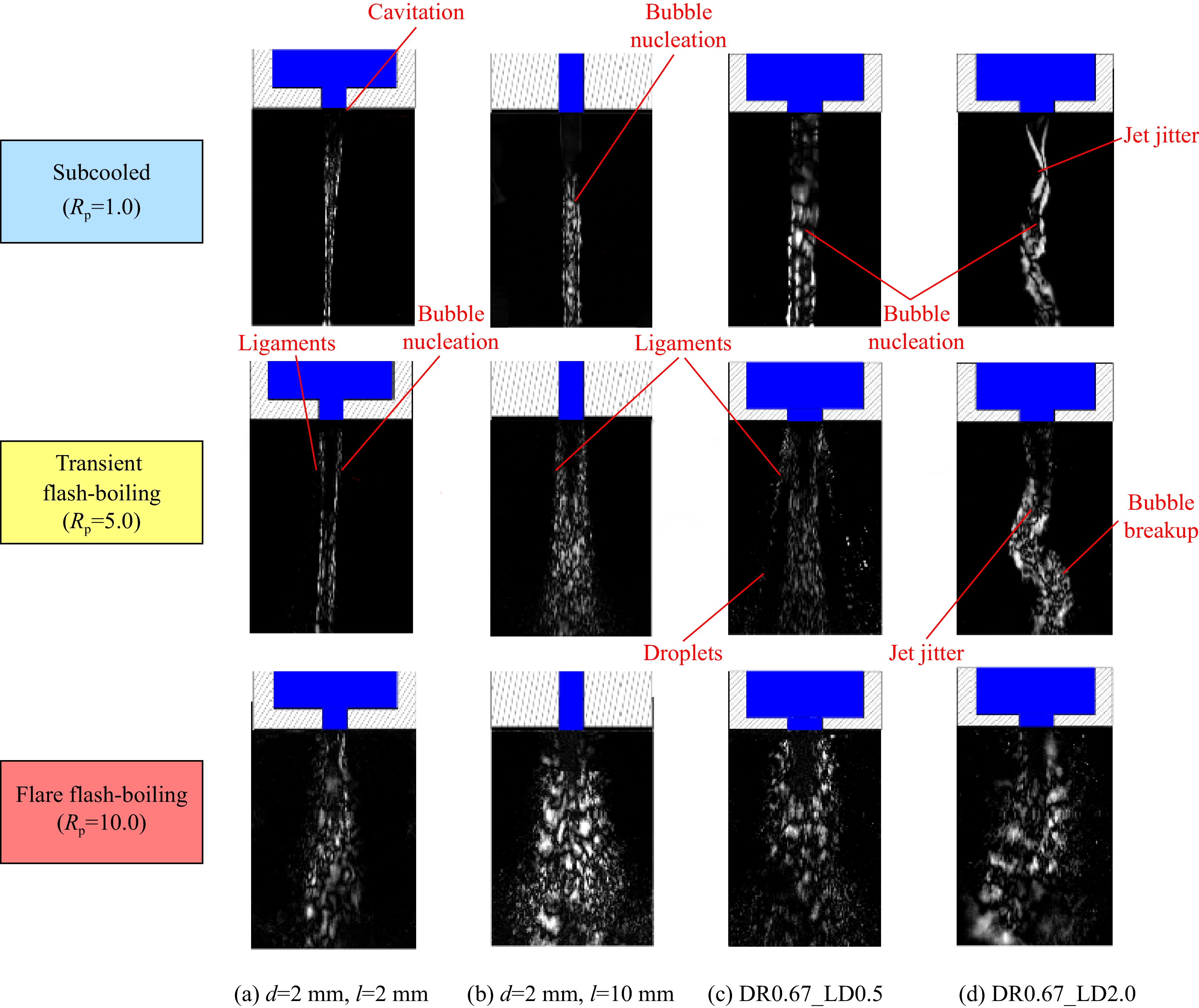
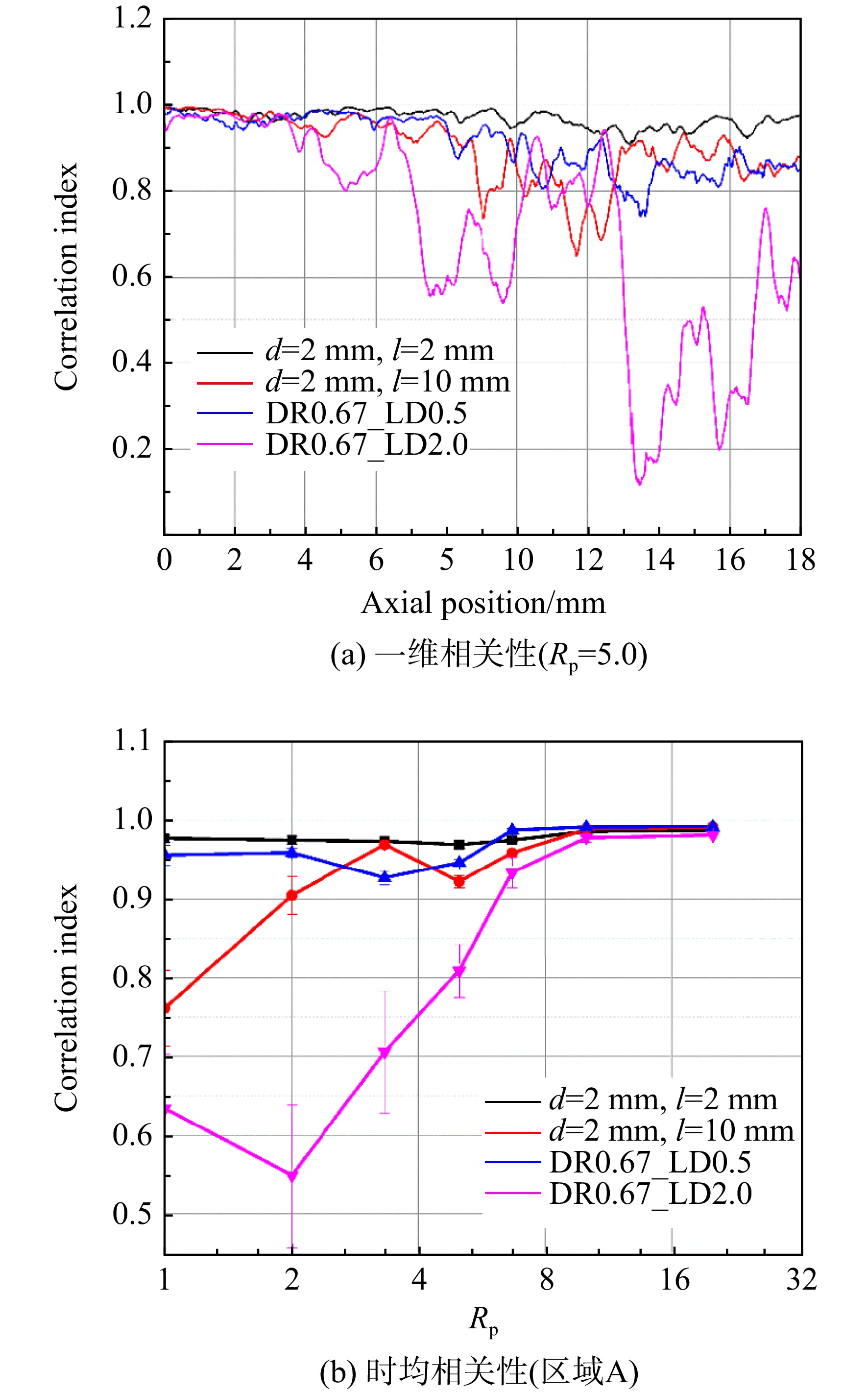
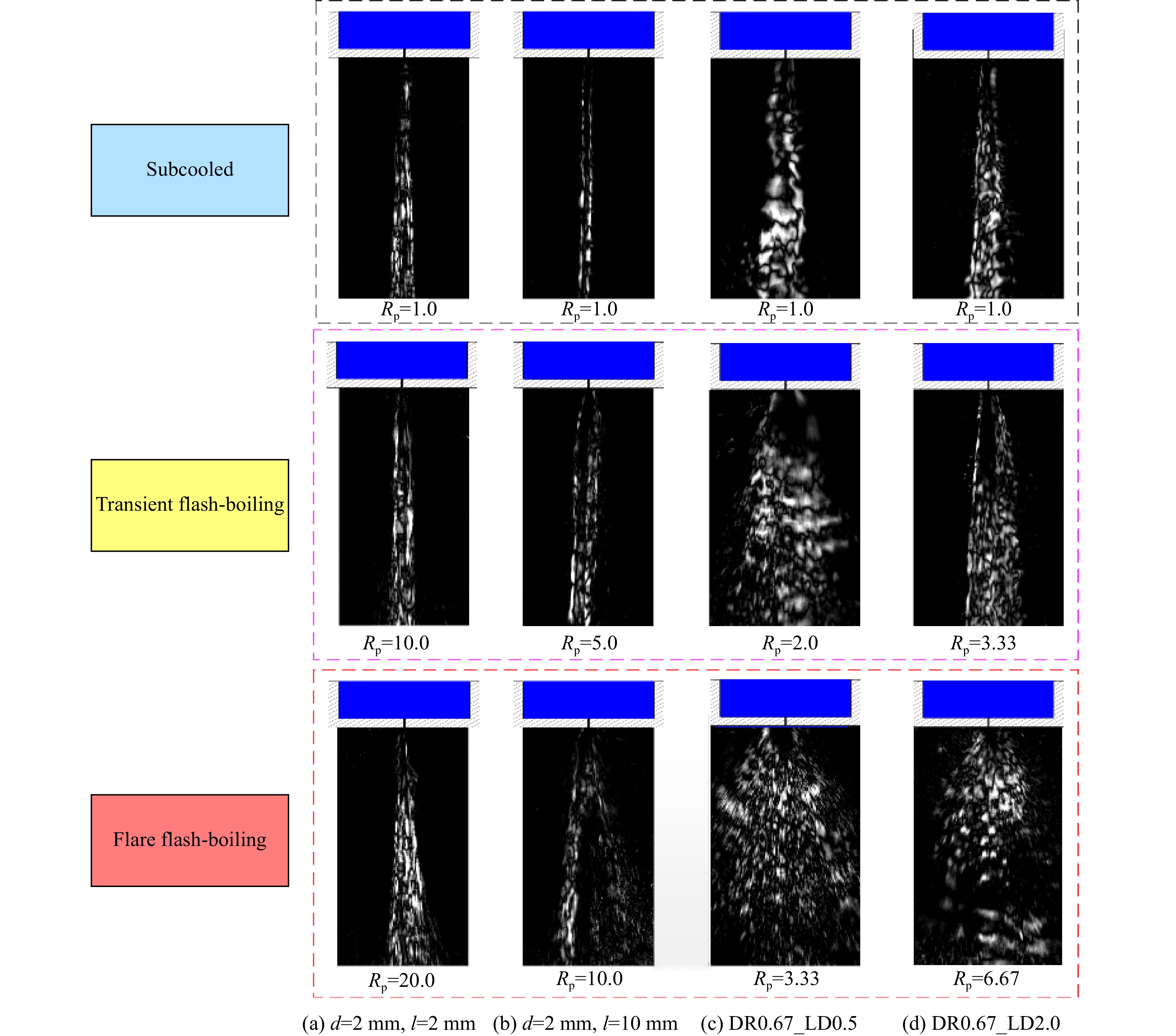
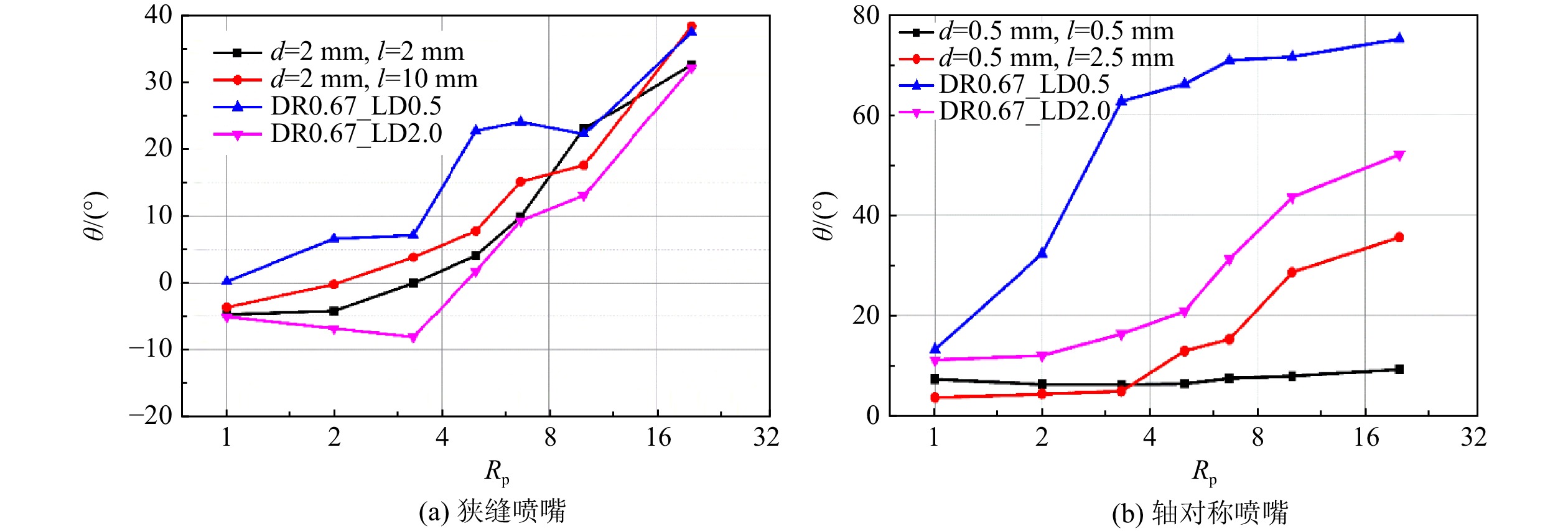
The flash-boiling spray characteristics of RP-3 aviation kerosene inside single-orifice/dual-orifice nozzle were experimentally studied to analyze the influence of superheat degree and nozzle structural parameters on in-nozzle flow and near-nozzle jet. Results showed that increasing the length-diameter ratio of single-orifice nozzle can inhibit the cavitation effect inside the nozzle, helping to increase the kerosene gasification rate from wall boiling inside the nozzle, resulting in better atomization effect of fuel jet. The expansion chamber of dual-orifice nozzle could play the role of increasing the discharge-orifice’s gasification rate; however, excessive aspect ratio of expansion chamber may decrease the superheat degree inside the nozzle, which impaired the near-nozzle atomization effect and spray symmetry. Compared with single-orifice nozzle, dual-orifice nozzle allows more easily to promote the transformation of aviation kerosene from subcooled spray to flash-boiling spray by increasing the residence time for phase transition, helping to improve the fuel atomization and obtain larger spray width and spray cone angle. Thus, using dual-orifice nozzle is a potential technical way to realize flash-boiling spray in the combustion chamber of aero-engine.

Experimental and numerical study on flow and heat transfer characteristics of composite structure with impingement perforated plate and pin-fins
XIE Li, MA Li, CAO Jun, KONG Dehai, LIU Cunliang
2024, 39(11): 20240151. doi: 10.13224/j.cnki.jasp.20240151
Abstract:

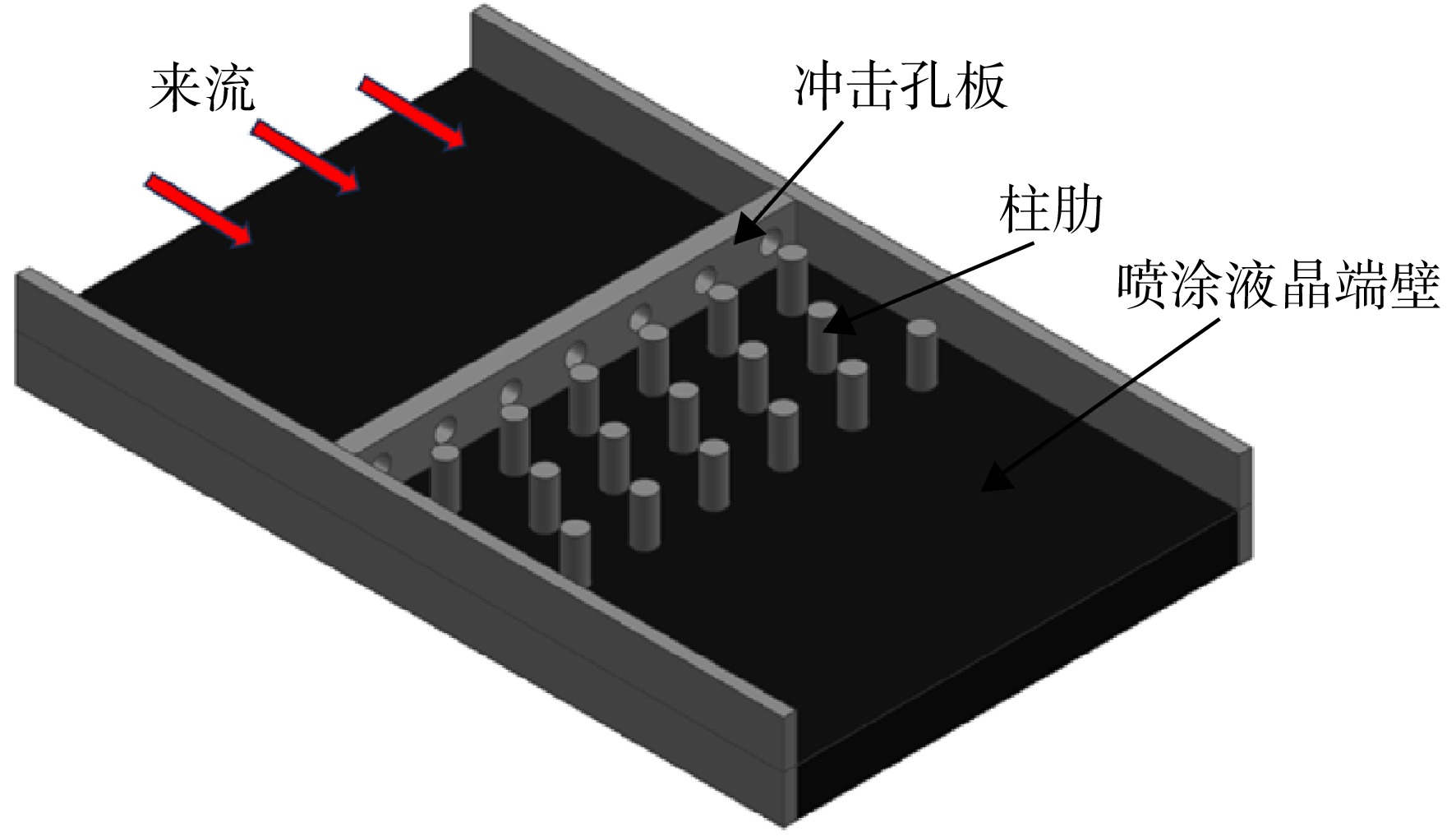
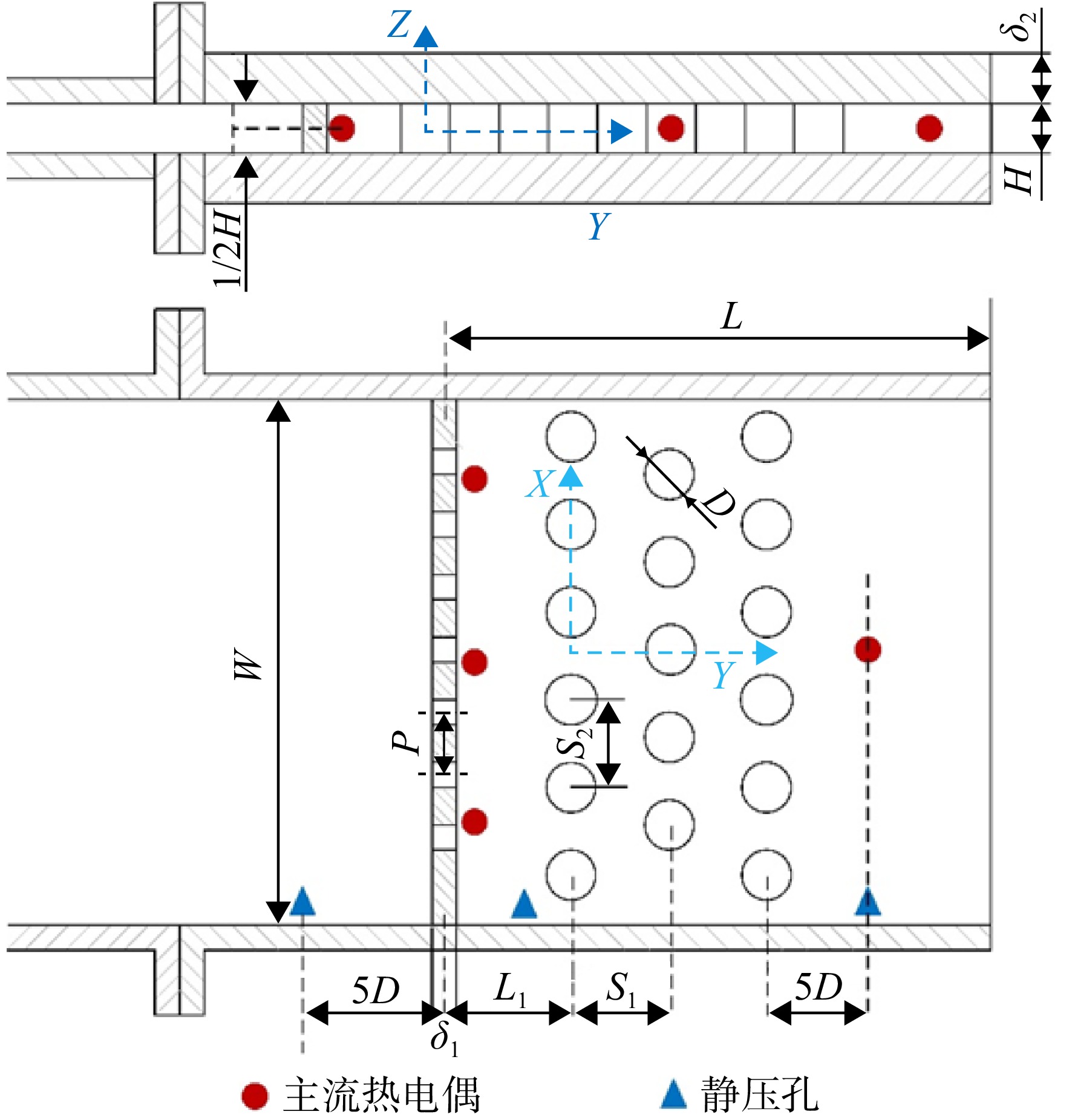
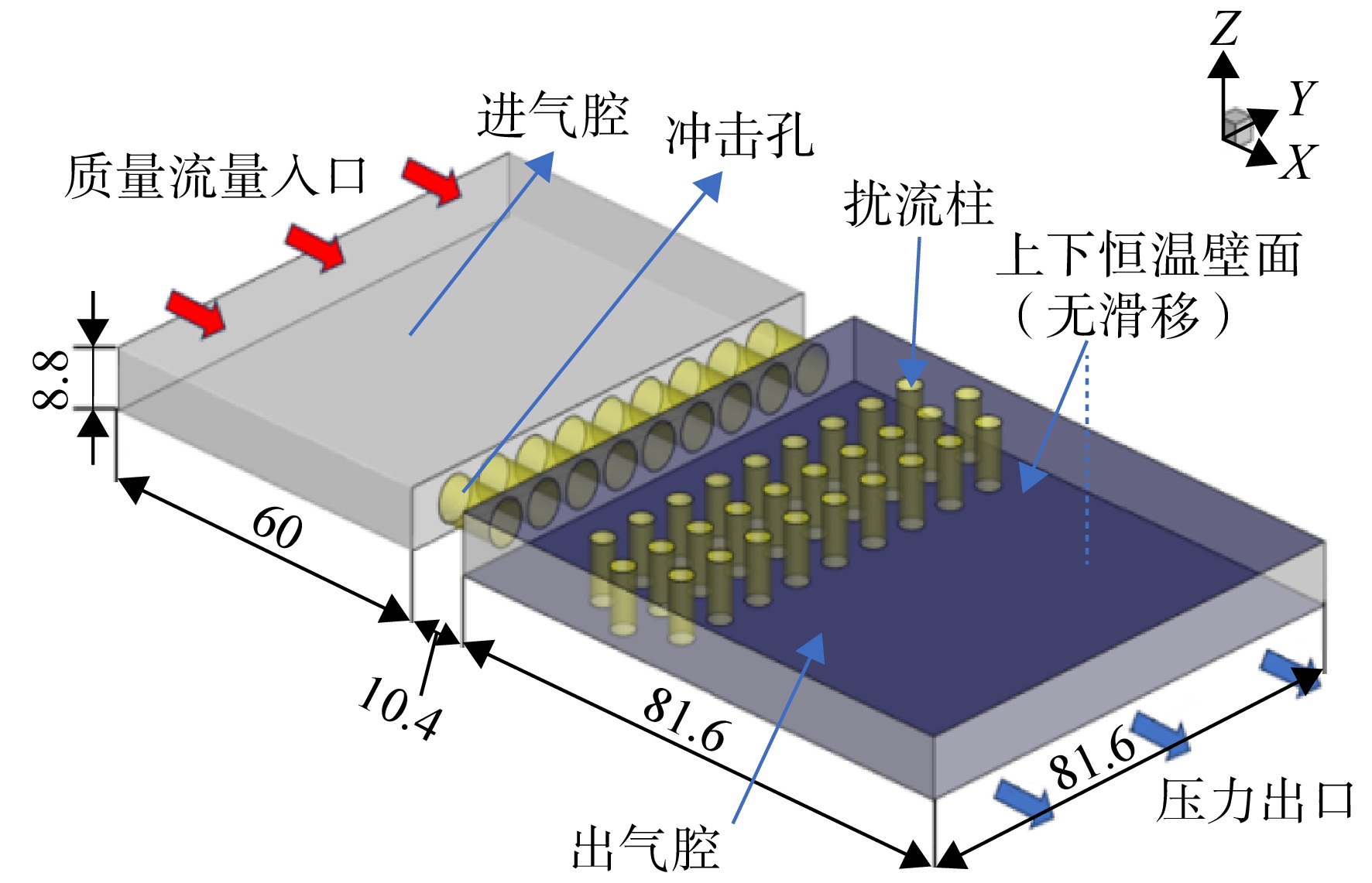
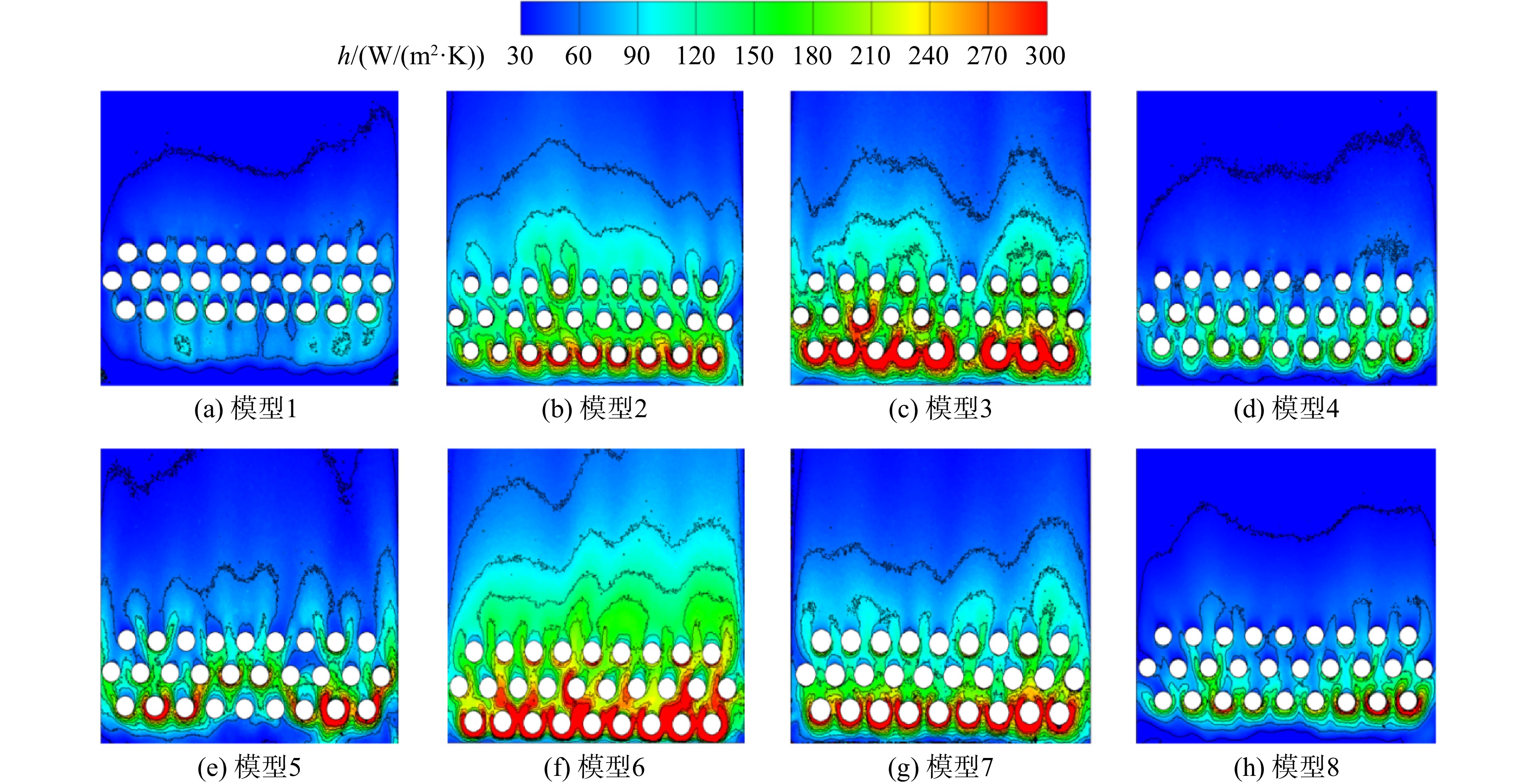
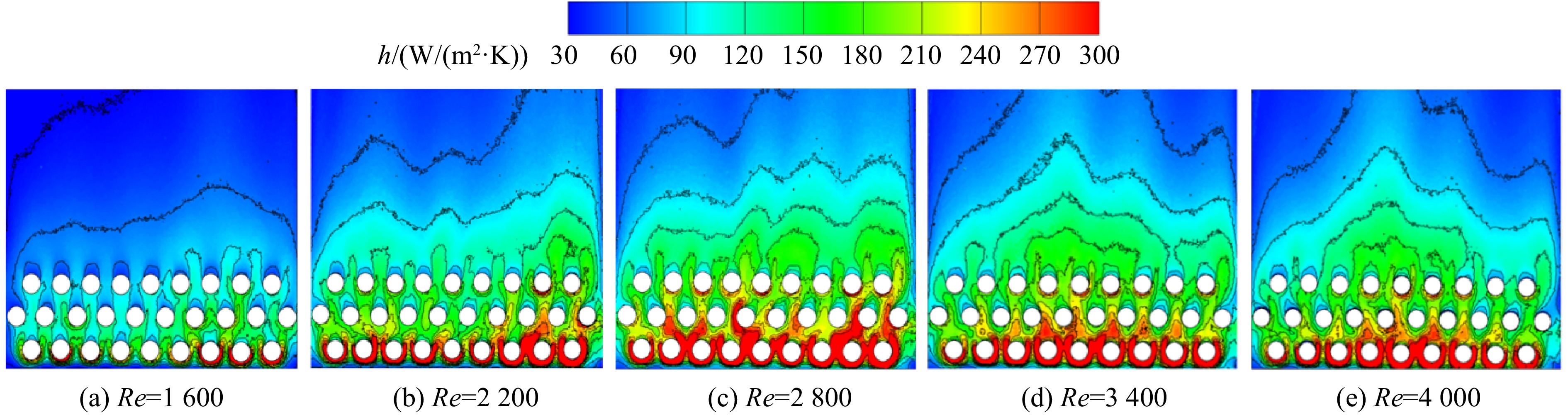
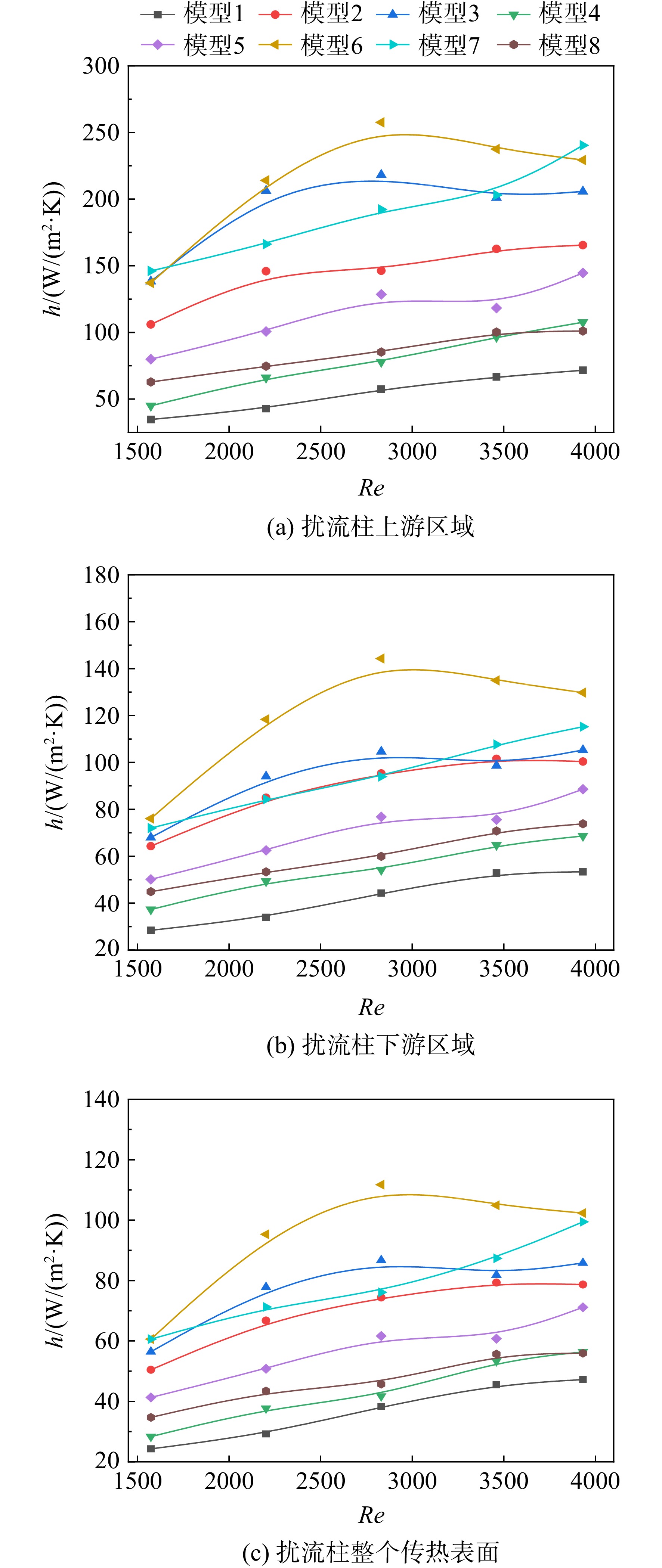
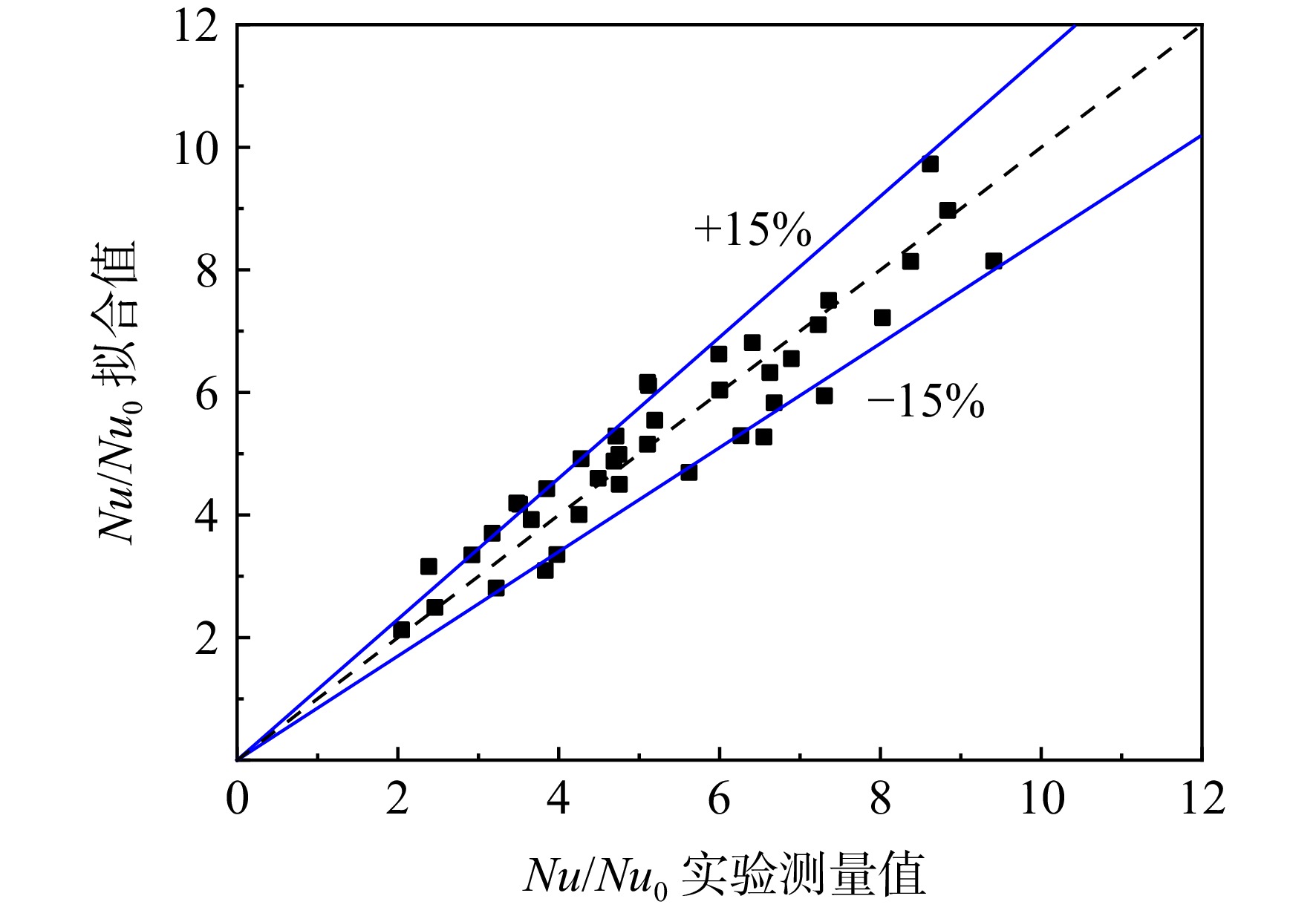
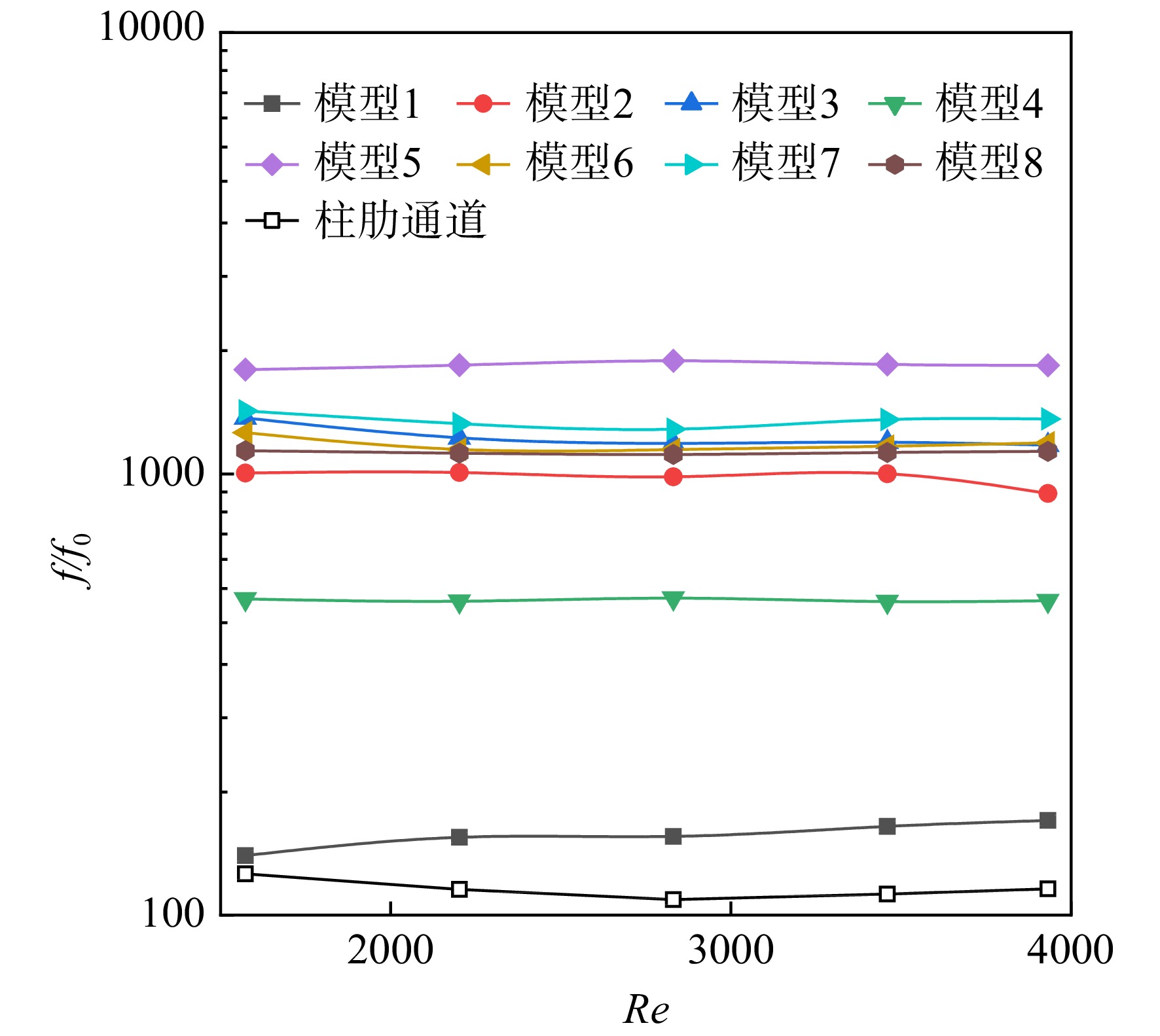
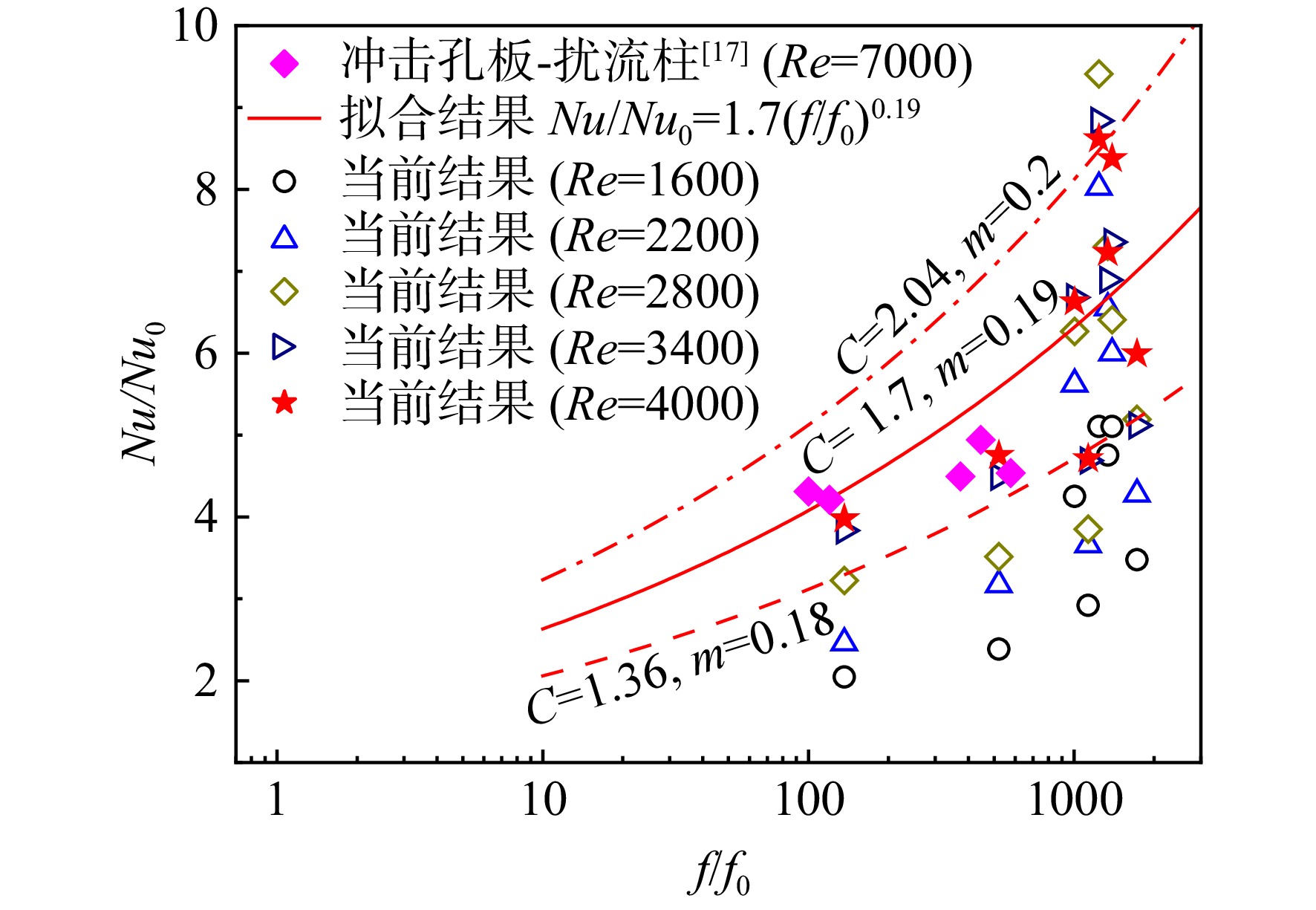
The flow and heat transfer characteristics of the composite structure with impingement perforated plate and pin-fins in the cooling channel at the trailing edge of a turbine blade were experimentally and numerically studied. The pin-fins in a staggered array were arranged on the end face of the trailing edge. The perforation ratio varied between 0.07 and 0.44, and the jet-to-surface varied from 1.5 to 4. Reynolds number, based on the hydraulic diameter of the inlet channel, was tested within the range values from 1 600 to 4 000. The convective heat transfer coefficient distribution of the surface in the pin-fin channel was obtained by using the transient liquid crystal temperature measurement technique. The effects of perforated ratio and impingement distance on the flow structure and convective heat transfer characteristics of the pin-fin channel were analyzed. The results showed that the average heat transfer of the composite structure can be significantly improved by the strong impingement jet formed at a small perforation rate, but could greatly increase the flow loss. The impingement distance and perforation rate had a significant influence on the heat transfer and pressure loss characteristics of the impingement and pin-fin composite structure. The Nusselt number of the composite structure was 2.0—9.4 times that of the smooth channel, with a friction factor of 136—1 800 times that of the smooth channel. The experimental correlations between heat transfer enhancement factors and key parameters of the combined structure were obtained.

Application of 3D ice shape laser measurement technology in icing wind tunnel
WEI Longtao, ZUO Chenglin, GUO Xiangdong, LIU Senyun, GUO Qiling
2024, 39(11): 20220958. doi: 10.13224/j.cnki.jasp.20220958
Abstract:

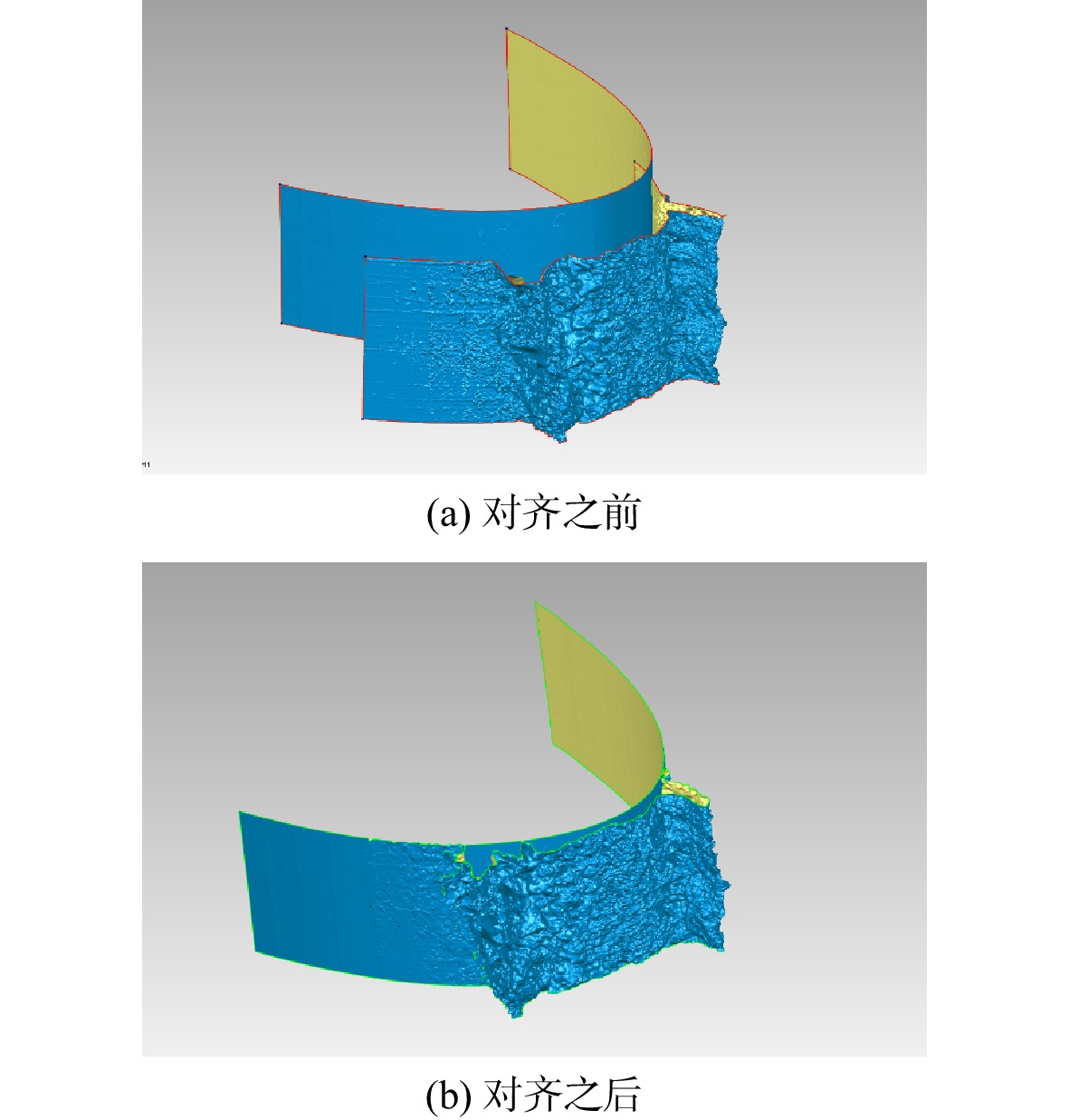
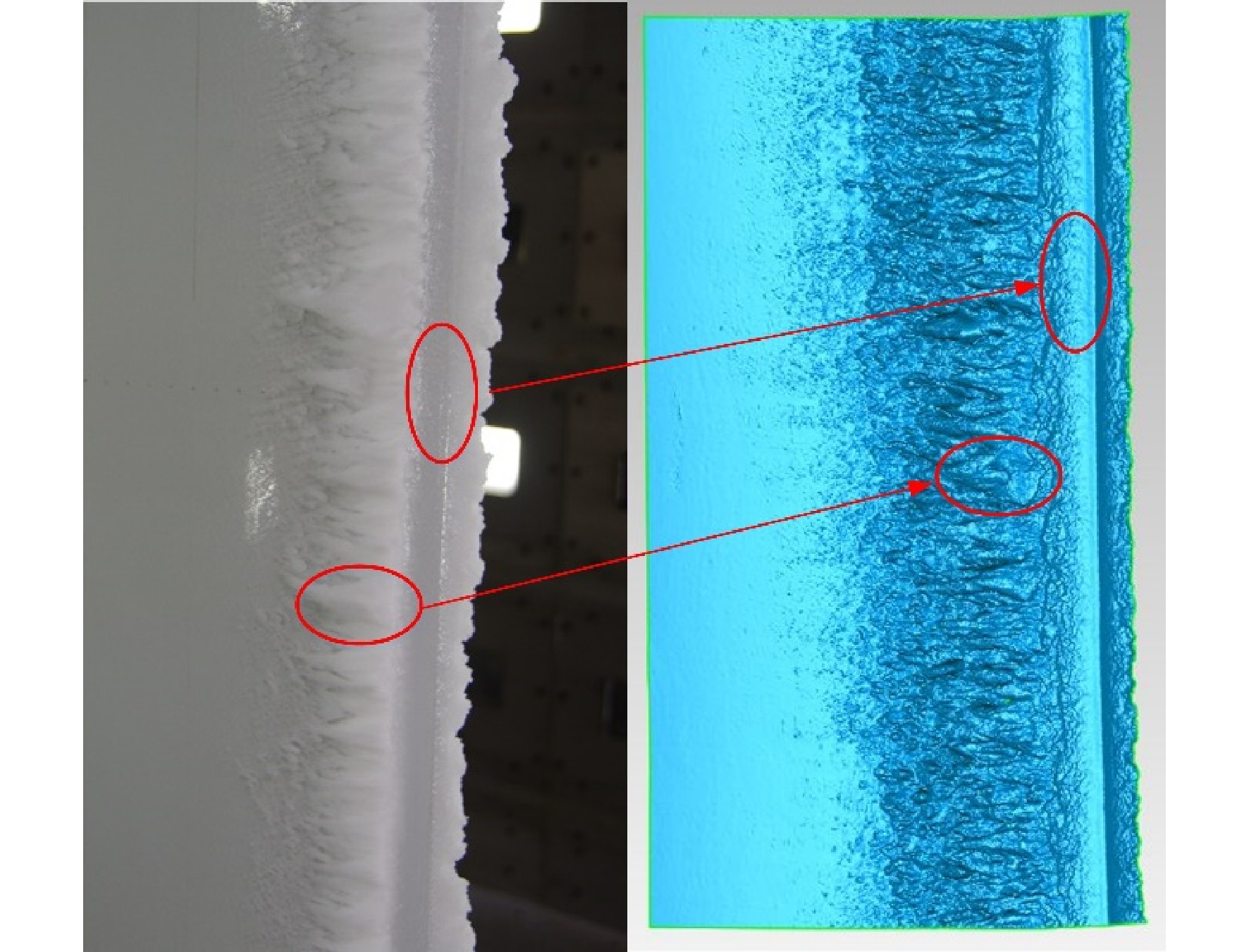
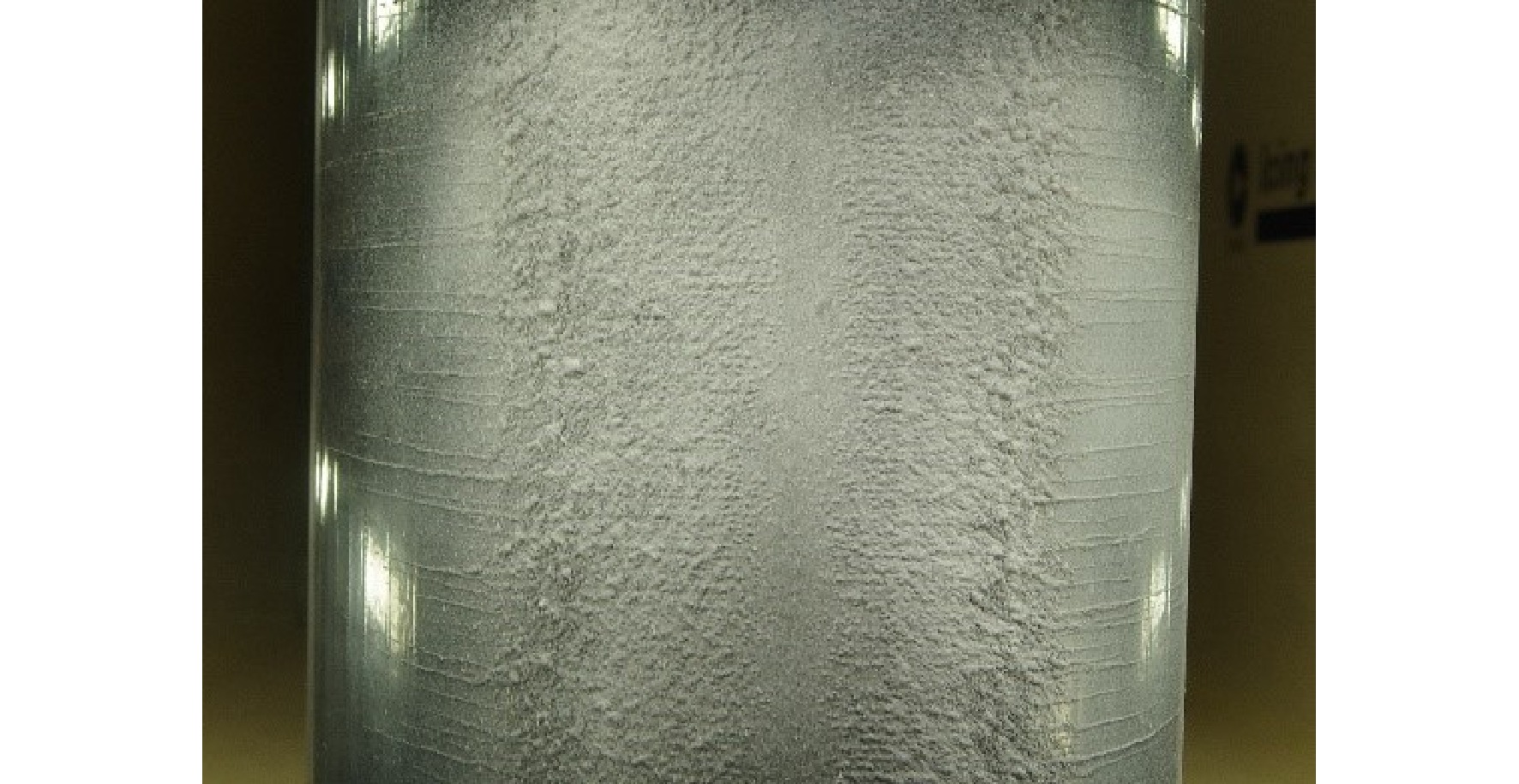
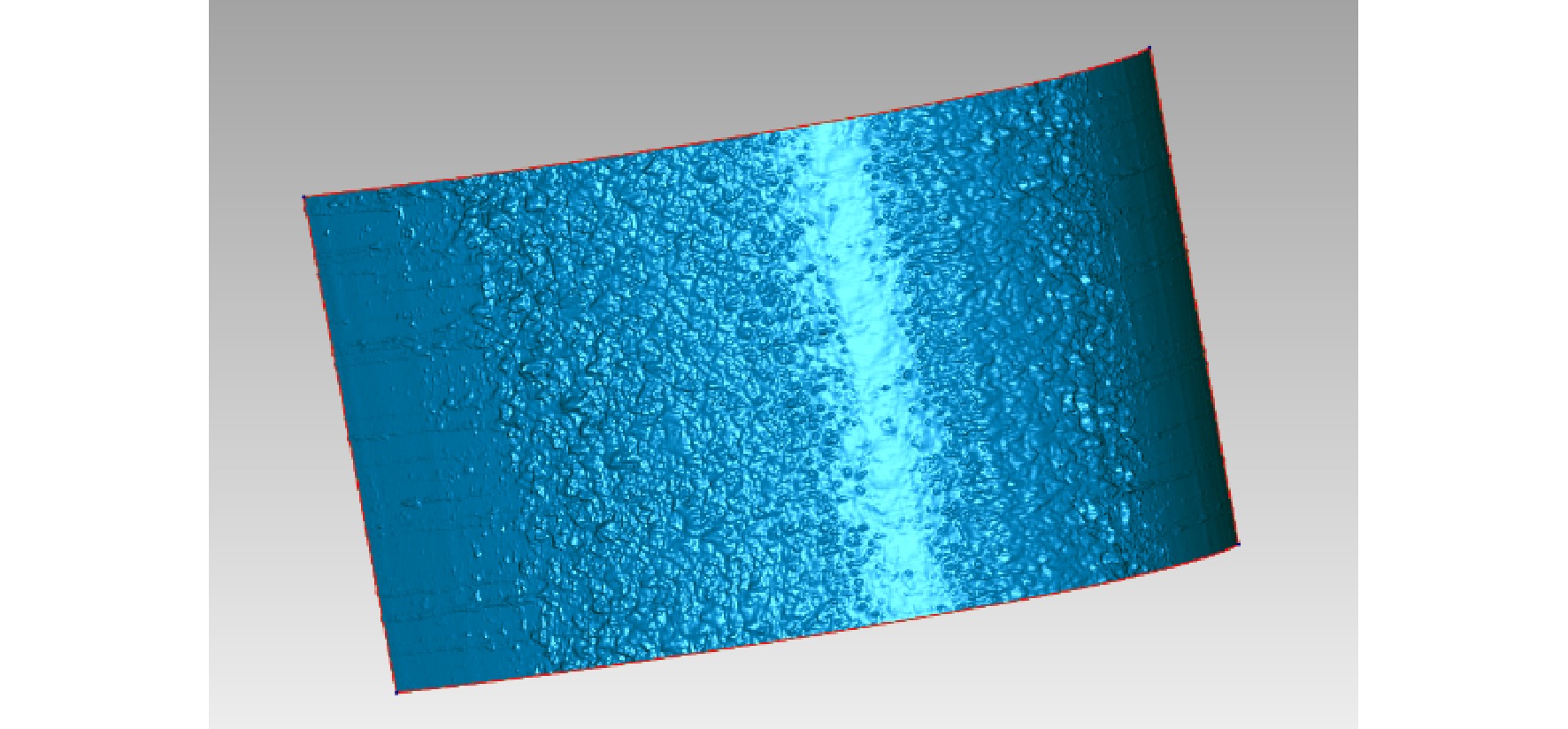
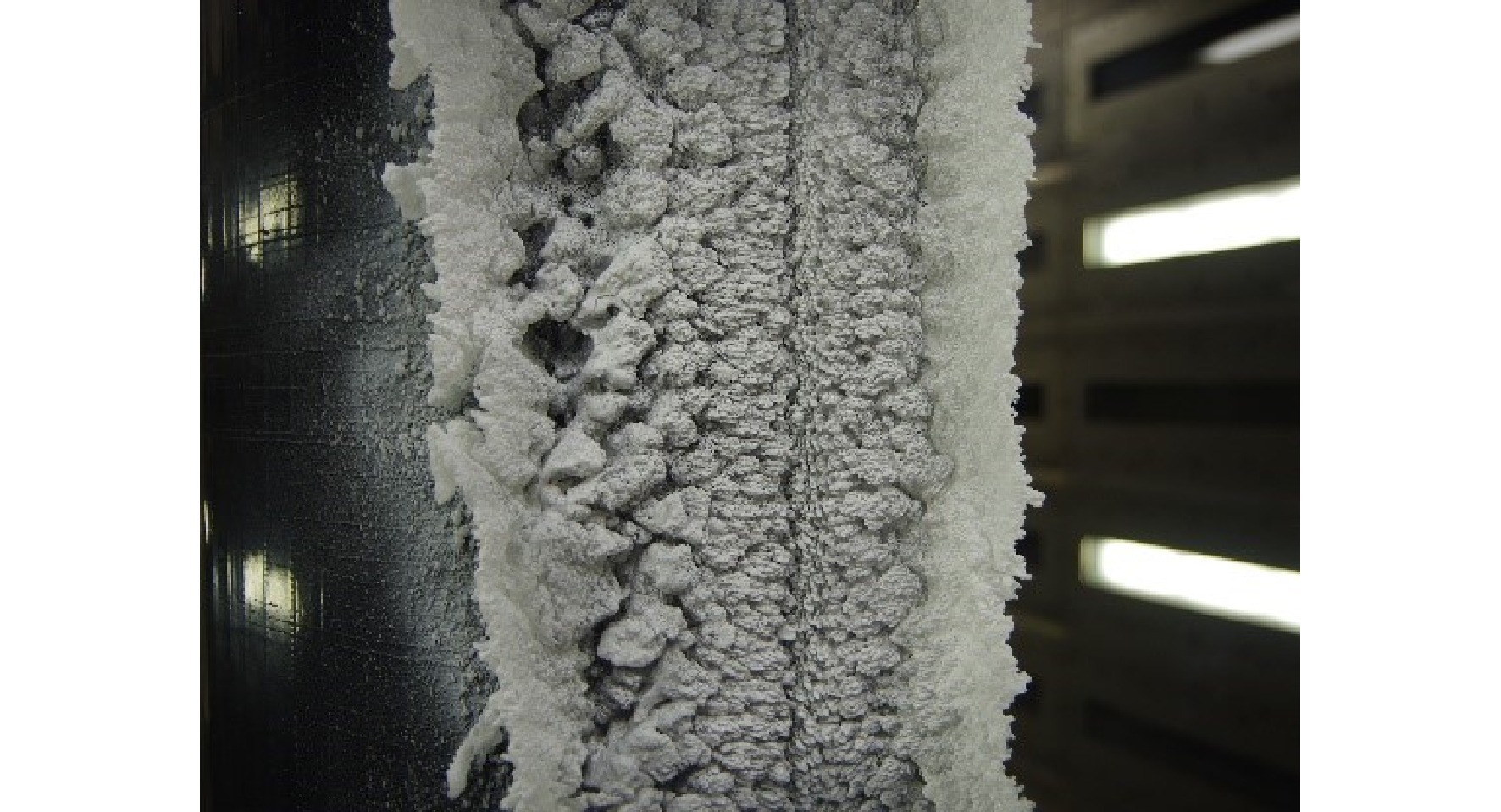
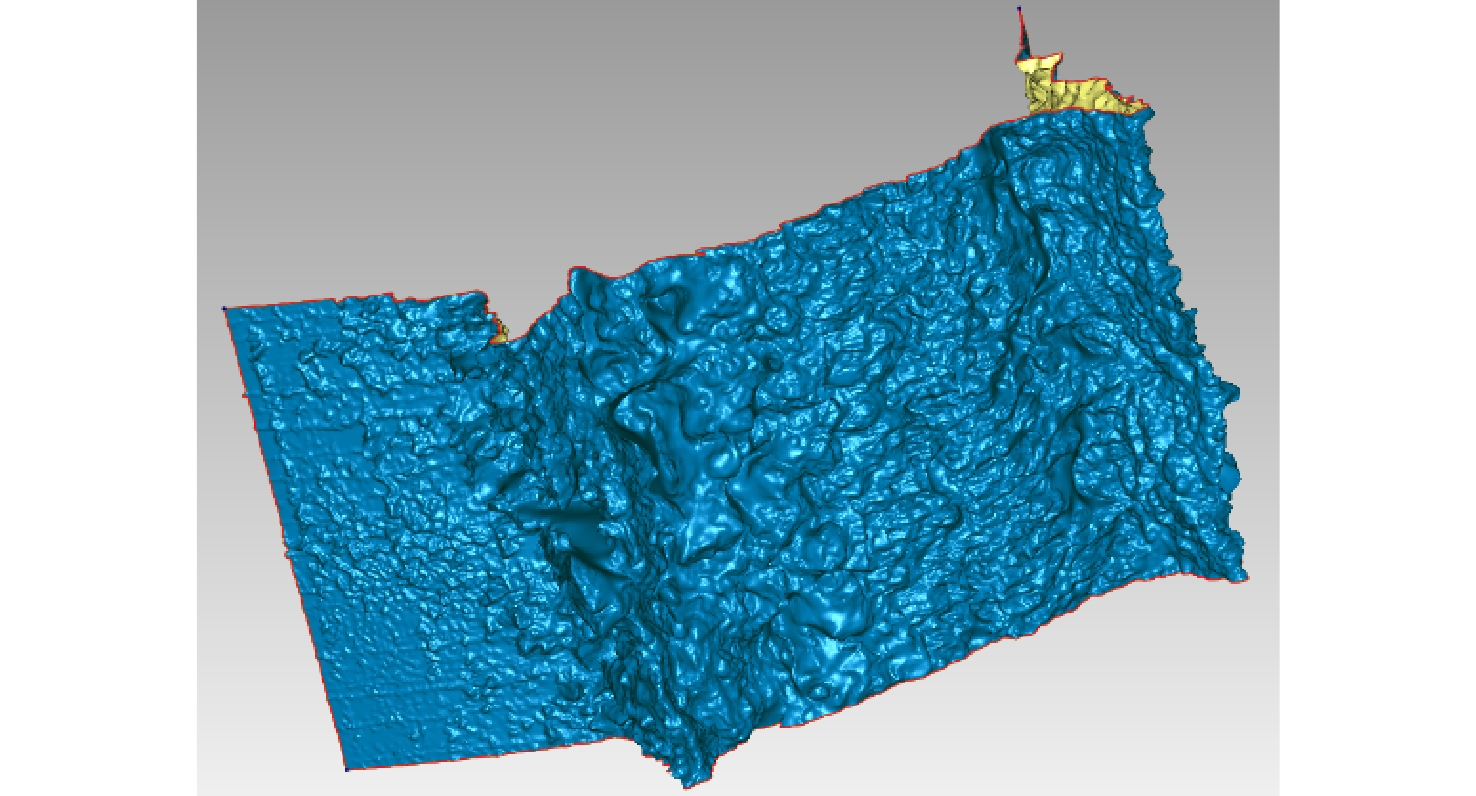
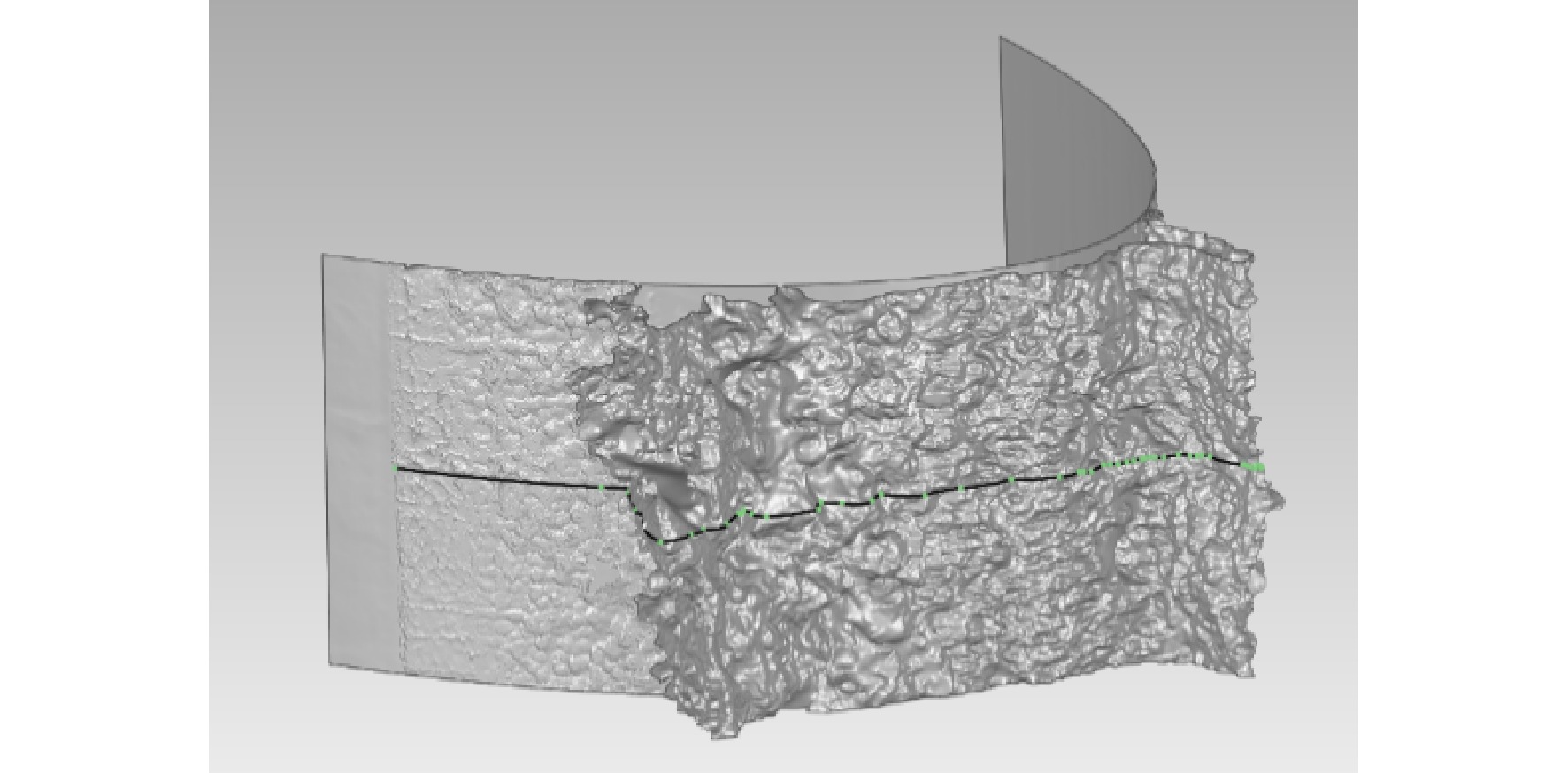
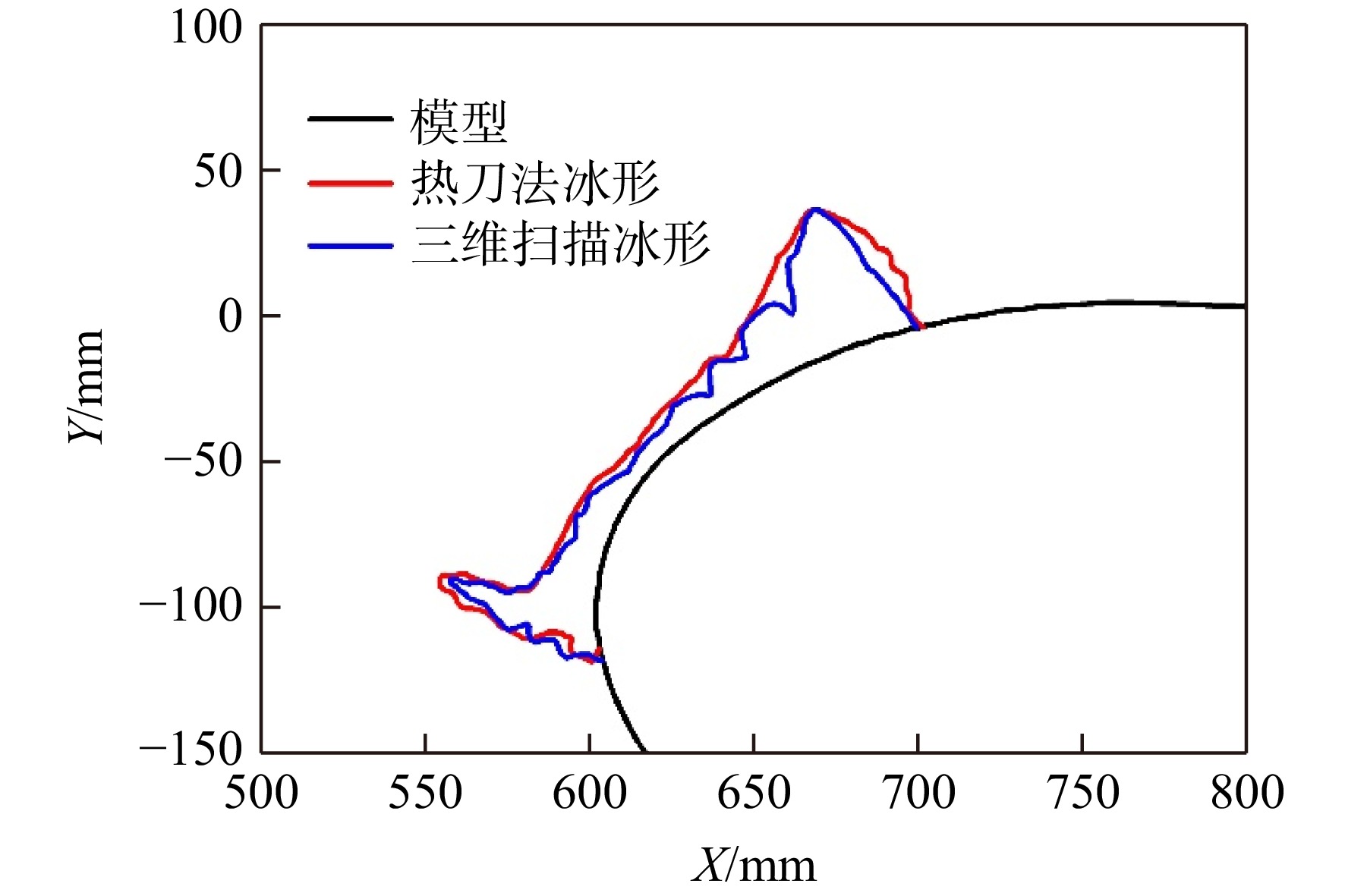
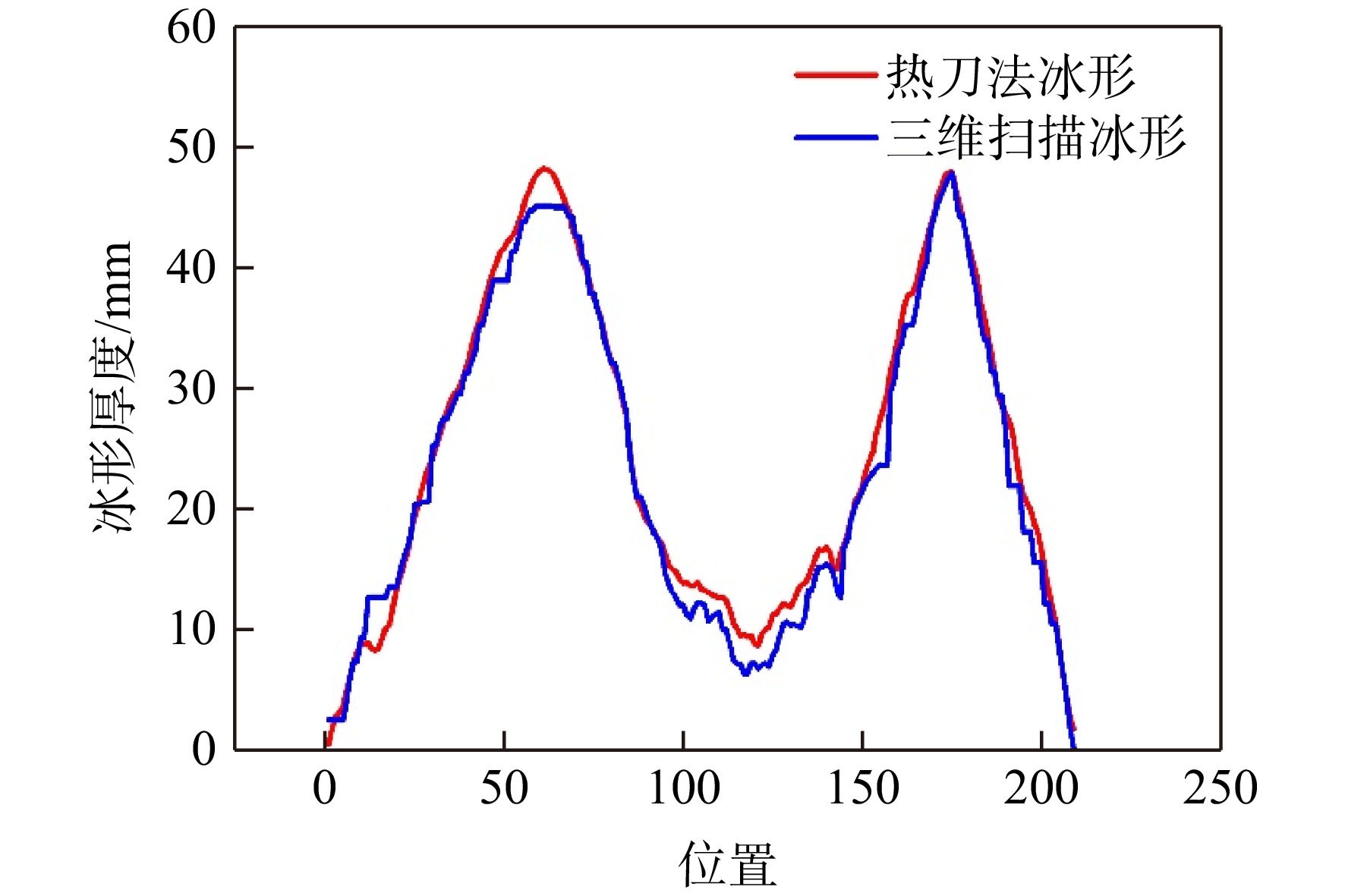
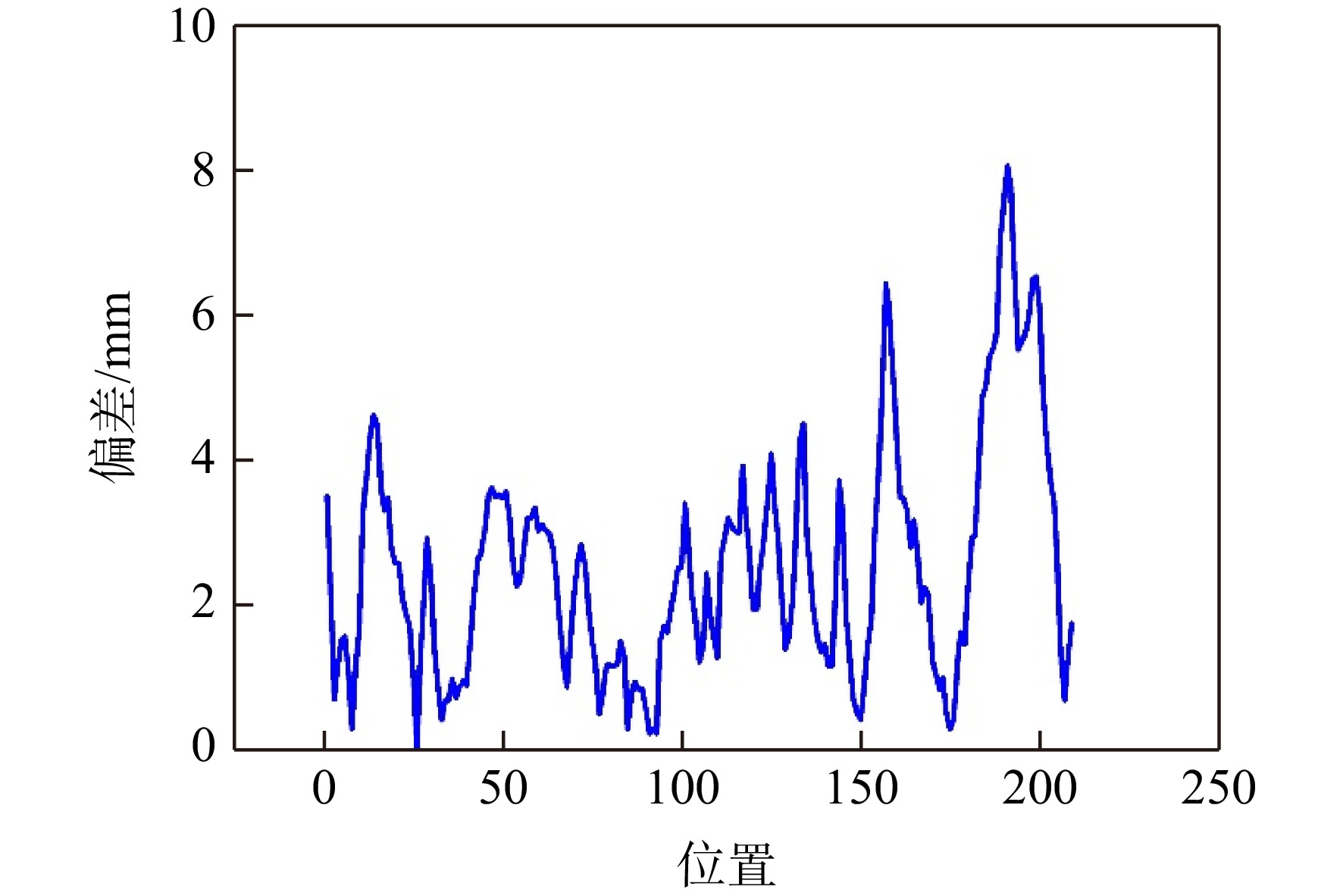
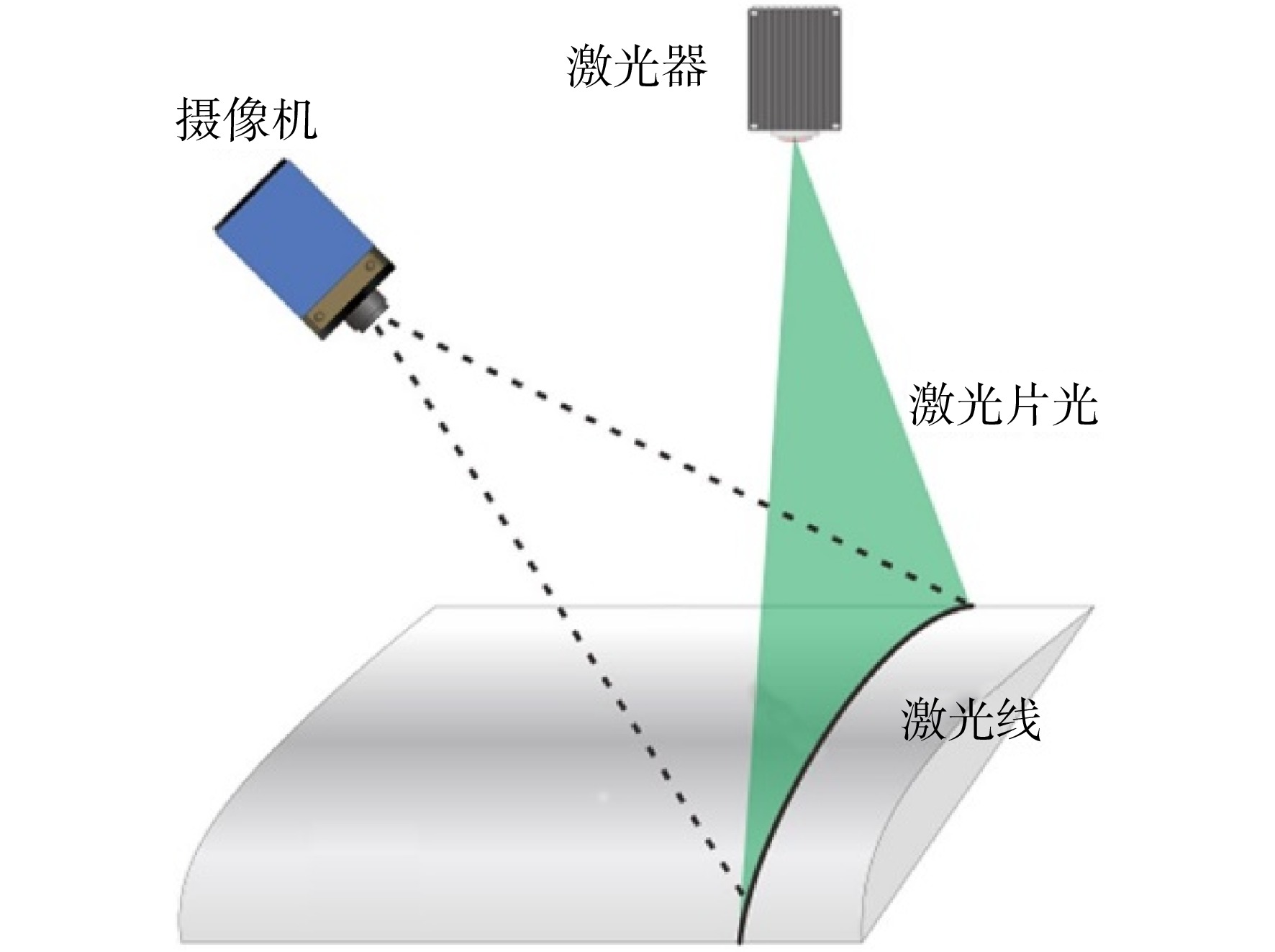
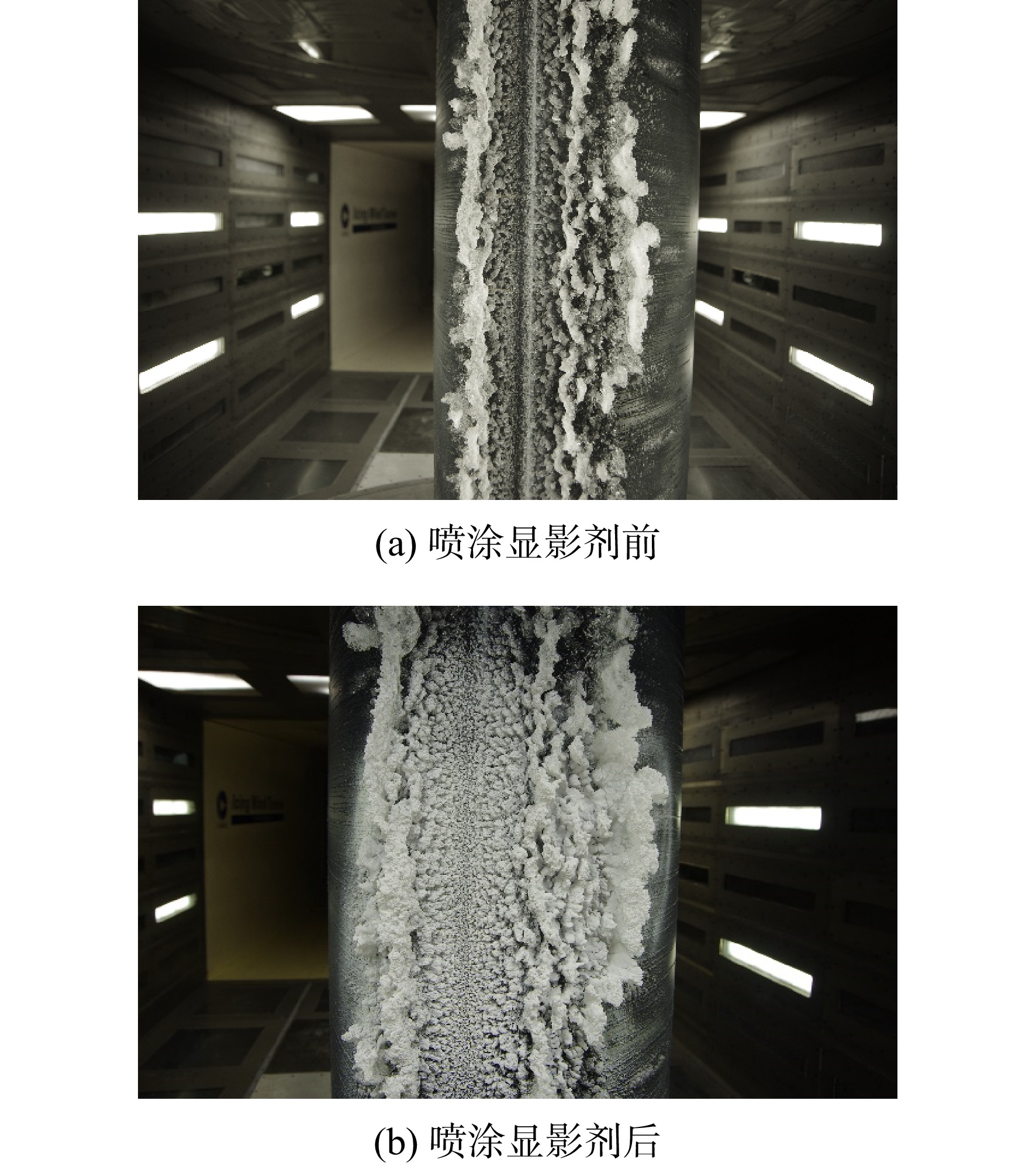
The principle of measuring 3D structure for ice accretion in icing wind tunnel with ROMER measuring instrument was introduced, and a fast reconstruction method for model with ice shape was proposed. Typical rime ice, rough ice and horned ice were obtained by wind tunnel test. The 3D morphology of ice accretion was measured by ROMER instrument, and the 3D data of ice accretion on the surface of the model were obtained. The results showed that 3D results of rime ice were highly consistent with the actual ice shape, and the detailed characteristics of ice accumulation can be accurately measured. 3D scanning technology can measure the rough ice results which can not be obtained by hot knife method. Compared with the ice trajectory of the shorn ice obtained by the hot knife method, the ice trajectory of the 3D ice shape in the same section had the same icing range and icing level, with the average thickness deviation of ice up to 2.5 mm.

Influence of transfer mode on fuel tank thermal model
WANG Chenchen, LIU Yi, PAN Jun, BAI Wentao
2024, 39(11): 20220877. doi: 10.13224/j.cnki.jasp.20220877
Abstract:

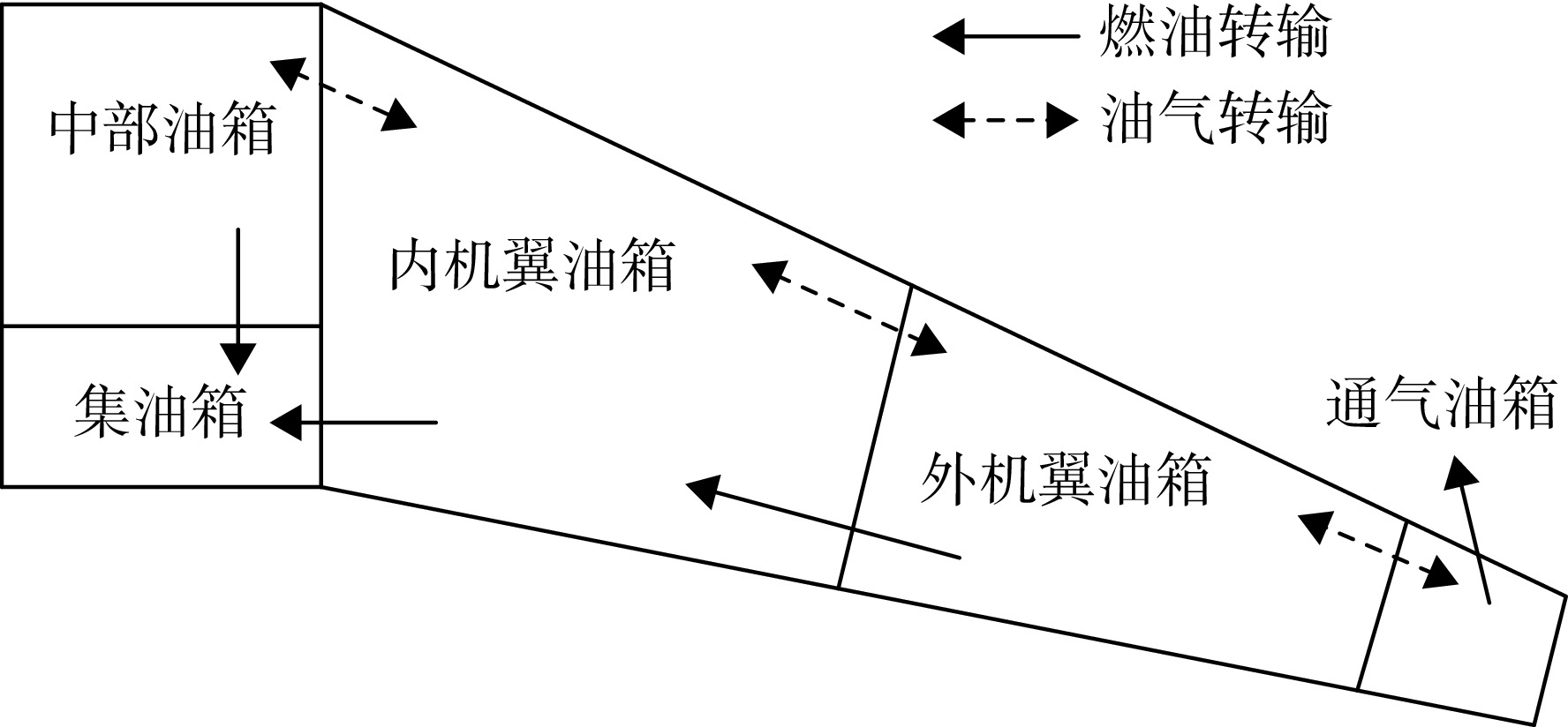
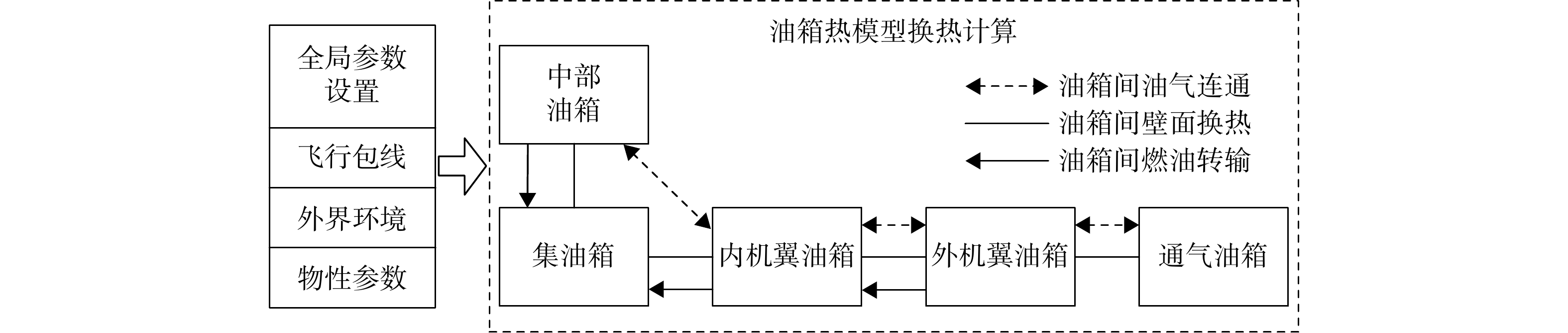
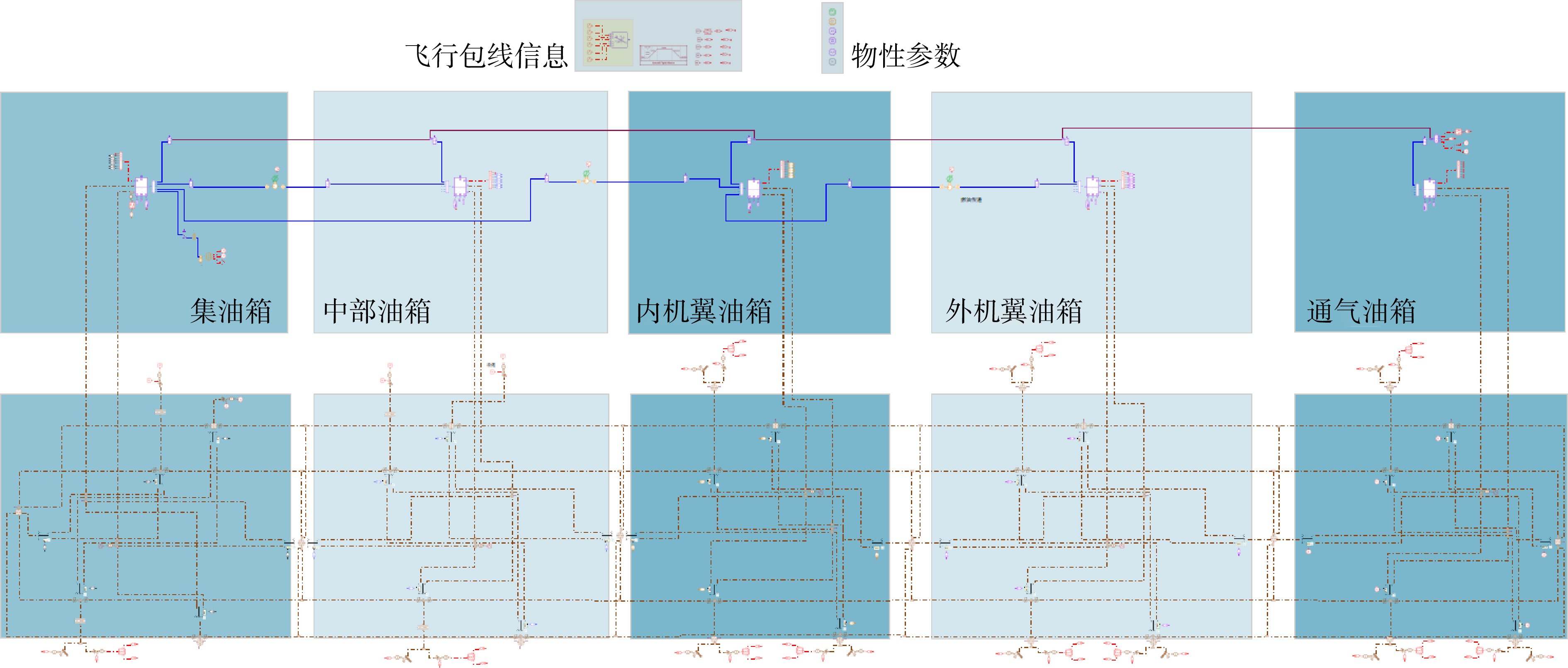
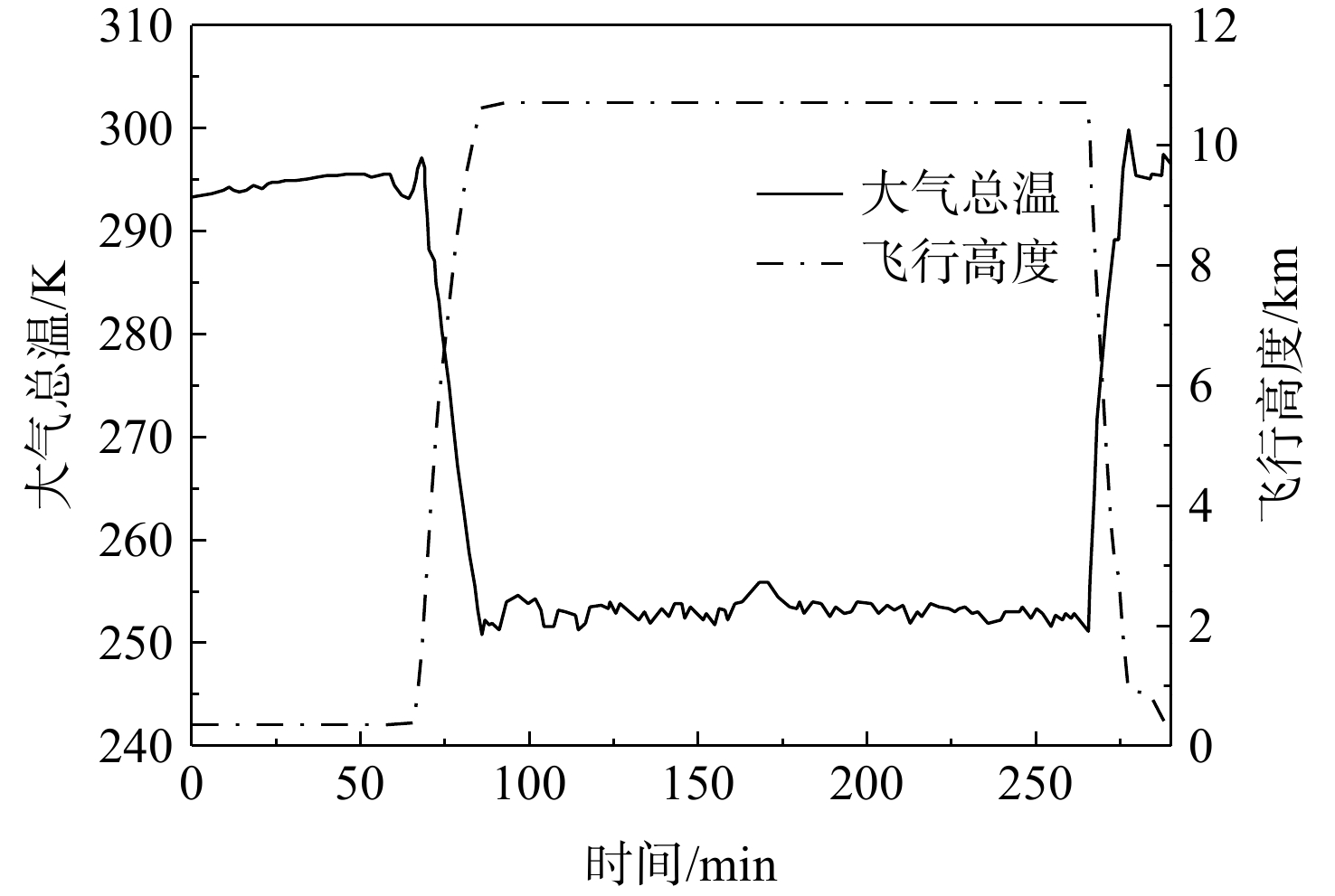
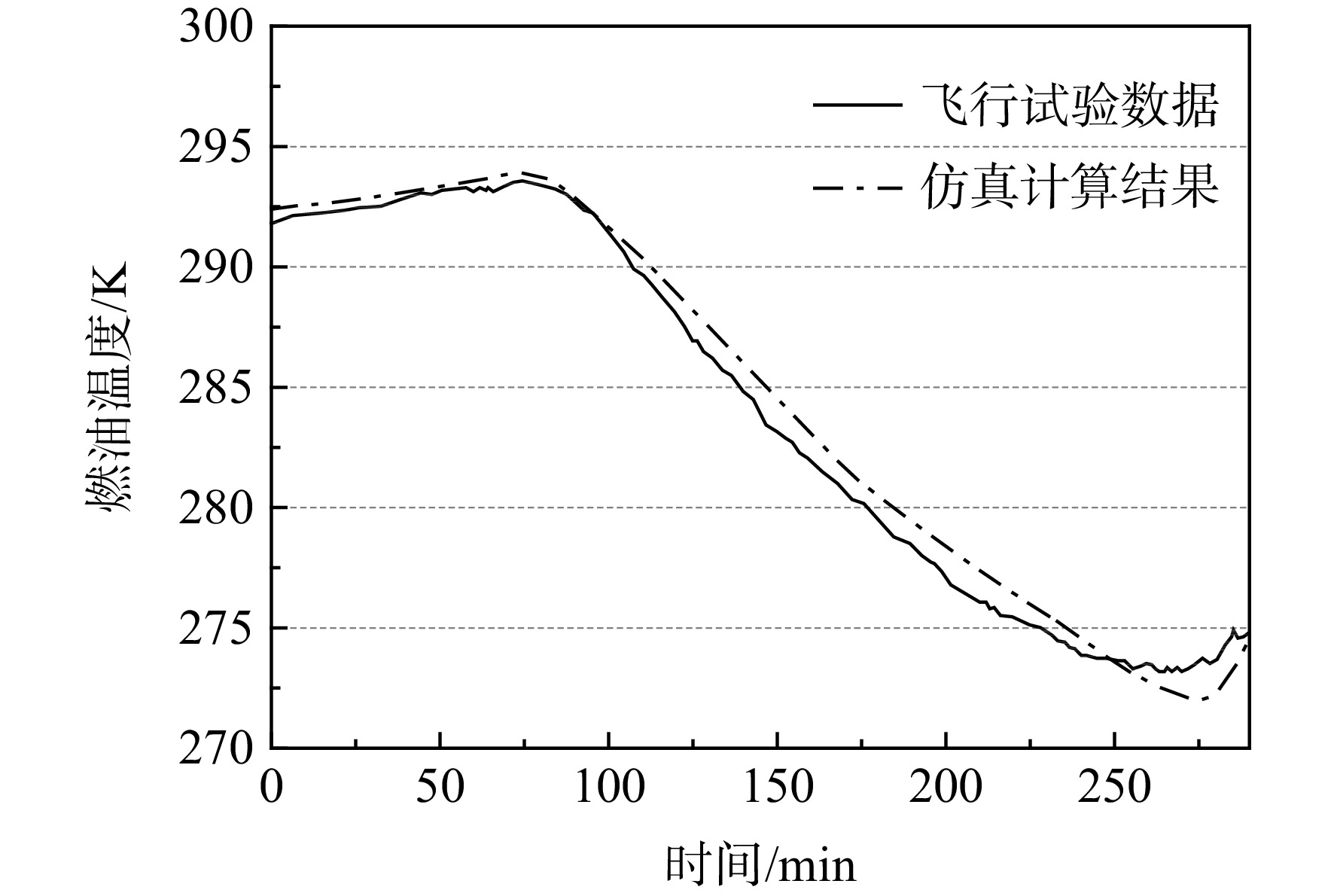
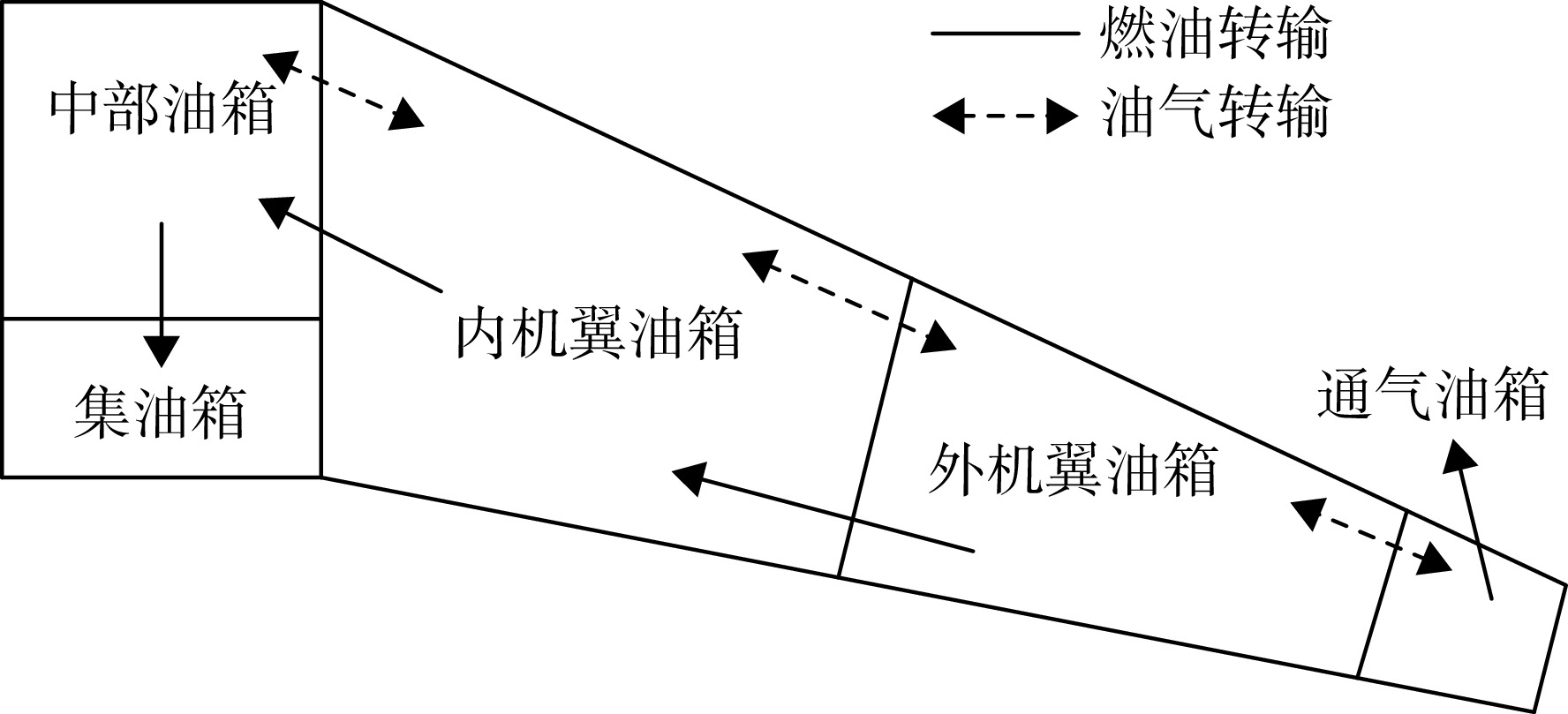
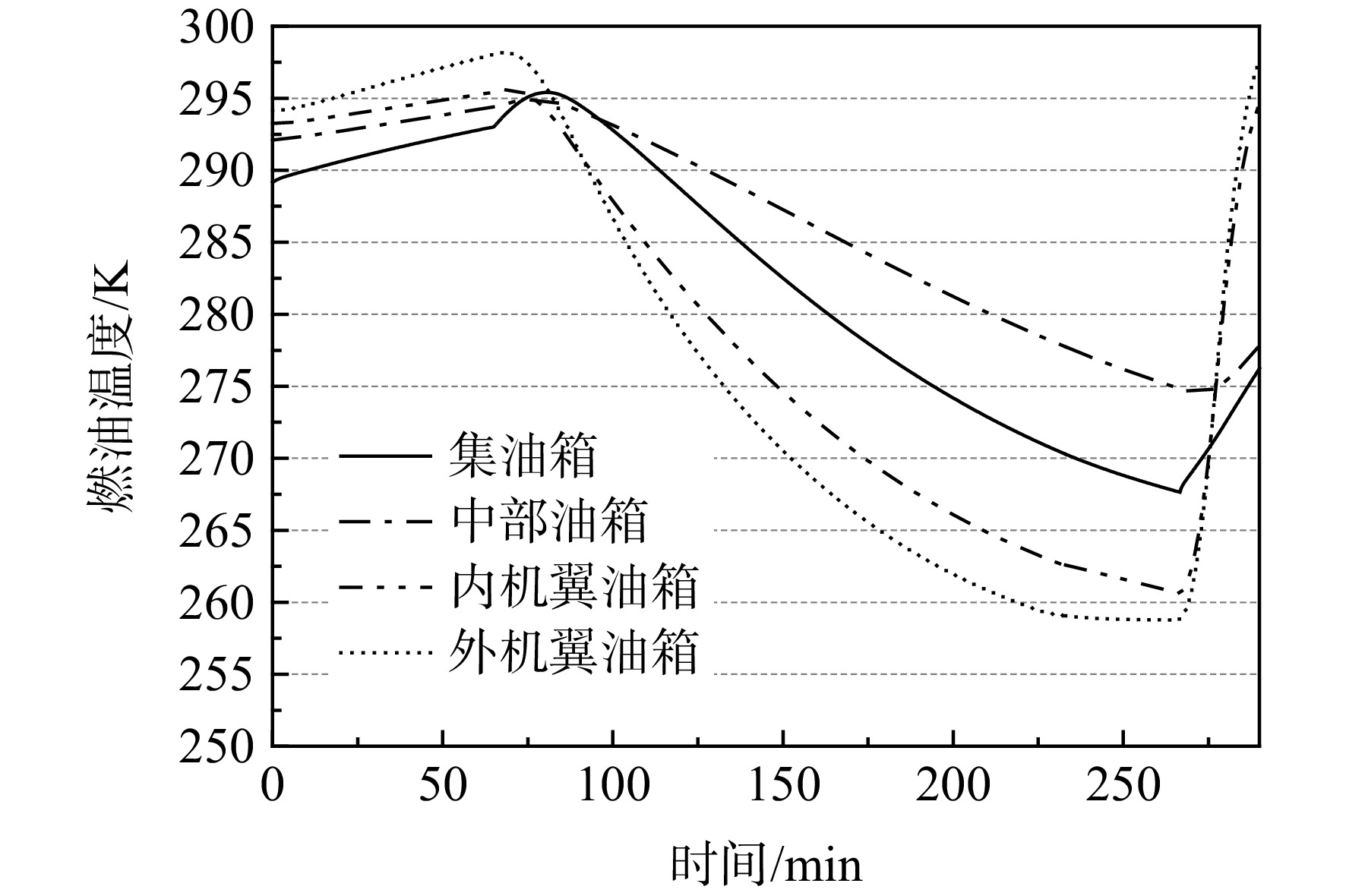
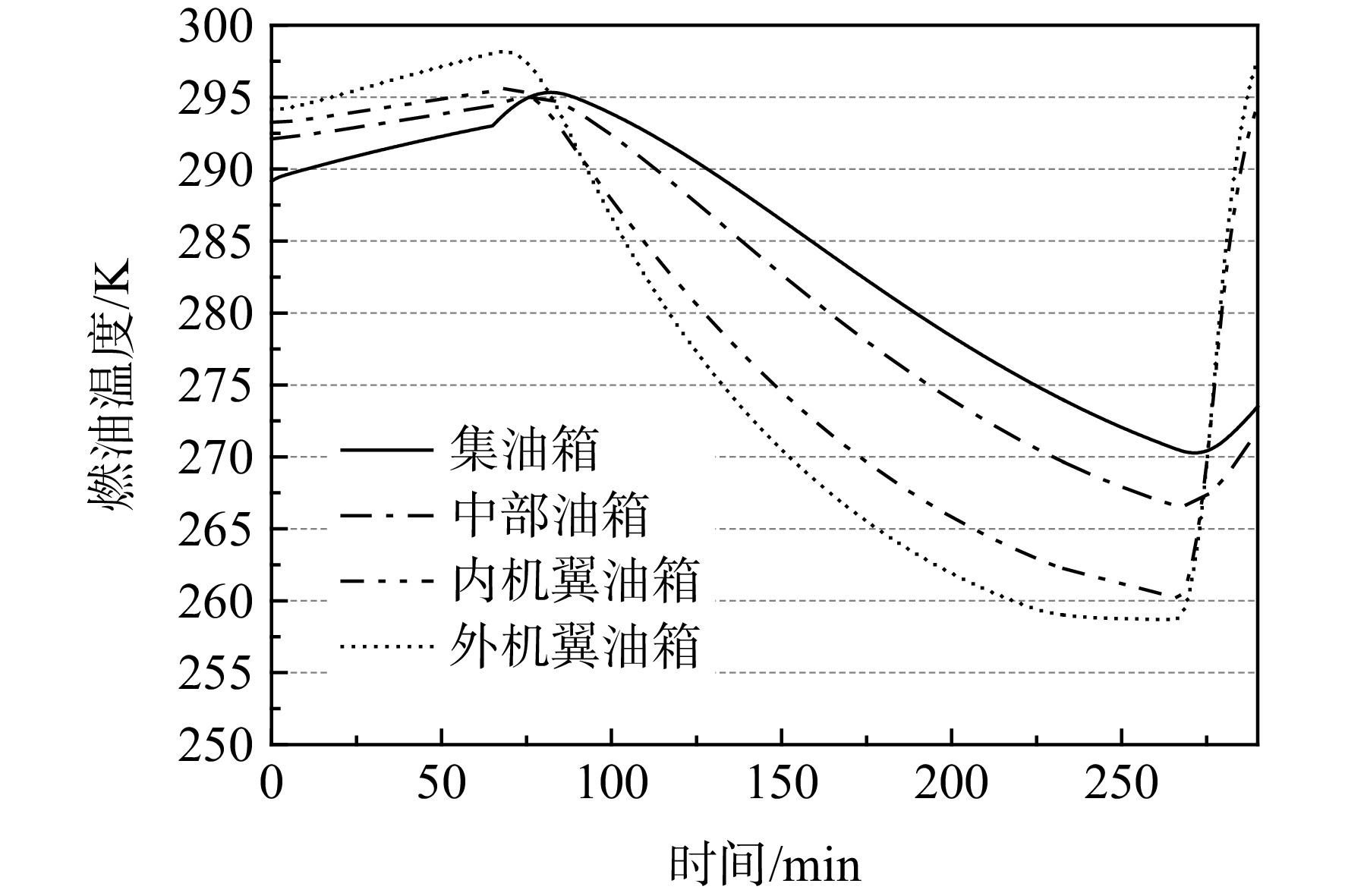
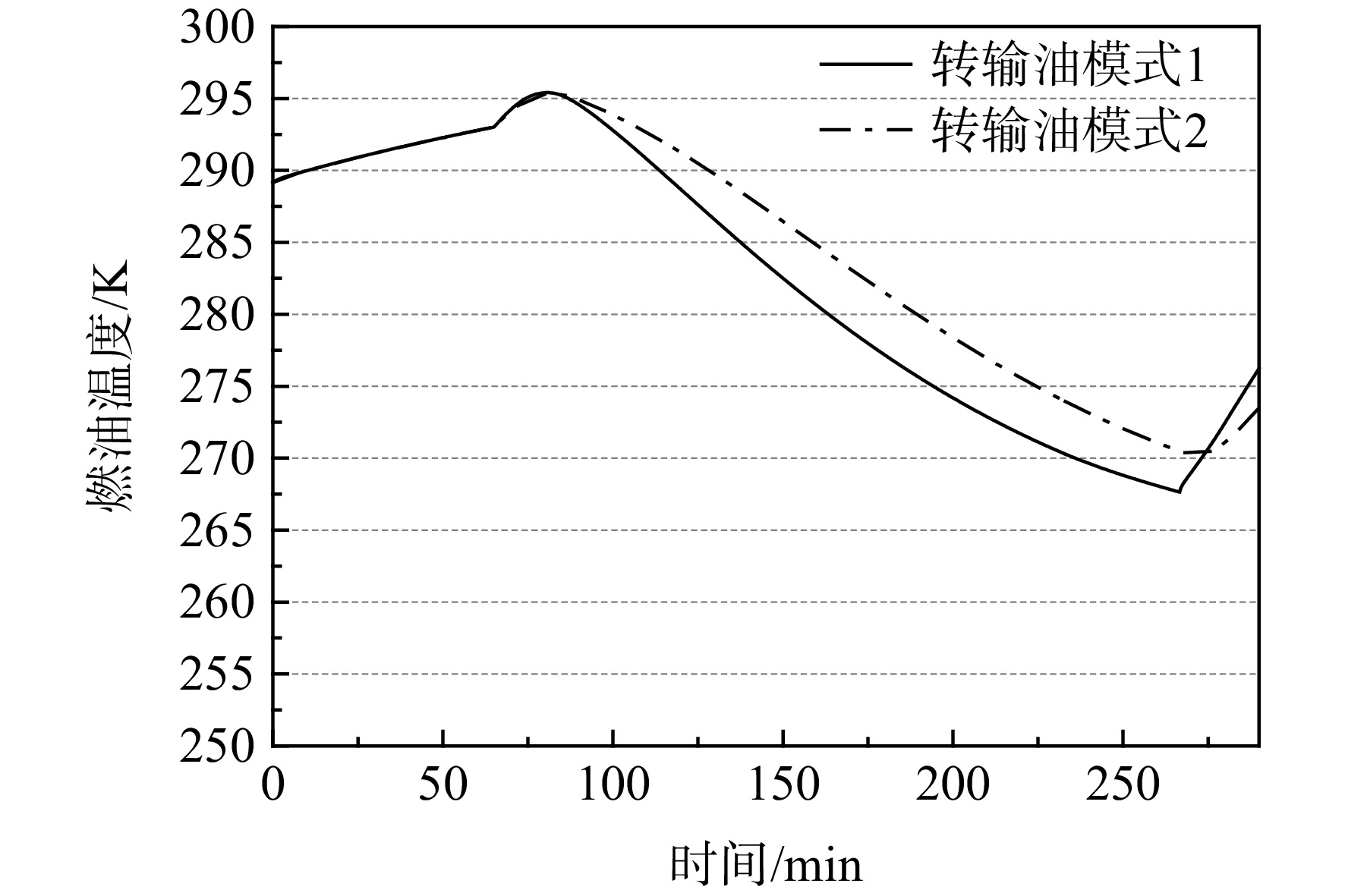
In order to study the fuel temperature change rule of aircraft fuel tank under the flight envelope, a fuel tank thermal model was established based on the AMESim simulation platform, and the boundary conditions corresponding to a flight experiment were used as input for calculation to verify the accuracy of the model. On this basis, the change rule of fuel temperature in each fuel tank under a hot day flight and different fuel transfer modes was analyzed. Results showed that the calculation results of this model were in good agreement with the flight experiment data, and met the accuracy requirements of airworthiness compliance verification; during the climbing and cruising stages, the fuel temperature in the middle fuel tank was higher than other fuel tanks; the wing tank fuel temperature was at a relatively low temperature due to the cooling effect of the external environment; the fuel transfer mode had a greater impact on the fuel temperature changes in the middle fuel tank and collection fuel tank, and the fuel temperature difference of each fuel tank in the fuel transfer mode 2 was smaller than that in the fuel transfer mode 1.

Characteristics of shaped holes on the pressure surface of turbine vane
JIANG Yan, LI Haiwang, XIE Gang, TAO Zhi, ZHOU Zhiyu
2024, 39(11): 20220963. doi: 10.13224/j.cnki.jasp.20220963
Abstract:
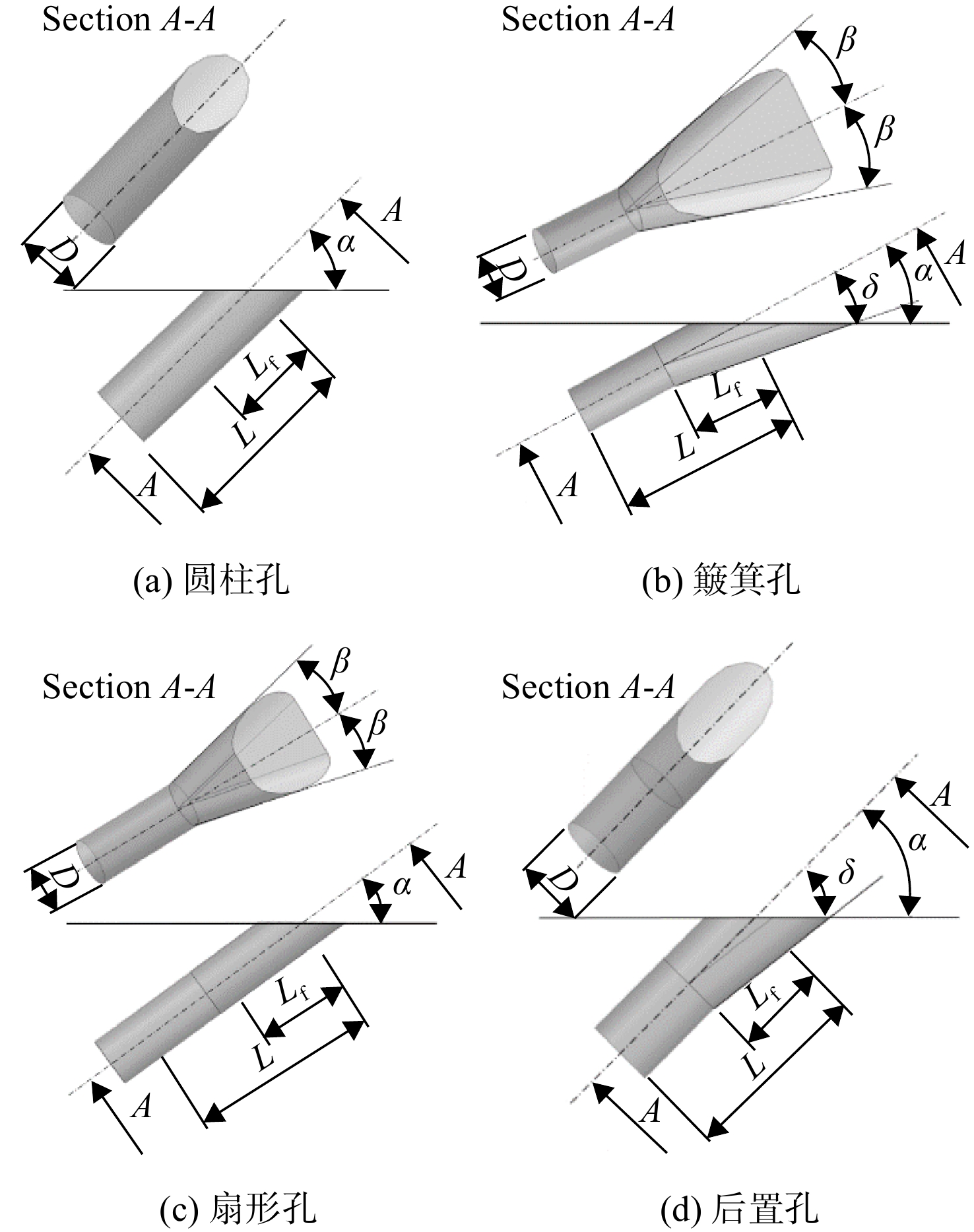
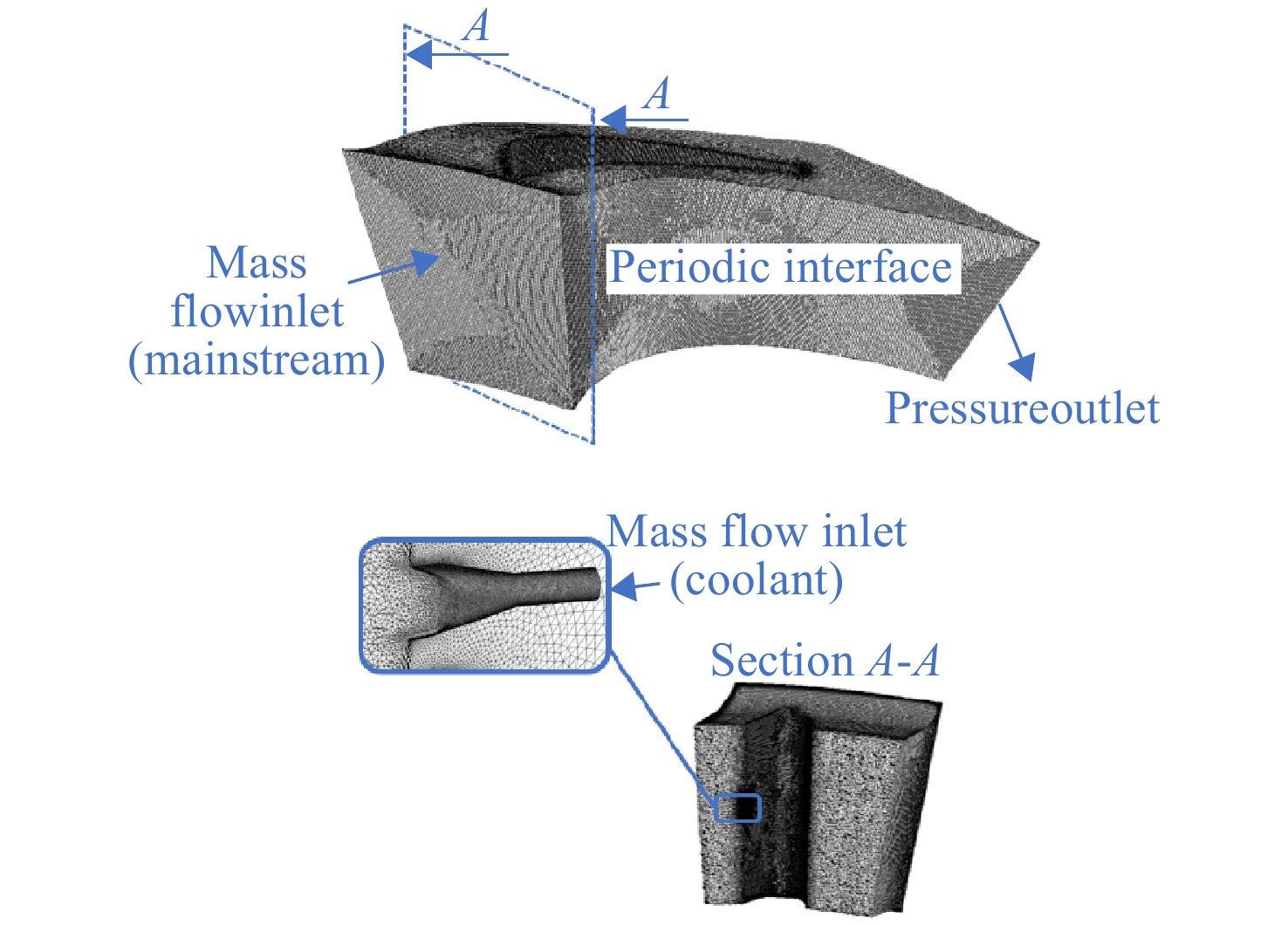
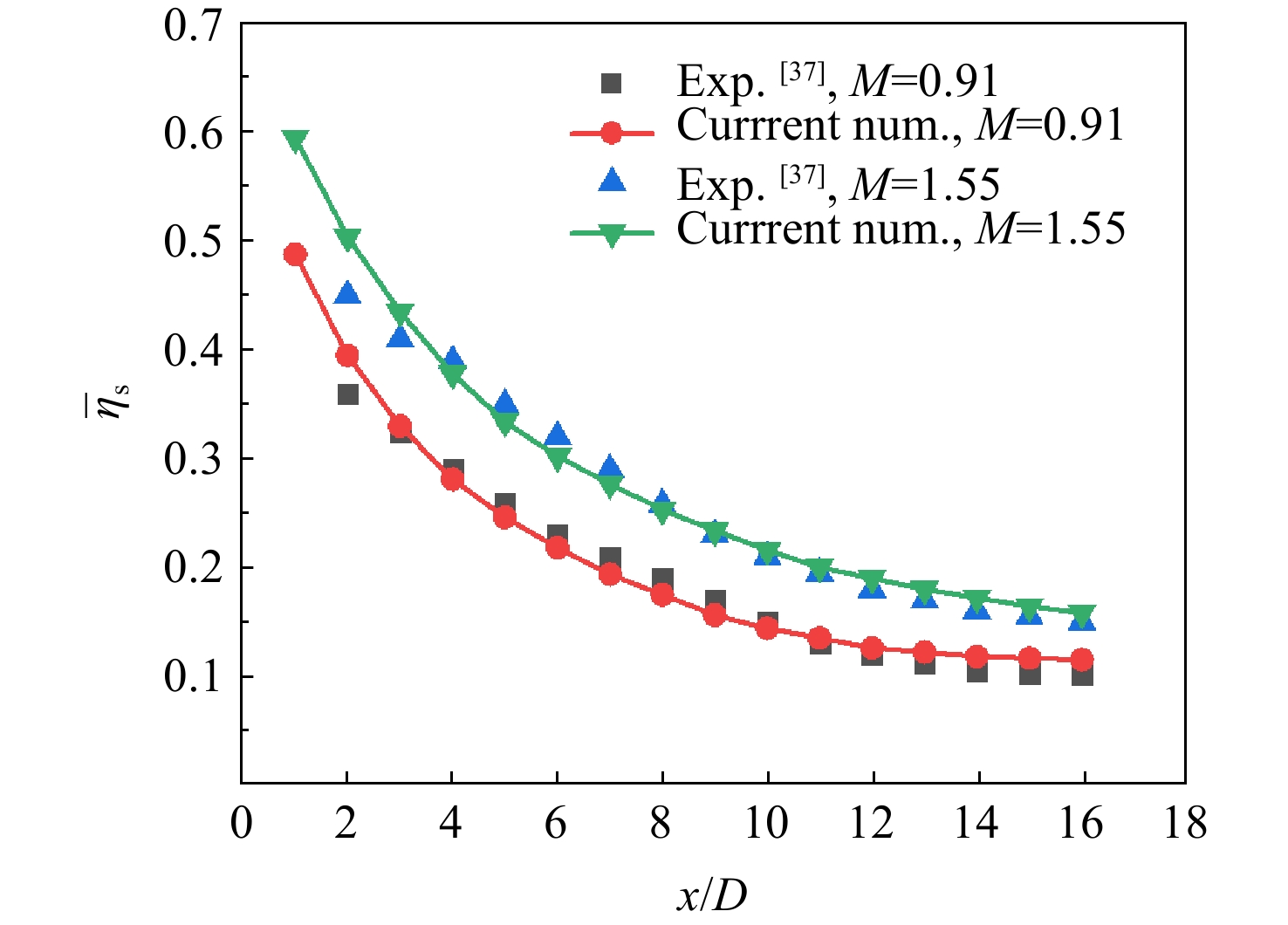
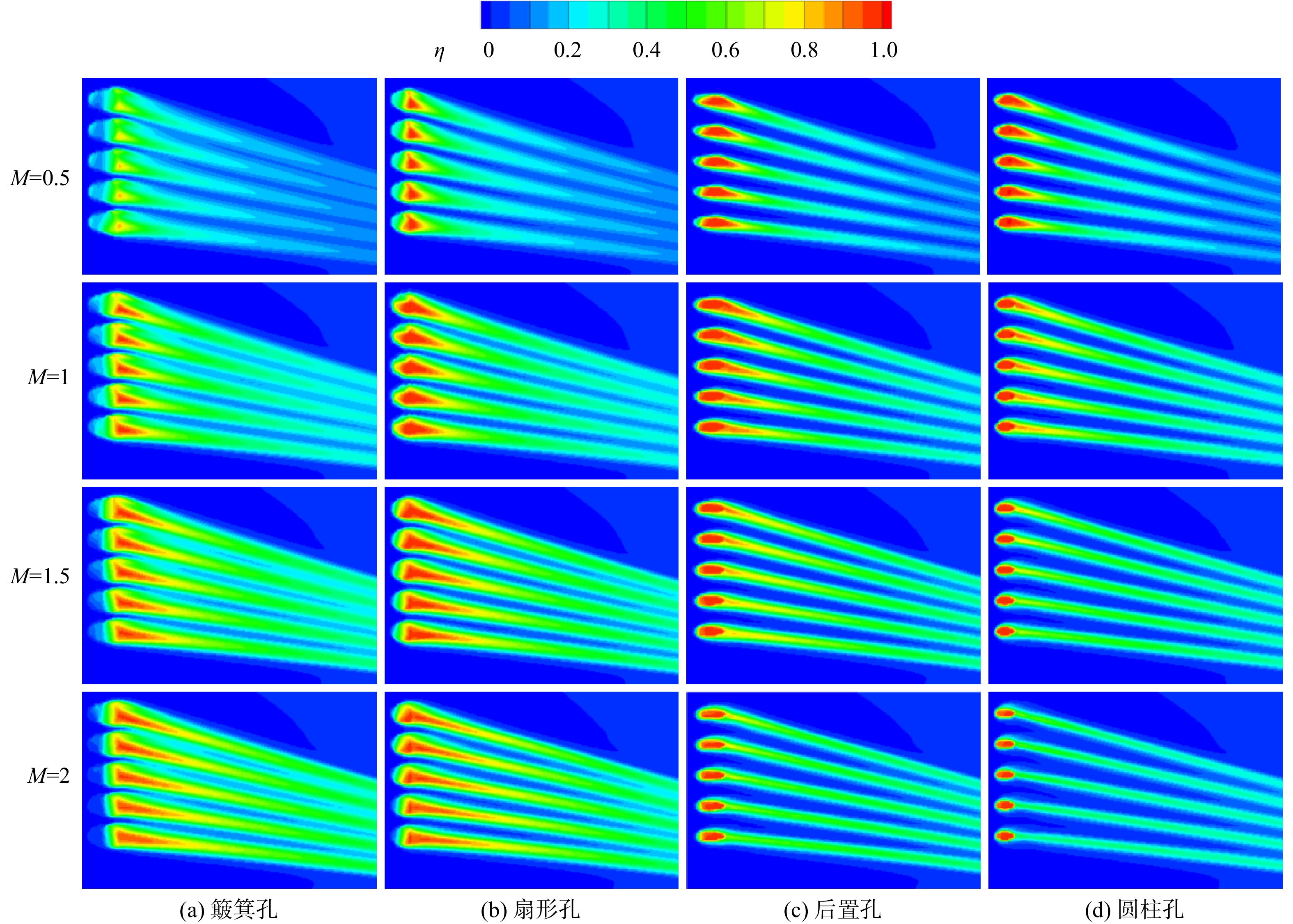
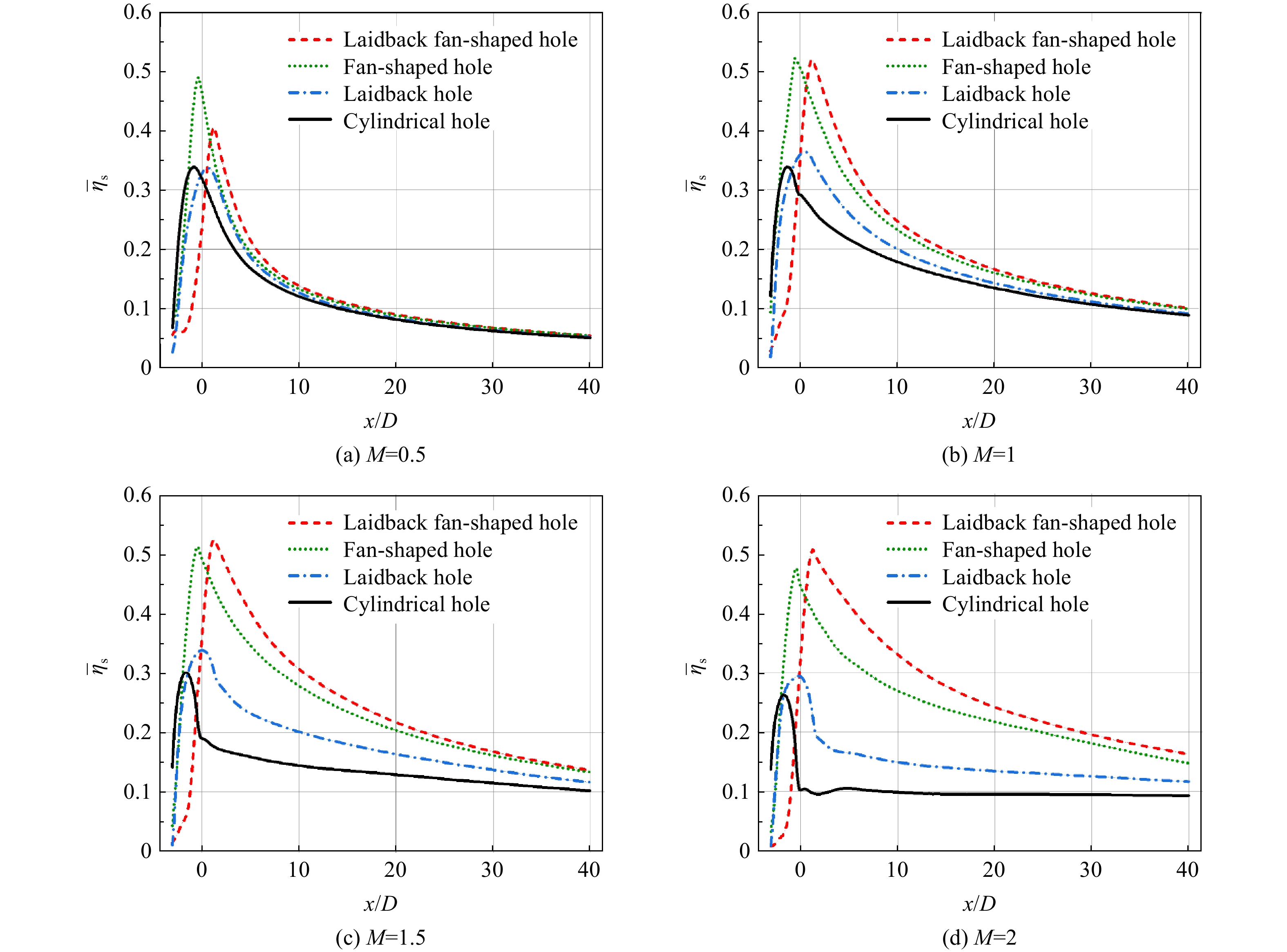
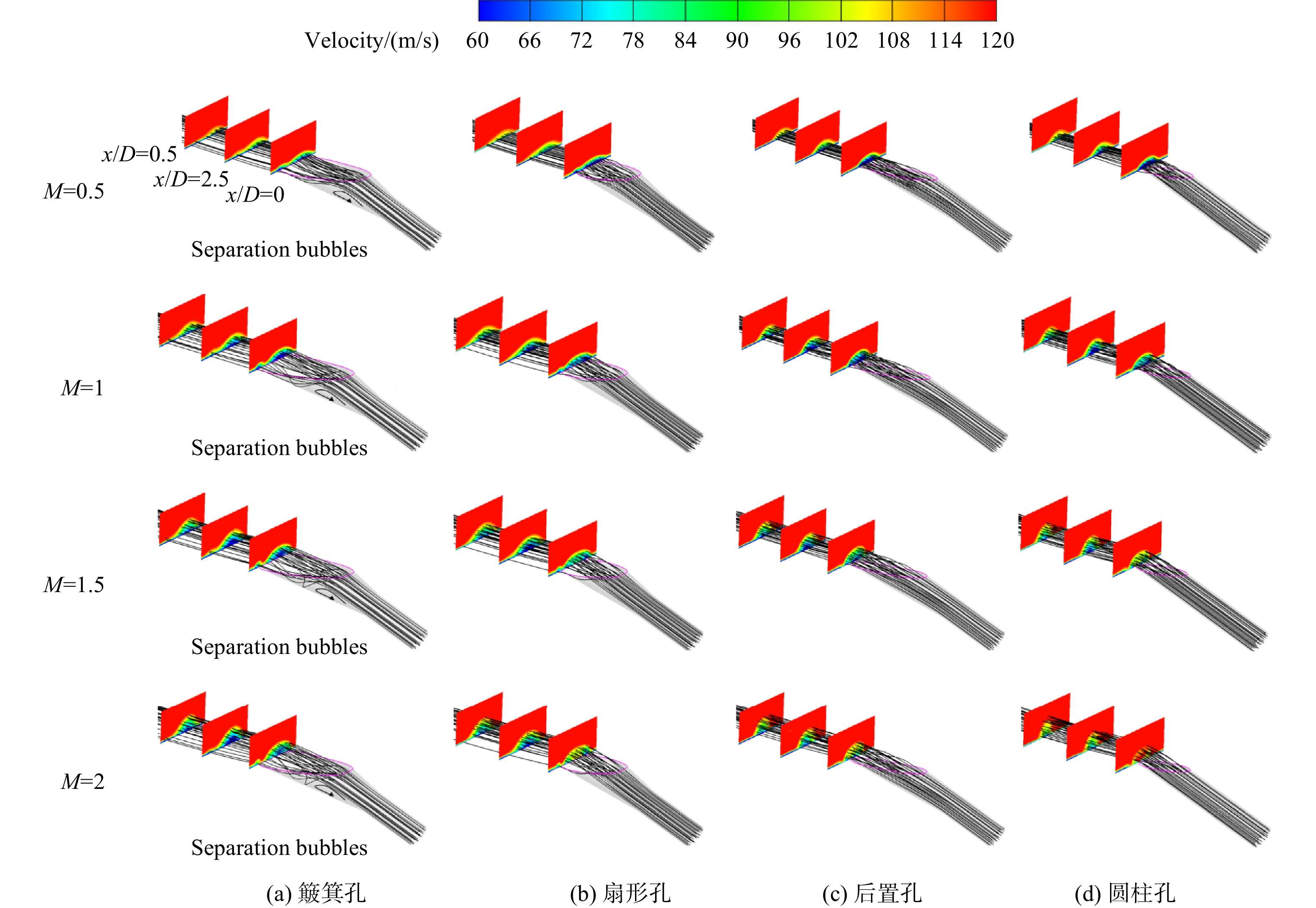
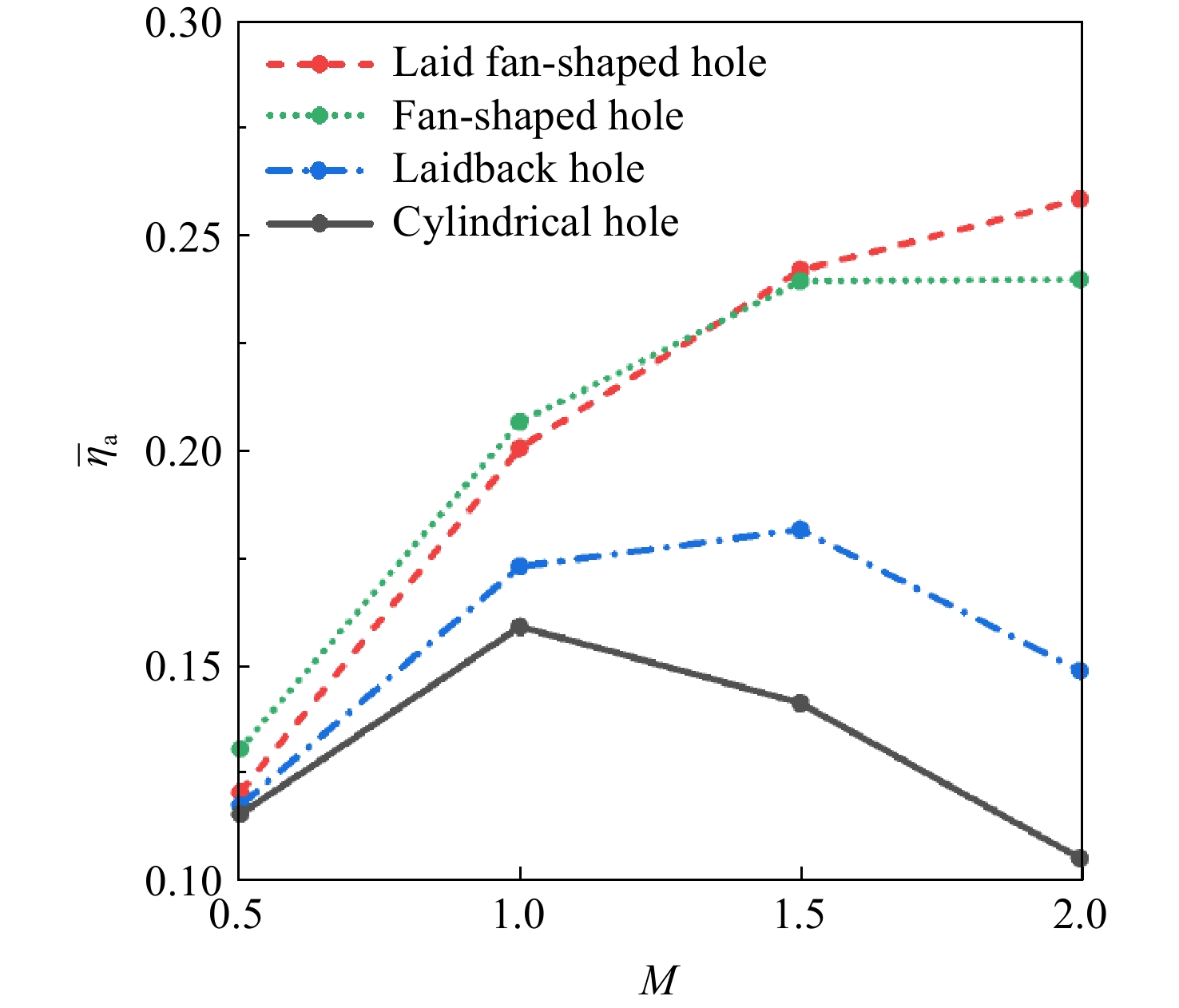
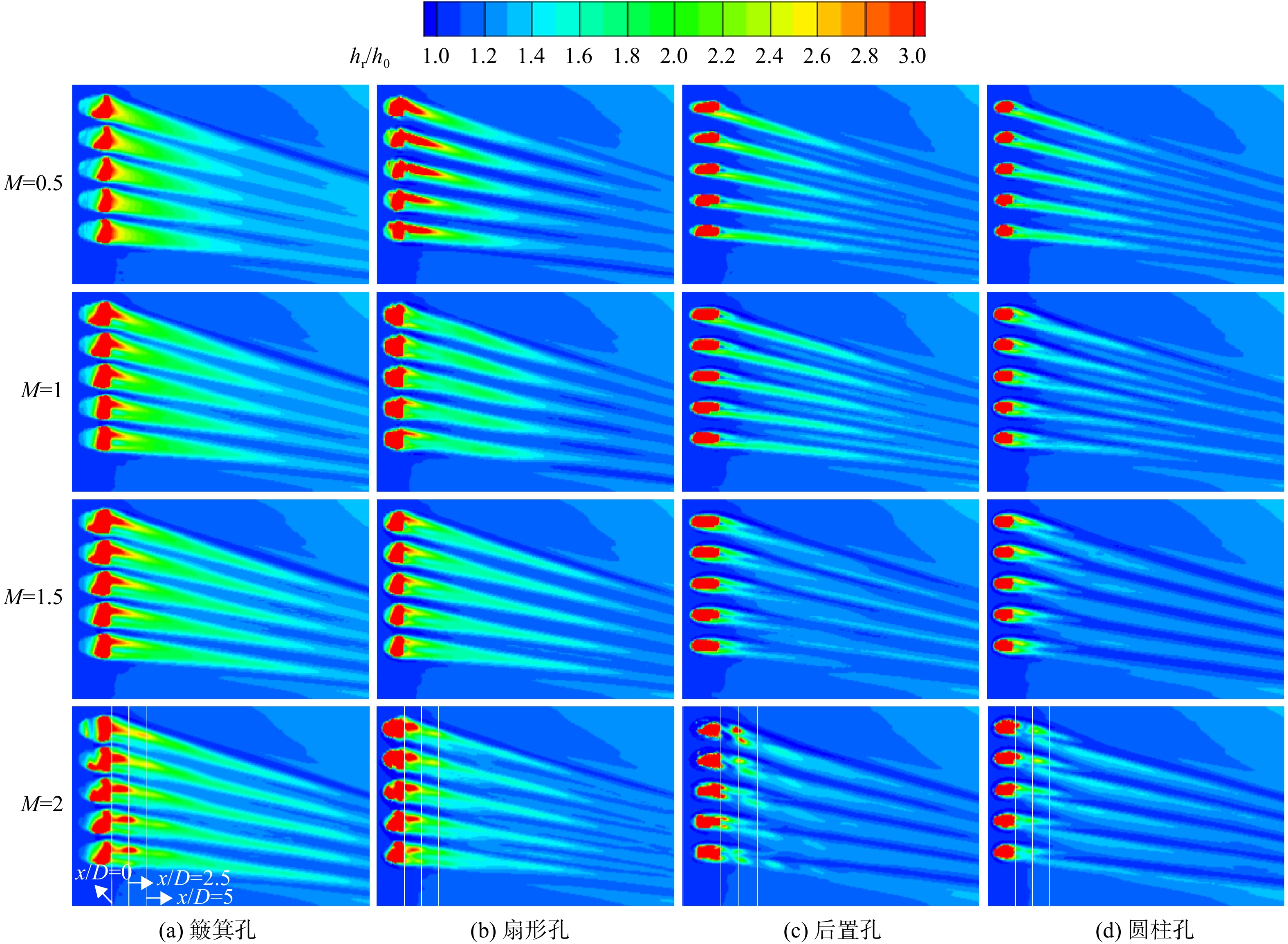
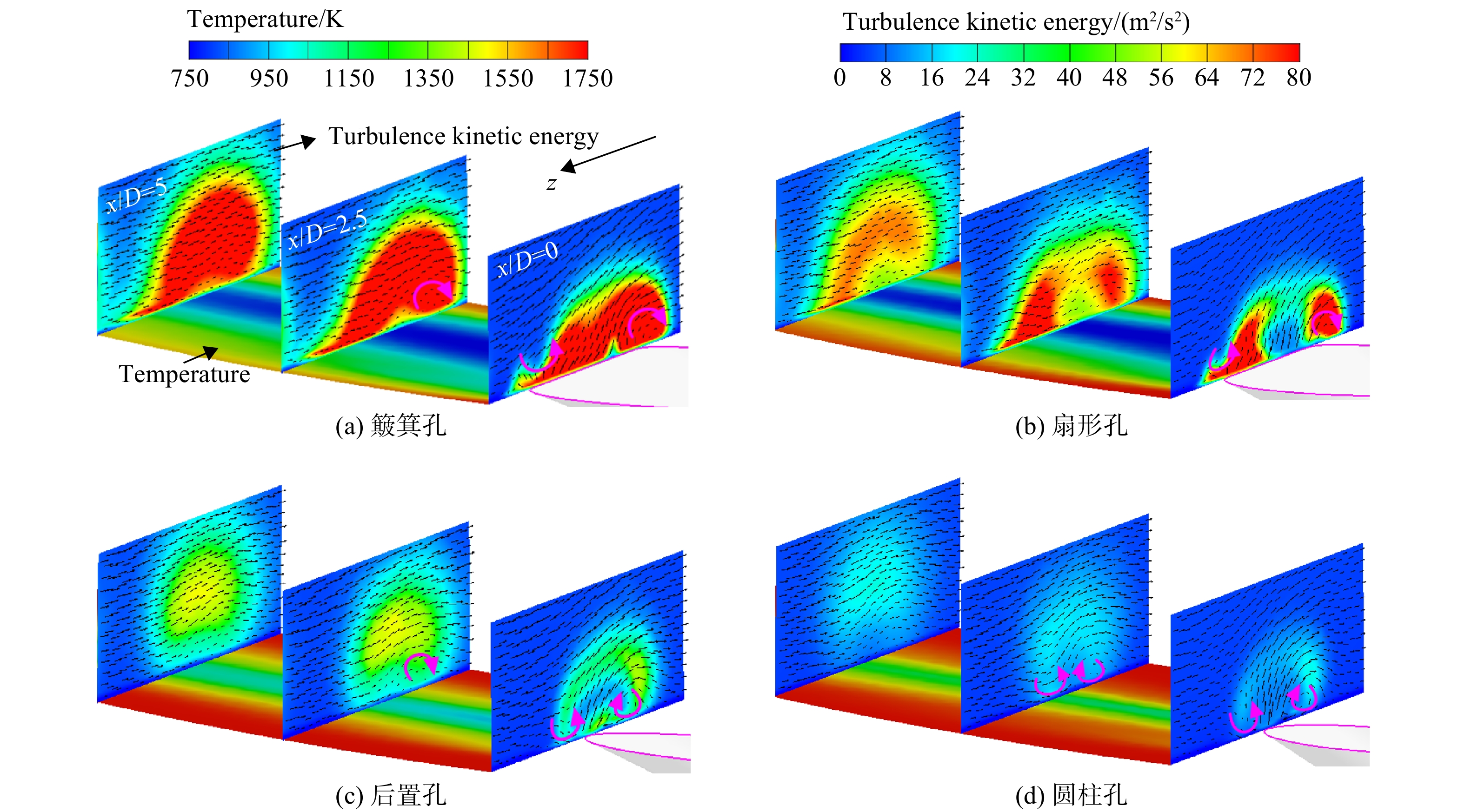
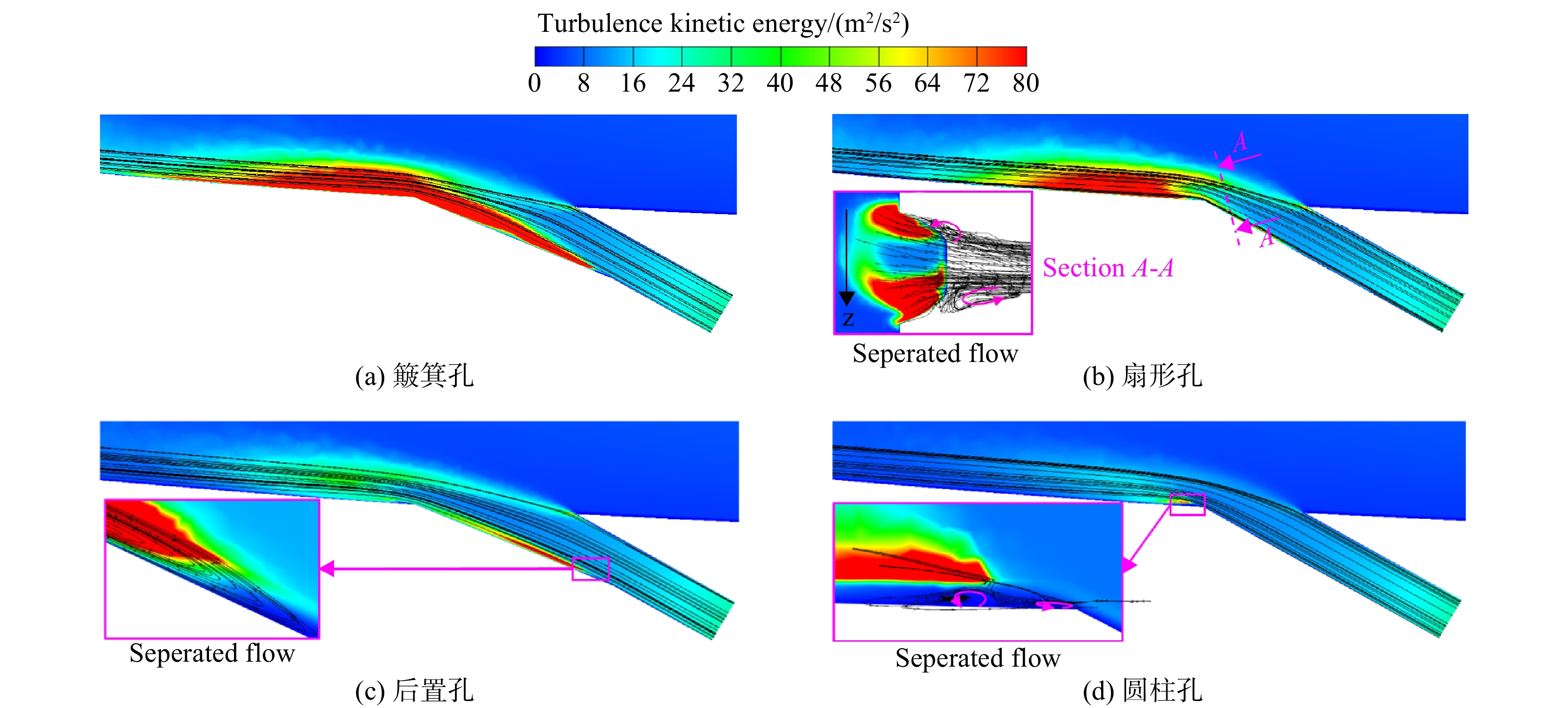
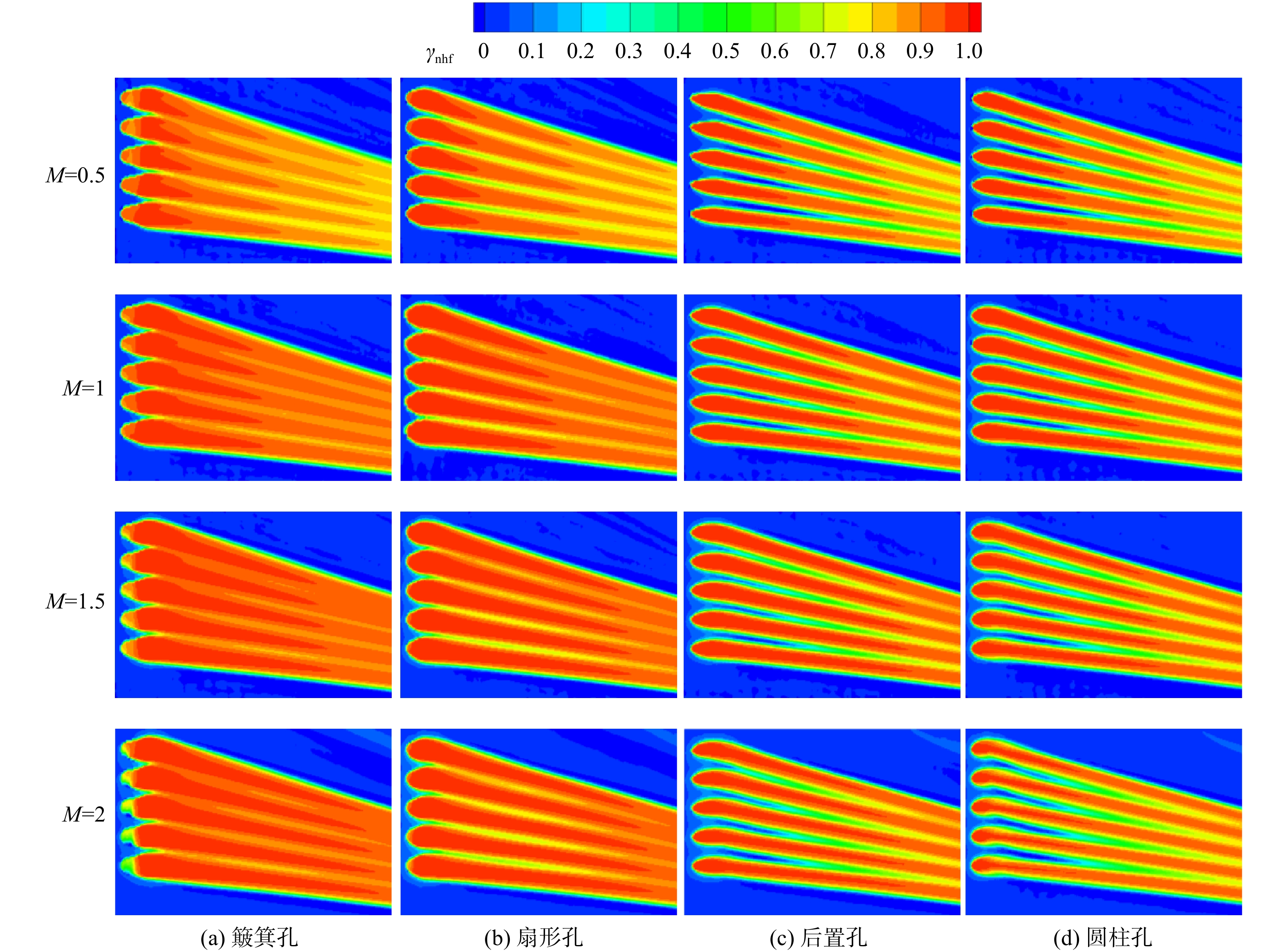
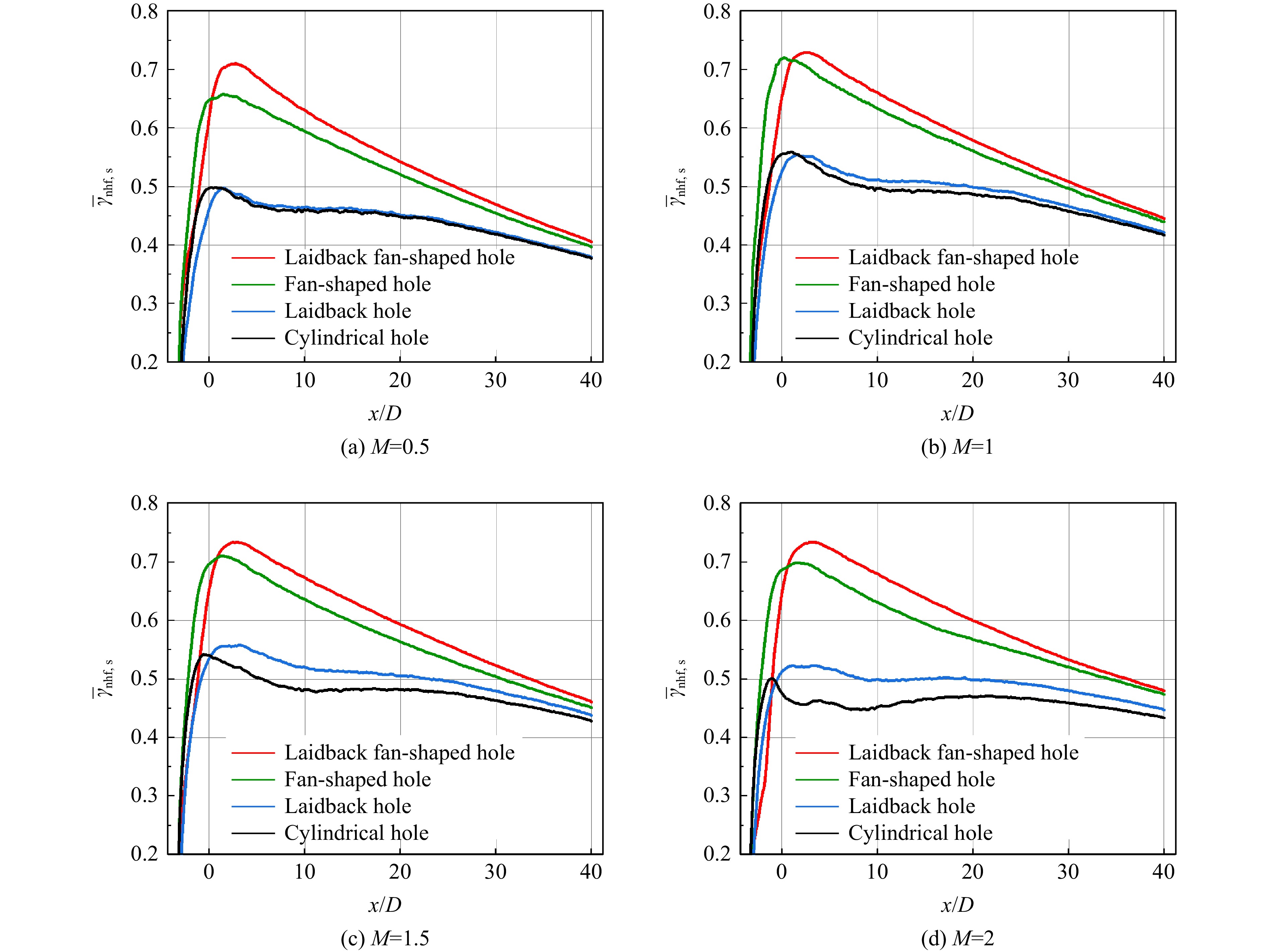
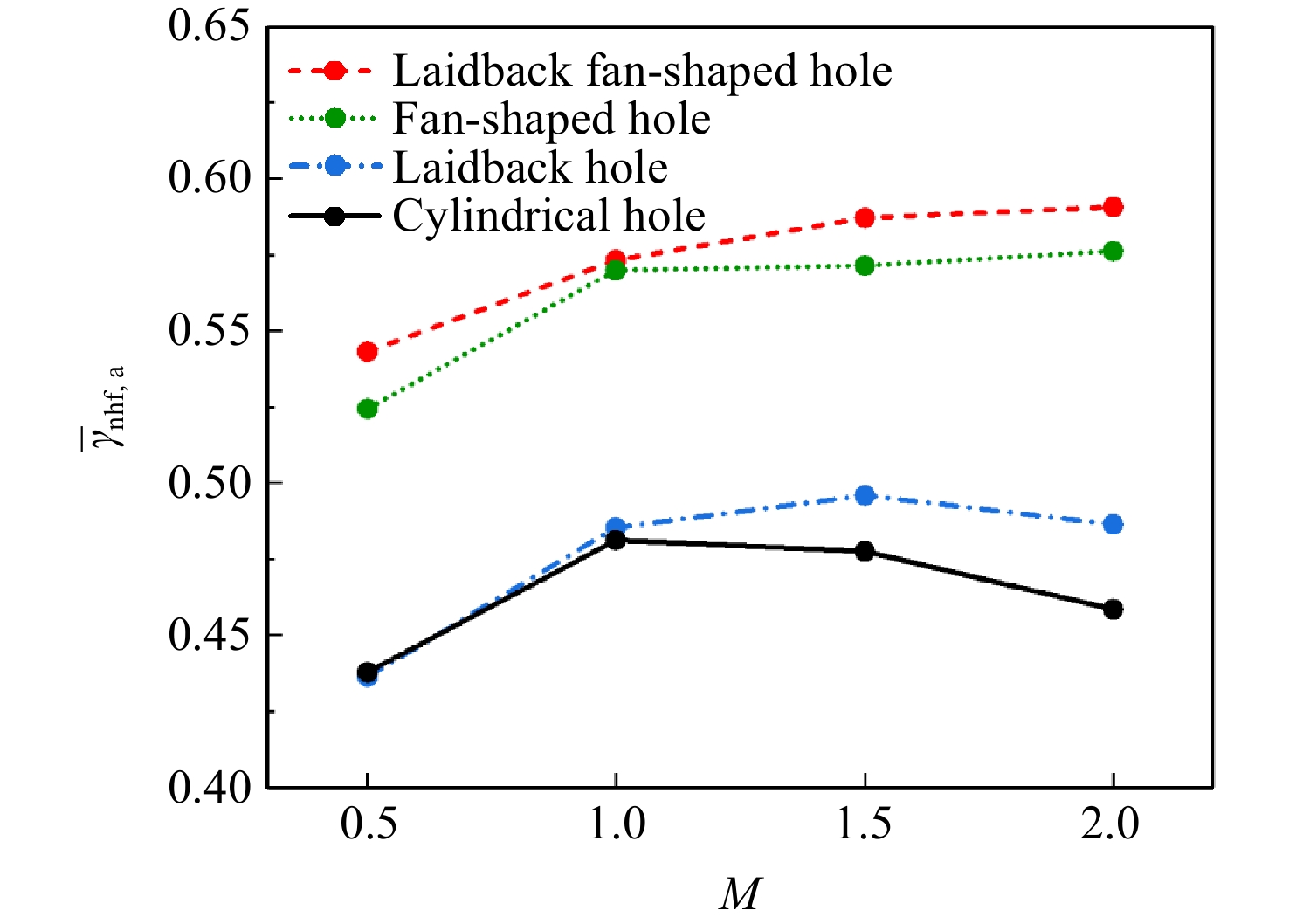
Numerical simulations were employed to investigate the performance of the flow fields and heat transfer characteristics of four types of film holes: cylindrical holes, fan-shaped holes, laidback fan-shaped holes and laidback holes, on pressure surface of the turbine vane. Fan-shaped holes were expanded with the lateral divergence angle of 12 degrees compared with cylindrical holes, and laidback holes expanded with the forward divergence angle of 7 degrees. Furthermore, laidback fan-shaped holes were expanded in both directions. Results showed that fan-shaped holes and laidback fan-shaped holes showed the maximum film cooling effectiveness within the range of blowing ratios. When the blowing ratio was 2, the film cooling effectiveness of fan-shaped holes and laidback fan-shaped holes was improved to the greatest extent by 128.9% and 146.9%, respectively, in contrast with cylindrical. Additionally, laidback fan-shaped holes had the largest net heat flux reduction, 28.8% higher than cylindrical holes, which indicated the laidback fan-shaped hole was the best scheme. And the forward divergence angle had less influence on the flow and heat transfer characteristics than the lateral divergence angle due to inobvious advantages of laidback holes. Besides, the effect of the film cooling effectiveness on net heat flux reduction was dominant on account of similar distributions of net heat flux reduction and the film cooling effectiveness.

Study on numerical method of leakage characteristics of ceramic wafer seal
JIN Guannan, SUN Dan, ZHANG Guochen, LIU Sheng, MAN Yanjin, LI Jianhui
2024, 39(11): 20220169. doi: 10.13224/j.cnki.jasp.20220169
Abstract:
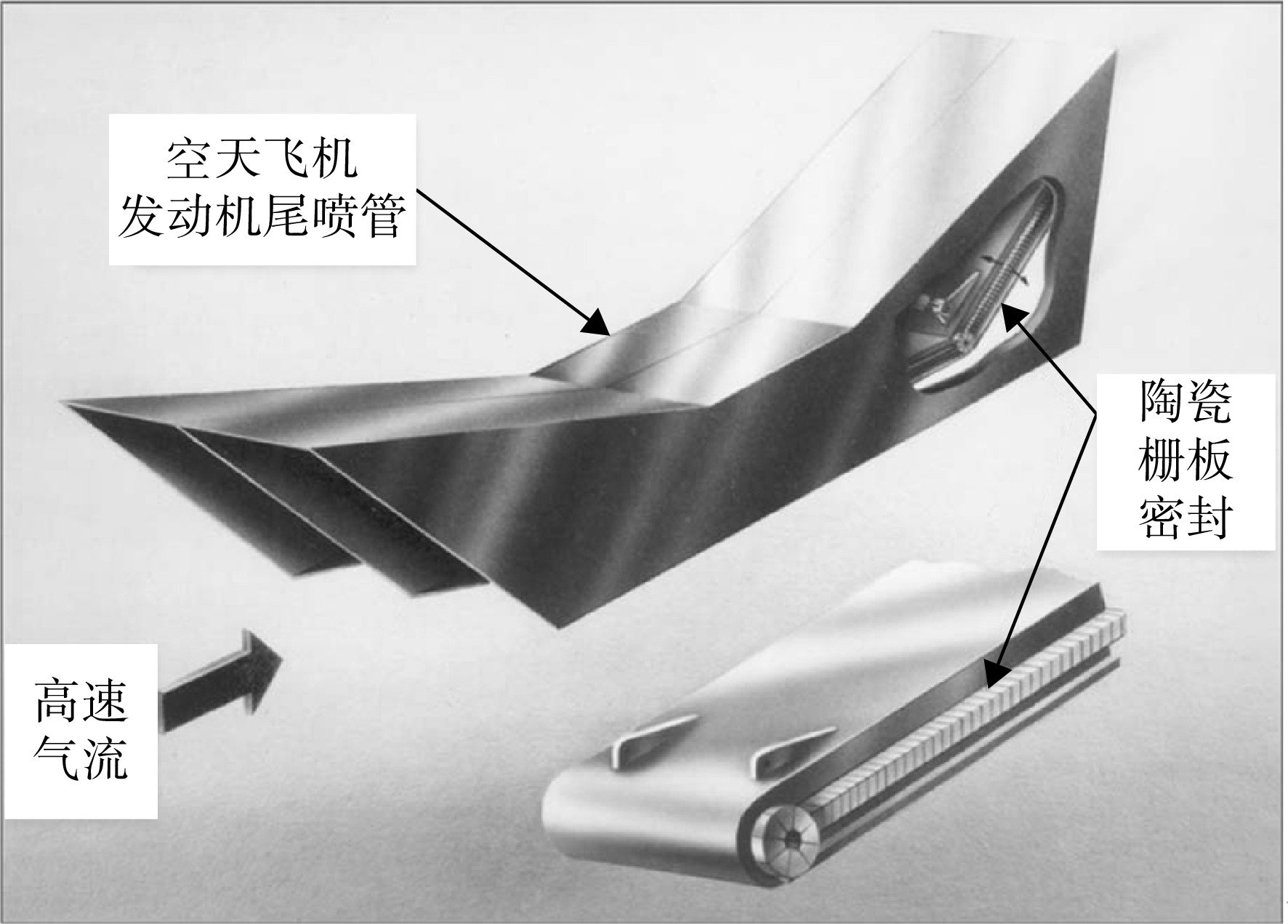
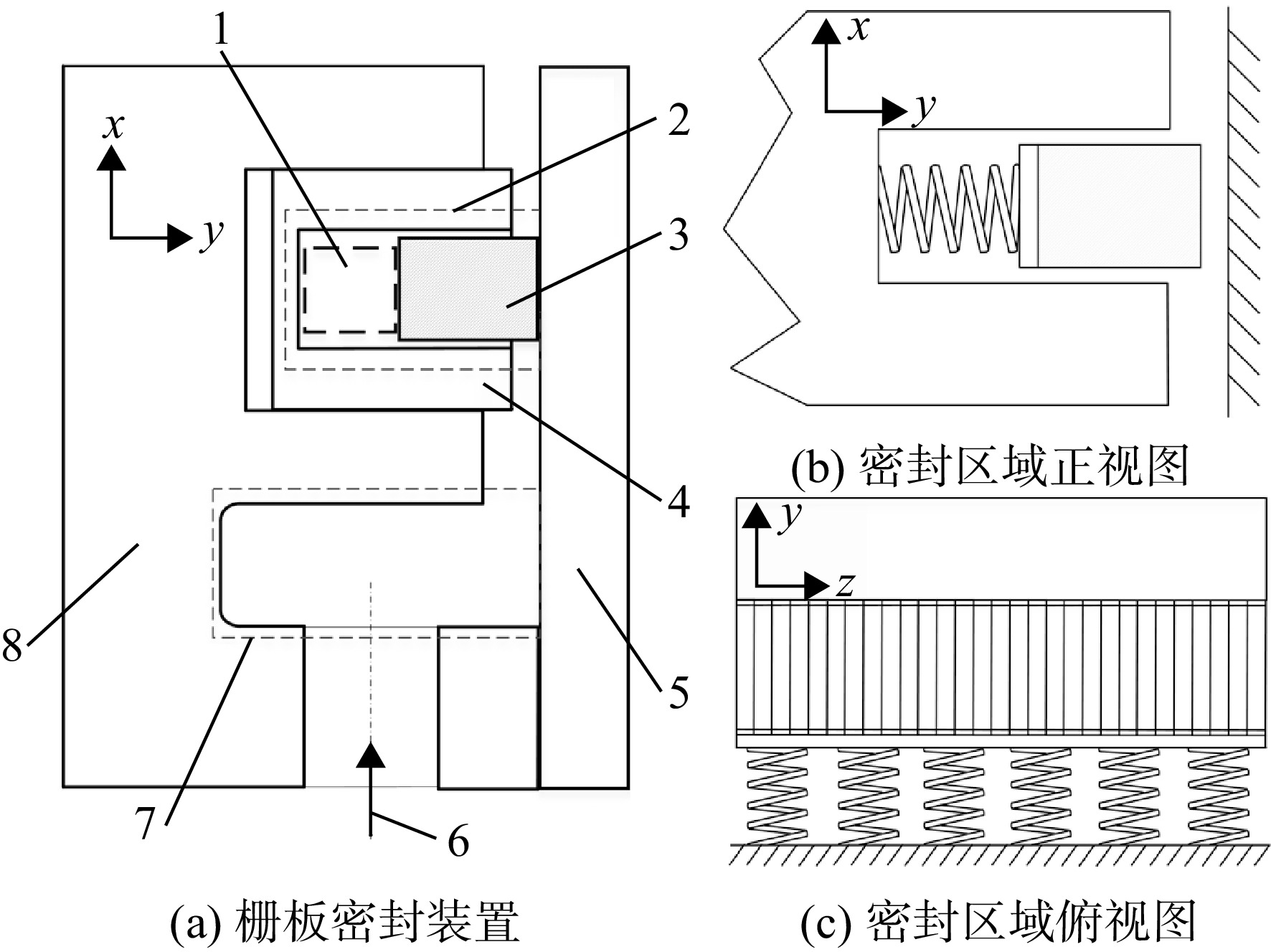
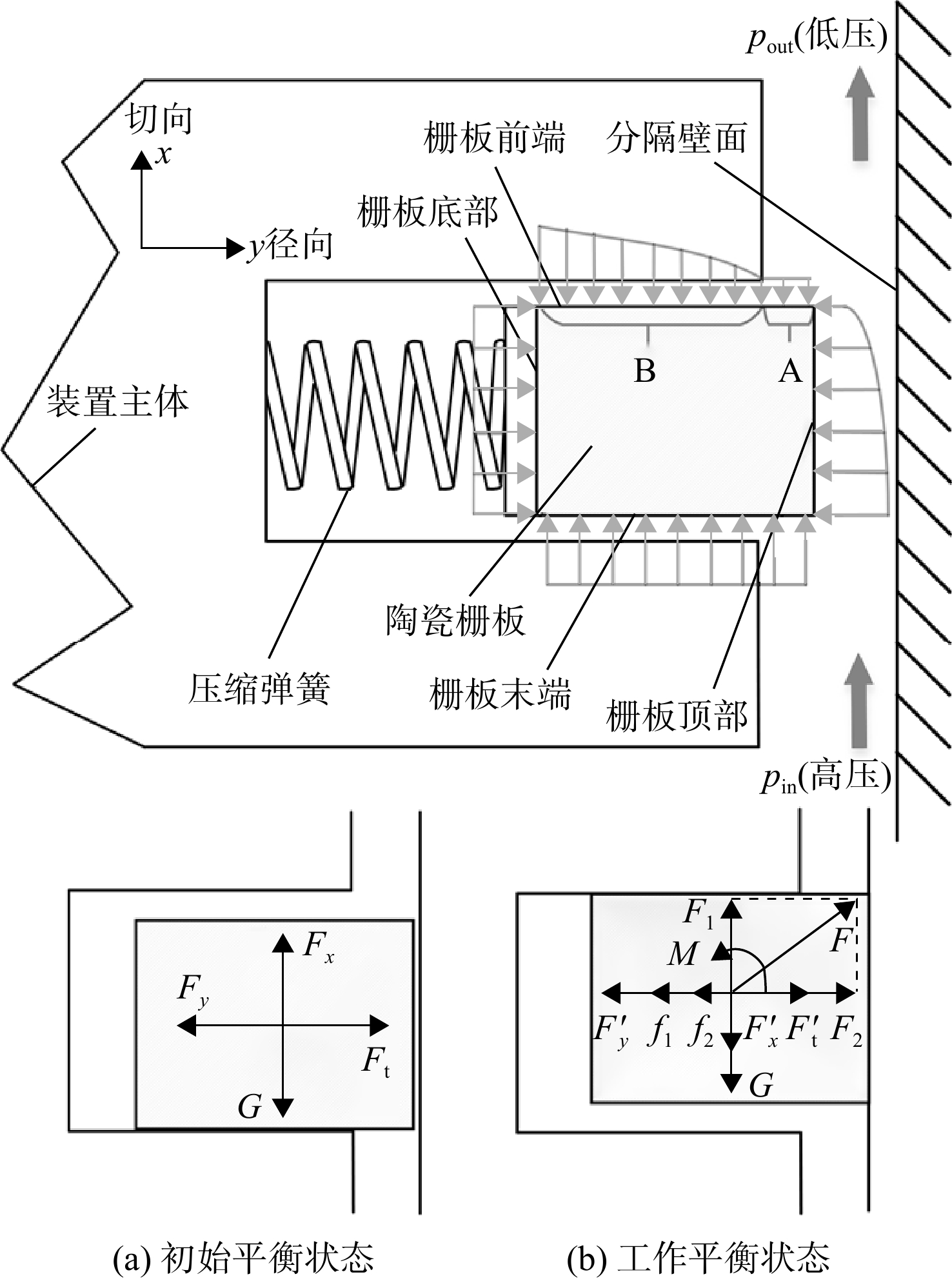
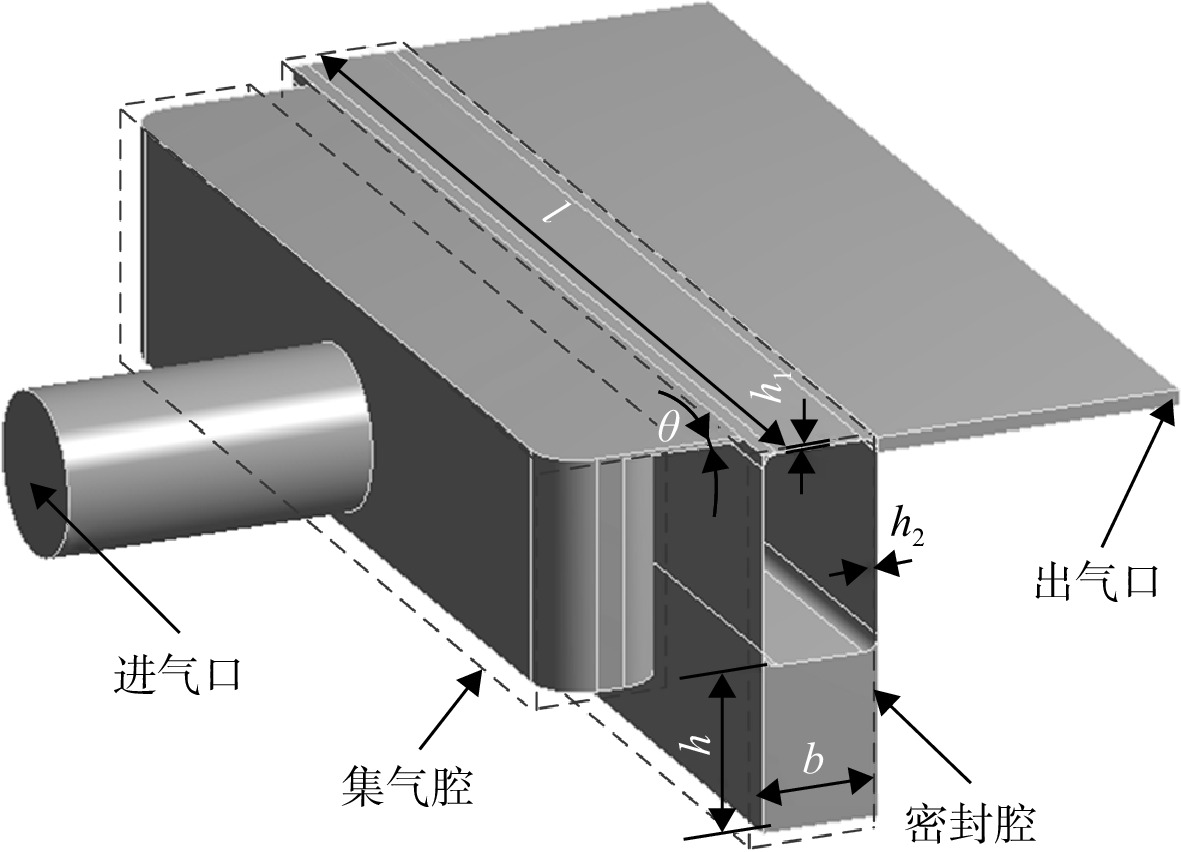
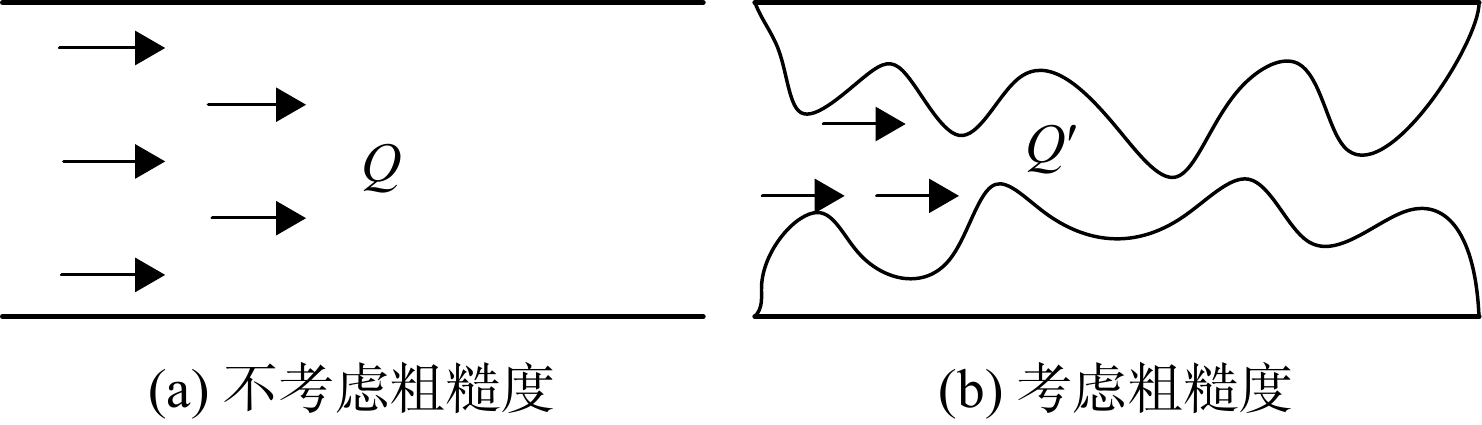
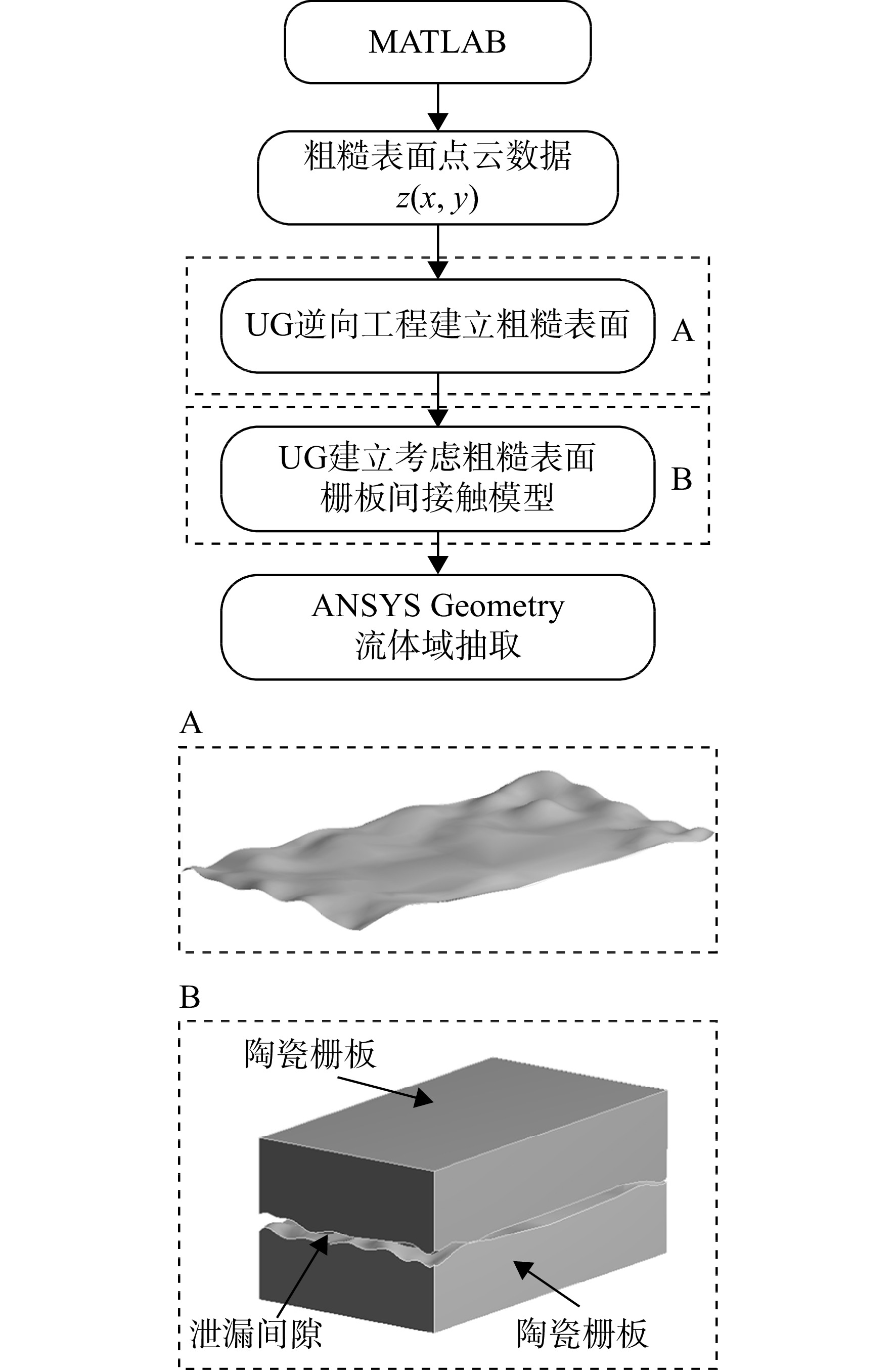
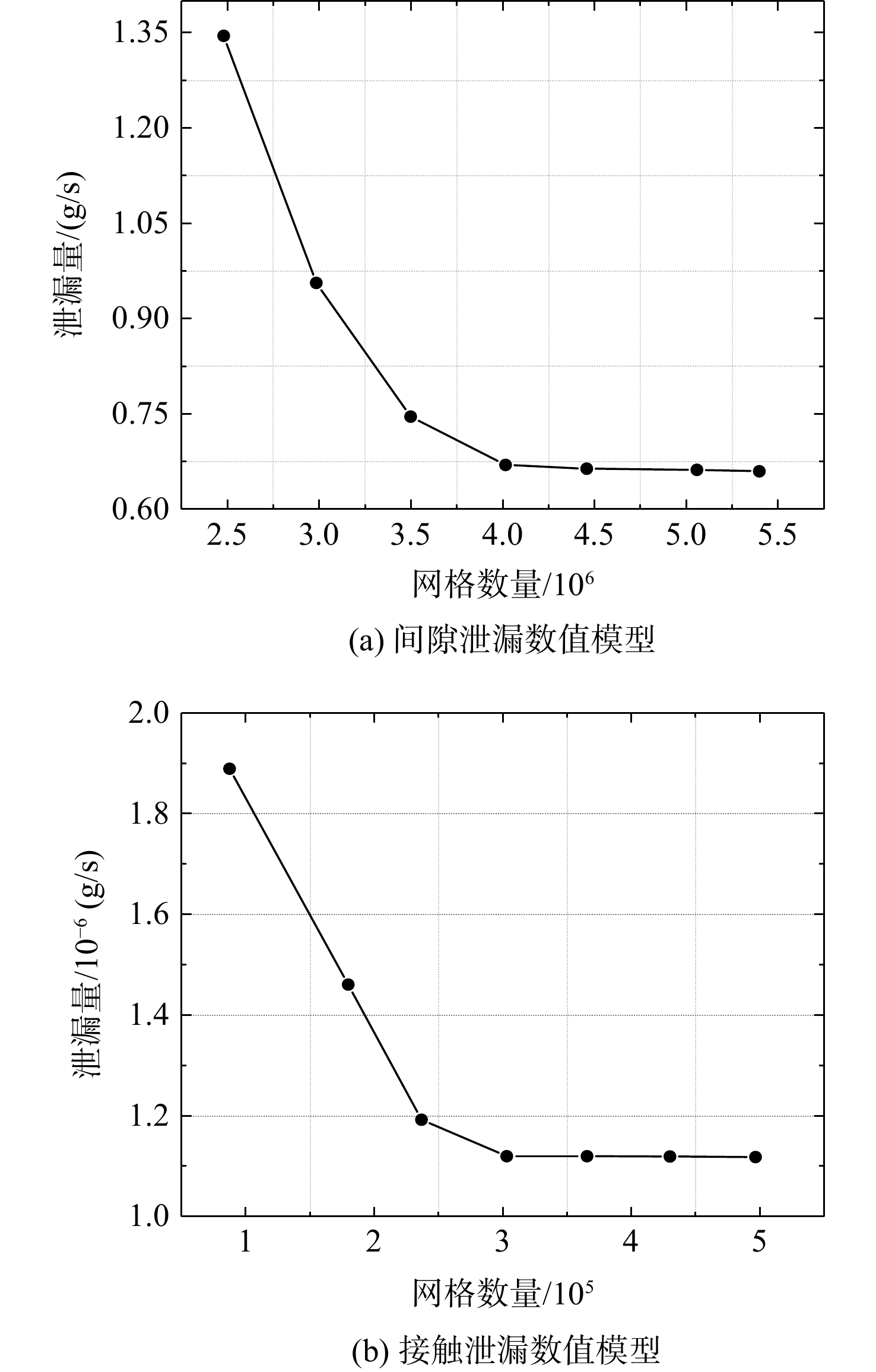
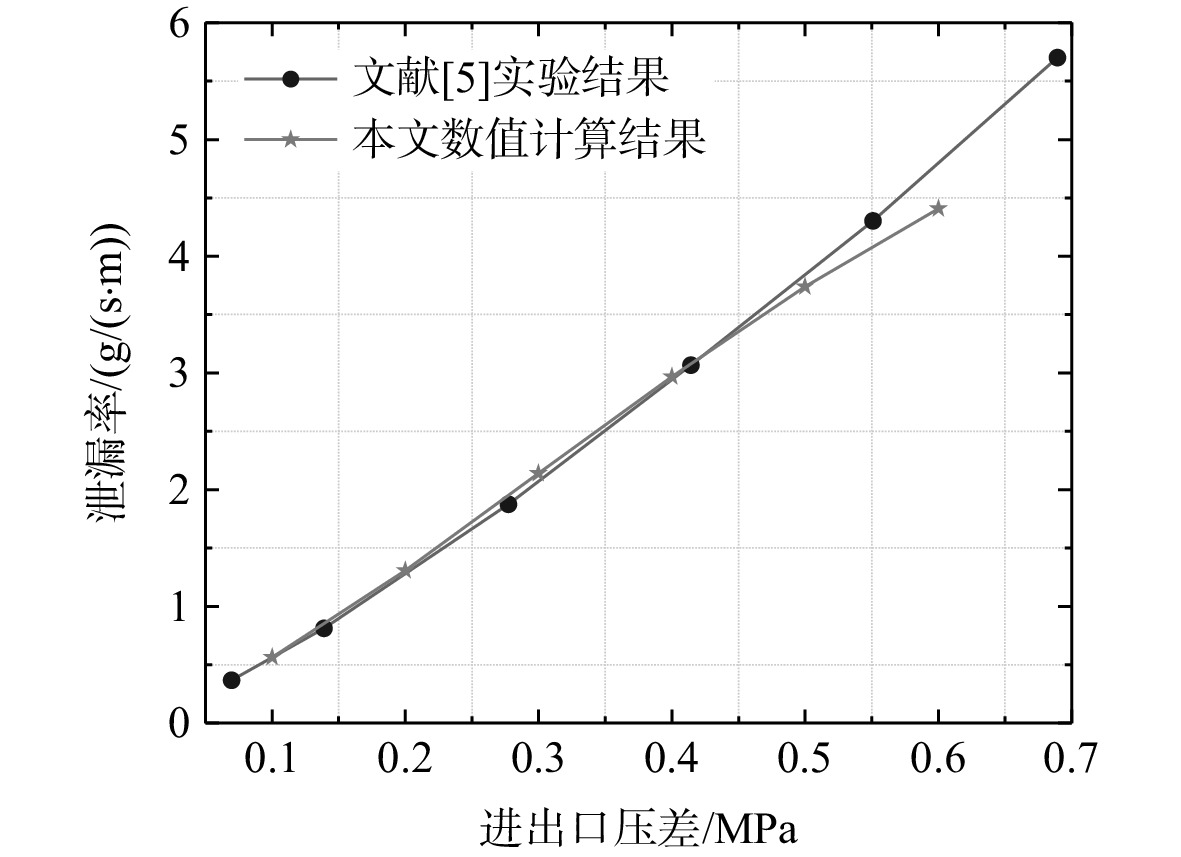
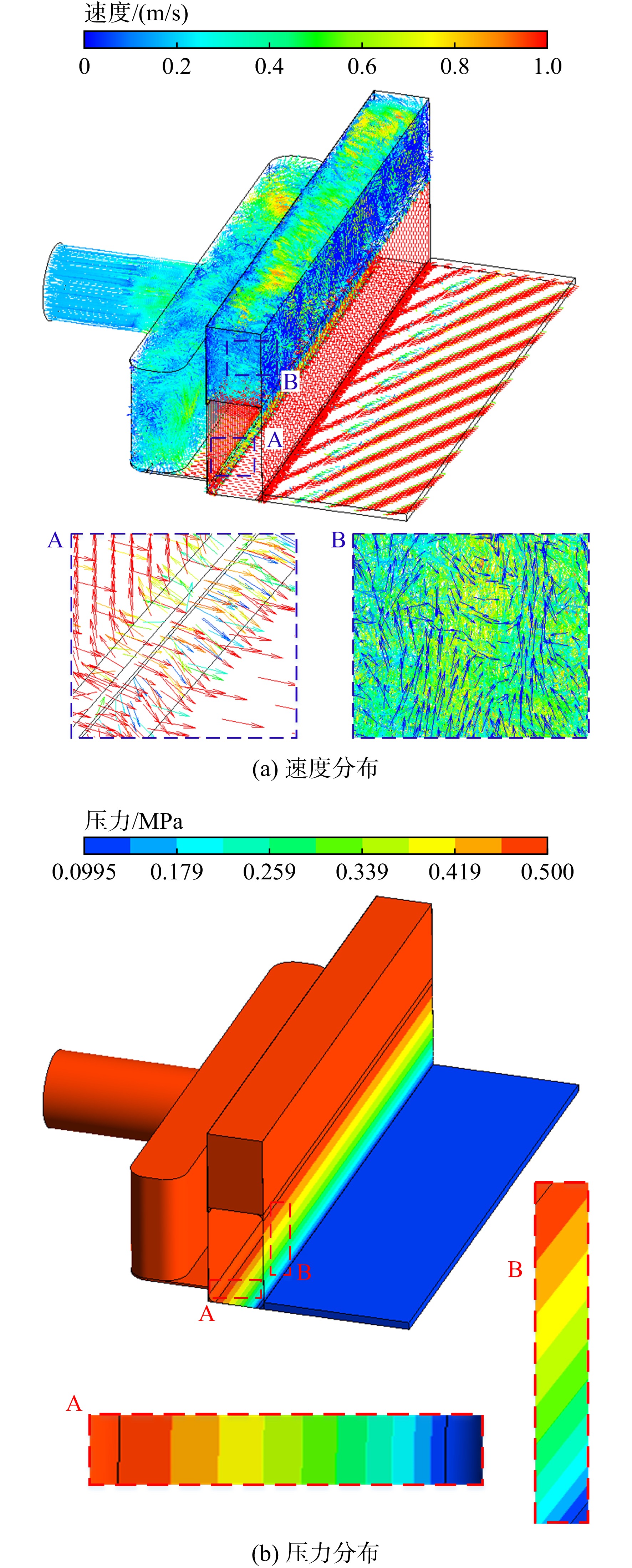
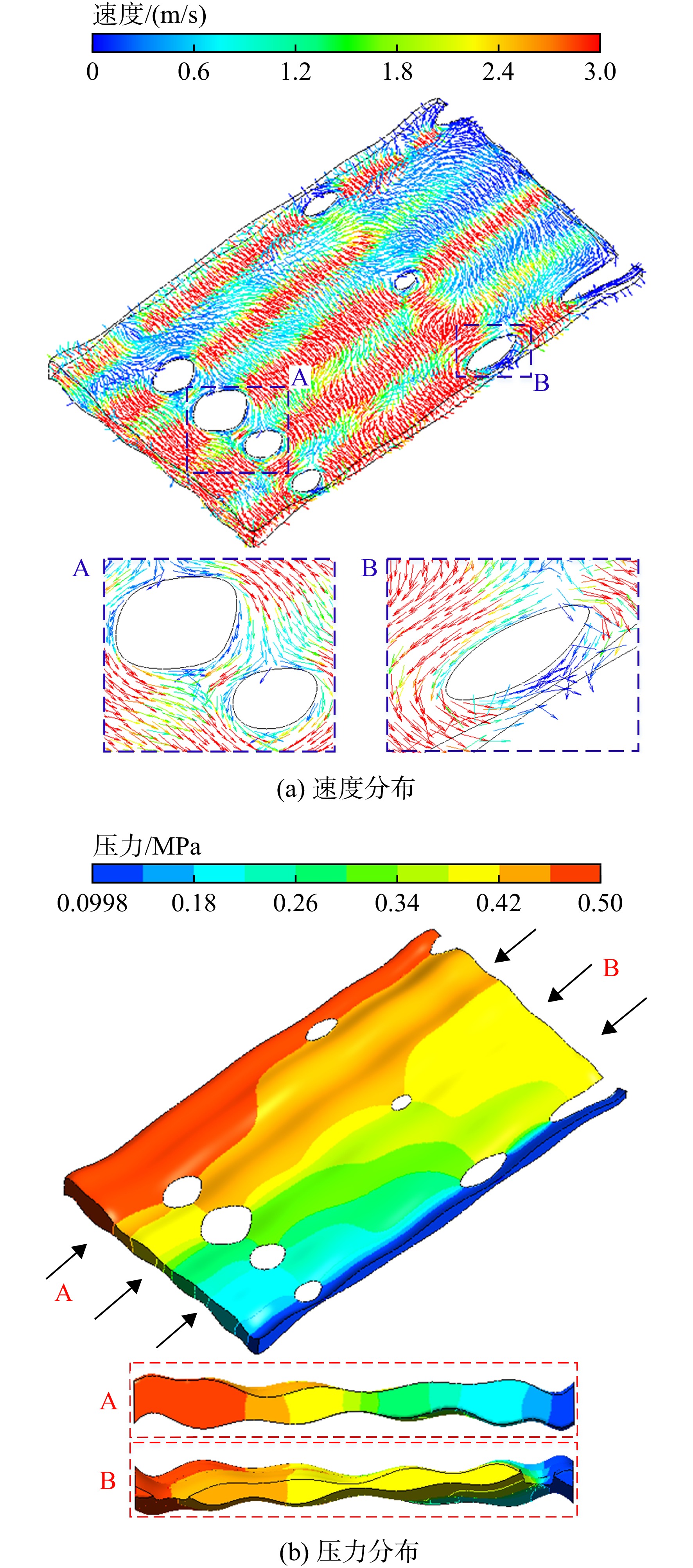
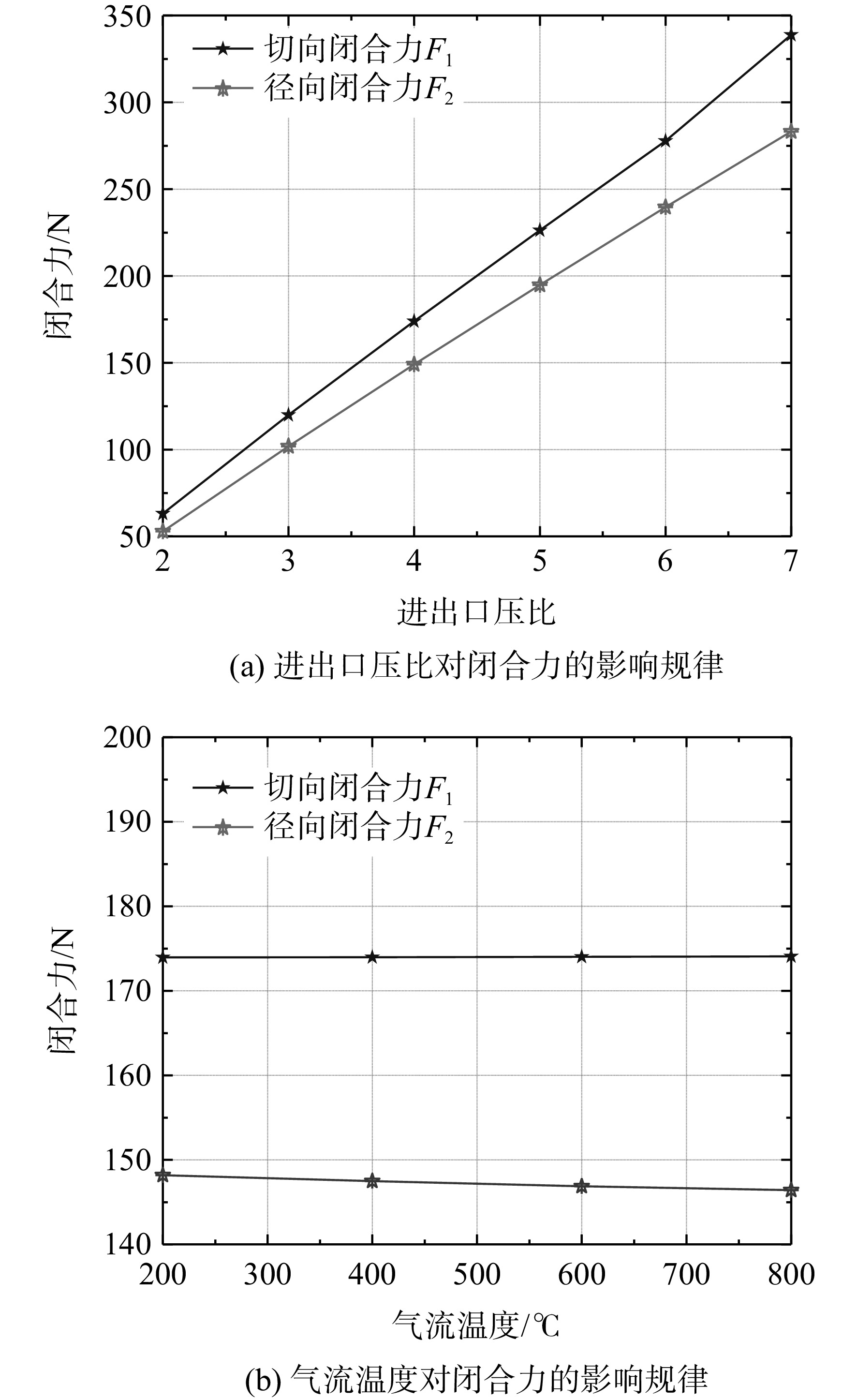
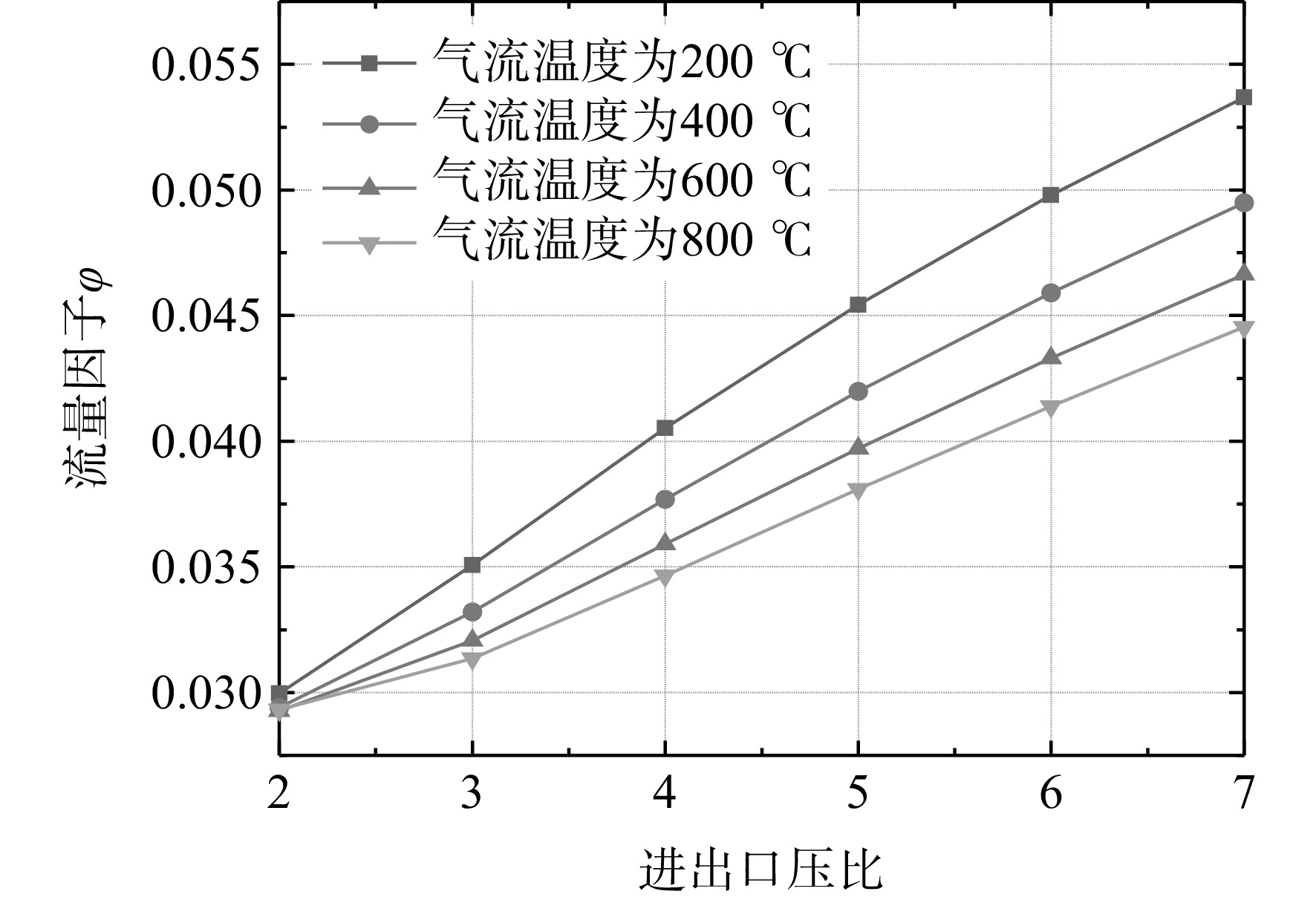
The leakage characteristics of ceramic wafer seal were analyzed theoretically, and a numerical calculation method of leakage characteristics of ceramic wafer seal considering clearance leakage and contact leakage was proposed. On the basis of verifying the accuracy of the numerical method, the flow field, the self-sealing effect and leakage characteristics of ceramic wafer seal under working conditions were studied by analyzing the influence of inlet and outlet pressure ratio and temperature on the closing force, flow factor and leakage, revealing the changing rule of self-sealing effect and clarifying the leakage mechanism of ceramic wafer seal. The results showed that the sealing force of ceramic wafer seal increased with the increase of inlet and outlet pressure ratio, and the self-sealing effect was enhanced. The radial closing force was higher than the tangential closing force. Air flow had little influence on the tangential closing force of ceramic wafer seal, while the radial closing force decreased gently with the increase of air flow temperature, and the radial self-sealing effect was weakened accordingly. The leakage of ceramic wafer seal increased with the increase of inlet-outlet pressure ratio and decreased with the temperature rise, and the gap leakage played a major role in the leakage system. The numerical method proposed can accurately calculate the leakage of ceramic wafer seals, providing a theoretical basis for the analysis of leakage characteristics of ceramic wafer seal.

Numerical simulation and mechanism of flame flashback process based on model combustor
YANG Kun, TIAN Zemin, LIU Chongyang, QI Dongdong, YAN Yingwen
2024, 39(11): 20220948. doi: 10.13224/j.cnki.jasp.20220948
Abstract:
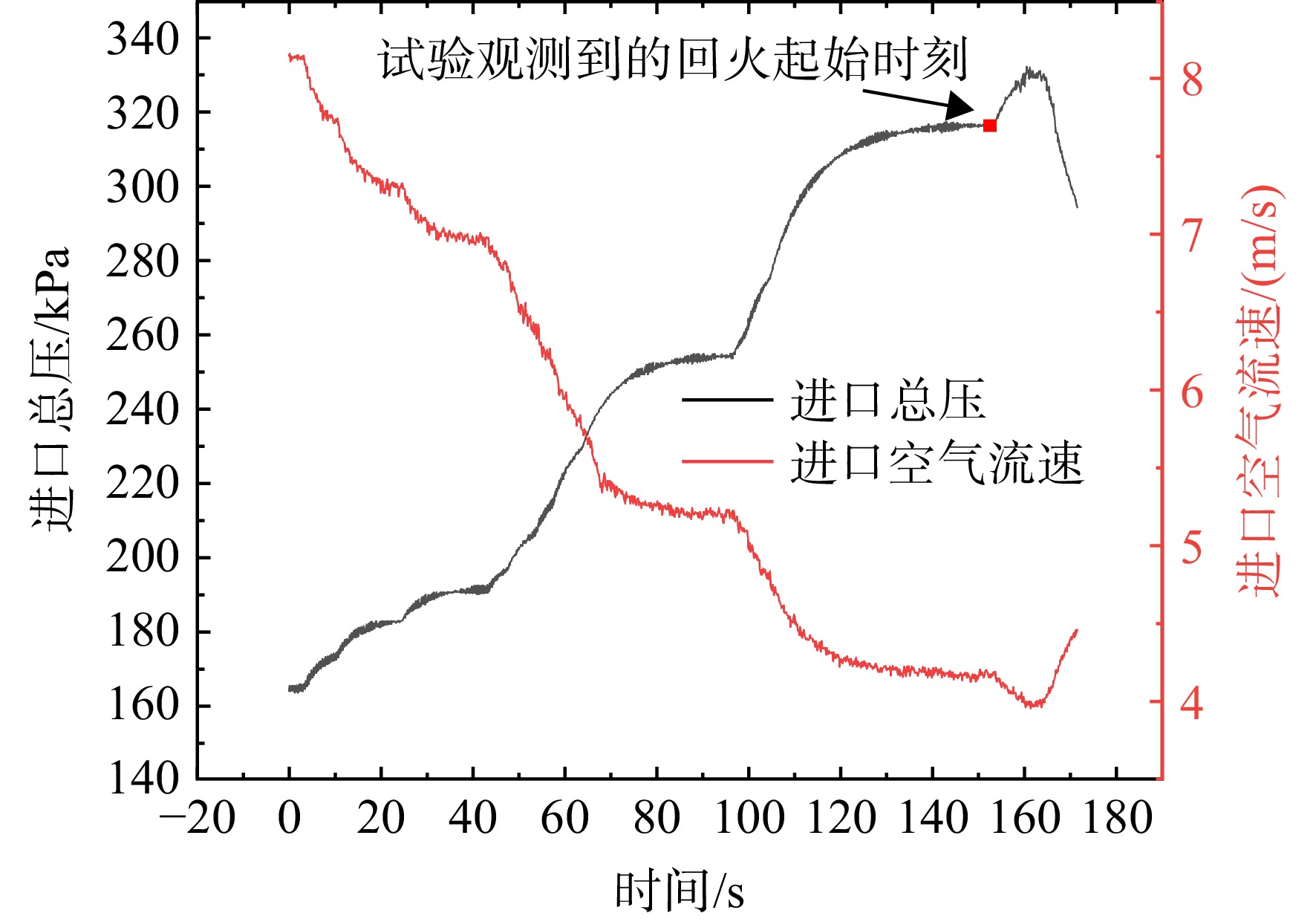
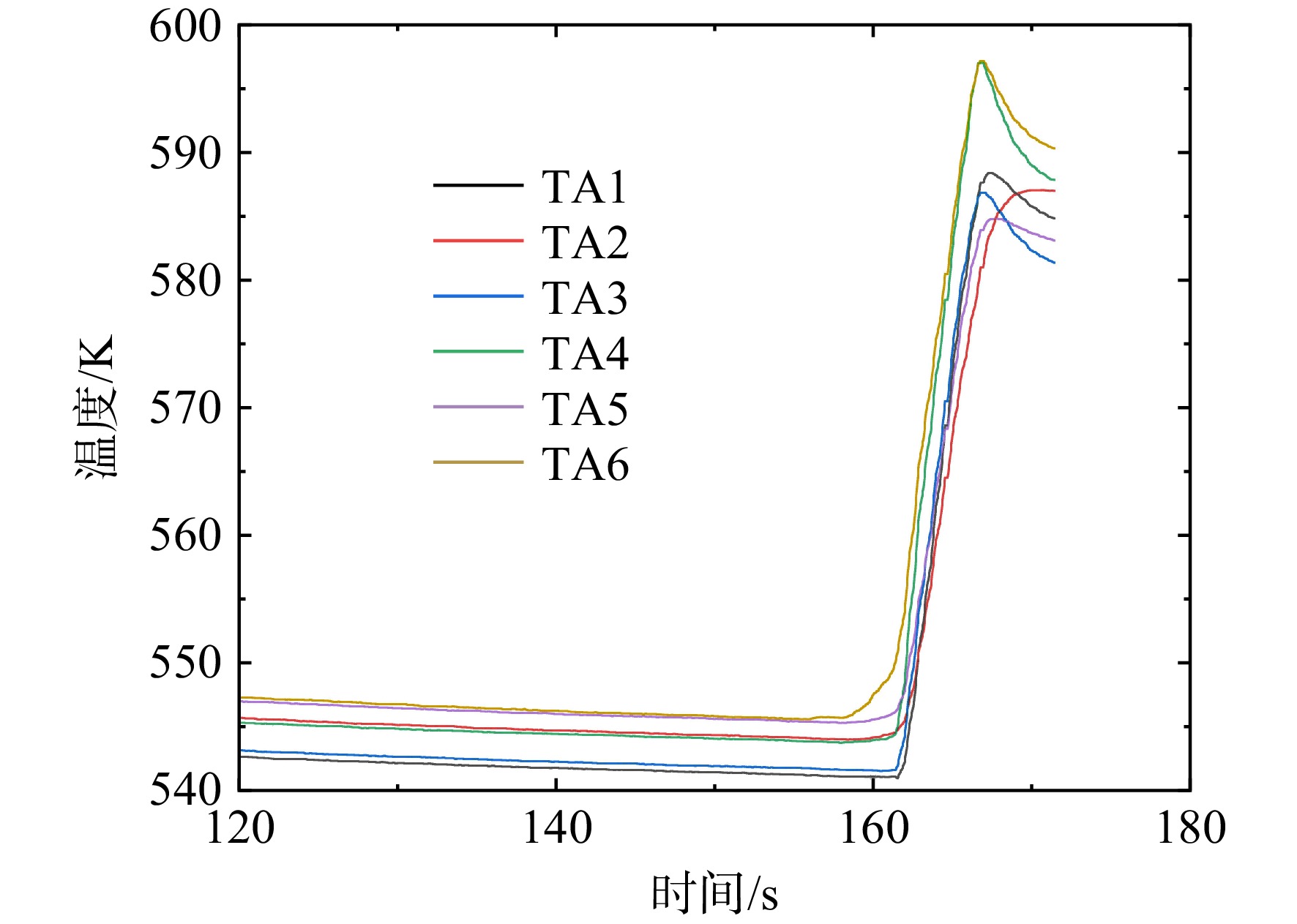
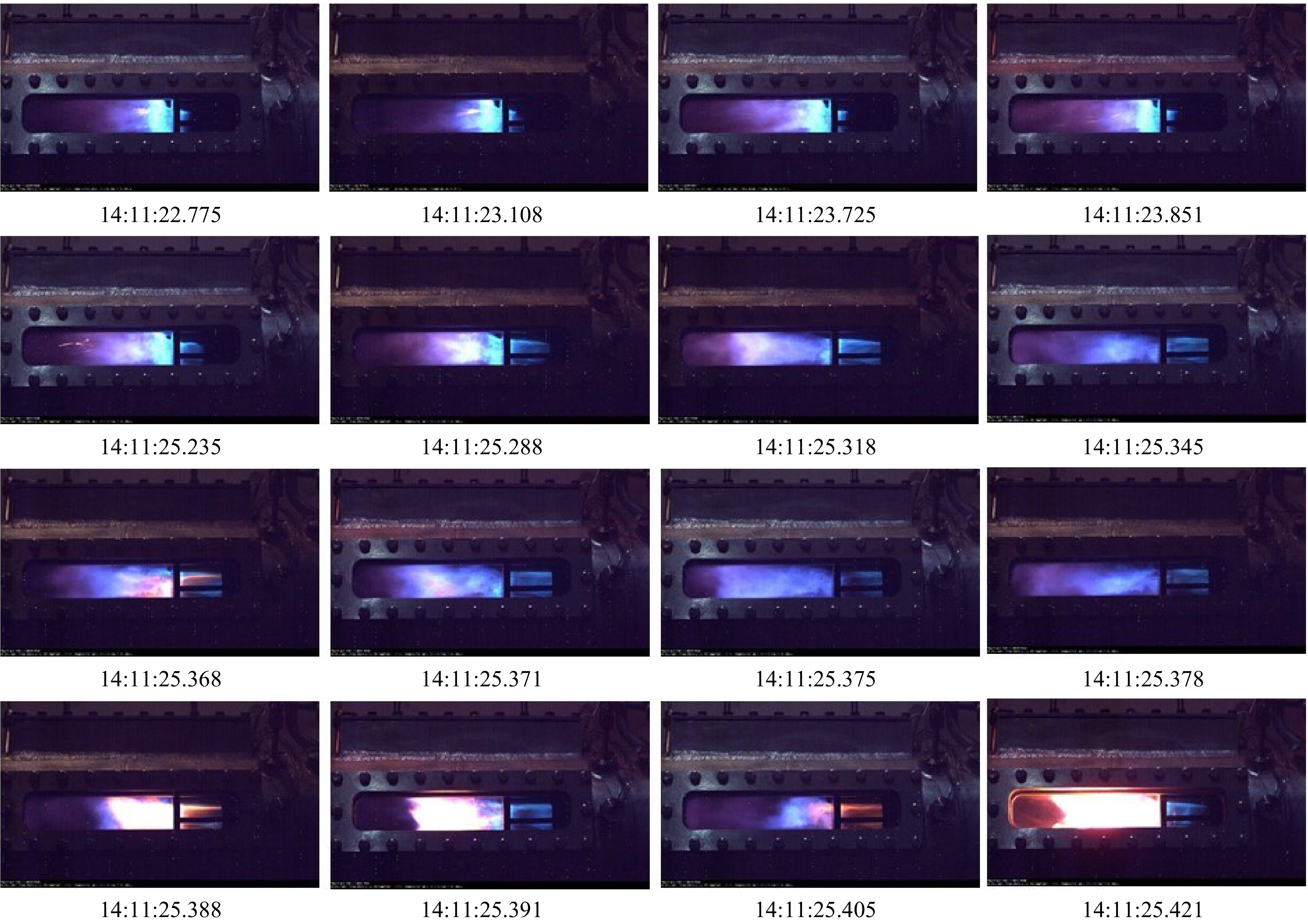
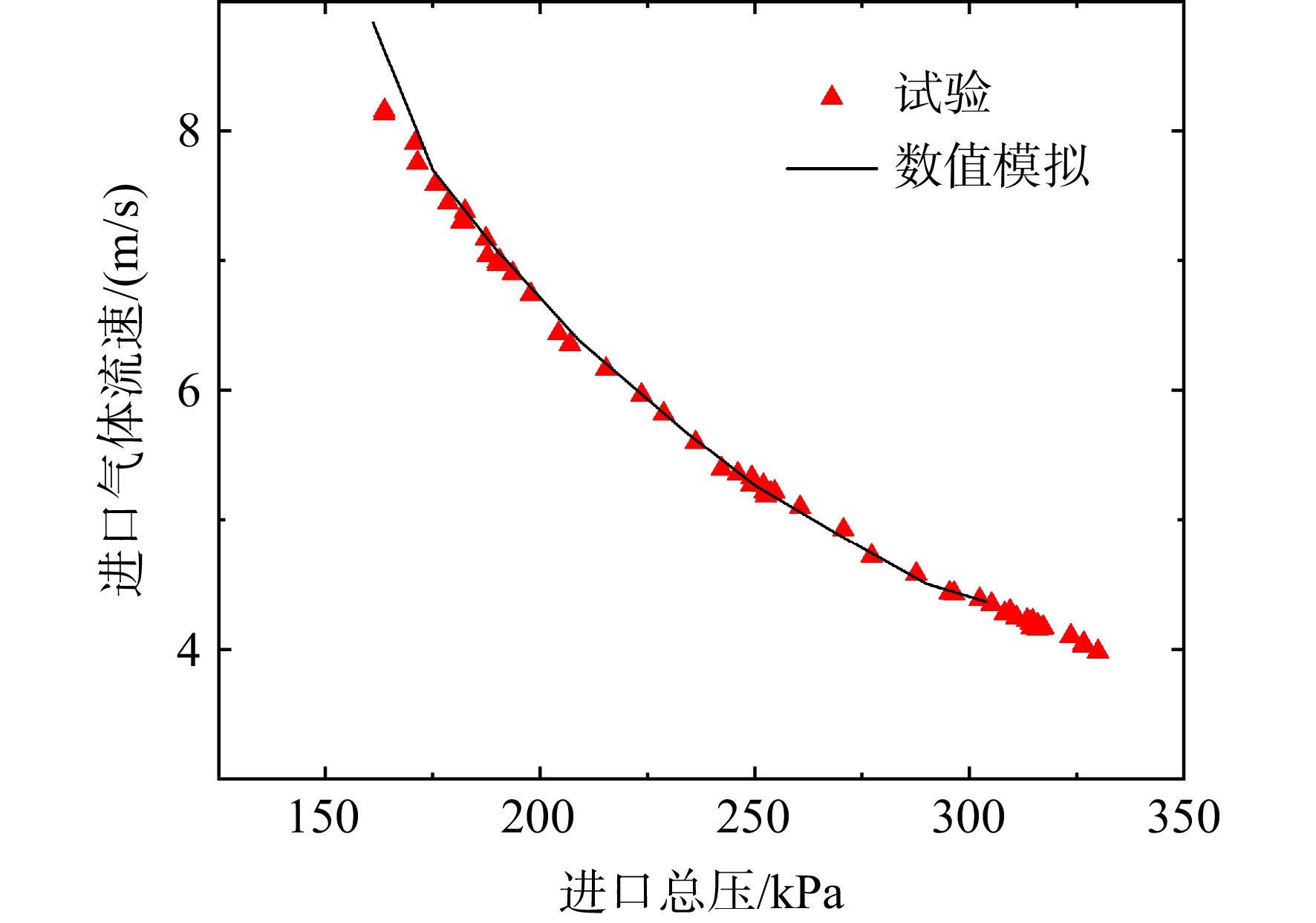
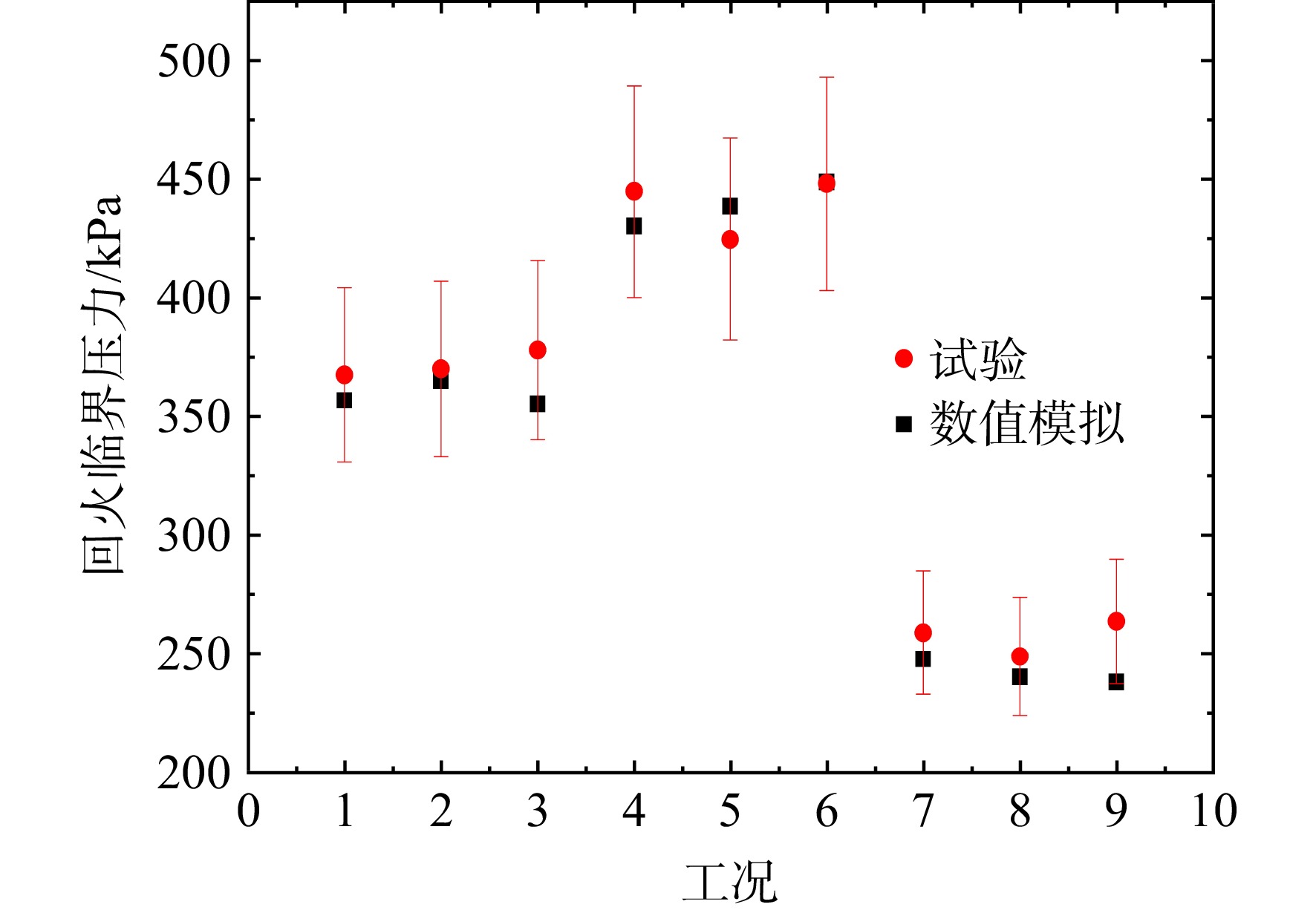
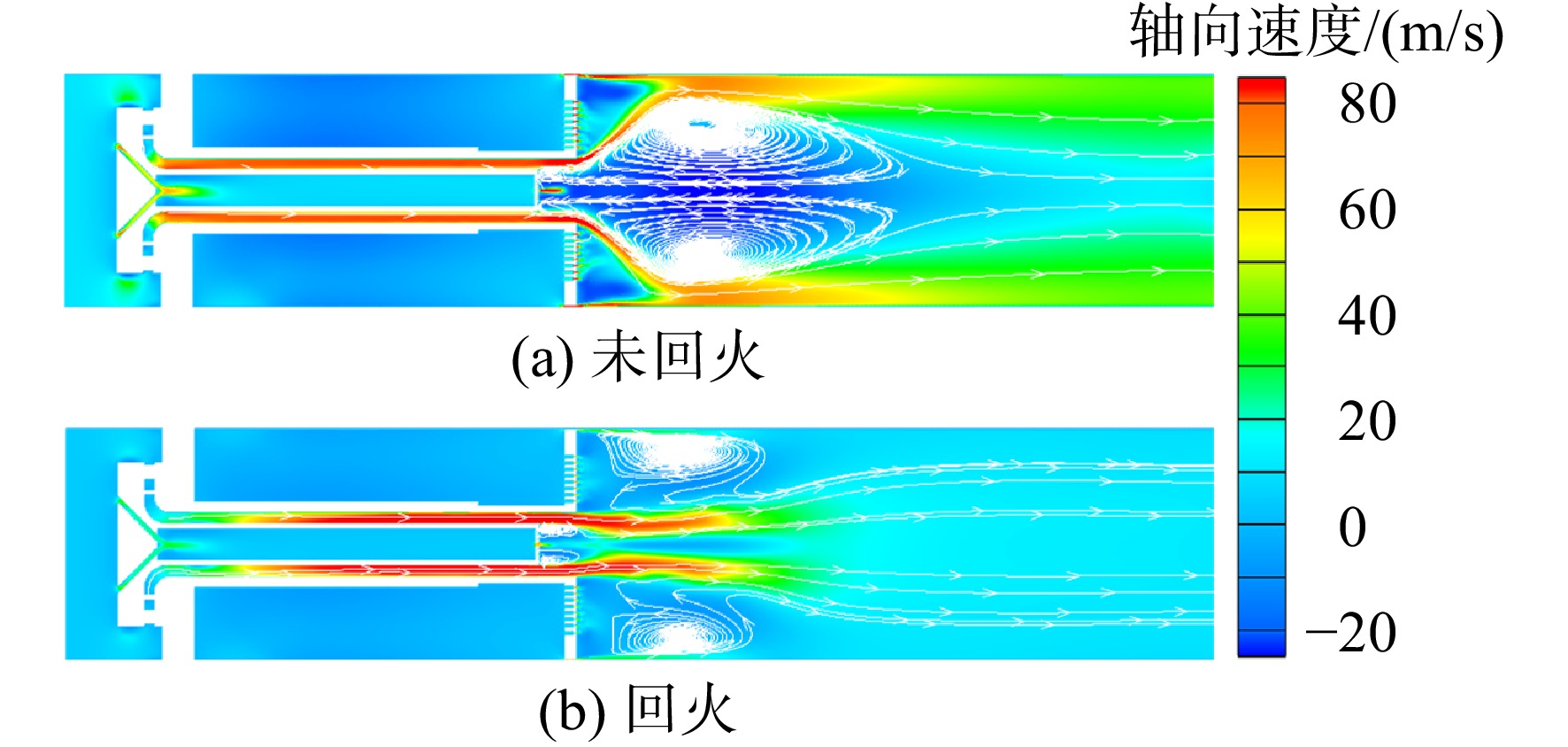
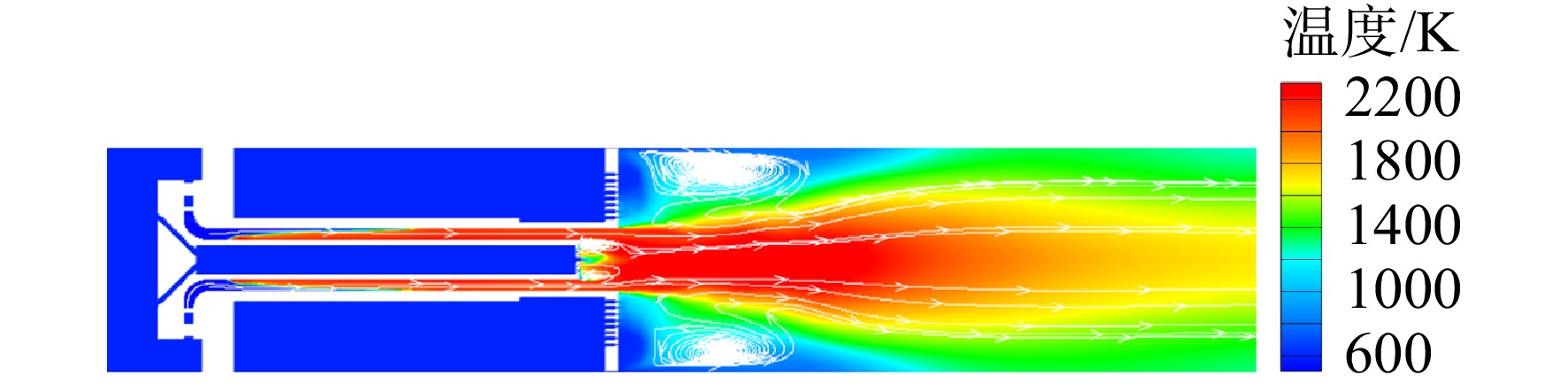
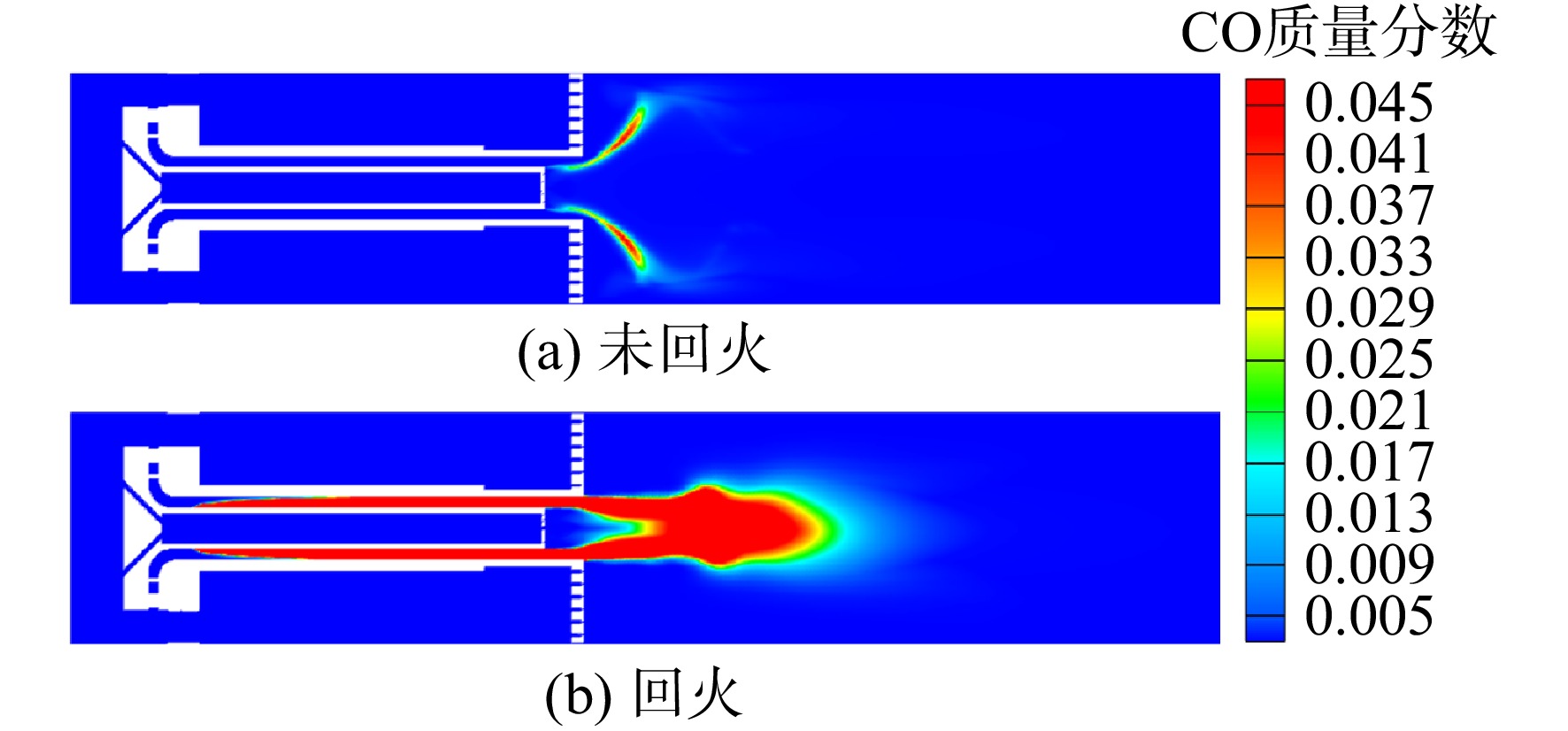
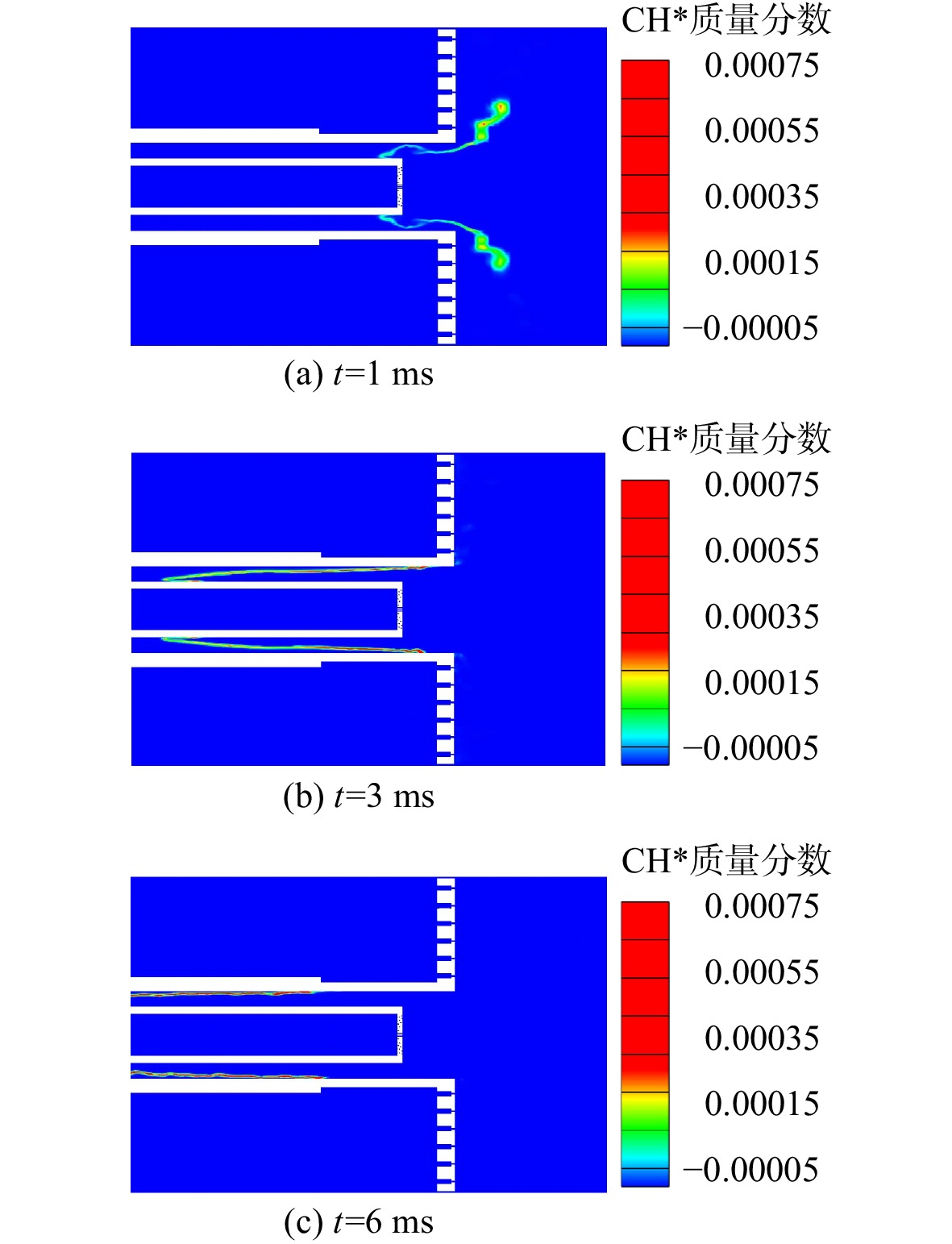
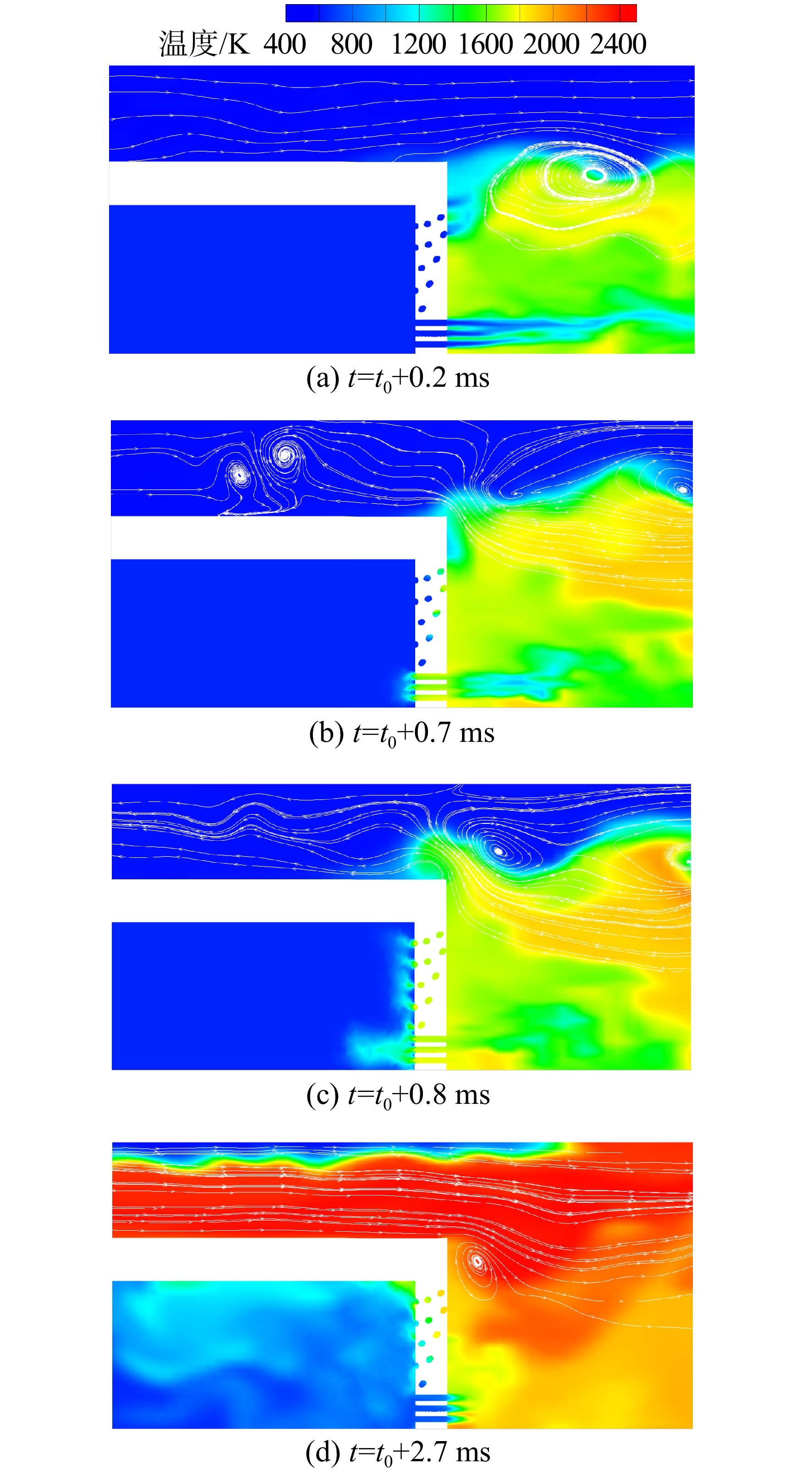
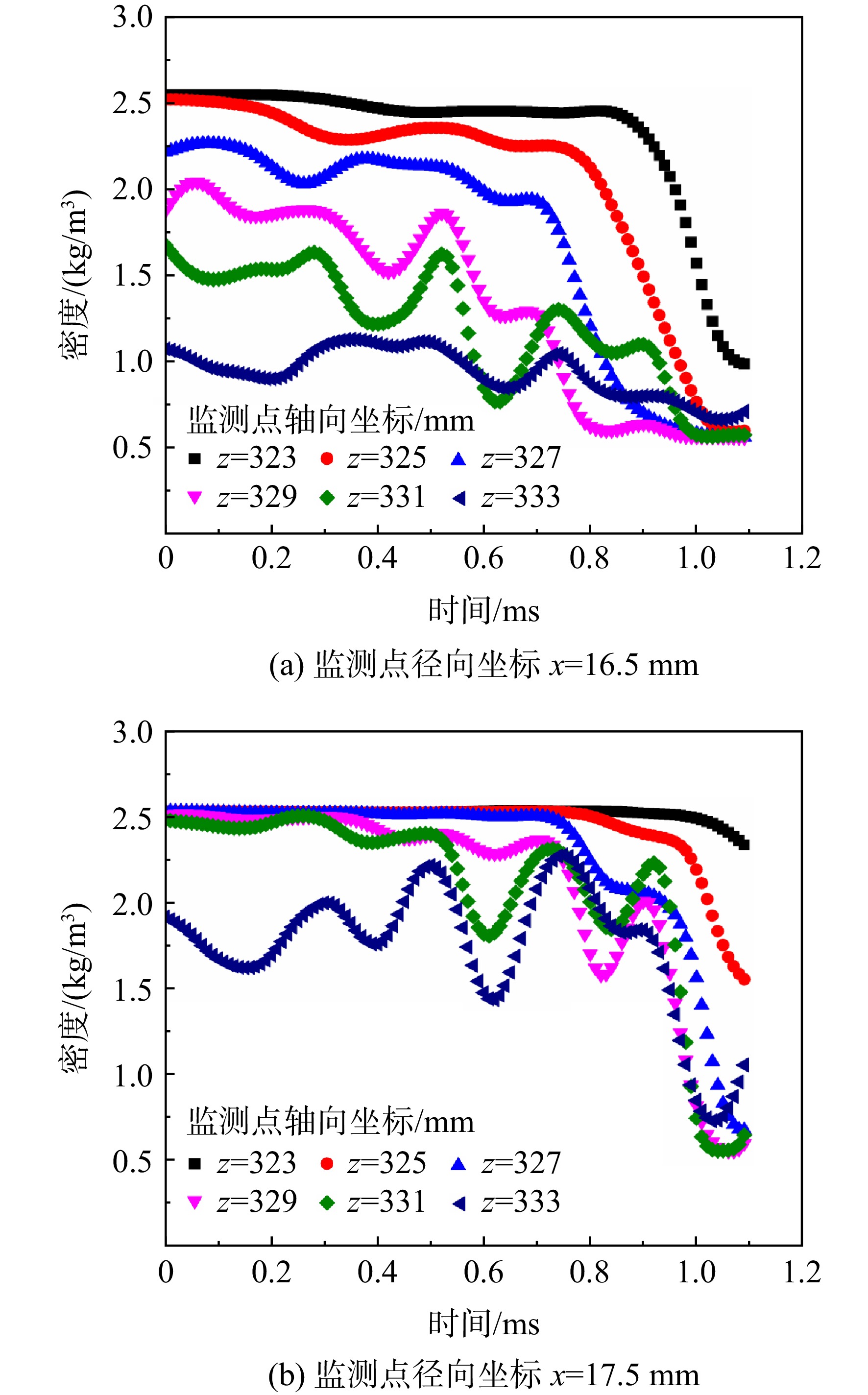
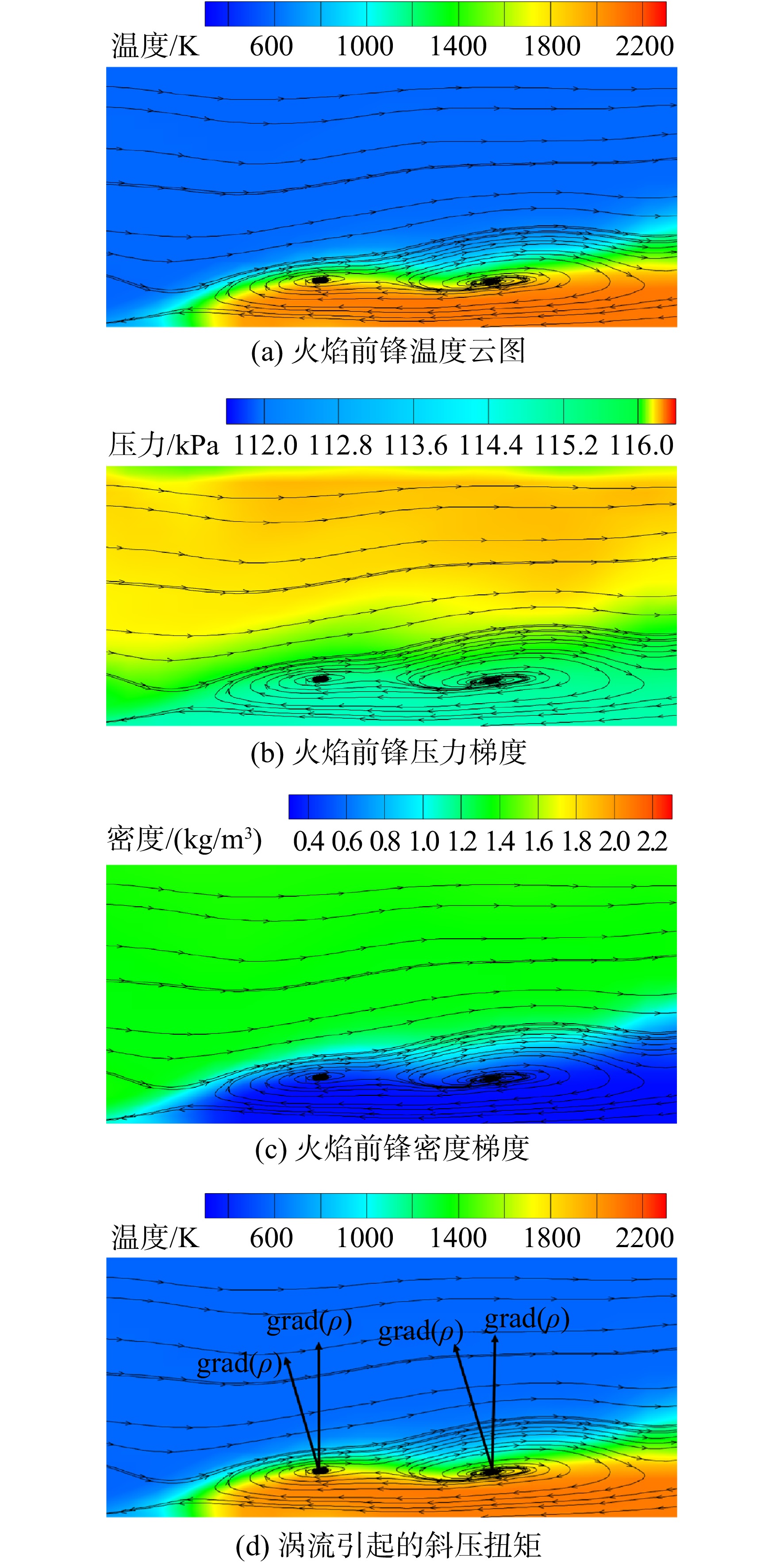
The boundary conditions and propagation process of flame flashback were experimentally obtained for aviation kerosene at different pressures in a premixed swirl model combustor. The reliable k-ε model of Reynolds average Navier-Stokes method, coupled with flamelet generated method (FGM), was applied to numerically capture the flame flashback. It was shown that the simulated critical pressure conditions were within 10% errors compared with the experimental results. Then the large eddy simulation method was used to reproduce the flame flashback process in detail. The analysis showed that the combination of fluctuations of pressure and density in the region near the exit of premix tube caused by increase of downstream pressure yielded reverse eddy with minus speed. As the reversed eddy was enlarged with the increase in downstream pressure, the hot flame outside the exit of premix tube was brought into the tube, which induced flame flashback. Then the flame in the premix tube propagated upstream due to the influence of baroclinic pressure.

Analysis on transient test of thermal conductivity of anisotropic materials based on laser heating
ZHENG Ningyue, CHEN Xue, SUN Chuang, XIA Xinlin
2024, 39(11): 20220425. doi: 10.13224/j.cnki.jasp.20220425
Abstract:
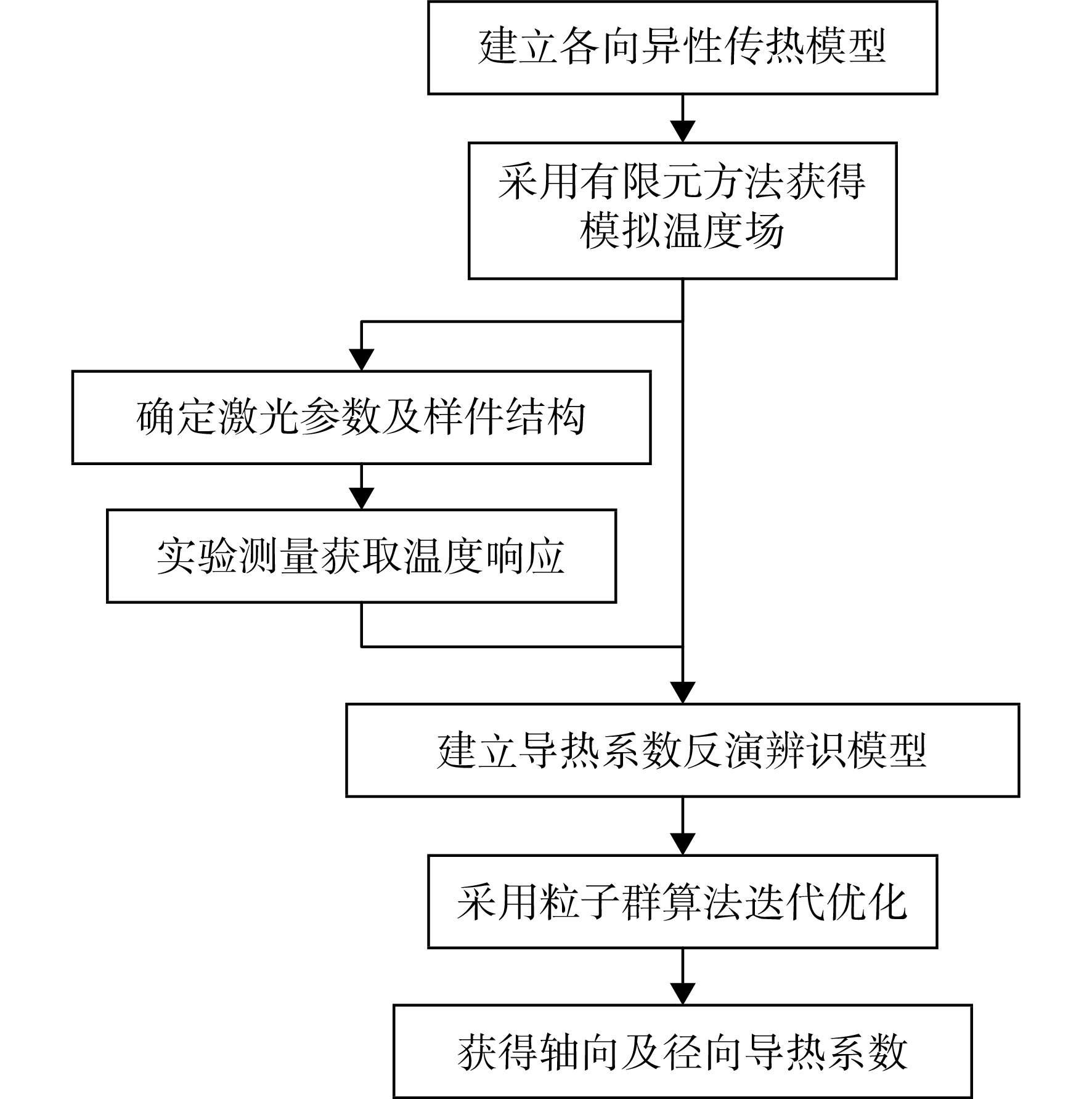
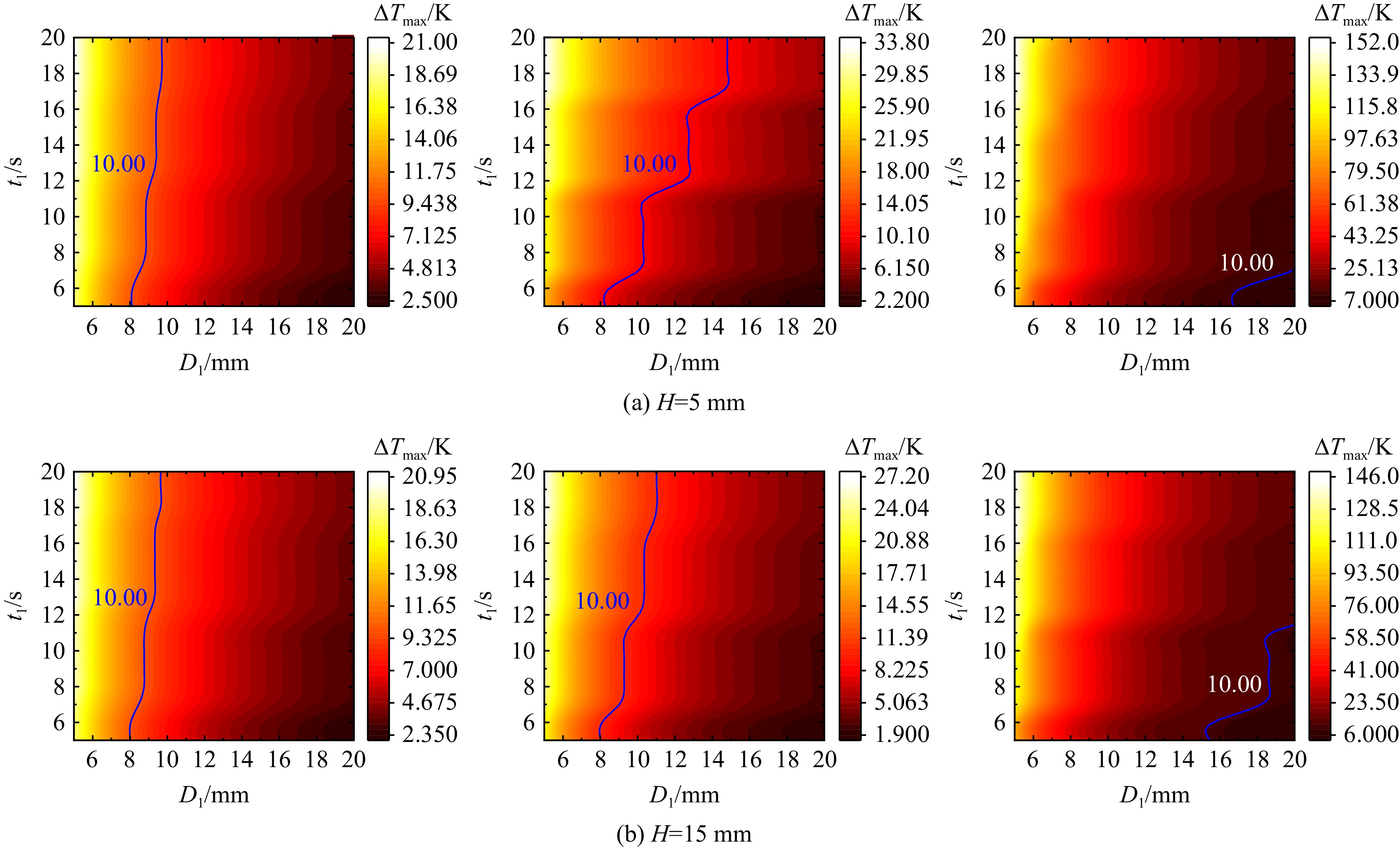
Considering the transient process of laser heating sample, the heat transfer model of anisotropic material was established. The influences of heating time, spot diameter and other parameters on the temperature rise of typical materials under different laser power and sample thickness were discussed. The reasonable range of laser parameters and sample size was determined by analysis. Furthermore, the sensitivity and influencing factors of the transient test method were analyzed by combining the identification model of thermal conductivity inversion based on temperature rise. The results showed that the inversion errors of thermal conductivity, heating power and surface emissivity were less than 2% without considering the temperature test error in the experiment. In the actual test process, the initial temperature field uniformity and emissivity had a greater impact. When the test temperature was 800 K and the error was 1%, the inversion accuracy of thermal conductivity was high ( less than 2% ) and the deviation of surface emissivity was large. When the emissivity of material was obtained and the non-uniformity of initial temperature field was 0.13%, the deviations of axial and radial thermal conductivity can be reduced obviously by simultaneous inversion of thermal conductivity and correction coefficient of initial temperature field.

Numerical simulation on infrared radiation characteristics of vertical take-off and landing nozzle
ZHAO Haiyu, WANG Wei, SONG Jingyuan, WANG Qingshan
2024, 39(11): 20220864. doi: 10.13224/j.cnki.jasp.20220864
Abstract:
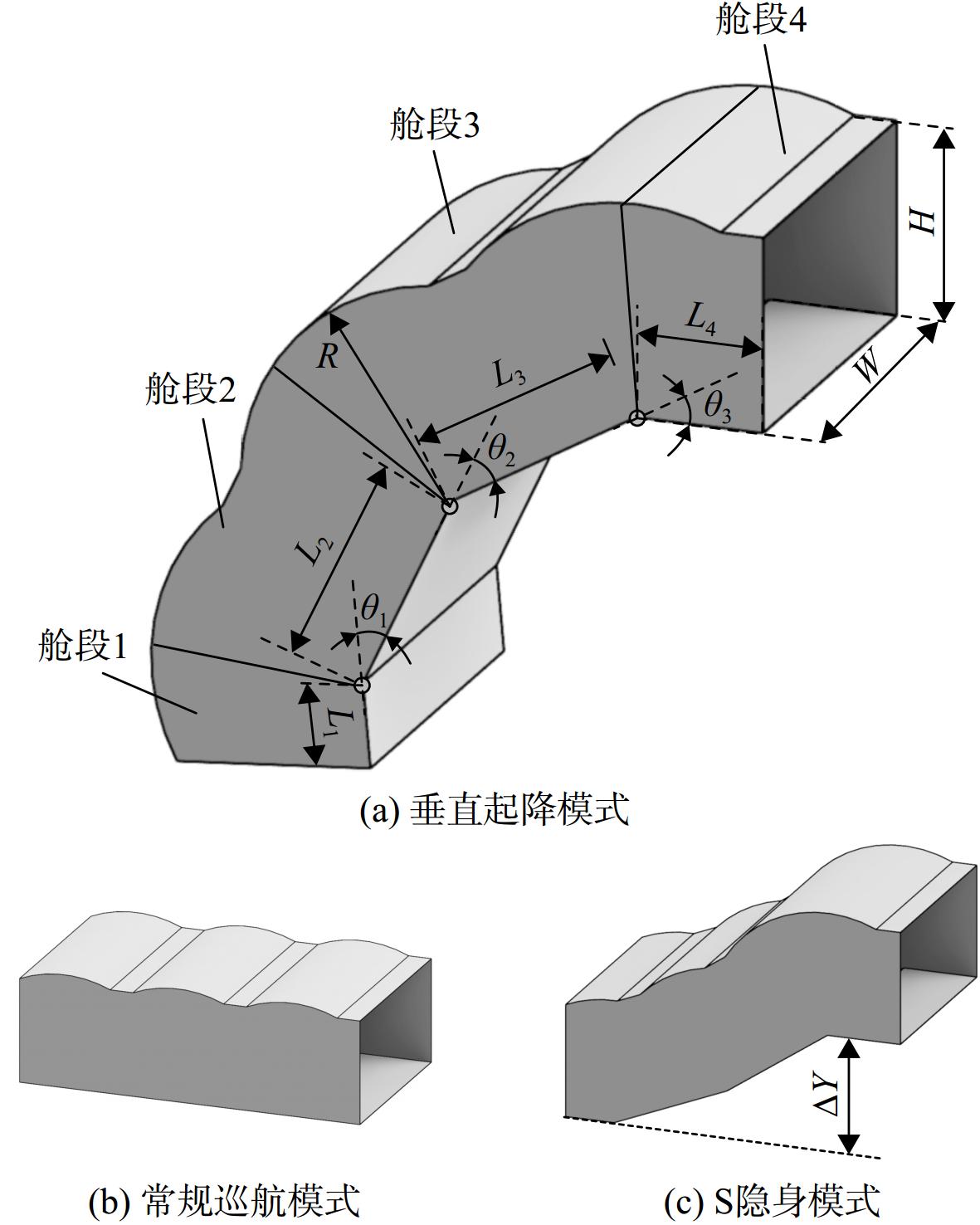
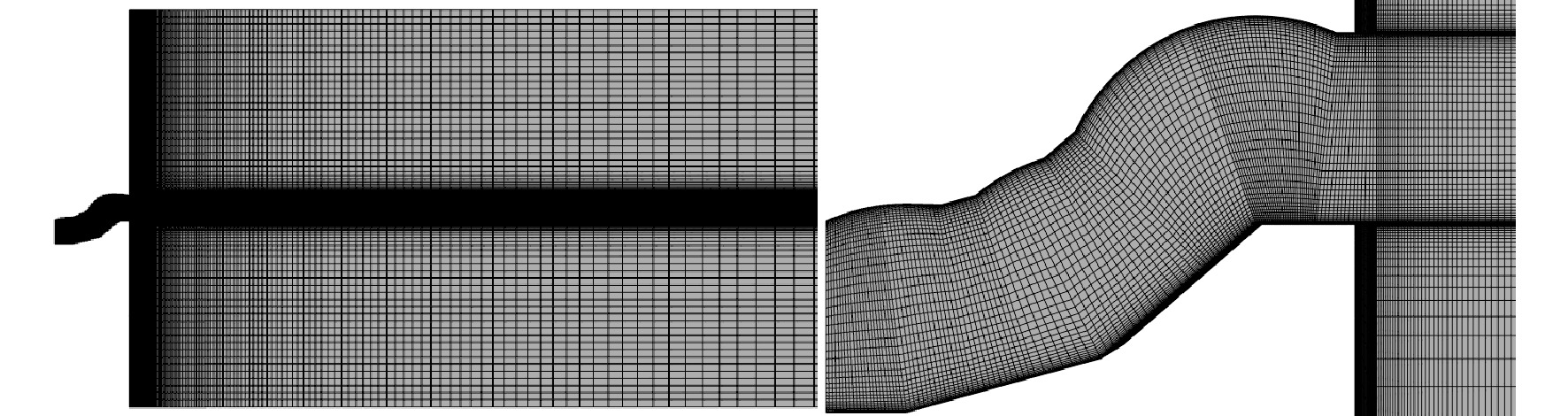
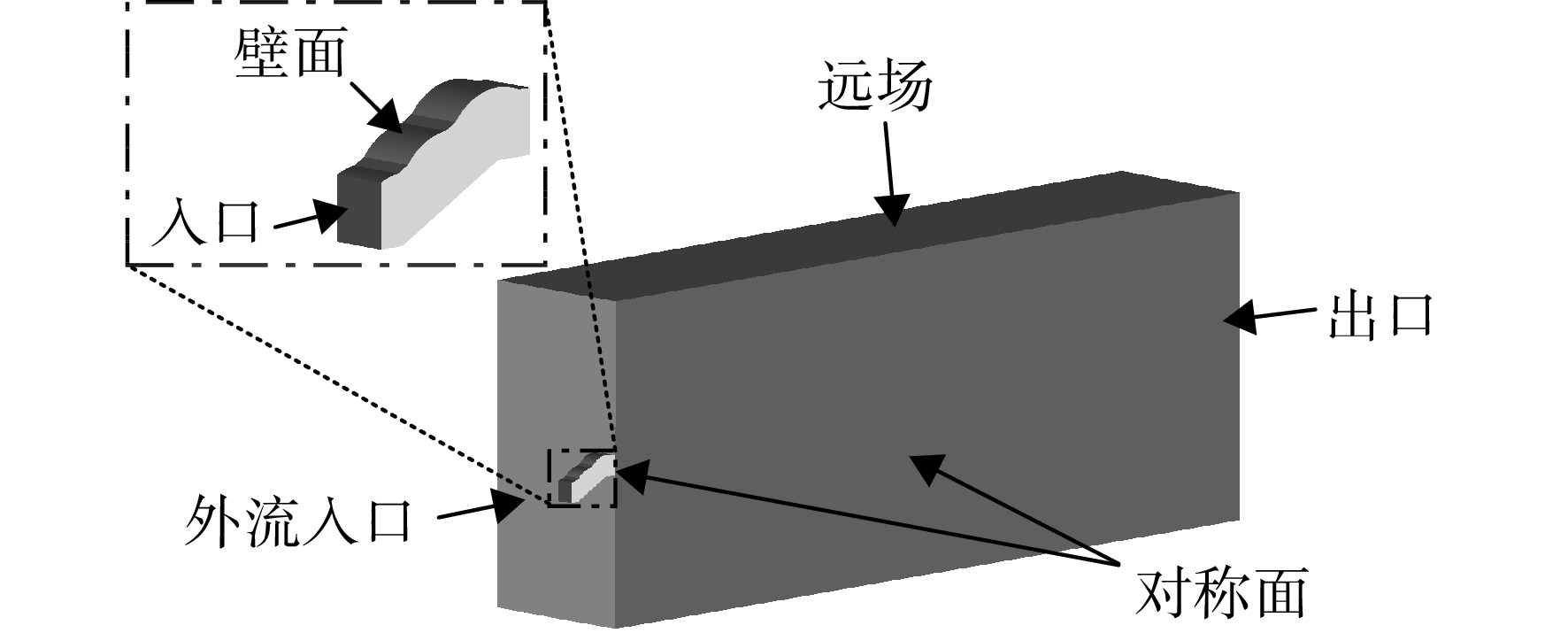
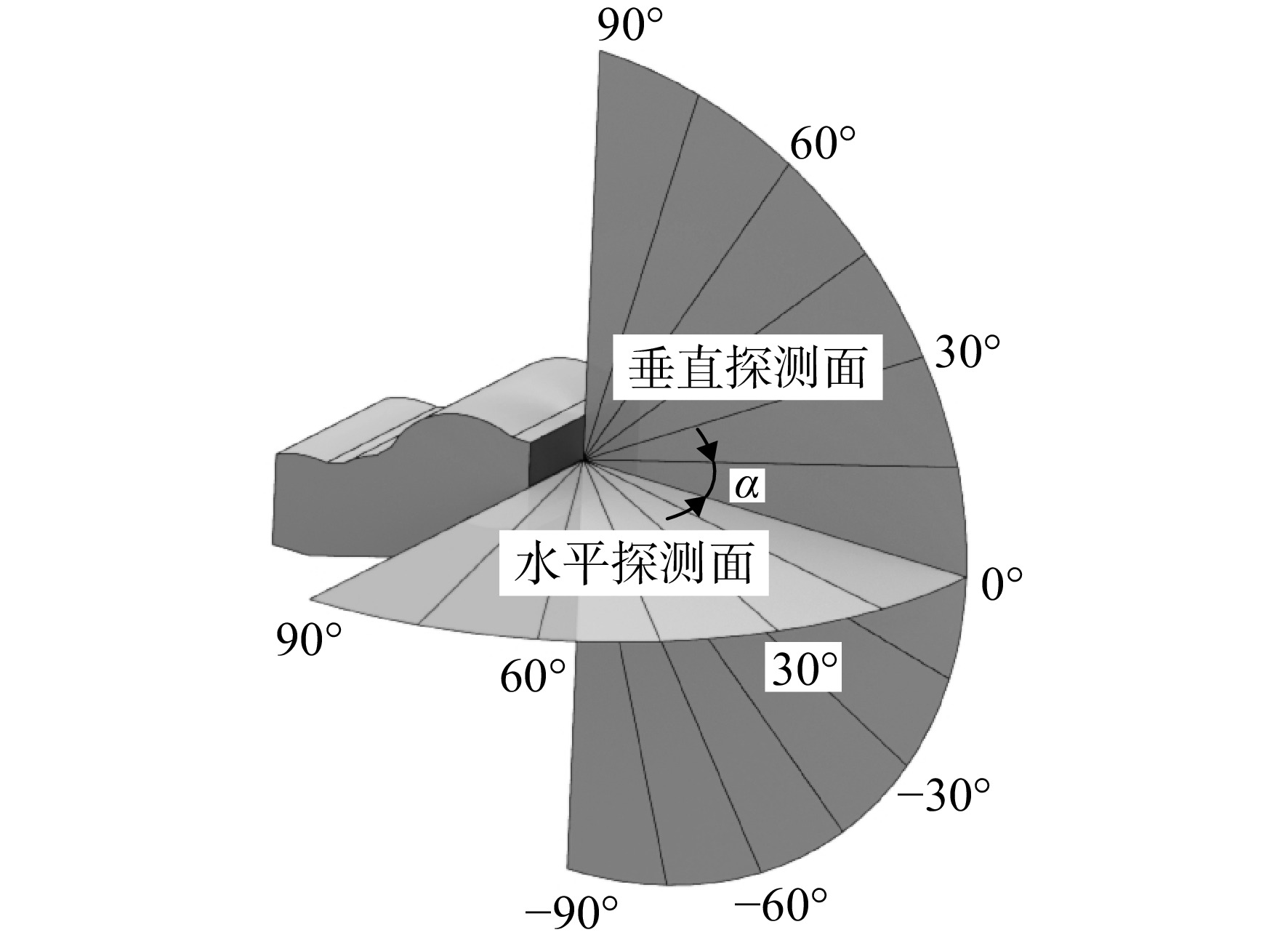
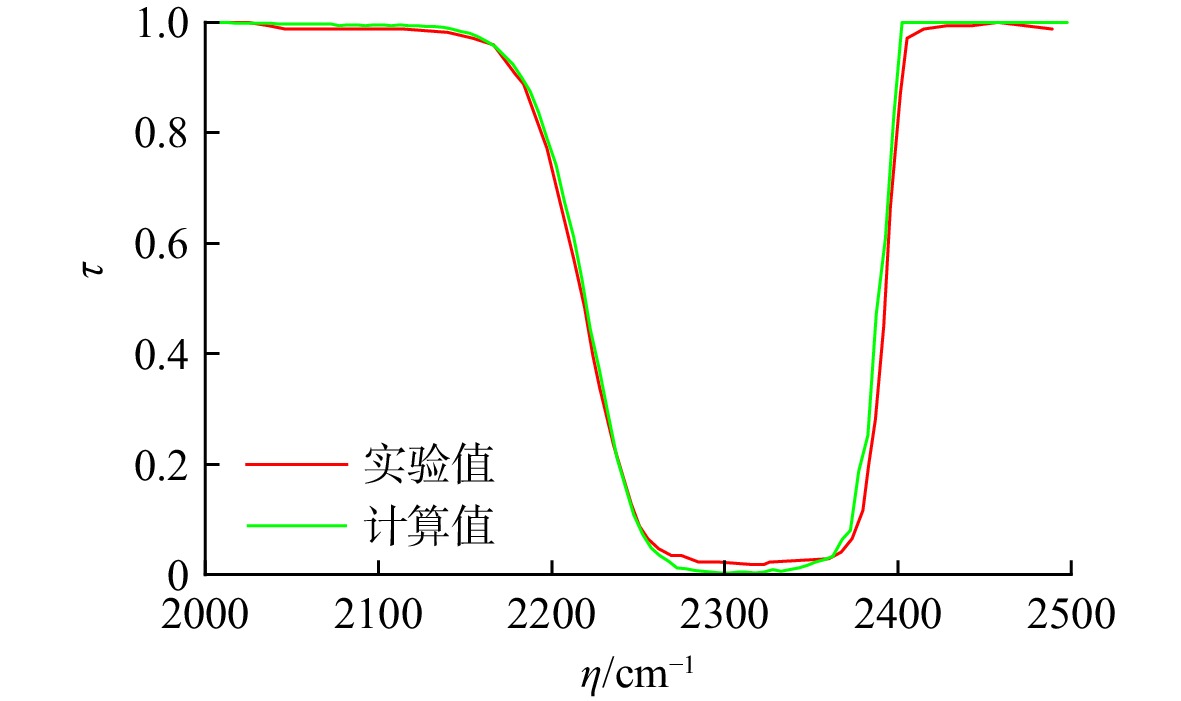
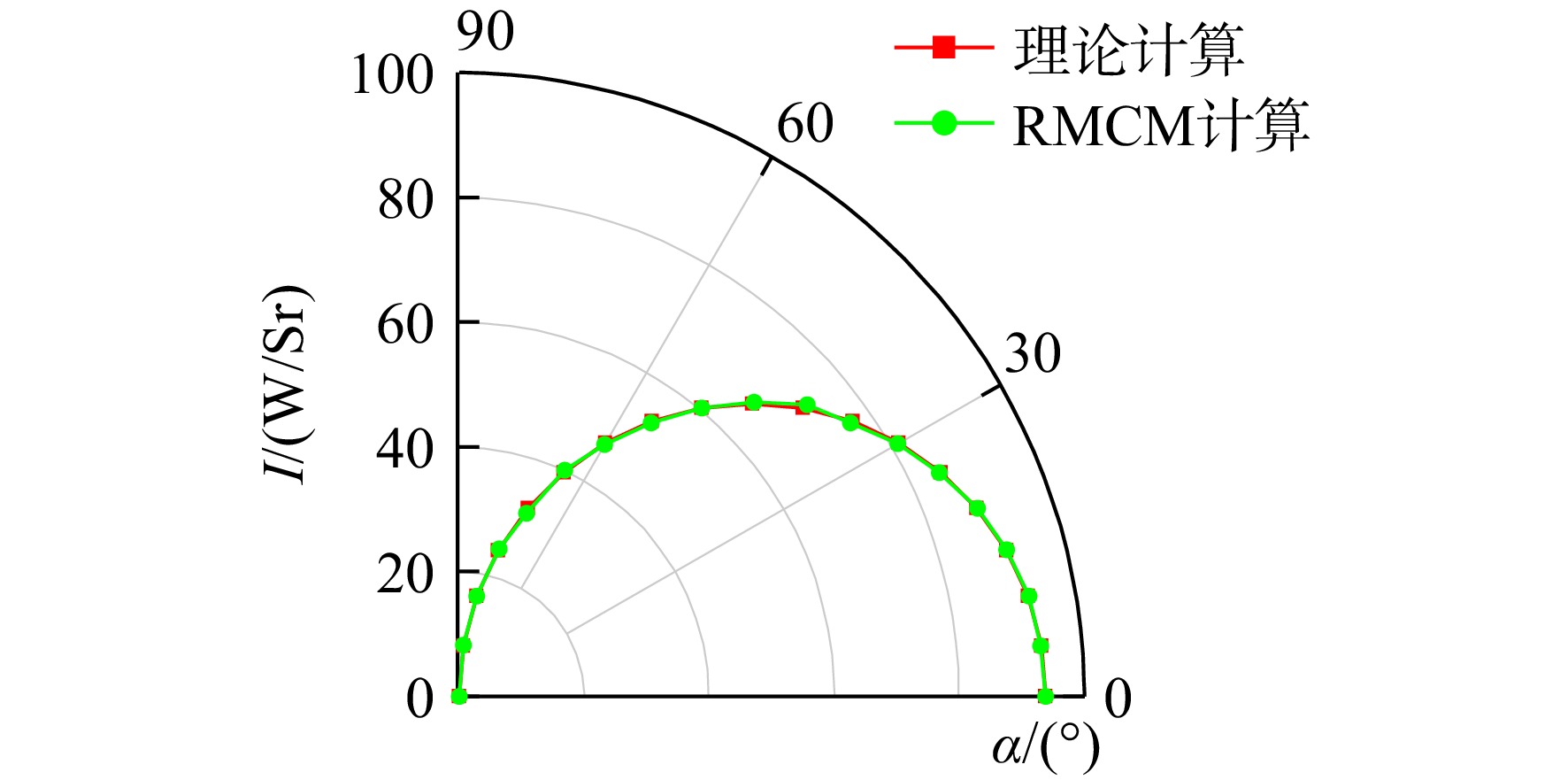
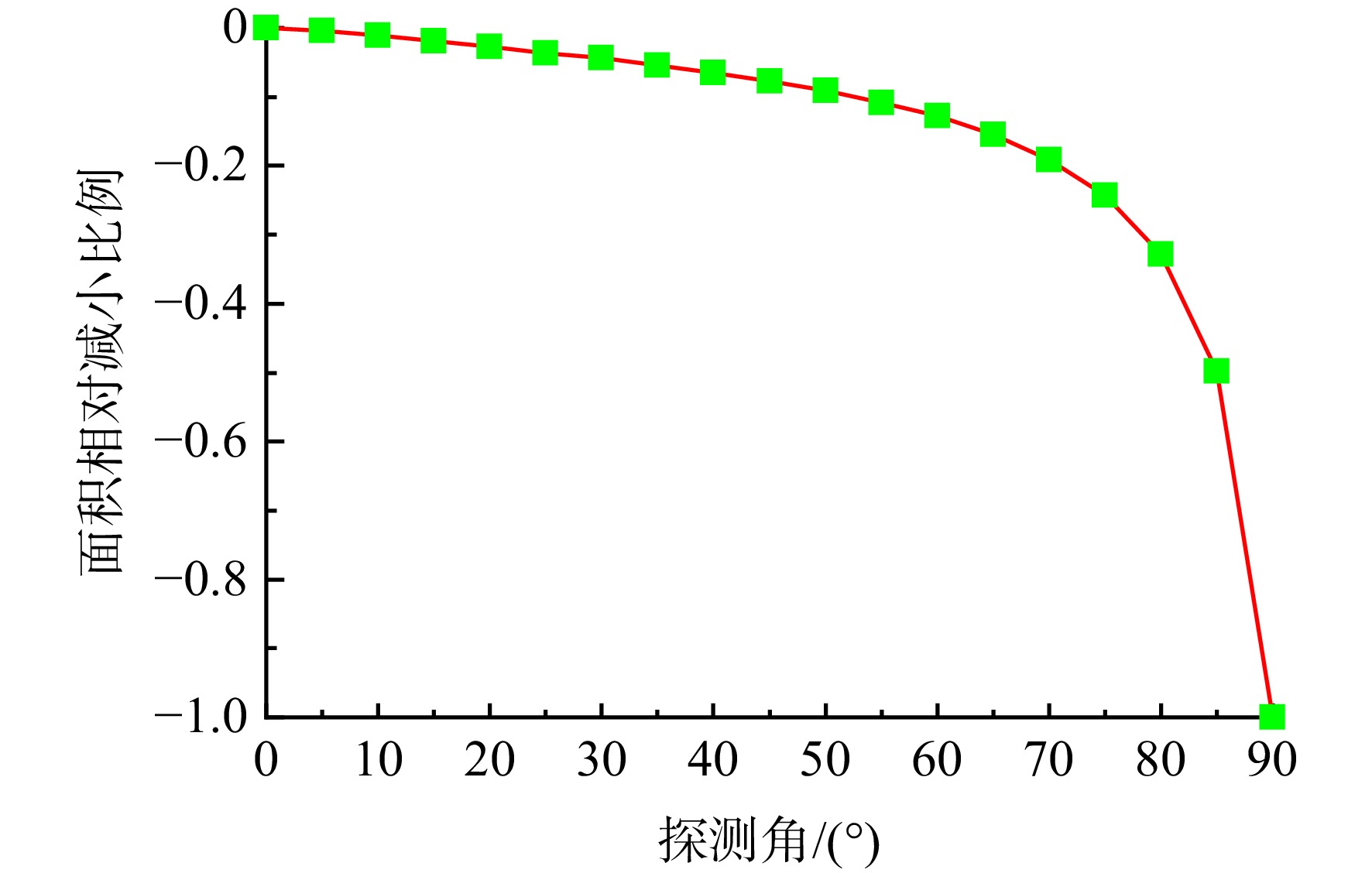
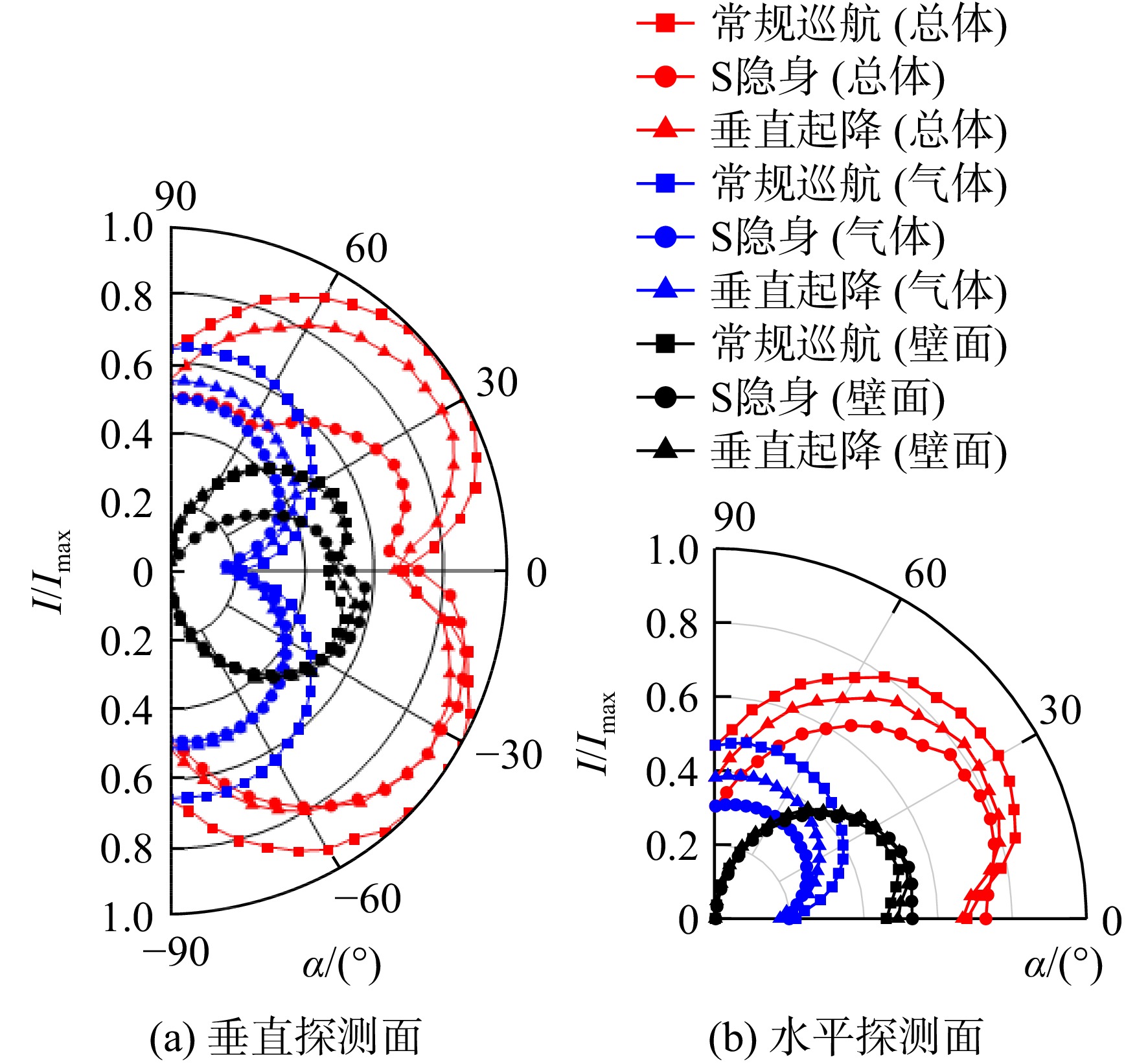
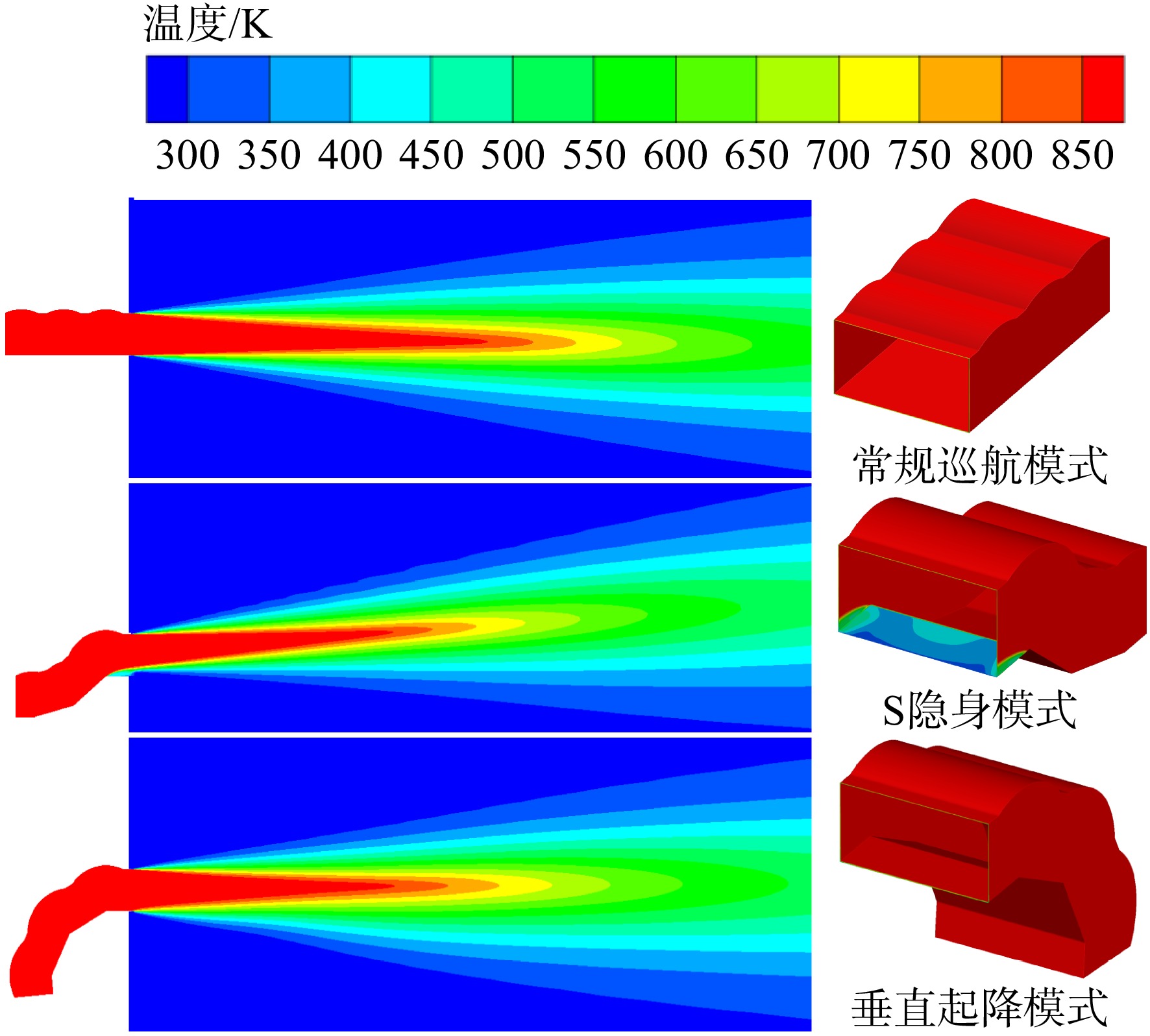
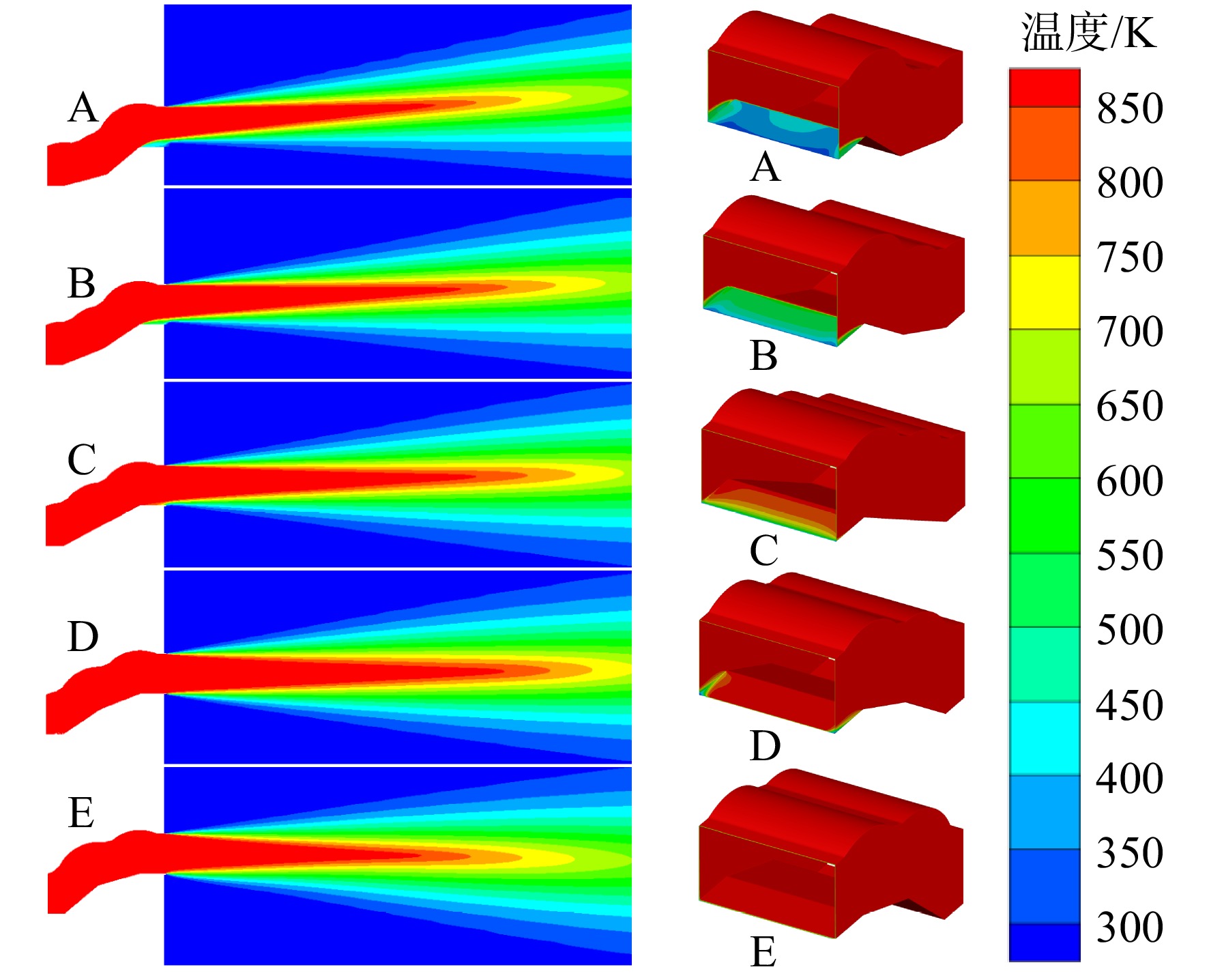
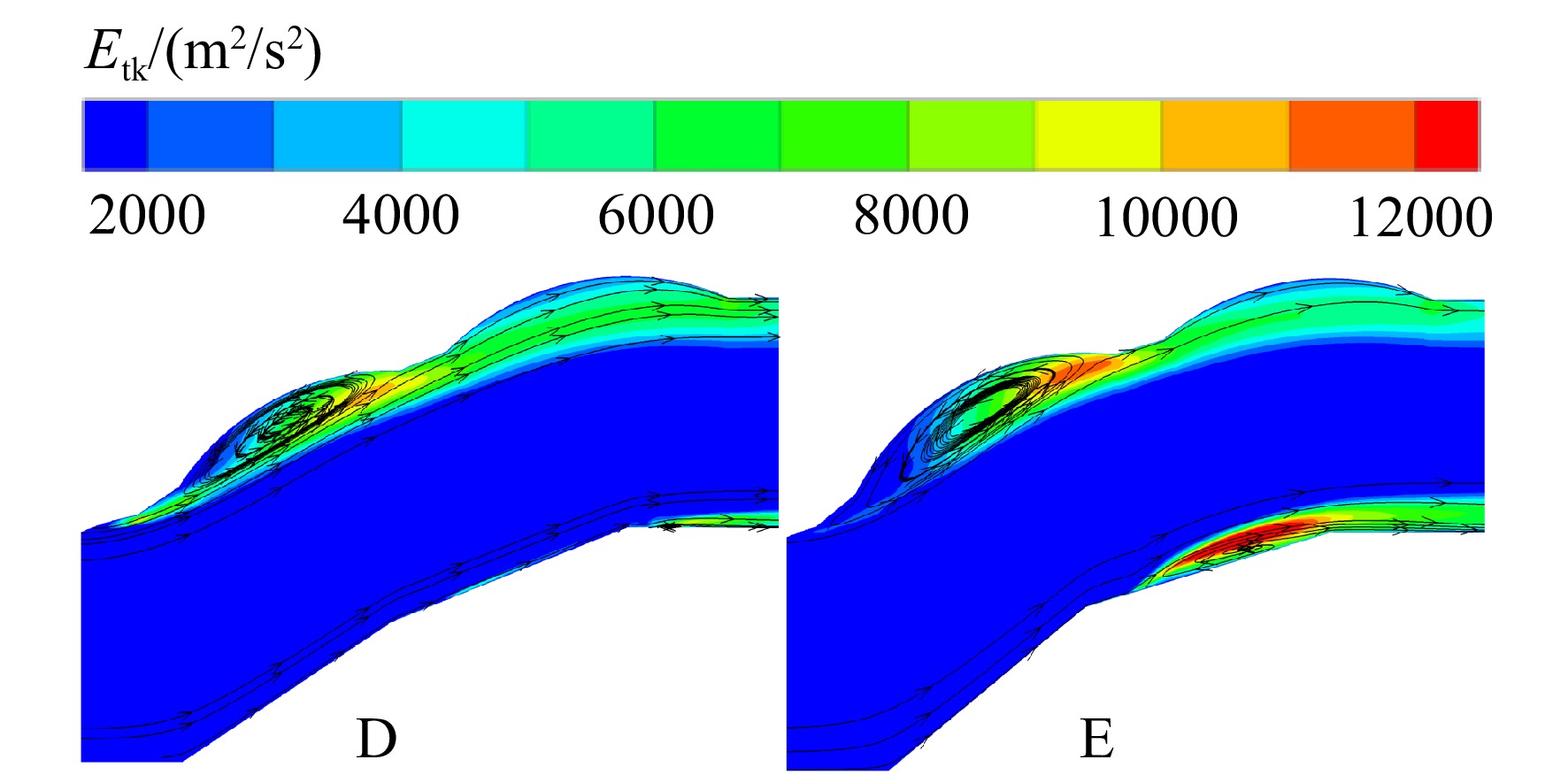
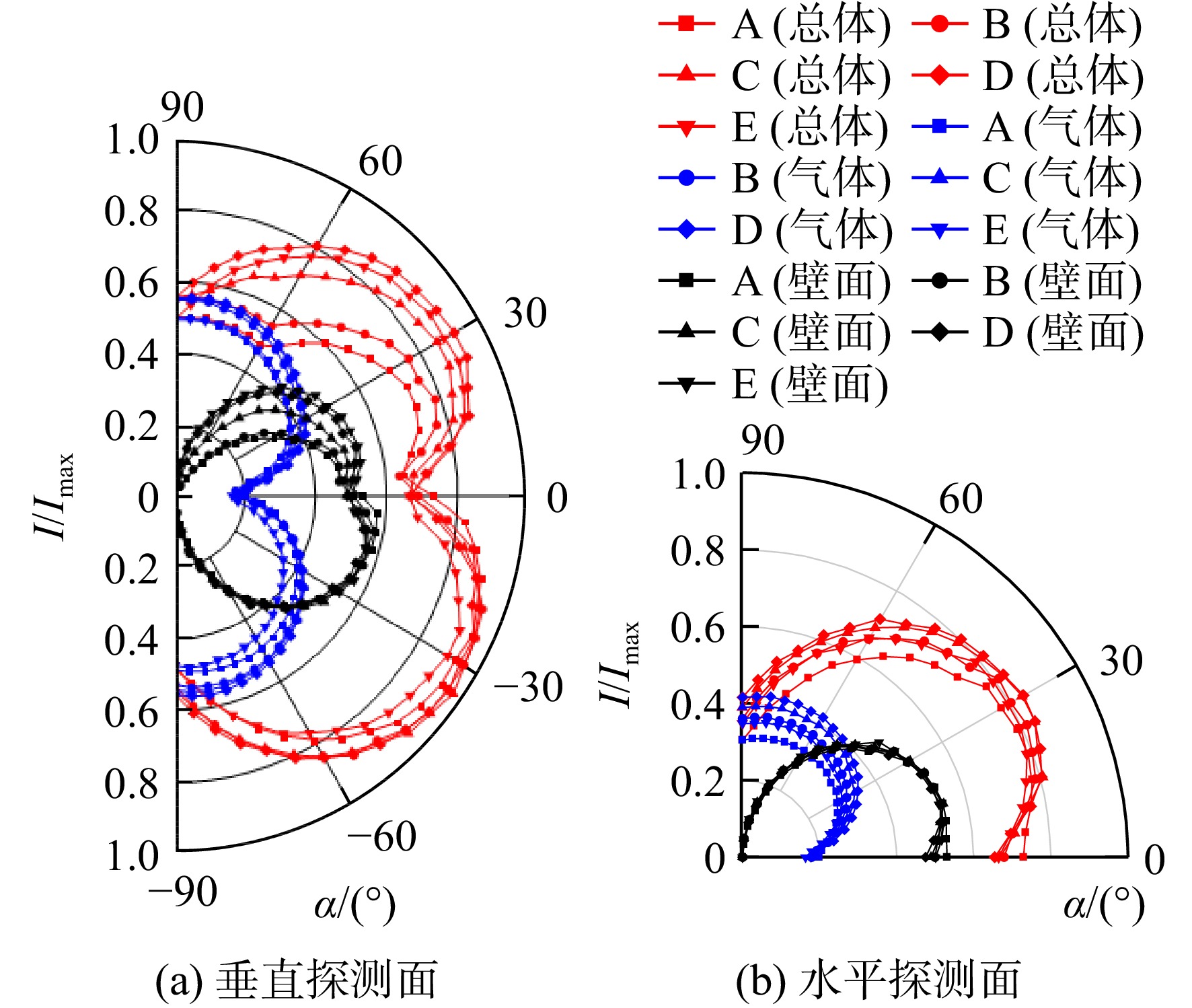
In order to improve the infrared stealth and maneuverability of aircraft exhaust system, a multi-axis cascade rotary vertical take-off and landing nozzle was developed and proposed, and the infrared radiation characteristics of nozzles in conventional cruise, vertical takeoff and landing and intermediate form S stealth modes were studied parameterized by using Malkmus statistical narrow band model and the reverse Monte Carlo method (RMCM). The results showed that compared to the conventional cruise mode nozzle, the infrared radiation intensity of the vertical takeoff and landing mode nozzle was reduced by a maximum of 23% and the S stealth mode nozzle by a maximum of 47%. And the relative angles of the cabins had a significant effect on the infrared radiation characteristics of the S stealth mode nozzle, and the relative angles of the cabins near the exit had little effect on the infrared radiation characteristics of the nozzle in vertical takeoff and landing mode.

Aerothermodynamics and Aeroengine Design
Experiment on buzz characteristics of two-dimensional twin-duct supersonic inlet
WEN Yufen, ZHANG Zheng, ZHANG Weiqun, HAO Sisi, ZHANG Yuan
2024, 39(11): 20220979. doi: 10.13224/j.cnki.jasp.20220979
Abstract:
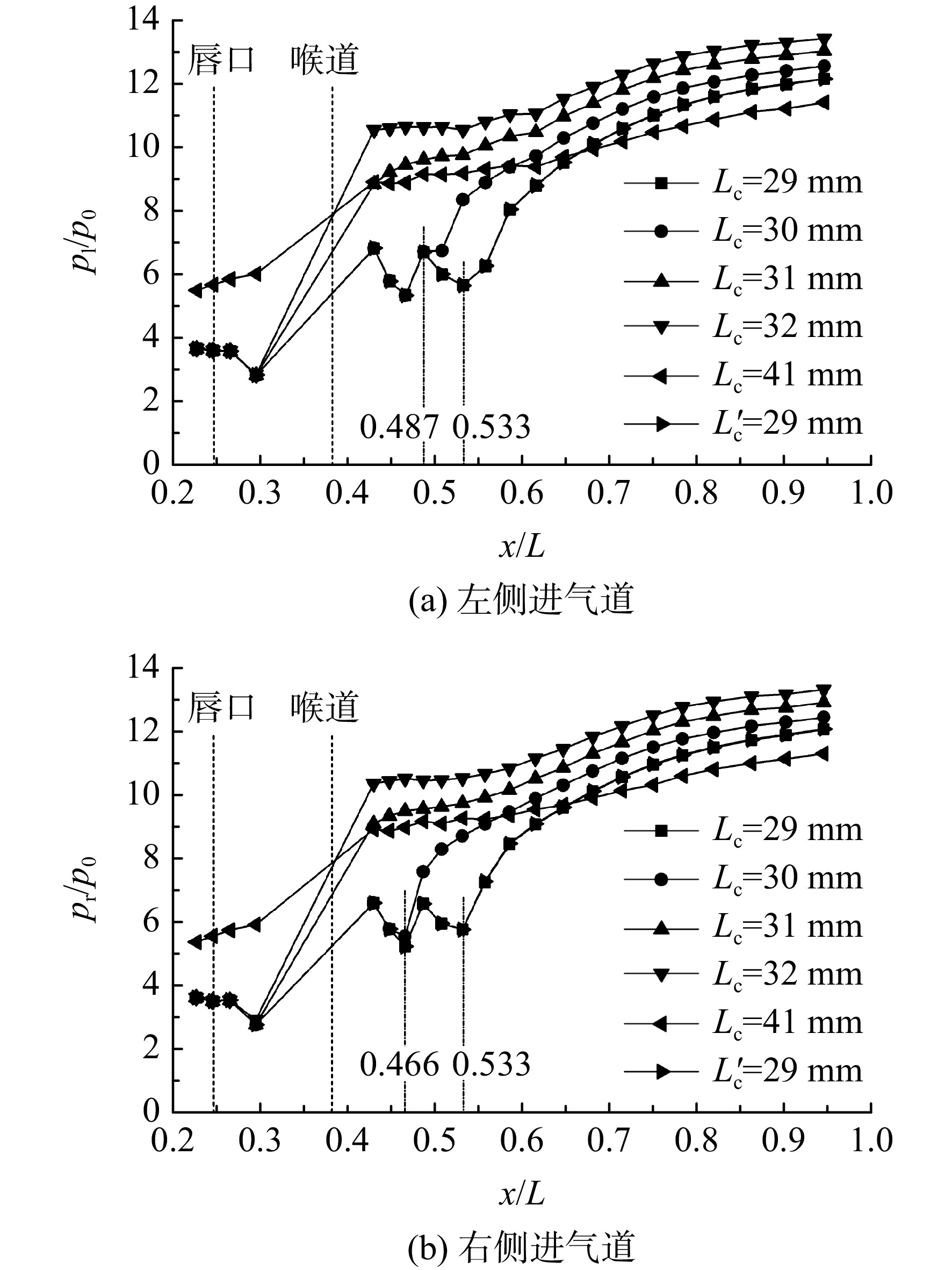
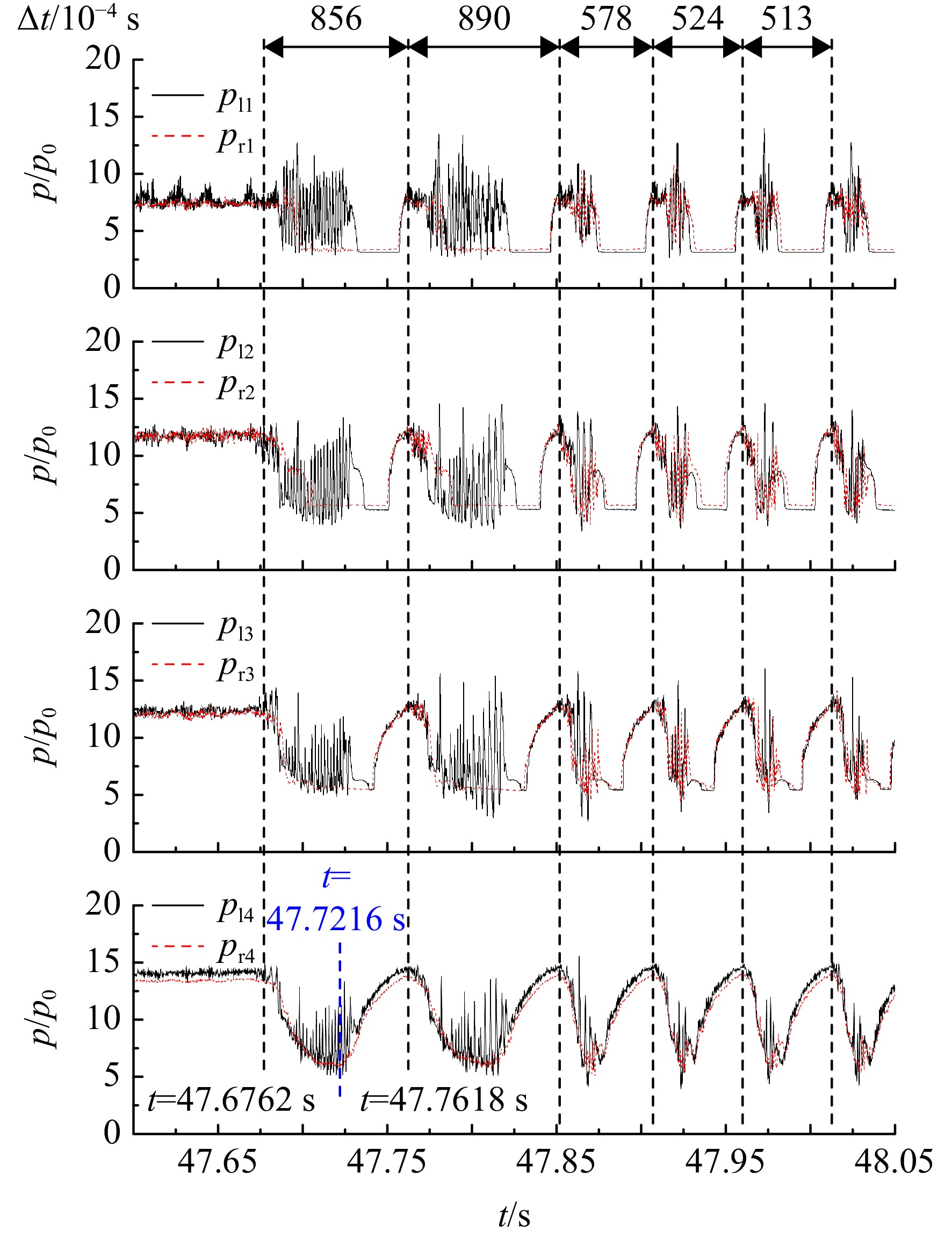
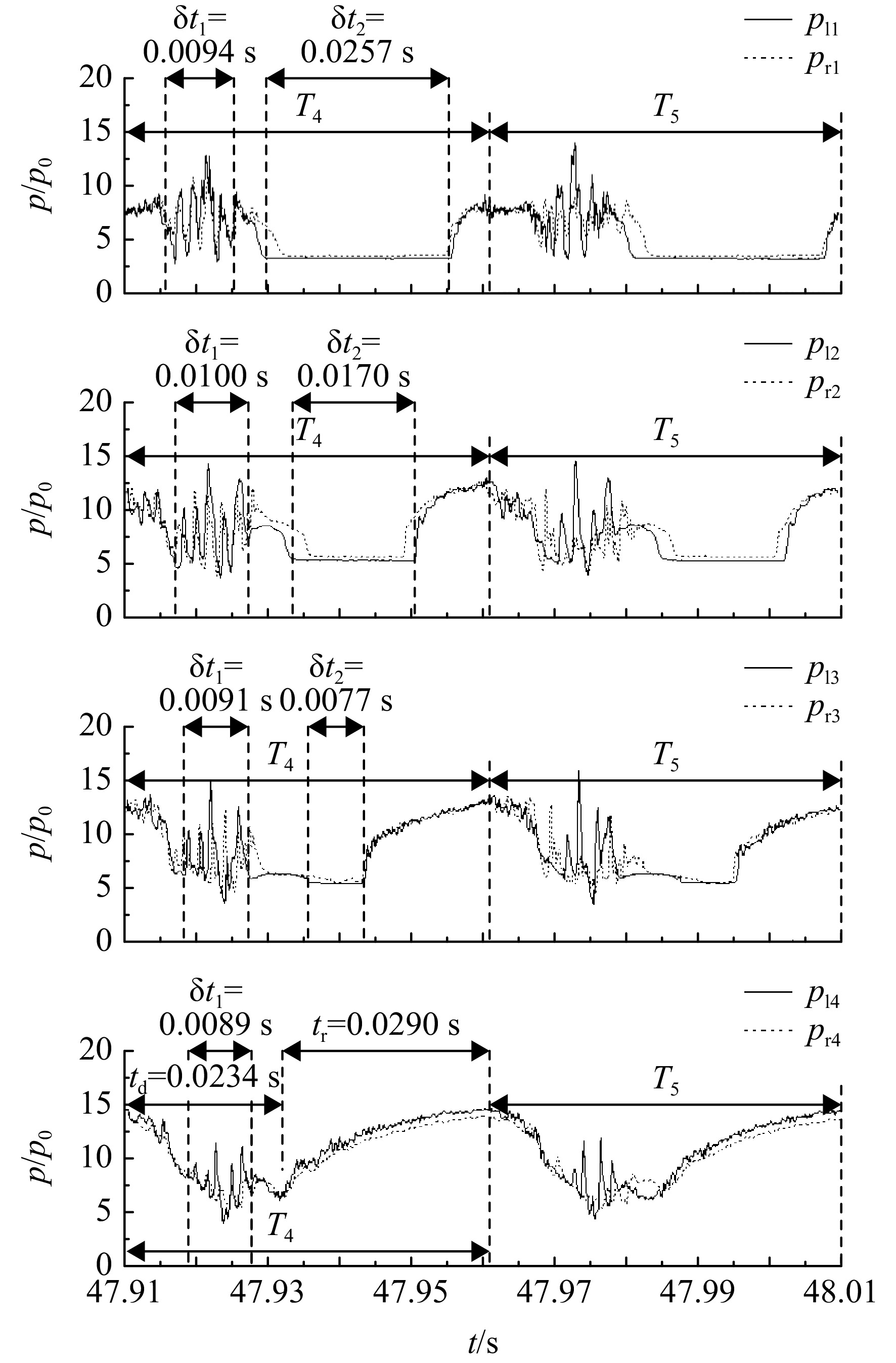
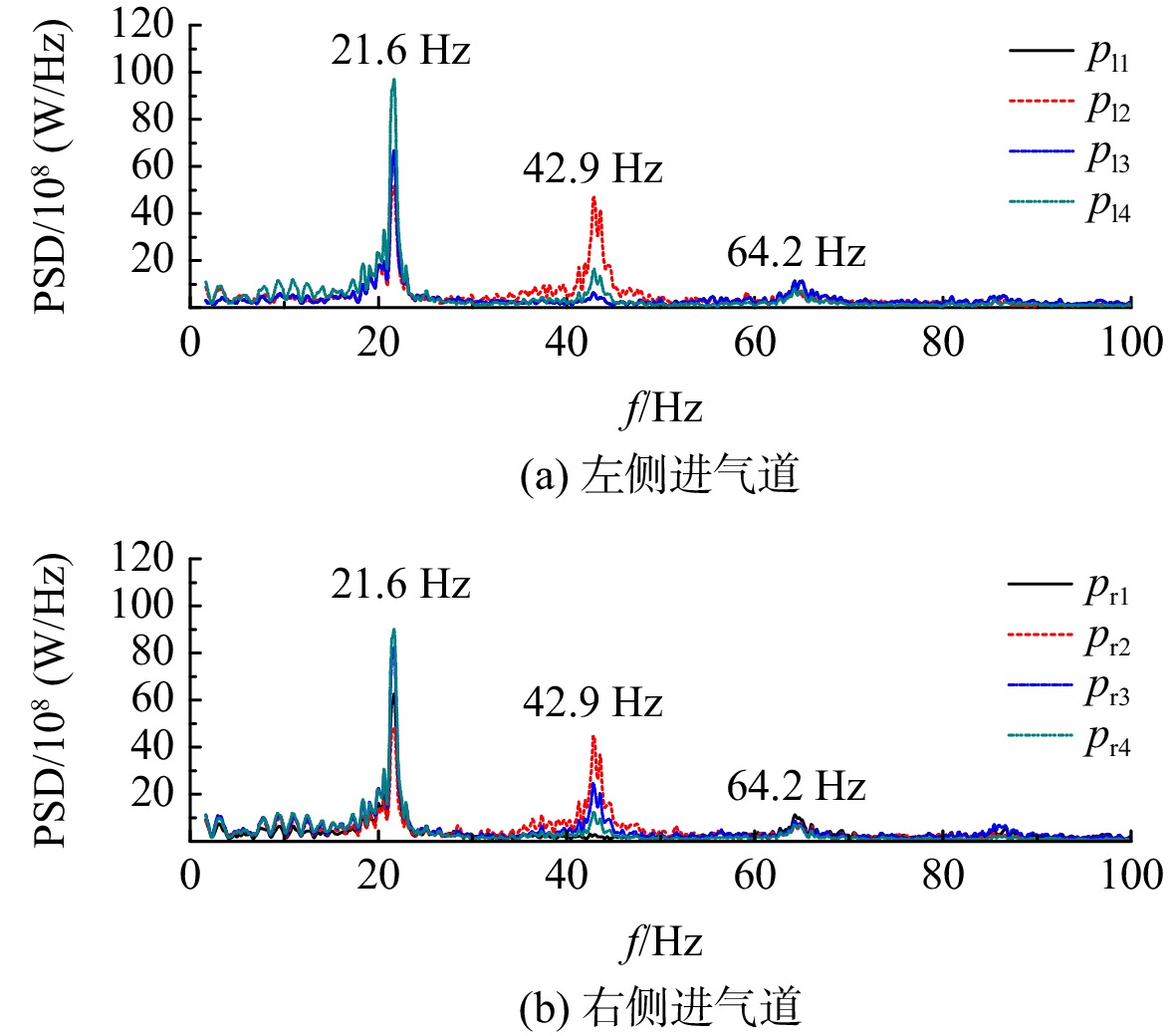
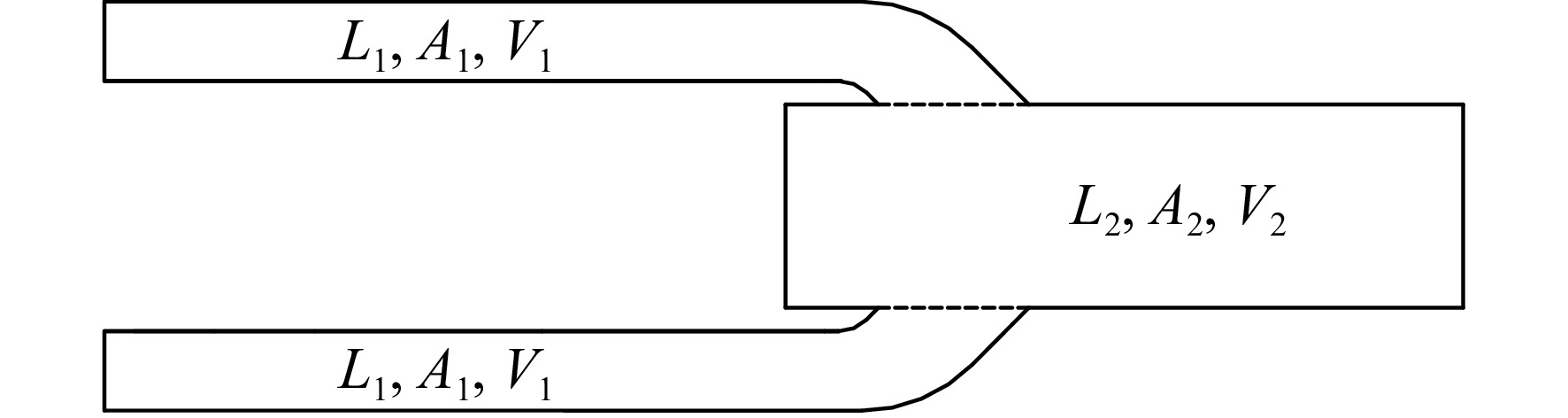
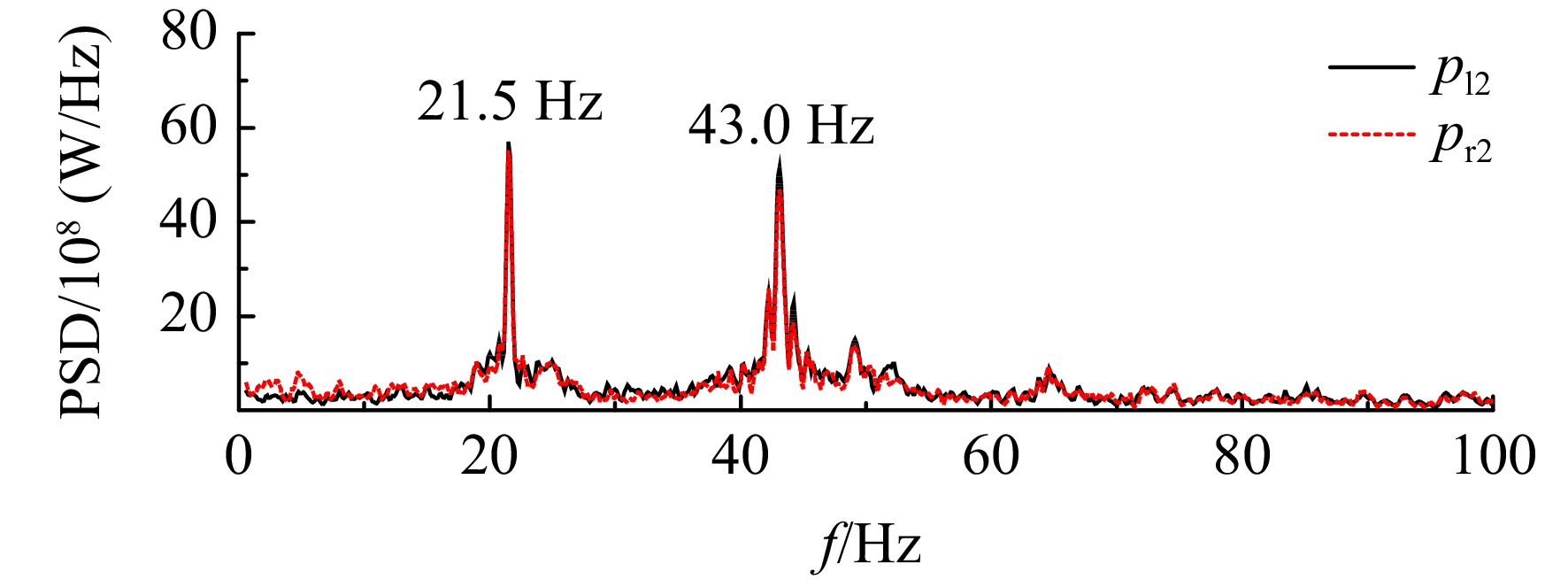
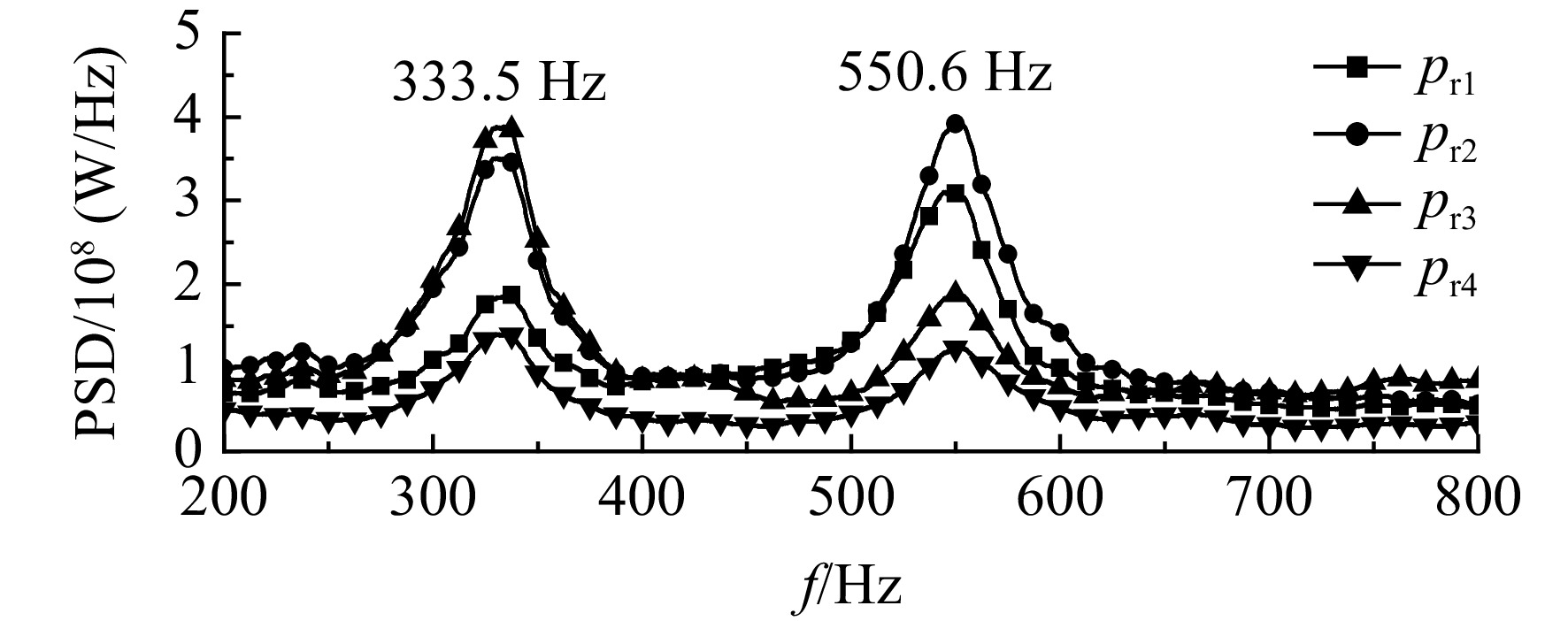
An experimental investigation on the buzz characteristics of a two-dimensional, twin-duct supersonic inlet was carried out at Mach number 2.6. By analyzing the pressure variation law at different positions of the inlet, the flow characteristics were attained while the inlet operation changed from unstarting to restarting. Results showed two modes of buzzing at different throttle choking ratios: both of the inlet ducts buzzed together; one of the inlet ducts buzzed while the other one worked at a highly supercritical operation. By comparing the inlet pressure characteristics under different buzzing modes, it was noted that low-frequency oscillation was observed when both of the inlet ducts buzzed together, and the pressure variation was closely related to periodic shock wave movement. The buzz frequency was 21.5 Hz, and the peak value of the fluctuating pressure was about 75% of the total pressure of free-stream flow. On the contrary, high-frequency oscillating was noted when only one inlet duct buzzed, and the pressure oscillation was dominated by flow separation. The buzz frequency reached over 325 Hz, which was about 15 times of the frequency for the first mode of buzzing, and the amplitude peak was found to be approximate to the total pressure of free-stream flow.

Numerical study on the control of airfoil stall with bio-inspired herringbone groove array
ZHANG Peng, CHENG Rixin, LI Yonghong, SUN Yigang
2024, 39(11): 20230415. doi: 10.13224/j.cnki.jasp.20230415
Abstract:
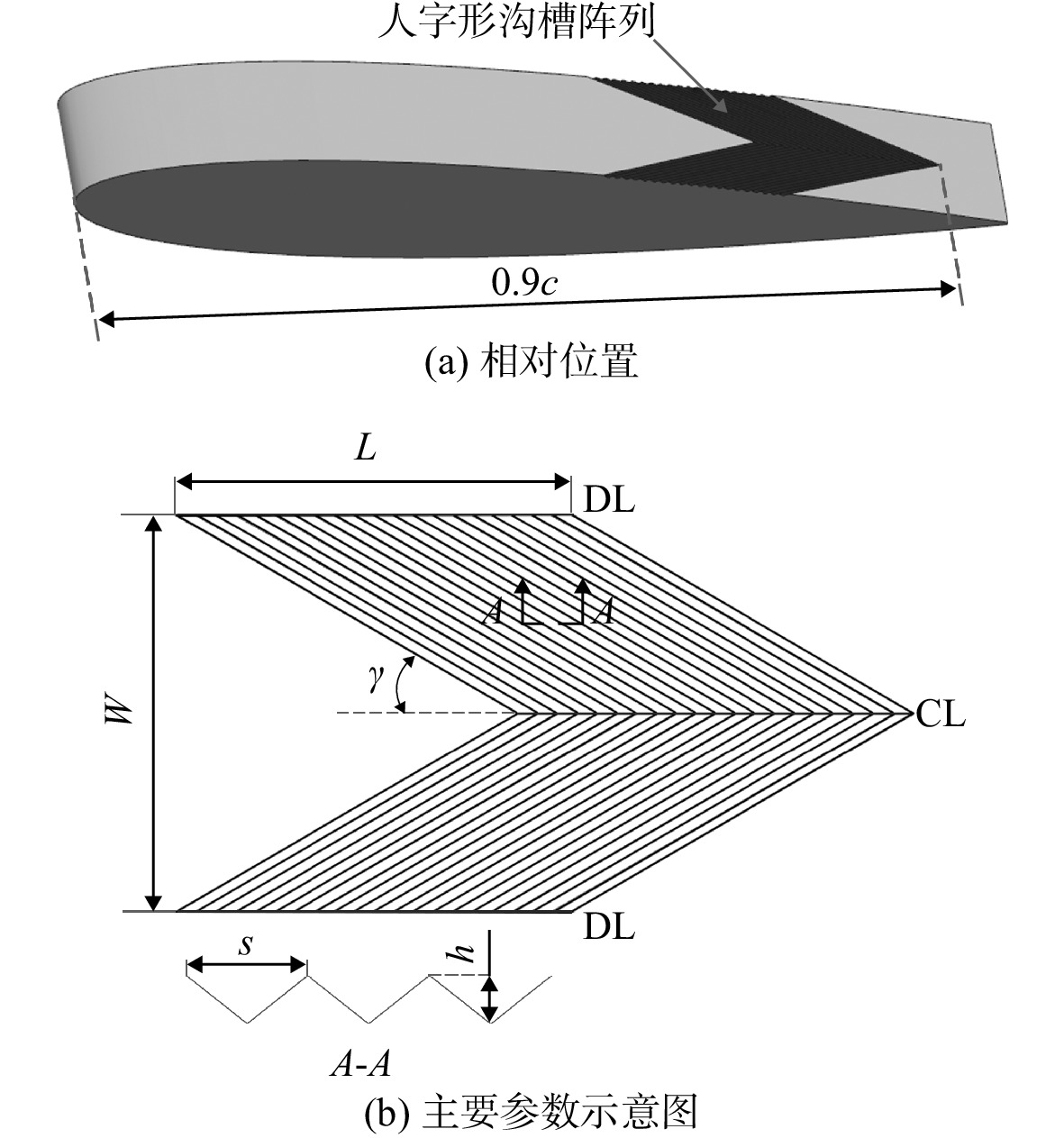
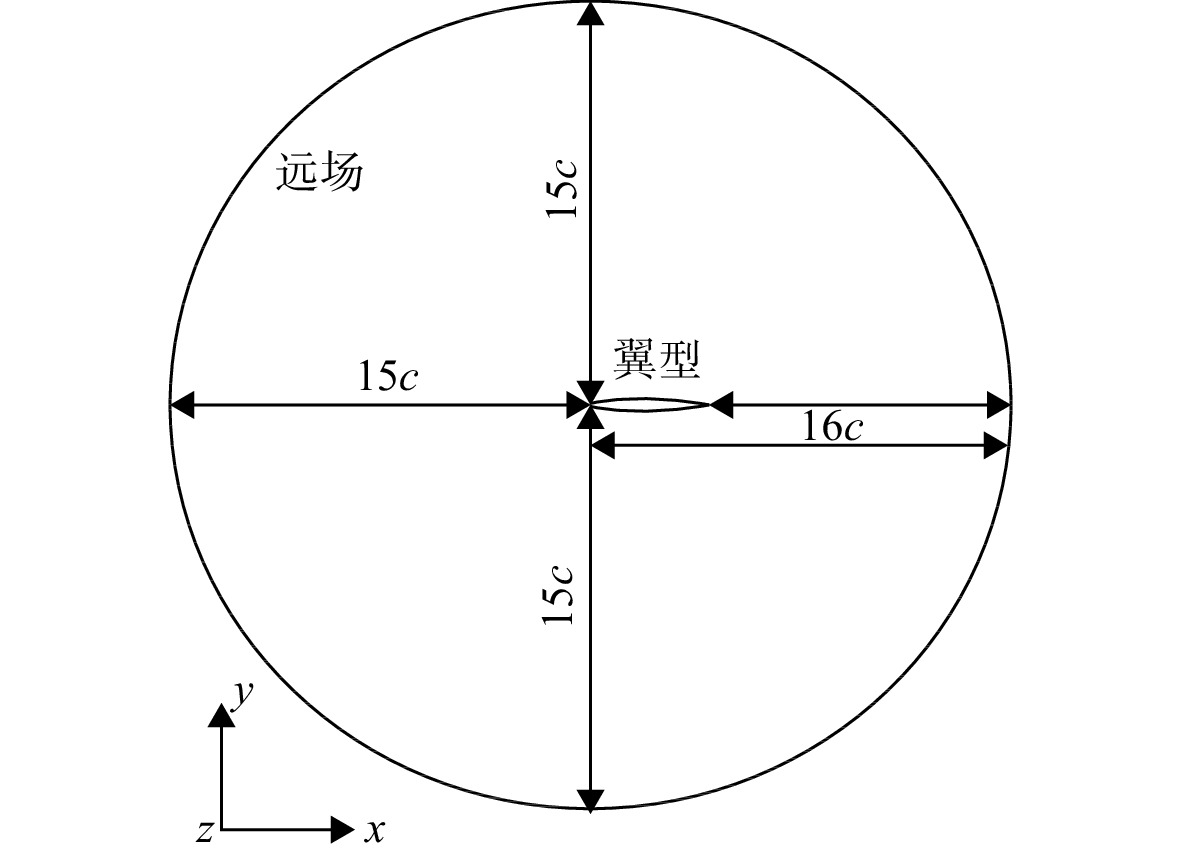
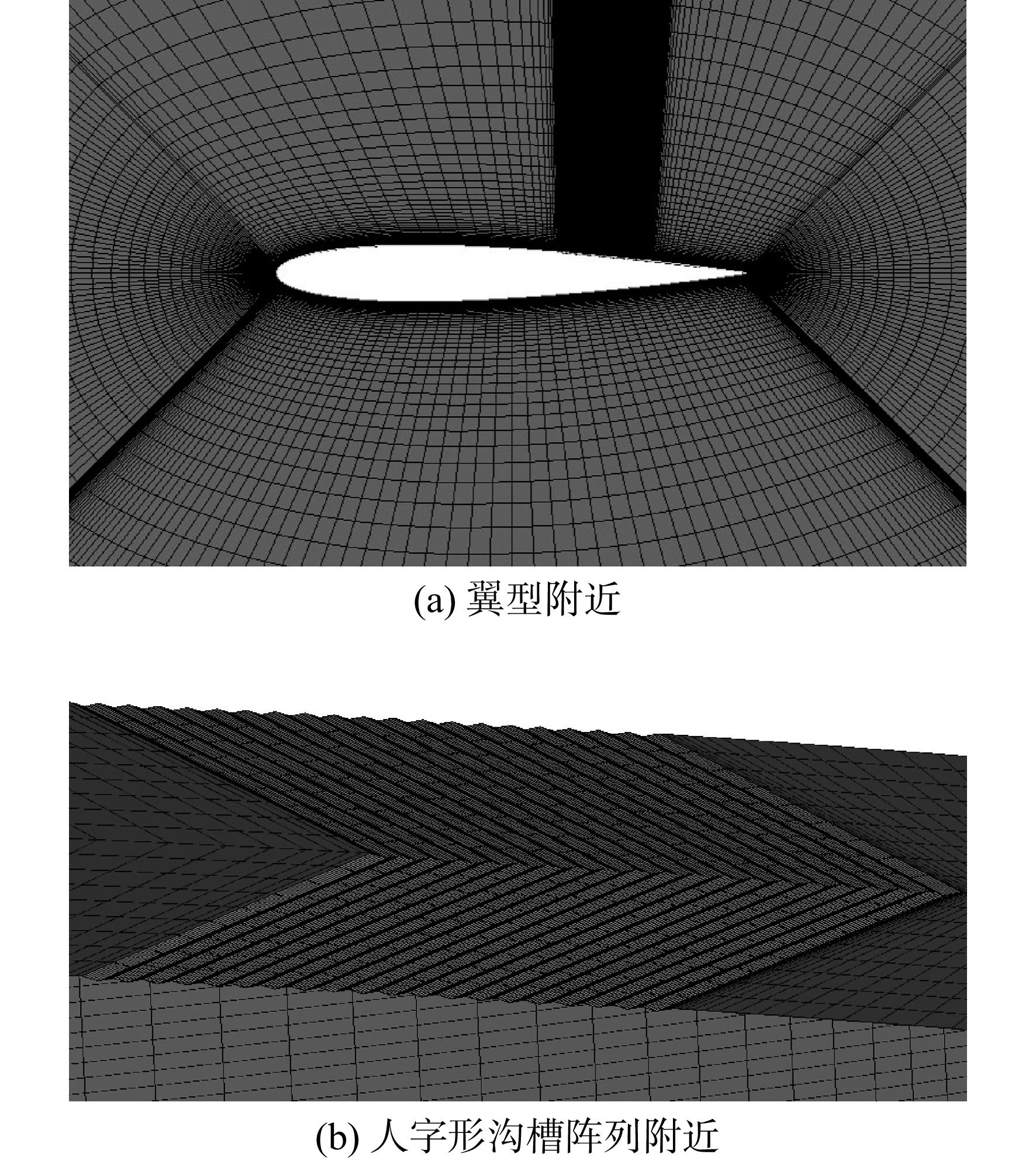
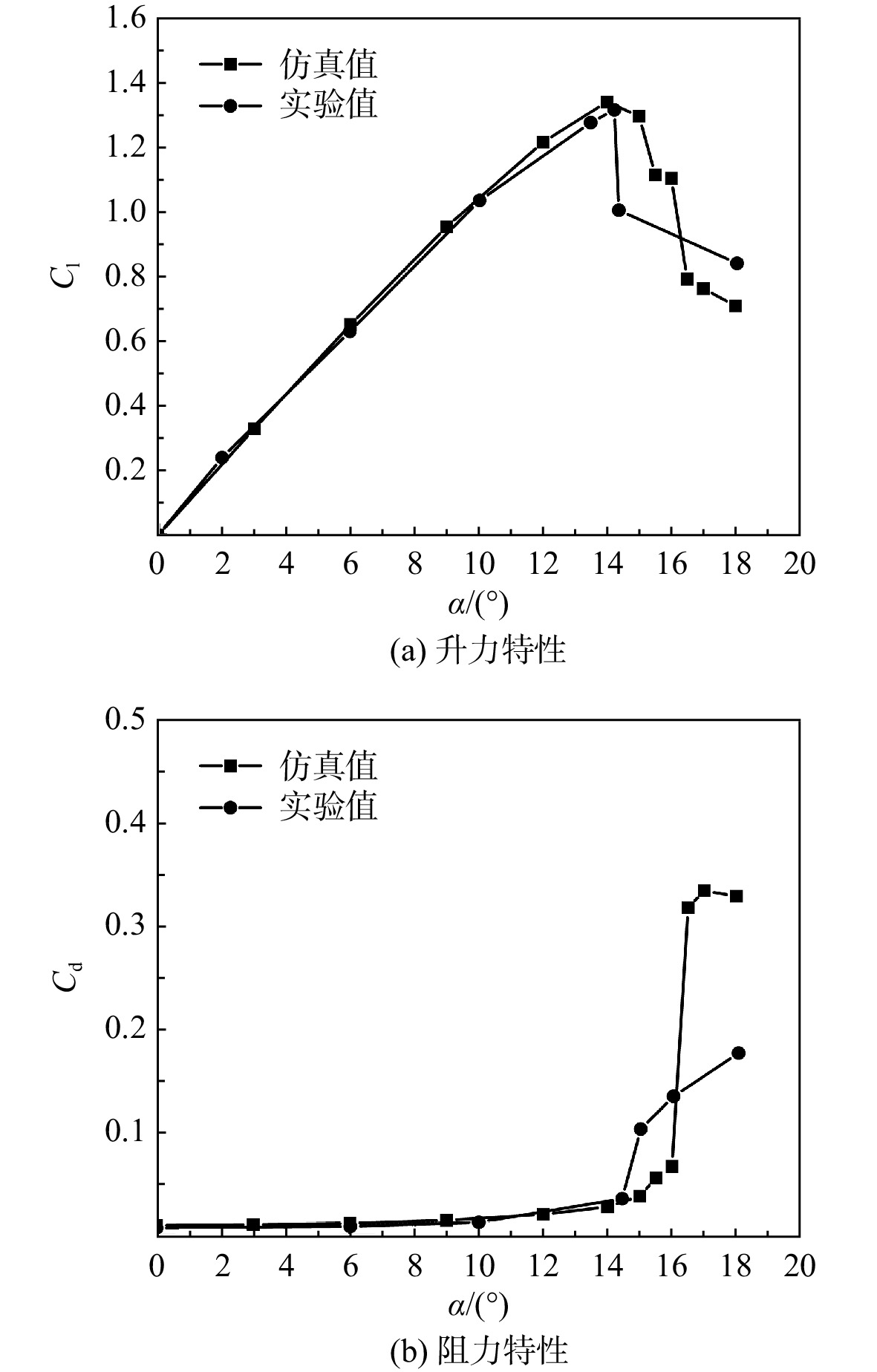
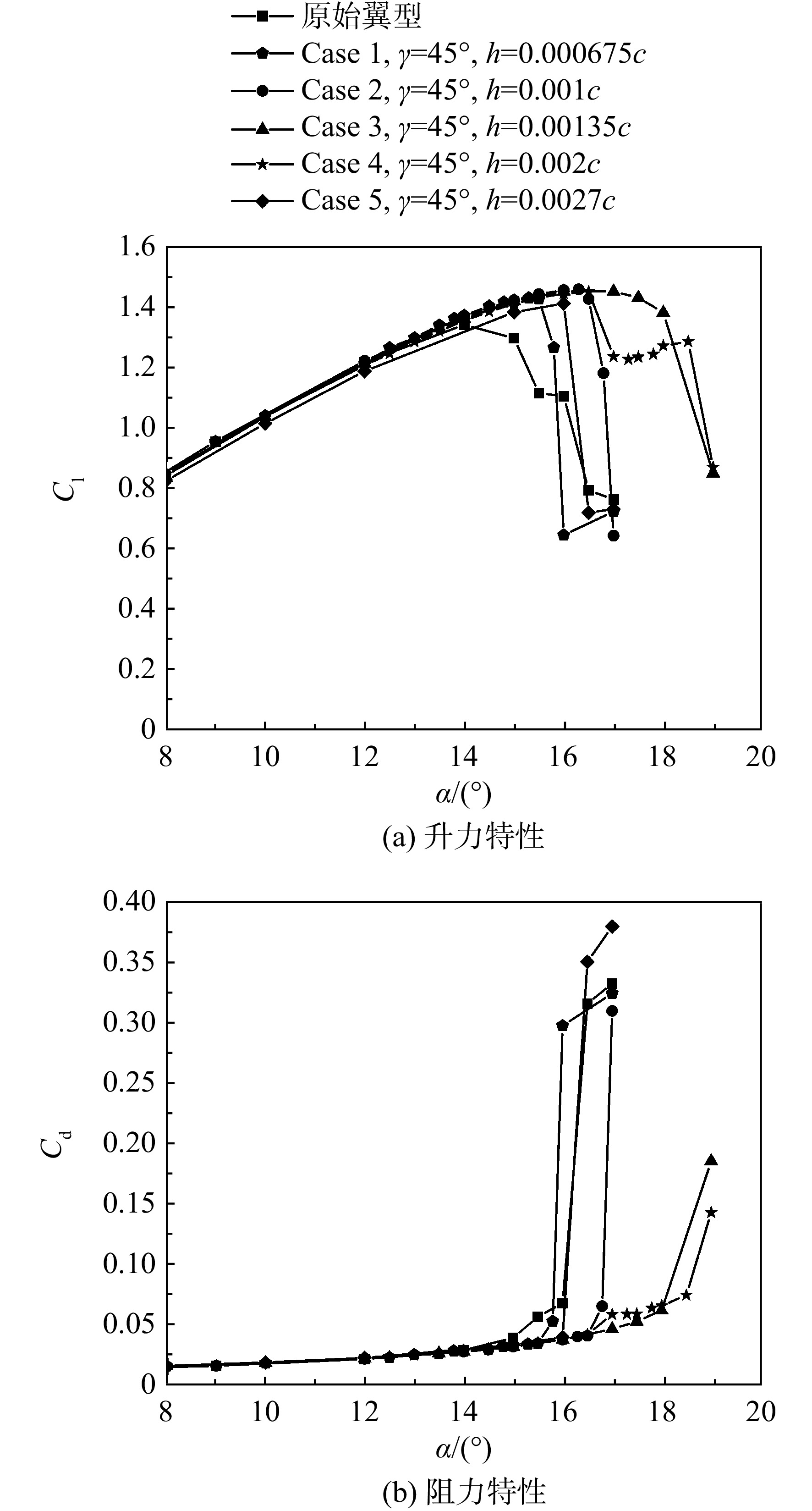
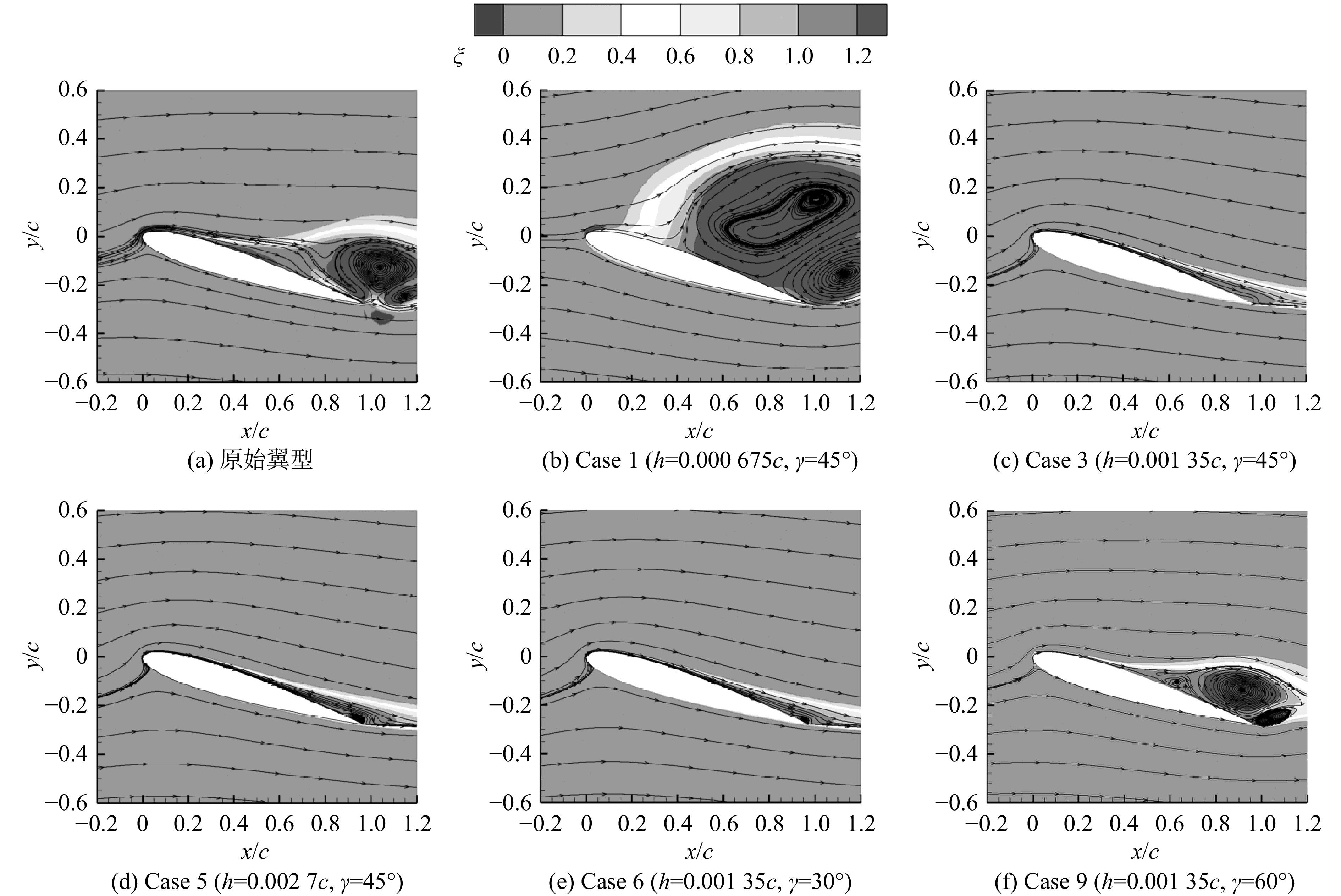
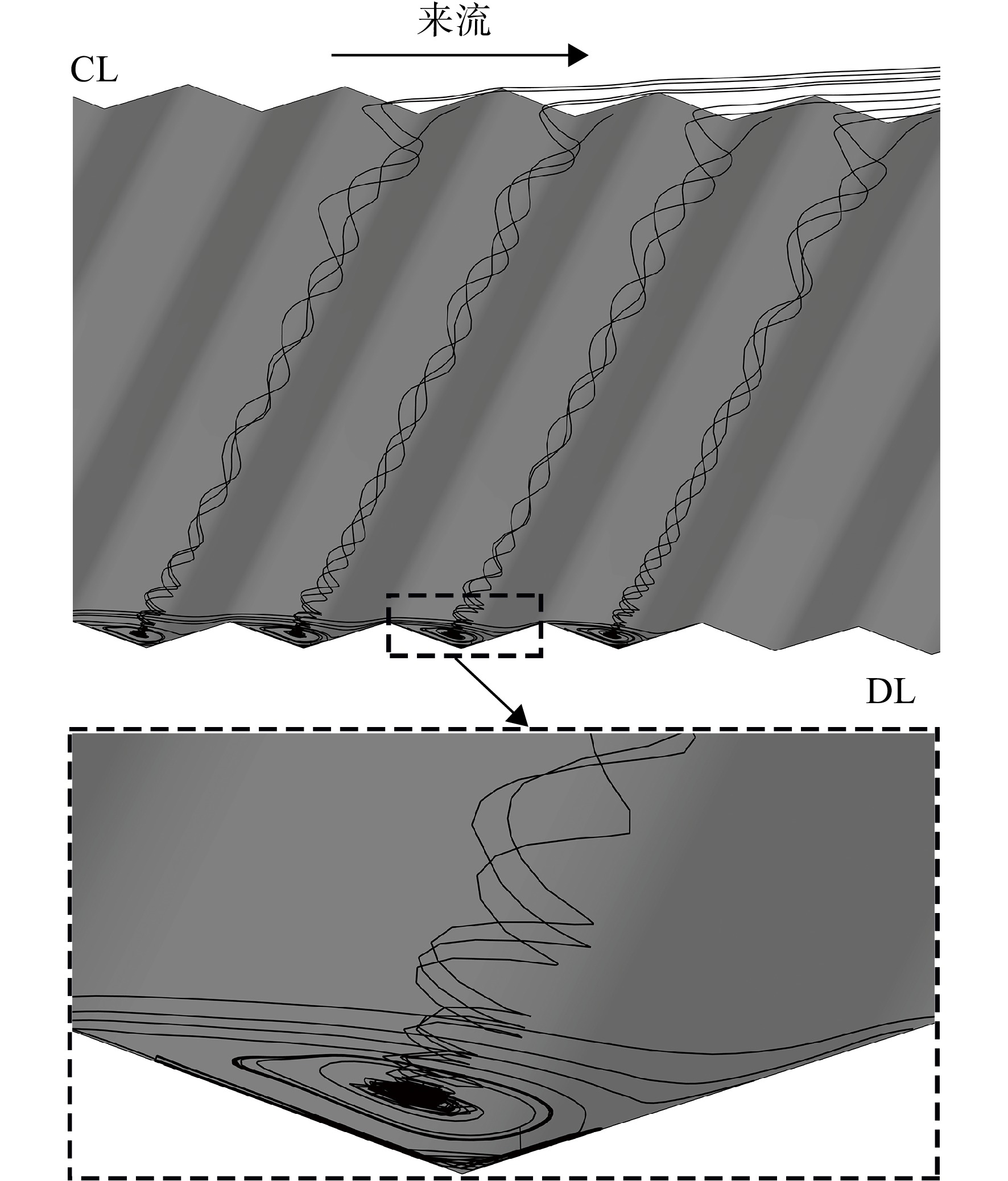
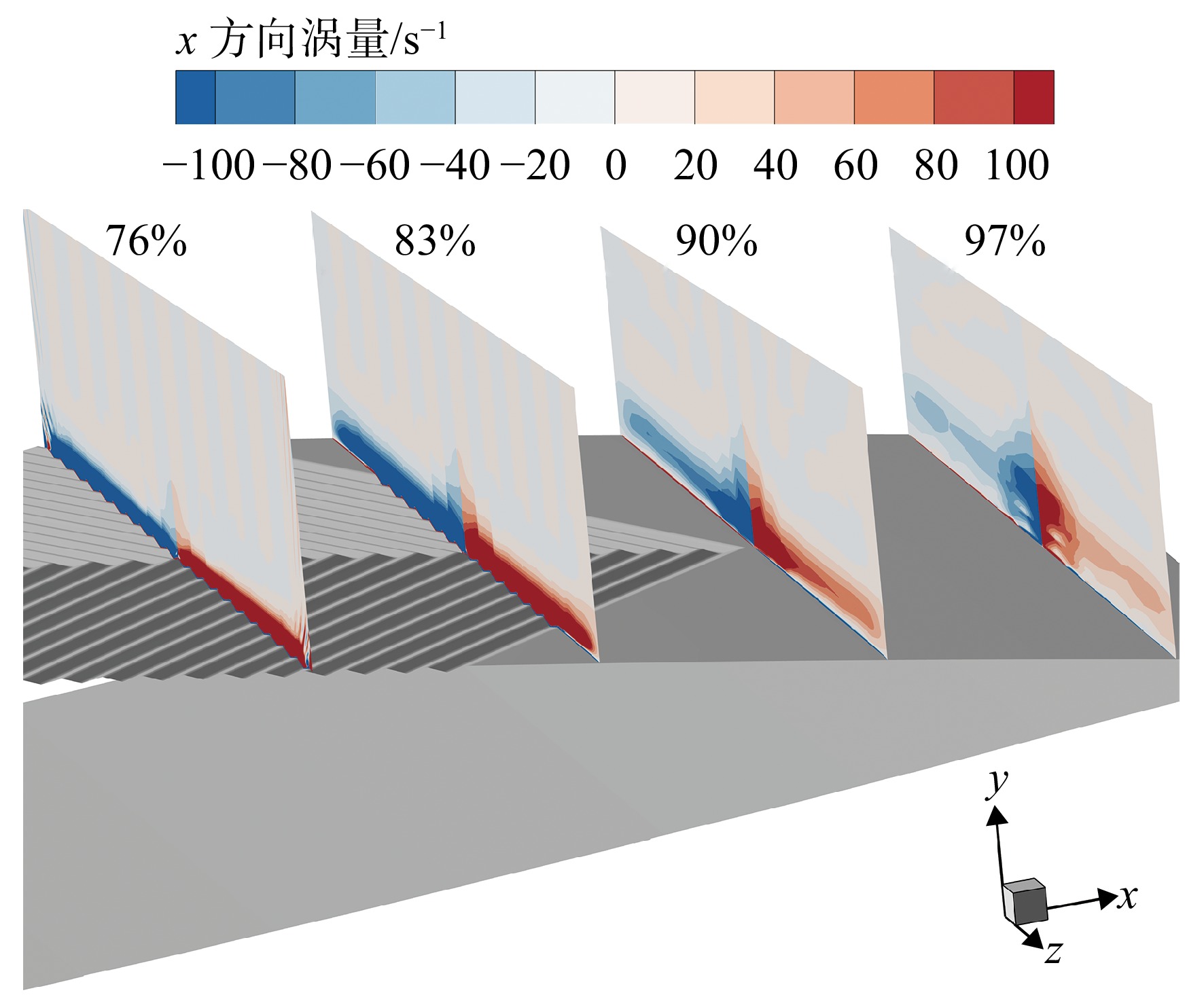
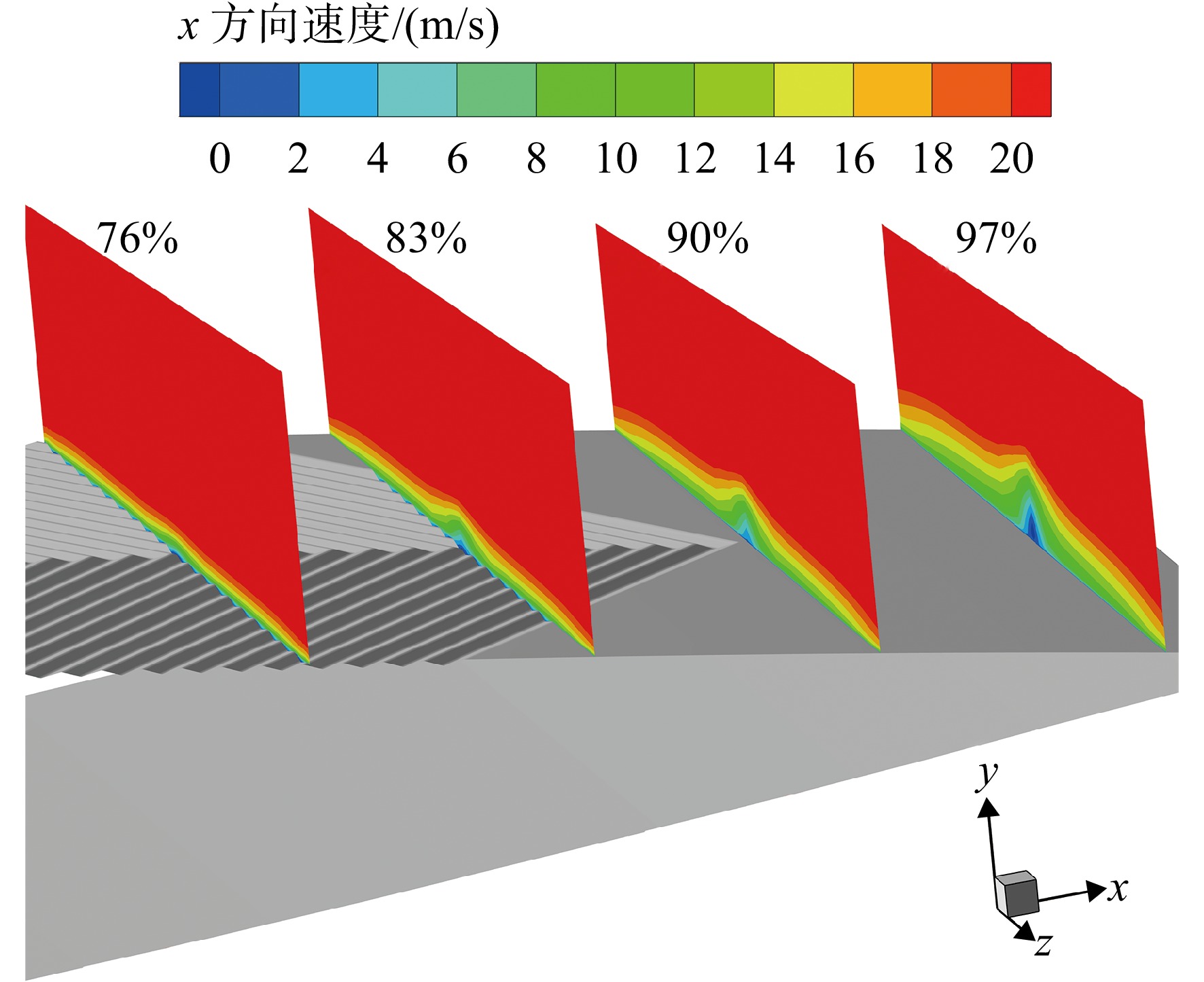
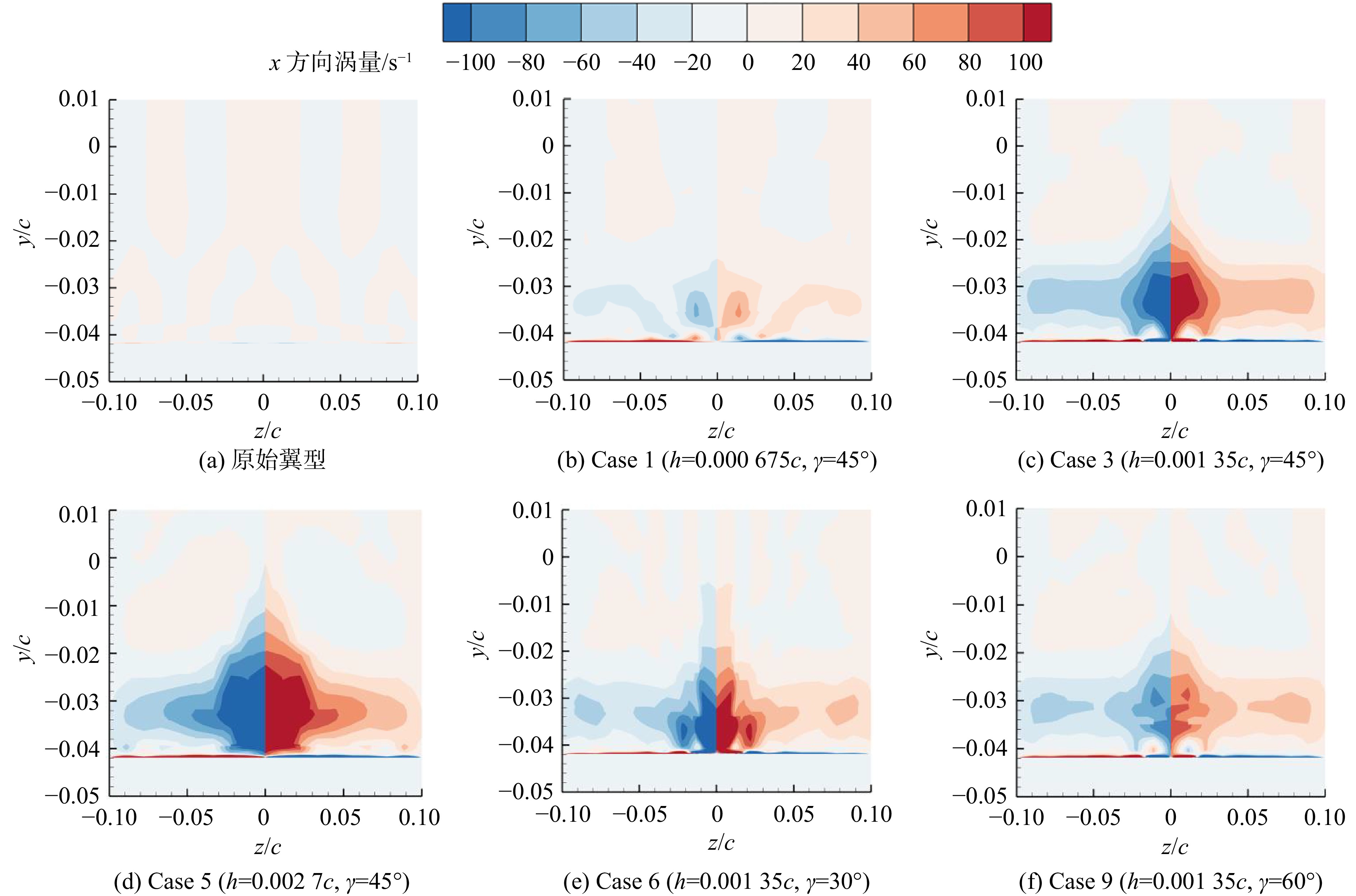
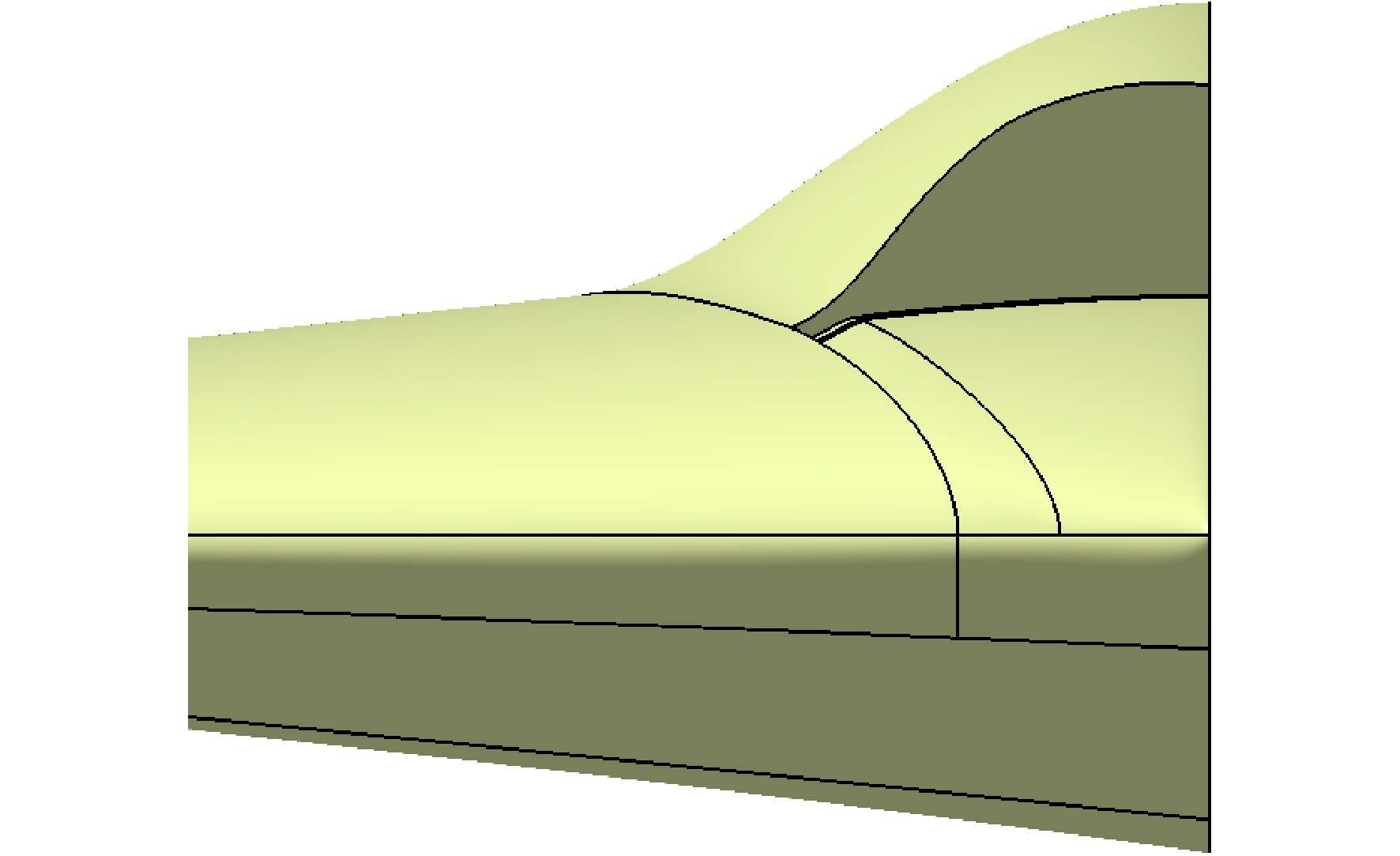
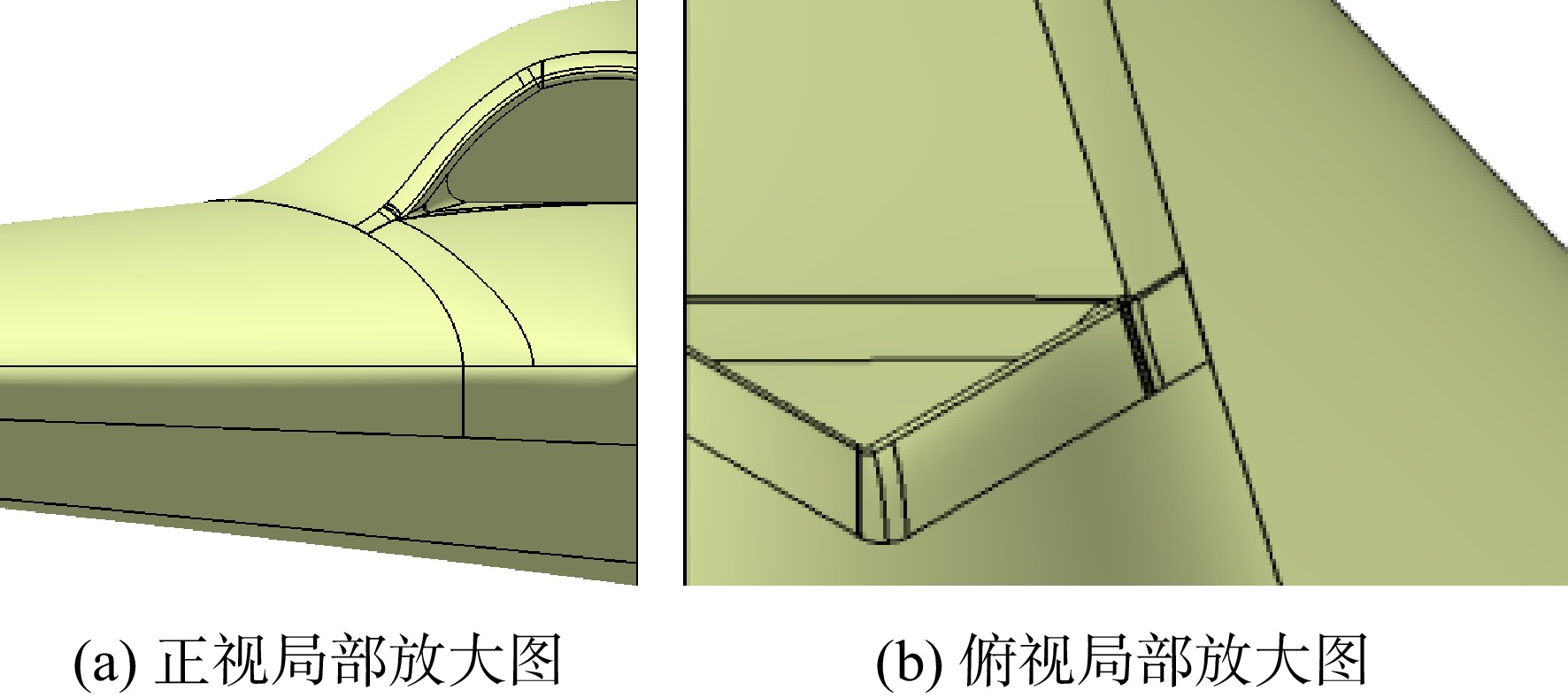
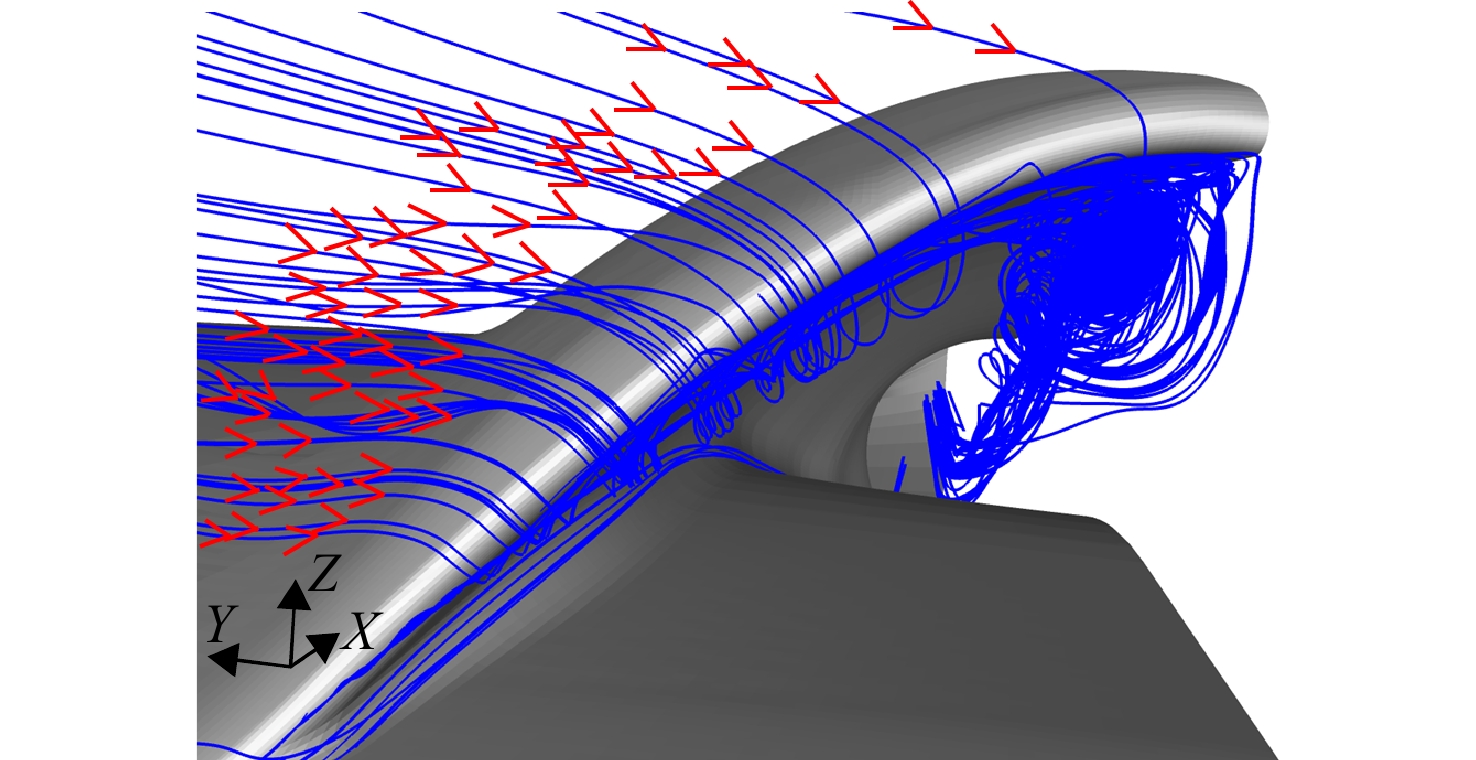
Taking the NACA0012 airfoil as the research object, the control rules and physical mechanisms of bio-inspired herringbone groove array on airfoil stall were explored through numerical simulations. The herringbone groove array was placed on the airfoil's upper surface near the trailing edge, and the effects of groove depth and deflection angle on the control effectiveness were investigated. The results showed that different designs of herringbone groove array can effectively broaden the stable operating range of the airfoil, and the implementation of herringbone groove array with a depth of only 0.00135 chord length and a deflection angle of 45° can increase the stable operating range by 28.57%. Detailed flow field analysis revealed that, due to the accumulation of small-scale vortices inside the grooves and the combined effect of the spanwise migration flow above the grooves, a pair of induced vortices with equal strength but opposite directions were formed near the airfoil's convergence lines. The induced vortices enhanced the mixing of the boundary layer with the mainstream flow, providing enough energy for the boundary layer to resist adverse pressure gradients under high angles of attack and effectively delaying airfoil stall.

Flow field structure of stealth inlet under ground state
ZHAO Qingwei, XIE Wenzhong, LI Tengfei
2024, 39(11): 20220994. doi: 10.13224/j.cnki.jasp.20220994
Abstract:
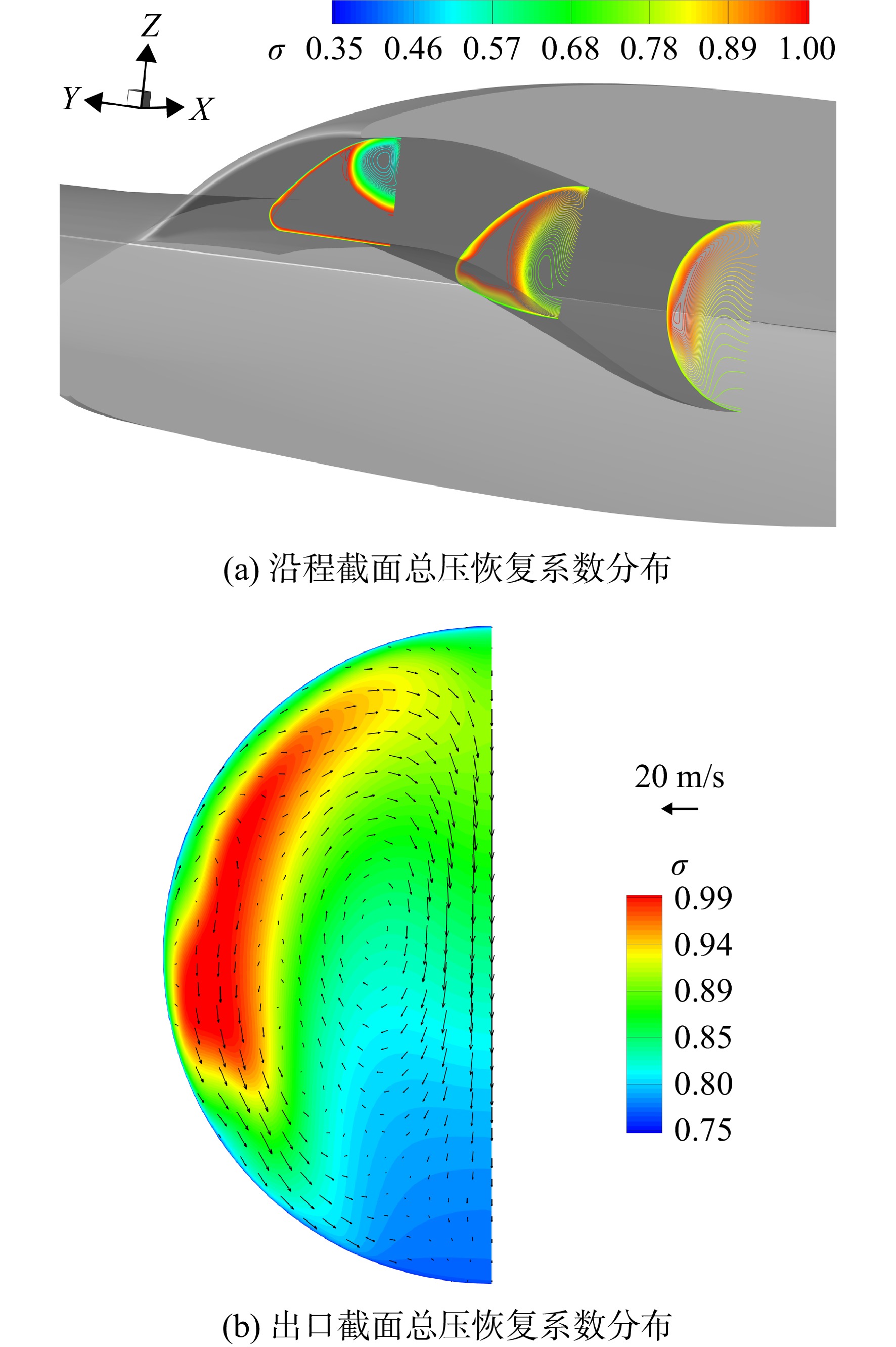
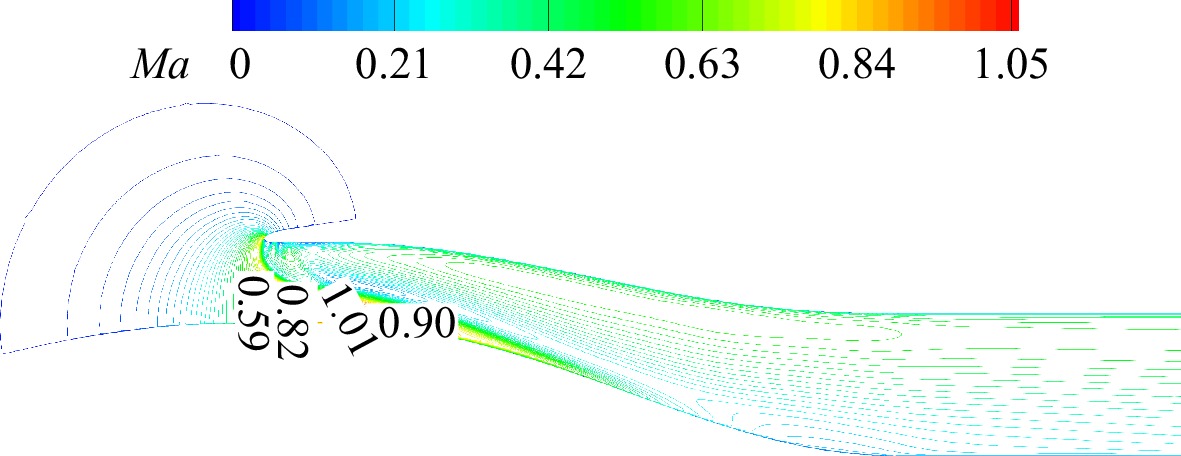
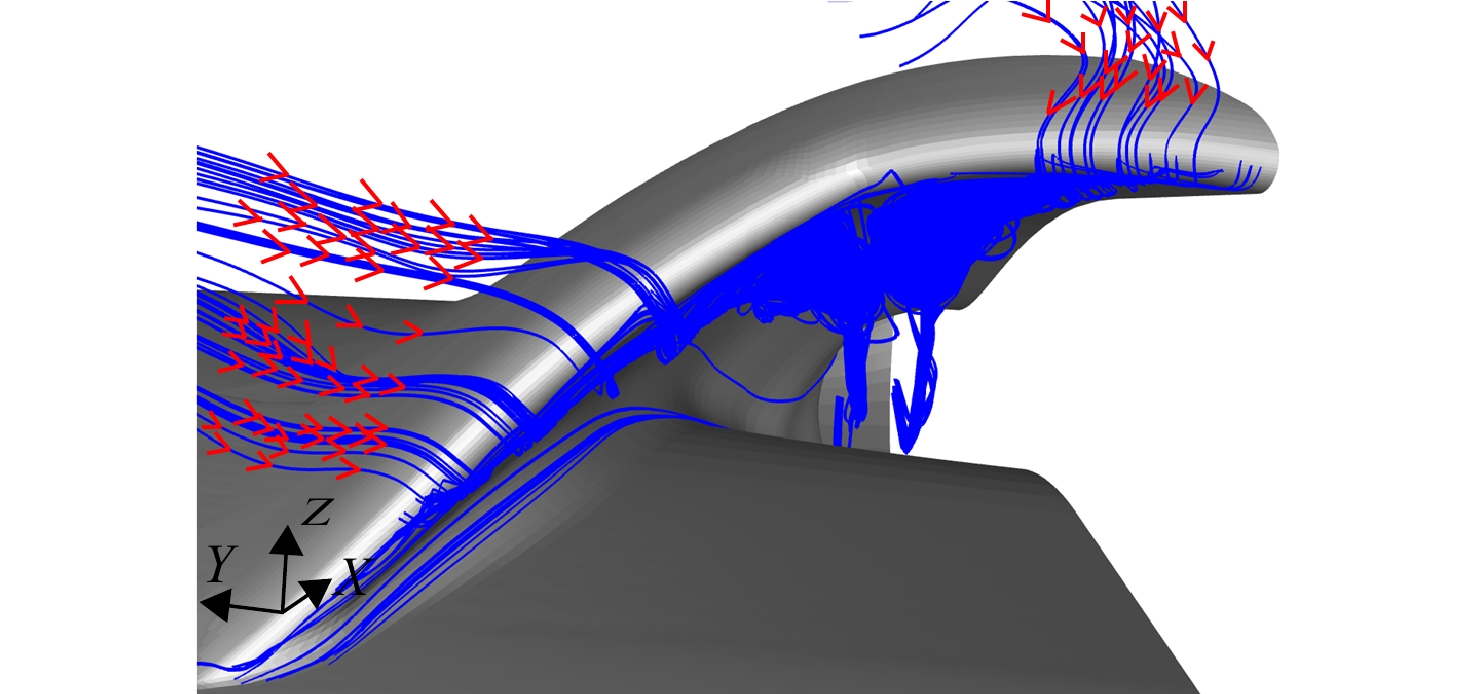
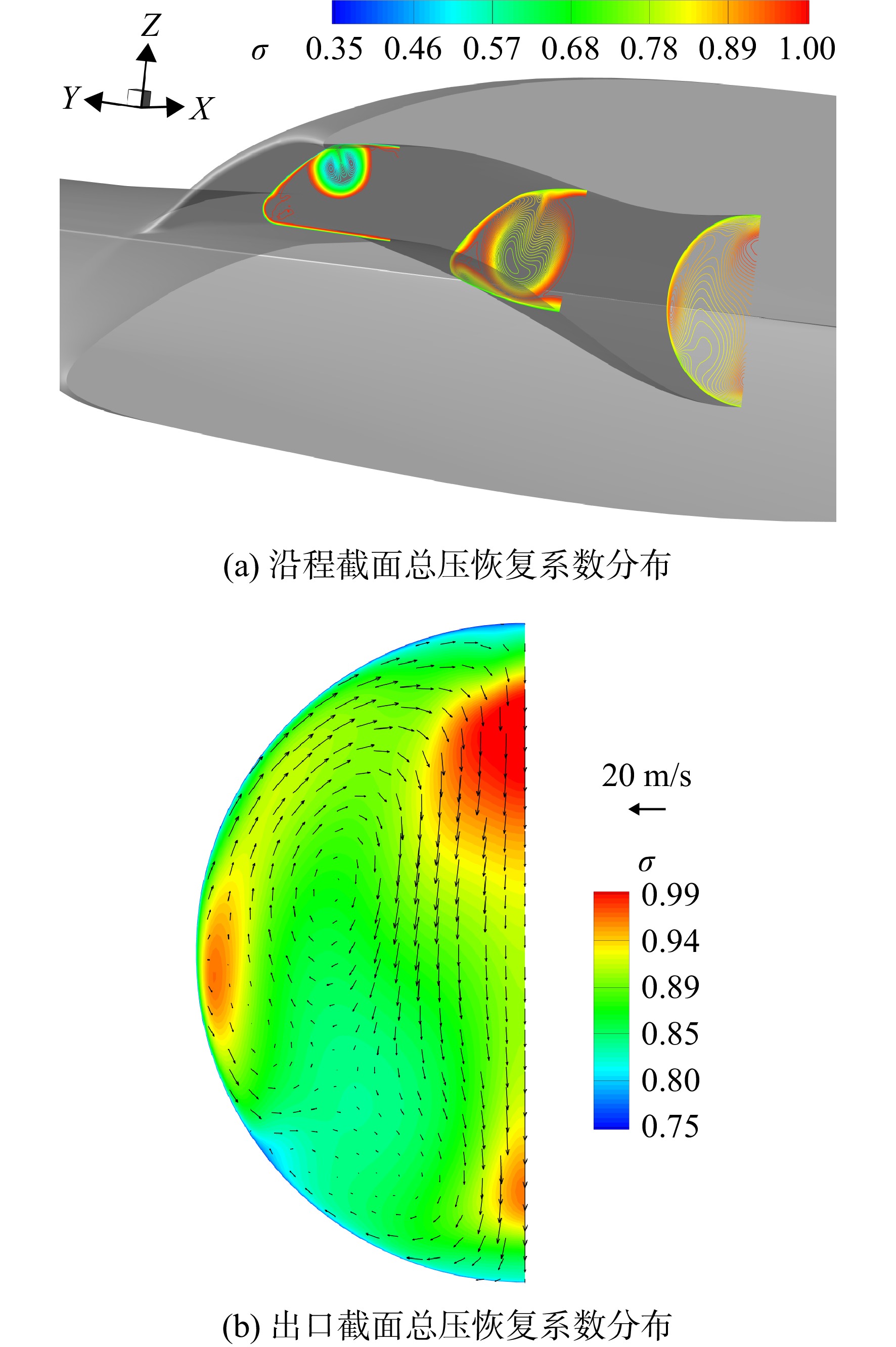
In order to find out the cause of bad flow field of the stealthy inlet under the ground state, the flow field structure of the triangular and M-shaped inlets with equal inclined cut surface under the ground state was numerically simulated and analyzed, and the influences of the lip ratio and internal channel offset on the ground working characteristics of the M-shaped inlet were studied. The results showed that a large three-dimensional separated vortex (half flow field) was formed near the inlet symmetry plane in the triangular inlet, while a pair of relatively small vortices were formed at the intersection of the side lip and the upper lip in the M-shaped inlet. Moreover, the distortion index at the outlet of the triangular inlet was too large to meet the inlet/engine matching requirements. With the increase of the proportion of the M-shaped lip, the low total pressure area of the inlet exit section deflected counterclockwise along the sidewall, and the direction of the vortex changed. The total pressure recovery coefficient gradually increased, and the distortion index decreased first and then increased. The increase of internal channel offset could further aggravate the deterioration of flow field under ground conditions.

Hypersonic modification and verification of Langtry-Menter transition model
LI Chengrui, JIANG Zhongzheng, WU Changju, YANG Yuxin, DENG Sichao
2024, 39(11): 20220970. doi: 10.13224/j.cnki.jasp.20220970
Abstract:
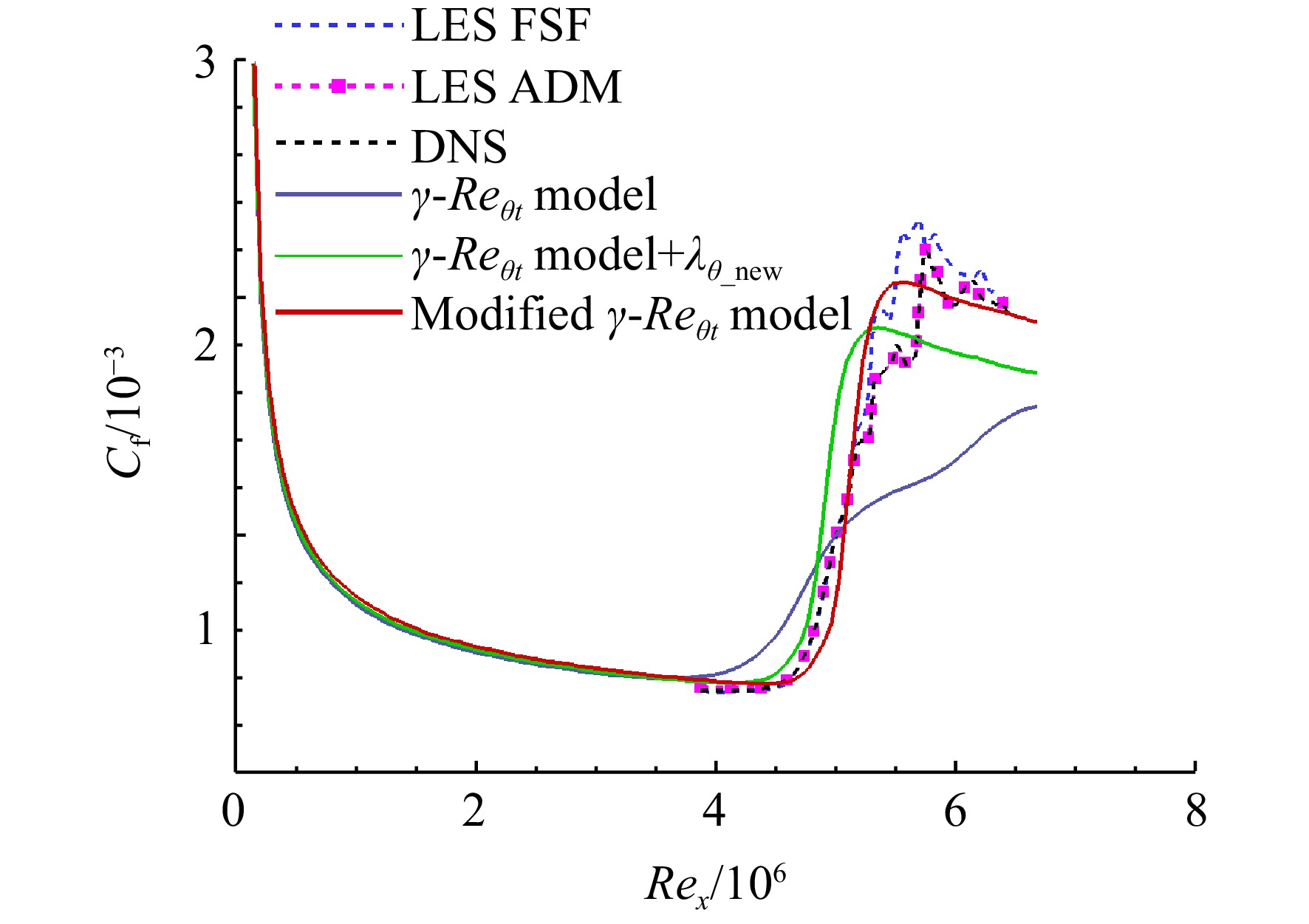
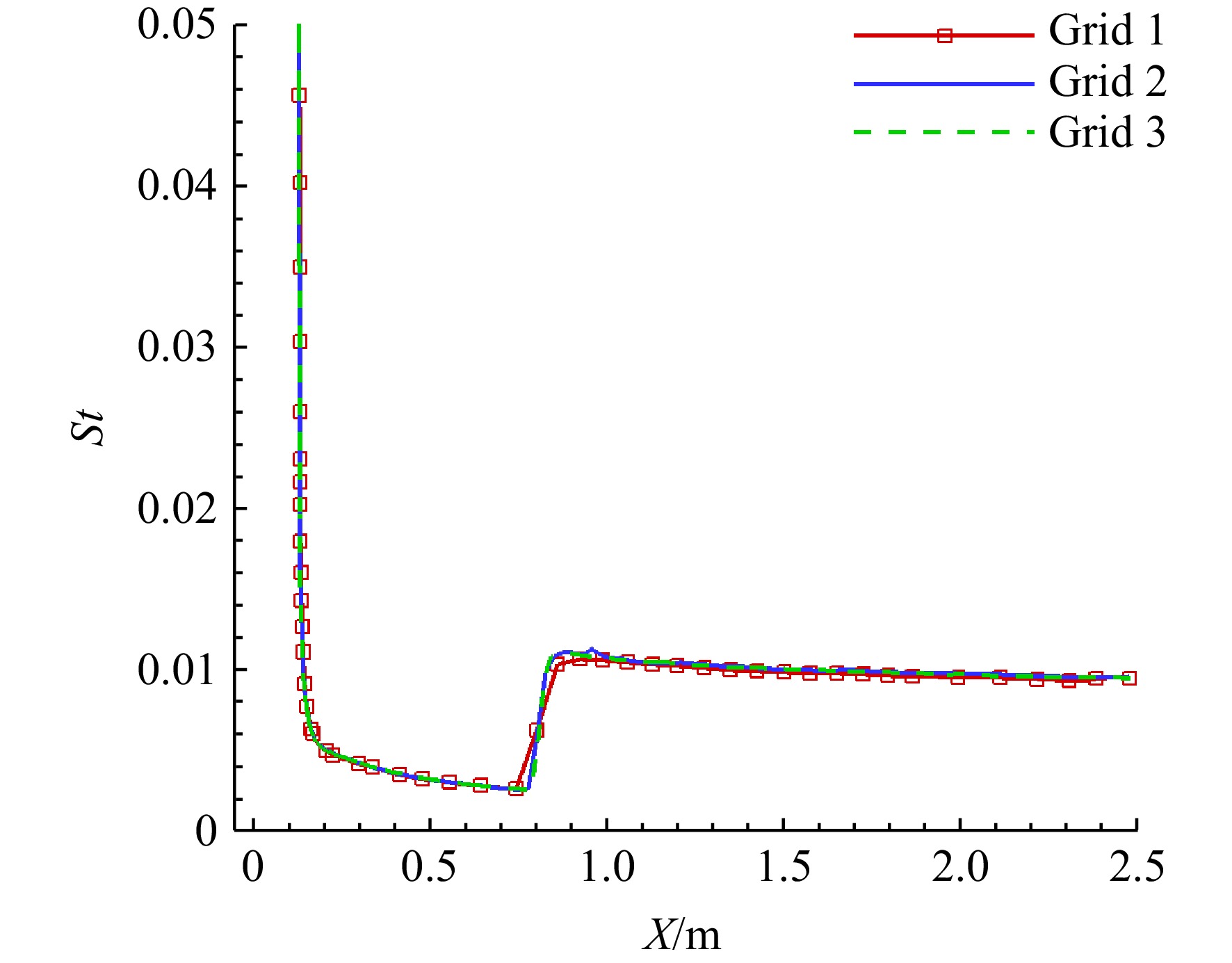
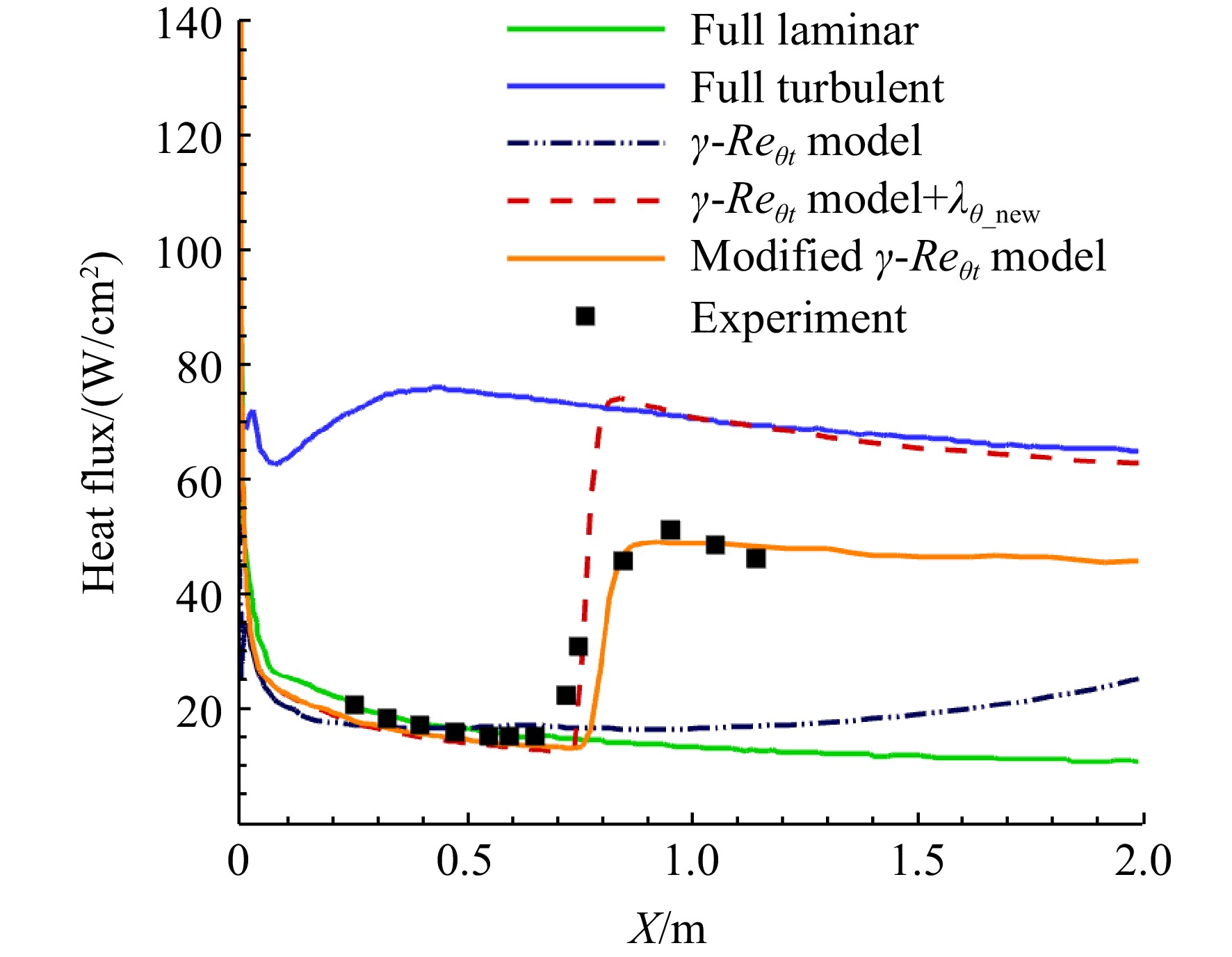
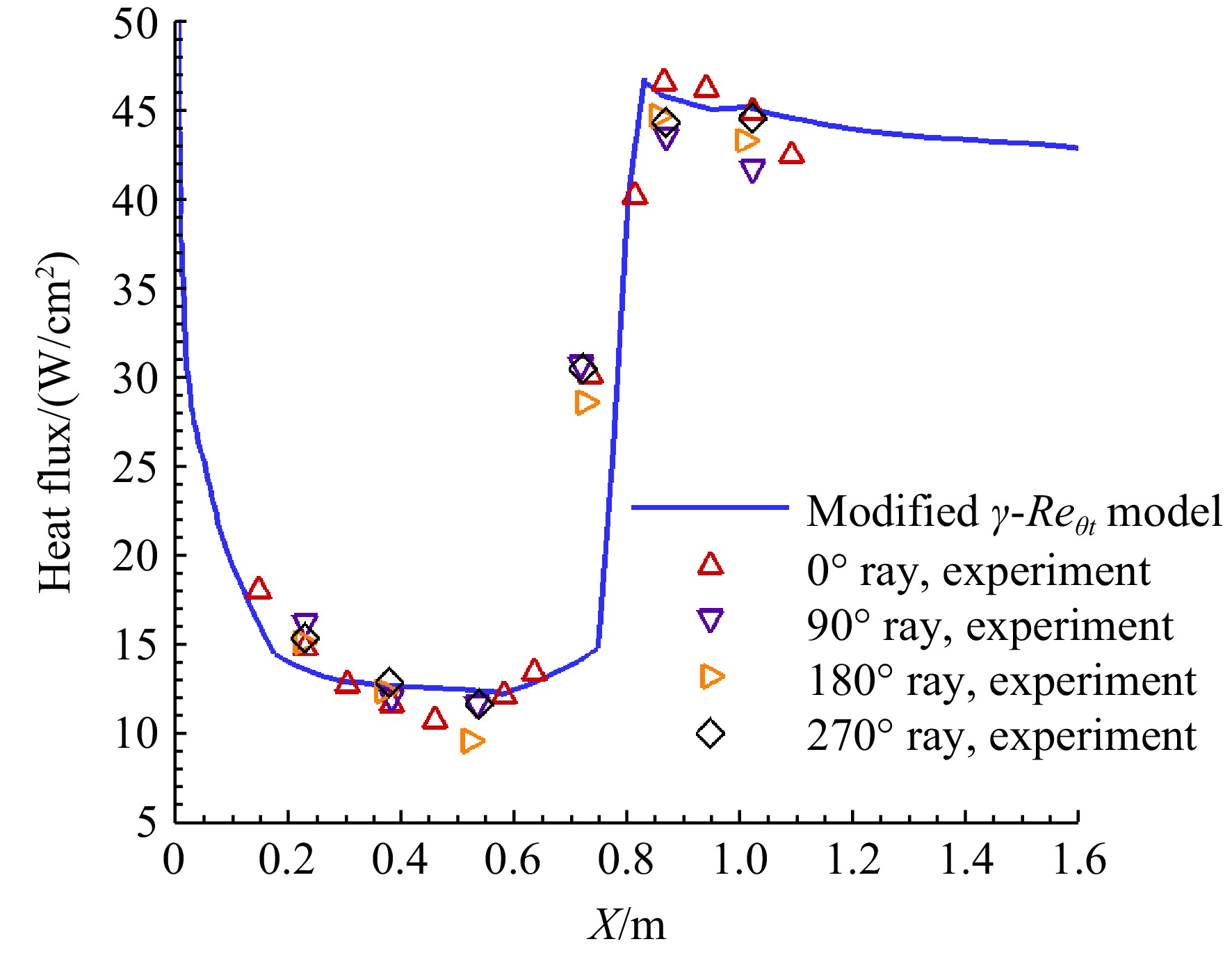
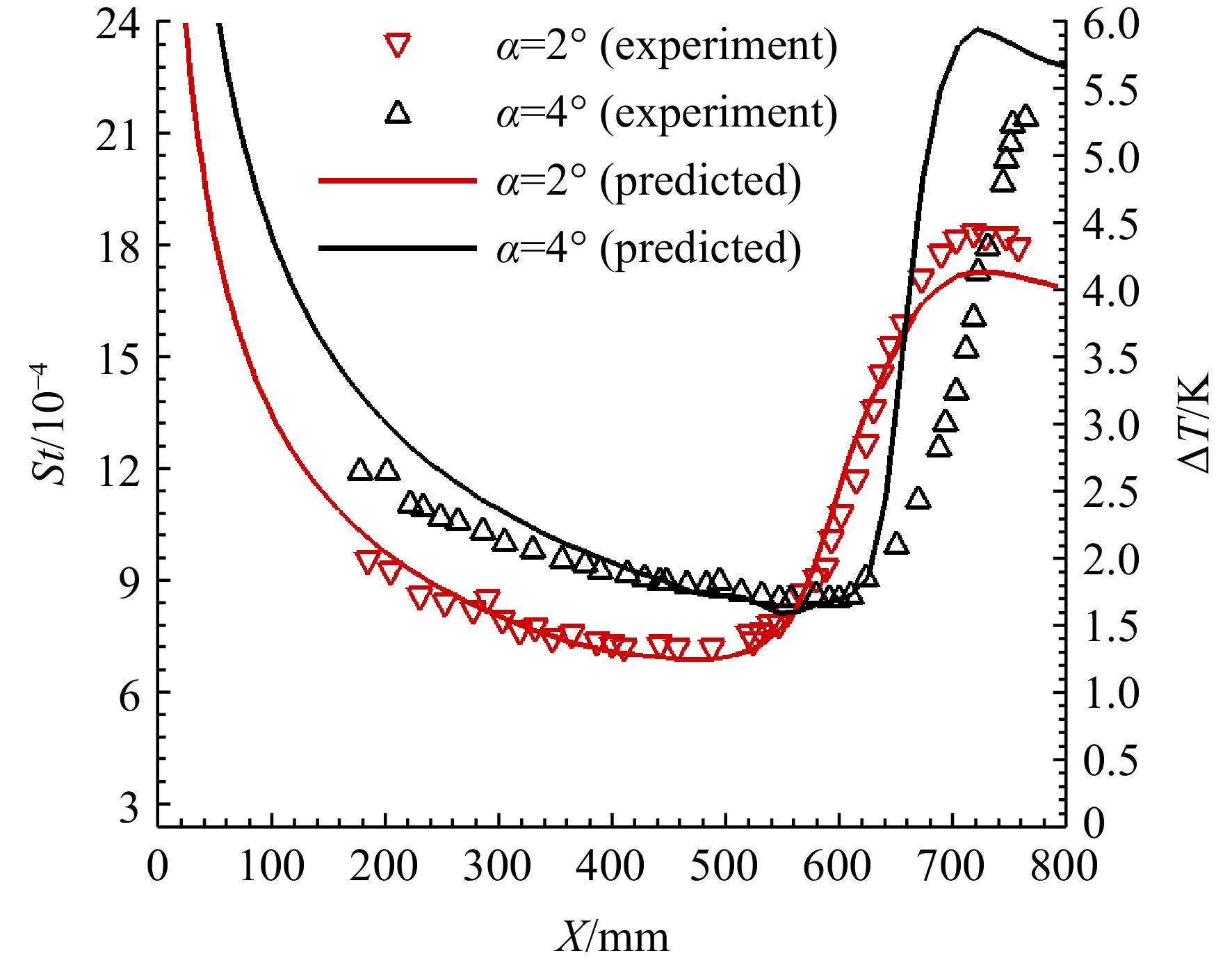
For the prediction of hypersonic boundary layer transition flow, three types of high-speed modified methods were studied based on the traditional Langtry-Menter transition model and SST (shear stress transport) turbulence model. The modification of hypersonic cross-flow criterion, compressibility modification of turbulent kinetic energy pressure dilatation term and modification of pressure gradient coefficient were introduced into the original transition model to expand the simulation capacity of the model in hypersonic flow. The modified transition model was validated by using several typical cases: supersonic plate, hypersonic cone with zero angle of attack, hypersonic cone with small angle of attack and hypersonic HIFiRE-5. The results showed that the predicted transition-start position, transition-end position and transition zone length of the modified model were basically consistent with the experimental results. The calculated results of skin friction and heat flux were basically consistent with the experimental measurement data. The modified transition model performed well in predicting hypersonic transition flow.

Experiment on frequency characteristics of multi-electrode plasma synthetic jet actuator
GAO Chicheng, LI Ting, DENG Jiangge, WANG Jinkui
2024, 39(11): 20220870. doi: 10.13224/j.cnki.jasp.20220870
Abstract:
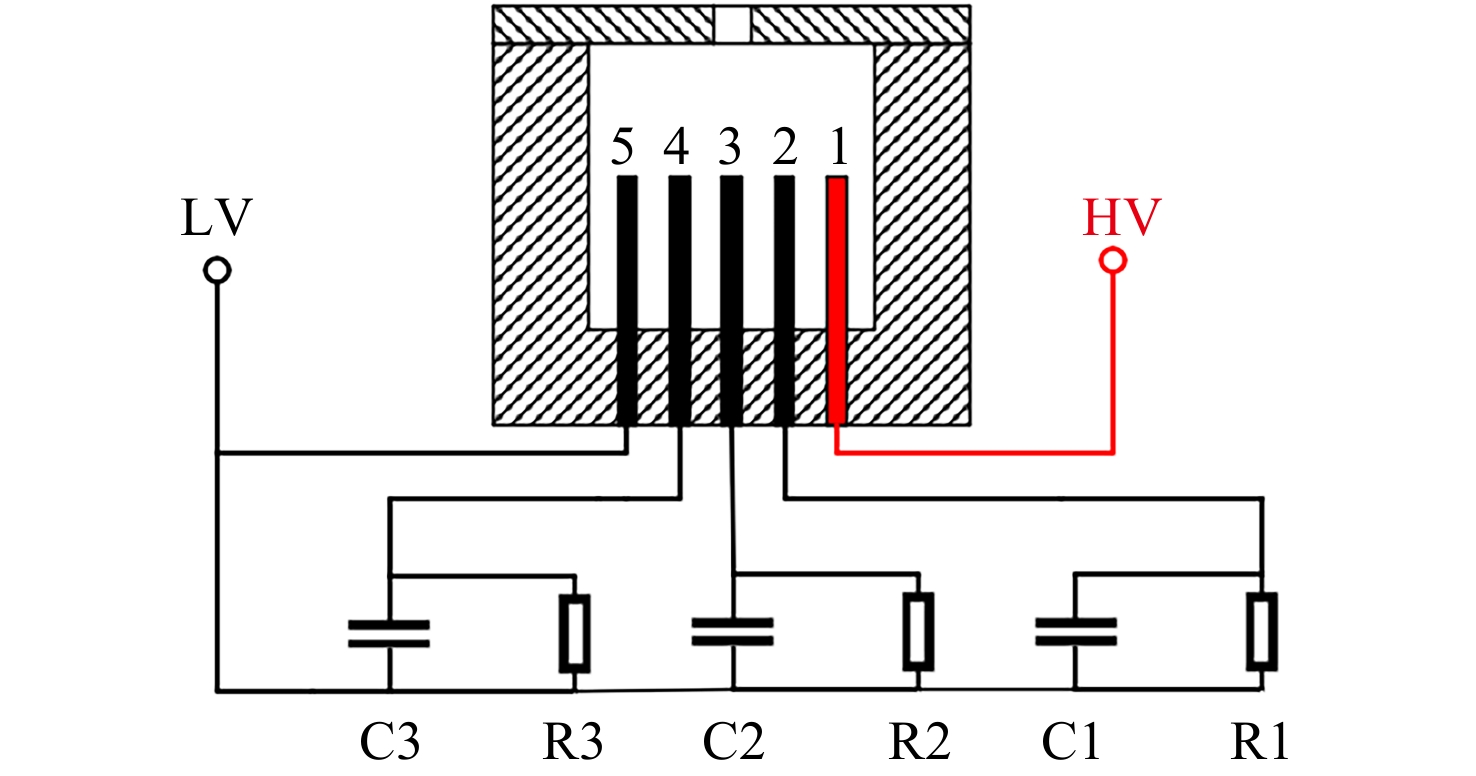
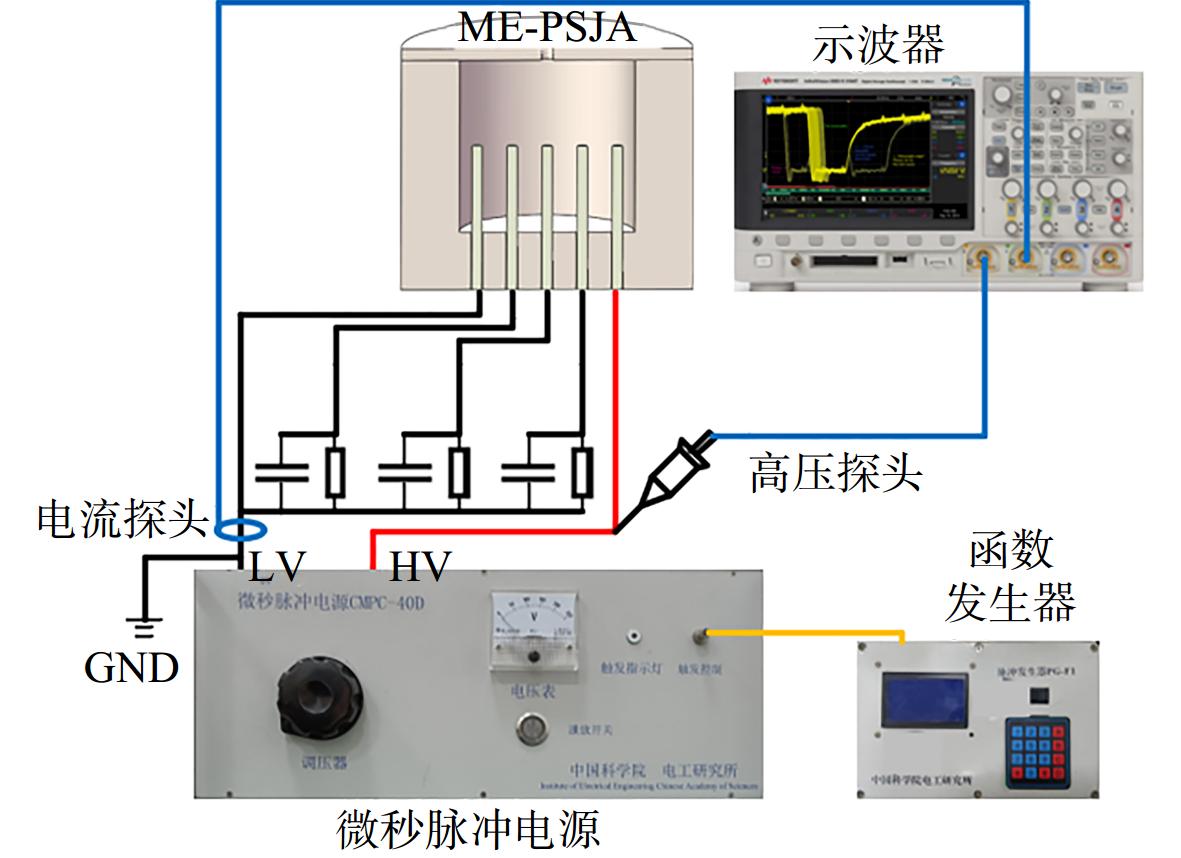
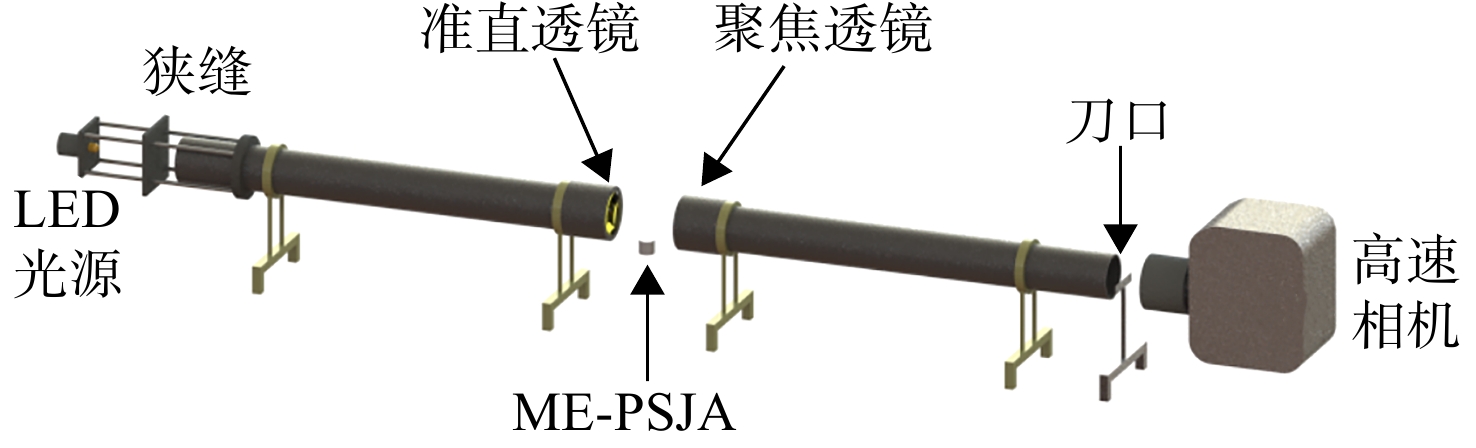
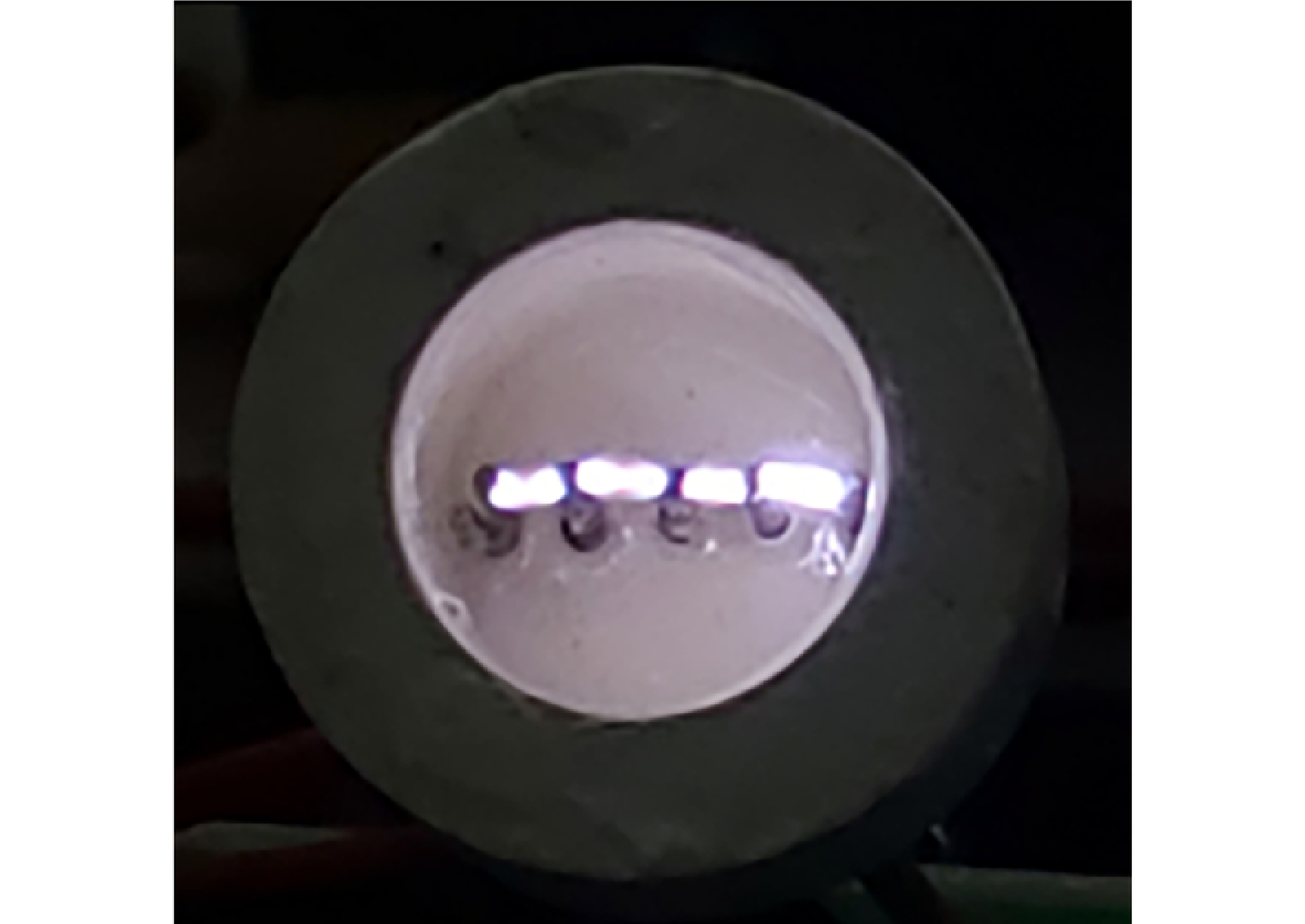
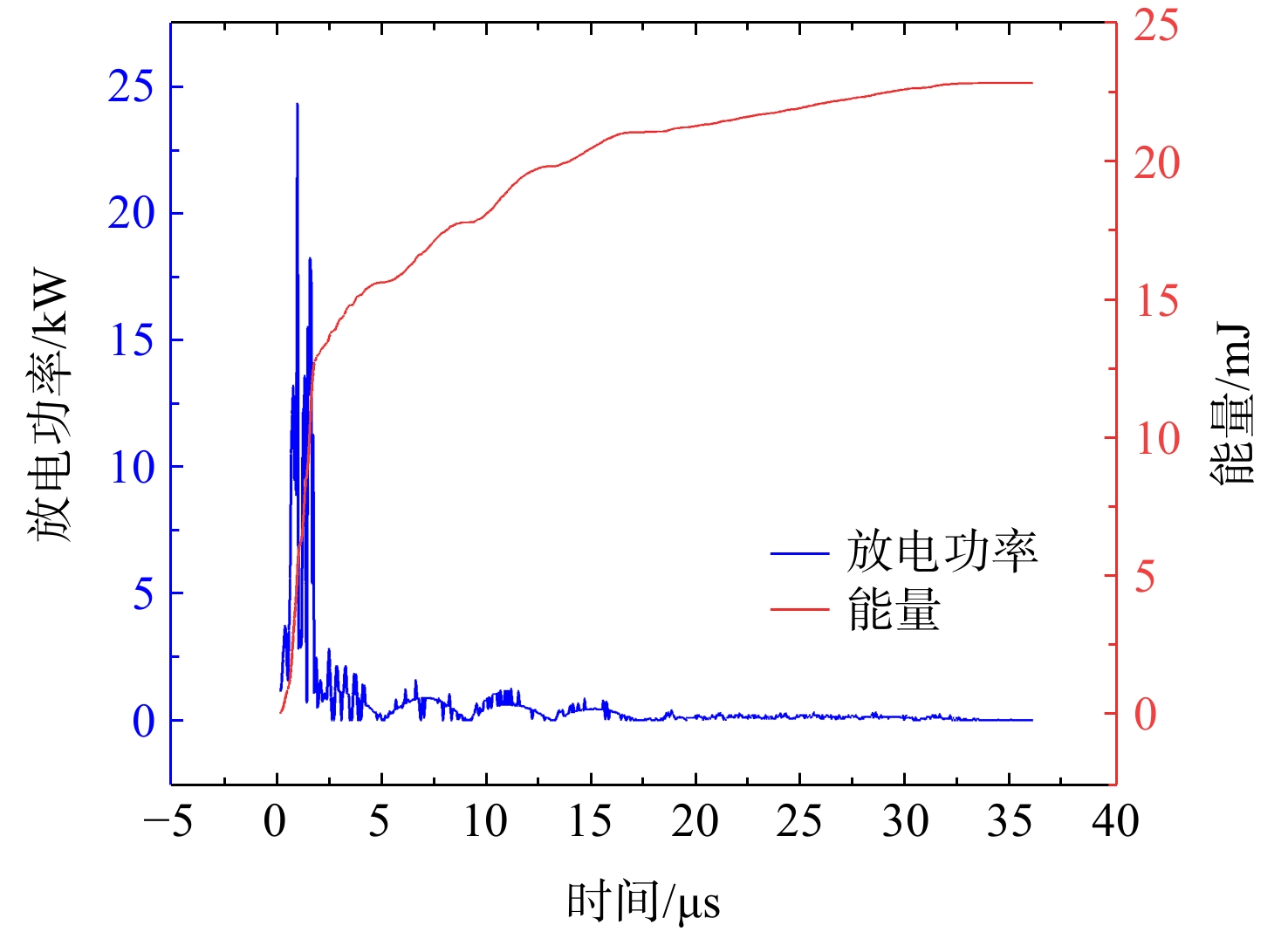
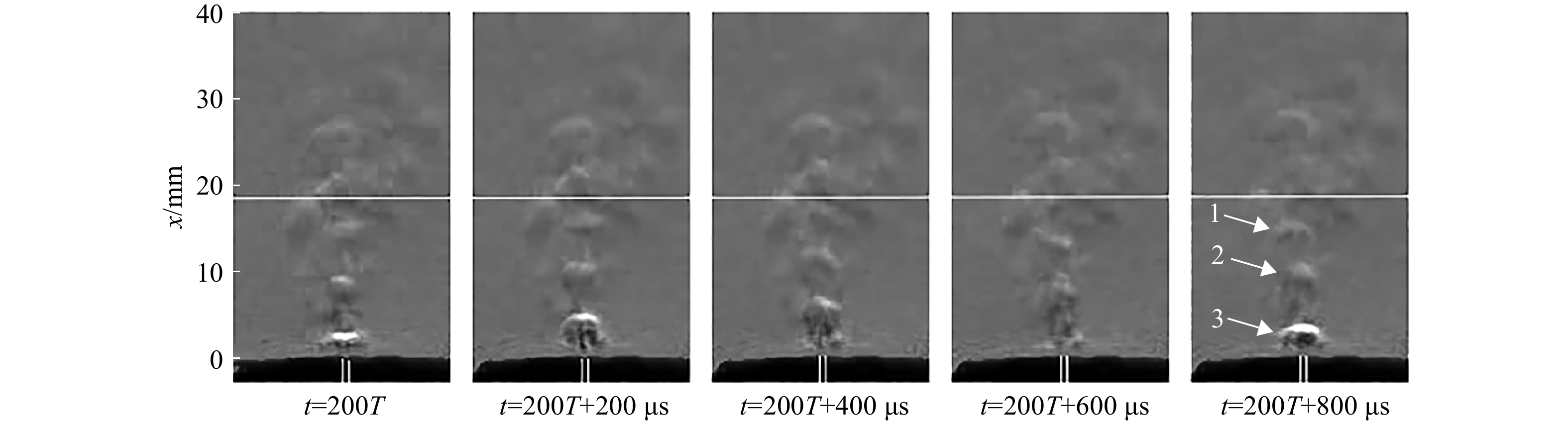
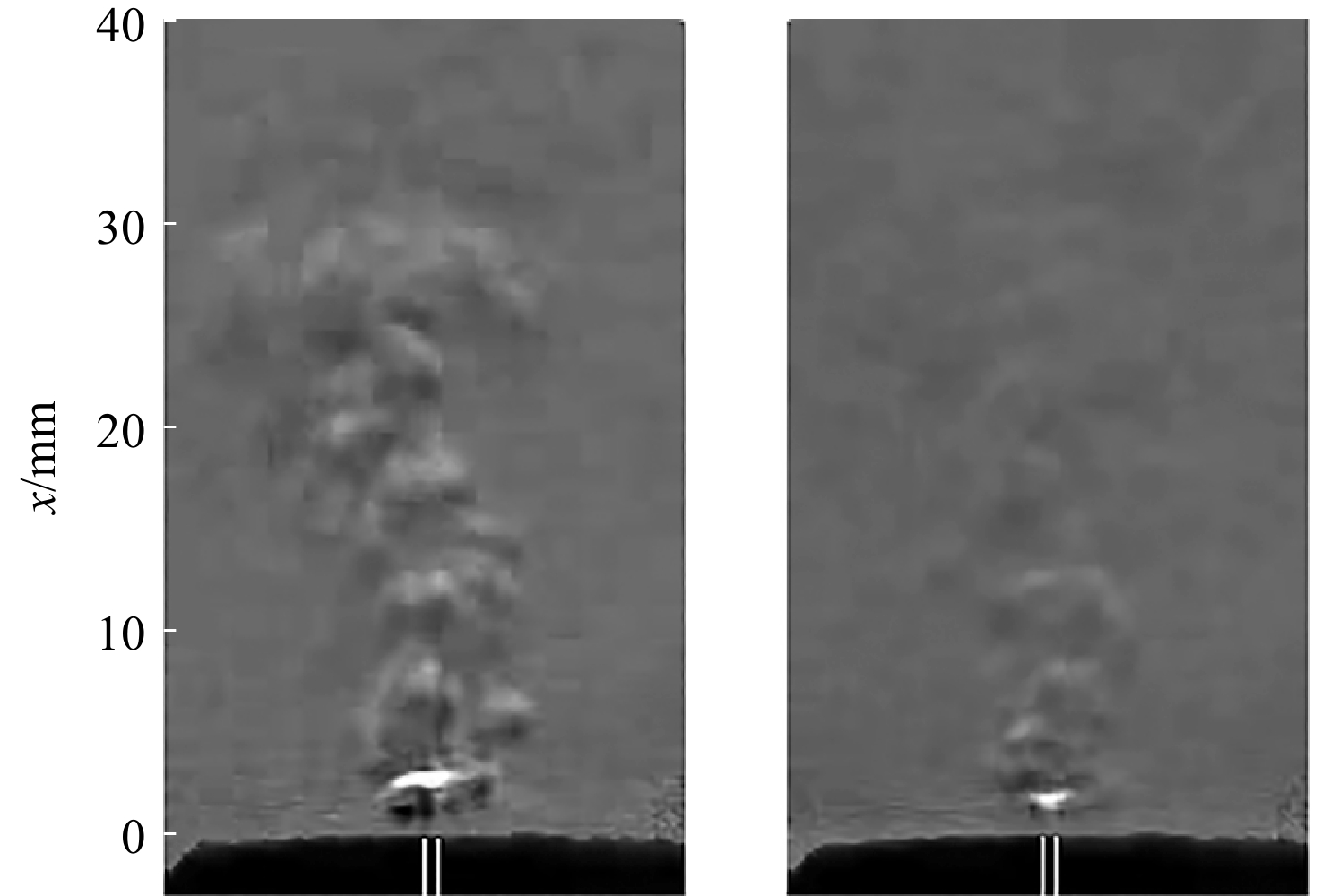
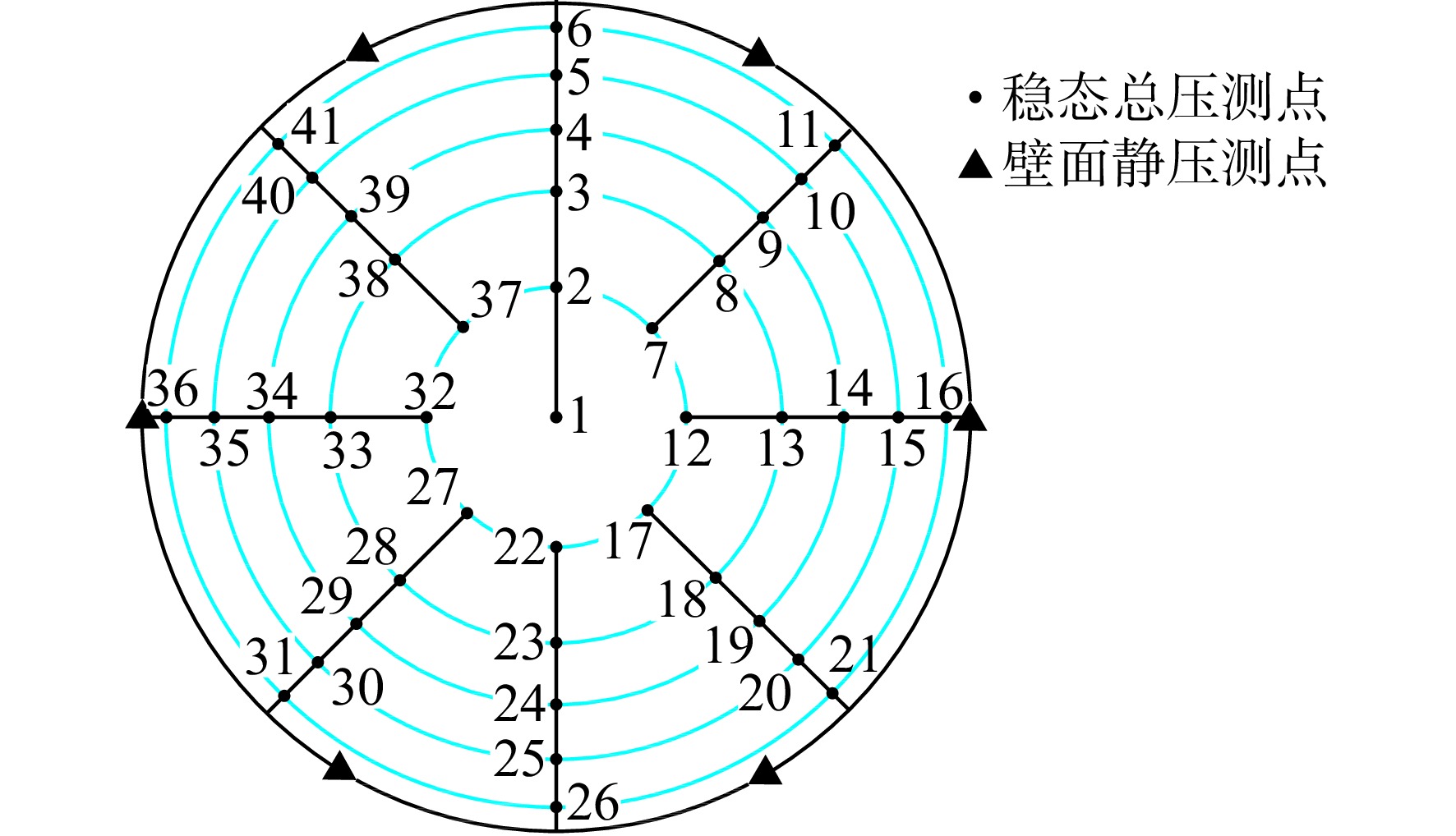
To investigate the repulsion characteristics of the multi-electrode plasma synthetic jet actuator (ME-PSJA), a microsecond pulse power supply was used to drive ME-PSJA, and the multi-pulse operating mode of ME-PSJA was realized. The discharge and flow field characteristics of the actuator under different excitation frequencies were studied by electrical parameter measurement and high-speed schlieren observation. The experimental results indicated that the time required to establish a complete discharge channel of ME-PSJA was less than 2 μs. The real-time response frequency was greater than 1 400 Hz. When the frequency was lower than the saturation frequency, increasing the frequency can effectively improve the time average momentum and diffusion range of the synthetic jet, and enhance the flow control ability of ME-PSJA. However, When the frequency surpassed the saturation frequency, ME-PSJA cannot continuously generate stable jet, leading to a reduction in operation reliability.

Research on energy management of oil-electric hybrid system considering variable load effect
ZHAO Yang, PAN Tianyu, ZHENG Mengzong, LI Qiushi
2024, 39(11): 20220321. doi: 10.13224/j.cnki.jasp.20220321
Abstract:

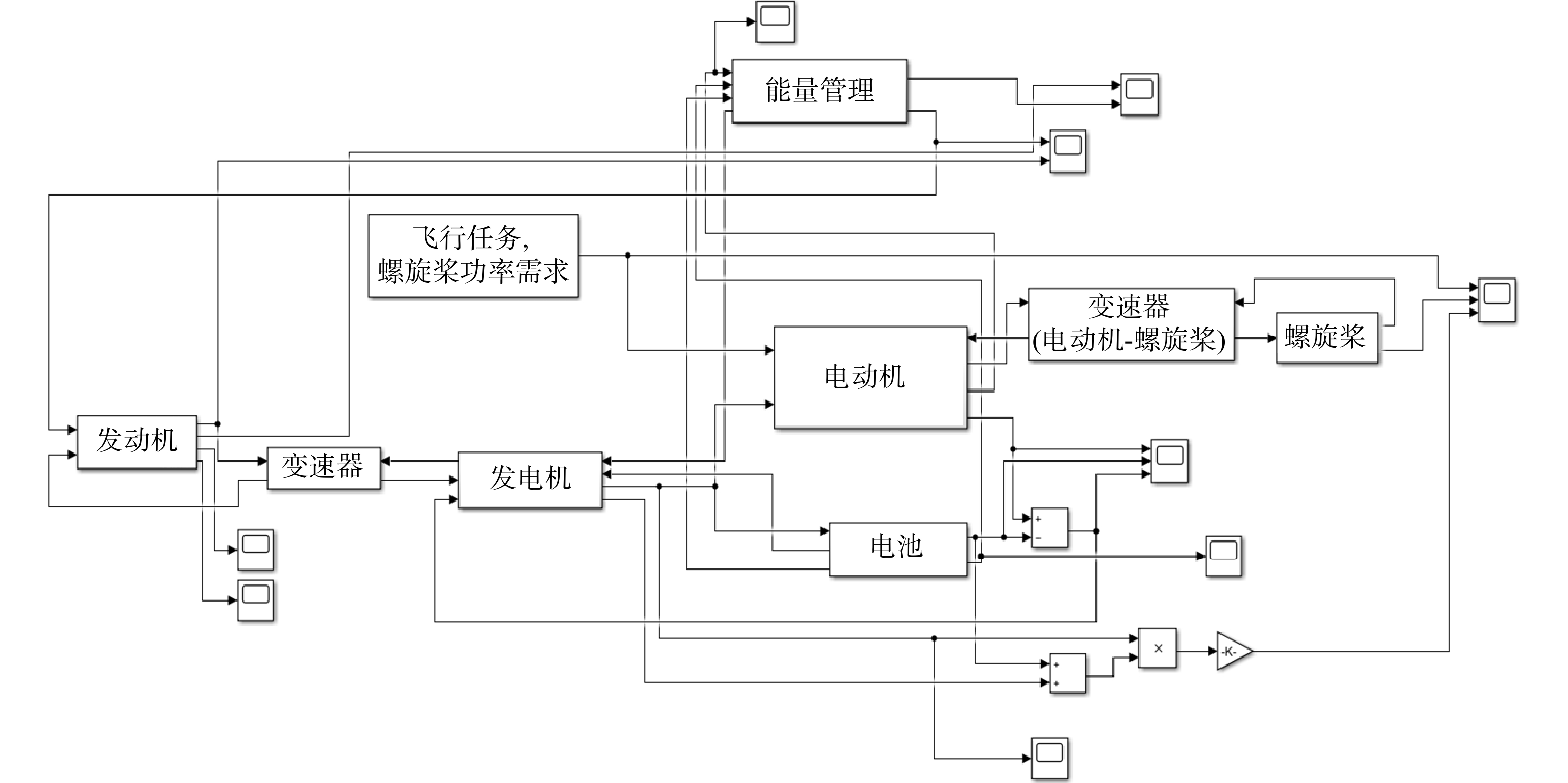
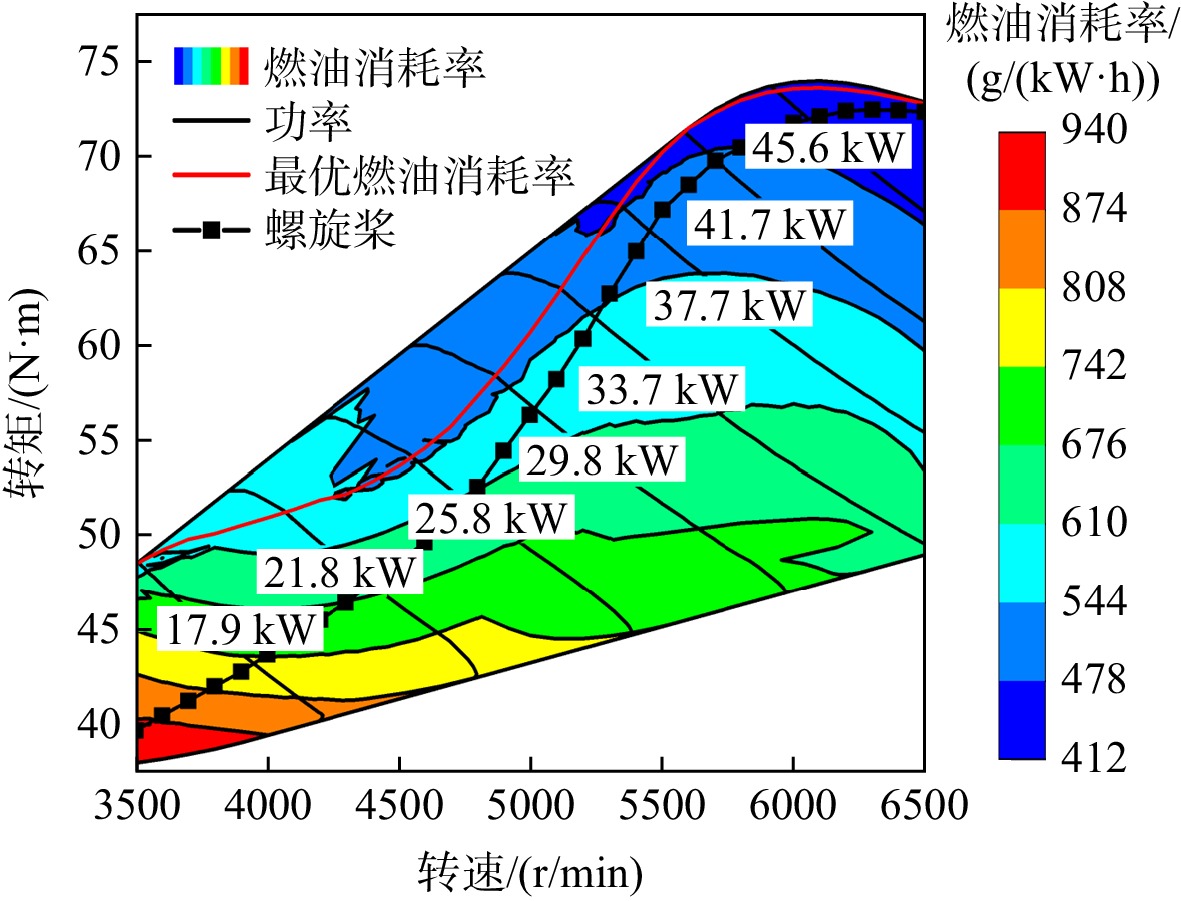
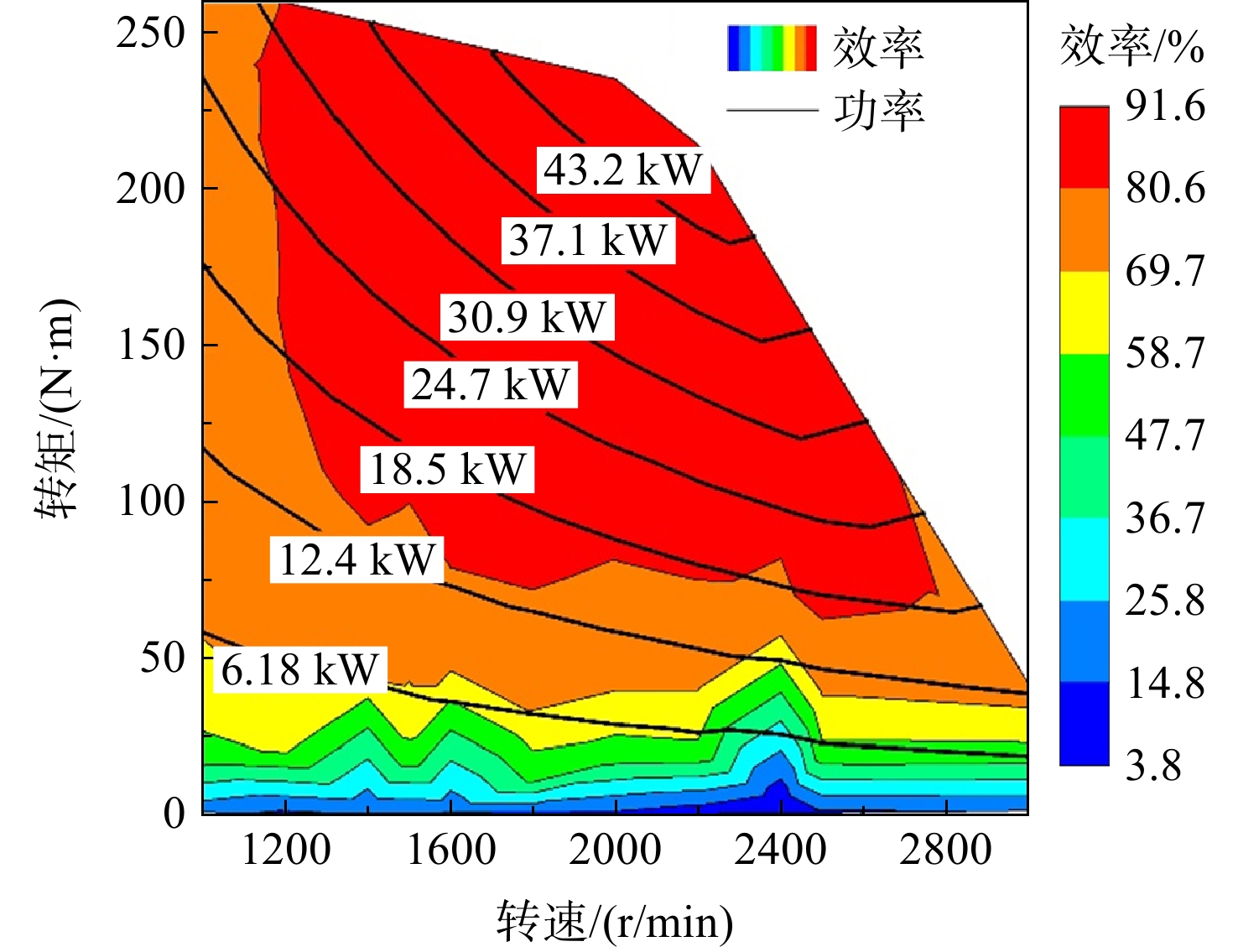
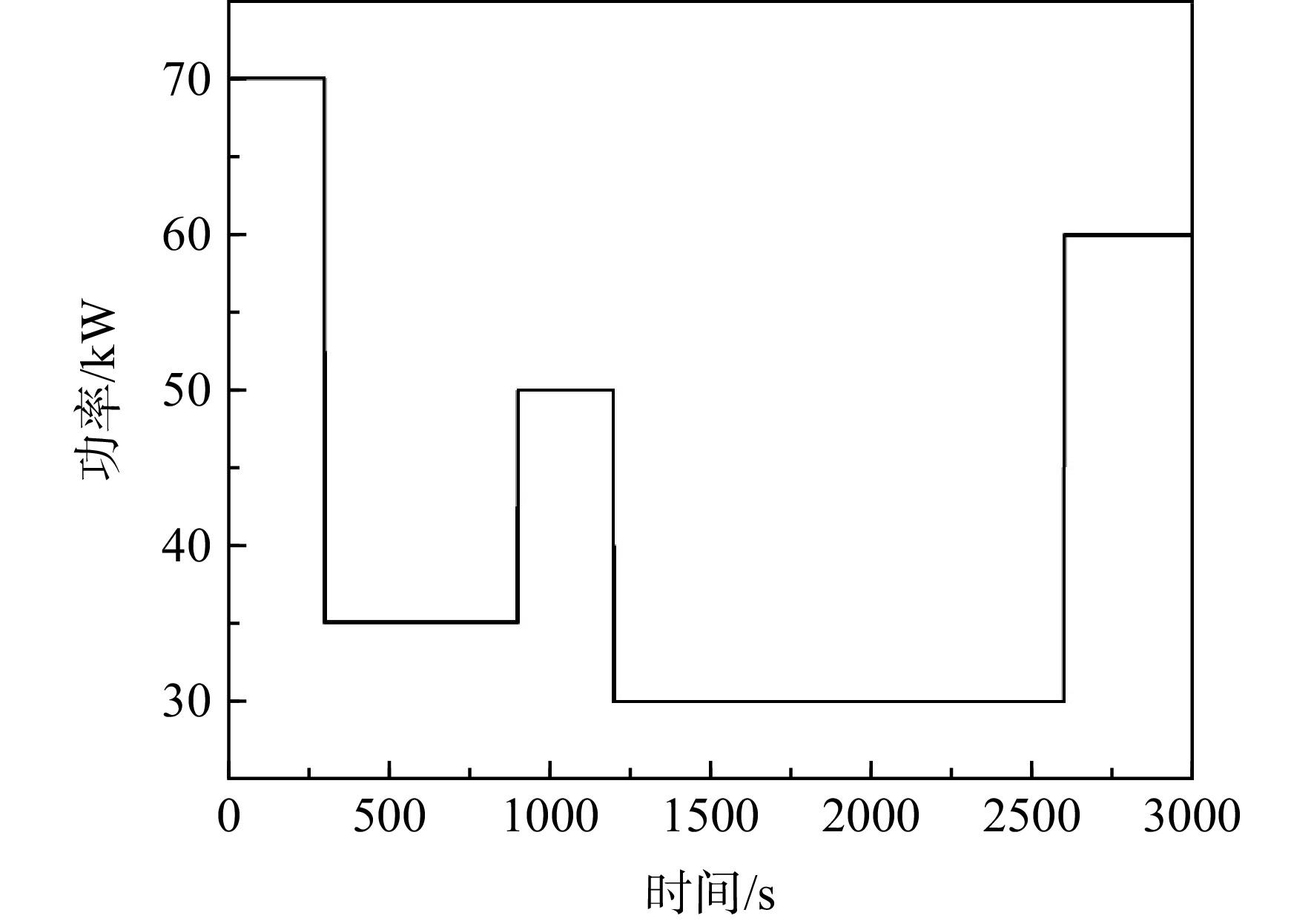
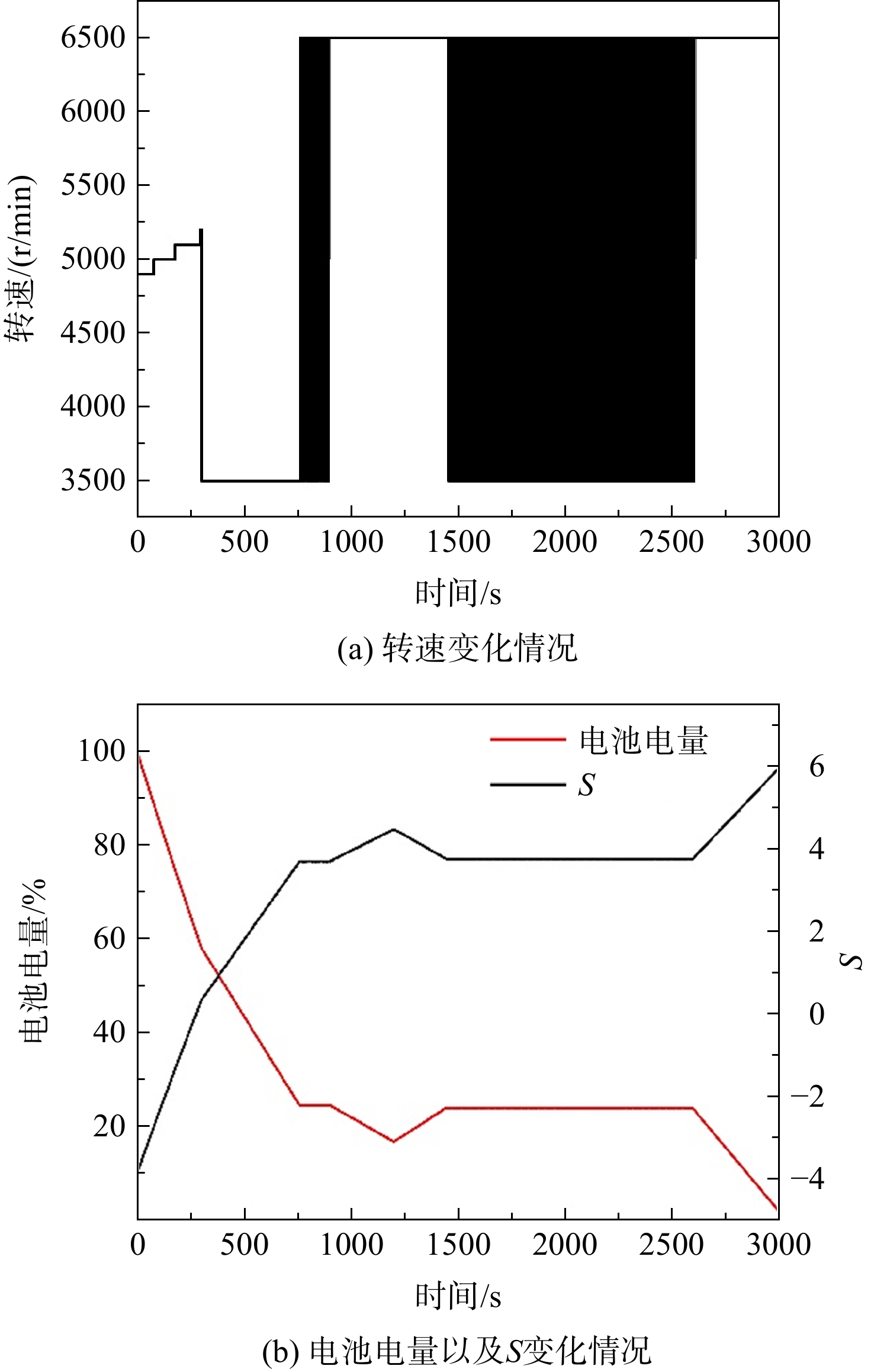
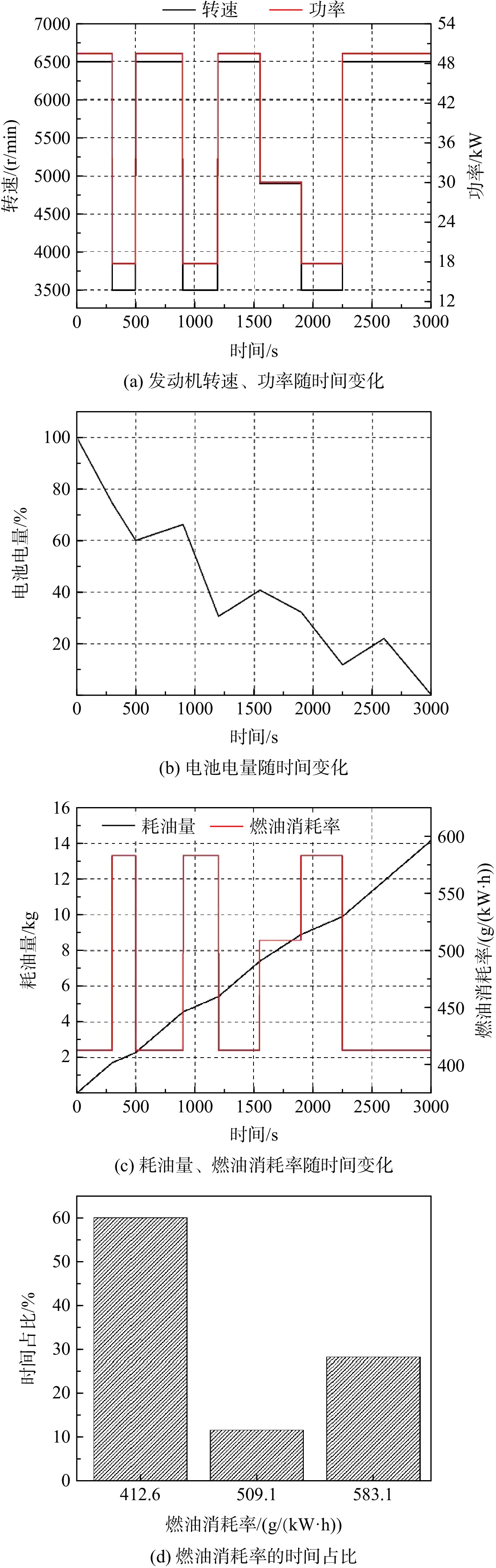
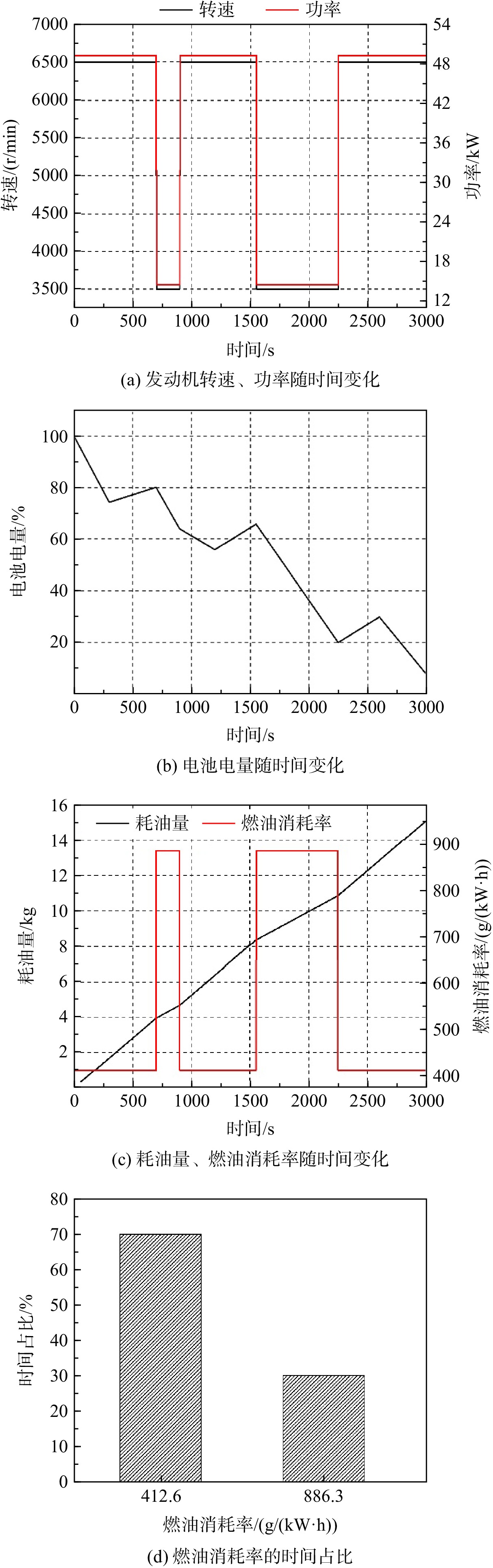
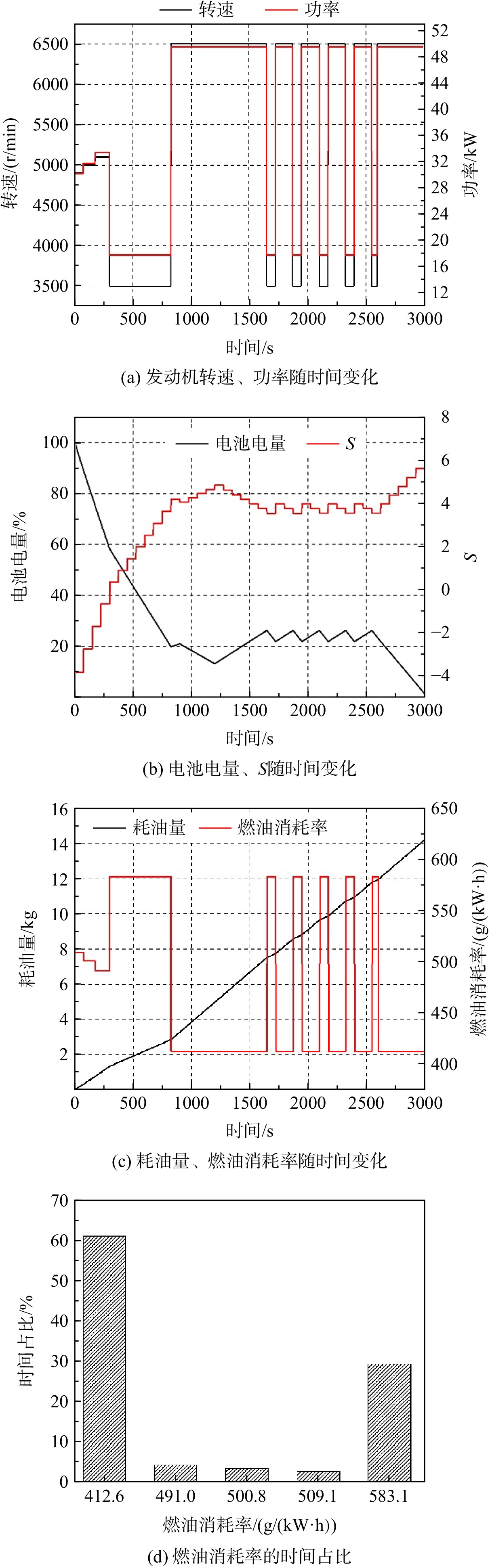
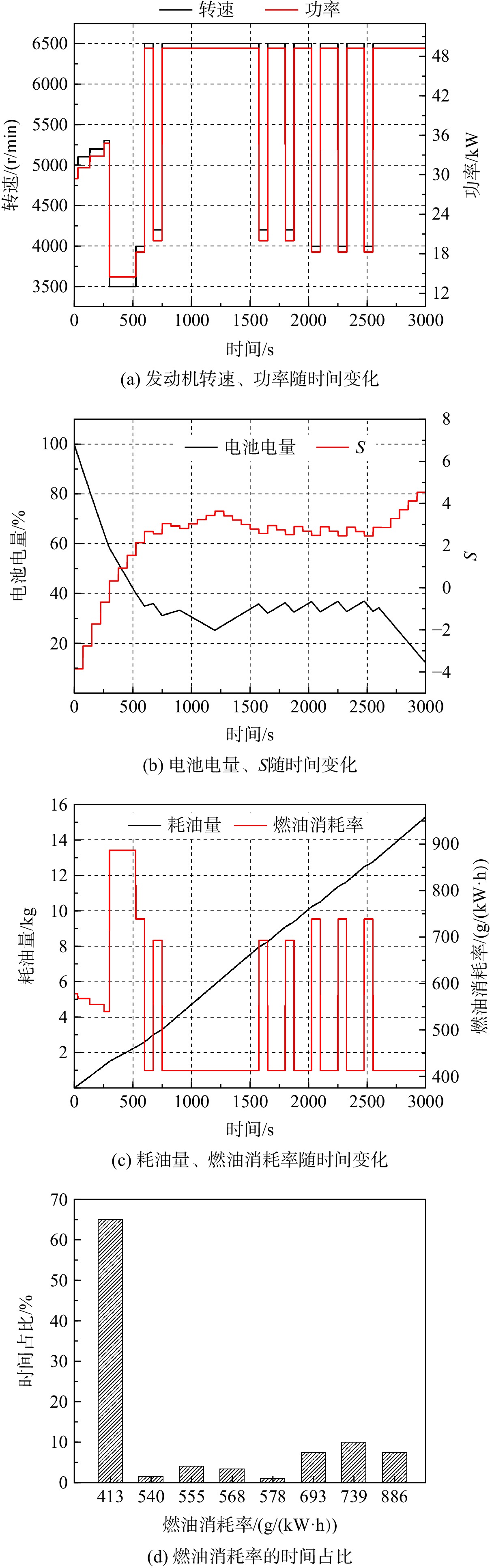
Taking the series structure as the research object of the energy management method of the aviation fuel-electric hybrid system, the energy management was studied according to different load matching forms of the engine. A simulation platform for studying energy management methods was built based on MATLAB/SIMULINK software, whereby the performance of power components was obtained by experiments. The global optimization strategy based on PSO algorithm and the instantaneous optimization strategy based on ECMS were built and applied to the simulation platform. The calculation results showed that after considering the matching form of engine variable load, the fuel consumption under different energy management methods was reduced compared with the constant load, and the global optimization strategy was reduced by 6.27%; the instantaneous optimization strategy decreased by 7.4%.

Research on numerical simulation of flow field and sound field of counter-rotating propeller
LI Guangming, DING Jue, CHEN Zhengwu, TONG Fan, YANG Xiaoquan, TANG Xiaolong
2024, 39(11): 20220793. doi: 10.13224/j.cnki.jasp.20220793
Abstract:
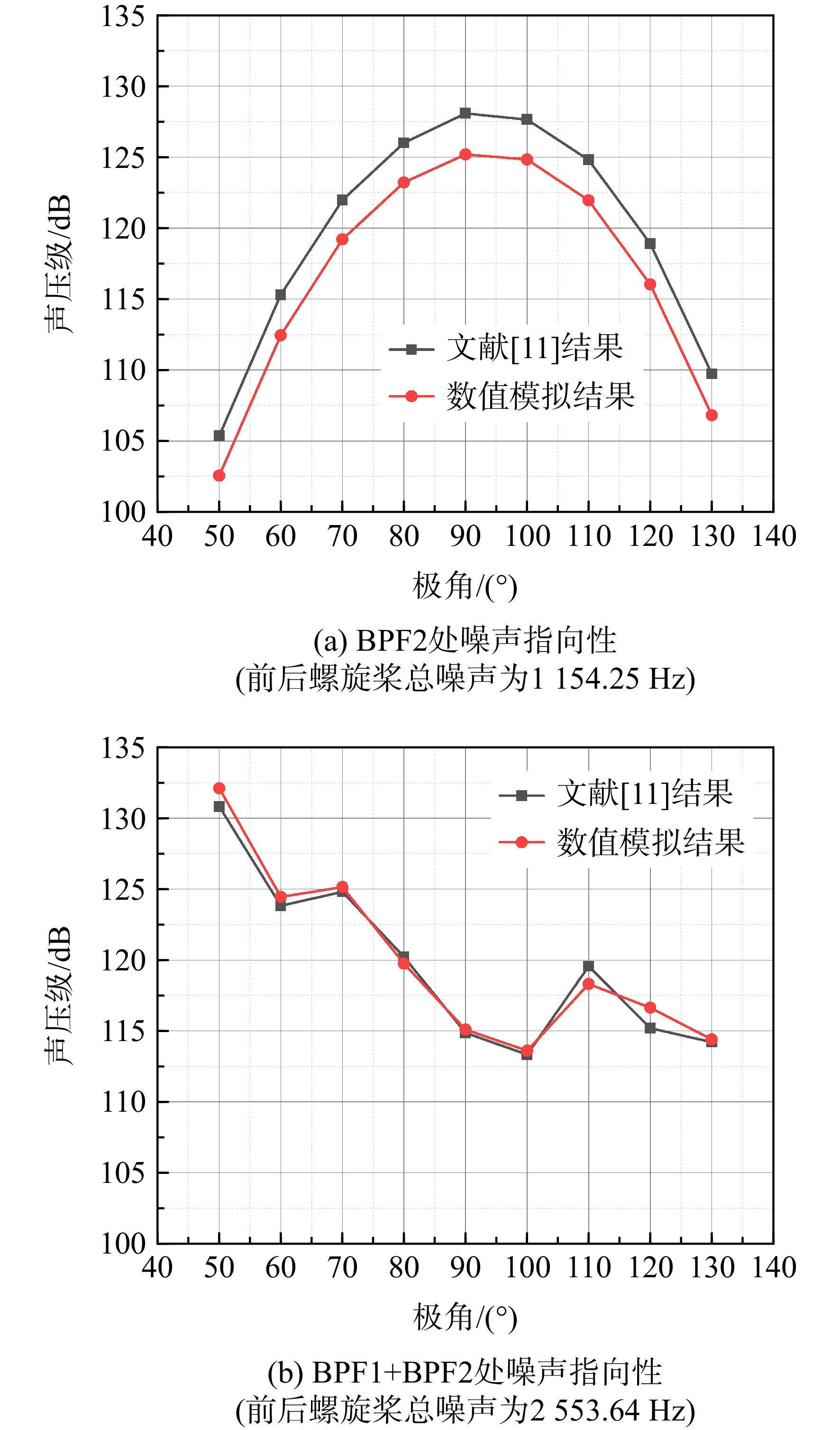
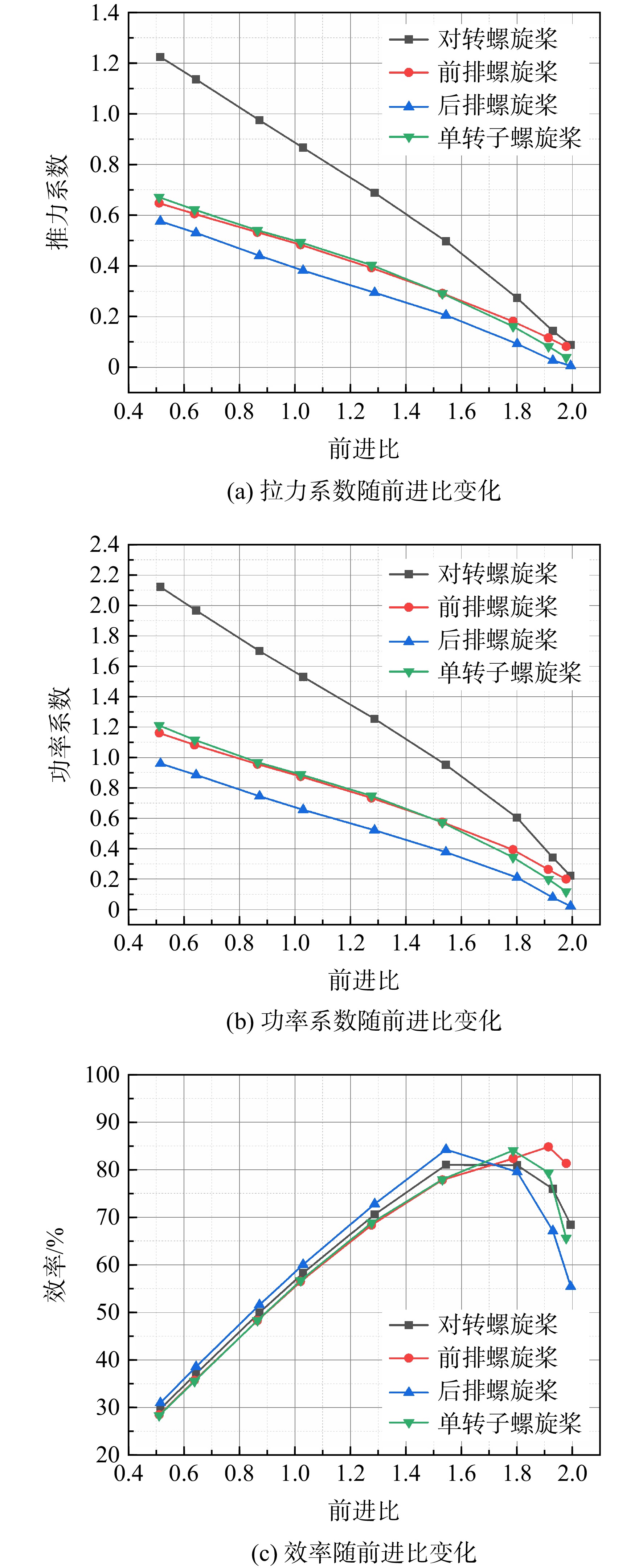
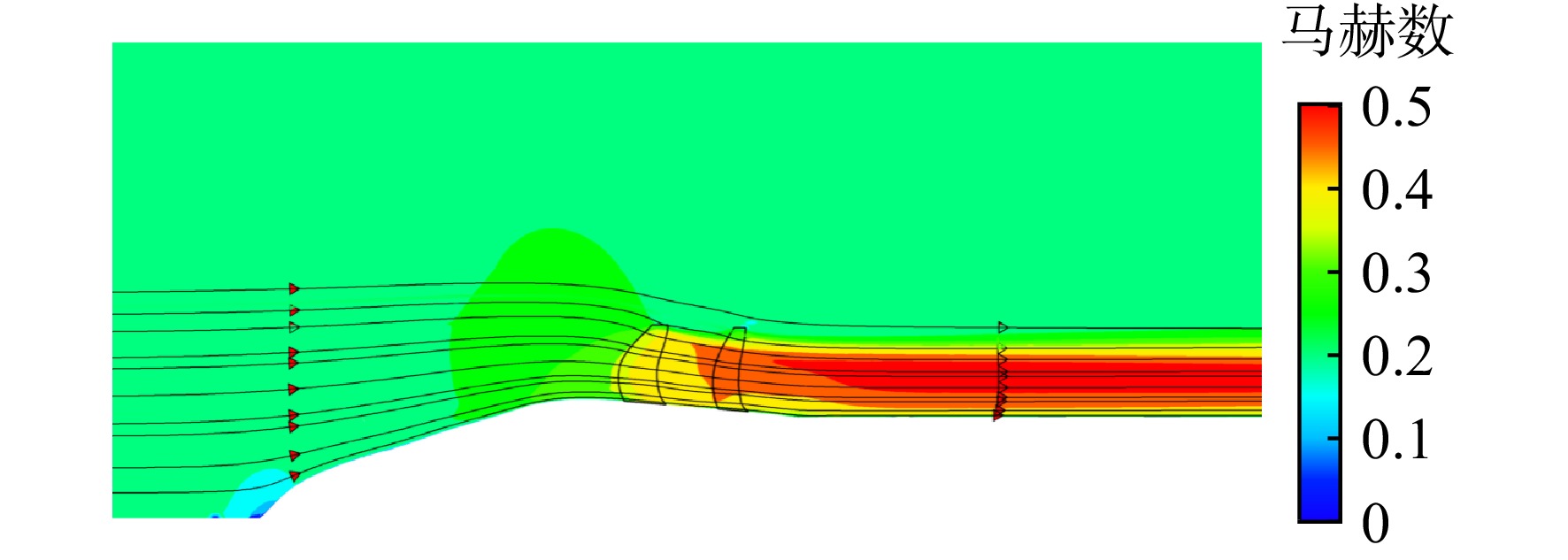
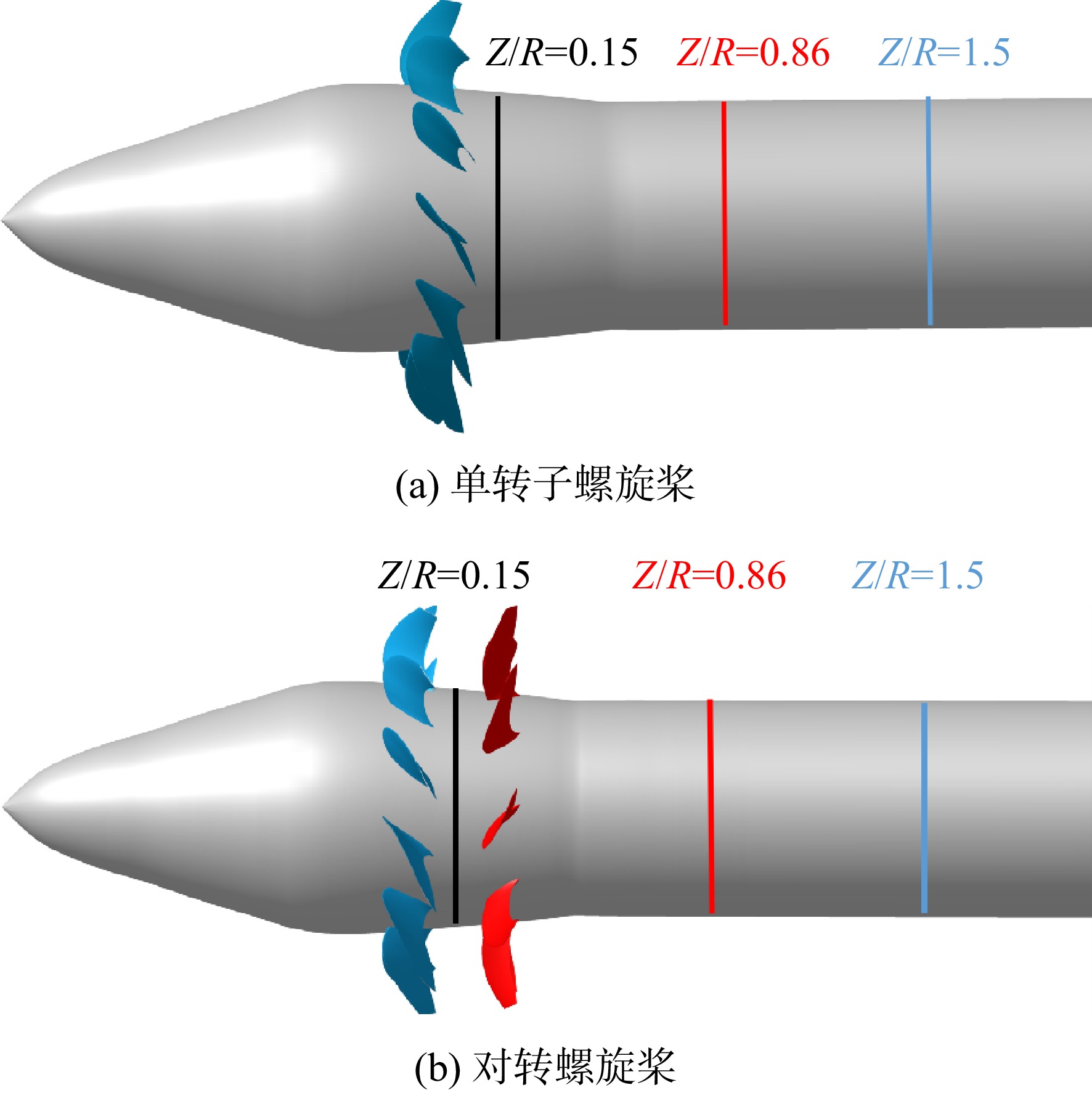
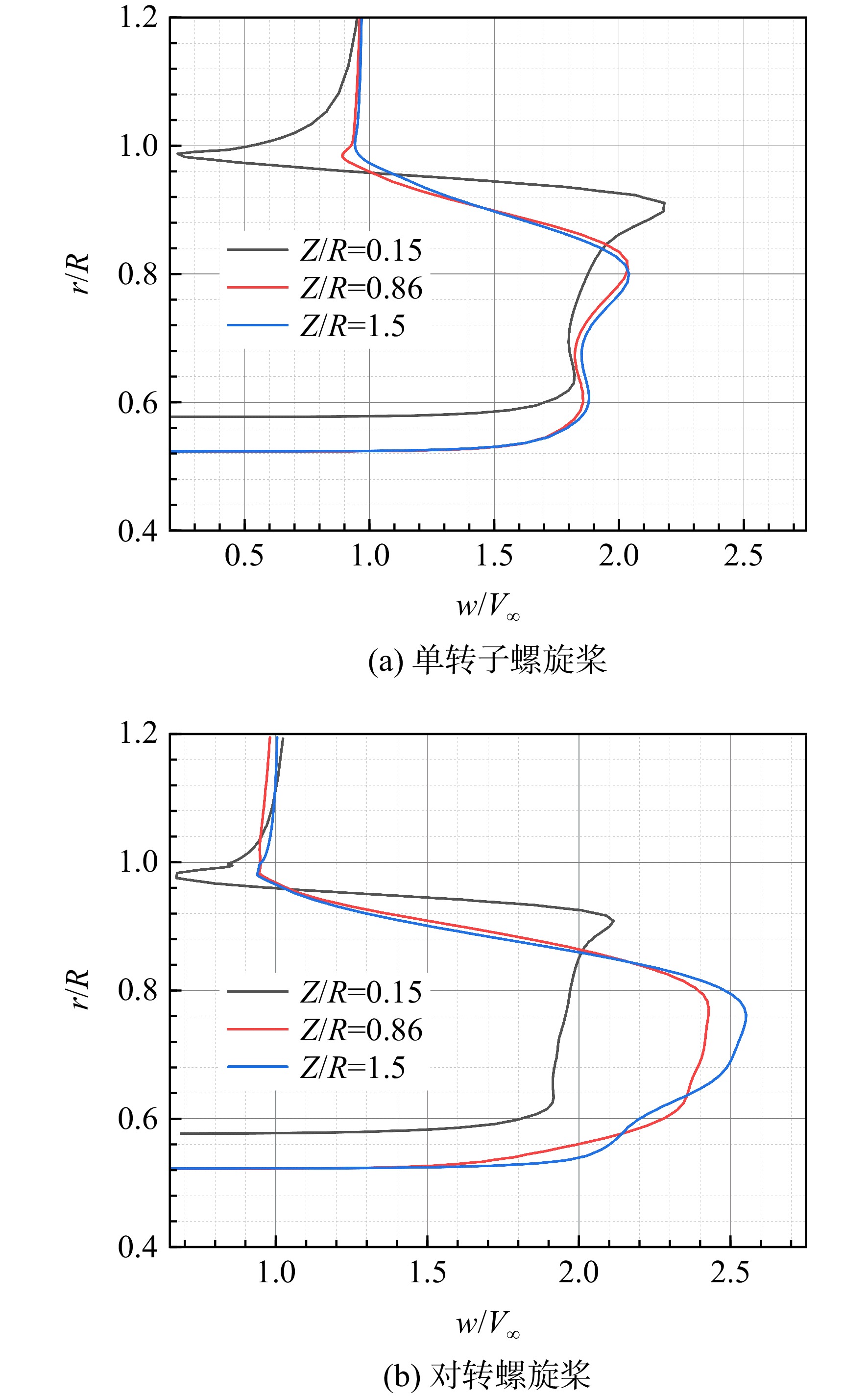
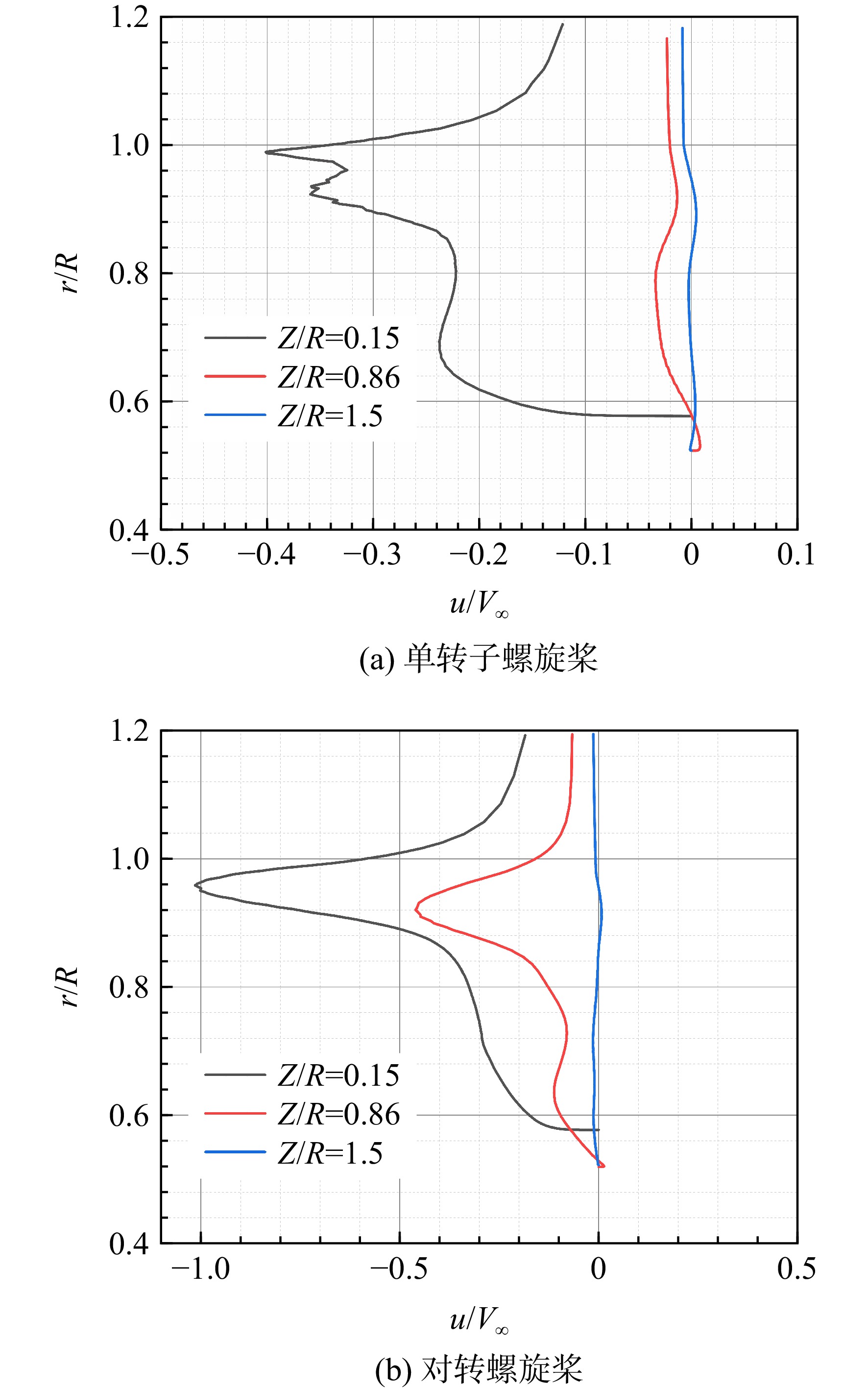
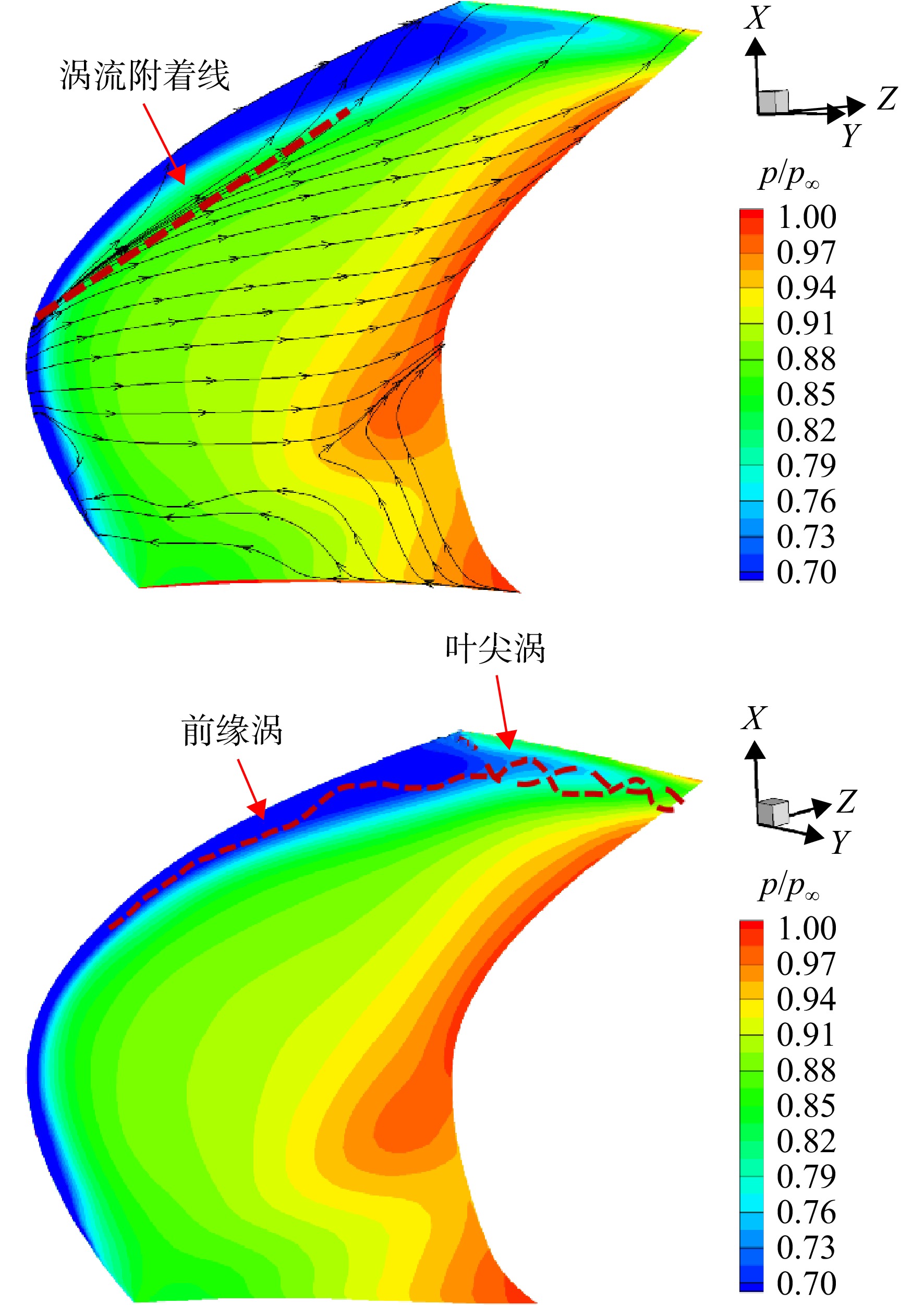
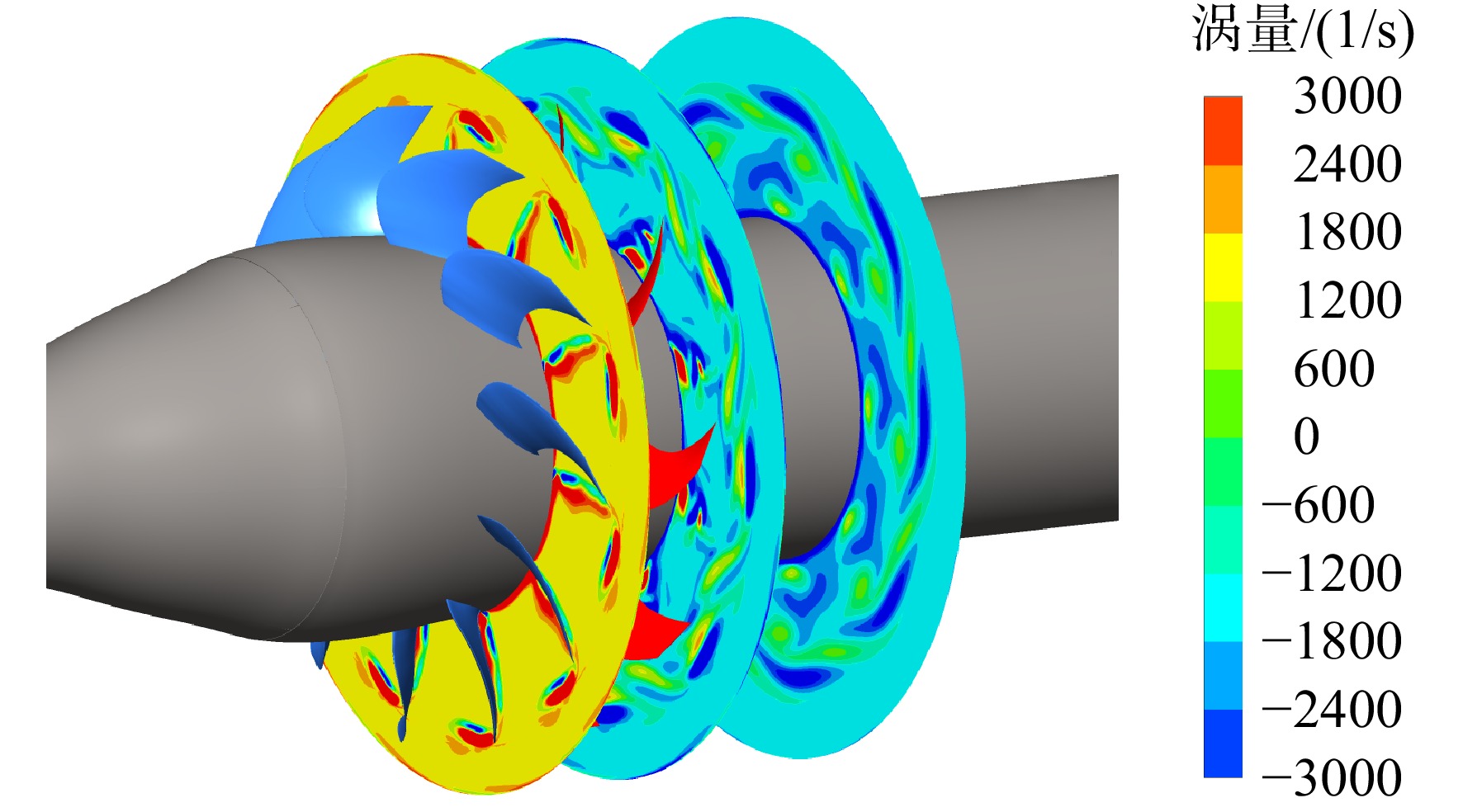
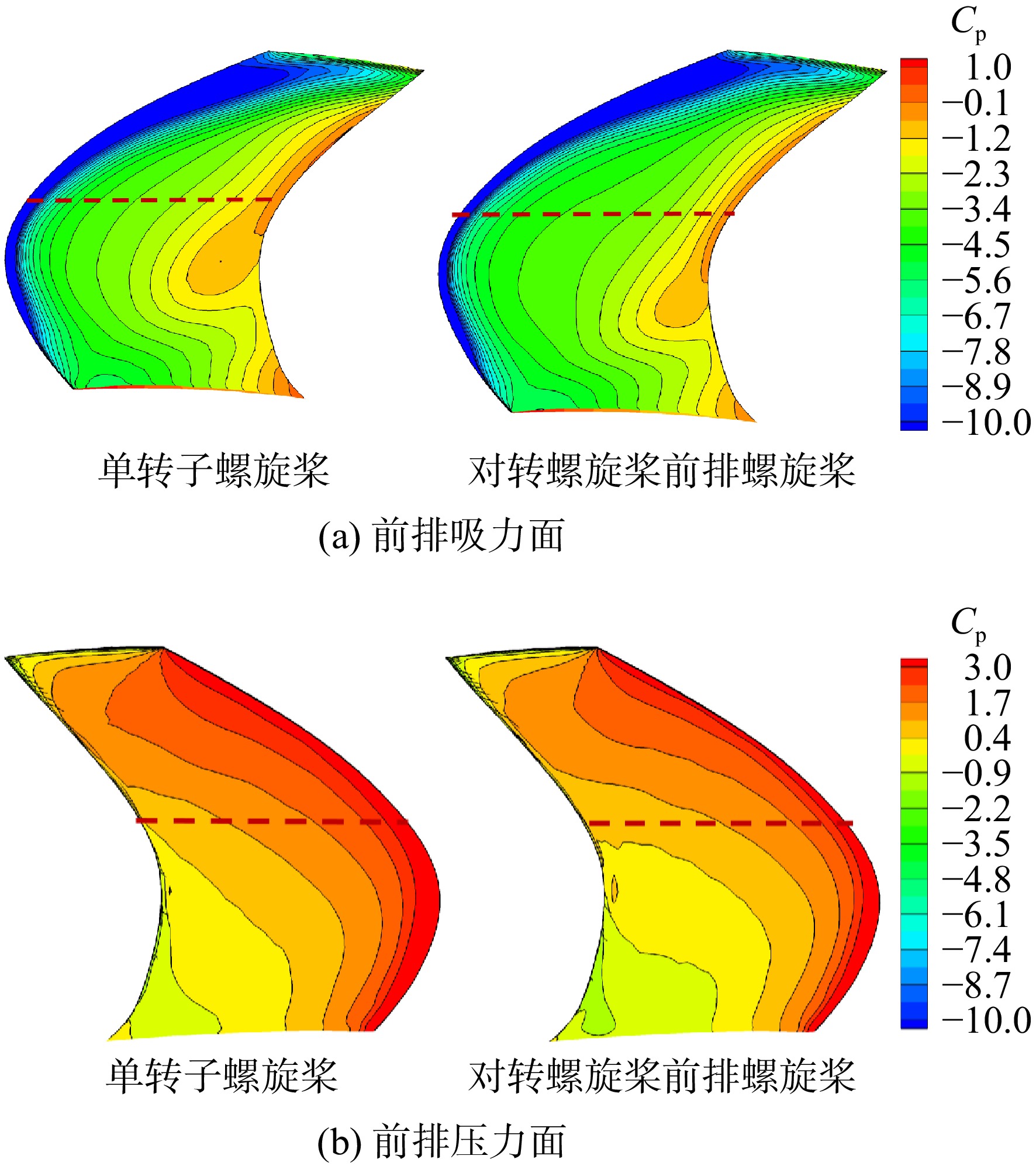
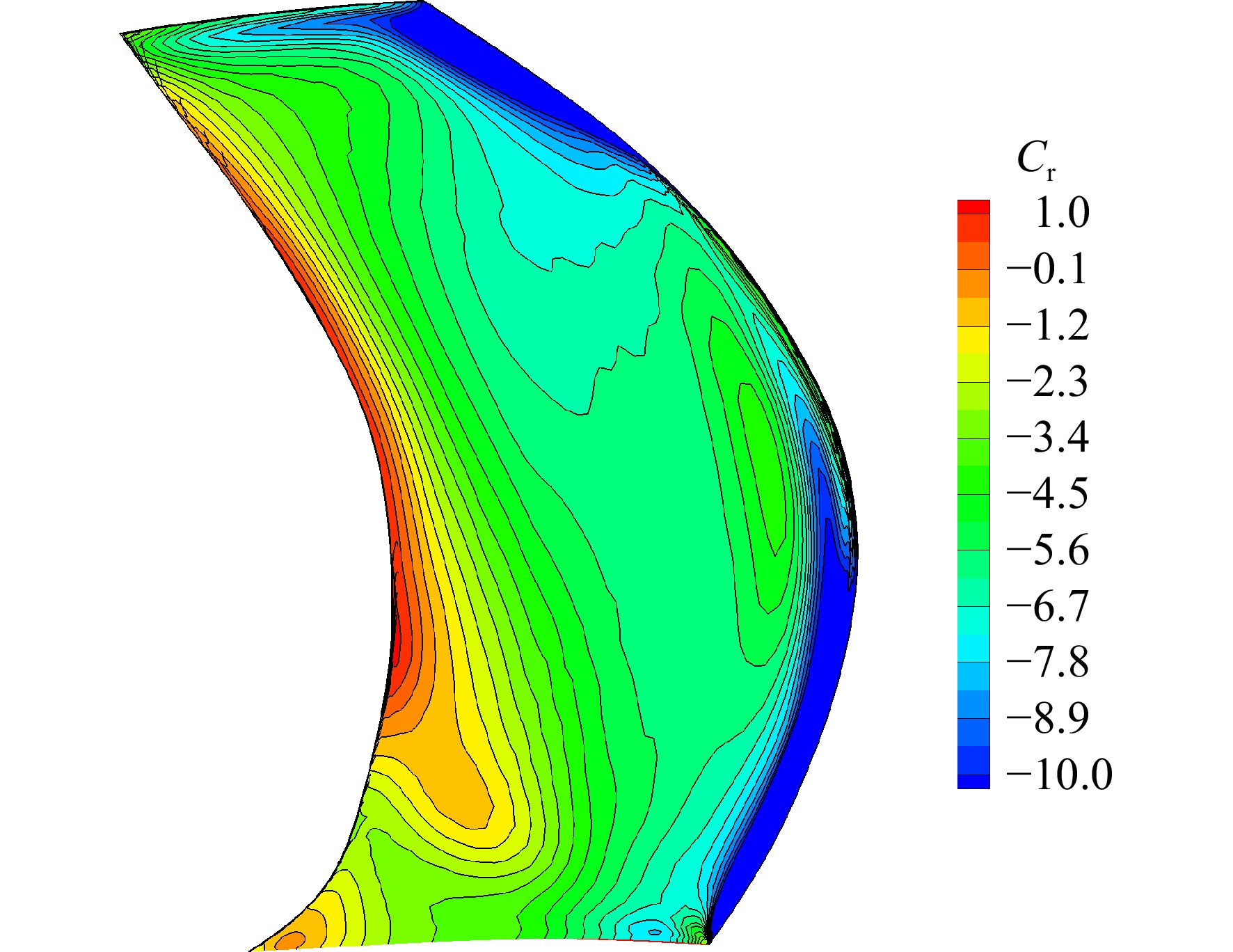
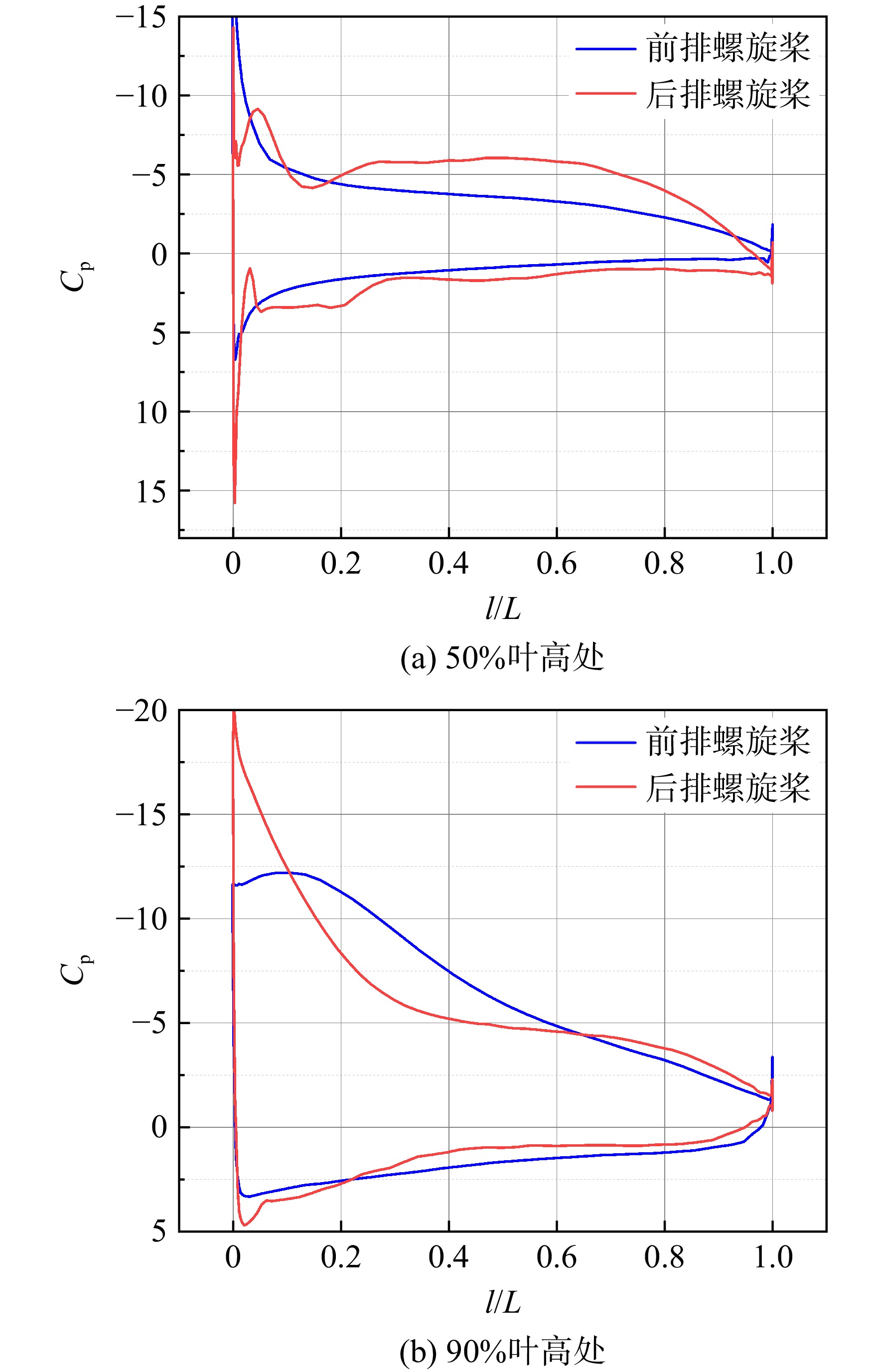
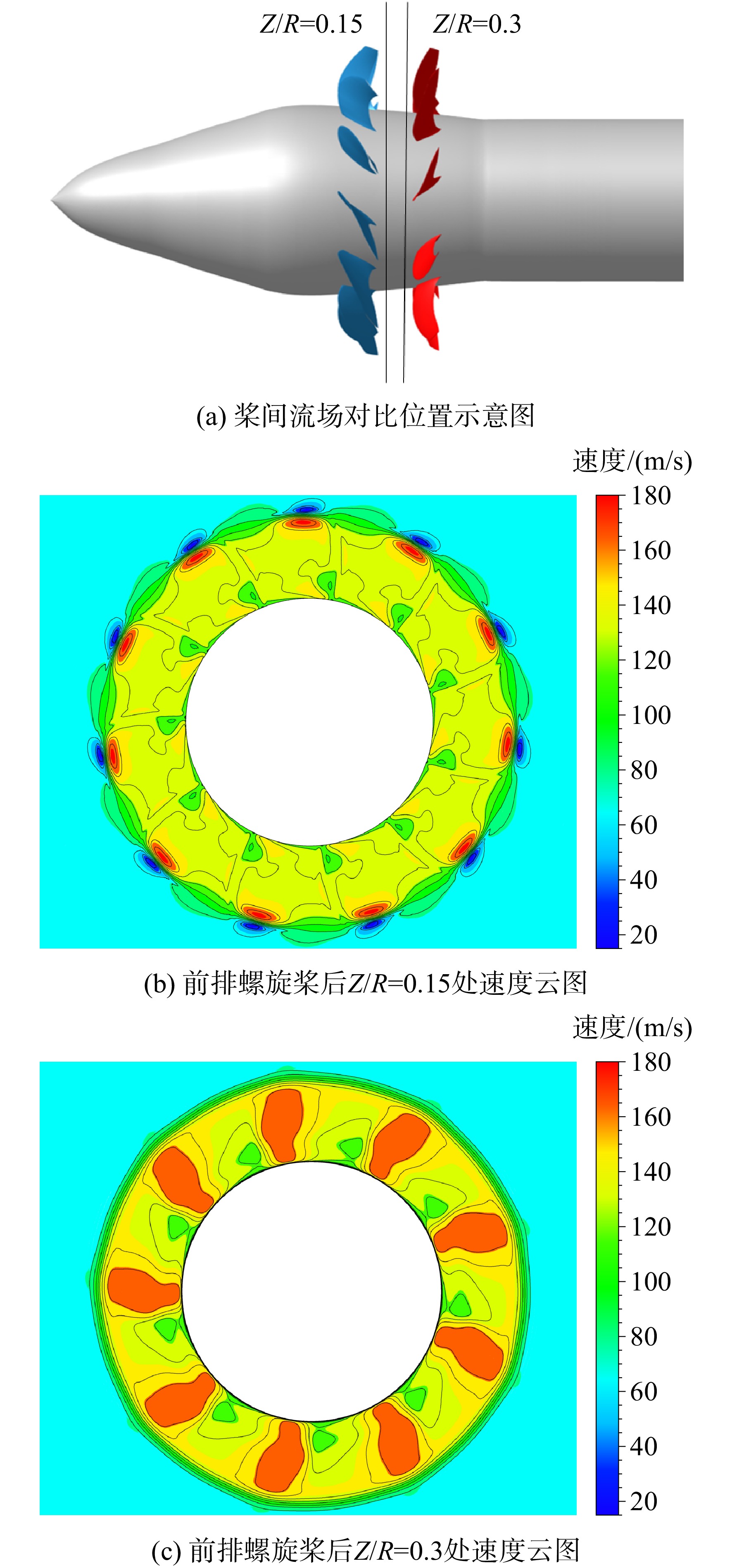
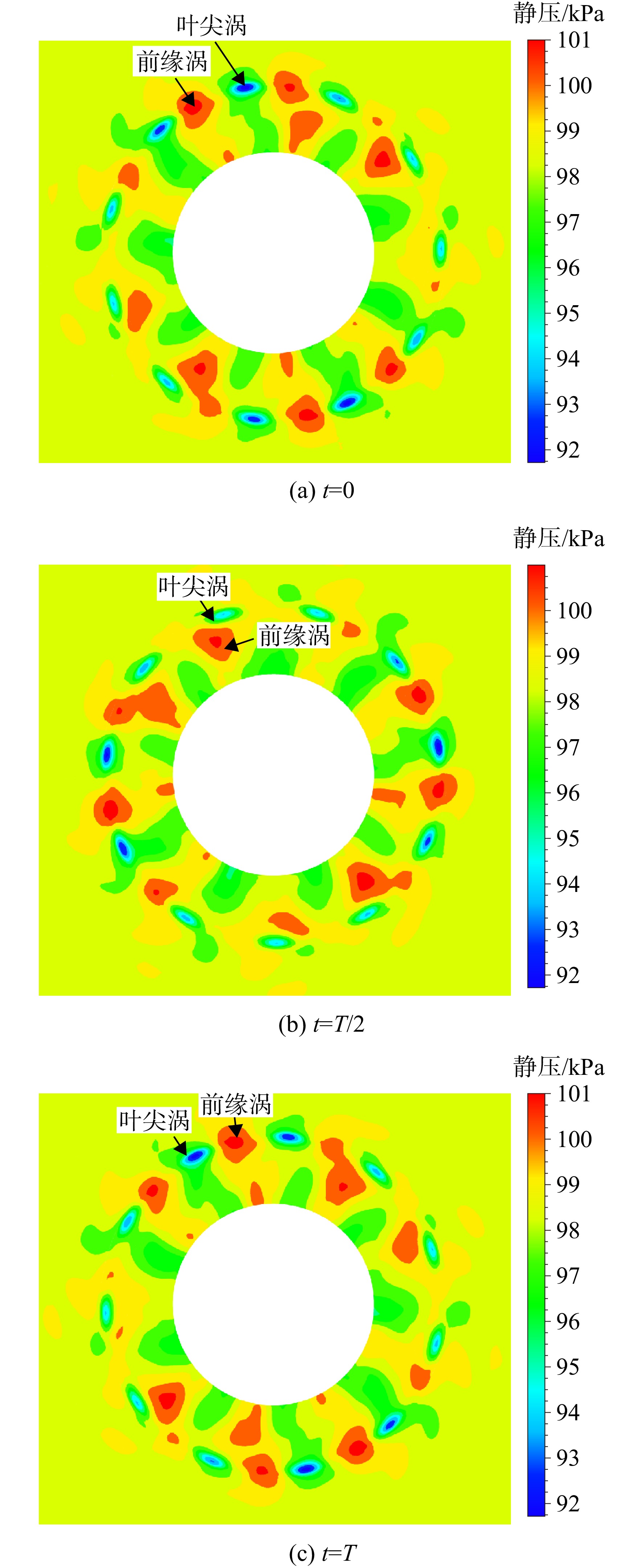
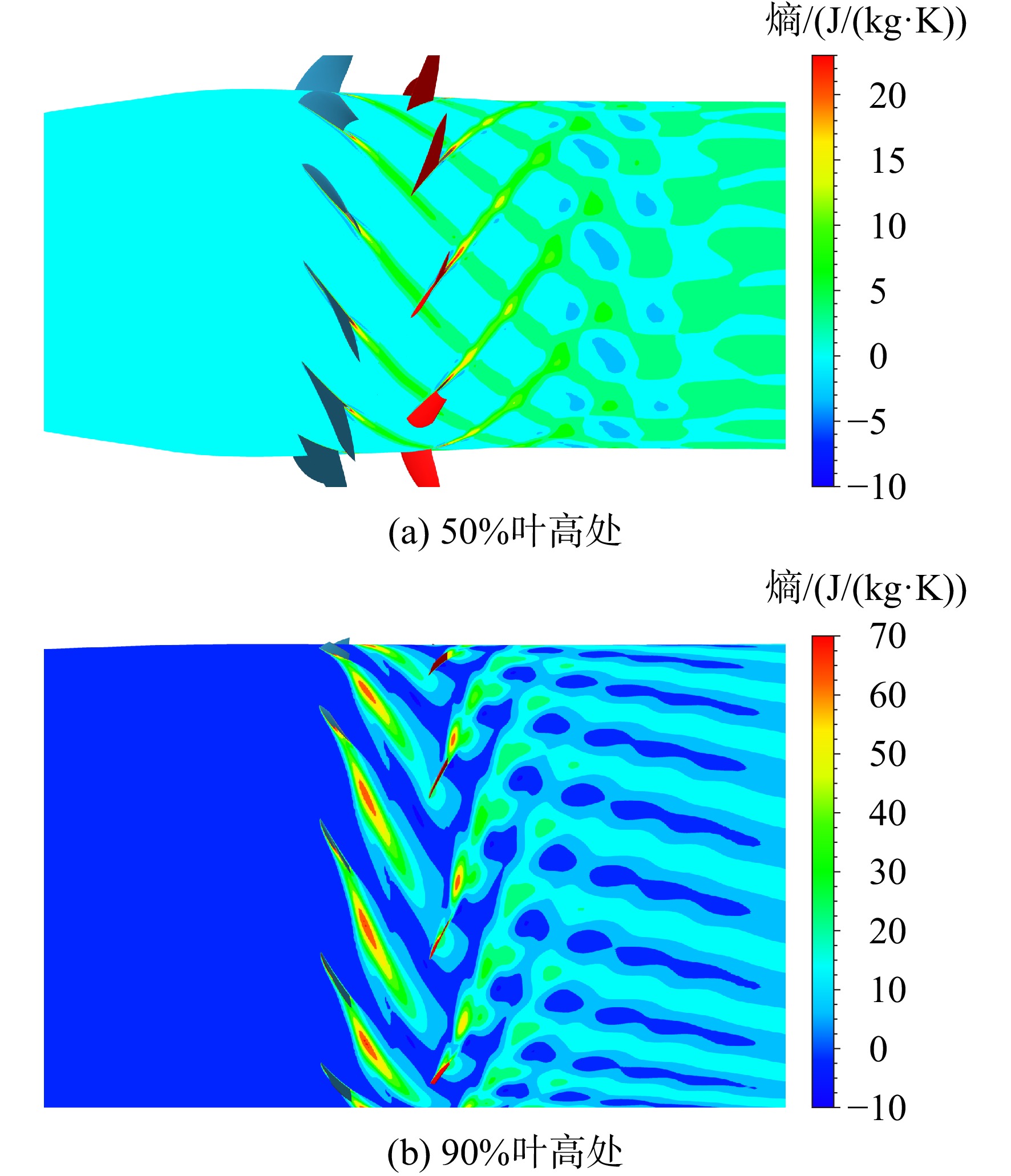
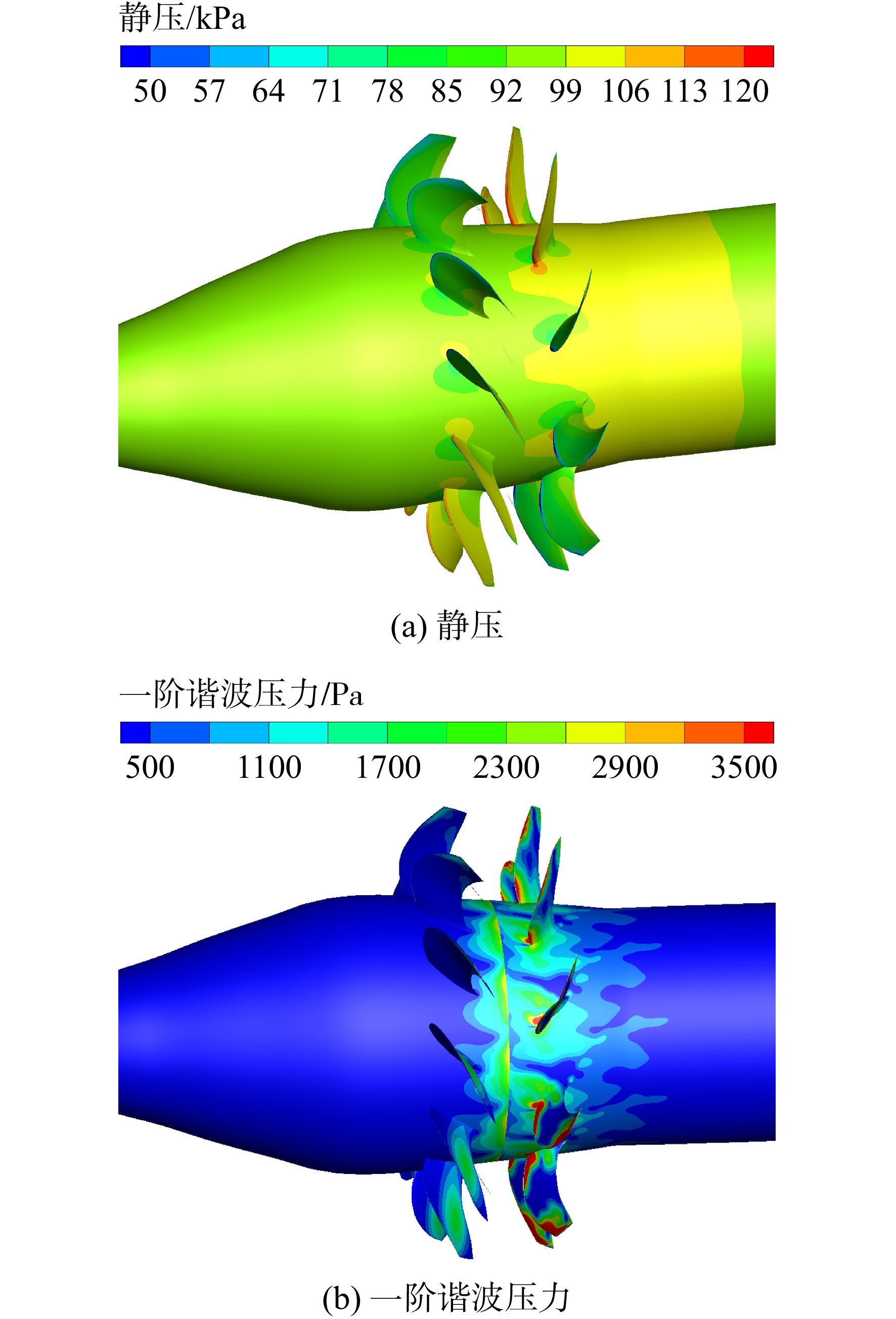
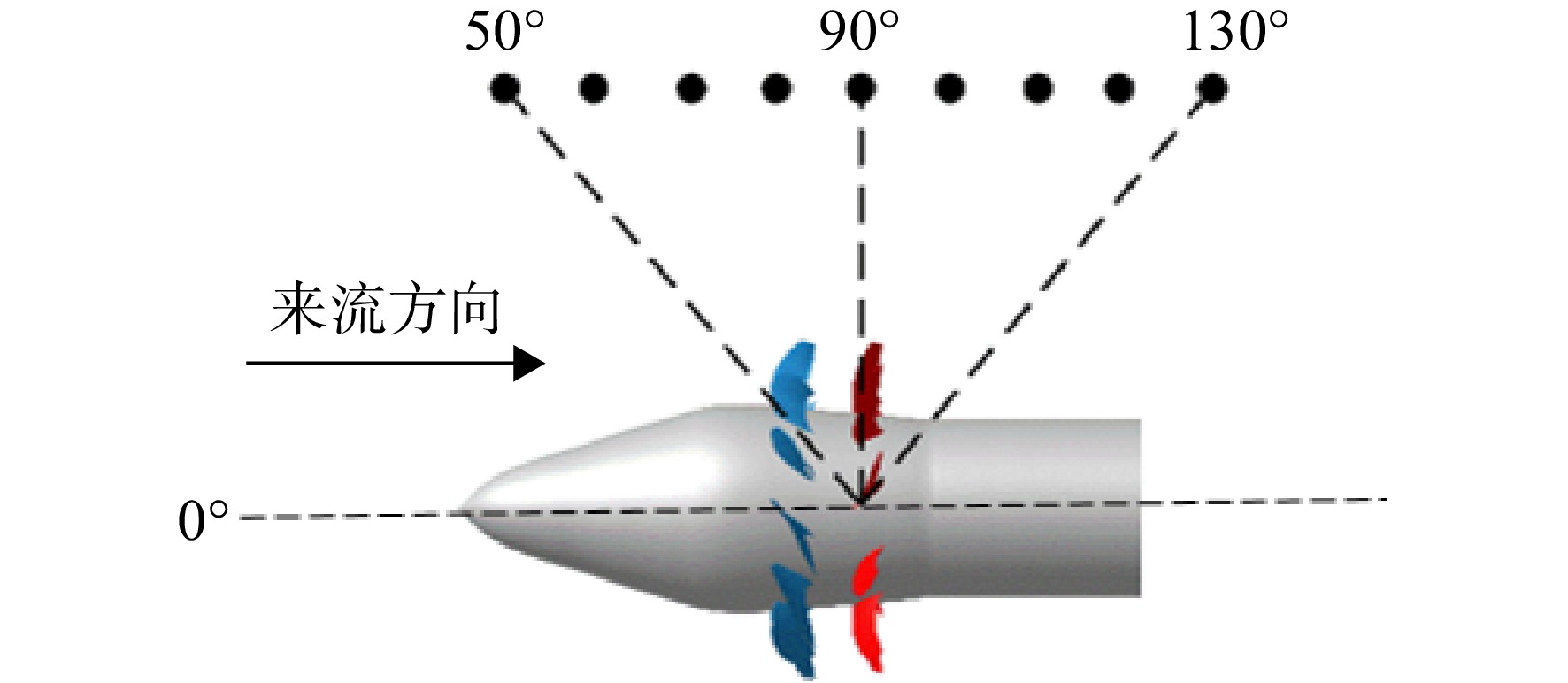
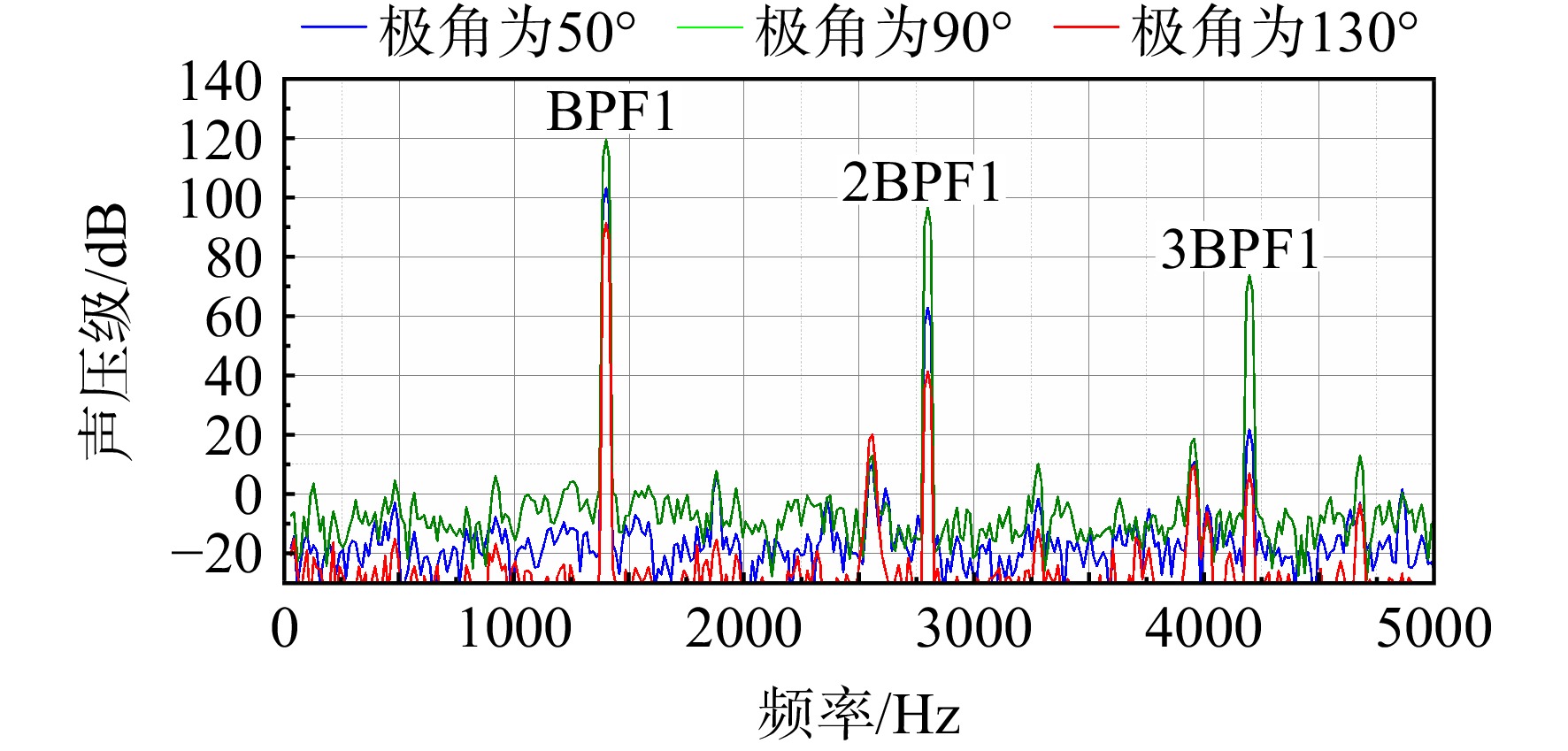
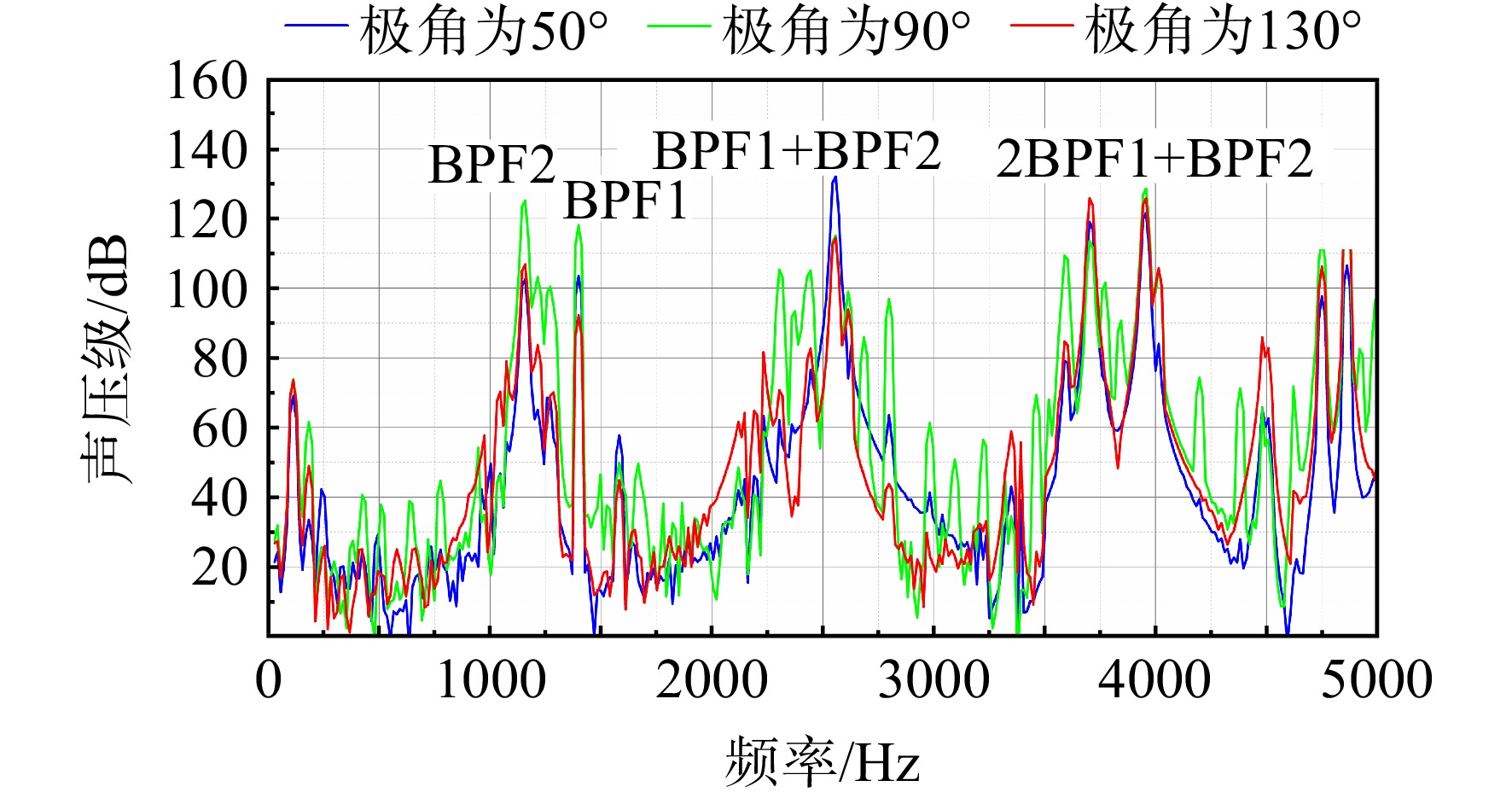
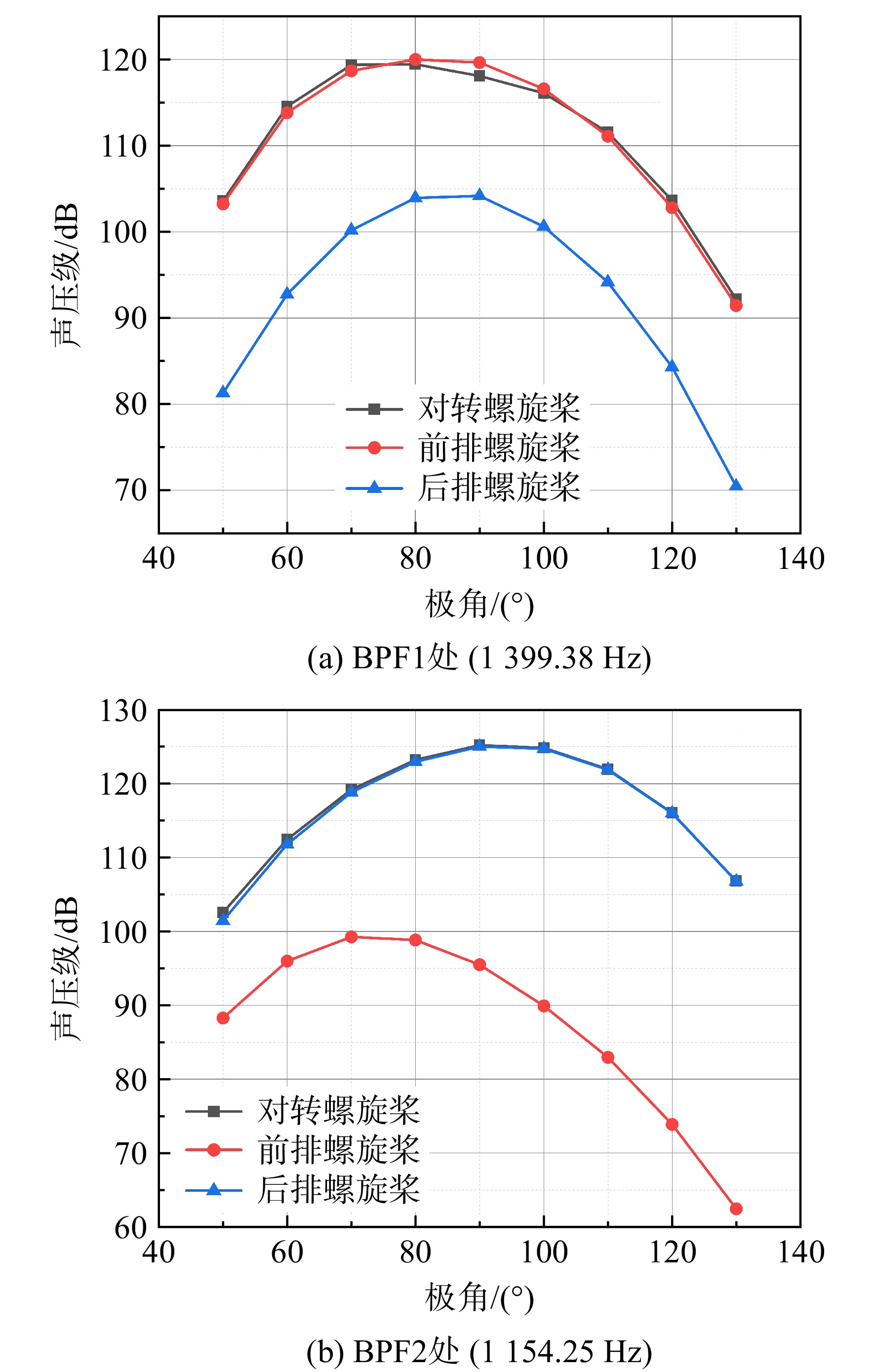
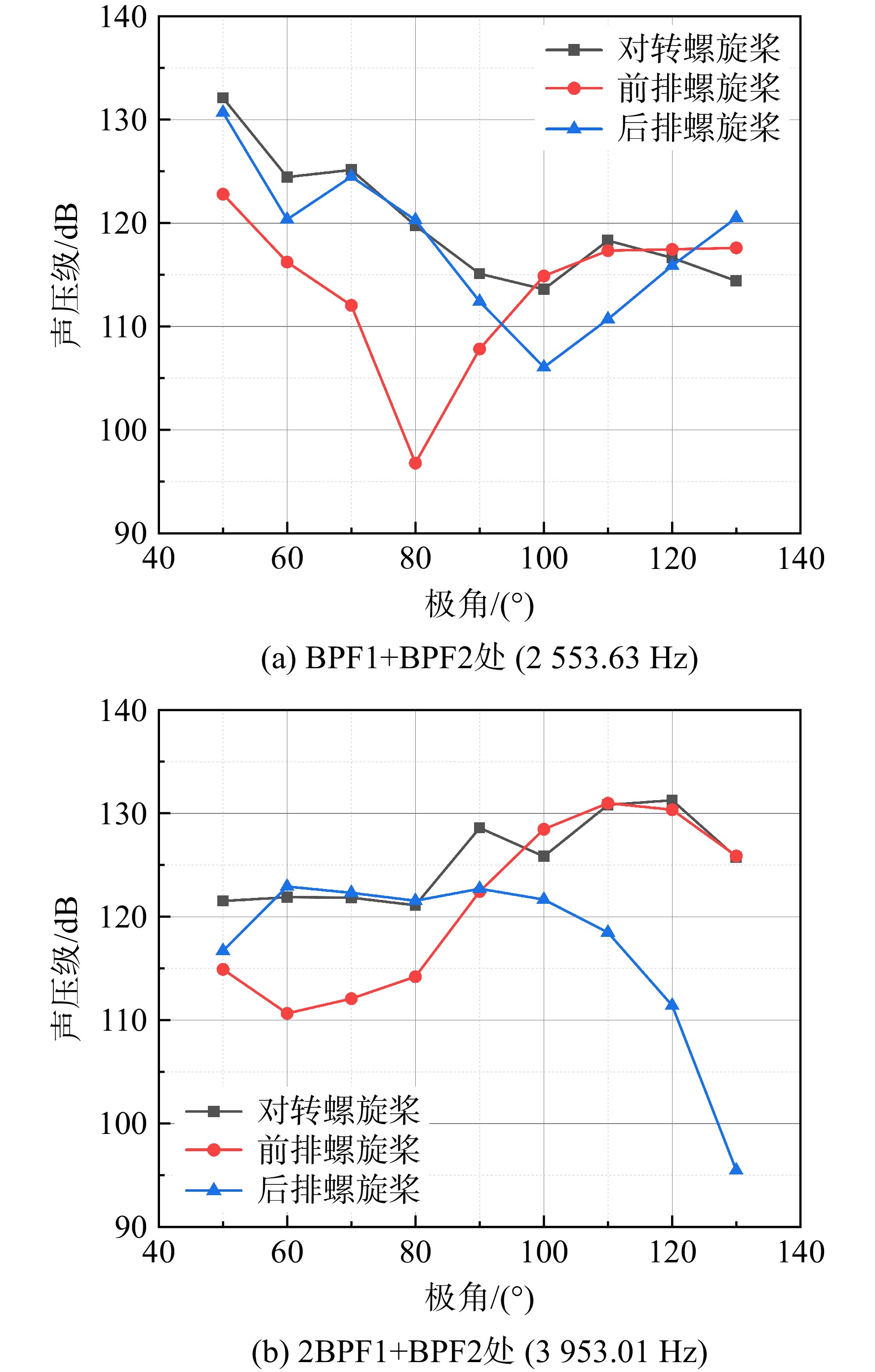
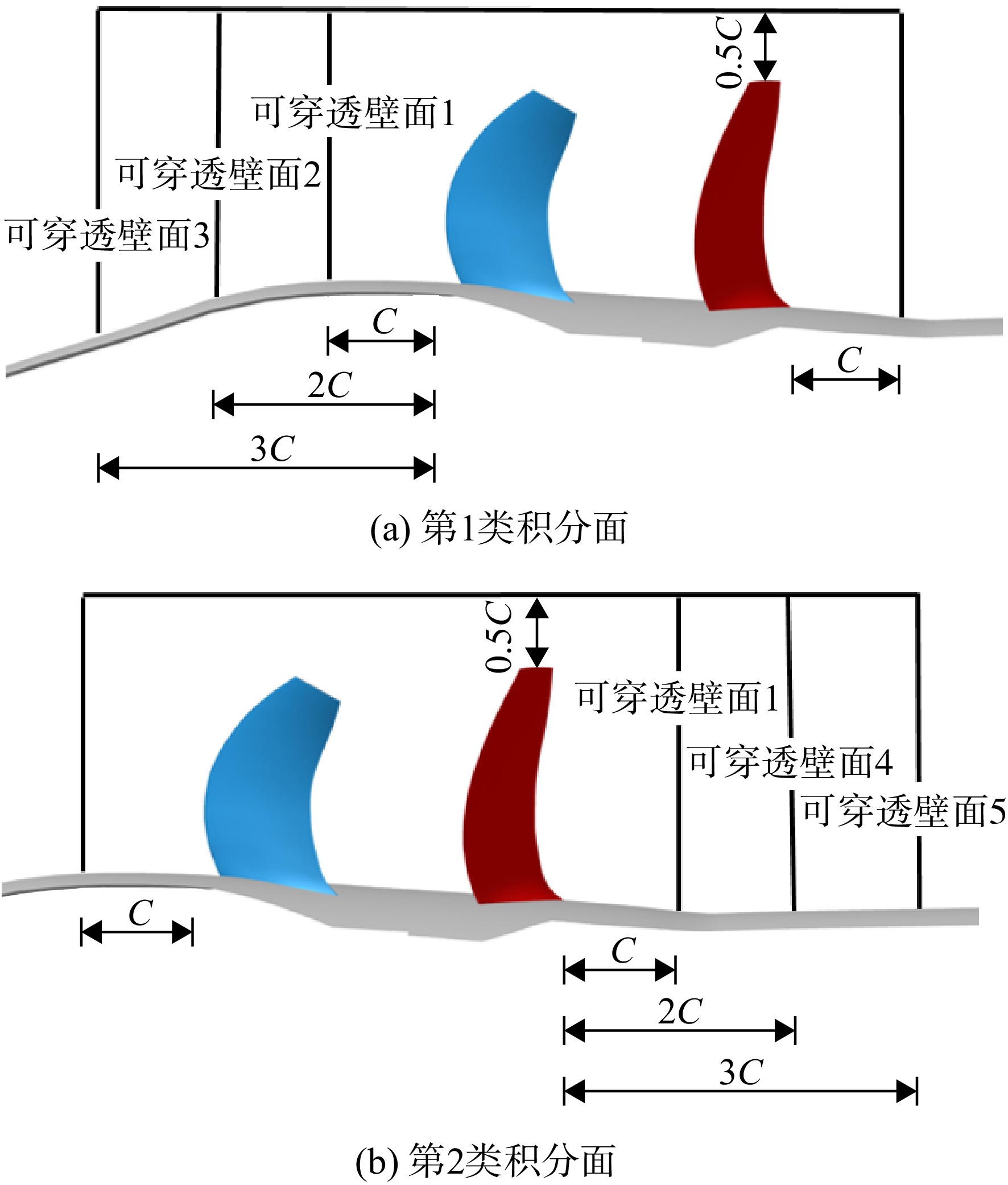
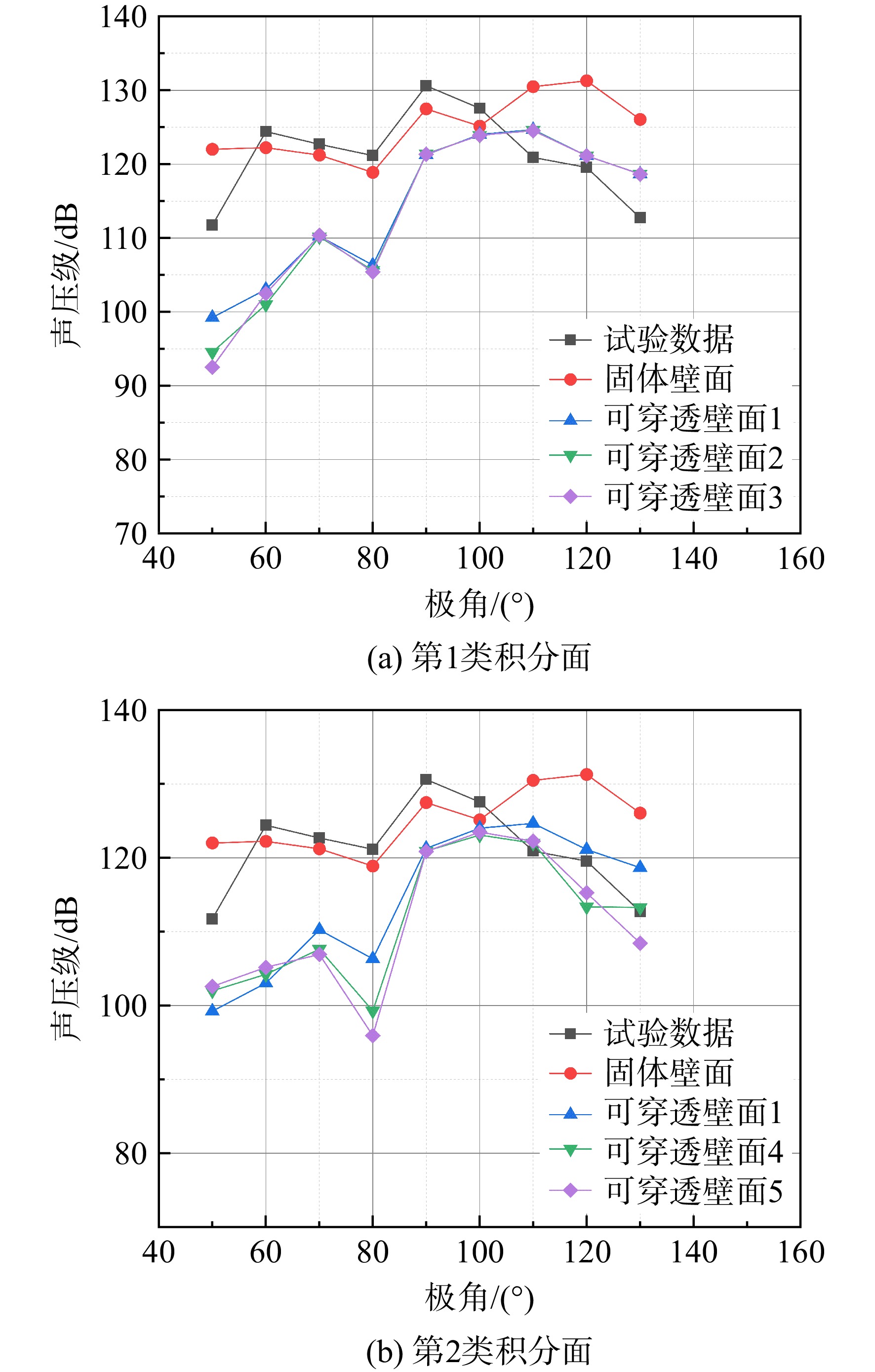
The hybrid noise numerical simulation method of nonlinear harmonic method coupled with FW-H equation was used to study the aerodynamic force and noise of a 11×9 counter-rotating propeller model. The results of the study showed that: during the takeoff phase, the main noise source of the counter-rotating propeller was the interference noise generated by the interaction of the vortex systems such as the blade tip vortex, leading edge vortex and trailing vortex generated by the front propeller with the rear propeller, and the non-constant pressure fluctuation on the rear propeller was the main contributor to the interference noise. At the frequencies where interference noise appeared, the noise of the front propeller radiated mainly downstream, and the noise of the rear propeller radiated mainly upstream. Compared with the solid FW-H surface, the calculation results of the porous FW-H surface were closer to the experimental data. Different integration surfaces had little effect on the noise of the counter-rotating propeller, but the variation of the downstream integration surface had a greater effect on the interference noise.

Power Transimission
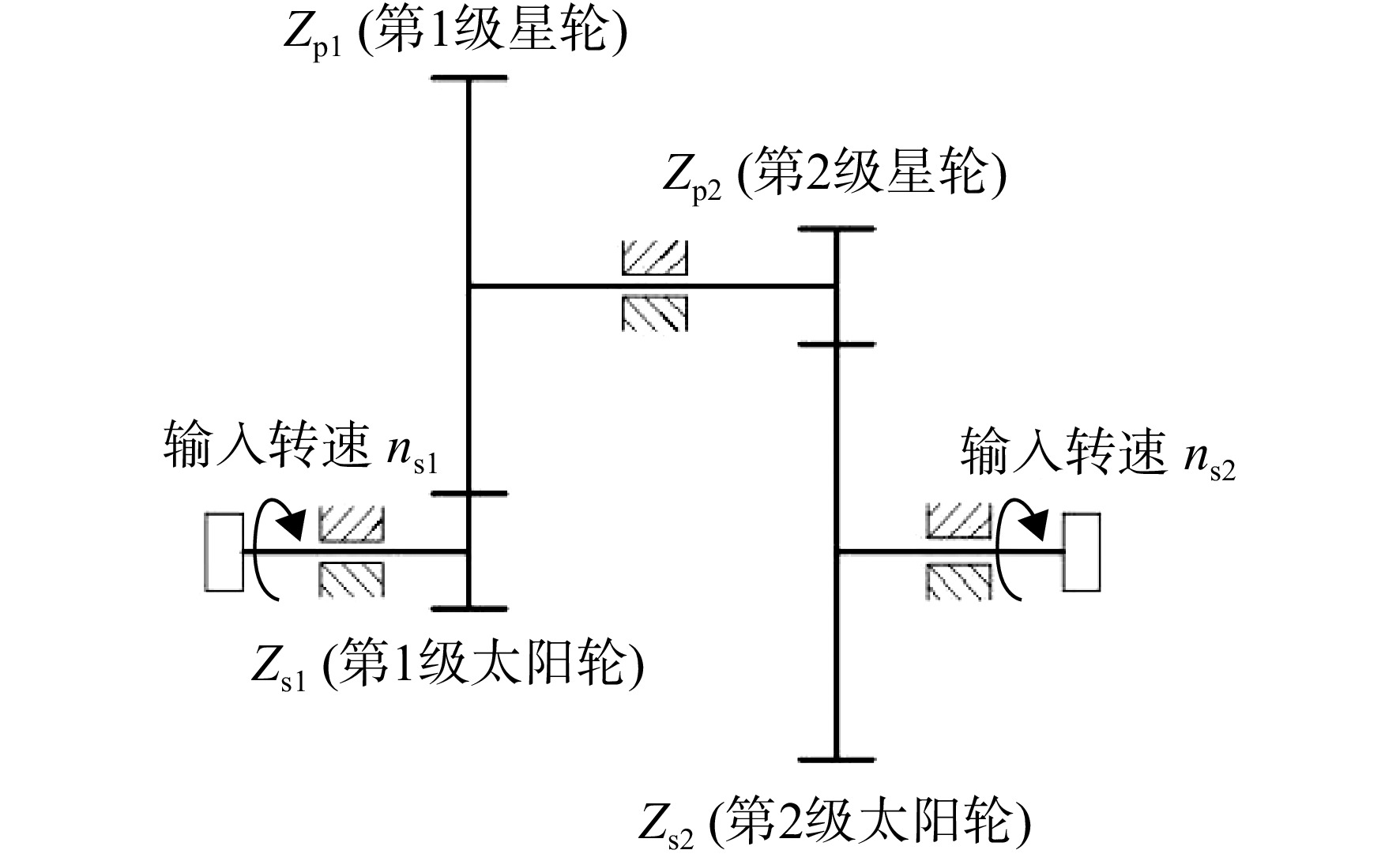
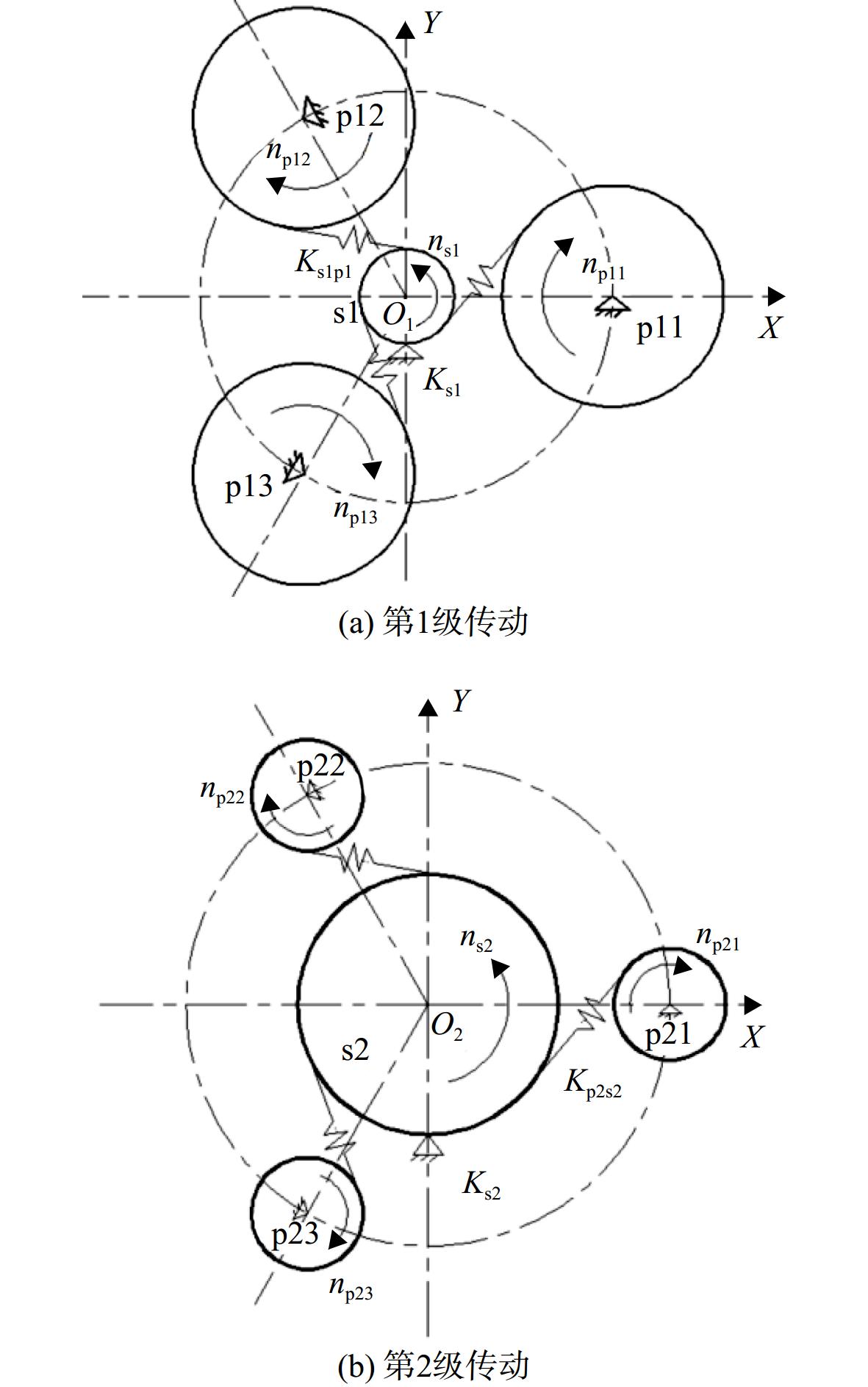
Analysis on load sharing characteristic of two-stage star gear transmission based on function method
DU Jinfu, MAO Hong, ZHANG Yanchao, MAO Jin
2024, 39(11): 20220428. doi: 10.13224/j.cnki.jasp.20220428
Abstract:
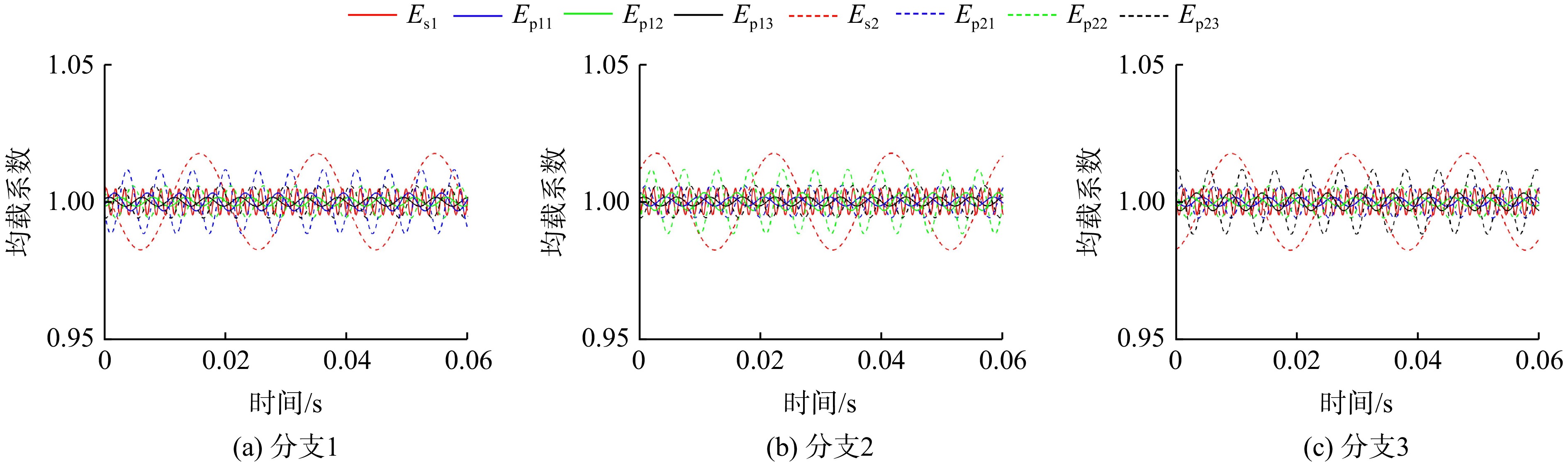
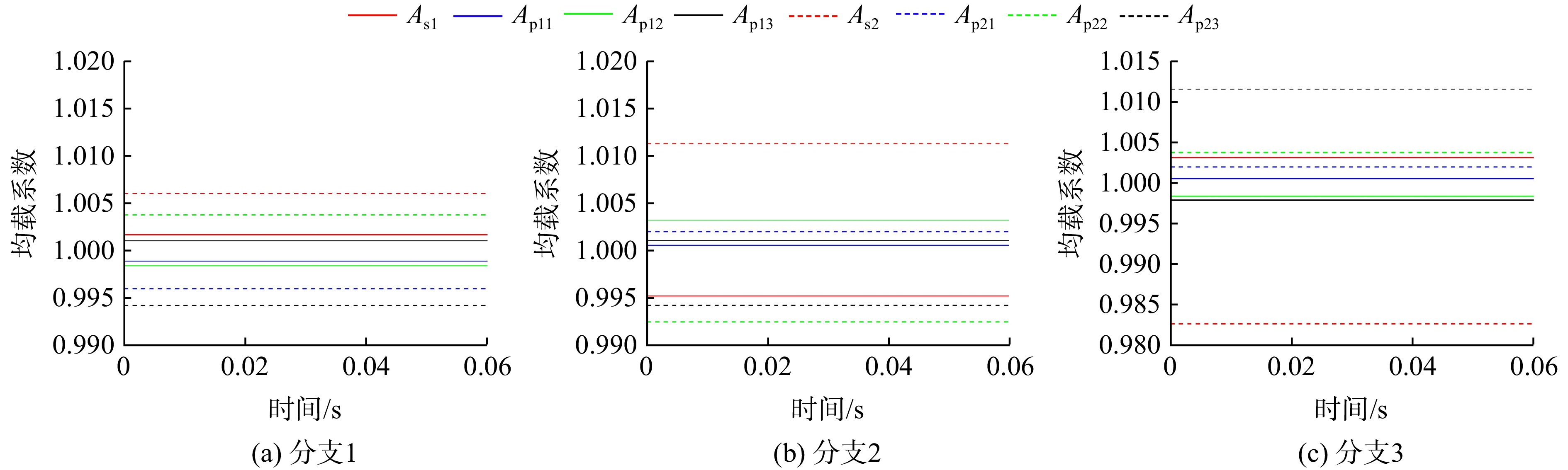
In order to obtain the actual load sharing performance of fixed-axis multi-branch power-split gear transmission, a method based on function method for static load sharing characteristic analysis was proposed. Considering the power closed-loop and error randomness, the load sharing characteristics of two-stage fixed-axis three-branch (star) gear transmission were systematically analyzed, and its error sensitivity was quantitatively analyzed. Finally, the above method was verified to be correct compared with the existing examples. The results showed that the manufacturing and installation error randomness on the system load distribution cannot be ignored, especially the randomness of error values. Function method can effectively avoid truncation error when calculating the load sharing coefficient, which was closer to the actual situation when considering error randomness.

Vibration reduction optimization for helicopter’s main gearbox based on surrogate model and sensitivity analysis
XU Huachao, ZHU Haojie, HAN Zhenhua, WANG Yong, QIN Datong
2024, 39(11): 20220884. doi: 10.13224/j.cnki.jasp.20220884
Abstract:
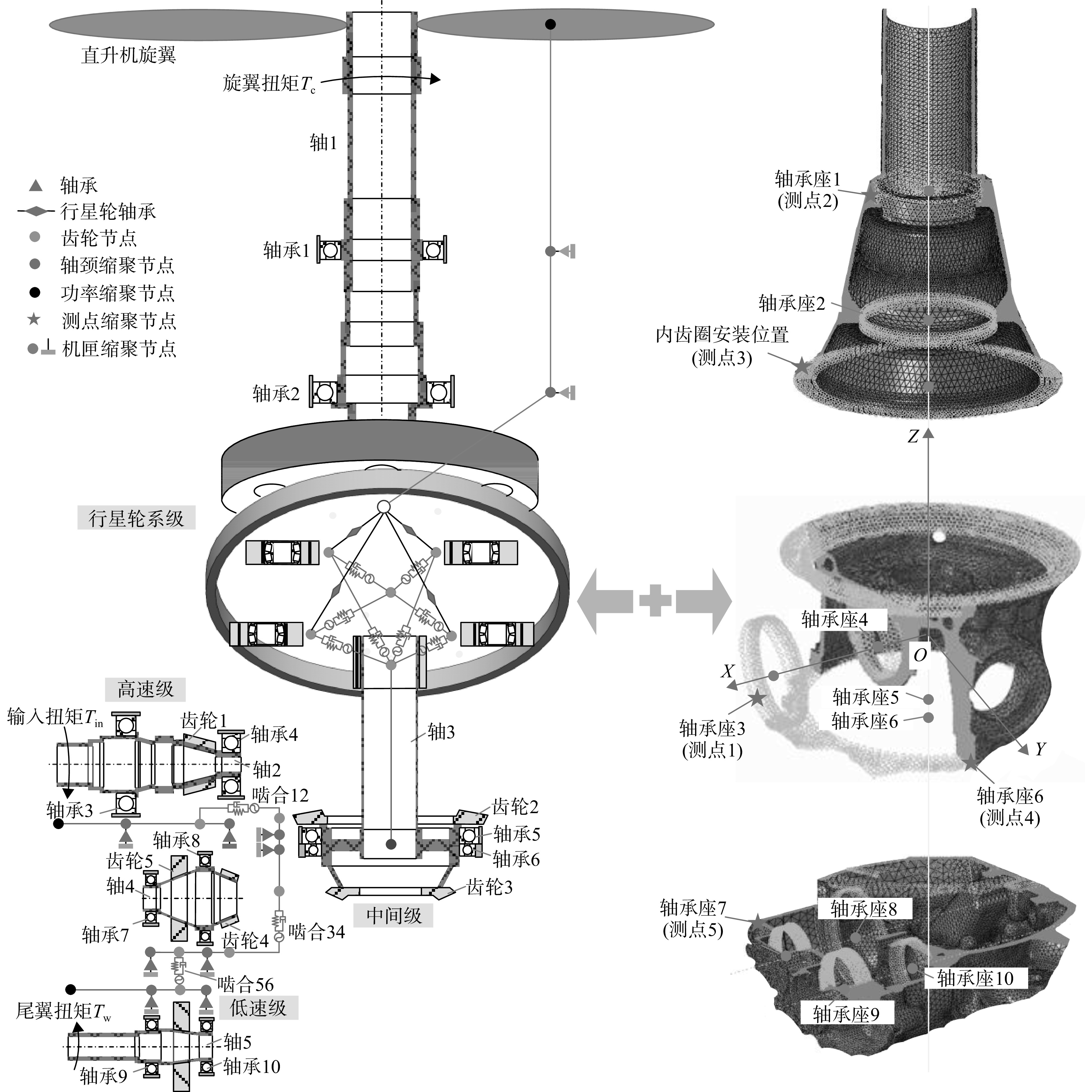
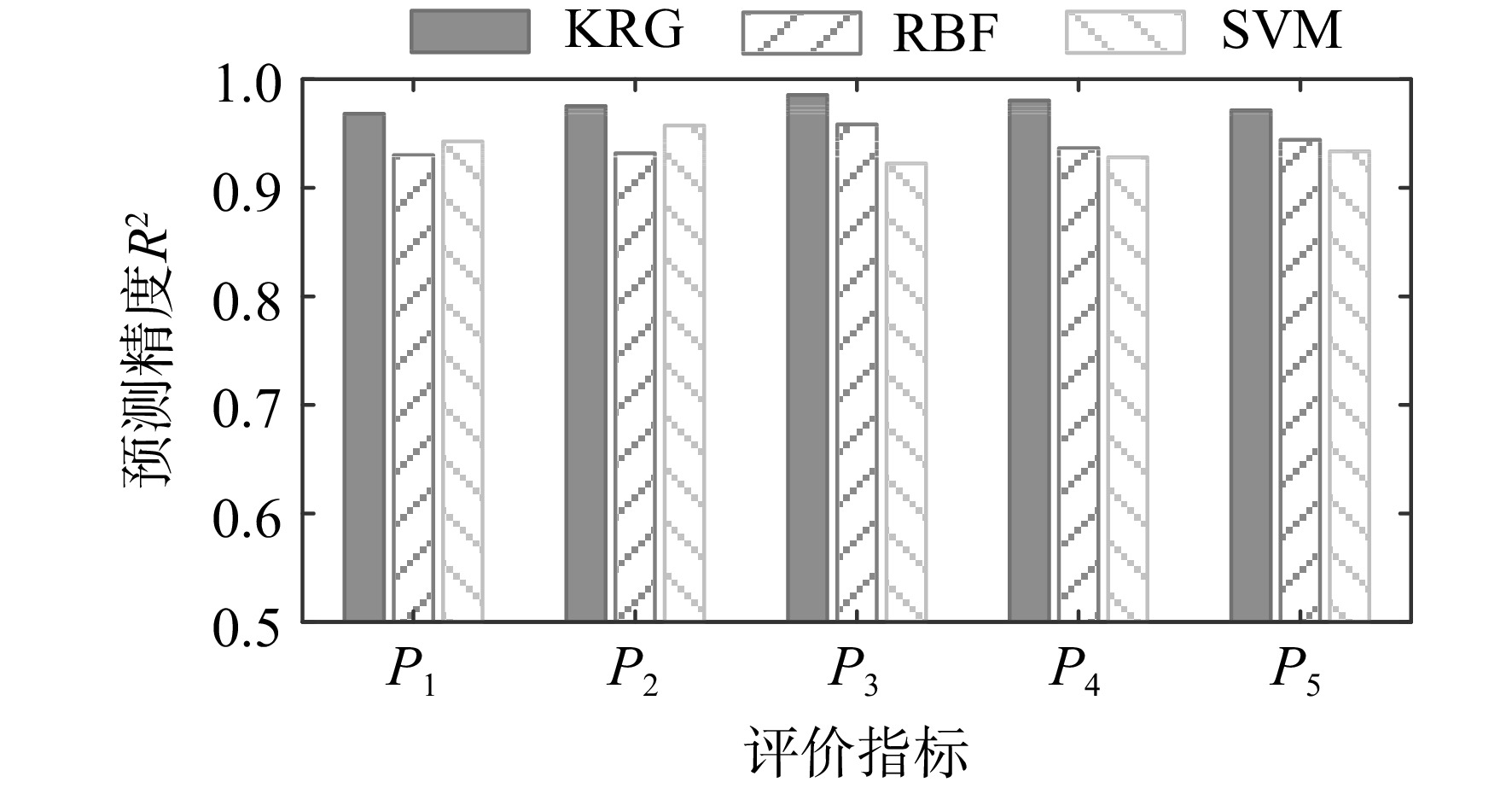
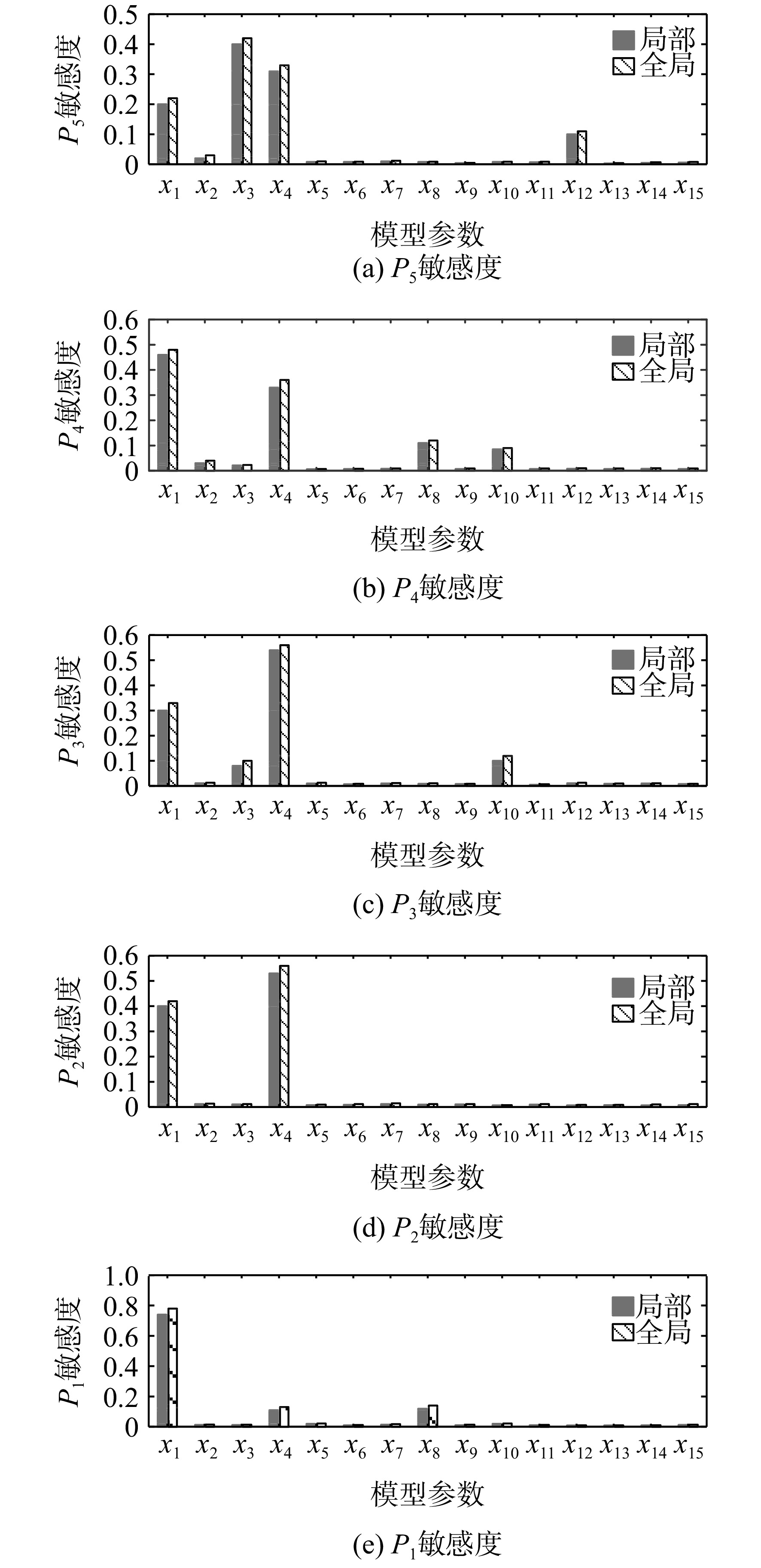
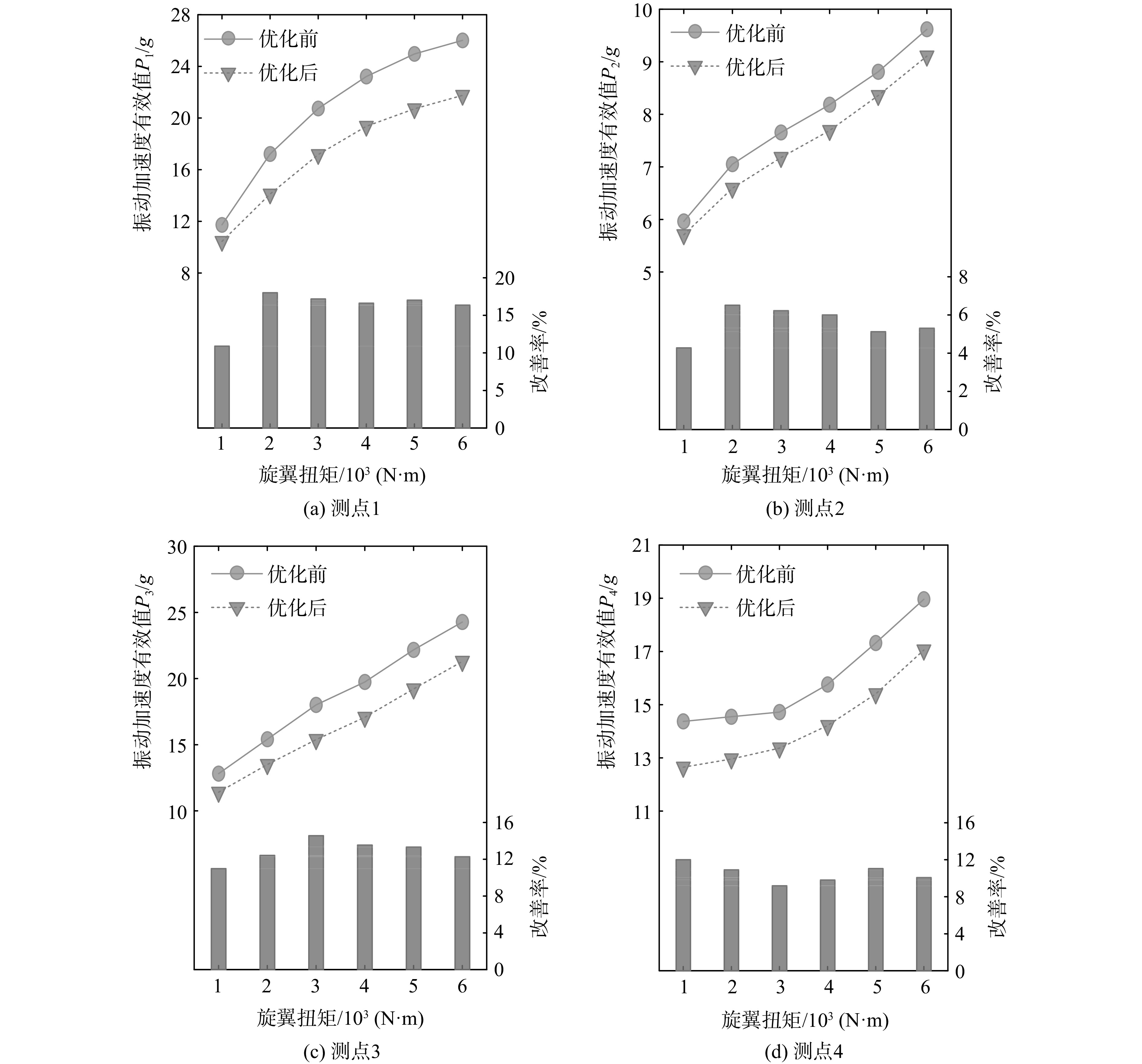
In view of the problems of large amount of calculation and many parameters in the vibration reduction optimization for helicopter’s main gearbox, an optimal design method for vibration reduction of helicopter’s main gearbox based on surrogate model and global sensitivity analysis was proposed. The evaluation index of the vibration performance was defined. The optimal Latin hypercube sampling method was used to evenly extract the sample data, which were brought into the dynamic model of the helicopter’s main gearbox to obtain the evaluation index samples. The surrogate model was used to construct and replace the time-consuming dynamic model of main gearbox to improve the optimization efficiency. Subsequently, parameter sensitivity analysis was conducted to determine the optimization variables, and genetic algorithms were used to search for the optimal parameter values within the range of optimization parameters. The results showed that the surrogate model can effectively replace the dynamics model of the helicopter’s main gearbox. The meshing stiffness served as an important parameter affecting the system vibration. After optimization, the maximum and minimum reductions in the effective value of vibration acceleration at each measuring point of the main reducer were 18.01% and 4.28%, respectively.

Assembly angle optimization of curvic couplings considering contact status and mechanical characteristics
YAN Cheng, WANG Yujing, DONG Shihuang, SUN Huibin
2024, 39(11): 20220971. doi: 10.13224/j.cnki.jasp.20220971
Abstract:
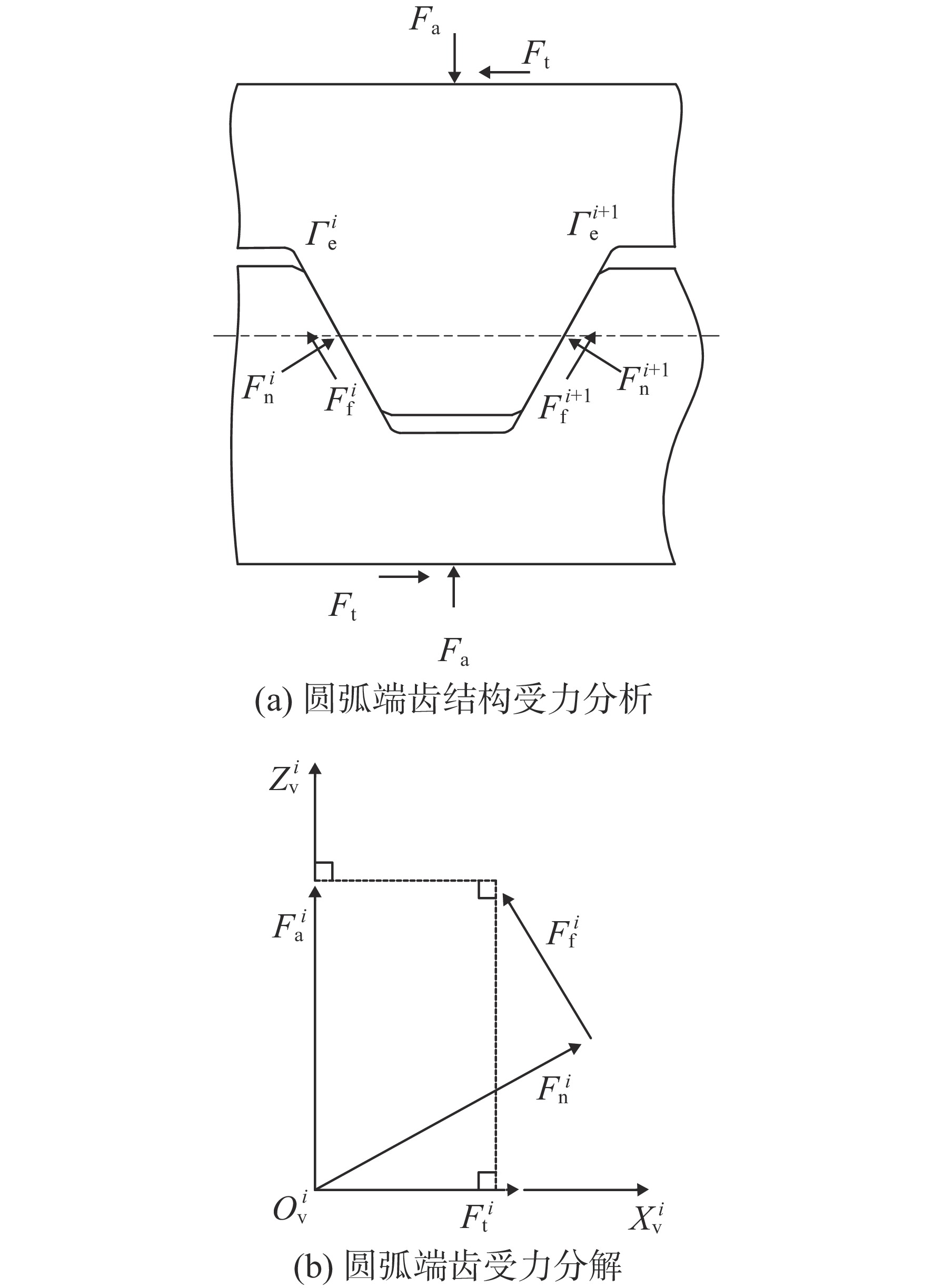
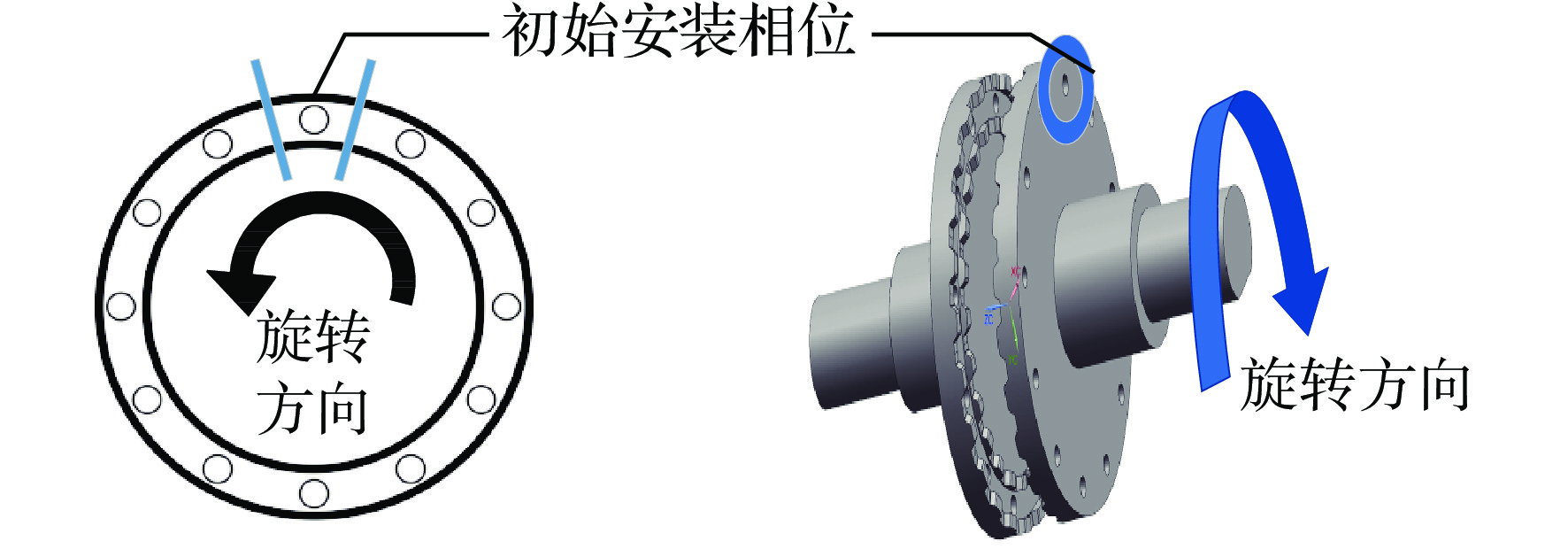
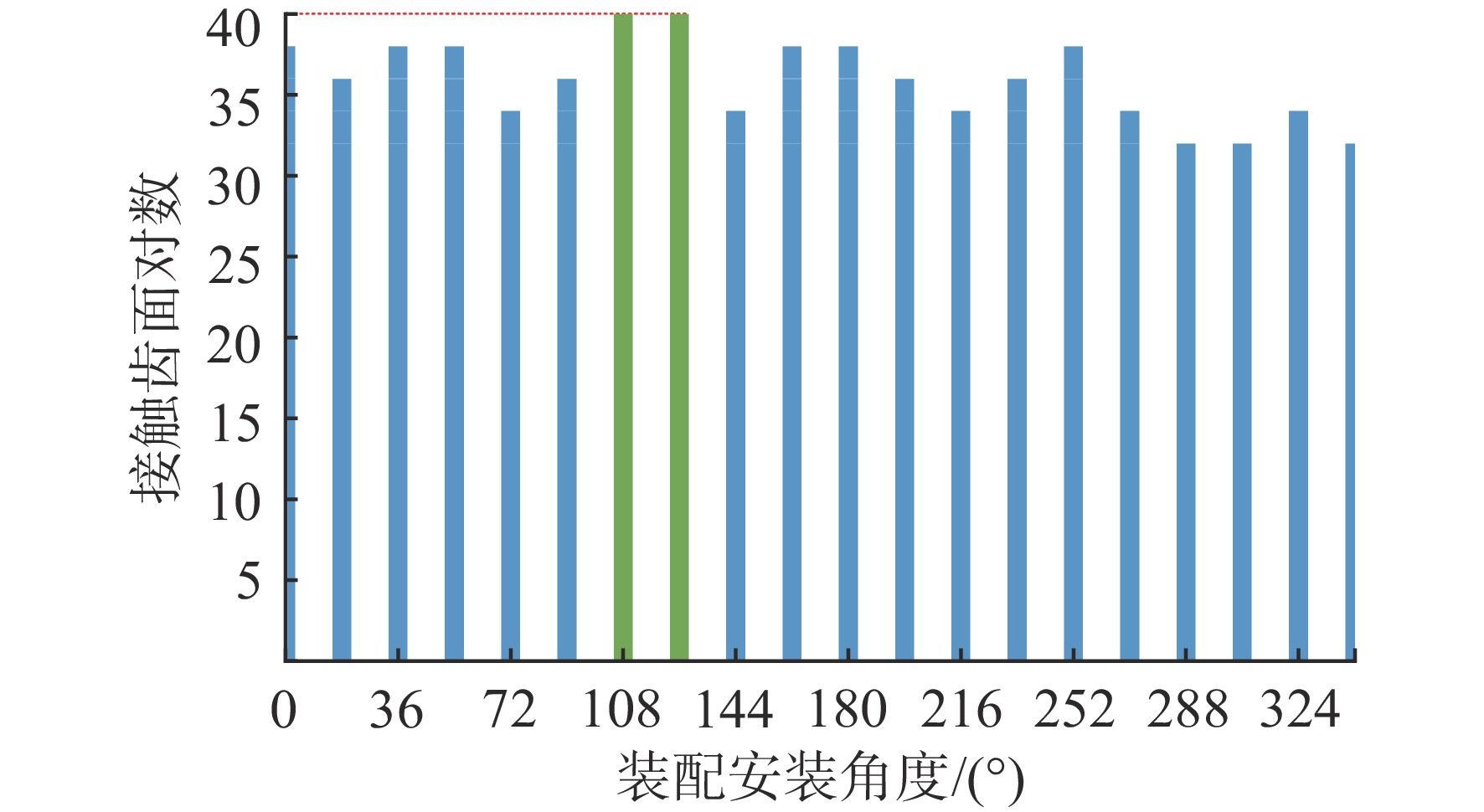
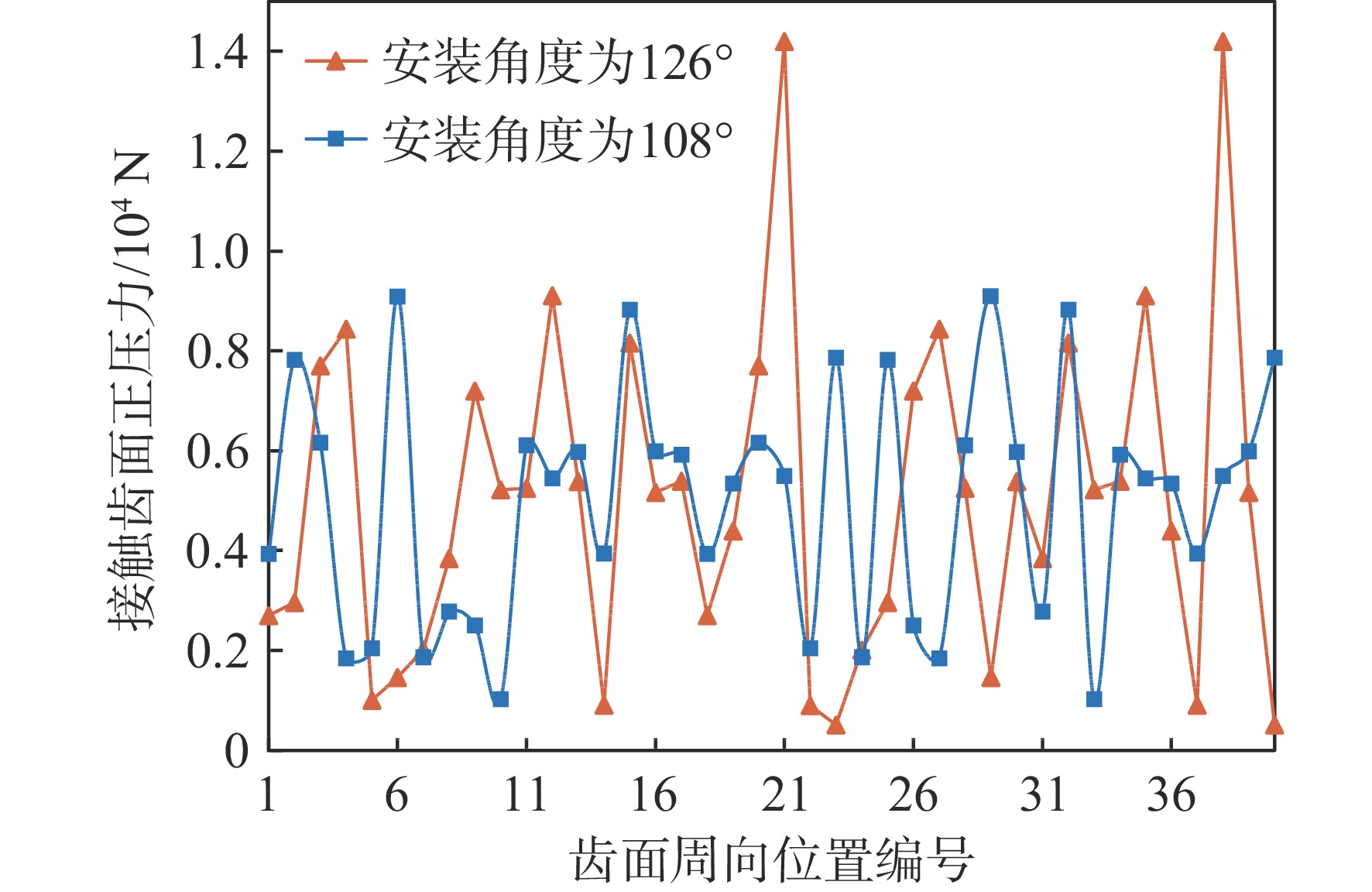
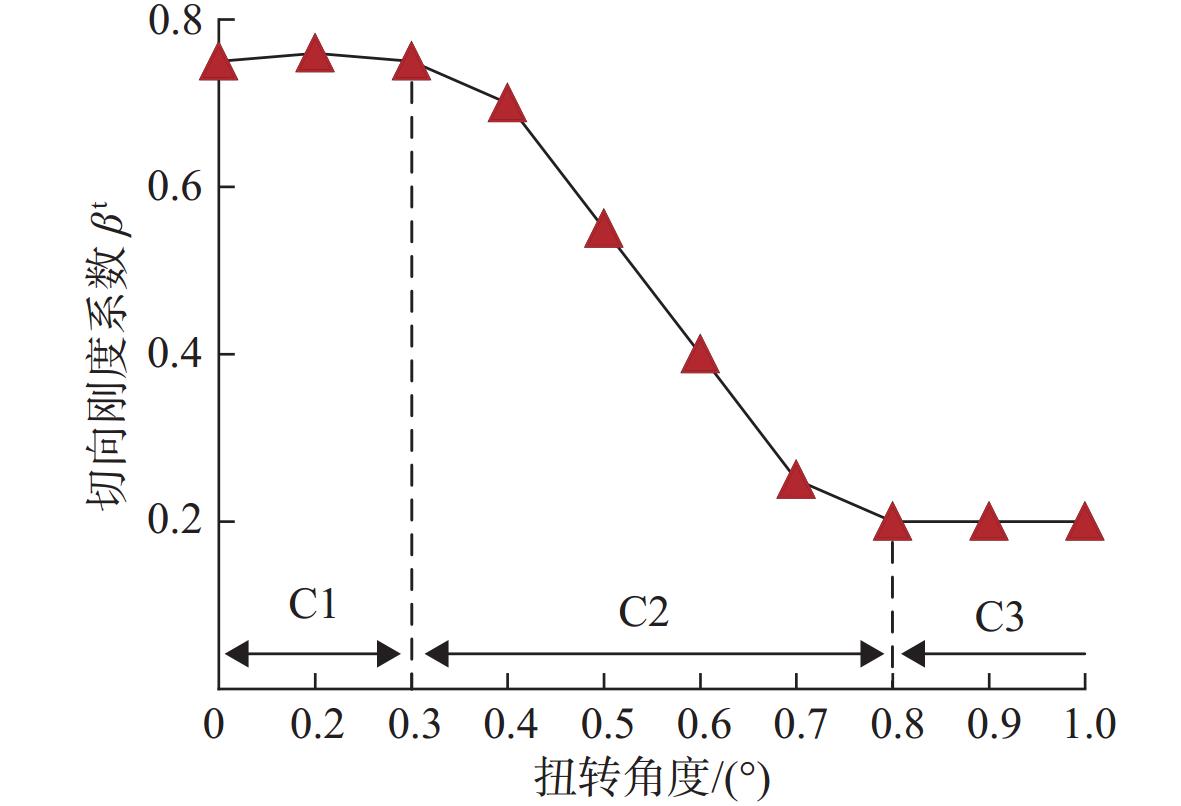
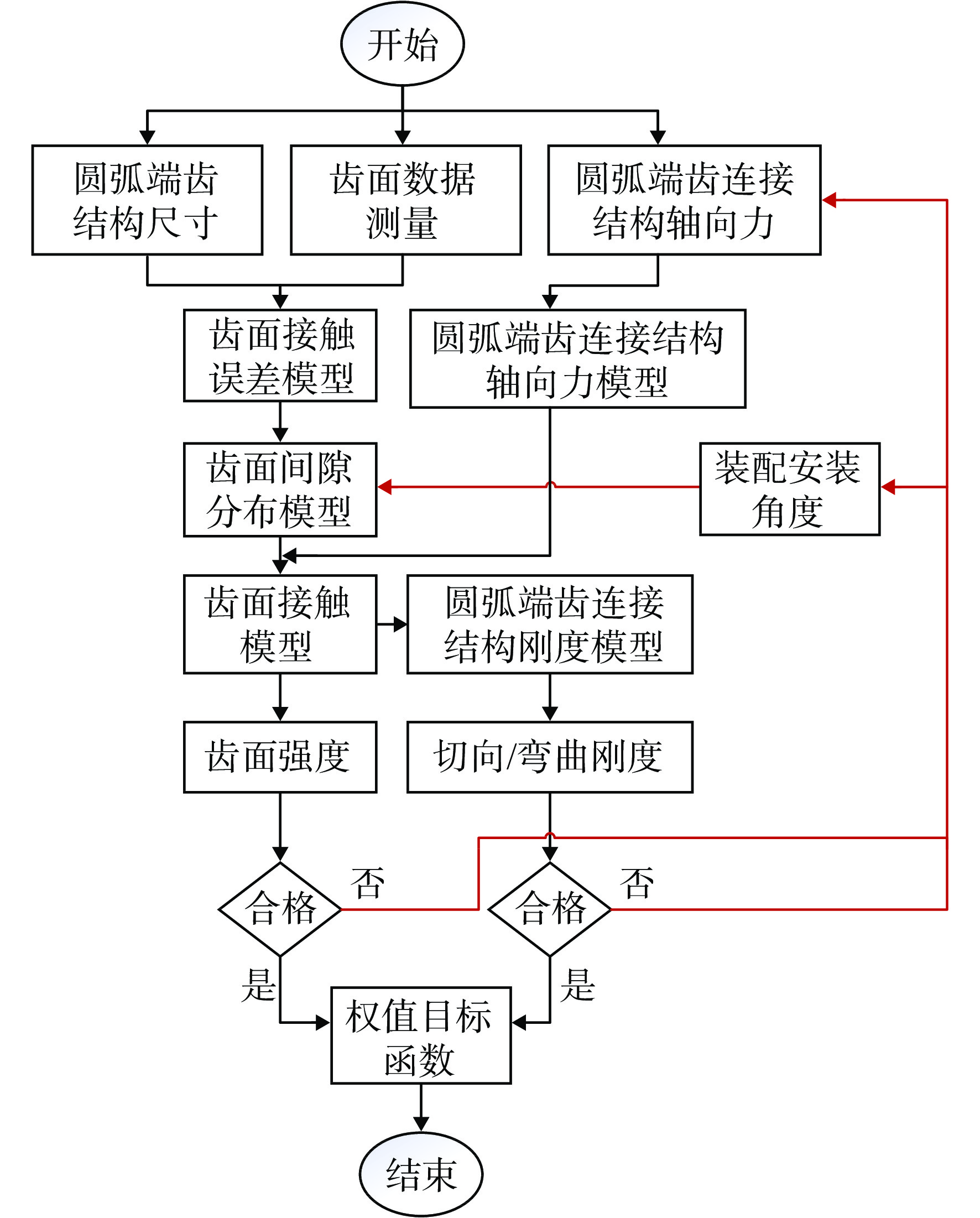
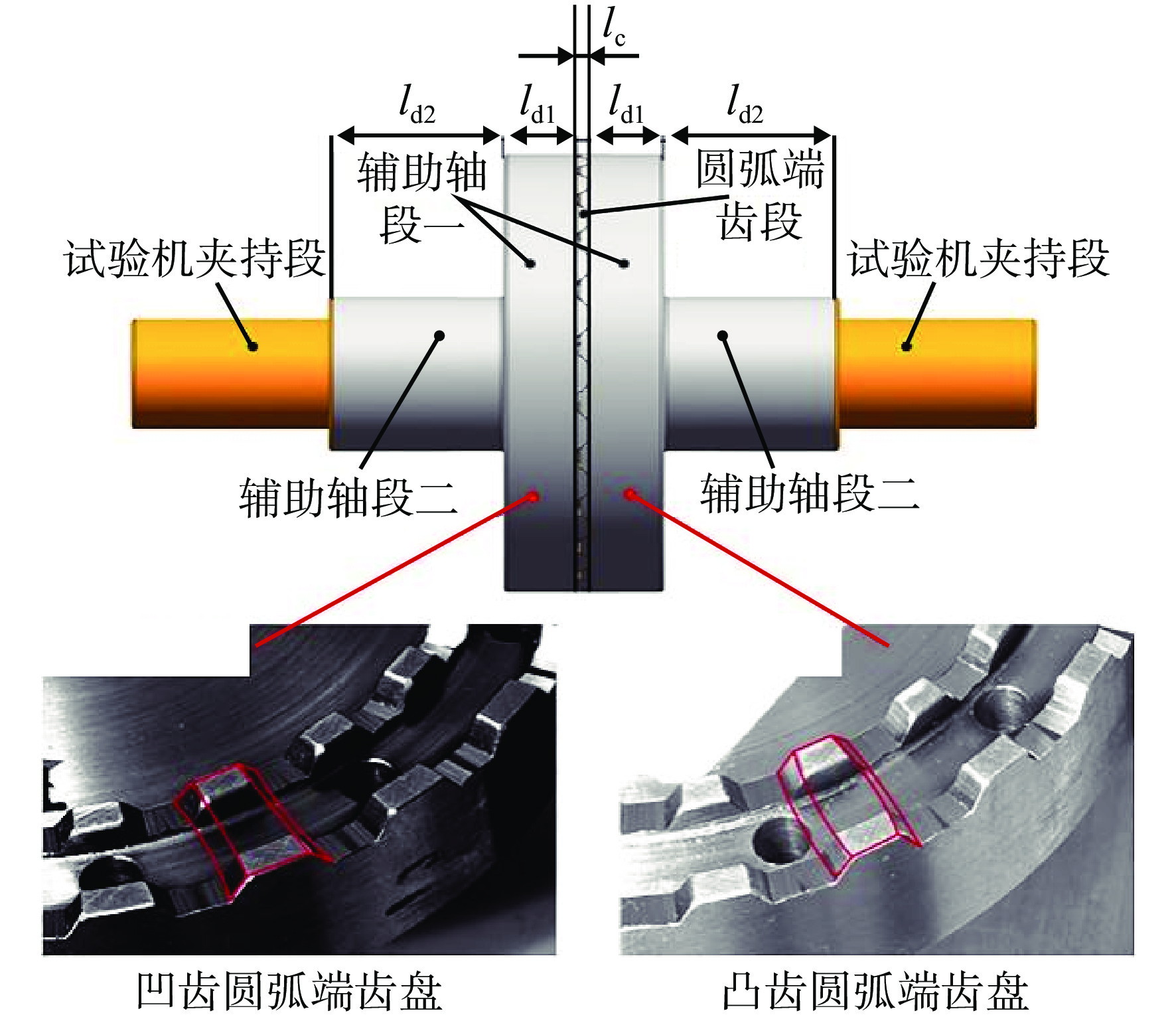
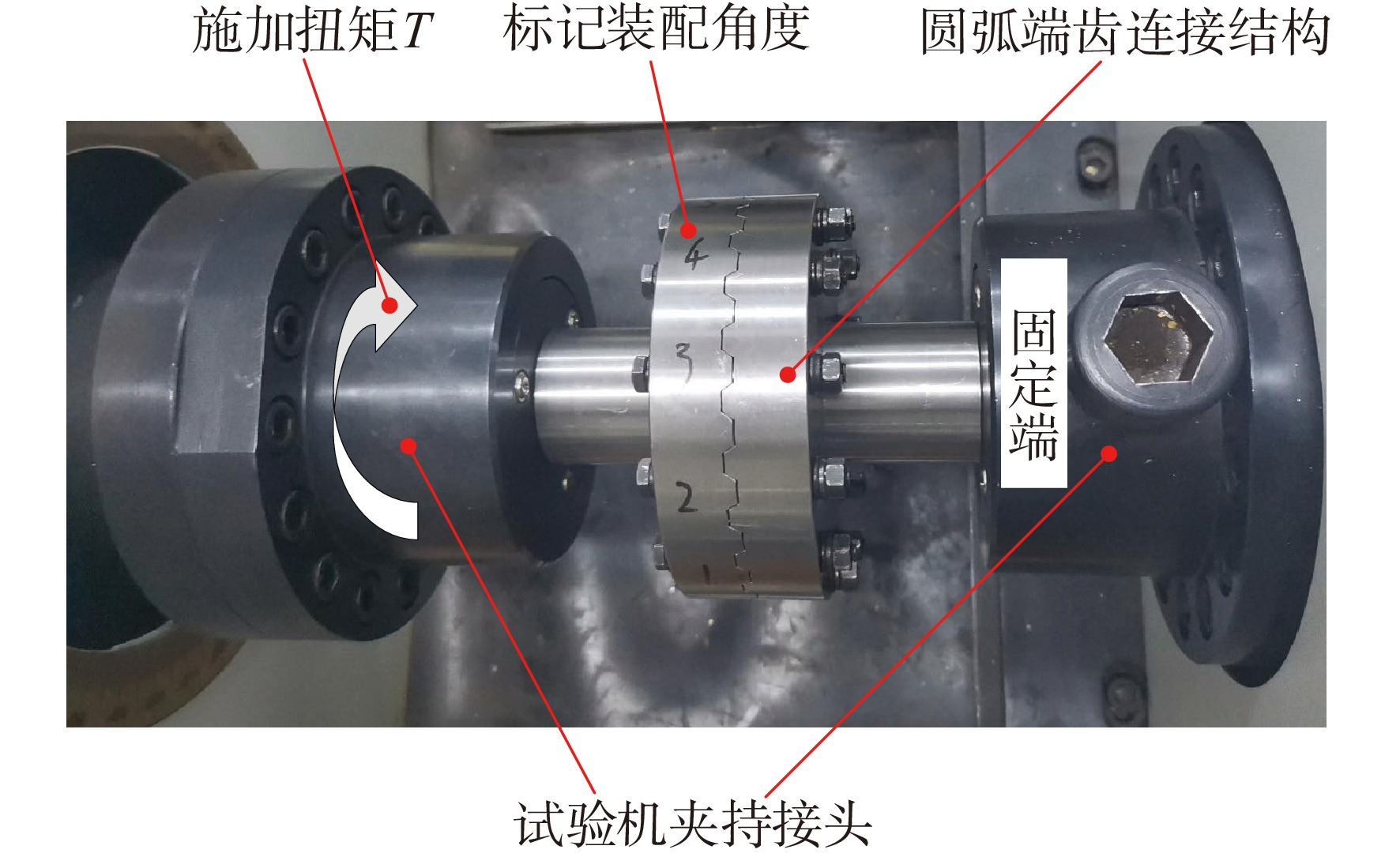
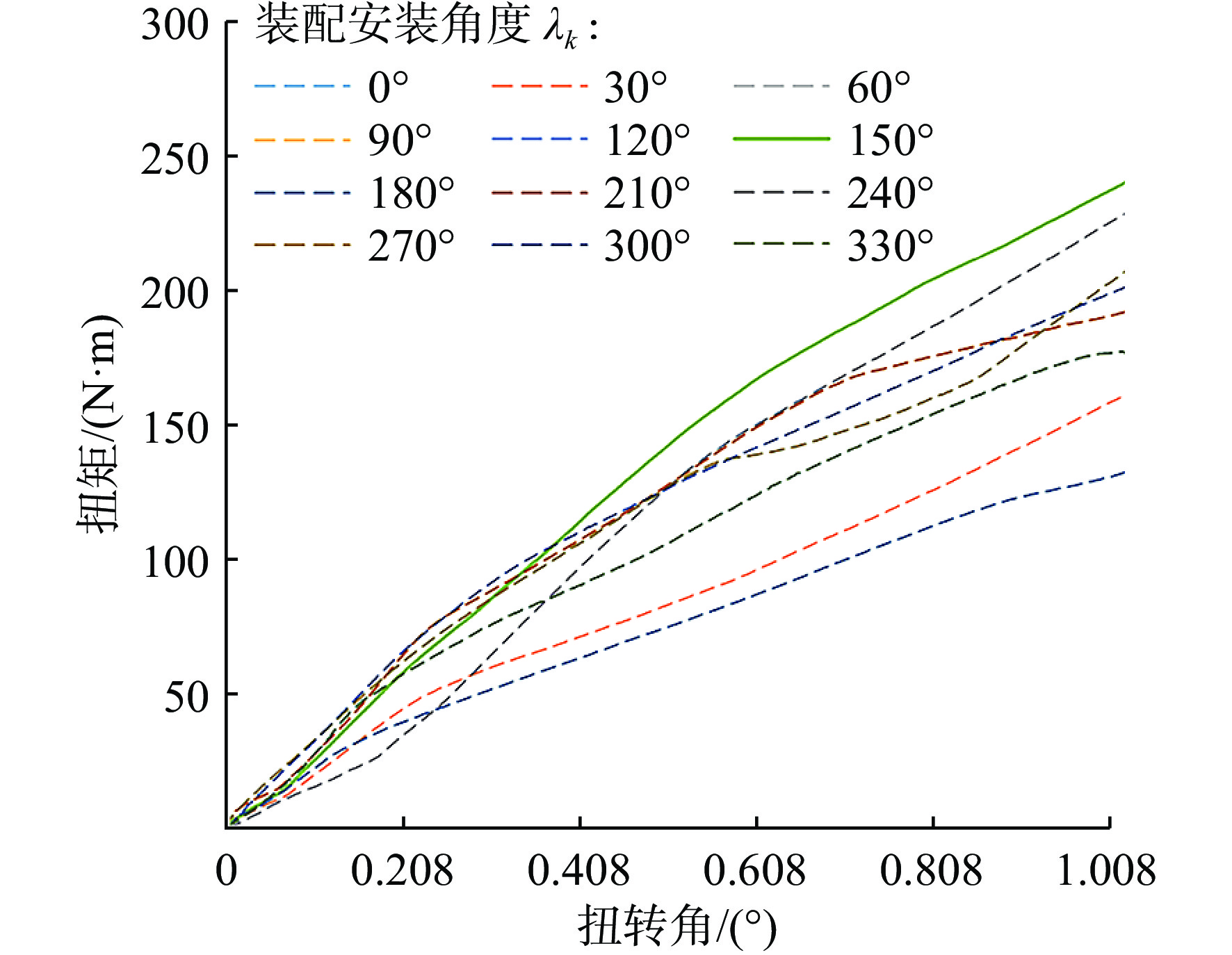
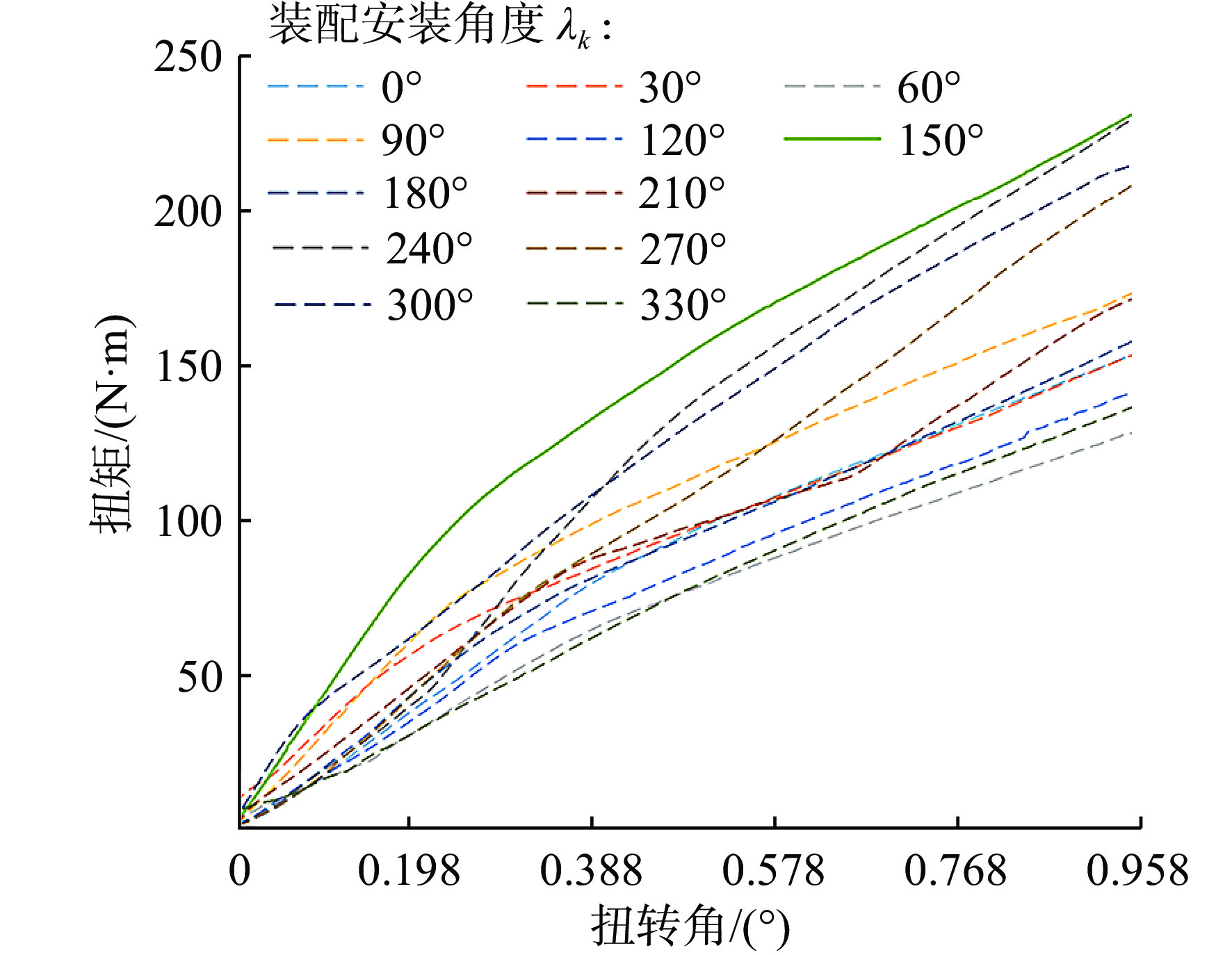
In order to investigate the influence of machining deviation of curvic couplings on the contact status and mechanical characteristics and to optimize the assembly angle of curvic couplings connection, the force model of curvic couplings structure was analyzed, the effect of surface deviation on contact pressure was investigated, and the tangential stiffness model of curvic couplings connection was established. Theoretical and experimental studies showed that the tooth surface deviation led to inconsistency of curvic couplings contact status and mechanical characteristics. The optimized assembly angle can improve the tangential stiffness and optimize the mechanical characteristics of the assembly during the initial tangential stiffness phase and the stiffness loss phase. This could provide a basis for the study of the assembly characteristics and optimization of the assembly process of the curvic couplings connection structure, which is of great significance to improve the assembly quality of the aero-engine rotor with curvic couplings connection.

Improvement of Blok flash temperature method and its application in prediction of tooth surface temperature of spiral bevel gears
XIAO Yang, WANG Sanmin, LI Fei, REN Hongfei, QIAO Zheye
2024, 39(11): 20220322. doi: 10.13224/j.cnki.jasp.20220322
Abstract:
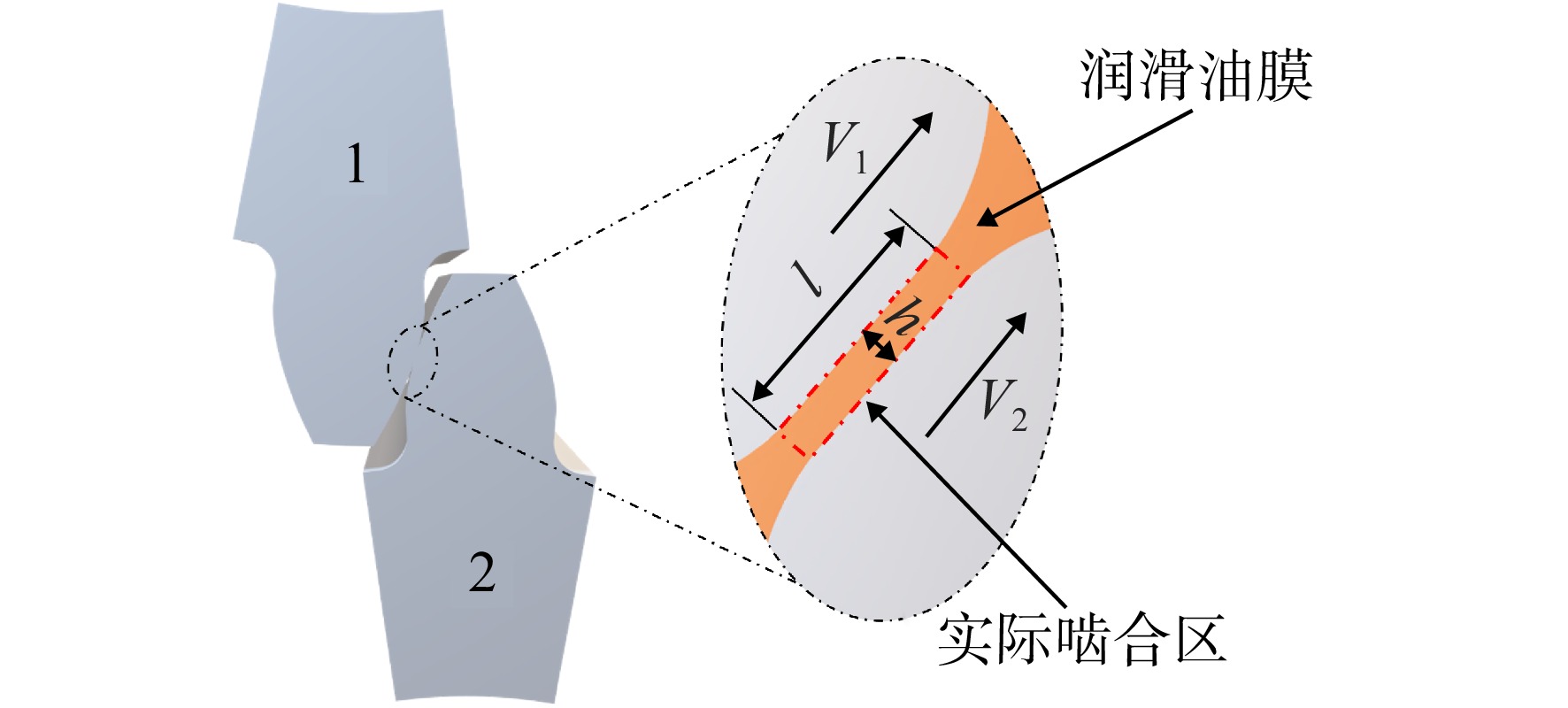
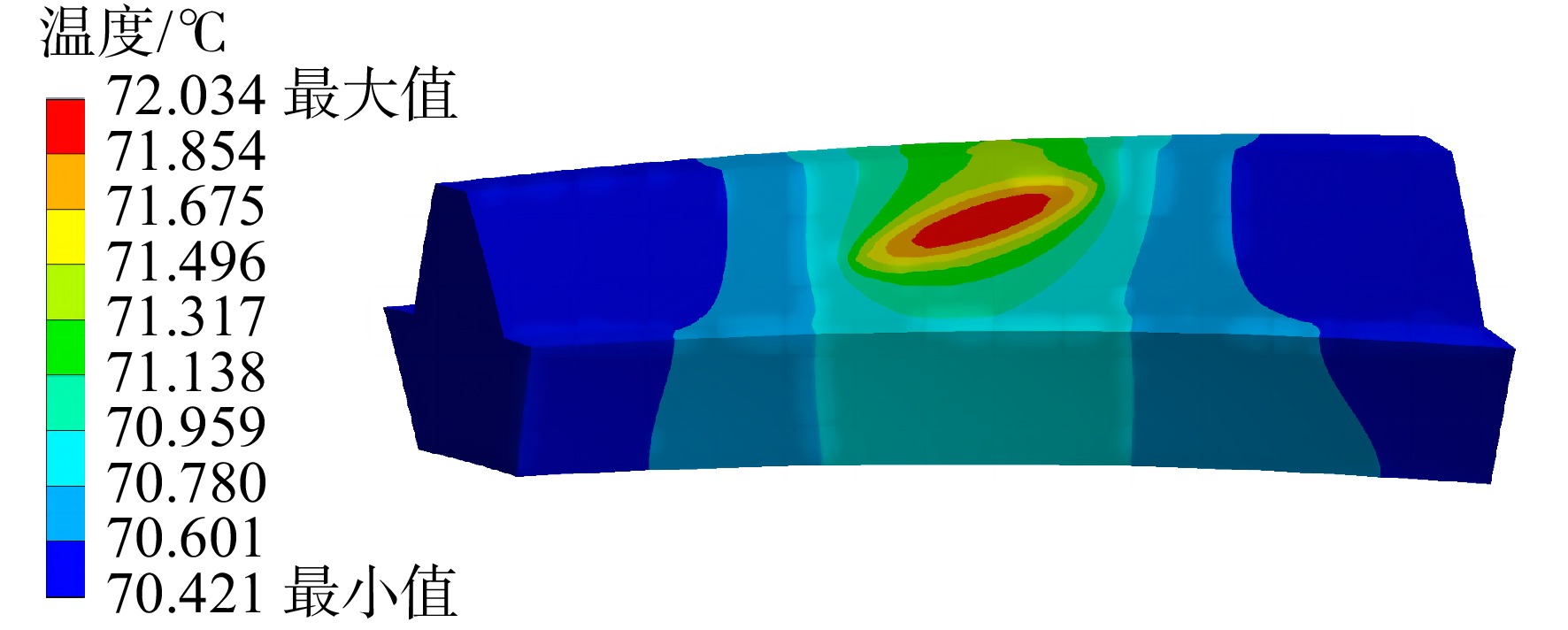
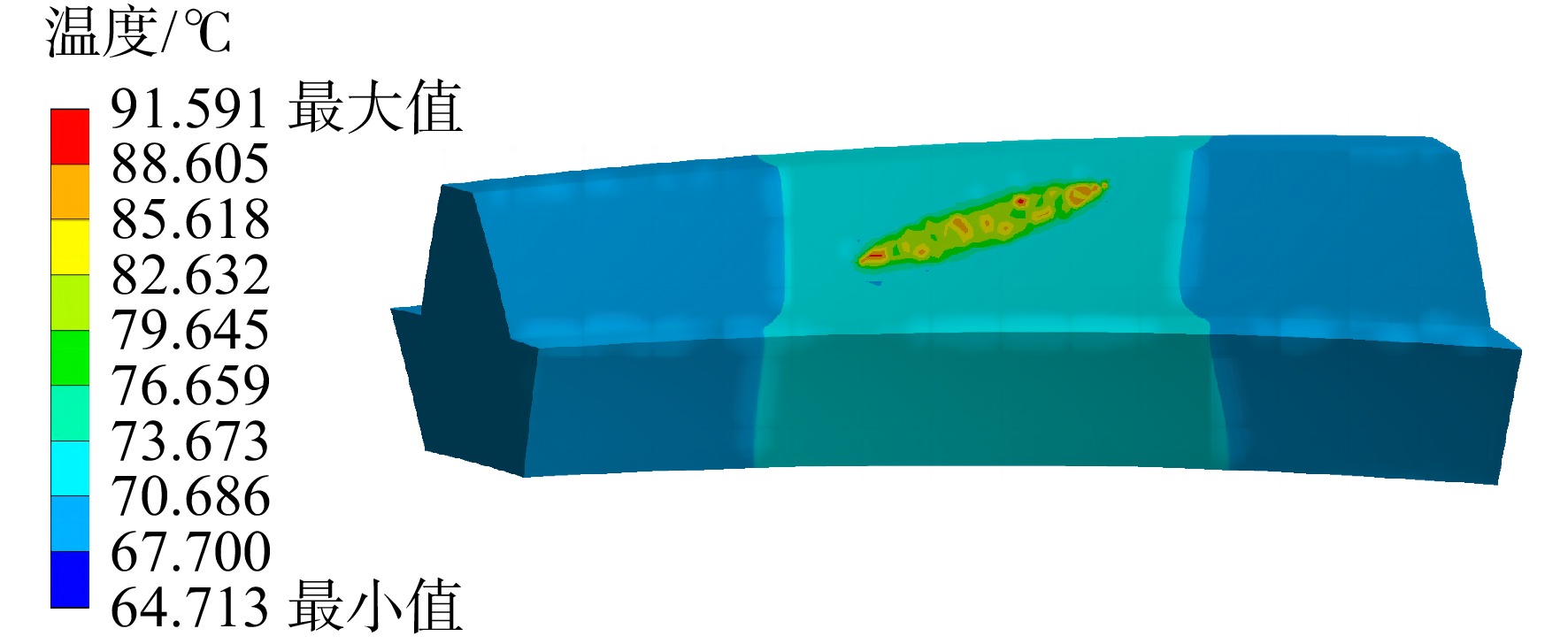
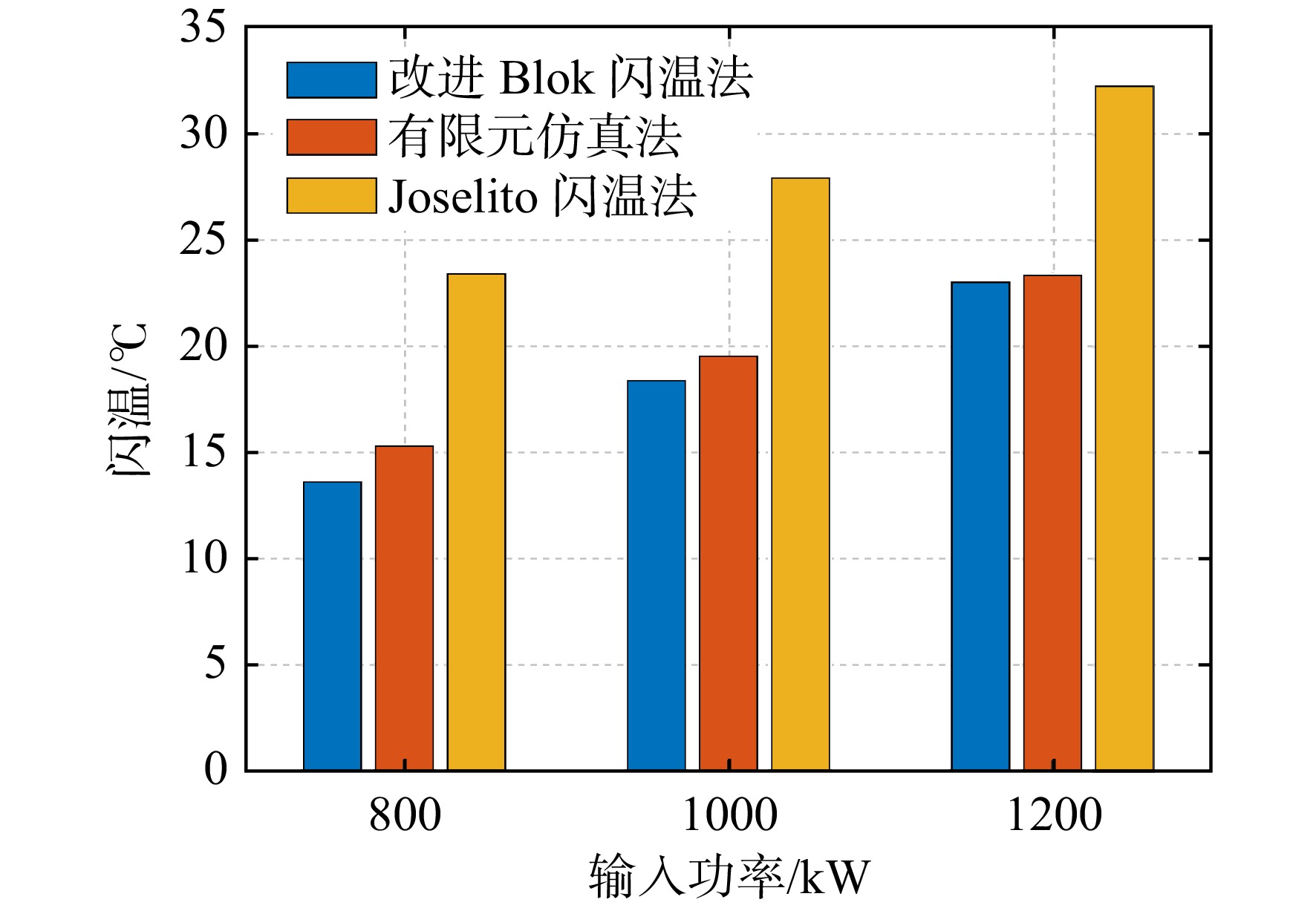
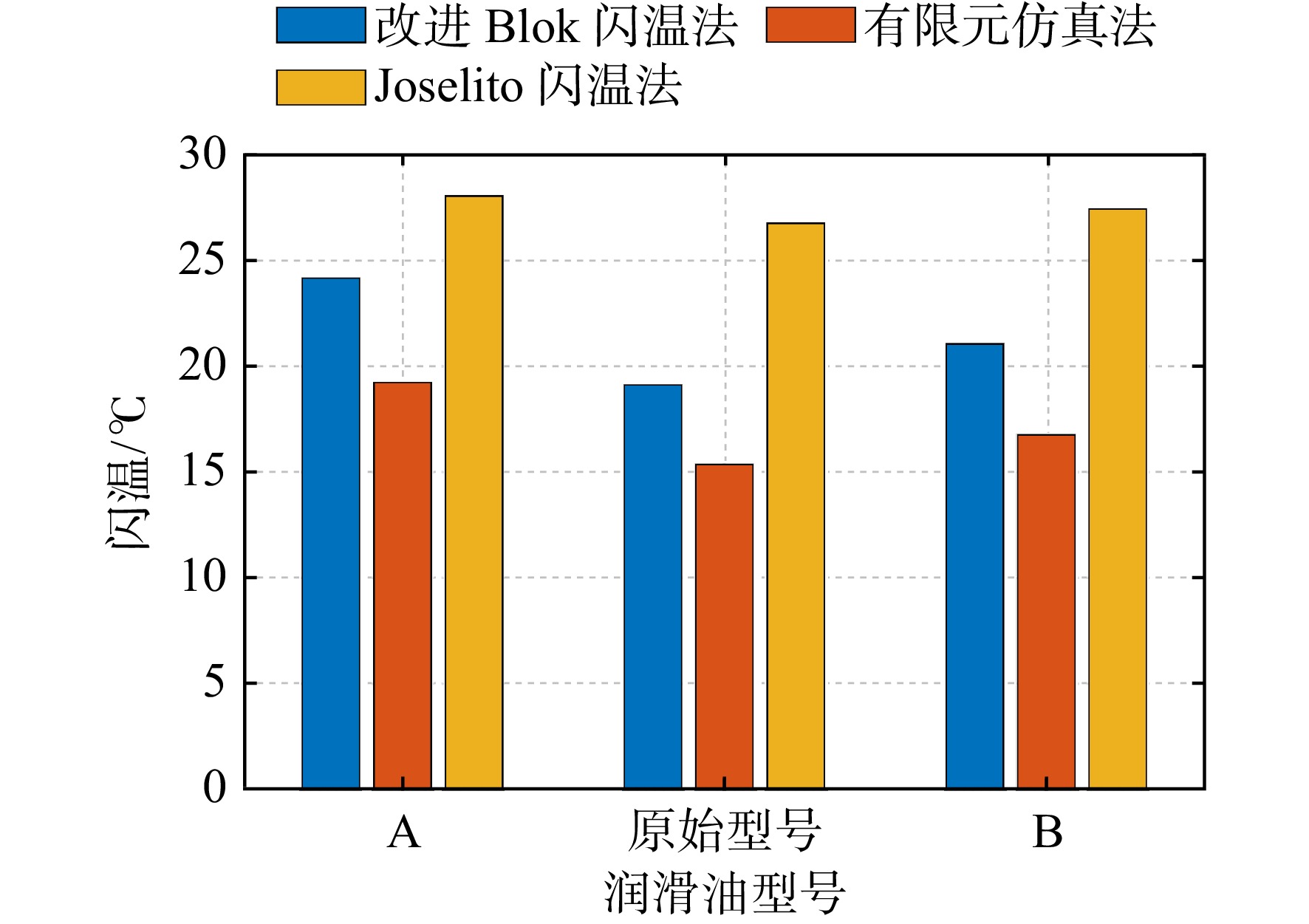
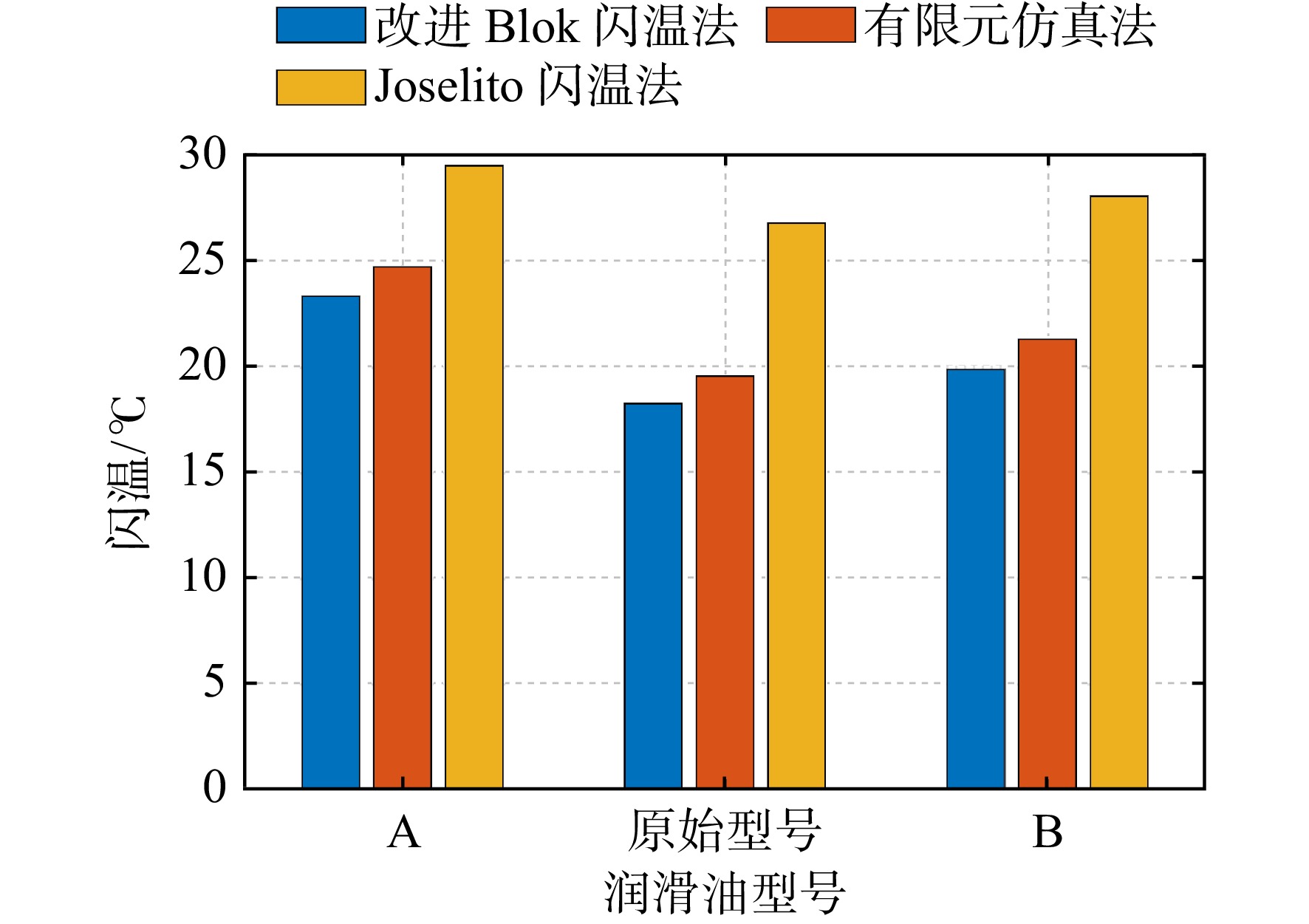
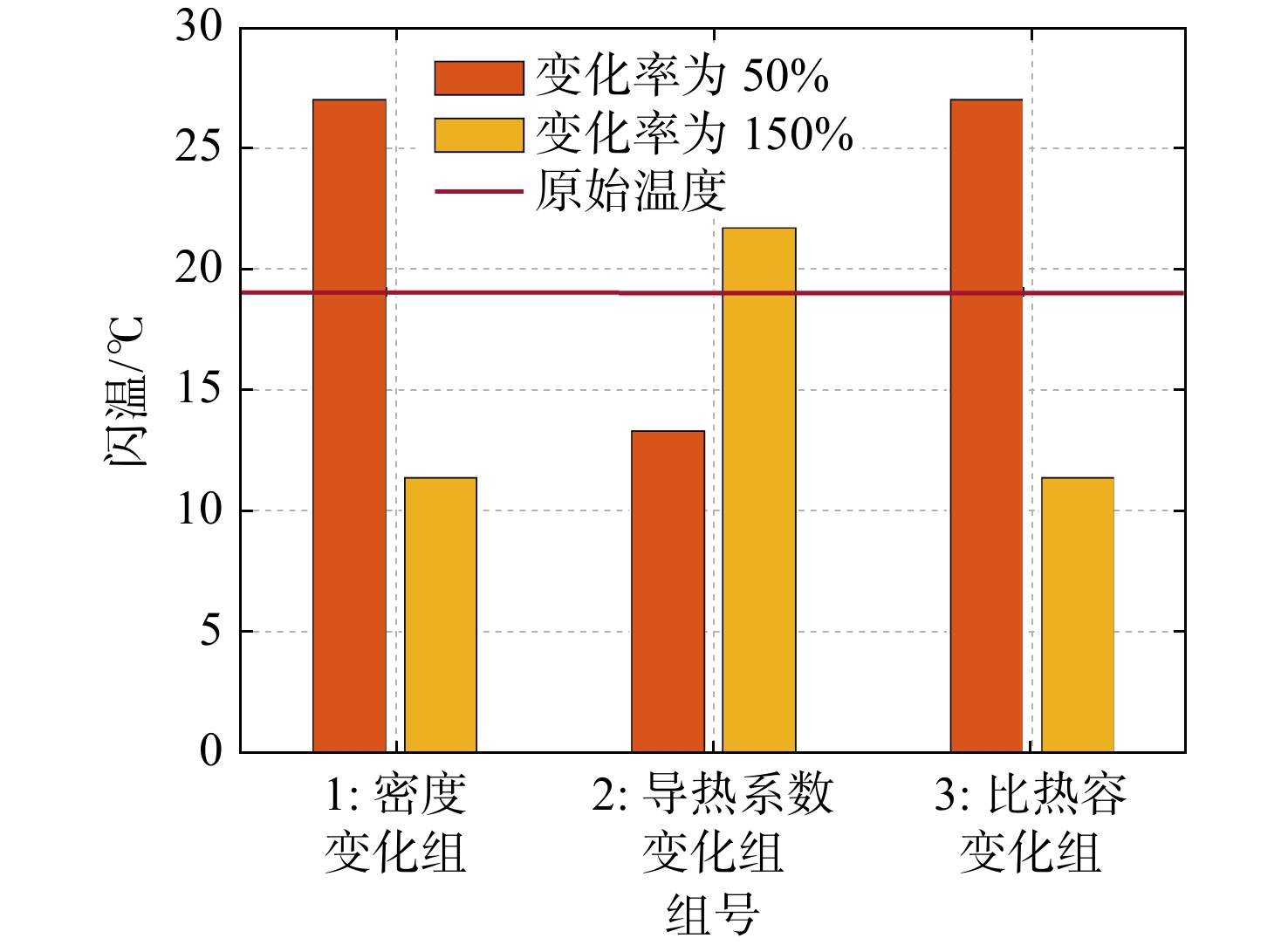
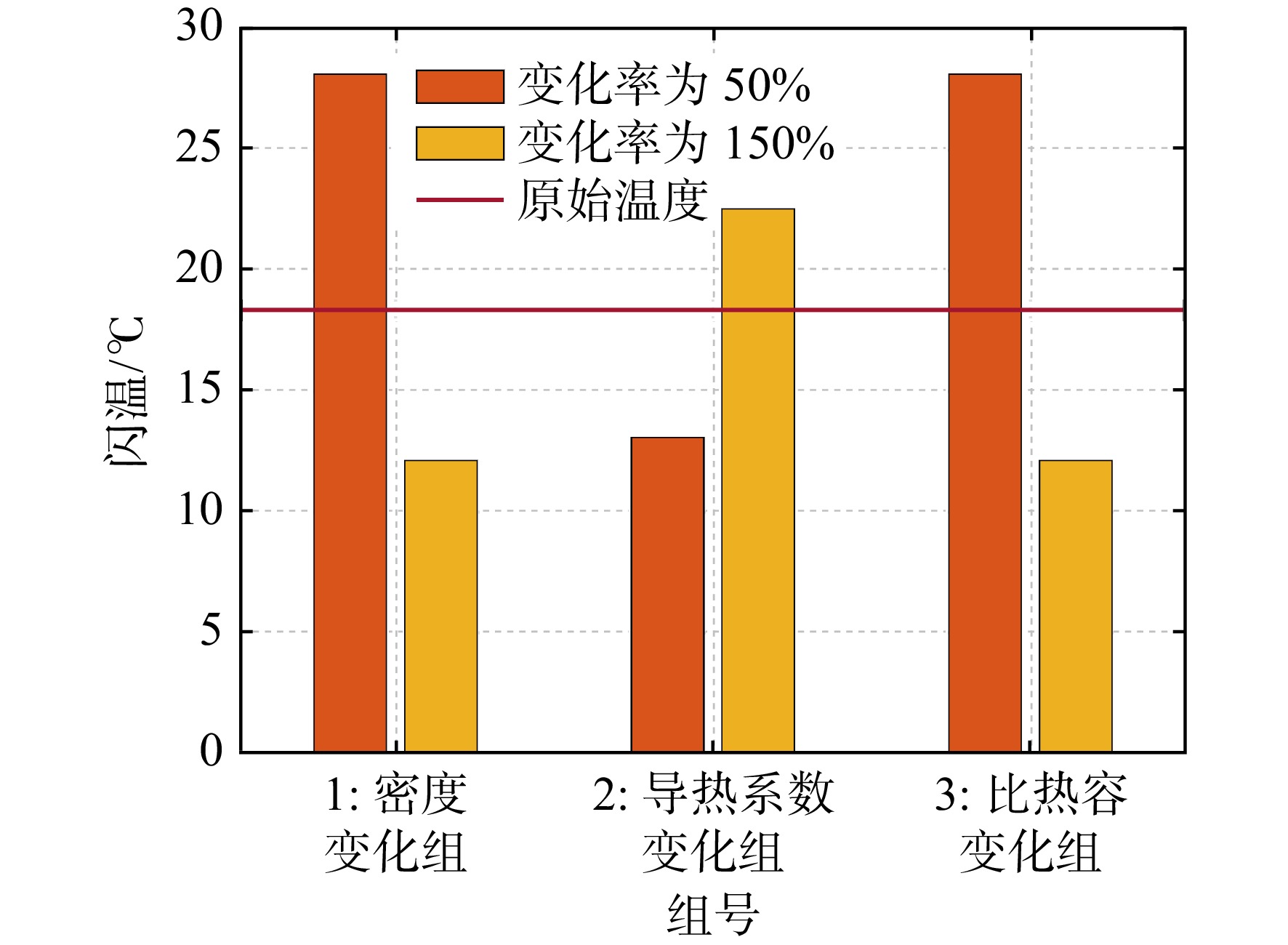
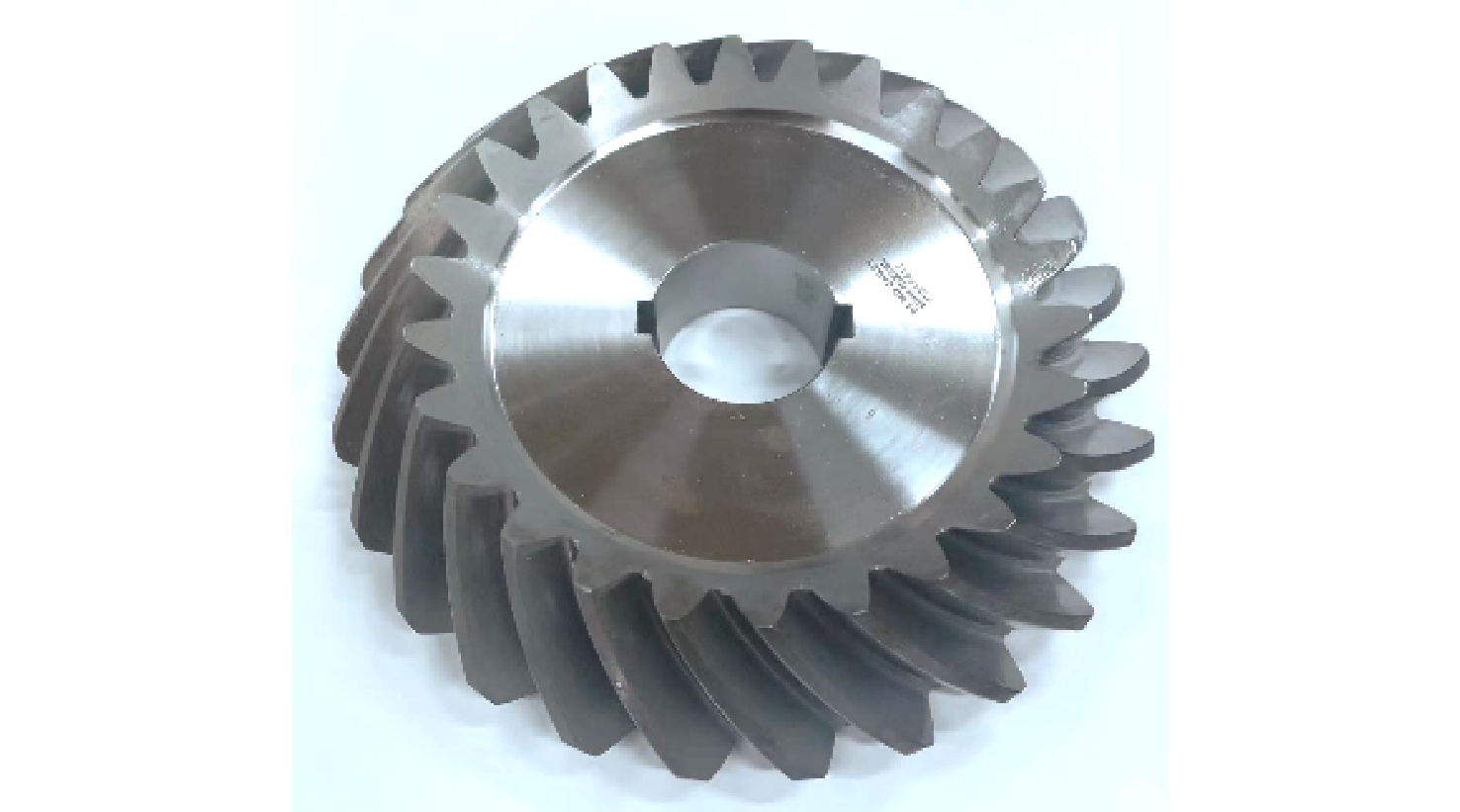
In order to accurately predict the instantaneous maximum temperature of spiral bevel gears tooth surface, a new method for calculating gear flash temperature was proposed. By considering the influence of lubricating oil film on gear flash temperature, the traditional Blok flash temperature method was improved and the calculation formula of gear flash temperature under elastohydrodynamic lubrication was obtained, which made up for the defect that the traditional Blok flash temperature method did not consider lubricating oil film. Then the proposed method was used to calculate the tooth surface flash temperature of a pair of spiral bevel gears in a helicopter transmission system. The numerical results calculated by the proposed method and Joselito's method were respectively compared with those obtained by finite element simulation. The results showed that the difference between Joselito’s flash temperature method and finite element method was 12%, and the difference between the proposed method and finite element method was 4%, which verified the accuracy and superiority of the proposed method from various angles, thus providing a theoretical basis for further improving the calculation of gear tooth bonding load capacity.

Modal test and model modification of spiral bevel gears
HE Hongtu, CAO Xuemei, XU Hao, HOU Shengwen
2024, 39(11): 20220978. doi: 10.13224/j.cnki.jasp.20220978
Abstract:

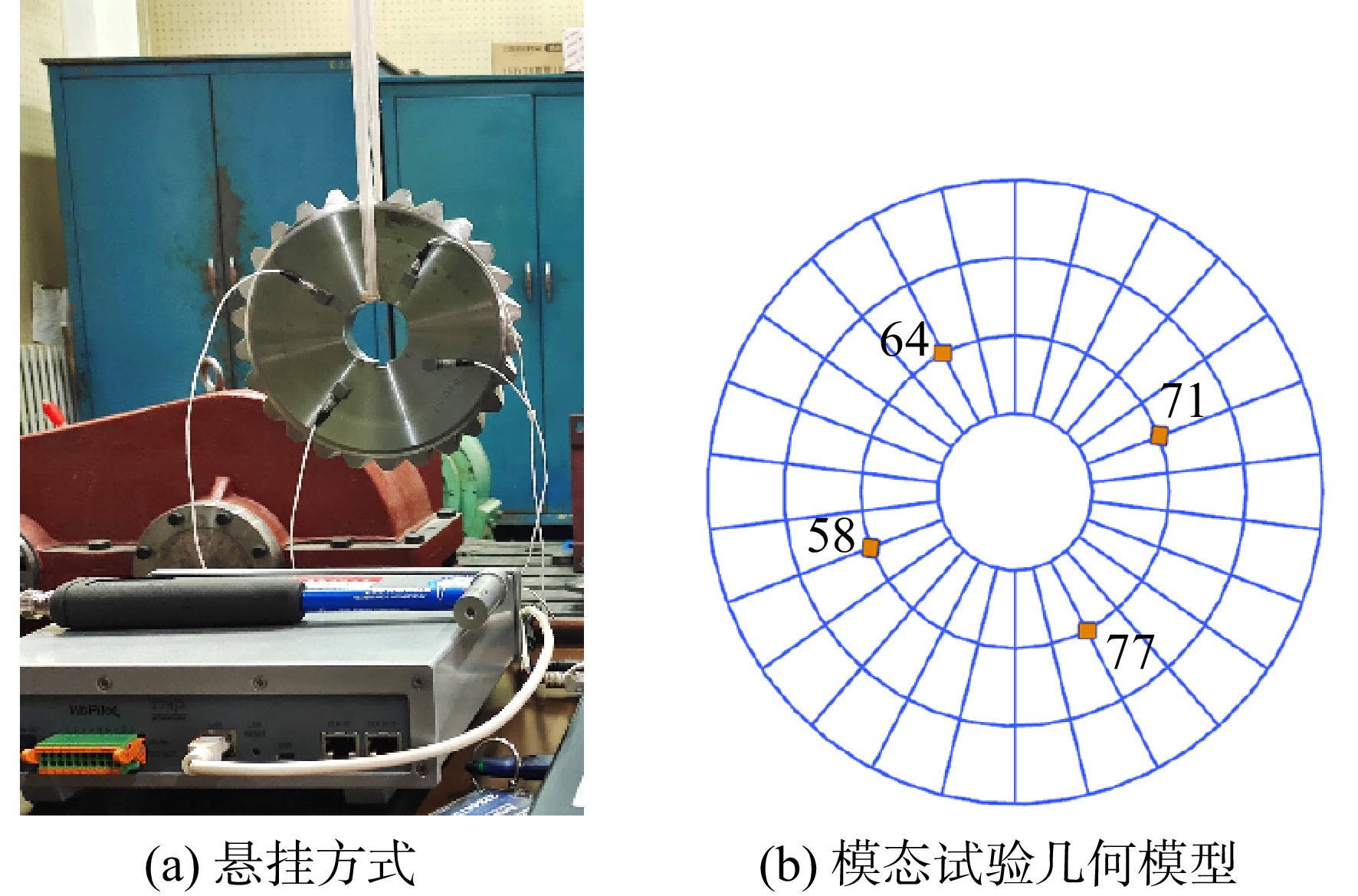
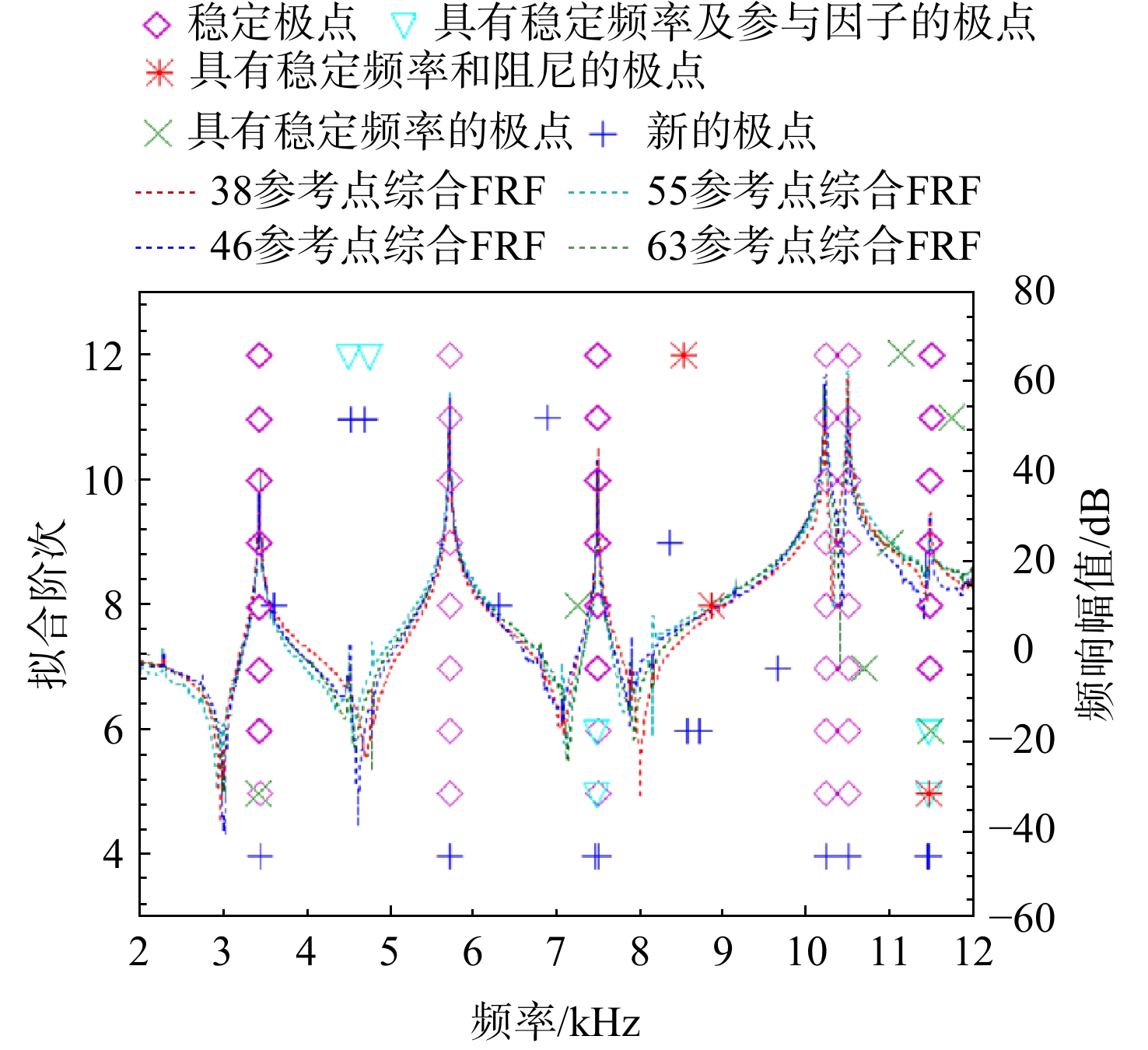
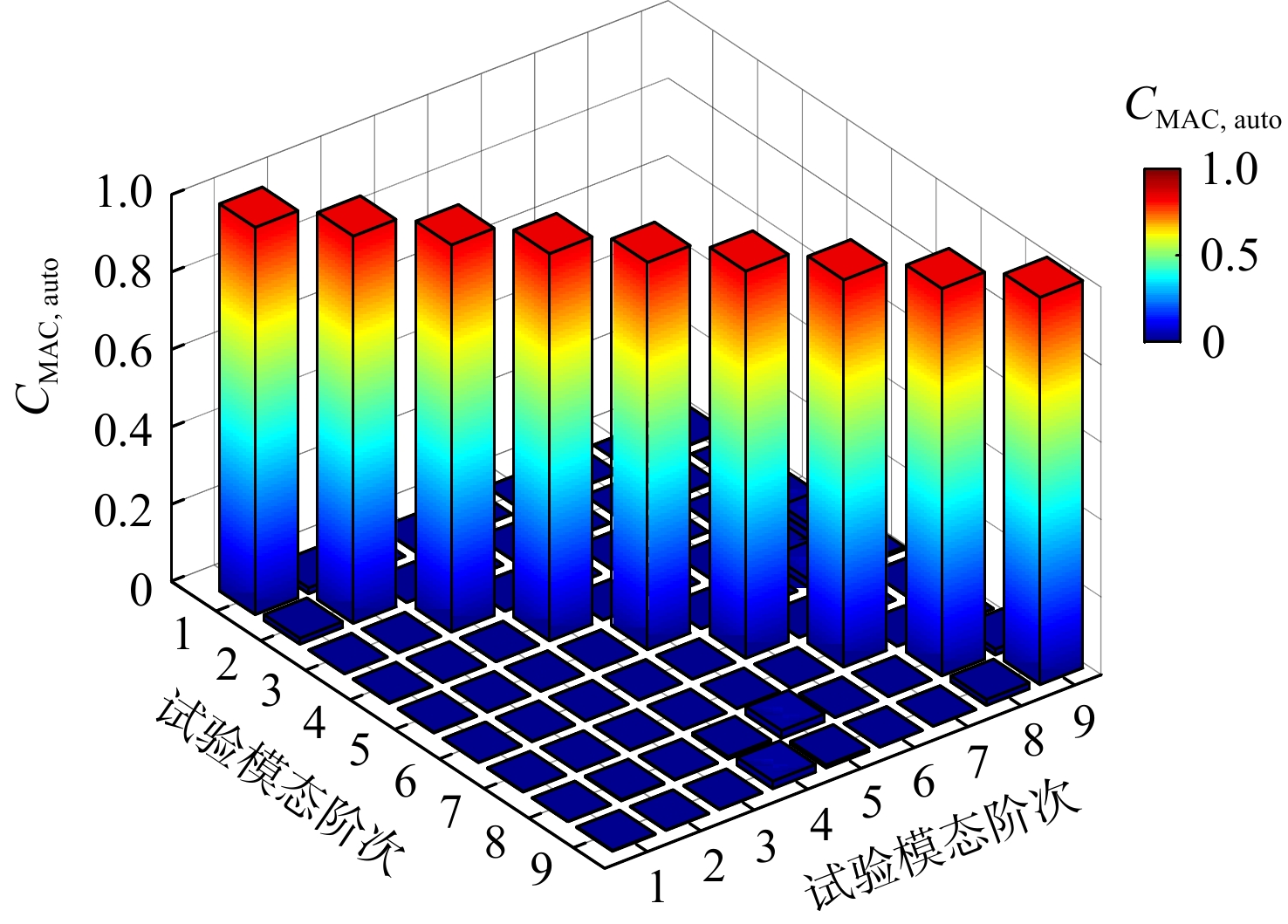
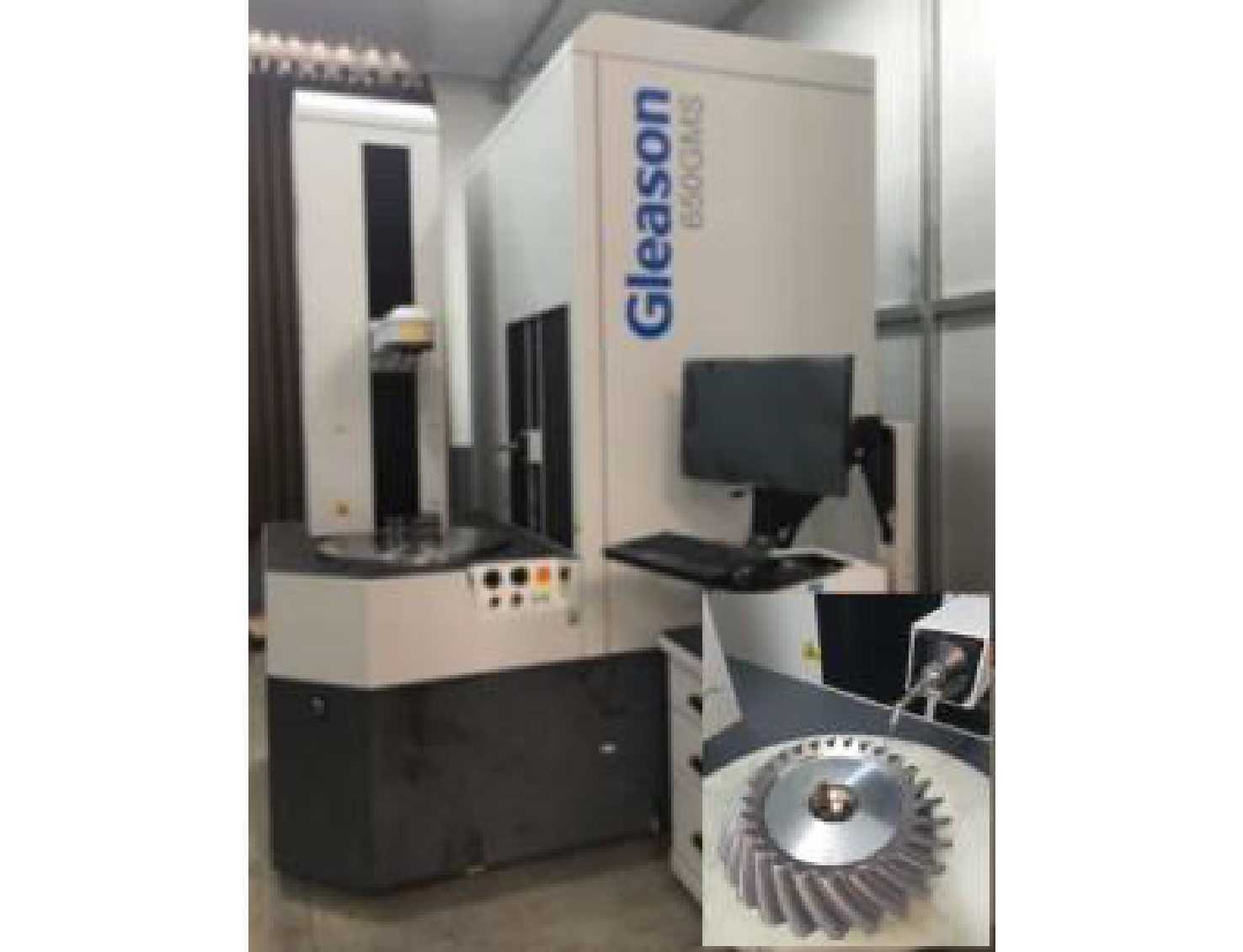
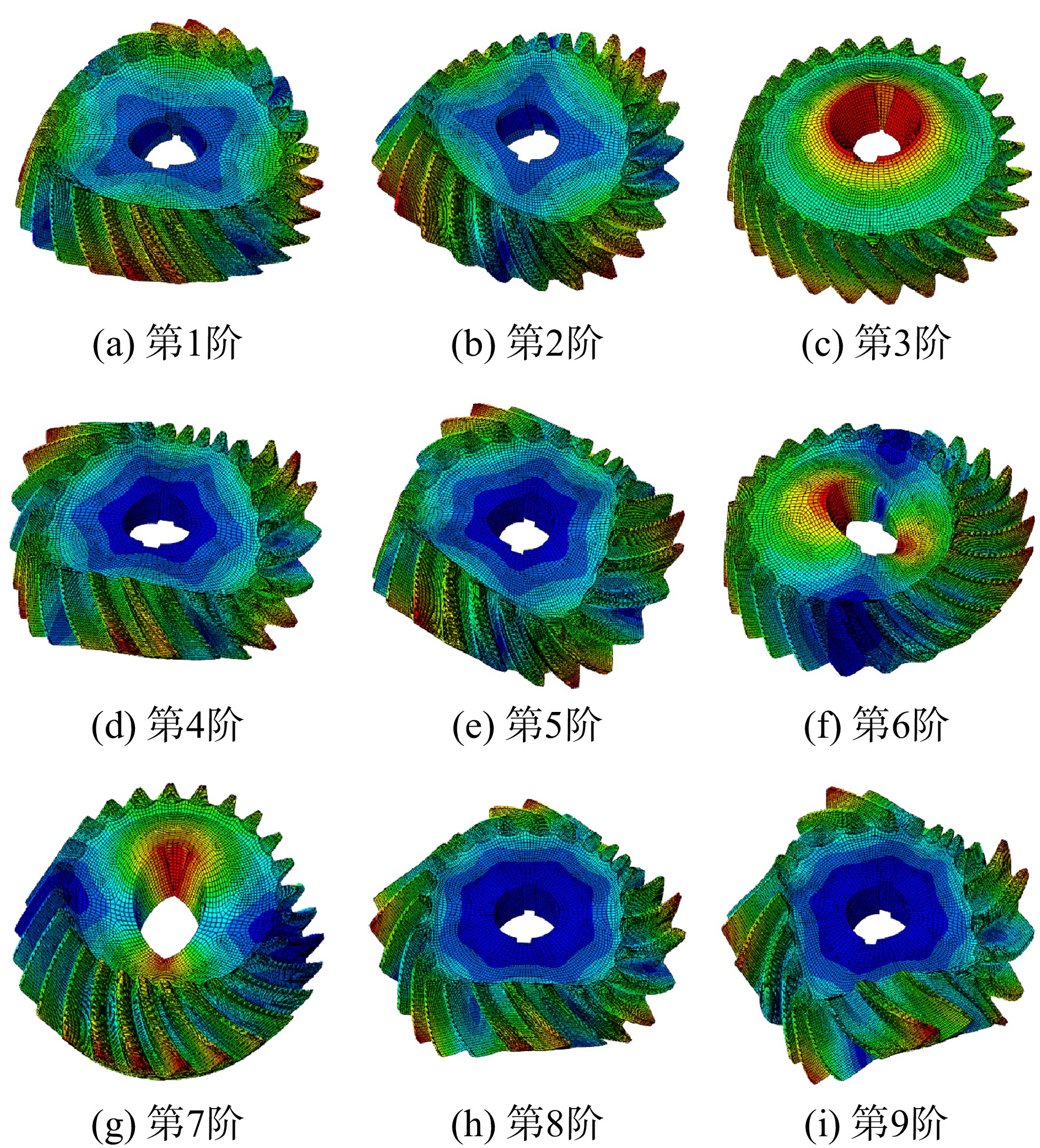
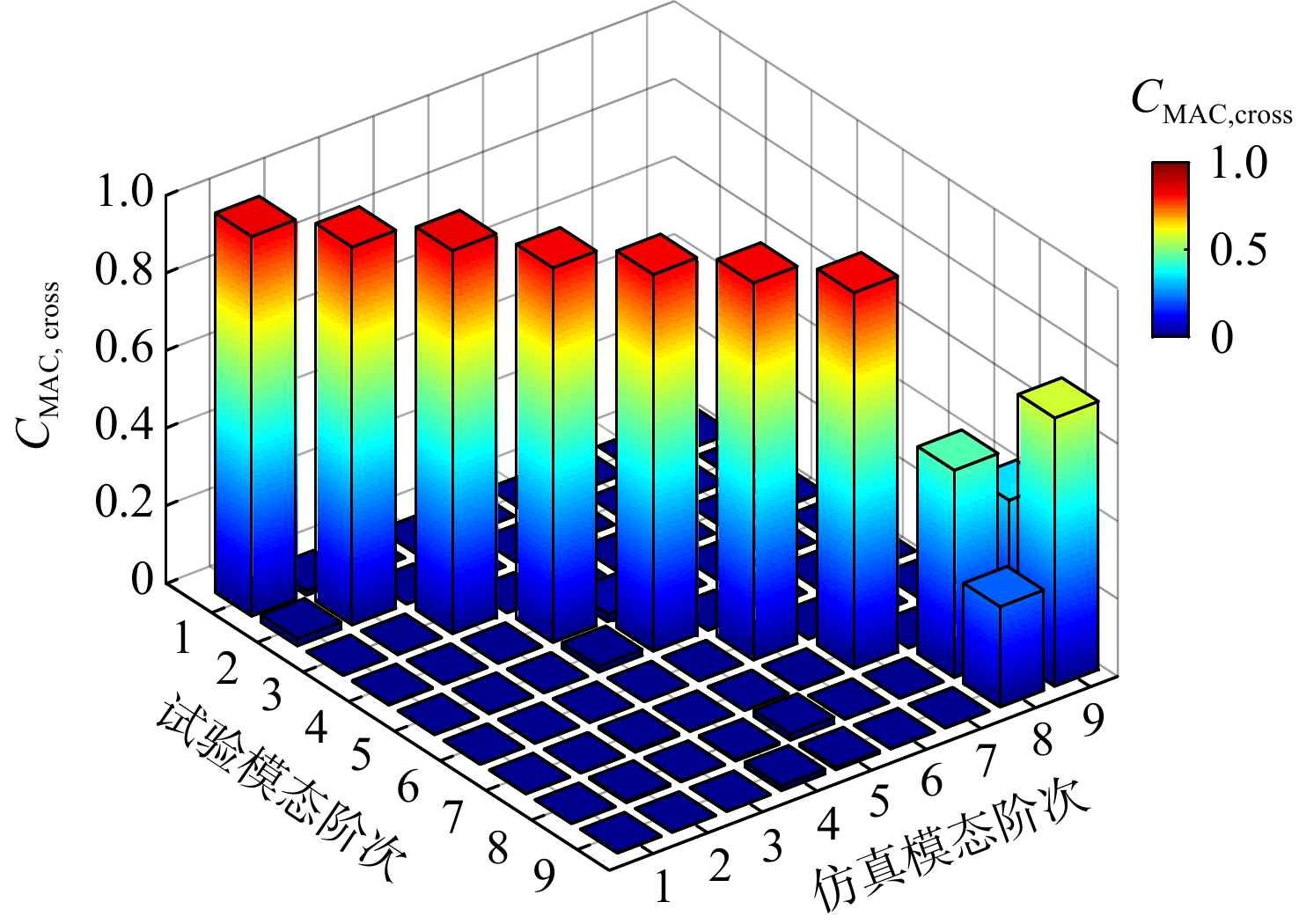
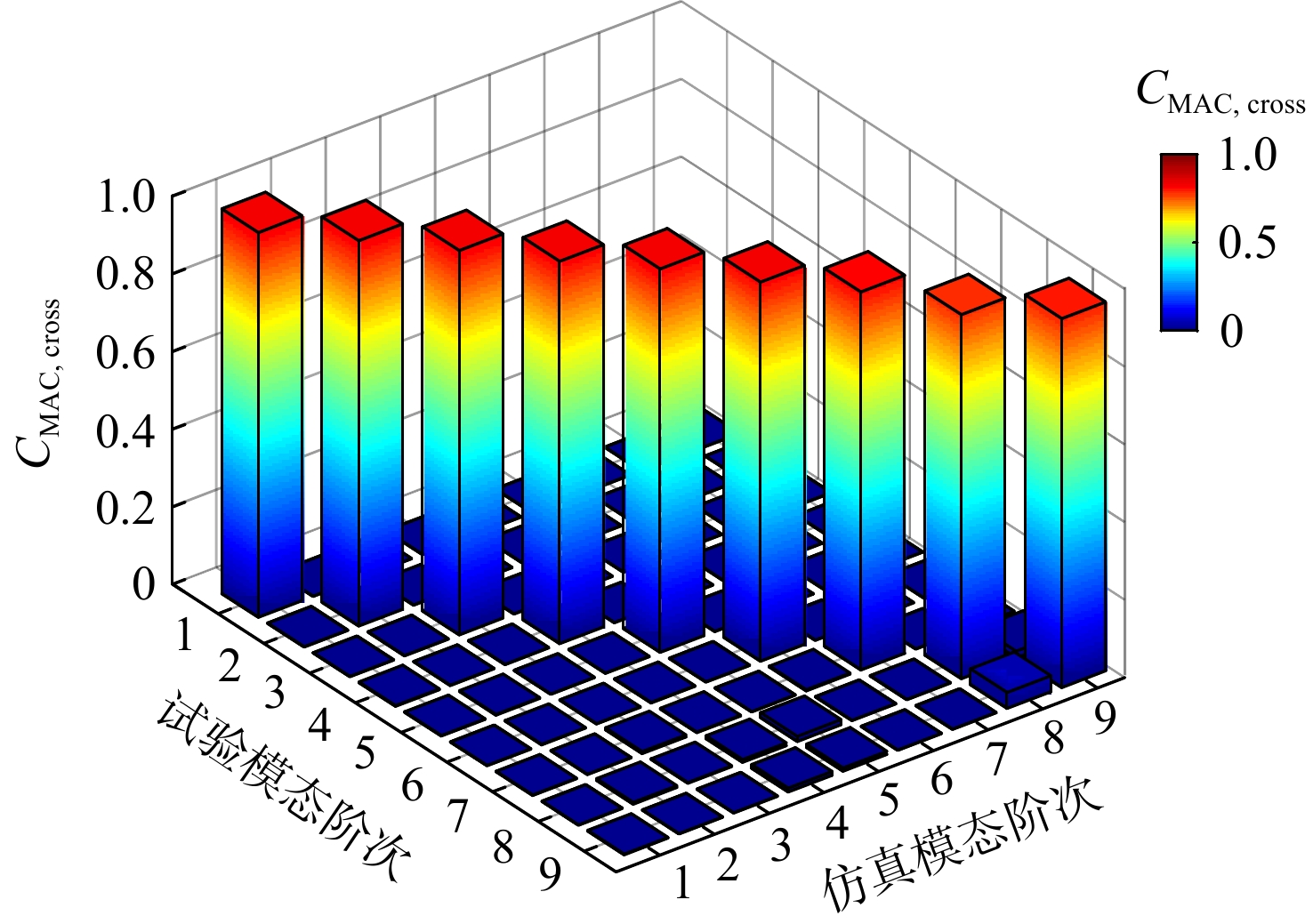
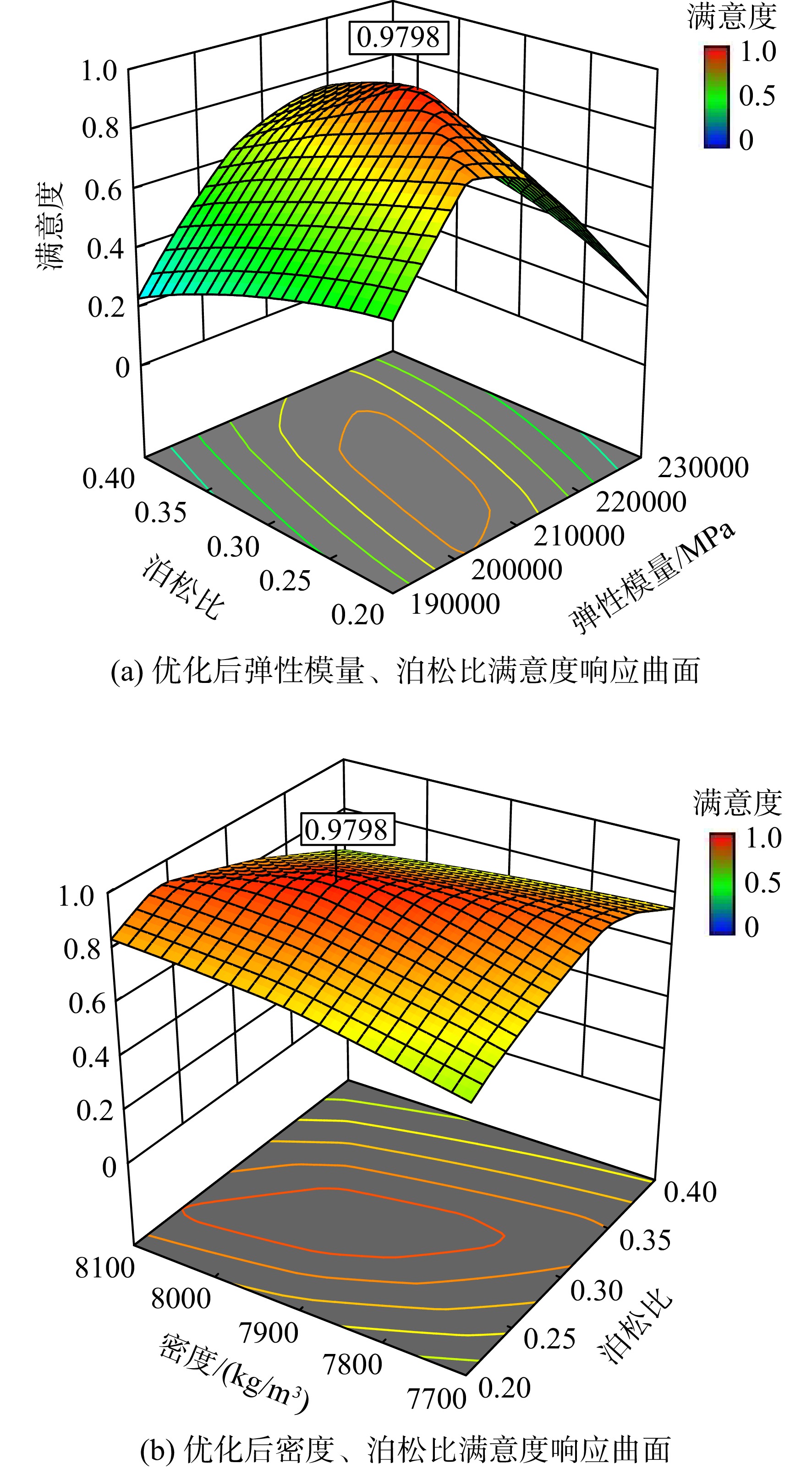
To accurately extract spiral bevel gears’ modal parameters and construct an accurate dynamic model, a combination of experimental and simulation methods were used to conduct modal tests using the moving force hammer method to extract modal parameters; an accurate simulation model was established based on measured data and modal analysis was conducted; the elementary rotation transformation method was used to correct the simulation mode shapes, and the accurate confidence of the test and simulation modes was obtained to improve the analysis accuracy; taking the experimental modal frequency as the target, the response surface method was used to correct the material parameters of the model. After the correction, the maximum relative error of natural frequency was reduced from 0.83% to 0.353%, which improved the accuracy of the simulation model. The experimental and simulation frequency response analysis results showed that the frequency shift phenomenon and acceleration amplitude error caused by inaccurate simulation models were effectively controlled, verifying the accuracy of the dynamic model. The research method lays the foundation for further structural optimization and vibration reduction and avoidance of spiral bevel gears.

Rocket Engine
Influence of axial force on dynamic behavior of rocket engine turbopump
SU Yue, XU Kaifu, GAO Yongqiang, LIAO Mingfu, JIN Lu, WANG Wei, ZOU Guo
2024, 39(11): 20220859. doi: 10.13224/j.cnki.jasp.20220859
Abstract:
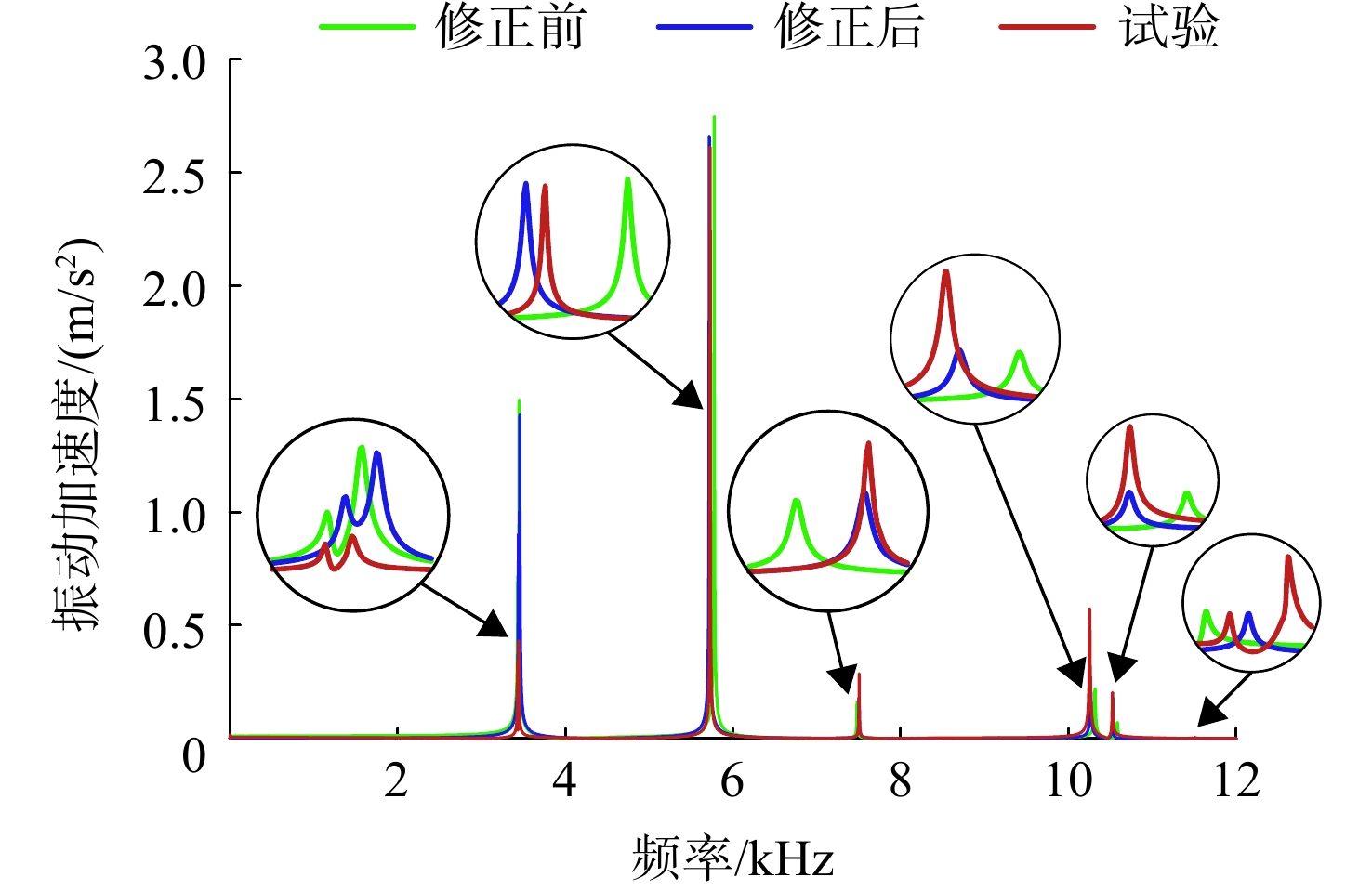
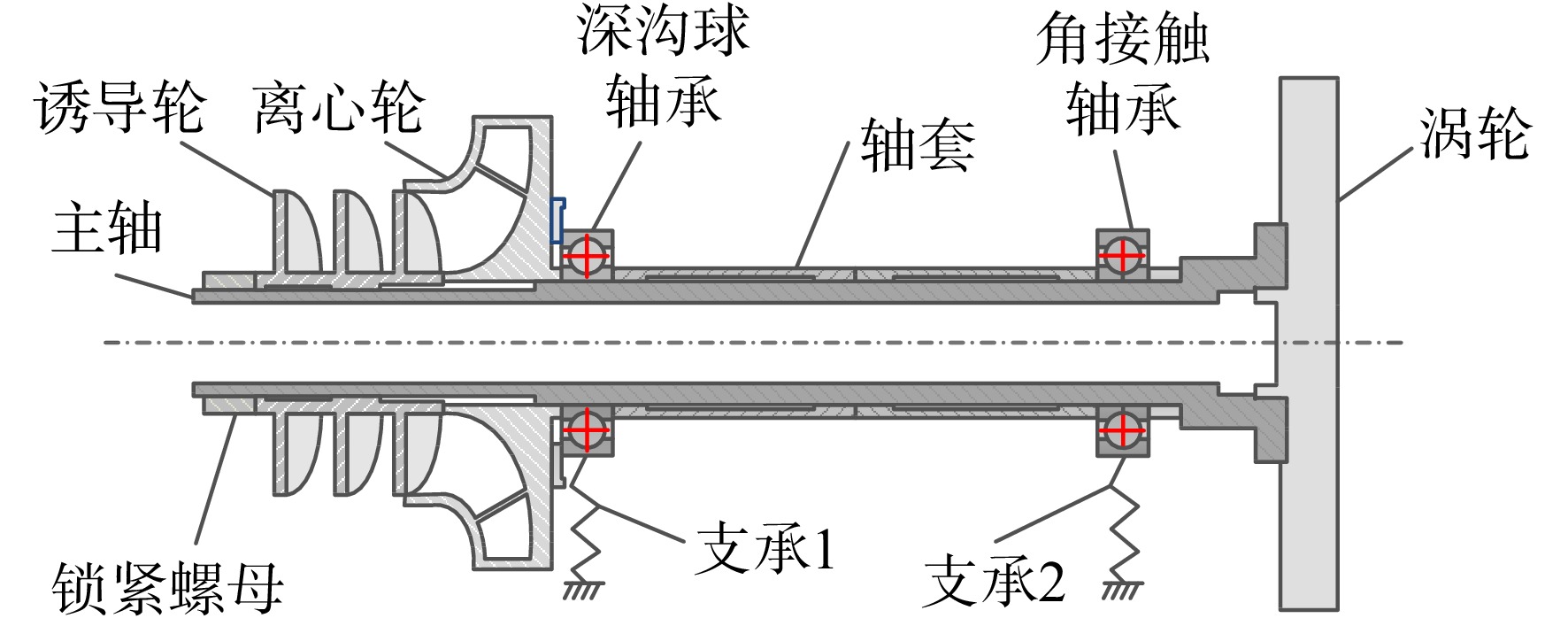
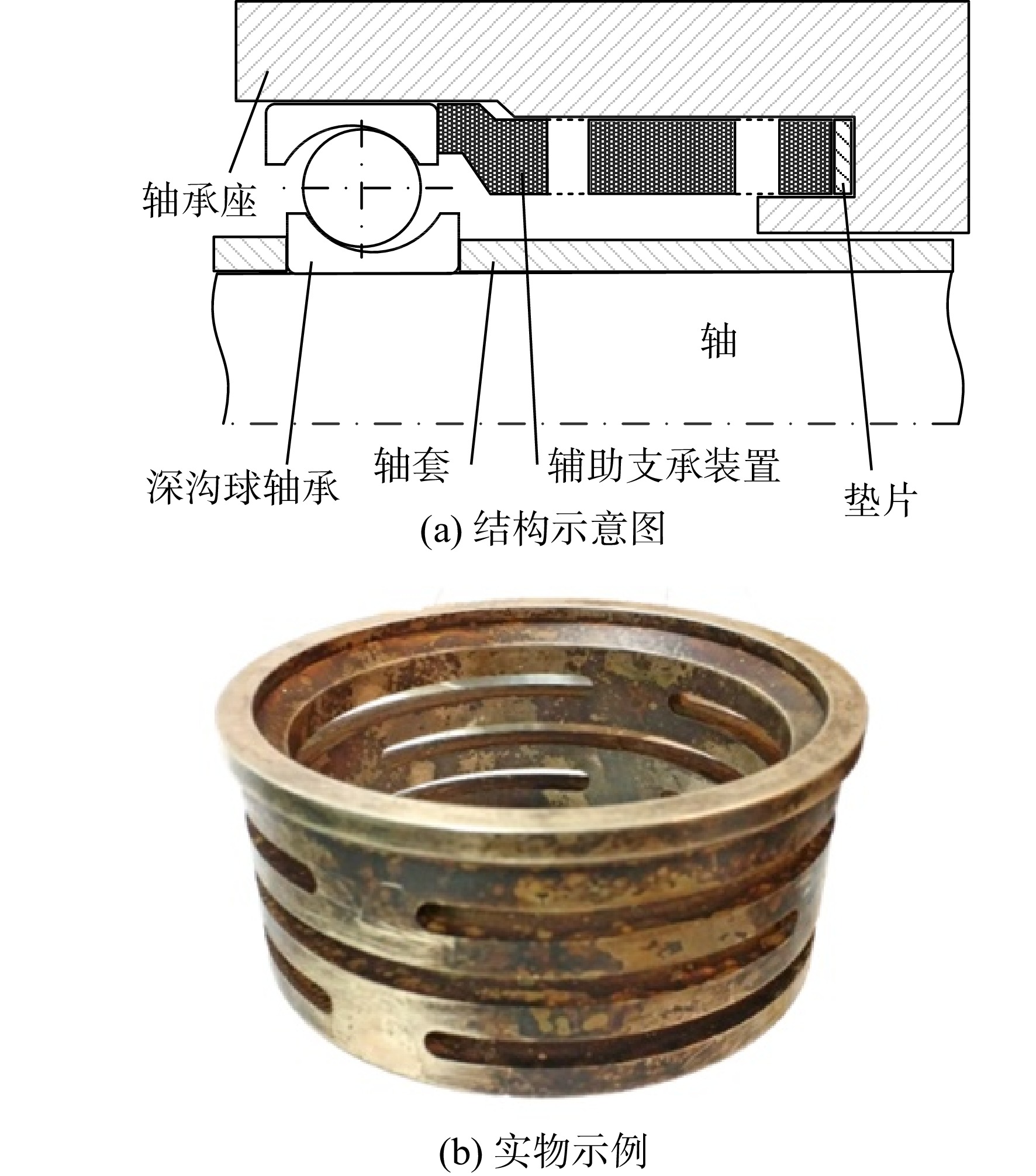
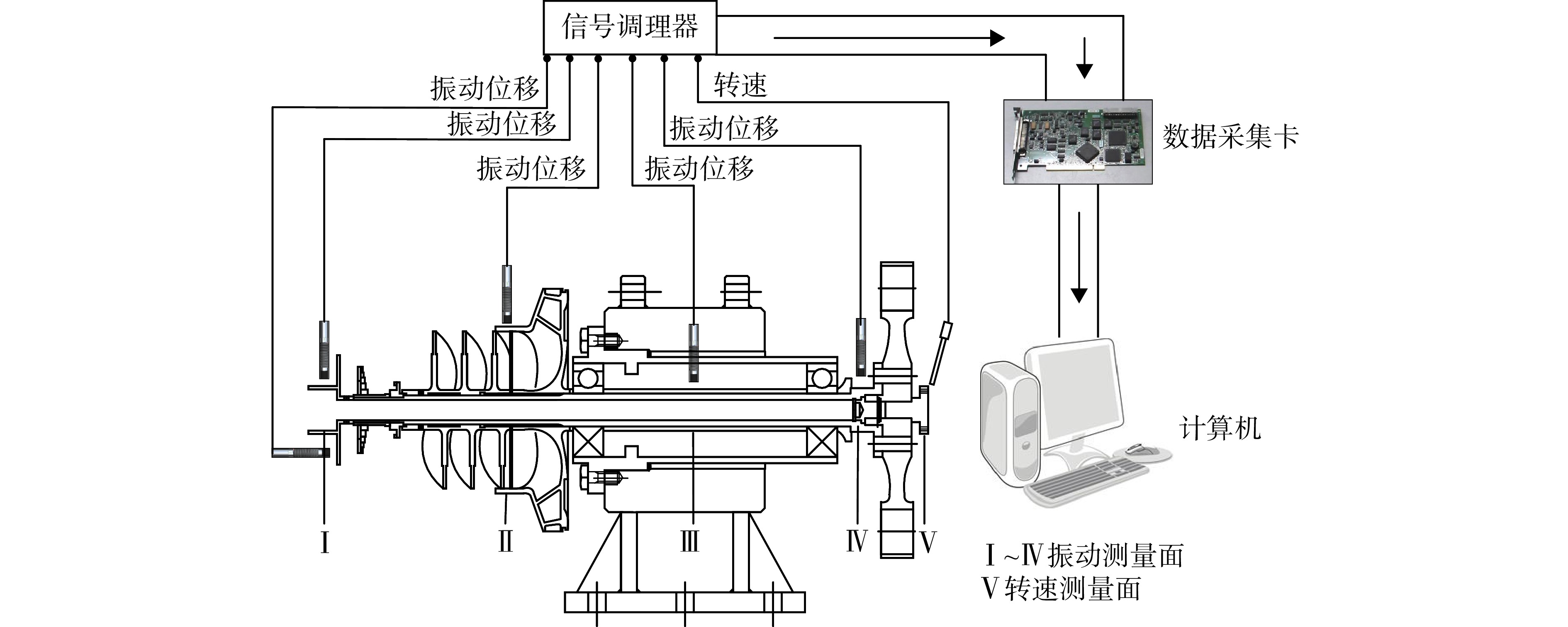
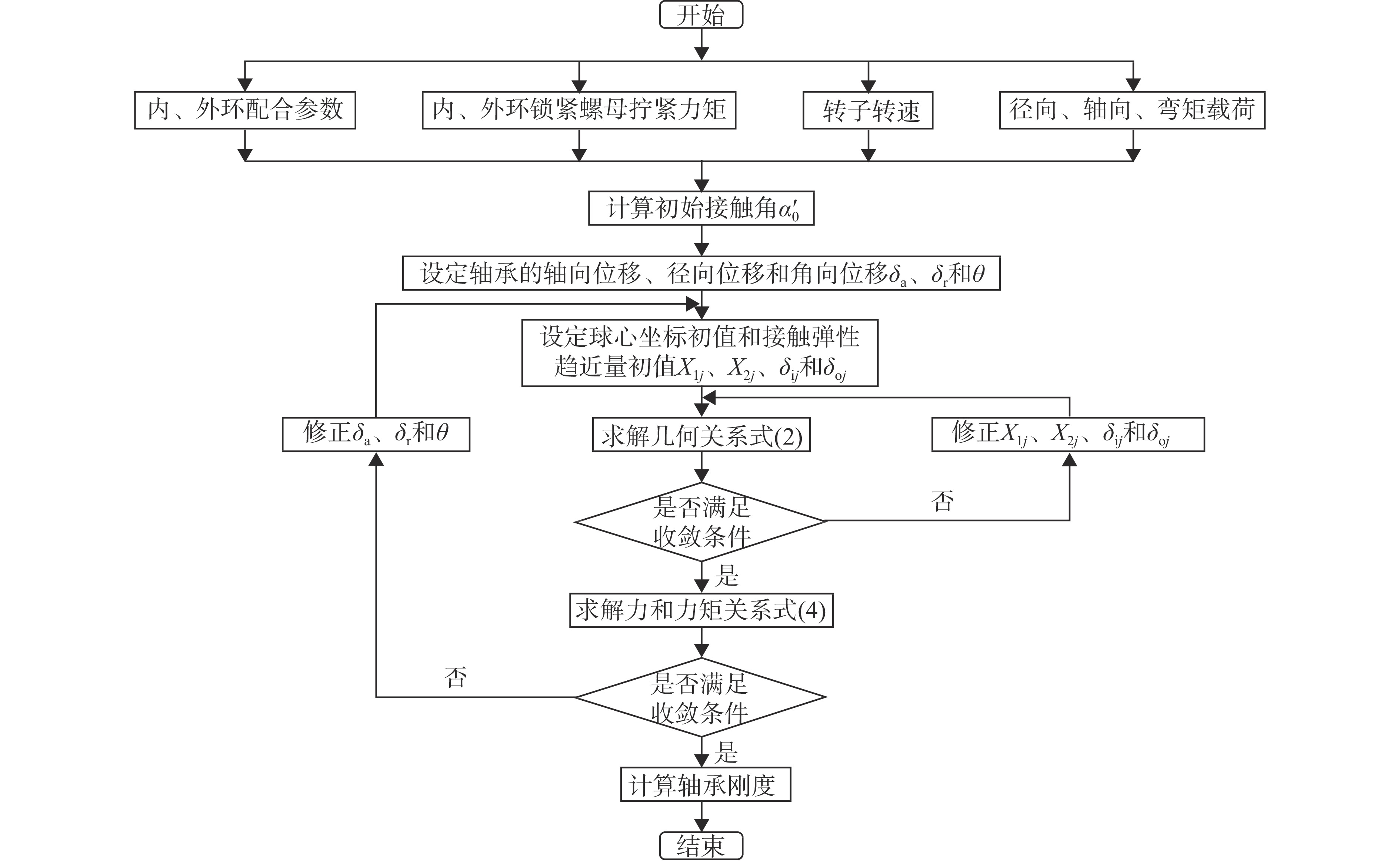
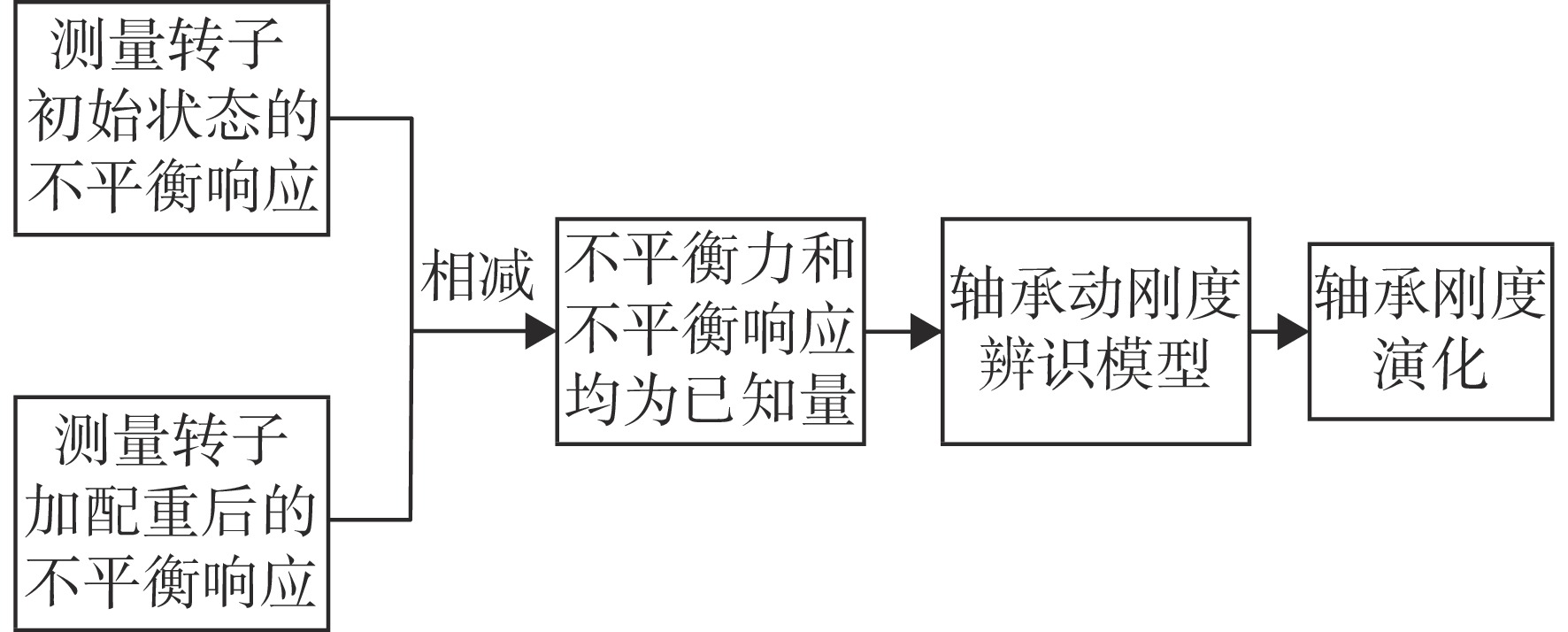
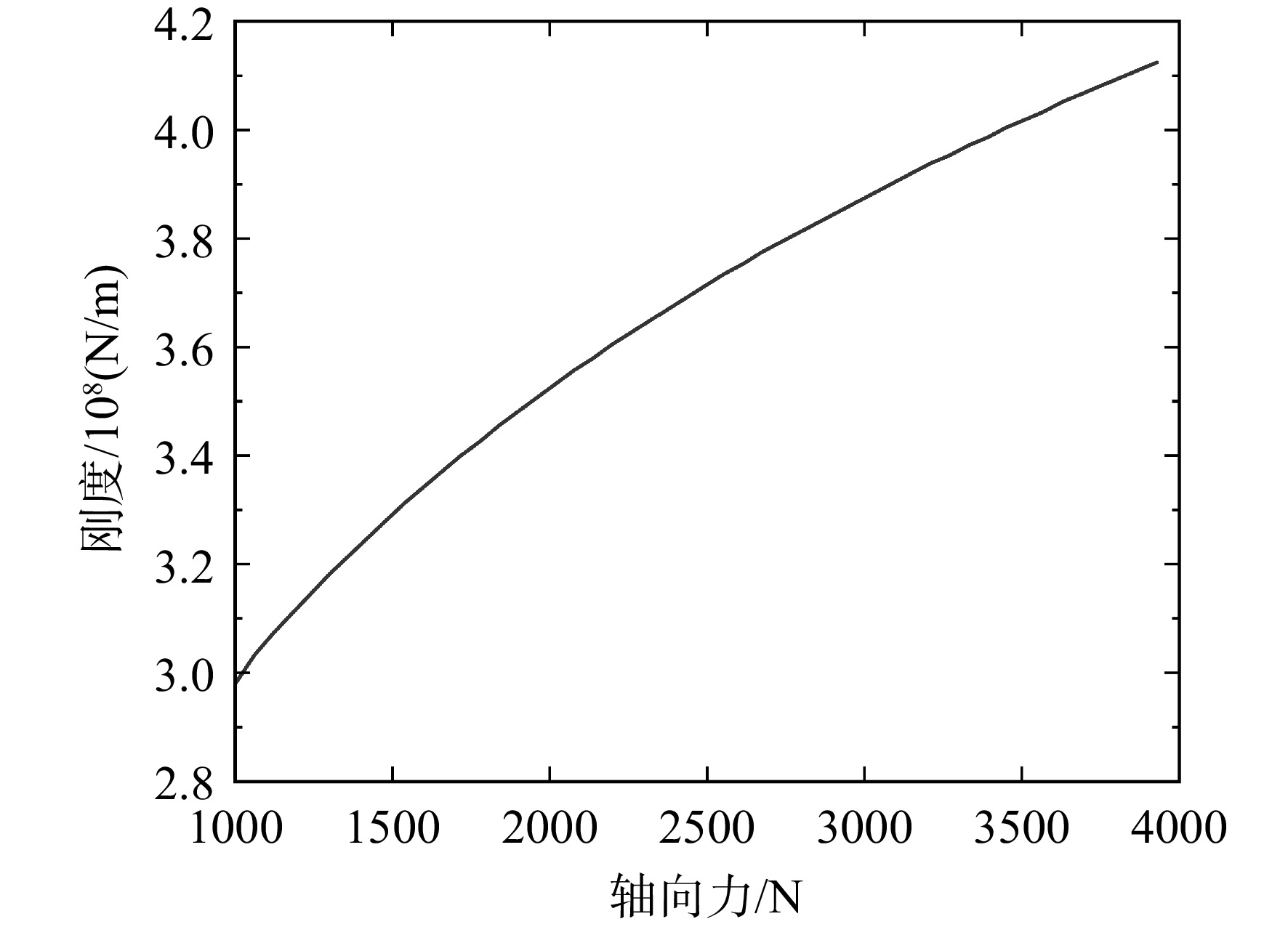
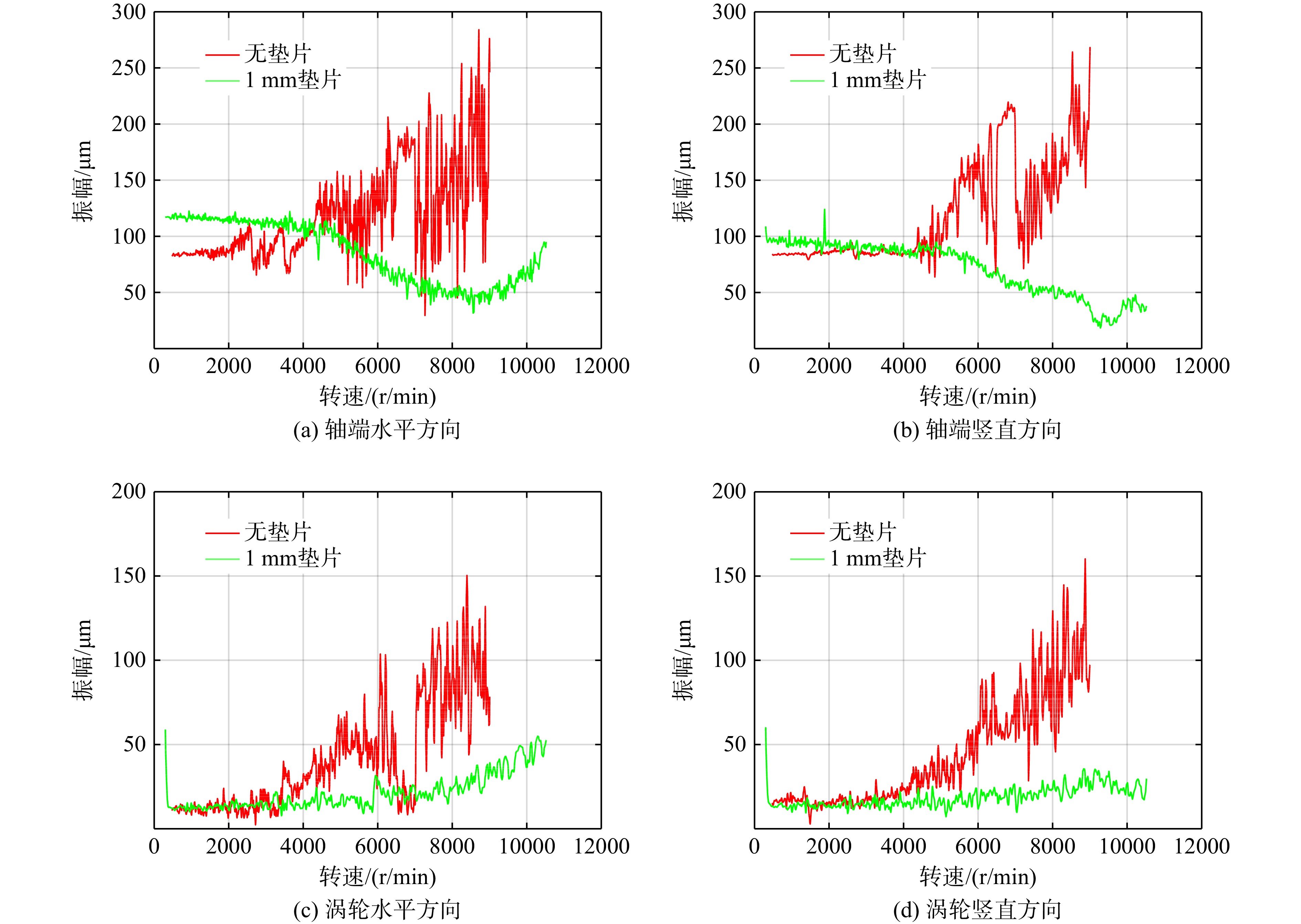
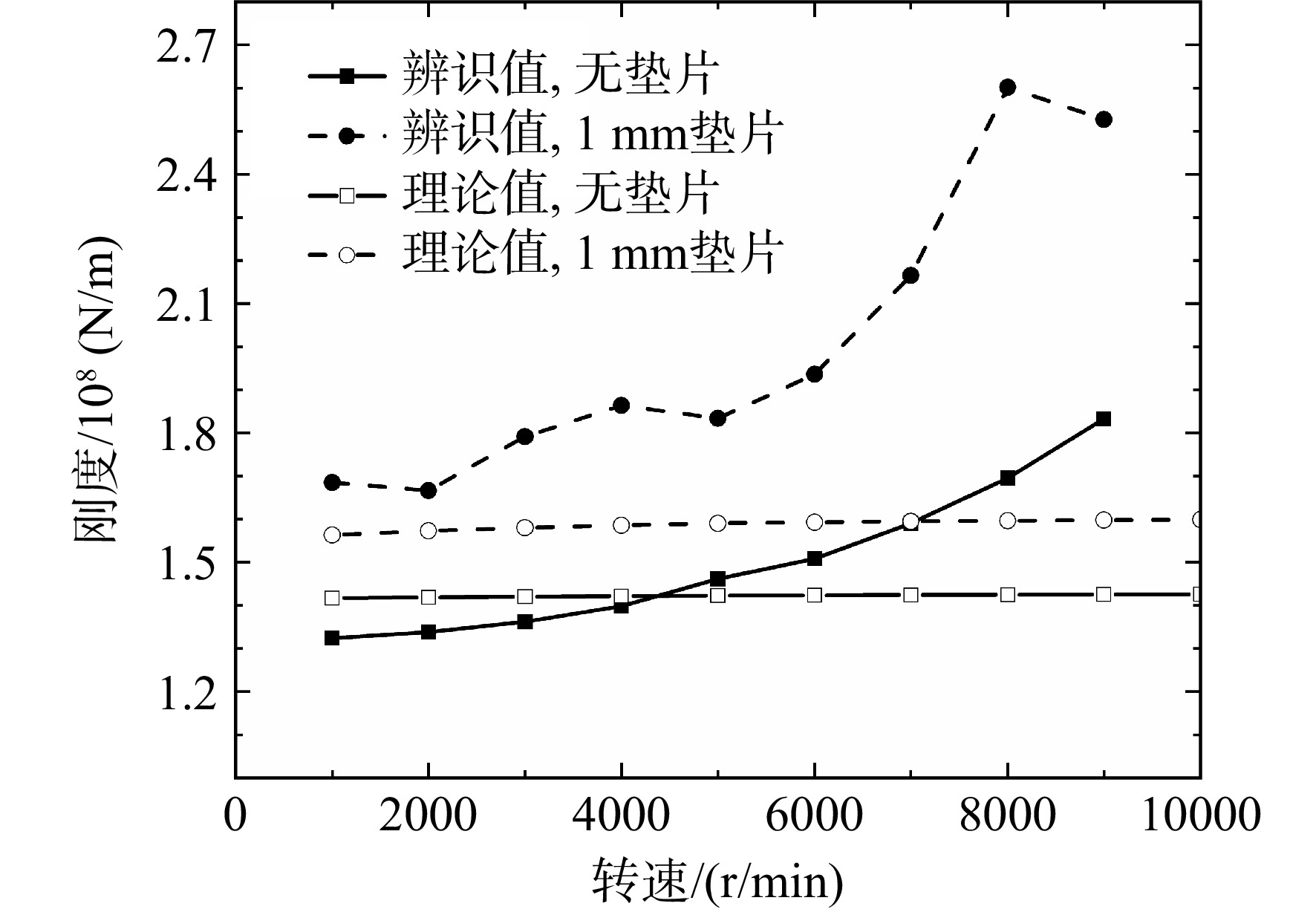
As an important component for transporting propellant, the turbopump has become the core of the rocket engine. Its axial force in high-speed operation has a significant effect on vibration. In order to improve the dynamic characteristics, a theoretical model of bearing stiffness was established. The evolution law of bearing stiffness with rotational speed and axial force was clarified. Besides, a rotor tester including auxiliary supports was designed, and the influence of axial force on the rotor dynamics was explored through tests. Furthermore, through the transfer matrix method and the unbalanced response, a stiffness identification model based on the measured data was established. It was found that the stiffness increased significantly by 30%, after the axial force was introduced. And the sudden increase of the vibration amplitude did not occur. This shows that the improvement of stiffness by axial force is an important mechanism of vibration reduction, thus providing a theoretical basis for dynamic design.

Failure analysis and improvement measures of hypervelocity monorail rocket sled
YANG Zhen, FAN Kun, FU Liang, ZENG Yi
2024, 39(11): 20230823. doi: 10.13224/j.cnki.jasp.20230823
Abstract:

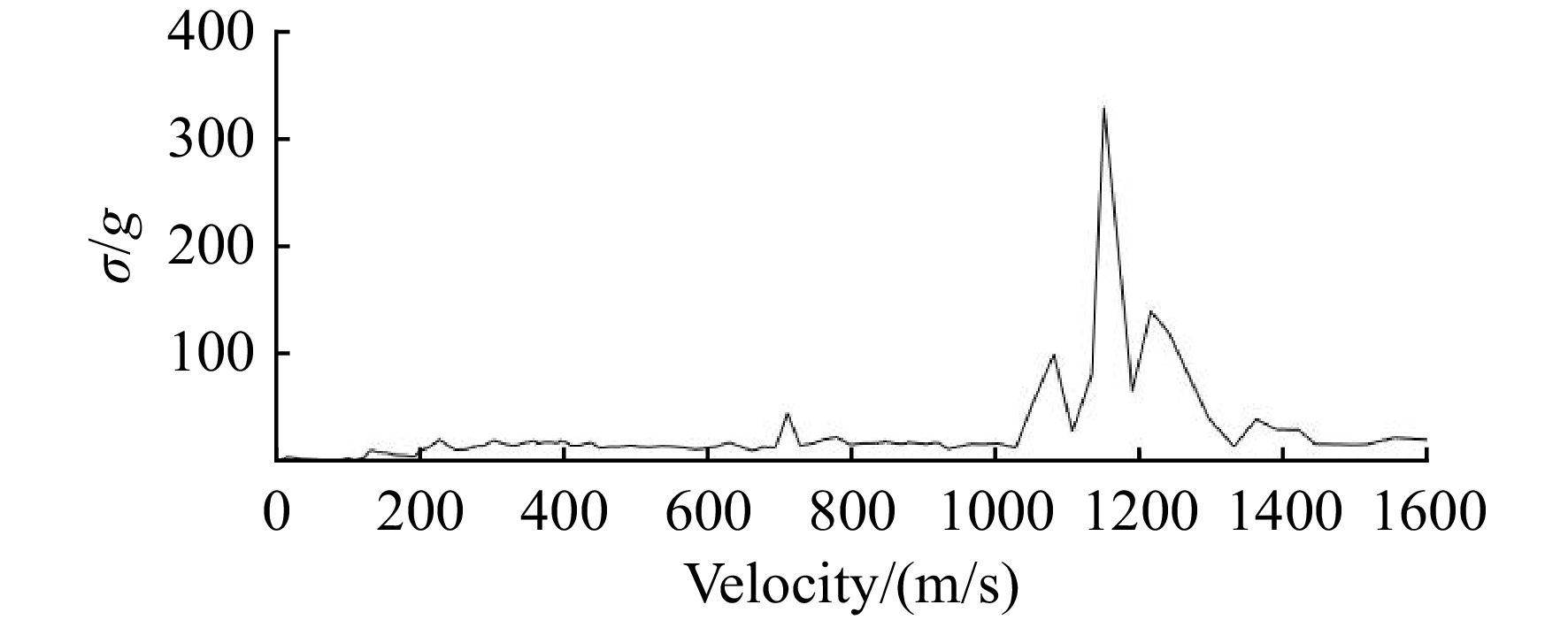
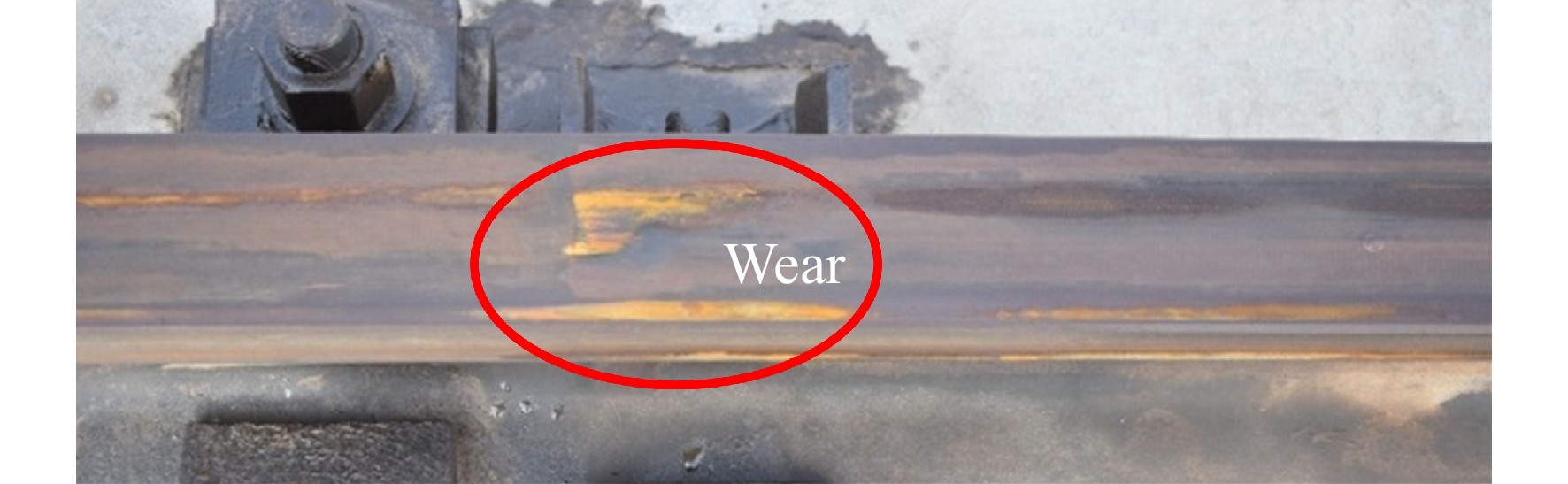
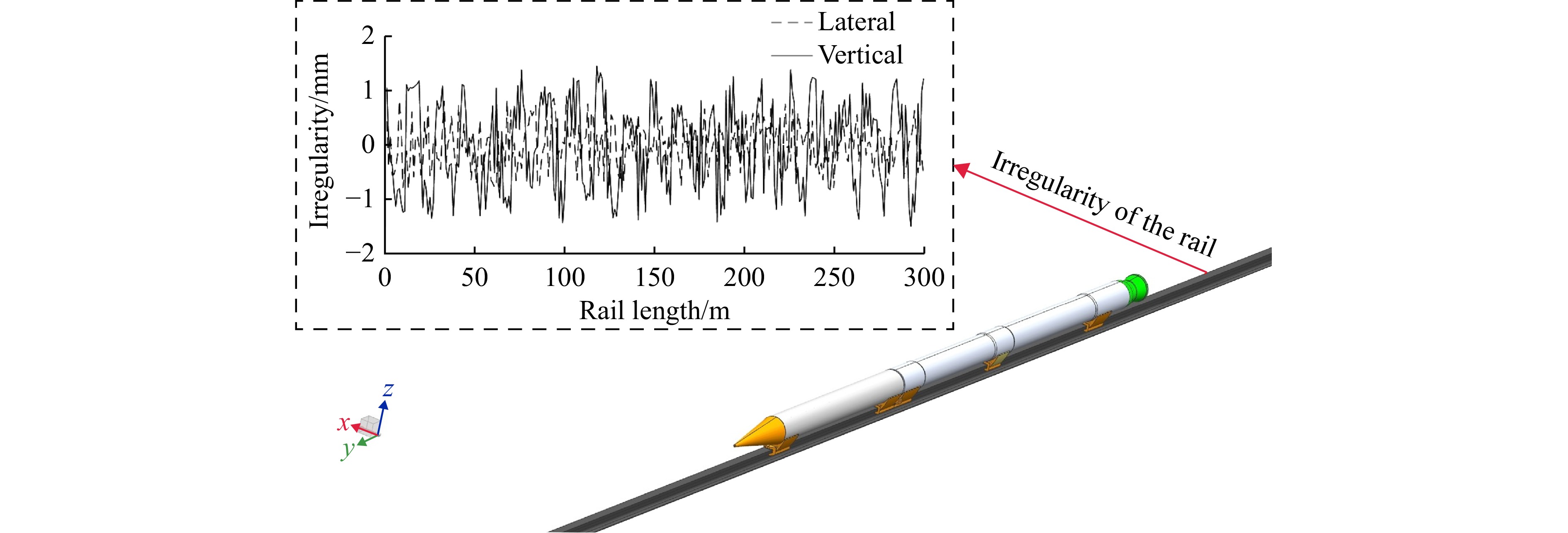
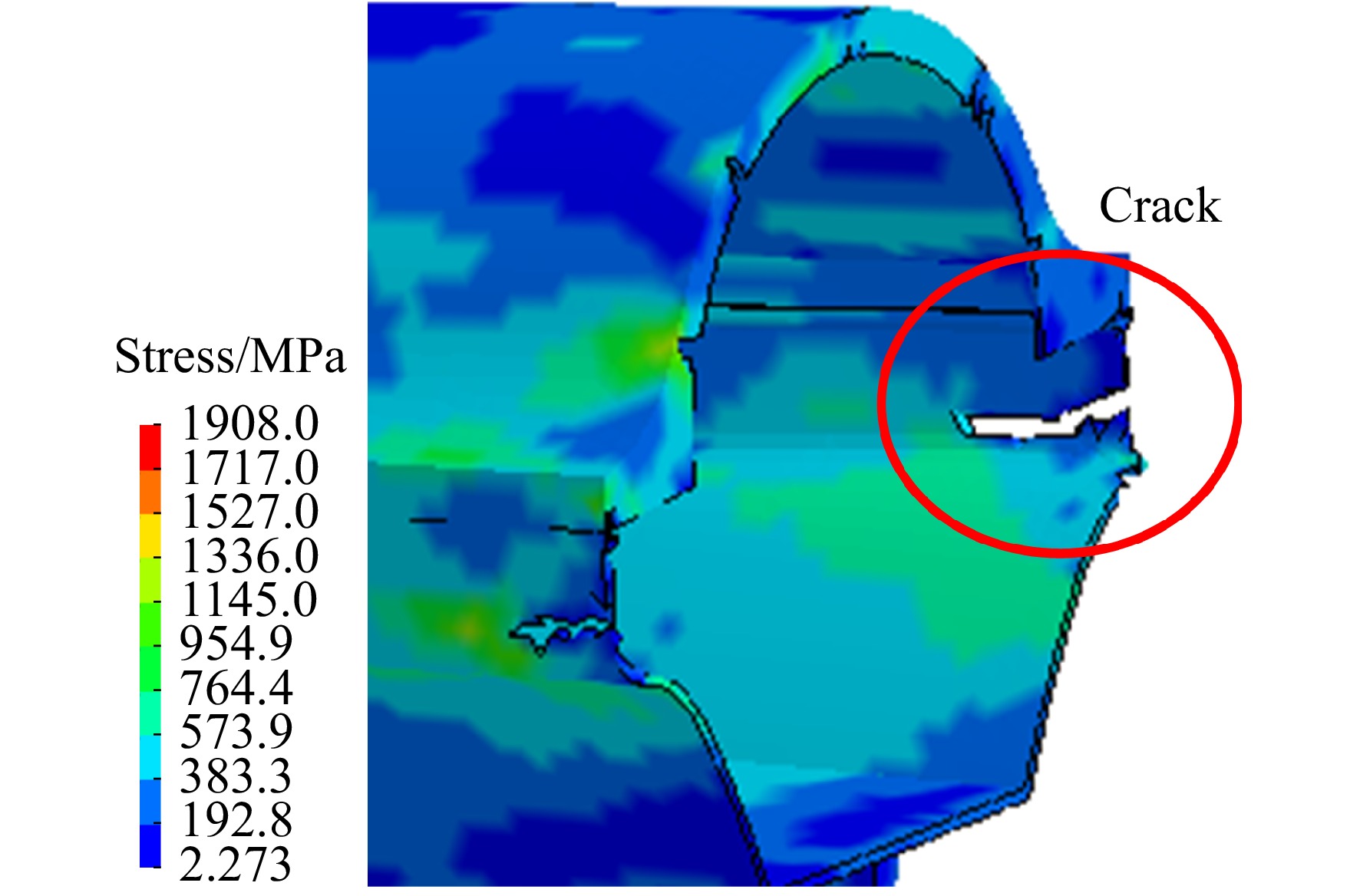
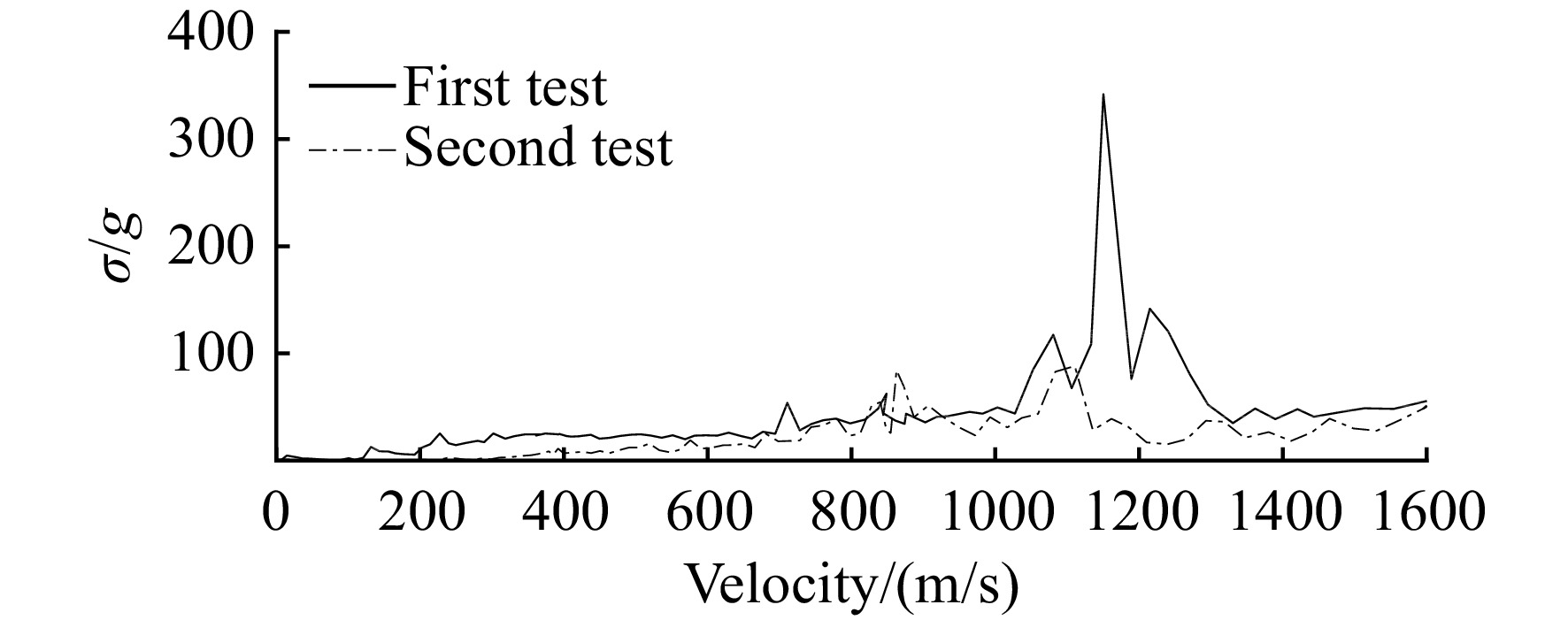
To analyze the failure of the recent hypervelocity monorail rocket sled test, the instability phenomenon and causes of foreign high-speed rocket sleds were discussed, and failure analysis was carried out in terms of measured data such as photoelectric theodolite, telemetry equipment, rail irregularity and boot-rail gap. The sled-rail coupling dynamics analysis method was used to reproduce the failure, and effective solution measures were proposed. The system of the rocket sled was optimized and improved. The test verification and vibration data comparison were carried out. The results of the study showed that the rocket sled system resonated violently near the velocity of 1100 m/s, leading to destruction of the sled at weak points. The small gap between the slipper and rail exacerbated the vibration of the rocket sled at low speeds, while melt wear increased the gap at high speeds. This exacerbated the monorail rocket sled roll torsion effect, causing localized failure damage to the system. The system motion stability can be effectively improved by adjusting the rail irregularity, increasing the structural strength and stiffness of the sled, and improving the slipper-rail gap.

Influence of helium cycle flow ratio on SABRE4 design point hydrogen flow rate
ZHENG Shangzhe, CHEN Yuchun, WANG Zhihua, DU Jinfeng, GAO Yuan, HUANG Xinchun
2024, 39(11): 20220774. doi: 10.13224/j.cnki.jasp.20220774
Abstract:
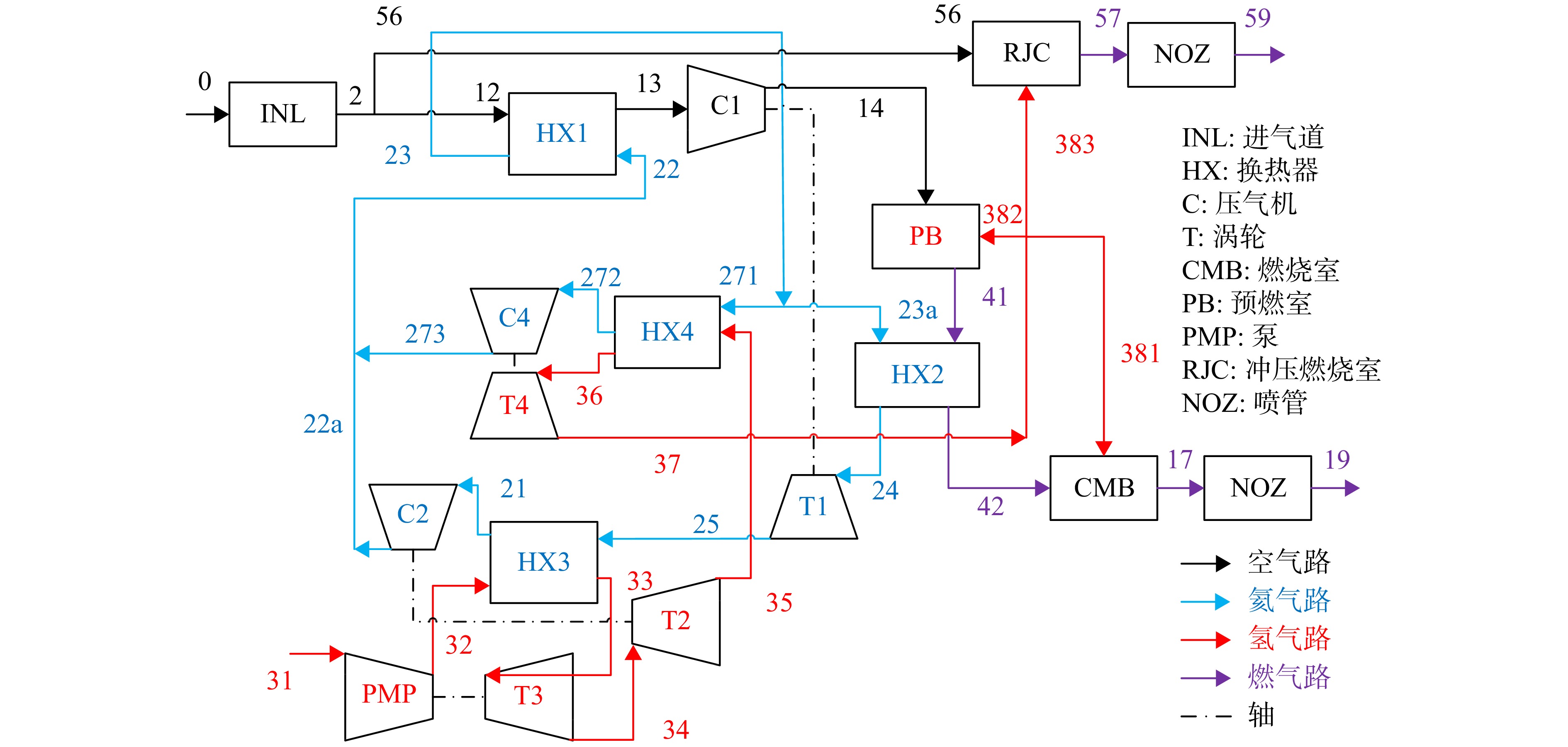
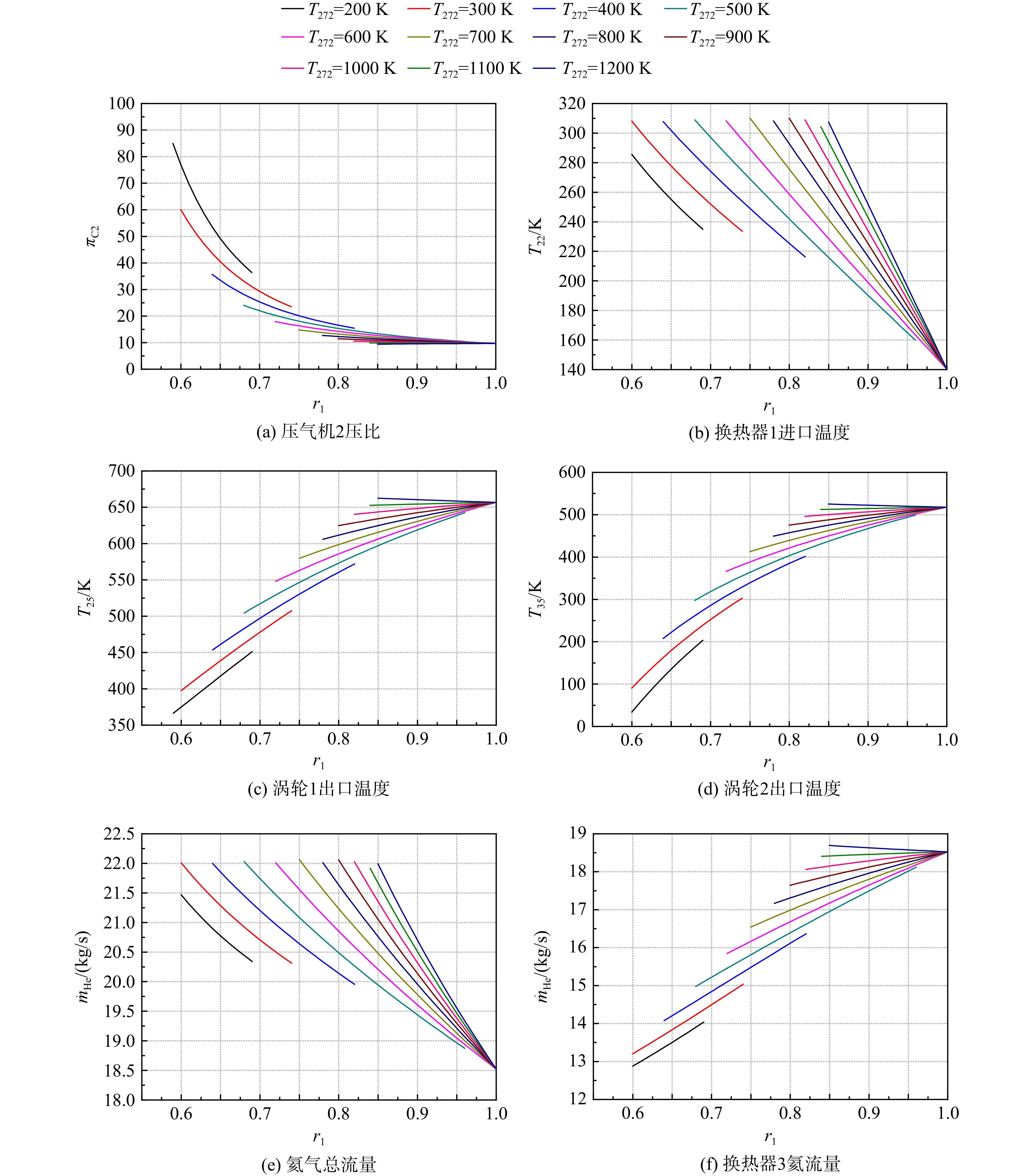
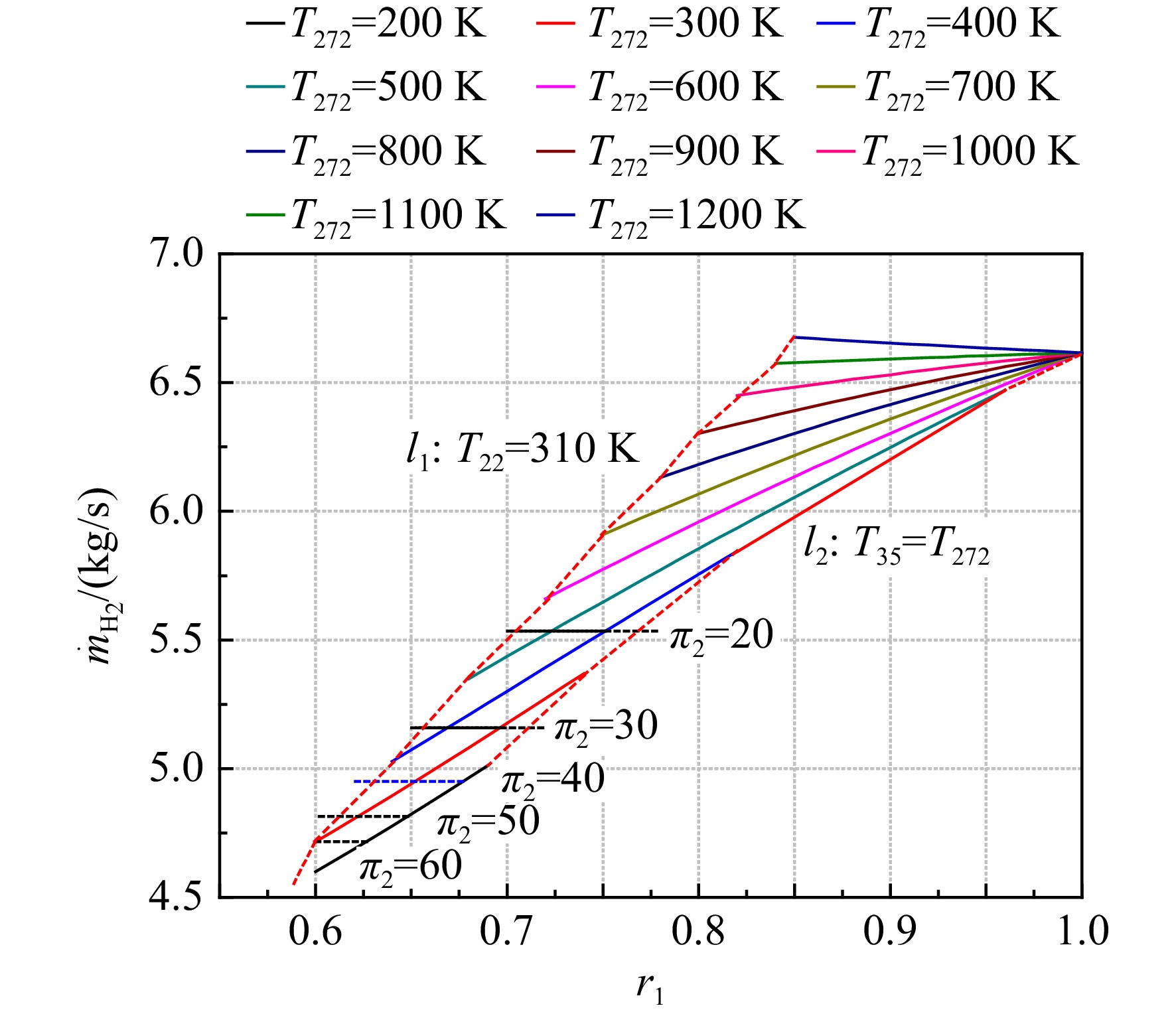
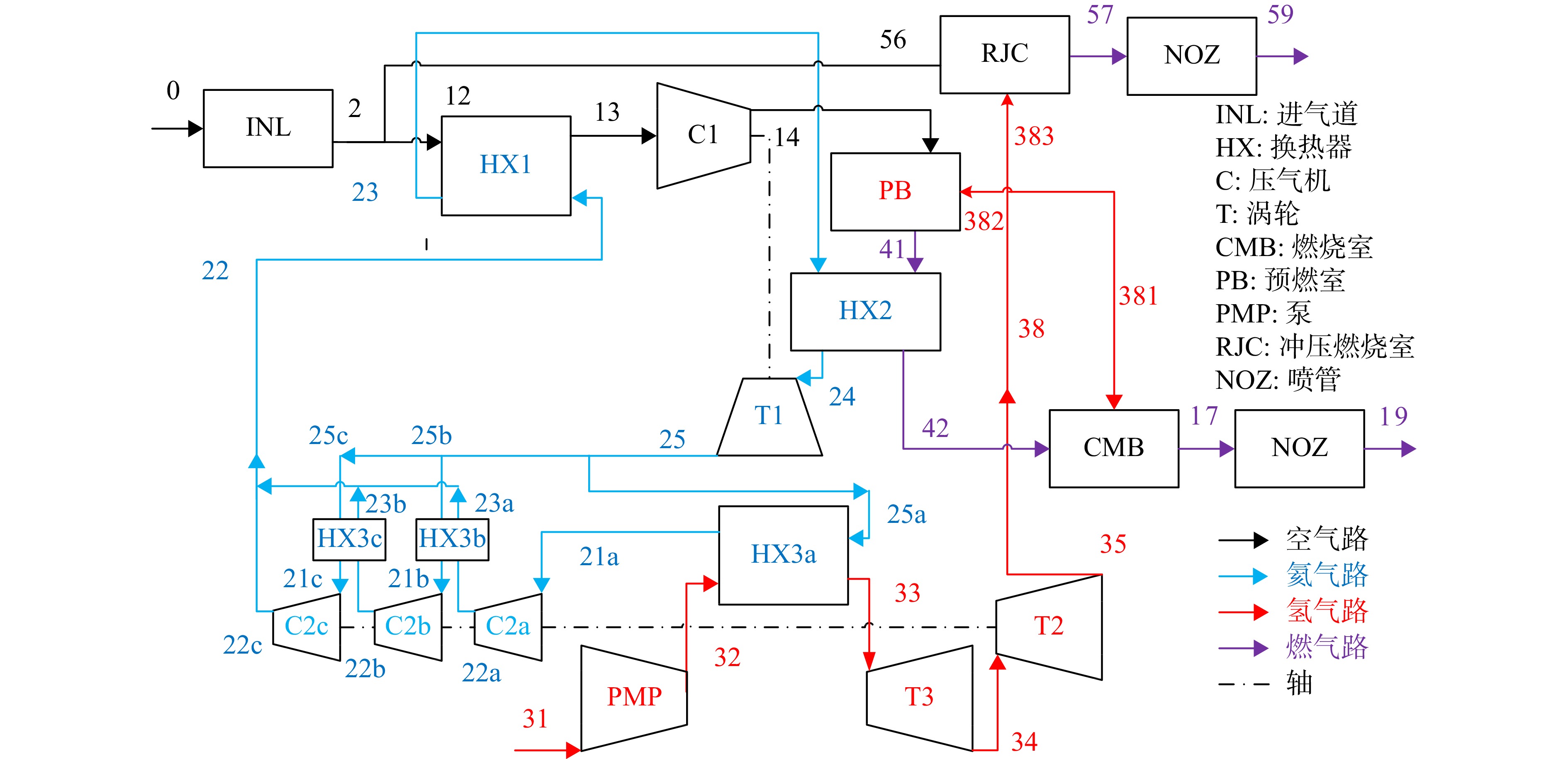
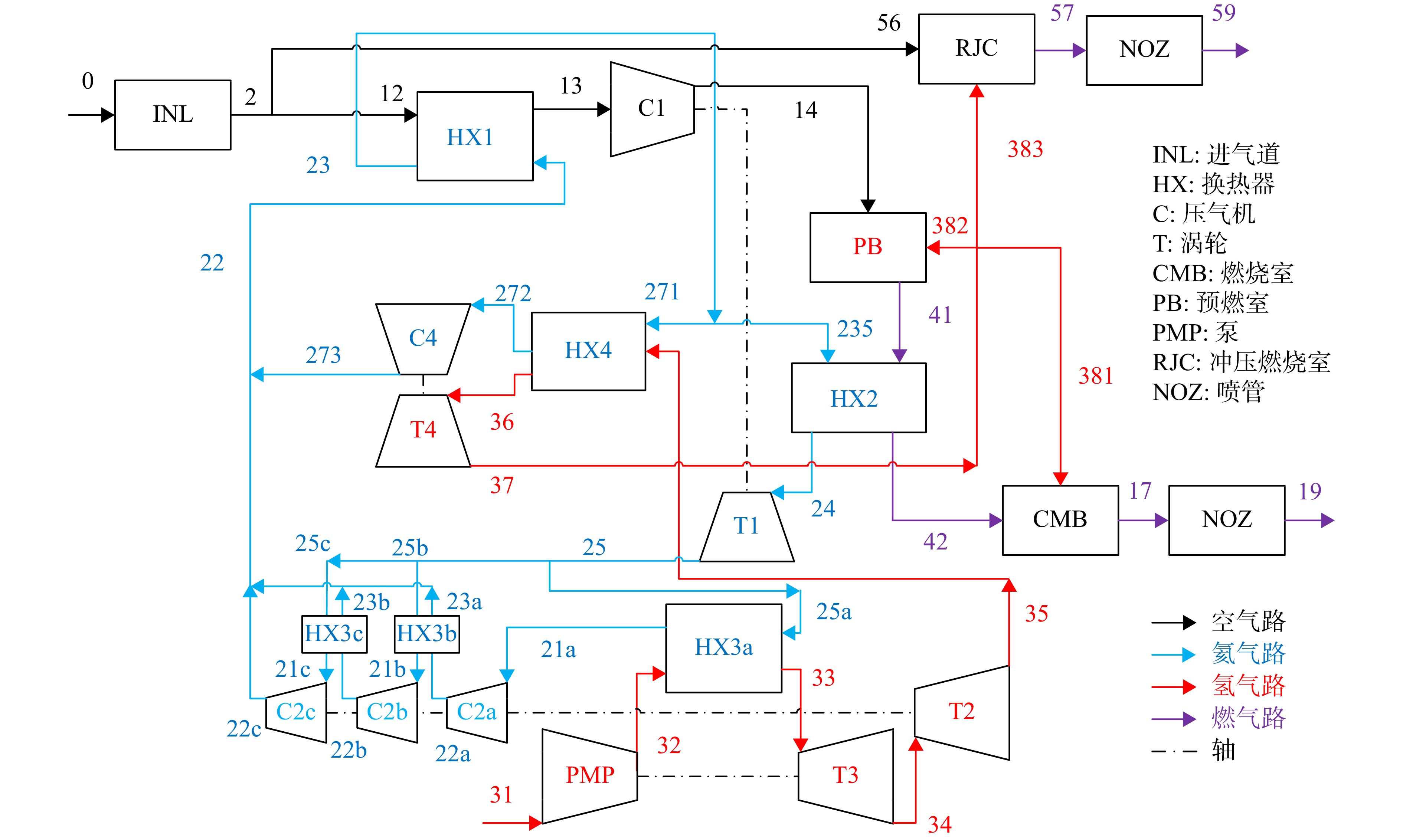
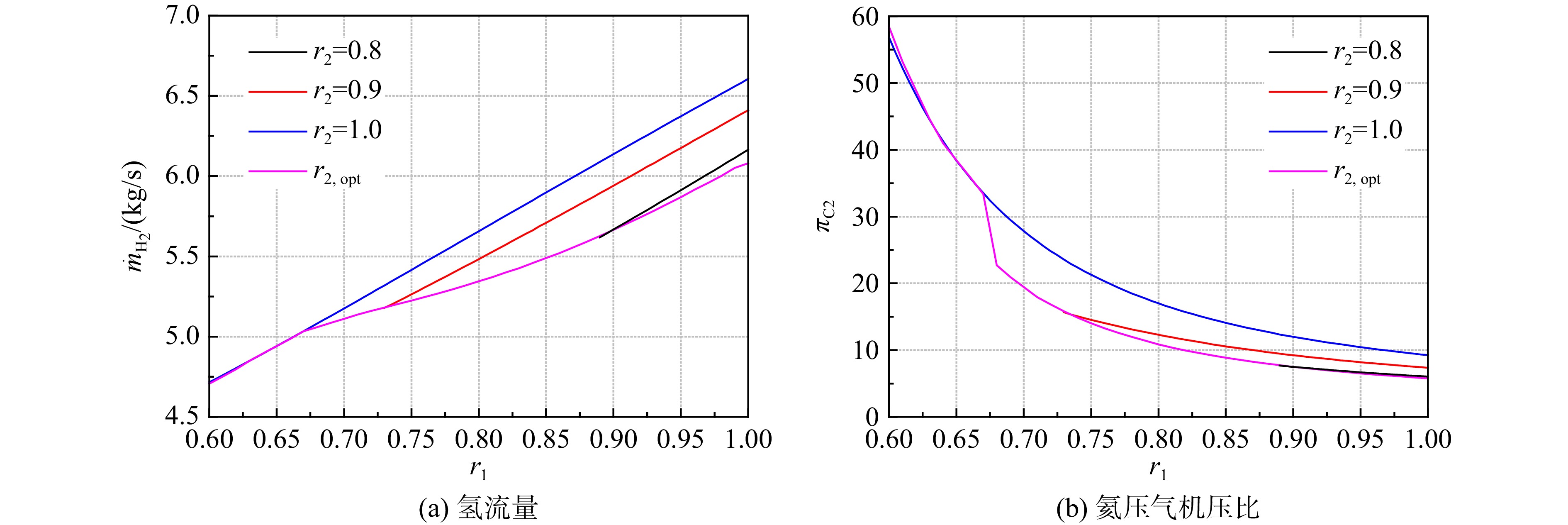
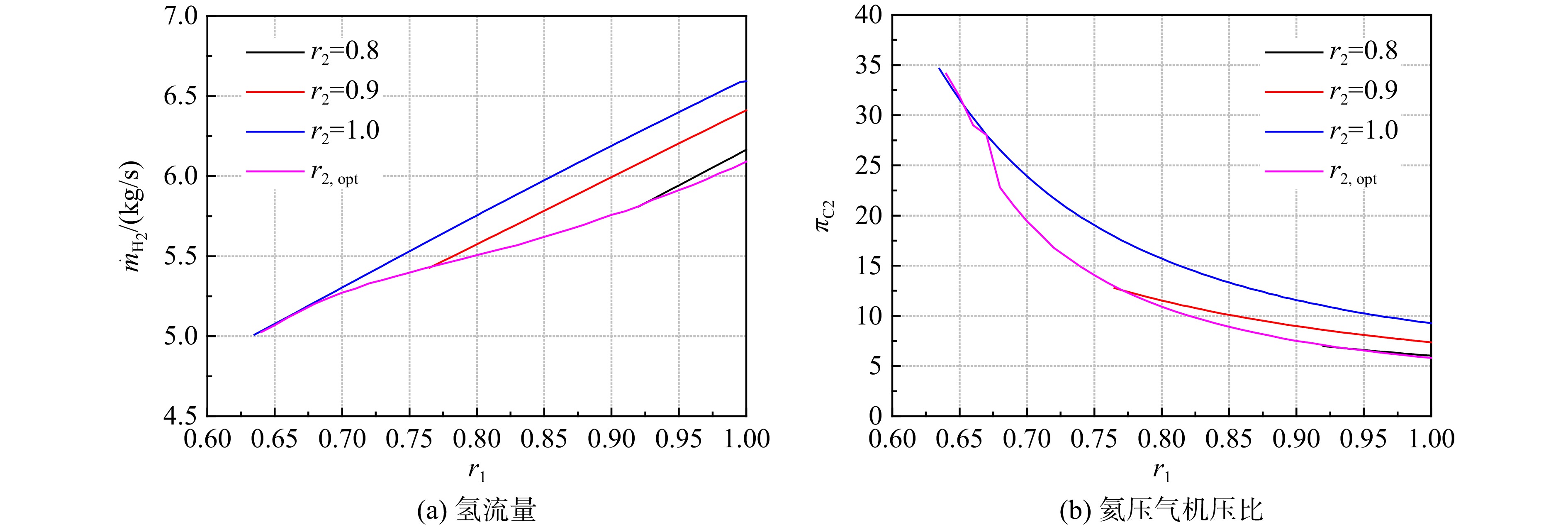
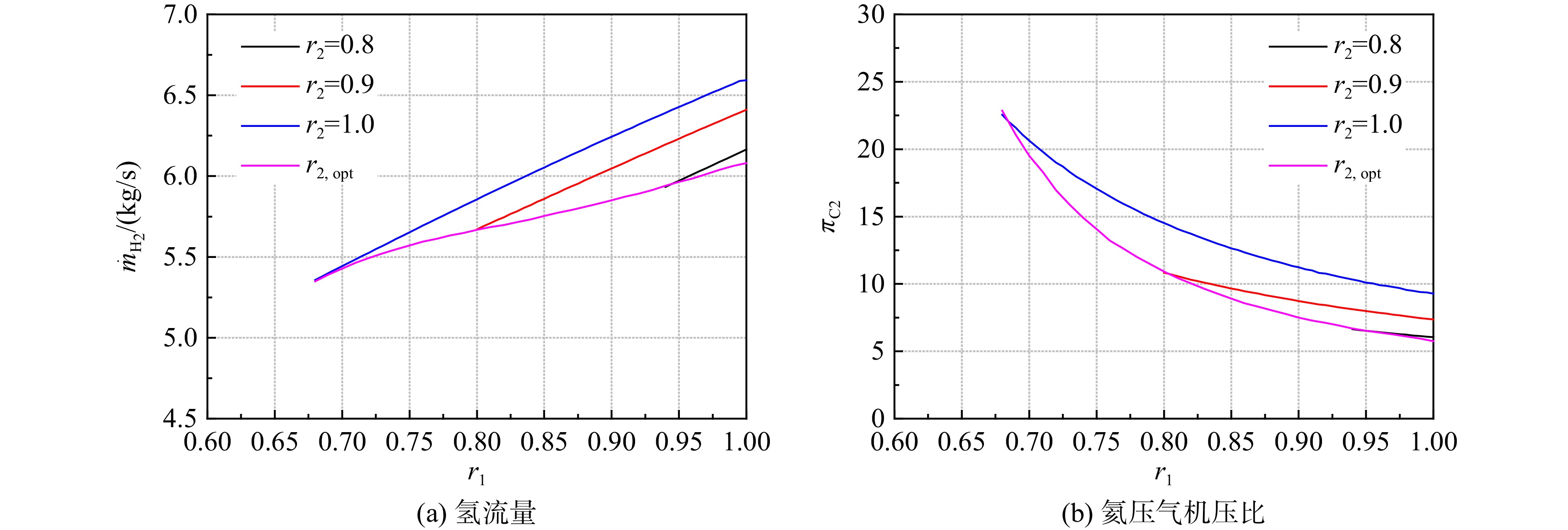
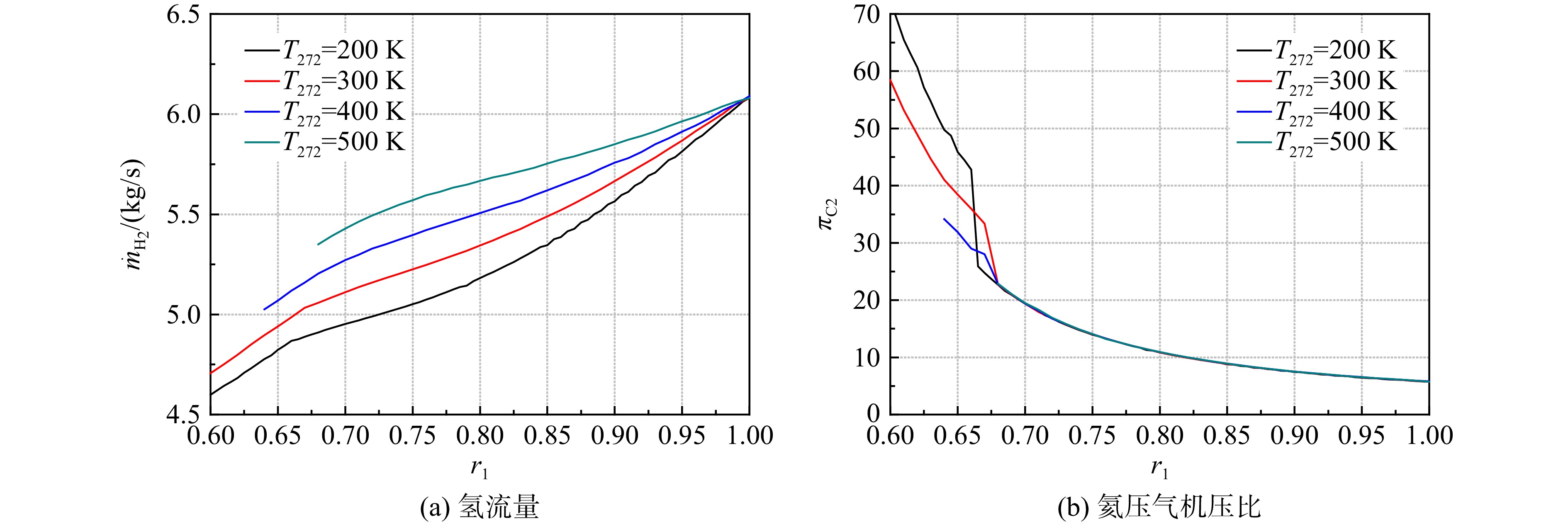
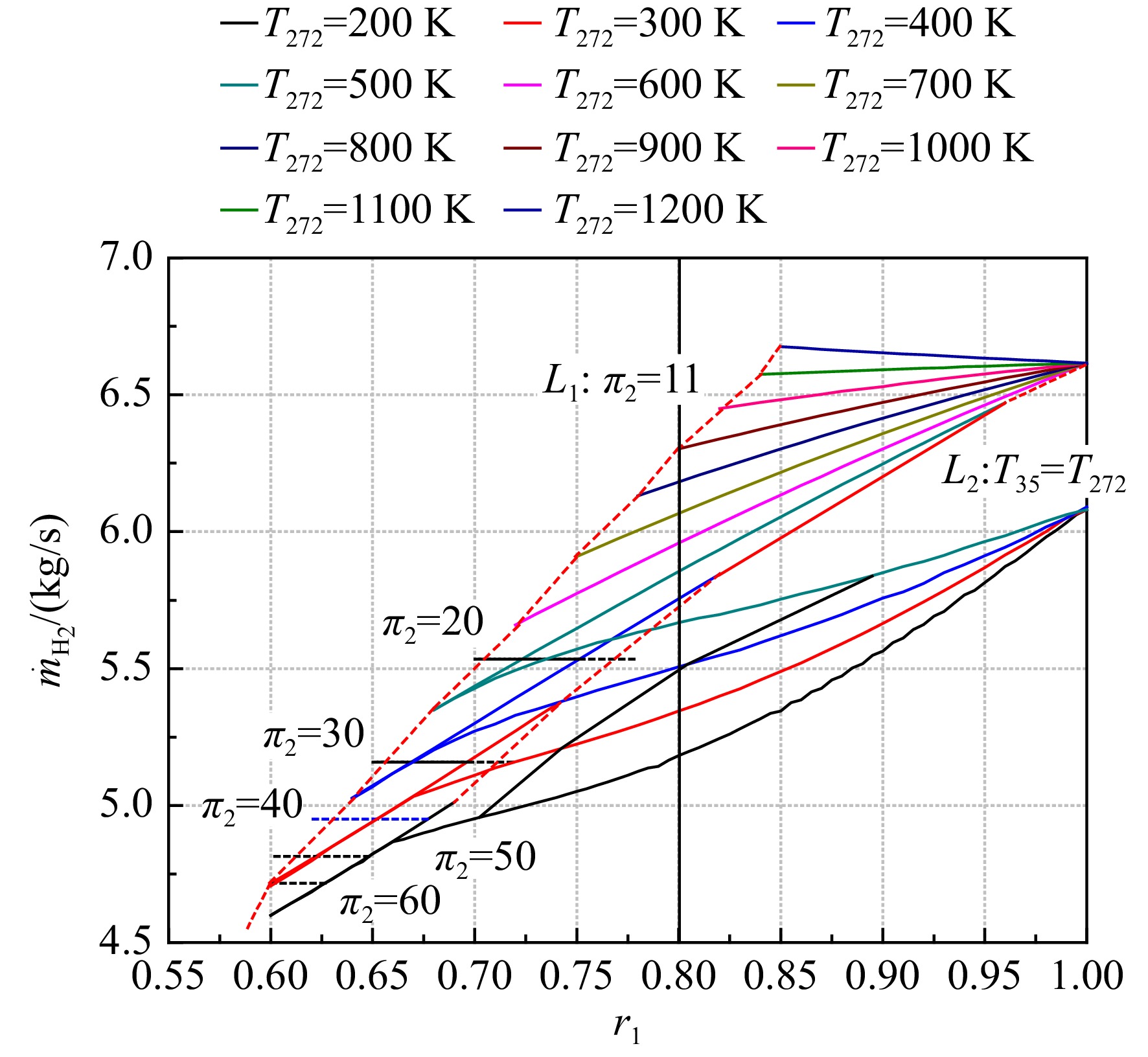
The thermodynamic calculation model based on component method for synergistic air-breathing rocket engine (SABRE) design point was established. The minimum hydrogen flow rate required by the engine was analyzed. To save the hydrogen flow rate, two simplified schemes of SABRE4 were proposed by adding two helium branches based on the SABRE3 configuration. Combining two simplified schemes, SABRE4 scheme was proposed. The influences of the helium branches flow ratios on engine design point parameters and hydrogen flow rate were analyzed. The results showed that: the minimum hydrogen flow rate was proportional to the helium flow rate through Heat Exchanger 3. The less helium flow rate through Heat Exchanger 3 indicated the less hydrogen flow rate required. A smaller branch one flow ratio one was conductive to reducing the hydrogen flow rate, meanwhile the required helium compressor pressure ratio was increased. A smaller branch two flow ratio two was conductive to reducing the hydrogen flow rate and the required helium compressor pressure ratio. The decrease of flow ratio one and flow ratio two caused heat exchangers to approach their limits. When the Heat Exchanger 1 inlet helium temperature was lower than 310 K and the pressure ratio of helium compressor was lower than 11.0, the minimum hydrogen flow rate of SABRE4 was 83.3% of SABRE3.
Numerical research on gas injection combustion of solid rocket scramjet
CHEN Yongzhi, SHI Baolu, ZHAO Majie, LI Pengchang, FENG Ying
2024, 39(11): 20220944. doi: 10.13224/j.cnki.jasp.20220944
Abstract:
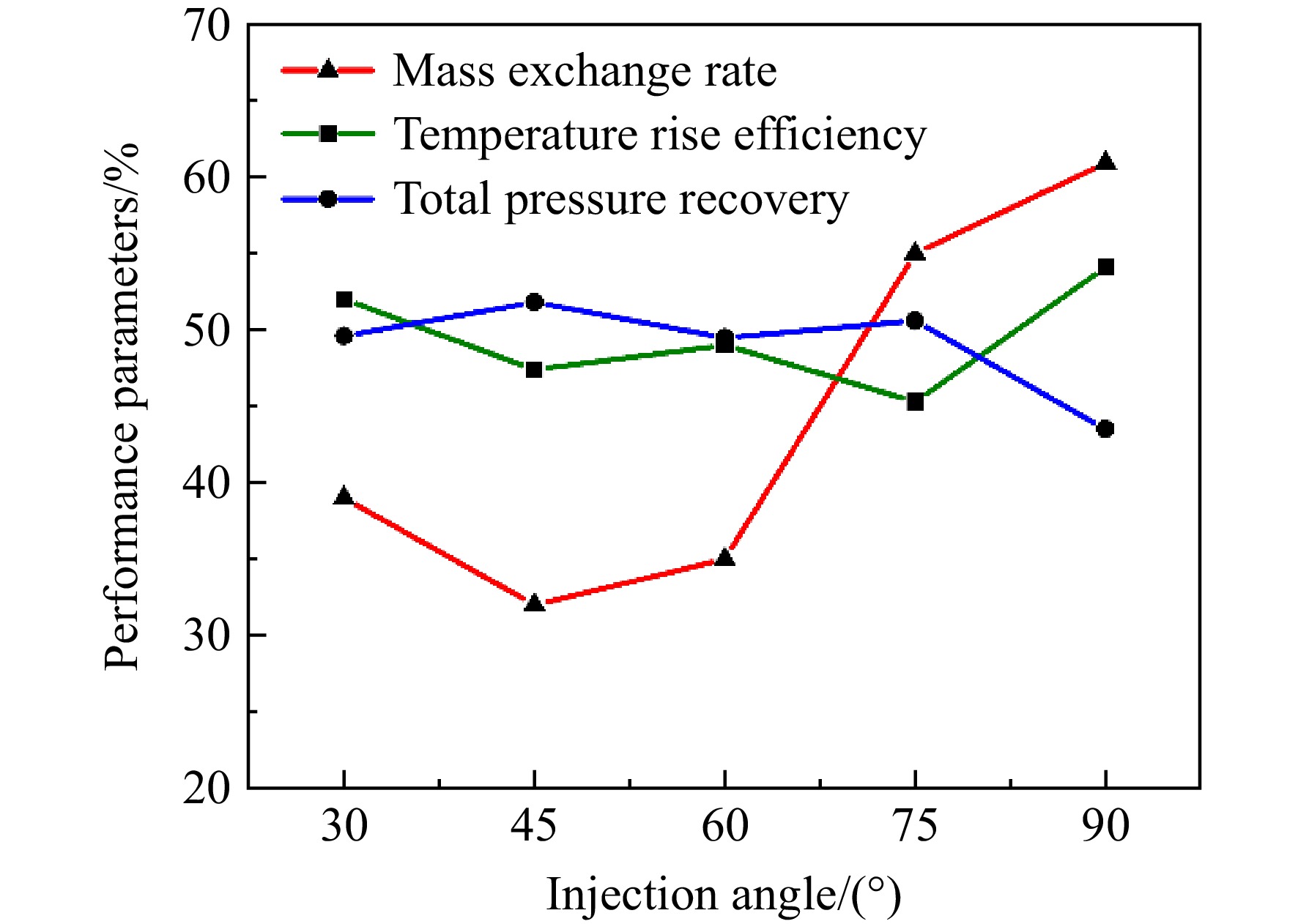
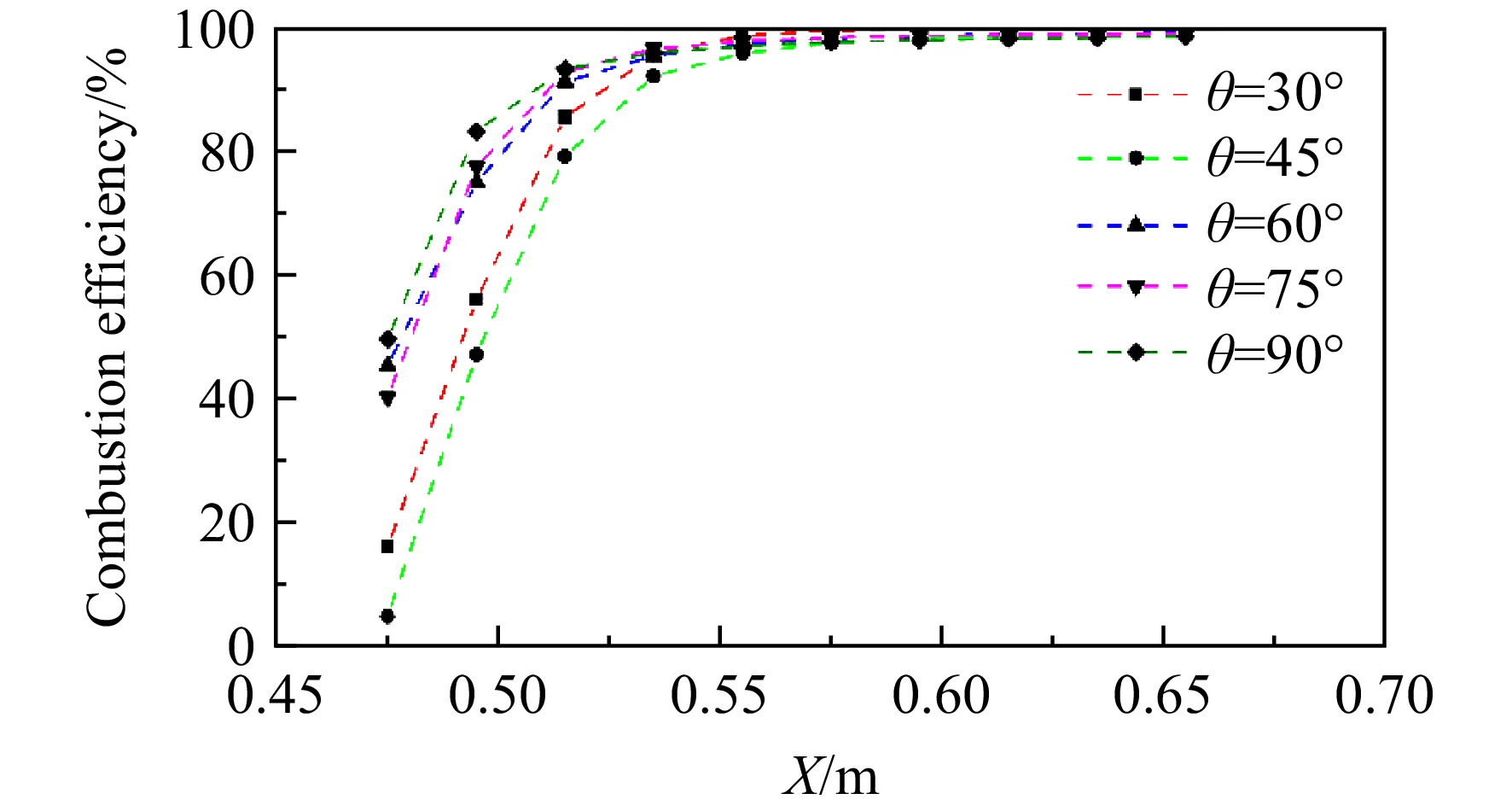
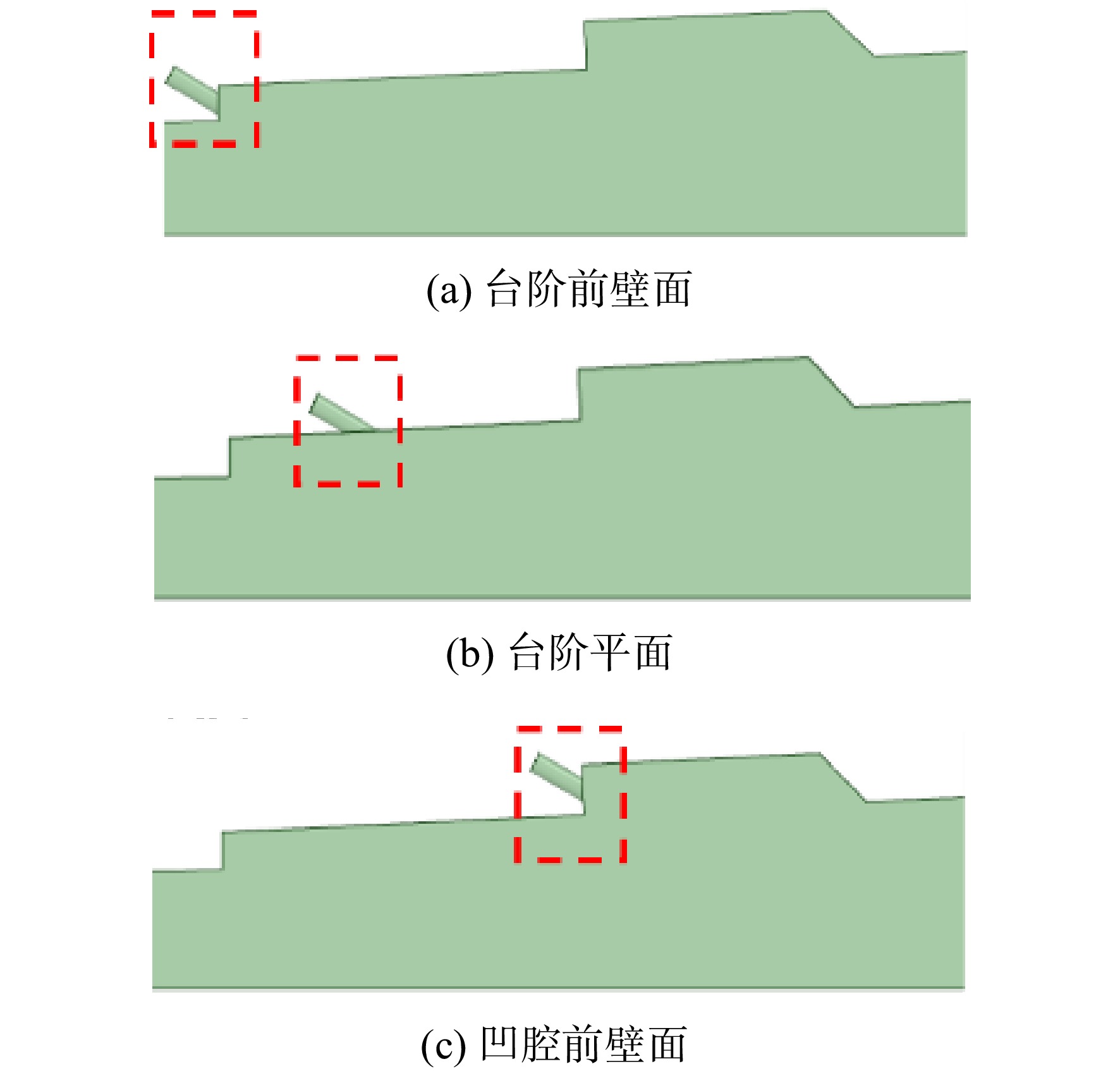
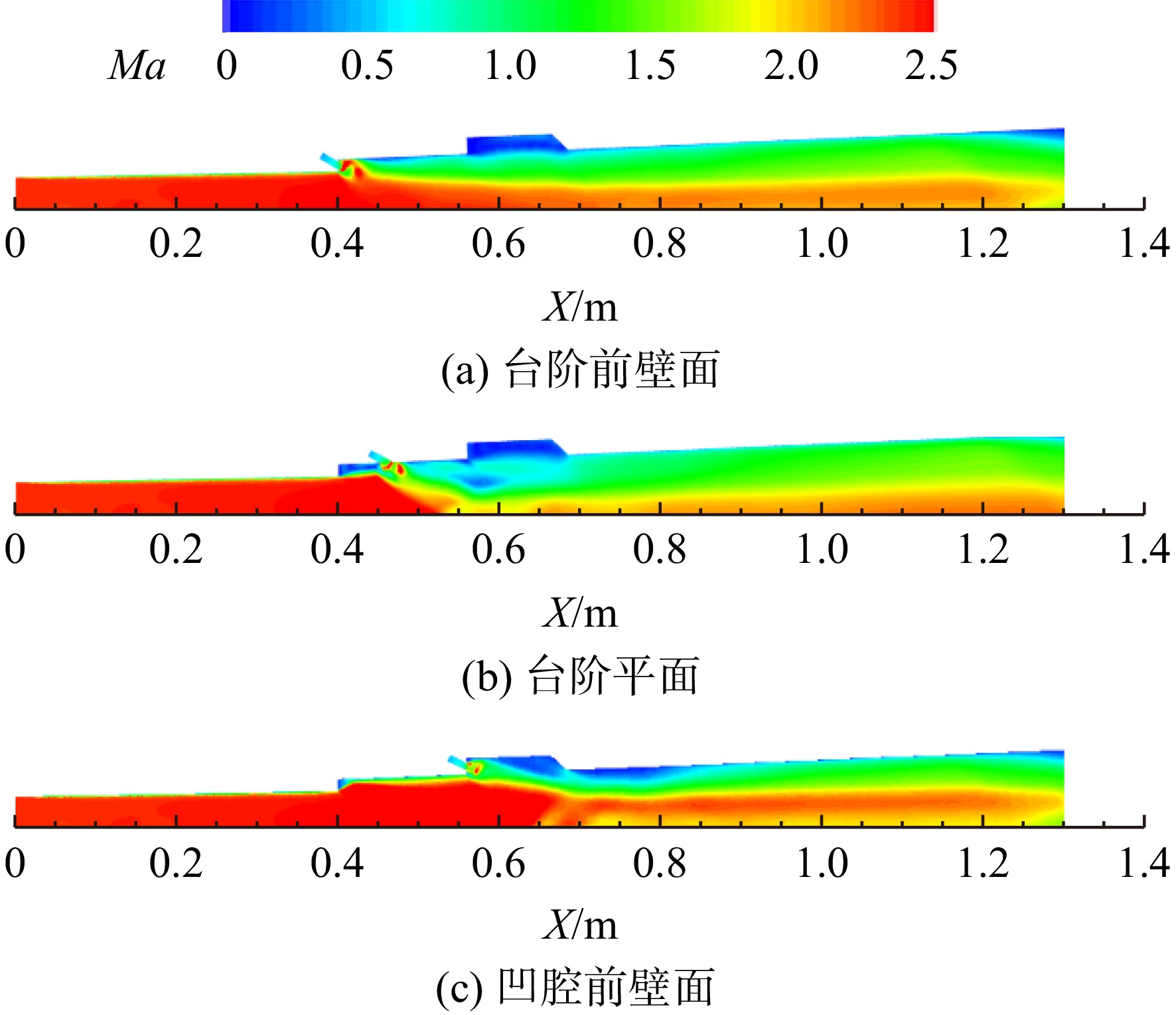
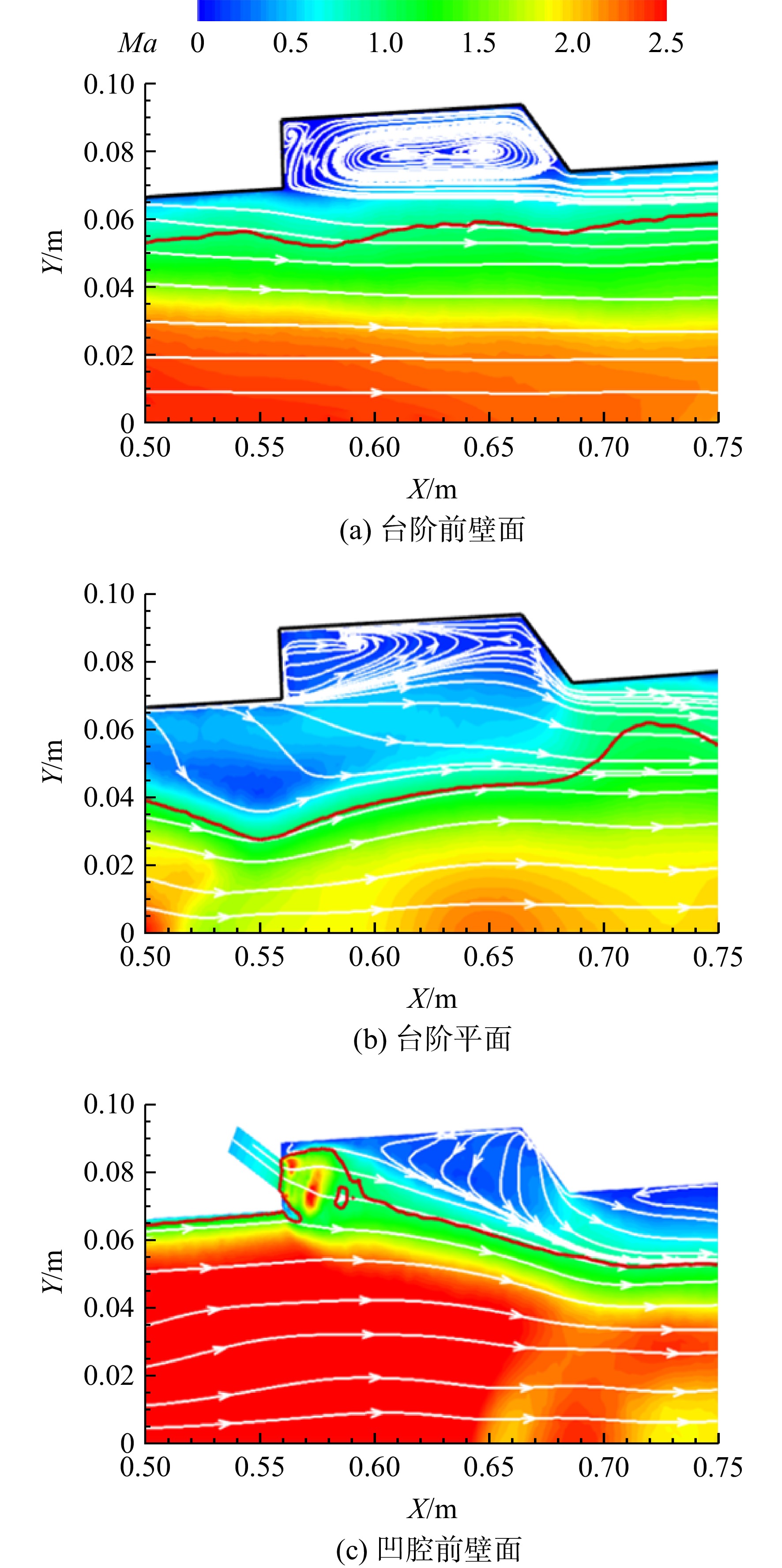
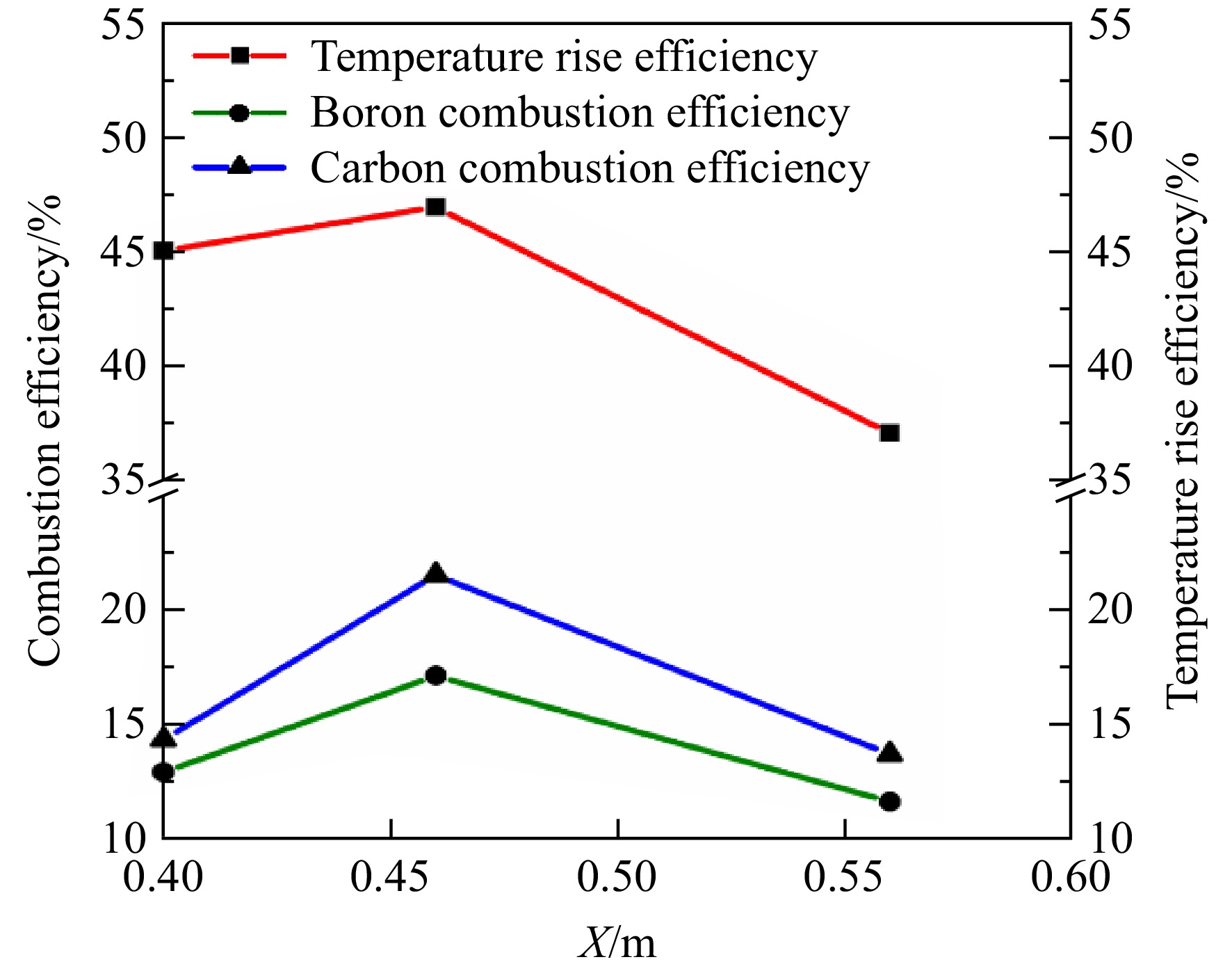
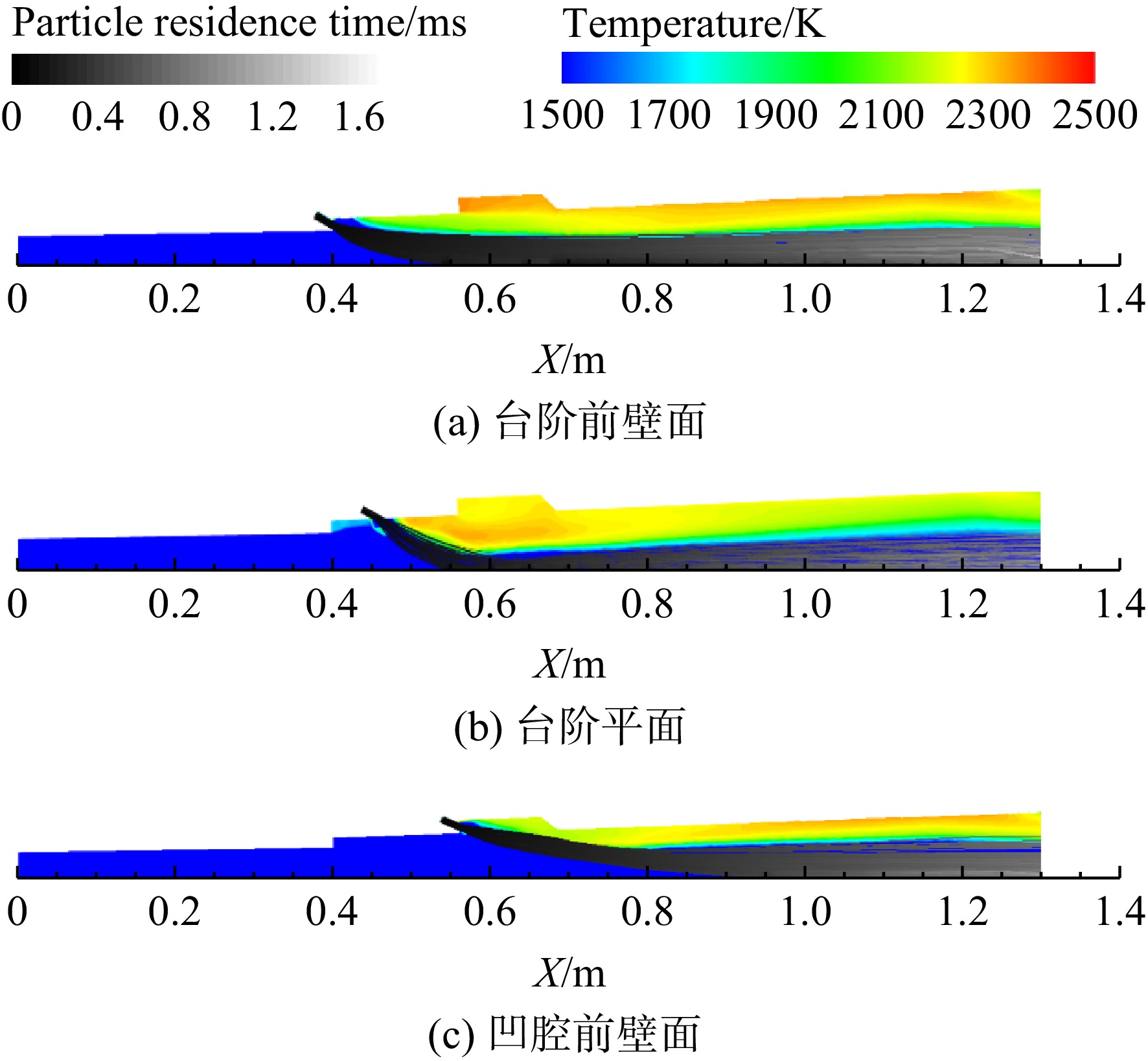
Considering some problems in the combustion chamber of solid rocket ramjet, such as short fuel residence time, difficult mixing with air flow, poor flame stability, and low particle combustion efficiency, based on the Eulerian Lagrange method, a two-phase flow combustion simulation model was established and the primary gas was simplified by using the minimum free energy method and the law of conservation of energy and mass. Based on a solid rocket scramjet model with a cavity flame stabilizer, the influences of different gas injection angles and positions on temperature rise efficiency, total pressure recovery coefficient, cavity performance and particle combustion efficiency were explored. The results showed high calculation accuracy of this method. It was found that increasing the gas injection angle could improve the fuel penetration depth and increase the particle combustion efficiency, but the total pressure loss would increase; the change of gas injection location affected the combustion efficiency of particles not only because of the particle retention time, but also because of the temperature distribution in the region with the particles.

Safety,Airworthiness
Optimization of cargo aircraft packing and stowage combination
ZHAO Xiangling, ZUO Lei
2024, 39(11): 20220844. doi: 10.13224/j.cnki.jasp.20220844
Abstract:
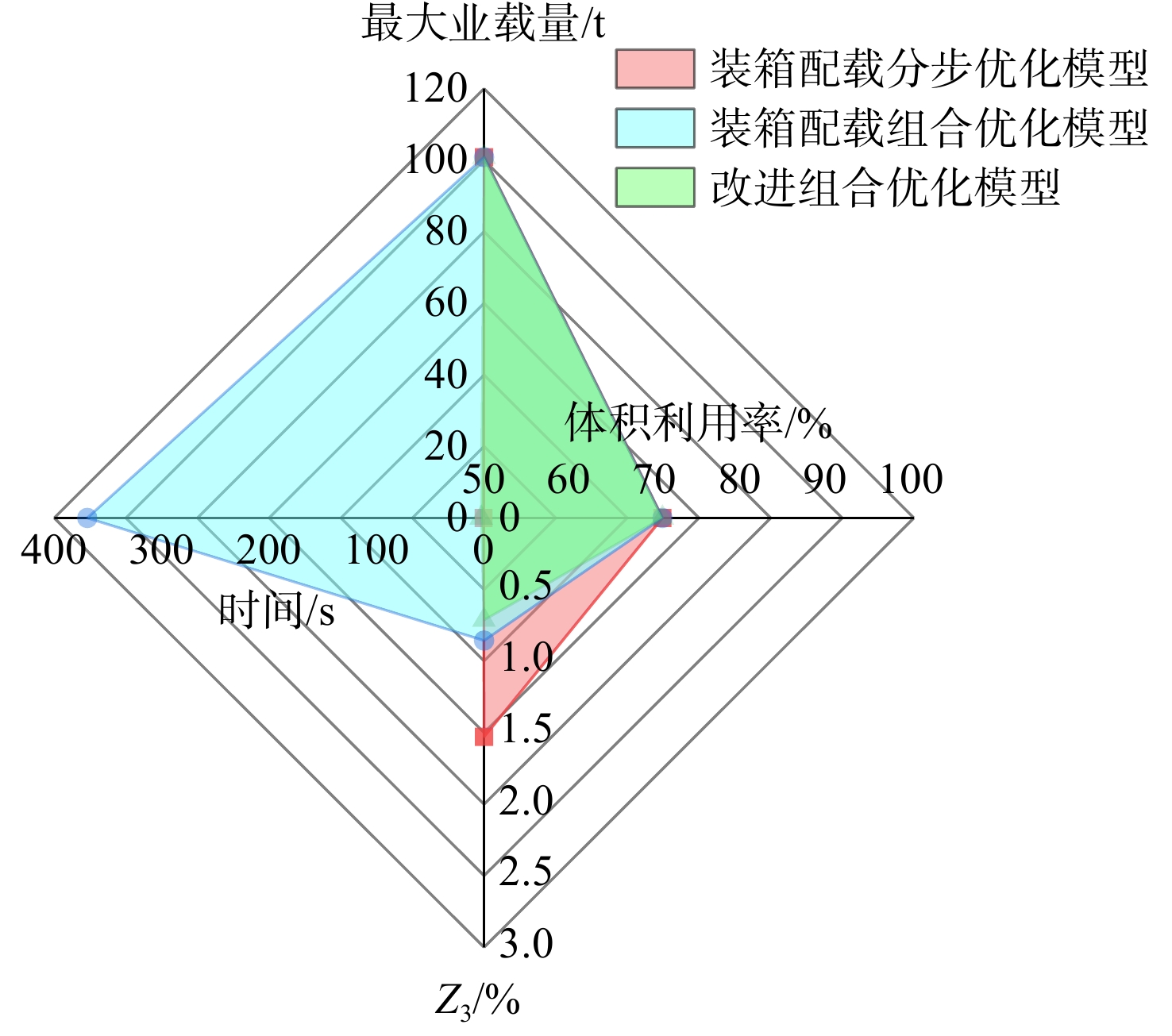
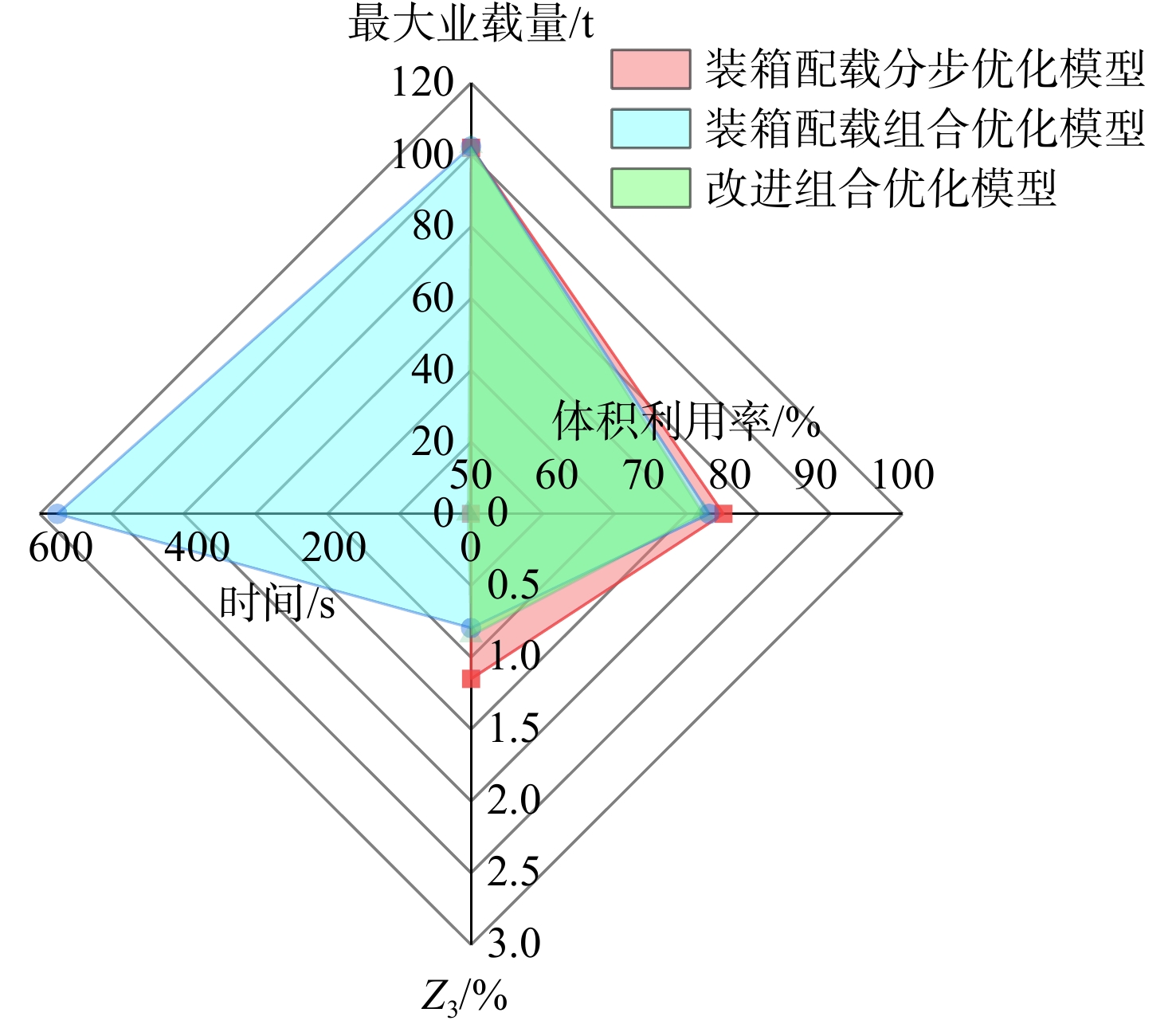
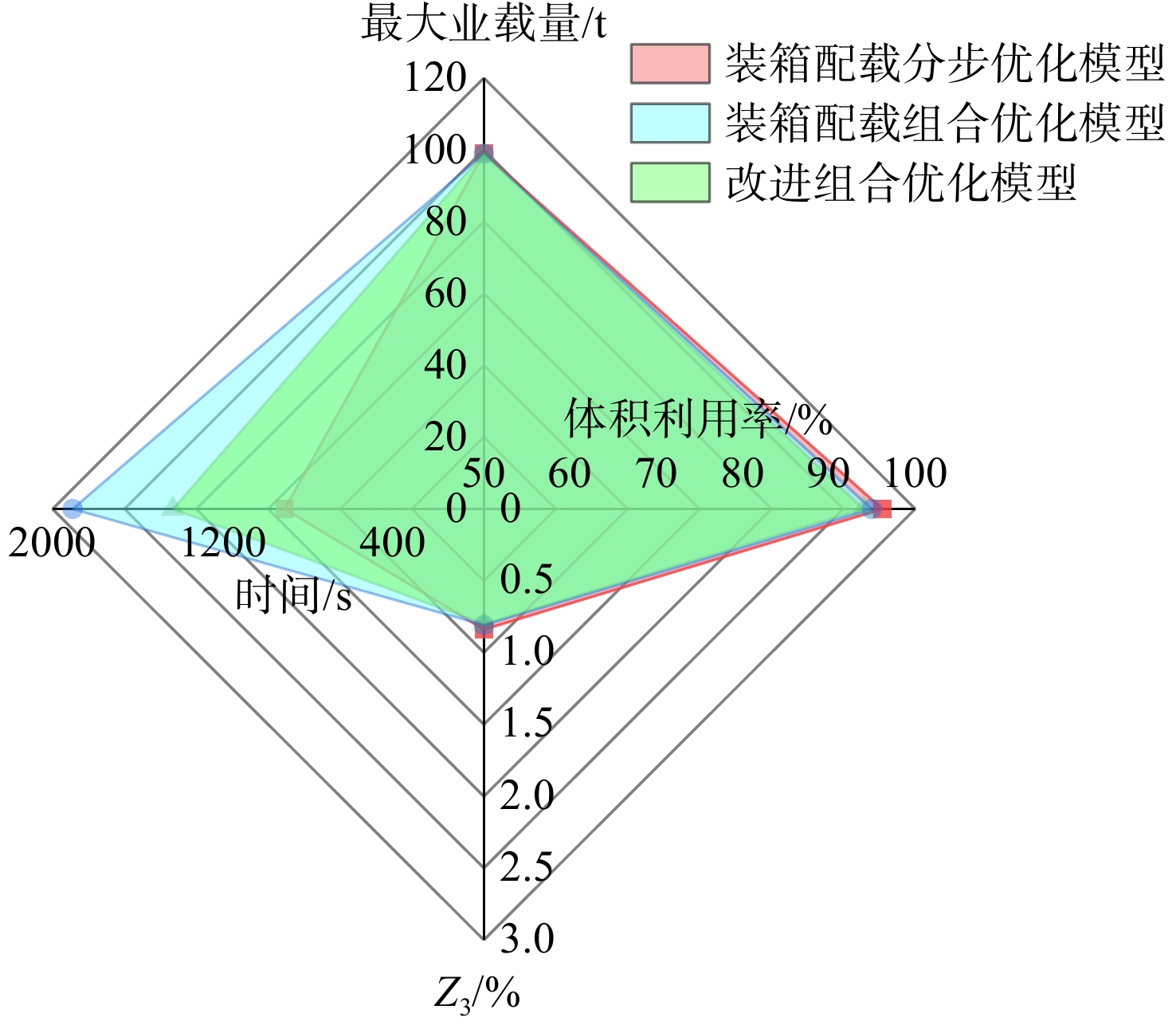
To guide the packing operation, raise aircraft payload, and boost transportation effectiveness, models of the combination of air cargo palletization (ACP) and aircraft weight and balance (AWB) were developed. The bi-level optimization model (BOM), the combinatorial optimization model (COM), and the improved combinatorial optimization model (IOM) were proposed, and the objectives of the models were the maximum payload and the minimum center of gravity (CG) deviation from a defined target CG. The models also took into account a wide range of restrictions in real packing and stowing operations, such as limitations on capacity, weight, loading position, aircraft balance, and other factors in aircraft and unit loading devices. Four scenarios with various conditional data for three models were tested and analyzed using the commercial solver Gurobi, by taking the B777F as an example. Tests showed that while the BOM had the greatest CG deviation and the smallest mean payload (97 412.37 kg), it also had the fastest solution speed. For cases solved within the time limit, the mean computational time was 87.77 s, but the mean CG deviation was 1.35%. And there were some unacceptable cases where the maximum approached 3.66%. The COM test required the longest time for completion; 48% of the cases cannot be solved in the given time limit, and the mean took 880.25 s for completion, making it a challenge to accept in real-life scenarios. The IOM had an acceptable solution time, with a mean of 424.79 s, the best target optimization effect, and the greatest payload, with a mean of 97 679.77 kg; all CG deviations were controlled within 1.16%, with a mean of 0.79%.

Numerical simulation of saturated fuel preparation for fuel icing tests
PENG Ju, GU Yunfeng, LI Jie, LIU Linsheng, JIA Funian, YANG Jinchang, WANG Bin
2024, 39(11): 20220790. doi: 10.13224/j.cnki.jasp.20220790
Abstract:

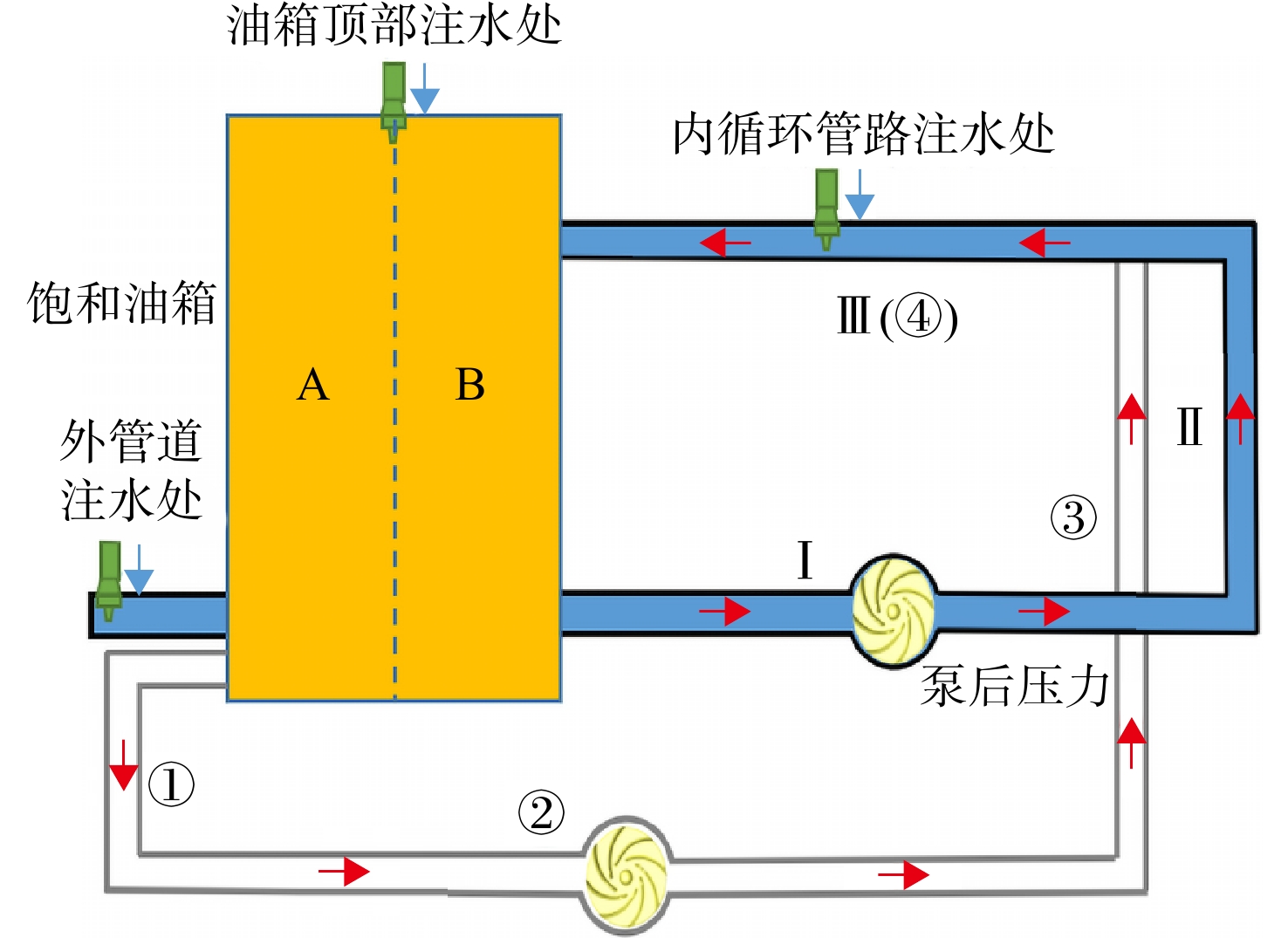
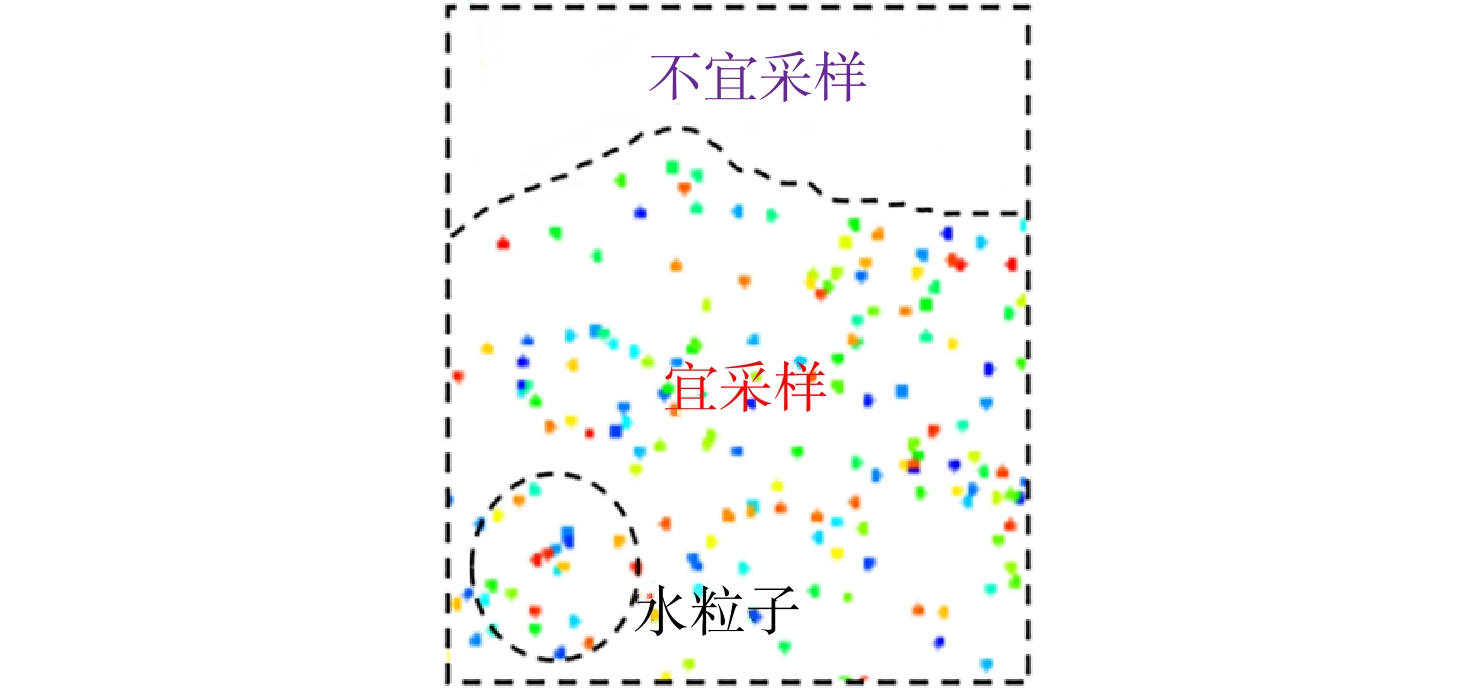
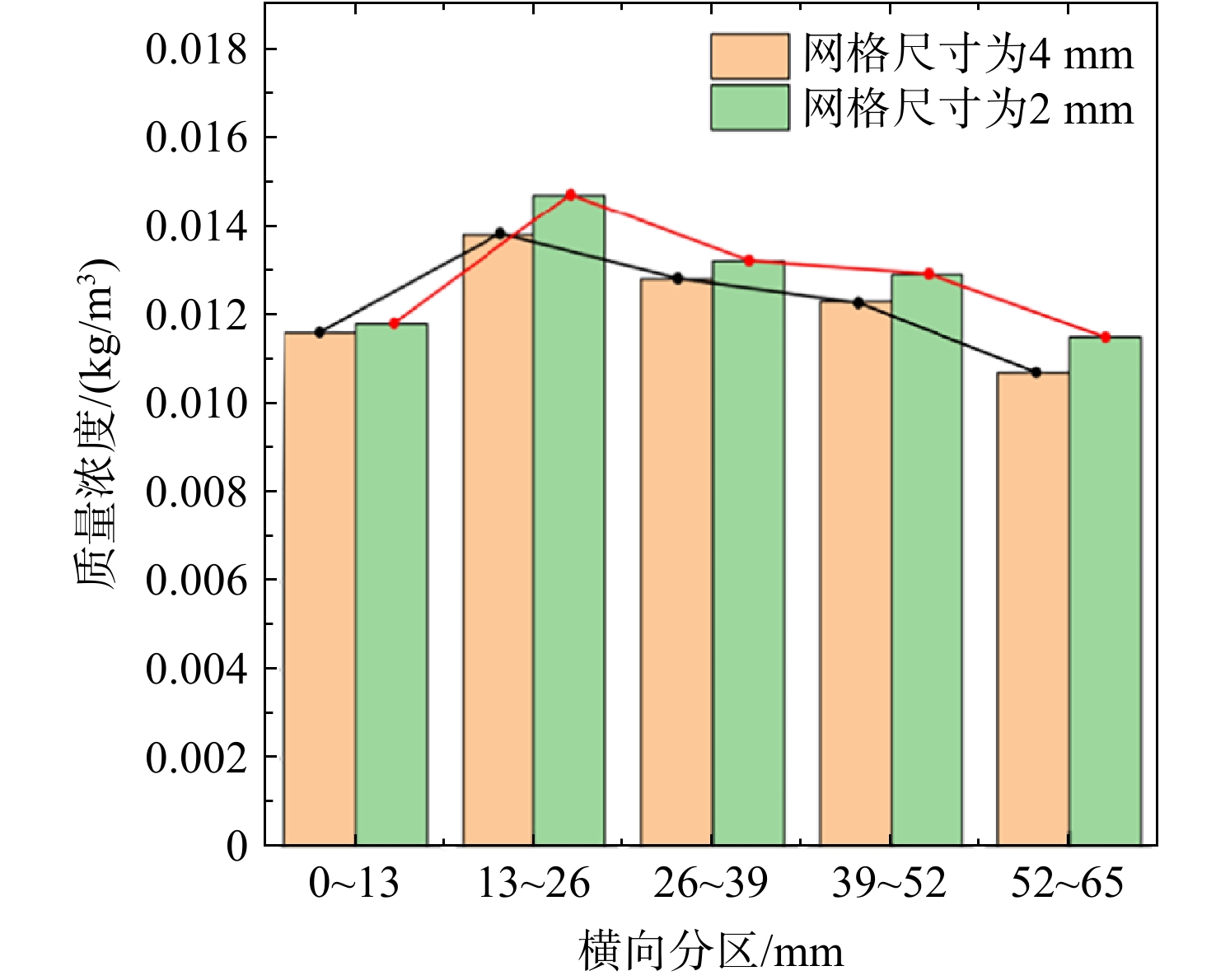
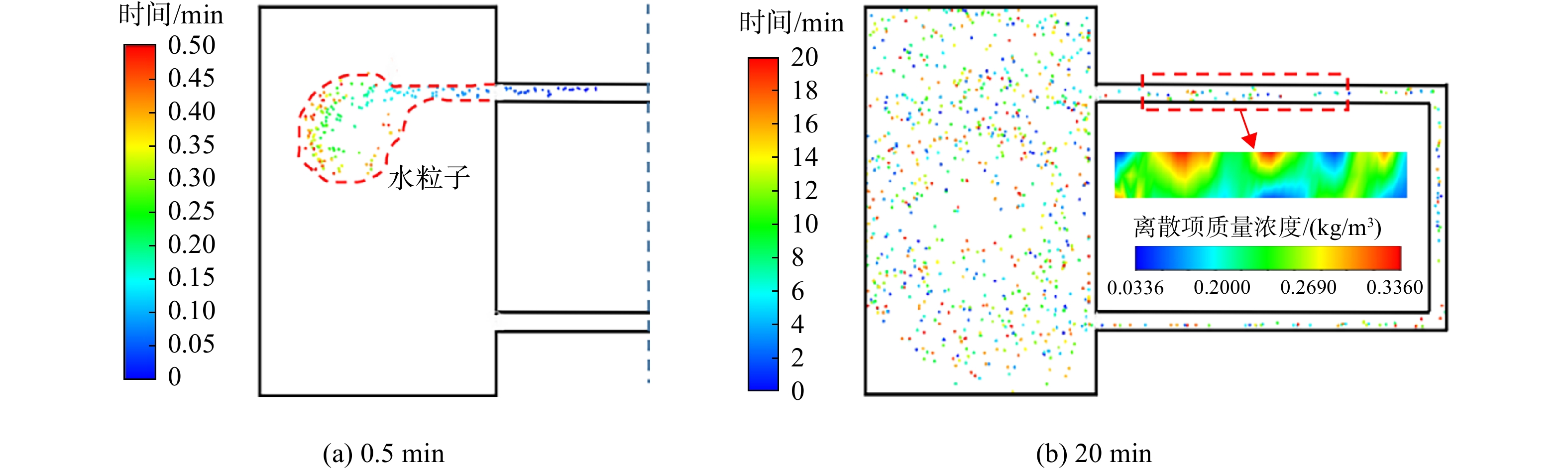
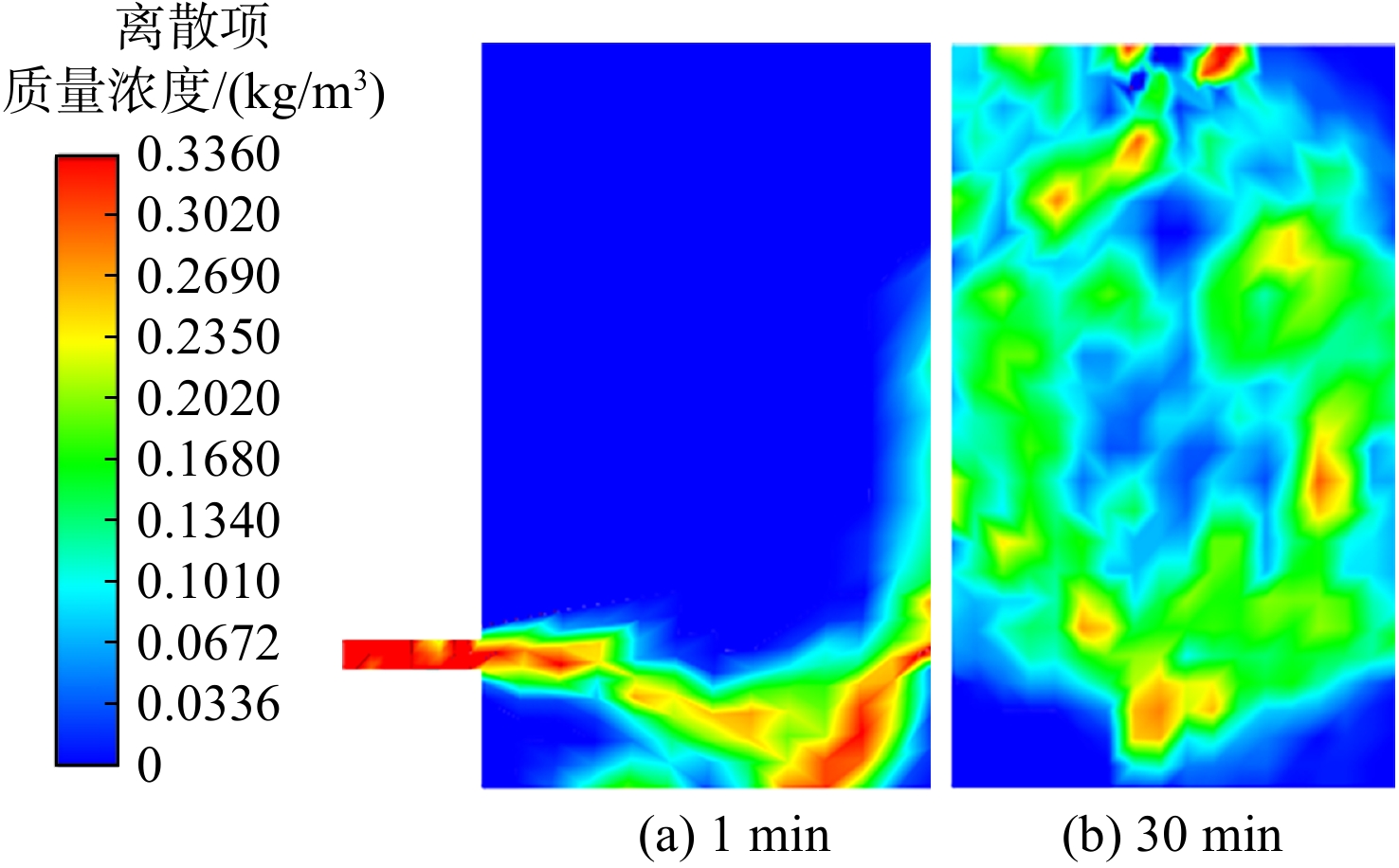
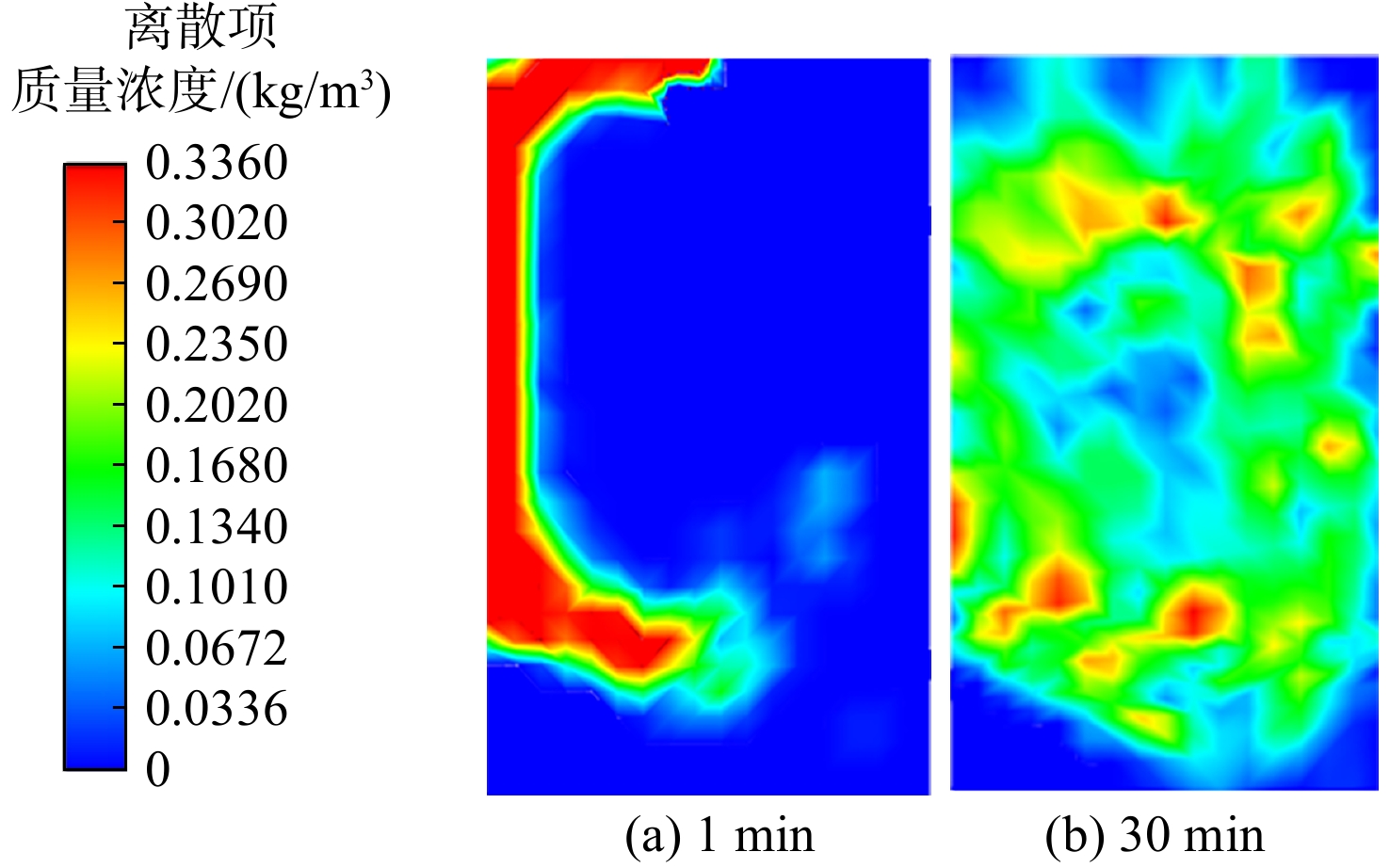
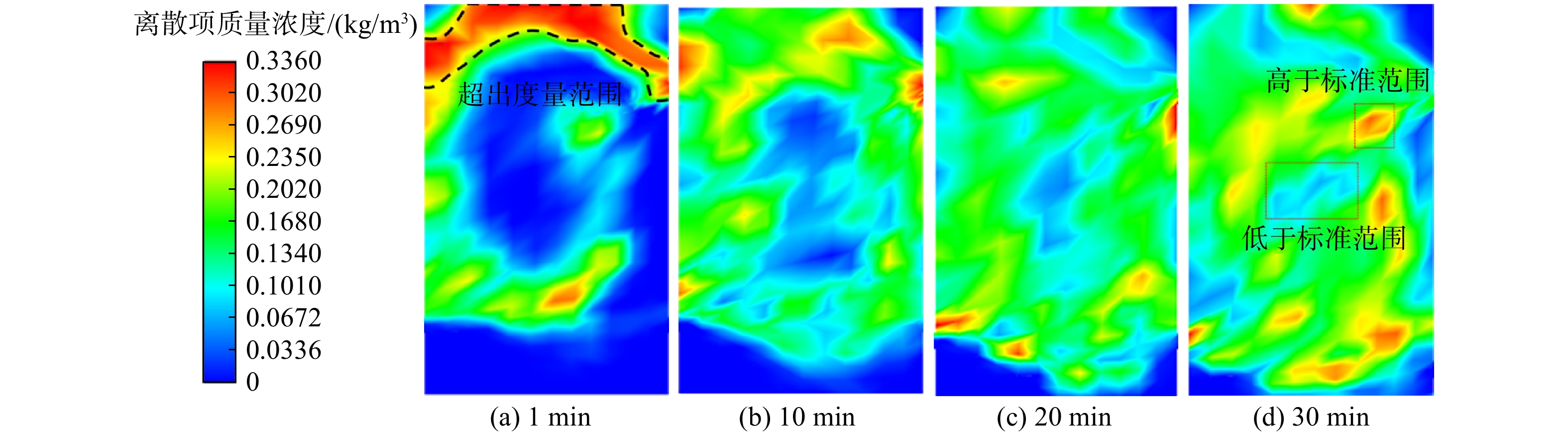
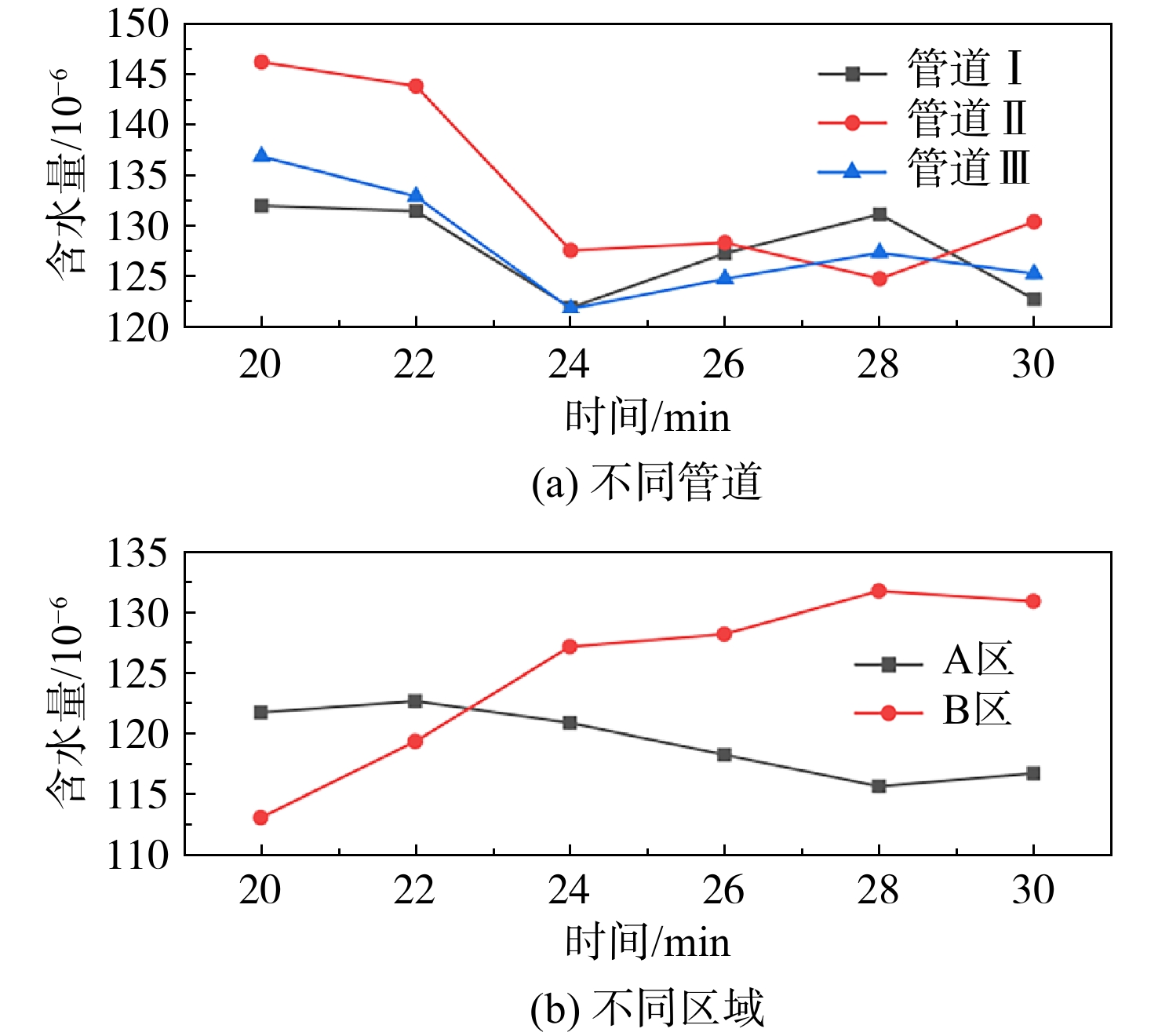
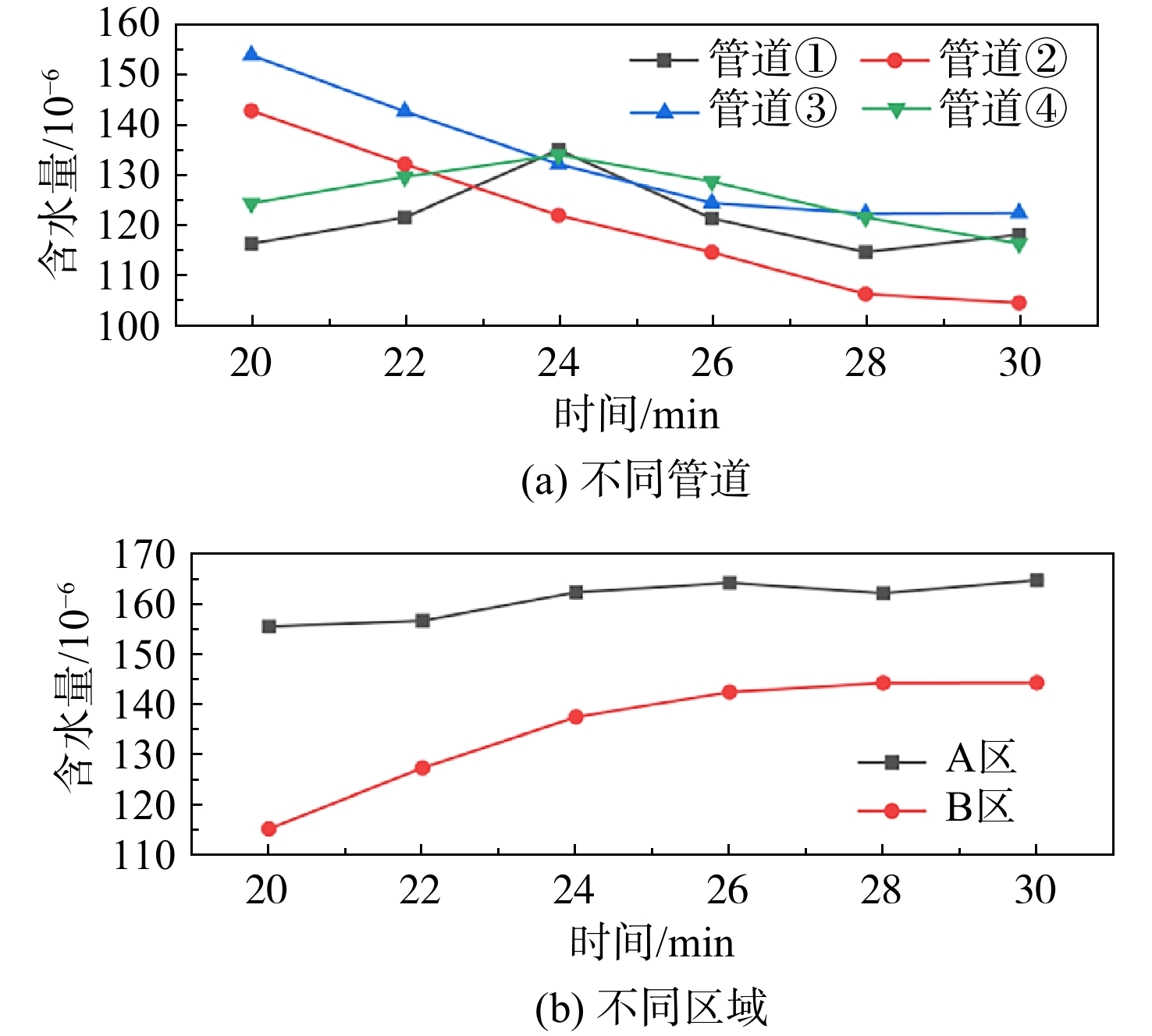
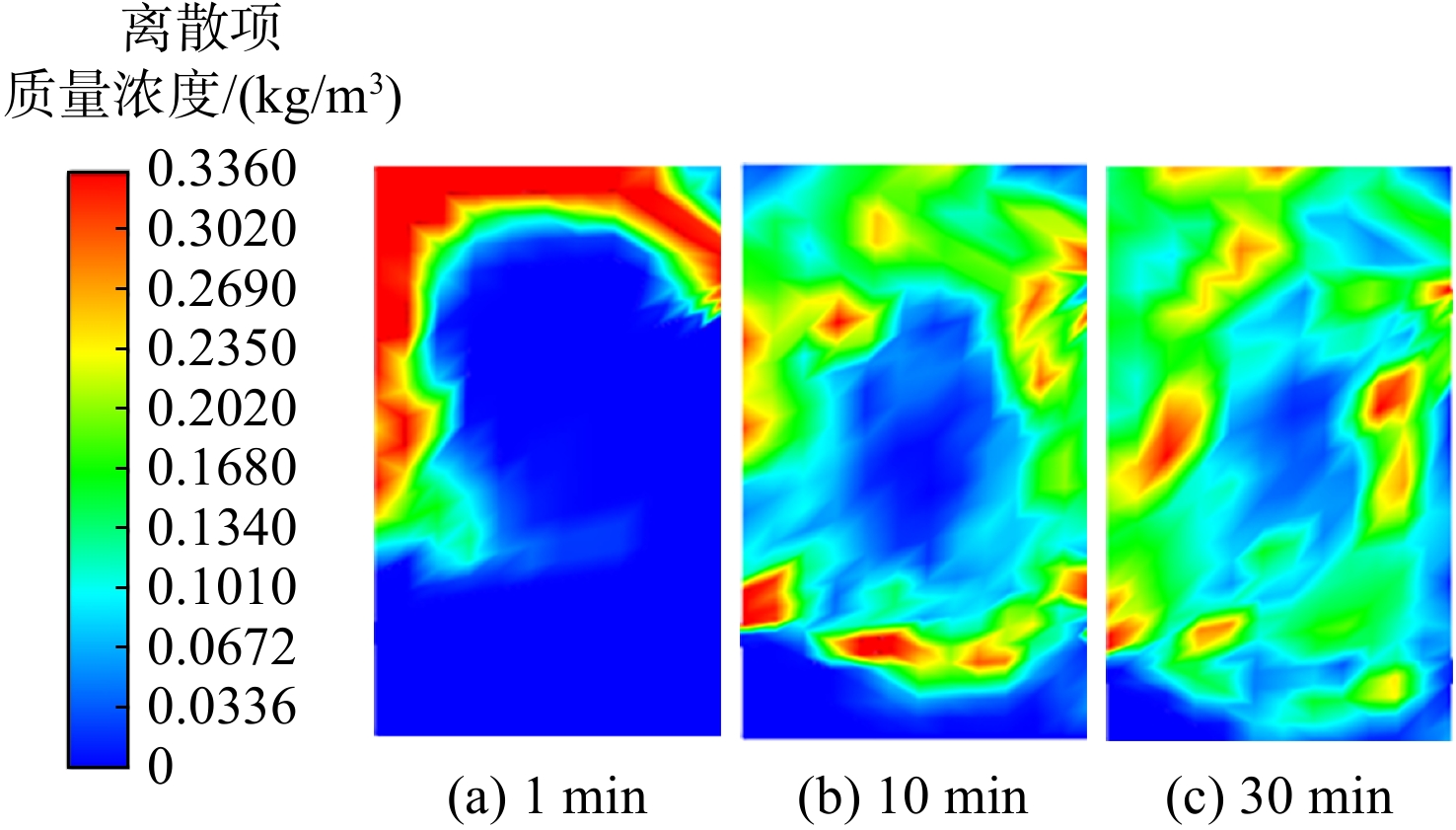
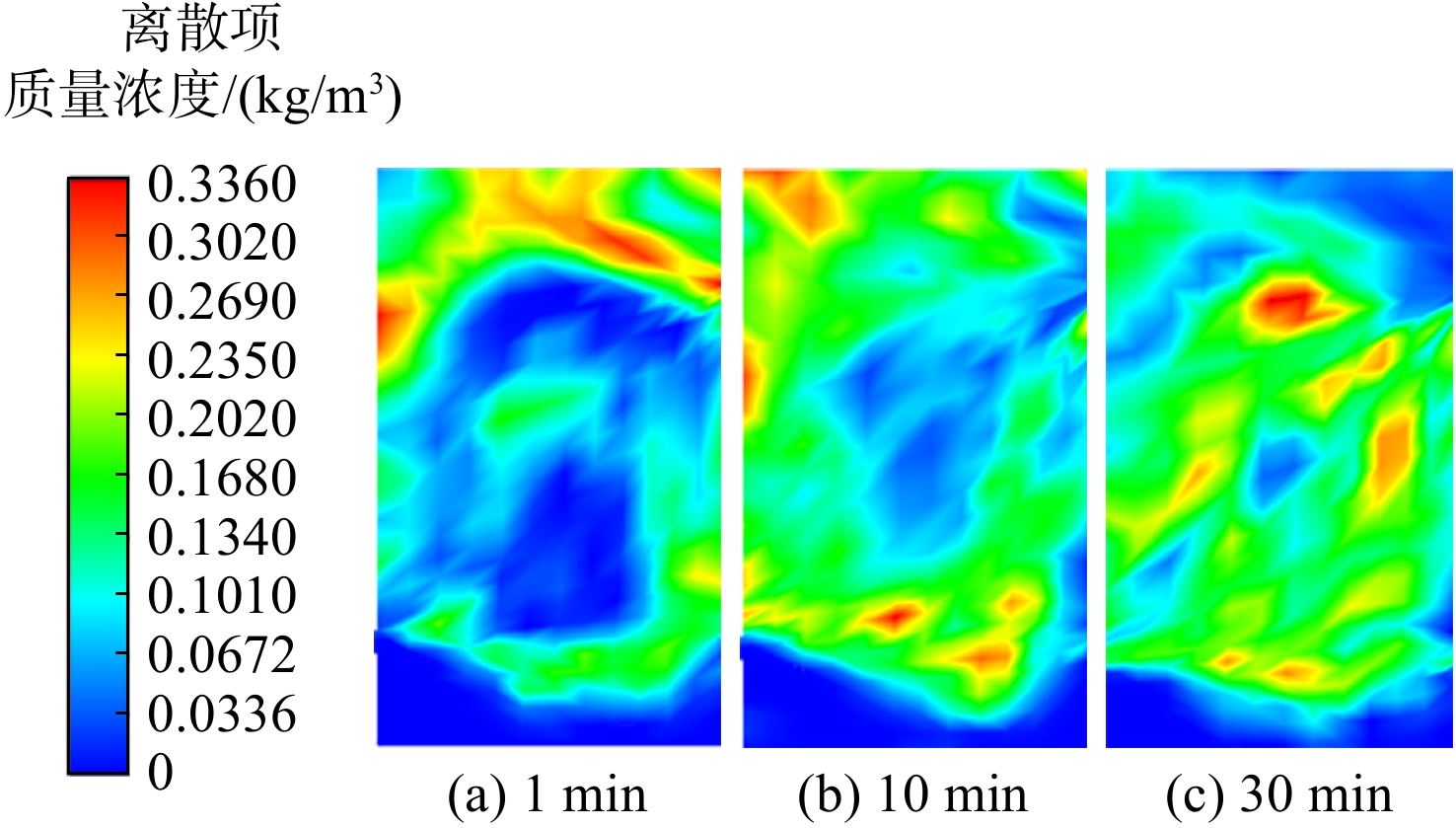
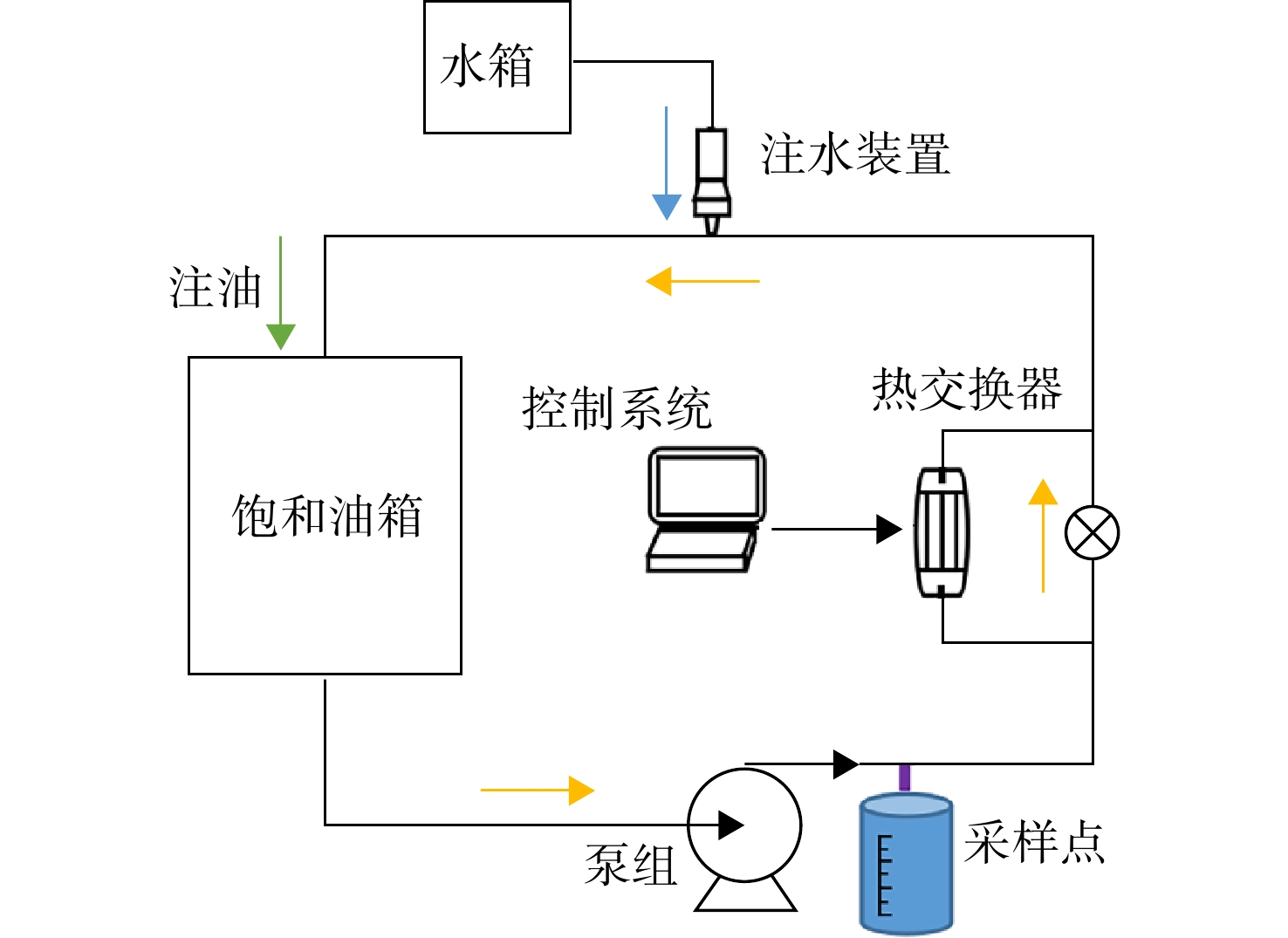
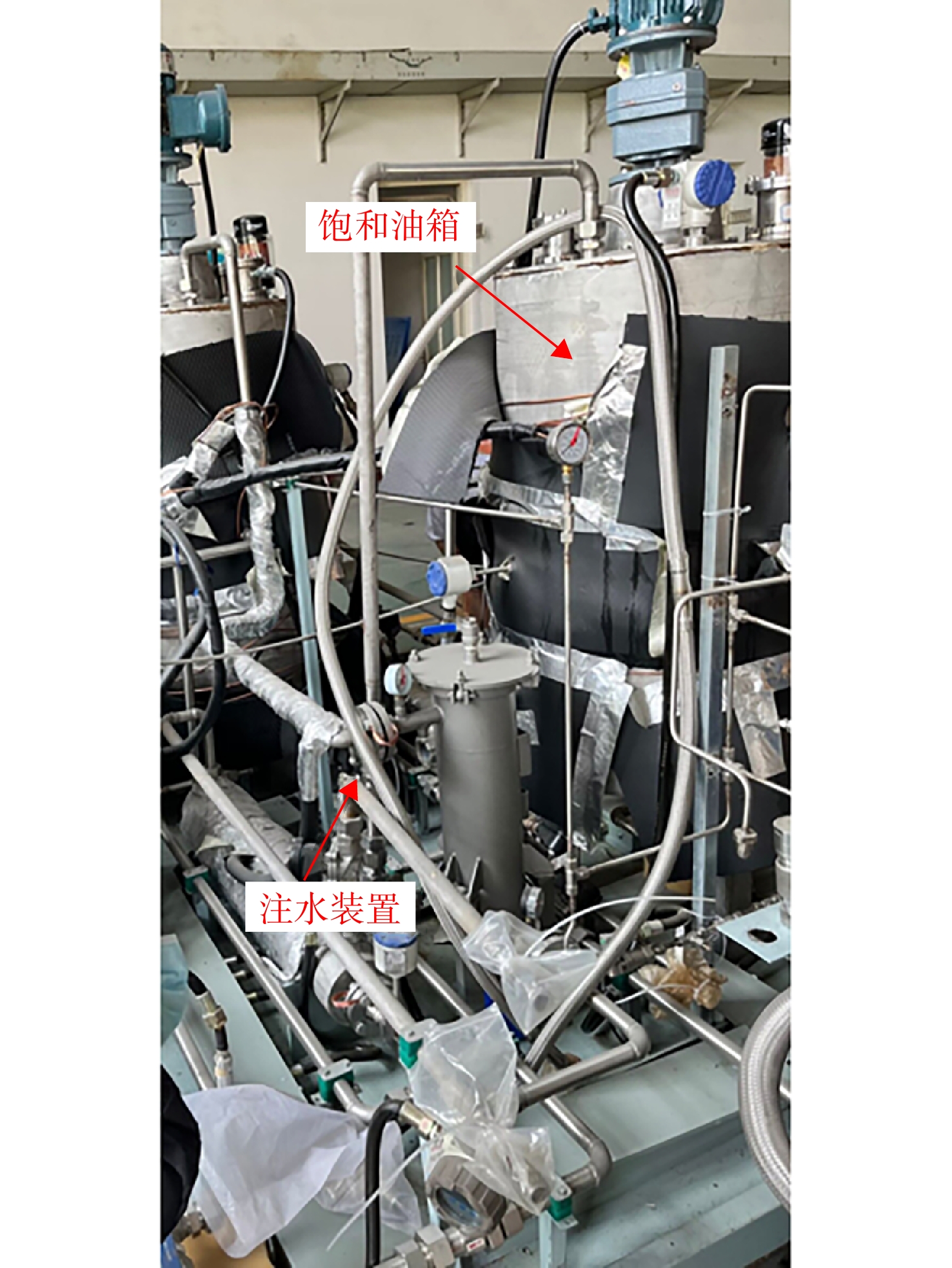
In order to study the influence rules of water content in saturated fuel for fuel icing tests, and find the way to meet airworthiness requirement on fuel-water homogeneity, numerical simulation of water injection and circulation system was proposed. Euler-Lagrange algorithm represented continuous and discrete terms respectively, and discrete phase model (DPM) simulated the collision, fusion and fragmentation of water particles. Water droplet spray and water-fuel two-phase flow cycle was simulated, to examine effects of injection position, pressure of the pump outlet and in/out arrangement of fluid on the water content in the fuel. Based on statistical sampling on the mass concentration of the discrete terms for different regions in the cycle system, water-fuel mixing within the prescribed time by the airworthiness standard was analyzed. Water injection experiment for the fuel cycle was conducted by using water distribution apparatus, and the water content in the cycle fuel without passing through the fuel-water separator was measured. The results showed that, the measured results were in good agreement with the numerical simulation. The circulating mixing exhibited excellent effect when the inlet and the outlet of the liquid flow were on the same side of the tank or water was injected into the downstream pipe of the pump. Moreover, fuel-water mixing was uniform at 0.2 MPa pump outlet pressure, and stable water content was kept within the range of 90×10−6 to 130×10−6 specified by the airworthiness standard.

Autocontrol
Research on the characteristics of sliding valve piezoelectric high-speed on/off valve
WANG Yuwen, ZHU Yuchuan, LING Jie, CHEN Xiaoming, ZHANG Mingming
2024, 39(11): 20220426. doi: 10.13224/j.cnki.jasp.20220426
Abstract:
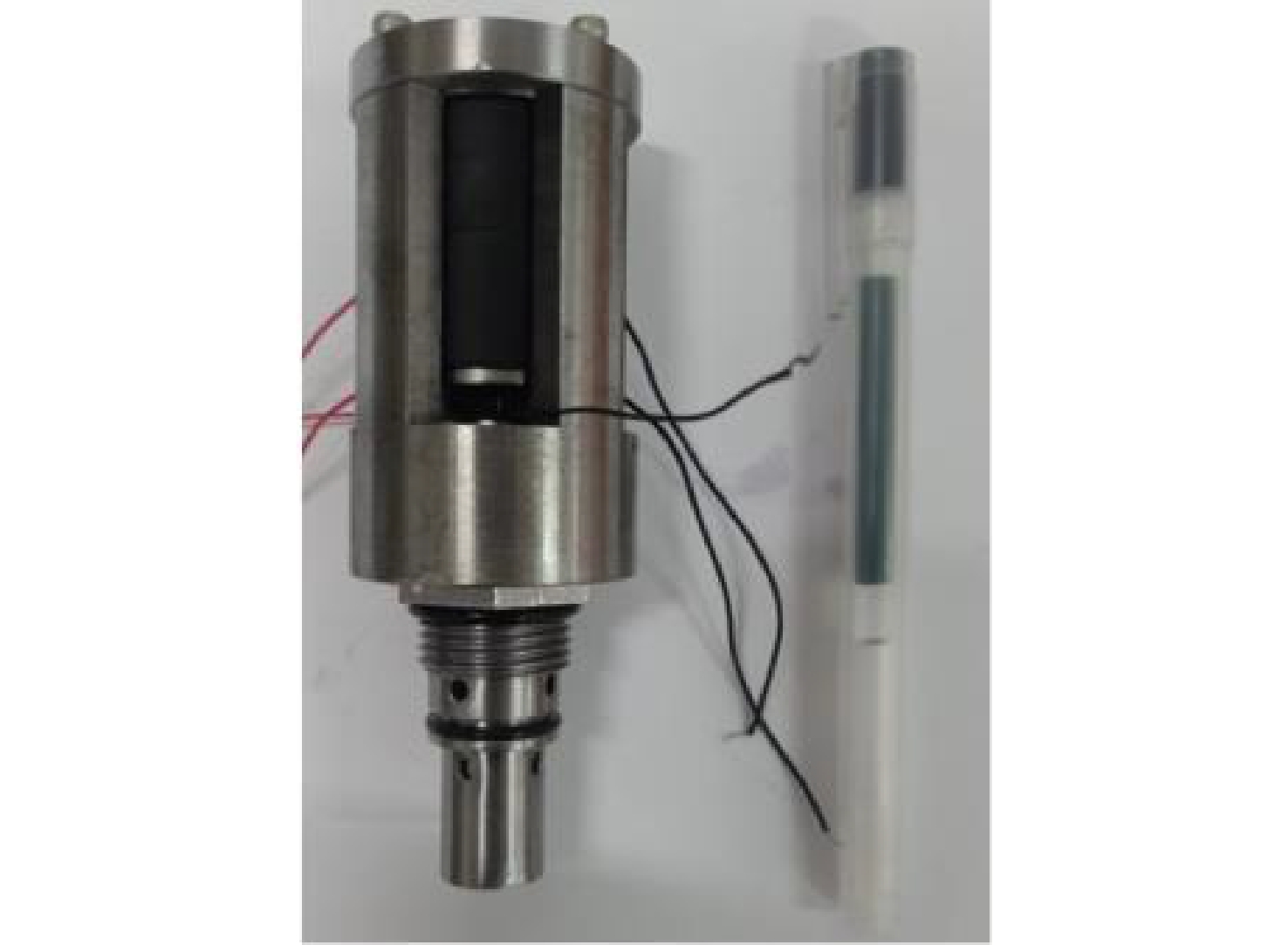
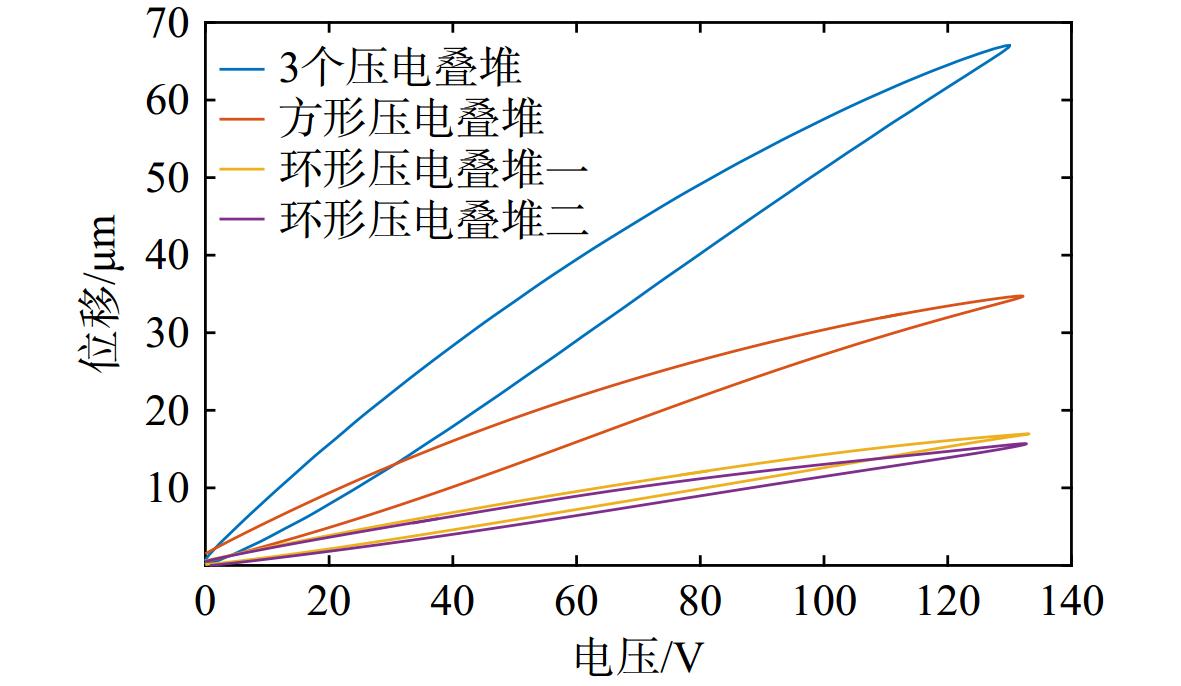
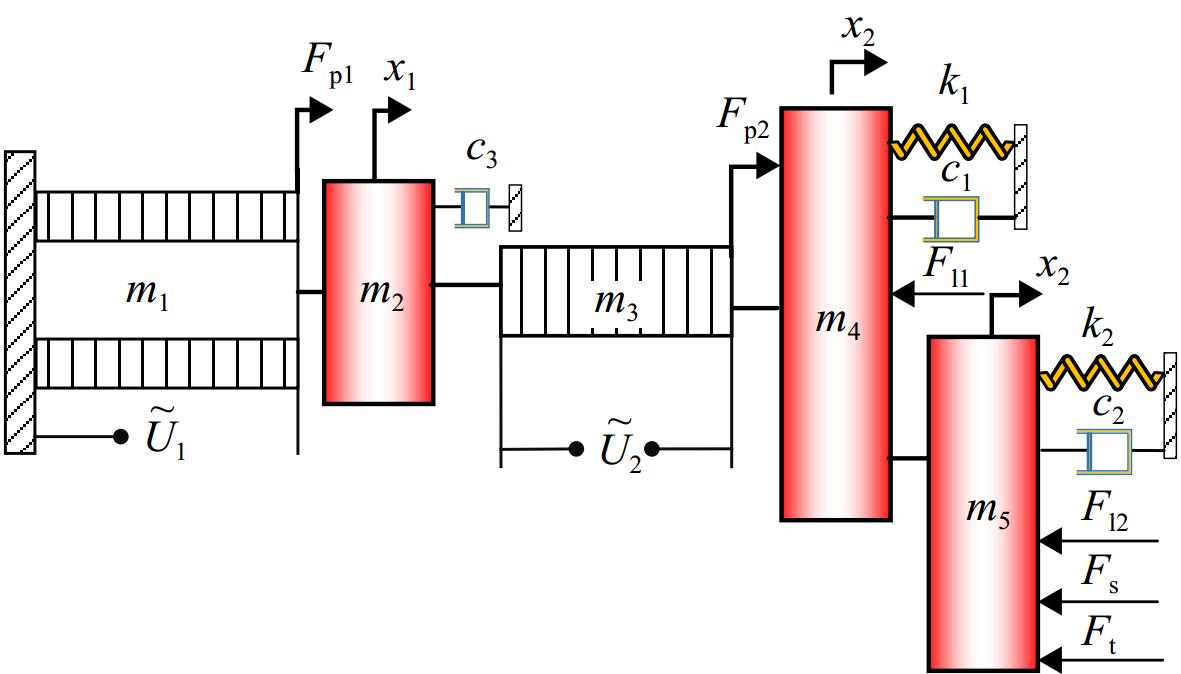
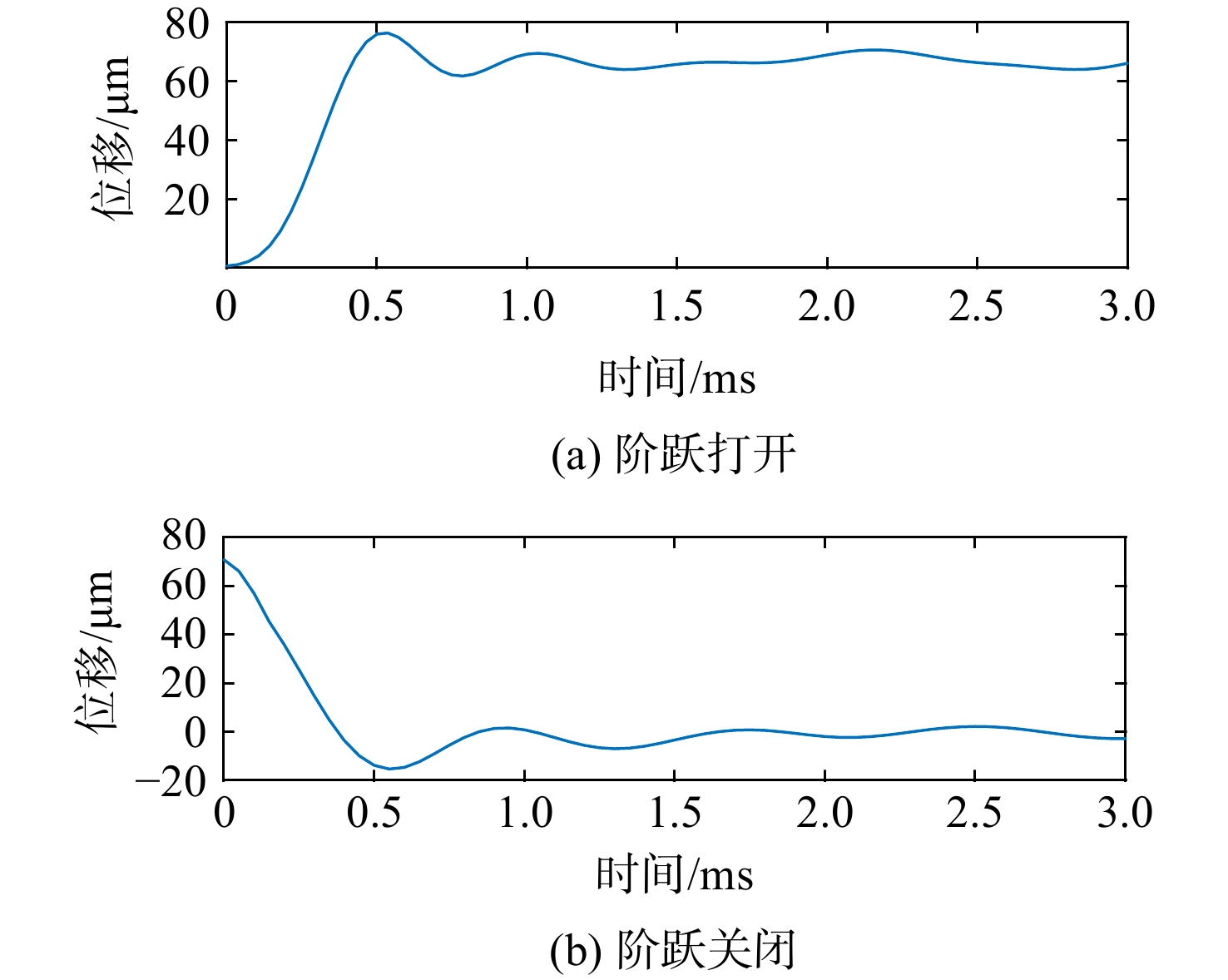
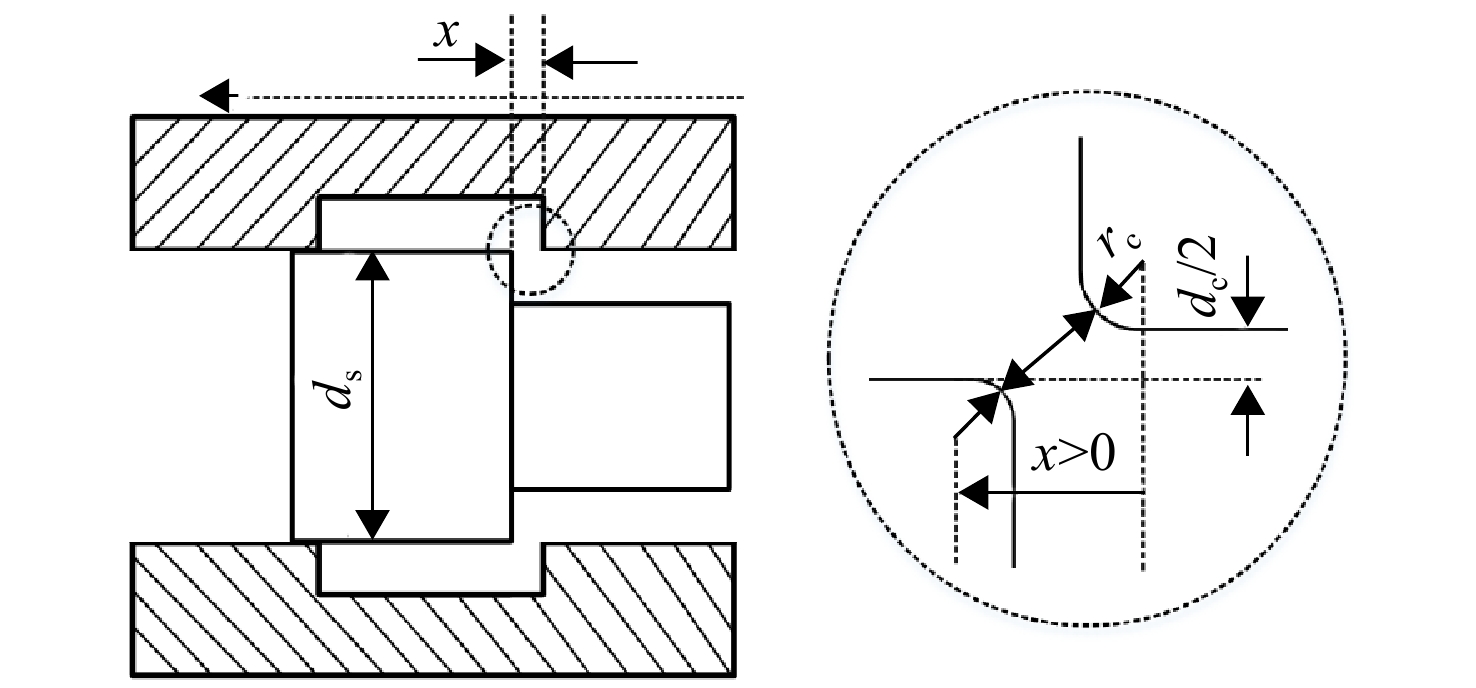
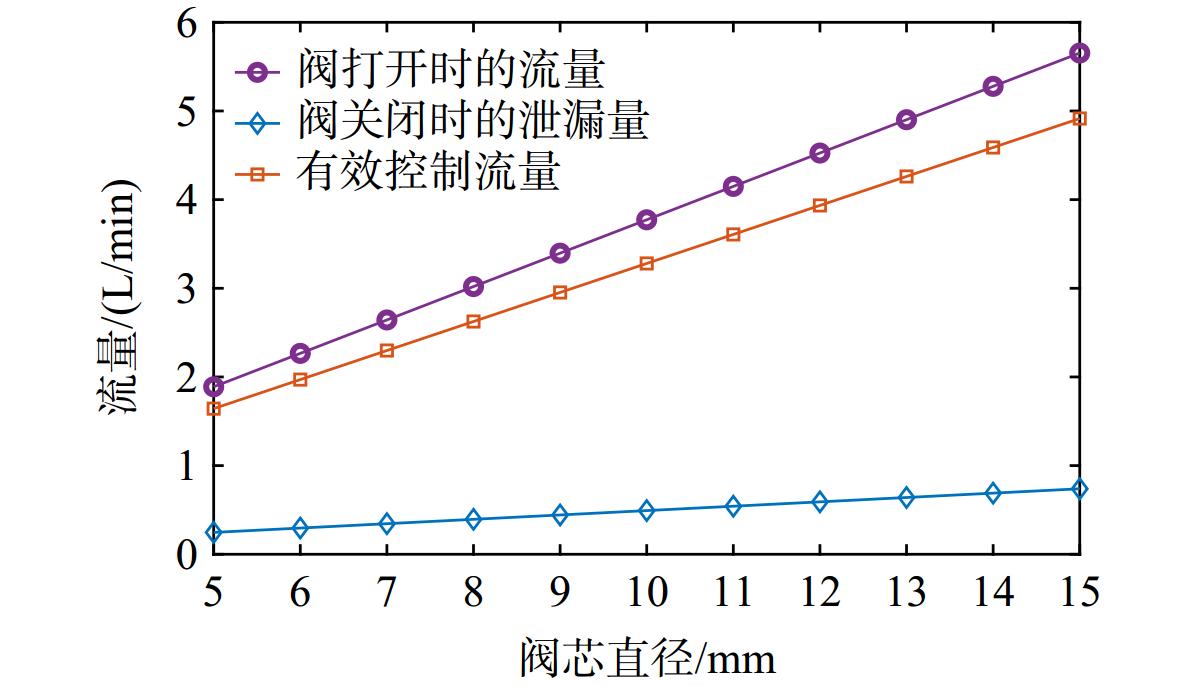
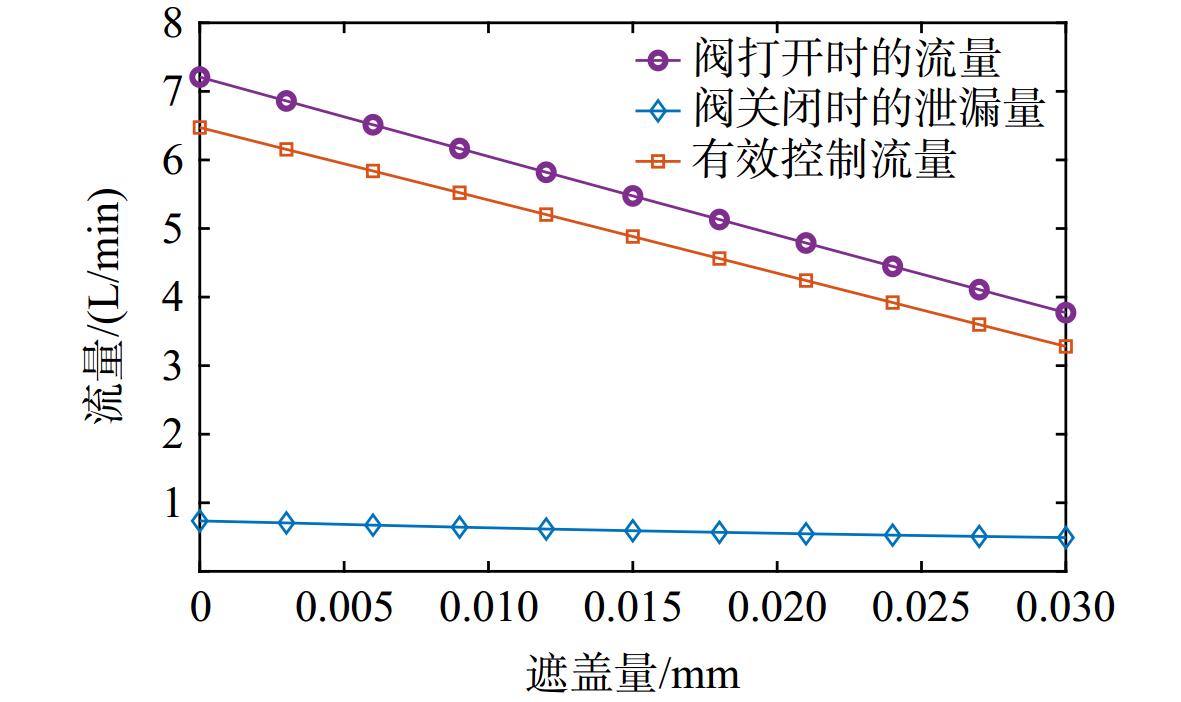
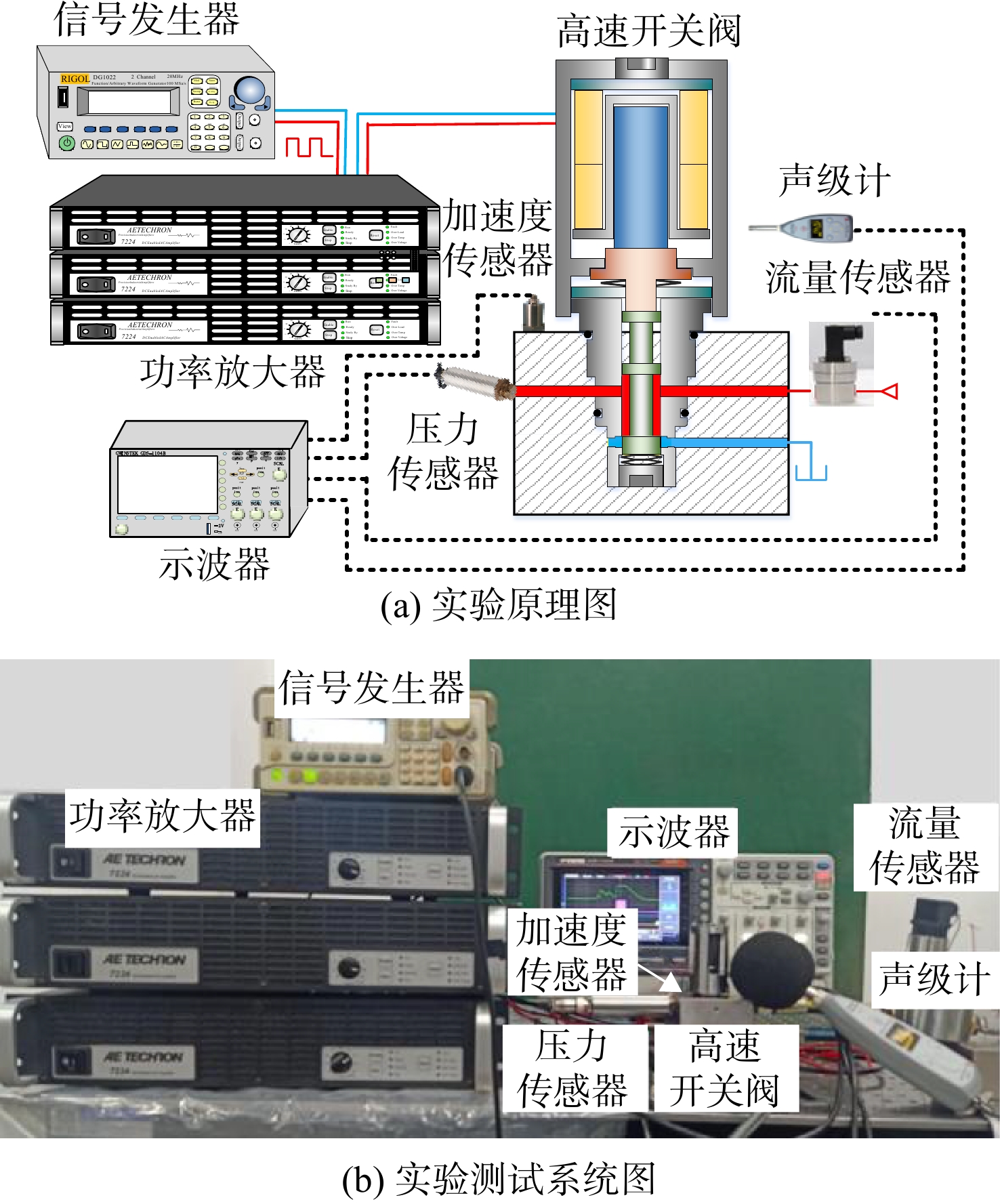
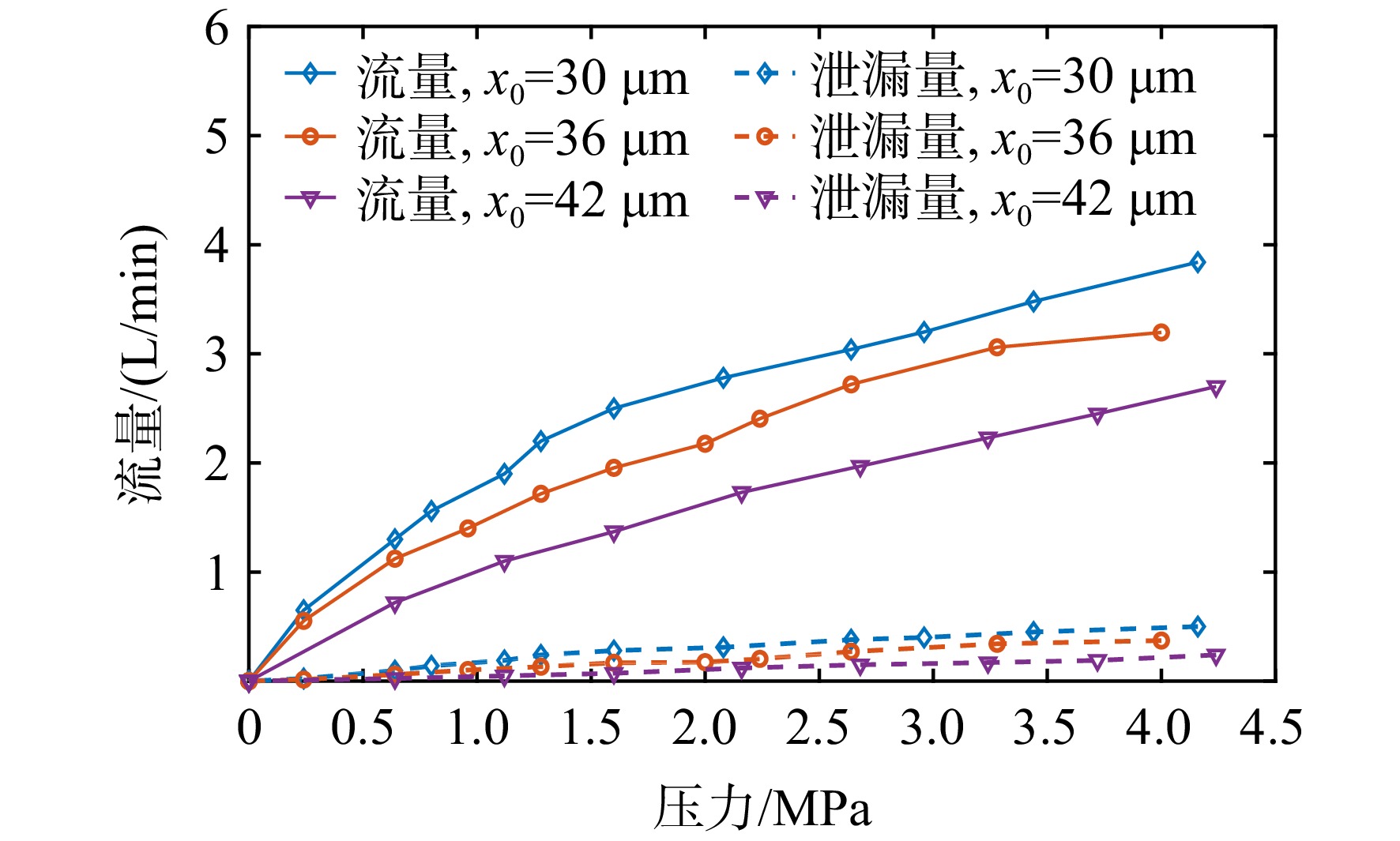
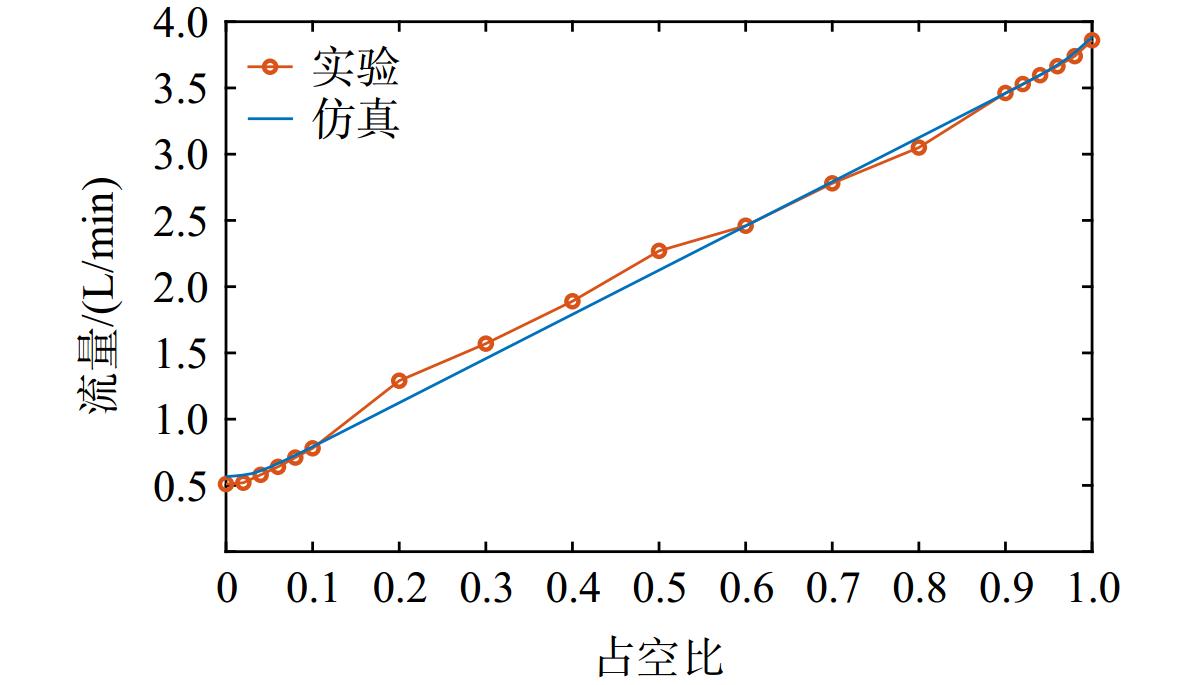
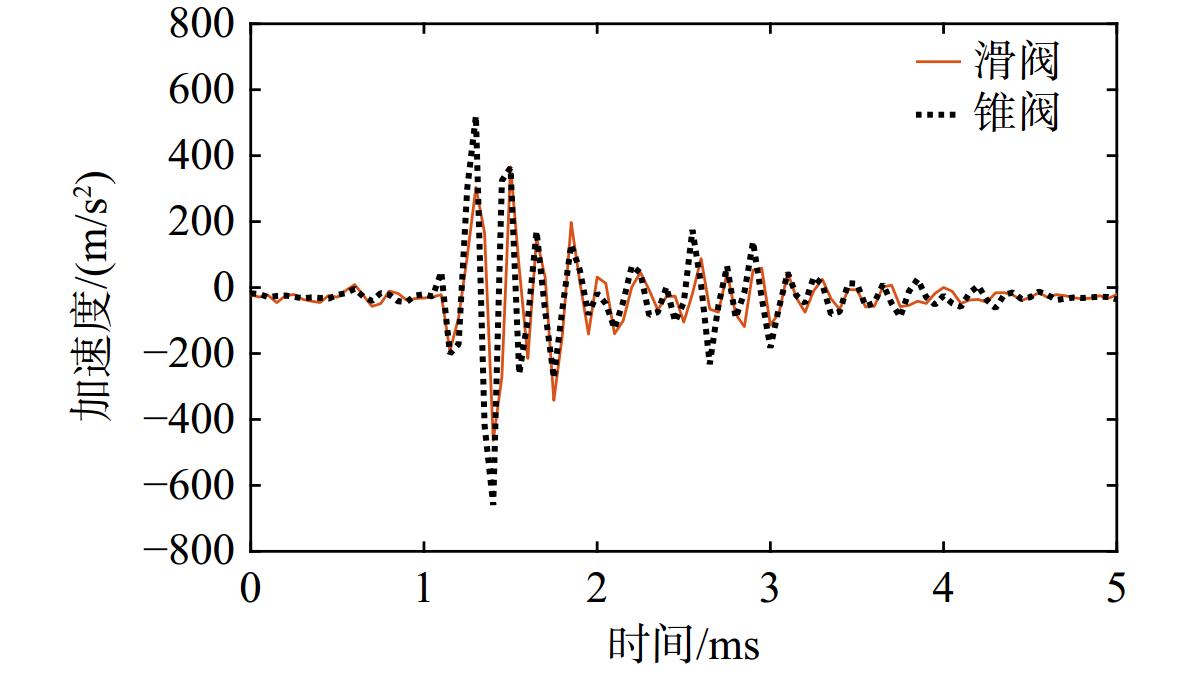
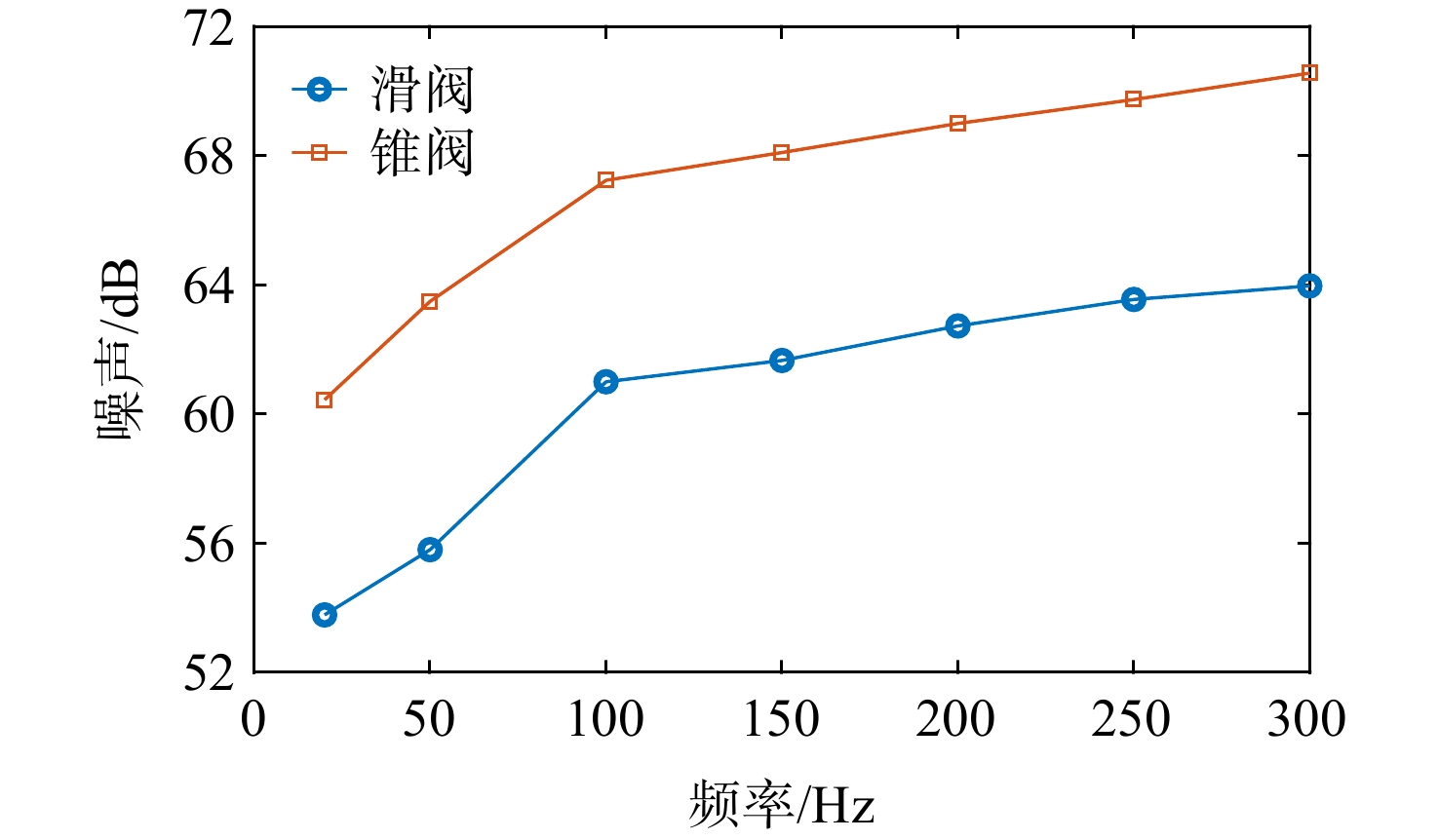
A spool type high-speed on/off valve (HSV) driven by piezoelectric was designed to improve the response speed and reduce the spool’s impact. The piezoelectric was used to improve its response speed and the spool valve was adopted to avoid the rigid collision between the valve spool and the valve body. The mathematical model of HSV was established, the influences of design parameters on its performance were analyzed, and the performance indexes were studied. The simulation and experimental results indicated that the HSV had a flow rate of 3.8 L/min, a leakage flow rate of 0.48 L/min, an opening time of 0.6 ms and a closing time of 0.65 ms at the pressure of 4 MPa. The leakage flow can be reduced by improving the manufacturing quality. Compared with the traditional conical valve structure, the vibration acceleration of the valve body in the closing process of the spool type HSV driven by piezoelectric actuator was reduced by 32.8%, and the noise was reduced from 70.5 dB to 64 dB at the working frequency of 300 Hz. The proposed spool type HSV driven by piezoelectric had higher response speed, weaker spool’s impact, longer service life and lower noise during working.