2025 Vol. 40, No. 11

Structure,Strength and Vibration
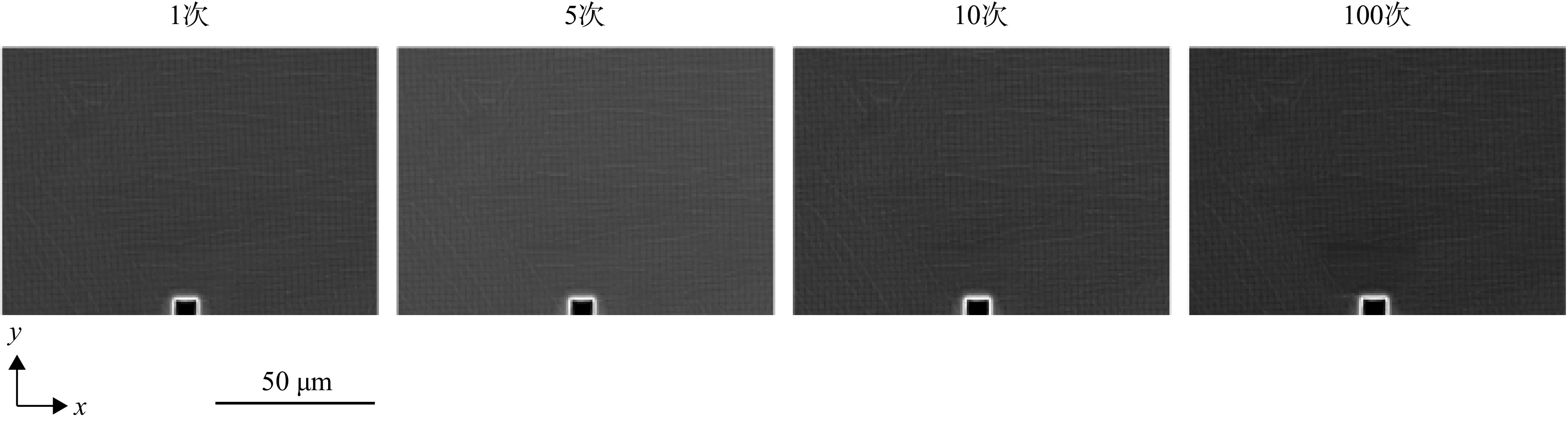
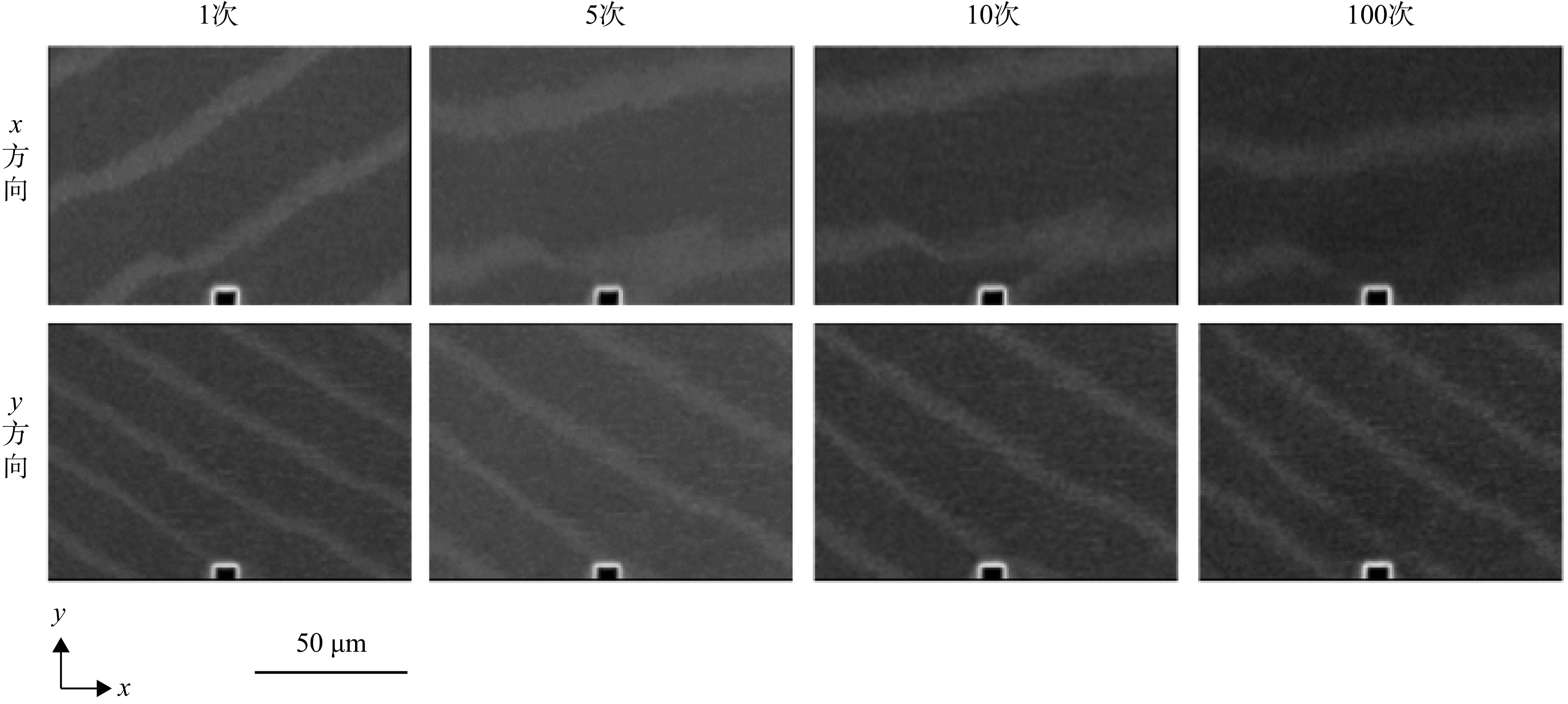
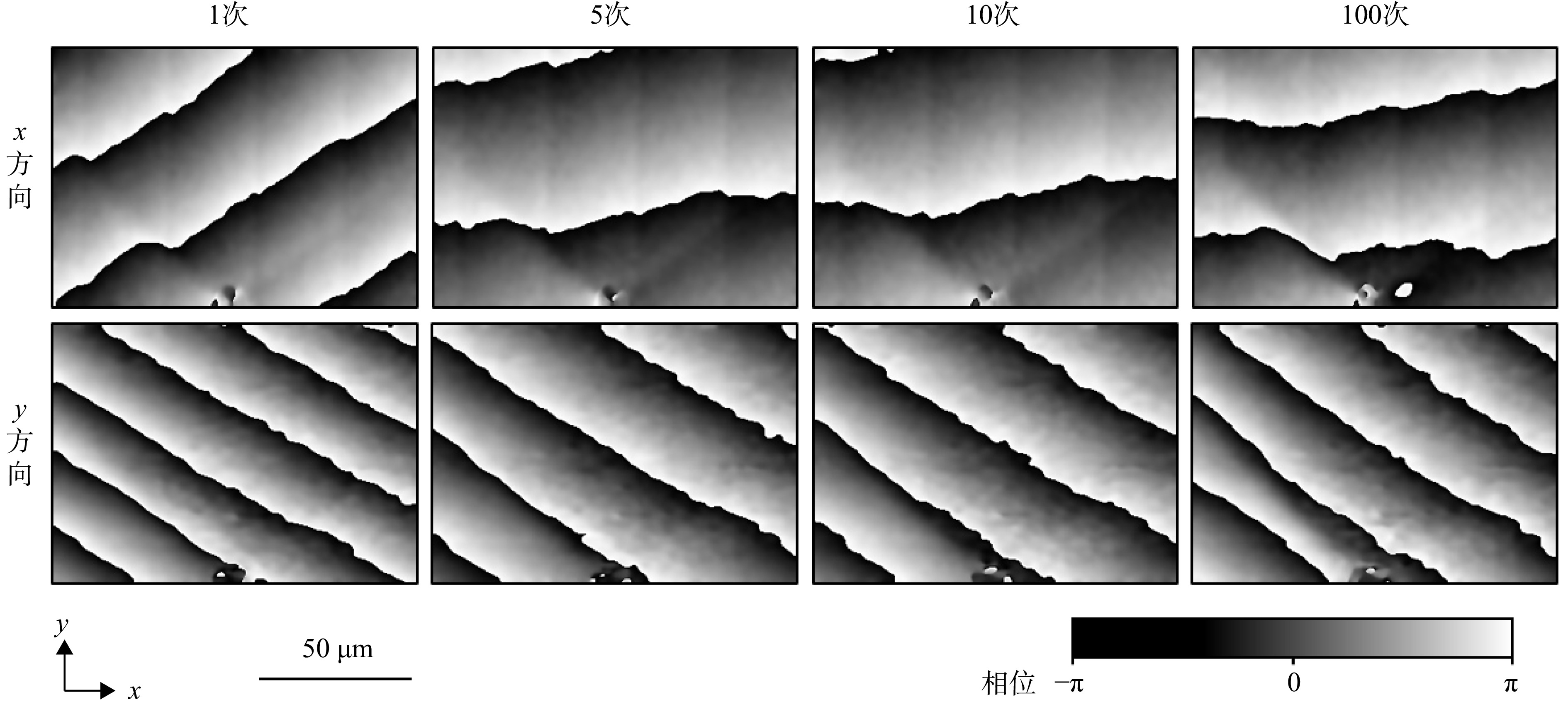
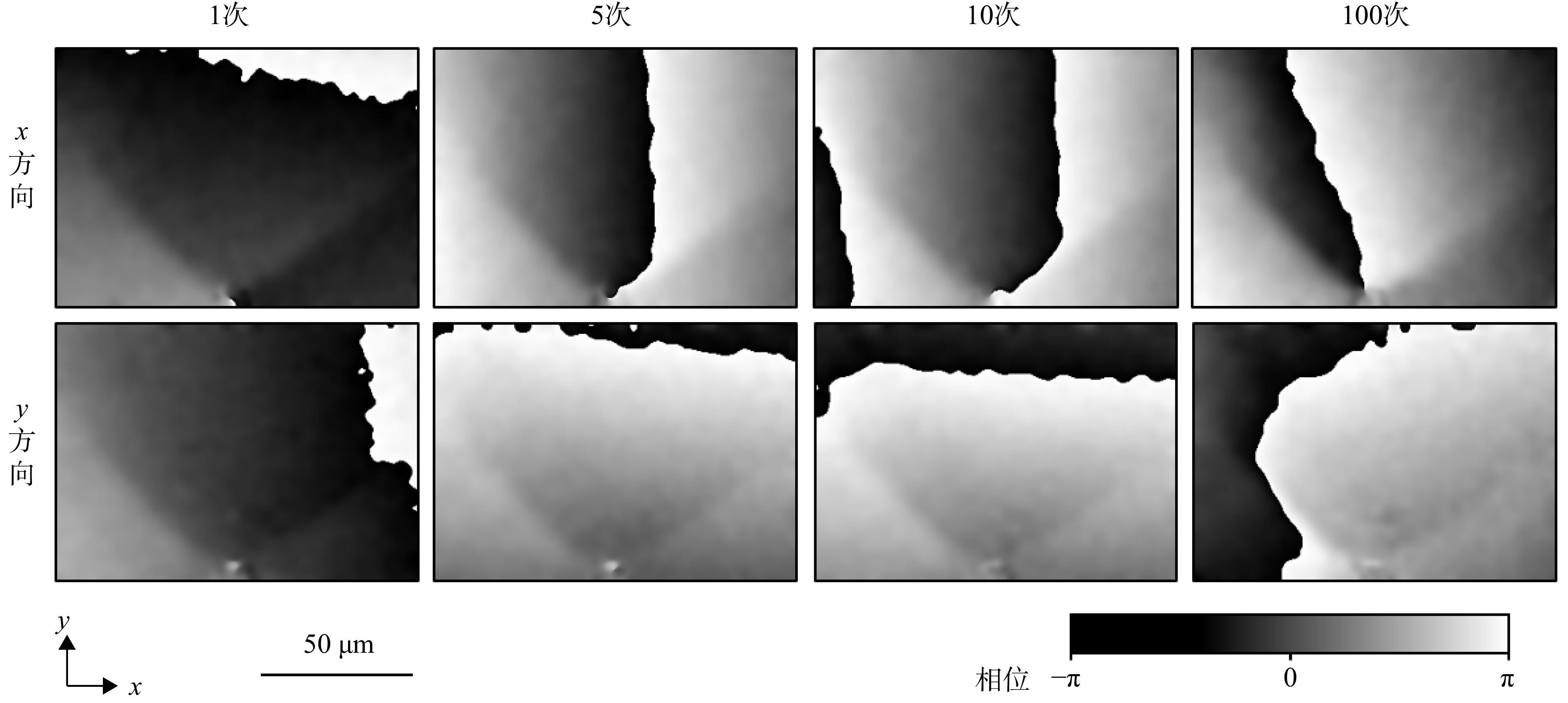
Fatigue microcrack initiation mechanism of TC4 alloy based on sampling Moiré method
WANG Qinghua, QI Qi, YAN Xiaojun
2025, 40(11): 20240575. doi: 10.13224/j.cnki.jasp.20240575
Abstract:
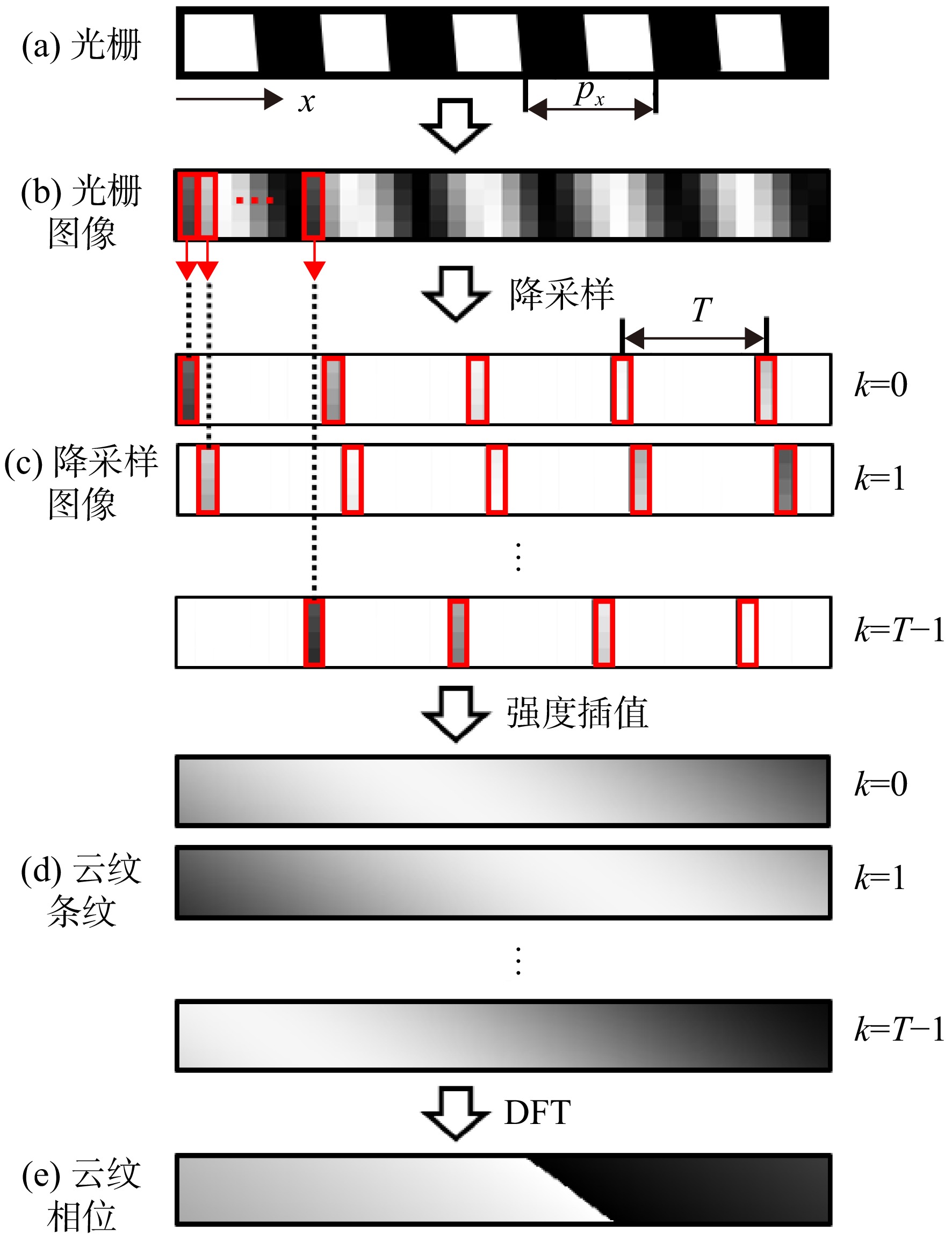
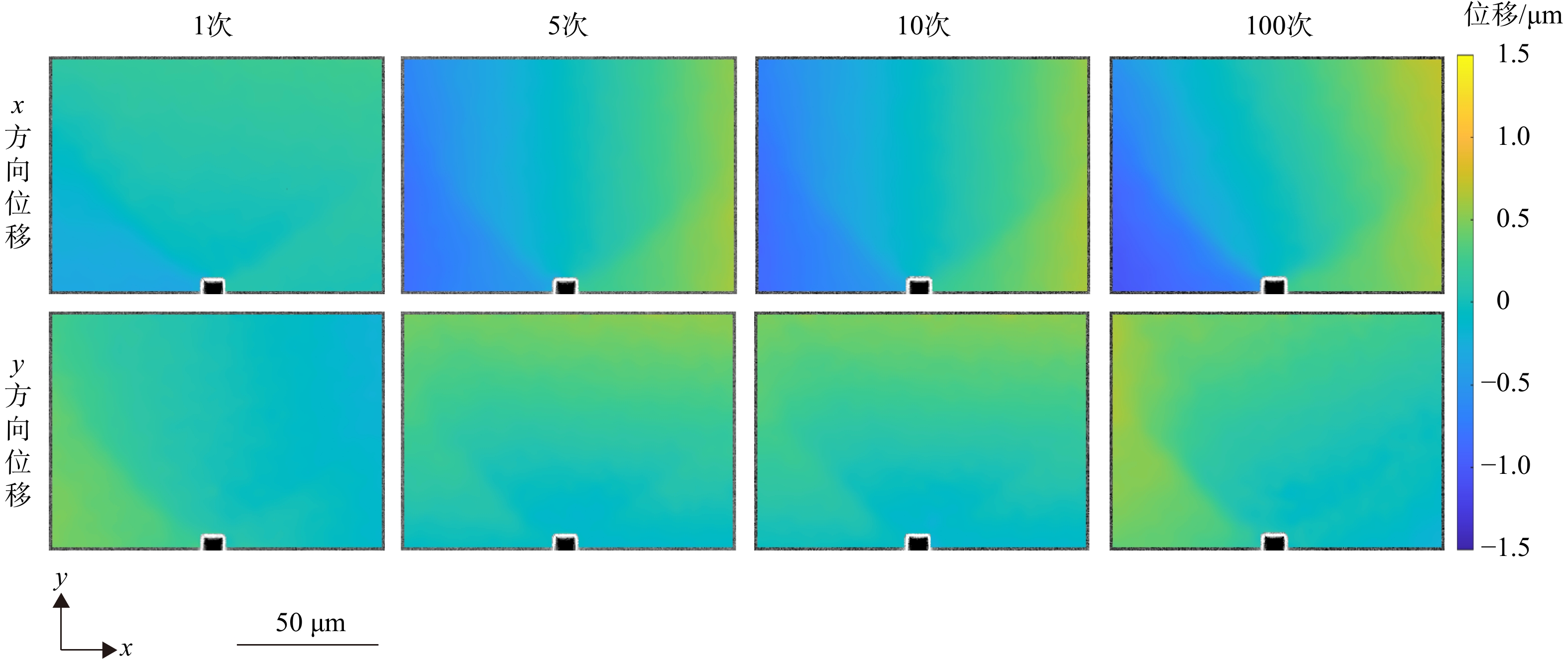
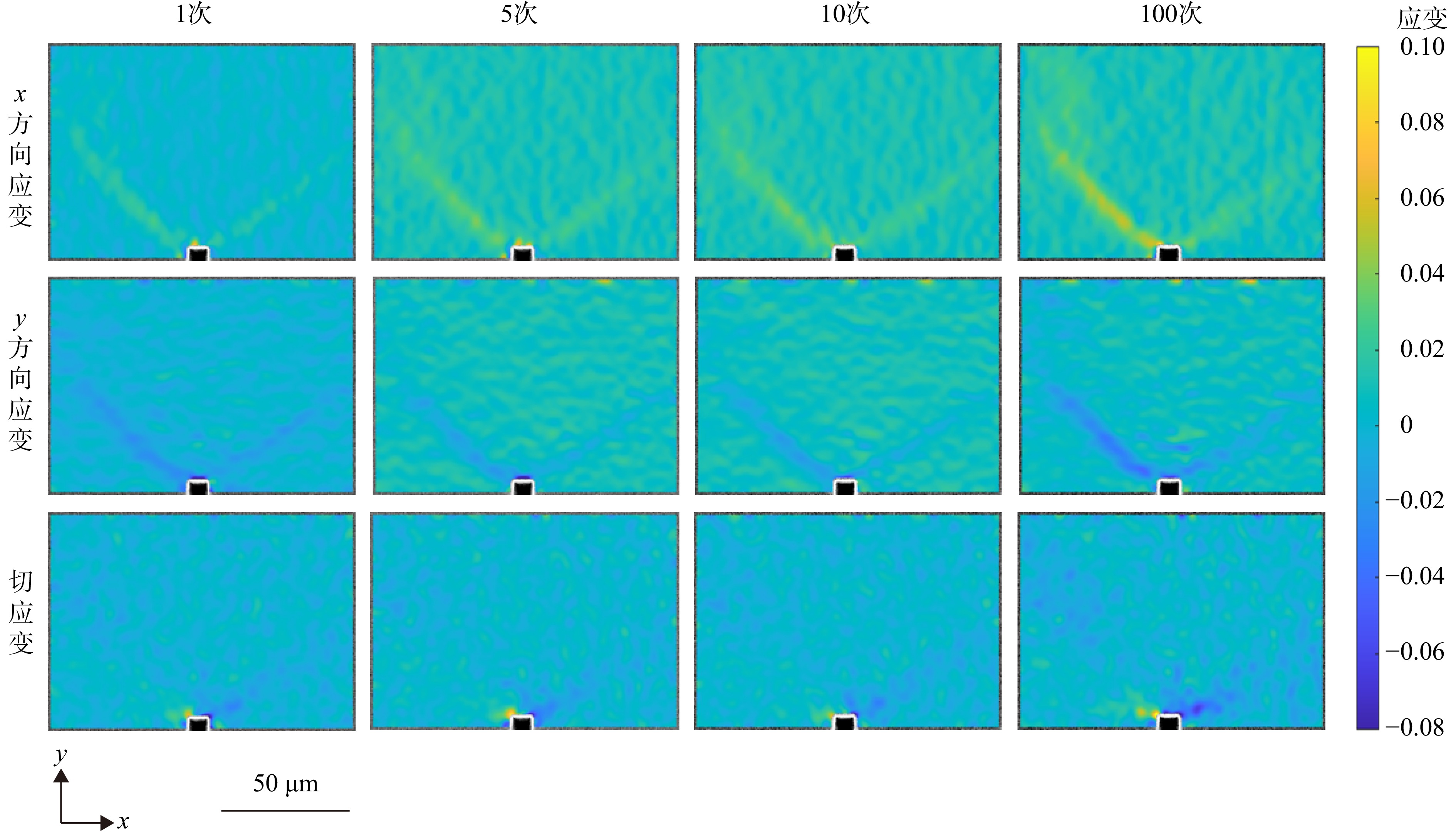
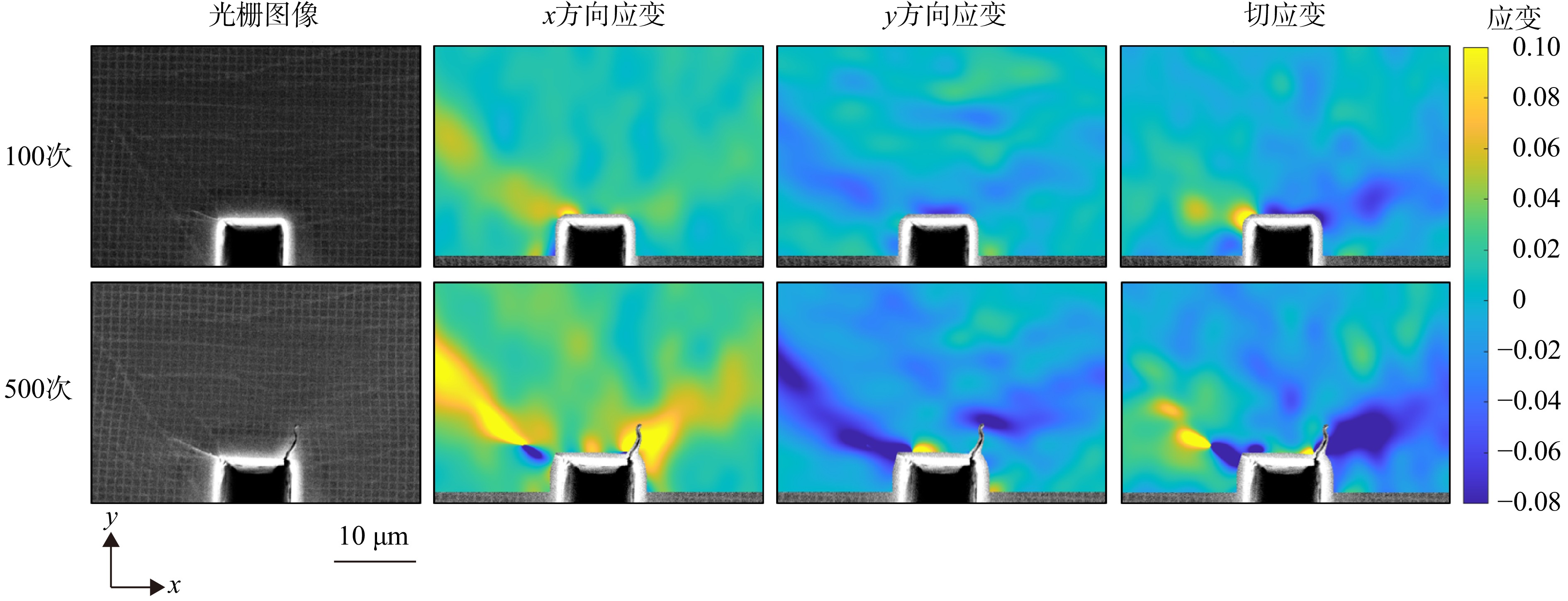
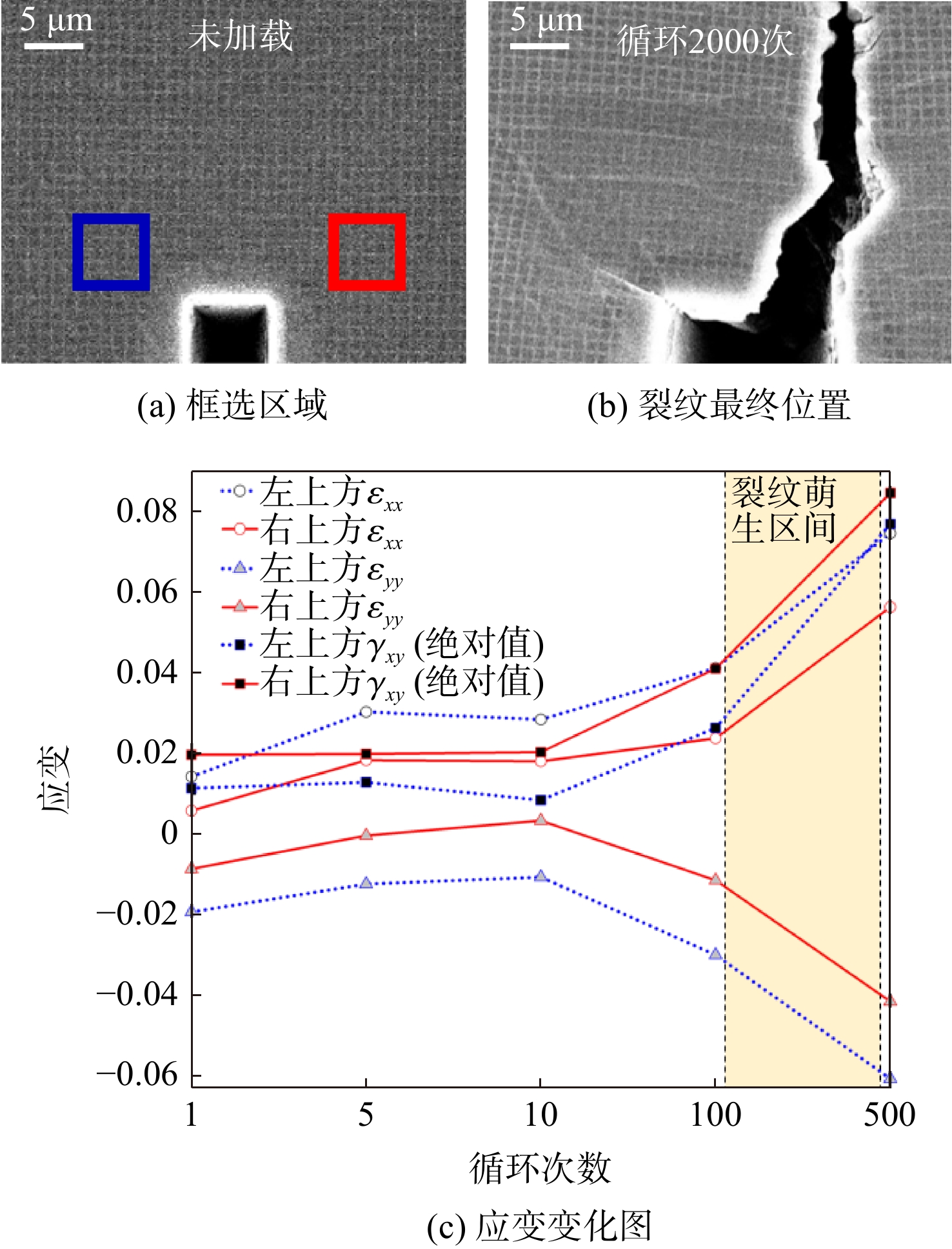
In order to investigate the microcrack generation mechanism of Ti-6Al-4V alloy material for aero-engine, the microscale displacement and strain distributions of a Ti-6Al-4V alloy before and after microcrack initiation were measured in a tensile-tensile fatigue test using the sampling Moiré method and local phase unwrapping algorithm. The positive and shear strain distribution characteristics of the microcracks near the notch before and after the initiation were measured and analyzed by the alloy surface micro-scale grid images taken with scanning electron microscope. And the microcrack occurrence process was specifically analyzed using strain distributions in conjunction with the images. The obtained results showed that the microcrack initiation on the specimen was not caused by tensile strain concentration, but by shear strain concentration. It indicated that the type of microcrack involved during crack initiation was a Mode Ⅱ crack, namely, a slip-type crack. The sampling Moiré method with the local phase unwrapping algorithm can effectively measure the strain distributions even in the presence of irregular cracks or large stains on the specimen surface.

Dynamic characteristics analysis and experimental research of cascade thrust reverser
WANG Xiaoyu, ZHAO Jingchao, MENG Chao, ZHOU Shenghao, LUO Zhong
2025, 40(11): 20240041. doi: 10.13224/j.cnki.jasp.20240041
Abstract:

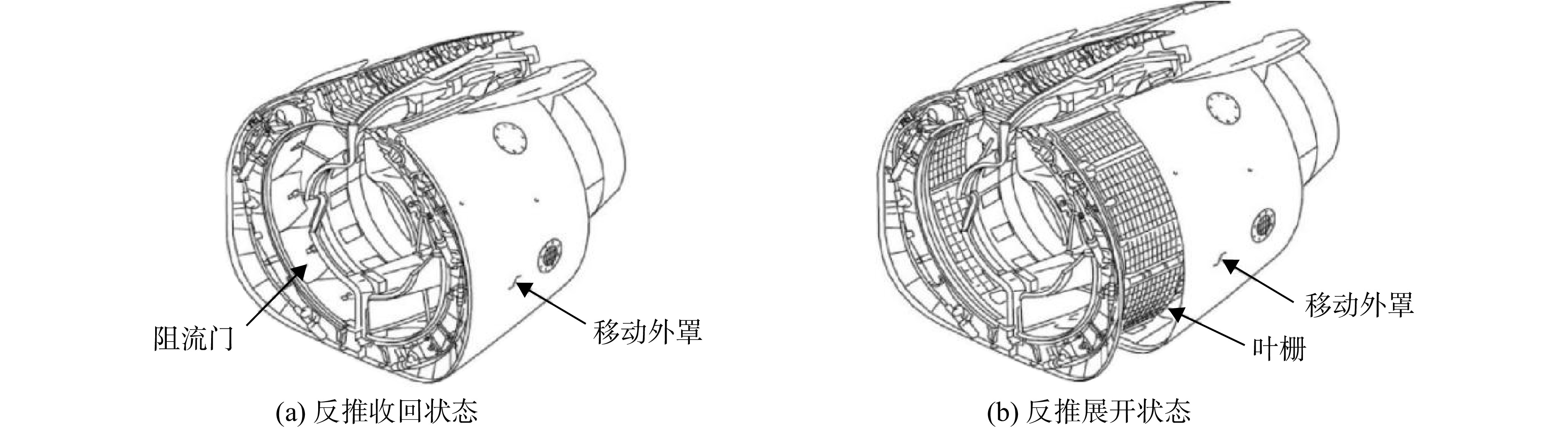
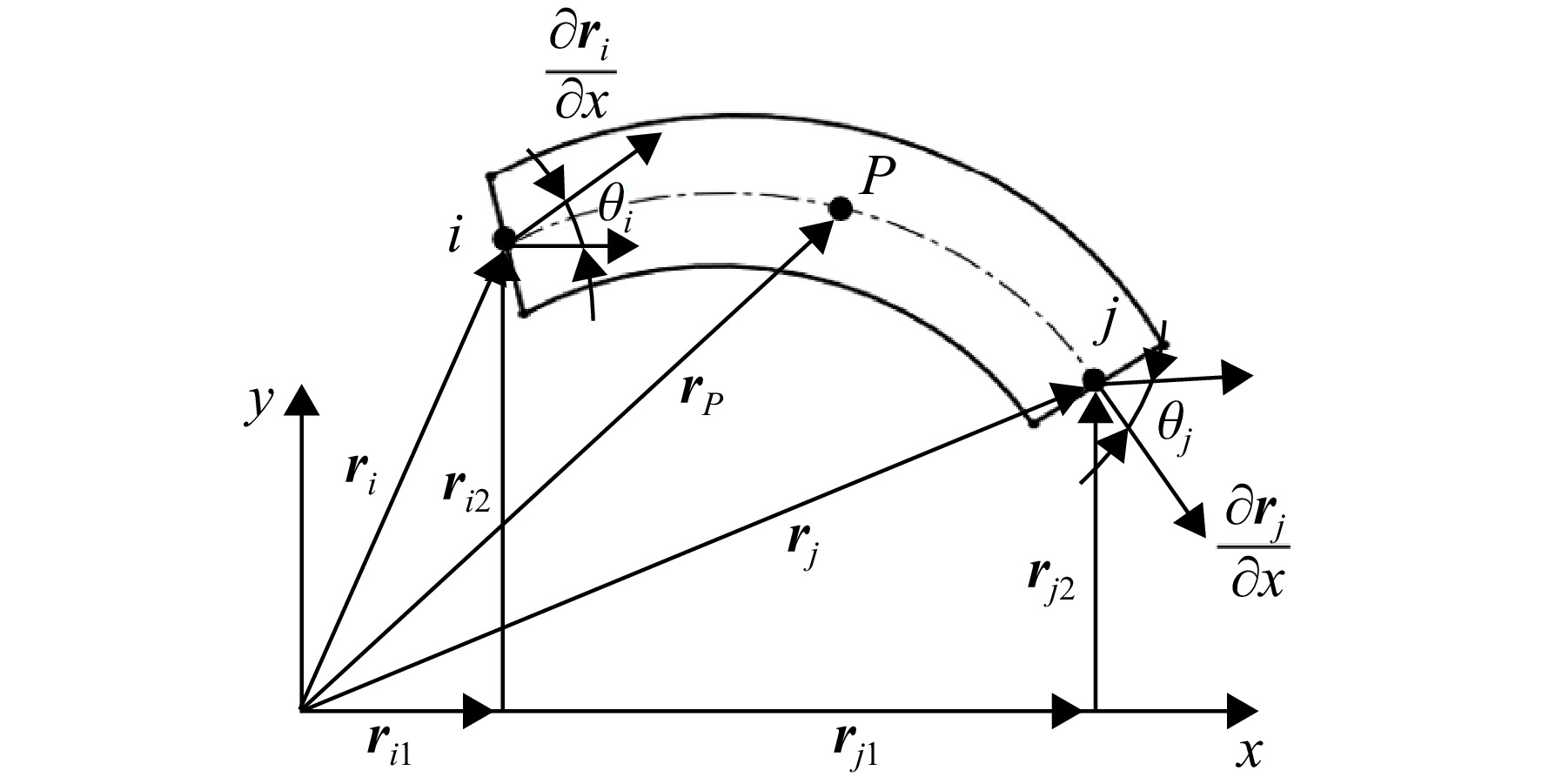
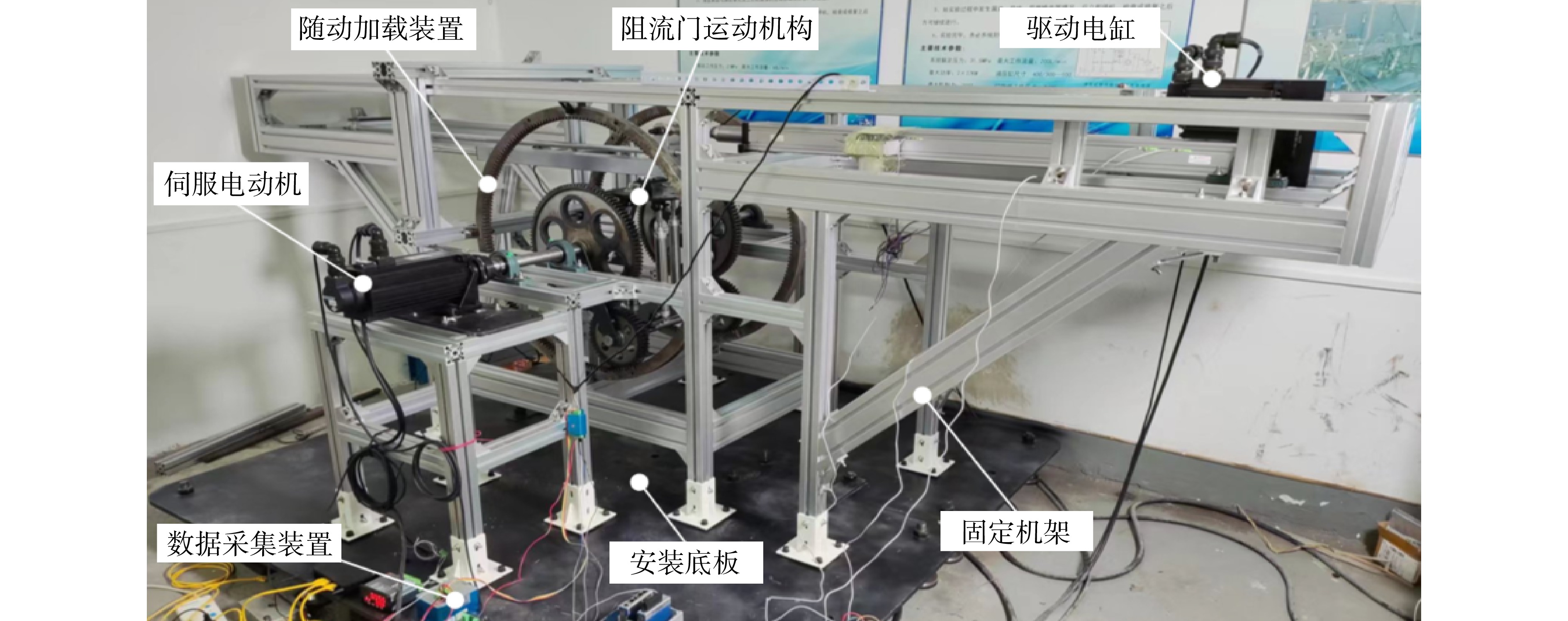
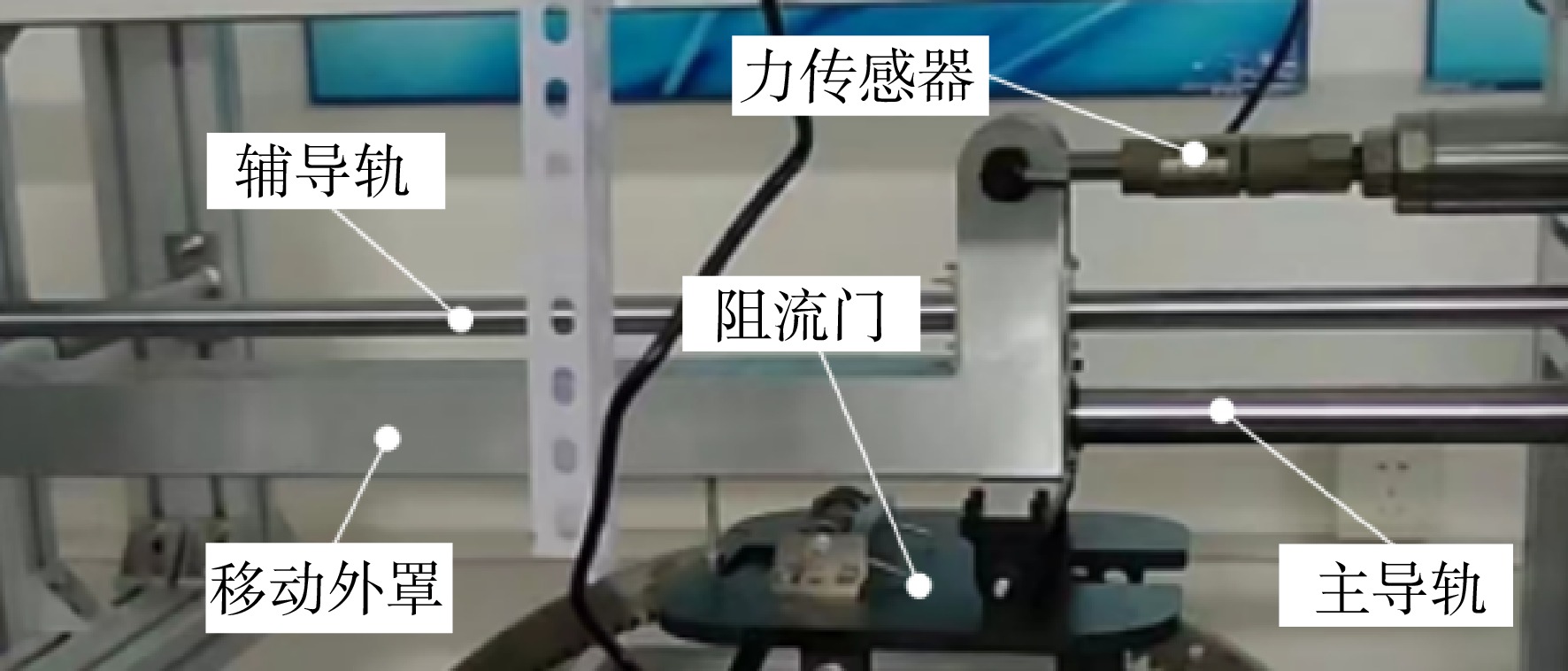
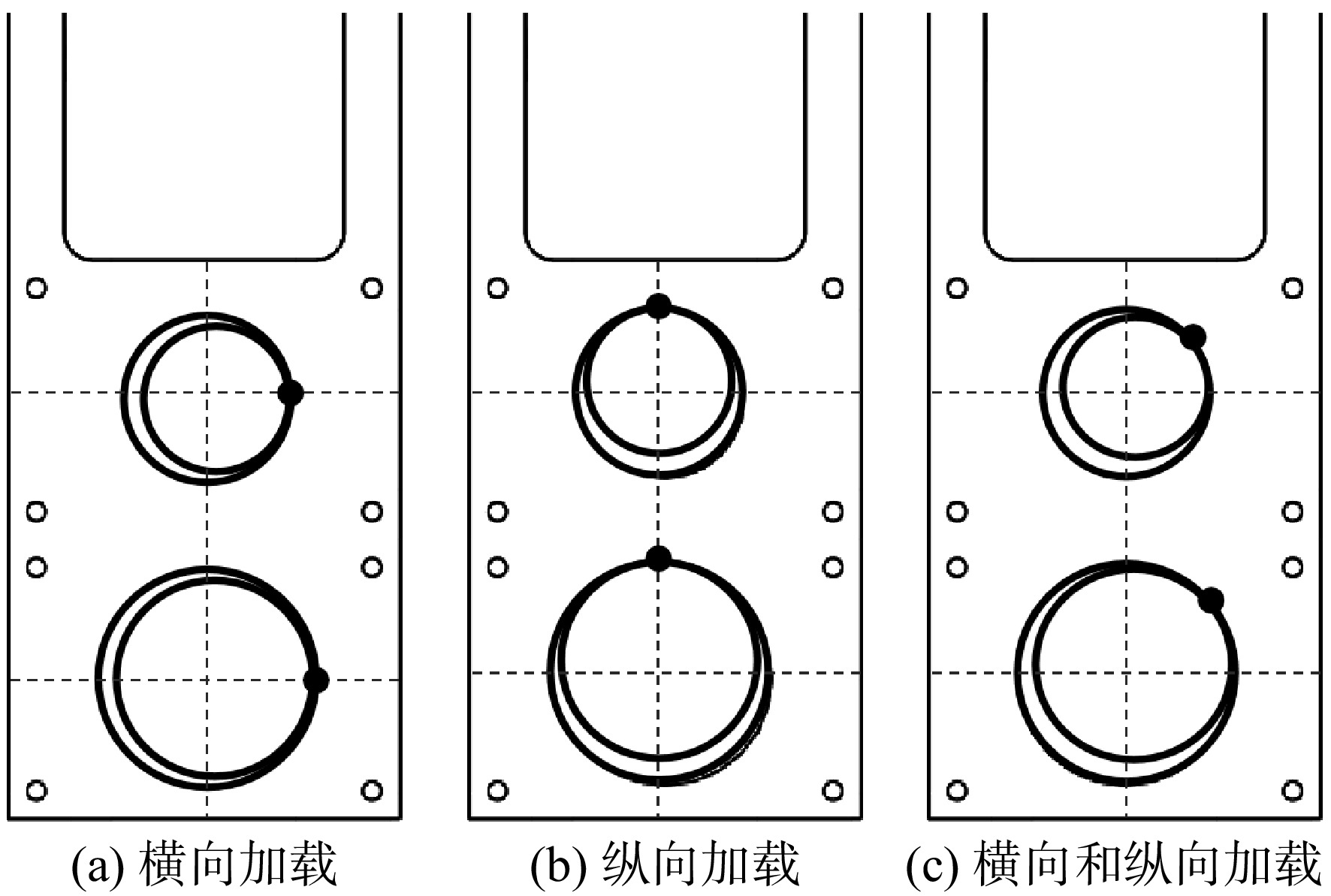
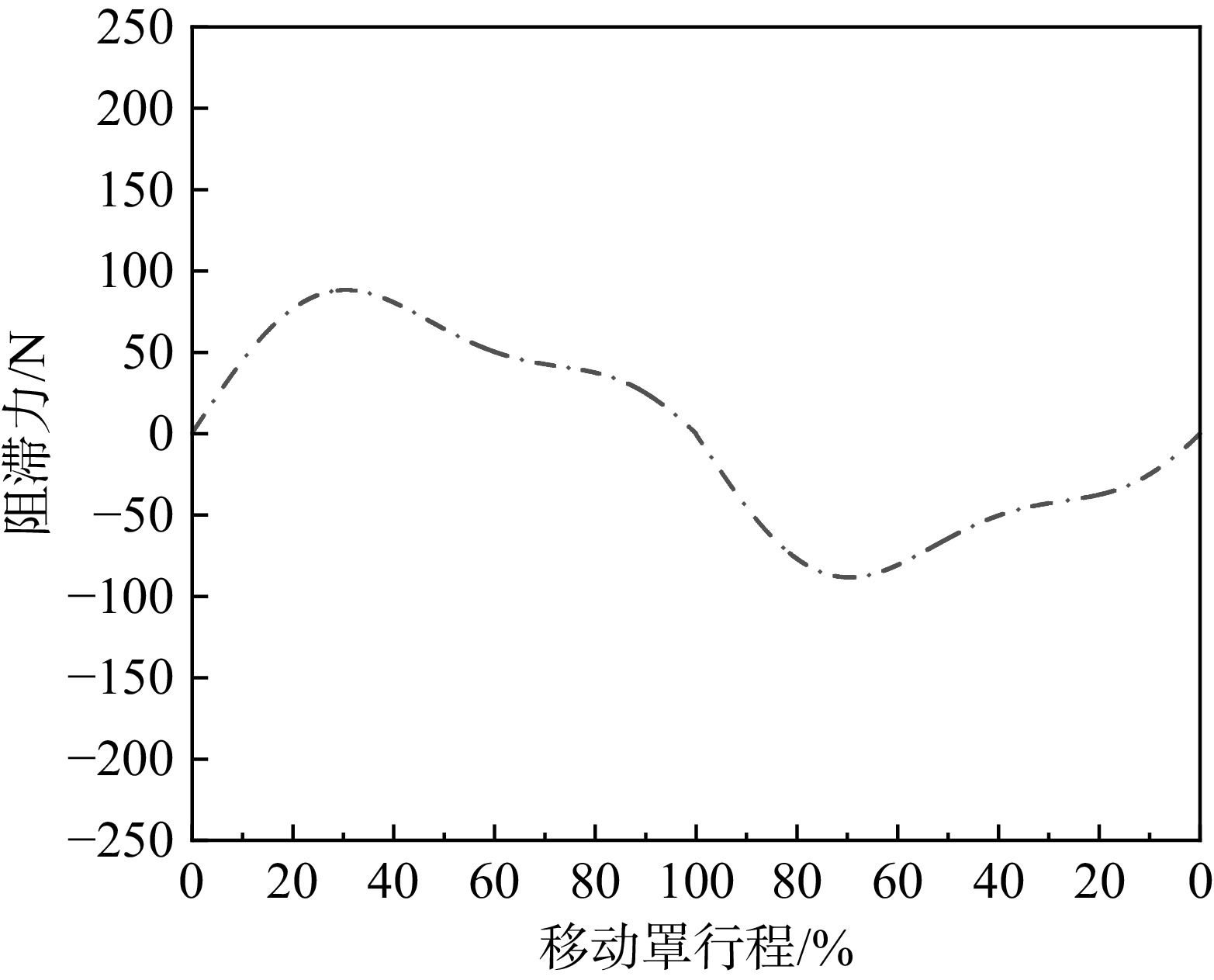
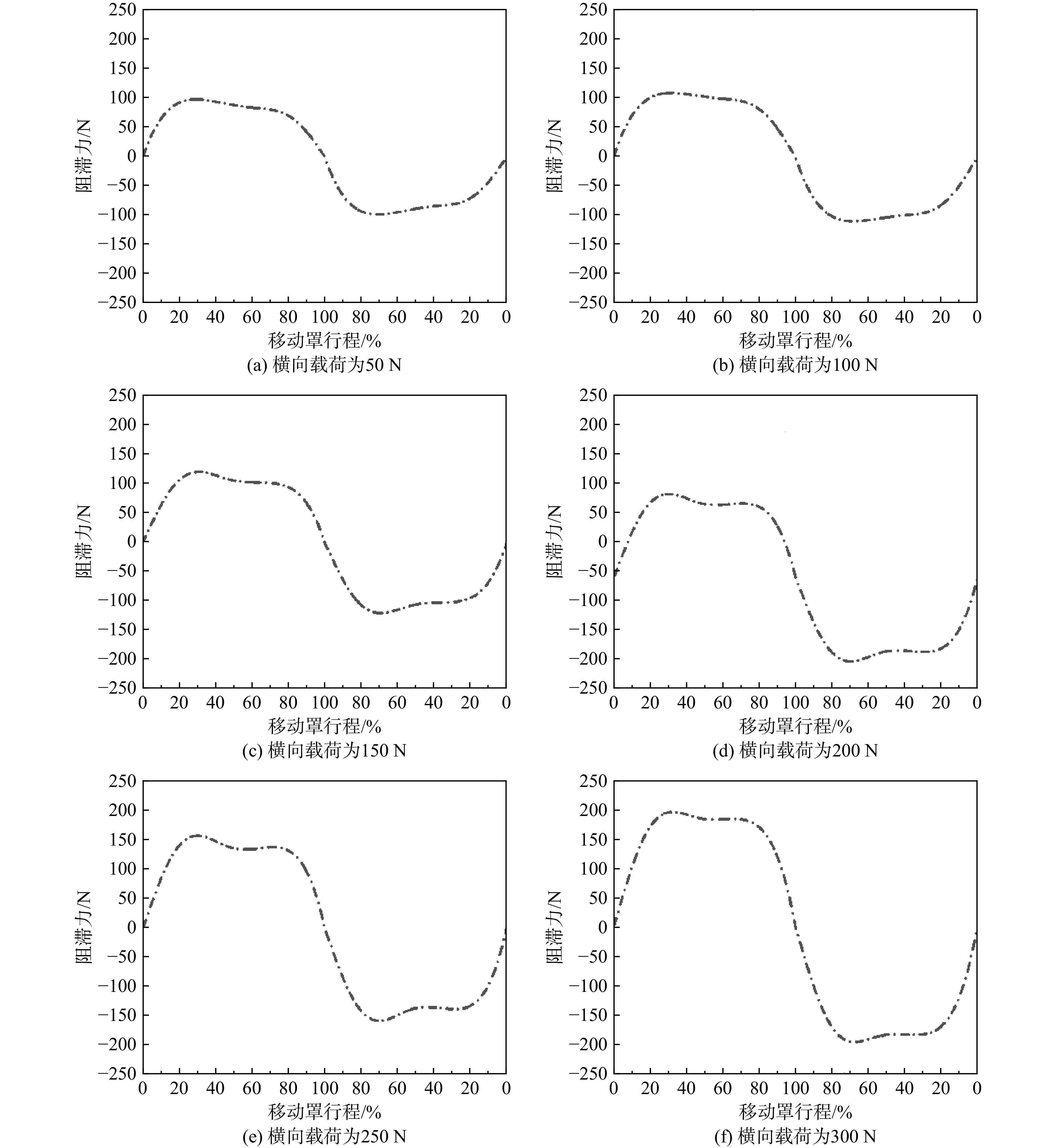
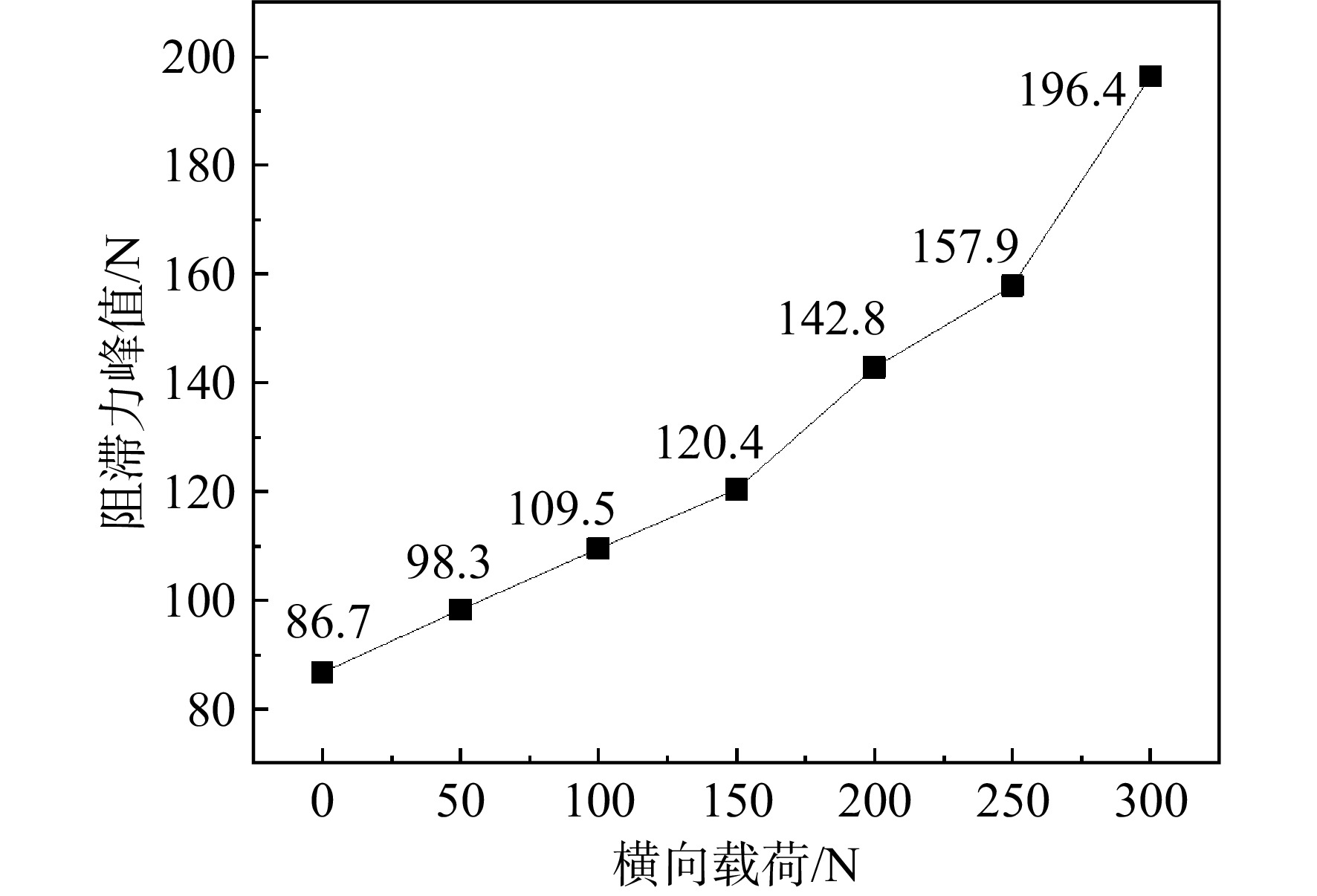
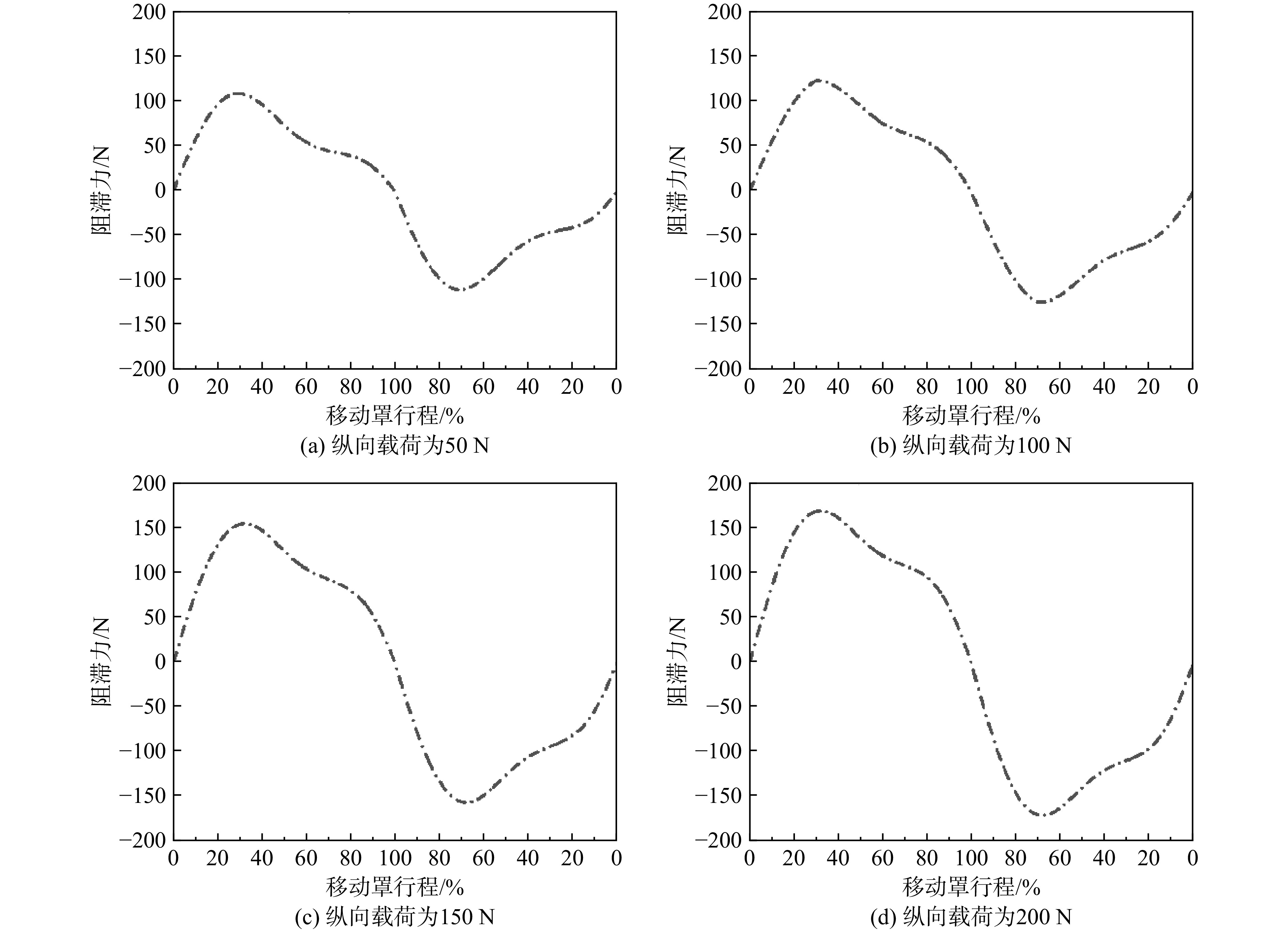
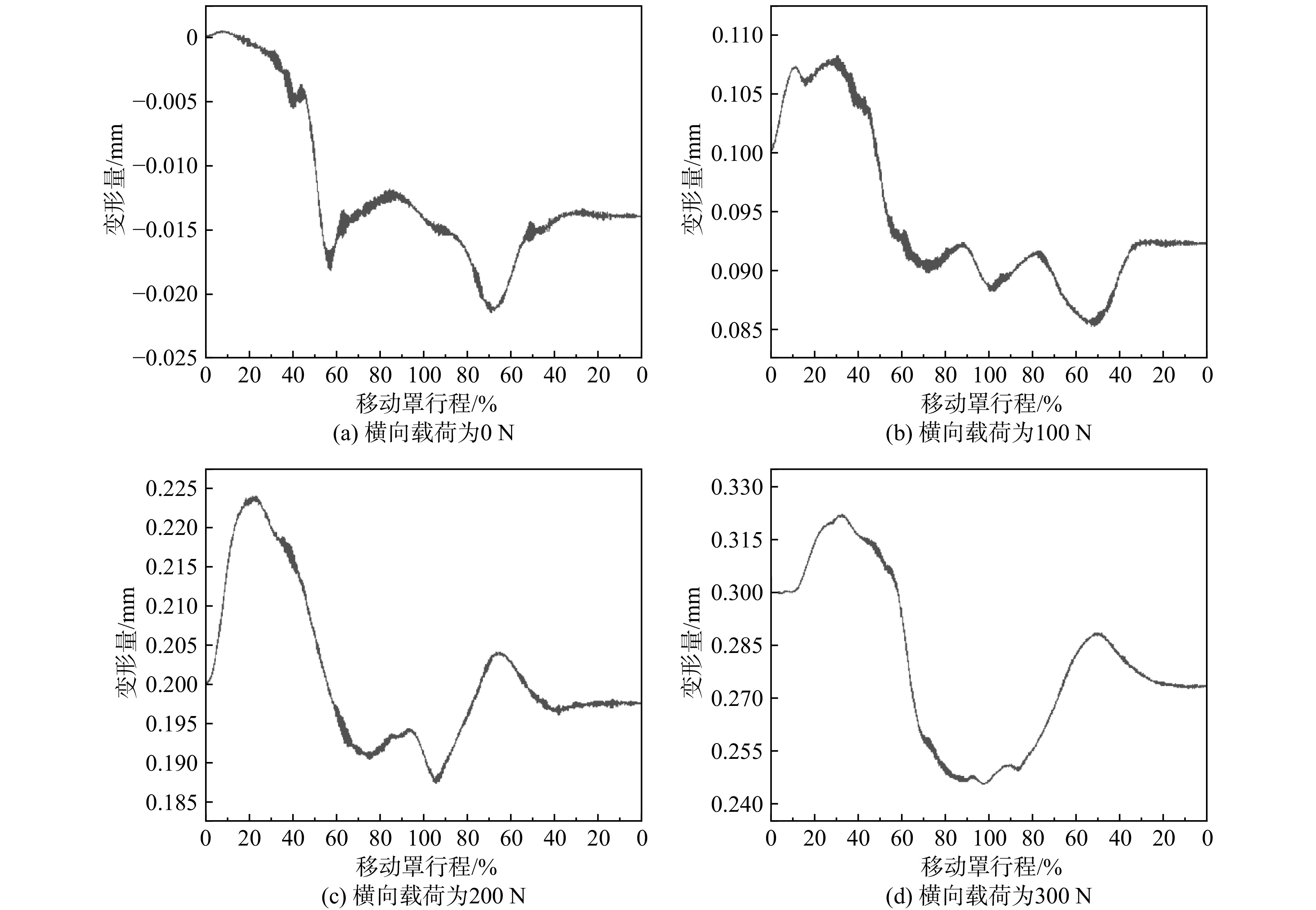
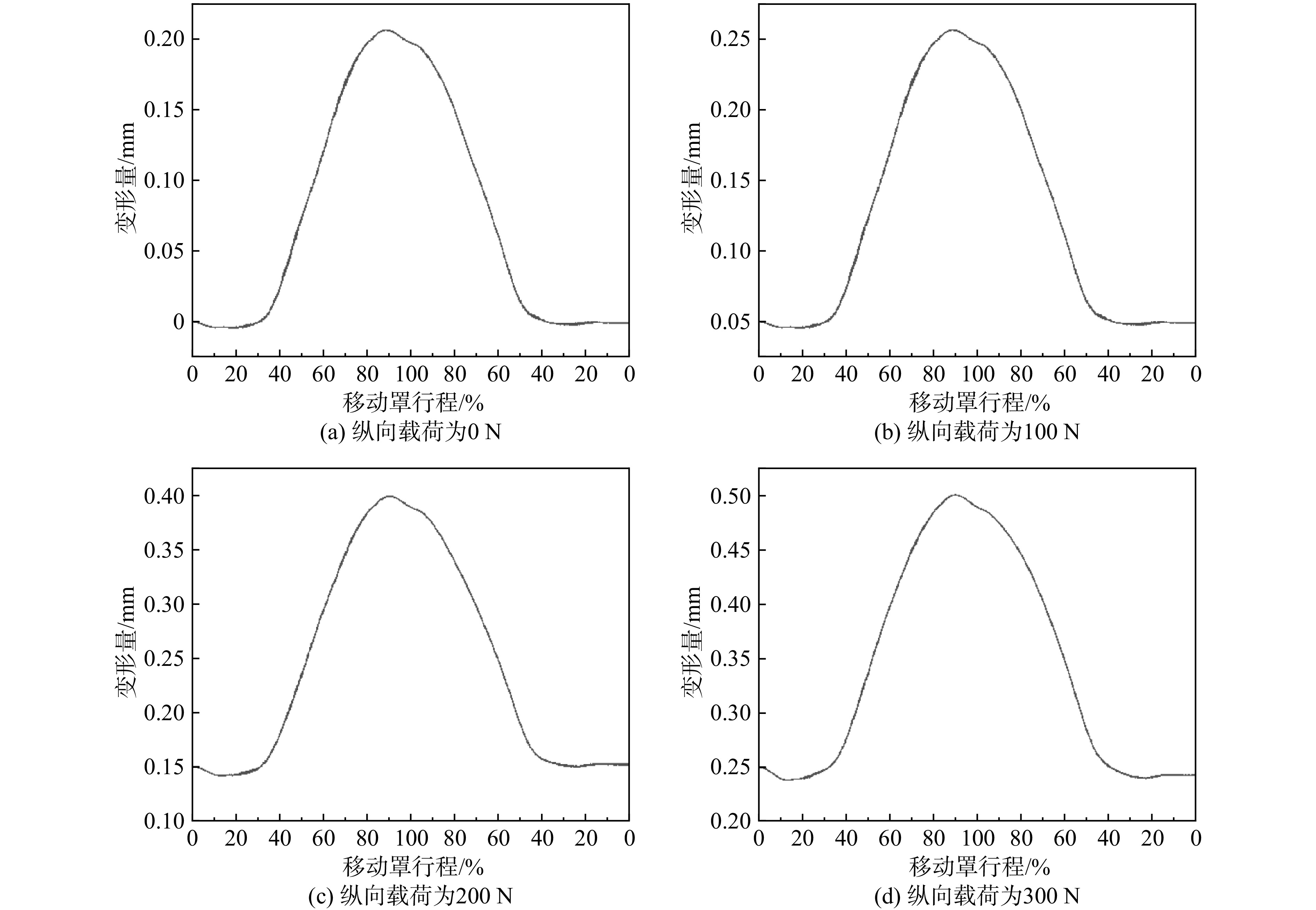
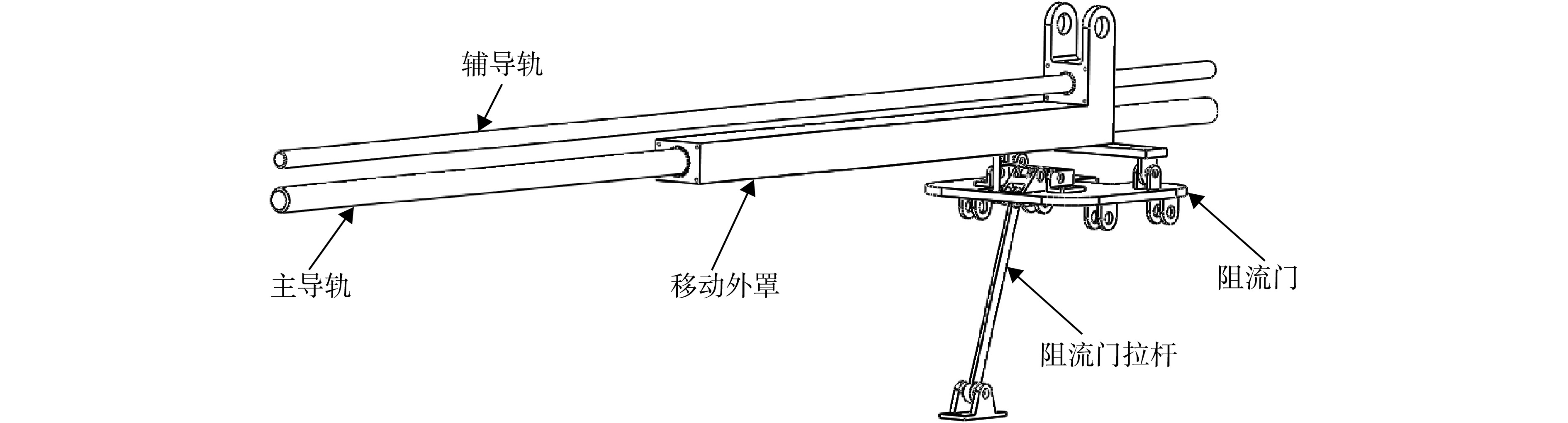
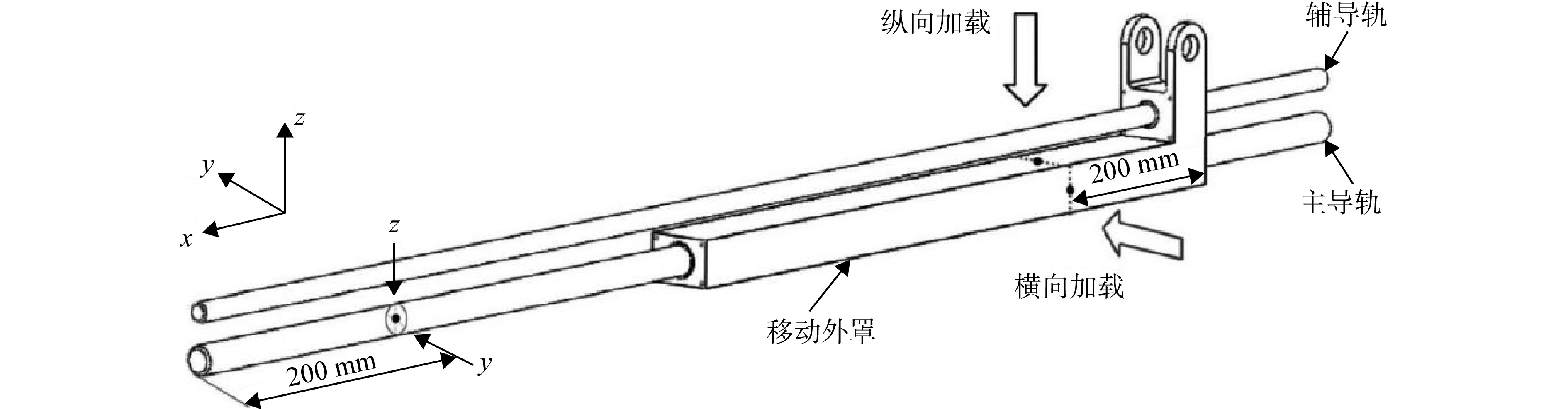
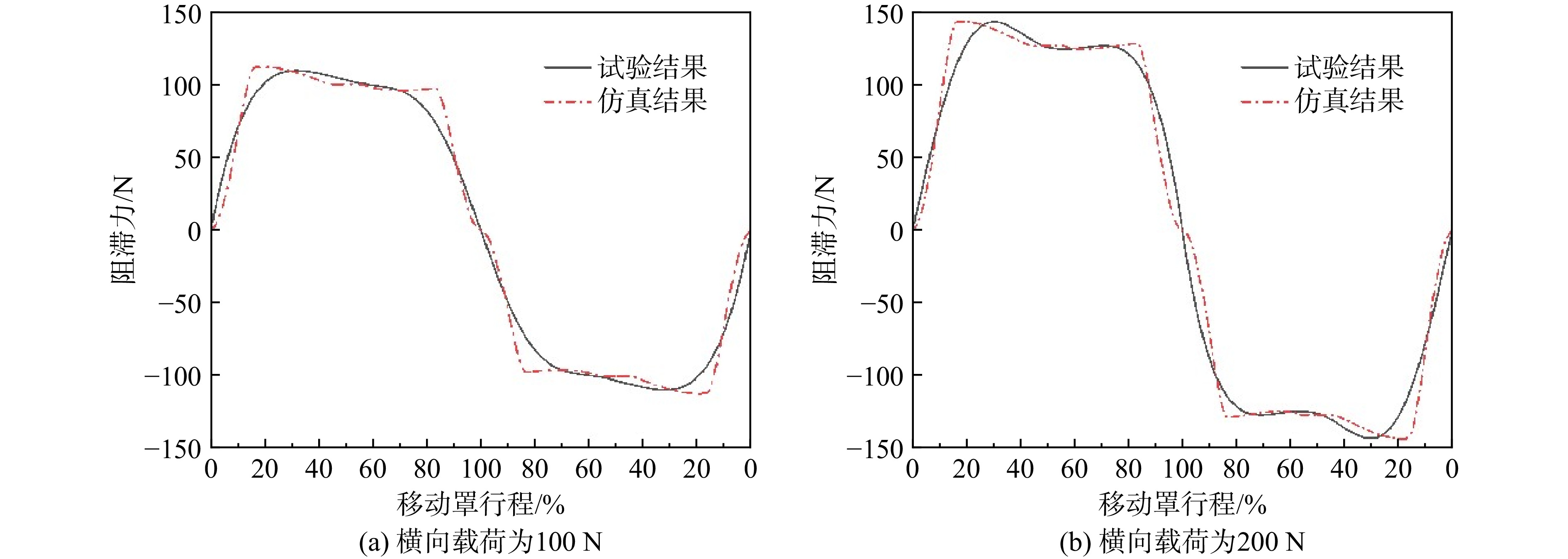
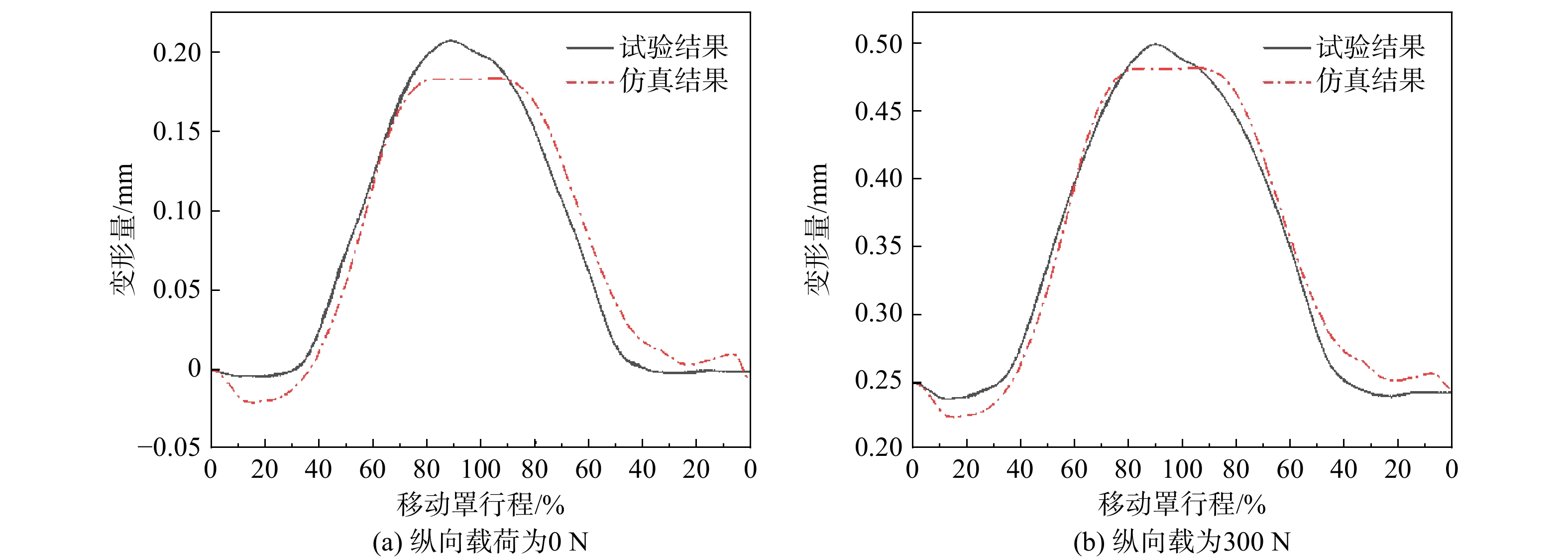
A study was conducted to investigate the dynamic characteristics of key components of a cascade thrust reverser mechanism under multiple operating conditions. Based on the working principle of the thrust reverser device, a single-linkage motion mechanism was extracted while retaining the critical contact states of the motion pairs and the dimensions of key components. A simulated test bench for the thrust reverser mechanism was designed and developed. By conducting principle-level experimental tests under different load conditions, the variation patterns of the mechanism’s block force and guide rail stiffness were obtained. Meanwhile, the nonlinear dynamic simulation model for the rigid-flexible coupled thrust reverser mechanism with clearance collisions was established. Simultaneously, comparison and verification between experimental tests and simulations were completed. The results indicated that, compared with the lateral loading condition, the maximum block force of the mechanism increased by 19% under longitudinal loading. When the lateral load was below 150 N, the peak block force showed an approximately linear increase, with a growth rate of approximately 22%. Under longitudinal loading, the overall deformation of the mechanism’s guide rail was relatively stable, while under lateral loading, the deformation was more sensitive to changes. However, as the load increased, the vibration of the guide rail was inhibited. The experimental data were in good agreement with the simulation results, confirming the validity of the experiments and the accuracy of the model.

Non-synchronous vibration of fan blade
LYU Biao, MENG Weihua, CHEN Jian, ZHANG Peng, HOU Ming
2025, 40(11): 20240601. doi: 10.13224/j.cnki.jasp.20240601
Abstract:

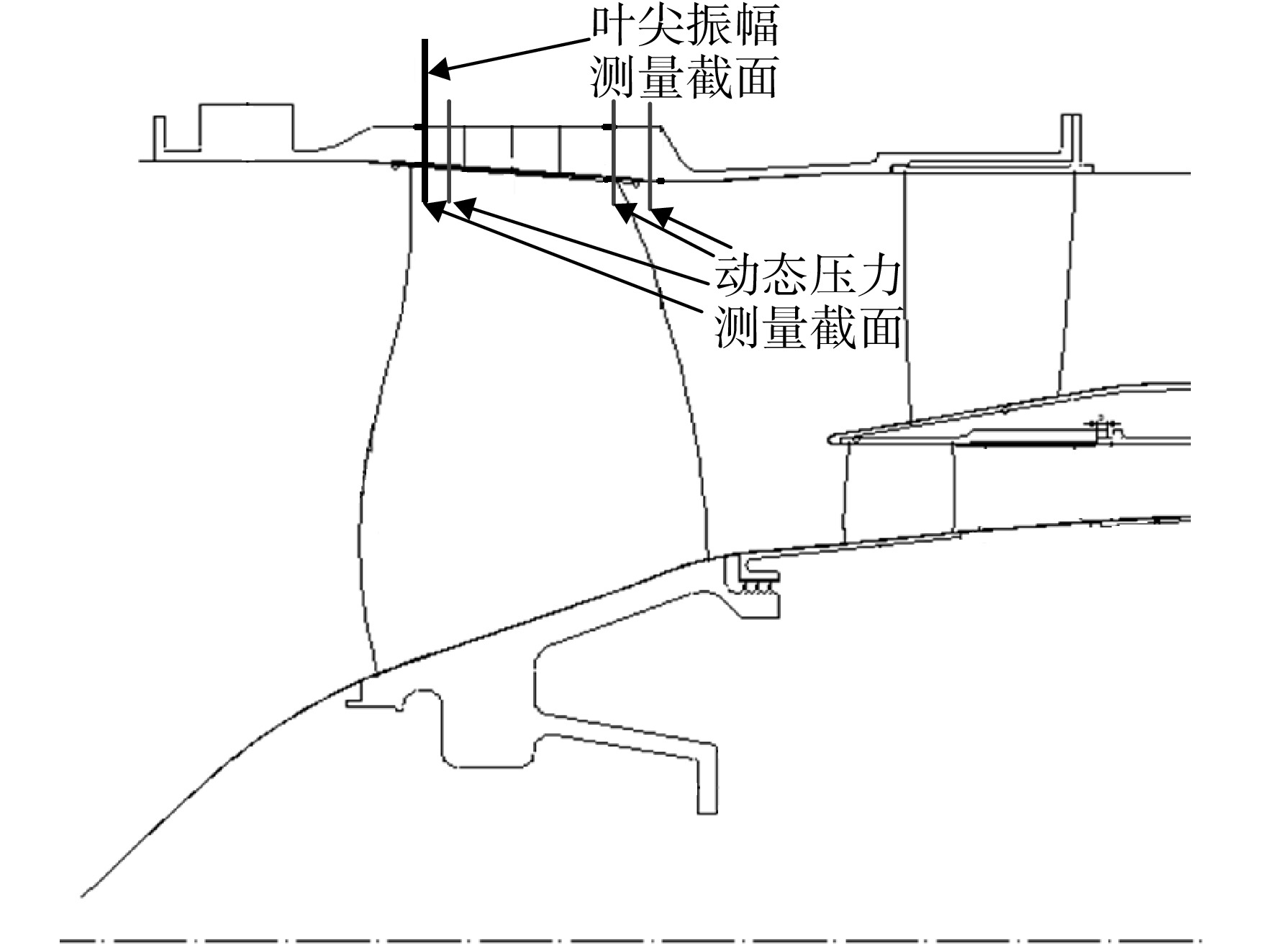
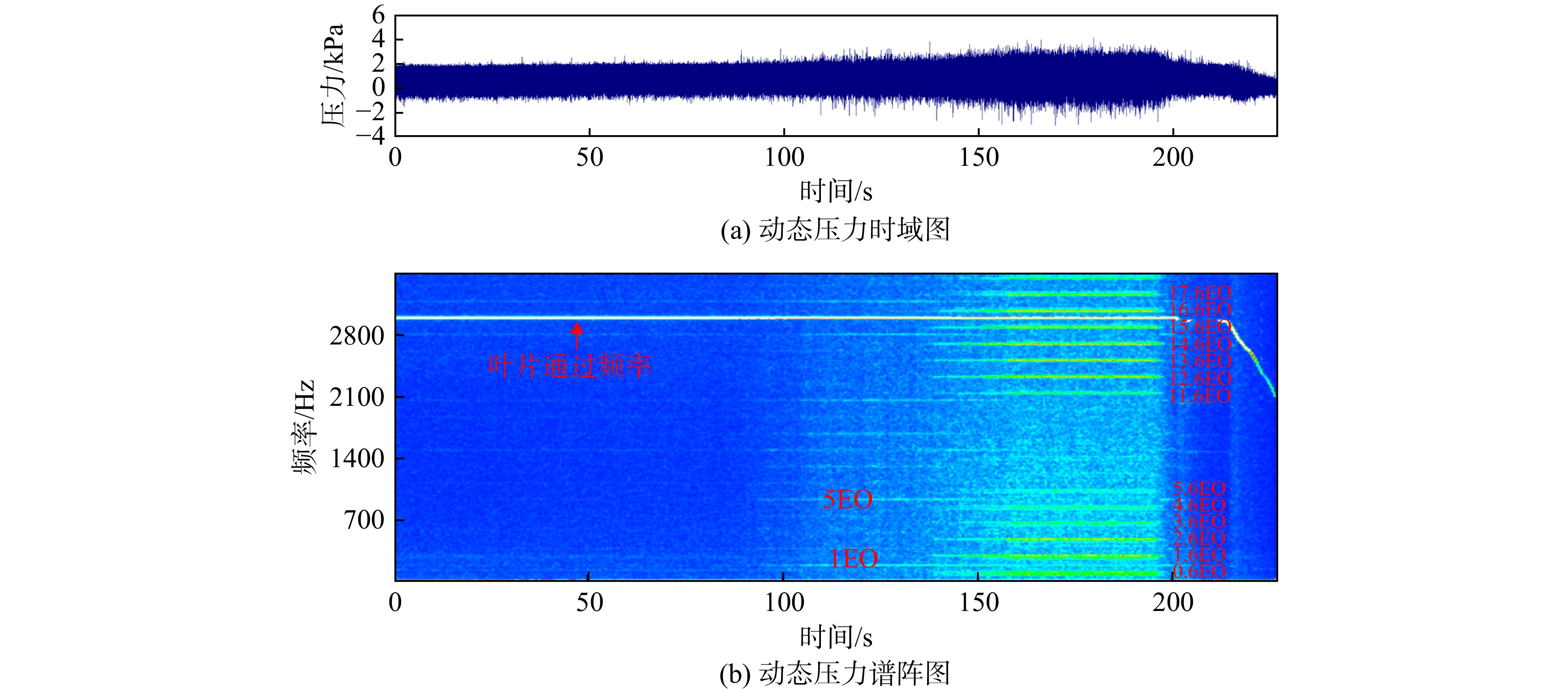
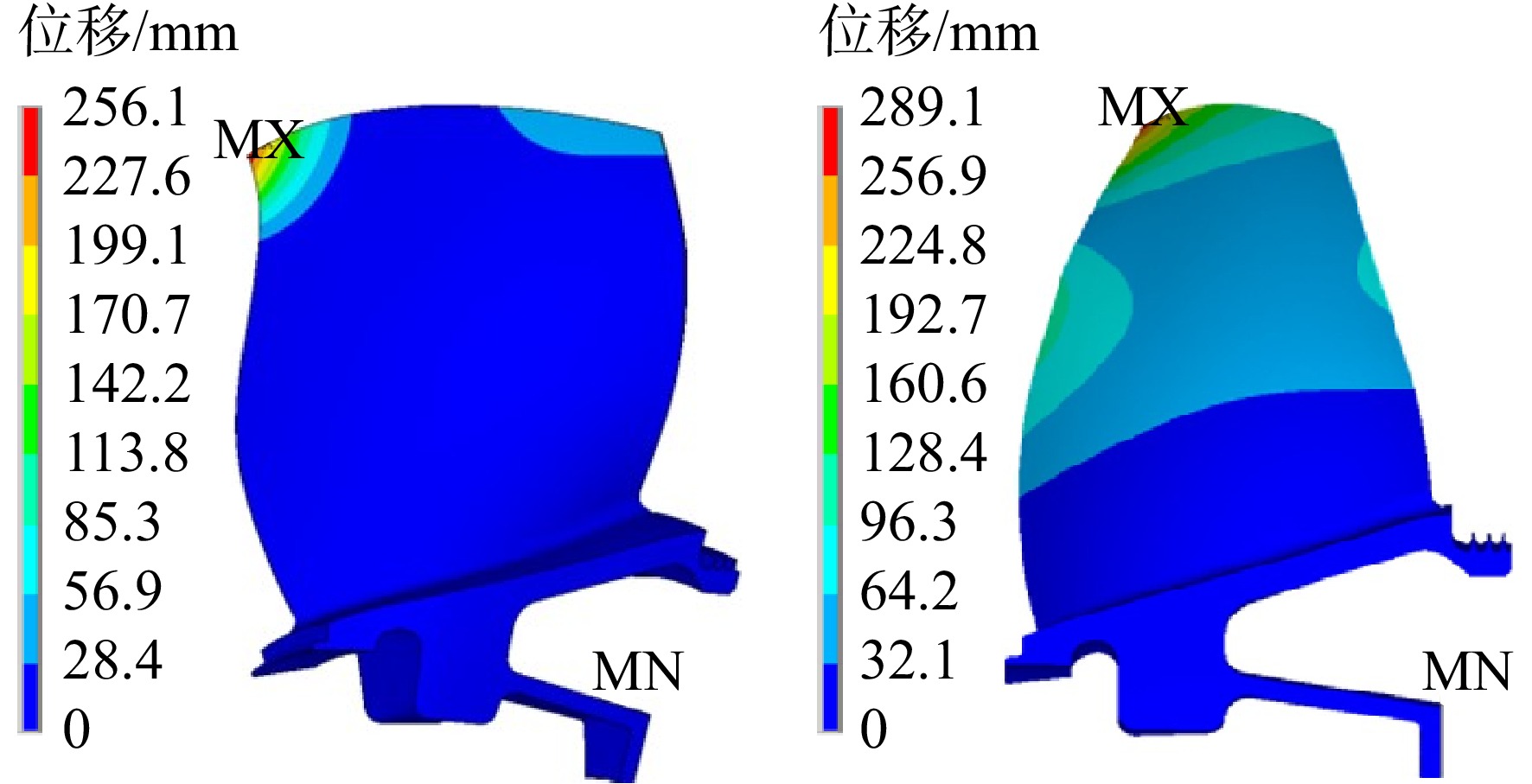
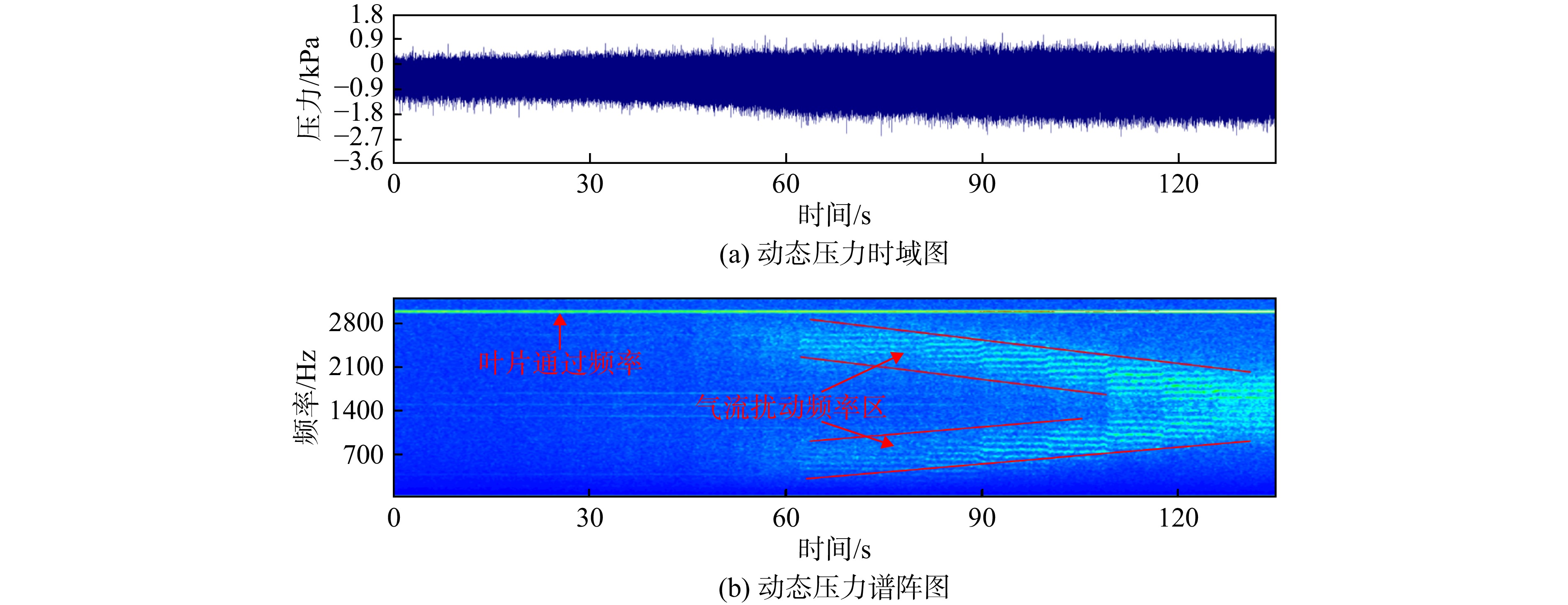
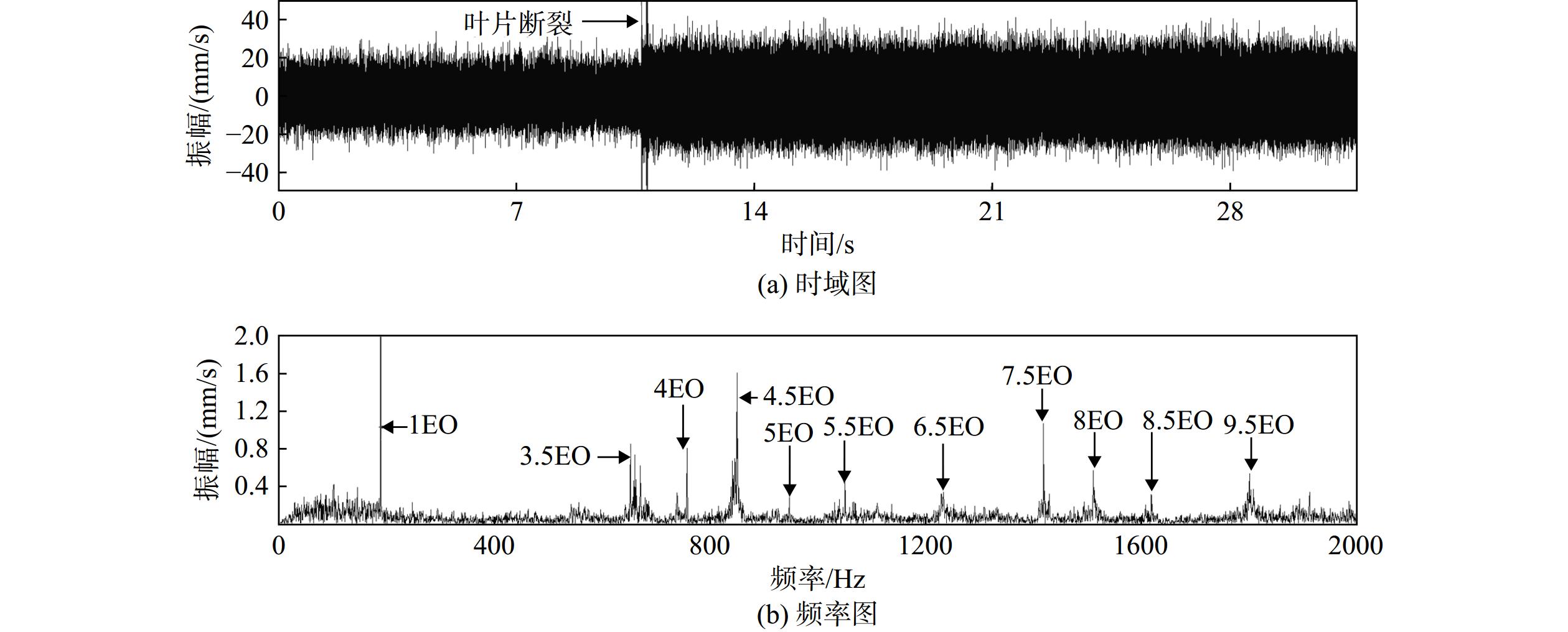
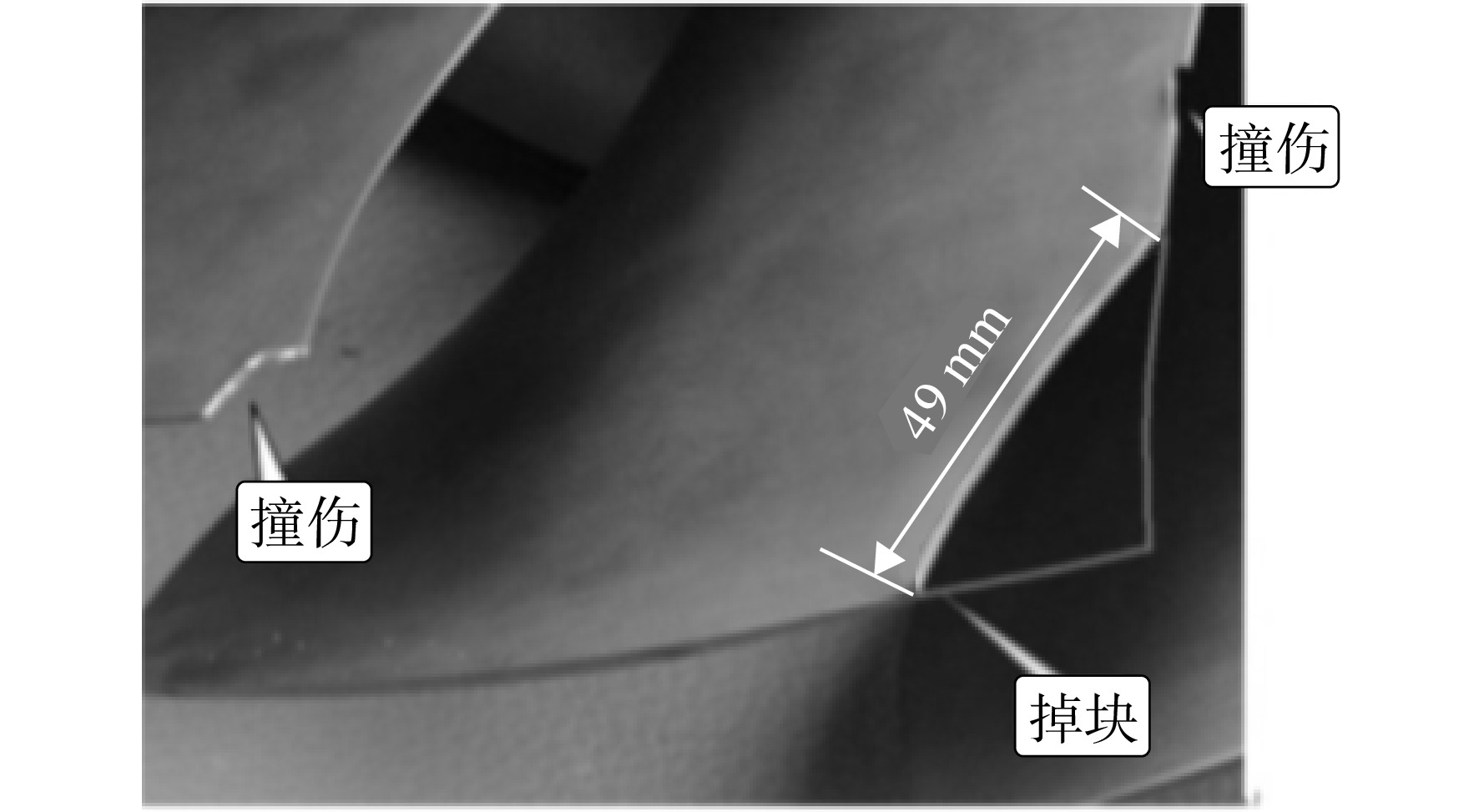
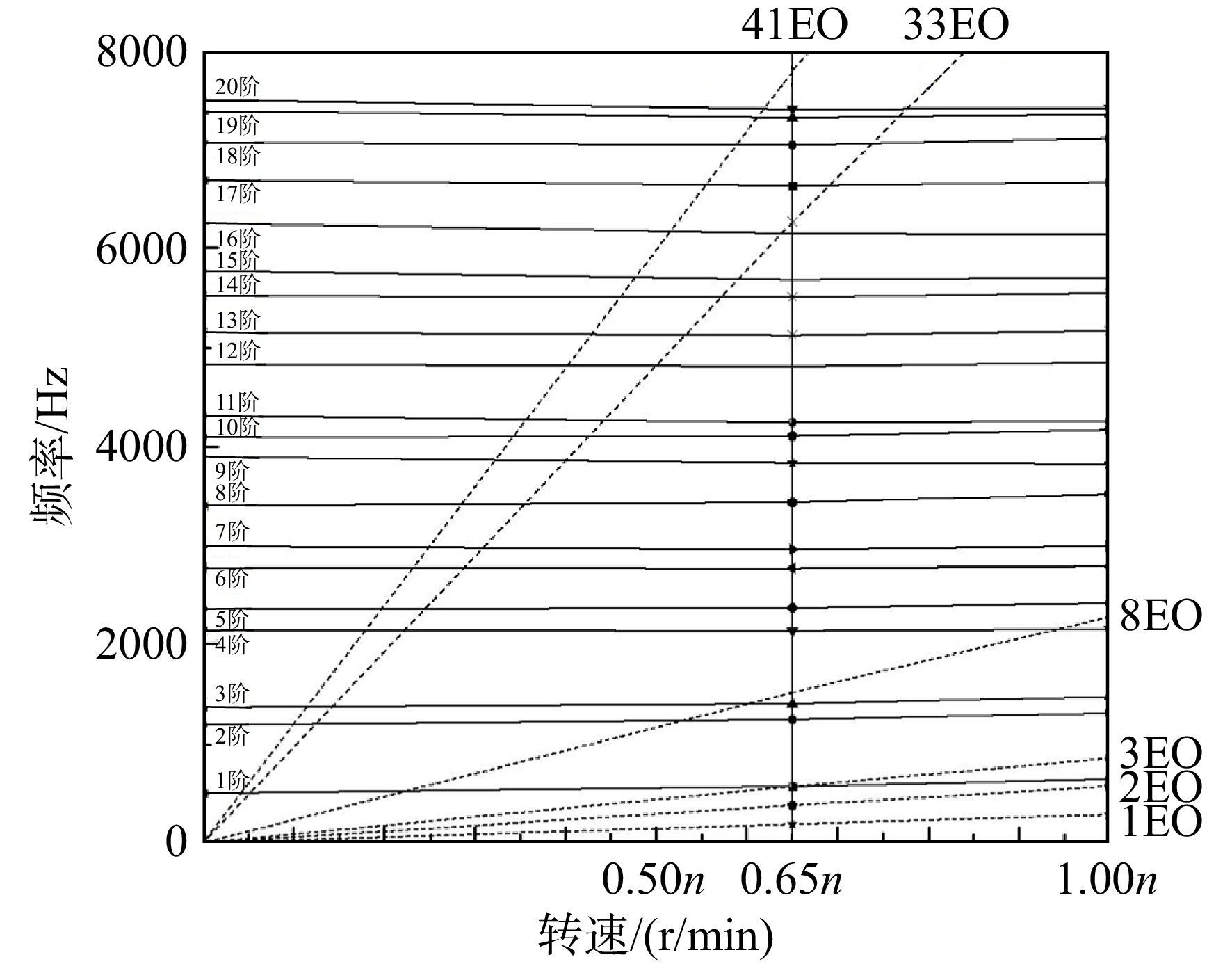
The fatigue fracture occurred during the low speed performance test of swept-forward fan blades. The cause was investigated to improve the design. The damage caused by blade resonance and flutter was excluded through simulation analysis. The high-cycle fatigue analysis showed that the second-order modal danger point of the fan blades was consistent with the crack initiation position. The analysis suggested that the unsteady flow at the tip generated 6.5 times the rotational frequency exciting force, which stimulated the second-order natural mode of the fan blades. Blade tip amplitude and dynamic pressure measurement experiments verified the analysis results. At the fracture speed, the dynamic pressure signal exhibited multiple non-synchronous frequencies. The amplitude of the fan blade tip was 3.7 mm, and the vibration stress at the crack initiation position was 671.2 MPa. The fan blade skimmed forward greatly, resulting in low local bending mode frequency of the forward-swept part, which was easy to be resonated. Blade improvement measures were taken to remove partial forward-swept of the blade and eliminate the local bending mode. The experiment verified the effective improvement measures. This scheme is of reference significance for the design of forward swept small aspect ratio fan blades to avoid asynchronous vibration.

Analysis on manufacturing factors influencing exhaust window cracking of hollow single crystal turbine blade
LI Qing, CHENG Ronghui, CONG Peihong, MA Shiyan, ZHANG Qian
2025, 40(11): 20240730. doi: 10.13224/j.cnki.jasp.20240730
Abstract:

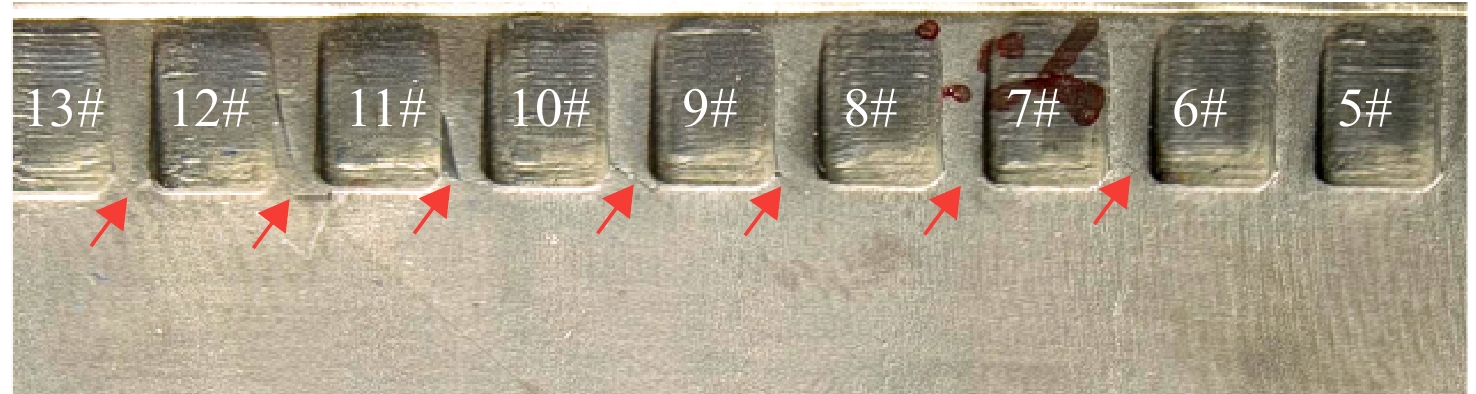
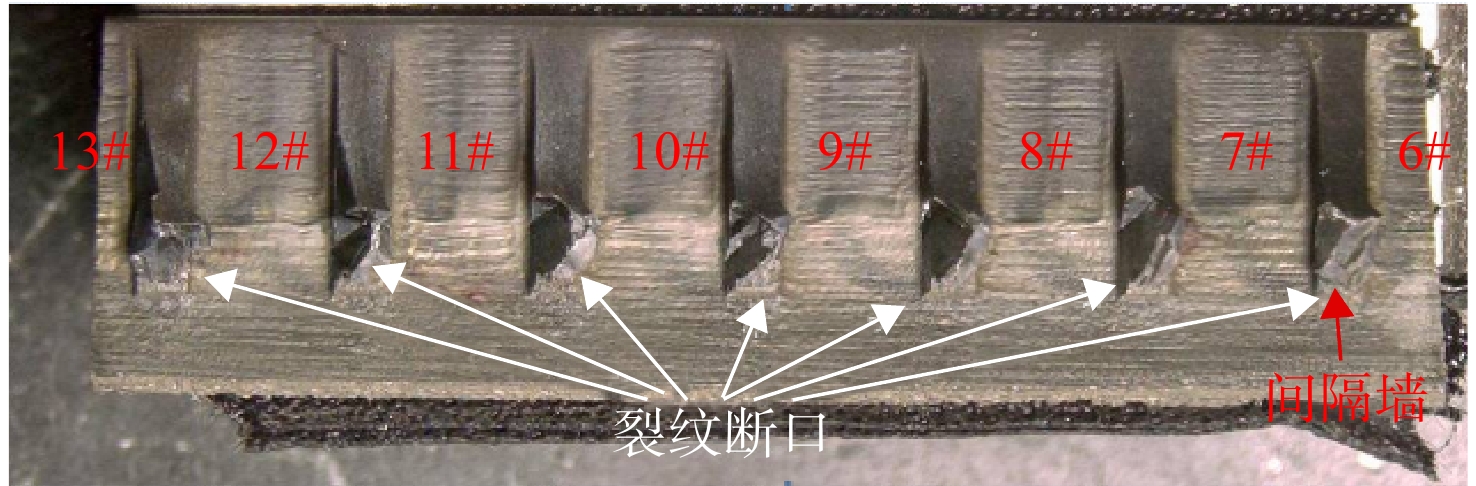
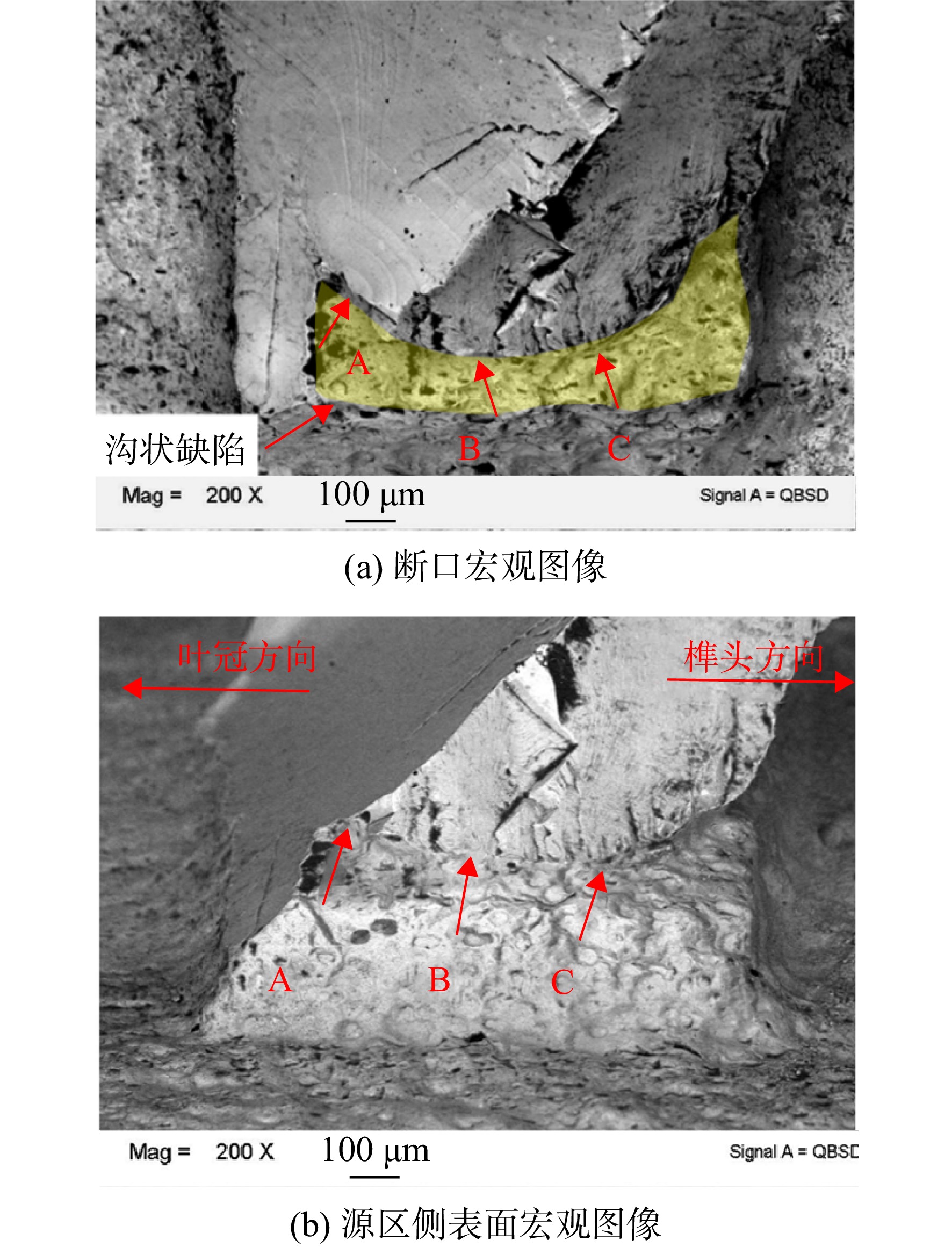
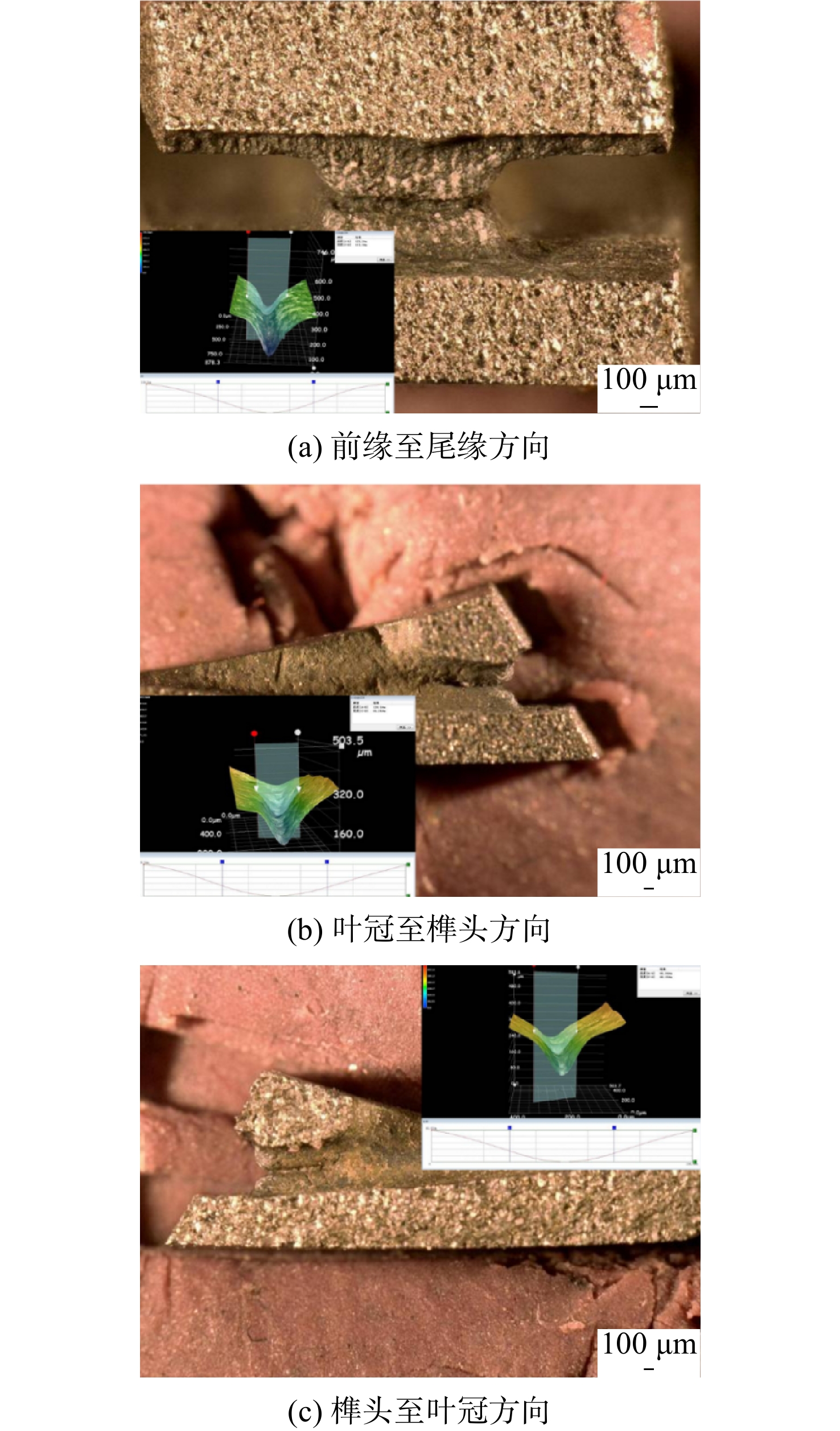
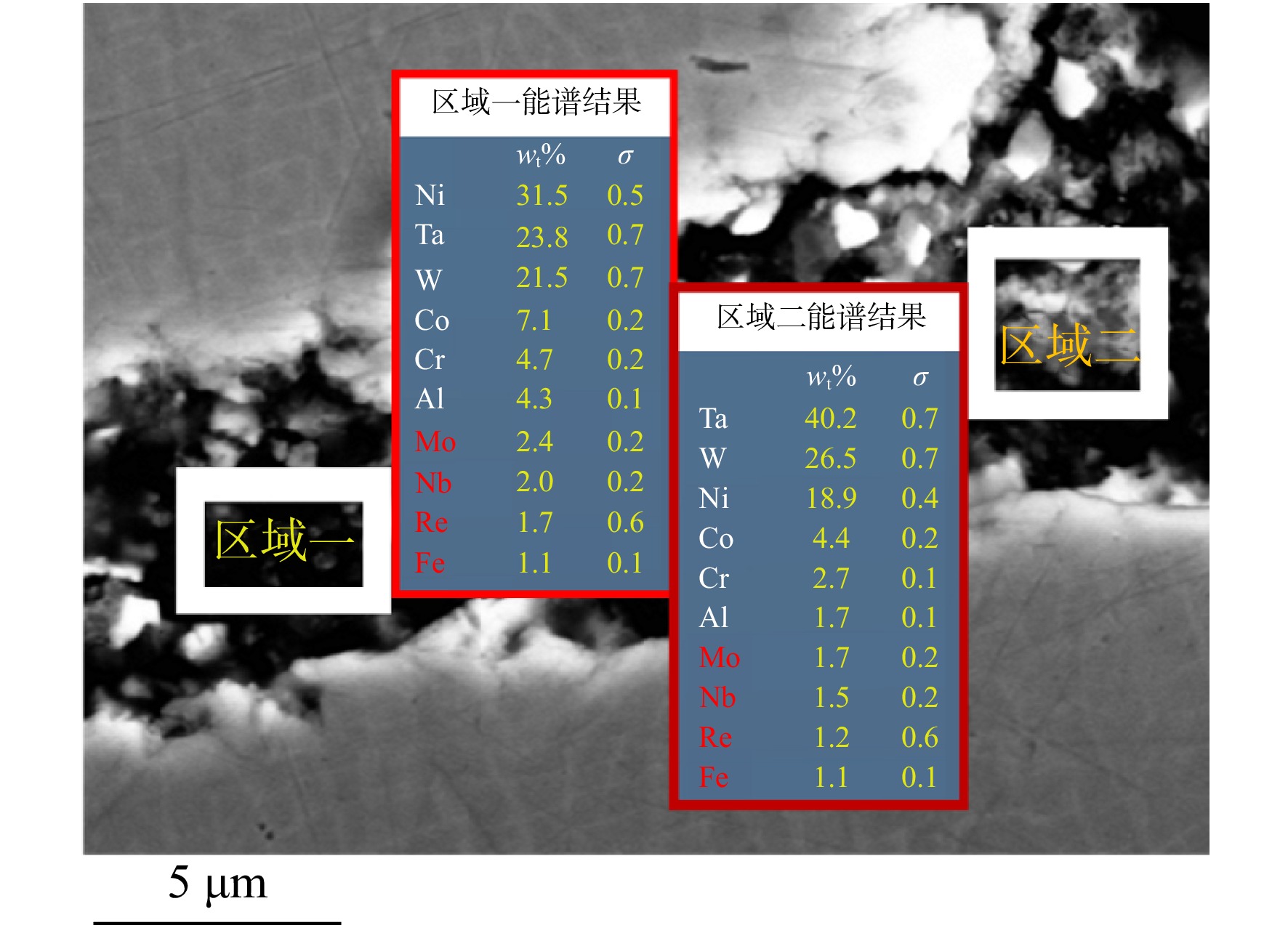
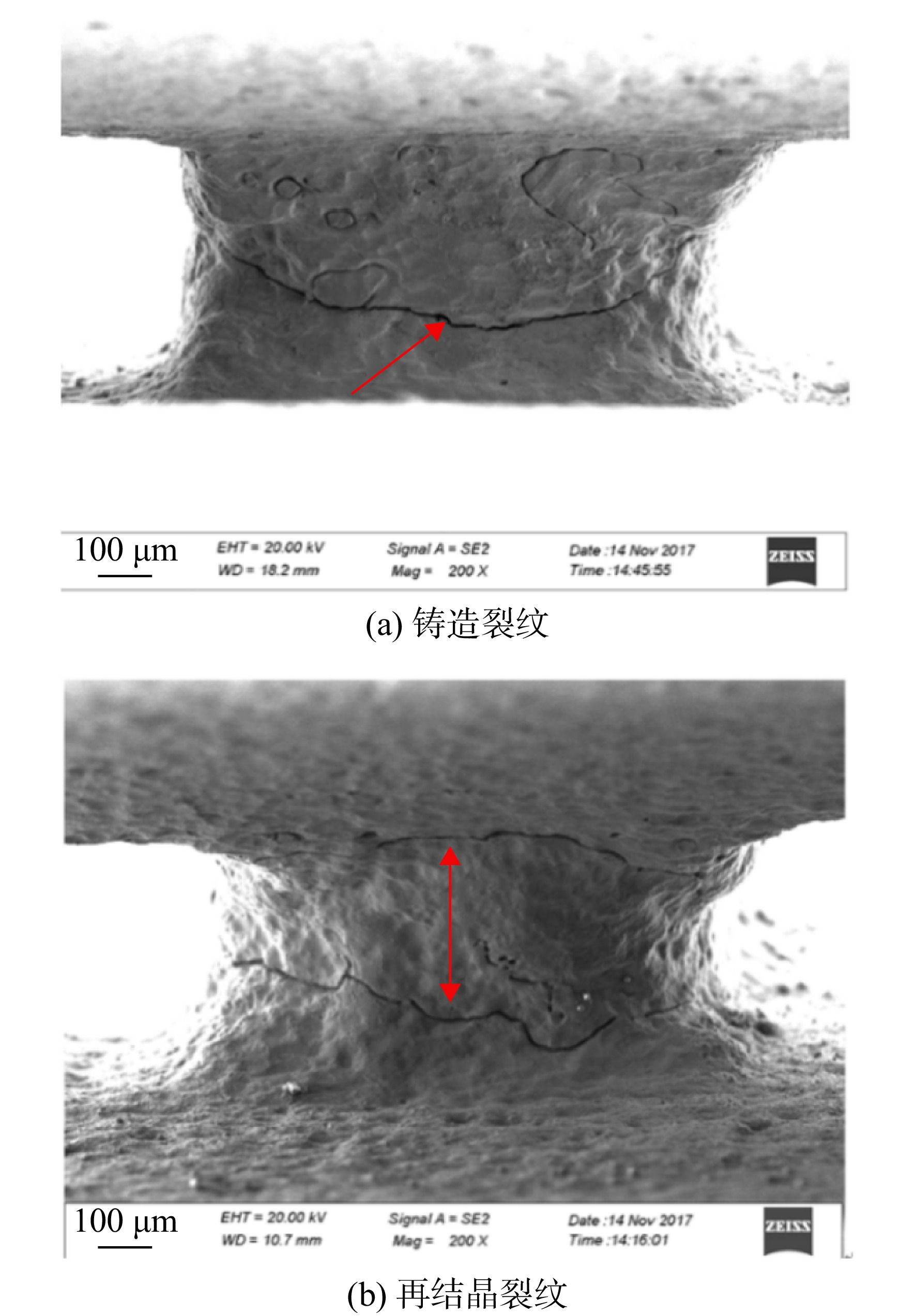
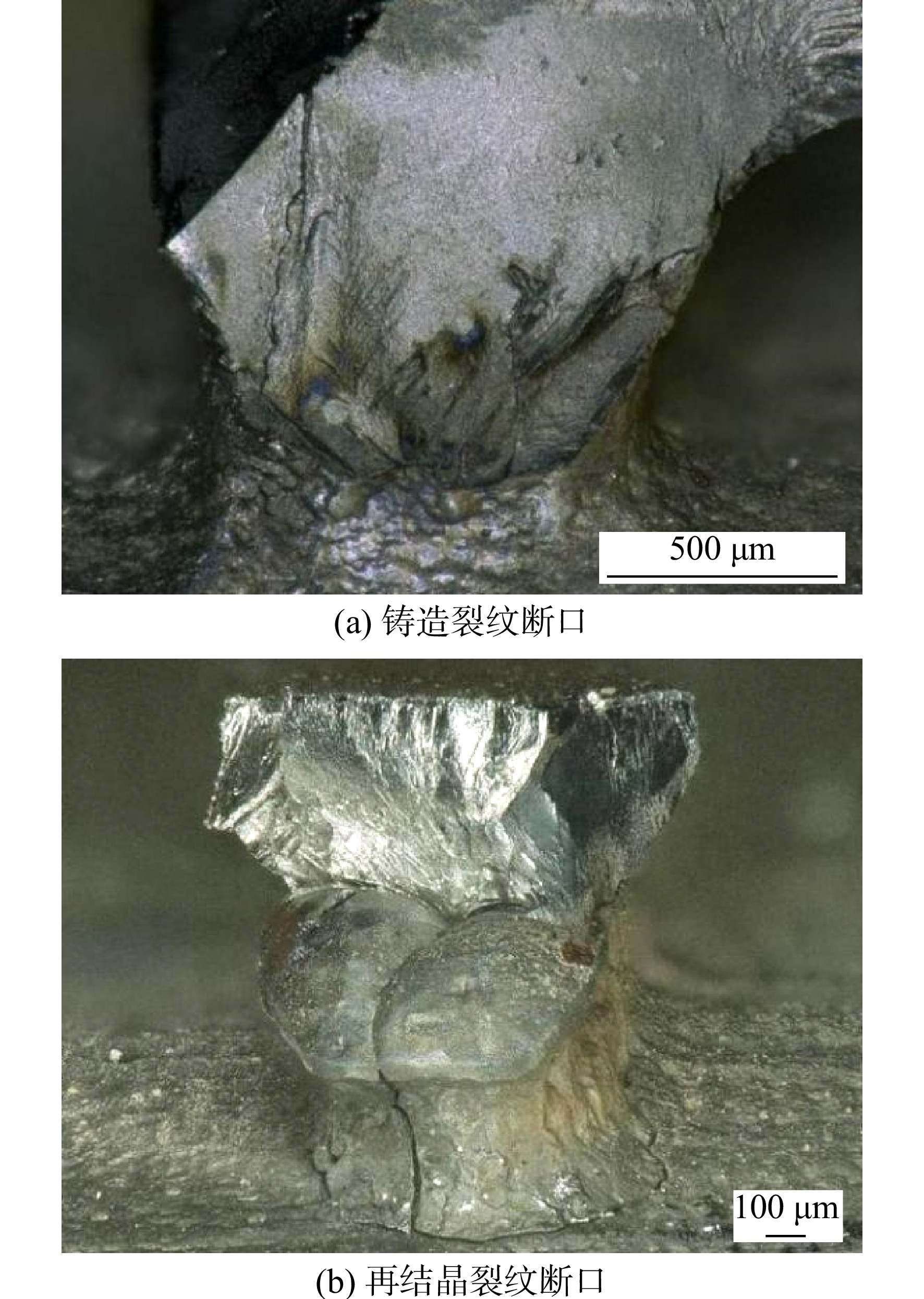
In order to solve the crack failure of the single crystal alloy turbine blade in practical project application, multiple manufacturing factors leading to premature cracking of exhaust windows were summarized. The crack fracture properties were identified by macro and micro observation utilizing video microscope, scanning electron microscope (SEM) and energy spectrum analysis. The results showed that the exhaust window cracks were originated from the partition wall. The groove defect on the partition wall was due to the ceramic core which was not polished before casting. The higher strength of ceramic core had a strong impact on the recrystallization grain of the partition wall, which was related to the excessive casting residual stress. The “groove crack” on the partition wall was resulted from the corrosion liquid attacking the interdendritic region. The difference in surface potential between the dendrite and interdendritic region played a critical role on the surface morphology and corrosion mechanism. Casting flaw on the partition wall was due to the interface reaction between superalloy and ceramic core. The fatigue crack was produced due to lack of auxiliary support during the grinding process of the saw tooth shaped shroud.

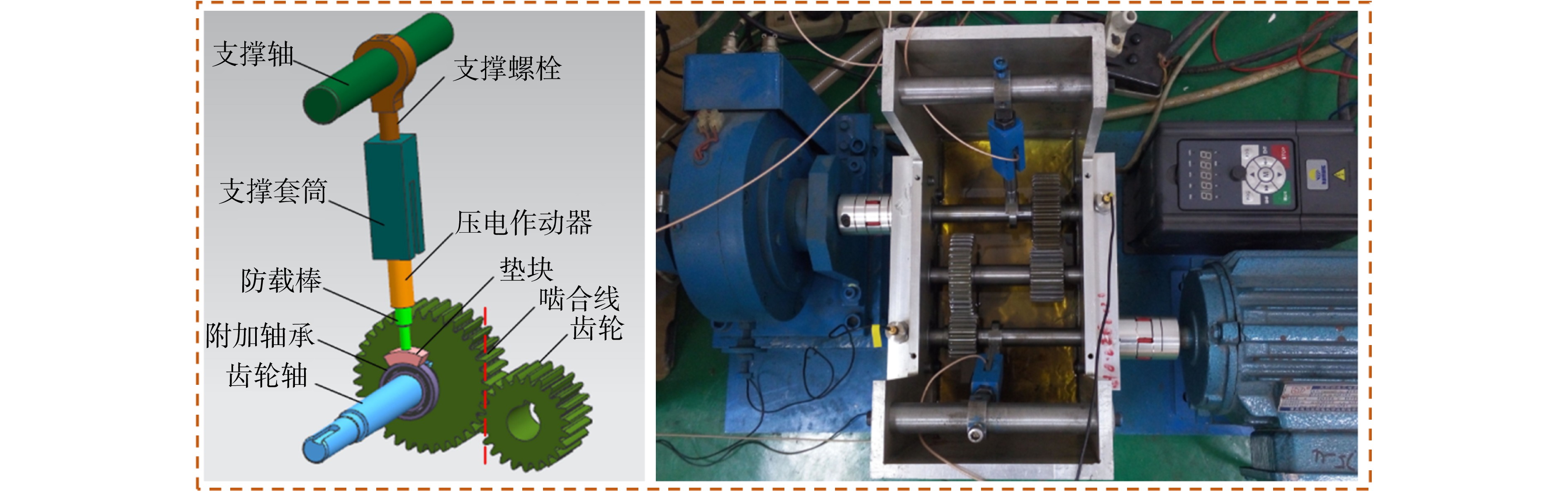
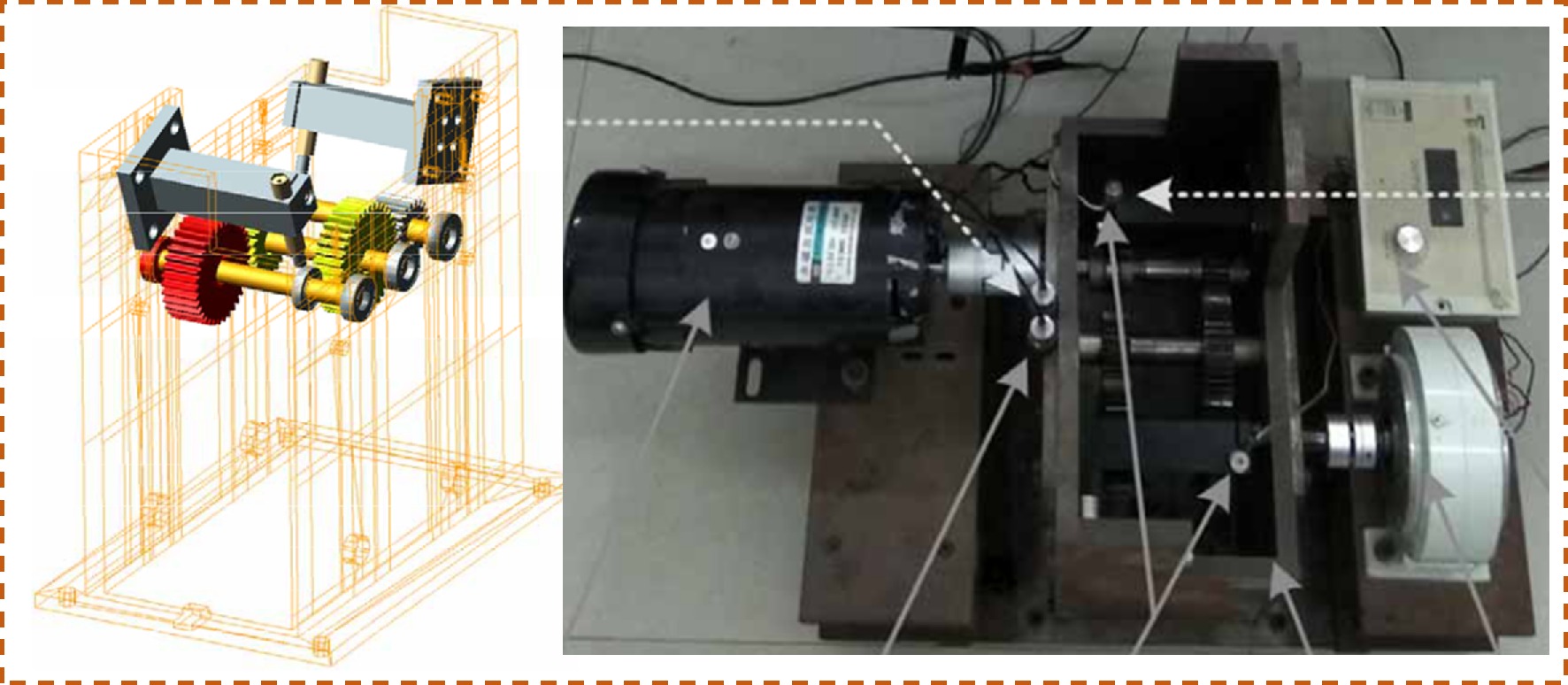
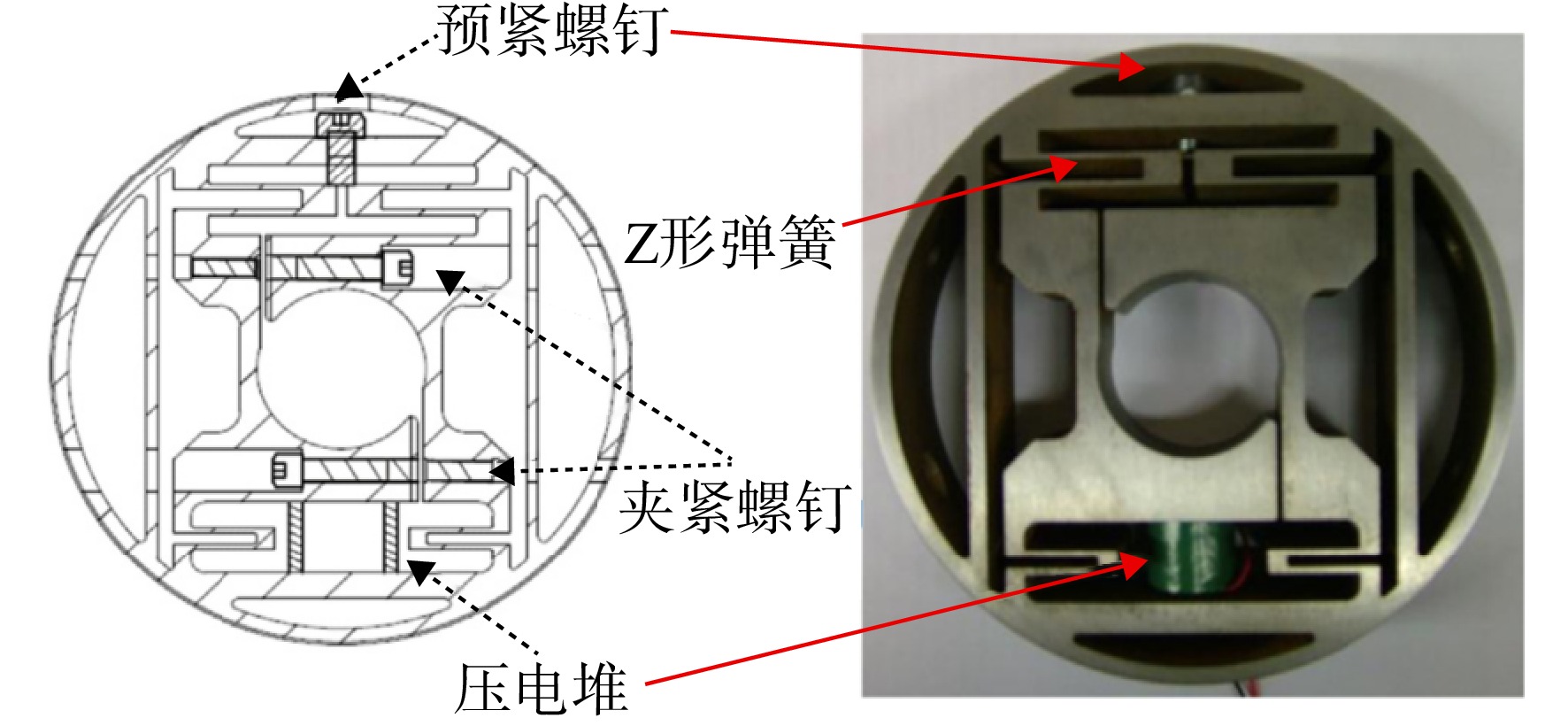
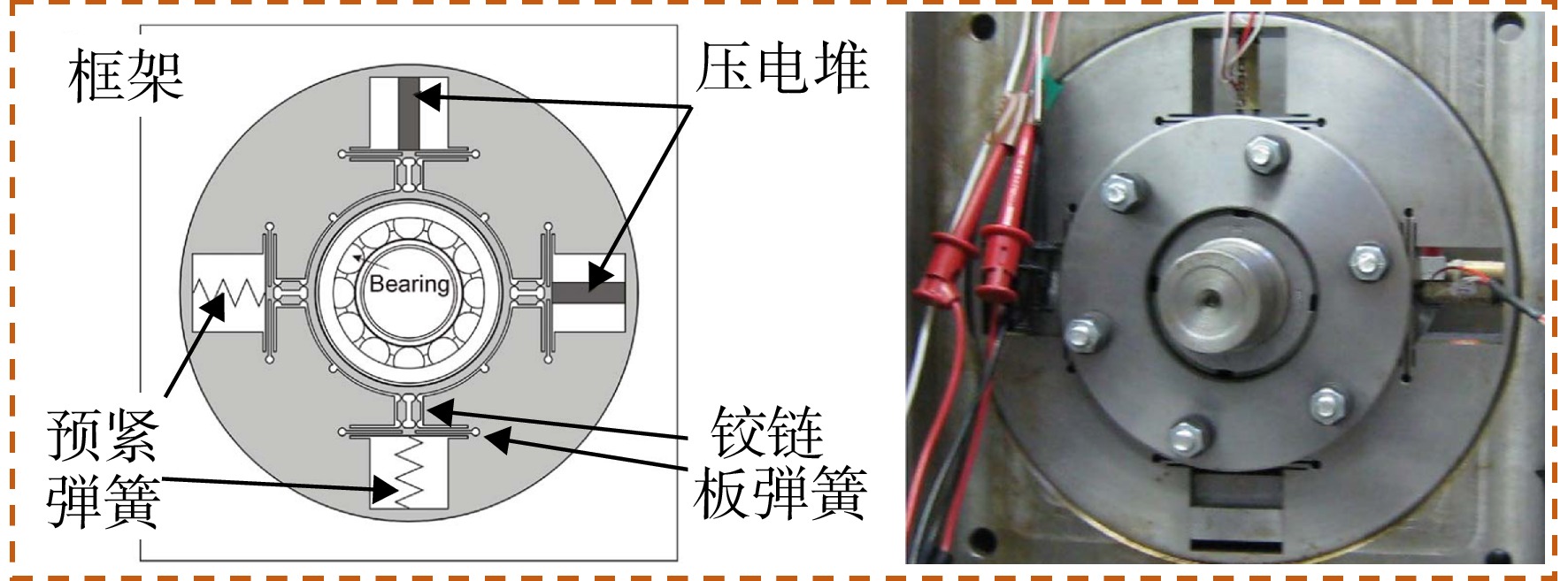
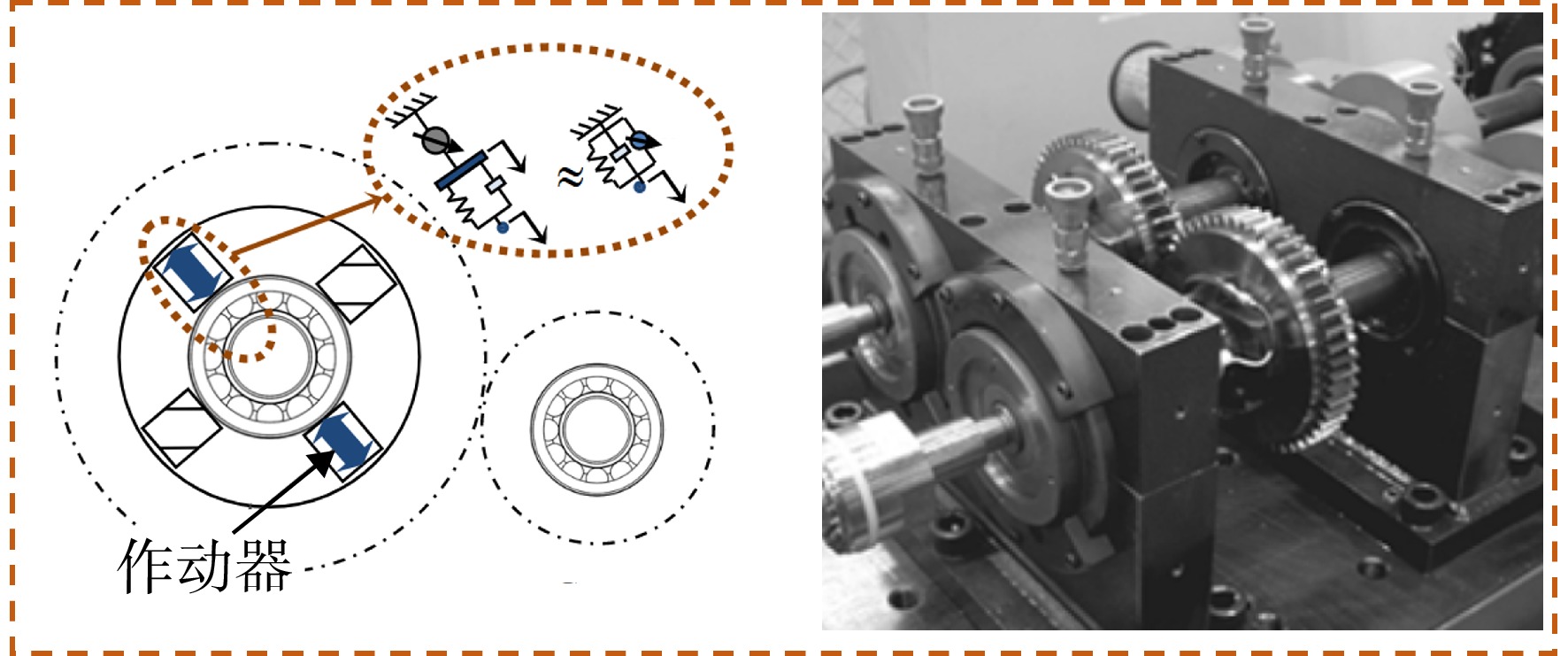
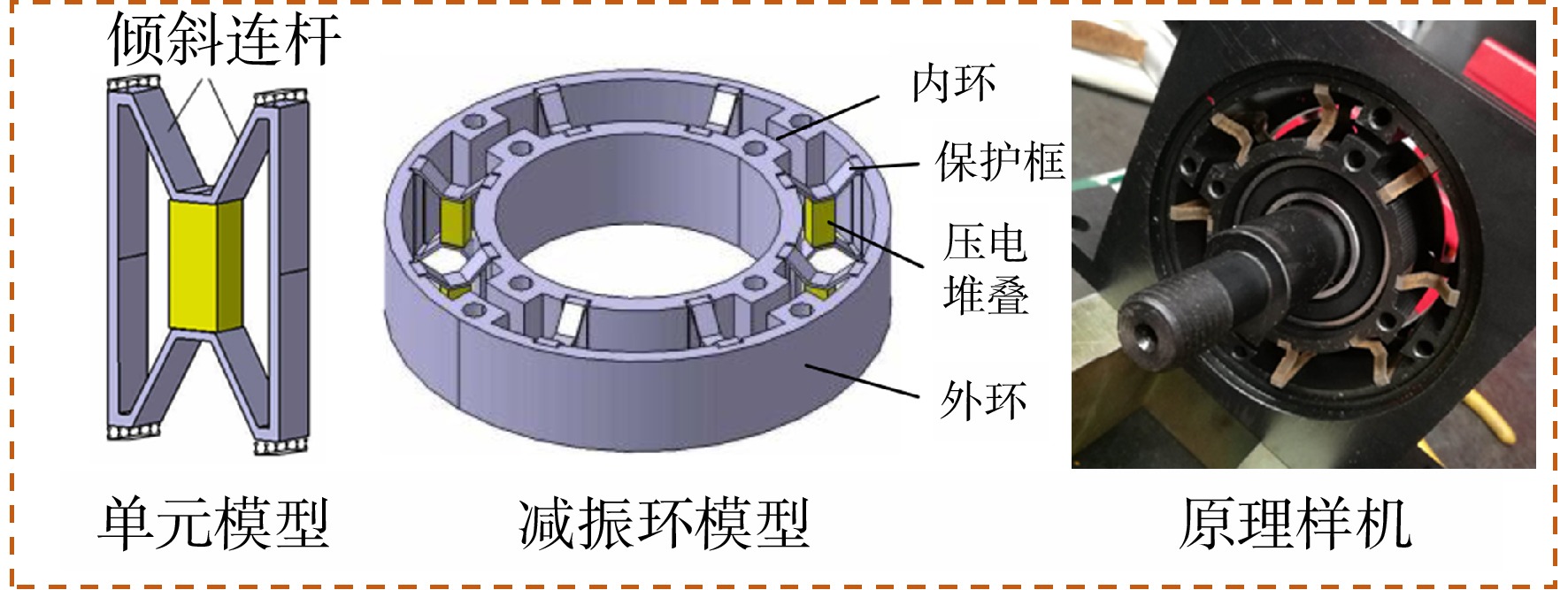
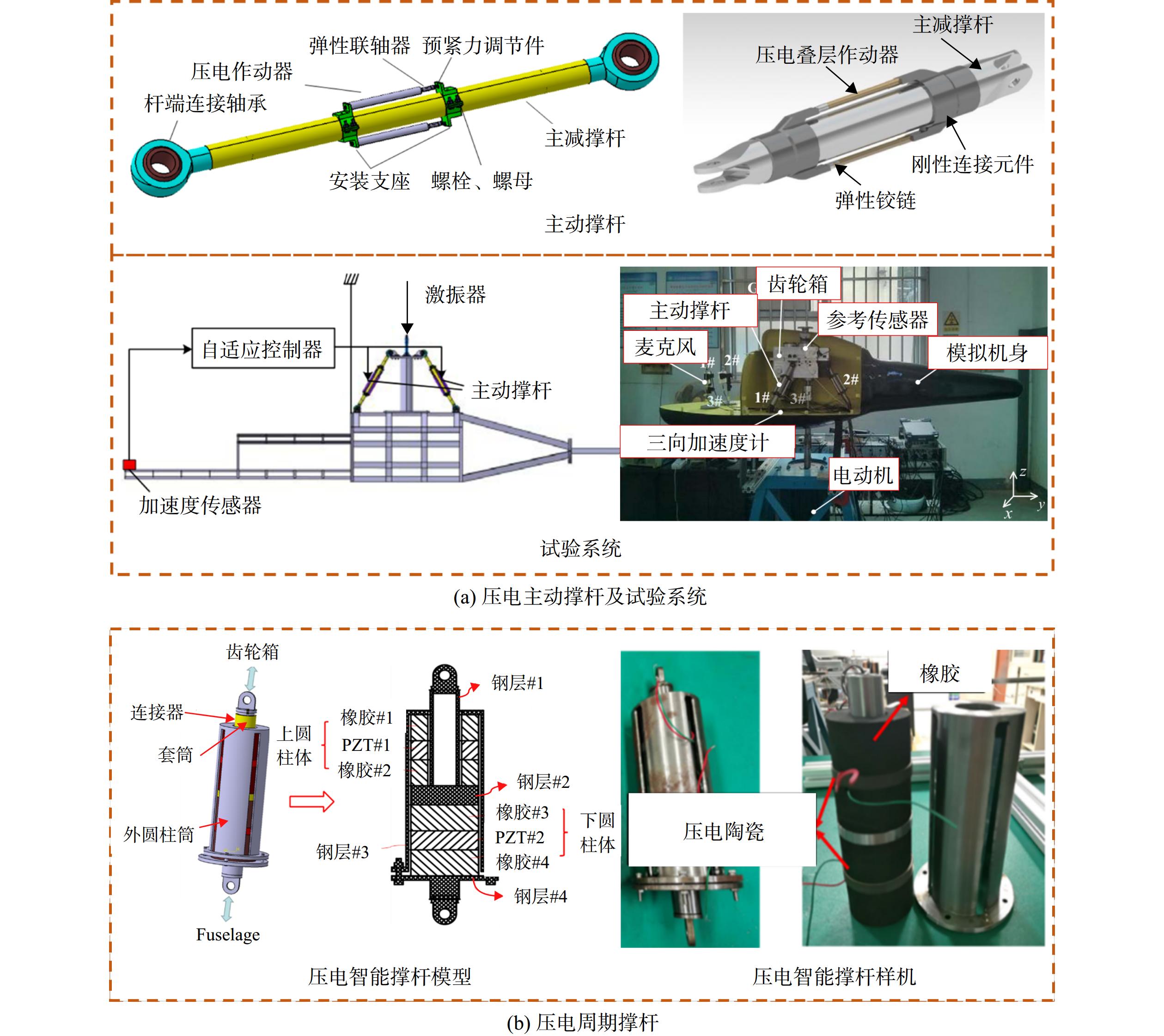
Application and prospect of piezoelectric smart structure in vibration and noise reduction of helicopter transmission system
XU Penghang, ZHANG Zongzhi, CHEN Weifang, ZHU Rupeng, LI Miaomiao, ZHU Xinhua, SHE Yixi
2025, 40(11): 20250176. doi: 10.13224/j.cnki.jasp.20250176
Abstract:

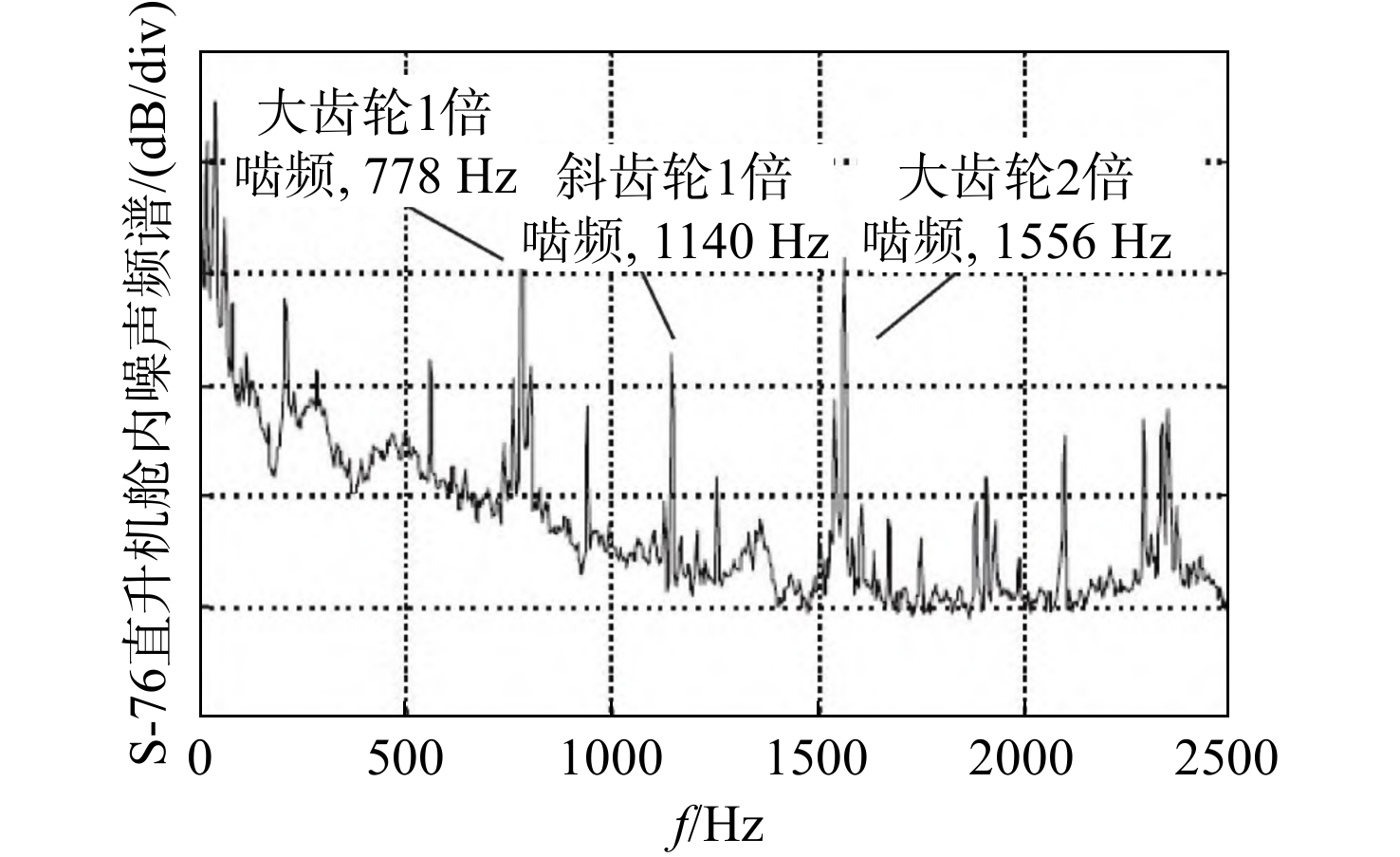
In order to realize the efficient control of vibration and noise of transmission system, combined with the characteristics of piezoelectric smart structure, the development status of noise control using piezoelectric intelligent structure was summarized from the aspects of transmission parts, bearing parts, tail transmission parts and supporting parts, including passive, active and semi-active control methods. The research results showed that the piezoelectric smart structure had unique advantages in the vibration and noise control of the transmission system. Some studies on the helicopter verification machine test were conducted, which provided technical support for the overall vibration and noise reduction of the helicopter. In this field, the research in China is still in the laboratory verification stage, and the technology maturity is insufficient. However, many key technical reserves for further application have been formed. According to the current research status, combined with the installation requirements of the helicopter transmission system, some research directions were proposed from five aspects: piezoelectric intelligent materials, piezoelectric intelligent structure design, piezoelectric intelligent control, installation matching and packaging reliability, which could provide development insights for vibration and noise control technology of helicopter transmission system.

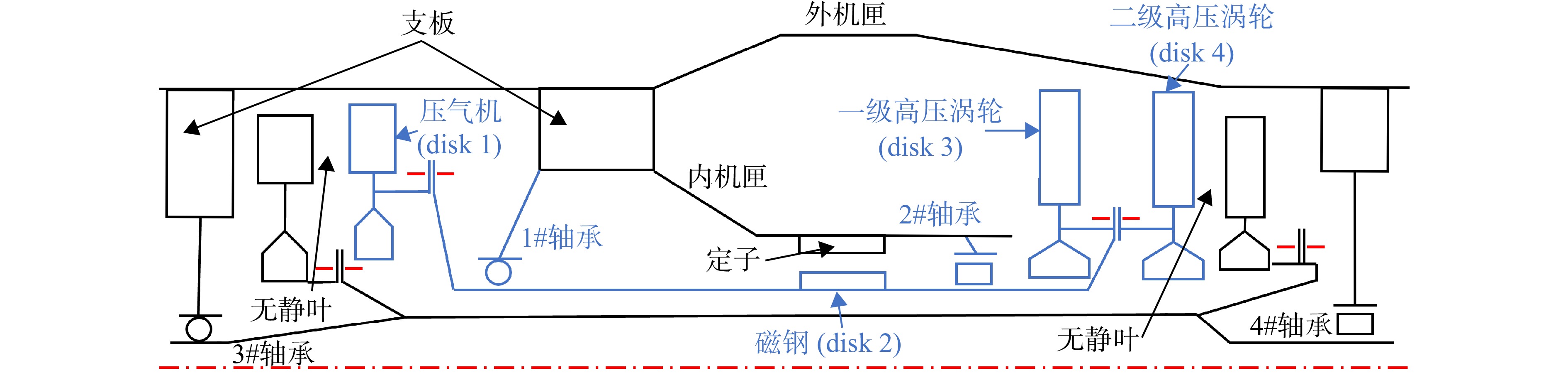
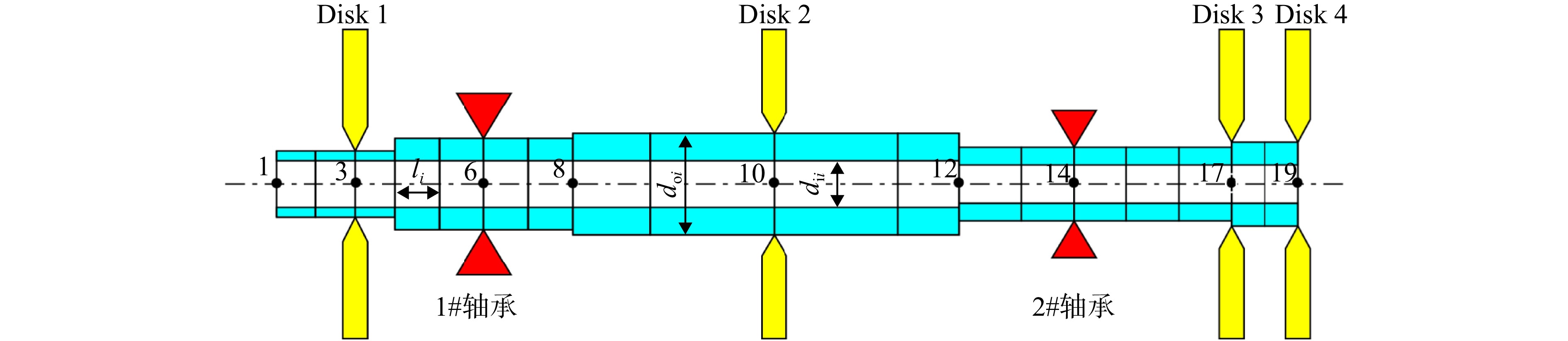
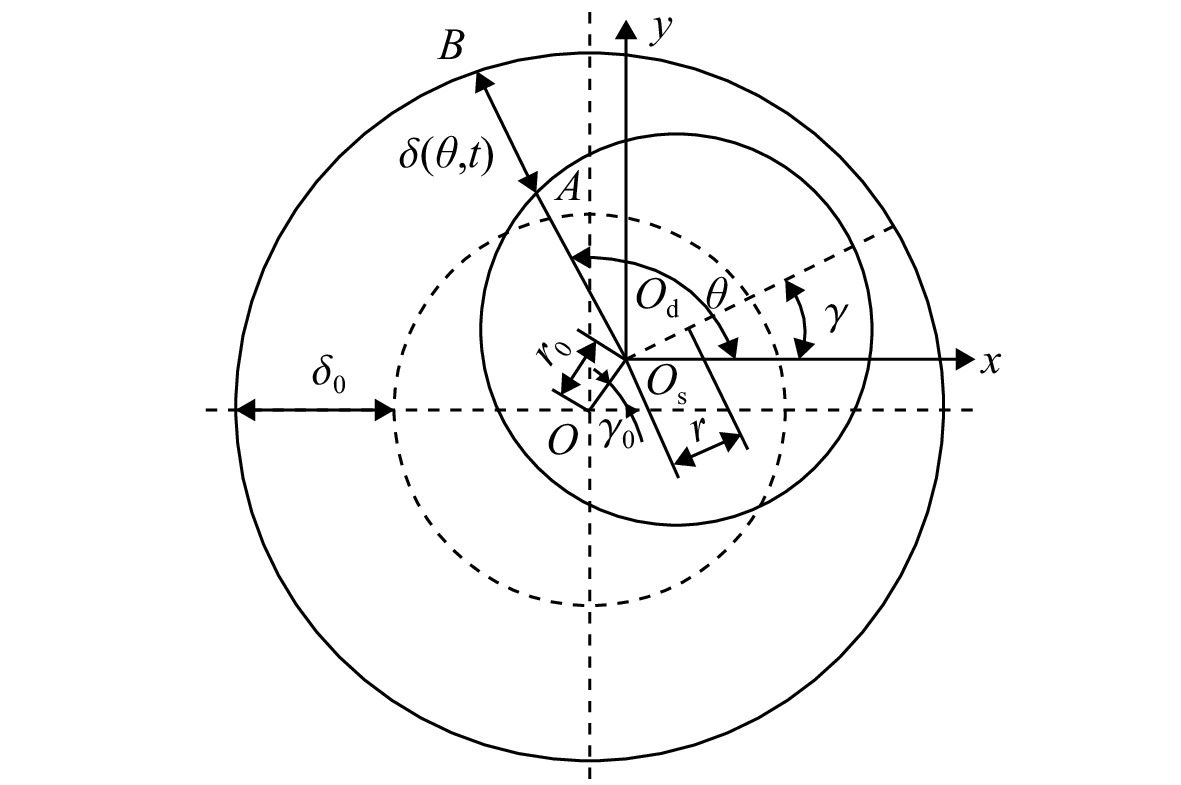
Vibration characteristics of aeroengine spindle direct-drive rotor system with unbalanced magnetic pull
LI Shicai, HAO Long, ZHAO Wei, MA Yingqun, REN Sanqun, ZHAO Qingjun
2025, 40(11): 20240574. doi: 10.13224/j.cnki.jasp.20240574
Abstract:

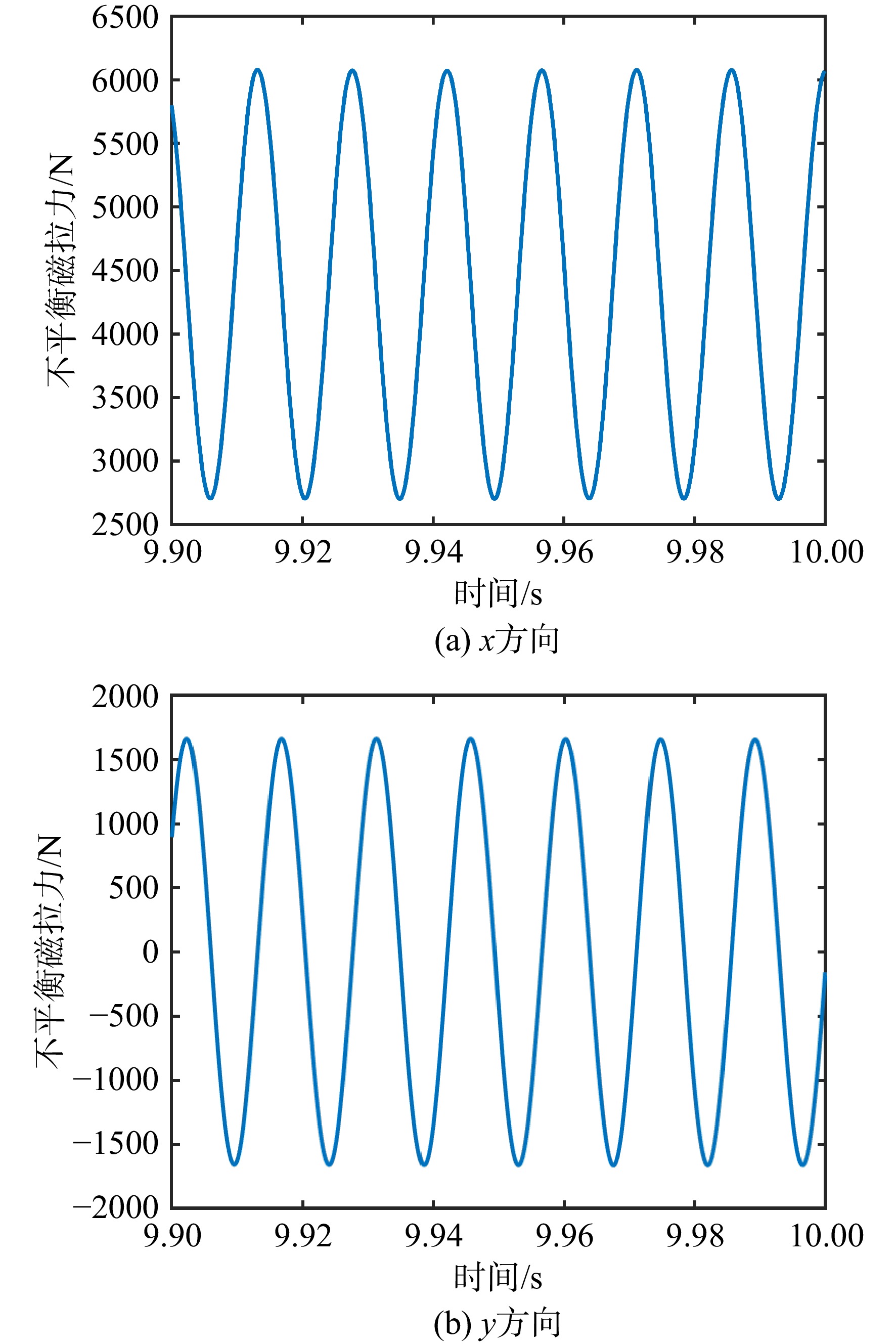
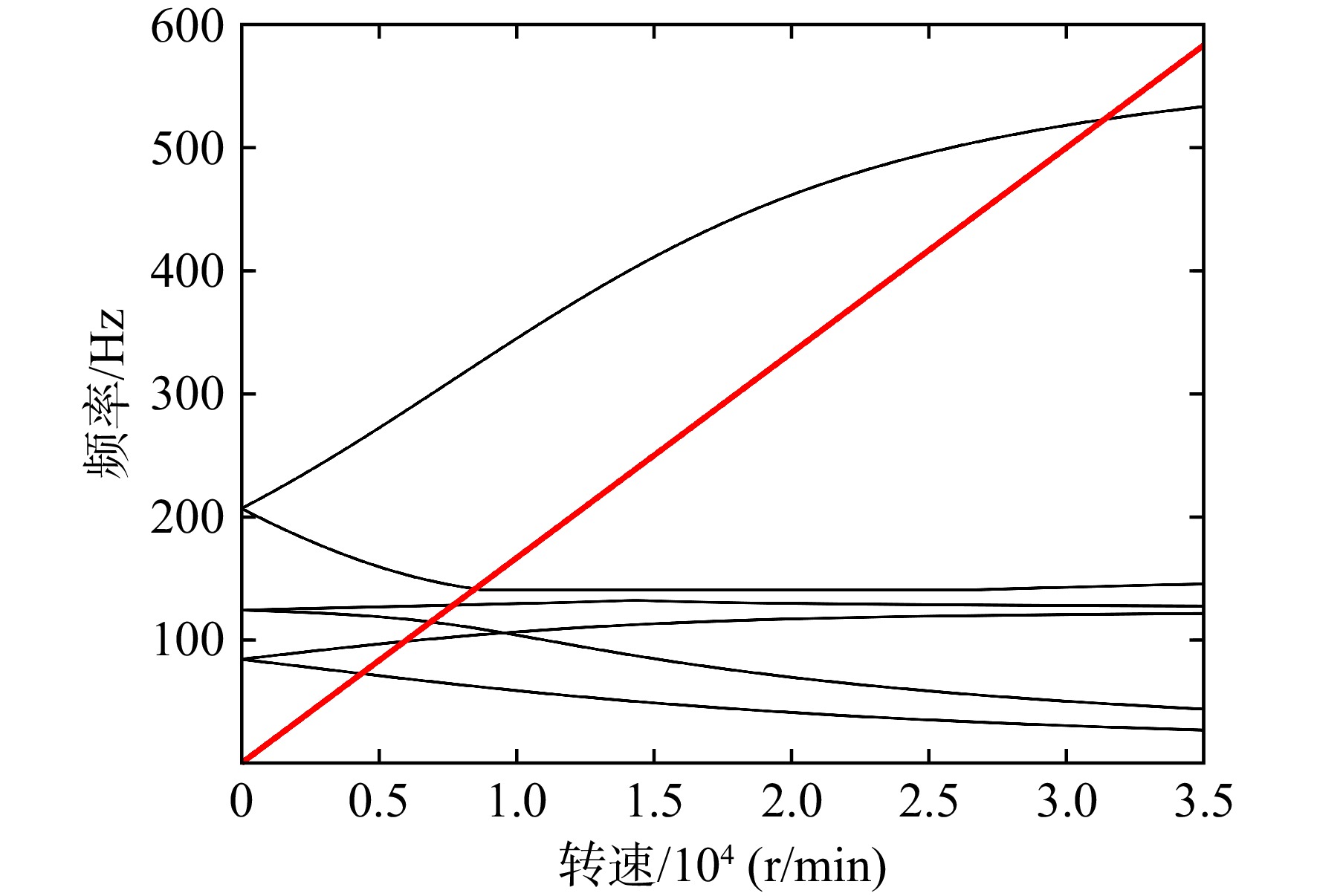
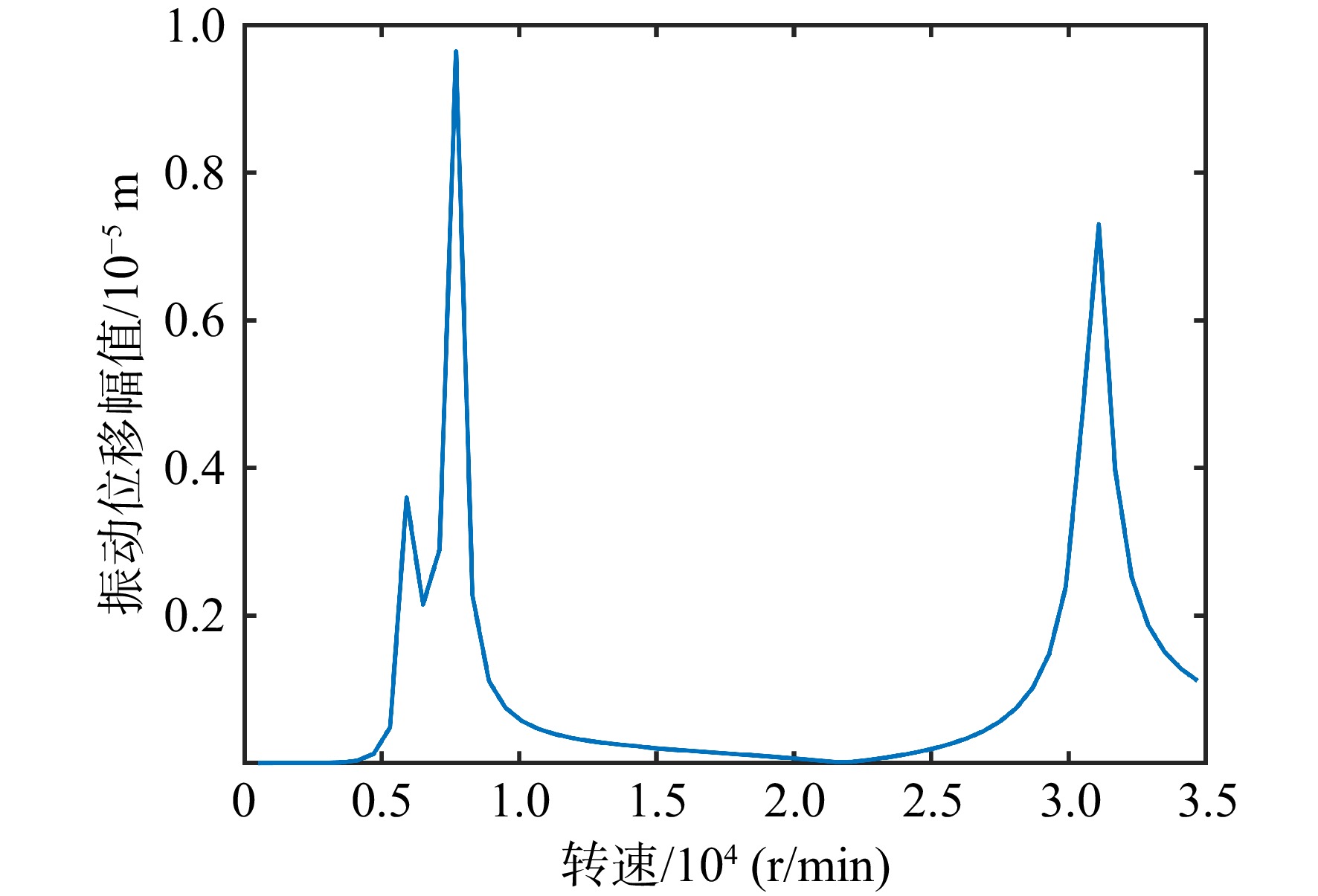
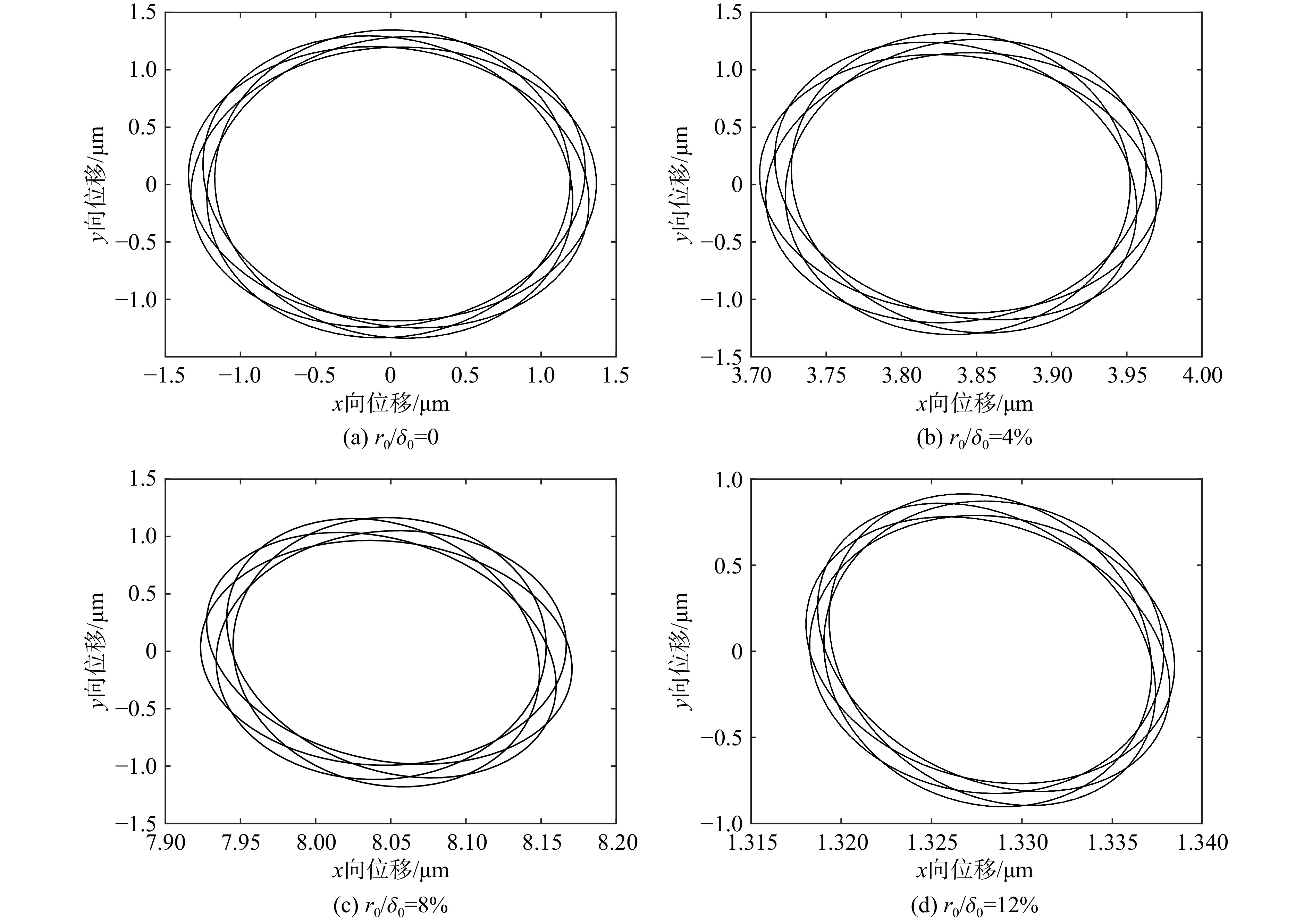
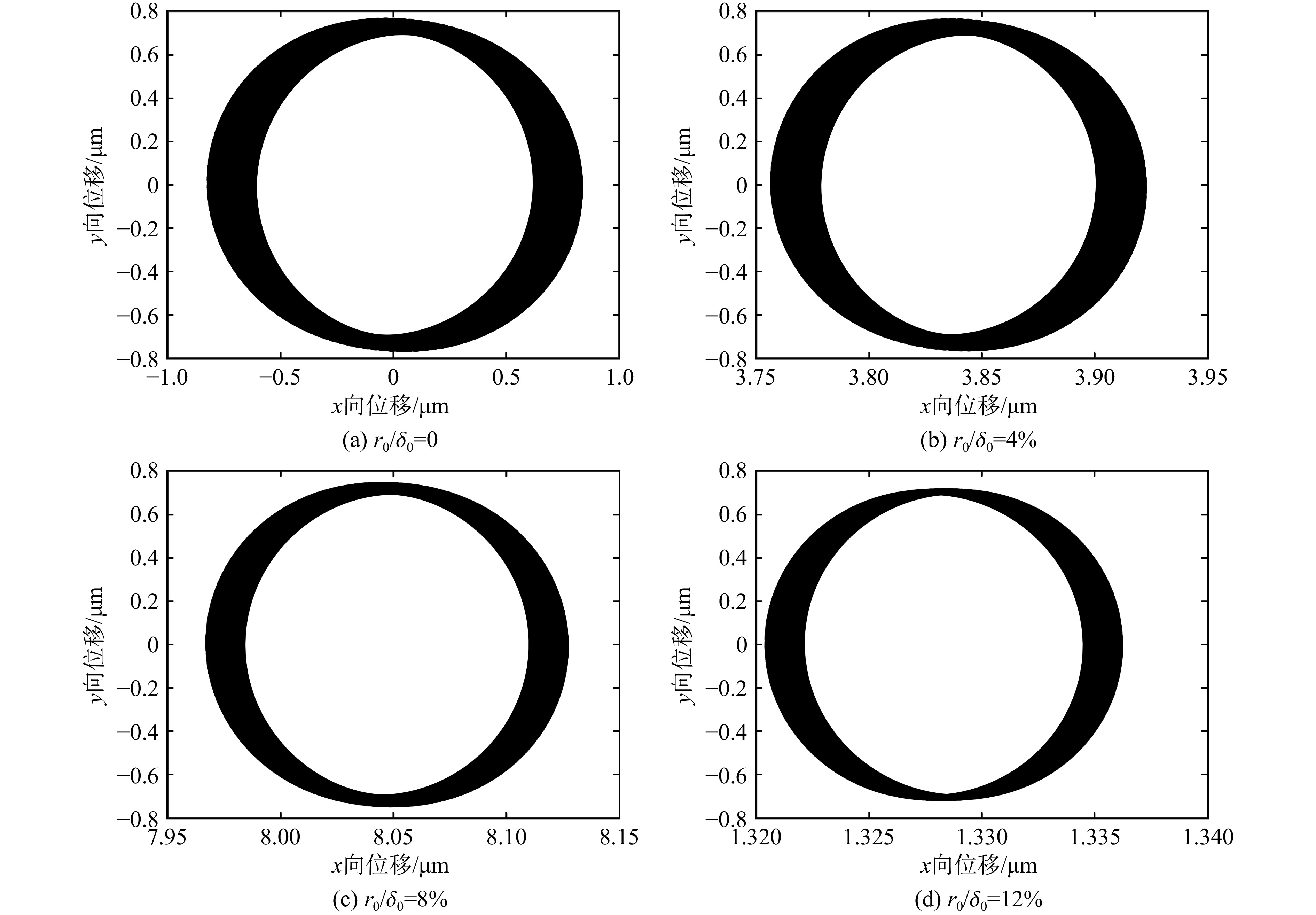
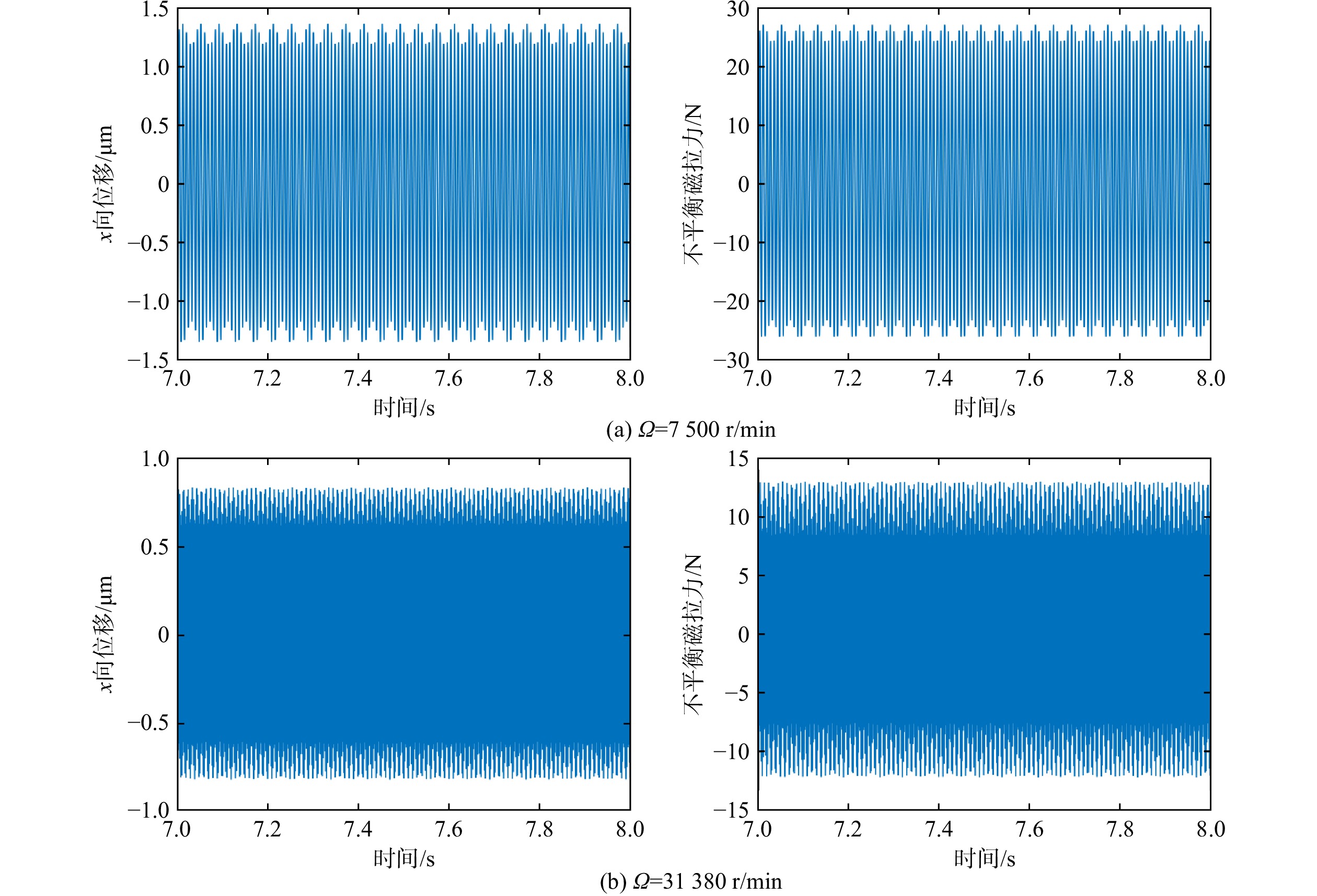
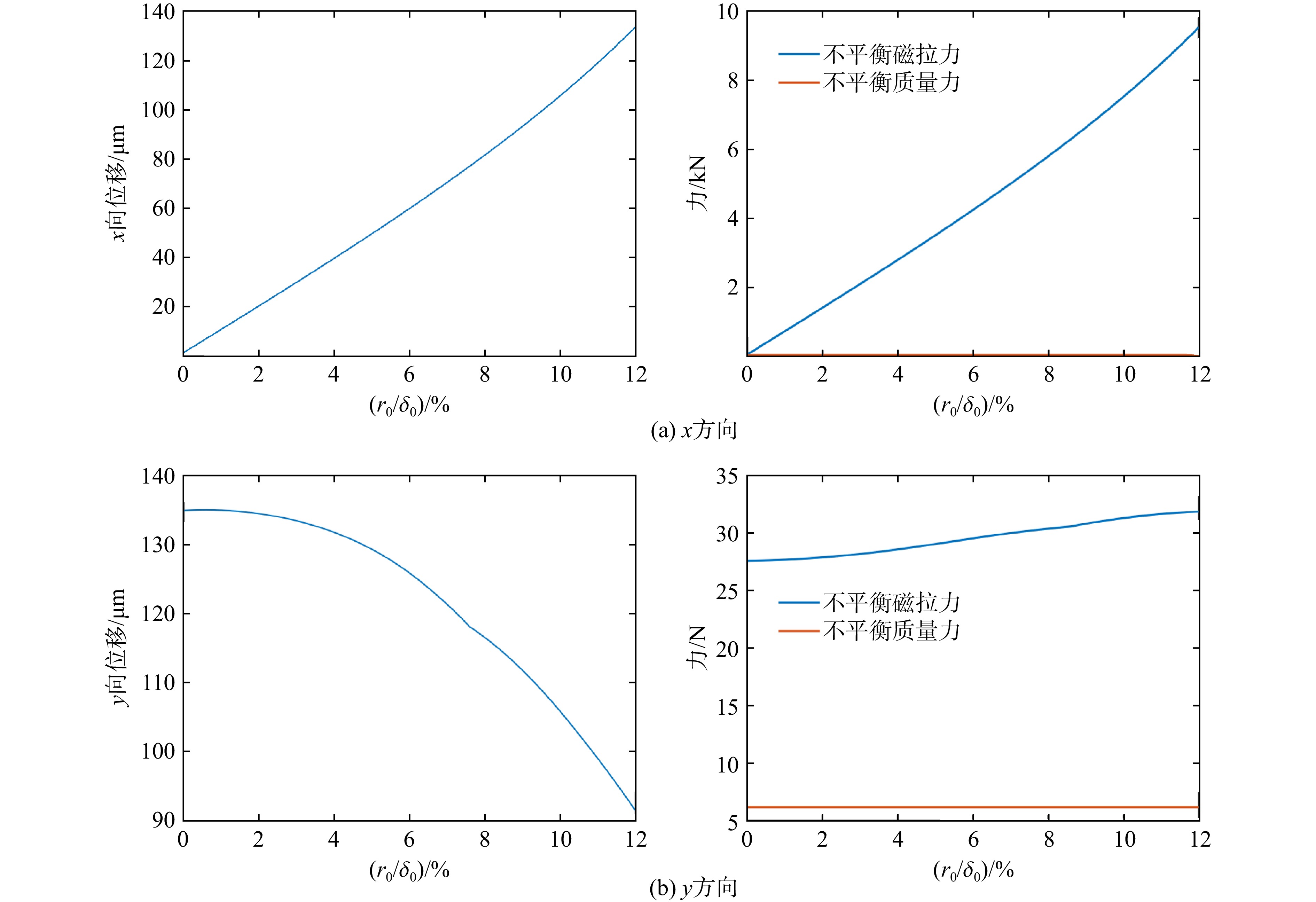
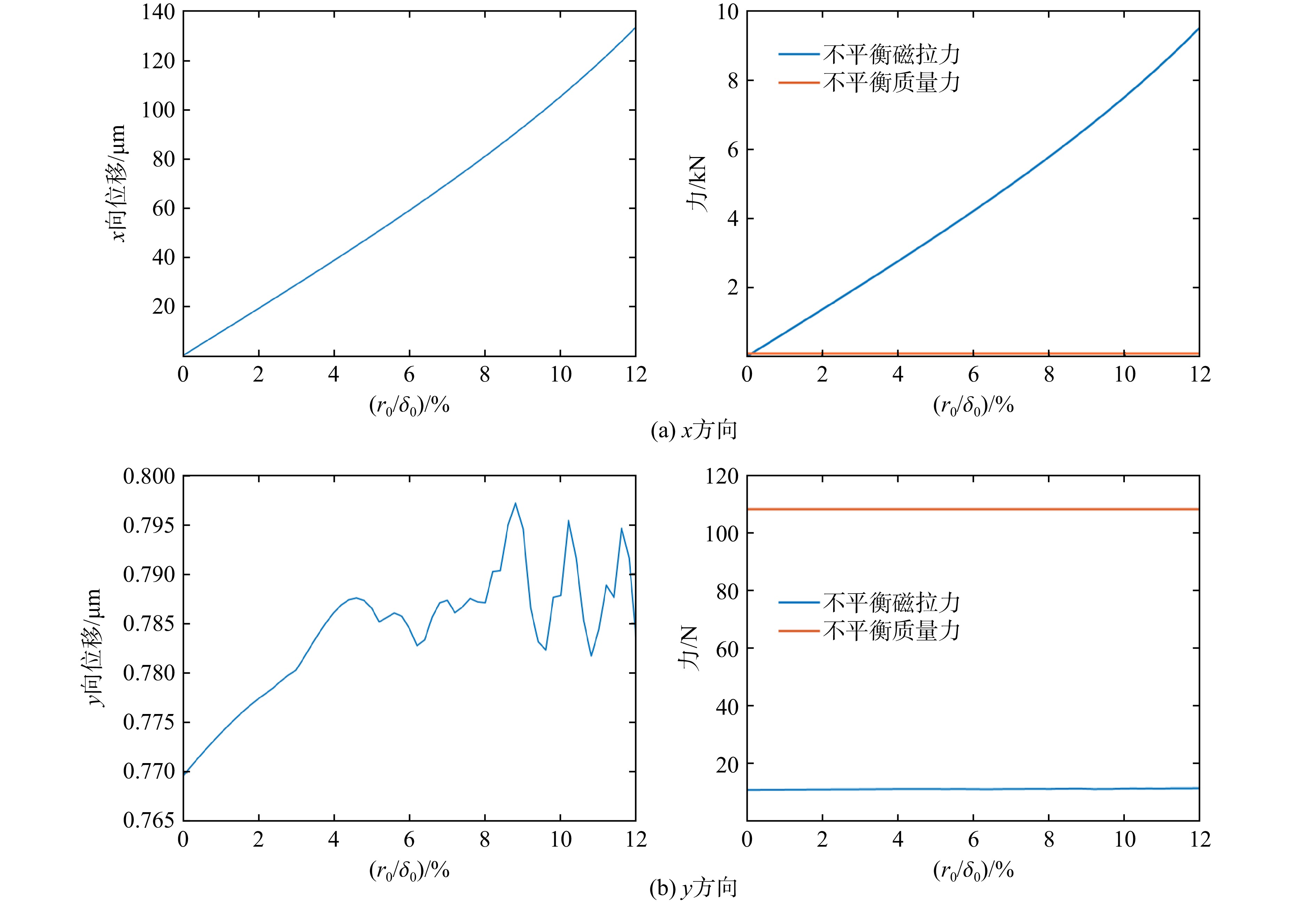
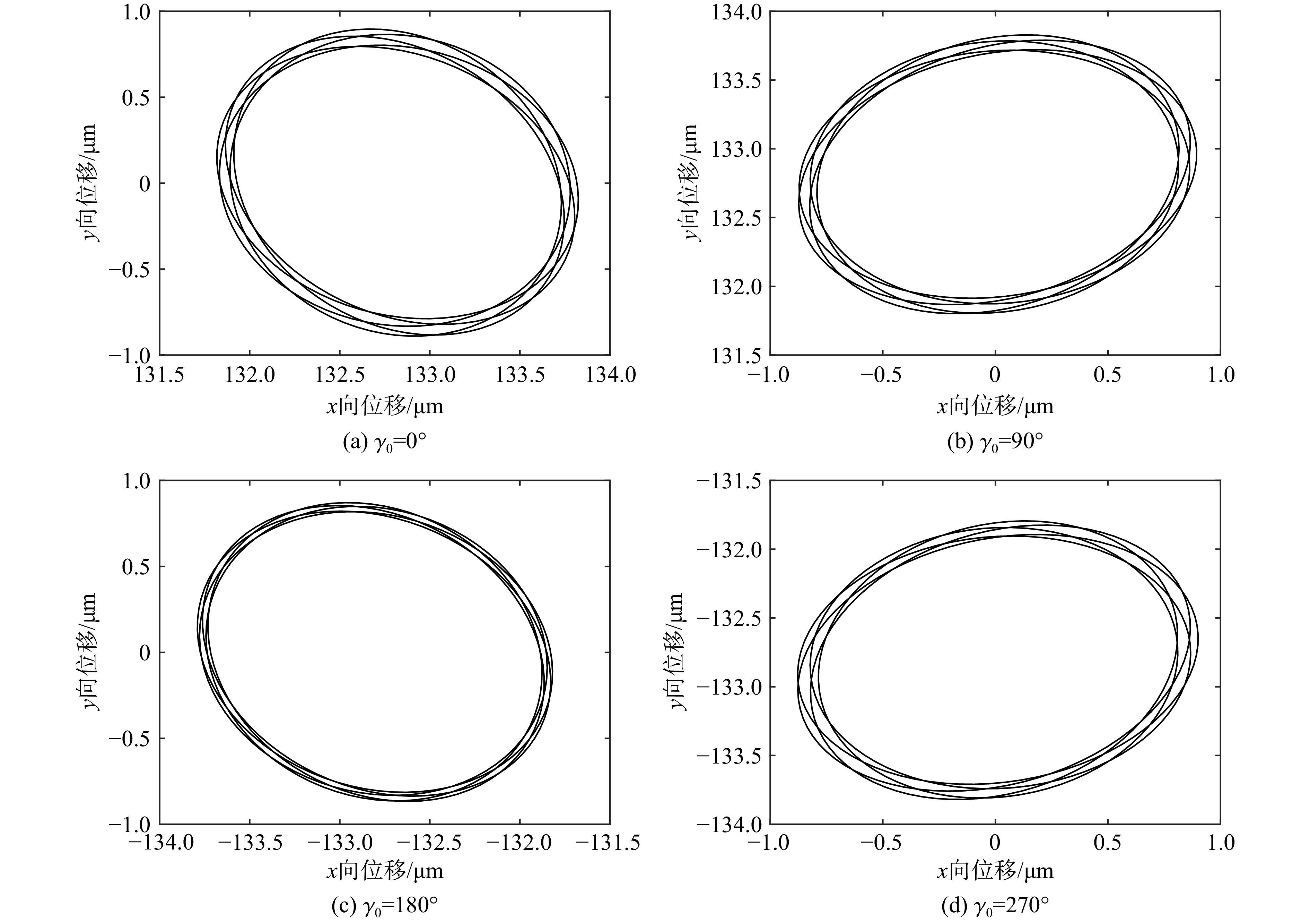
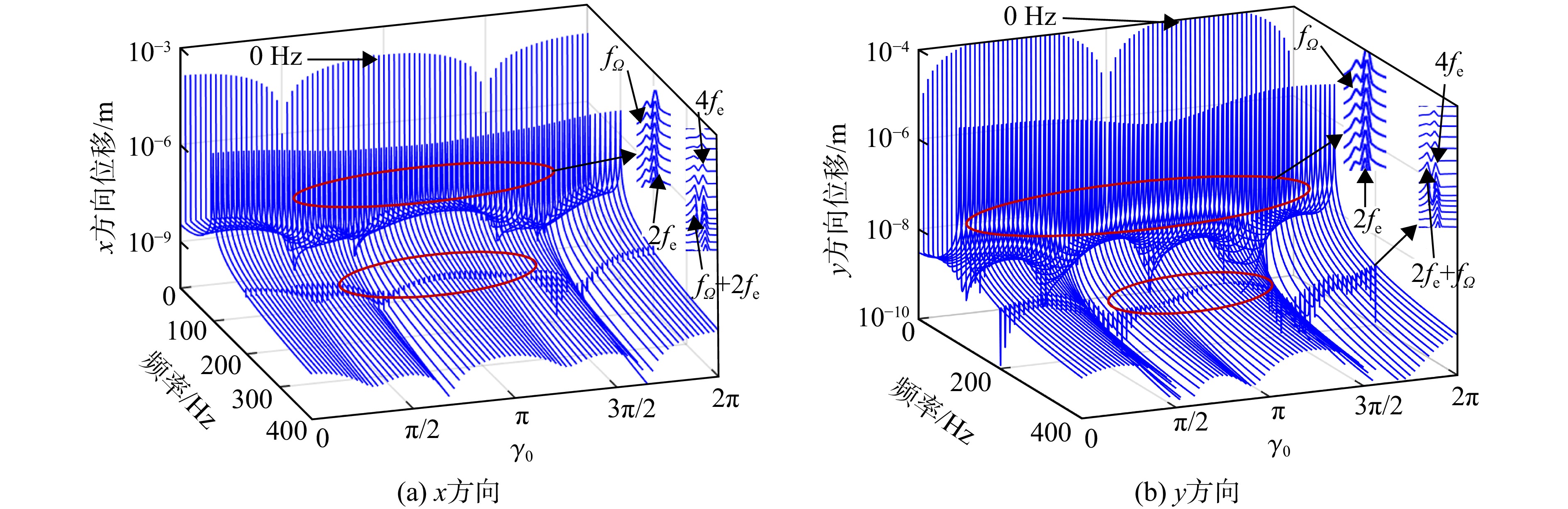
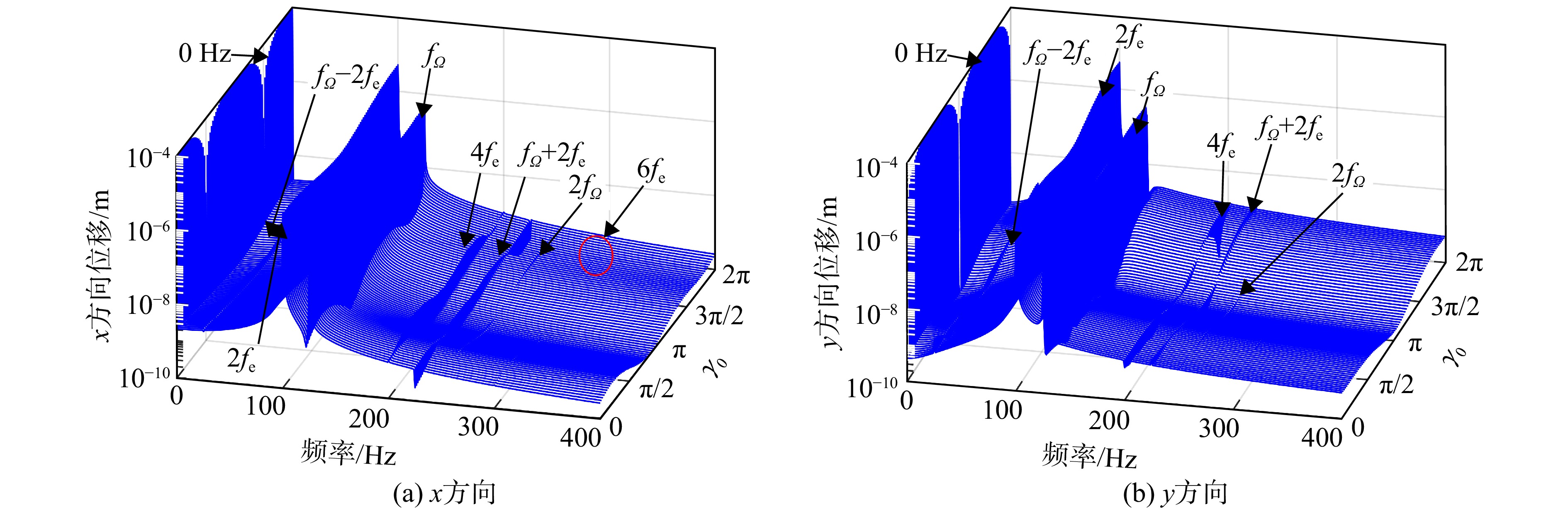
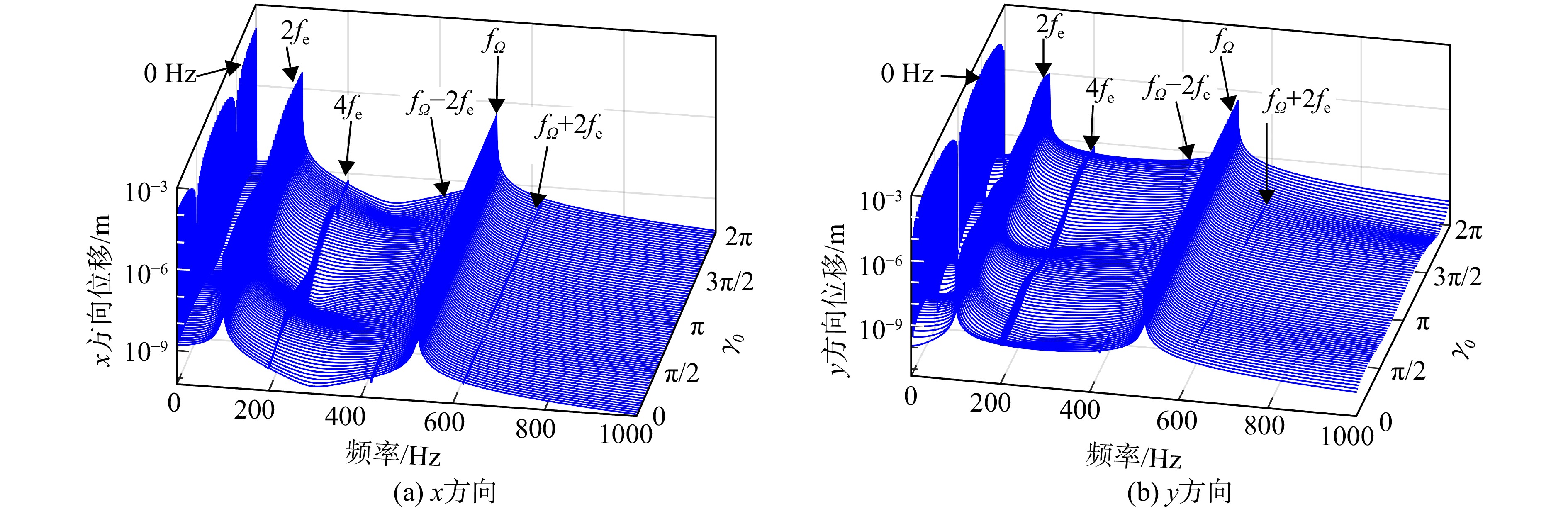
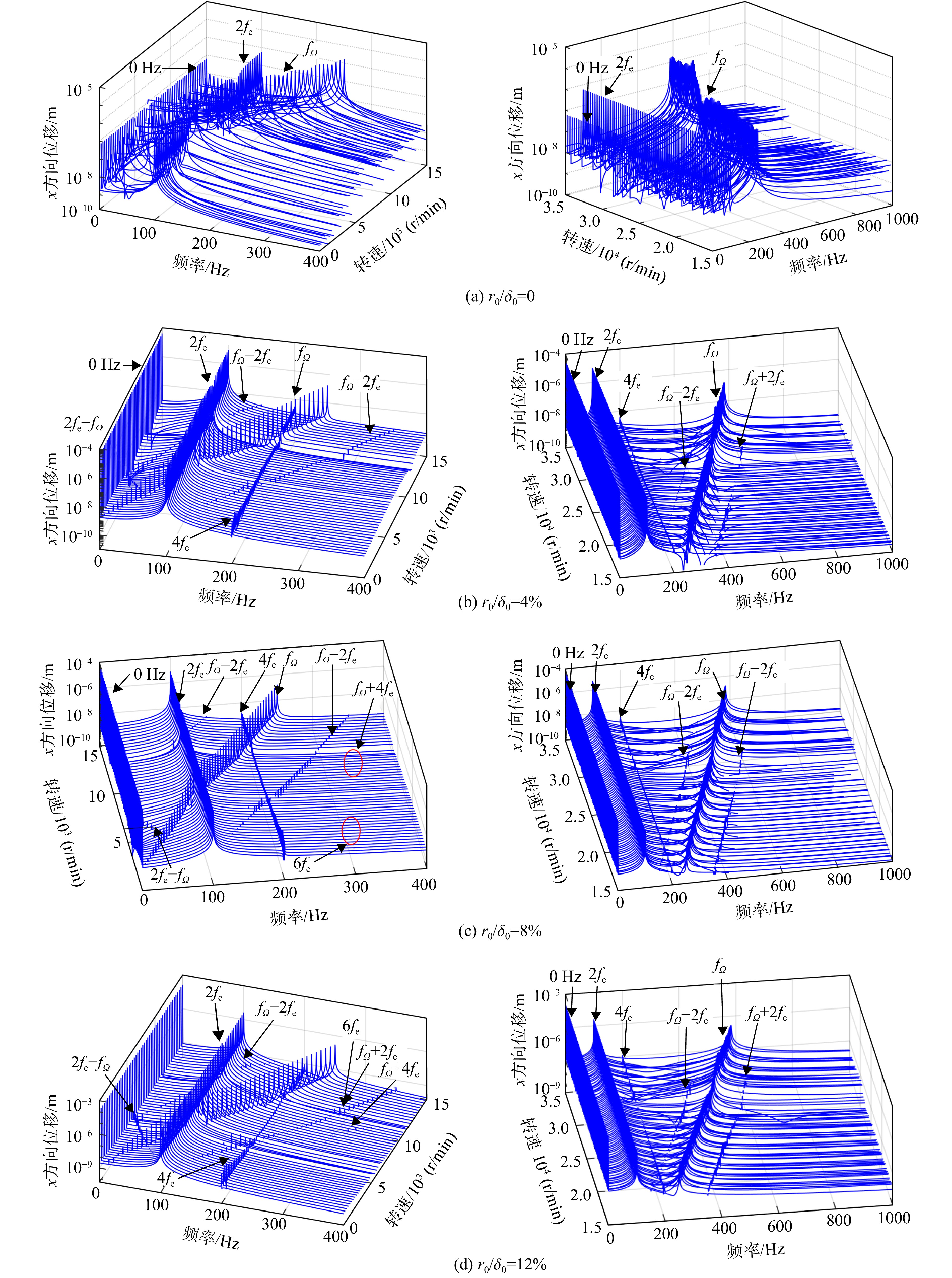
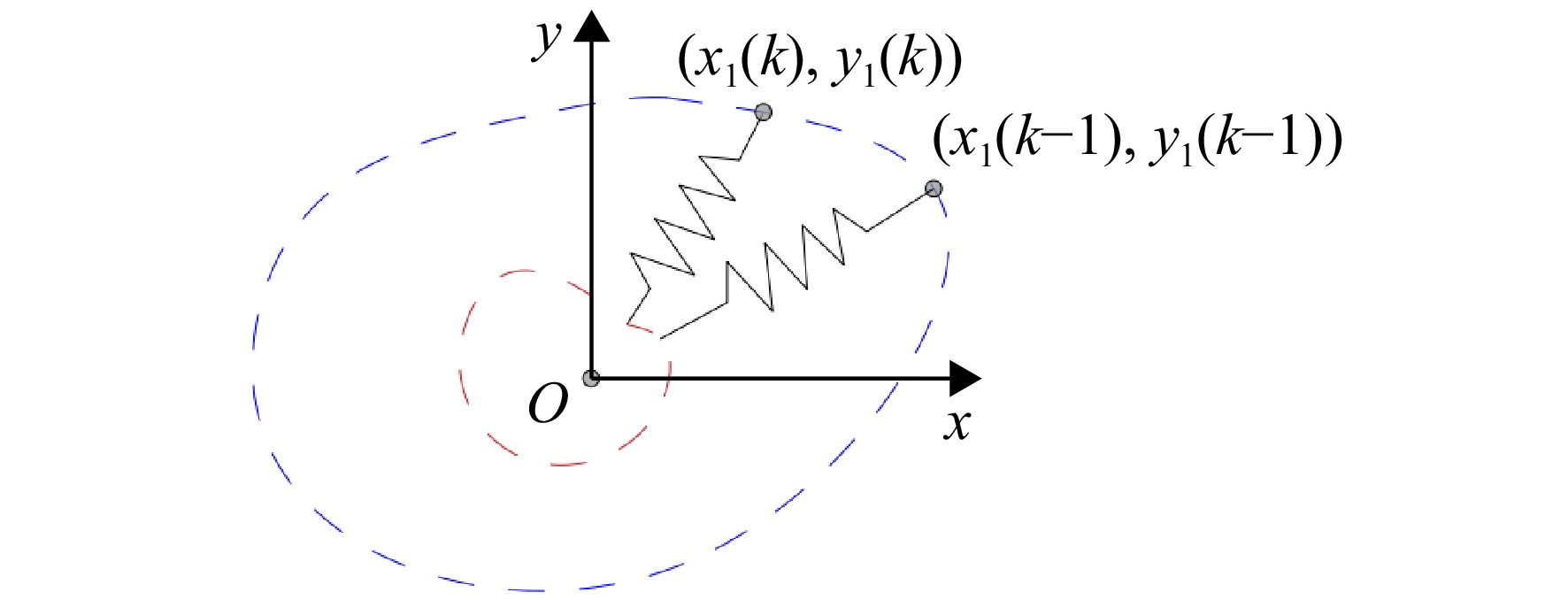
To study the influence of startup generator unbalanced magnetic pull (UMP) on the dynamic characteristics of aeroengine spindle direct-drive rotor system under mixed dynamic and static eccentrics, the finite element method was used to establish a finite element model of aeroengine spindle direct-drive multi-disk rotor system, and the Newmark-β method was used to solve the system dynamic equations with consideration of the UMP and unbalanced mass force. The results showed that UMP made the aeroengine spindle direct-drive rotor system vibration amplitude increase significantly when crossing the criticality, and the axis orbit became annular. UMP caused the frequency components such as zero frequency, supply frequency, twice of supply frequency, and its combination frequency appeared in rotor system. With the increase of the initial static eccentricity, the vibration amplitude of the rotor system increased, leading to an increase in the UMP, which aggravated the rotor vibration. But it did not affect the shape of the axis orbit. With the change of the initial eccentricity direction angle, the displacement spectrum in the x direction and y direction changed periodically. The related research results can provide a reference for the vibration identification and control of aeroengine spindle direct-drive rotor system.

Fatigue properties and life prediction of additive manufacturing and solution aging Inconel 718
SUN Chuanwen, SUN Rui, LI Wei
2025, 40(11): 20240570. doi: 10.13224/j.cnki.jasp.20240570
Abstract:

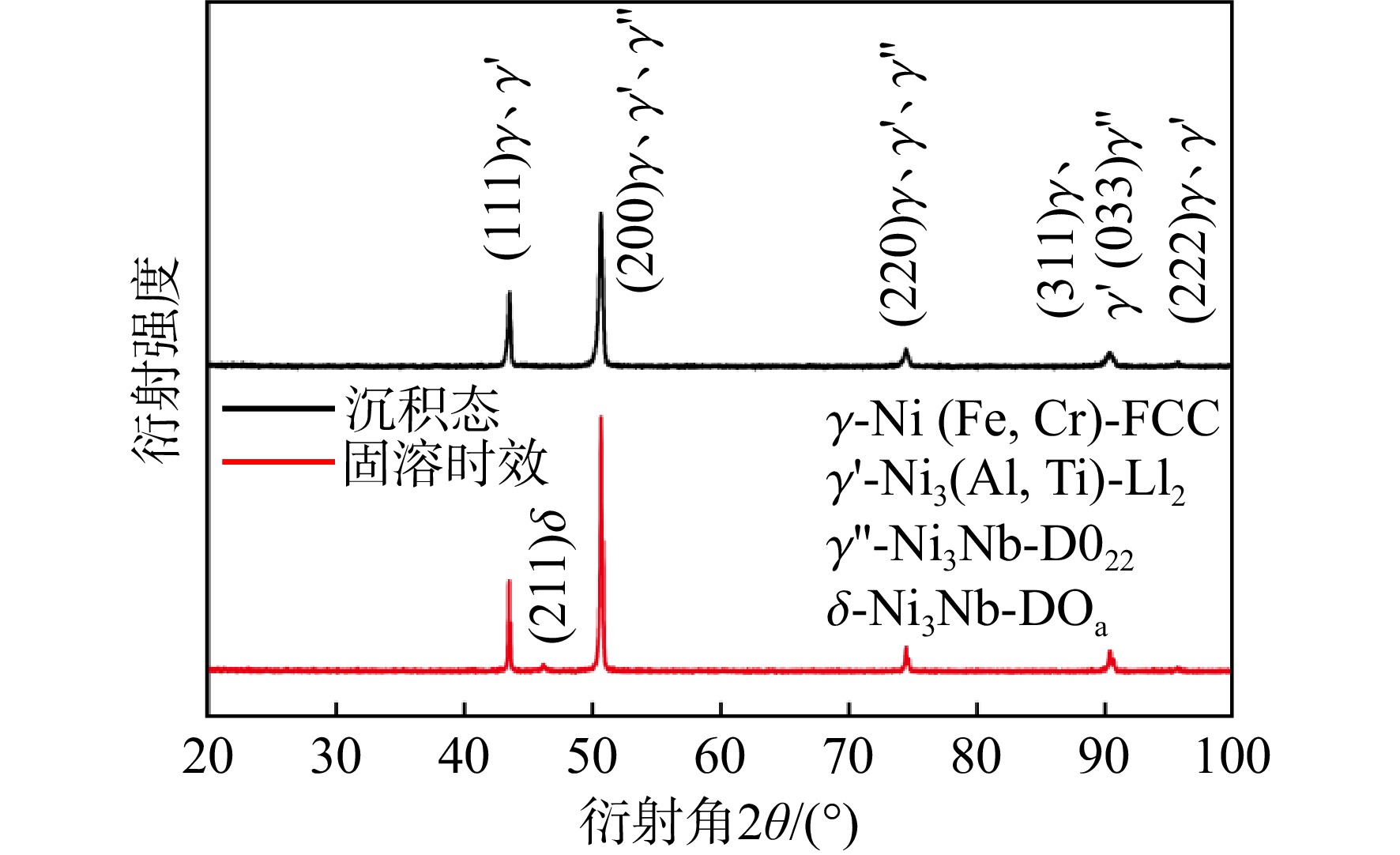
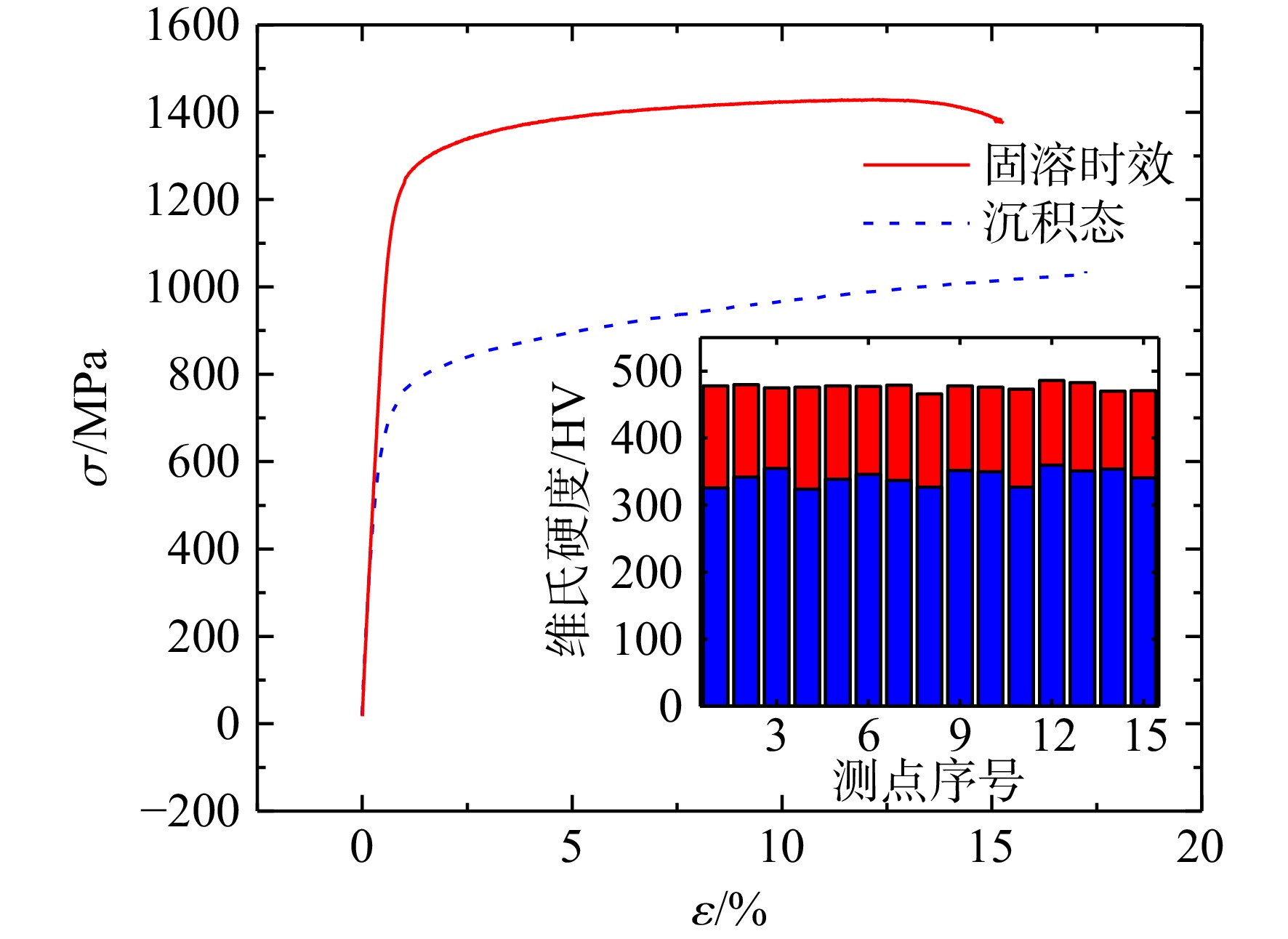
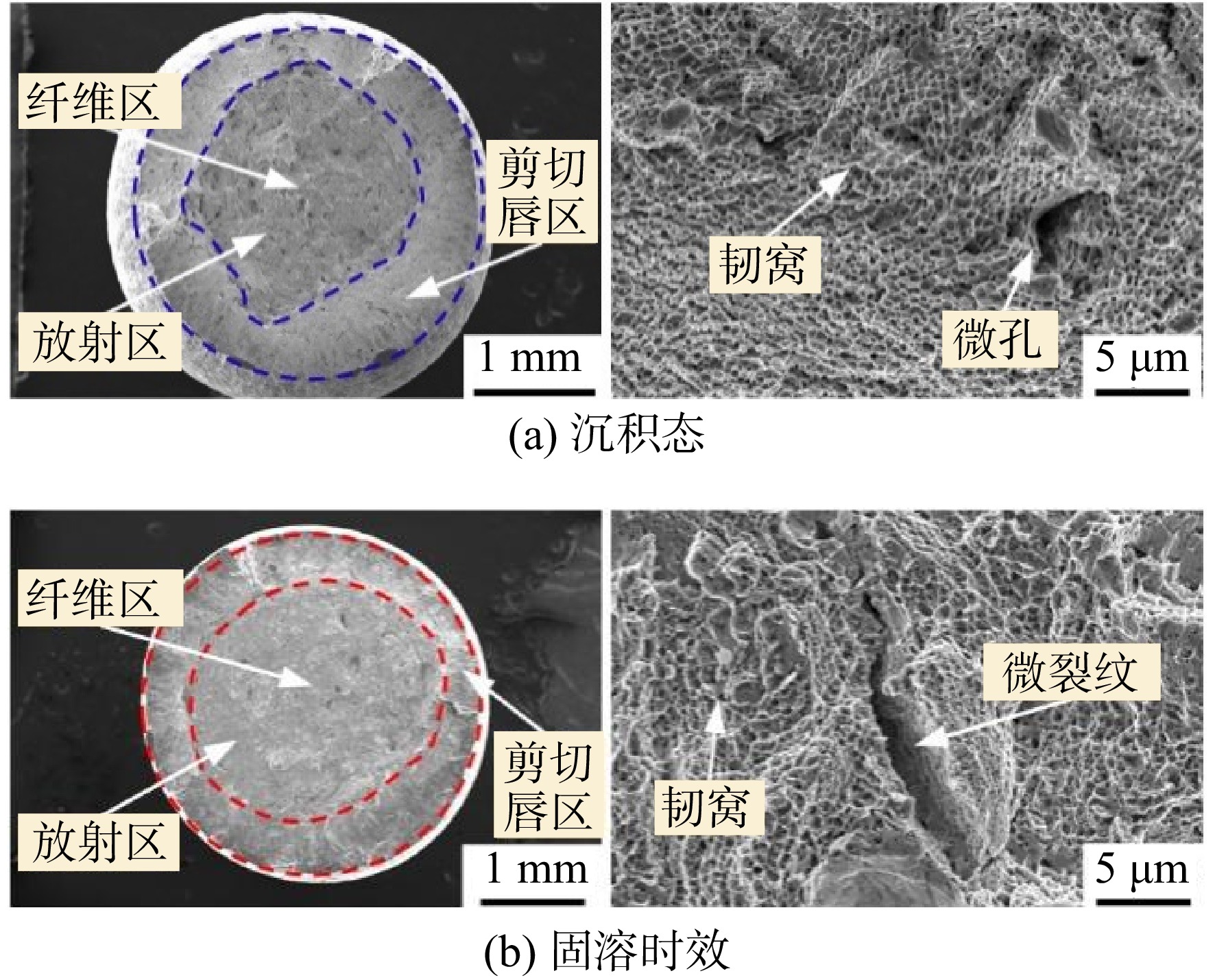
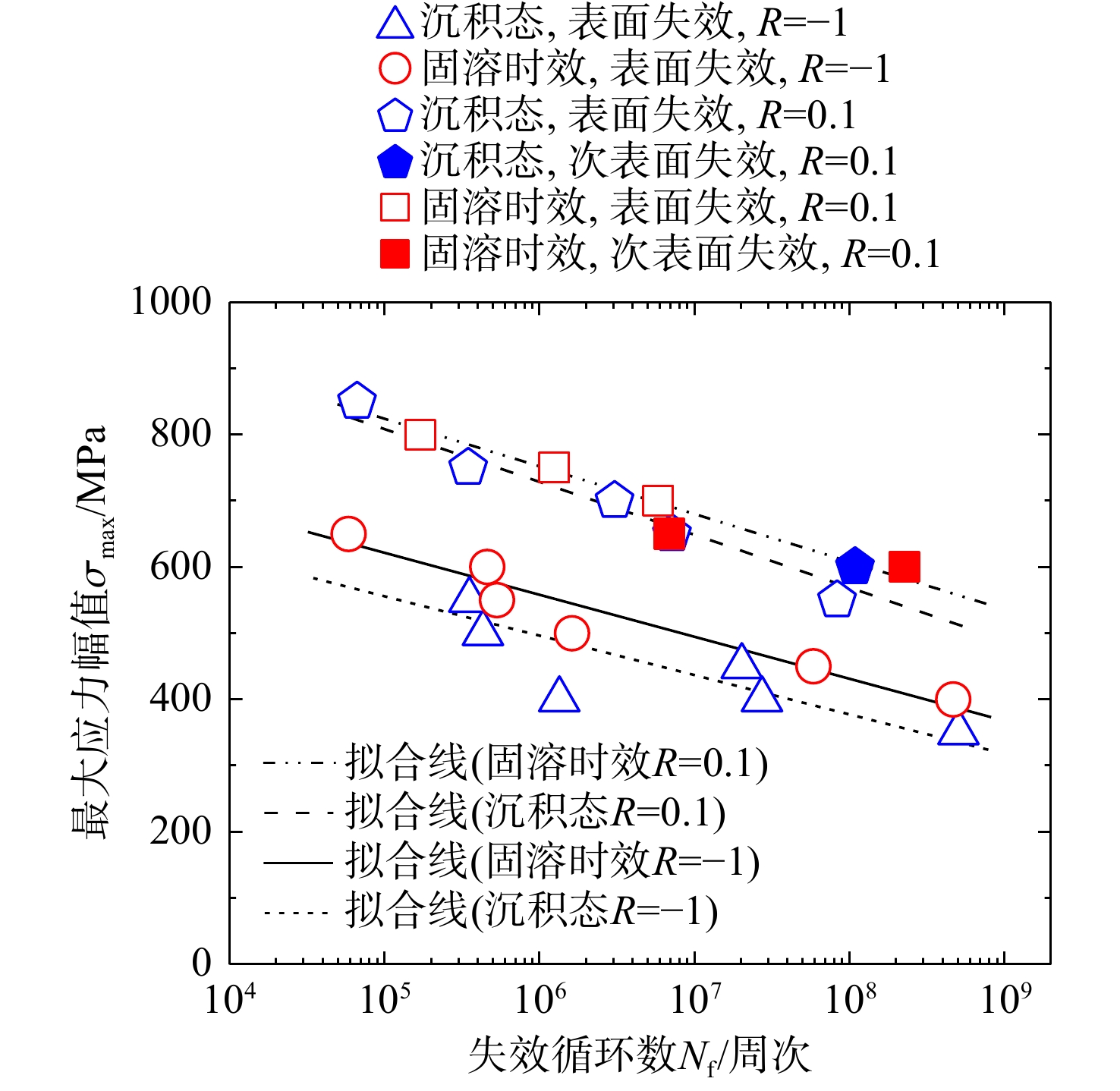
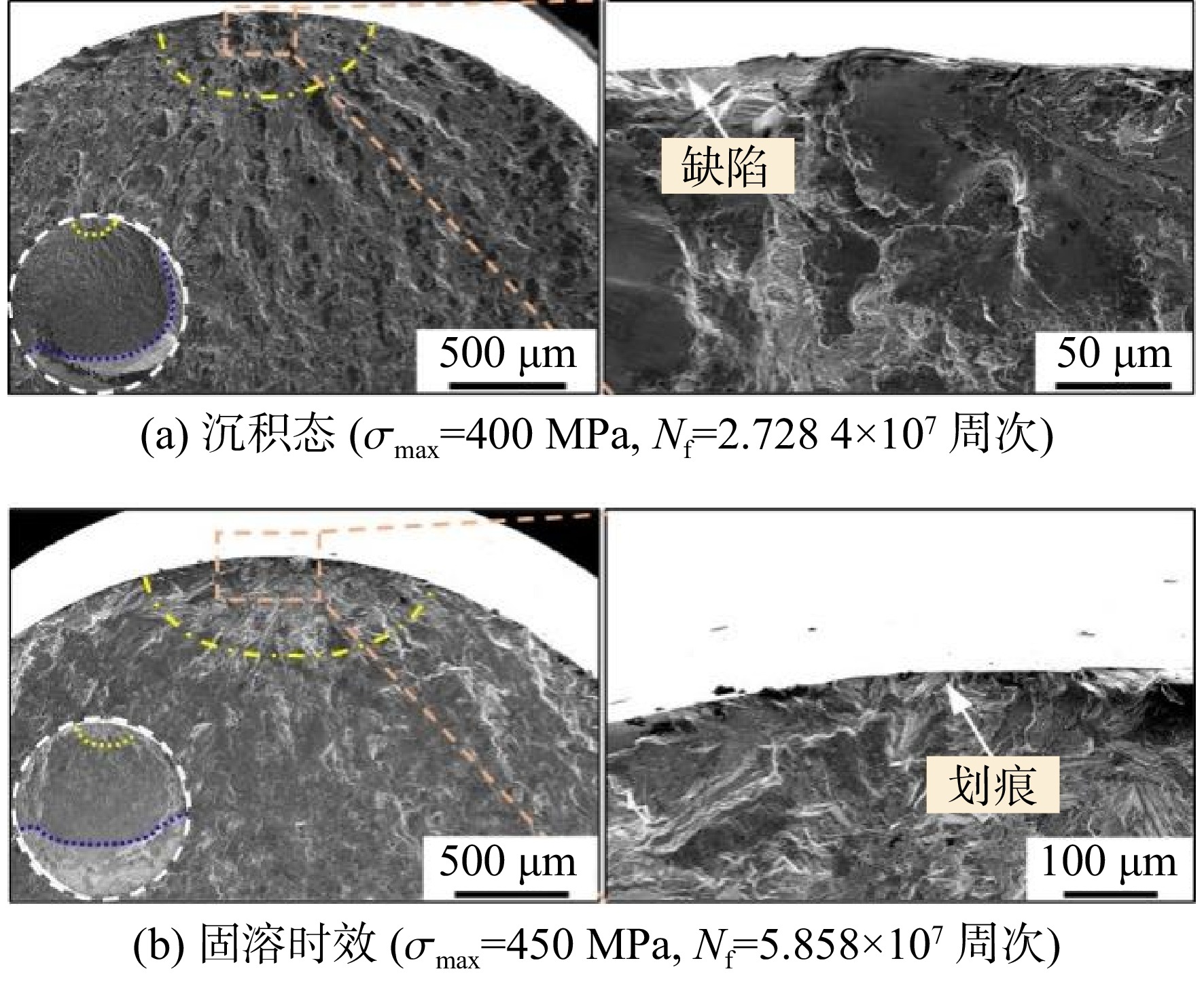
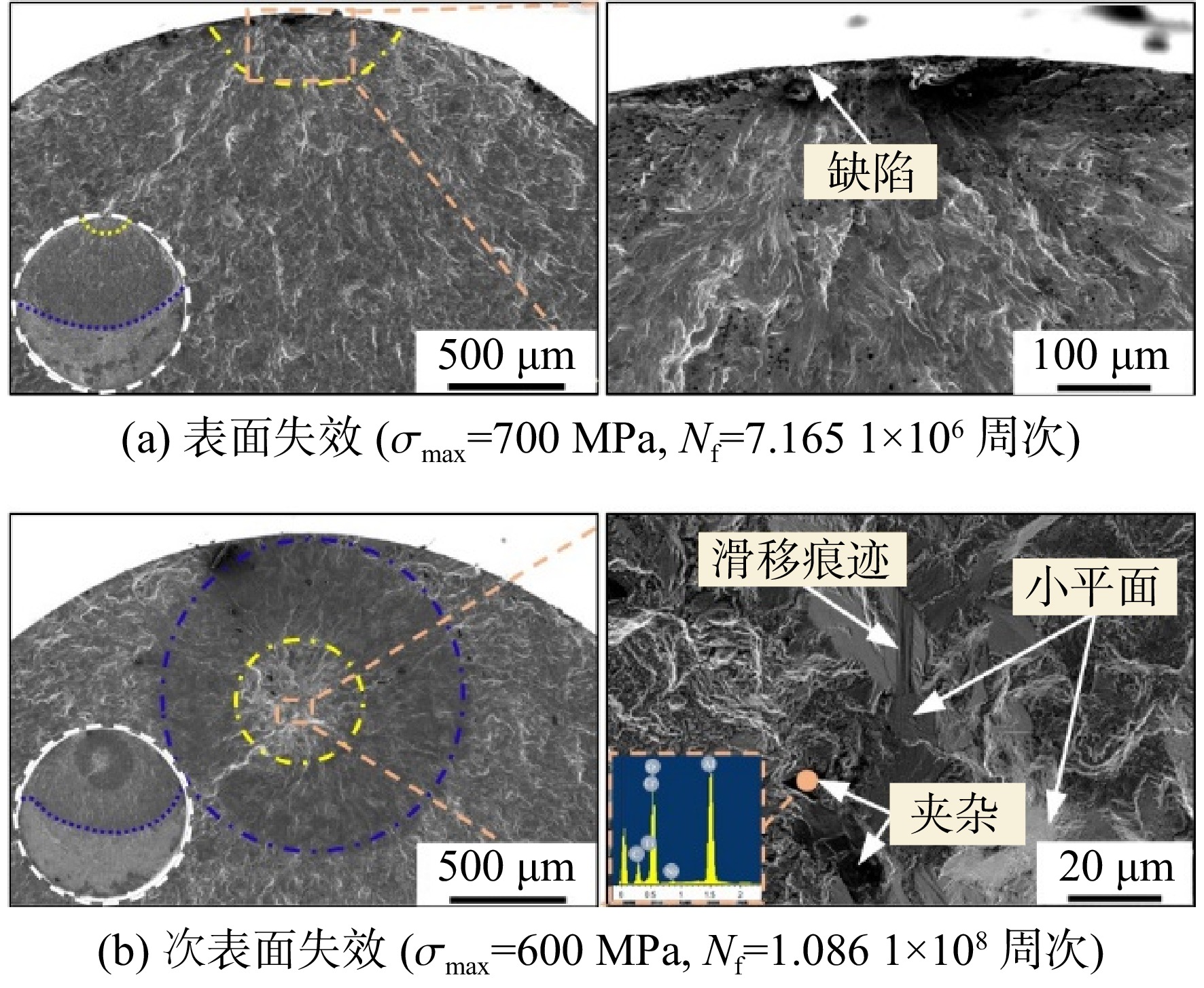
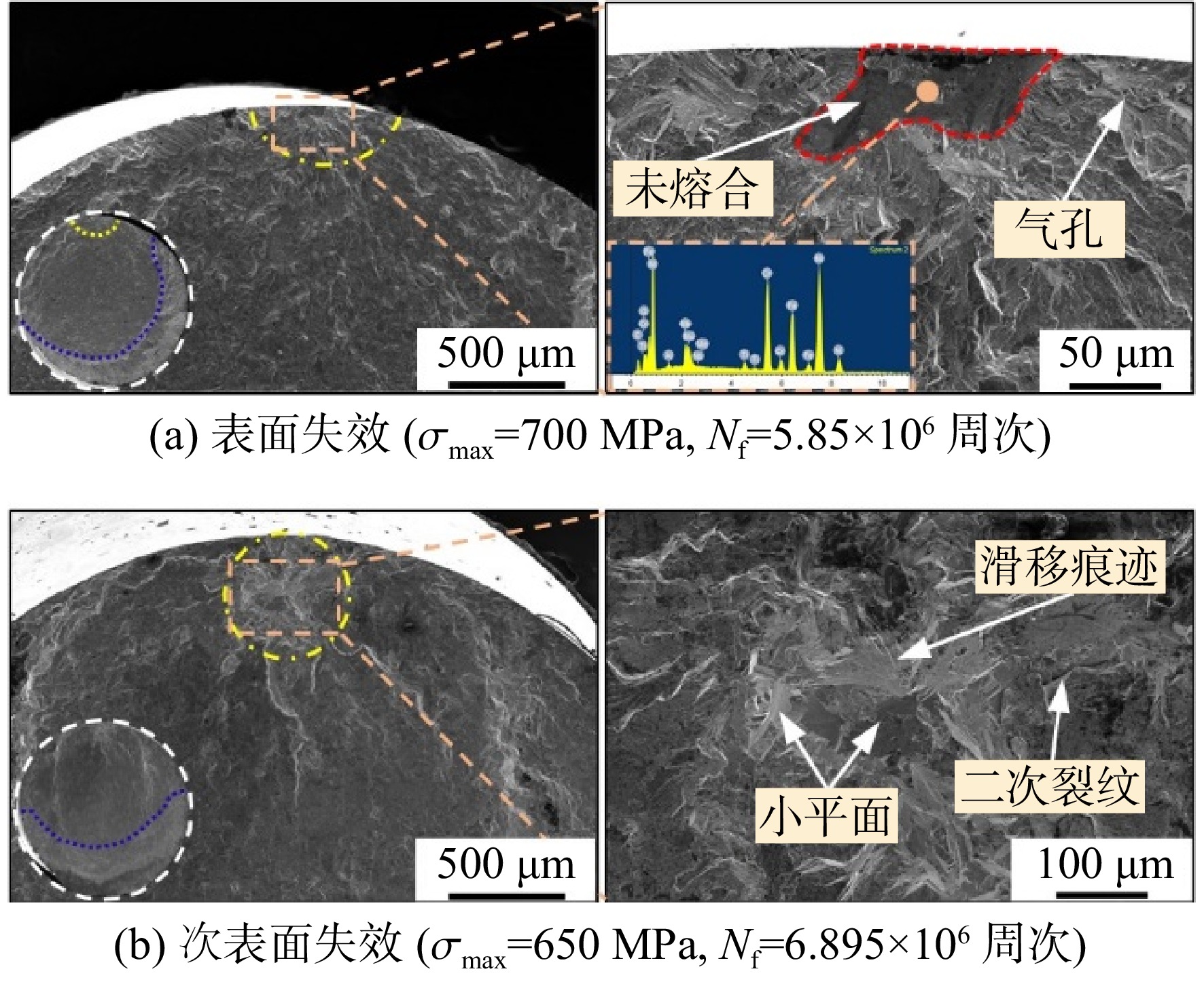
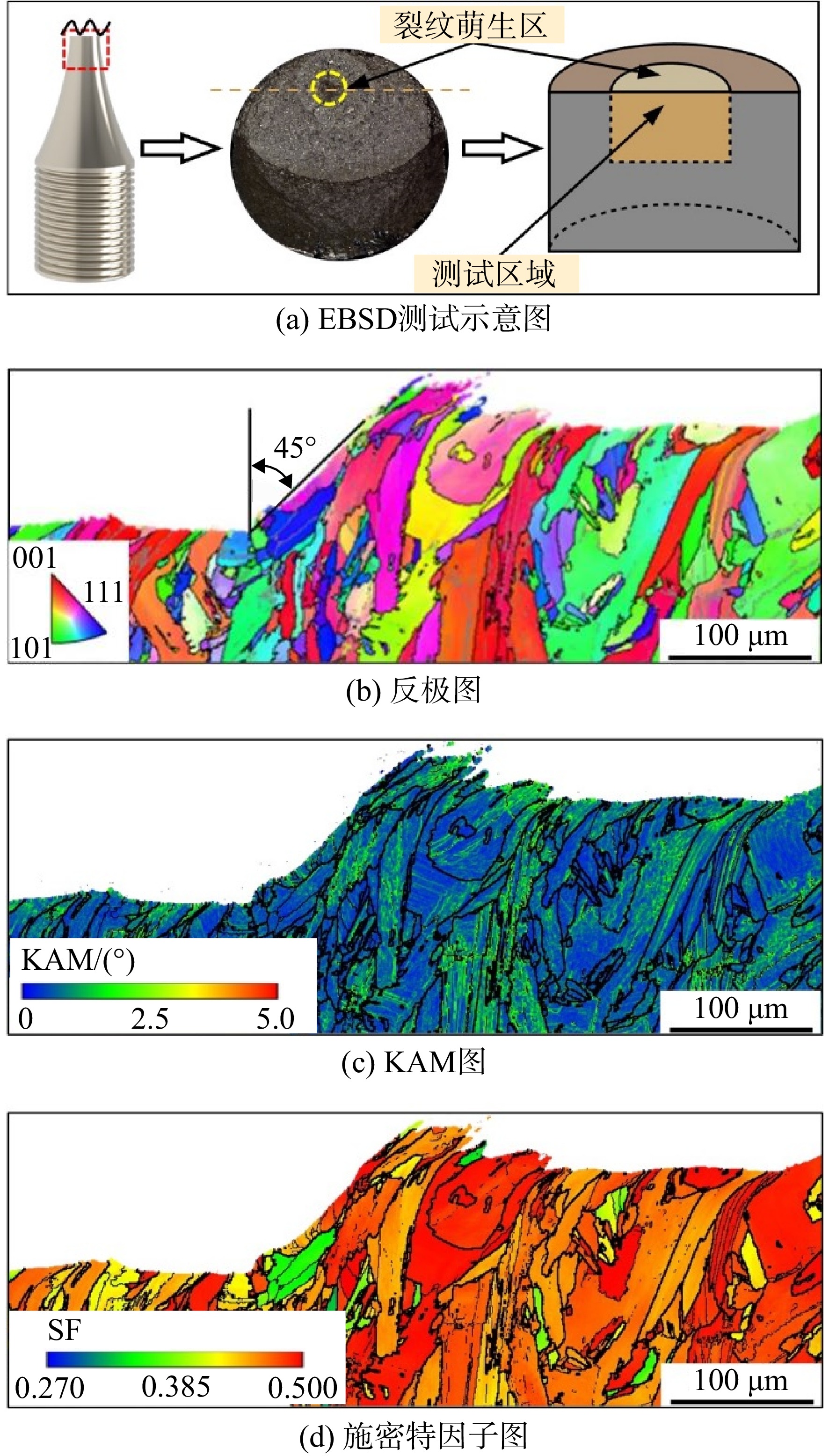
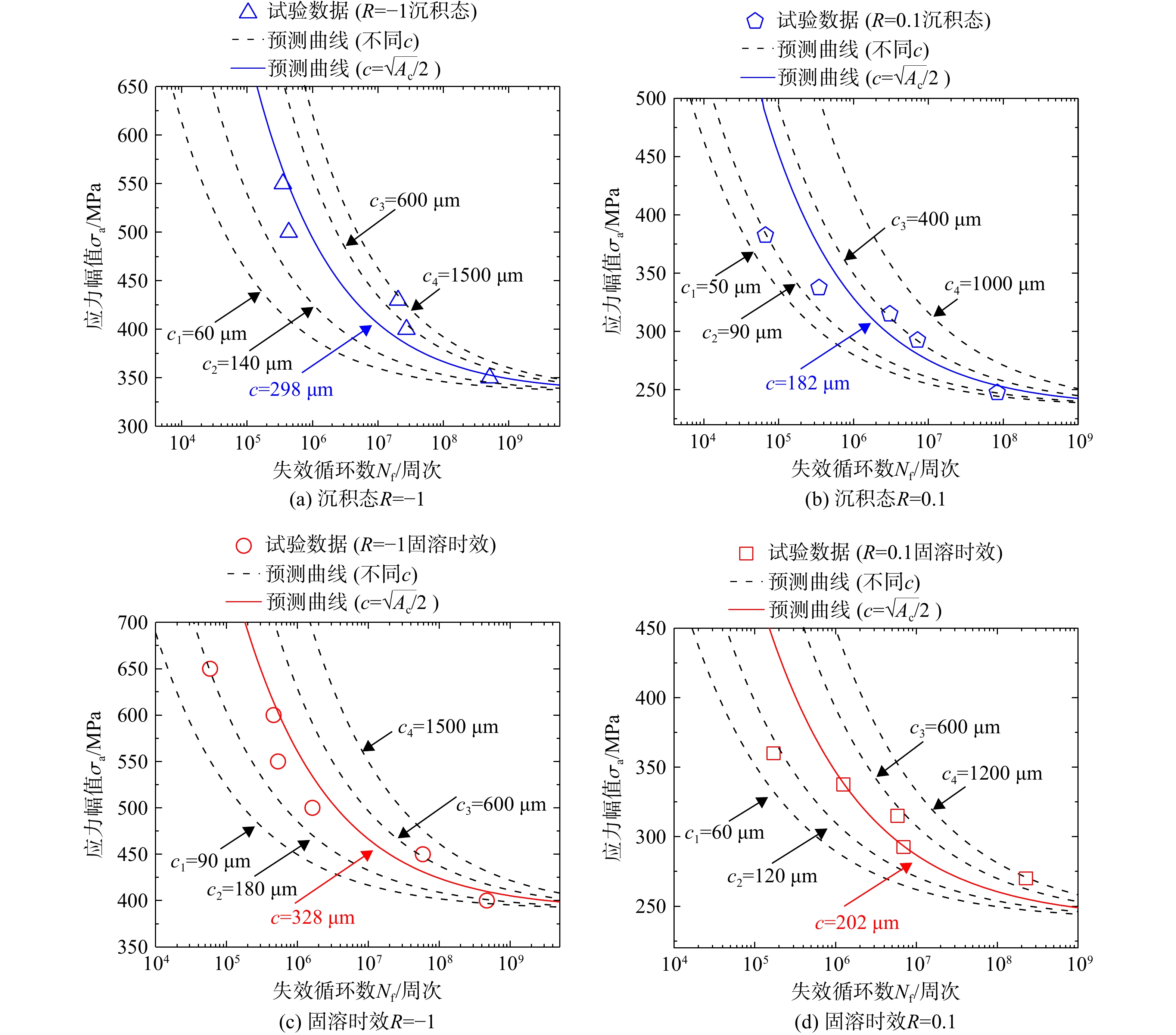
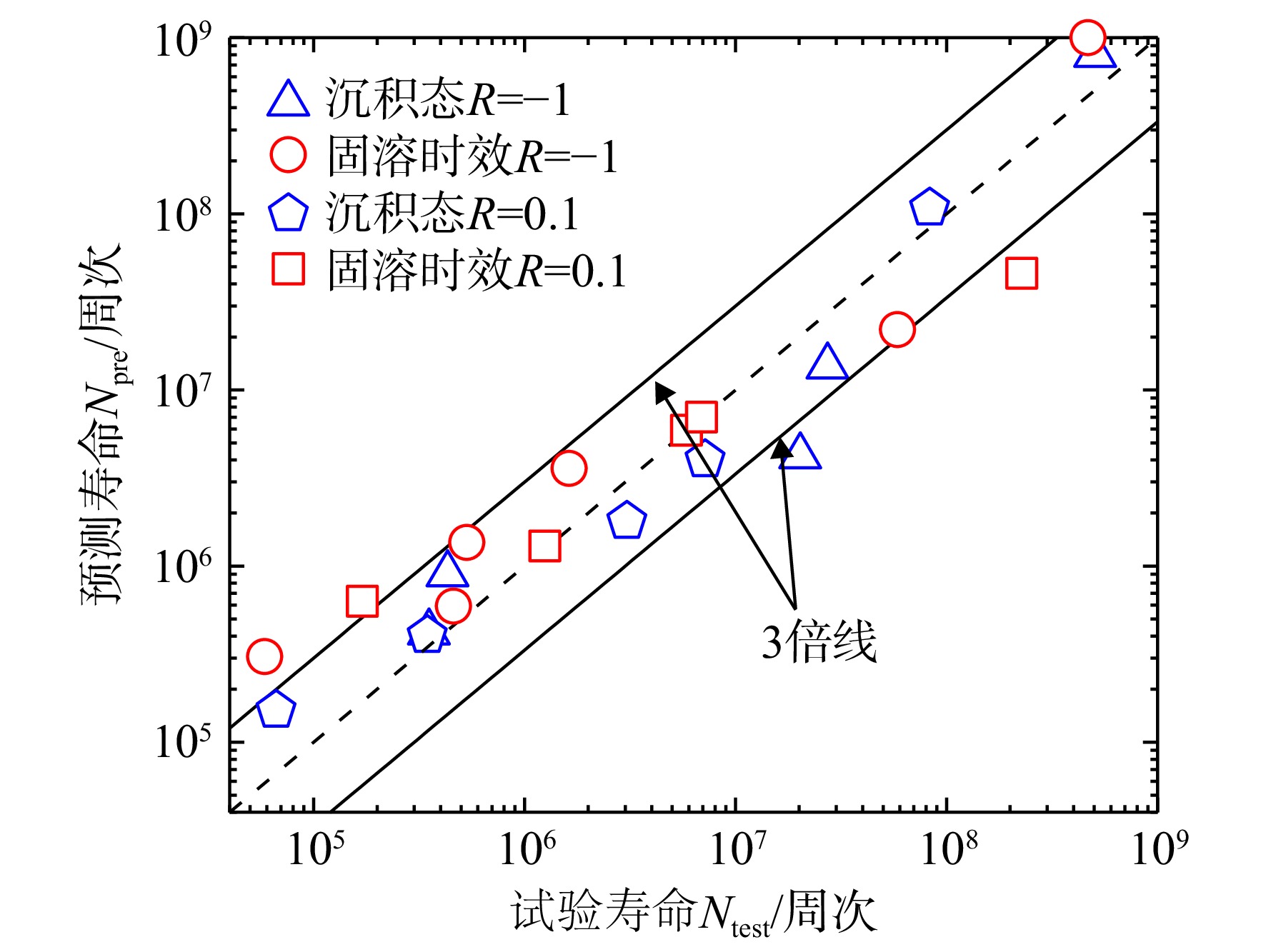
To investigate the fatigue properties of nickel-based alloy fabricated by additive manufacturing and heat treatment as standard in the aerospace field, the microstructural tests, tensile tests, and high-cycle and very high-cycle fatigue tests at stress ratios R=−1 and 0.1 were carried out on as-built and solution aging specimens. The test results showed that the tensile and fatigue properties of the additive manufactured nickel-based alloy were significantly improved after solution aging treatment. Surface failure was the main fatigue failure mode of additive manufactured nickel-based alloy at room temperature. The location of crack nucleation could be shifted from the surface of the material to the interior at the long-life regime of R=0.1. The improvement of tensile and fatigue properties was mainly attributed to the precipitation of γ′, γ″ and δ phases. Under the synergistic effects of these strengthening phases, the matrix was significantly strengthened, dislocation movement was inhibited and crack growth was hindered. Defects and incompatible local grain orientation can lead to internal crack nucleation. Microcracks in the internal crack nucleation area propagated under shear force in a grain transgranular manner, and the grains fracked to form facets. Based on the self-strain energy theory, a life prediction method was proposed, and the prediction results were in good agreement with the test results.

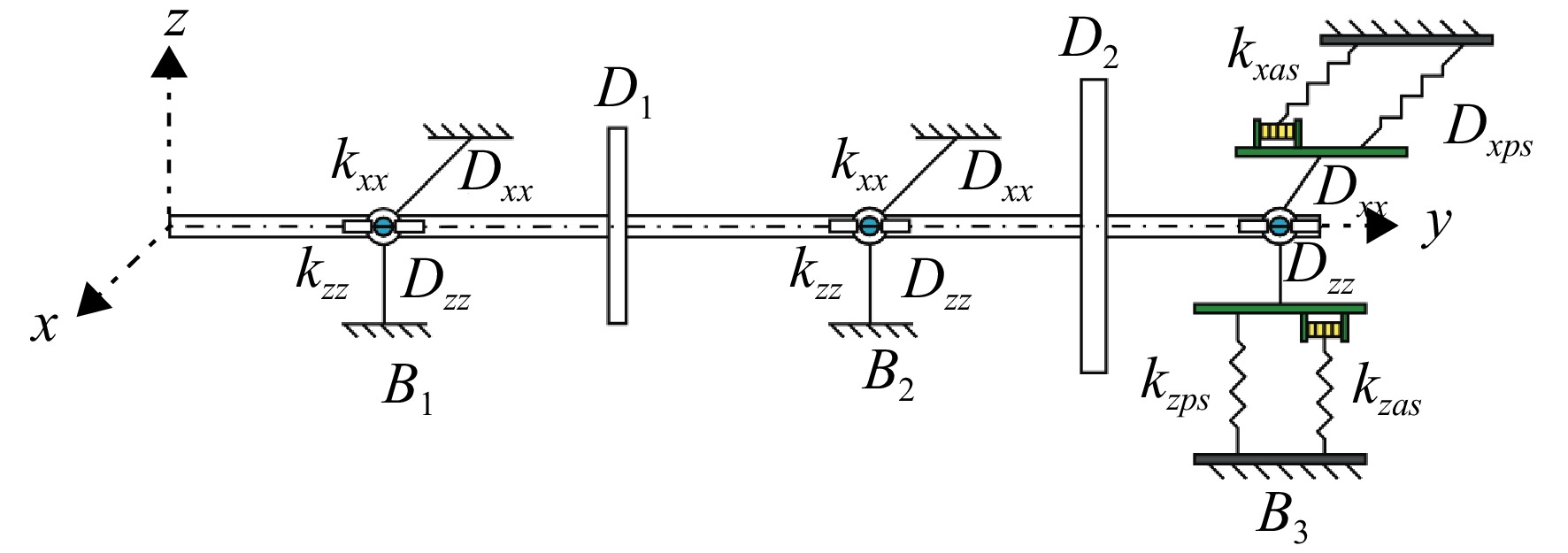
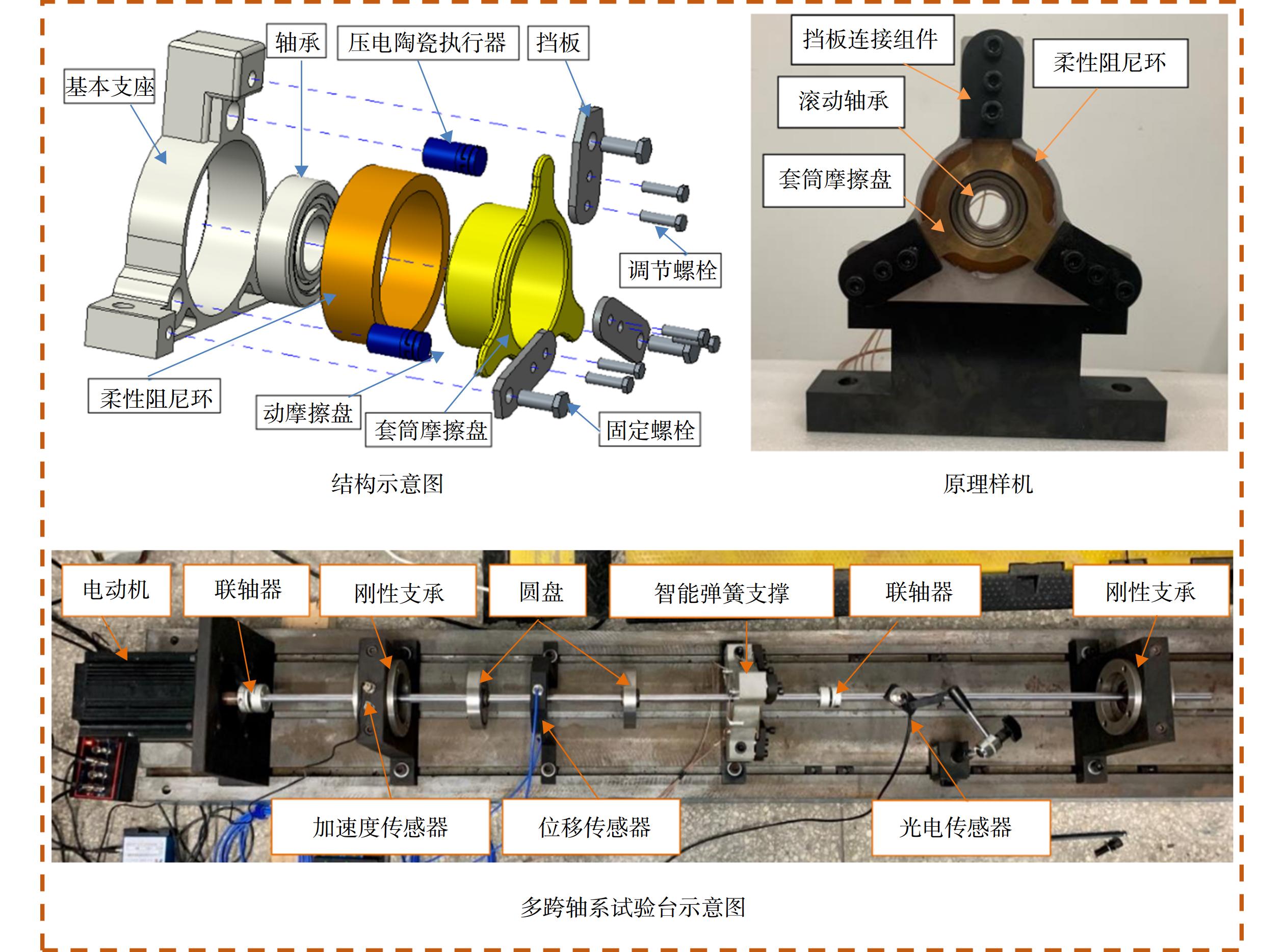
Dynamic characteristics of active elastic support dry friction dampers-three support flexible rotor system
GAO Xianghong, JIANG Minghong, ZHANG Peng, ZHU Changsheng
2025, 40(11): 20230791. doi: 10.13224/j.cnki.jasp.20230791
Abstract:

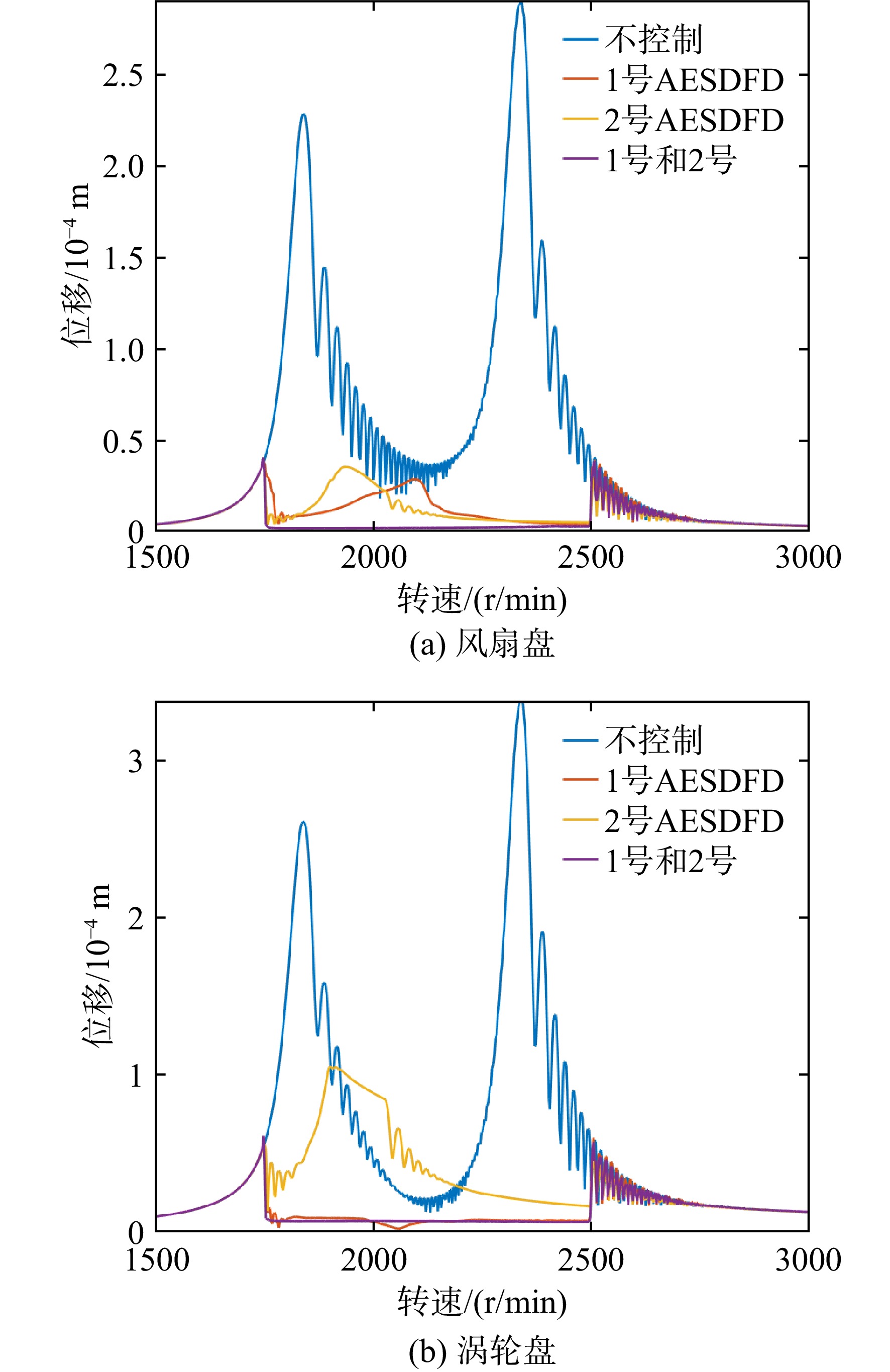
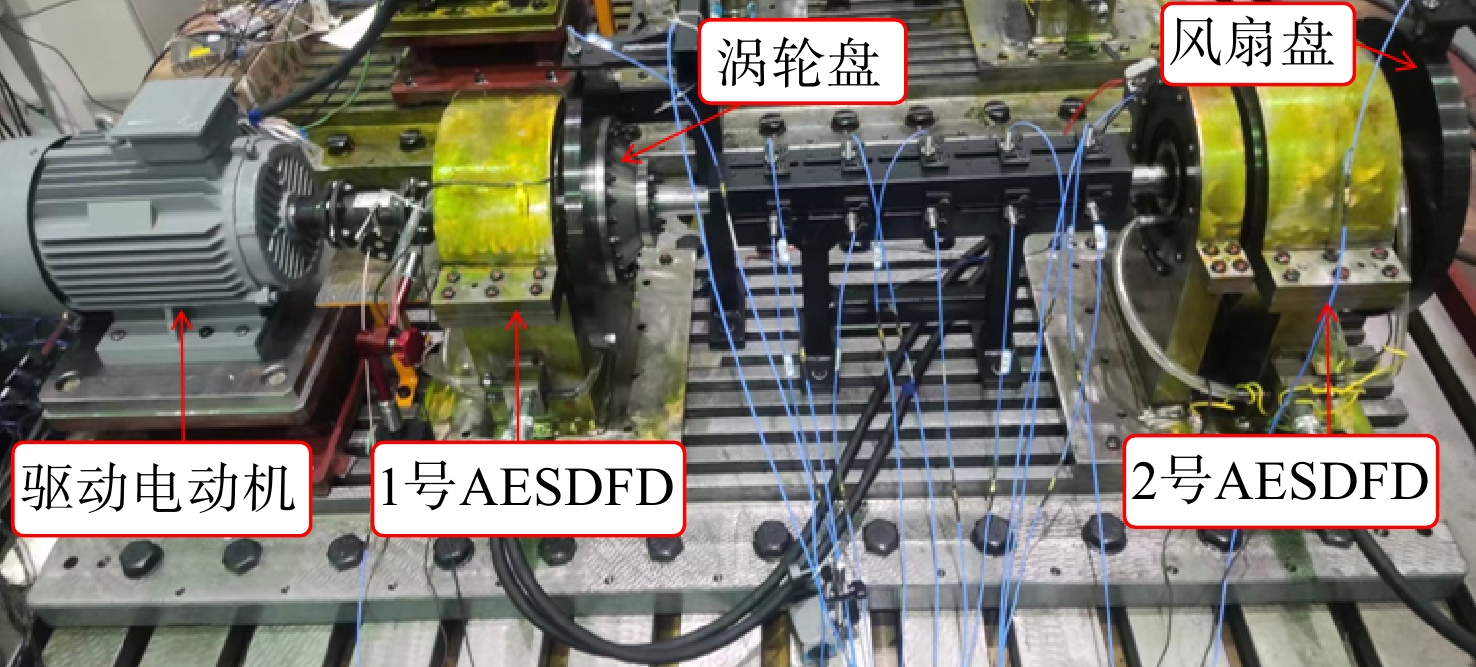
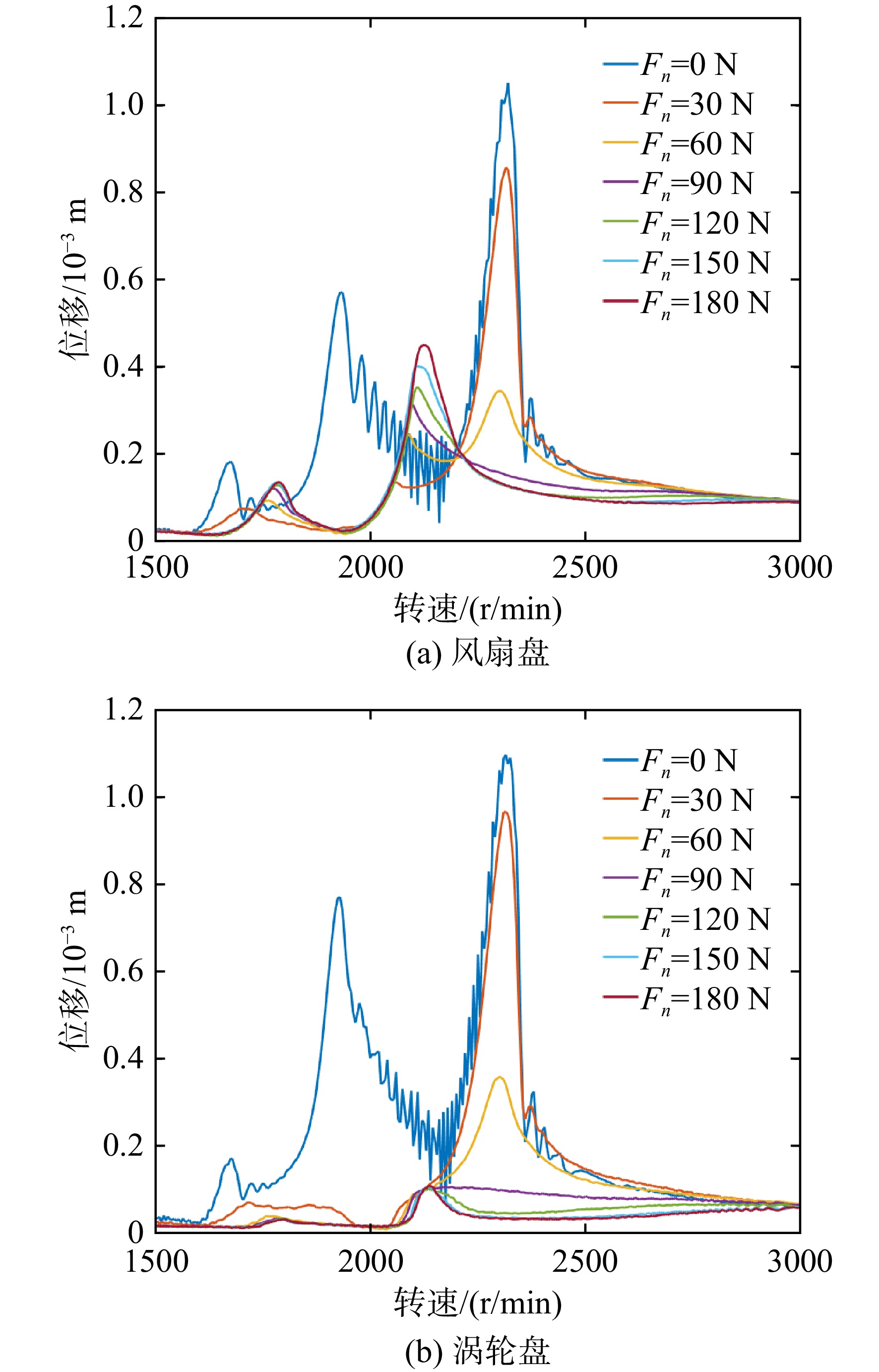
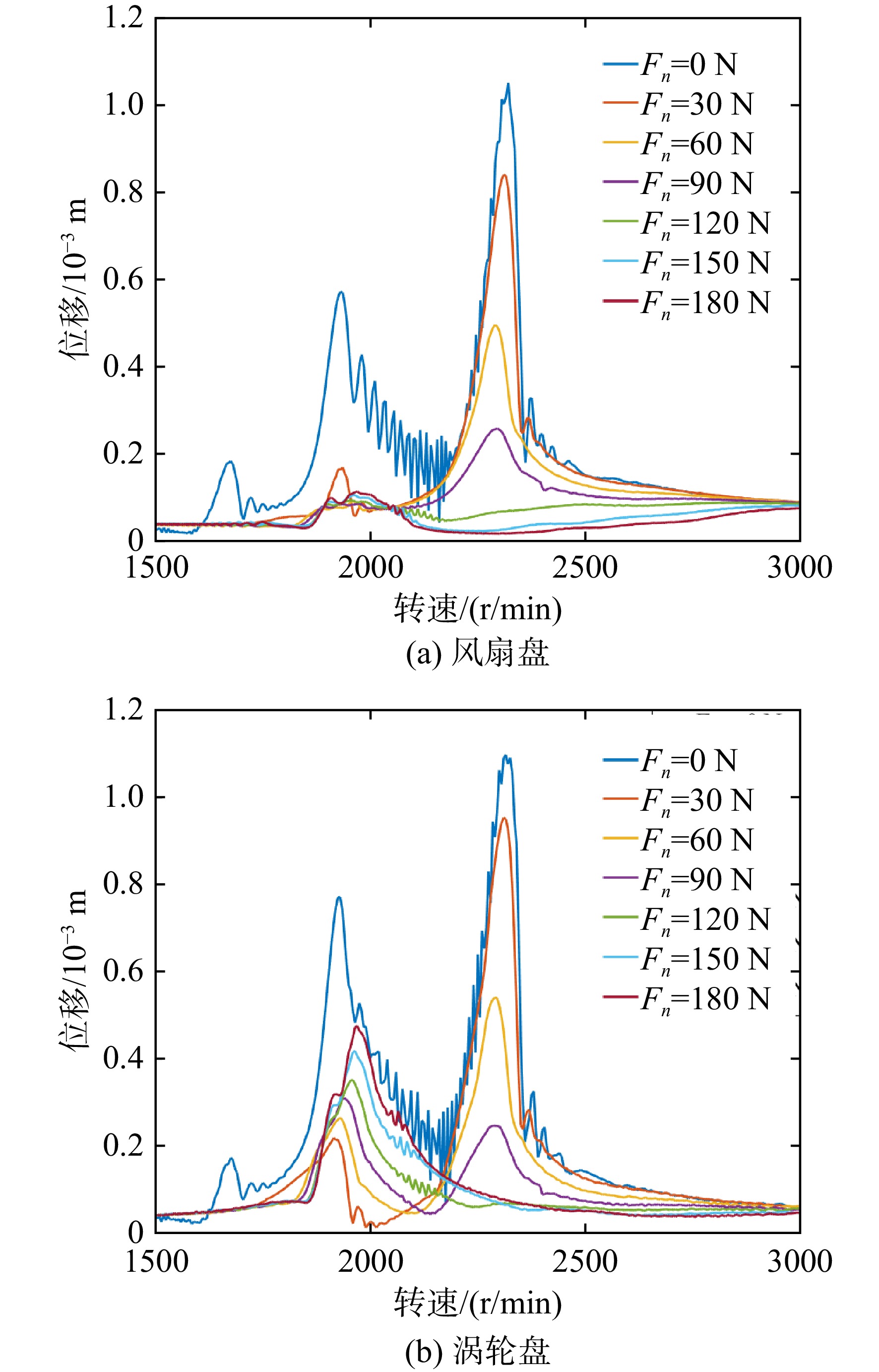
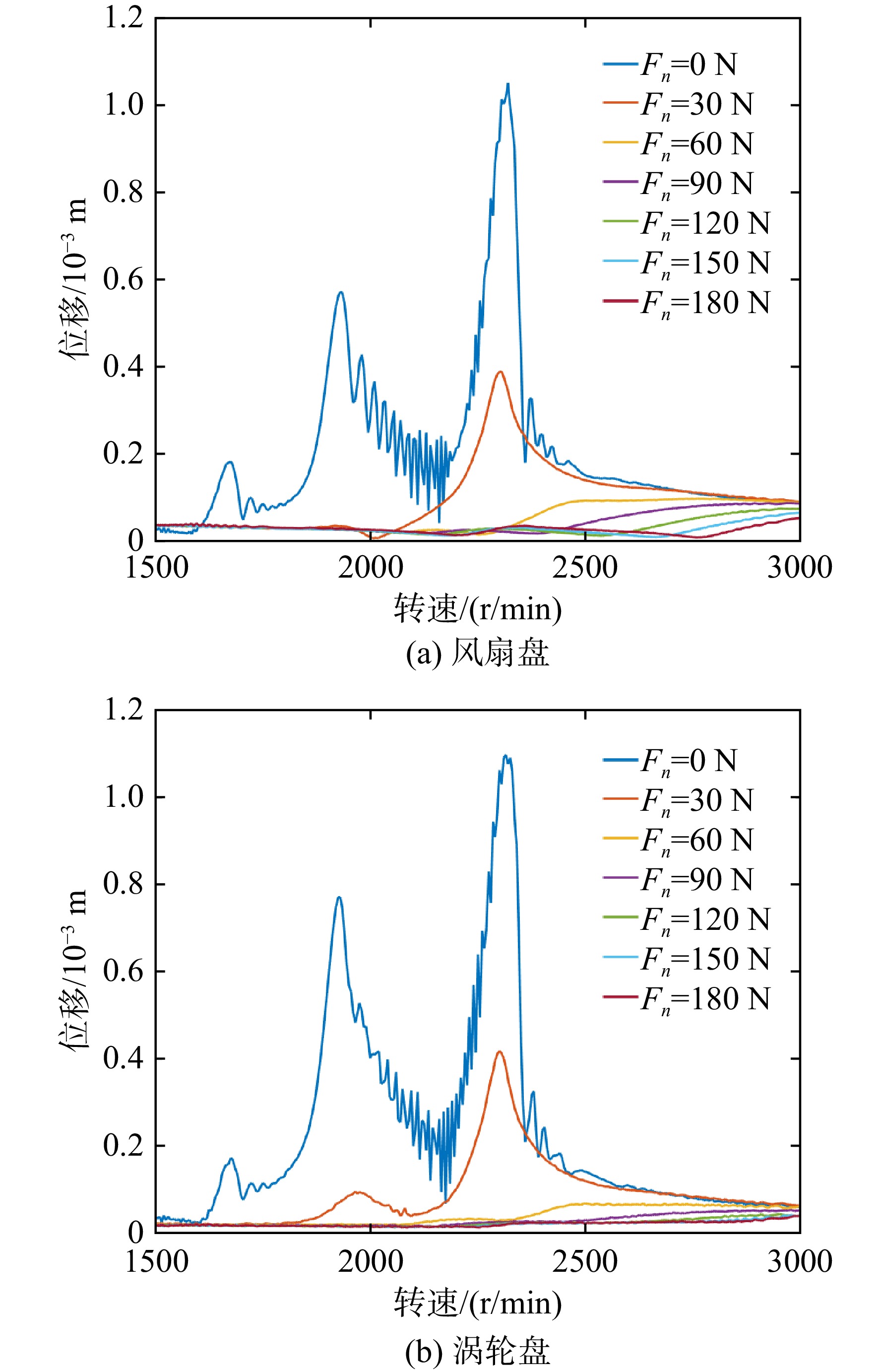
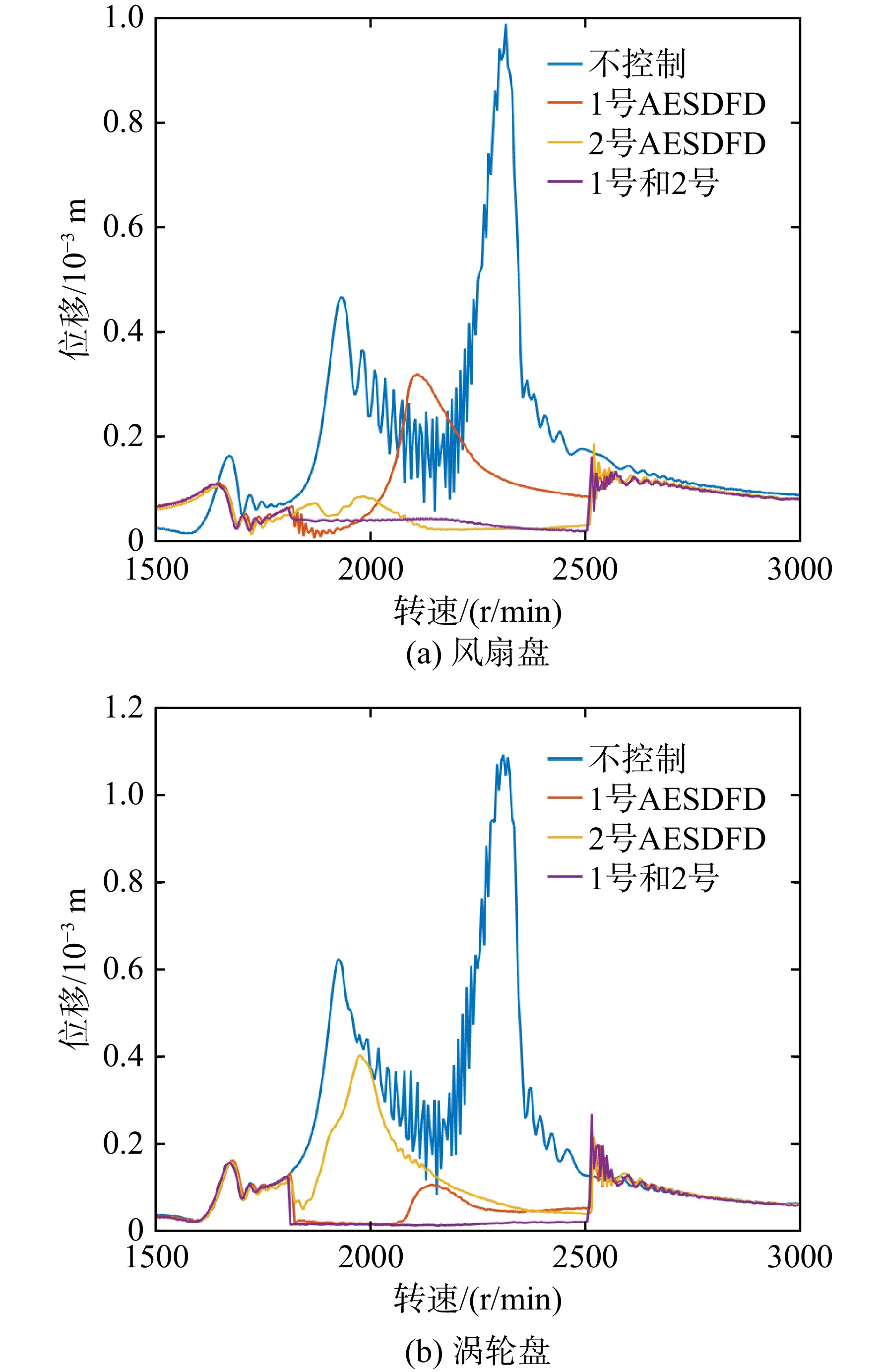
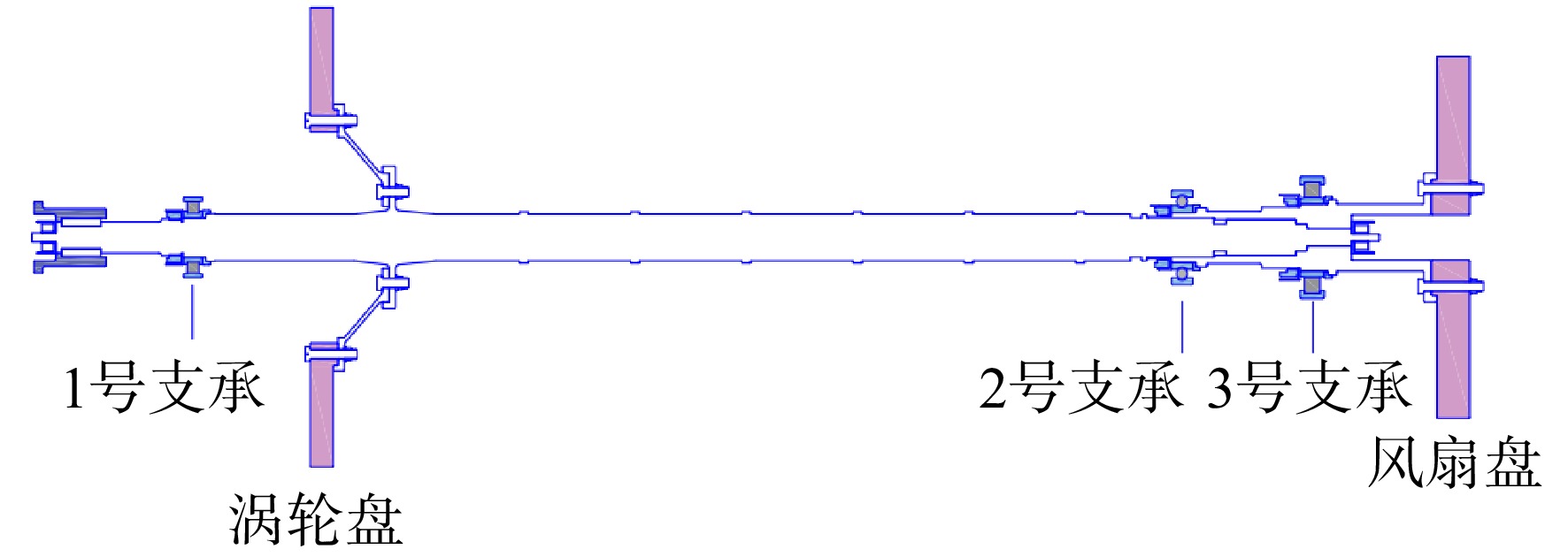
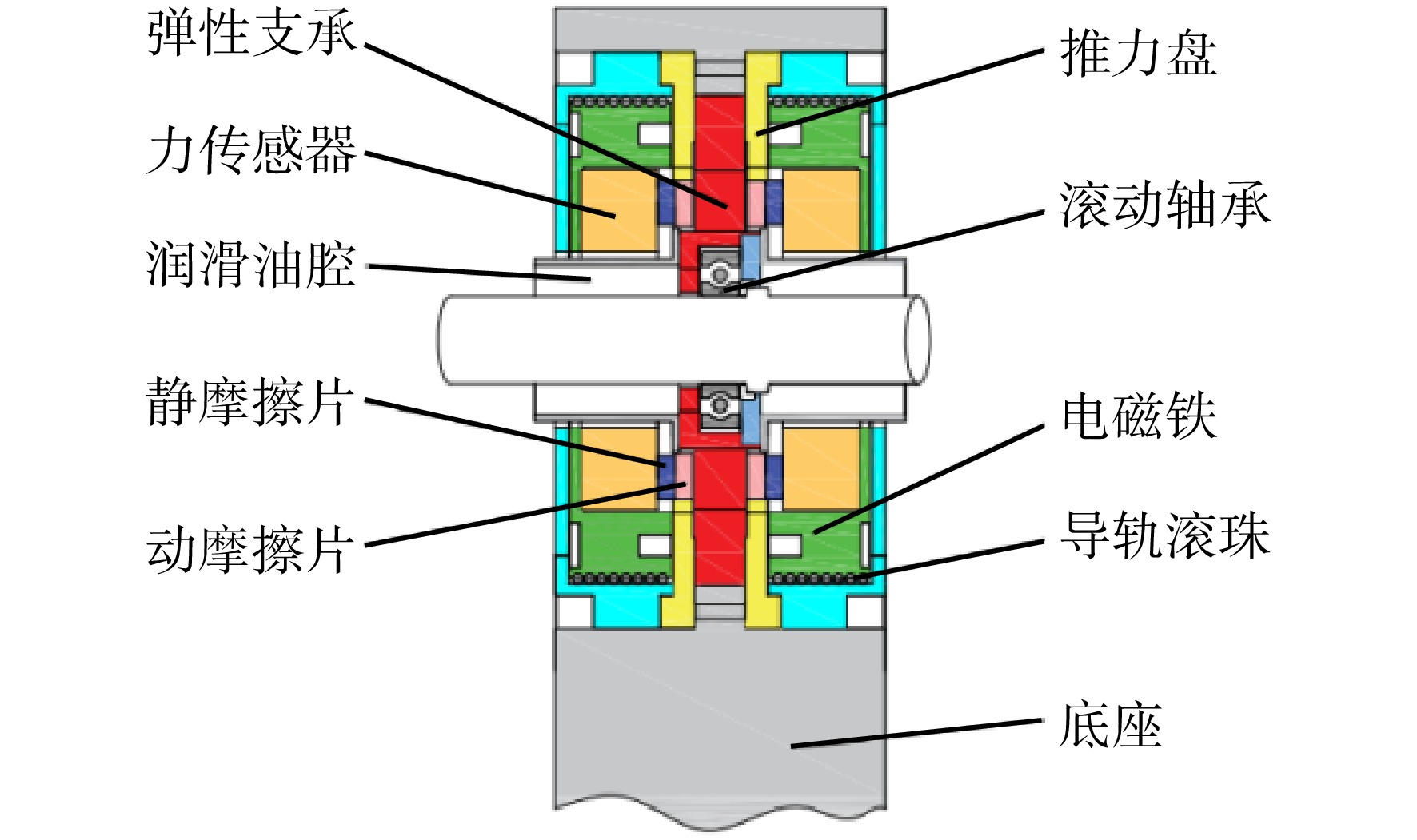
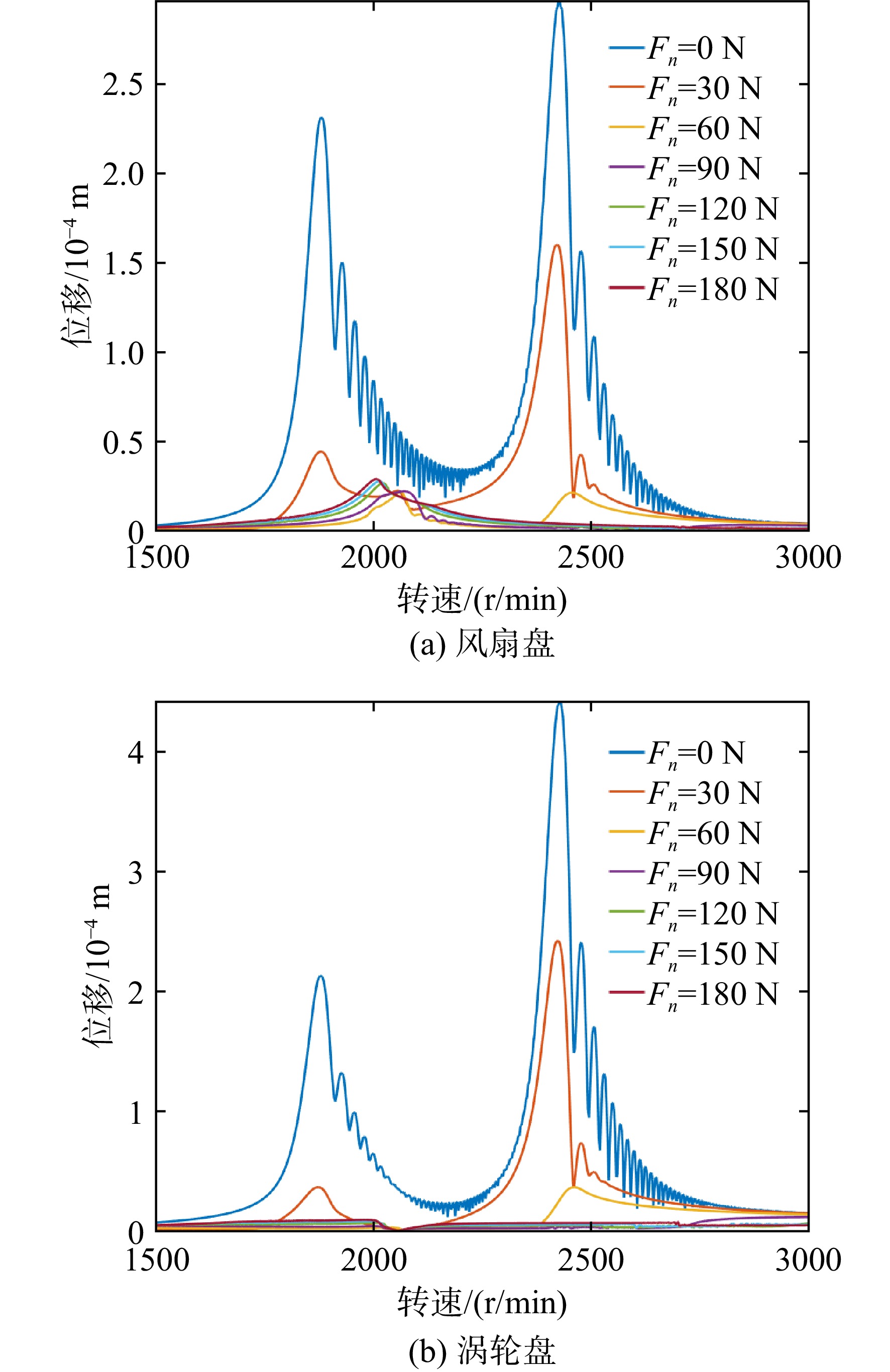
Dynamic characteristics of active elastic support dry friction dampers (AESDFDs)-three support flexible rotor (TSFR) were studied. First, the dynamic model of AESDFDs-TSFR was established. Then the steady state acceleration response of rotor system was obtained under different normal loads. The vibration reduction effect of switch control method within critical speed region was discussed. Experimental rig for AESDFDs-TSFR was set up. The unbalance responses of TSFR passing the first-second critical speed regions were measured and analyzed. The variations of the vibration amplitude of the turbine disk and the fan disk were analyzed under different normal loads. Experimental results were compared with simulation ones, showing that vibration could be suppressed by the AESDFDs under unbalance excitation. Each AESDFD had damping effect on the turbine disk and the fan disk by using switch control method within critical speed region, and the maximum vibration reduction ratio at disks reached 98.6% and 98.9%, respectively. The results could provide a theoretical guide for vibration control strategy design on the AESDFDs-TSFR system.

Data-driven engine performance digital twin modeling and interpretability analysis
ZHANG Wei, SUN Jianzhong, YAN Zichen, NIAN Jinchen, TANG Pengfei, WANG Shaohua
2025, 40(11): 20240160. doi: 10.13224/j.cnki.jasp.20240160
Abstract:

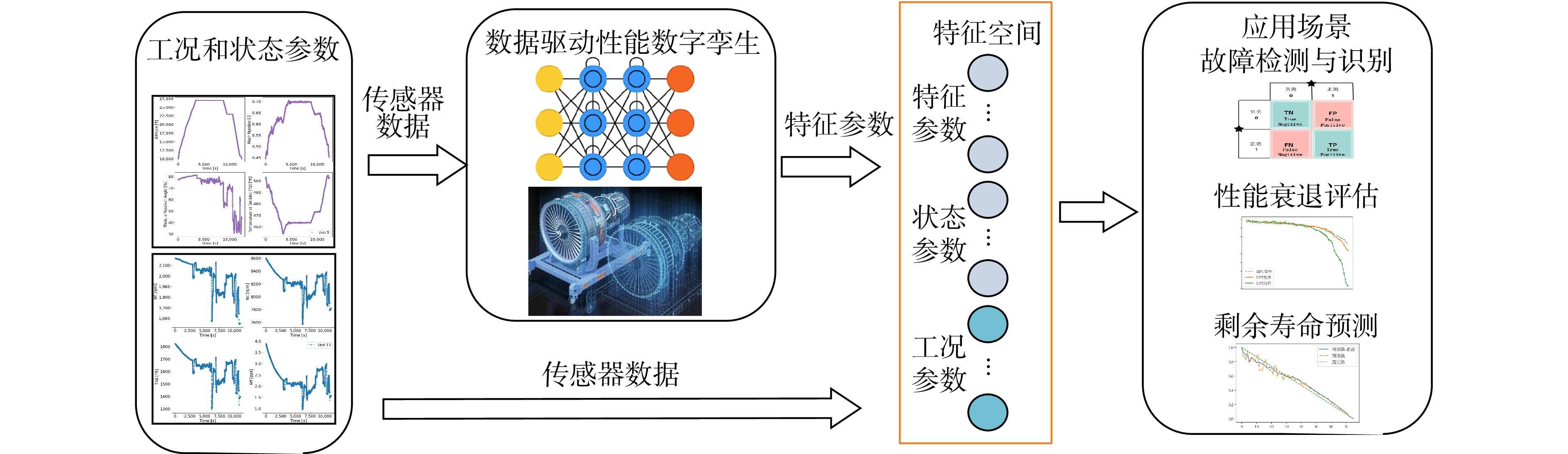
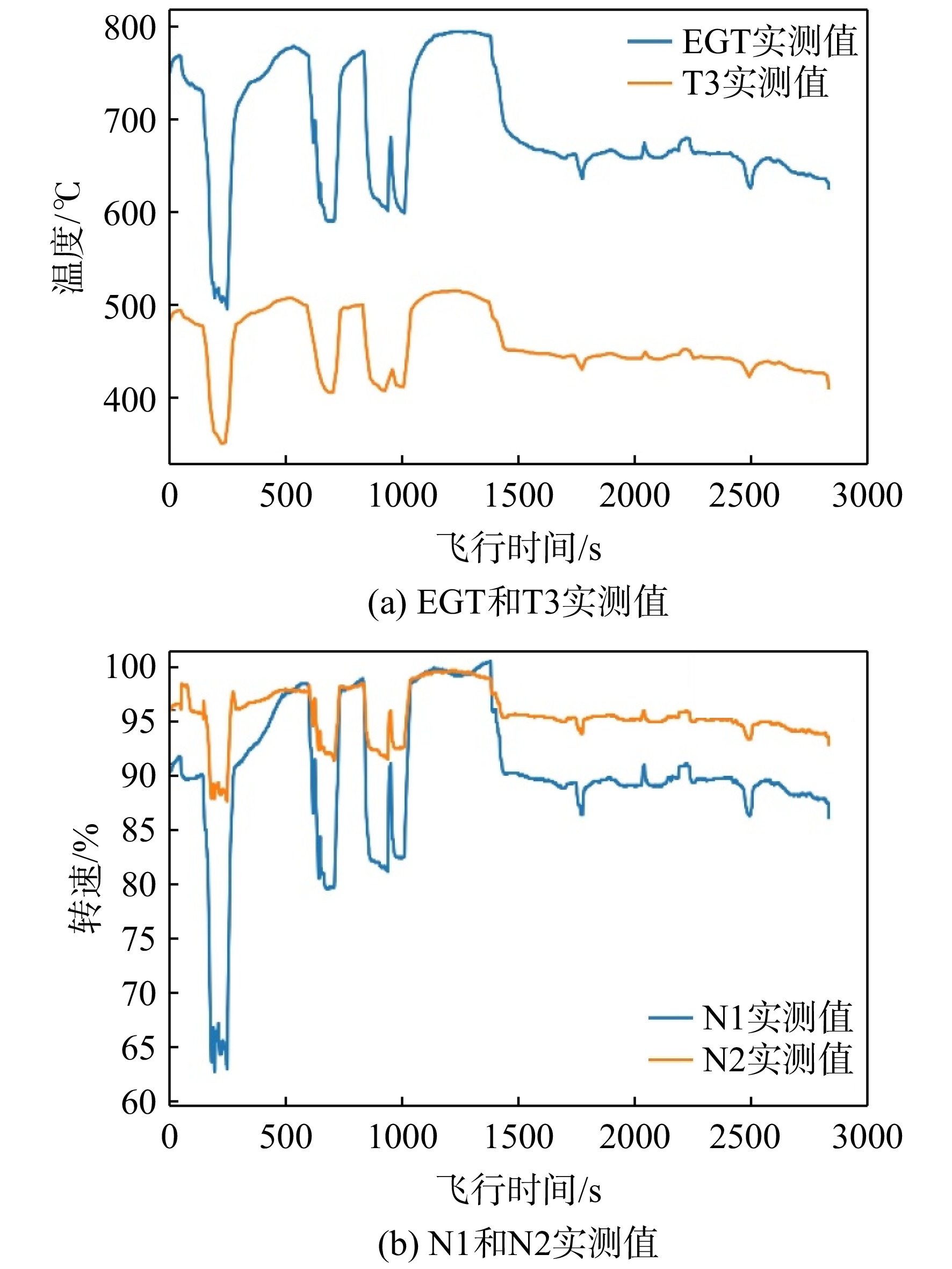
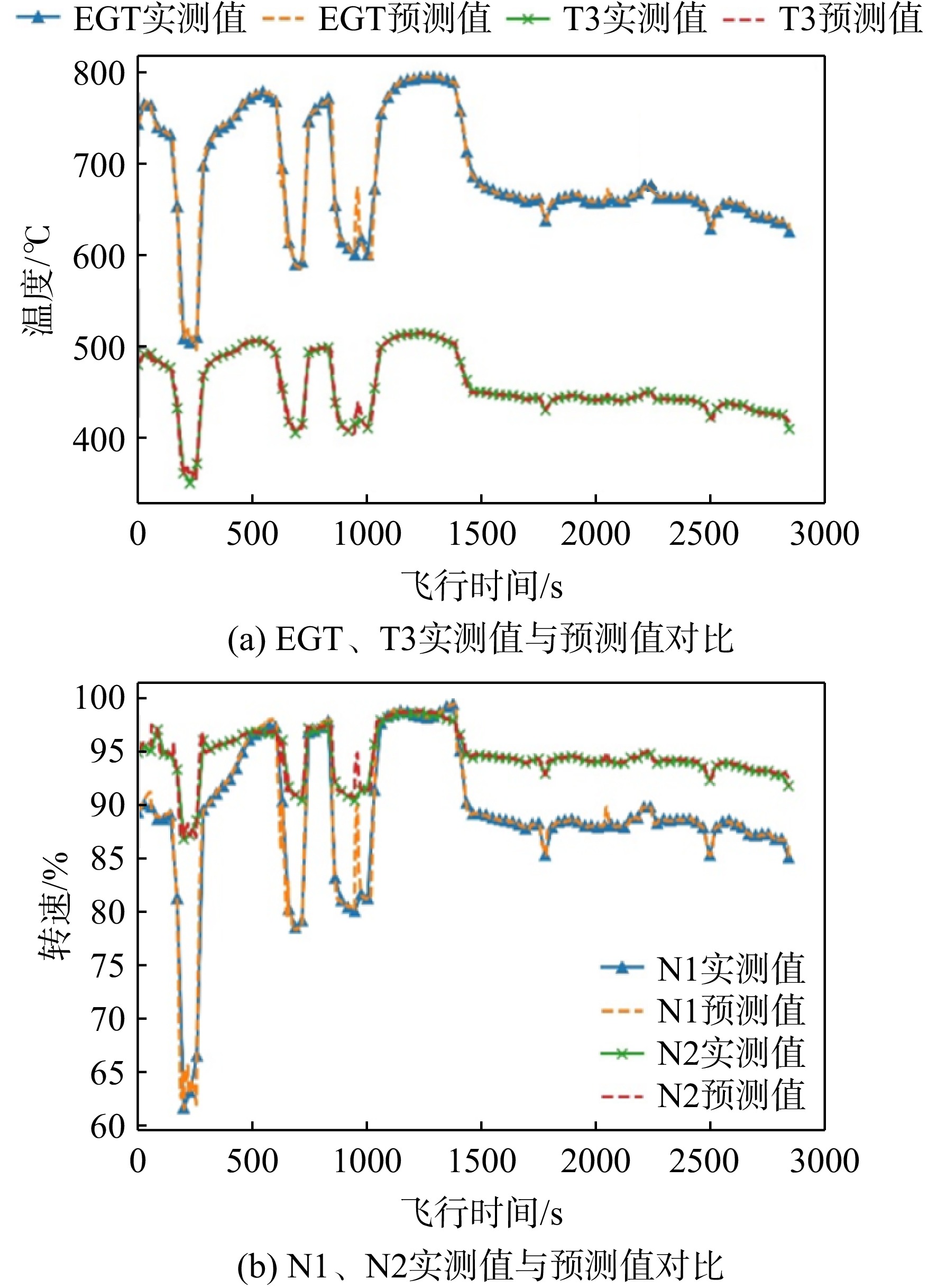
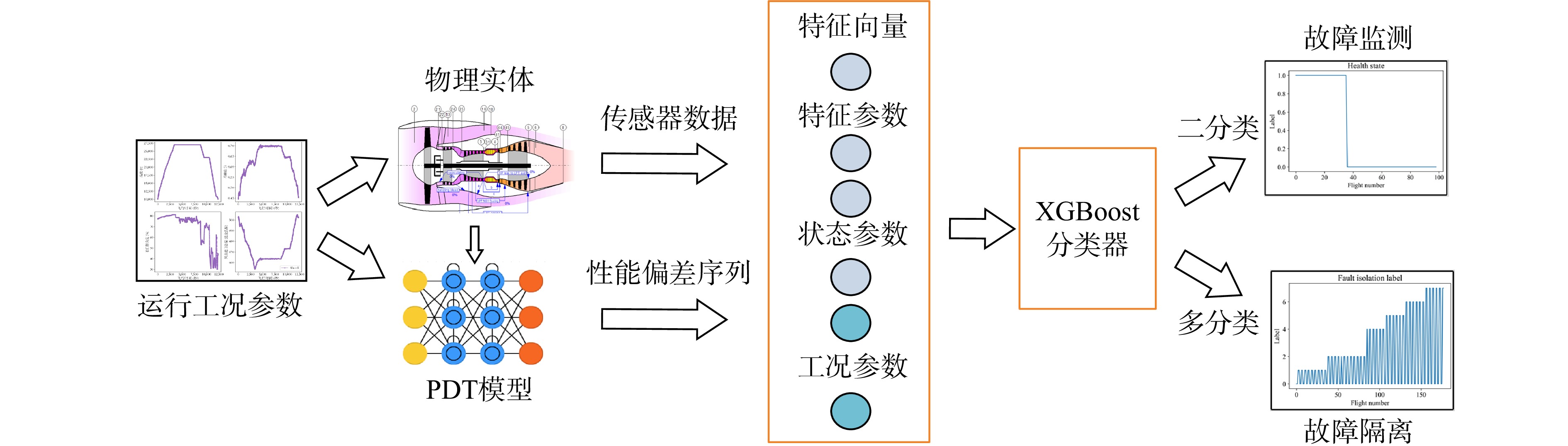
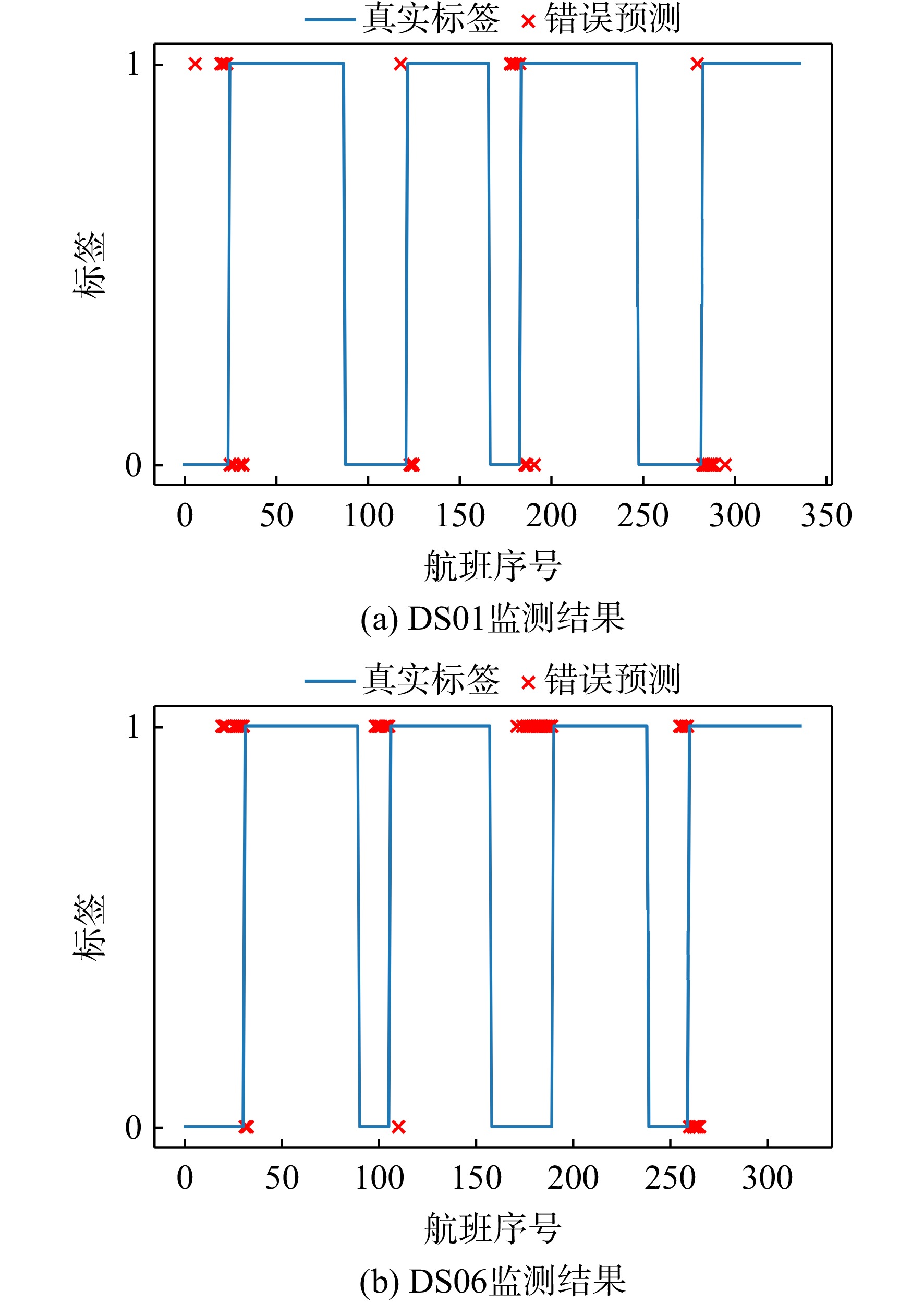
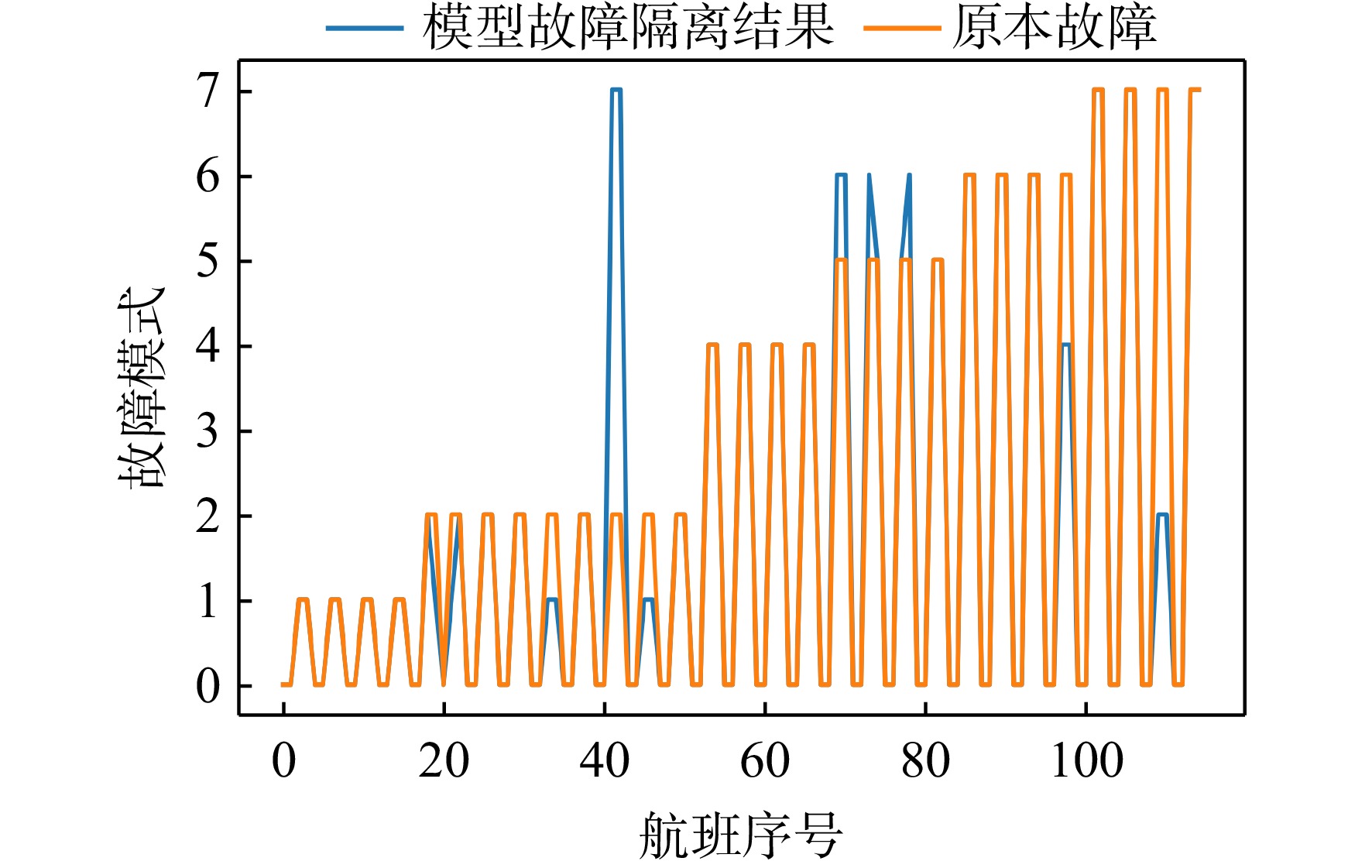
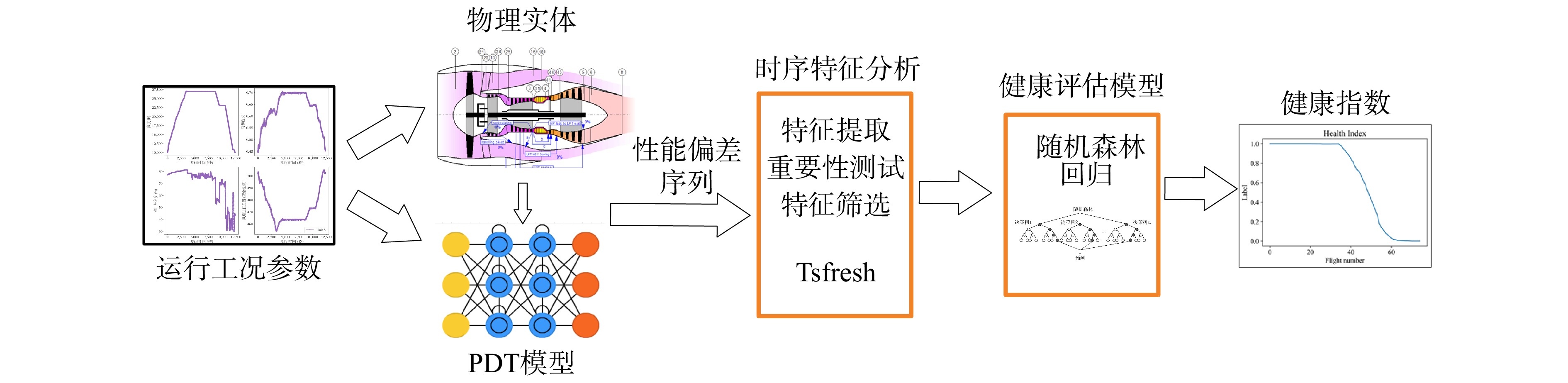
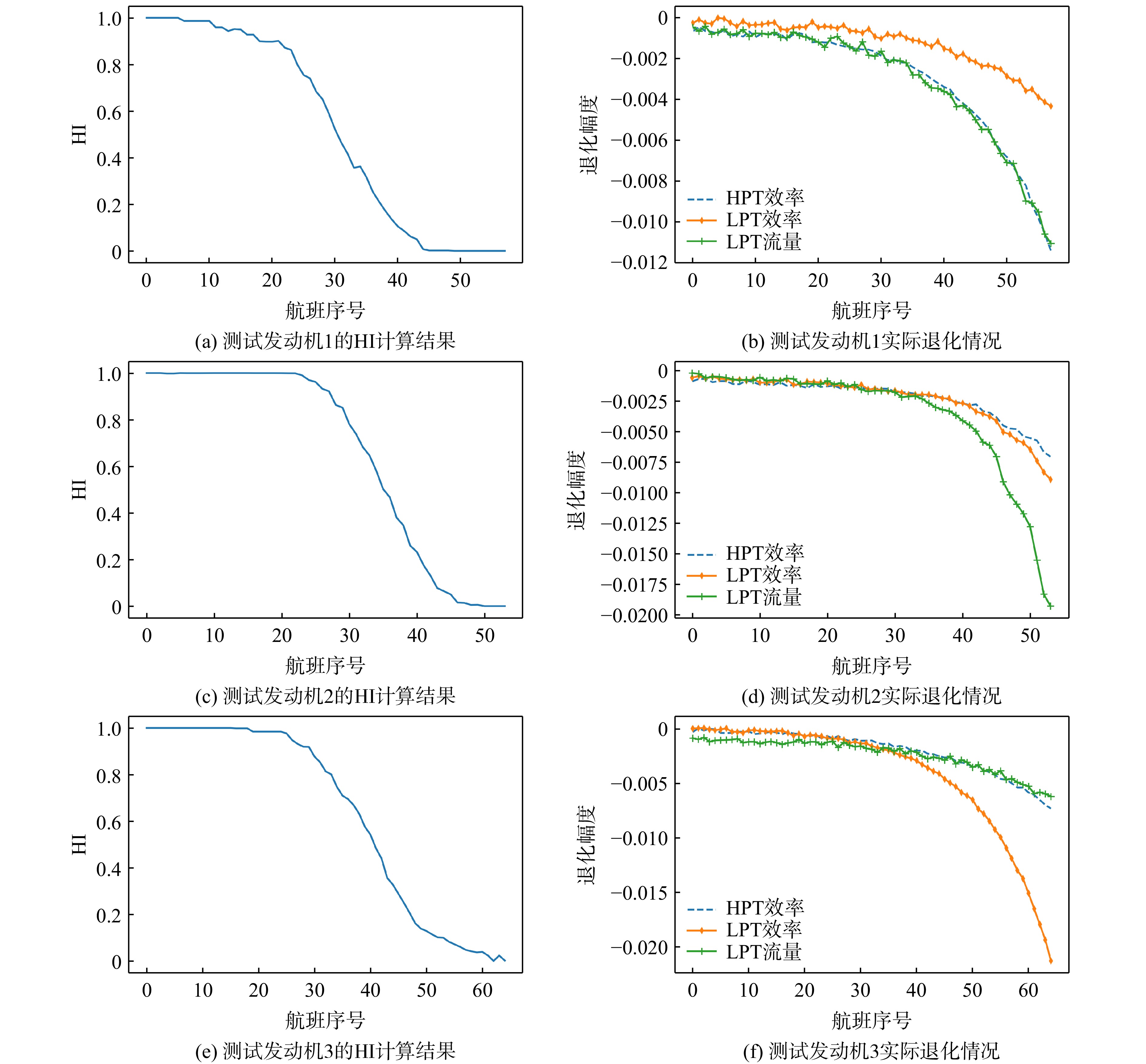
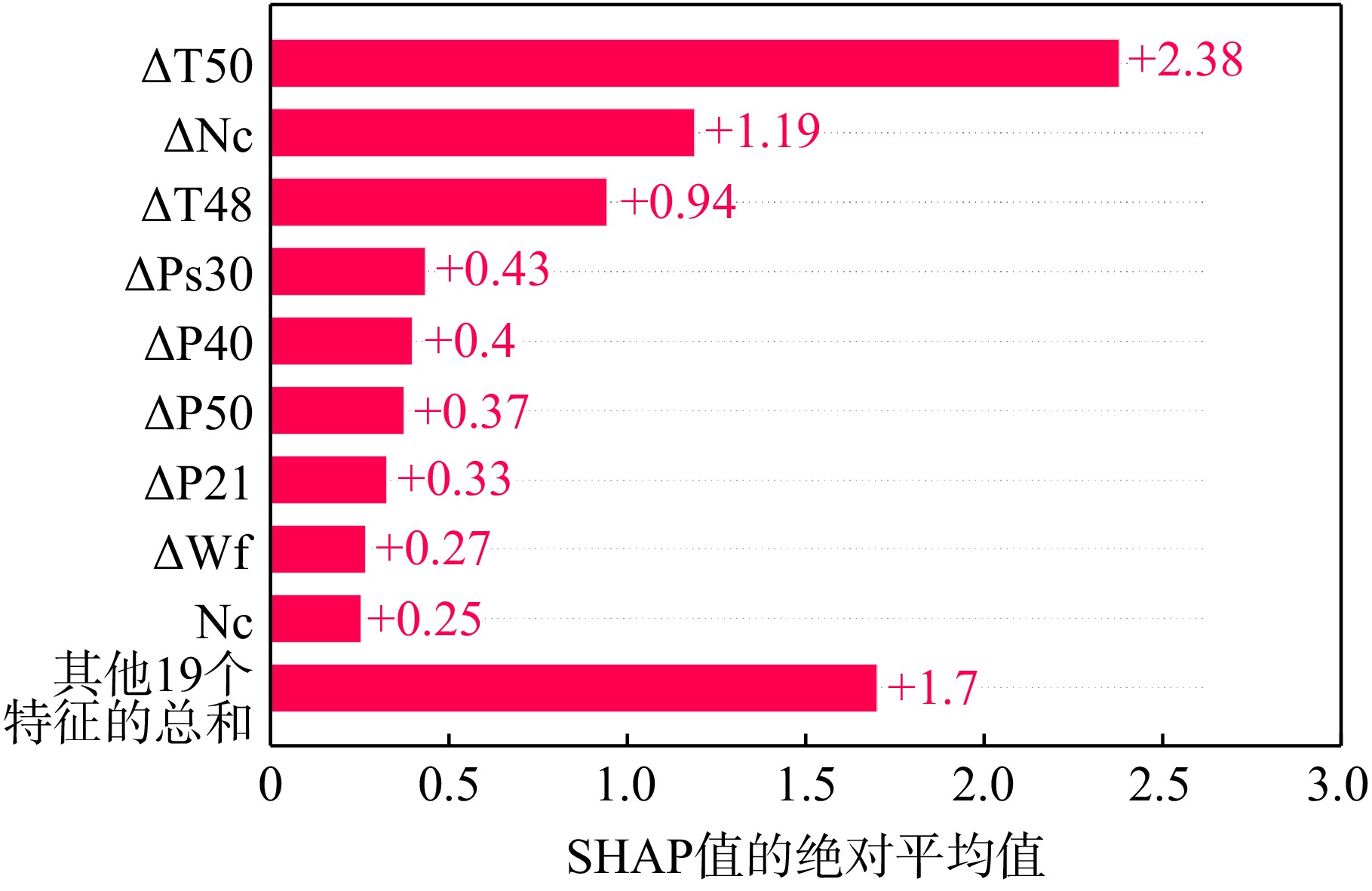
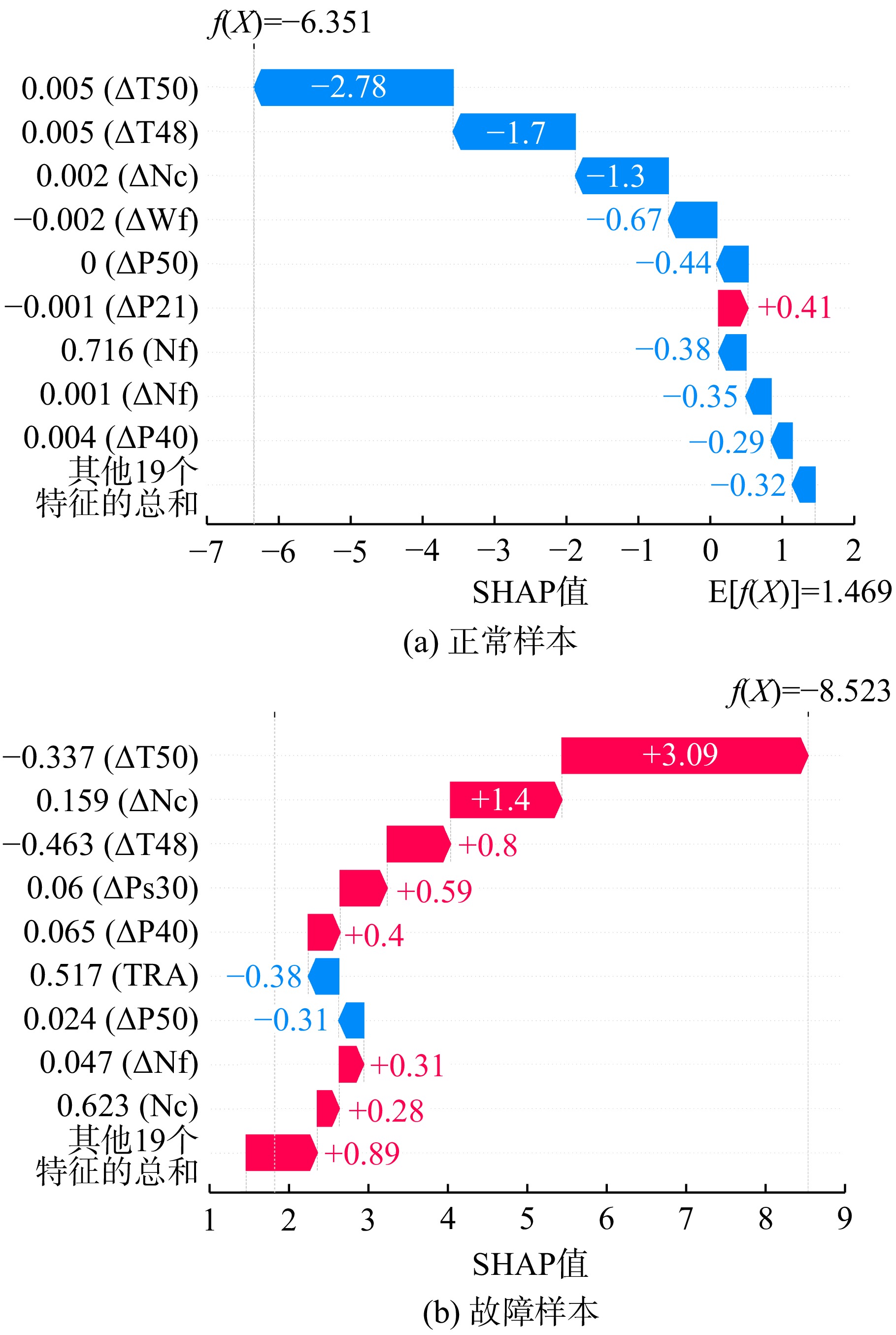
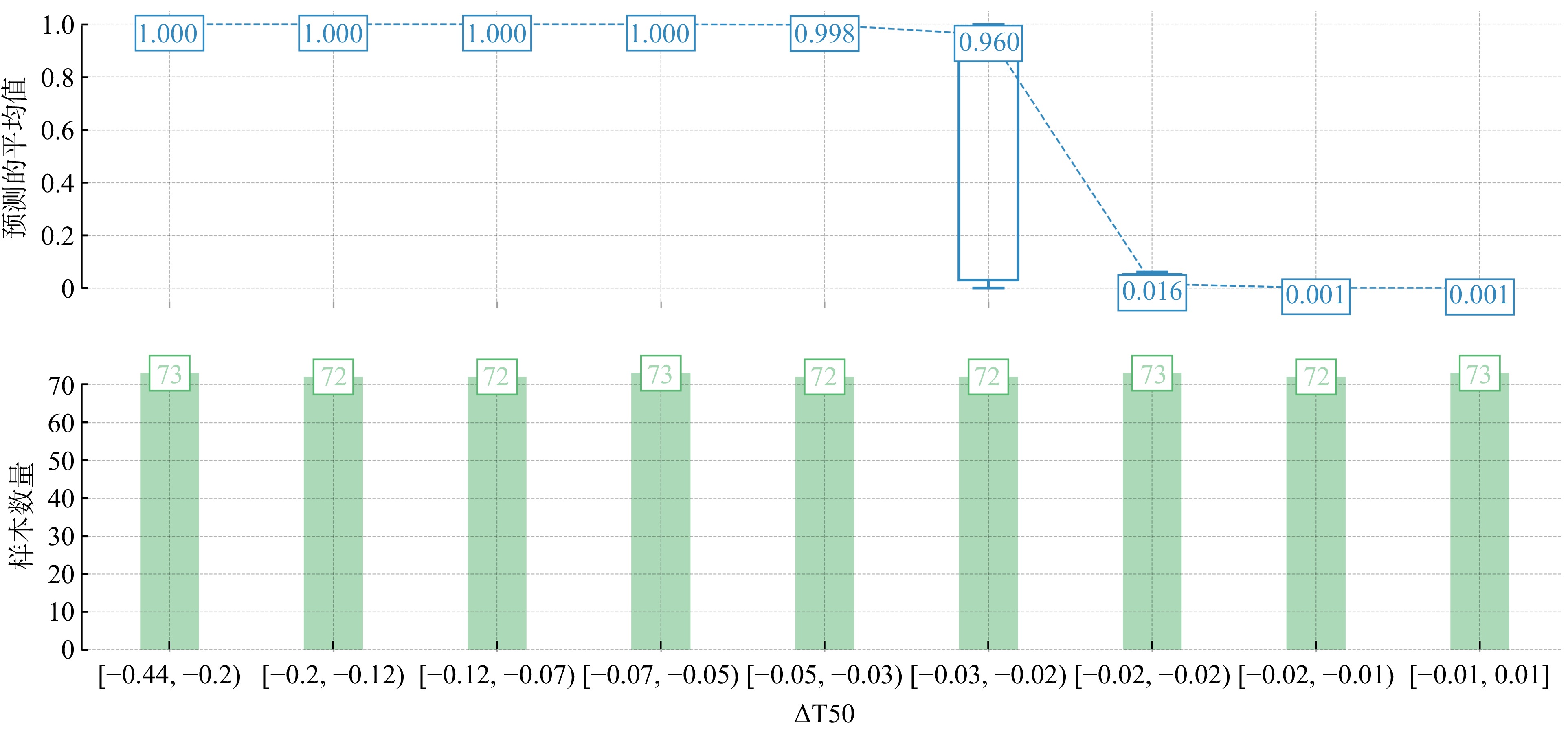
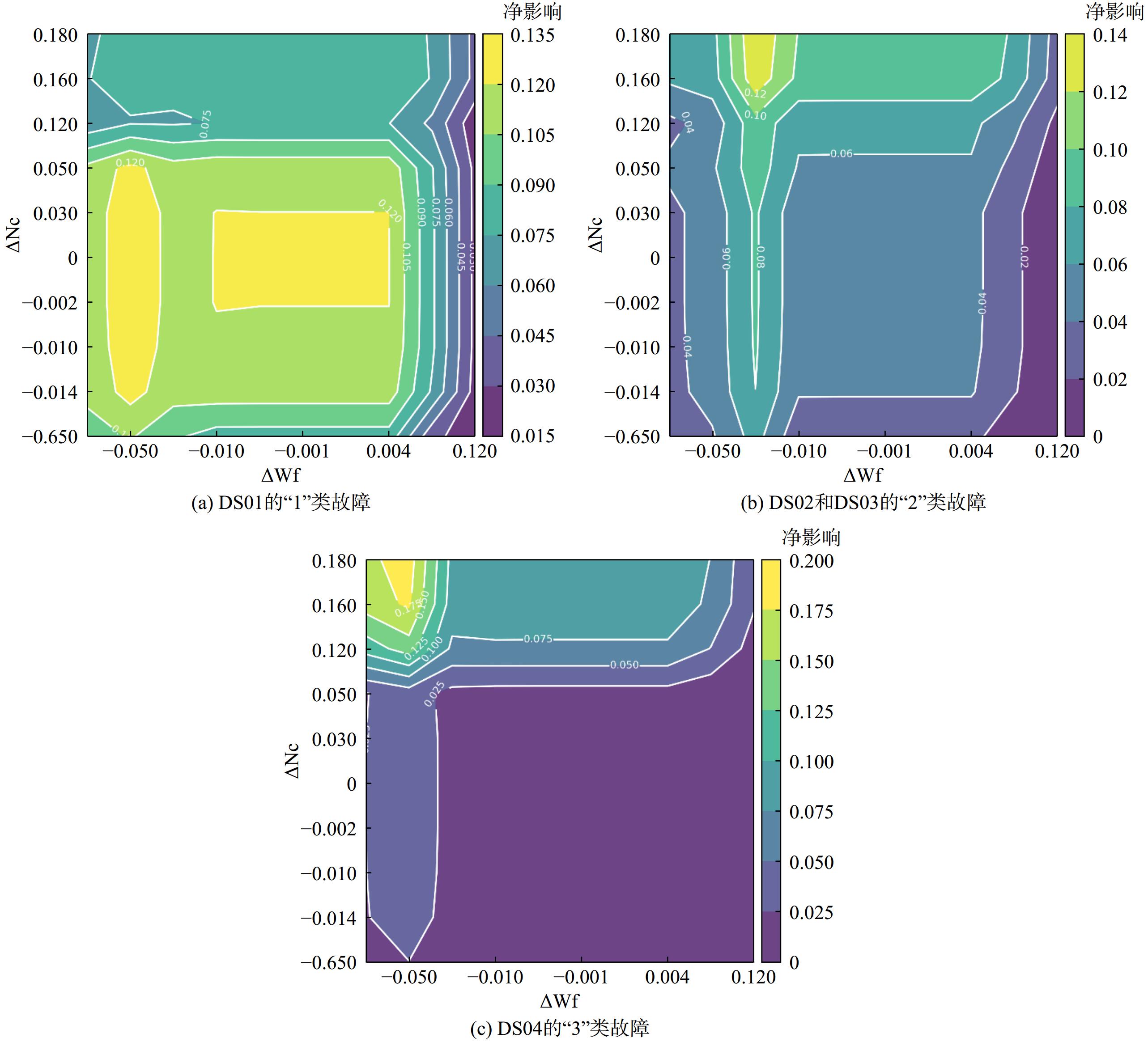
A data-driven gas turbine performance digital twin (PDT) model and its application framework for performance monitoring and health assessment were proposed. In this framework, a data-driven performance digital twin was constructed using semi-supervised deep learning methods, which were used to calculate multidimensional features to characterize the performance status of gas pipelines, and to enhance the input feature space for gas path component fault diagnosis and performance monitoring. Based on this, a gas path fault monitoring and isolation model, a health state assessment model were developed utilizing the XGBoost method. The integrated framework’s performance was tested on quick access recorder (QAR) data from a civil aviation engine model, and NASA N-CMAPSS dataset and relevant indicators were introduced to evaluate the proposed method. The interpretability of the data-driven performance digital twin model was explored using the Shapley additive explanations (SHAP) method. The verification results showed that the proposed data-driven PDT modeling and application framework had a relative error of less than 0.6% in the prediction of key performance parameters of gas paths, and can successfully detect more than 95% faults based on NASA N-CMAPSS data, with the fault isolation accuracy reaching 86%.

Finite element modeling and vibration analysis of the orthogonal stiffened cylindrical shell based on region segmentation method
SUN Xuedong, SUN Wei, ZHANG Rongfei, ZHANG Hongsheng
2025, 40(11): 20230783. doi: 10.13224/j.cnki.jasp.20230783
Abstract:

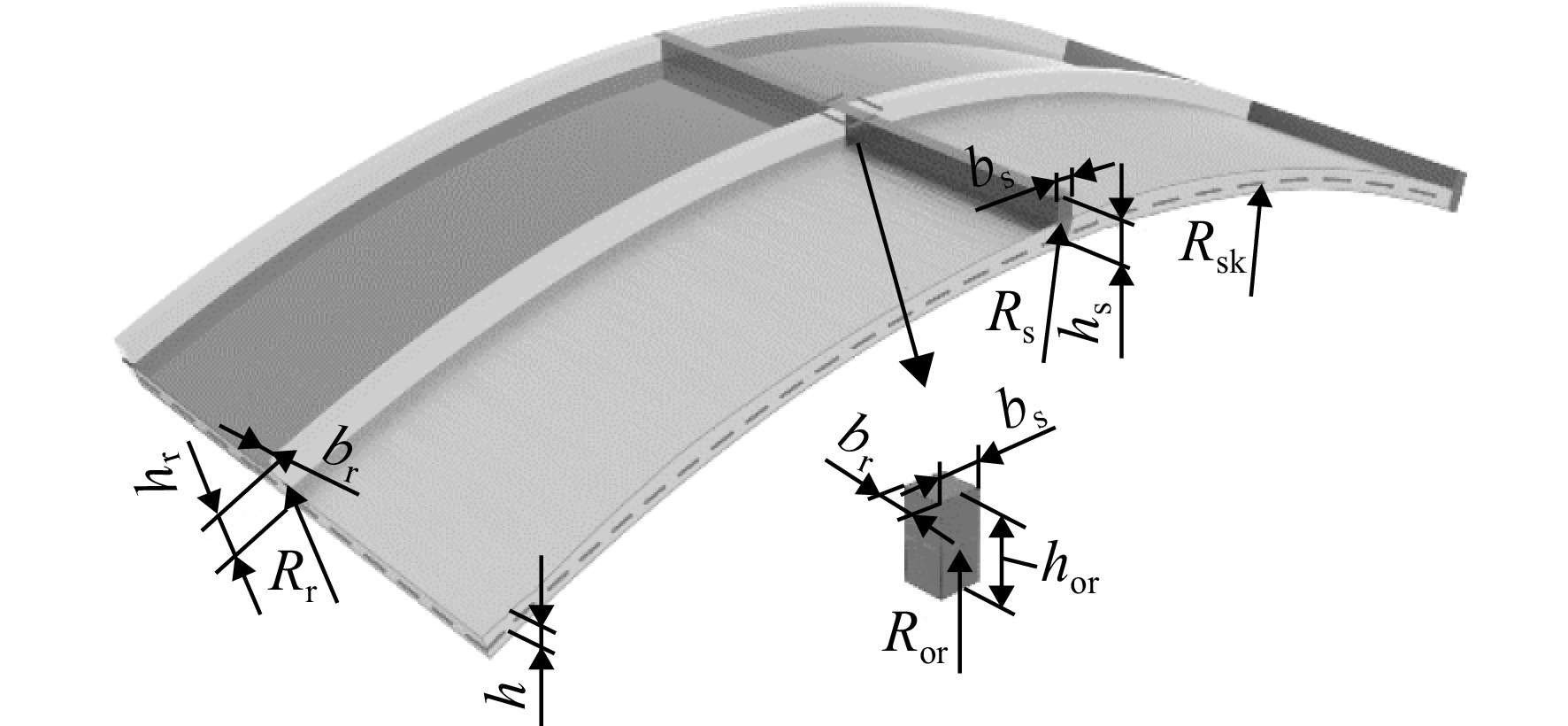
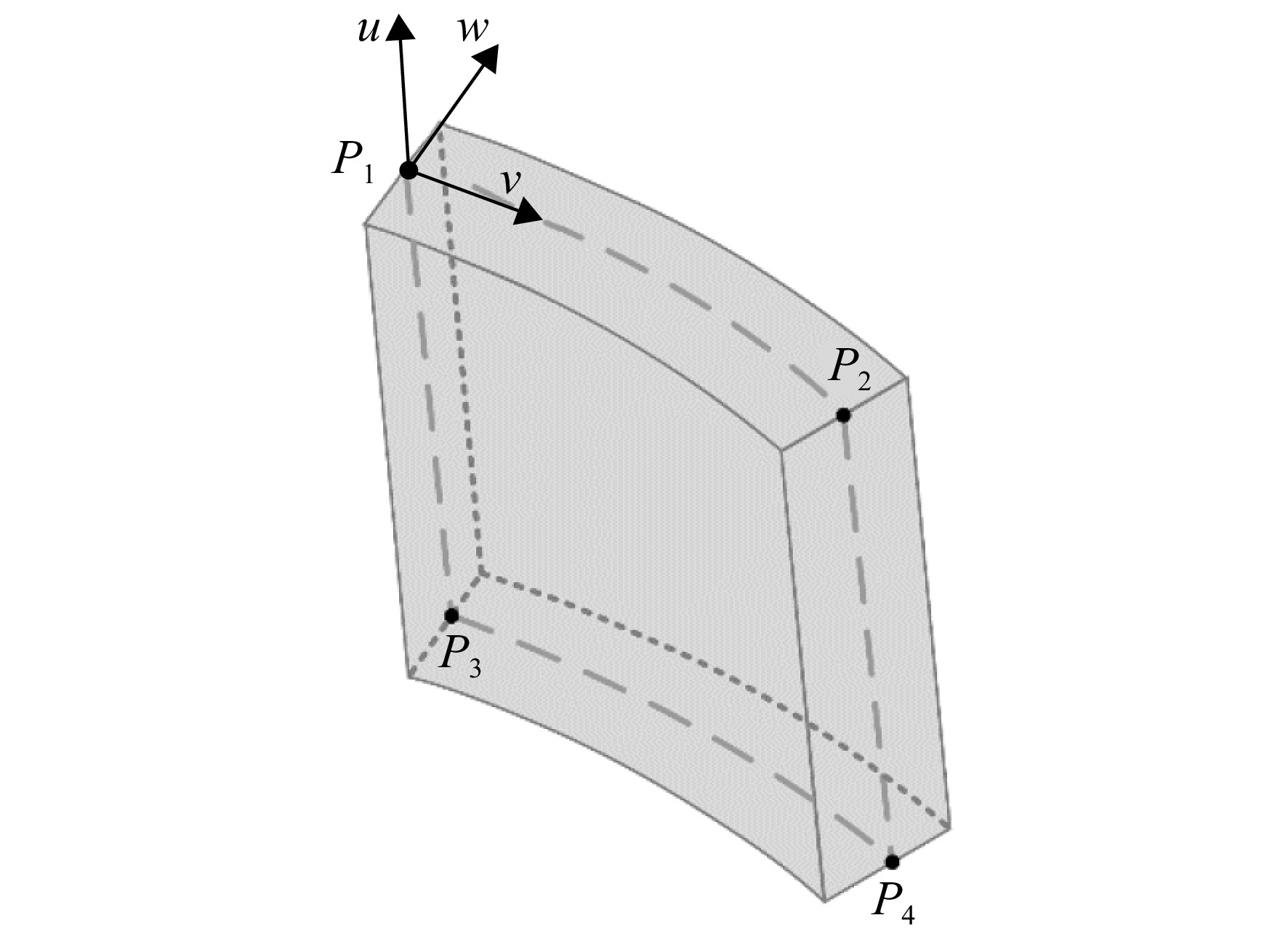
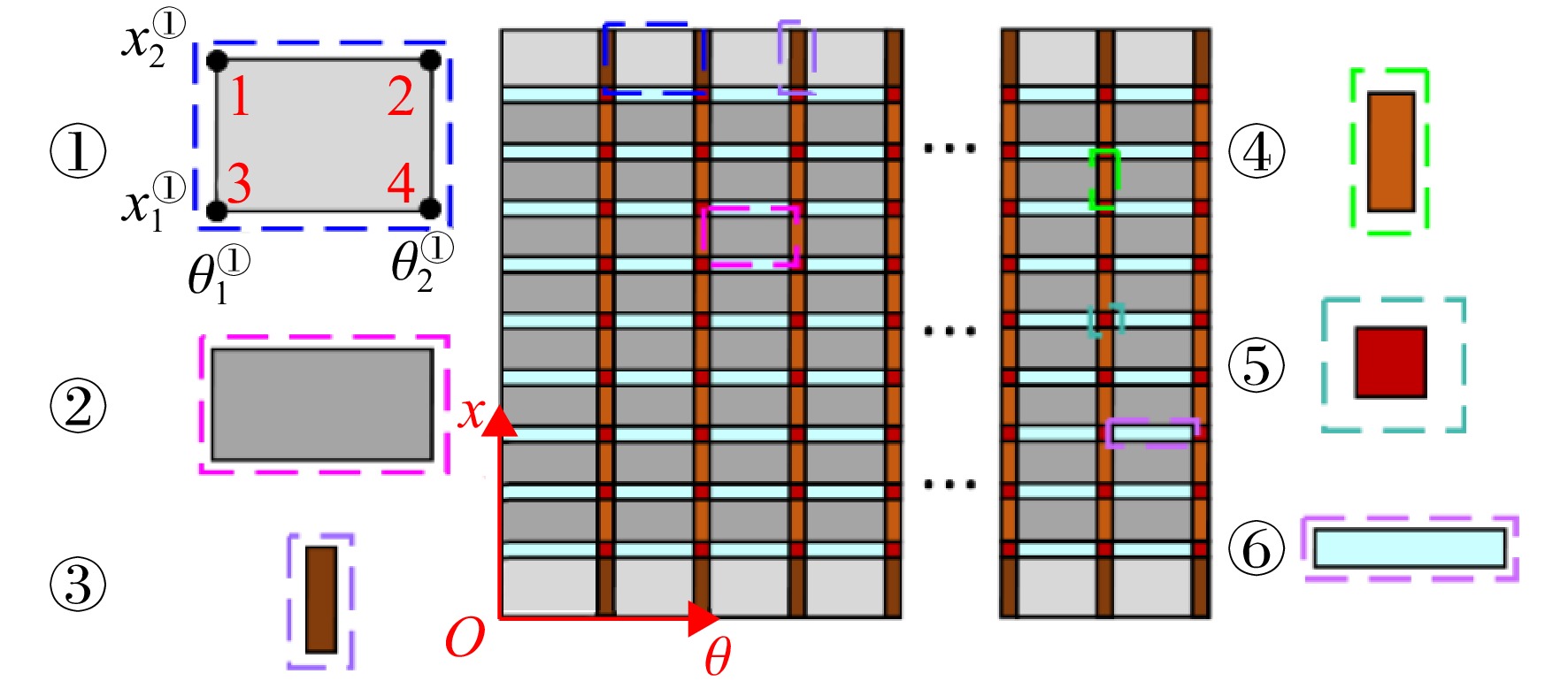
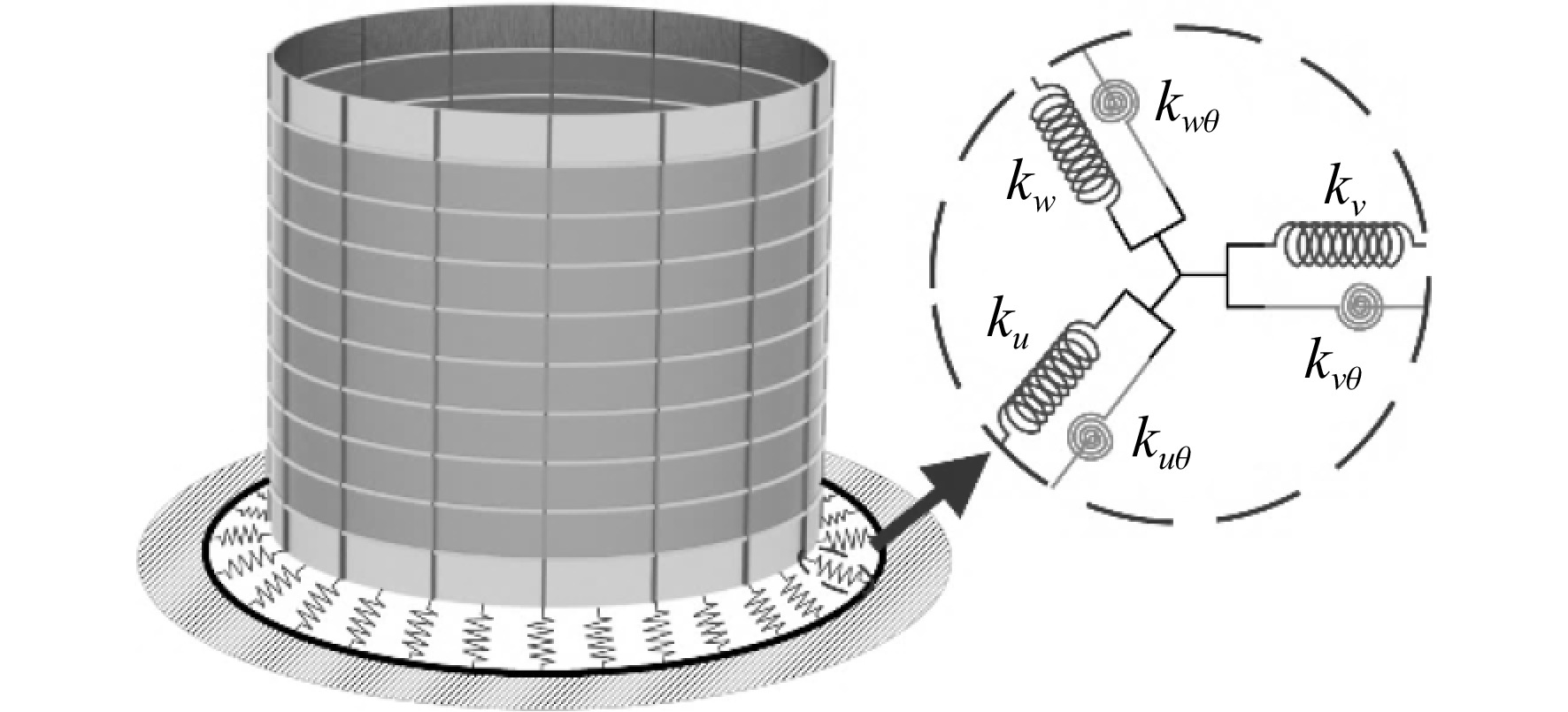
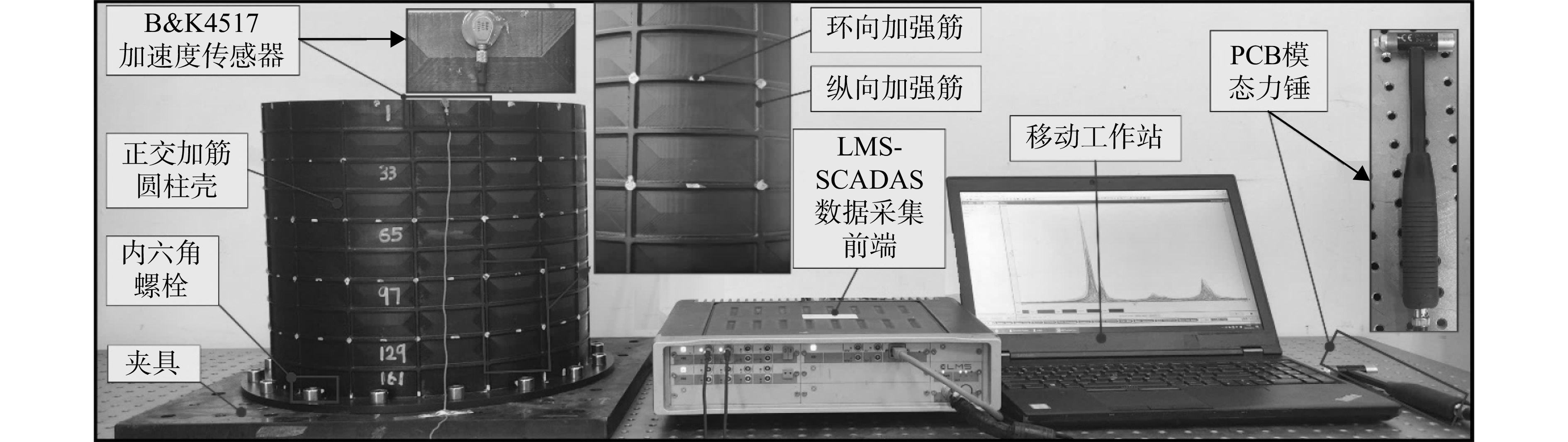
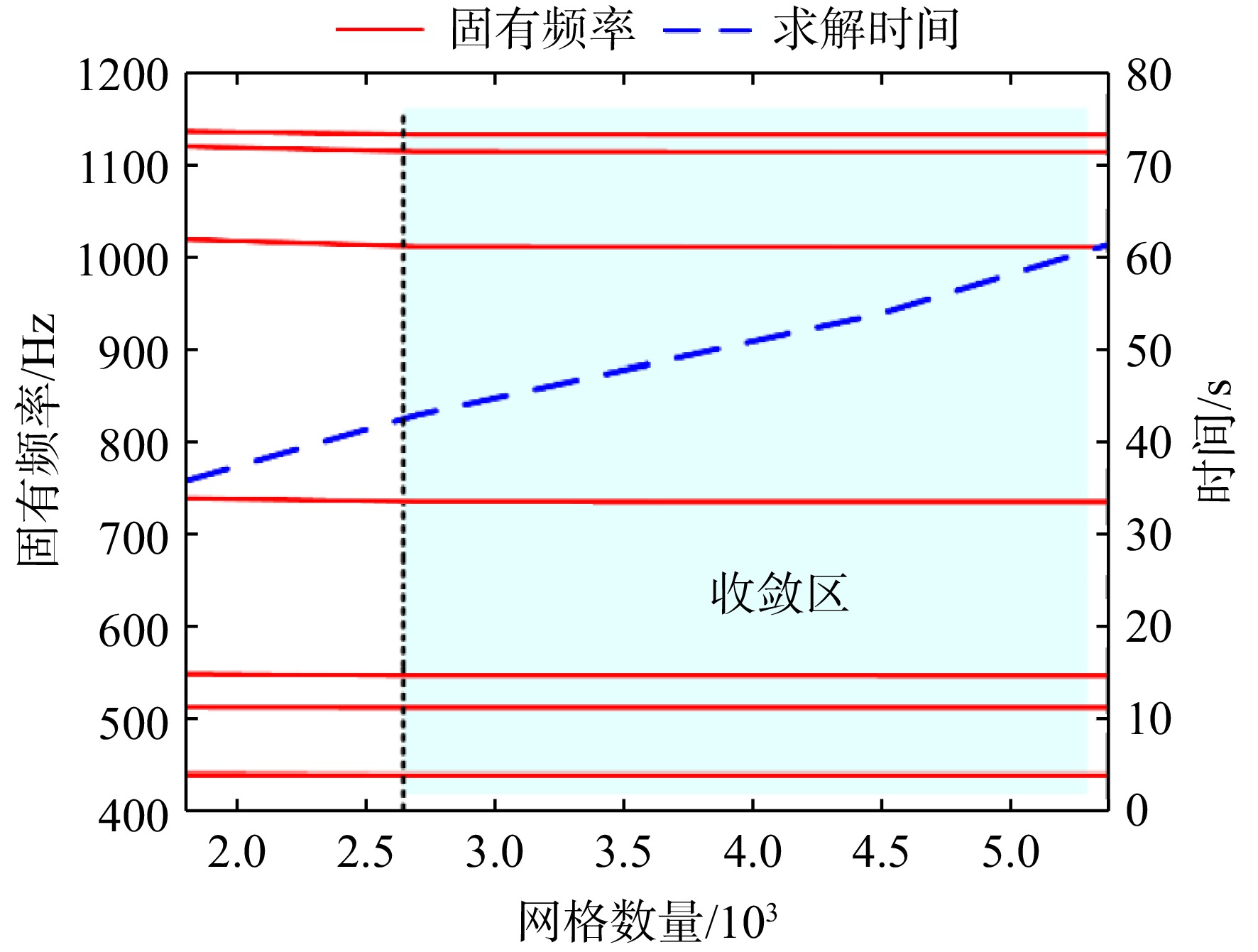
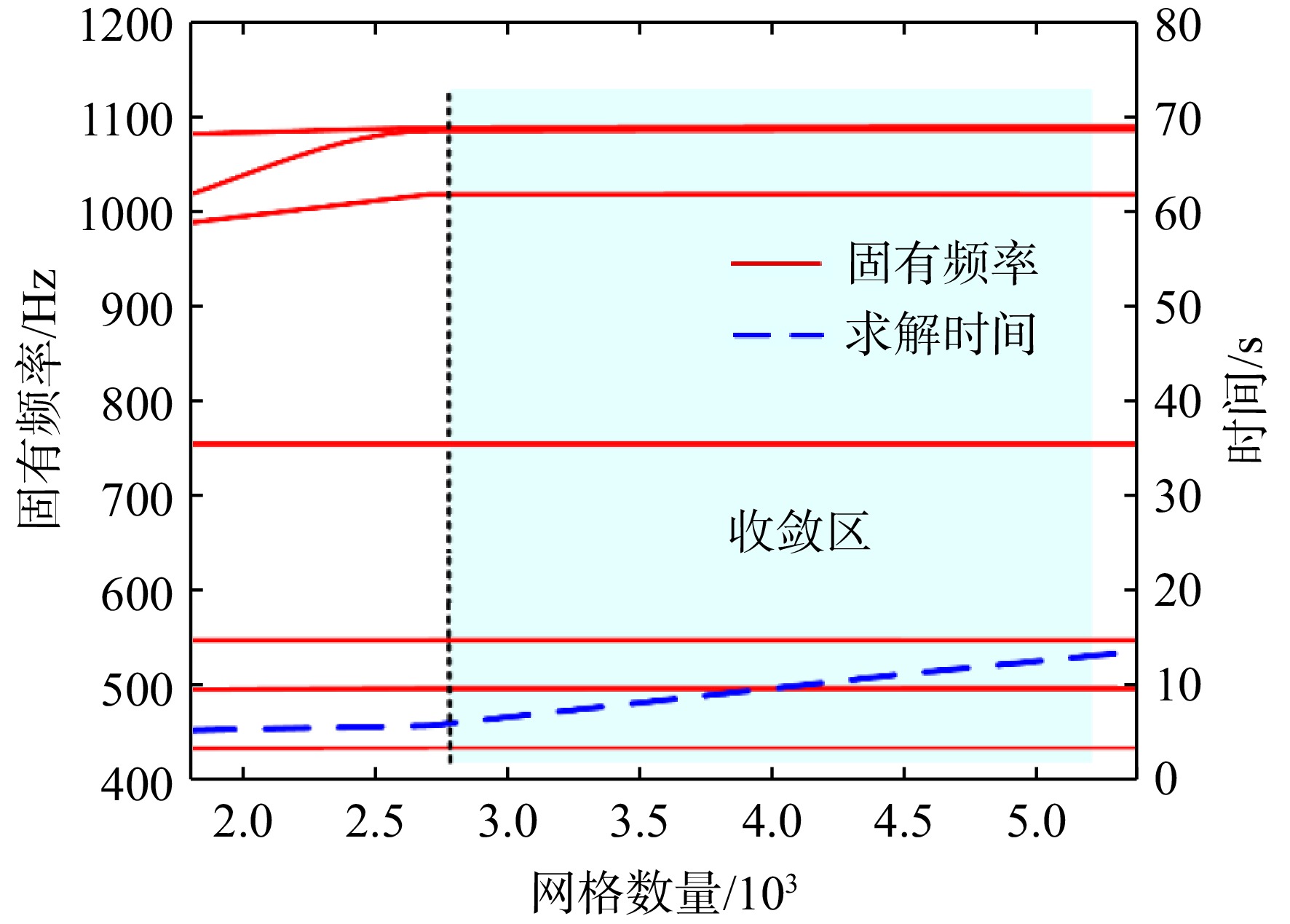
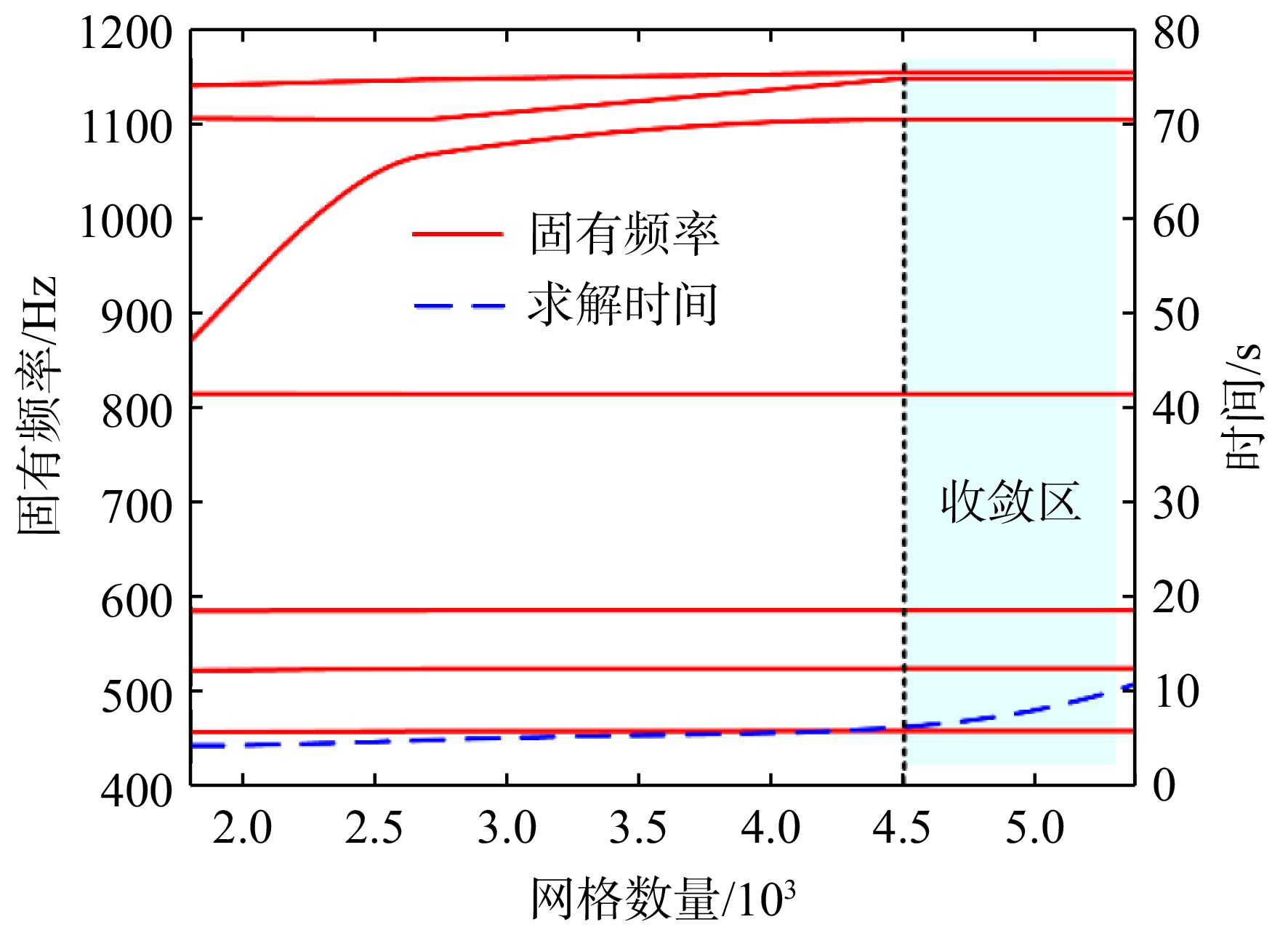
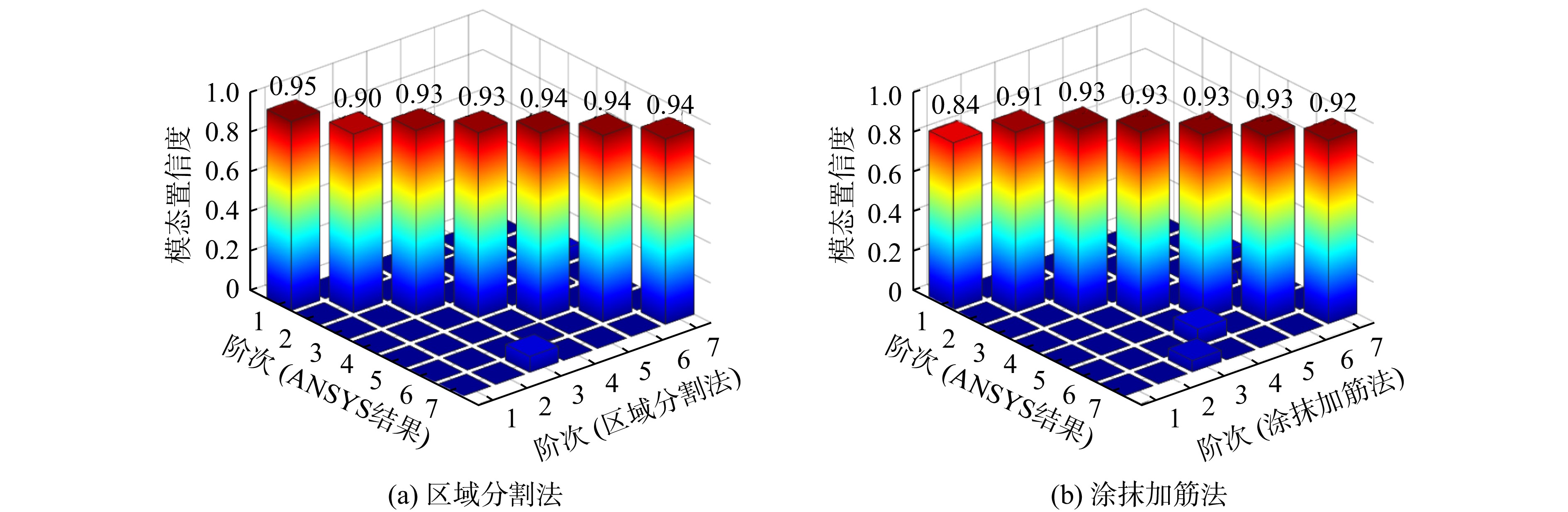
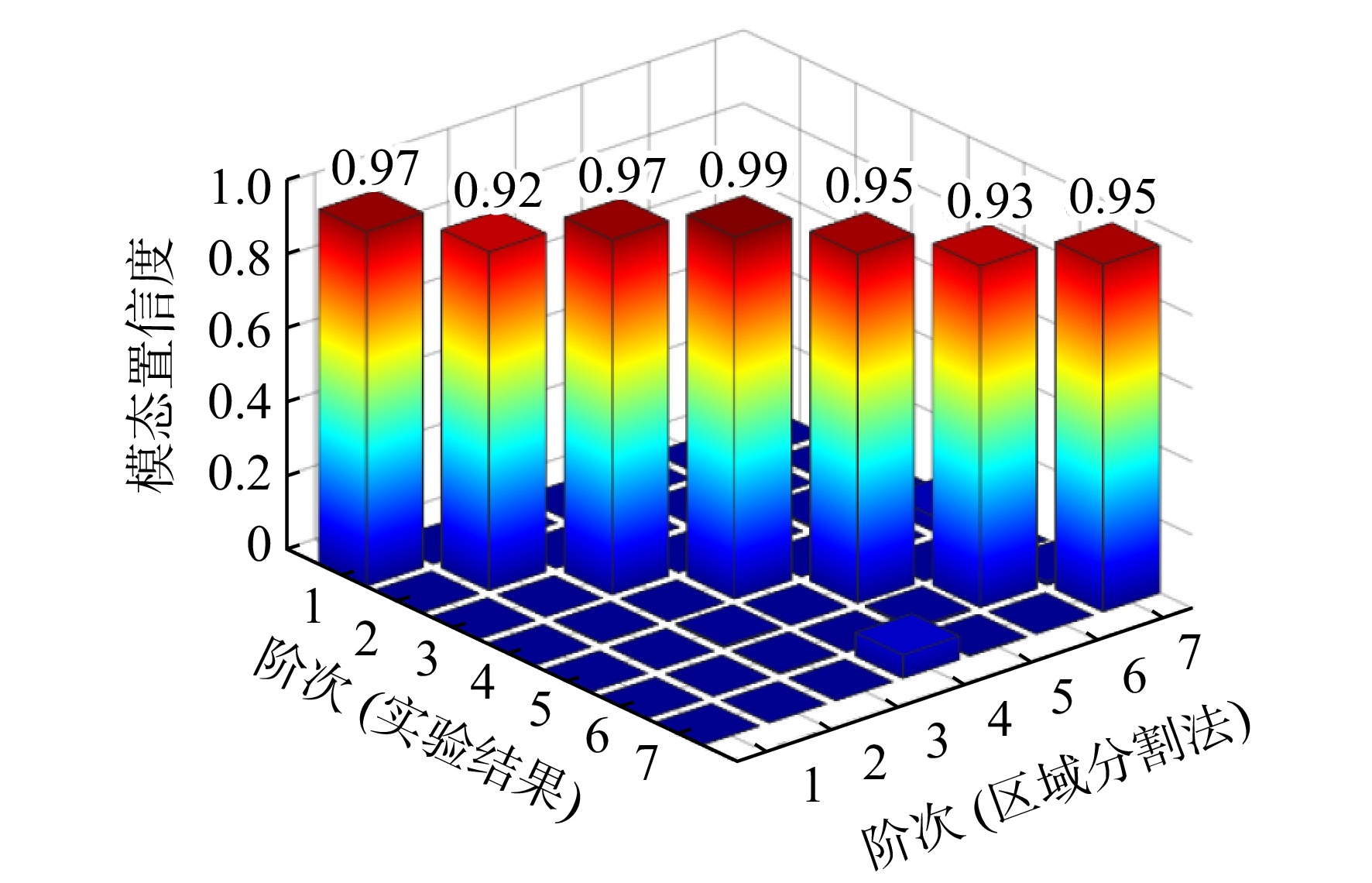
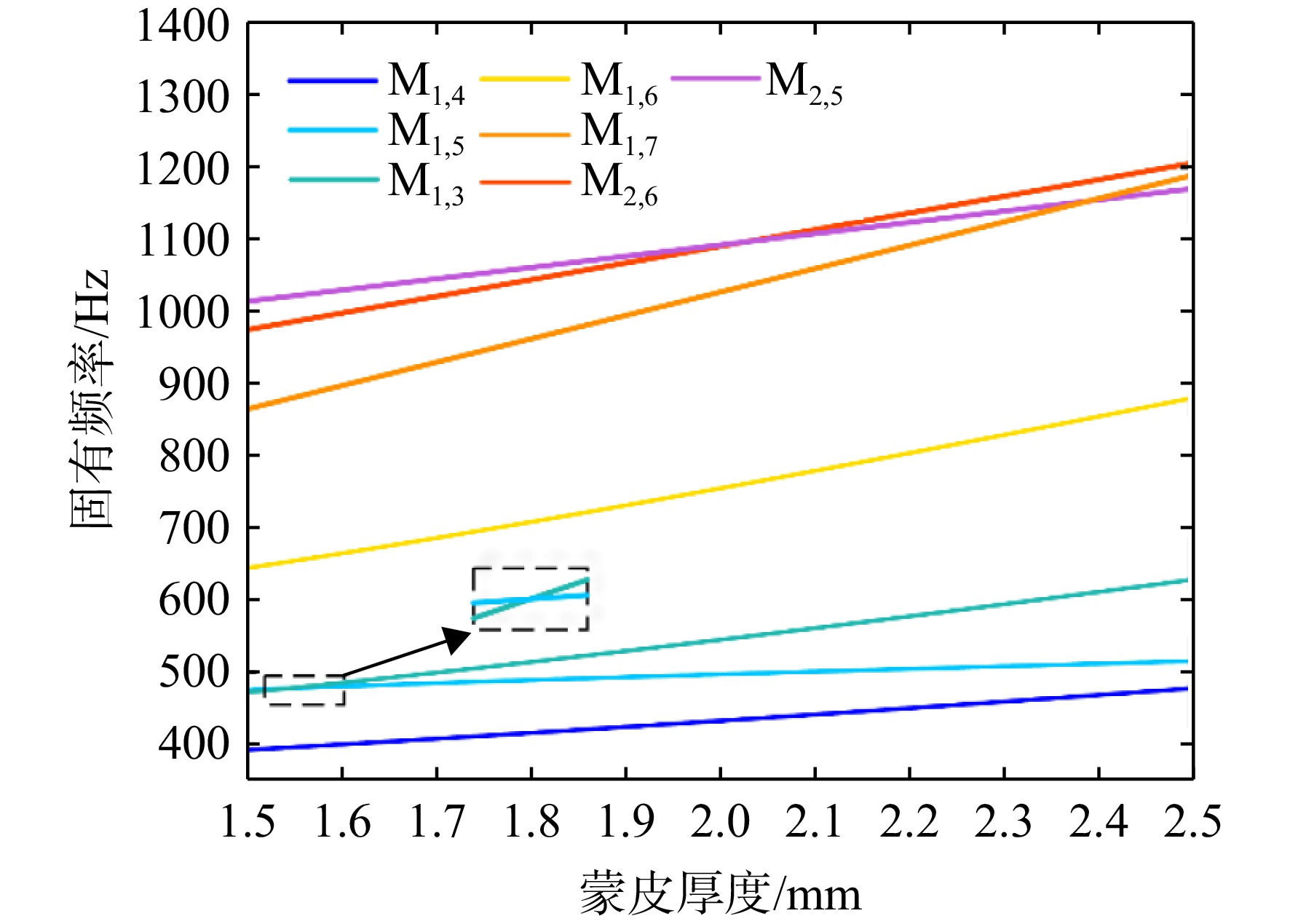
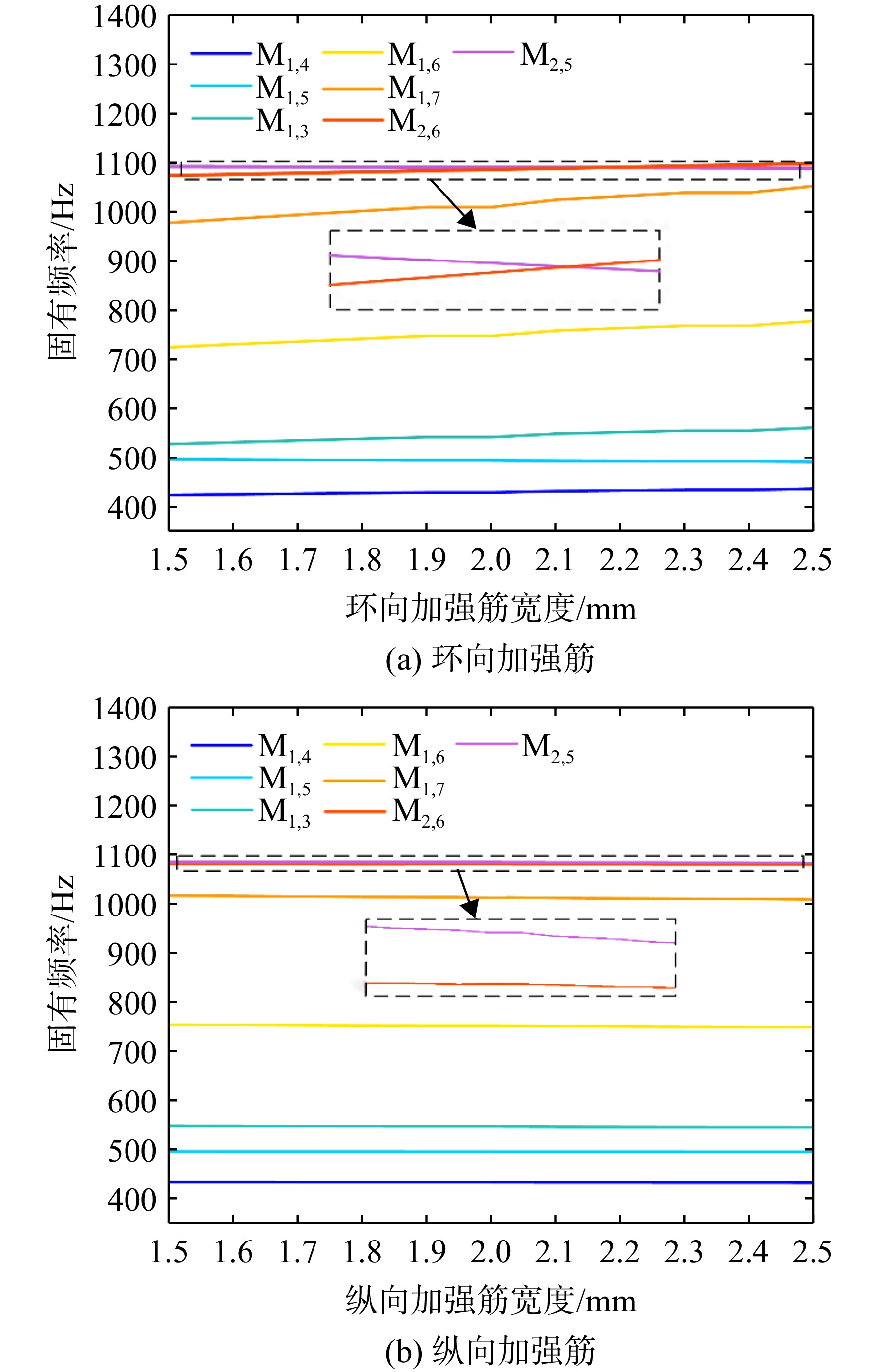
Taking the orthogonal stiffened cylindrical shell as the research object, a finite element modeling method based on region segmentation method was proposed to address the accuracy limitations of traditional stiffener modeling methods in analyzing vibrations of non-uniformly stiffened shells. By dividing the stiffened shell into six regions, the stress-strain relationships and element stiffness matrices for each region were derived, and elastic boundary conditions were incorporated to establish the dynamic finite element equations for the orthogonal stiffened cylindrical shell. Case studies demonstrated that under fixed and elastic constraints, the maximum relative differences of natural frequencies predicted by the region segmentation method compared with ANSYS and experimental results were 3.67% and 4.67%, respectively, with modal assurance criteria exceeding 0.90. Additionally, the computational efficiency was improved by 1.3 times over the smeared stiffener method and nearly 8 times over ANSYS. Parametric analysis further revealed that skin thickness significantly affected natural frequencies, while the thickness of longitudinal stiffeners and the width of circumferential stiffeners could play more prominent roles in influencing the natural frequencies.

Fretting fatigue properties and life prediction of additively manufactured GH4169 superalloys
LI Ang, ZHAO Qiuyu, HAN Qinan, CUI Haitao, ZHANG Hongjian, XU Ying
2025, 40(11): 20240577. doi: 10.13224/j.cnki.jasp.20240577
Abstract:

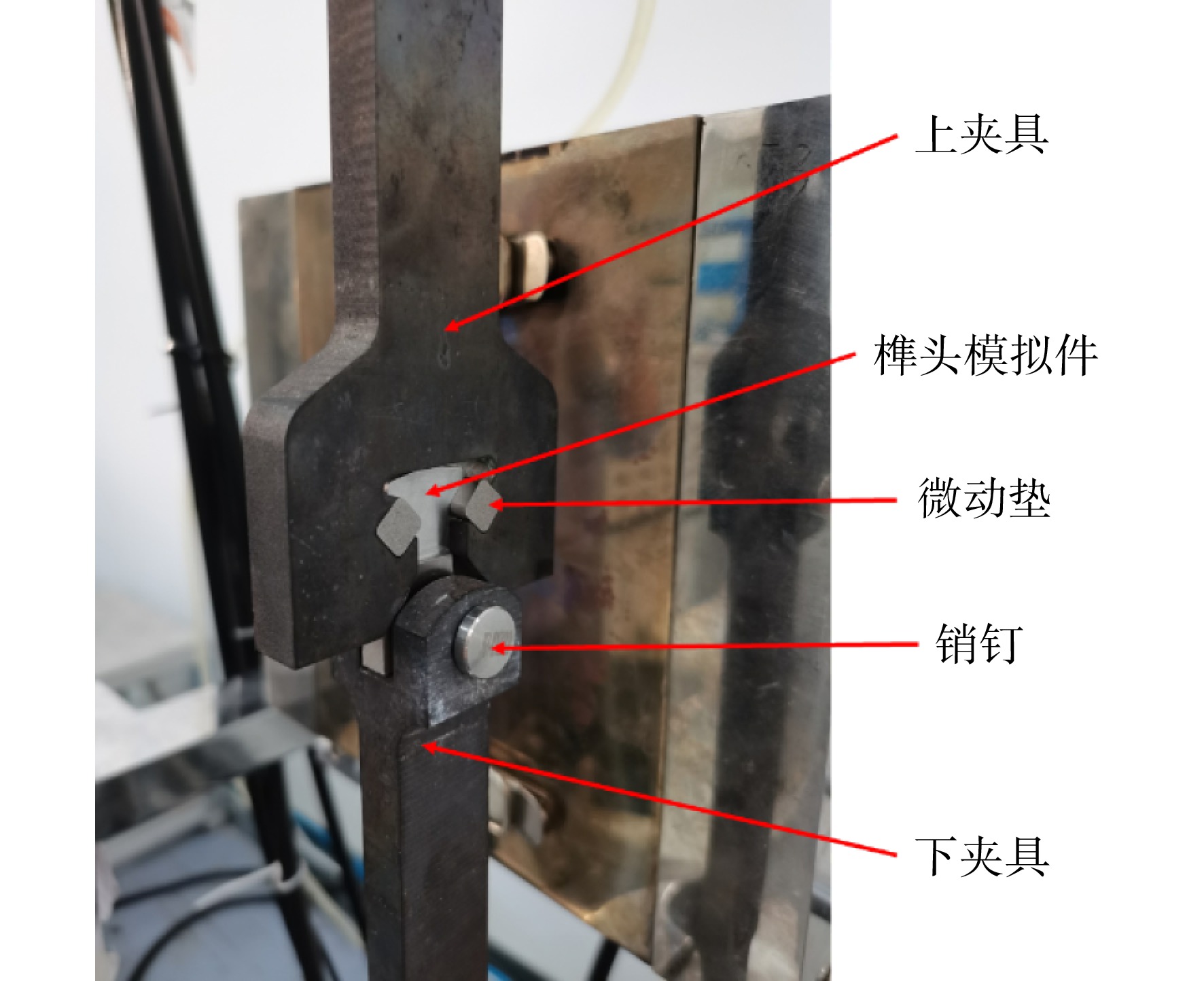
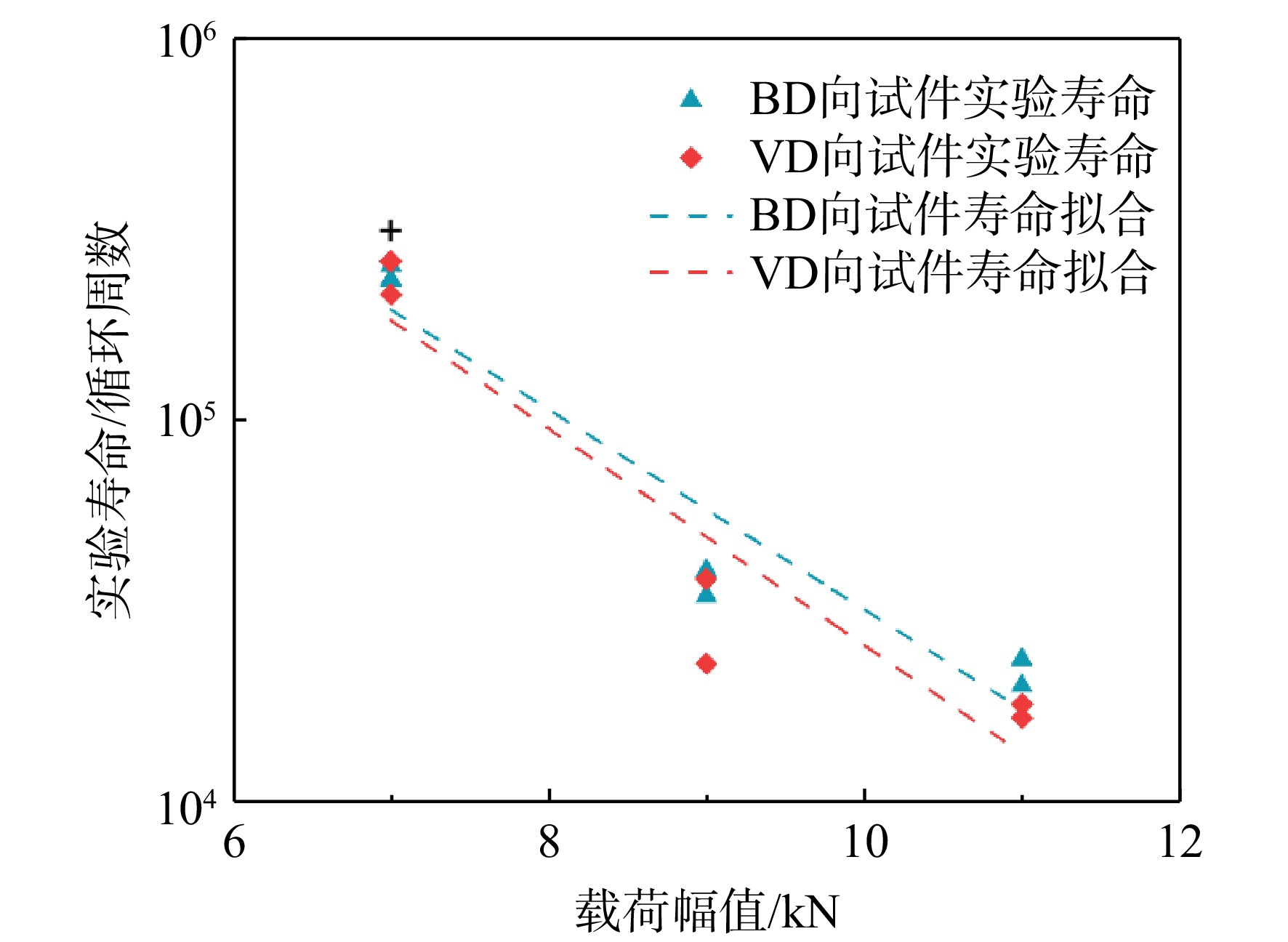
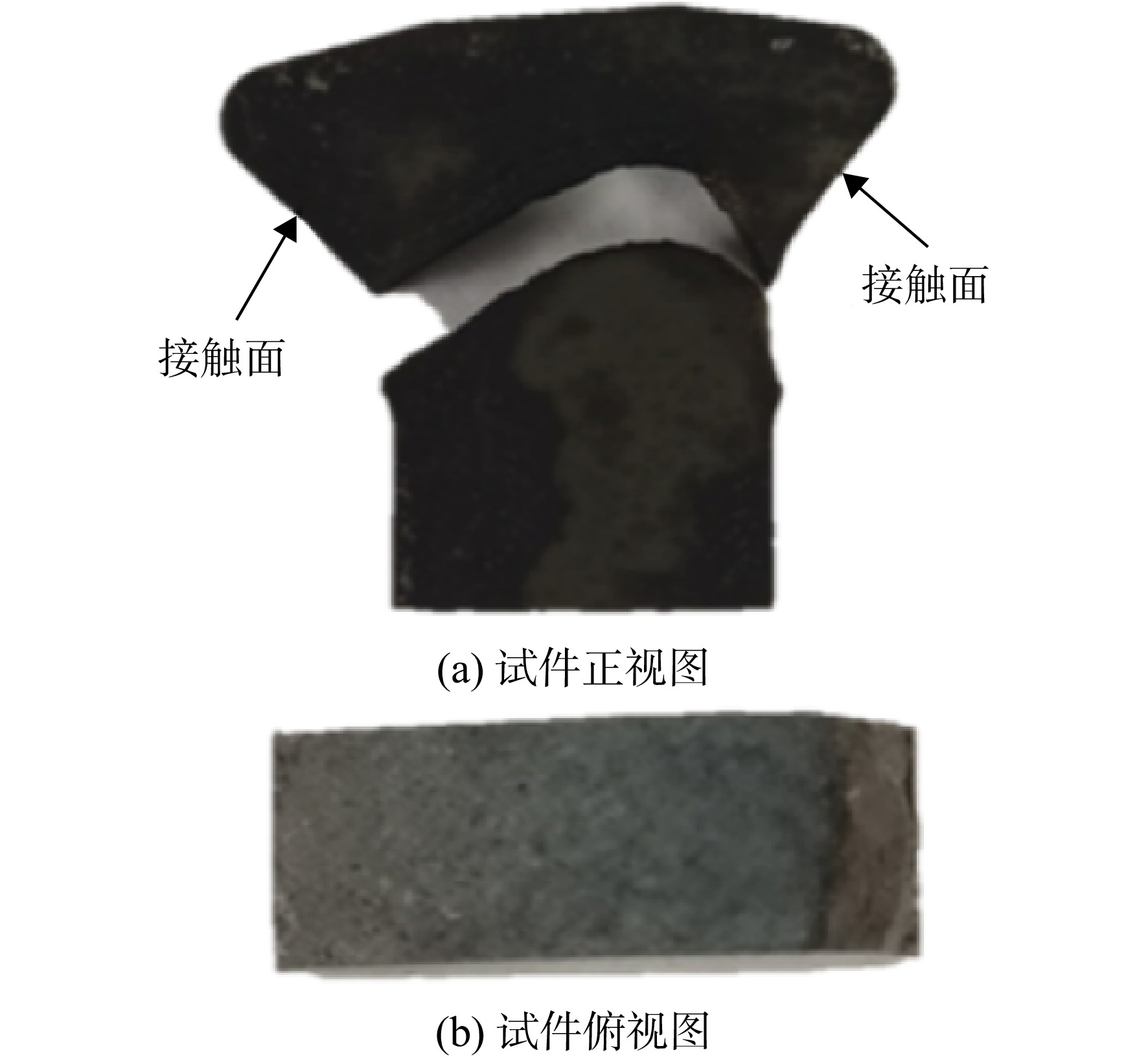
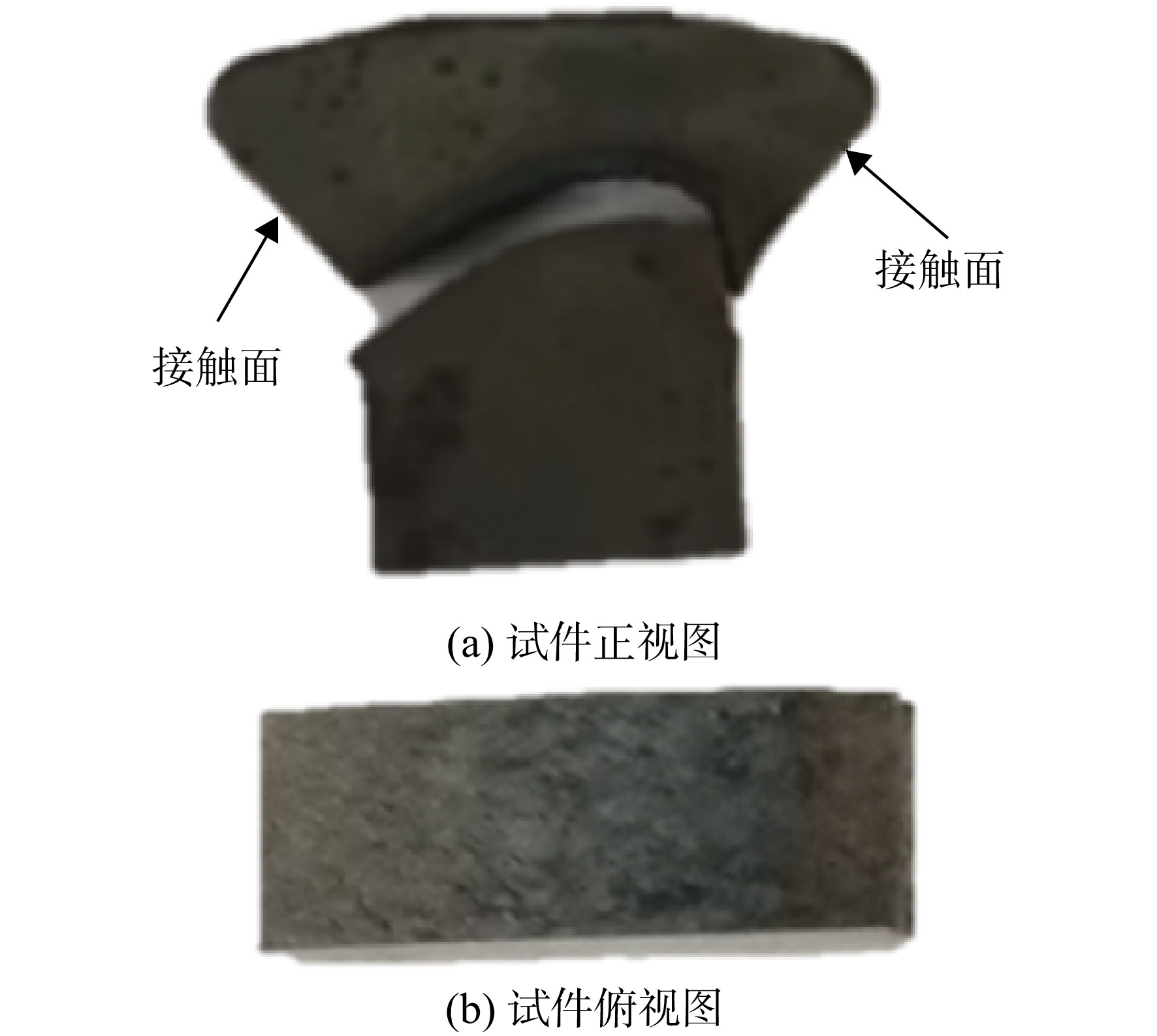
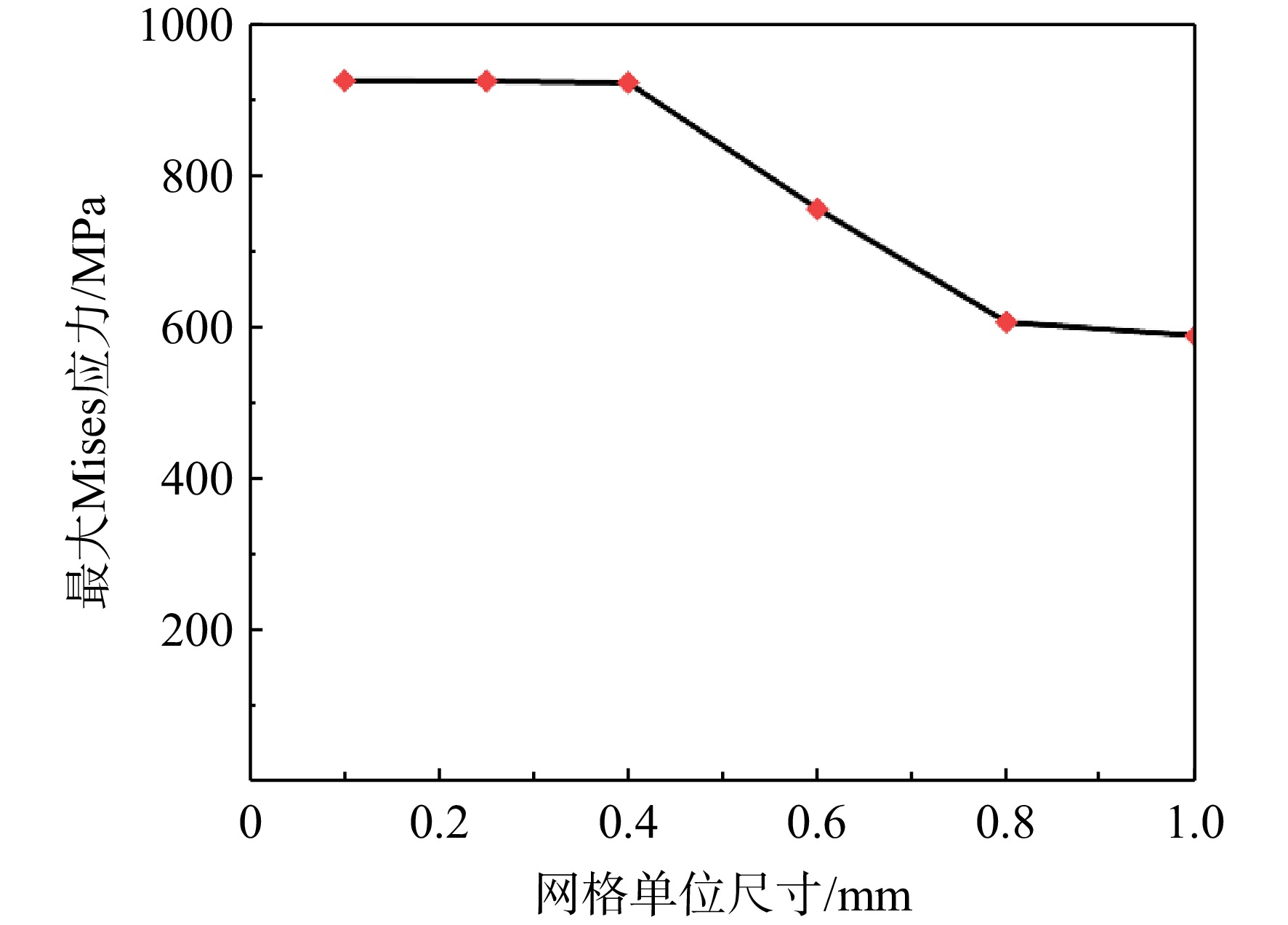
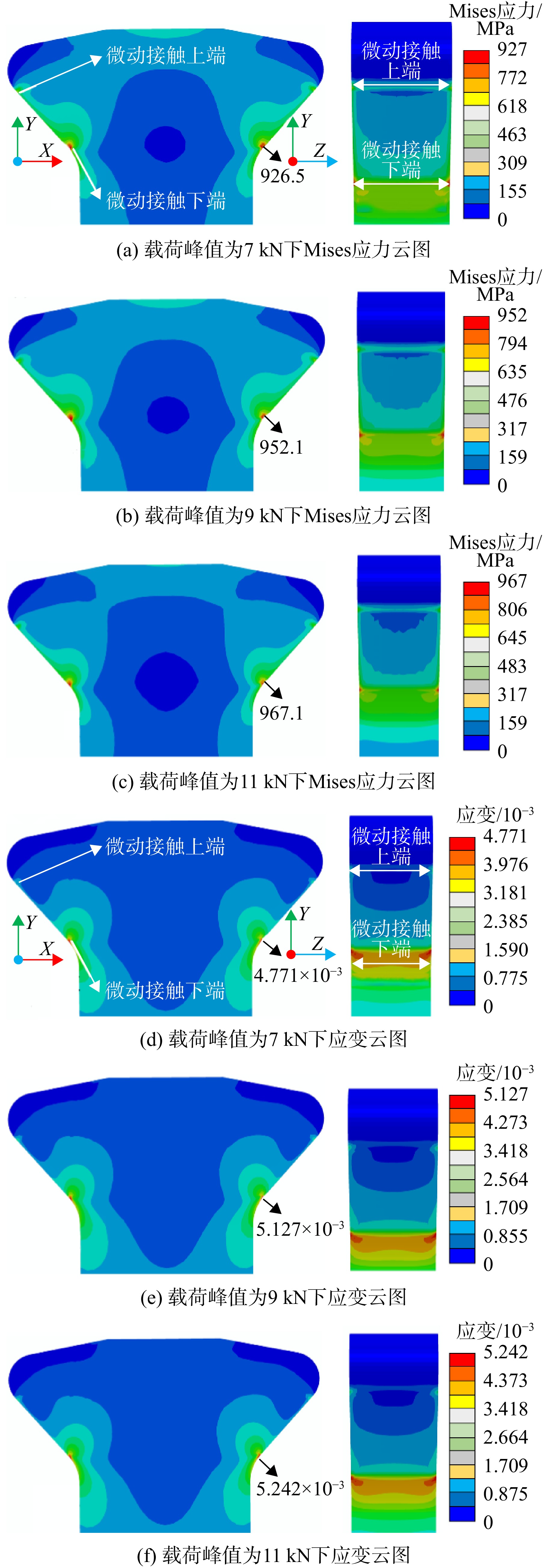
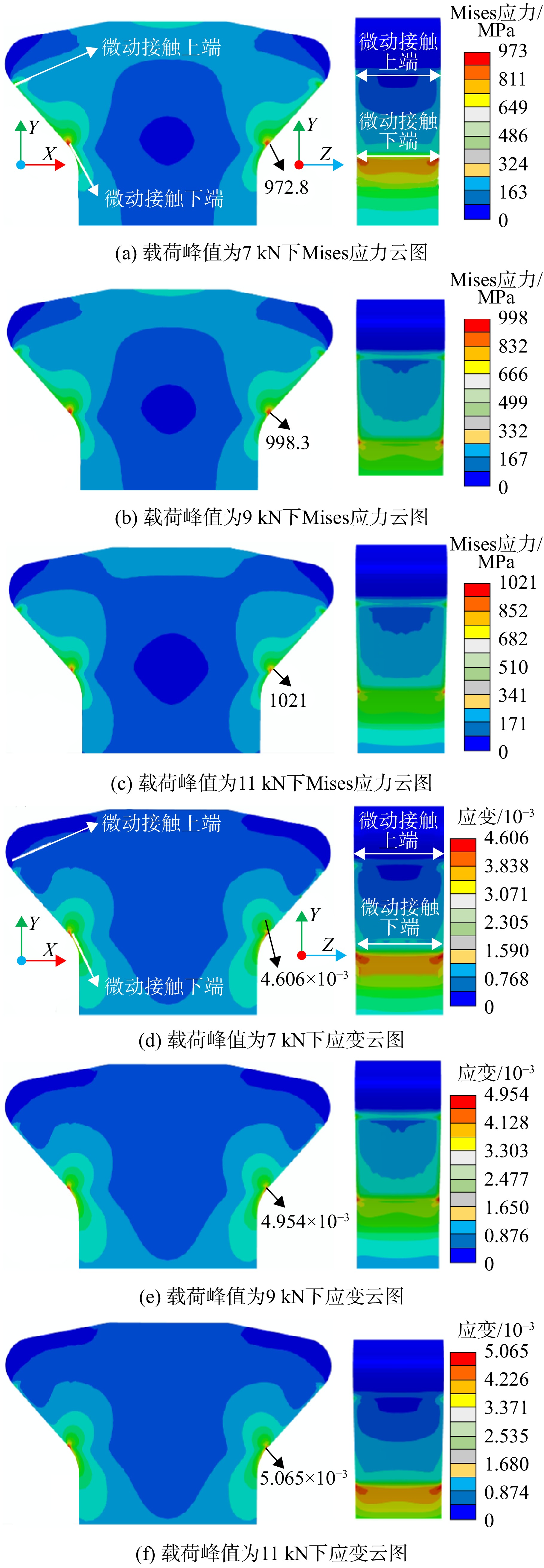
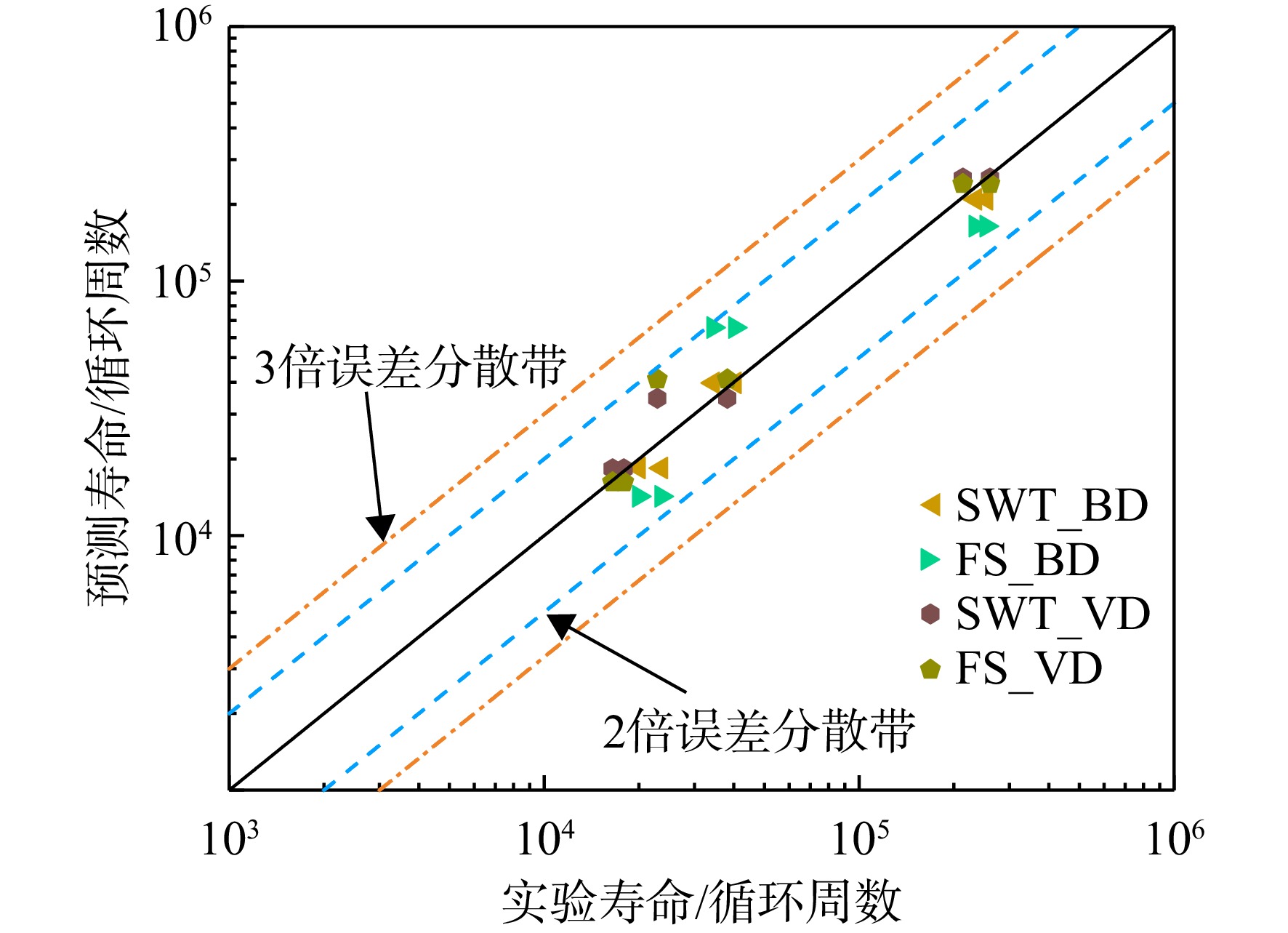
To investigate the fretting fatigue performance of additively manufactured superalloys, fretting fatigue test specimens were designed, macro fretting fatigue tests on additively manufactured superalloys under various conditions were conducted, and the fretting fatigue life of specimens under different printing directions and loads was obtained. The fretting fatigue life of additively manufactured superalloy specimens decreased with the increase of peak load in different printing directions, and the fretting fatigue life along the printing direction was higher than that perpendicular to the printing direction. To establish a fretting fatigue life model for additively manufactured superalloys in different printing directions, finite element simulations of fretting fatigue tests under different conditions were performed, and the stress and strain distributions were obtained. It was found that the maximum Mises stress and maximum strain both occurred in the fretting fatigue contact area, which coincided with the crack initiation position. Furthermore, a fretting fatigue life prediction model was established using the critical plane method. The results showed that the predicted life of SWT (Smith-Watson-Topper) and FS (Fatemi-Socie) parameters for specimens in different printing directions was within 2 fatigue scatter band.

Simulation and validation of residual stress in electron beam welding and heat treatment of high-temperature alloys
LI Jinhong, LIU Xiaogang, YANG Mohan
2025, 40(11): 20240725. doi: 10.13224/j.cnki.jasp.20240725
Abstract:

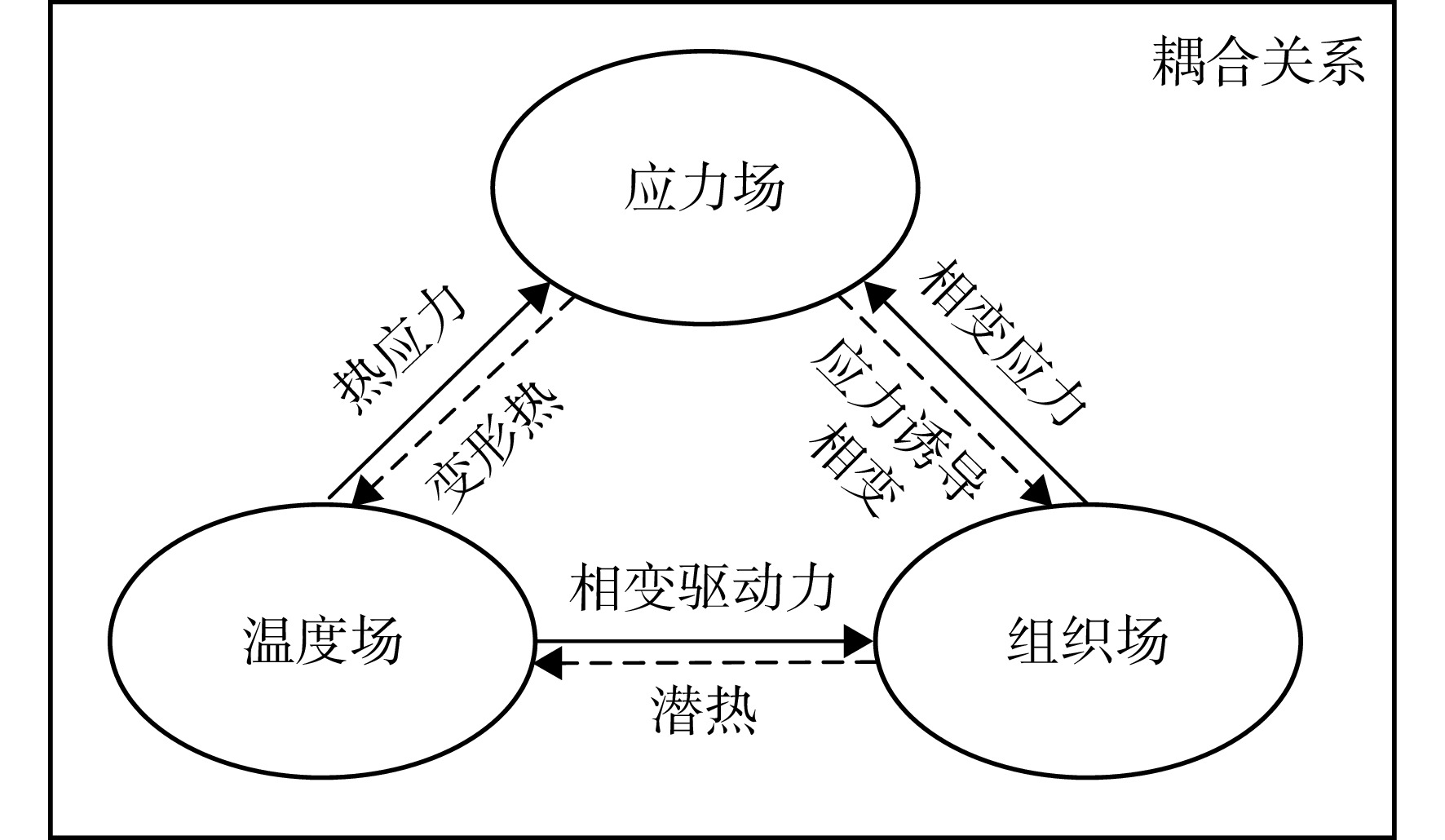
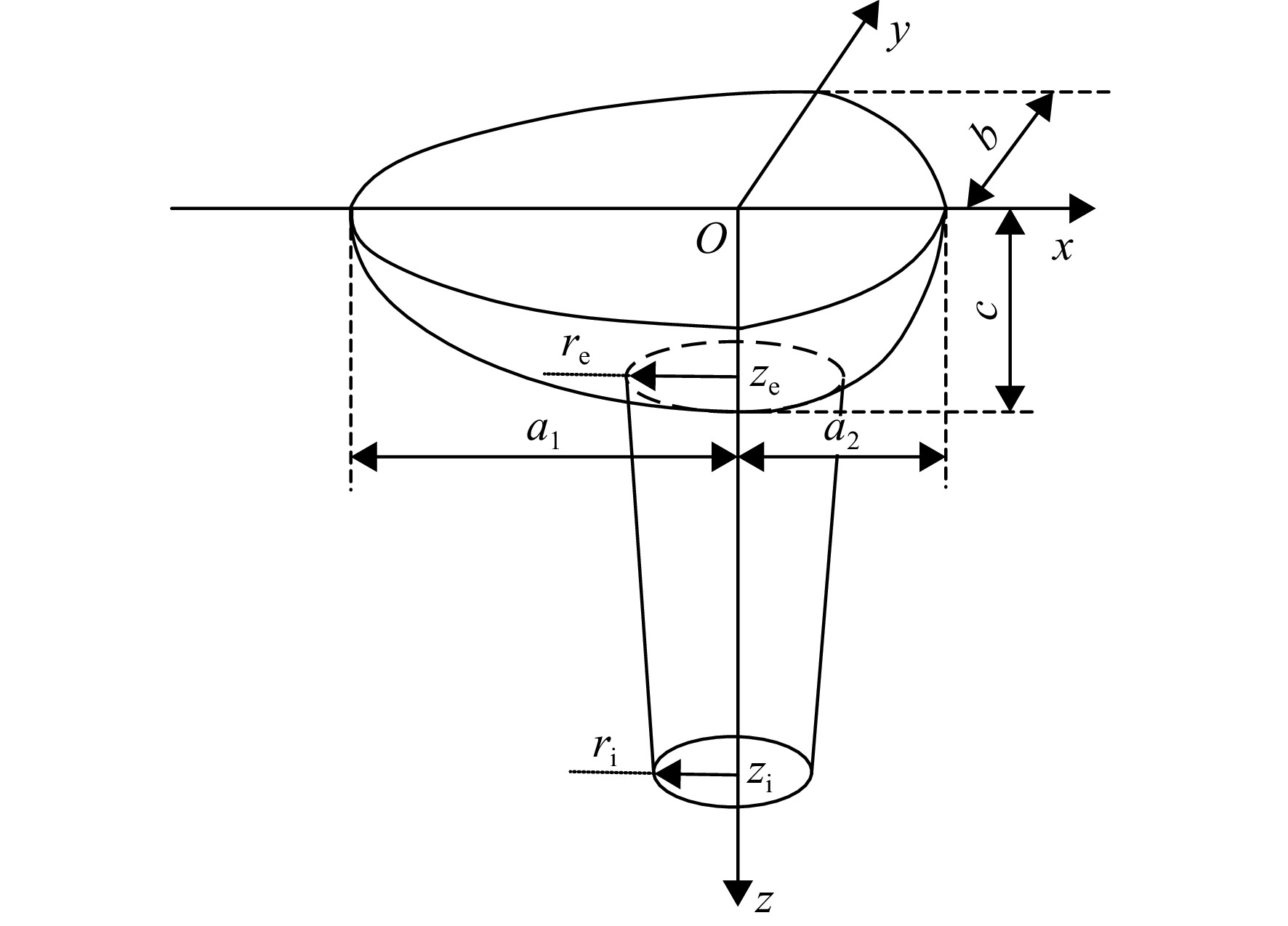
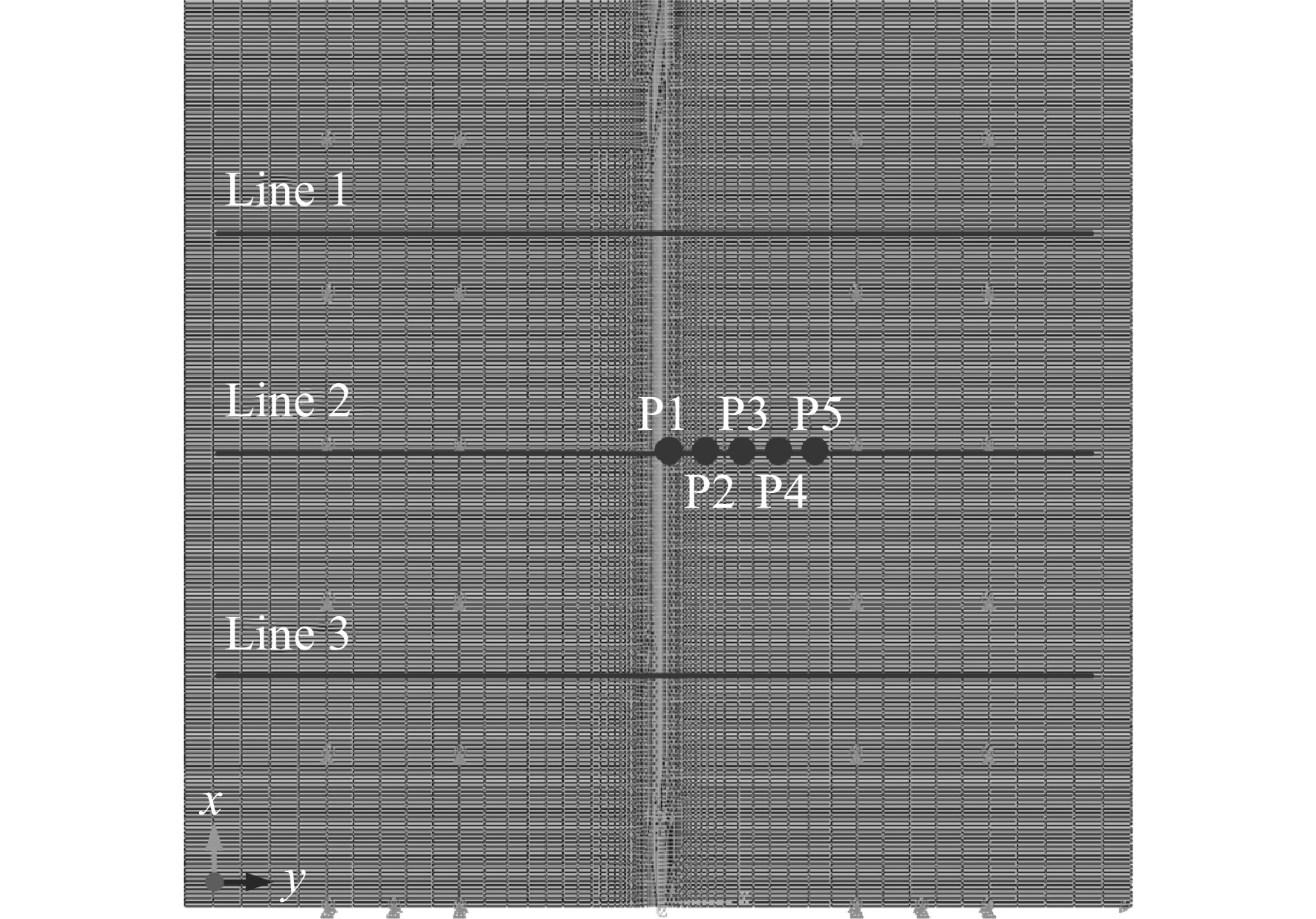
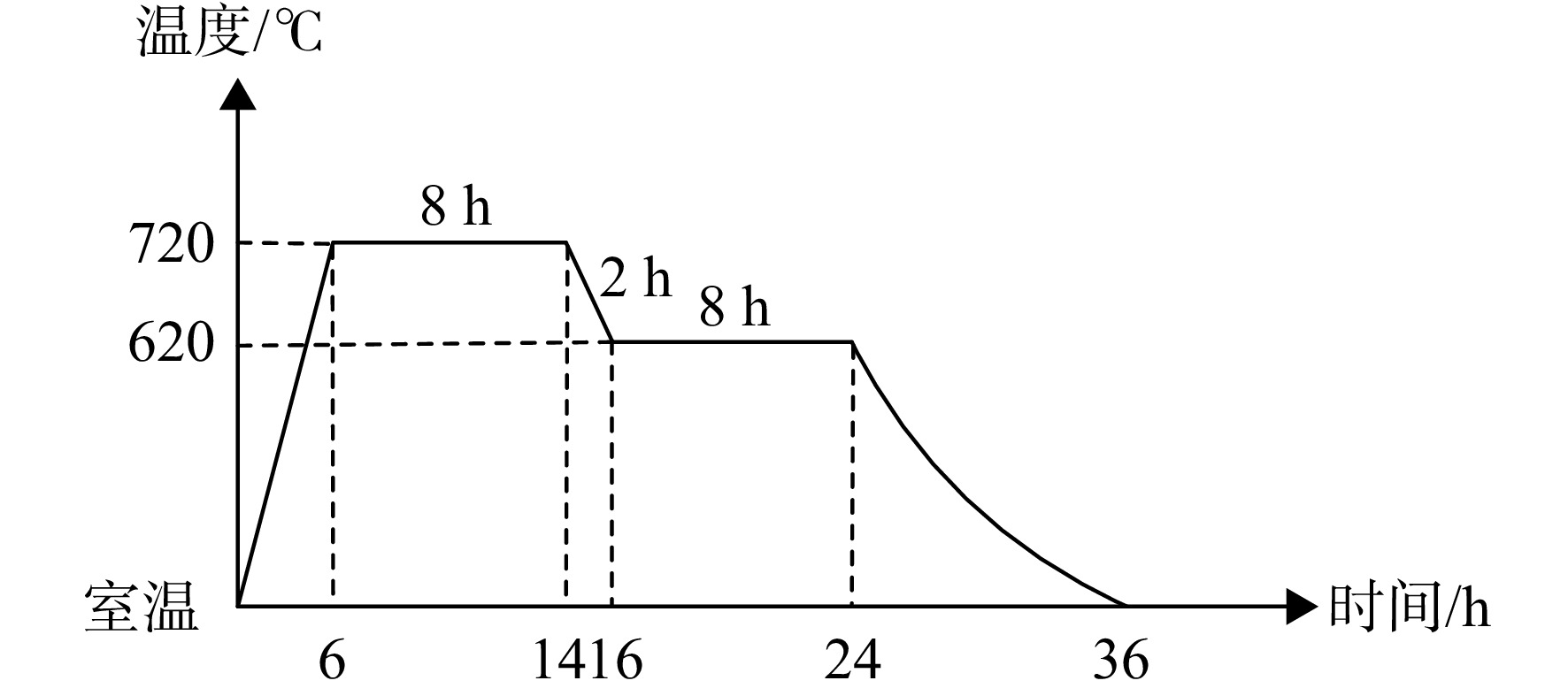
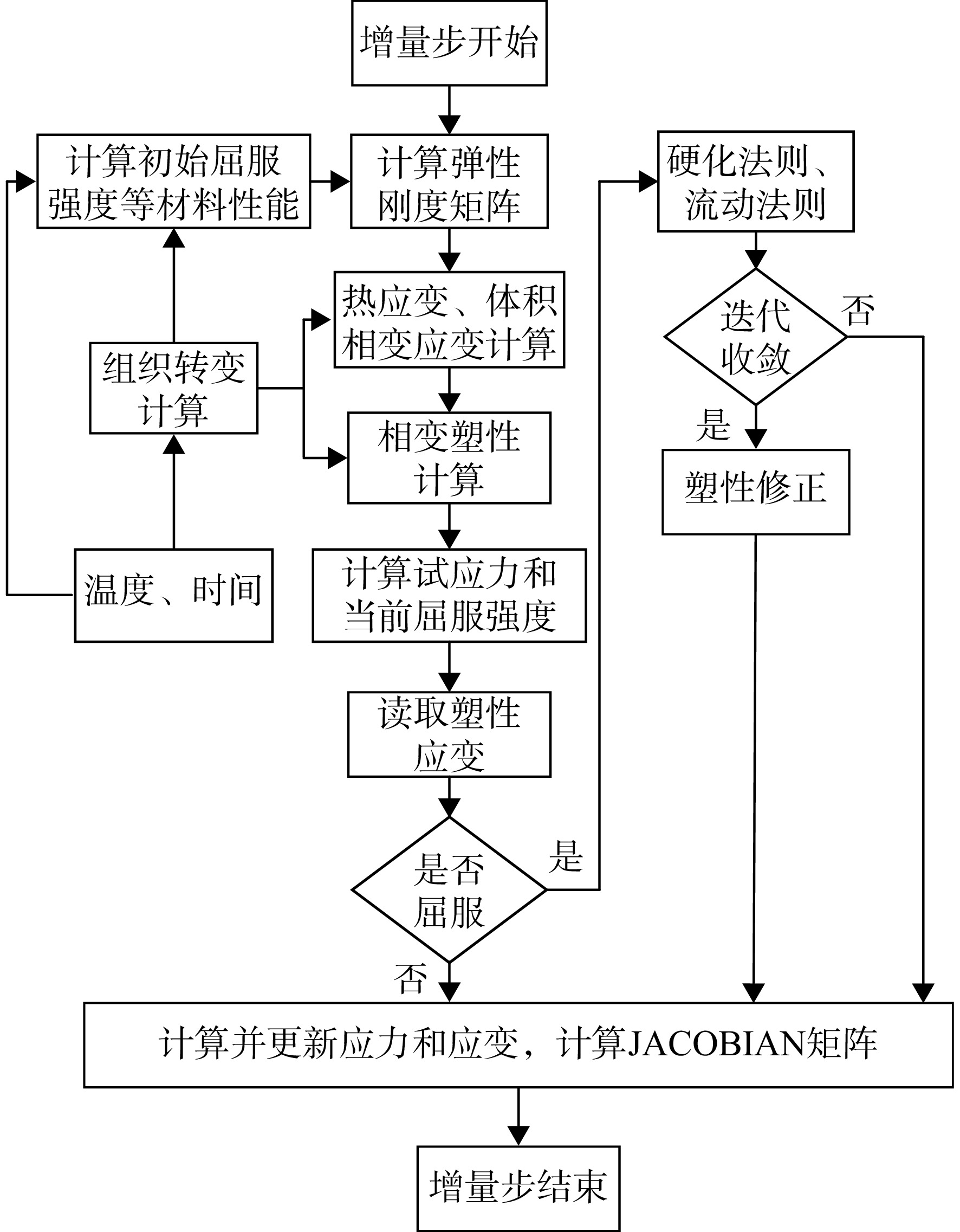
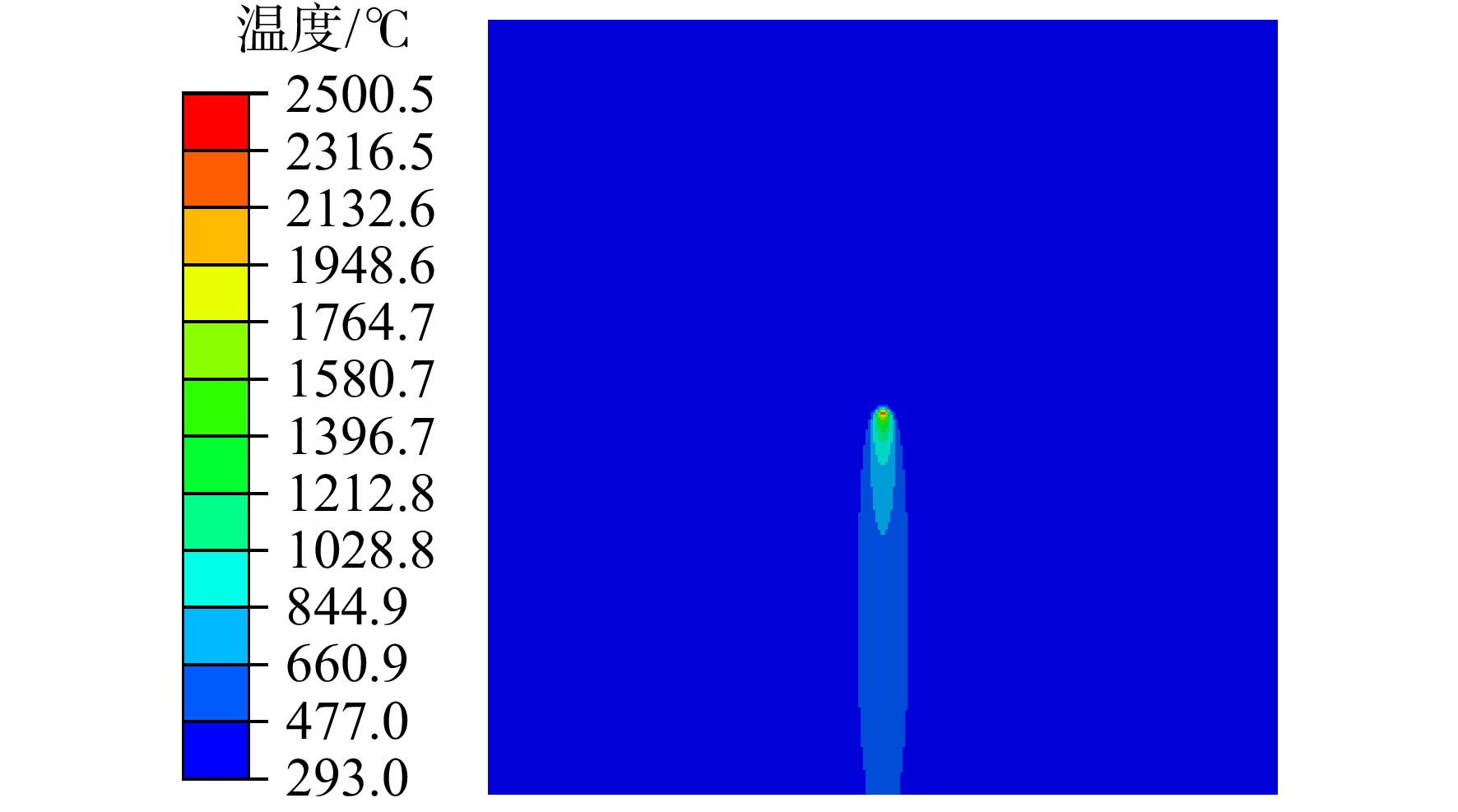
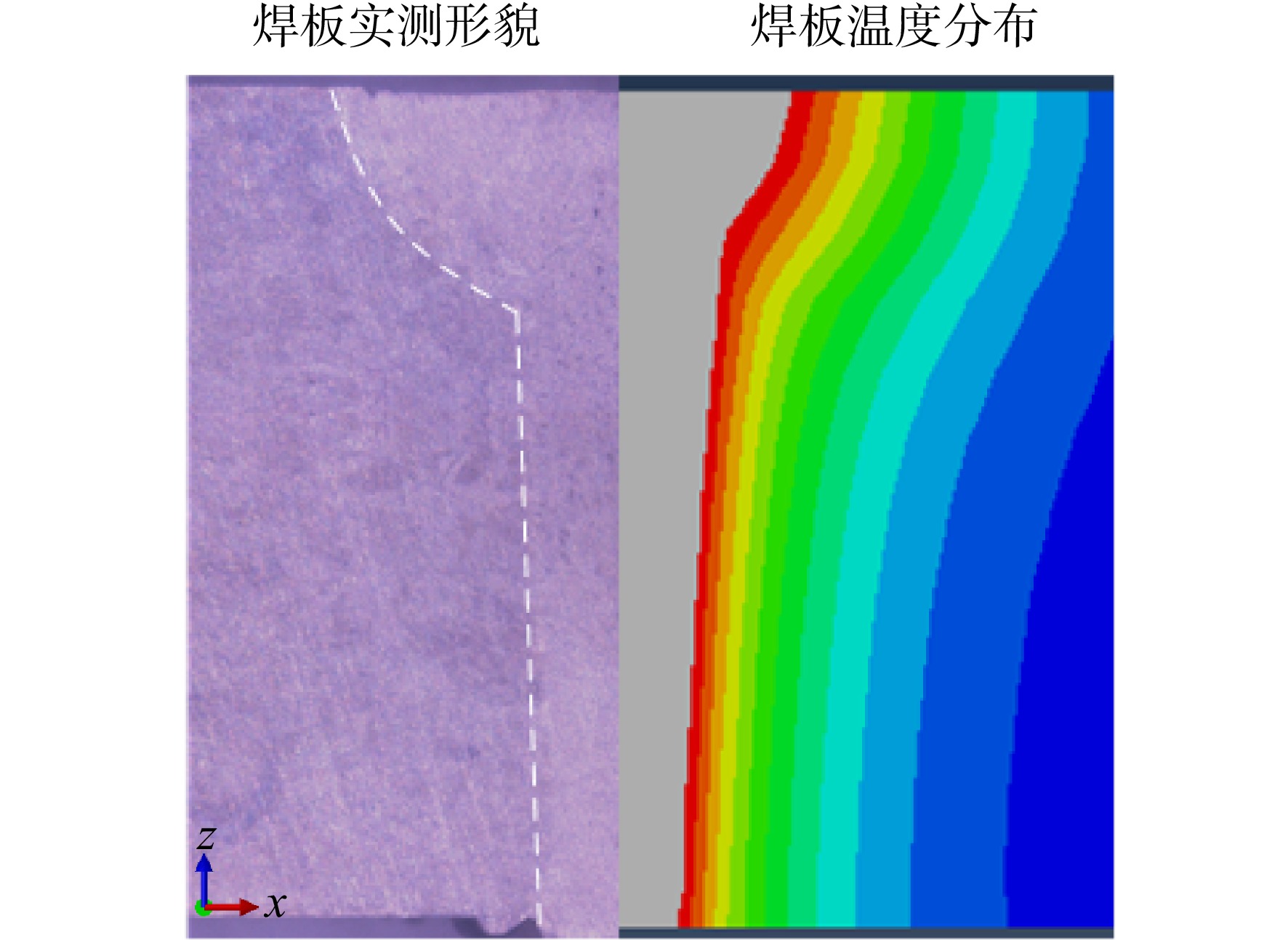
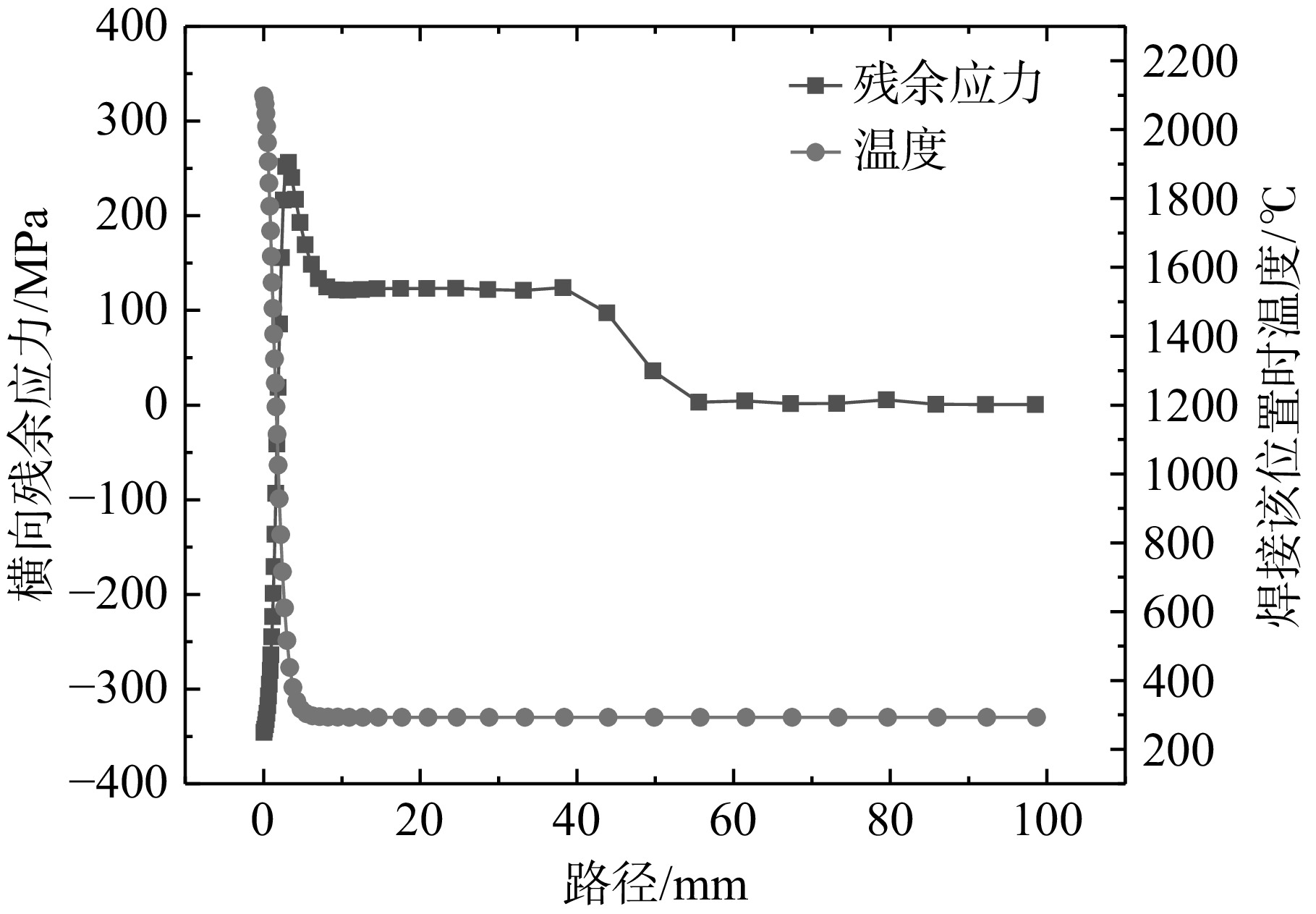
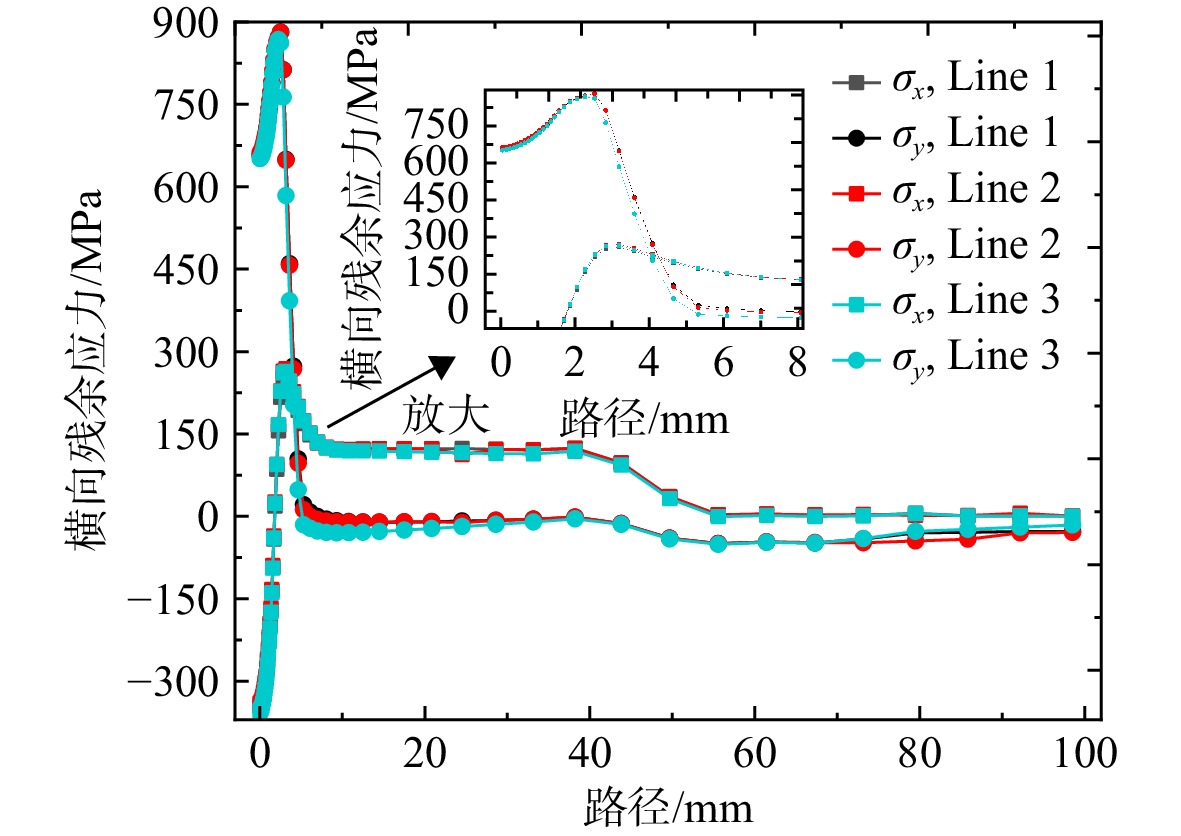
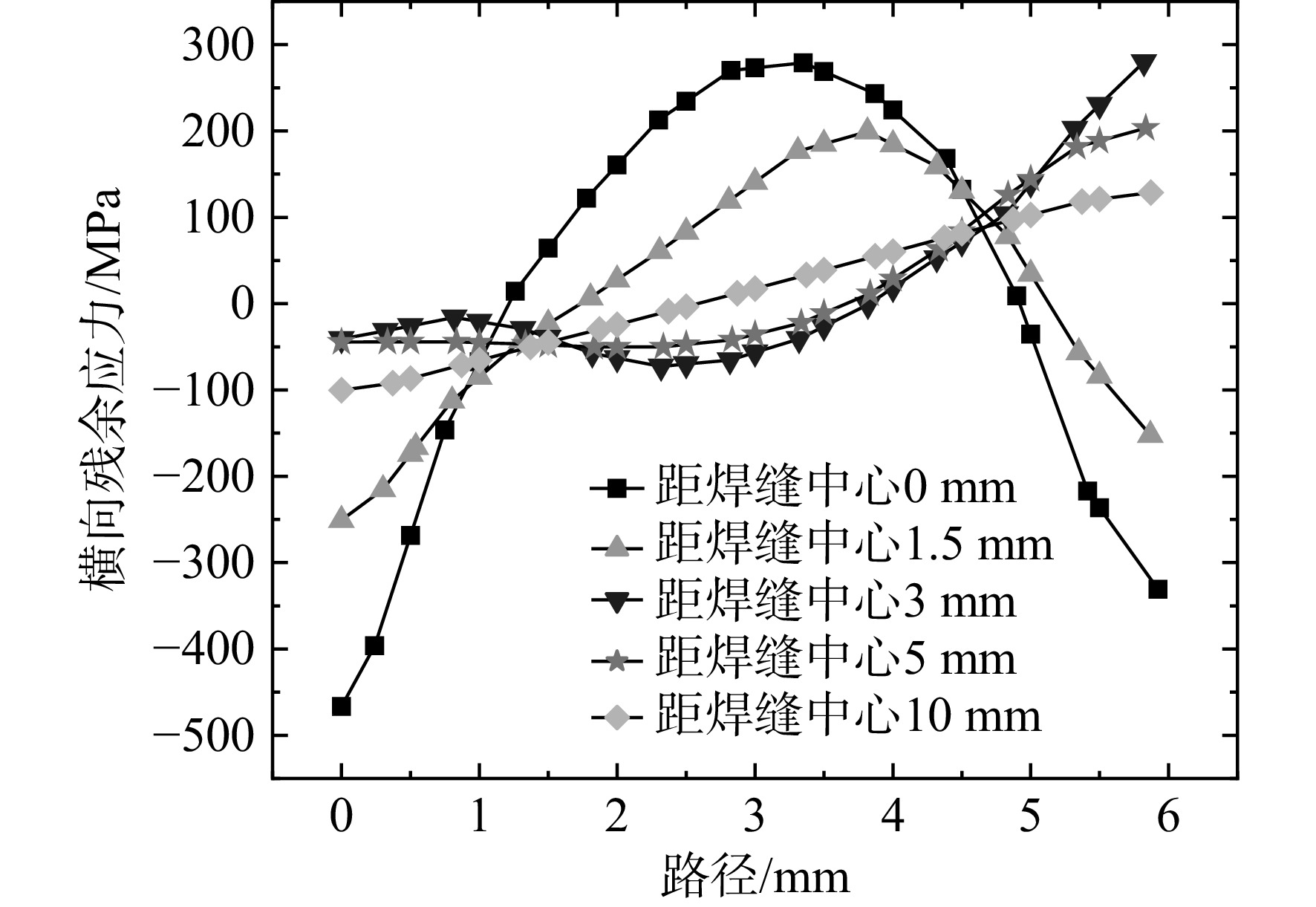
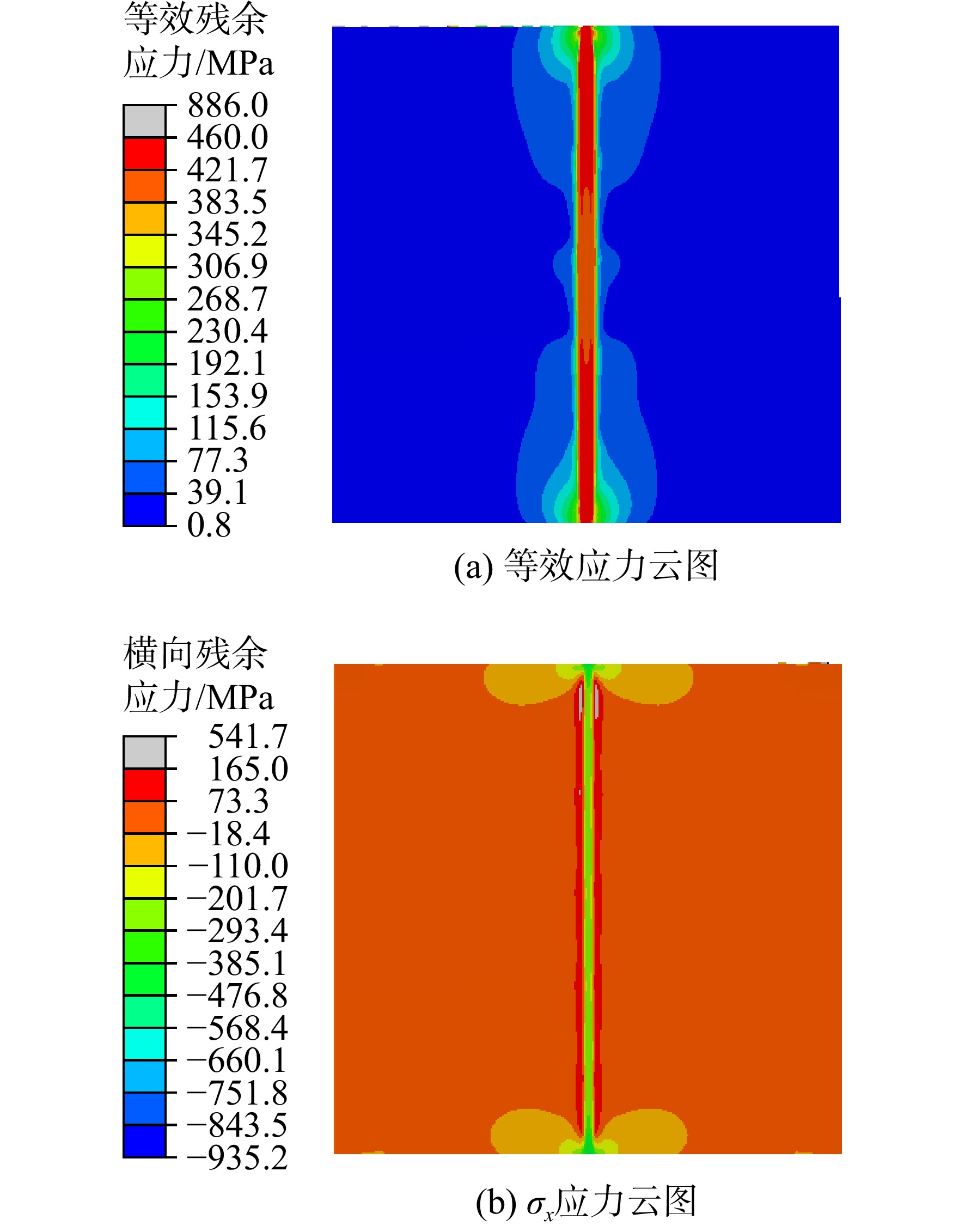
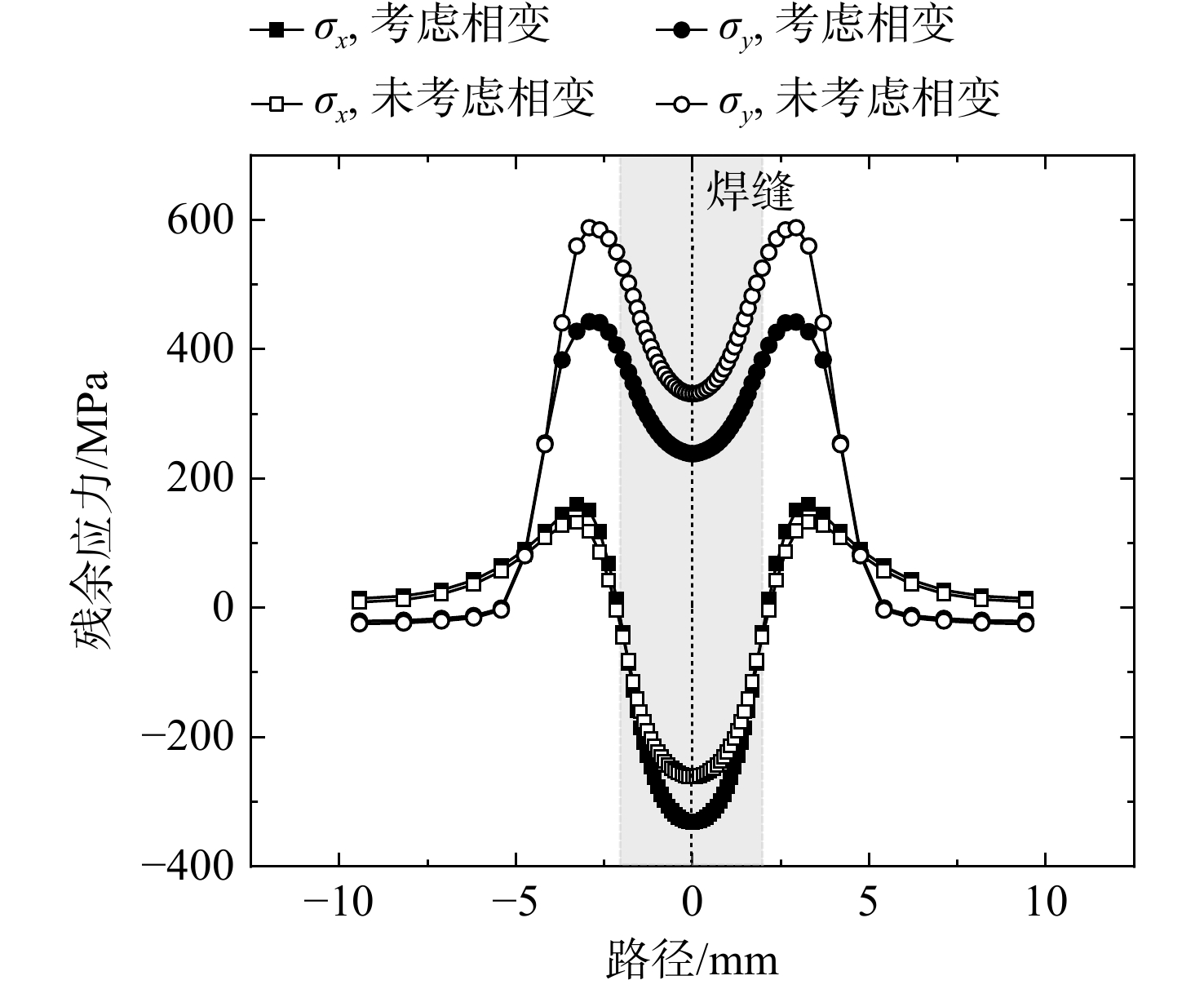
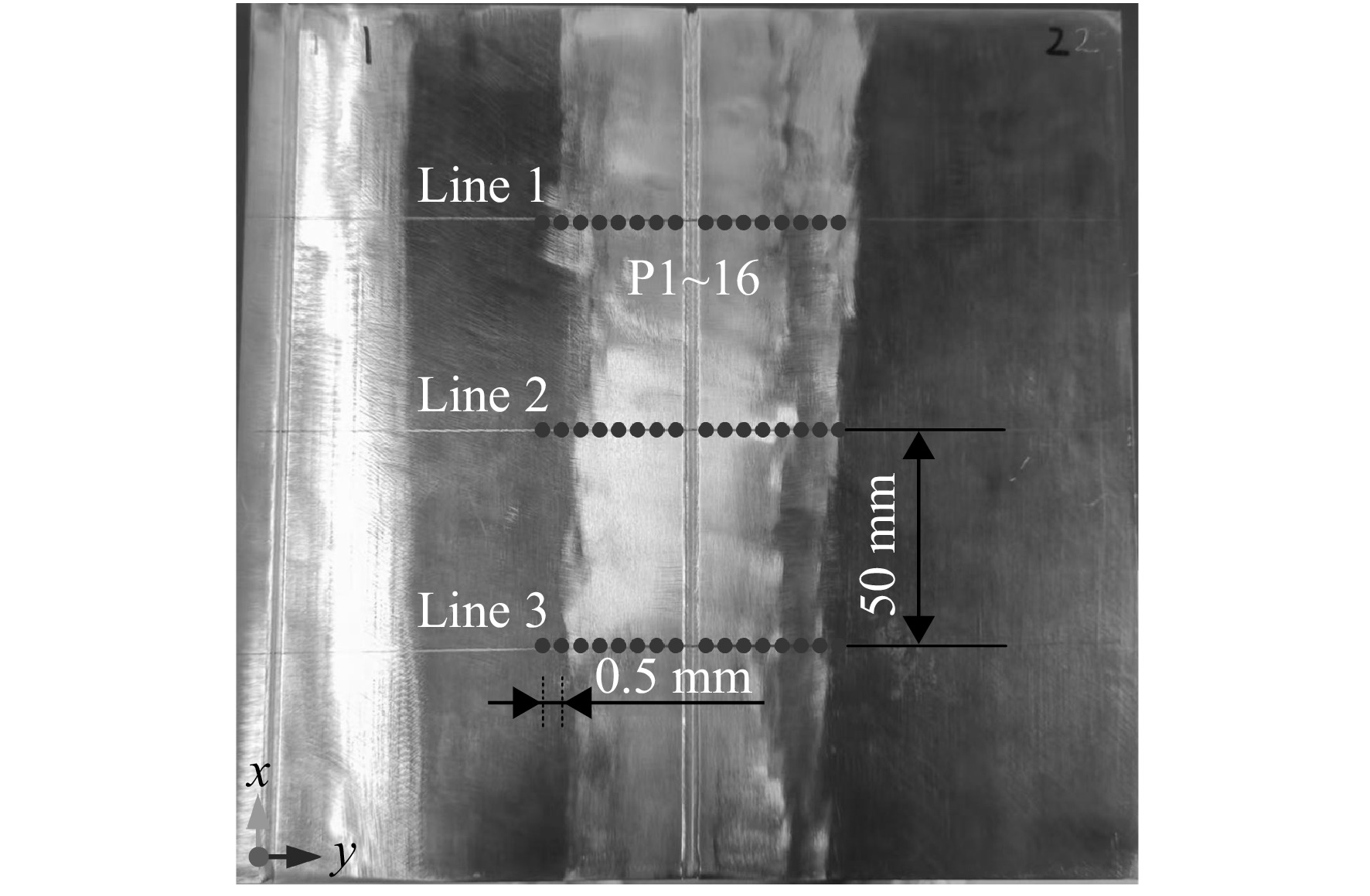
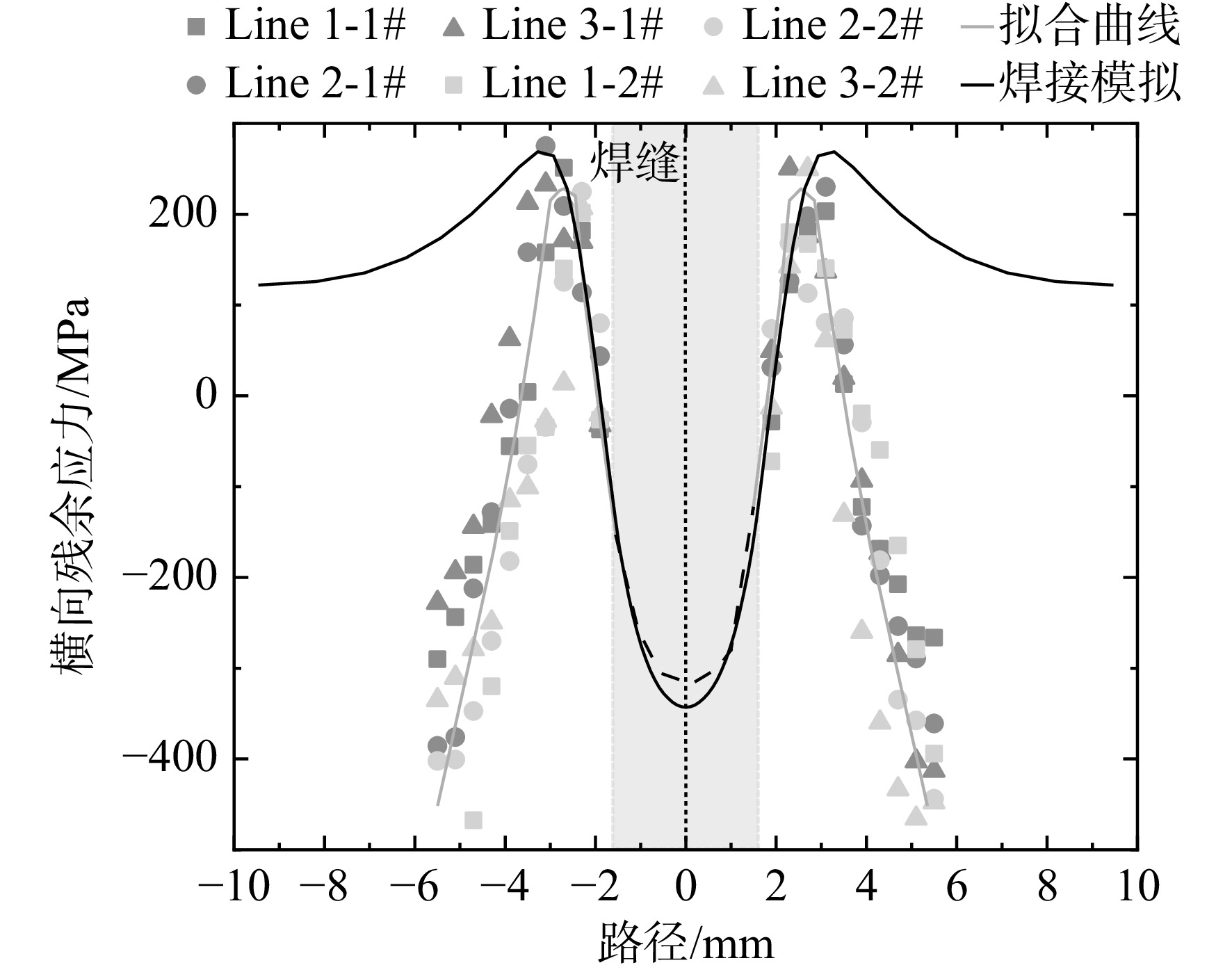
To reveal the distribution pattern of residual stress in high-temperature alloys after electron beam welding and heat treatment, simulation and experimental research of the residual stress field during the electron beam welding and subsequent heat treatment process were conducted. A dual ellipsoidal and conical heat source model was used to simulate the thermal input of the electron beam during welding, which matched well with the actual weld pool morphology. The simulated residual stress in the joint exhibited a symmetrical “M”-shaped double-peak distribution along the weld center, with a maximum residual tensile stress of 268 MPa occurring approximately 3 mm from the weld centerline. Based on an ABAQUS UMAT subroutine, a heat treatment simulation method considering solid-phase transformations was developed to simulate the residual stress distribution after heat treatment. The results indicated that the peak residual tensile stress in the welded plate decreased by 48% after heat treatment, while the location of the peak remained unchanged. Furthermore, XRD measurements were conducted on the actual welded plates after welding and heat treatment. A comparison with the simulation results showed that the distribution pattern of residual stress near the weld matched well with the experimental results, with a simulation peak error of no more than 3% for welding residual stress and no more than 11% for post-heat treatment residual stress, thereby validating the effectiveness of the simulation method.

Combustion,Heat and Mass Transfer
Experimental testing and numerical calculation of combustion and emission characteristics of natural gas coaxial staged combustor
CHEN Xiaoxiao, ZENG Wen, CHEN Jieyi, LIU Kai, MA Hongan, MA Hongyu, LIU Xiao
2025, 40(11): 20230778. doi: 10.13224/j.cnki.jasp.20230778
Abstract:
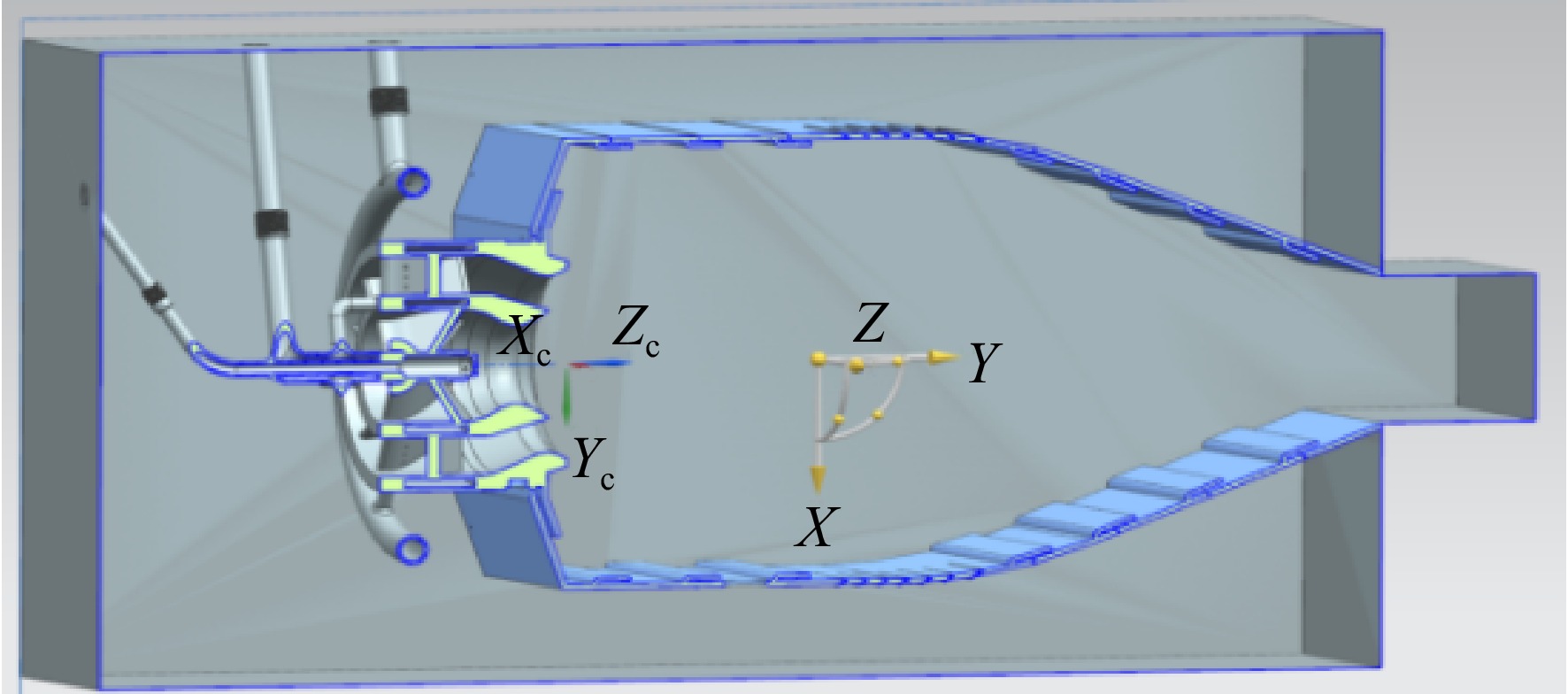
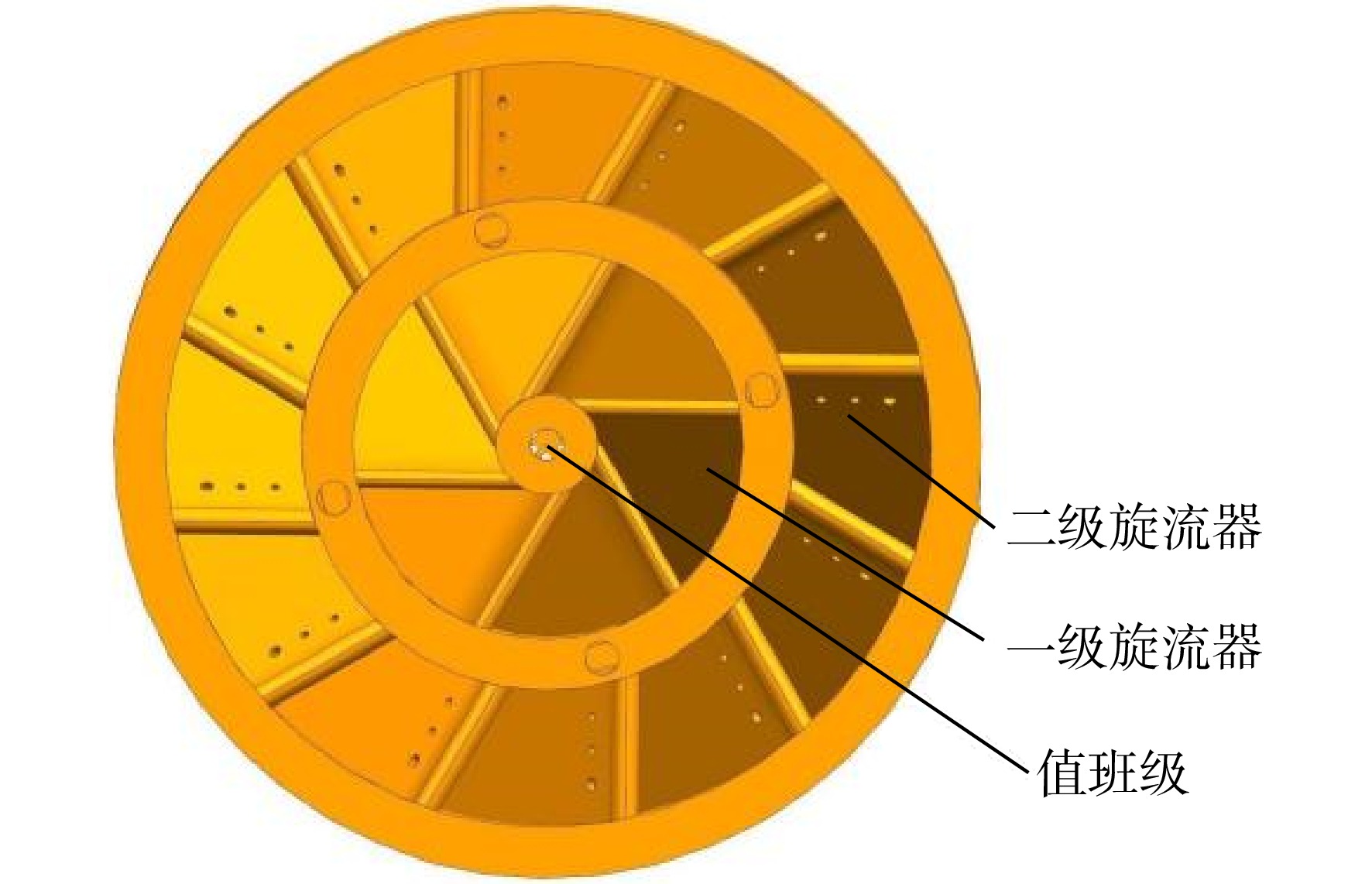
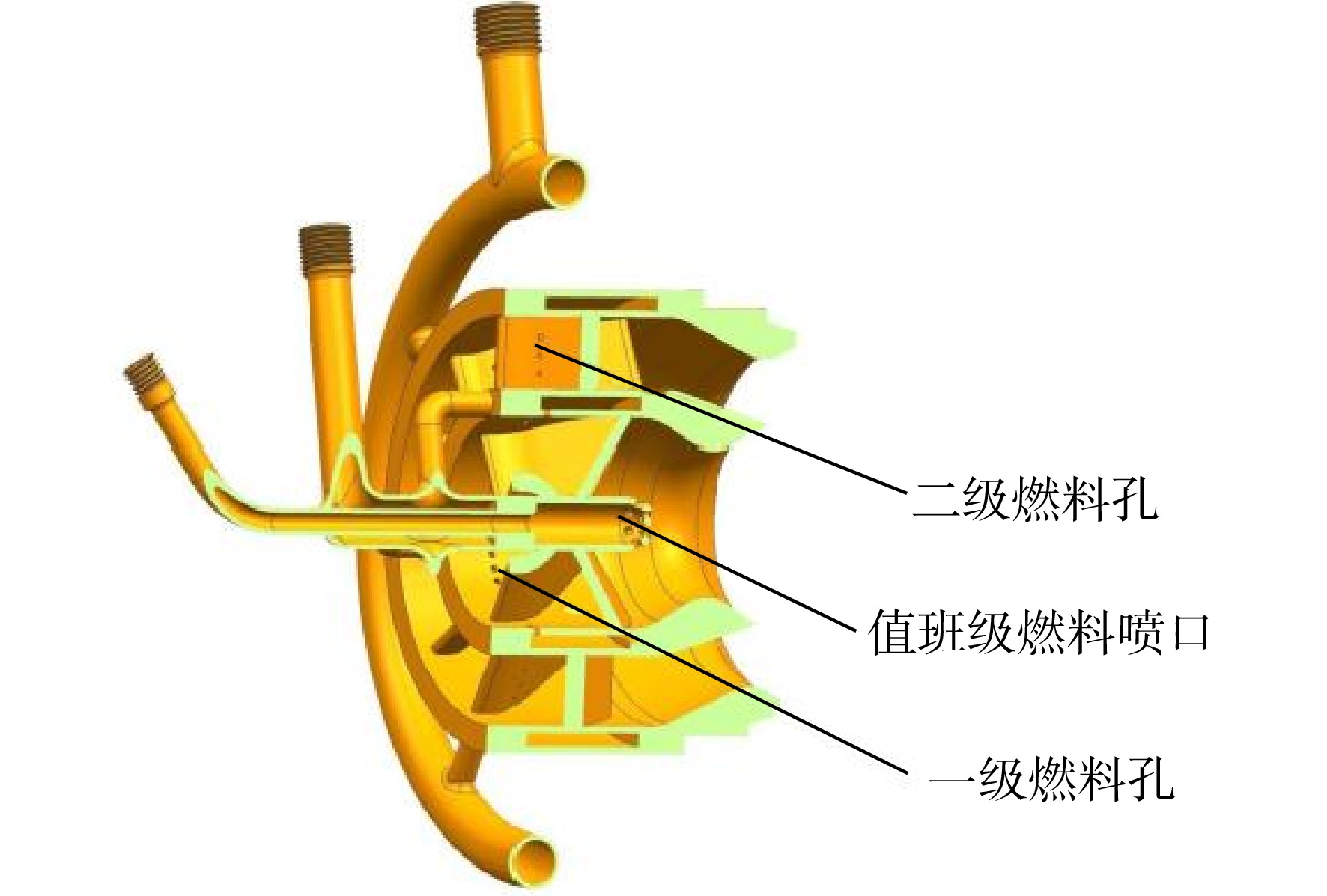
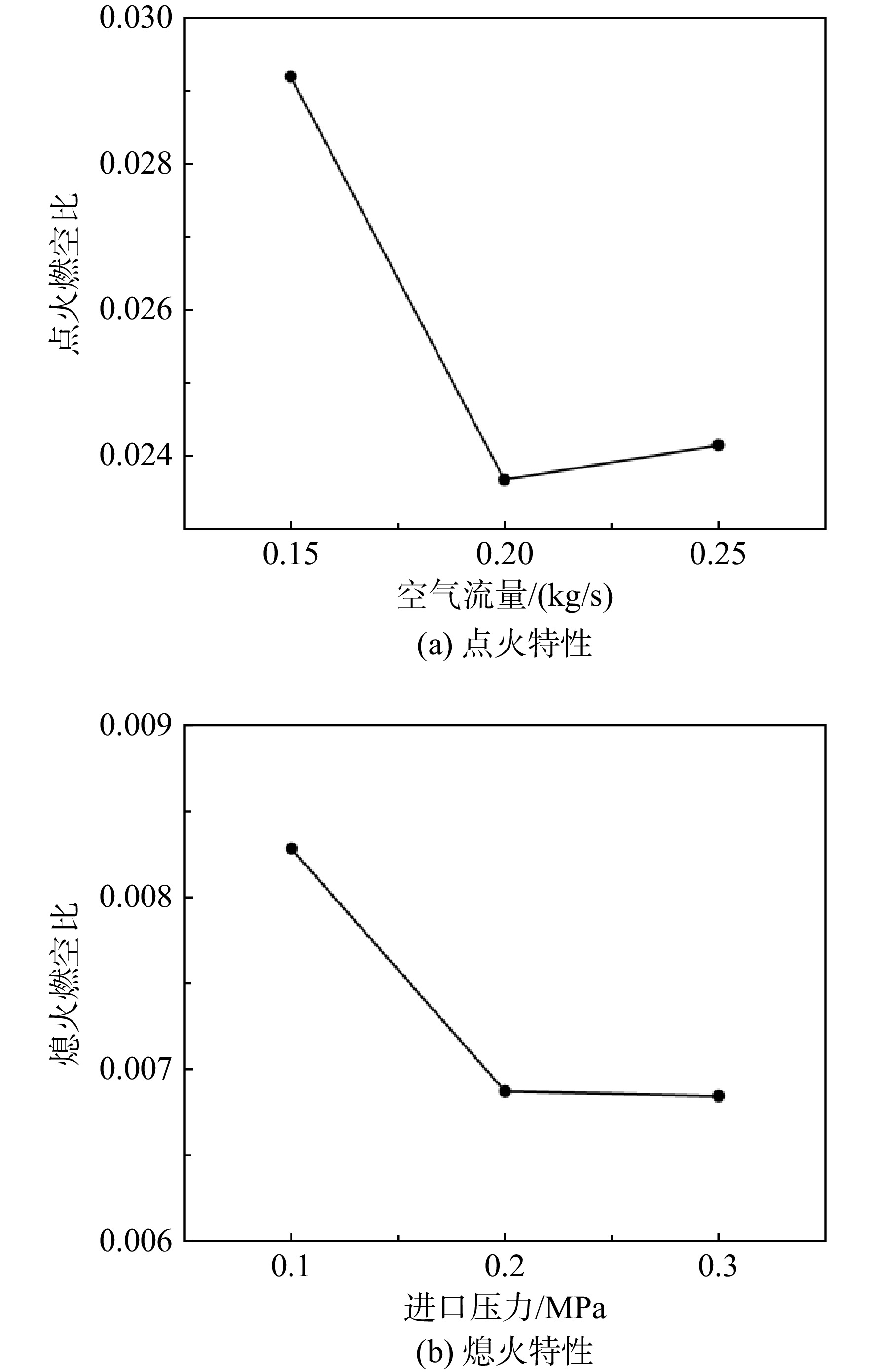
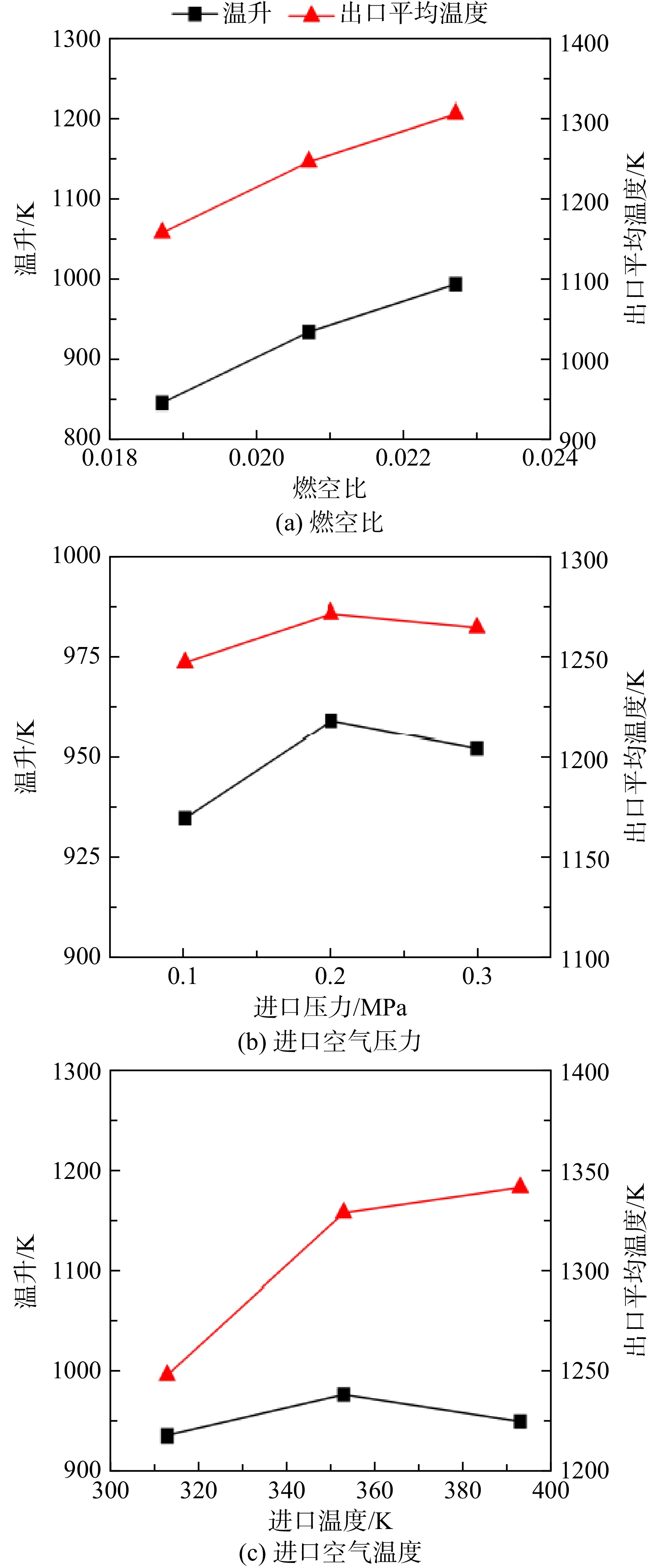
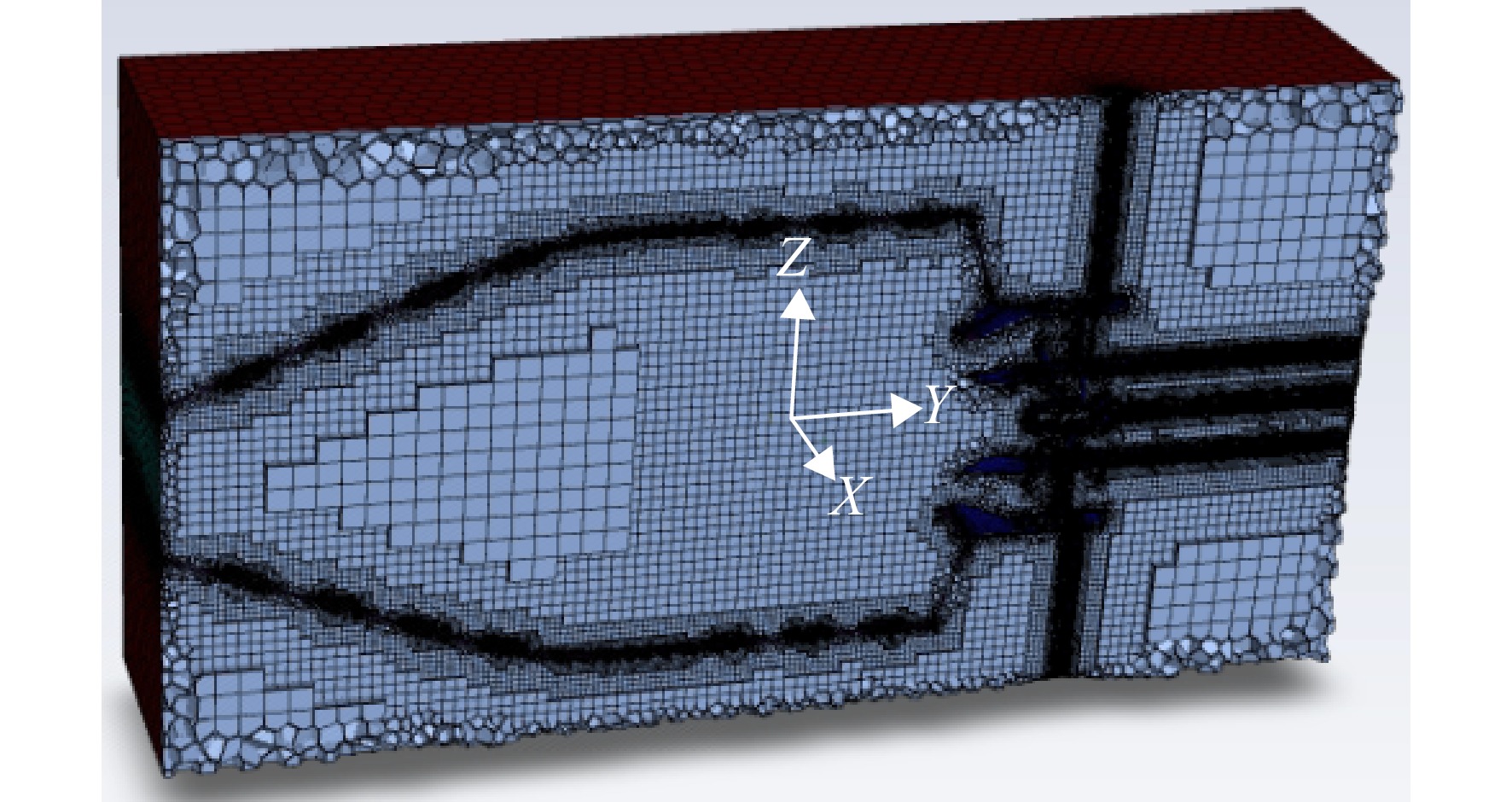
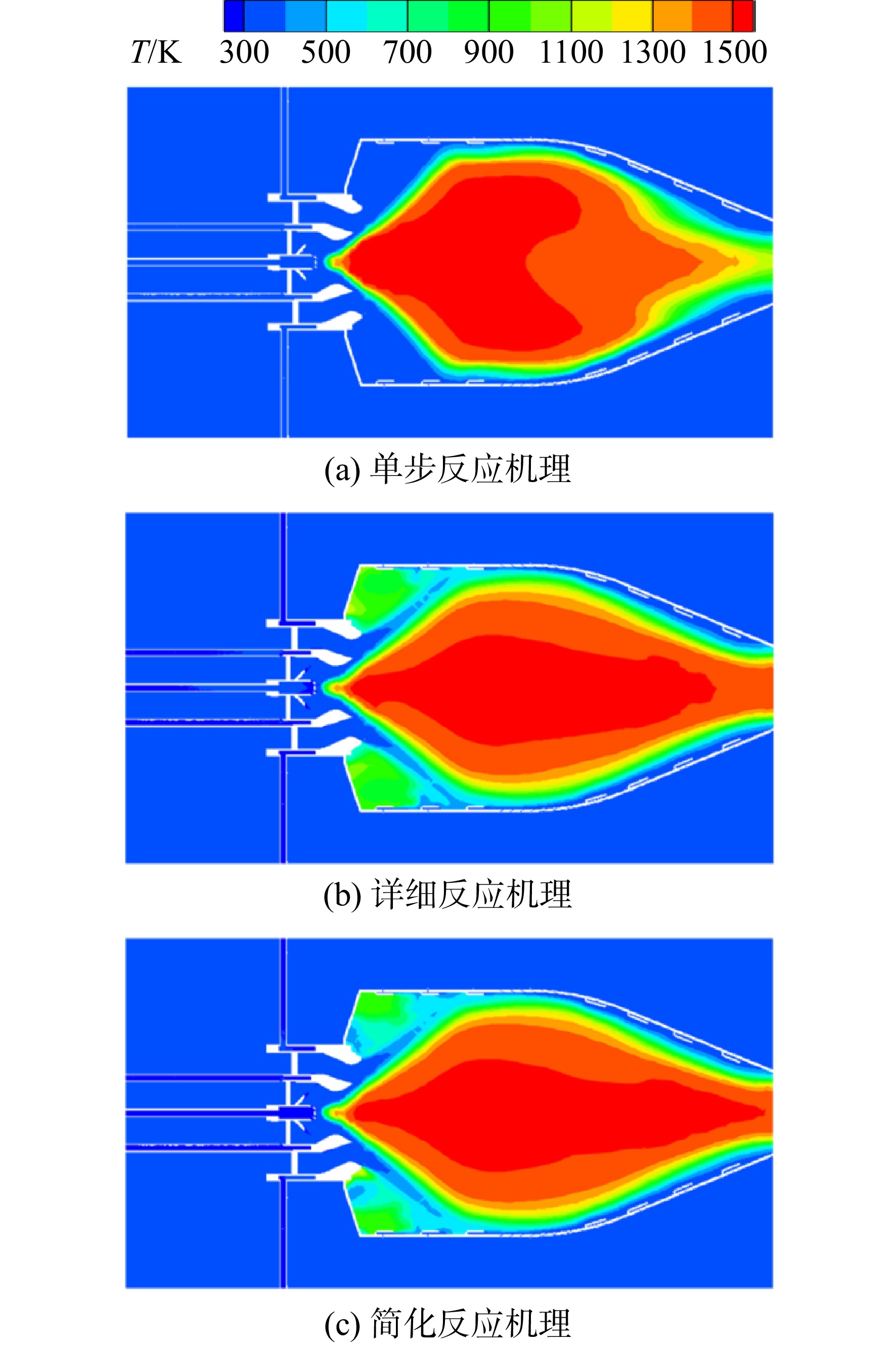
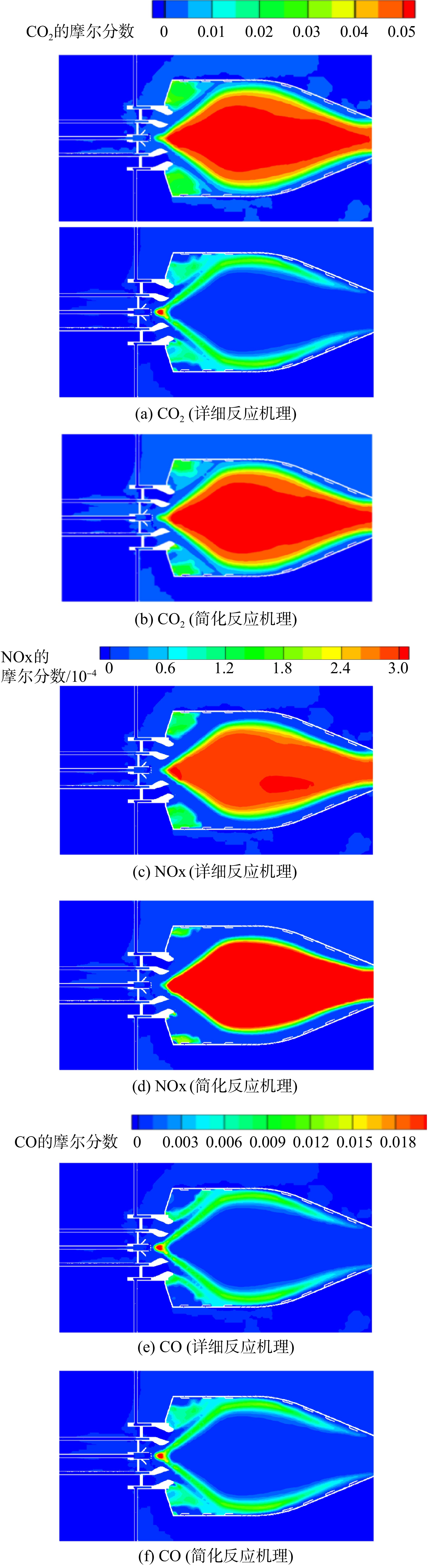
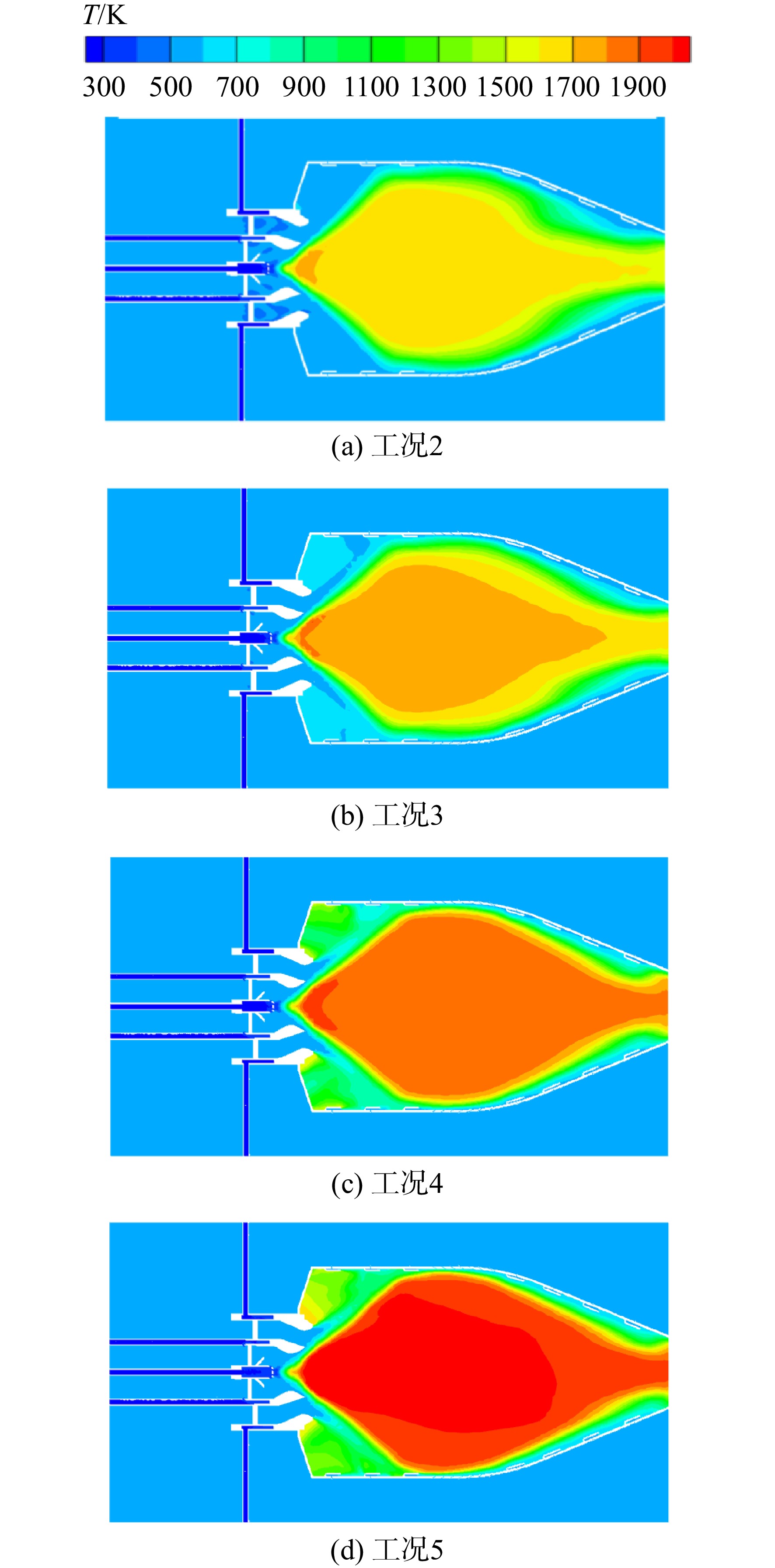
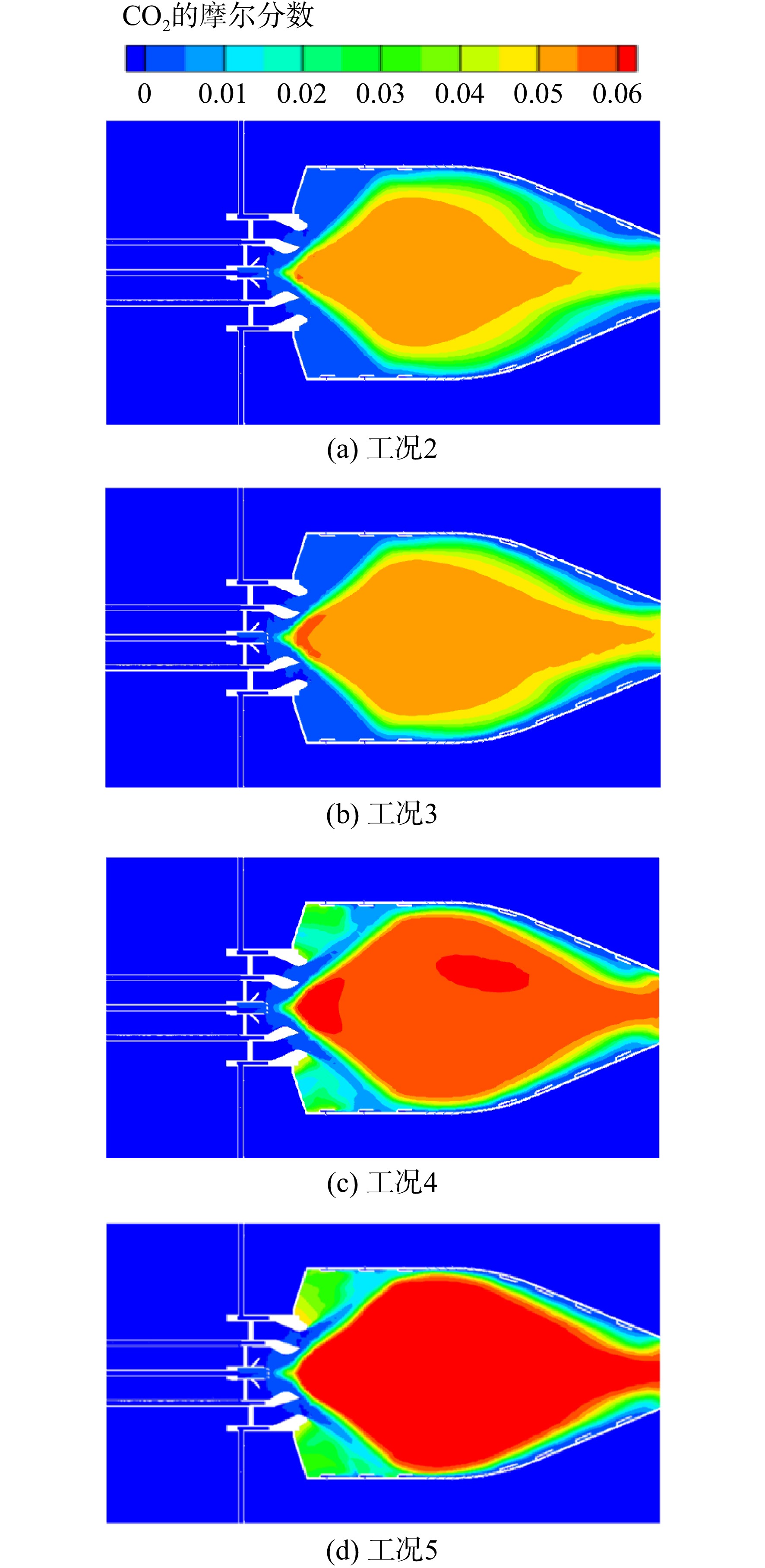
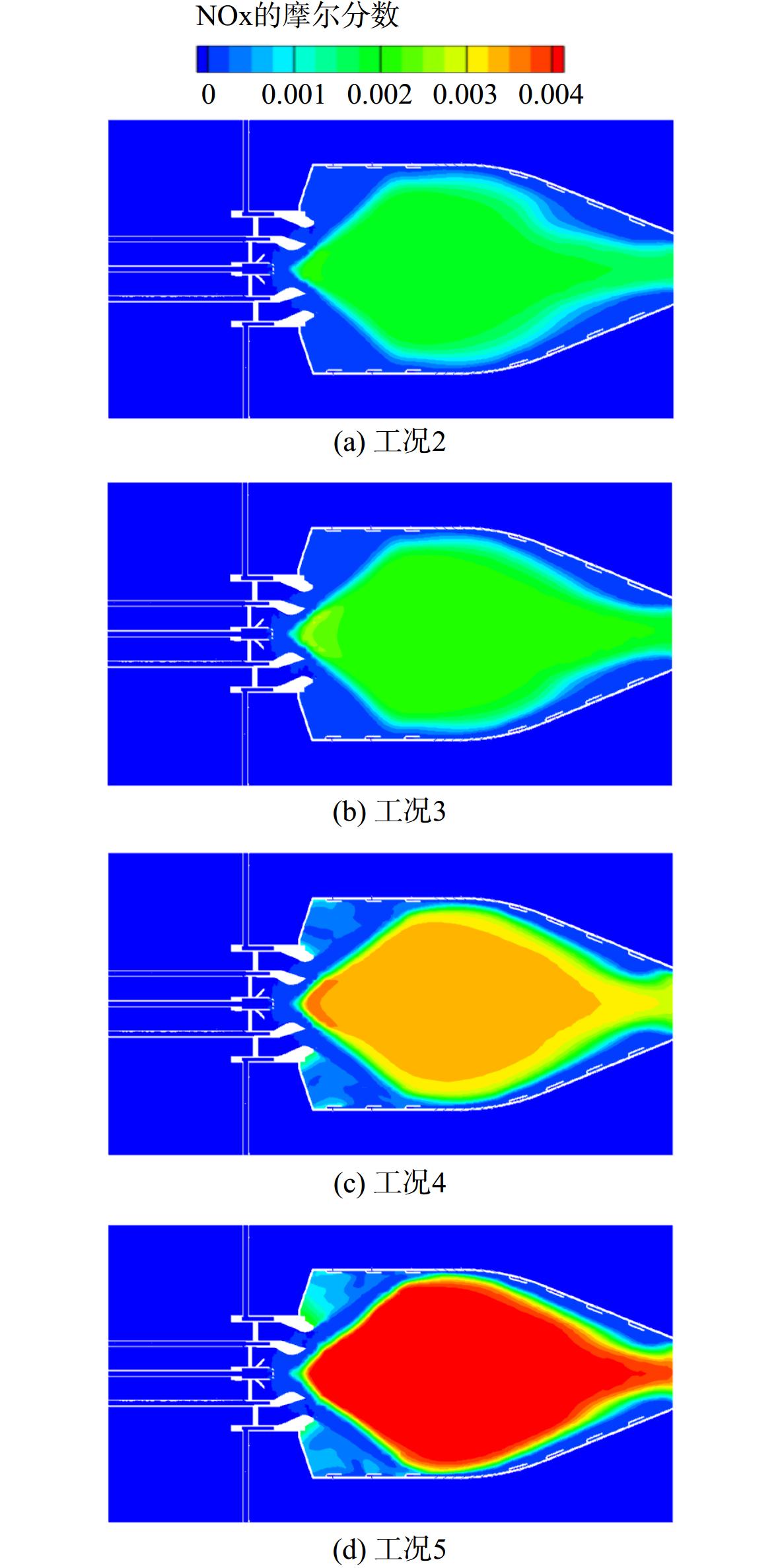
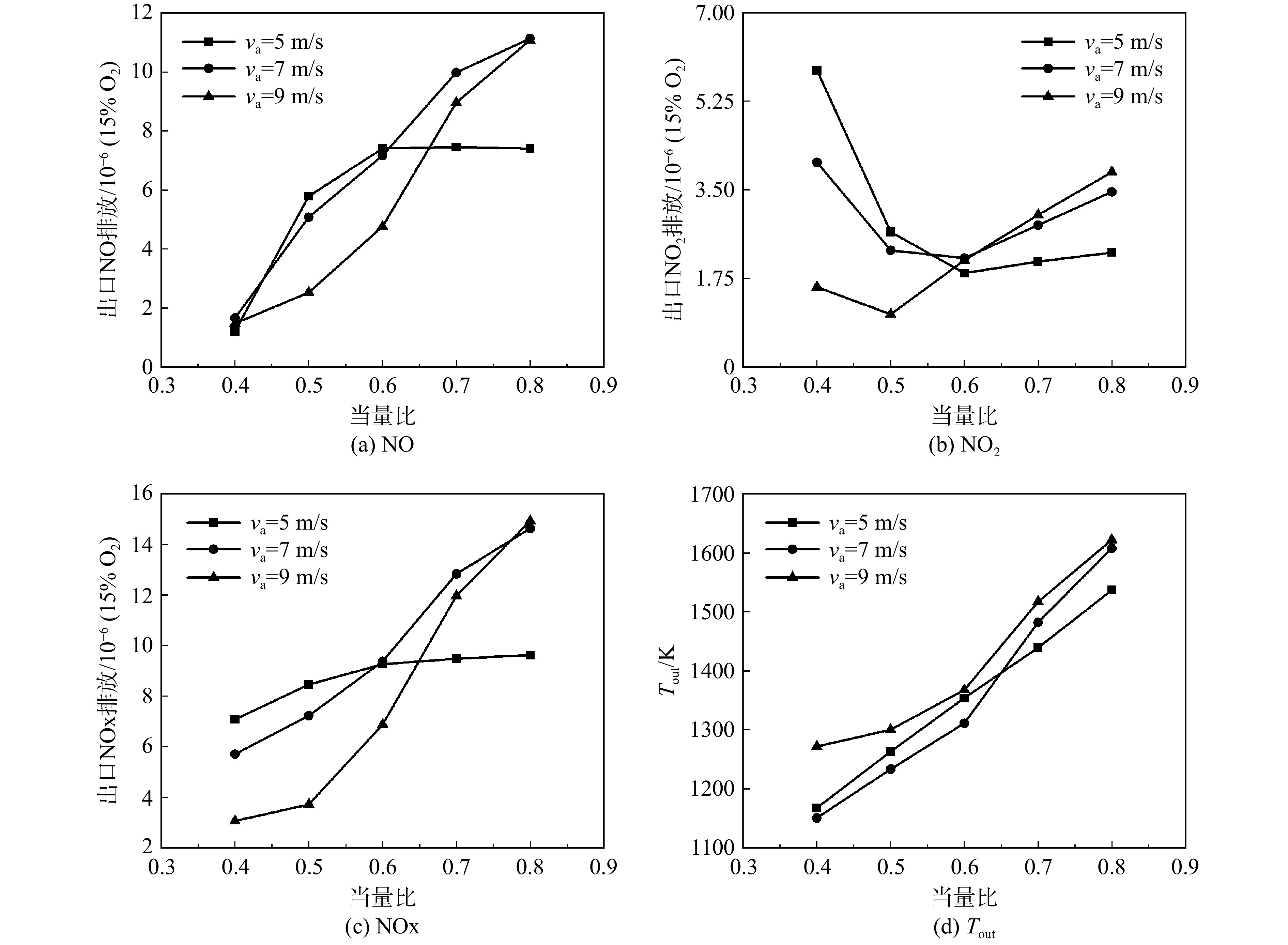
The ignition and blowout, combustion and emission characteristics of a coaxial staged combustion chamber of a natural gas turbine were experimentally tested, and the combustion and emission characteristics of the combustion chamber were numerically calculated by using the chemical reaction mechanisms of different fuels. The results showed that, the ignition fuel/air ratio decreased first and then slightly increased with the increase of inlet air flow, and the blowout fuel/air ratio decreased first and then remained unchanged with the increase of inlet air pressure. With the increase of fuel/air ratio, the temperature rise of the combustion chamber and the average temperature at the outlet of the combustion chamber gradually increased, and the NOx mole fraction gradually increased, the CO mole fraction remained unchanged, and the UHC mole fraction first decreased and then increased at the outlet of the combustion chamber. With the increase of inlet air pressure, the temperature rise and the outlet average temperature first increased and then decreased, and the mole fractions of UHC, CO decreased, and the mole fraction of NOx first decreased and then increased at the outlet of combustion chamber. With the increase of inlet air temperature, the temperature rise first increased and then decreased, the outlet average temperature gradually increased, and the mole fractions of UHC, CO gradually decreased and the mole fraction of NOx gradually increased at the outlet of combustion chamber. Compared with the single step reaction mechanism and the detailed reaction mechanism of methane, the outlet average temperature and major emissions' mole fractions calculated by the reduced reaction mechanism of natural gas had the smallest error between the corresponding experimental data. With the rise of the working condition, the high temperature area in the combustion chamber increased, the temperature rise and the outlet average temperature increased, the mole fractions of NOx and CO2 increased and the mole fraction of CO decreased at the outlet of combustion chamber.

Experimental study on evaporation characteristics of n-Al/decane droplet heated by laser
ZHOU Xinyuan, HAO Feng, CAO Qing, LI Junwei, SHI Baolu, WANG Ningfei
2025, 40(11): 20240733. doi: 10.13224/j.cnki.jasp.20240733
Abstract:
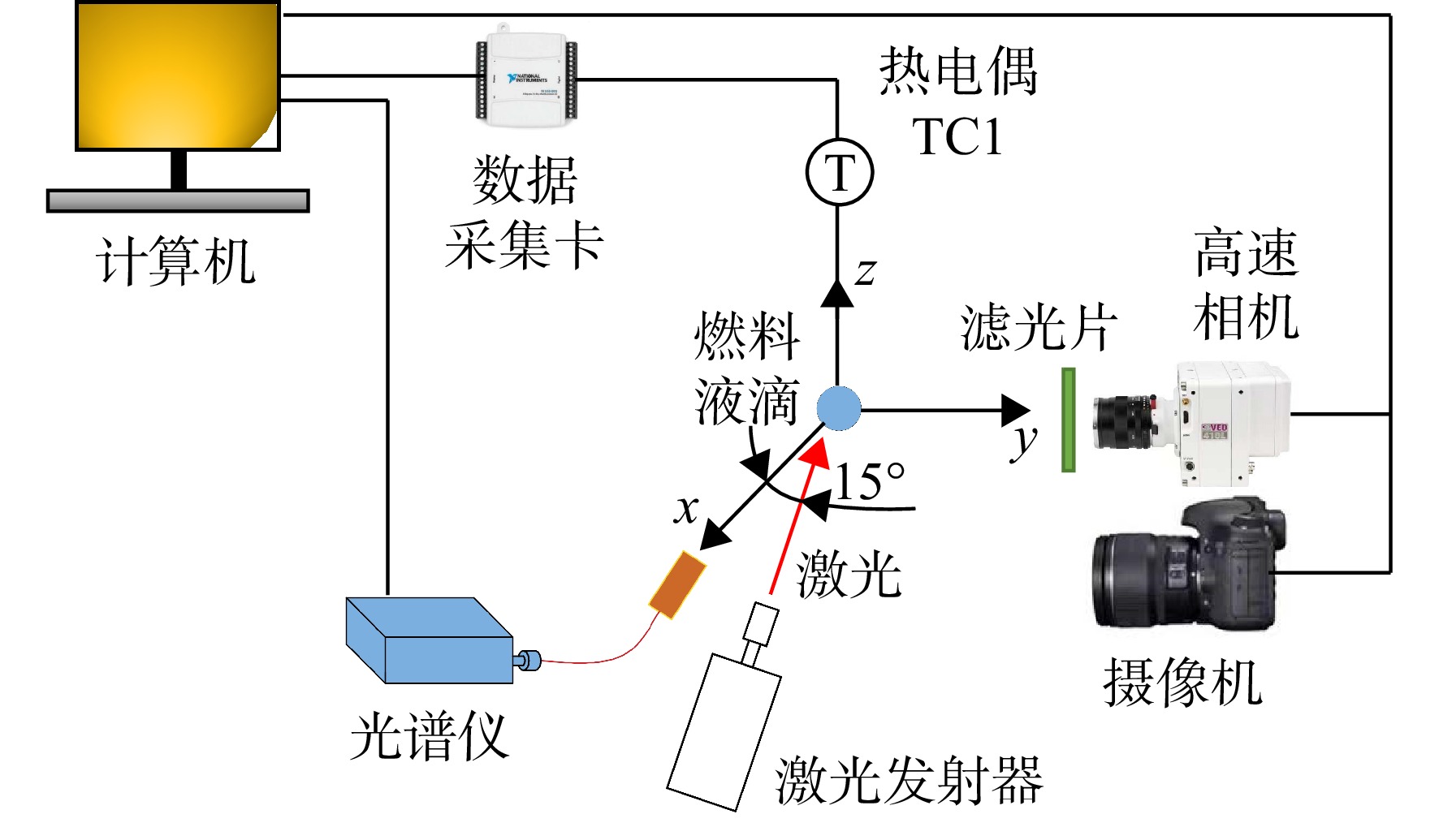
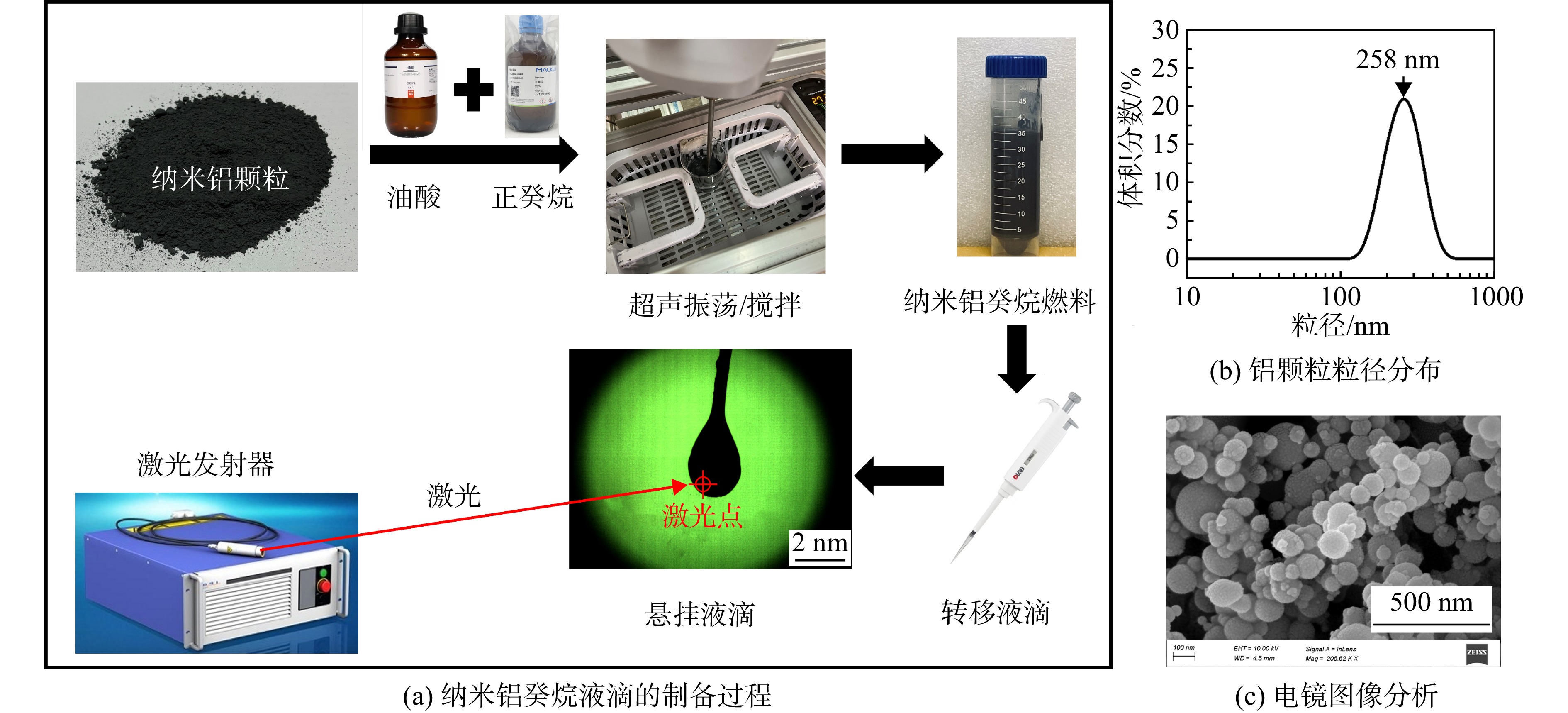
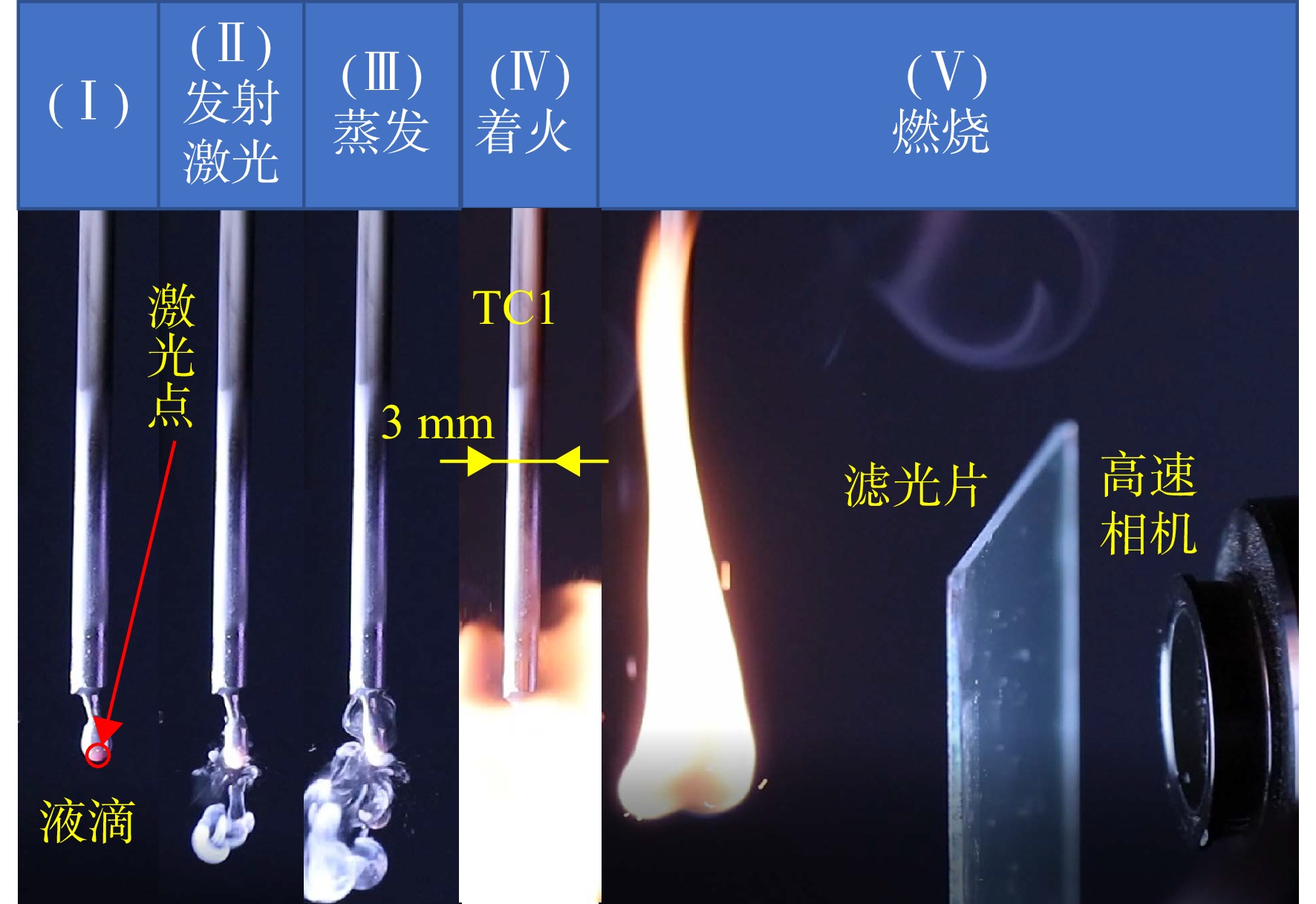
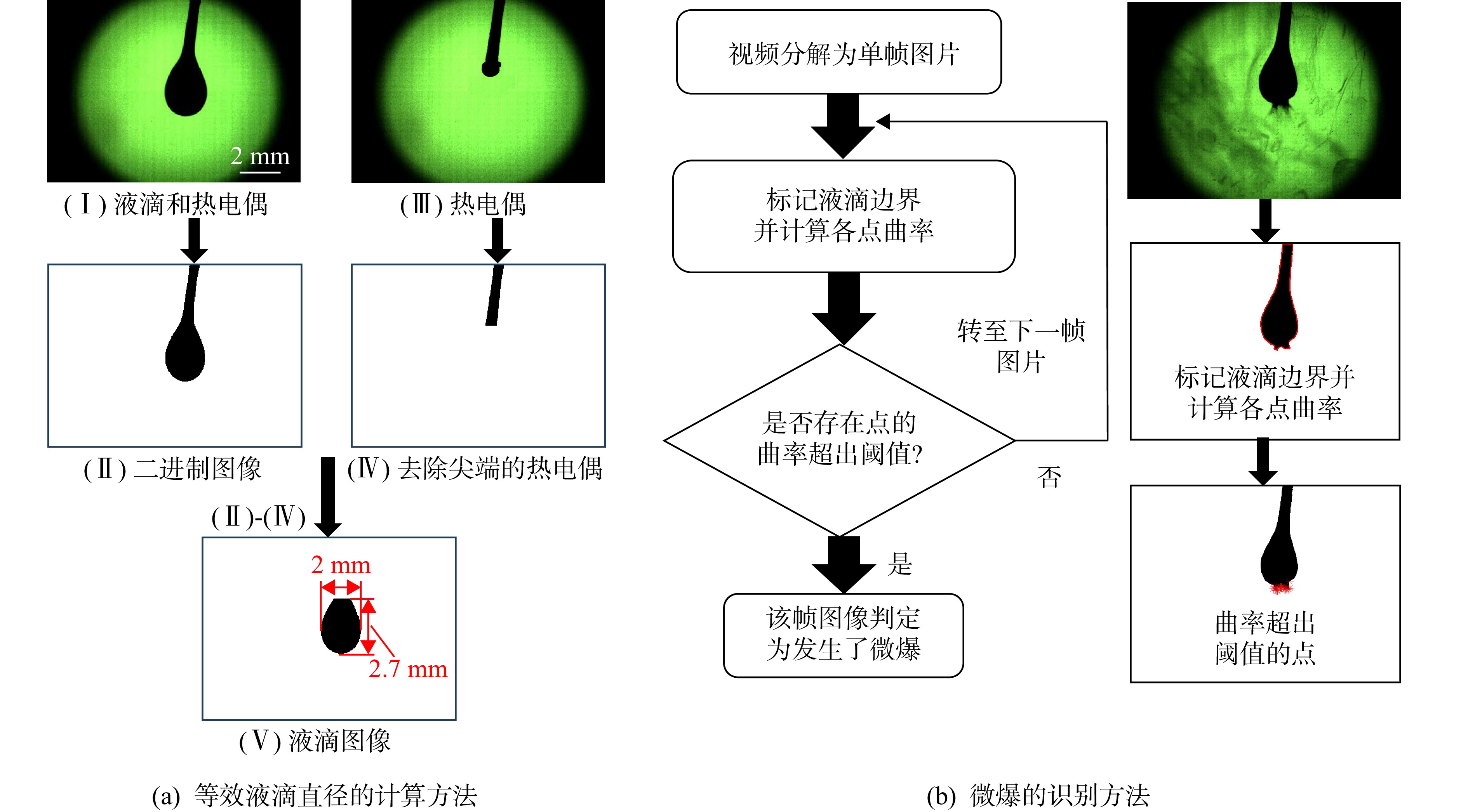
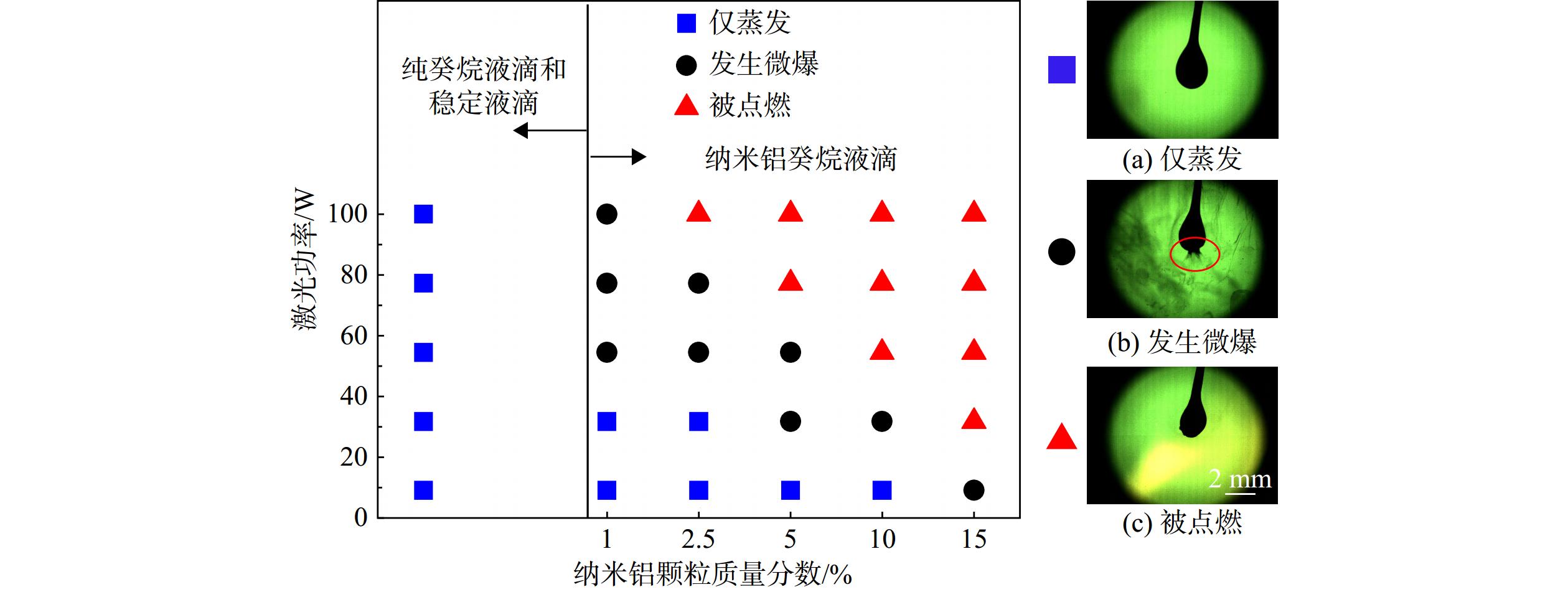
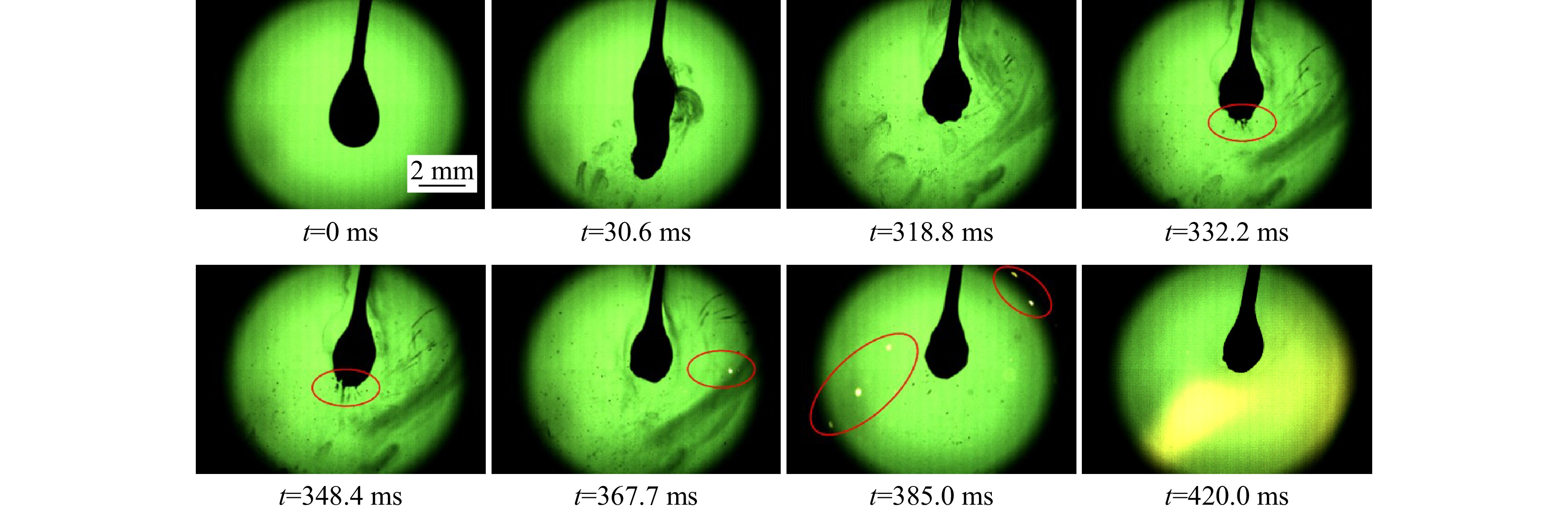
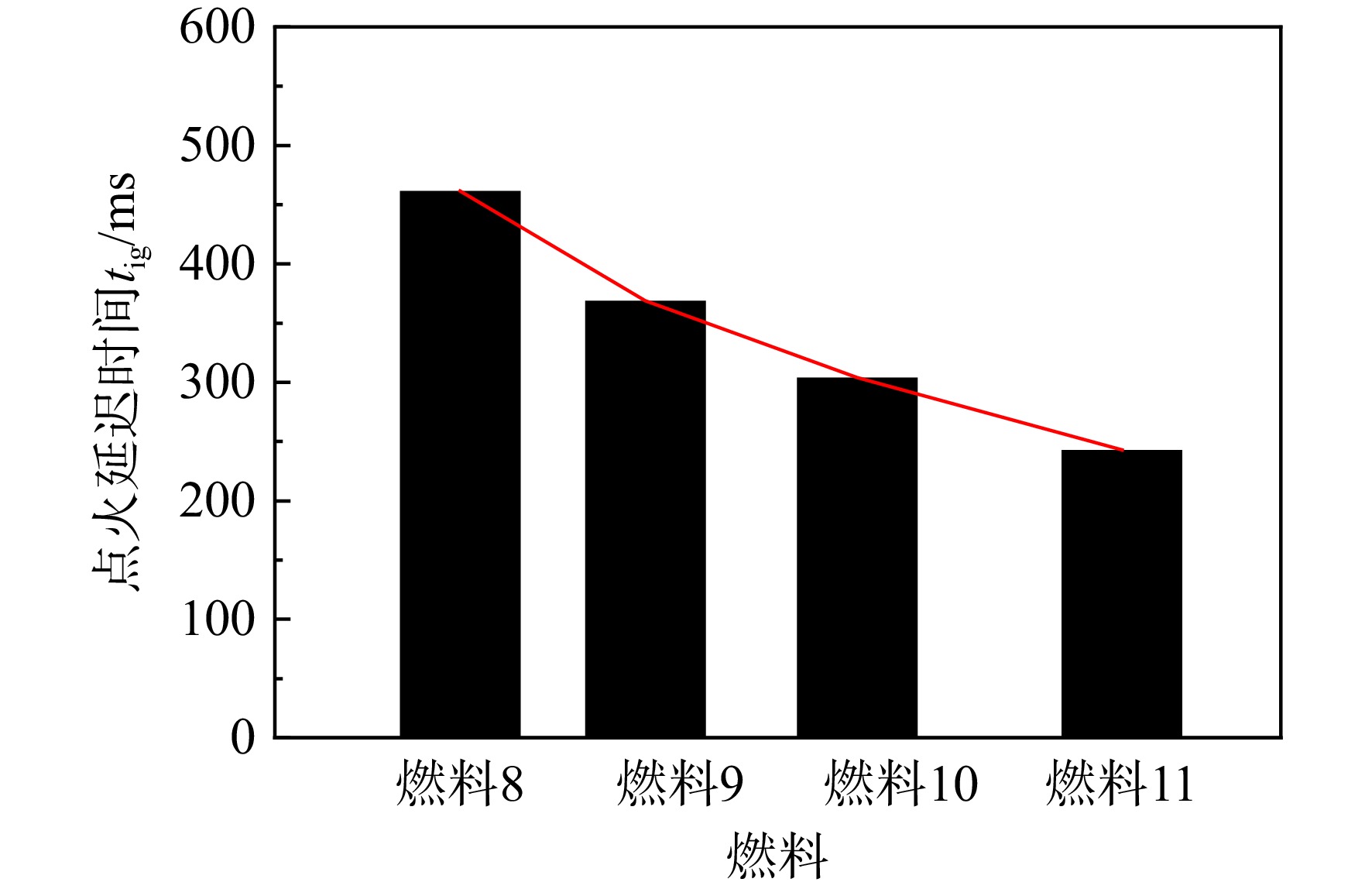
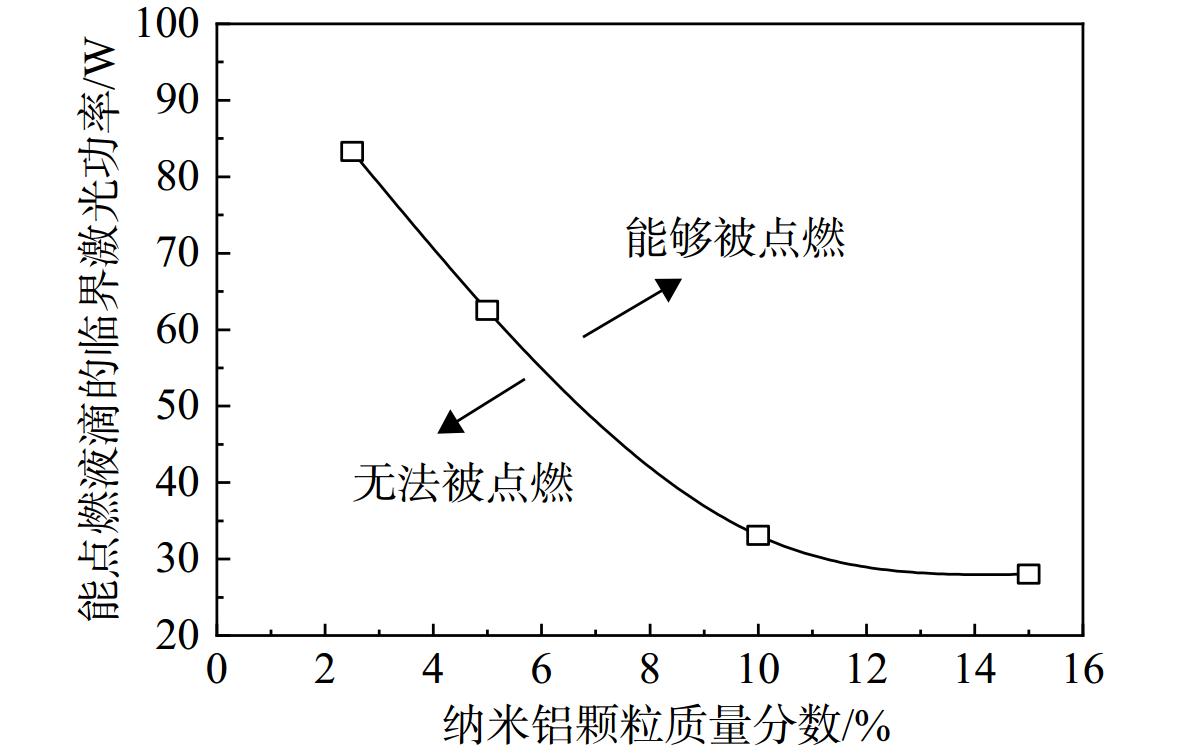
To investigate the application of aluminum nano-particles (Al NPs) as high-energy additives in hydrocarbon fuels, experiments were conducted using n-decane, oleic acid (OA), and Al NPs as fuel, surfactant, and metal additive, respectively, to prepare single n-Al/decane droplet. The effects of Al NPs mass fraction (1%—15%) and laser power (9.1—100.0 W) on the droplet evaporation and combustion characteristics were studied under infrared laser excitation at a wavelength of 1064 nm. The results showed that the addition of Al NPs significantly accelerated droplet evaporation and resulted in micro-explosions and combustion phenomena. Micro-explosions were the key to ignite the n-Al/decane droplet. The ejected Al NPs were ignited by laser in the air, forming a flame that promoted the combustion of fuel droplet. By increasing the laser power and aluminum content, the temperature rise of droplet can be accelerated and the frequency of micro-explosions can be increased, thereby improving the evaporation rate of droplet. As the mass fraction of Al NPs increased from 2.5% to 15%, the ignition sensitivity of droplet was significantly enhanced, and the minimum laser power required to ignite droplet was reduced from 83.3 W to 28.0 W.

Effect of boundary layer combustion on near-wall heat and mass transport processes of hydrogen and hydrocarbon fuel films
HUANG Jinzhi, LI Kun, WEI Jianfei, ZUO Jingying, LI Xin, ZHANG Silong
2025, 40(11): 20240465. doi: 10.13224/j.cnki.jasp.20240465
Abstract:

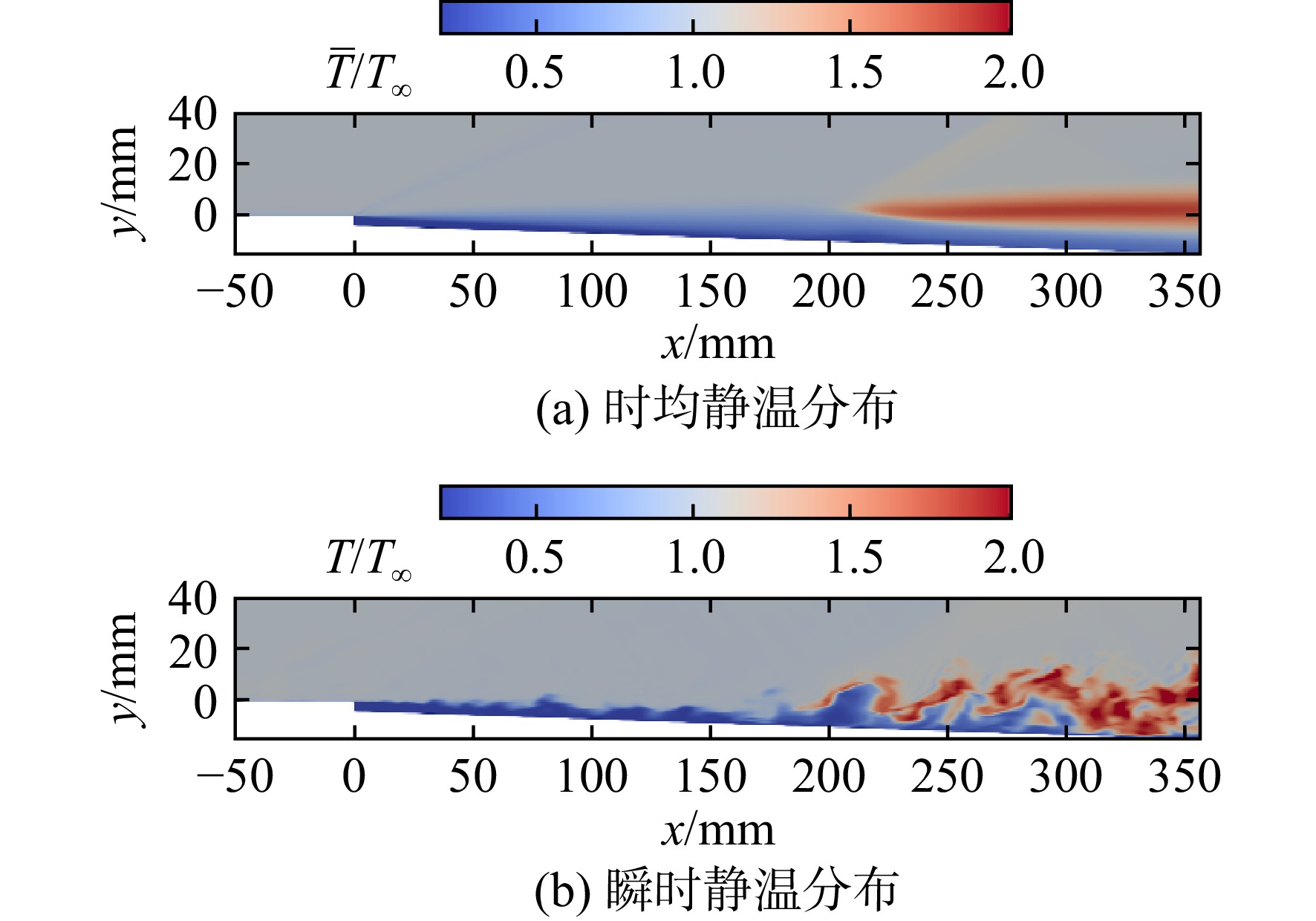
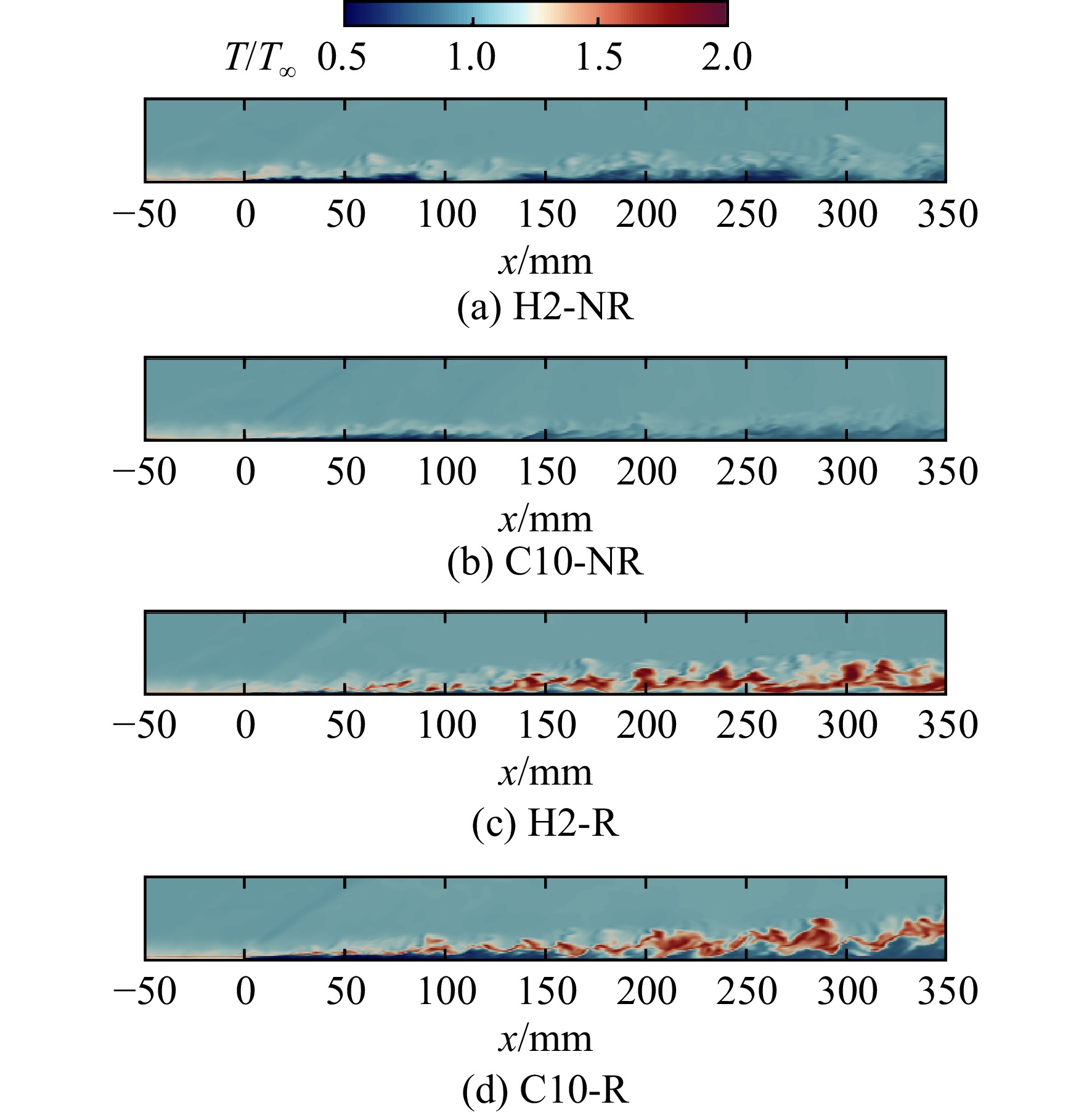
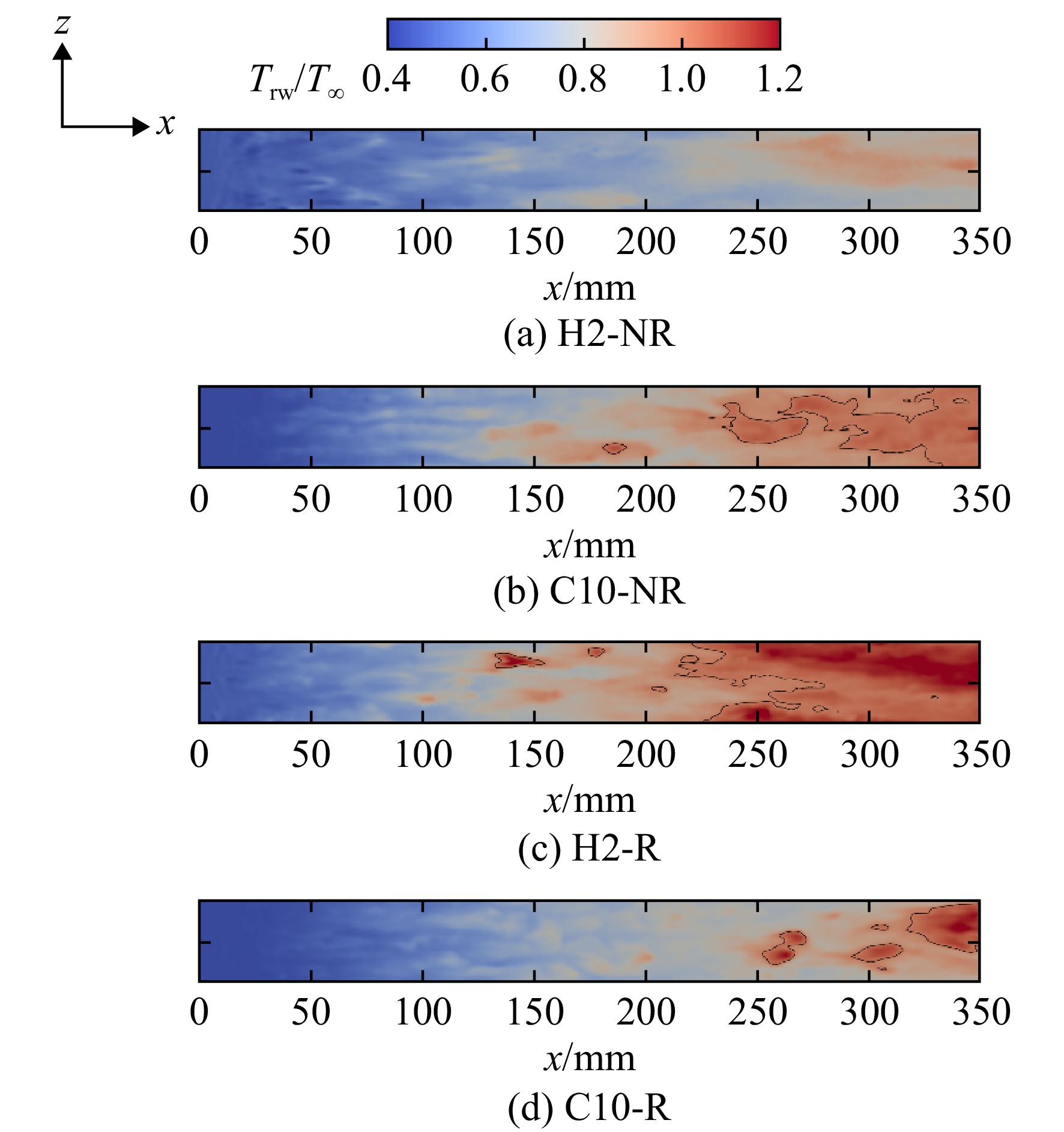
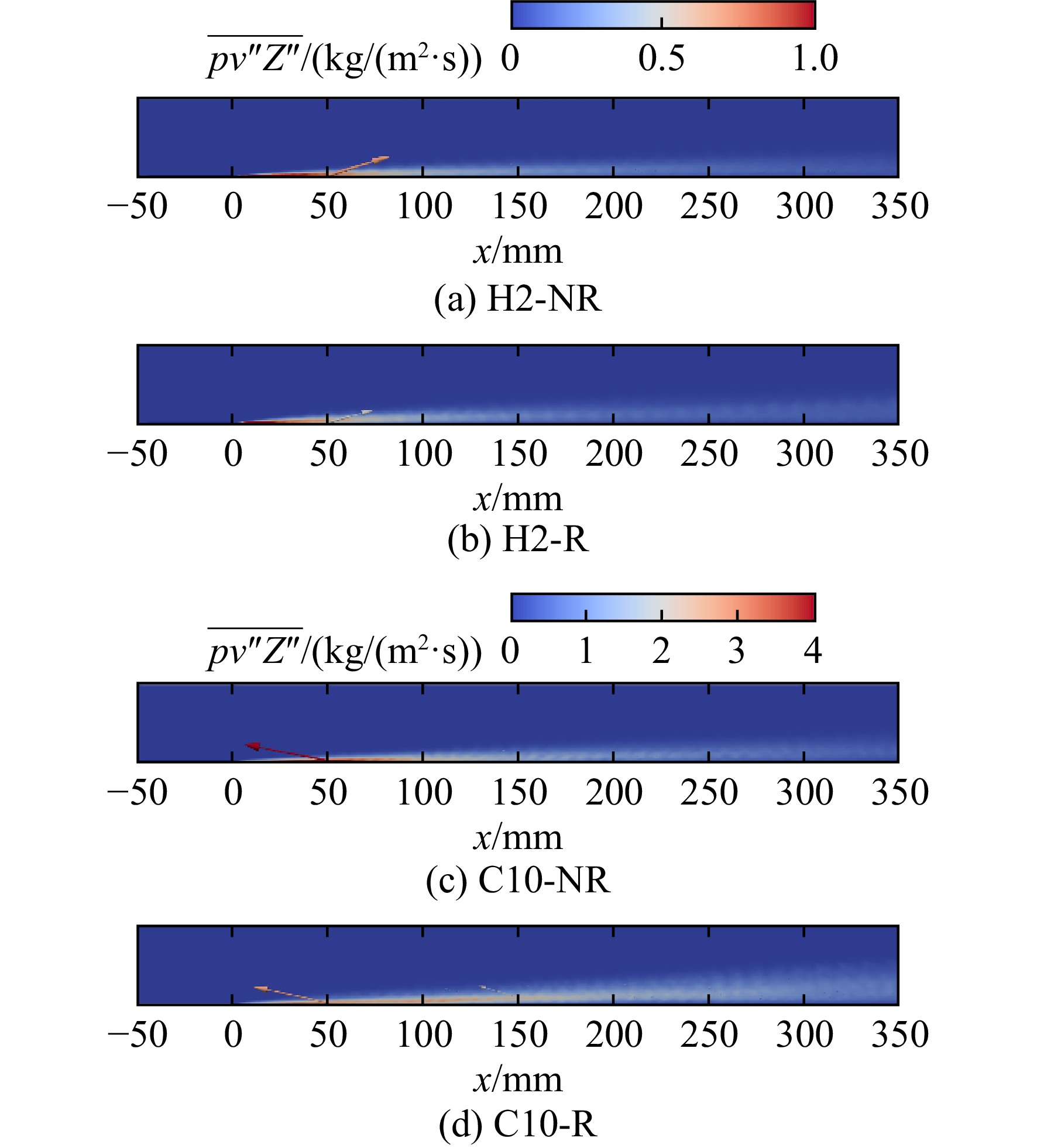
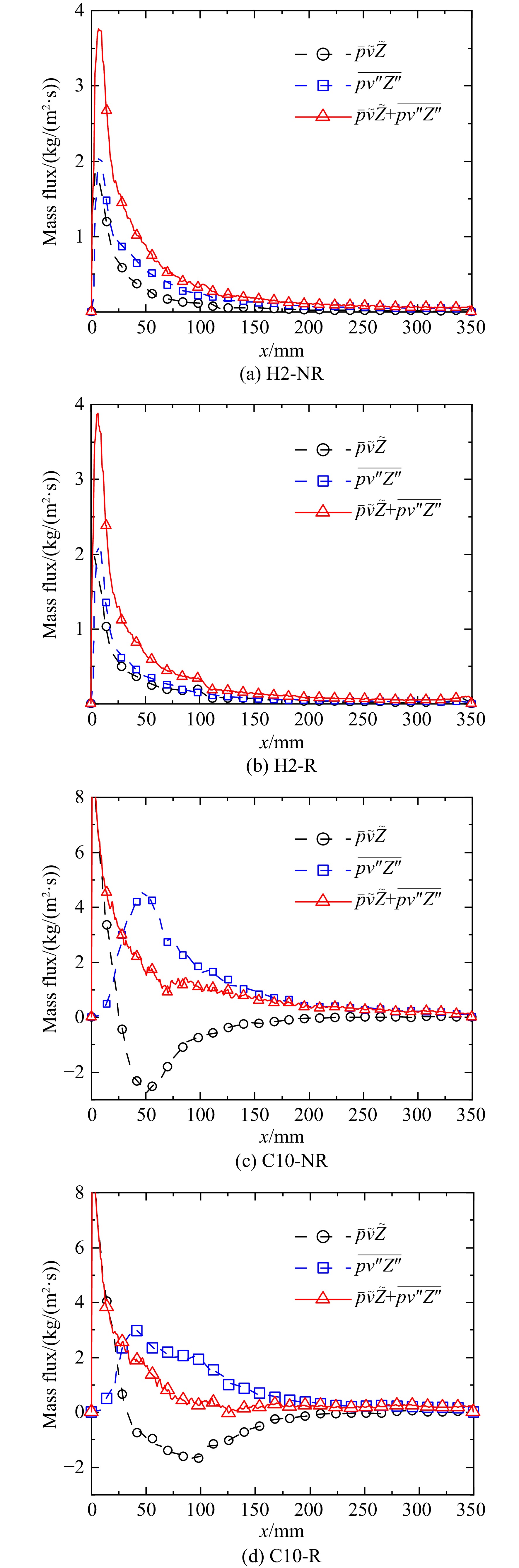
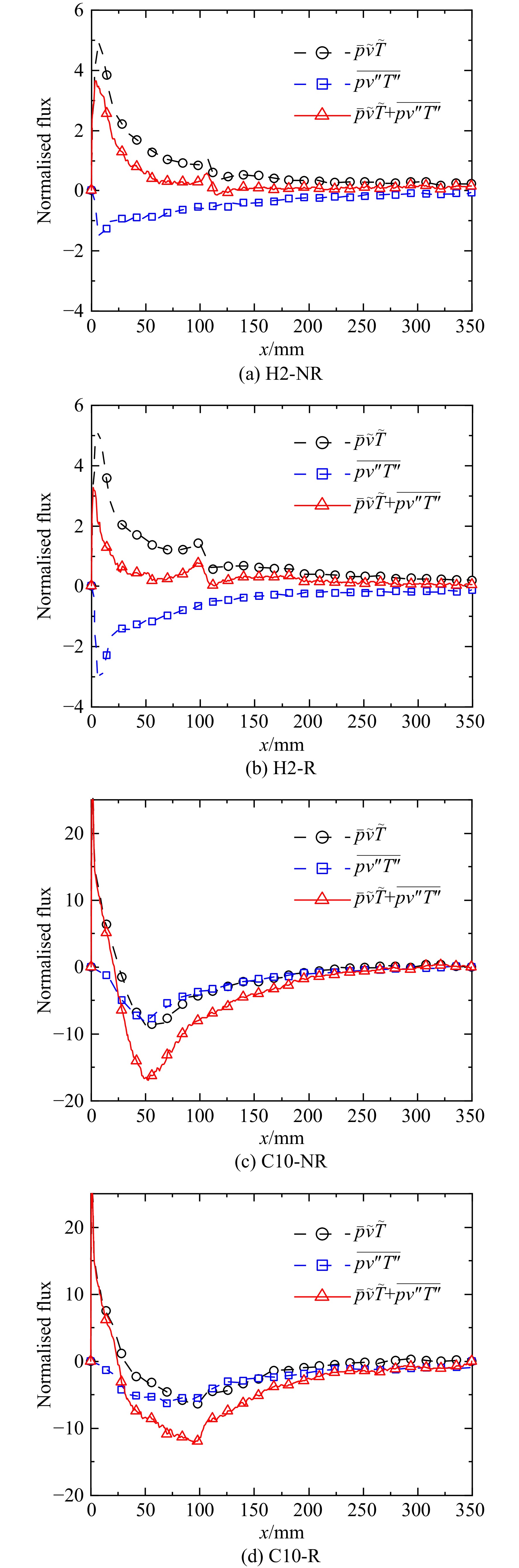
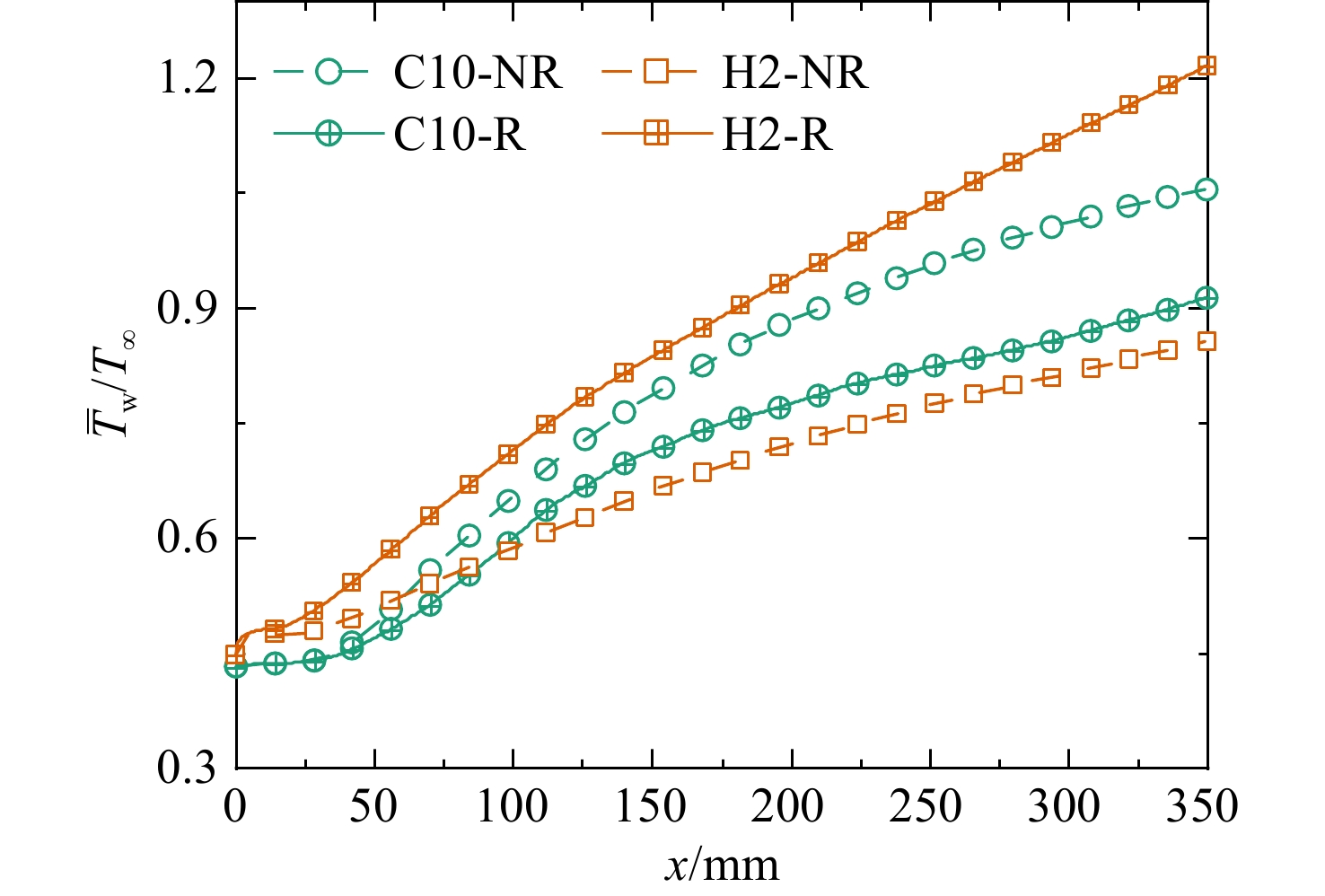
Large eddy simulations of hydrogen and hydrocarbon fuel films with boundary-layer combustion were conducted, focusing on the effects of boundary-layer combustion on the near-wall heat and mass transport processes of fuel films. The results showed that boundary layer combustion effectively reduced the heat and mass transport fluxes between the mainstream and fuel film, which enhanced the heat insulating performance of the film. However, the decrease in heat flux within the hydrogen film was not adequate to offset the negative impacts of heat release and consumption of hydrogen with high heat capacity during combustion, leading to a significant deterioration of the heat insulating performance during boundary layer combustion. On the contrary, the reduction of heat flux in the hydrocarbon film had synergistic effect with the heat absorption of the near-wall pyrolysis reactions, leading to a substantial enhancement in the heat insulating performance of the hydrocarbon film.

Research on heat transfer deterioration prediction of supercritical RP-3 based on optimized neural network
TAO Kaihang, ZHOU Zi, LIANG Zhirong, LI Haiwang
2025, 40(11): 20250187. doi: 10.13224/j.cnki.jasp.20250187
Abstract:
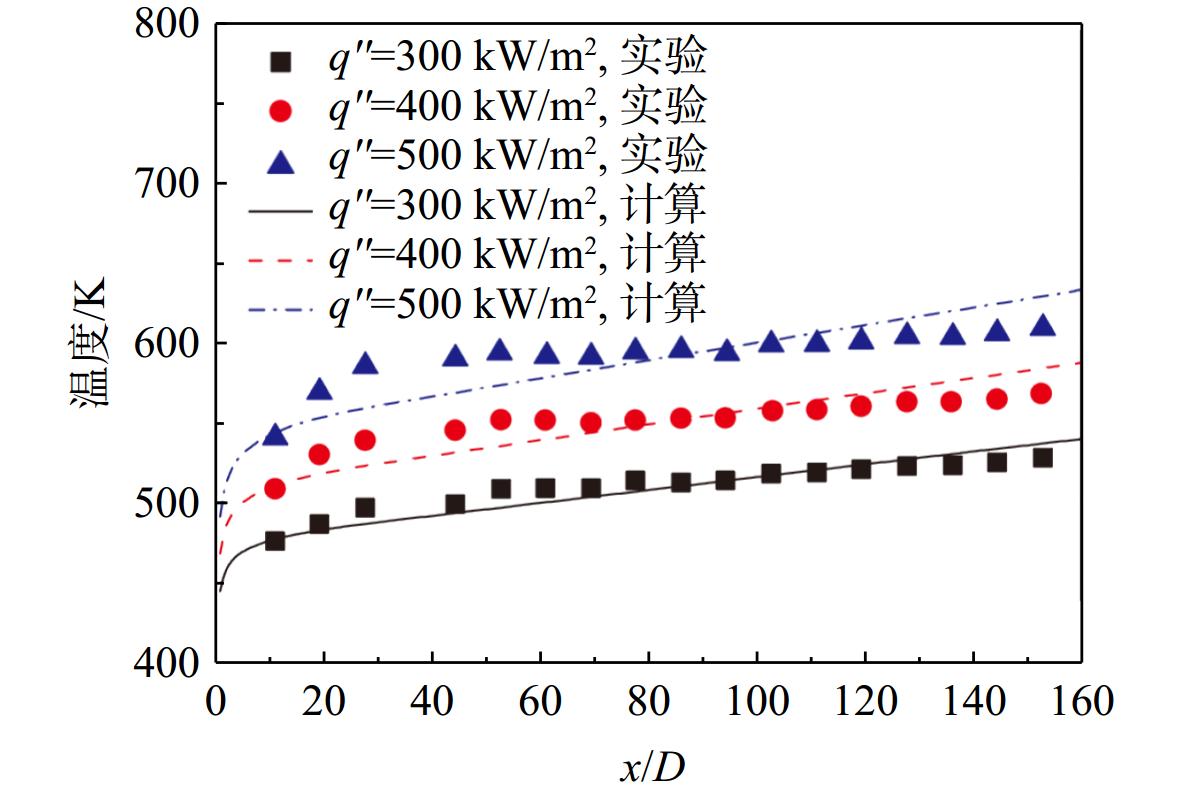
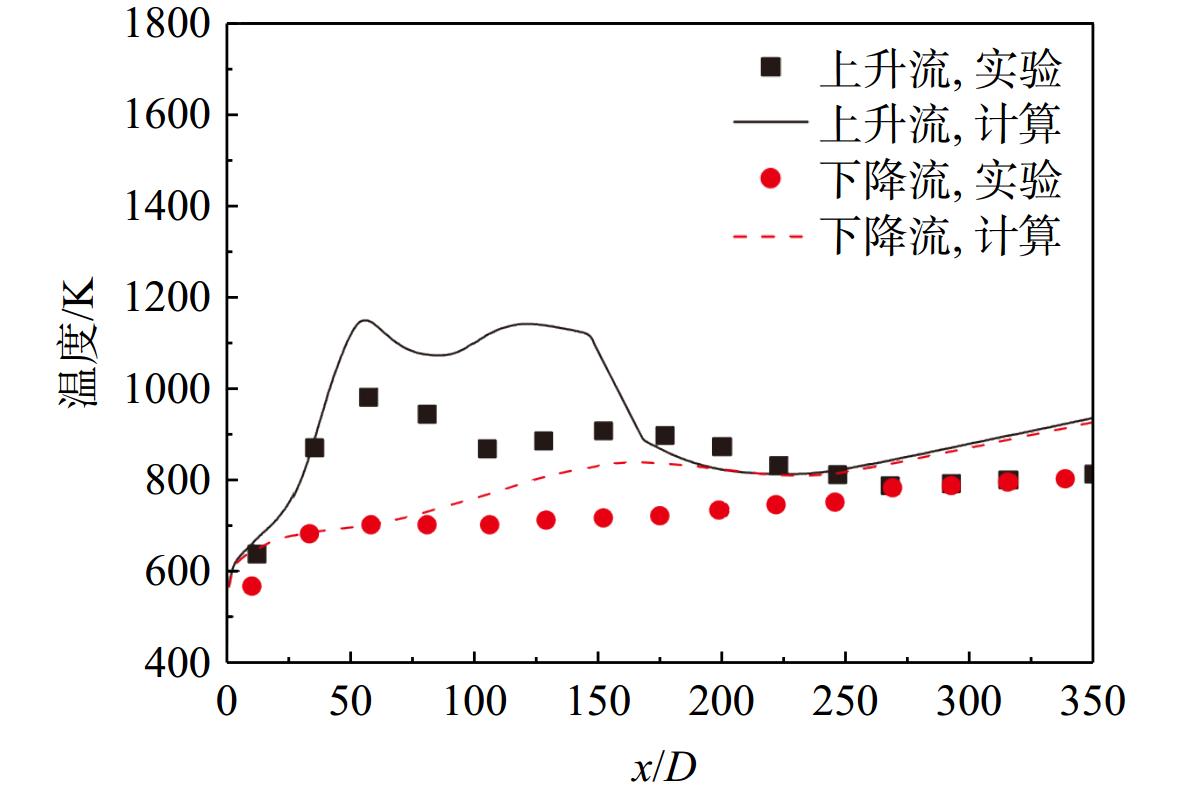
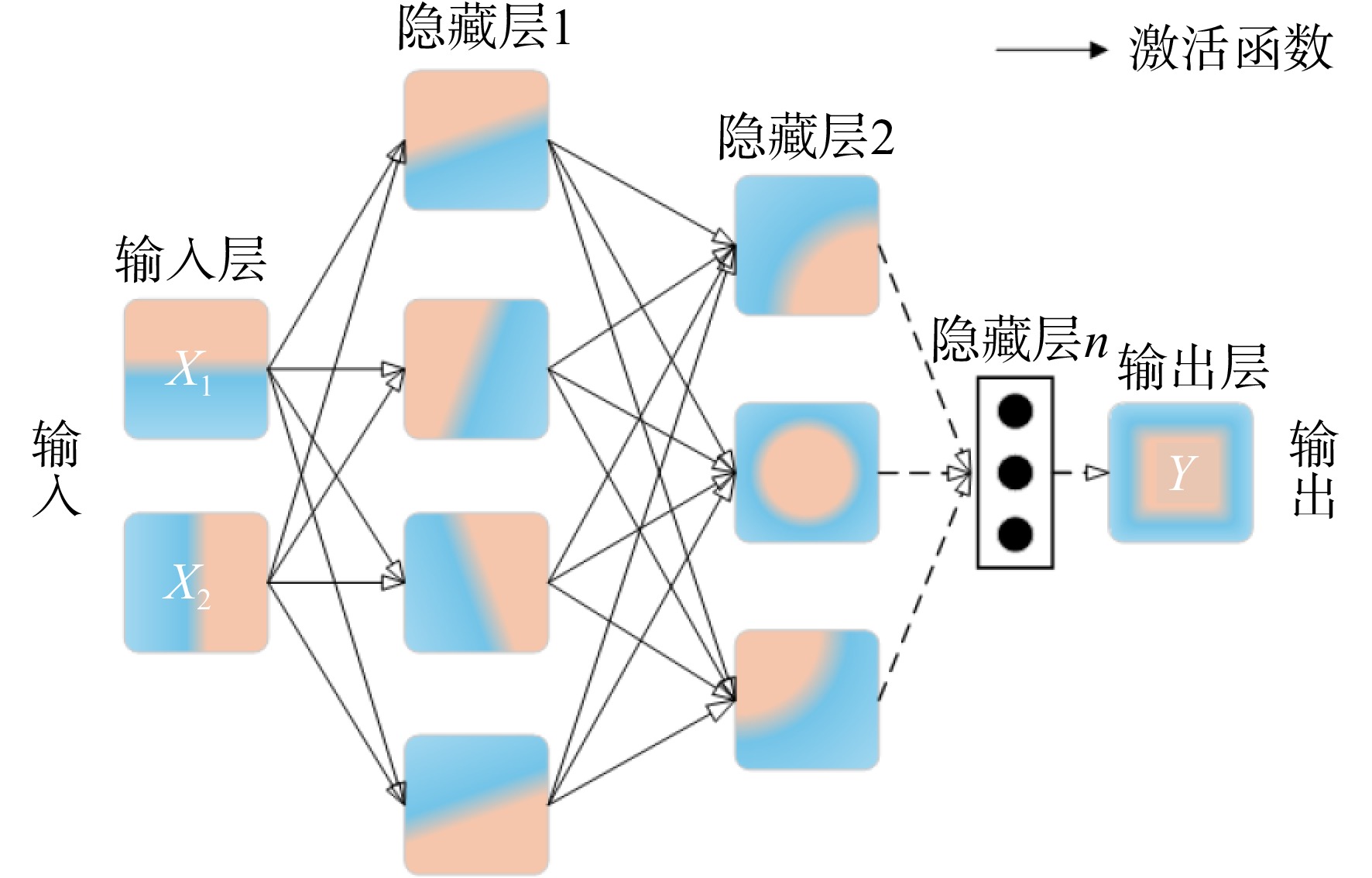
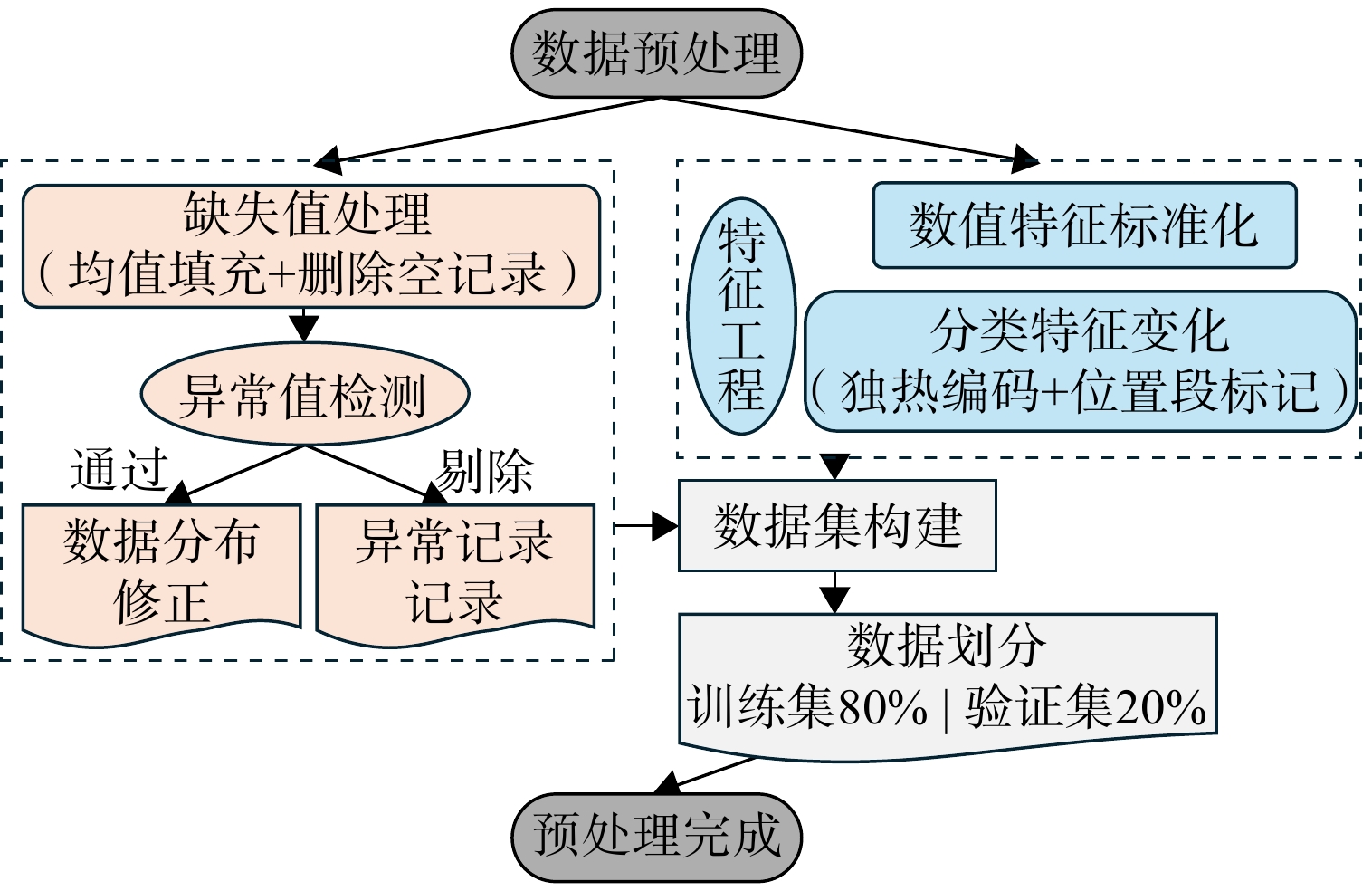
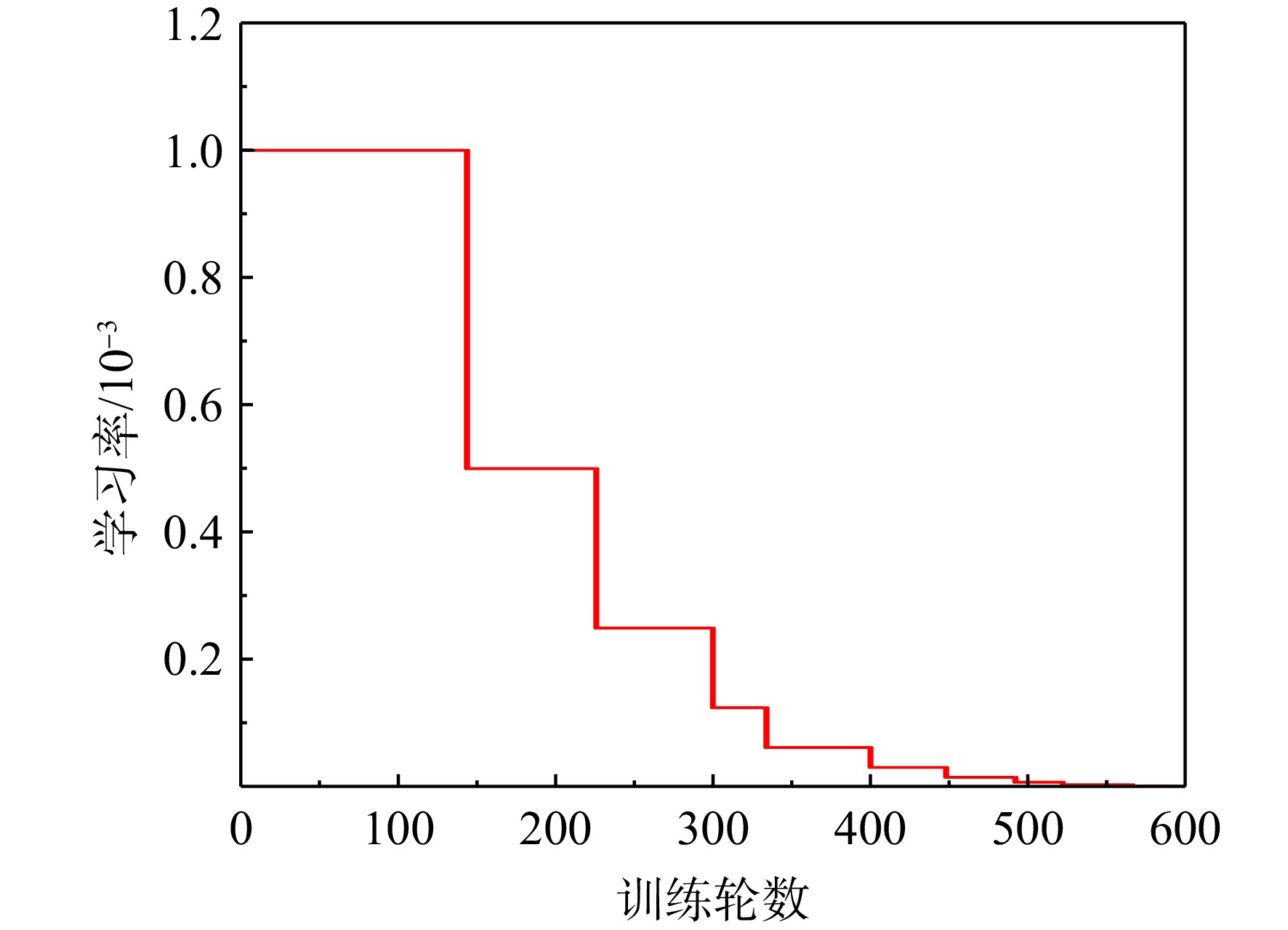
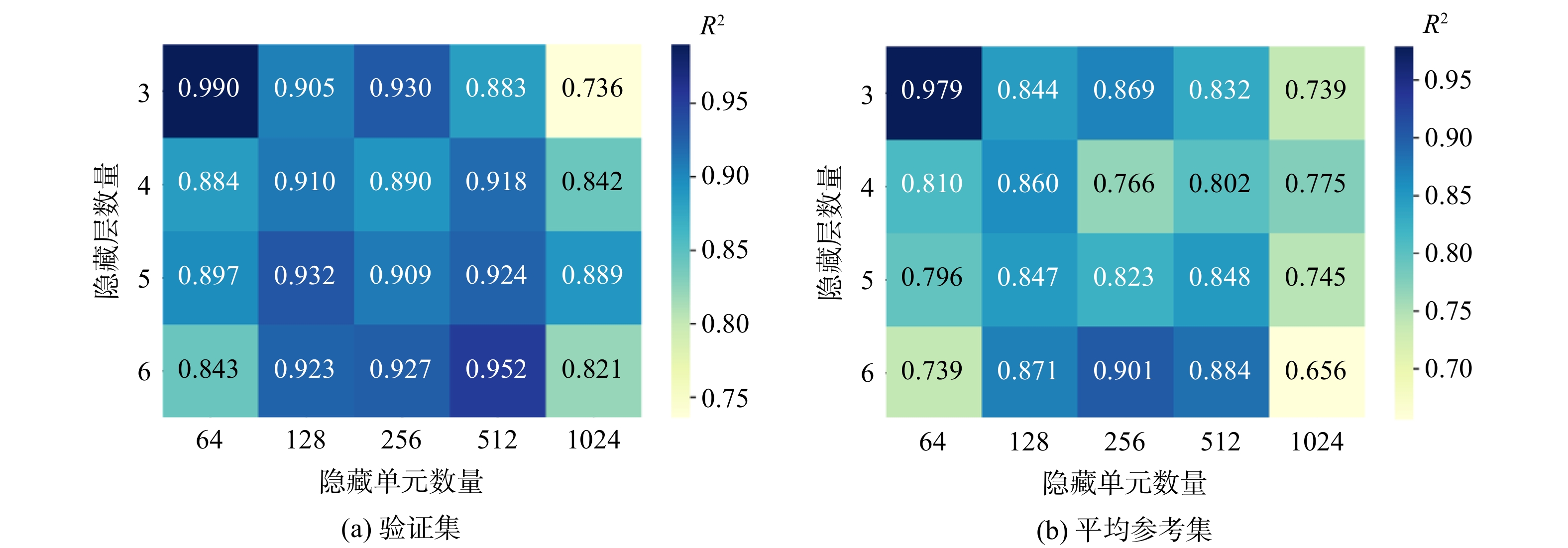
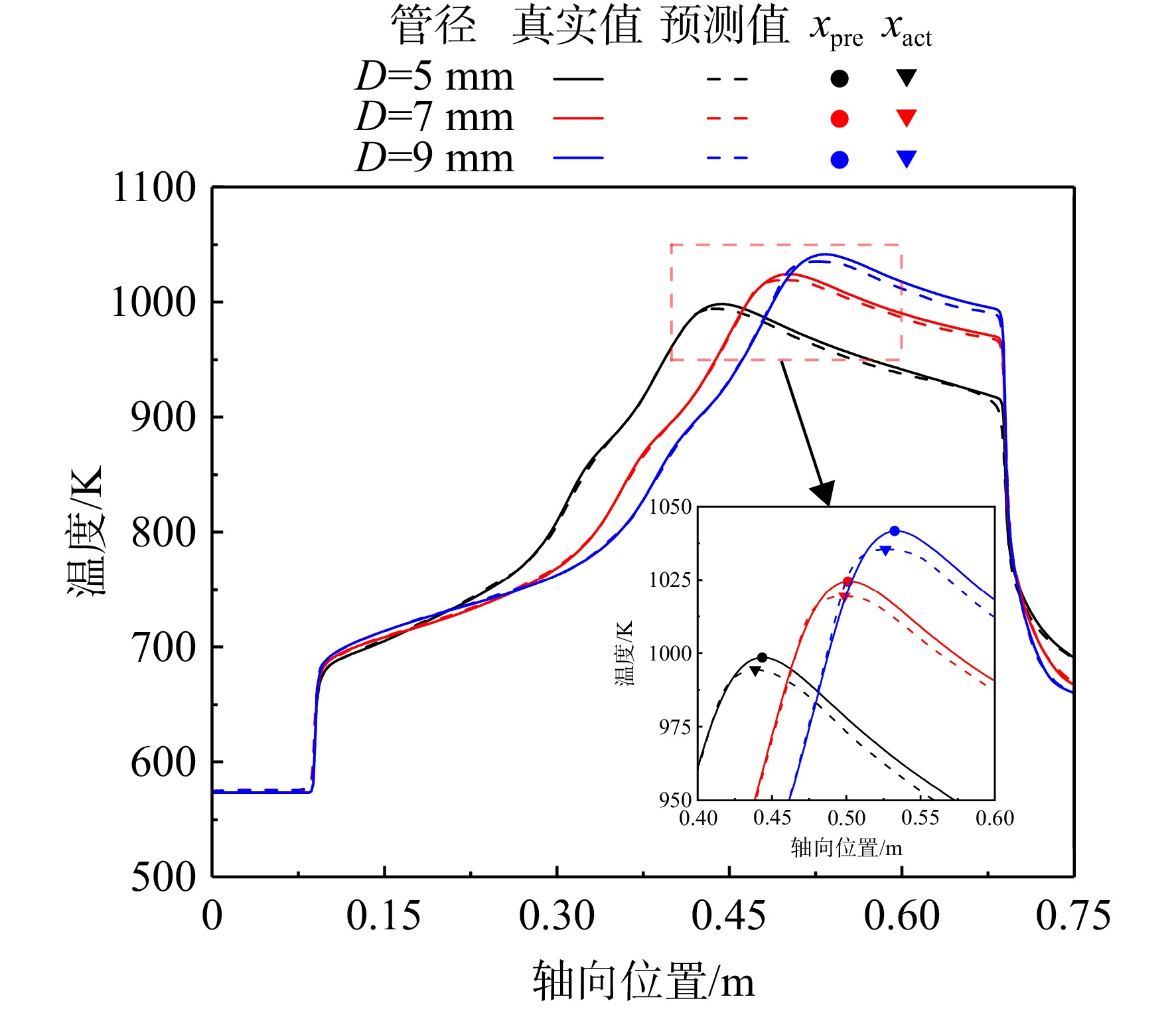
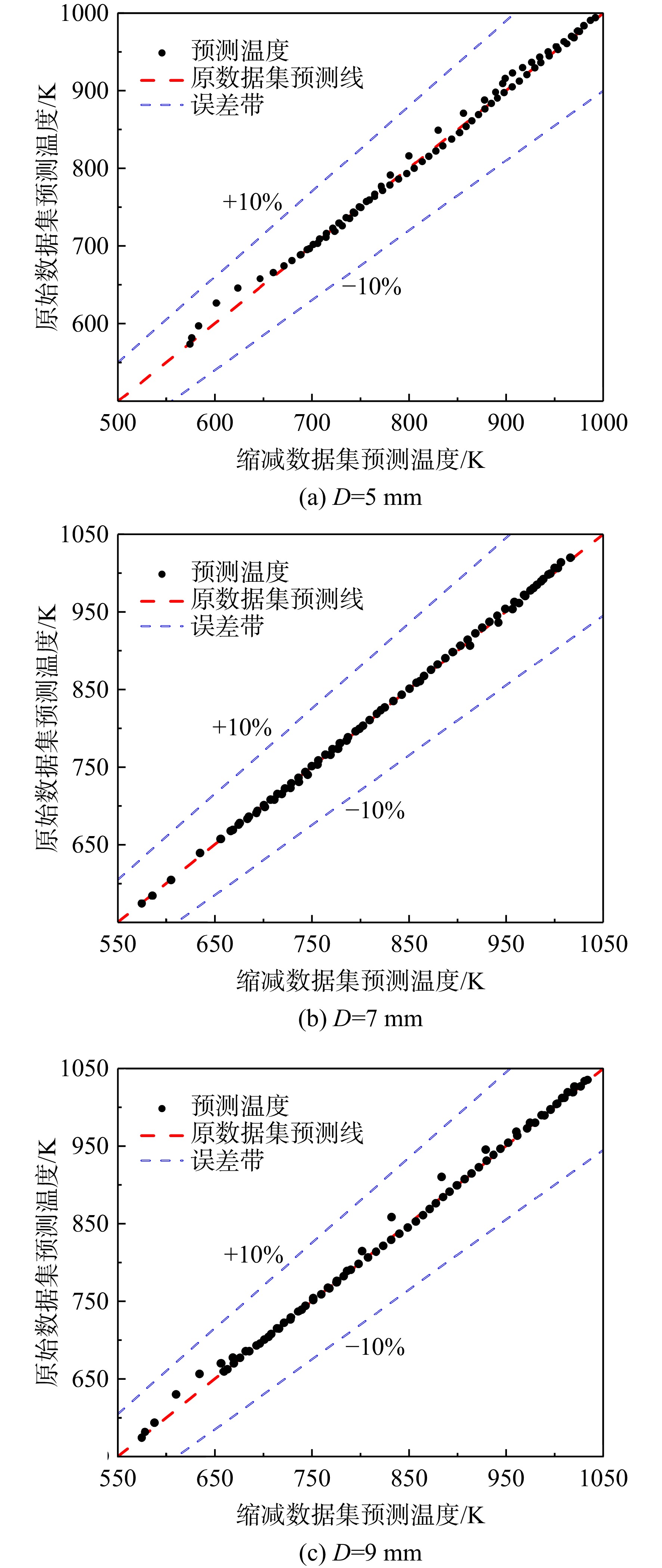
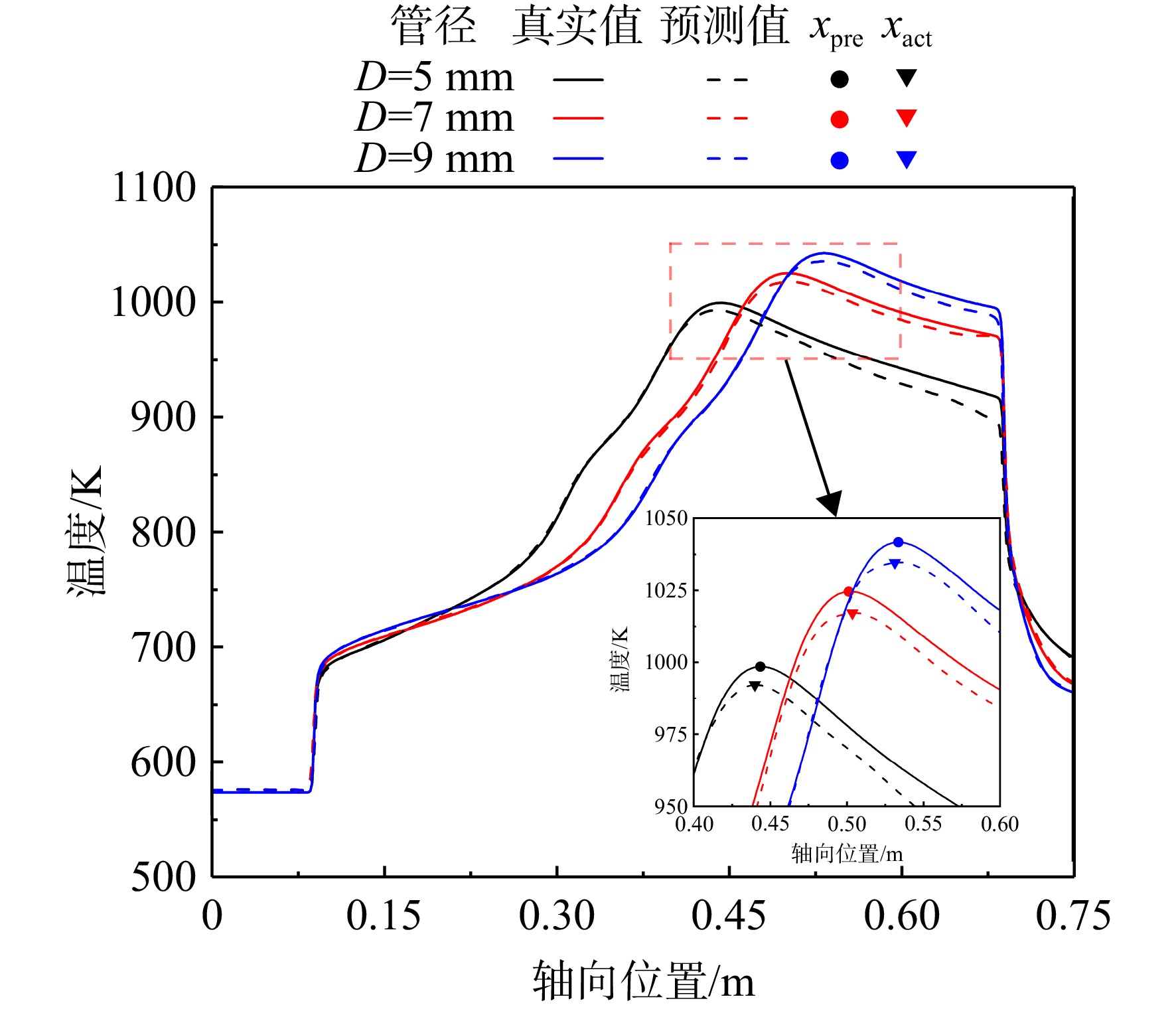
Currently, research on heat transfer deterioration in the flow and heat transfer process of supercritical aviation kerosene RP-3 remains limited. Existing approaches mainly rely on empirical correlations and numerical simulations, which struggle to accurately capture the nonlinear characteristics associated with complex fluid heat transfer. To precisely predict the heat transfer deterioration behavior of supercritical RP-3 under typical operating conditions, computational fluid dynamics methods were employed; after experimental validation, a high-fidelity database covering pipe diameters from 1 to 10 mm and pressures ranging from 3.0 to 6.0 MPa was established. A multilayer neural network structure was then designed and optimized, resulting in a well-tuned model with strong generalization ability and high prediction accuracy. The results indicated that as pipe diameter increased or pressure decreased, local buoyancy and thermal acceleration effects were significantly intensified, exacerbating the degree of heat transfer deterioration and shifting the temperature peak downstream. The optimized model accurately captured these nonlinear trends, with prediction errors achieved within 1.5%, thus providing a reliable data-driven tool for efficient design of the thermal management systems in aero-engines.

Flow and heat transfer of aeroengine turbine guide vanes based on fluid-thermal-solid coupling
WANG Hansheng, LI Yulong, XU Shijie, LIAN Huaqi, LI Xingjian, RONG Chengjun
2025, 40(11): 20240464. doi: 10.13224/j.cnki.jasp.20240464
Abstract:
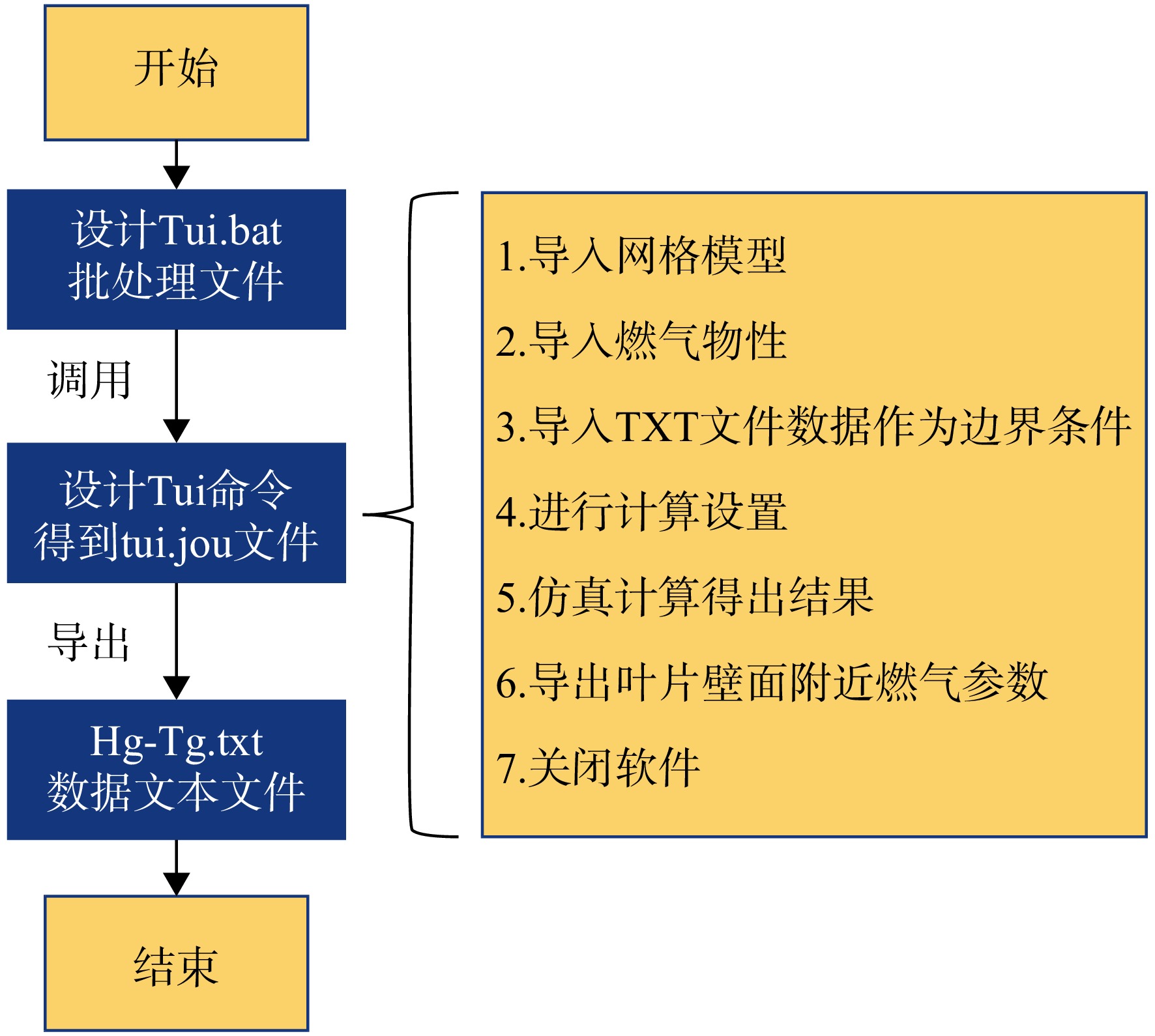
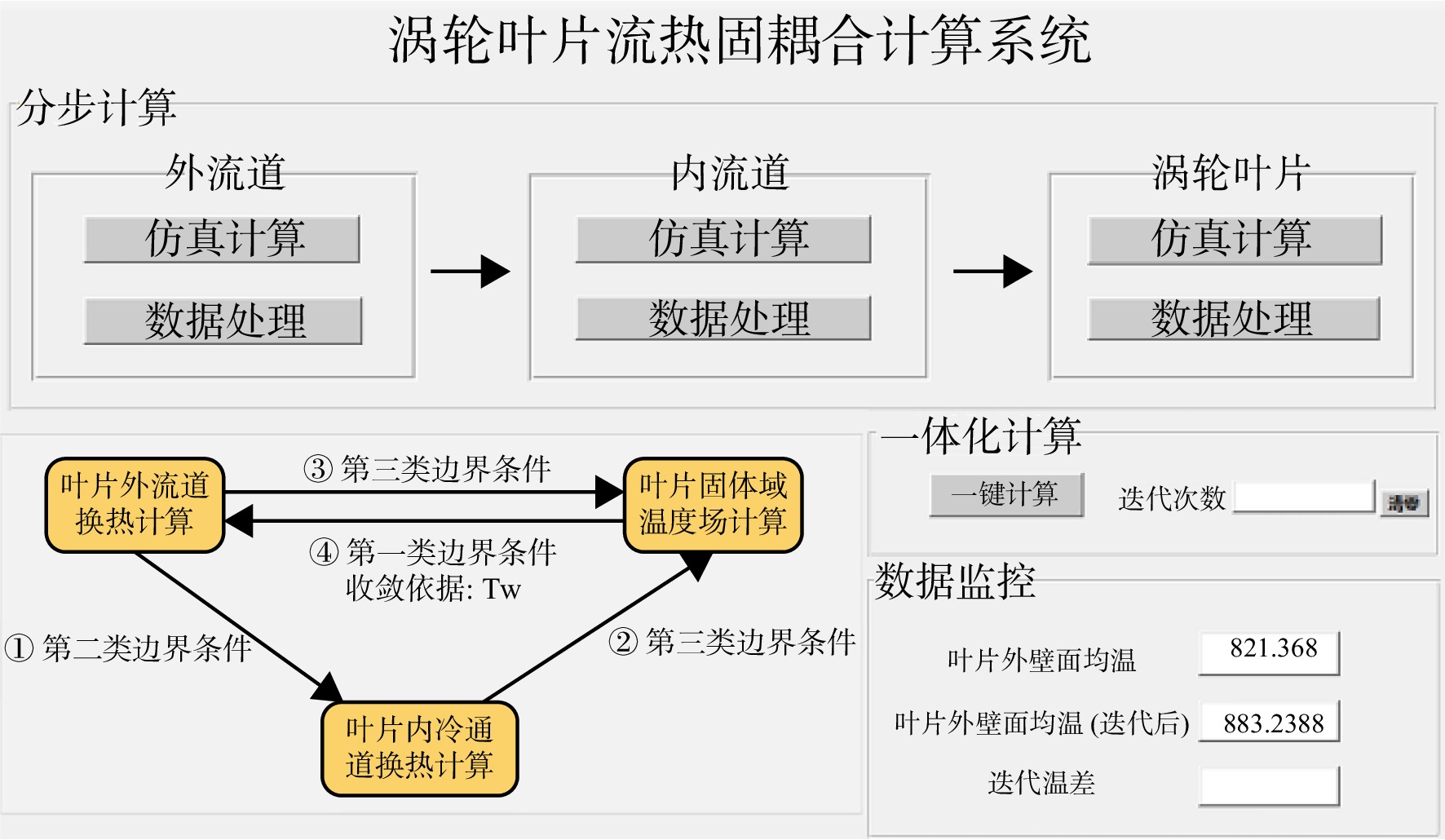
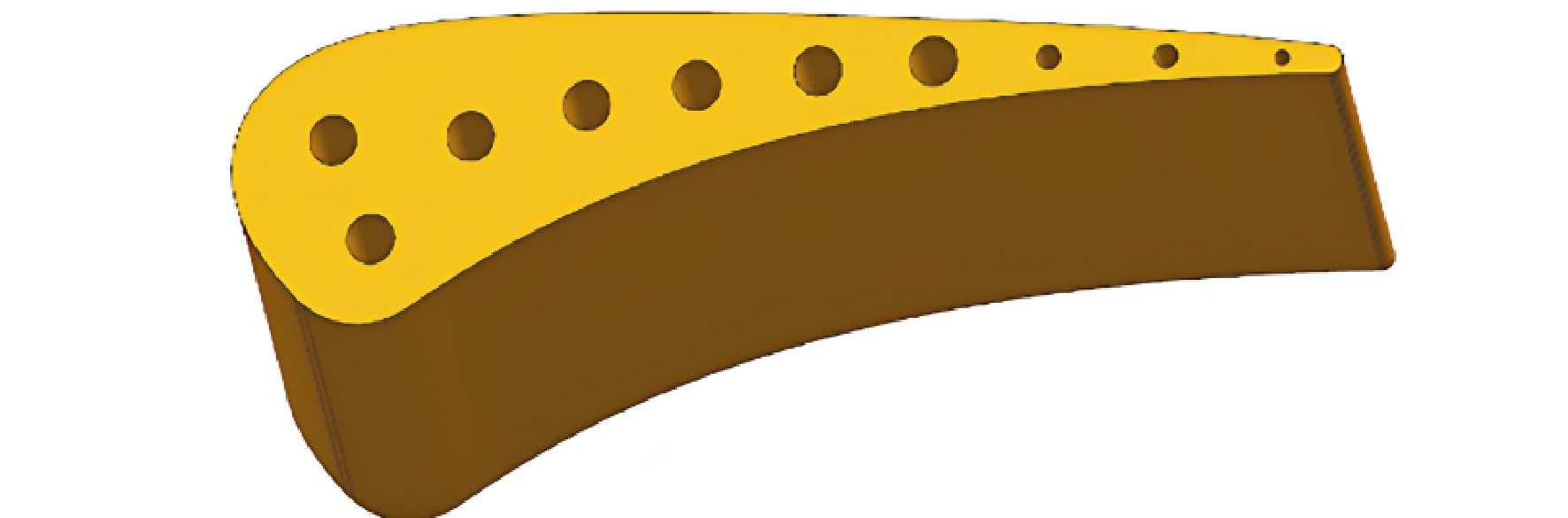
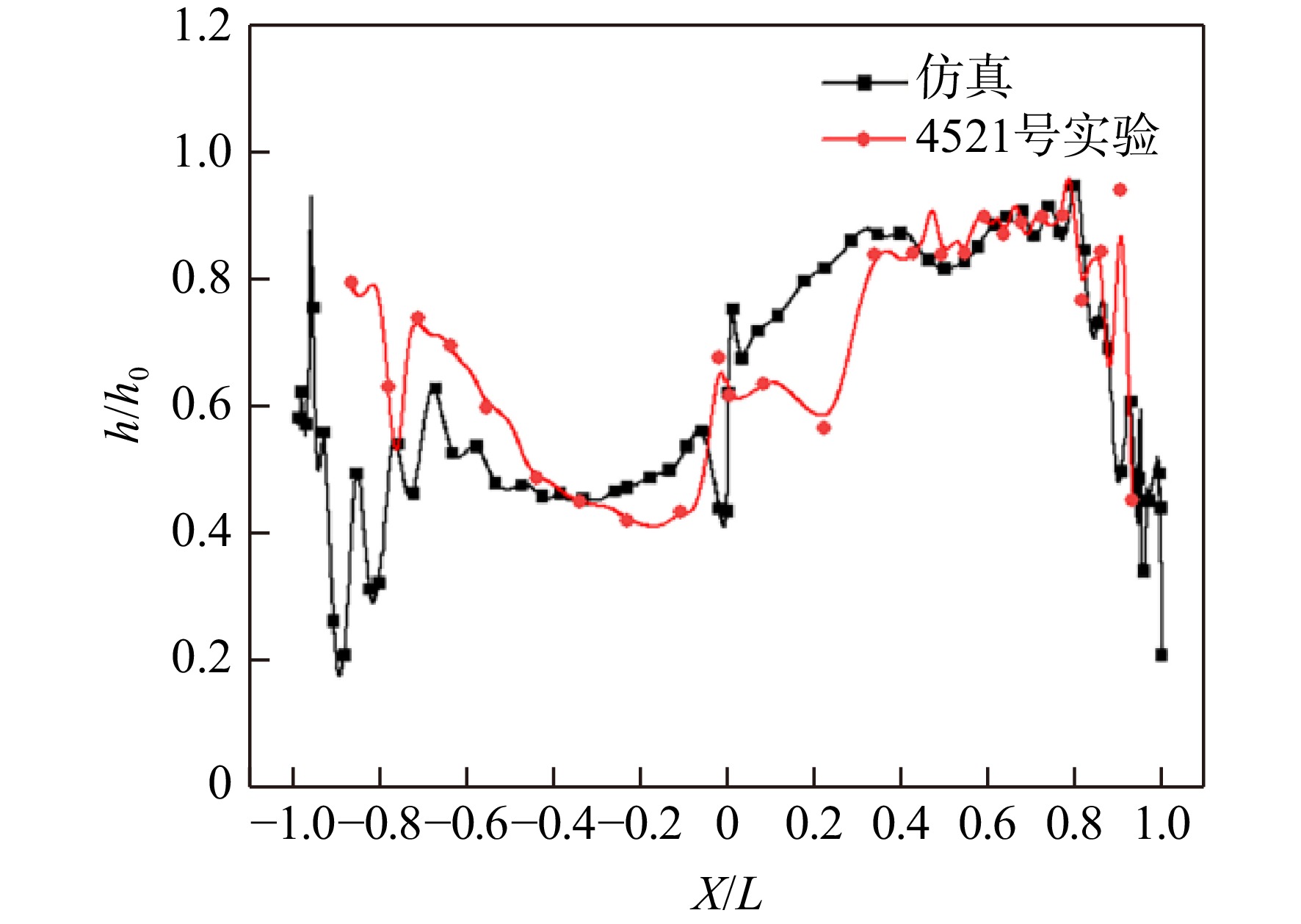
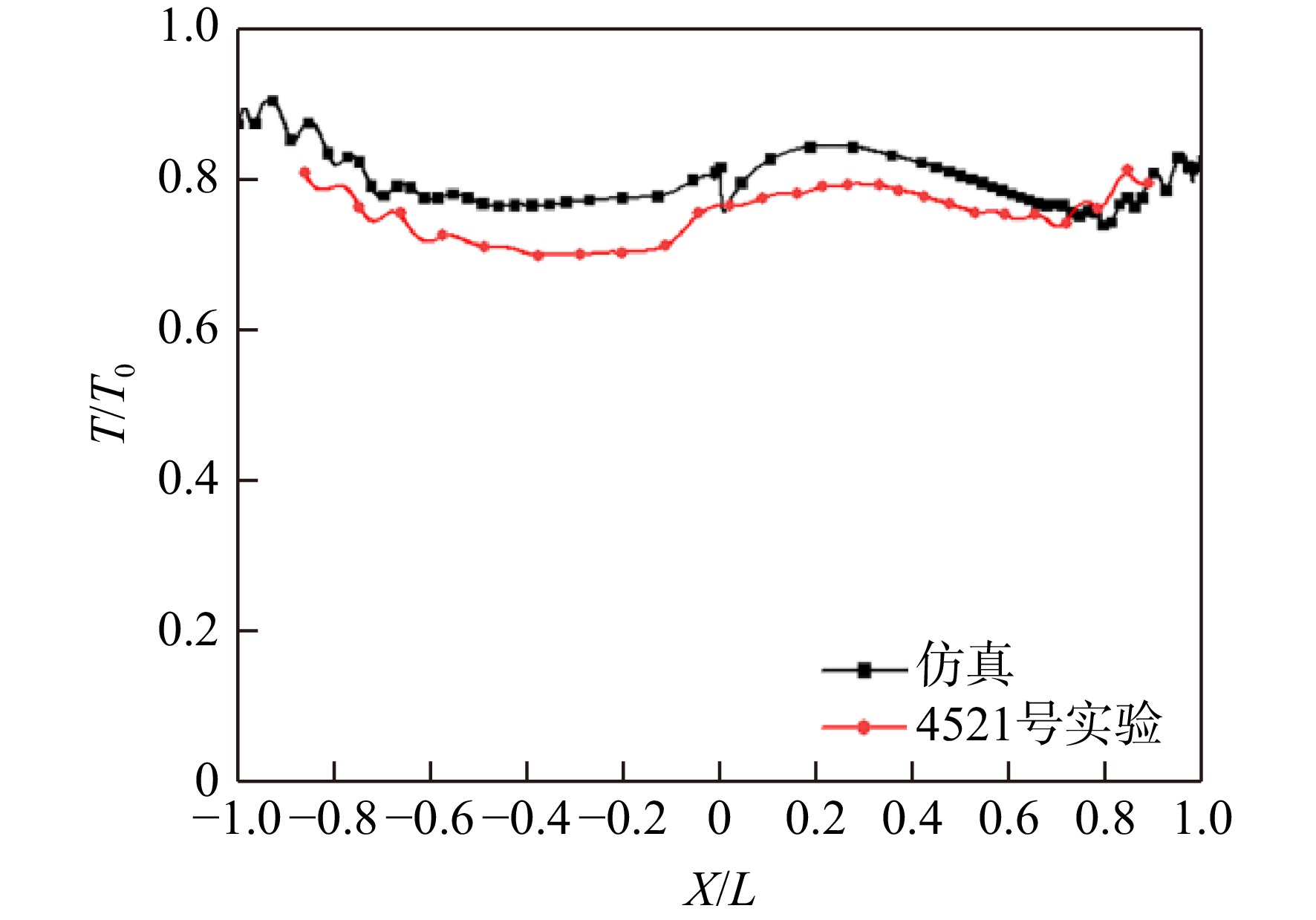
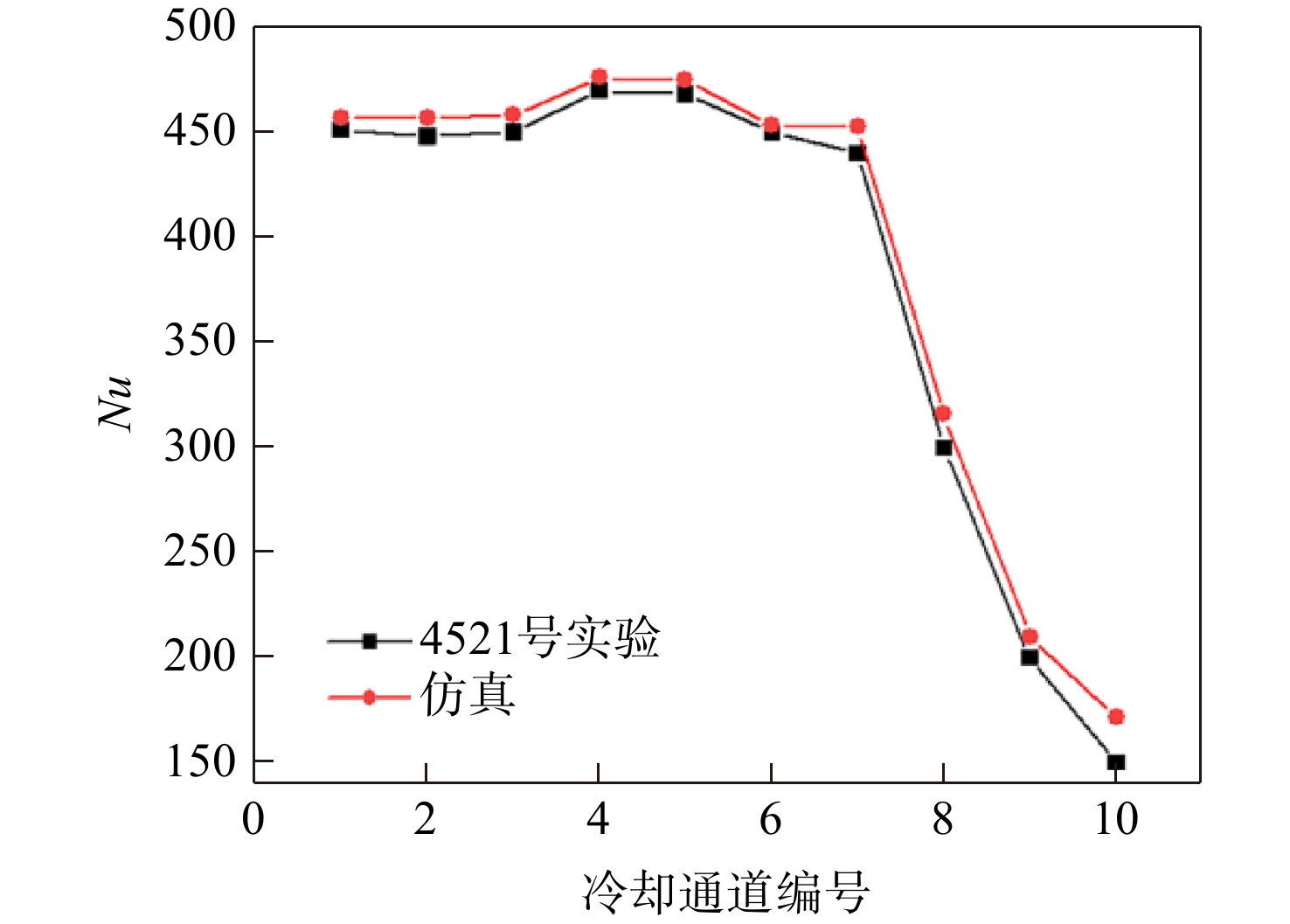
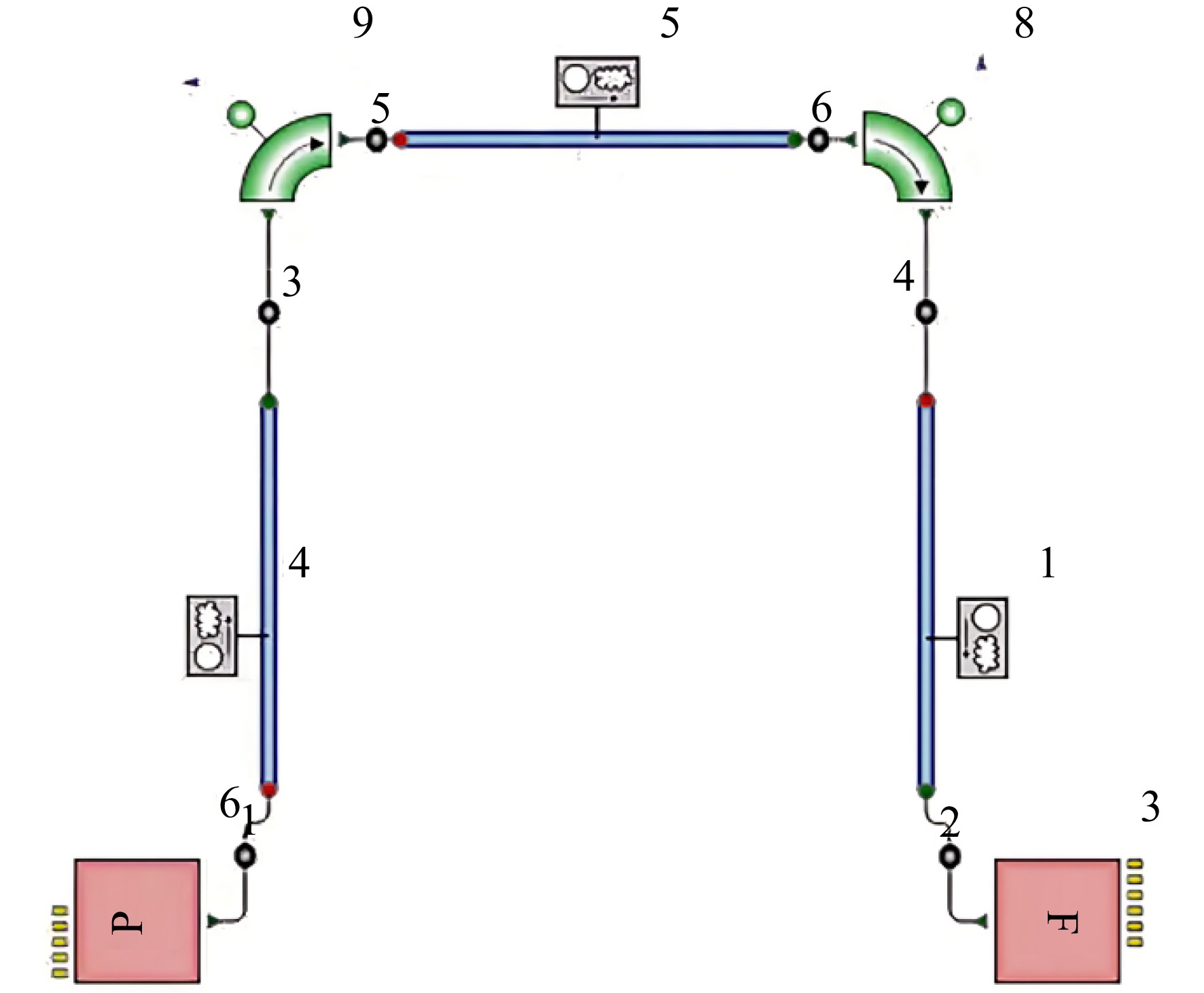
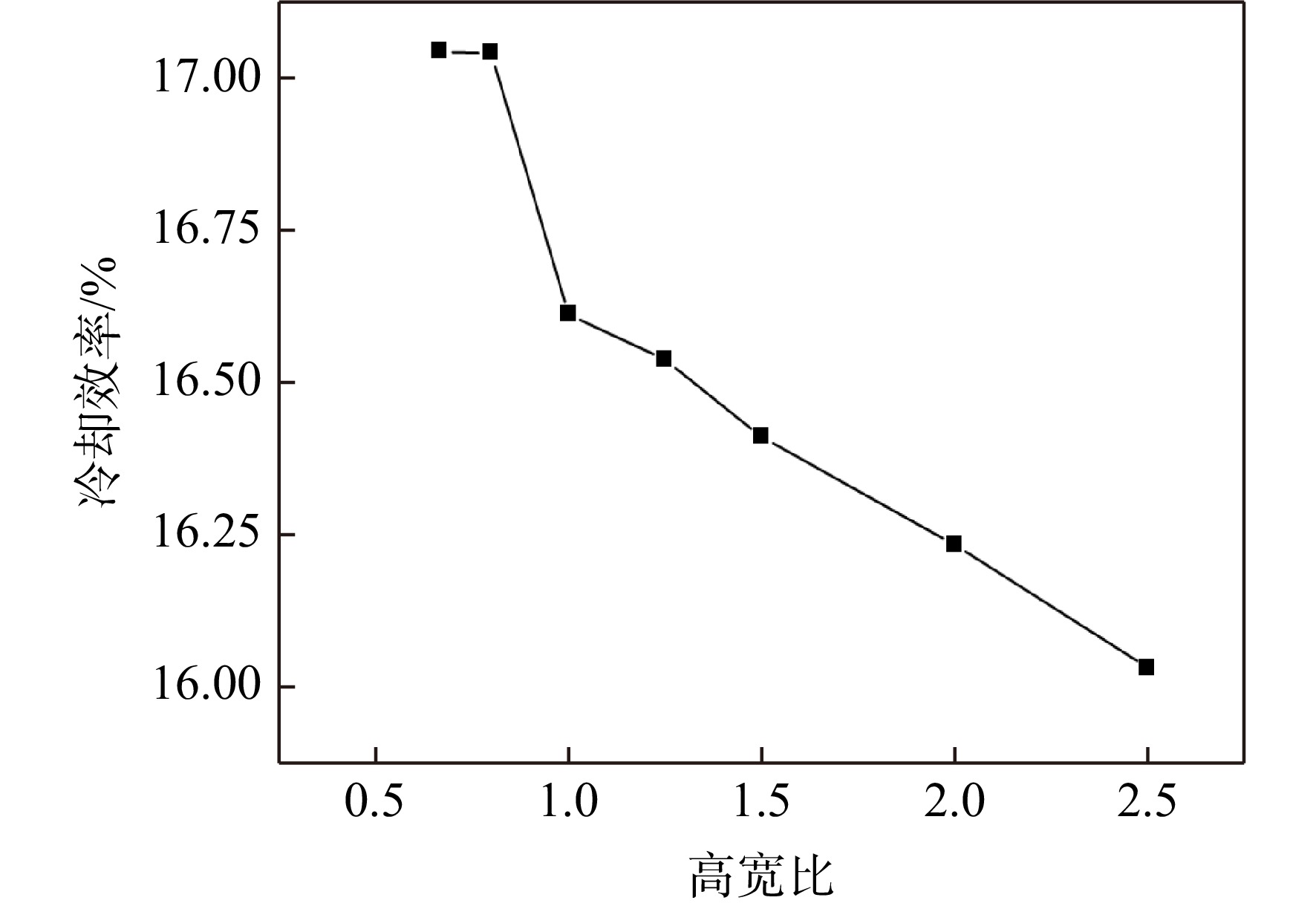
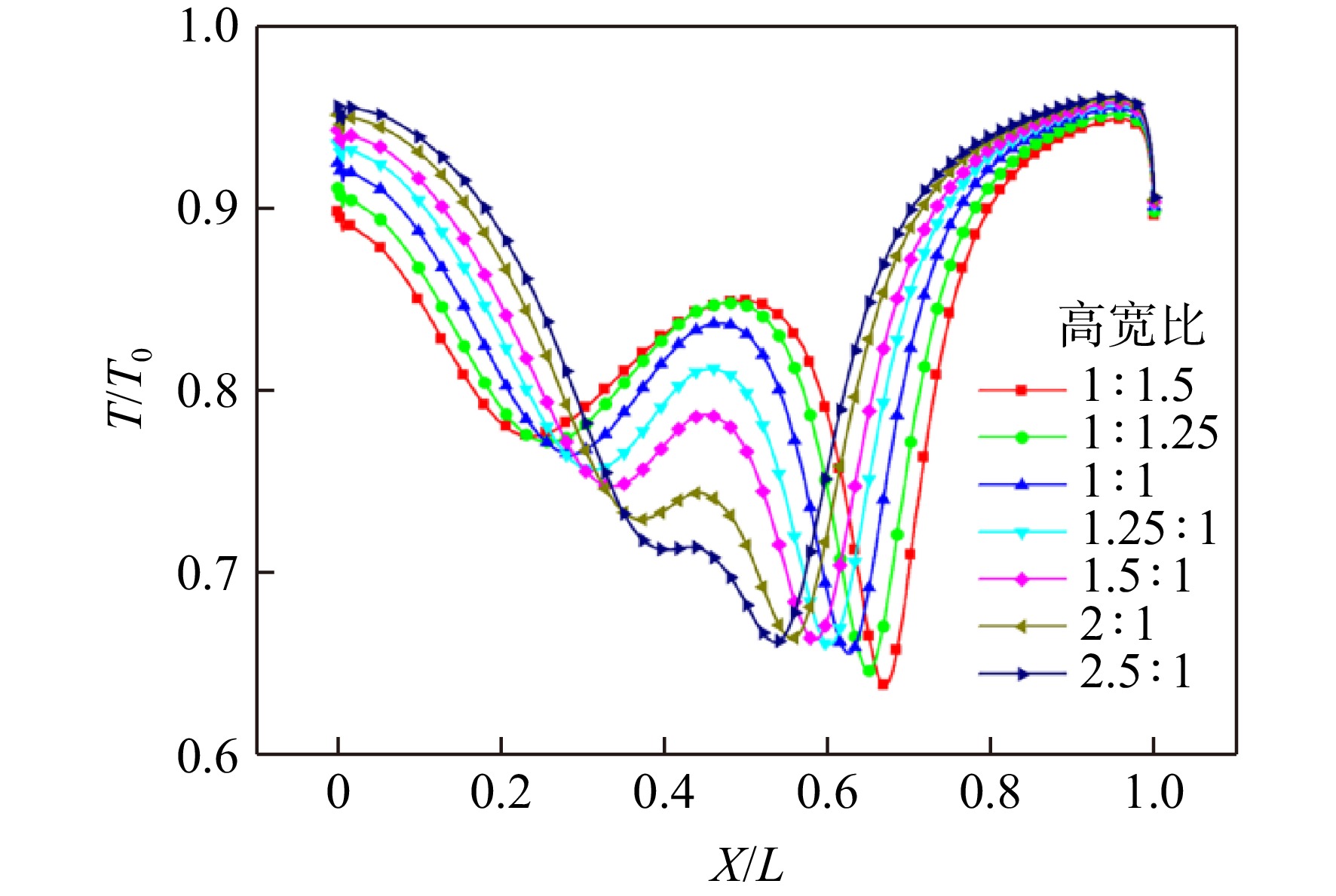
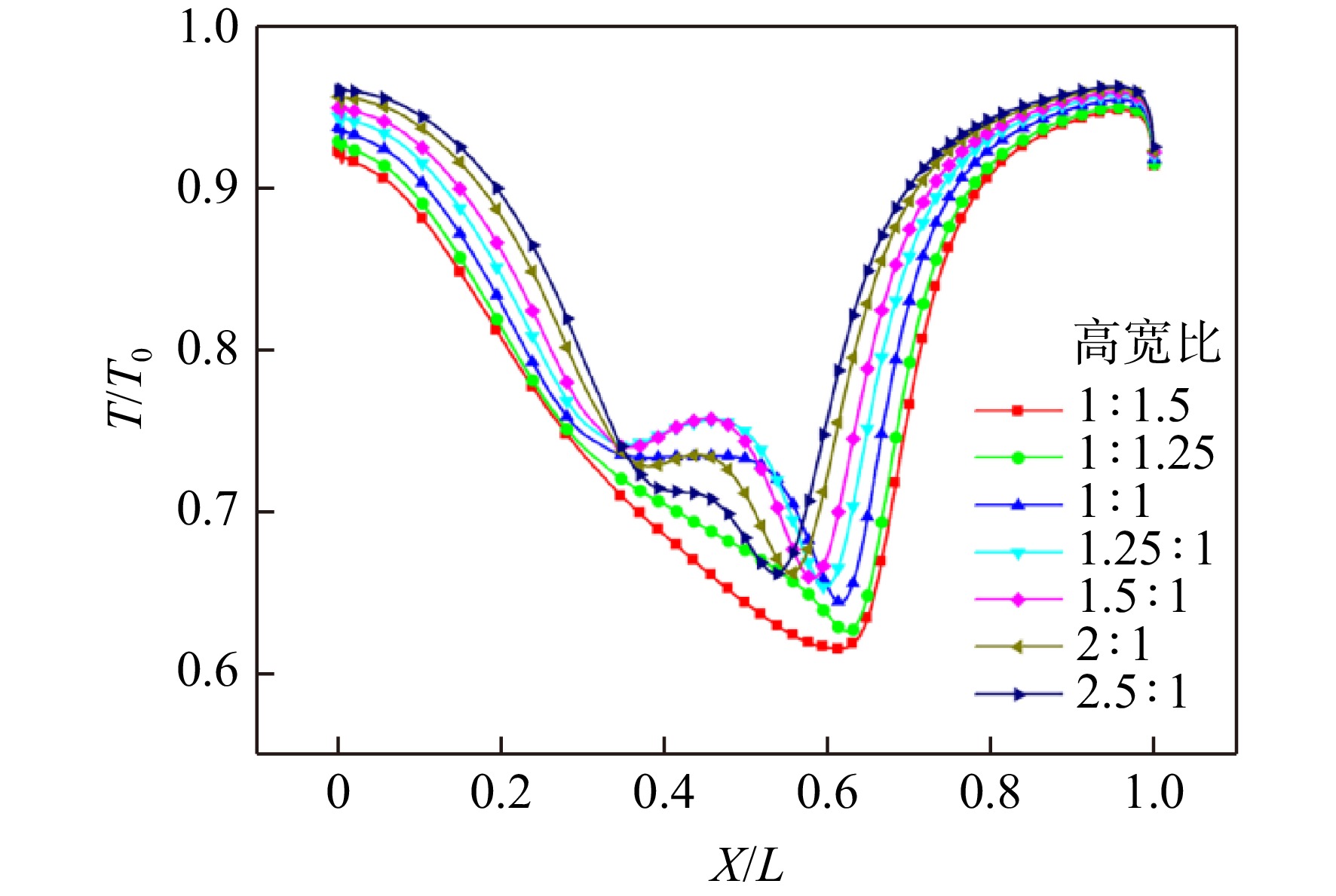
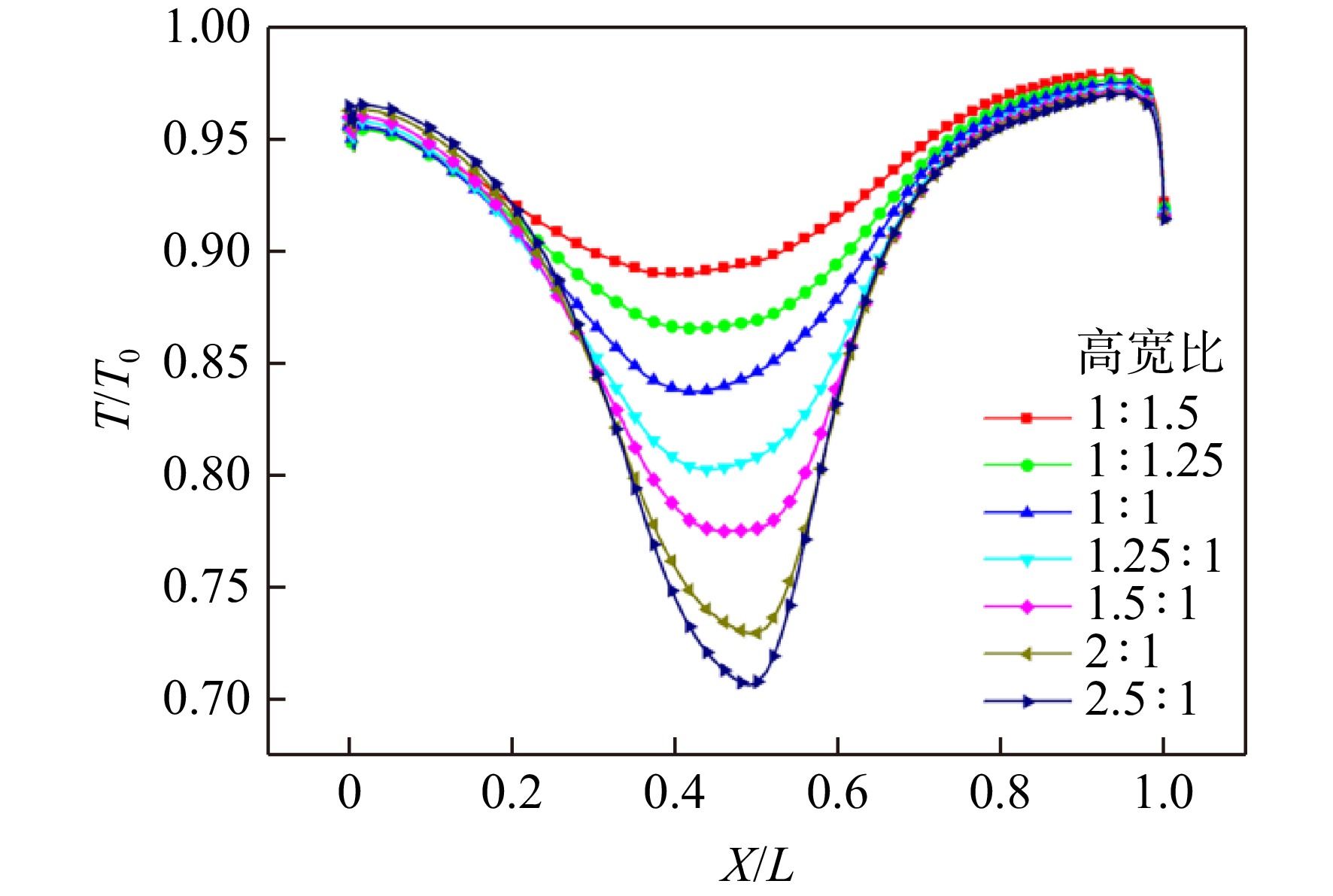
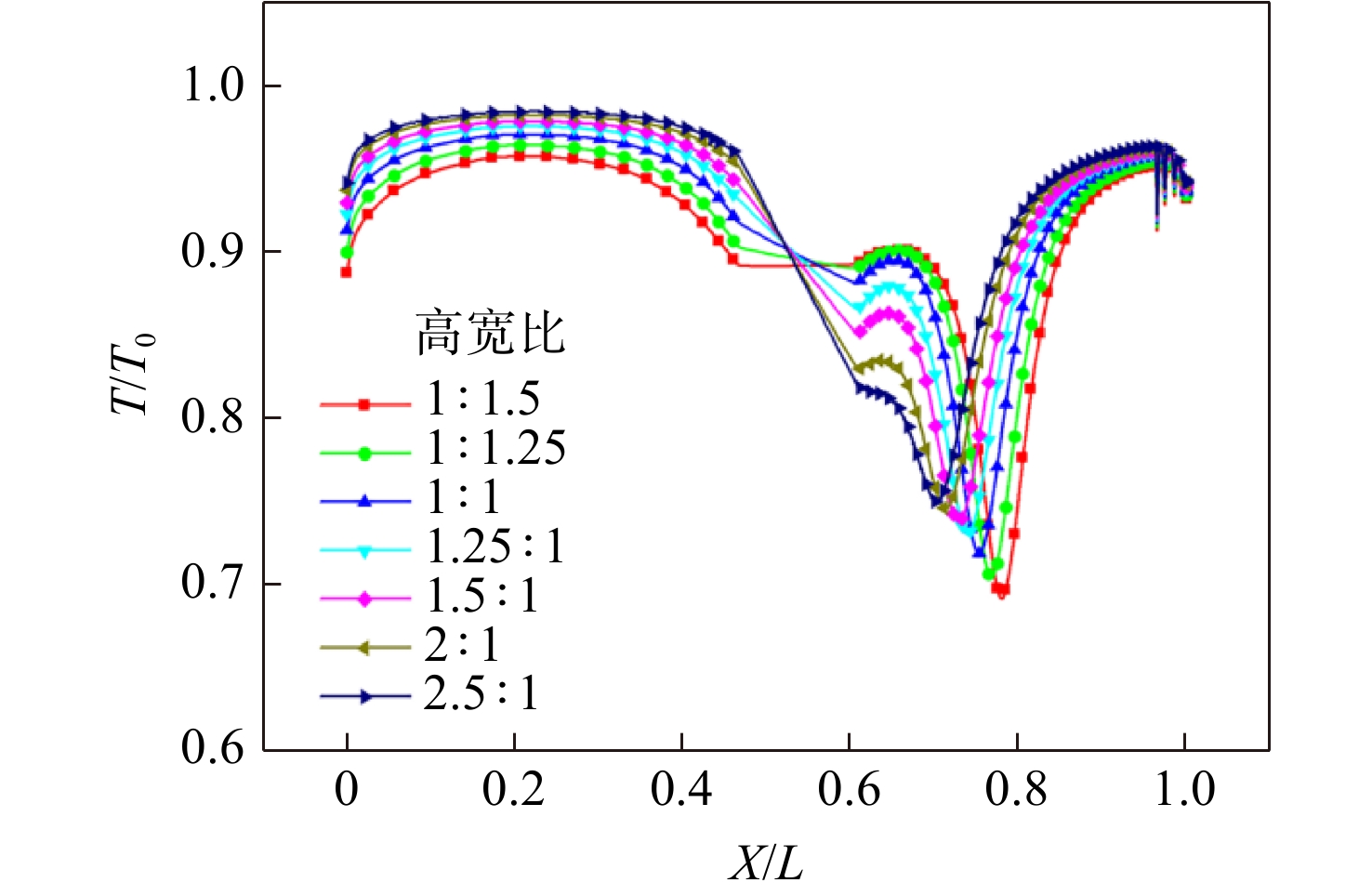
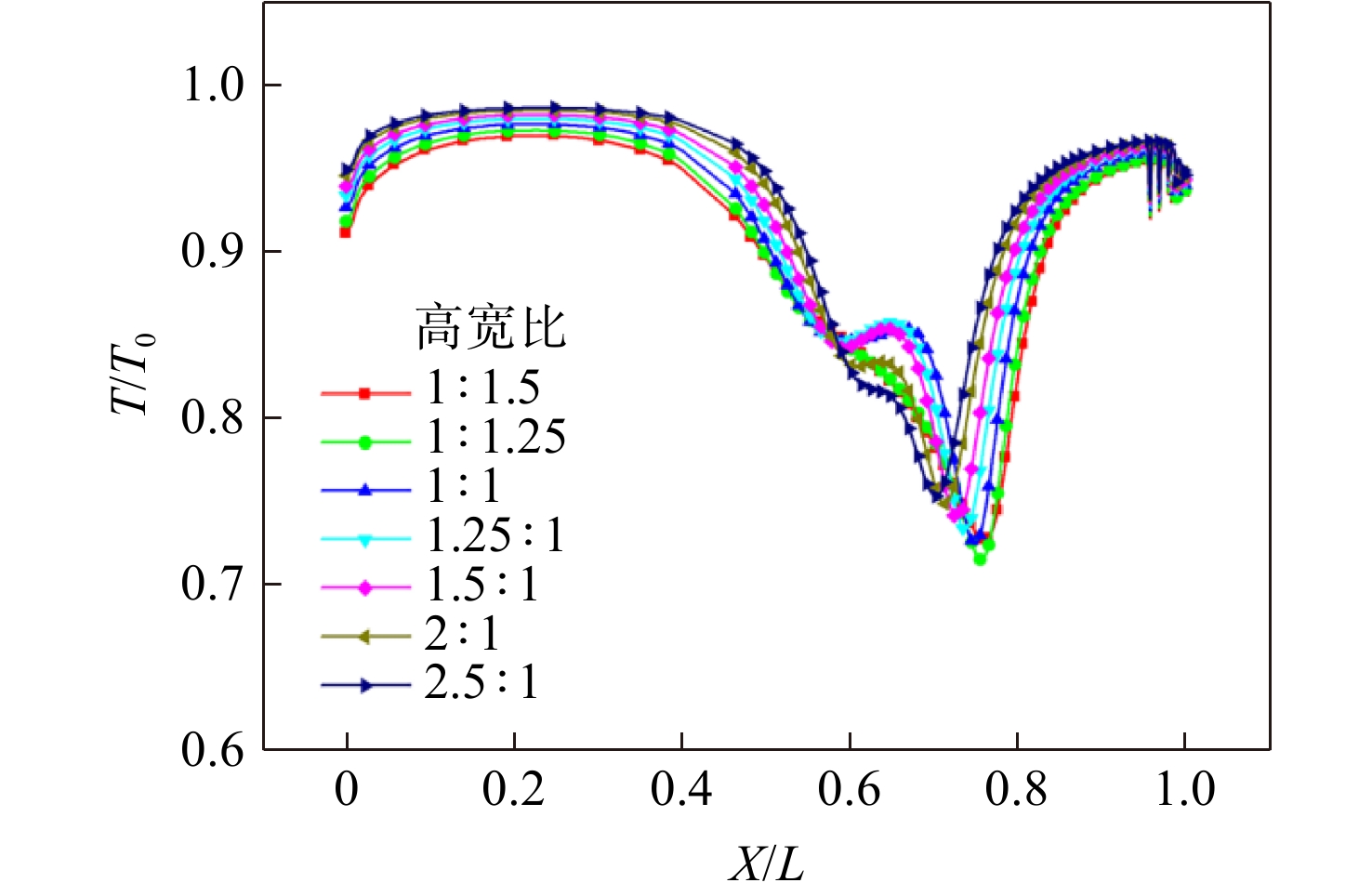
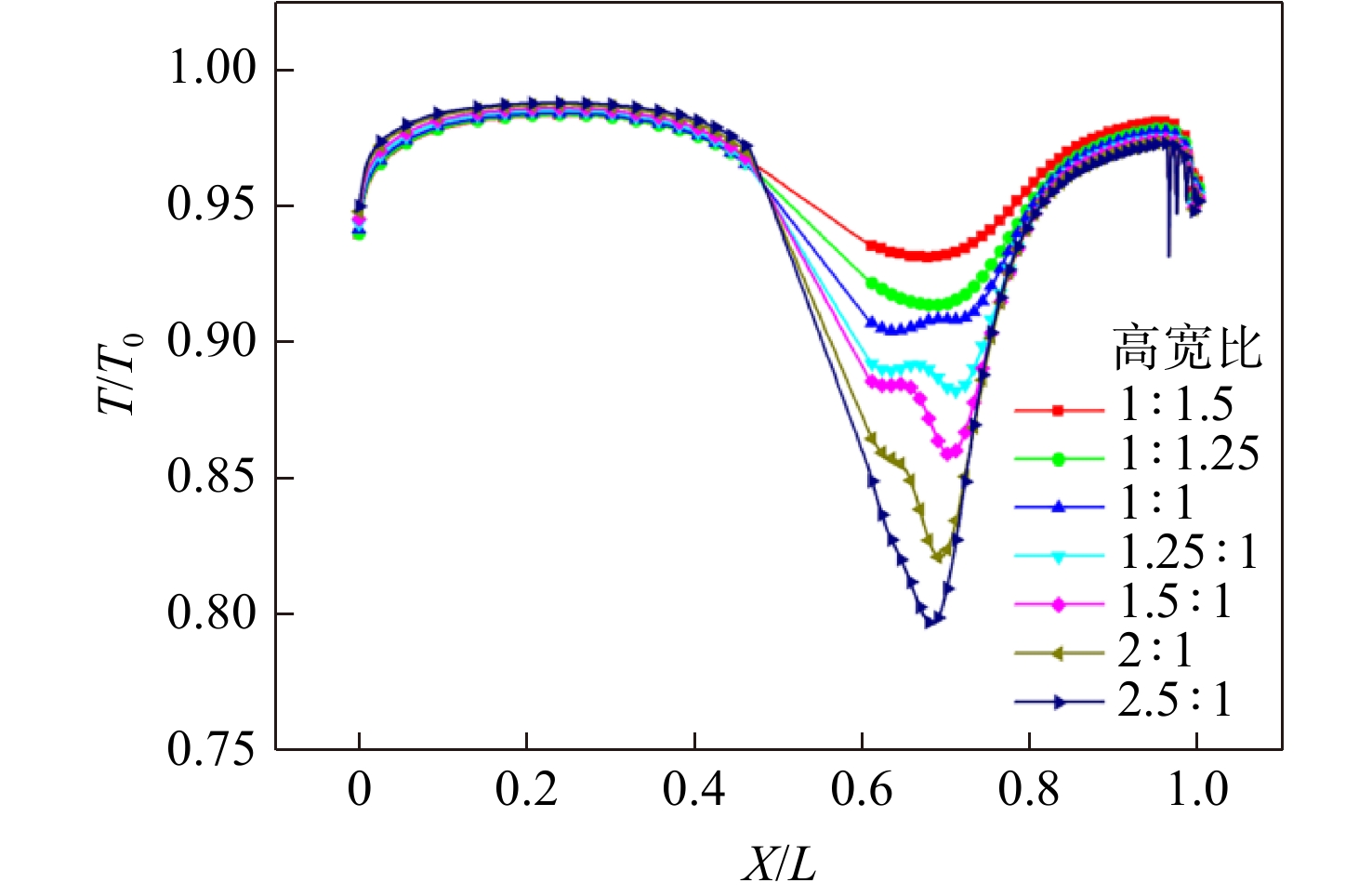
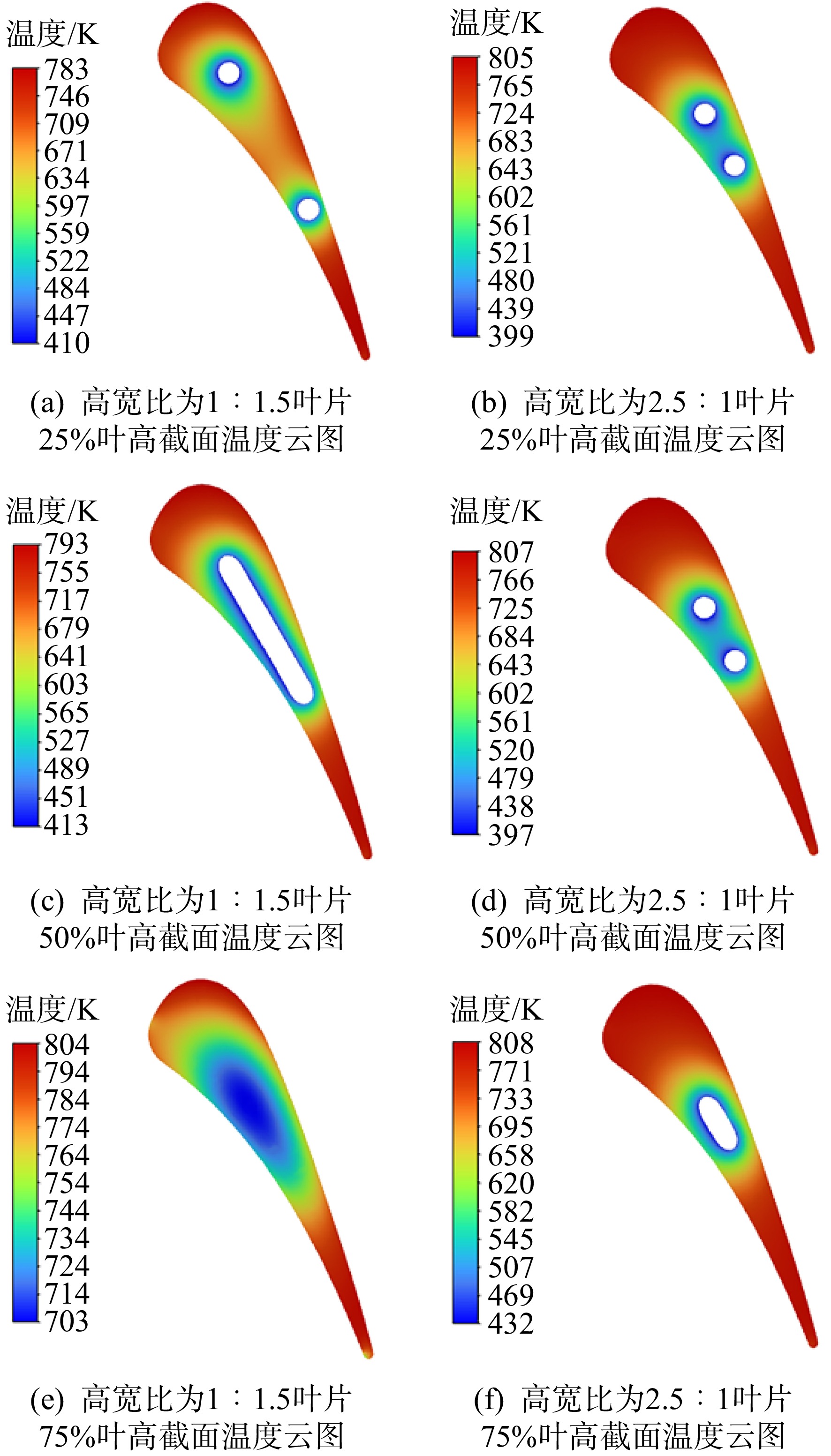
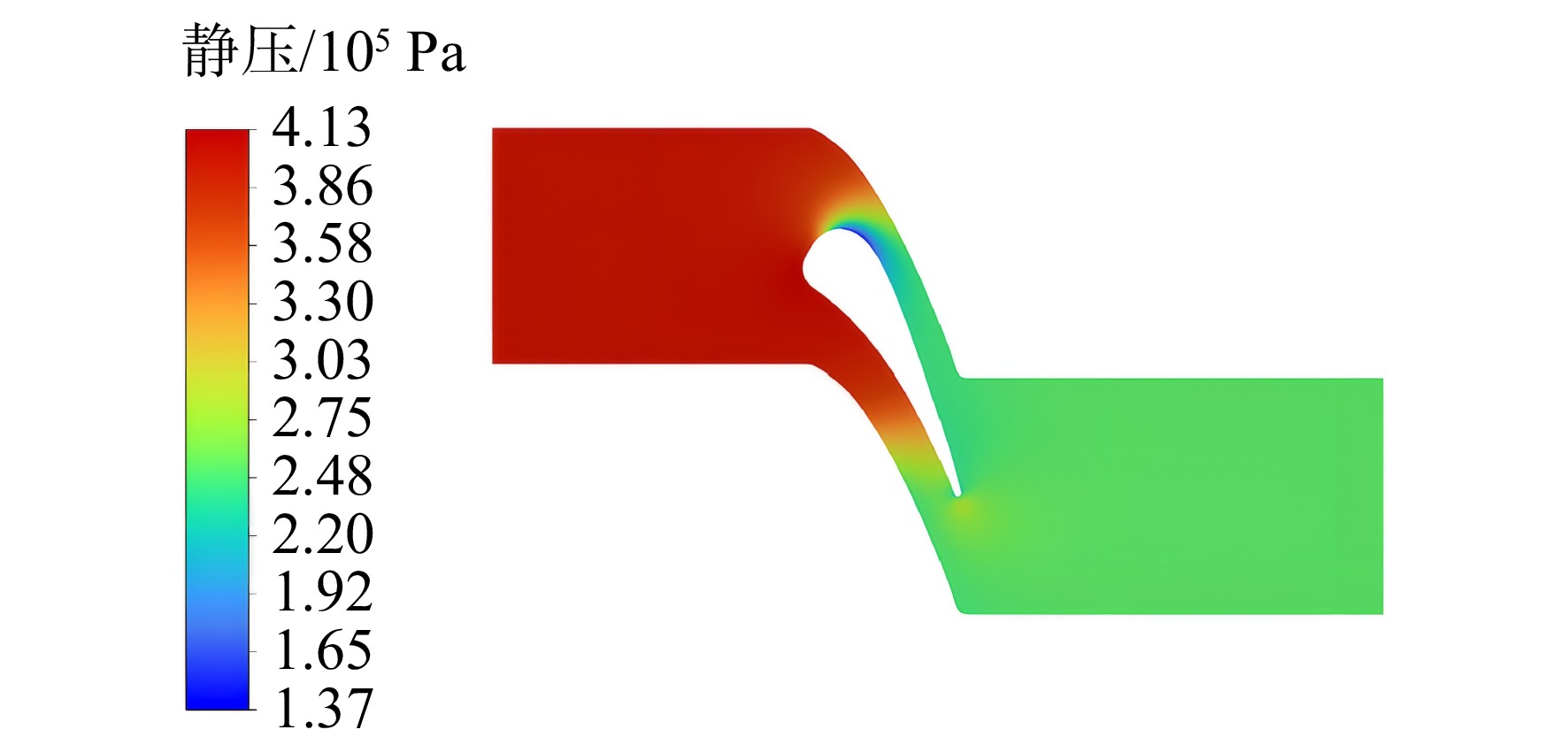
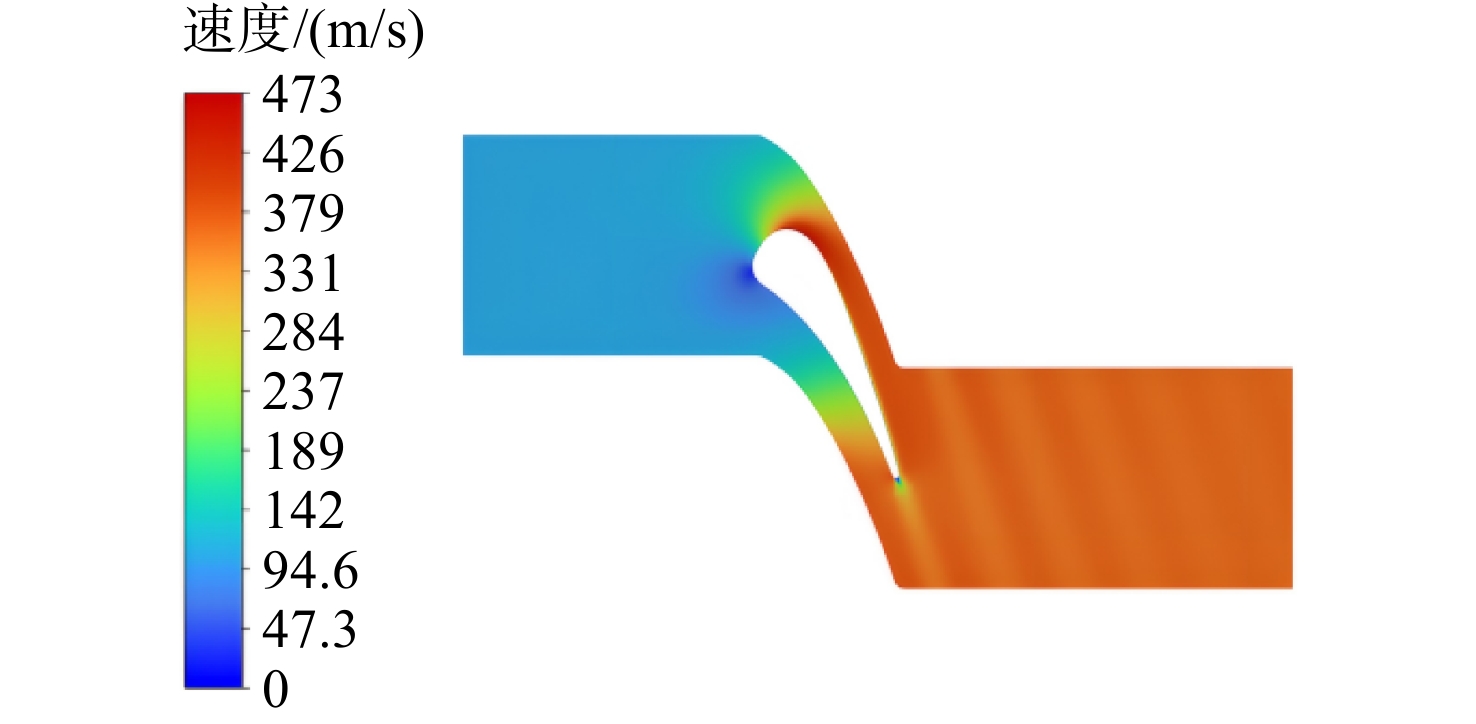
Based on the principle of turbine vanes and the mechanism of flow and heat transfer, a fluid-thermal-solid coupling calculation system incorporating ANSYS Fluent, ANSYS APDL, and Flowmaster was developed through secondary development. This system achieved the invocating of different programs, automatic calculation, data exchange between different computational domains, and monitoring of calculation results. Based on this integrated simulation software, the flow phenomena in the blade channels and heat transfer phenomena of oil-cooled turbine vanes with different cooling channels aspect ratios were analyzed. The results showed that the structural design and layout of cooling channels significantly influenced the cooling effectiveness of oil-cooled turbine vanes. Moreover, as the aspect ratio of U-shaped cooling channels increased, the oil-cooled turbine vanes had a great impact on the temperature distribution. With the increase of the aspect ratio of U-shaped channels, the cooling efficiency of the turbine vanes decreased, but the reduction was minor; oil cooling structures with smaller aspect ratios exhibited more uniform temperature distribution on the turbine vanes outer walls and a larger cooling coverage area, while oil cooling structures with larger aspect ratios had a more concentrated cooling effect and a smaller cooling coverage area.

Study on blending and combustion characteristics of hydrogen micro-mixing diffusion unit
LUO Sixiao, CHEN Yuqian, MA Mingcheng, HUANG Yue, WANG Fengming, ZHU Junyan, YOU Yancheng
2025, 40(11): 20250229. doi: 10.13224/j.cnki.jasp.20250229
Abstract:
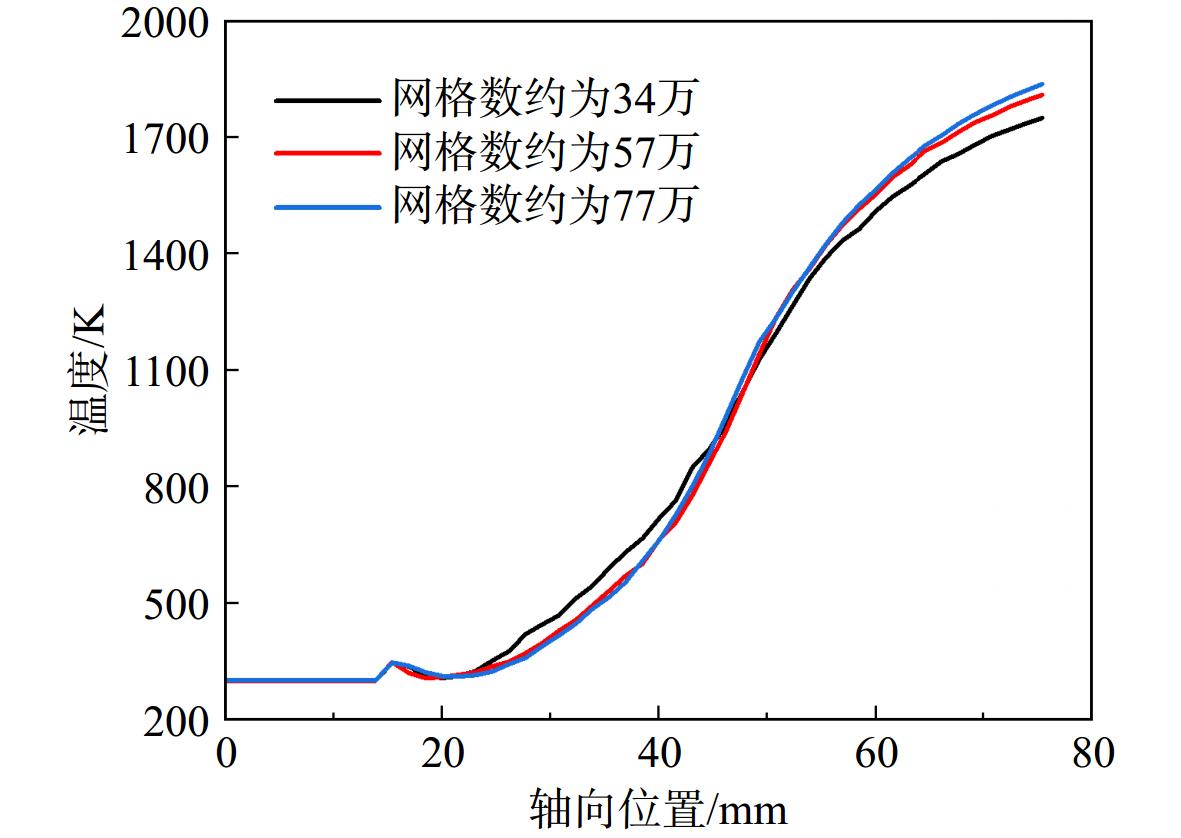
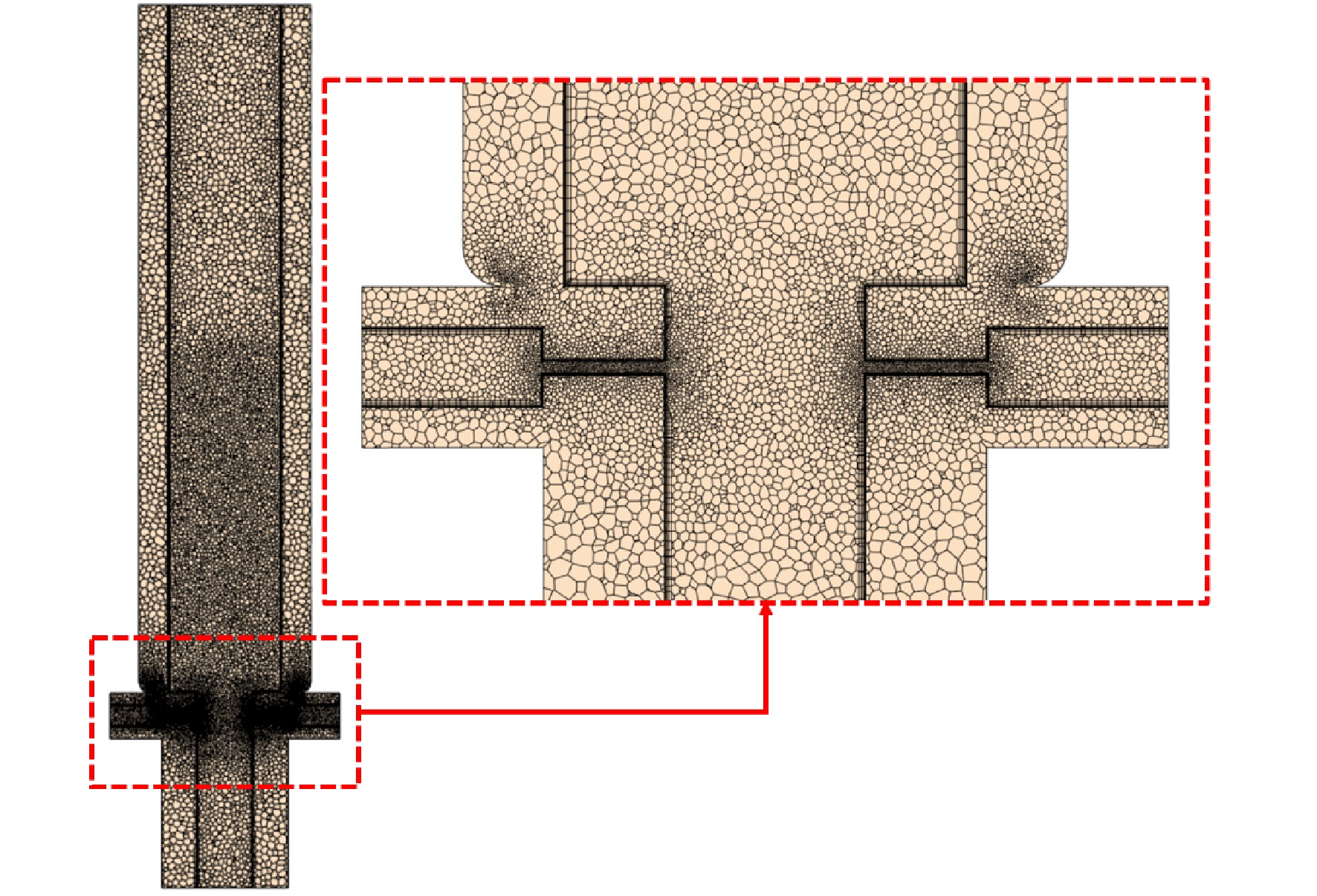
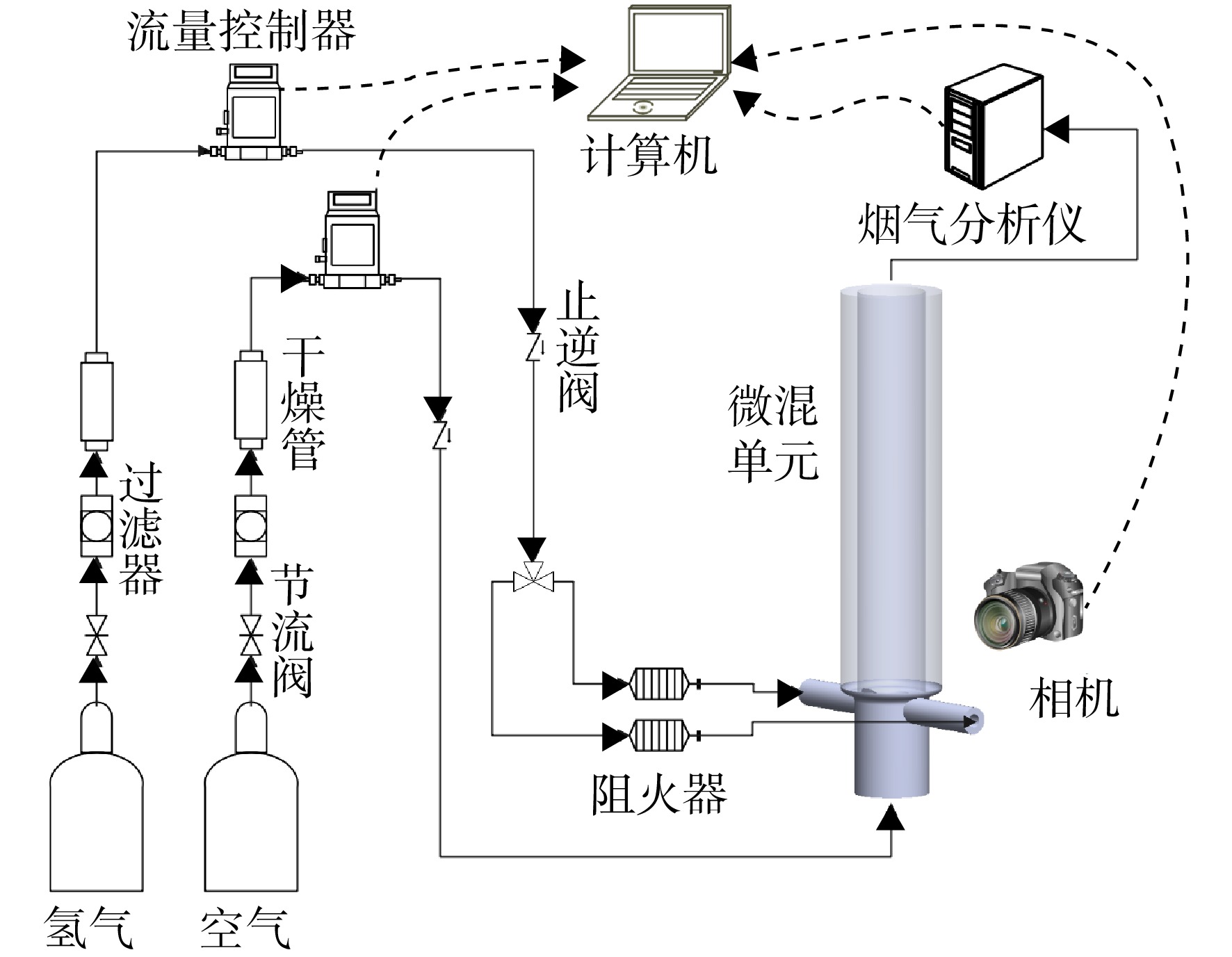
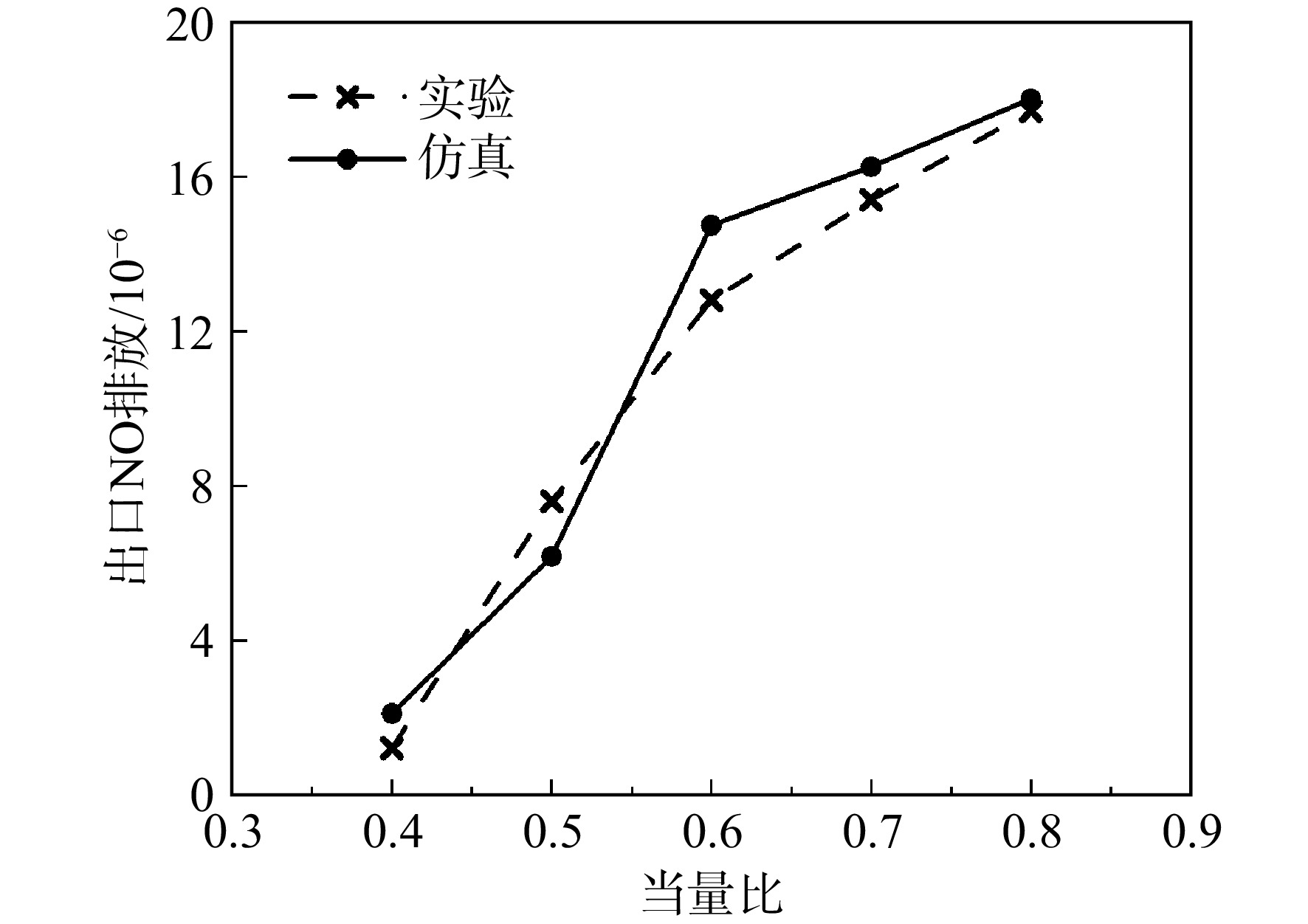
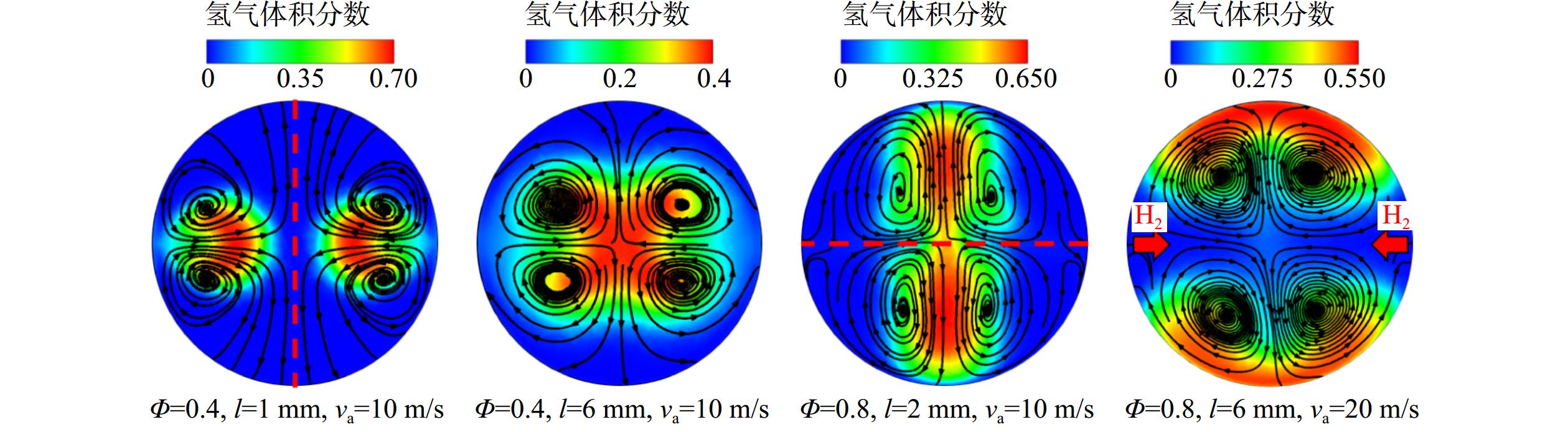
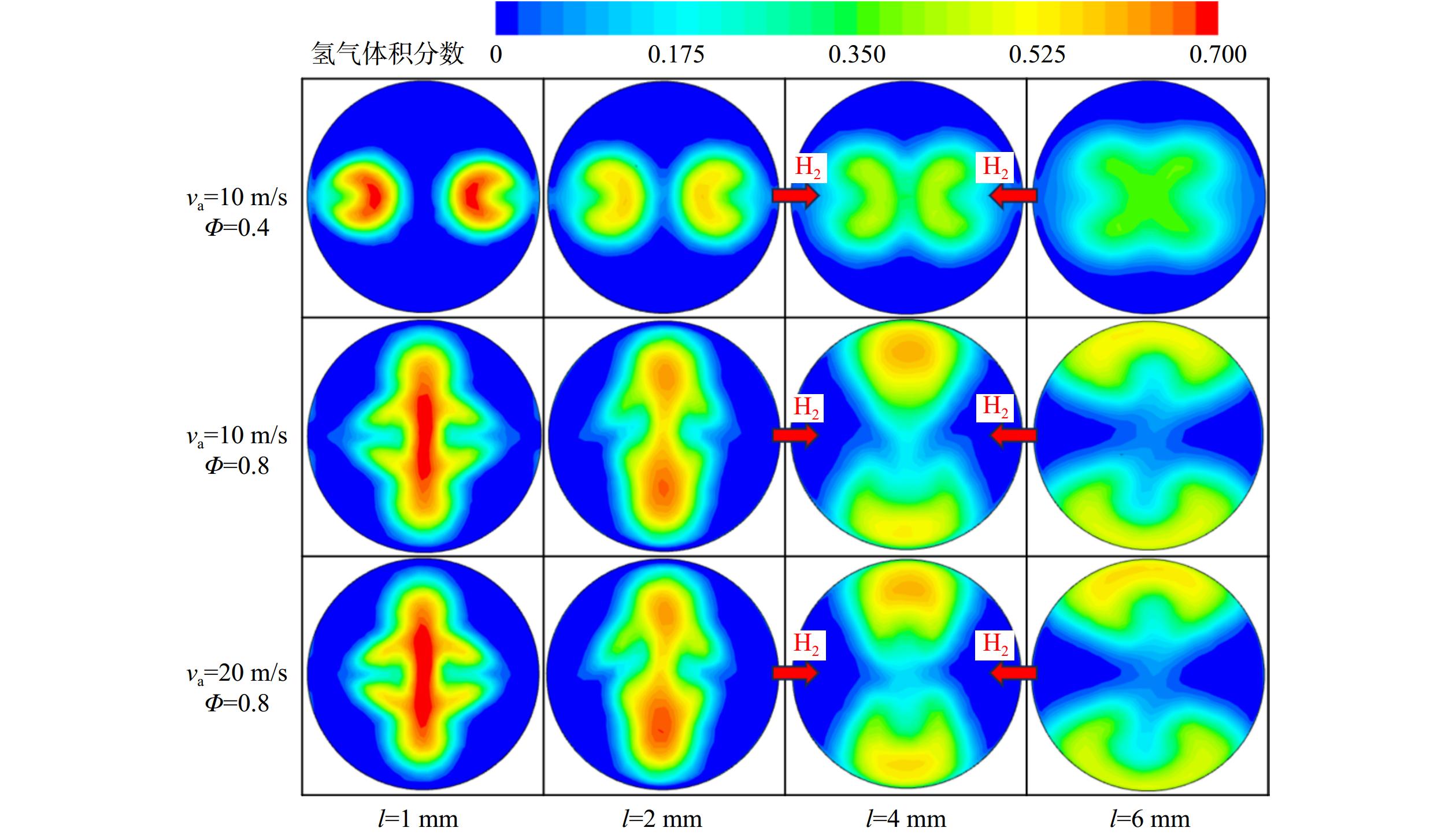
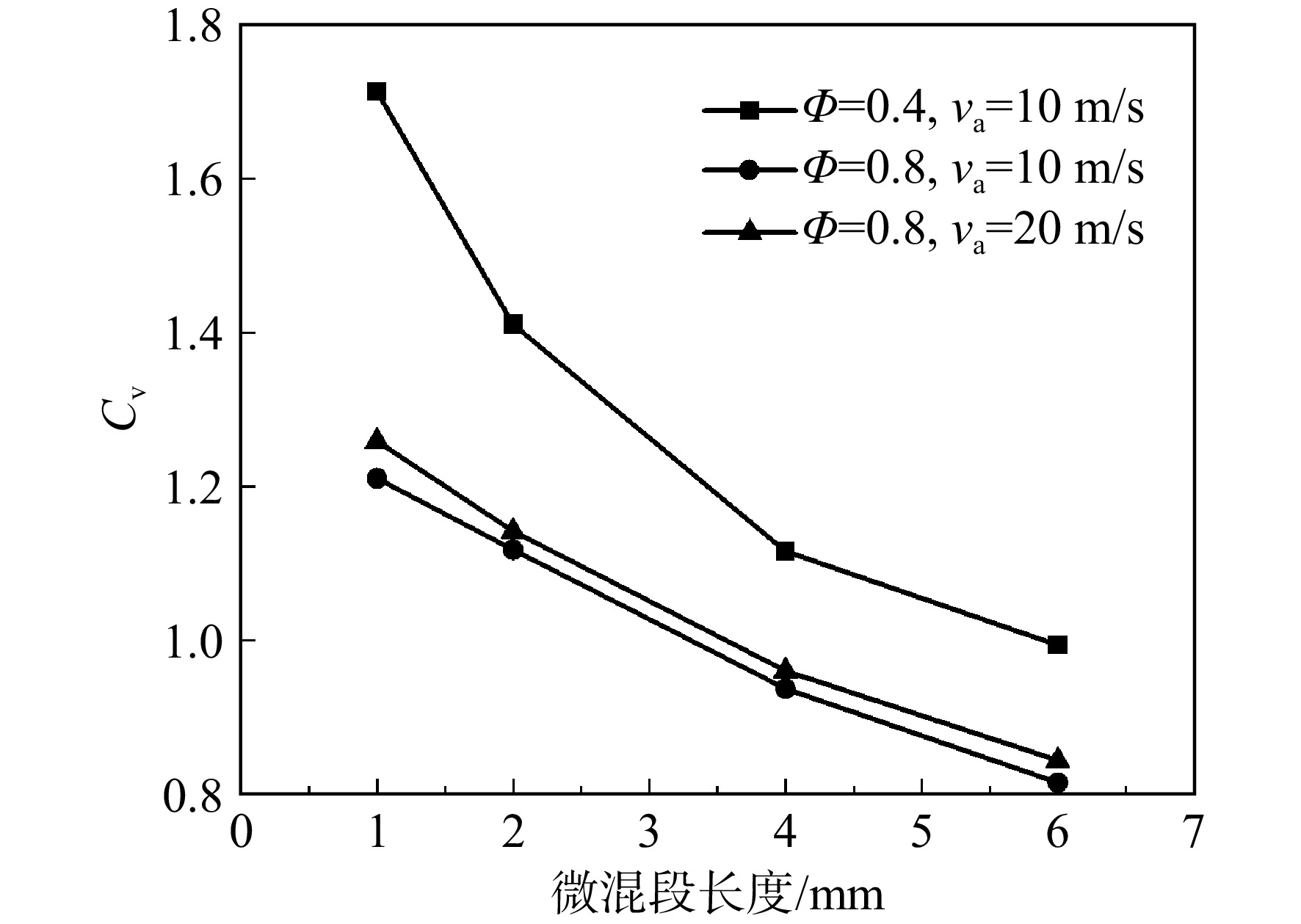
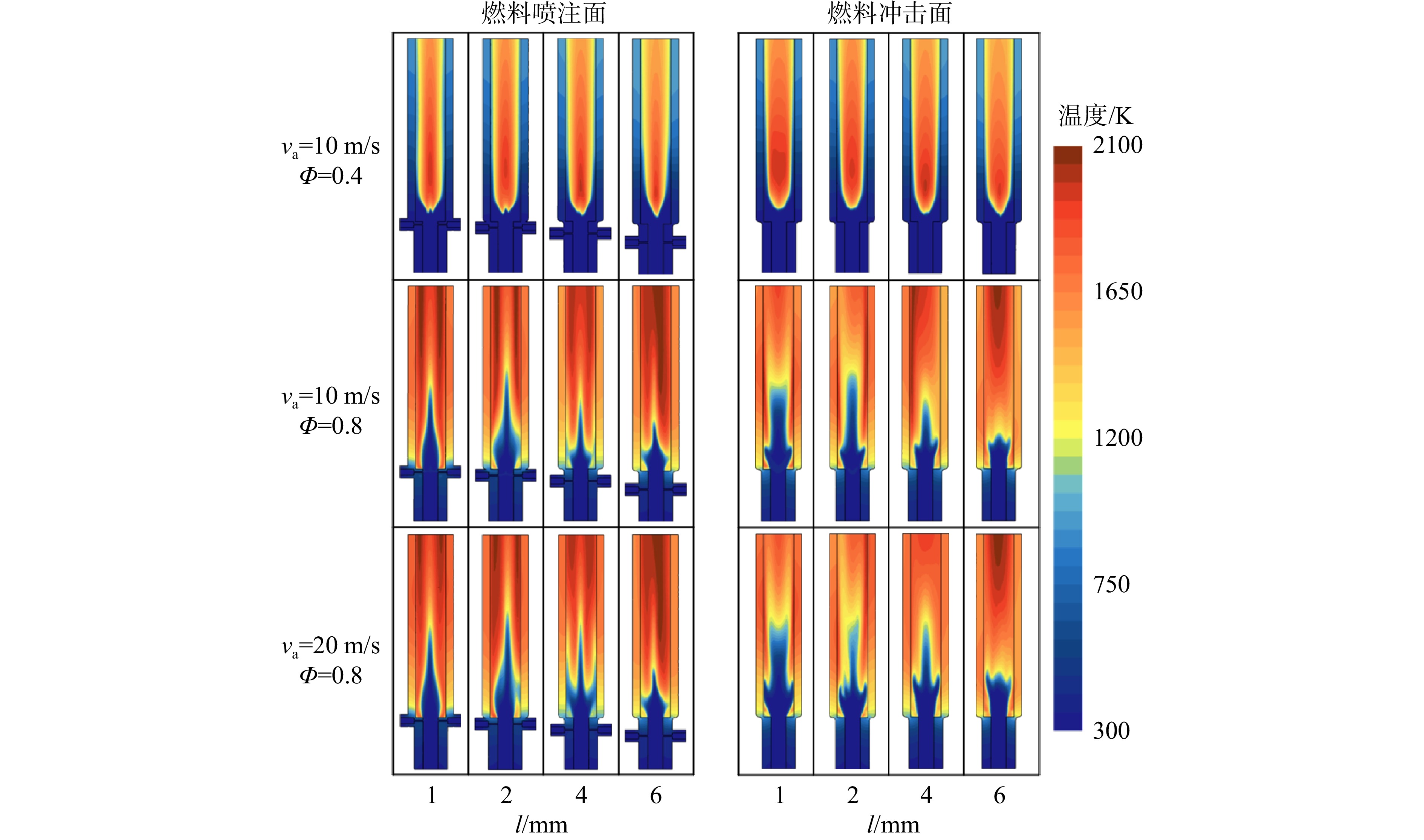
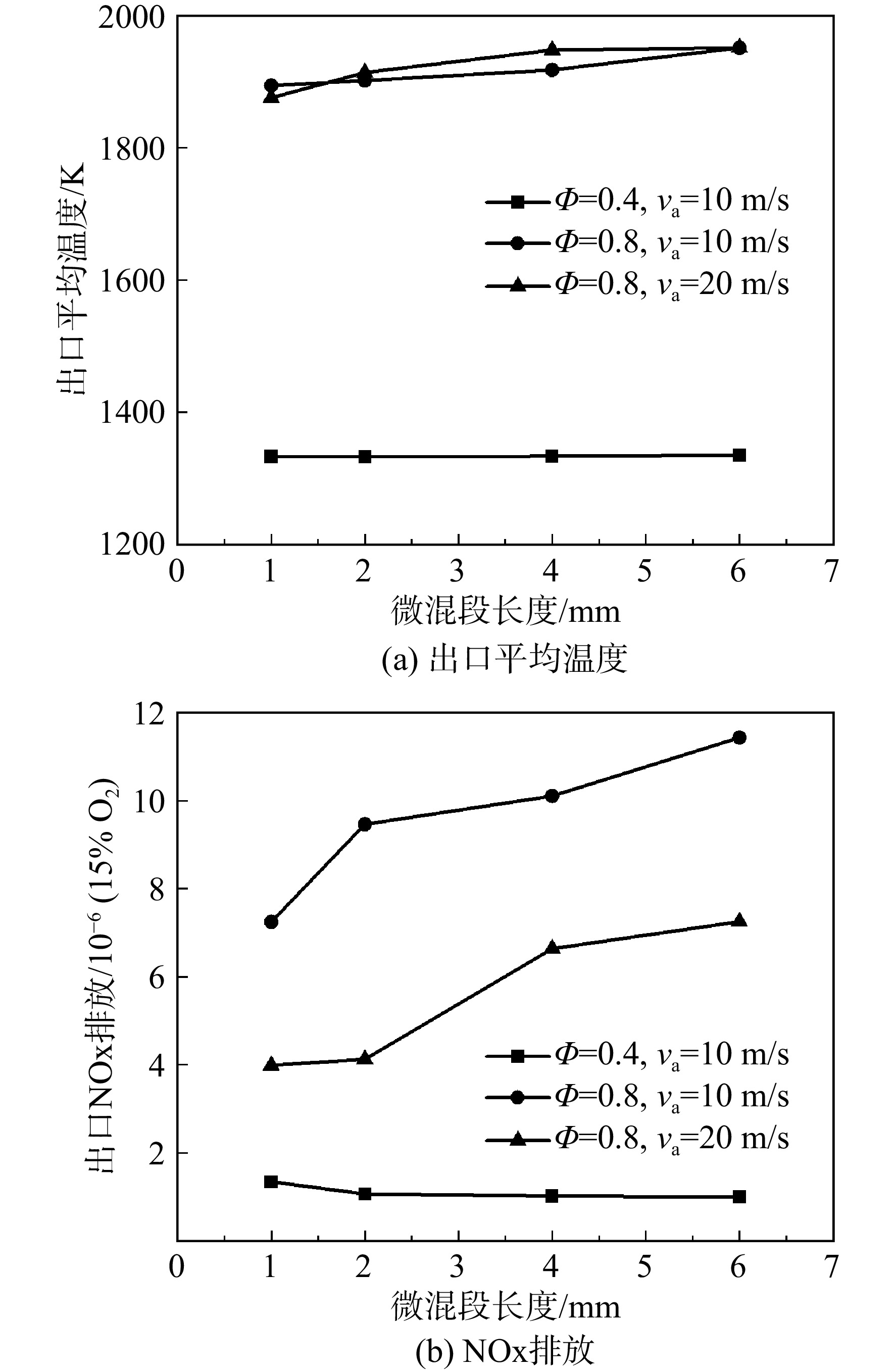
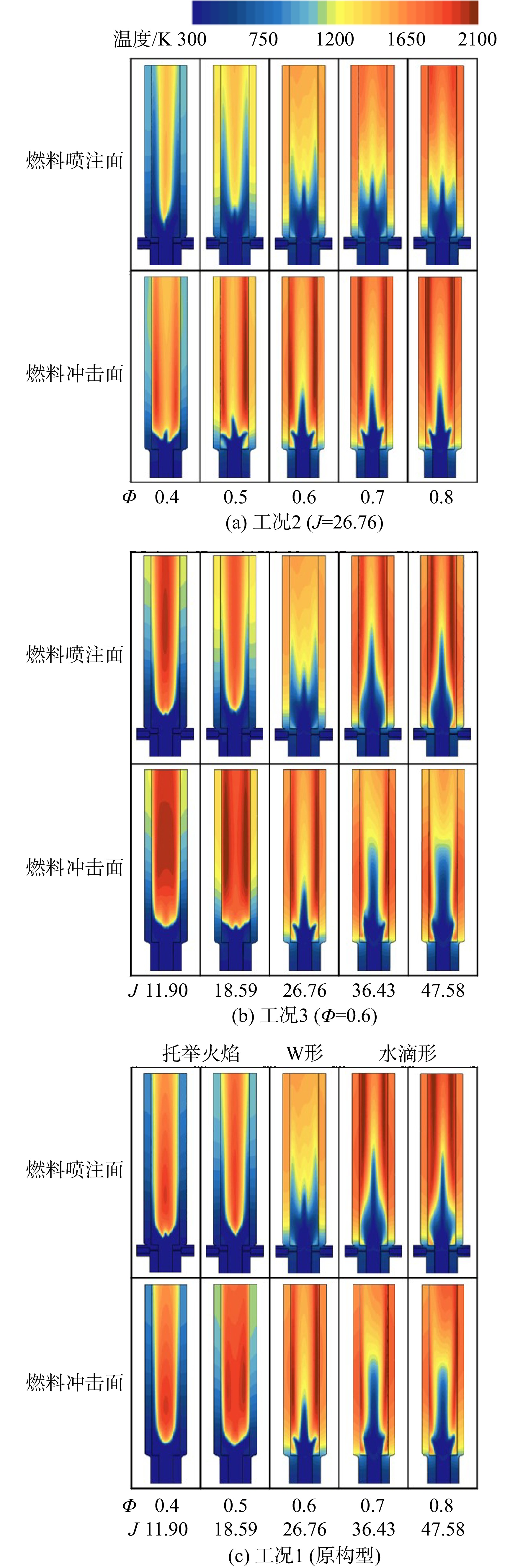
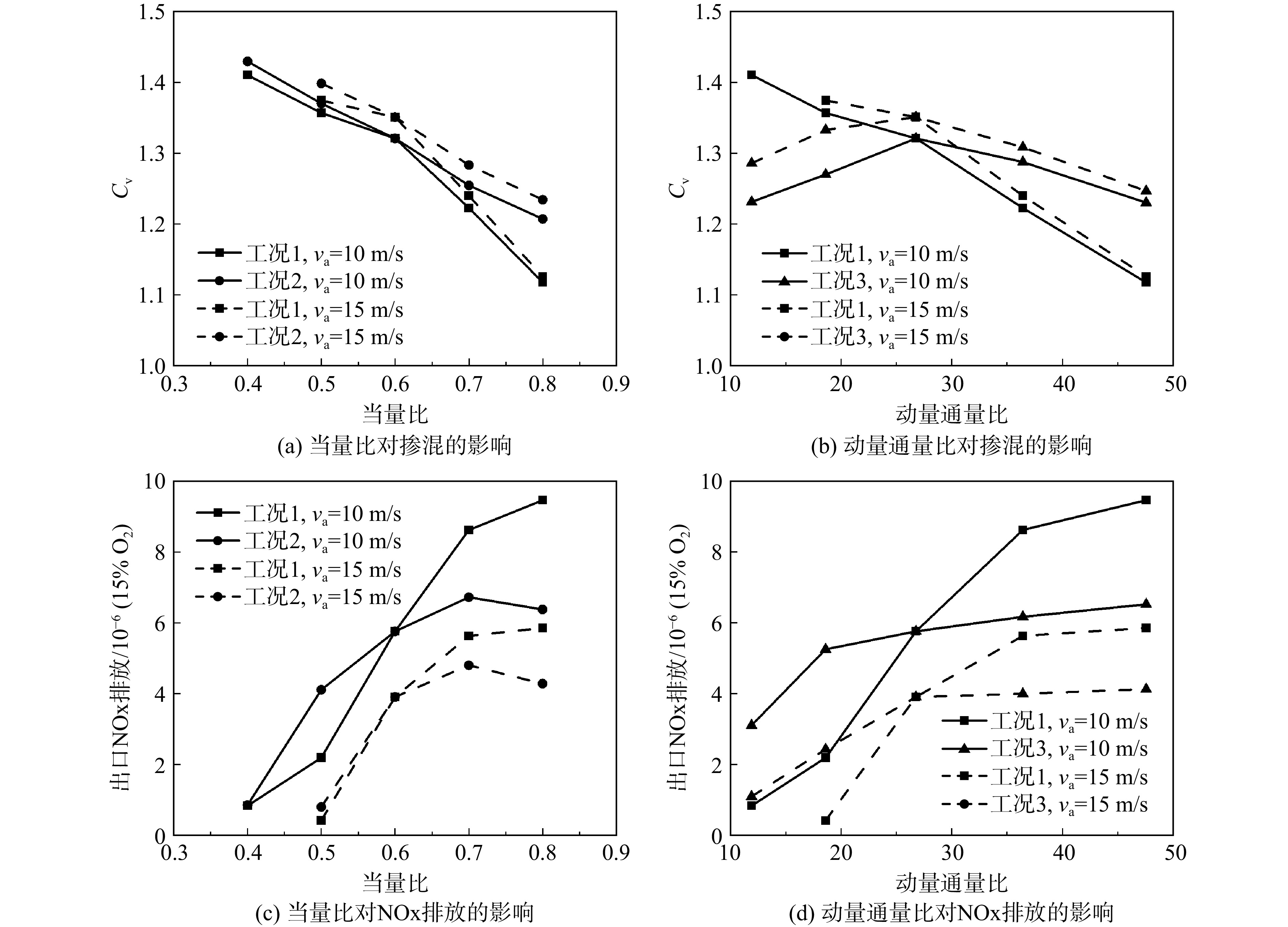
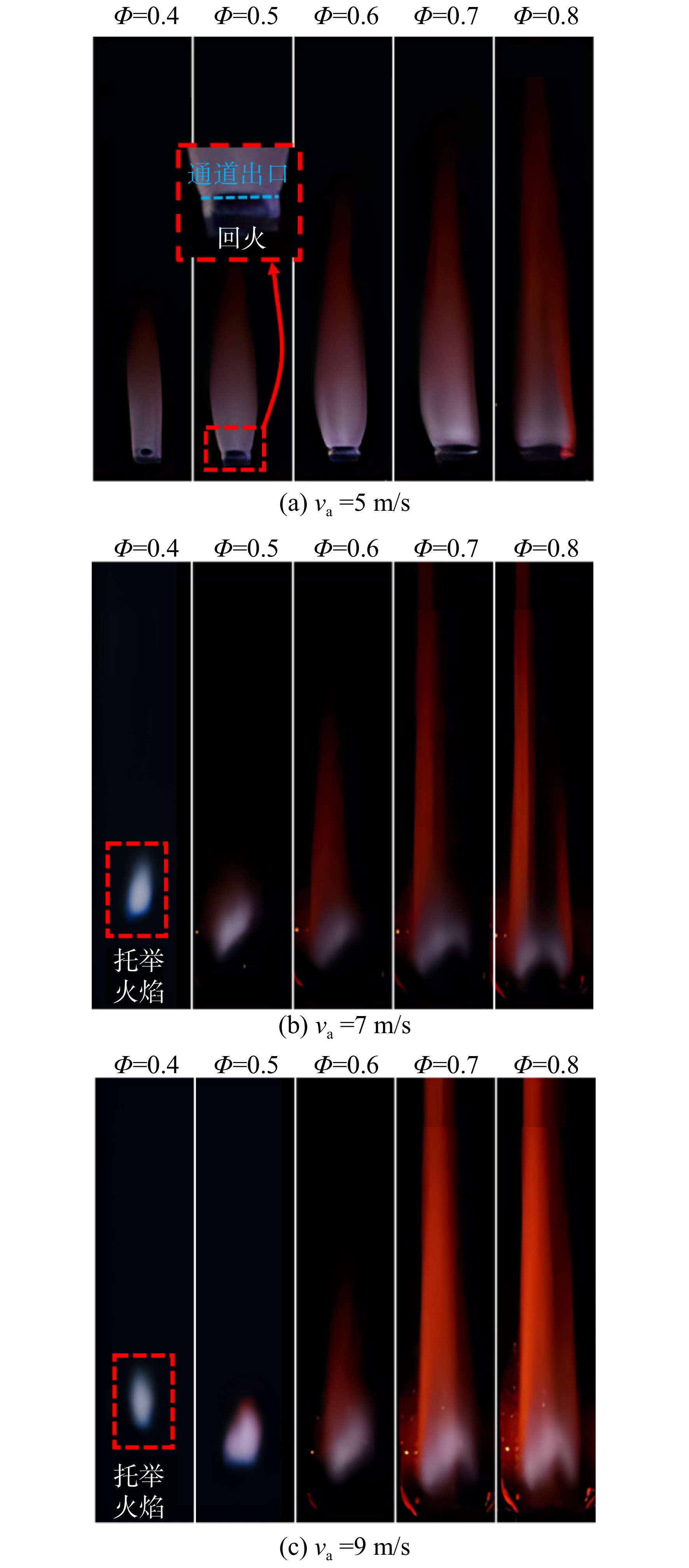
To enhance the combustion stability of hydrogen flames and reduce NOx emissions, investigation was carried out on a micro-mixing diffusion unit with hydrogen cross-injection. By means of numerical simulations for the cold and combustion states, the impacts of the length of micro-mixing section and the momentum flux ratio between fuel and air on mixing efficiency, flame morphology, and NOx emissions were analyzed. Furthermore, experimental measurements were conducted to evaluate the actual NOx emissions of the micro-mixing diffusion unit under varied operating conditions. Results indicated that three distinct combustion modes emerged: lifted flame, “W”-shaped flame, and droplet flame while the hydrogen penetration depths were changed. To achieve lower NOx emissions, the lifted flame required enhanced mixing for stable combustion. However, the excessive flame concentration should be avoided by appropriately reducing mixing for “W”-shaped and droplet flames because flame was adhered to the outlet of the micro-mixing unit. NOx emissions were relatively higher at equivalence ratios of 0.7 and 0.8 but decreased as air flow rate increased.

Influence of injection structure on the mixing characteristics of CH4-O2 rotating detonation engine
ZHU Long, ZHAO Nannan, LYU Yajin, ZHENG Quan, HUANG Yakun, WENG Chunsheng
2025, 40(11): 20240578. doi: 10.13224/j.cnki.jasp.20240578
Abstract:
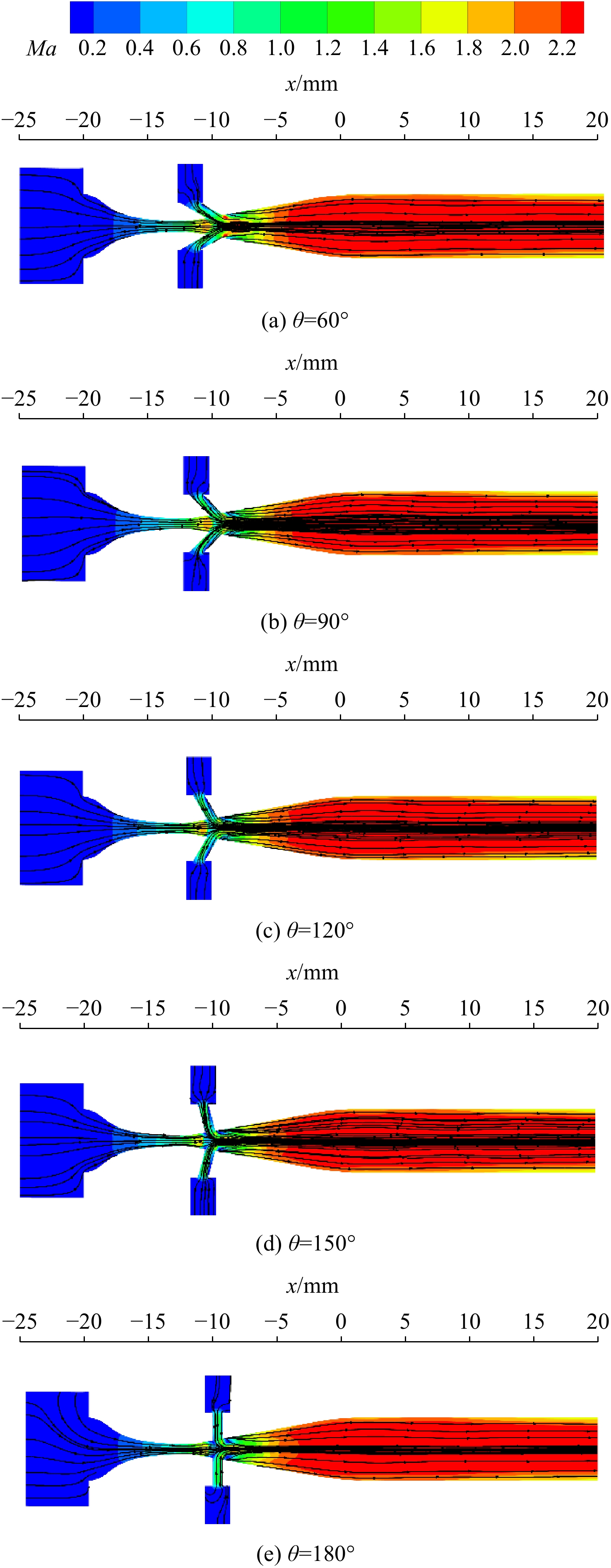
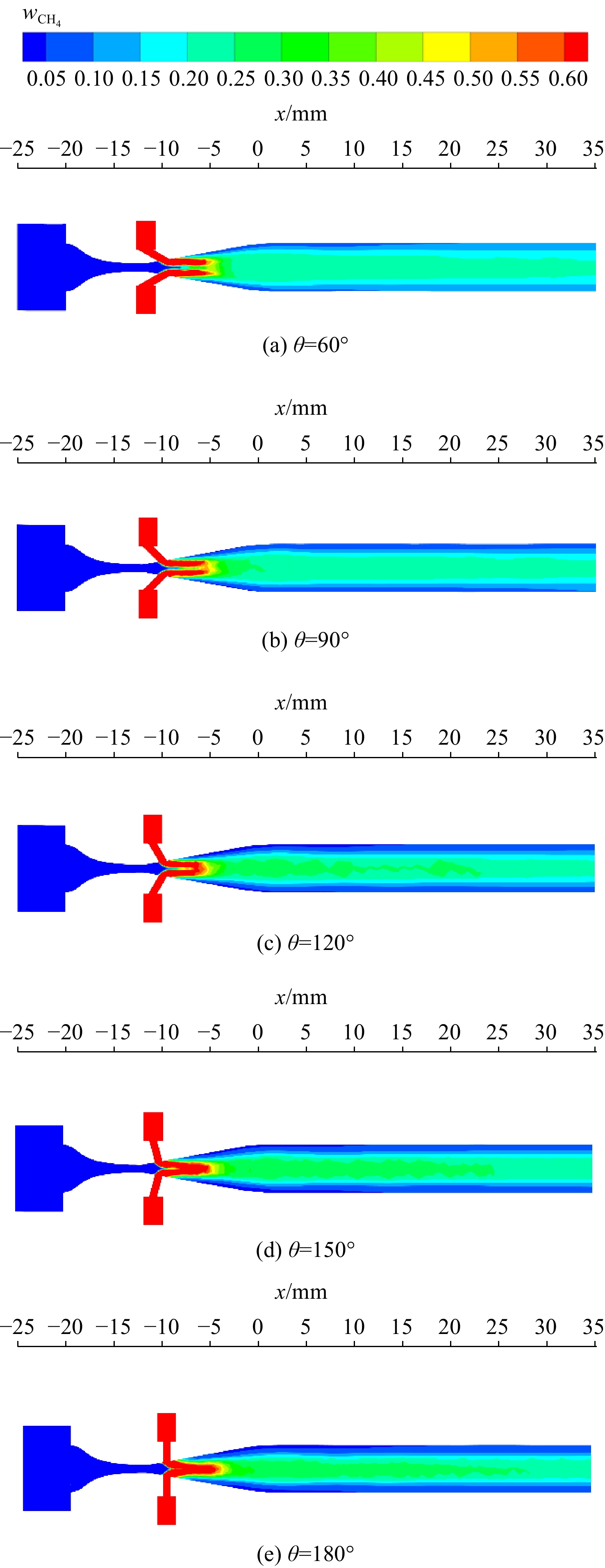
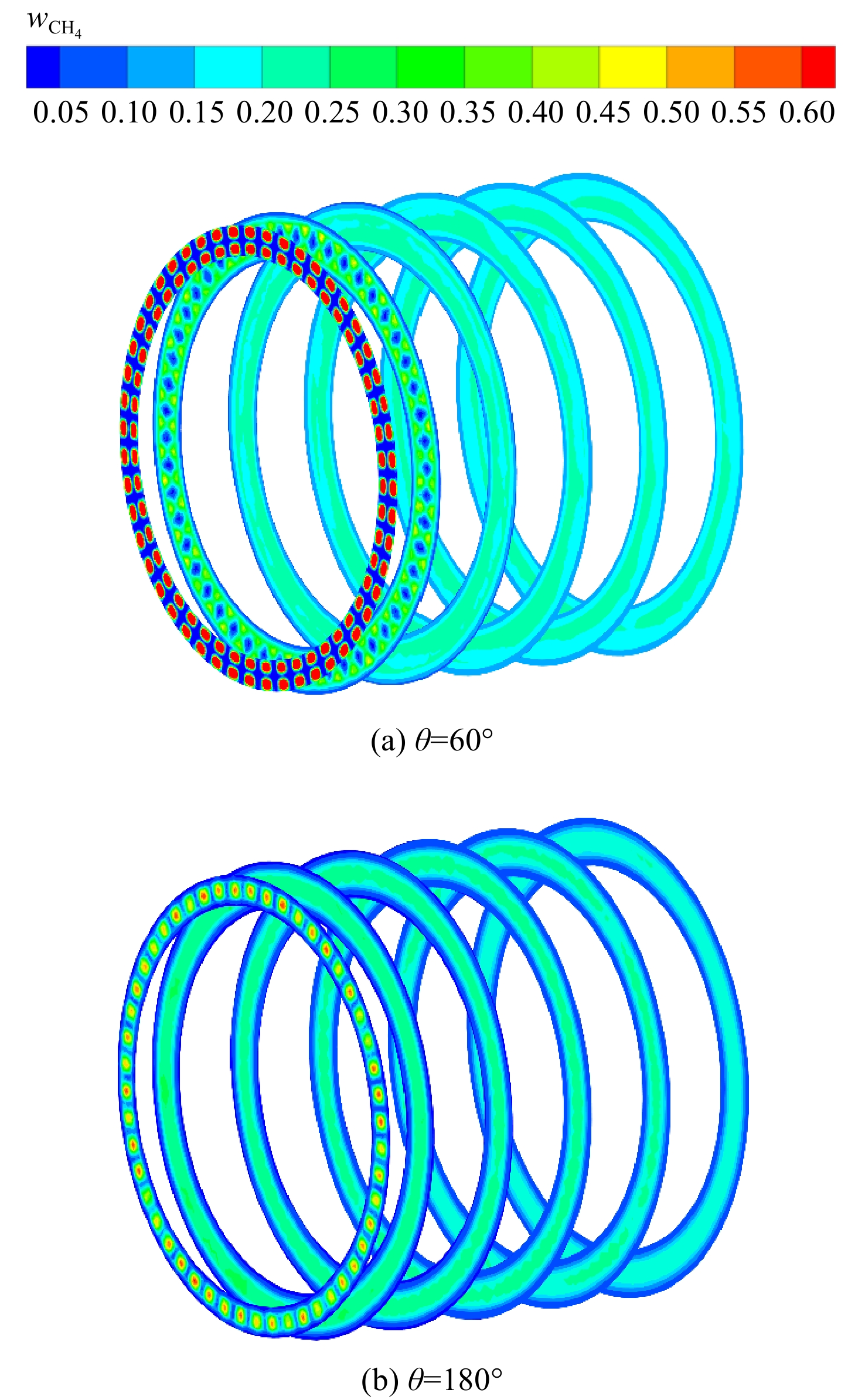
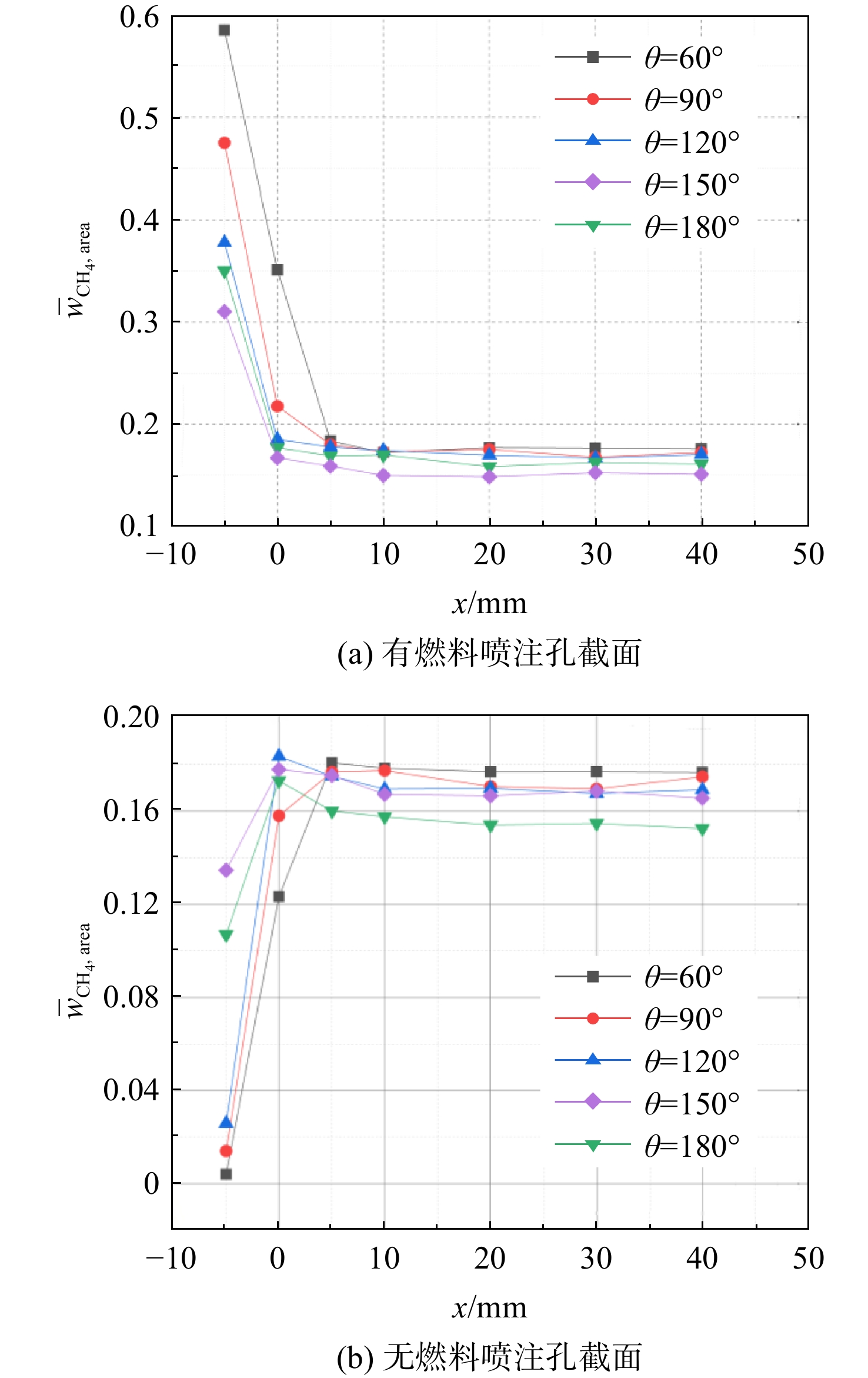
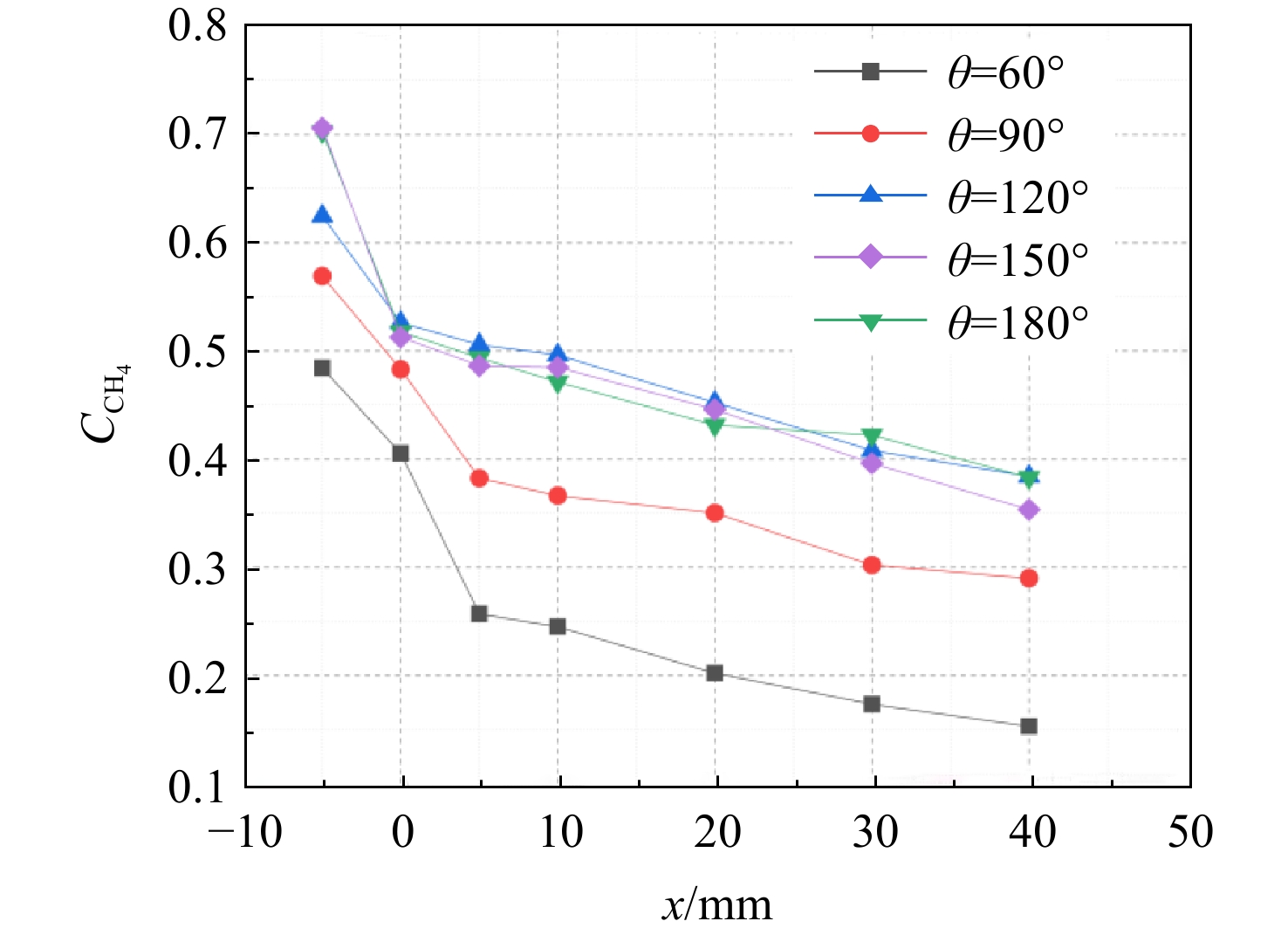
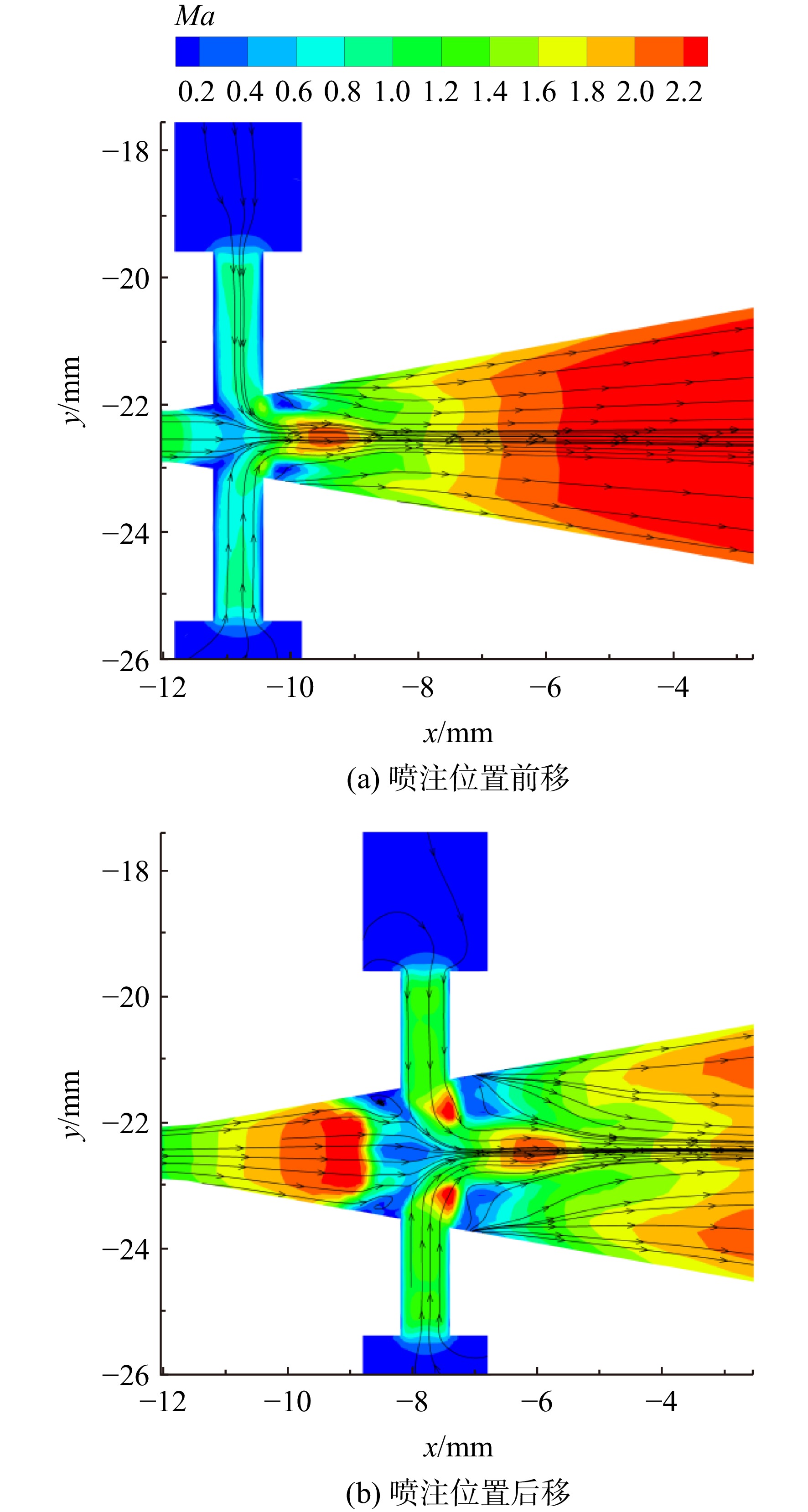
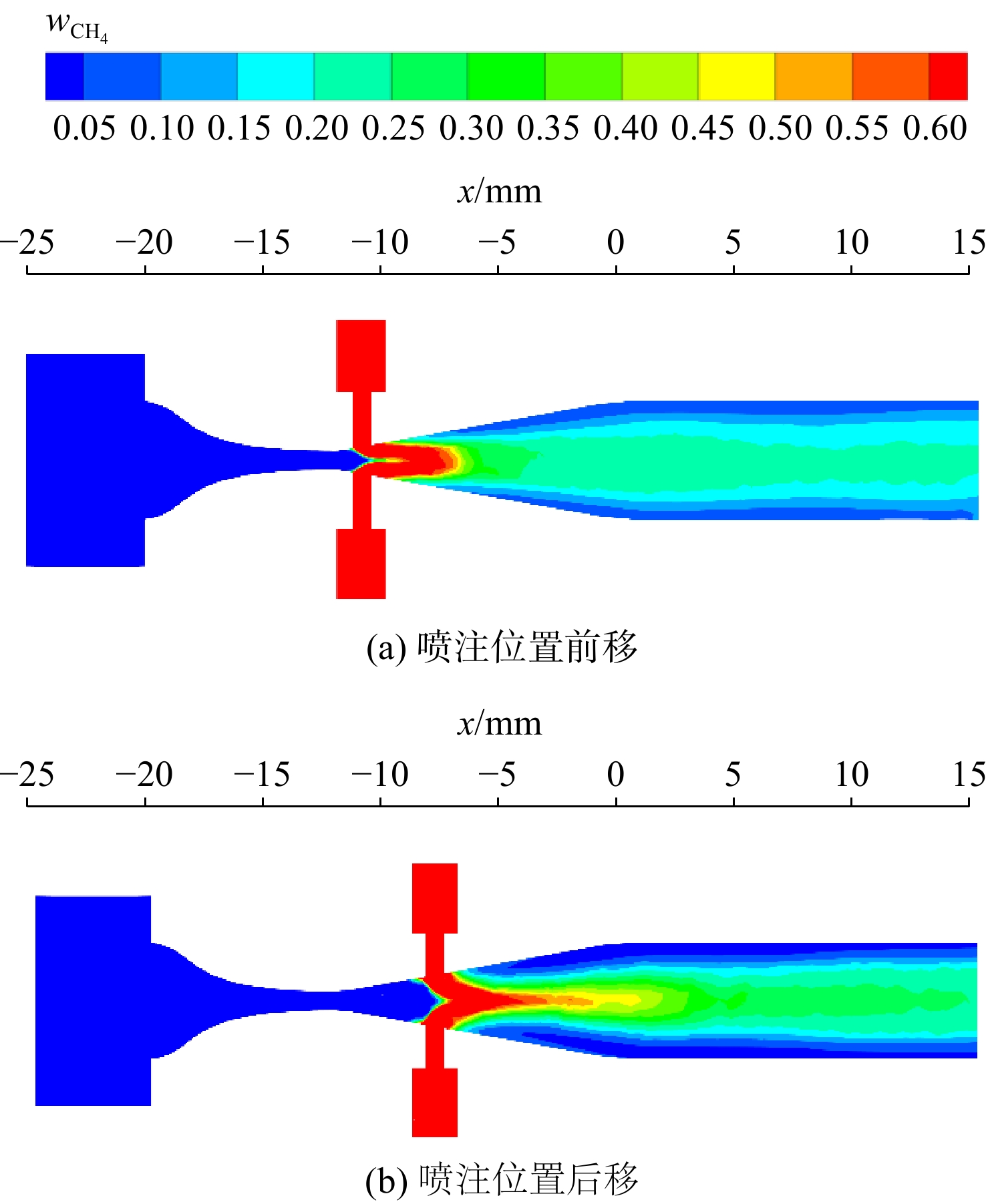
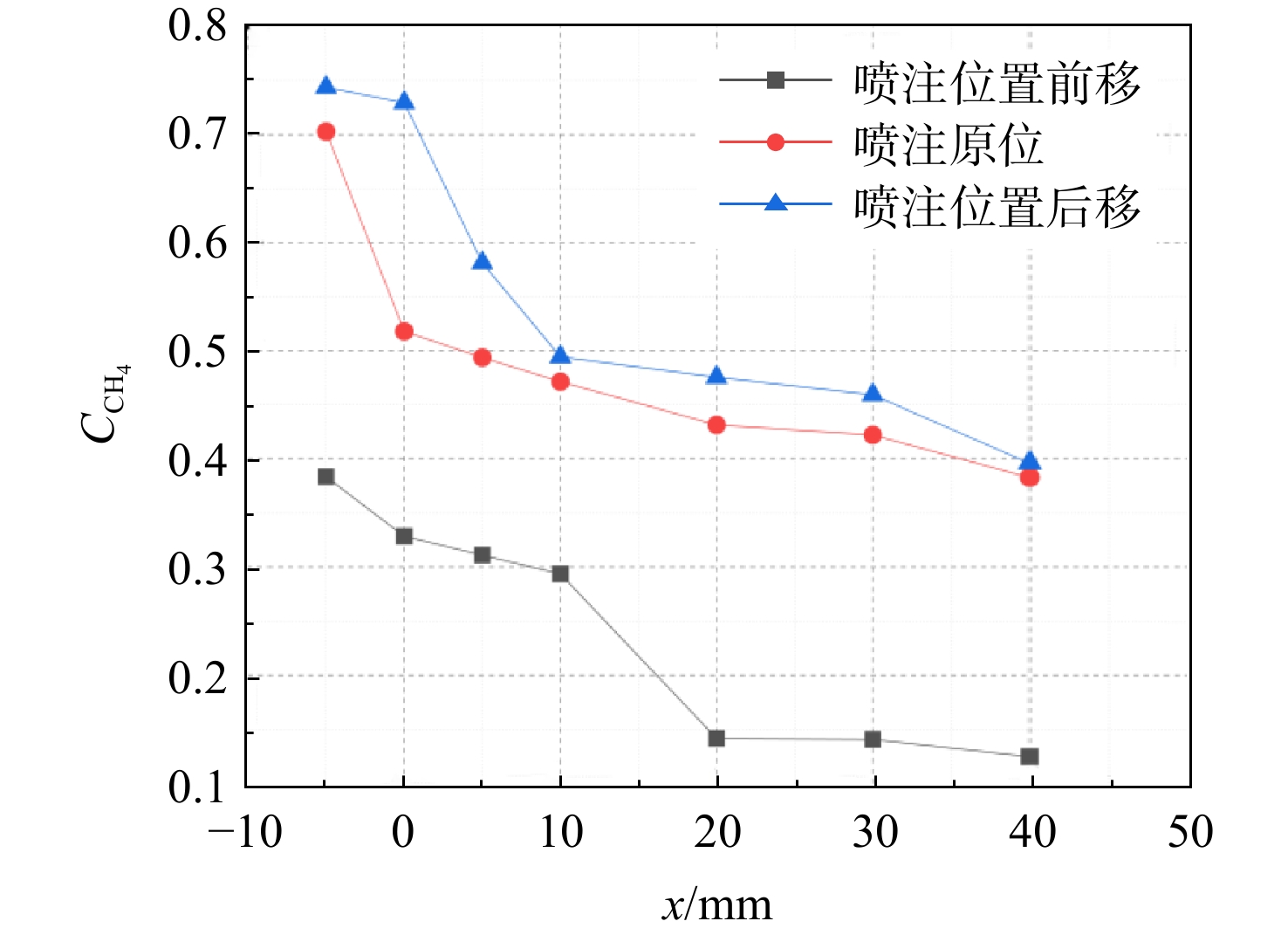
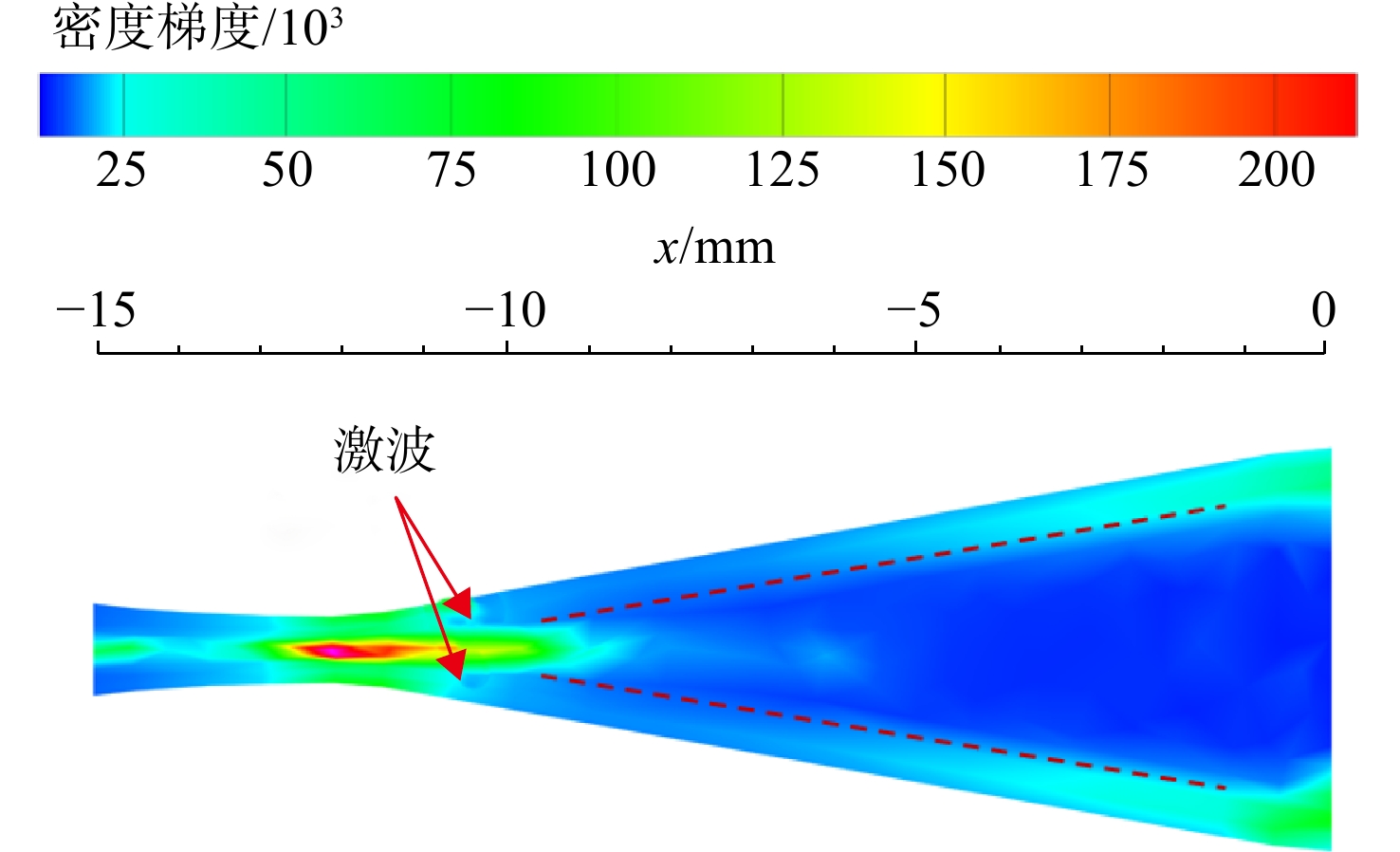
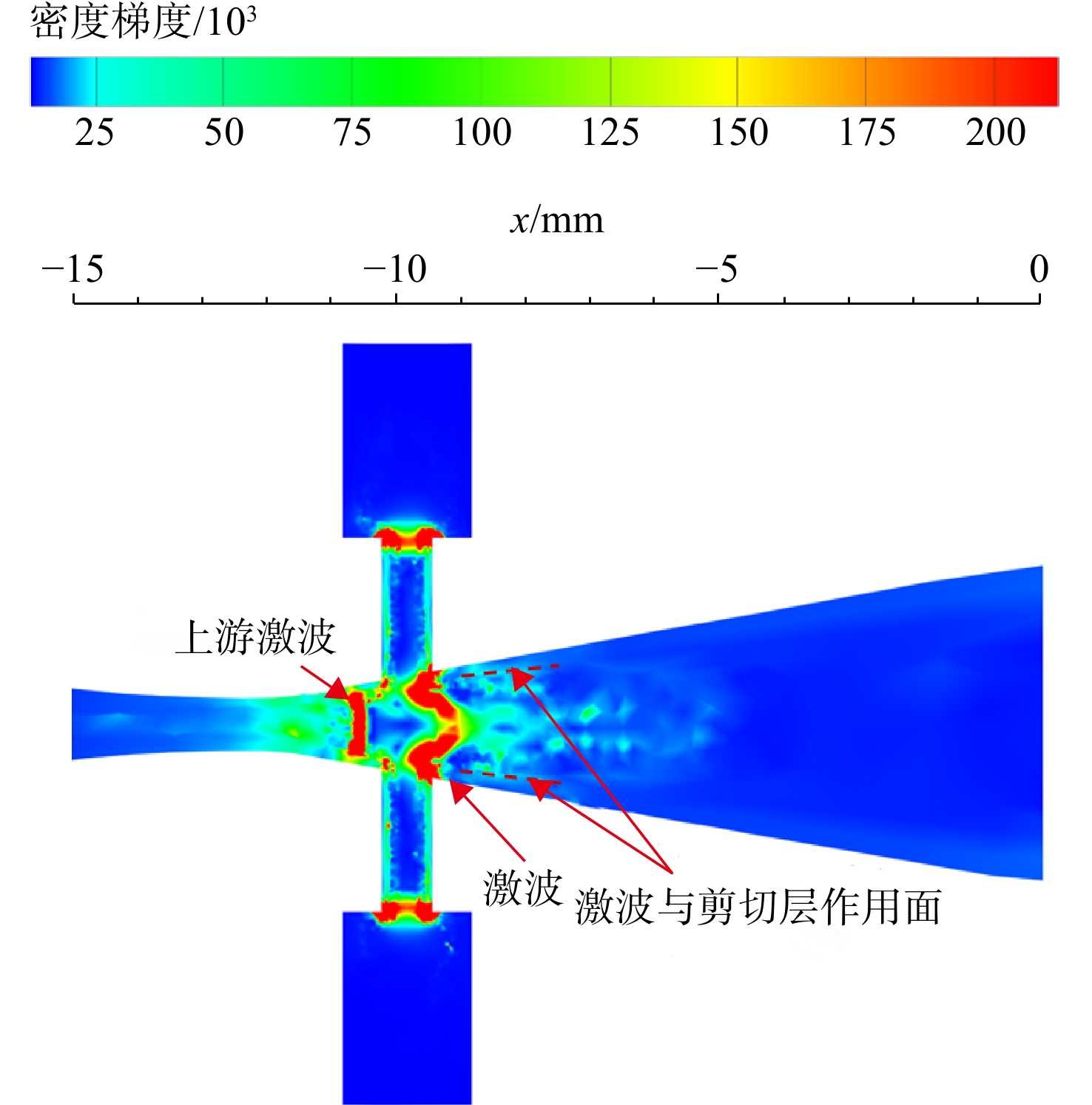
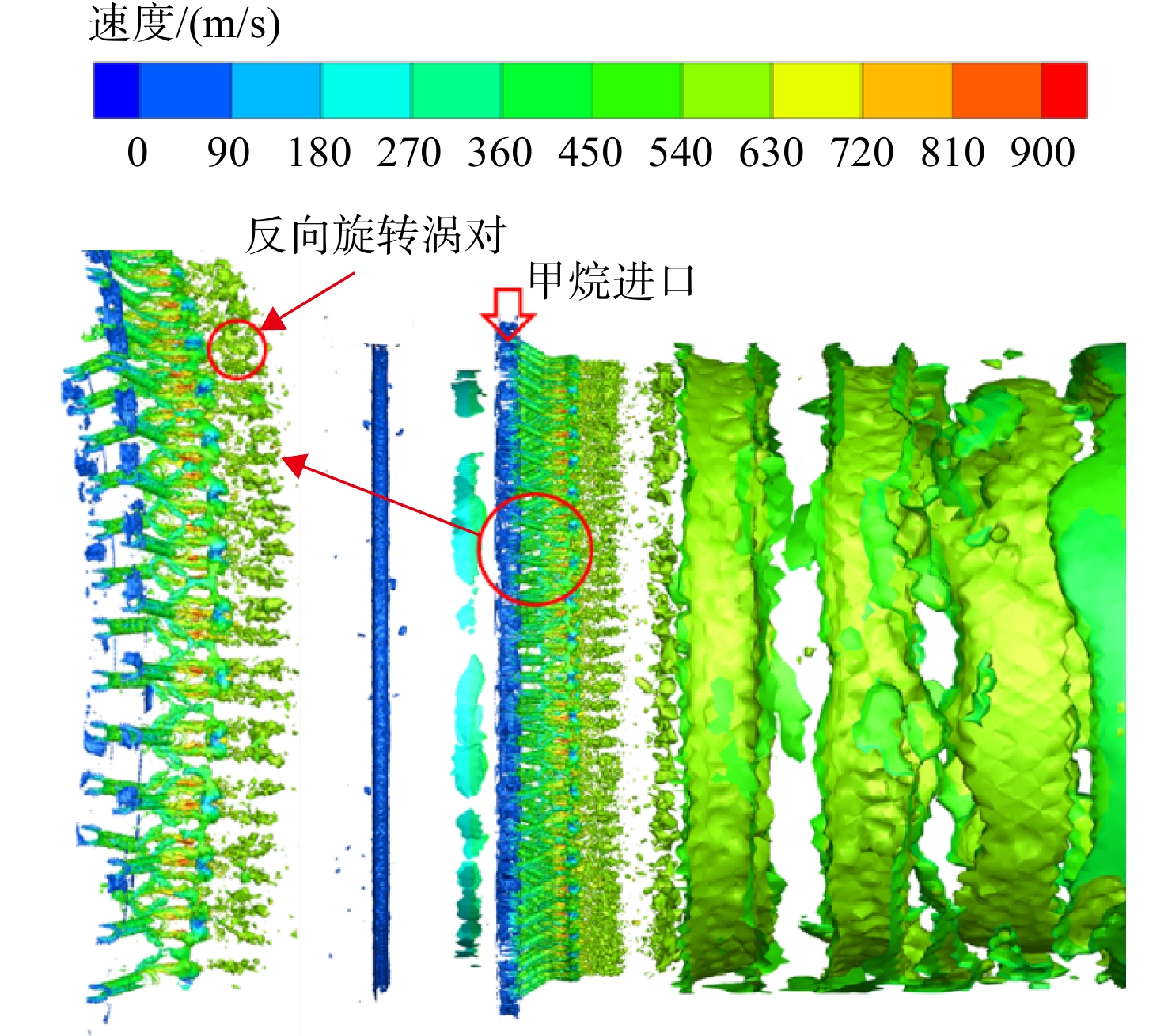
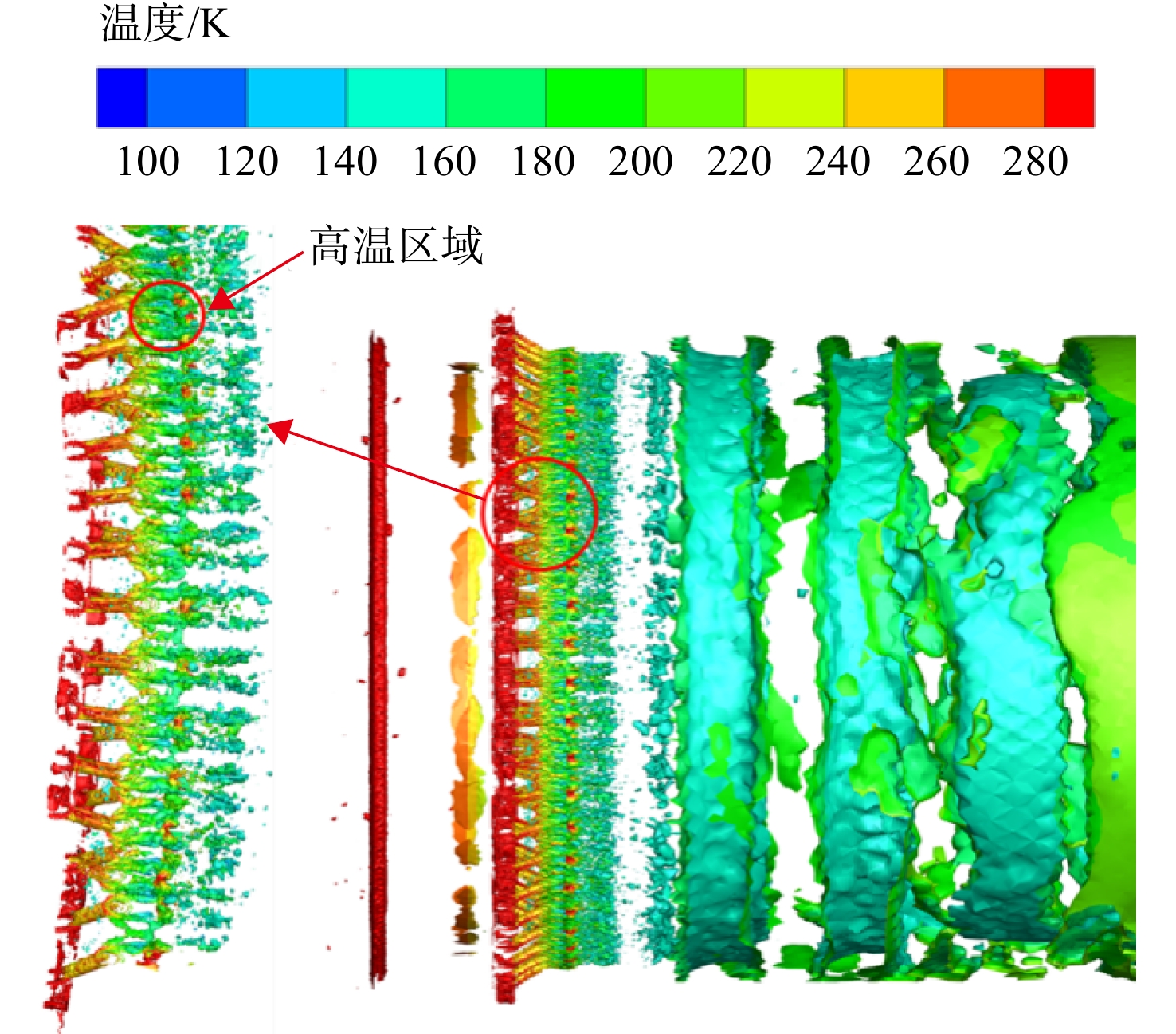
In order to investigate the influence of different injection structures on the fuel mixing characteristics inside the annular combustion chamber of a rotating detonation engine, numerical simulation analysis of the cold-state mixing flow field was conducted using the commercial software FLUENT, and the three-dimensional Navier-Stokes (N-S) equations were solved using a density-based scheme. Based on the annular gap-both sides orifice injection structure taken as the basic model, and under the same inlet conditions, the impacts of fuel injection angle and position on the mixing characteristic of the cold-state flow field were analyzed. The research results indicated as the injection angle increased, the unevenness of blending rised and the total pressure loss increased. Within the range of 60° to 180° for the injection angle, 60° exhibited the best mixing effect and minimum total pressure loss. As the methane injection position moved forward, the distance between the injection point and the combustion chamber increased, and the blending distance increased, leading to an enhancement in the mixing effect. Under non-premixed conditions, due to the influence of lateral methane jets, a complex and varied vortex structure was generated in the expansion section, enhancing the mixing effect of methane-oxygen.

Experimental study on hydrogen and oxygen combustion of arrayed microtube combustor in steam environment
GAN Zhichao, HAN Xiao, GAO Anwen, CHANG Yunxin, LIN Yuzhen, FENG Wenbin, CAI Xiao, LIU Xiaopei
2025, 40(11): 20240609. doi: 10.13224/j.cnki.jasp.20240609
Abstract:
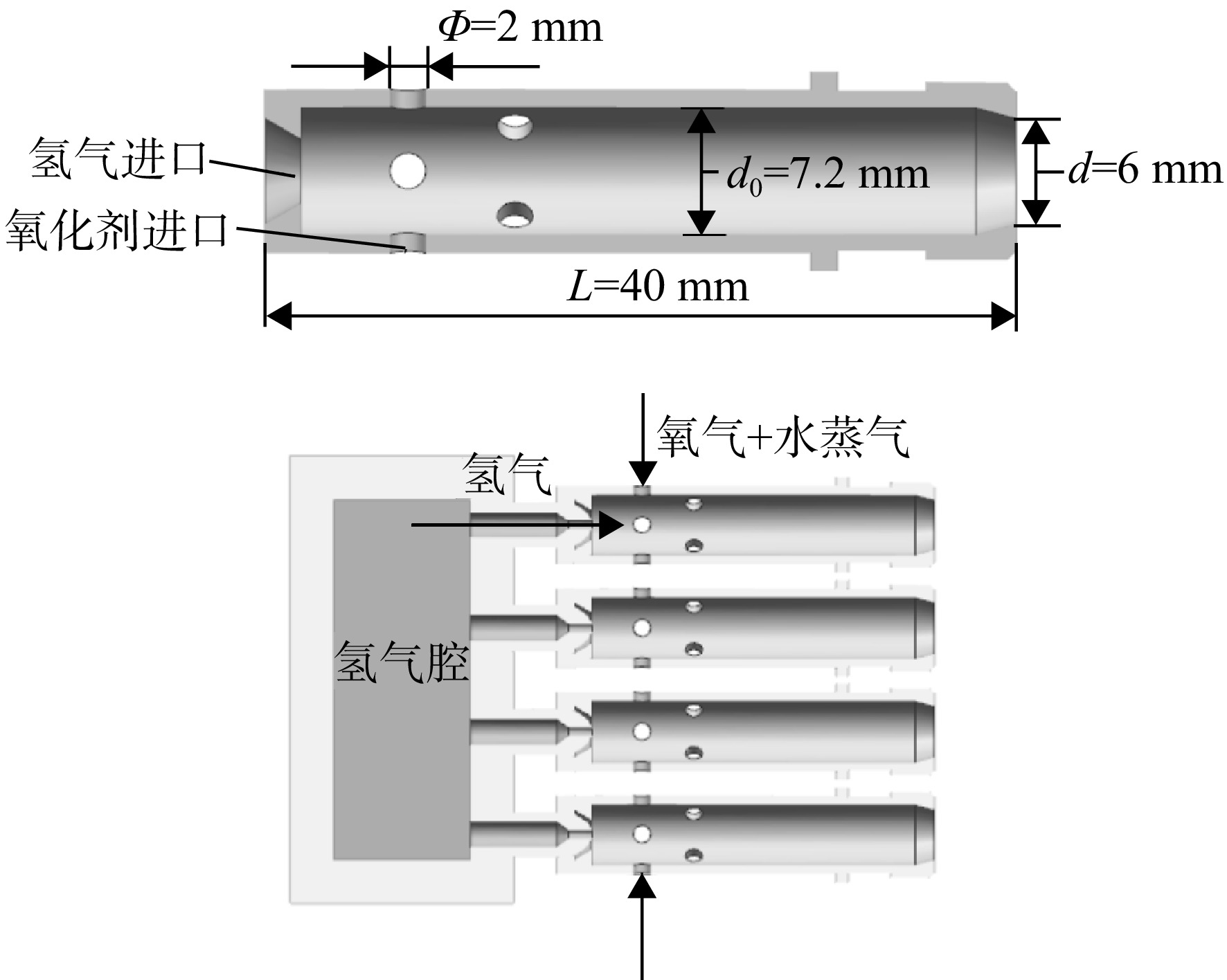
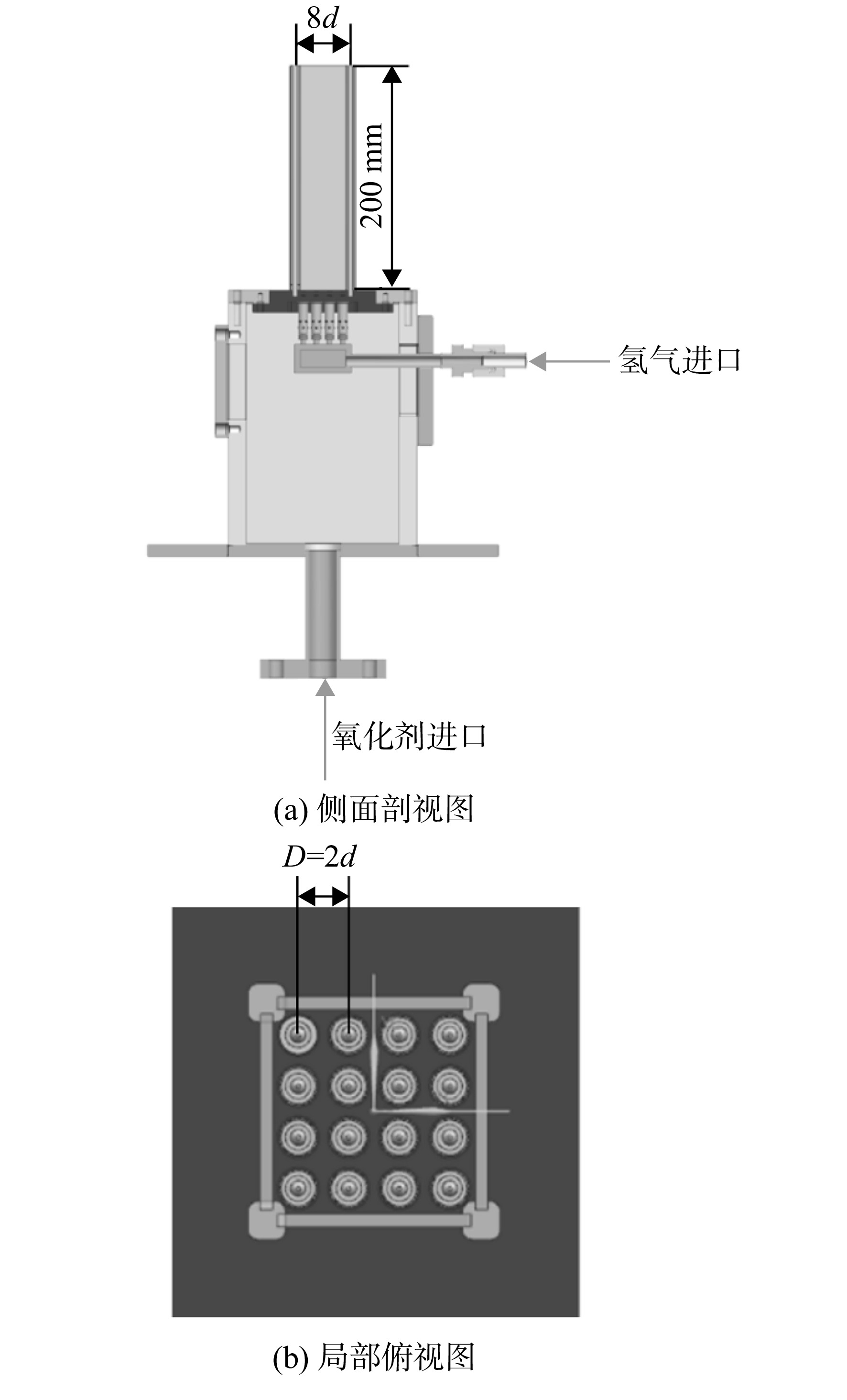
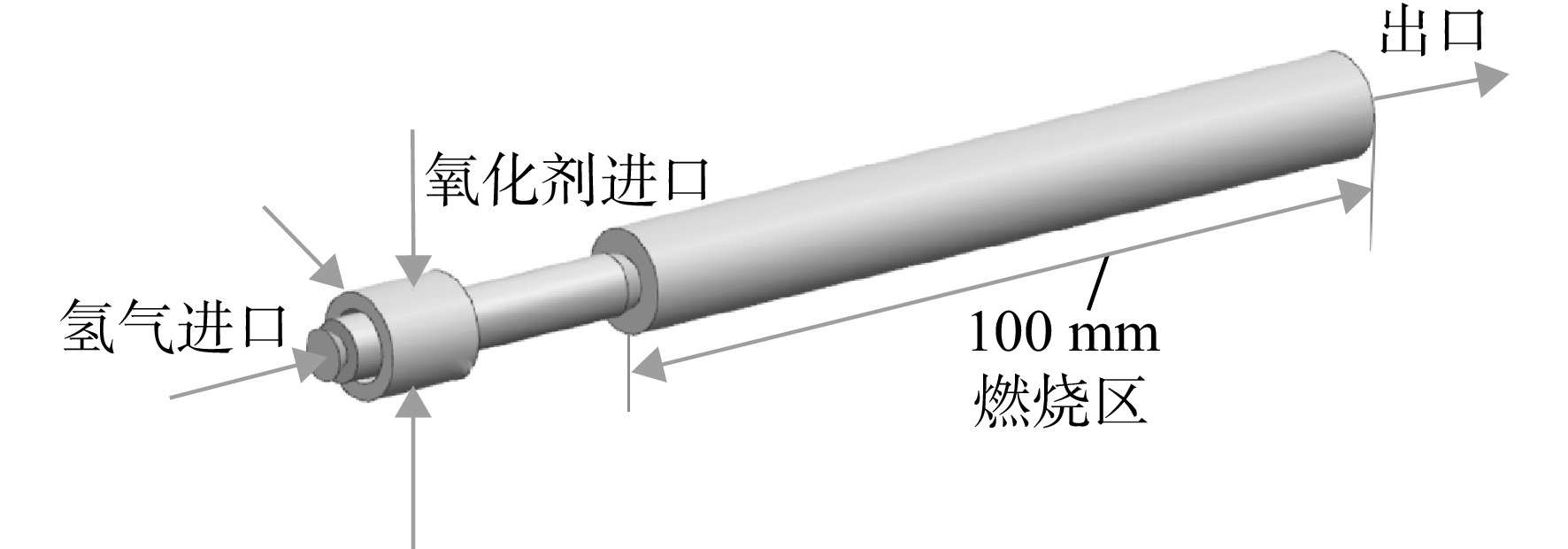
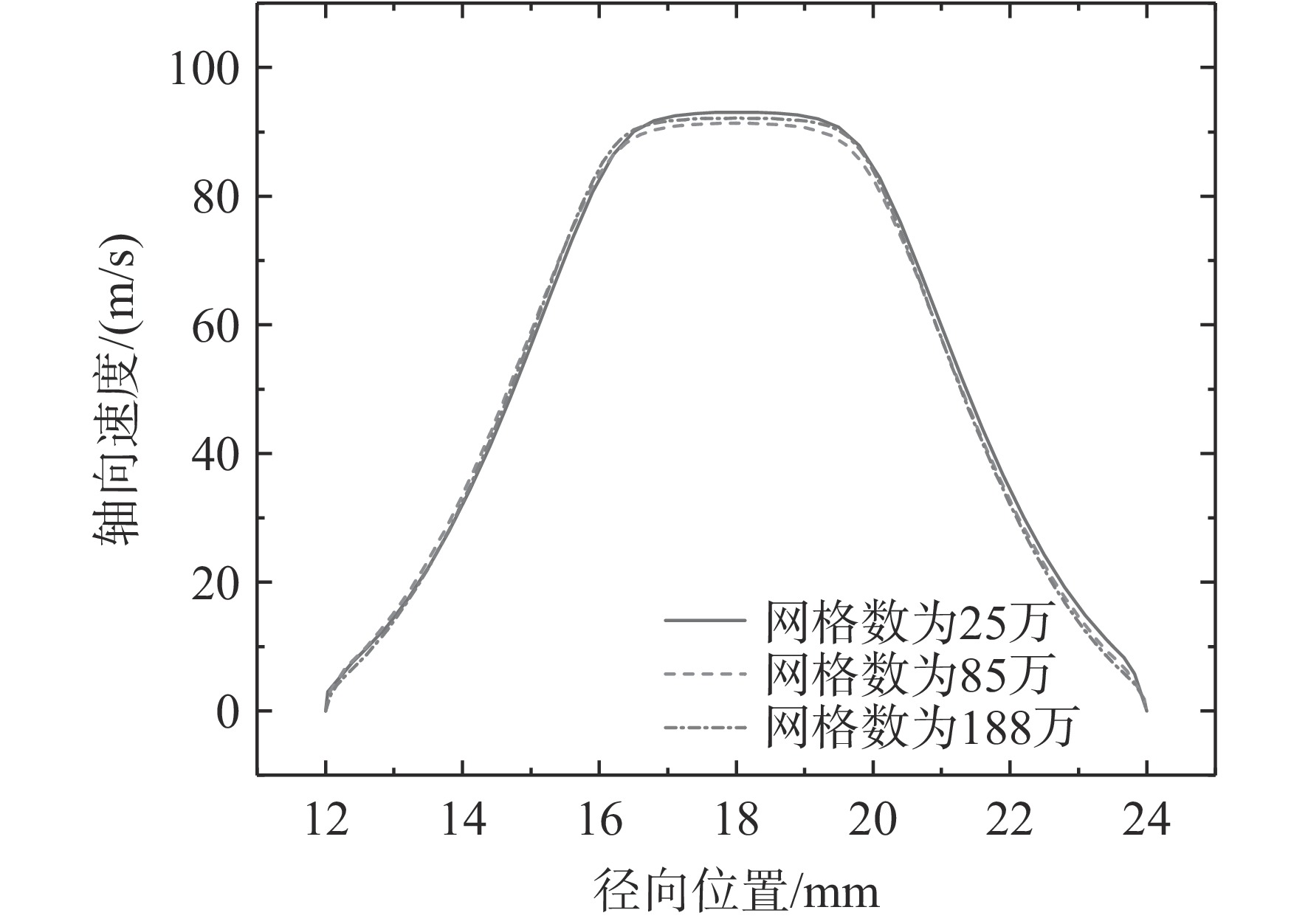
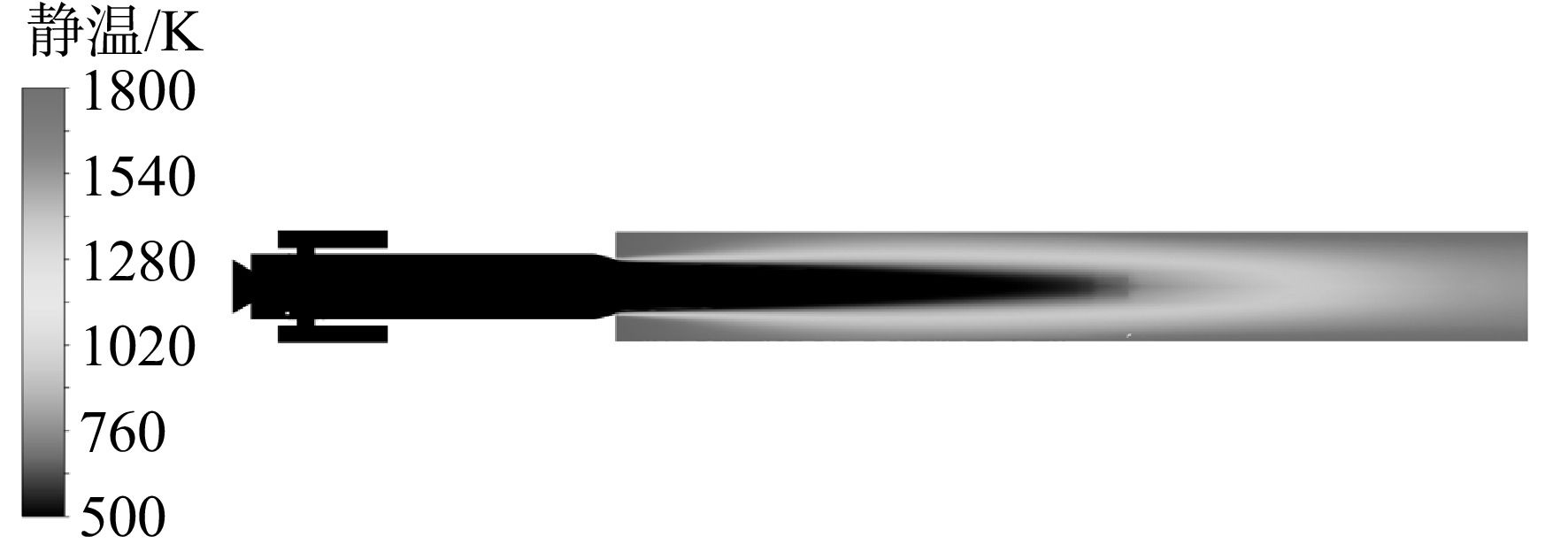
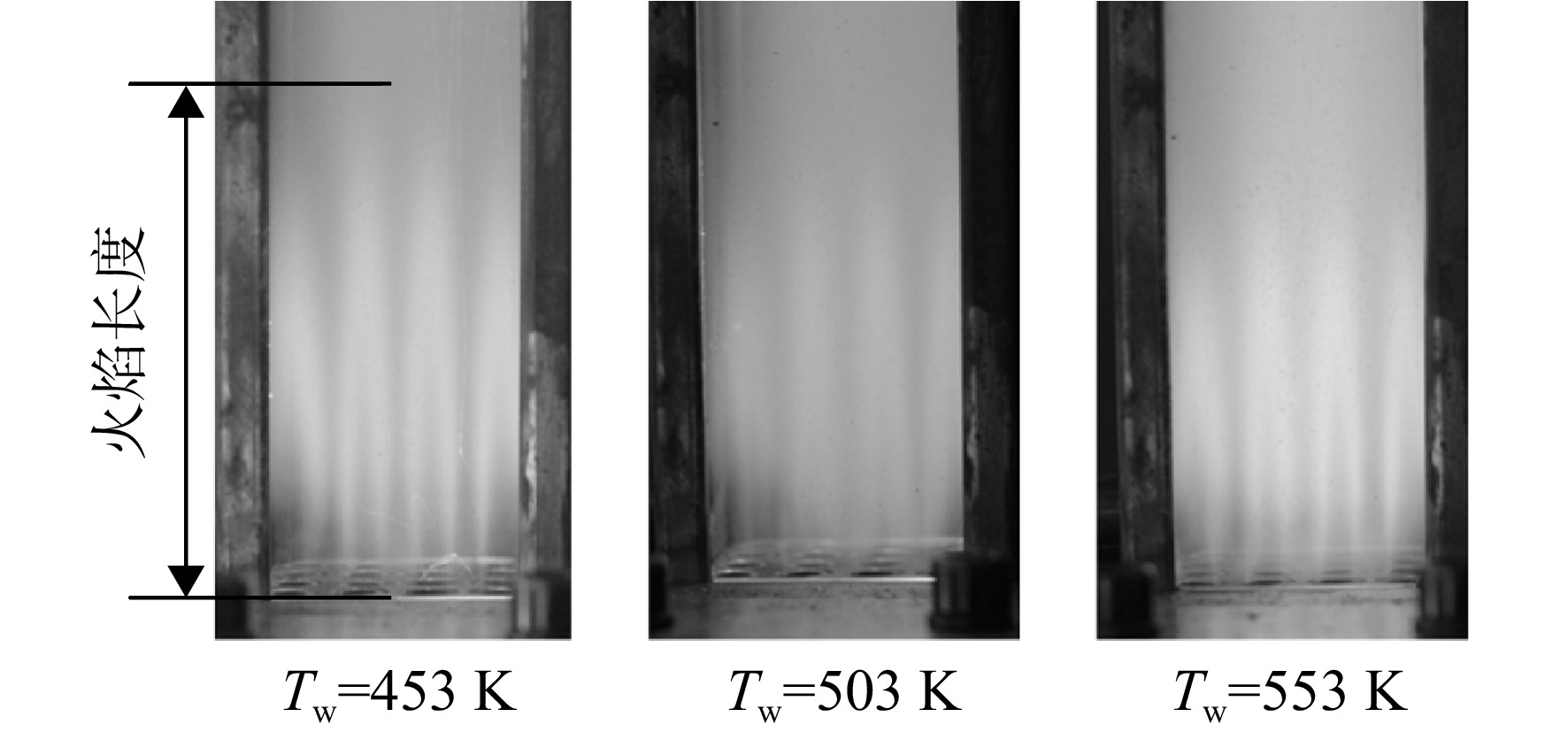
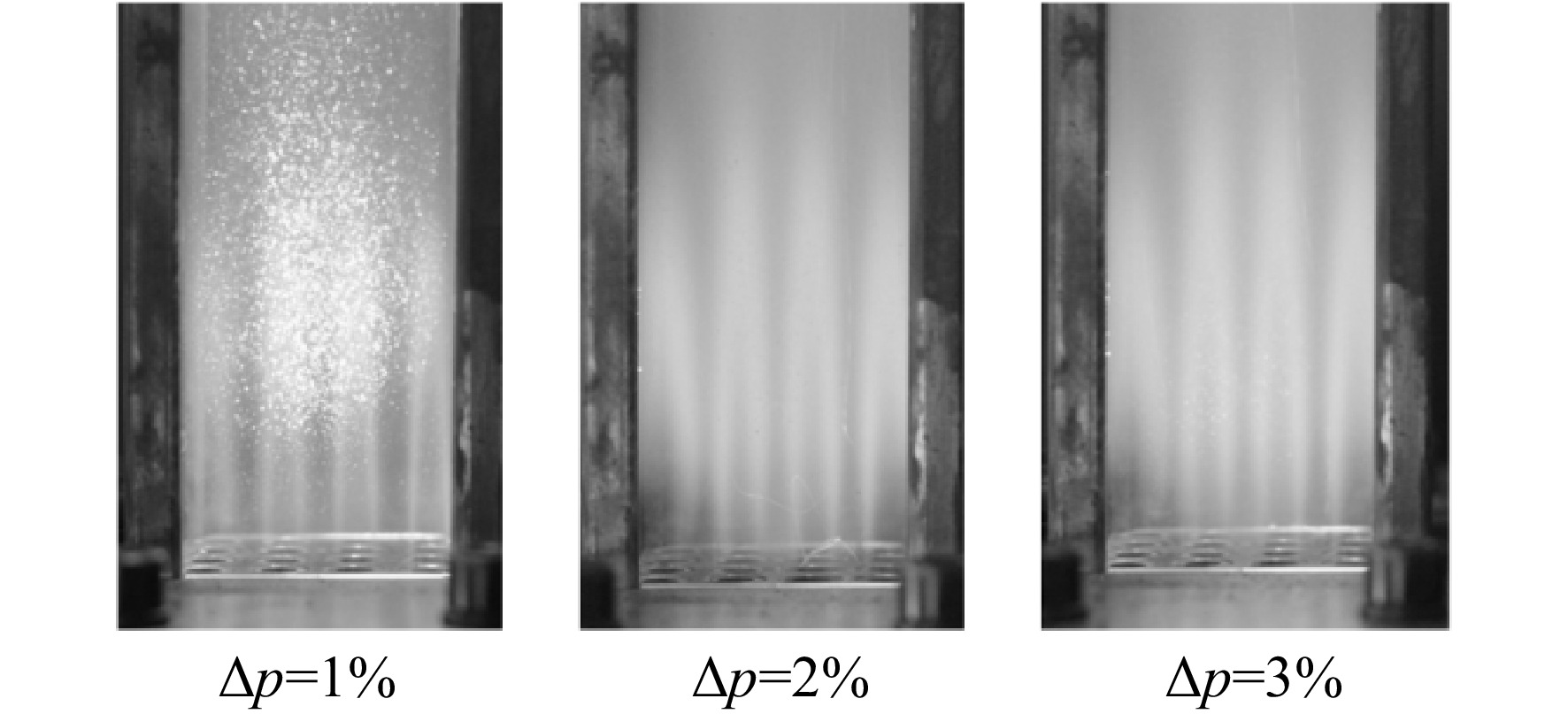
An arrayed microtube nozzle burner was employed in achieving efficient fuel and oxidizer mixing through cross-jet flows. Research on the combustion characteristics of hydrogen and oxygen in a steam environment was conducted. Through numerical simulation, the flame stability of the micro tube in steam environment was verified. The combustion efficiency of arrayed model burner with different microtube spacings was also contrasted. Experiments on the combustion of pure hydrogen and oxygen in a steam environment were carried out under atmospheric conditions. Flame images, ignition and extinction boundaries, combustion efficiency, and combustion oscillation characteristics of the burner were obtained. The results indicated that increasing steam temperature can significantly widen the flame ignition and extinction boundaries of the burner. The combustion efficiency of hydrogen was kept above 99.9% under various conditions, and the pressure fluctuations of the burner were at relatively low levels. This initially validated that the proposed burner can ensure efficient combustion of hydrogen and oxygen in a steam environment, with minimal combustion oscillations.

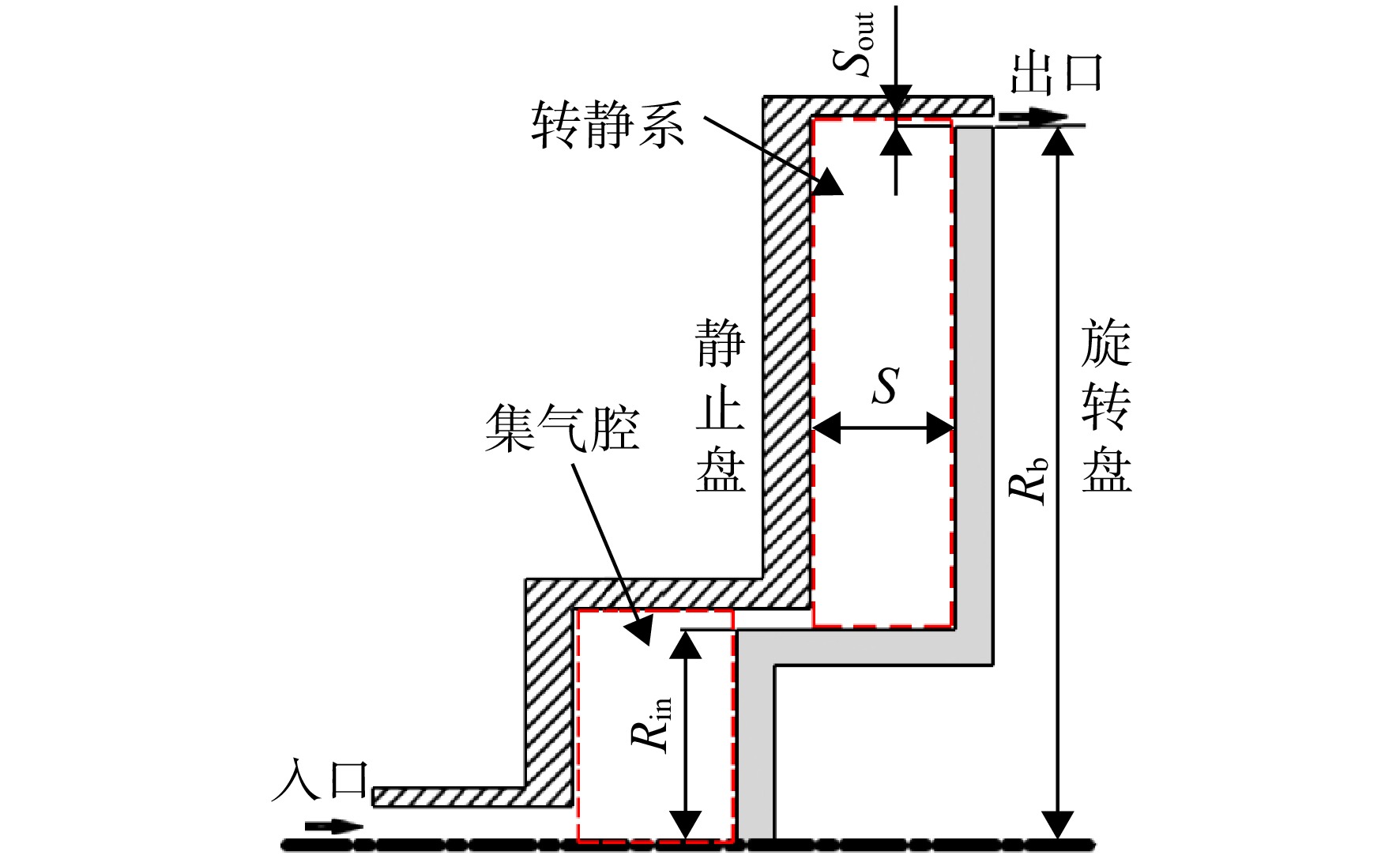
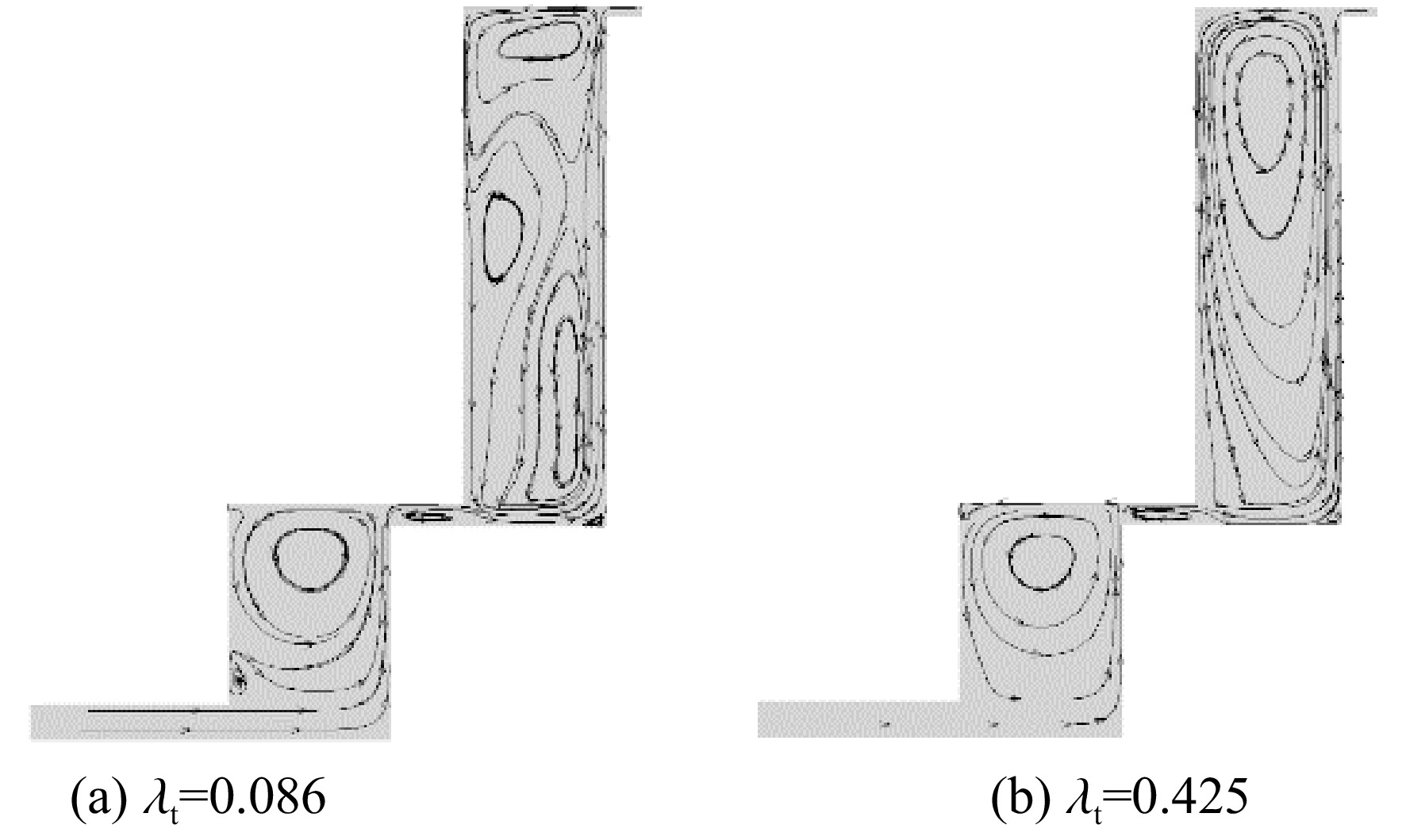
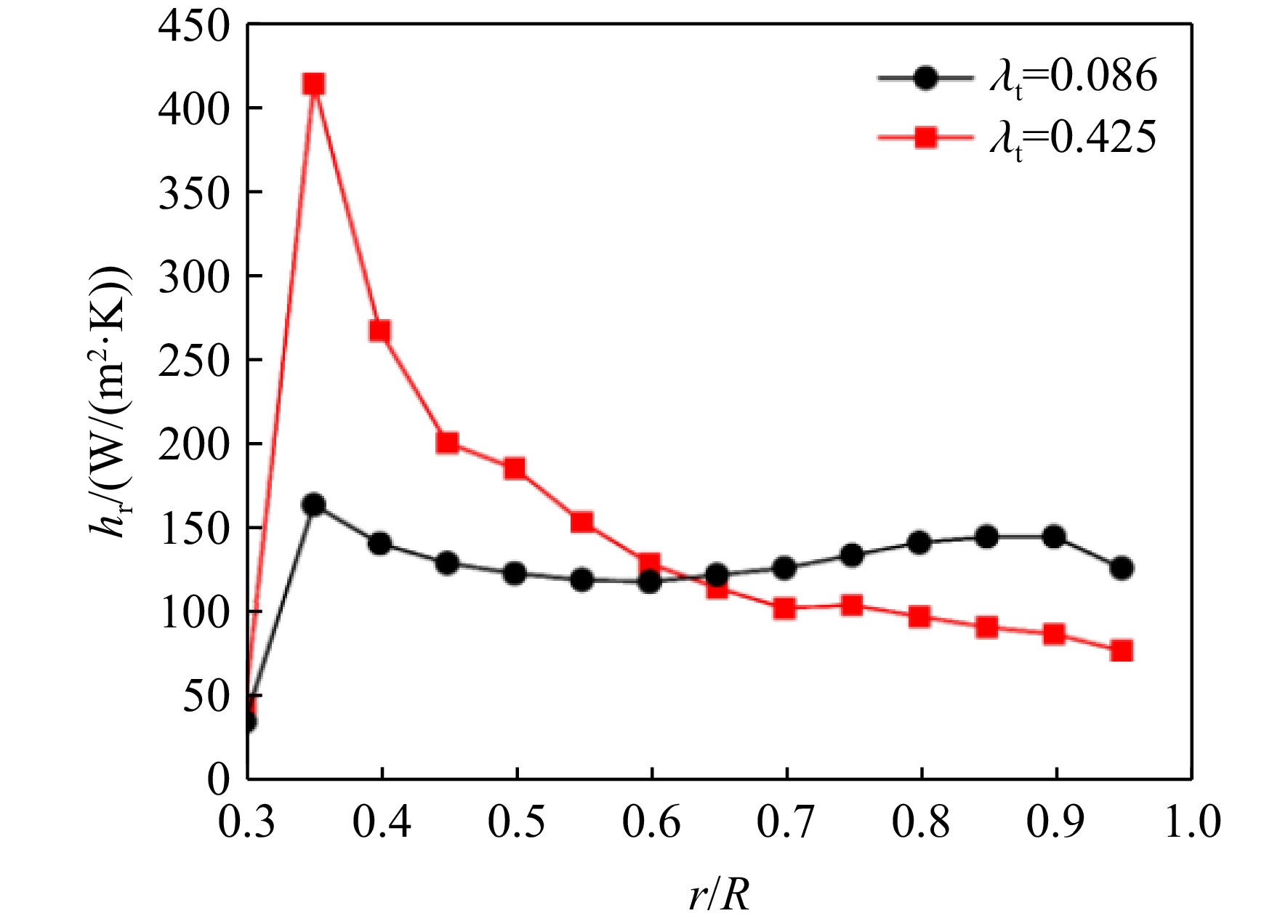
Numerical simulation of heat transfer characteristics in rotor-stator cavity with annular gap inlet
ZHONG Qiaoling, HUANG Yuanfeng, WU Zeyu, LUO Xiang
2025, 40(11): 20230793. doi: 10.13224/j.cnki.jasp.20230793
Abstract:
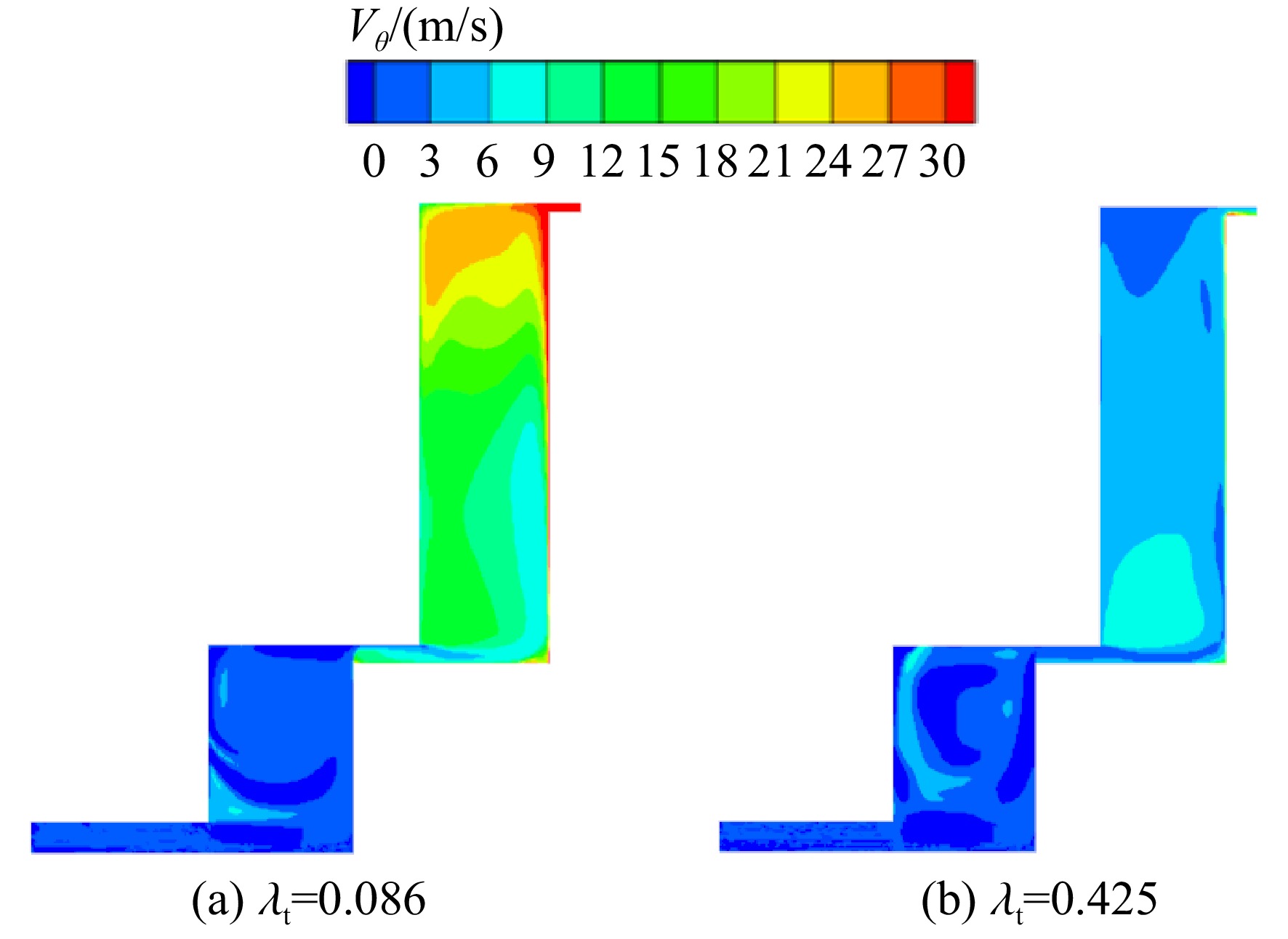
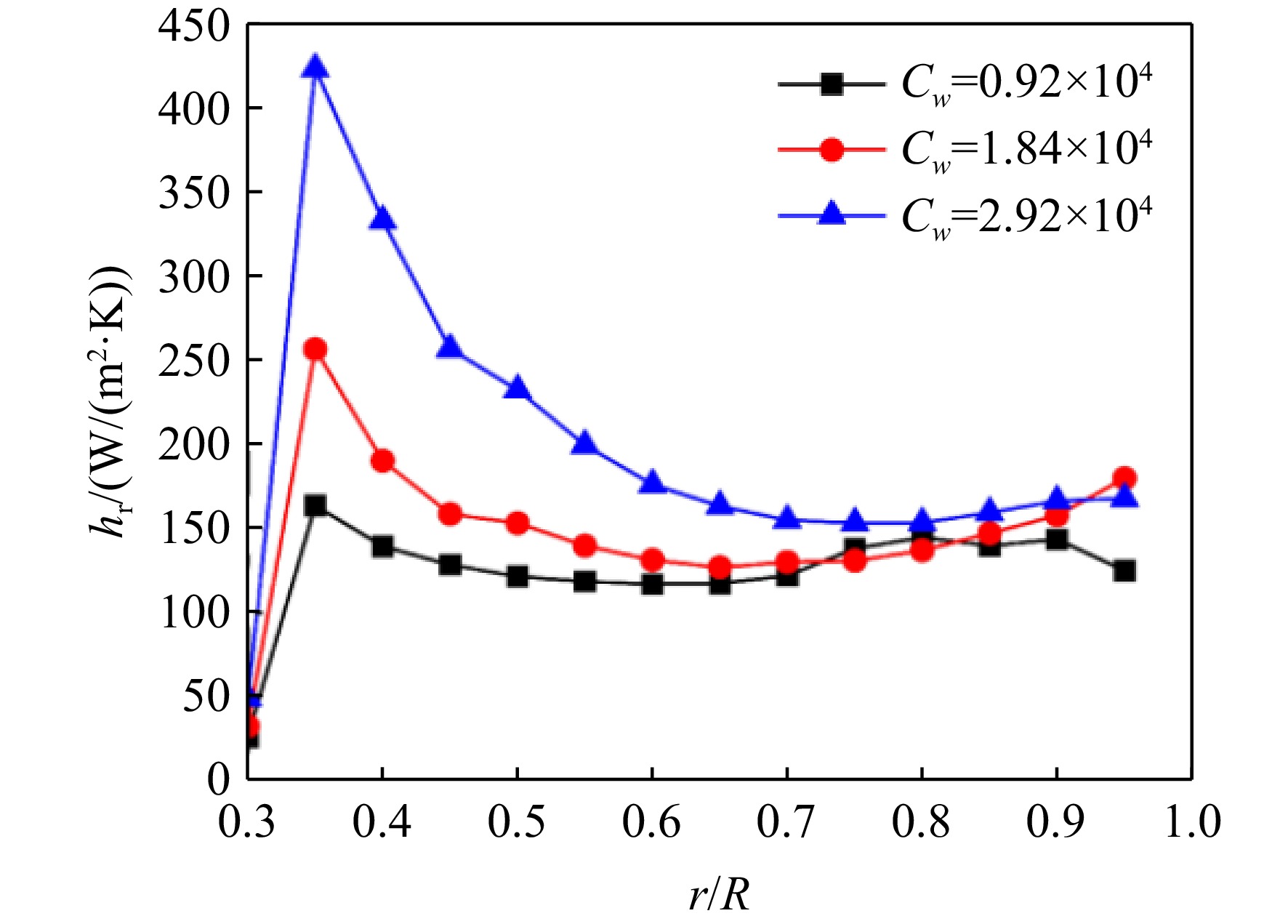
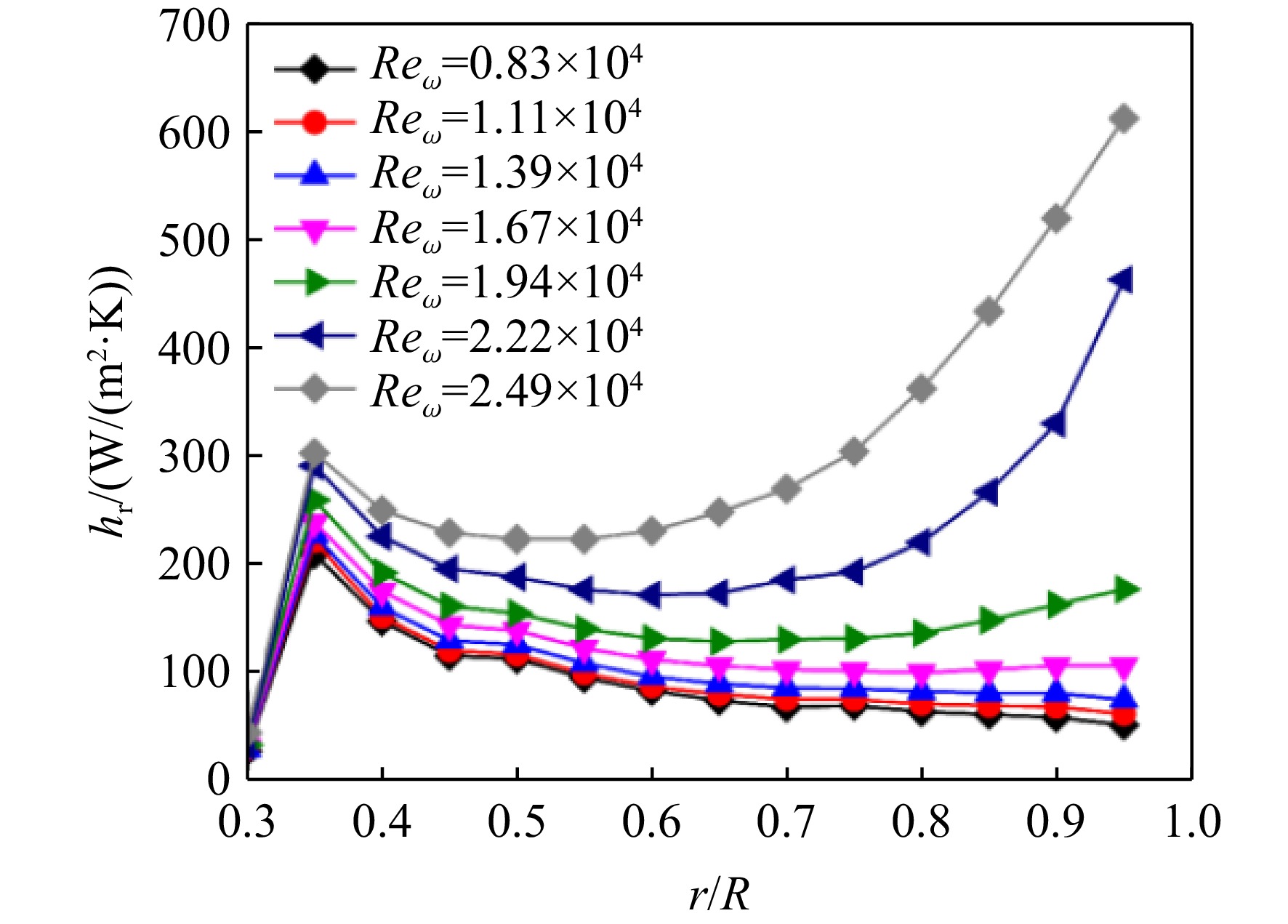
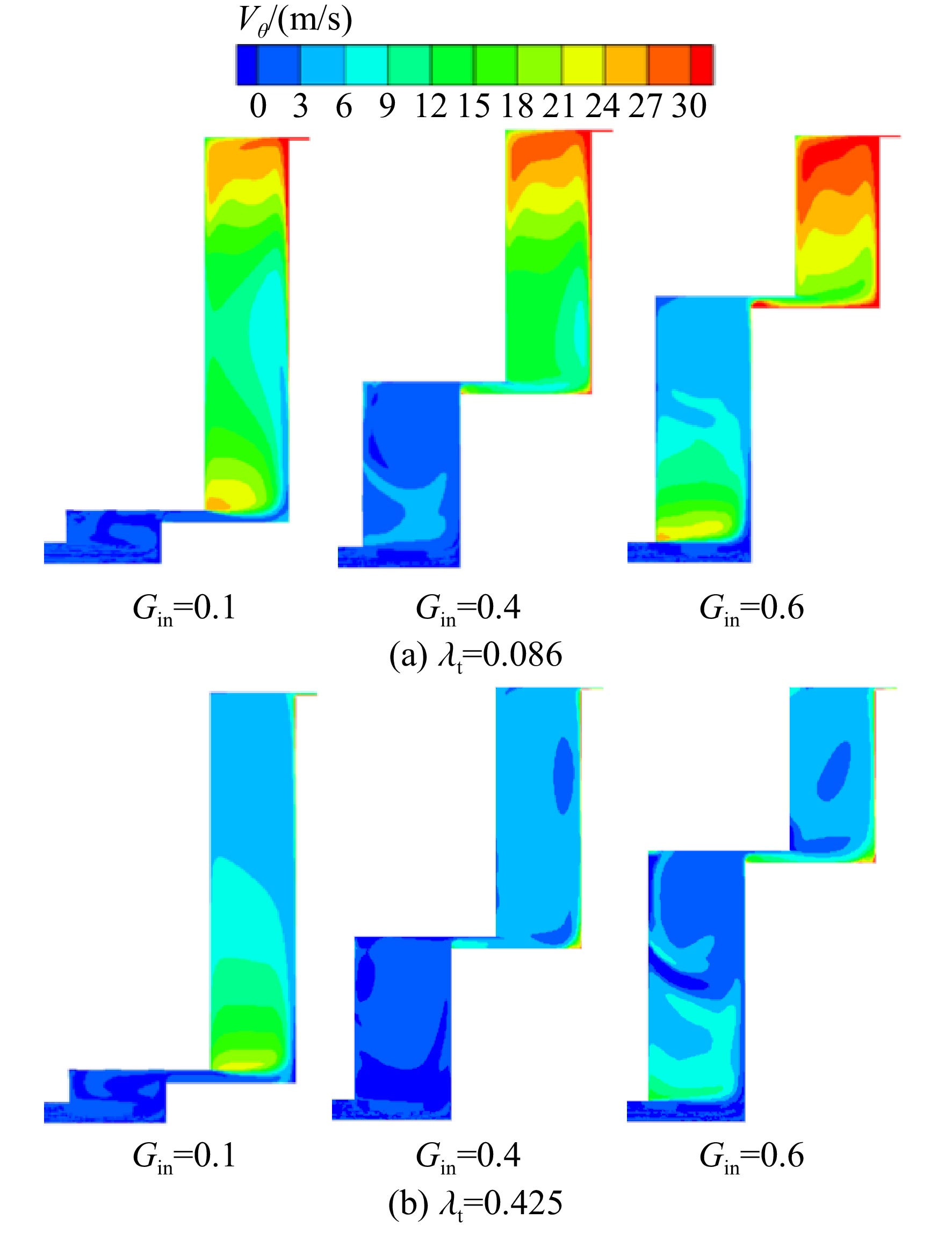
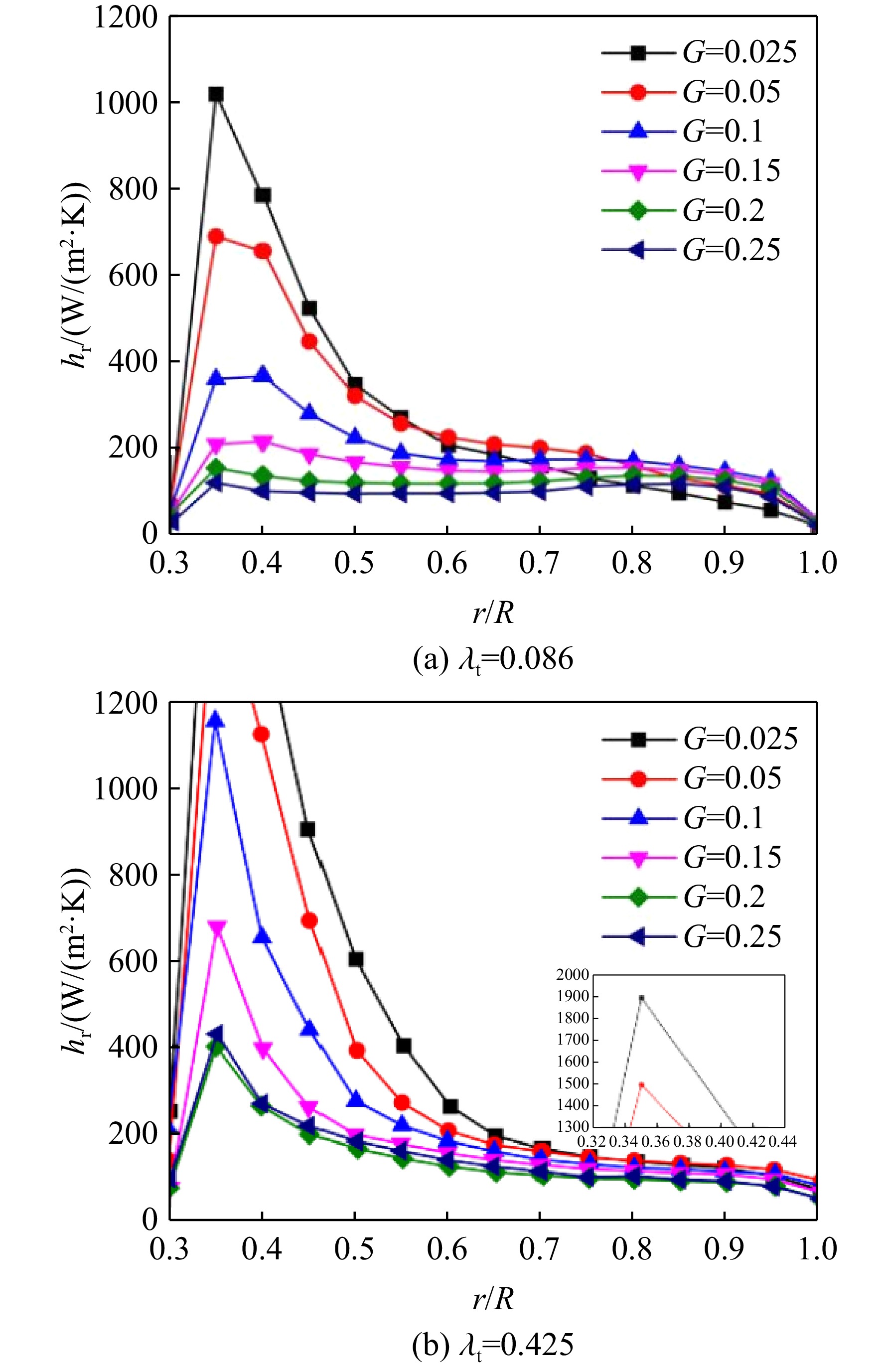
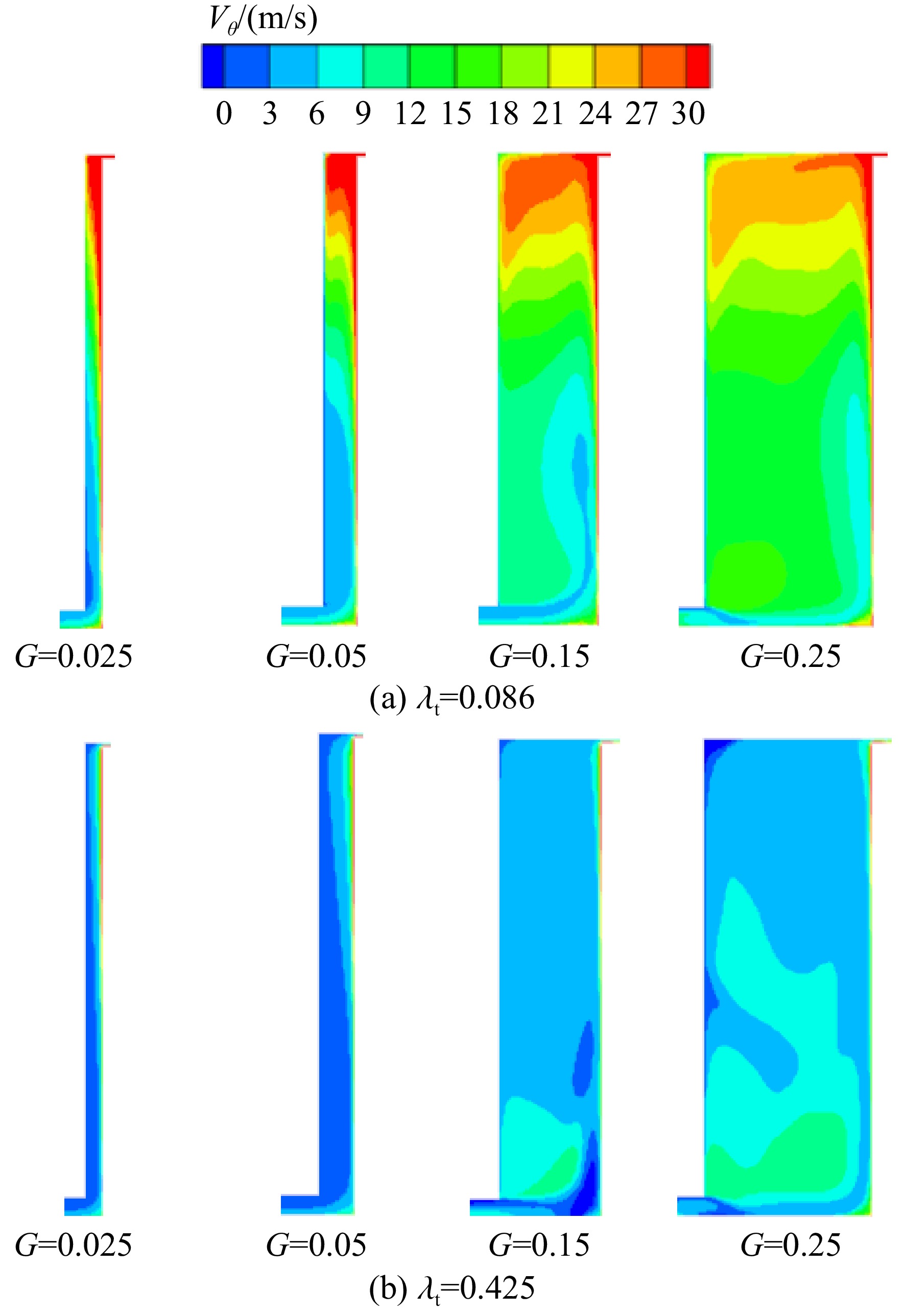
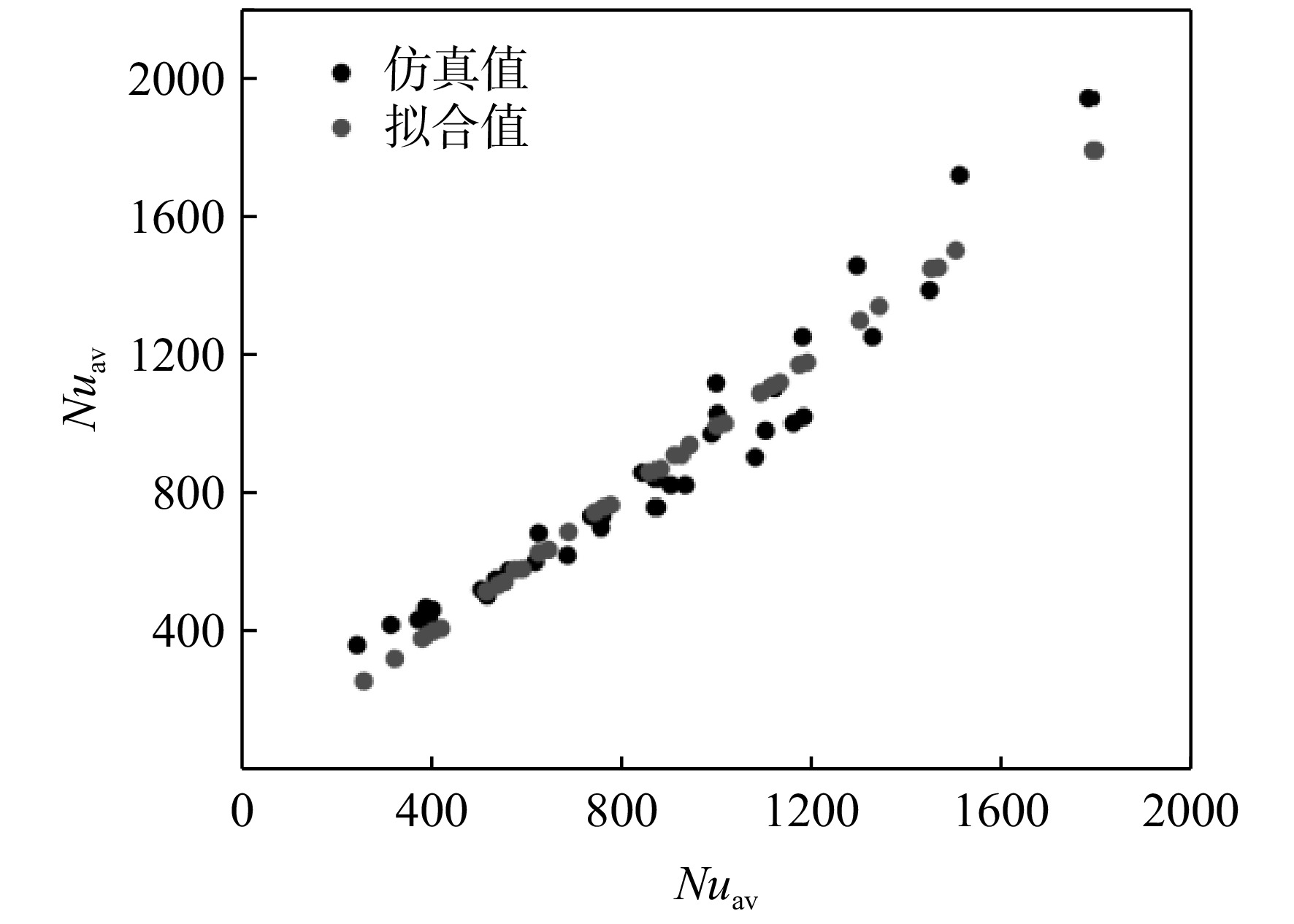
A low radius annular gap inlet rotor stator system cavity model was established for the low-pressure turbine cavity structure of a small aviation engine. The heat transfer characteristics in the rotor-stator system cavity were explored and the distribution characteristics of convective heat transfer coefficient on the rotor disk surface were obtained. The influences of flow parameters such as cold air flow rate and rotor speed, as well as structural parameters such as the position of the annular inlet gap radius, the distance between the rotor and stator disks and the height of the outlet gap on the convective heat transfer coefficient, were studied. The empirical relation used to solve the average Nusselt number of disks was obtained. The results showed that the convective heat transfer coefficient of the rotor stator system cavity with low radius annular gap intake exhibited a characteristic of “higher in the low radius region and overall radial decrease”. When the flow parameters were the same, changes in the individual parameters of flow and rotation speed also affected the heat transfer characteristics. The increase in flow rate and rotational speed both enhanced the heat transfer inside the disk cavity. The inlet radius and the clearance between the rotor and stator had a significant impact on the heat transfer in the disk cavity, while the change in the outlet clearance had a smaller impact on the heat transfer in the disk cavity.

Simulation and experiment on laminar combustion characteristics of methane/ammonia mixture
LI Qiujin, ZENG Wen, LIU Yu, LUO Mengmeng, ZHANG Yuanhang, WANG Peng
2025, 40(11): 20240486. doi: 10.13224/j.cnki.jasp.20240486
Abstract:
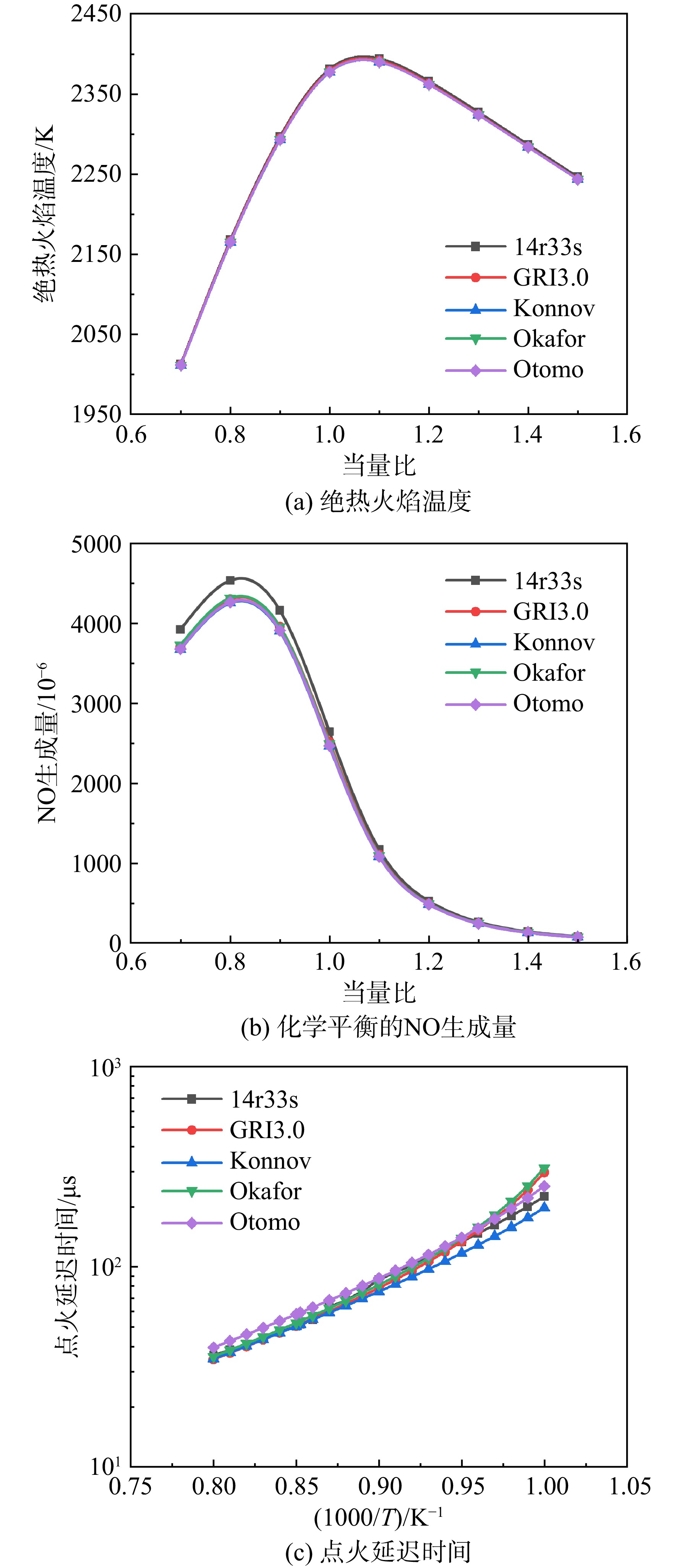
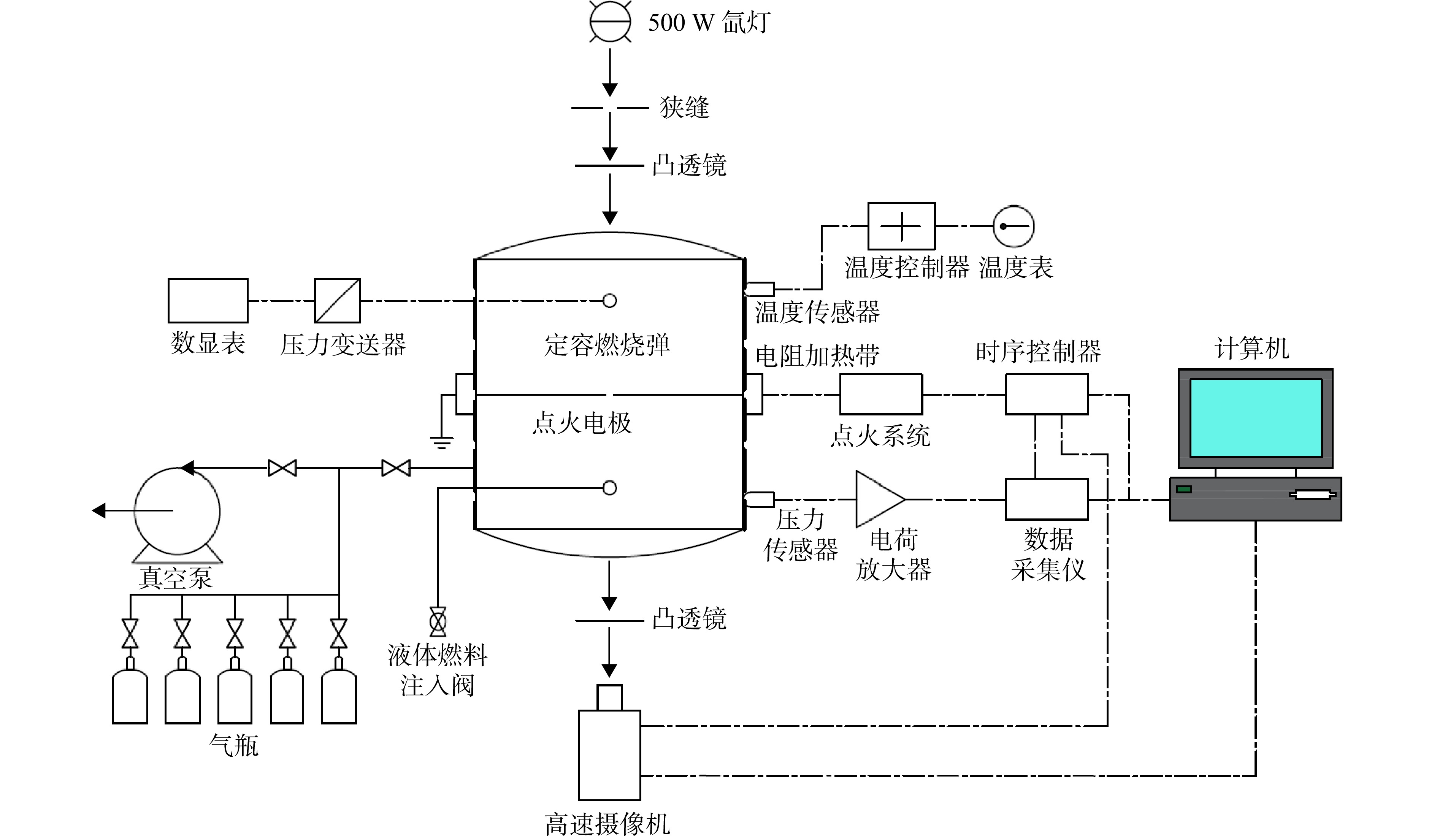
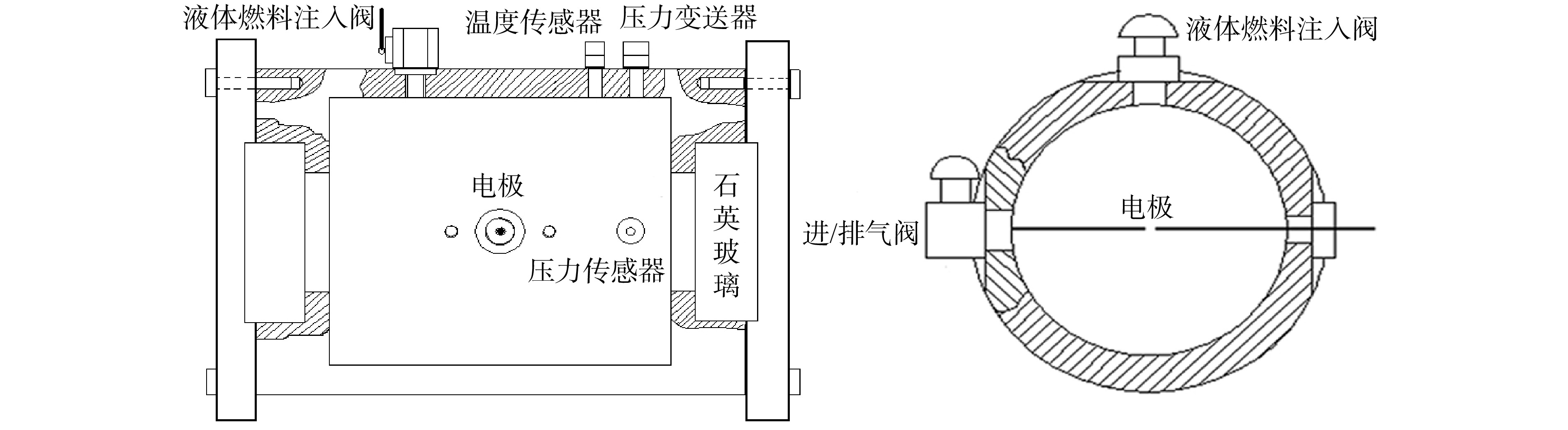
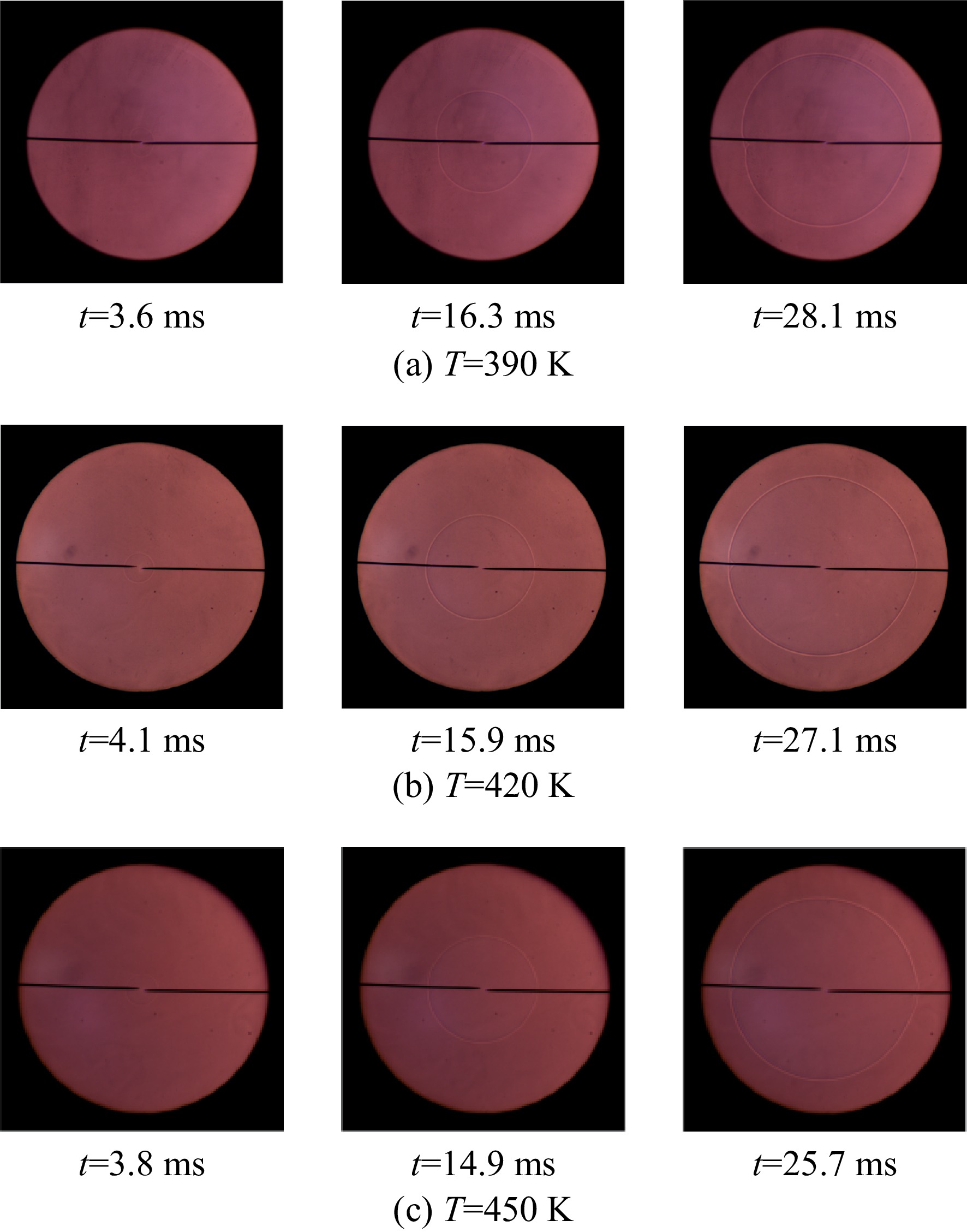
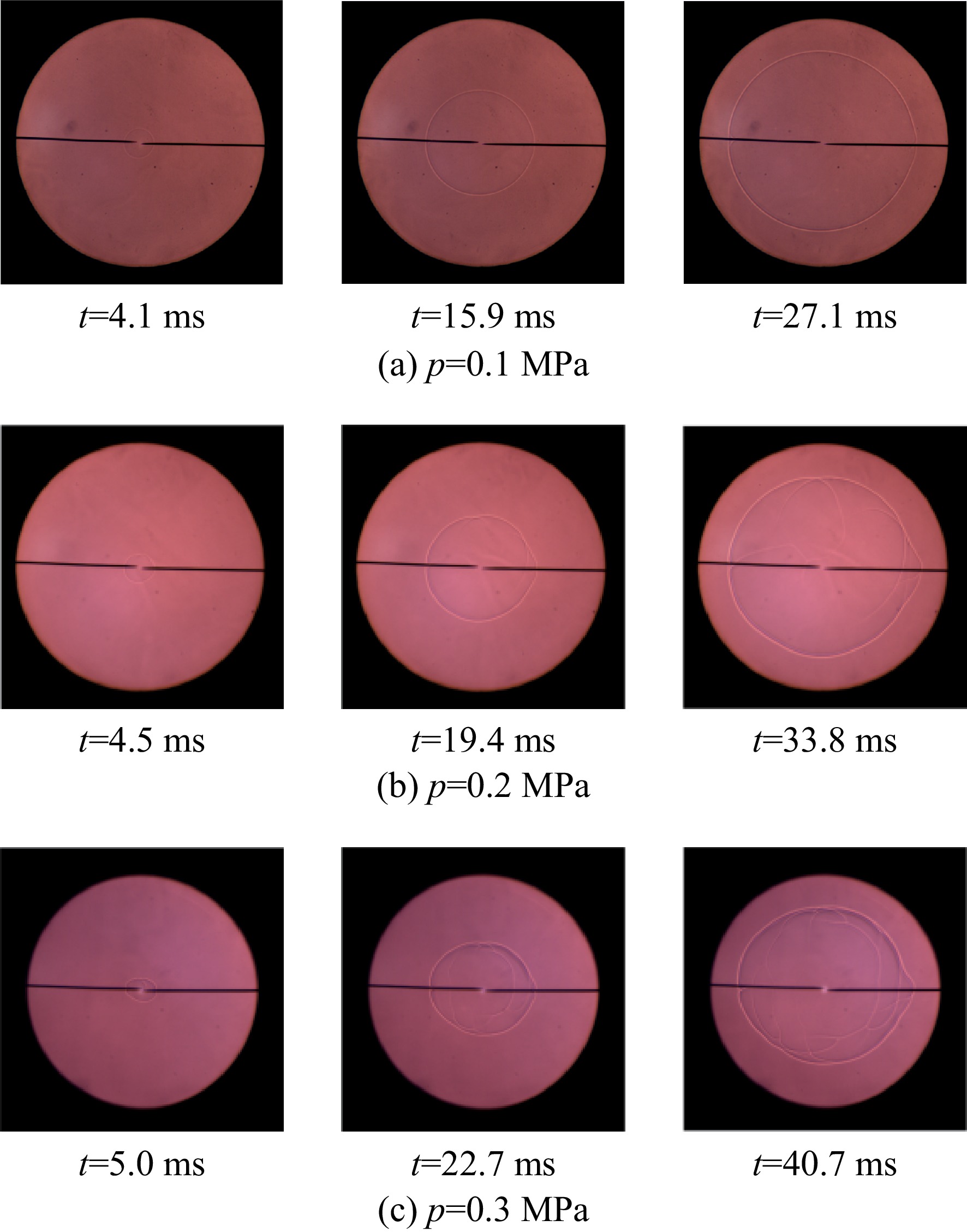
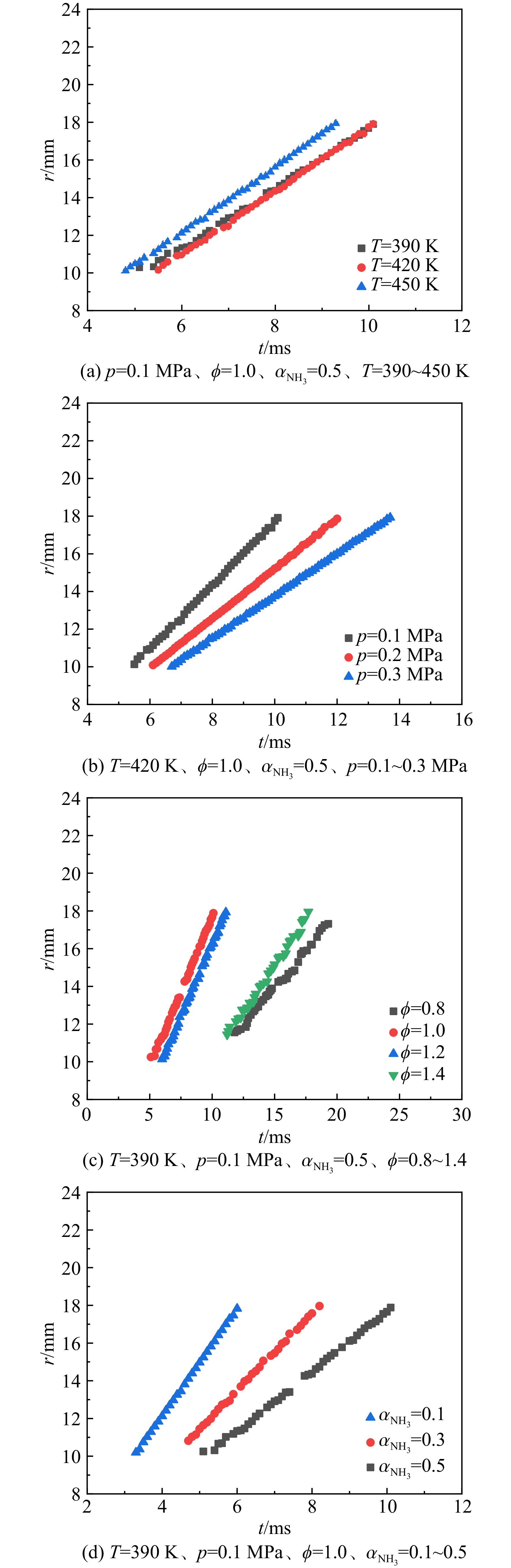
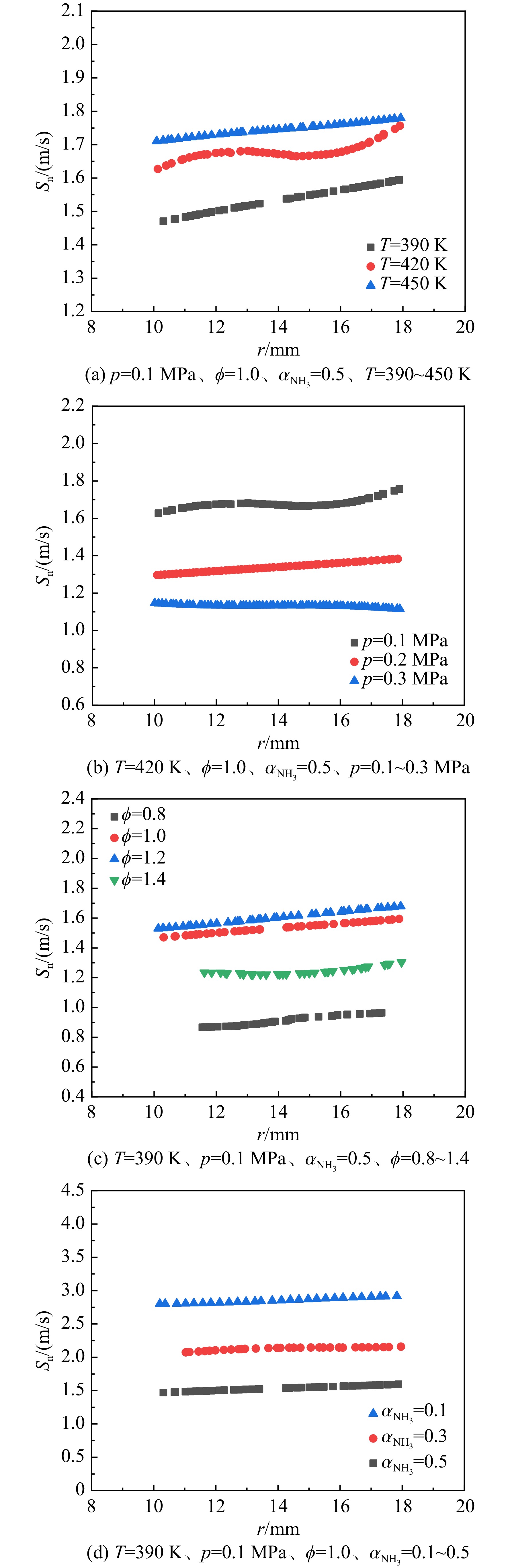
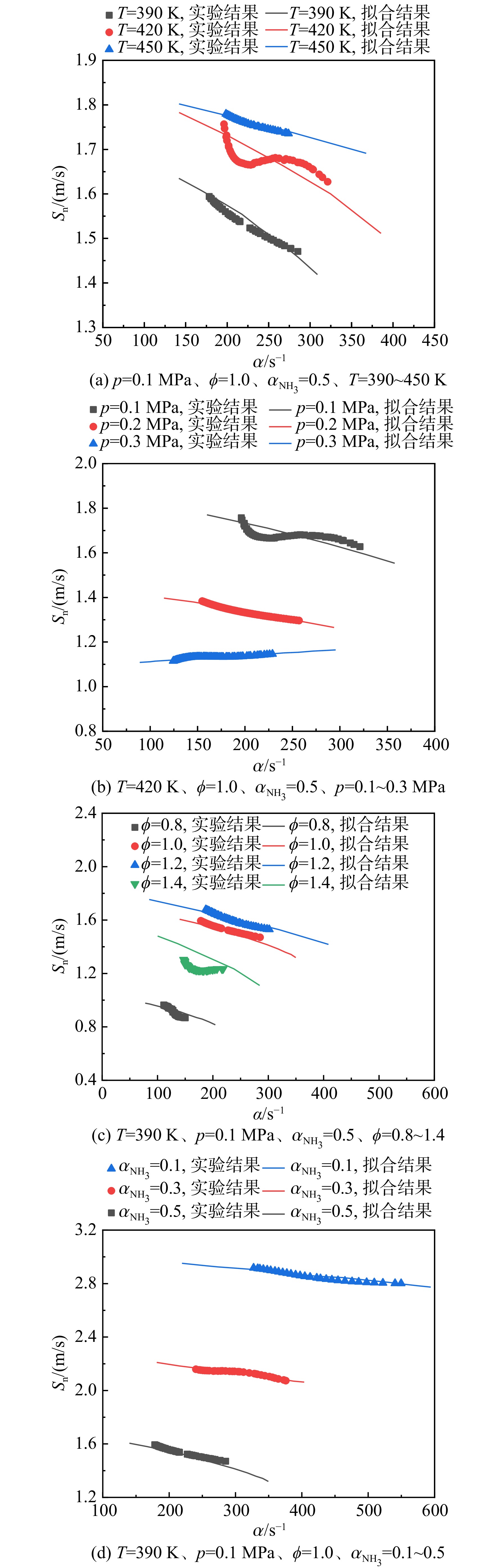
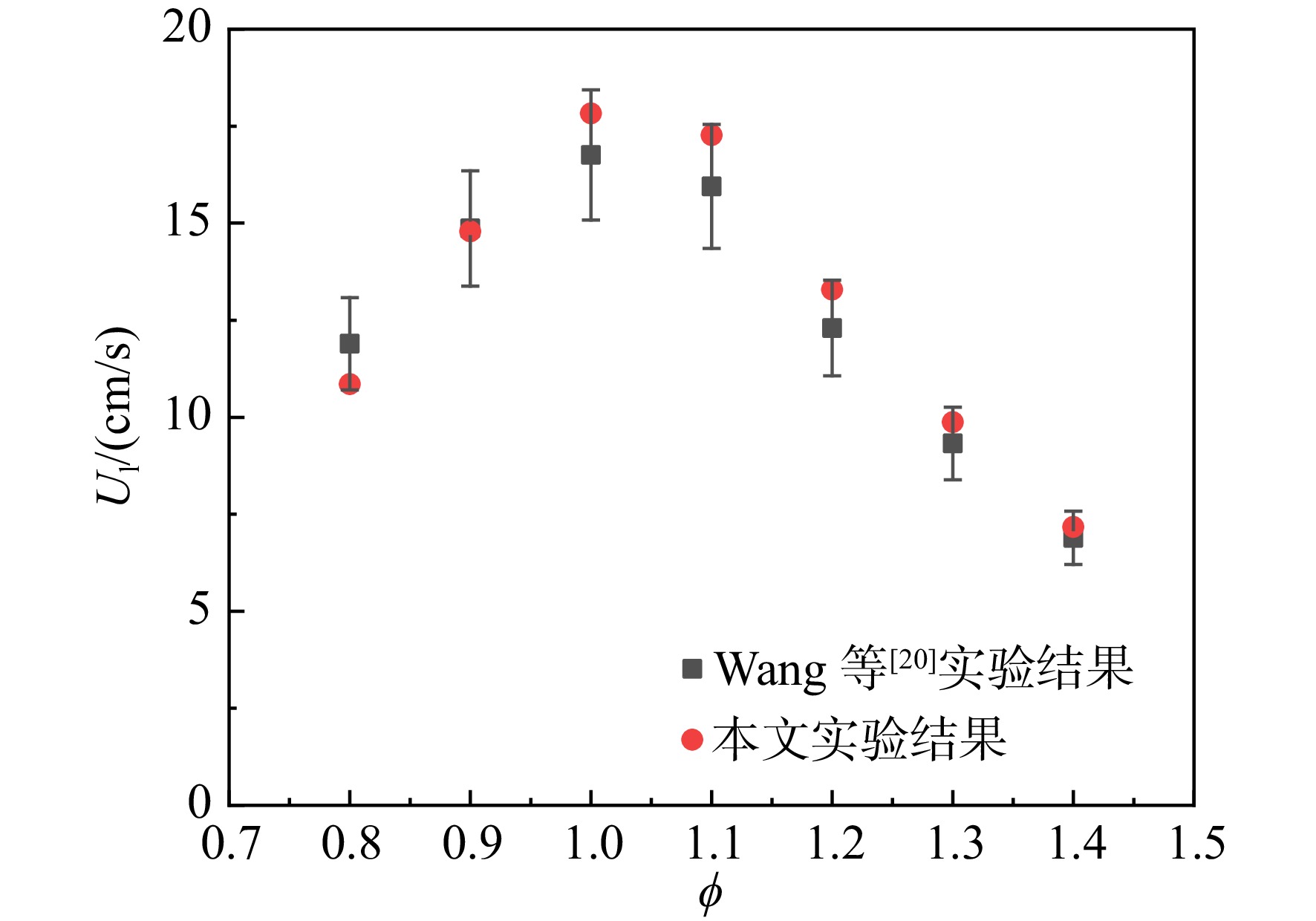
The laminar combustion characteristics of methane/ammonia mixture at the constant volume combustion bomb were measured at the initial pressures of 0.1, 0.2, 0.3 MPa, the equivalence ratios range of 0.8—1.4, the temperatures of 390, 420, 450 K, and the ammonia mixing ratios of 0.1, 0.3, 0.5. The effects of the equivalence ratio, initial pressure, initial temperature and ammonia mixing ratio on the laminar combustion characteristics of methane/ammonia mixture were obtained. Furthermore, the laminar burning velocities of methane/ammonia mixture were calculated using three detailed chemical kinetic mechanisms. The results showed that, as the equivalence ratio and initial pressure increased, cracks or cellular structures appeared on the flame front surface of methane/ammonia mixture, and the flame stability deteriorated. At the same time, the initial temperature and ammonia mixing ratio had a relatively small impact on the flame front structure and flame stability. The laminar burning velocity of methane/ammonia mixture showed a pattern of first increasing and then decreasing as the equivalence ratio increased, with the maximum value occurring at the equivalence ratio of 1.0. As the initial pressure and ammonia mixing ratio decreased or the initial temperature increased, the laminar burning velocity of methane/ammonia mixture gradually increased. Meanwhile, compared with the calculated results of the Okafor mechanism and NUIGMech 1.1 mechanism, the laminar burning velocities of methane/ammonia mixture under multiple conditions calculated by the Konnov mechanism (201 species, 2300 reactions) agreed well with the corresponding experimental data.

Aerothermodynamics and Aeroengine Design
Multidisciplinary collaborative mode for overall-component design of next-generation aero-engines based on MBSE
JING Xishuang, MA Jiawen, BI Ying, ZHANG Chengyang, XIE Fubao, CHEN Siyu
2025, 40(11): 20240587. doi: 10.13224/j.cnki.jasp.20240587
Abstract:
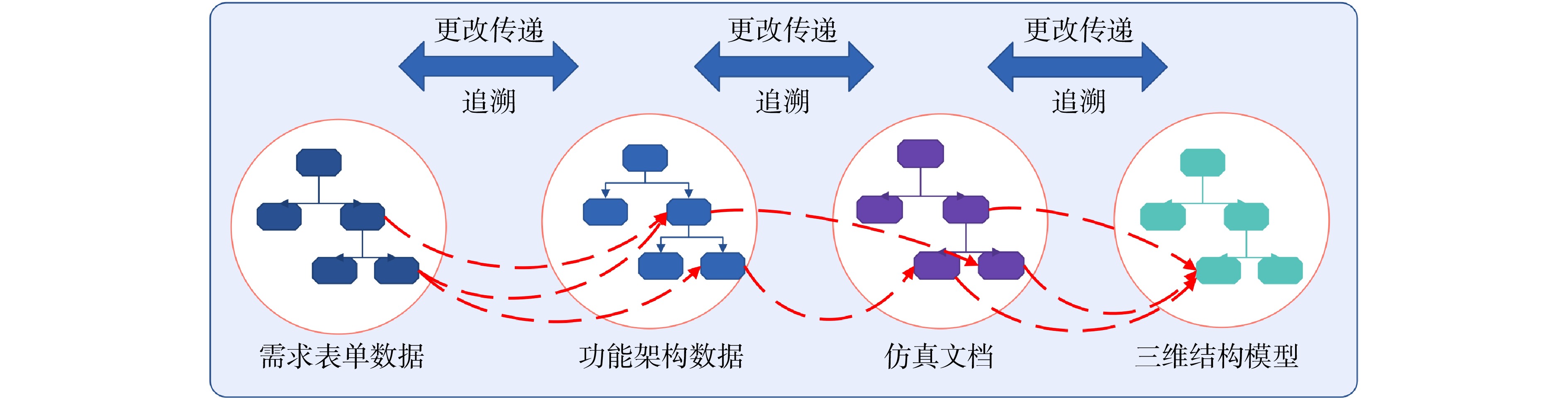
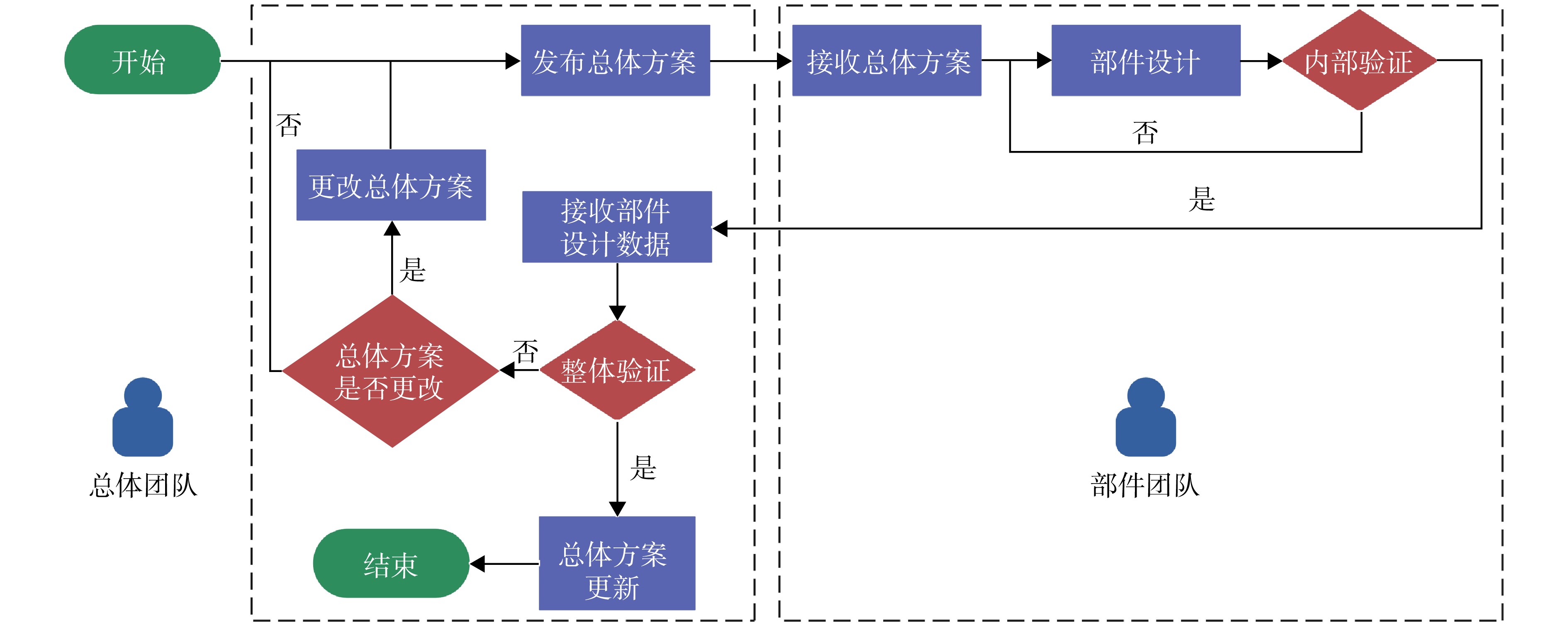
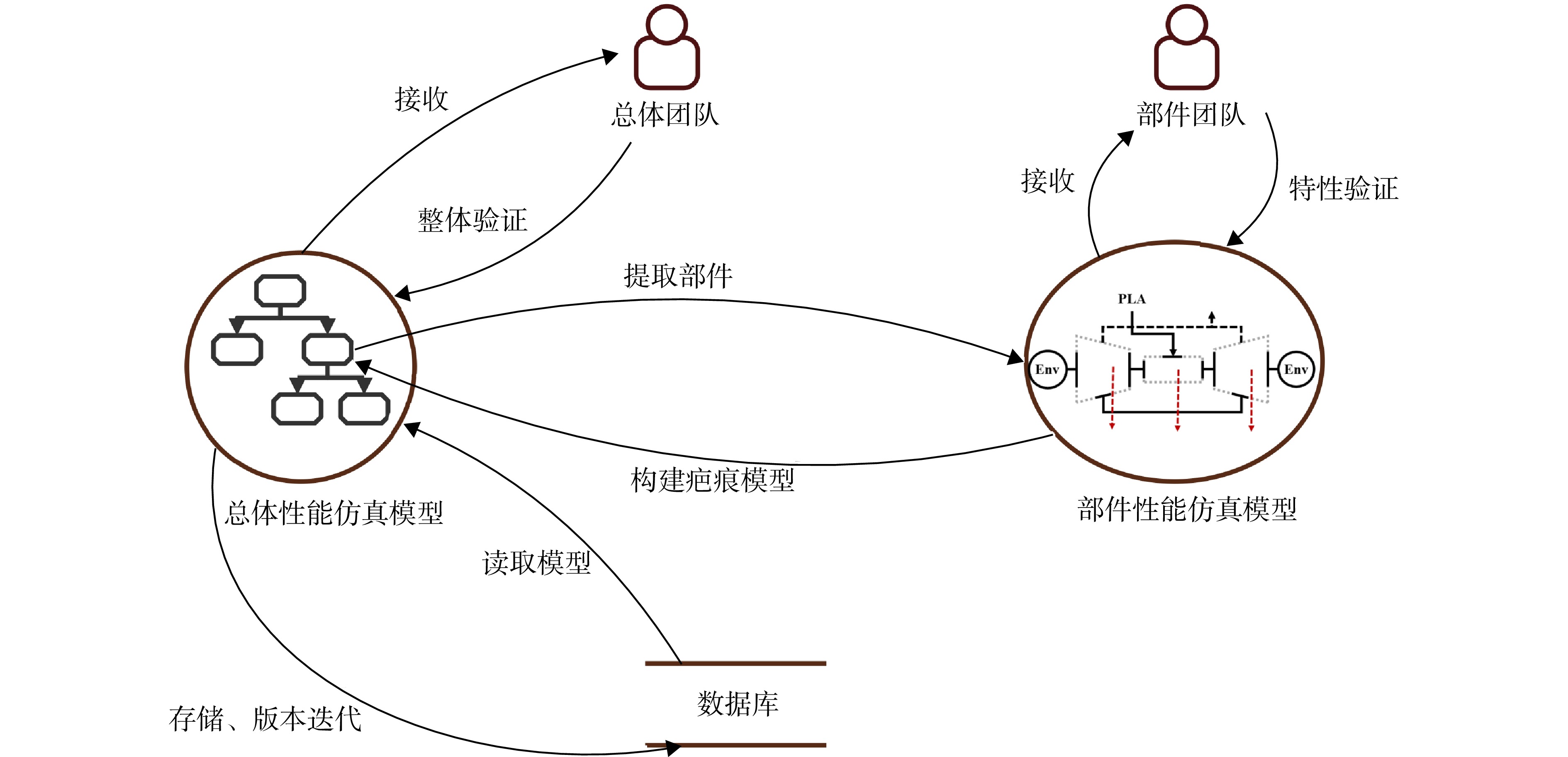
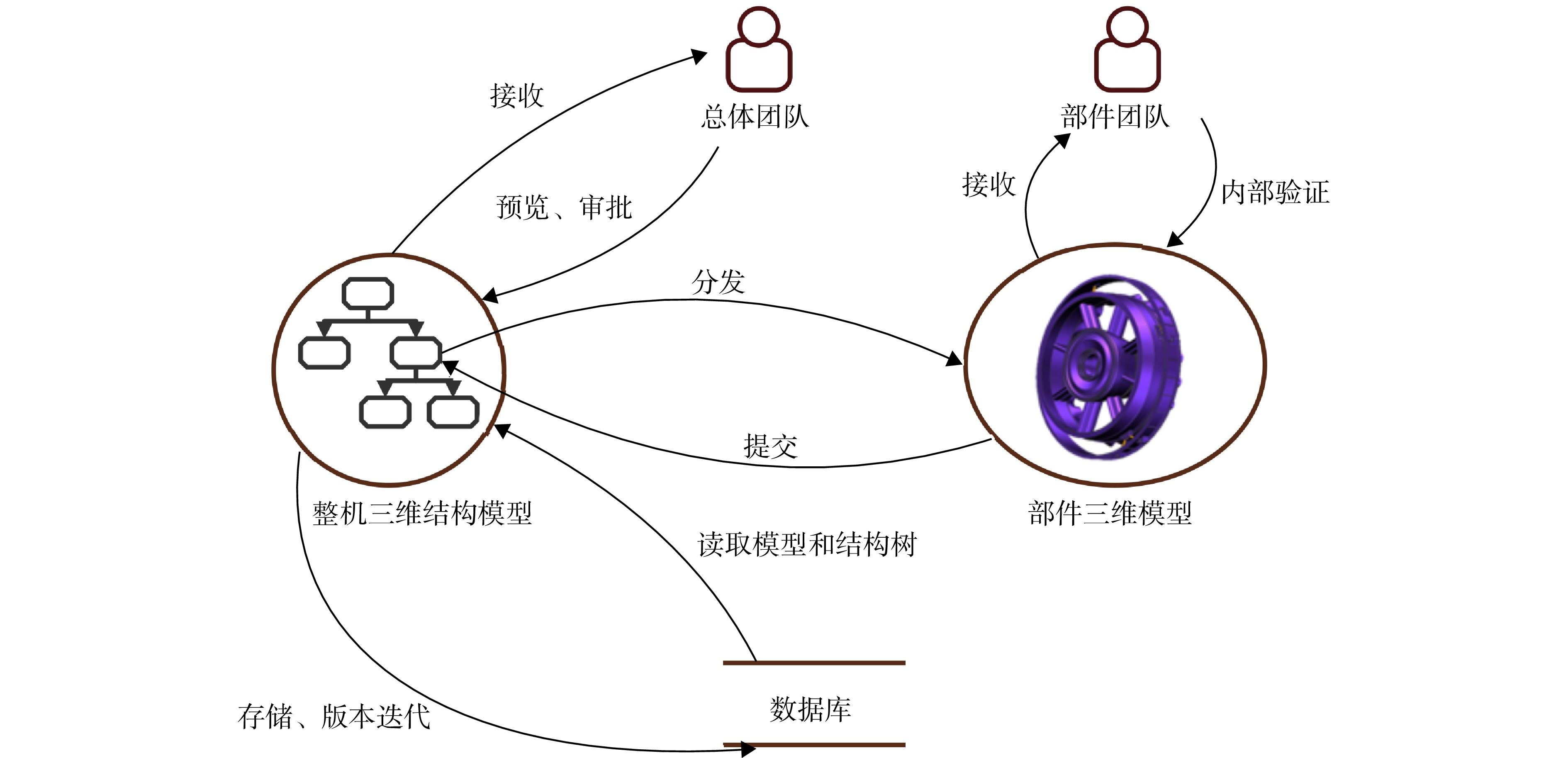
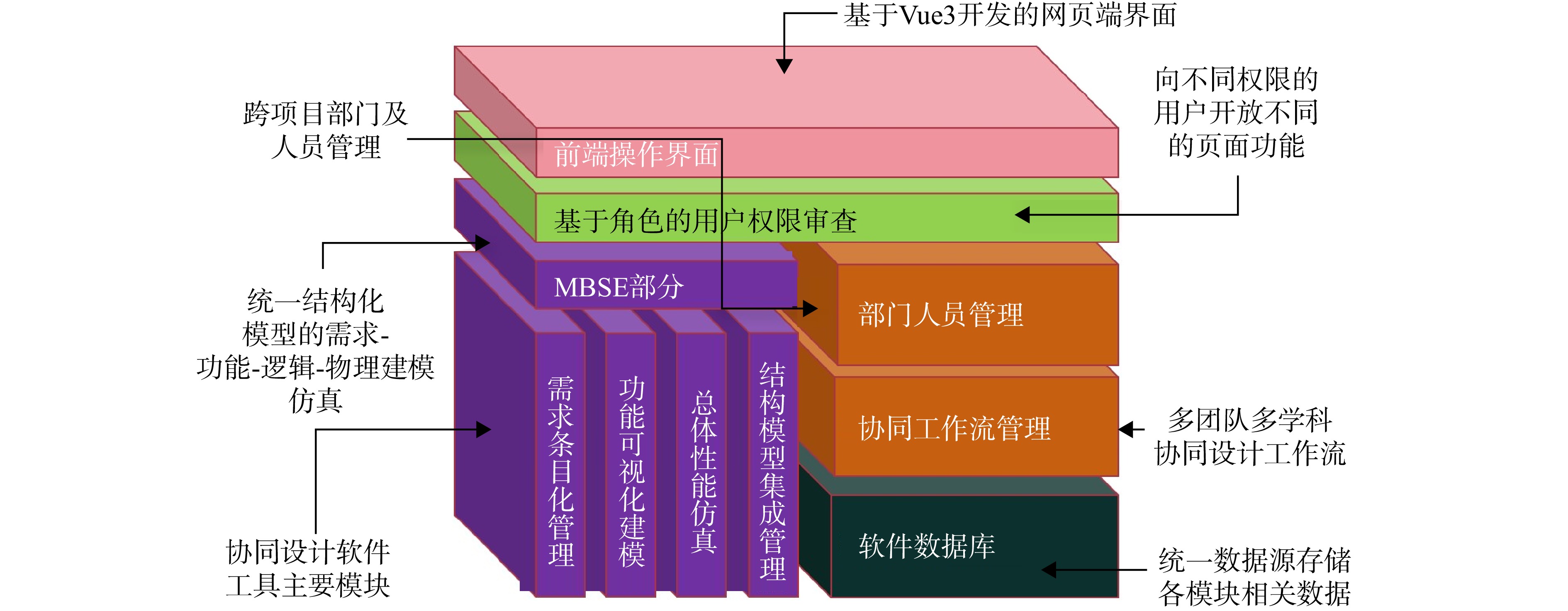
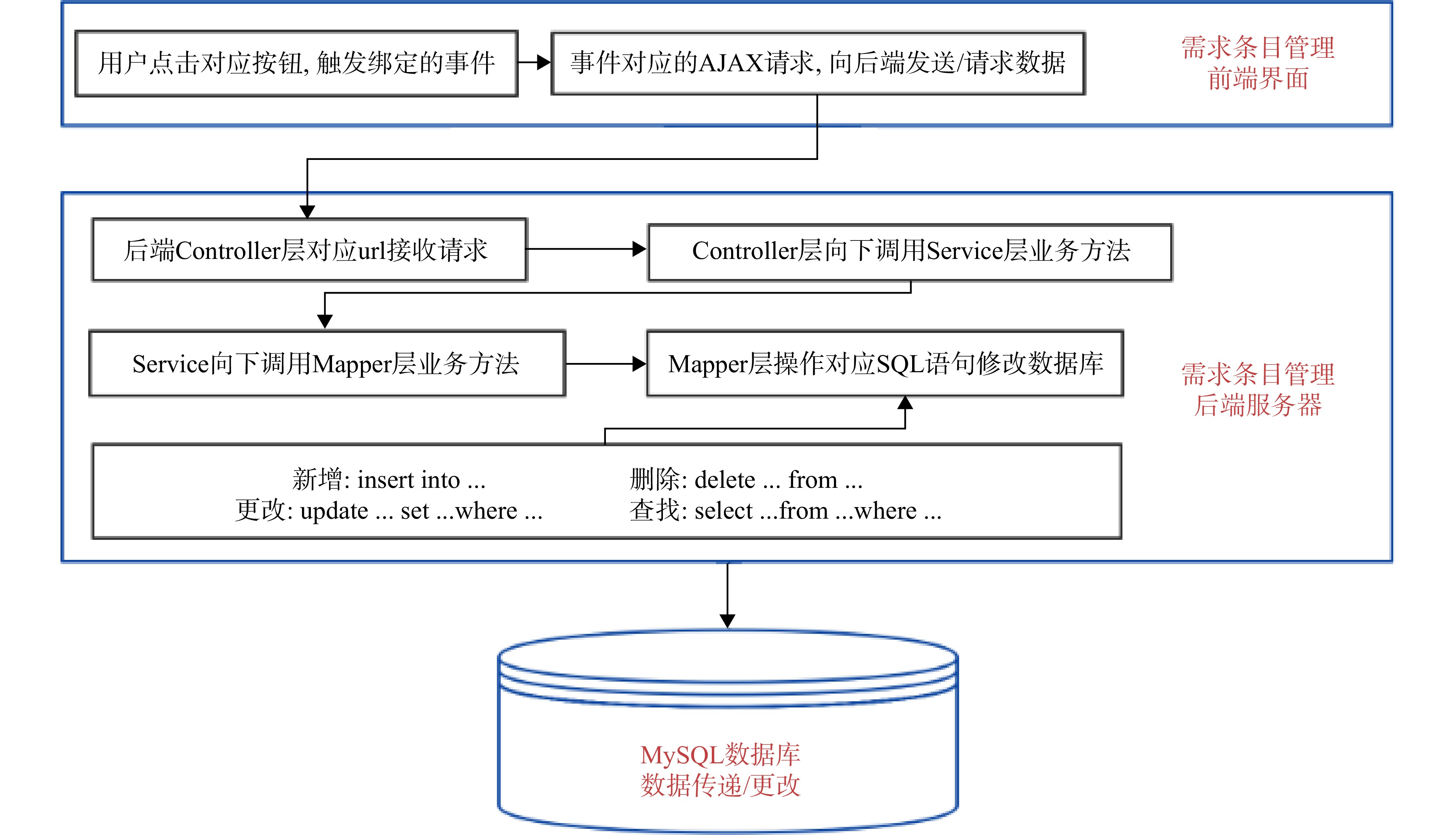
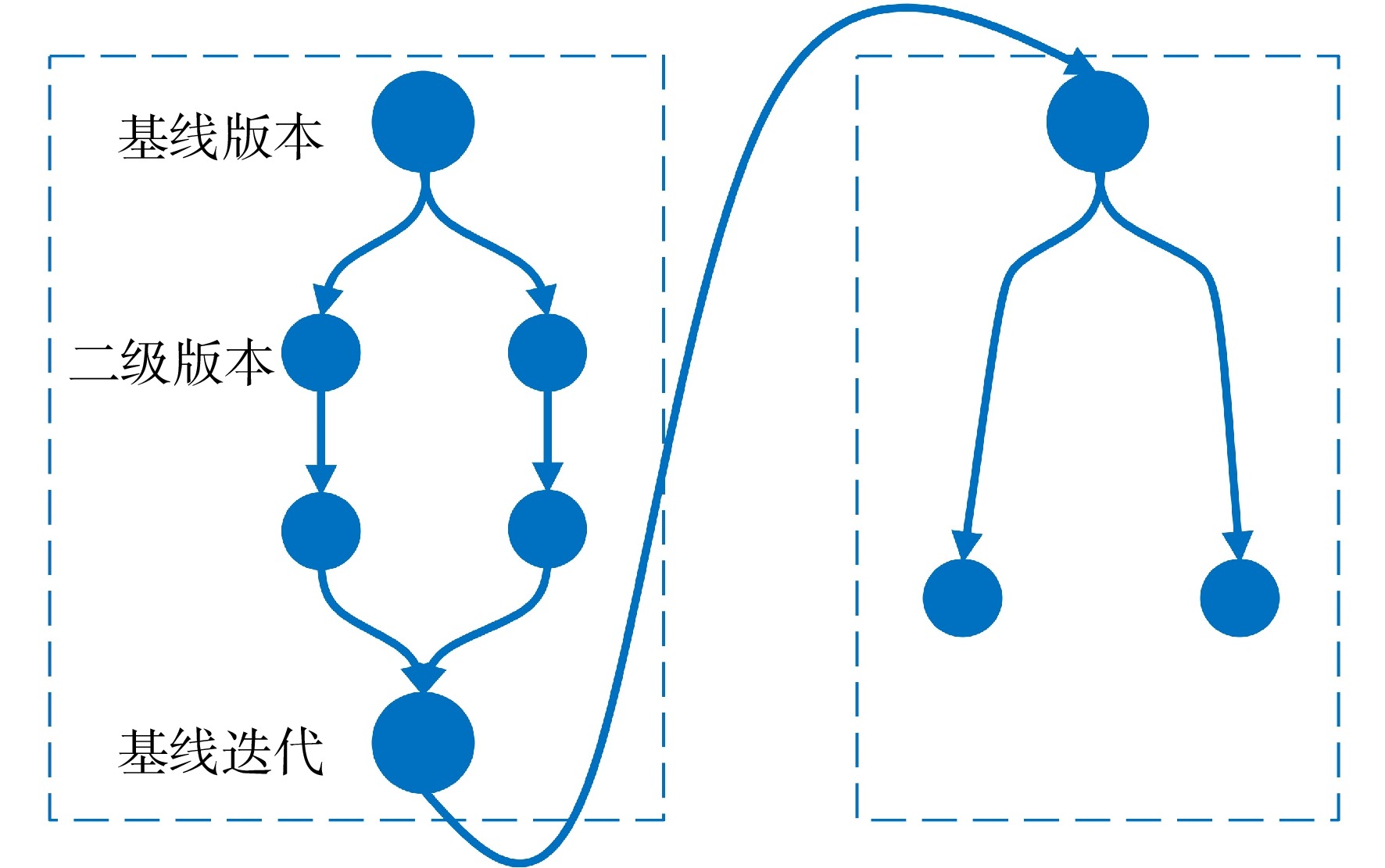
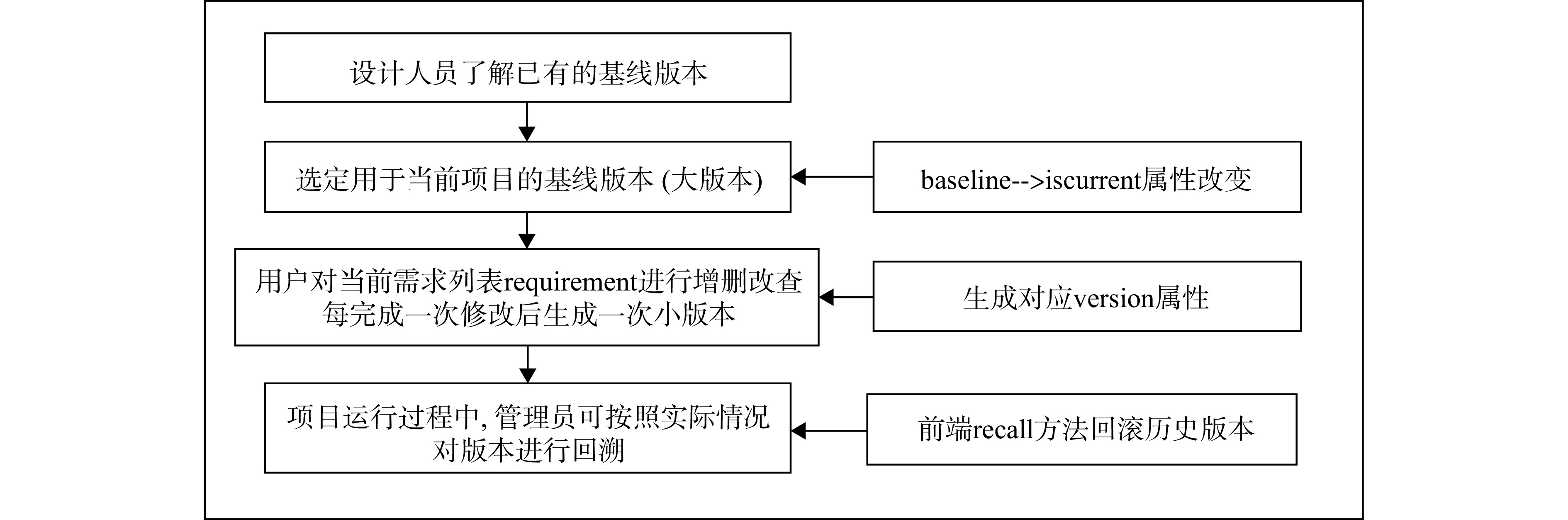
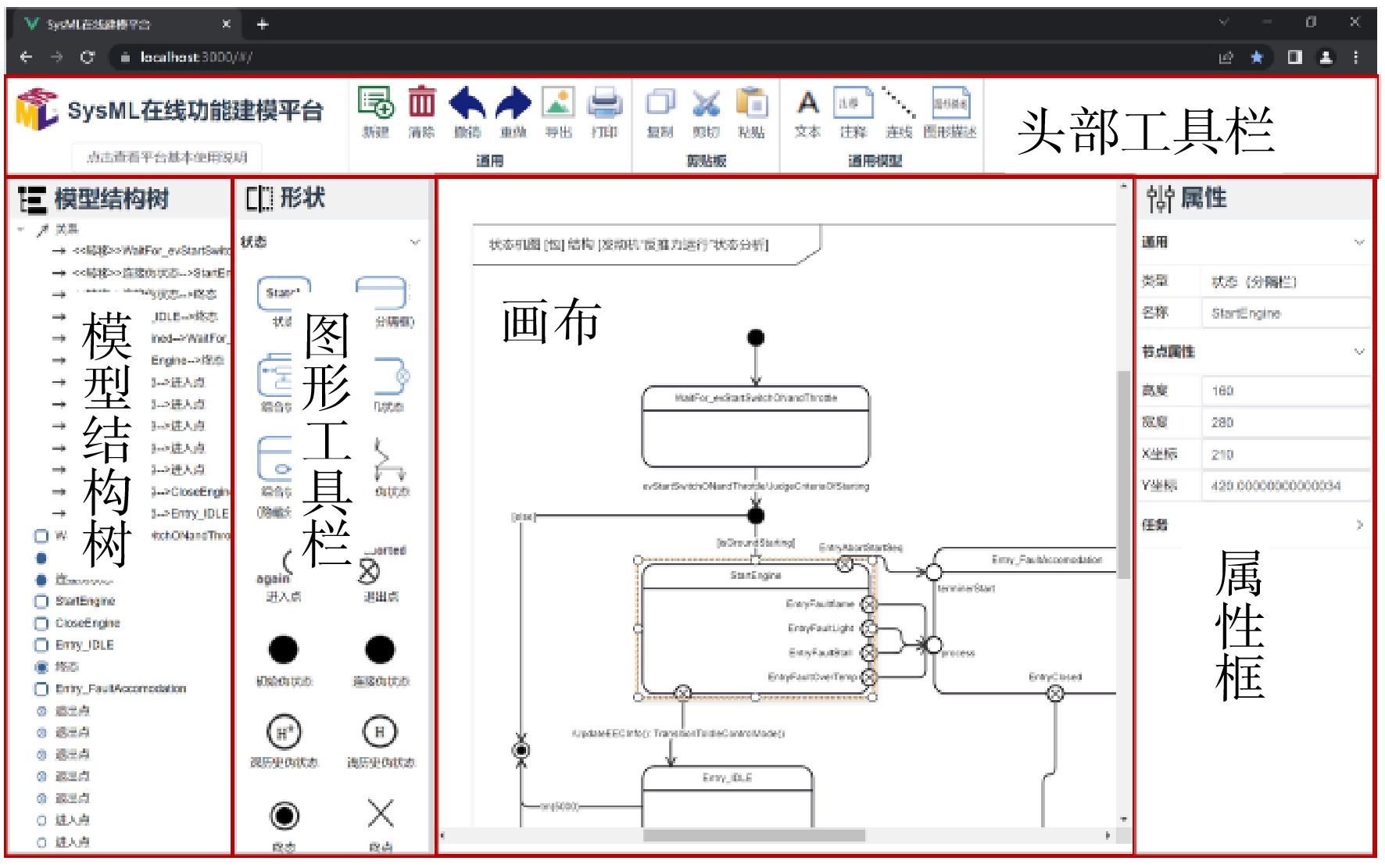
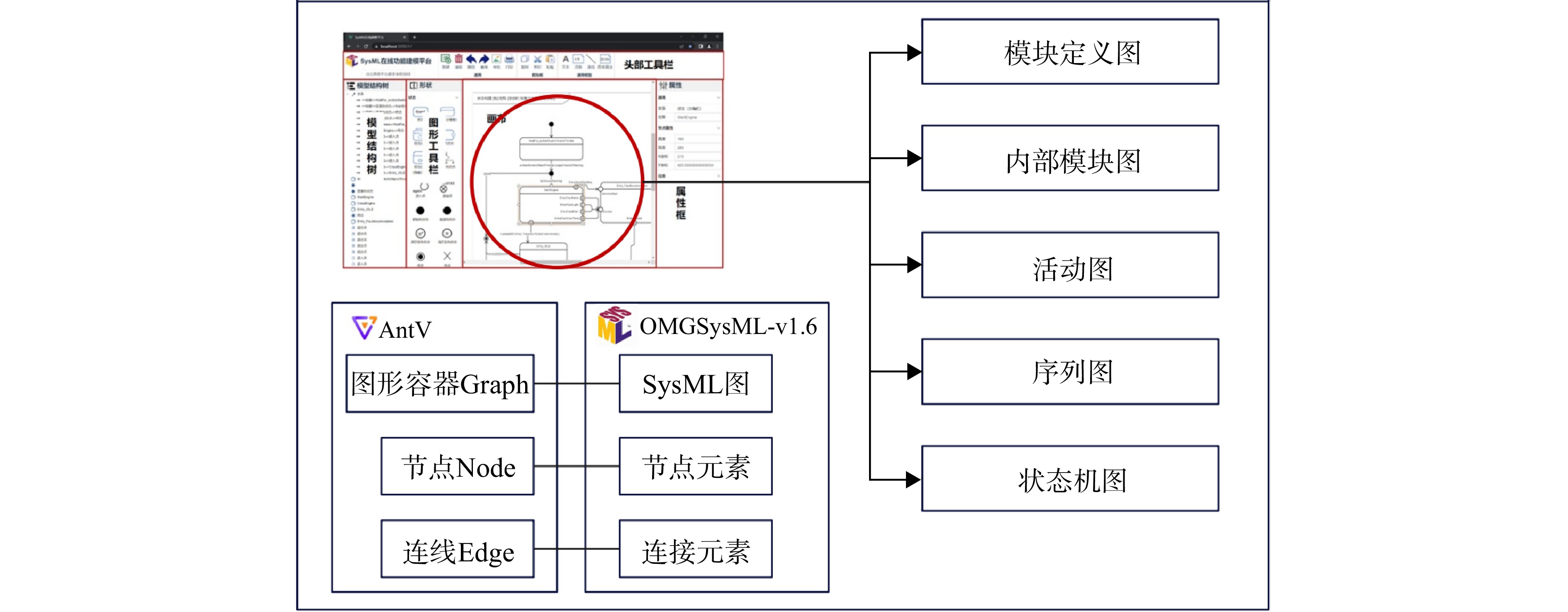
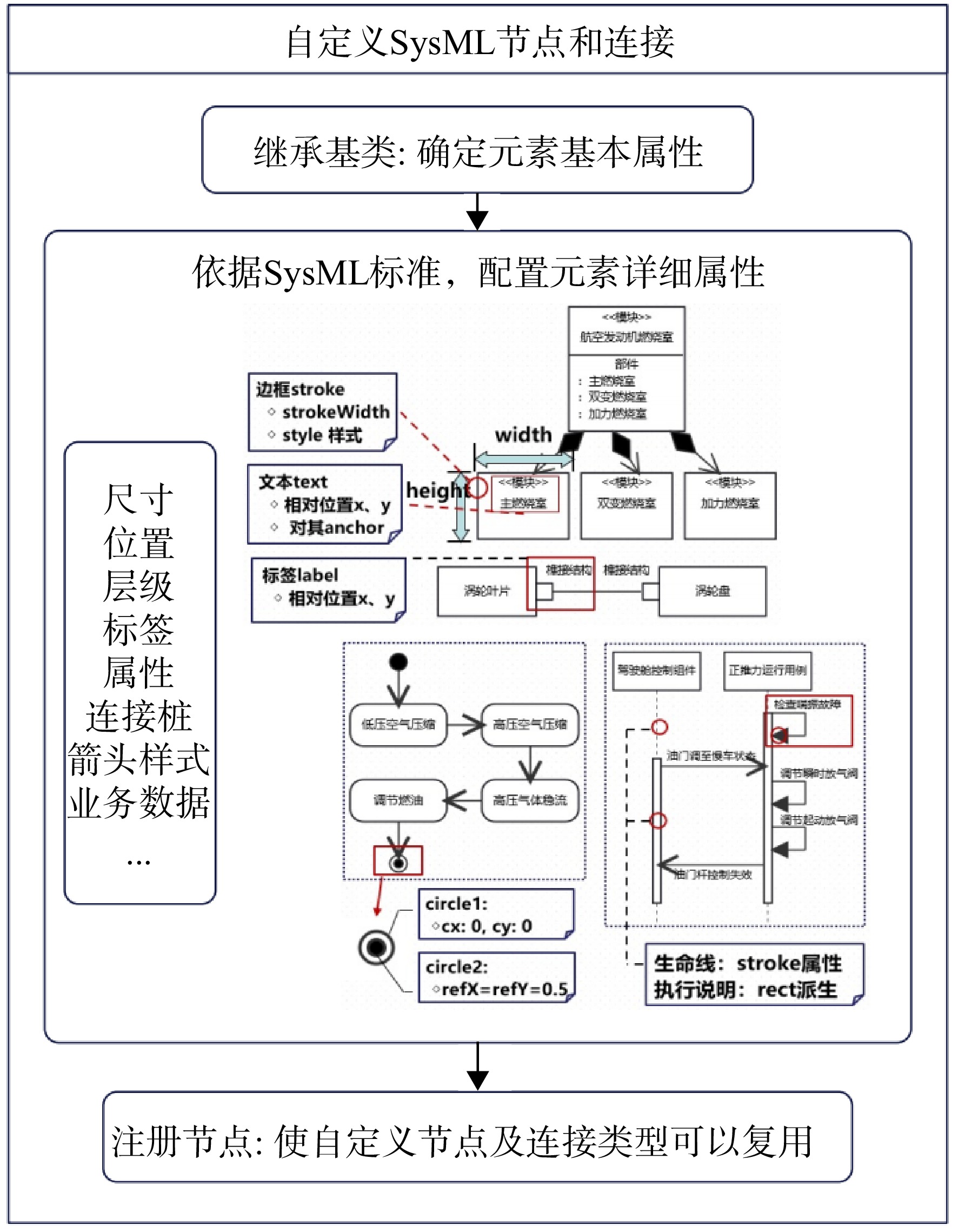
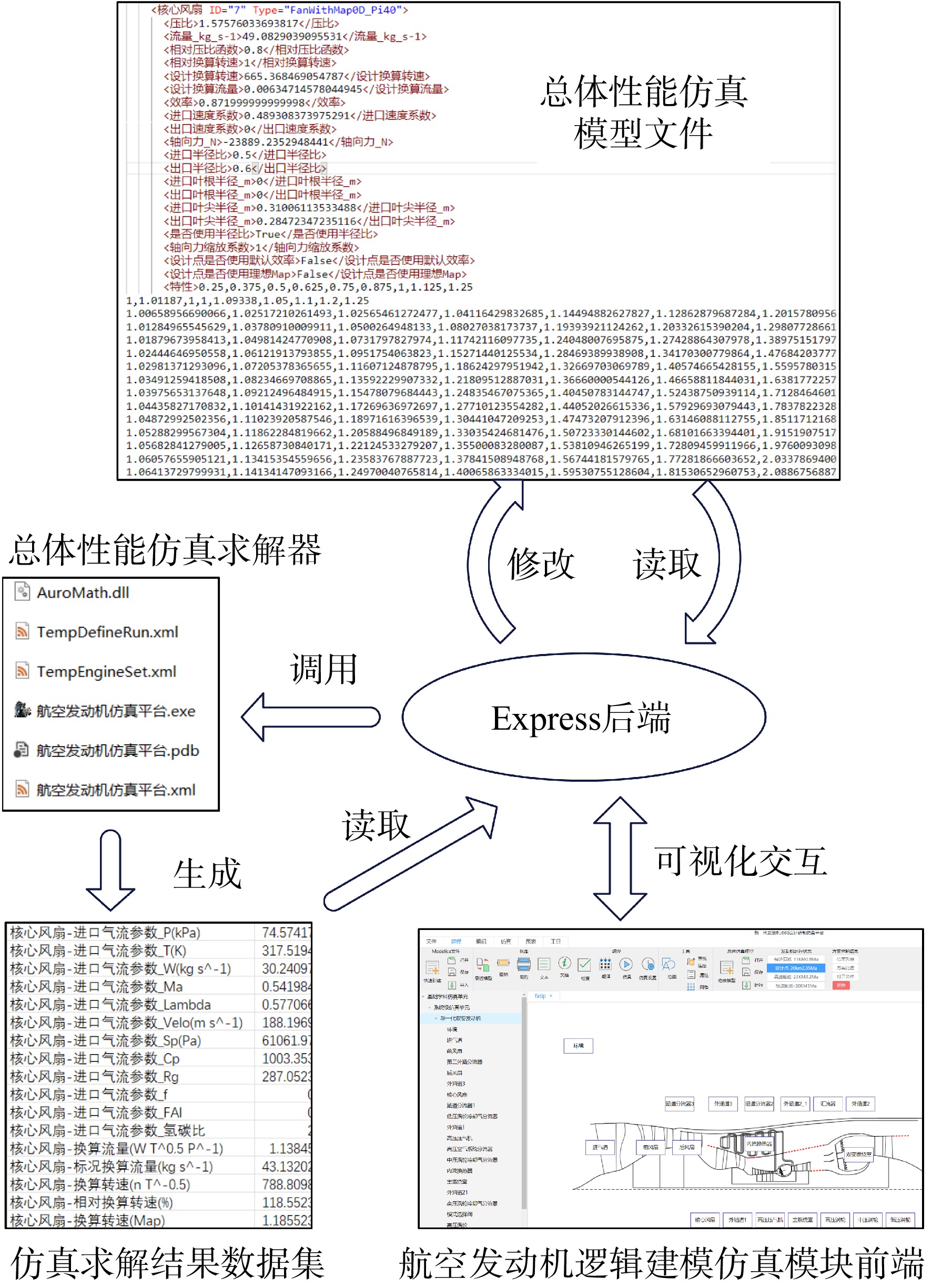
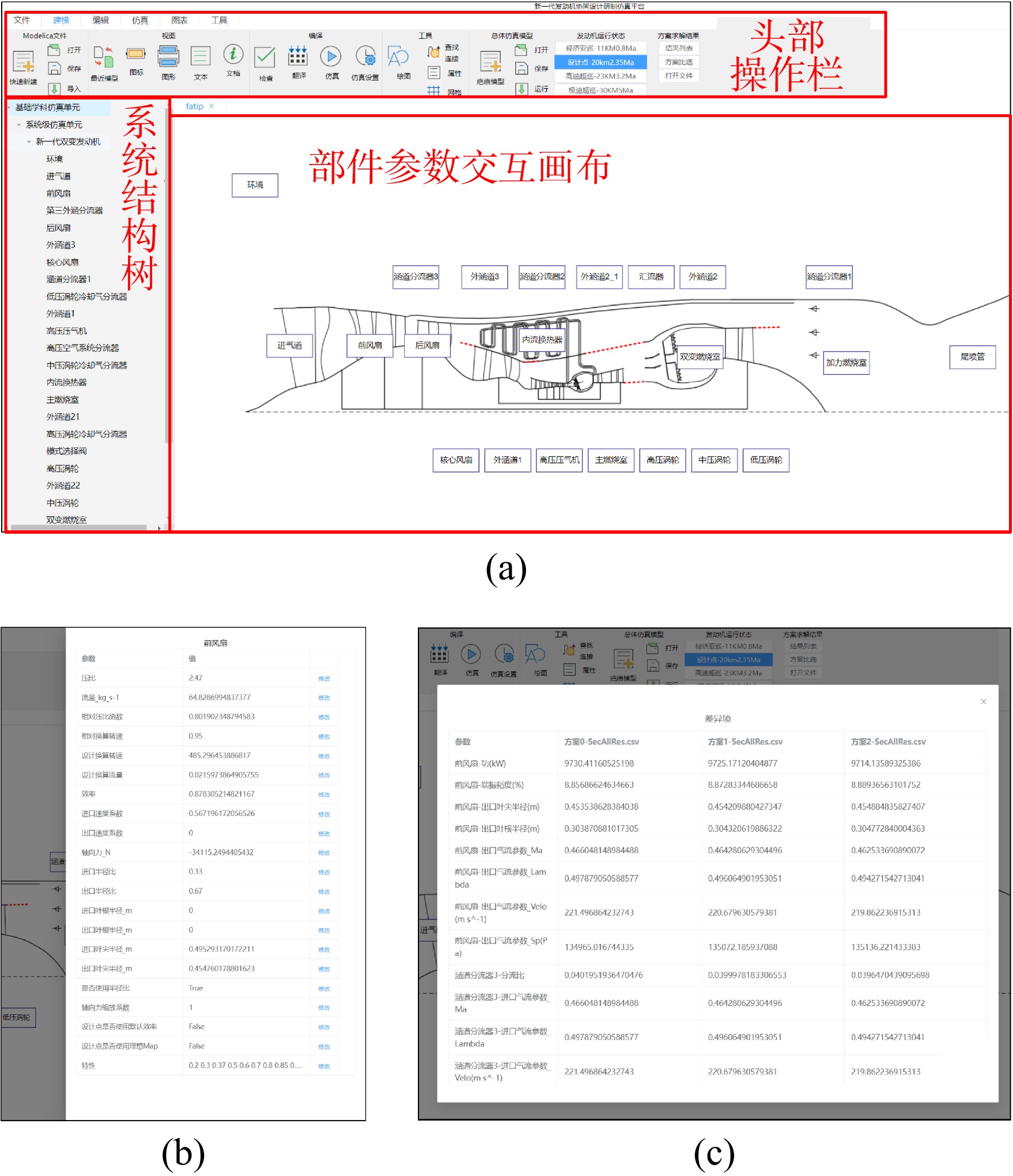
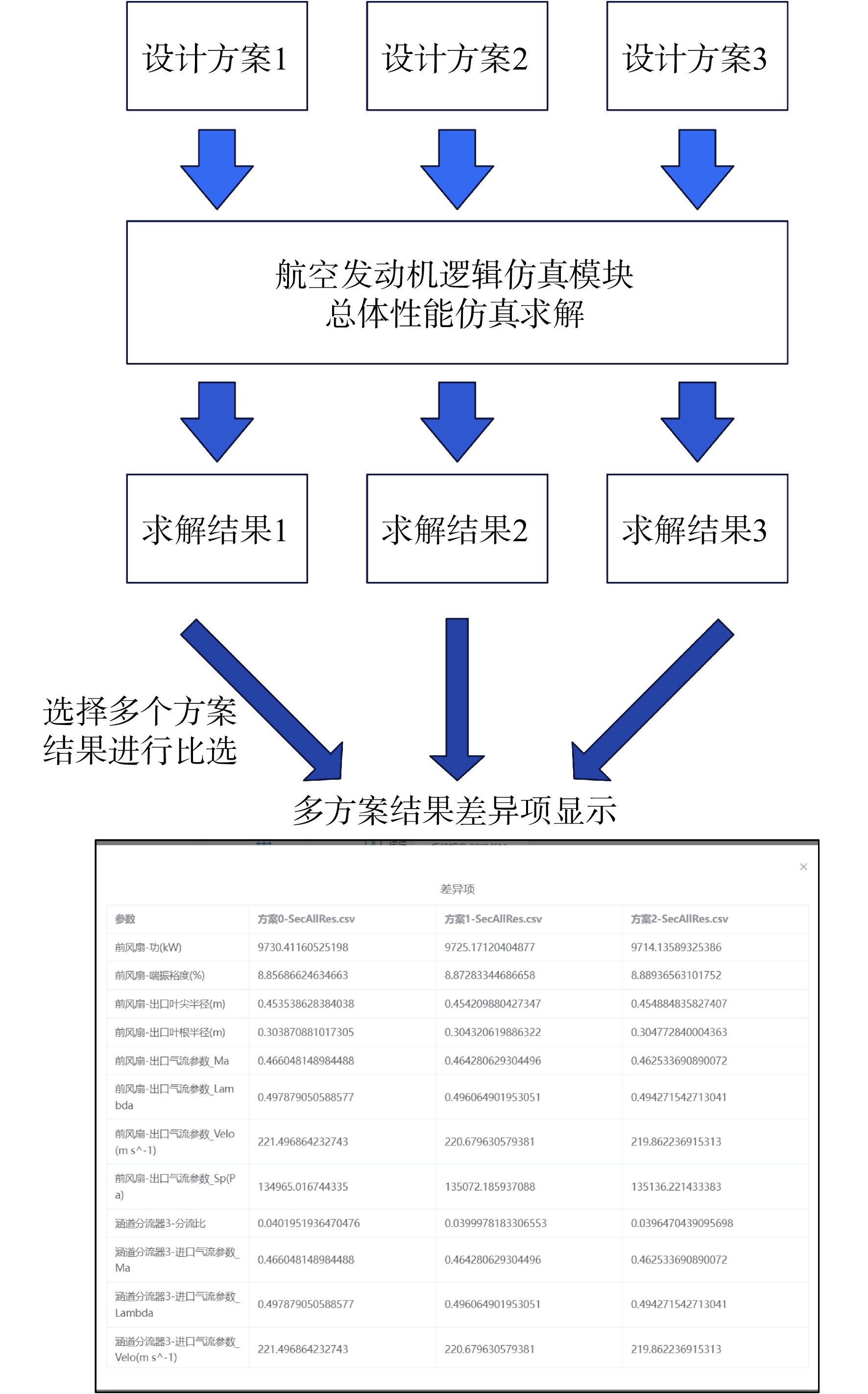
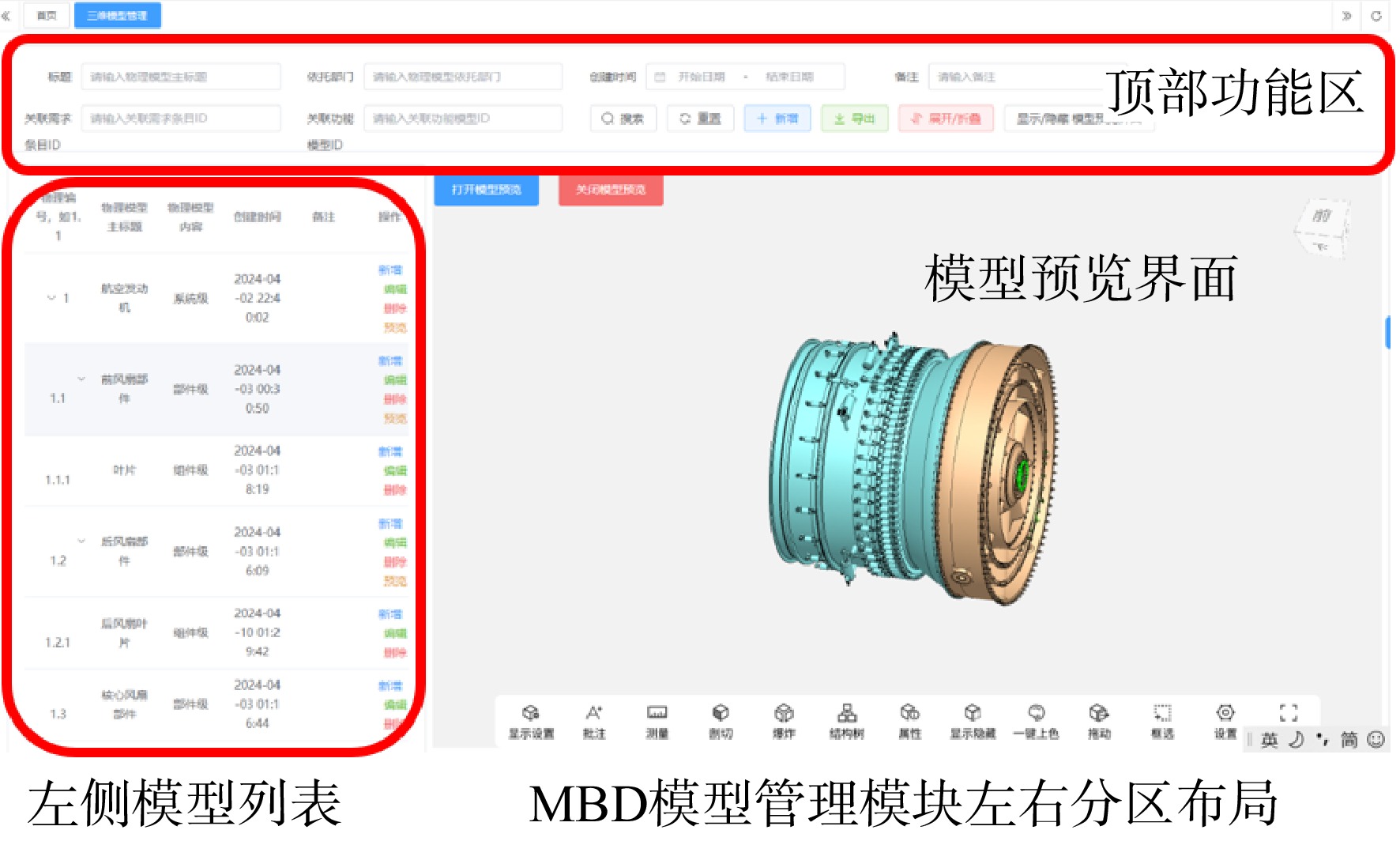
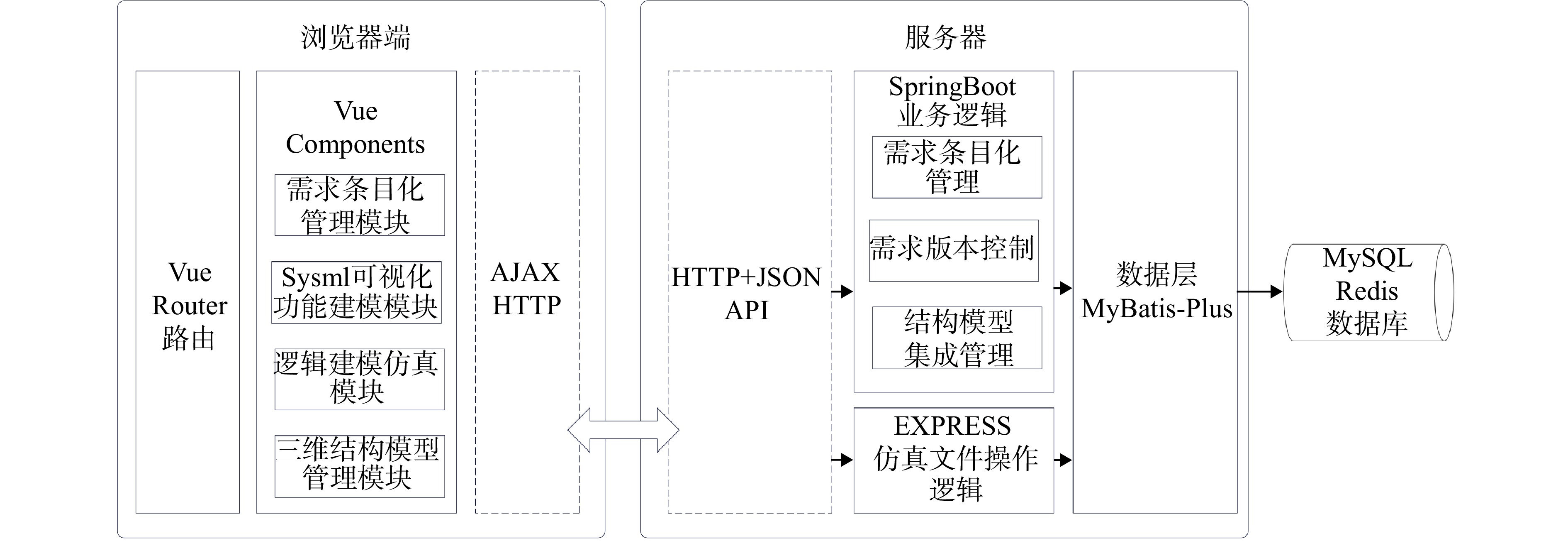
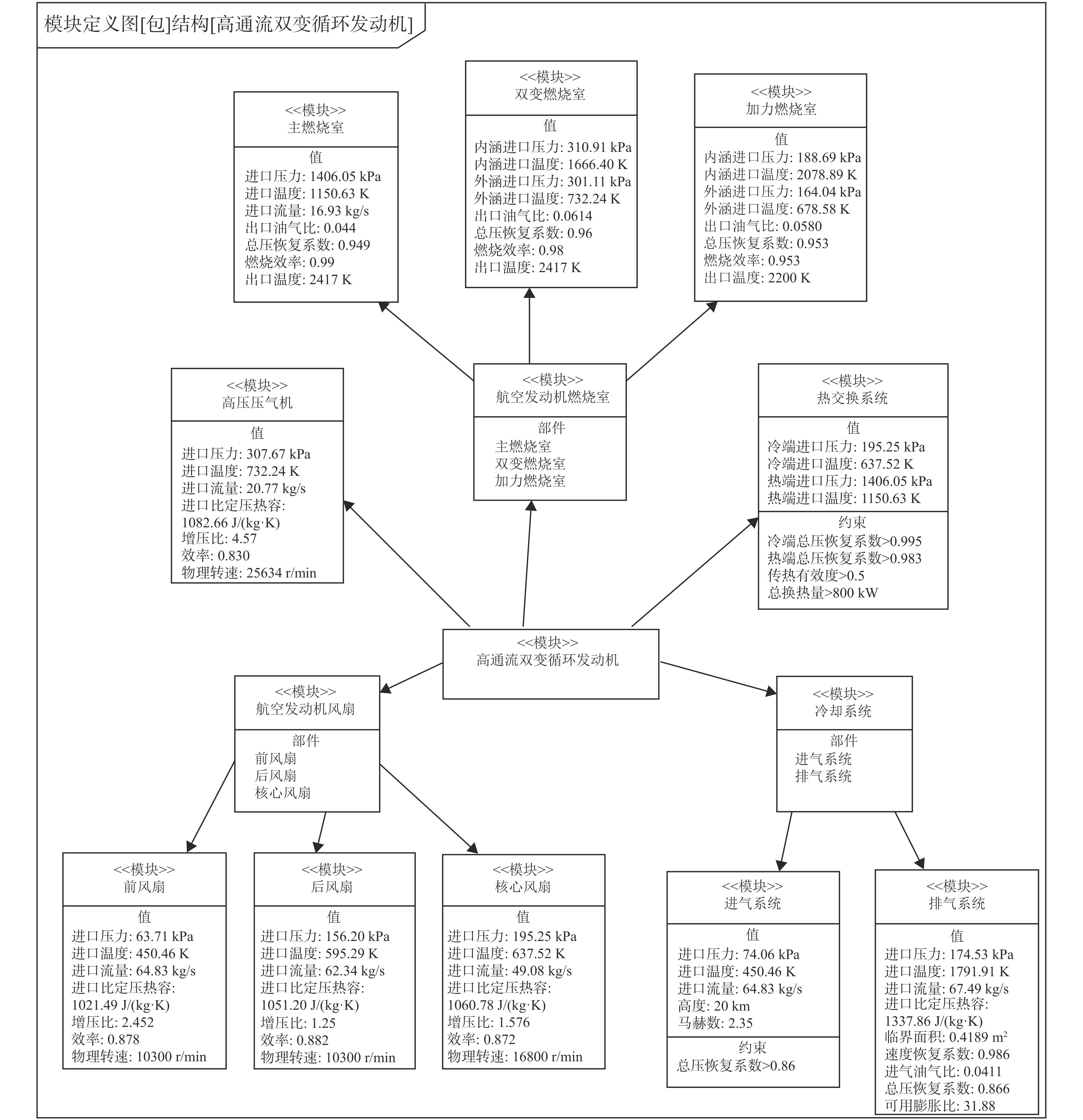
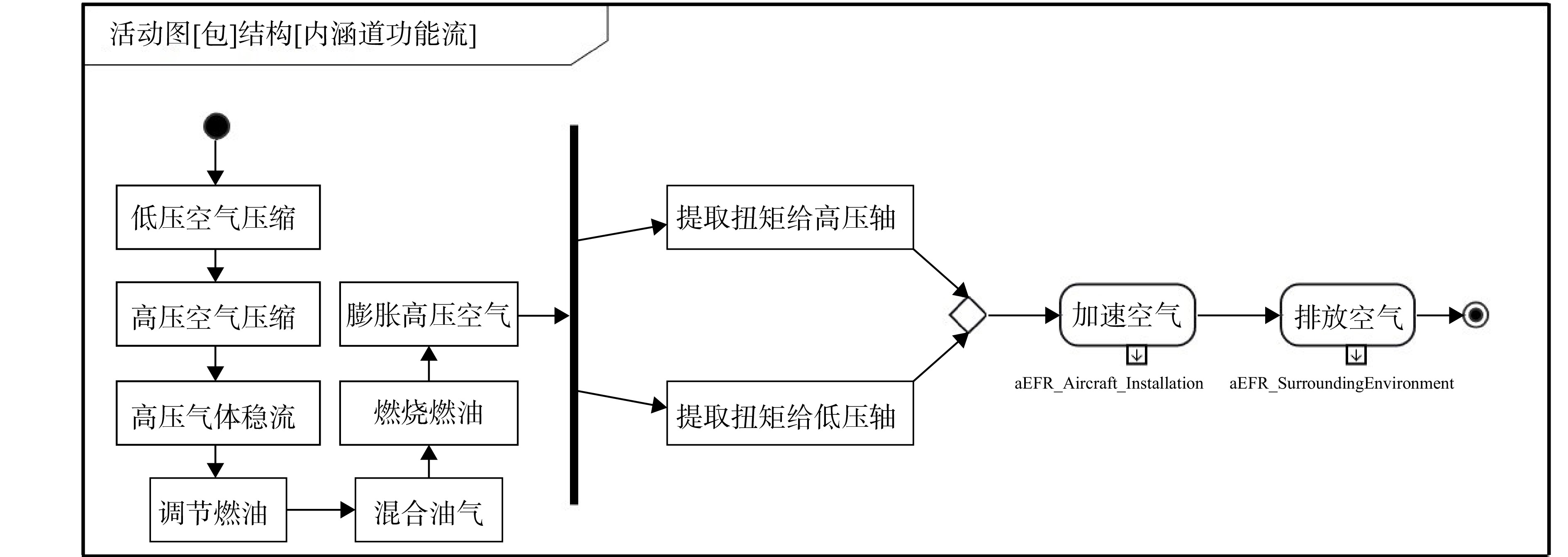
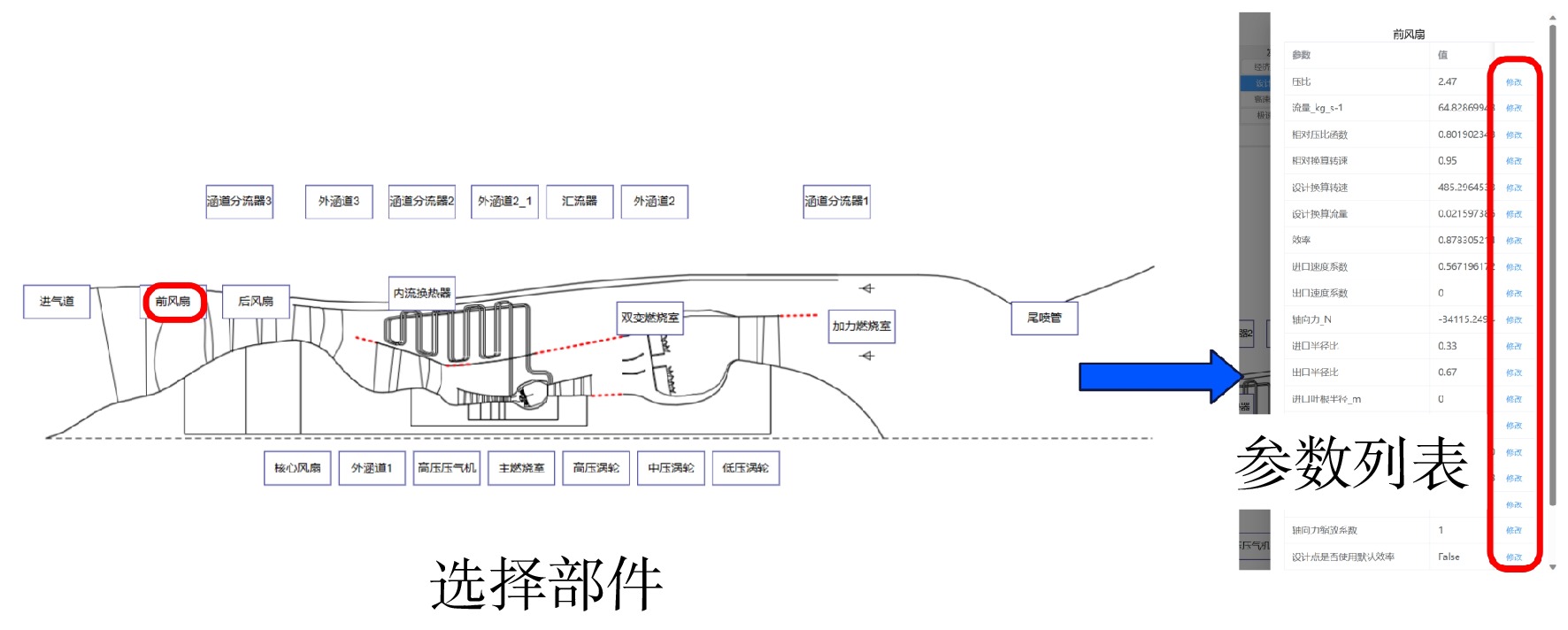
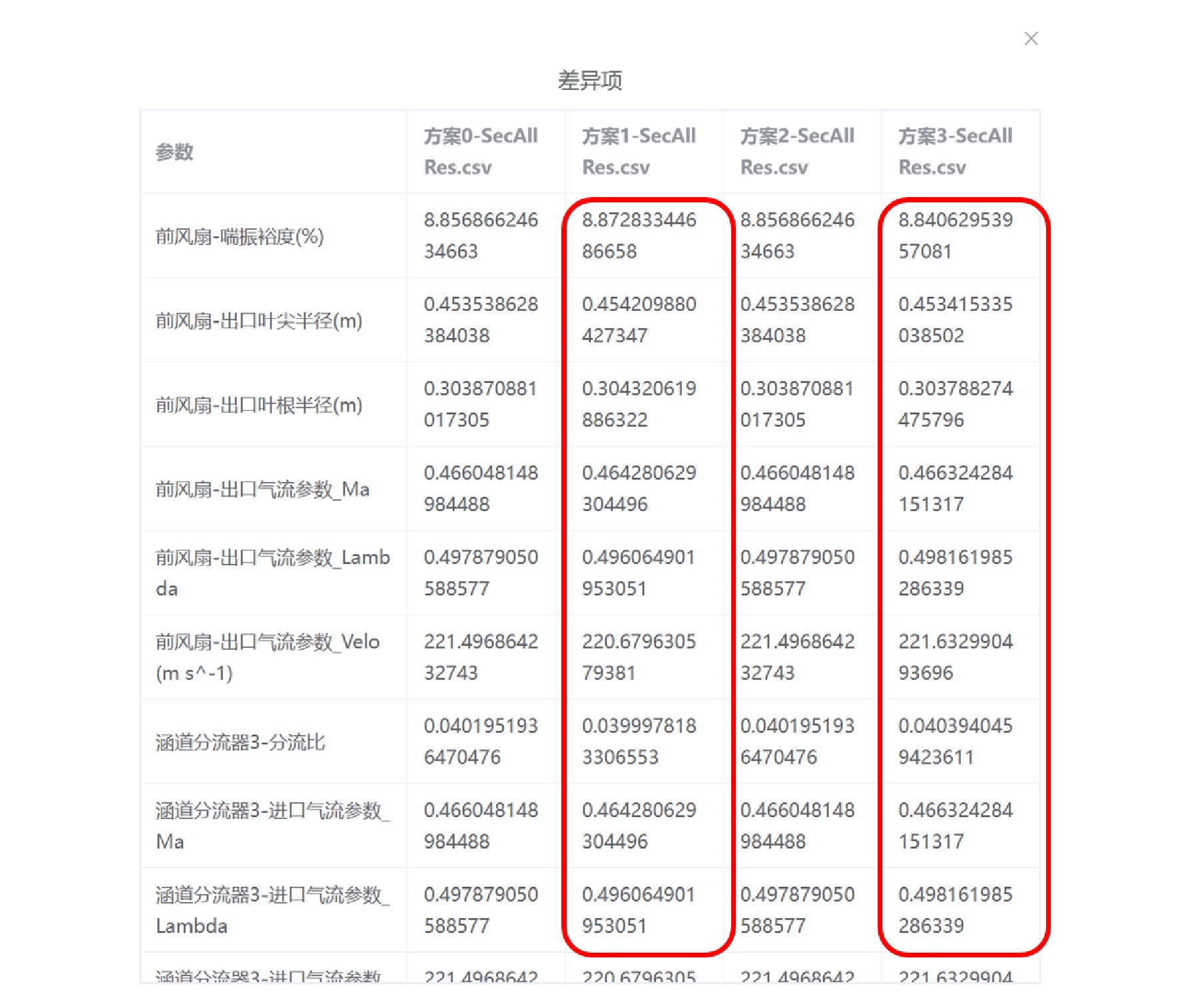
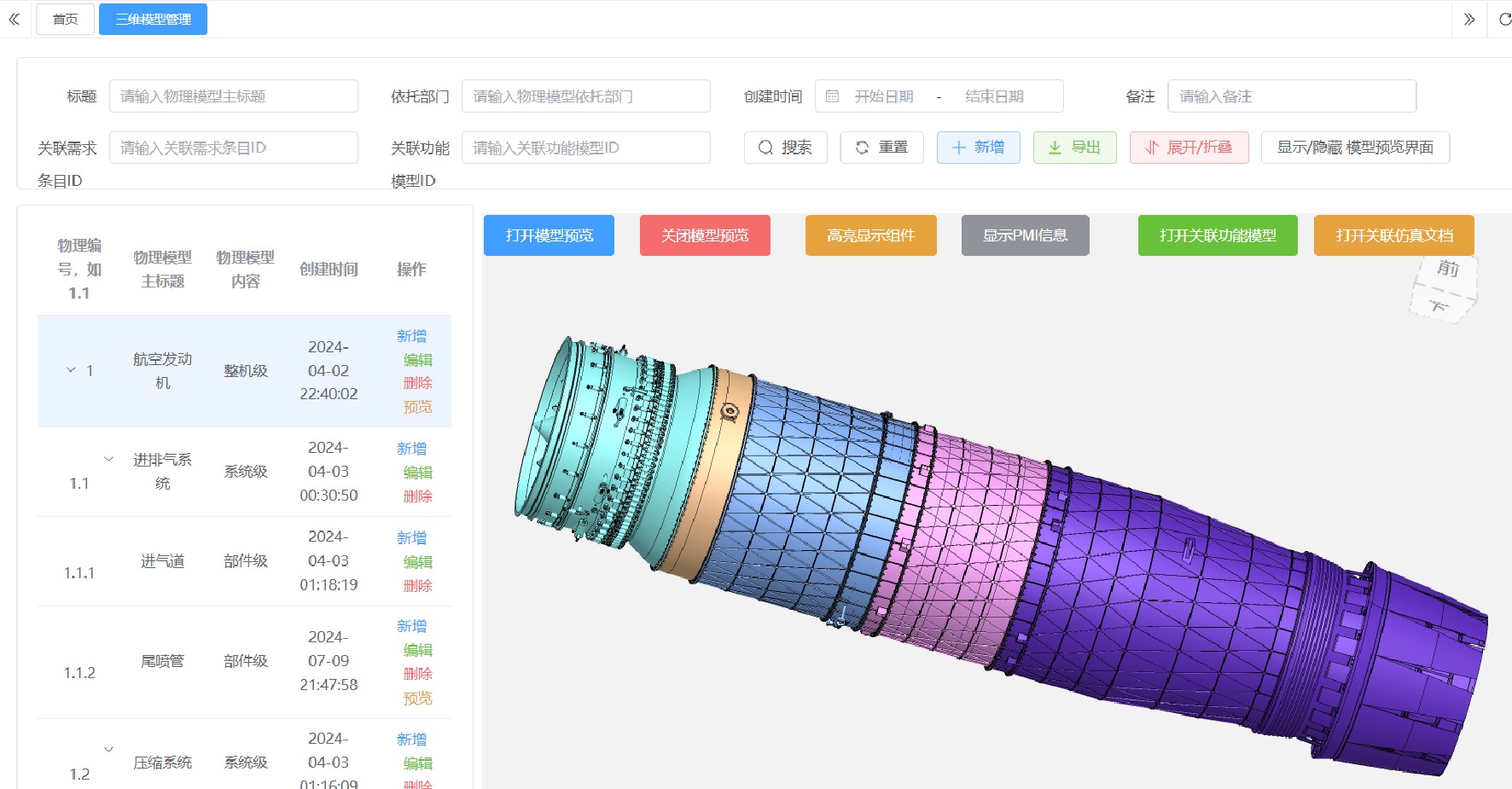
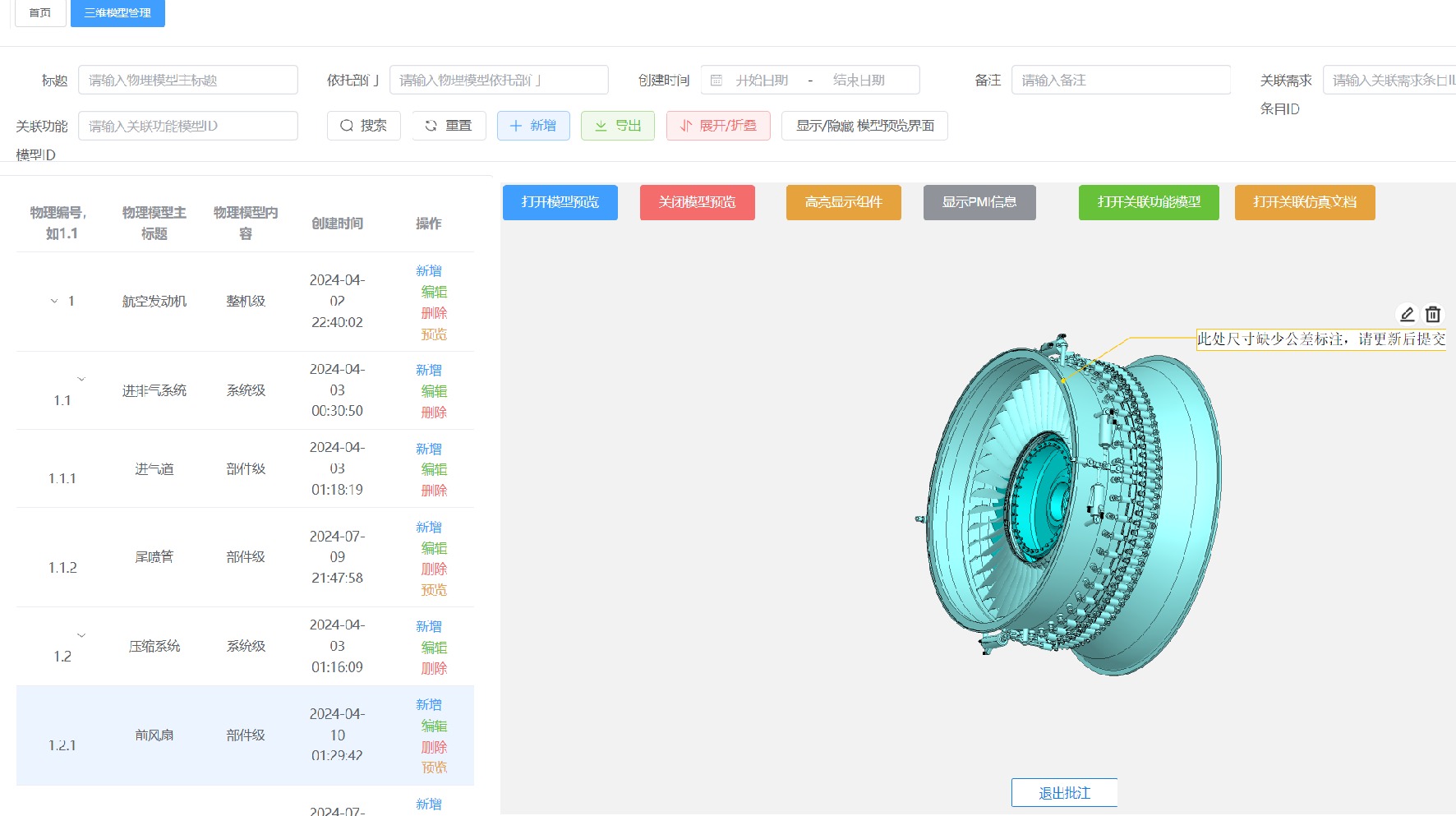
To address the challenges of collaborative difficulties and multi-disciplinary simulation integration in design, a model-based systems engineering (MBSE) methodology was adopted to construct a requirements-function-logic-physical (RFLP) system engineering framework and develop an efficient decomposition-synthesis model for system-component relationships, enabling streamlined modeling and management. Through the development of requirement item management, systems modeling language (SysML) visualization modeling tools and component-embedded simulation solutions supported by integrated performance solvers, a multi-disciplinary collaborative design platform was established, so that a complete forward design process for aero-engines based on MBSE was achieved, and a browser/server (B/S) architecture environment supporting multi-institute, multi-disciplinary and multi-team collaboration was built, providing an efficient and reliable solution for aero-engine design. The platform supported lightweight visualization, management, and traceability of three-dimensional structural models, and implemented a forward design workflow through departmental permission management and approval processes. Using a high-bypass dual-variable cycle engine as a validation example, the platform improved the design accuracy and reduced redundant work; SysML visual modeling provided a solid foundation for subsequent simulations; multi-disciplinary simulation integration and multi-scheme comparison accelerated design iteration speed; and the three-dimensional structure management module enhanced model review and optimization efficiency.

Investigation on the effect of airfoil aerodynamic performance with bionic flap
HAO Lishu, ZHANG Zhihao, YANG Bojian, XU Leyang, GAO Yongwei
2025, 40(11): 20230782. doi: 10.13224/j.cnki.jasp.20230782
Abstract:

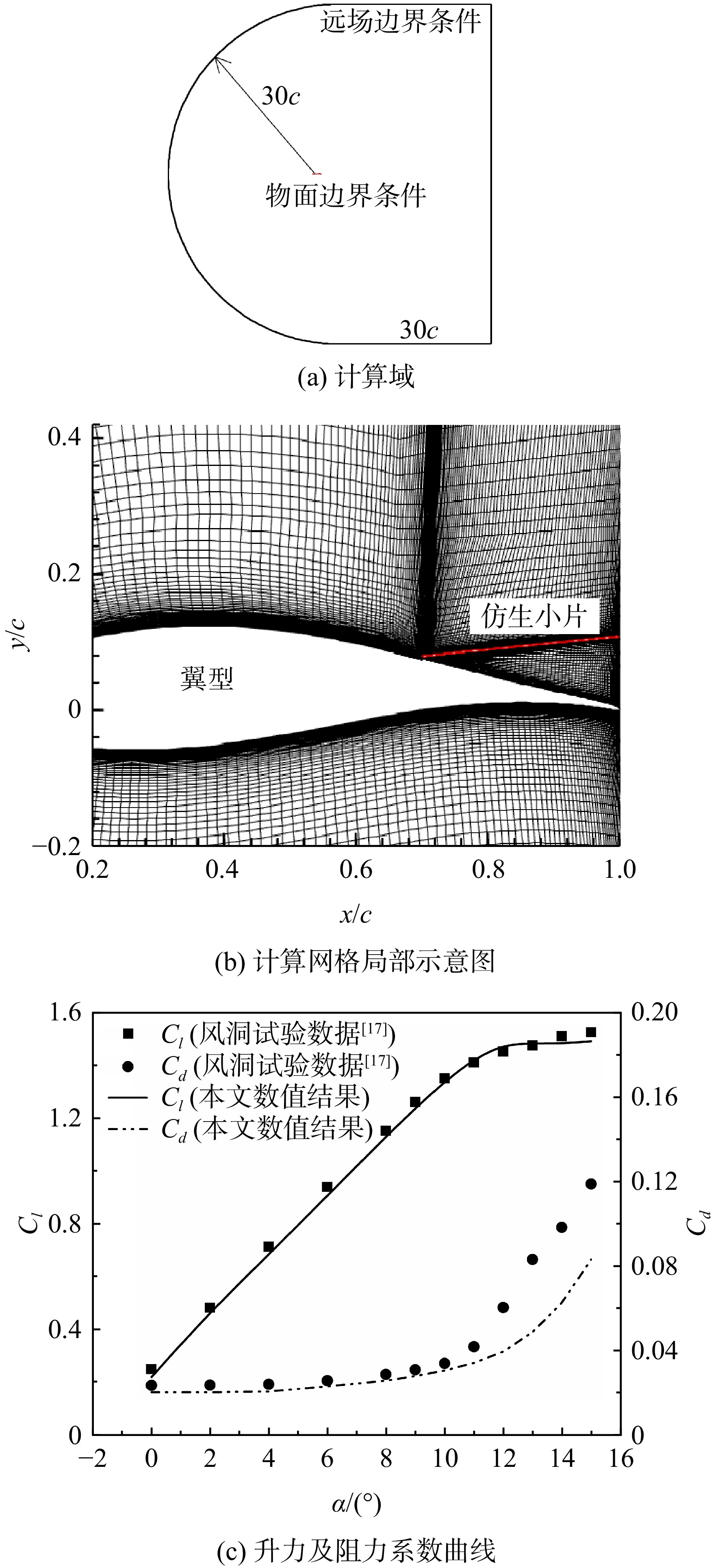
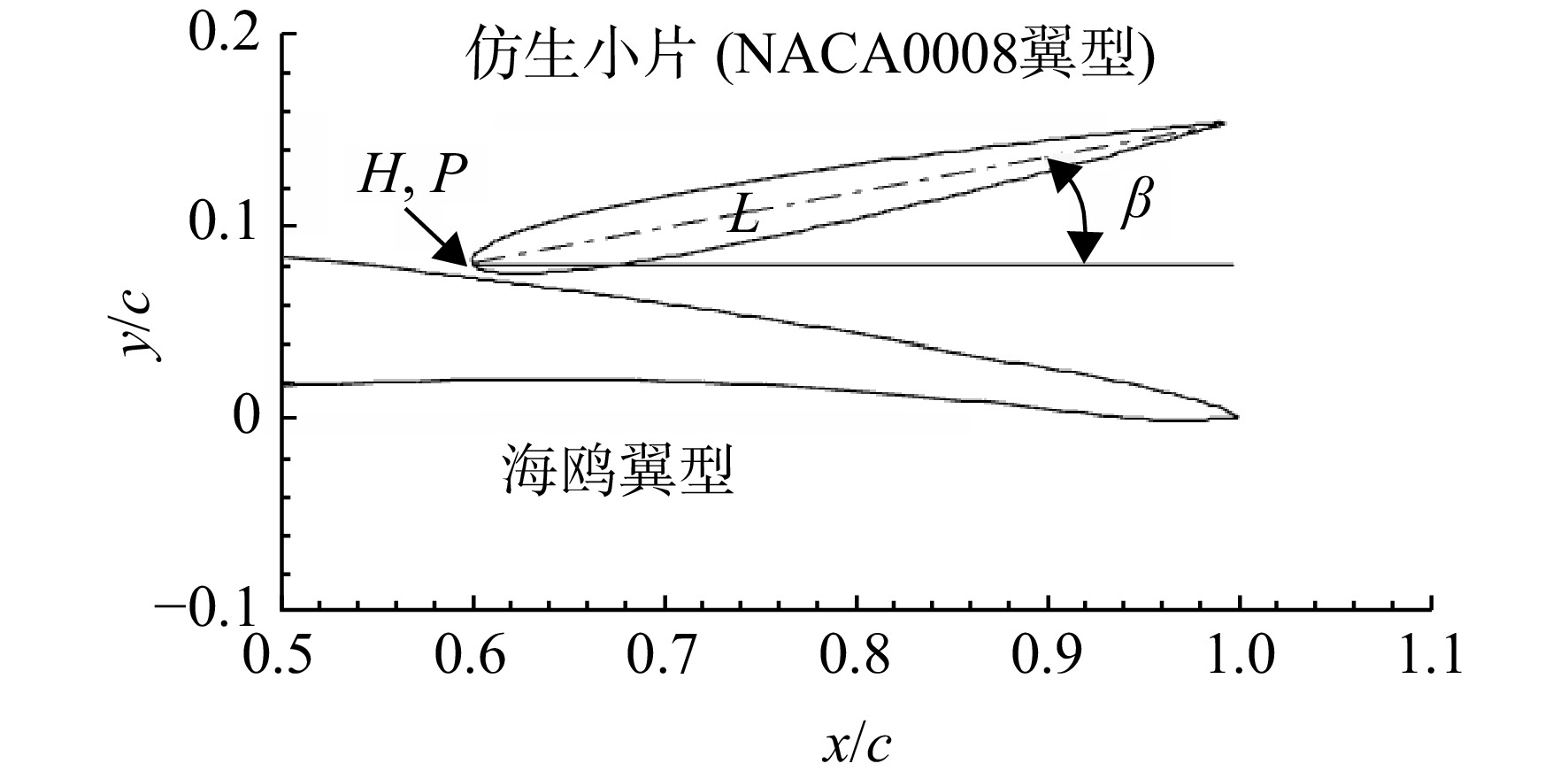
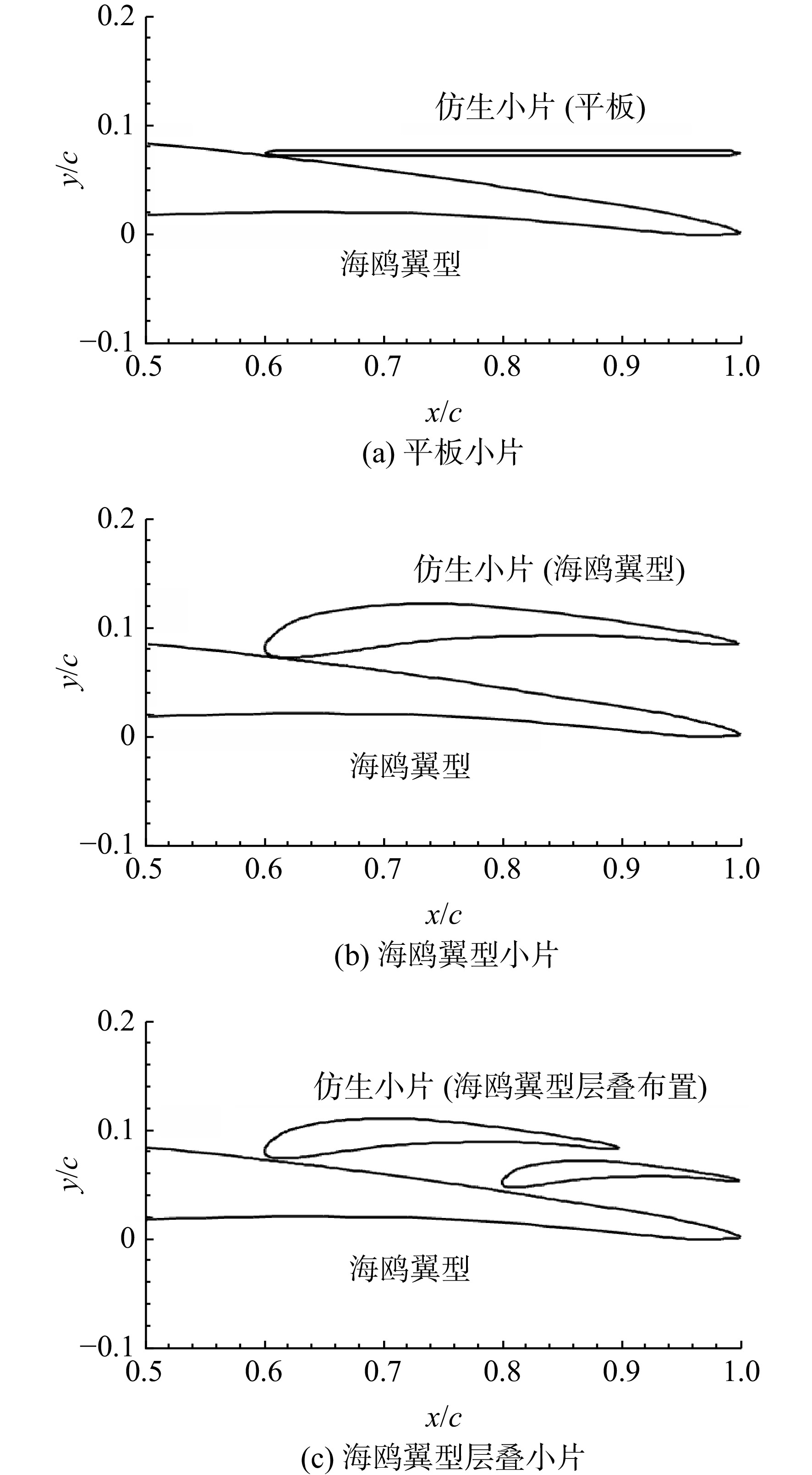
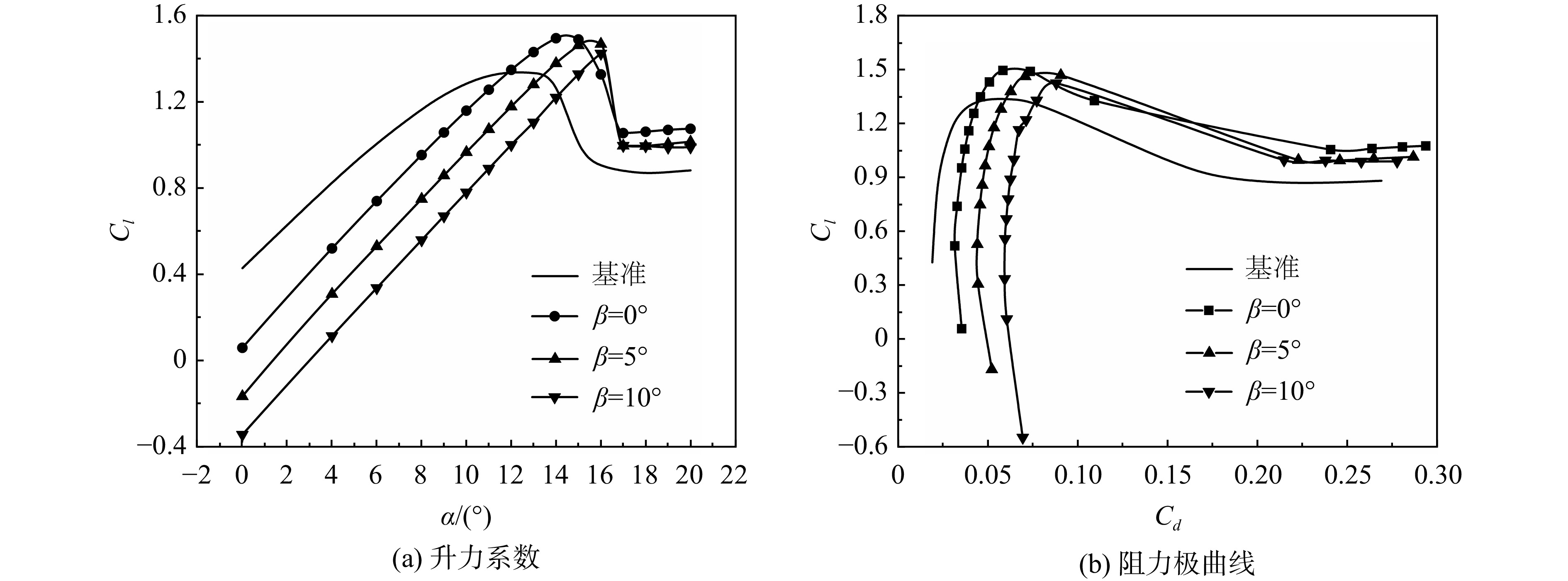
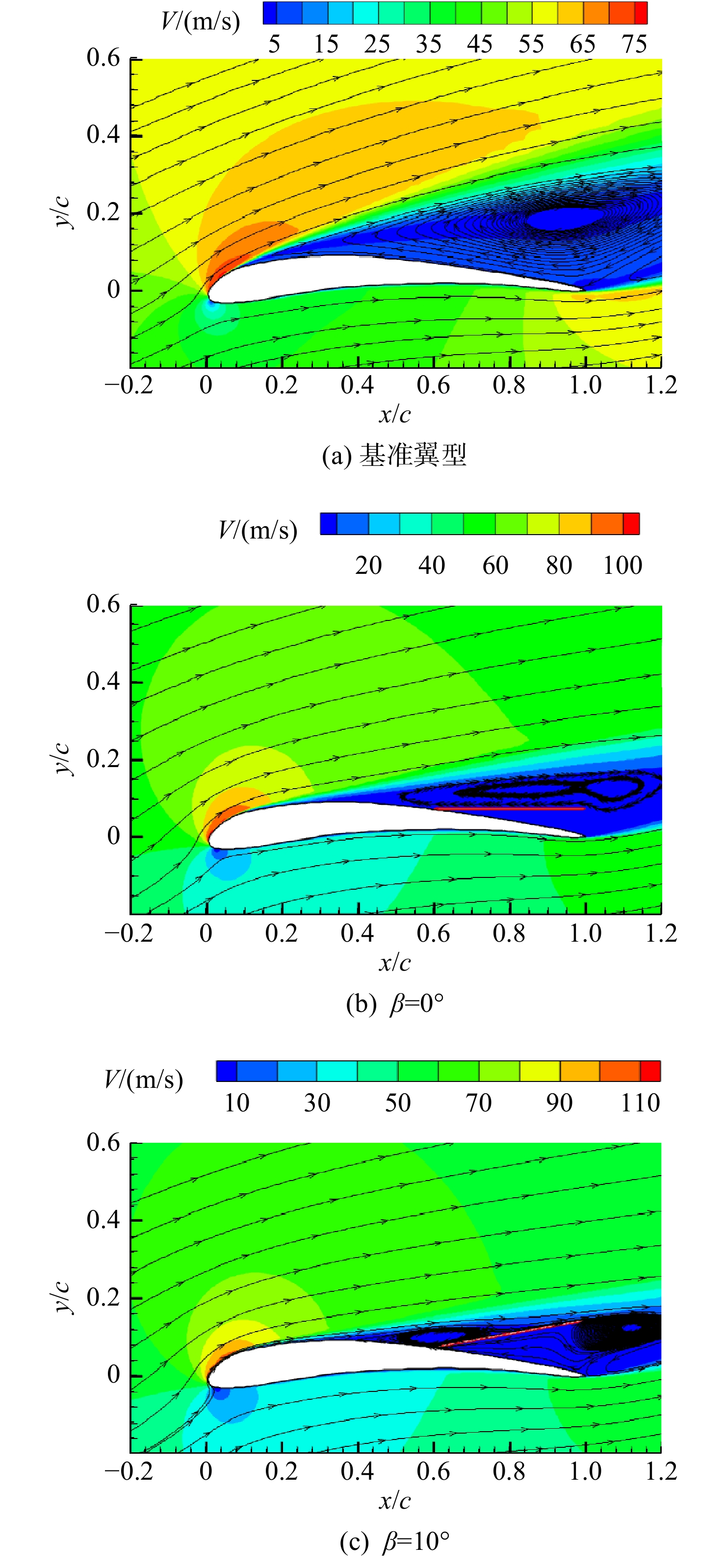
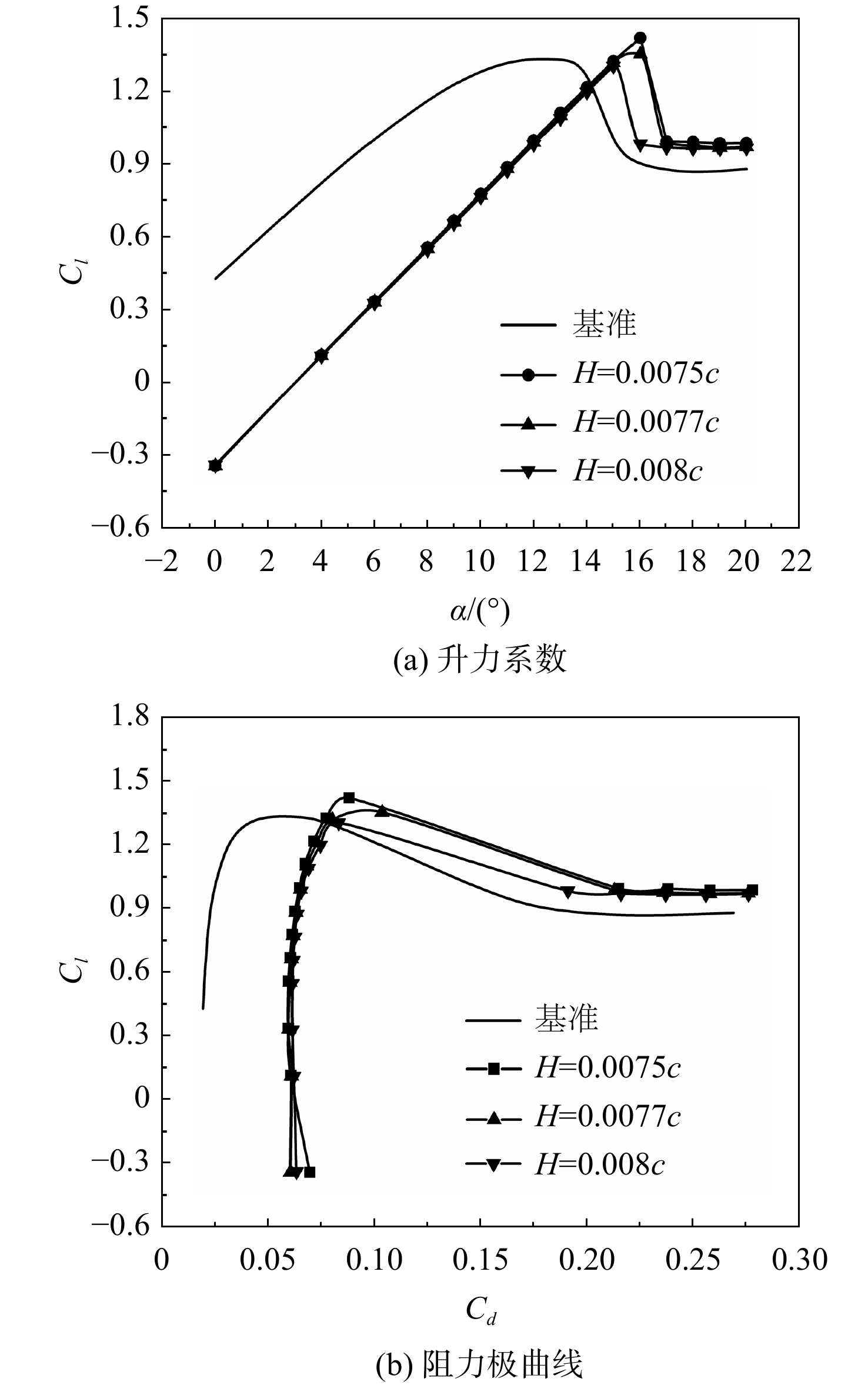
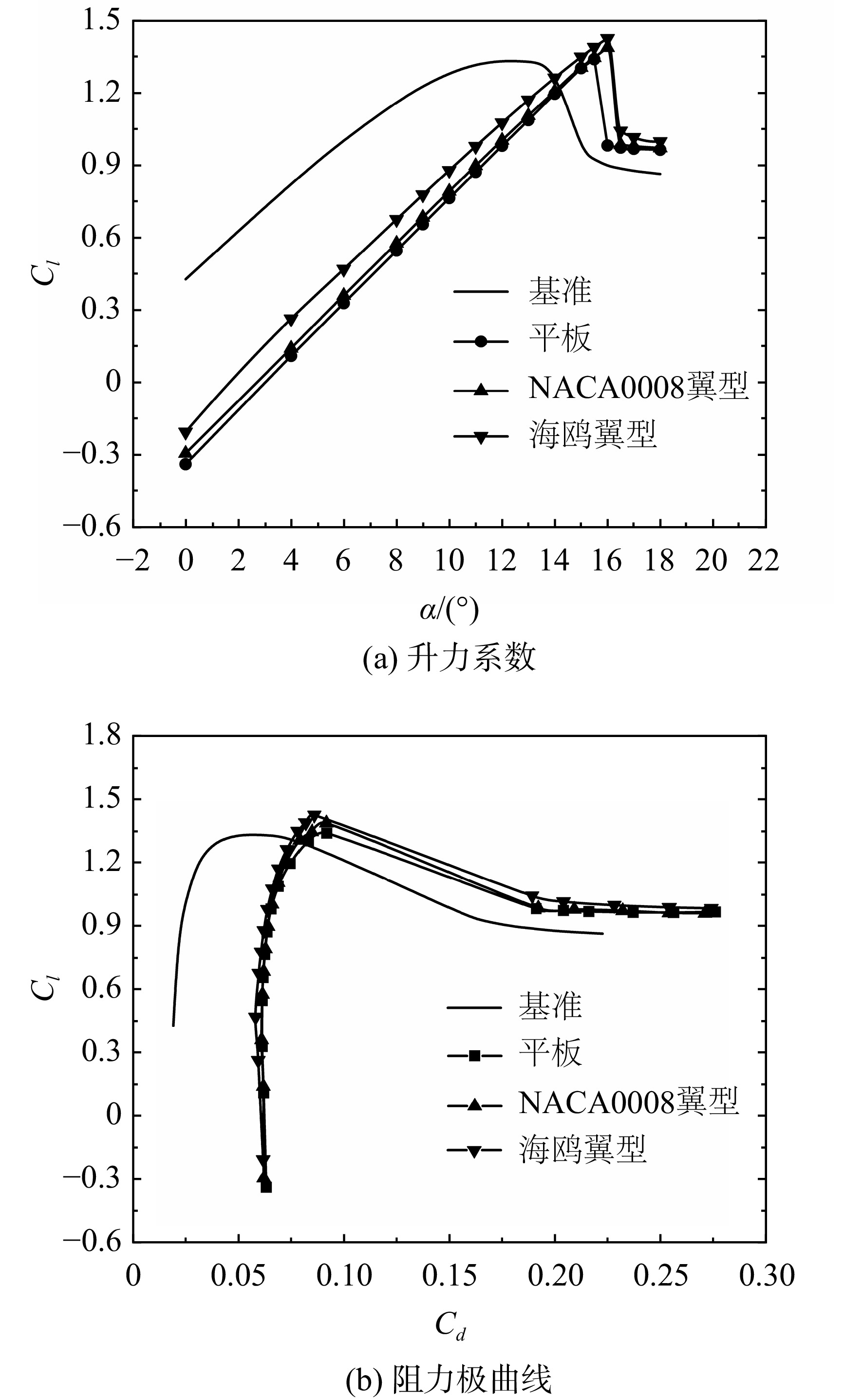
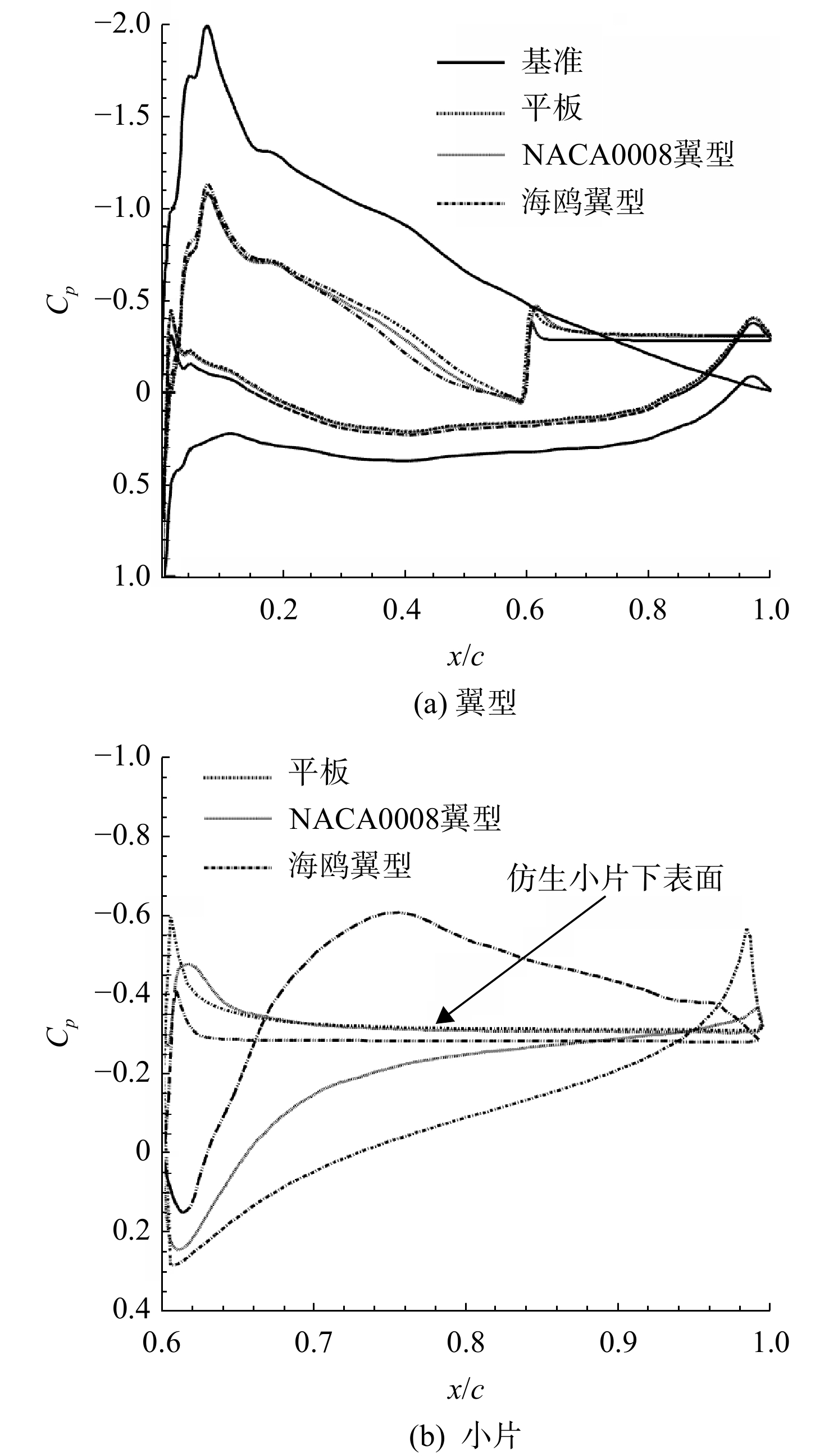
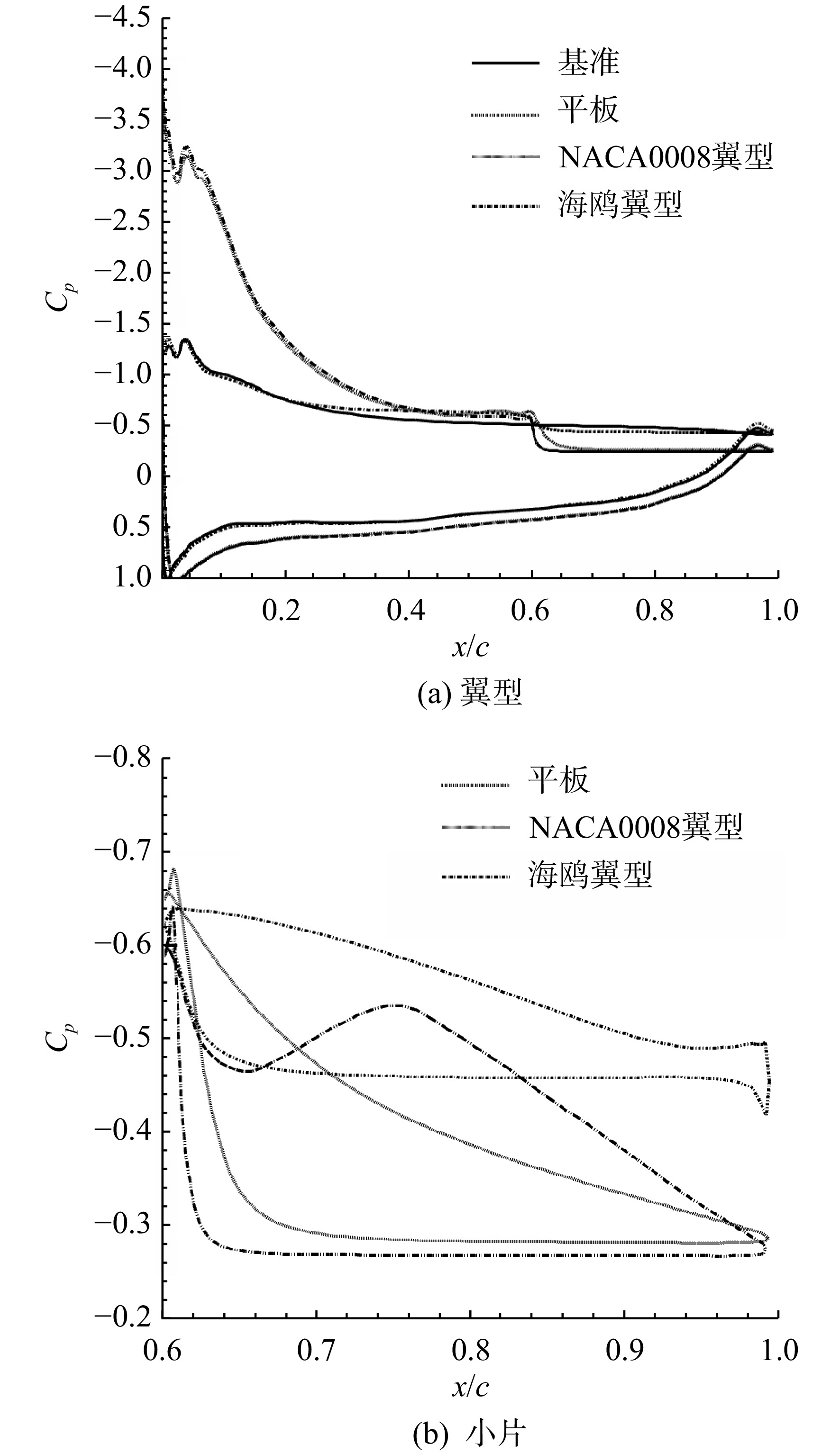
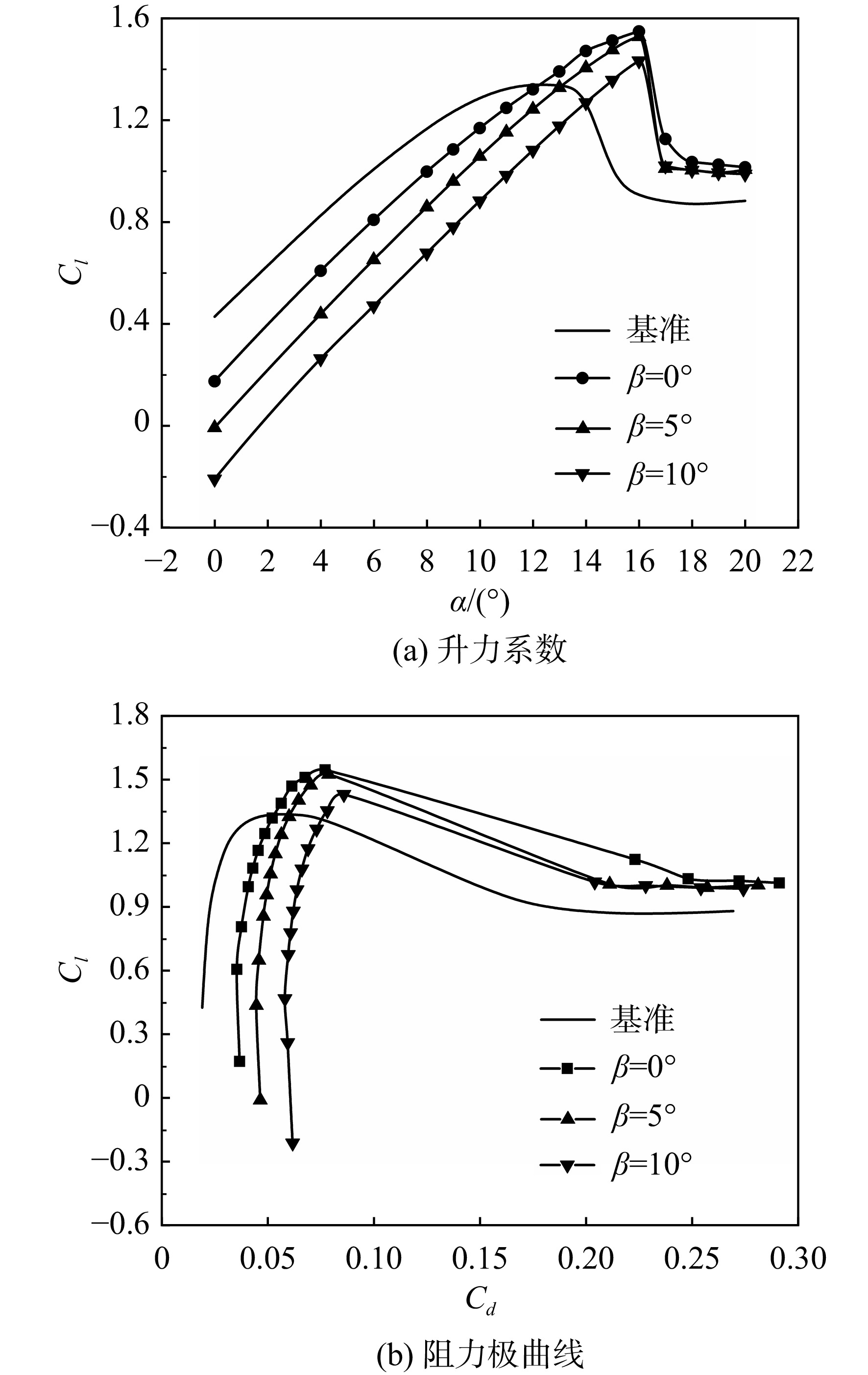
Considering the phenomenon that bird’s feathers on the wing are slightly raised when birds are landing, a series of small flaps with different configurations were arranged on the seagull bionic airfoil. The investigation on the effect of airfoil aerodynamic performance with bionic flap was studied by using computational fluid dynamics (CFD) method. The effects of flap shape, flap gap height, flap angle and laminated flap on the airfoil aerodynamic performance were discussed, and the effect of bionic flap on flow separation was analyzed by streamline, pressure distribution curve and vortex field. The results showed that the bionic flap can improve the stall characteristics of the airfoil within a limited range of angle of attack, leading to the increase of lift and the decrease of pressure drag. The angle and shape of the flaps were key factors to improve the aerodynamic characteristics of the airfoil, while the gap height of the flaps and the laminated configuration had weaker control over the separation flow. Among all the 11 flap configurations, seagull flap configuration had the strongest ability to improve the airfoil stall characteristics, its maximum lift coefficient can be increased by 15.4%, and the effective angle of attack range for improving the airfoil stall characteristics can reach more than 8°. The above research results also confirmed the aerodynamic reasons for raising feathers during the bird’s landing flight, and the key parameters to improve the stall characteristics of the airfoil were obtained, which can provide data and theoretical support for subsequent engineering application of the bionic airfoil.

Variation of tilt-rotor aircraft motion stability and its influence mechanism
WANG Zixu, LI Pan, WANG Bing, ZHU Zhenhua, LIU Cheng
2025, 40(11): 20230755. doi: 10.13224/j.cnki.jasp.20230755
Abstract:
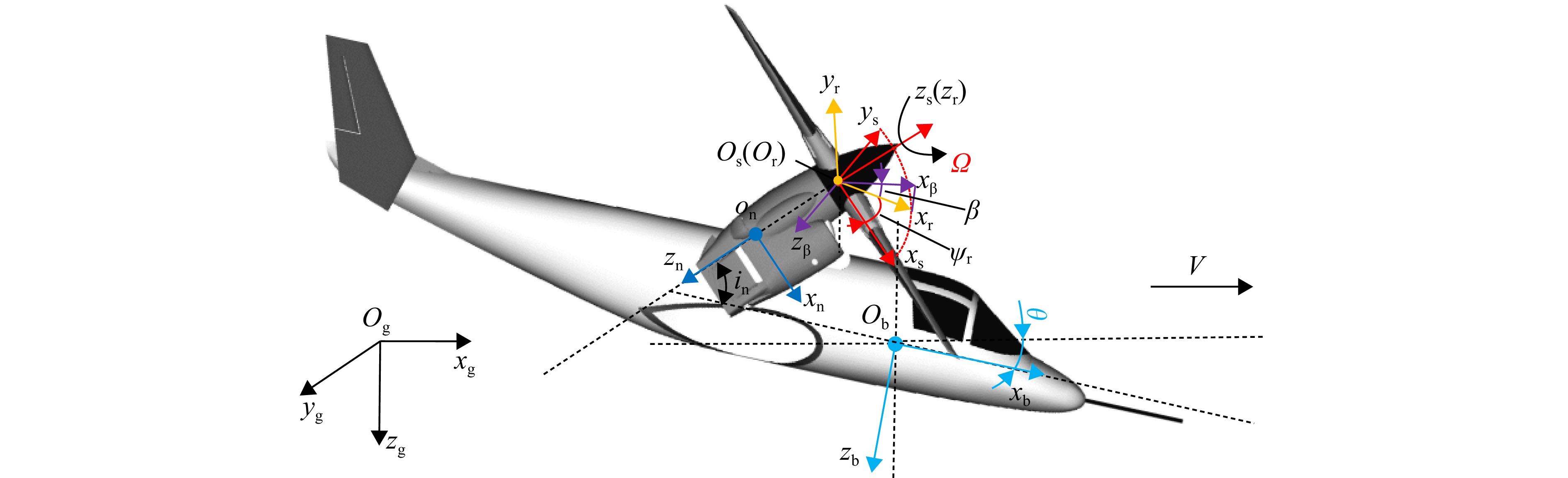
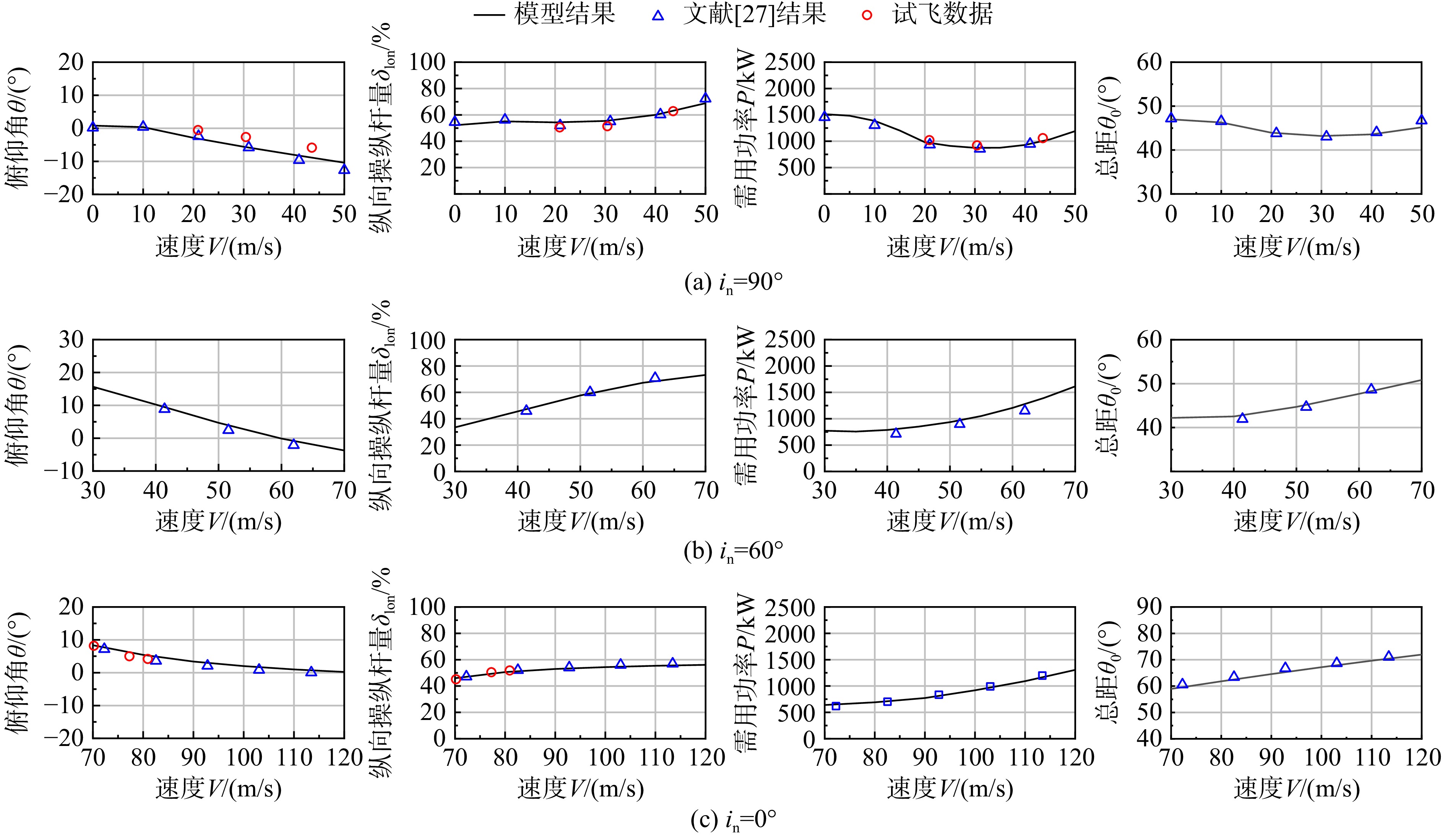
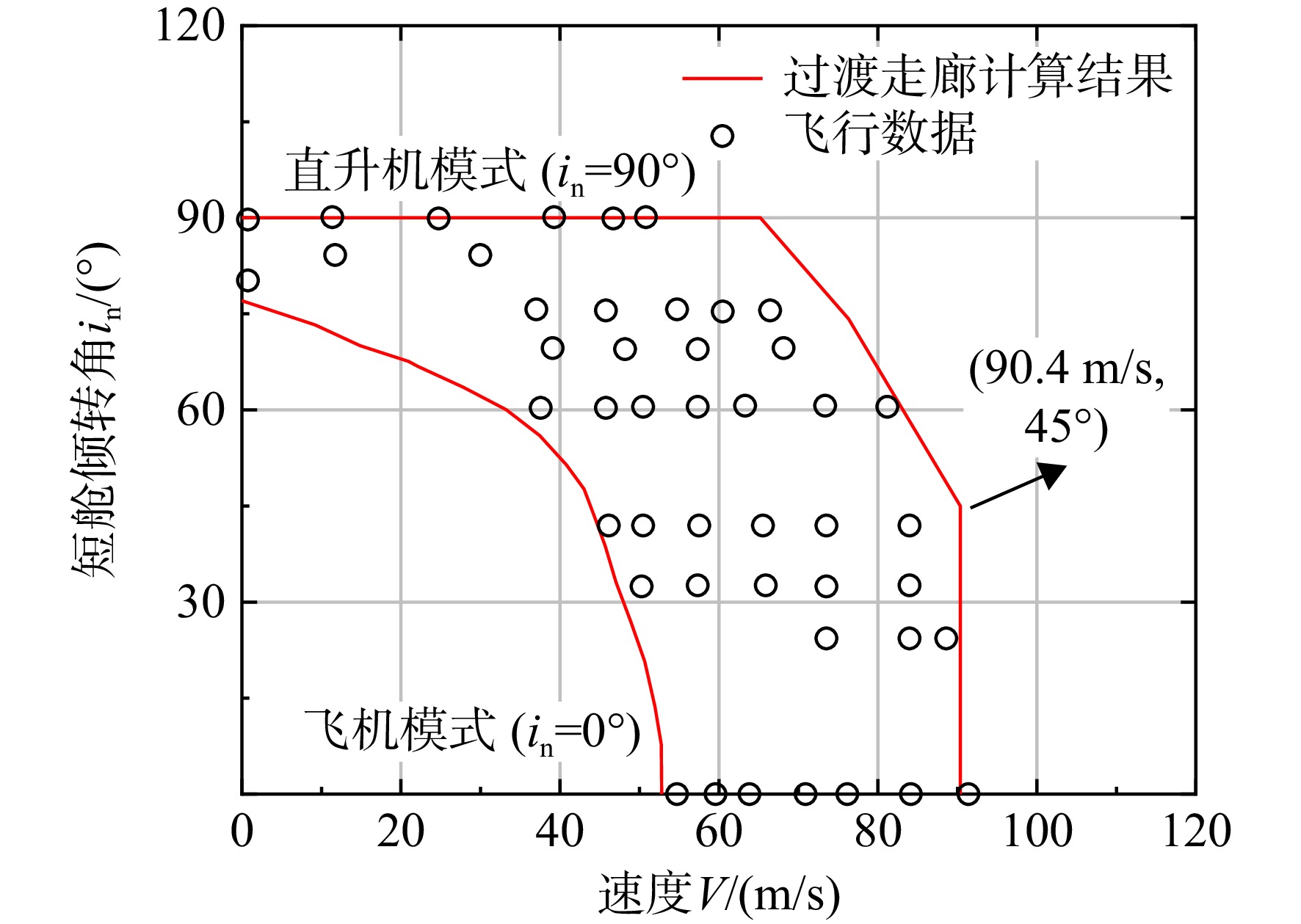
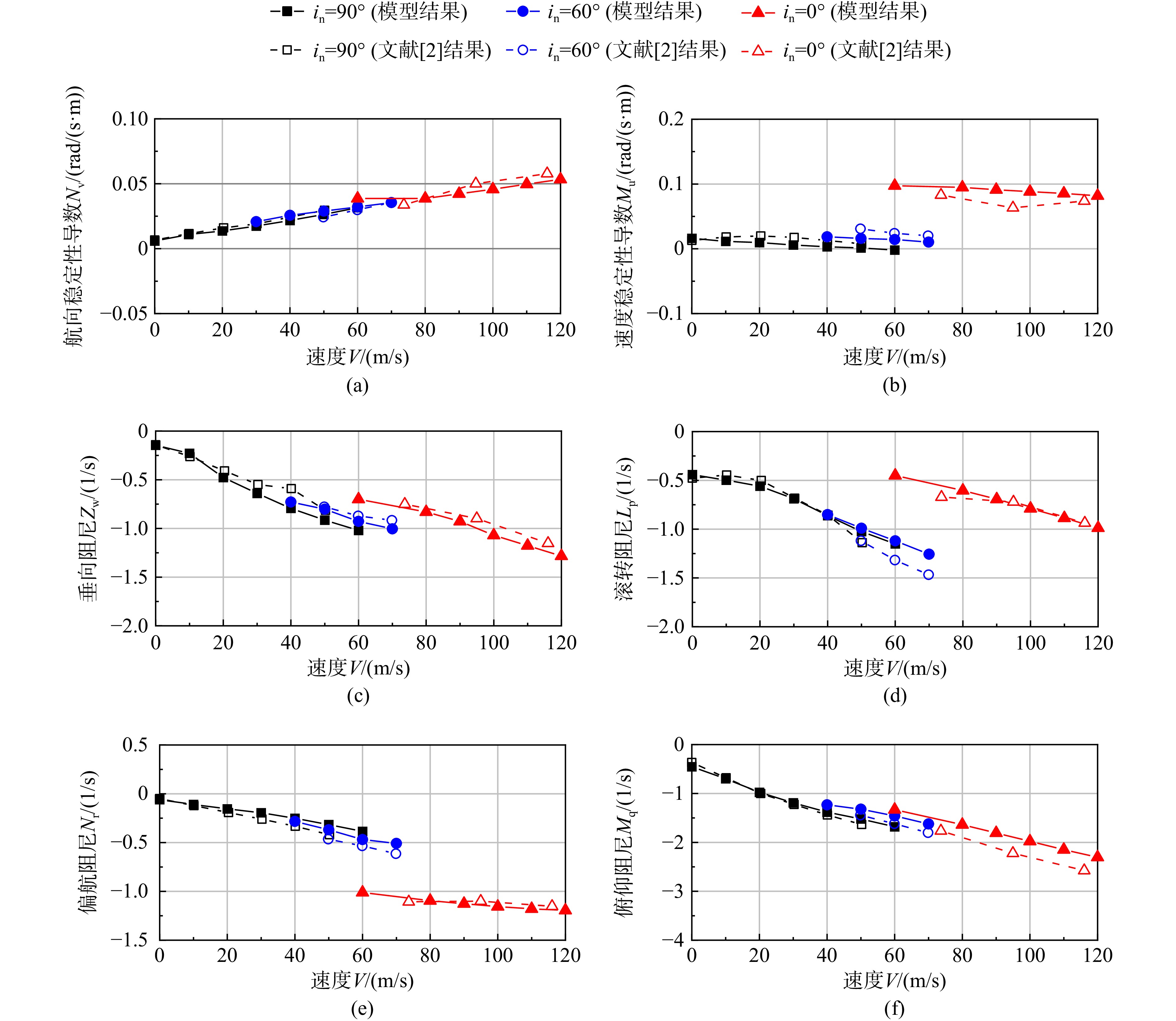
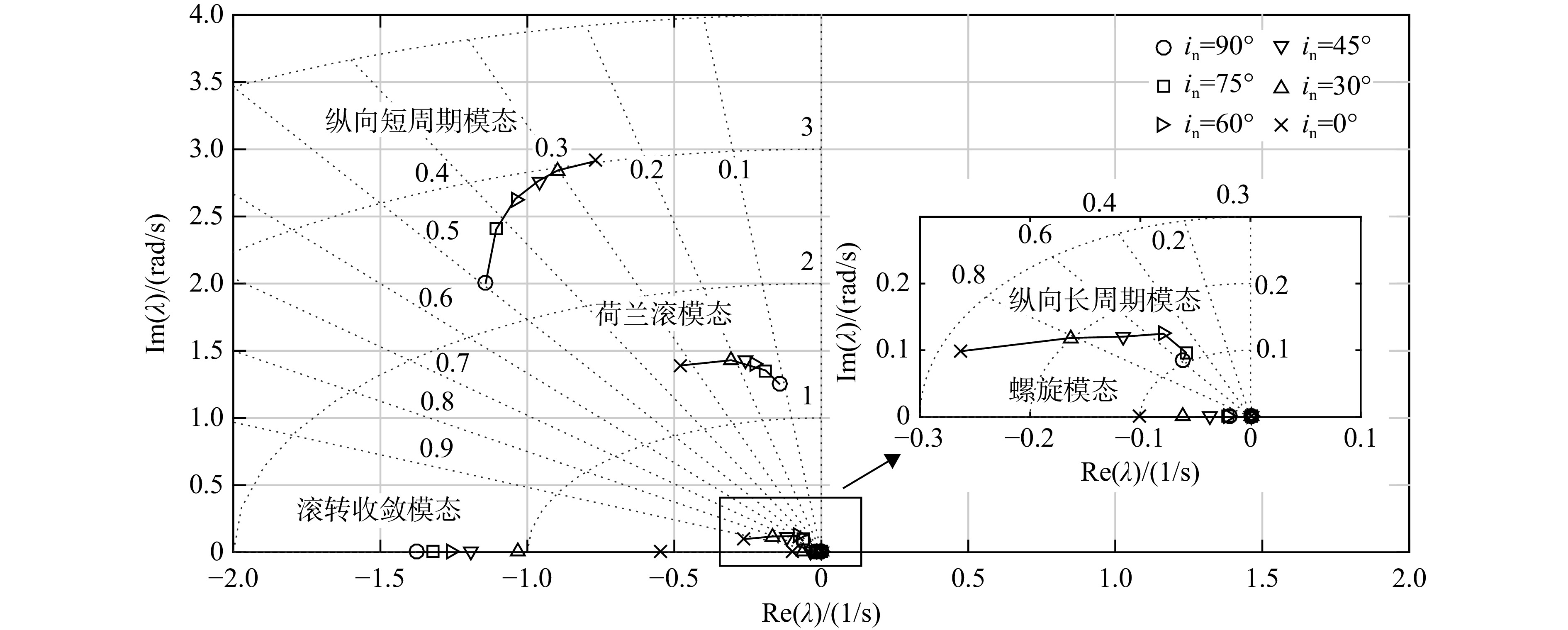
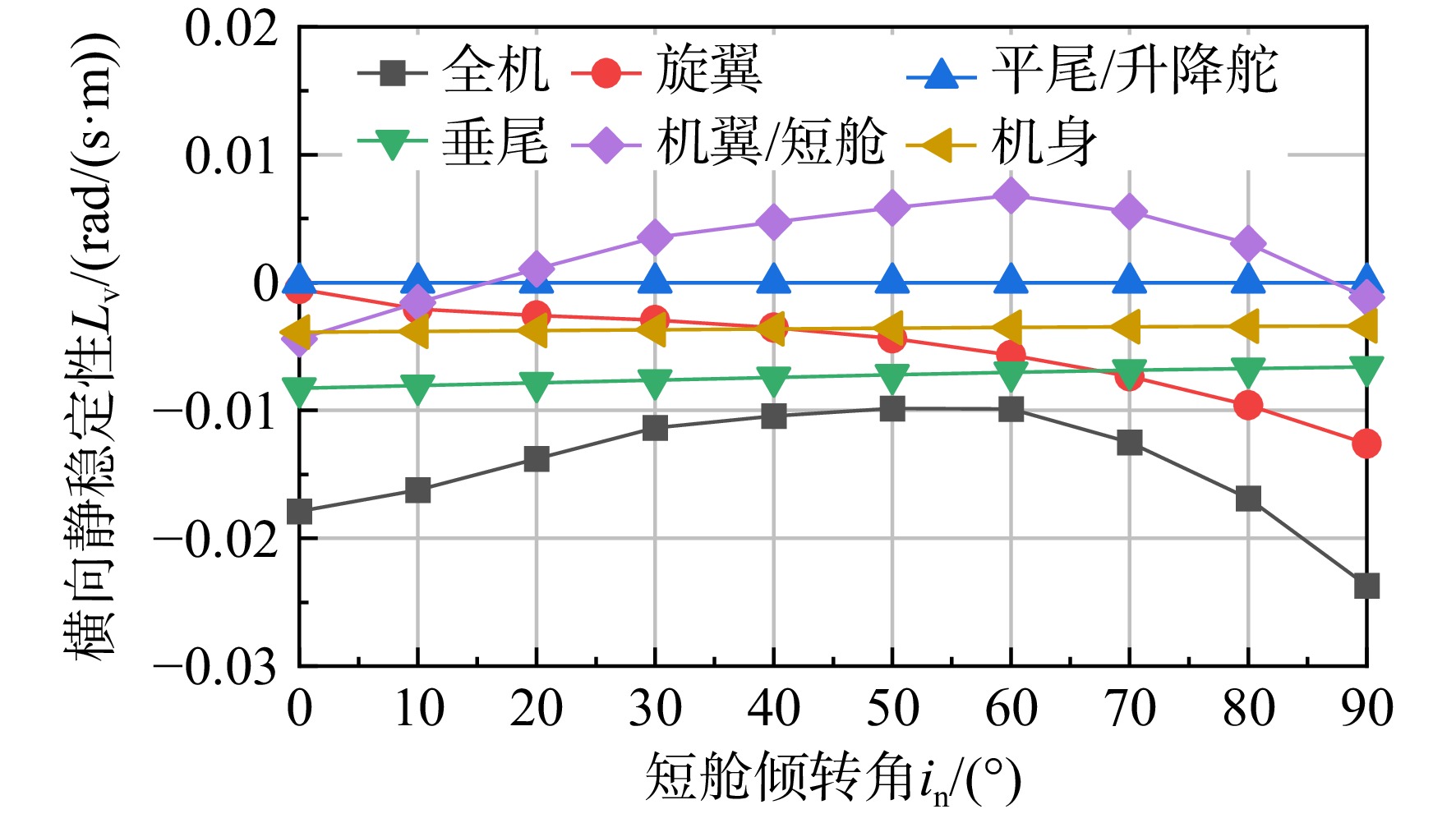
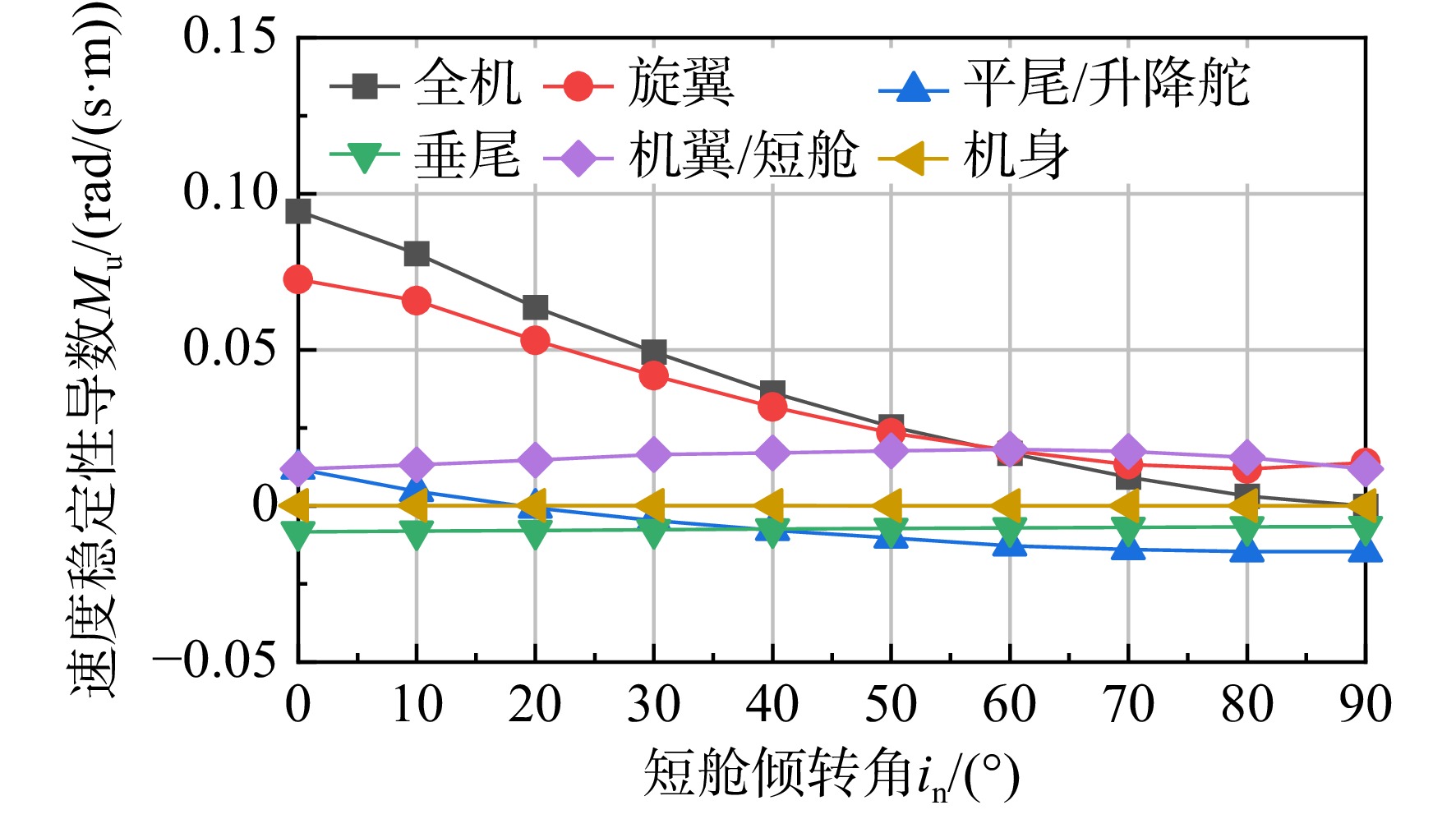
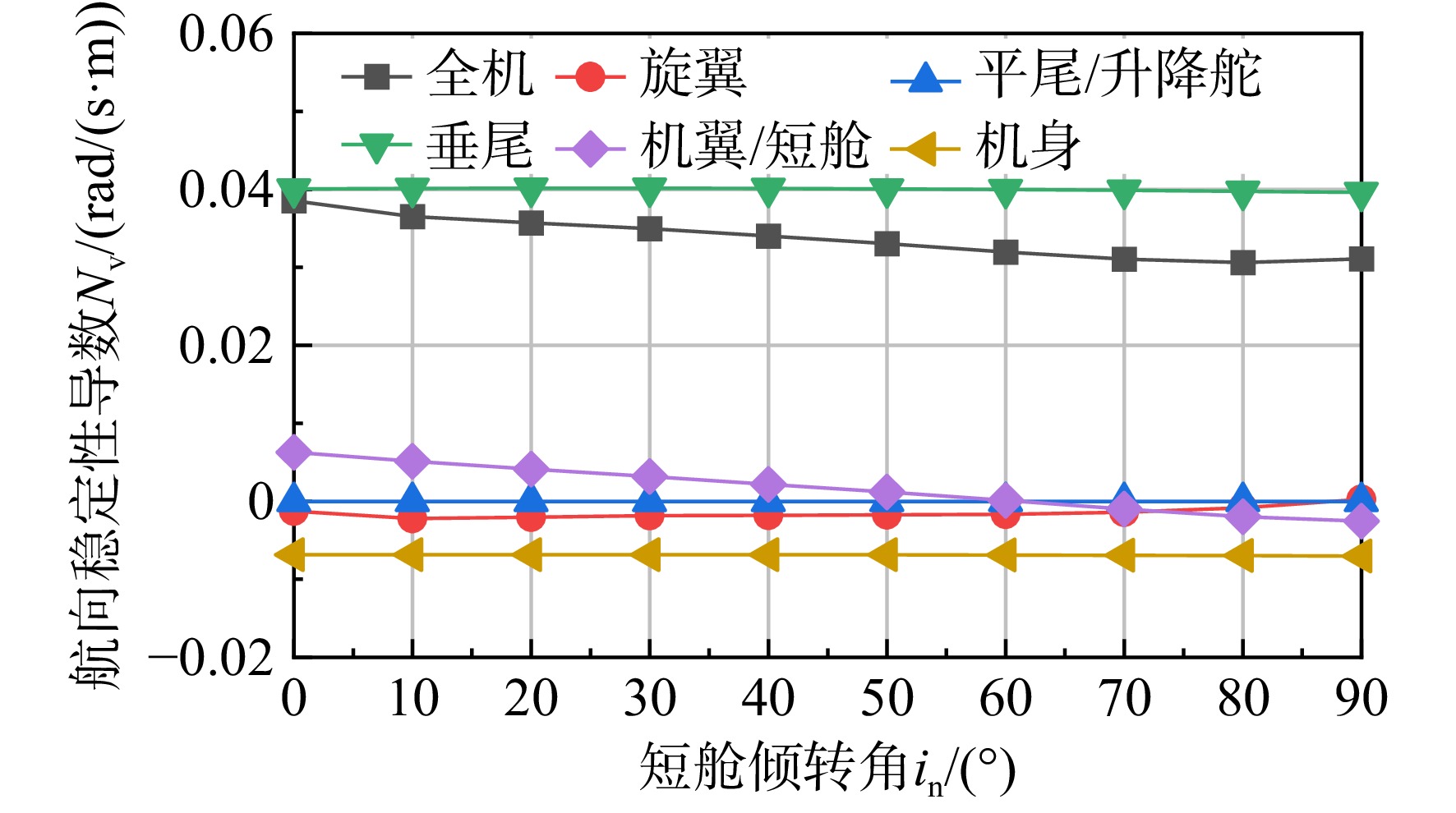
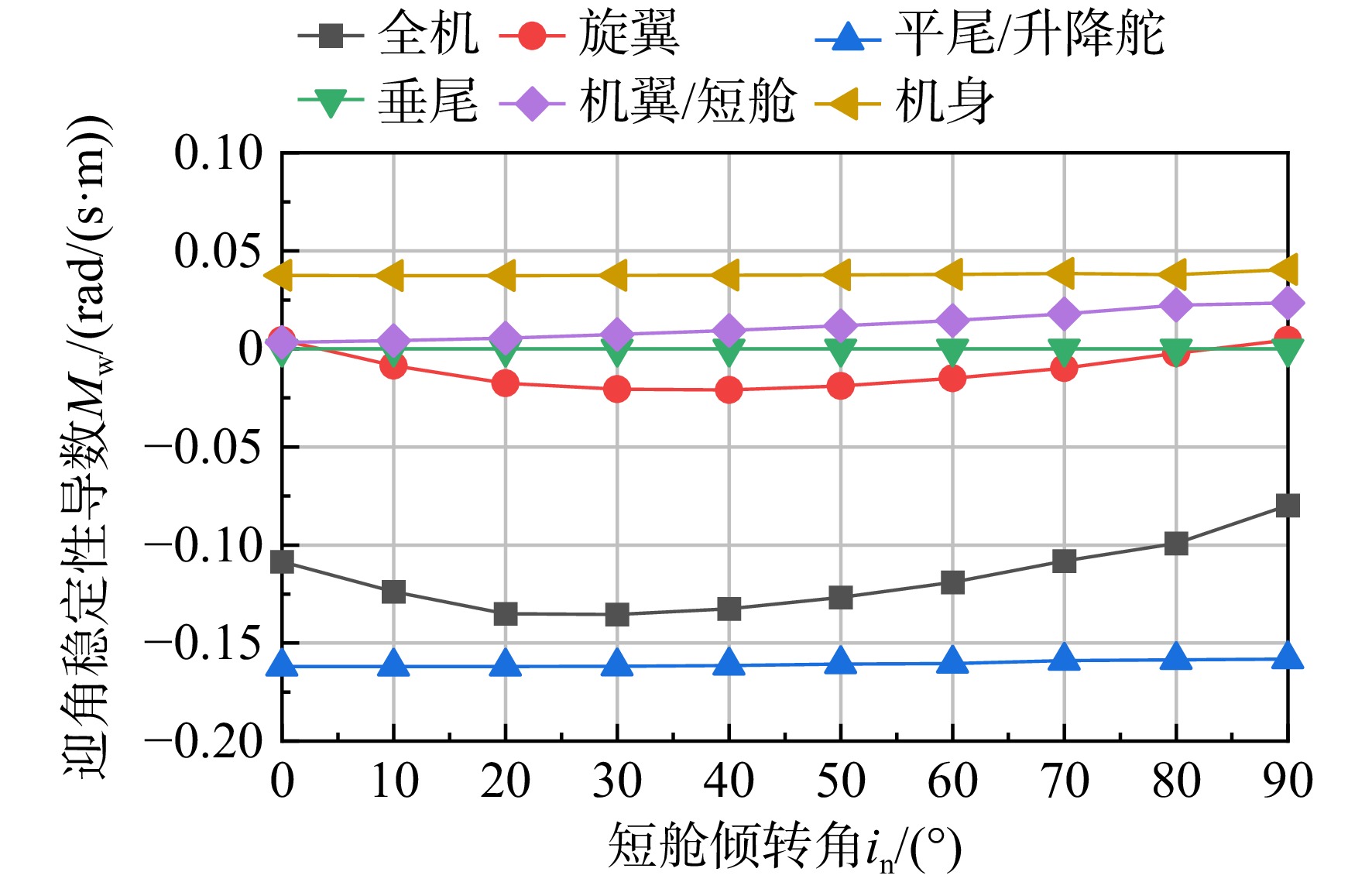
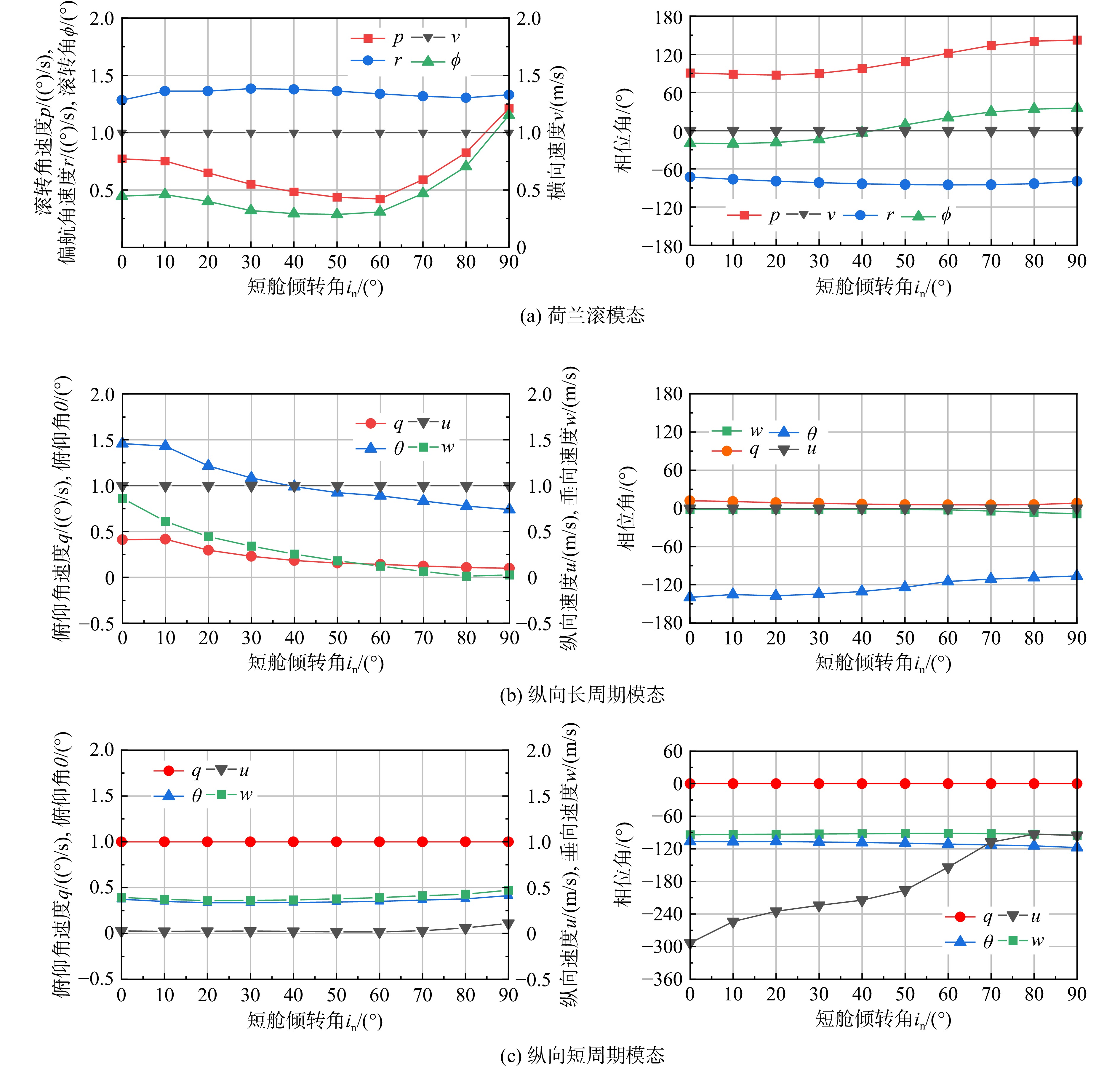
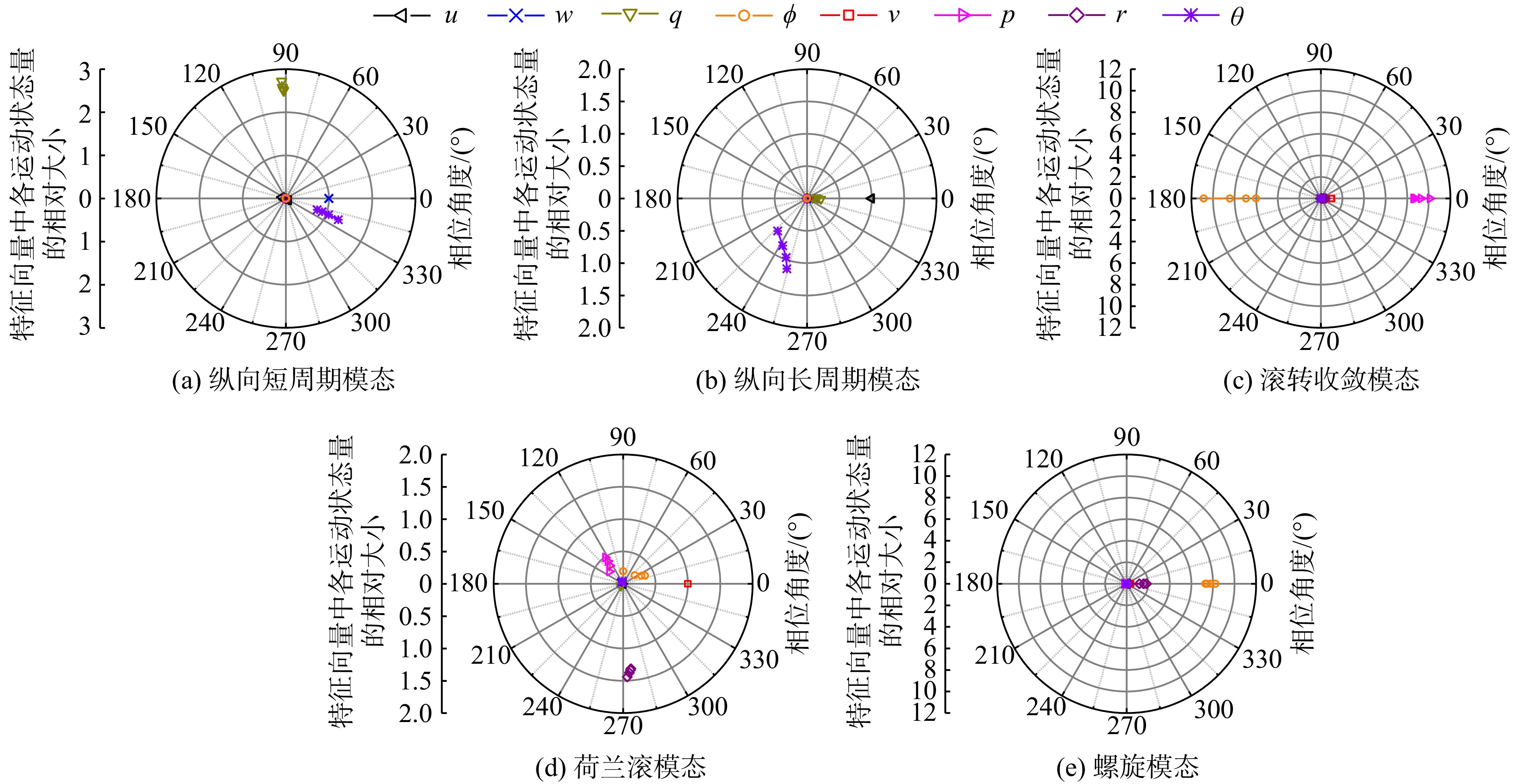
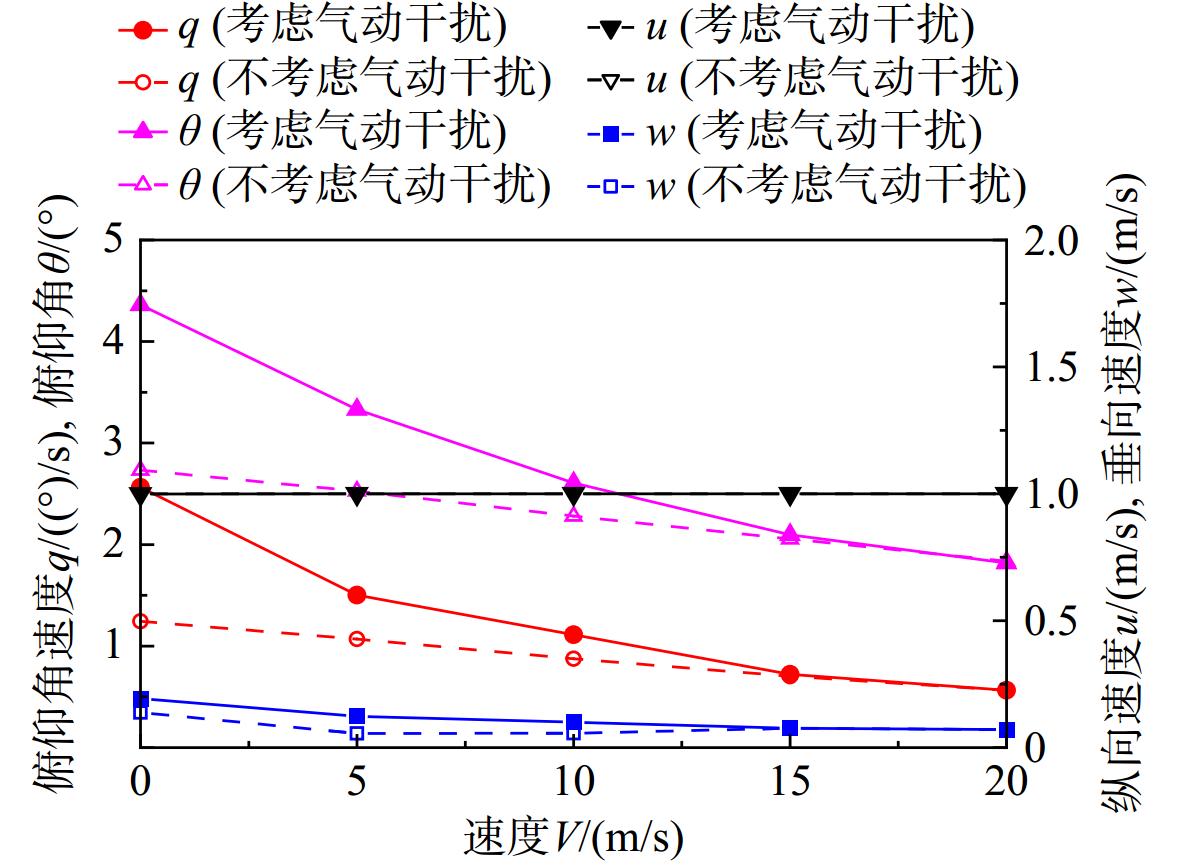
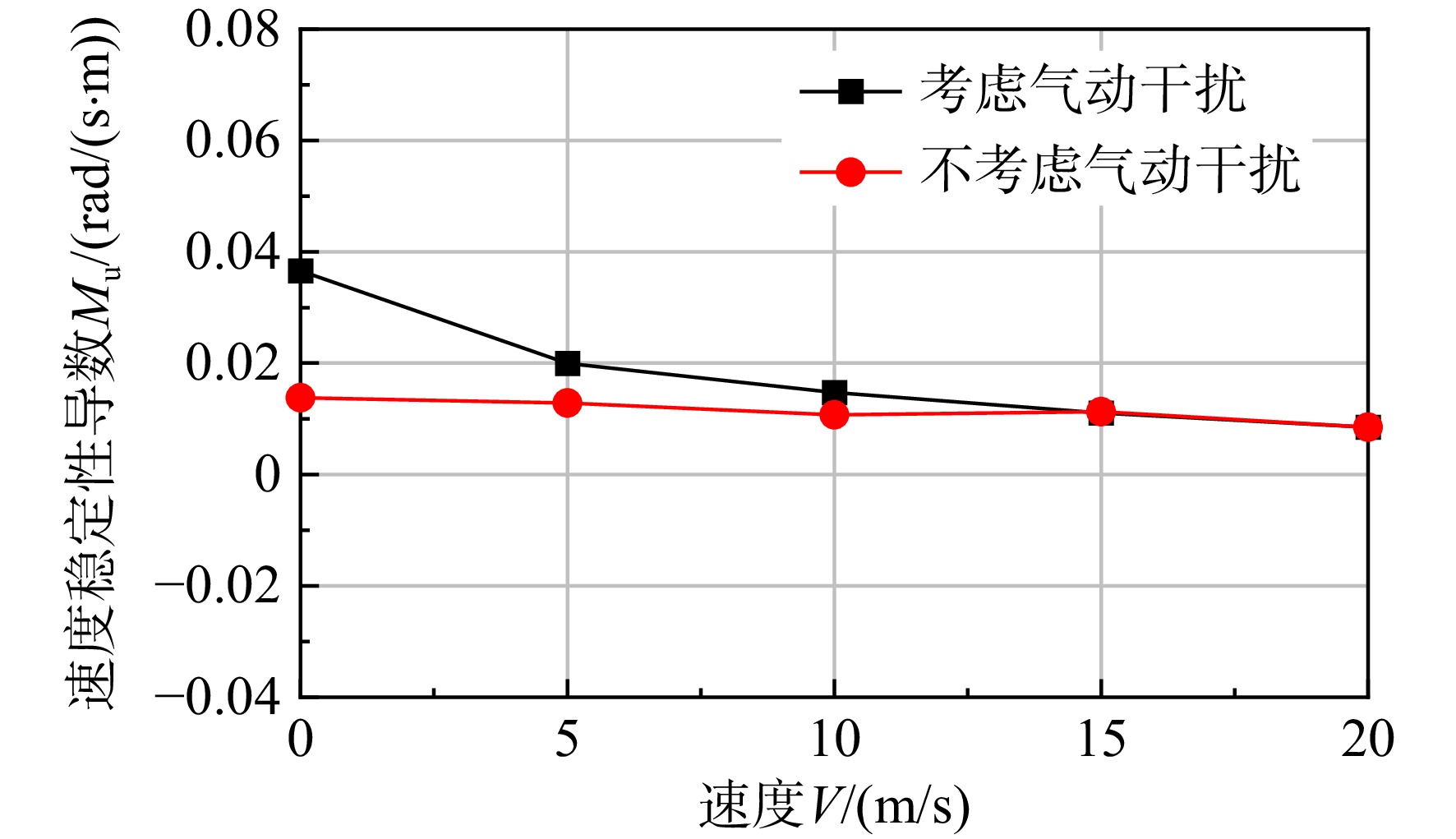
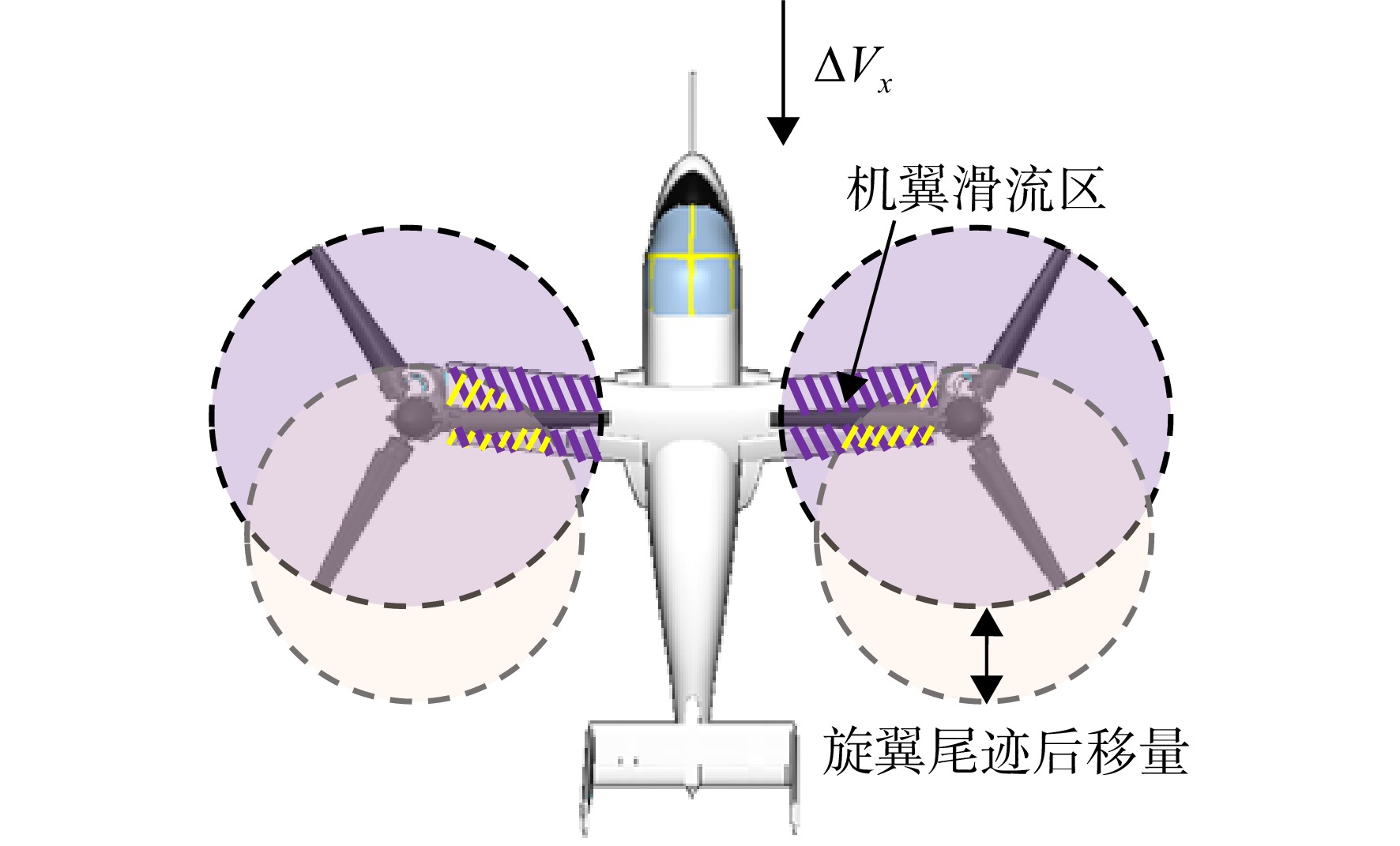
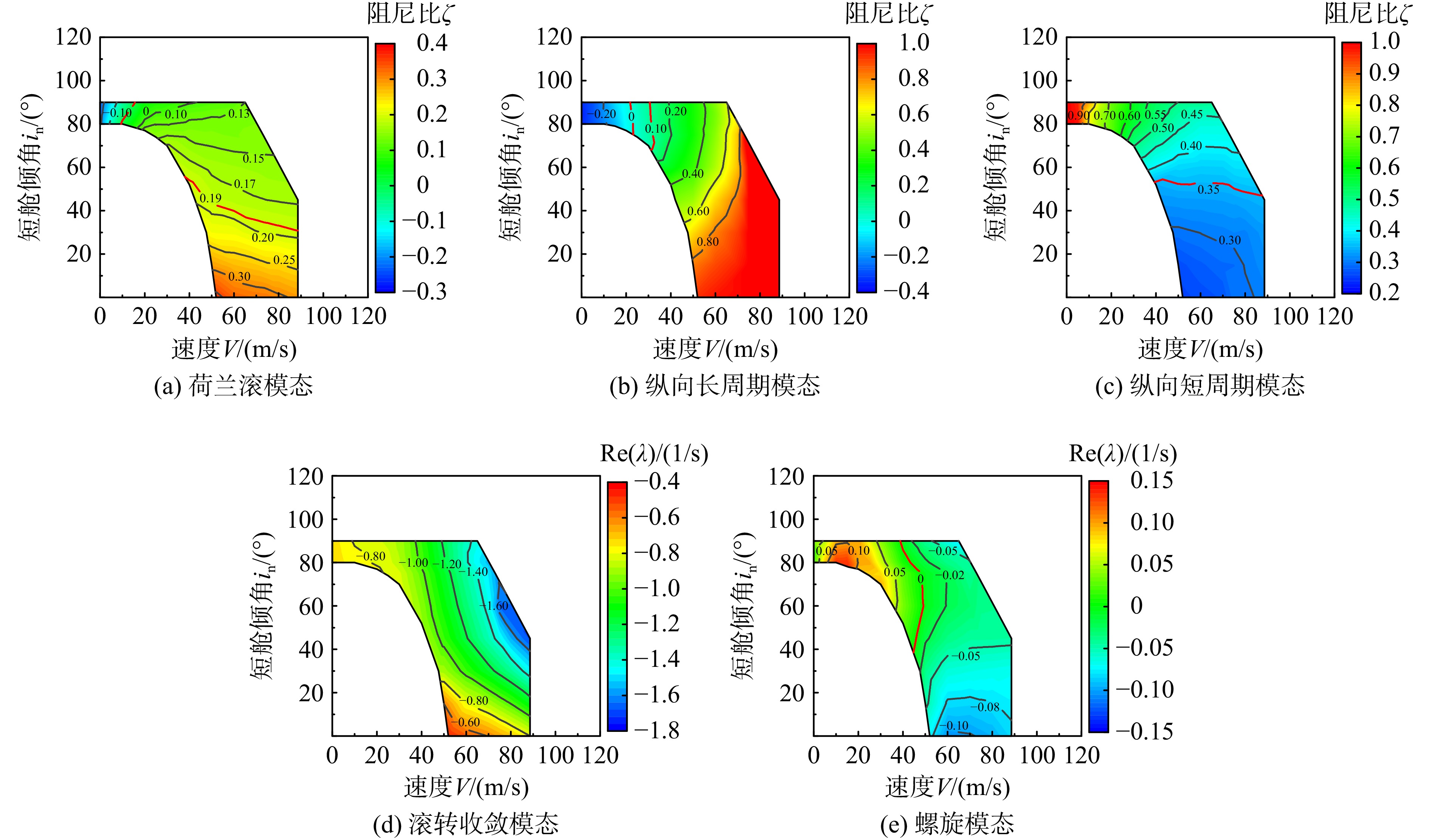
To elucidate the variation of stability during transition flight, the XV-15 model was taken as the research object. A comprehensive analysis was conducted to understand how factors such as nacelle angle, flight speed, and rotor/wing aerodynamic interactions, influenced the eigenvalues and eigenvectors of motion modes, and stability derivatives, along with their underlying mechanisms. The findings revealed that nacelle angle primarily influenced the eigenvalues of main motion modes and the eigenvectors of Dutch roll and phugoid modes. The underlying key factors included the body’s angular velocity projection onto the rotor axis, the angle between the rotor disc and flight velocity, and the distance from the rotor hub center to the center of gravity, which changed sine or cosine with the nacelle angle. During low-speed flight, the aerodynamic interference between the rotor and wing exacerbated the instability of phugoid mode. The instability was alleviated as the nacelle angle decreased and the flight speed increased. To facilitate the selection of transition paths for tiltable mechanisms, a comprehensive evaluation metric for assessing motion stability within tilting corridors was introduced. This metric in contour mapping visually represented the aggregate trends in motion stability, offering an intuitive understanding of its variations.

Inverse calculation method of starting throttling for turbojet engine based on experimental data
GAO Chuming, JIA Linyuan, ZHANG Zhishu, CHEN Yuchun
2025, 40(11): 20240602. doi: 10.13224/j.cnki.jasp.20240602
Abstract:
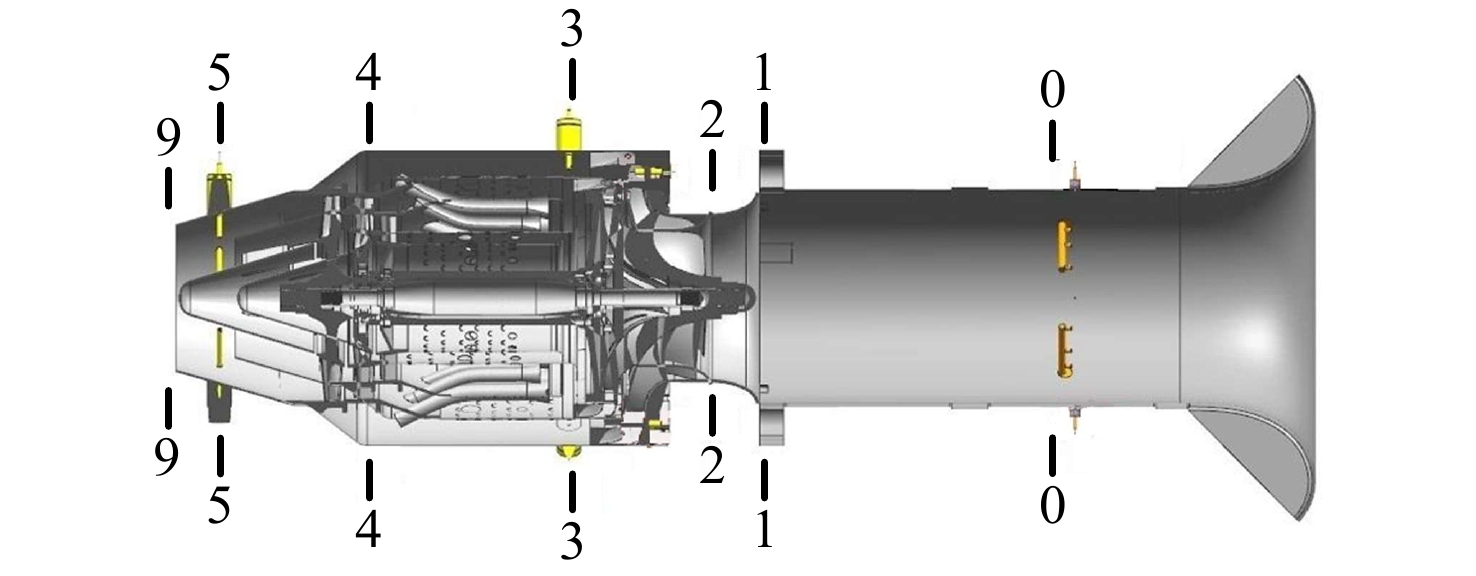
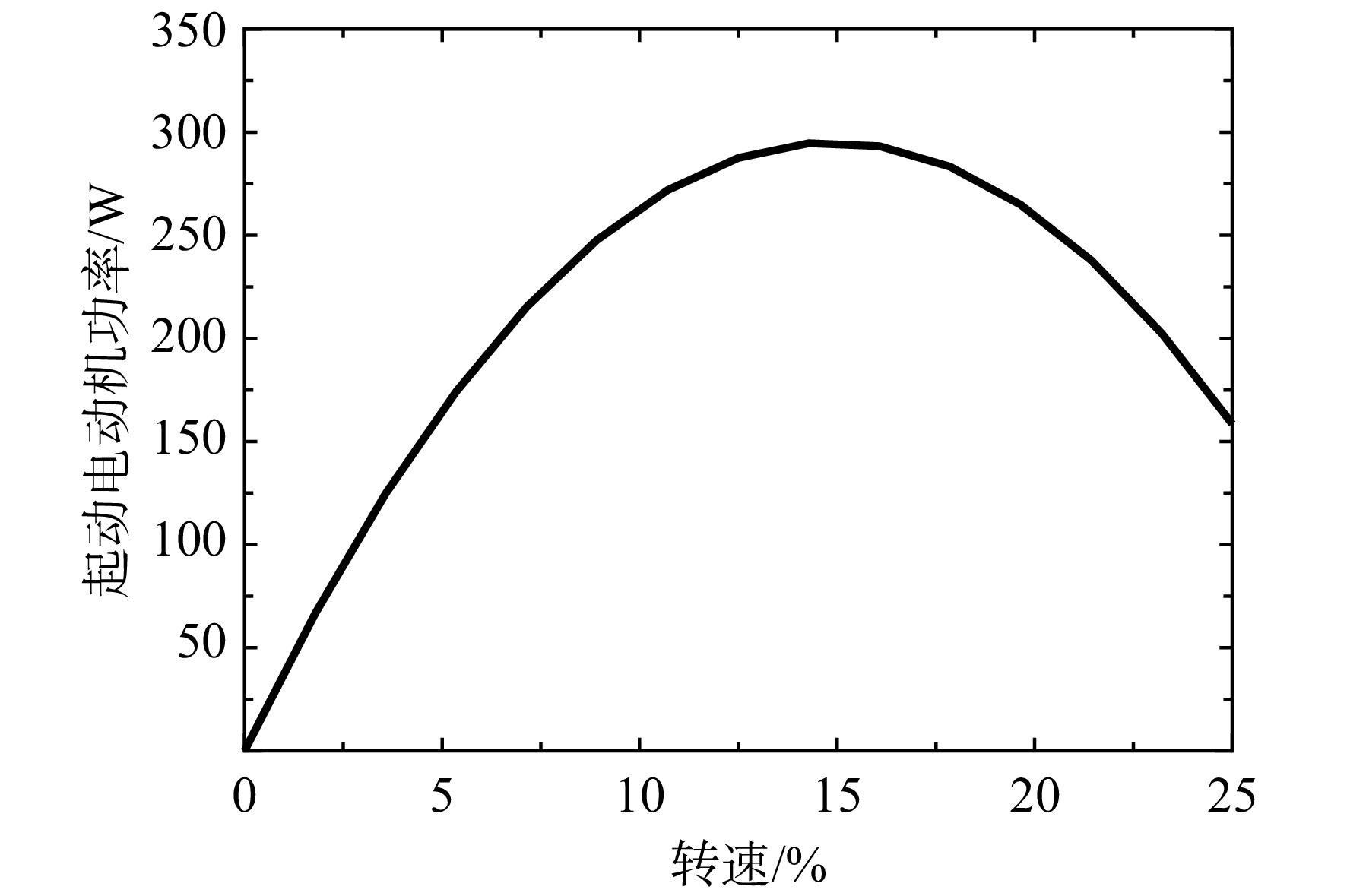
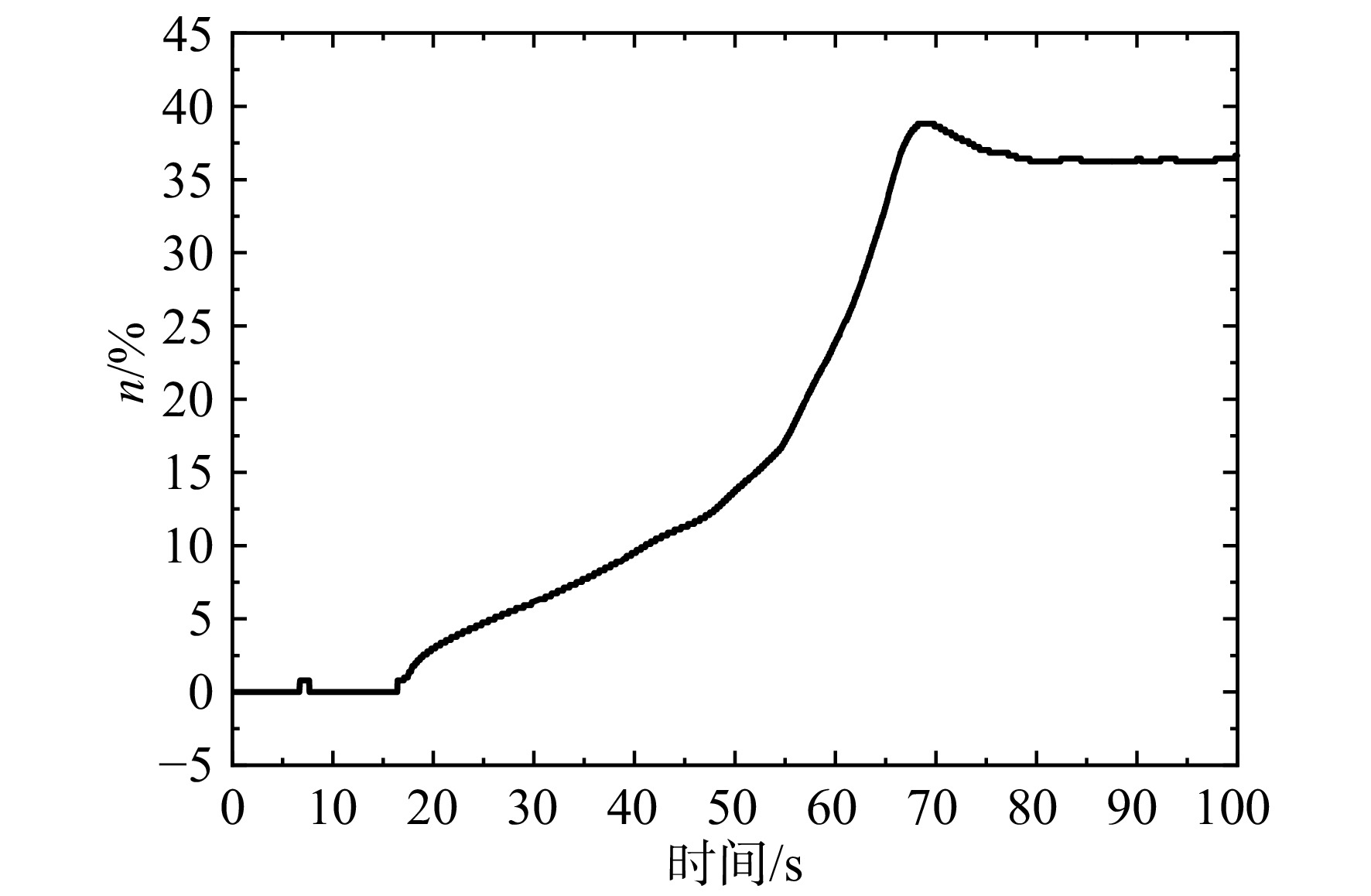
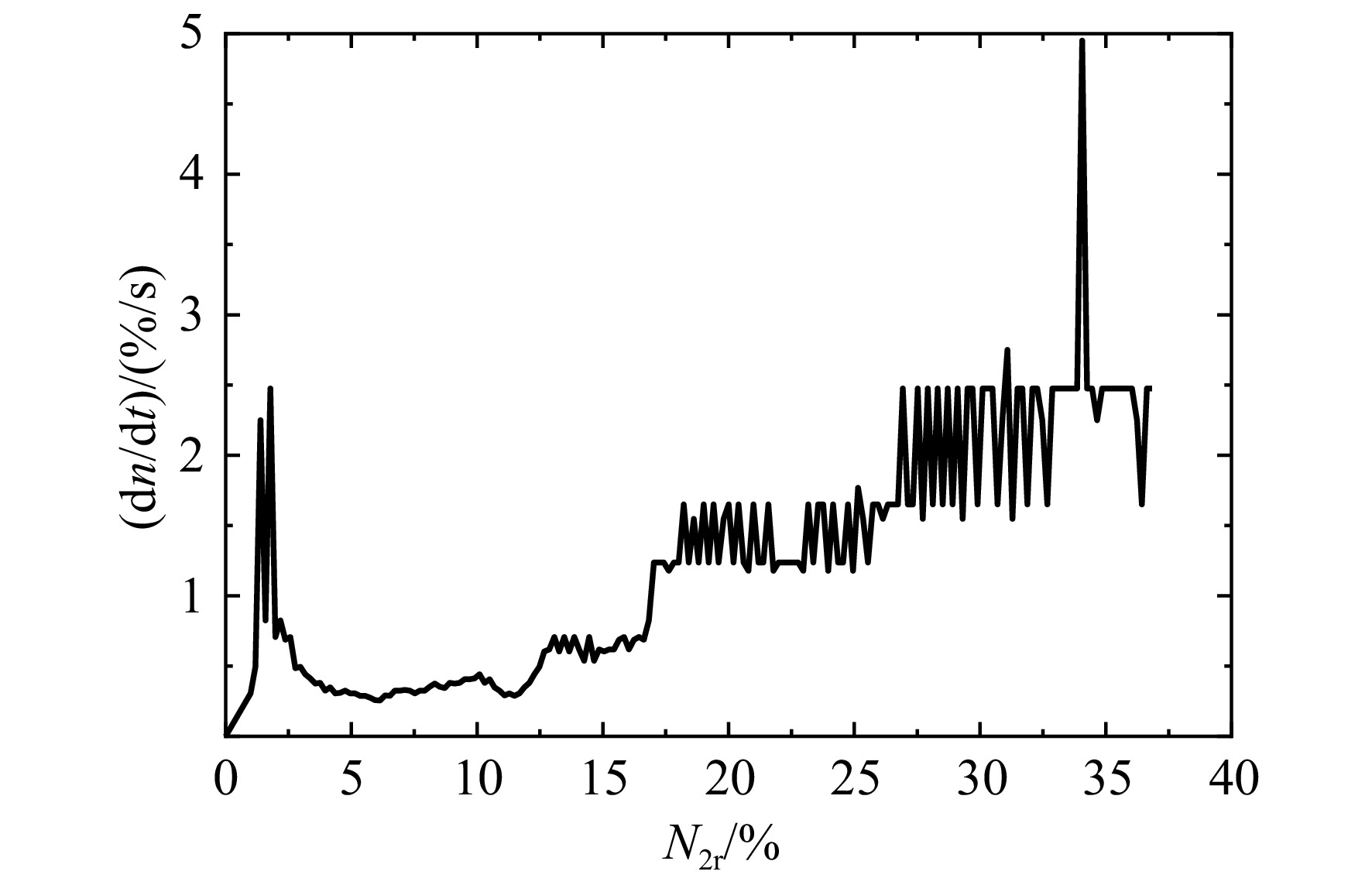
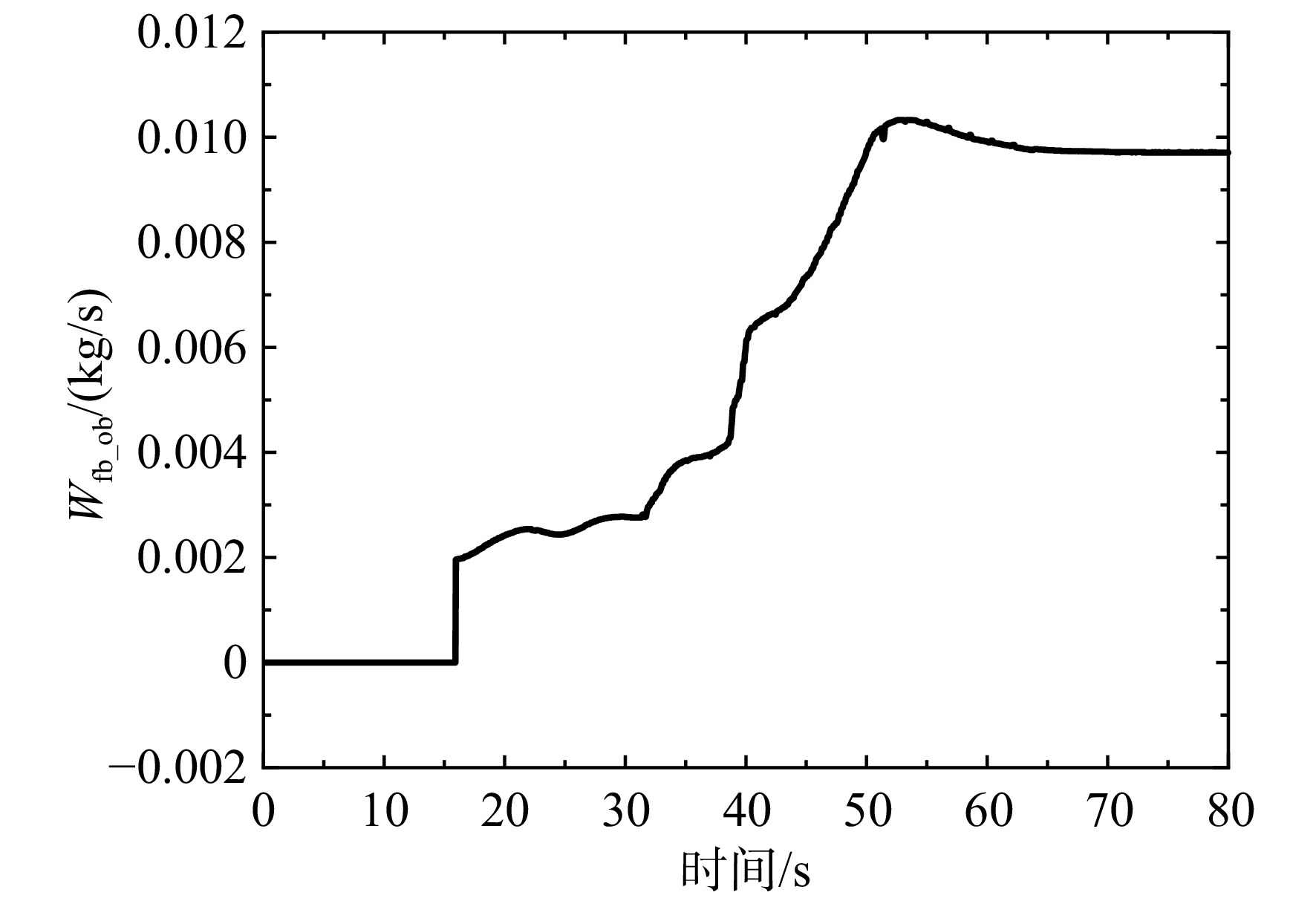
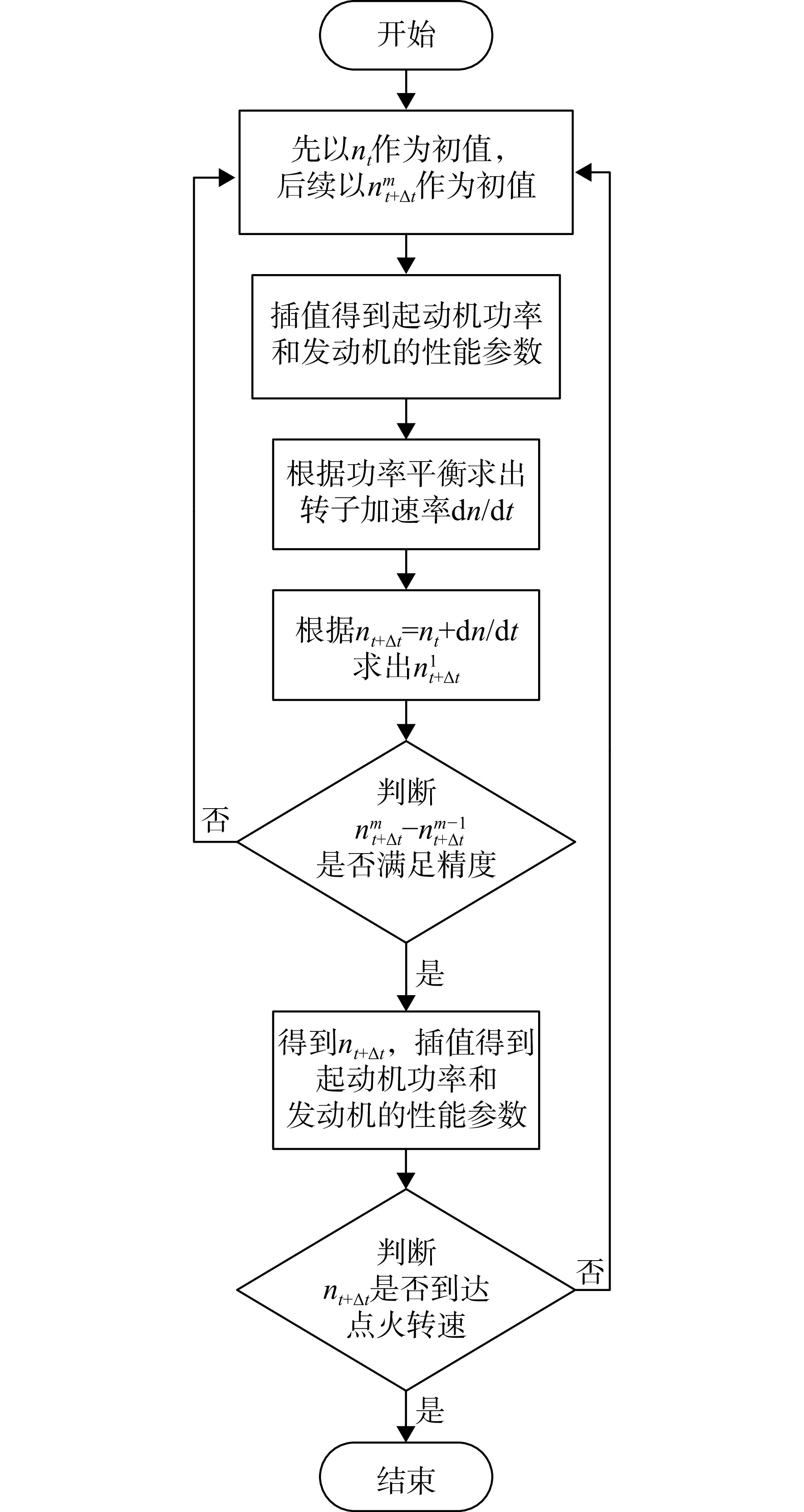
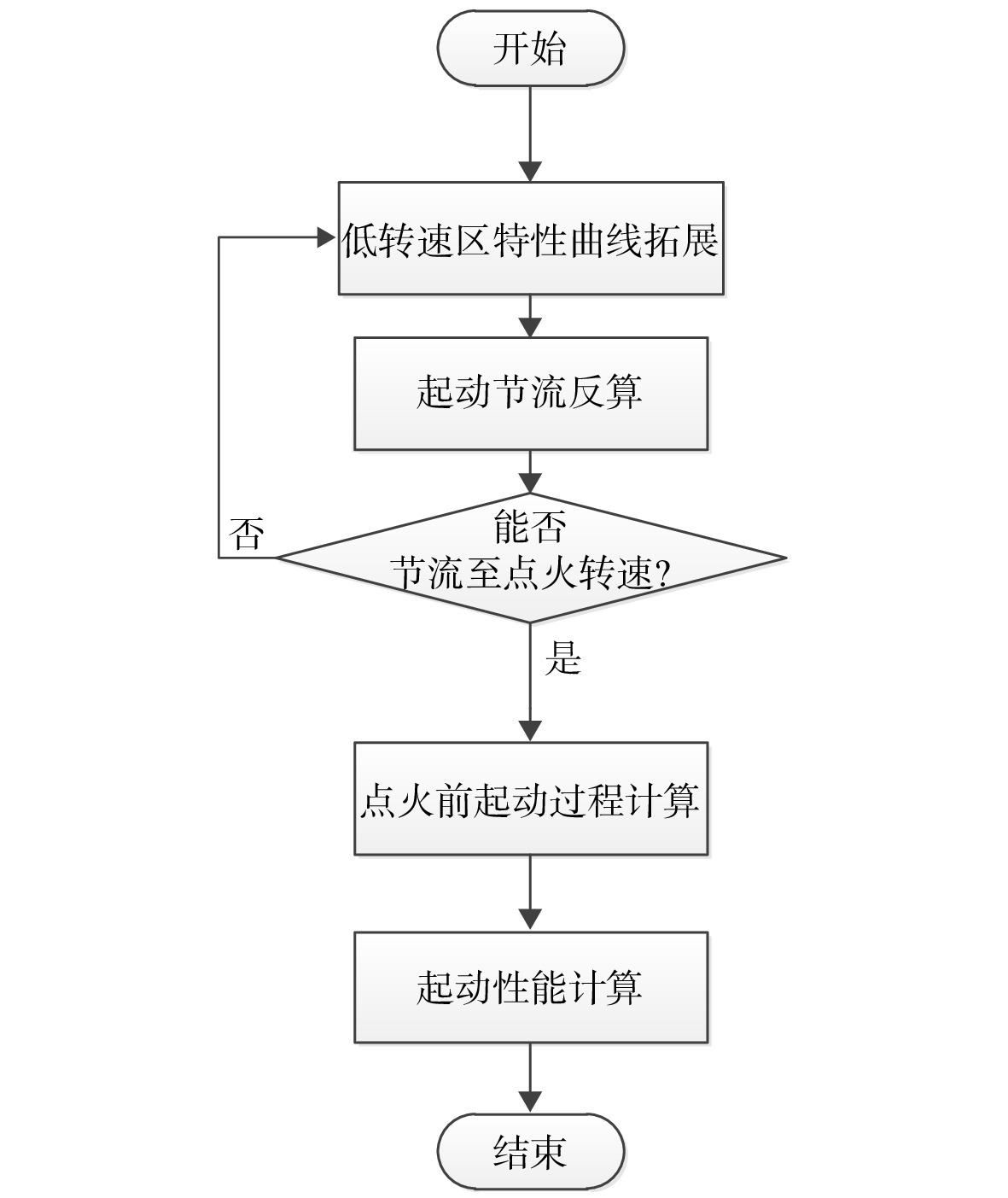
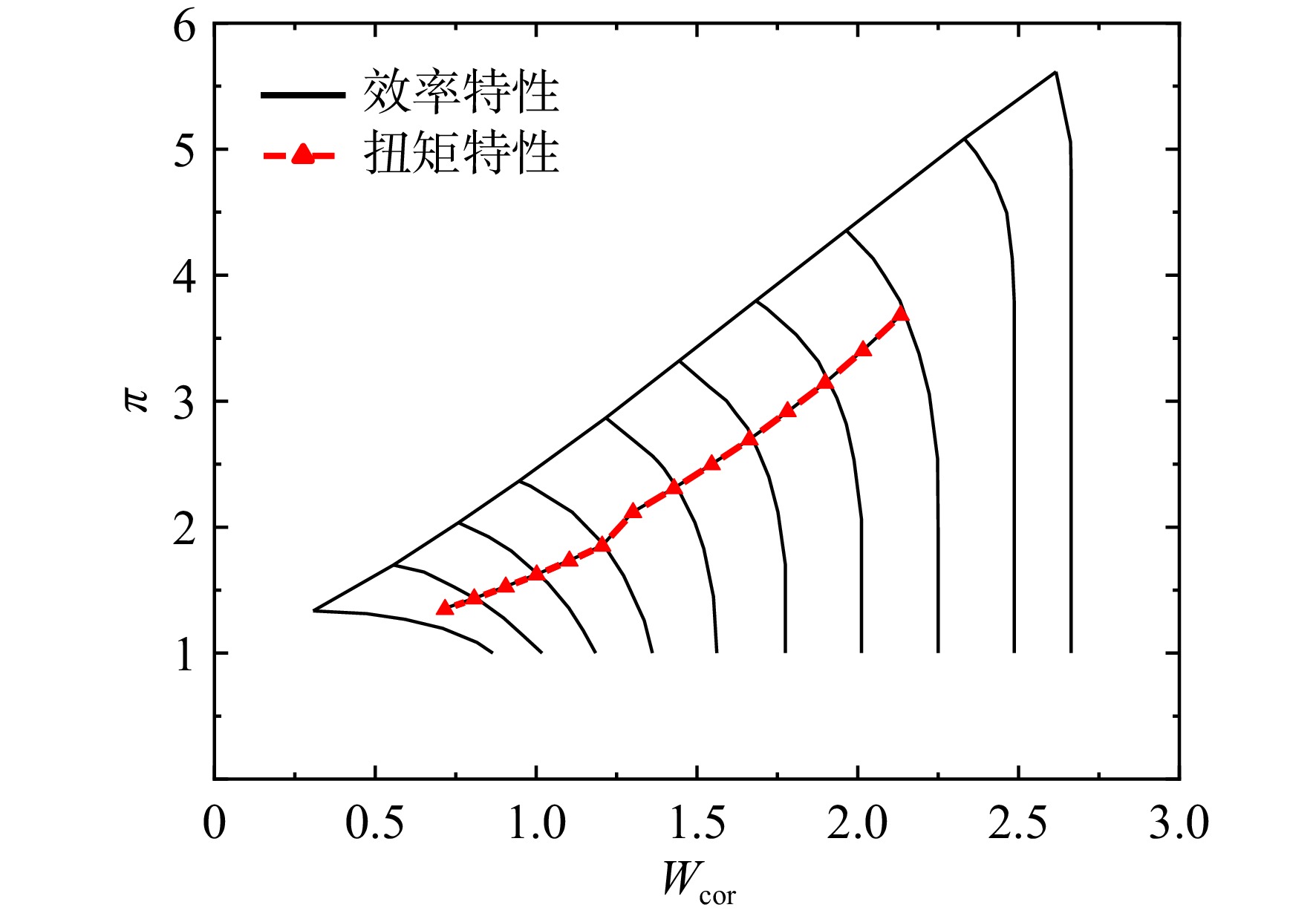
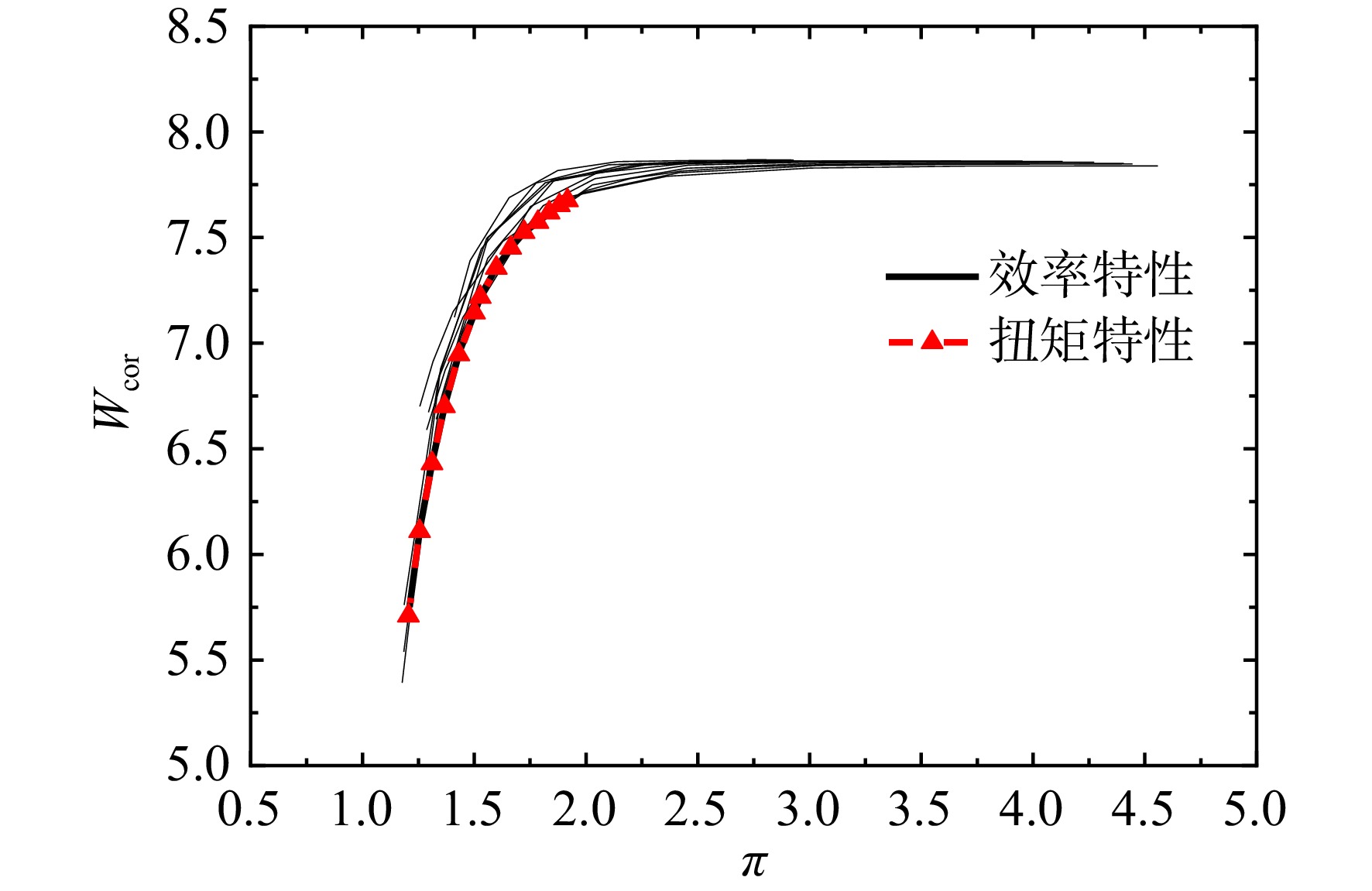
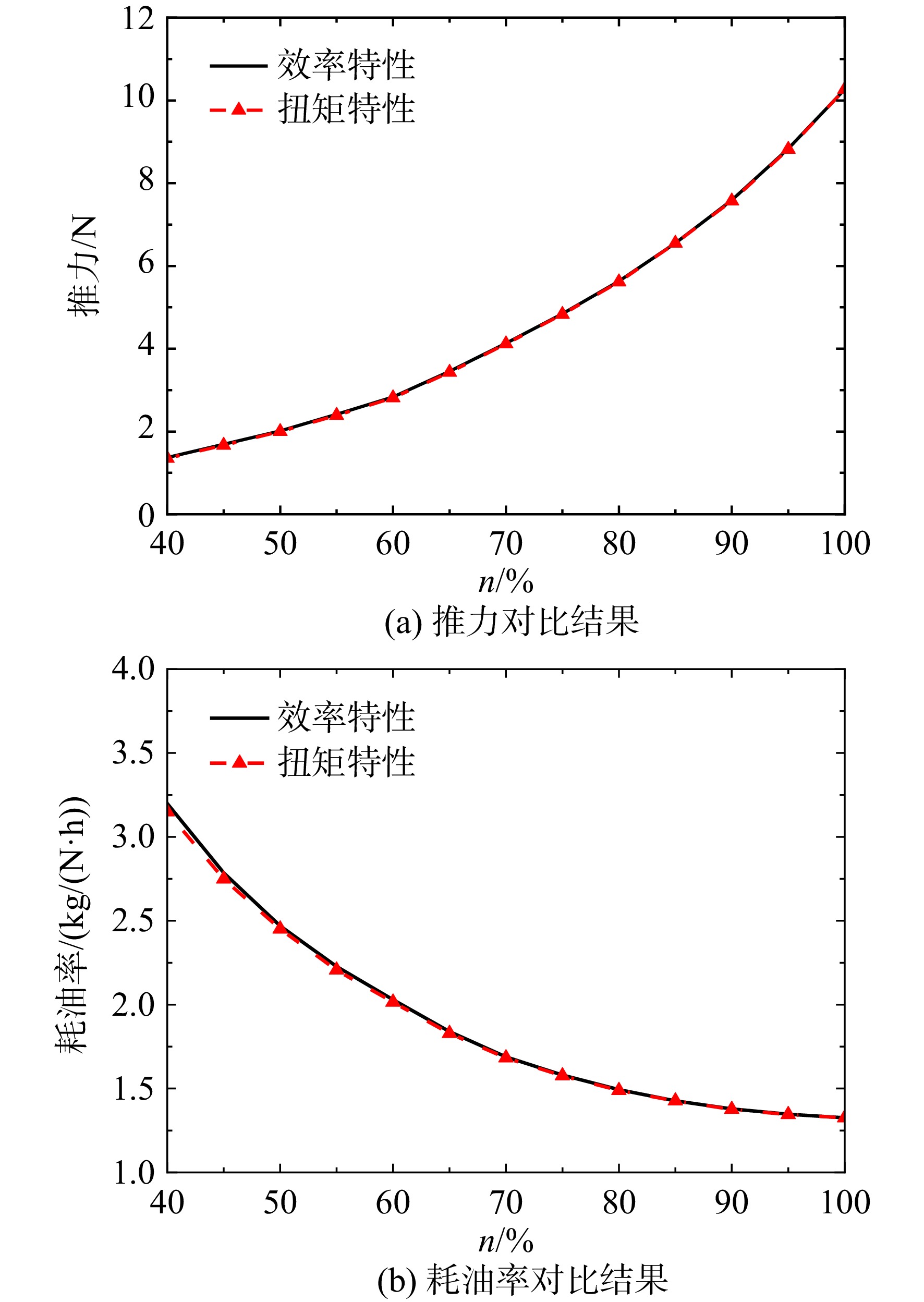
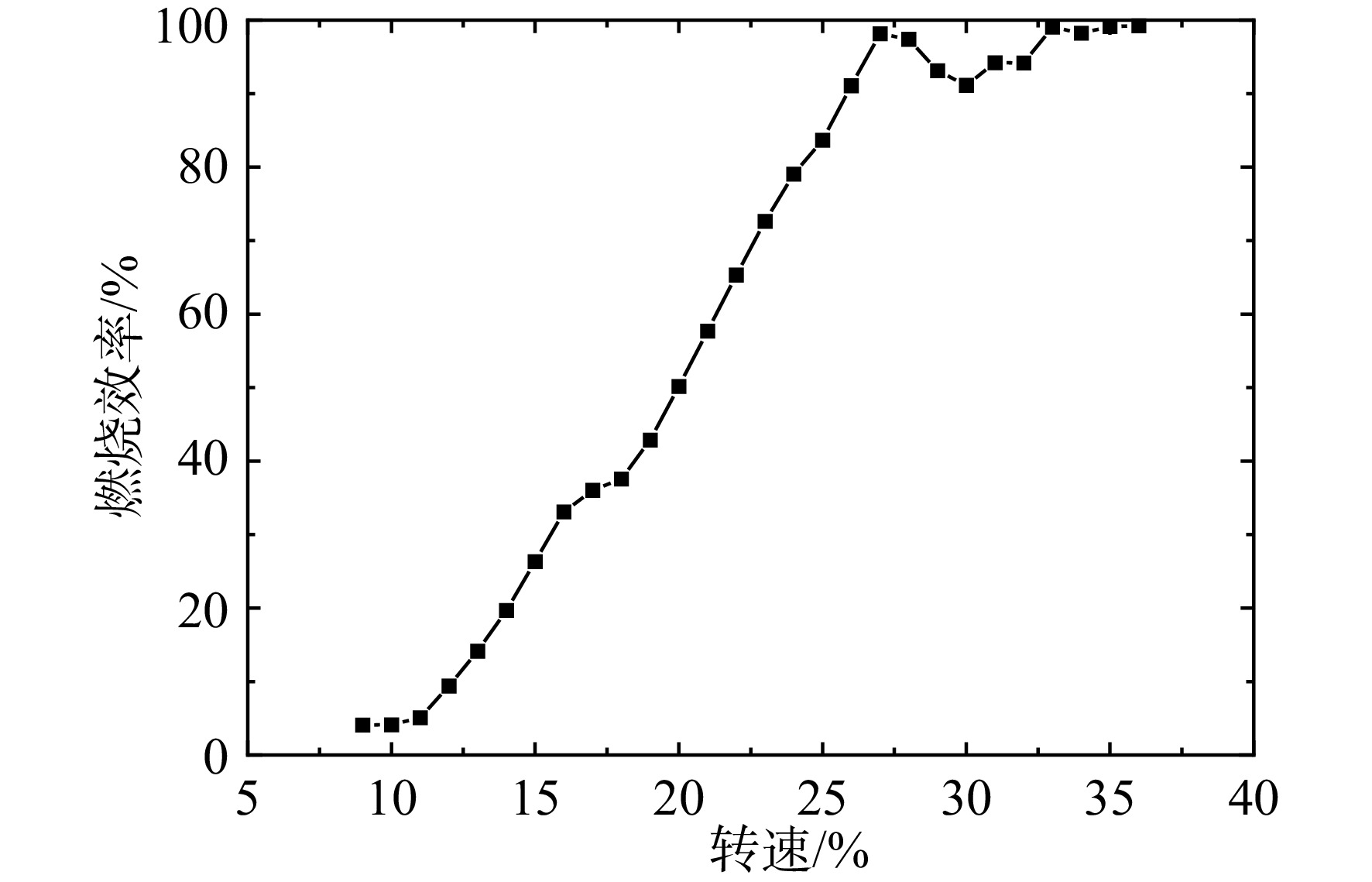
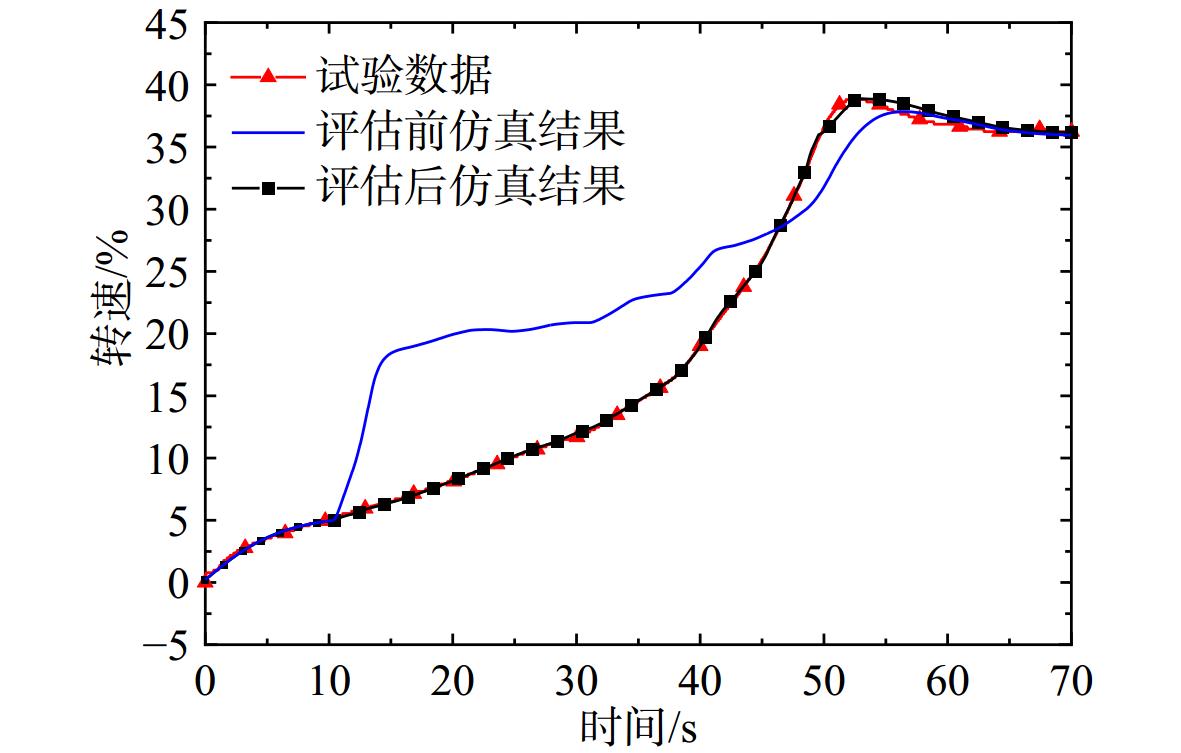
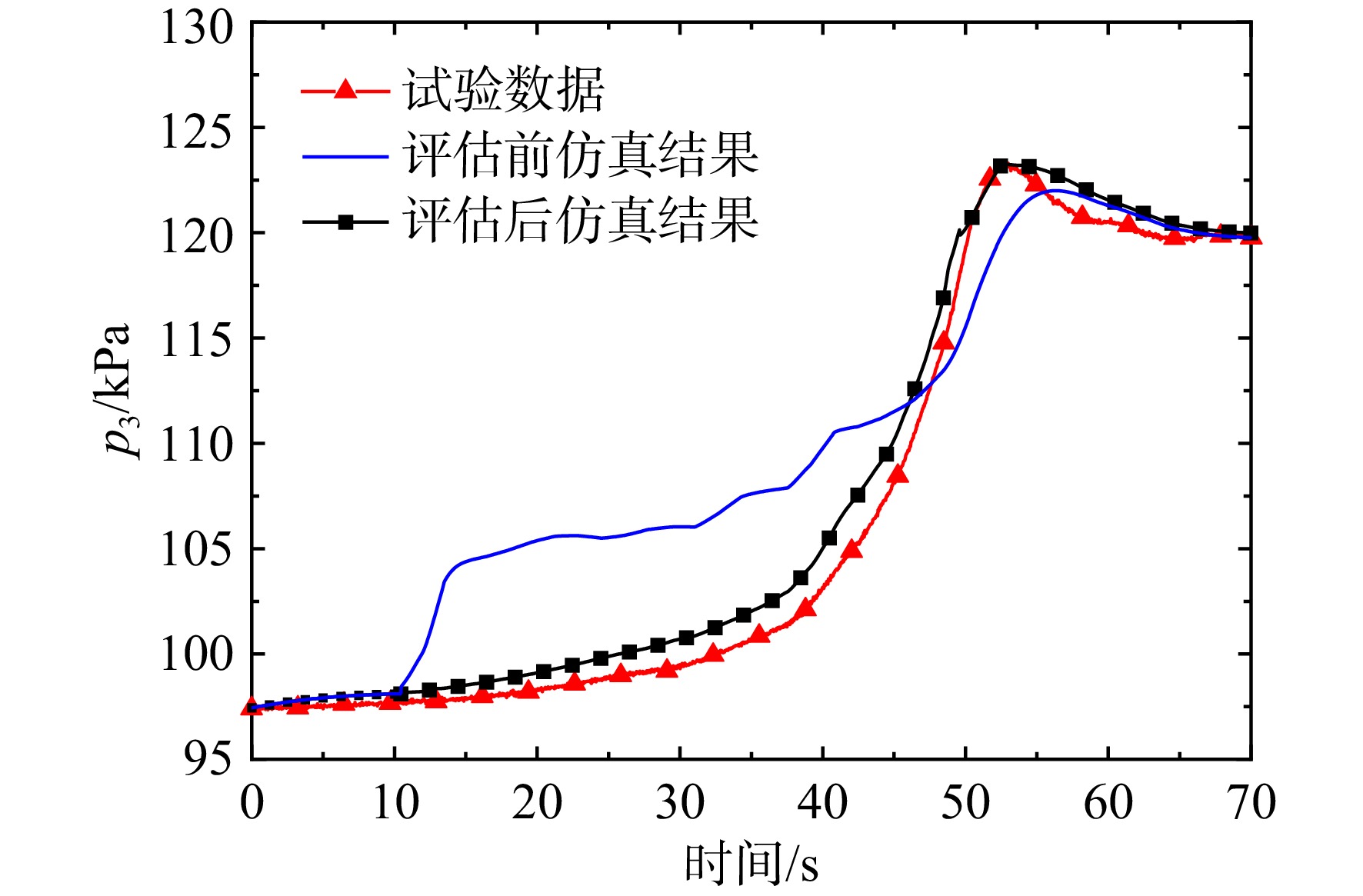
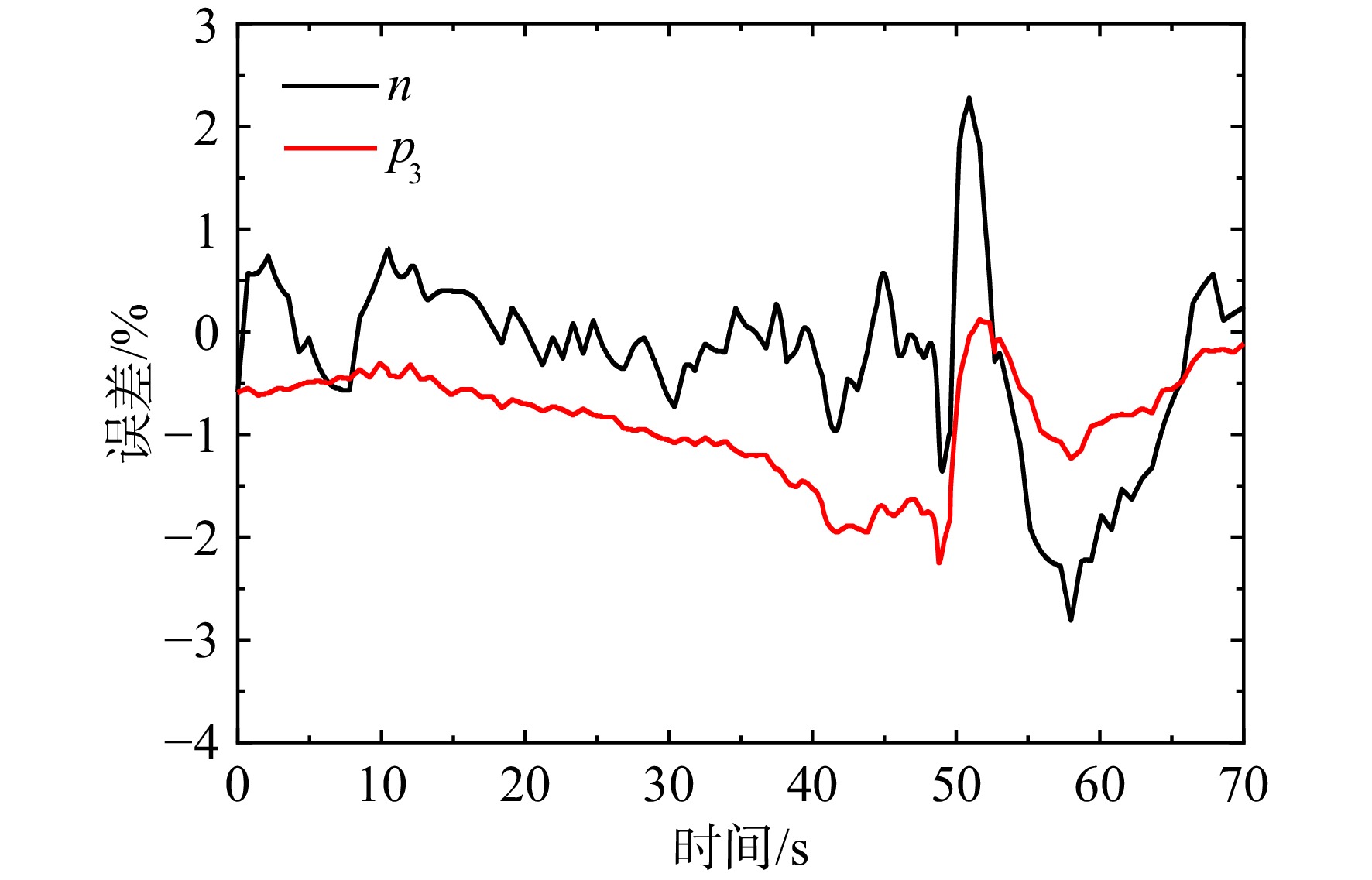
In order to improve the accuracy of engine starting performance calculation based on the component method, a starting throttling inverse calculation method based on the power extraction method was proposed. It clearly defined the power balance relationship of the starting process, and established the nonlinear equations of the engine starting, so as to reversely evaluate the combustion efficiency based on the fuel flow, rotor acceleration rate and starter characteristics during the starting process. According to the similarity principle, the calculation method of converted torque scaling factor was proposed, the conversion between efficiency characteristics and torque characteristics was completed, and the effectiveness of the method was verified. Furthermore, a pre-ignition starting model was established, enabling the simulation of starting from zero to idle speed. The simulation model was validated based on the experimental data of a micro-turbojet engine, and the results showed that the maximum errors in the rotational speed and p3 during the starting process were 2.81% and 2.22%. This method allowed for an approximate simulation of the starting process and enabled the reverse calculation of combustion efficiency during that process. In addition, the plausibility of the sub-idle component characteristics can be tested. This method can provide a reference for modeling and validation of starting performance for other types of aerospace engines.

Transonic unsteady aerodynamic characteristics in heavy gas medium
LIU Yongping, OUYANG Yan, MENG Shaofei, KOU Xiping, XIA Hongya
2025, 40(11): 20240470. doi: 10.13224/j.cnki.jasp.20240470
Abstract:
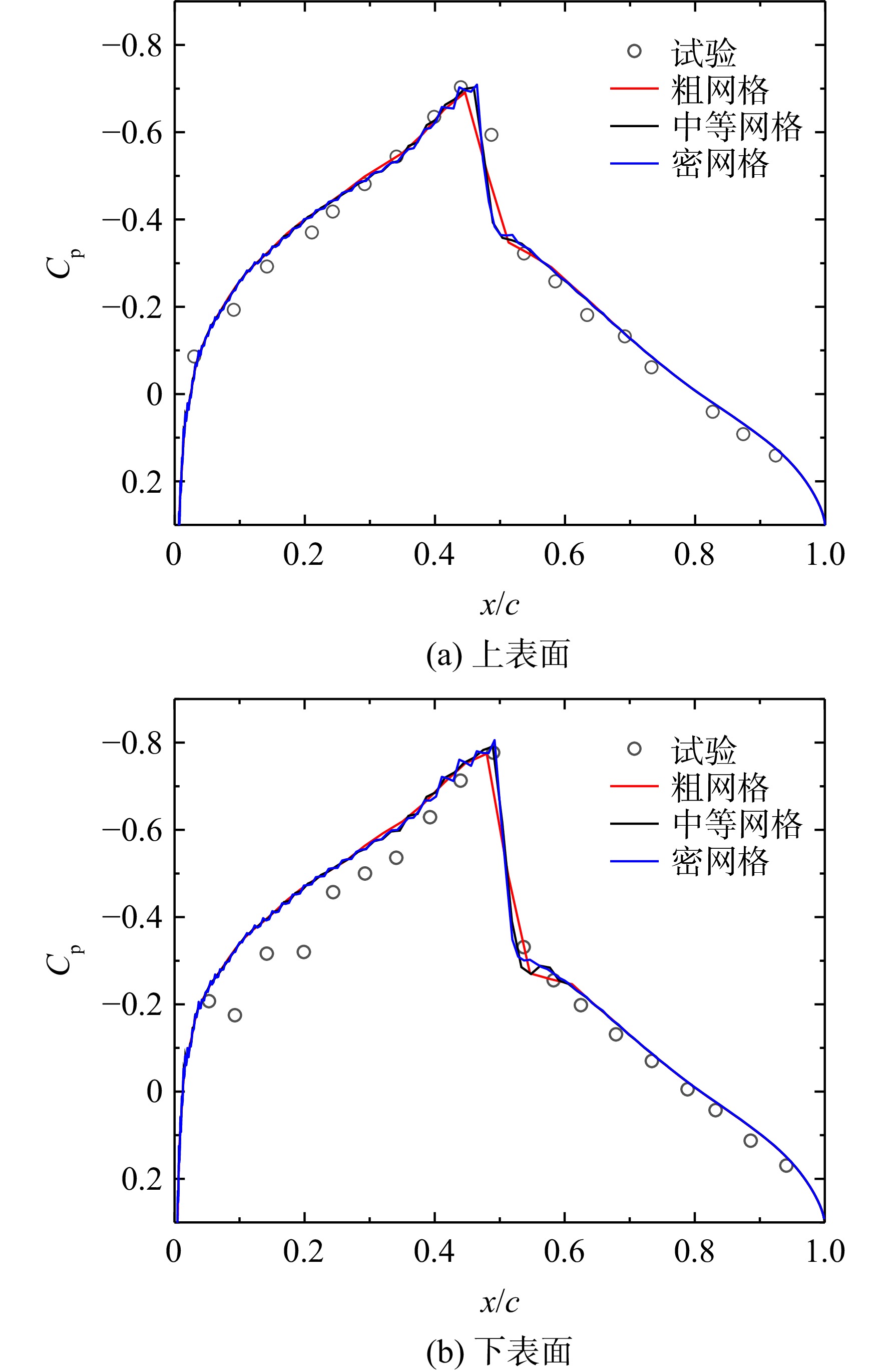
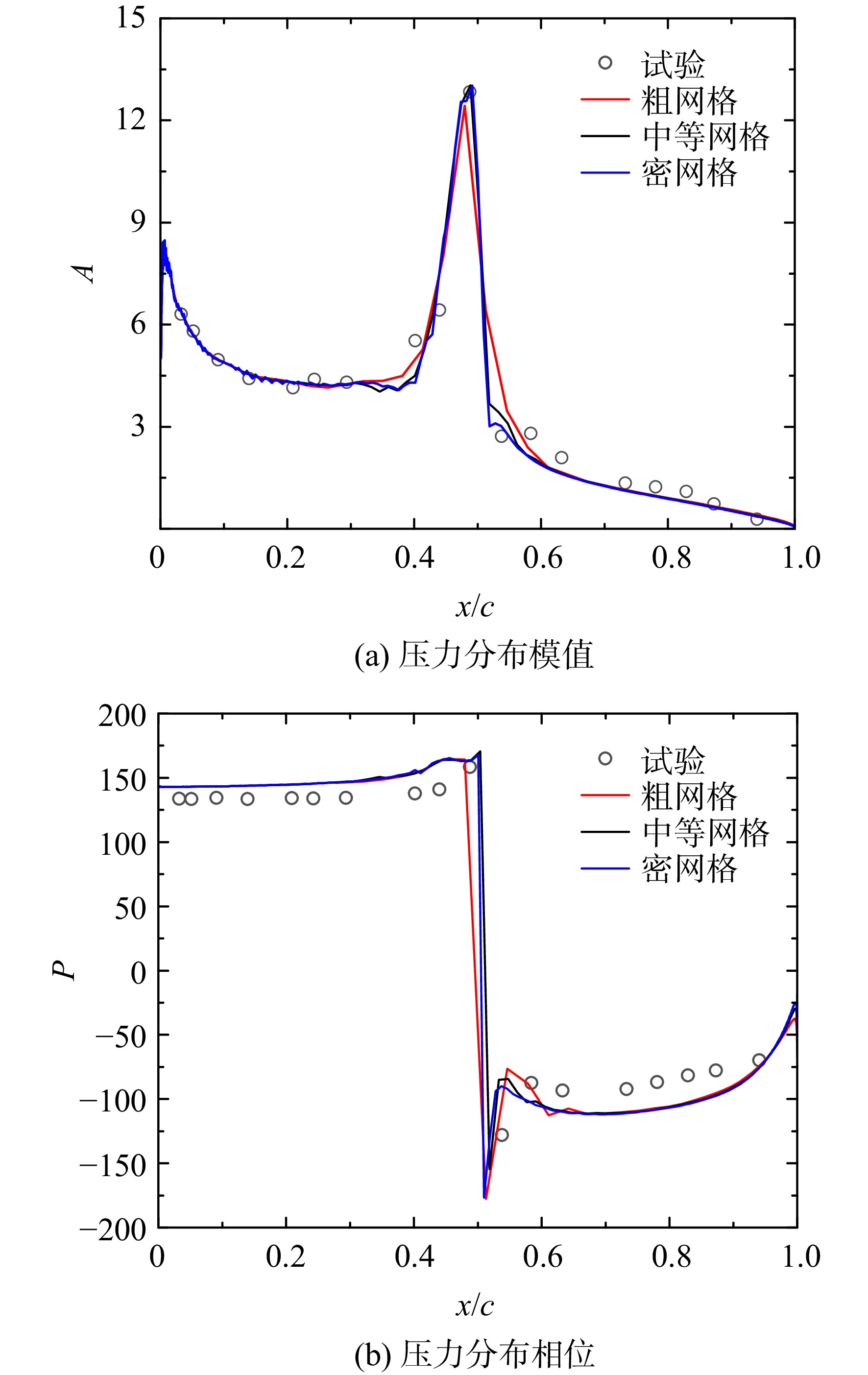
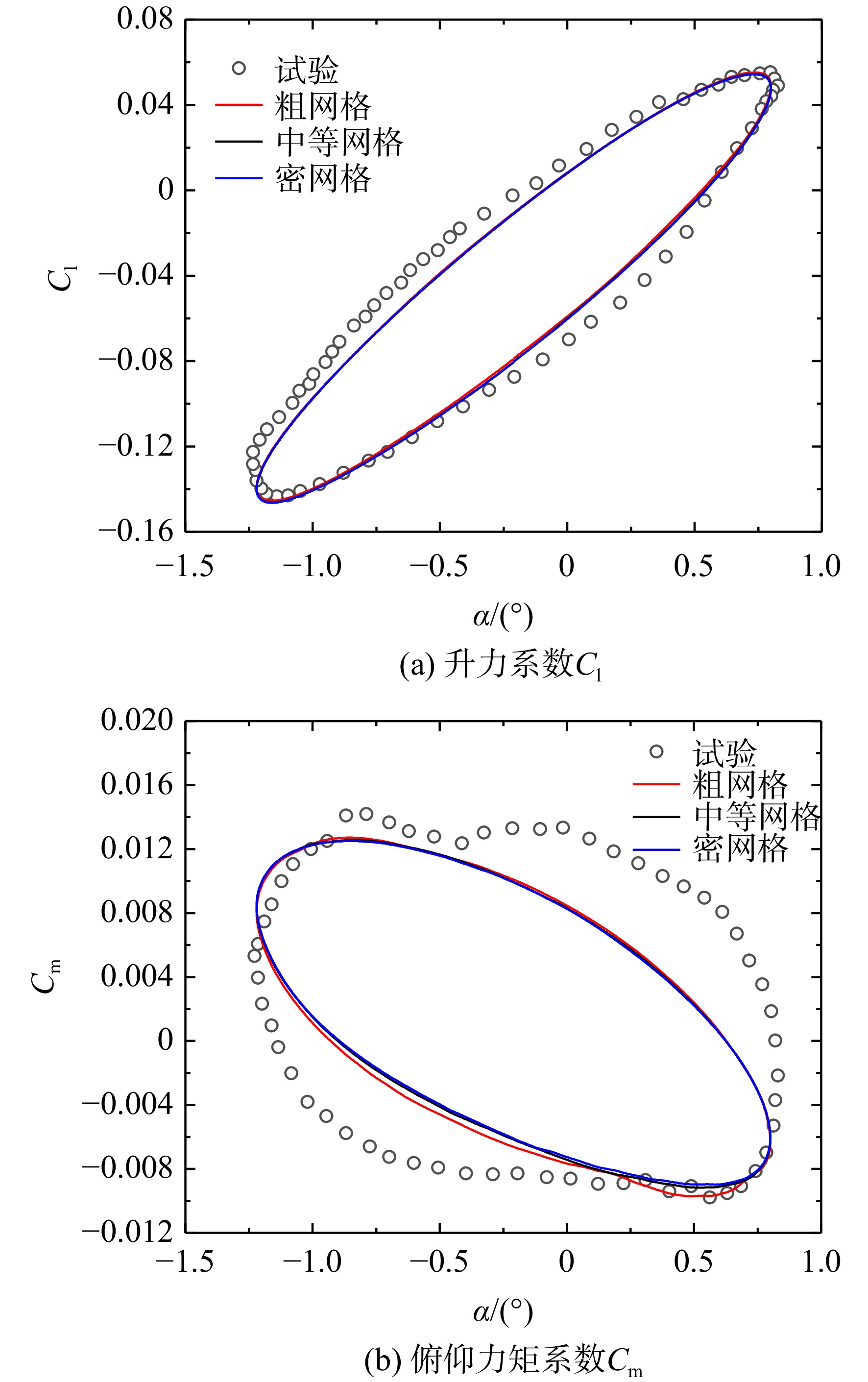
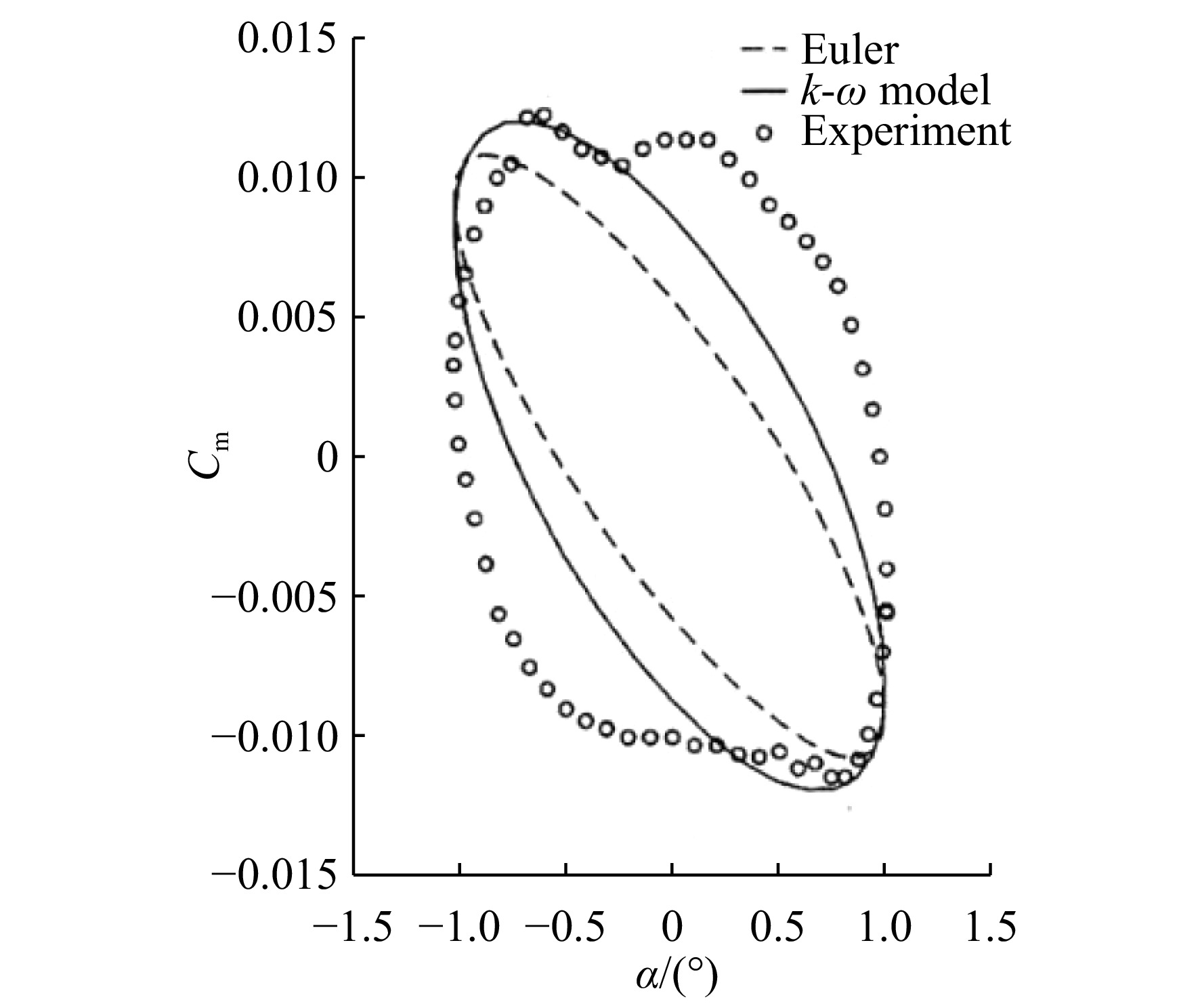
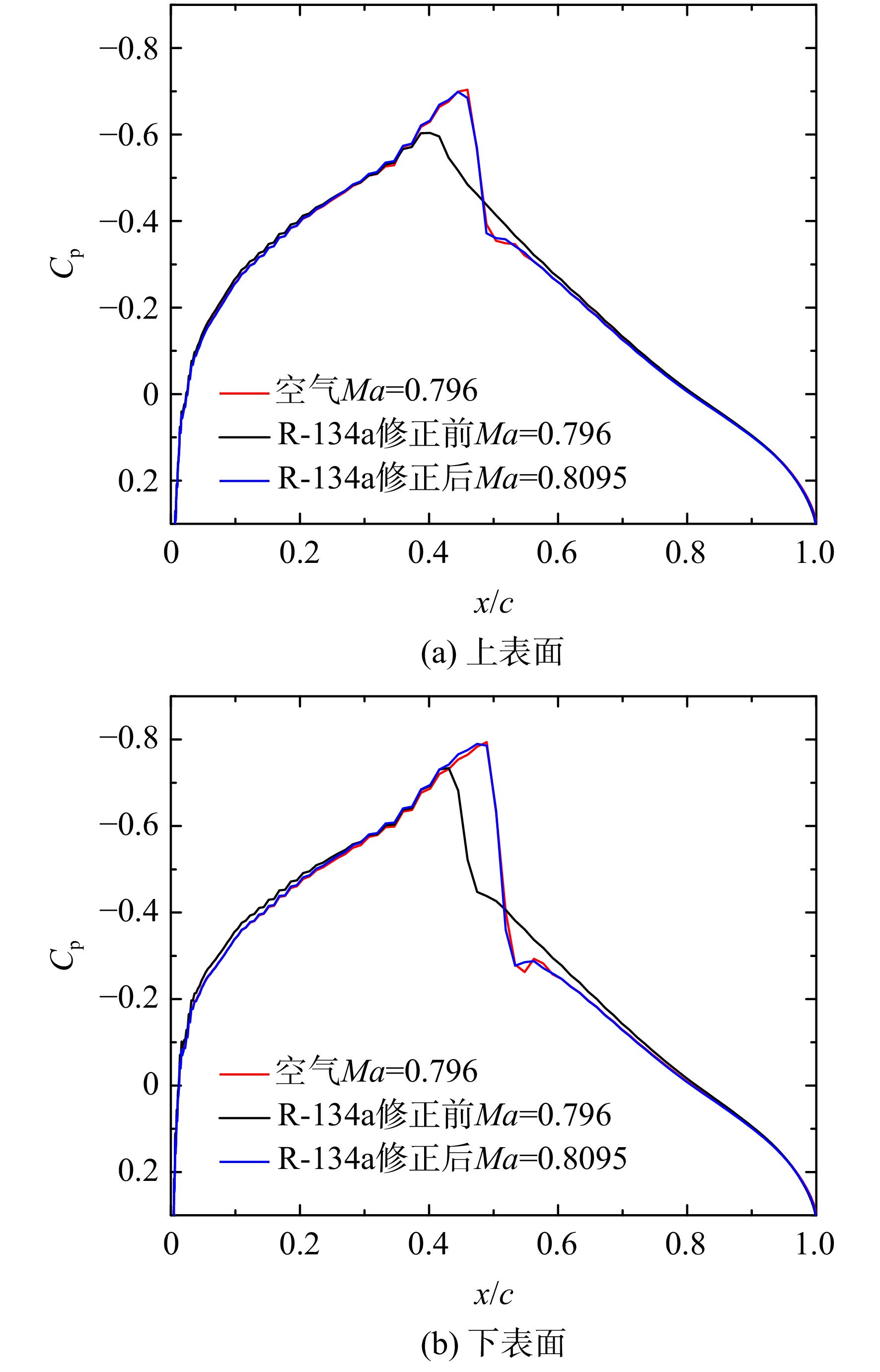
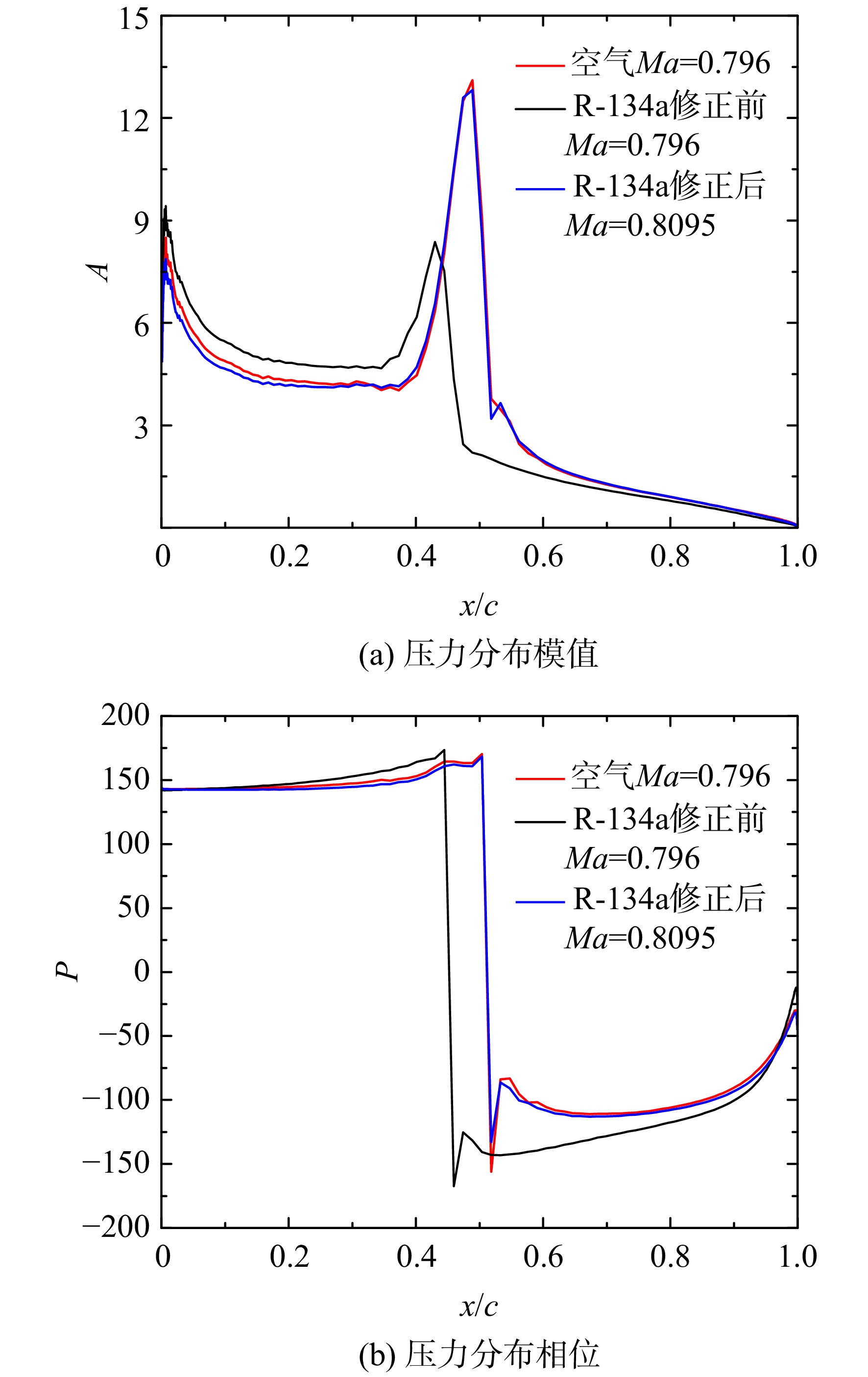
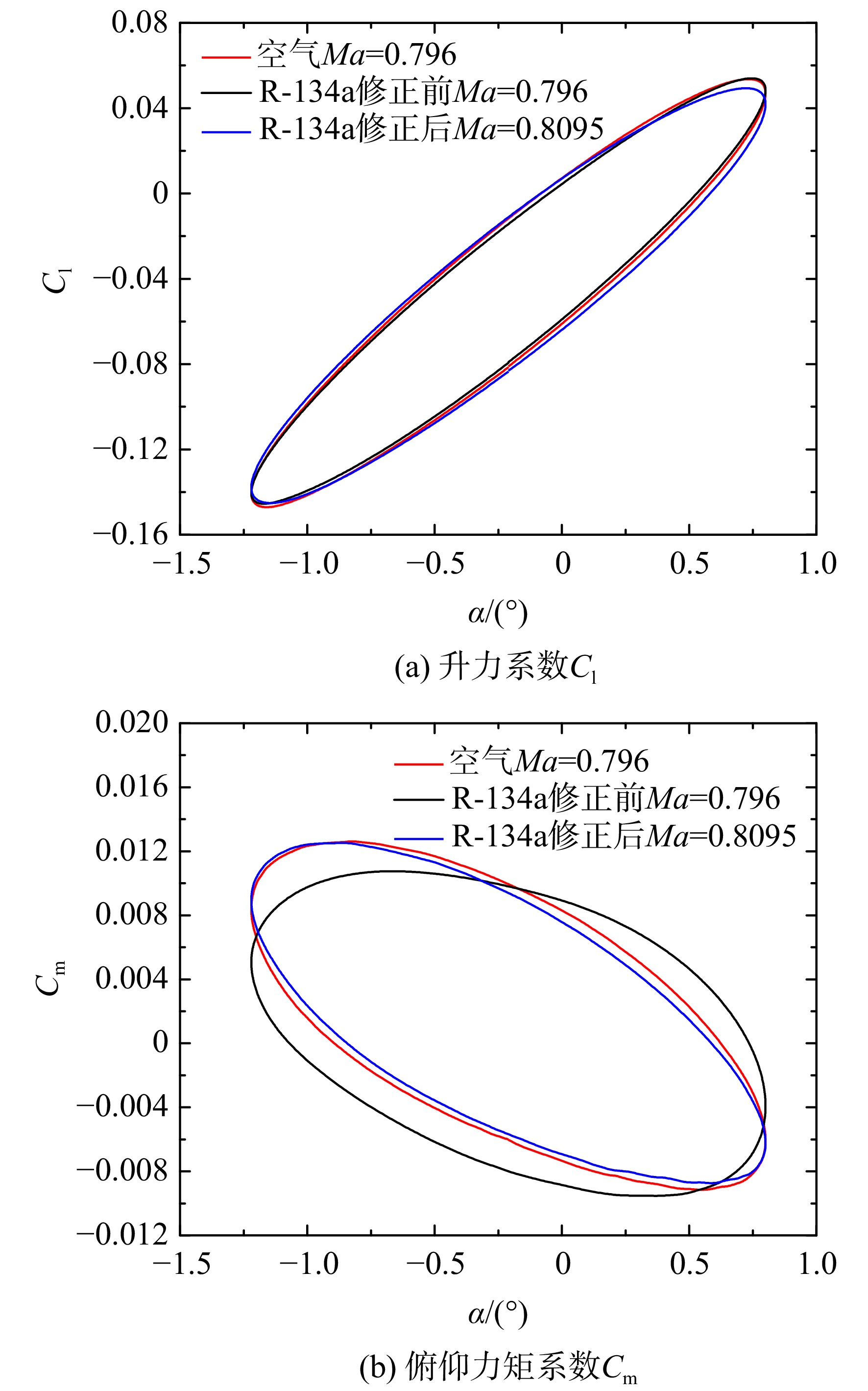
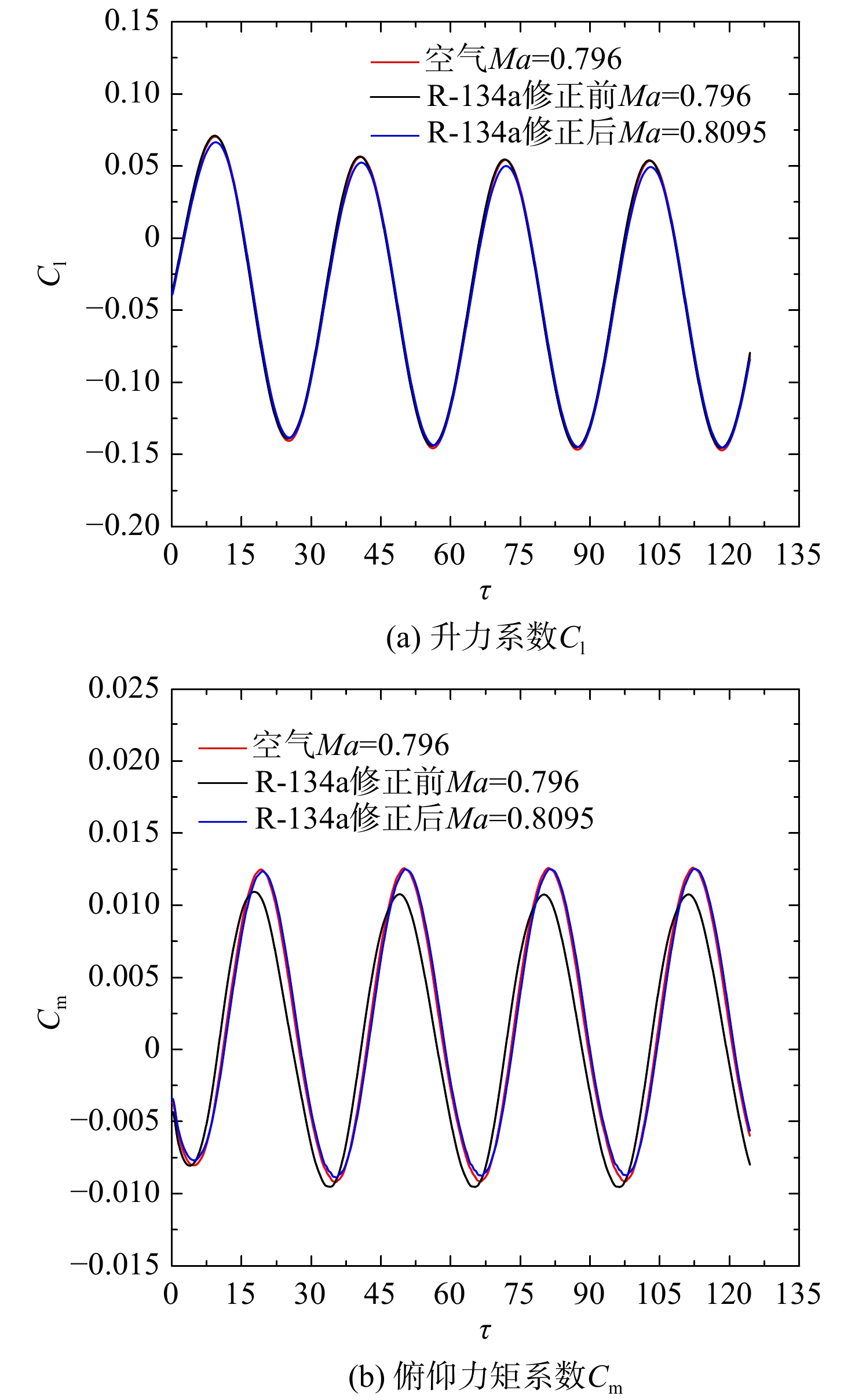
The unsteady transonic aerodynamic characteristics of a NACA64A010 airfoil in air and heavy gas medium R-134a were simulated by using the Reynolds-averaged Navier-Stokes equations (RANS) and the Spalart-Allmaras (SA) one-equation turbulence model. Under the same Mach number, Reynolds number and reduced frequency, the calculation results of simple harmonic motion in pitch showed that the distribution of modulus and phase of unsteady pressure coefficient in heavy gas medium was obviously different from that in air, the unsteady lift coefficient was not different from that in air medium, and the amplitude and phase of pitch moment coefficient were different from those in air medium. The transonic similarity law was applied to the unsteady aerodynamic force correction, and the amplitude and phase of pitch moment coefficient were transformed into air similarity, but with the increase of reduced frequency, the correction effect of transonic similarity law became worse. Through analysis of pitching moment work, it was shown that if the unsteady aerodynamic force in heavy gas was not corrected by similarity, the flutter characteristics in air and heavy gas could be different, thus affecting the evaluation of flutter characteristics in heavy gas wind tunnel. This study can provide a basic support for the follow-up research on flutter characteristics of aircraft in heavy gas media and the development of correction methods.

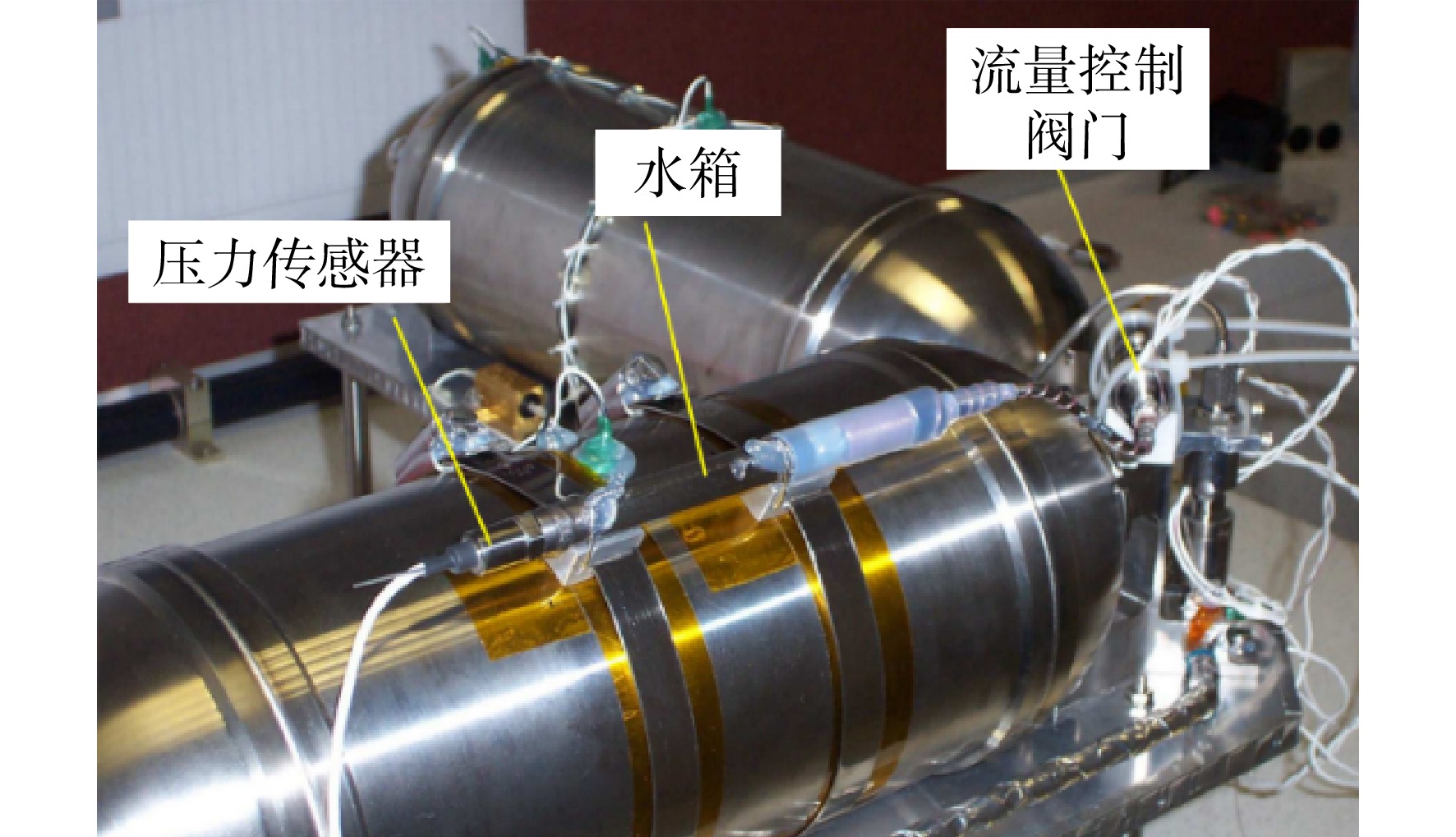
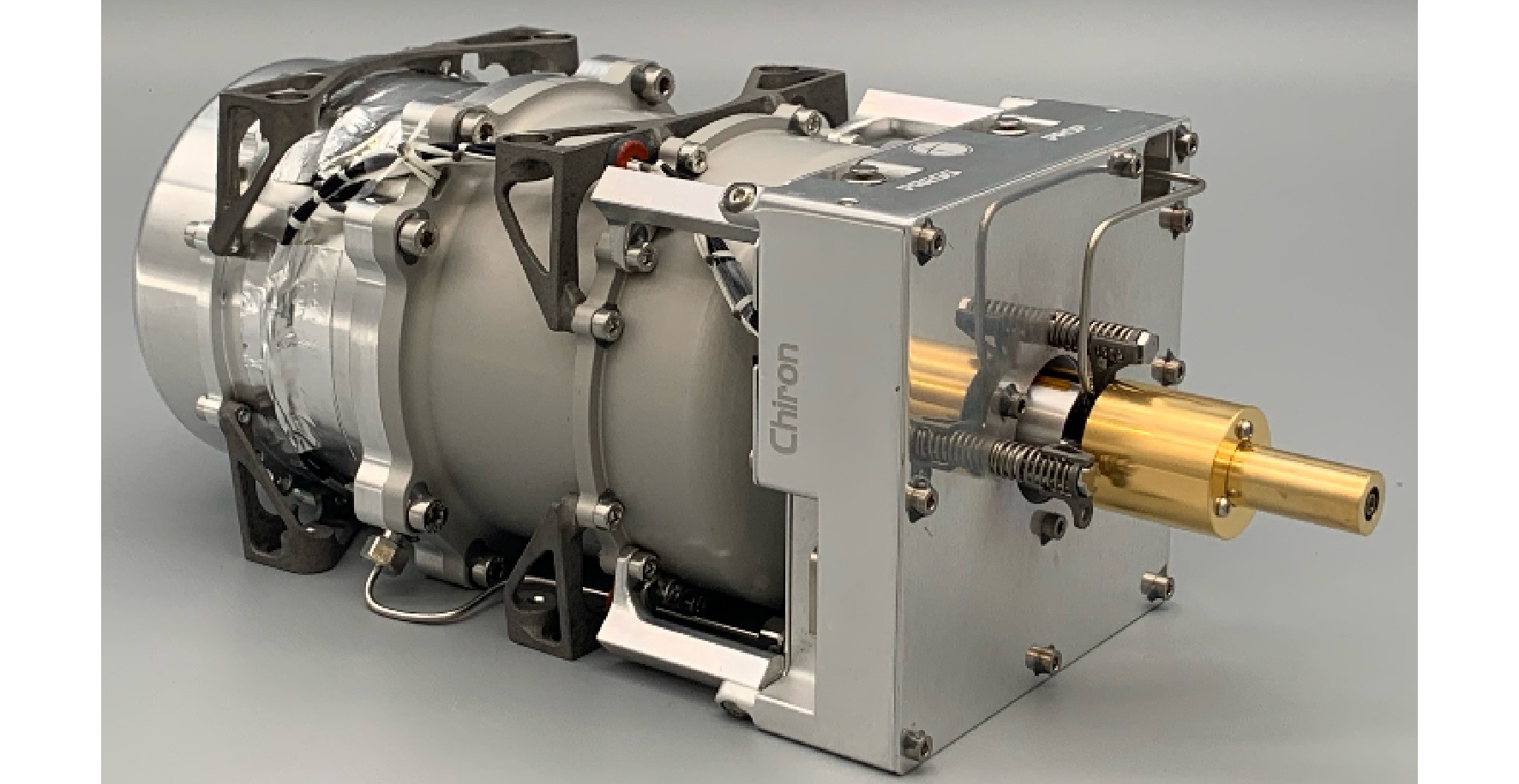
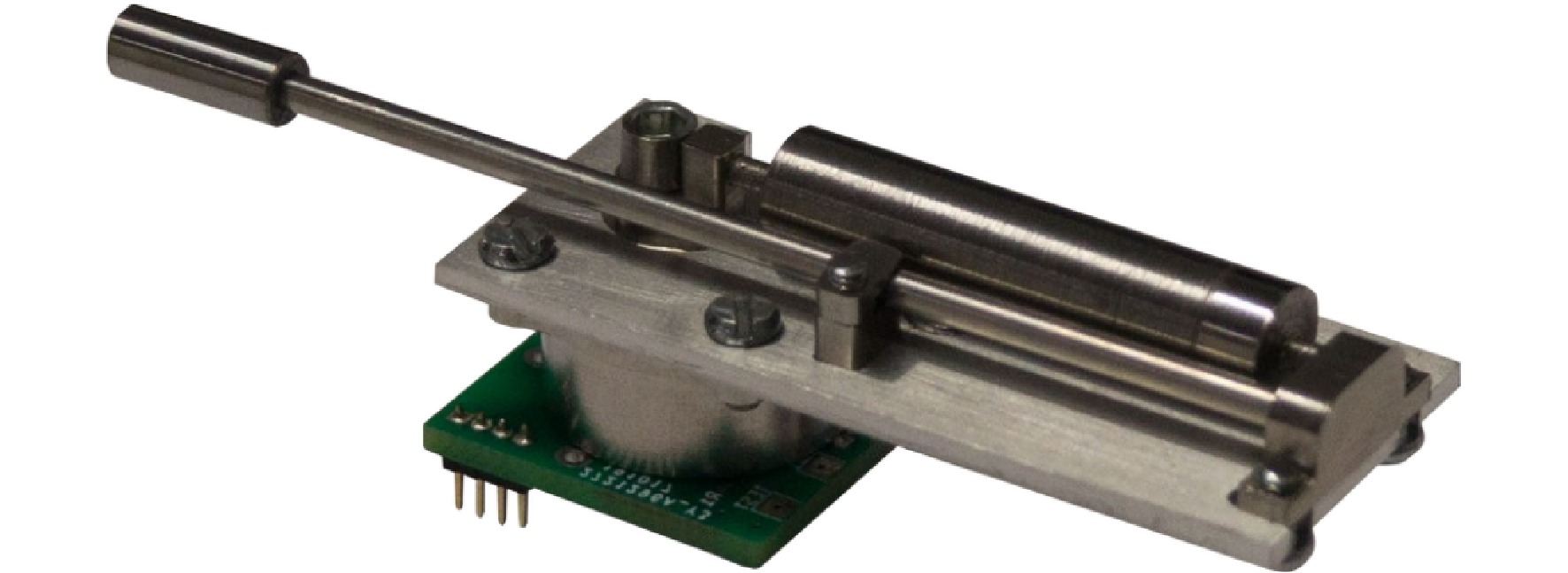
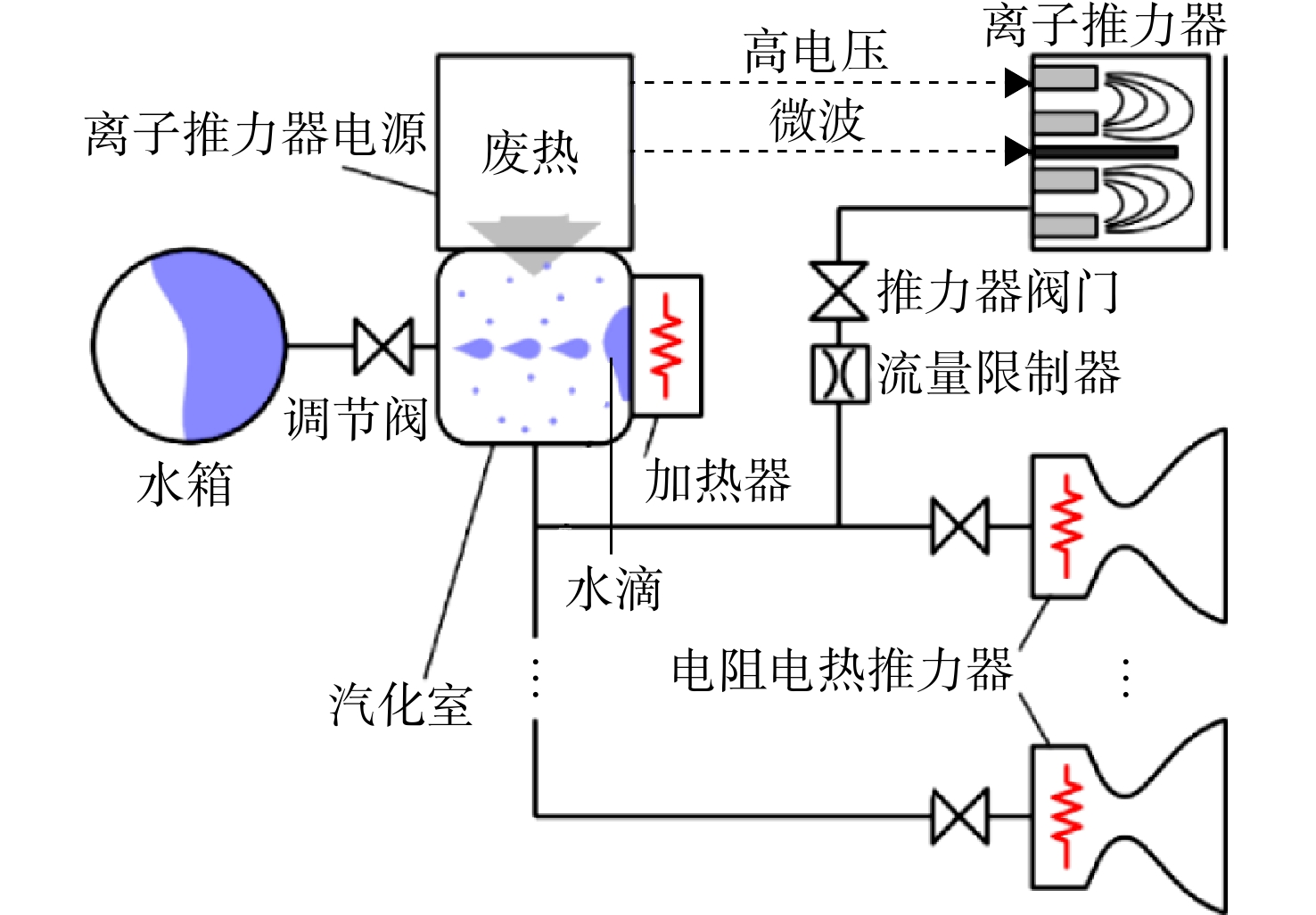
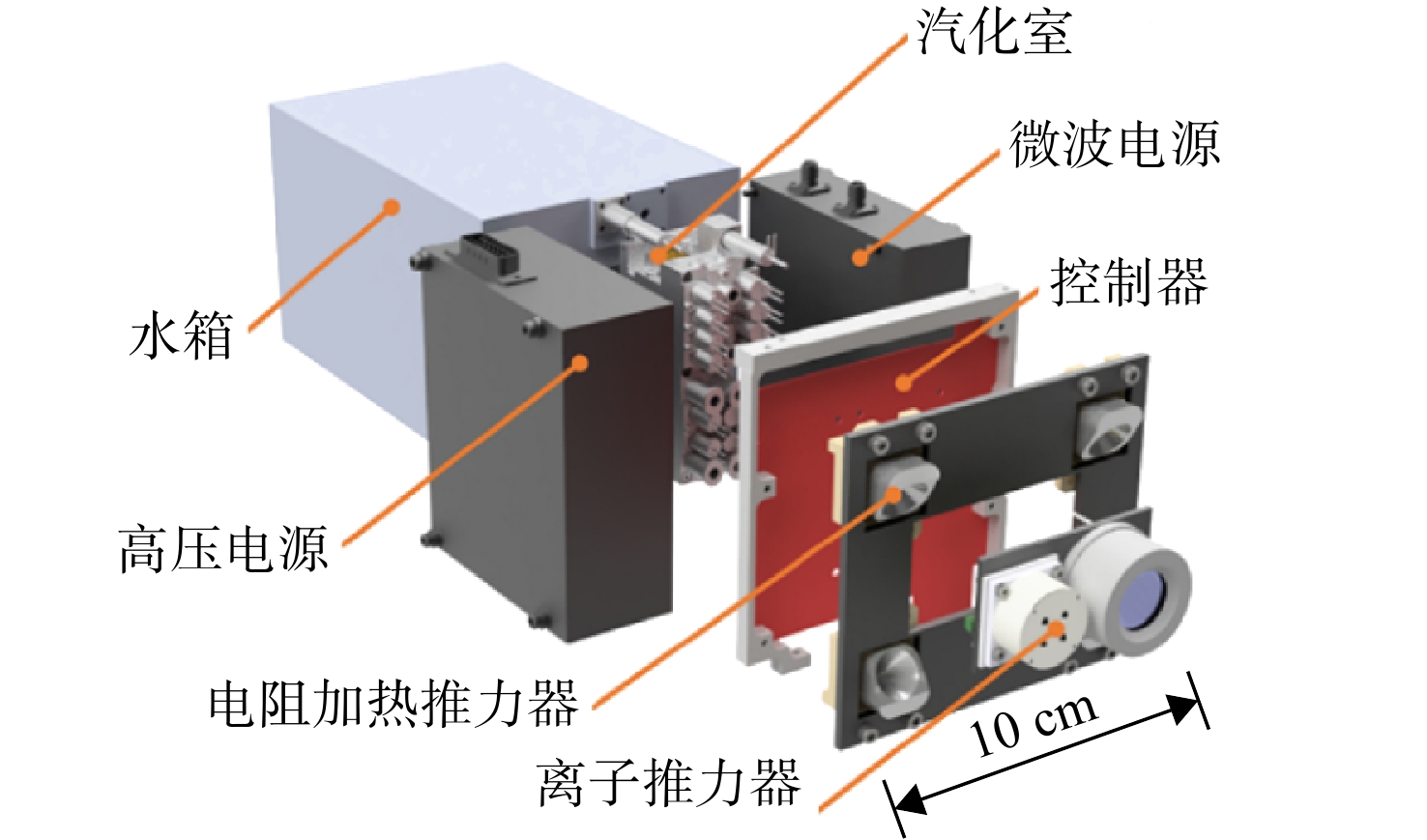
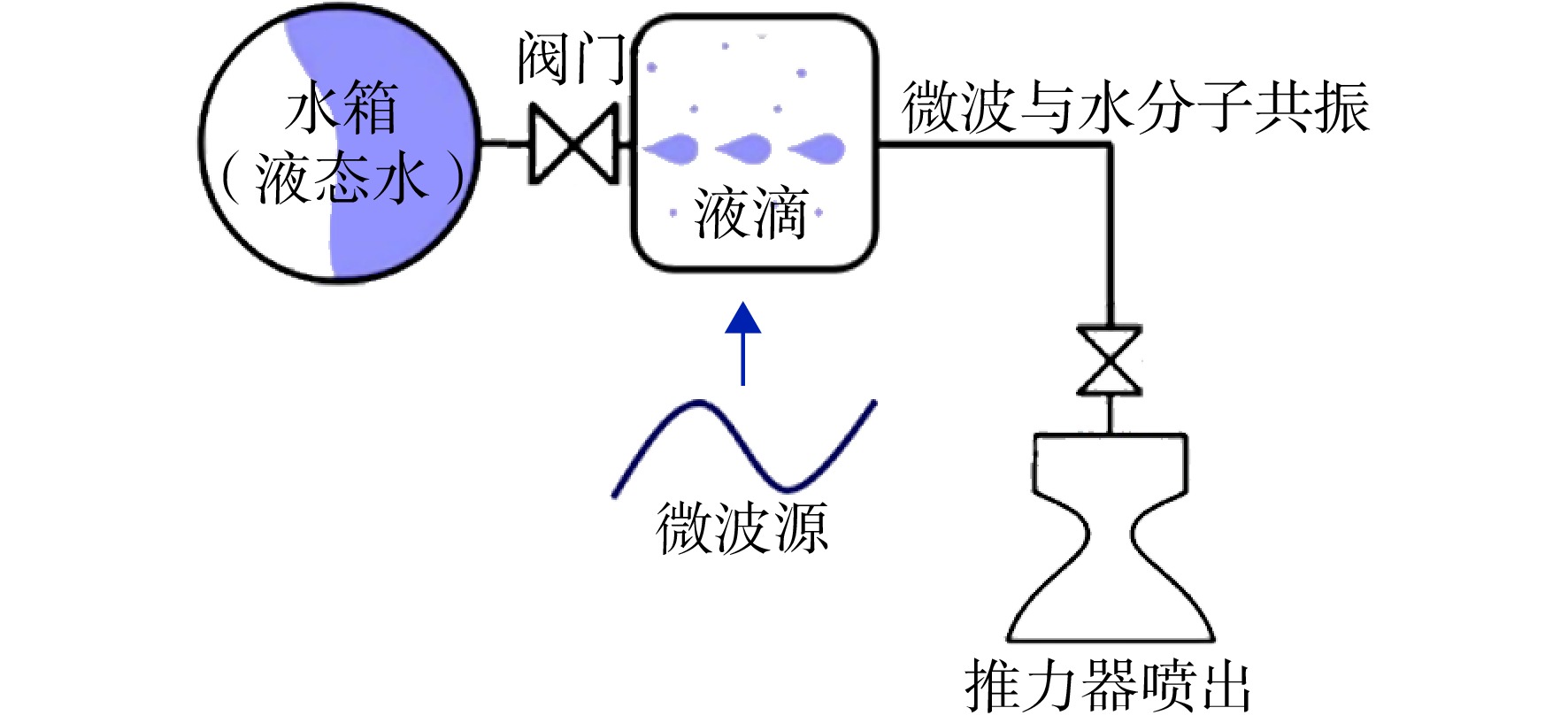
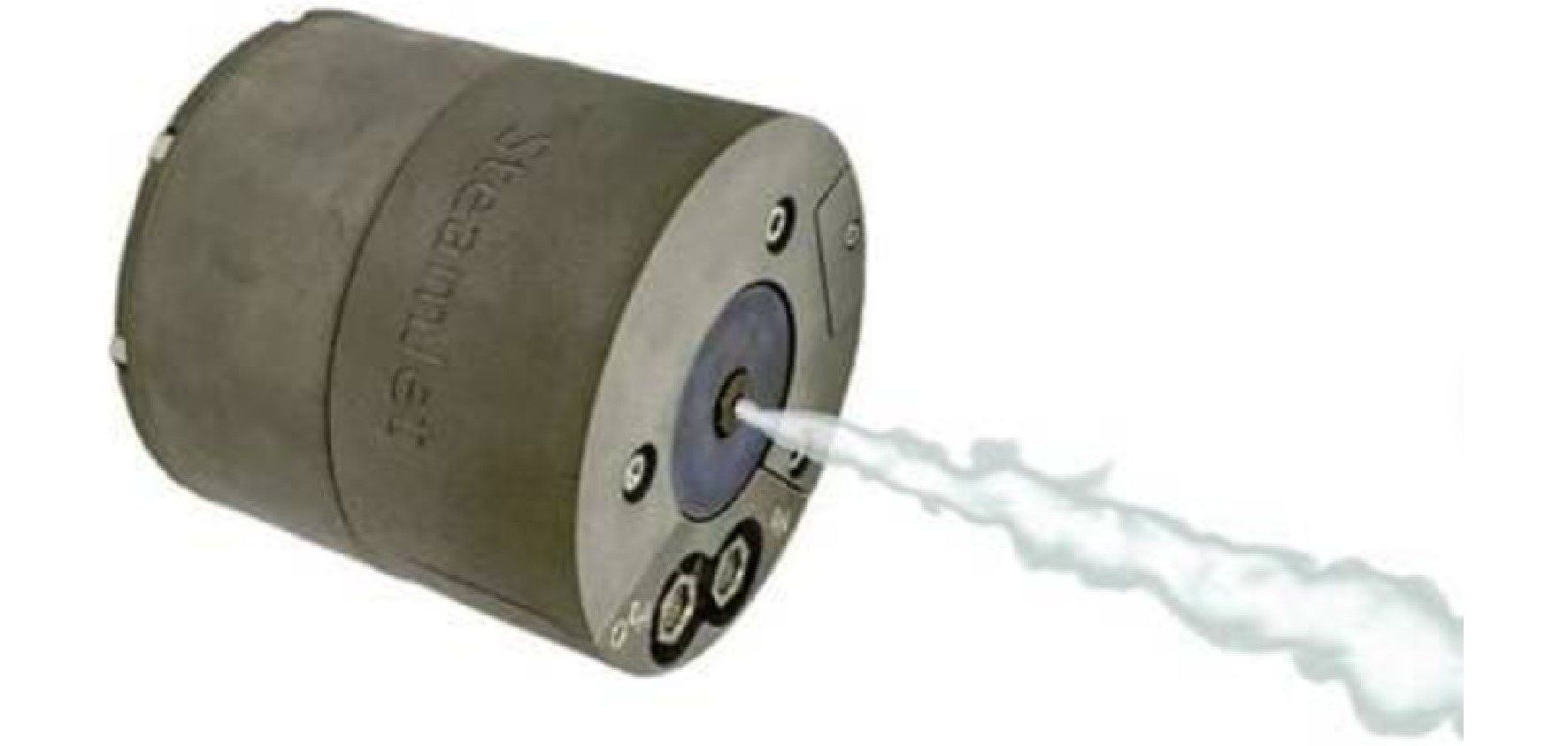
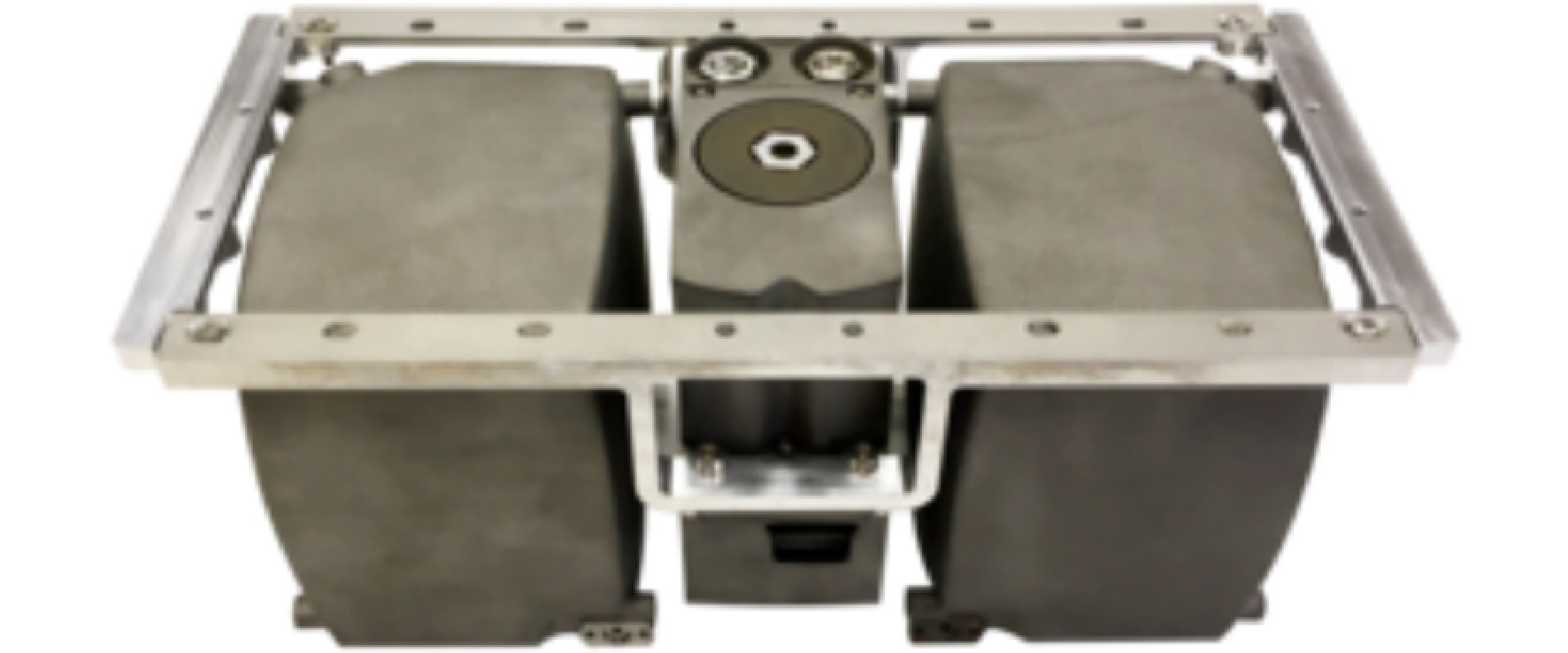
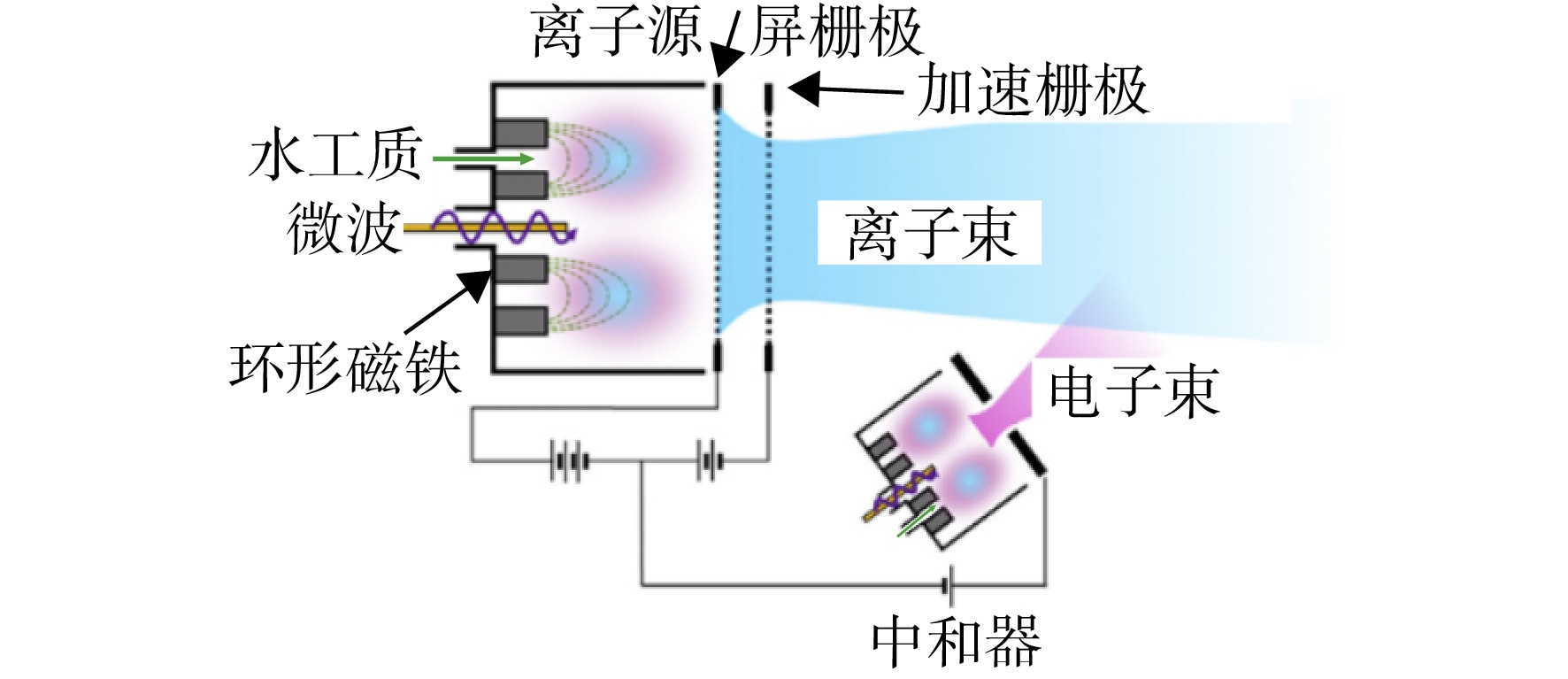
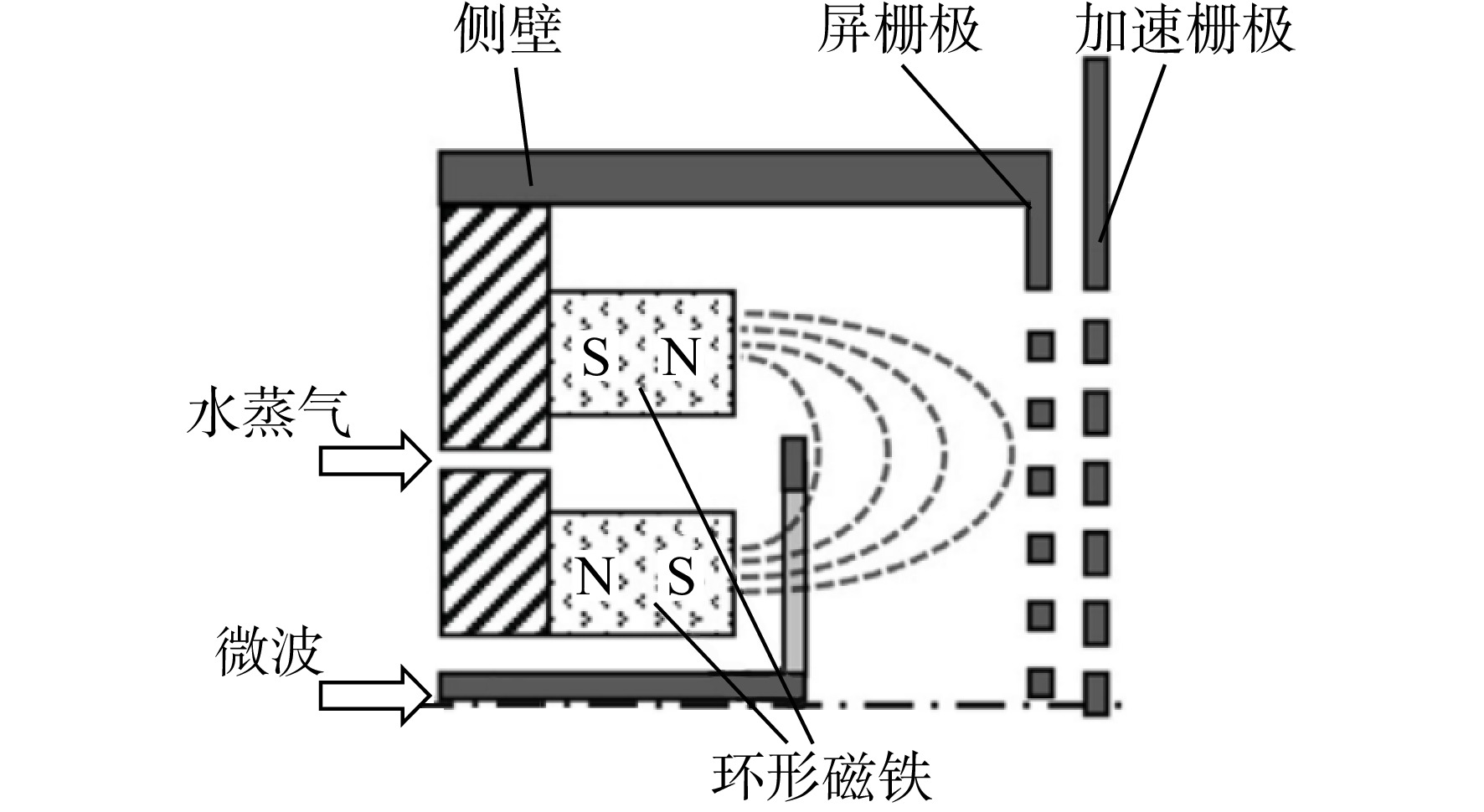
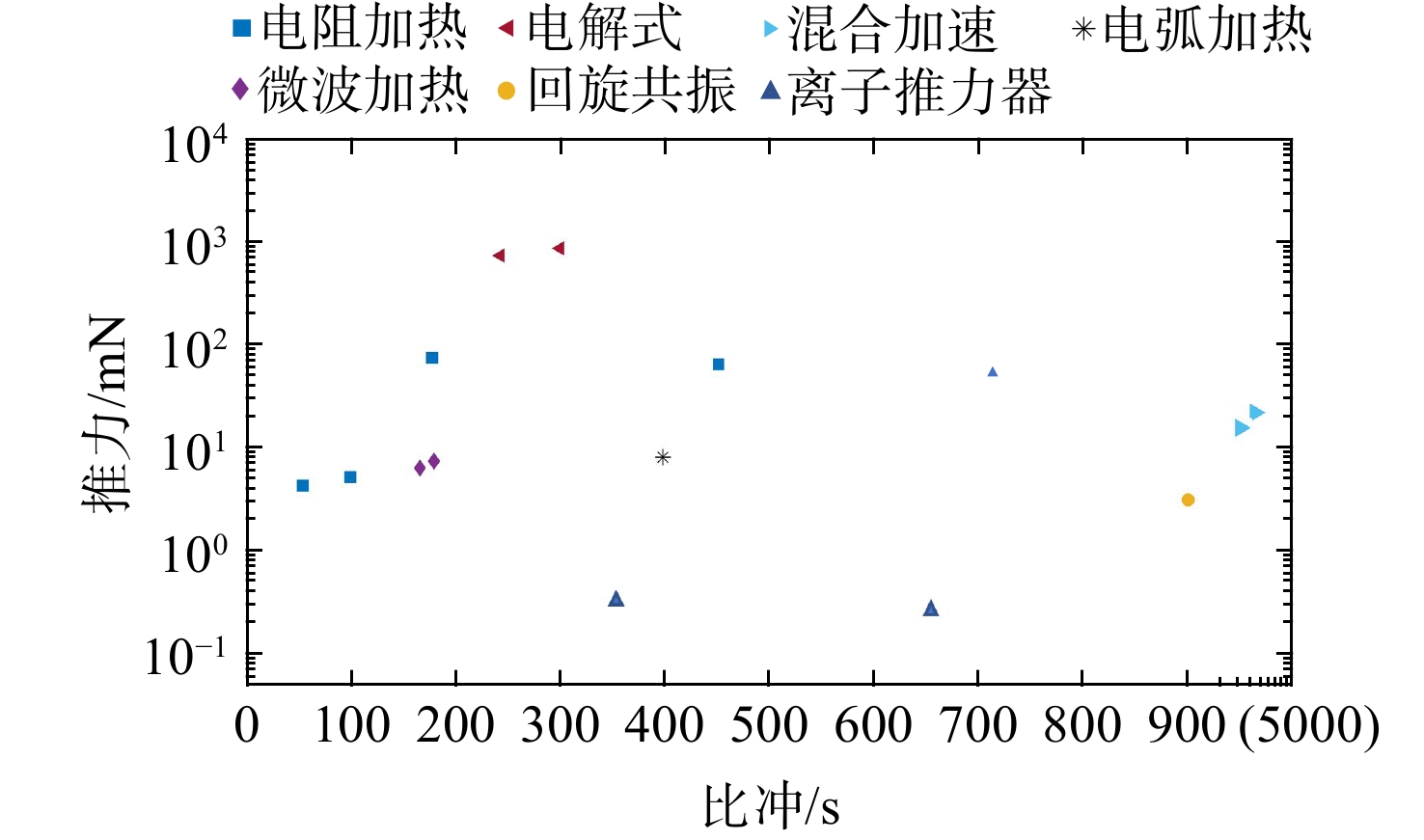
Research progress of water-fueled electric propulsion technology
XIA Bohan, LU Chang, KANG Huifeng, XIA Guangqing, SUN Bin, CHEN Chong, HAN Yajie
2025, 40(11): 20240491. doi: 10.13224/j.cnki.jasp.20240491
Abstract:
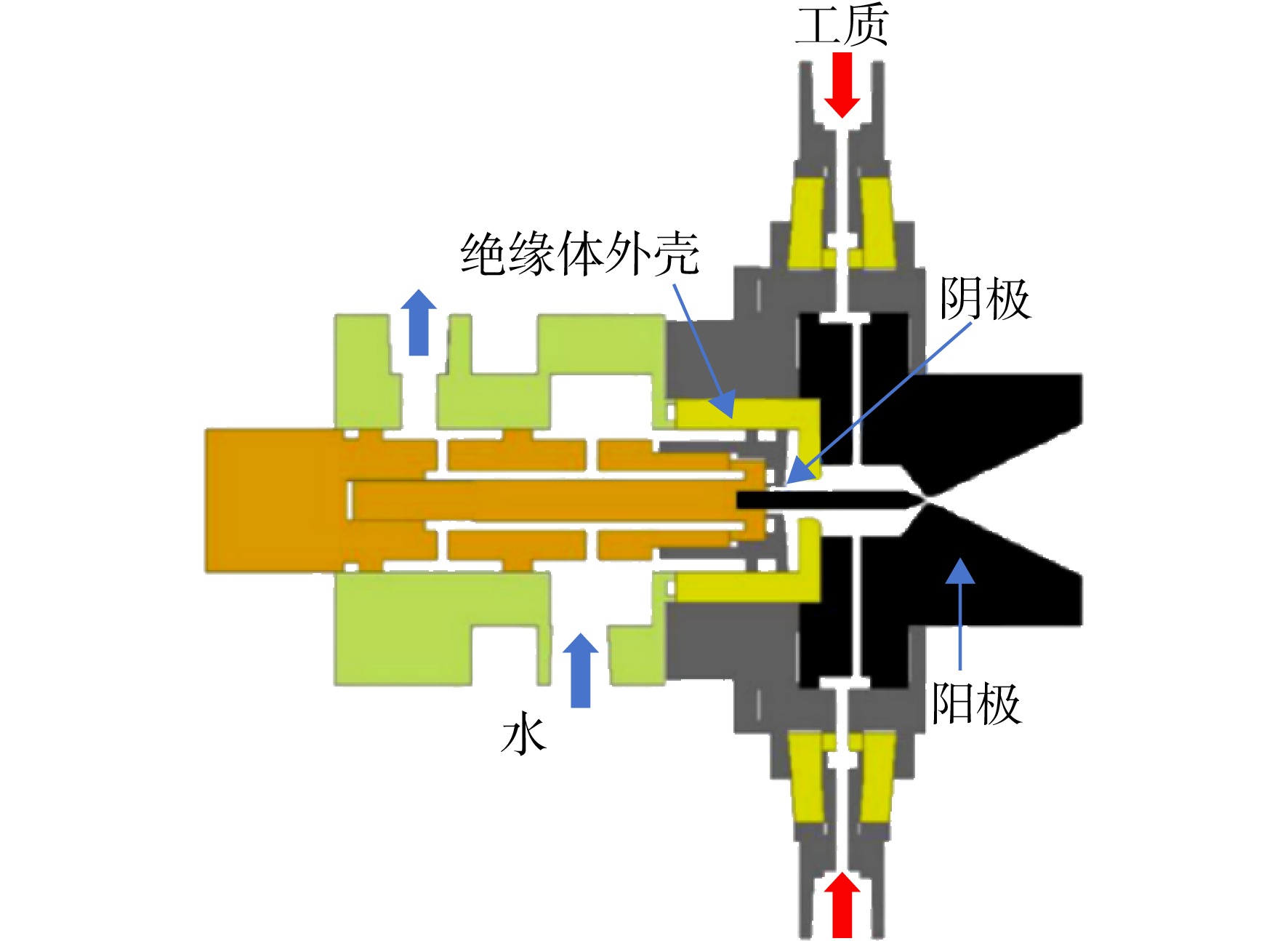
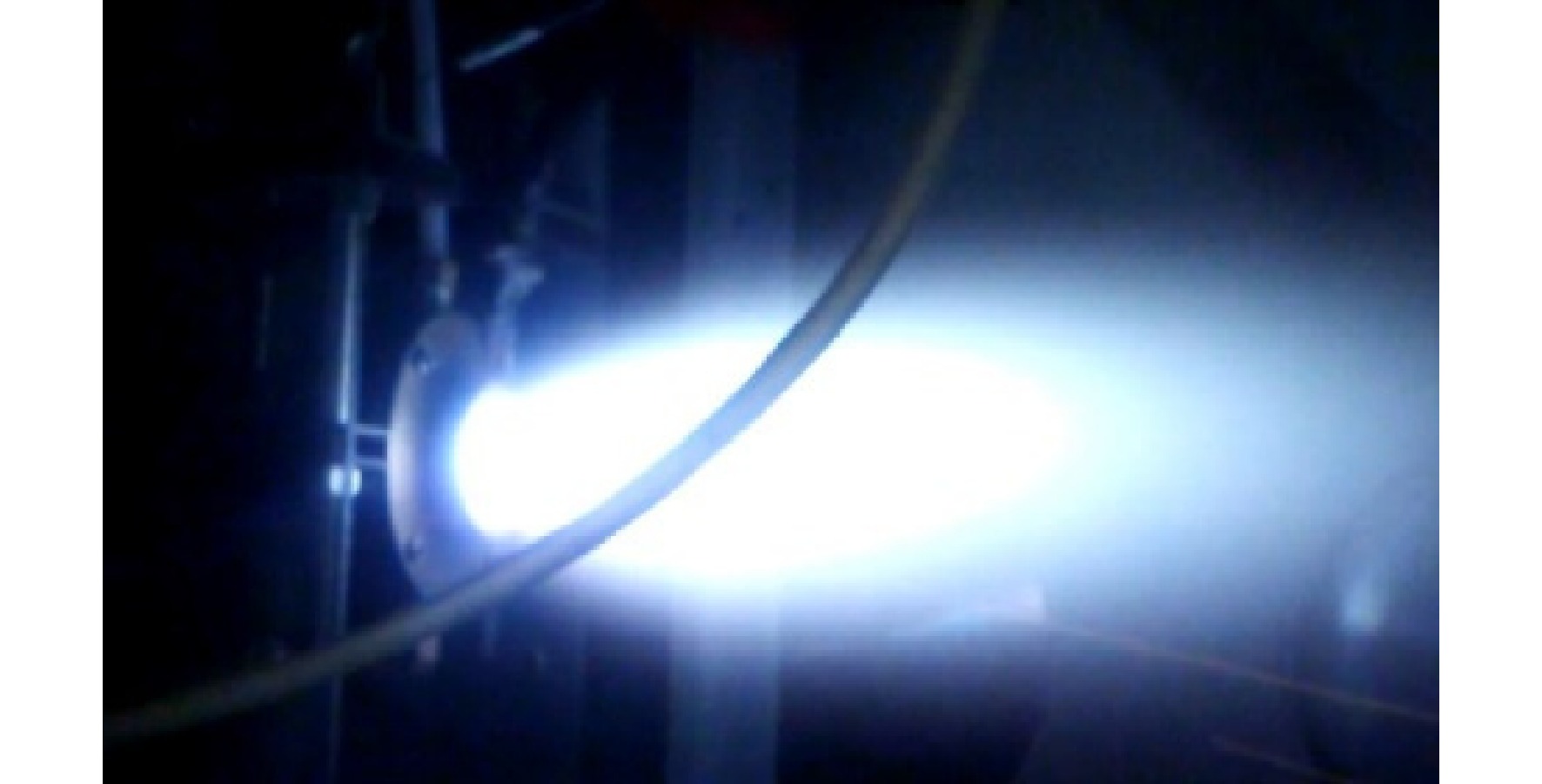
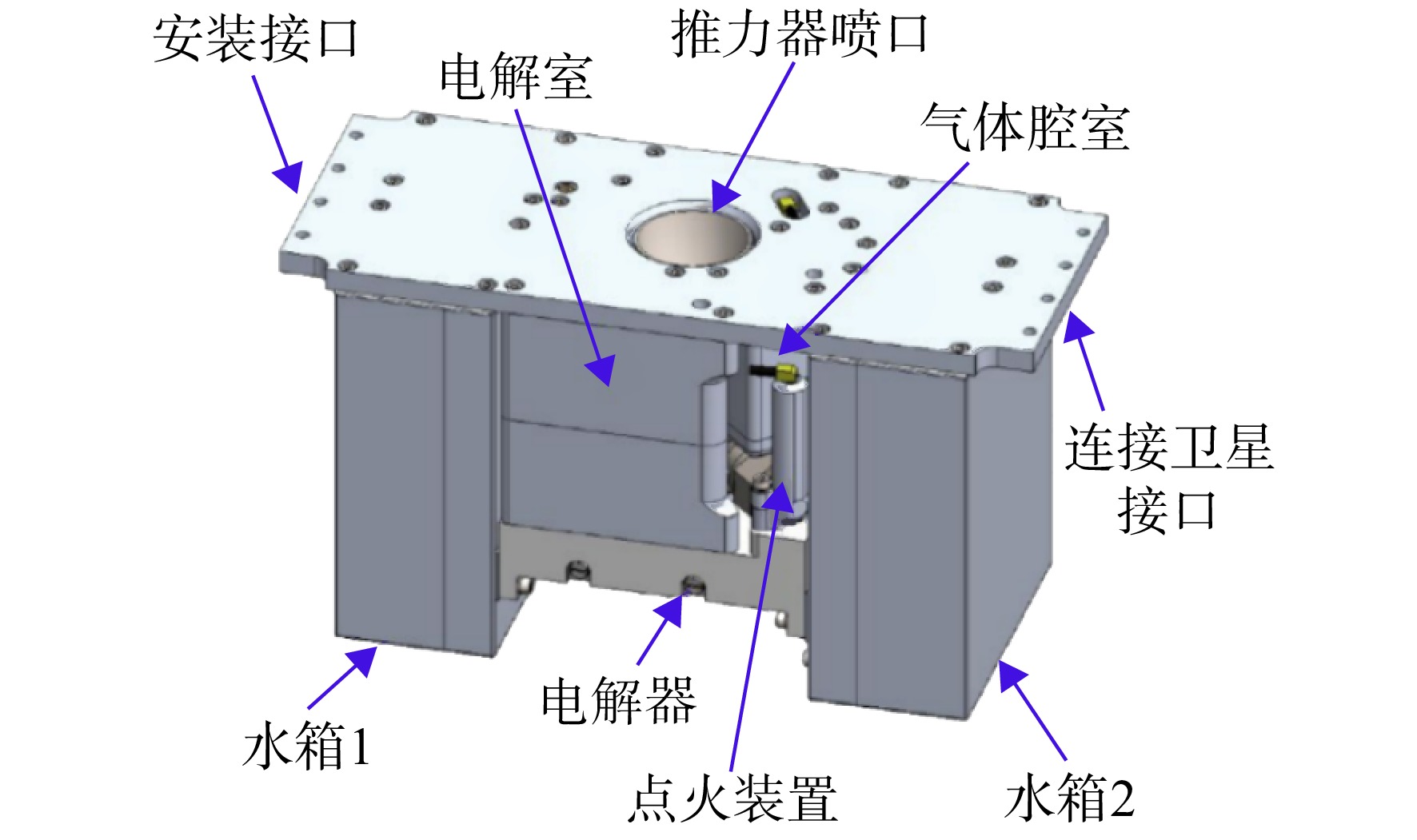
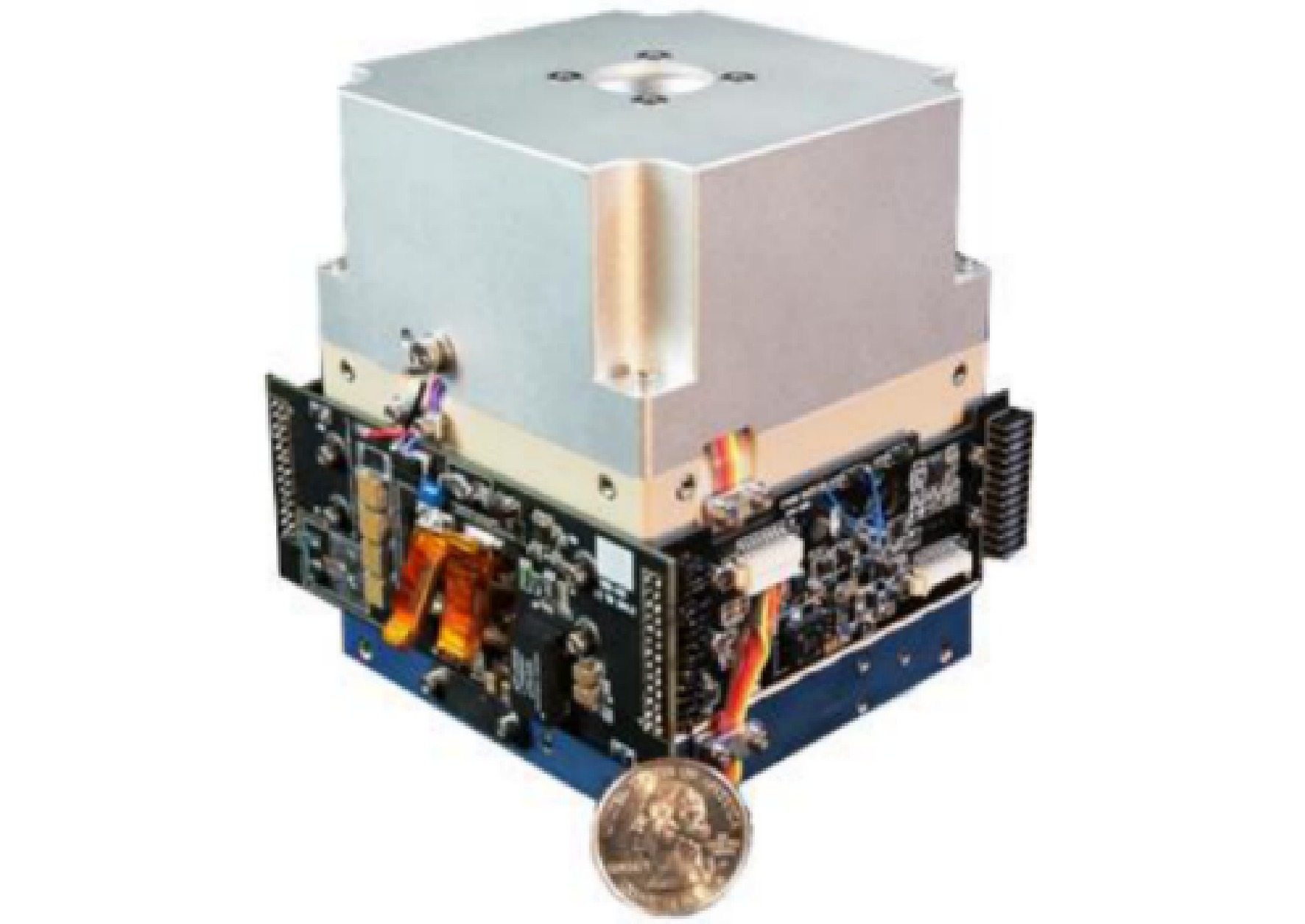
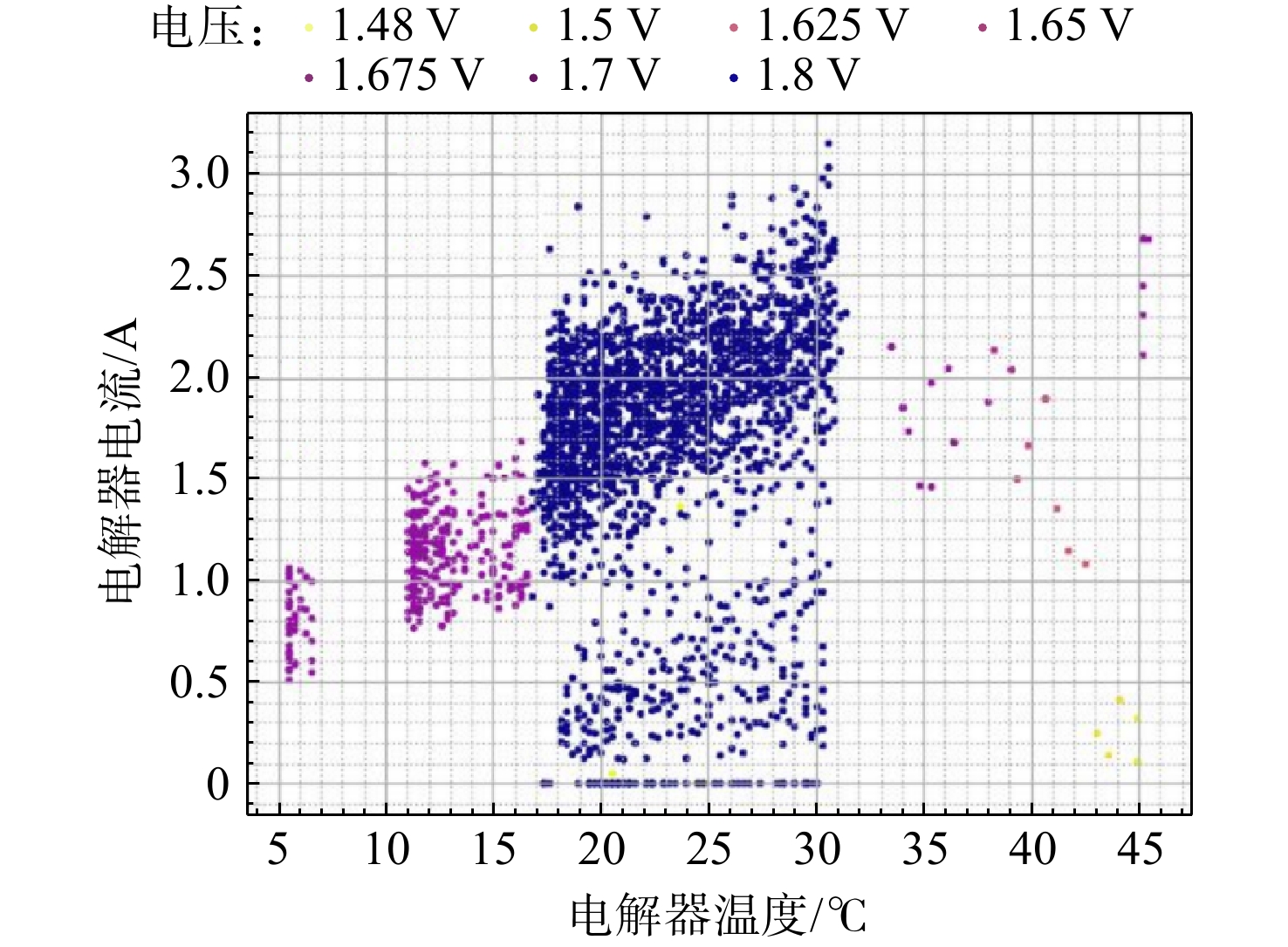
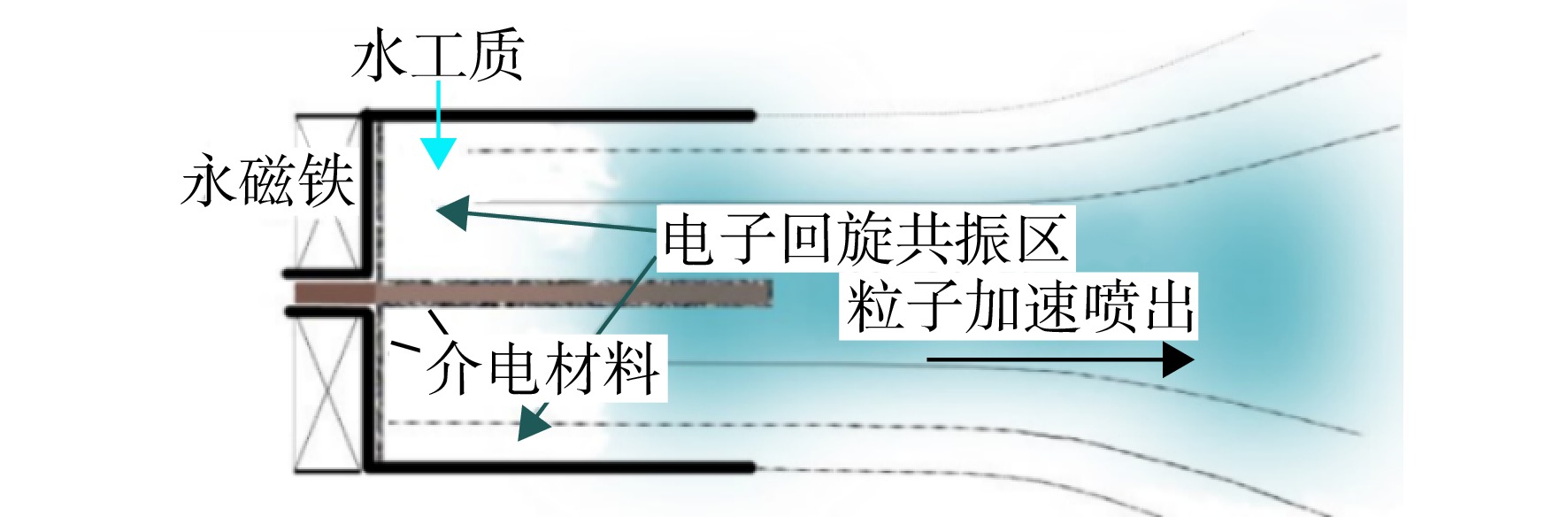
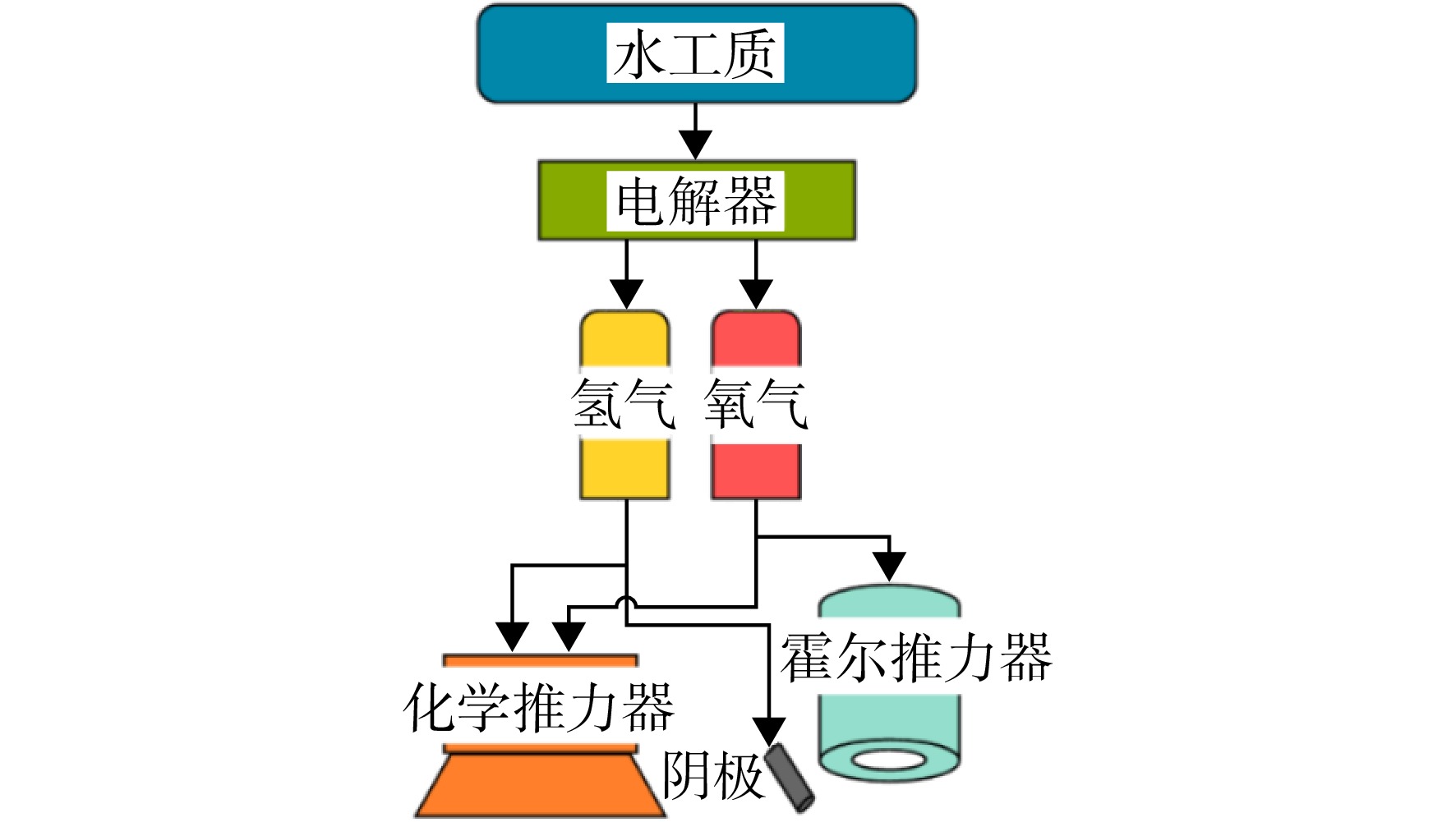
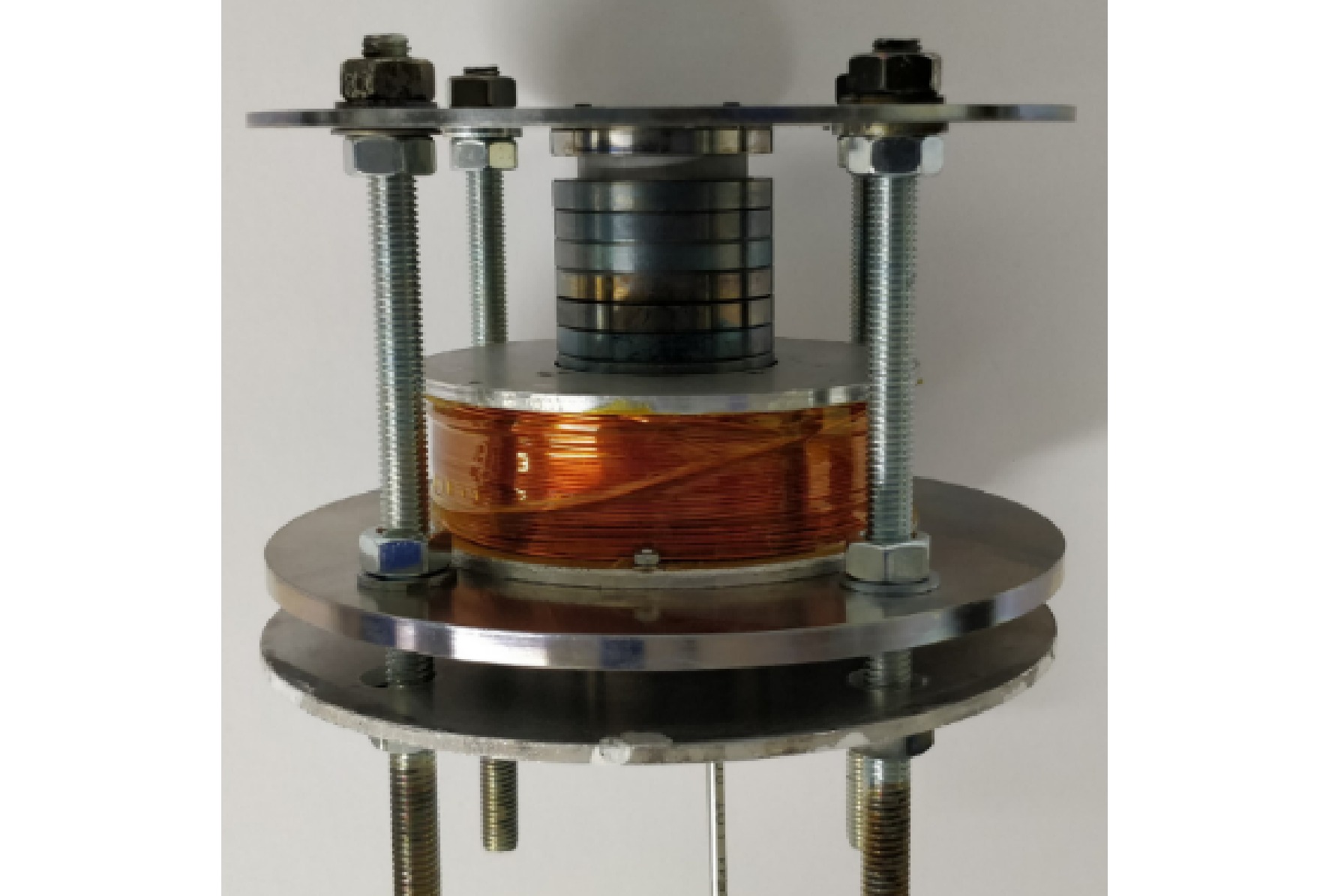
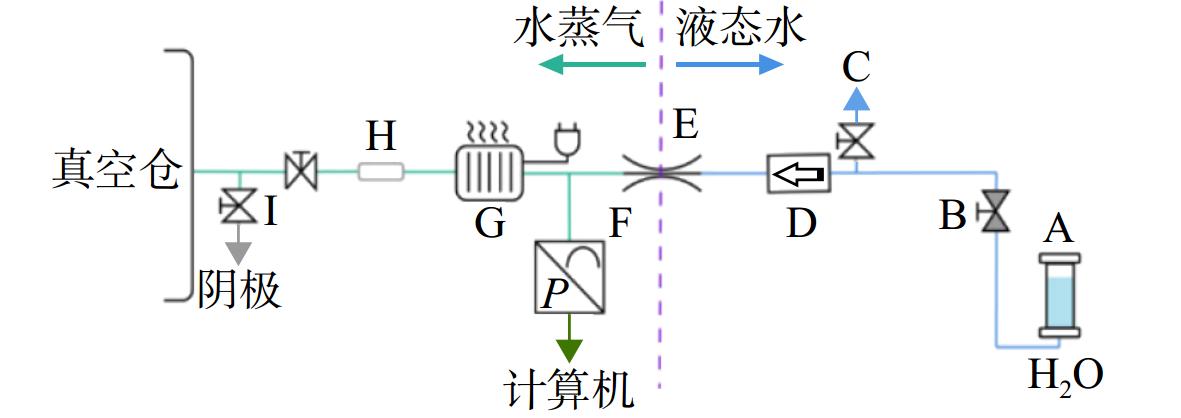
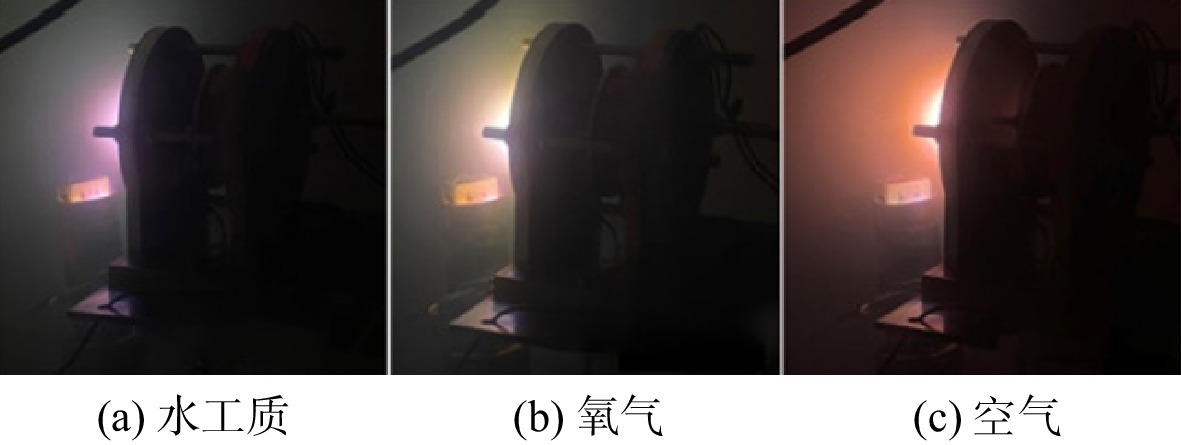
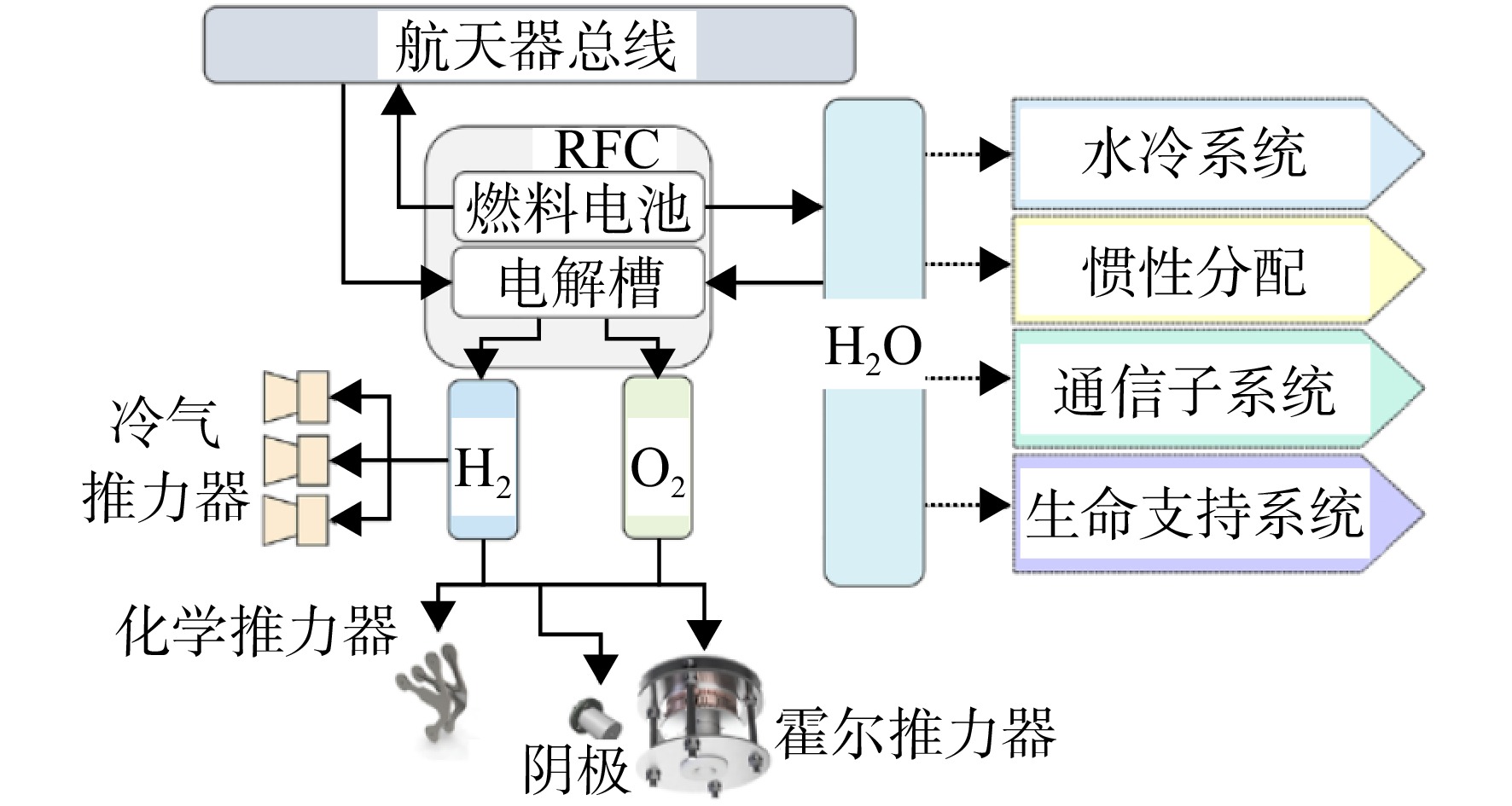
Electric propulsion, with its high specific impulse, efficiency and long lifespan, has emerged as one of the main space propulsion methods following cold gas and chemical propulsion. Water-fueled electric propulsion, thanks to its non-toxic, pollution-free and low-cost benefits, has increasingly gained attention. A comprehensive summary and evaluation of the current development status of water-fueled electric propulsion technology were conducted both domestically and internationally. Based on the method of thrust generation, it can be classified into three types: electrothermal, electromagnetic, and electrostatic. Result showed that, electrothermal propulsion achieved significant progress in ground experiments and in-orbit demonstrations, making it the most mature water-based propulsion technology. Water-based electromagnetic and electrostatic propulsion technologies are still in the developmental stage but are progressing steadily. Future advancements in water-fueled propulsion technology are expected to focus on the integration of chemical and electric propulsion systems, multimodal propulsion designs, and their application in deep space exploration. With technologies becoming more mature, water-fueled propulsion technology will develop in directions that integrate chemical and electric propulsions.

Rocket Engine
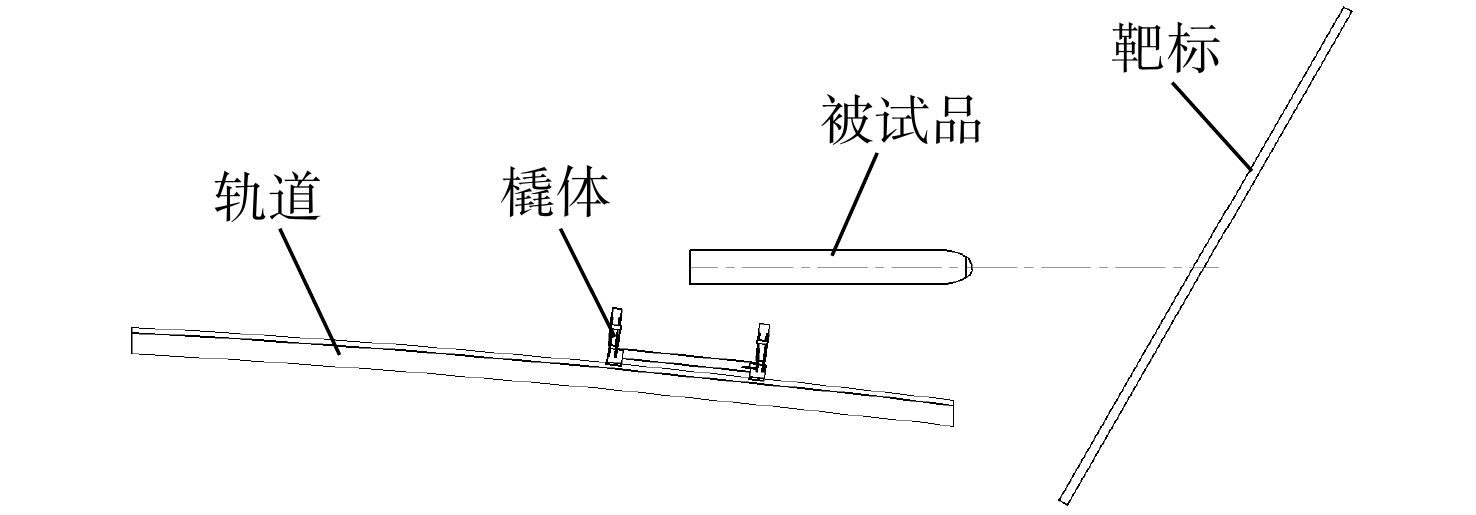
Numerical investigation on design and aerodynamic parameters of rocket sled sabot backing ring
HAO Fenfen, ZHOU Xuewen, CHENG Mingcan, YANG Yang, PANG Chao
2025, 40(11): 20250040. doi: 10.13224/j.cnki.jasp.20250040
Abstract:
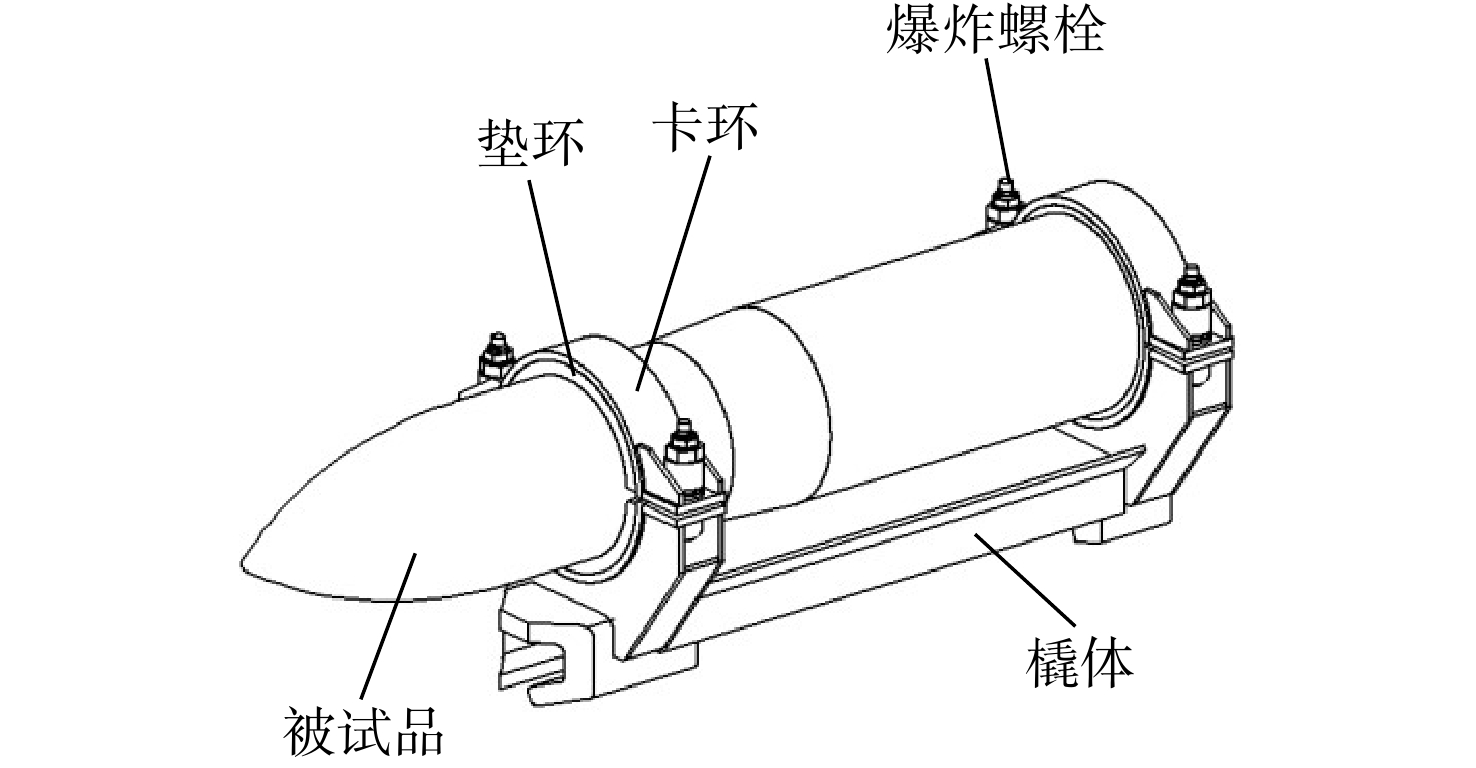
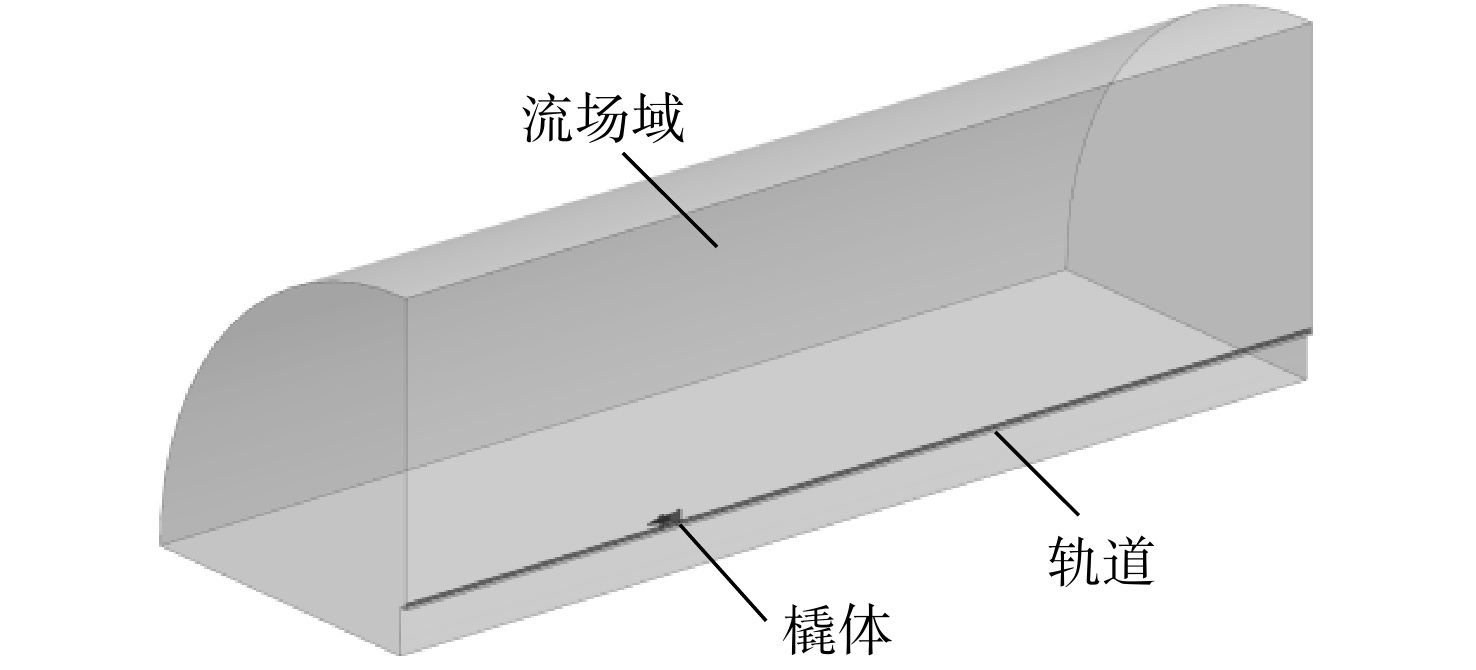
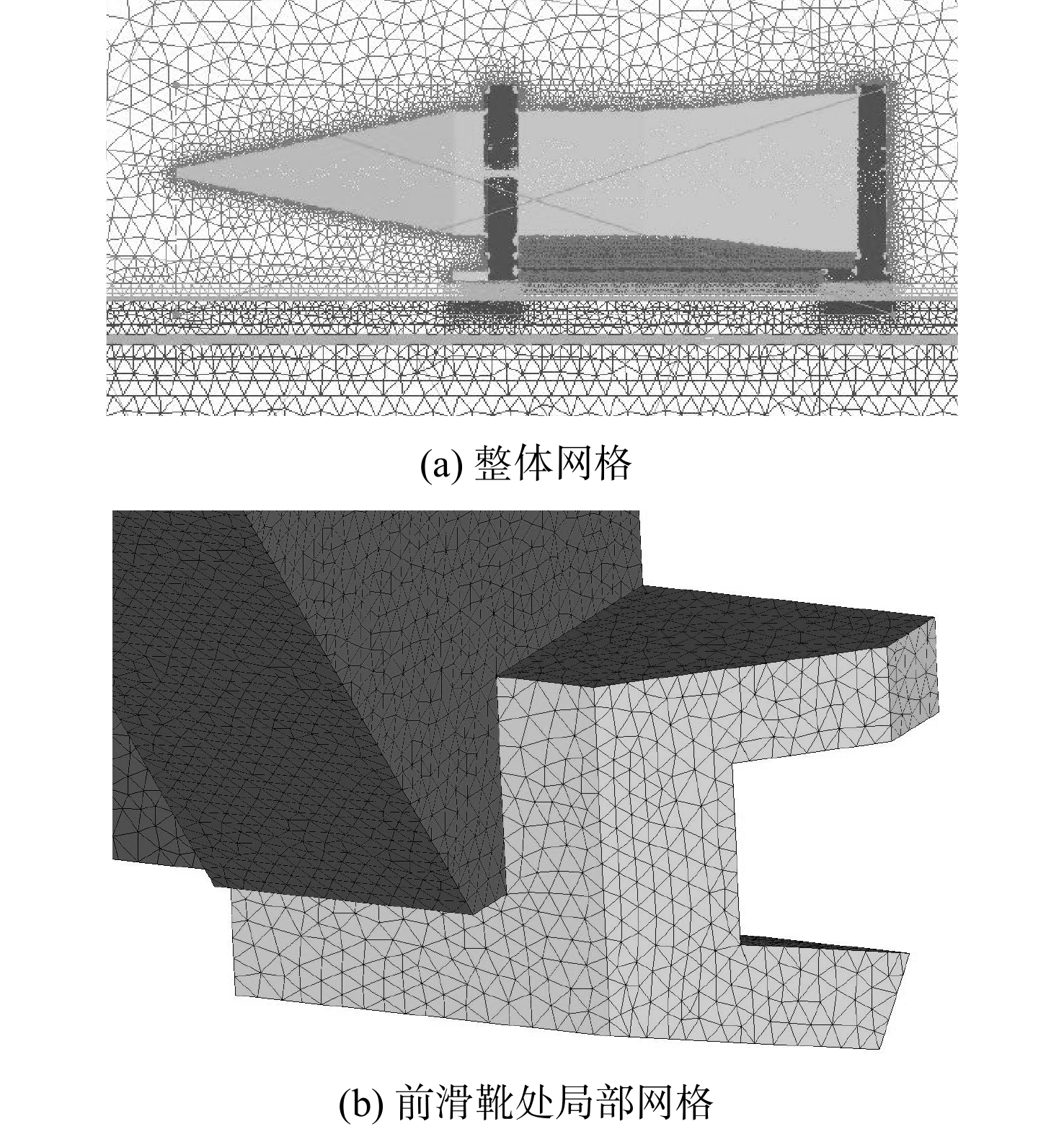
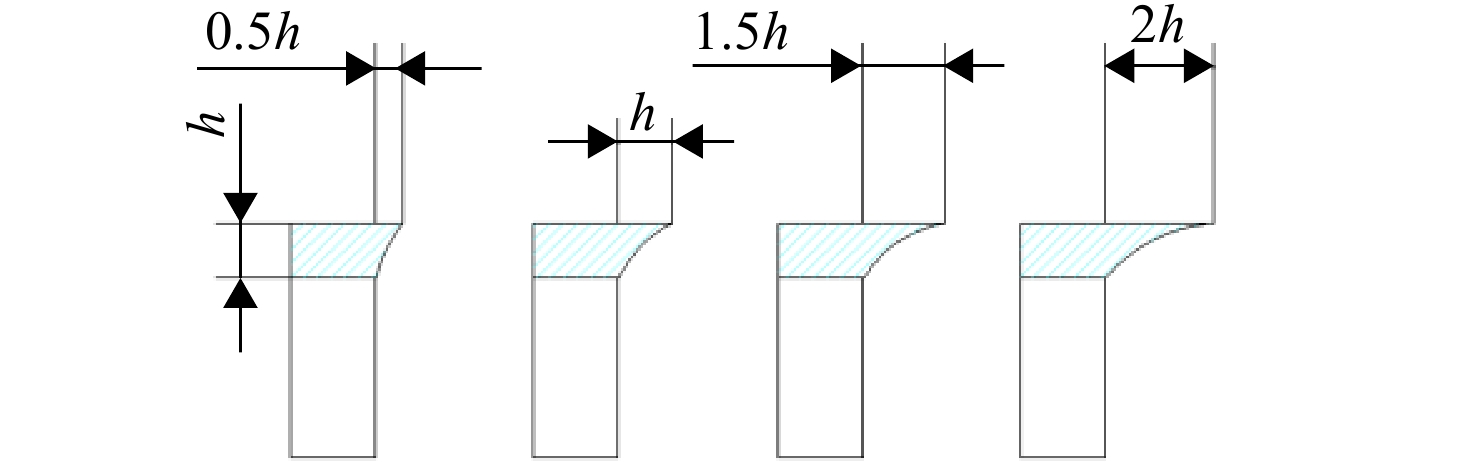
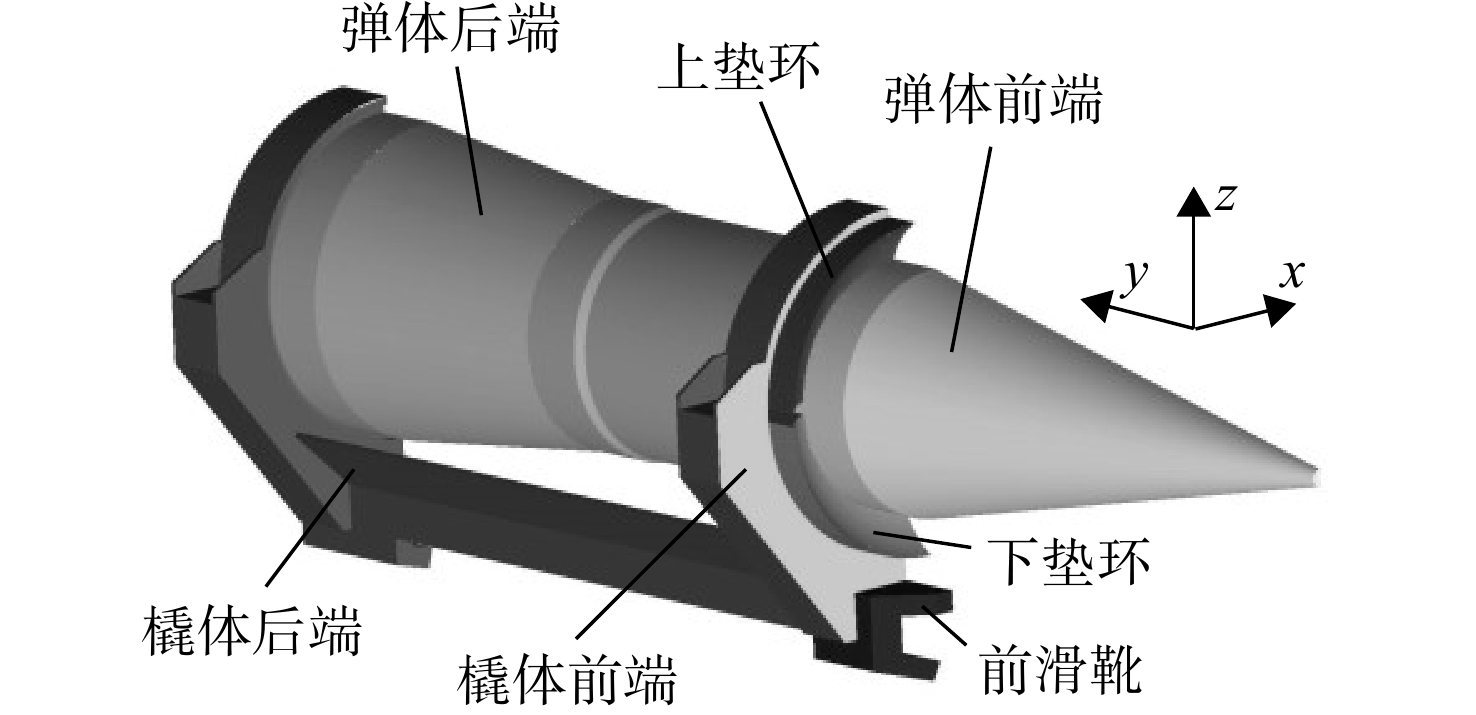
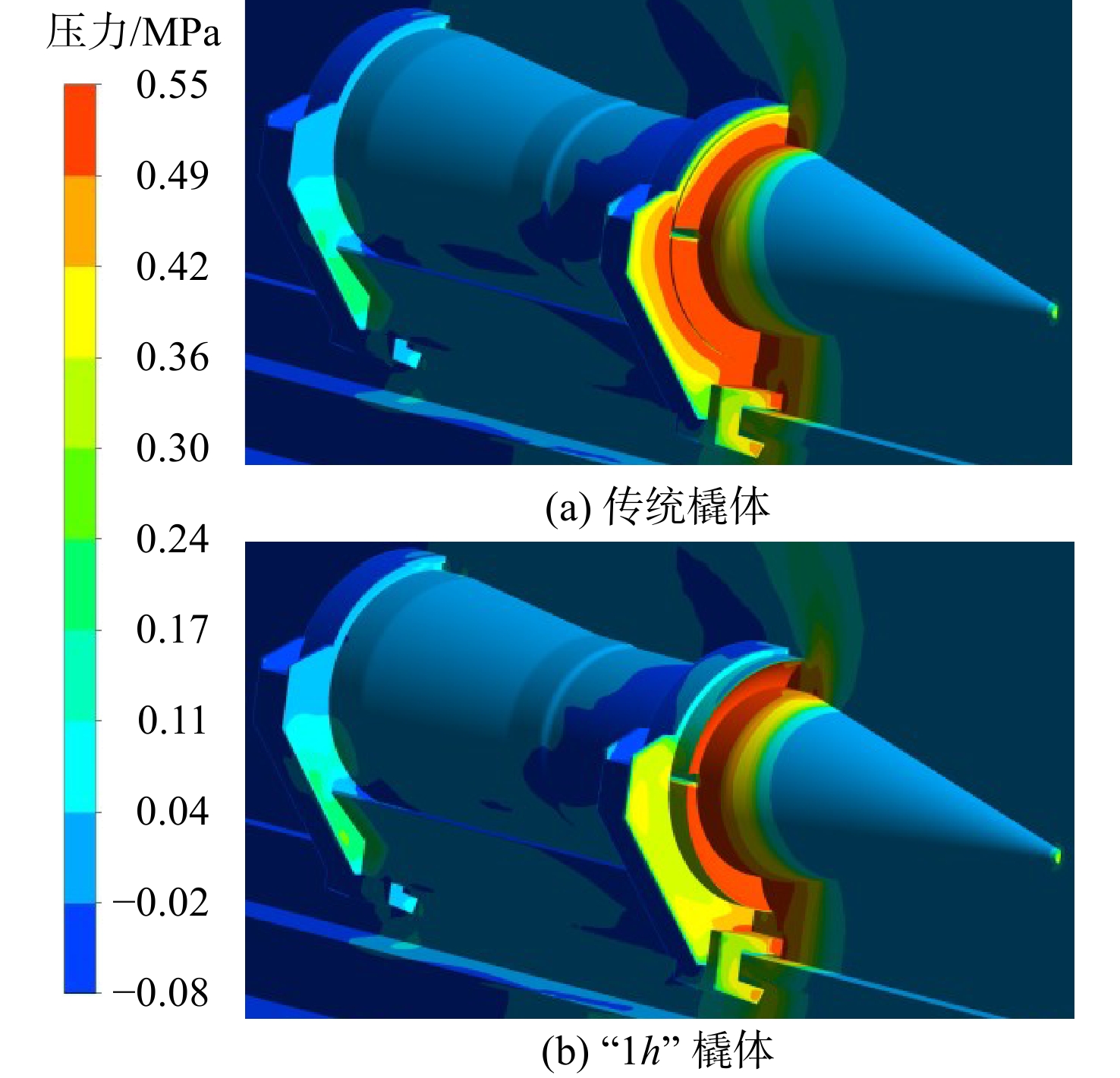
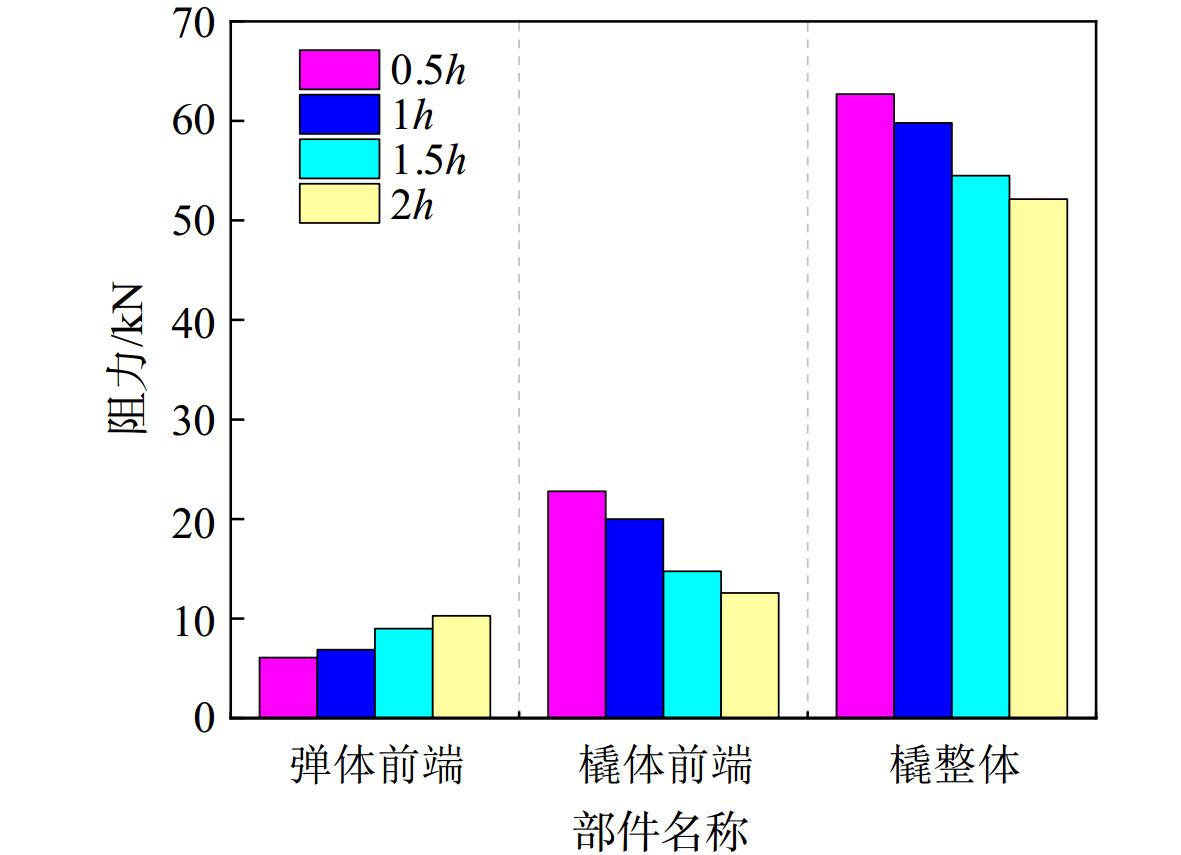
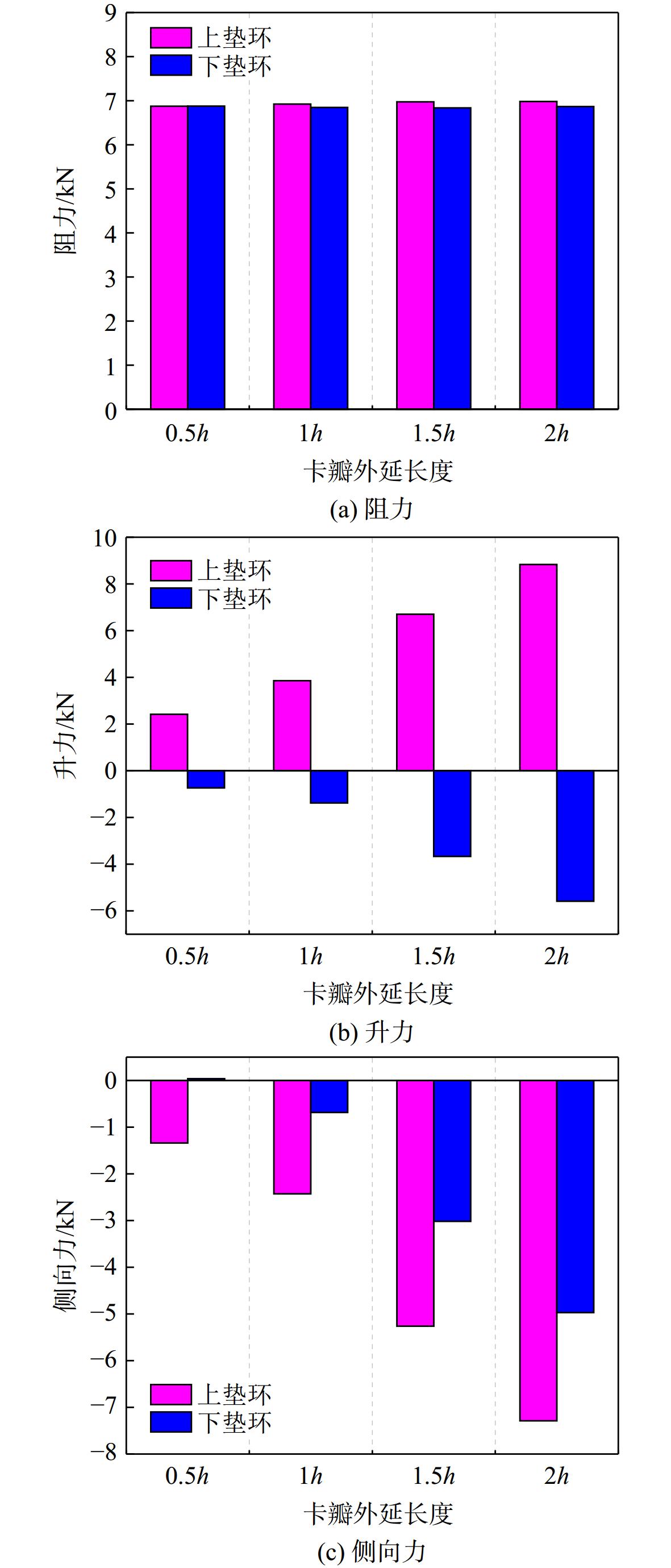
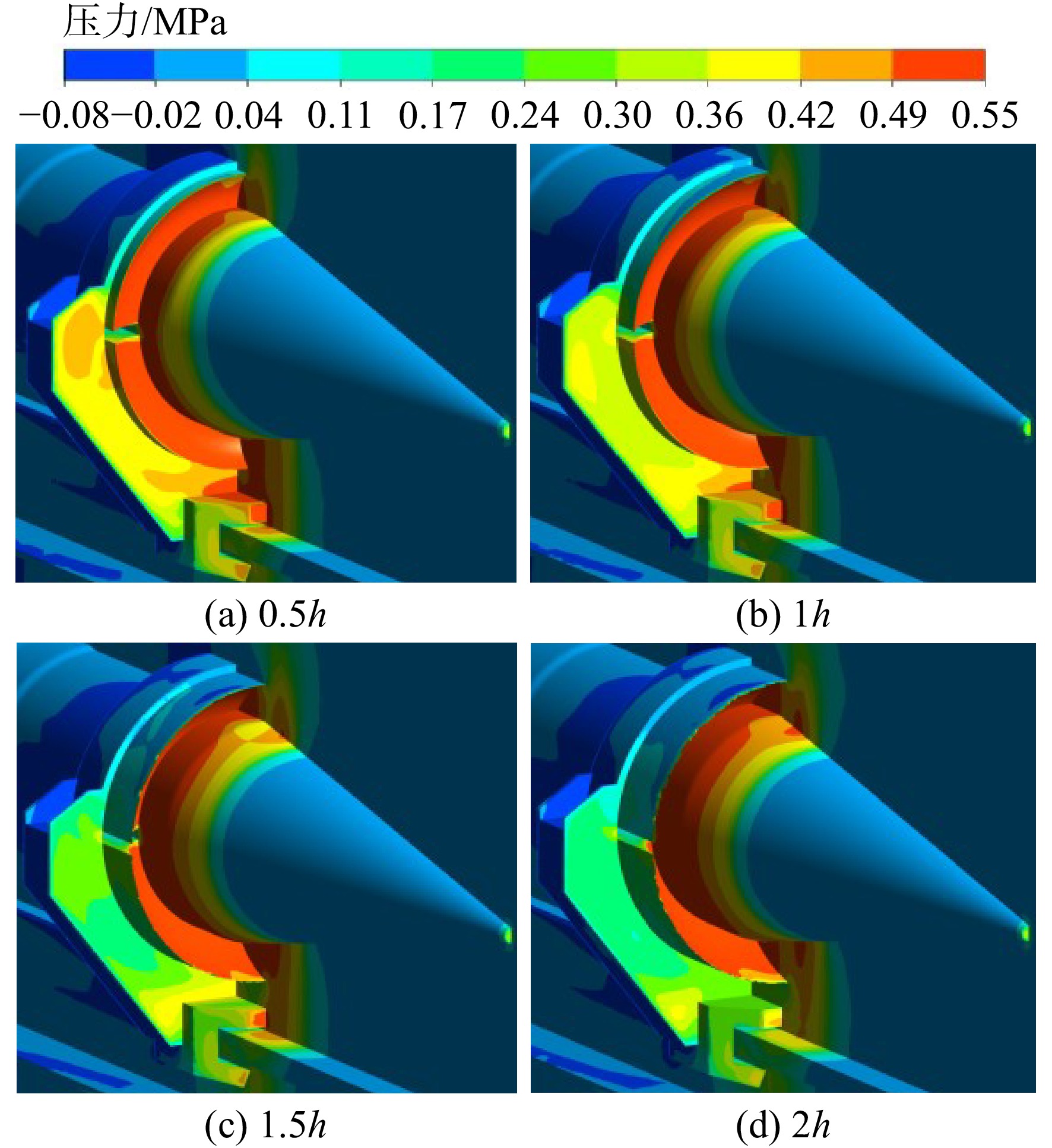
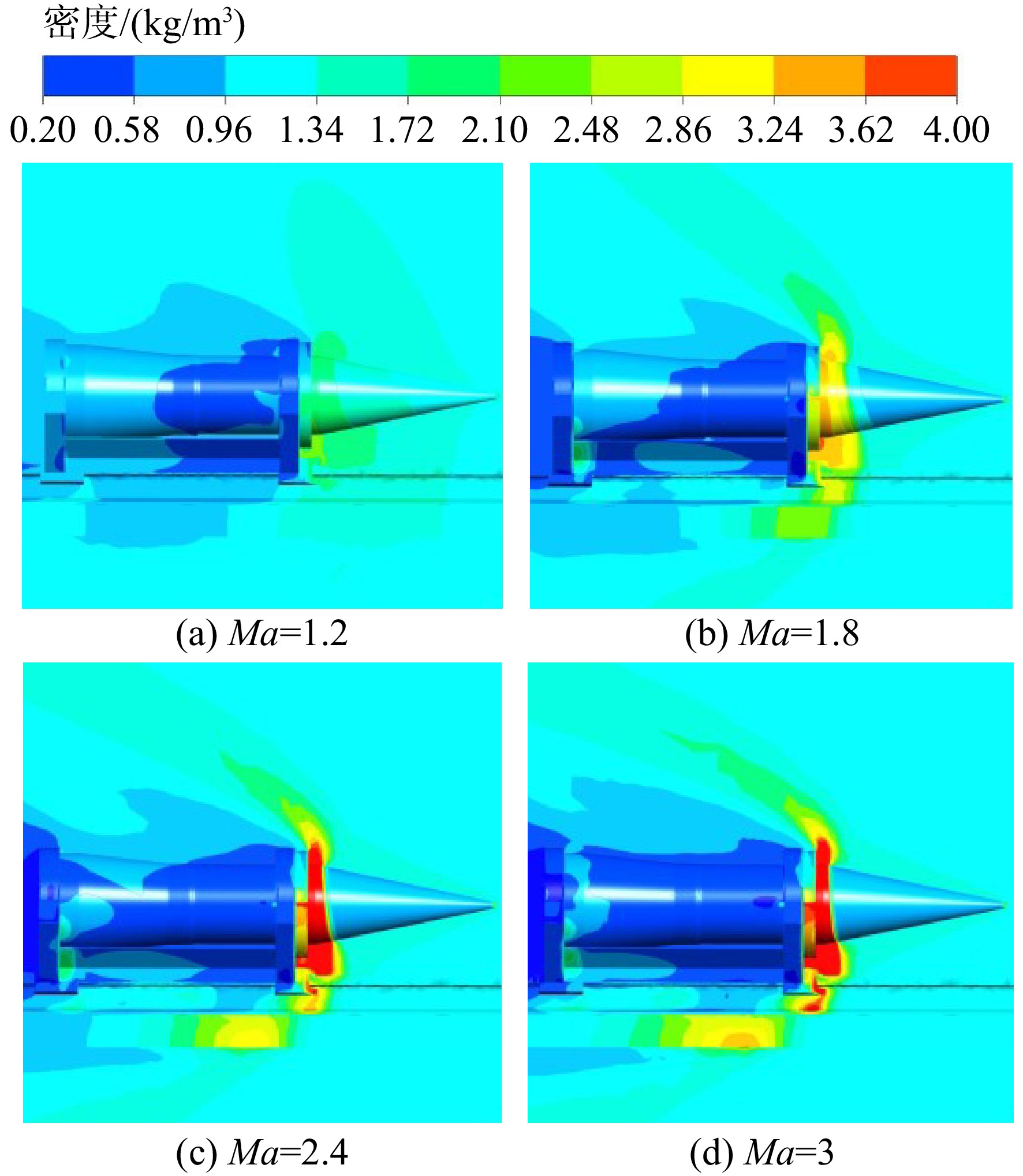
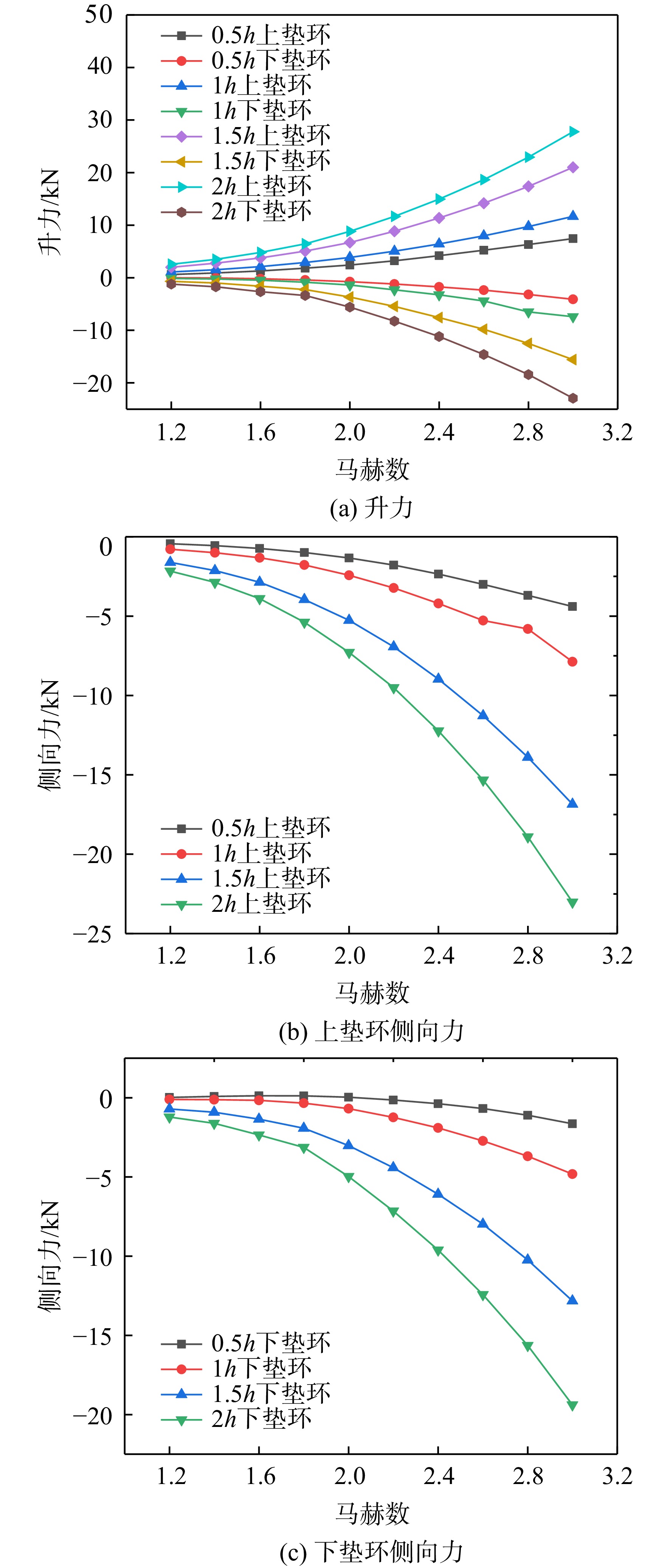
Considering the key requirement of low-disturbance sled separation in the rocket sled test, a sabot backing ring structure based on the dehulling mechanism was proposed to be placed between the test objects and the rocket sleds to enhance the aerodynamic separation force of the backing ring after the object was released from the sled. Four types of inner concave sabot backing rings were designed with different extension lengths; the ratio of sabot extension length to ring thickness was 0.5, 1, 1.5, and 2, respectively. CFD simulations were conducted to analyze the aerodynamic characteristics of rocket sleds equipped with both traditional backing ring and four types of sabot backing rings. A systematic investigation on the aerodynamic effects of the sleds with traditional flat backing ring and sabot backing ring and the effects of the sabot extension length and the Mach number was carried out. The results showed that the inner concave sabot ring significantly improved its outward expansion force relative to the test product during the bullet-sled separation process compared with the traditional flat backing ring. The increase in the sabot extension length had little effect on its own aerodynamic drag, but it increased the bullet drag and reduced the sled drag; while improving the lifting and lateral force of the ring, this was favorable to the sled separation. At Mach numbers below 2, the short extension length of the sabot backing ring may generate unfavorable lateral forces, but as the Mach number increased, the lift and lateral forces of the long extension length of the sabot backing ring increased, helping to achieve bullet-sled separation. The results of the study can provide a new solution and theoretical support for the design of low disturbance separation of rocket sled test.

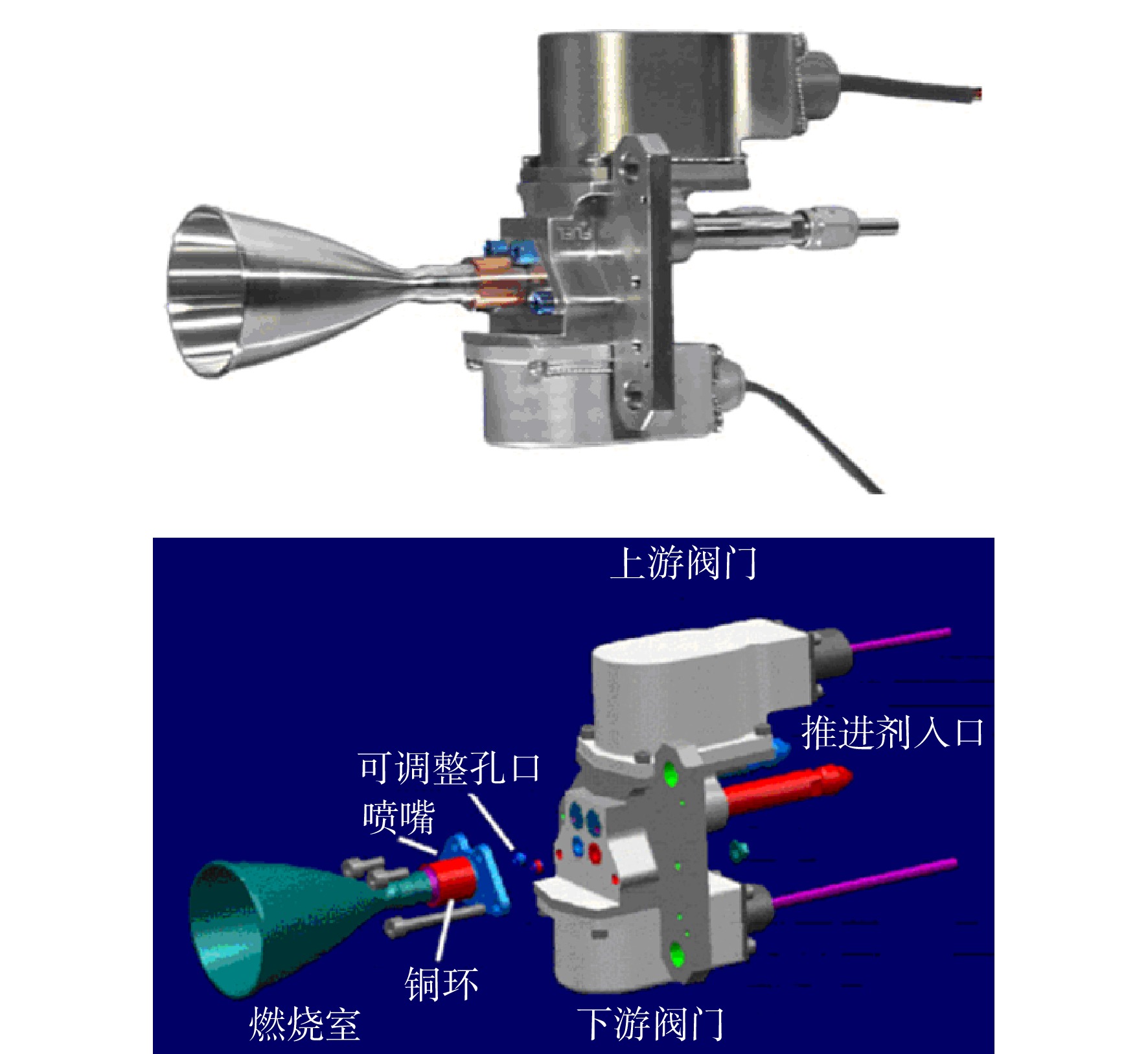
Development and on-orbit verification of bipropellant accurate attitude control 10 N rocket engine
CAI Kun, WANG Fengshan, YANG Shangfeng, WANG Ping, GUAN Changbin, ZHANG Zhen, YAO Zhaopu, MAO Xiaofang
2025, 40(11): 20240067. doi: 10.13224/j.cnki.jasp.20240067
Abstract:
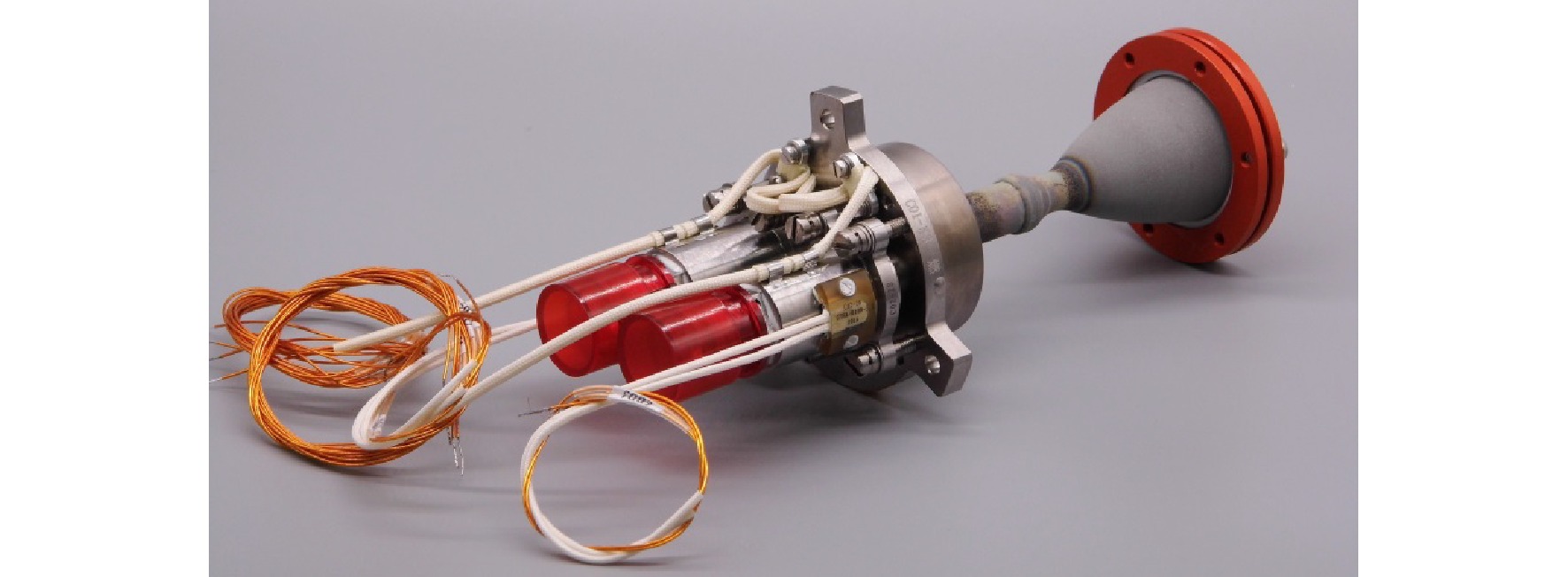
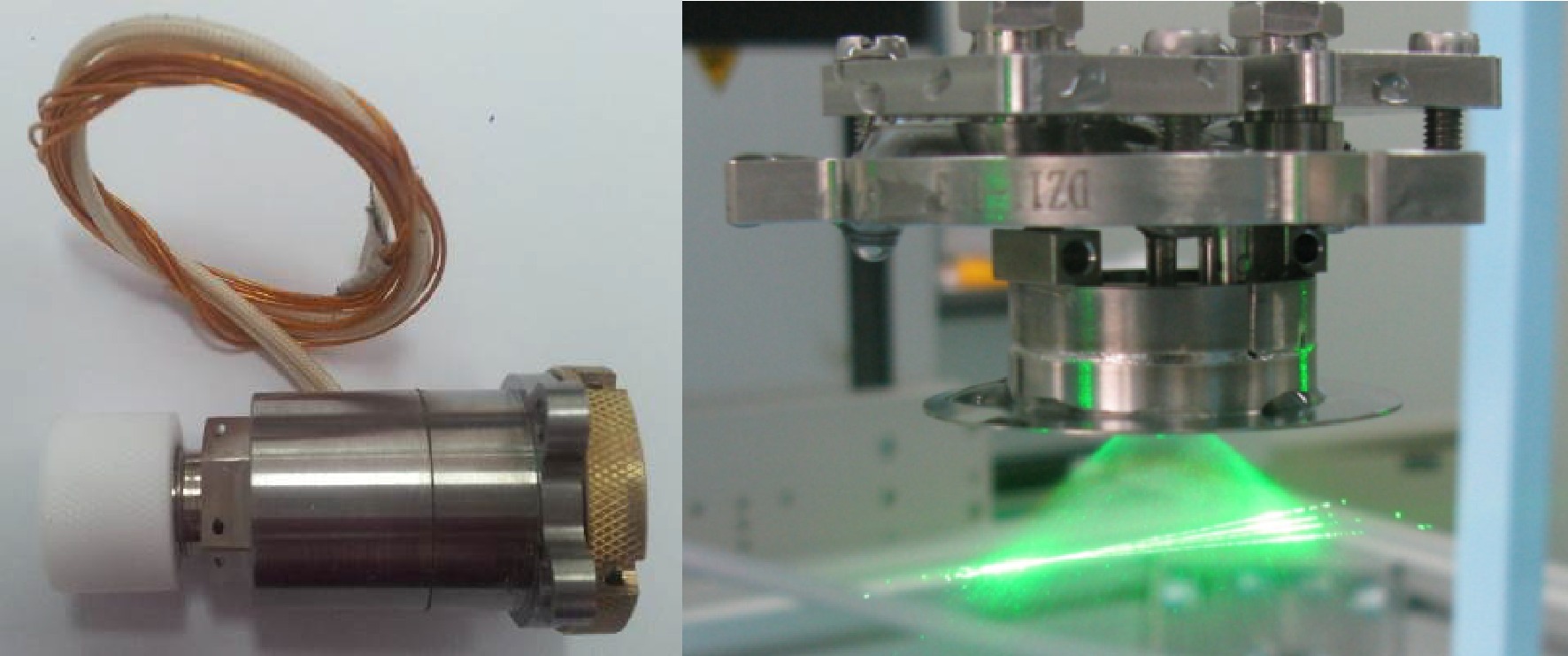
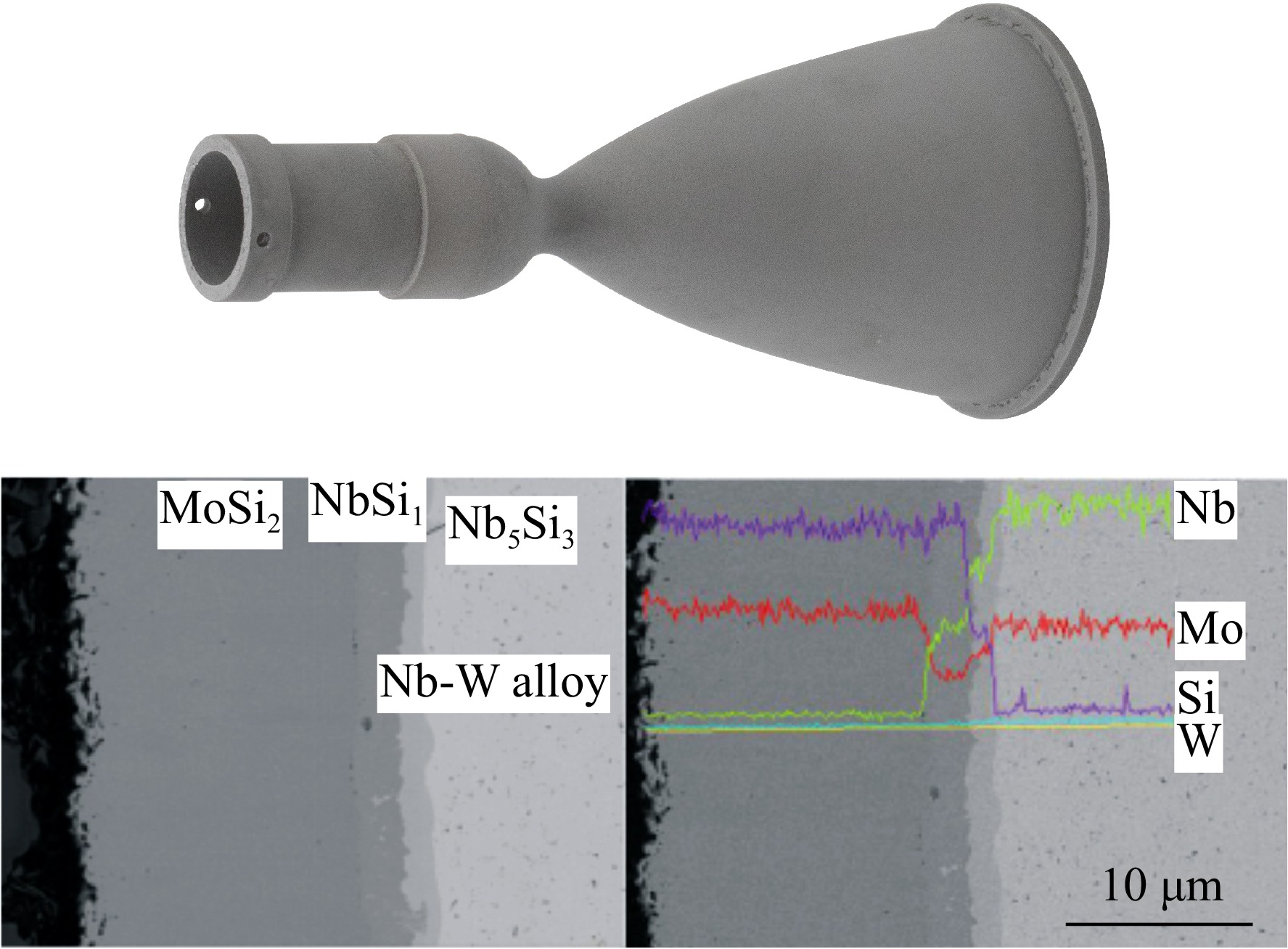
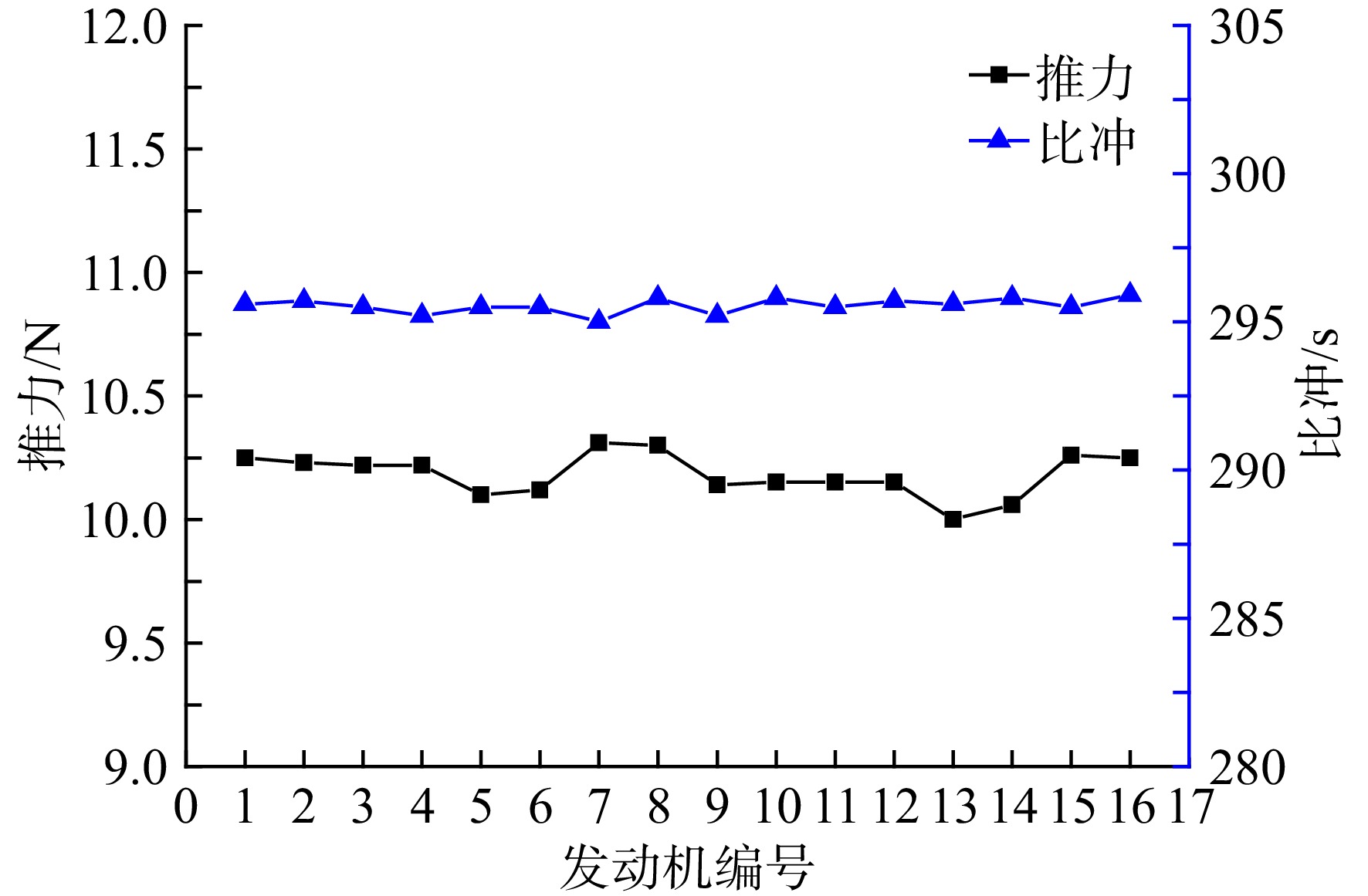
The development and on-orbit verification of the latest accurate attitude control 10 N rocket engine in China were introduced. The analysis of ground hot tests showed that the vacuum-specific impulse of the engine reached 295 s. The minimum impulse was better than 30 mN·s, with a minimum working pulse width of 6 ms, a cumulative ignition life of 68.7 h, and a cumulative pulse cycle life of more than 750 000. The engine’s reliability was fully verified and successfully demonstrated through the SJ-20 satellite in orbital tests. The development of this engine marked an essential milestone in the development history of high-performance bipropellant attitude control engines in China, indicating that the overall technology of the bipropellant attitude control engines in China has reached the advanced international level and generated extensive social and economic benefits.

Influence of cold launch bullet body deflection on the force and thermal environment of launch vehicles
SUN Zhongyi, CUI Yangwen, ZHAO Chengeng, LE Guigao
2025, 40(11): 20230767. doi: 10.13224/j.cnki.jasp.20230767
Abstract:
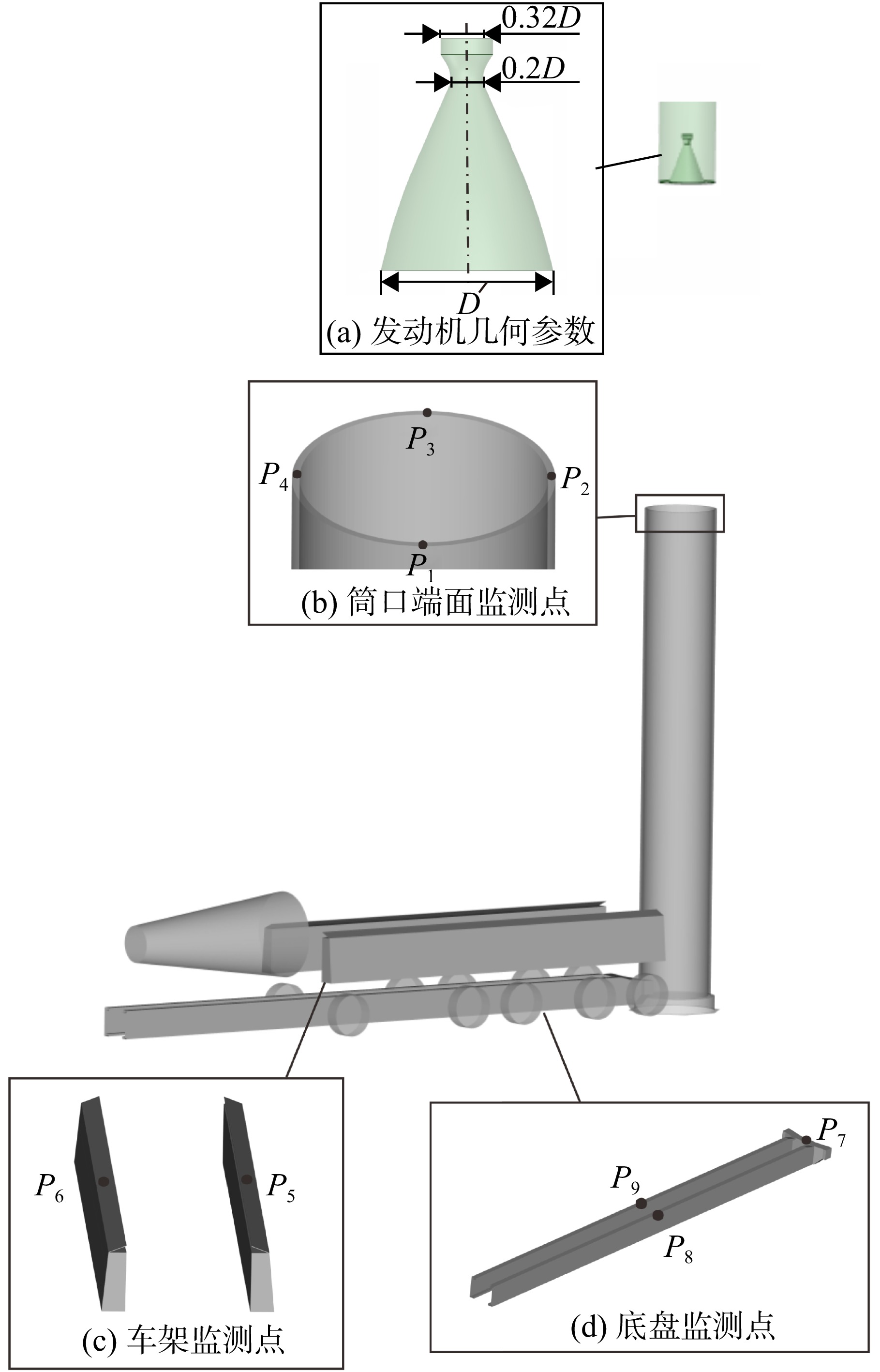
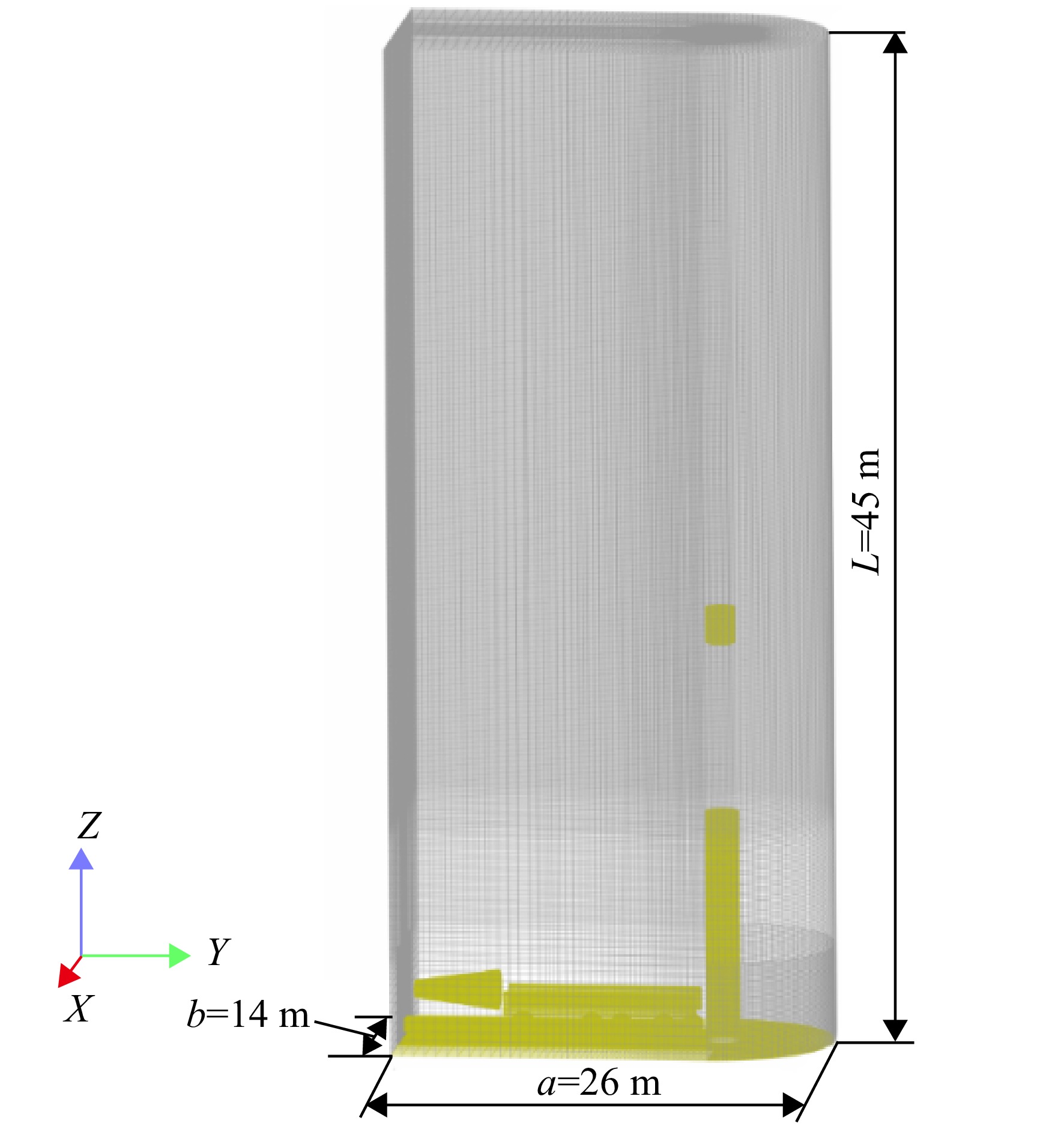
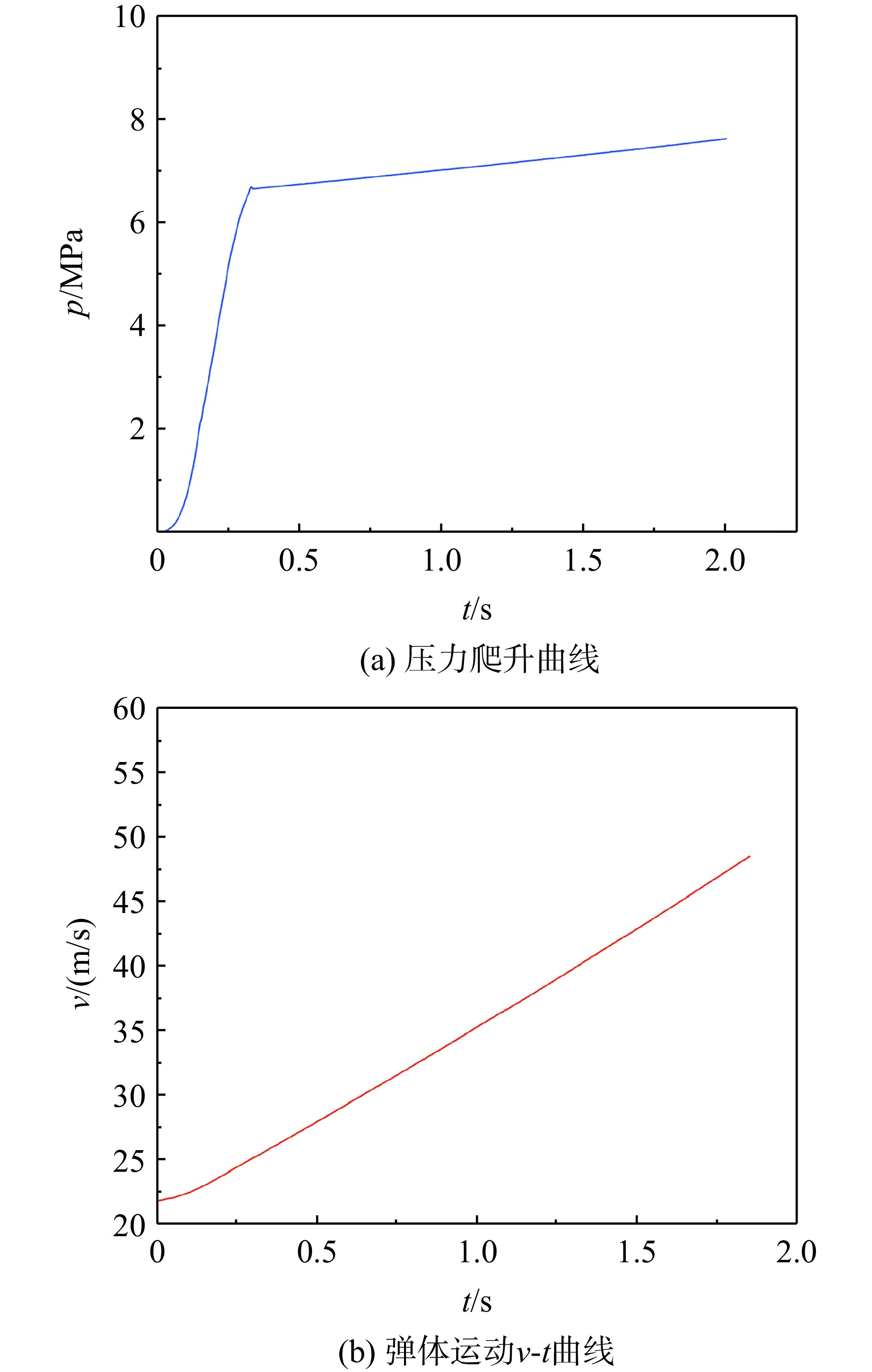
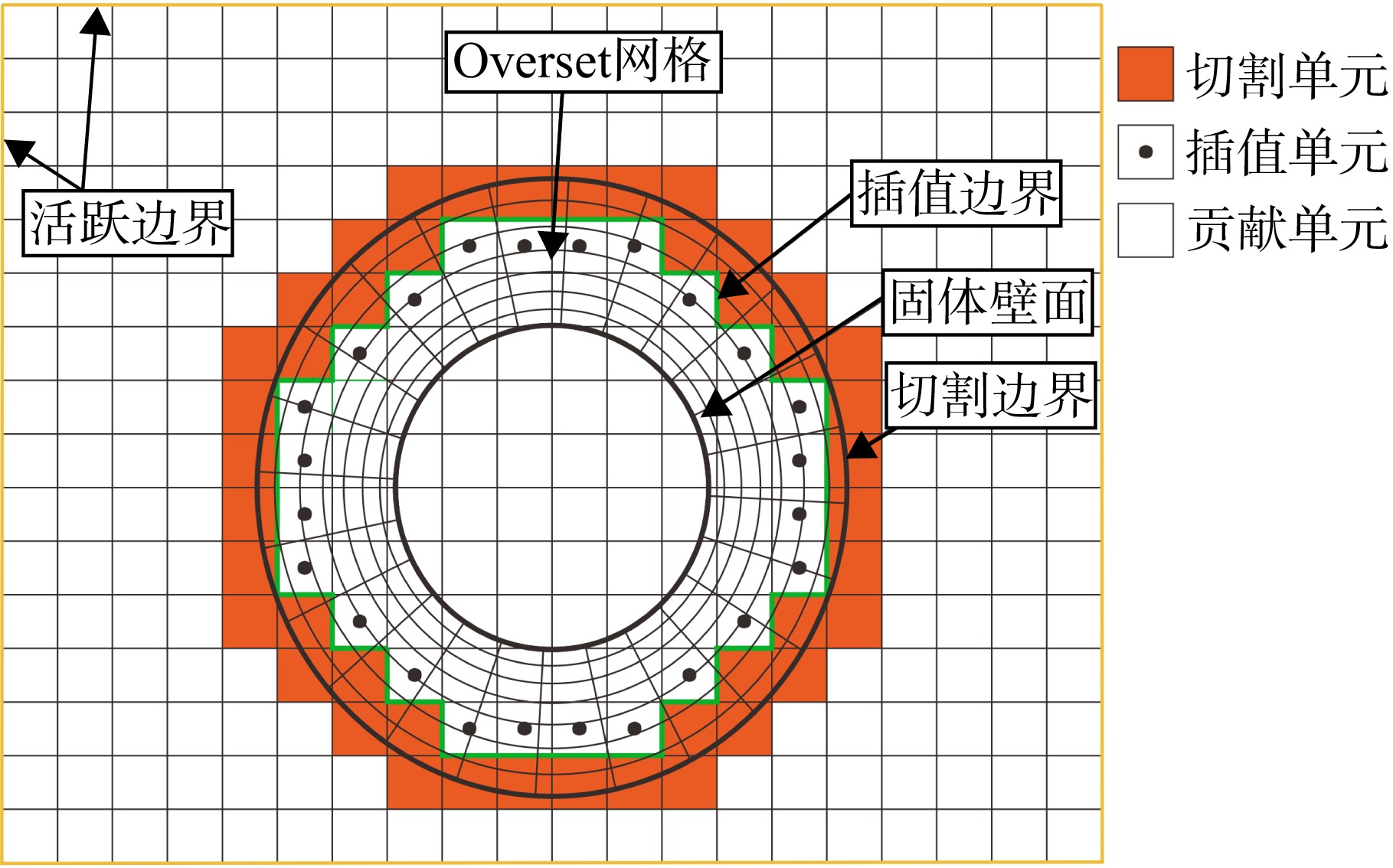
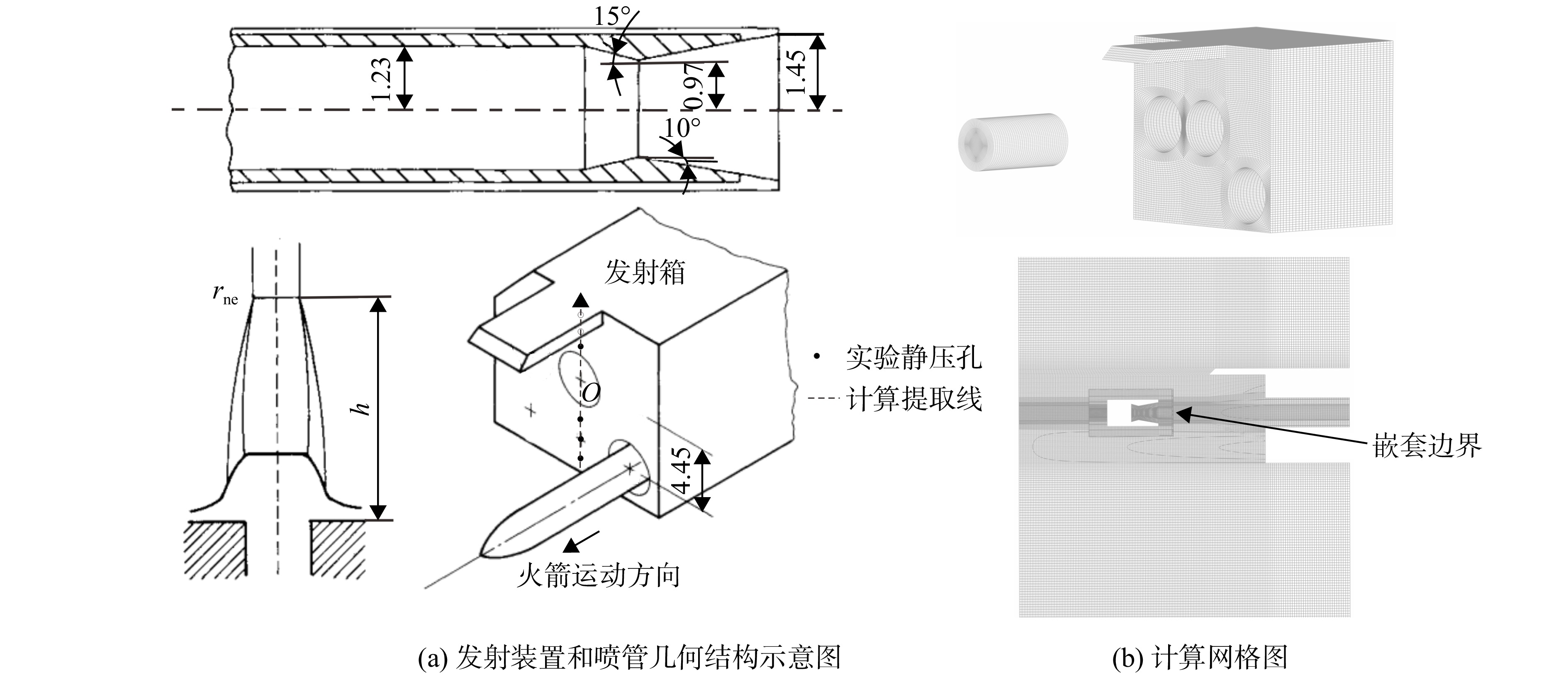
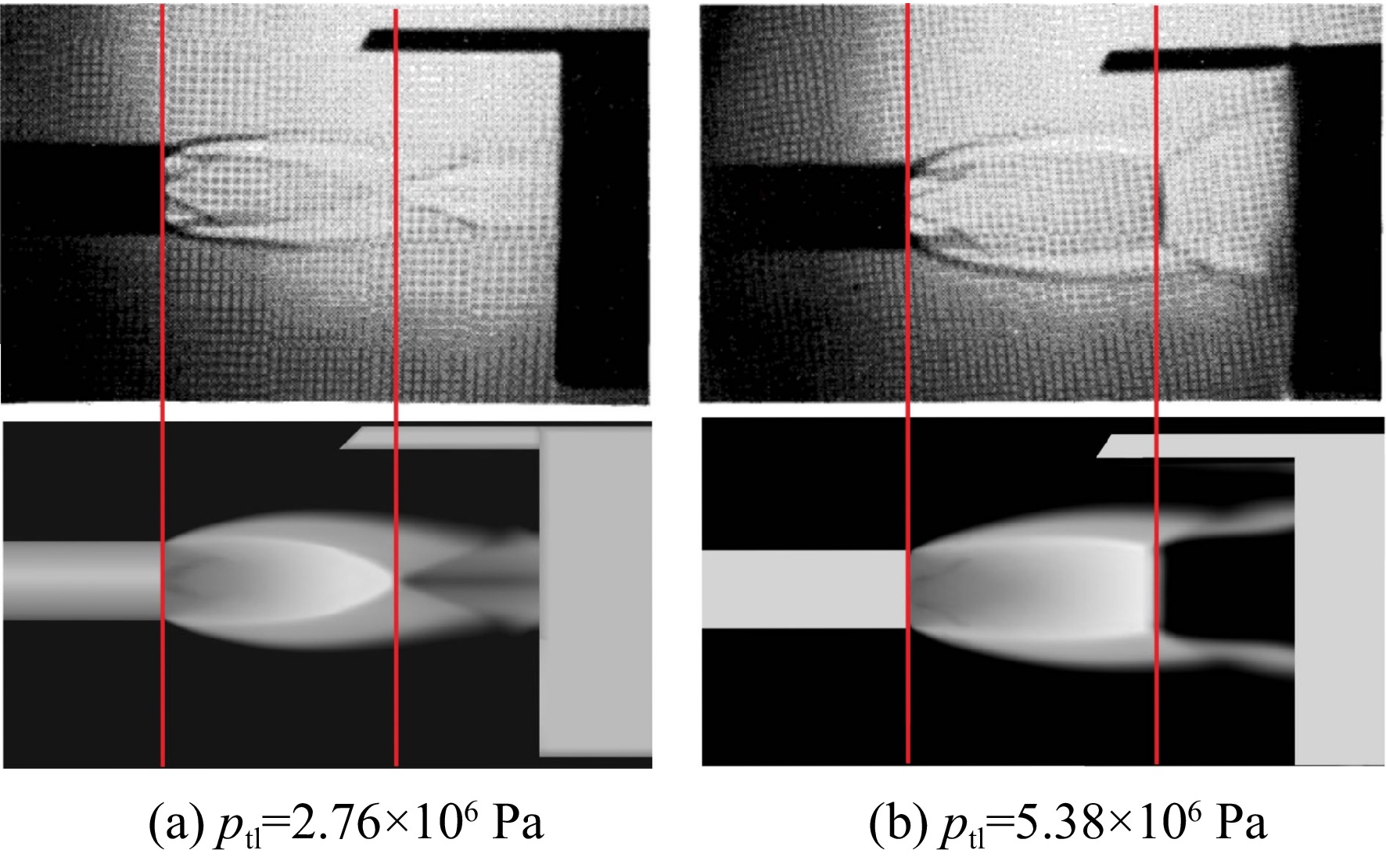
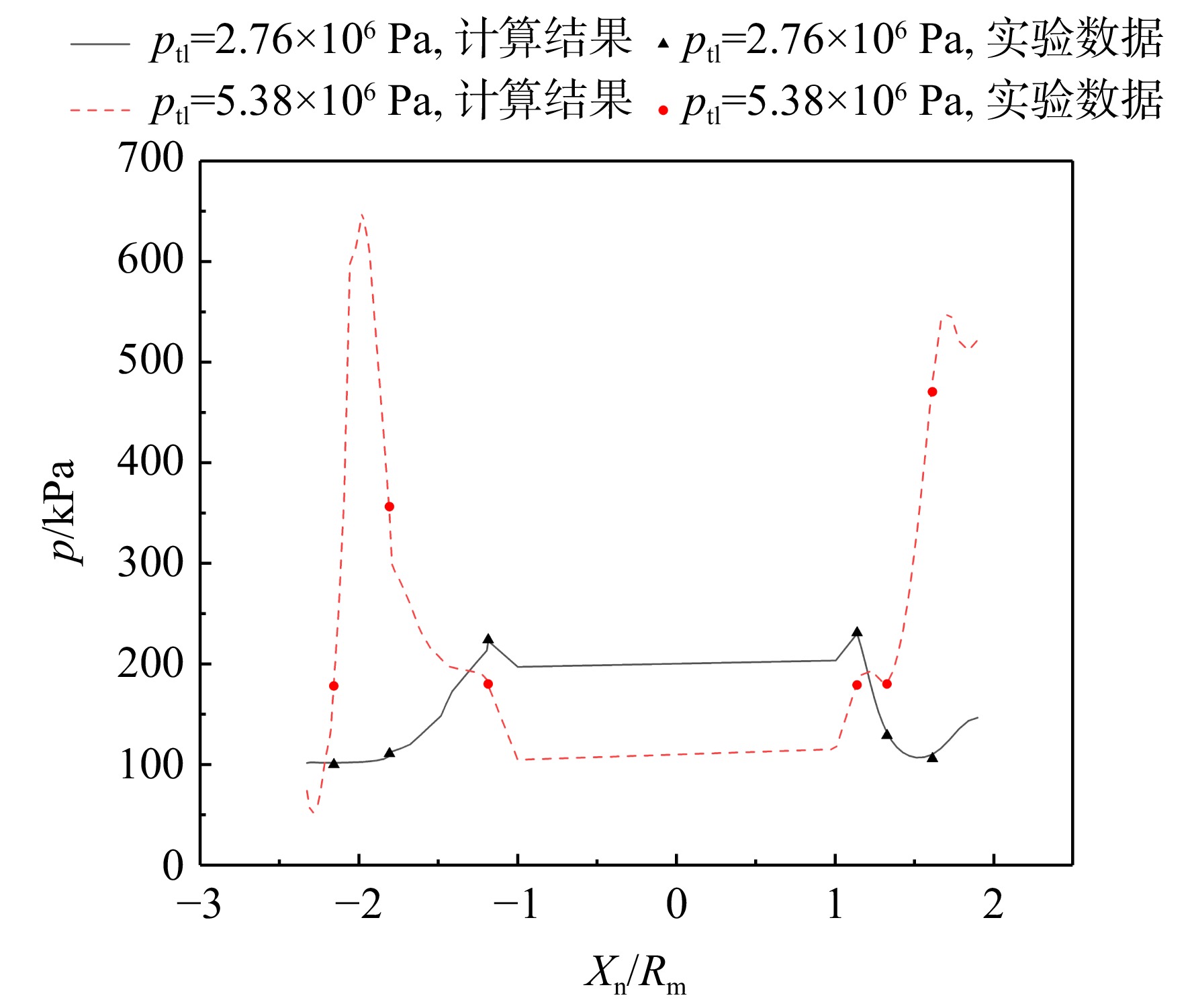
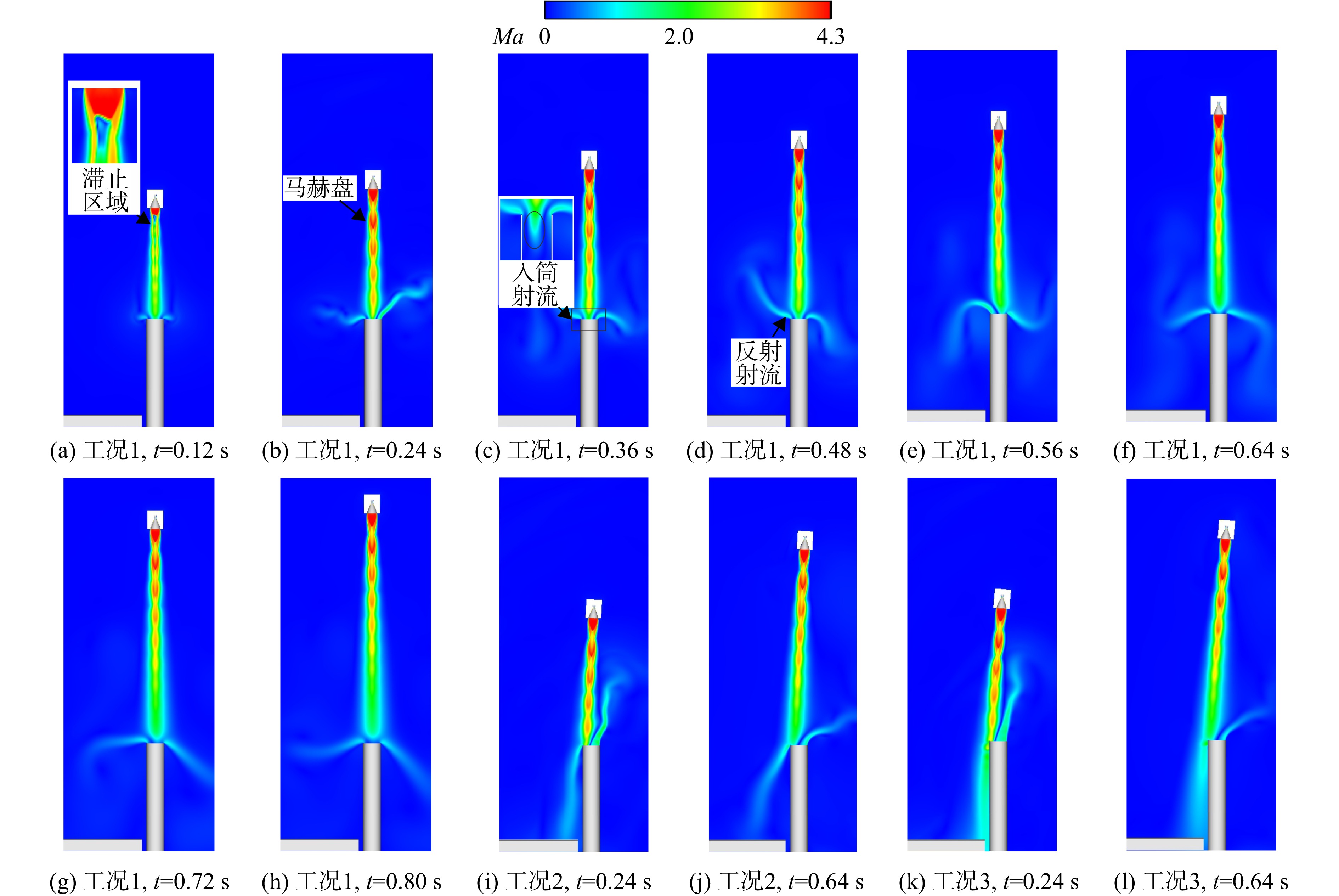
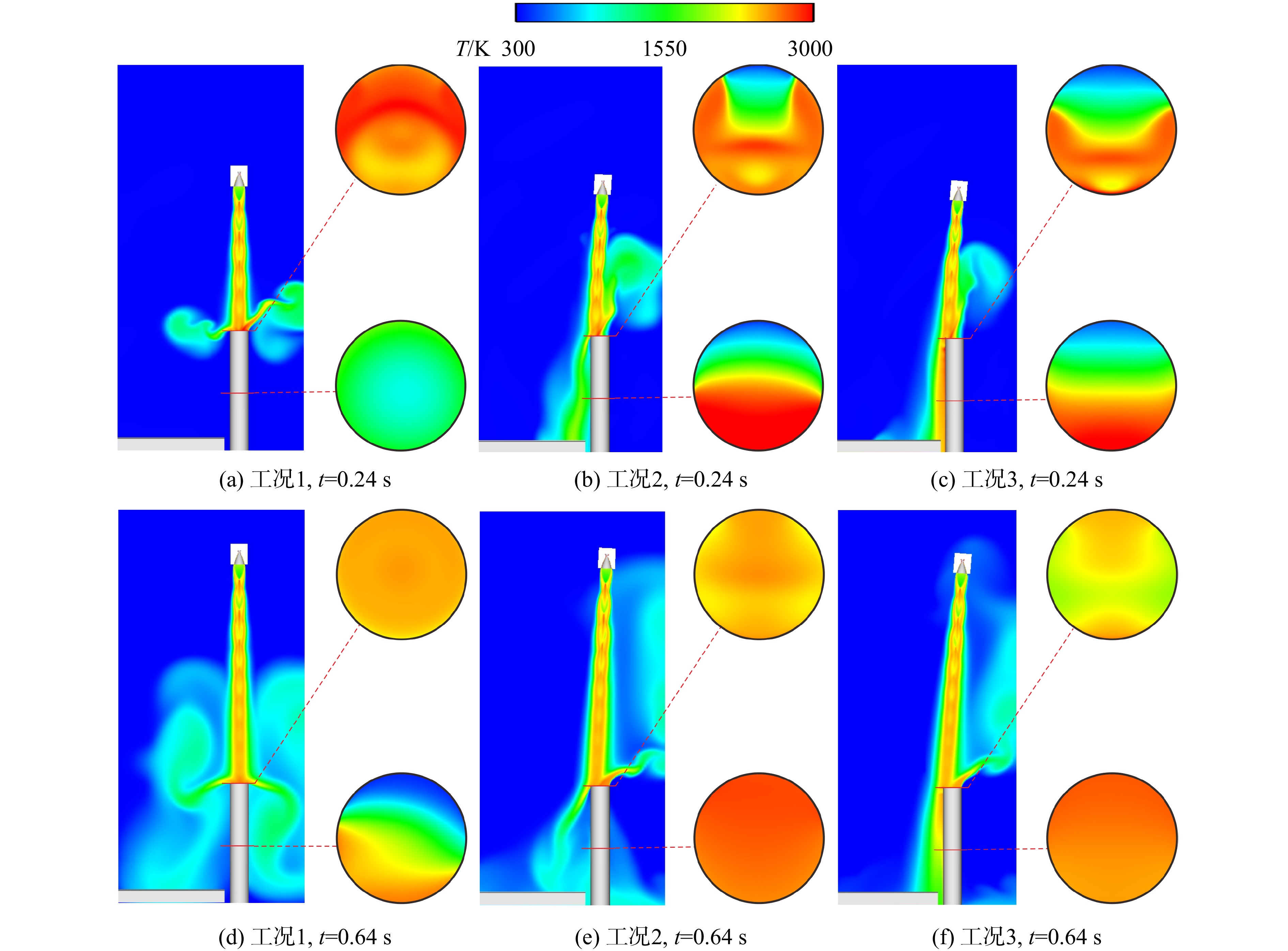
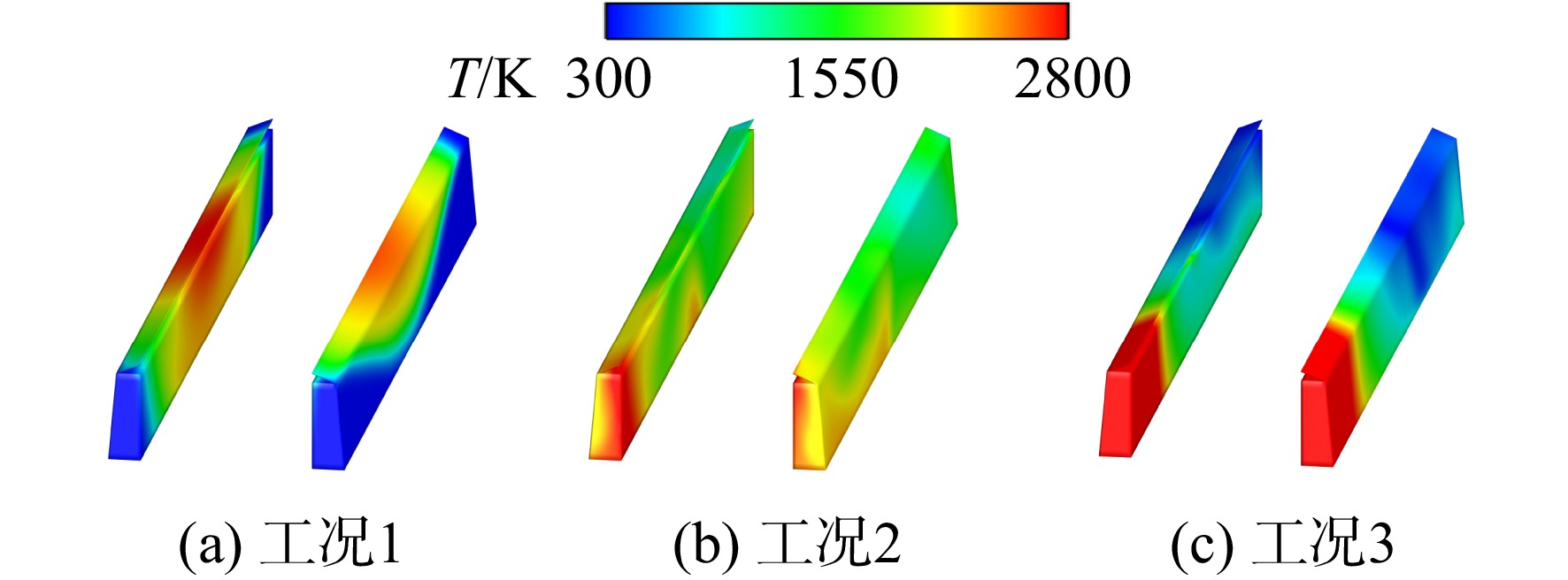
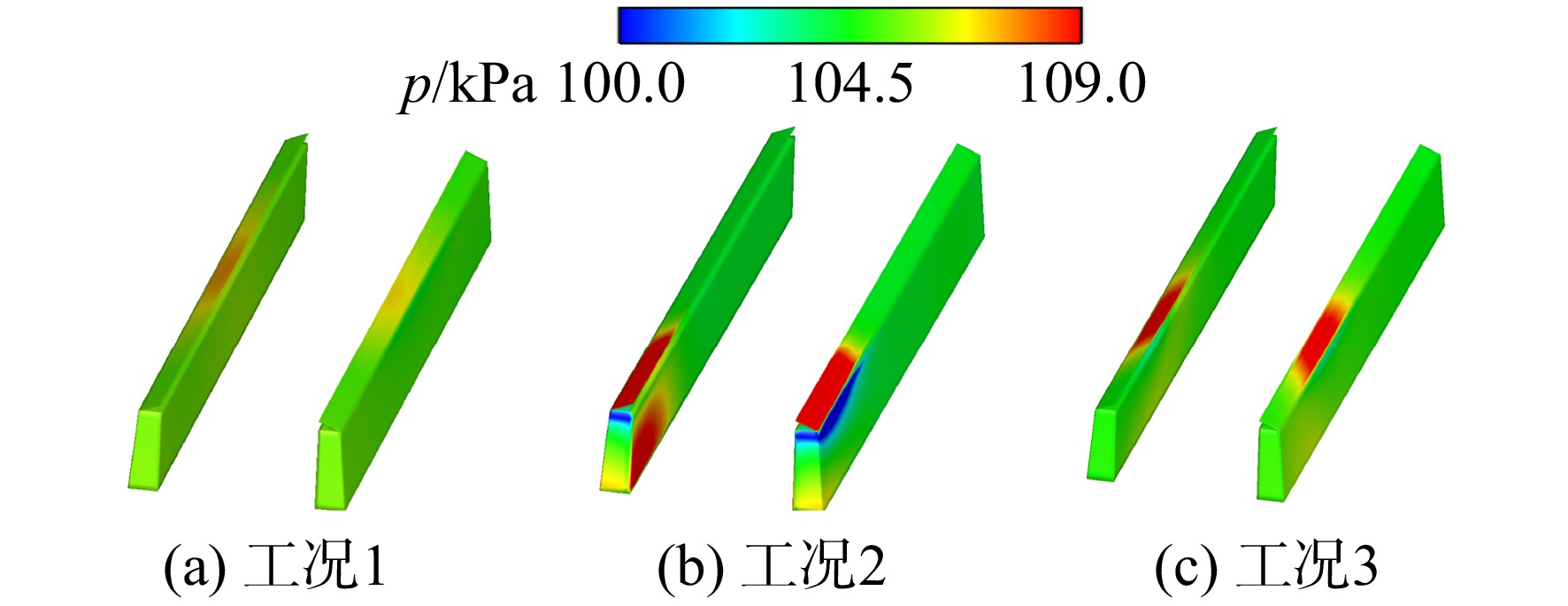
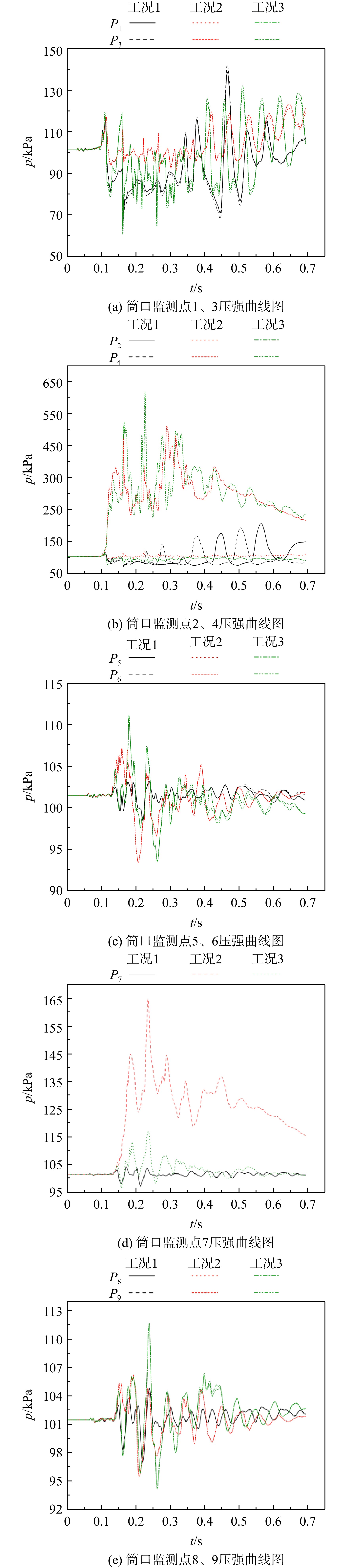
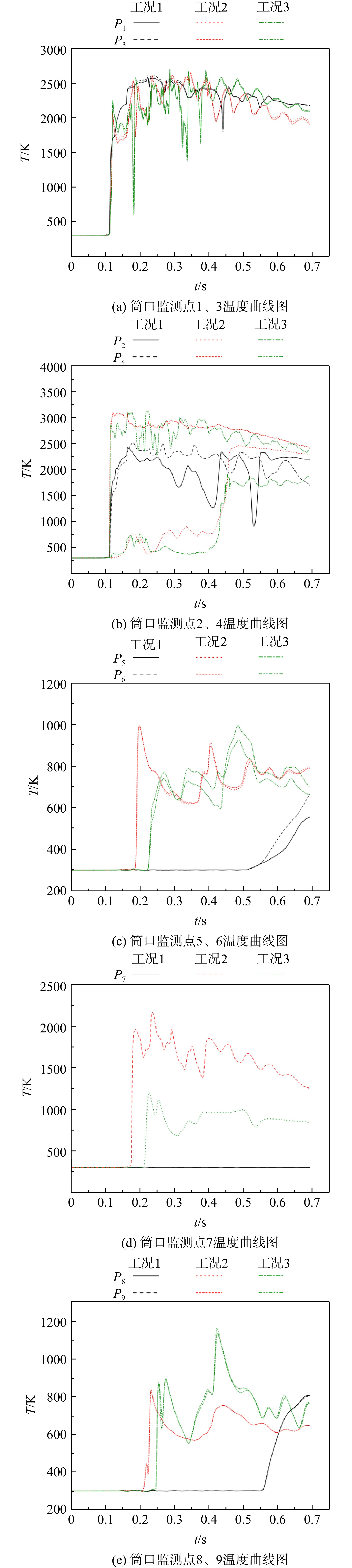
In response to the complex and harsh force-thermal environment of the vehicle-mounted launch system during the cold launch projectile deviation at different angles, numerical simulation study was conducted based on nested grid technology, by utilizing the Navier-Stokes component transport equations and RNG k-ε model to establish a dynamic flight gas jet model after the ignition of the projectile. Firstly, the accuracy of the calculation method was verified by comparing it with relevant experimental results. Based on this, a comparative analysis was conducted on the gas jet flow field results, the temperature and pressure distributions on the surface of vehicle components, and numerical curves at monitoring points to explore the influence of projectile deflection on the force-thermal environment of the launch system. The research demonstrated that as the inclination angle of the projectile increased, the ejection phenomenon at the muzzle of the launch tube became more pronounced. The high-temperature and high-pressure region on the surface of vehicle components moved from the middle section of the components towards the rear of the vehicle and then continued to move towards the front. The temperature and pressure peak values on the rear wall surface of the chassis and undercarriage components initially increased and then decreased. In contrast, the peak value on the middle wall surface continued to grow. With changes in the inclination angle, the temperature peak value at the mouth of the launch tube increased by up to 20%, and the pressure peak value increased by up to 450%. Meanwhile, the temperature and pressure peak values of the chassis, undercarriage, and other components increased by approximately 50%.

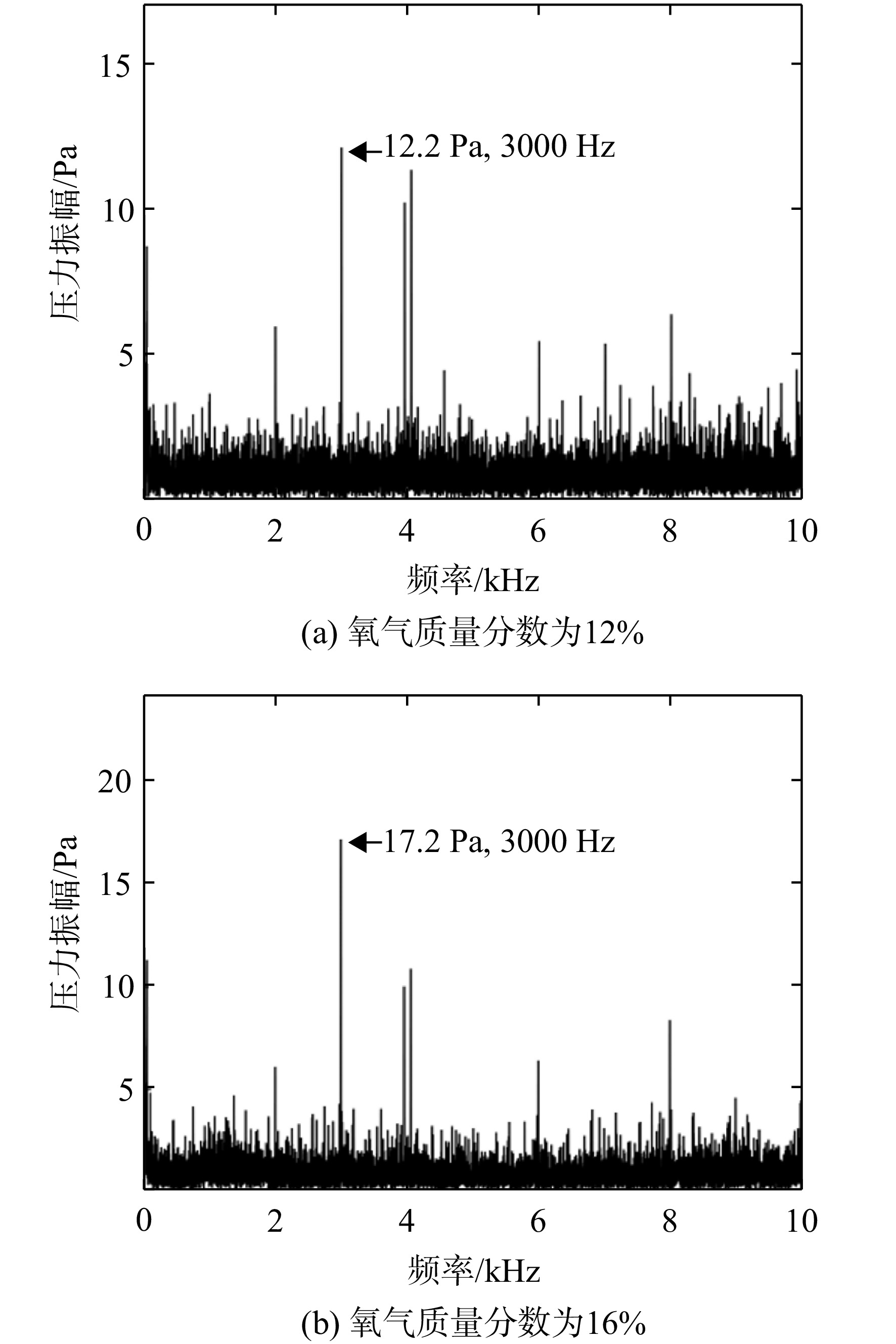
Mechanism of “heat-acoustic-vortex” coupling for transverse unstable combustion in an O2/CH4 rectangle rocket combustor
CAO Wei, GUO Kangkang, REN Yubin, TONG Yiheng, LIN Wei, HUANG Weidong, NIE Wansheng
2025, 40(11): 20240608. doi: 10.13224/j.cnki.jasp.20240608
Abstract:
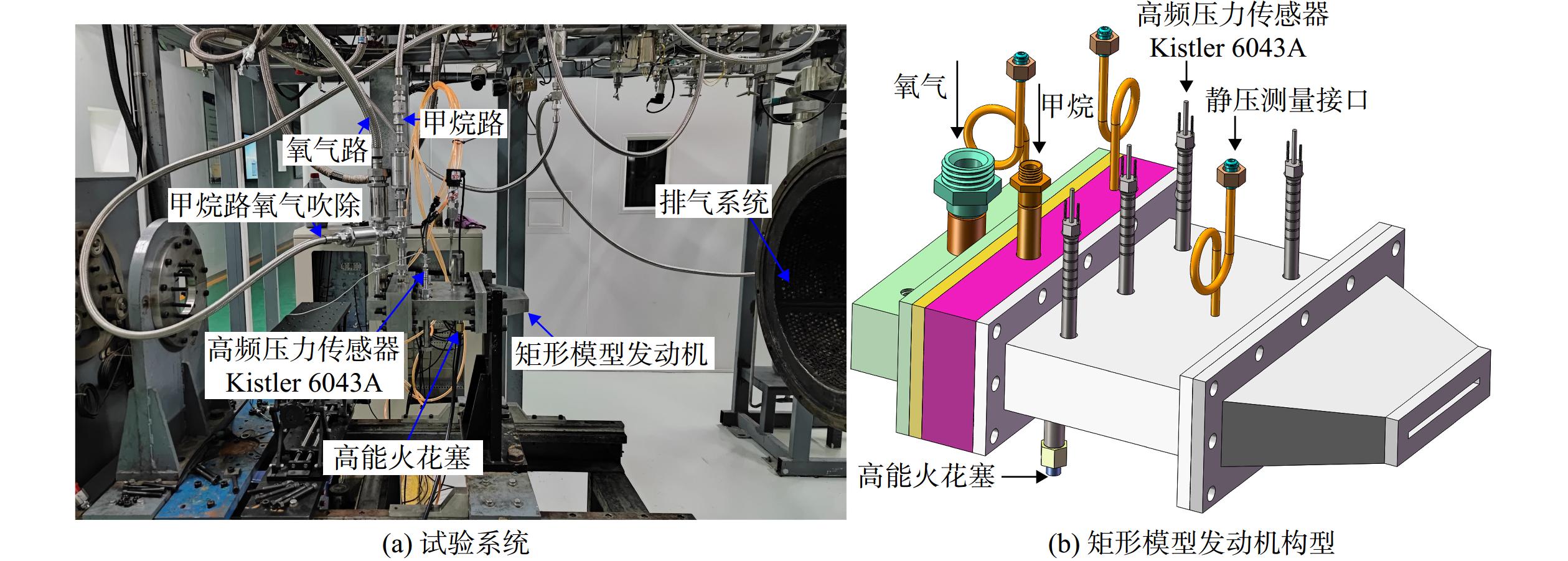
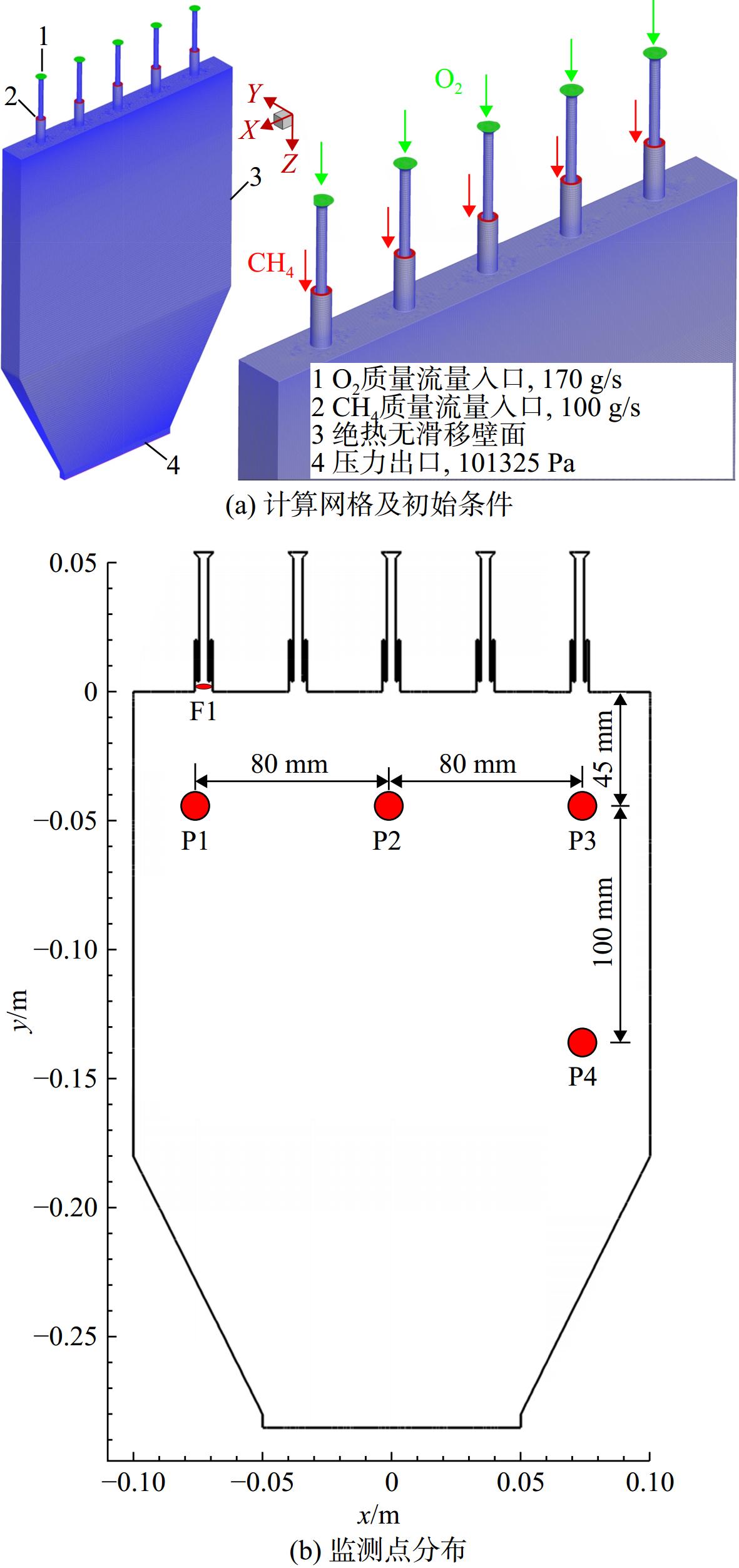
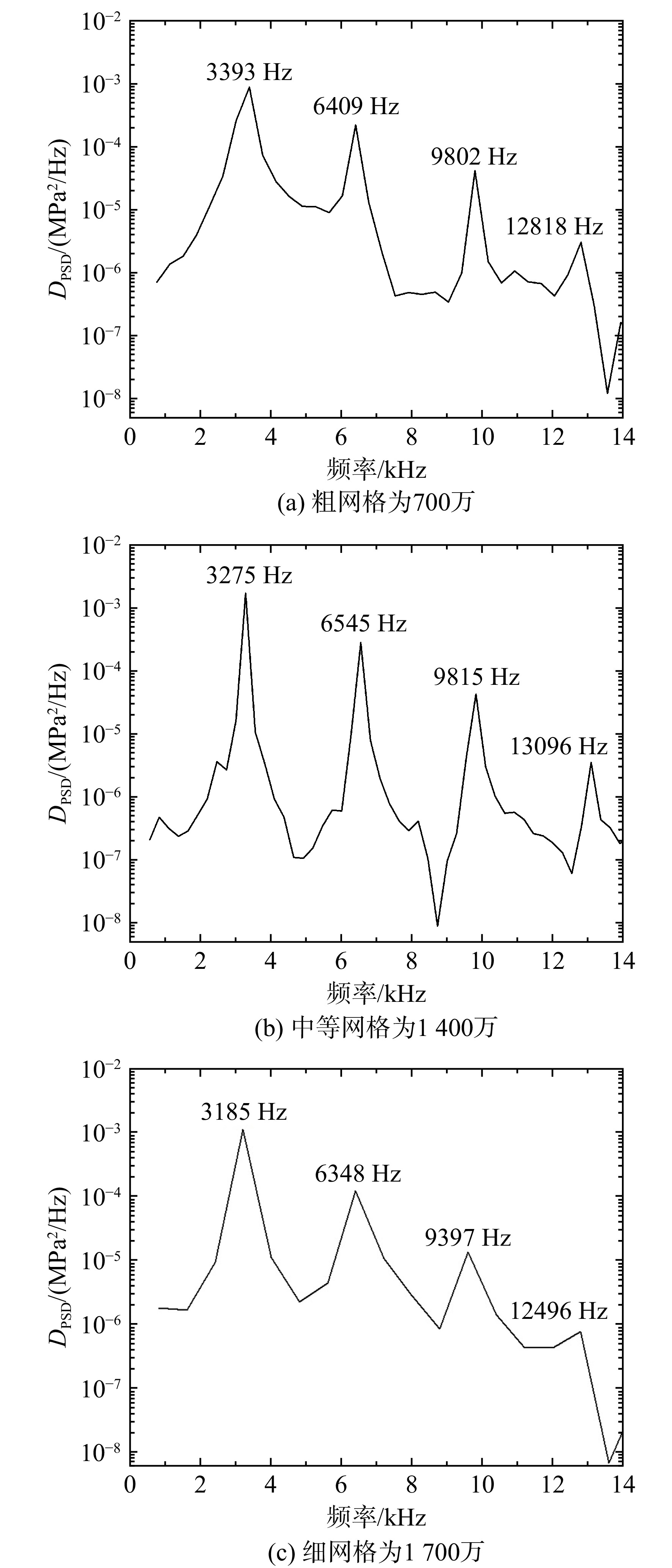
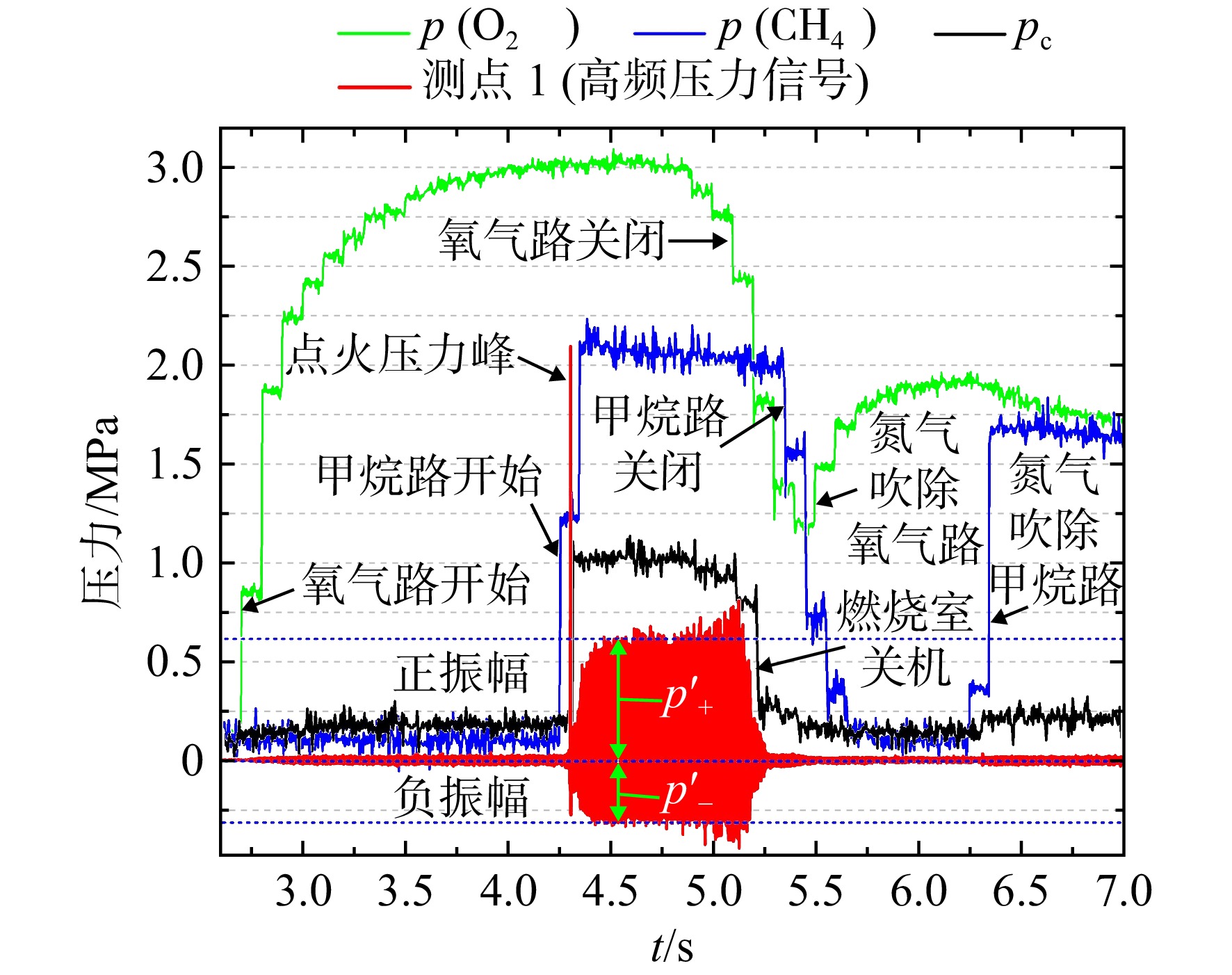
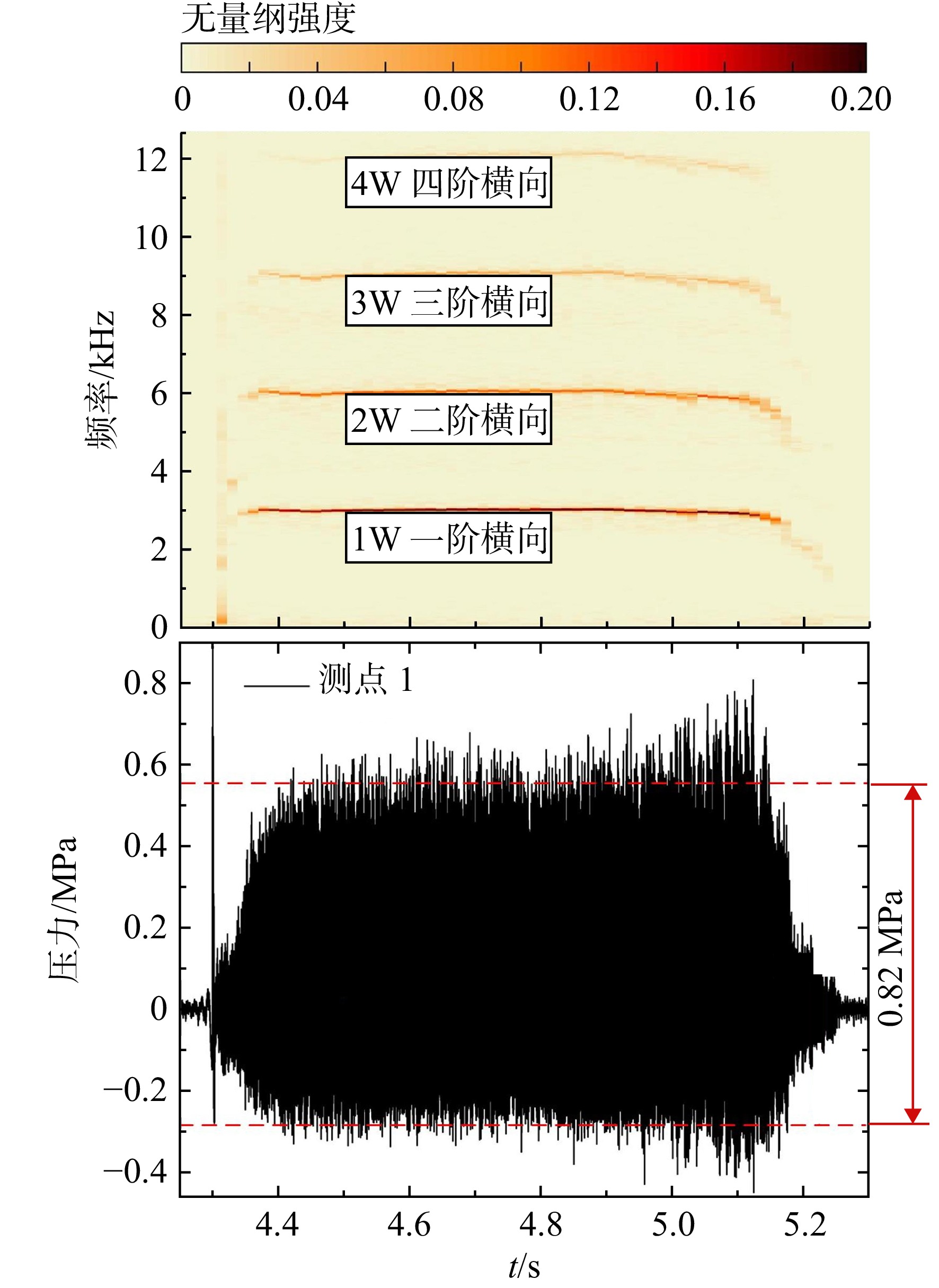
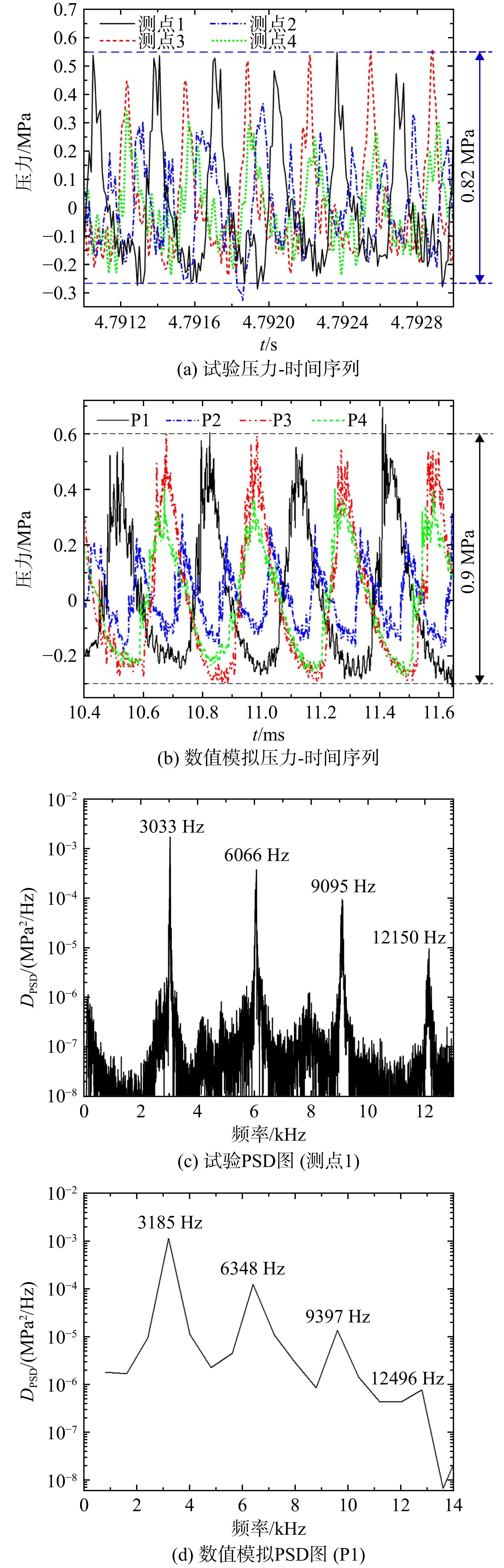
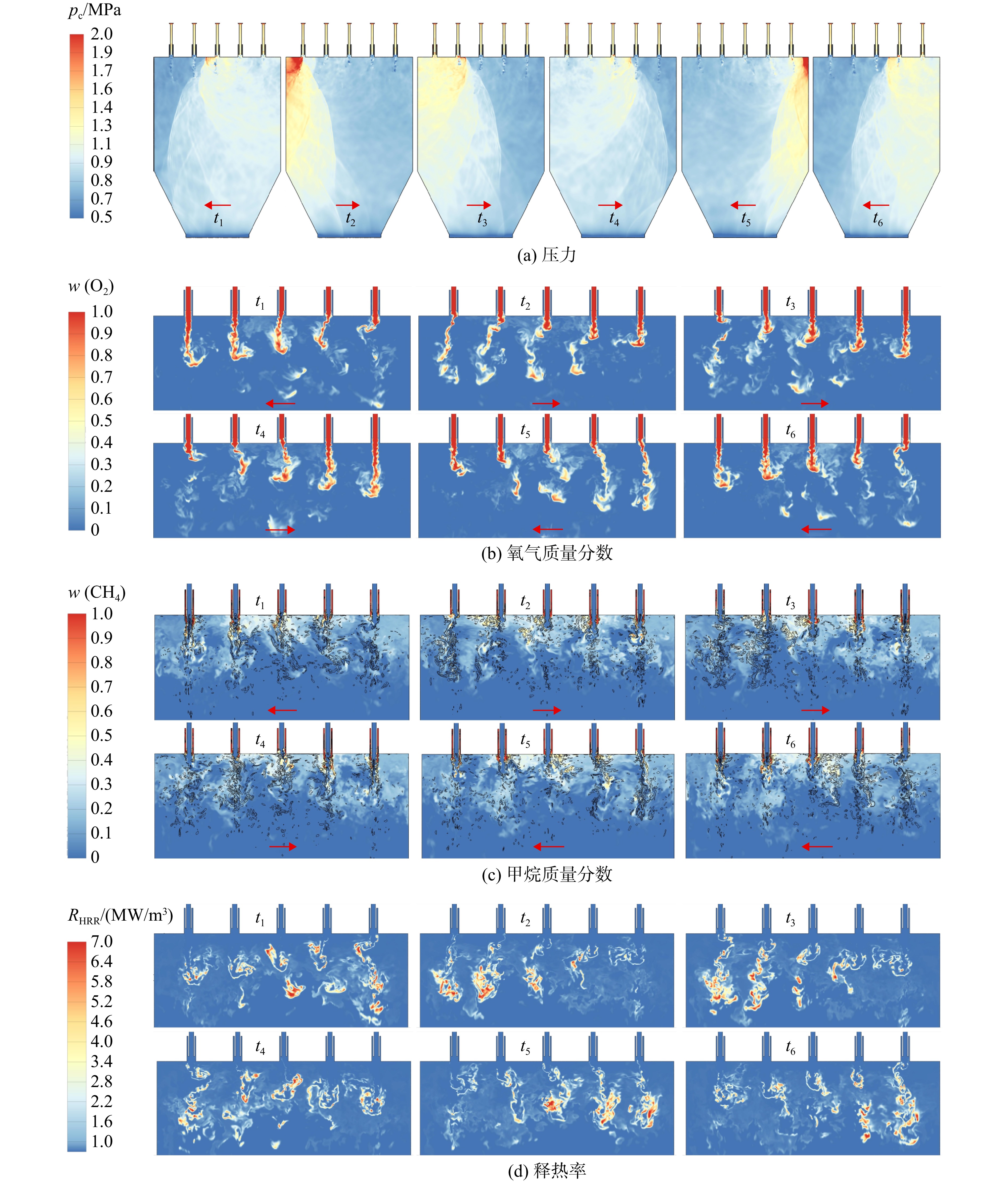
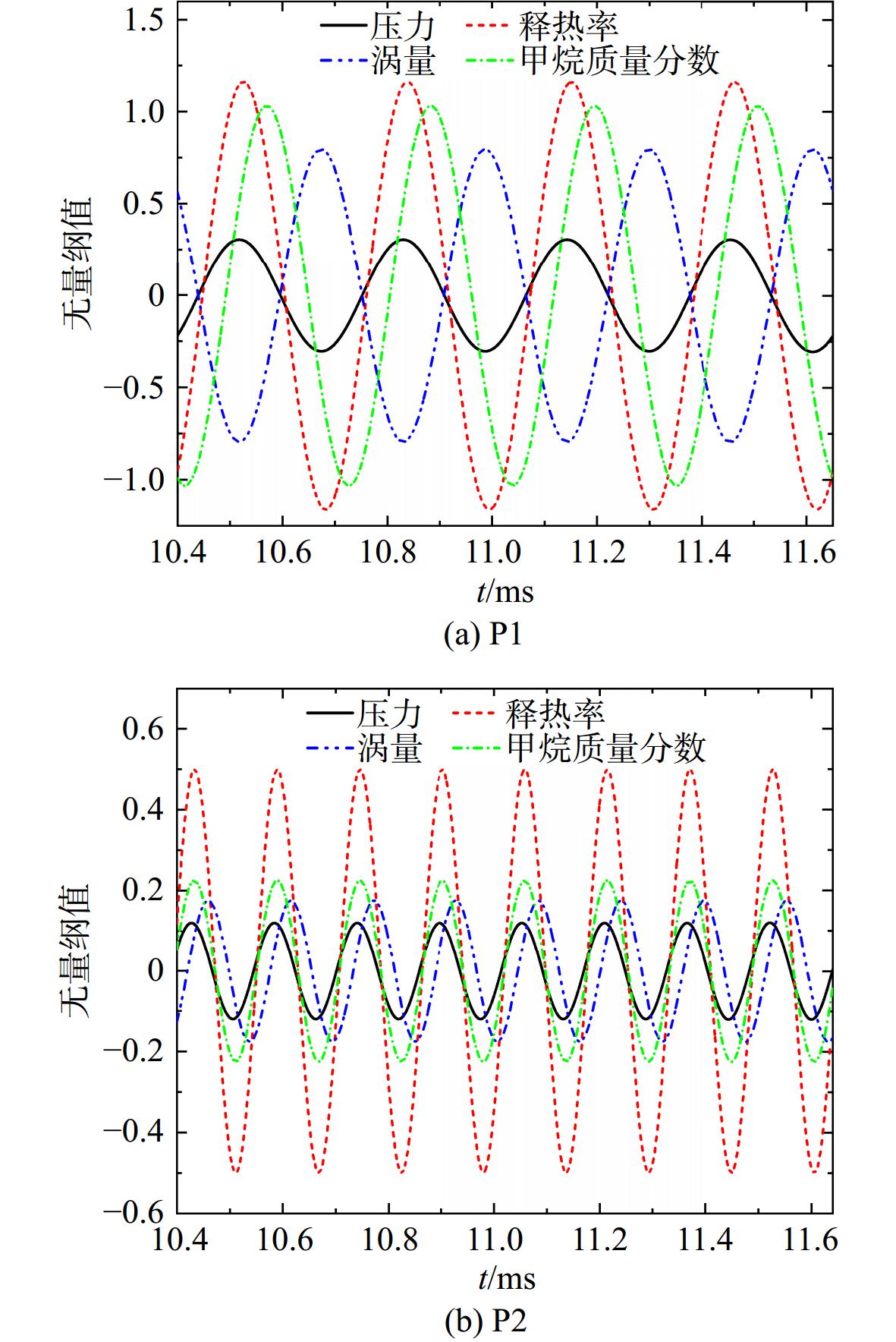
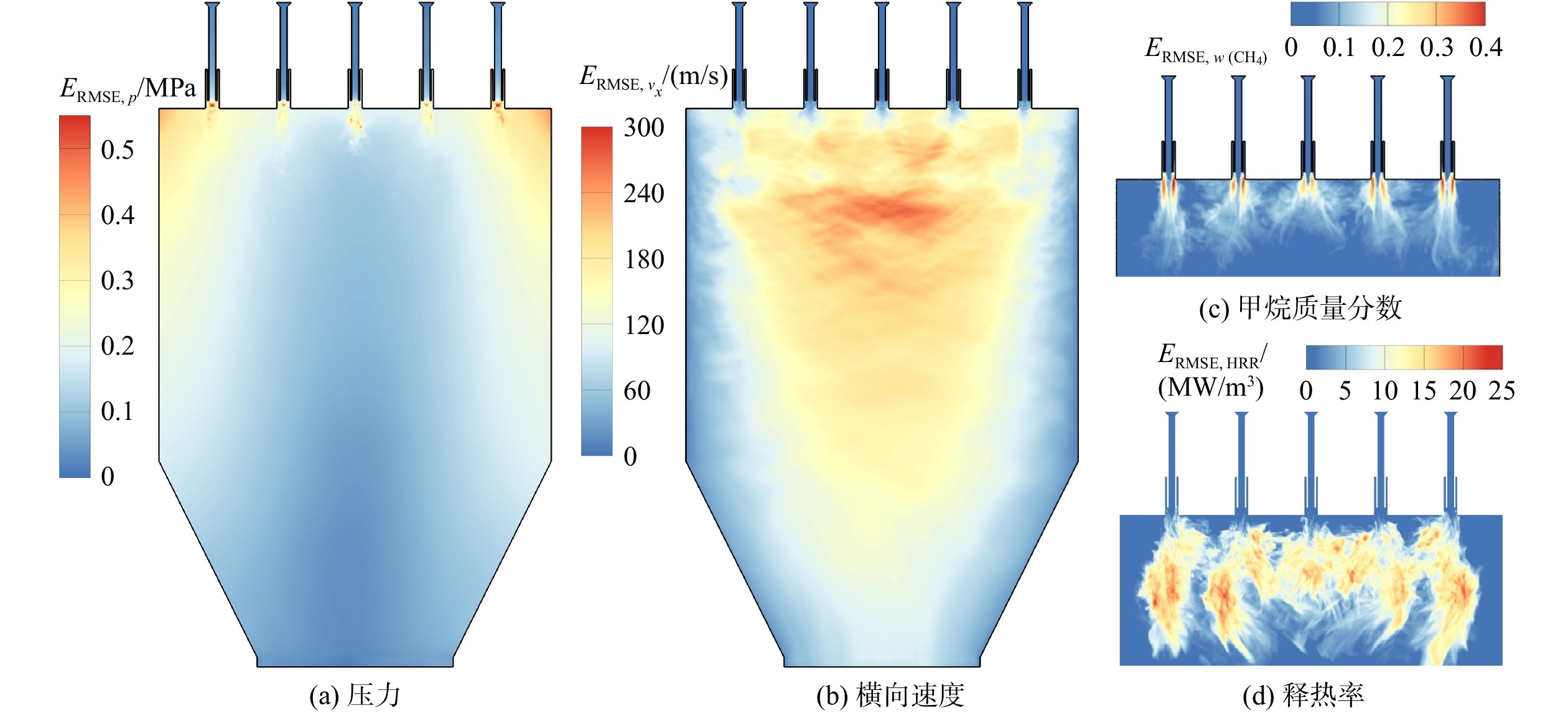
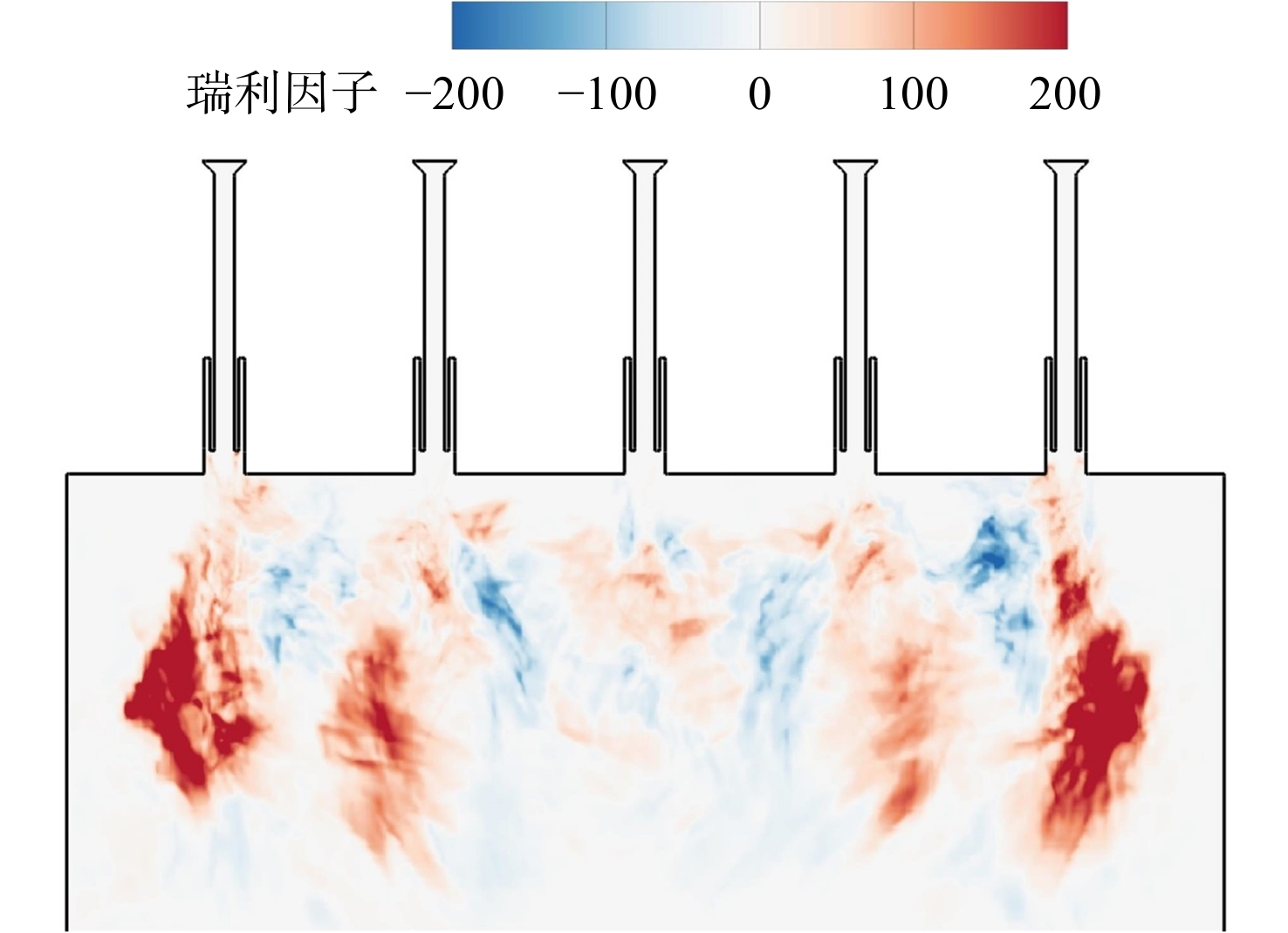
The potential coupling mechanism of transverse combustion instability in an O2/CH4 rectangle rocket combustor was investigated experimentally and numerically. High-frequency pressure sensors were employed to capture the dynamic pressure characteristics within the combustion chamber. Numerical simulations were conducted using the stress-blended eddy simulation (SBES) and flamelet-generated manifolds (FGM) methods. The results showed that the numerical simulation successfully predicted the transverse combustion instability observed experimentally. The numerical results, including pressure waveform, main frequency, and root mean square amplitude, were in good agreement with the experimental data and theoretical analysis. A comprehensive analysis of the driving mechanism and Rayleigh index of the transverse combustion instability was presented. Examination of the flow field characteristics in the combustion chamber revealed that the transverse pressure wave induced periodic ‘stripping’ of the oxygen jet and vortex disruption. Heat release pulses were generated during vortex fuel combustion and coupled with the first width (1W) mode. Rayleigh index analysis indicated that edge injectors exhibited stronger driving characteristics for transverse combustion instability compared with central injectors.

Ignition impact characteristics of LOX/LCH4 coaxial injectors
LIU Yunhao, WANG Chunmin, FENG Yuanxiang, LIU Zhaoyu, LI Longfei
2025, 40(11): 20250036. doi: 10.13224/j.cnki.jasp.20250036
Abstract:

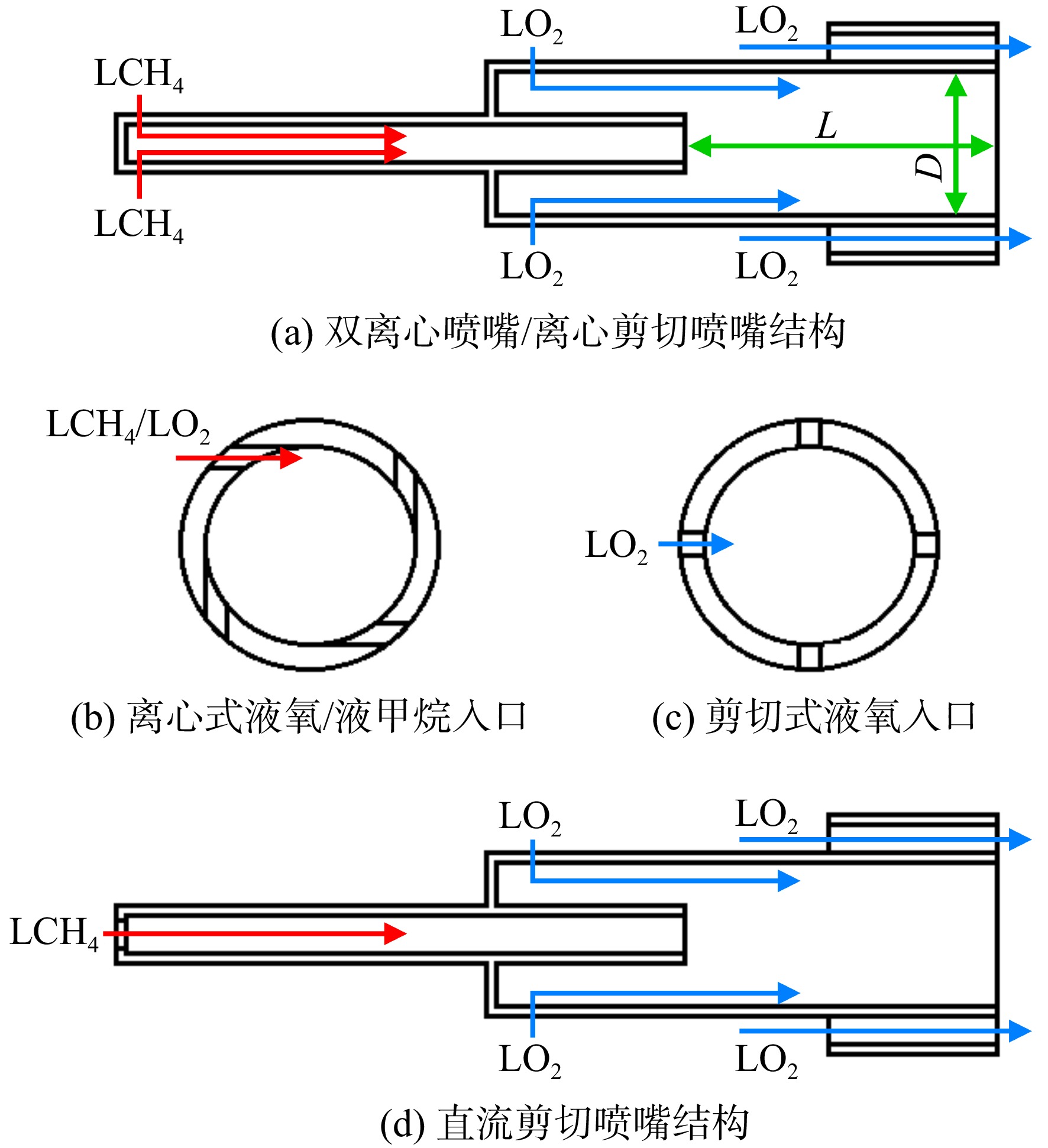
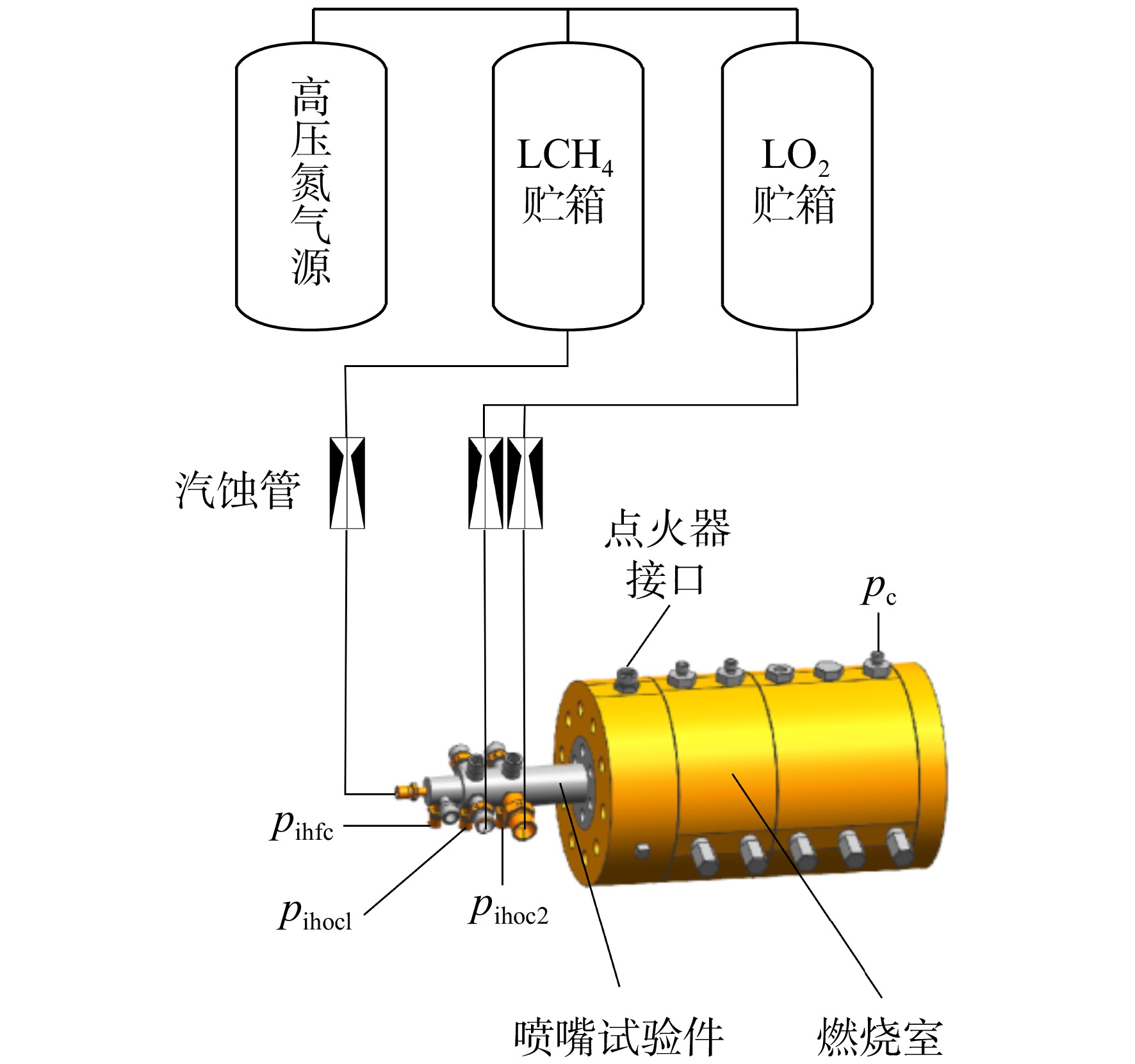
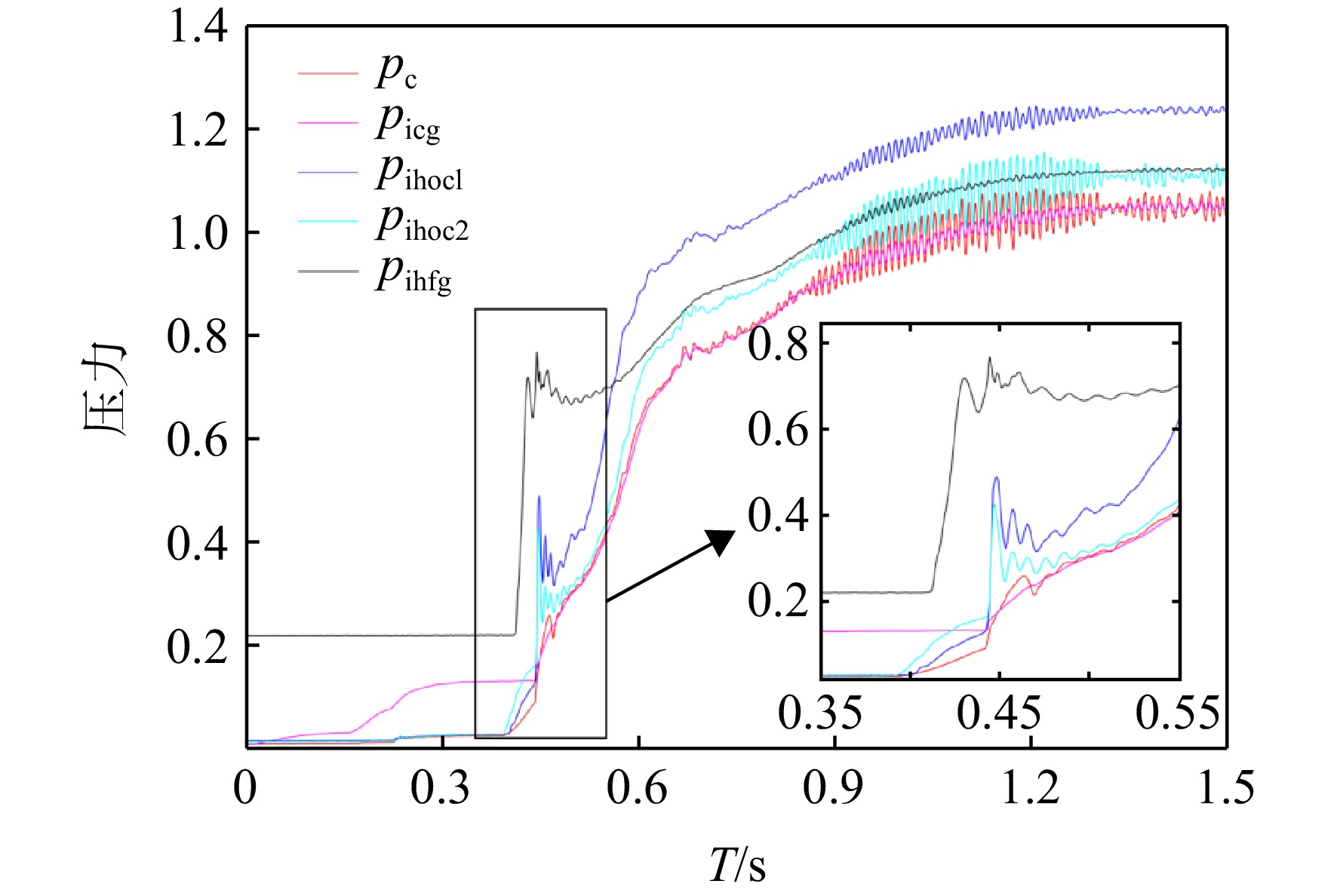
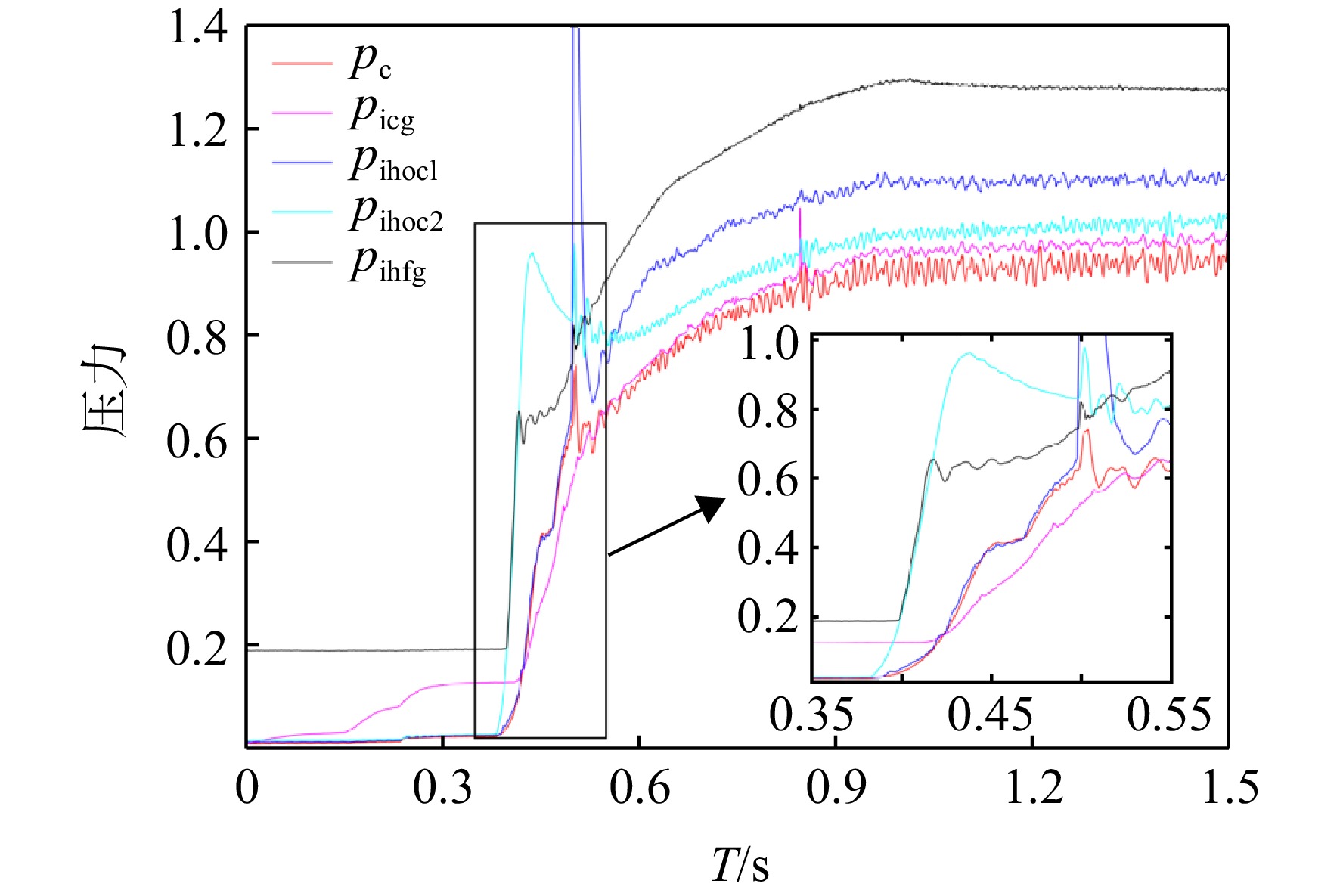
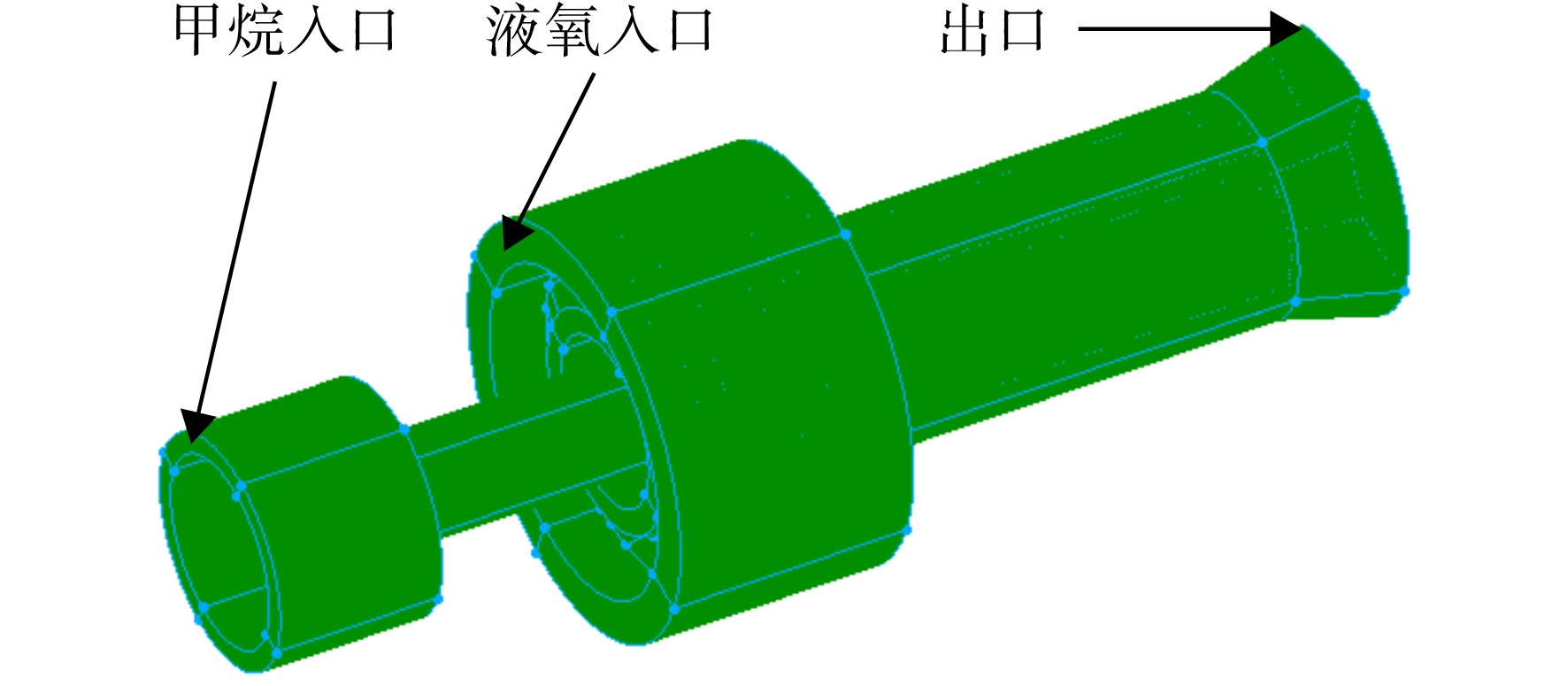
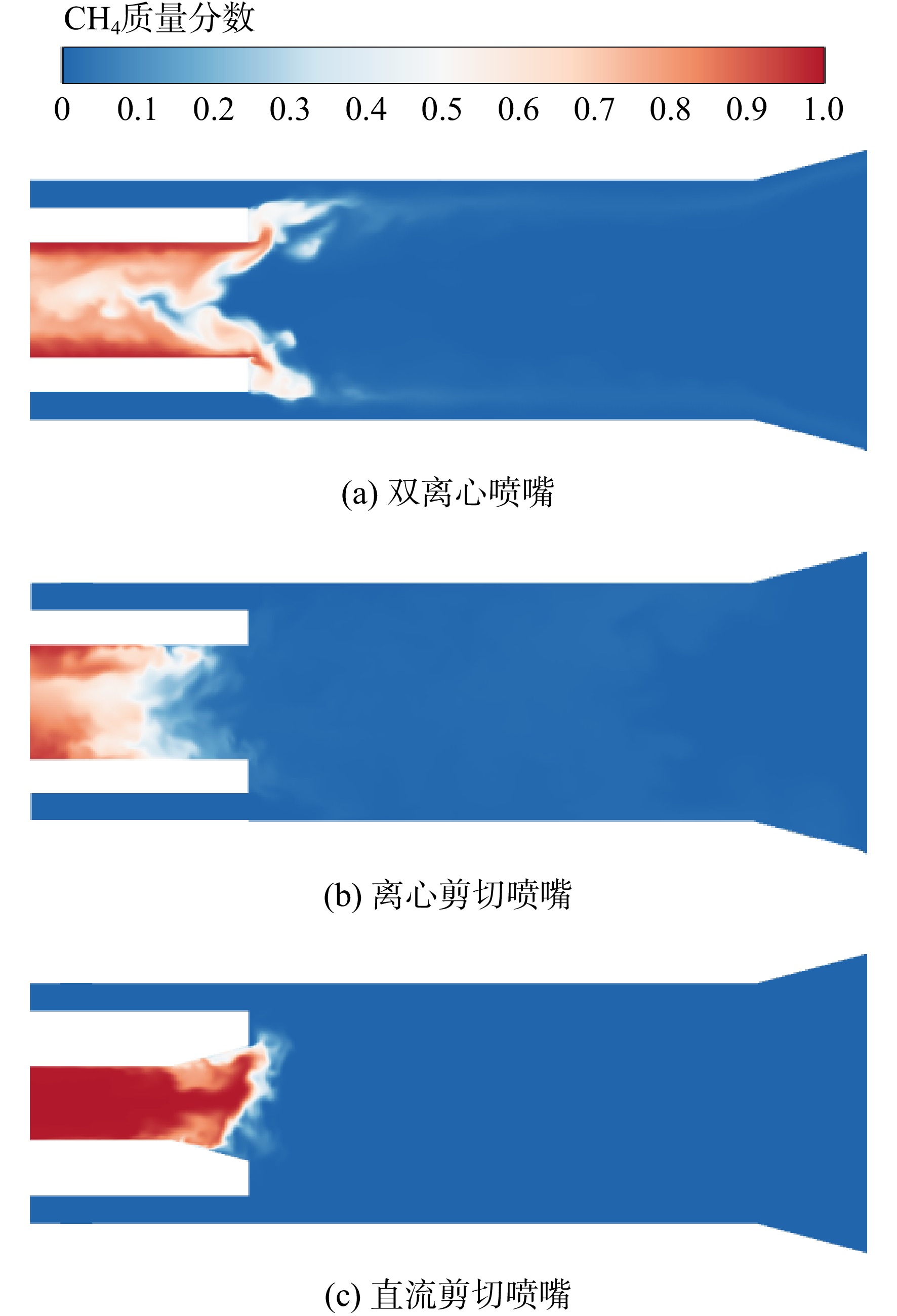
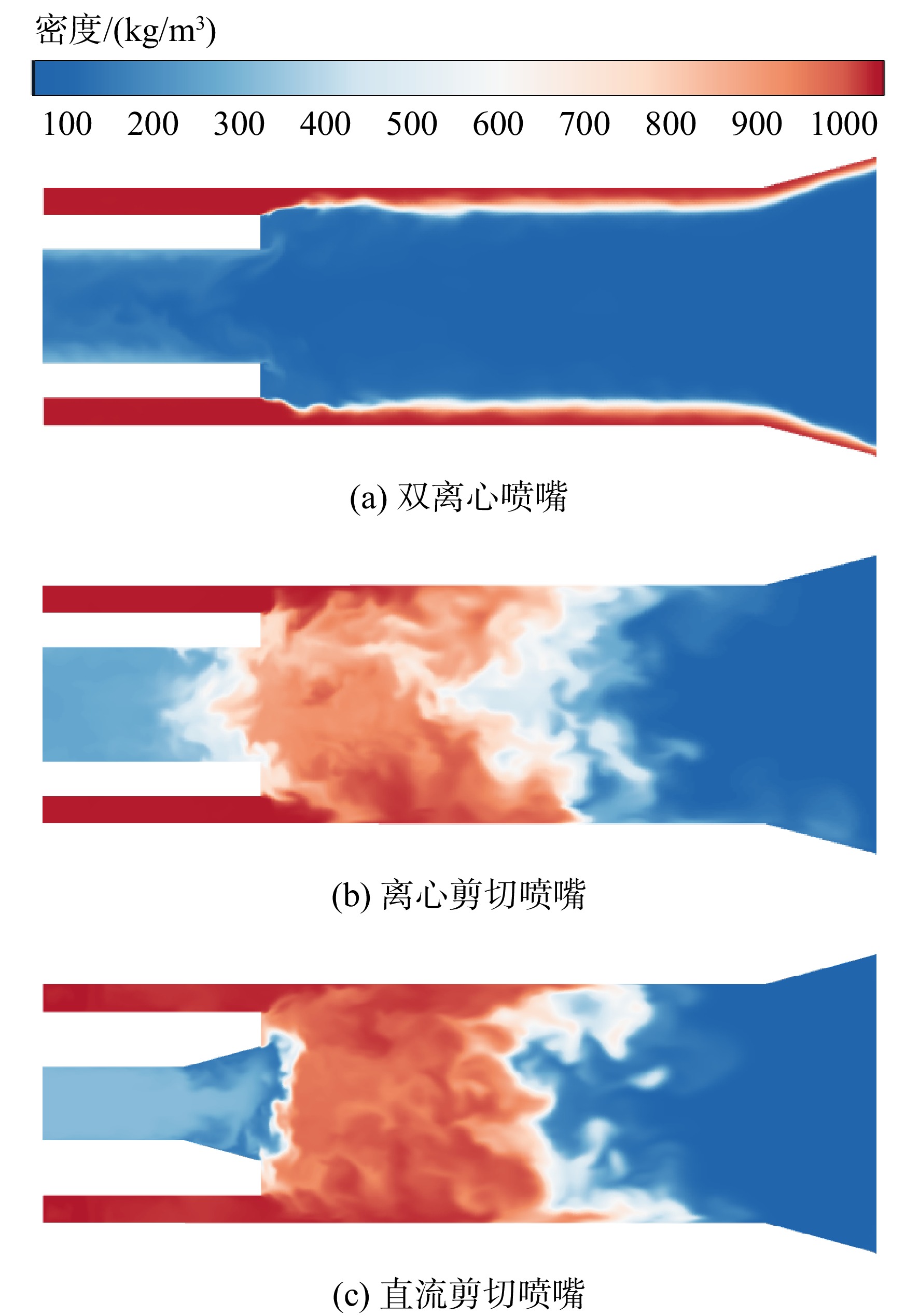
In order to study the ignition impact characteristics of LOX/LCH4 coaxial injectors under oxygen rich conditions, the ignition experiments of bi-swirl coaxial injector, orifice-swirl coaxial injector and shear coaxial injector with injector relative recess lengths of 3 were carried out in a model chamber. The characteristics of steady ignition process and large impact ignition process of injectors were obtained, and the influences of injectors structure parameters and working condition parameters on ignition impact characteristics were obtained. The results showed that the ignition impact characteristics of the injectors were controlled by the injector structure and the LOX flow rate of the square hole. The injector structure controlled the mixing of the propellant in the indented region and then affected the ignition characteristics. The ignition characteristics of bi-swirl coaxial injector were the best, orifice-swirl coaxial injector was the second and shear coaxial injector was the worst. The shielding of the rectangular LOX to the propellant in the indented region was not conducive to ignition. For an orifice-swirl coaxial injector with recessed chamber liquid oxygen flow rates within the range of 0.4 kg/s to 0.5 kg/s and mixture ratios between 12.1 and 23.8, reducing the LOX flow rate of the square hole to less than 0.7 kg/s can inhibit ignition impact.

Turbomachinery
Coupling prediction of multi-stage axial turbine characteristics based on data-driven and change of flow angle
LU Yeming, ZHENG Zeyu, GU Zhijia, WANG Shan, WANG Baihe
2025, 40(11): 20230753. doi: 10.13224/j.cnki.jasp.20230753
Abstract:

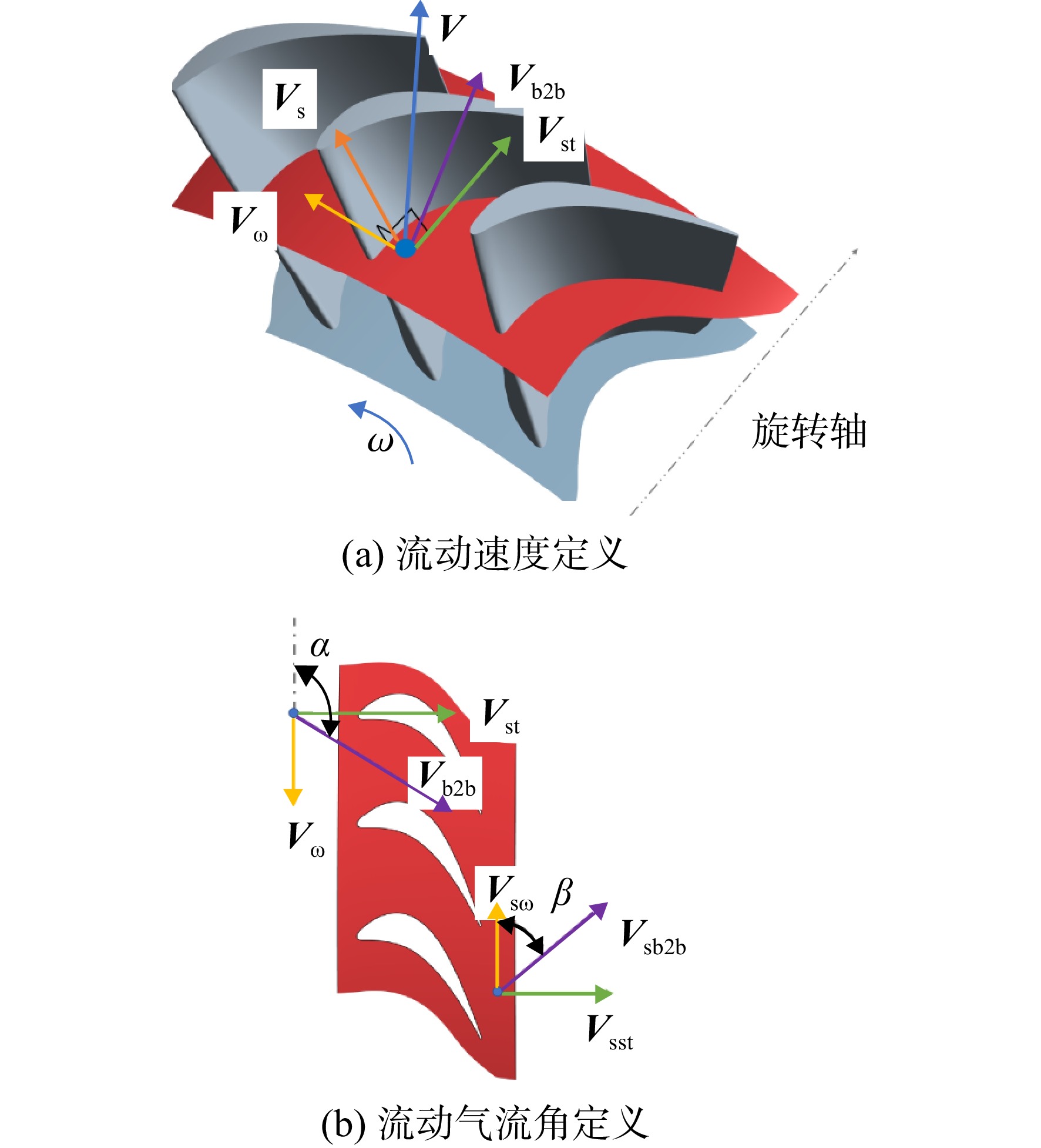
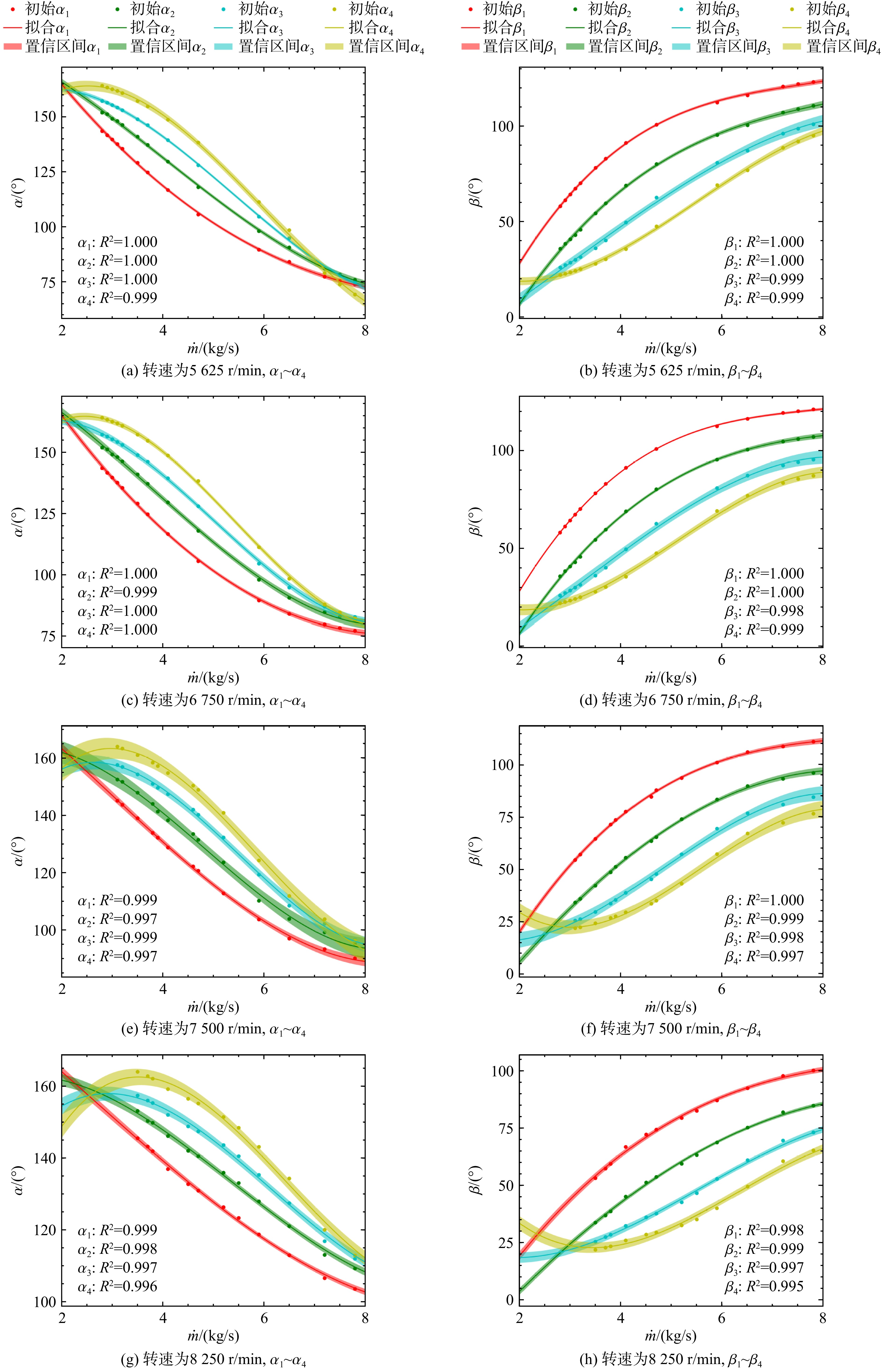
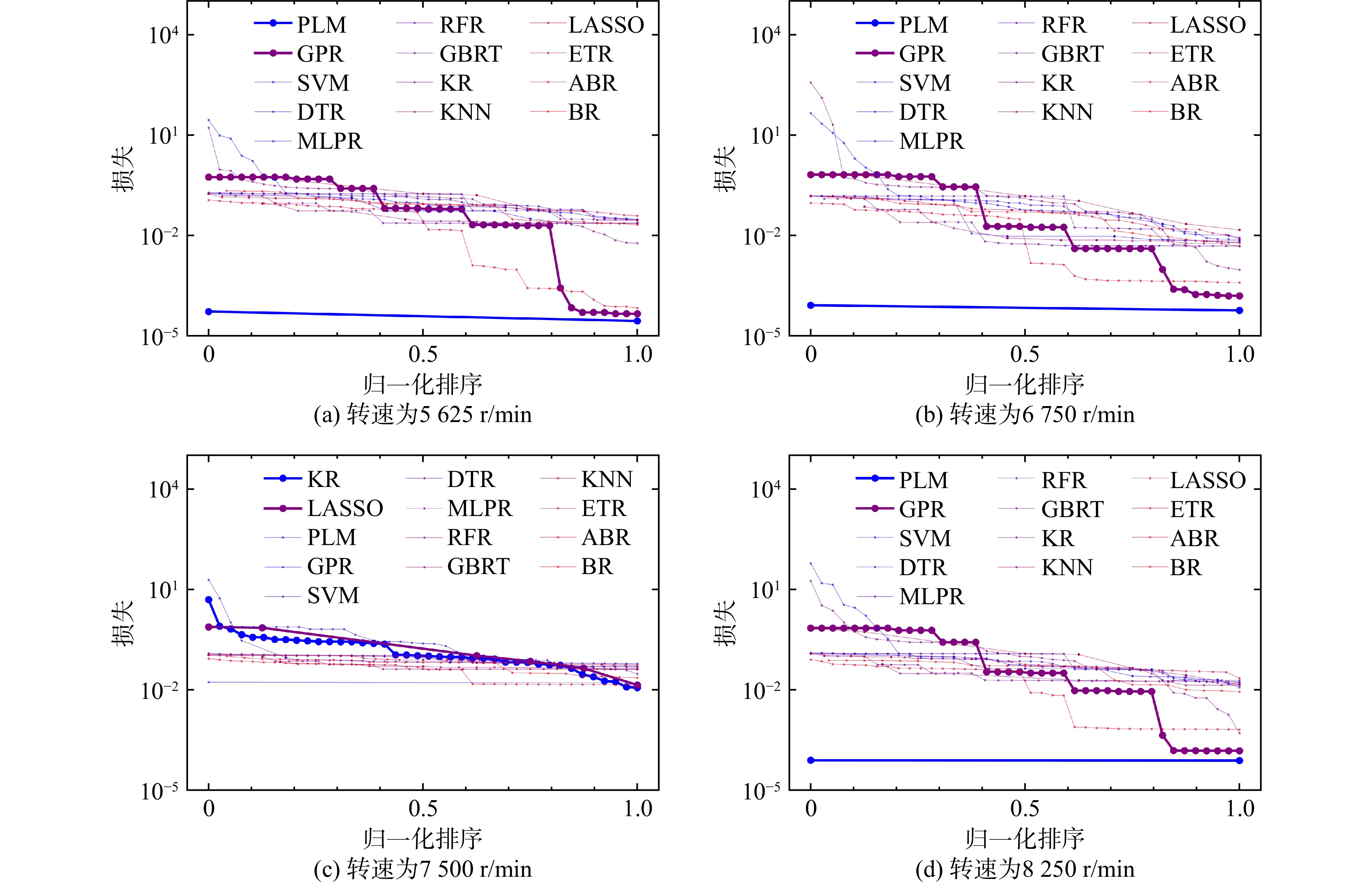
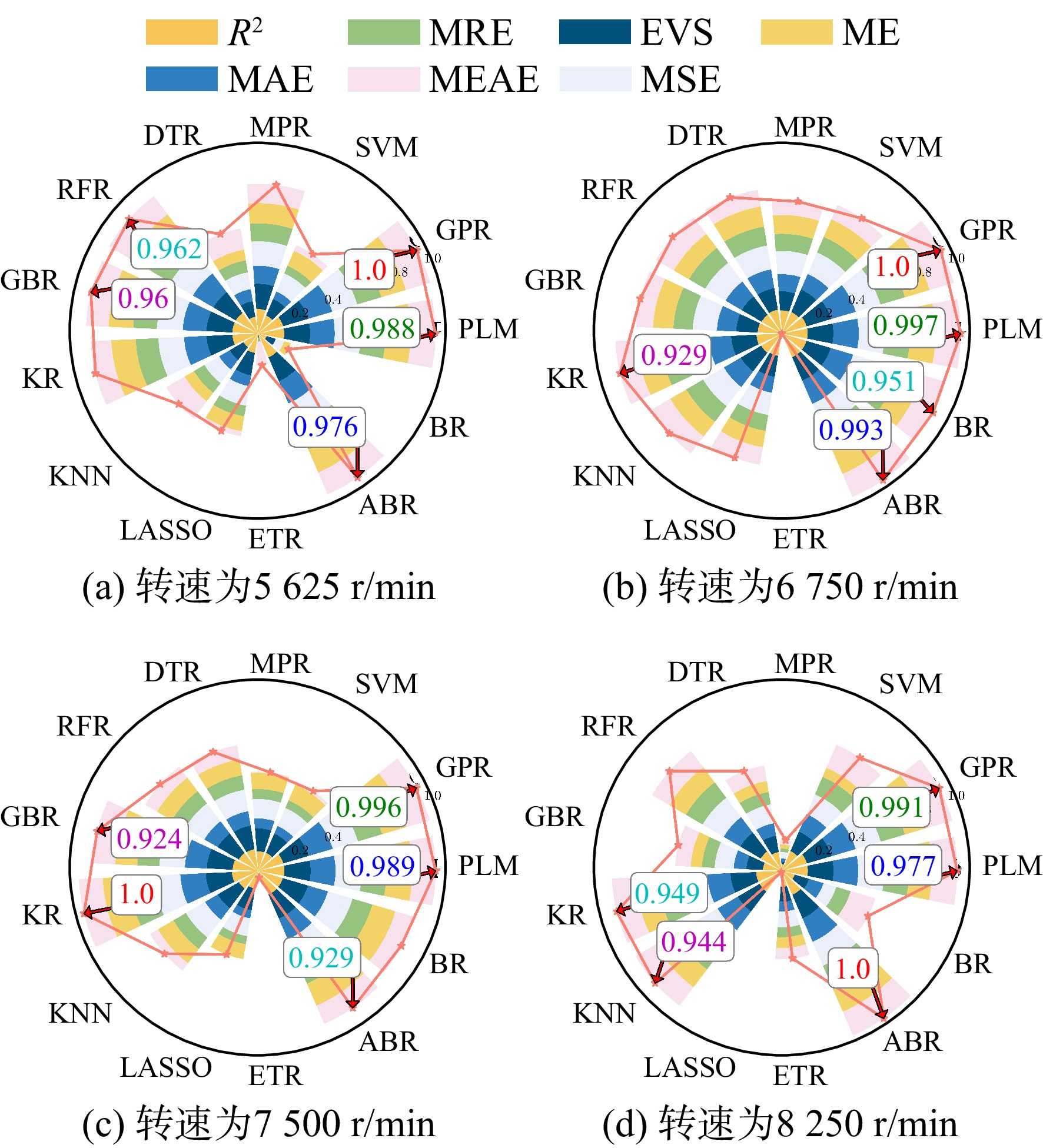
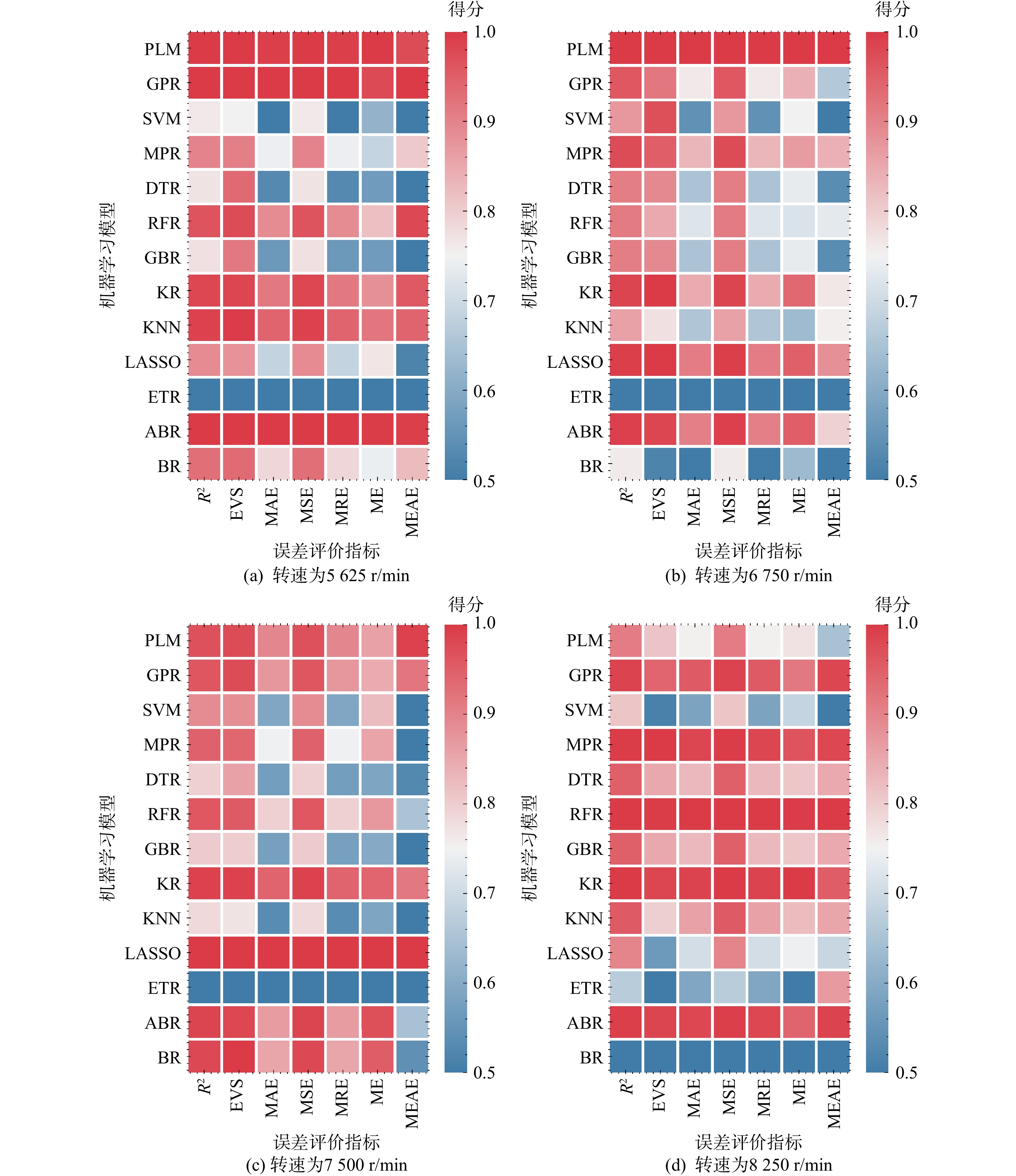
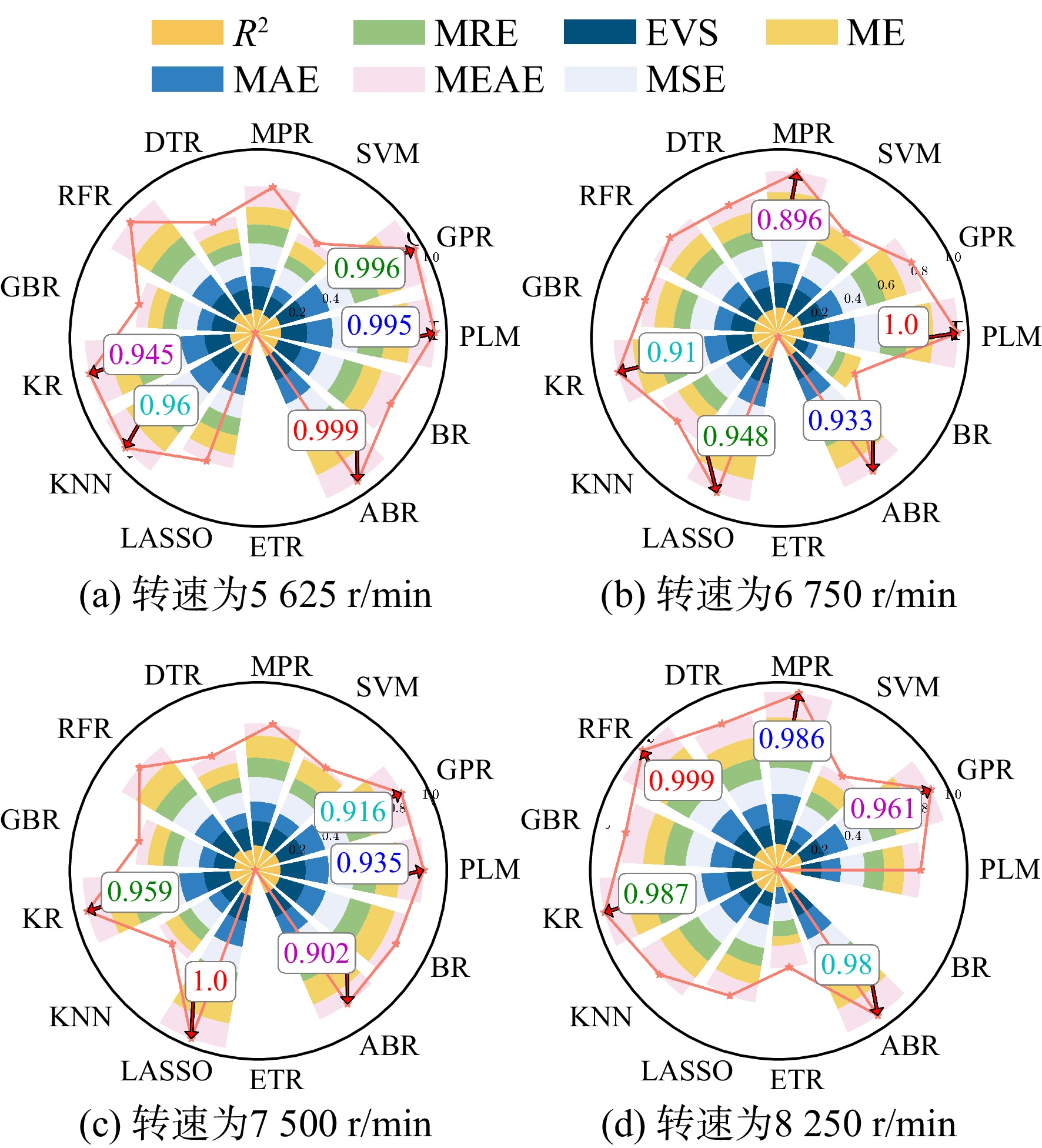
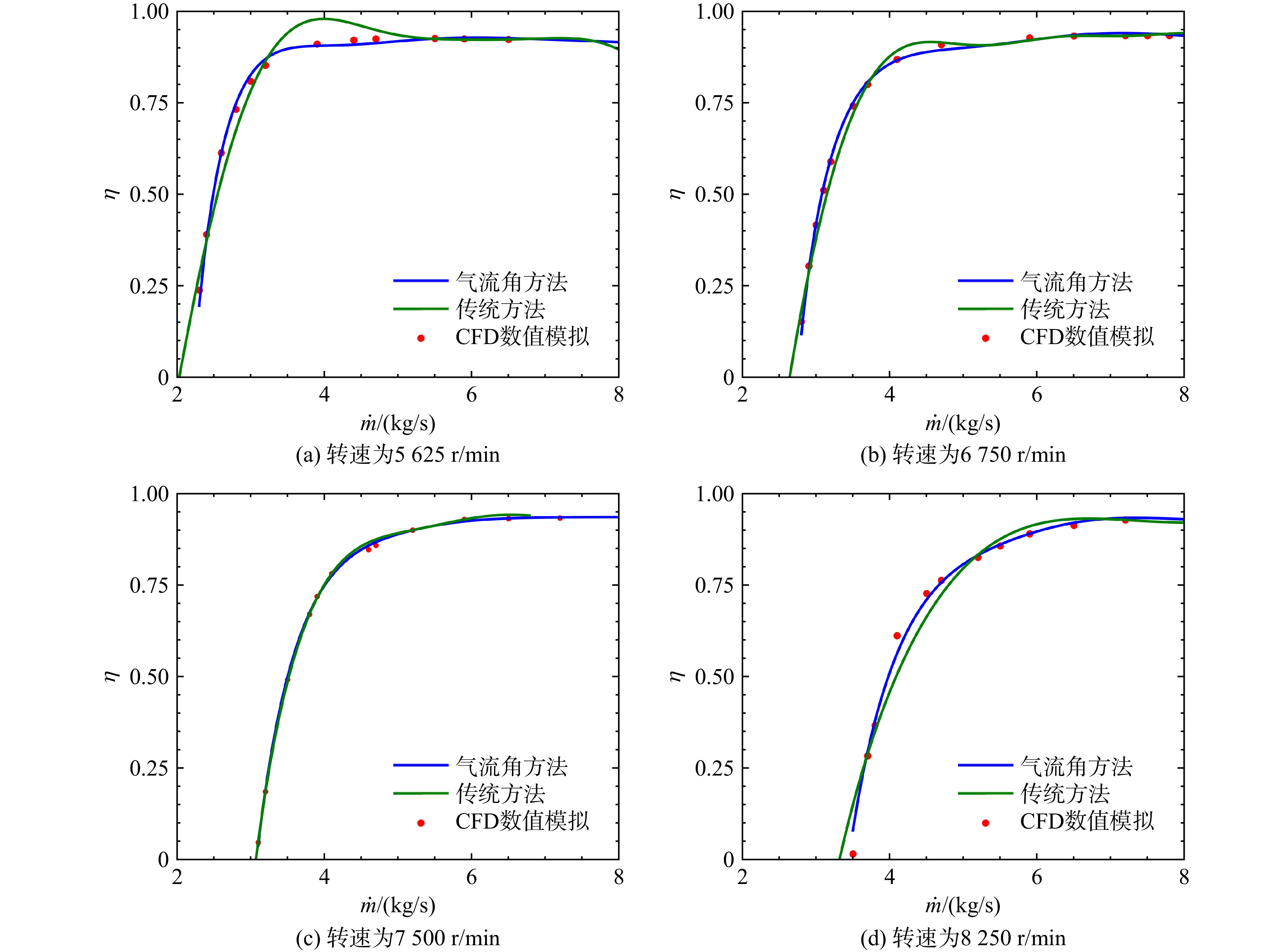
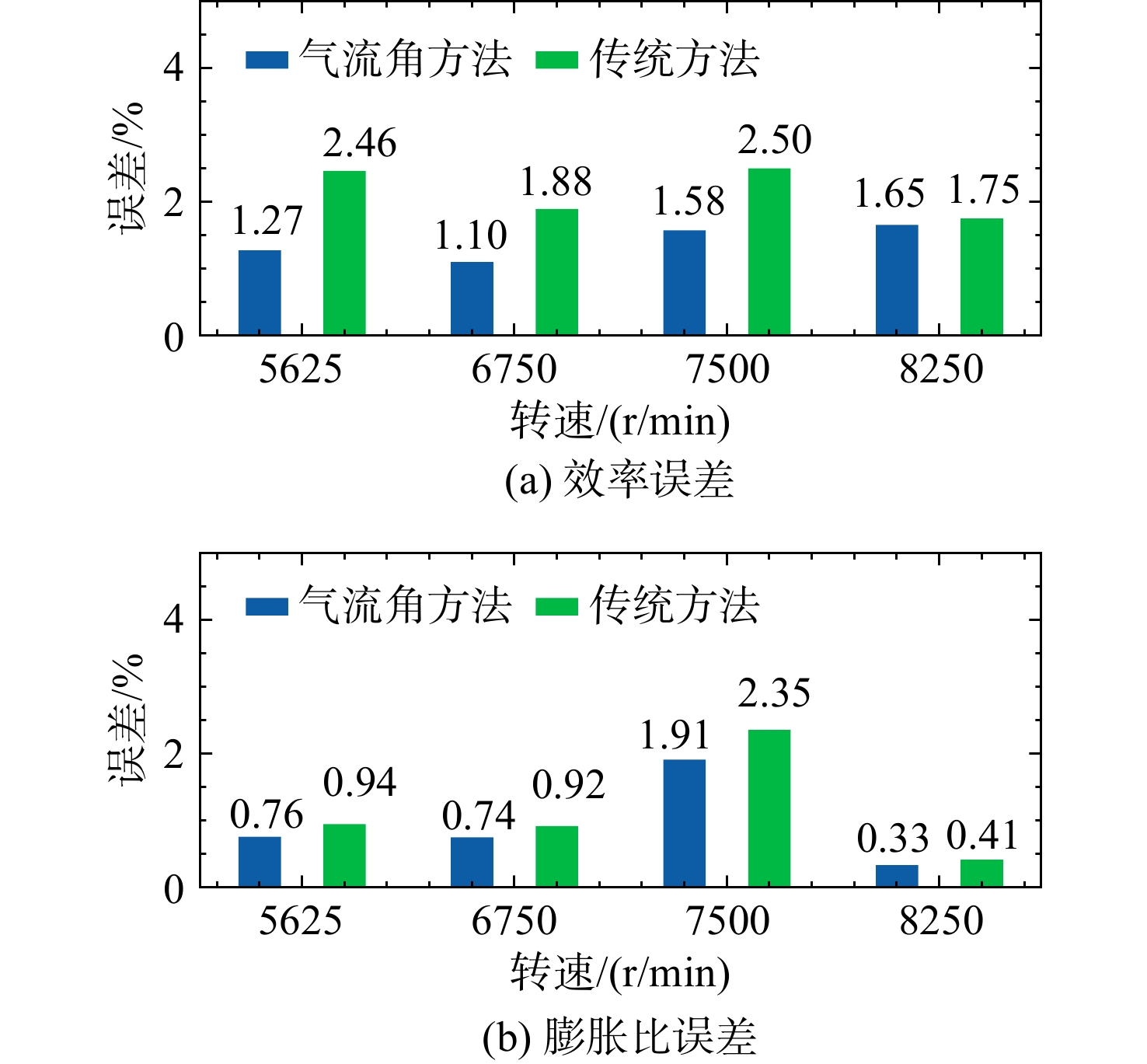
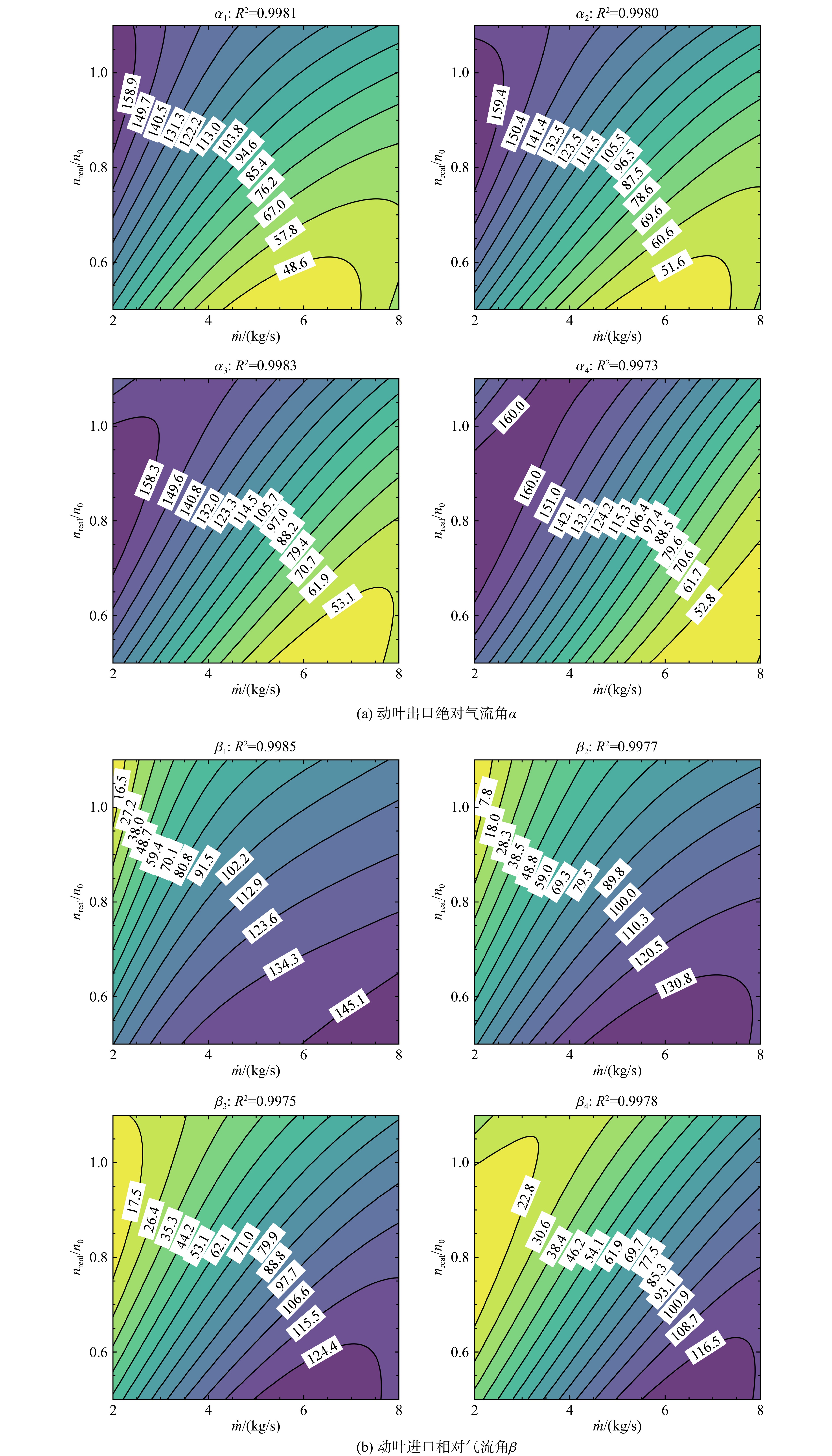
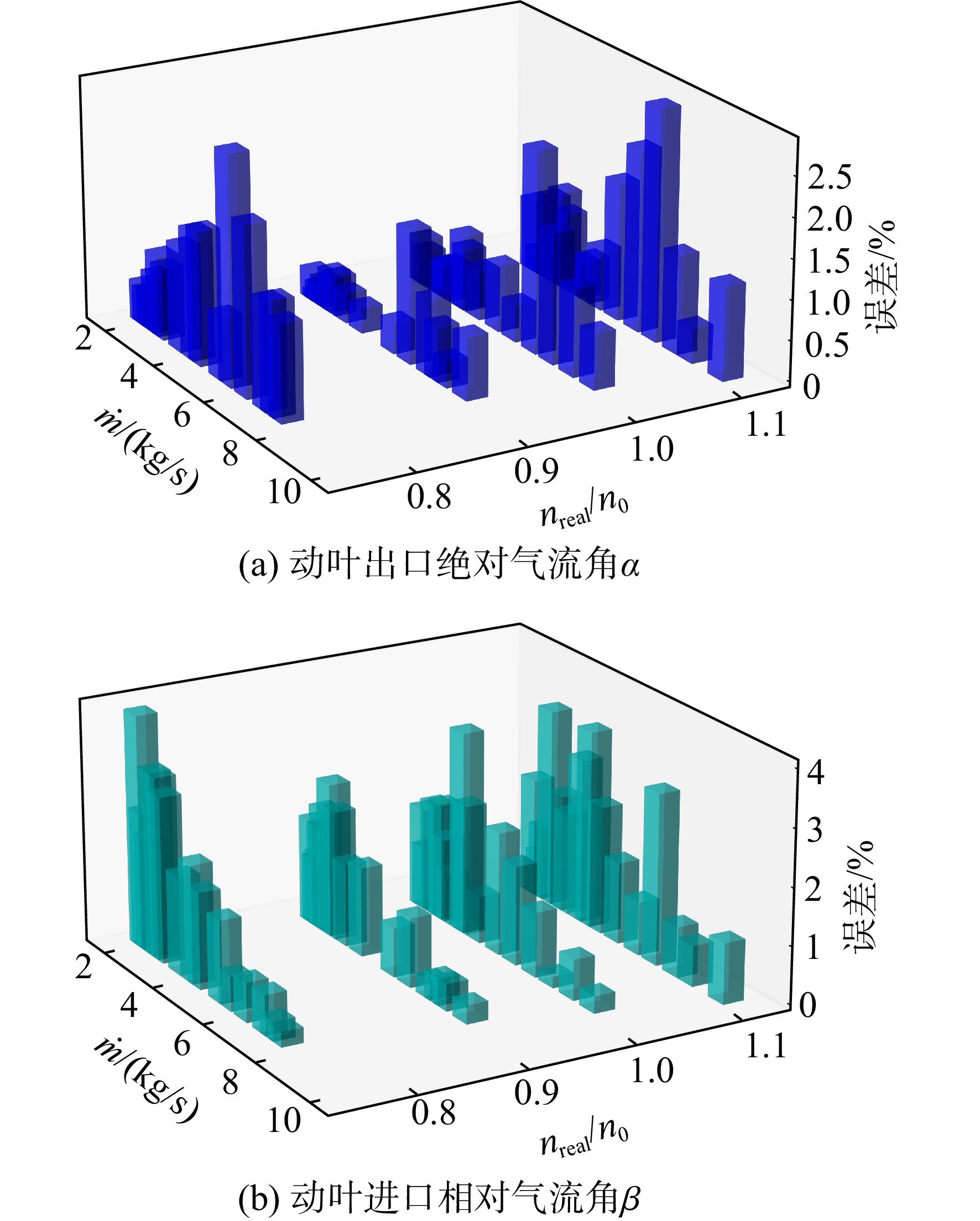
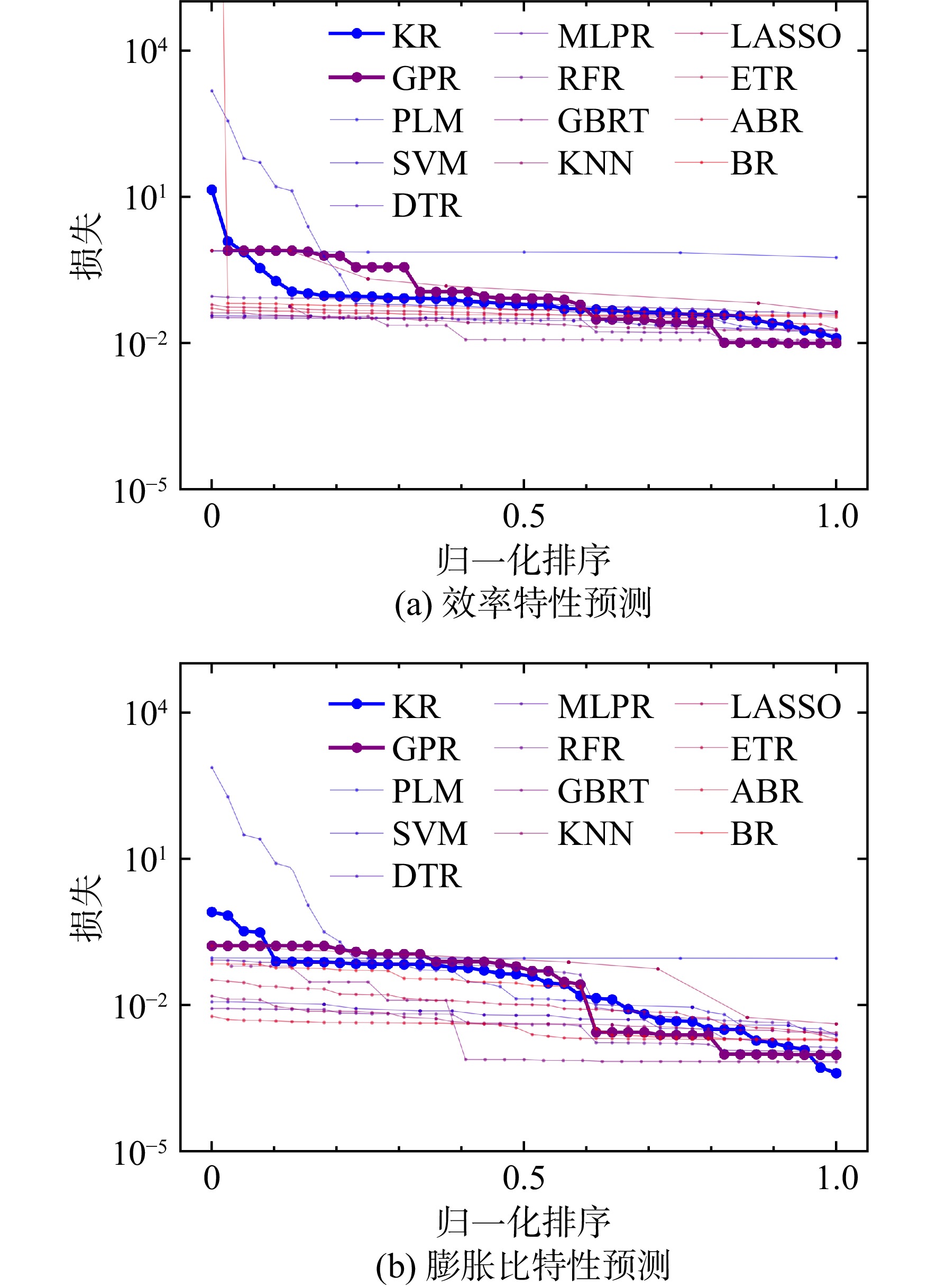
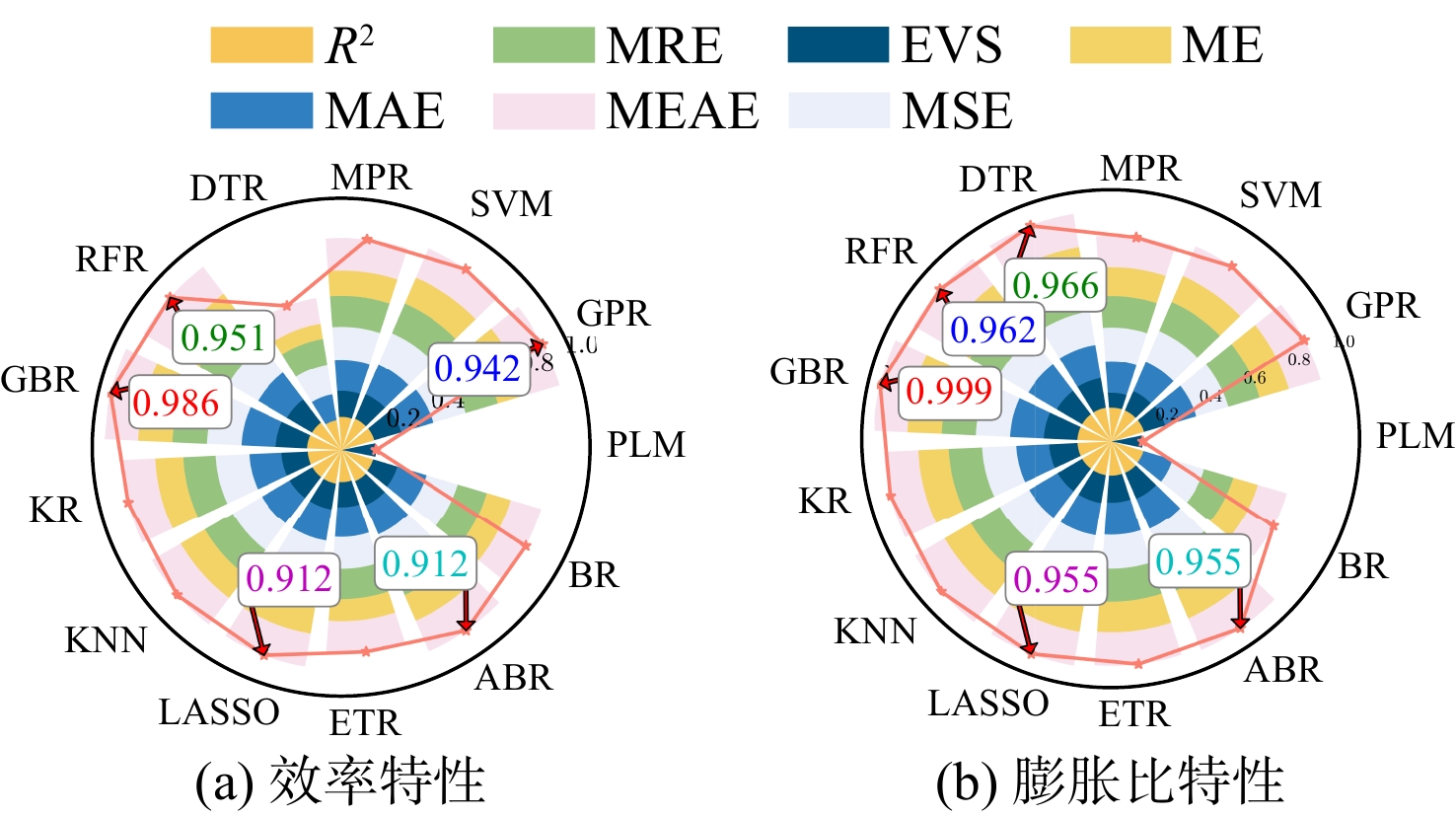
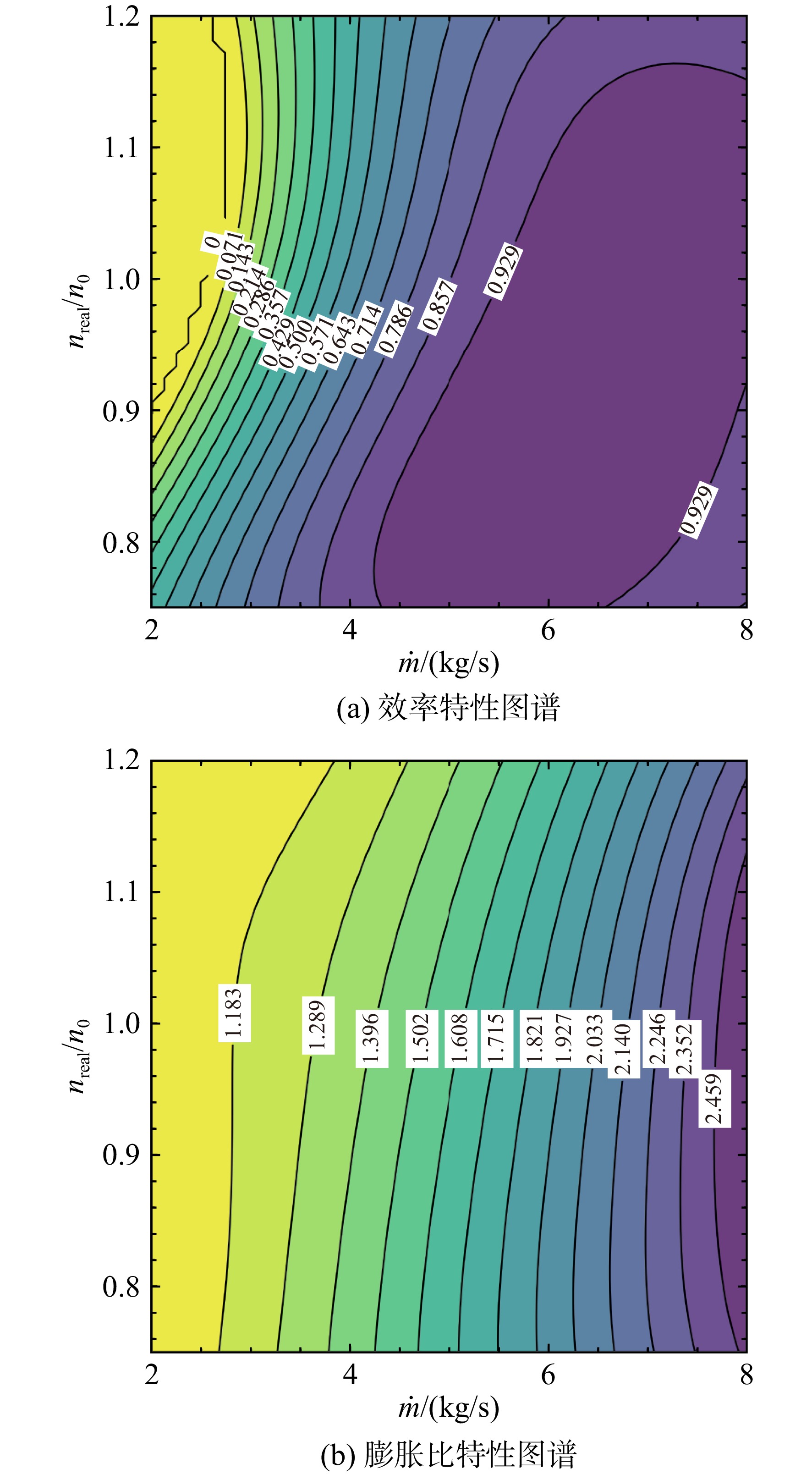
A data-driven coupled prediction method for turbine performance was proposed by incorporating multiple machine learning models and inter-stage flow angle variation patterns. Multiple prediction analysis models were established based on fundamental data, and the entropy weighting method was used to perform comprehensive quantitative analysis of the model predictions. The optimal prediction model was dynamically determined based on data-driven approaches. Verification through multi-stage axial turbine characteristic variation examples demonstrated that under constant rotational speed conditions, compared with the traditional direct prediction method without considering changes in the flow angle, the computational accuracy of the flow-efficiency characteristic and the flow-expansion ratio characteristic was improved by 40.47% and 18.26%, respectively. Furthermore, the maximum error compared with the results of three-dimensional numerical simulations was less than 3%. For variable speed performance prediction, the construction of the turbine characteristic map within a wide flow range of 2 to 8 kg/s was achieved through grid hyper parameter optimization methods. Simulation testing of the constructed map validated that the maximum error in the expansion ratio was close to 3%, meeting the requirements for characteristic estimation accuracy.

Study on the mechanism of flow loss in the tip region of turbine rotors
HUANG Lin, FU Chao
2025, 40(11): 20230777. doi: 10.13224/j.cnki.jasp.20230777
Abstract:
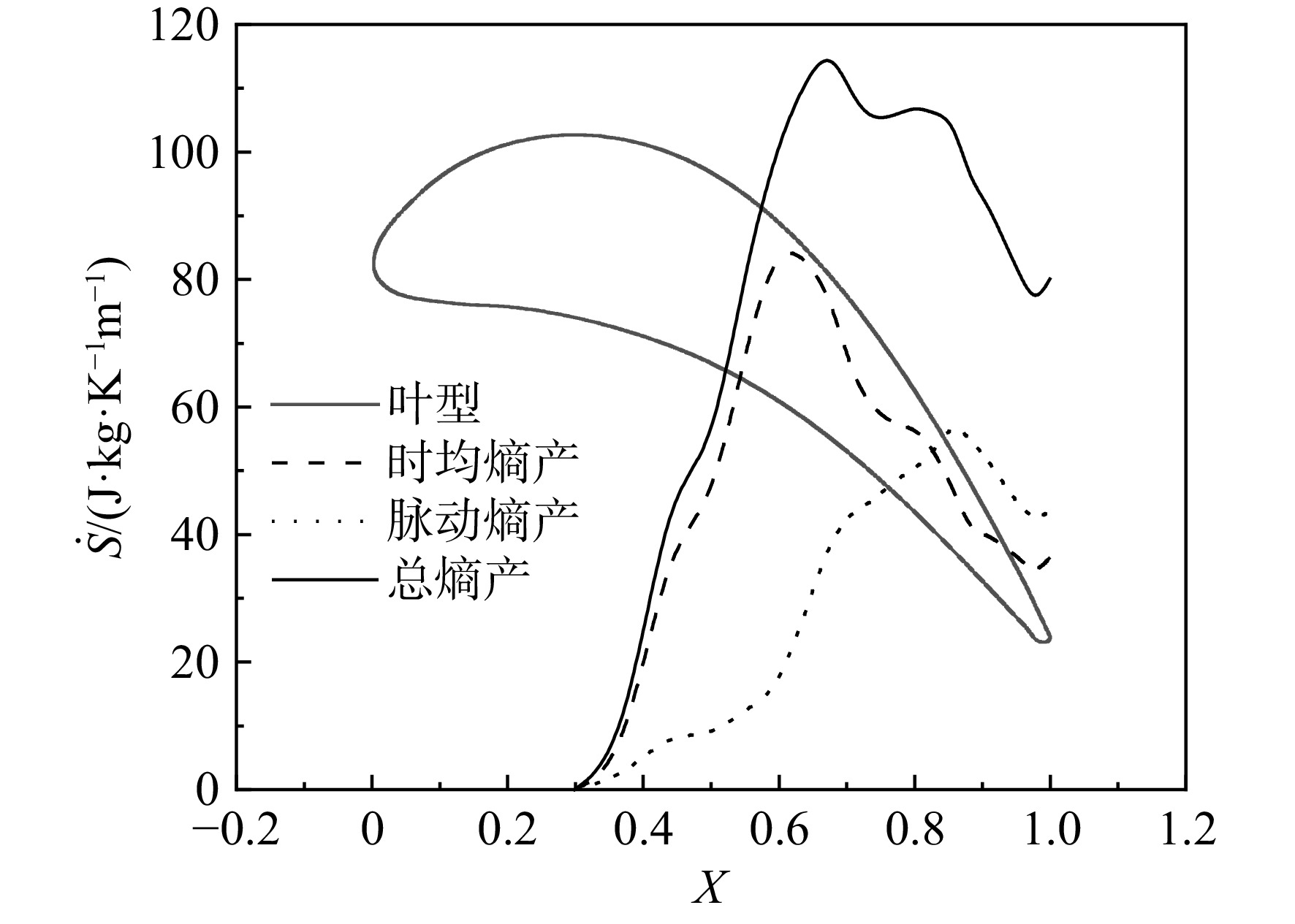
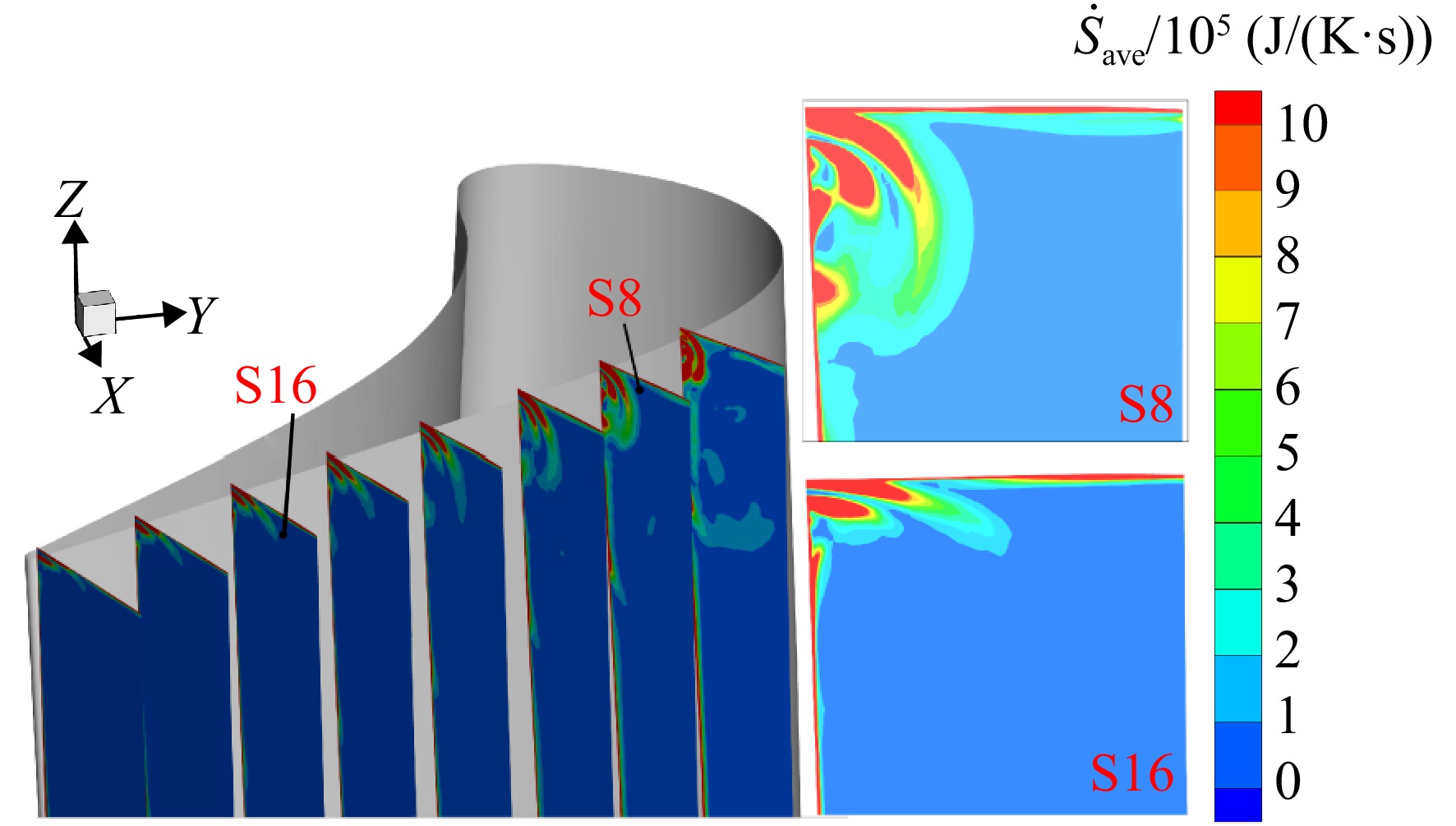
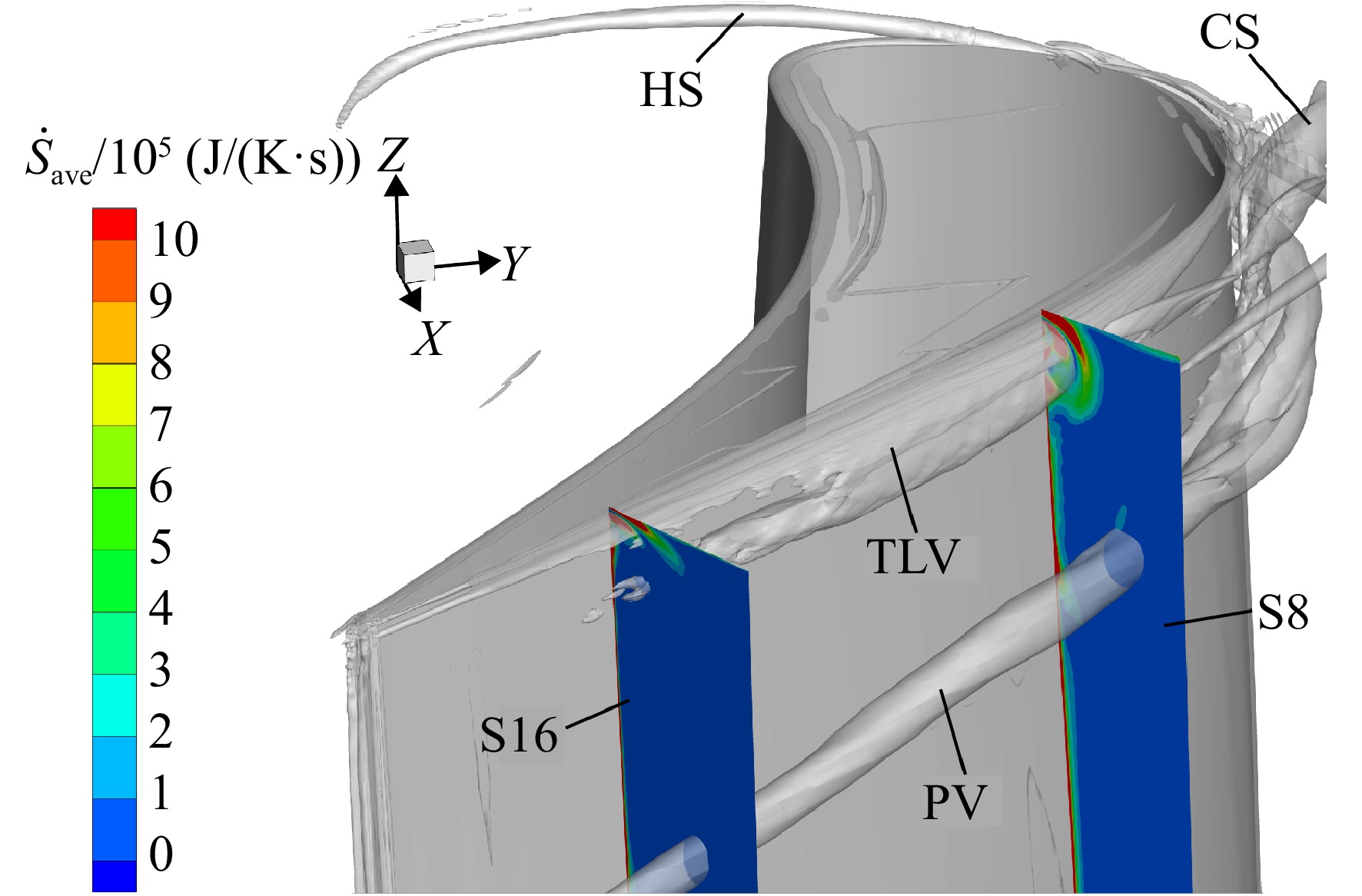
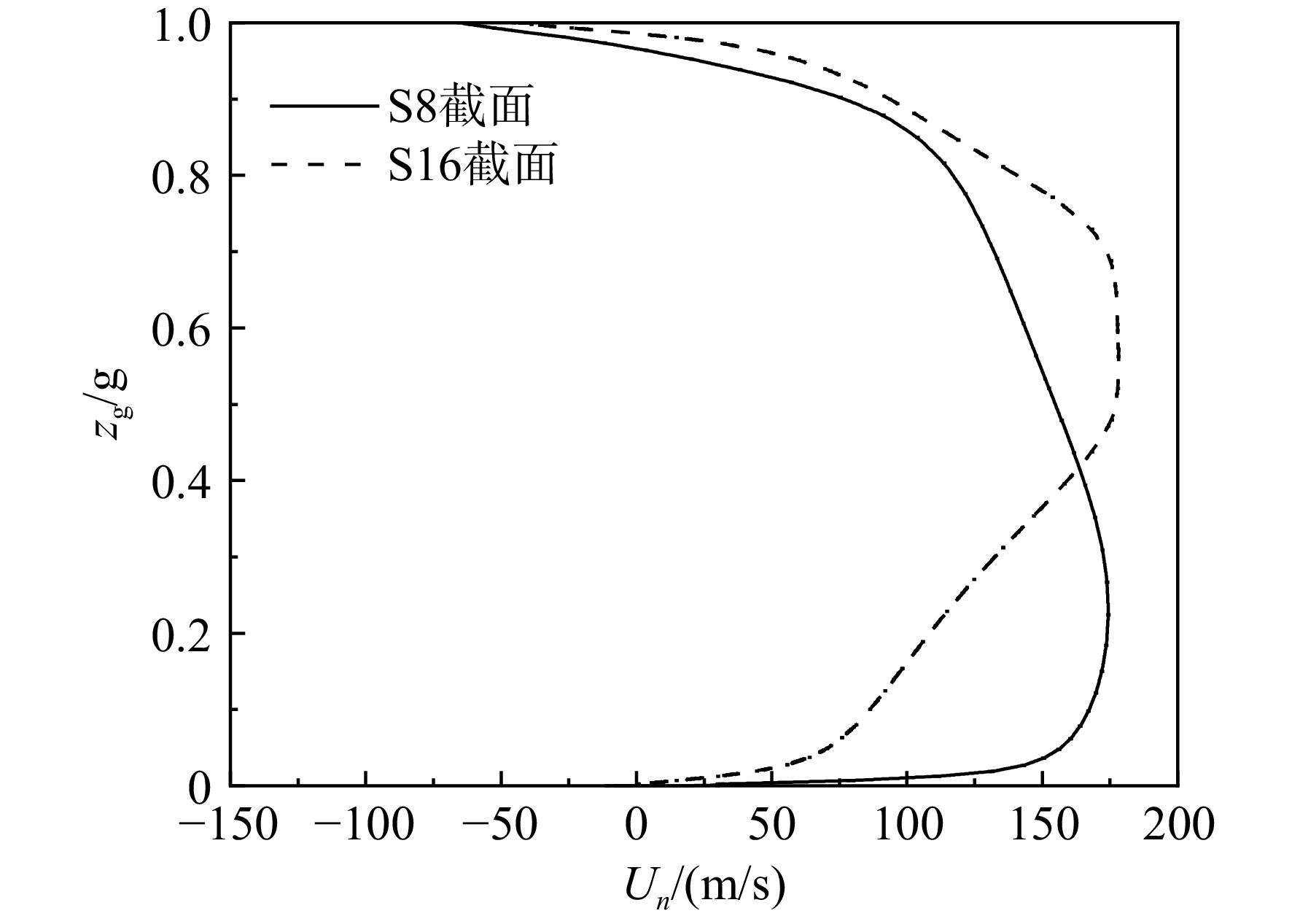
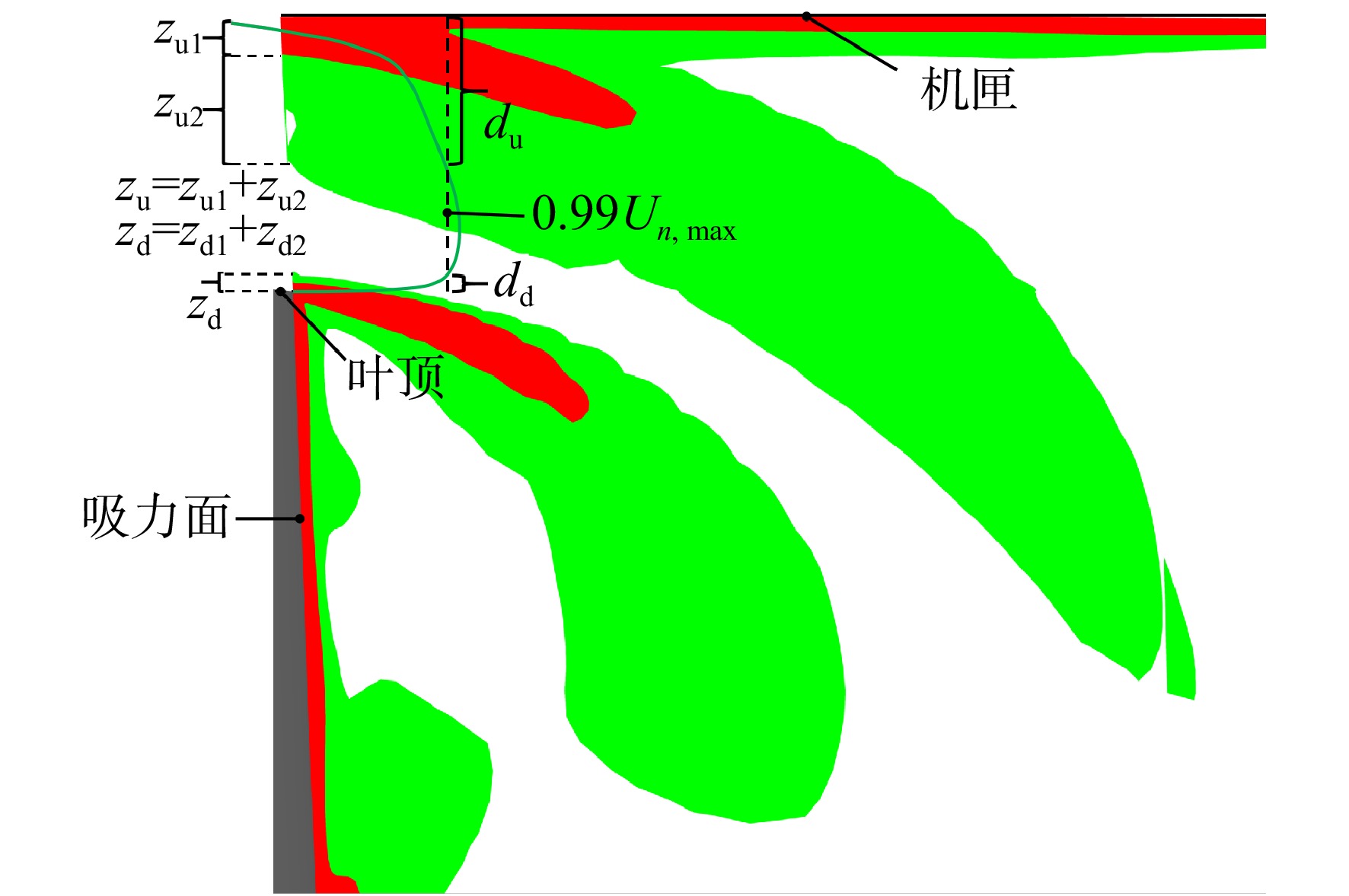
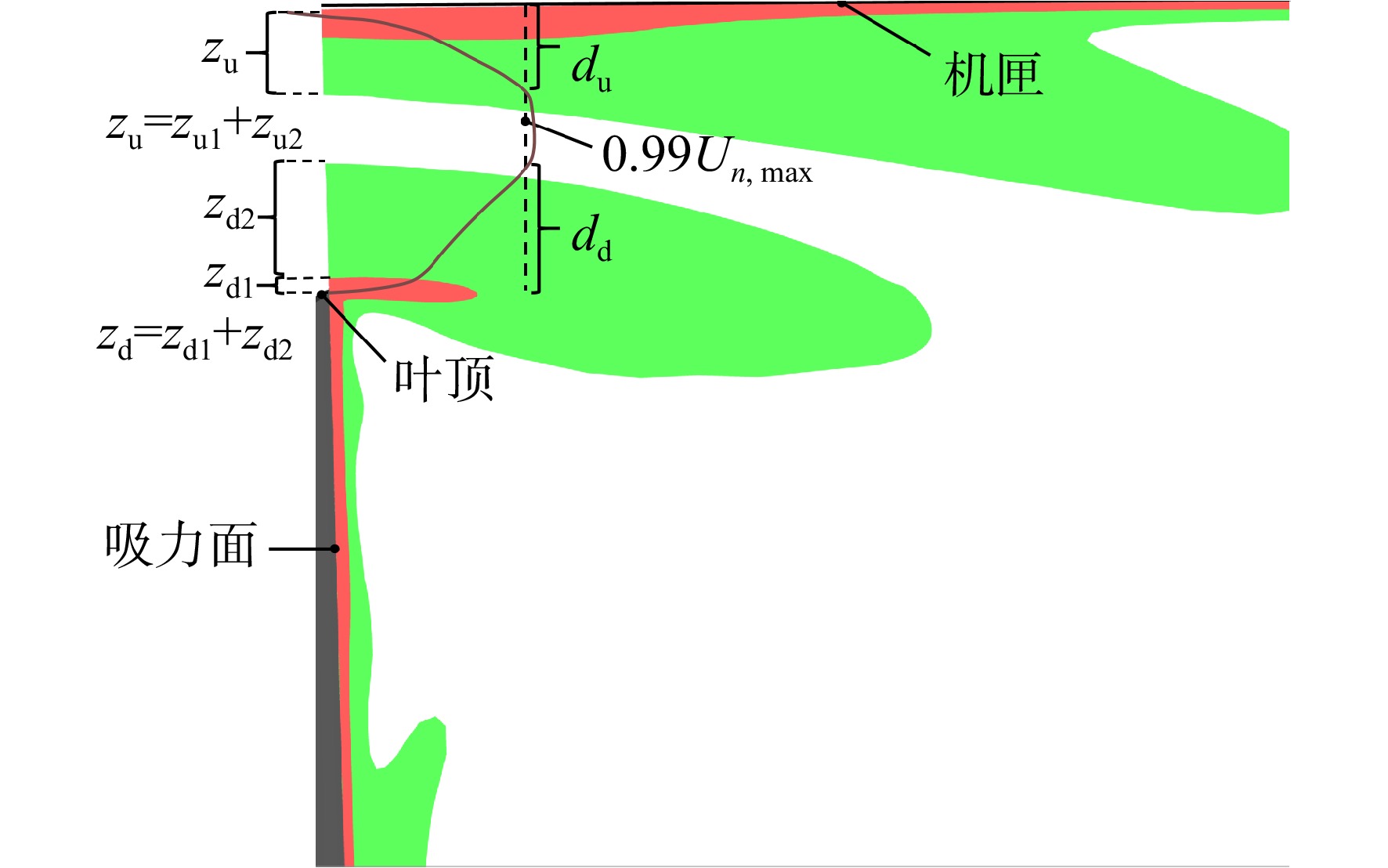
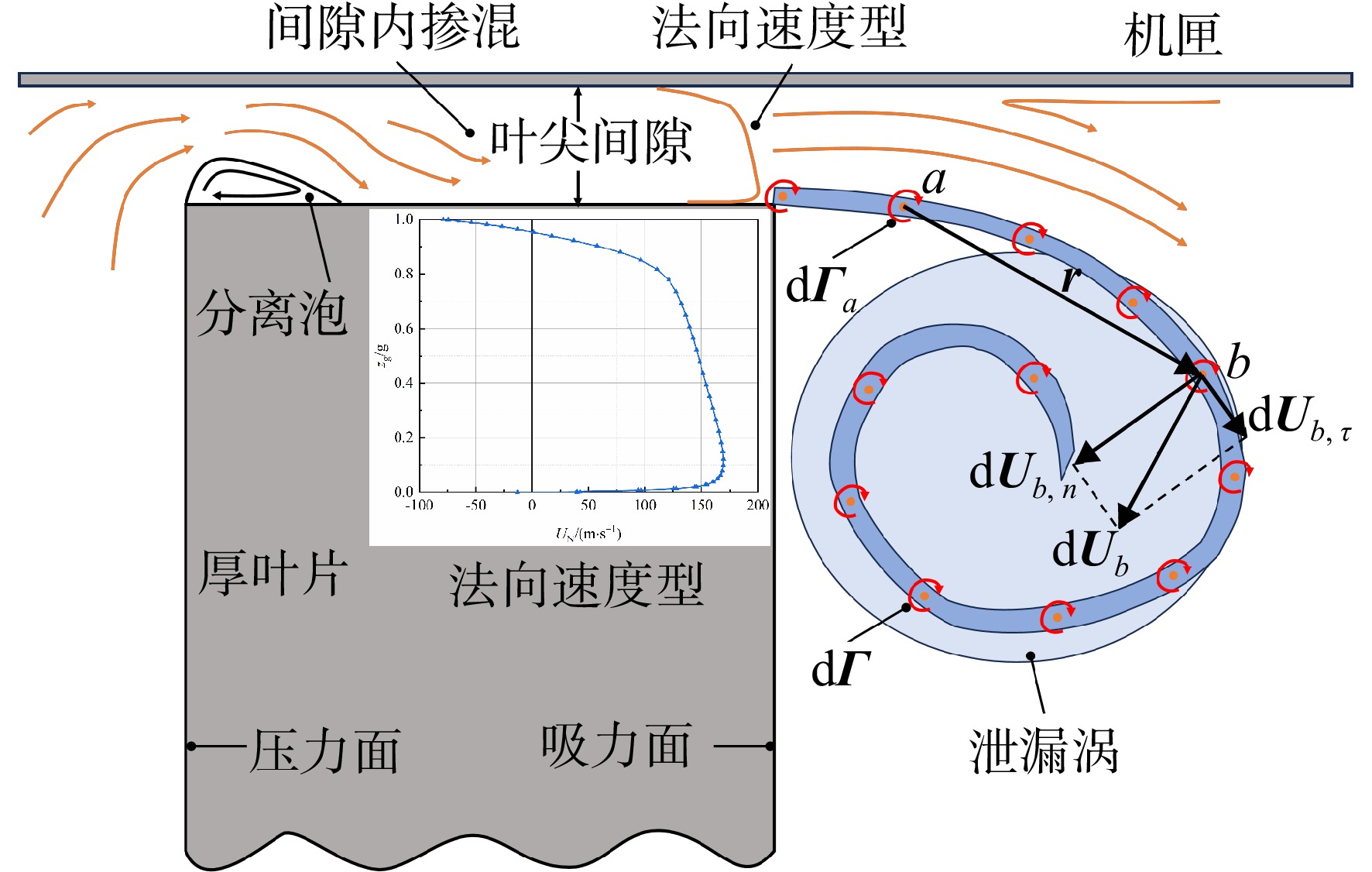
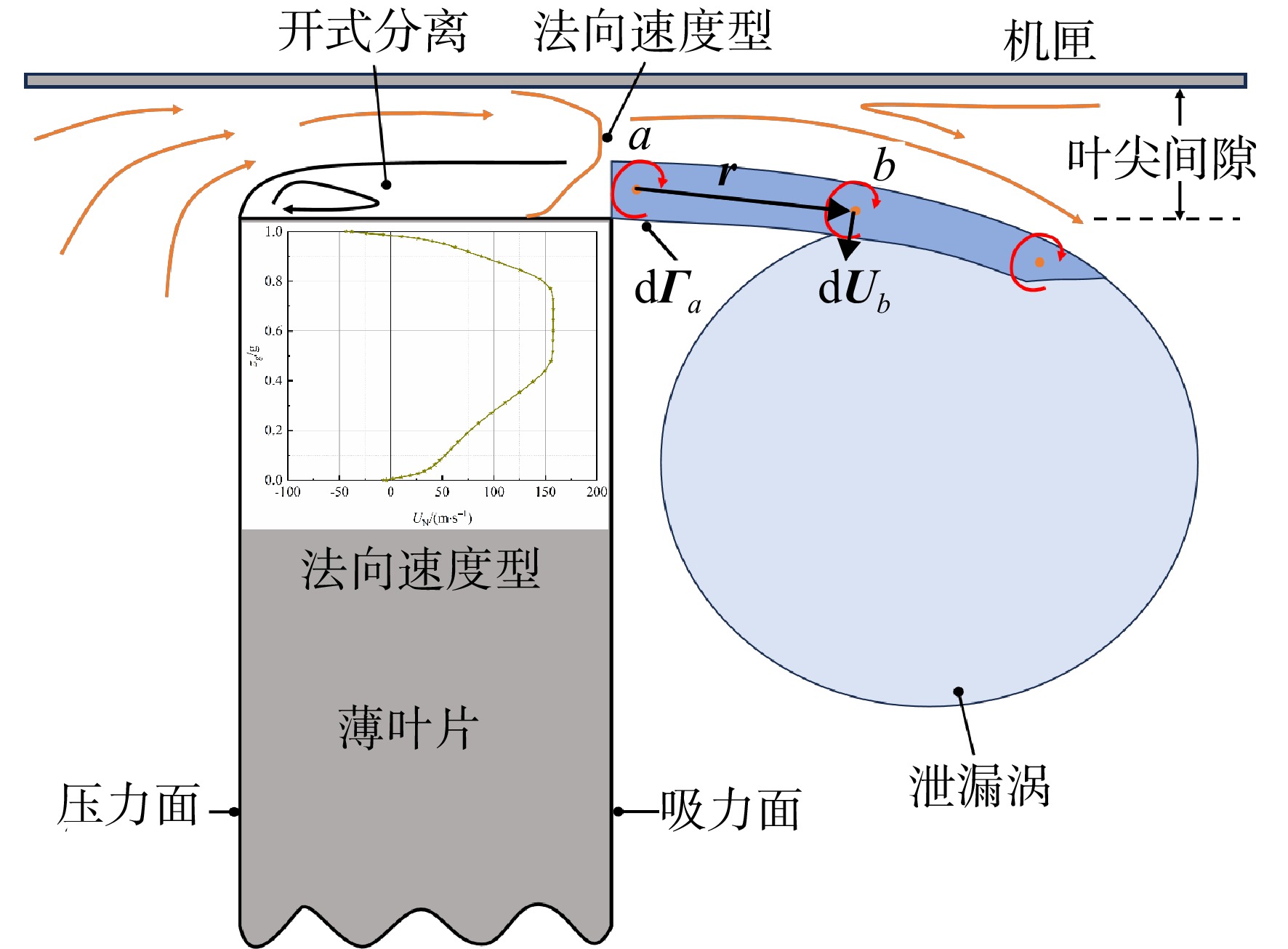
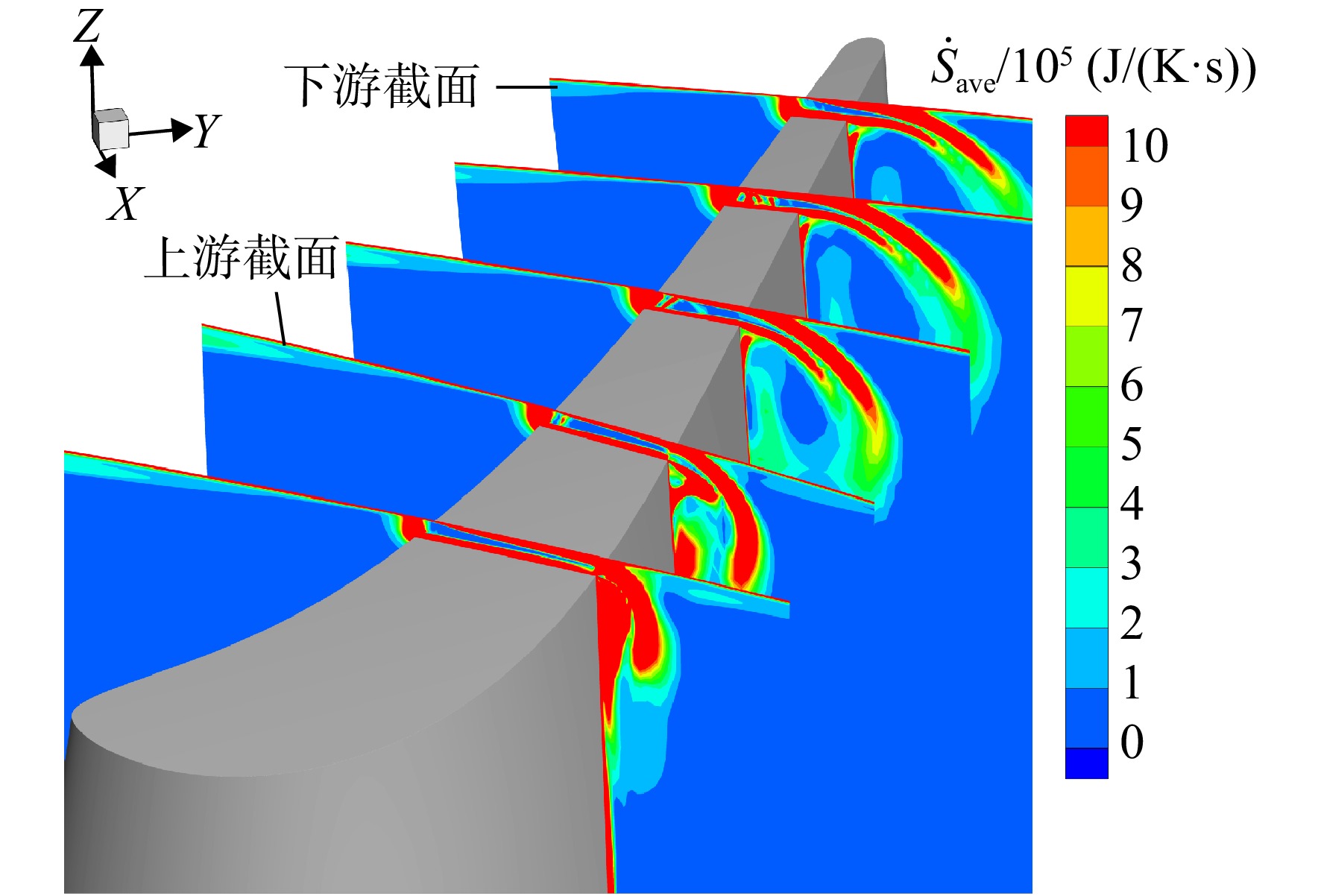
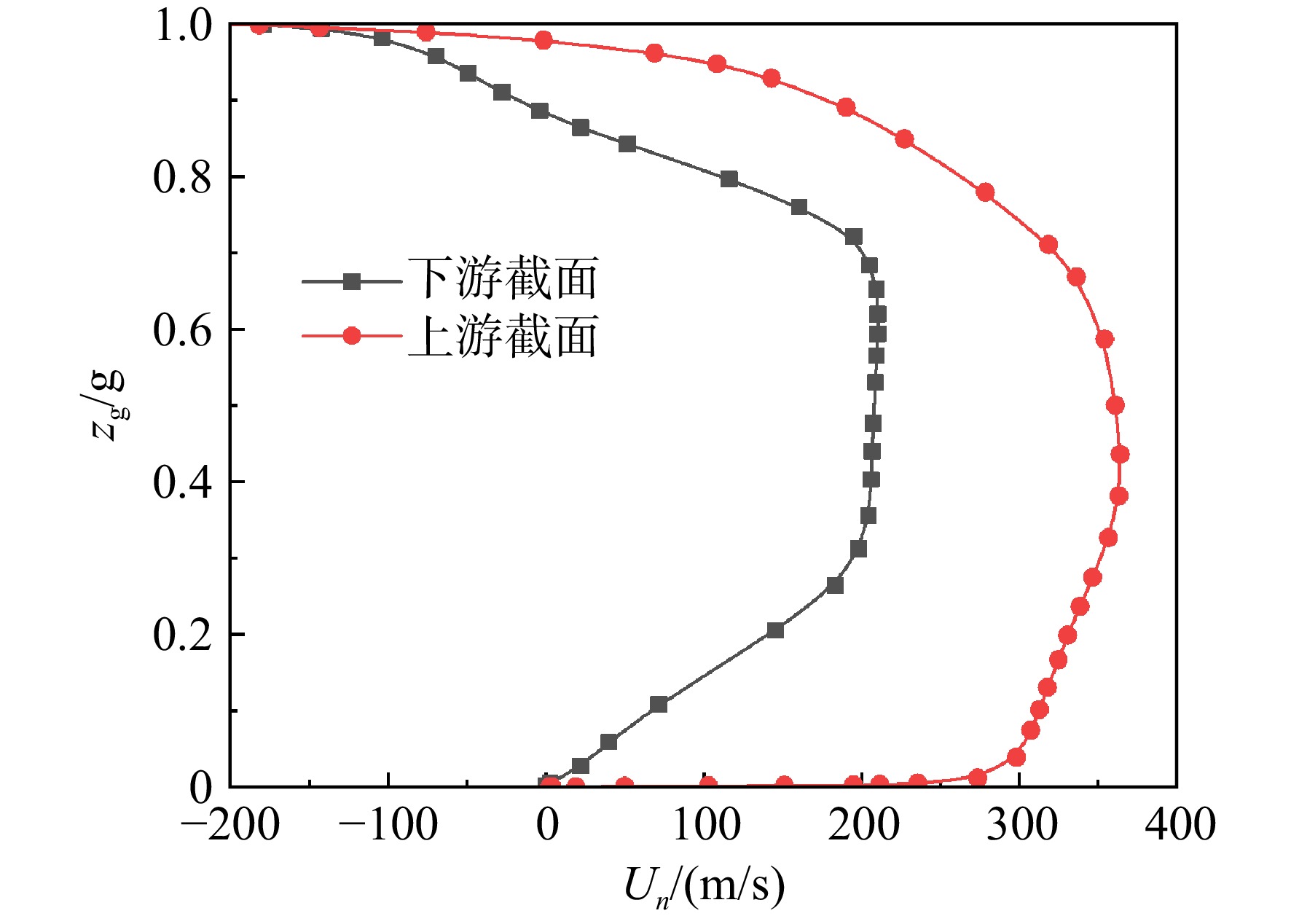
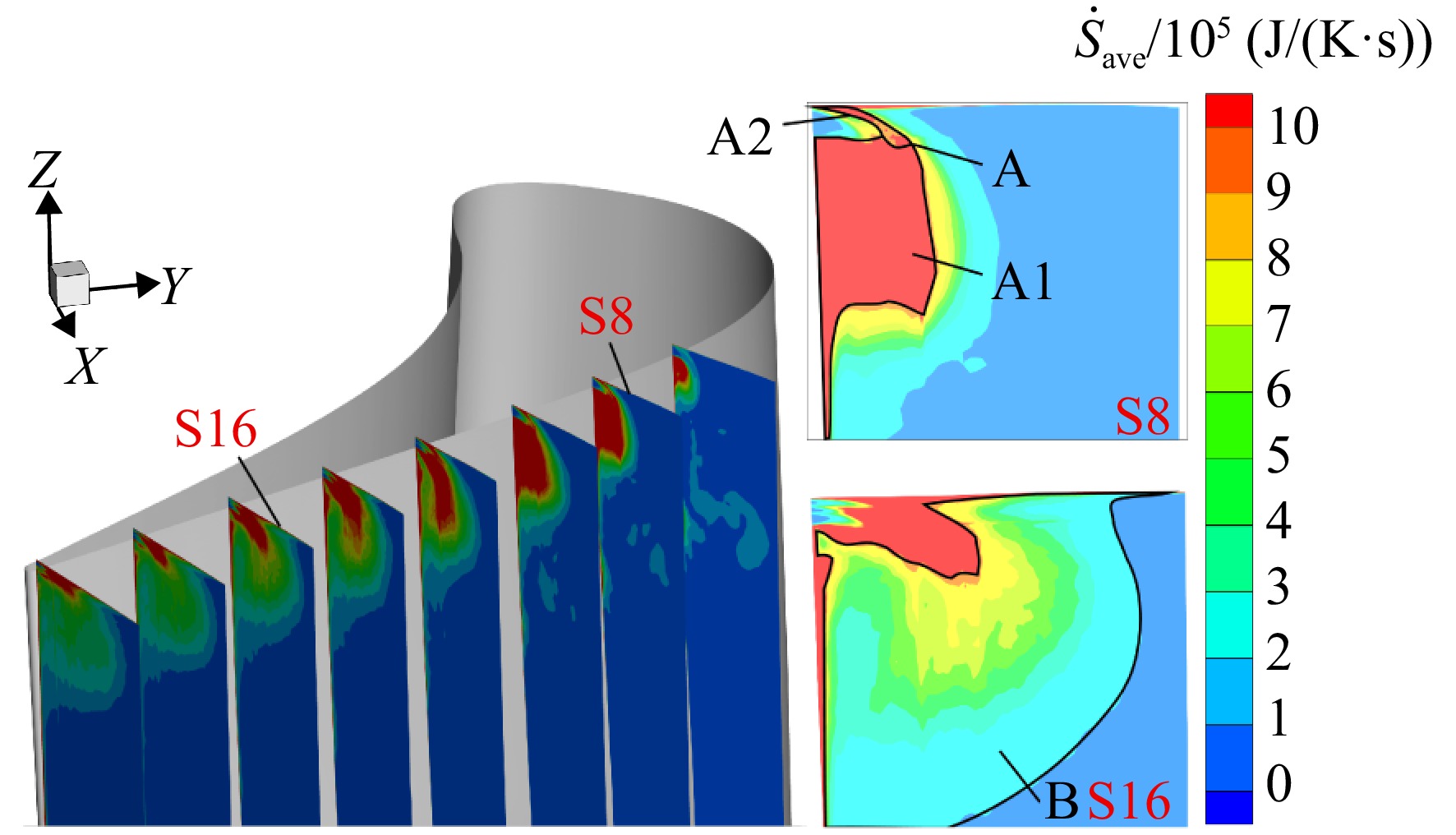
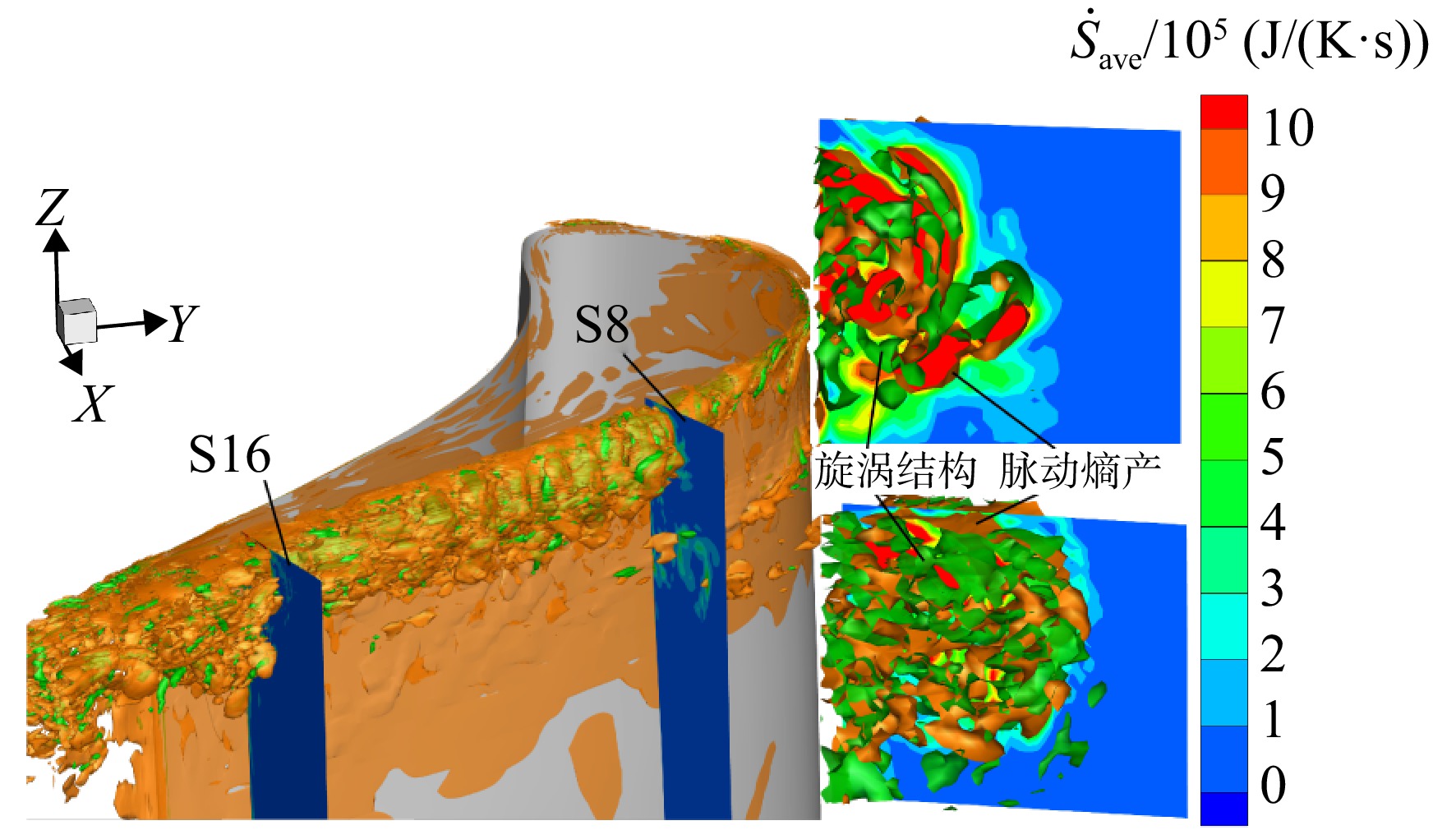
An in-house detached eddy simulation program was employed to simulate the flow in the turbine rotor blade tip region, and high-precision flow field data were obtained, so as to comprehensively investigate the physical process of local aerodynamic loss in this region. The local mixing loss caused by mixing between tip leakage and mainstream flows in the tip clearance region was quantitatively assessed using entropy production analysis. Additionally, the mechanisms and contributions of the time-averaged flow field and fluctuating flow field to the entropy production rate were explored. The results demonstrated that both time-averaged and fluctuating entropy productions were important sources of the mixing loss. Time-averaged entropy production dominated upstream losses, whereas fluctuating entropy production dominated downstream losses. The generation and spatial distribution of the time-averaged entropy production were determined by the normal velocity profile of the tip leakage jet. Time-averaged entropy production varied in magnitude and spatial distribution due to differences in shear strength and the thickness of the tip leakage flow boundary layers in the upstream and downstream locations. The generation of the fluctuating entropy production was dominated by the amplification term caused by the time-averaged strain rate tensor and the pressure Hessian term caused by the vortical structures in the fluctuating flow field.

Uncertainty analysis of effects of real coupling deviations on aerodynamic performance of compressor cascades
SUN Zezhen, CHU Wuli, GUO Zhengtao, MO Yuqin, LIU Kaiye
2025, 40(11): 20240605. doi: 10.13224/j.cnki.jasp.20240605
Abstract:

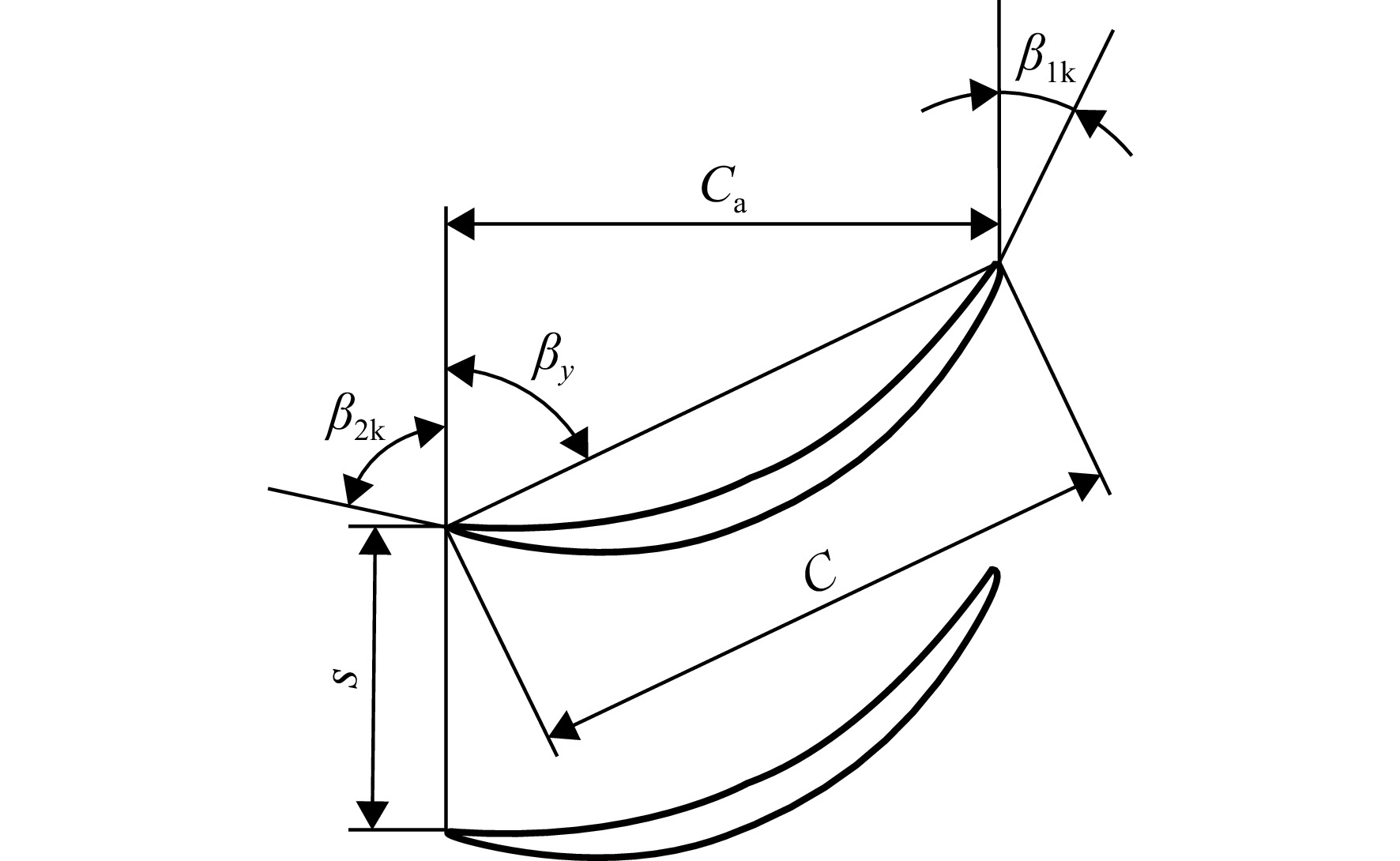
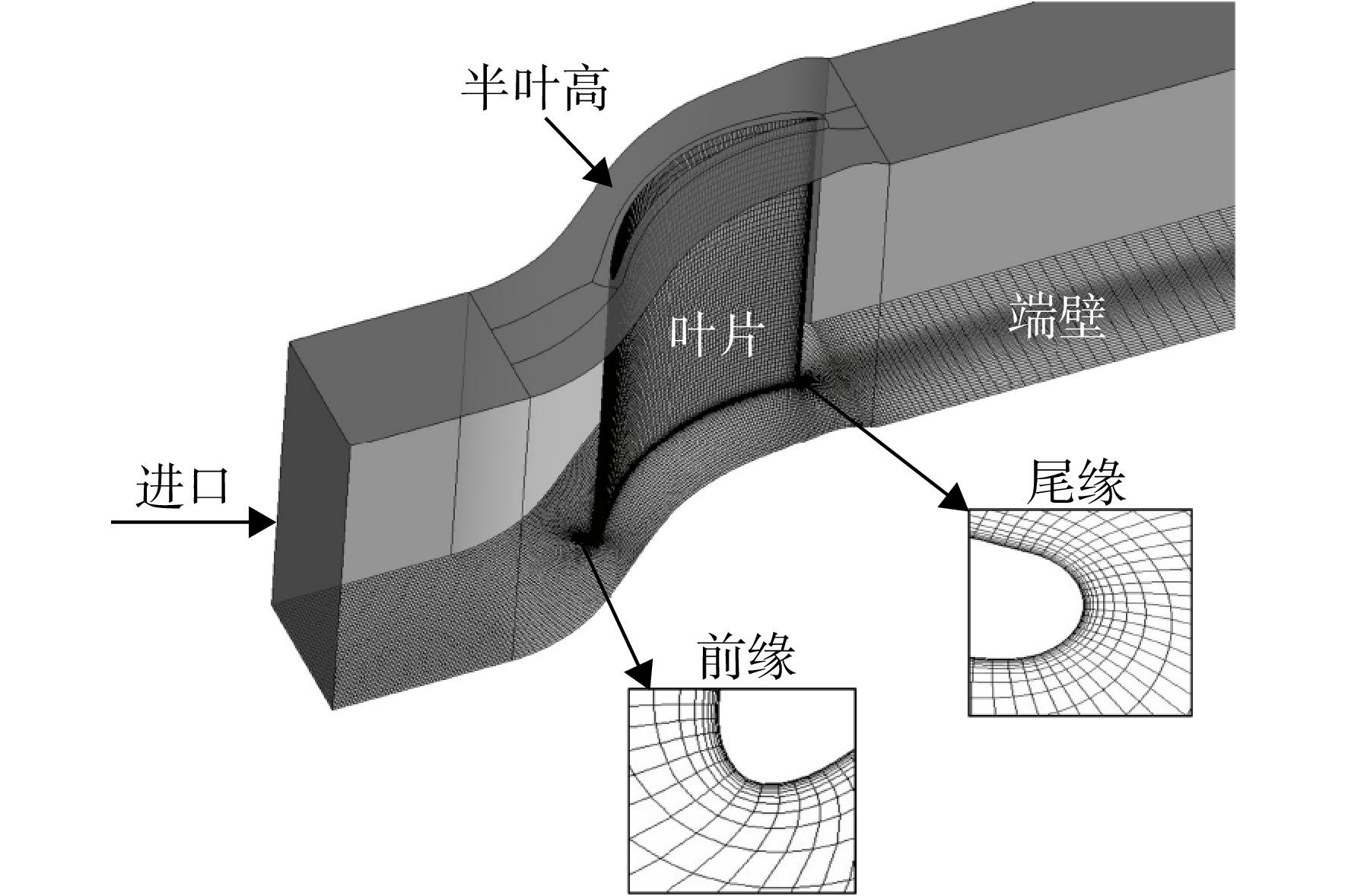
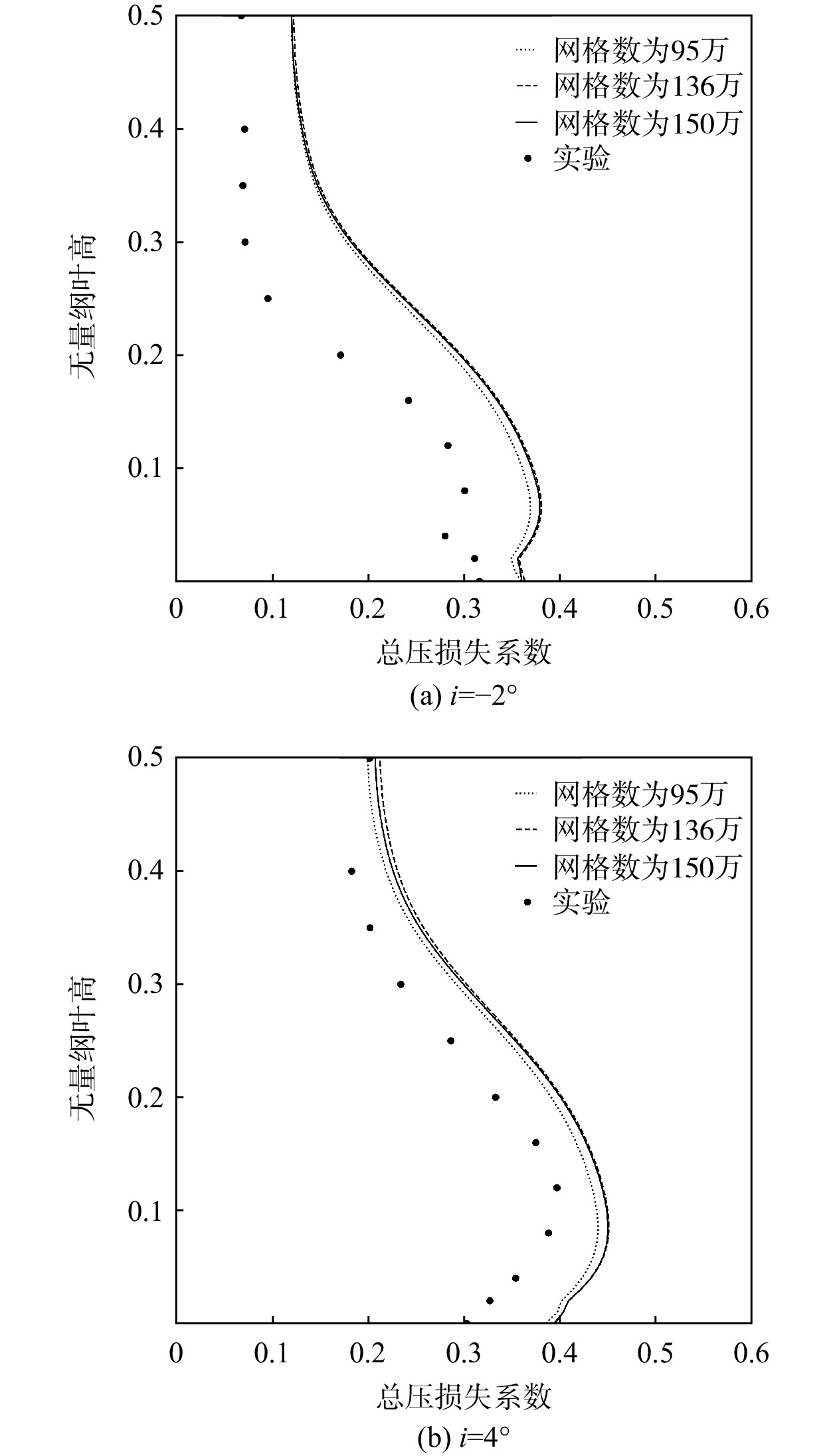
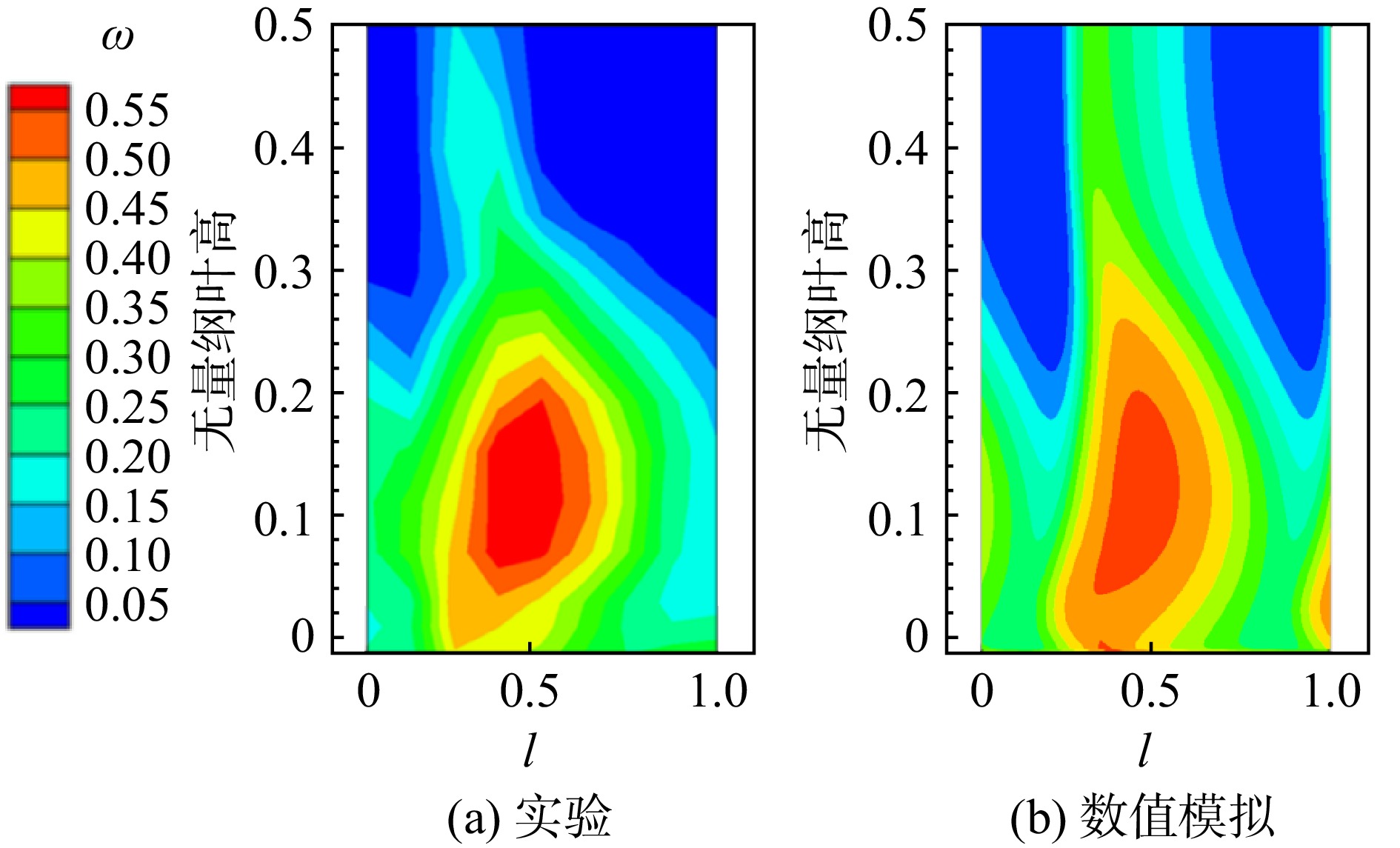
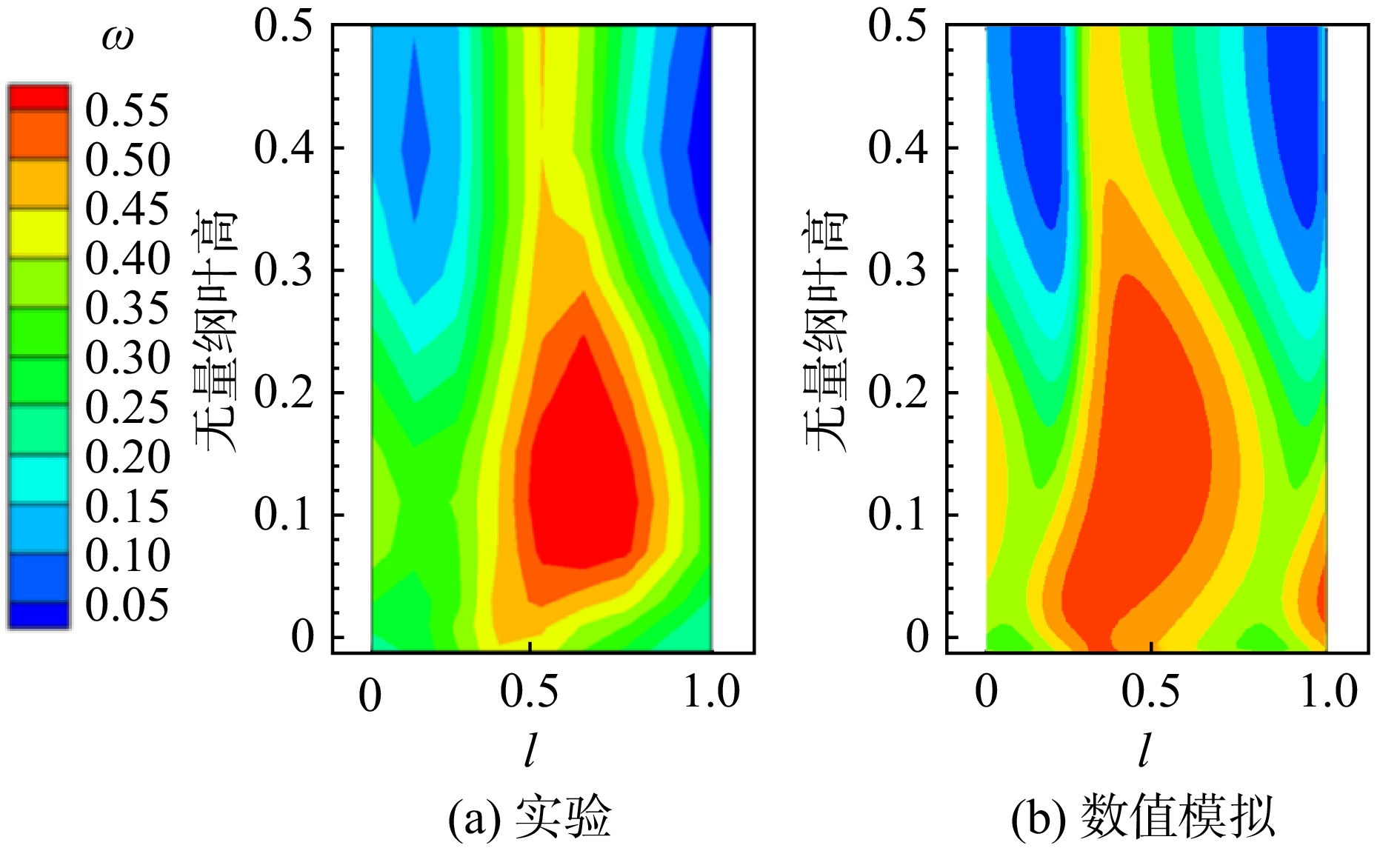
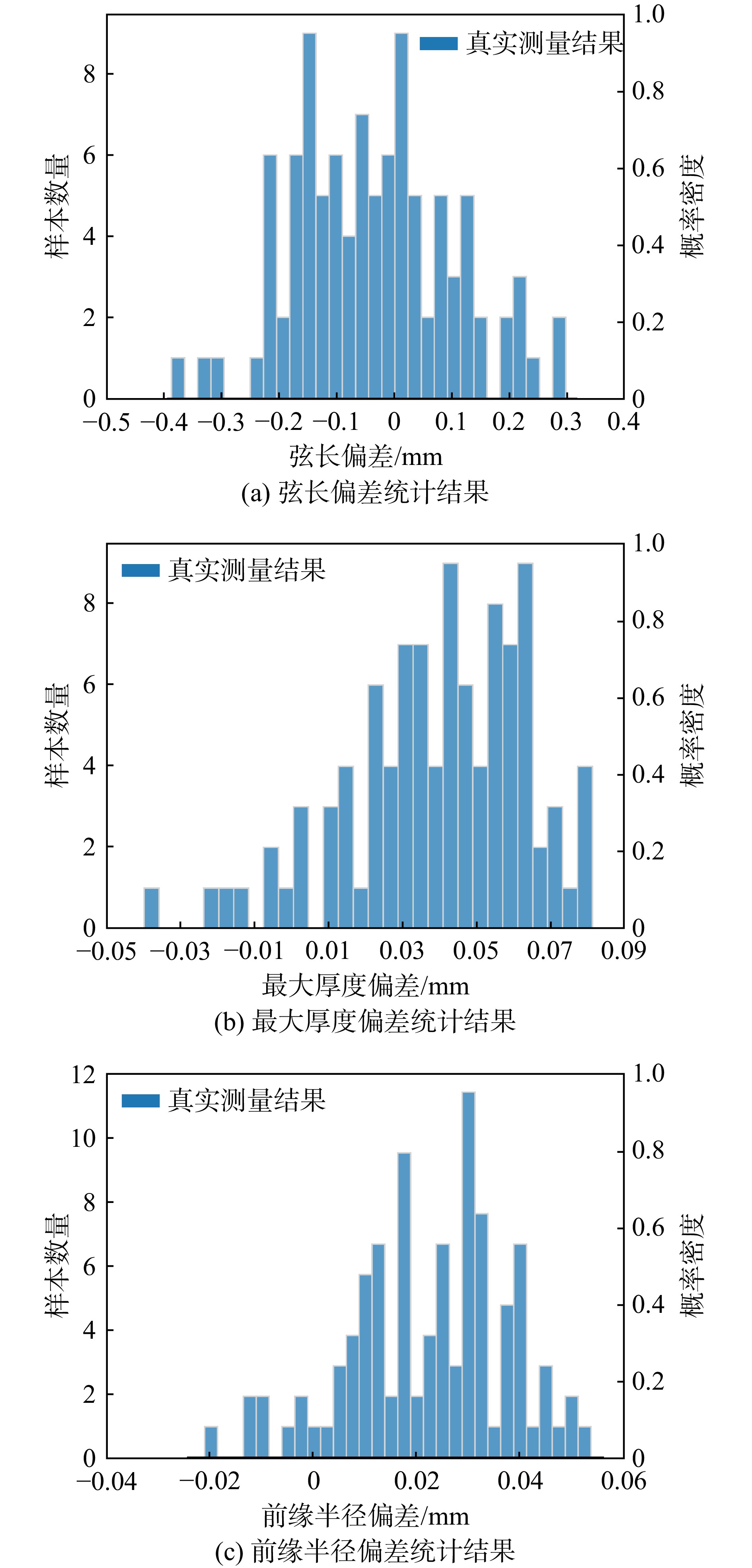
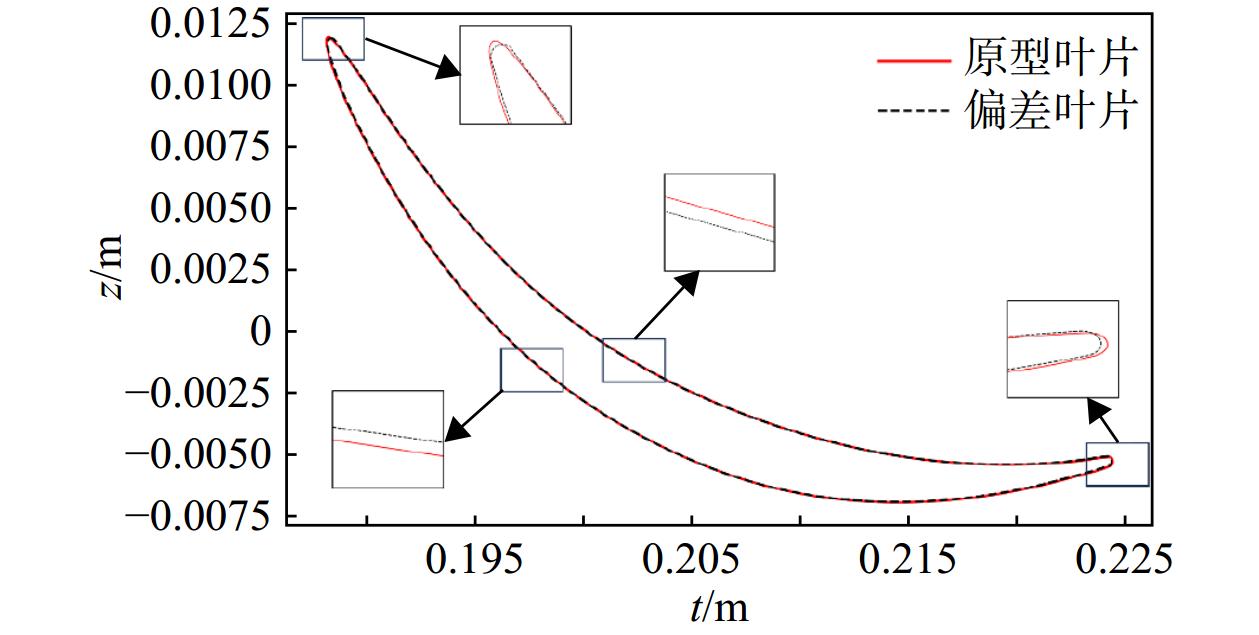
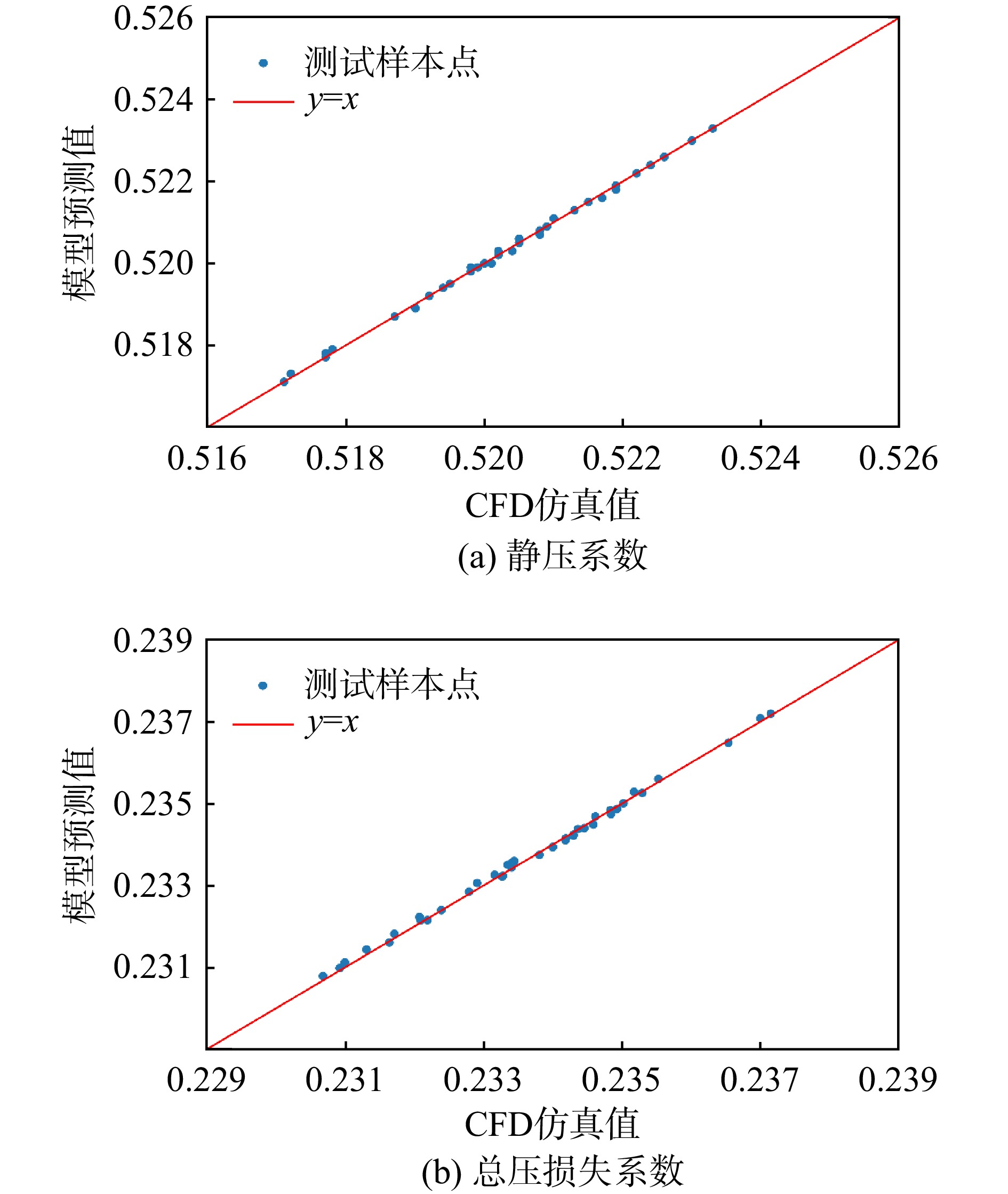
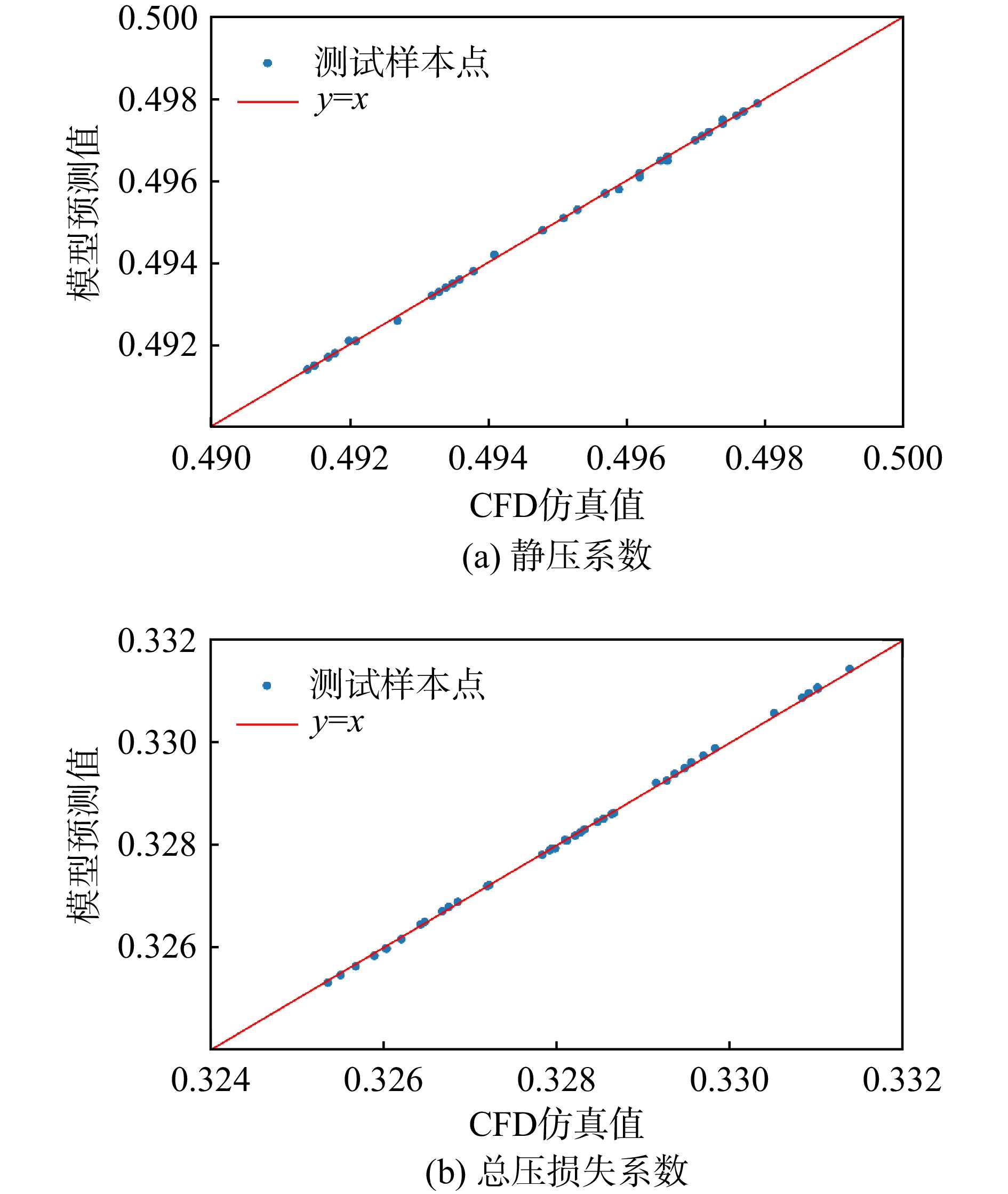
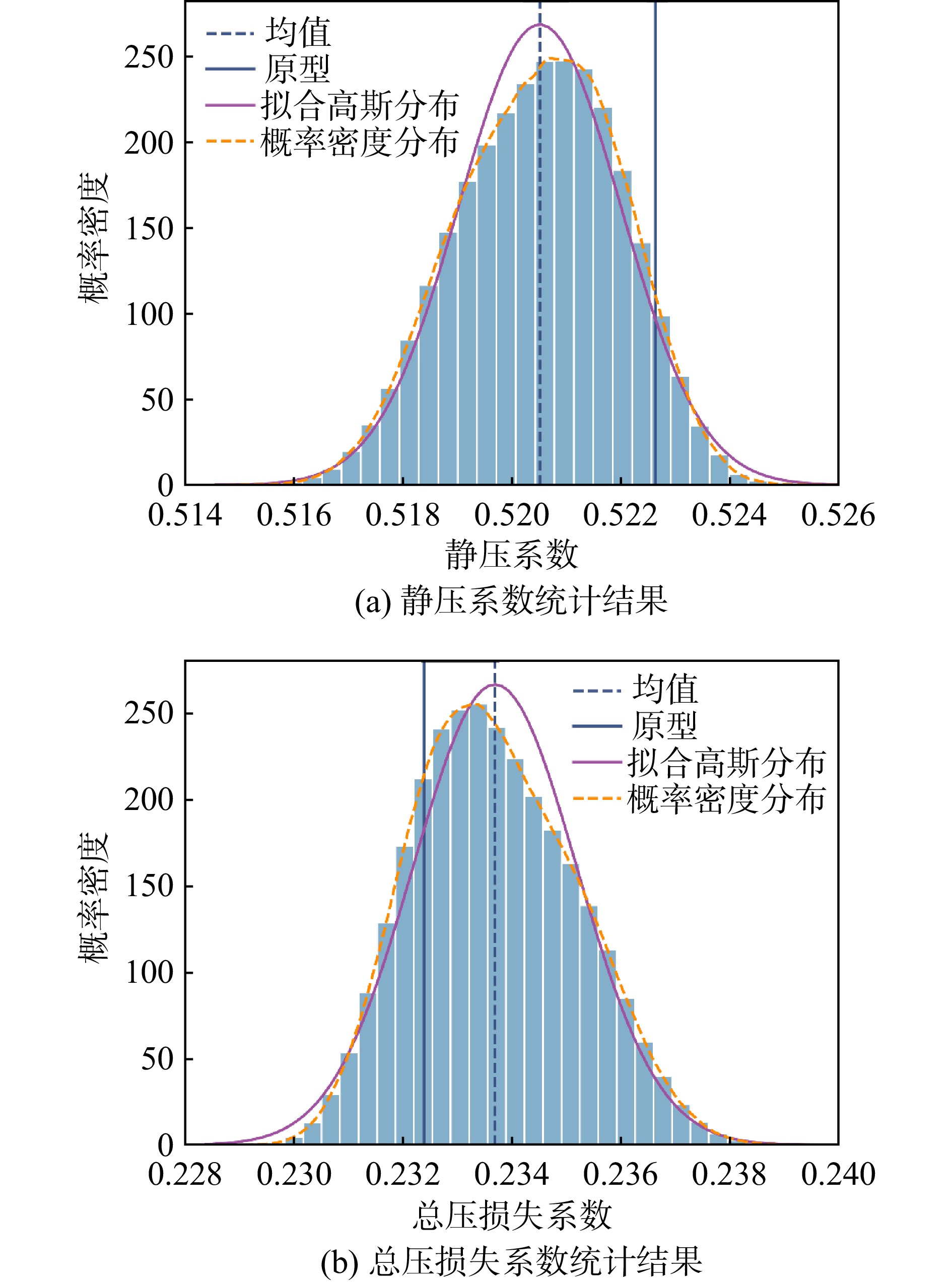
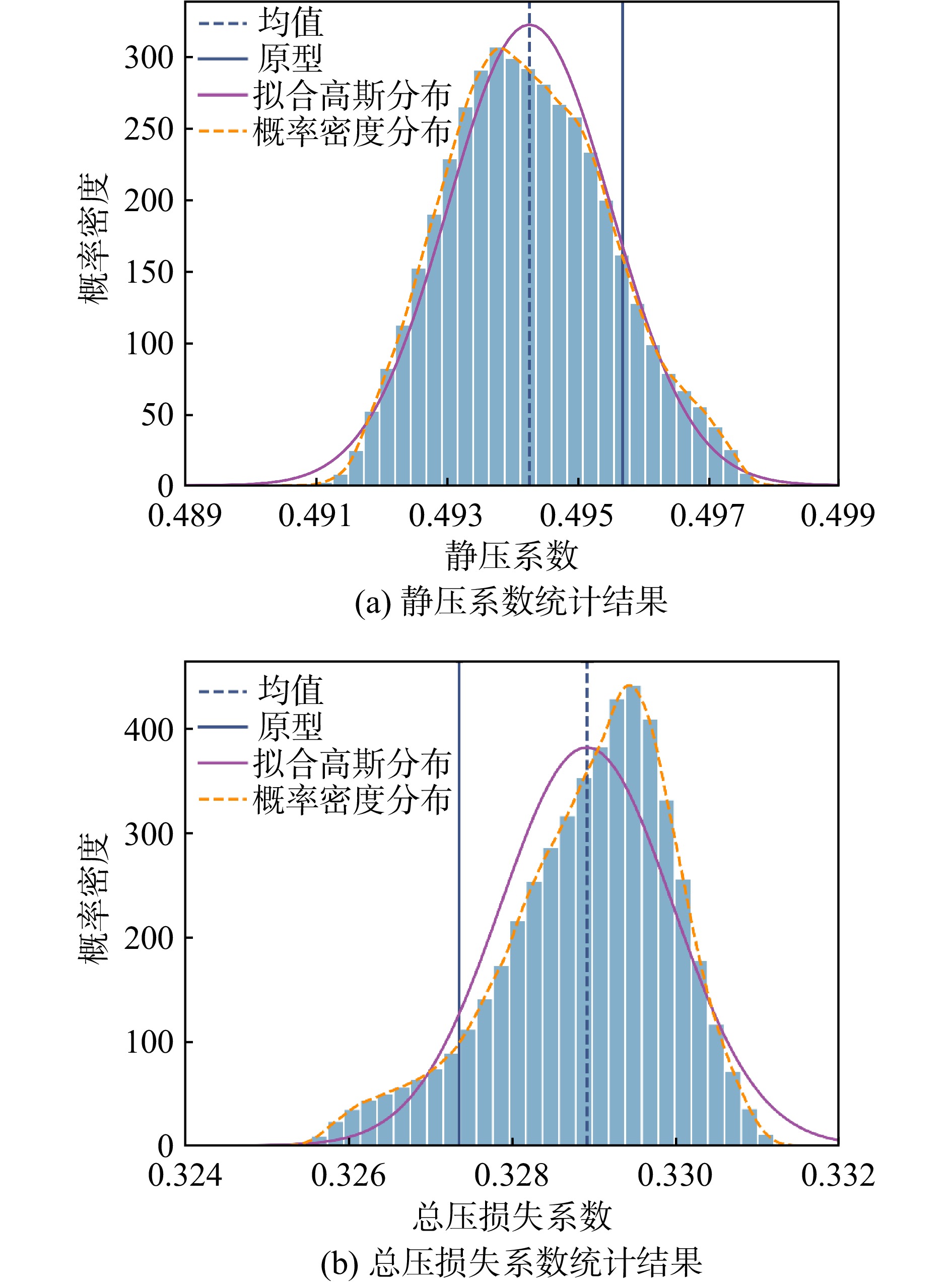
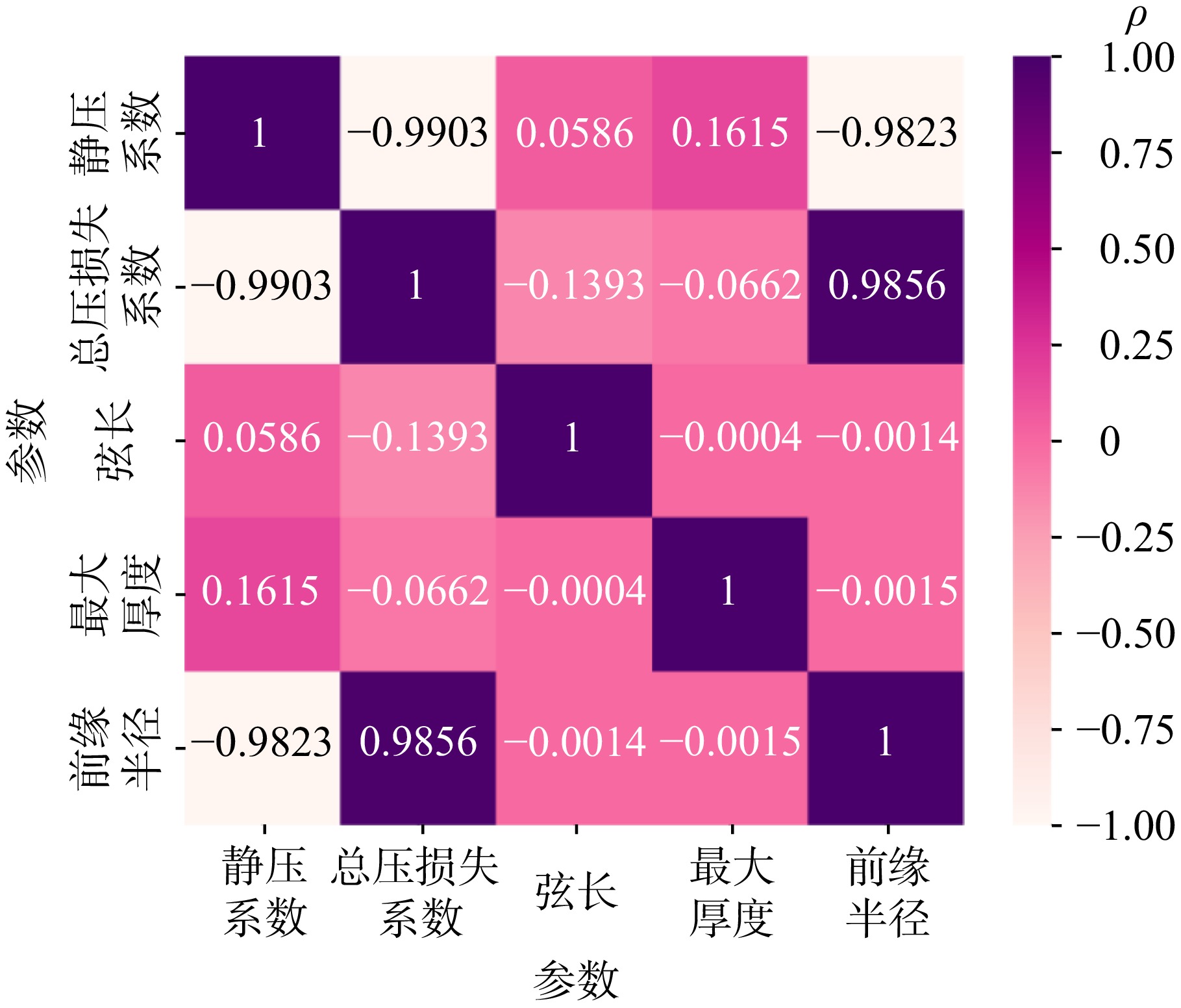
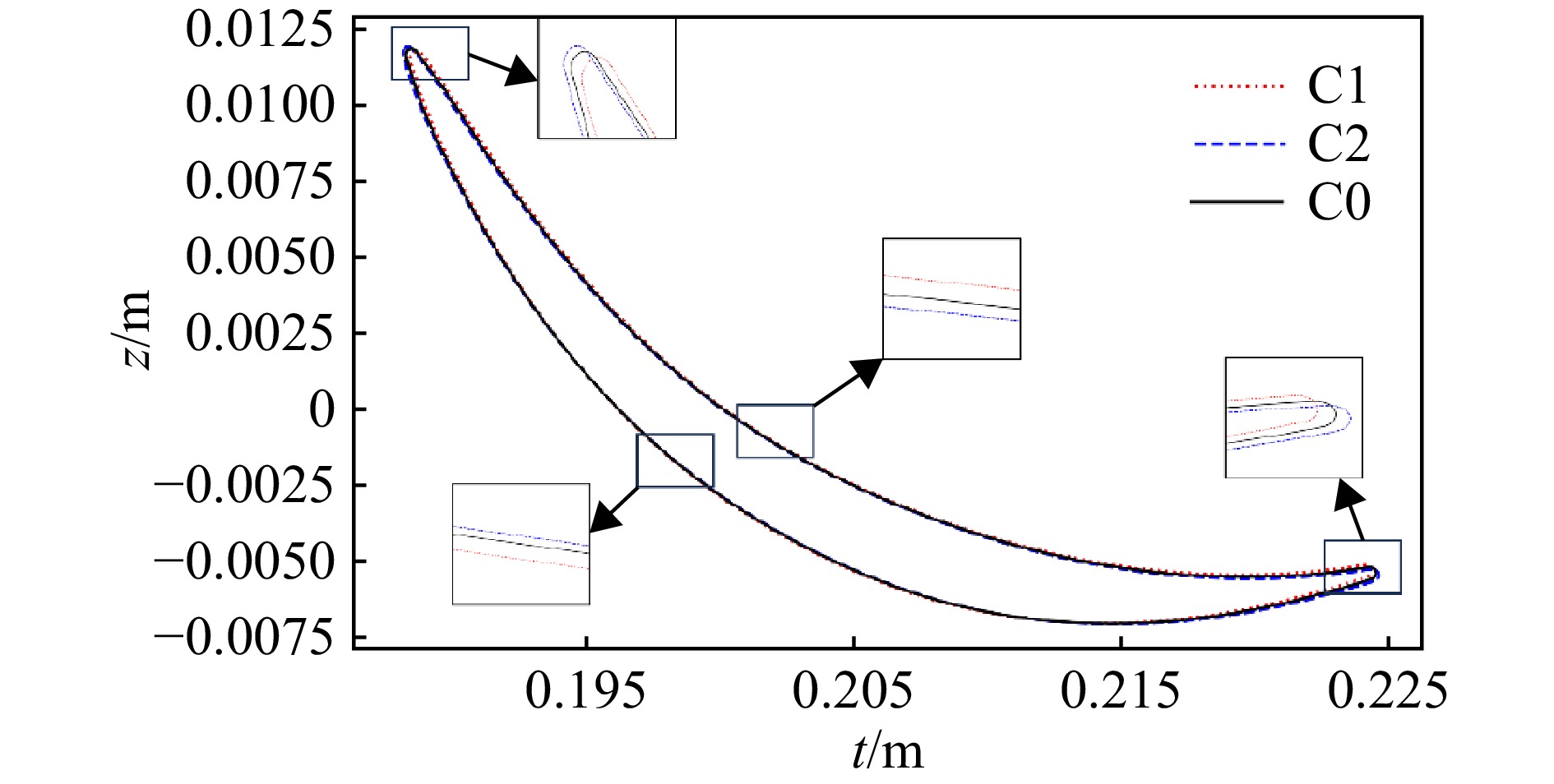
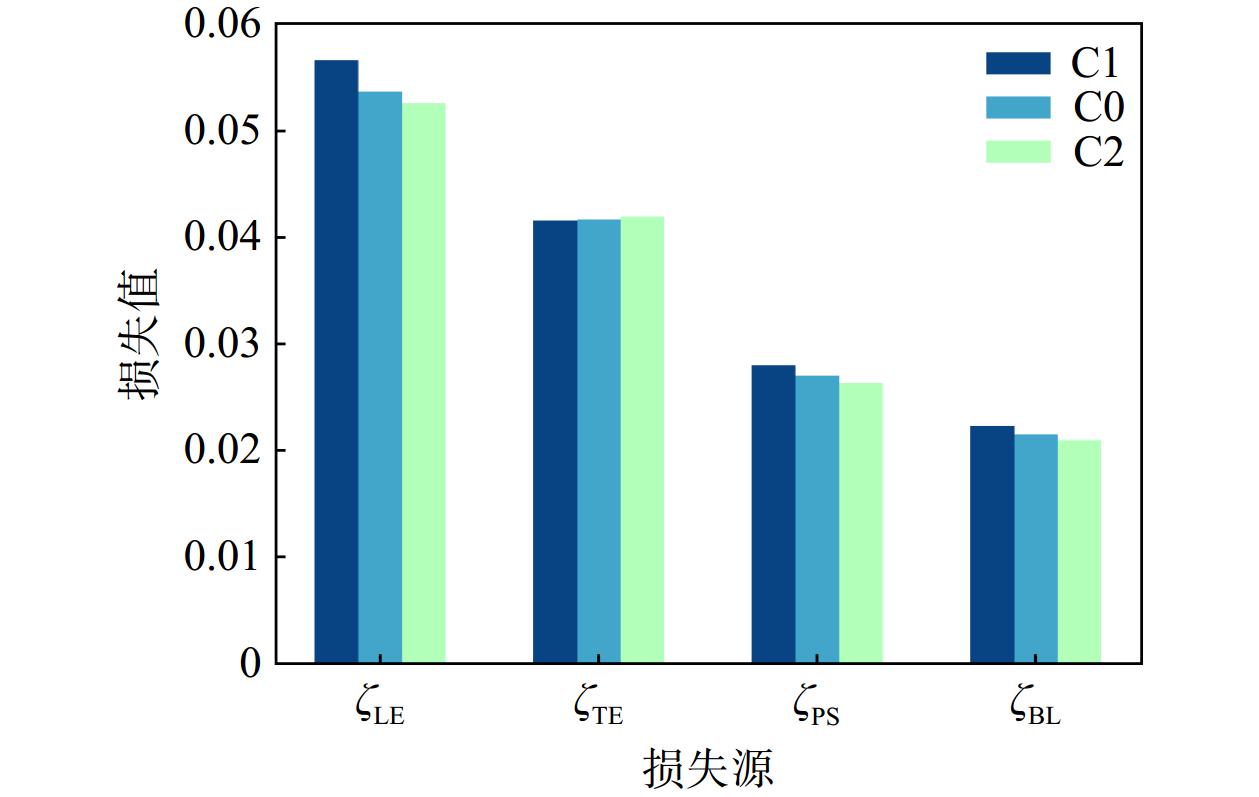
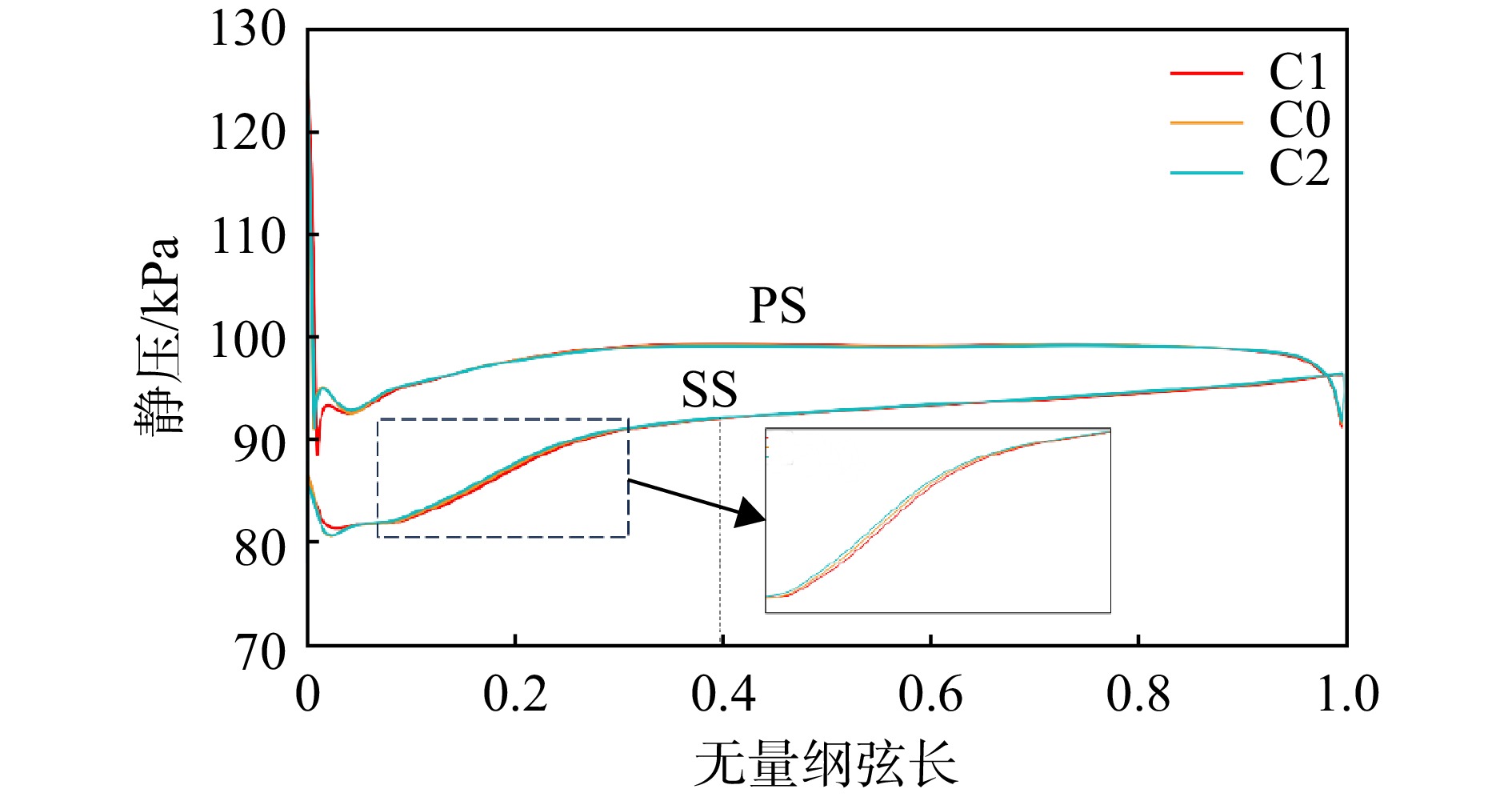
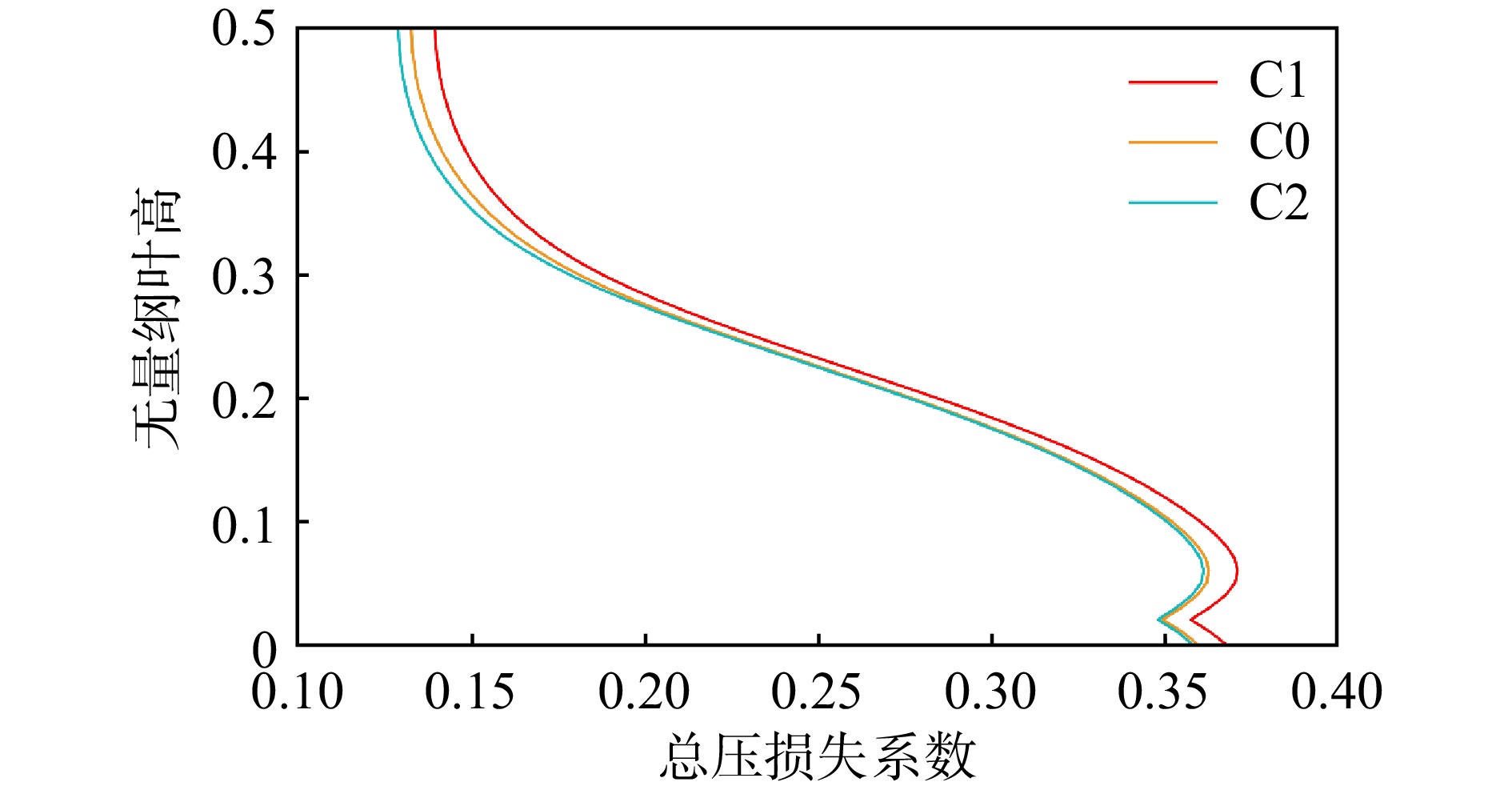
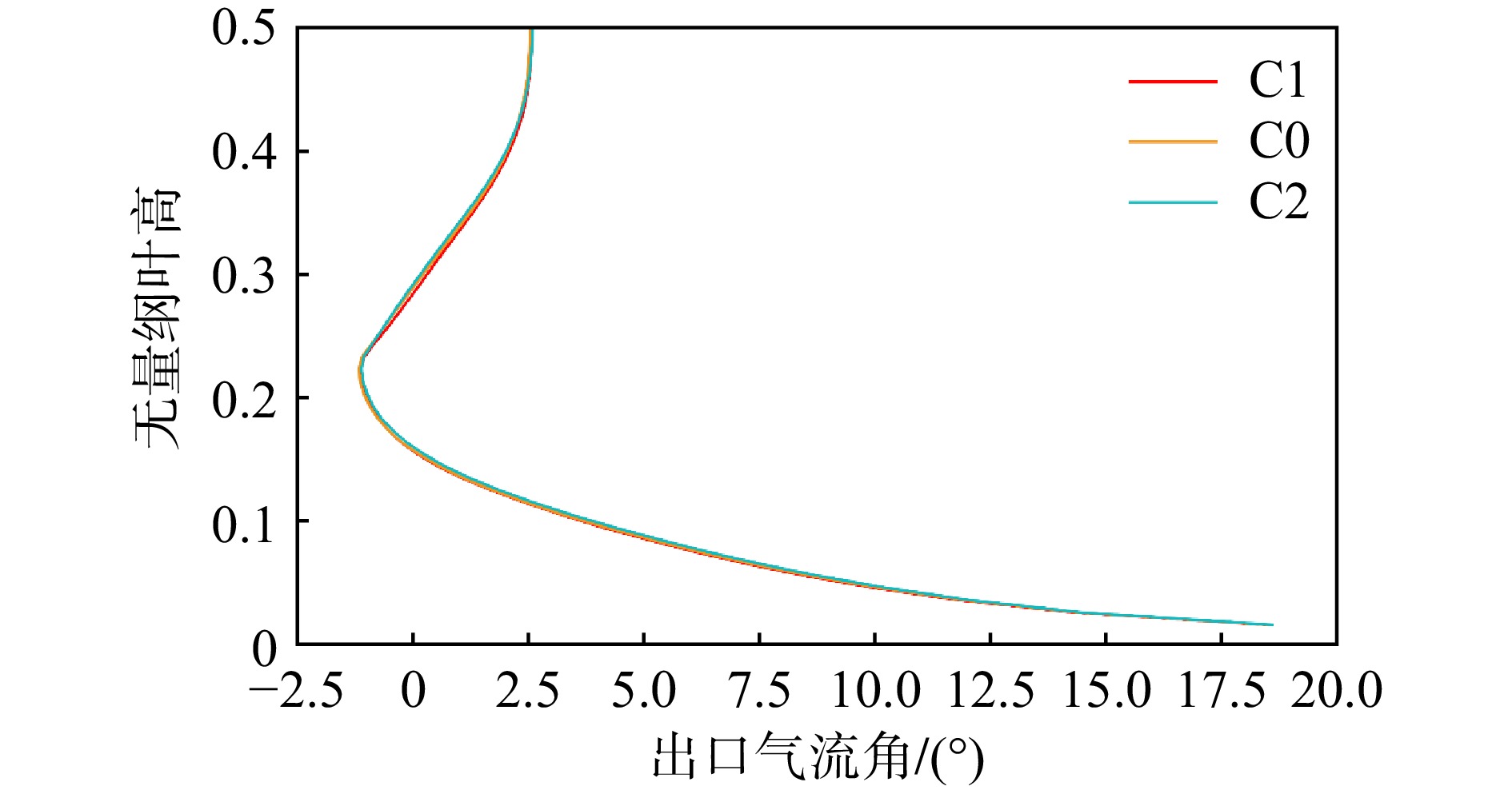
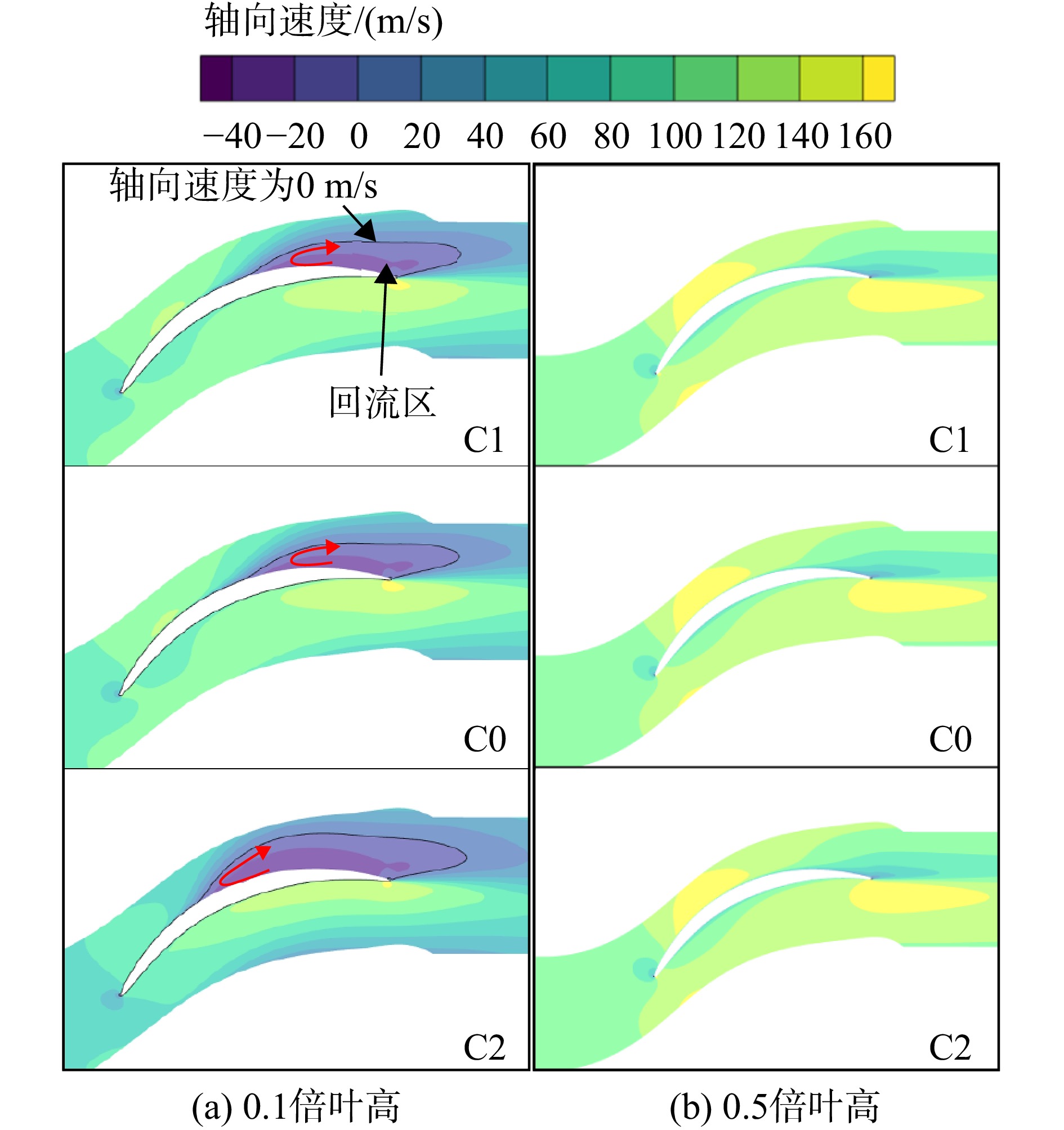
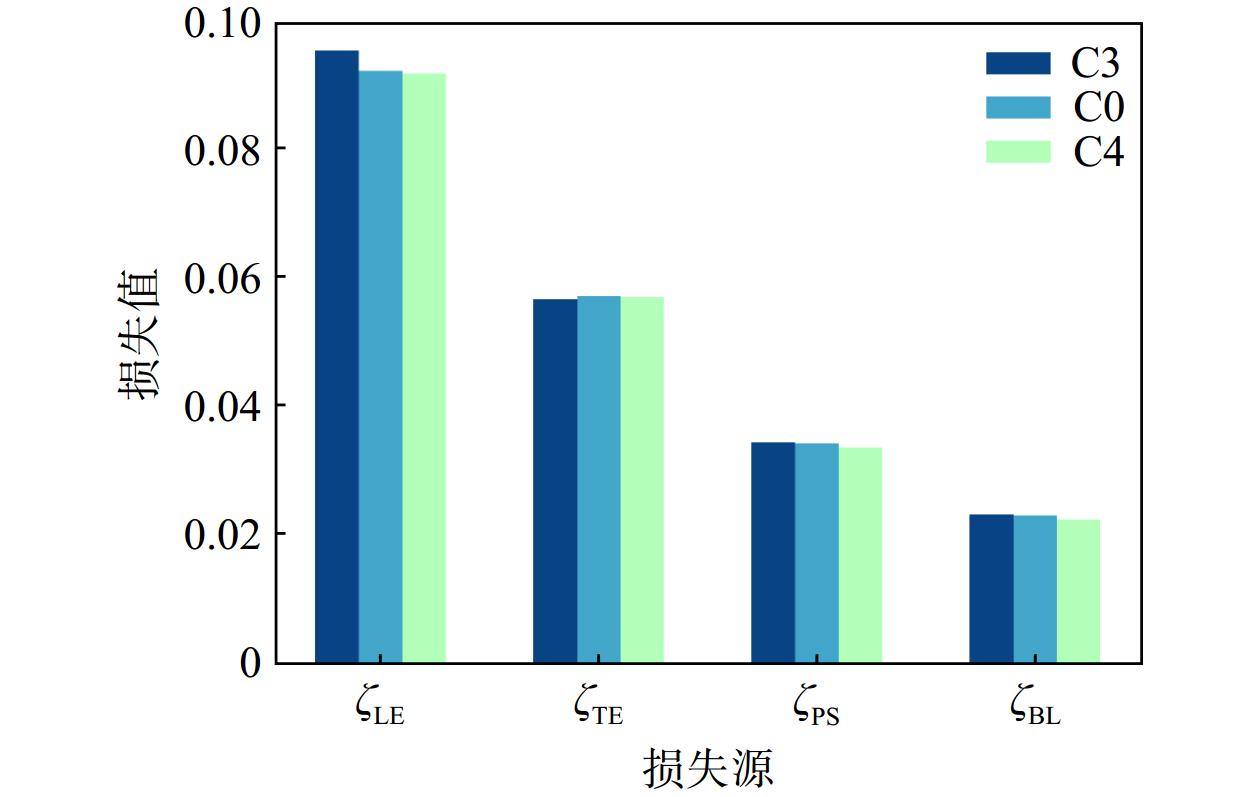
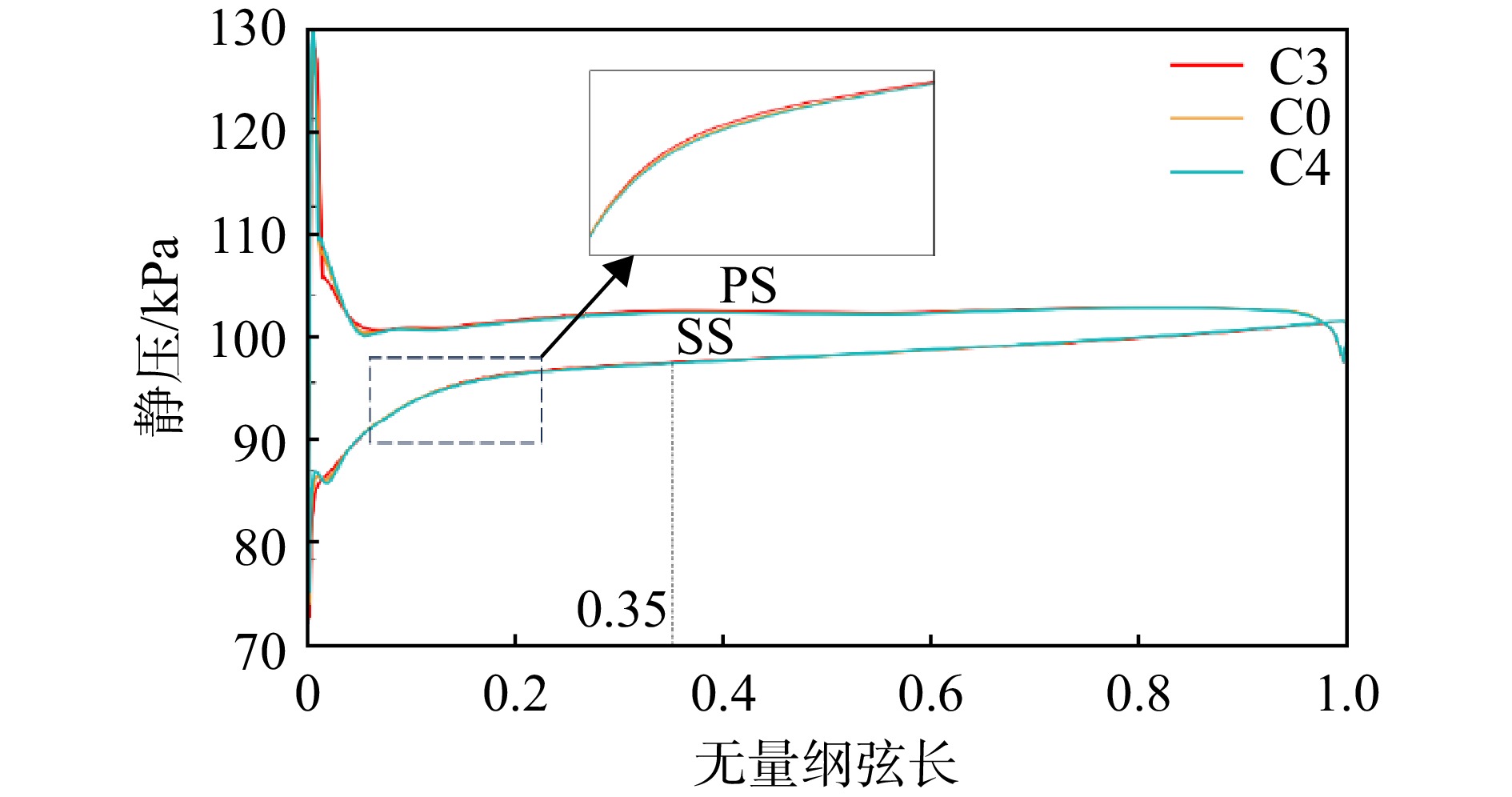
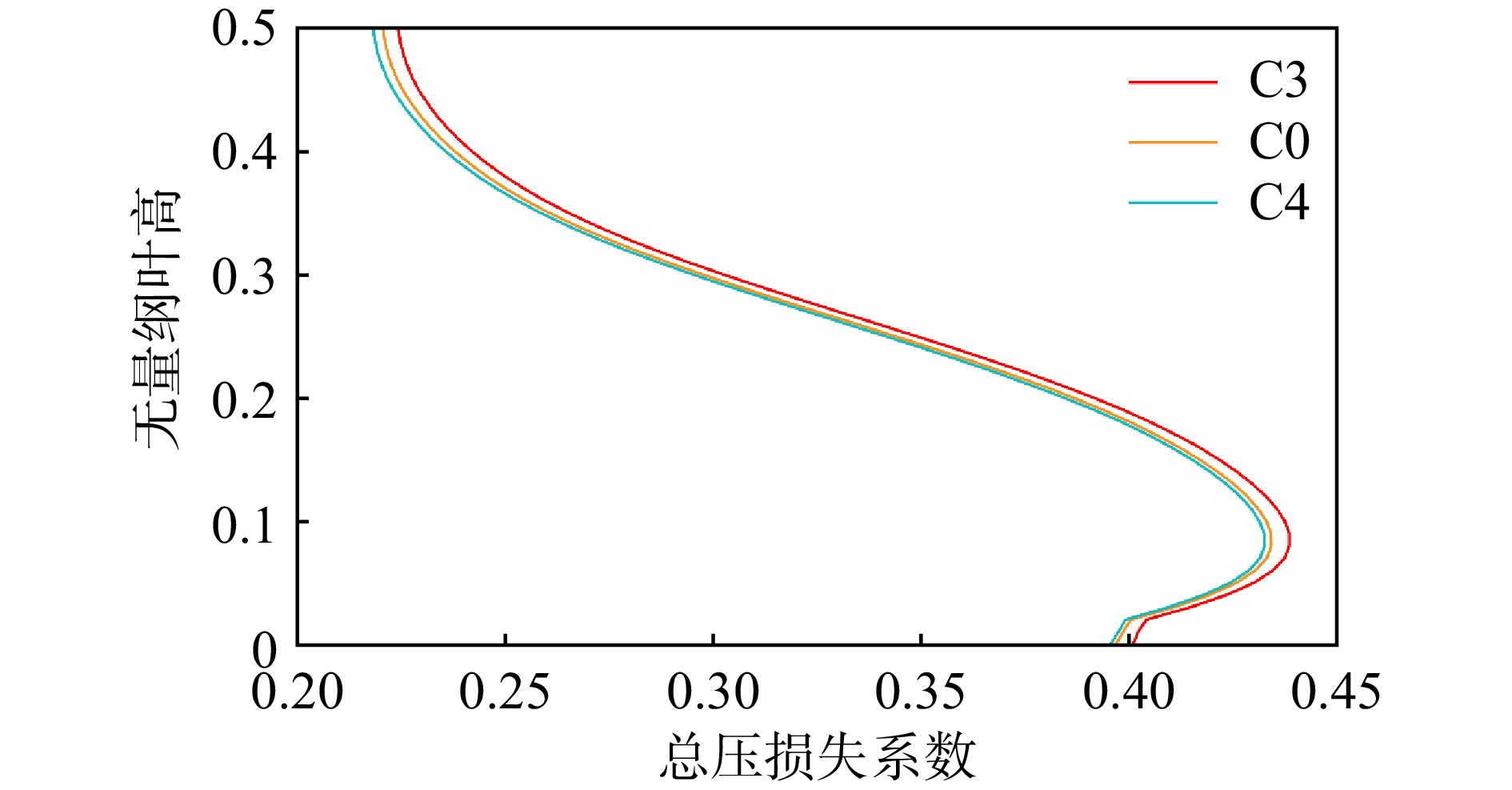
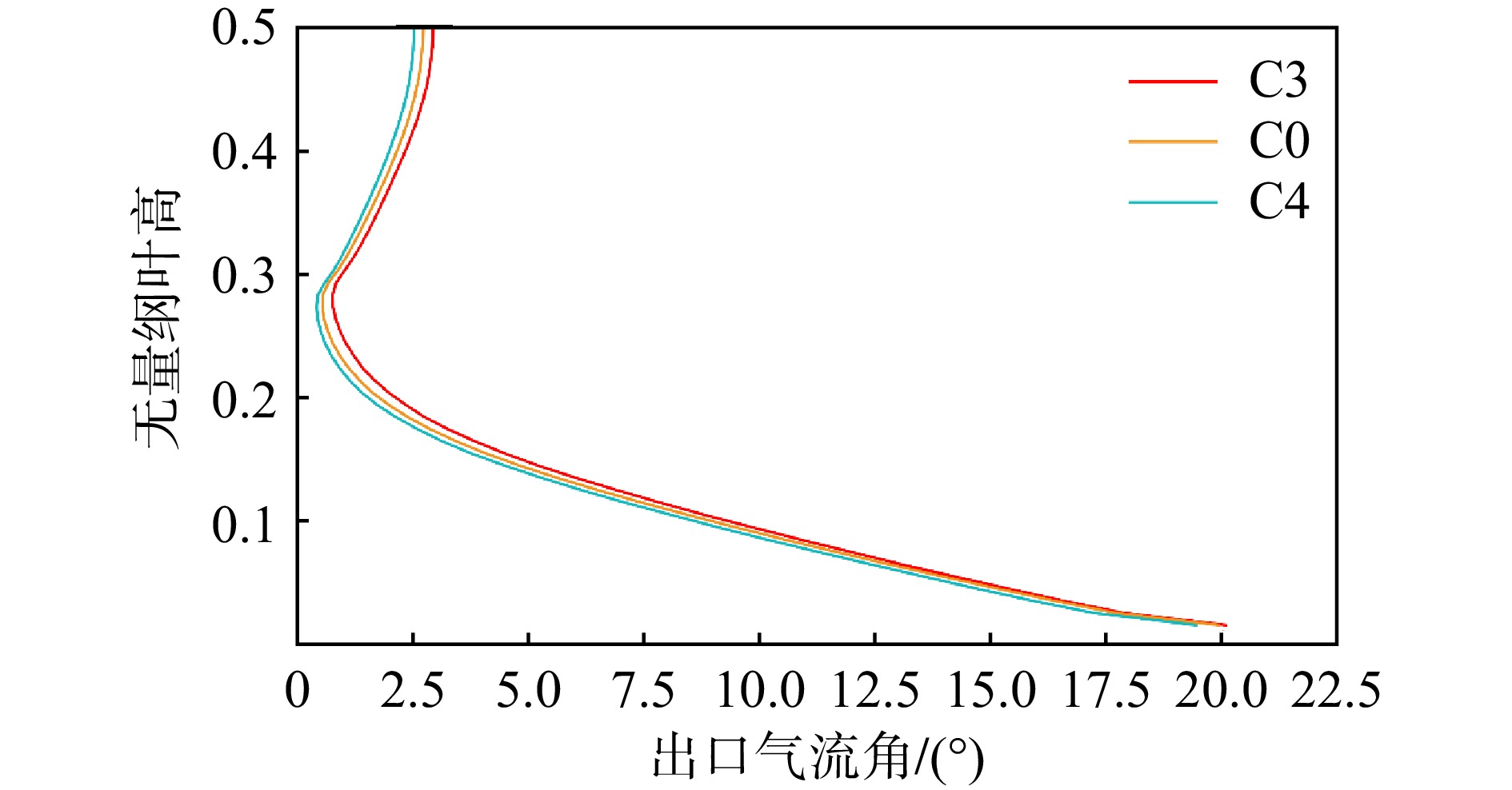
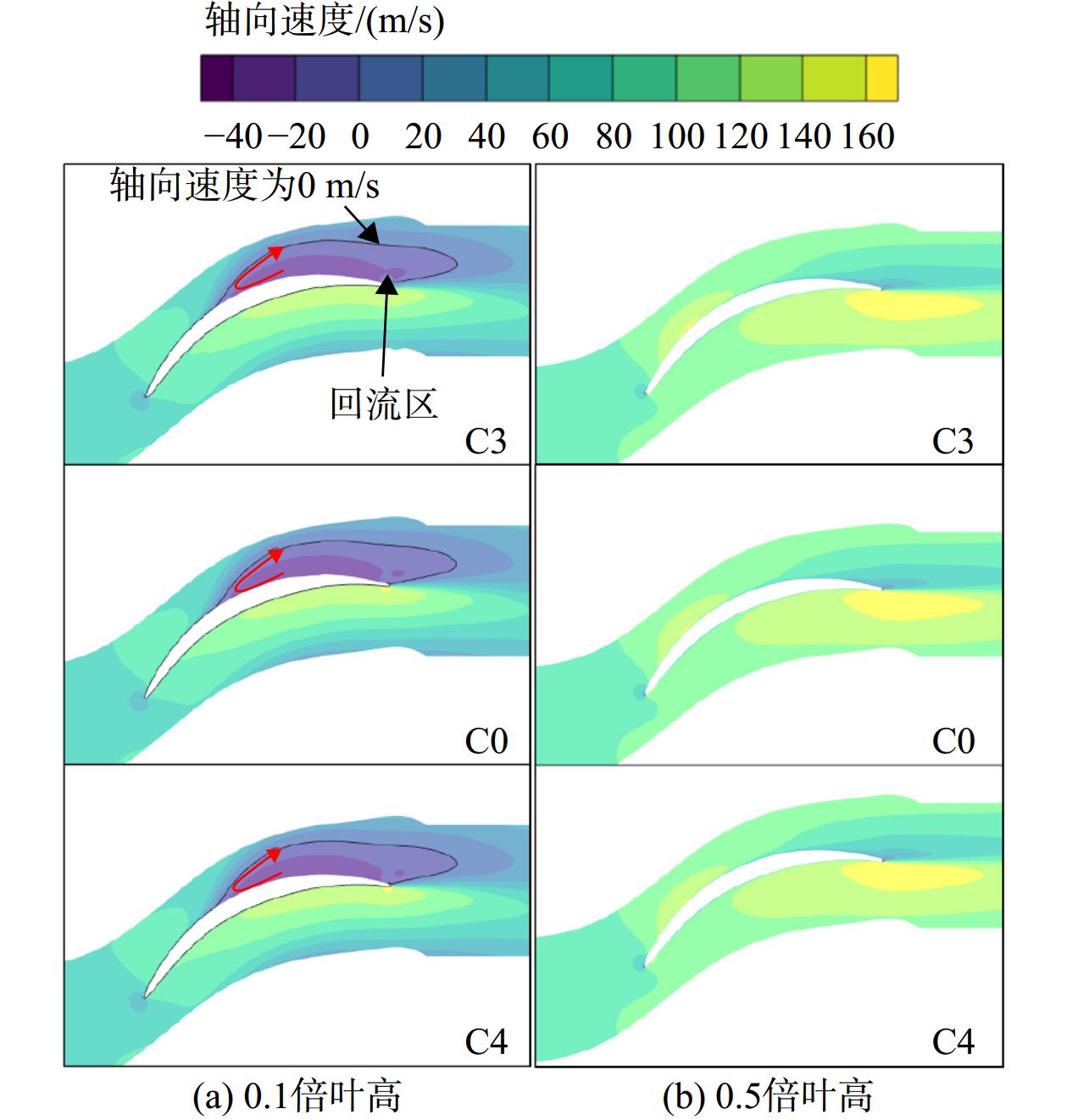
To investigate the effect of real coupling deviation on the aerodynamic performance of a blade cascade, chord length deviation, thickness deviation, and leading edge radius deviation were applied to a high load compressor blade cascade for research based on the arbitrary polynomial chaos method of moments. The research results showed that compared with the prototype, the probability of an increase in total pressure loss coefficient and a decrease in static pressure coefficient under negative angle of attack conditions was about 79.47% and 92.83%, respectively; under positive angle of attack conditions, the probability of an increase in total pressure loss coefficient was about 91.11%, and the probability of a decrease in static pressure coefficient was about 86.42%. The aerodynamic performance under different operating conditions was most sensitive to the deviation of the leading edge radius. Combined with the analysis of the loss source, it was found that the leading edge loss played a dominant role. Therefore, strict control of the leading edge machining accuracy was required during machining. Compared with the prototype blade, under negative attack angle conditions, the degree of separation in the blade angle region with added coupling error changed significantly, and the separation point, recirculation area, and axial length of the recirculation area increased significantly; under positive angle of attack conditions, the degree of separation in the blade angle region with added coupling error was not significant.

Effect of inter-stage buffer volume on the volume coefficient of airborne micro high-pressure compressors
WANG Zhipeng, LI Pengfei, DU Xin, GAO Xiufeng, LI Yun
2025, 40(11): 20240589. doi: 10.13224/j.cnki.jasp.20240589
Abstract:

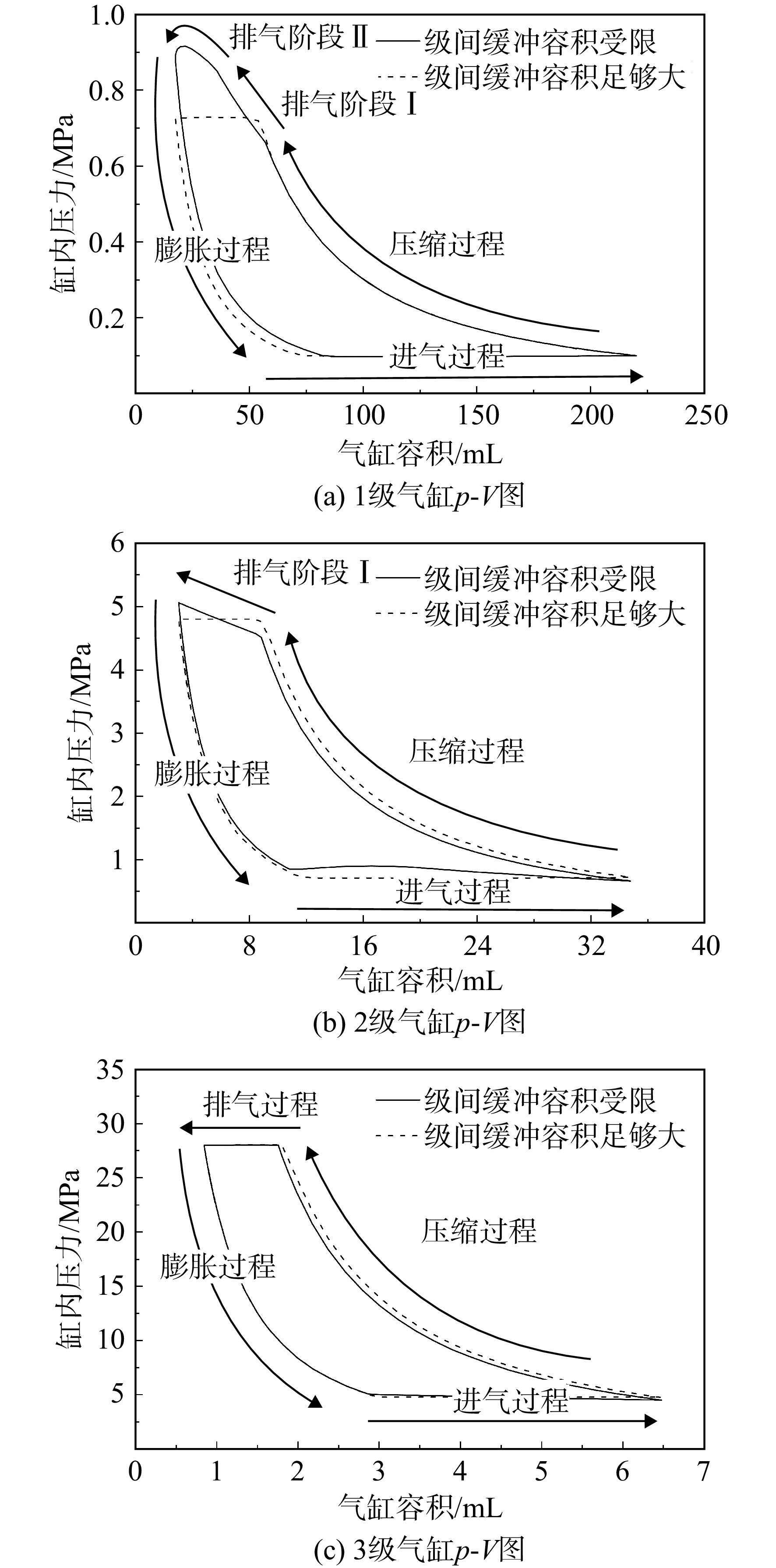
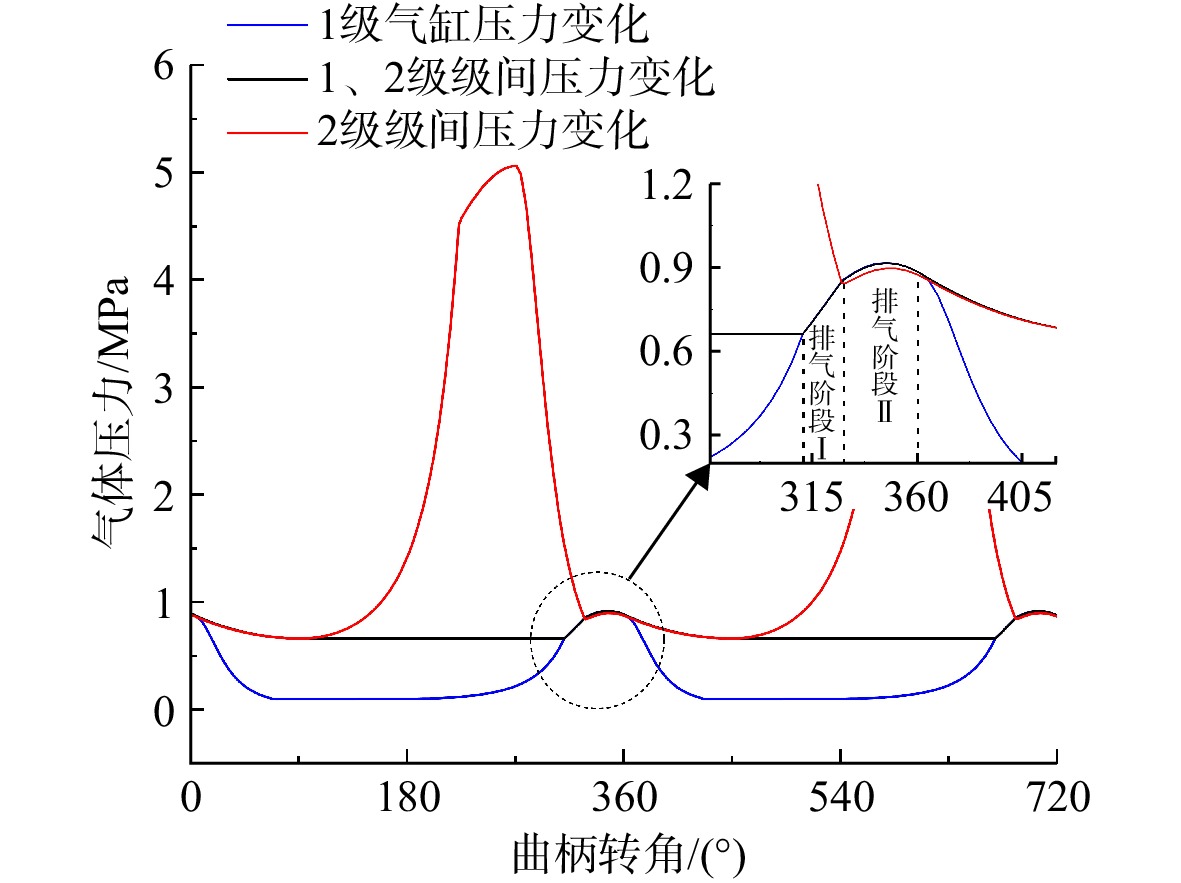
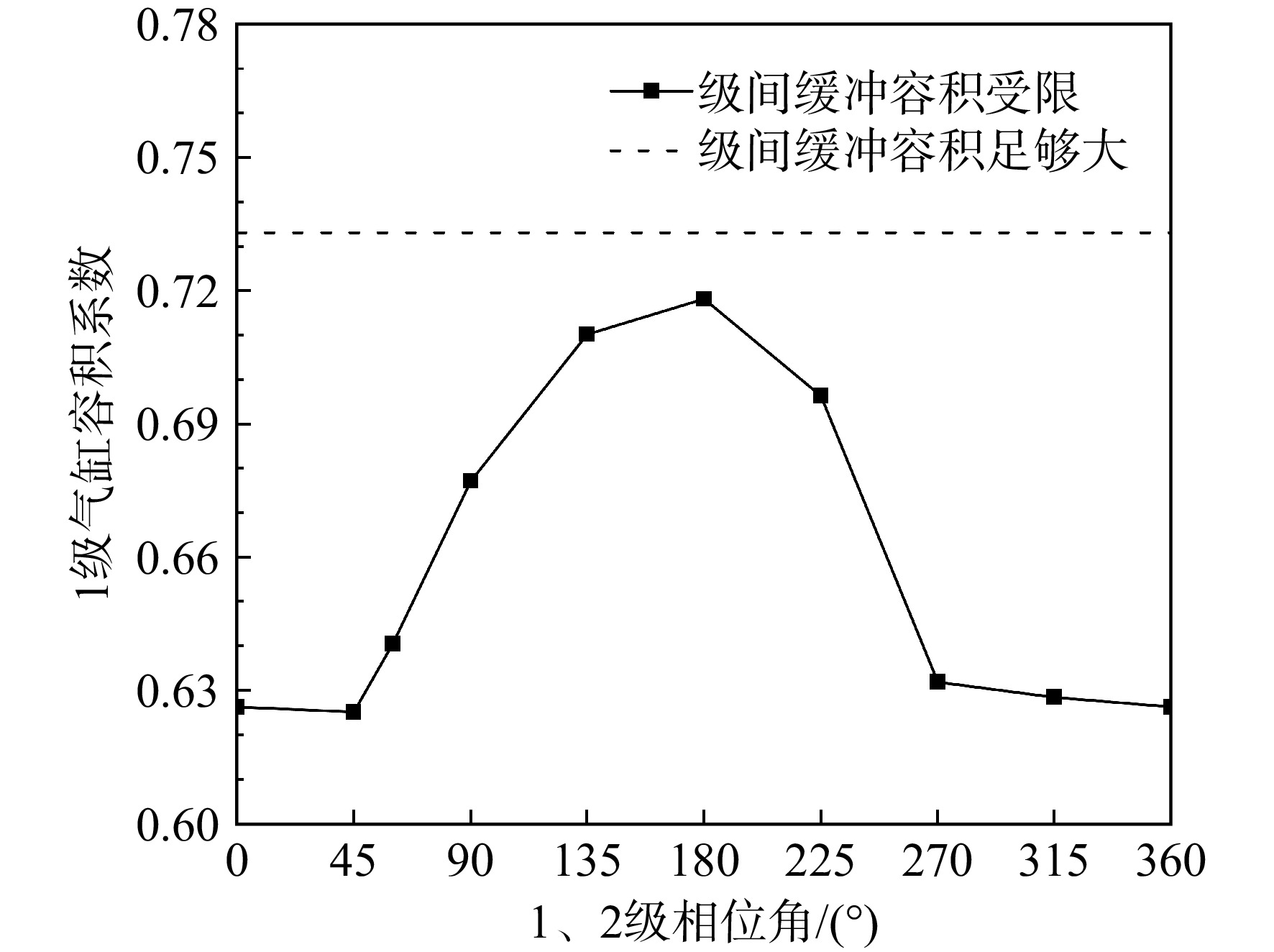
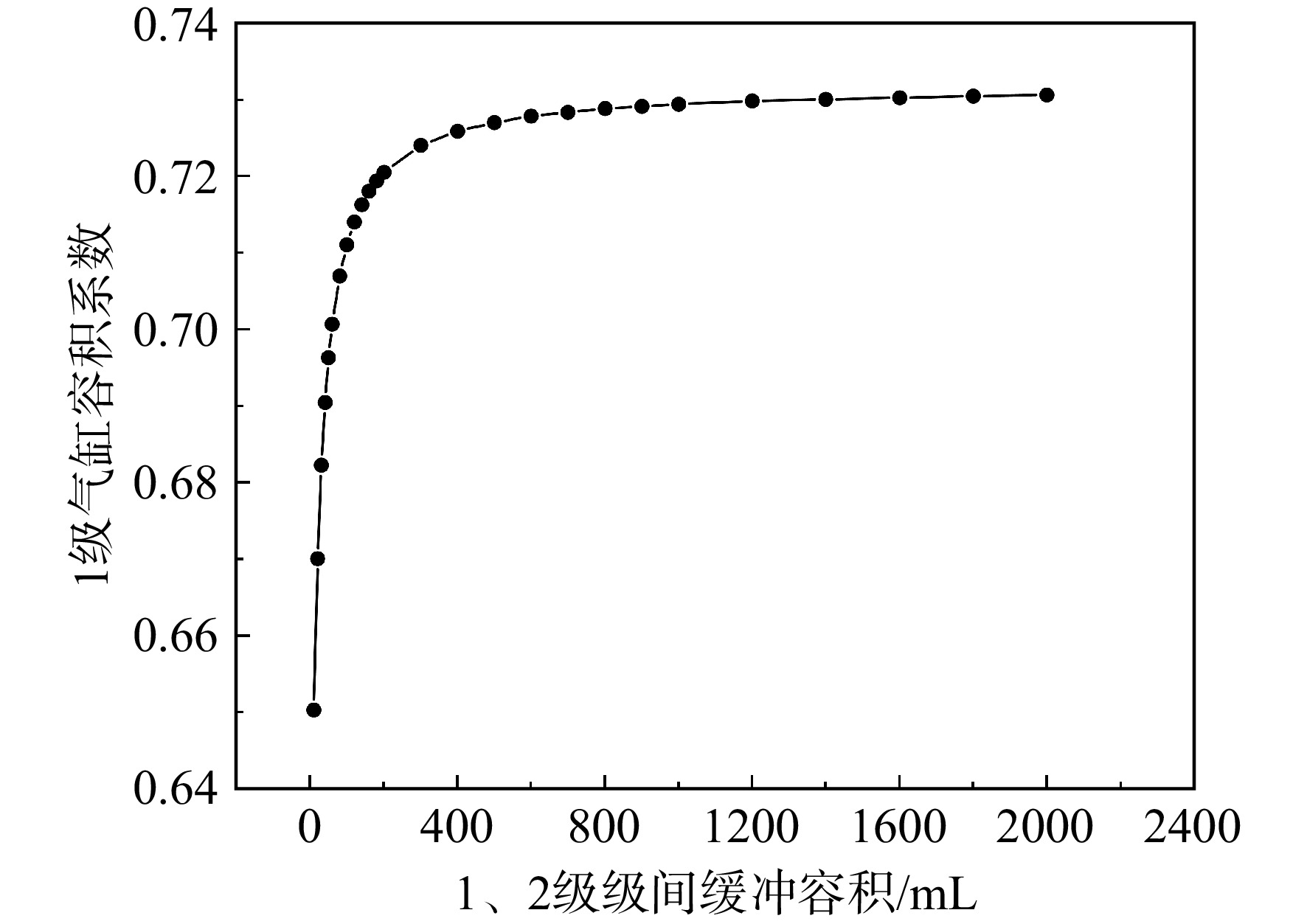
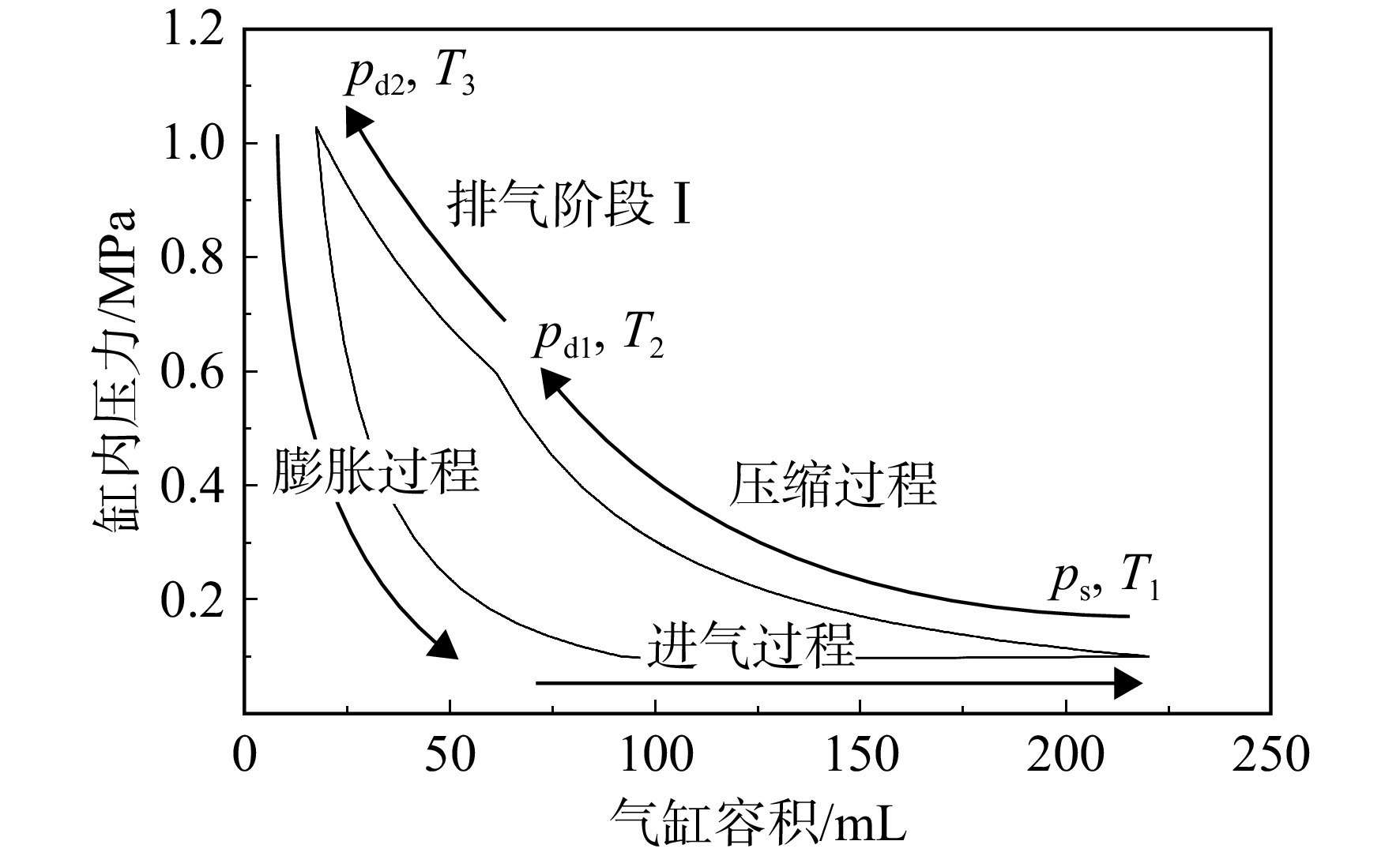
In response to the problem of the limited inter-stage buffer volume of the airborne micro high-pressure compressor leading to a decrease in compressor discharge flow, the effects of the inter-stage buffer volume and the phase angle between the front and rear stages on the compressor discharge flow were explored based on a multi-stage compressor thermodynamic simulation model. A calculation method for the compressor cylinder volume coefficient considering the effect of the inter-stage buffer volume was proposed, and the relative inter-stage buffer volume was defined to describe the variation pattern of volume coefficient with the inter-stage buffer volume. The existence of an optimal size of inter-stage buffer volume was proved, which supported the design process of airborne micro compressors. The research results were as follows: the main reason for the decrease in compressor discharge flow came from the inter-stage buffer volume between the 1st and 2nd stages, which affected the volume coefficient of the 1st stage cylinder; and the extent of the influence was determined by the phase angle between the 1st and 2nd stages. In the case of the constant inter-stage buffer volume, as the phase angle between the 1st and 2nd stages increased, the volume coefficient of the 1st stage cylinder initially increased and then decreased. When the phase angle between the 1st and 2nd stages was 0°—45° or 270°—360°, the volume coefficient of the 1st stage cylinder was 0.626 at the minimum. And when the phase angle was closer to 180°, the volume coefficient of the 1st stage cylinder was closer to the designed value of 0.733; with the enlargement of the inter-stage buffer volume, the volume coefficient of the front stage cylinder increased rapidly at first and then slowly, gradually approaching the designed value; the optimal range for the relative inter-stage buffer volume was between 1 and 2, which can minimize the compressor design costs while ensuring the volume coefficient of the cylinder.

Autocontrol
Micro high-speed bionic robot
ZHAO Weizhi, LI Shijia, SONG Shizhe, ZHANG Kaiwen, CHAI Jiaqi, ZHANG Wanyu, LIU Danyang, LI Haiwang, XU Tiantong
2025, 40(11): 20230145. doi: 10.13224/j.cnki.jasp.20230145
Abstract:

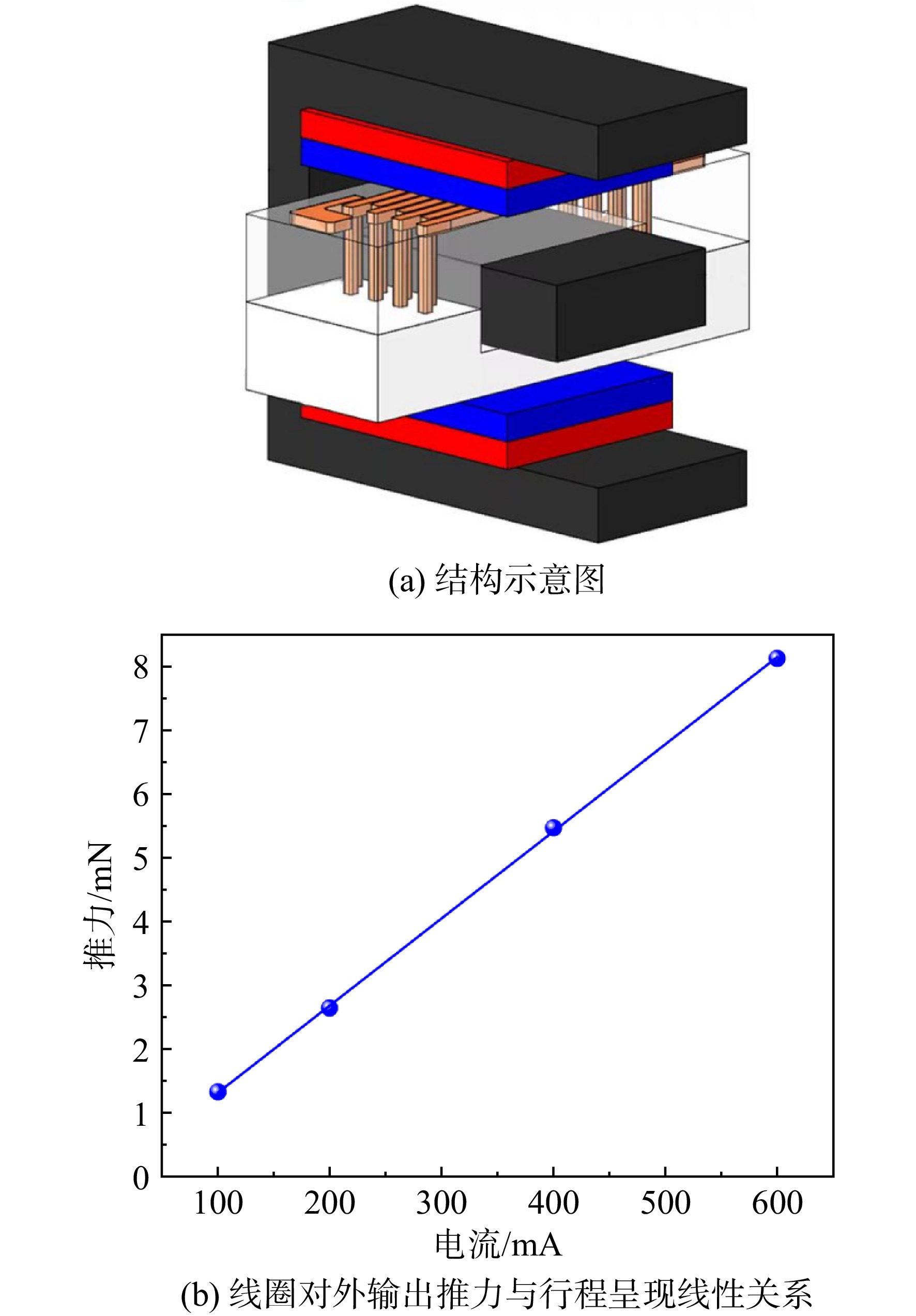
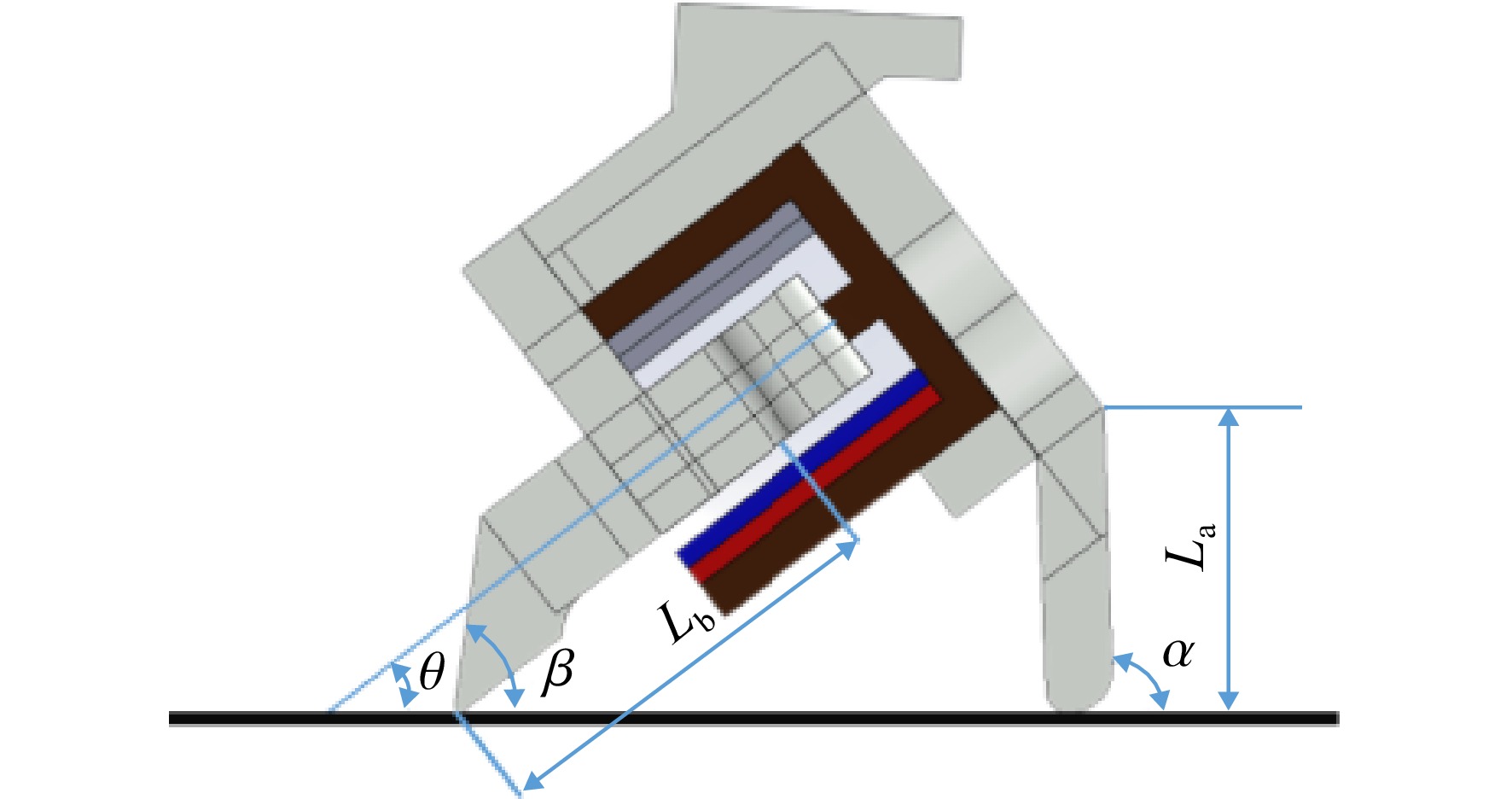
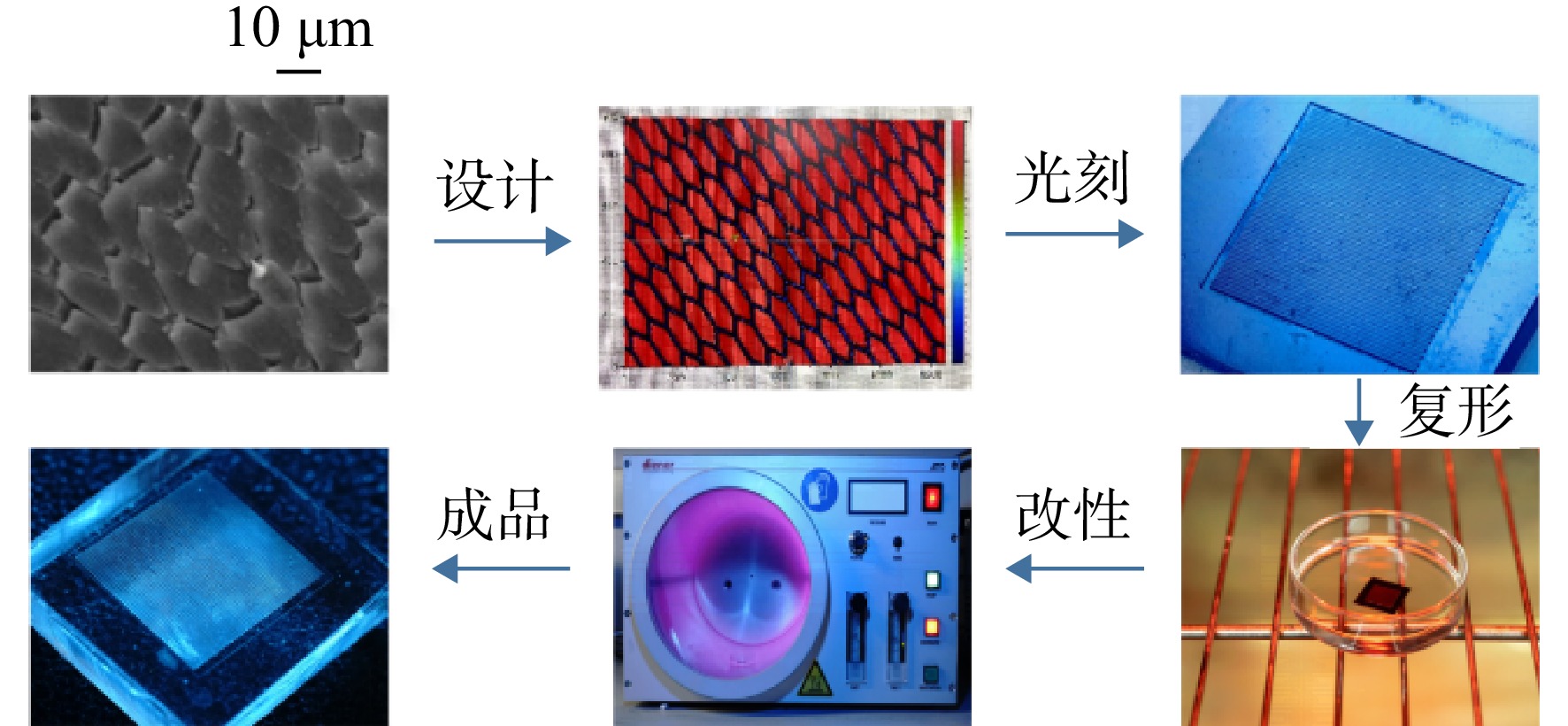
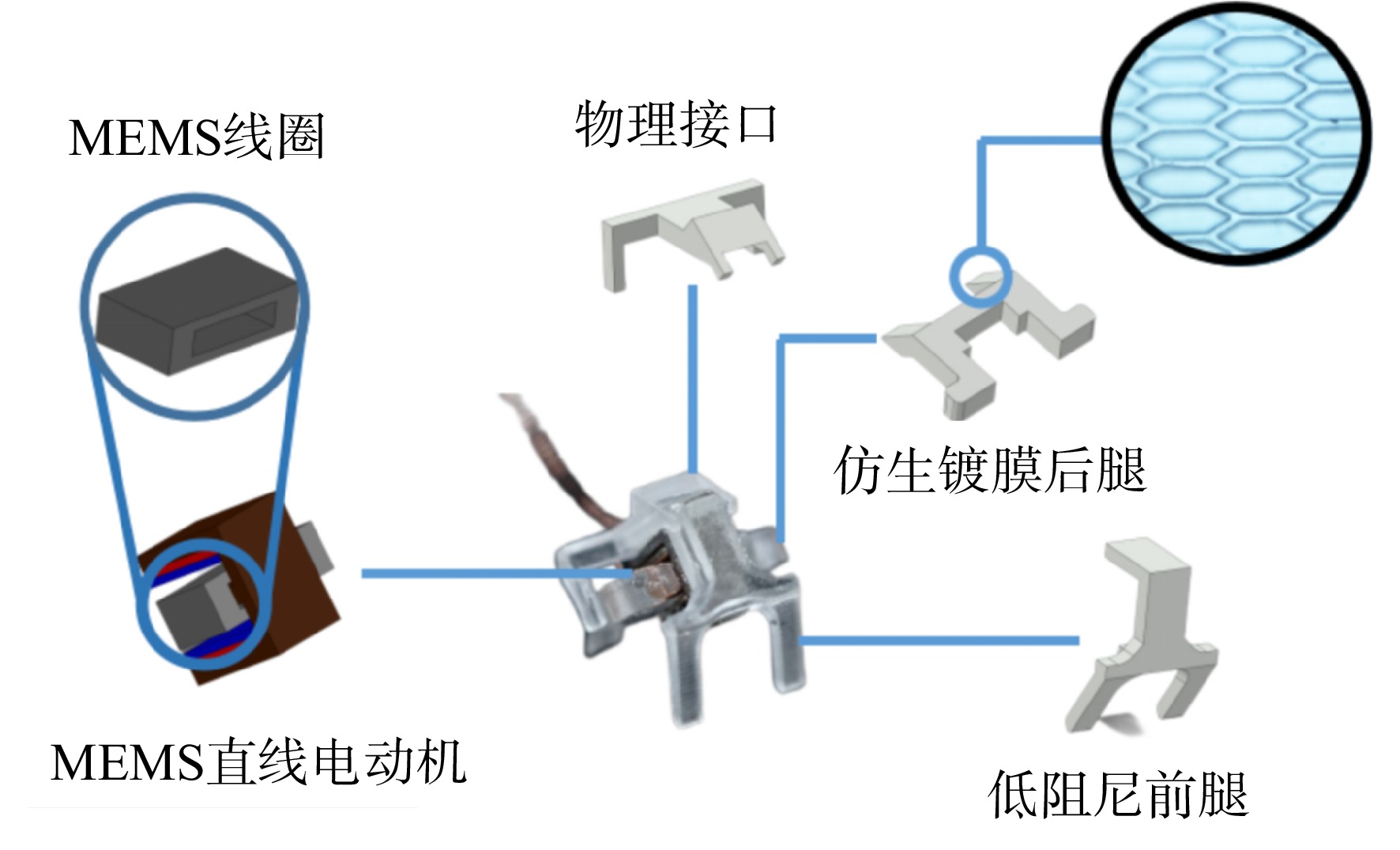
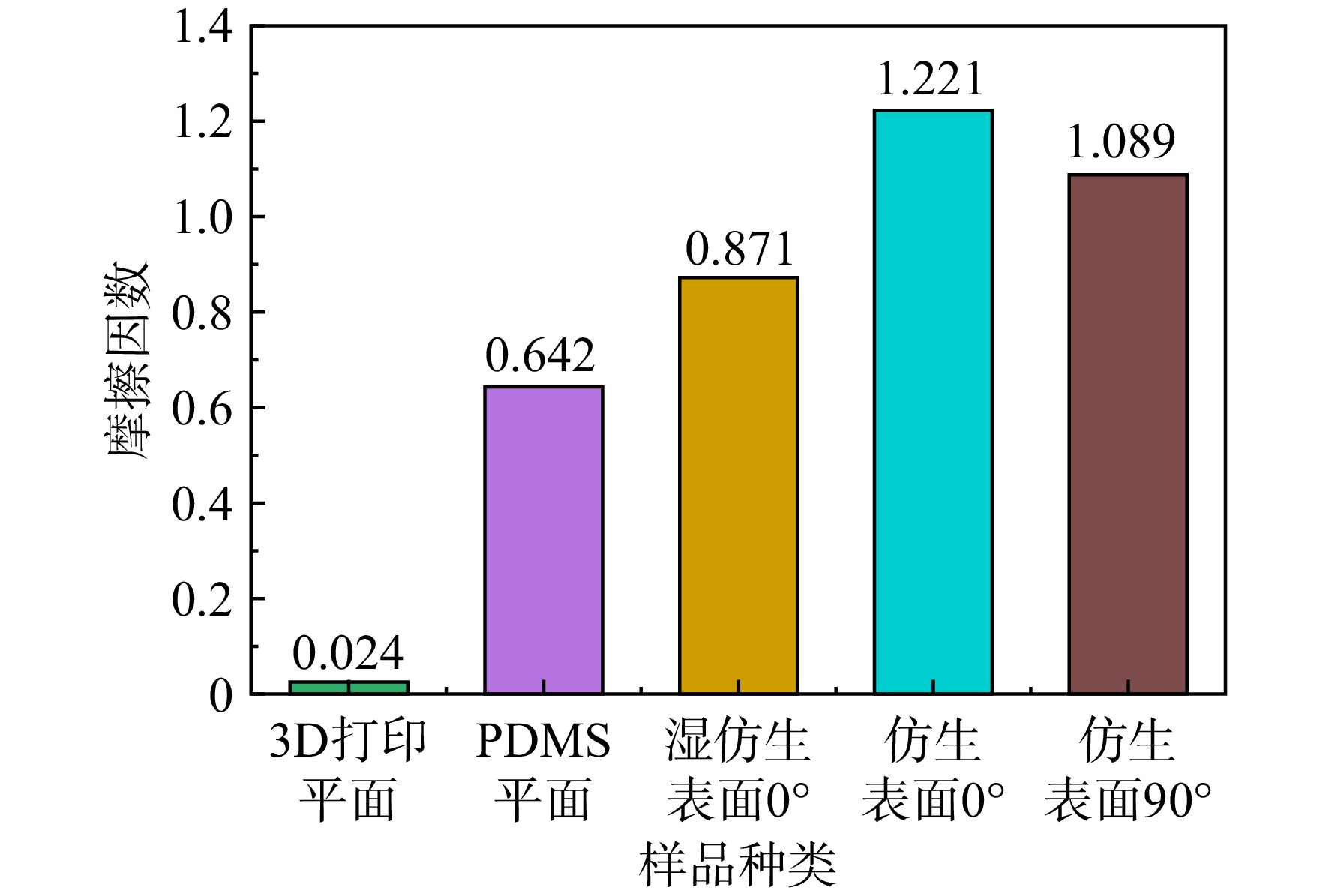
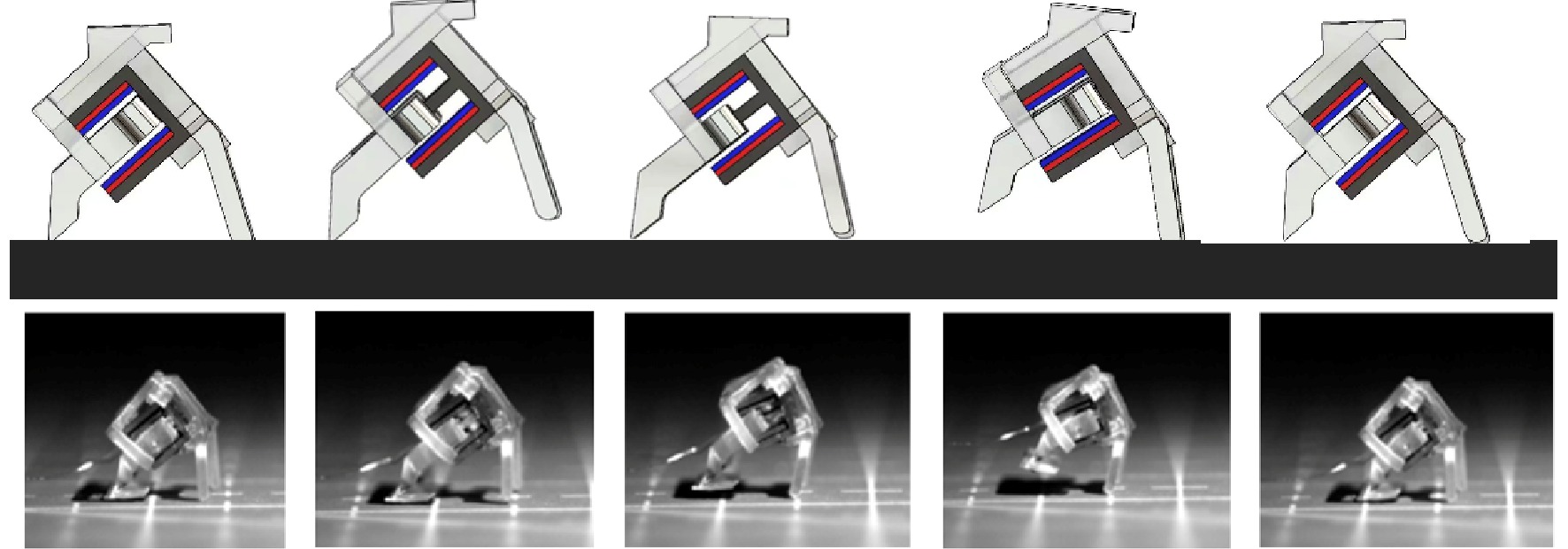
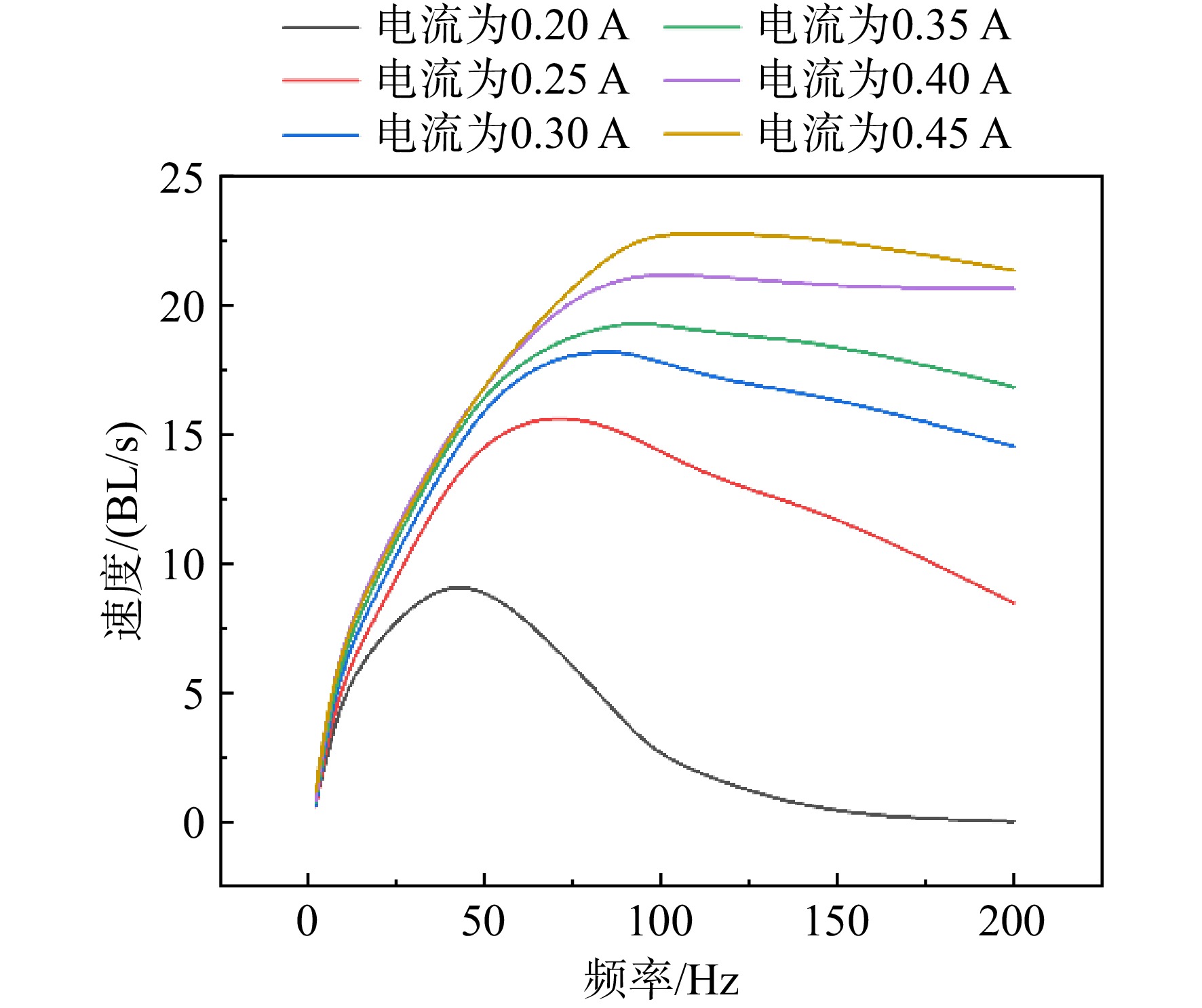
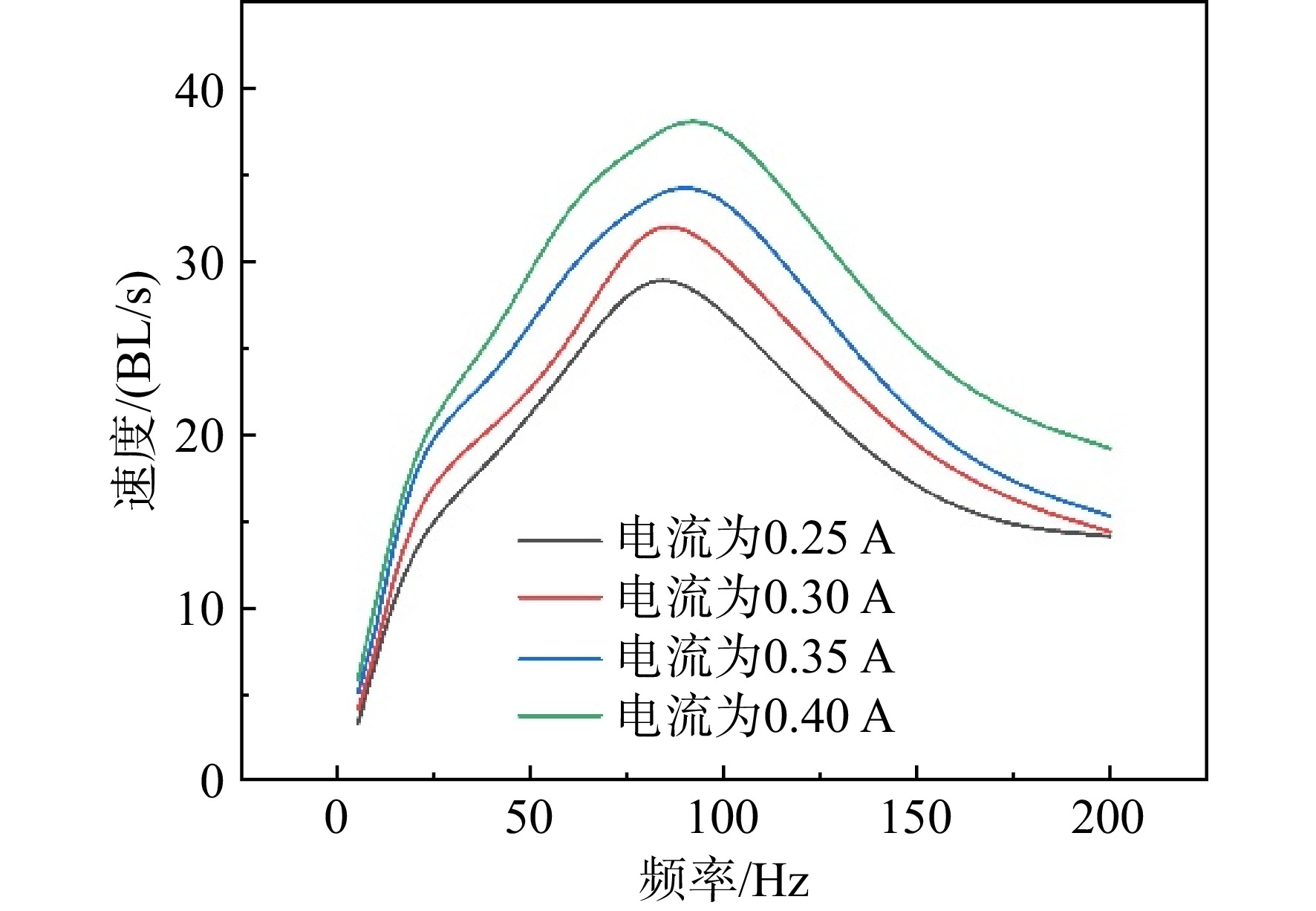
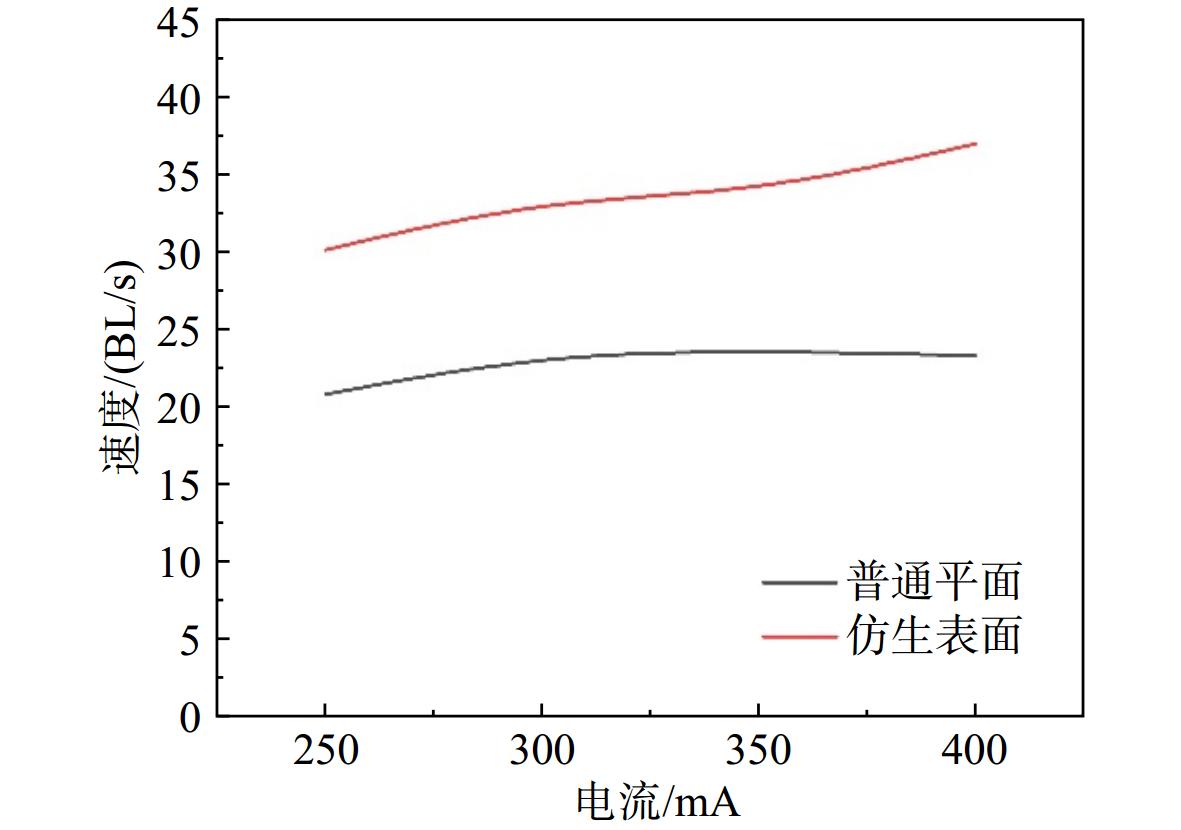
A micro high-speed bionic robot was designed and fabricated based on a 3.5 mm×3 mm×3 mm micro-electro-mechanical-systems (MEMS) miniature linear motor. With a thrust coefficient of 13 mN/A, the motor had advantages of microscale dimensions and large stroke output. A linkage-free locomotion mechanism was developed to reduce the complexity of conventional transmission systems, enhancing the motion efficiency and flexibility. A three-part leg structure—composed of a front leg, a rear leg, and limiter—was implemented. Multi-parameter coupled simulations identified an optimal angle combination of angles between the front leg, the rear leg and the ground are 95° and 80° respectively. A high-friction surface inspired by tree frogs was introduced. Fabricated via polydimethylsiloxane (PDMS) soft lithography, the structure increased the friction coefficient by 2.5 times and exhibited less than 10% degradation under wet conditions, significantly improving the ground adhesion and stability in complex environments. With overall dimensions of 5 mm×5 mm×4 mm and a mass of 88 mg, the robot achieved a maximum speed of 48 body lengths per second, demonstrating outstanding locomotion performance under optimal operating conditions (0.45 A, 90 Hz).

ACE thrust maintenance method based on model free adaptive control
ZHANG Yuzhu, ZHOU Xin, CHEN Wenjuan, LIU Pengfei, CHEN Qianjing, HUANG Jinquan, LU Feng
2025, 40(11): 20230766. doi: 10.13224/j.cnki.jasp.20230766
Abstract:

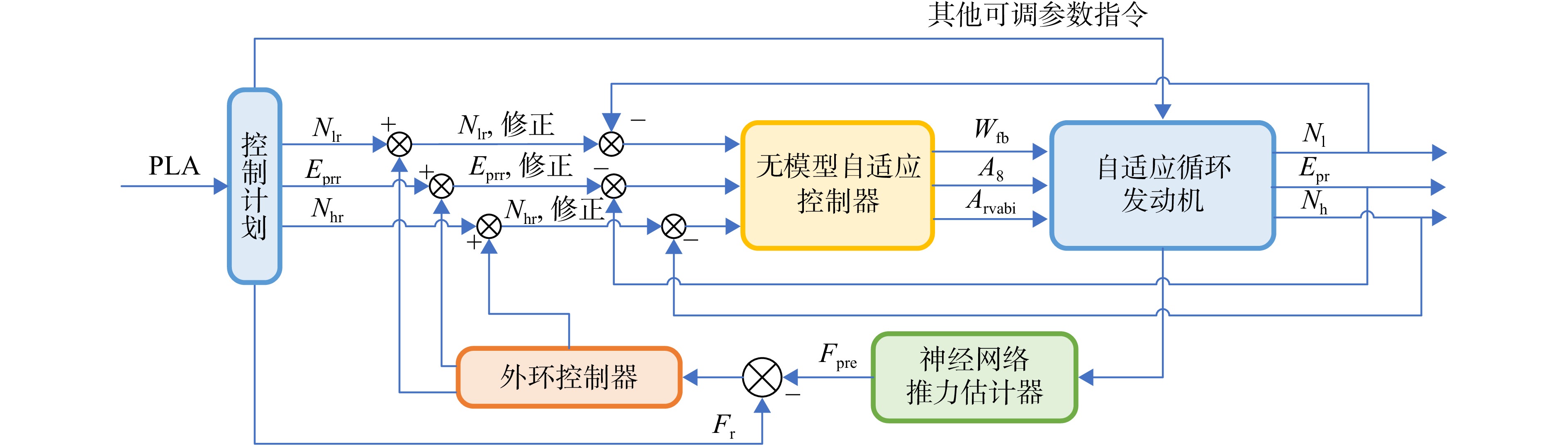
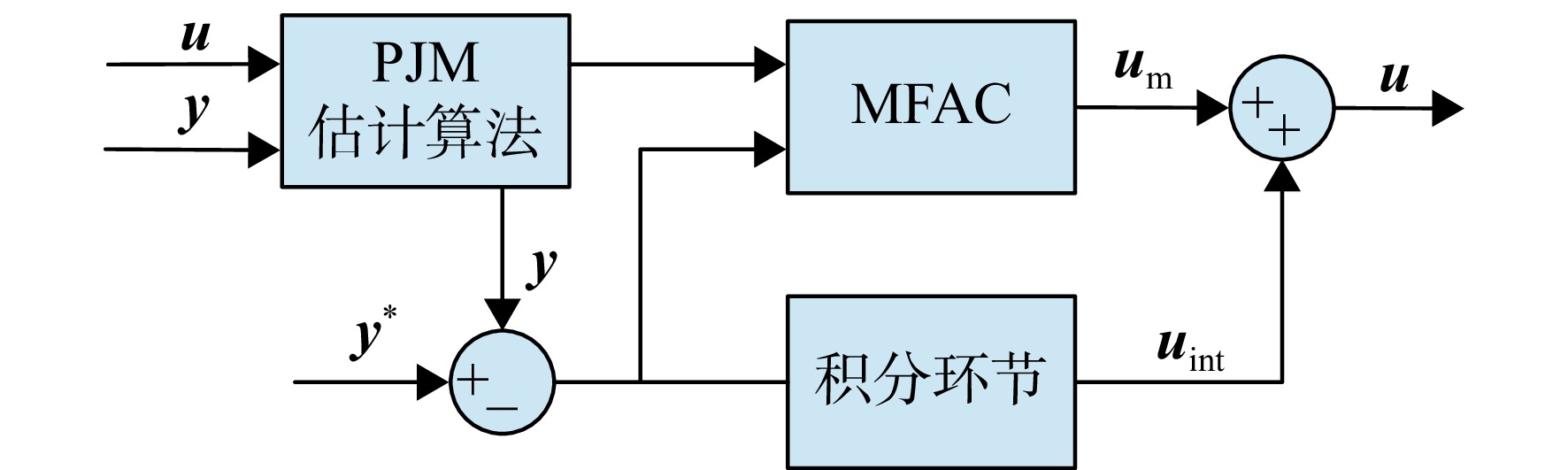
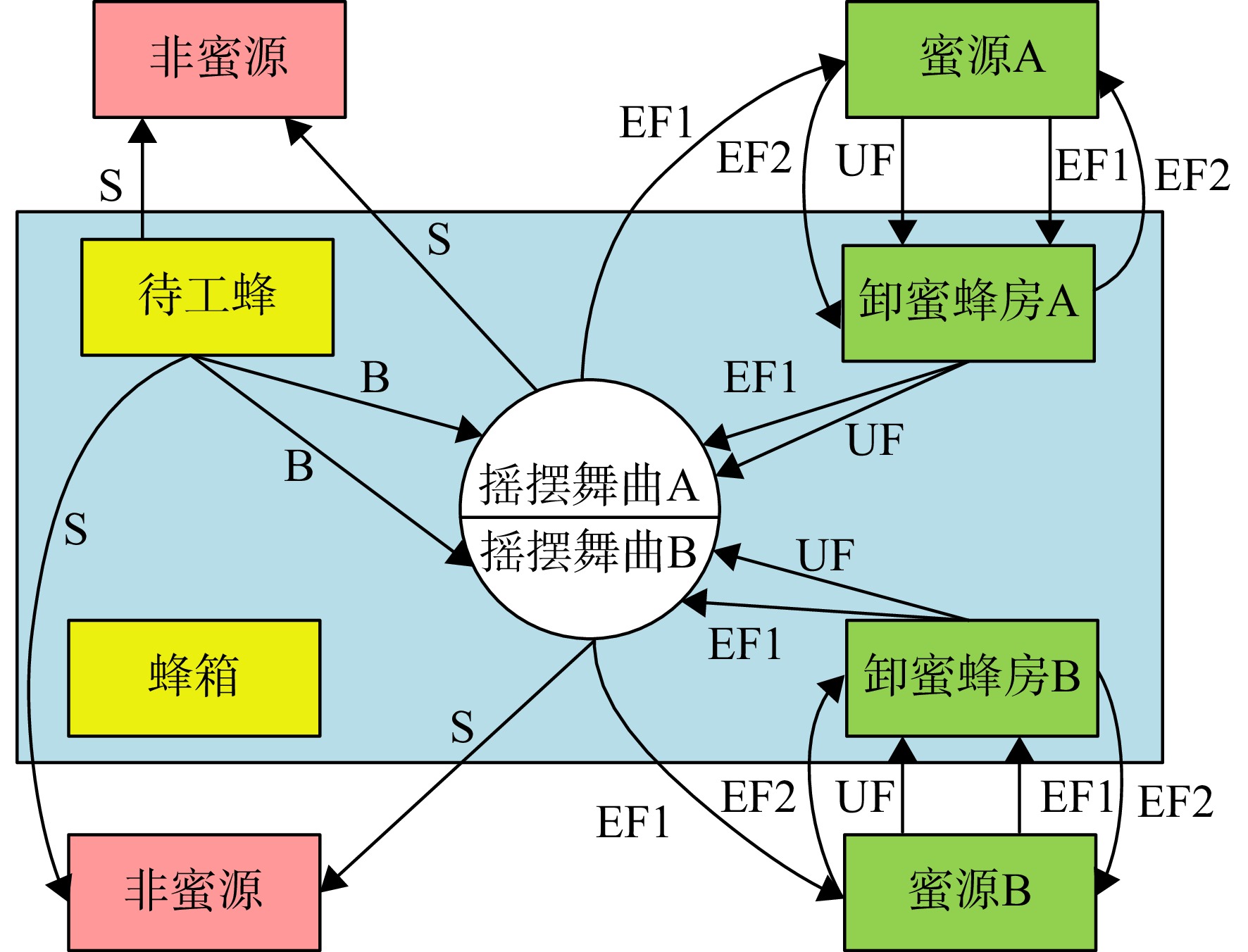
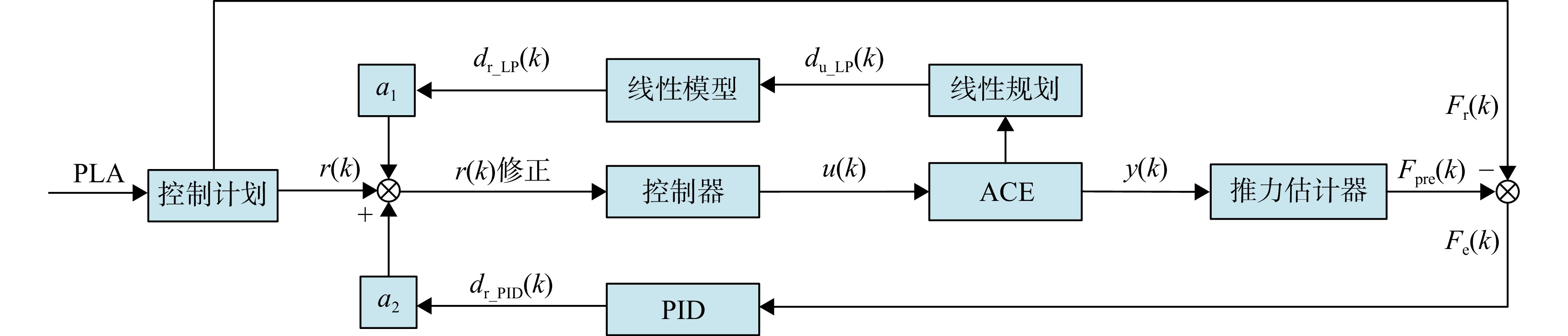
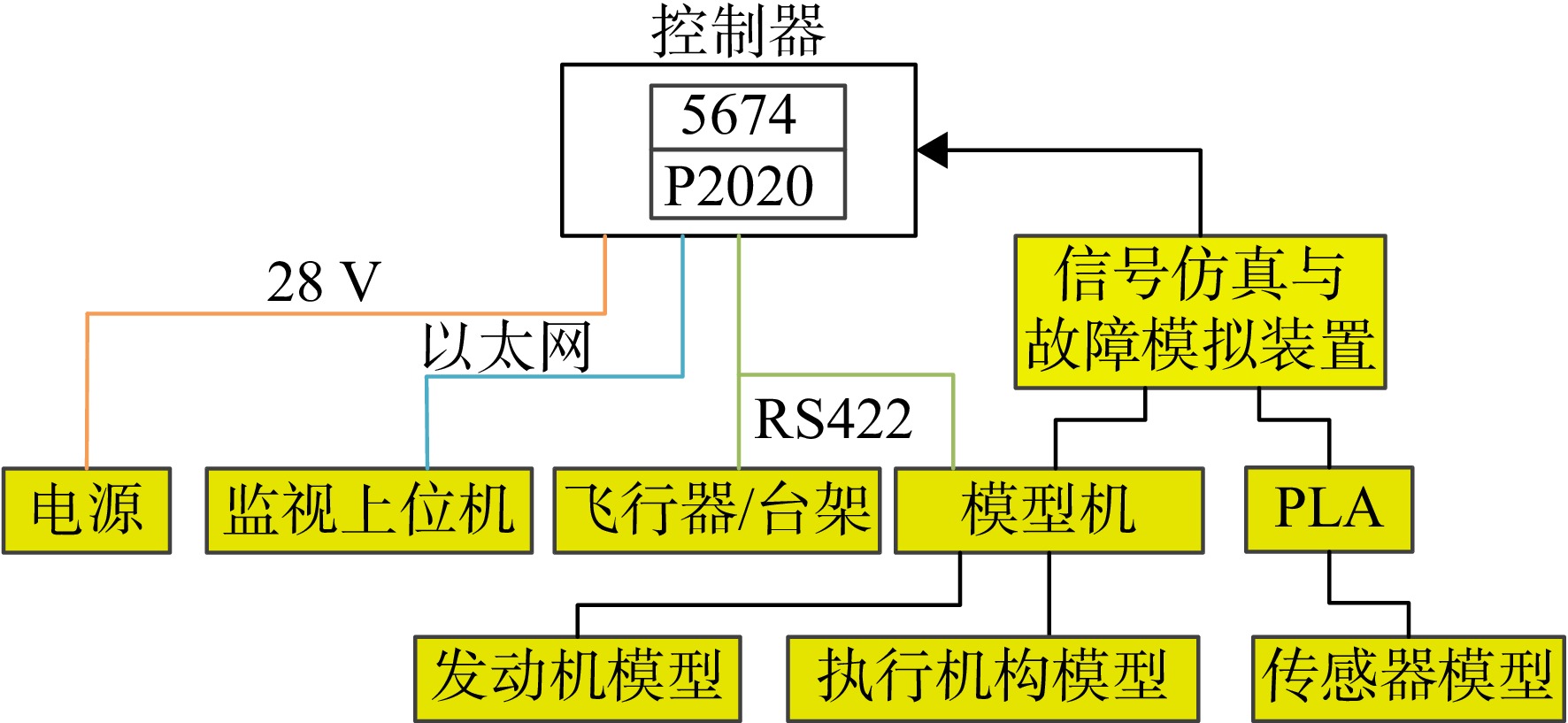
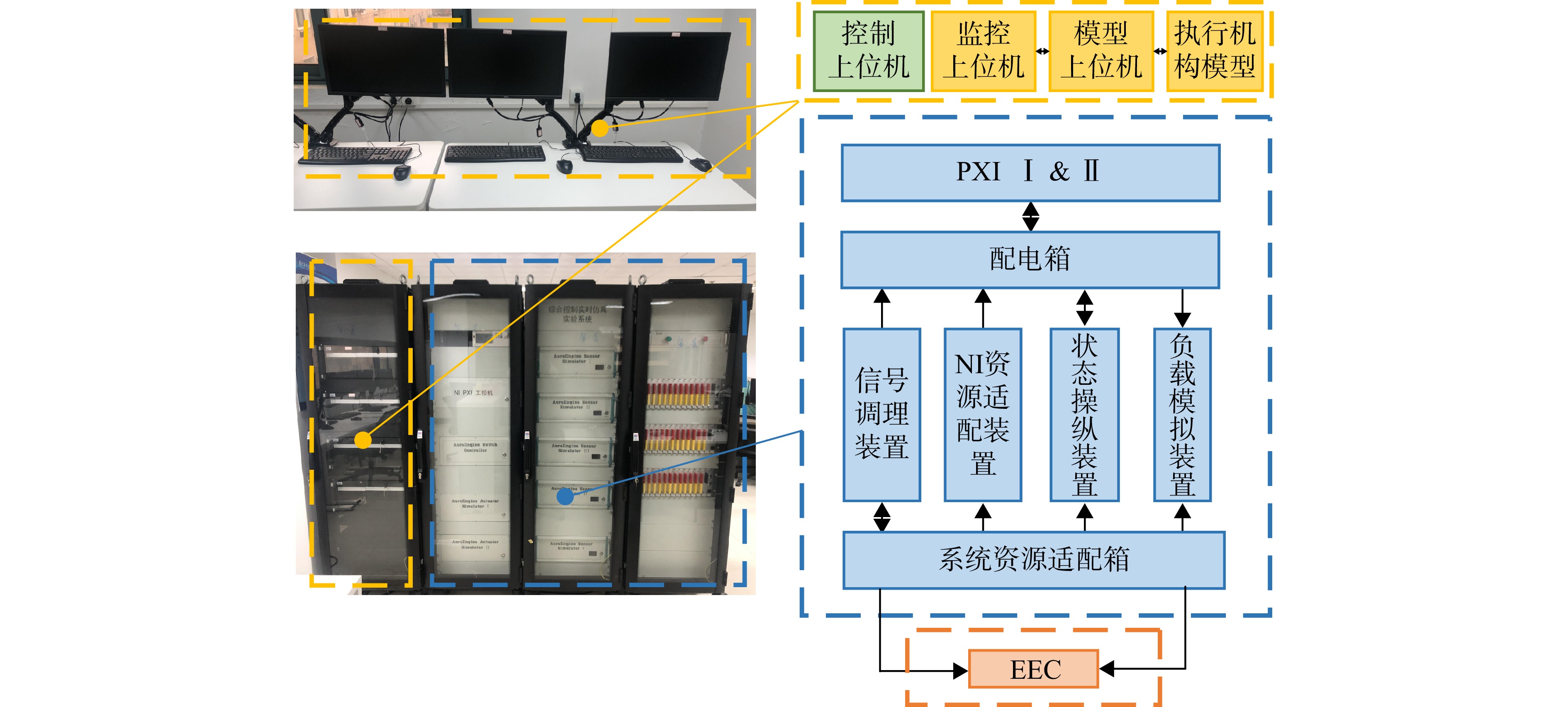
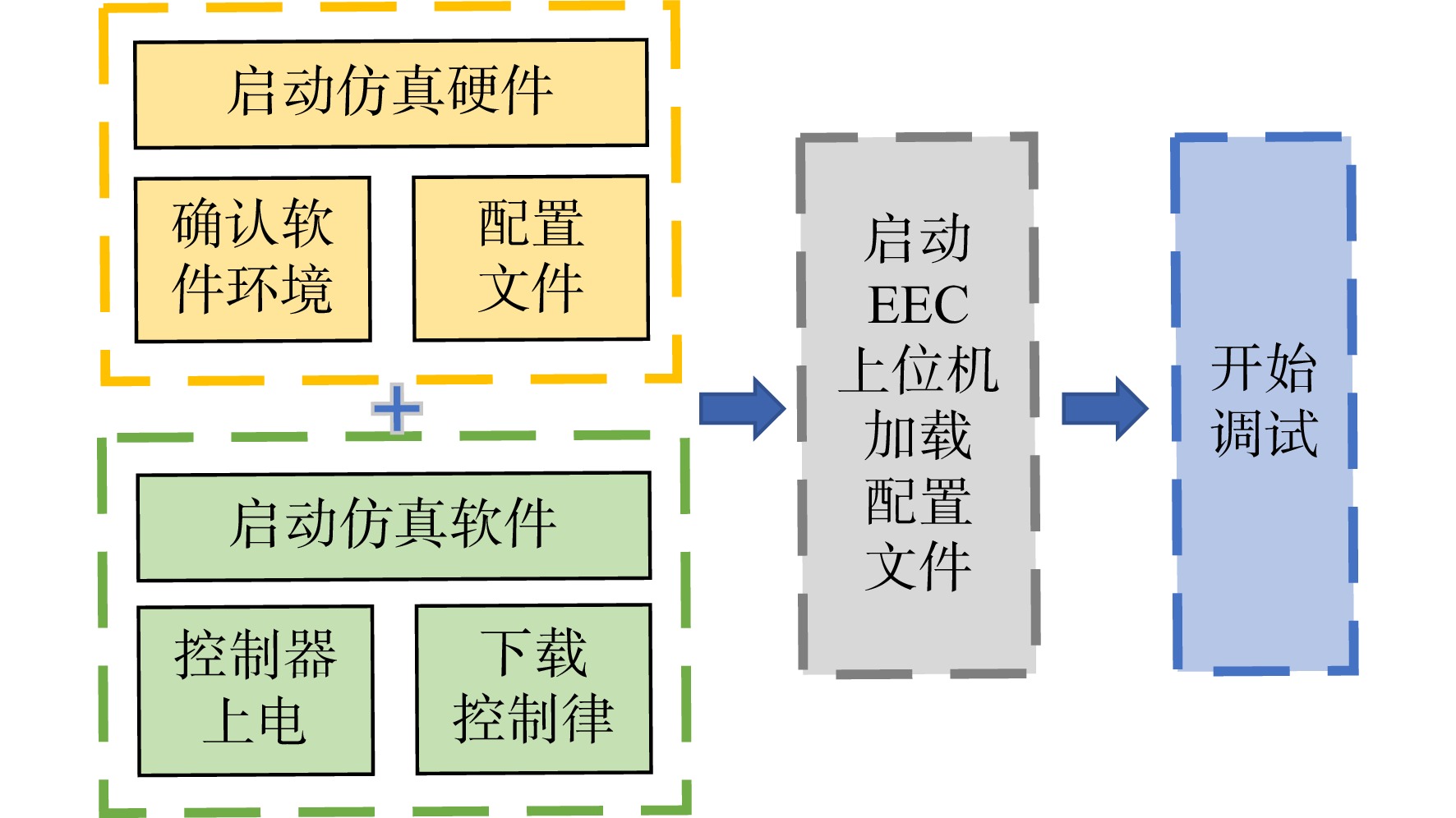
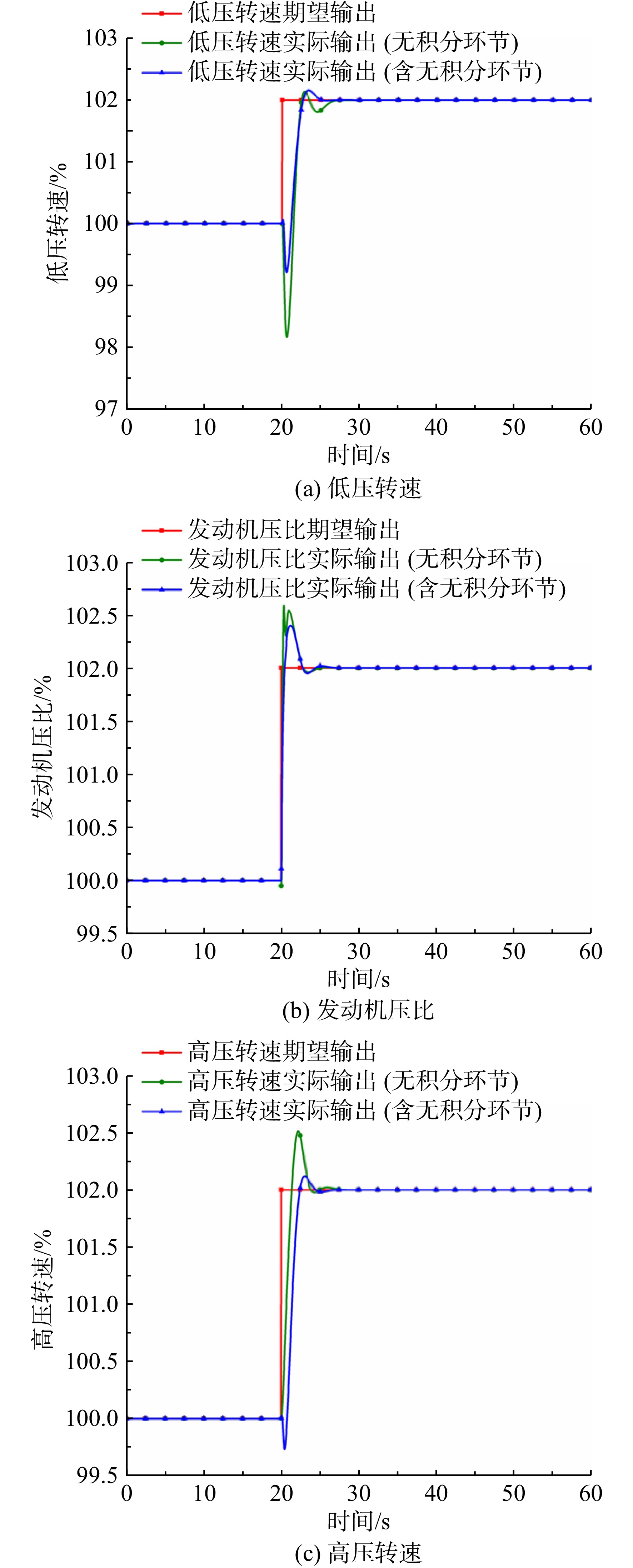
Adaptive cycle engine (ACE) has strong nonlinear characteristics and severe coupling between parameters. It is difficult to establish high-precision mathematical models. The model free adaptive control (MFAC) algorithm was employed to design a controller by dynamically linearizing its input/output (I/O) data without an accurate model of the controlled object. This algorithm had low computational burden and strong robustness. A multivariable model free adaptive control strategy for ACE single mode was designed based on a certain adaptive cycle engine. By introducing an integral part, the fluctuation of control variables and the dynamic performance of the system were improved. Regarding the thrust maintenance control problem of ACE, artificial bee colony (ABC) optimization algorithm and PID-linear programming (PID-LP) comprehensive optimization algorithm were proposed to design an outer loop instruction correction loop. A dual loop multivariable control system was constructed to control the turbine temperature and compressor surge margin within the limit boundary while maintaining engine thrust. Hardware in-loop simulation tests were conducted. The simulation results demonstrated that the improved MFAC dual-loop thrust control structure enabled the engine to achieve excellent steady-state and dynamic control performance. The fluctuation of the controlled variable remained below 2%, and thrust maintenance within safe limits can be achieved even under conditions of deteriorating gas path component performance. This approach optimized engine performance, extended engine service life, and exhibited significant engineering application value.

Pulse width modulation strategy of periodic frequency for servo motor drive system
SUN Yingying, BU Feifei, YANG Lei, ZHENG Zaiping, HE Jingxuan, QIN Haihong, HUANG Yuping
2025, 40(11): 20240439. doi: 10.13224/j.cnki.jasp.20240439
Abstract:

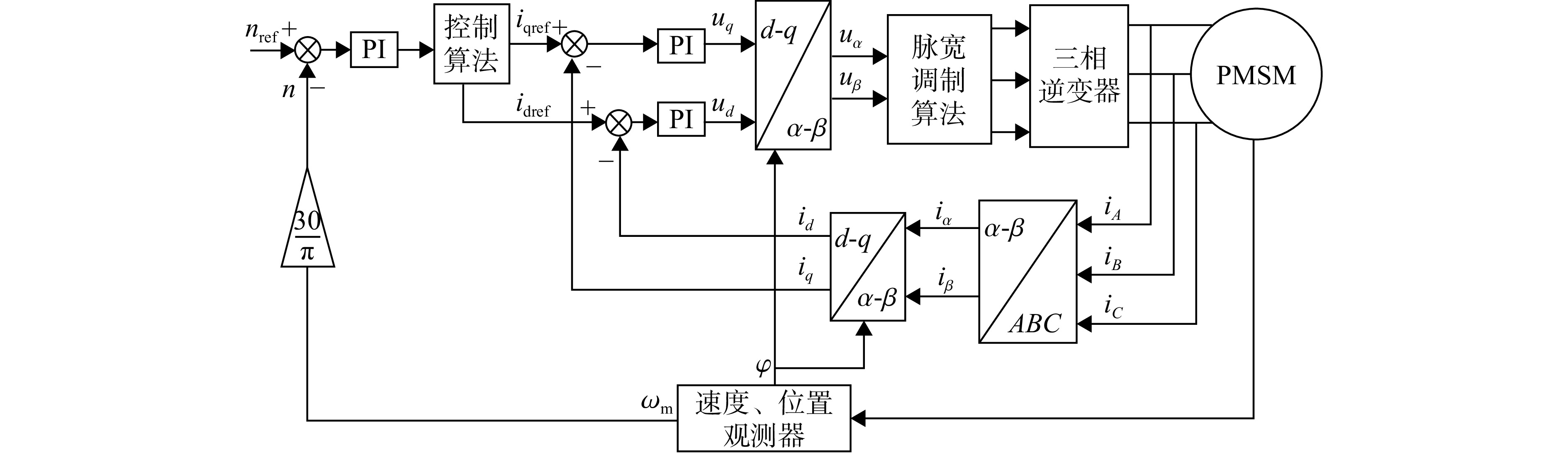
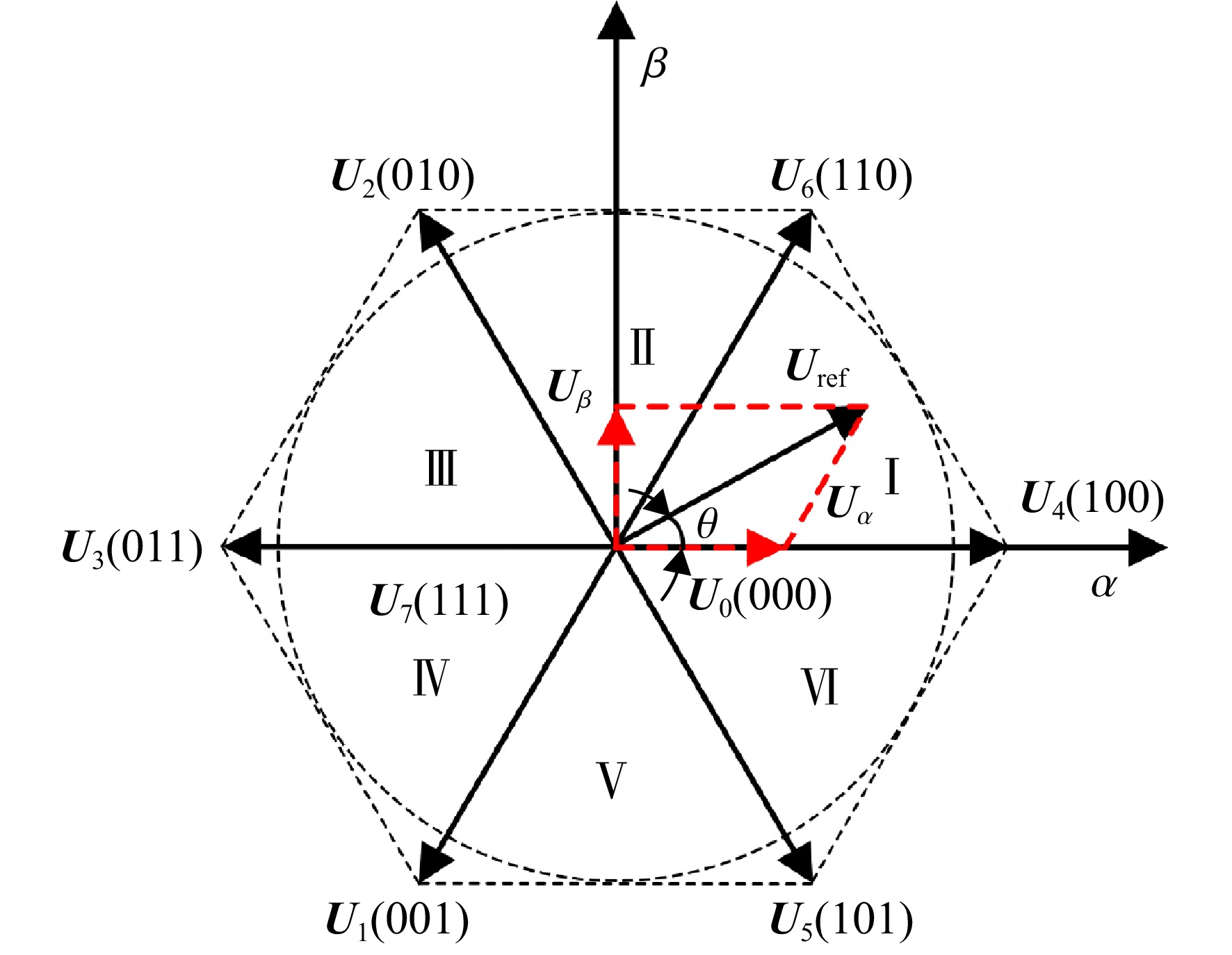
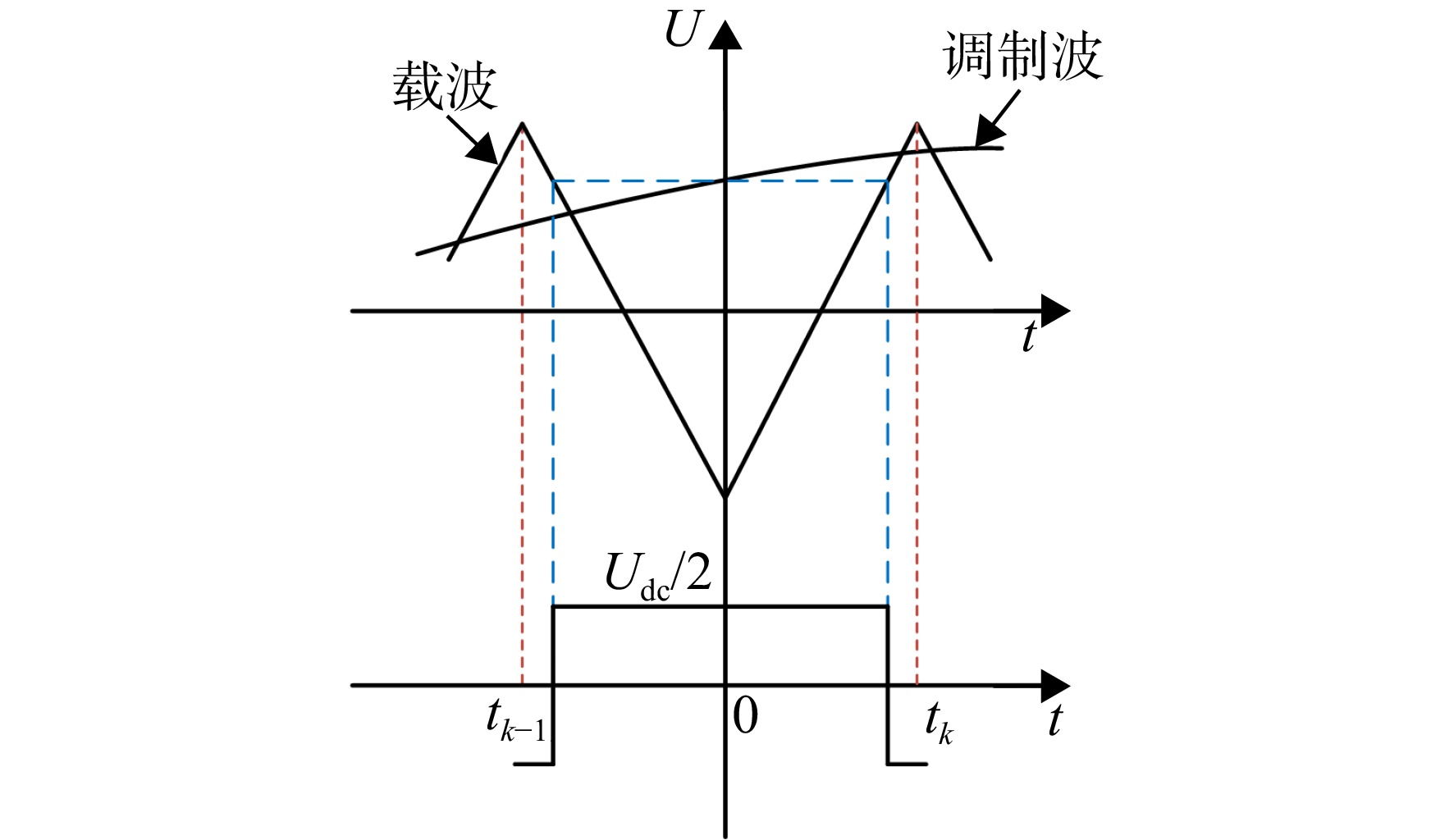
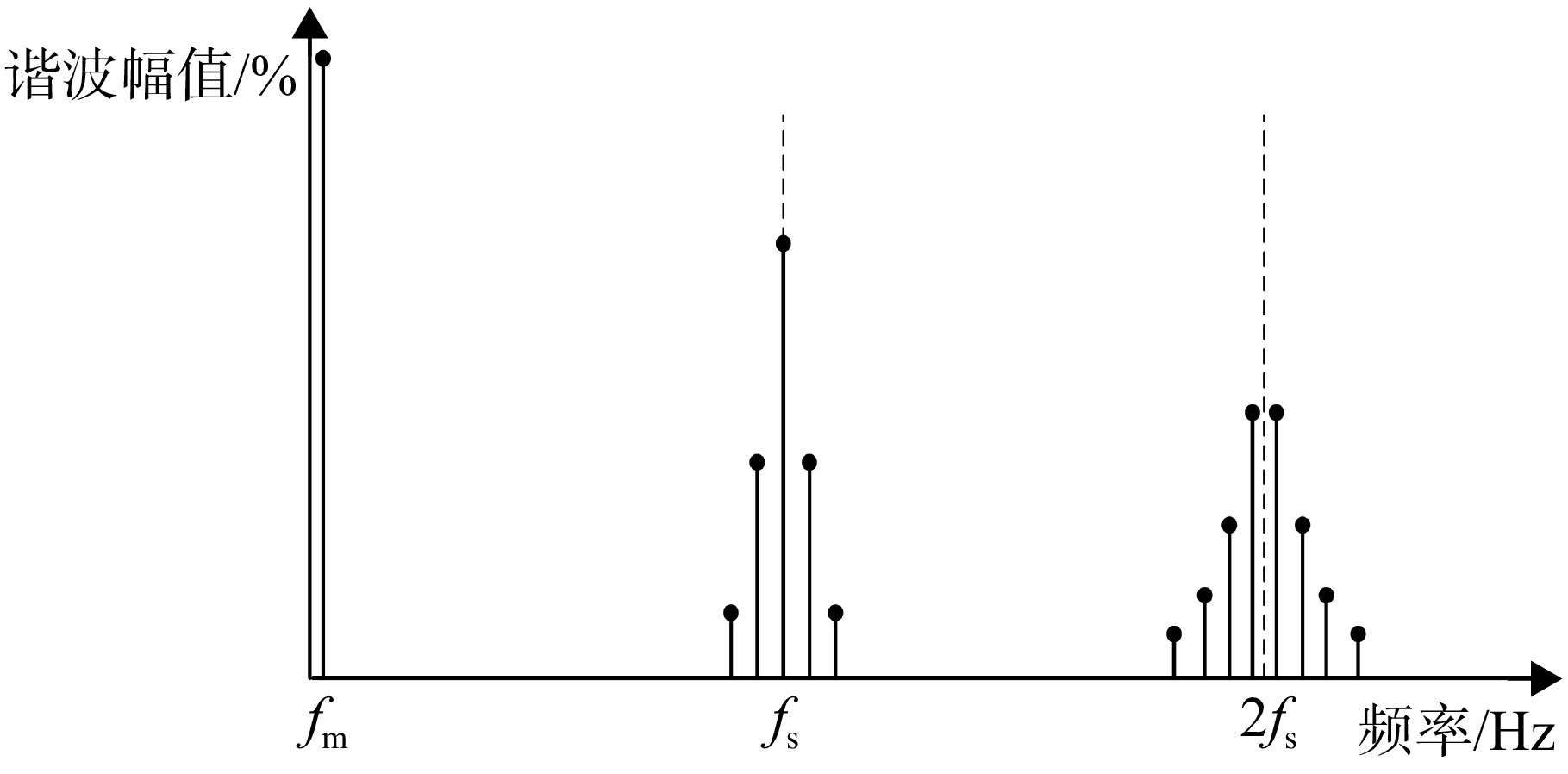
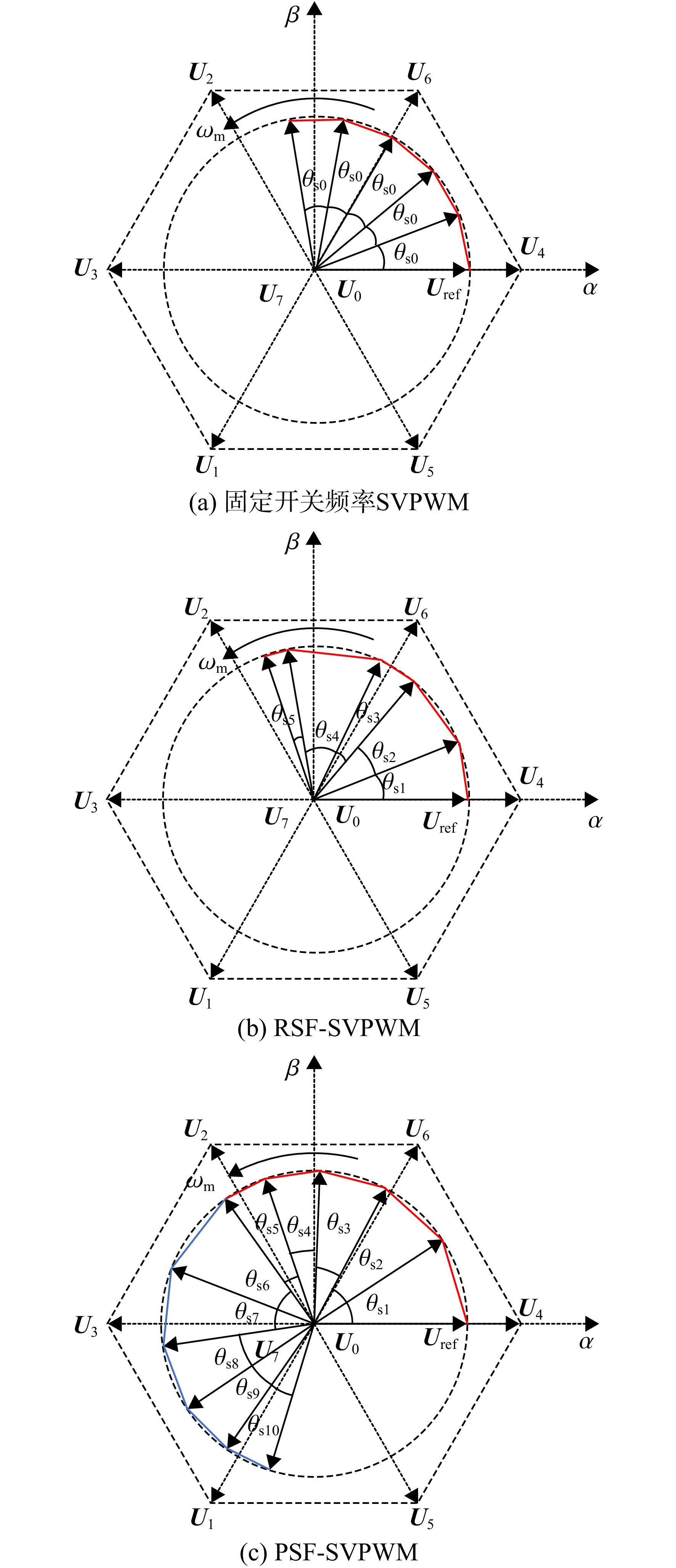
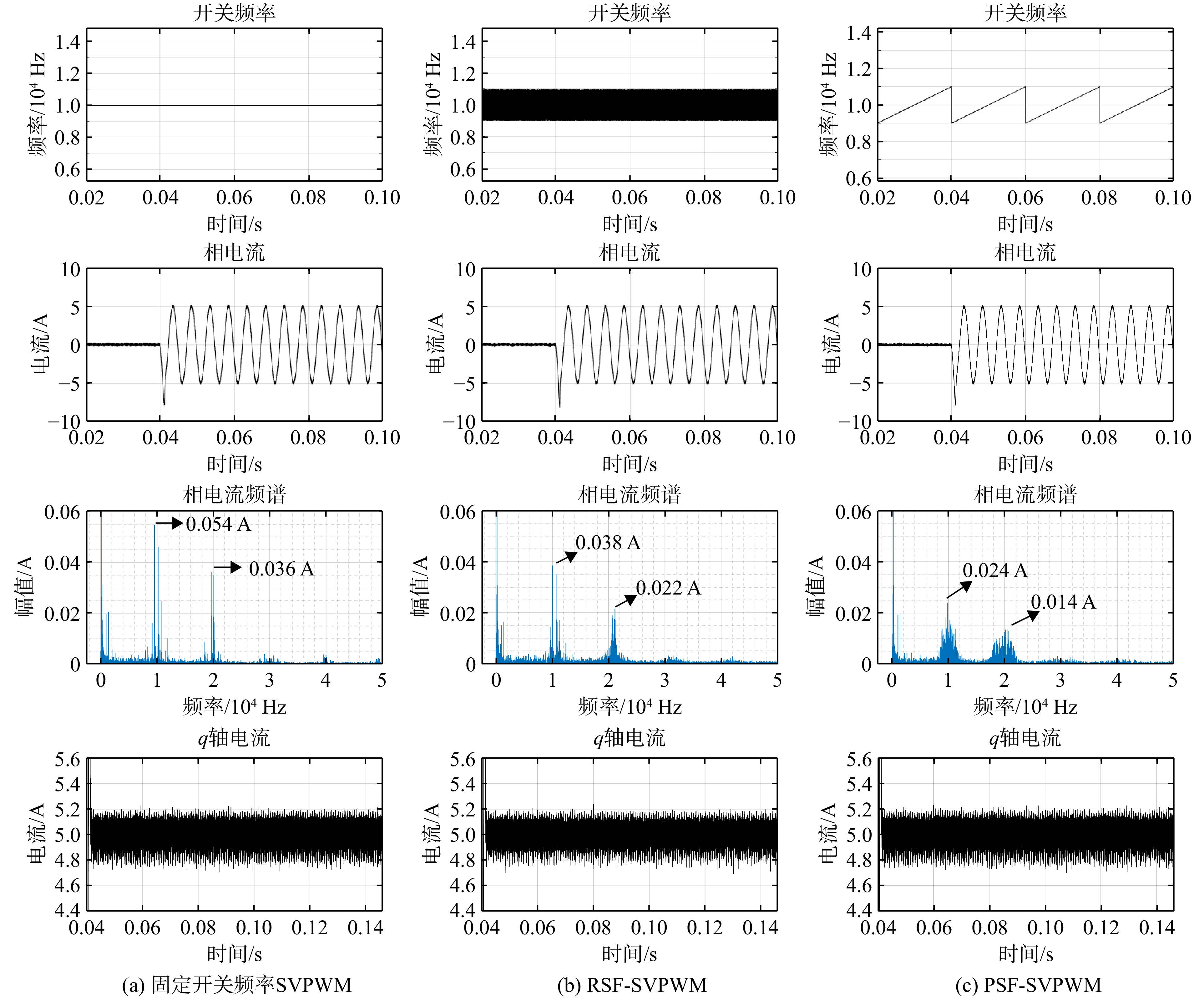
To effectively suppress electromagnetic interference in servo motor drive systems and improve the system's electromagnetic compatibility performance, the impact of spread spectrum modulation on the suppression of higher-order harmonics in motor servo systems was investigated. A detailed analysis was conducted on the negative effects of an excessively wide spread spectrum on the system control performance, along with a comparative analysis of two spread spectrum strategies: random switching frequency and periodic switching frequency pulse width modulation. Simulation and experimental results indicated that, under the same spread spectrum range, the periodic switching frequency pulse width spread spectrum modulation strategy reduced the distribution range of adjacent switching frequency differences compared with the random switching frequency strategy, leading to lower peaks of higher-order harmonics and improved EMI suppression. Test results for conducted emissions on the power line demonstrated that the periodic switching frequency strategy exhibited superior EMI suppression within the frequency range of 10 kHz to 150 kHz compared with the random switching frequency strategy. This strategy balanced EMI suppression and control performance, showing significance for practical engineering applications.

Power Transimission
Rolling bearing fault time-varying instantaneous characteristics extraction based on Bi-CEEMDAN-CCJC and ELMSSCT
ZHANG Kang, CAO Zhenhua, MA Yunjiao, CHEN Xiangmin, LI Chao
2025, 40(11): 20240171. doi: 10.13224/j.cnki.jasp.20240171
Abstract:

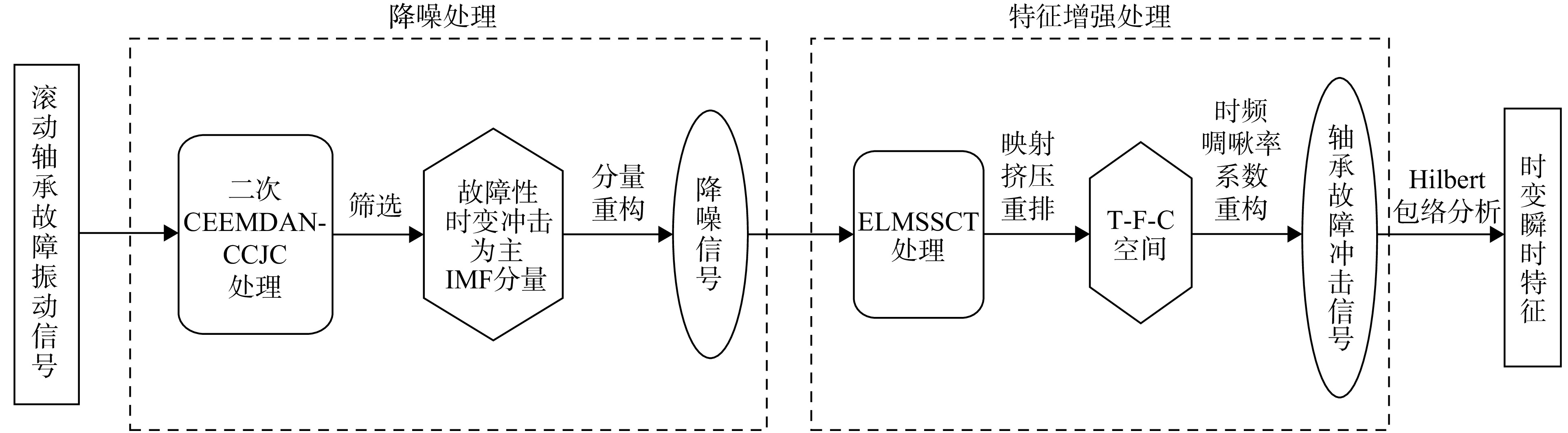
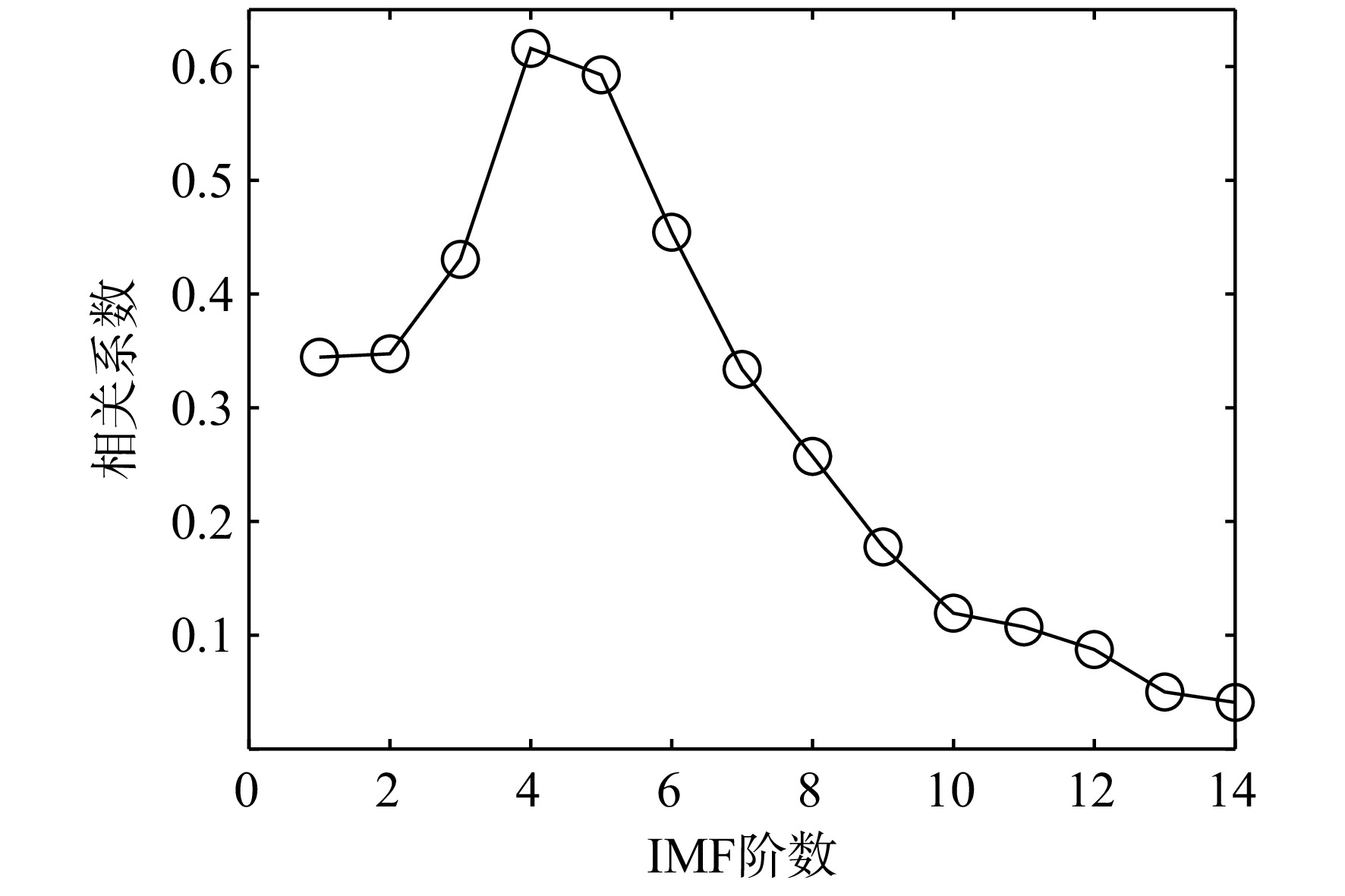
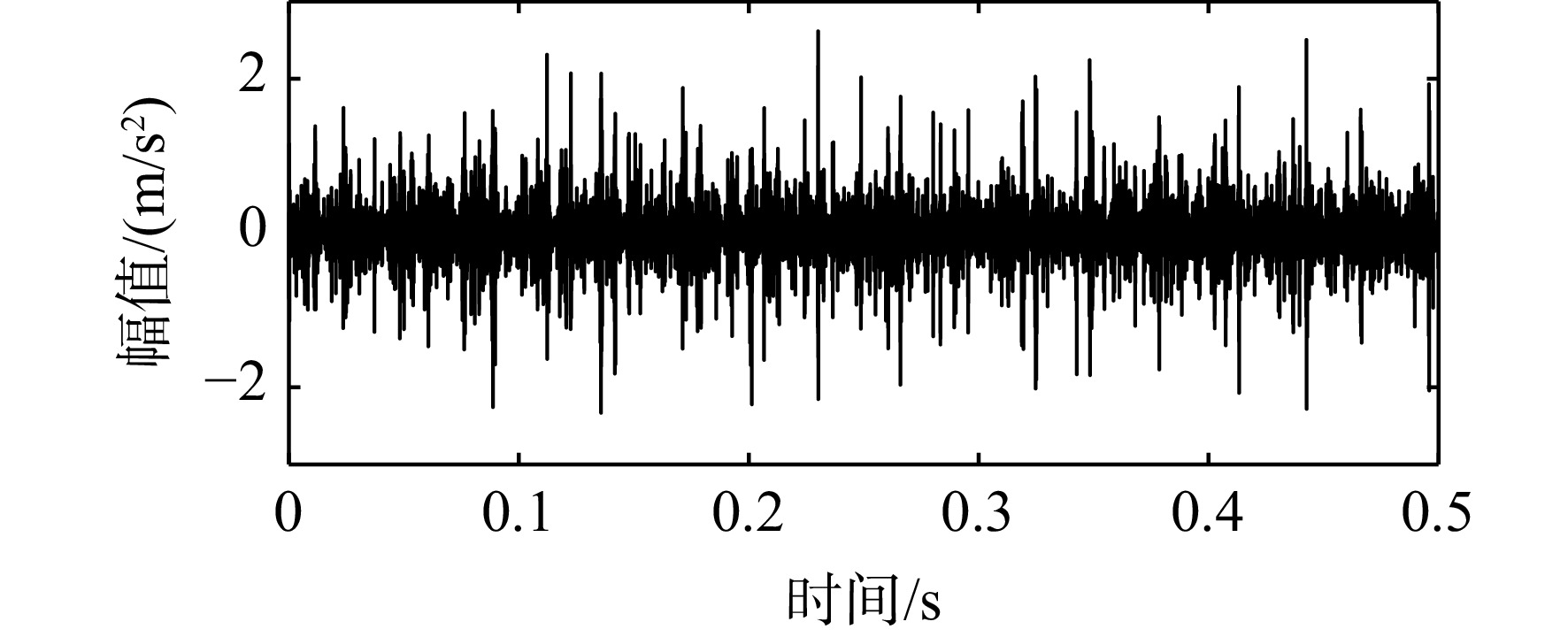
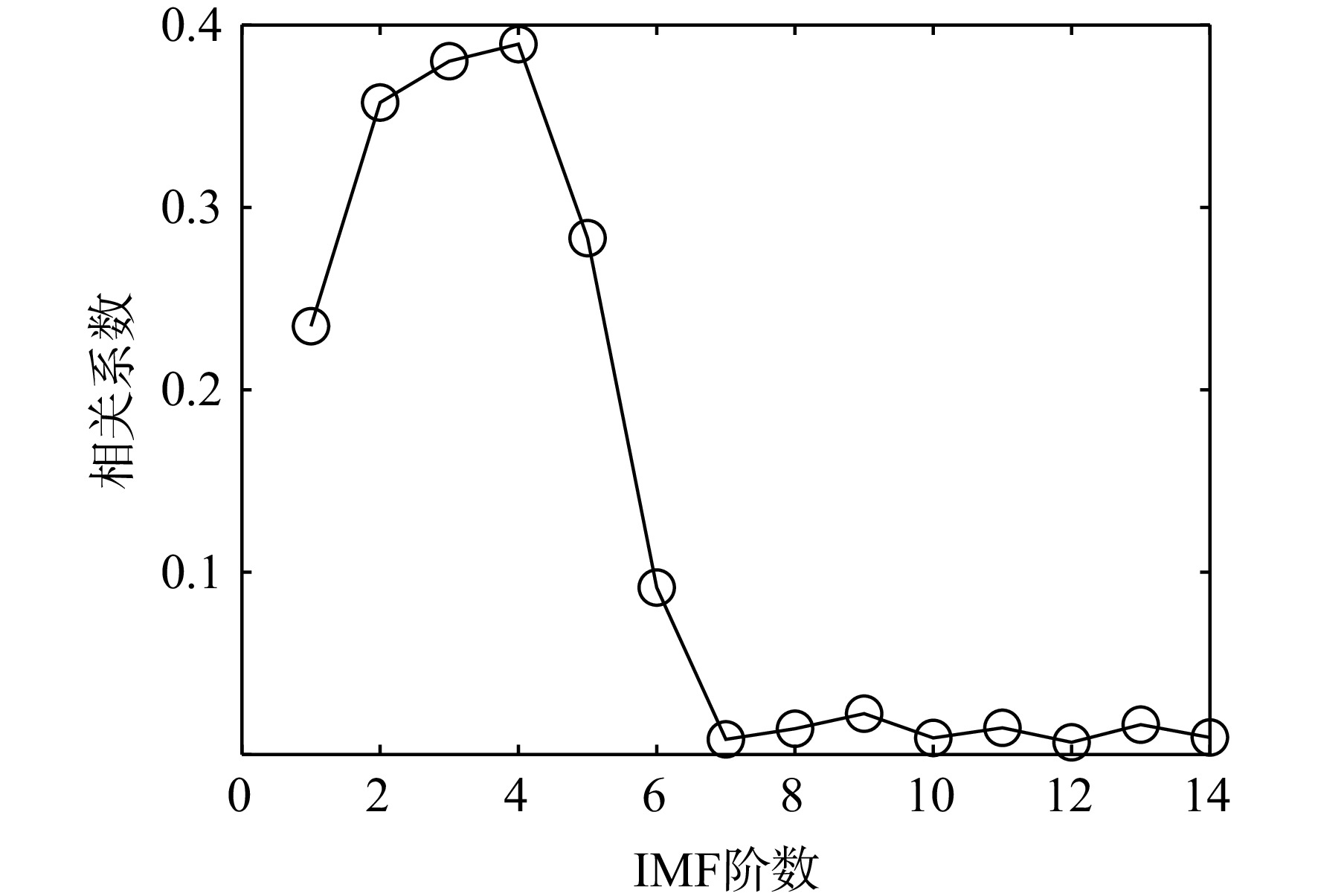
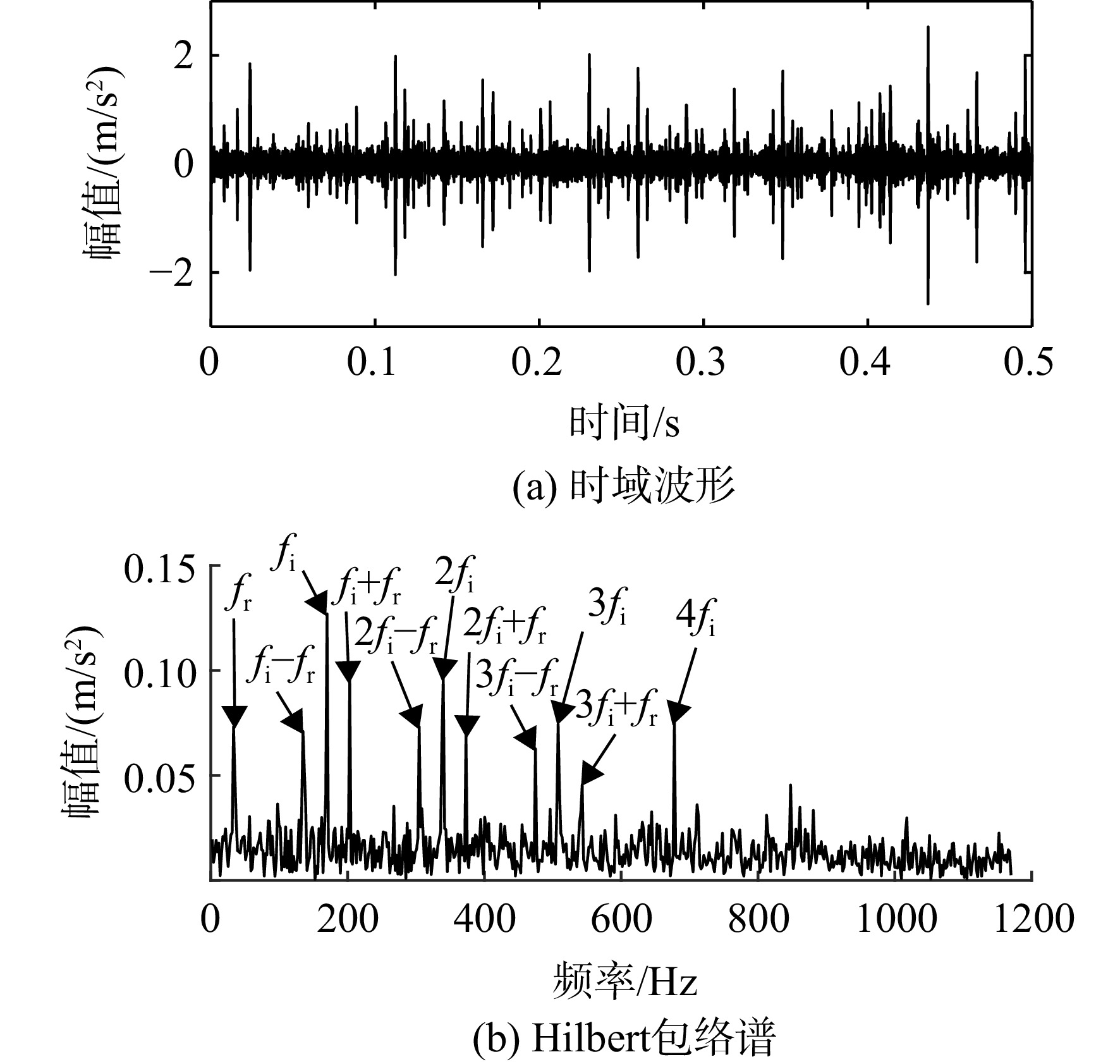
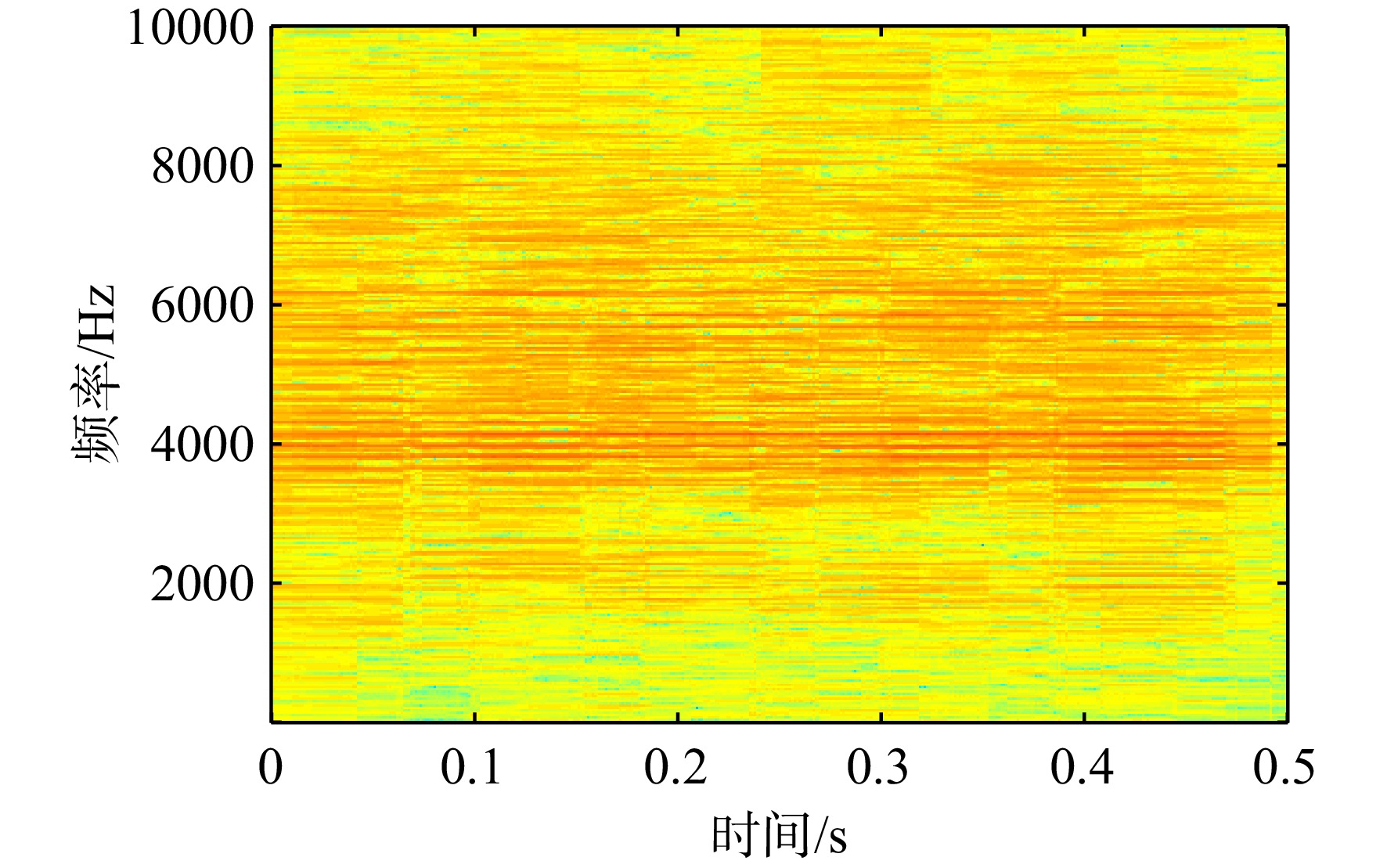
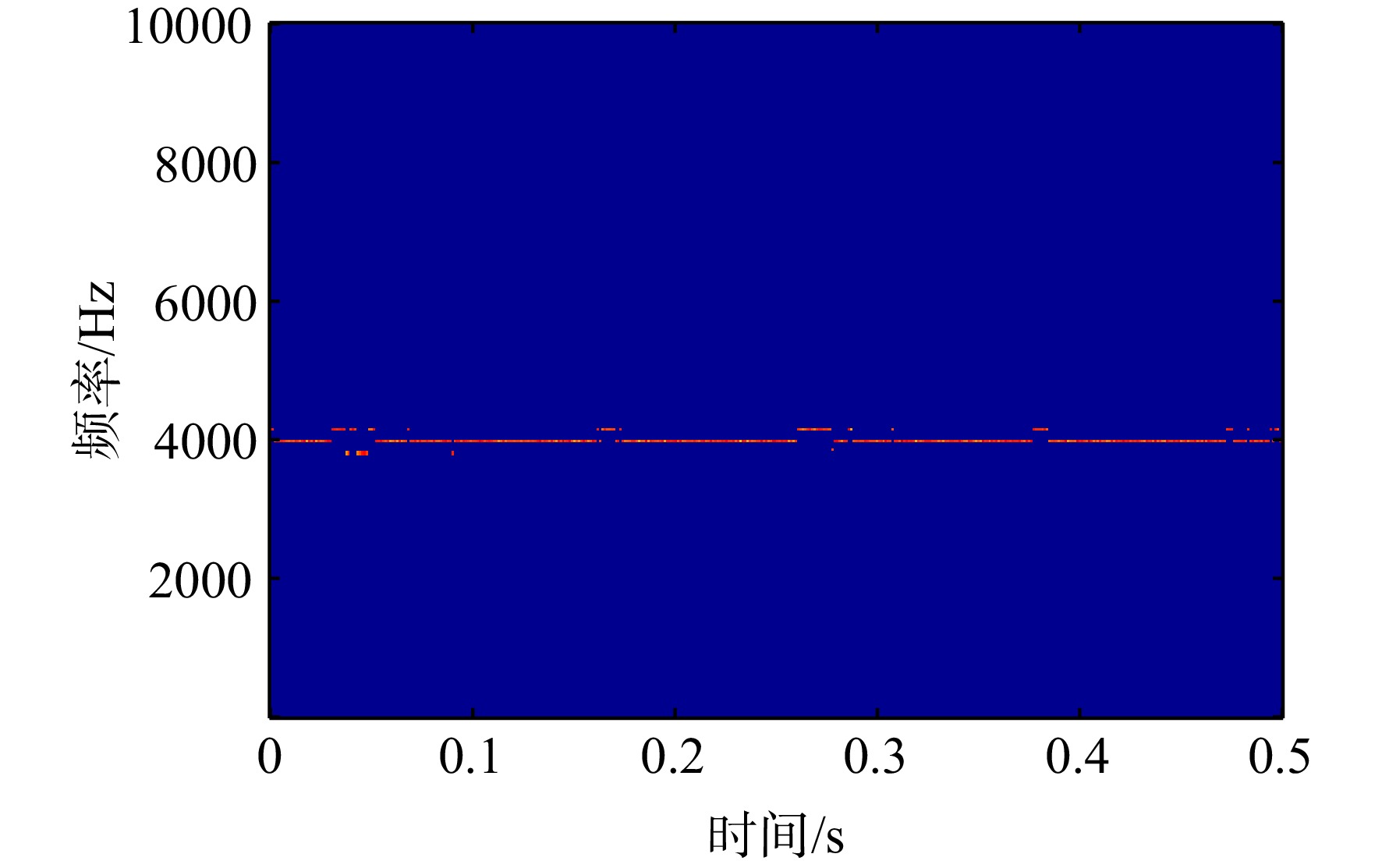
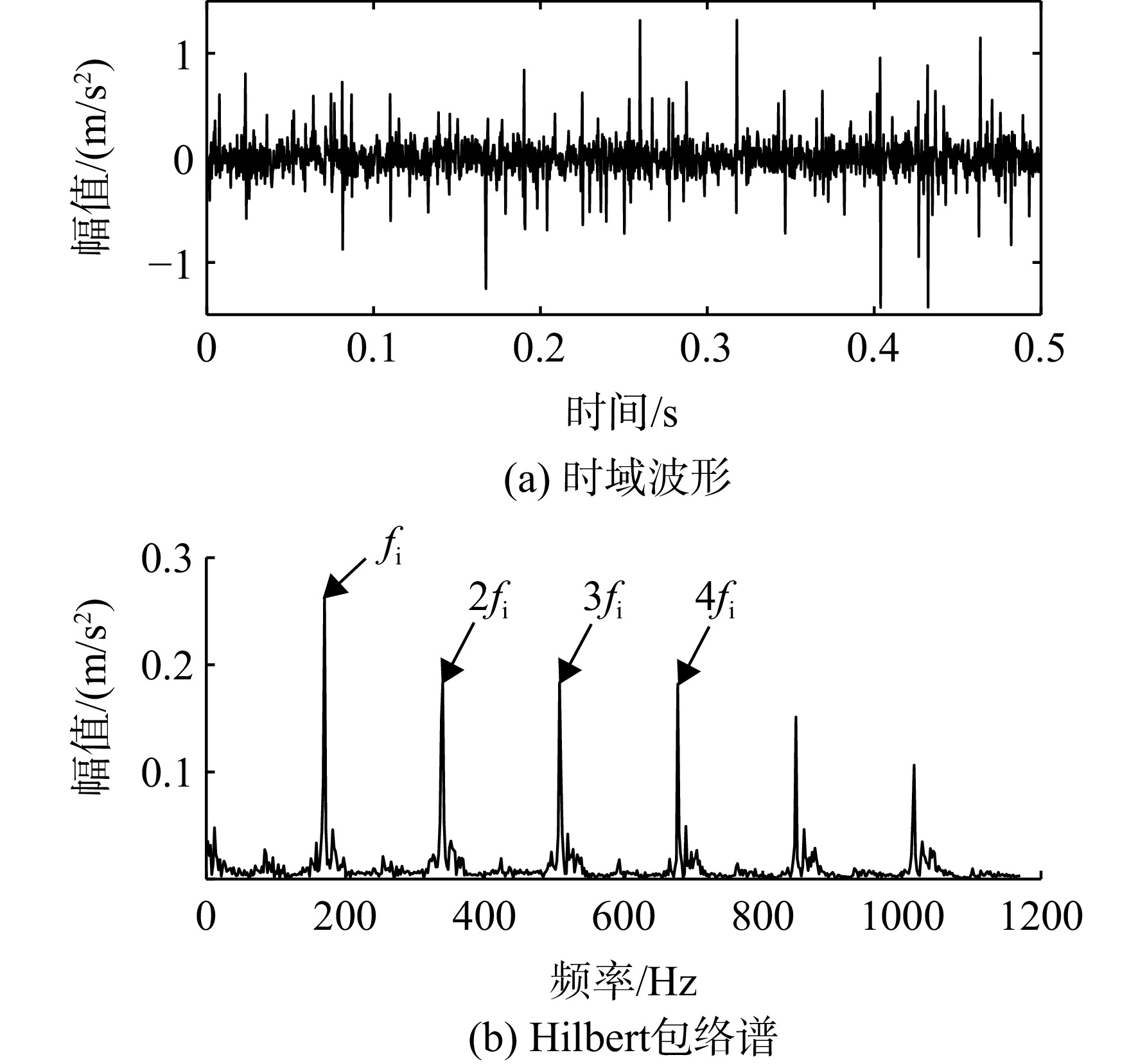
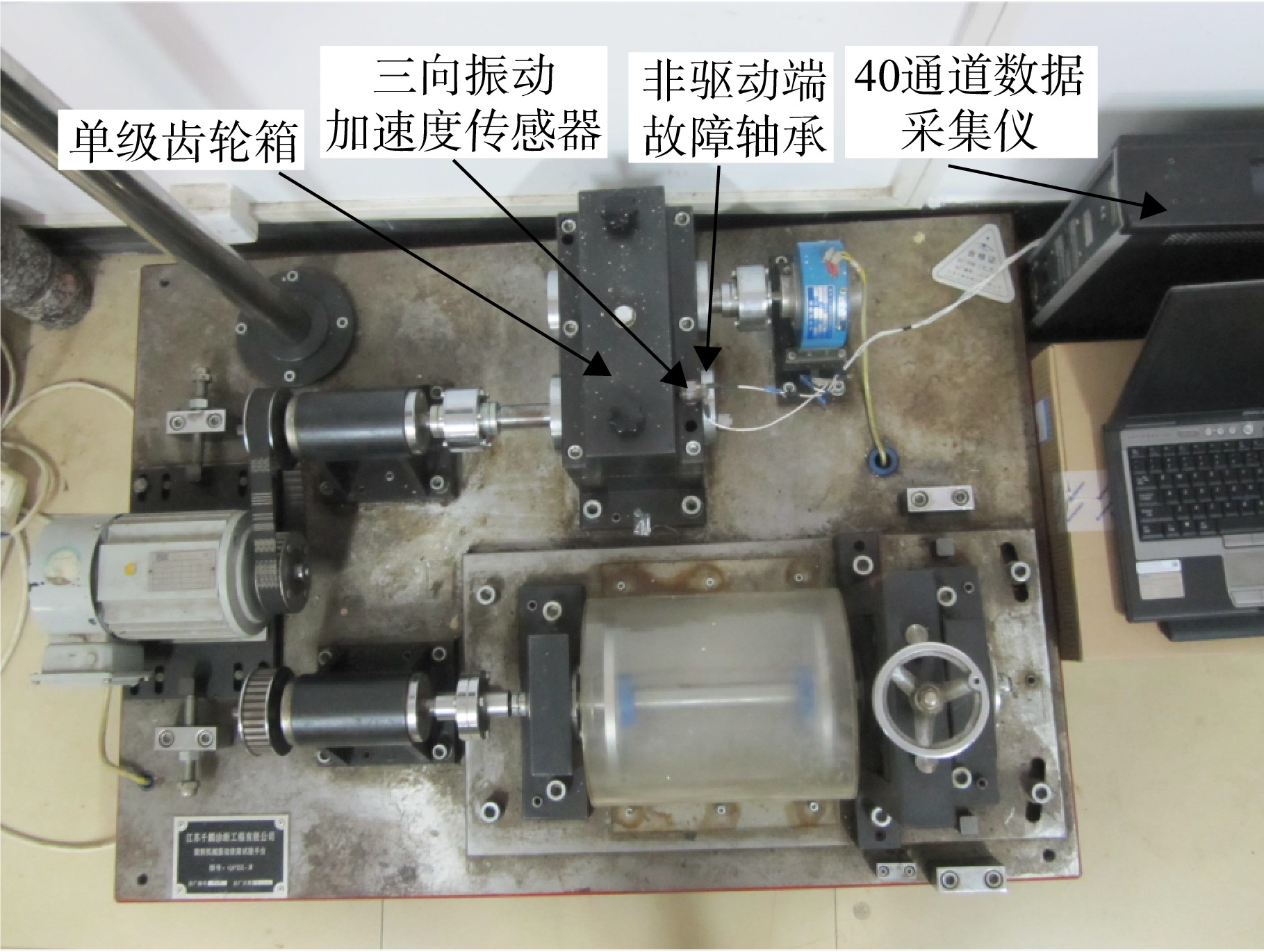
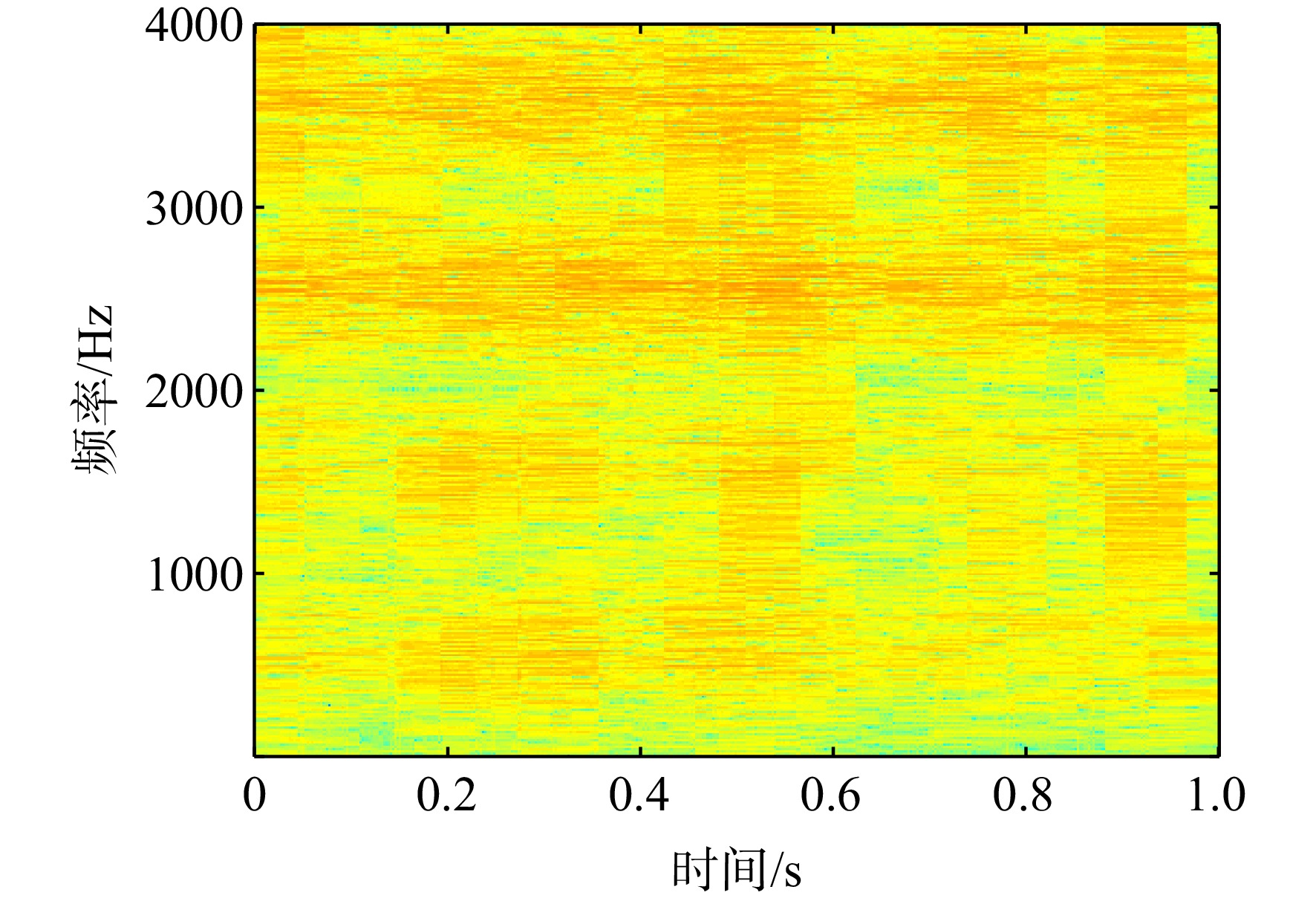
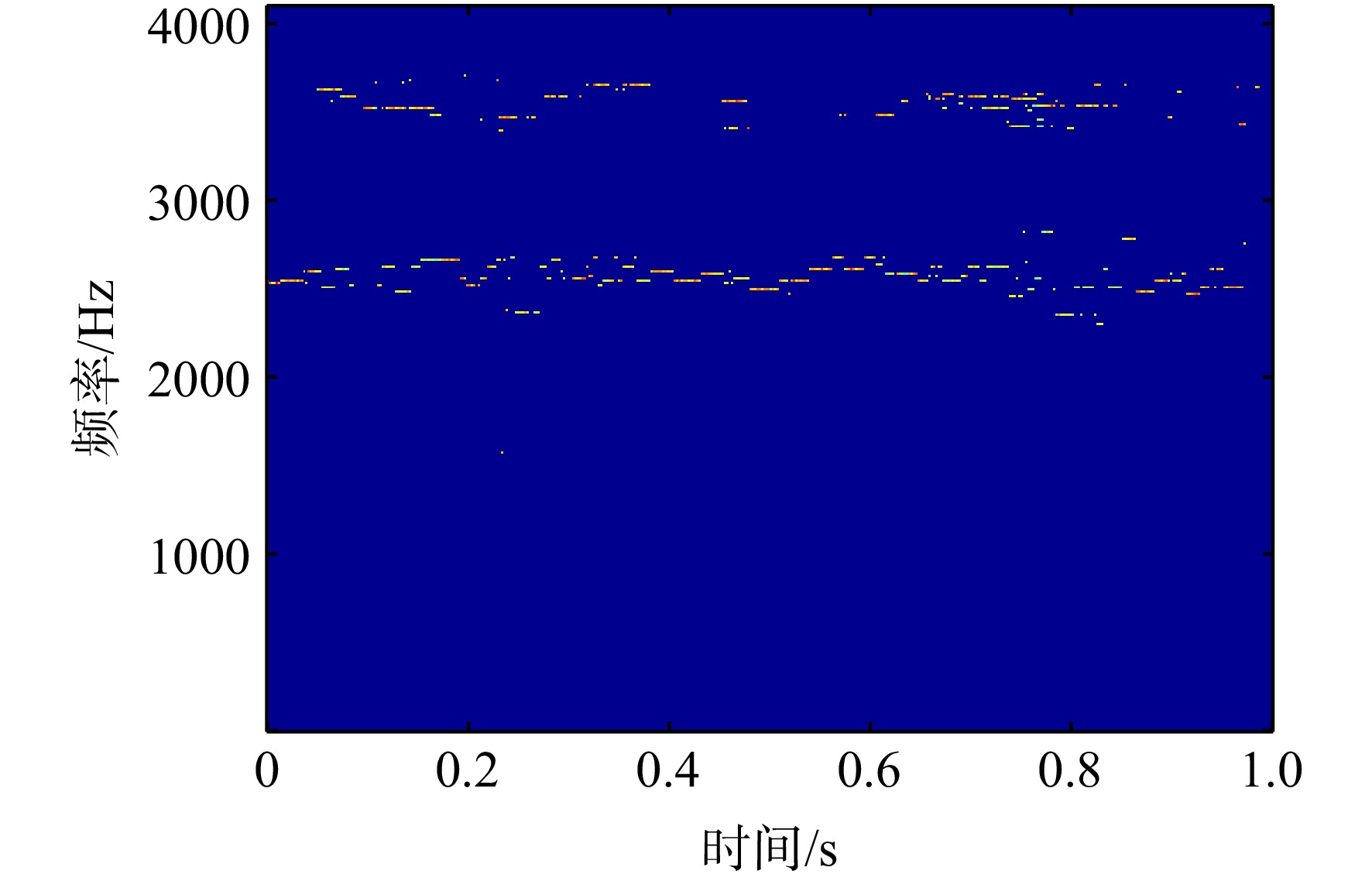
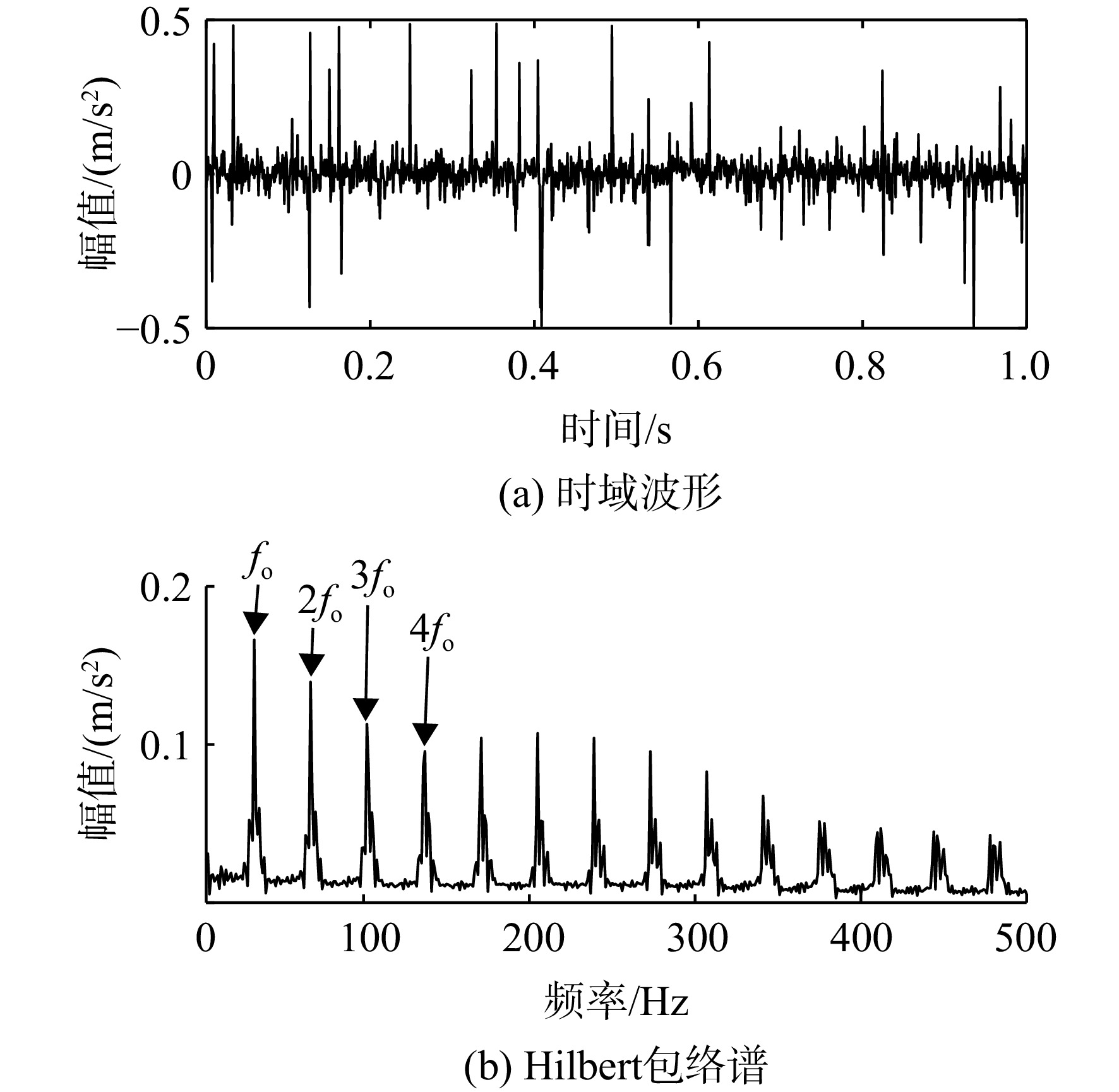
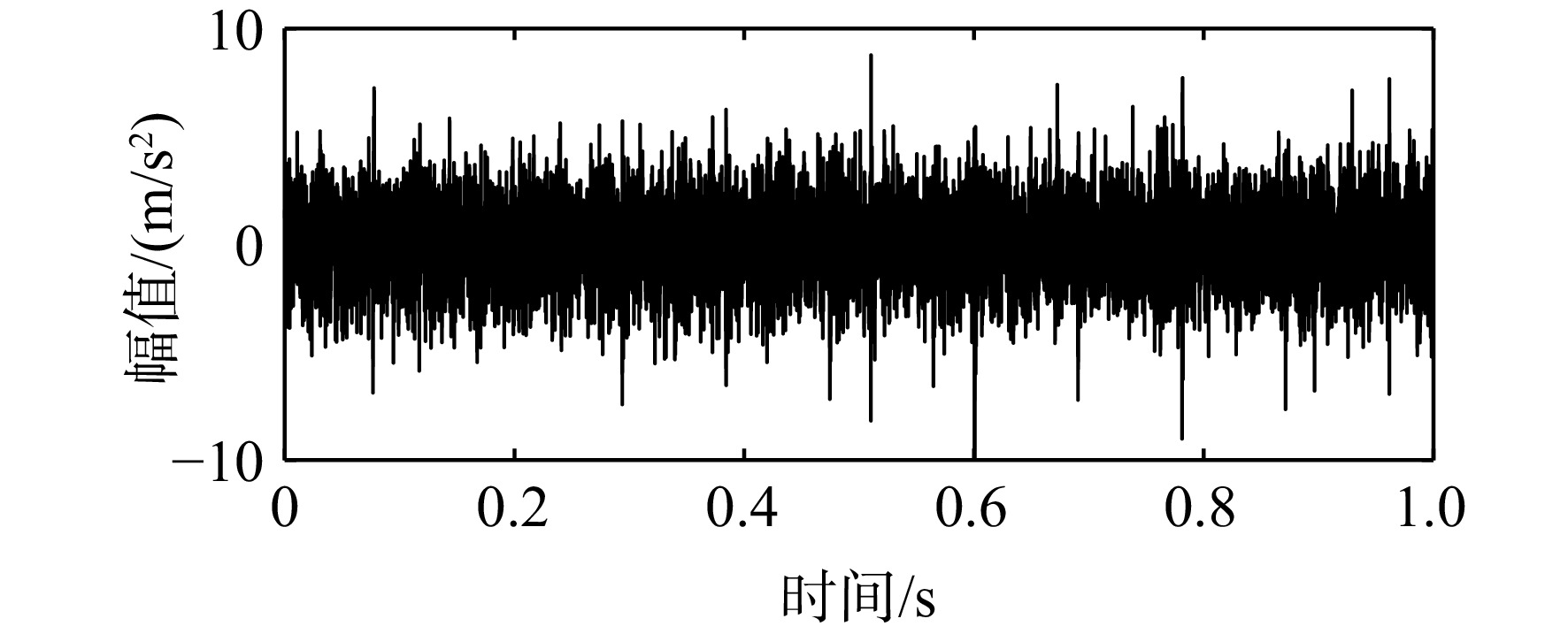
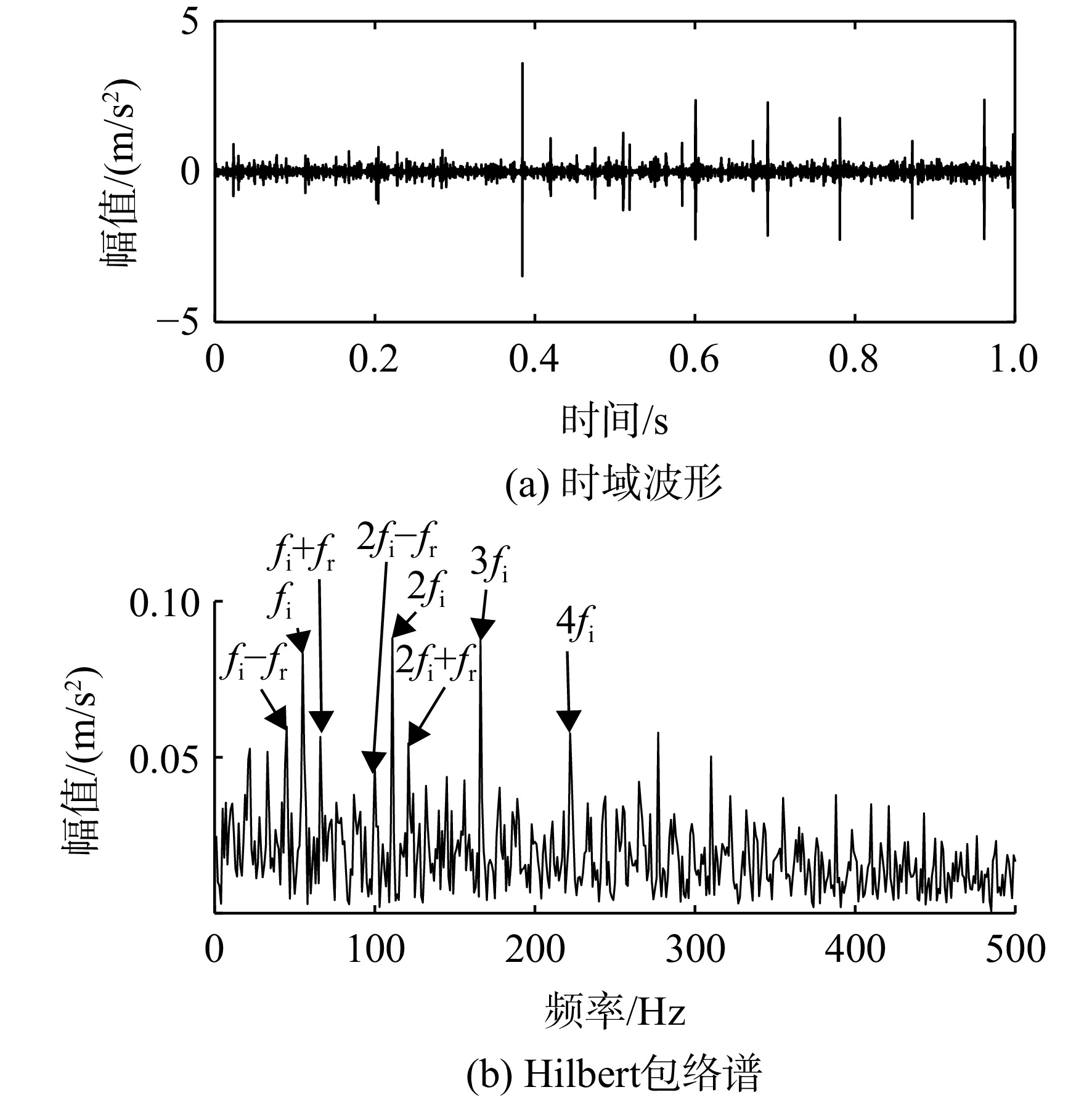
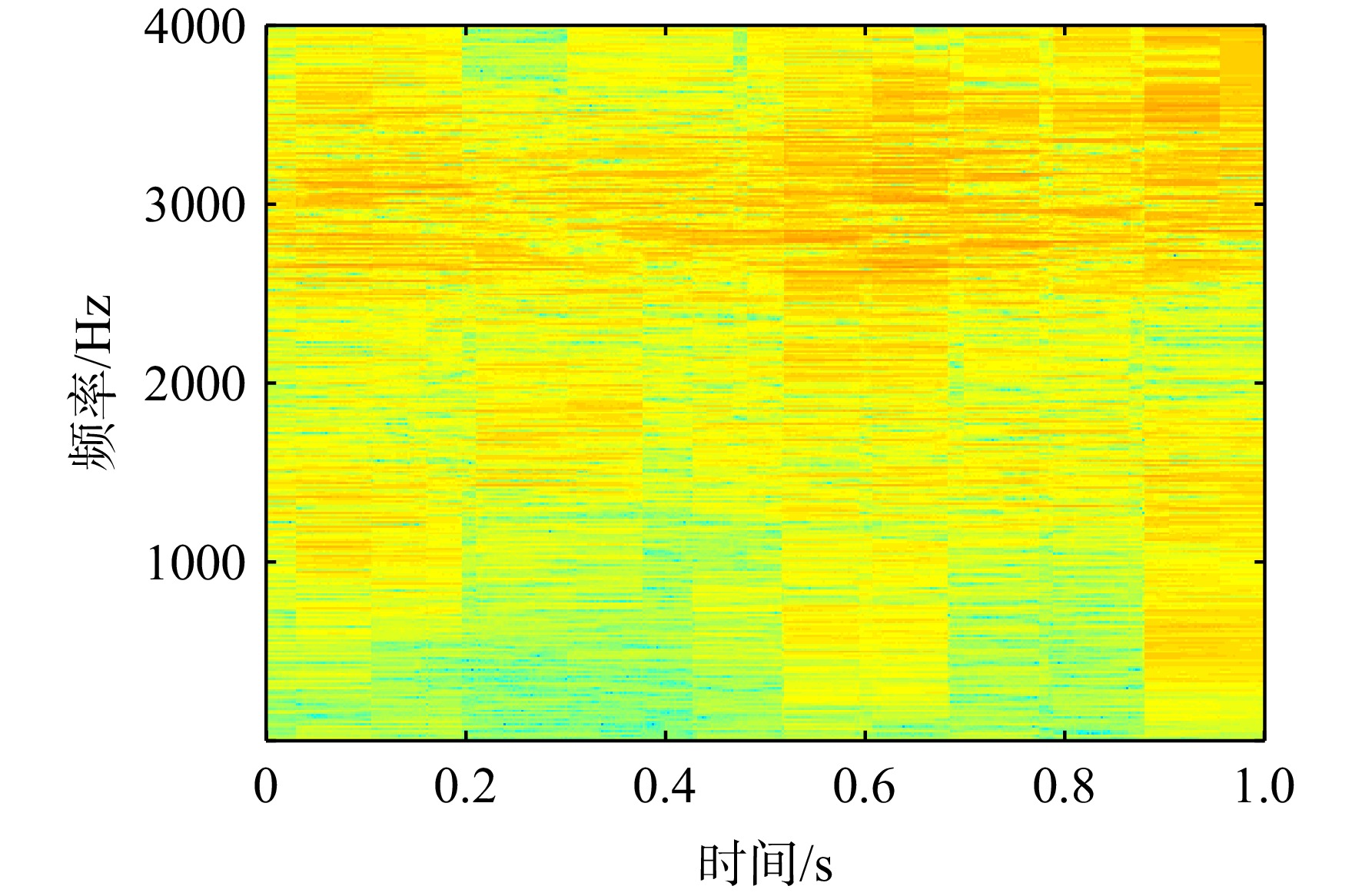
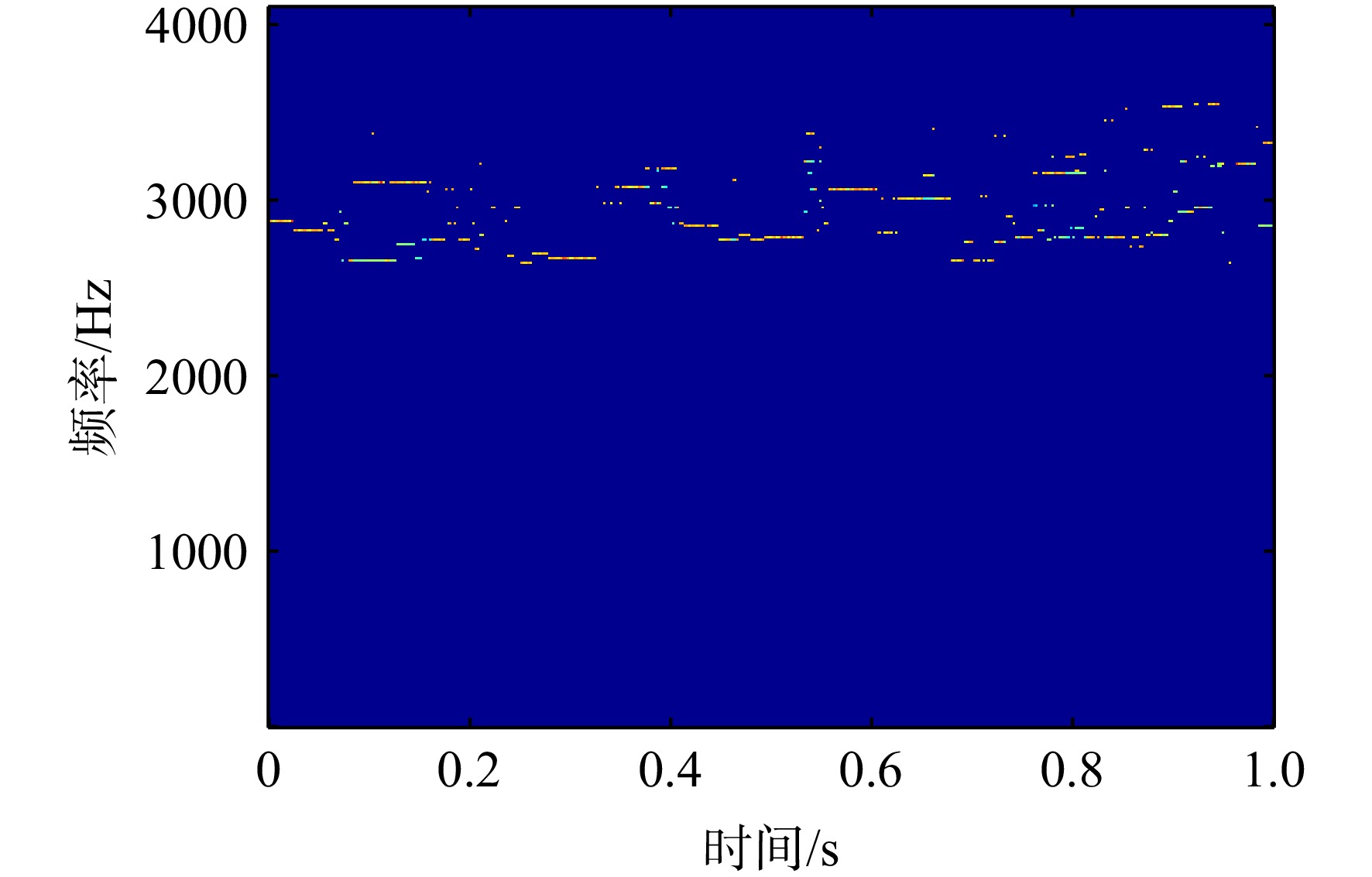
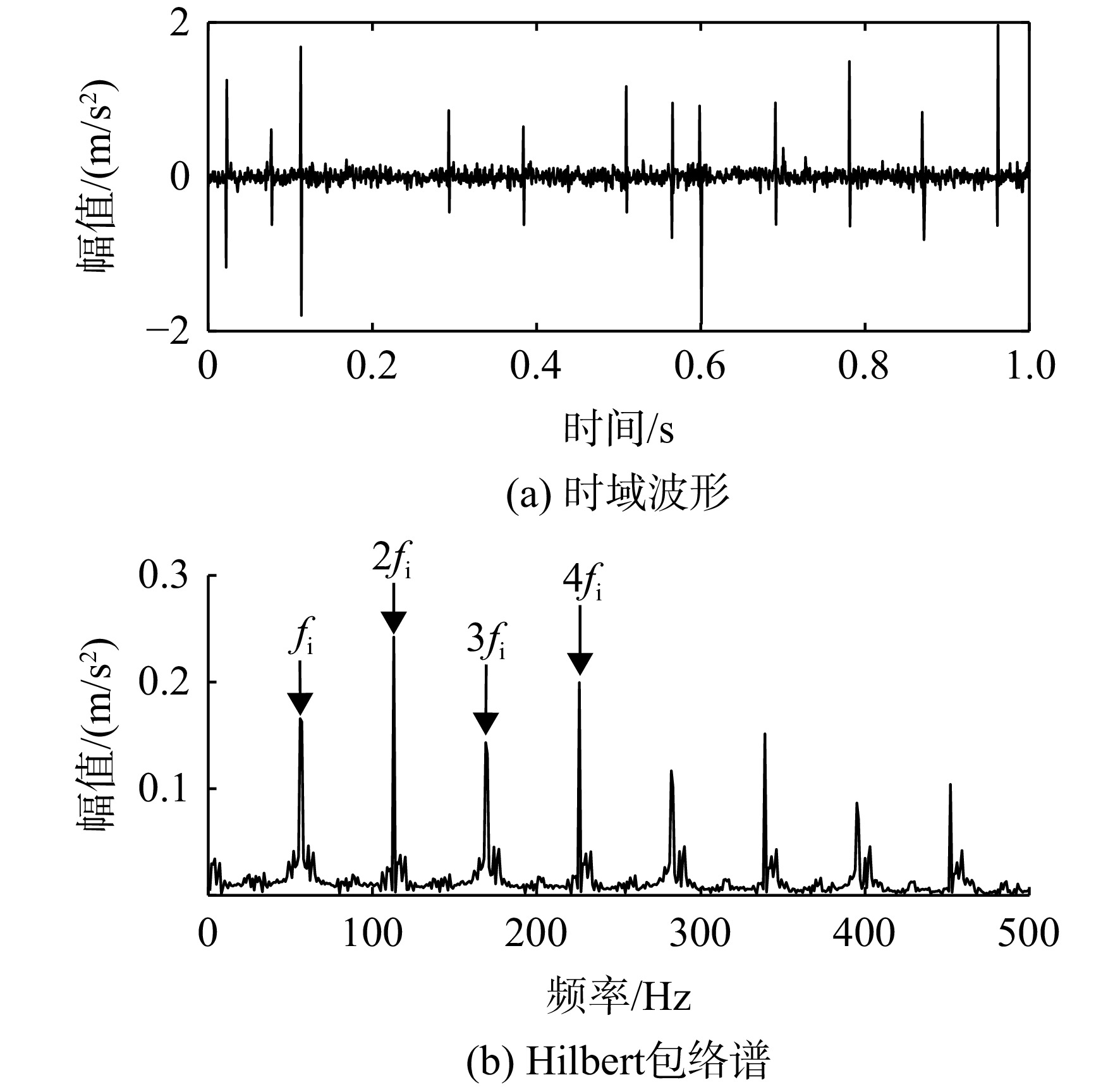
To address the problem that the fault time-varying instantaneous characteristics of rolling bearing in early fault stage are weak and difficult to identify due to noise interference, the noise reduction and characteristic enhancement were considered together. Firstly, based on the decomposition law of complete ensemble empirical mode decomposition with adaptive noise (CEEMDAN) and component correlation coefficient characteristic, a correlation coefficient jump criterion (CCJC) was constructed, and the original rolling bearing vibration signal was denoised by the Bi-CEEMDAN-CCJC operation. Then, the denoised signal was characterized into the time-frequency-chirp-rate (T-F-C) space using enhanced local maximum frequency-chirp-rate synchrosqueezed chirp transform (ELMSSCT), so as to concentrate the signal energy in the rolling bearing natural frequency regions. Thus, the fault time-varying instantaneous characteristics near the natural frequency can be enhanced, and the side frequency and residual noise interference can be removed. Finally, the fault characteristic frequency was identified from Hilbert envelope spectrum of the rolling bearing time domain reconstruction signal. The rolling bearing simulation and experimental signals analysis results showed that the proposed method can extract the rolling bearing fault time-varying instantaneous characteristics clearly and accurately, and the error between the frequency value of the fault characteristic spectral line and the theoretical value did not exceed 1.2%.

Configuration design of aero-engine gear transmission based on graph theory and NSGA Ⅲ-TOPSIS algorithm
LIU Guiyuan, YE Jinxiang, WANG Zhongrong, LI Bo, LU Zehua, LIU Huaiju
2025, 40(11): 20240157. doi: 10.13224/j.cnki.jasp.20240157
Abstract:
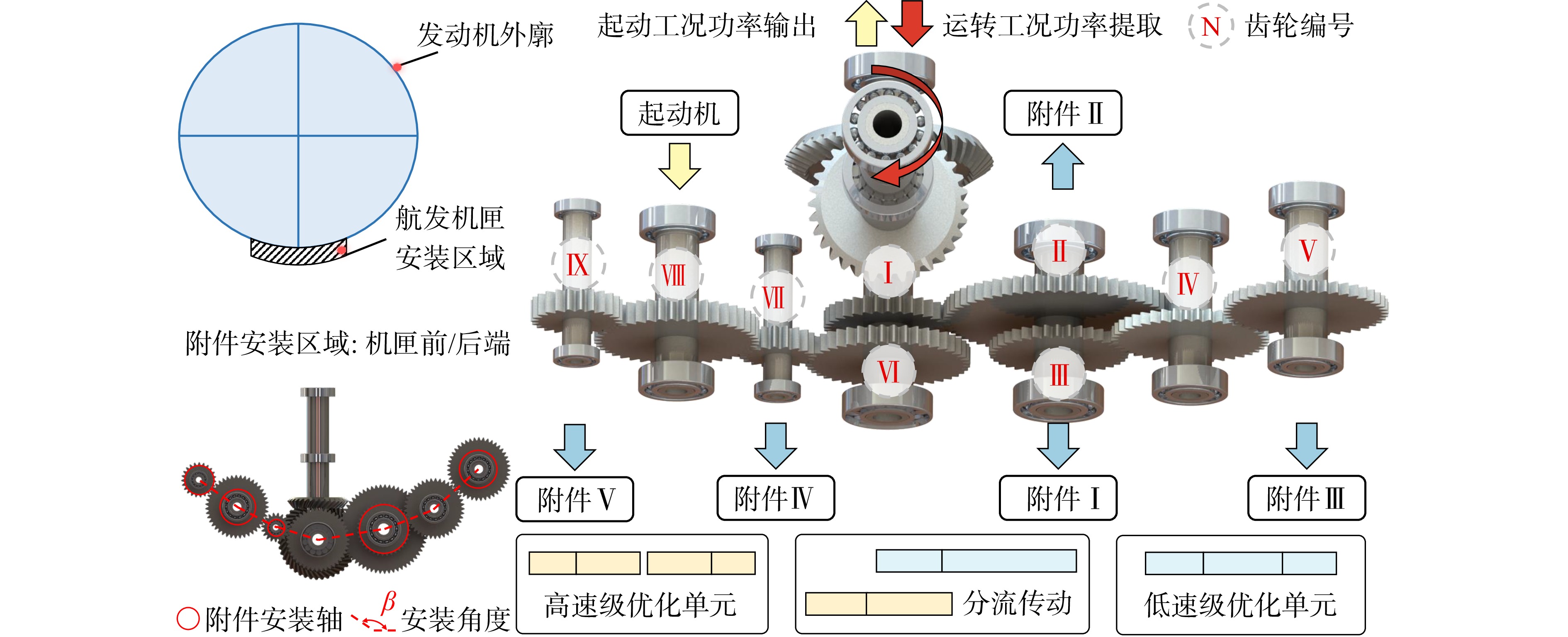
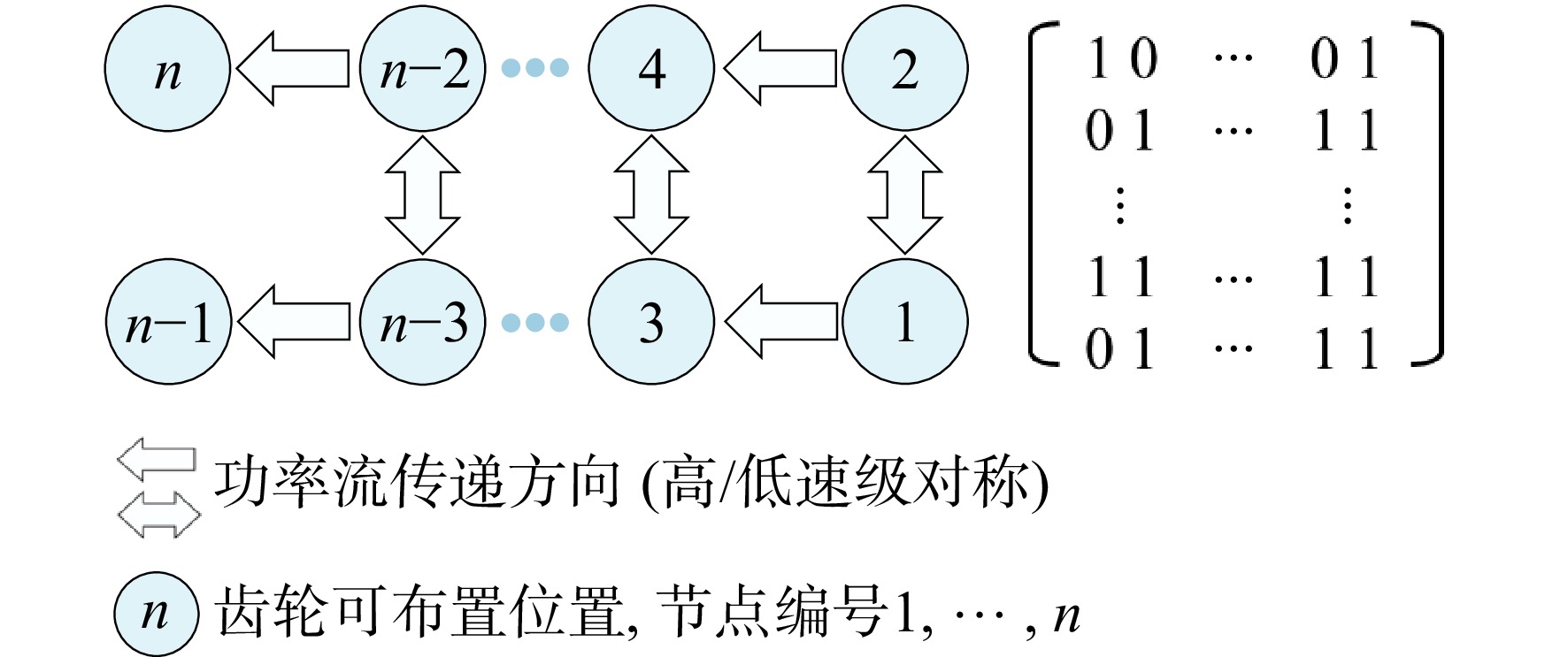
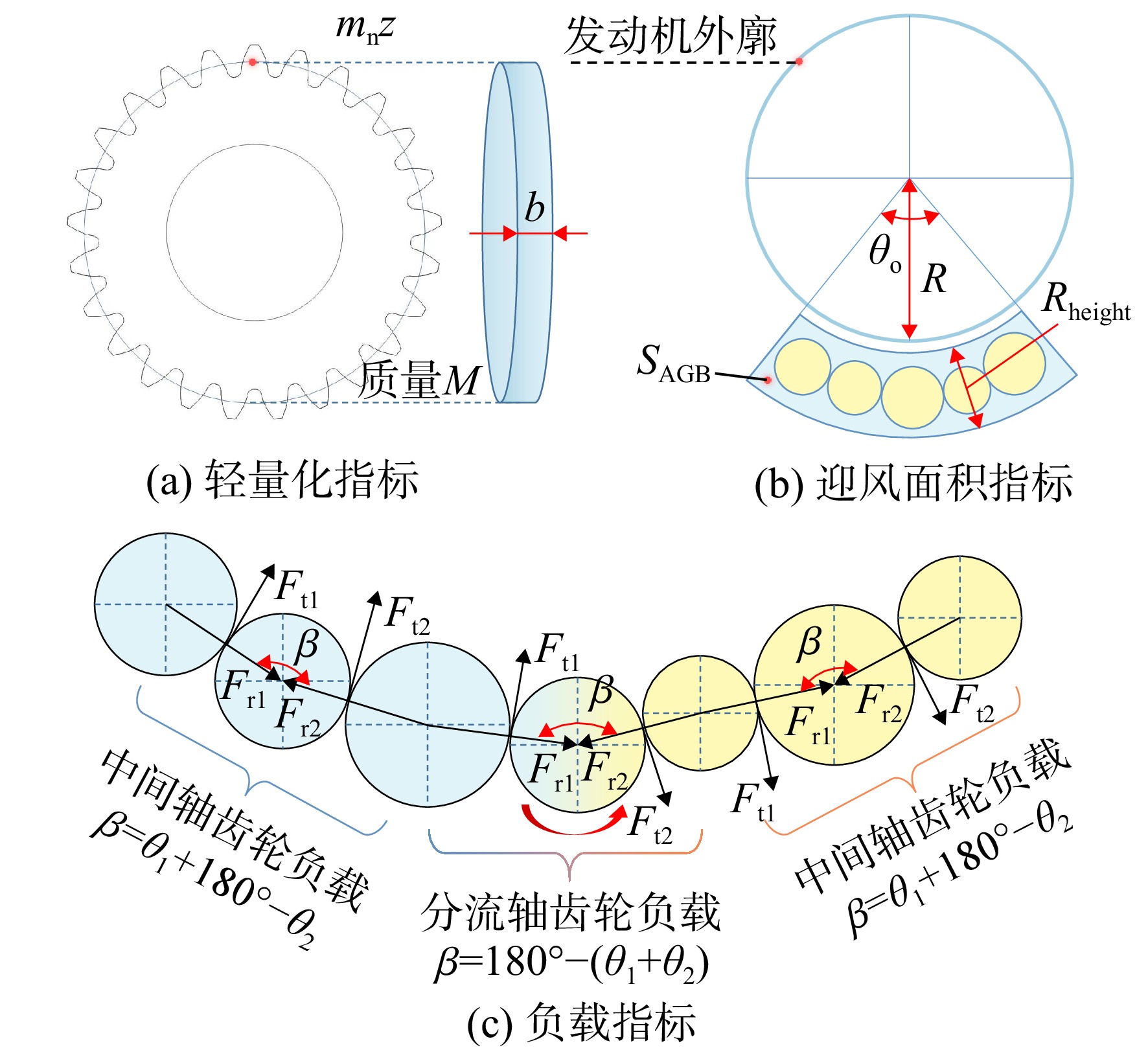
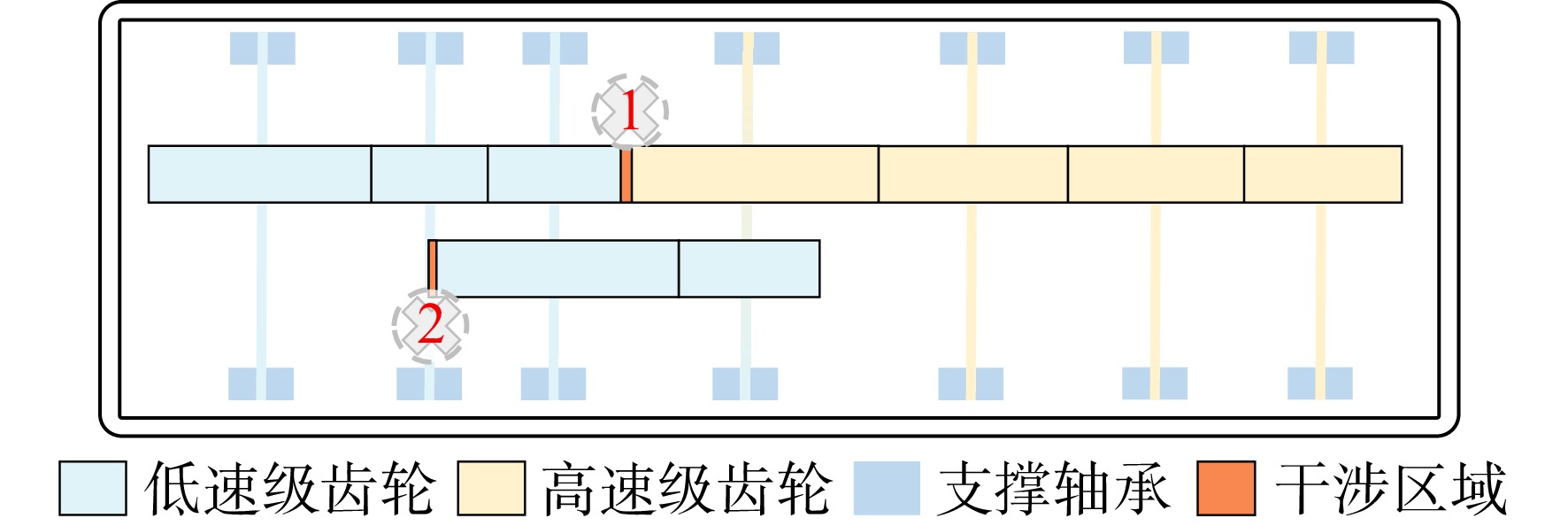
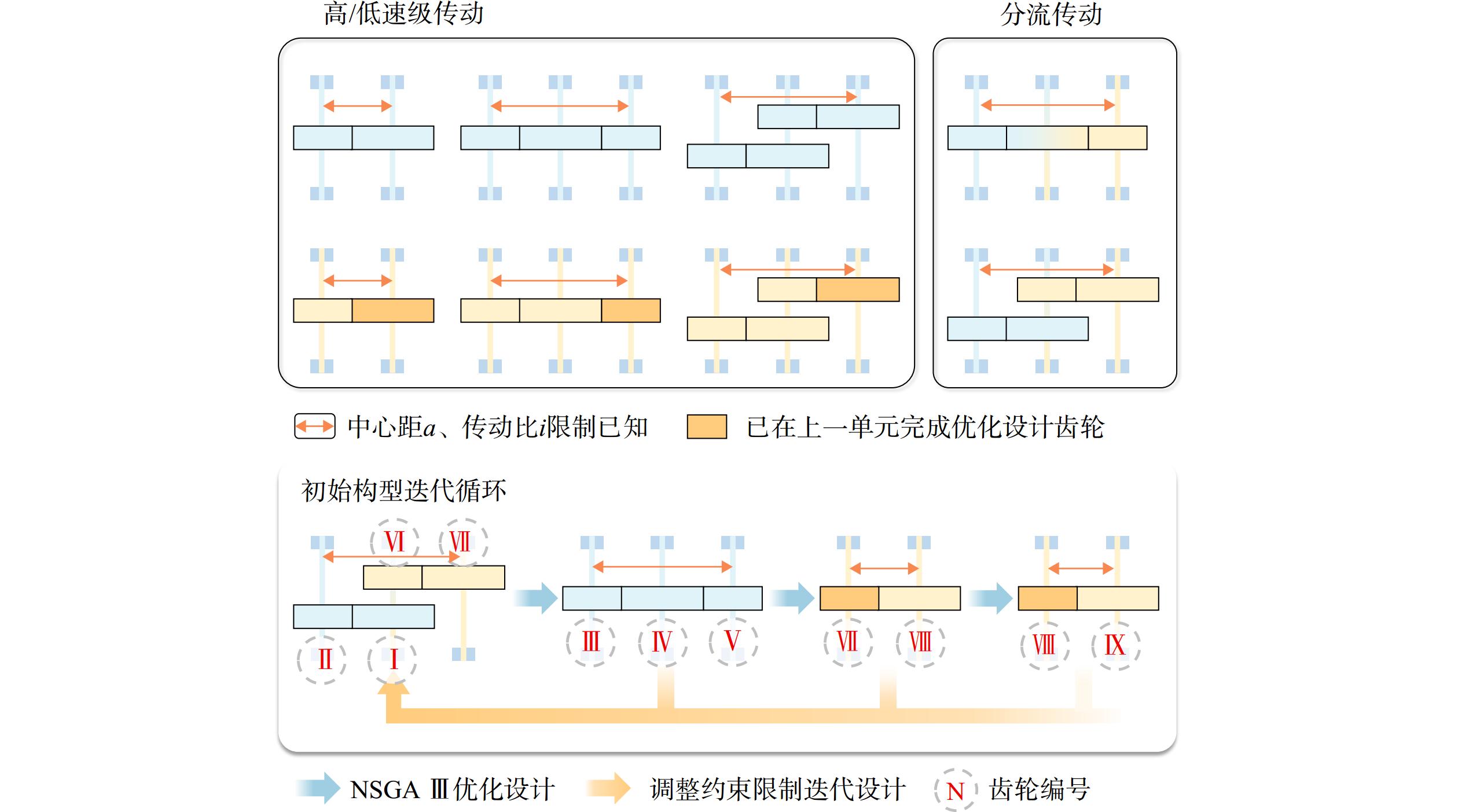
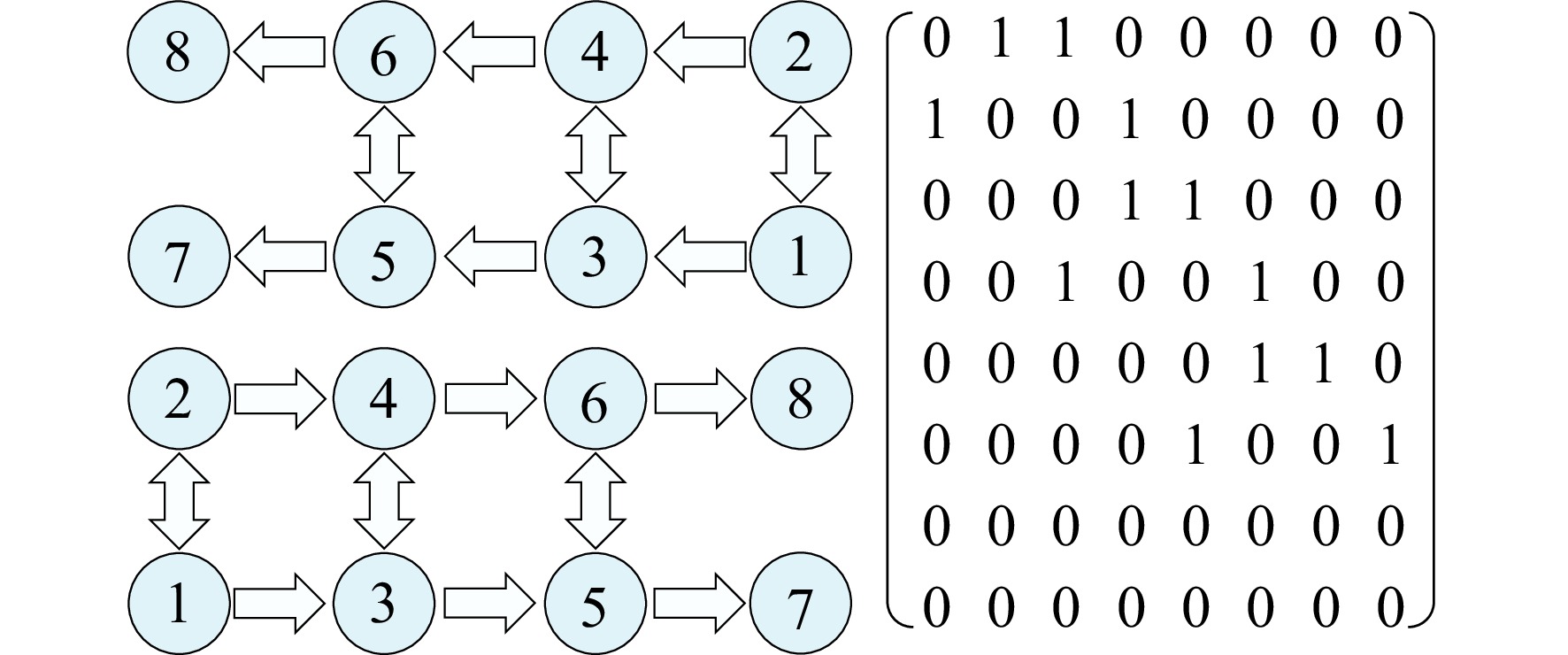
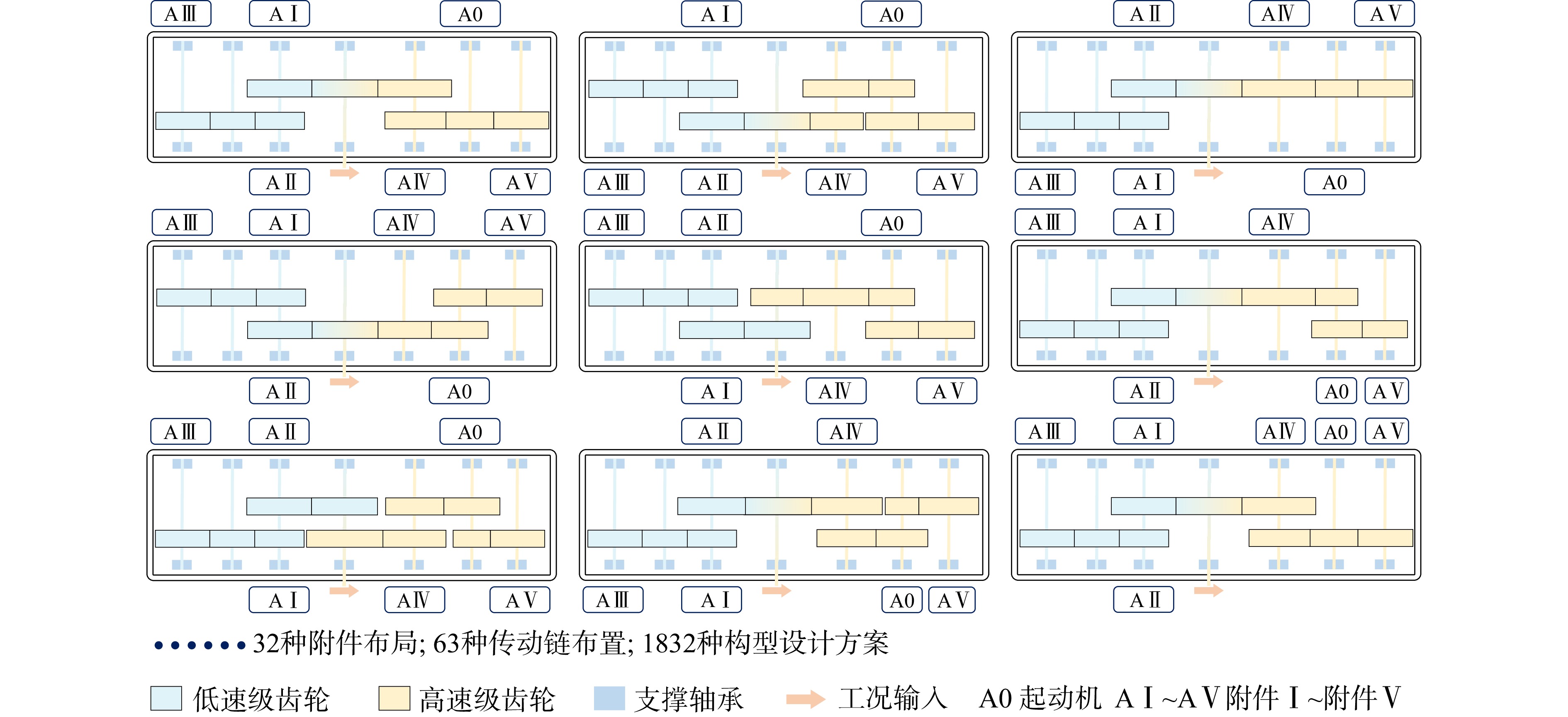
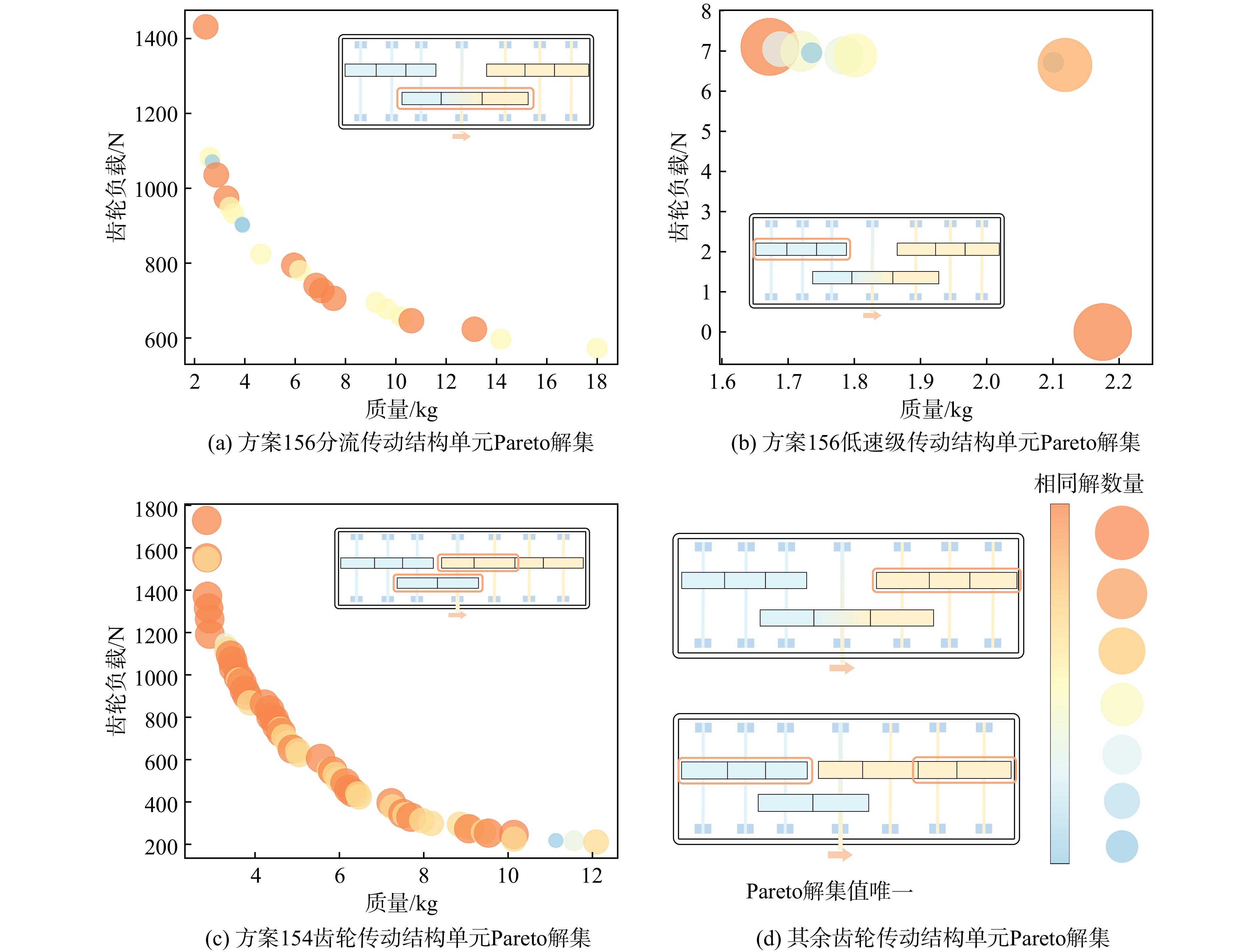
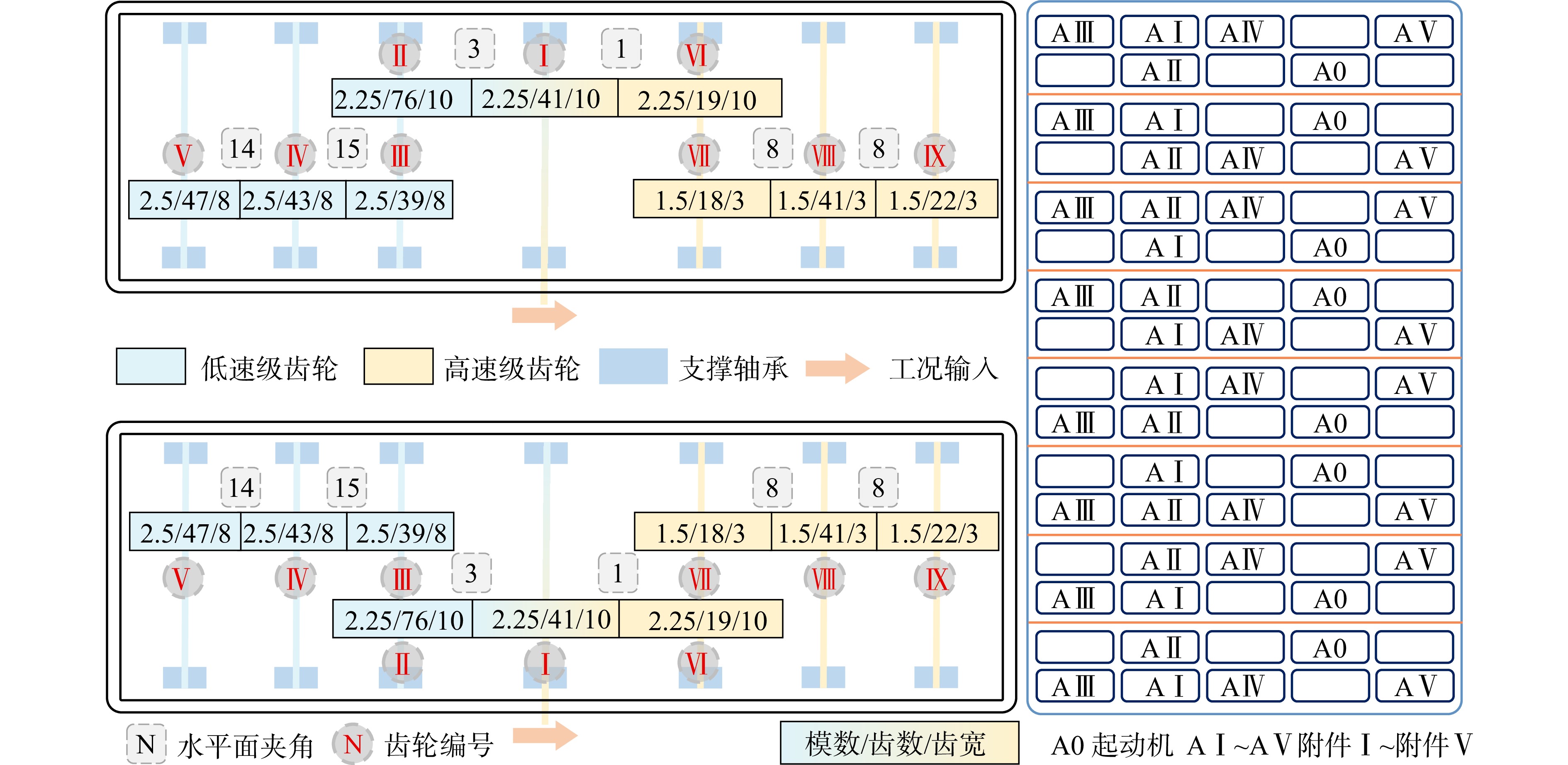
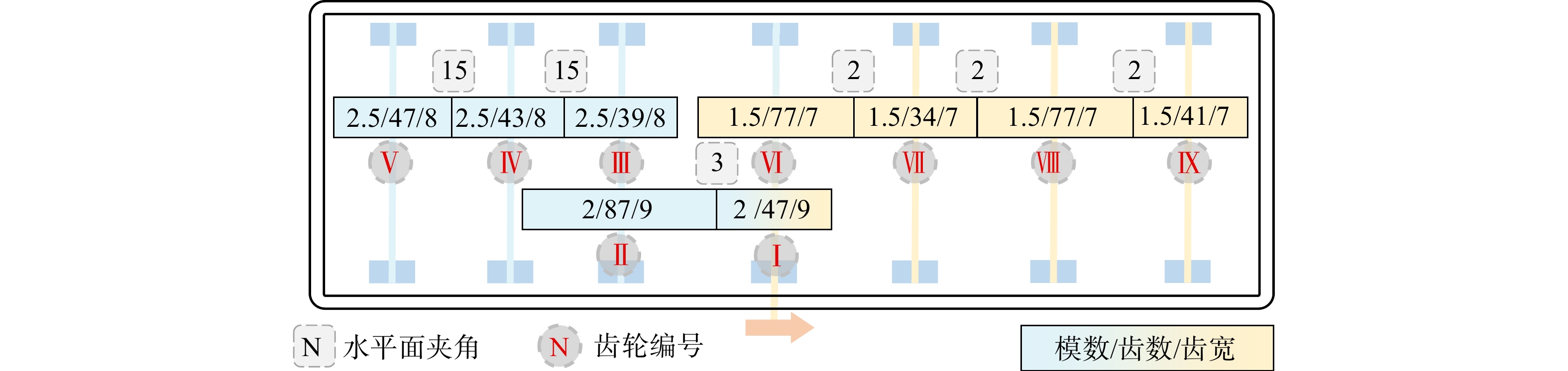
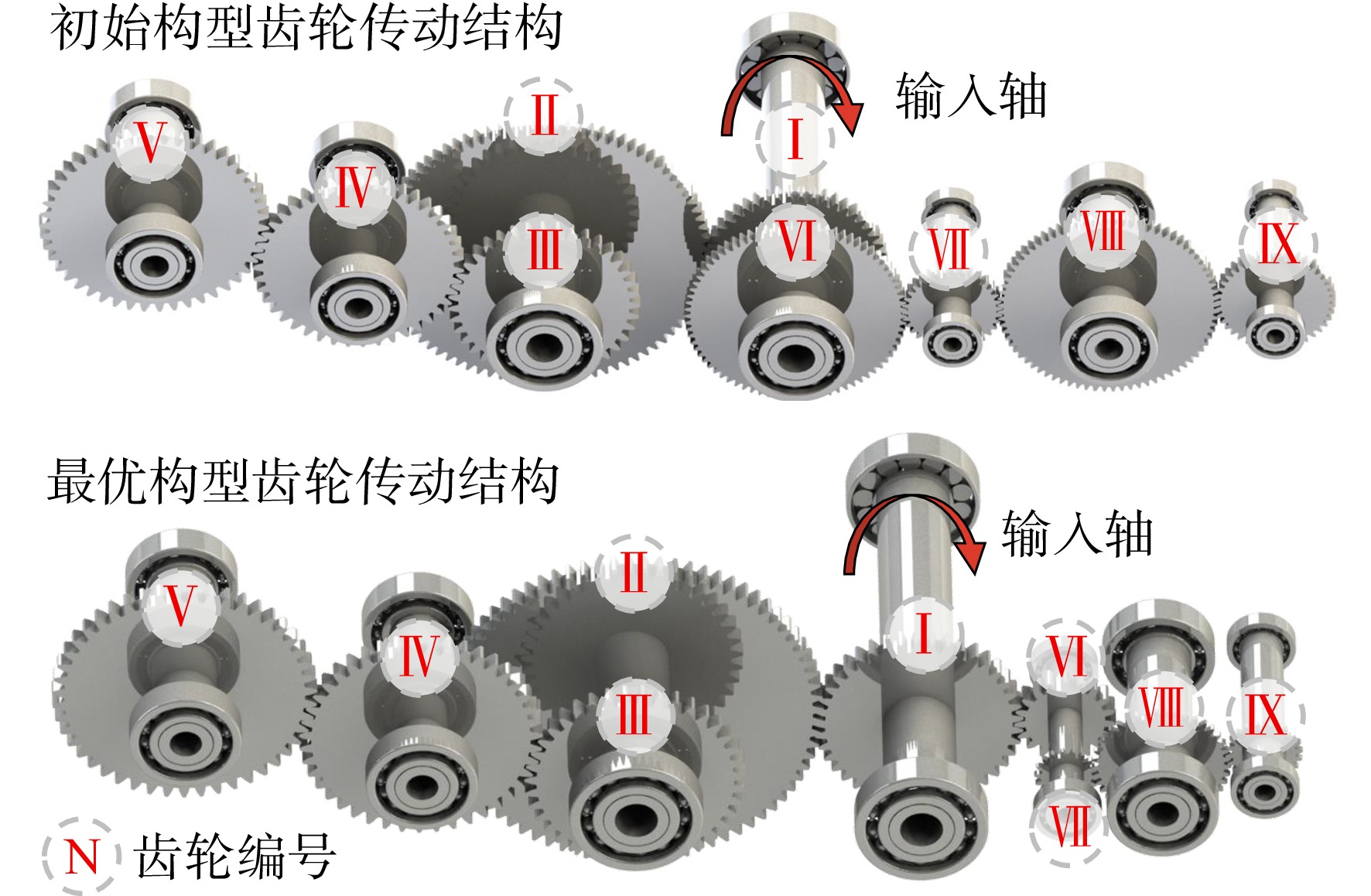
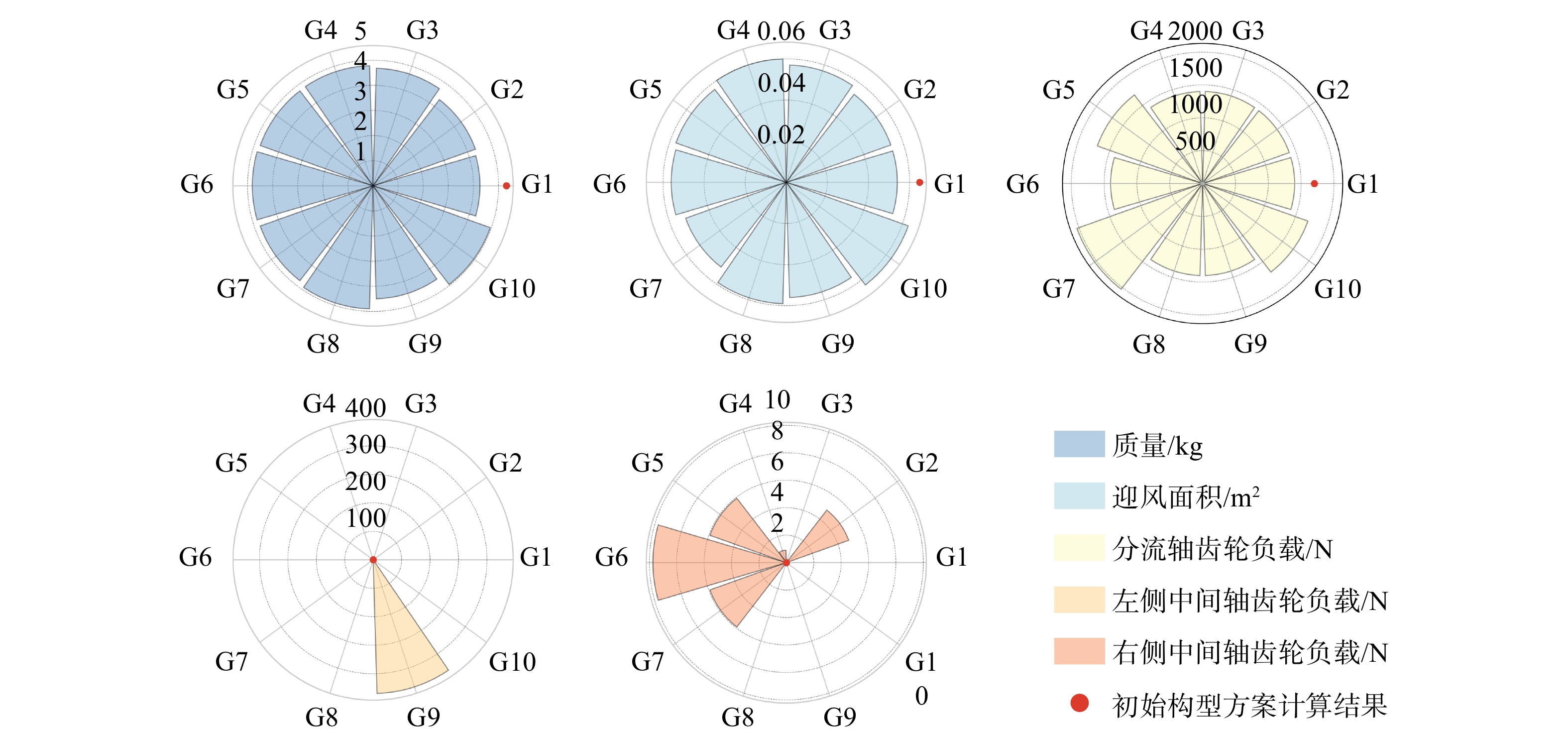
An aero-engine gear transmission configuration design method based on graph theory and non-dominated sorting genetic algorithm Ⅲ- technique for order preference by similarity to ideal solution (NSGA Ⅲ-TOPSIS) was proposed. Using a six-accessory aero-engine gearbox as an example, 1 832 configurations were generated under 32 accessory layouts and 63 transmission chain arrangements, meeting the power transfer and model interference constraints. Subsequently, NSGA Ⅲ was used to obtain the gear transmission structural parameters, with design criteria including weight, frontal area, and load capacity. The best configuration was selected using the TOPSIS combined subjective and objective weights. Compared with the initial configuration, a 20% reduction in weight, a 16% decrease in frontal area, and an 18% reduction in the load on the split-power gear were achieved from the optimized configuration. This methodology can support the configuration design of the next generation’s high-power density aero-engine gear transmission.