2025 Vol. 40, No. 2

Aerothermodynamics and Aeroengine Design
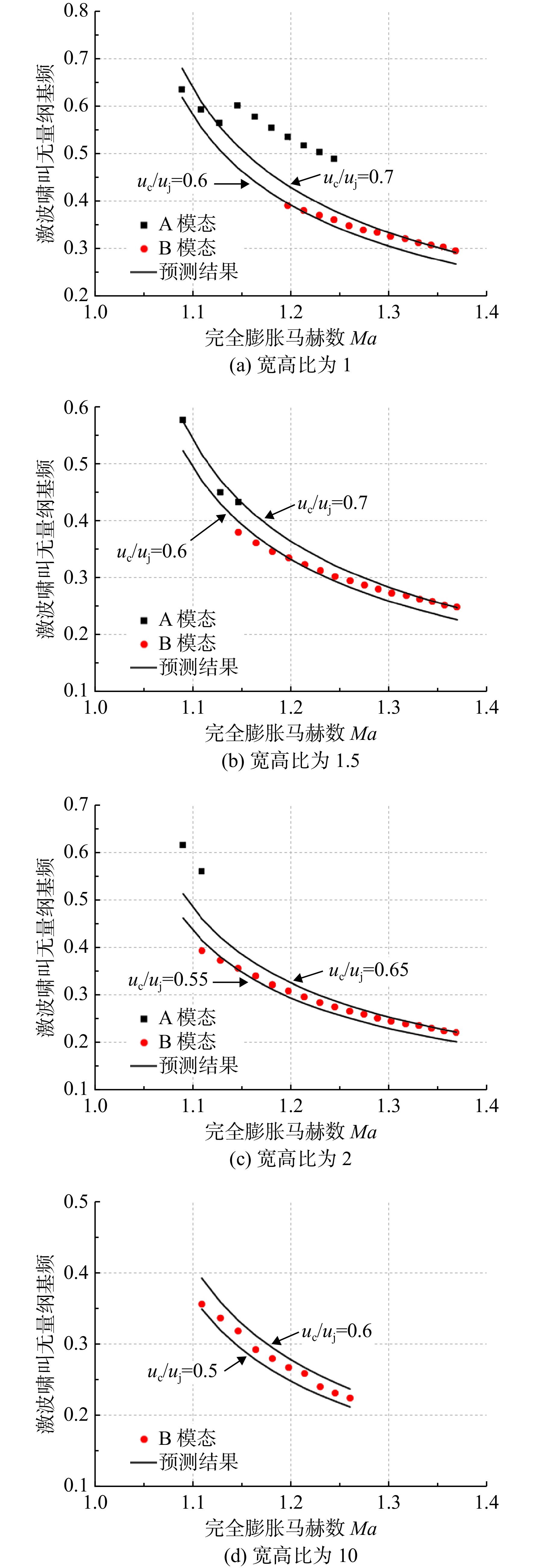
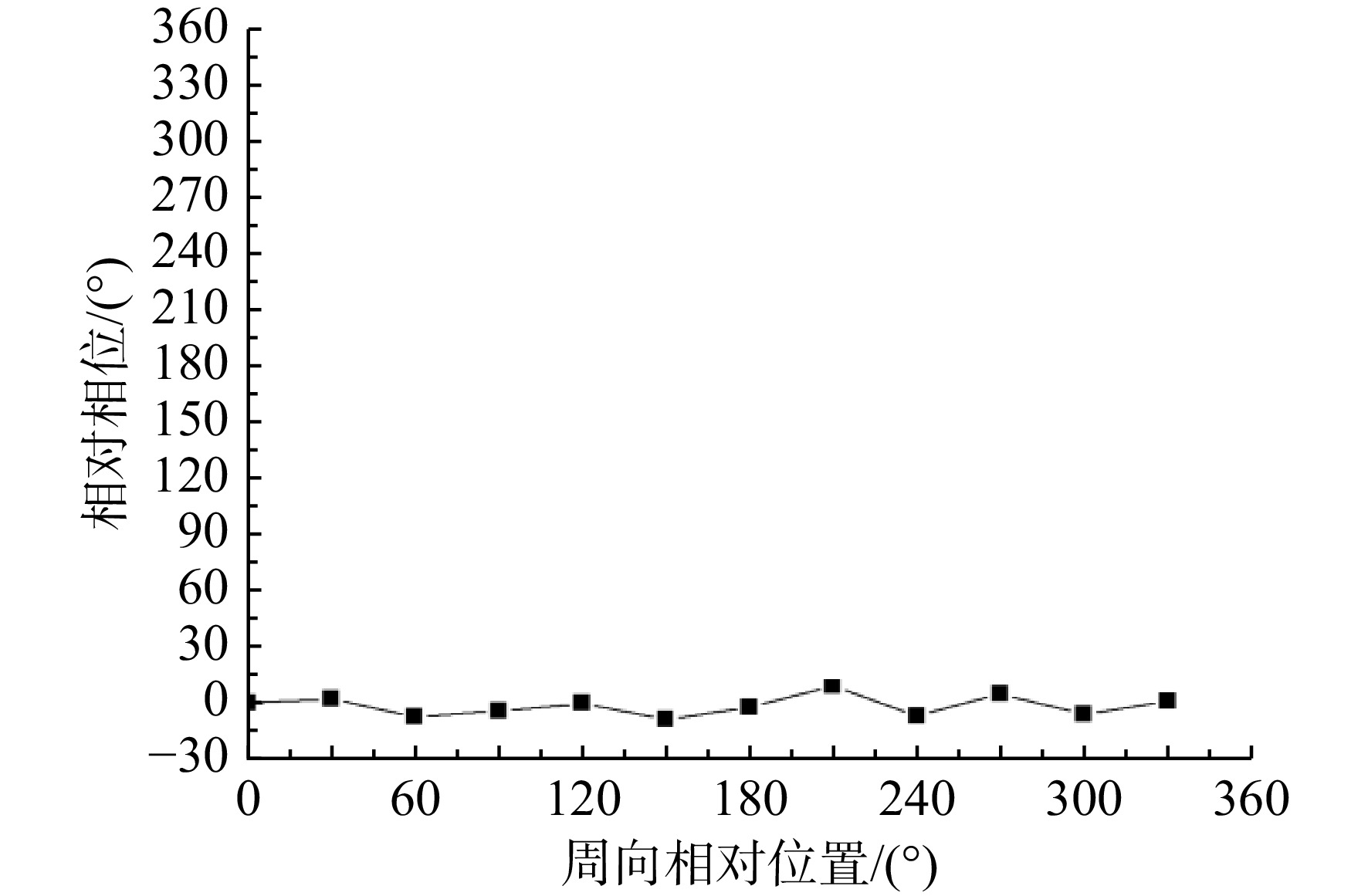
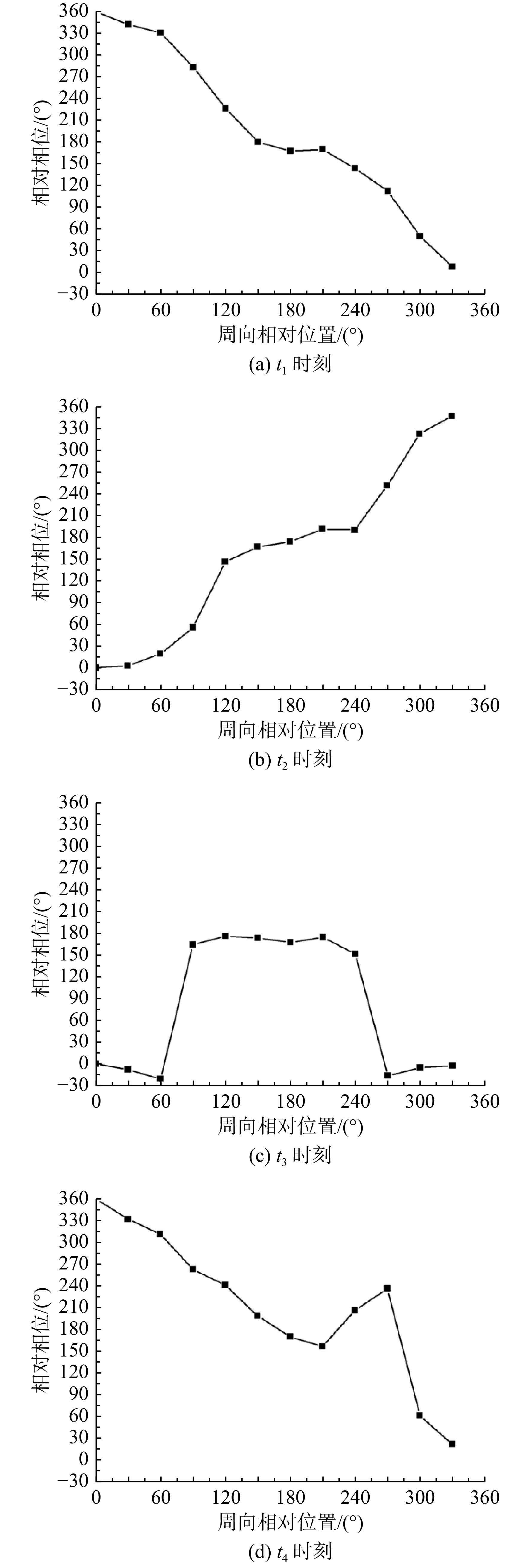
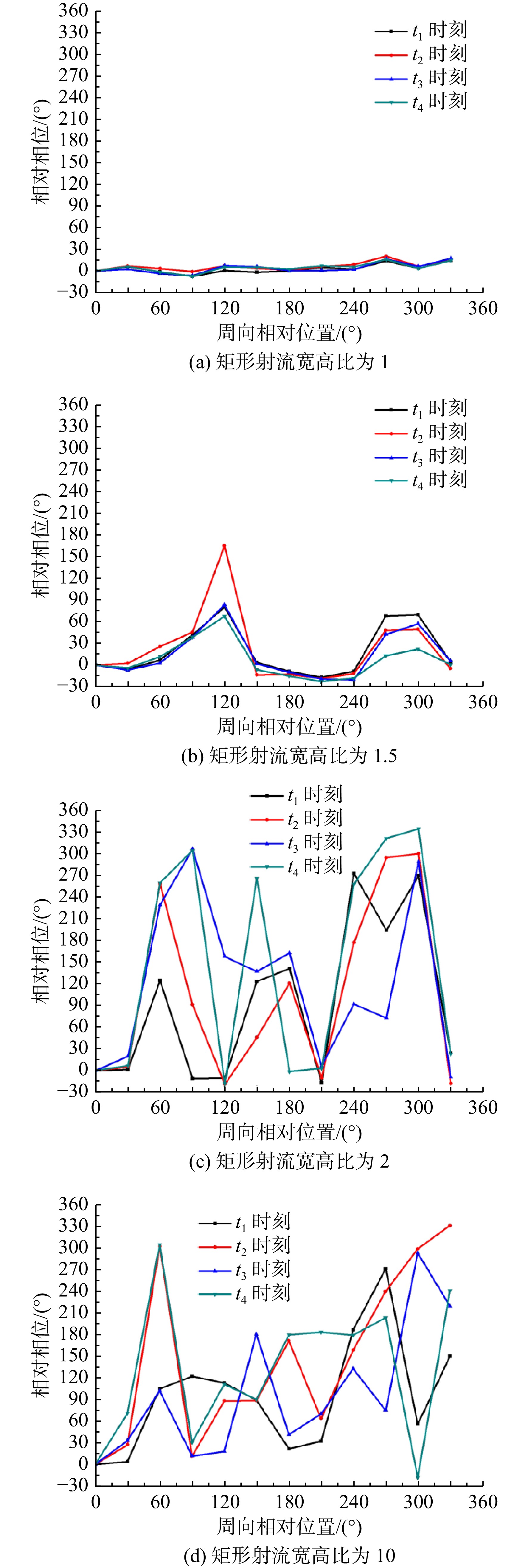
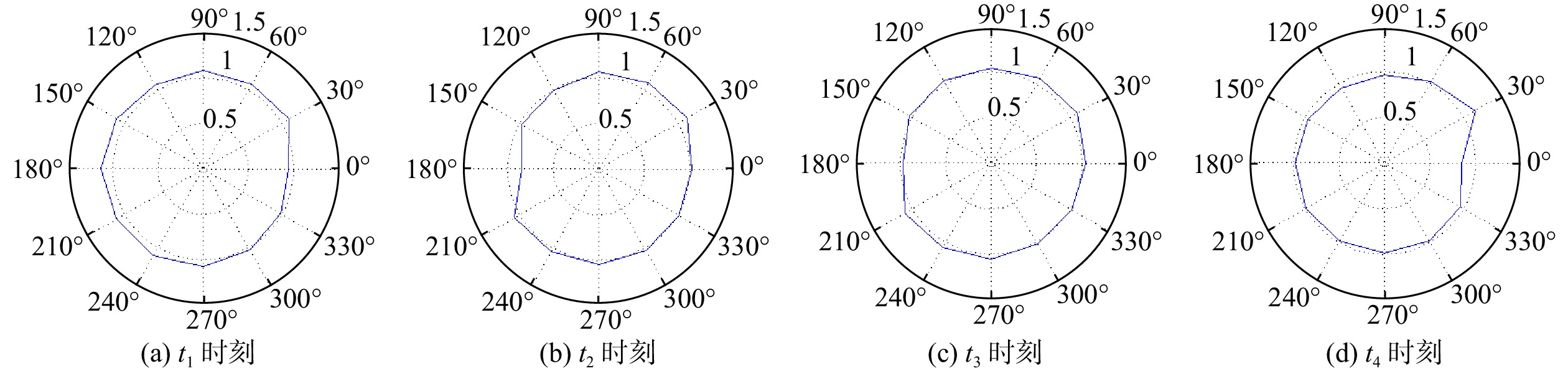
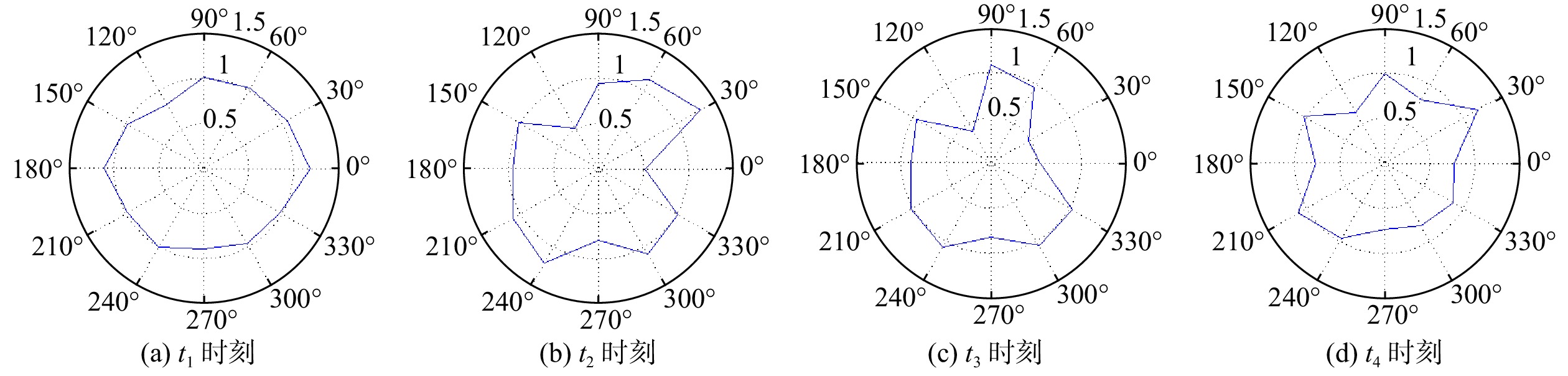
Experimental study on mode characteristics of screech tone by rectangular supersonic jet
ZHANG Junlong, QIN Chen, WANG Haitao, ZHAO Jiaxi
2025, 40(2): 20220553. doi: 10.13224/j.cnki.jasp.20220553
Abstract:

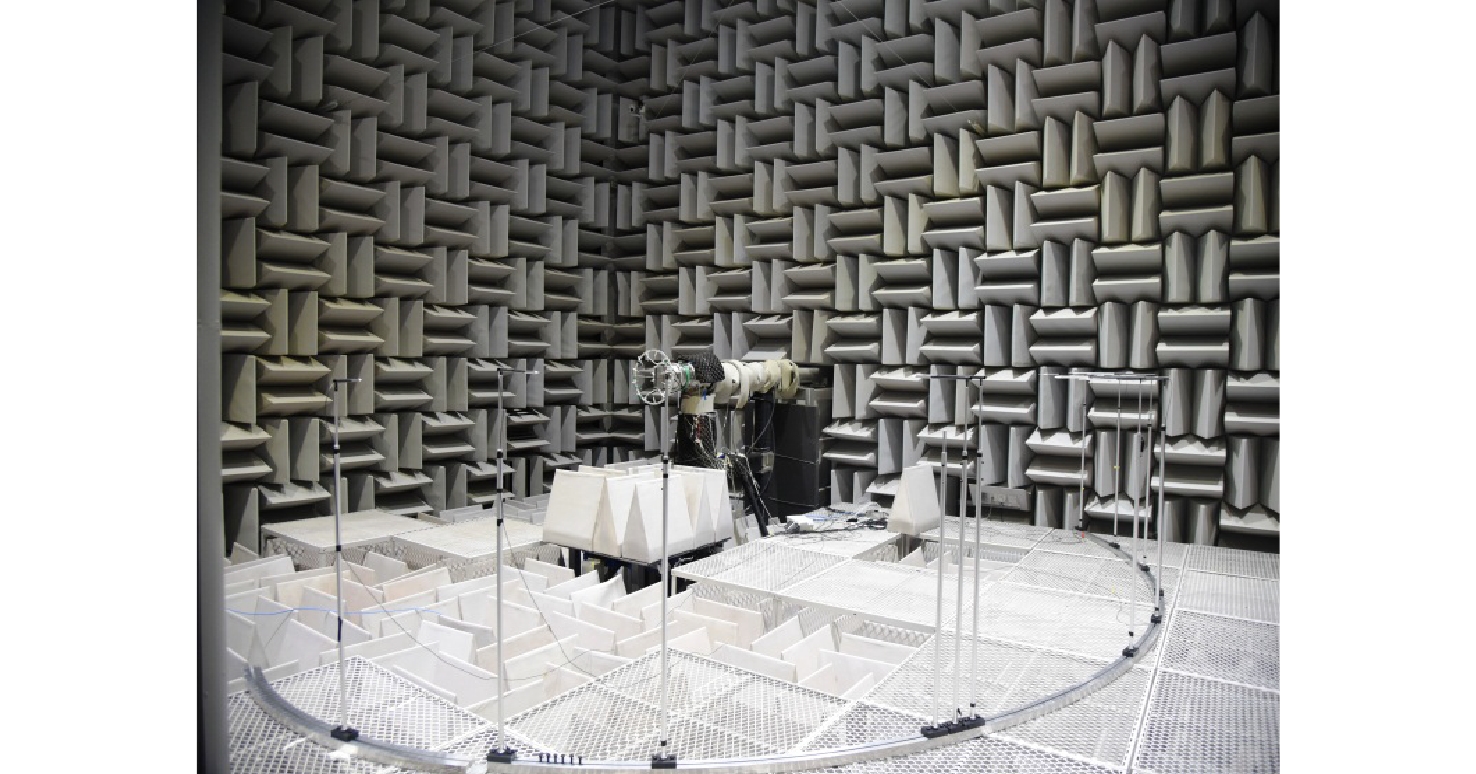
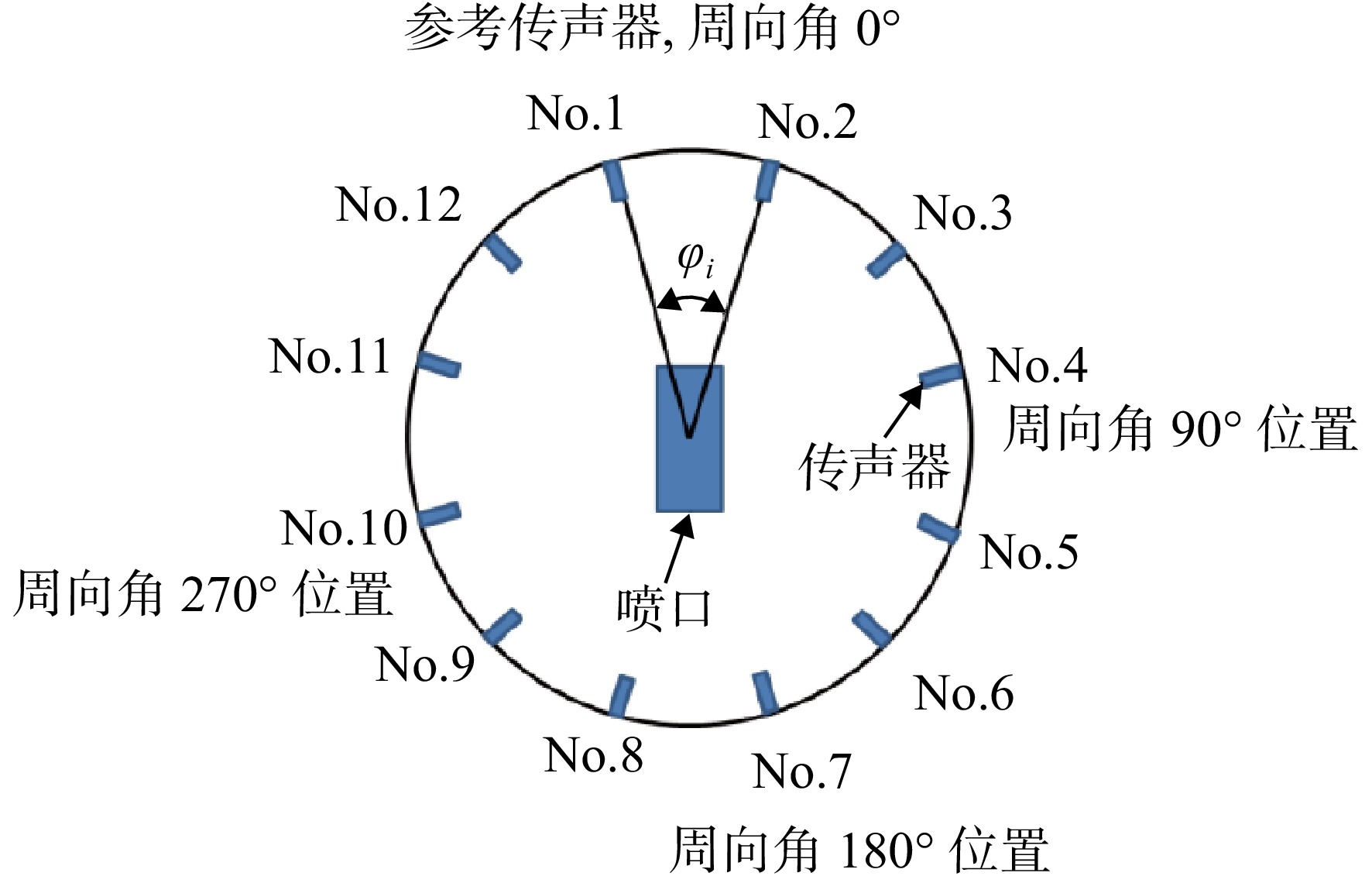
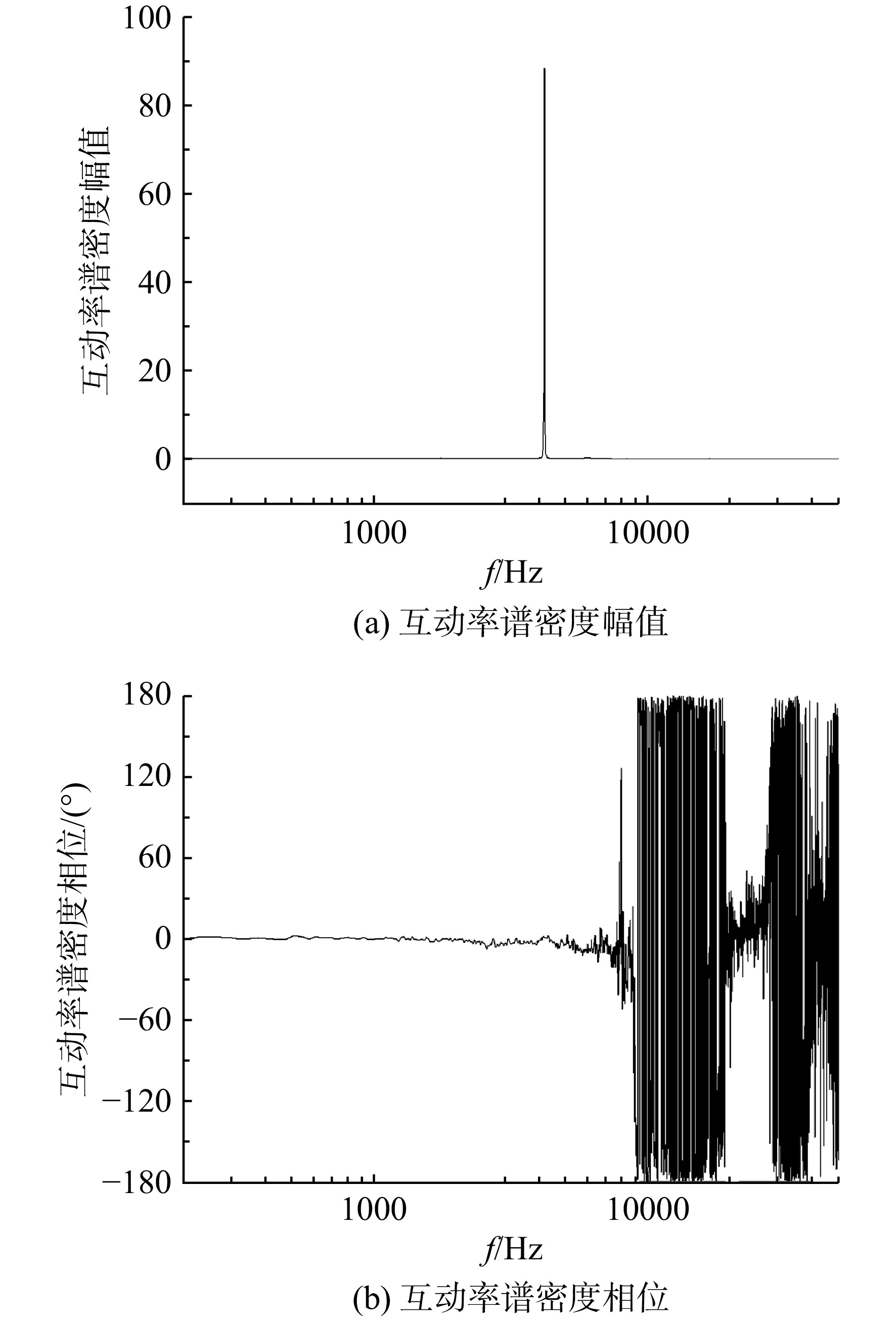
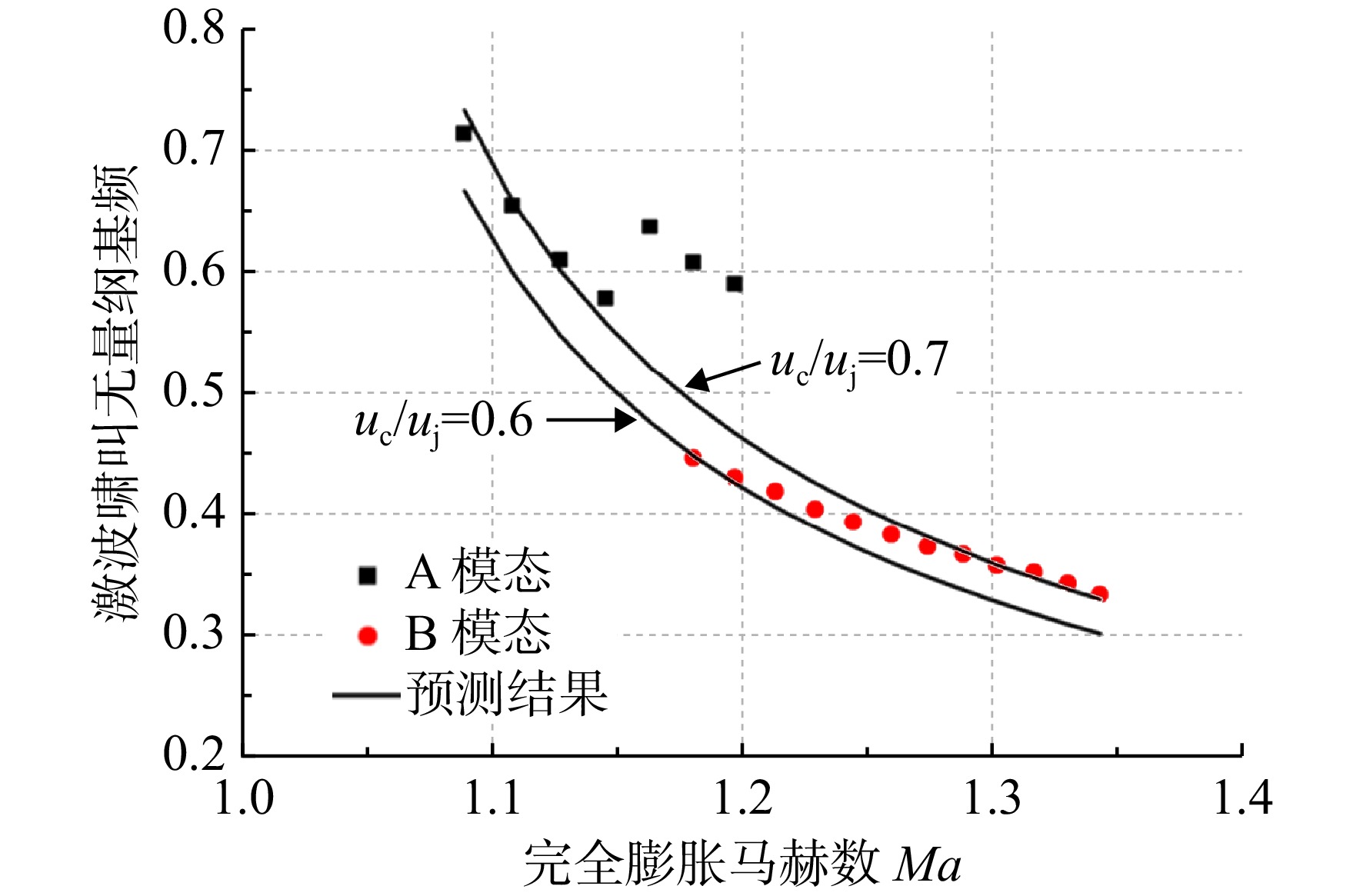
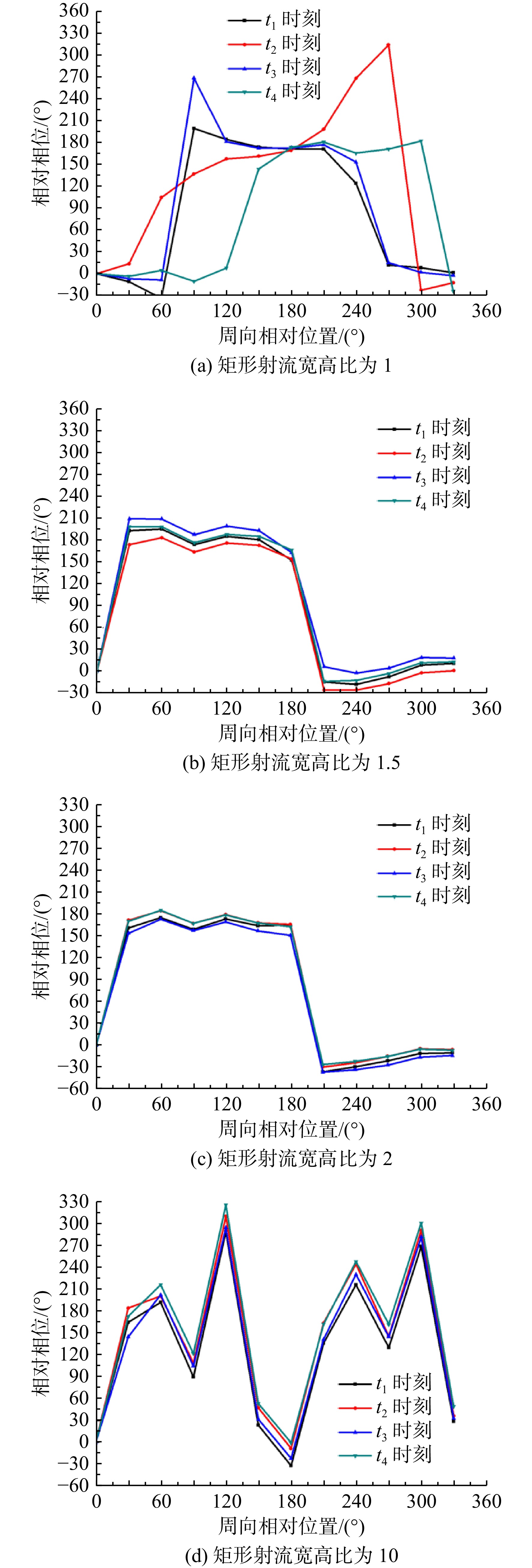
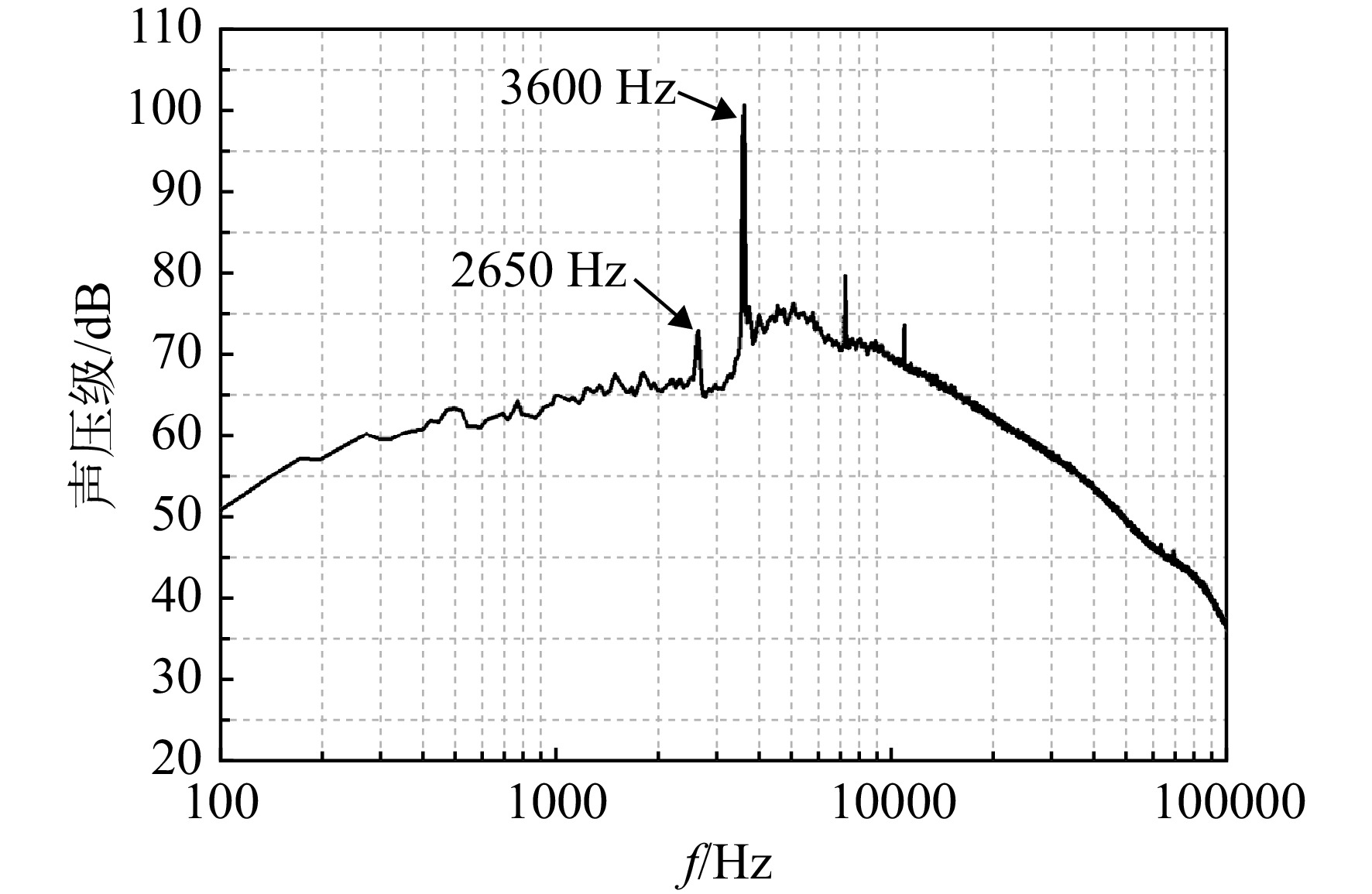
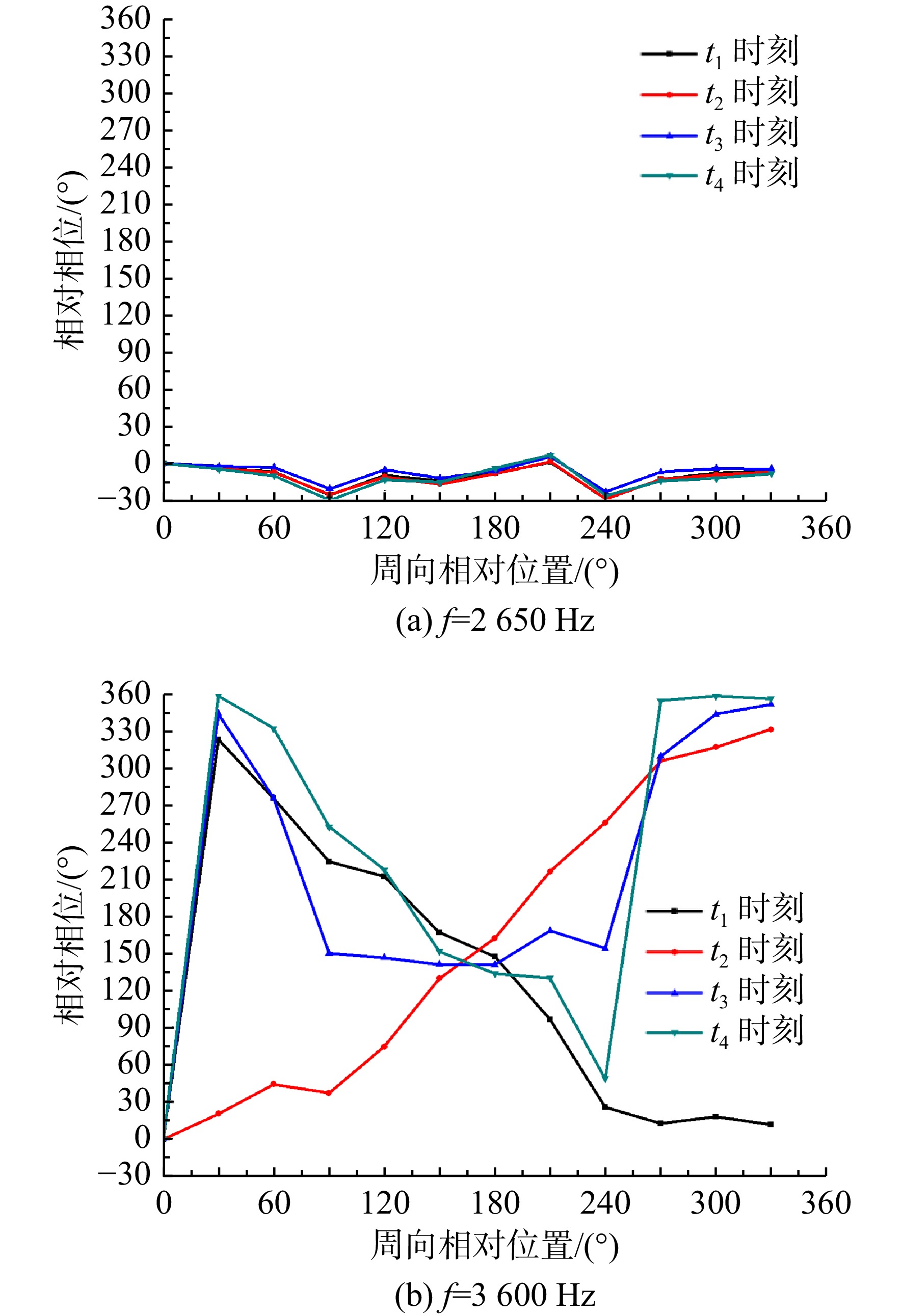
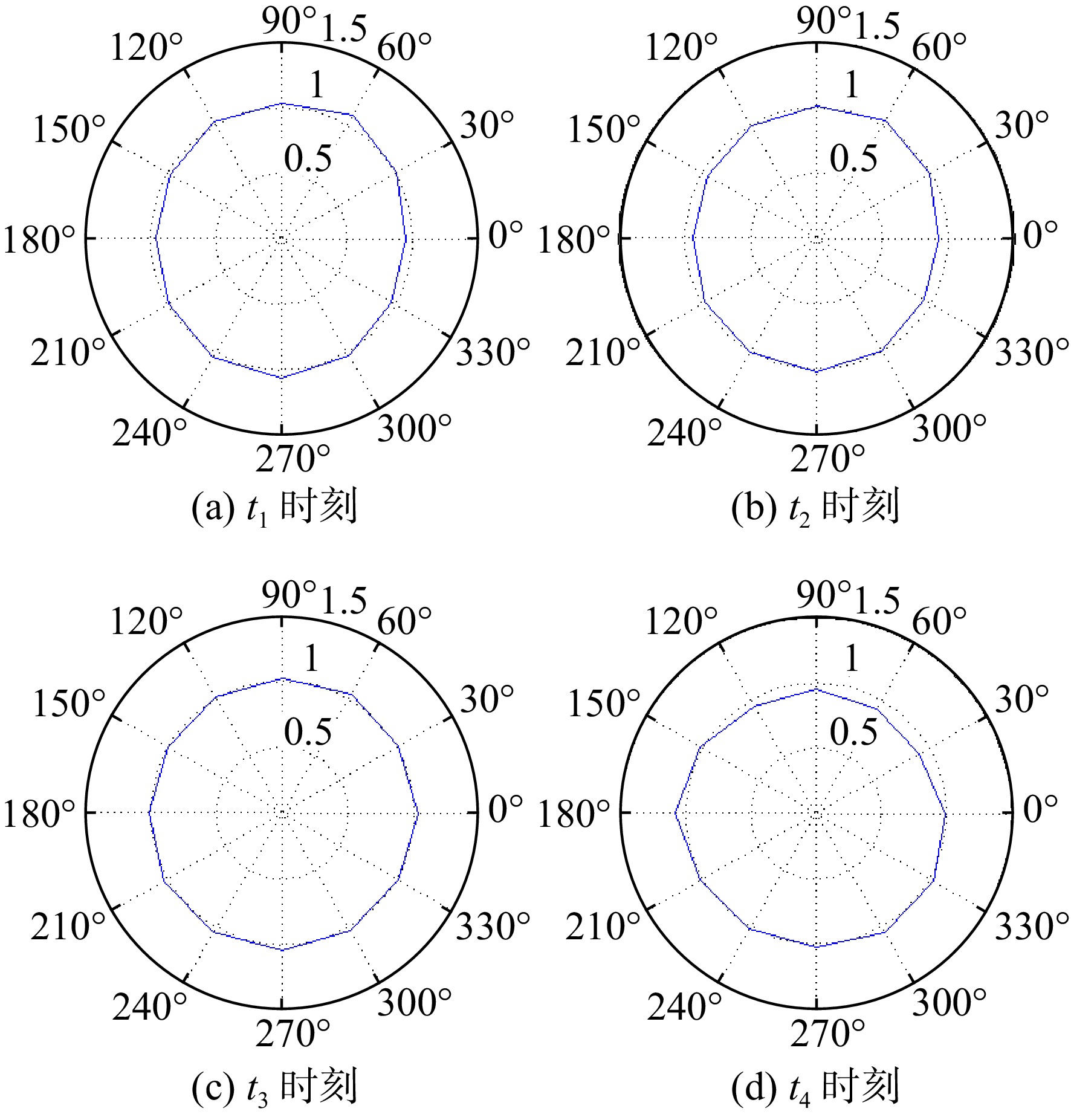
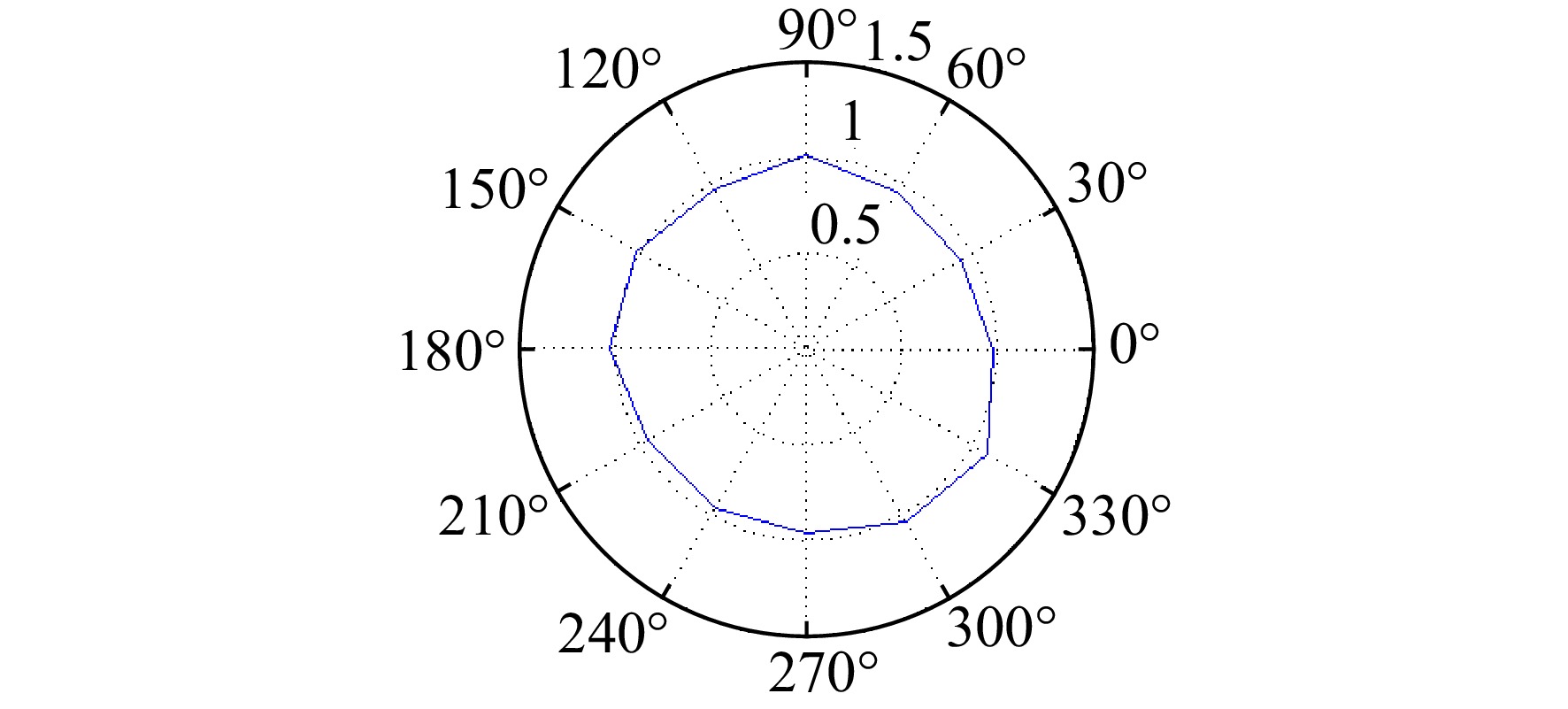
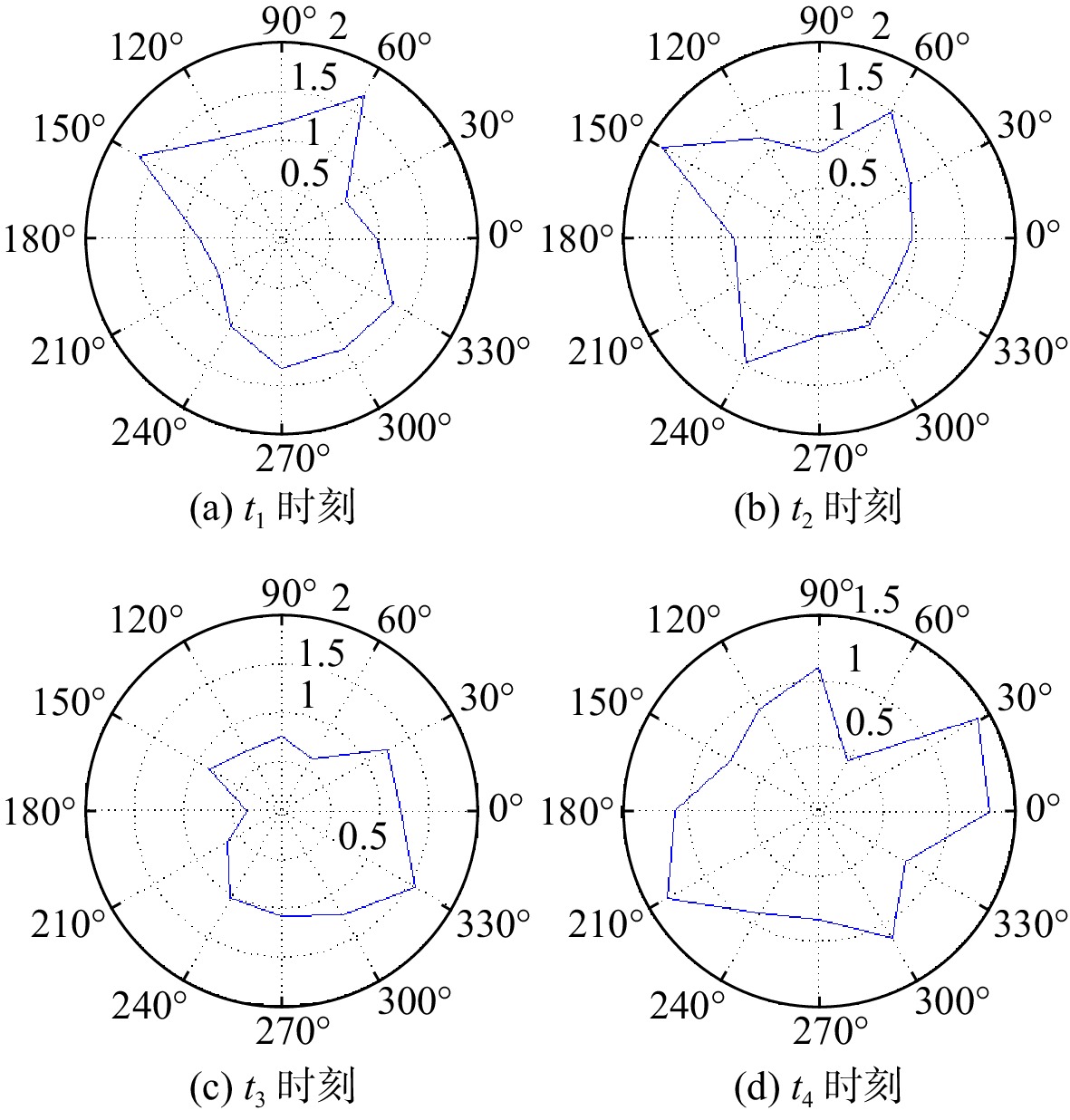
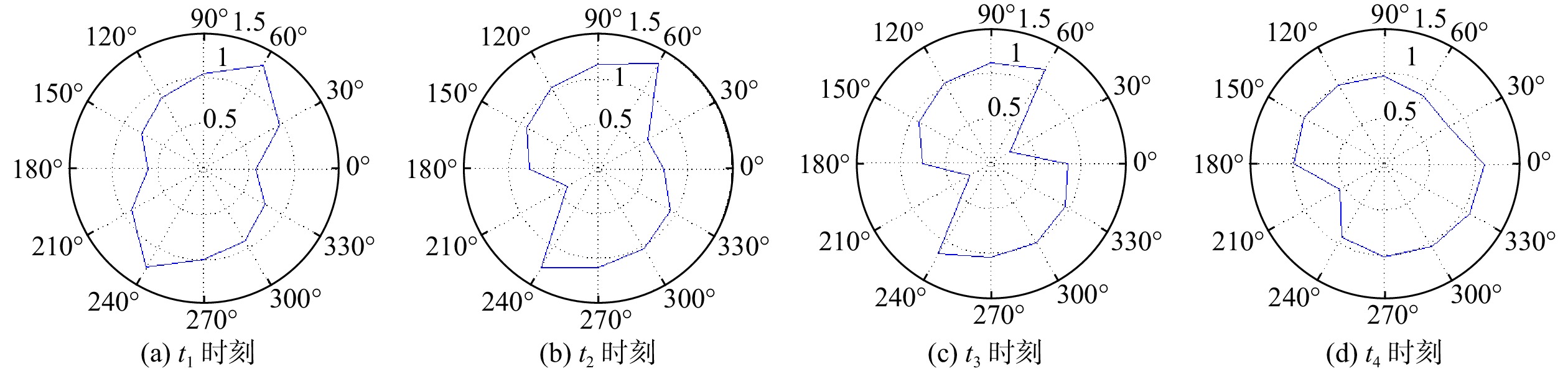
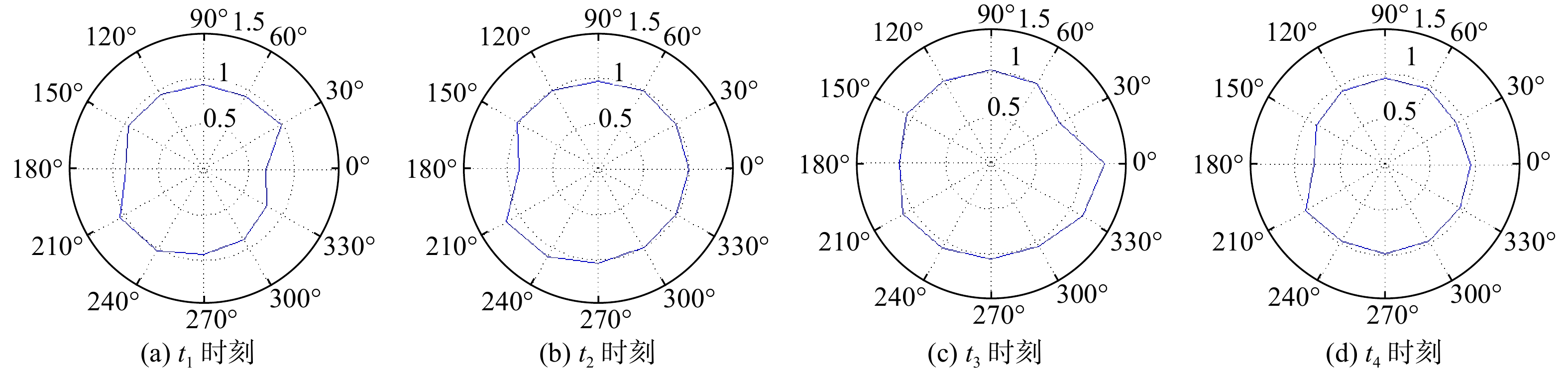
The azimuthal mode characteristics of supersonic jet screech tone noise were studied for four converging rectangular jets of aspect ratios 1, 1.5, 2 and 10 and a round nozzle. All five nozzles had the same exit area and were tested in the same jet simulator facility on unheated conditions. Twelve microphones were arranged at equal azimuthal angles in the near-field of the nozzle outlet. The azimuthal angular distribution of the phase and amplitude of the screech tone of supersonic under expanded jet was obtained using the short-time cross power spectrum analysis method and the short-time filtered sound energy analysis method. It was found that the mode characteristics of rectangular supersonic under-expanded jet with aspect ratio of 1 were basically consistent with those of circular jet, while the mode characteristics of rectangular jet with aspect ratio greater than 1 were quite different from those of circular jet. At low Mach number, circular and rectangular jets with aspect ratio 1 showed stable axisymmetric modes, while rectangular jets with aspect ratio greater than 1 showed unstable mode characteristics. At higher Mach numbers, circular and rectangular jets with aspect ratio 1 exhibited unstable helical or oscillating modes, while rectangular jets with aspect ratio greater than 1 exhibited stable oscillating modes along the minor axis.

Current research development and future prospects of simulation method for aero engine overall performance in variable dimensions
WANG Pan, TANG Zijie, LI Qing, LIU Liangye, YI Weilin
2025, 40(2): 20230418. doi: 10.13224/j.cnki.jasp.20230418
Abstract:

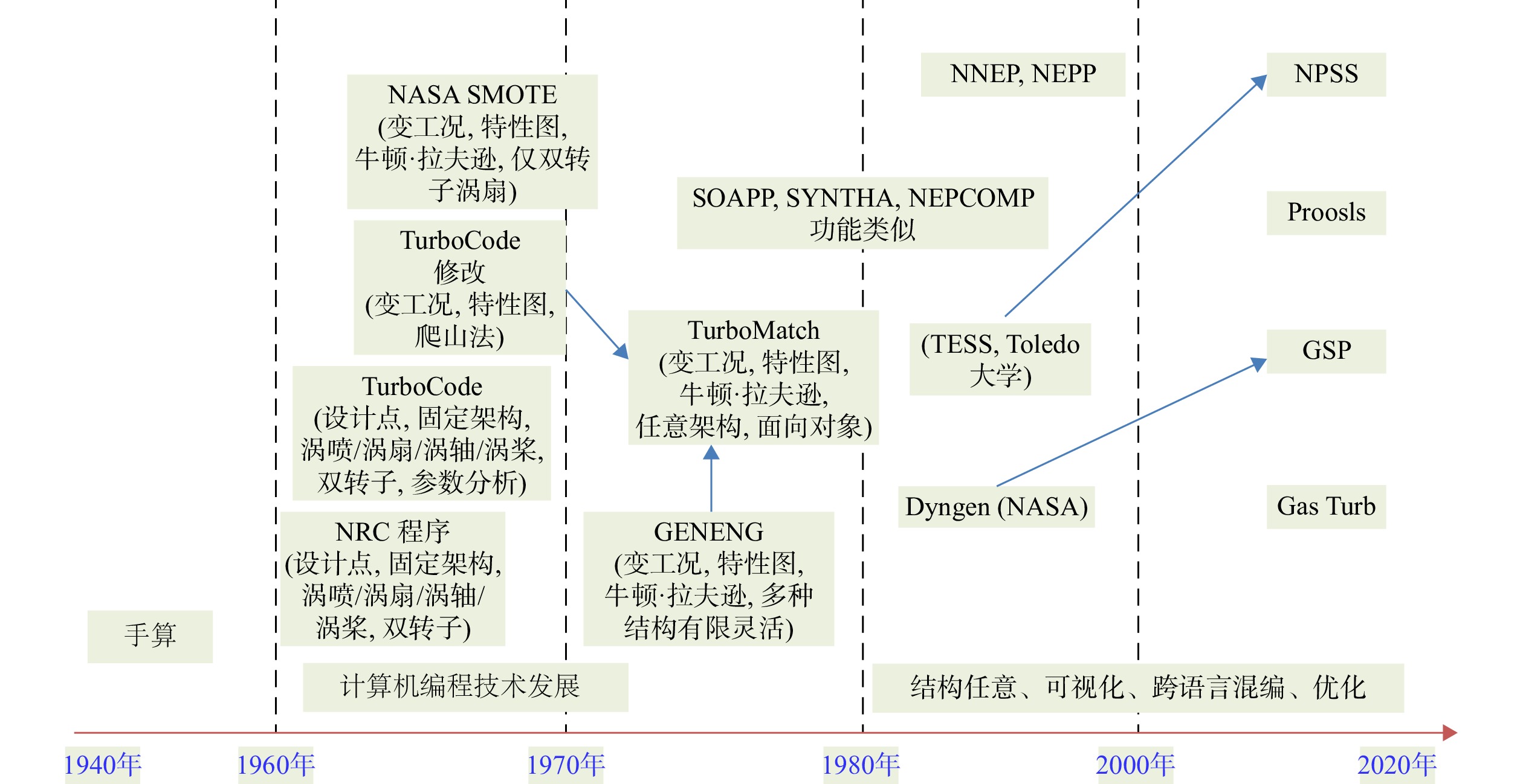
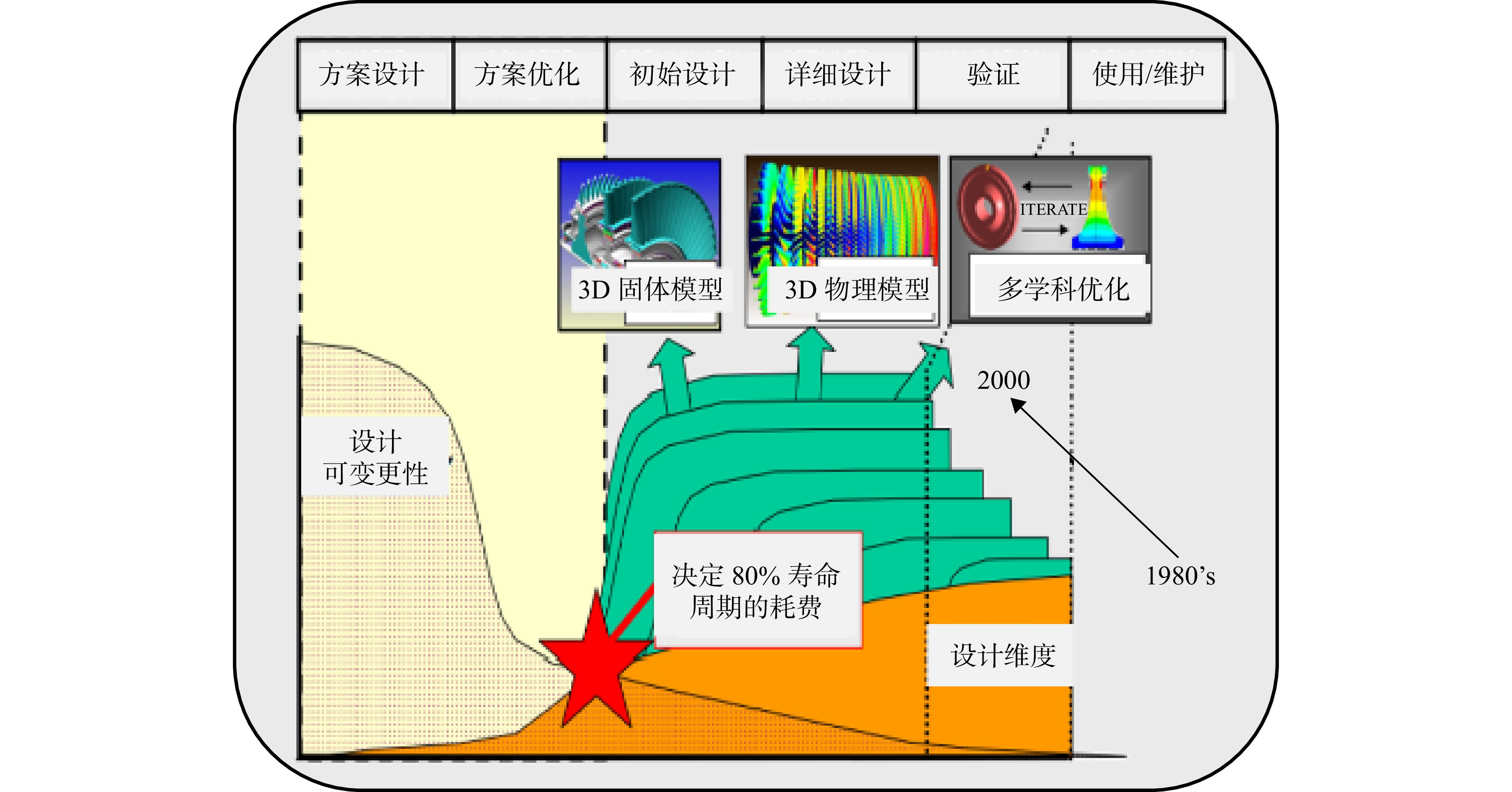
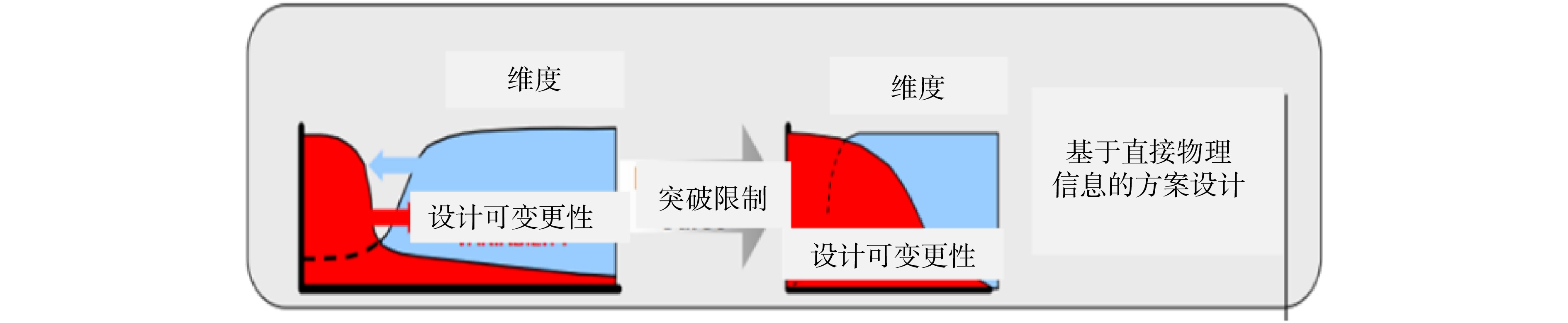
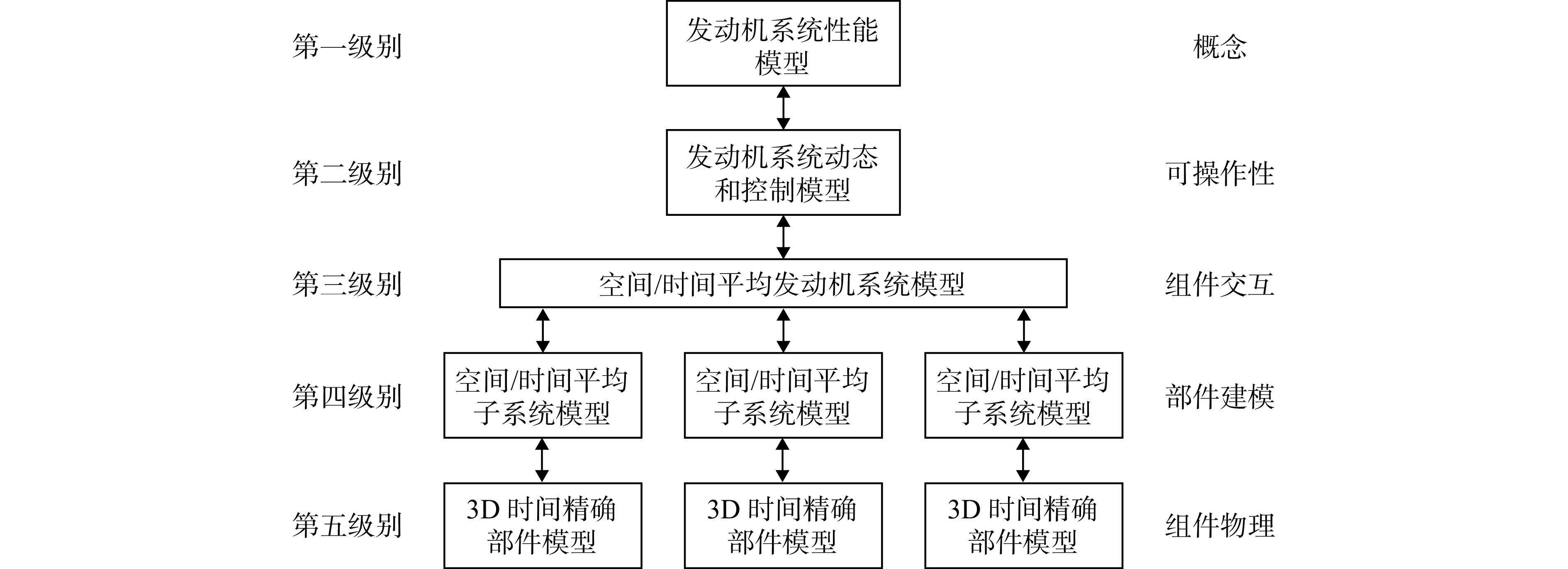
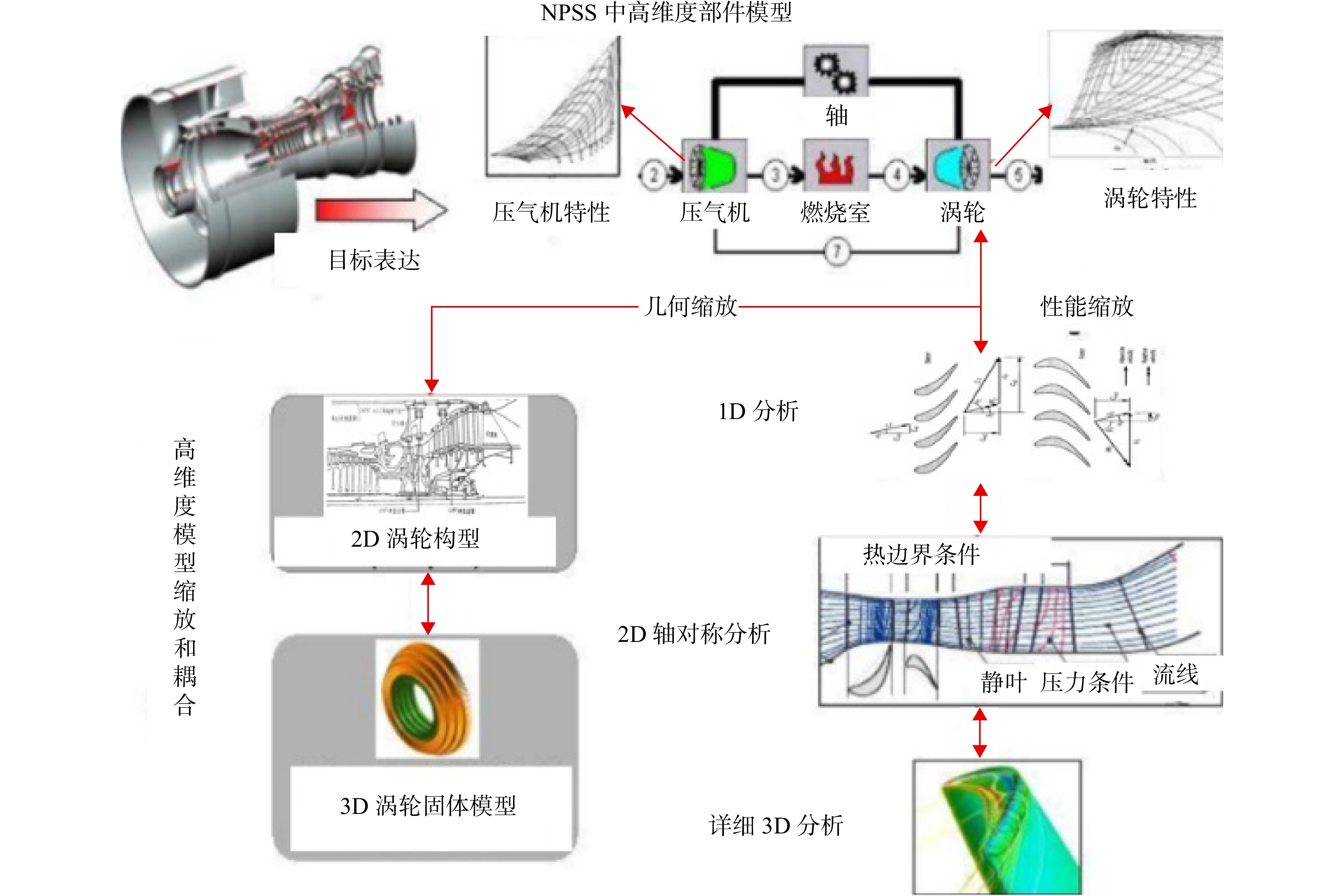
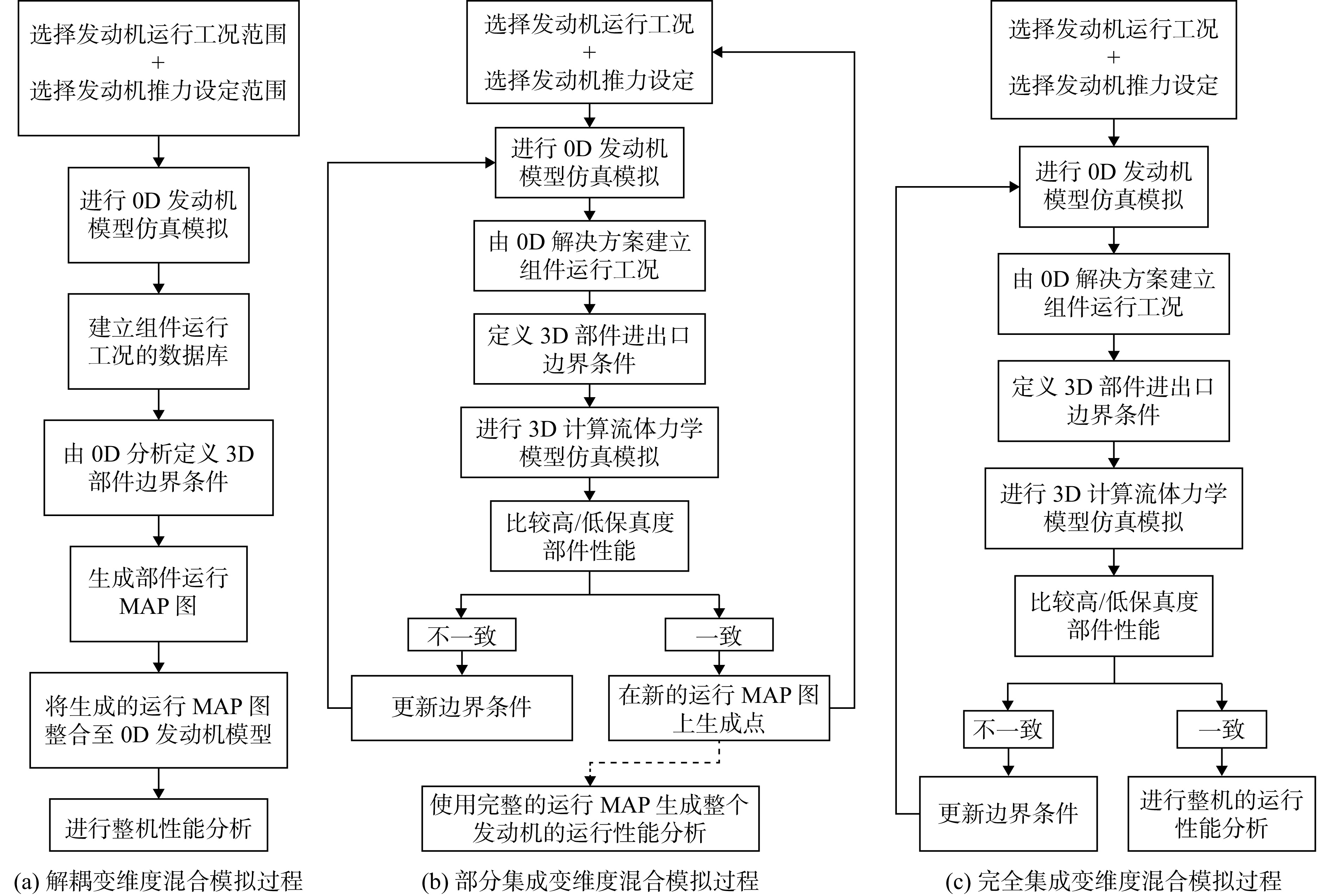
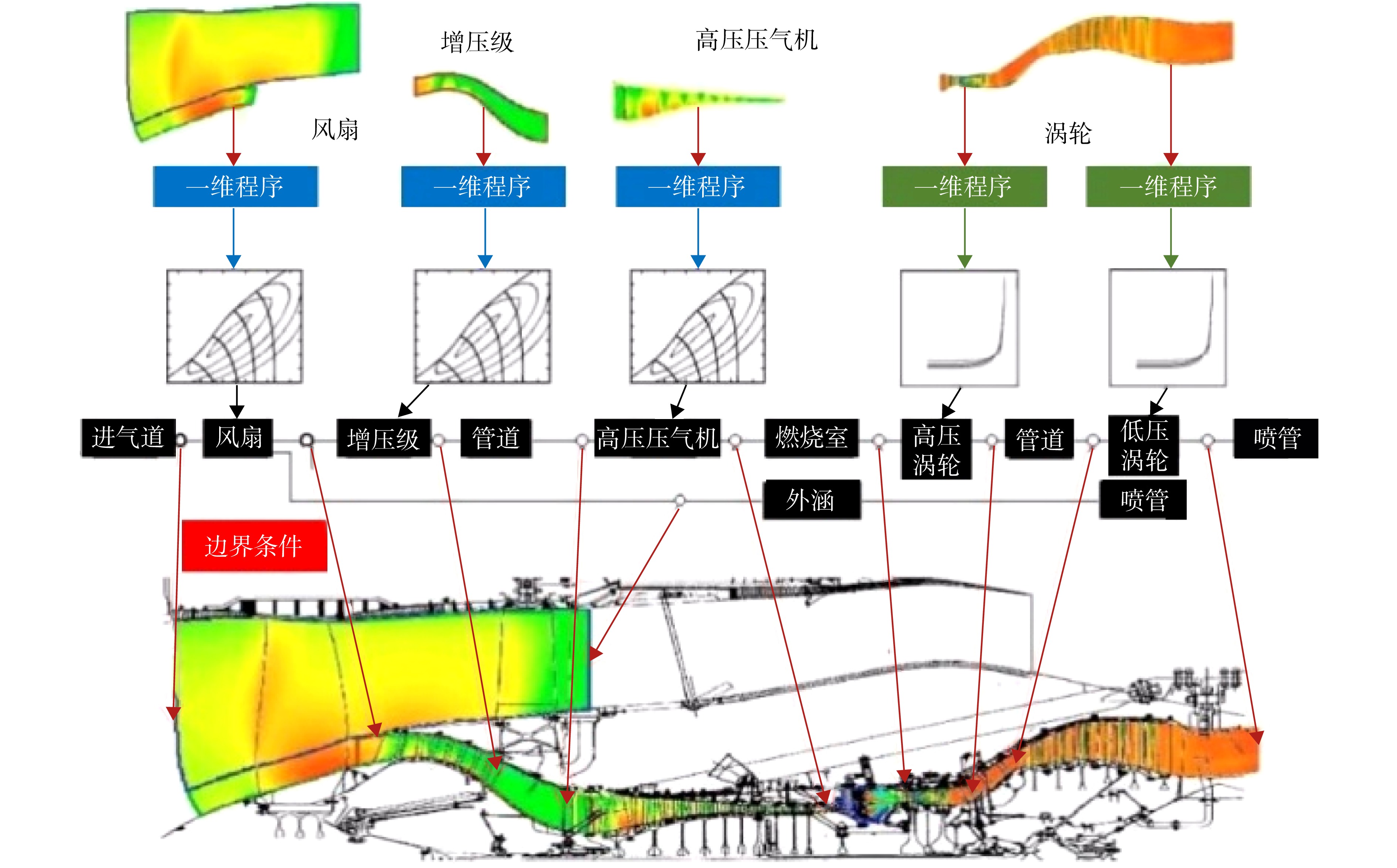
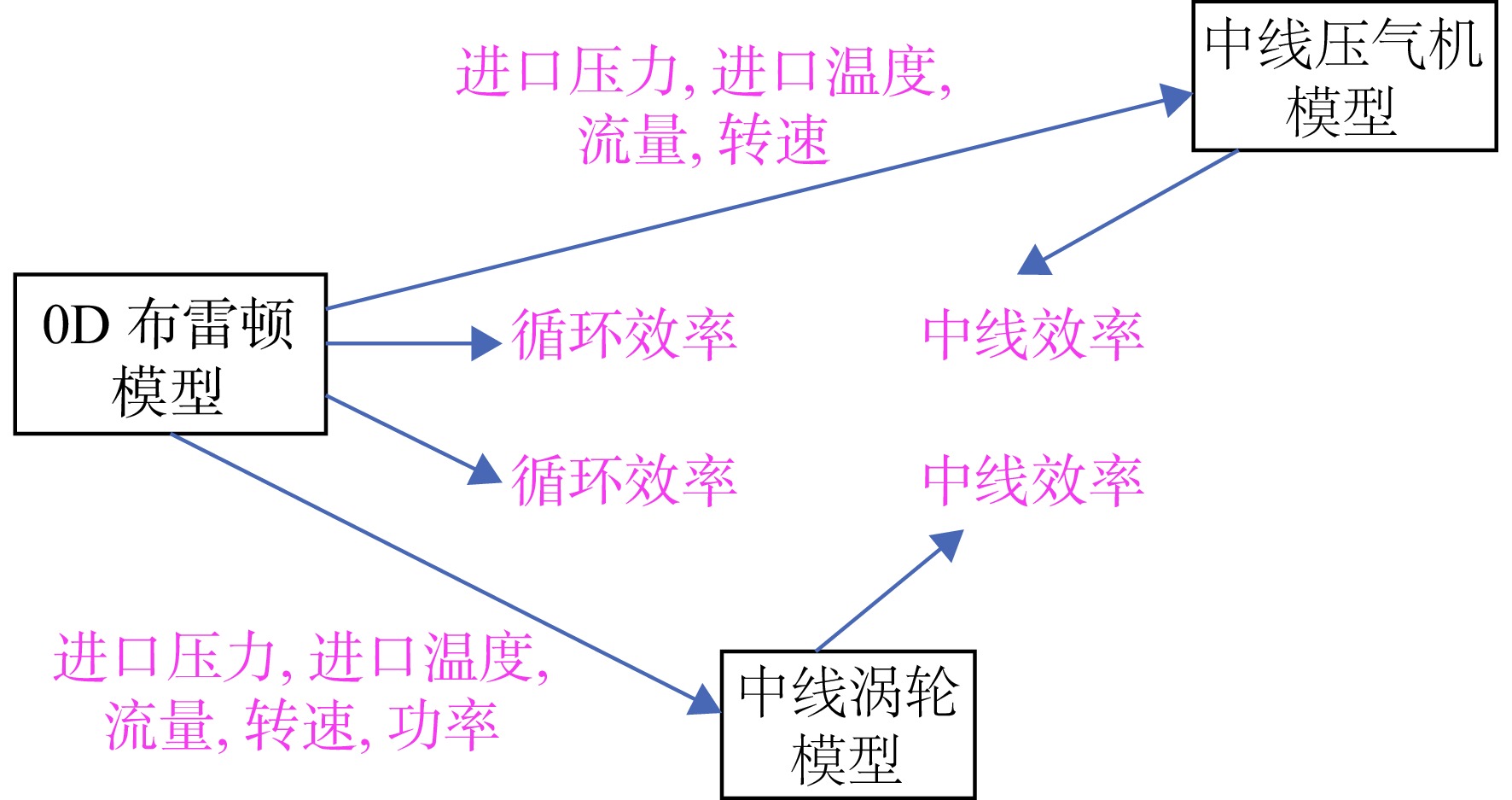
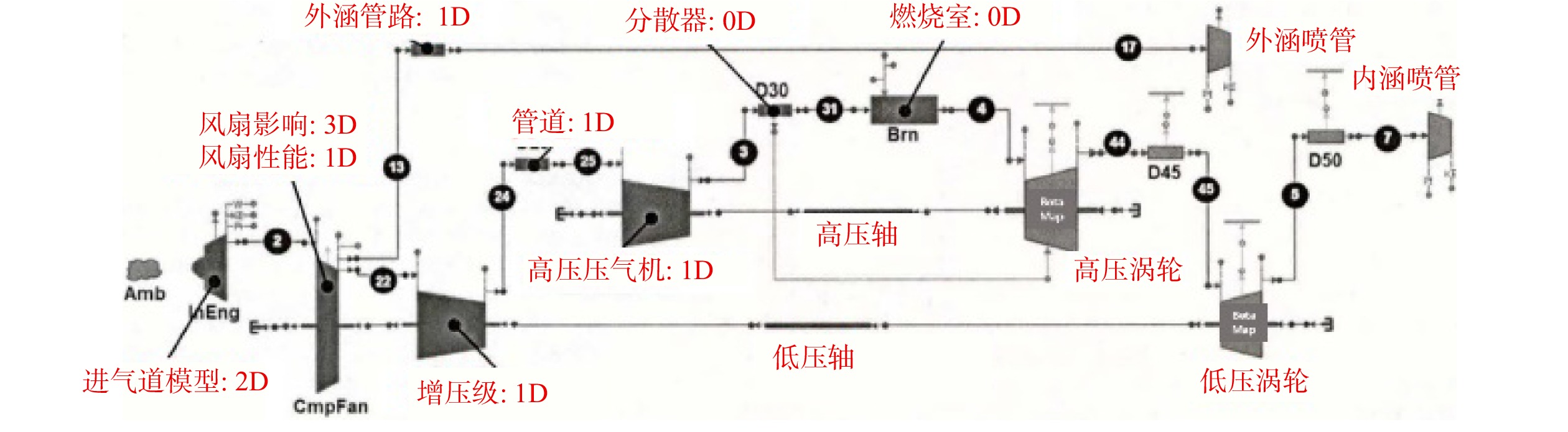
With the increasing effects of gas turbine components interaction and multidisciplinary coupling, incorporating higher-dimensional factors into zero-dimensional overall performance it is of important role and significance to introduce high-dimensional factors and conduct a variable-dimensional simulation in the zero-dimensional overall performance simulation of aero-engines. The background of variable-dimensional methods is analyzed, the development status of the variable-dimensional method is clarified, and the different technical paths for realizing variable-dimensional simulation are compared and analyzed and the application results of the variable-dimensional hybrid simulation methods are summarized with the inlet, fan/compressor, tail nozzle, and core engine/low-pressure system as specific objects in this paper. The results show that the variable-dimensional simulation method can effectively improve the system-level performance simulation accuracy of the whole machine, for which the autonomous and controllable 0D to 3D program is the basis for implementation. Partial coupling or characteristic correction methods have the most advantages in terms of accuracy, time consumption, flexibility, etc. The research on variable-dimensional performance simulation under the influence of new configuration engines (such as variable cycle engines) and the real working environments (such as rain swallowing) should be focused on.

Experimental and numerical study on aerodynamic performance of transonic two-stage fan
YANG Jiashou, WEI Xindi, TANG Yumeng, JI Guofeng, LIU Yangwei
2025, 40(2): 20240306. doi: 10.13224/j.cnki.jasp.20240306
Abstract:

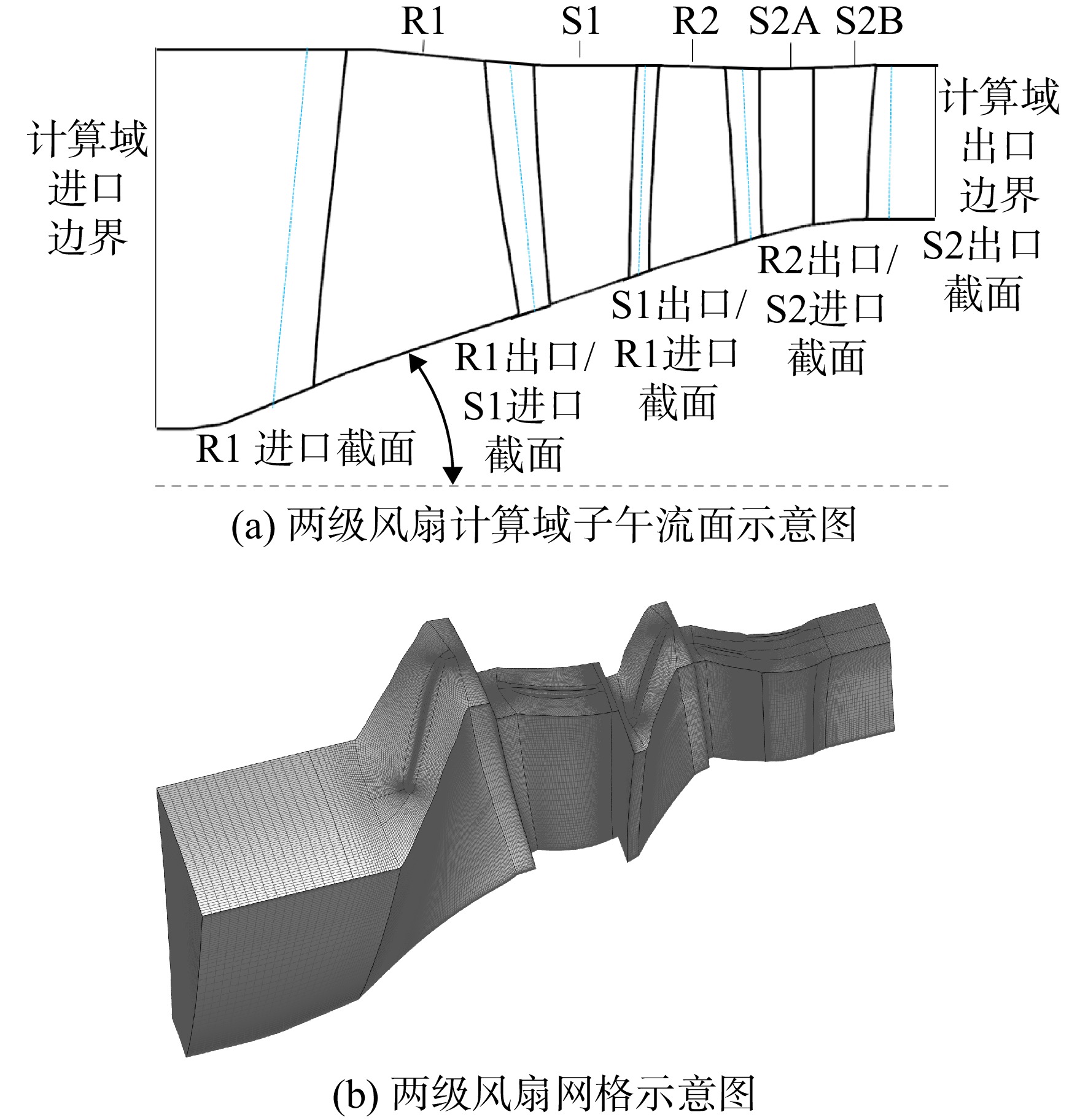
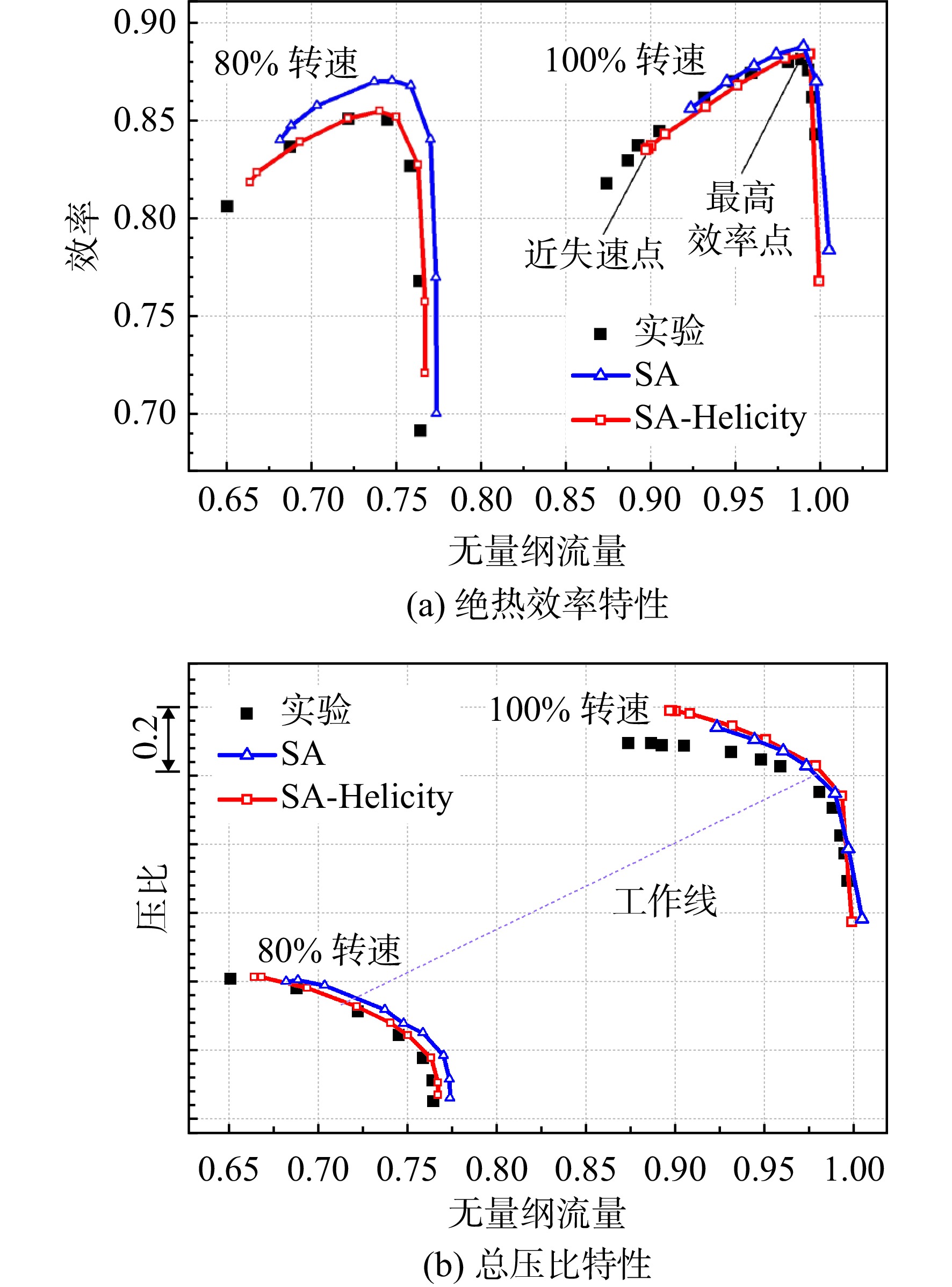
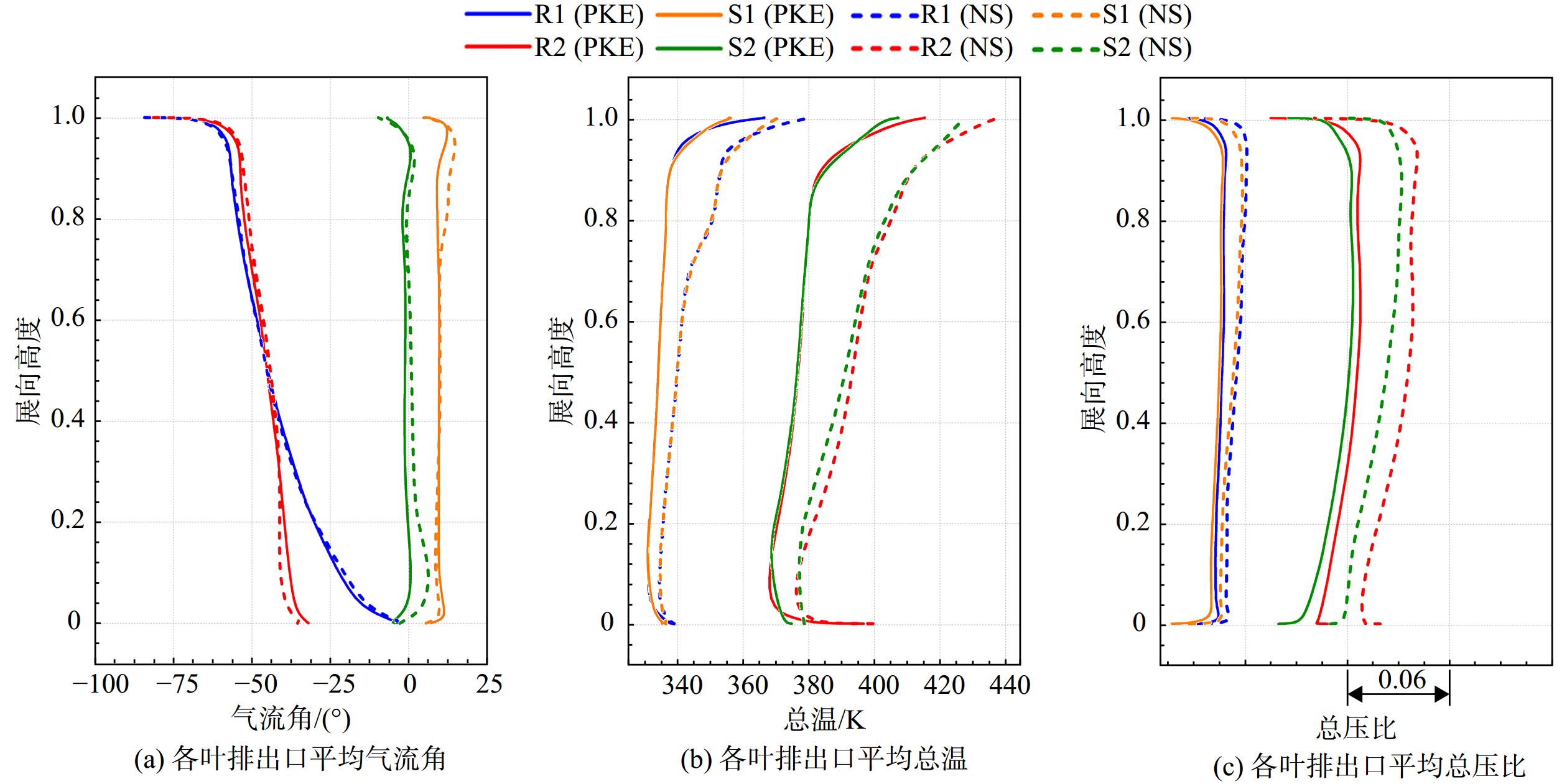
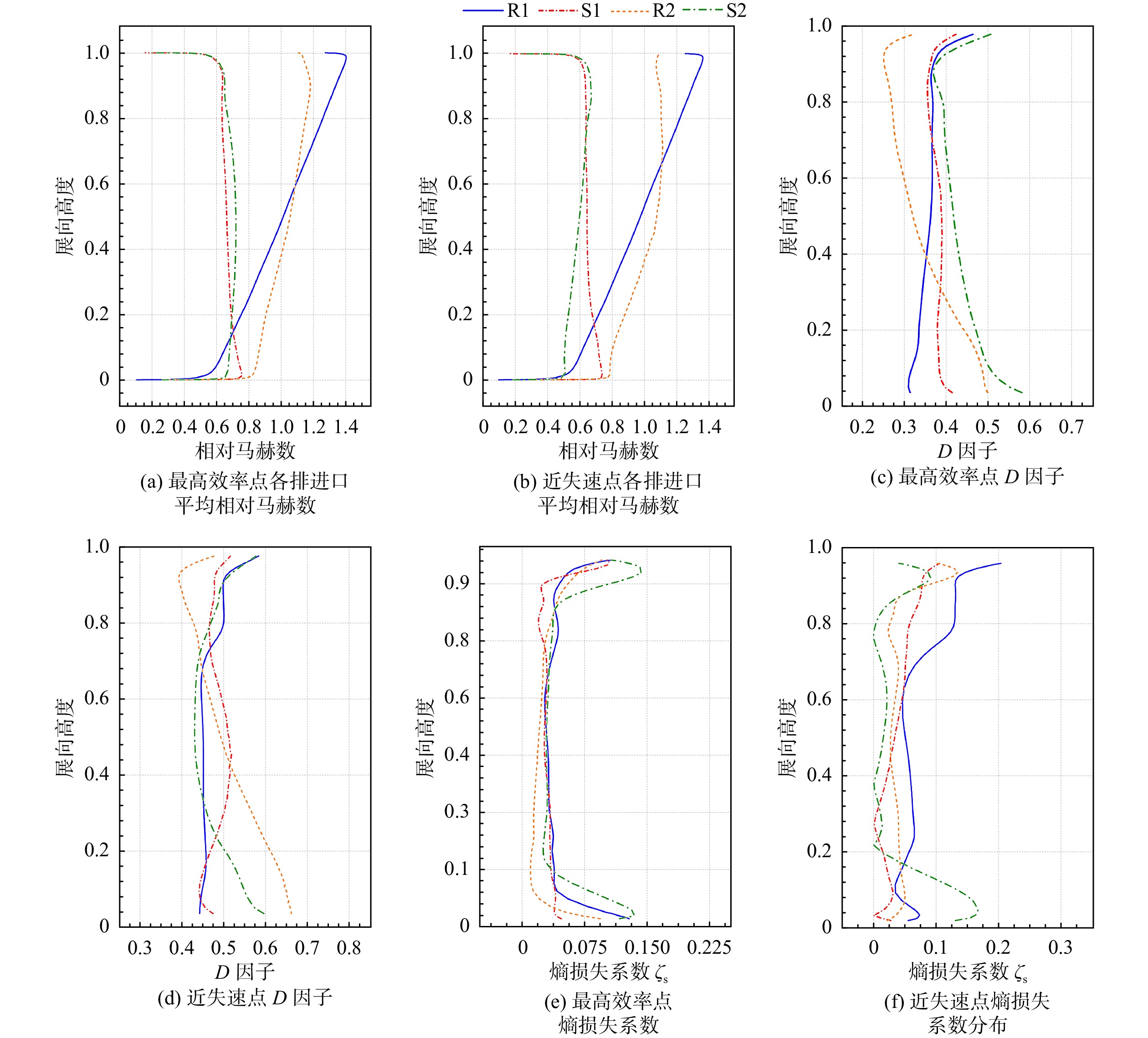
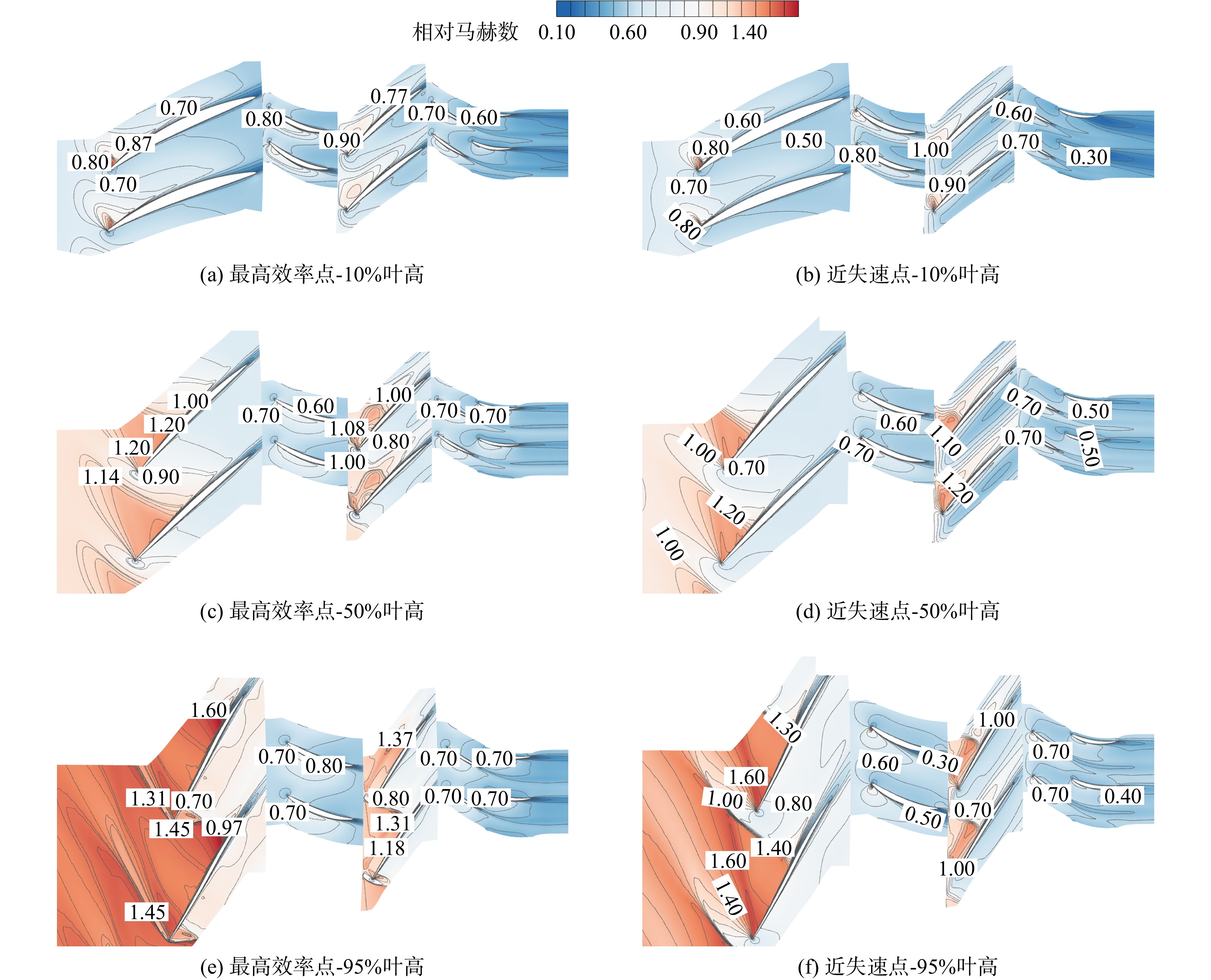
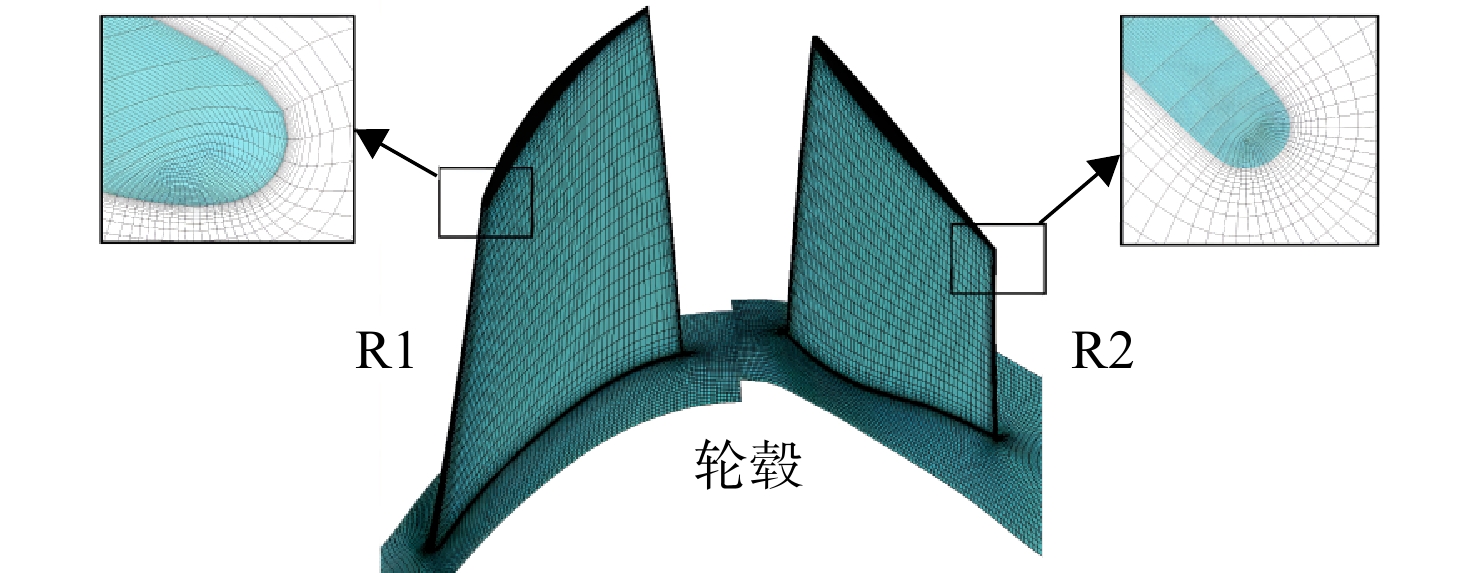
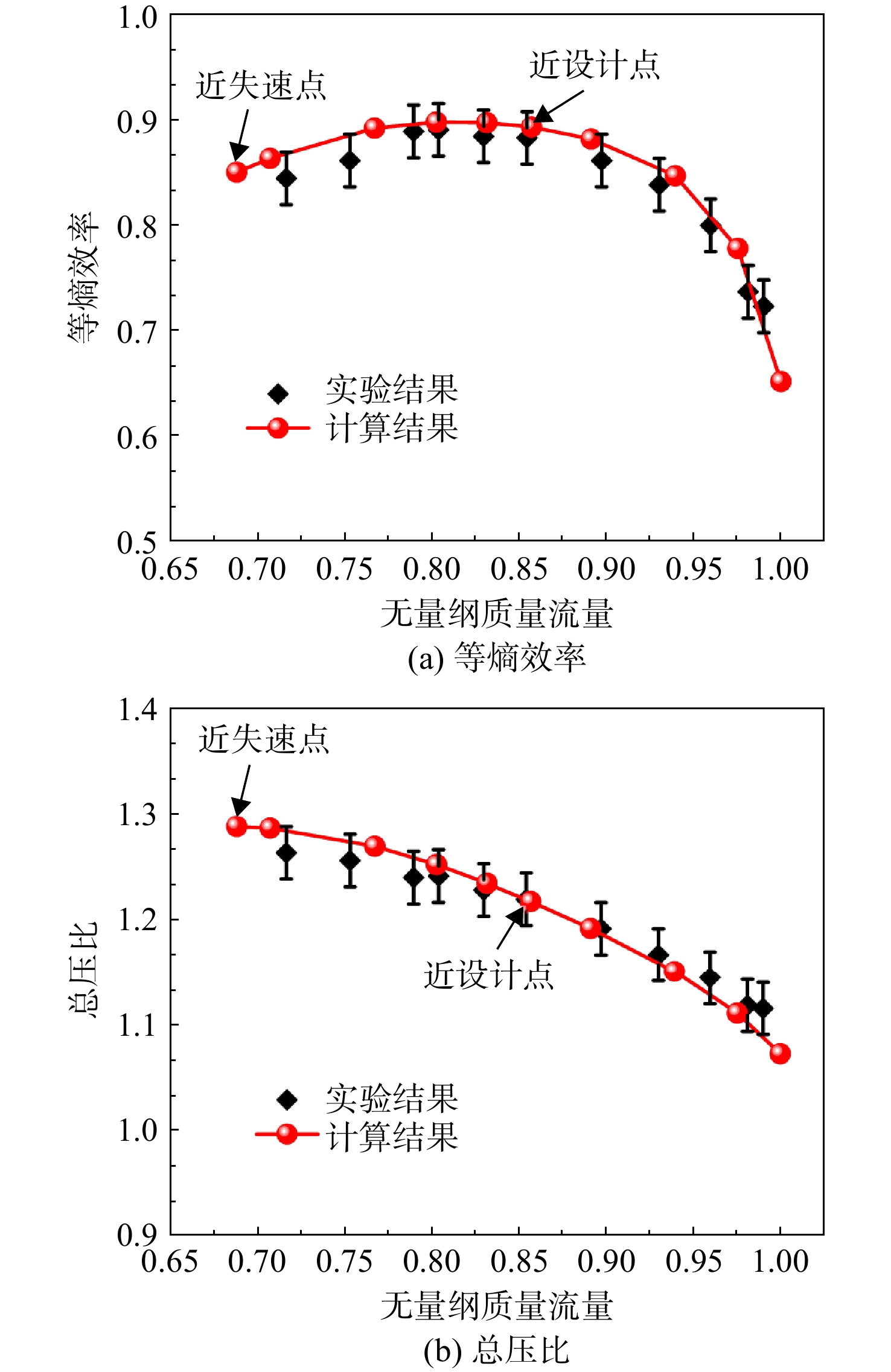
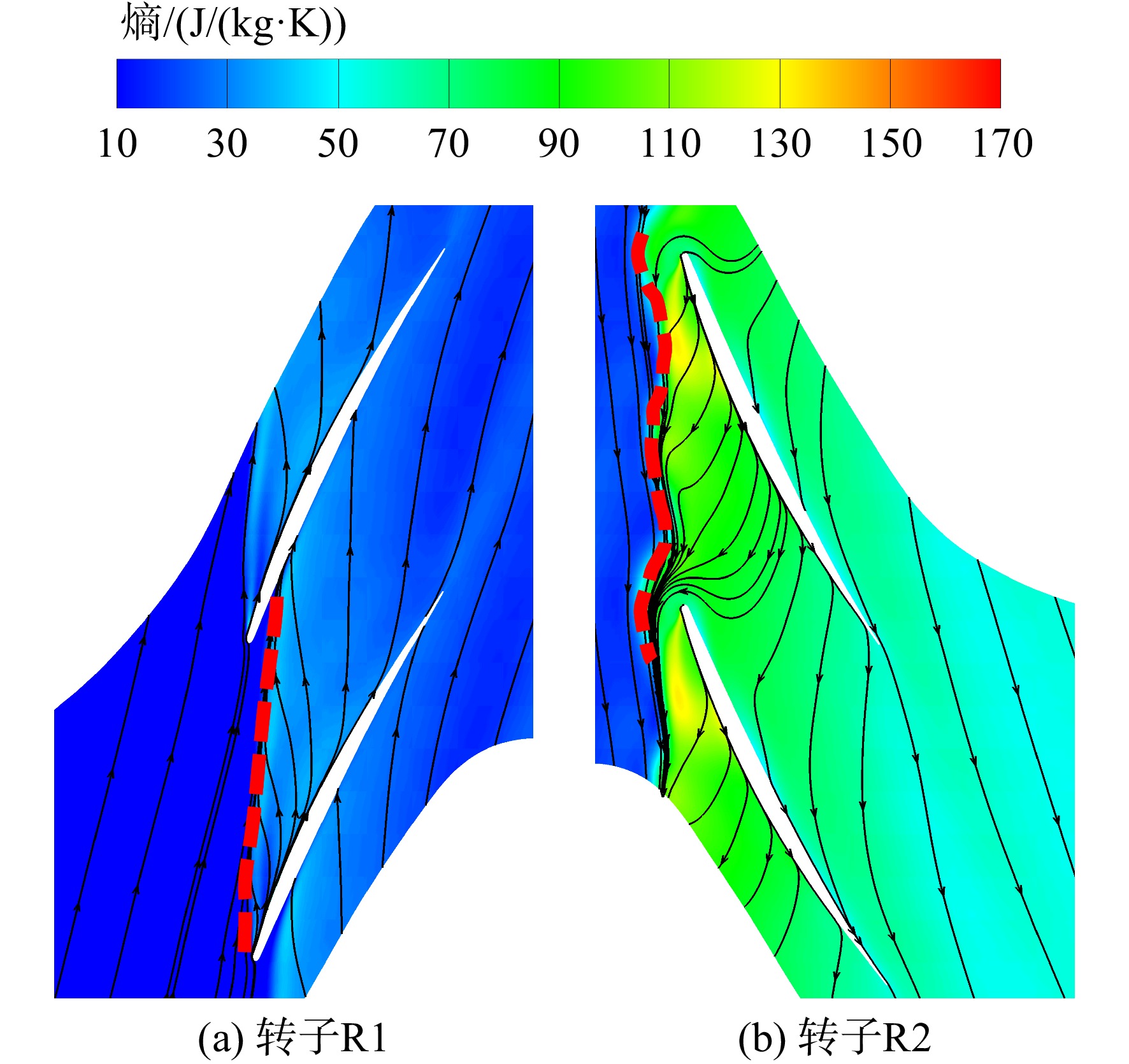
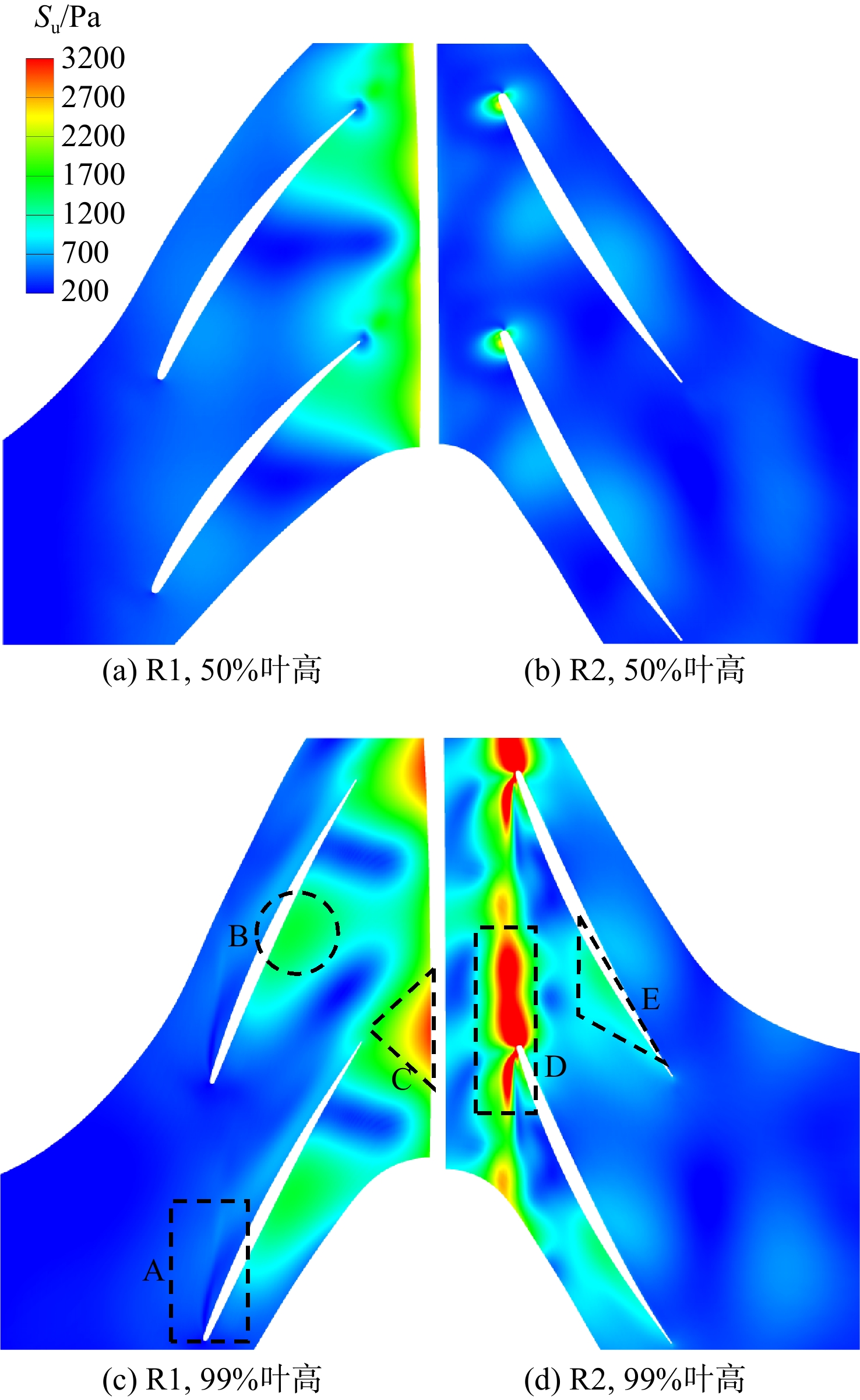
Experimental research and numerical simulation were conducted on a two-stage transonic fan. Both two rotors of the two-stage fan adopted the forward-swept design, and the last stage stator employed a tandem configuration. Experimental measurements of characteristic parameters were conducted at different rotation speeds. Then, steady numerical simulations of the fan were conducted at 100% rotation speed and 80% rotation speed using the Spalart-Allmaras (SA) turbulence model and the SA-Helicity turbulence model. Results indicated that the SA model underpredicted the stall margin, while the SA-Helicity model significantly improved the prediction accuracy of the stall margin, the efficiency, and the pressure ratio. The loading subjected by the second stage was higher than that by the first stage. The second stage primarily contributed to the increase of total temperature and pressure as the operating condition moved towards the near-stall point. The shock wave and the corner separation constituted the primary sources of loss. In the near-stall condition, a large corner separation at the first stator and the first row of the stage tandem stator was the main reason for the increase of losses.

Experiment on inlet distortion of high bypass ratio fan and booster
GAO Qian, YANG Xiaohe, LIU Shiwen
2025, 40(2): 20230381. doi: 10.13224/j.cnki.jasp.20230381
Abstract:

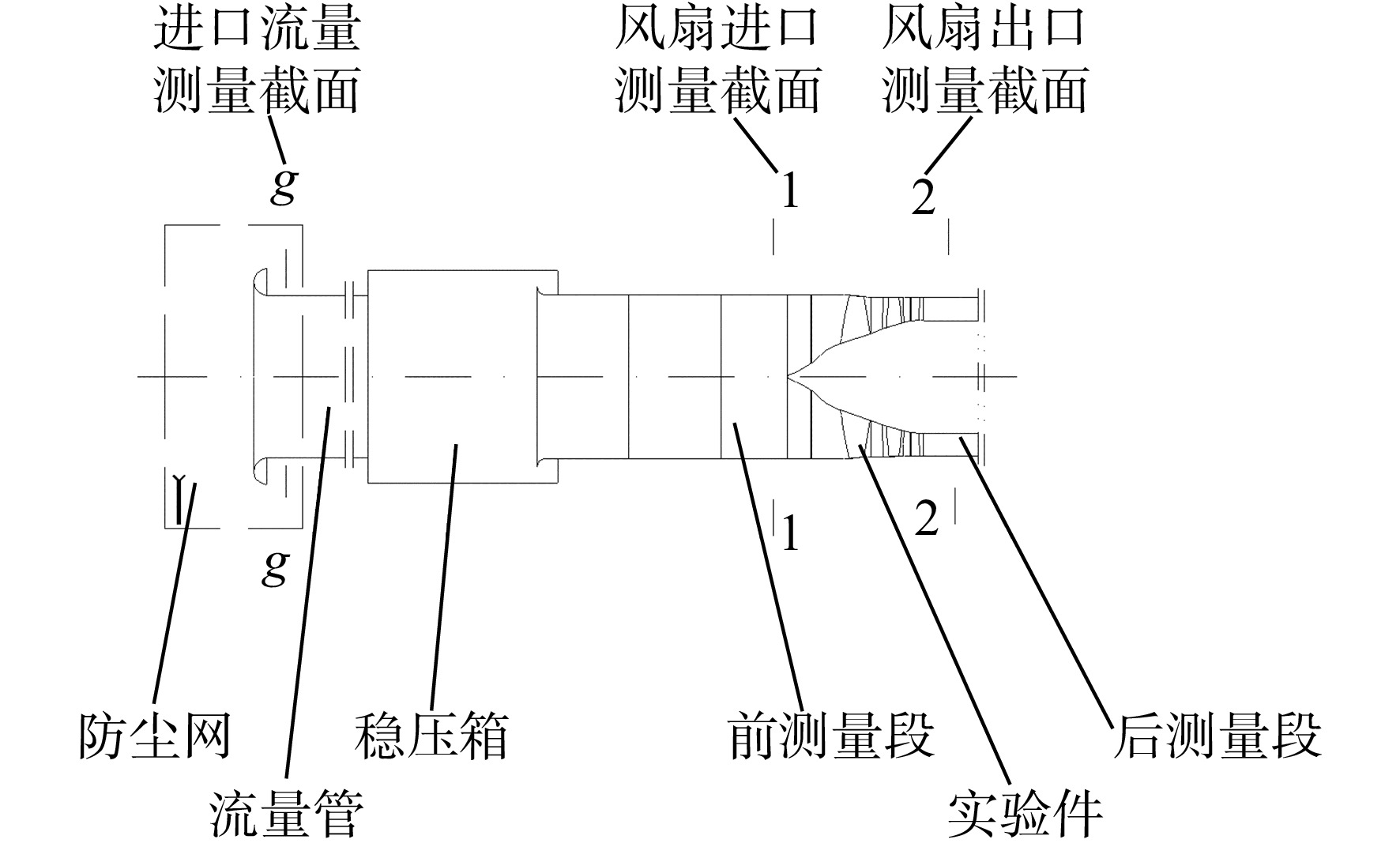
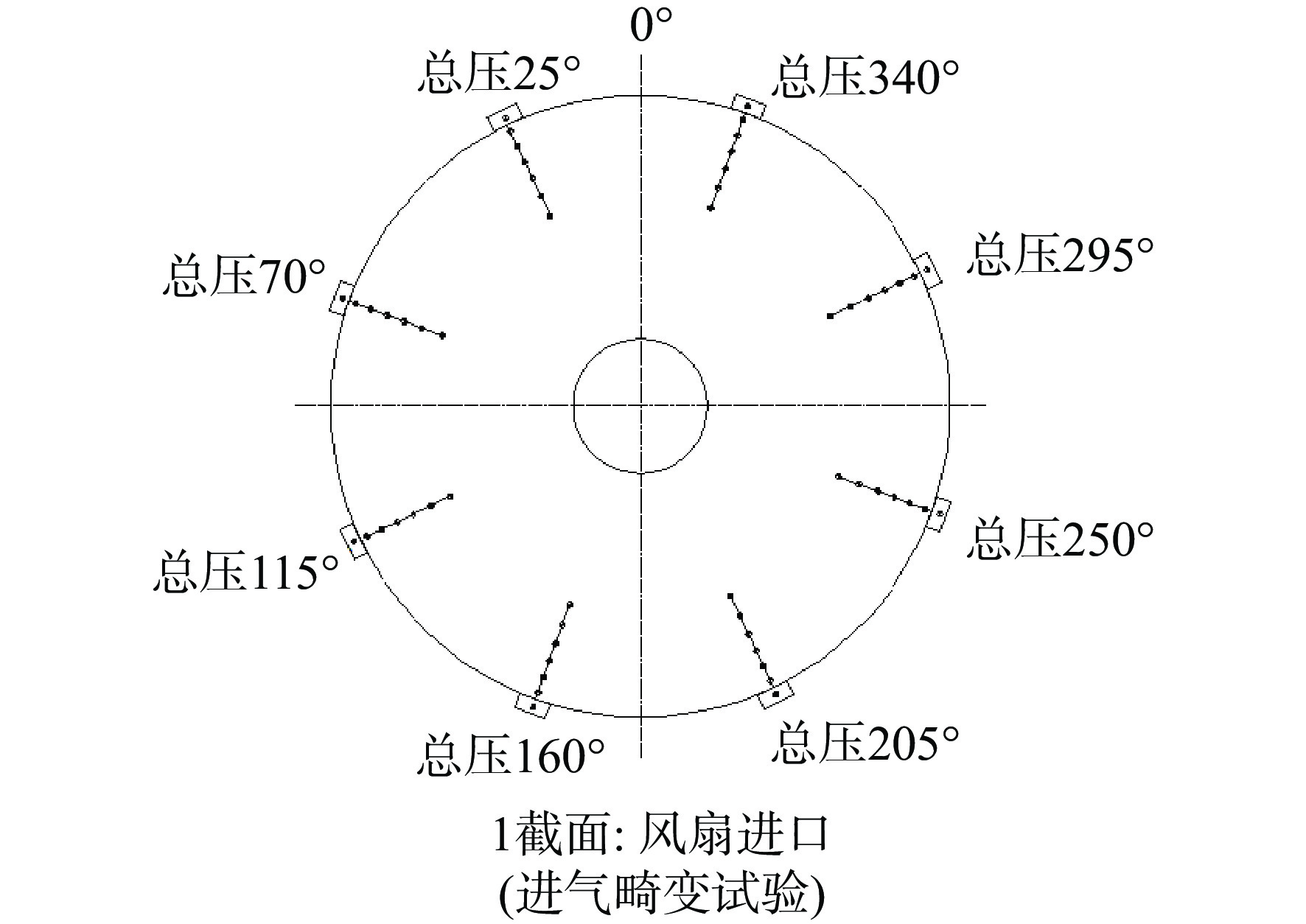
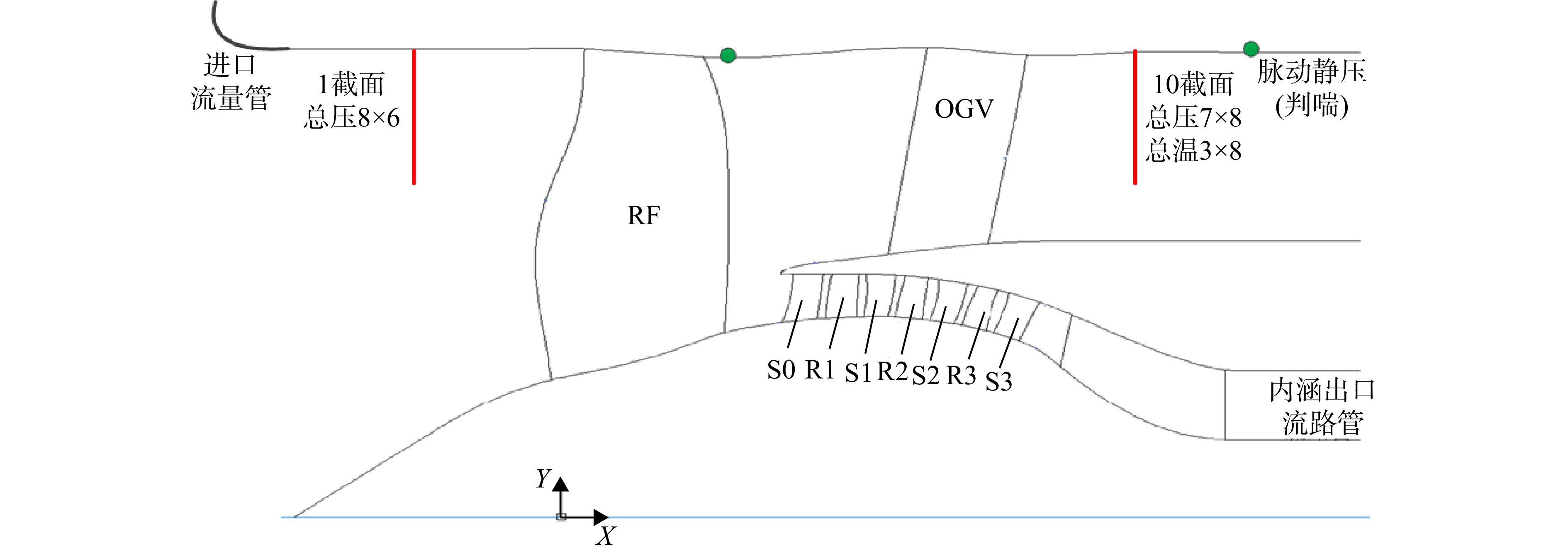
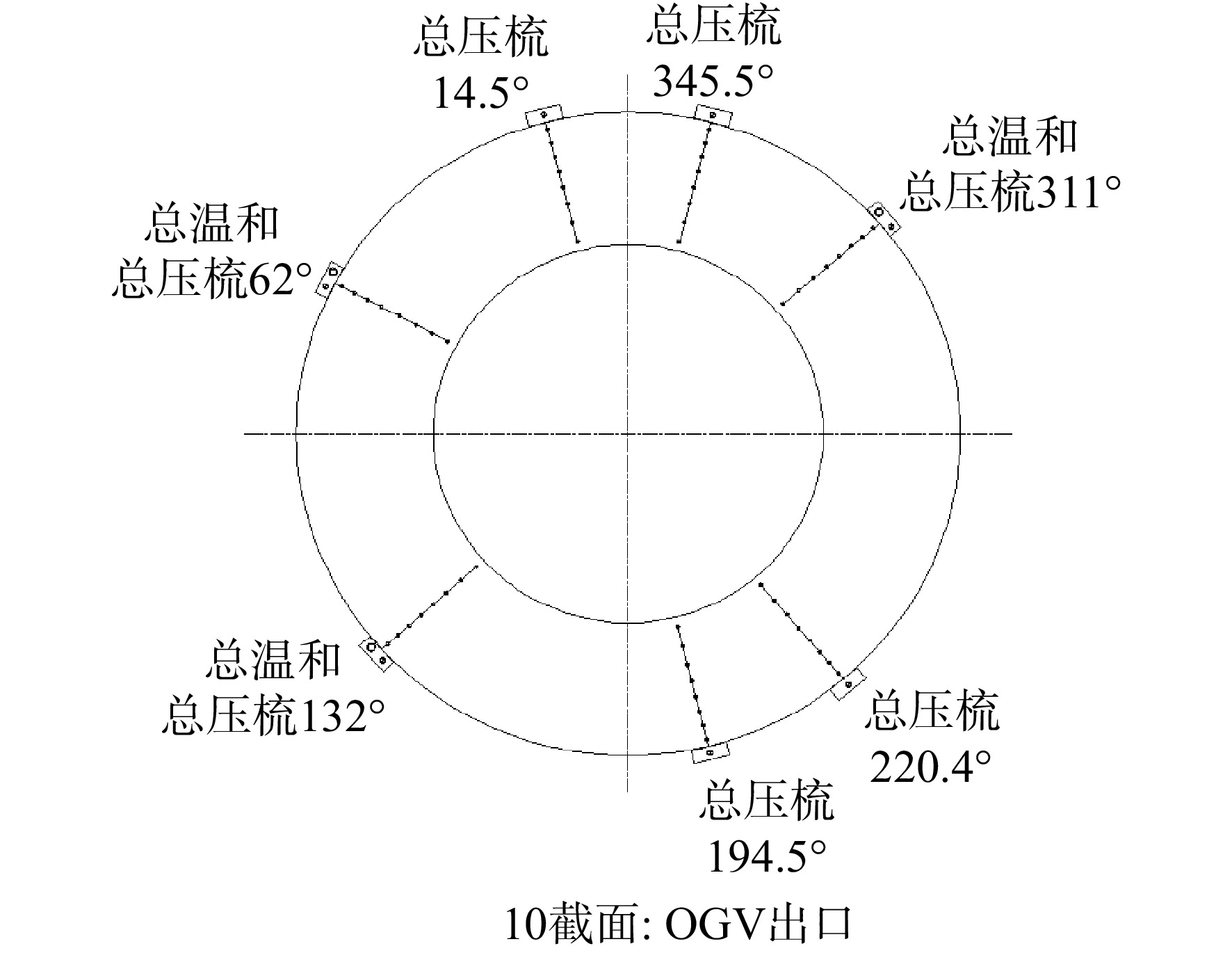
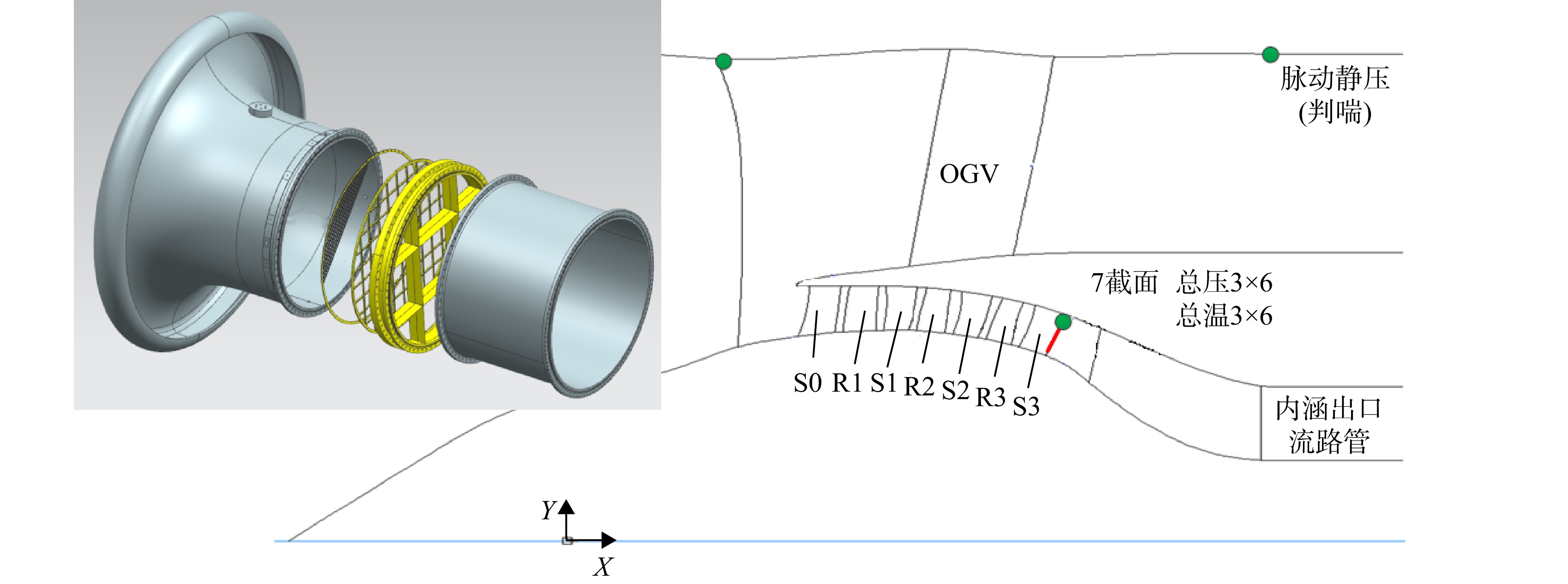
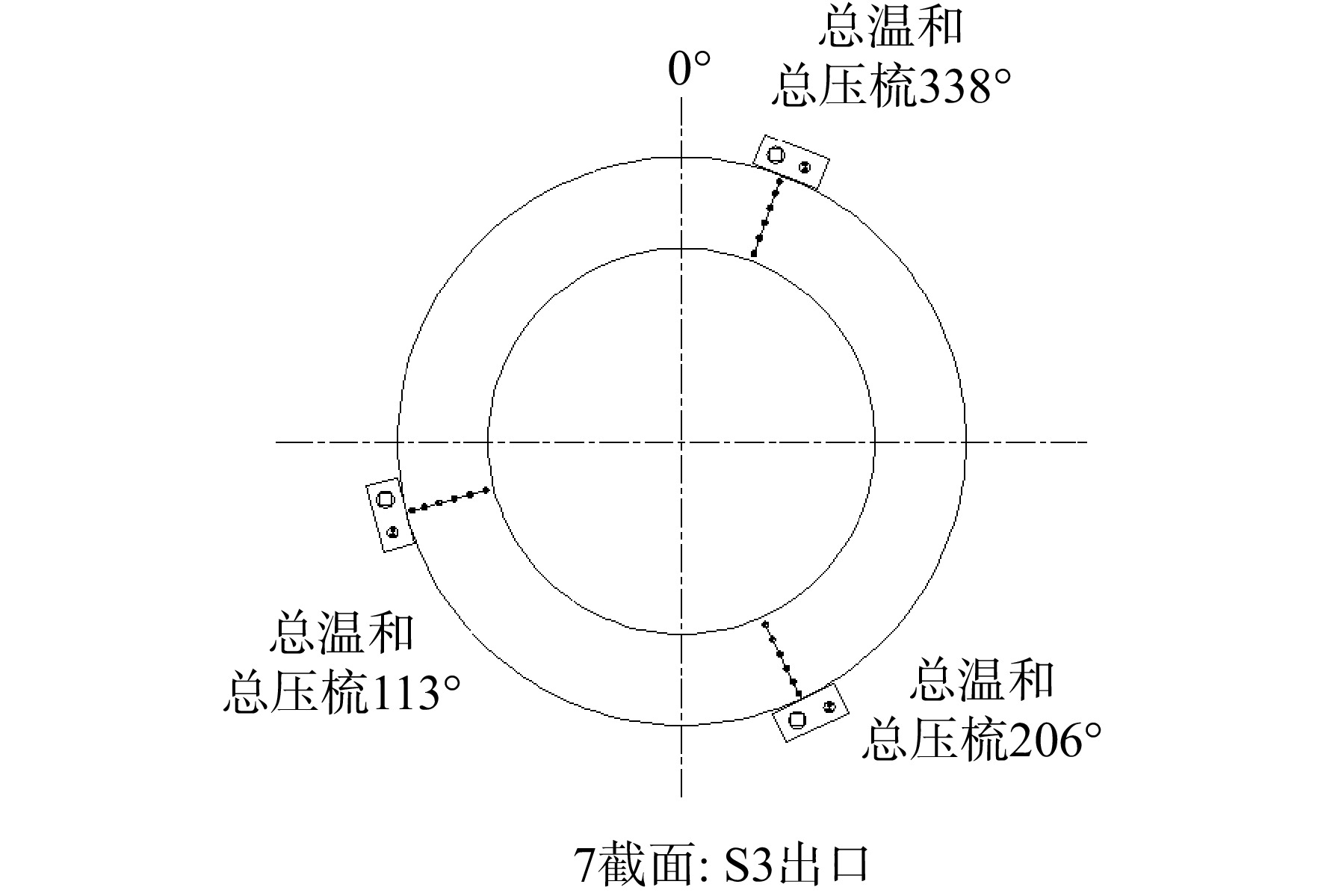
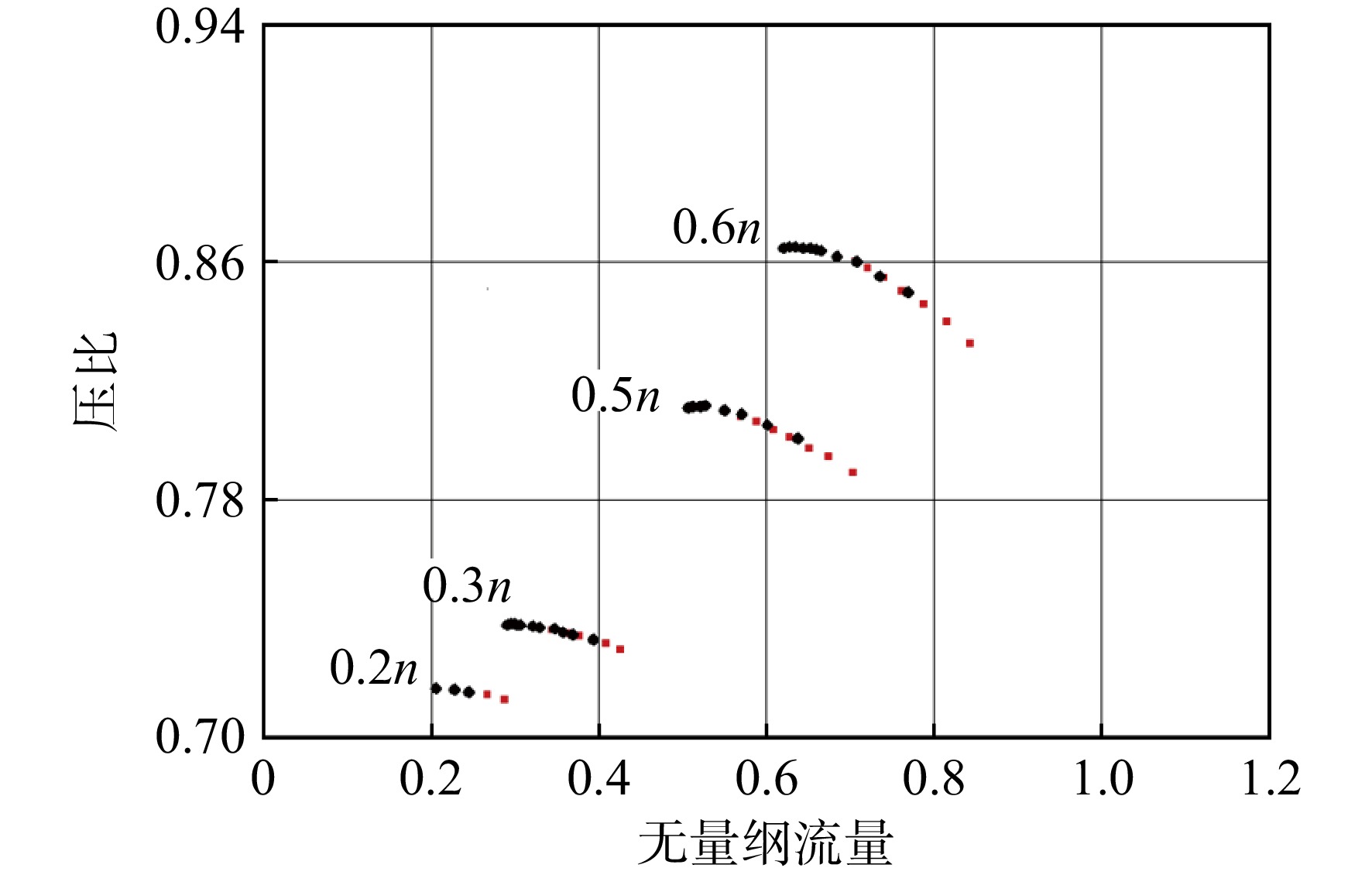
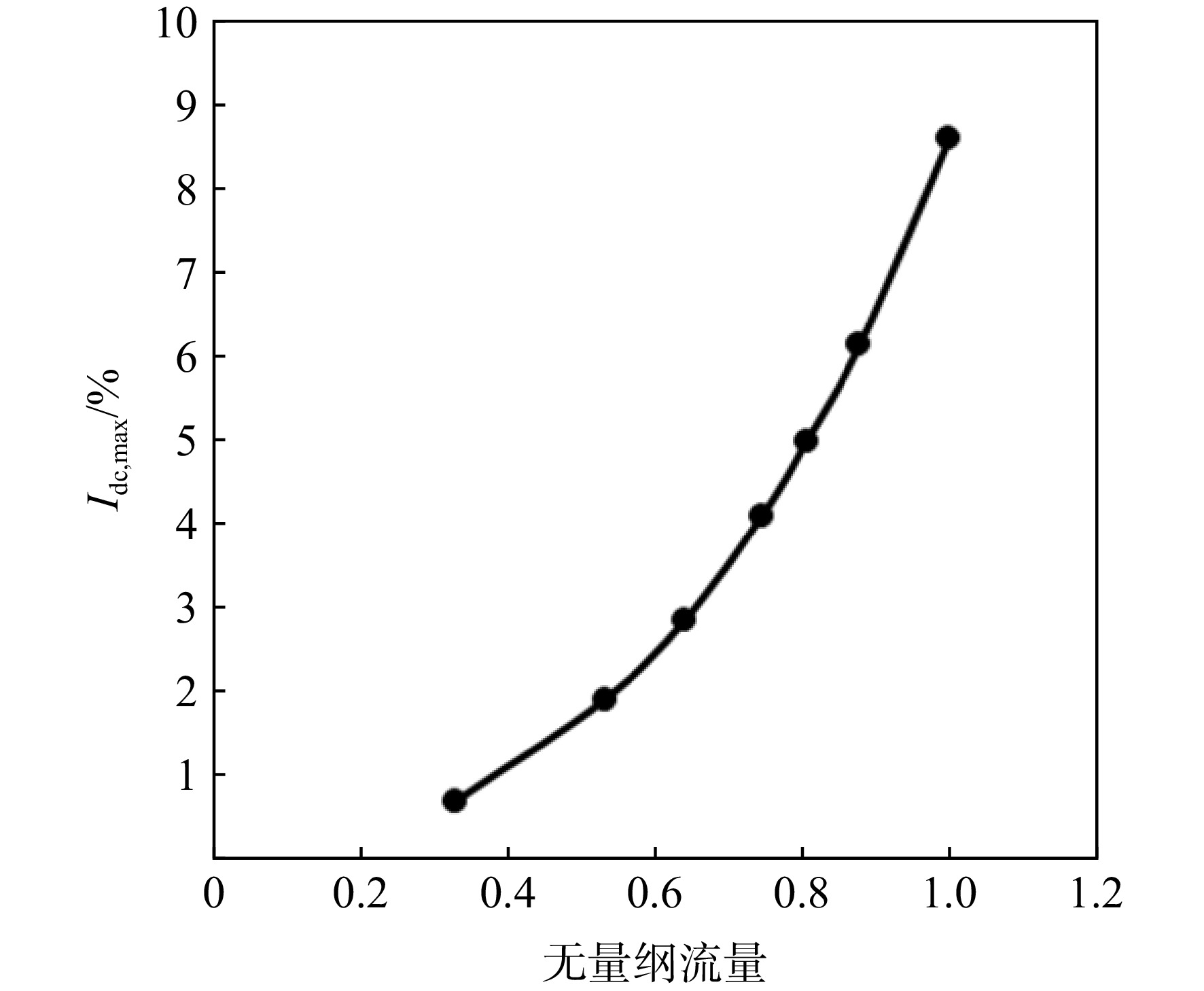
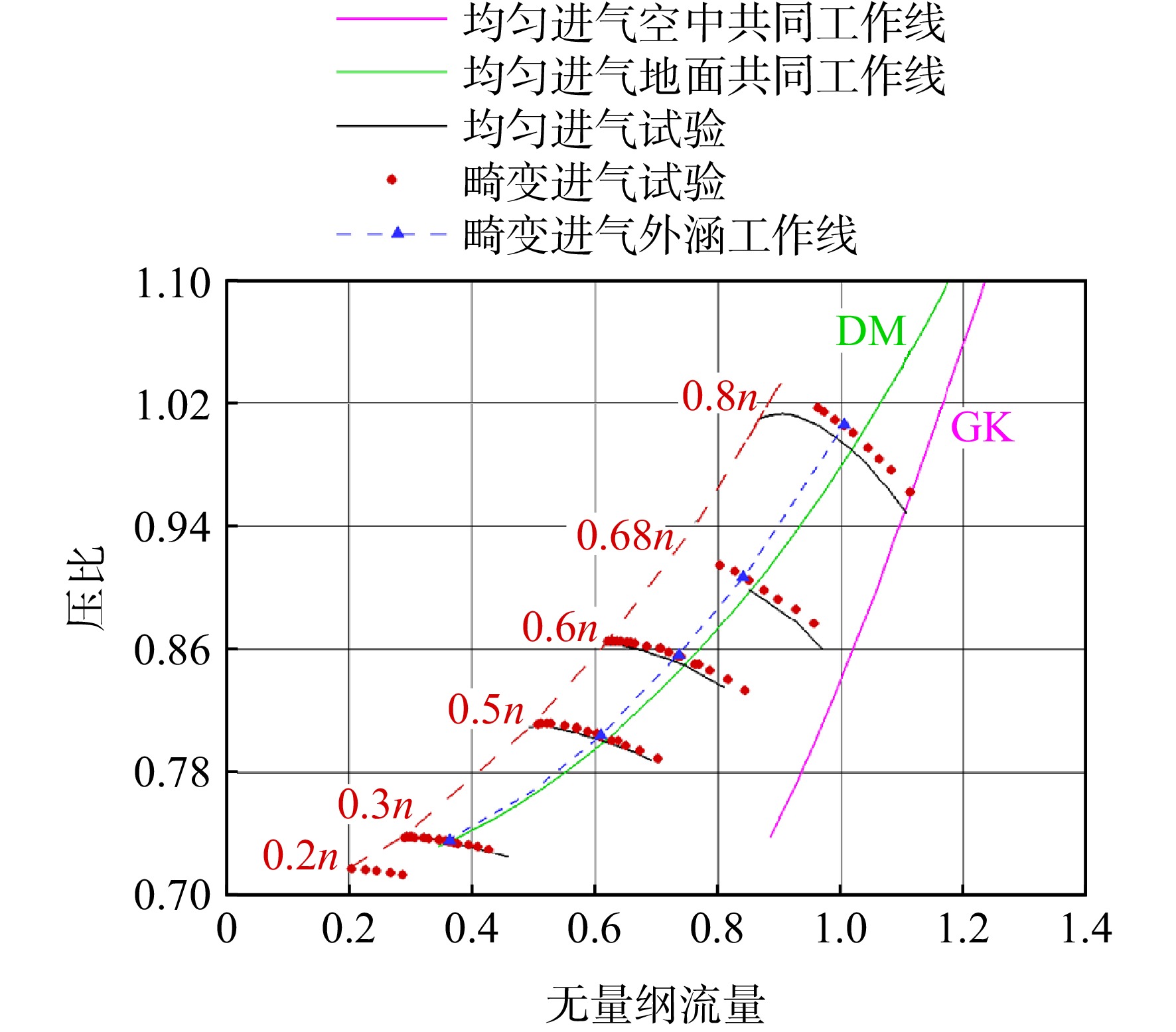
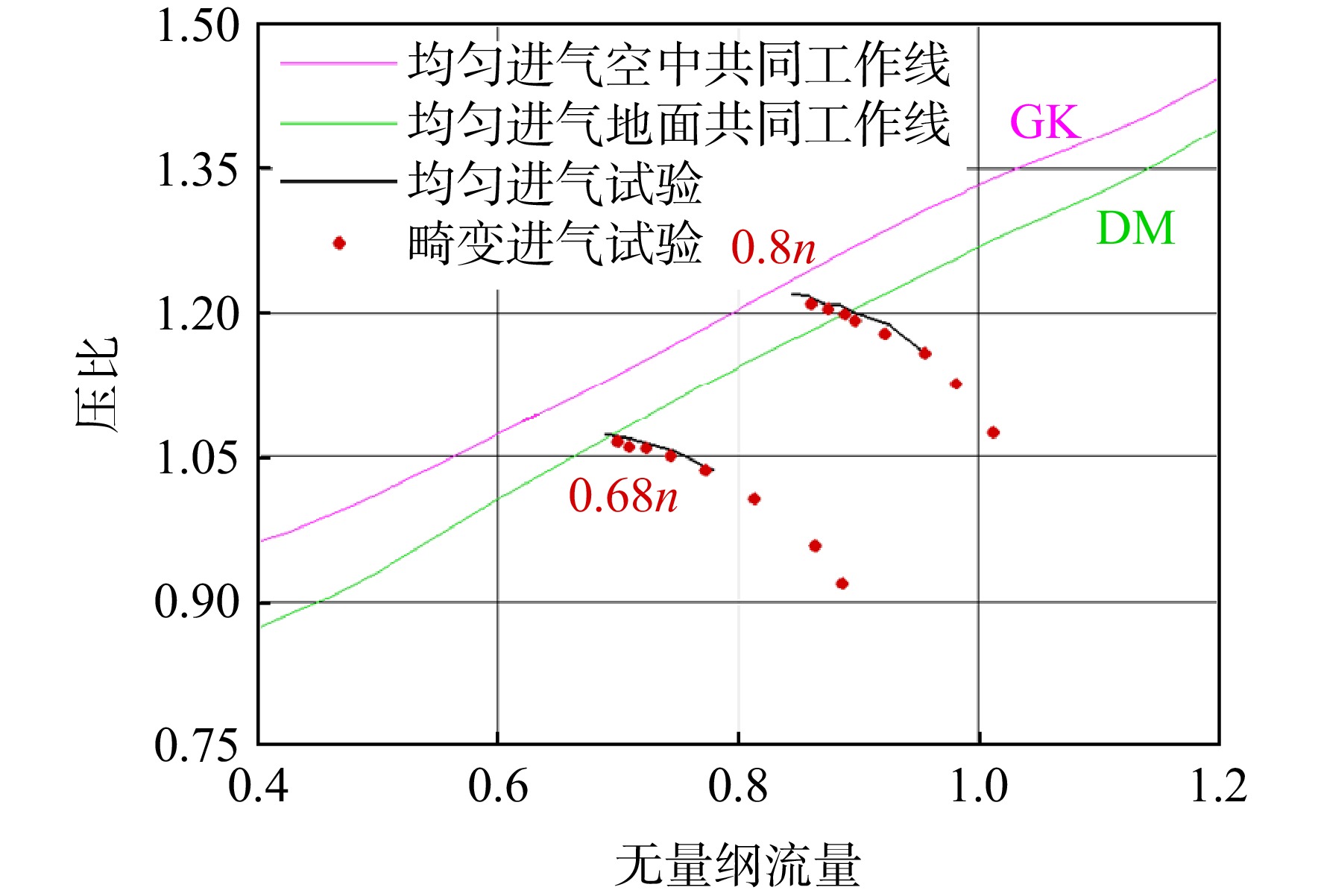
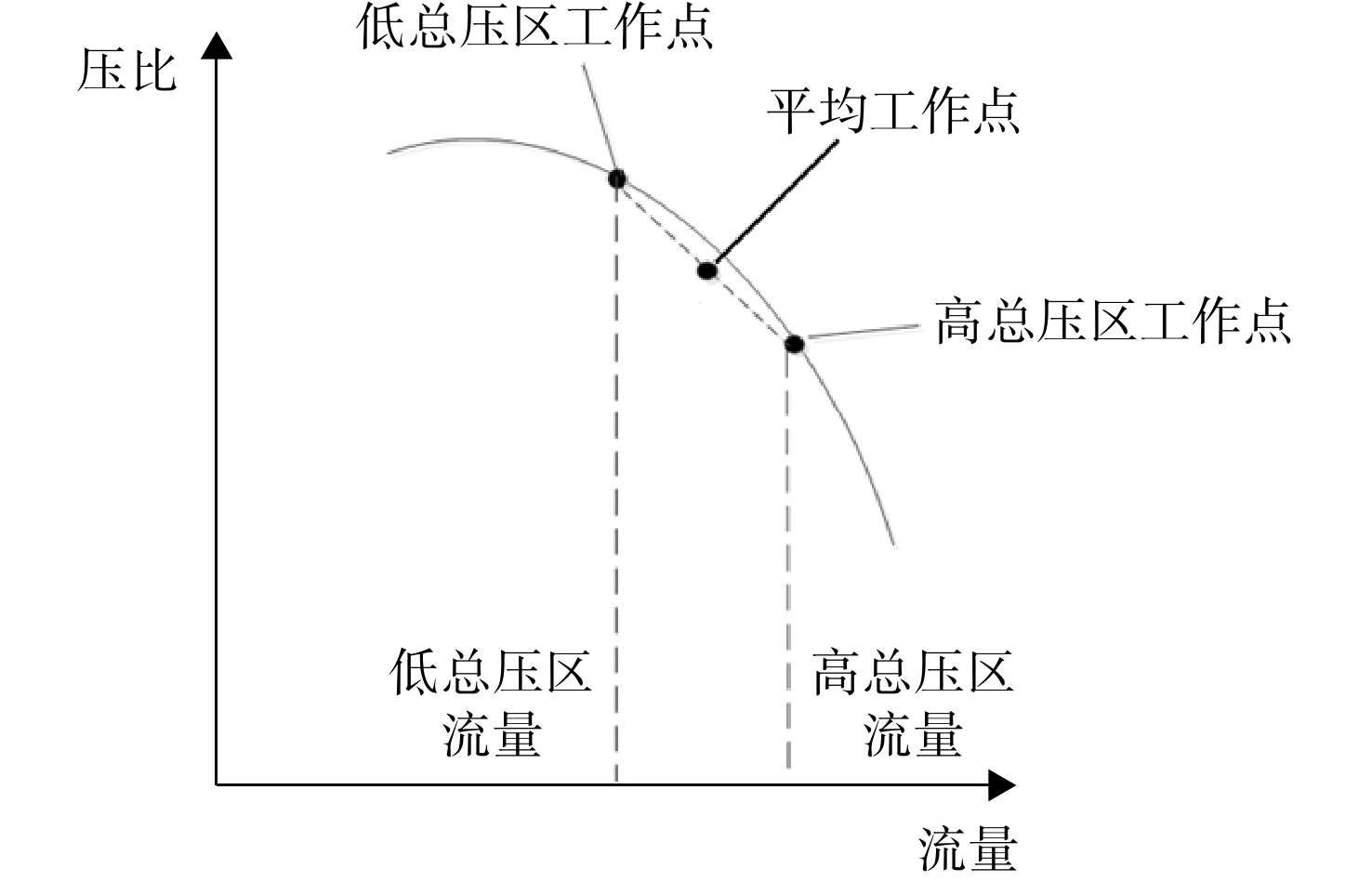
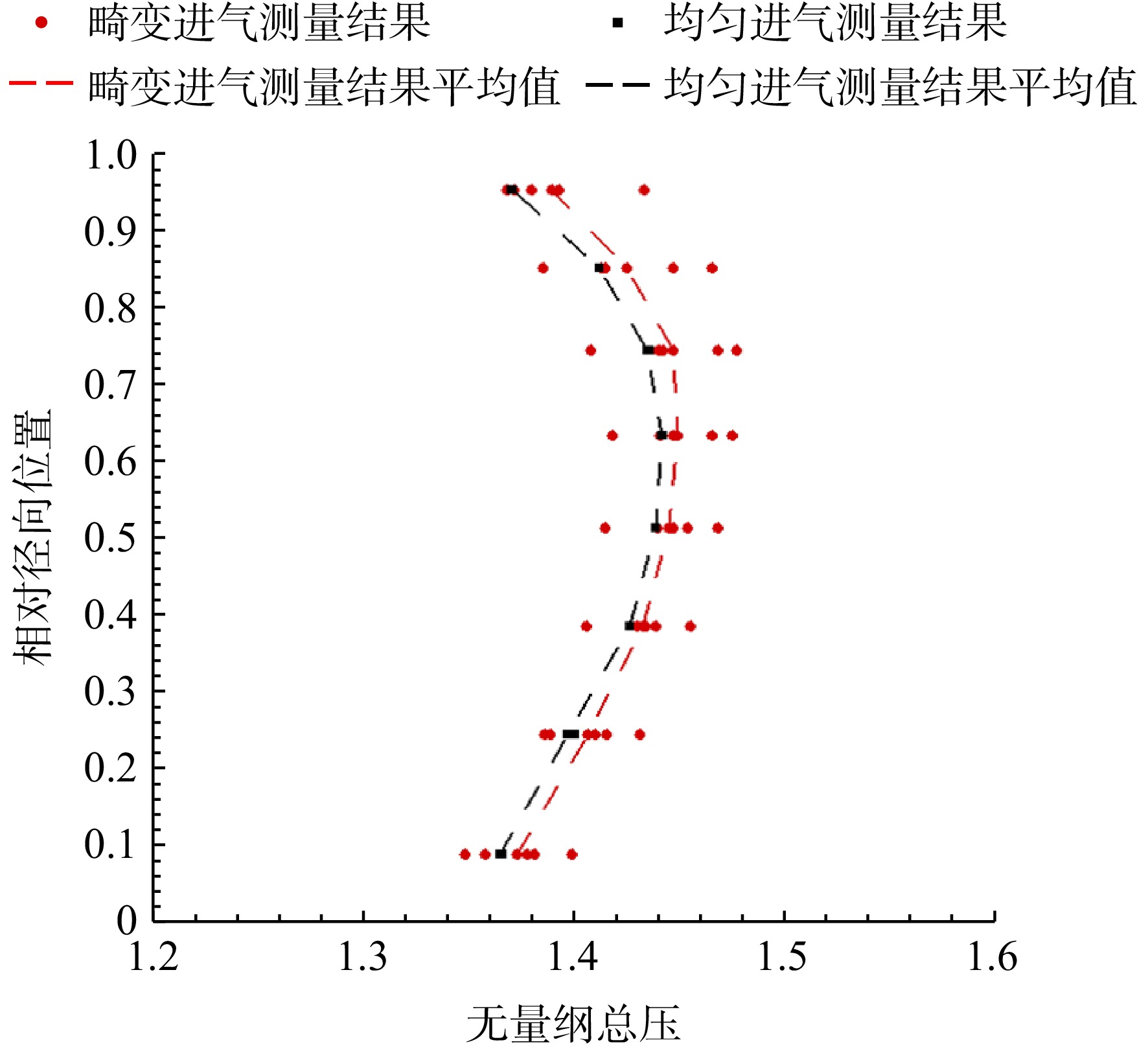
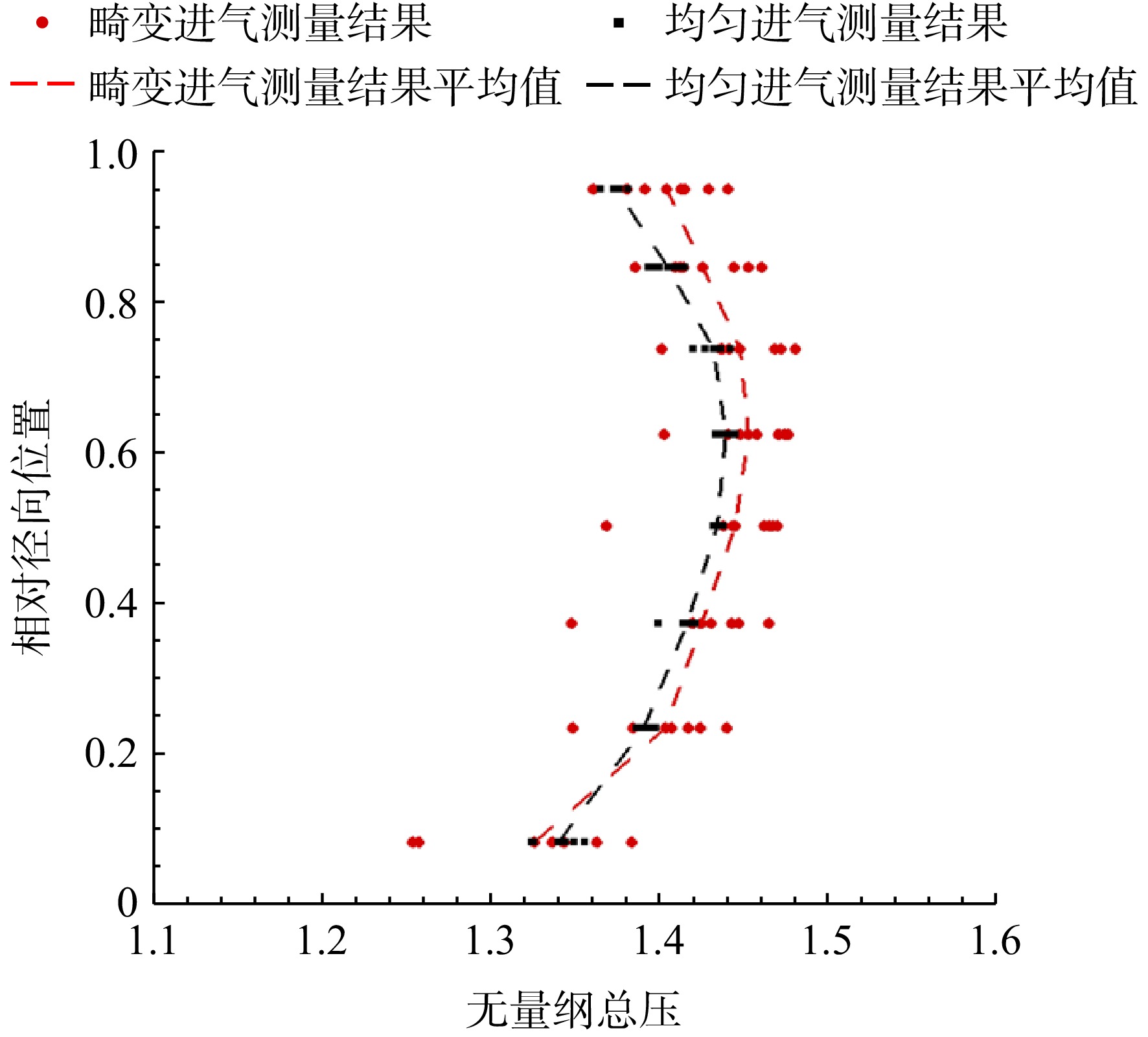
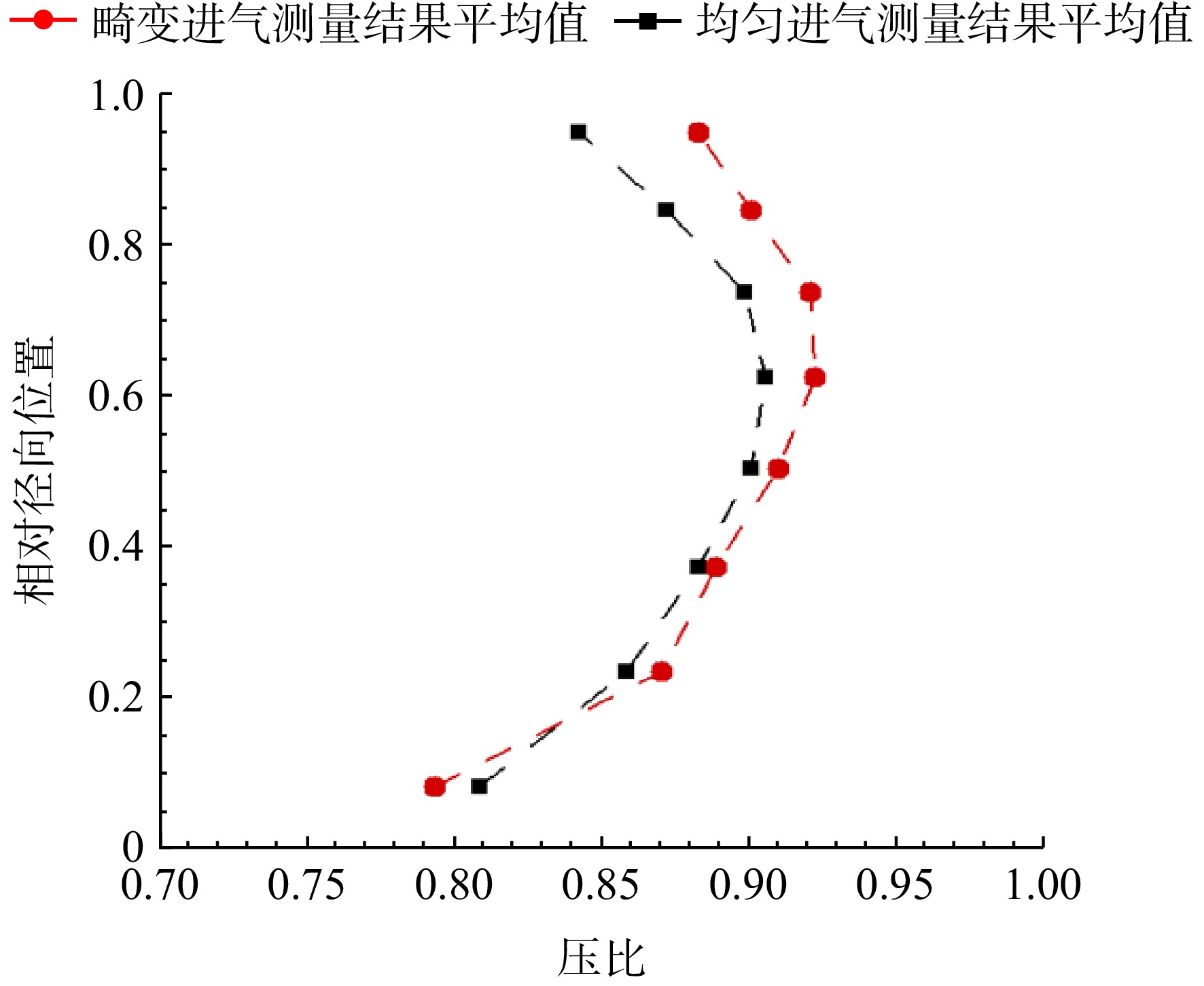
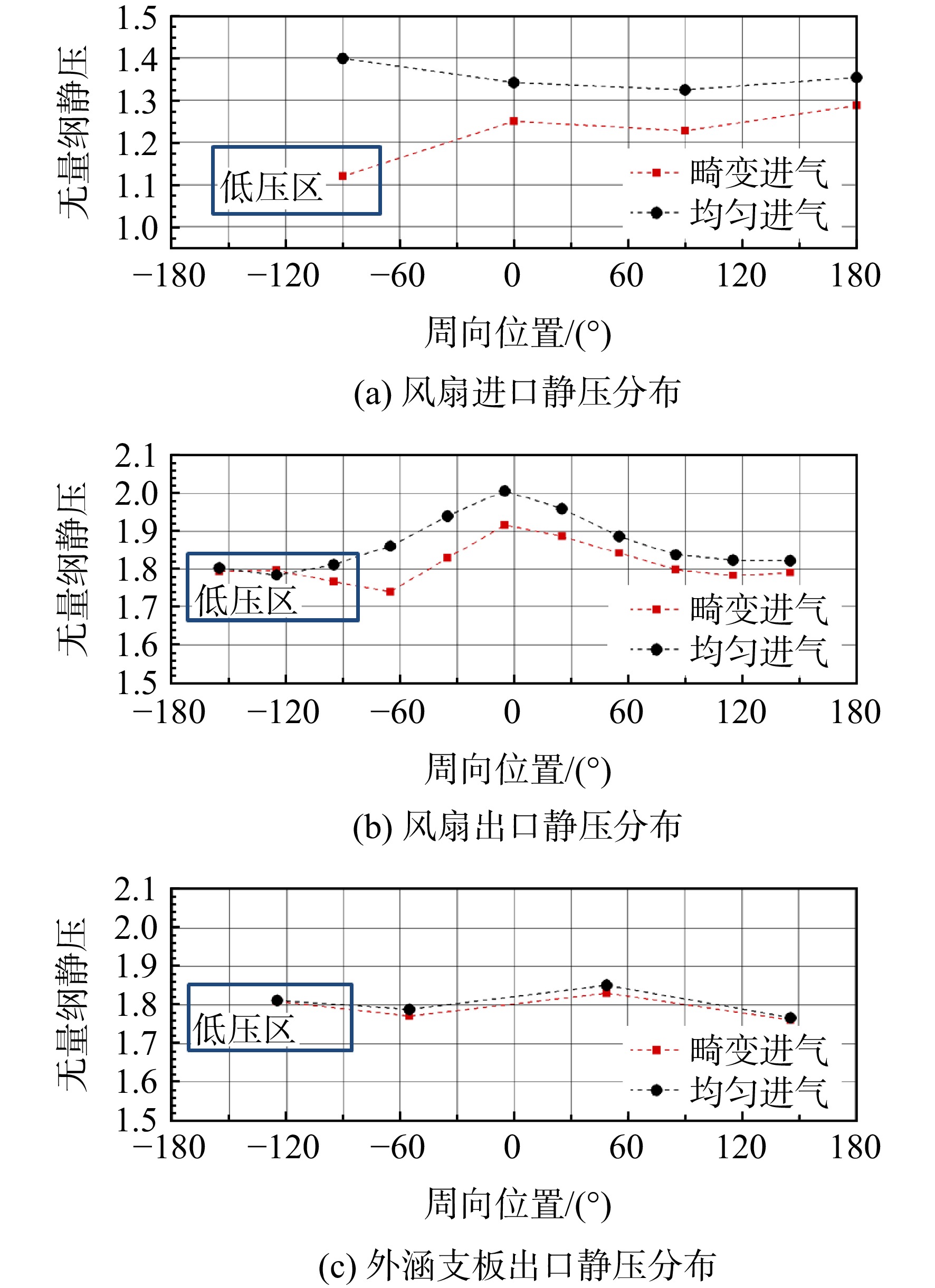
Based on a high bypass ratio turbofan engine, experimental investigation on the inlet total pressure distortion of the fan performance was carried out to obtain the fan-booster performance under crosswind conditions and support the engine crosswind test. The inlet total pressure distortion flow under the crosswind conditions was obtained by installing distortion simulation network. The distortion pattern was derived from the wind tunnel test of the engine nacelle. The total pressure distortion pattern included radial distortion and circumferential distortion. The results showed that the total pressure distortion raised the working point of the fan and reduced the surge margin. Compared with the fan performance of uniform flow, the corrected mass flow and total pressure ratio tended to increase, the mass flow ranged from 0.2% to 1%, while the corrected rotational speed ranged from 0.3 to 0.8. The core performance of the inlet total pressure distortion was similar with the performance of uniform flow. The static pressure of inlet total pressure distortion increased rapidly after the fan, and the static pressure behind the struts was basically consistent with that of the uniform flow.

Analysis of tip unsteady flow field in a counter-rotating compressor based on POD method
WANG Lei, GAO Limin, MAO Xiaochen, GUO Yanchao, YU Yibo
2025, 40(2): 20220896. doi: 10.13224/j.cnki.jasp.20220896
Abstract:

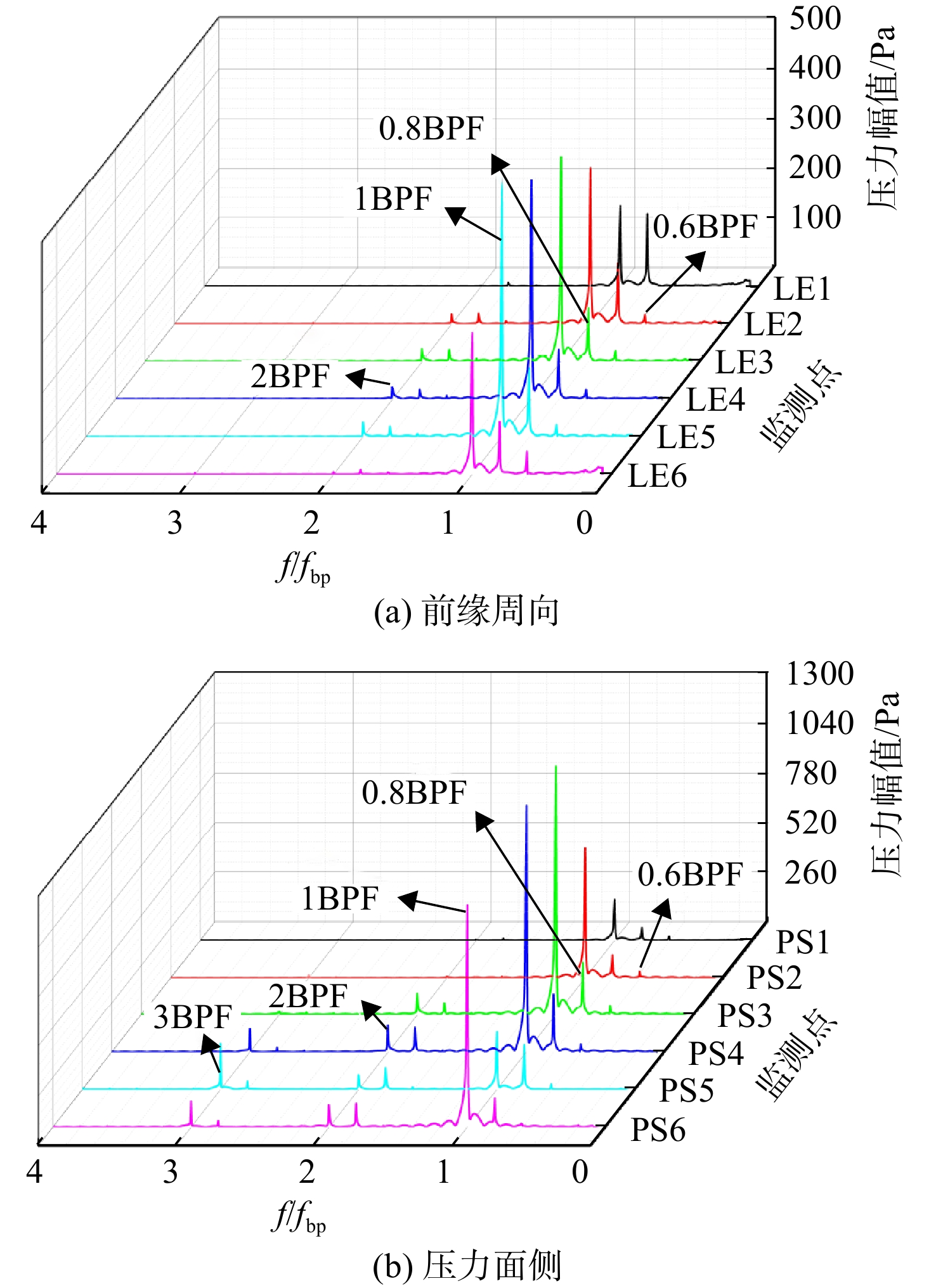
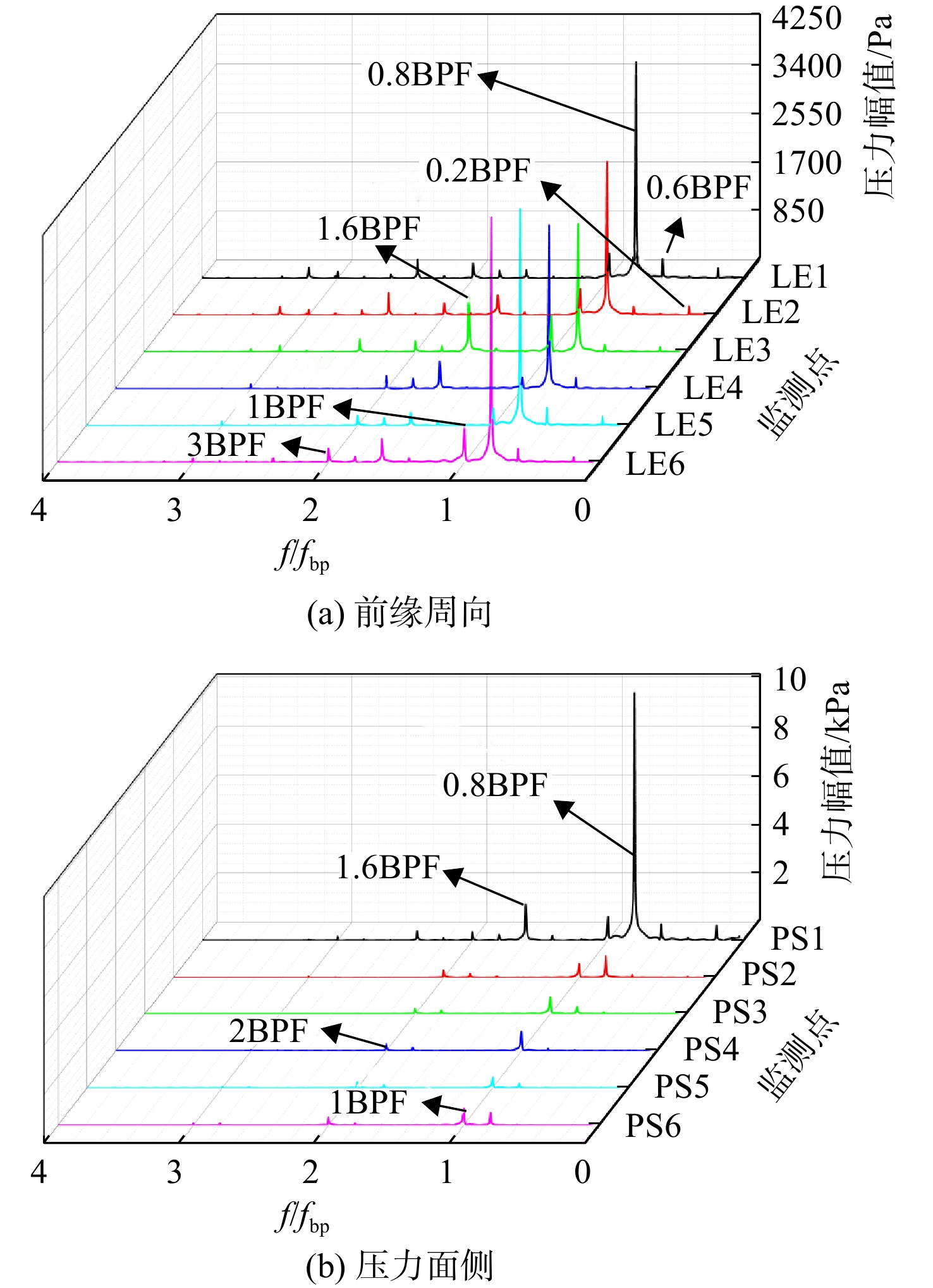
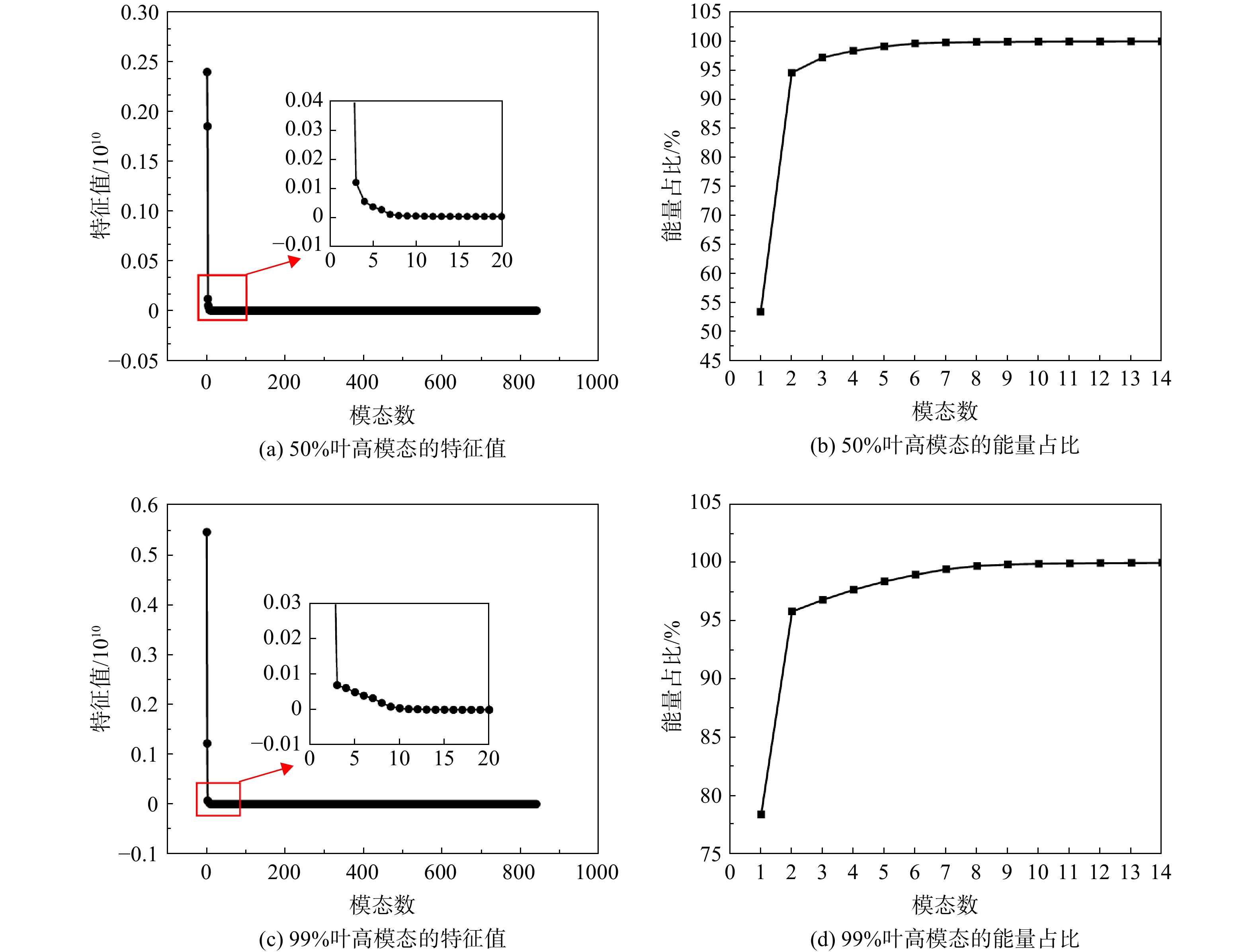
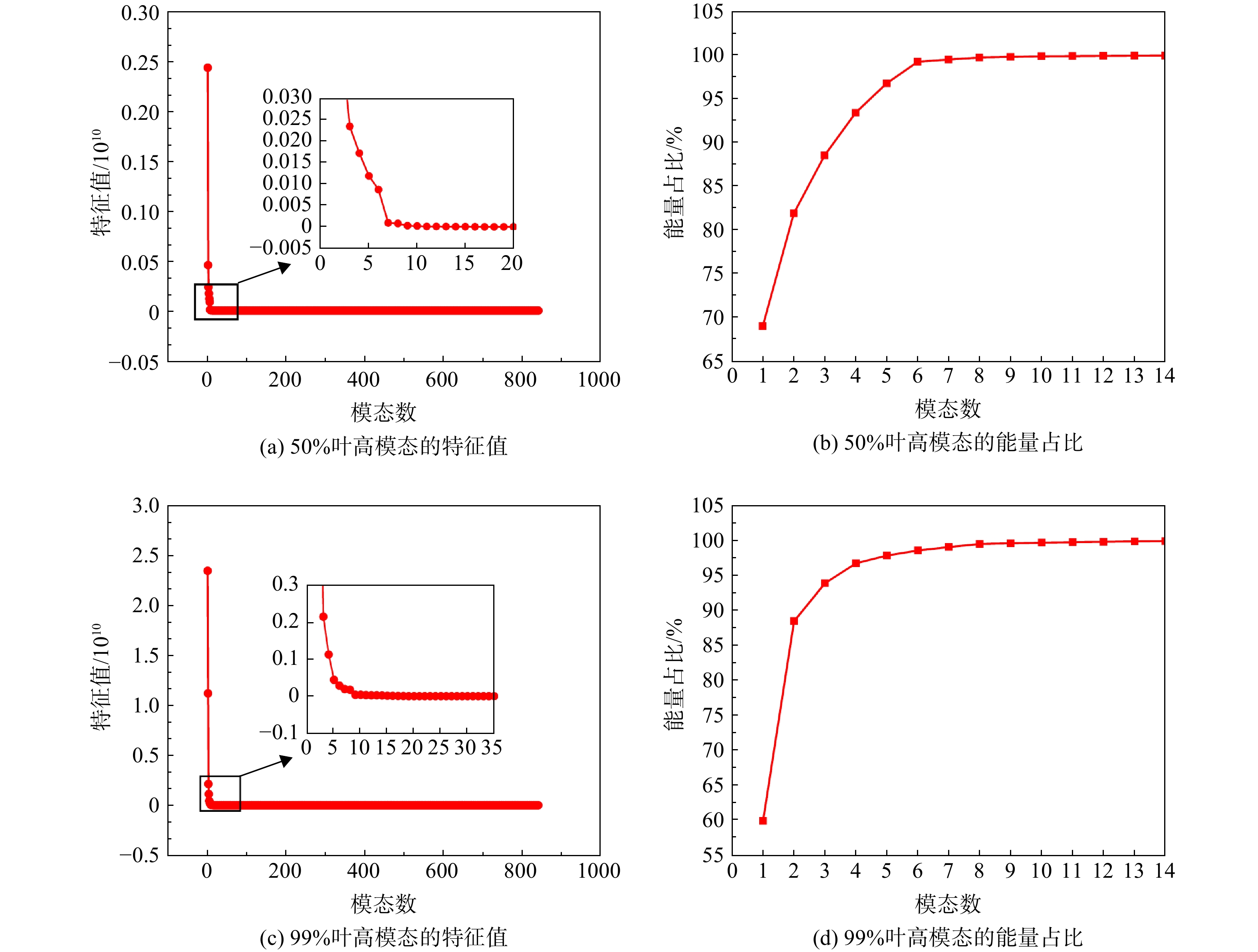
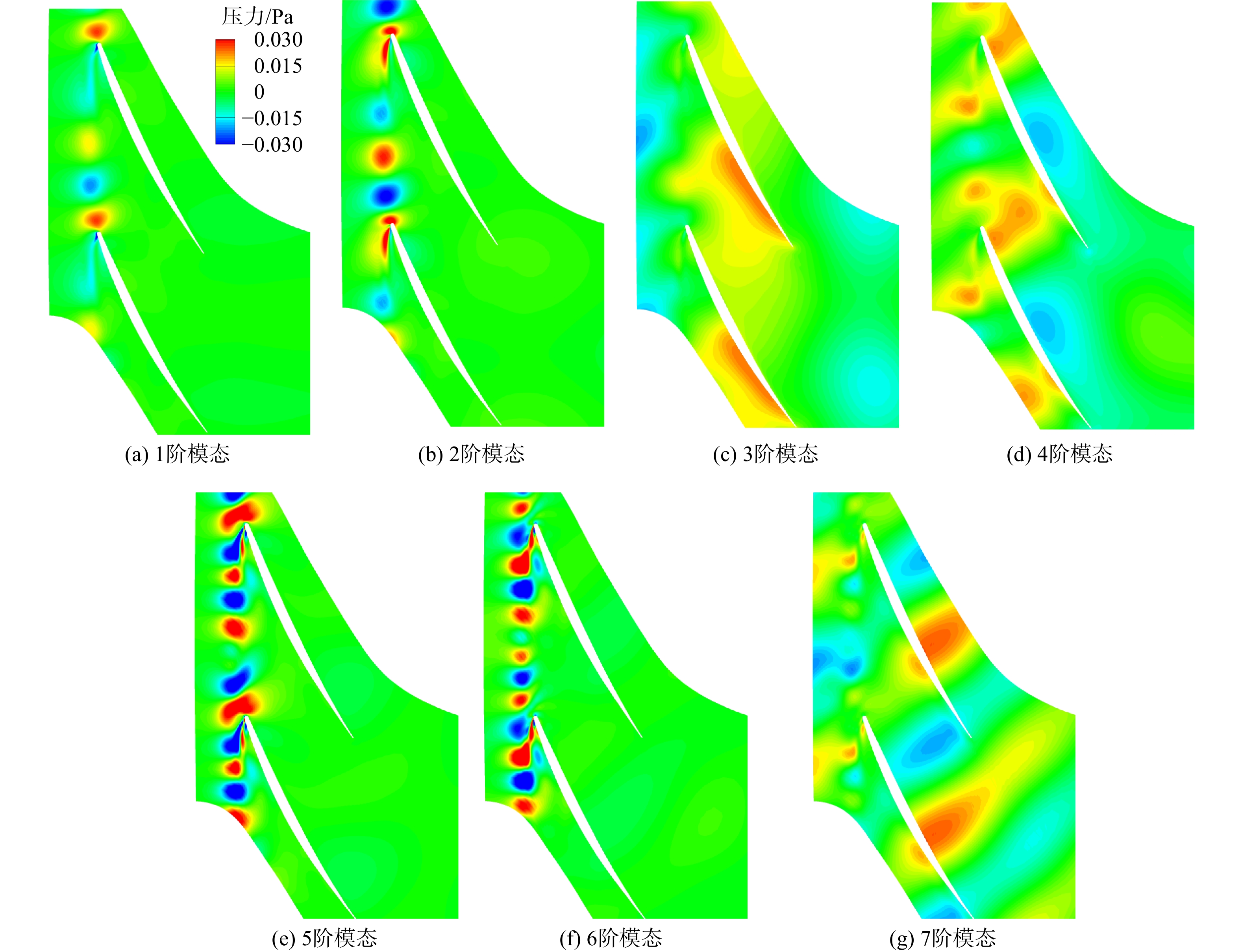
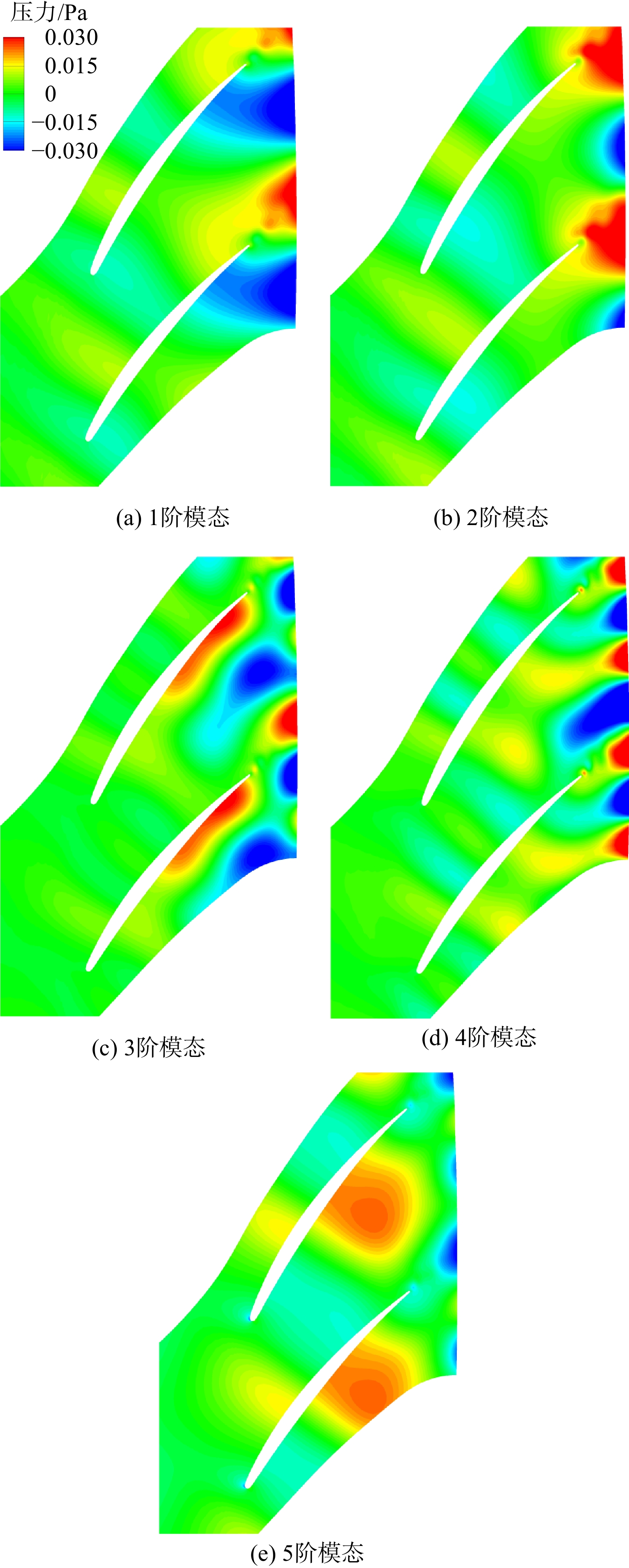
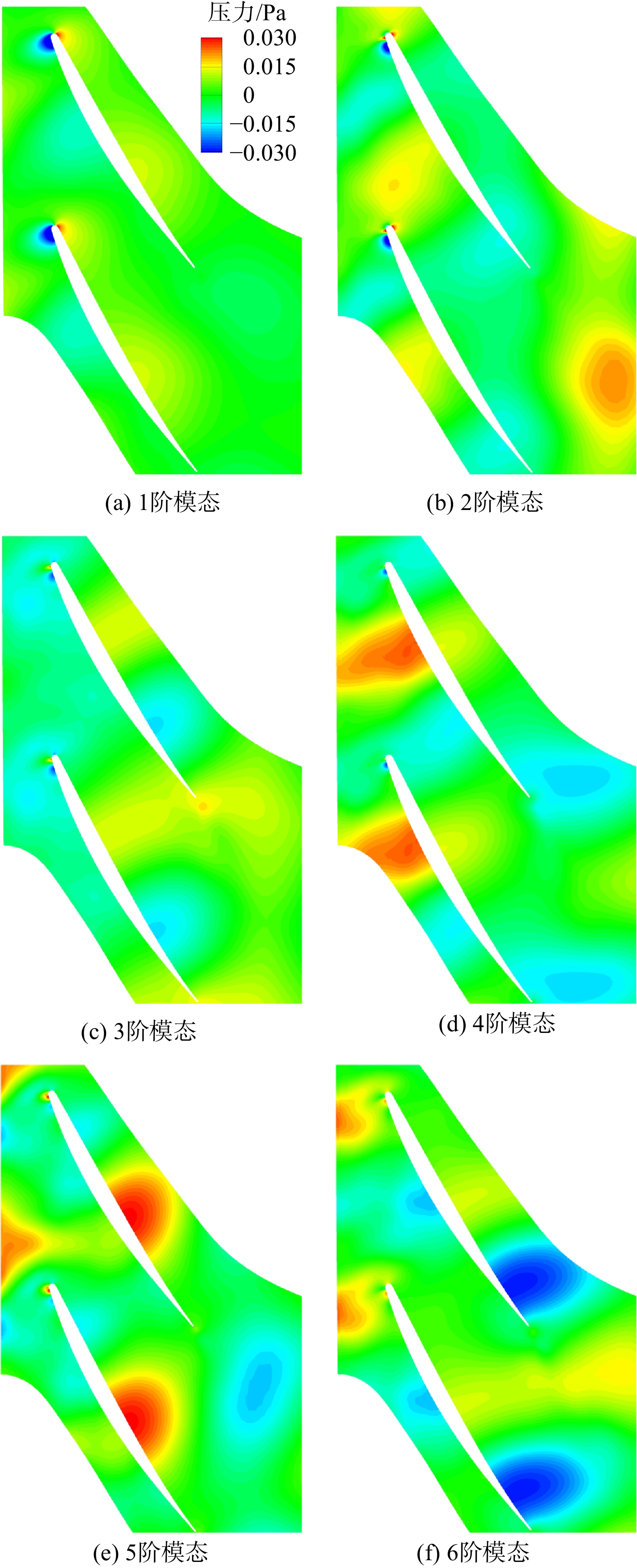
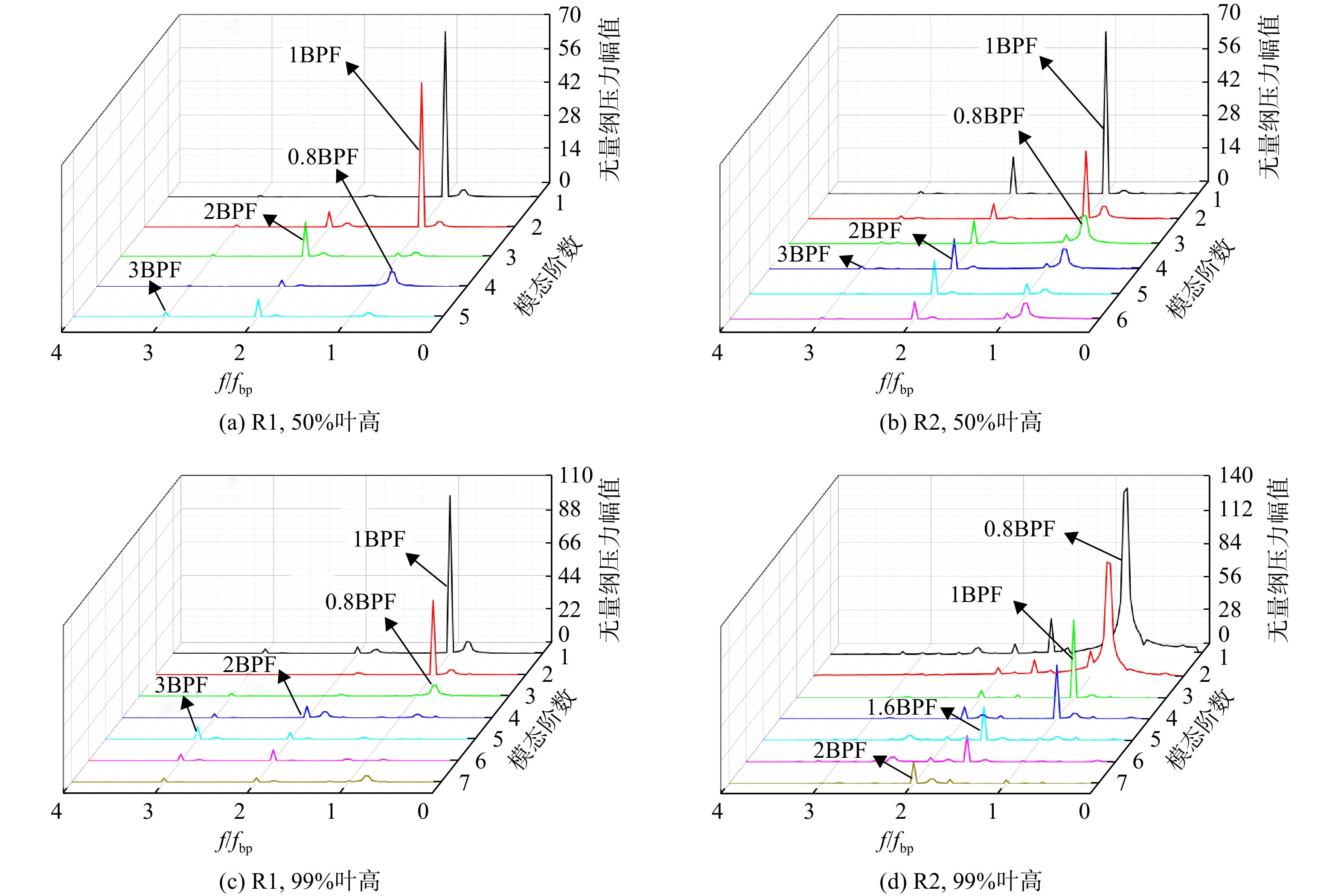
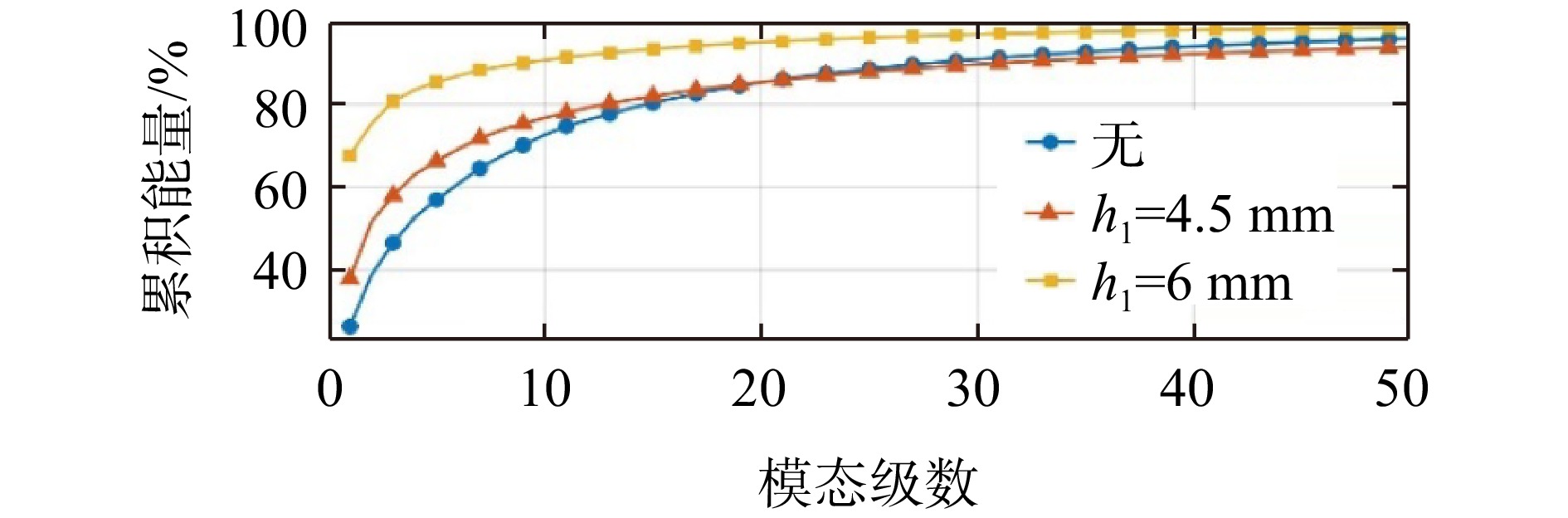
In order to investigate the unsteady flow characteristics and its flow mechanism in a counter-rotating compressor, a two-stage counter-rotating compressor was used as the research object, and the tip unsteady flow field analysis was carried out under the near-stall condition of the counter-rotating compressor based on the unsteady numerical simulation method in combination with the proper orthogonal decomposition (POD) method. The results showed that 1BPF (blade passing frequency) under near-stall conditions was taken as the dominant frequency of tip unsteady flow field in the upstream rotor, and its dominant structure was mainly caused by the influence of downstream potential flow and the impact of leakage flow and secondary leakage flow from the adjacent blade tip. Moreover, the potential flow of the downstream rotor had a greater influence on the unsteady flow in rotor R1. In the tip flow field in rotor R2, the POD modes succeeded in capturing the dominant flow structure at the inlet passage of the blade leading edge caused by spillage from the leakage flow with a dominant frequency of 0.8BPF, which played a dominant role in the unsteady flow field of rotor R2. Similarly, rotor R2 was affected by the interference of the two rotor rows, with a dominant frequency of 1BPF. In addition, the tip flow field reconstructed by the POD modes further reflected the dominant flow structure of unsteady flow field.

Investigation on infrared radiation characteristics of multi-stream serpentine nozzle
XU Jianyu, ZHOU Li, SHI Jie, MENG Yubo, SHI Jingwei, WANG Zhanxue
2025, 40(2): 20230148. doi: 10.13224/j.cnki.jasp.20230148
Abstract:

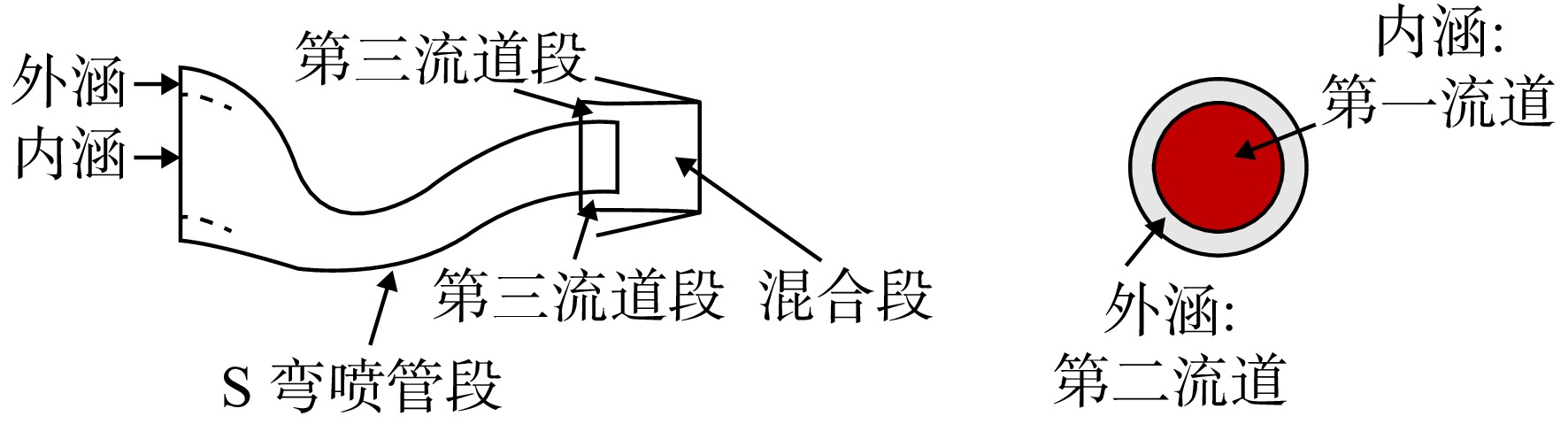
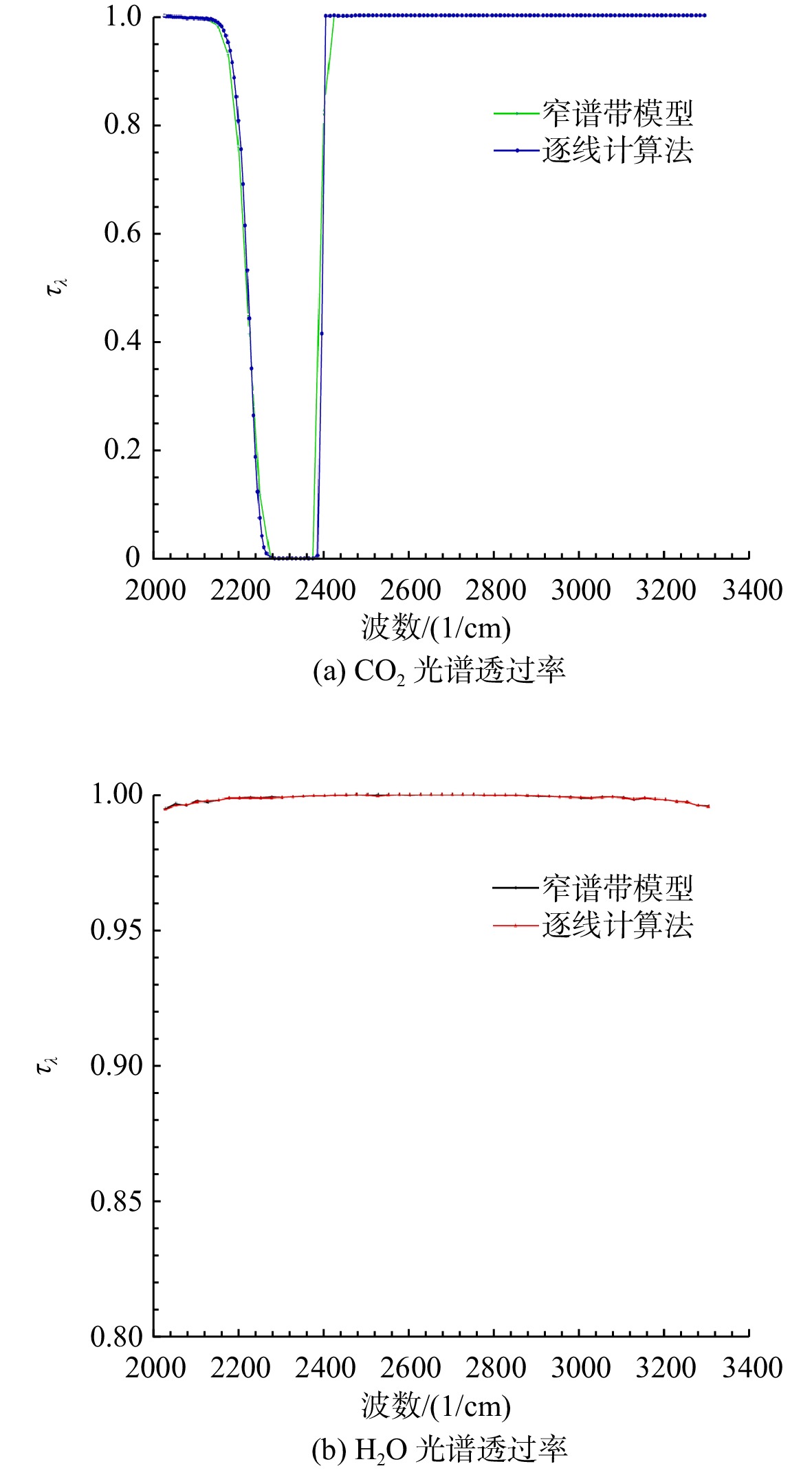
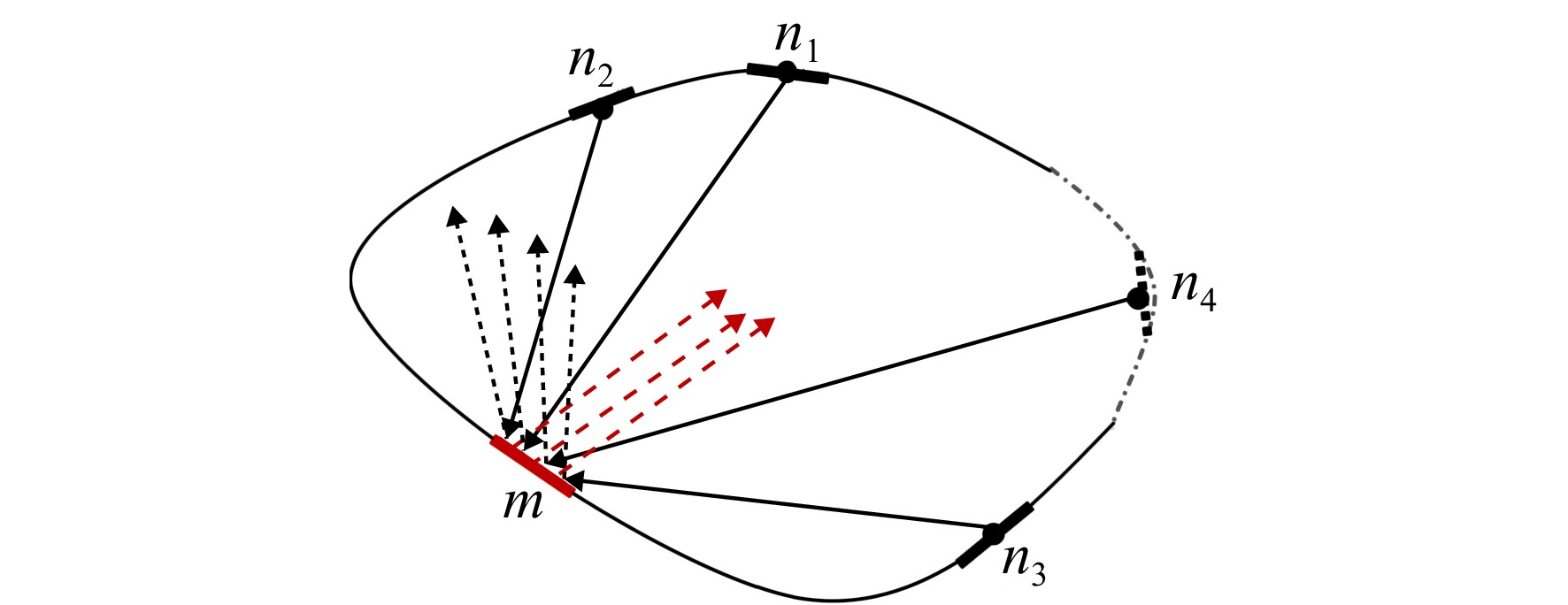
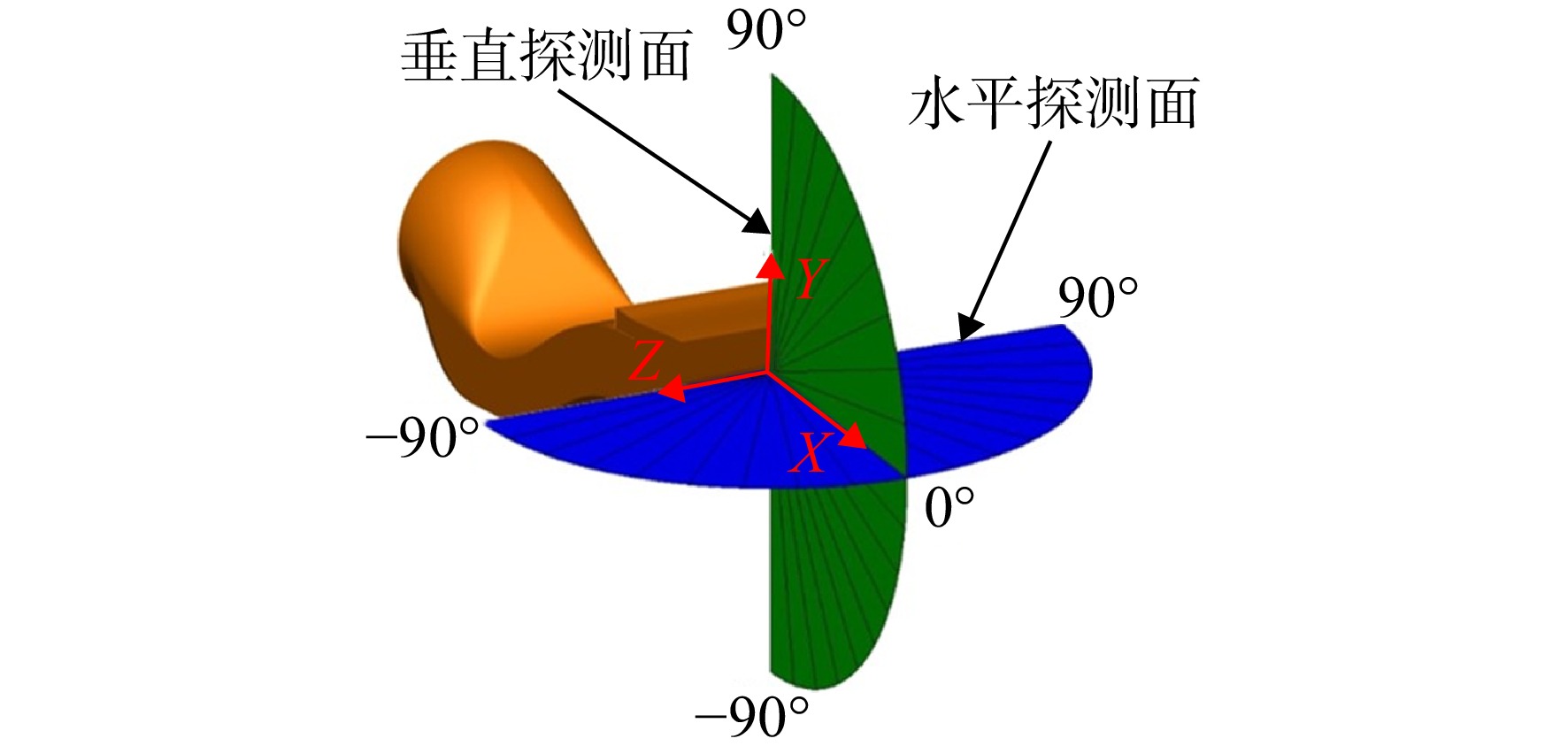
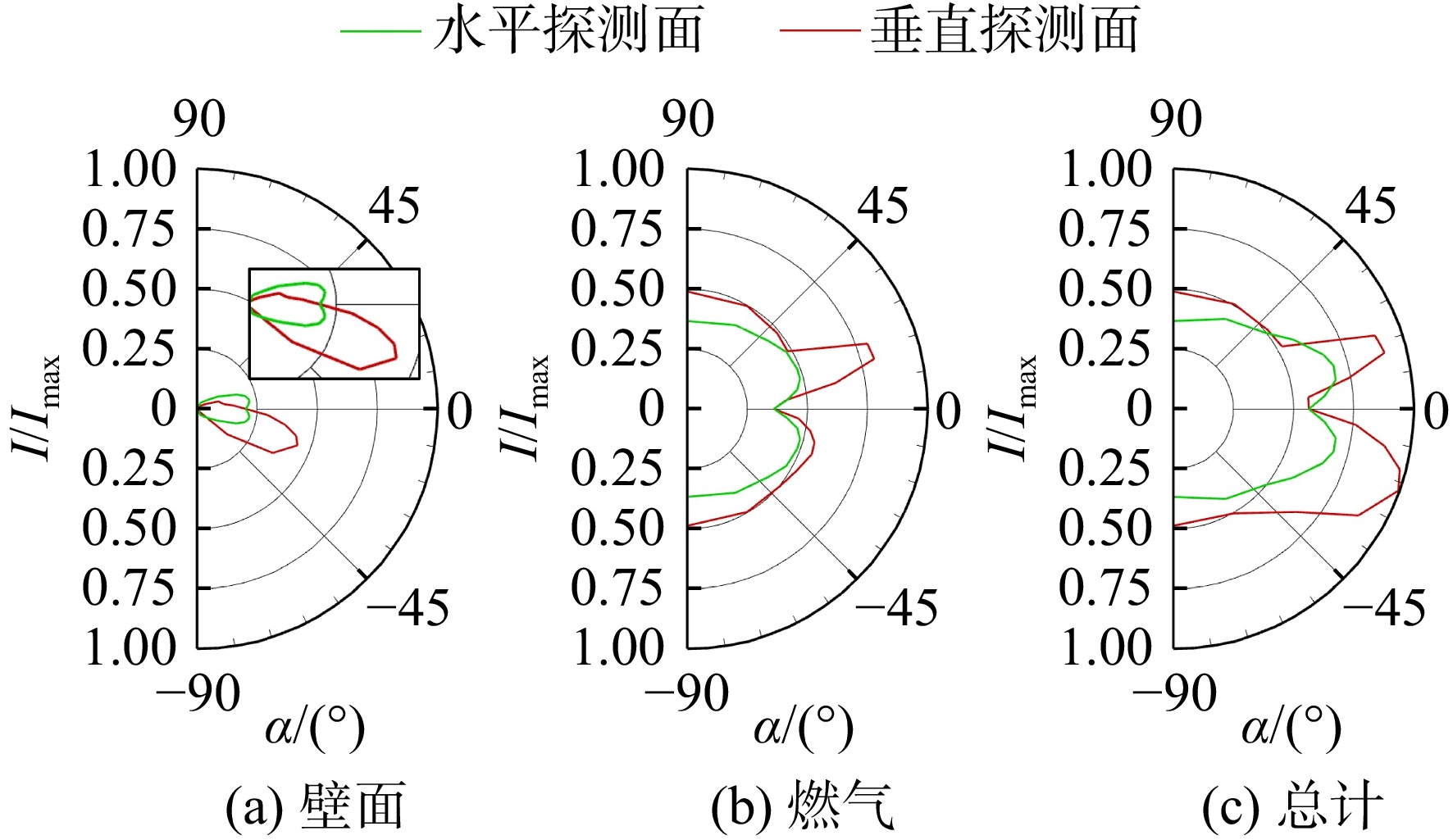
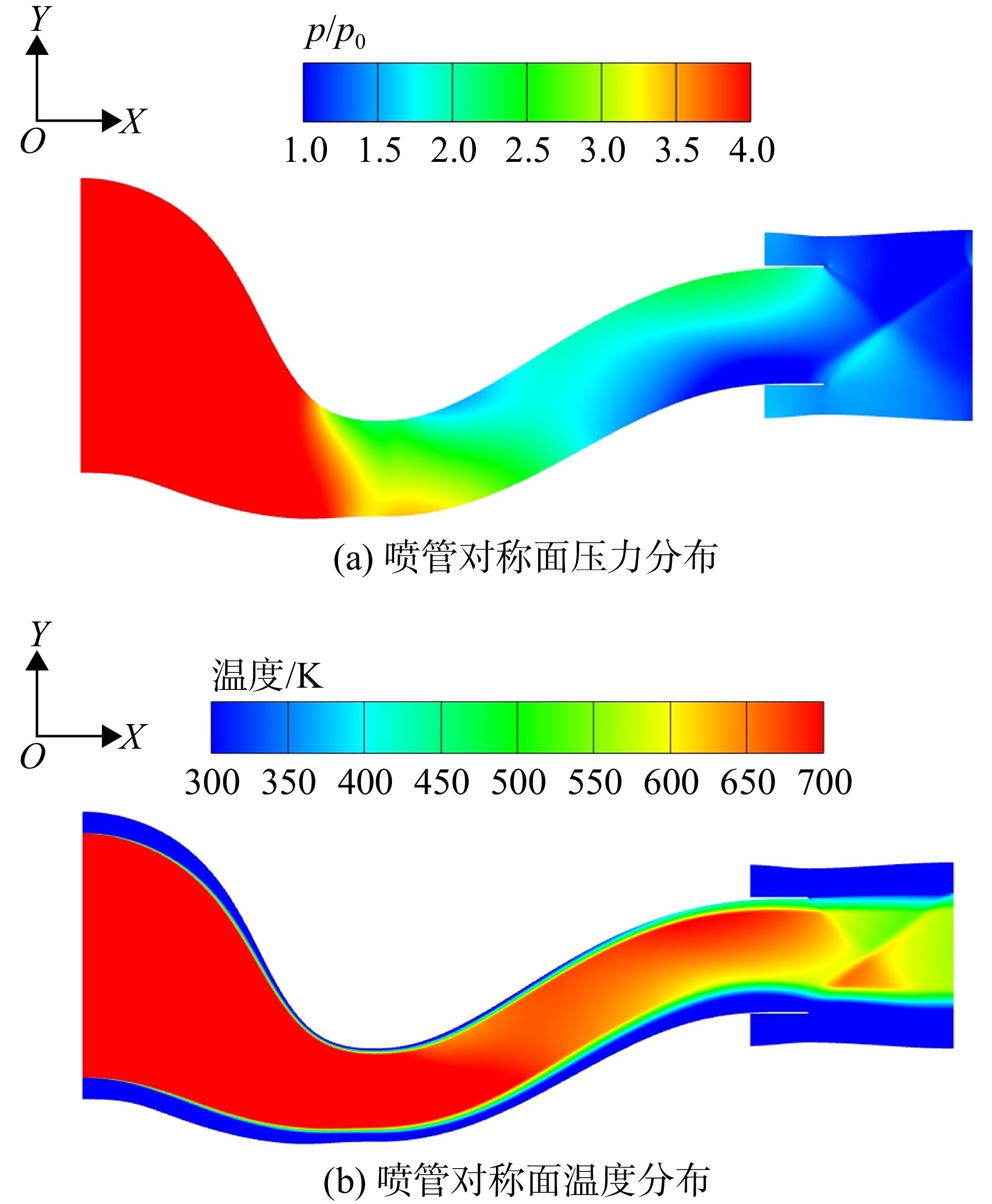
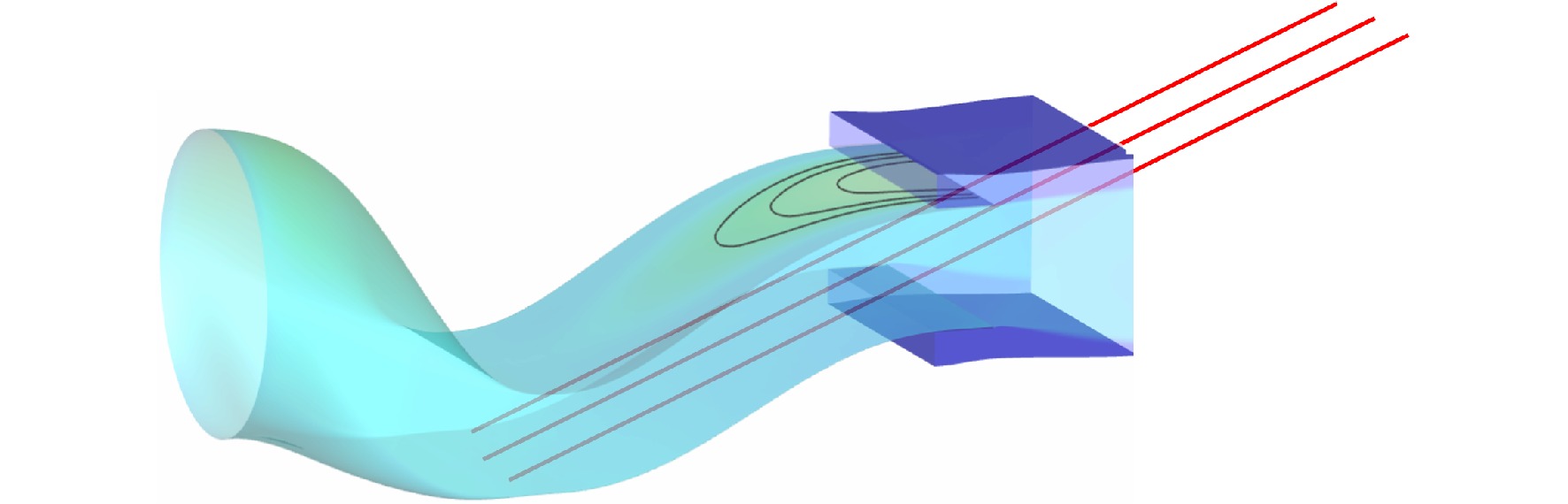
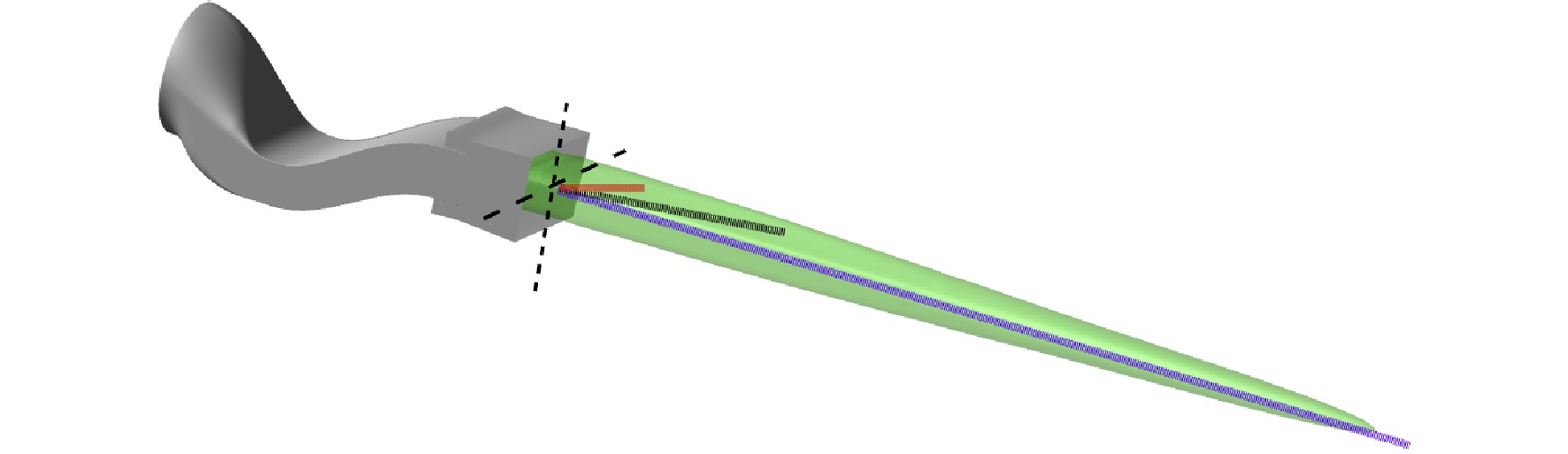
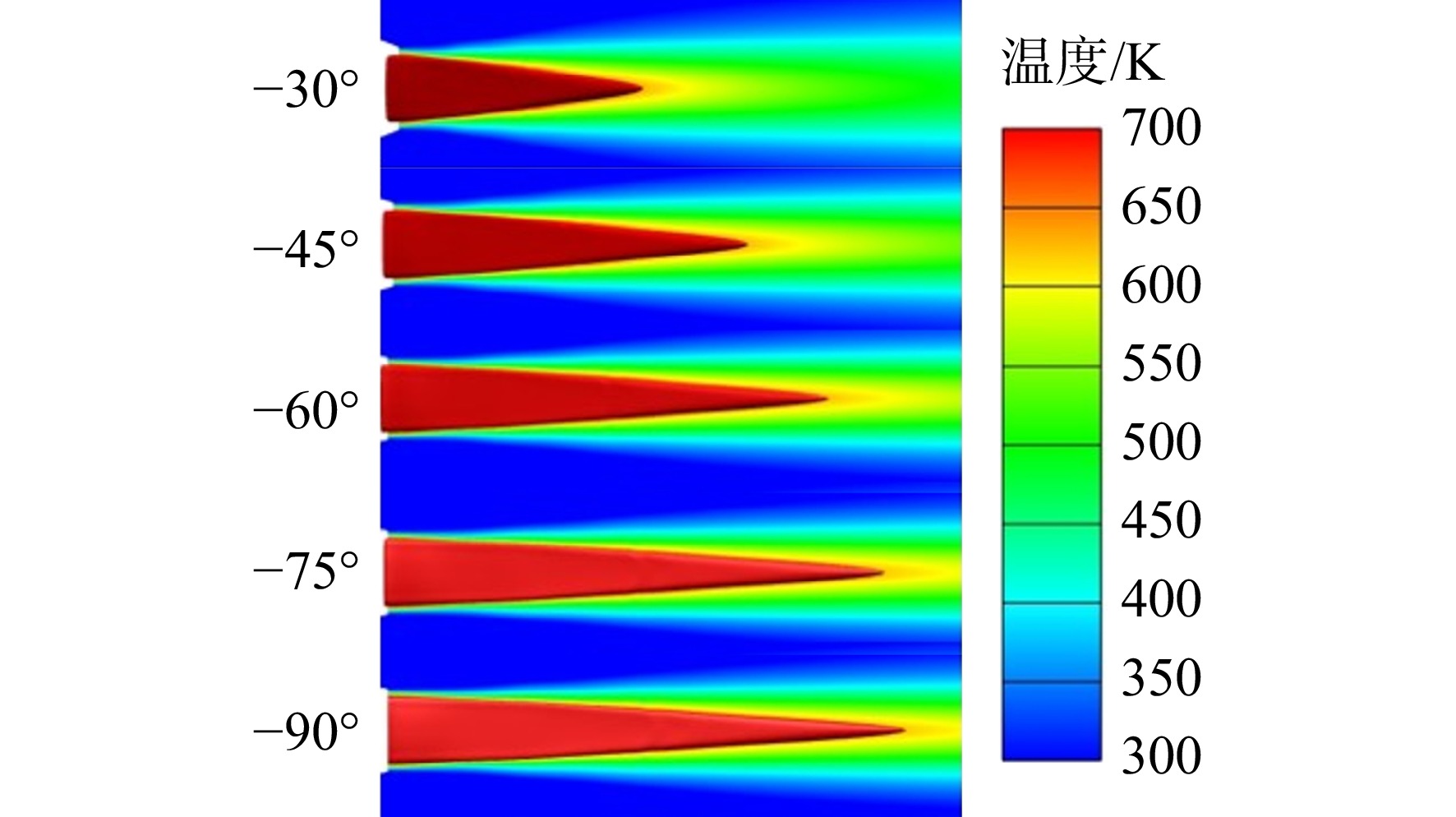
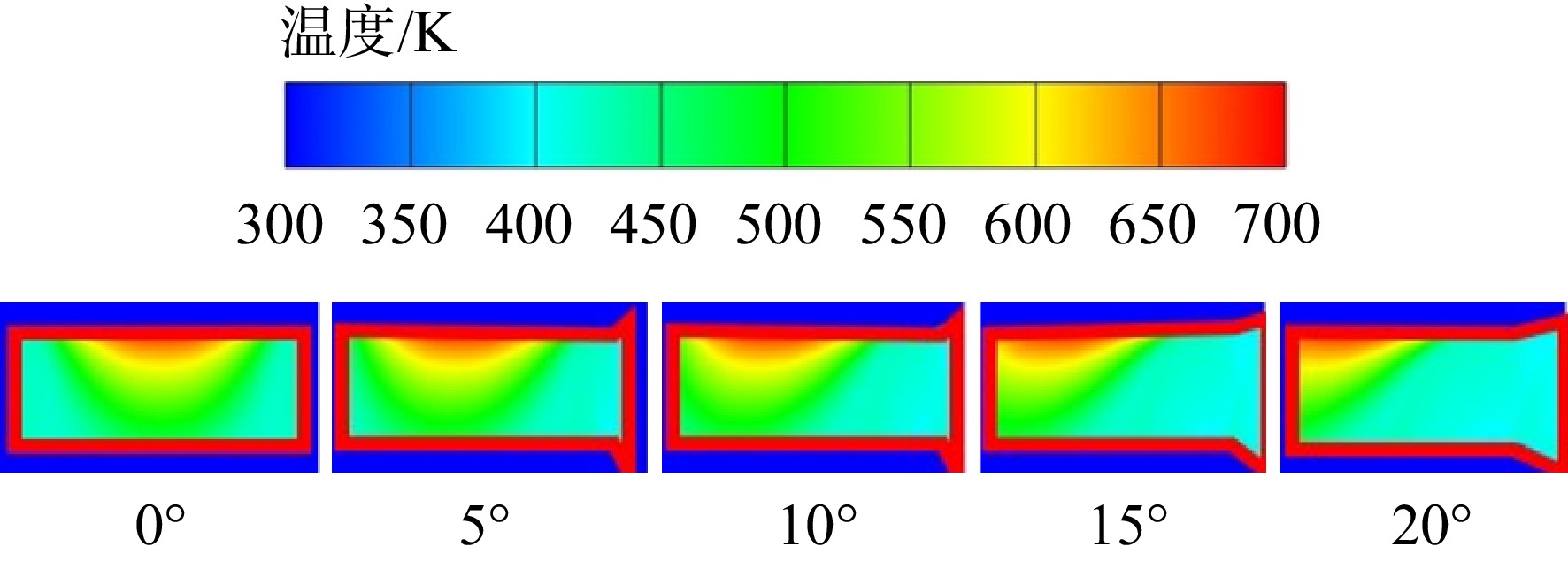
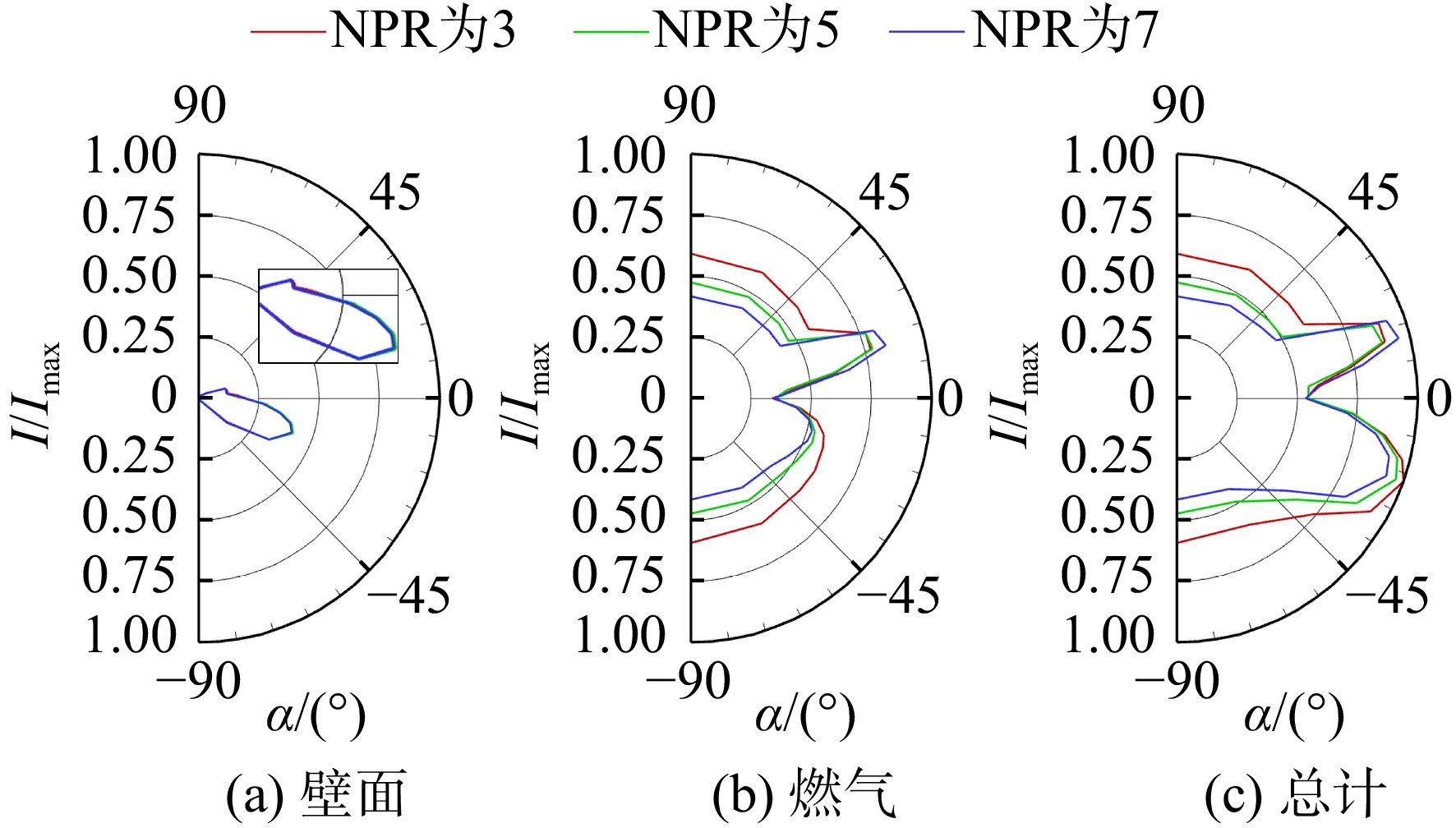
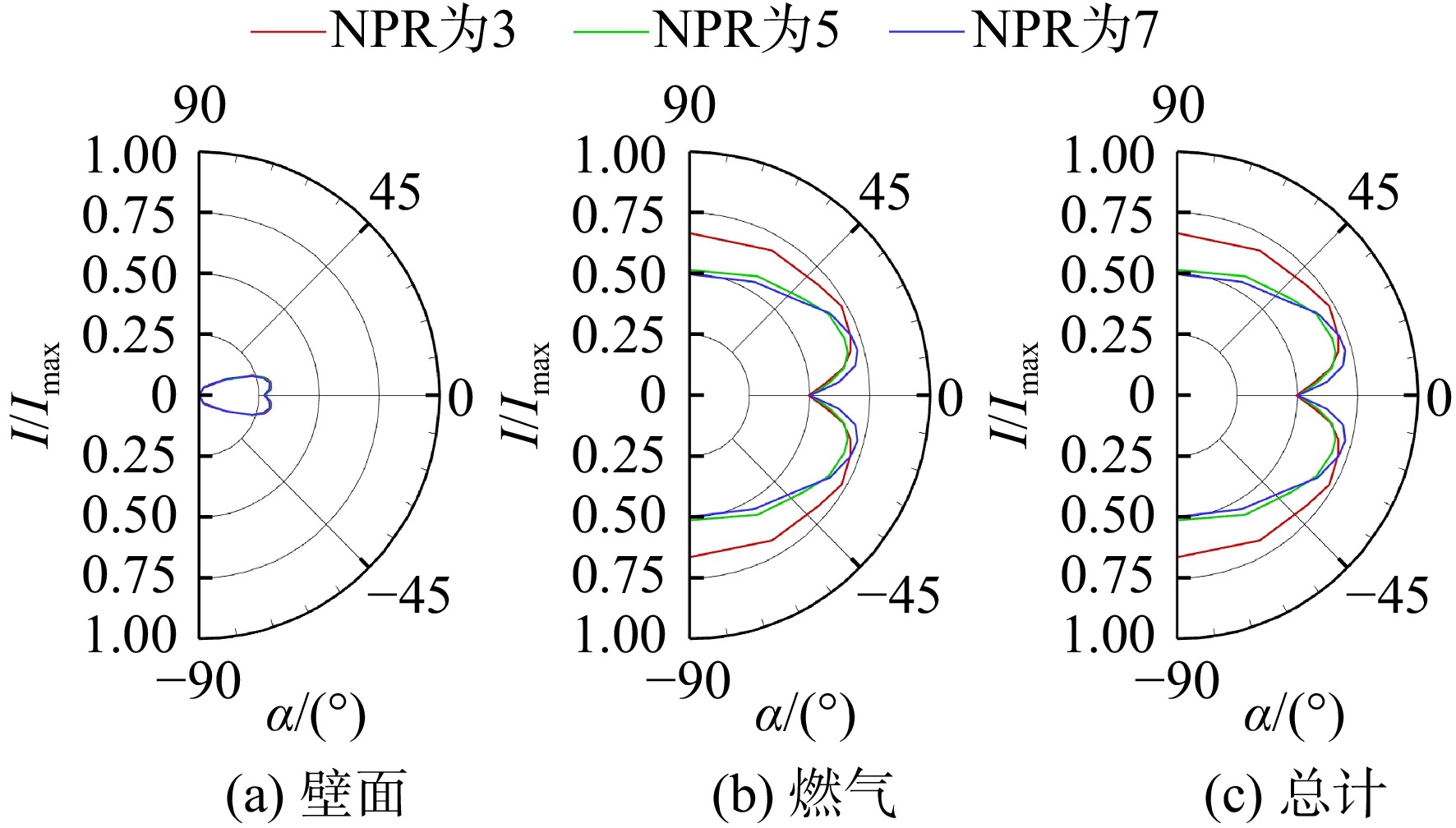
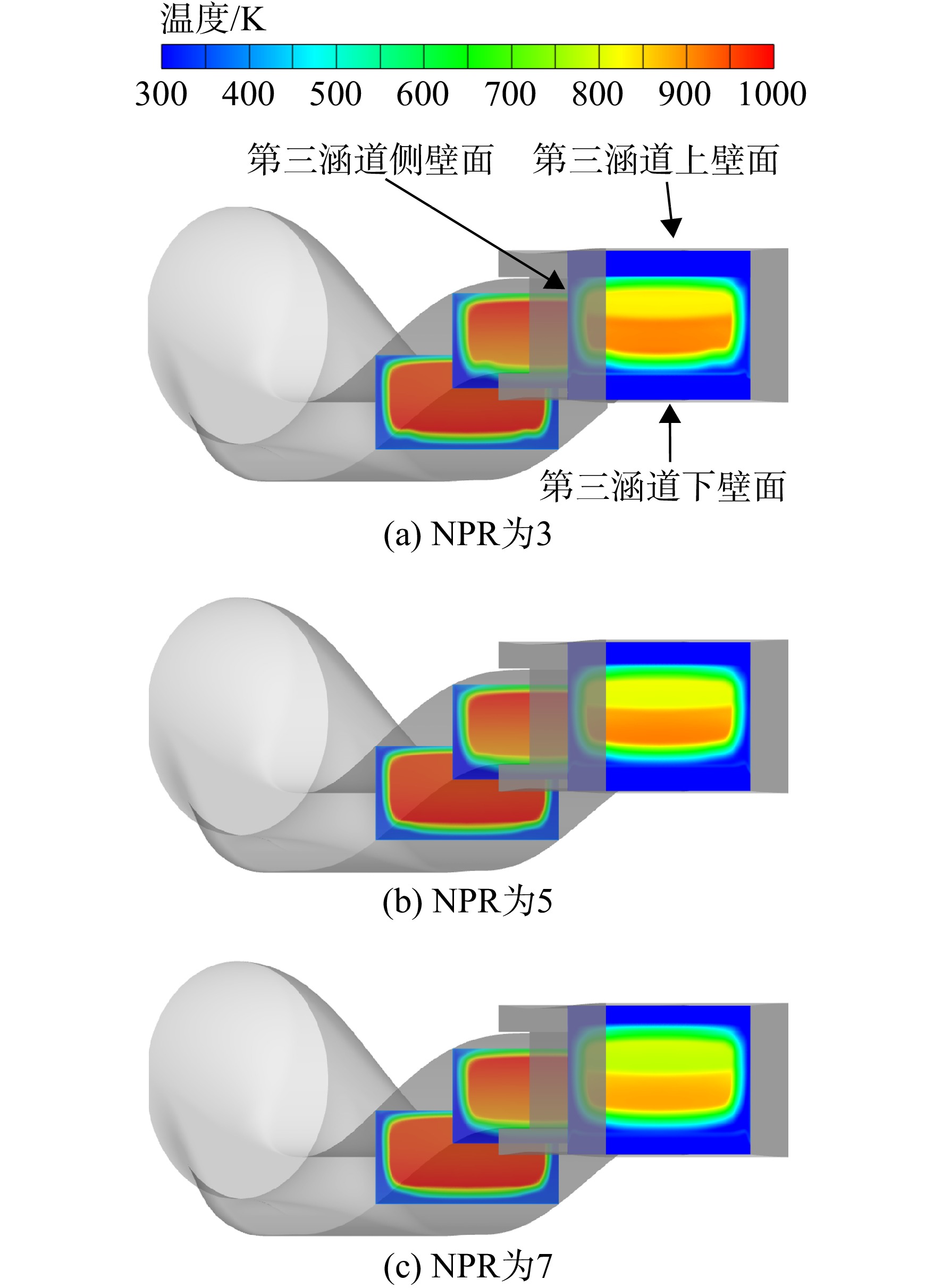
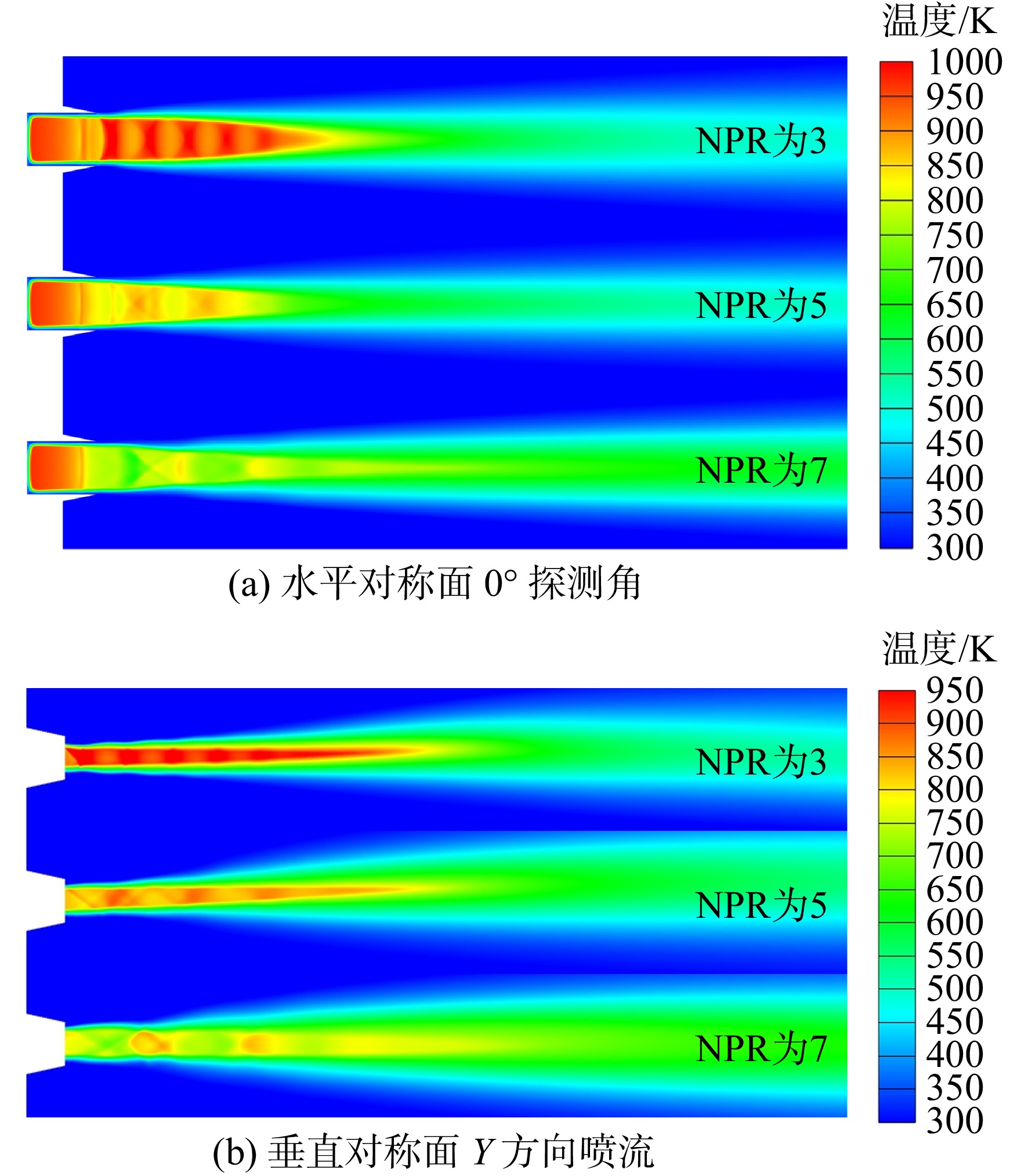
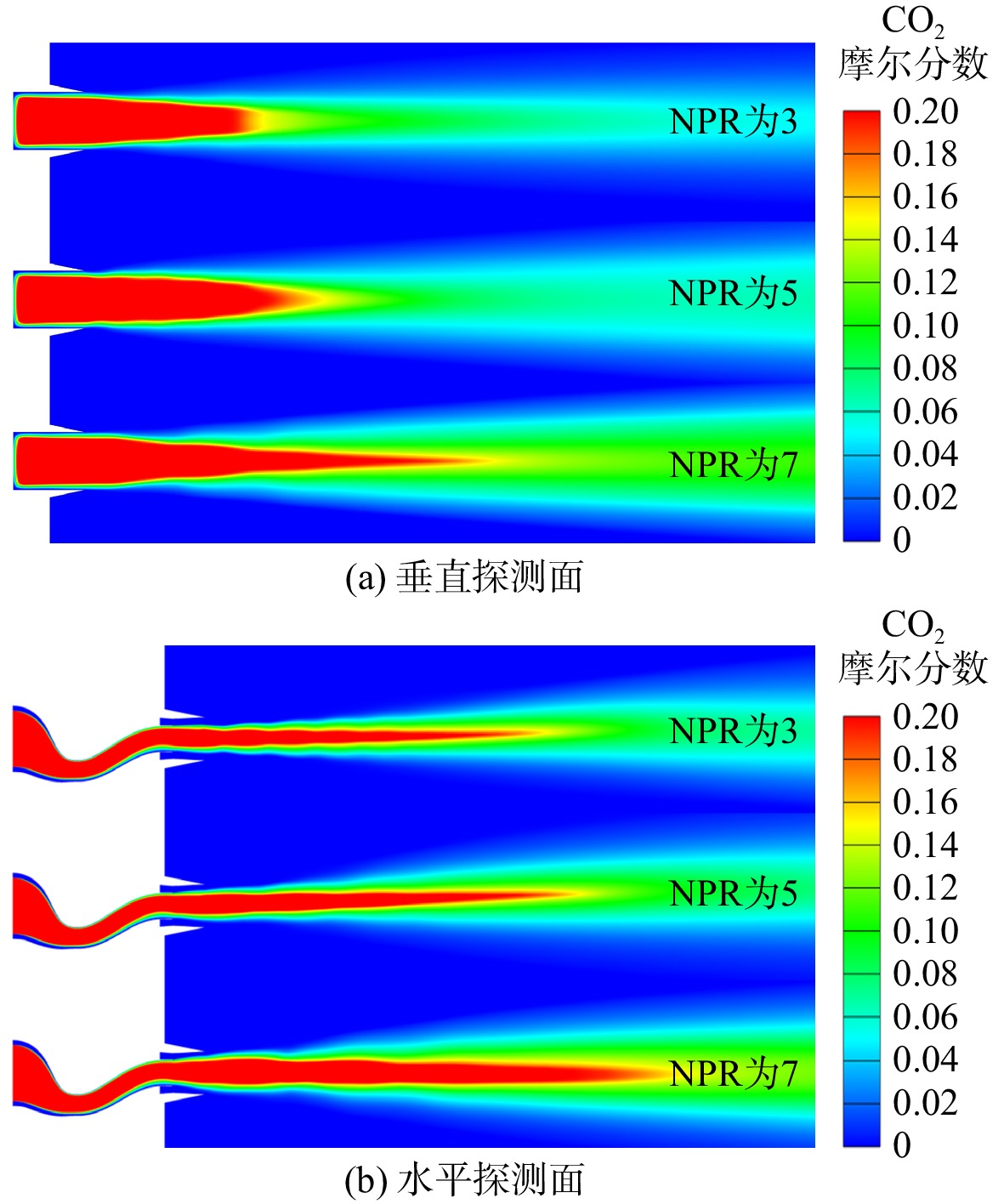
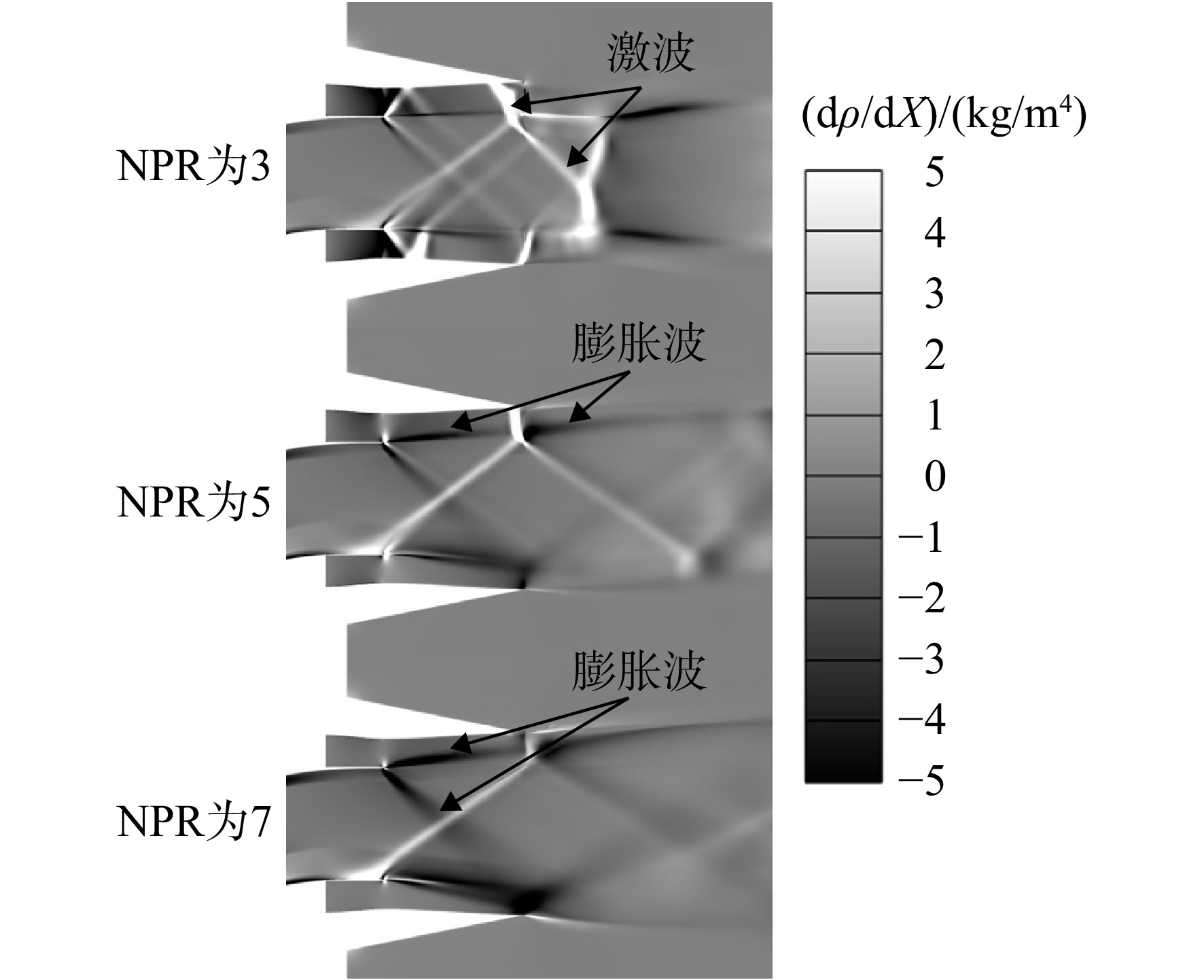
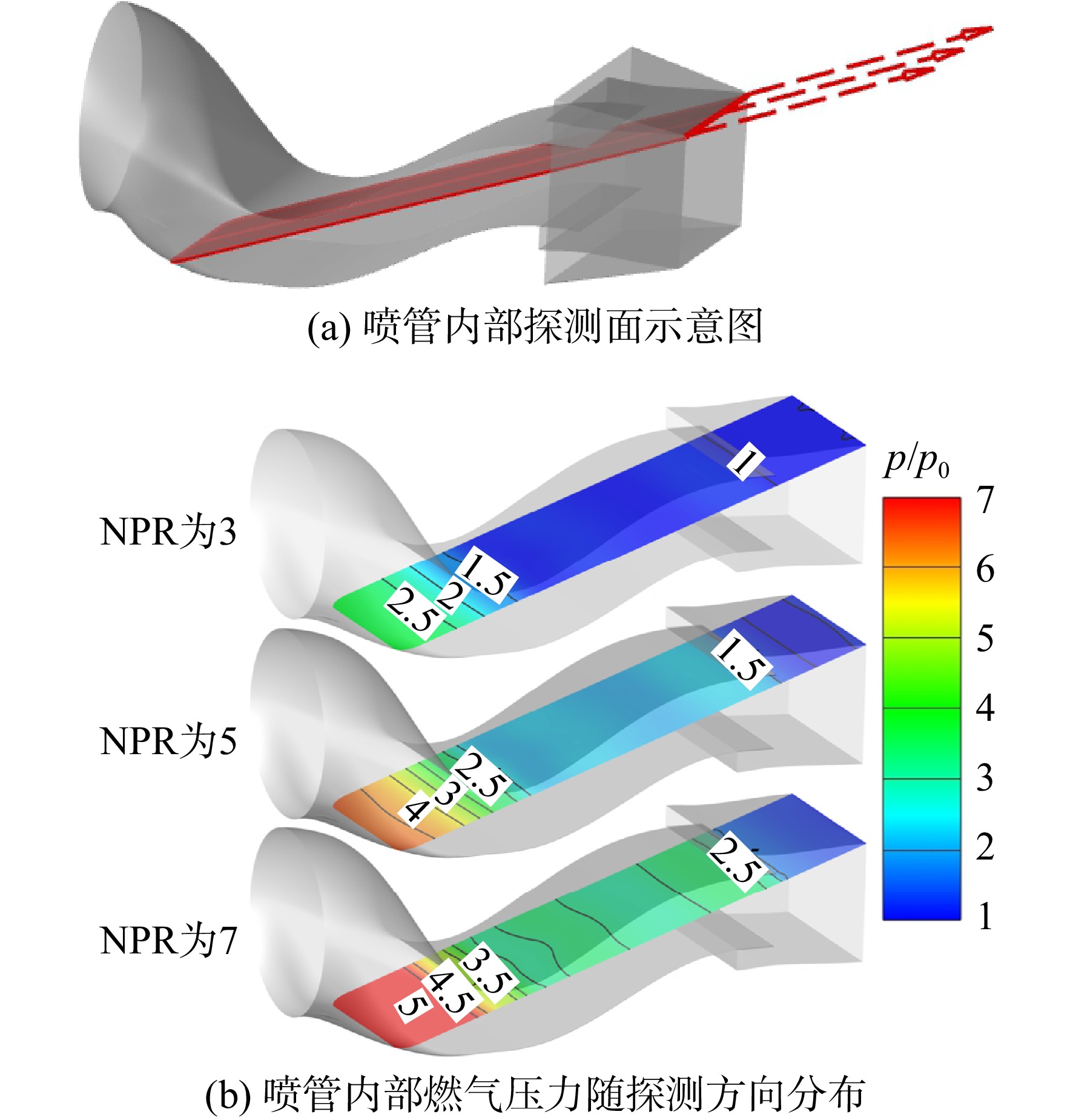
A numerical simulation was carried out to investigate the spatial distribution characteristics of infrared radiation intensity of a multi-stream serpentine nozzle for an adaptive engine under both design and off-design conditions. The underlying mechanisms and influencing factors of the IR radiation characteristics were comprehensively analyzed. The results revealed that under design conditions, the curvature of the mainstream shape caused a hot spot to form on the upper wall of the nozzle outlet, resulting in the wall infrared radiation intensity accounting for up to 54% of the total radiation at a negative detection angle on the vertical plane. The gas infrared radiation intensity was identified as the main source of radiation at other angles, and the gas radiation intensity within the nozzle was significantly higher than that of the plume radiation intensity. Under off-design conditions, the wall infrared radiation intensity remained relatively constant. An increase in the pressure ratio led to changes in the internal gas pressure and exit shock waves shape of the nozzle, resulting in an enhanced gas infrared radiation intensity within the nozzle, and a weakened plume infrared radiation intensity. The gas infrared radiation intensity was jointly affected by internal gas and plume radiations.

Modeling of turbojet engines based on three-dimensional fluid-thermal-structural coupling method
WEI Jie, WEN Mengyang, YANG Heli, WANG Xu, ZHENG Xinqian
2025, 40(2): 20230232. doi: 10.13224/j.cnki.jasp.20230232
Abstract:

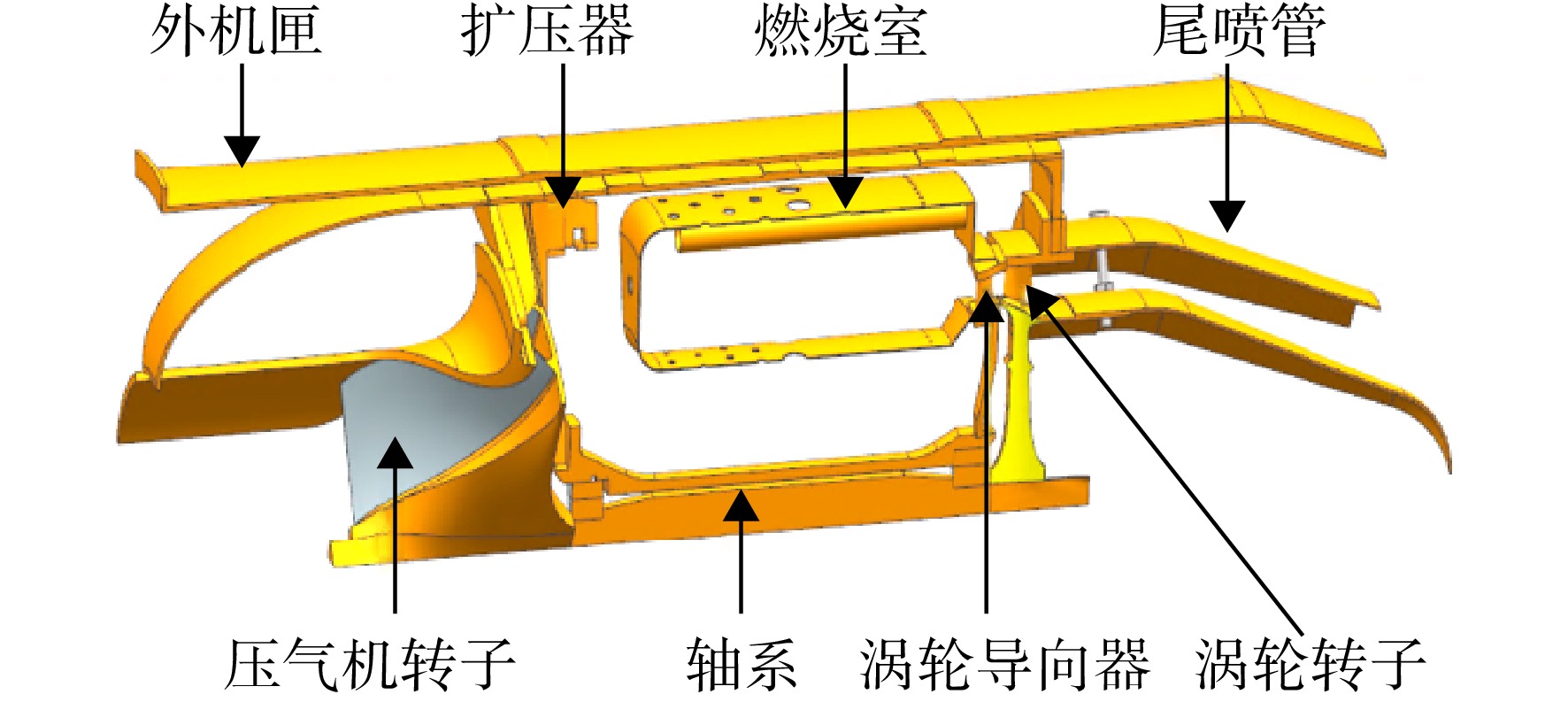
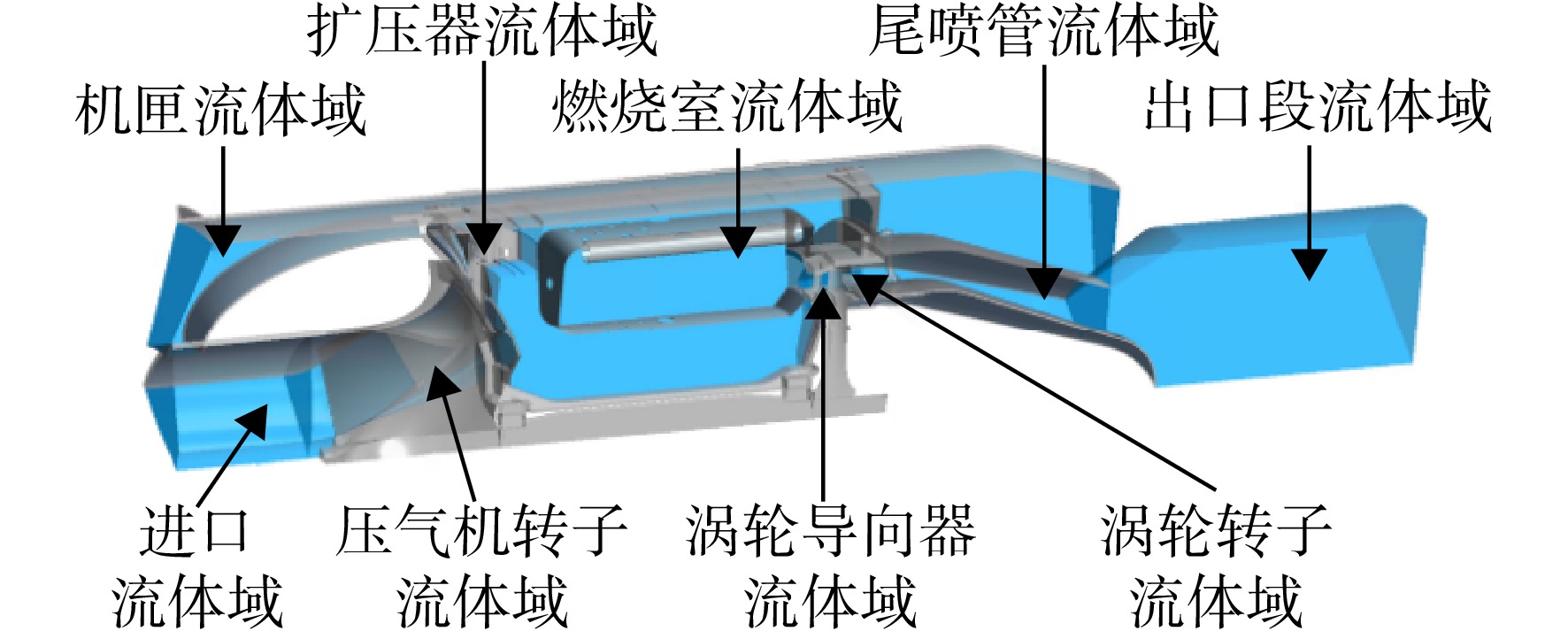
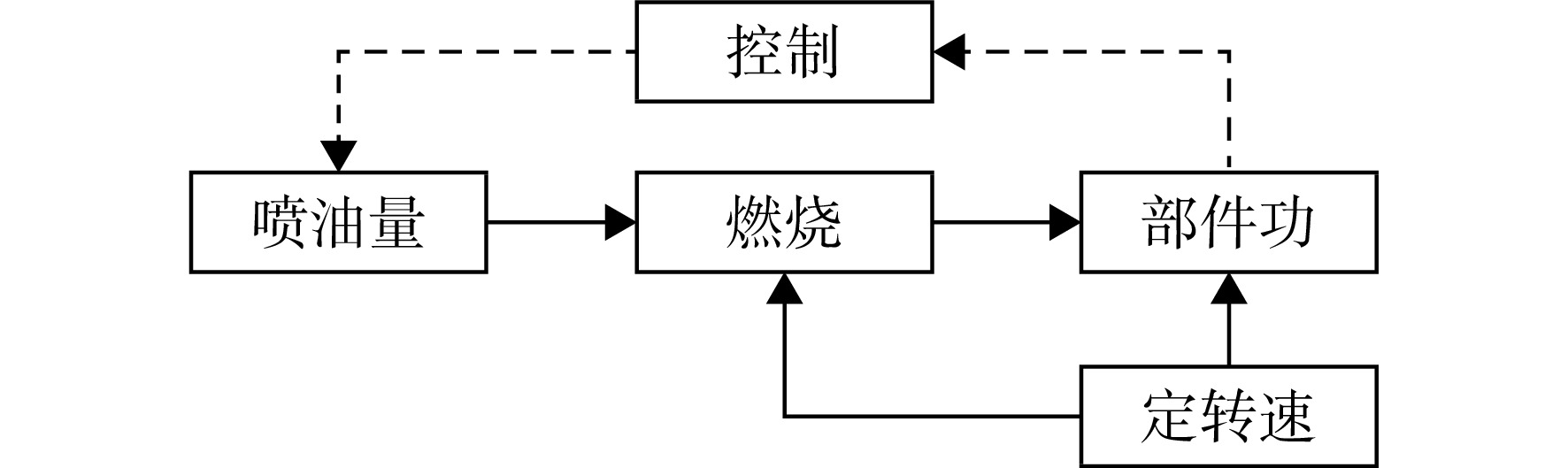
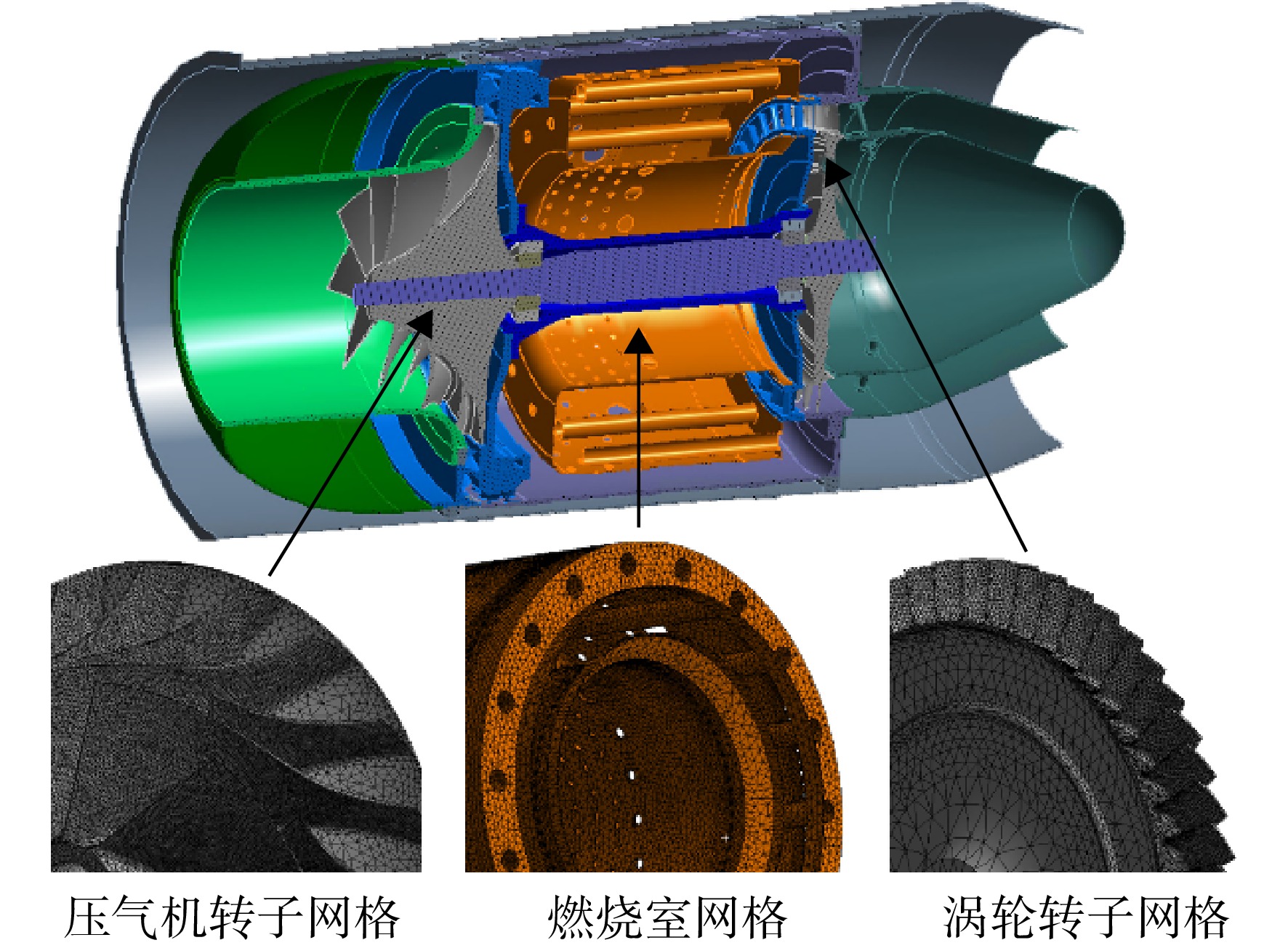
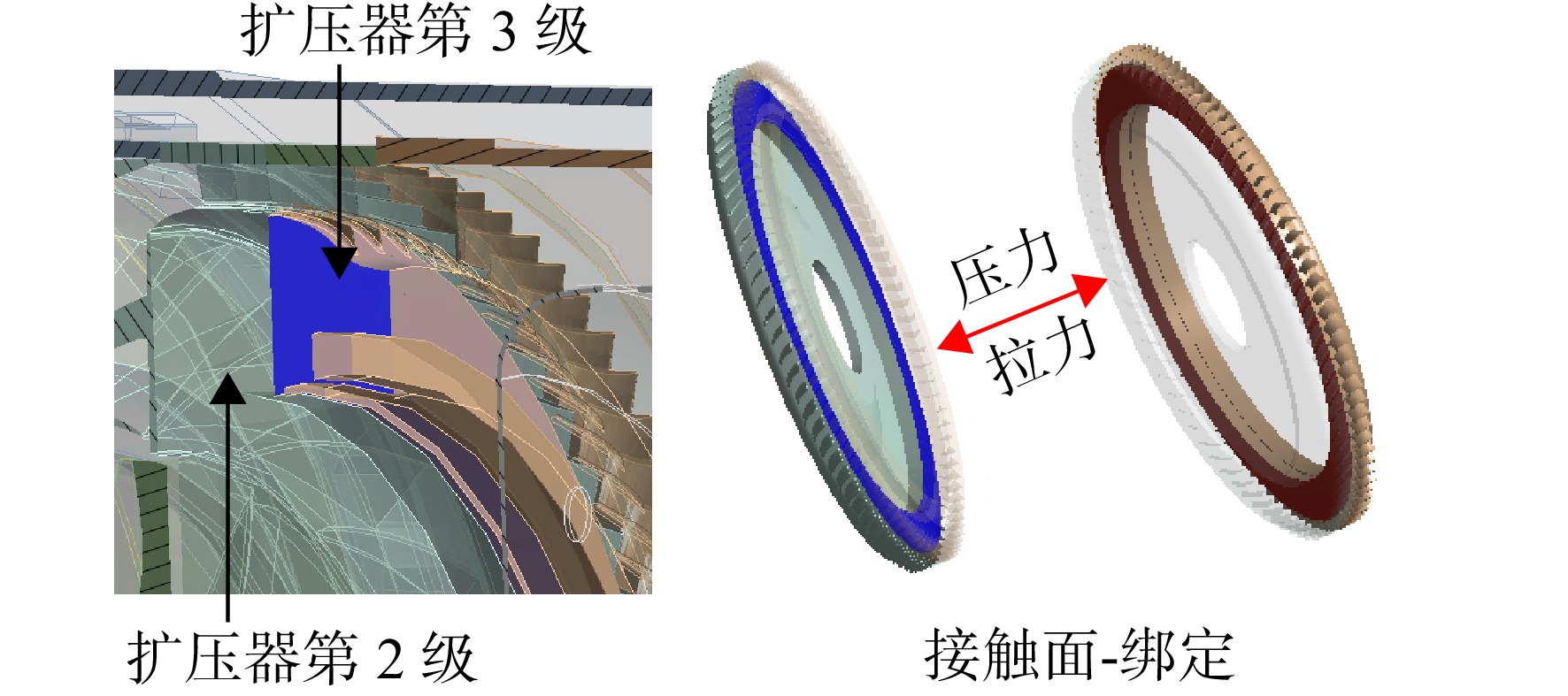
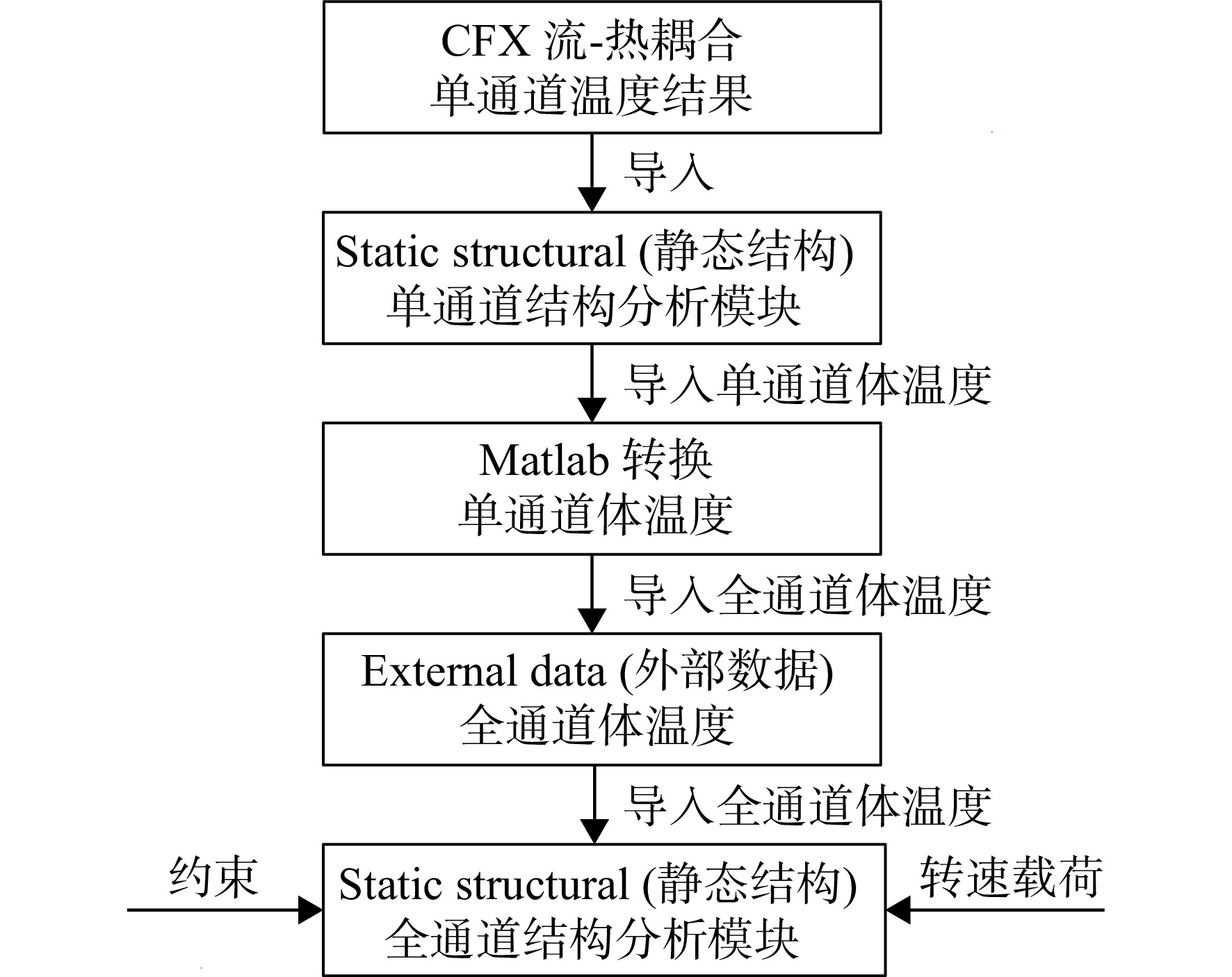
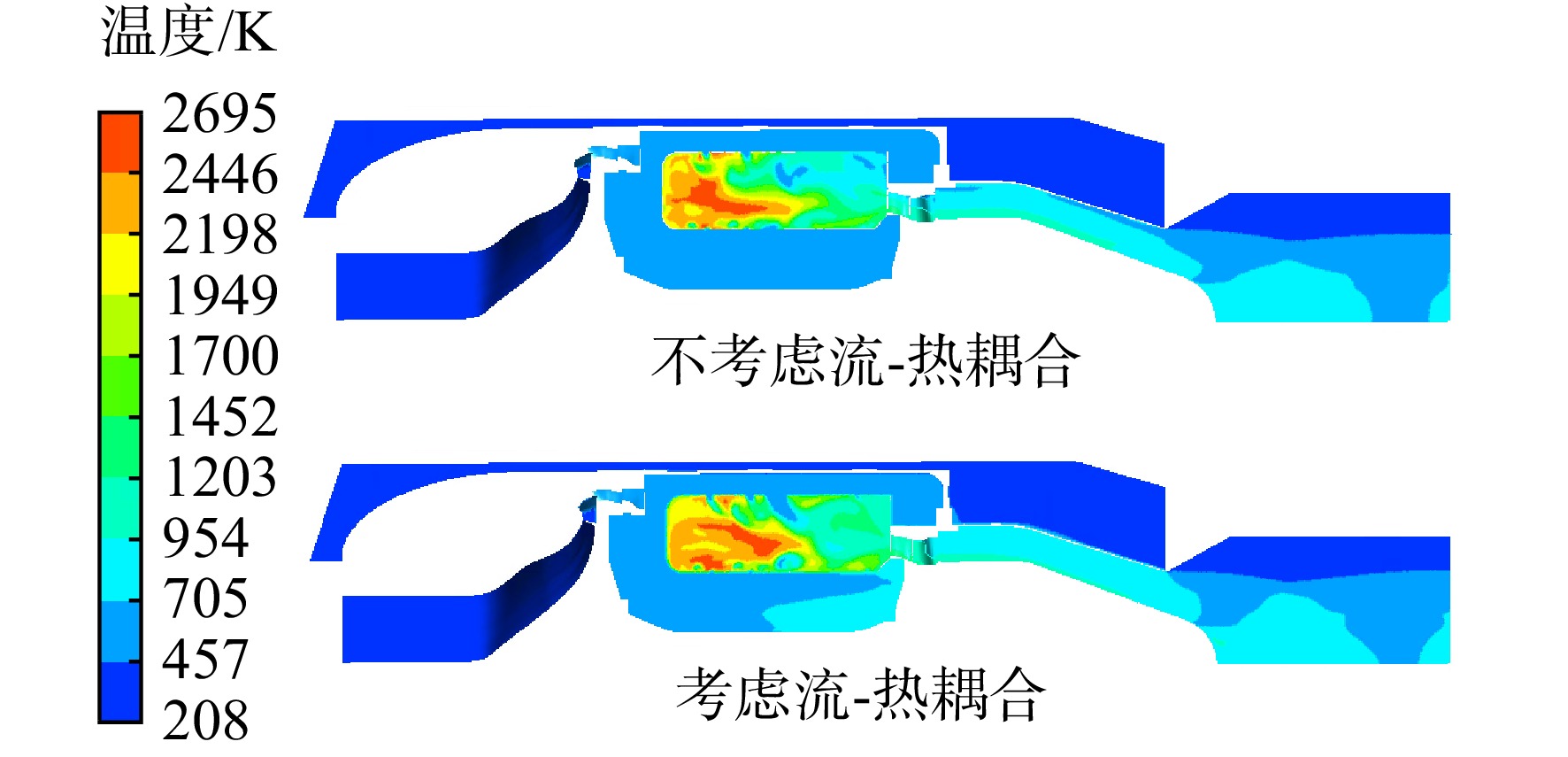
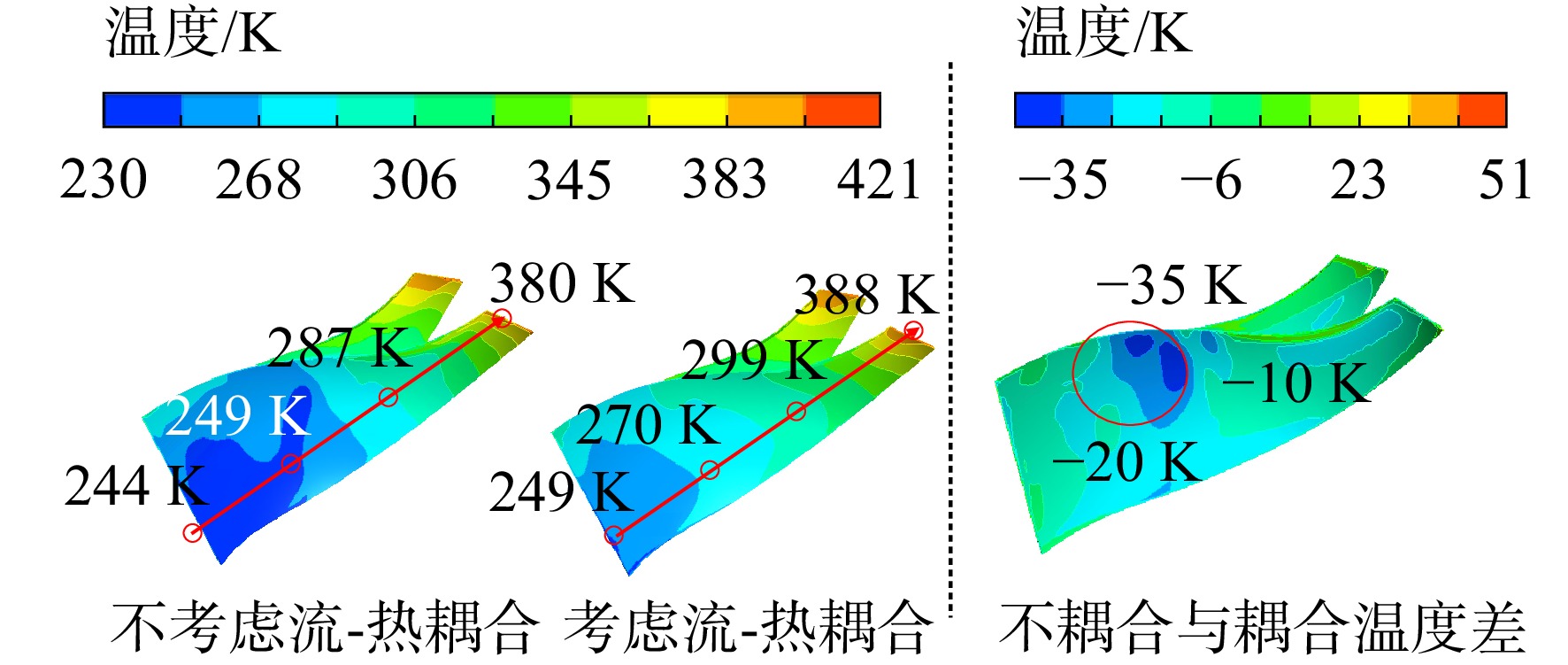
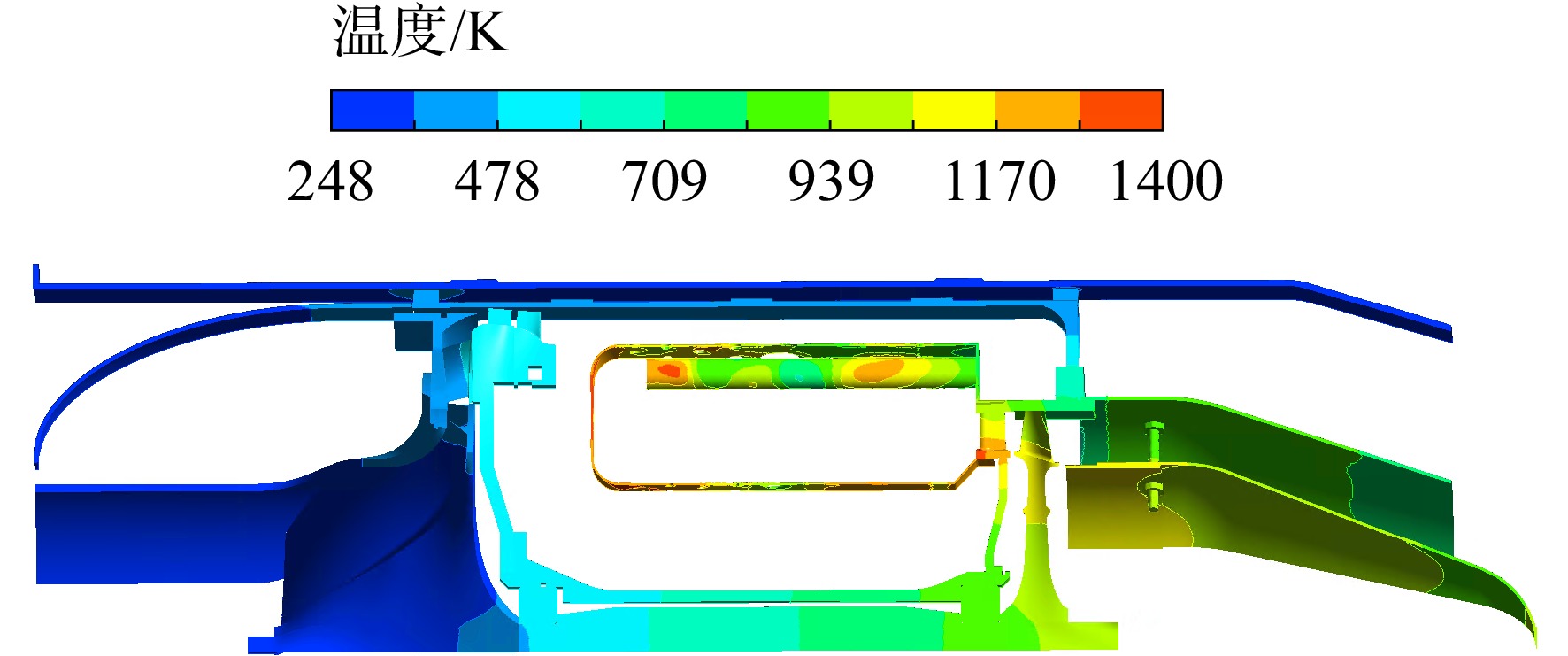
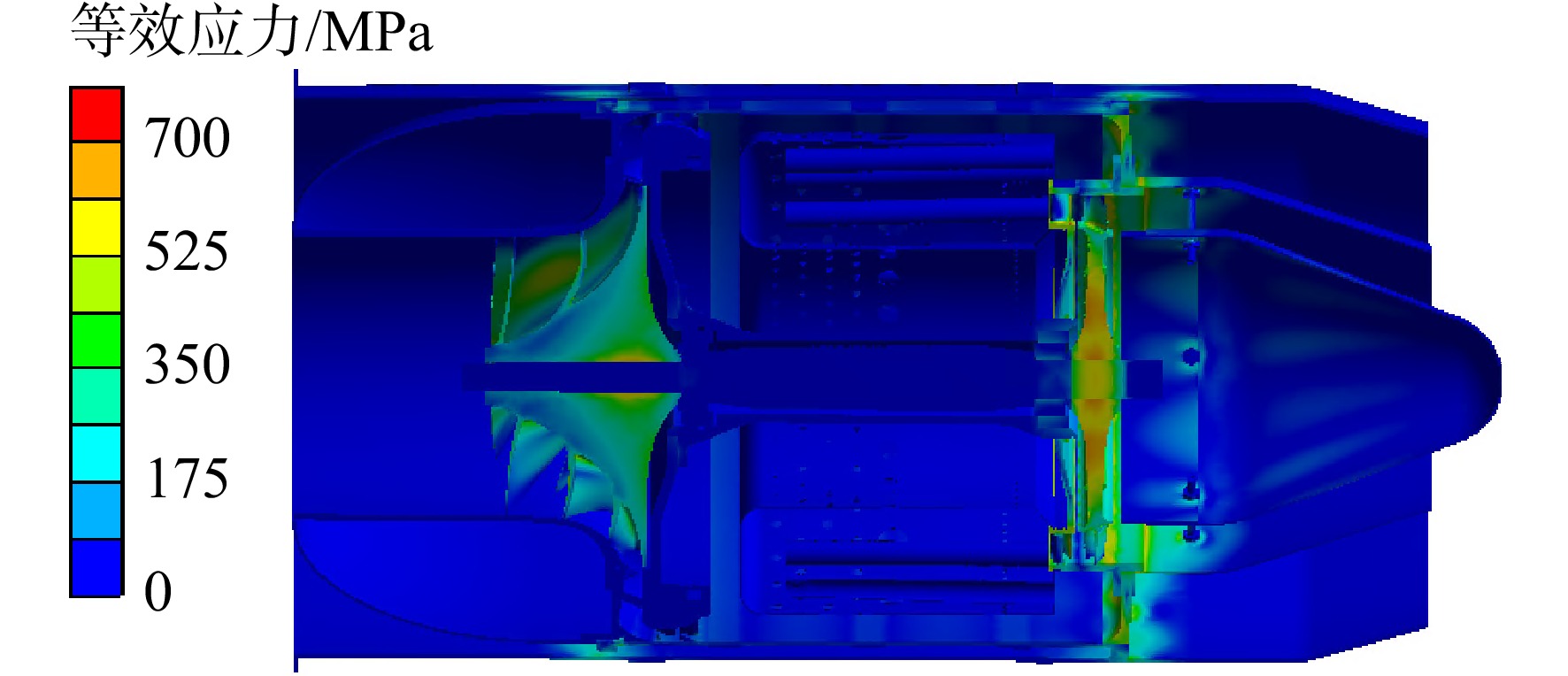
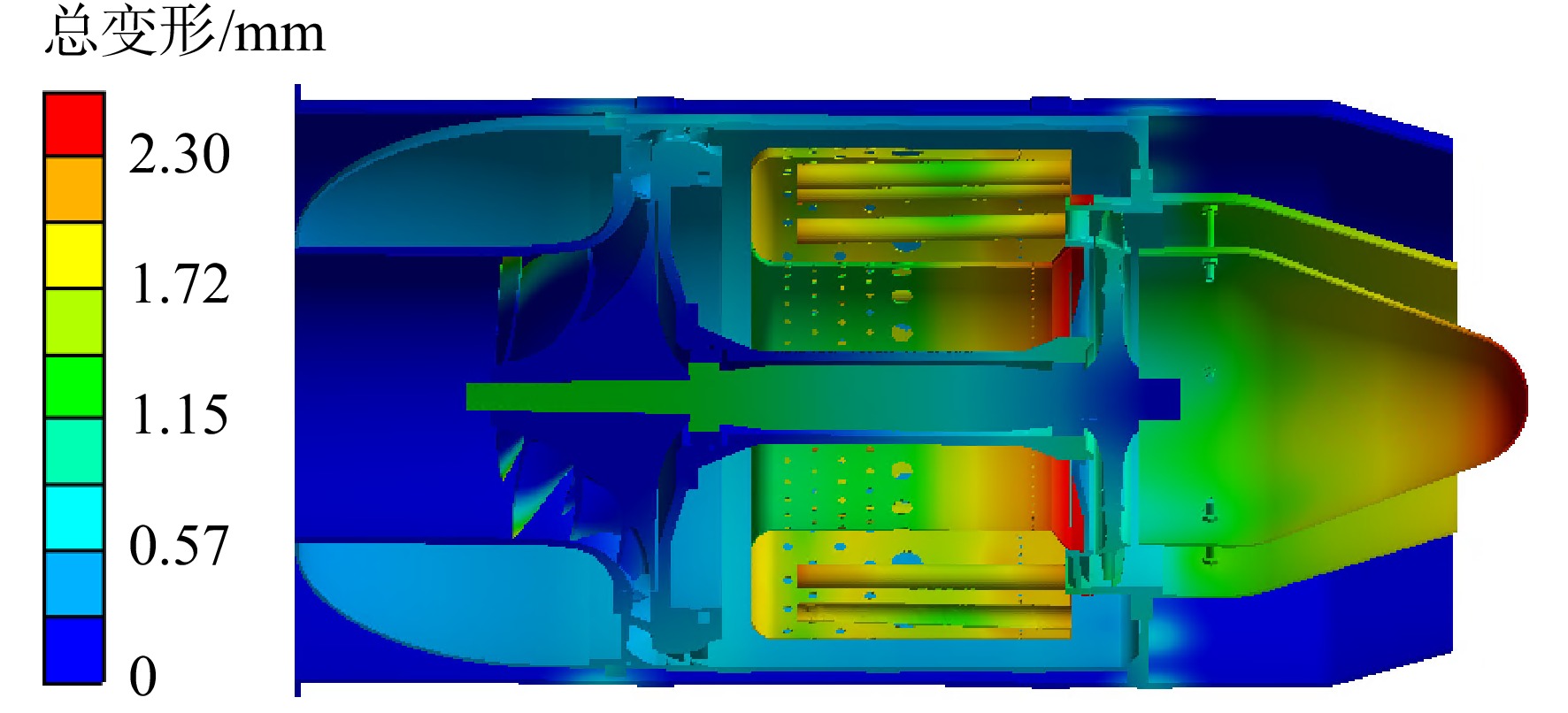
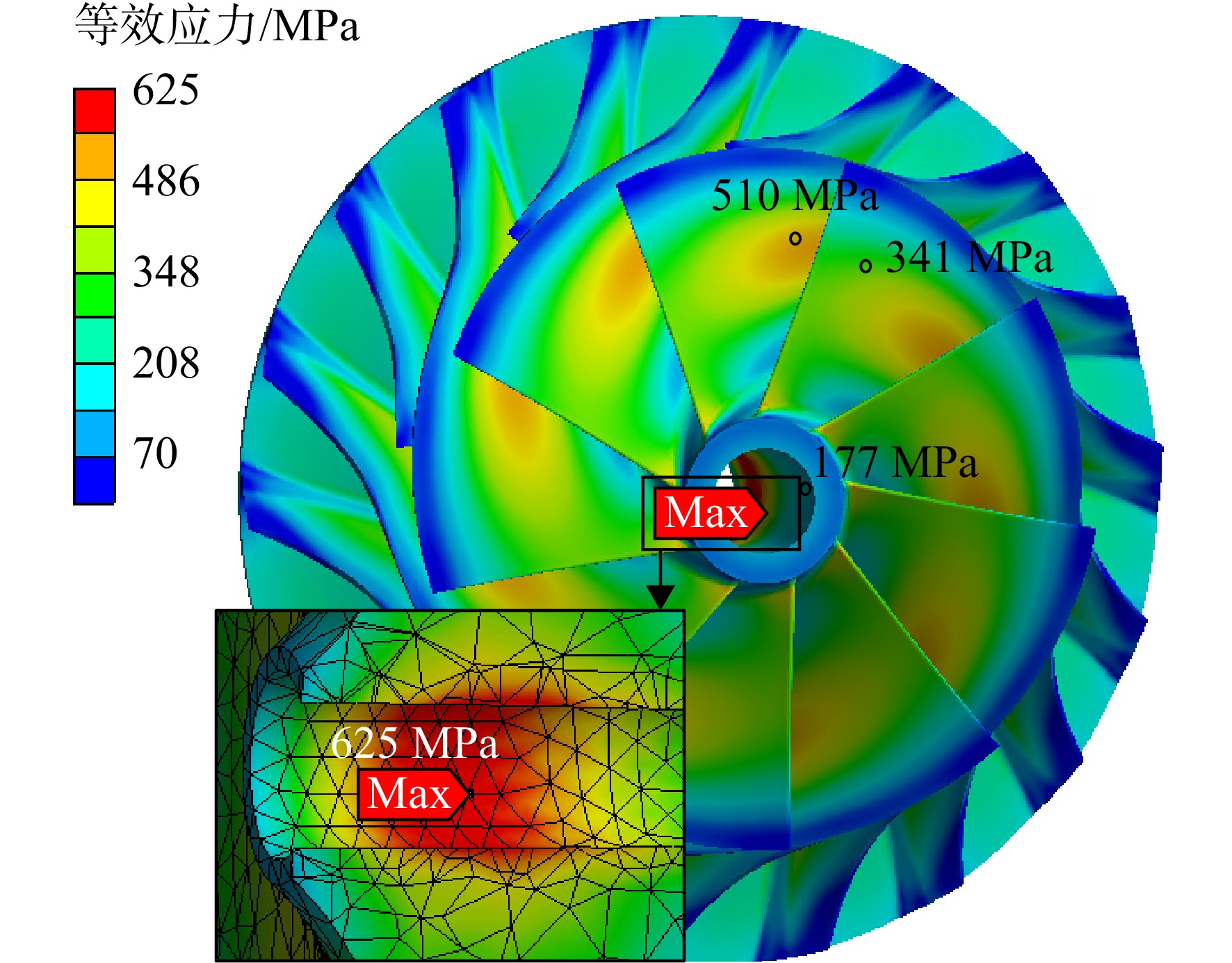
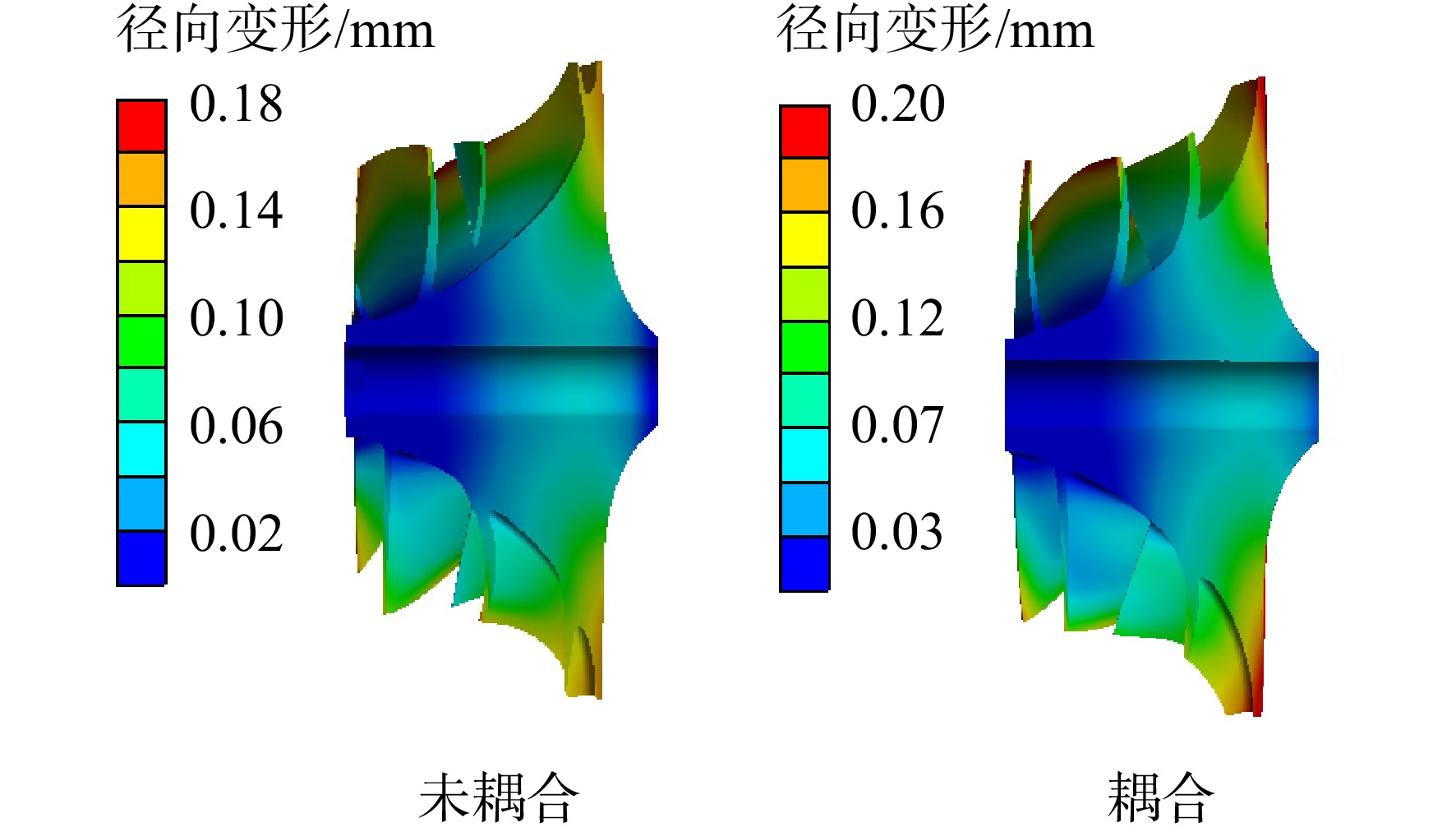
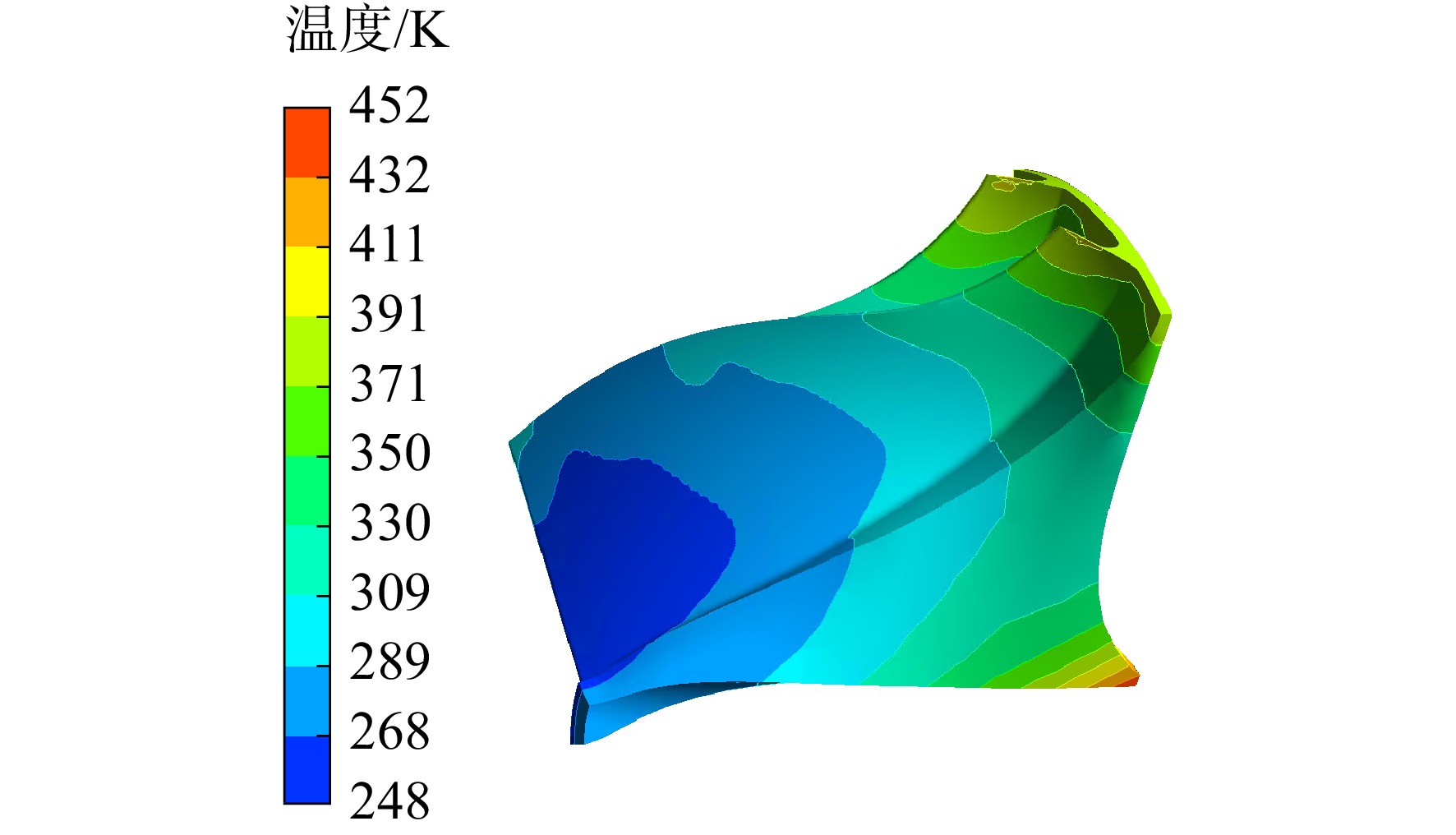
A single-passage fluid-thermal and full-passage thermo-structural coupling modeling method was established, and three-dimensional fluid-thermal-structural coupling analysis of a turbojet engine was carried out. Compared with the method without coupling, there were great differences in temperature, stress, and deformation. The temperature of the compressor impeller of the fluid-thermal coupling method was 15 K lower than that of the uncoupled, and the temperature of the three-stage diffuser was 10—20 K lower than that of the uncoupled. The maximum equivalent stress of the compressor impeller of the thermal-structural coupling method was 31 MPa (4.7%) smaller than that of the uncoupled, and the radial deformation of the compressor impeller was 0.02 mm (11.1%) larger than that of the uncoupled. The tip clearance variation of the turbine at the design point predicted by the fluid-thermal-structural coupling analysis was 0.54 mm. This method realized the analysis of the temperature field, stress field, and deformation field of the whole engine, comprehensively evaluated the strength and deformation of components, and provided data support for component optimization.

Investigation on influence mechanism of exit aspect ratio on thermal-solid interaction response of serpentine nozzle
CHENG Jingli, HUANG Sheng, ZHOU Li, WANG Zhanxue
2025, 40(2): 20230228. doi: 10.13224/j.cnki.jasp.20230228
Abstract:

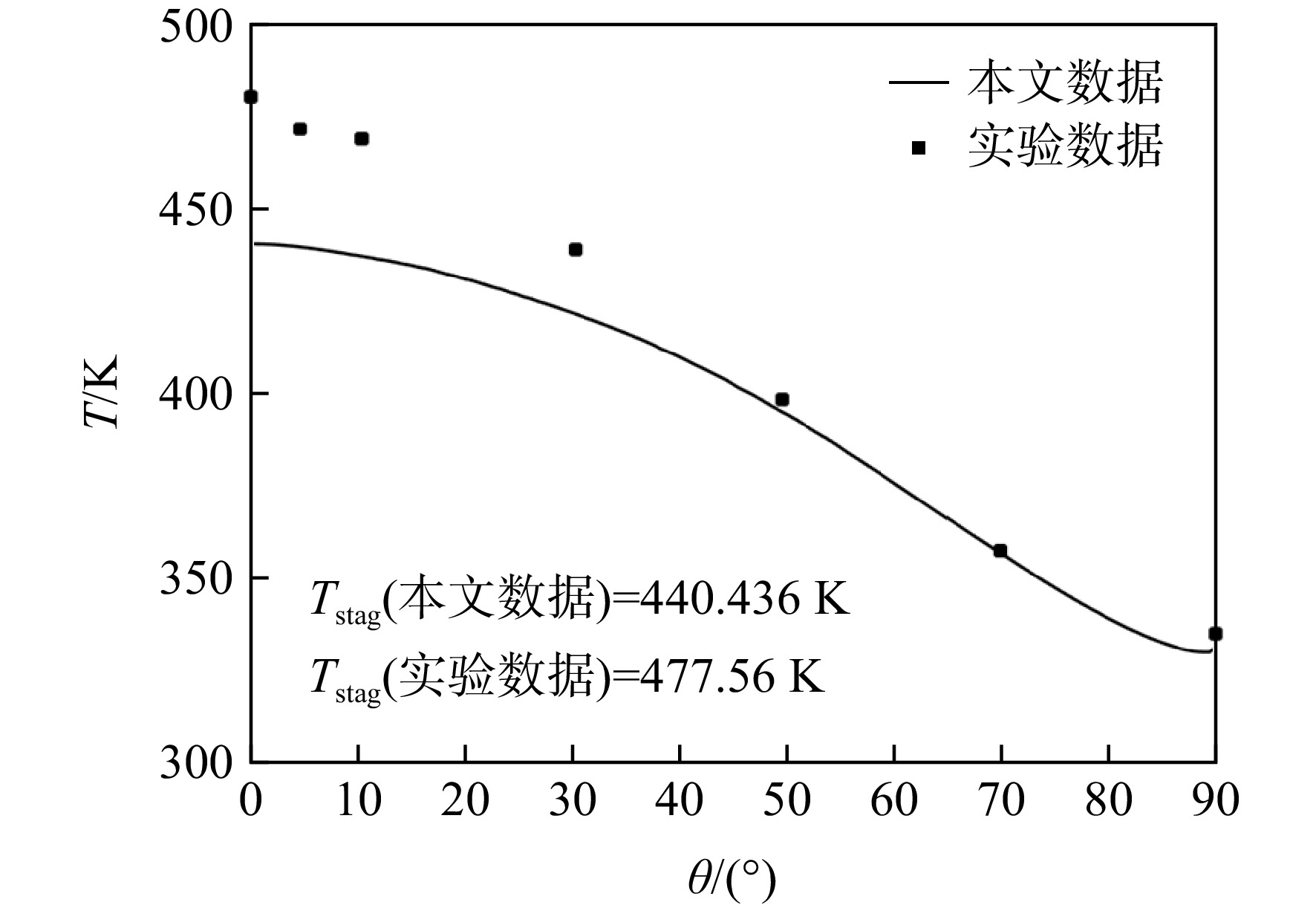
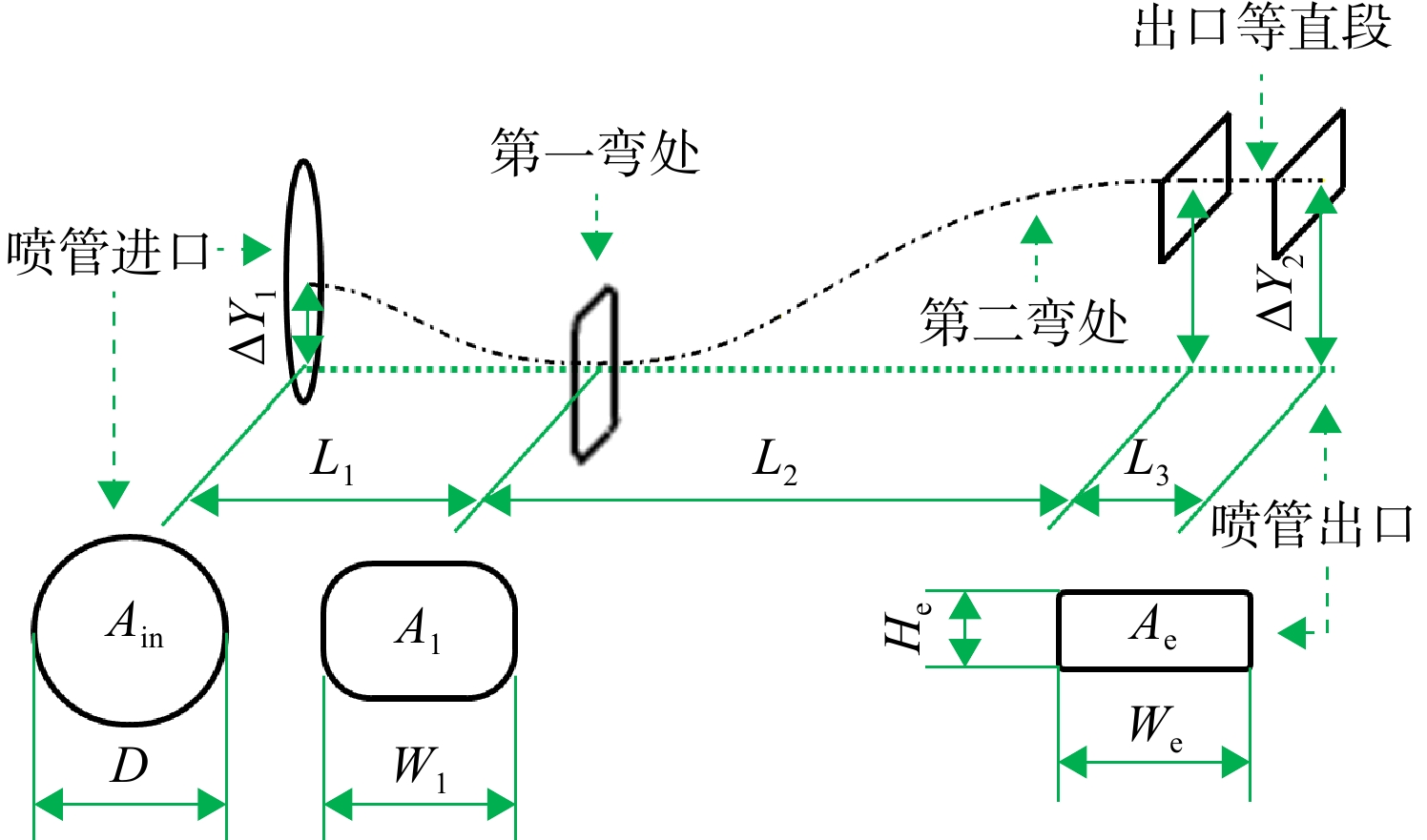
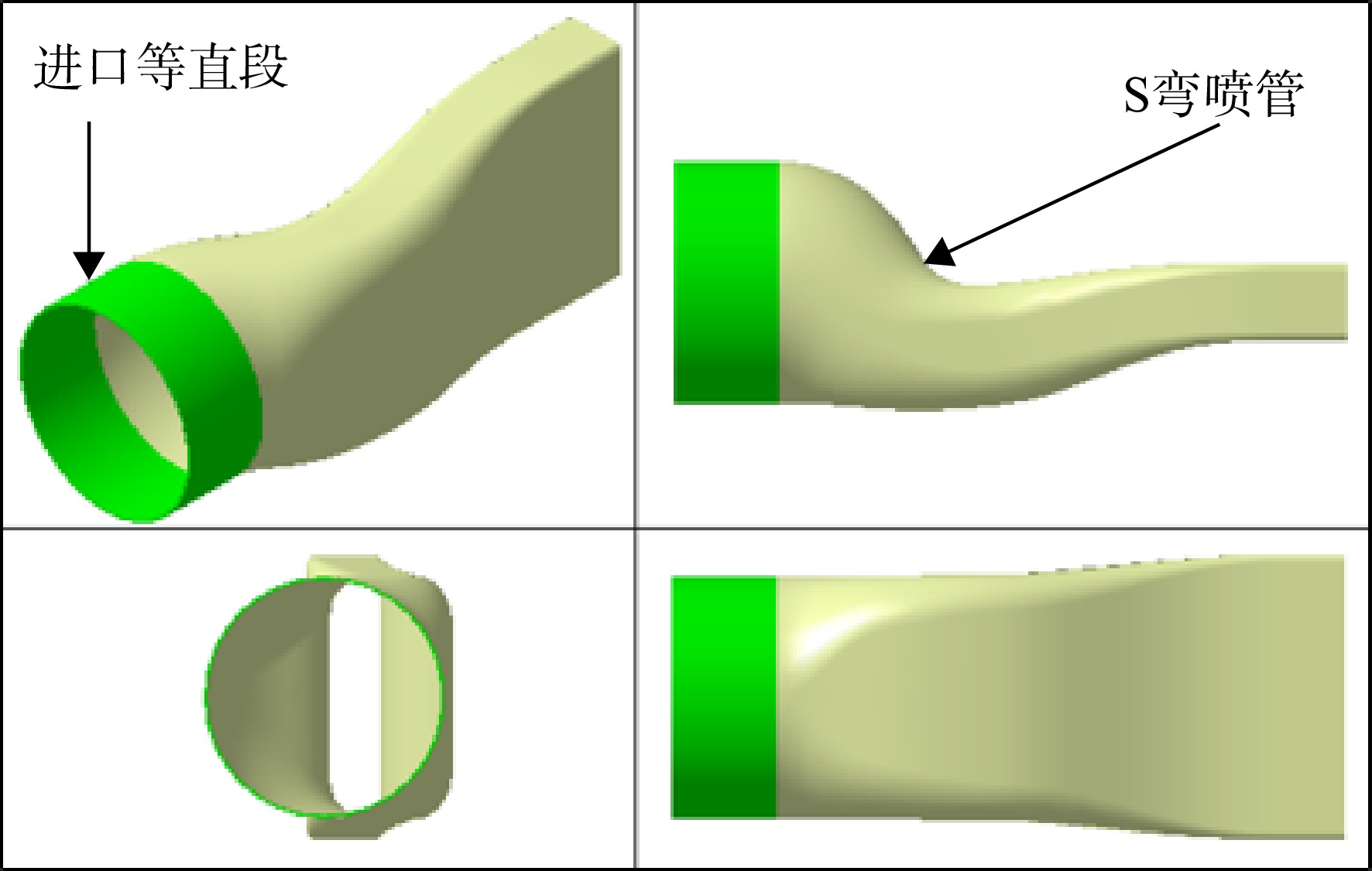
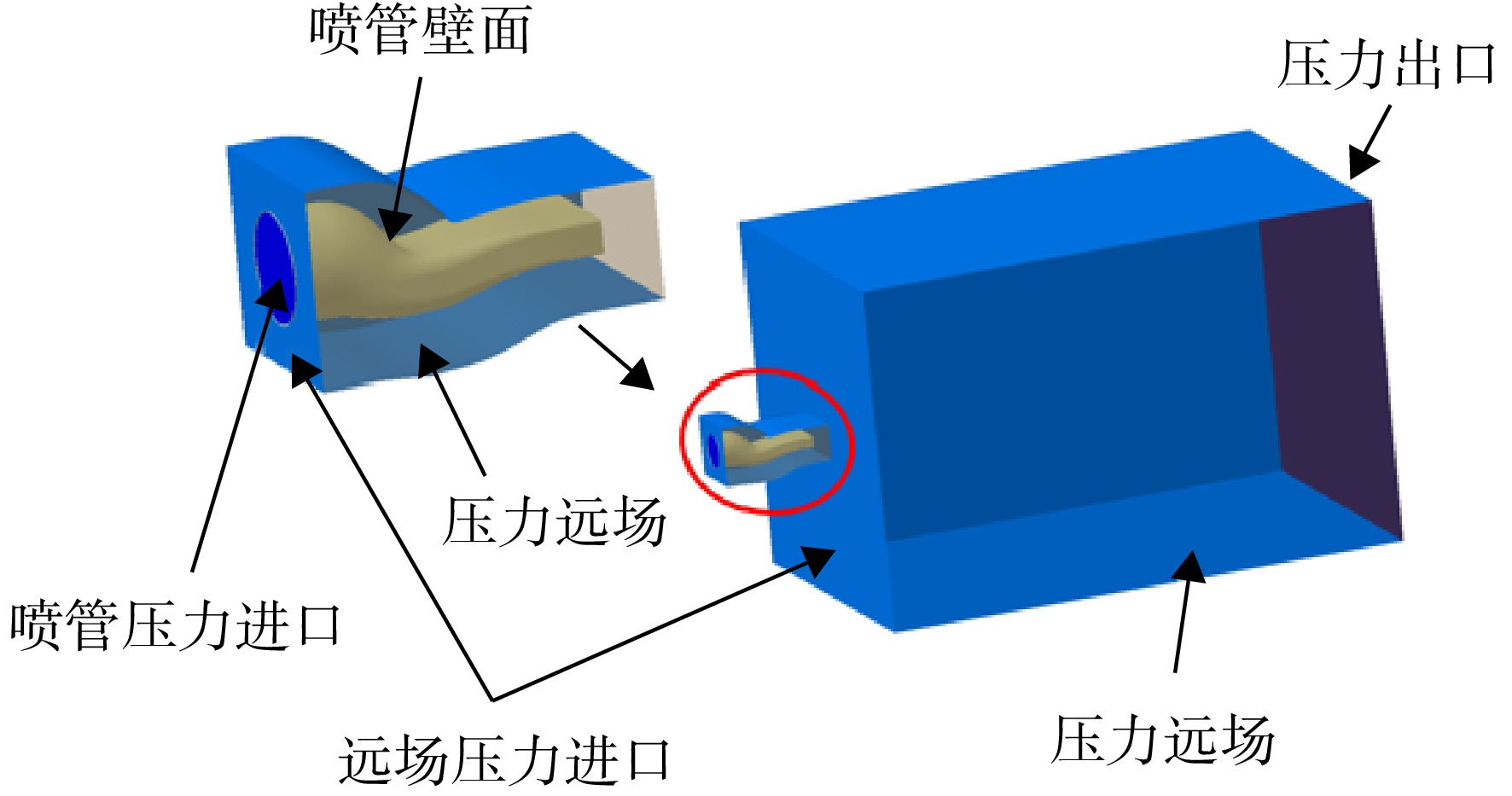
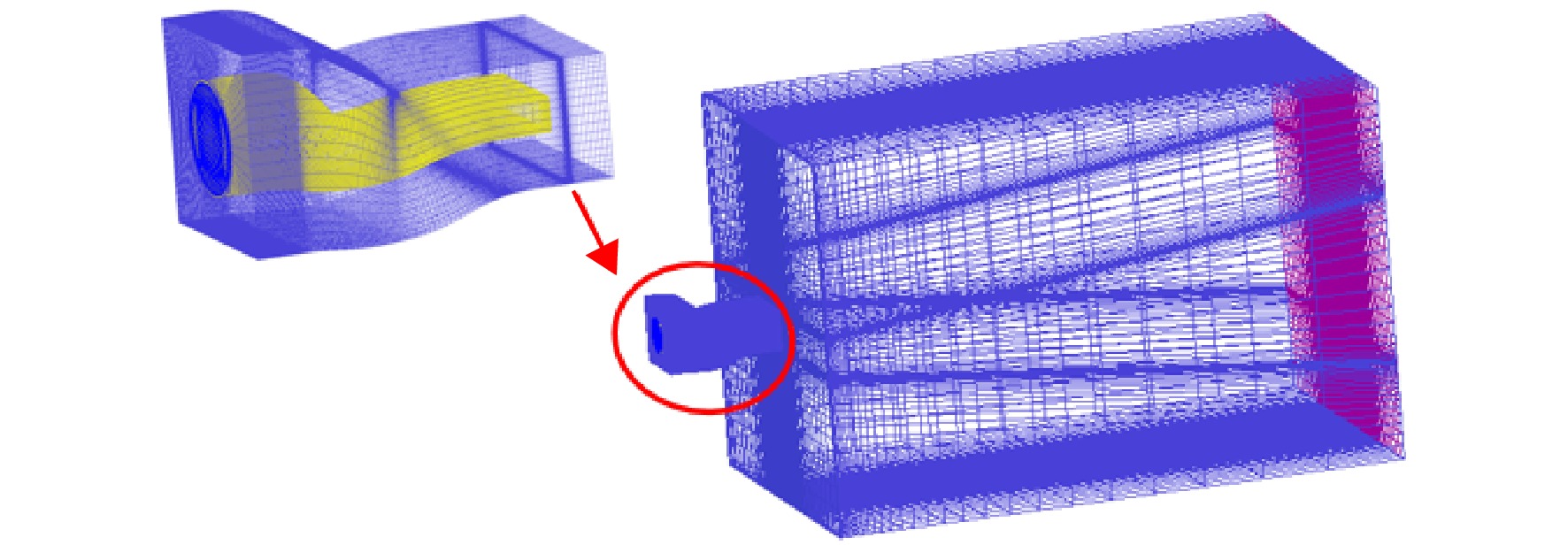
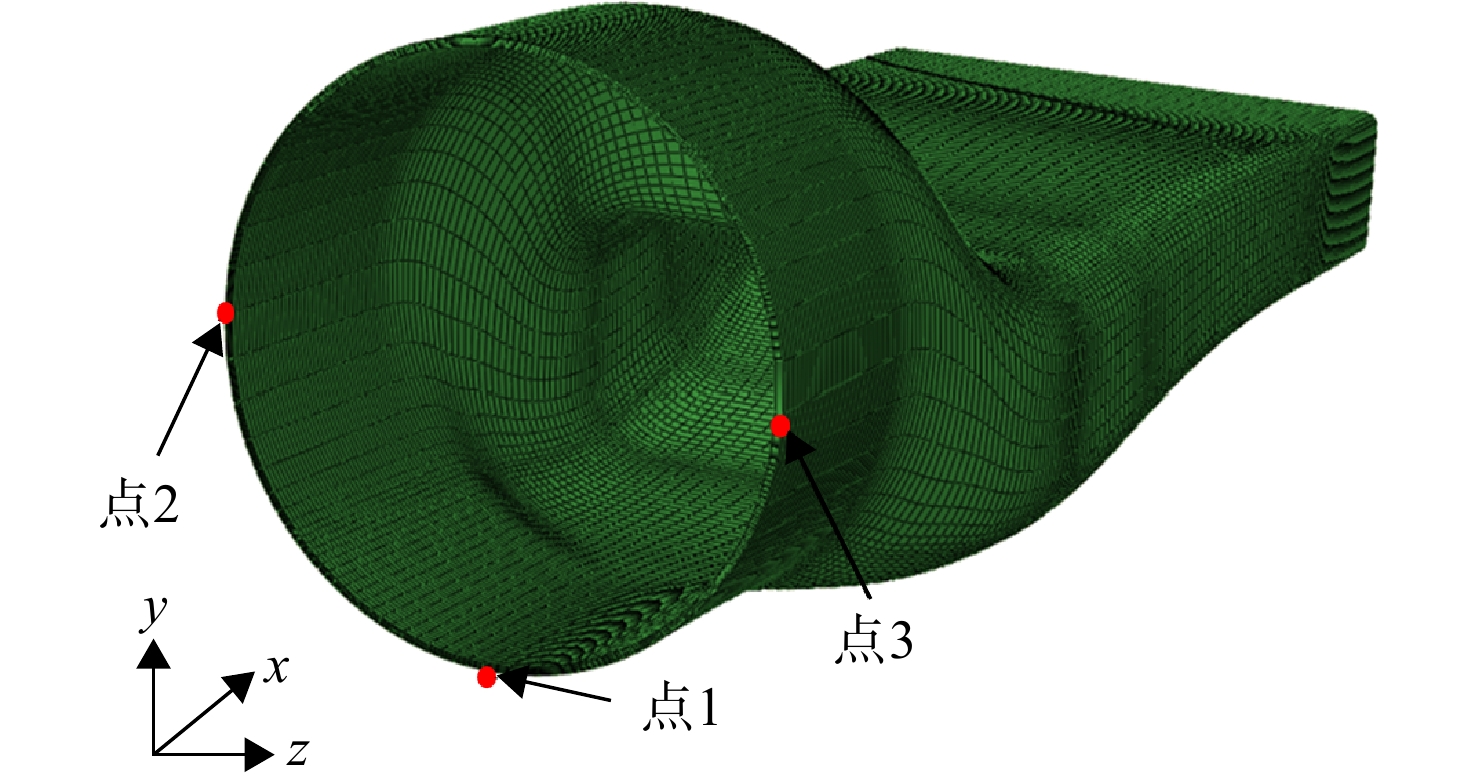
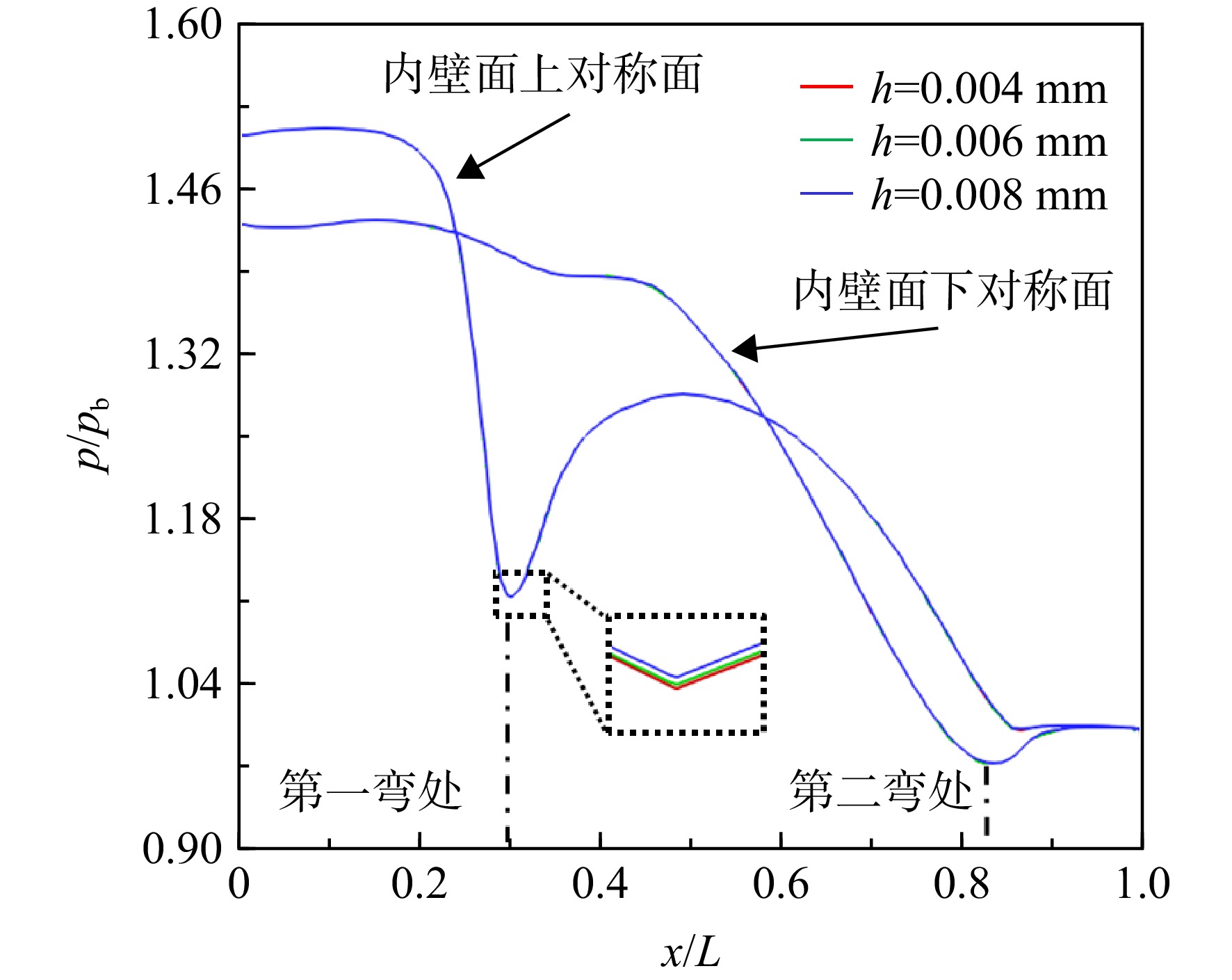
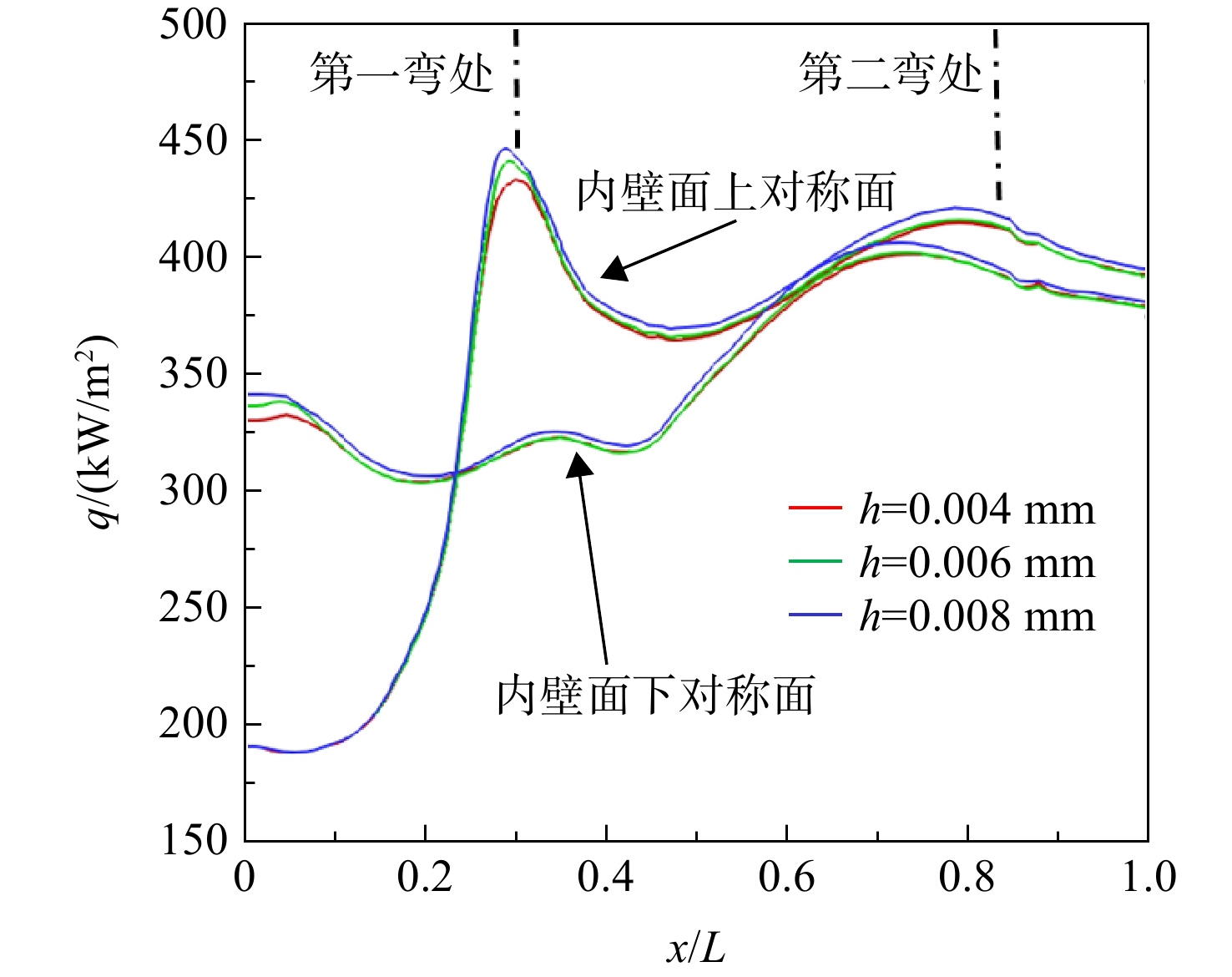
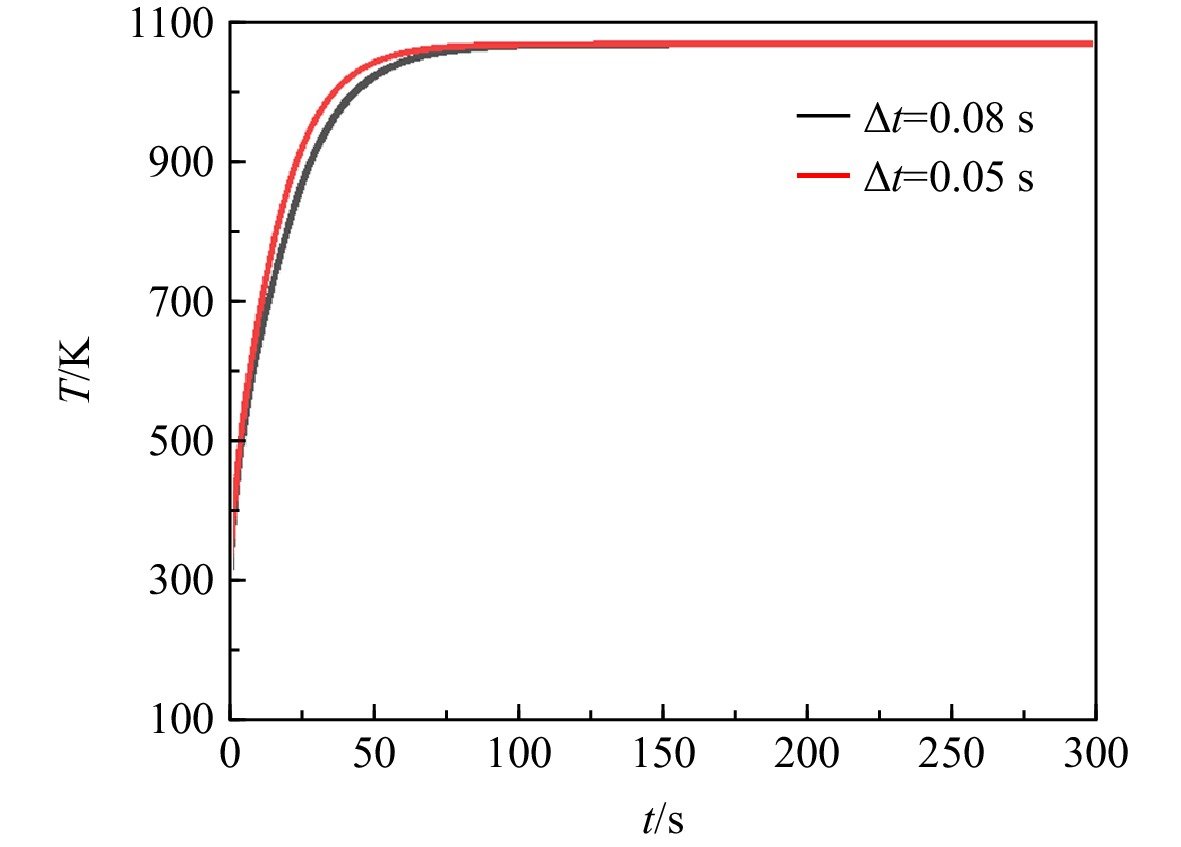
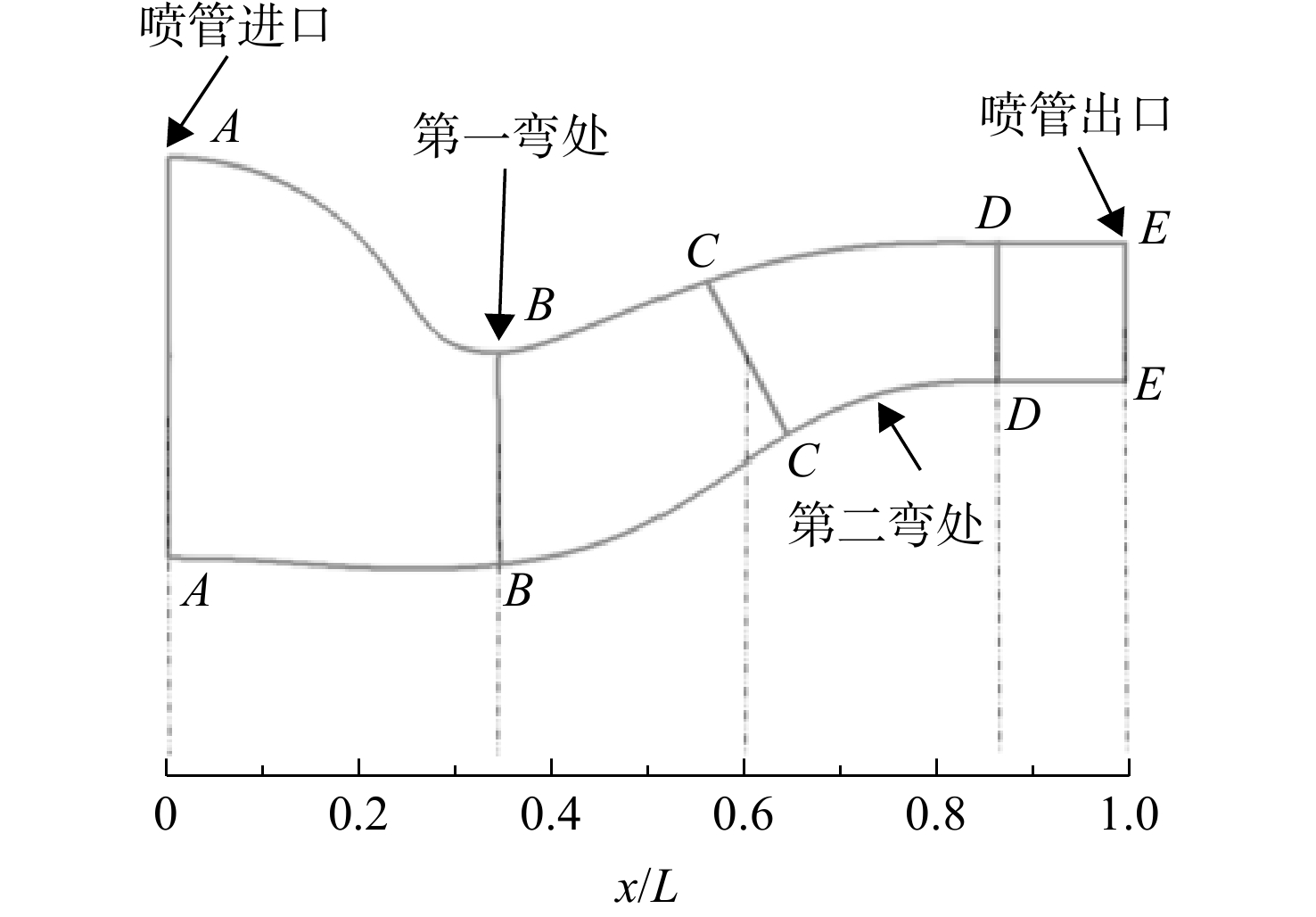
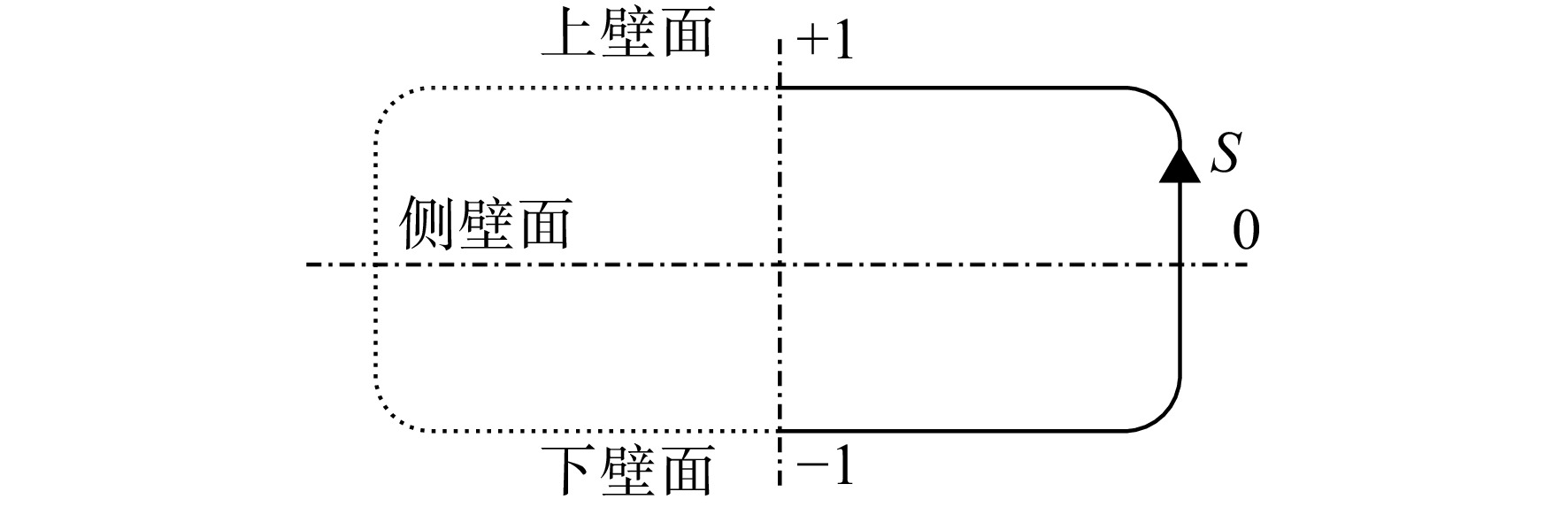
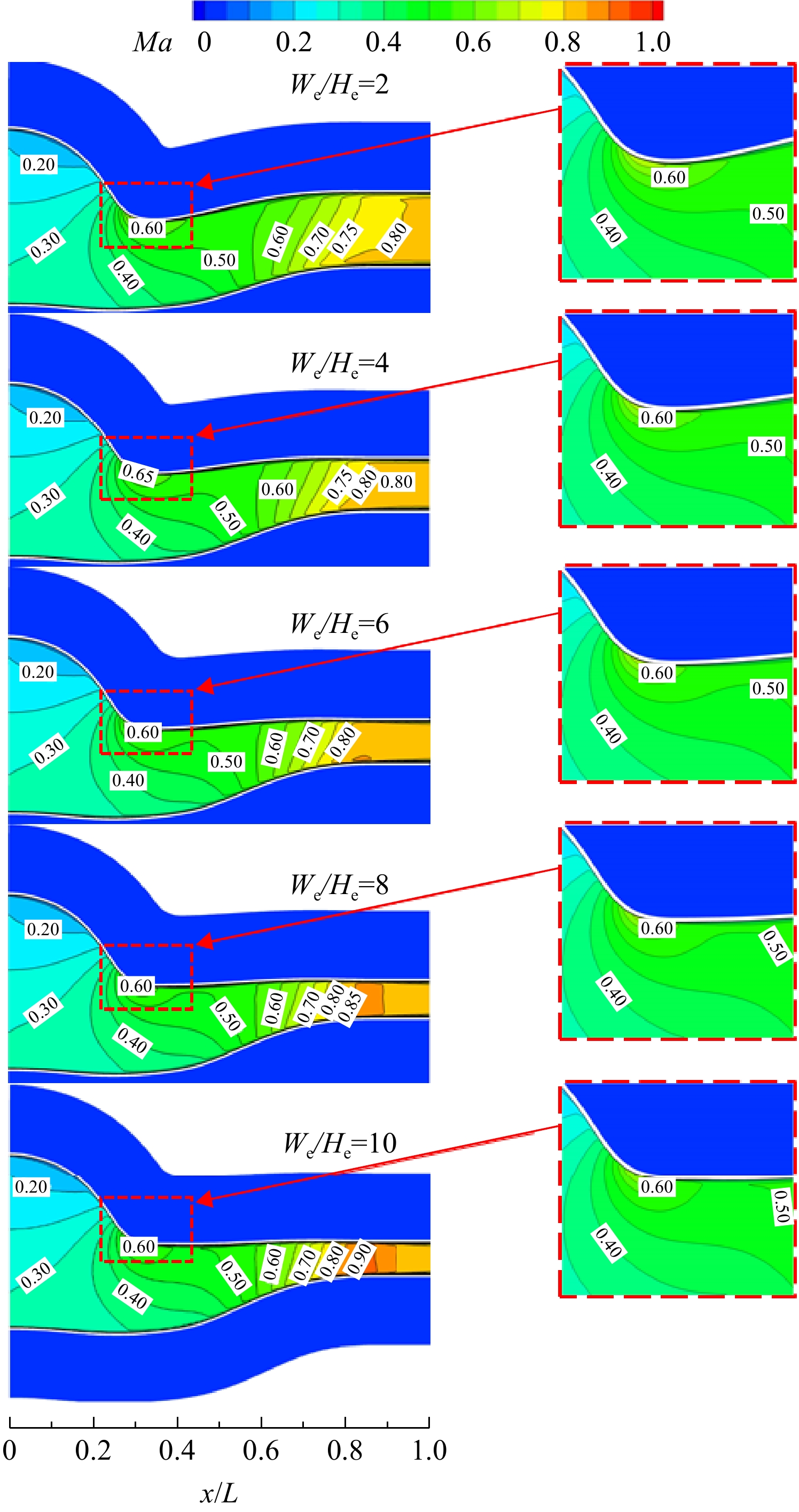
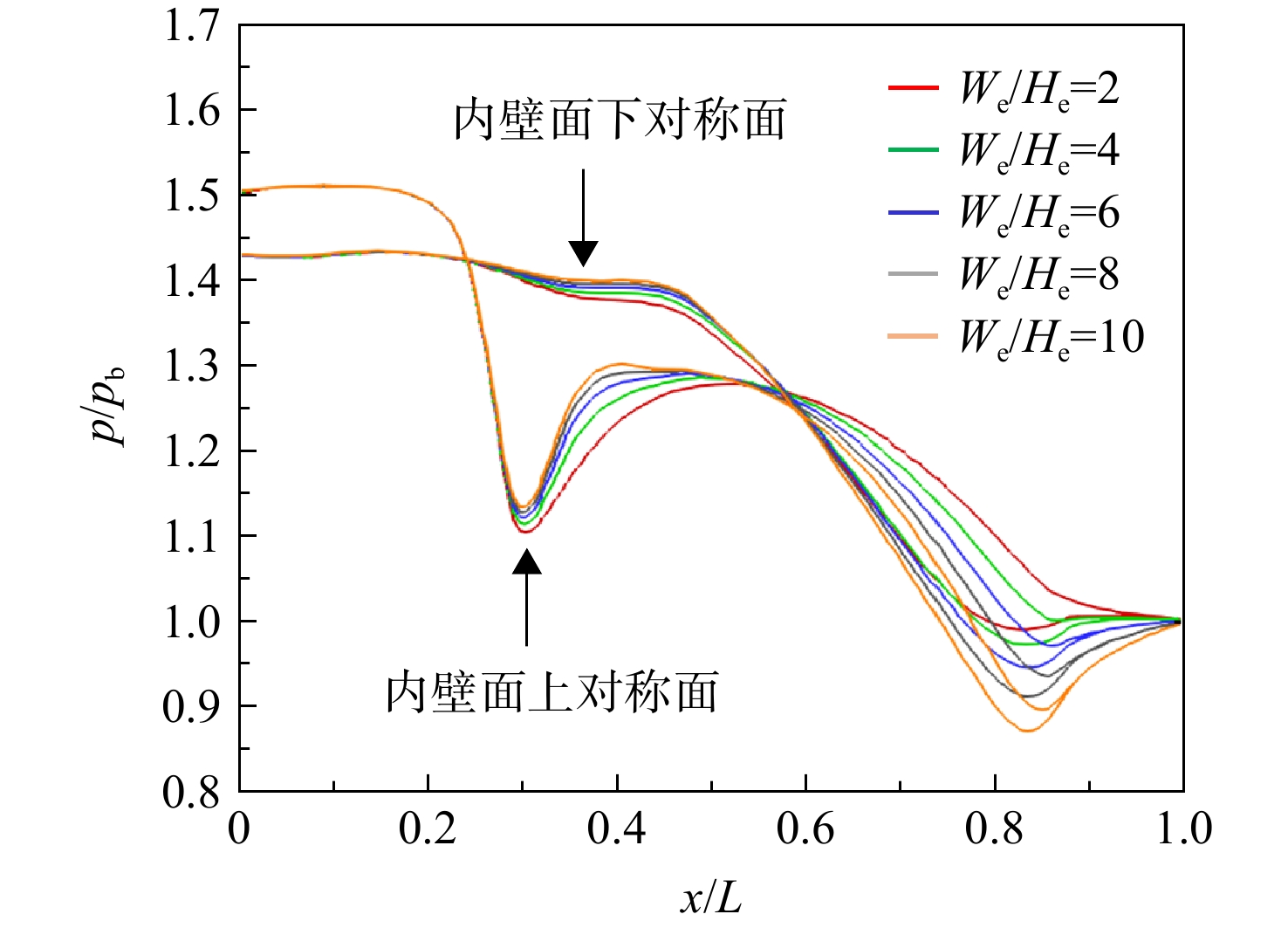
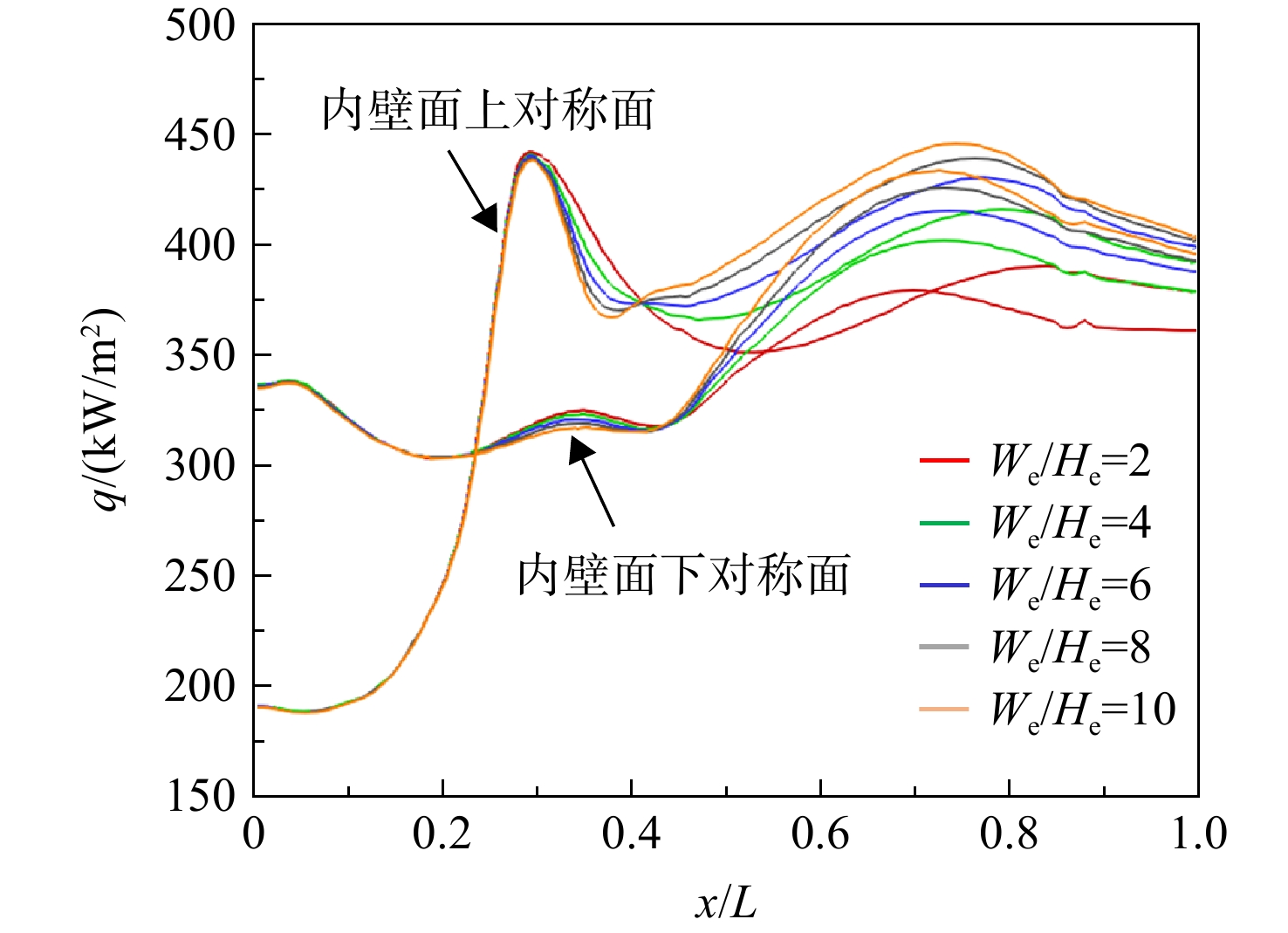
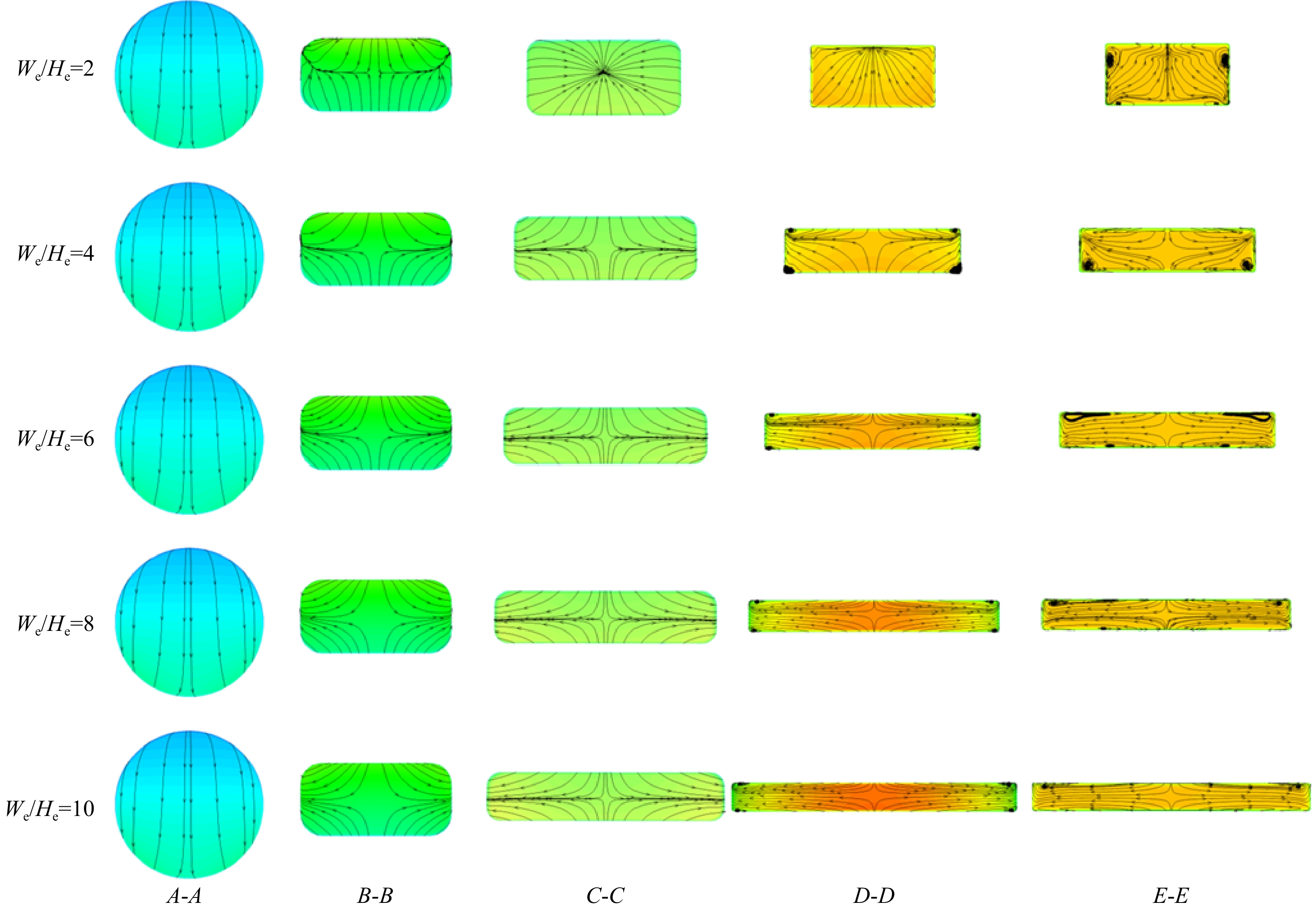
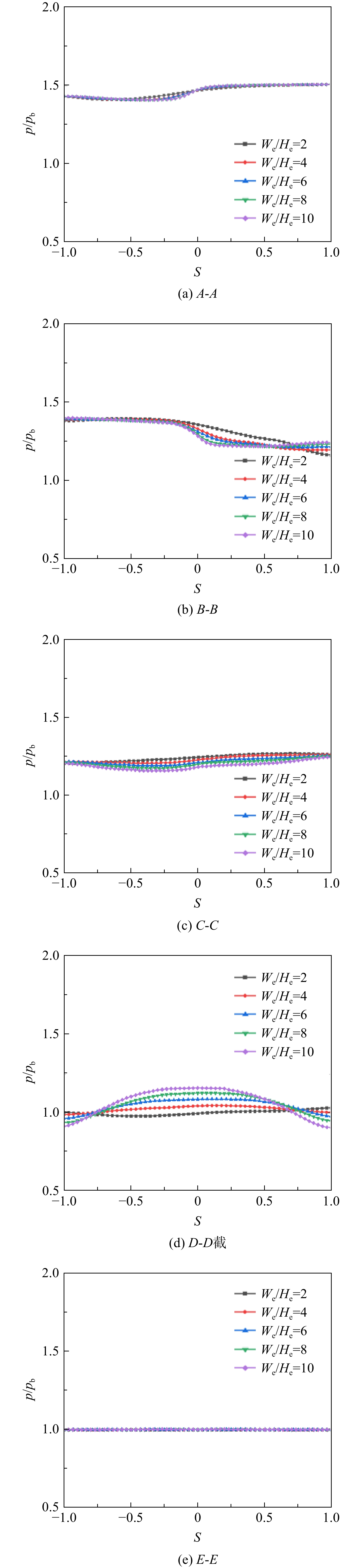
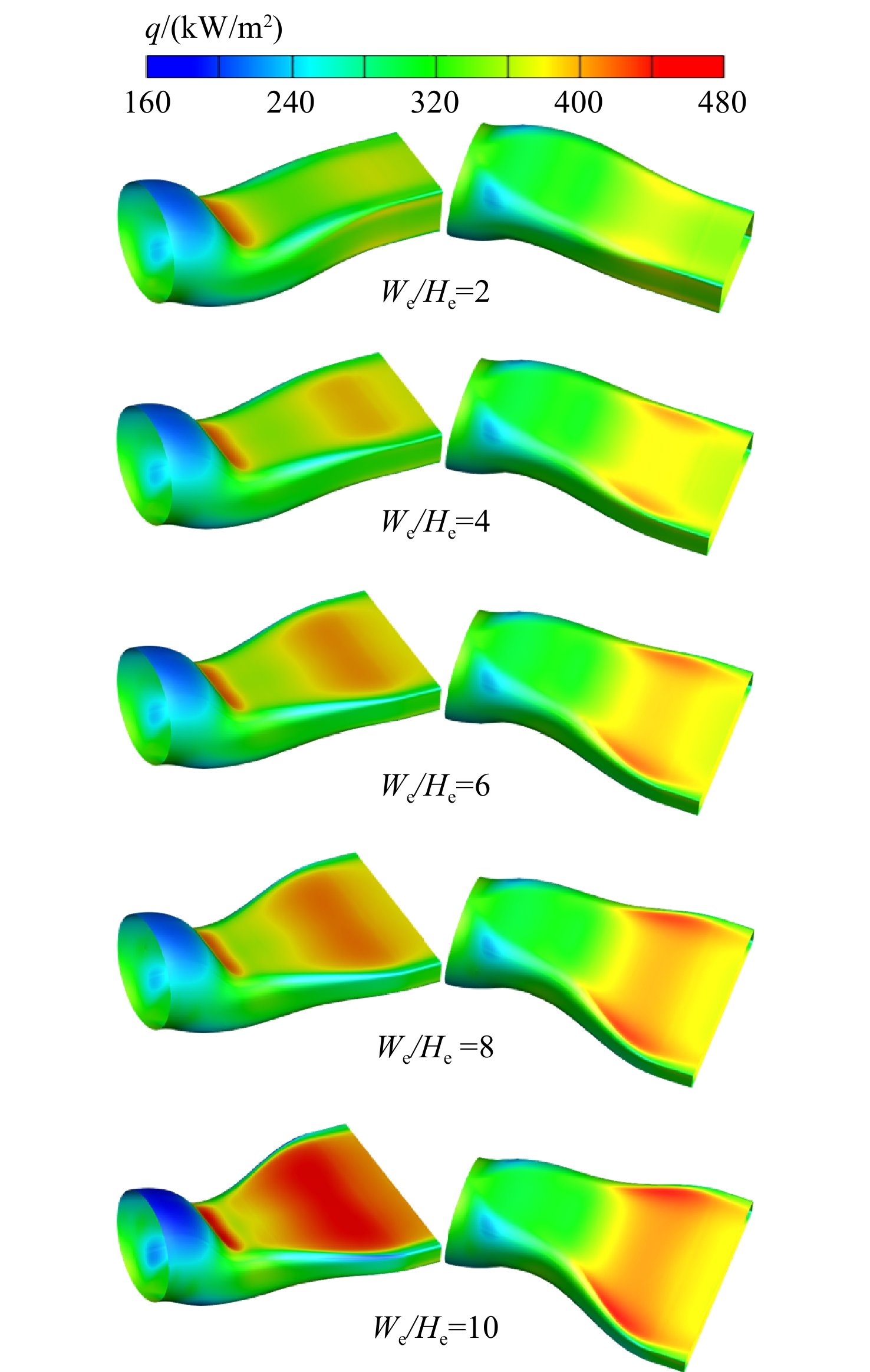
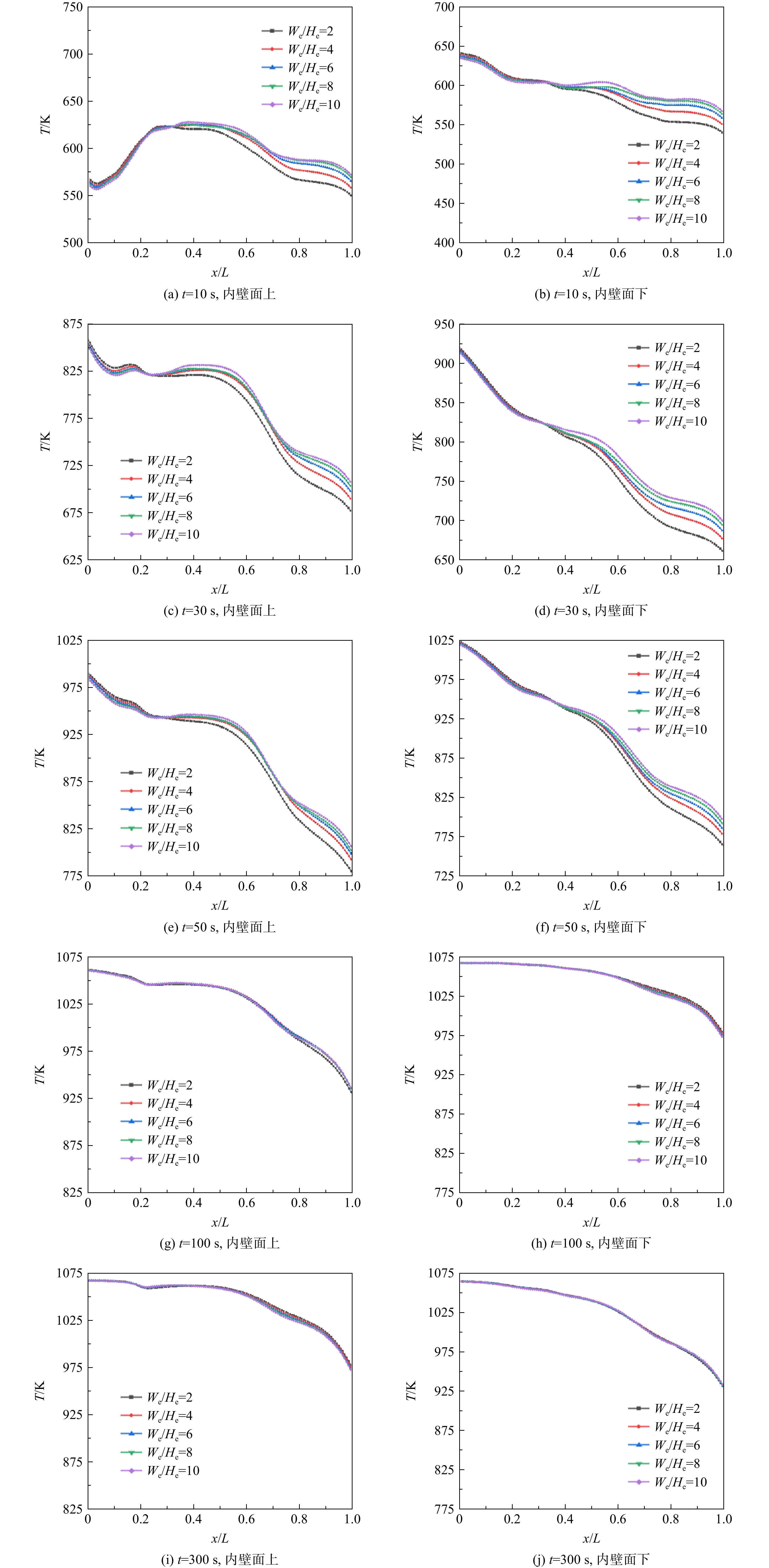
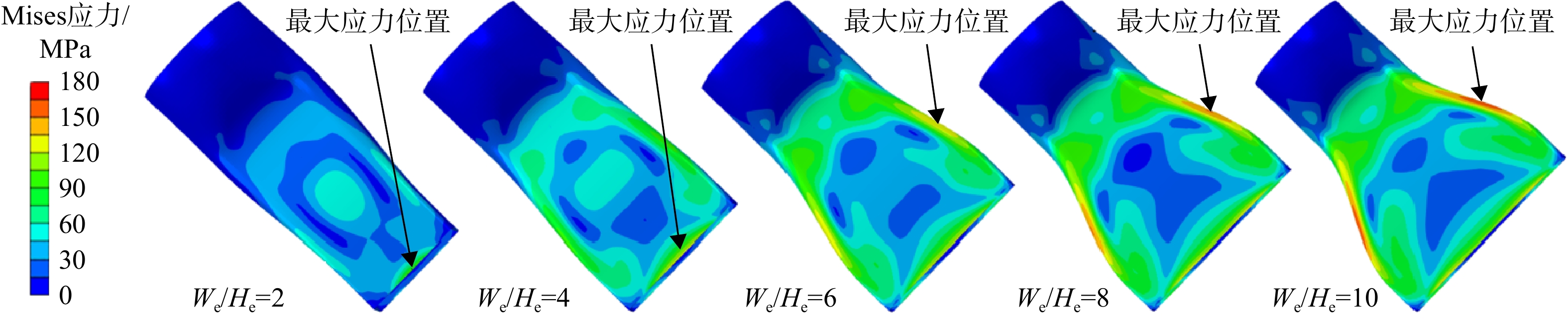
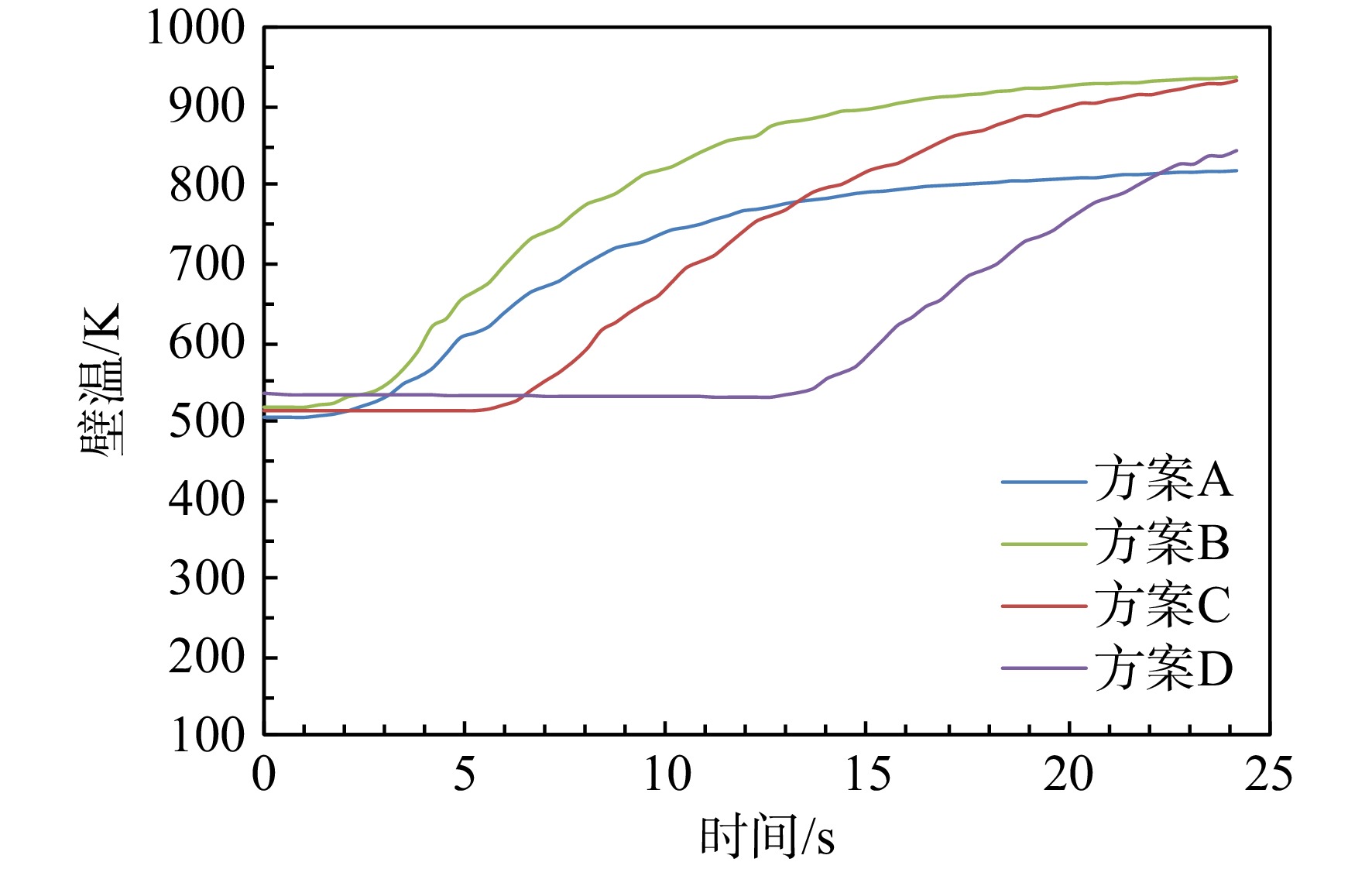
In order to clarify the effect of exit aspect ratio on the flow heat transfer and structural response of serpentine nozzle, a serial two-way loose coupling method based on computational structural dynamics/computational fluid dynamics (CSD/CFD) was used to study the effect of thermal-solid coupling response at different aspect ratios. Results were obtained as follows: the overall heatflux distribution of the nozzle under the action of the bending configuration was not uniform, with large variability at each location, while the heatflux distribution of individual nozzles was similar; the heatflux increased continuously at the second bend as exit aspect ratio increased; the vortex structure was generated at the exit isometric section, and the presence of the vortex structure hindered the heat transfer; in structural response, the distribution of stress in each serpentine nozzle was similar, but the maximum stress existed in two locations, including the nozzle exit end and the upper wall of the second bend channel. As the exit aspect ratio rose, the maximum stress also rose, and appeared in advance. Maximum stress with aspect ratio of 10 increased by 28% compared with the minimum stress, and the moment of appearance was 23.84 s earlier.

POD-BPNN prediction on the three-dimensional complex flow field of hypersonic waverider forebody/inlet
GUAN Kaigang, SU Weiyi, CUI Sheng, ZHANG Wenqiang, MA Hangyu, AN Hang
2025, 40(2): 20220536. doi: 10.13224/j.cnki.jasp.20220536
Abstract:

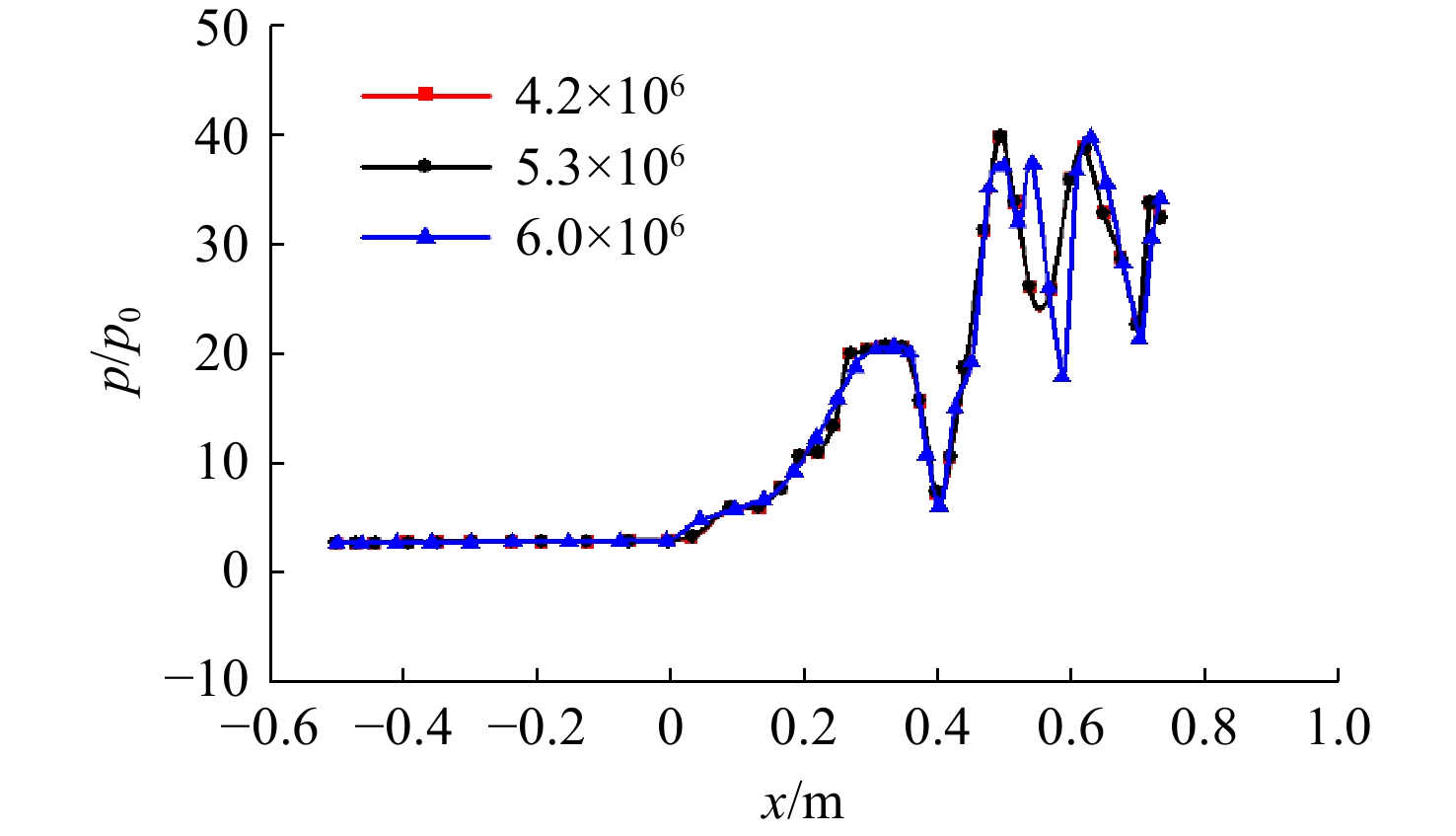
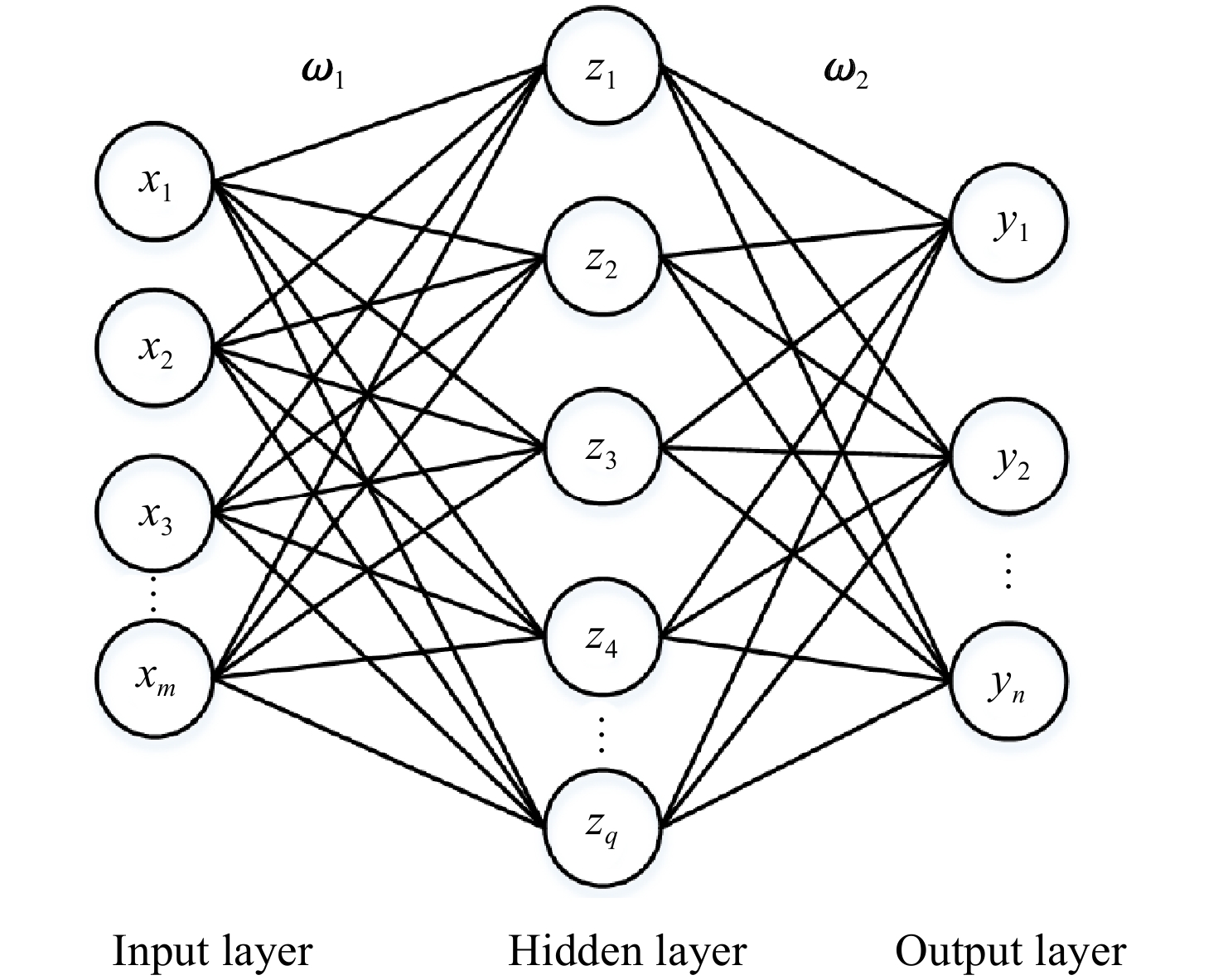
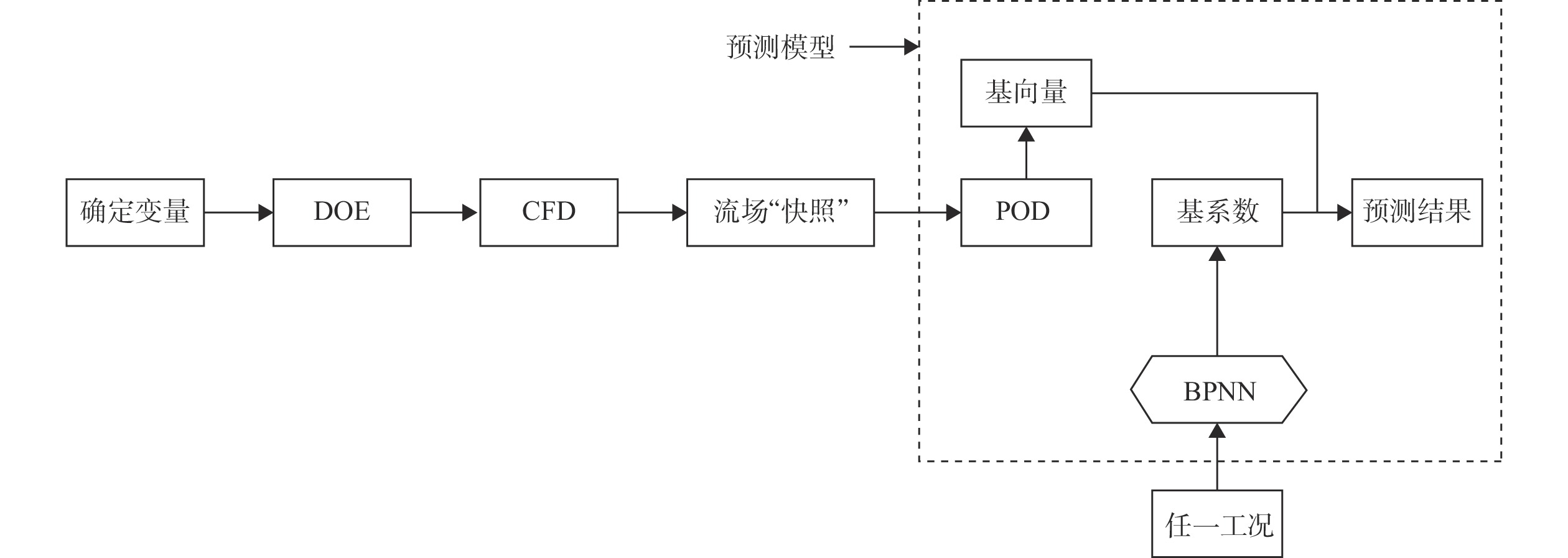
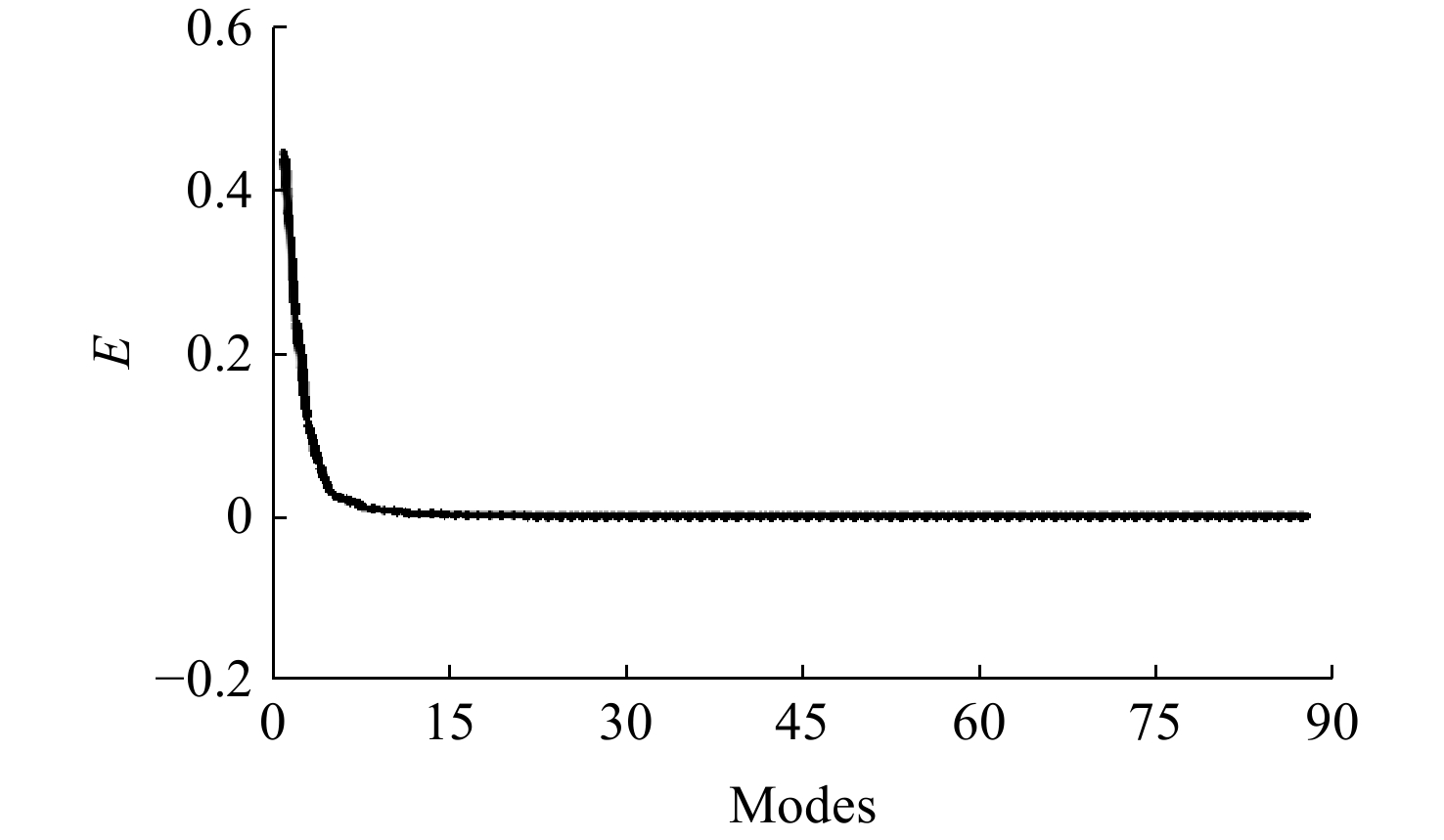
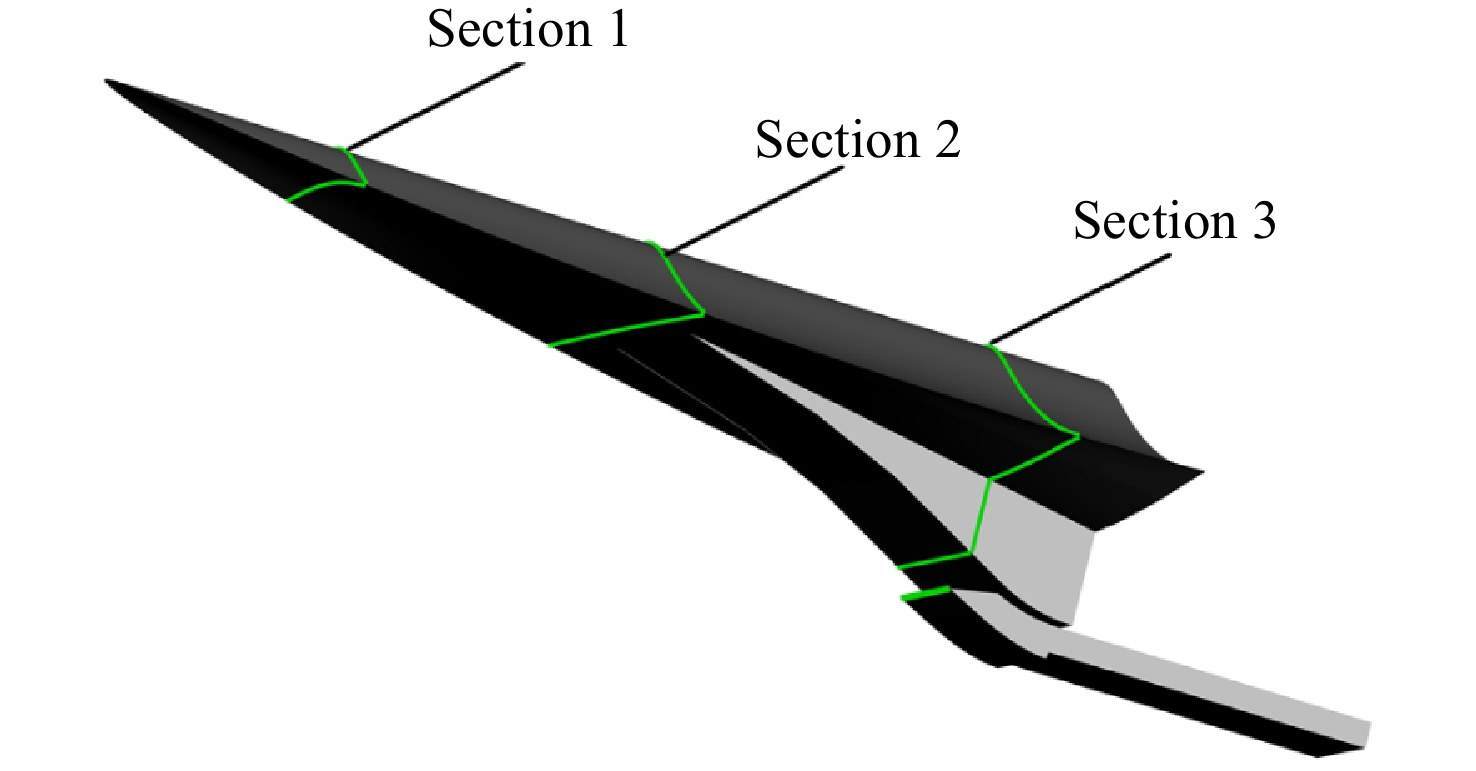
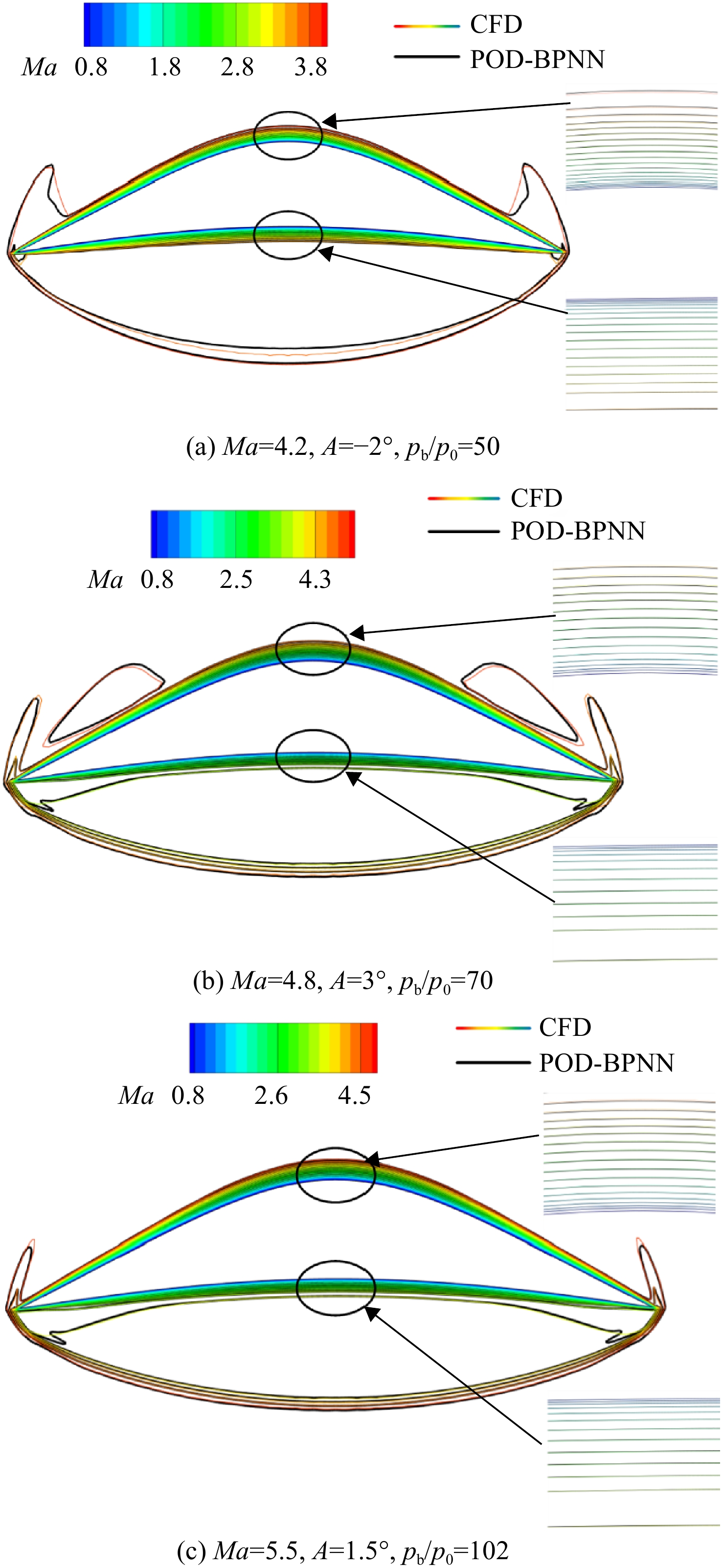
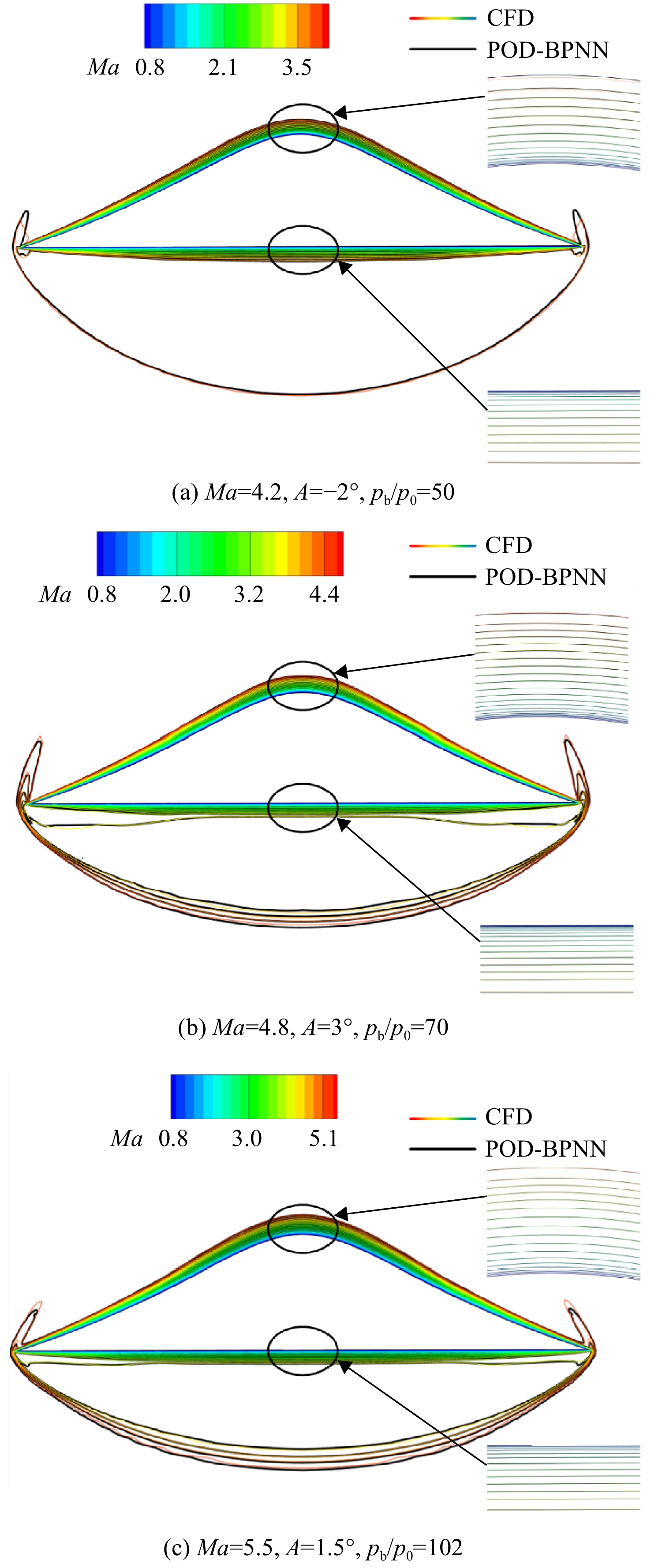
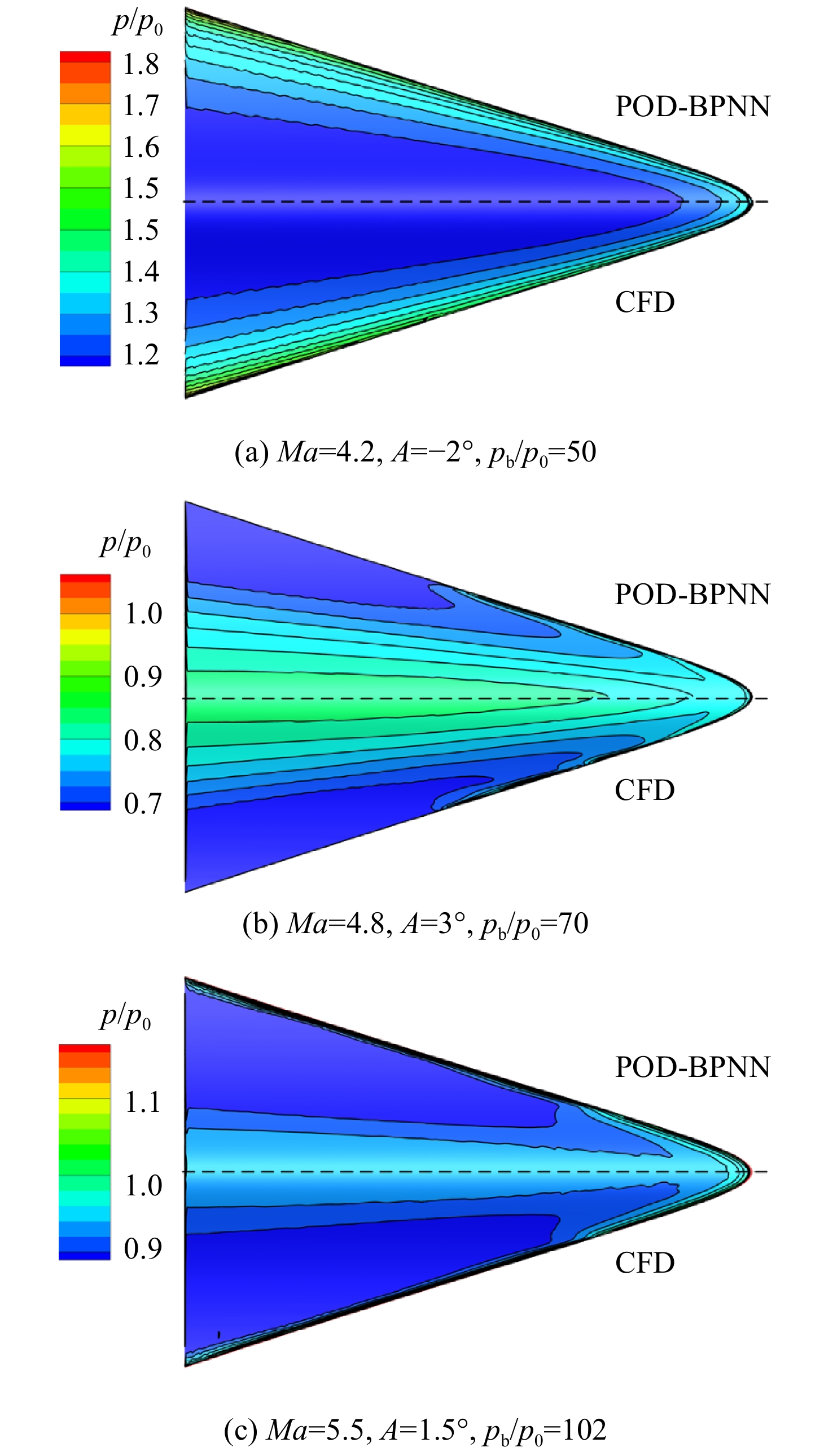
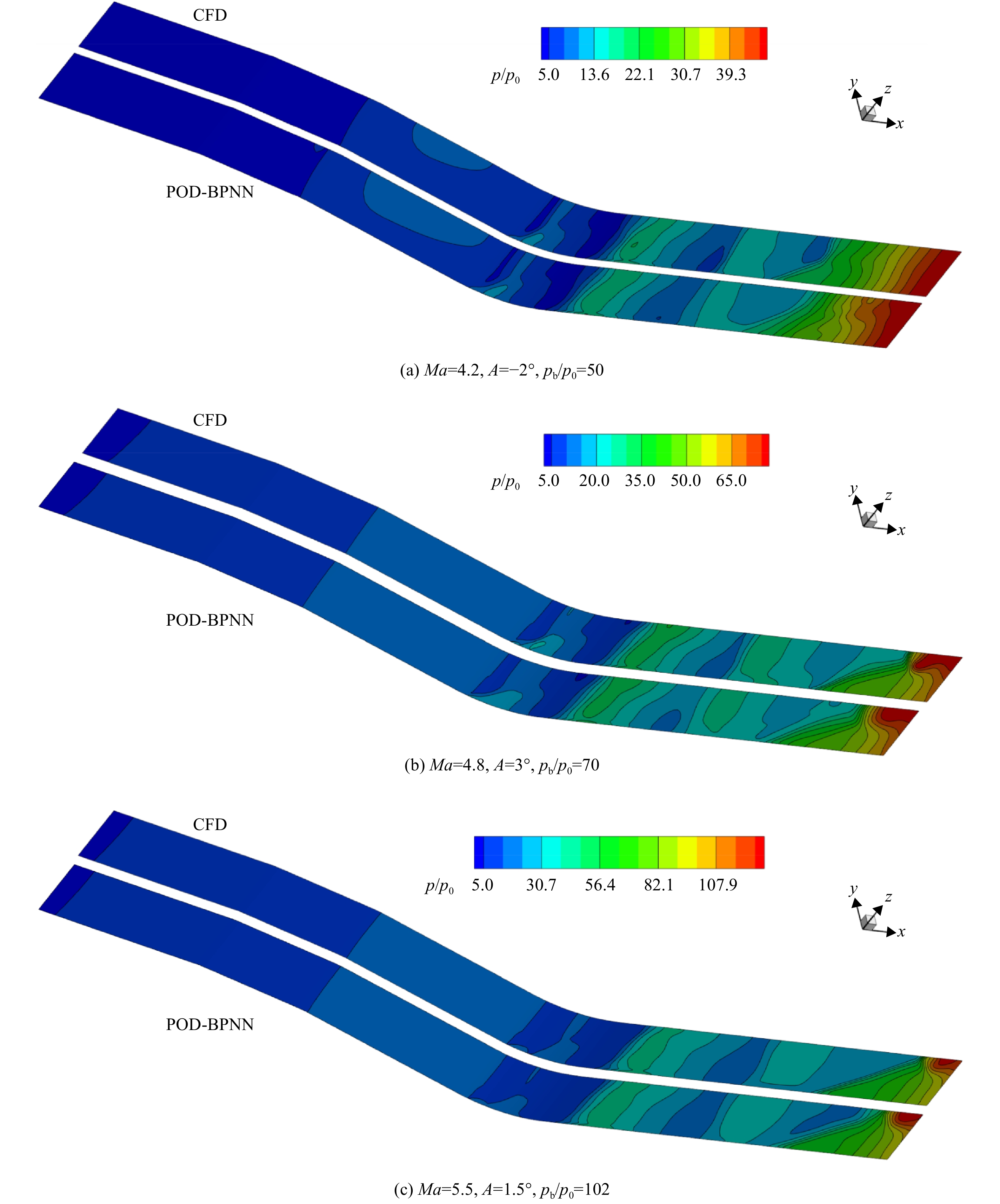
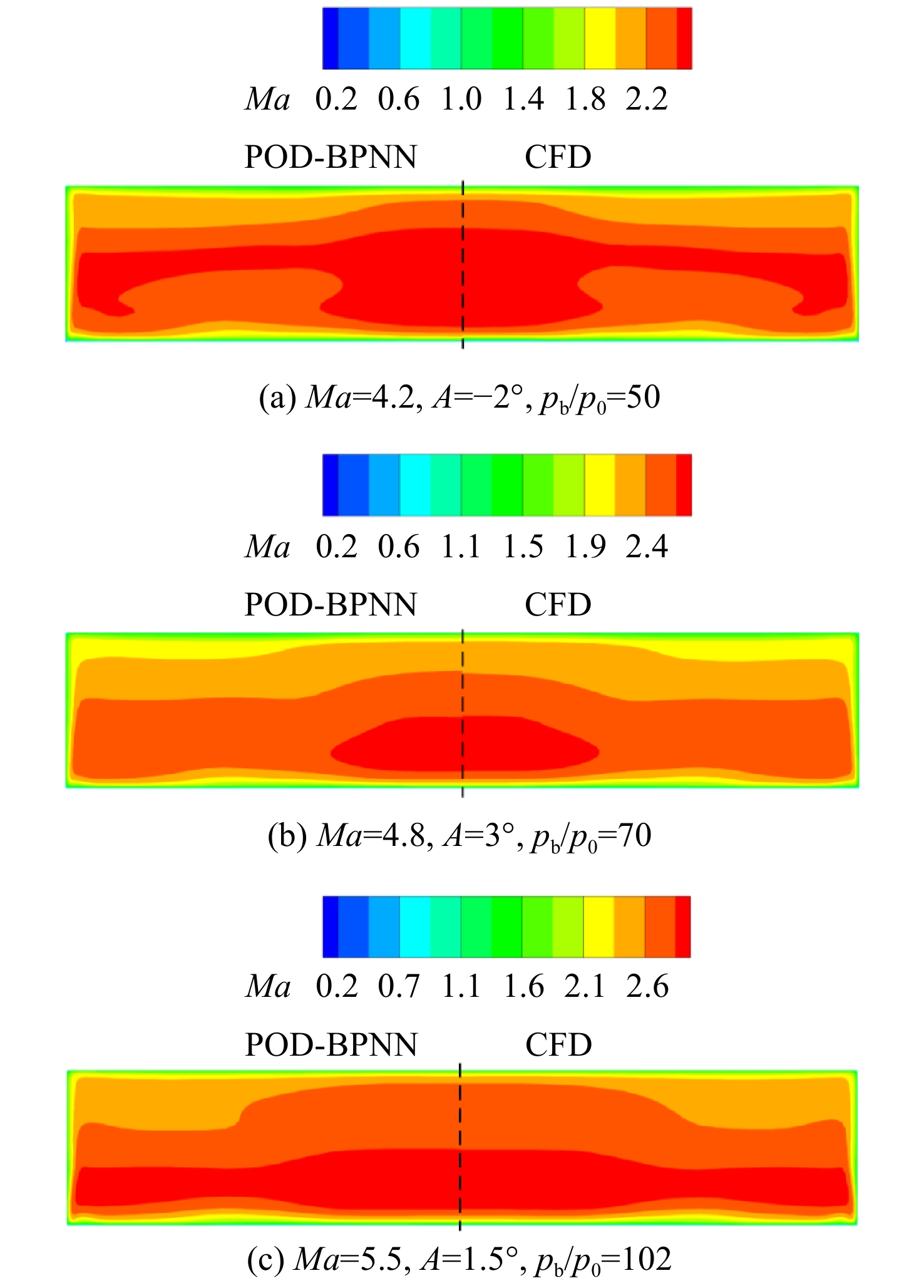
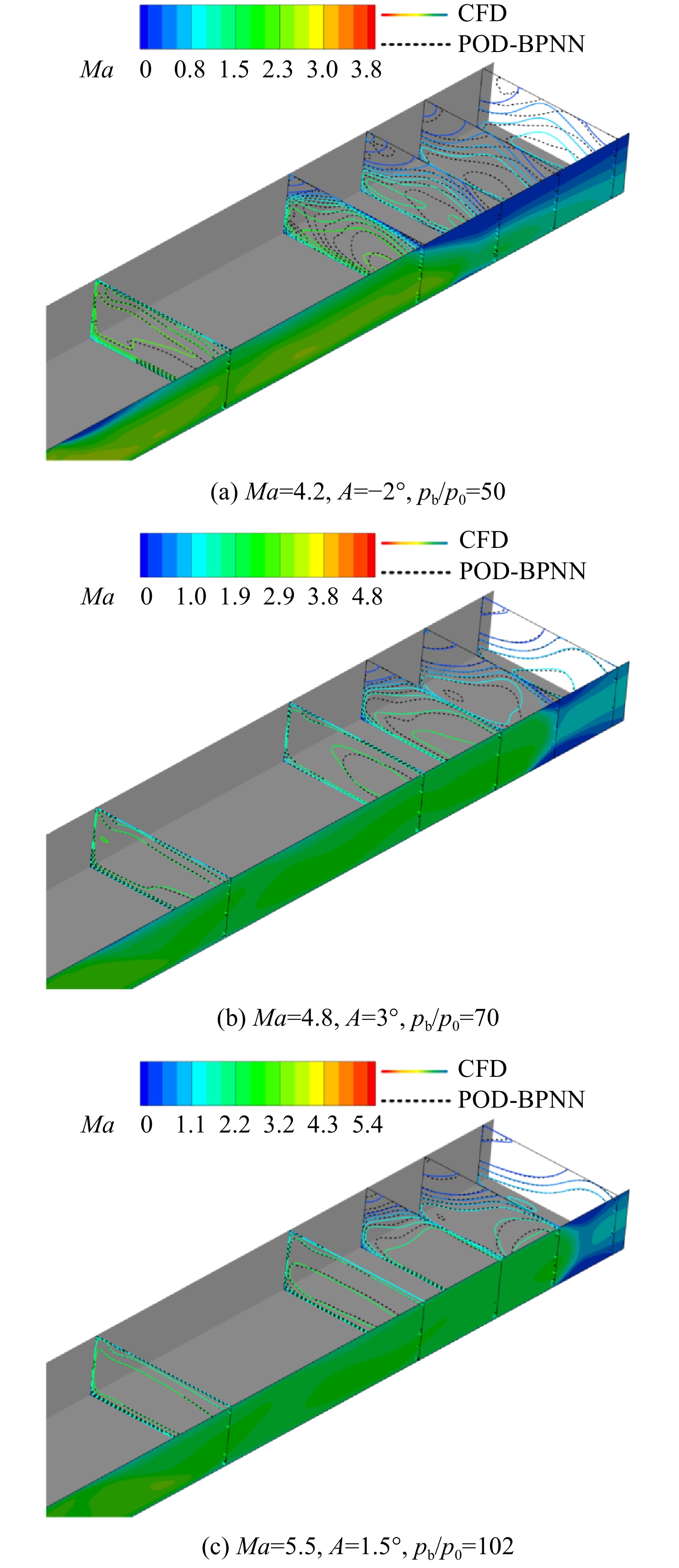
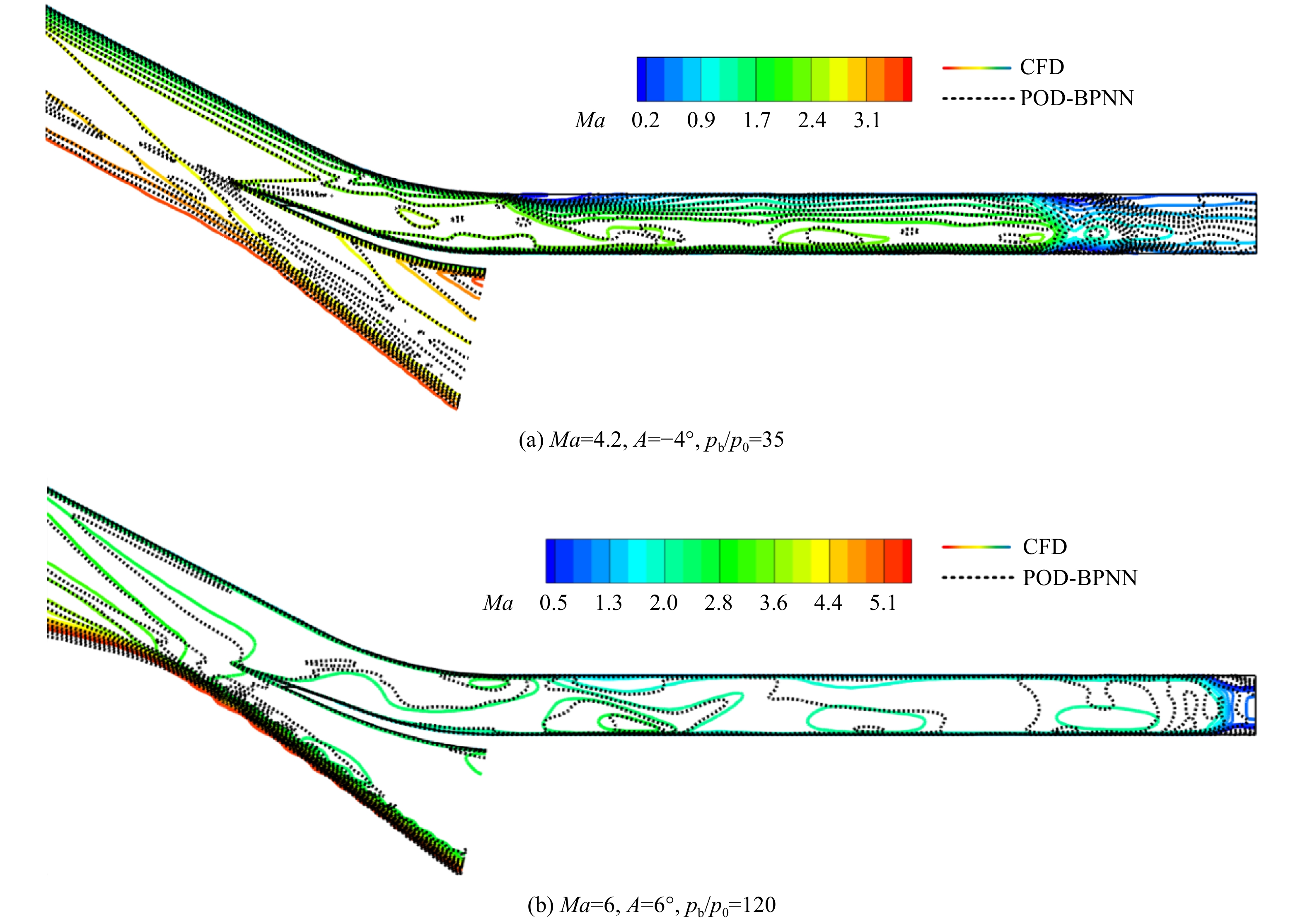
A fast prediction model for the flow field was constructed based on proper orthogonal decomposition (POD) and back propagation neural network (BPNN) for a three-dimensional integrated waverider forebody-inlet. Moreover, the hypersonic three-dimensional flow fields were predicted under different Mach number, angle of attack and back pressure. The research showed that the prediction model can accurately predict the flow field of non-sample conditions in the sampling space. The errors of fast prediction model for the Mach number, pressure, and temperature were less than 0.5%, 3.8% and 1.1%, respectively. The predictive results of the flow field for the waverider forebody, pressure distribution and the main performance parameters were highly consistent with the CFD (computational fluid dynamics) results. The prediction model had certain prediction ability for the external working conditions of the sampling space. However, the flow field numerical simulation adopted steady calculation, while the shock string structure in the isolator was affected by the separated vortex and had unsteady characteristics, indicating a large prediction error in the shock string area of the isolator.

Numerical simulation of high altitude reverse jet based on nonlinear coupled constitutive chemical-reaction model
HUANG Yifeng, JIANG Zhongzheng, ZENG Shuhua, CHEN Weifang
2025, 40(2): 20220662. doi: 10.13224/j.cnki.jasp.20220662
Abstract:

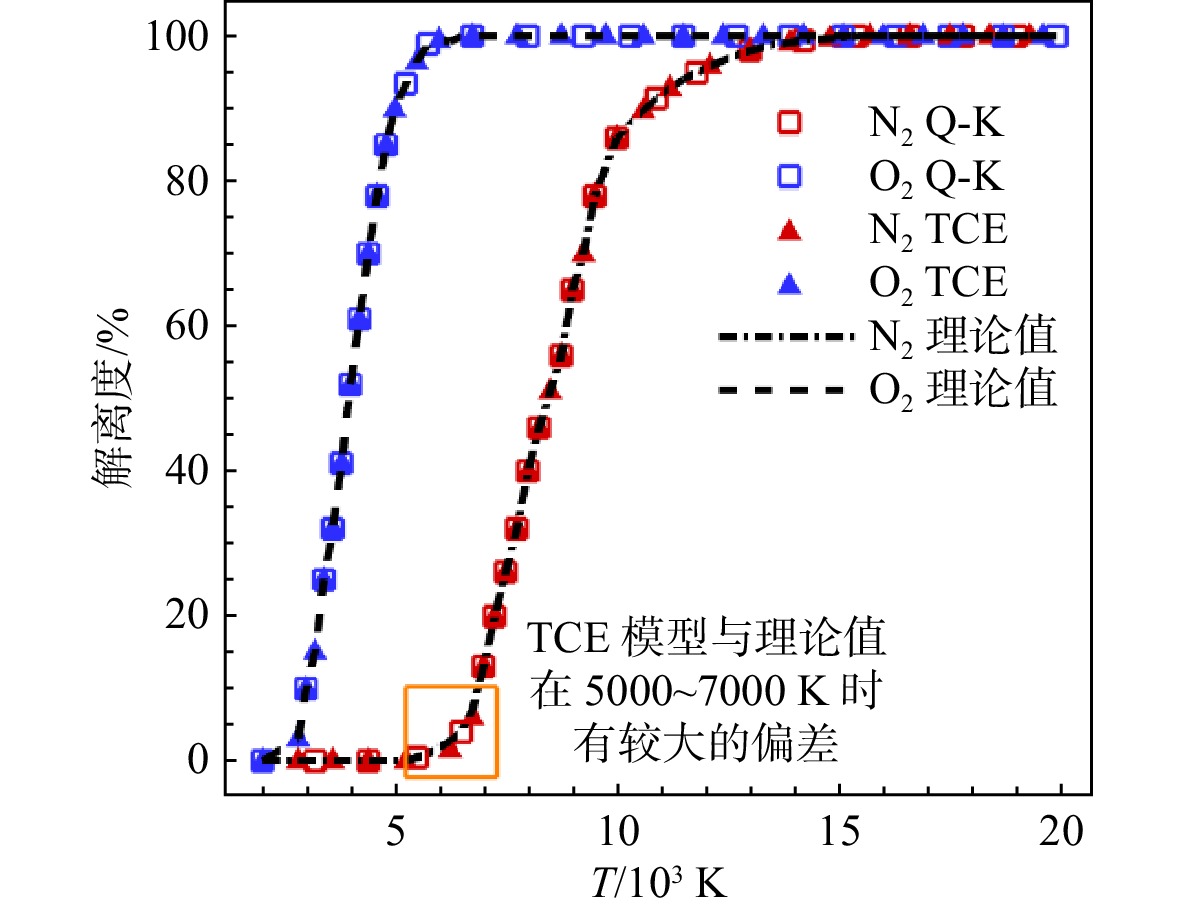
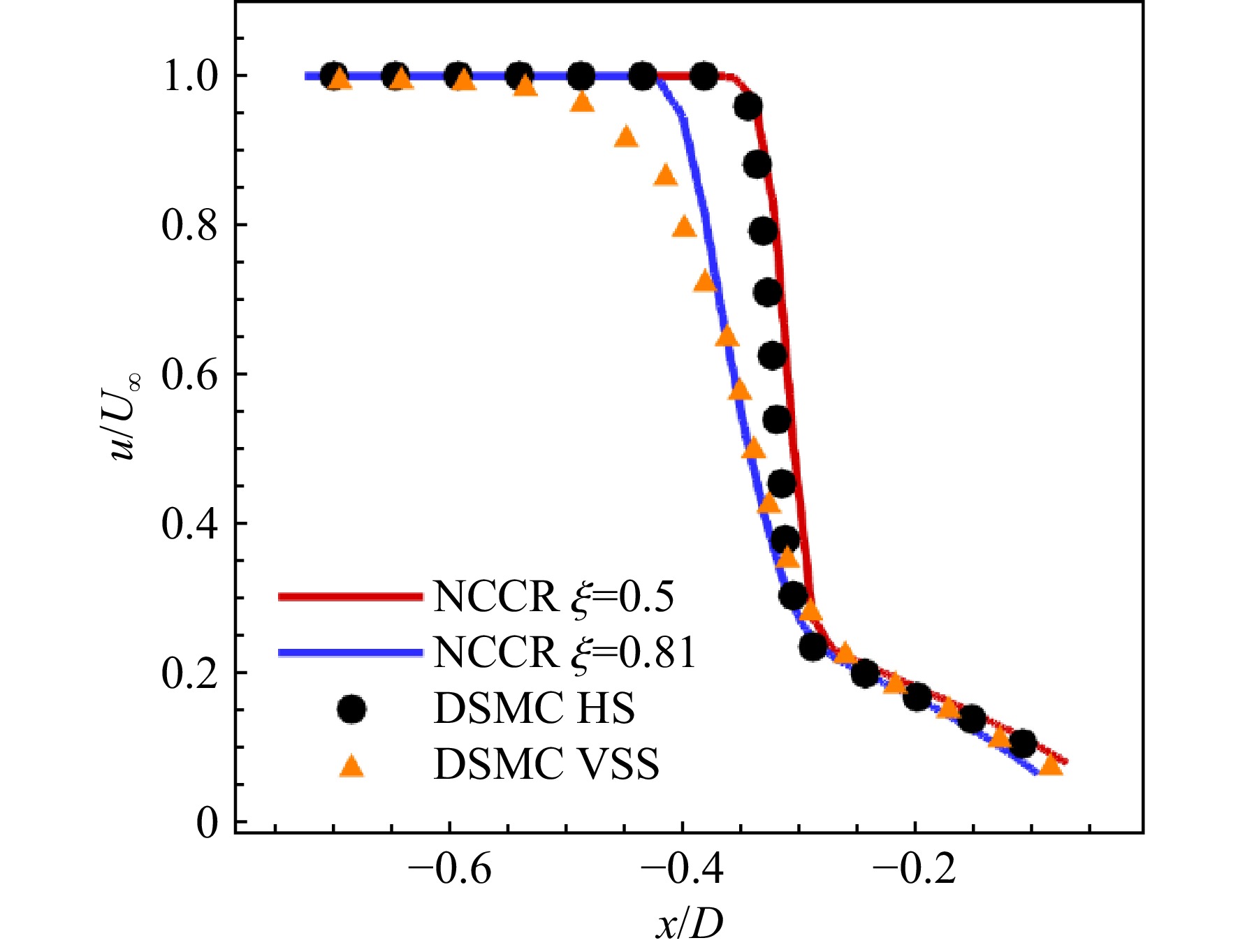
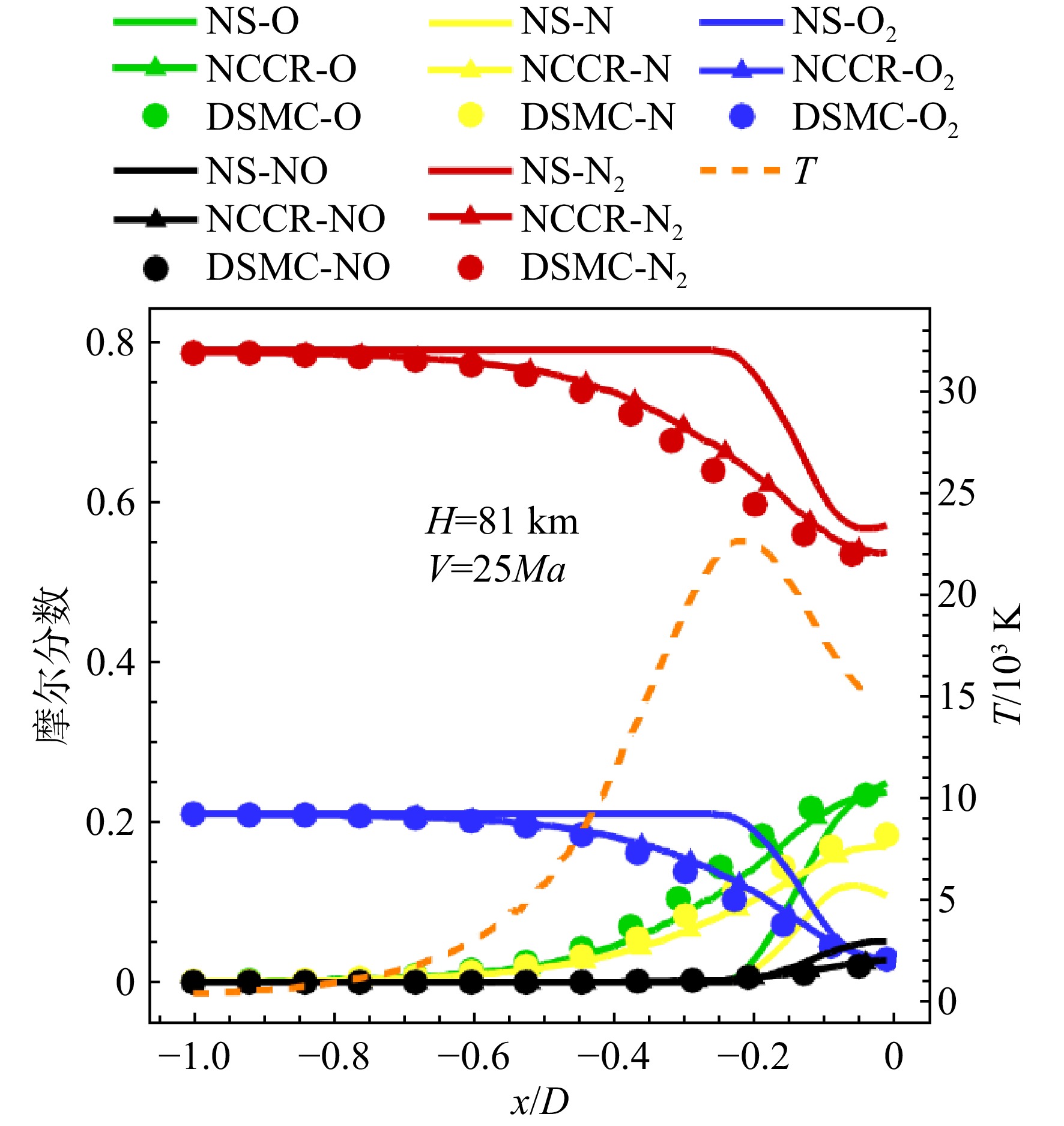
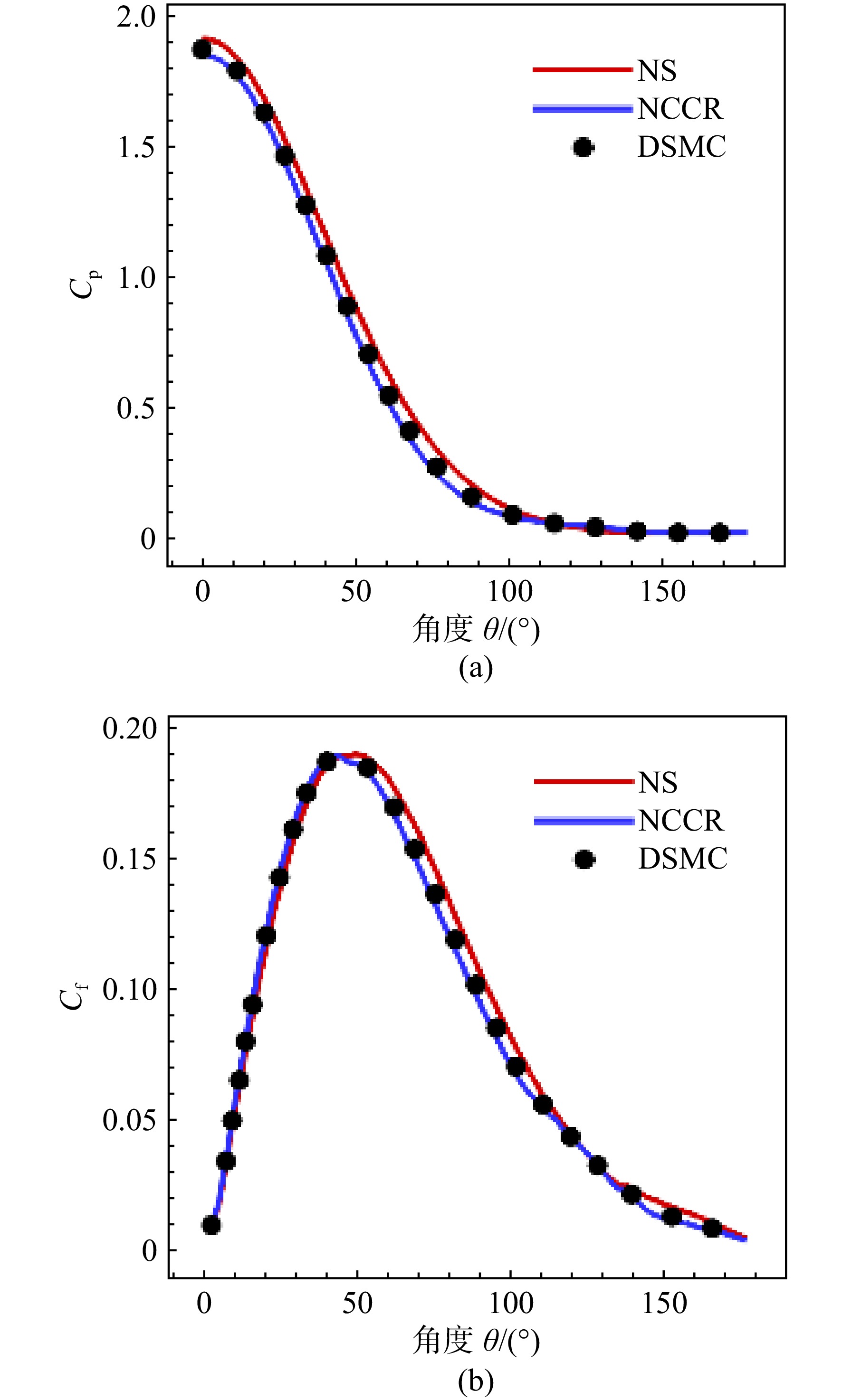
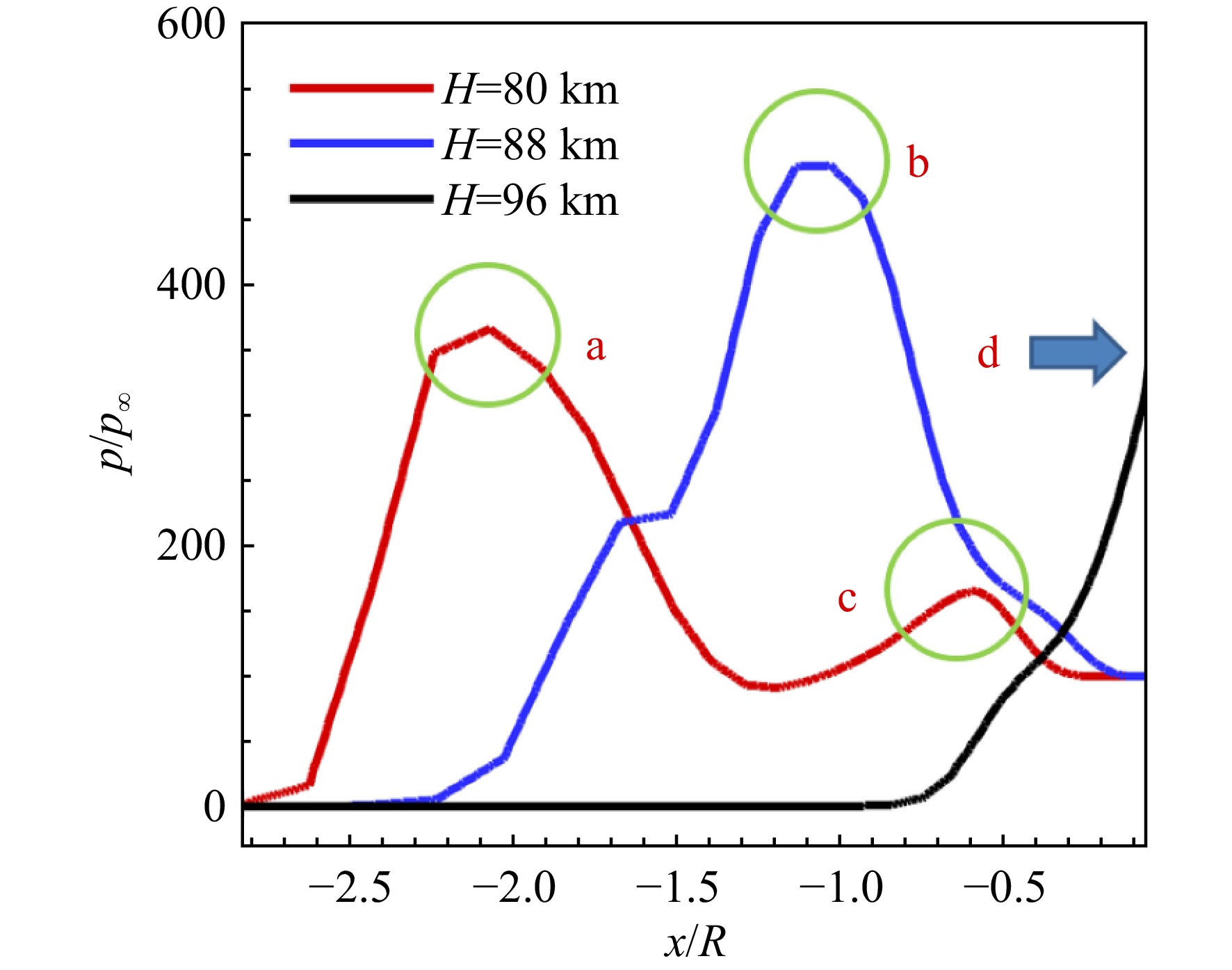
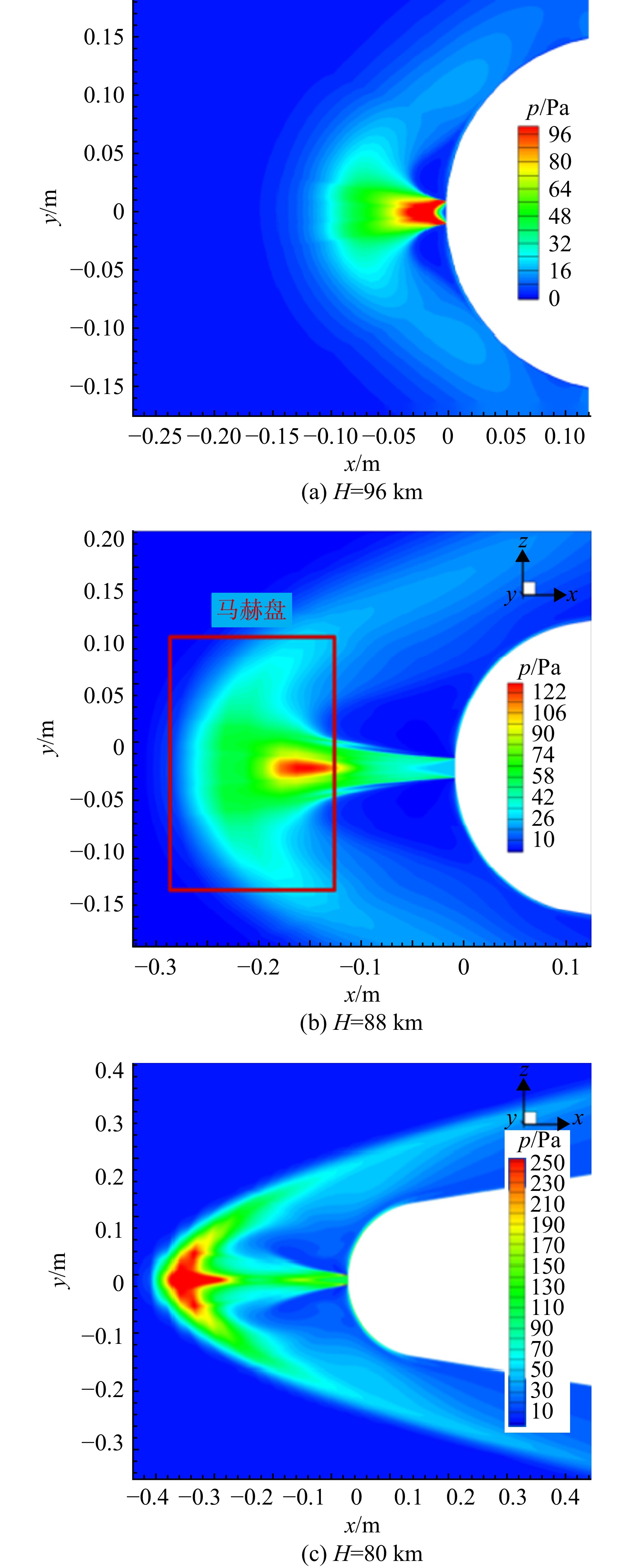
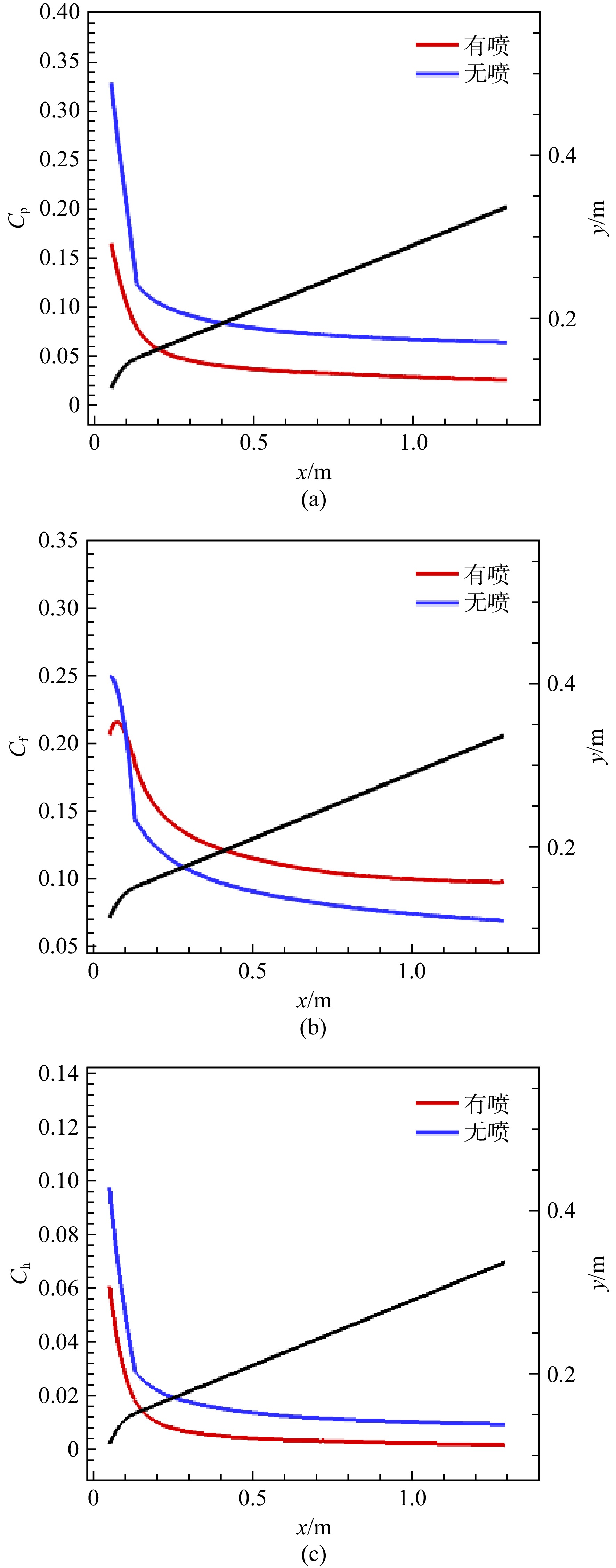
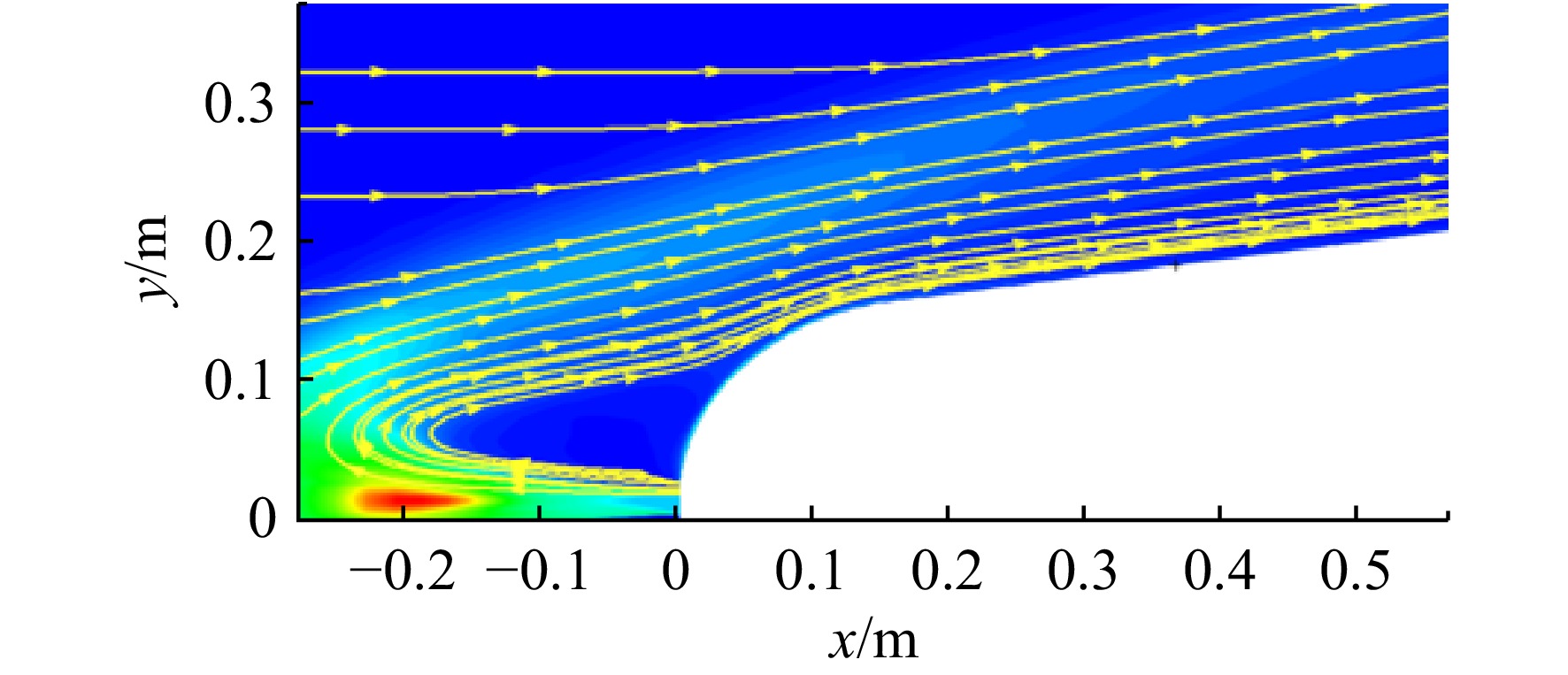
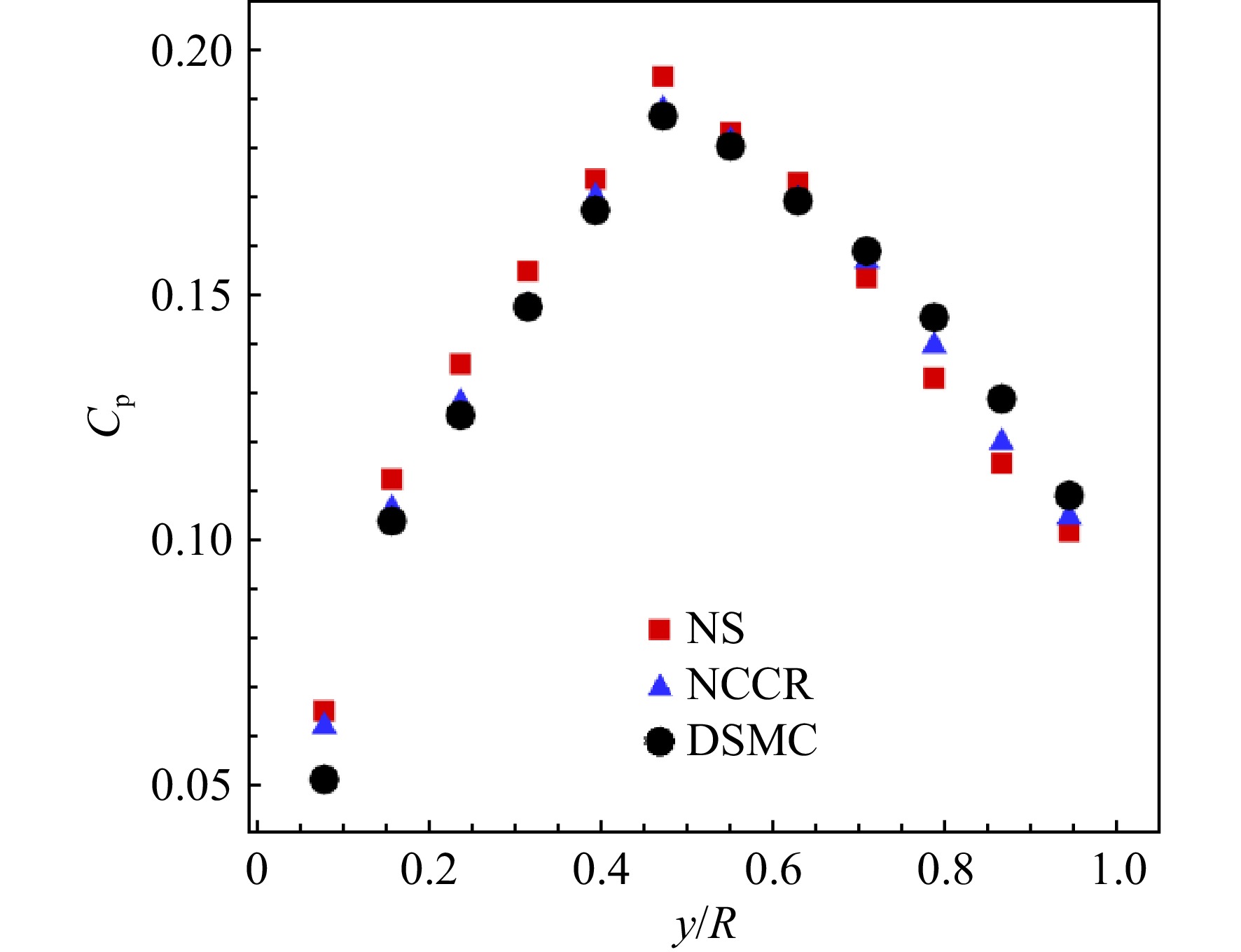
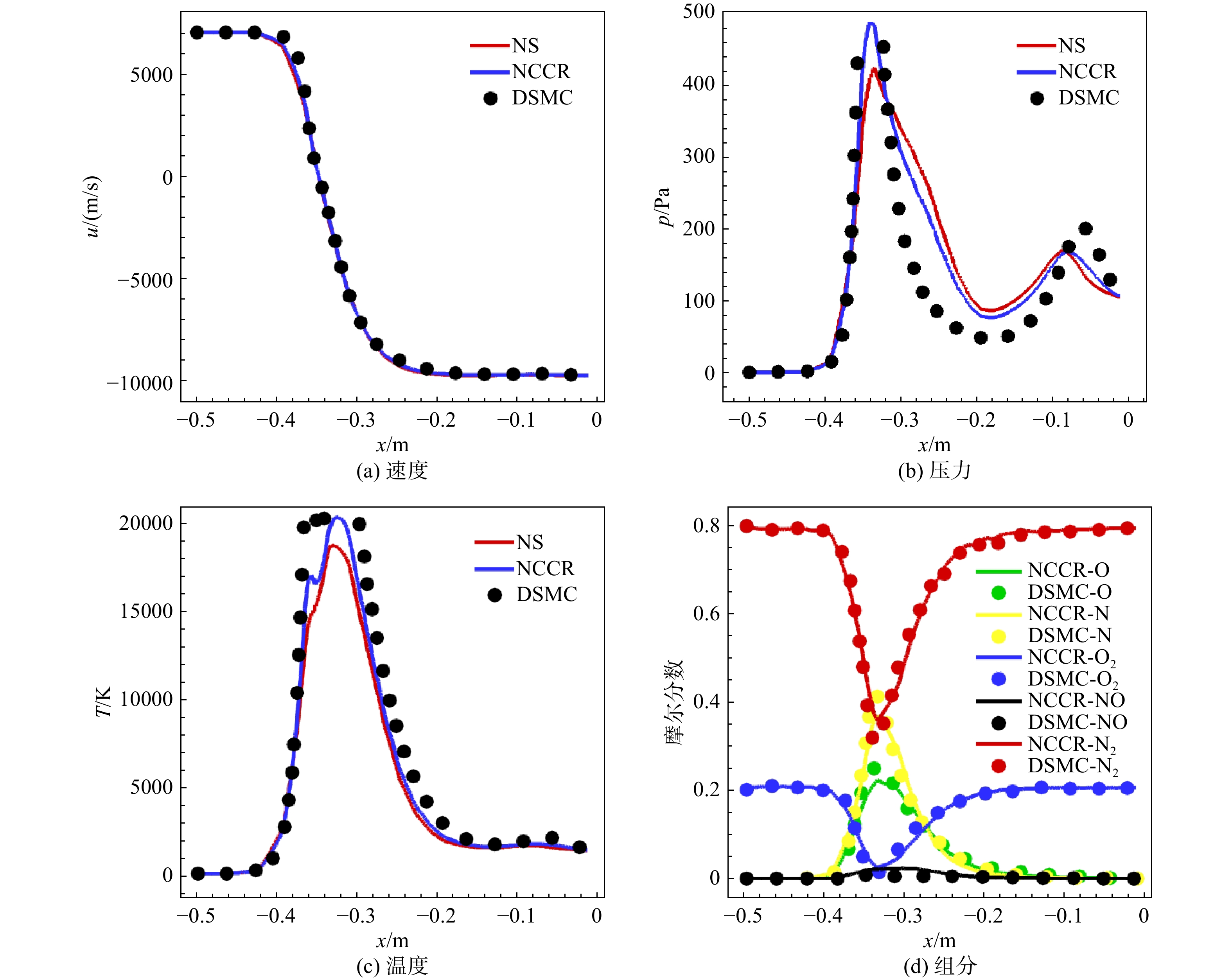
Considering the limitation of NS (Navier-Stokes) equation in predicting the multi-scale flow of high-altitude reverse jet due to the failure of continuity assumption, in order to accurately capture the characteristics of high temperature chemical reaction flow field of interaction between reverse jet and high-speed free stream as well as the variation of pressure coefficient, the nonlinear coupled Constitutive relations (NCCR) theory combined with the high temperature chemical reaction model was adopted to numerically calculate the reverse jet flow at different rarefied heights. The results were compared with those obtained by NS equation and direct simulation of Monte Carlo (DSMC). The simulation results showed that the reverse jet can push the detached shock wave away from the object surface by forming a Mach disk, and achieve a significant drag and heat reduction effect under the joint action of the detached shock wave and the annular reflux low-pressure area around the nozzle. In addition, by comparing with part of DSMC results, it can be seen that the prediction results of NCCR model were more accurate than the high temperature results of NS equation in calculating the chemical reverse jet flow in slip/transition regimes, which verified the accuracy and applicability of NCCR high temperature chemical reaction model in complex flow conditions at high altitude.

Study on noise characteristics of supersonic under-expanded jets with twin-nozzle
YANG Yi, GOU Jinlan, LE Guigao, XING Chenglong
2025, 40(2): 20230276. doi: 10.13224/j.cnki.jasp.20230276
Abstract:

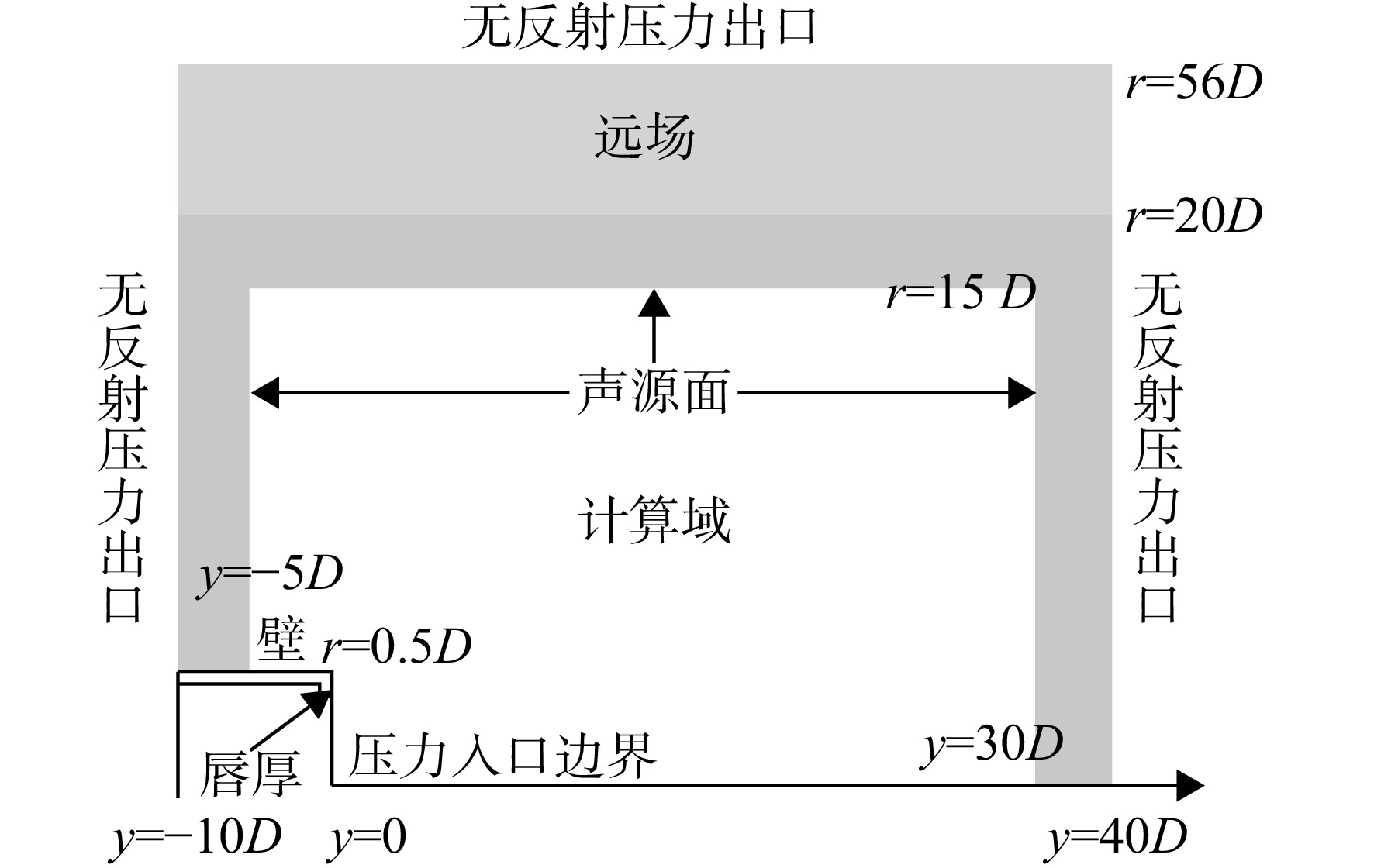
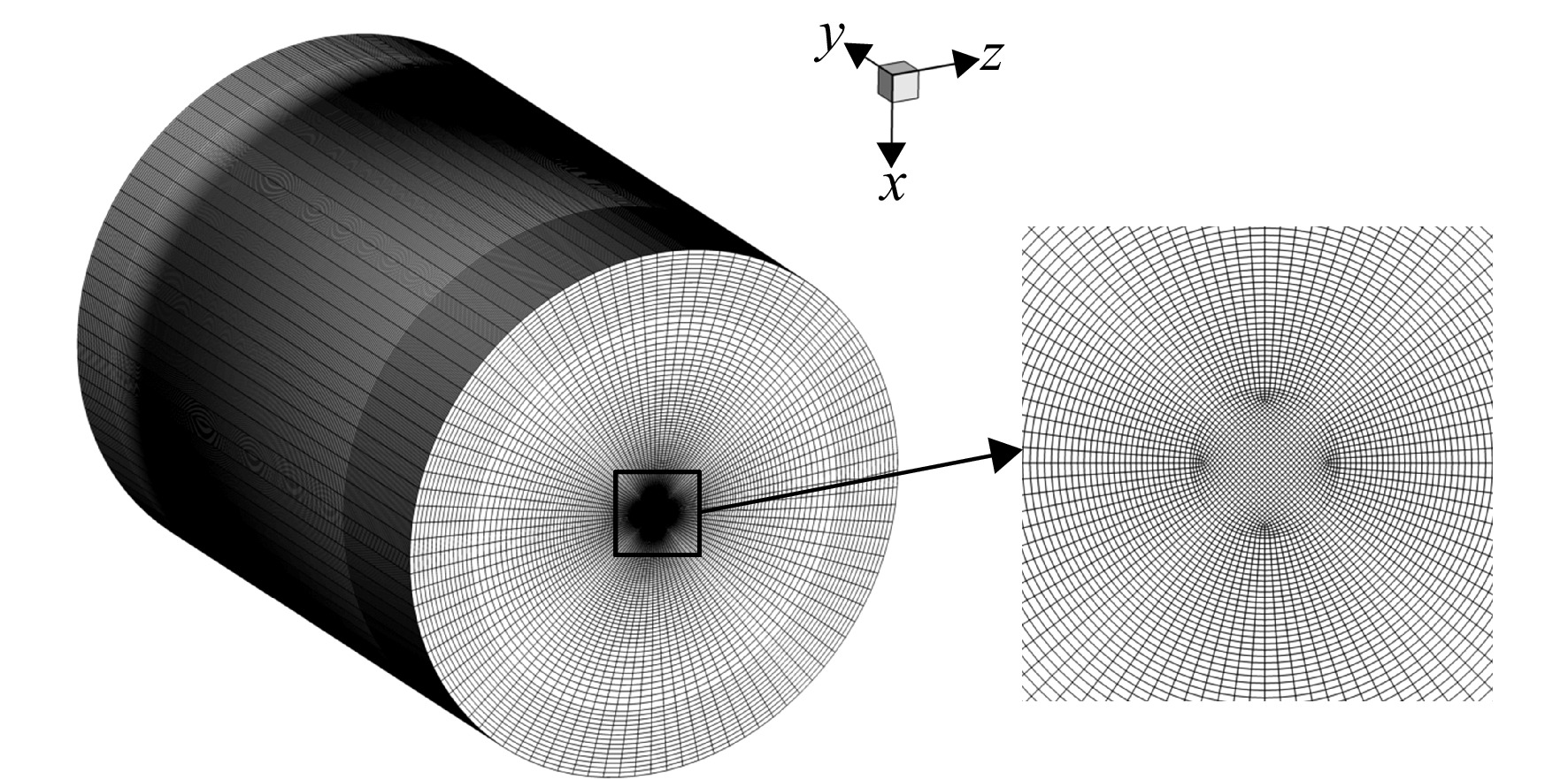
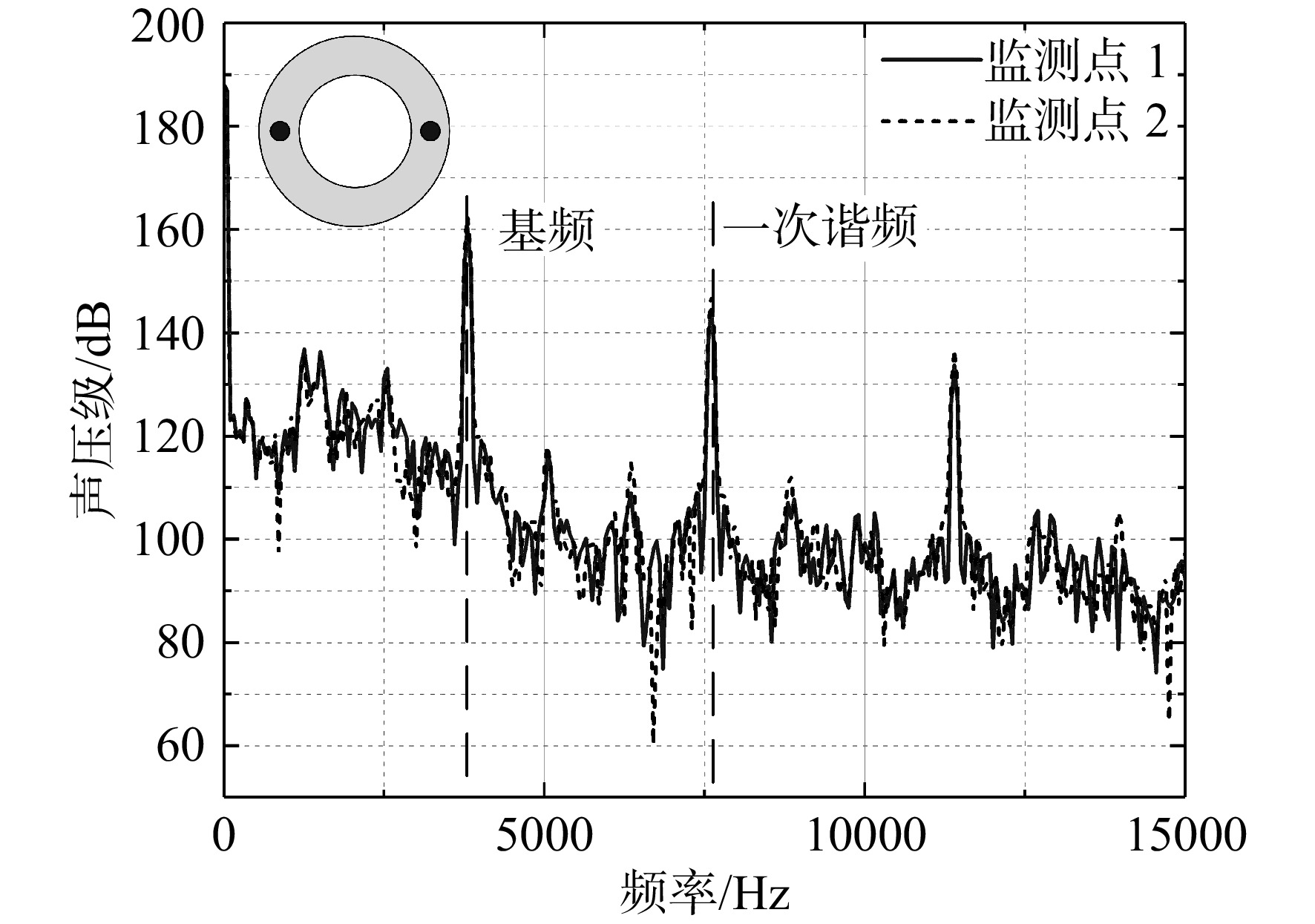
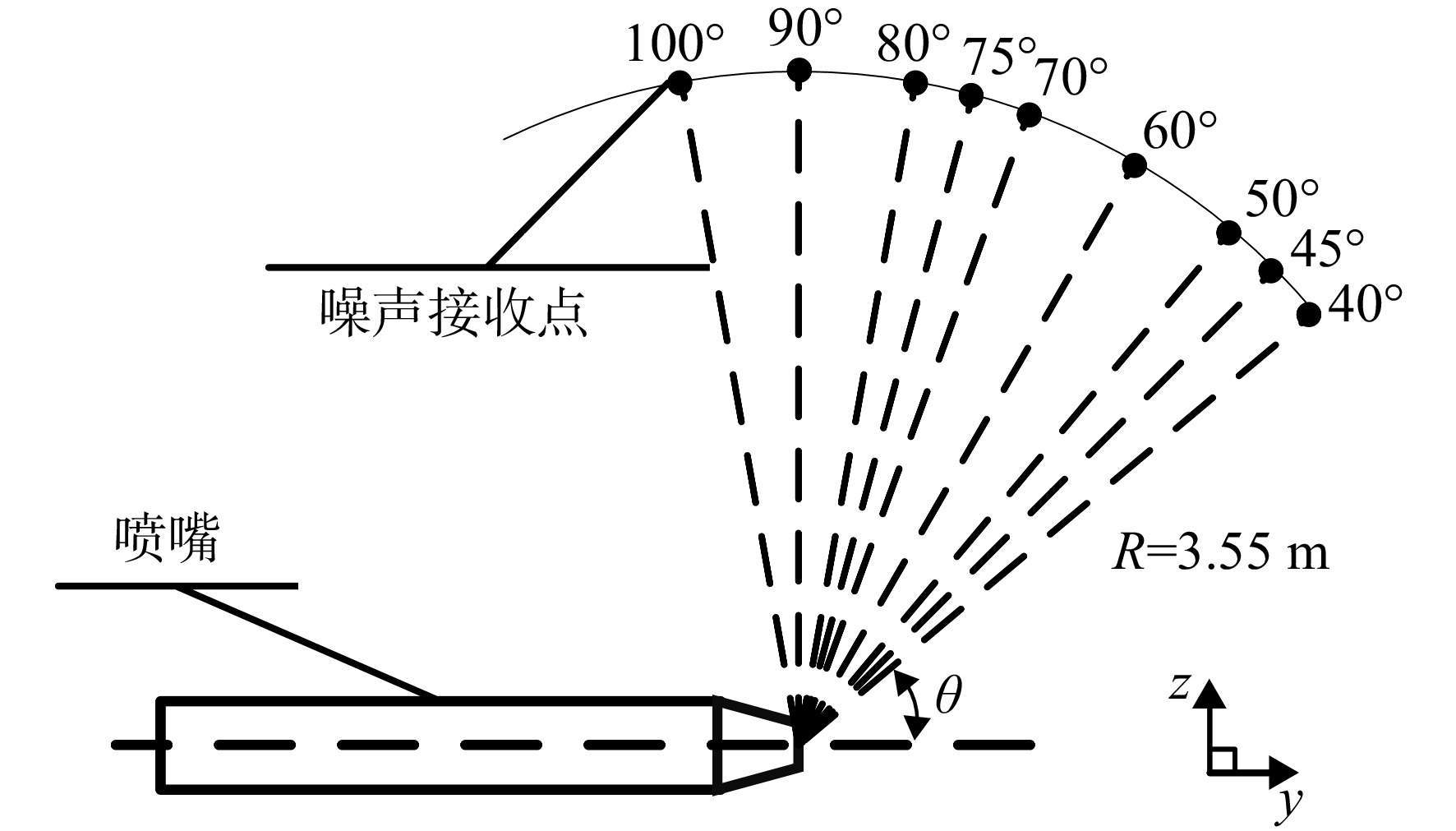
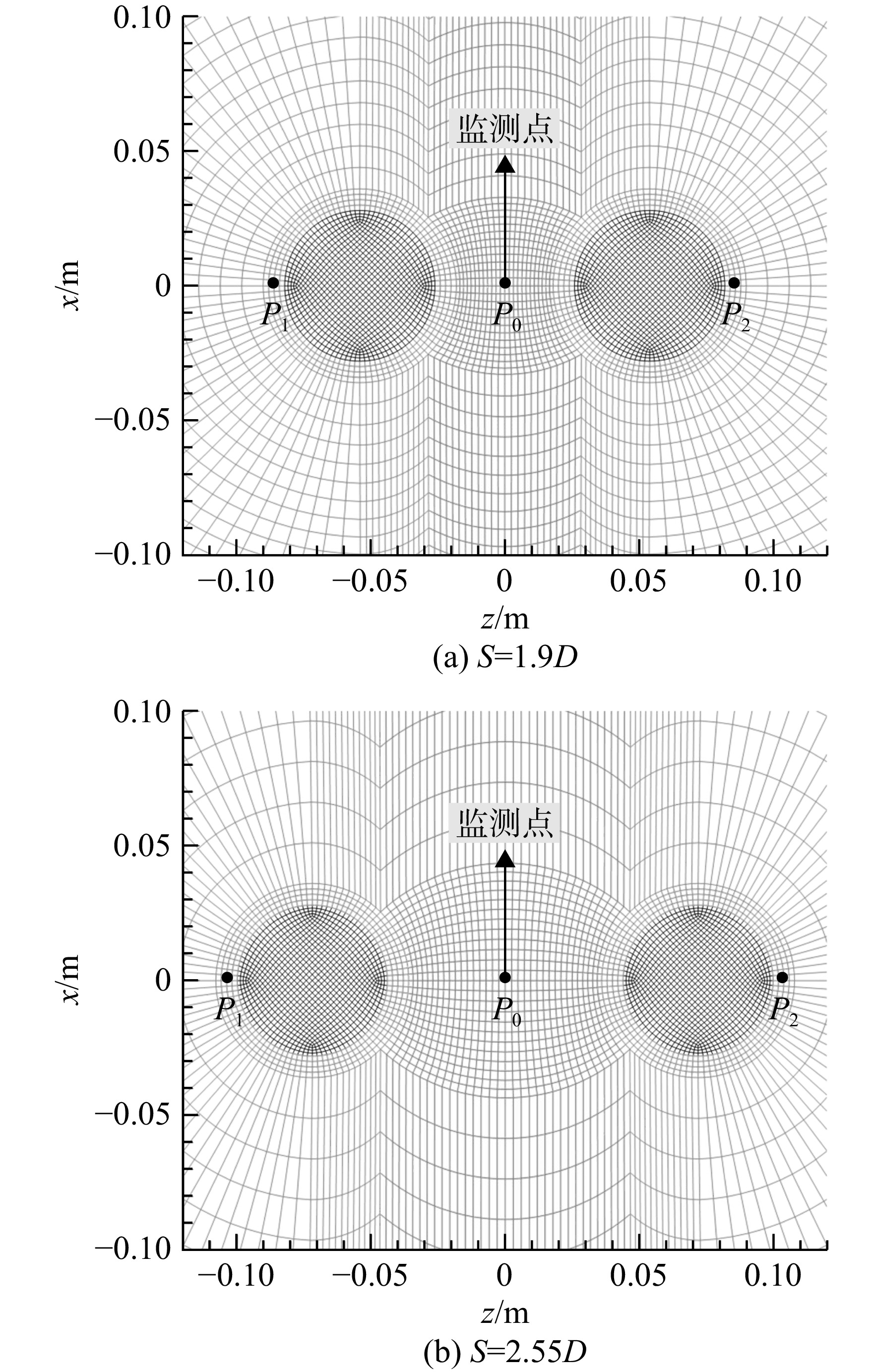
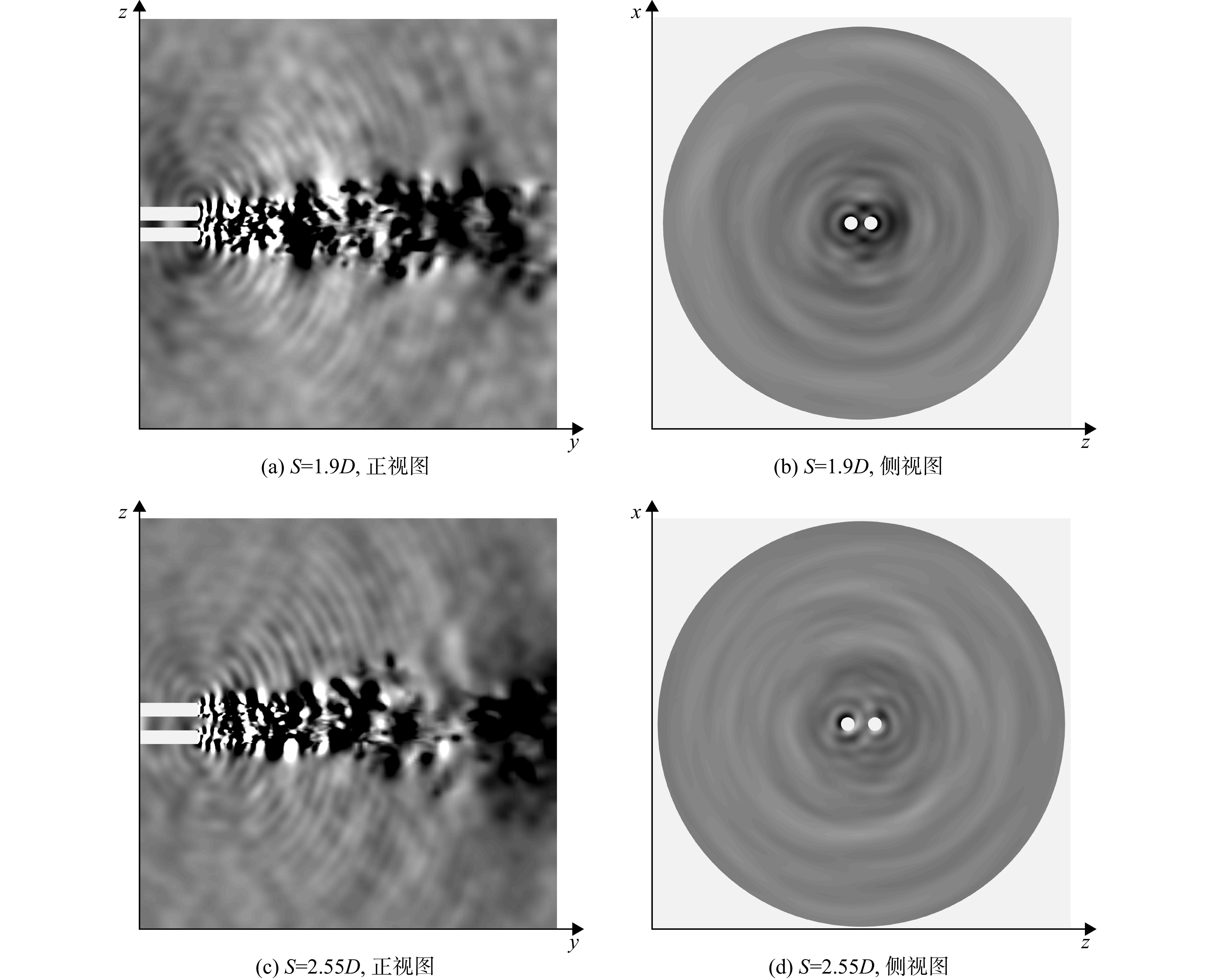
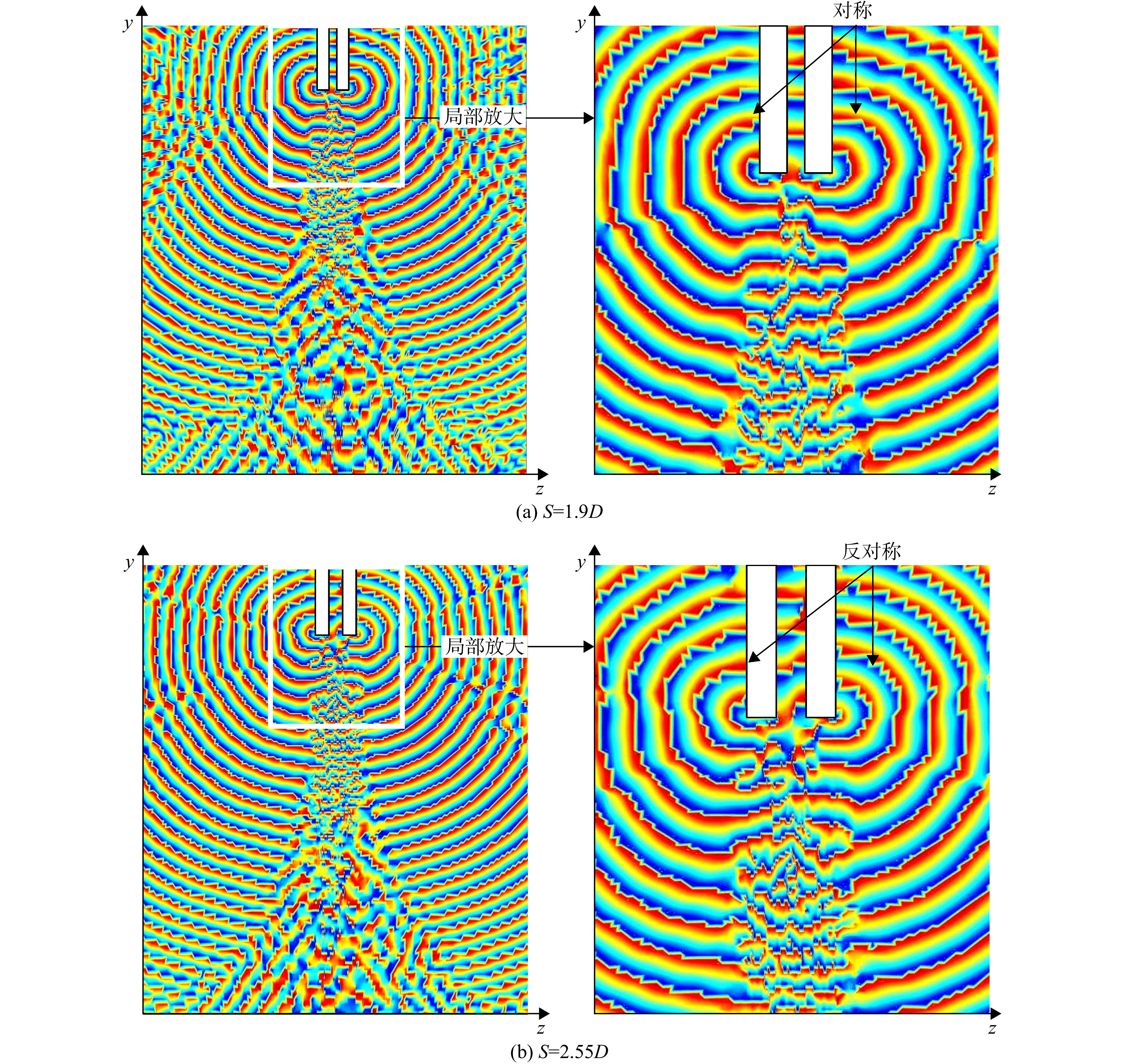
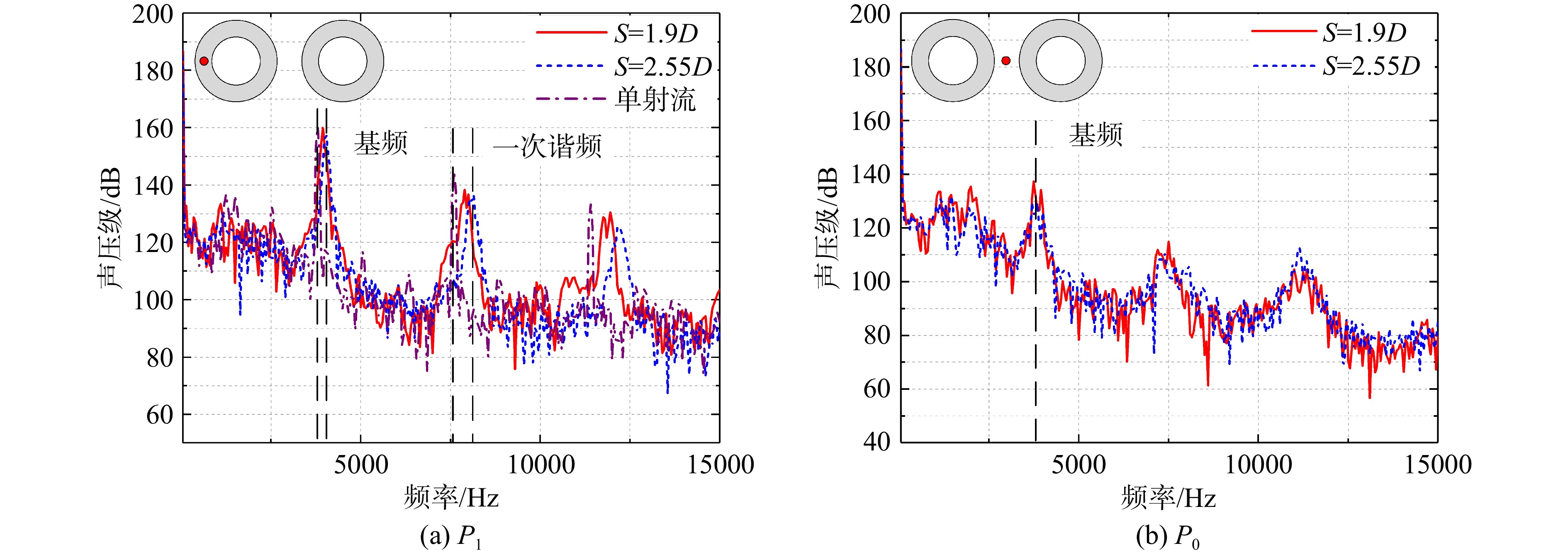
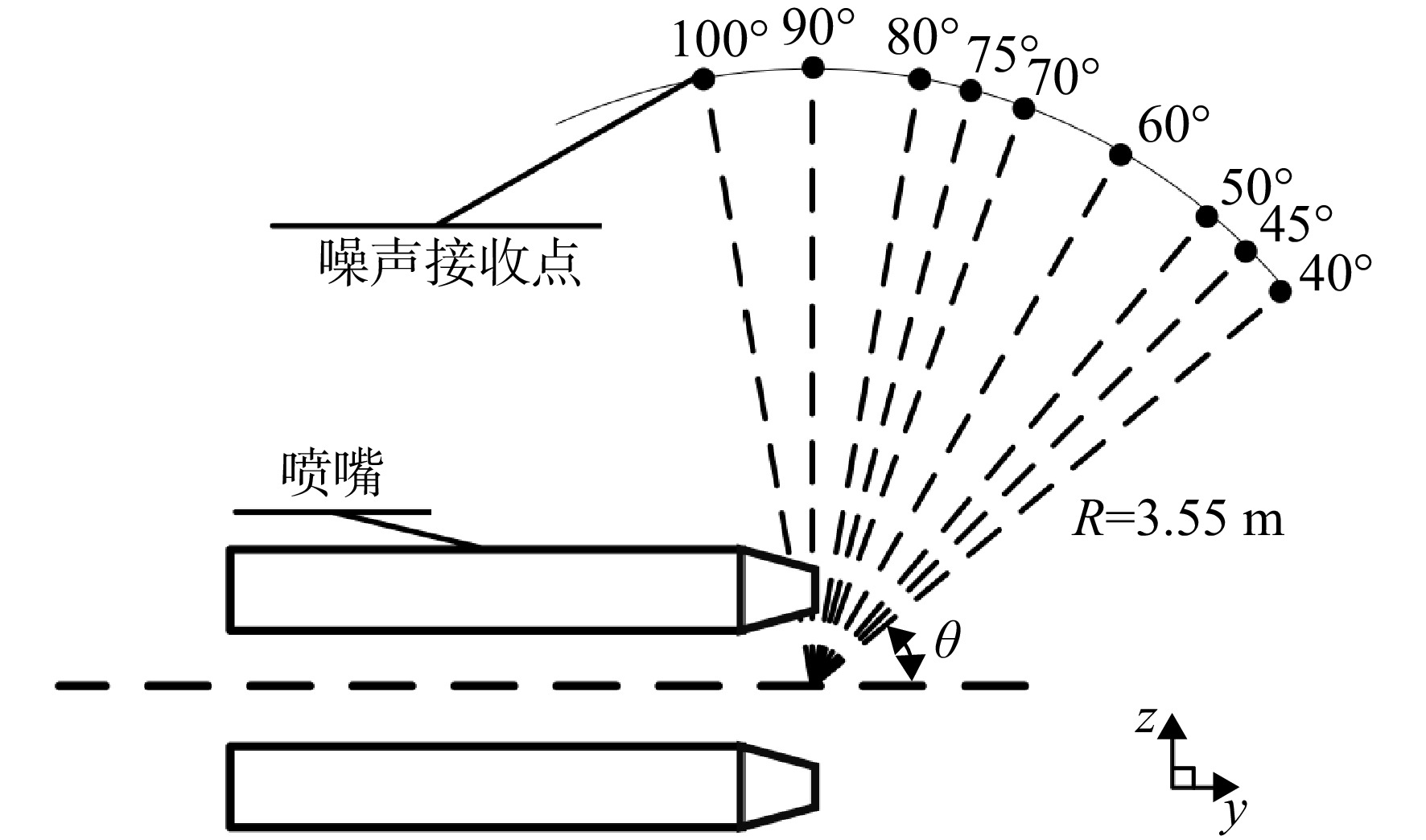
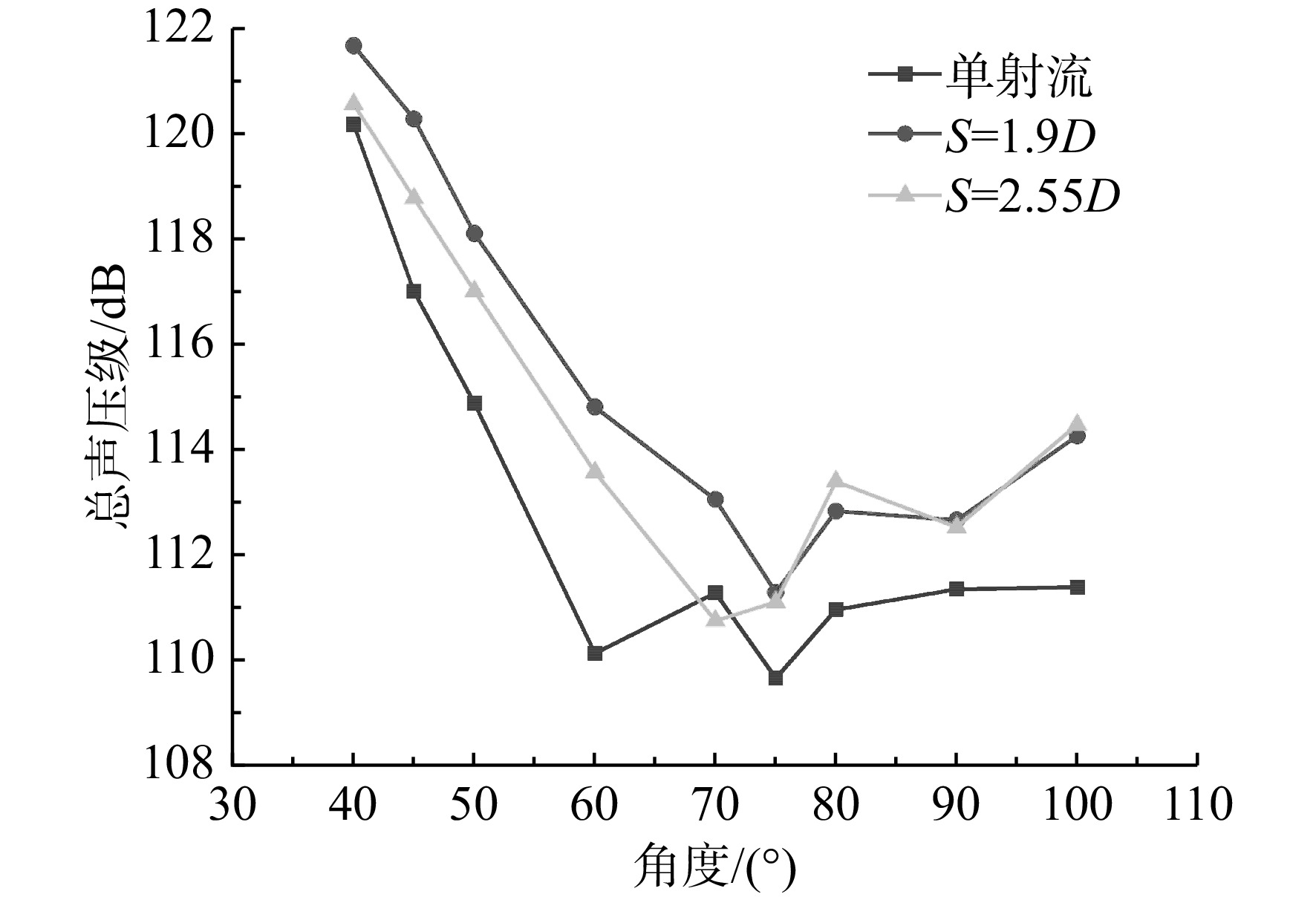
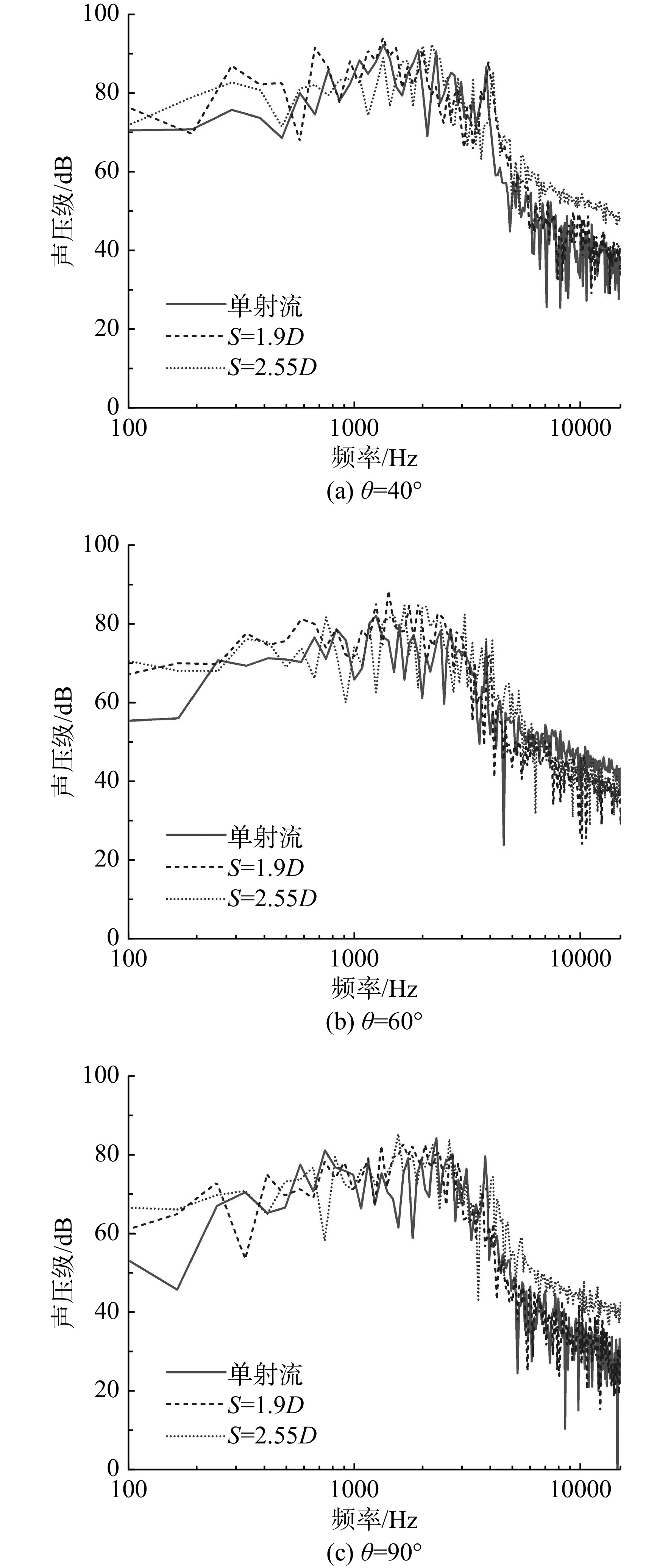
In order to explore the flow field characteristics and noise propagation mechanism of an under-expanded supersonic jet under different nozzle spacing conditions, a numerical model was established based on the large eddy simulation (LES) method to calculate the flow field structure of under-expanded supersonic jet and the noise sound pressure distribution law of near-far field. The effects of the number of nozzles and the distance between nozzles on the sound field were studied. The far-field noise characteristics of different positions and angles were obtained based on the Ffowcs Williams-Hawkings (FW-H) equation; the near-field noise characteristics were obtained by performing Fourier transform on the time-domain pressure fluctuation signals of the near-field receivers. The results showed that under the condition of two kinds of nozzle spacing, the twin-jet presented symmetrical and anti-symmetrical flapping modes (at fundamental frequency); and compared with the single jet, the difference of the twin-jet flapping mode made the whistling frequency shift. When the distance between nozzles was small, the near-field pressure fluctuation intensity of twin-jet was greater, and the amplitude of near-field noise sound pressure level was larger. The peak frequency of the sound pressure level in the far field of the jet increased with the increase of the observation angle, but in the twin-jet plane, the change trend of noise directivity was the same under both working conditions.

Analysis and verification of aerodynamic efficiency and torque reduction effect of ducted propeller stator
LI Zhuoyuan, YANG Xudong, QU Lijuan, SUN Kai
2025, 40(2): 20220438. doi: 10.13224/j.cnki.jasp.20220438
Abstract:

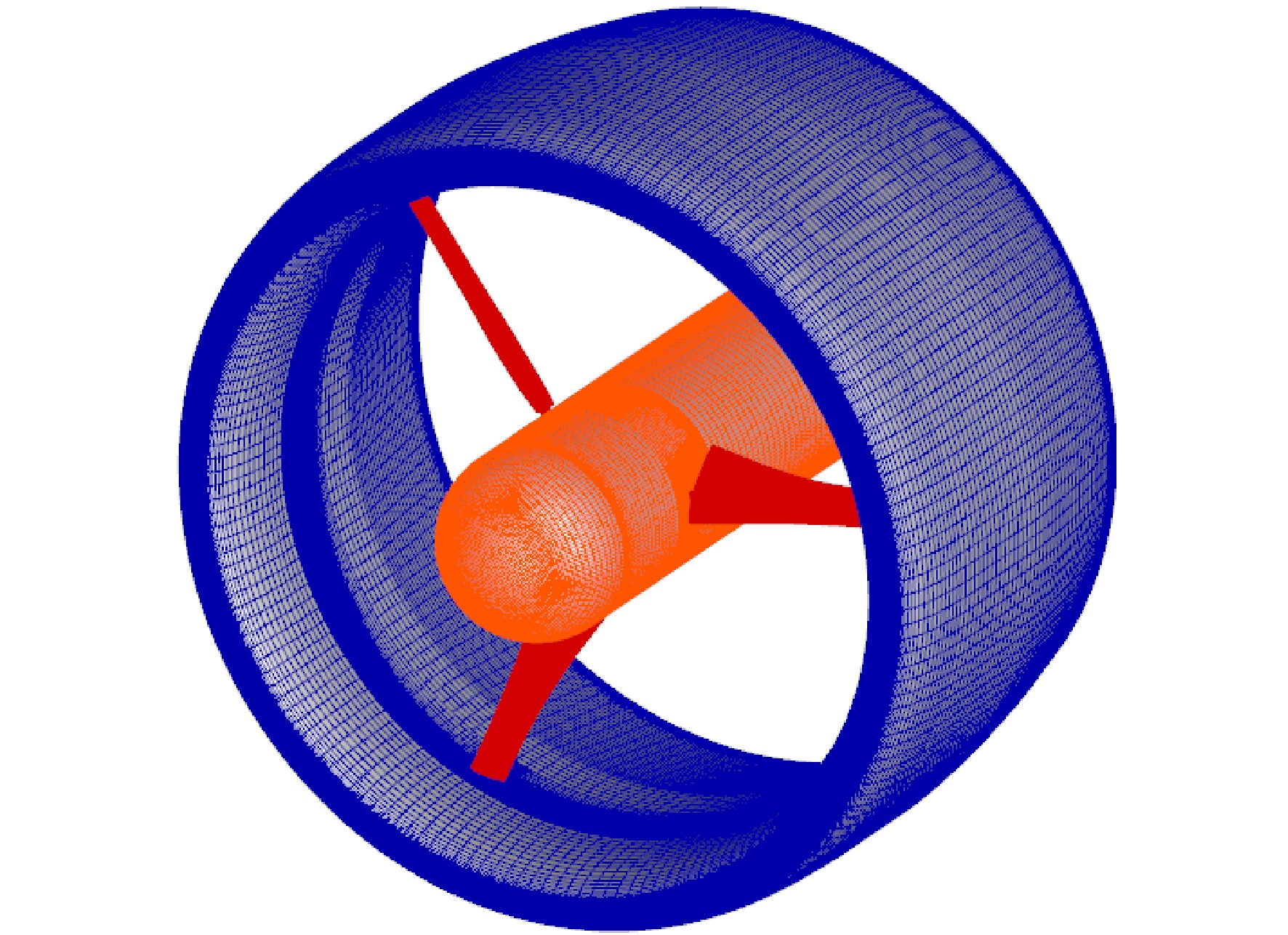
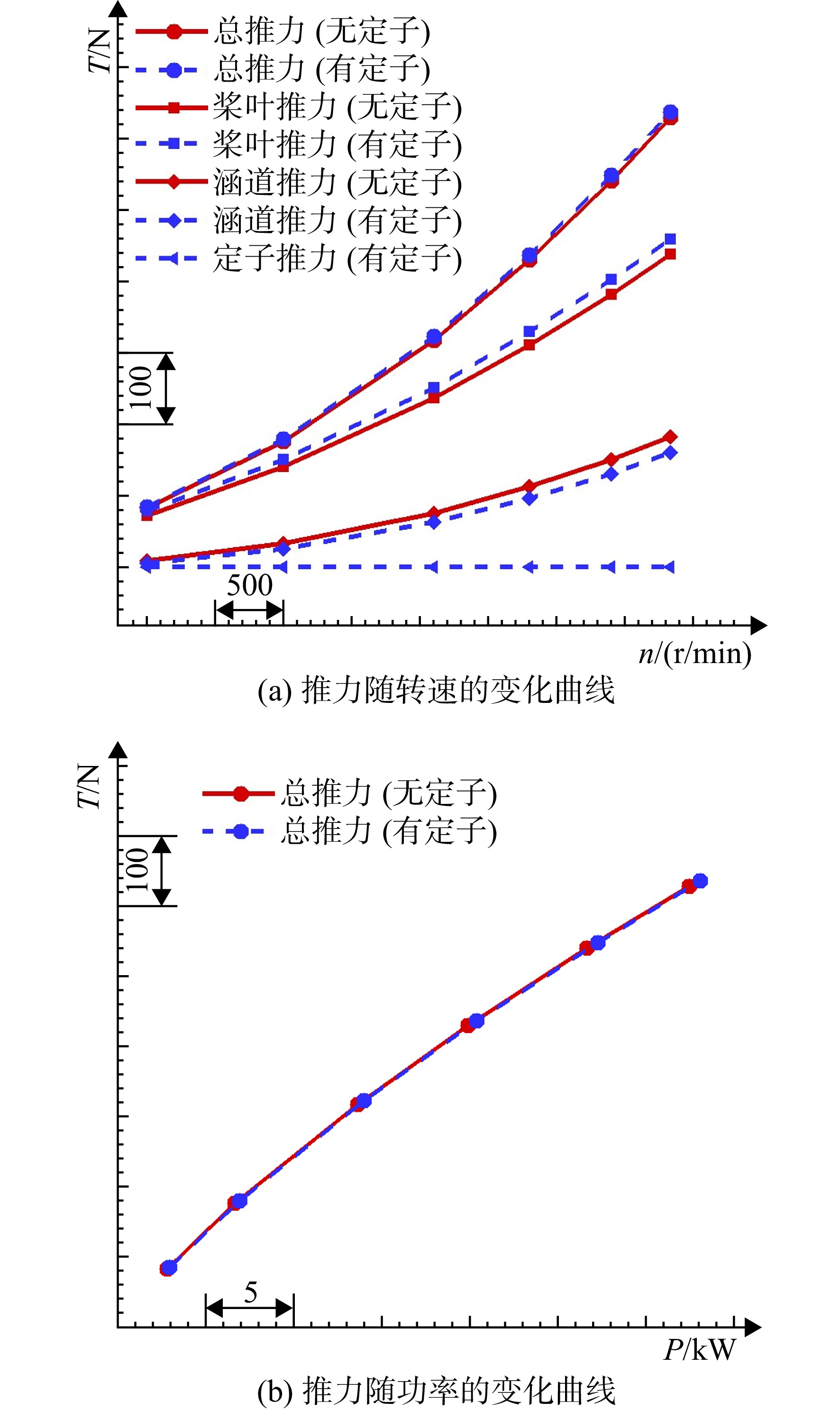
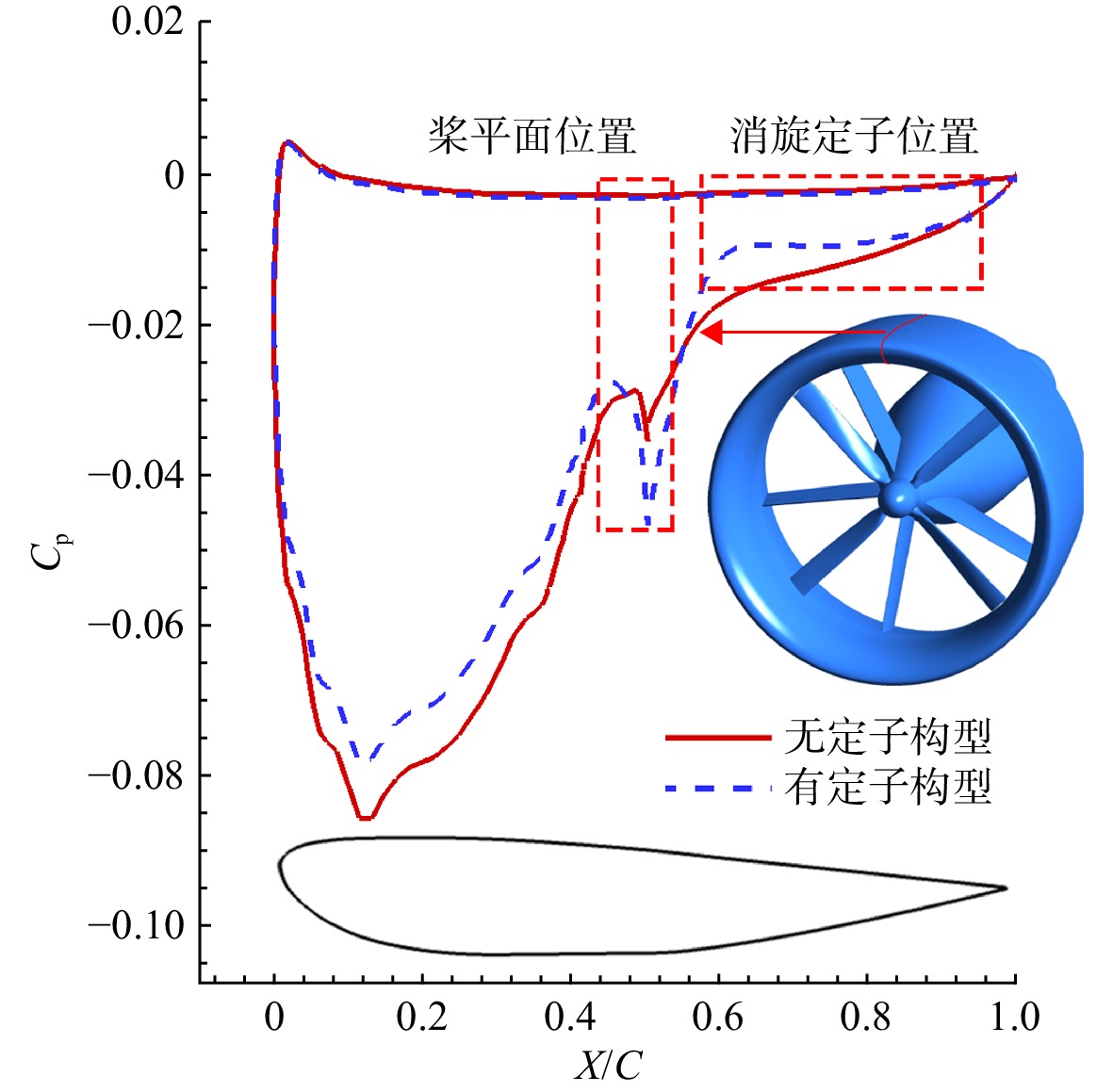
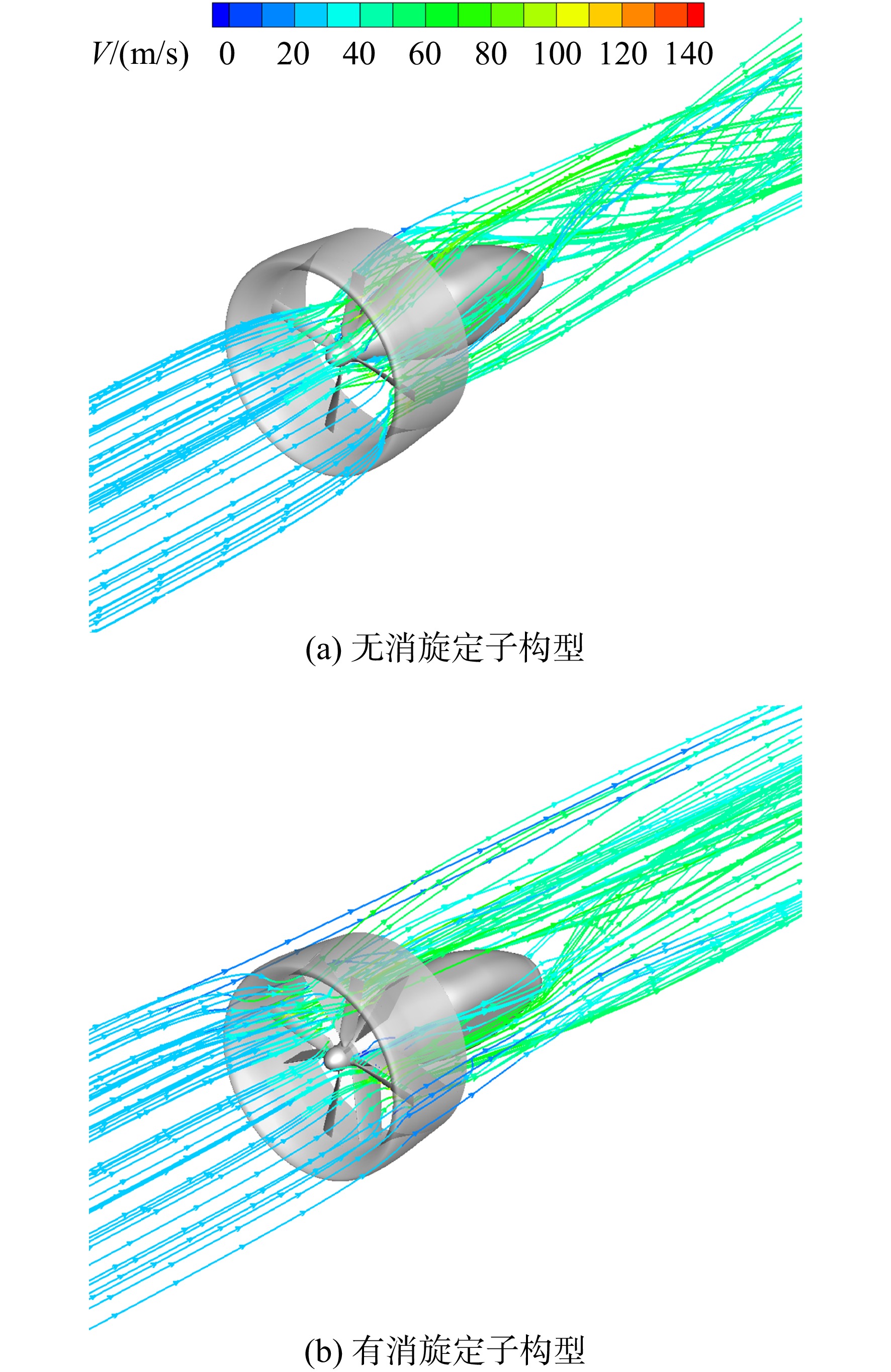
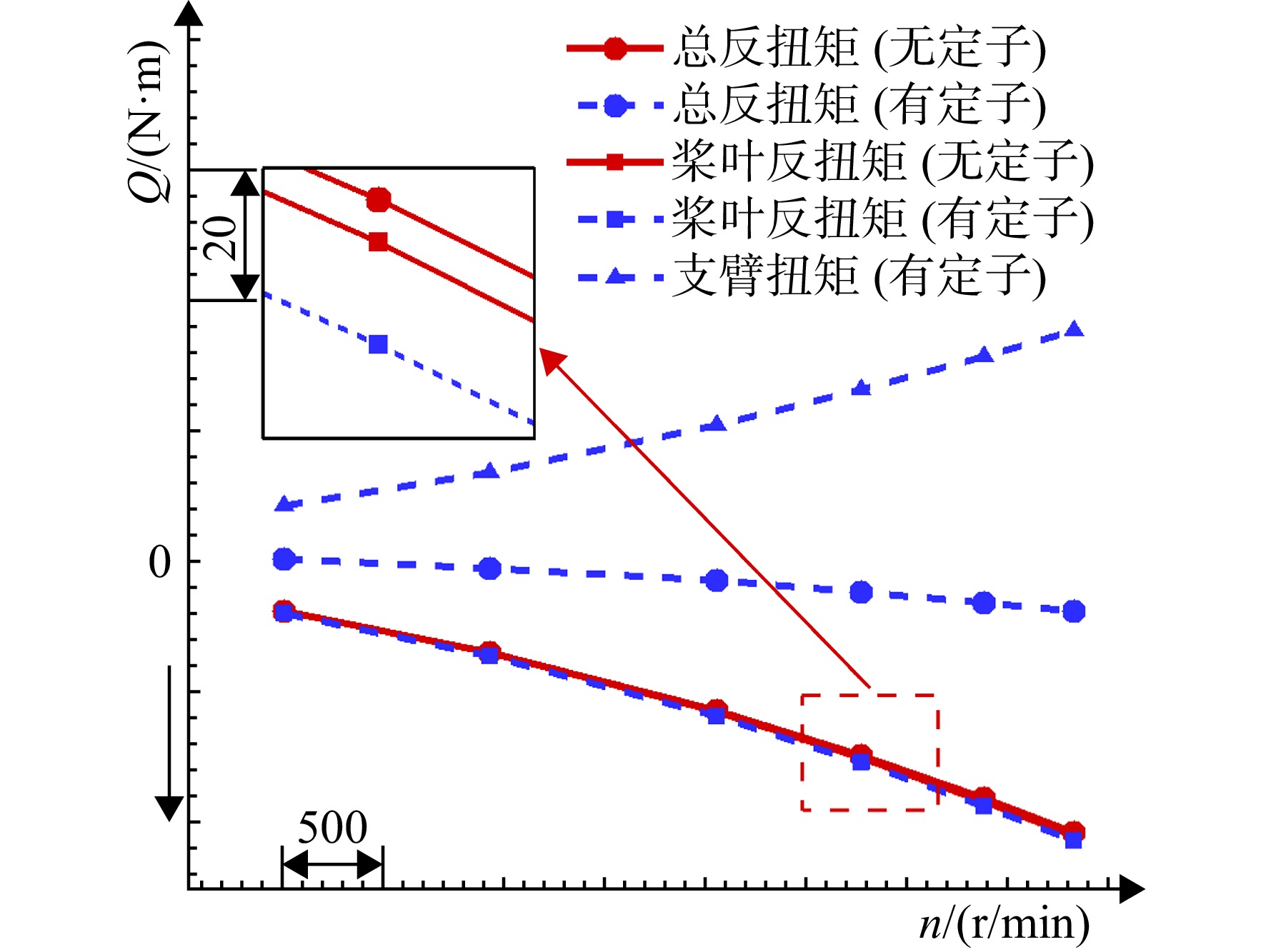
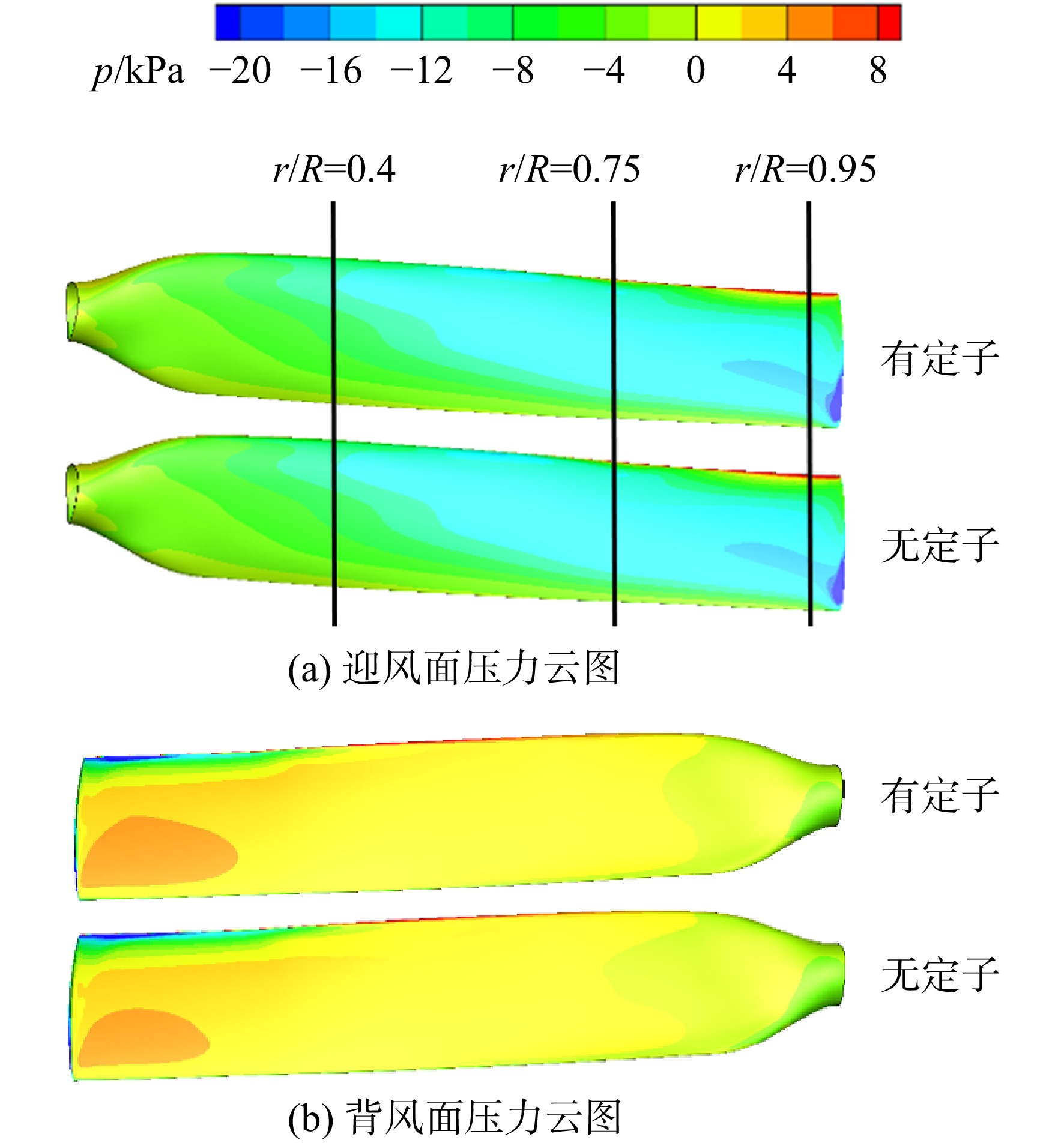
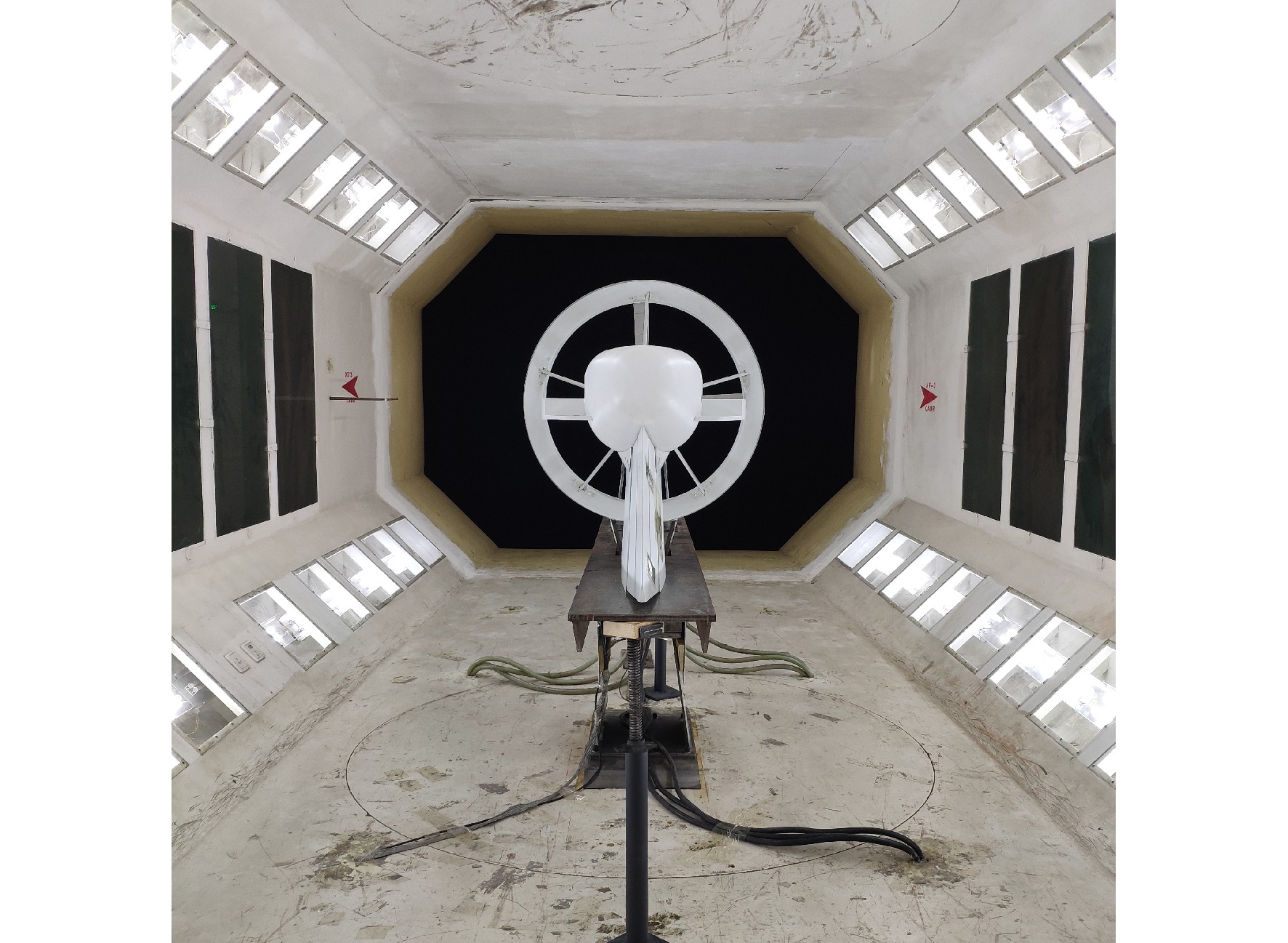
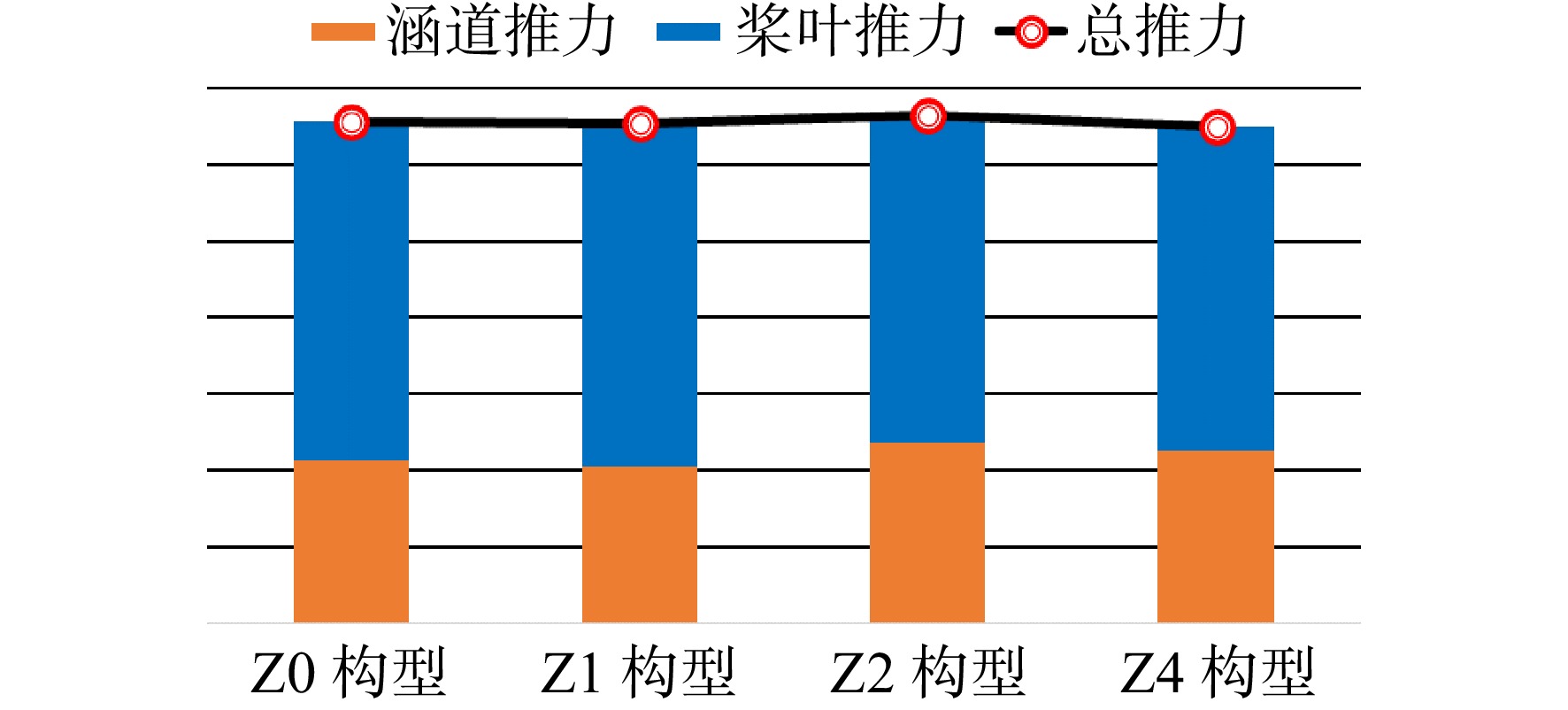
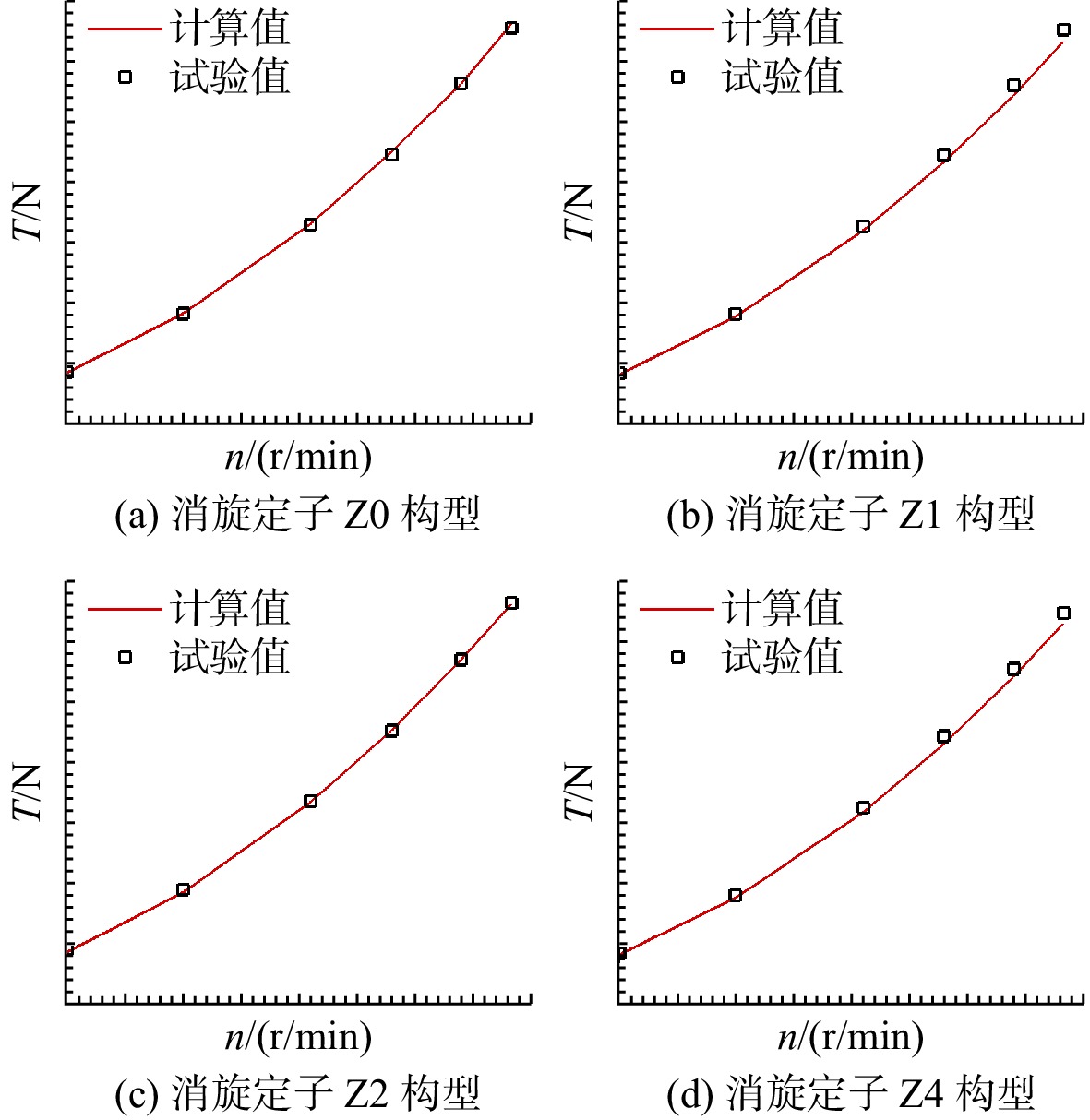
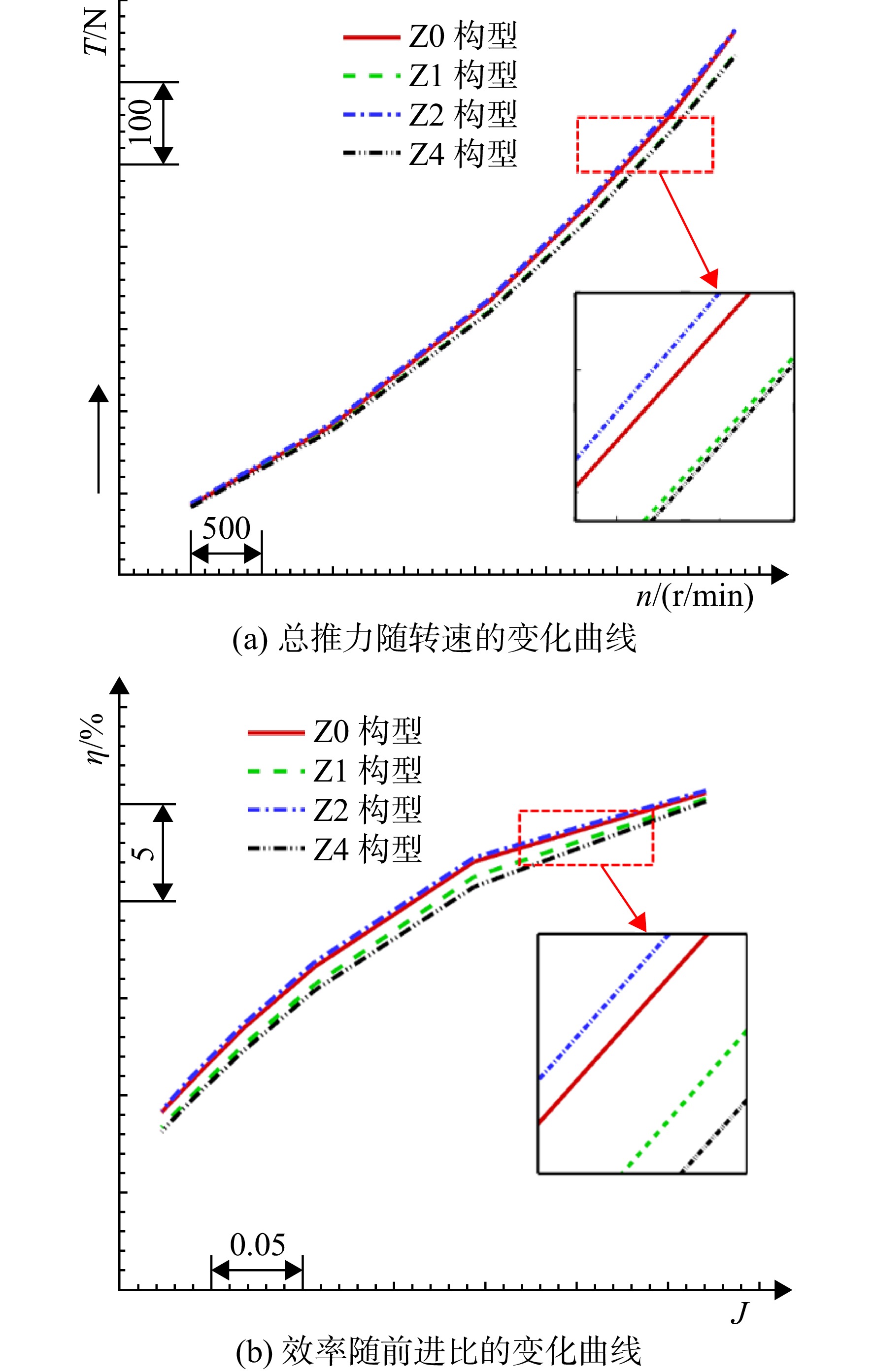
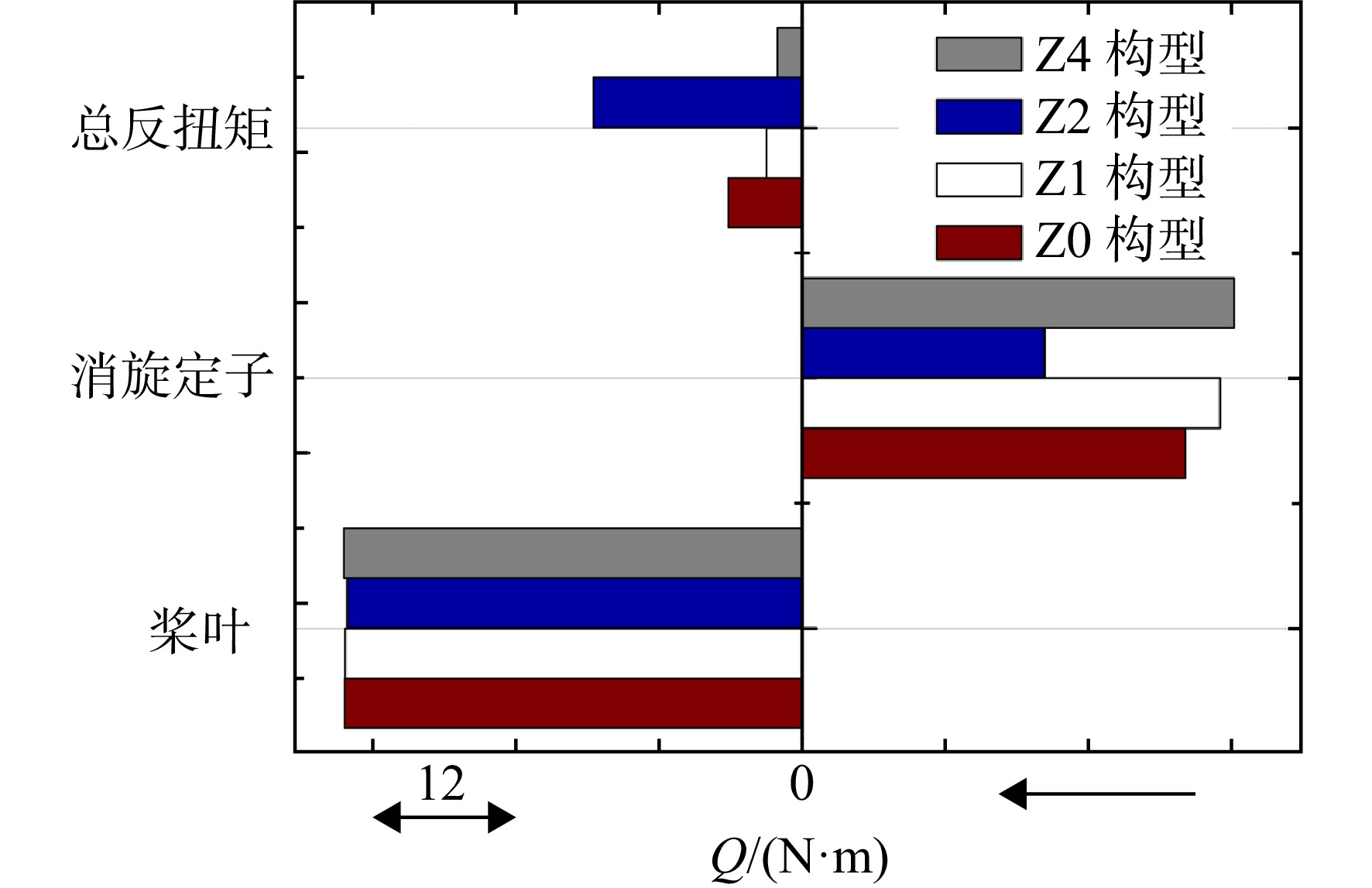
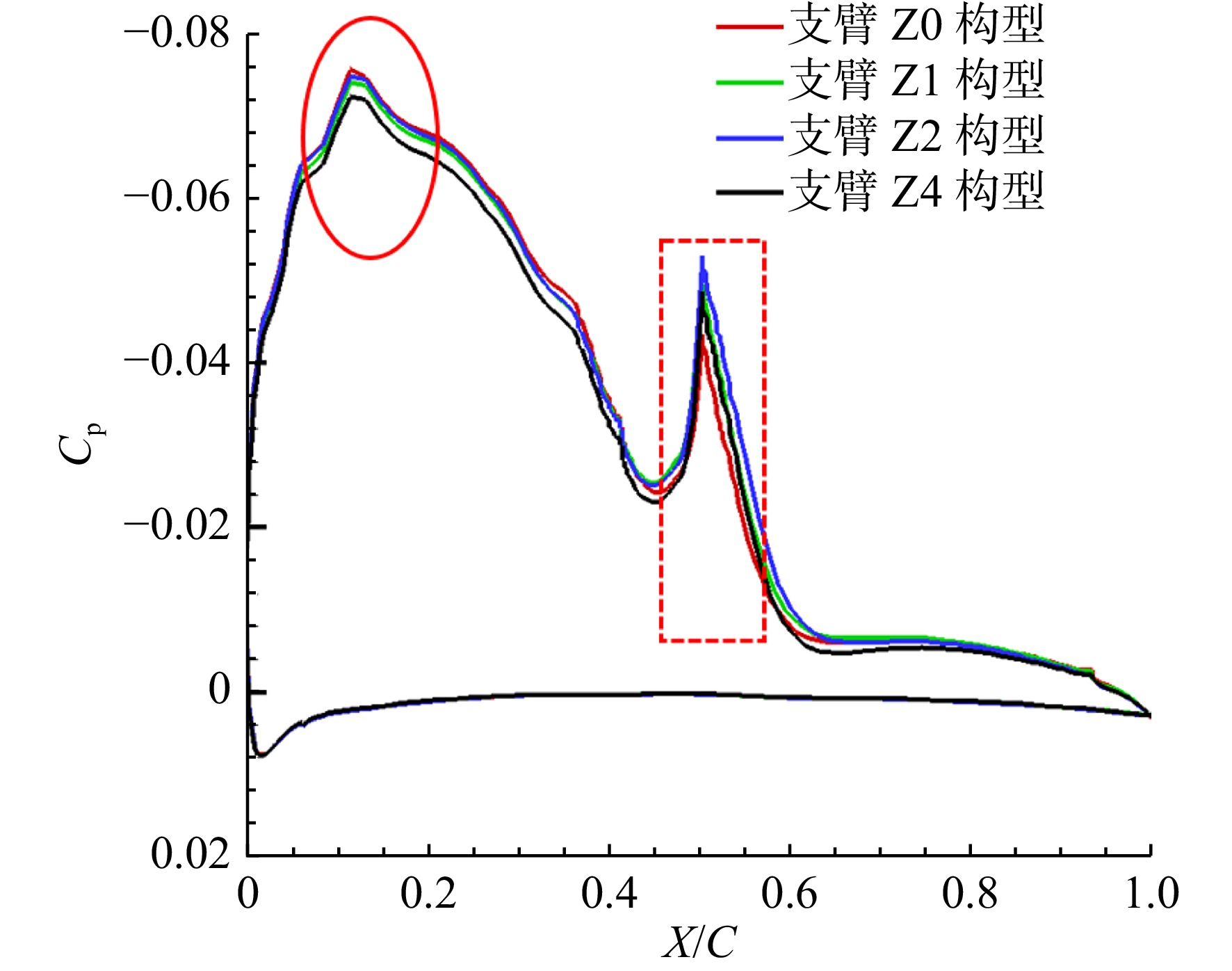
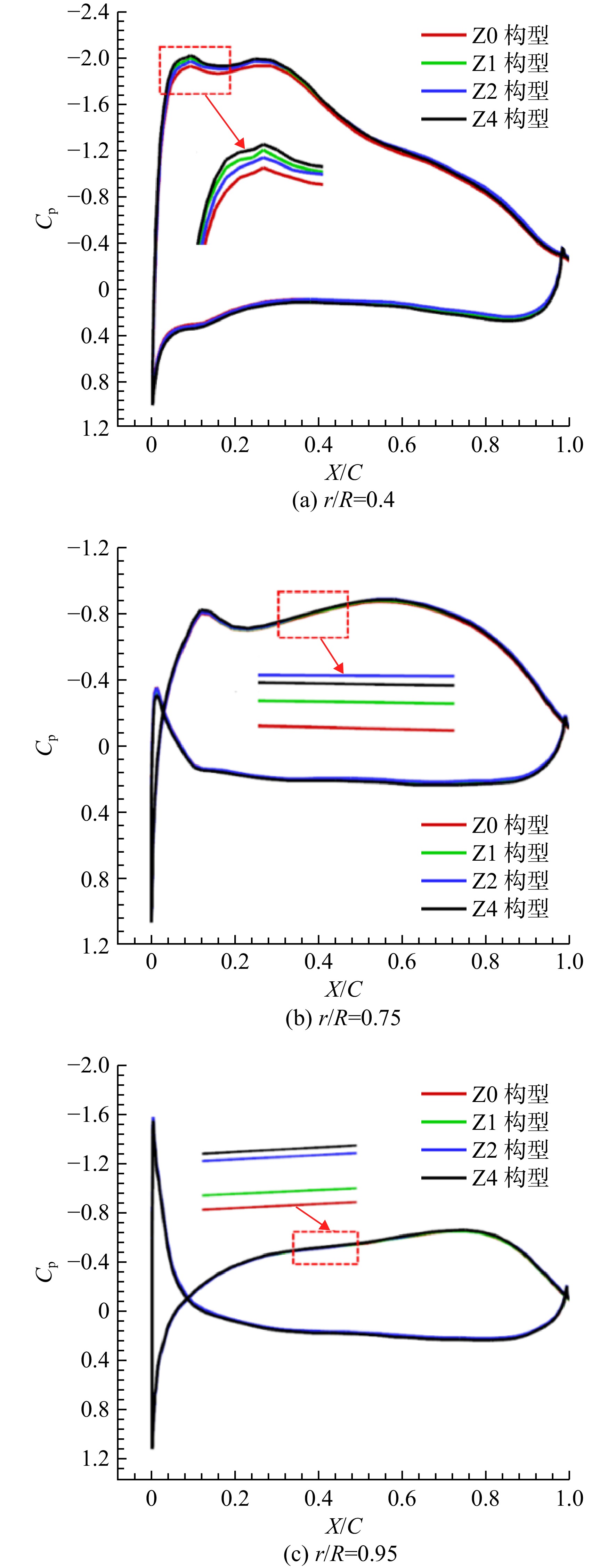
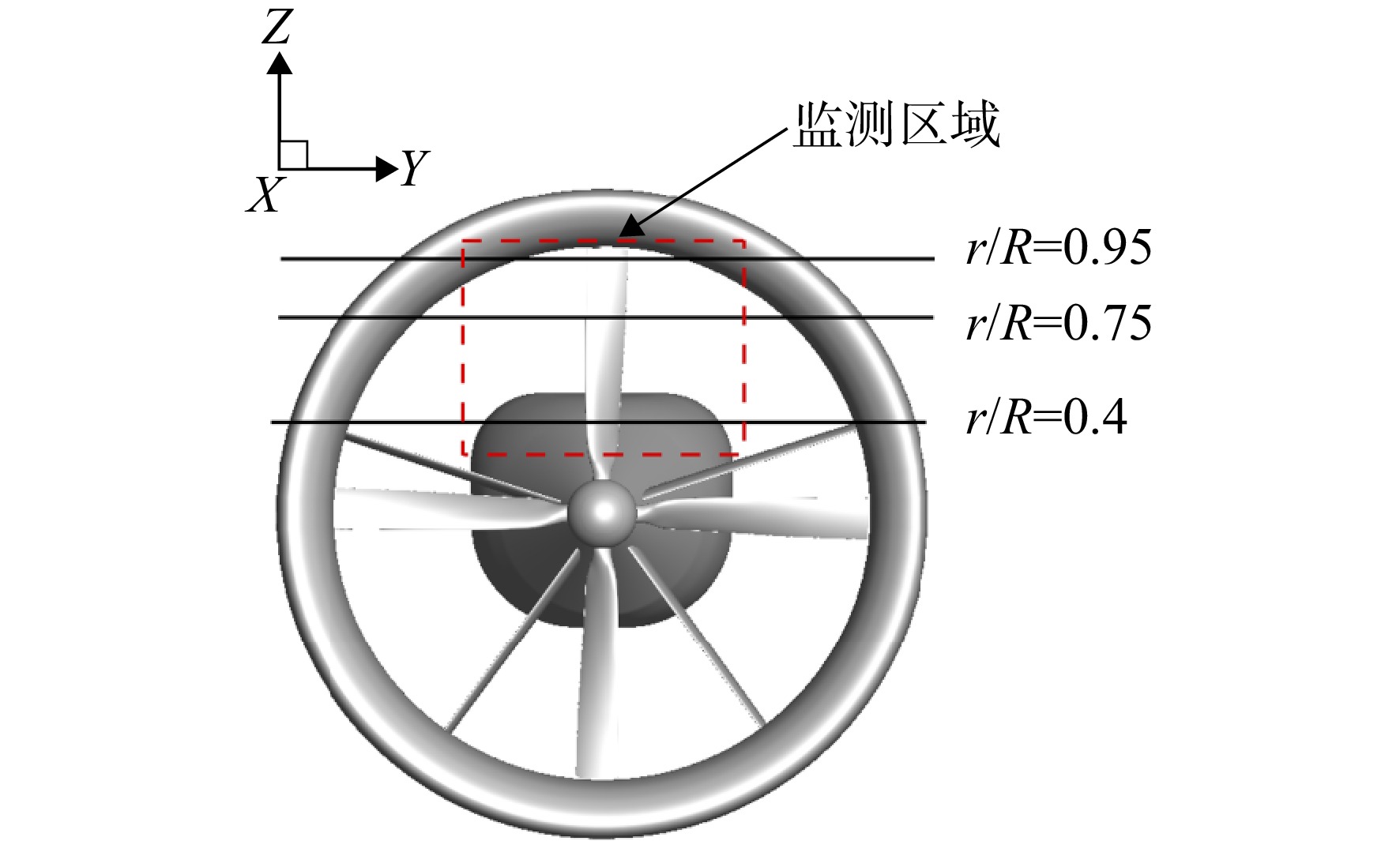
The stator is one of the important components which affect the propulsion efficiency, torque reduction and propeller slipstream rectification, In order to study the mechanism of aerodynamic comprehensive design and parameter influence of stator configuration on aerodynamic propulsion efficiency, de-rotation and paddle slipstream rectification effect of stator. this paper adopts a combination of CFD simulation and wind tunnel test, under the complex interferences of the ducted, the blade, the stator and the engine nacelle, the typical aerodynamic configurations and the parameter influence mechanism on the configuration of the stator were studied; from the aspects of the stator airfoil, the torsion angle and the chord length distribution of stator, the influences of four typical stator configurations on the propulsion efficiency, torque reduction and the influence of slipstream rectification were analyzed. The results showed that a good stator configuration can increase the propulsion efficiency of the ducted propeller by 1%—3% , and offset the total torque of the ducted propeller by about 94.5% .

Design of an active stabilized drogue for aerial refueling
ZOU Guiyun, NIO Zifeng, LIU Xueqiang
2025, 40(2): 20230235. doi: 10.13224/j.cnki.jasp.20230235
Abstract:

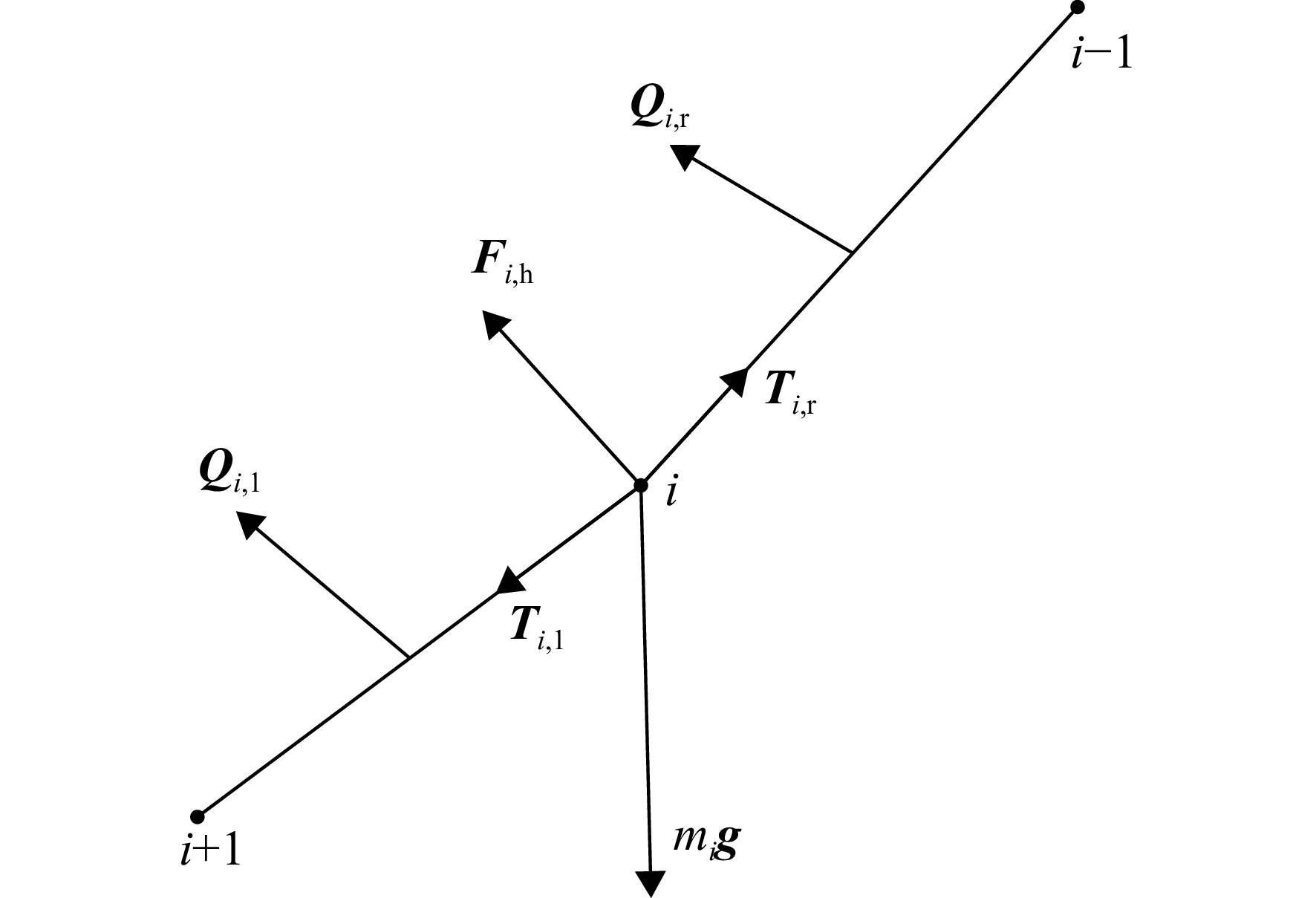
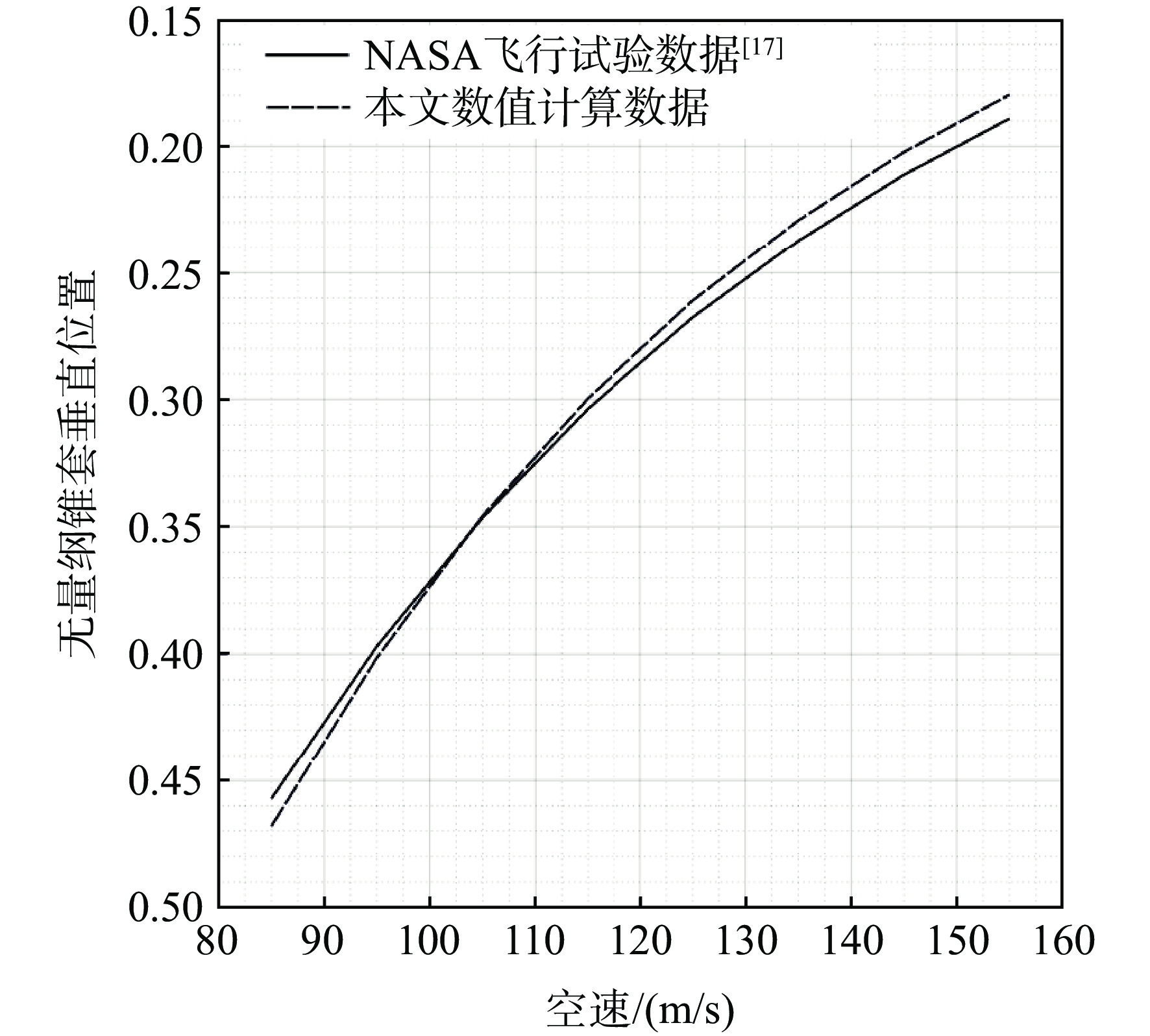
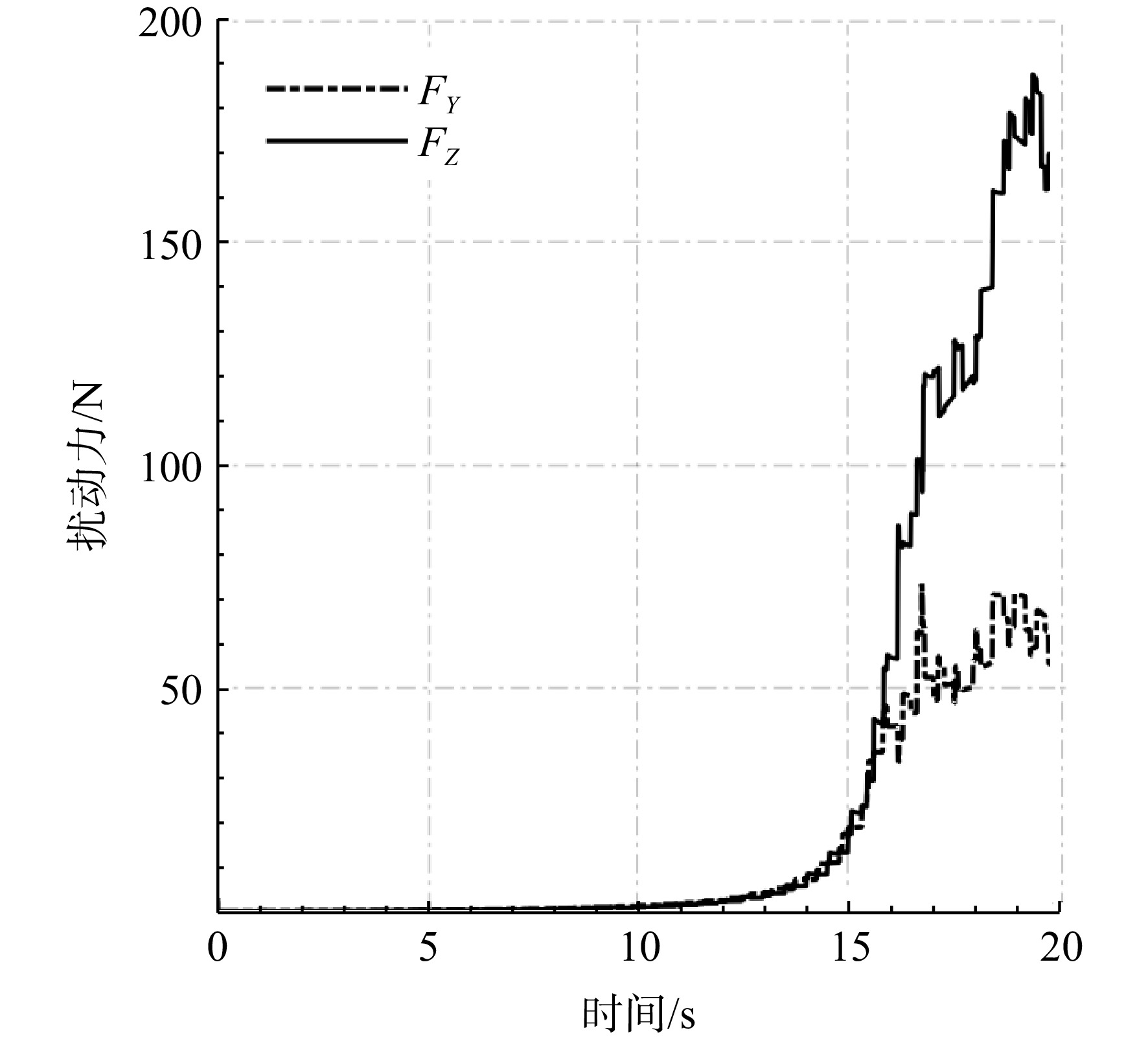
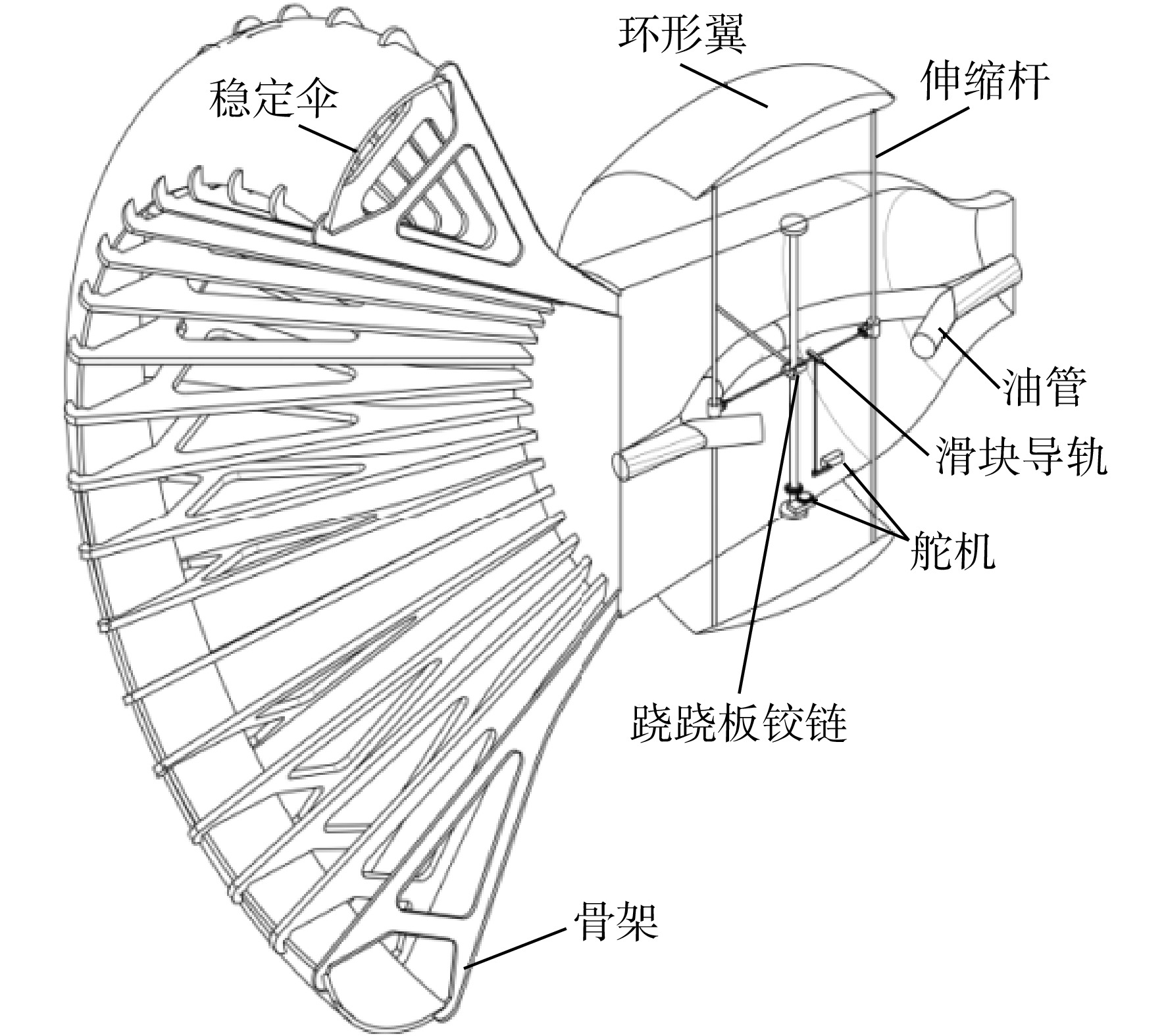
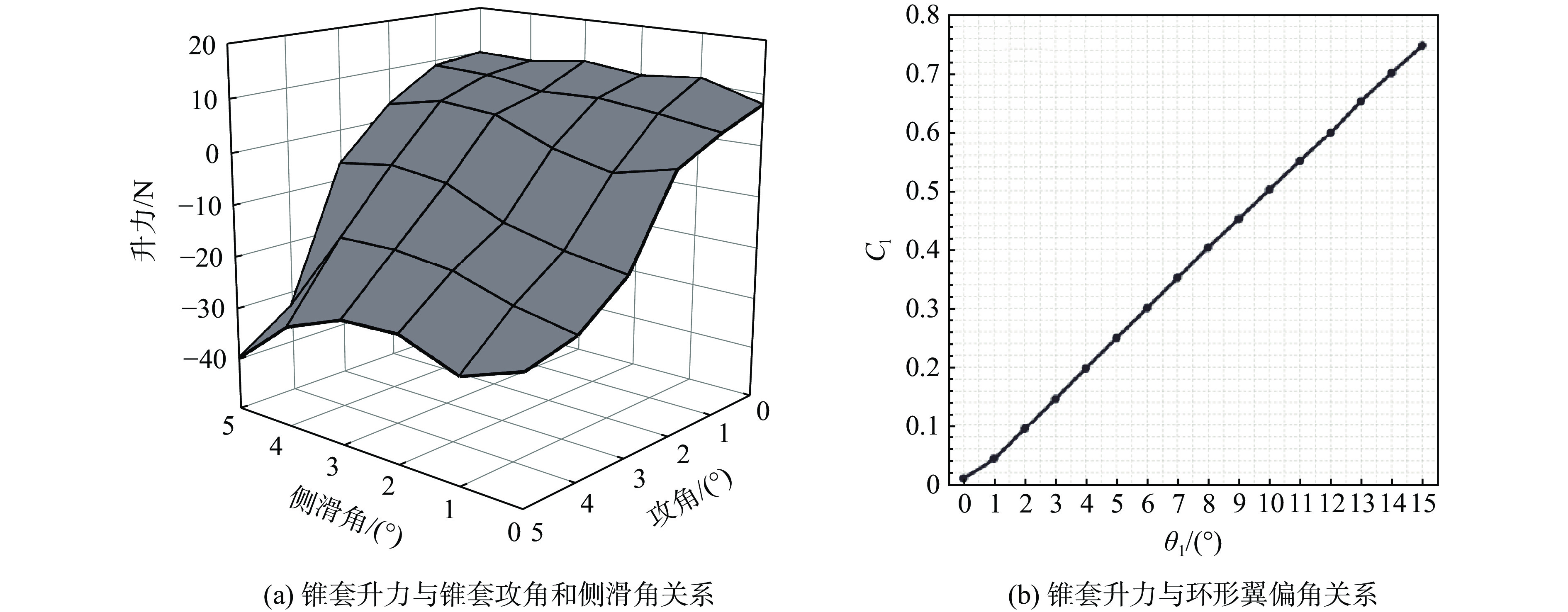
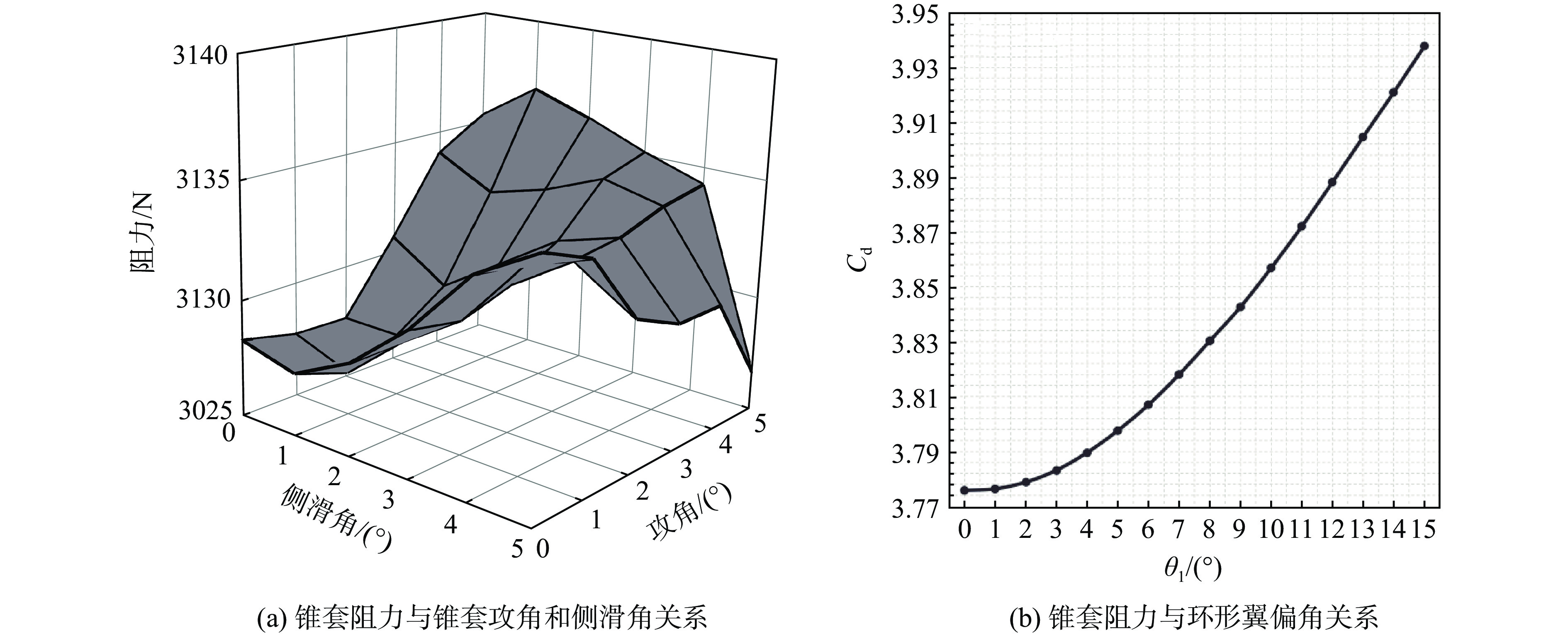
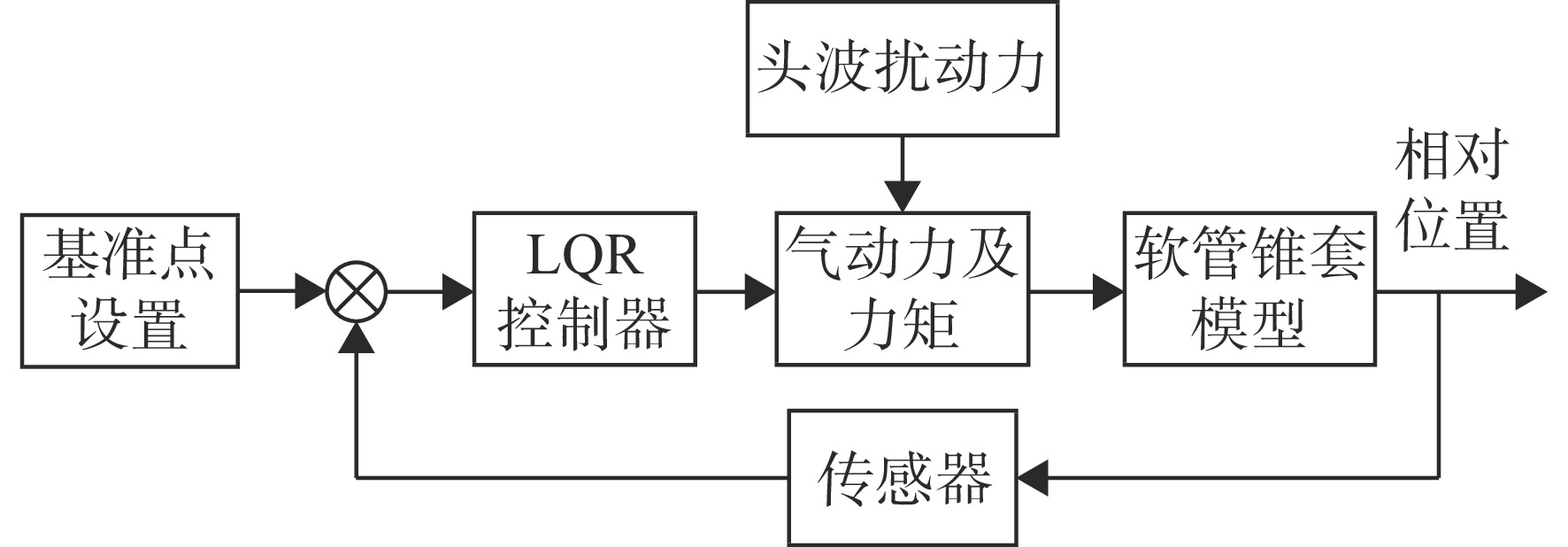
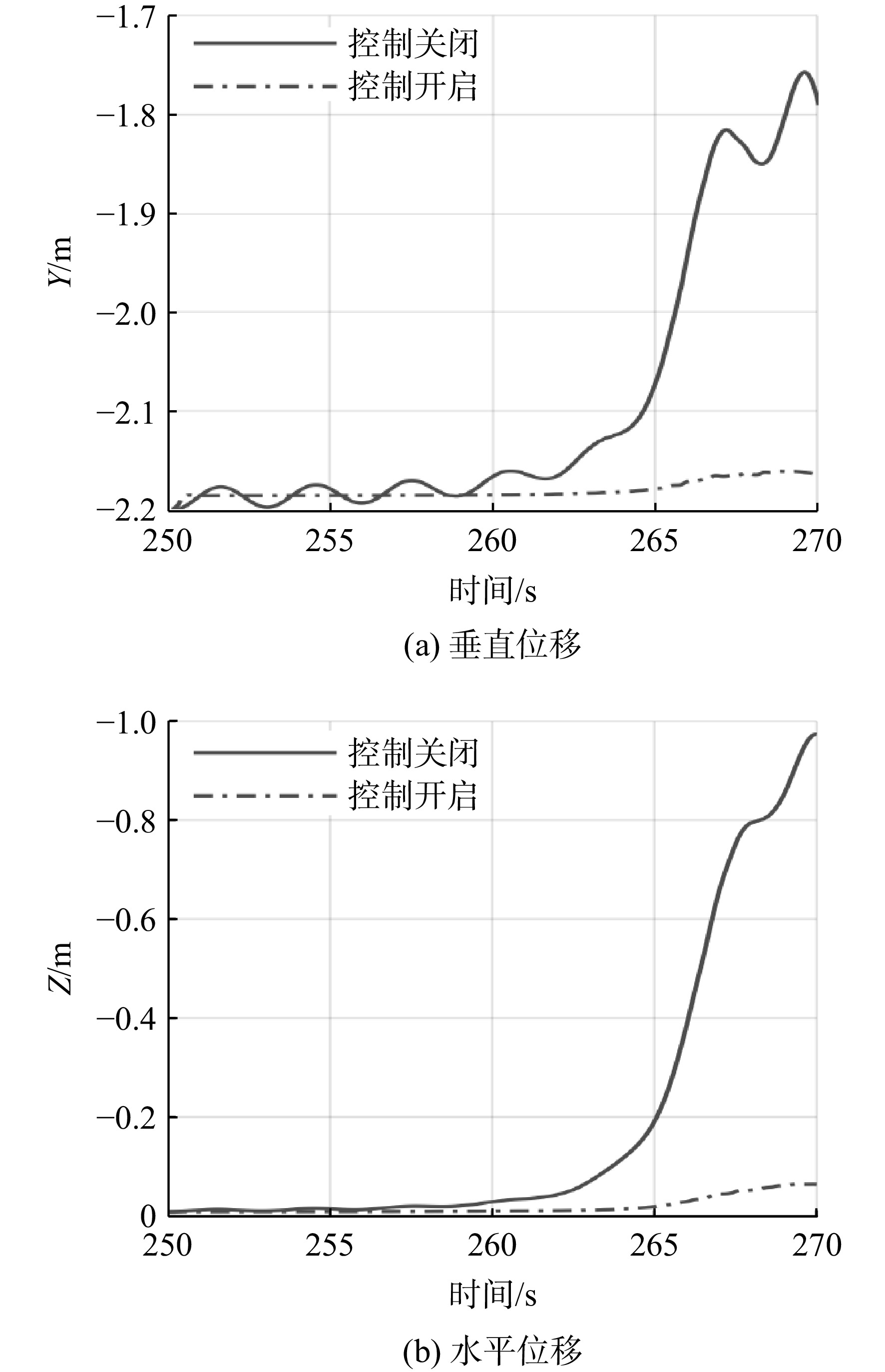
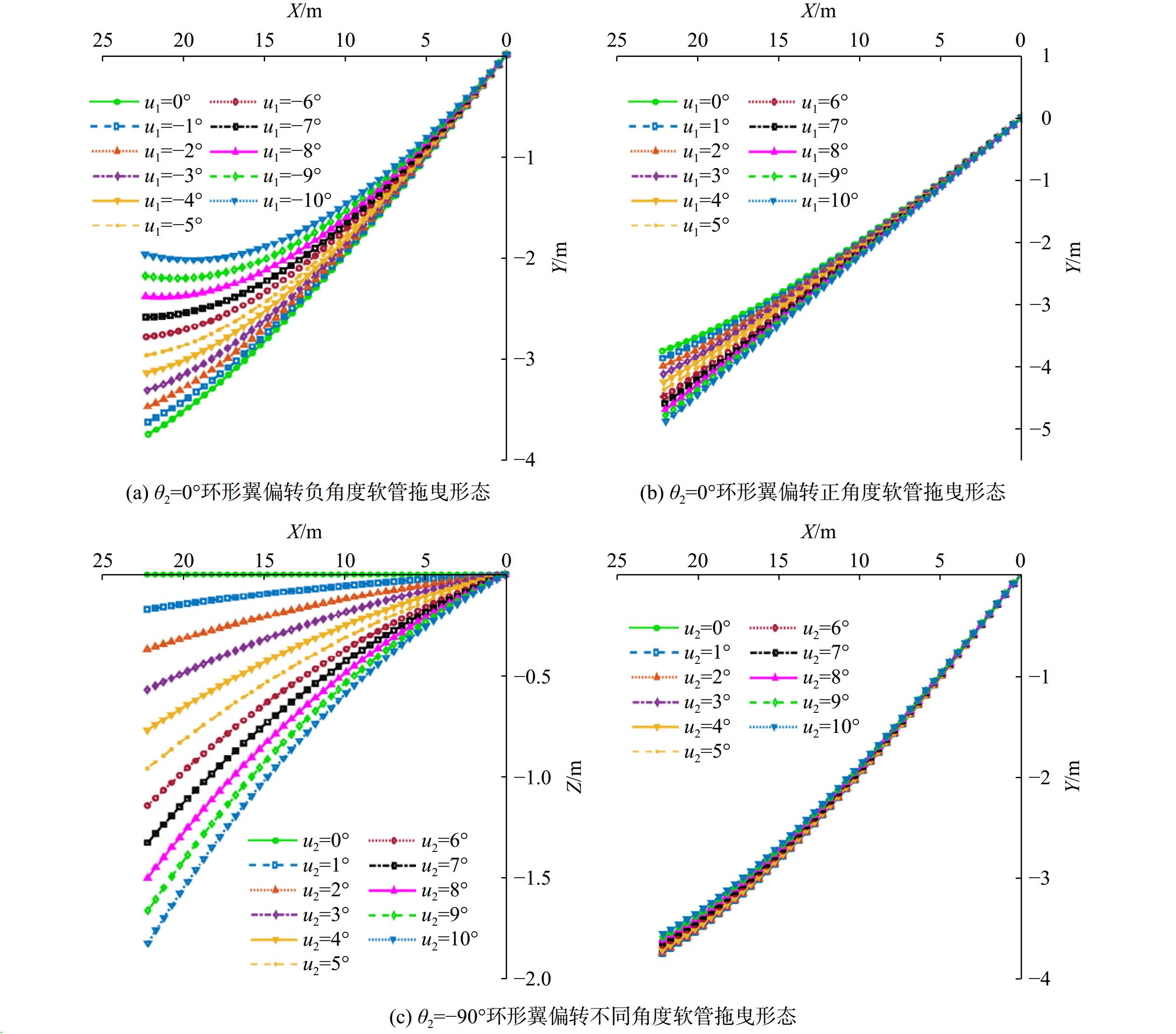
In order to reduce the aerodynamic disturbance caused by the bow wave effect on the hose-drogue system during aerial refueling, an actively stabilized drogue with an annular wing was designed. Using a dynamic model, a simulation analysis of the bow wave effect during the docking process was conducted to determine a feasible design scheme for the annular wing. An linear quadratic regulator (LQR) controller suitable for the annular wing was designed, and simulation verification of the effectiveness of the annular wing and the capability to adjust the relative positions of the tanker and receiver aircraft was performed using a Matlab/Simulink environment-based aerial refueling test platform and a static program. The simulation results indicated that the designed actively stabilized drogue can minimize the influence of the bow wave effect on the receiver aircraft within an error range of ±5 cm, and can also mitigate disturbances and adjust the relative positions of the refueling and receiving aircraft.

Study and analysis of intake and exhaust system of electric turbocharged aviation piston engine
WANG Chengdong, WEI Minxiang, LI Binglin, XU Zhixin, WEI Yiyang
2025, 40(2): 20230245. doi: 10.13224/j.cnki.jasp.20230245
Abstract:

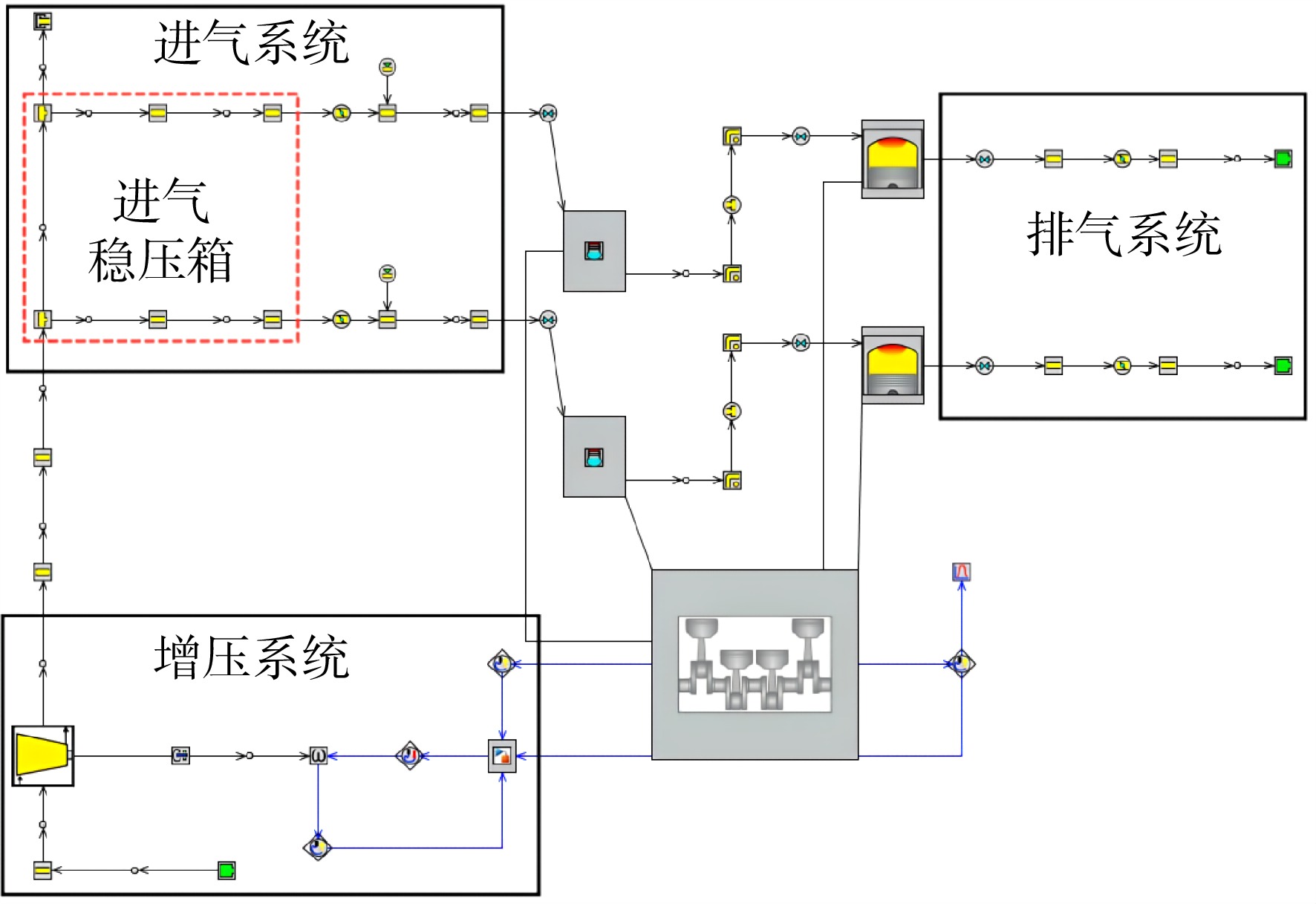
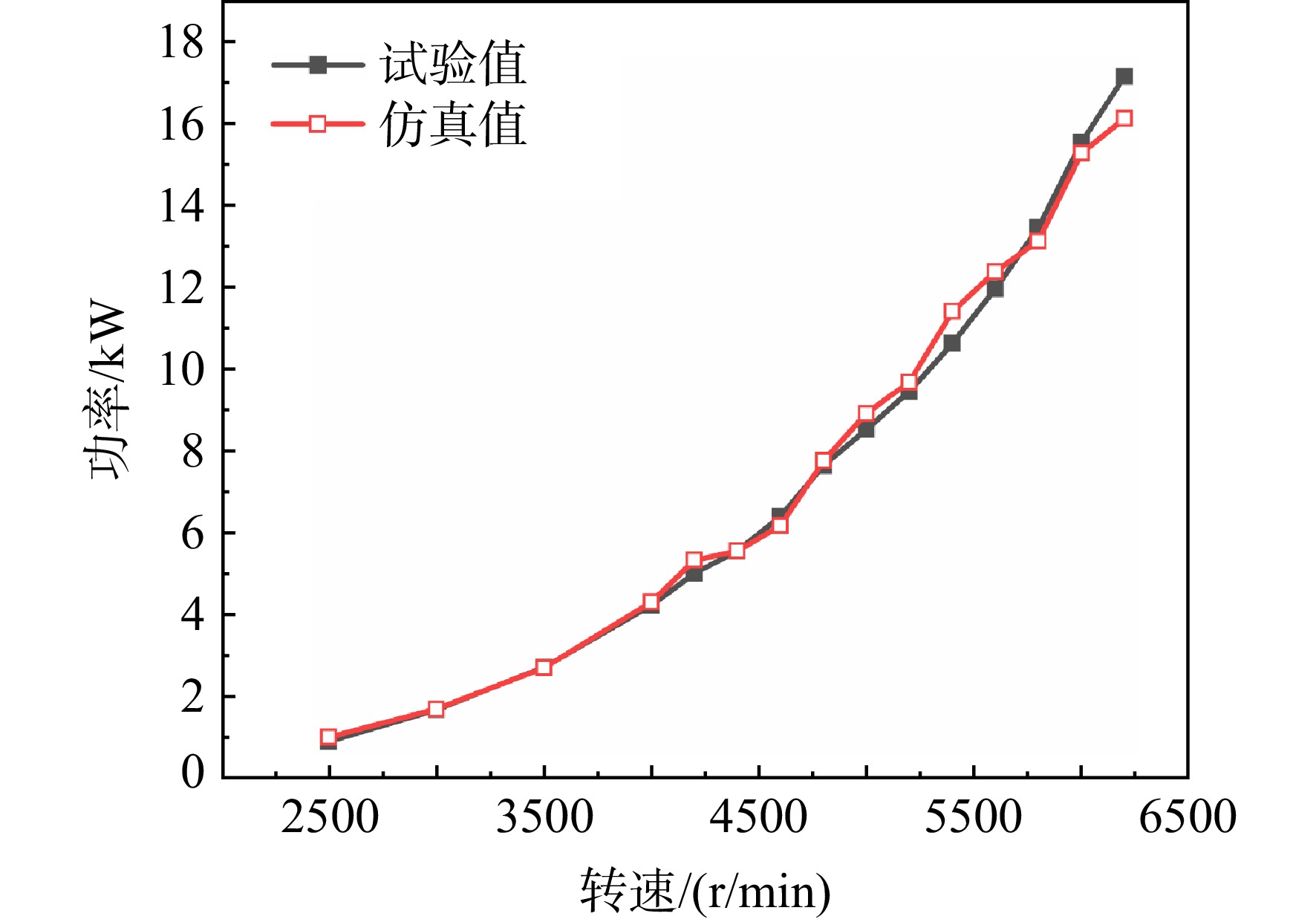
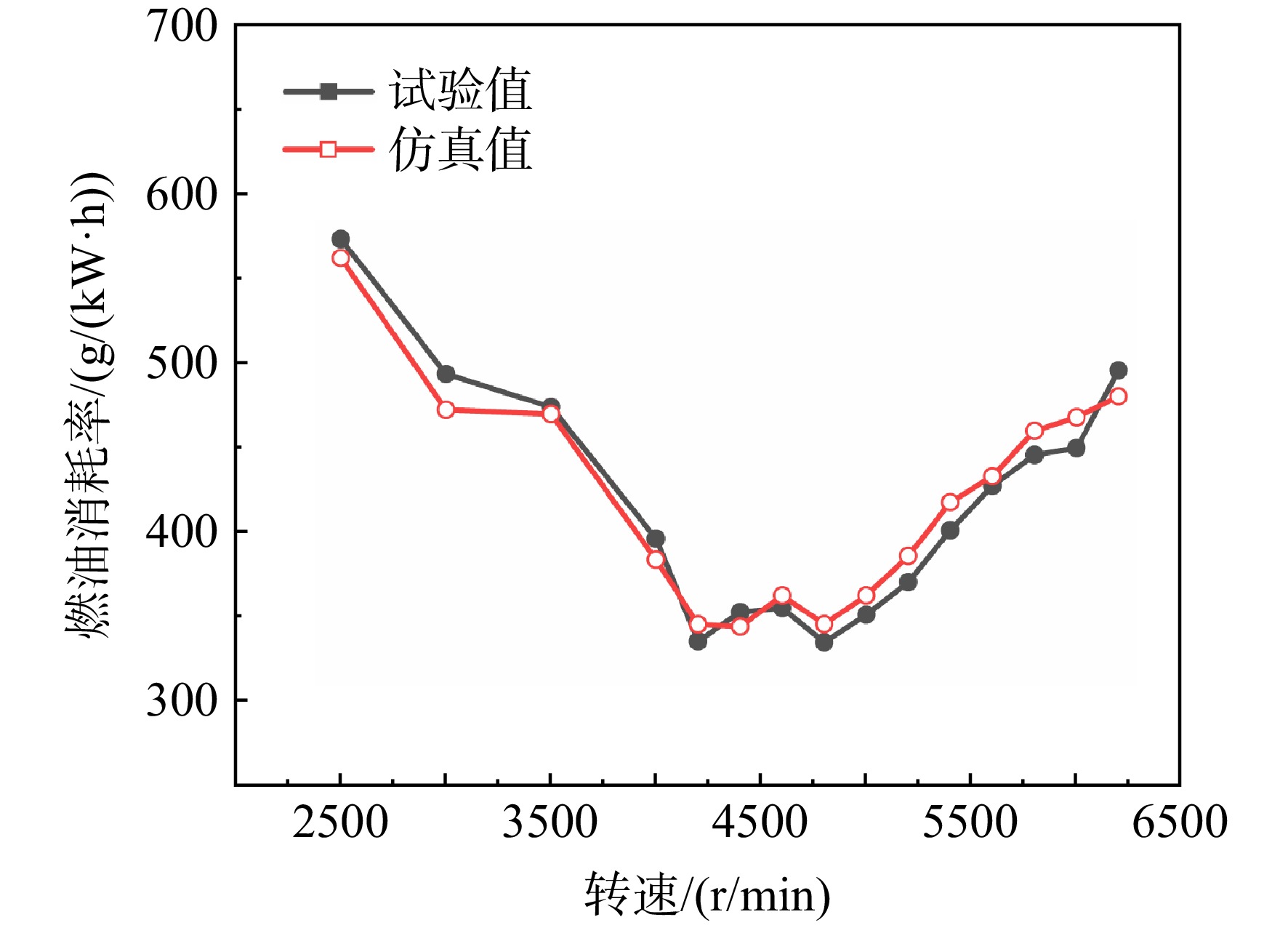
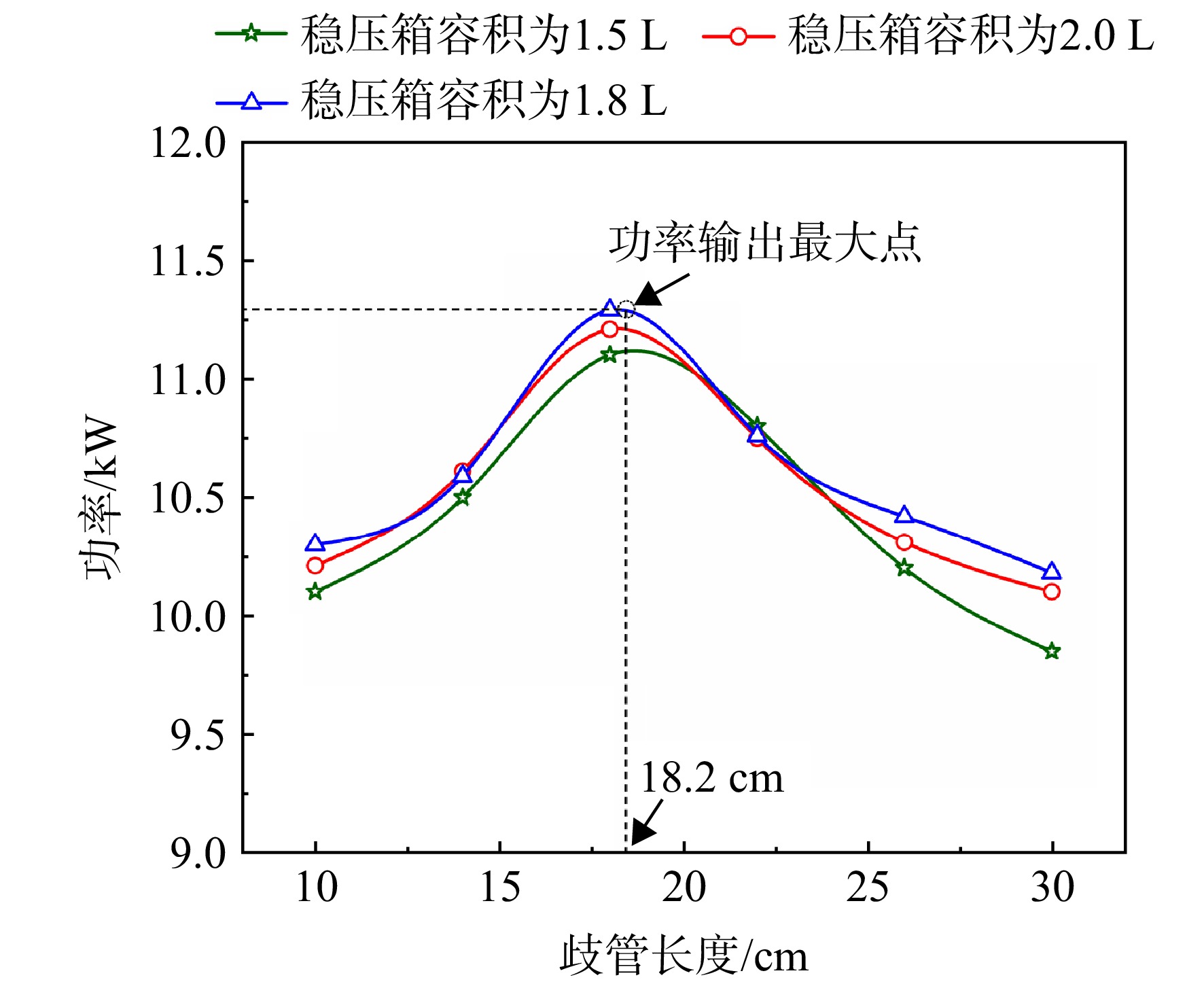
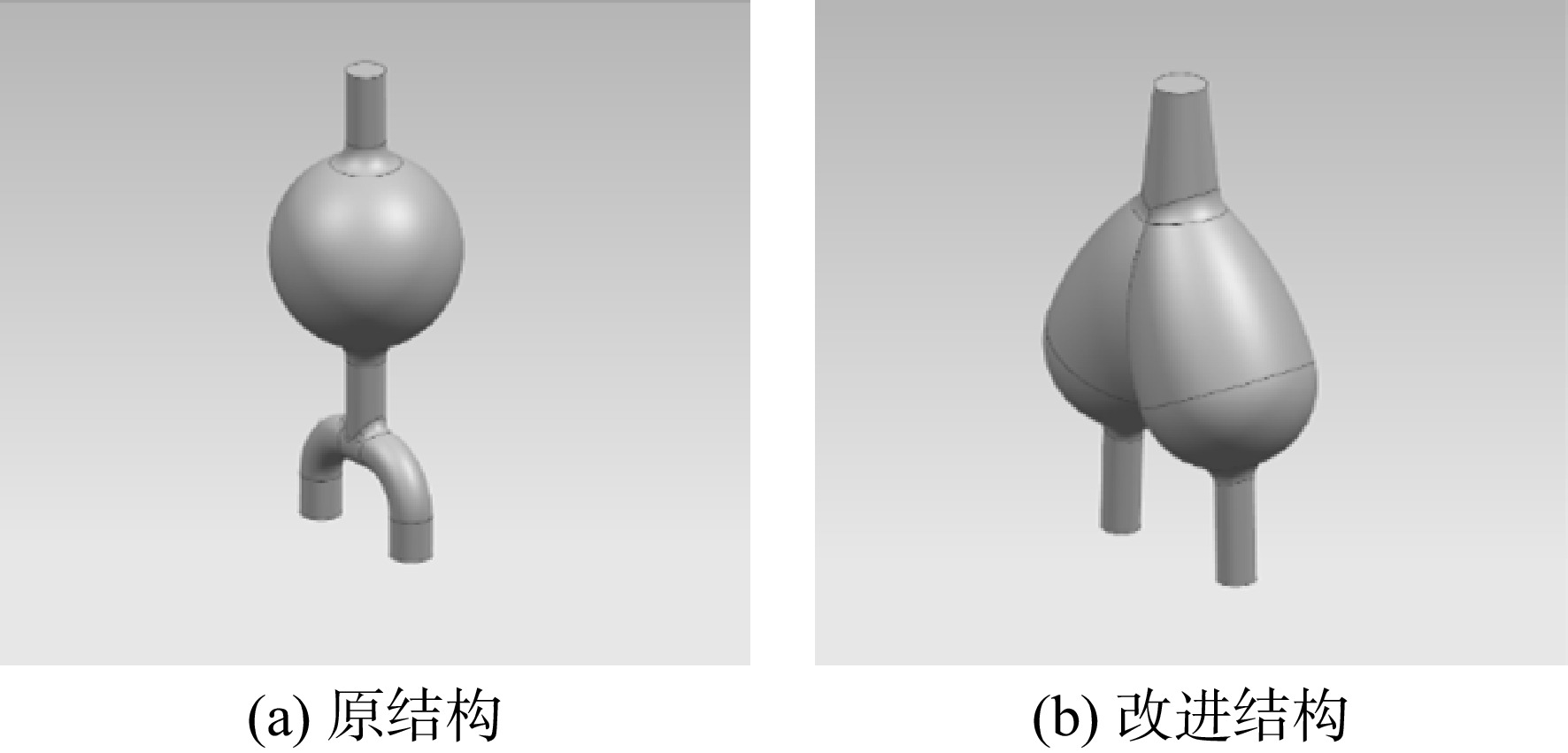
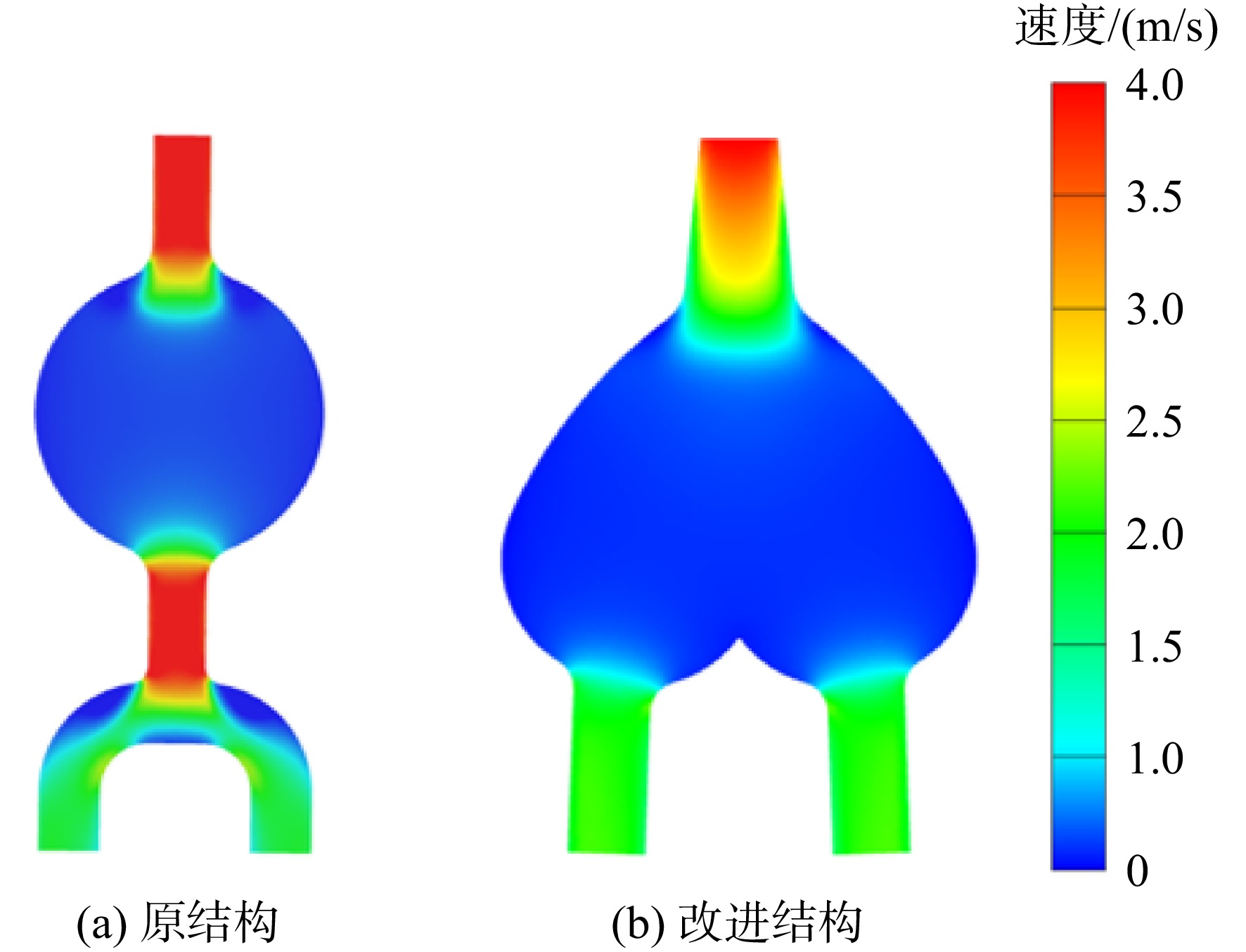
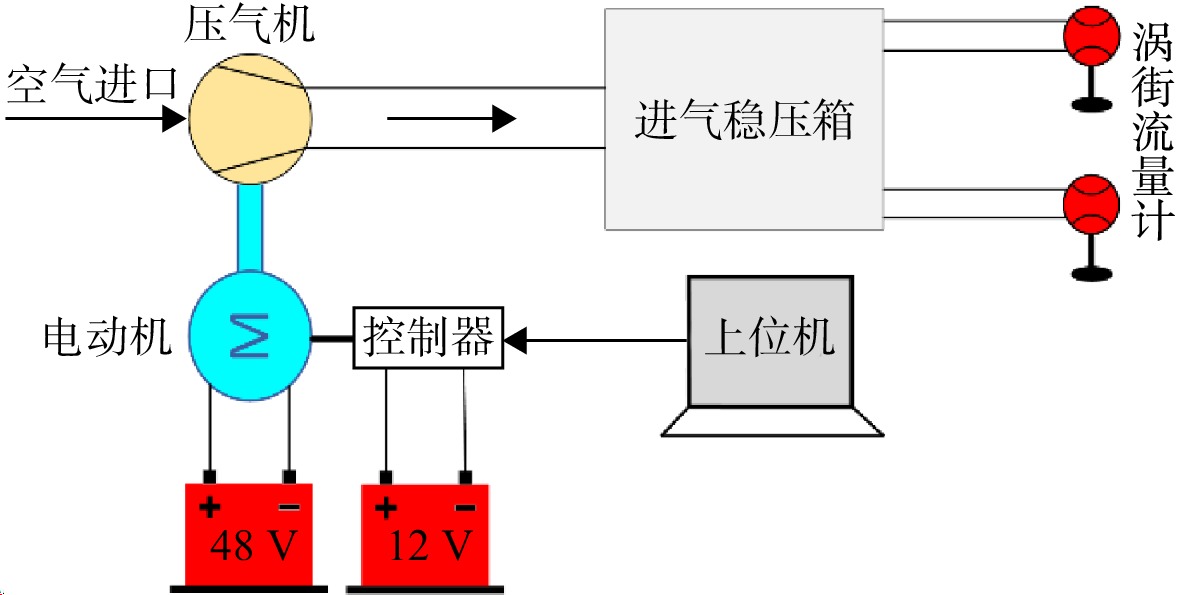
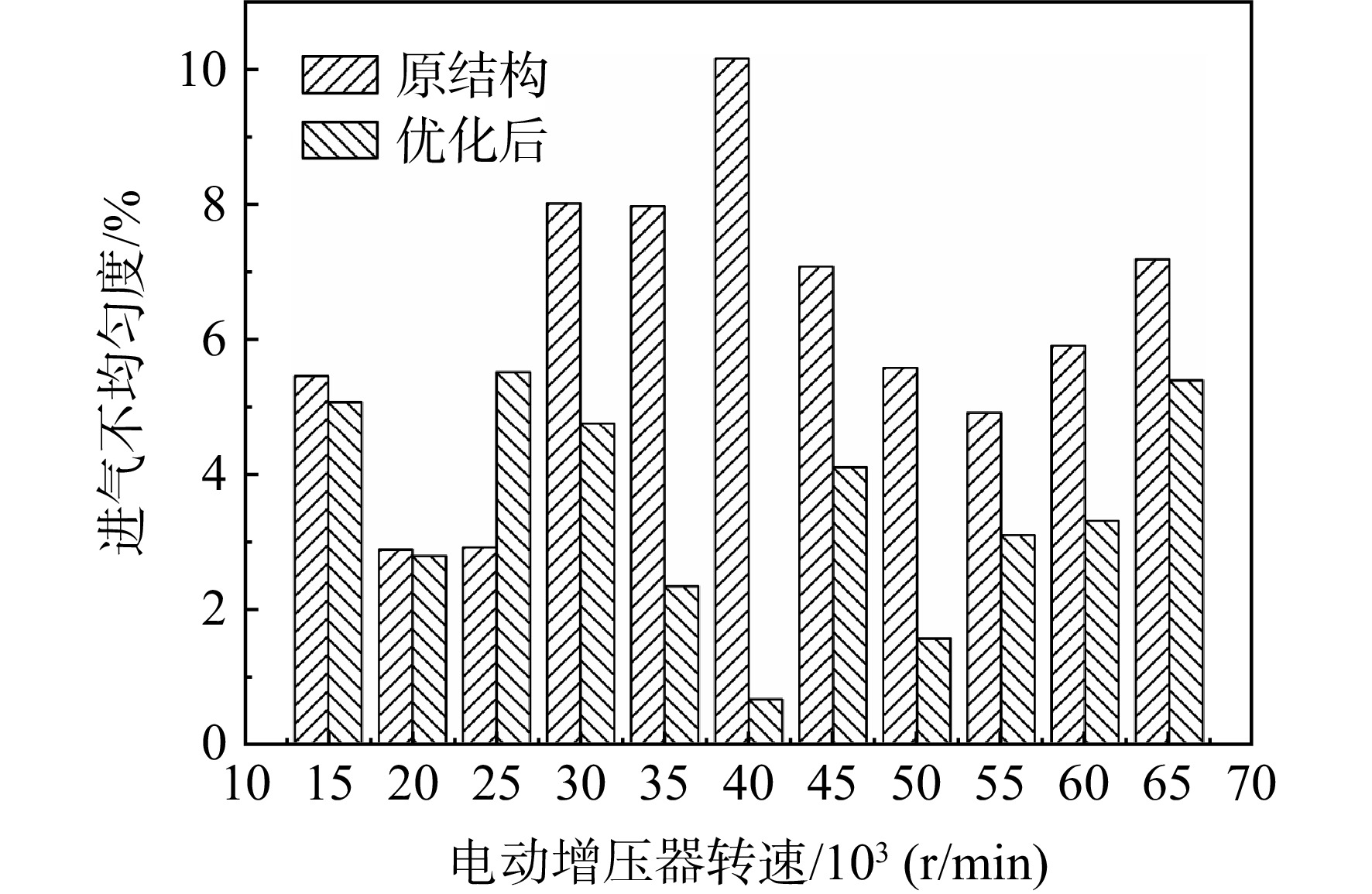
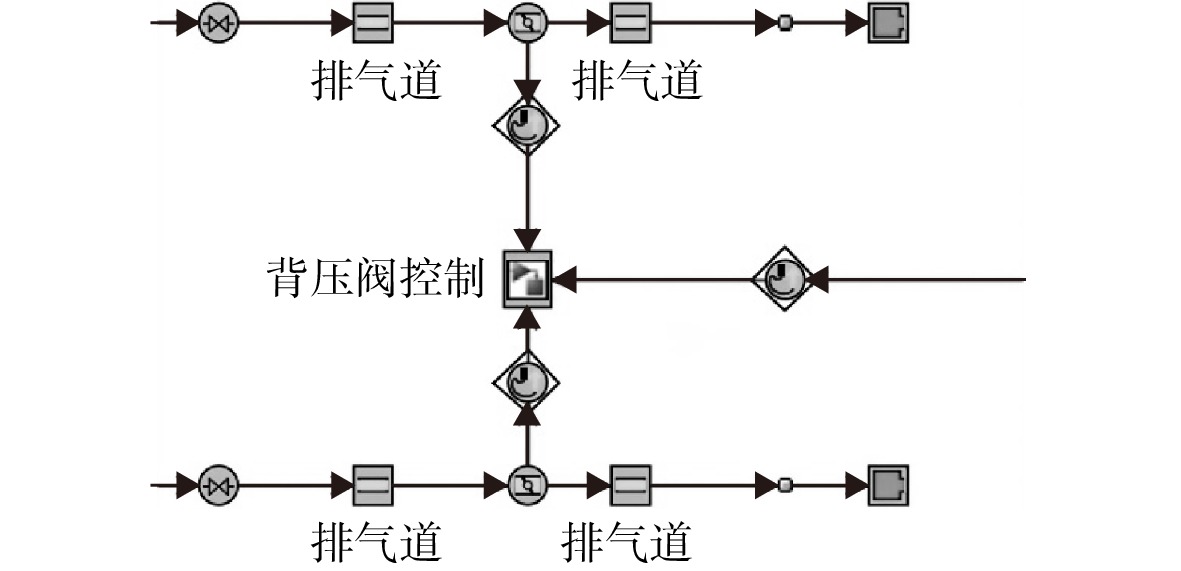
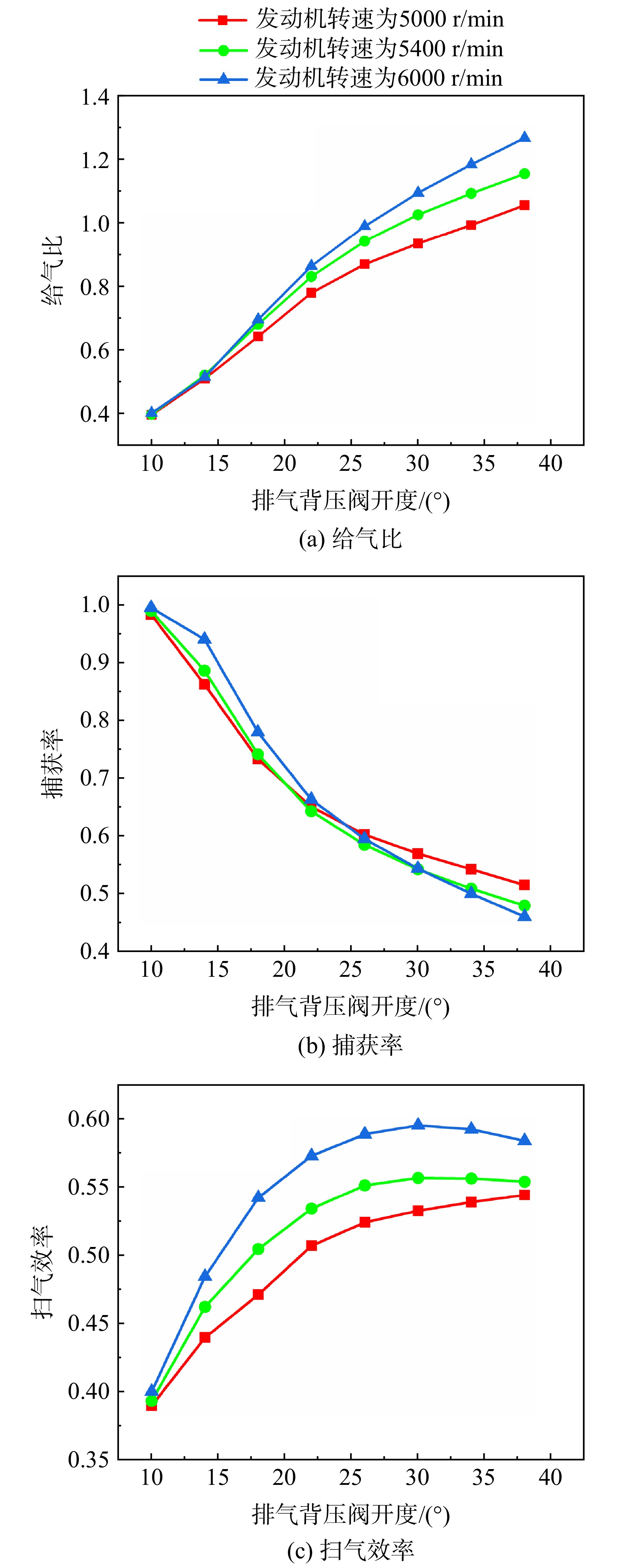
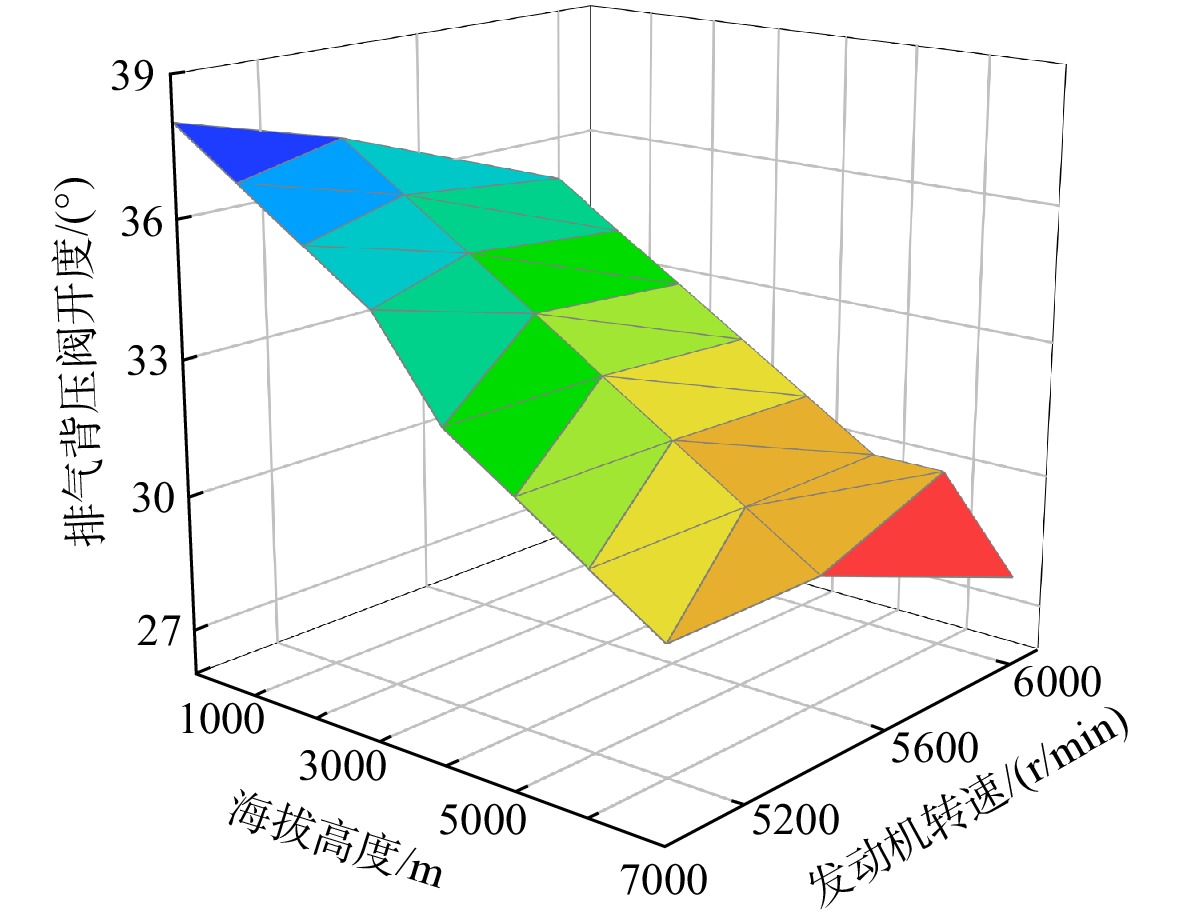
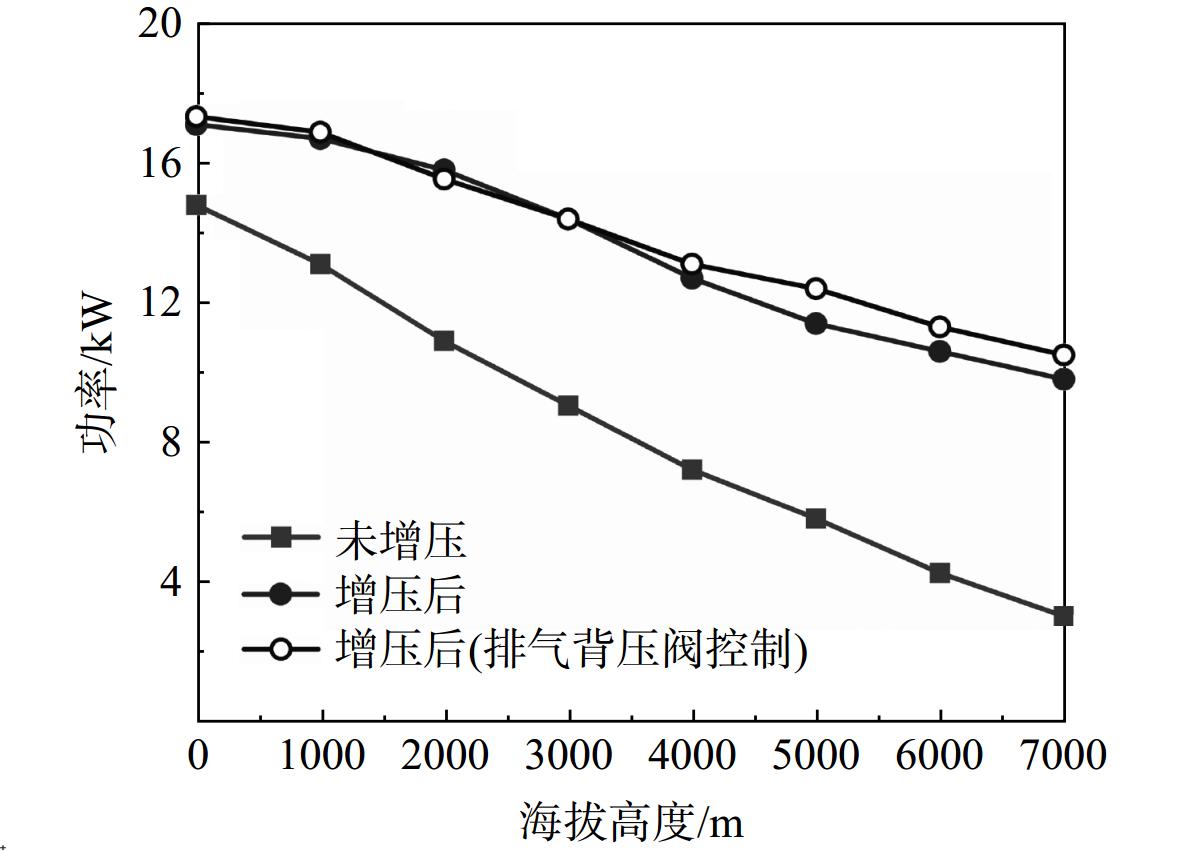
Considering the problem of insufficient power of UAV (Unmanned Aerial Vehicle) in high-altitude cruising, the intake and exhaust system of an electric turbocharged aviation piston engine was analyzed and studied. A one-dimensional simulation model of the supercharged engine was established and verified by experiments. In order to improve the intake uniformity of the engine, the intake pressure stabilizer box was optimized based on the DoE (design of experiment) method in the intake system. The flow field performance of the intake pressure stabilizer box before and after optimization was compared and analyzed. The flow test results showed that: the optimized inlet pressure stabilizer can reduce the flow difference of 2.06 g/s and the inlet unevenness of 9.45% at most. In order to reduce the short-circuit loss of intake and exhaust caused by pressurization of aviation piston engine, the control strategy of exhaust back pressure valve was proposed. By analyzing the influence of exhaust back pressure valve on engine performance, the control MAP of exhaust back pressure valve opening was obtained. The results showed that: under full load condition, the power of the engine based on the control strategy of exhaust backpressure valve was restored to 70.9% at an altitude of 7000 m, which was 7% higher than that of the engine without exhaust backpressure valve control.

Impact of cross-flow on the aerodynamic load of propeller for stratospheric airship
NIE Bo, WANG Haifeng, DU Chenxi, MA Jiexiang
2025, 40(2): 20230207. doi: 10.13224/j.cnki.jasp.20230207
Abstract:

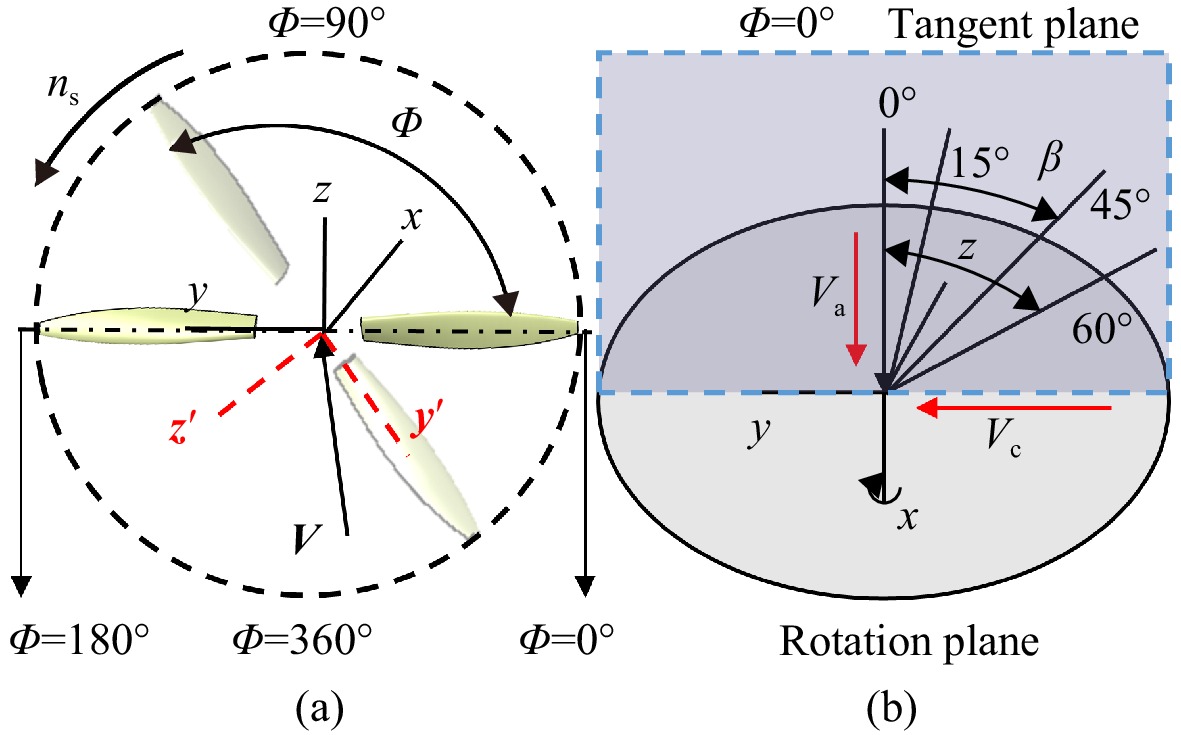
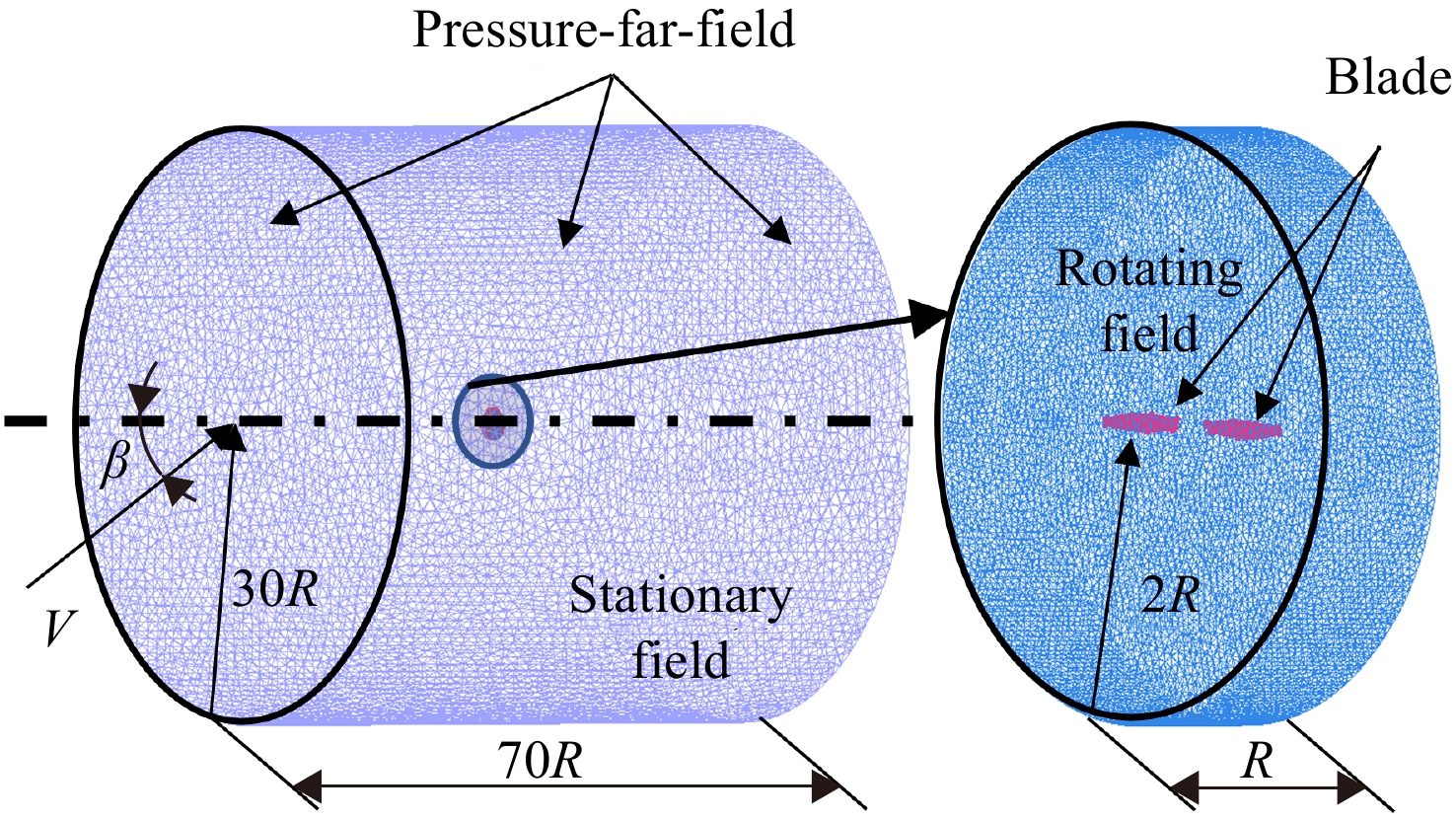
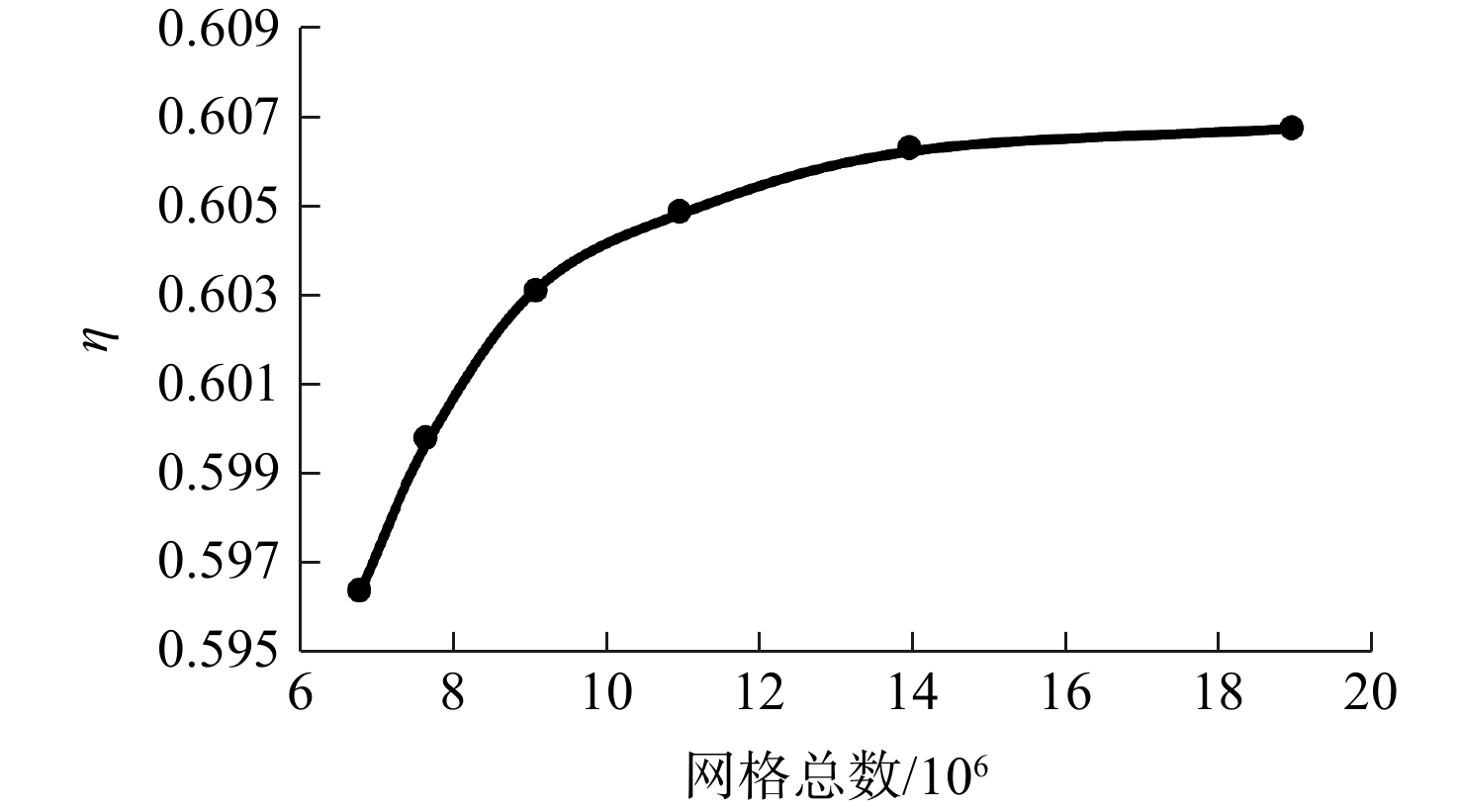
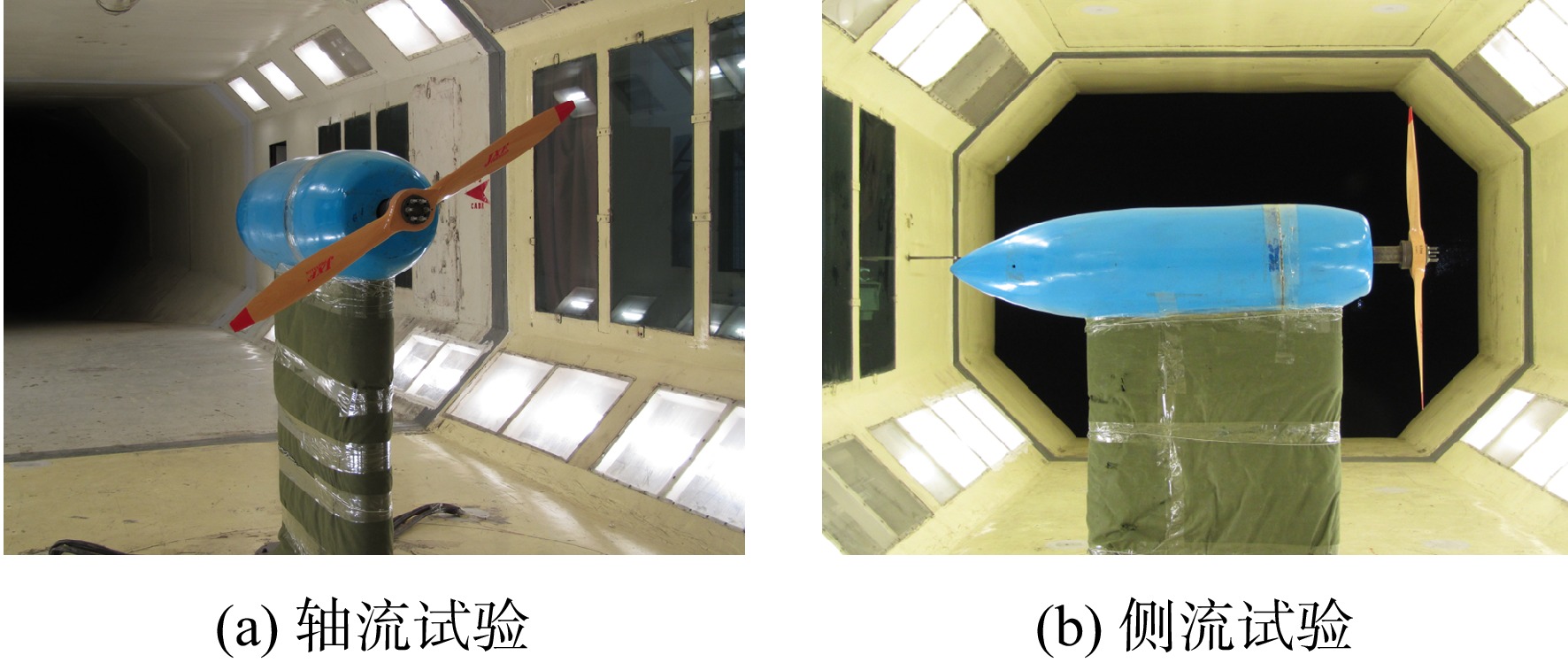
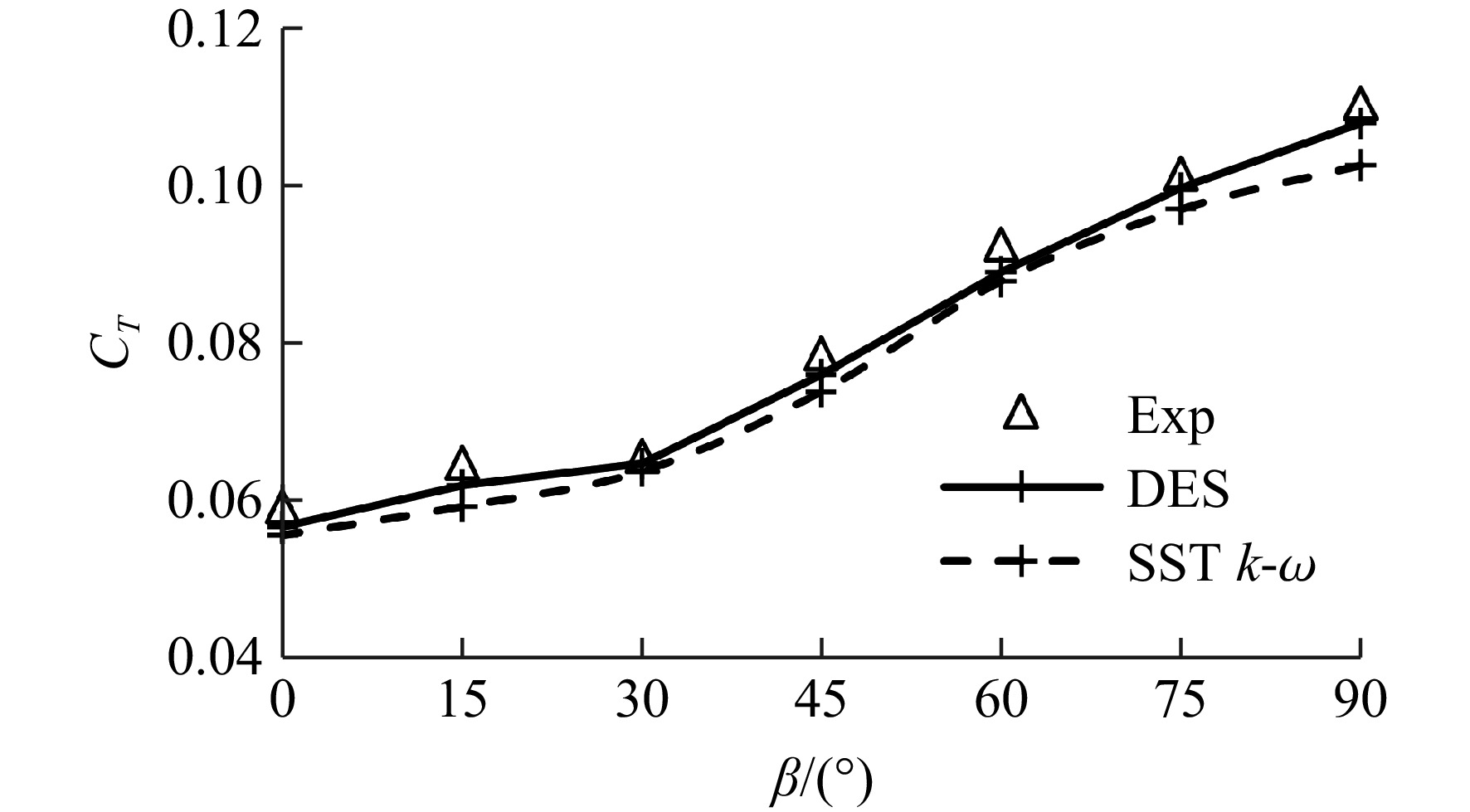
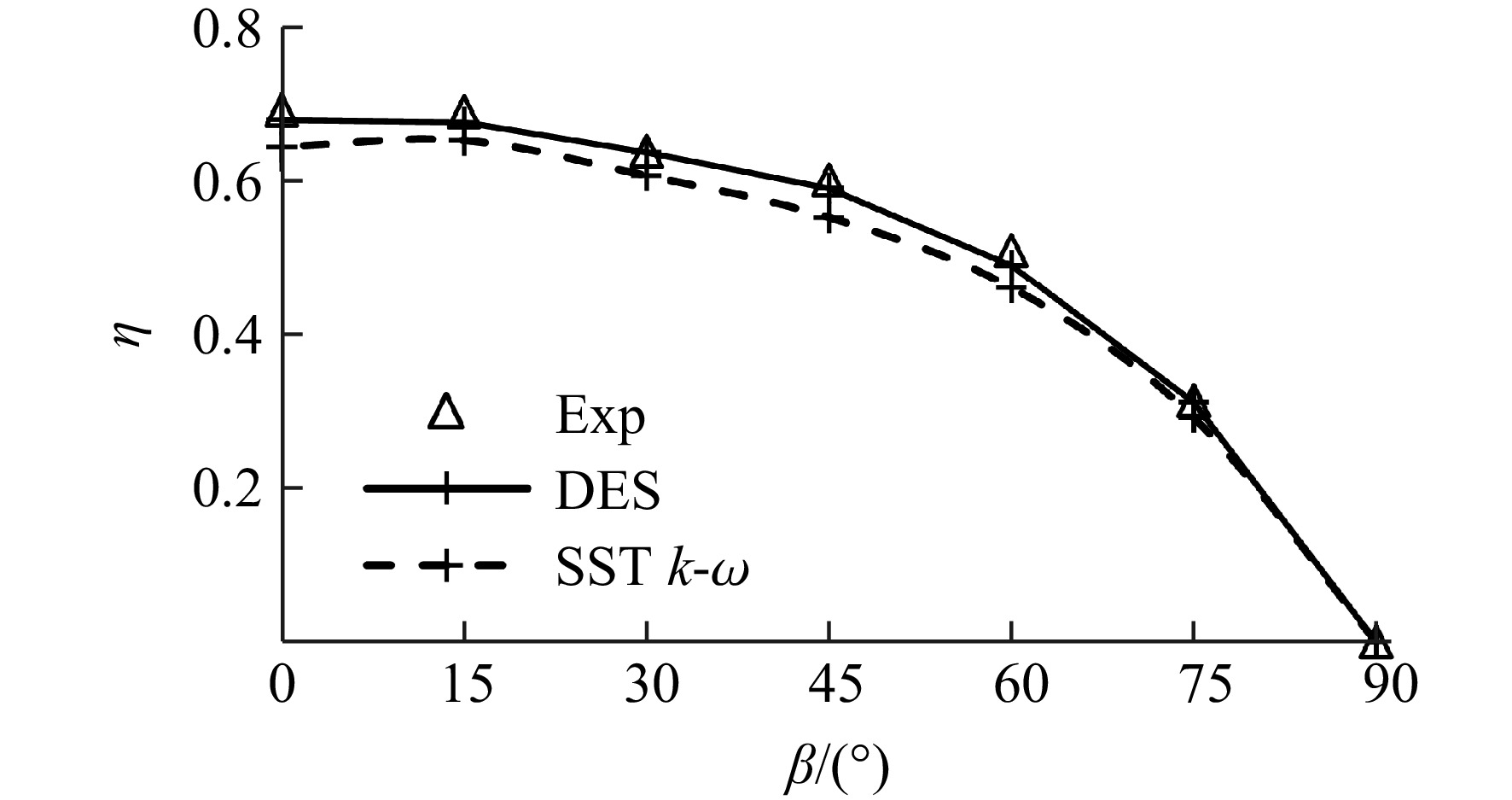
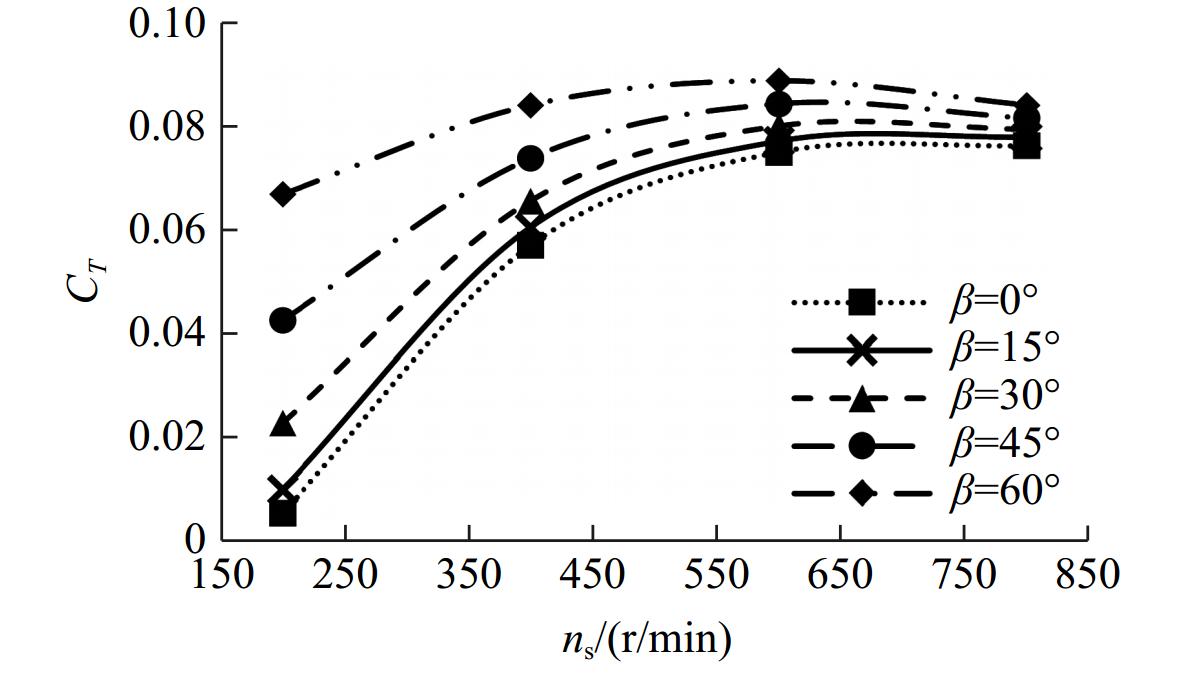
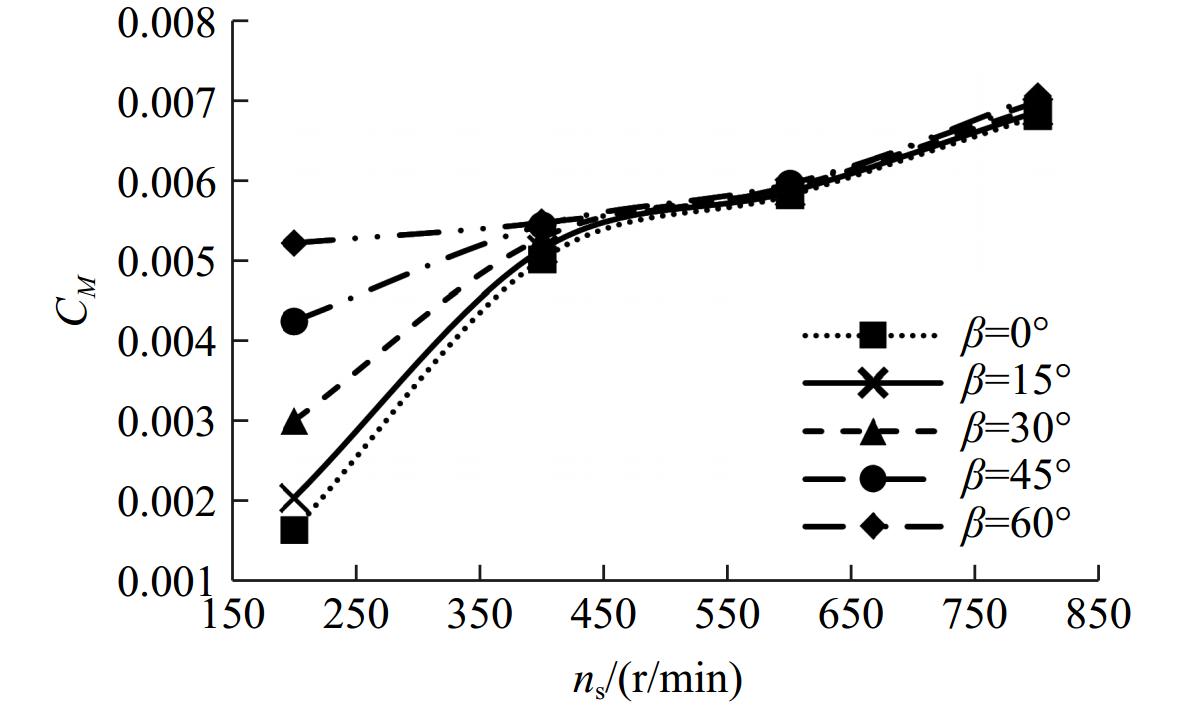
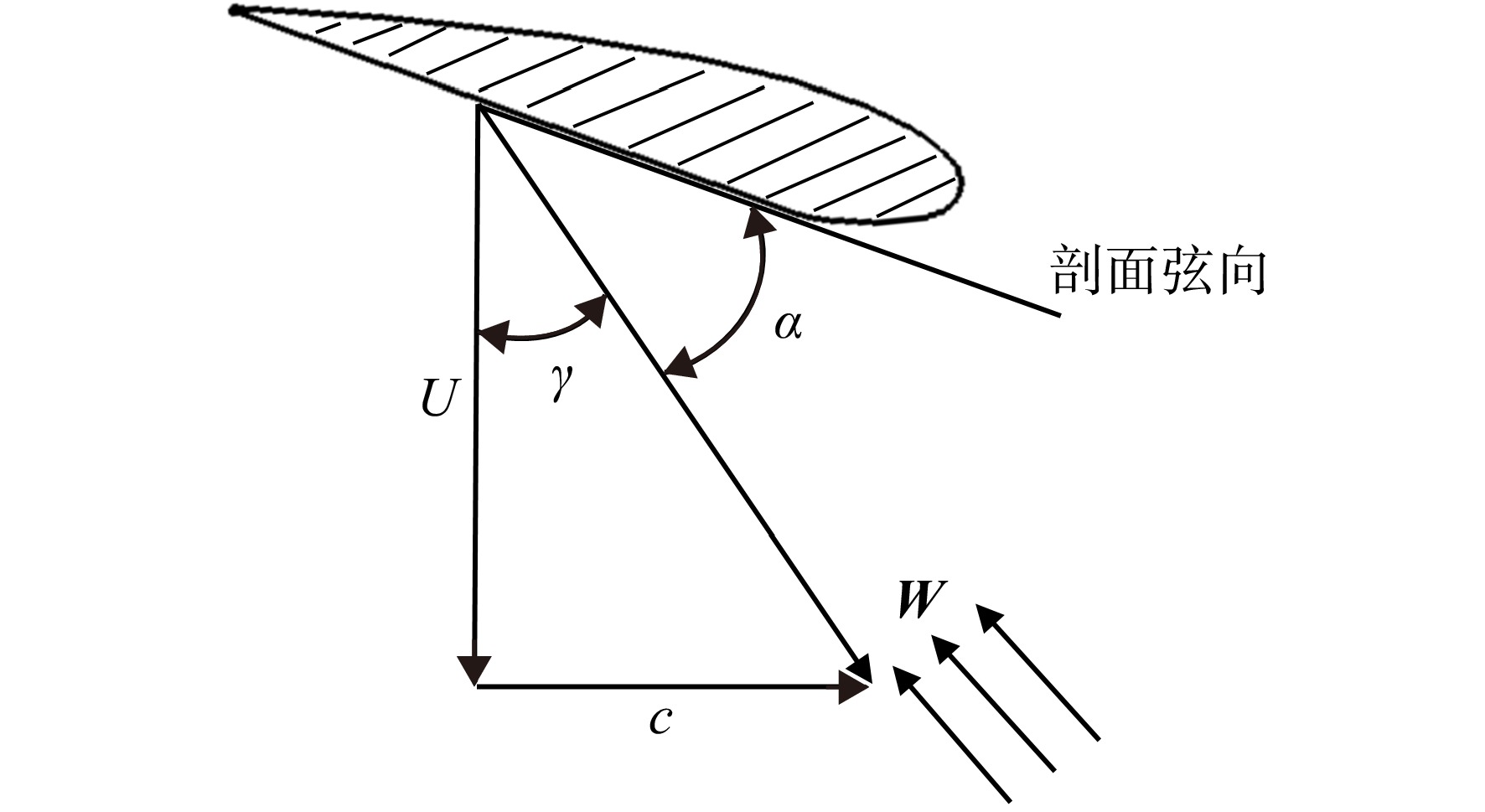
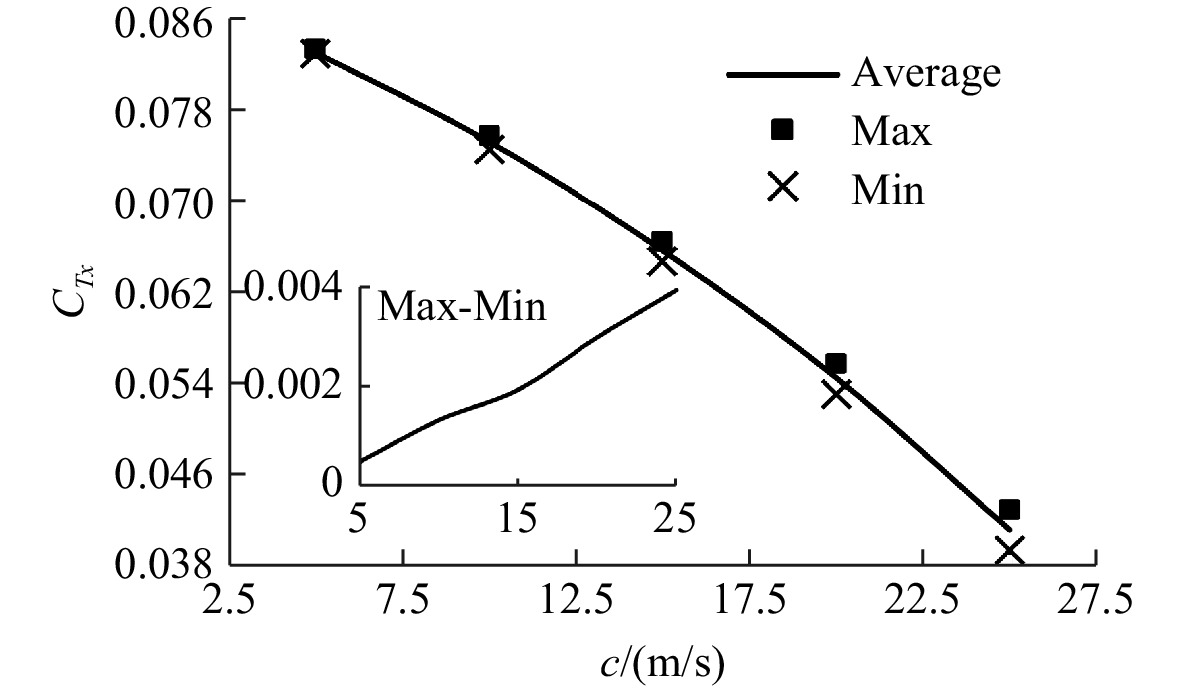
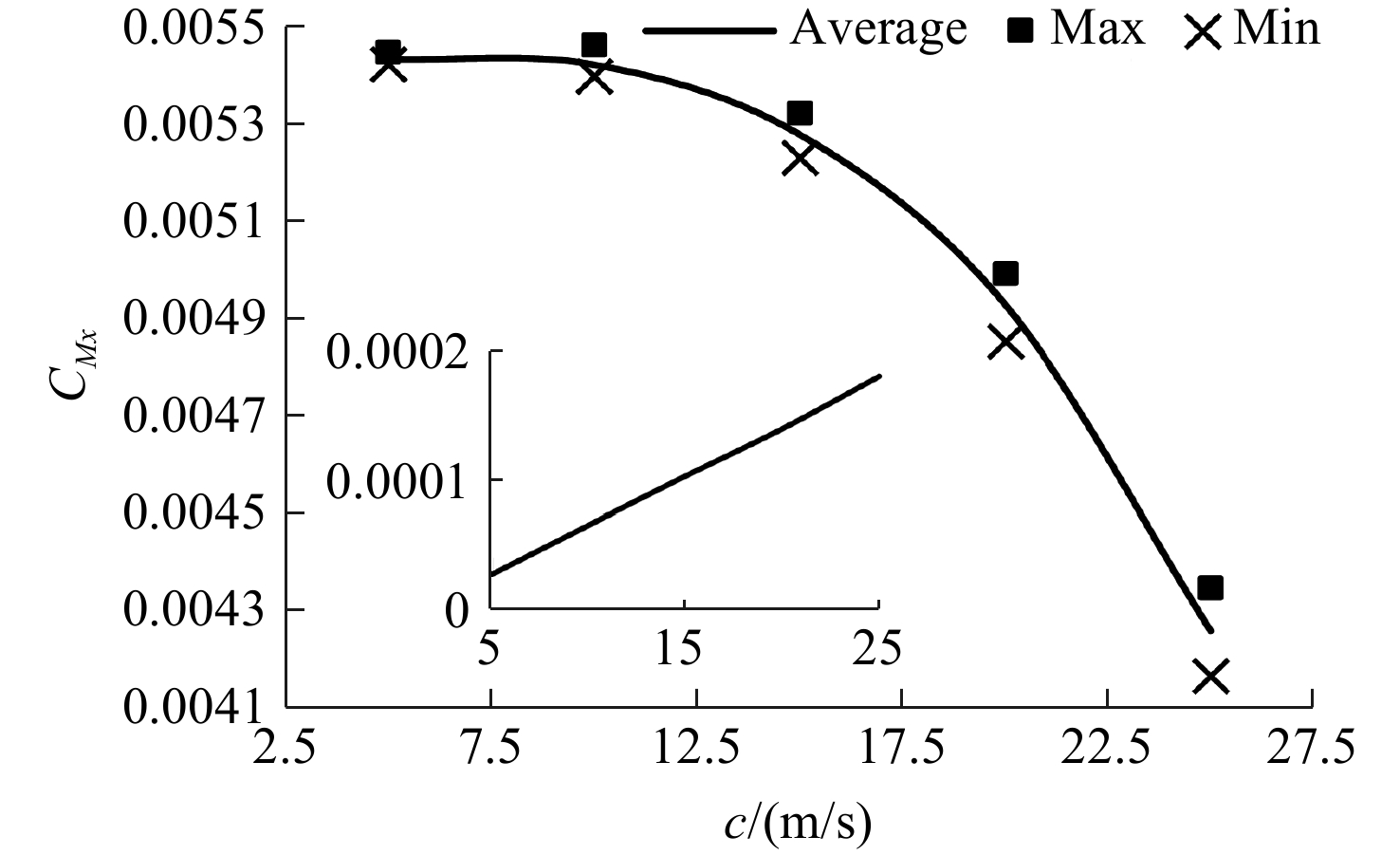
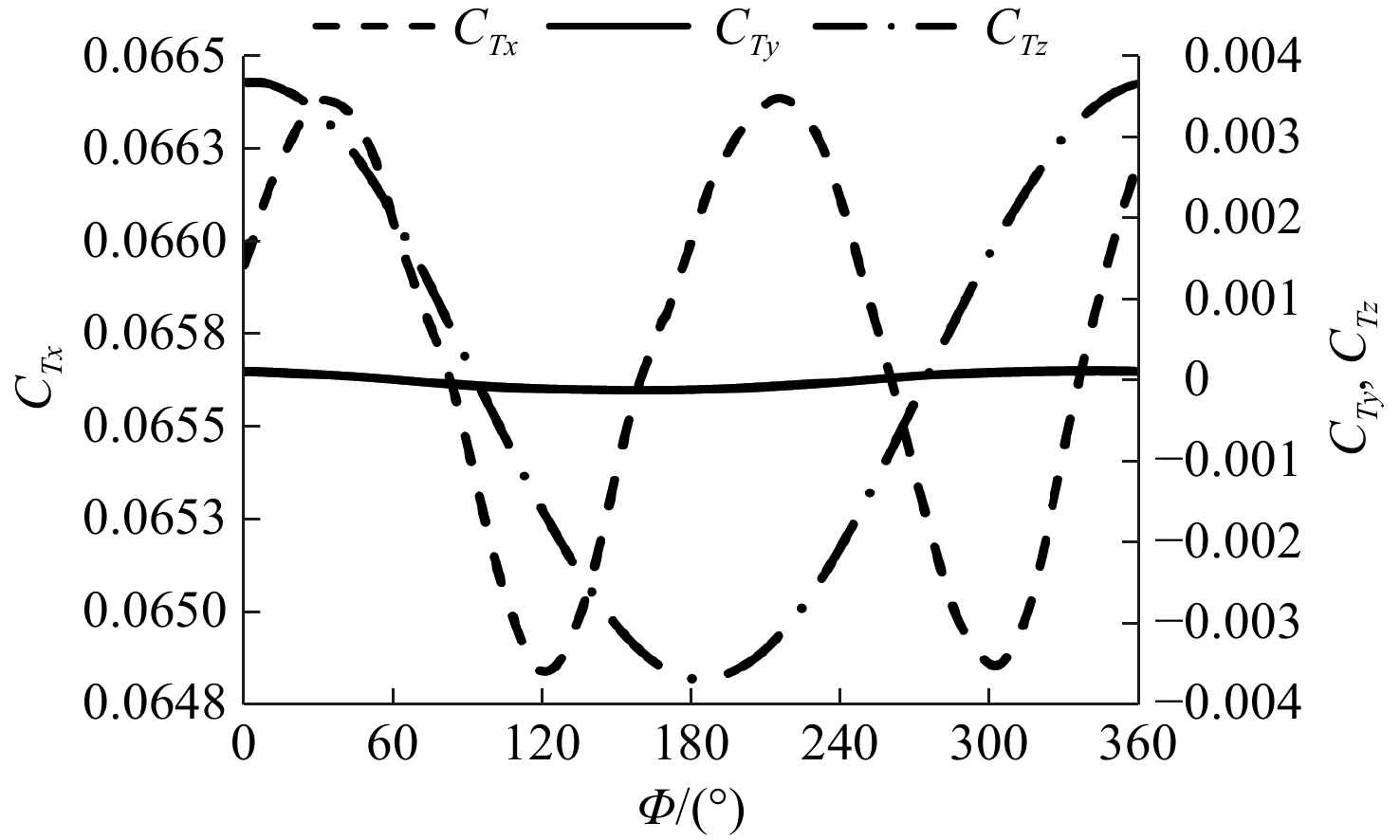
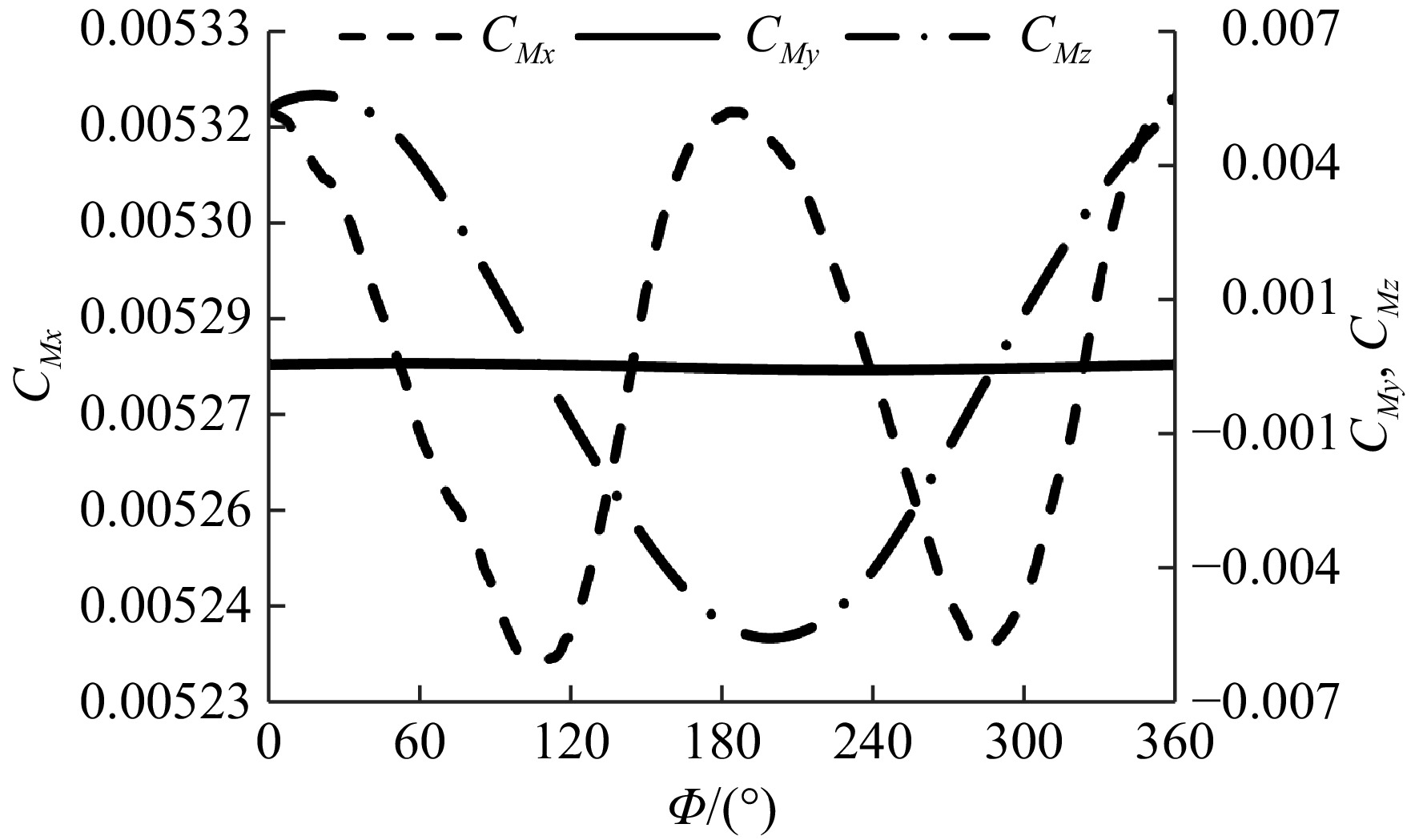
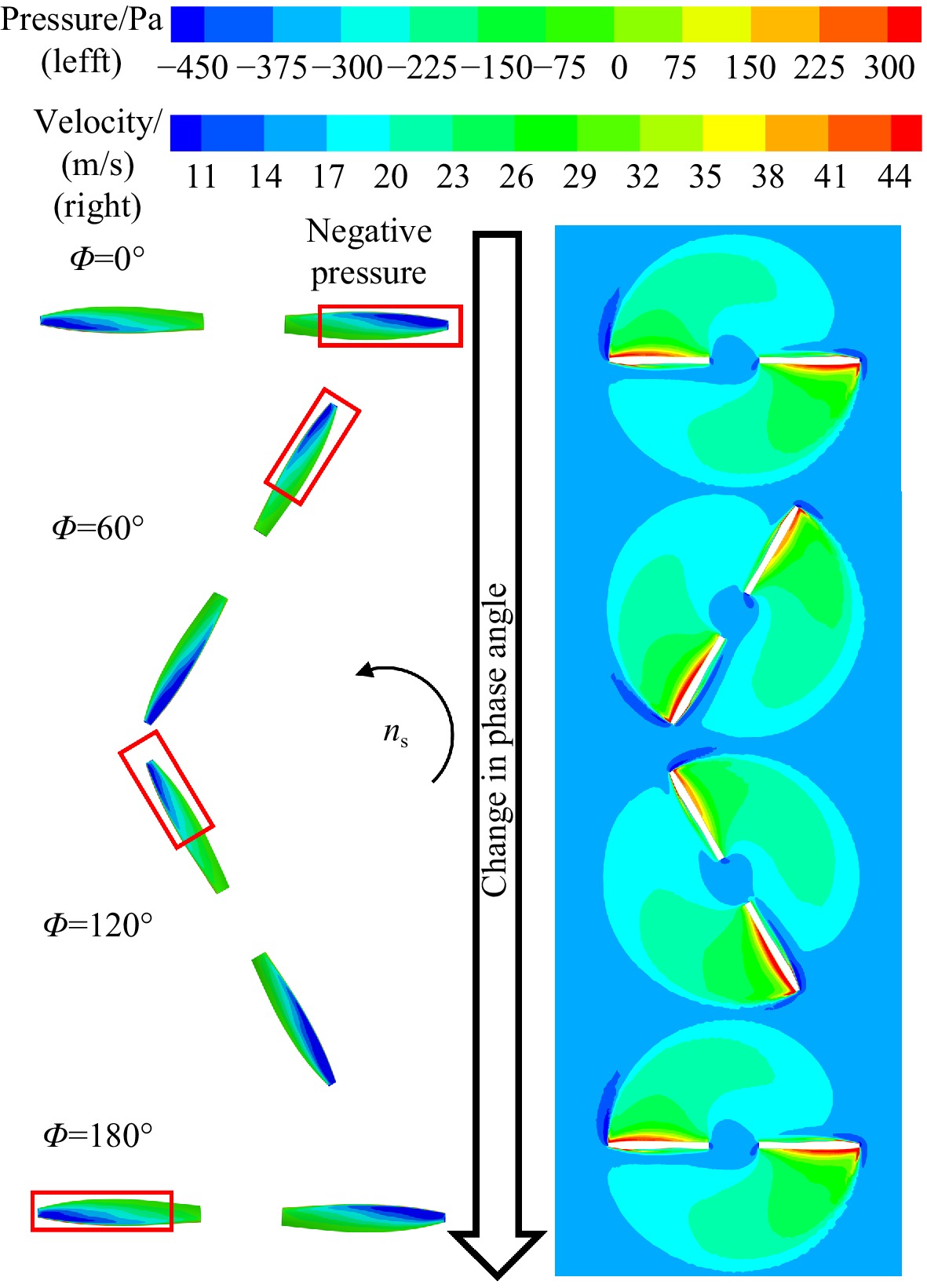
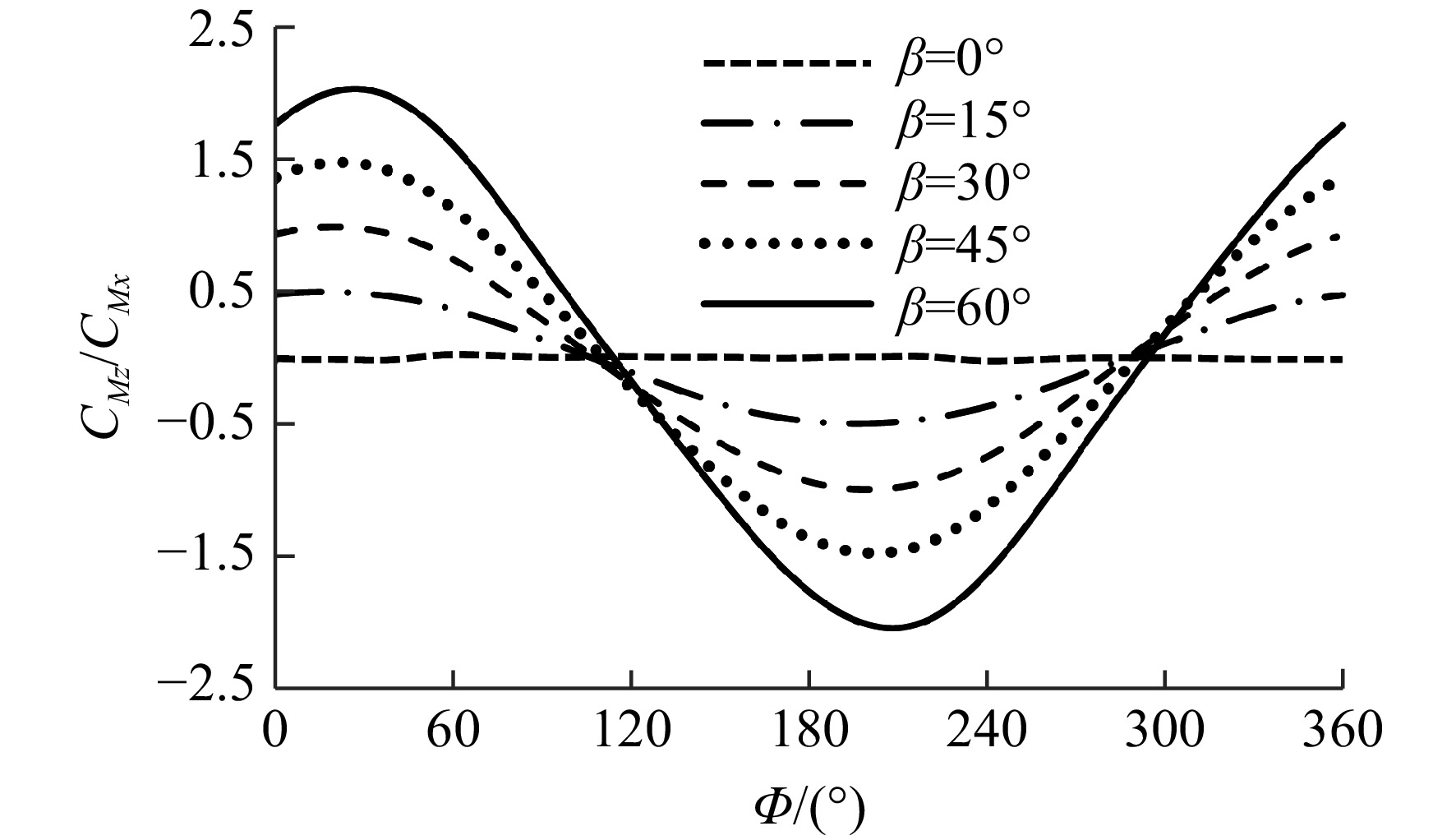
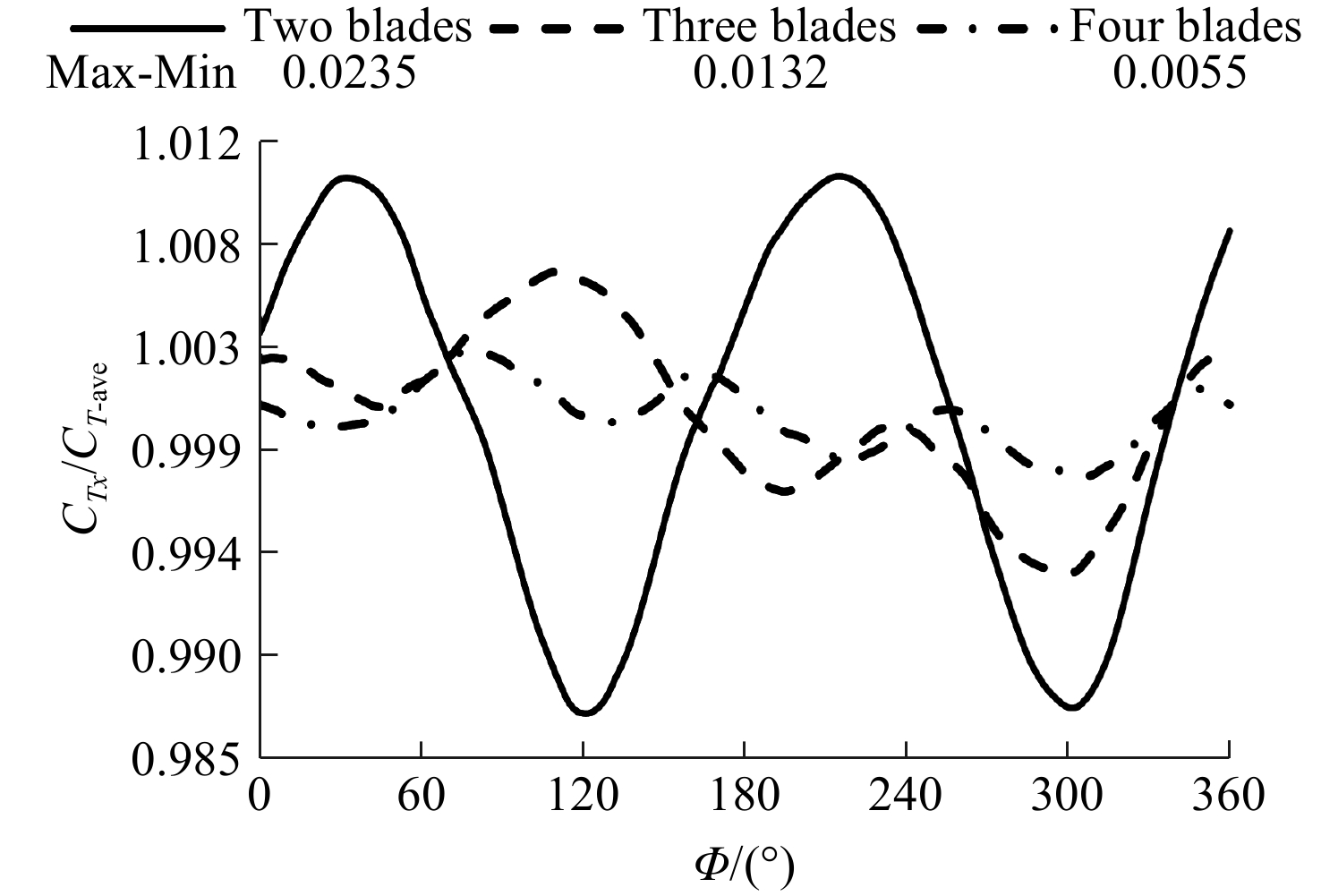
The validity of sliding mesh technology and detached eddy simulation (DES) with non-steady numerical methods was verified by wind tunnel tests of a scaled propeller model, and numerical calculations of aerodynamic loads under different cross-flow conditions were performed. The results showed that the instantaneous aerodynamic load coefficient of the rotating propeller exhibited periodic unsteady characteristics, and the flapping torque along the blade radius increased significantly with cross-flow angle, with an instantaneous value equivalent to the axial moment at 30°, and more than twice the axial moment at 60°. Along with an increasing number of blades, the frequency of fluctuations within one cycle increased. Compared with the two-bladed propeller, the amplitude of the thrust and torque coefficients of the four-bladed propeller relative to their mean values was reduced by 76.6% and 70.1%, respectively. Research method can provide effective input basis for the design of blade structure and related support mechanism.

Hypersonic nonequilibrium flow region identification and adaptive grid reconfiguration DSMC method
LI Ziwei, WANG Xuede
2025, 40(2): 20230379. doi: 10.13224/j.cnki.jasp.20230379
Abstract:

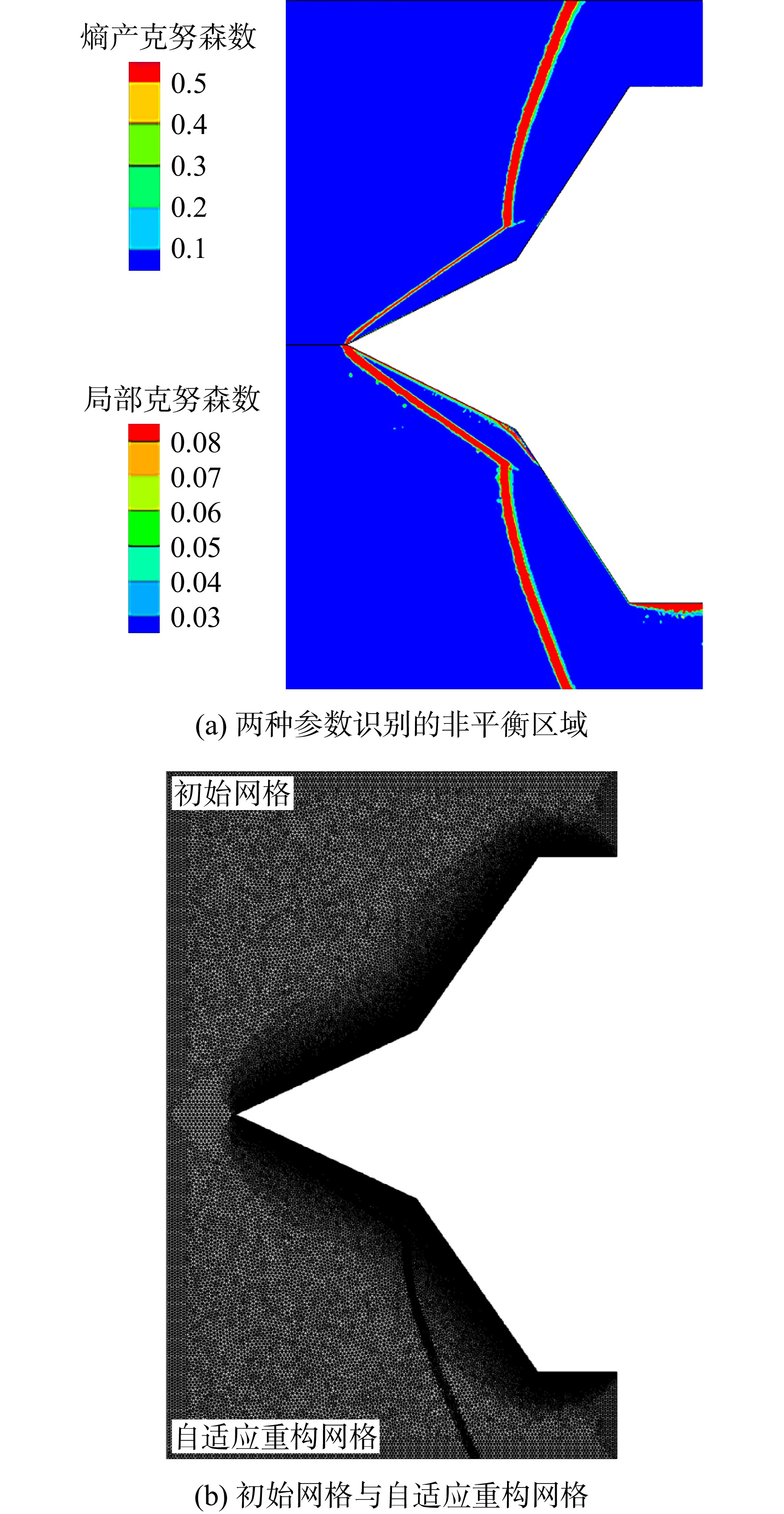
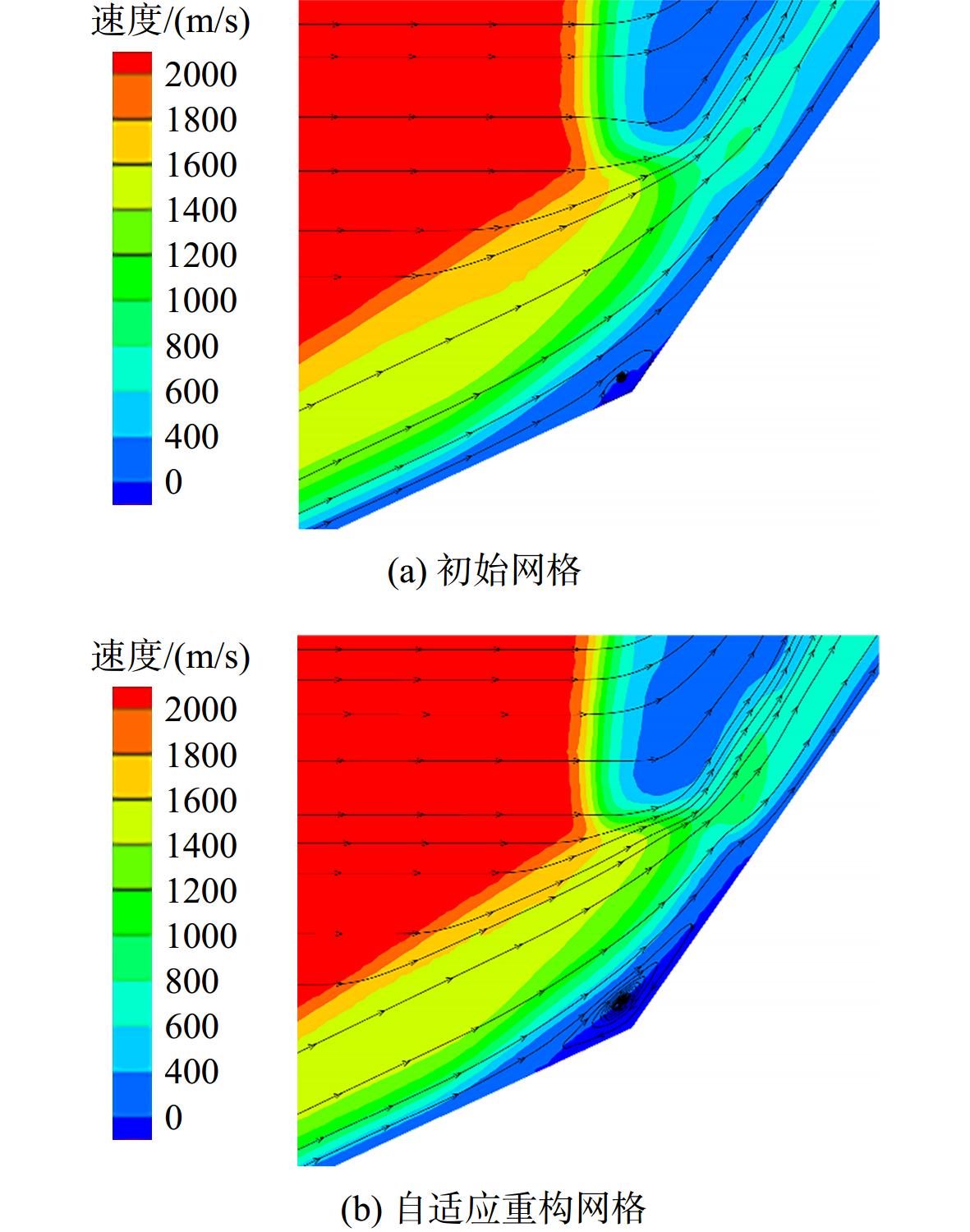
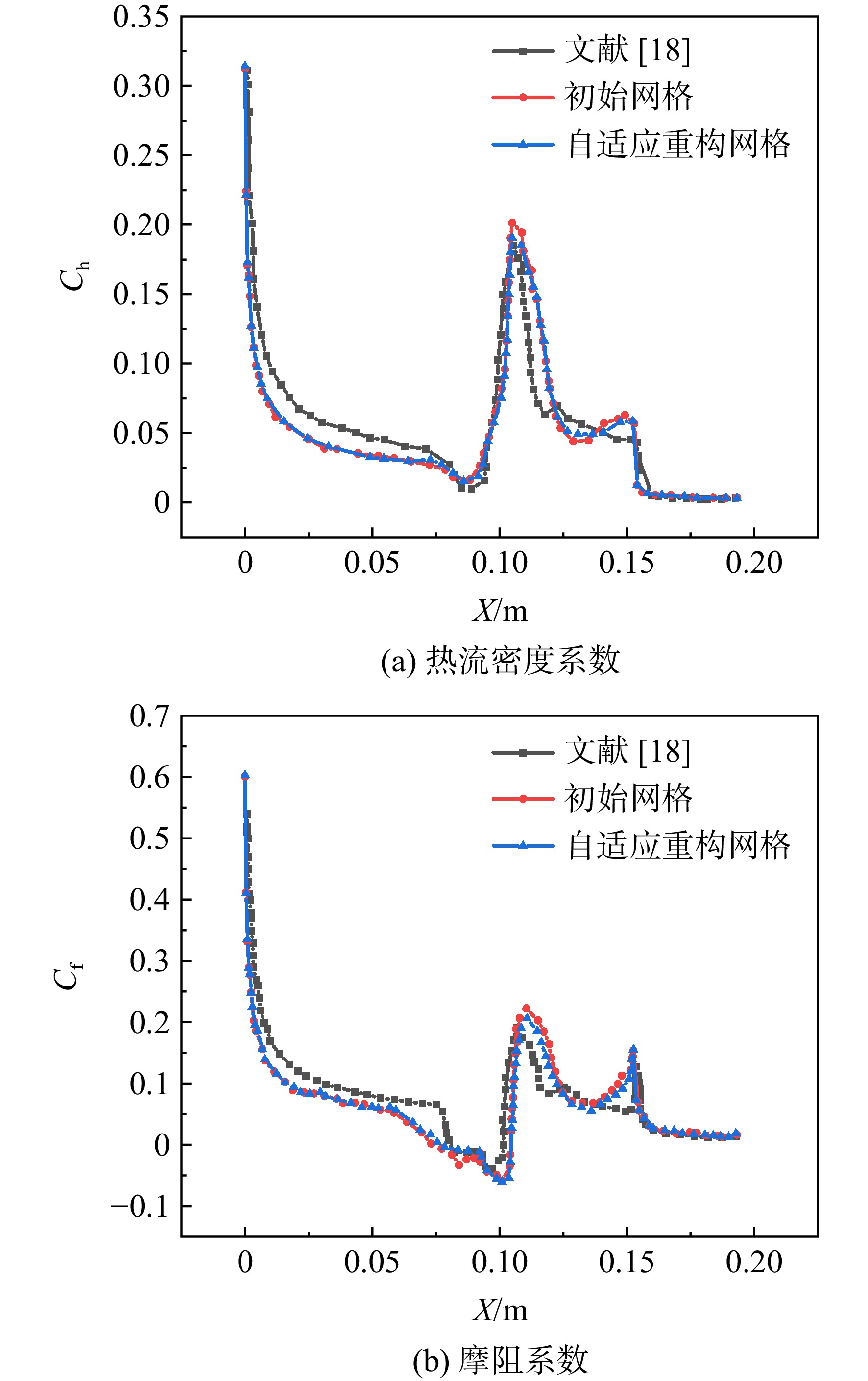
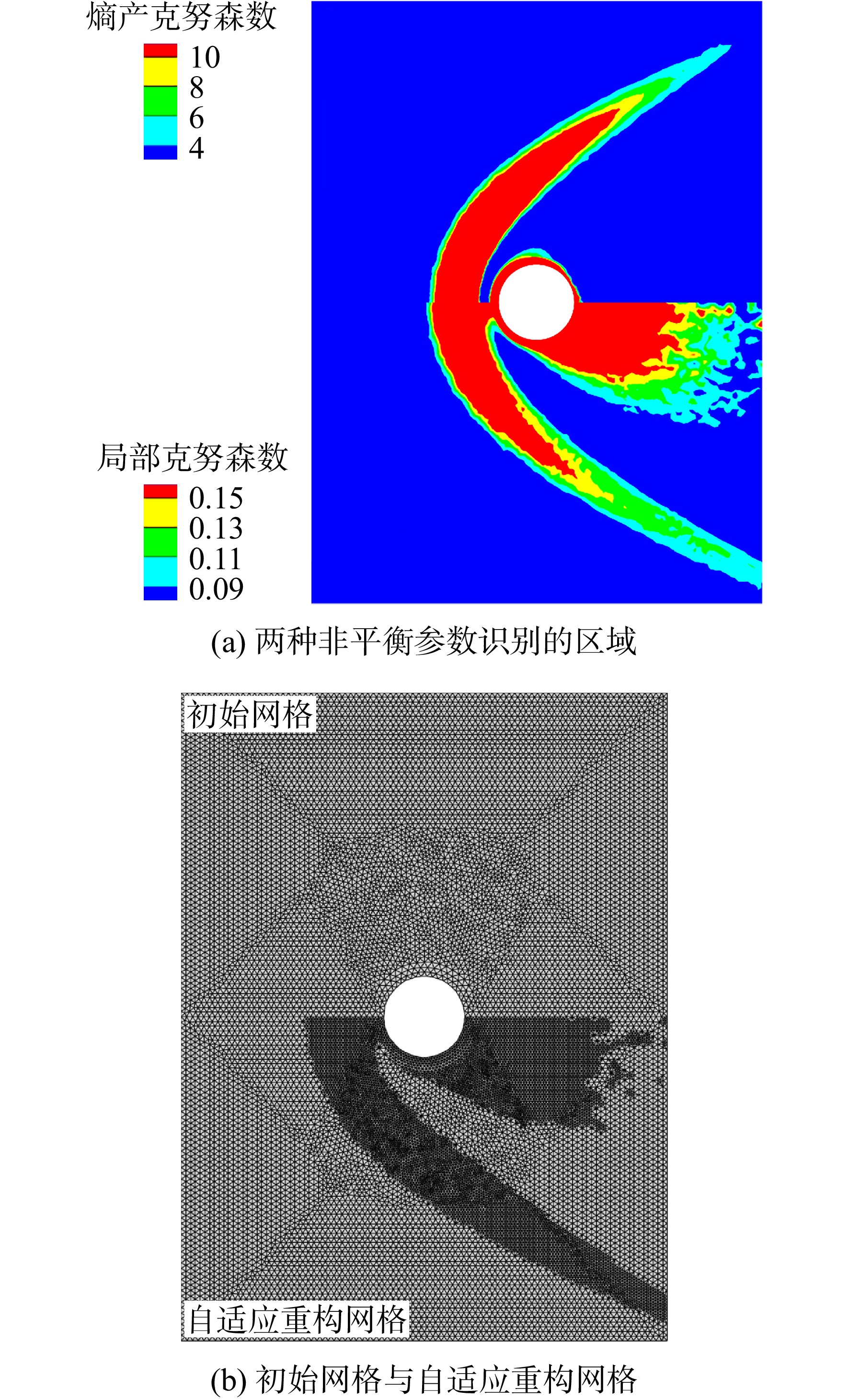
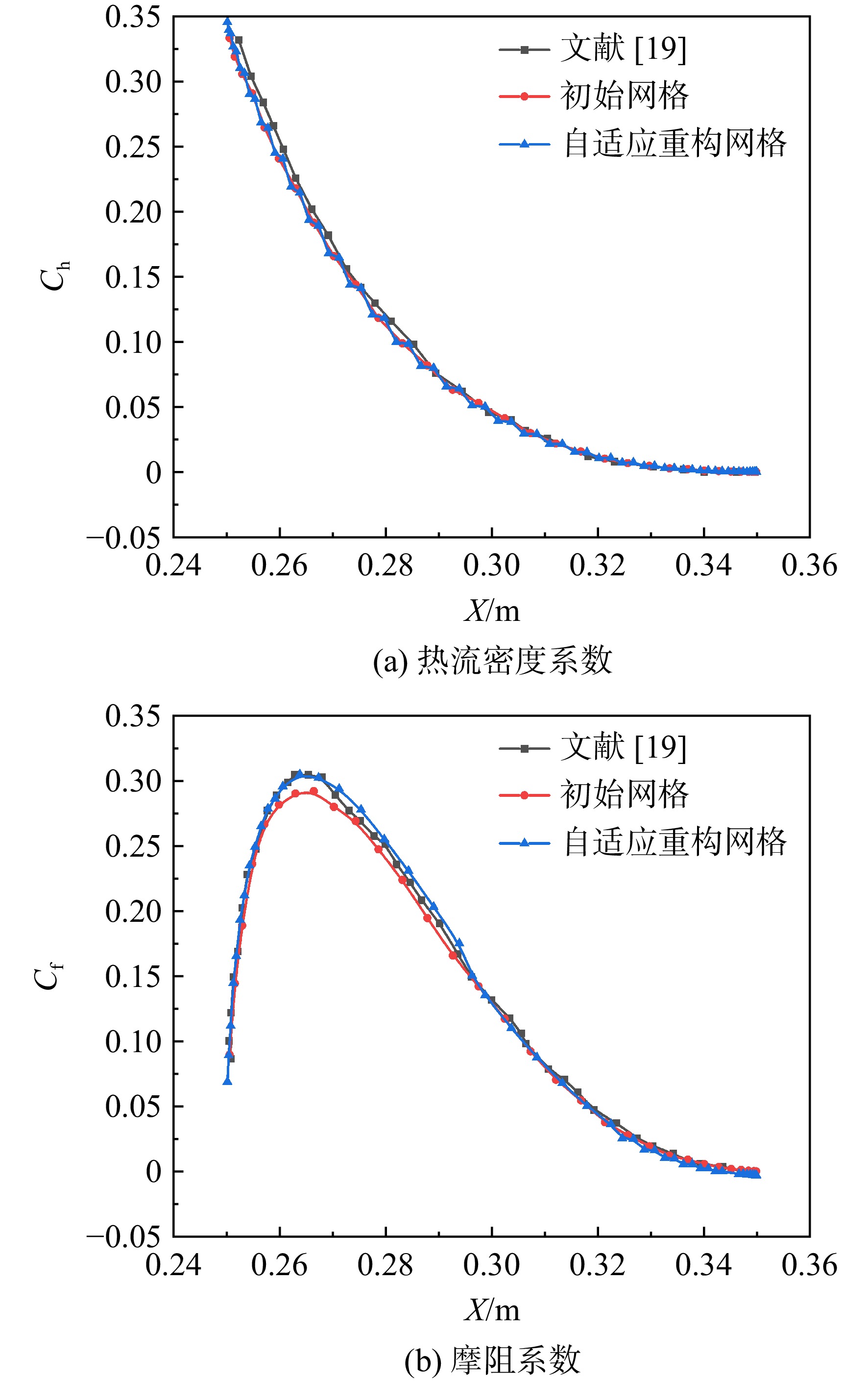
By using the molecular dynamics theory, the calculation formulas for system entropy and entropy production rate were derived to identify non-equilibrium regions in hypersonic rarefied flows. A method for measuring the non-equilibrium state of gases was determined based on the fundamental relationship between entropy production and non-equilibrium phenomena. Due to the limitations of entropy production rate parameters, a gas non-equilibrium measure parameter called the entropy production Knudsen number was proposed, which was combined with the local Knudsen number as a criterion for non-equilibrium states. By integrating two non-equilibrium criteria, a direct simulation Monte Carlo (DSMC) computational method was developed for identifying non-equilibrium regions and performing grid adaptive reconstruction in hypersonic flow fields. Typical non-equilibrium flow fields were simulated, the results showed that the proposed identification parameters can accurately identify non-equilibrium effects throughout the flow field, with an identification rate of over 99%. On the basis of this strategy, the grid in the non-equilibrium region was reconstructed, and the relative errors of the macroscopic flow field quantities were less than 3%, while the relative errors of wall aerodynamic parameters were less than 5%, which demonstrated the effectiveness of adaptive reconstruction method.

Structure,Strength and Vibration
Investigation on thermodynamic damage of crack propagation at high temperature based on entropy generation
DING Shuiting, ZUO Liangliang, LI Guo, LI Zhenlei, XIA Shuyang, BAO Shaochen
2025, 40(2): 20230241. doi: 10.13224/j.cnki.jasp.20230241
Abstract:

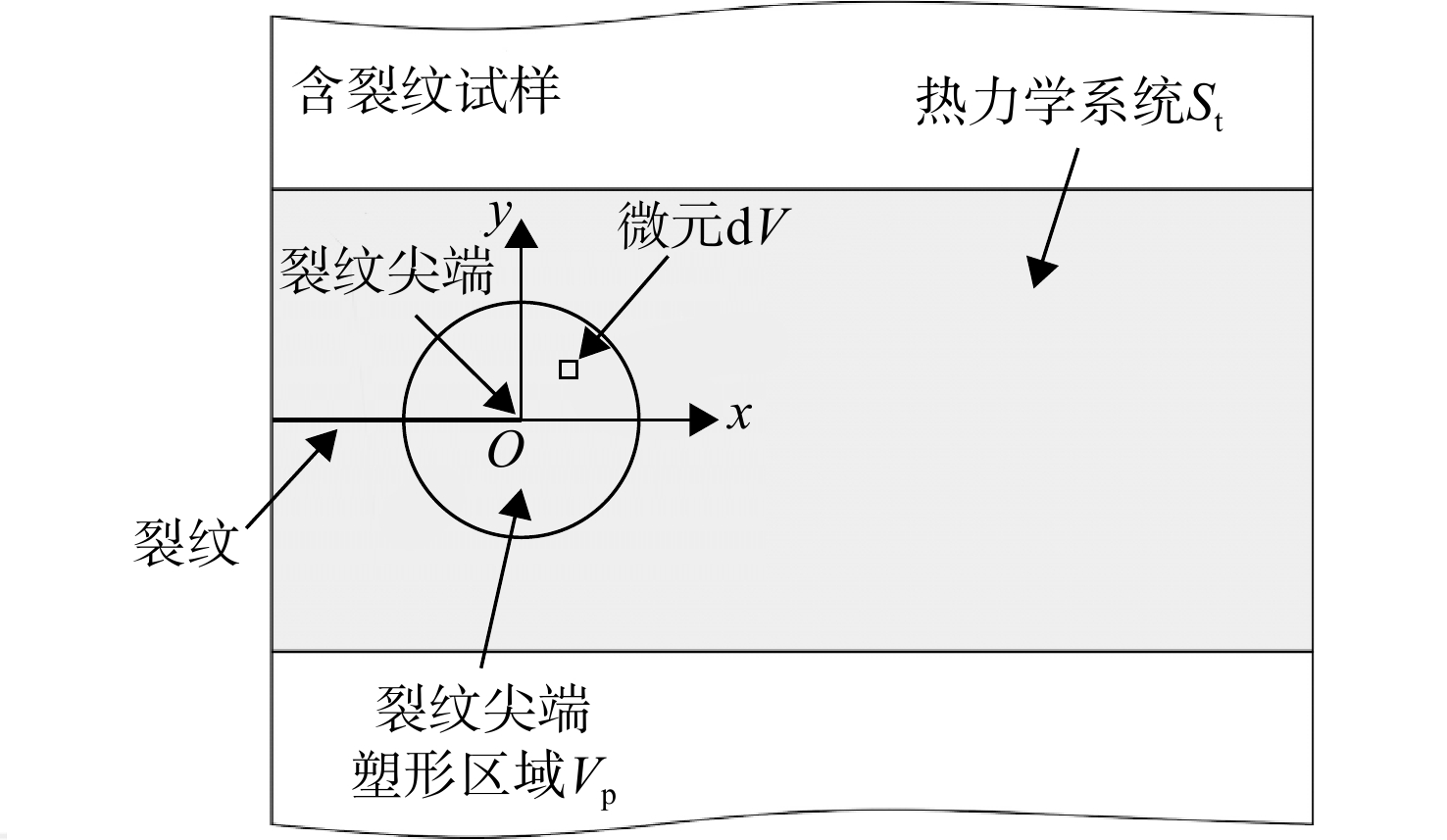
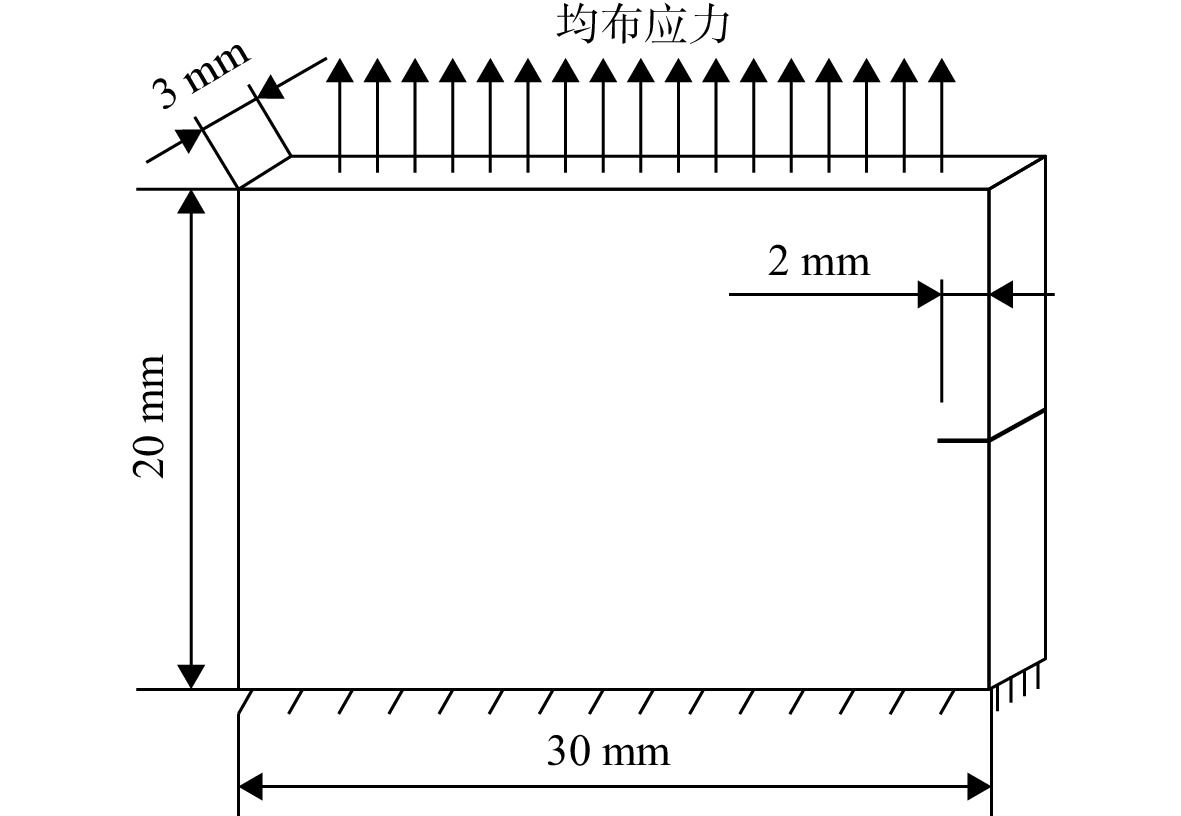
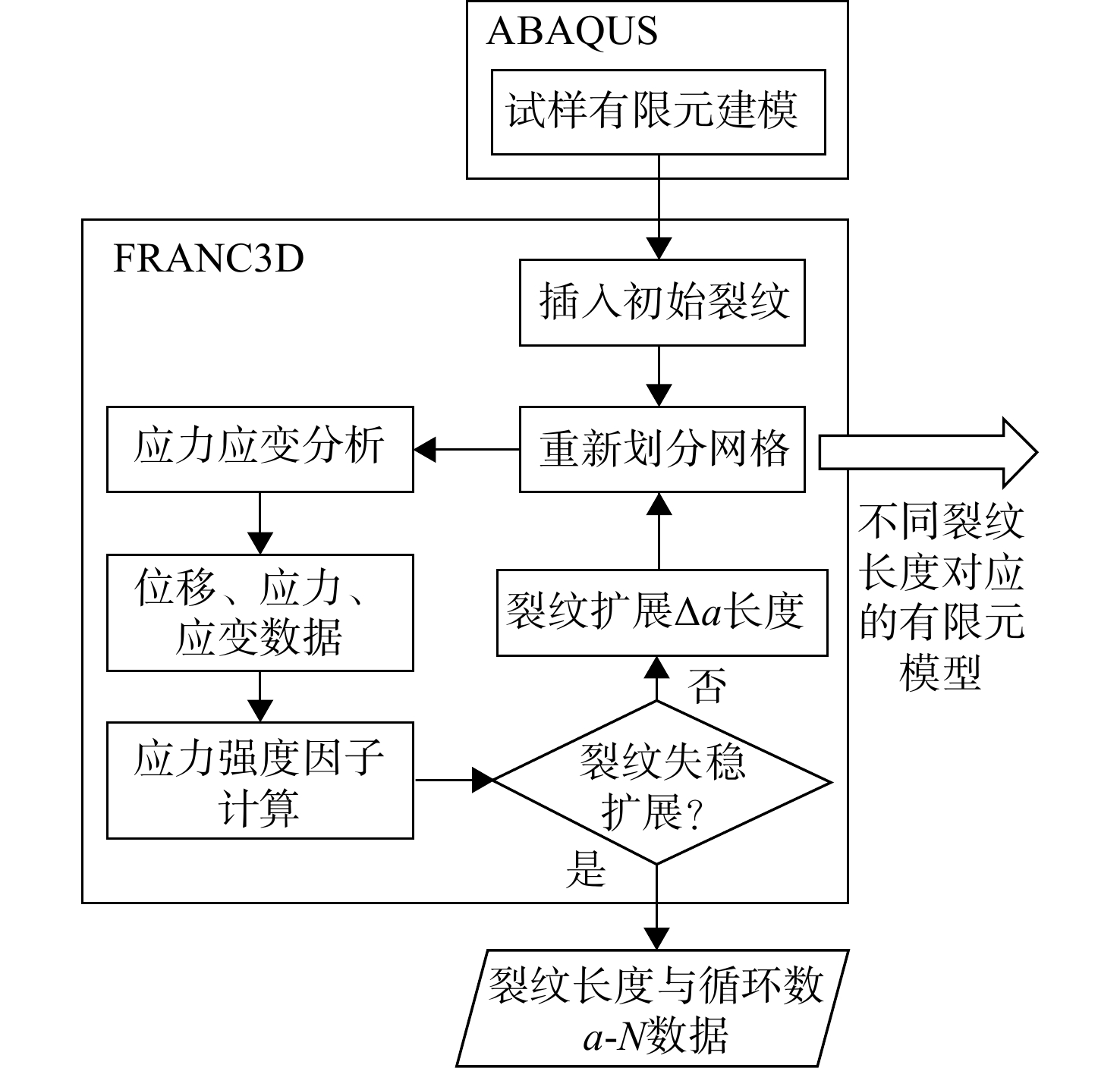
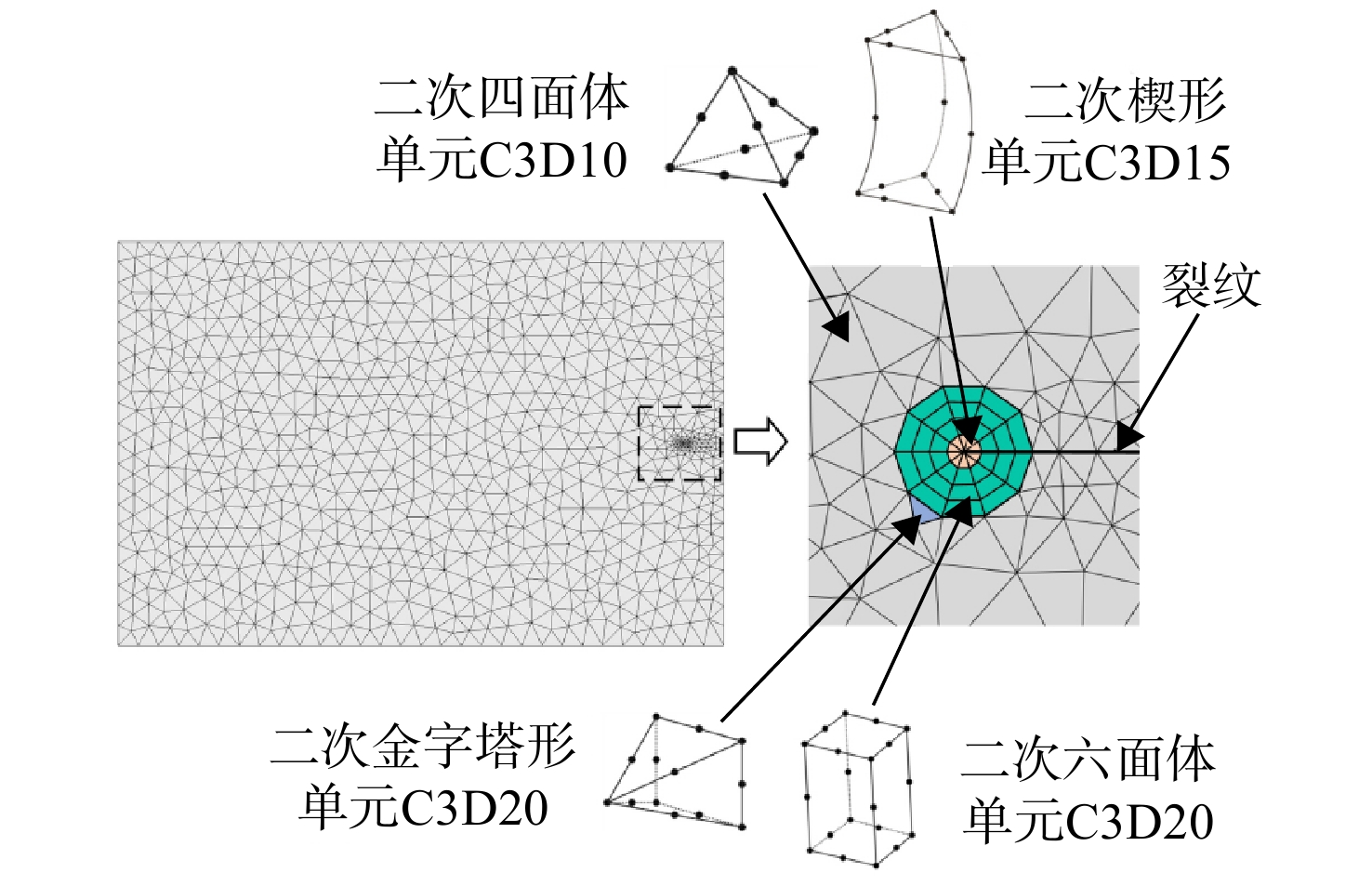
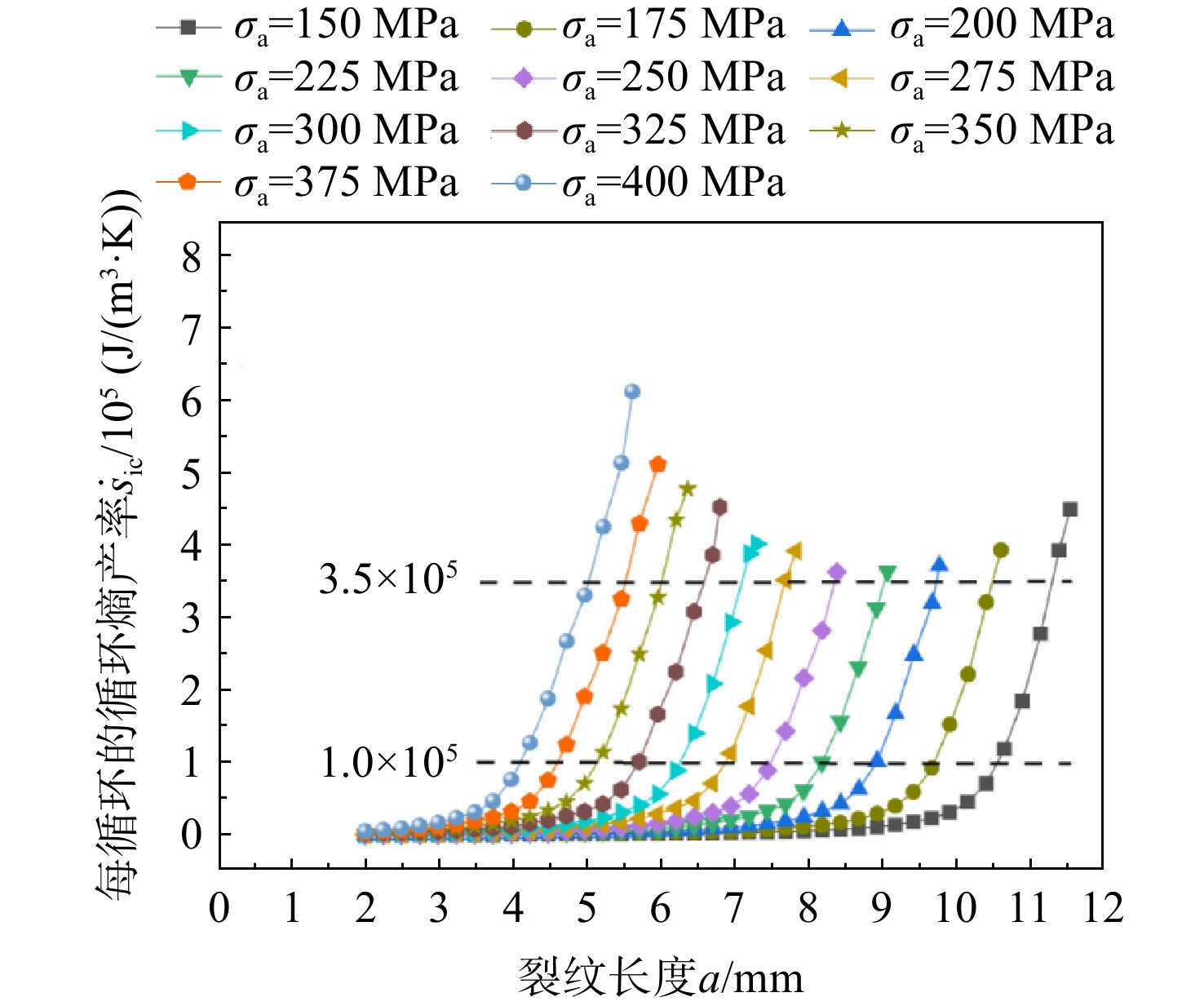
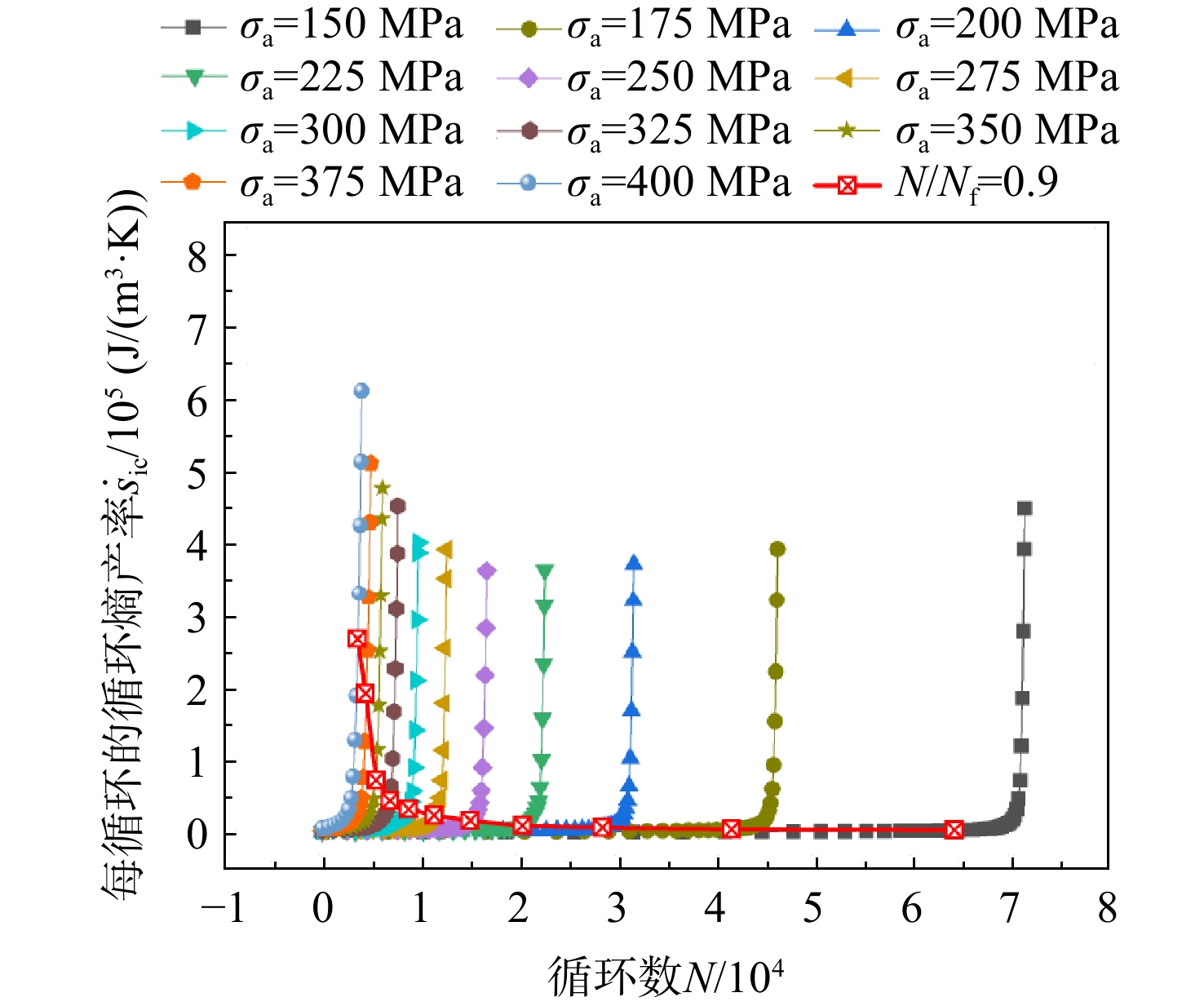
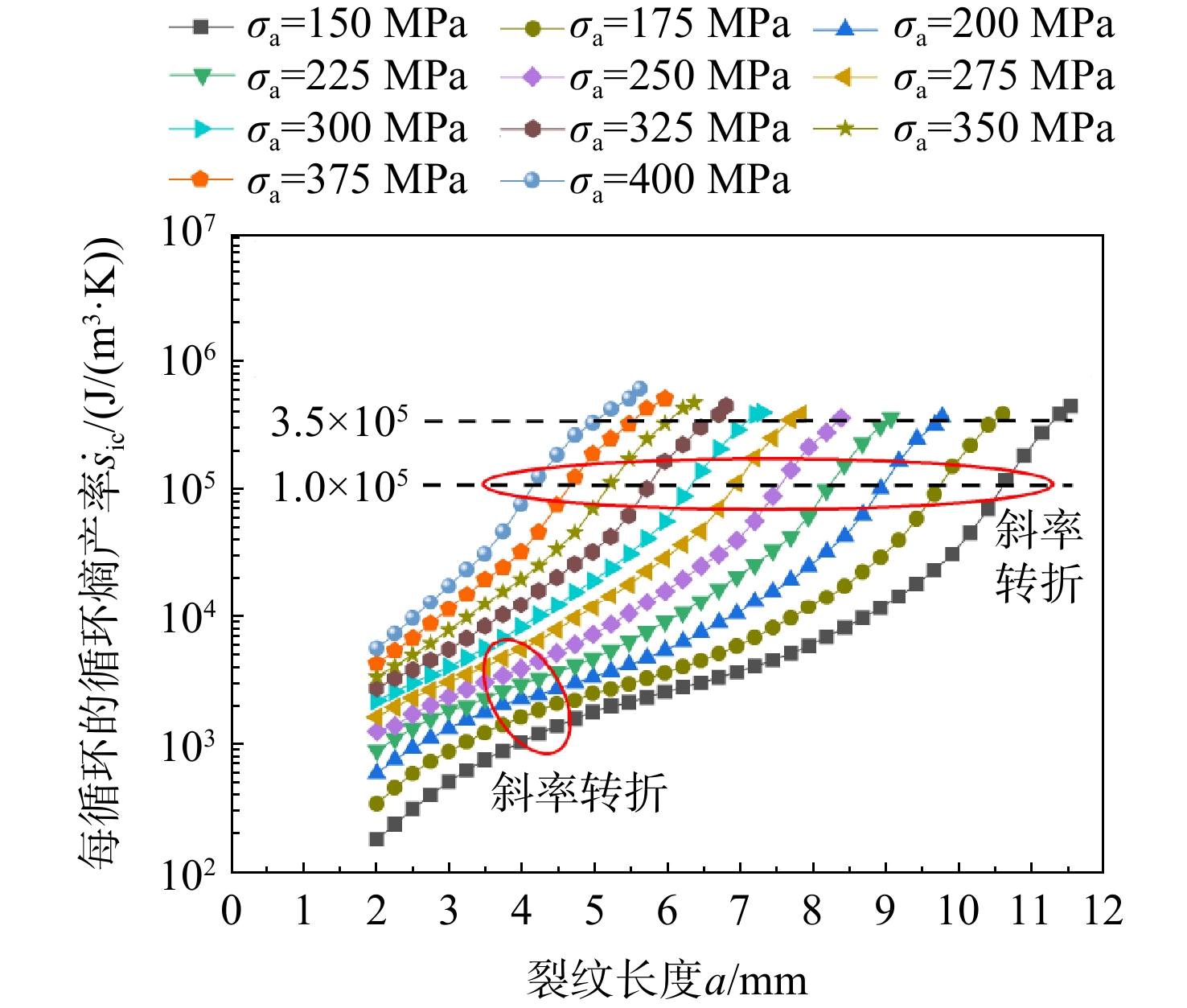
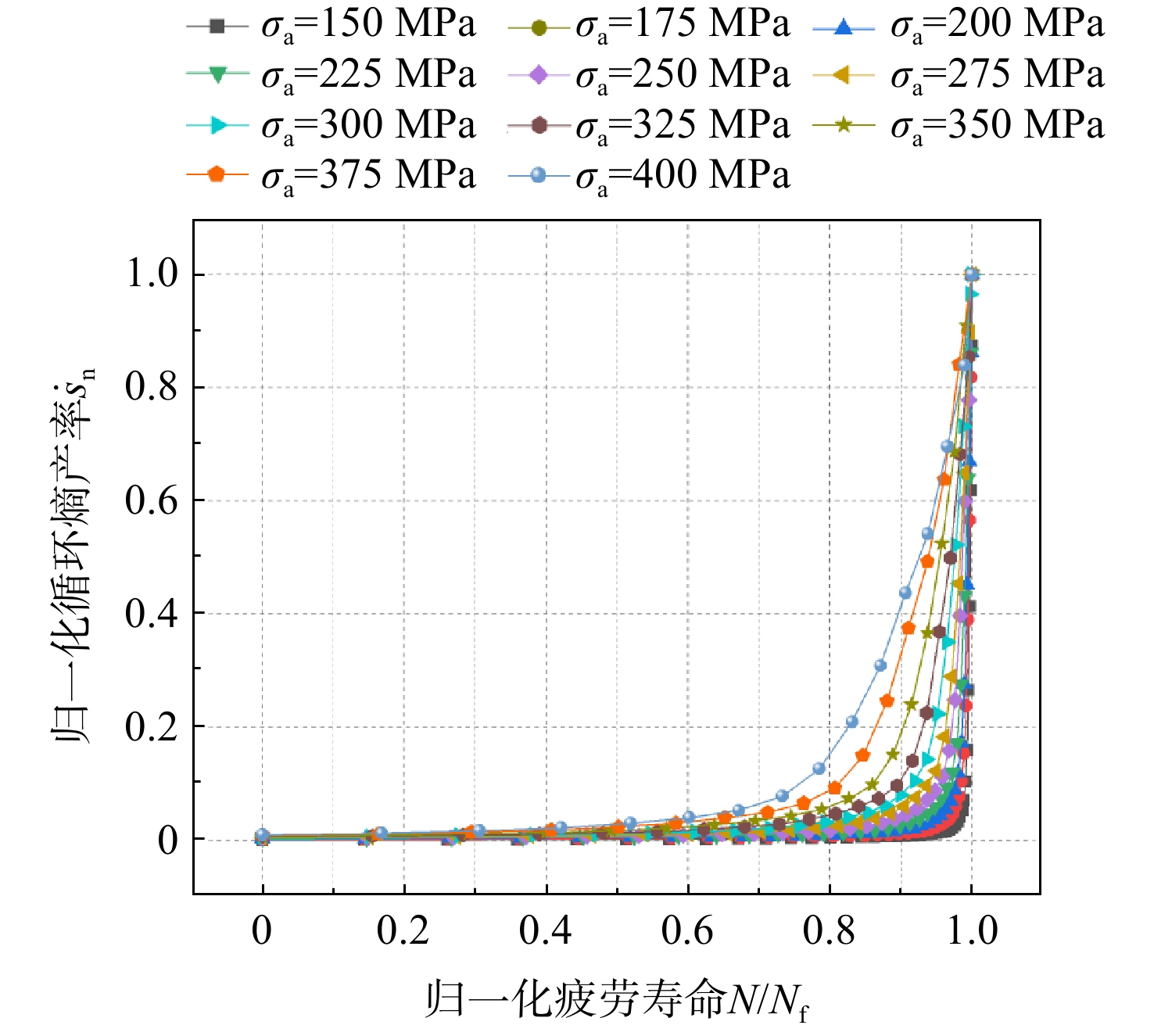
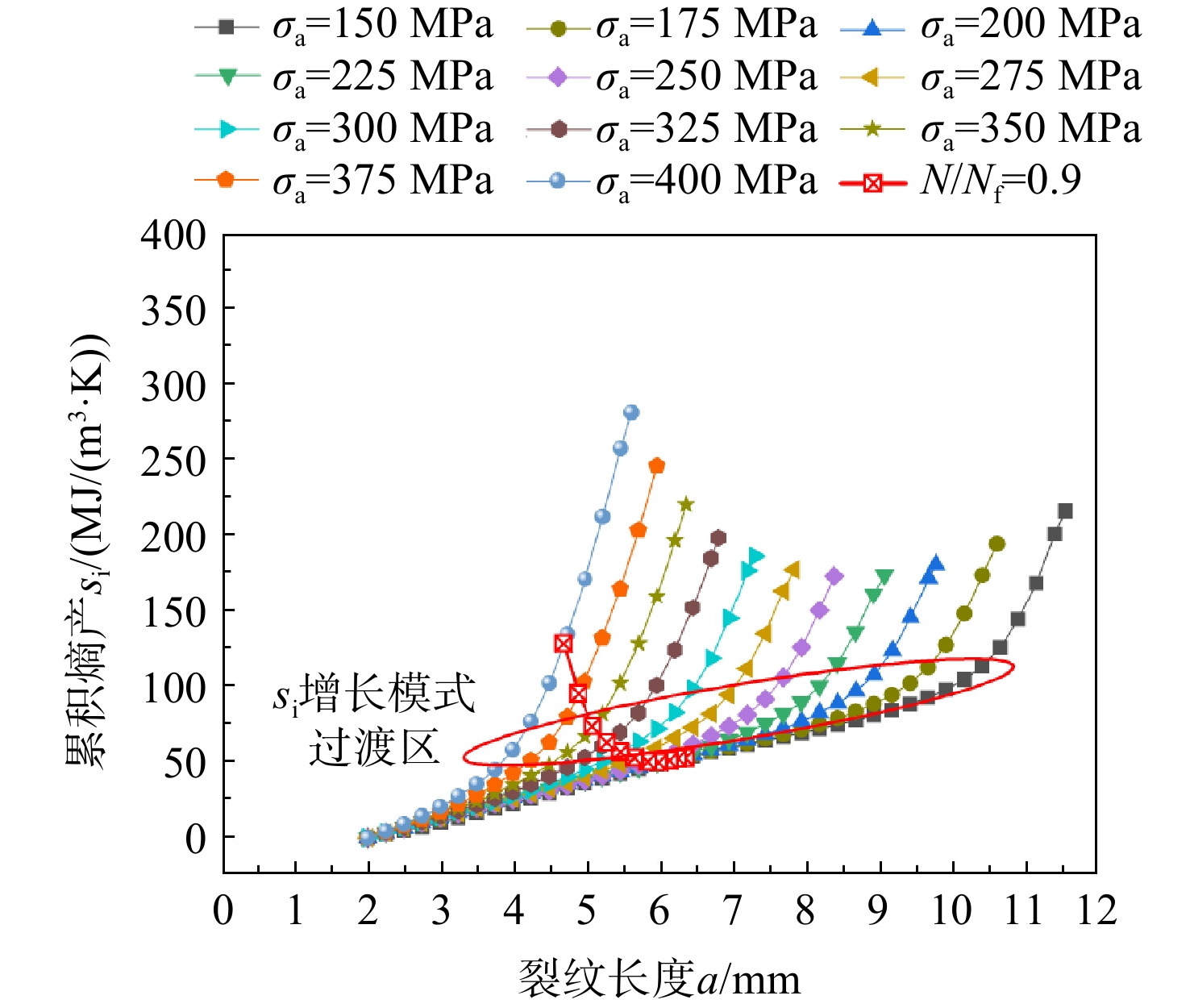
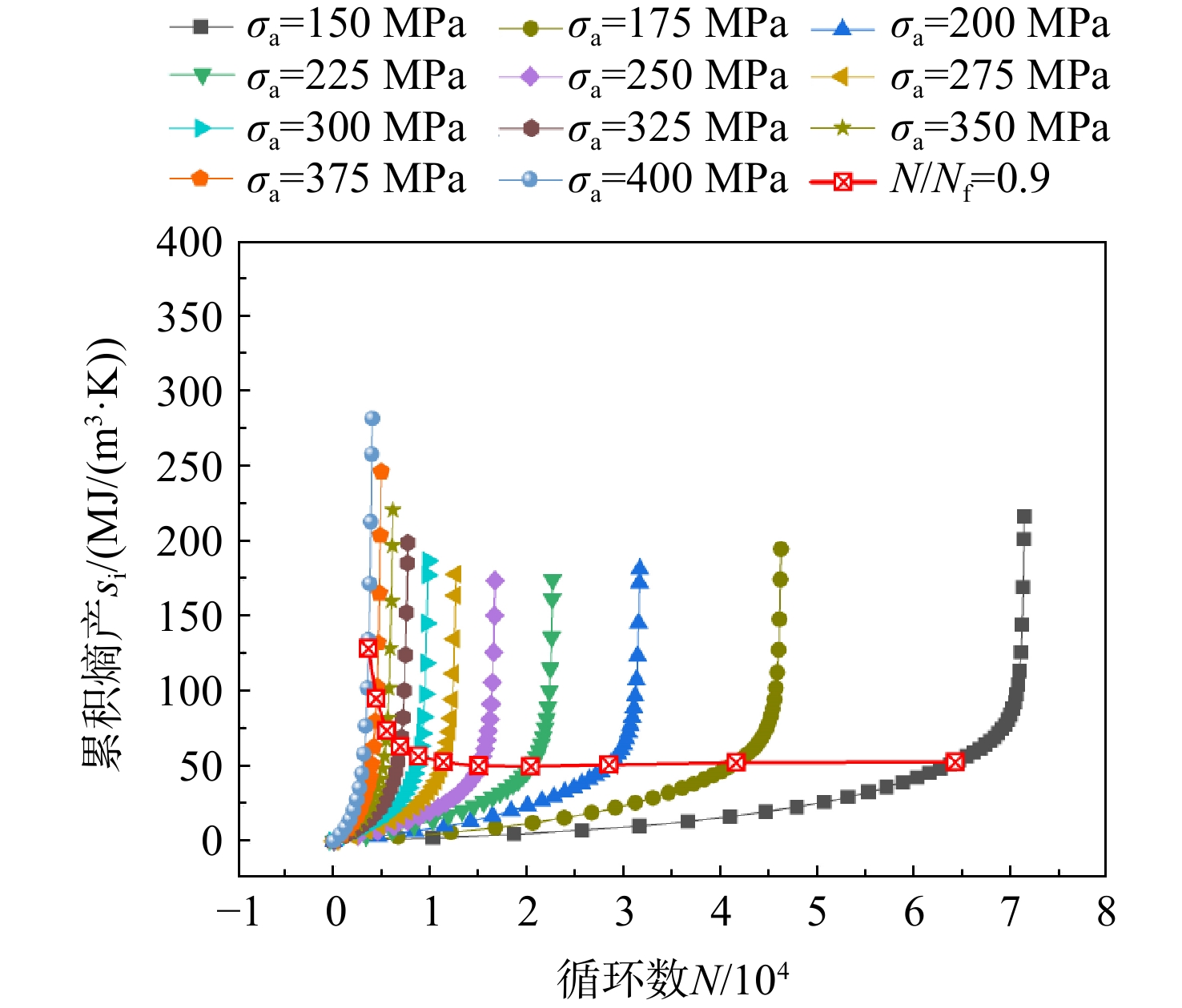
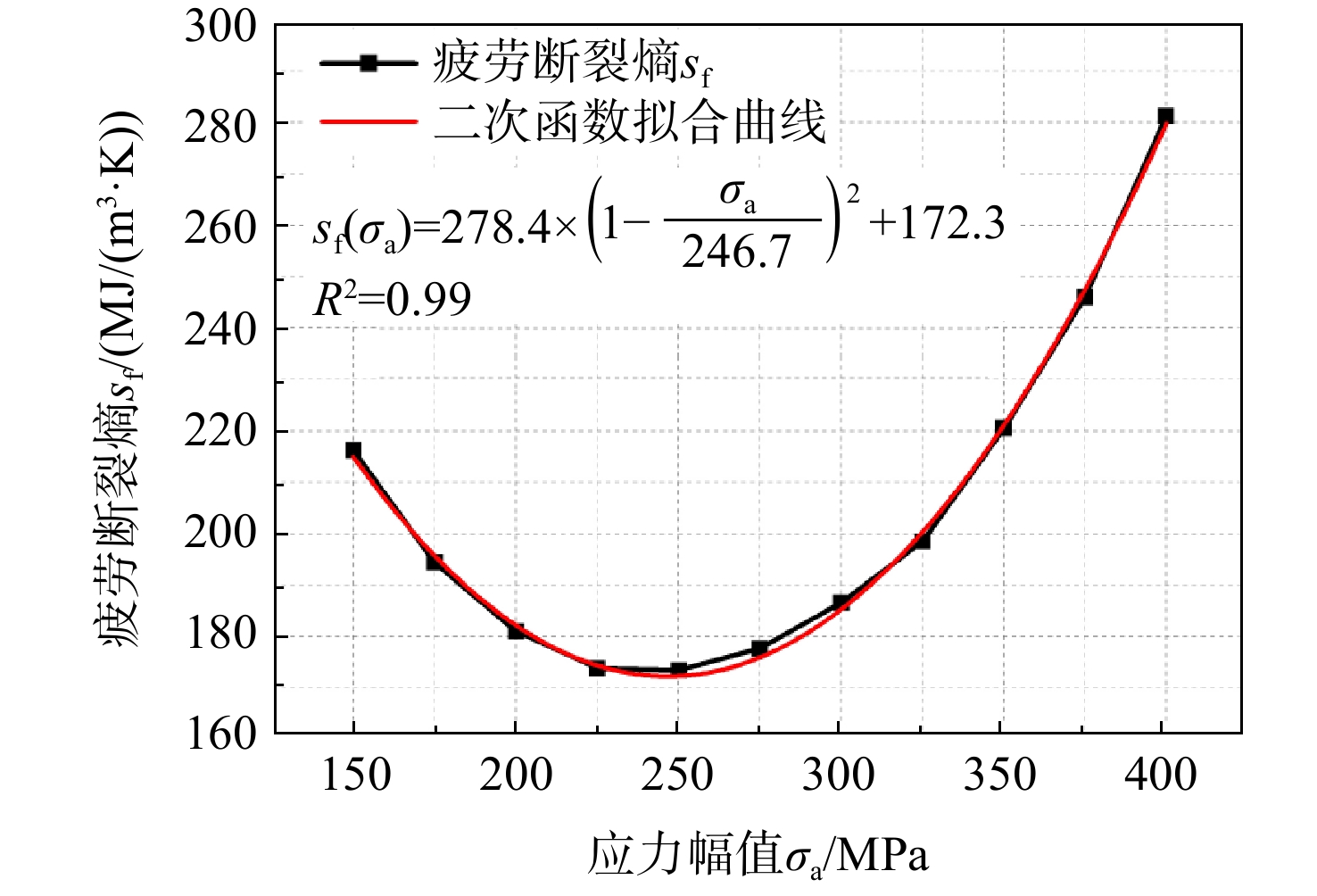
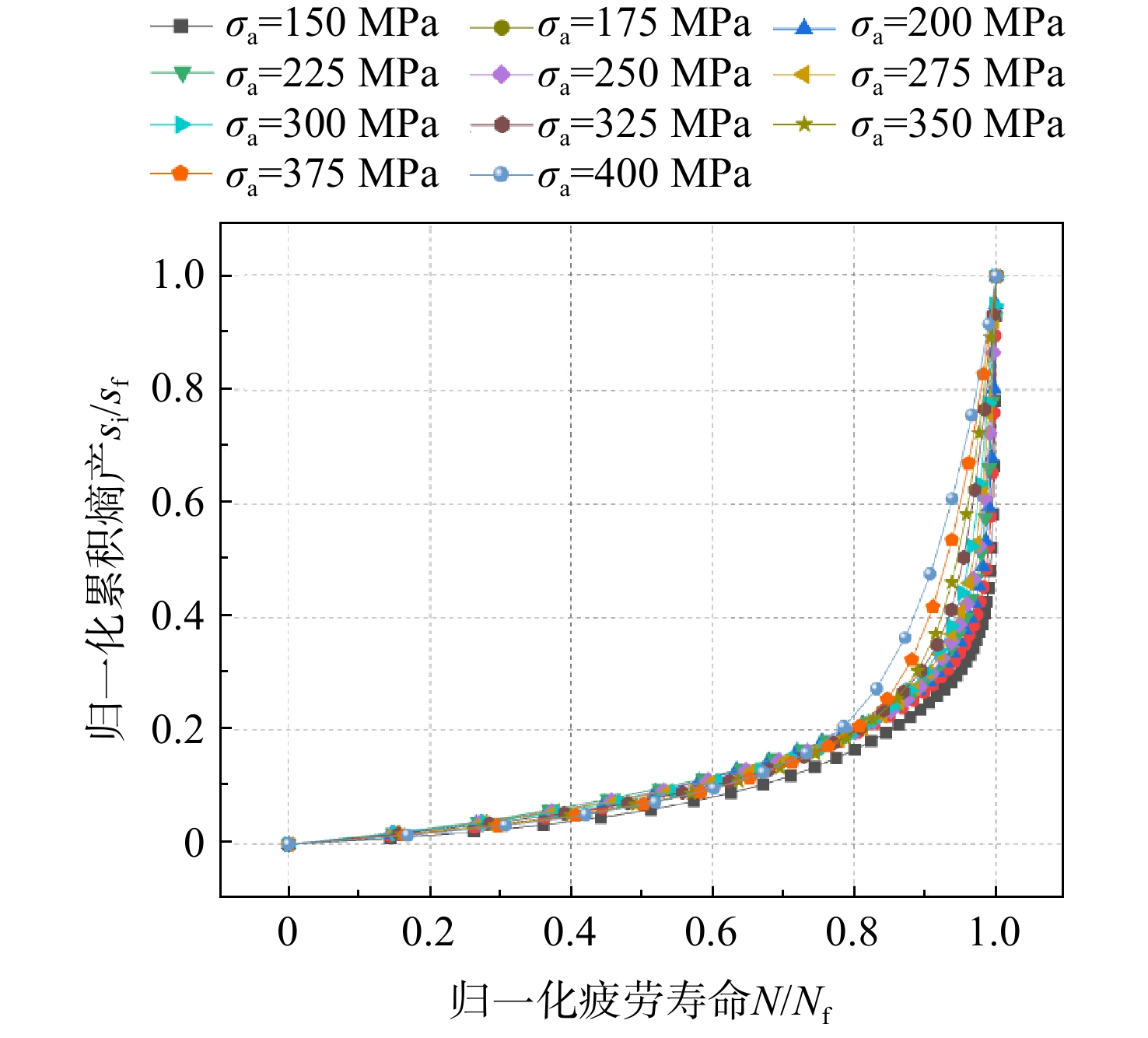
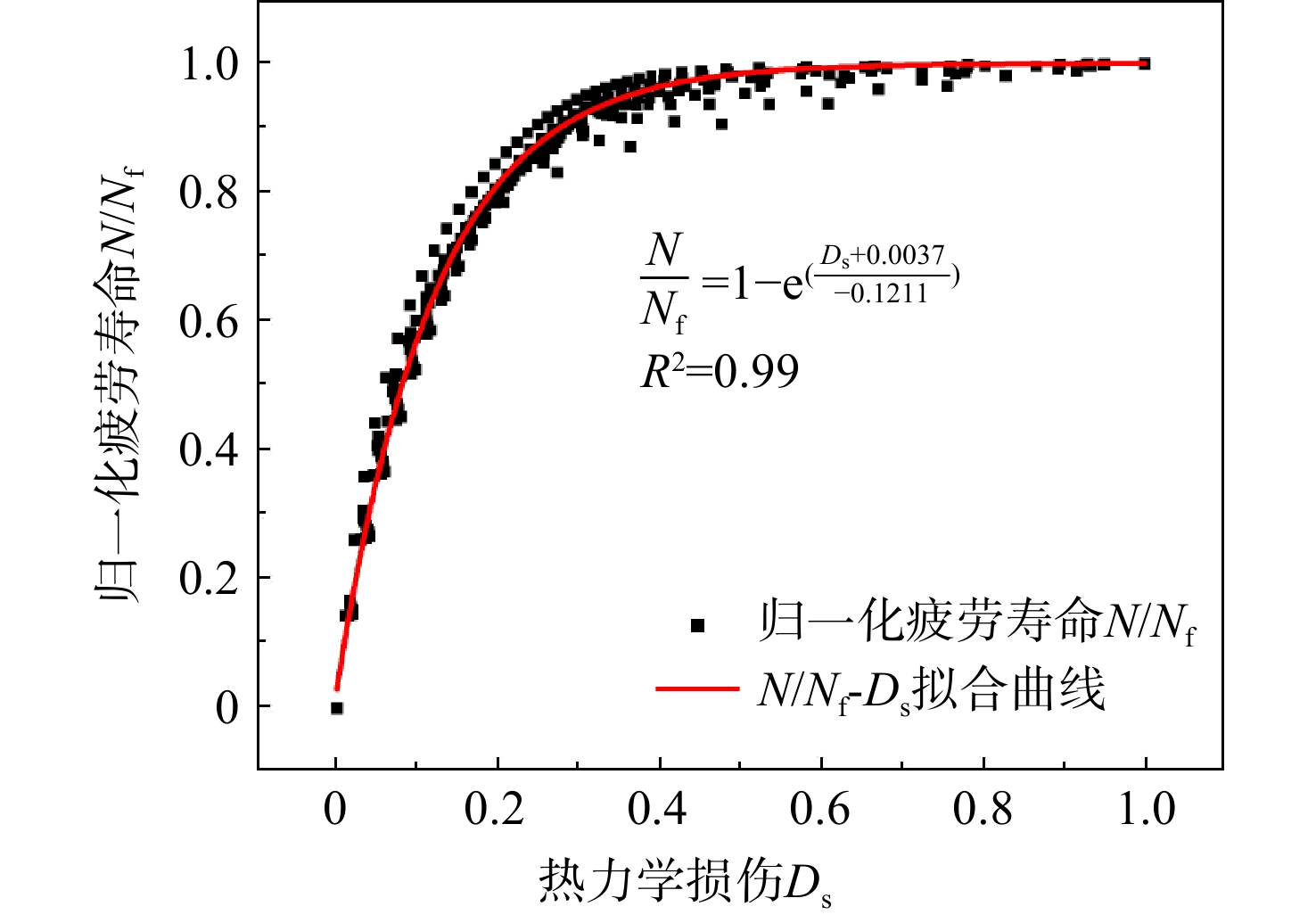
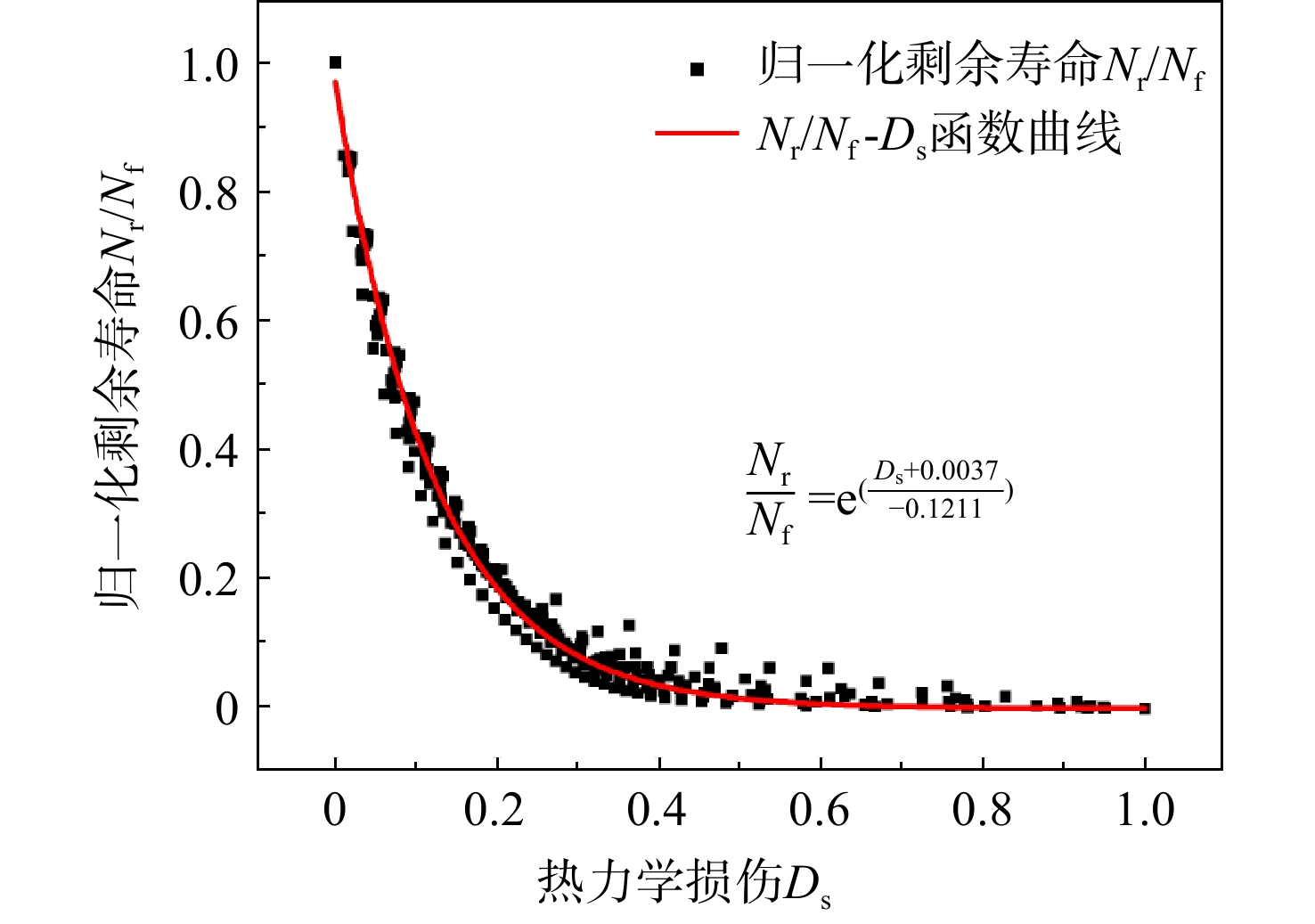
In order to investigate the thermodynamic damage response of nickel-based superalloy GH4169 during crack propagation process at 873 K, a method of calculating the thermodynamic entropy generation for specimen with a crack within the thermodynamic framework was proposed. The FEM simulation of crack propagation process was conducted, and the method of defining the thermodynamic system was proposed for specimen with a crack. Analyses were conducted to reveal the influence of stress amplitude on cyclic entropy generation rate (CEGR) and accumulated entropy generation, then the ratio of accumulated entropy generation to fatigue fracture entropy (FFE) was defined as the thermodynamic damage of thermodynamic system. The relationship between normalized fatigue life and thermodynamic damage was analyzed. Results showed that the thermodynamic system should include the crack and the crack tip plastic zone all the while. The CEGR of thermodynamic system was not constant at different cyclic numbers when the stress amplitude was kept constant, and the dispersion of CEGR increased as the stress amplitude decreased. The FFE had an approximate quadratic function relationship with stress amplitude. The normalized residual life of the thermodynamic system decreased exponentially with the accumulation of thermodynamic damage.

Vibration characteristics of angular contact ball bearing with local defect considering impact excitation
LEI Chunli, SONG Ruizhe, FAN Gaofeng, LIU Kai, XUE Wei, LI Jianhua
2025, 40(2): 20230211. doi: 10.13224/j.cnki.jasp.20230211
Abstract:

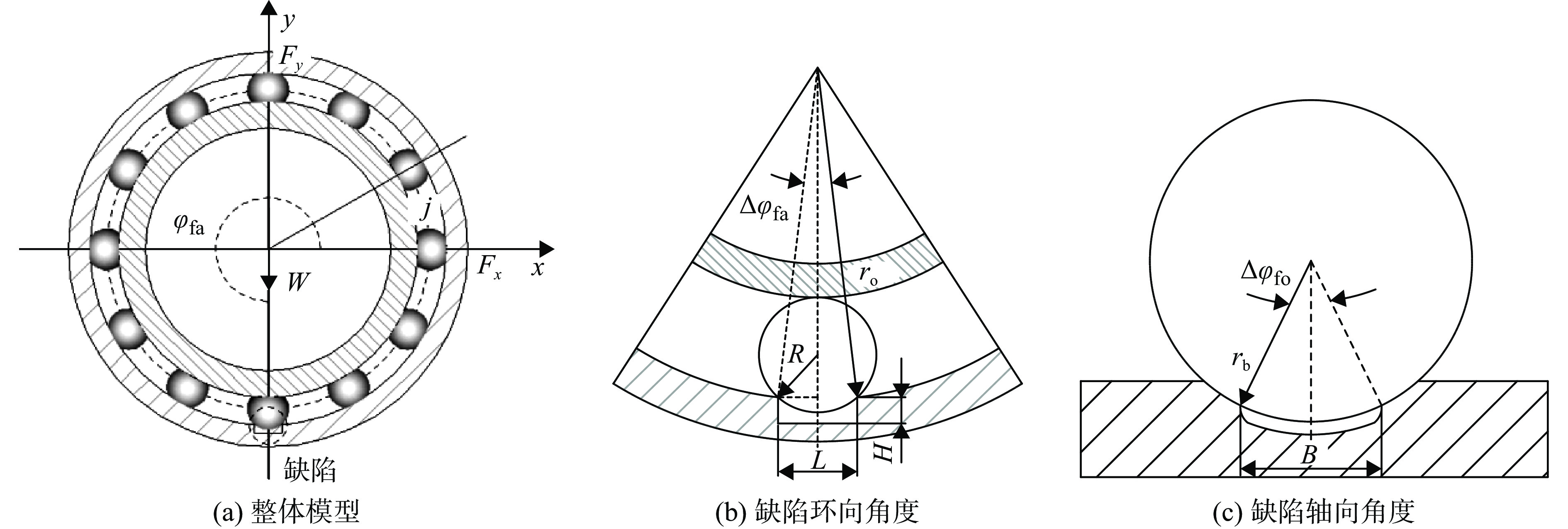
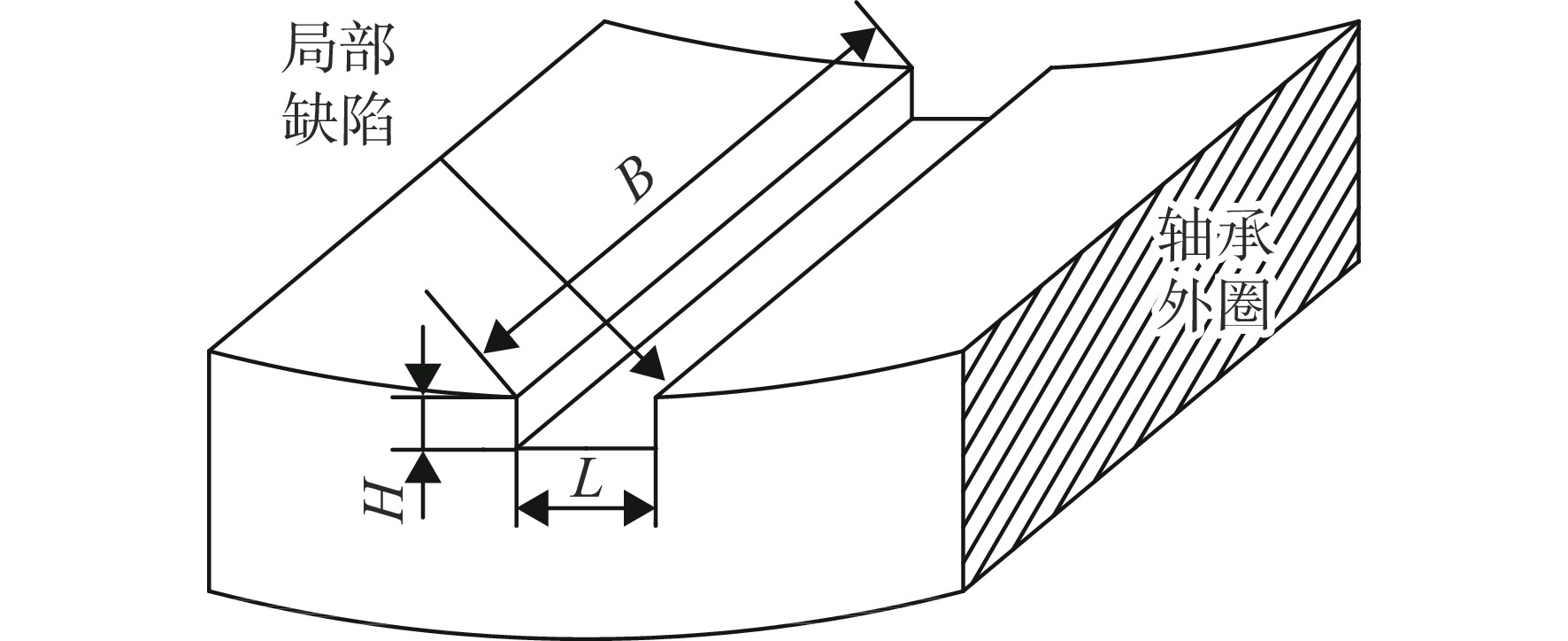
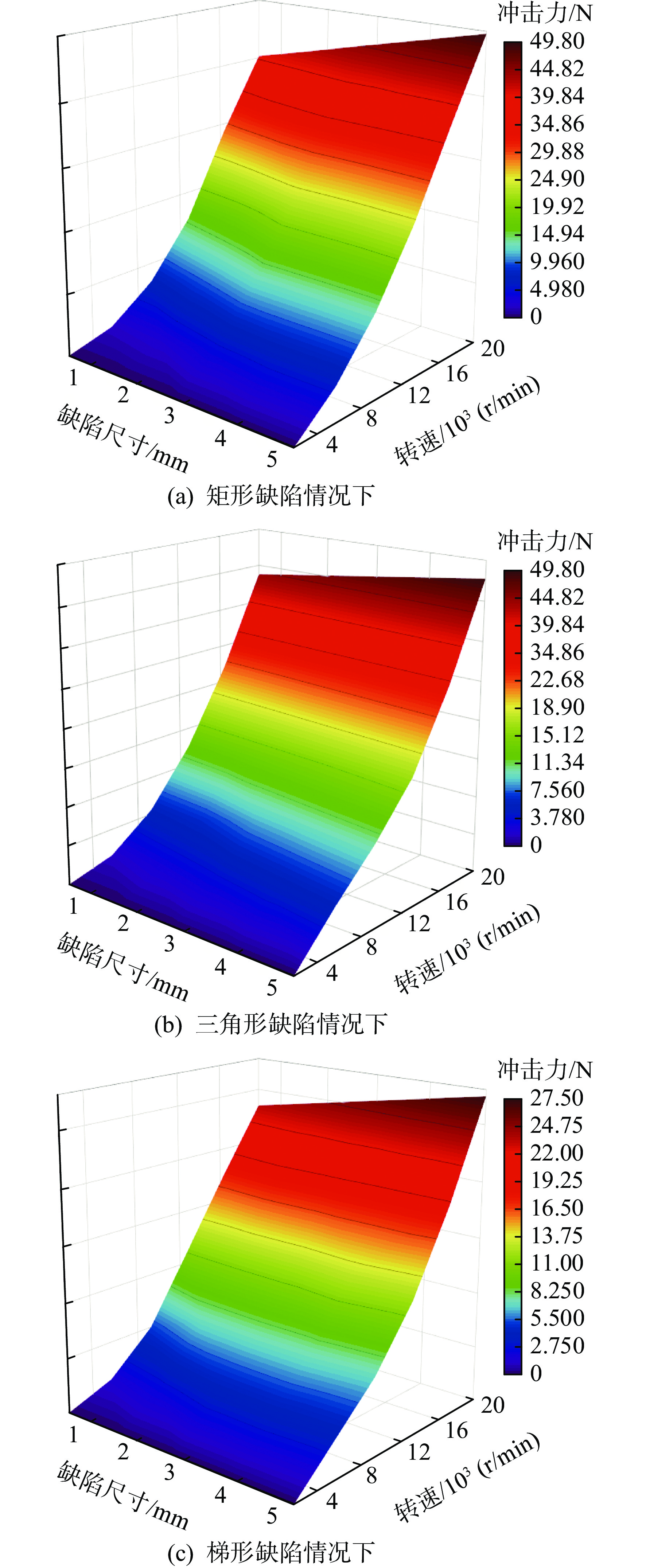
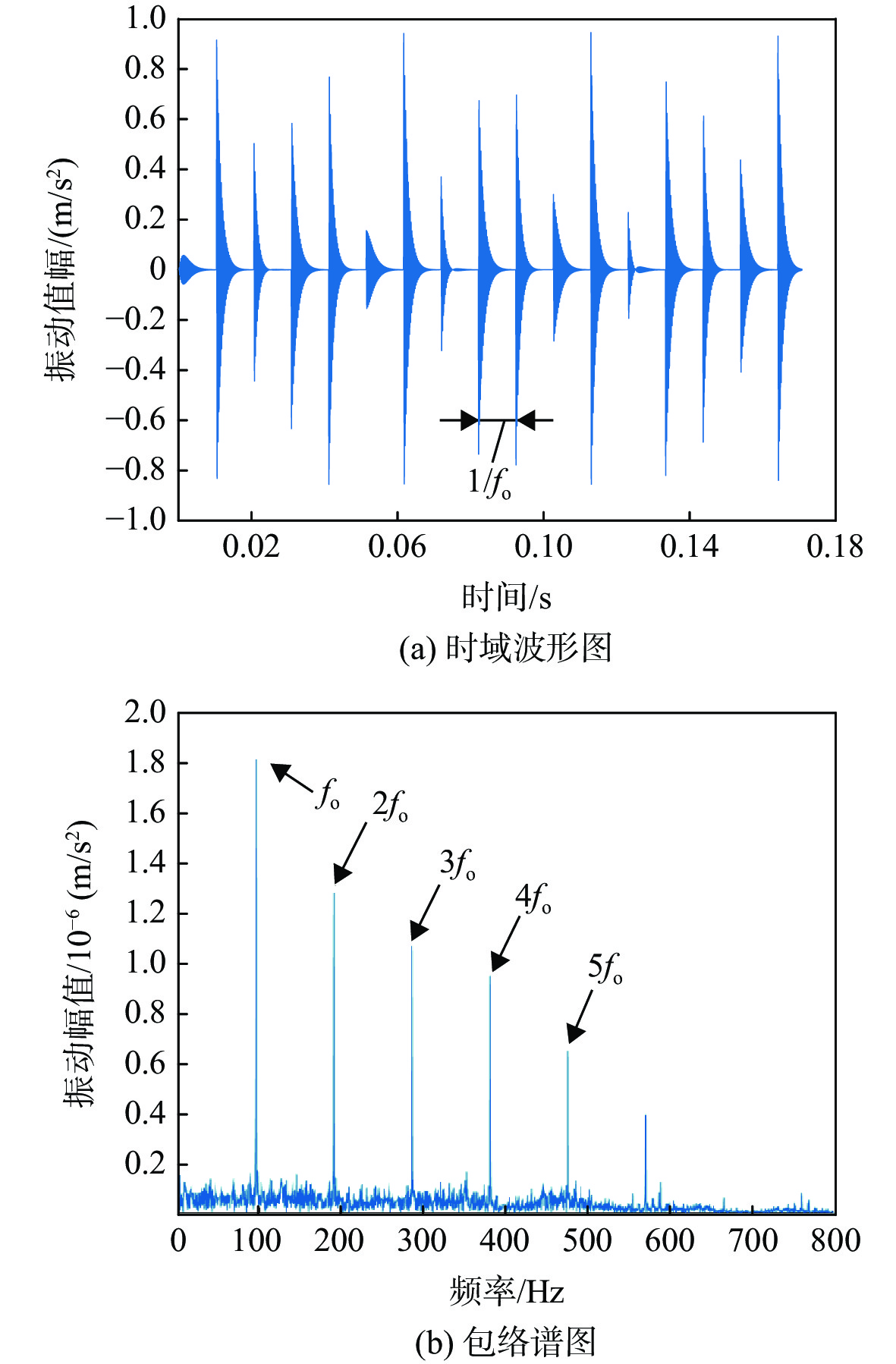
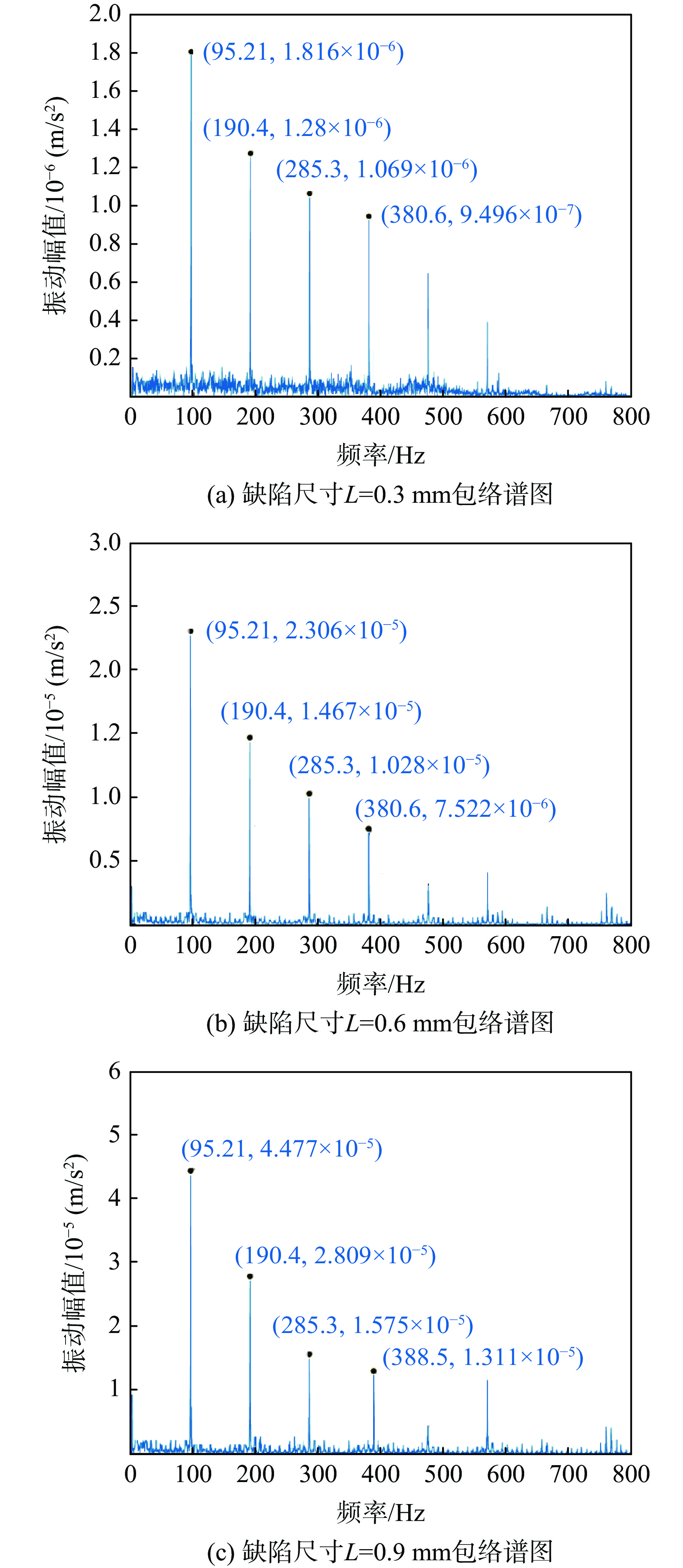
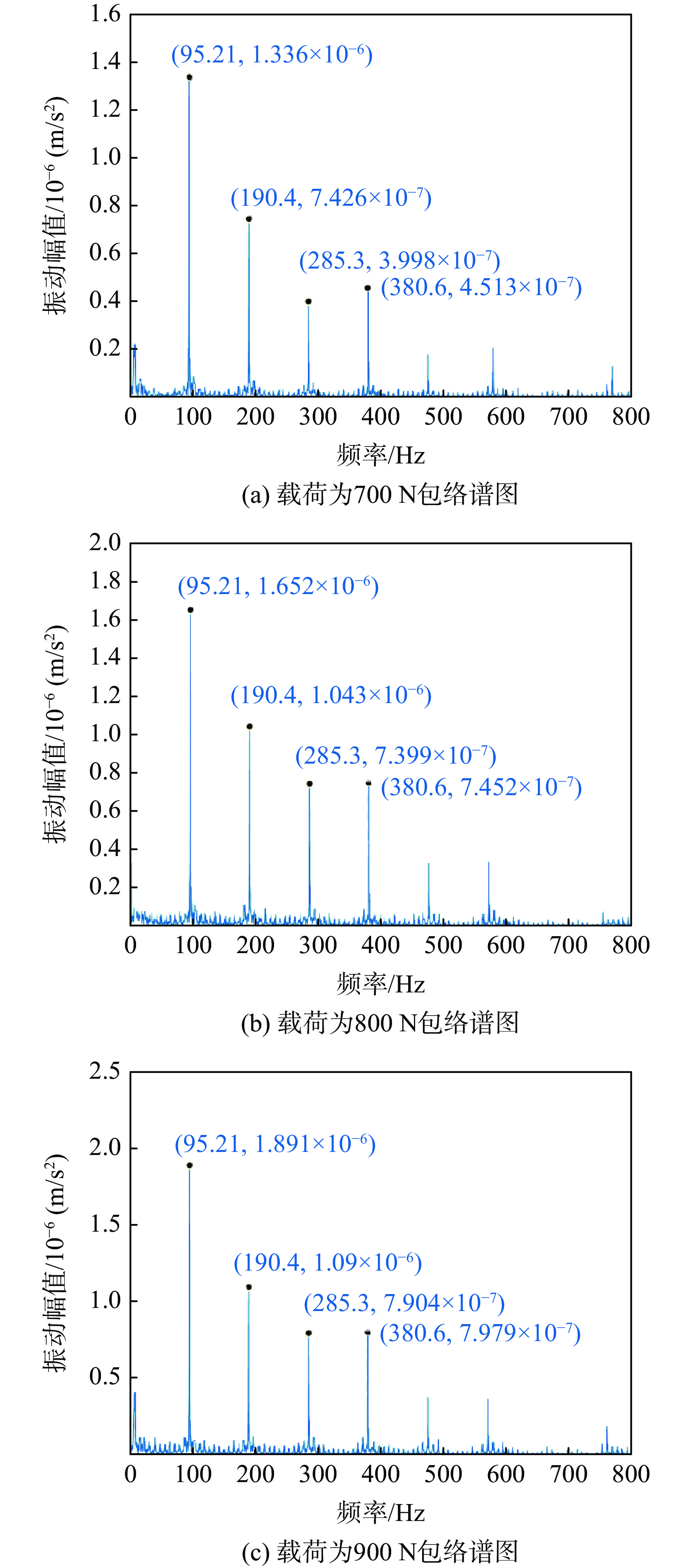
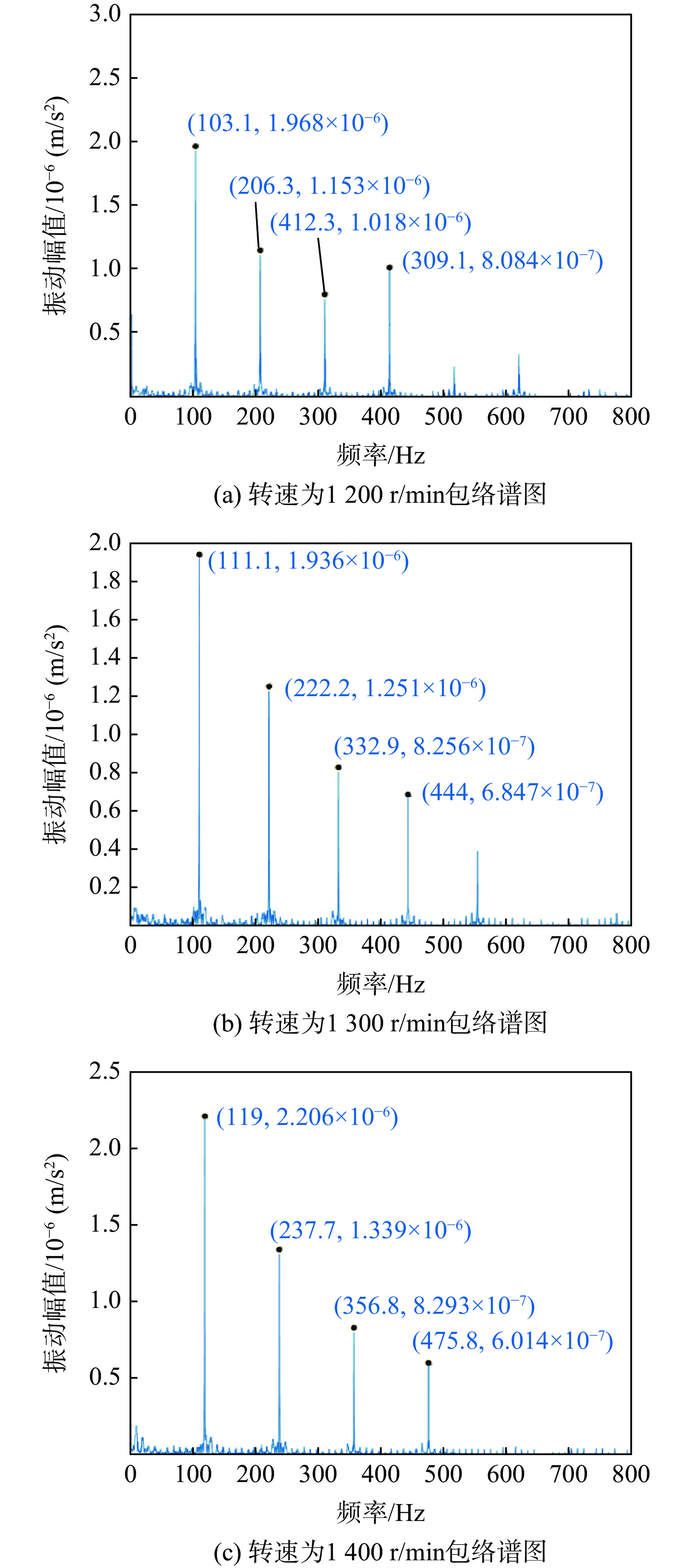
In order to characterize the operation state of angular contact ball bearing (ACBB) with local defects in detail, a dynamic model of ACBB with local defects considering the impact excitation was proposed to solve the problems of incomplete factors and inadequate description in the traditional model. According to the time-varying displacement excitation model of ACBB with local defects, the instantaneous impact force function related to defect size and bearing speed was established. Based on Hertz contact theory and impact force function, the dynamic calculation method of ACBB with a local defect in outer ring was presented. The vibration characteristics of the ball bearing with faults were investigated, and the dynamic response of the bearing under different working conditions was analyzed. The results showed that with the increase of defect size and load, the fault characteristics frequency of bearing was kept unchanged, but its amplitude increased. With the increase of speed, the frequency of bearing also increased and the amplitude changed. The increase of these three factors could aggravate the vibration of bearing.

Nonlinear dynamics of aircraft blended face gear split transmission system
MO Shuai, TANG Xu, CHEN Keren, ZHANG Wei, ZHANG Yidu
2025, 40(2): 20230265. doi: 10.13224/j.cnki.jasp.20230265
Abstract:

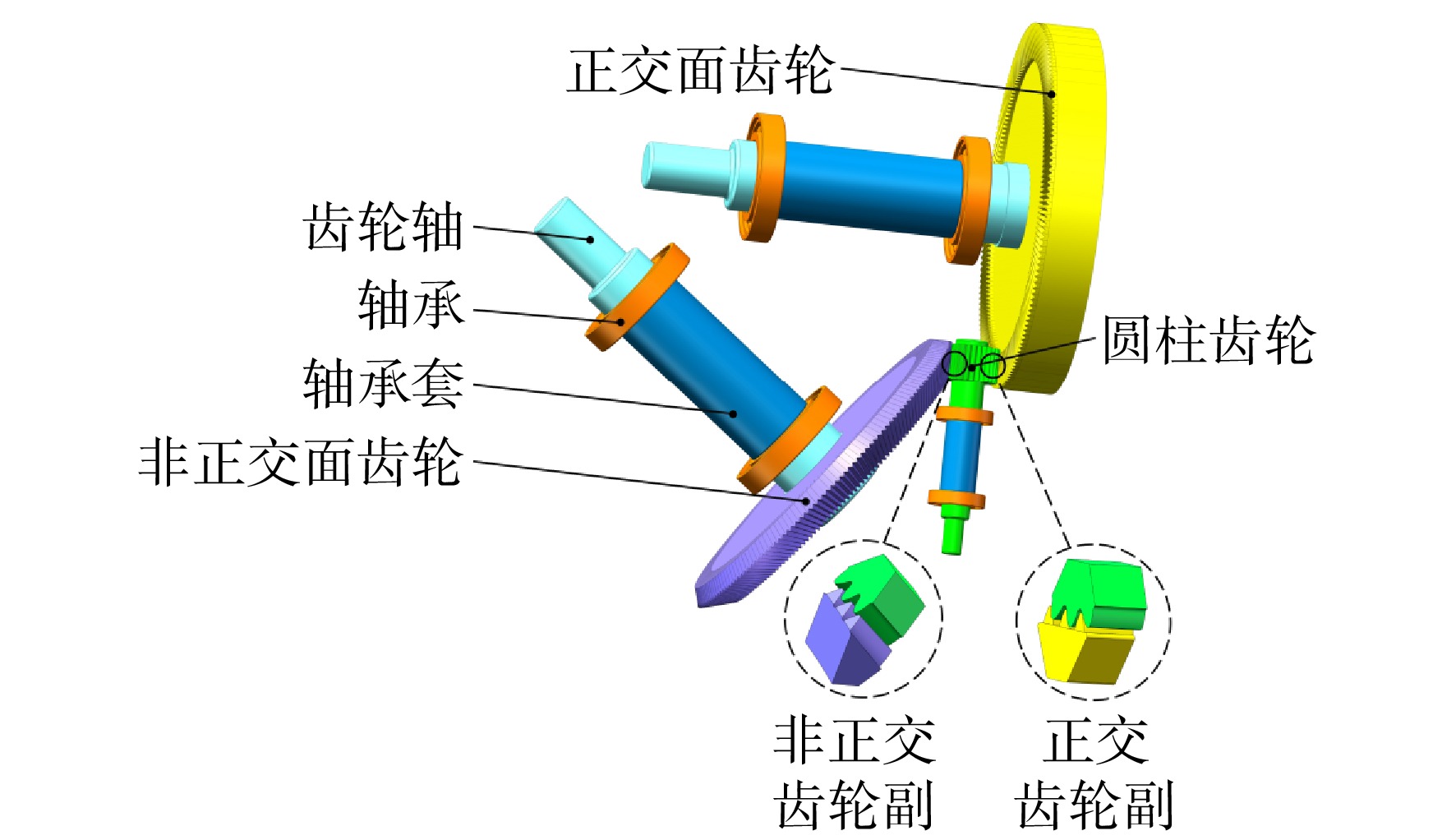
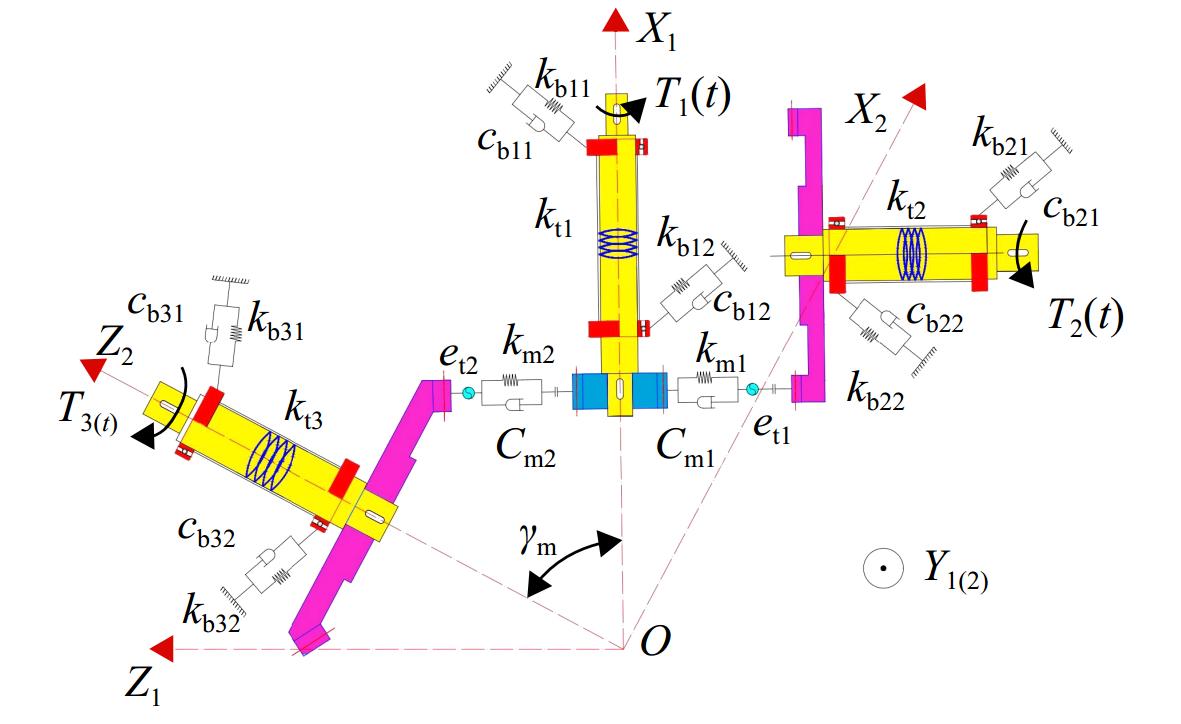
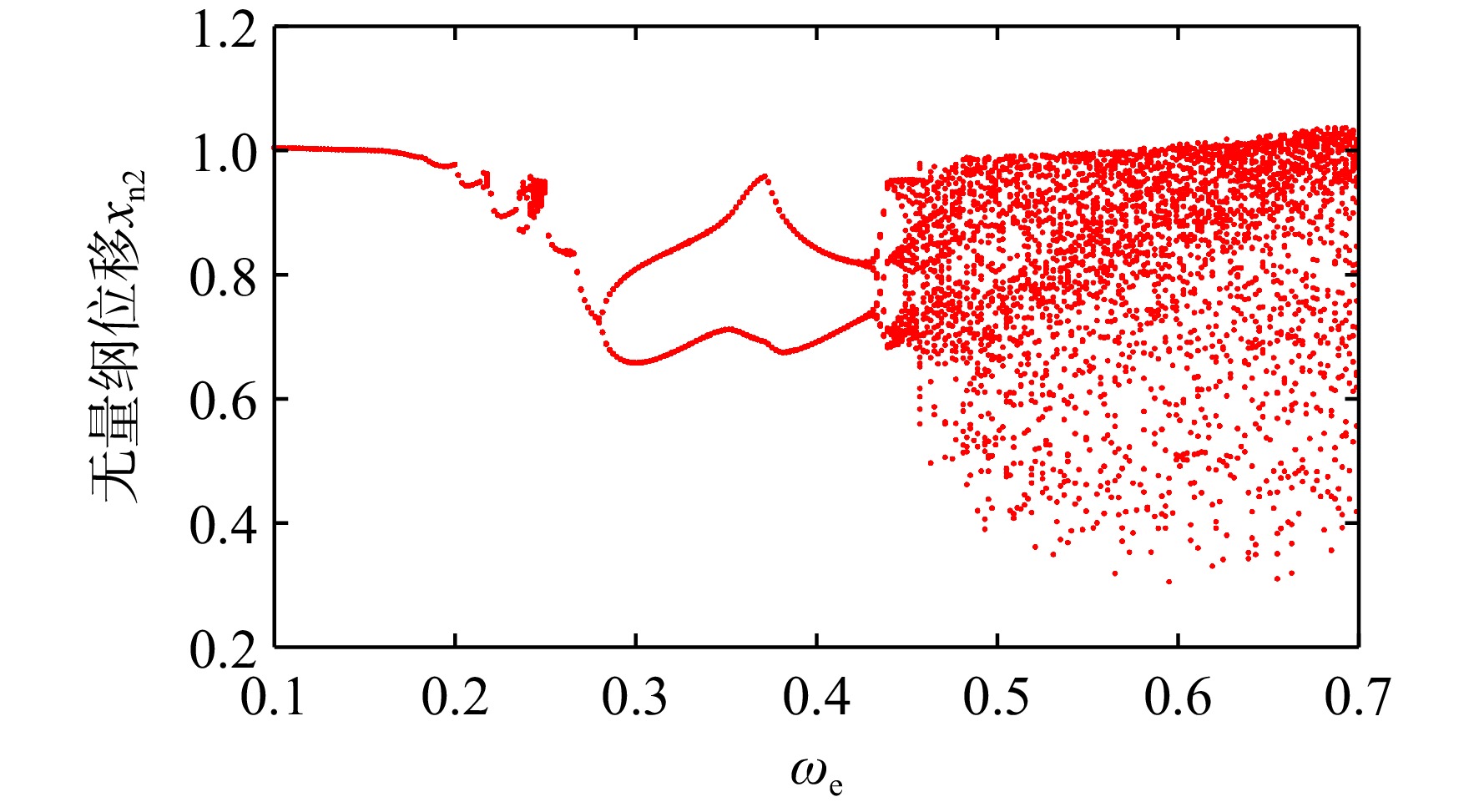
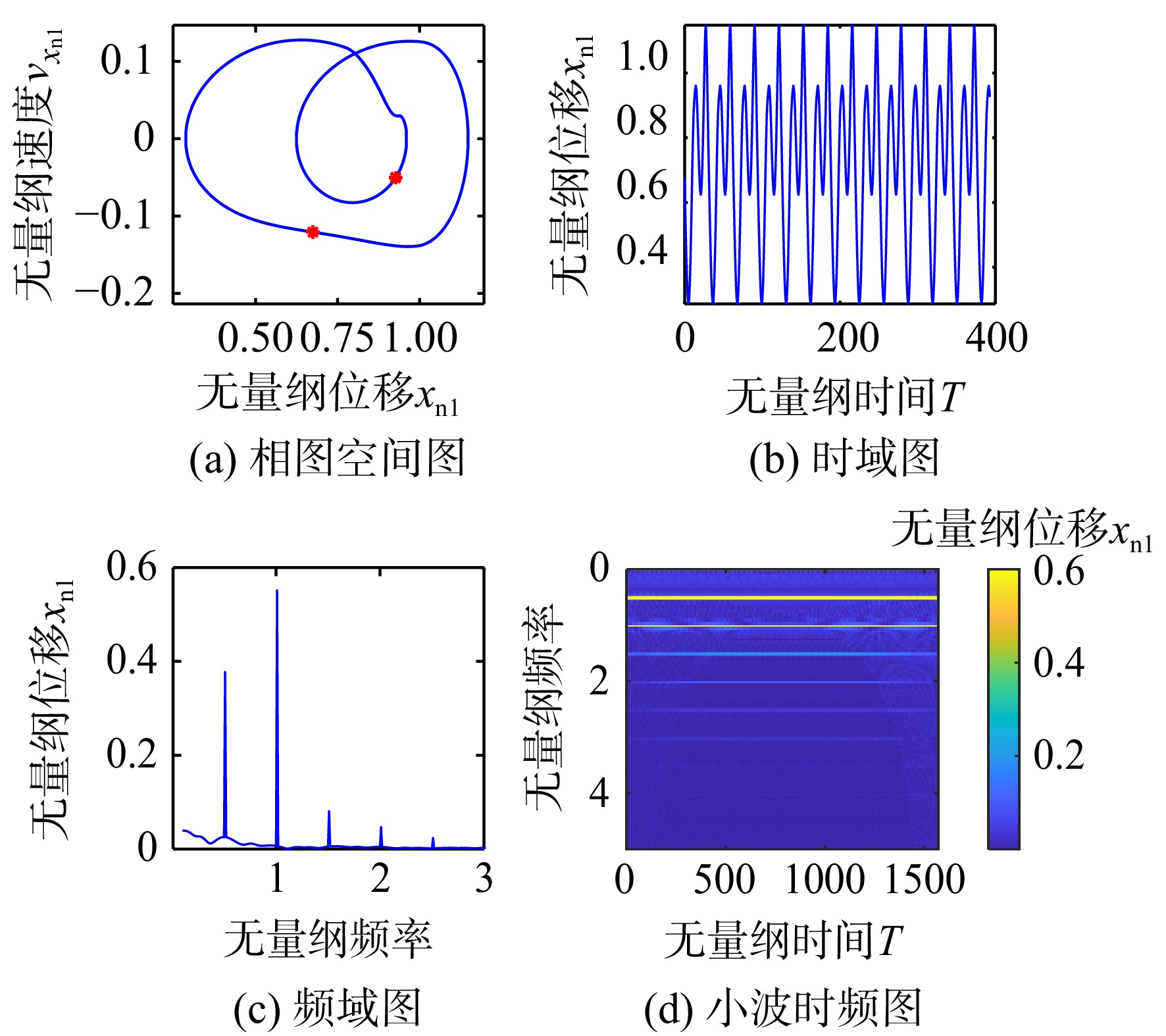
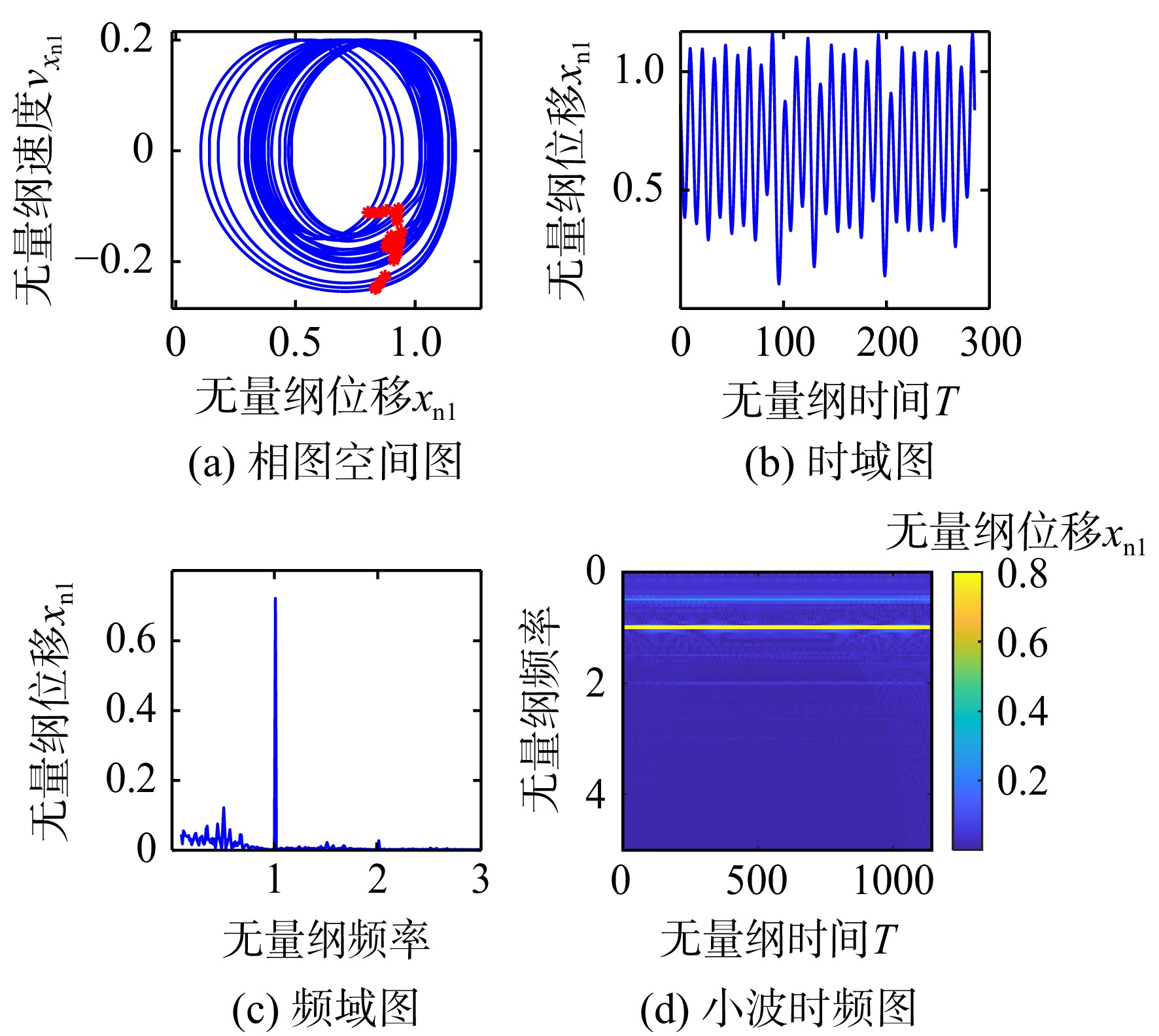
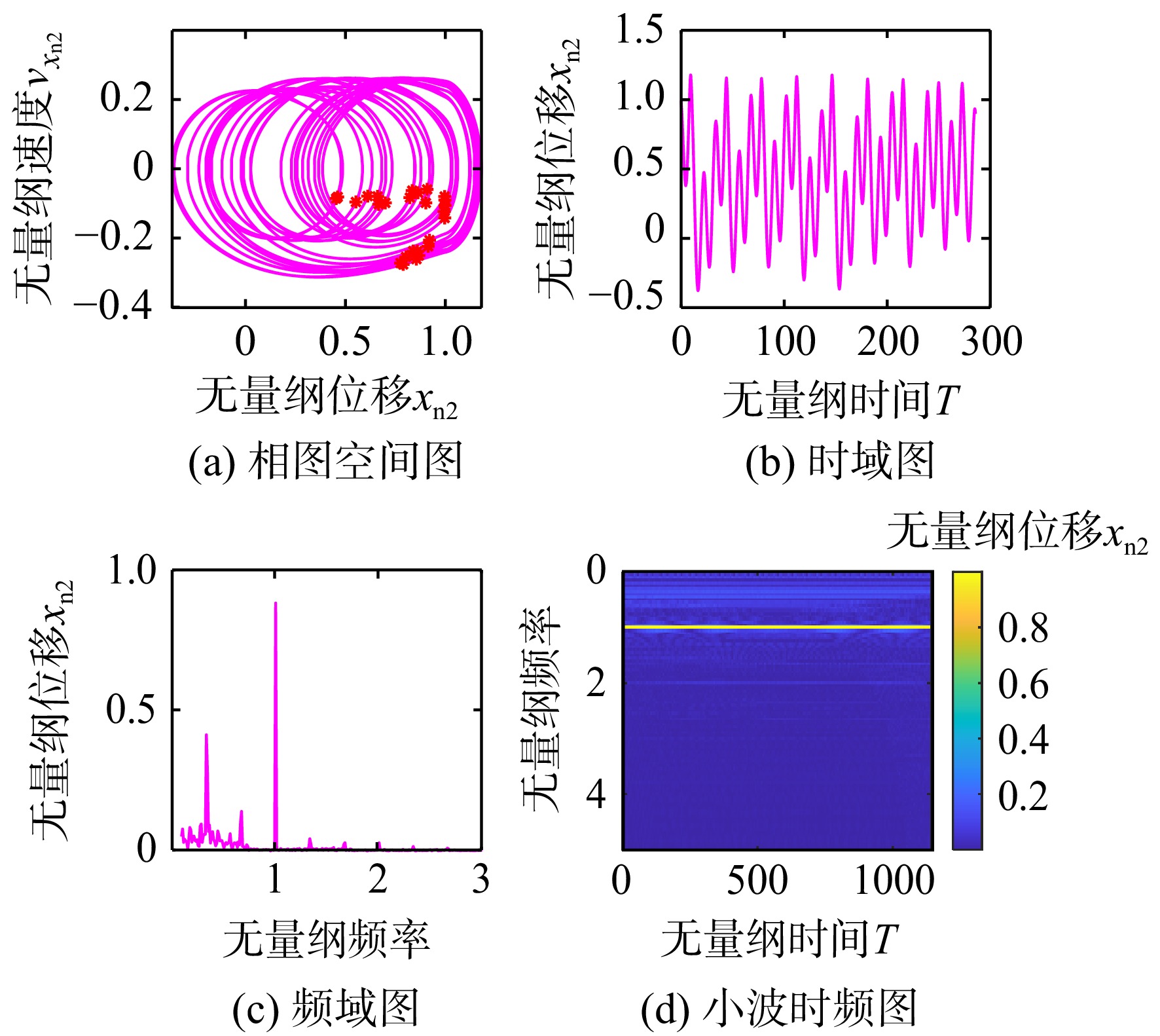
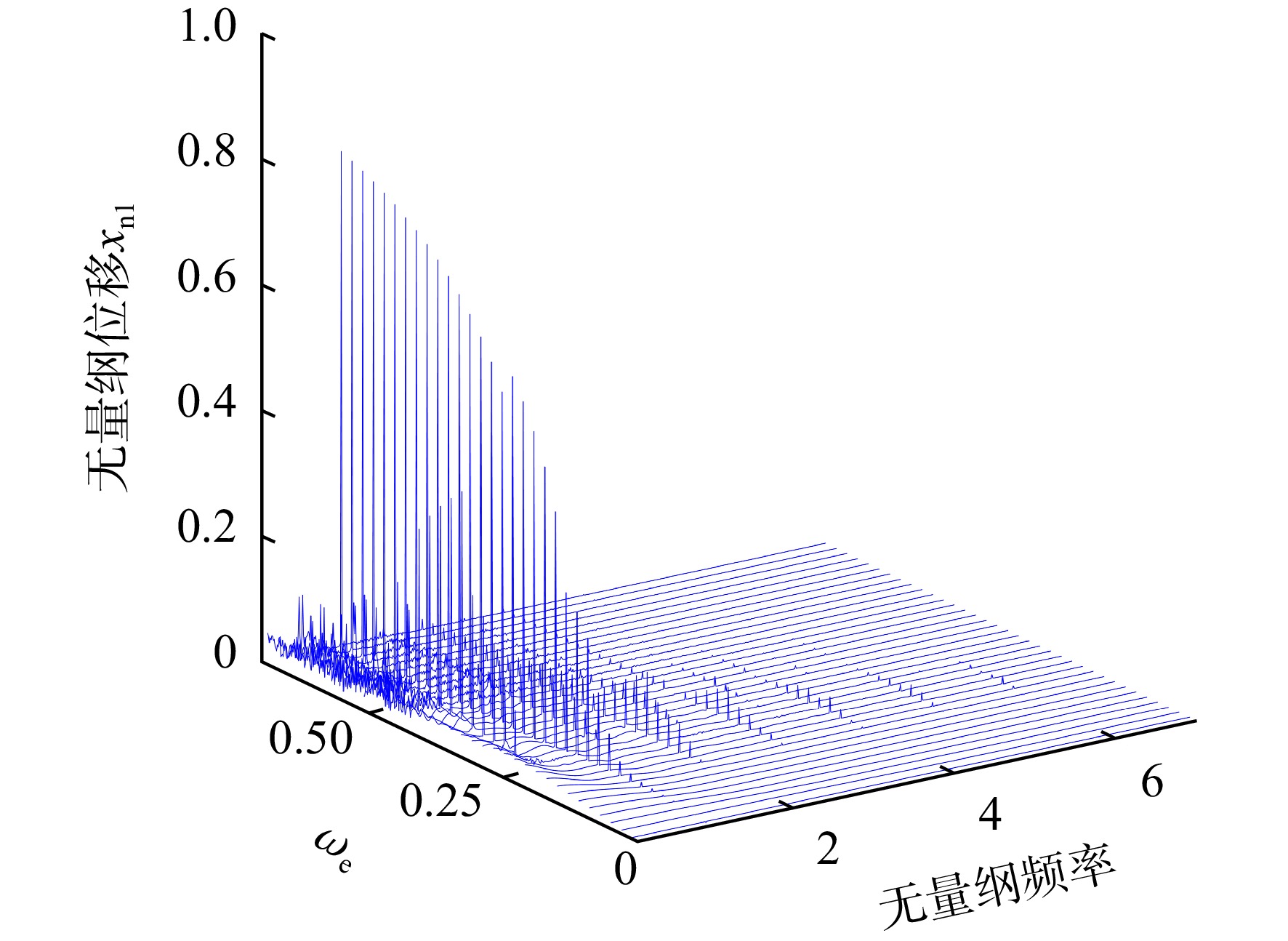
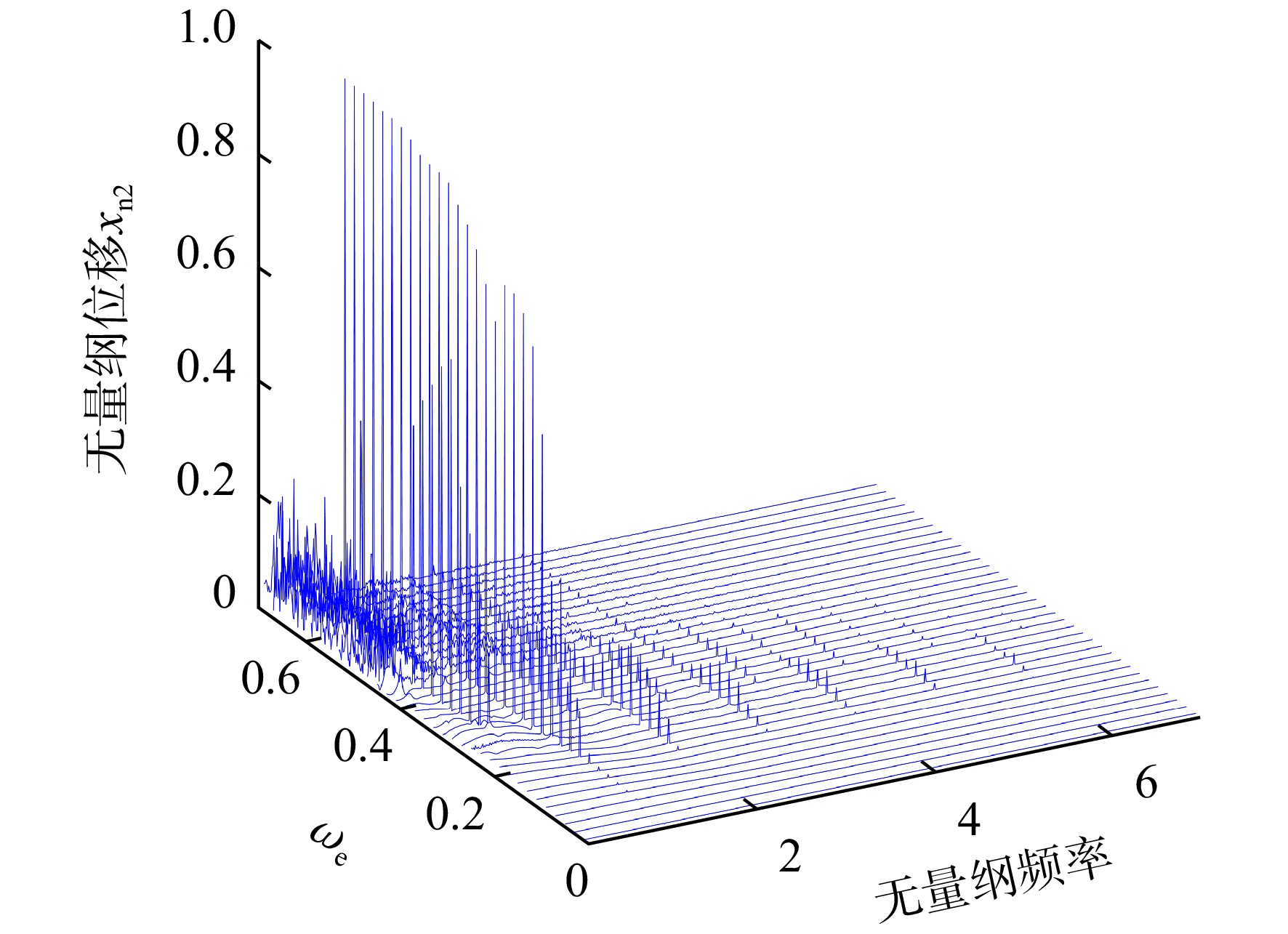
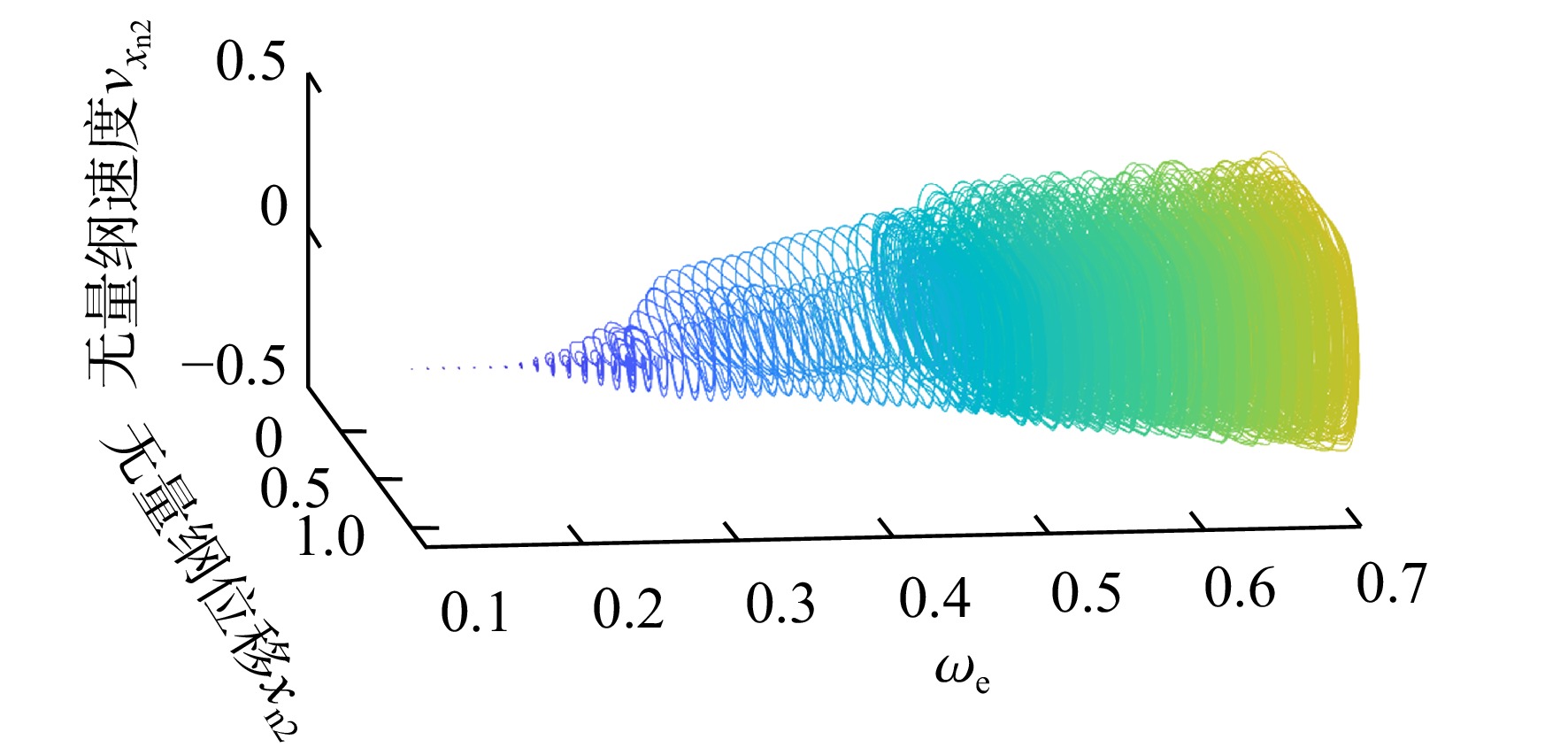
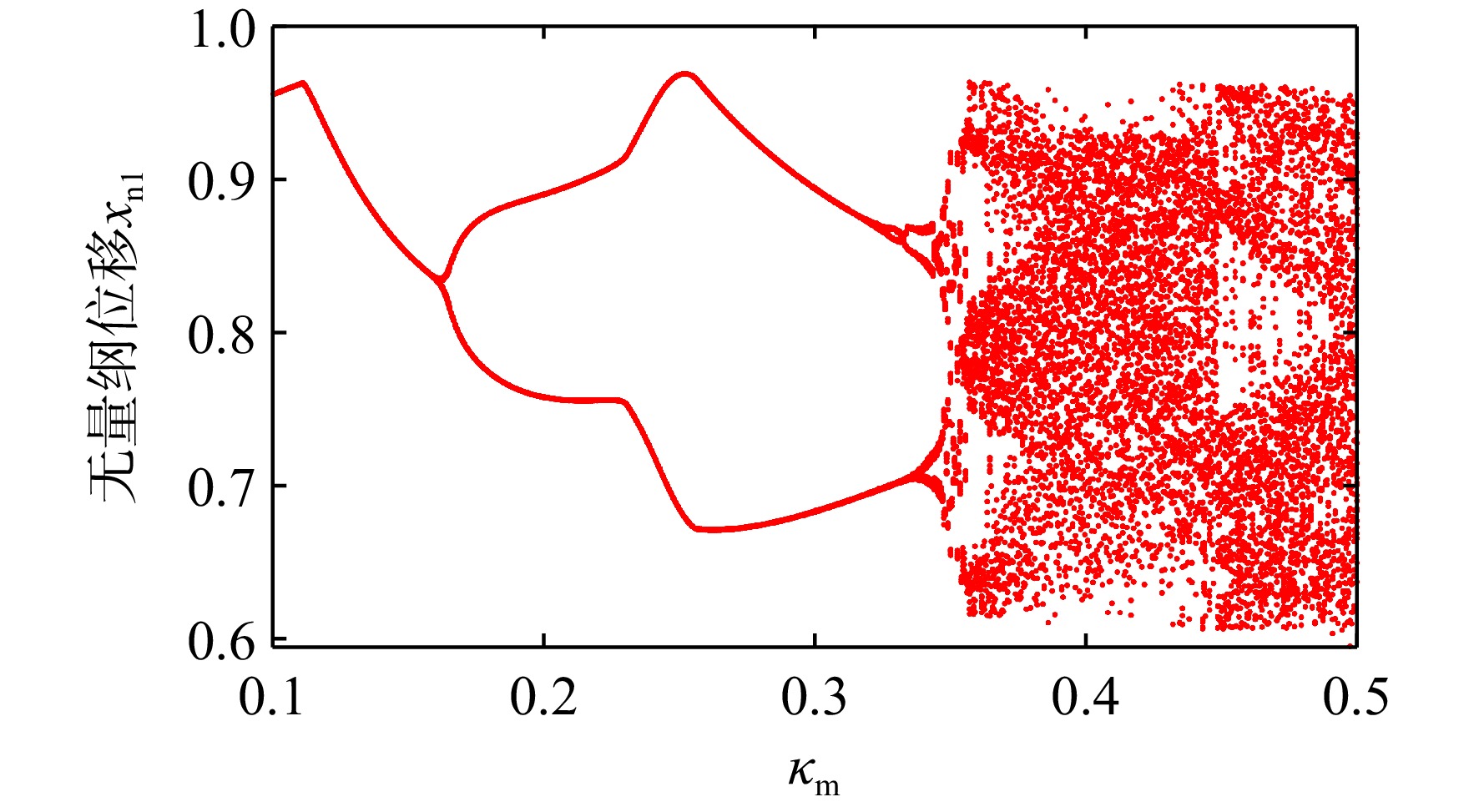
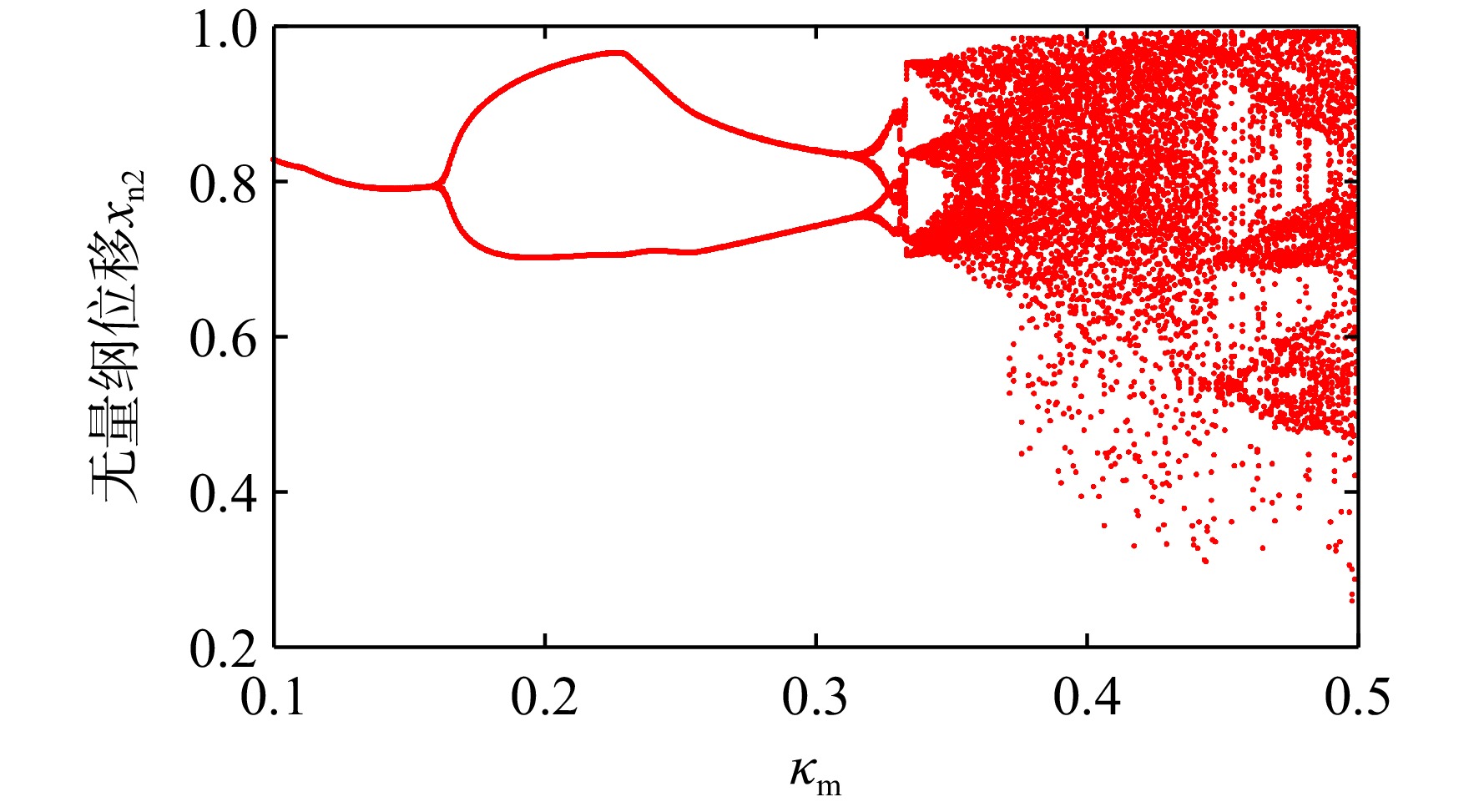
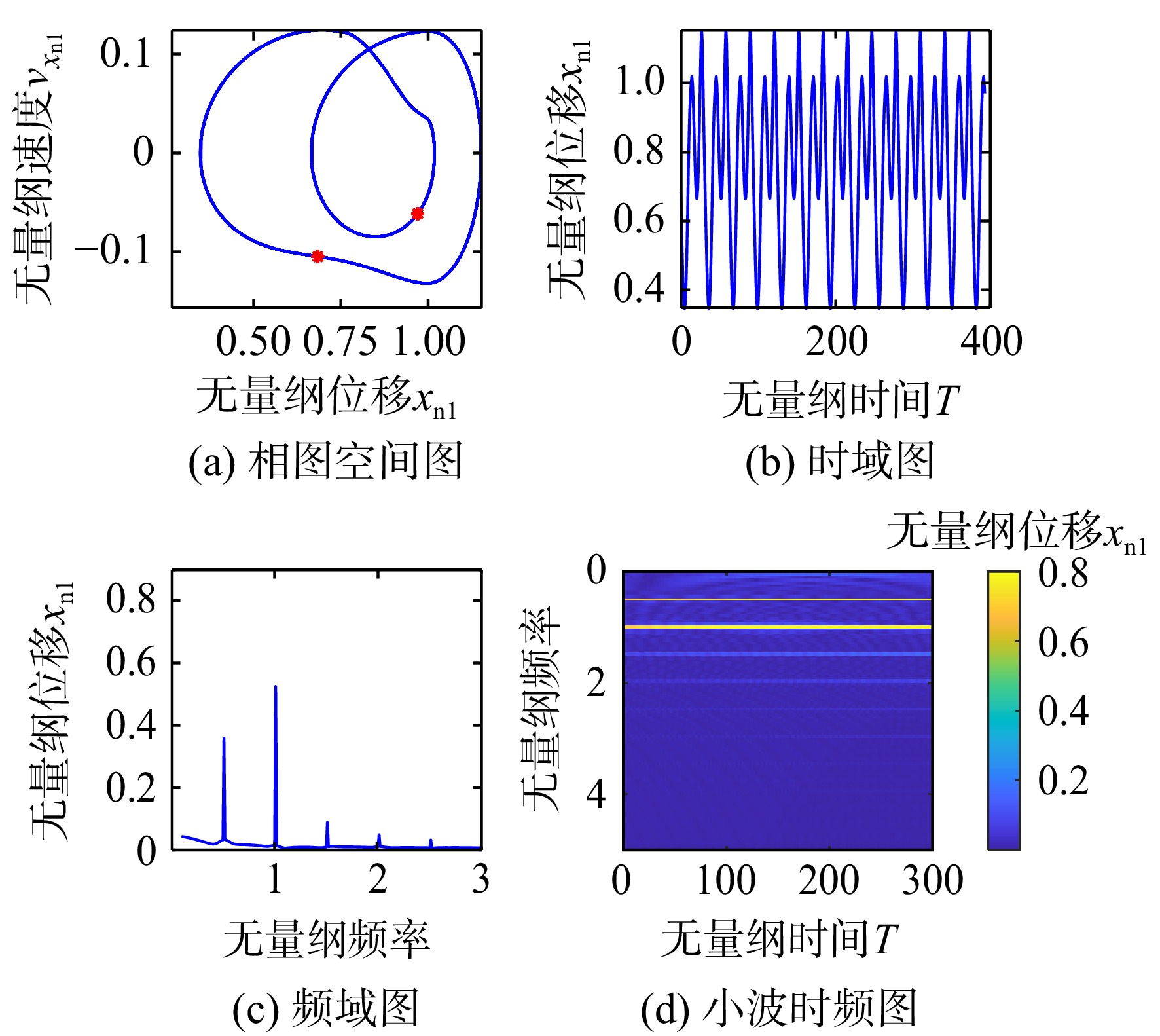
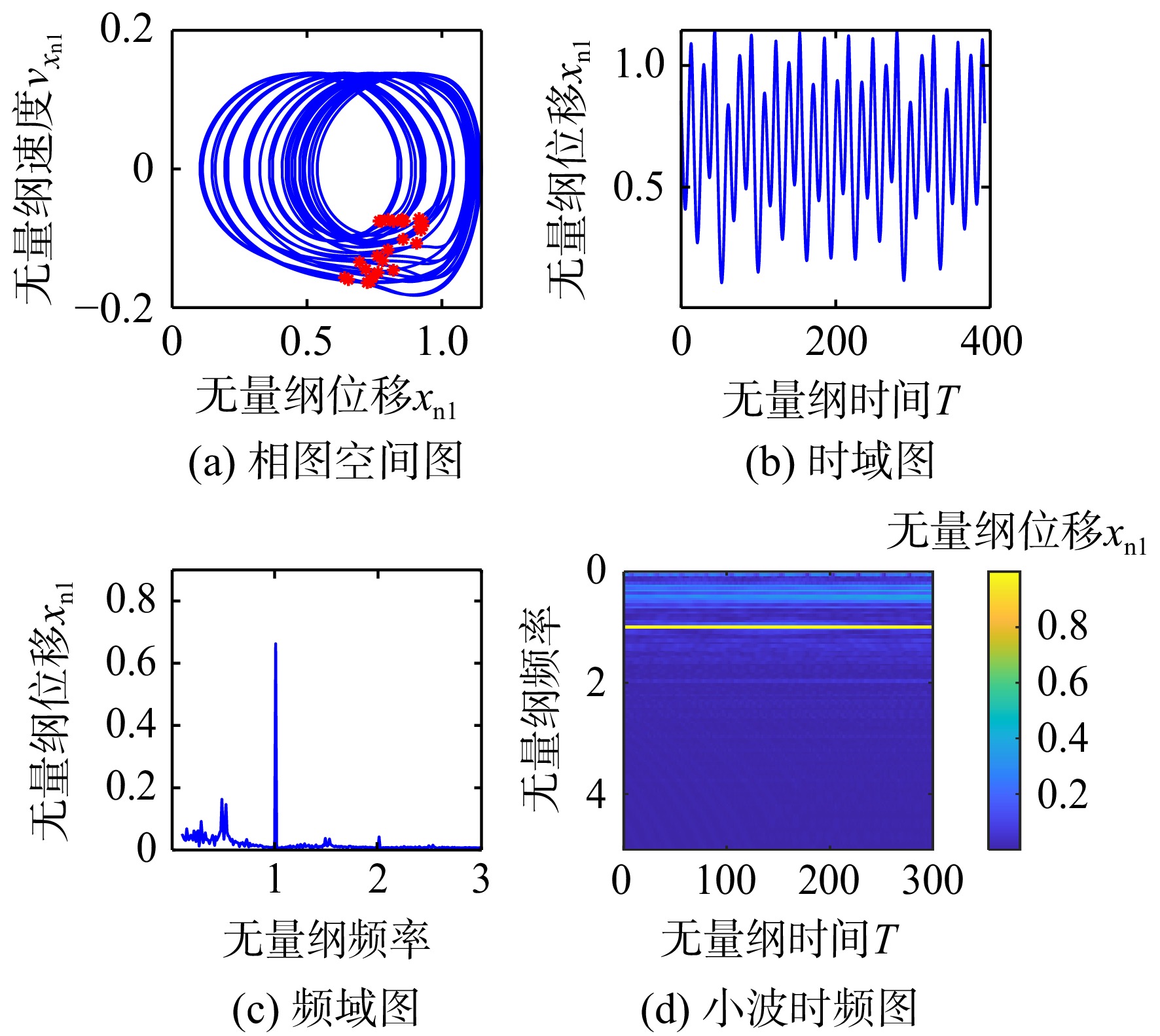
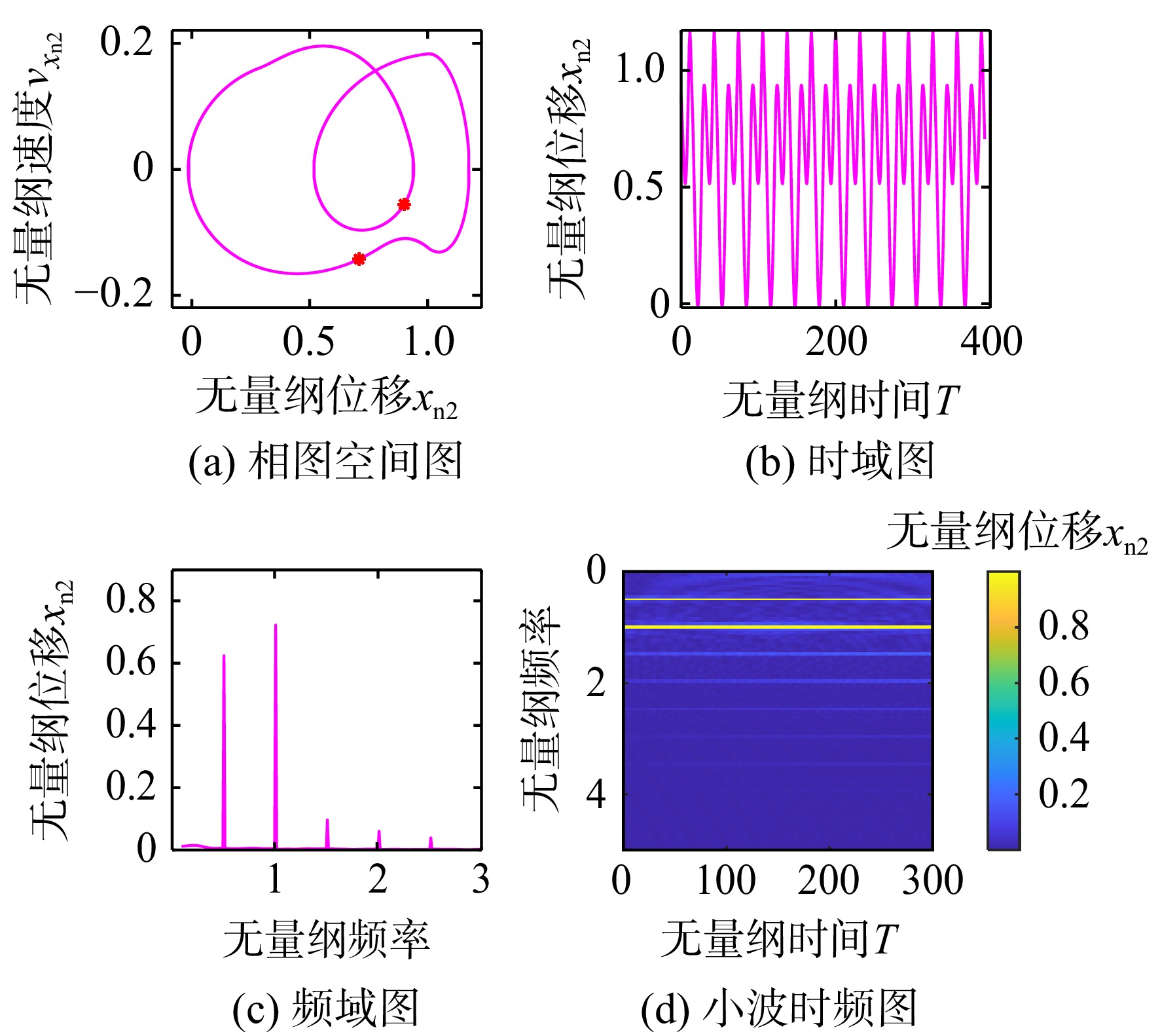
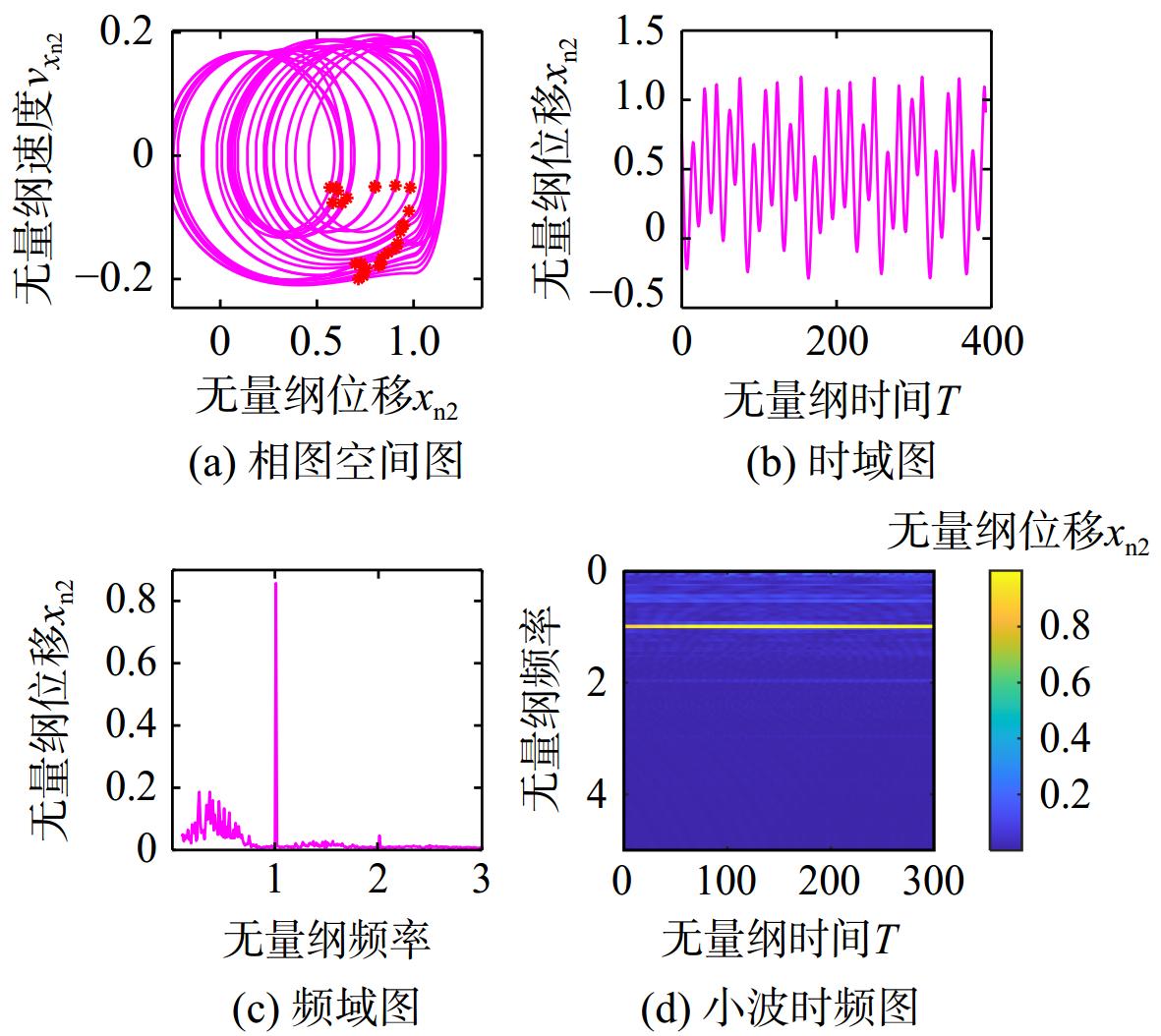
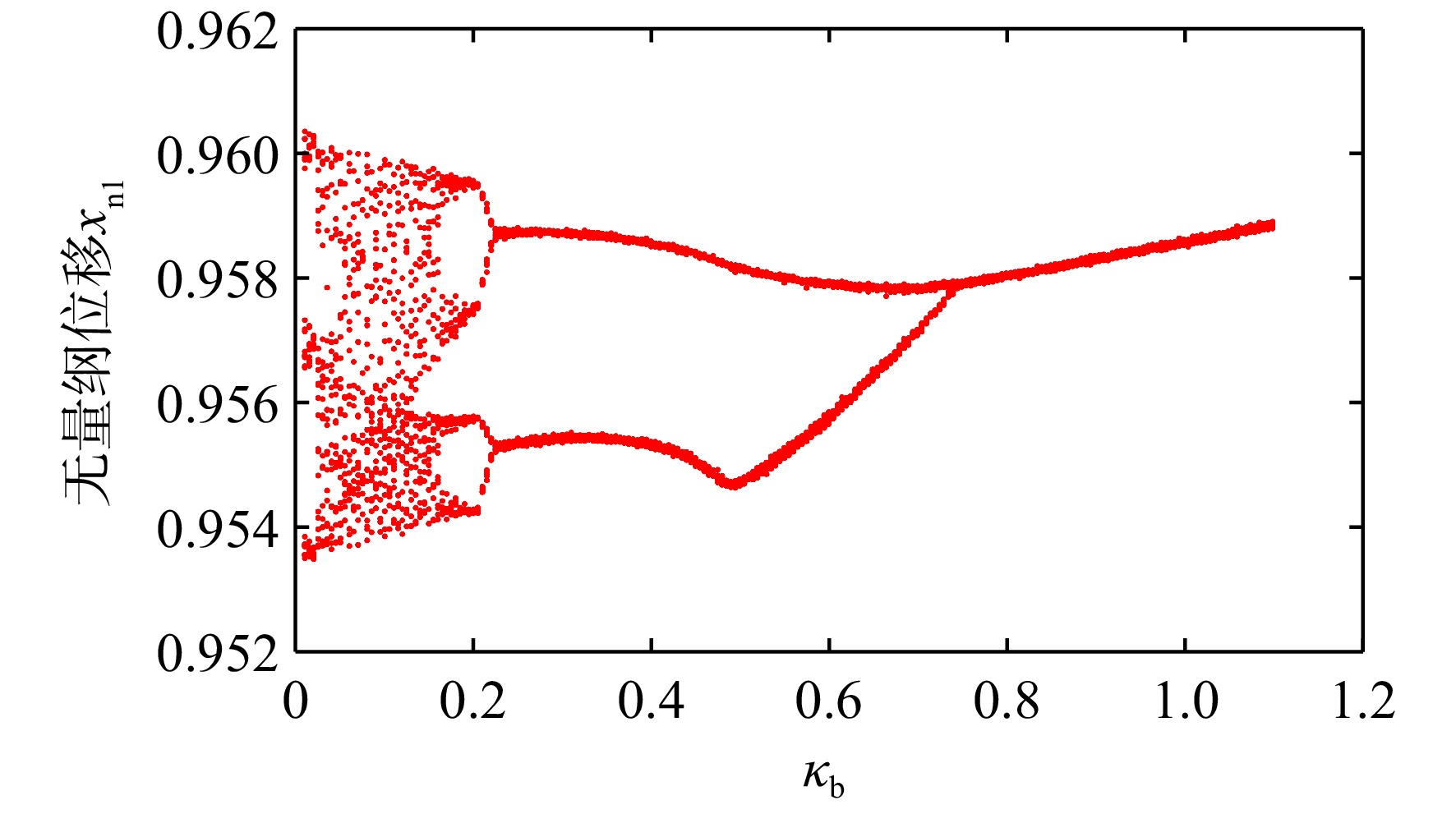
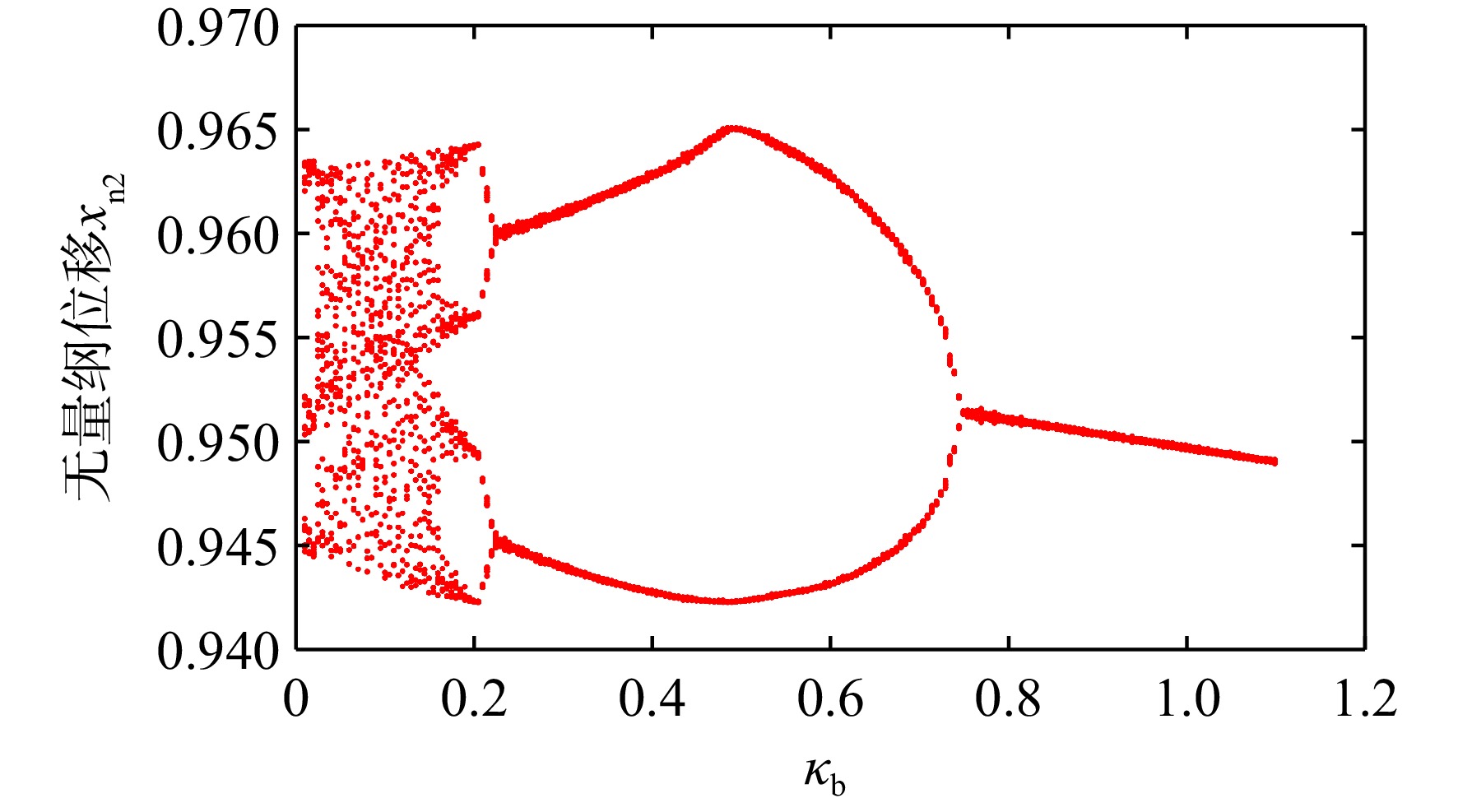
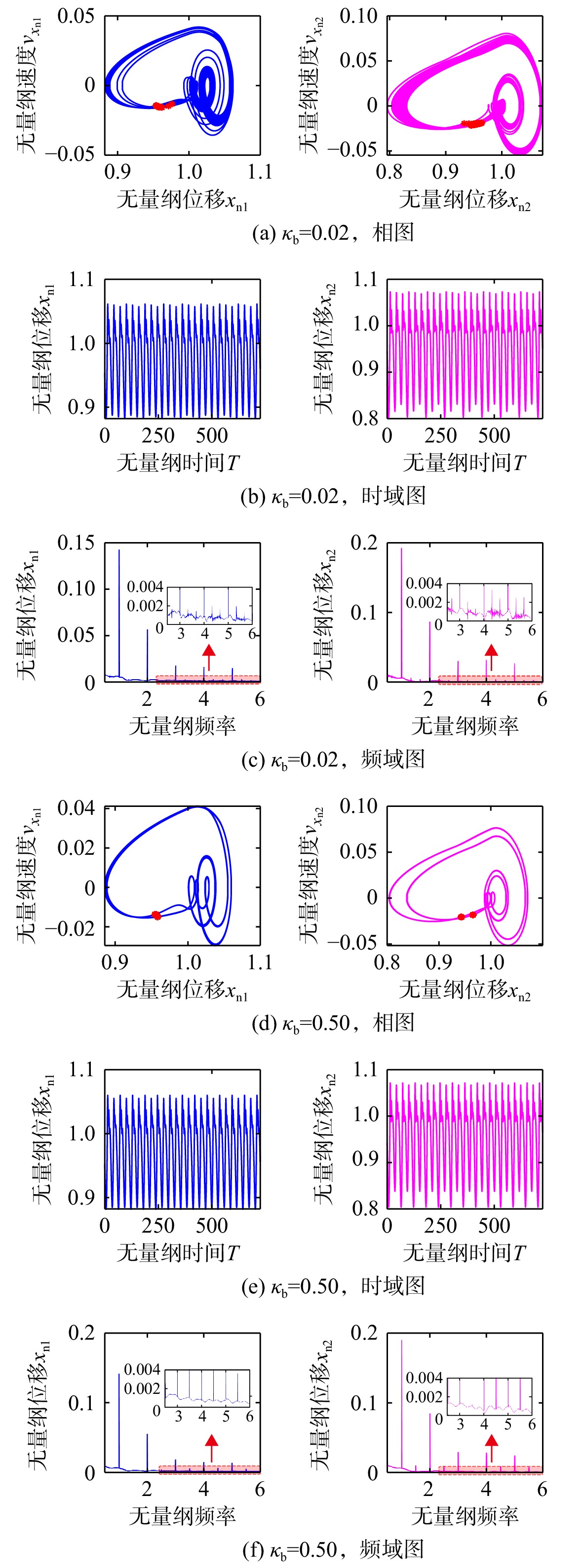
On the premise of considering many factors, such as support stiffness, time-varying meshing stiffness, tooth backlash, comprehensive transmission error, bearing stiffness, etc, the nonlinear dynamic model of blended face gear split transmission system was established. The nonlinear dynamic characteristics of mixed face gear split transmission system were studied. The differential dynamic equation of the system was solved by Runge-Kutta integral method. The nonlinear characteristics of the system were described by phase plane diagram, time domain diagram, frequency domain diagram and Poincare section wavelet analysis diagram, and the bifurcation diagram was used to describe the influences of external excitation frequency and stiffness on the nonlinear behavior of the system. The results showed that under the action of different external excitation and meshing stiffness, the system could present periodic-chaotic alternating motion characteristics.

Erosion wear law of TC4 plates under volcanic ash condition
YANG Xiaojun, LI Peiran, LIU Yiming, LIU Xiaohan
2025, 40(2): 20230230. doi: 10.13224/j.cnki.jasp.20230230
Abstract:

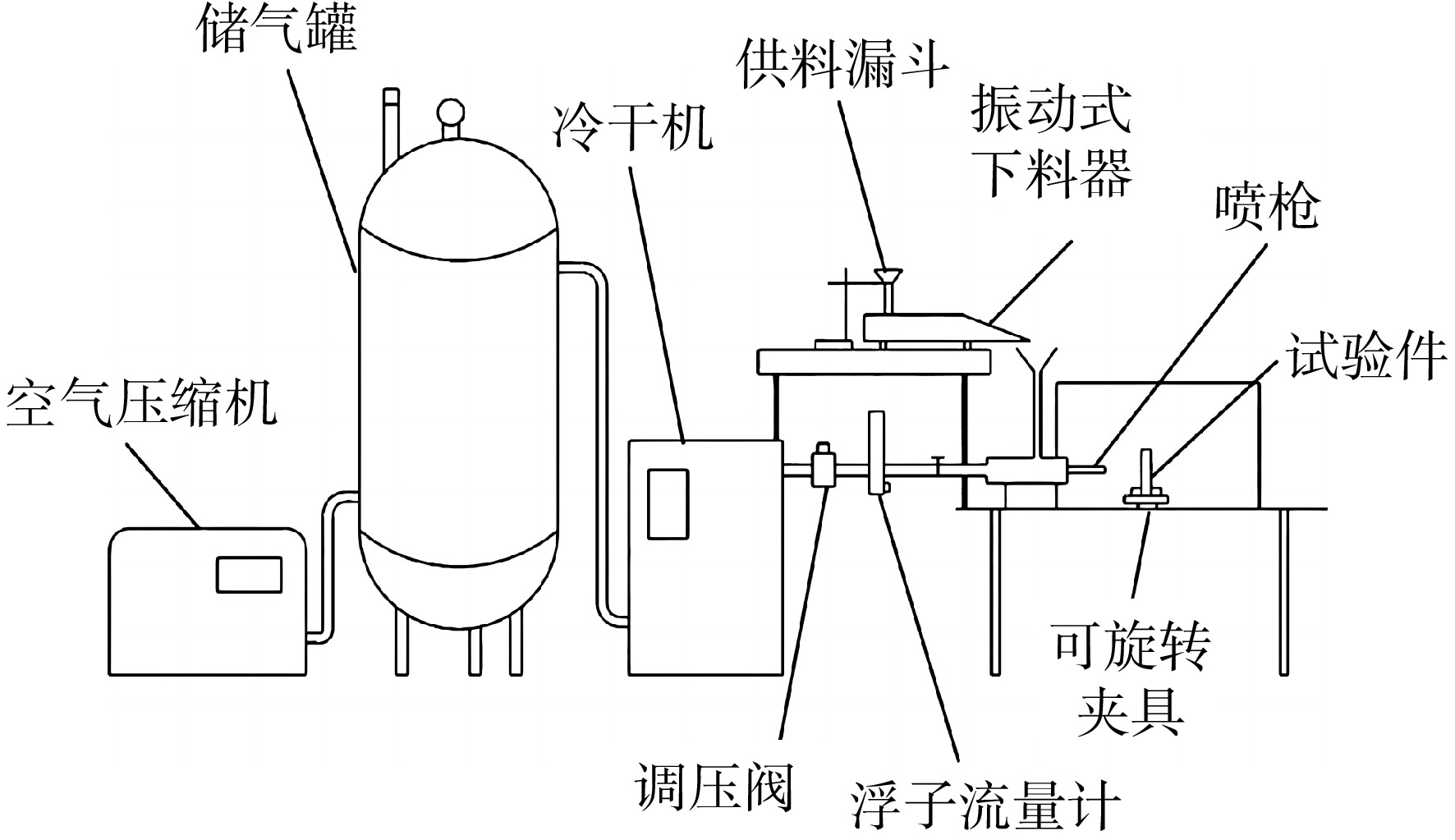
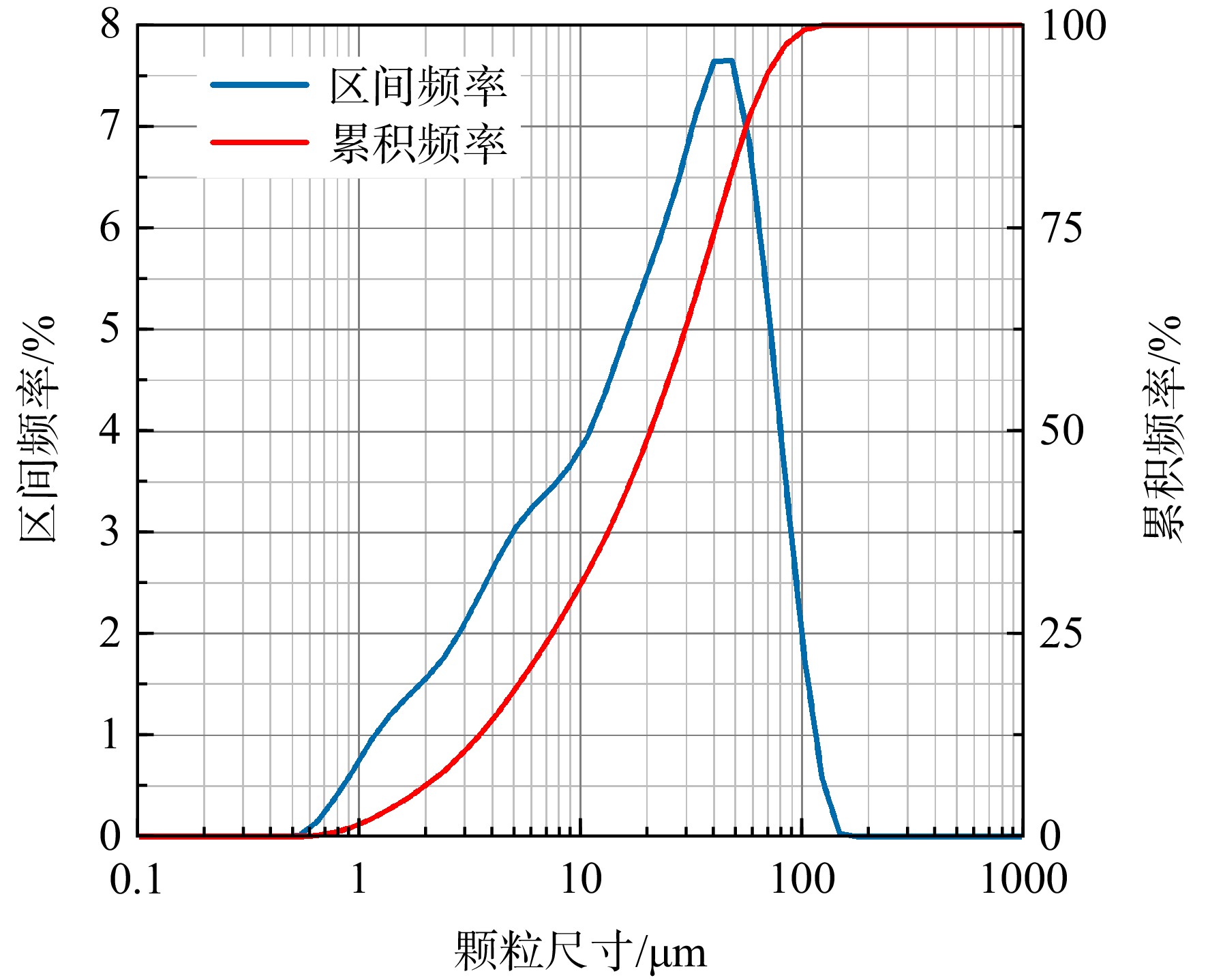
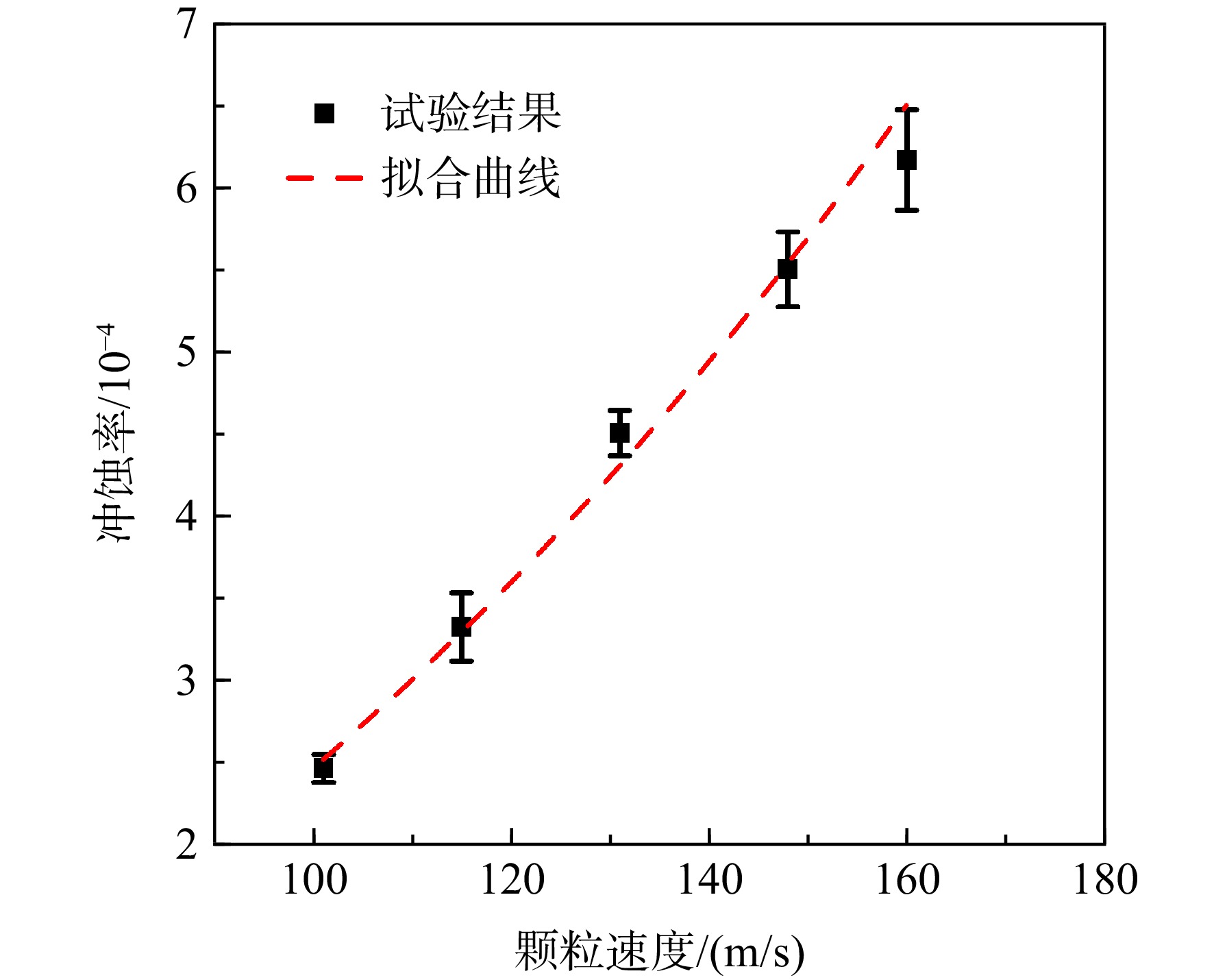
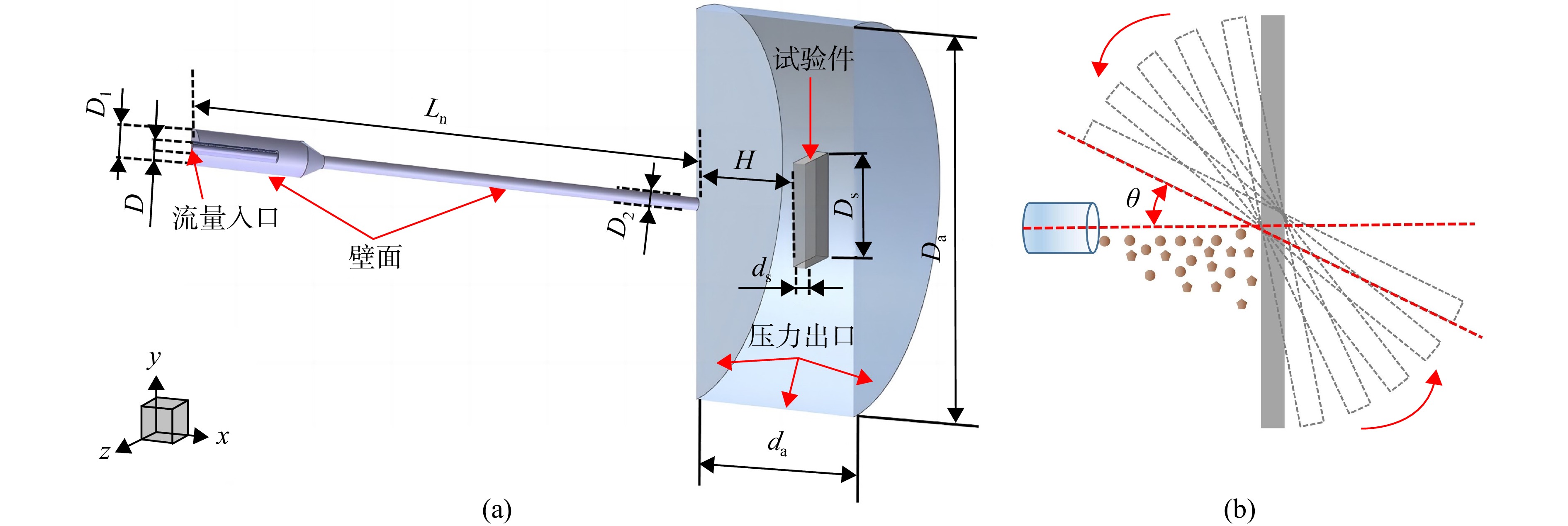
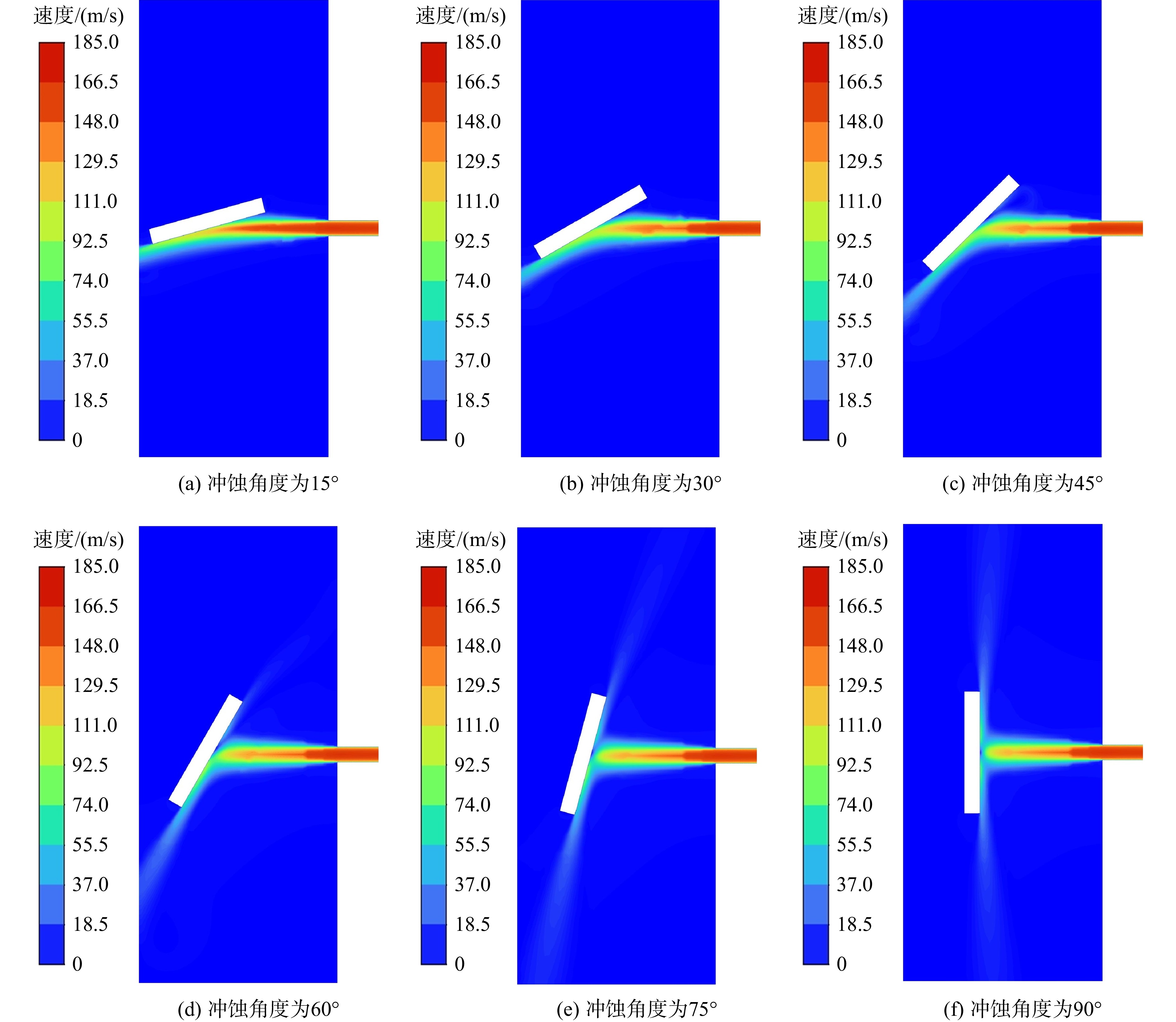
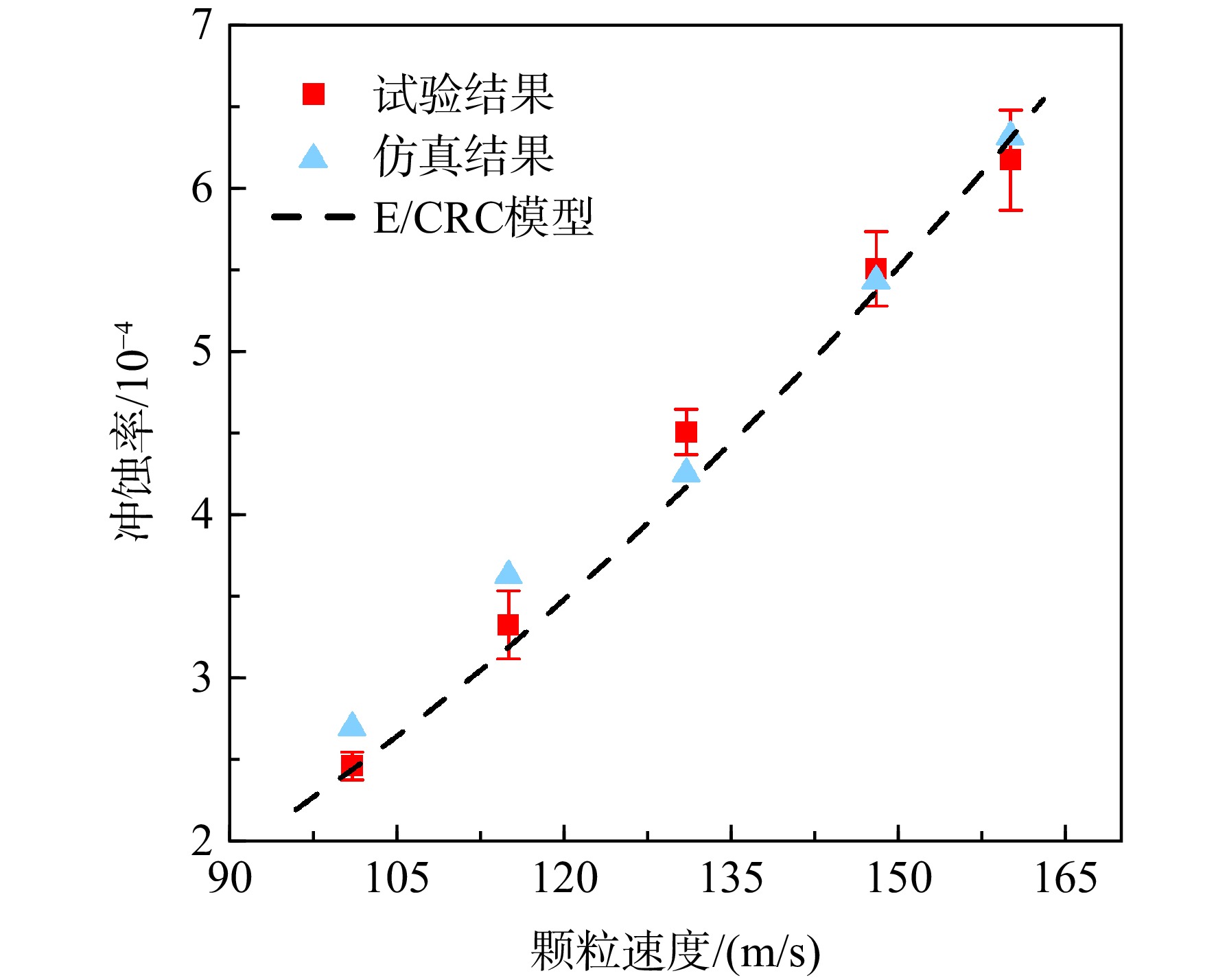
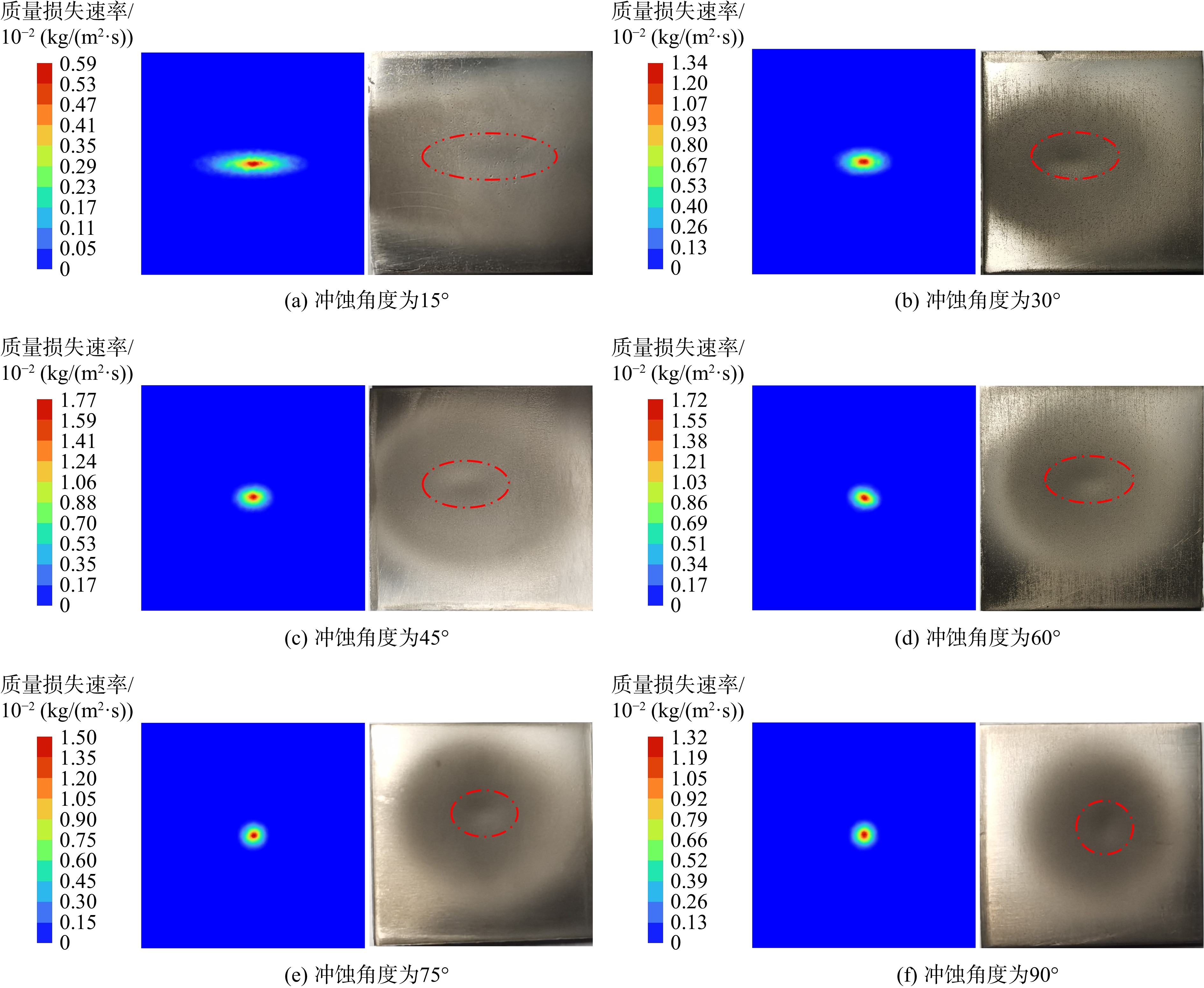
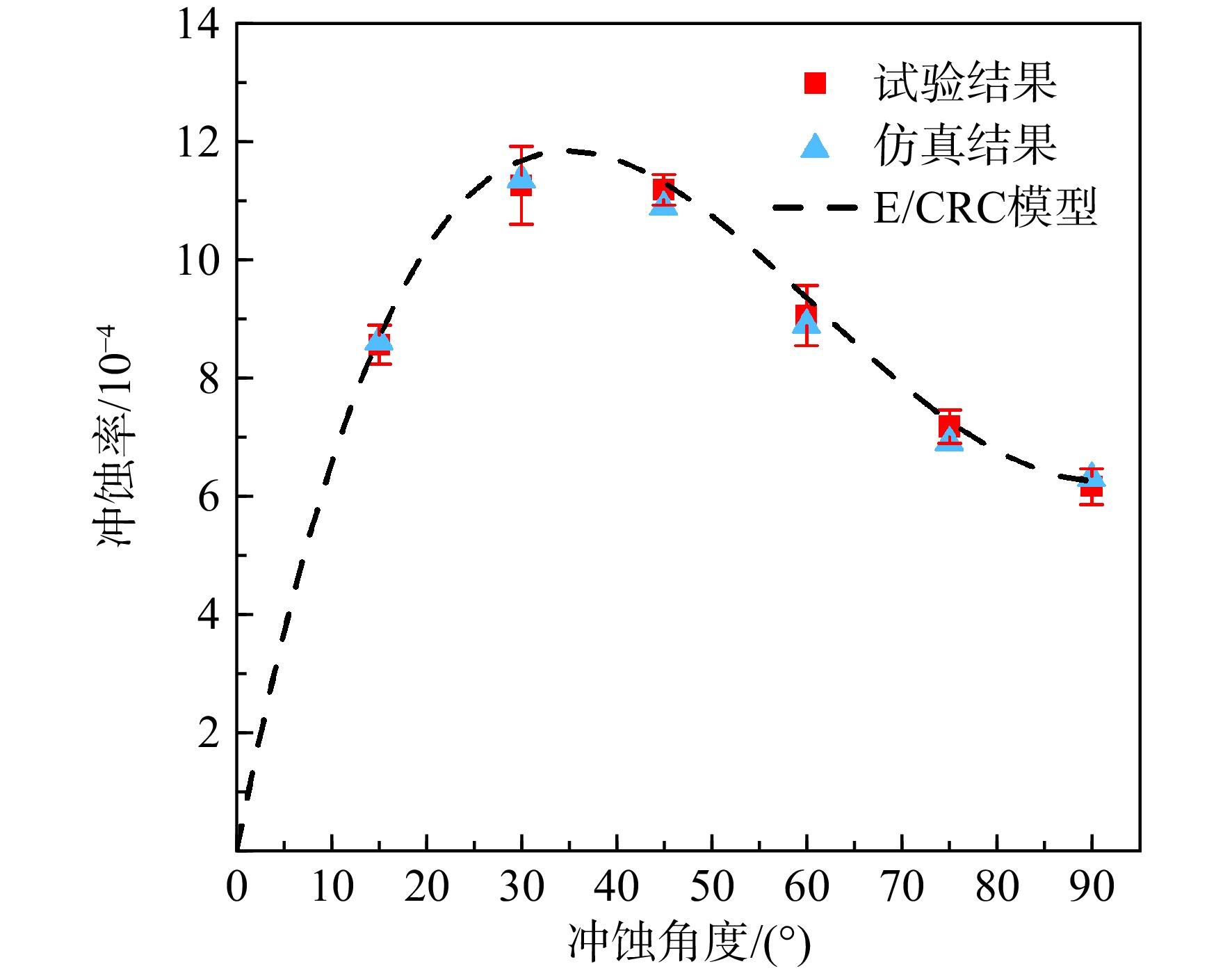
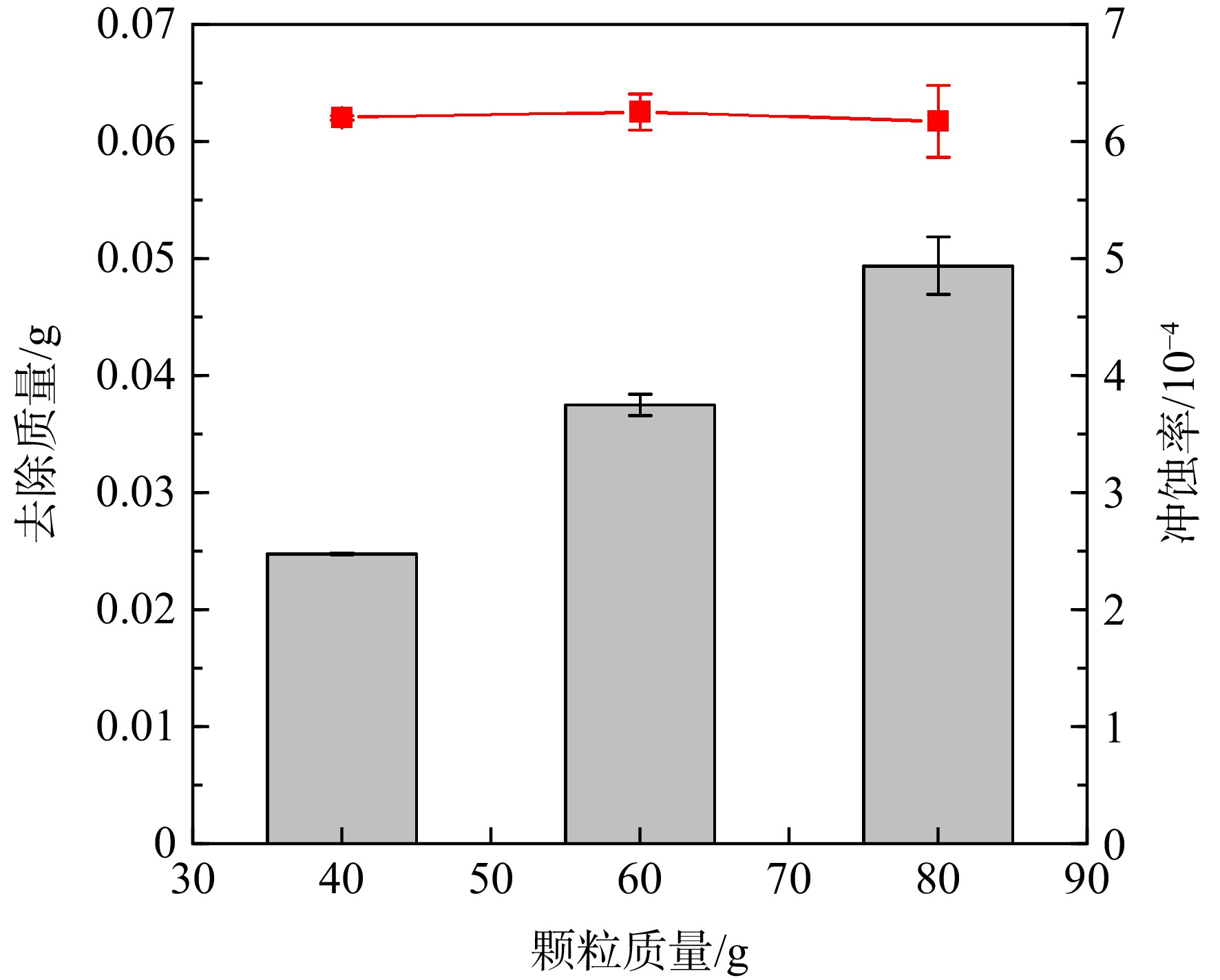
In order to understand the erosion and wear law of volcanic ash particles on TC4 alloy, erosion and wear tests were carried out at different speeds, angles and concentrations of volcanic ash particles, and the parameters of E/CRC erosion model for volcanic ash particles were calculated based on the test data. The results showed that under the controlled univariate conditions, the erosion rate increased with the growth of the velocity of volcanic ash particles; the erosion angle increased and then decreased, and the maximum erosion rate reached at about 30°; the removal mass increased by 0.0123 g on average with an increase of 2 g per minute in the feed rate, while the erosion rate was kept stable. The simulation results using the new erosion model were in good agreement with the experimental results, and the maximum relative error was 9.475%, which can achieve accurate prediction of the erosion wear of TC4 alloy by volcanic ash particles.

Reliability evaluation of turbine blades considering contact variability on working surface of shrouds
MA Yanhong, LI Zhenhua, ZHANG Weifeng, XIONG Wei, HONG Jie
2025, 40(2): 20230242. doi: 10.13224/j.cnki.jasp.20230242
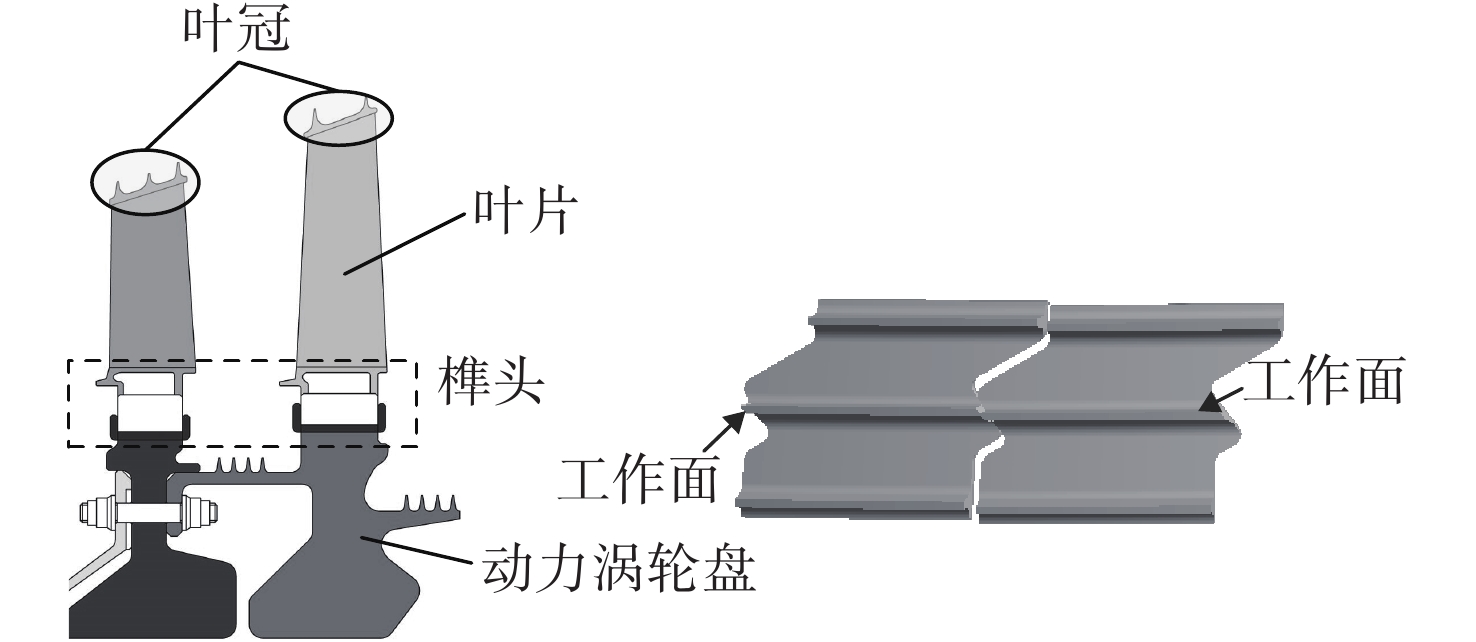
Abstract:

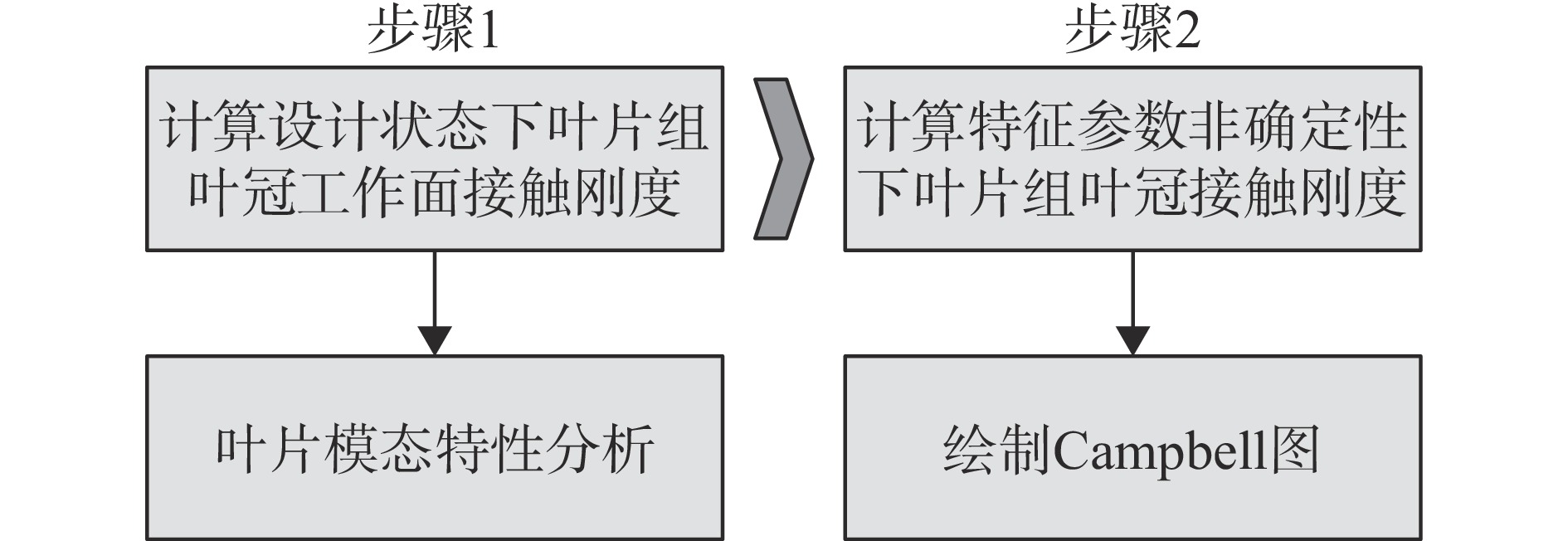
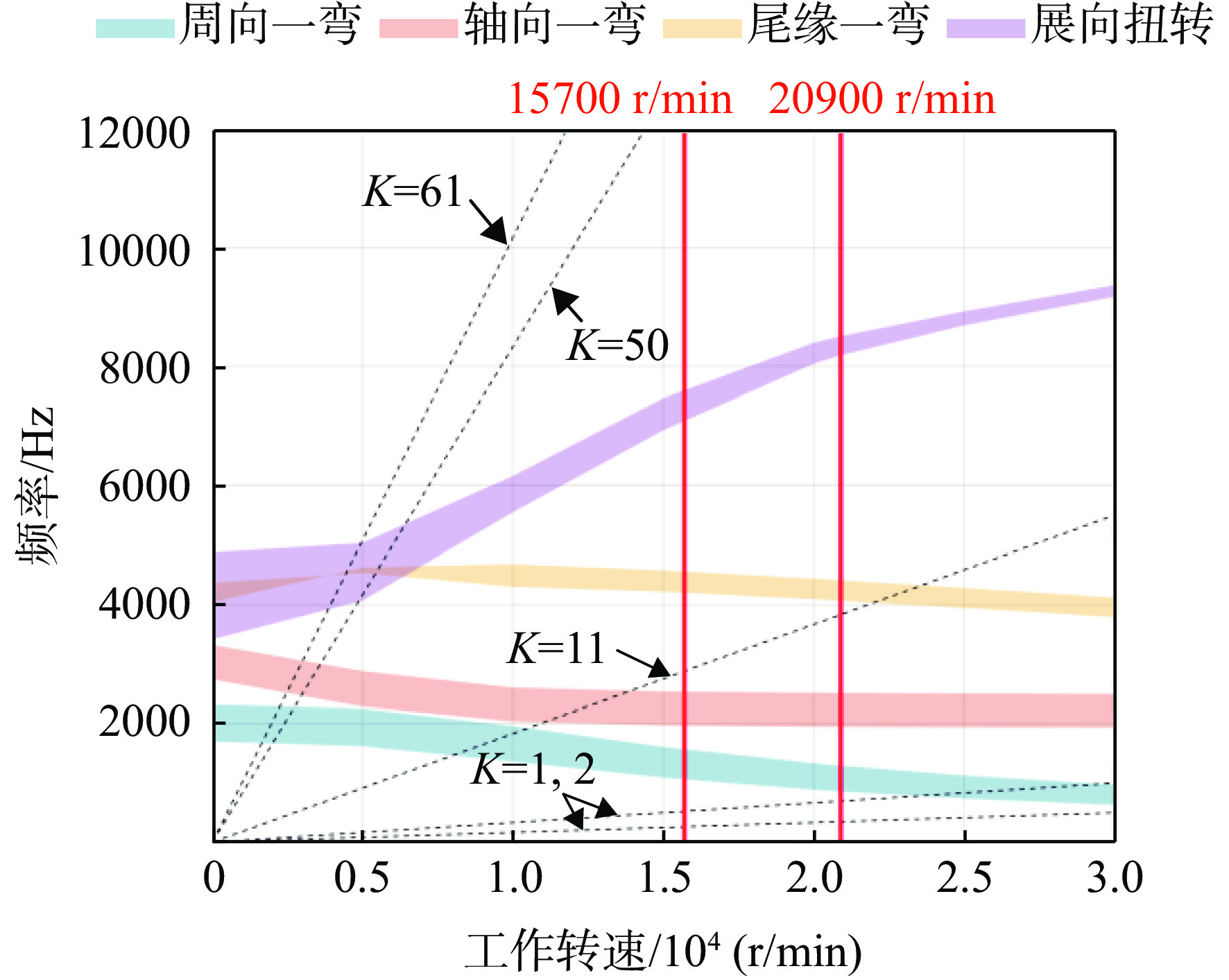
In view of the shrouded structure system of power turbine blades of the turboshaft/turboprop engine and its reliability to processing errors, changes in working load environment and wear and damage to the contact surfaces between shrouds were analyzed. A blade vibration analysis model considering variability of contact surface of the shroud working surface on the contact stiffness of the interface was established, and the probability of fatigue fracture failure of the structural system was evaluated. Simulation results indicated that joint effect of processing errors and interface wear and damage can cause a decrease in the vibration frequency of the blade. This causes the resonant rotational speed of the blade in this vibration mode to deviate from the design value and intersect with the operating speed range, resulting in the risk of resonance and high-cycle fatigue failure, thus reducing the reliability of the structural system.

Dynamic load control of intermediate fulcrum of dual rotor aero-engine
WANG Dong, HONG Jie, LI Qijian, WANG Yongfeng, WANG Chujun
2025, 40(2): 20230252. doi: 10.13224/j.cnki.jasp.20230252
Abstract:

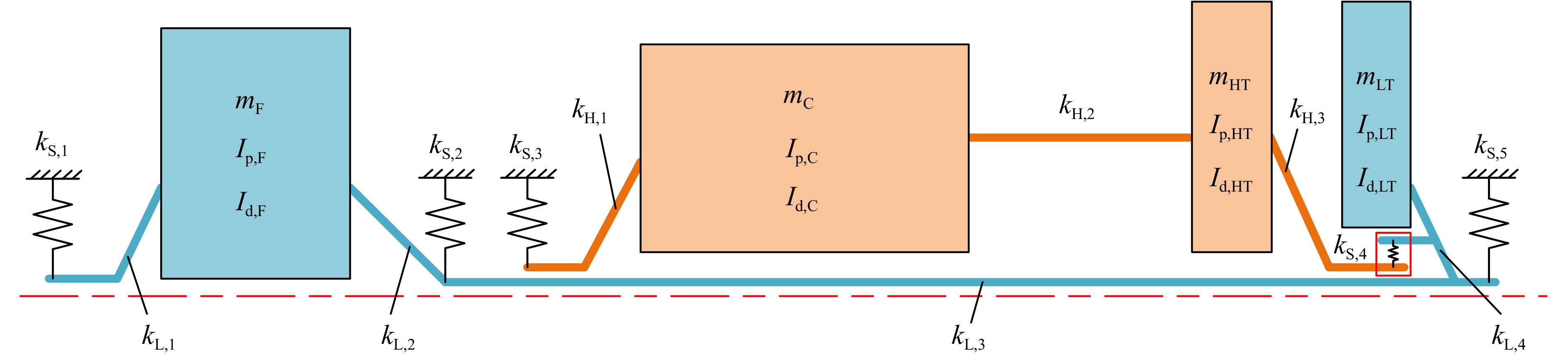
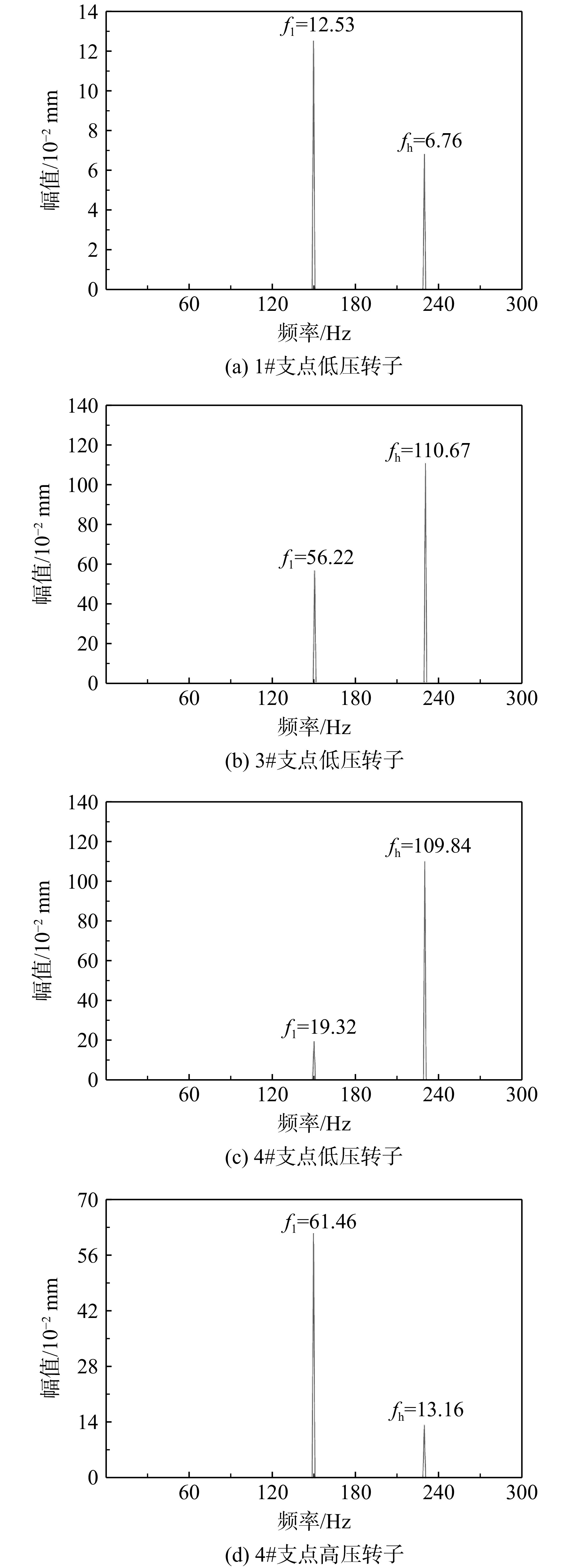
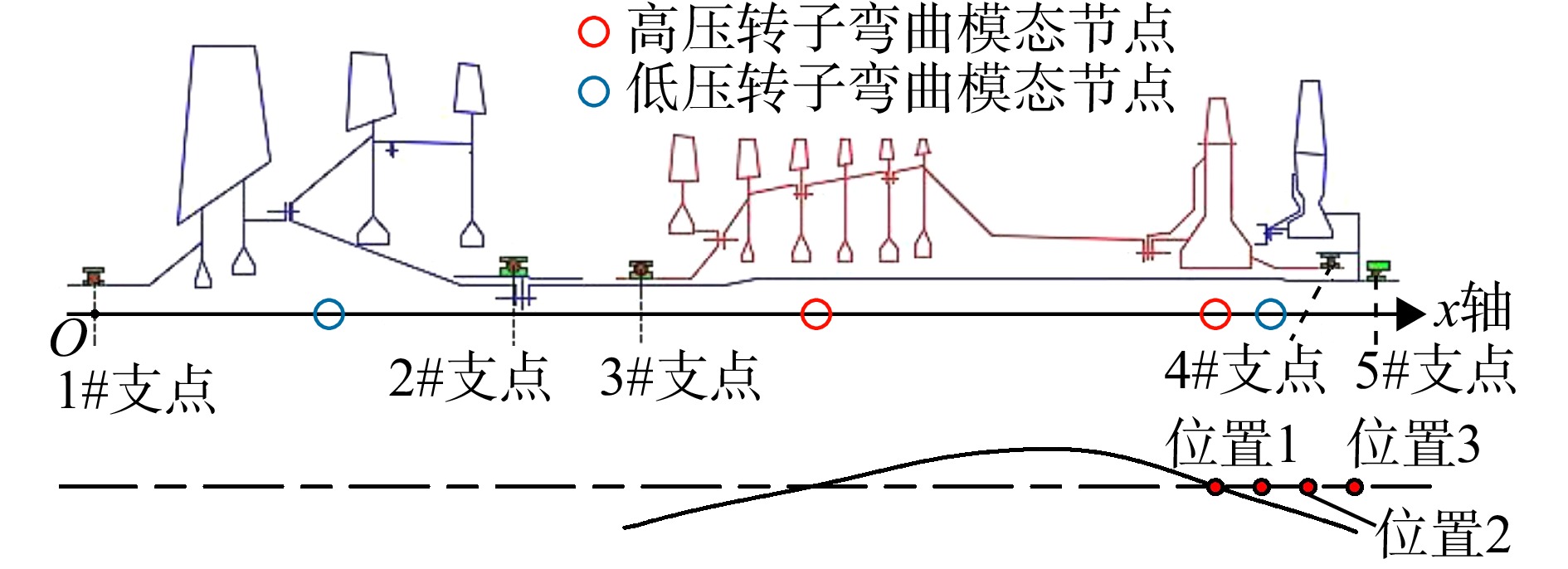
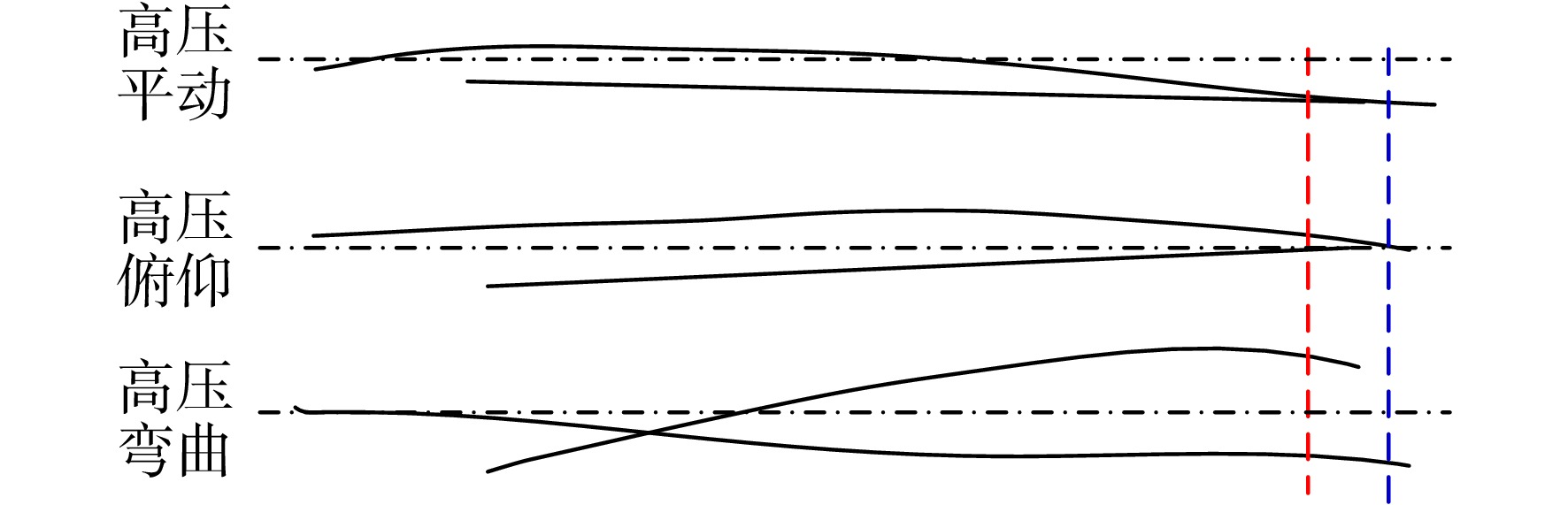
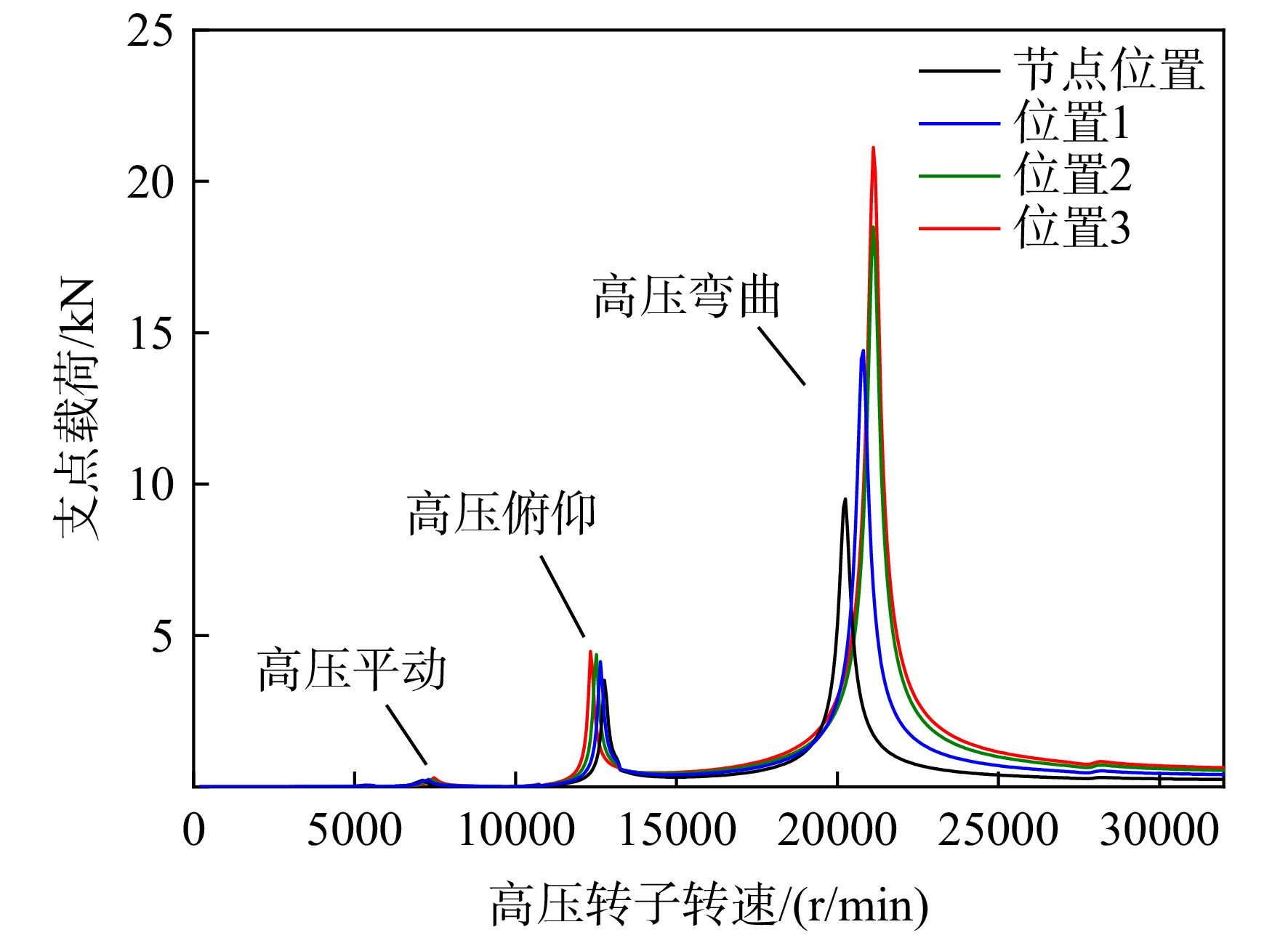
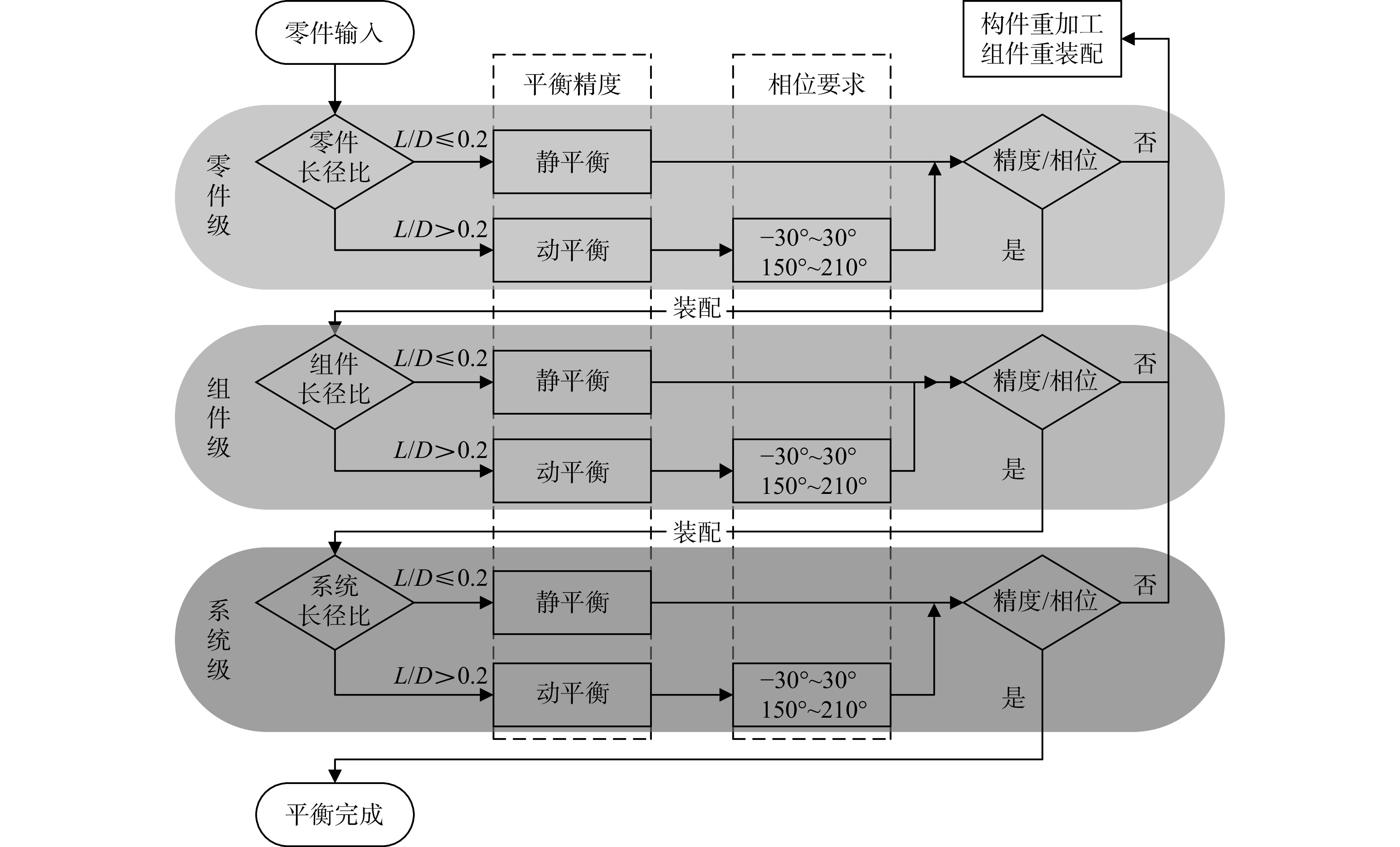
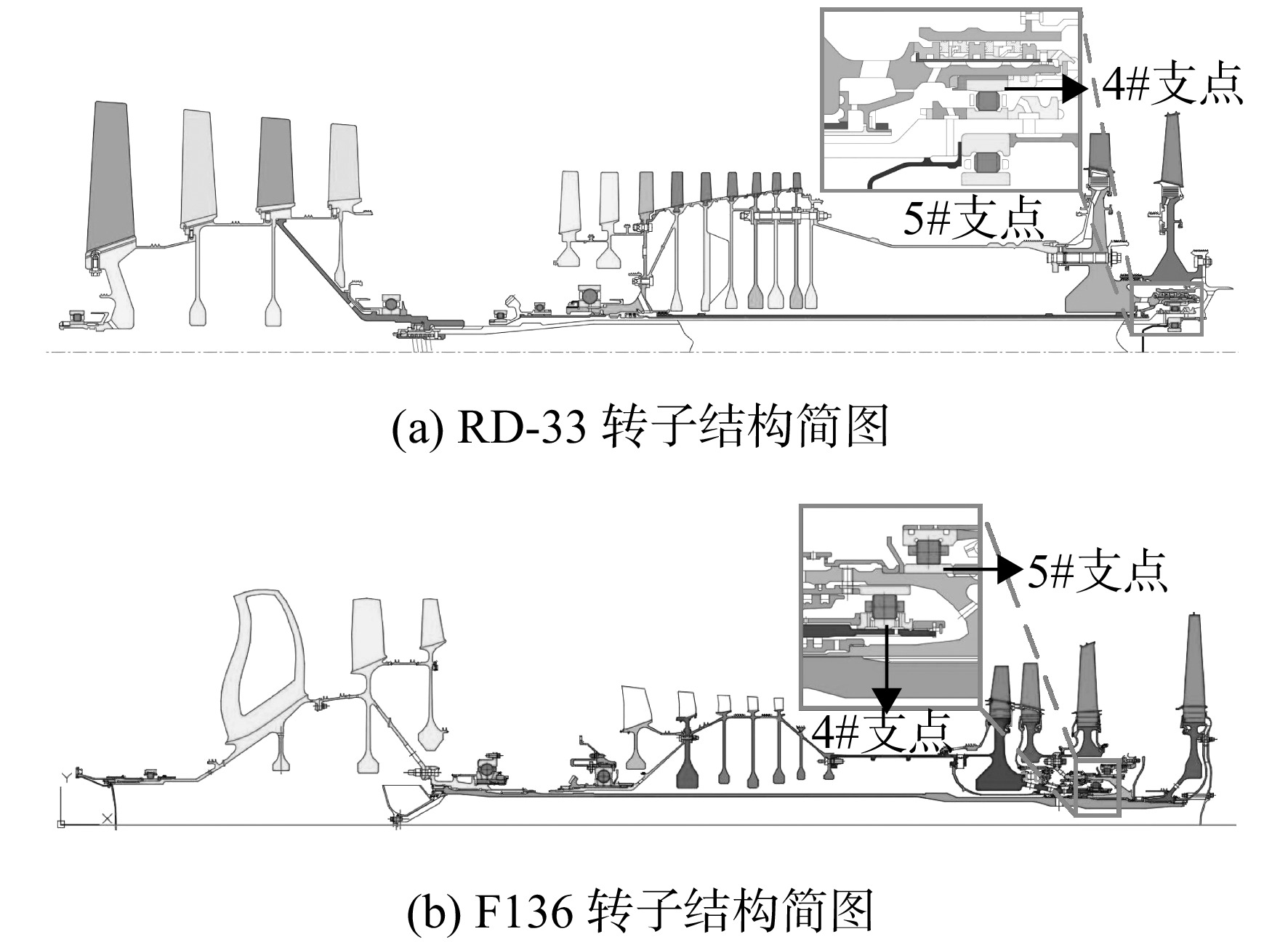
In order to solve the problem of dynamic load control for intermediate fulcrum, a dynamic model of the intermediate fulcrum dual rotor system with equivalent mass and stiffness was established, and the key factors significantly affecting the dynamic load of intermediate fulcrum were identified through sensitivity analysis of unbalanced excitation load, gyro moment load, shaft elastic deformation restoring force, etc. Combining the project development experience, a series of methods for controlling the dynamic load of intermediate fulcrum based on the coordination of rotor balance quality and deformation status were proposed, such as rotor balance quality control, turbine disk angular deformation control, and selection of axial position of intermediate fulcrum. The proportion of strain energy and dynamic load at intermediate fulcrum were reduced by 26% and 55%, respectively. The above research was validated in project development, improving the reliability of the overall structural system.

Remaining life prediction of rolling bearings based on an EM-IKF collaborative algorithm
LI Junxing, ZHU Wenjin, QIU Ming, FU Huimin
2025, 40(2): 20230251. doi: 10.13224/j.cnki.jasp.20230251
Abstract:

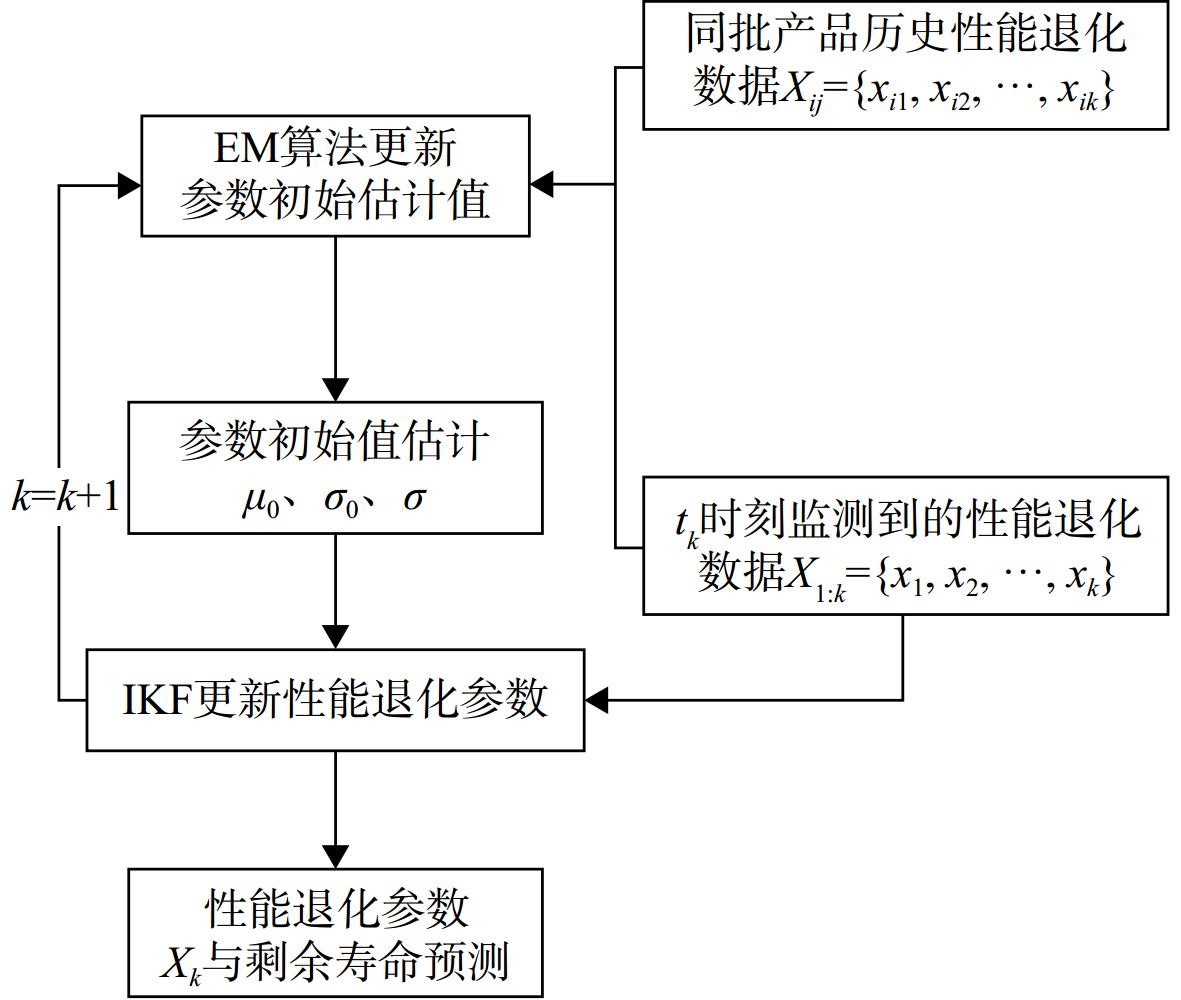
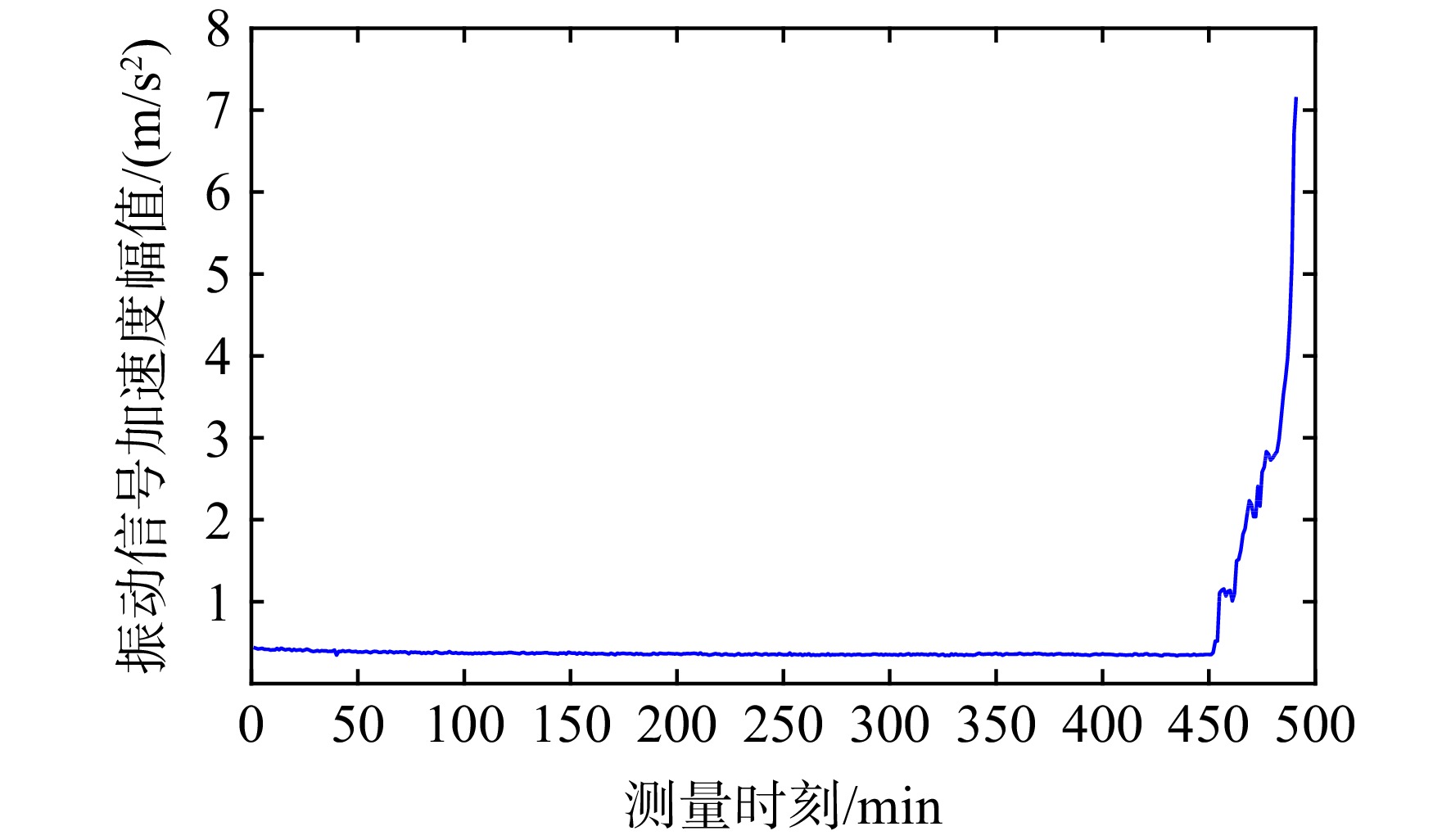
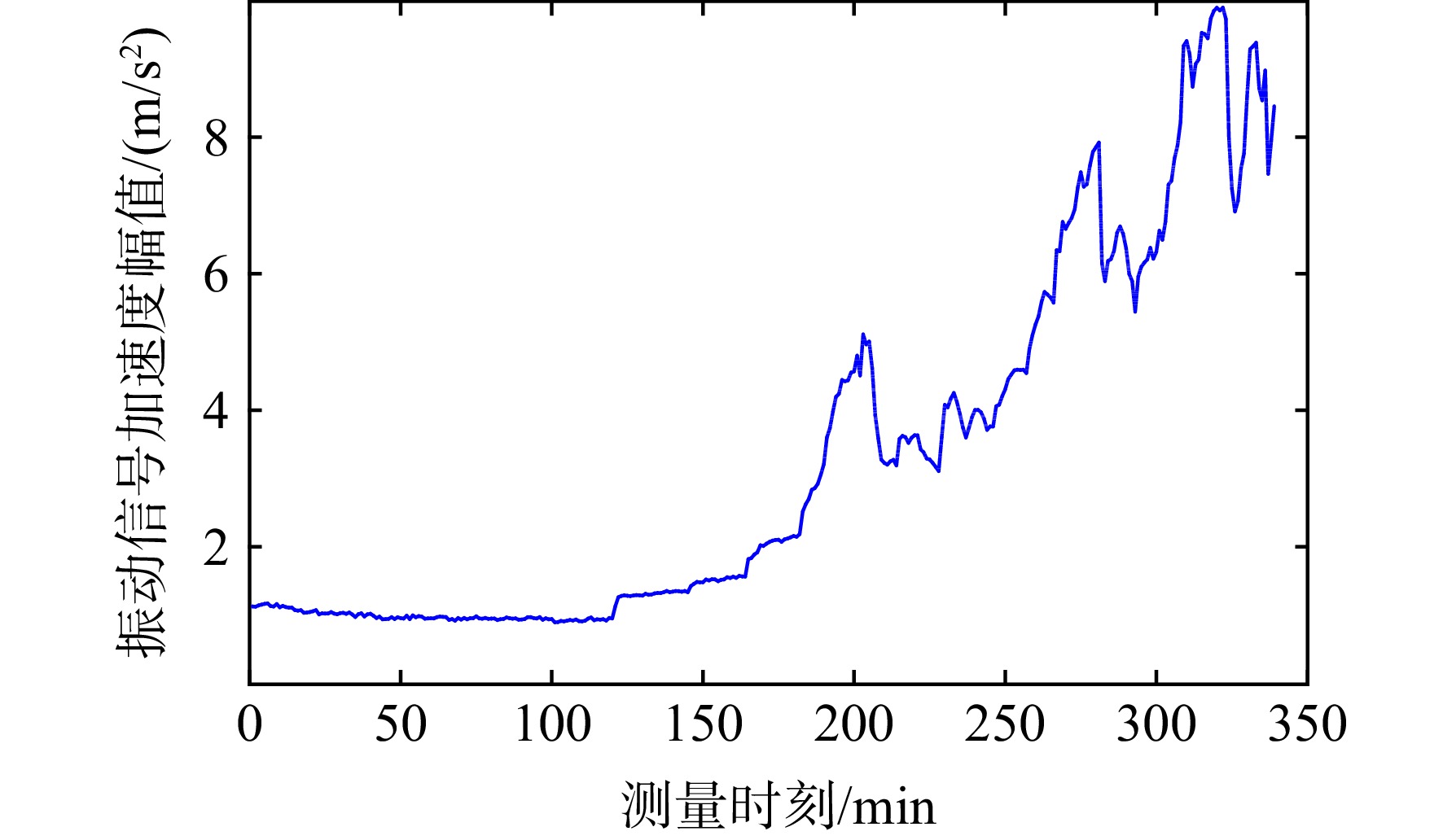
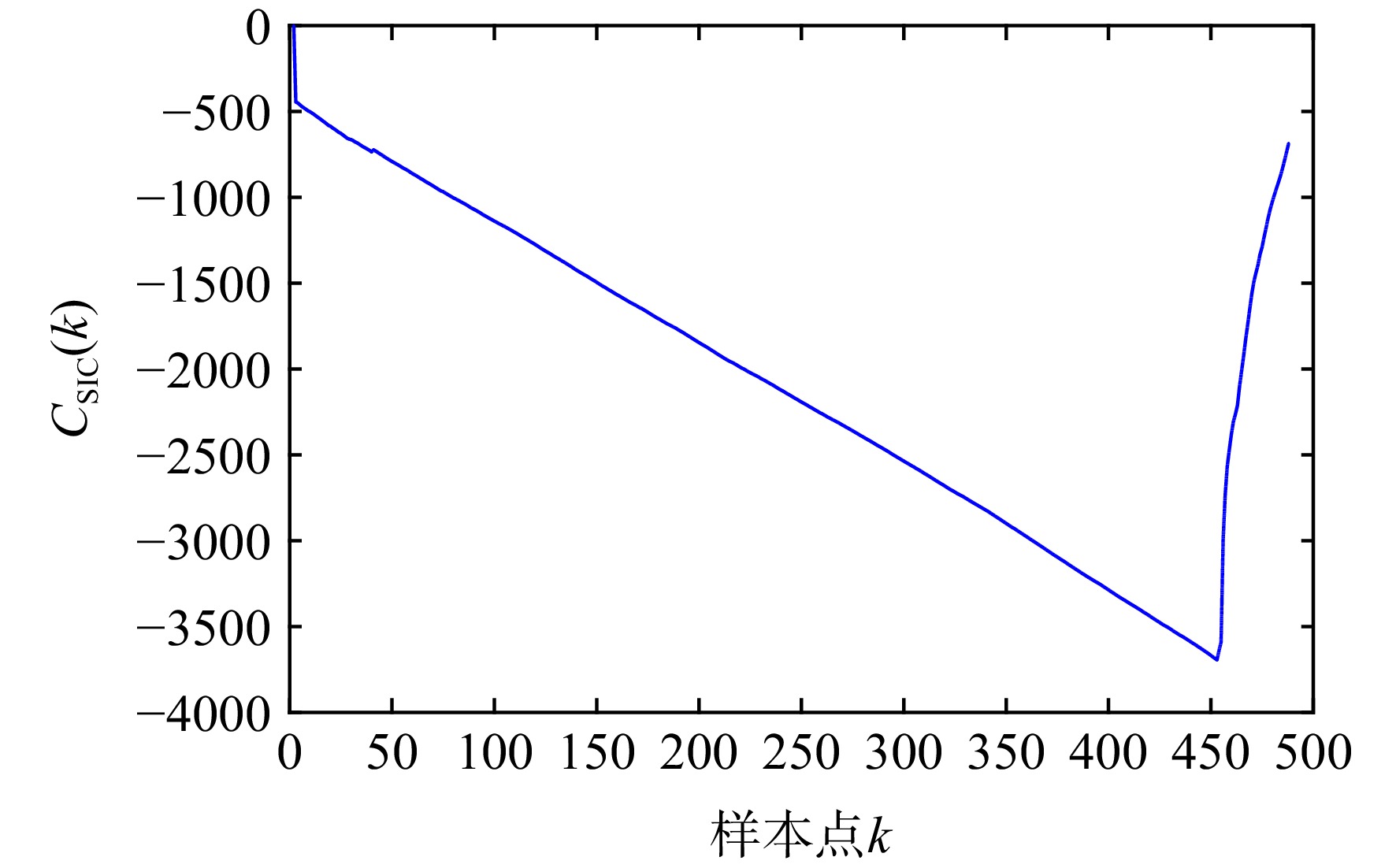
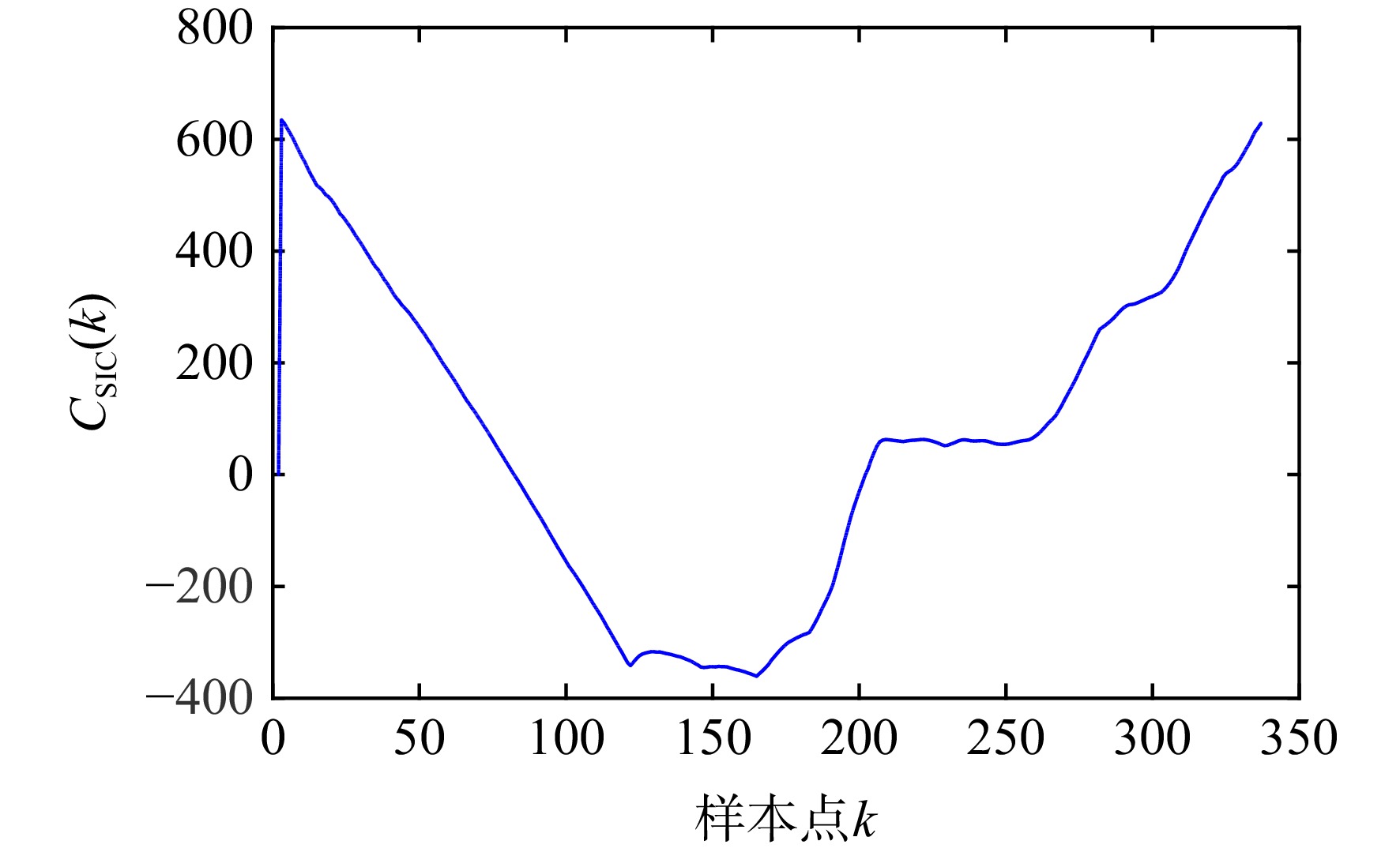
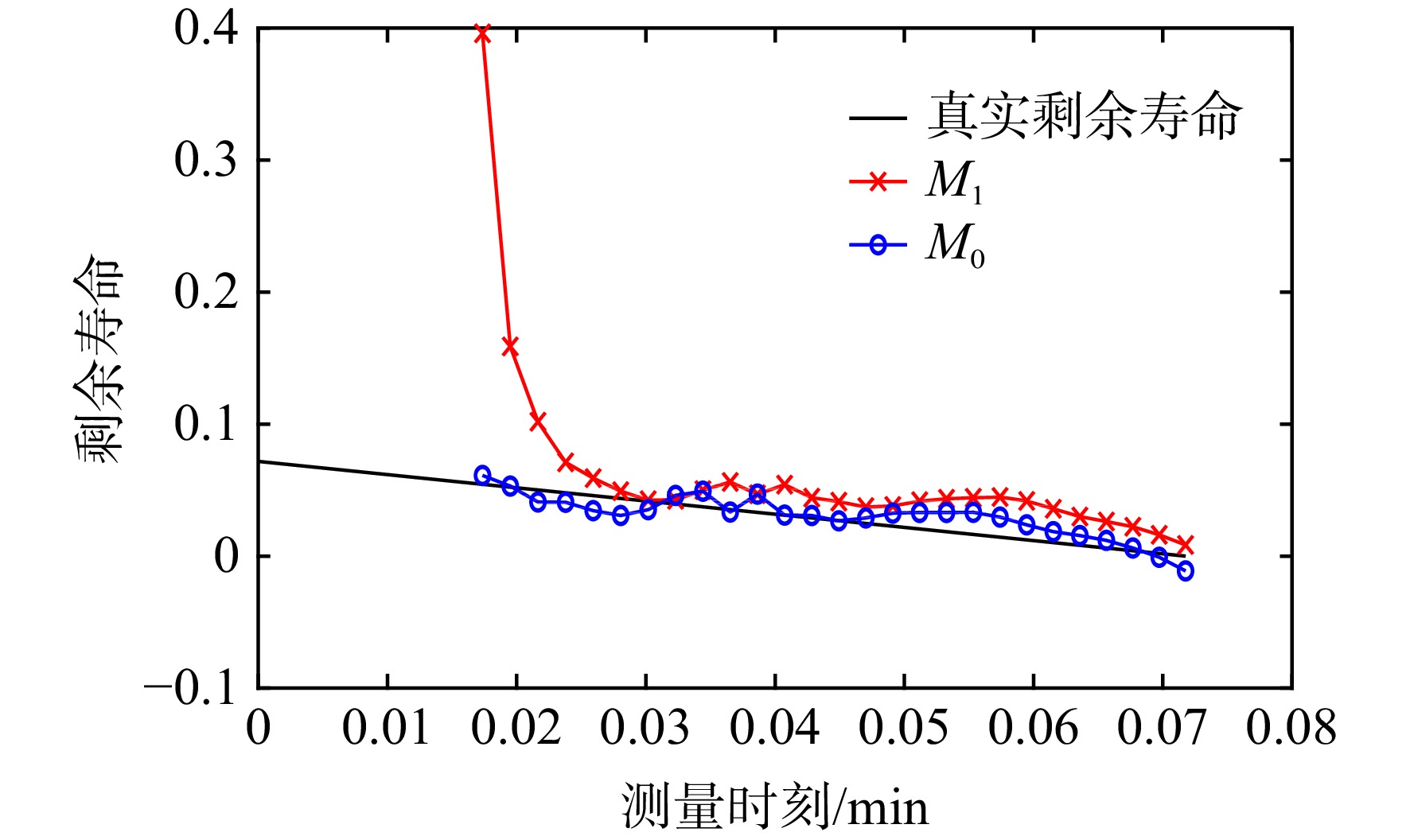
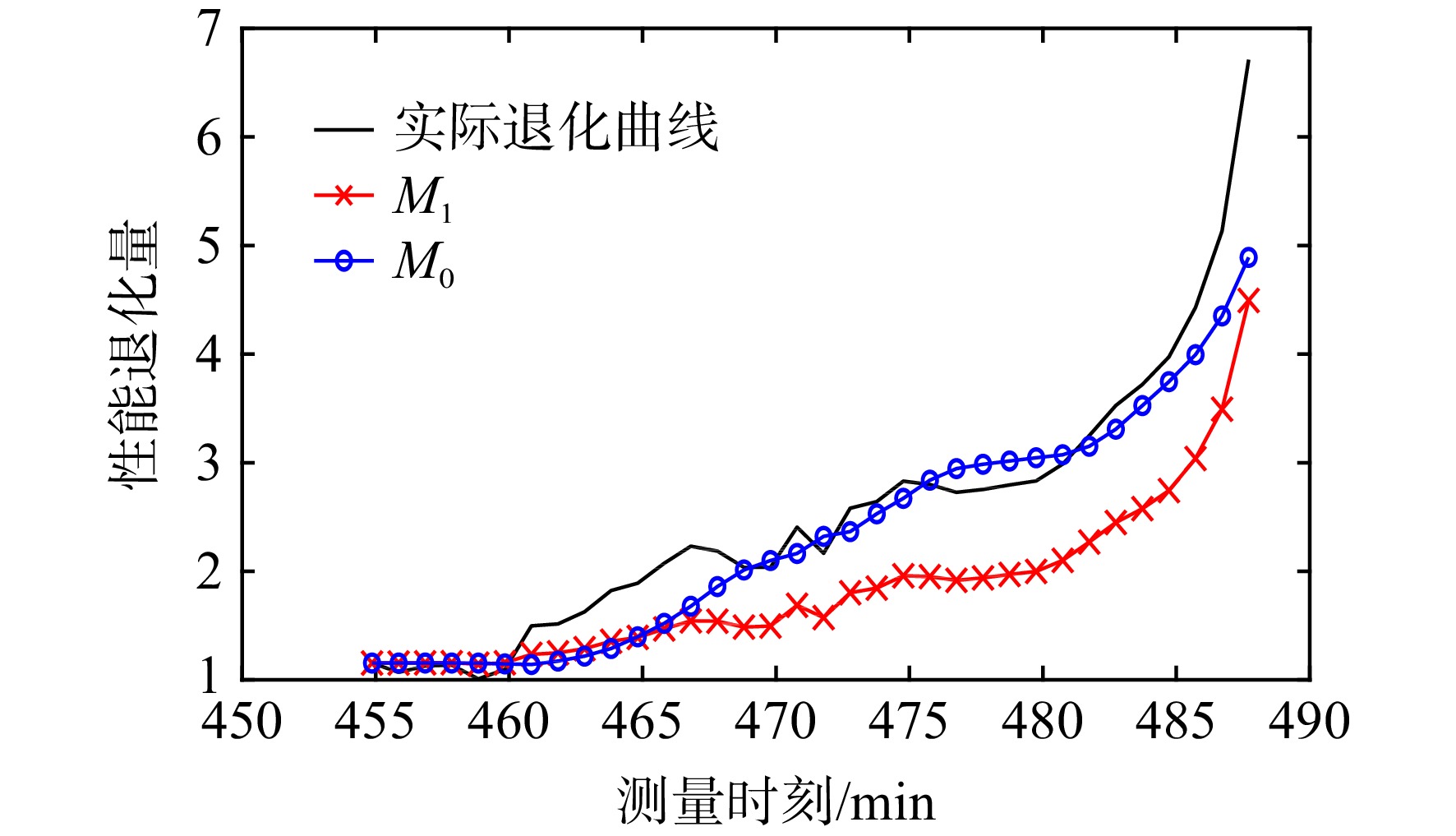
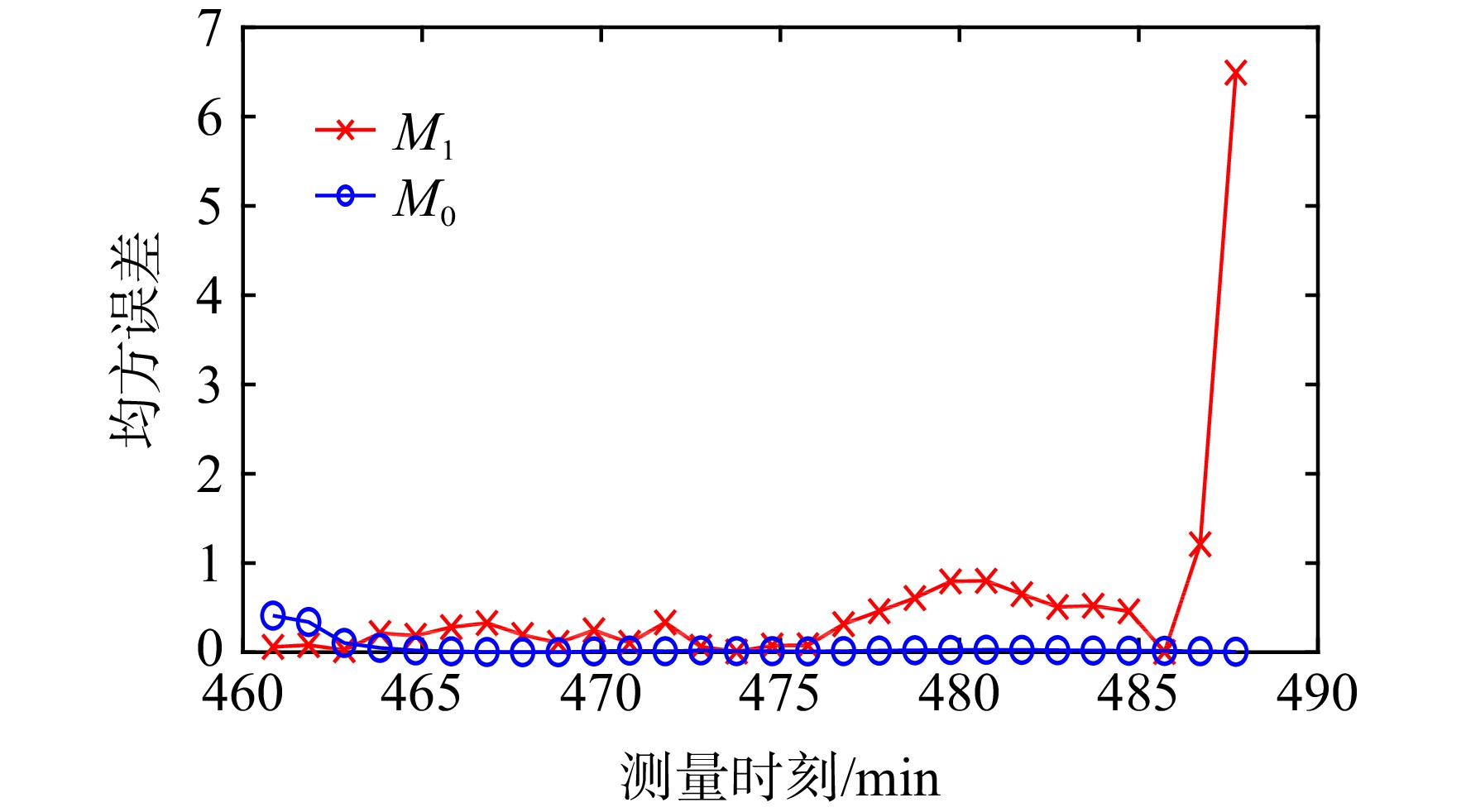
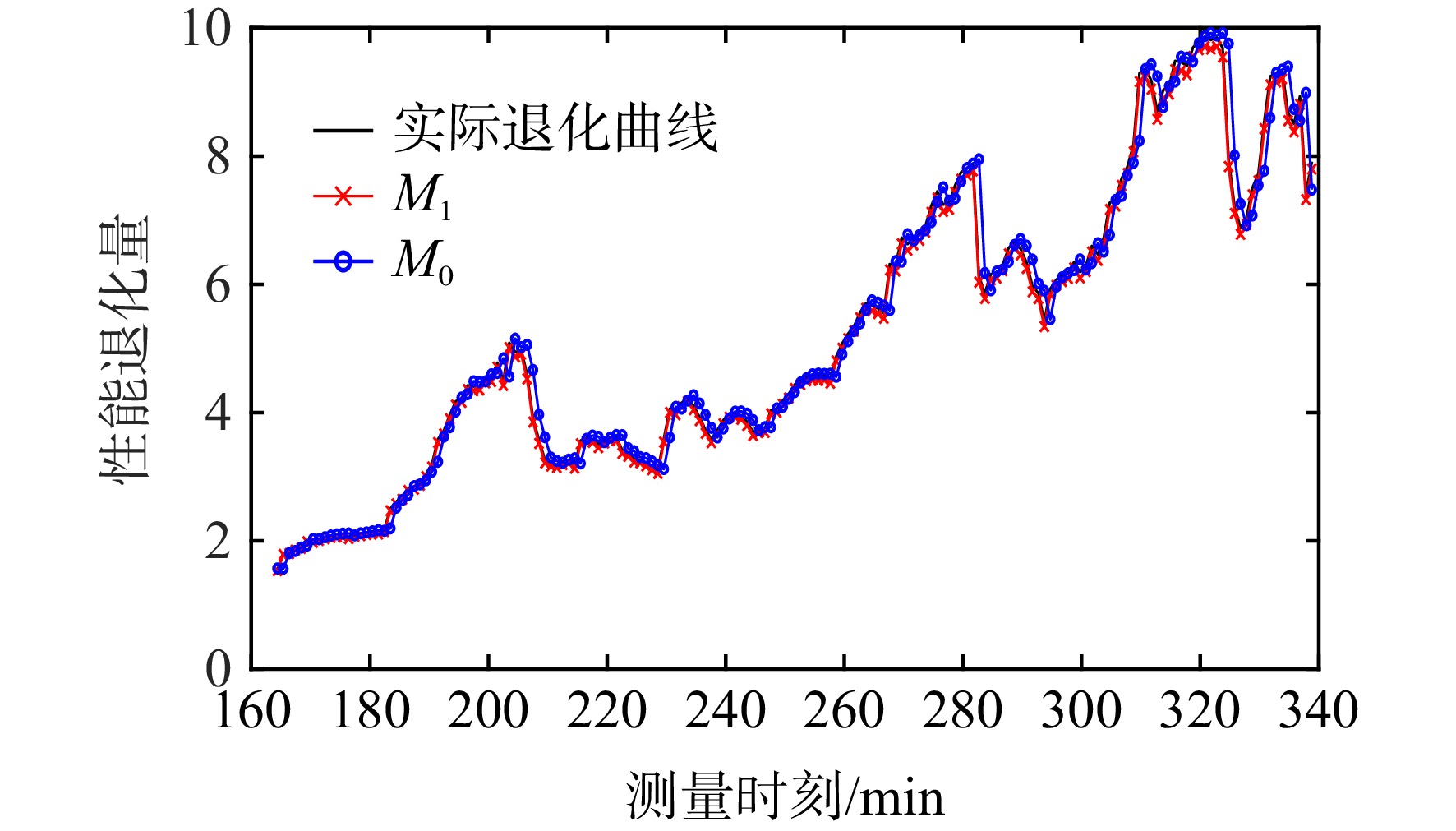
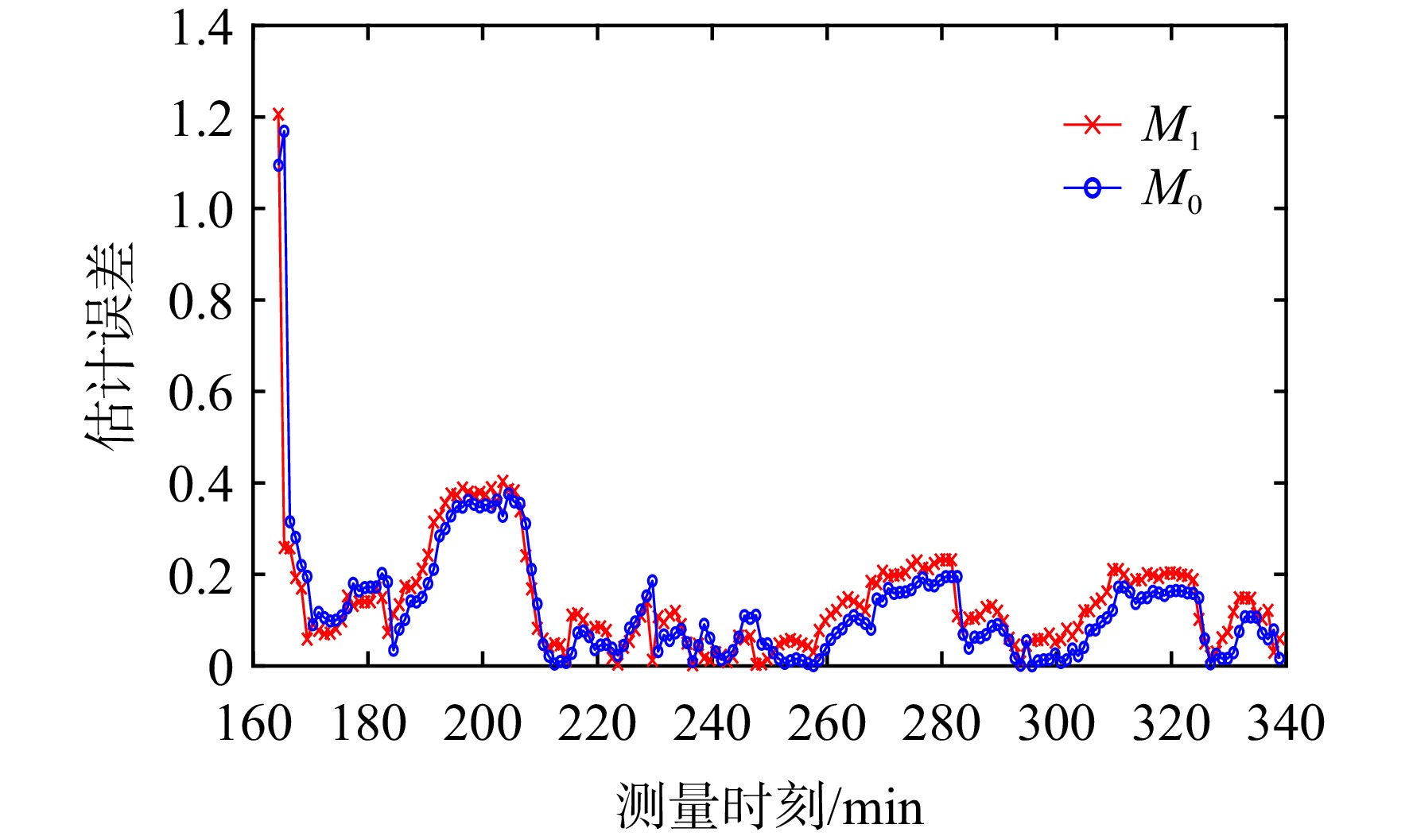
In view of the characteristics reflecting the two-stage performance degradation process of rolling bearings, a remaining life prediction method of rolling bearings was proposed based on an EM-IKF algorithm. In the stationary stage, to determine the initial degradation point of the bearing, the Schwarz information criterion (SIC) was used to identify the change point of bearing health state. In the degradation stage, a performance degradation characterization model was established based on Wiener process. To overcome the problem that the traditional Kalman filtering method ignored the parameter’s volatility between the adjacent times, the state space equation was established based on an incremental Kalman filter (IKF) algorithm. Meanwhile, to fully develop and utilize the historical data and the online monitoring data, and accurately determine the initial parameters of the state-space equation, a parameter adaptive updating method was proposed based on an EM-IKF collaborative algorithm. Then, the adaptive online prediction of bearing remaining life was realized. Finally, the effectiveness of the proposed method was verified and analyzed by an engineering example involving the rolling bearings. The results showed that compared with the traditional method, the prediction accuracy of the proposed method can be improved by at least 24.64%.

Frictional thermal simulation analysis of self-lubricating joint bearings for helicopter main rotor under the complex load history
TAN Deqiang, YANG Yongsheng, HU Yue, XIANG Zaiyu, HE Qiang, ZHOU Changchun
2025, 40(2): 20220659. doi: 10.13224/j.cnki.jasp.20220659
Abstract:

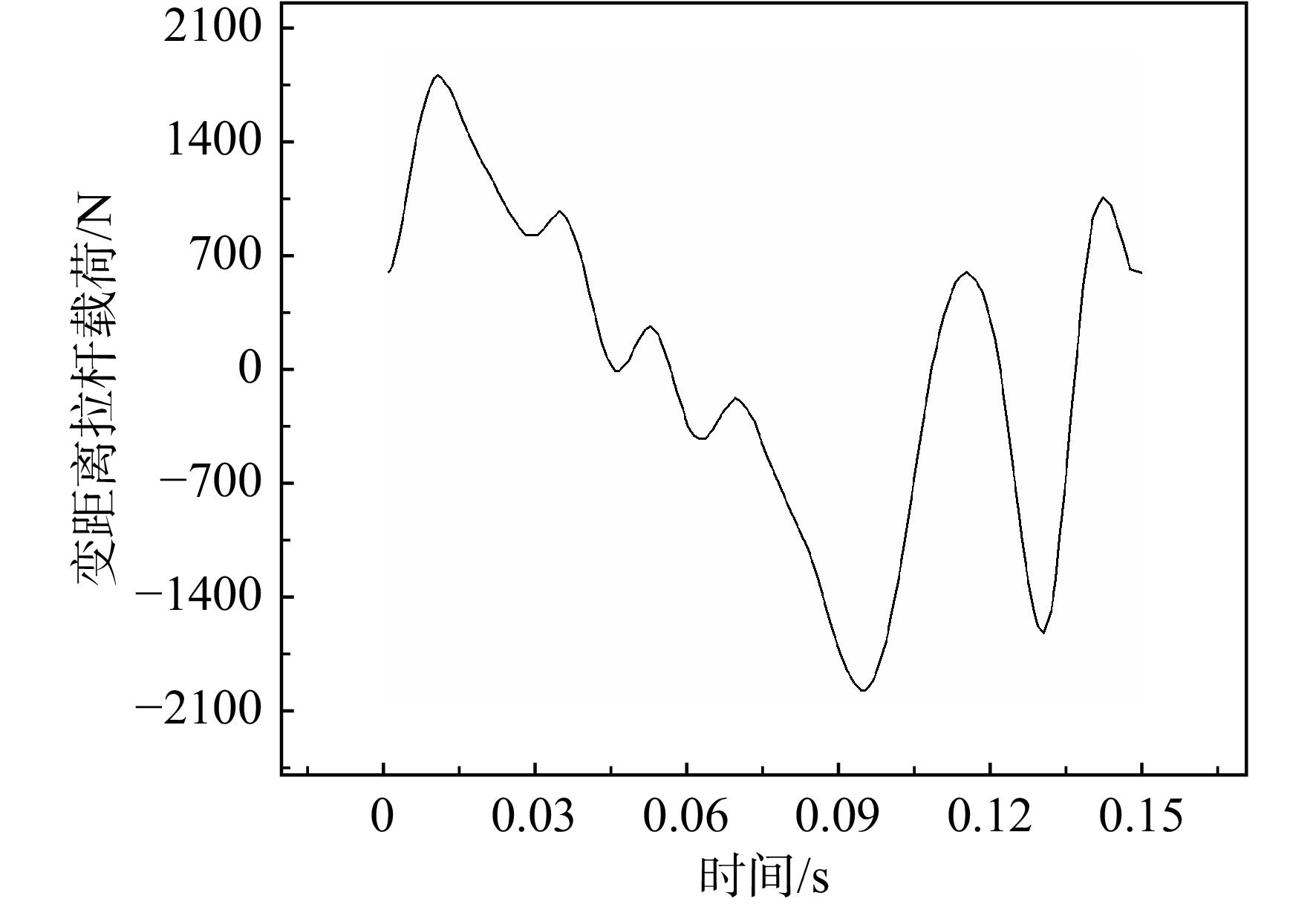
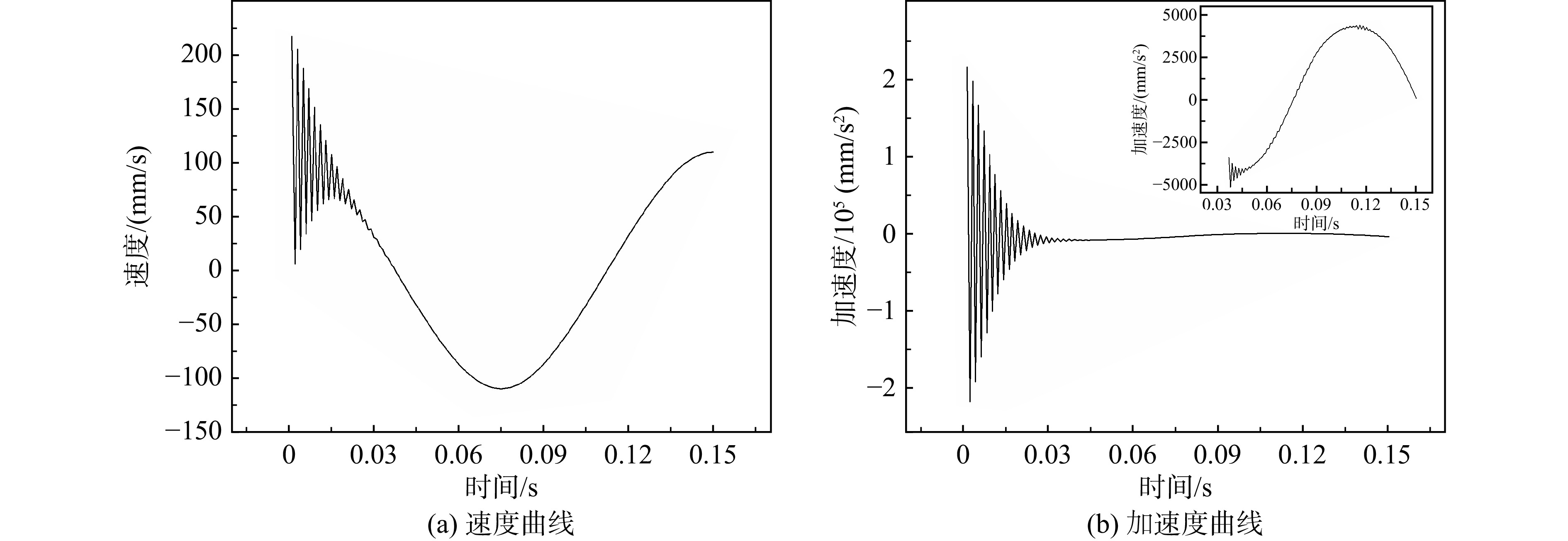
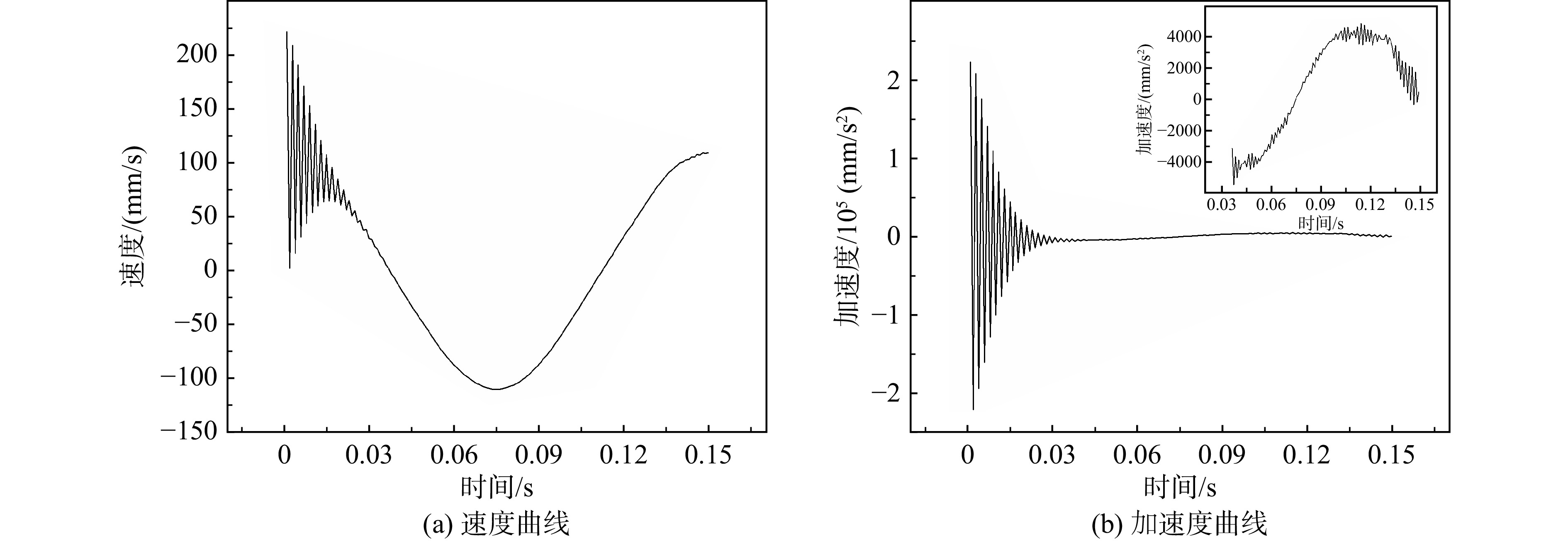
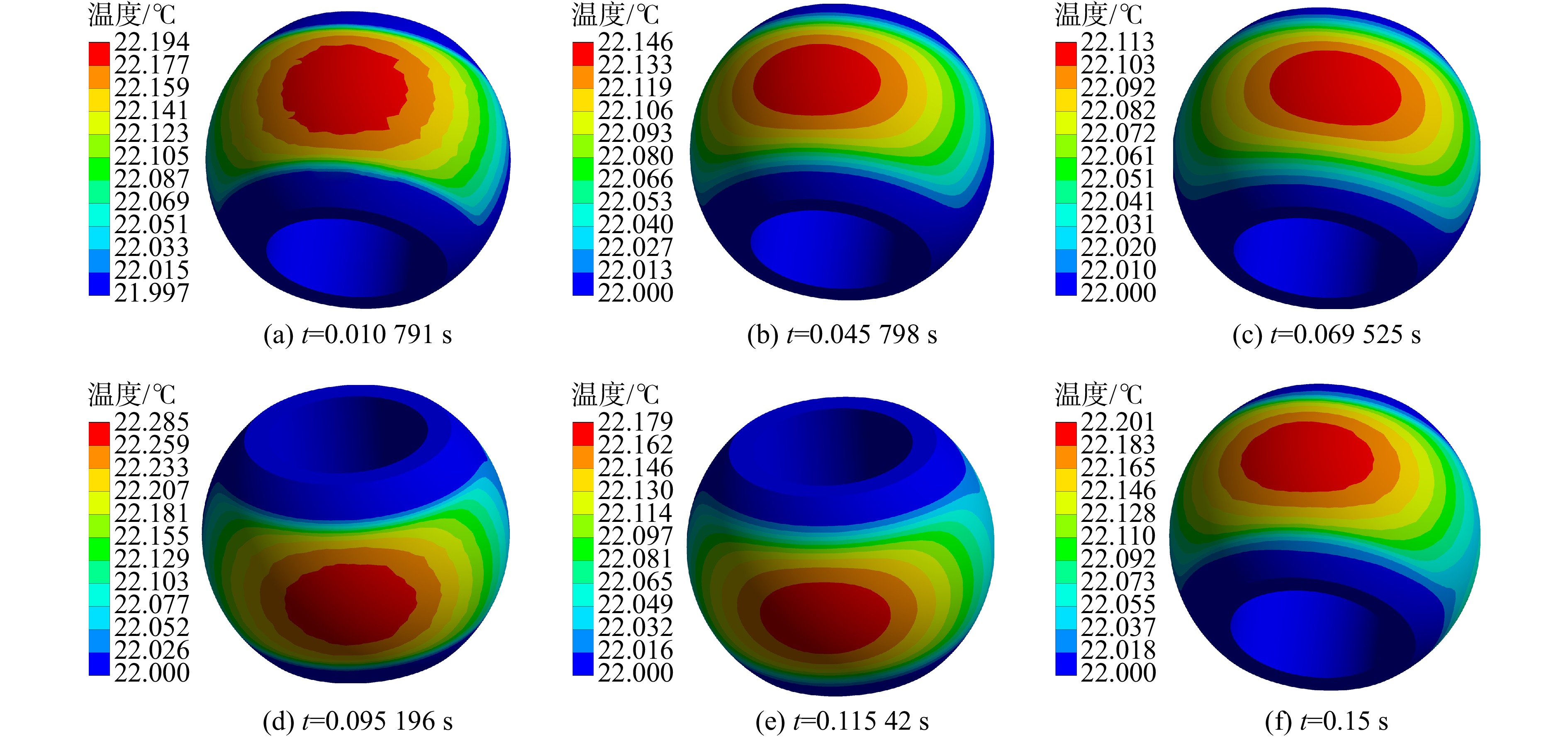
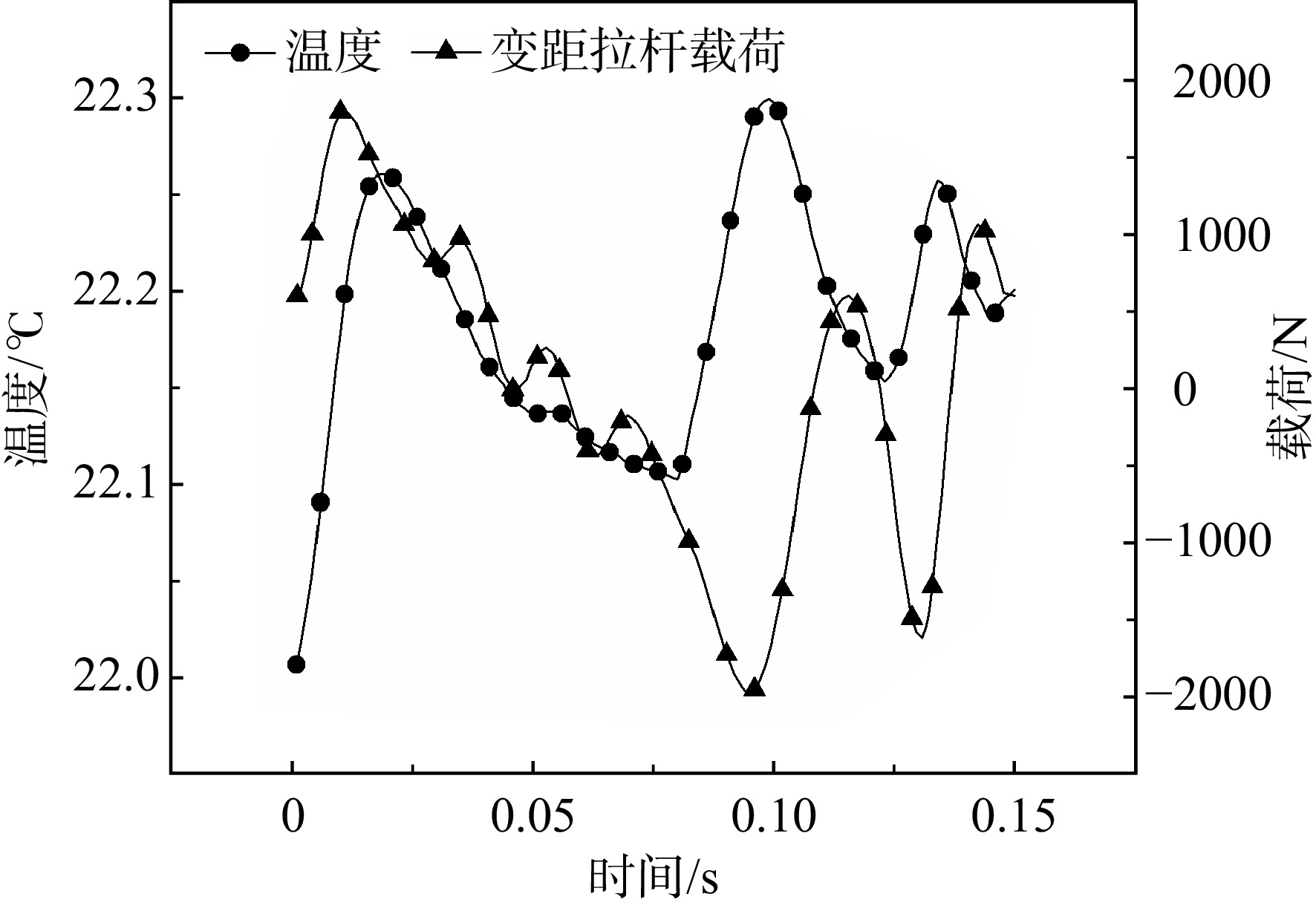
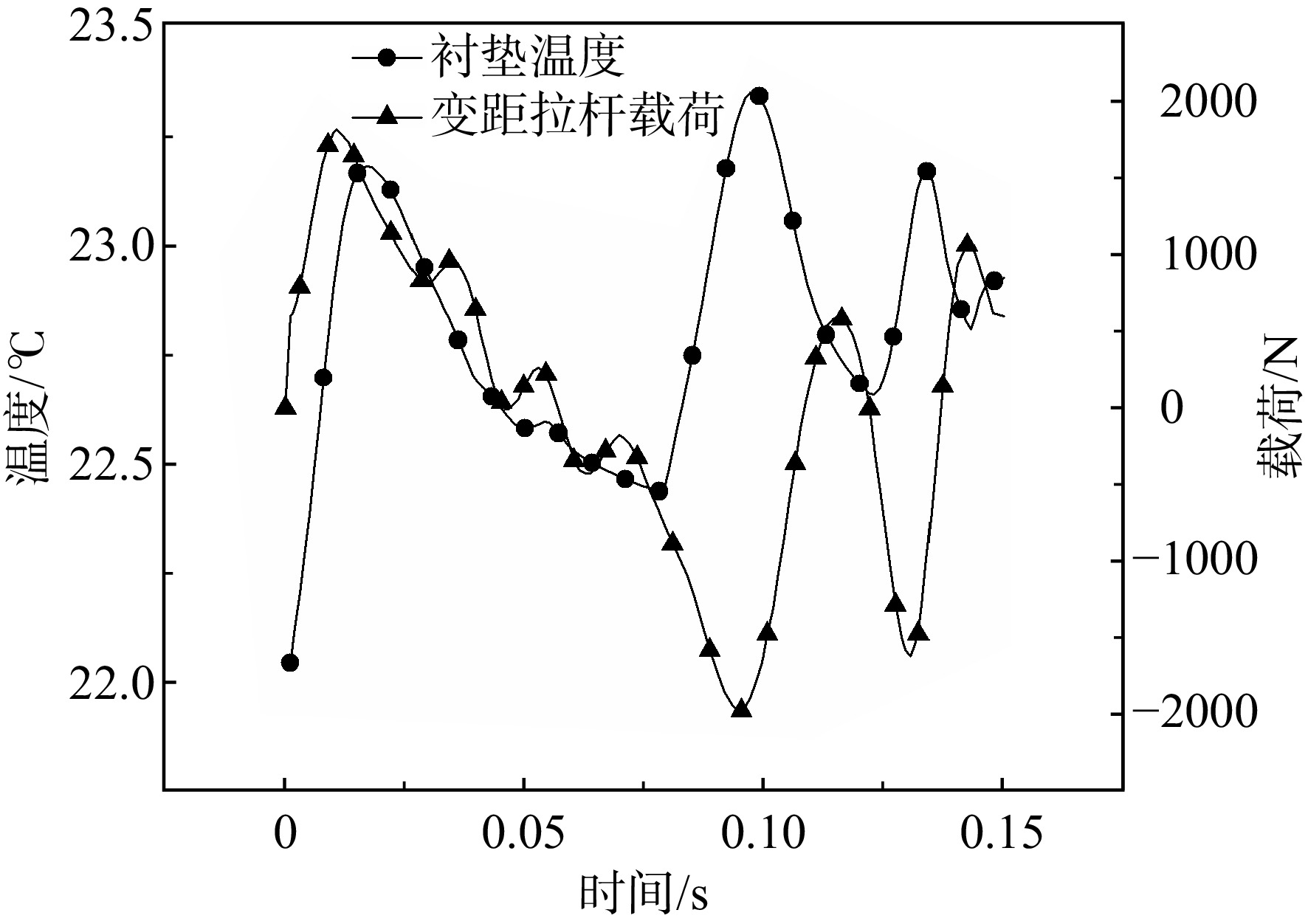
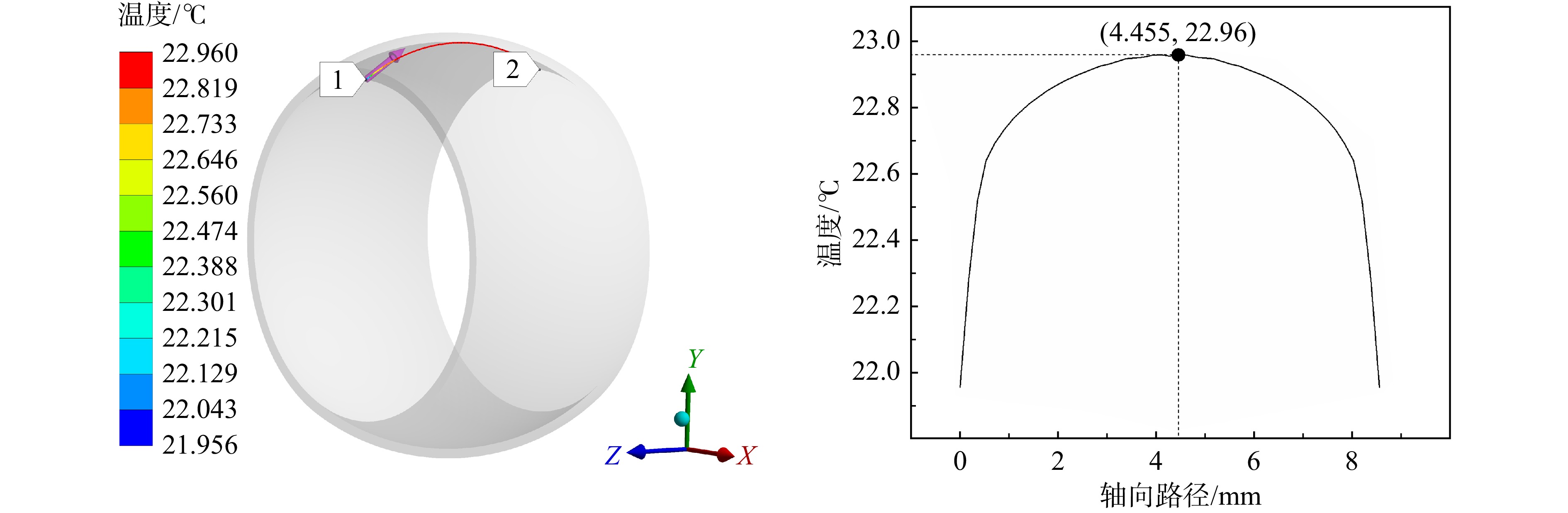
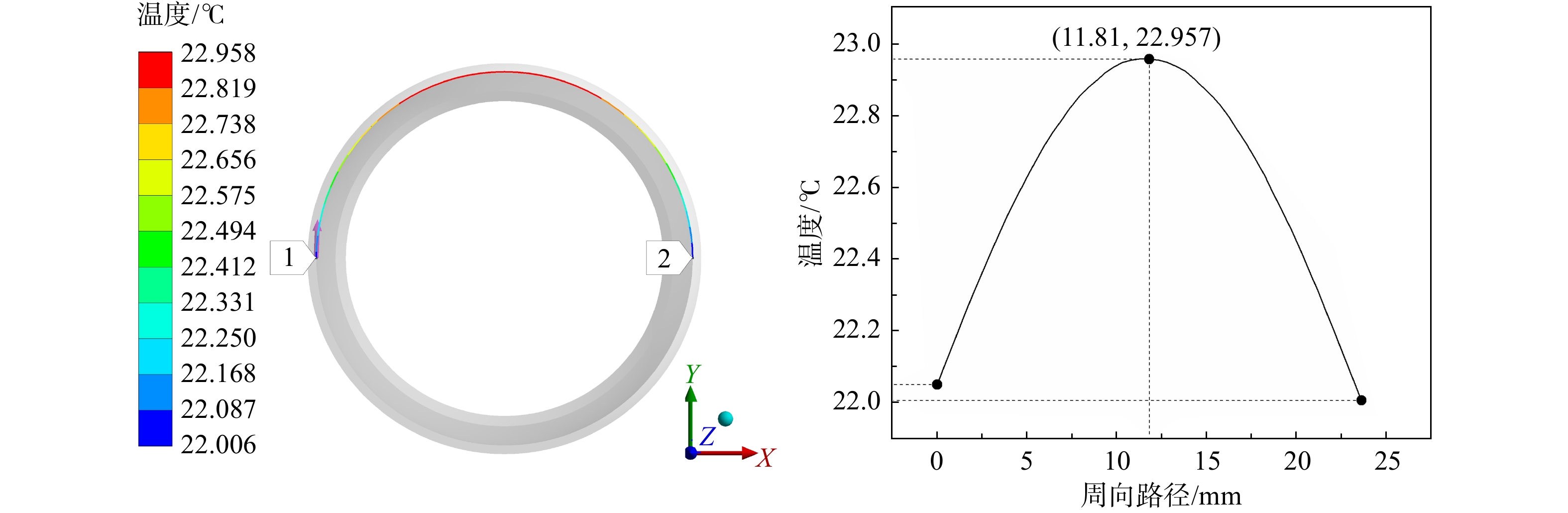
The thermal-structural coupling model of the self-lubricating joint bearings on the main rotor of the helicopter was established subjecting to frictional thermal simulation analysis under the measured load history. Then, the dynamic mechanical response characteristics of the bearing and the temperature changes of the inner ring and the liner were obtained. The bearing equivalent stress, contact stress and maximum deformation under thermal-structural coupling analysis and transient dynamic analysis were compared. The results showed that when the bearing started to rotate, its velocity and acceleration curve fluctuated greatly before they tended to stabilize. During the whole cycle, the highest temperature of the bearing occurred mainly at the intersection of the inner ring and the liner along the radial load direction, with a calorific value of 1.4603 W. At the same time, the temperature of the liner was consistently higher than that of the inner ring. Compared with transient dynamics, the existence of frictional heat increased the equivalent stress, contact stress and deformation.

Parameter design and application of turbofan engine nozzle feedback system
CUI Xiangmin, LIU Fan, SHAO Binbin, MA Jian, GUO Lei, LI Qi
2025, 40(2): 20220537. doi: 10.13224/j.cnki.jasp.20220537
Abstract:

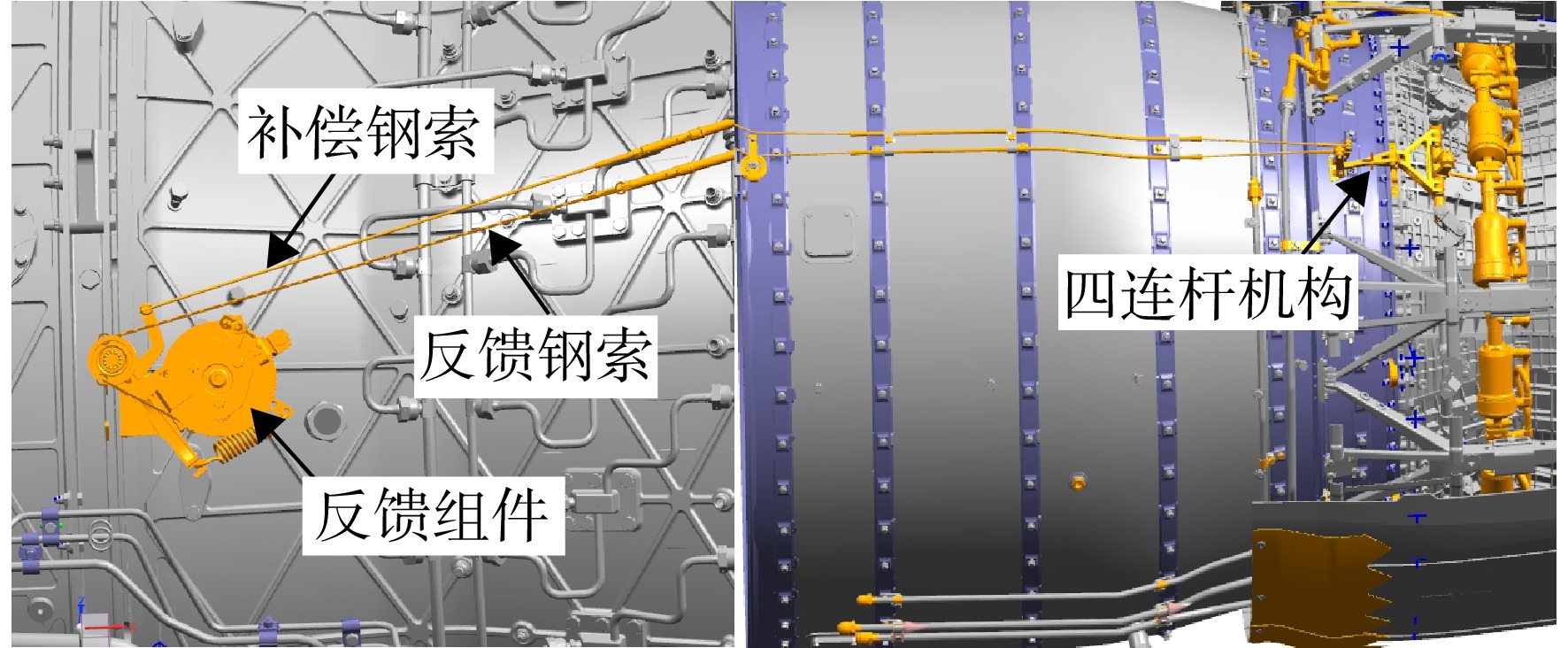
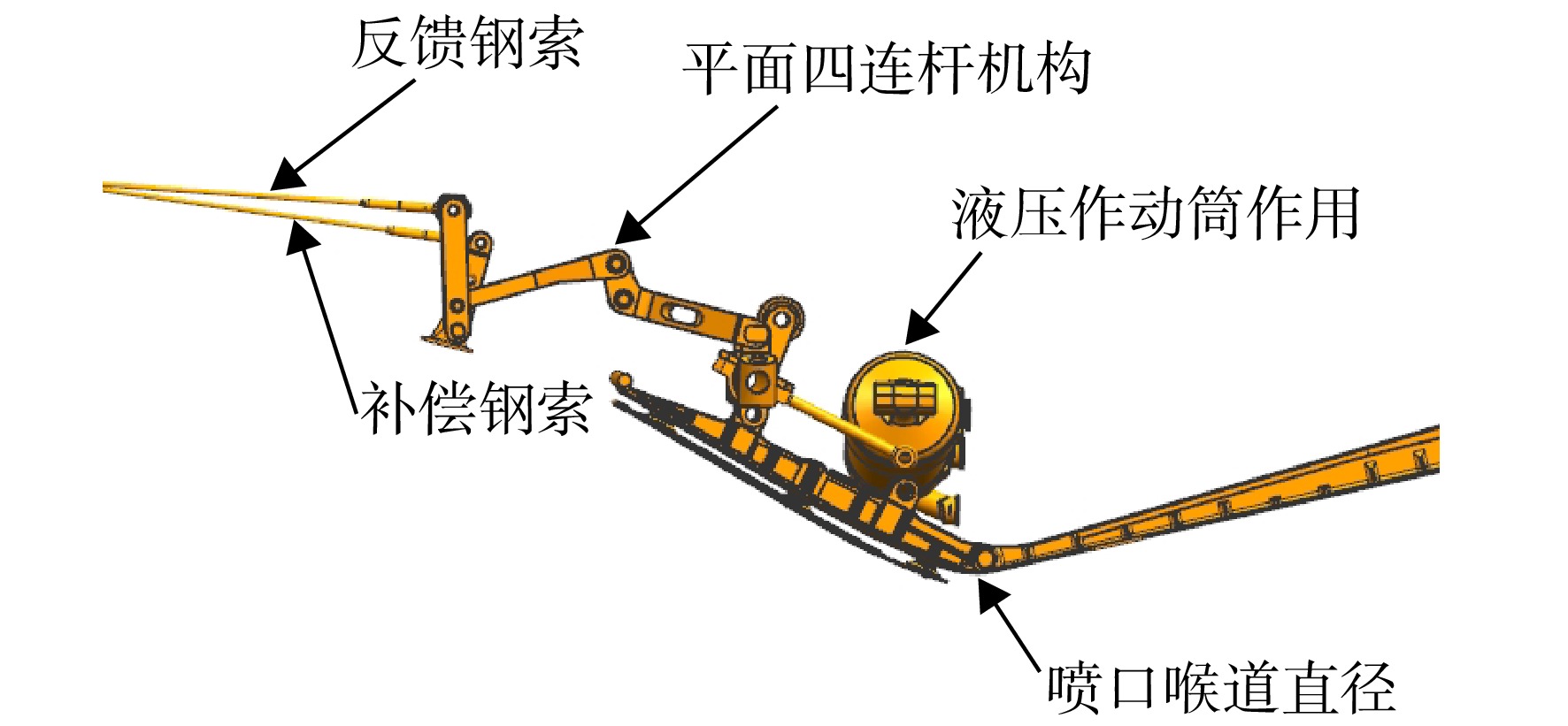
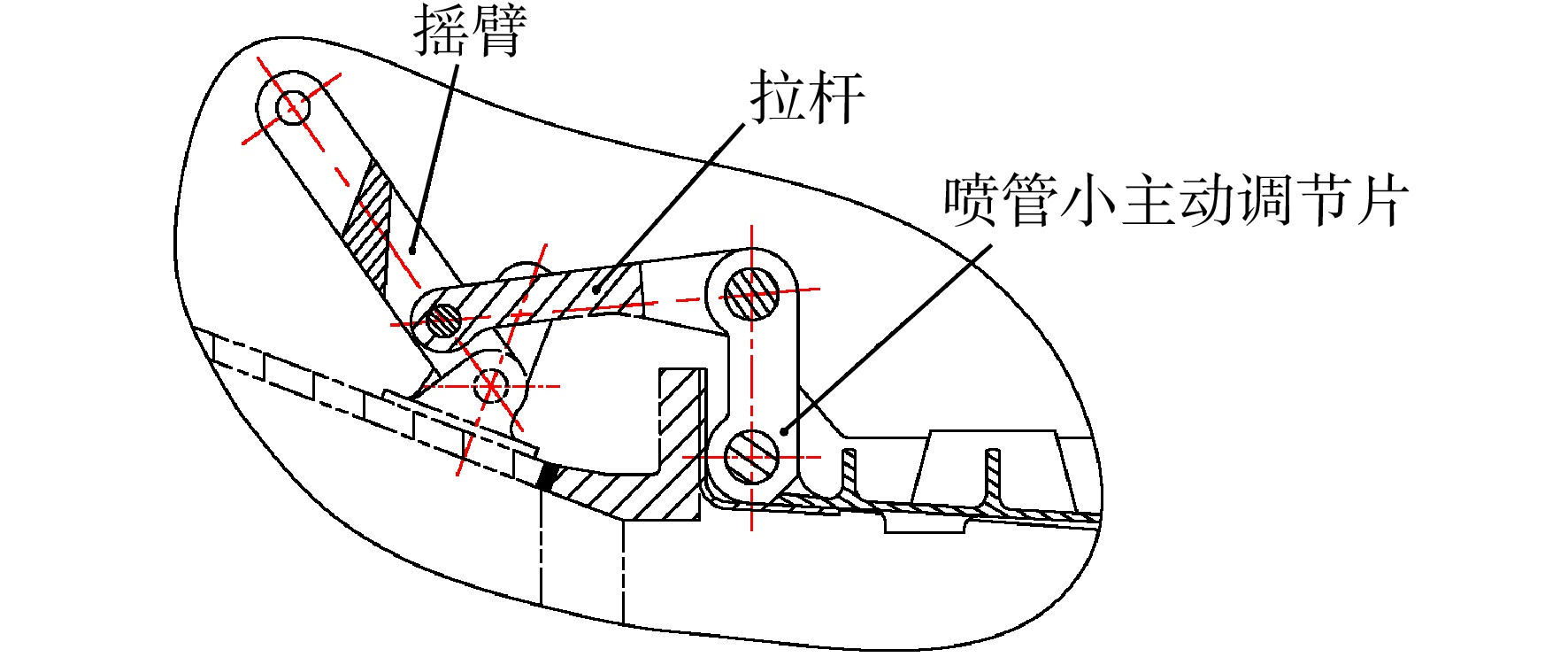
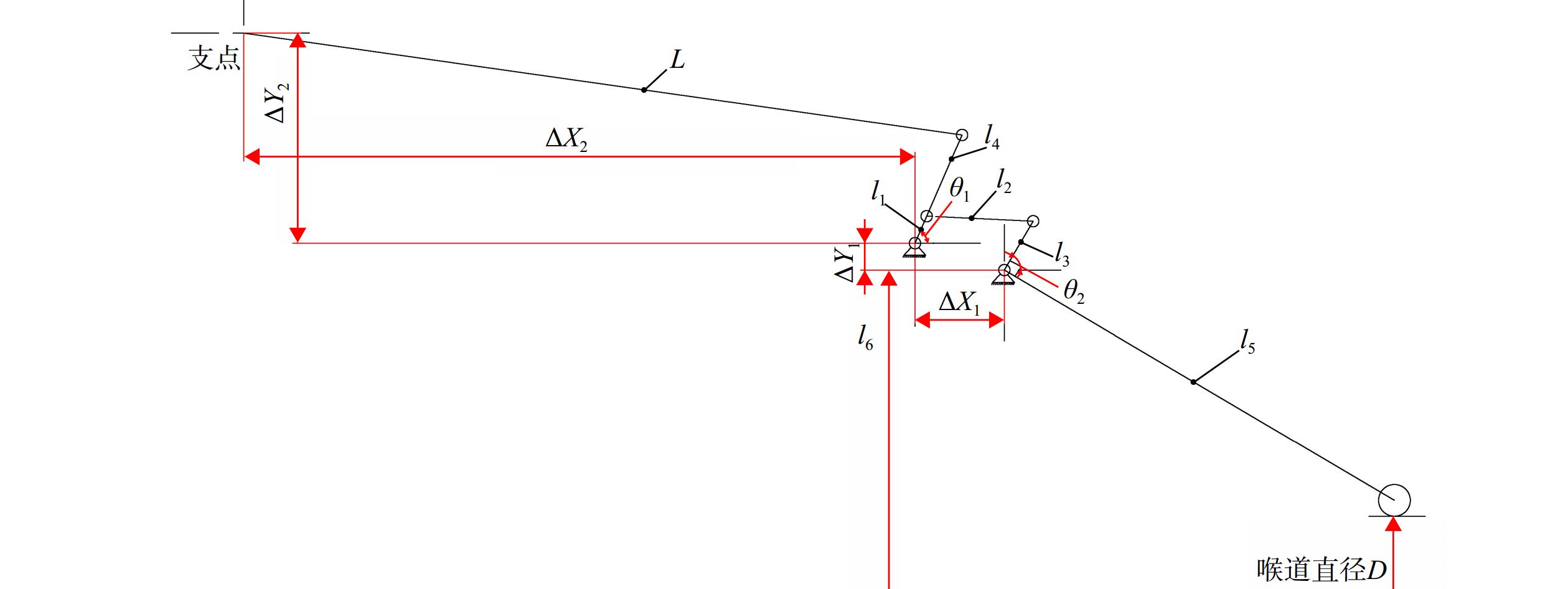
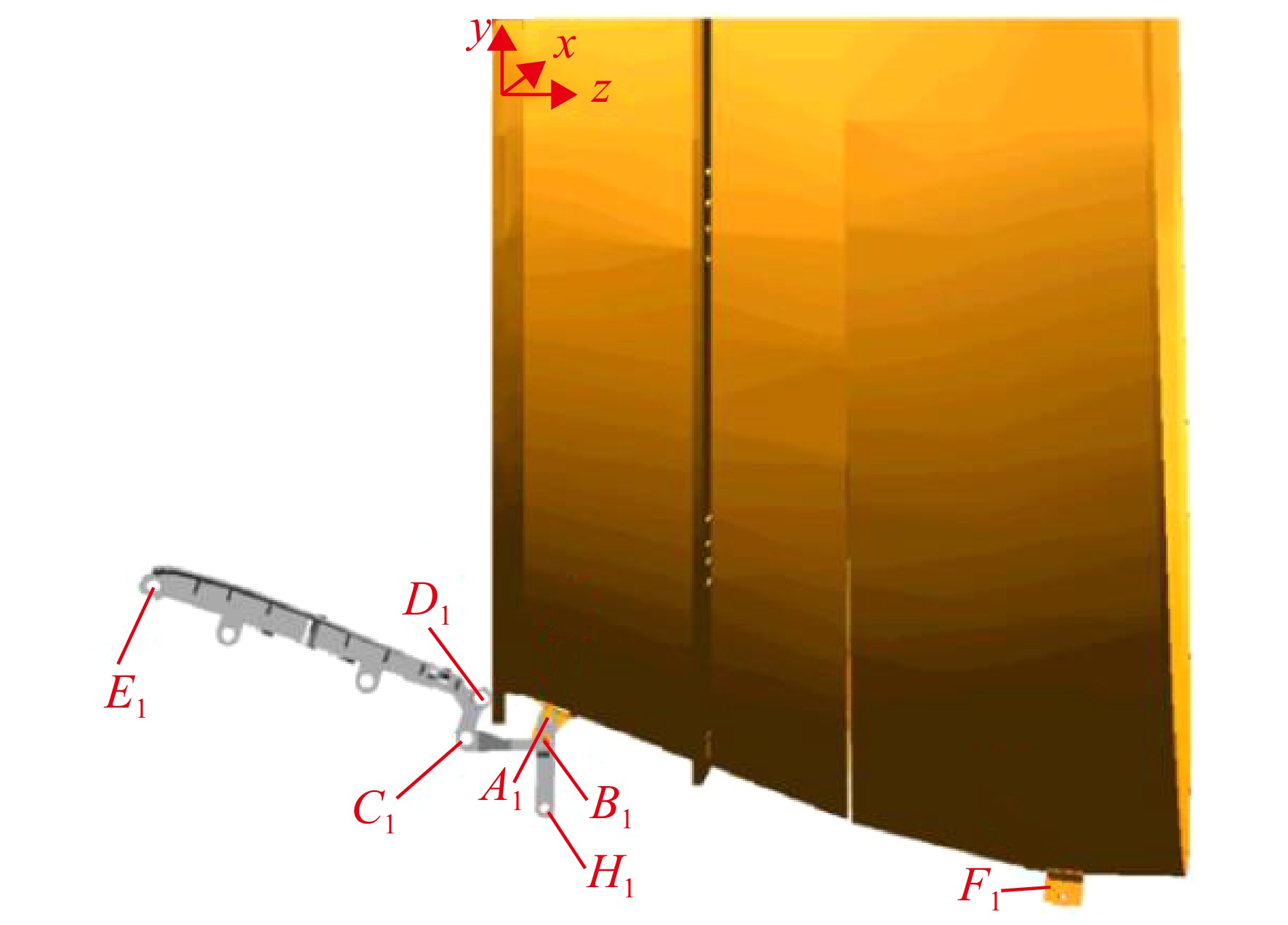
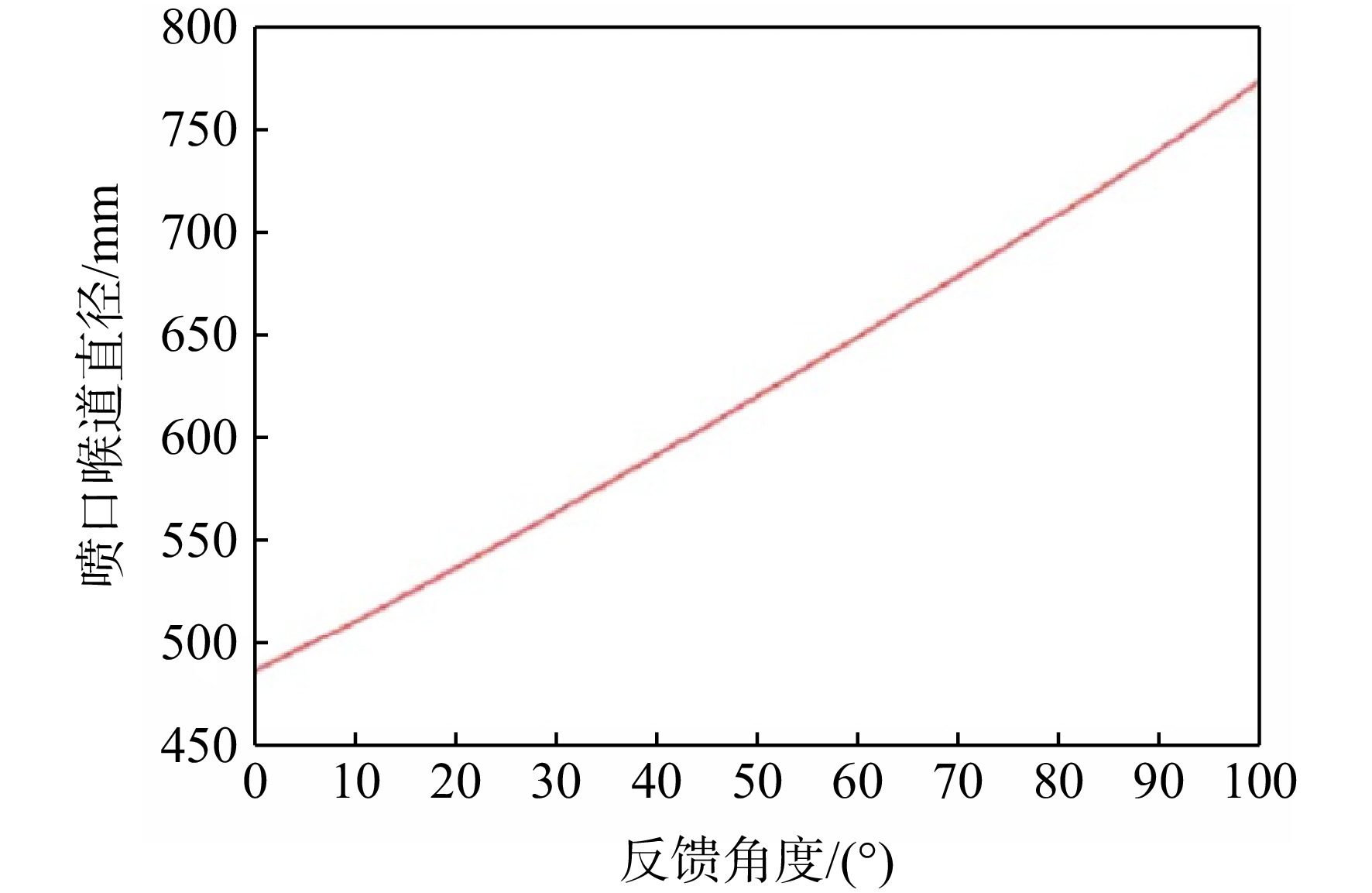
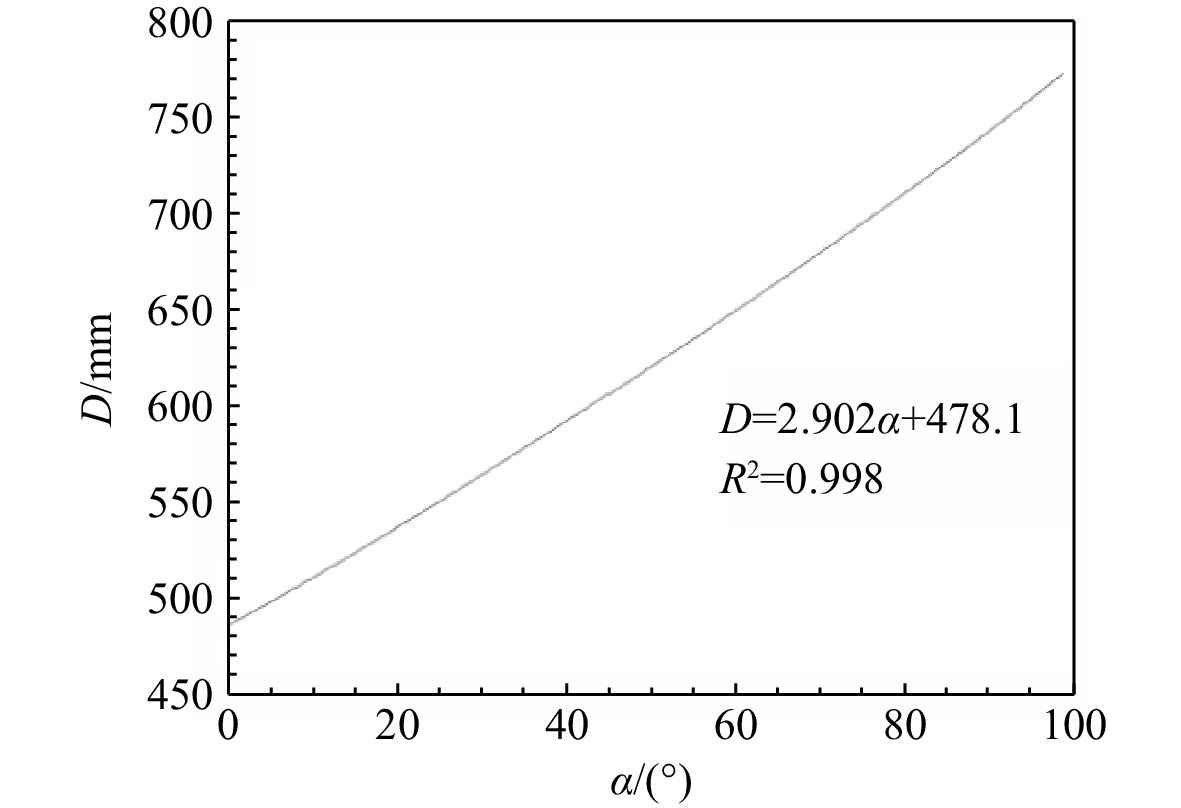
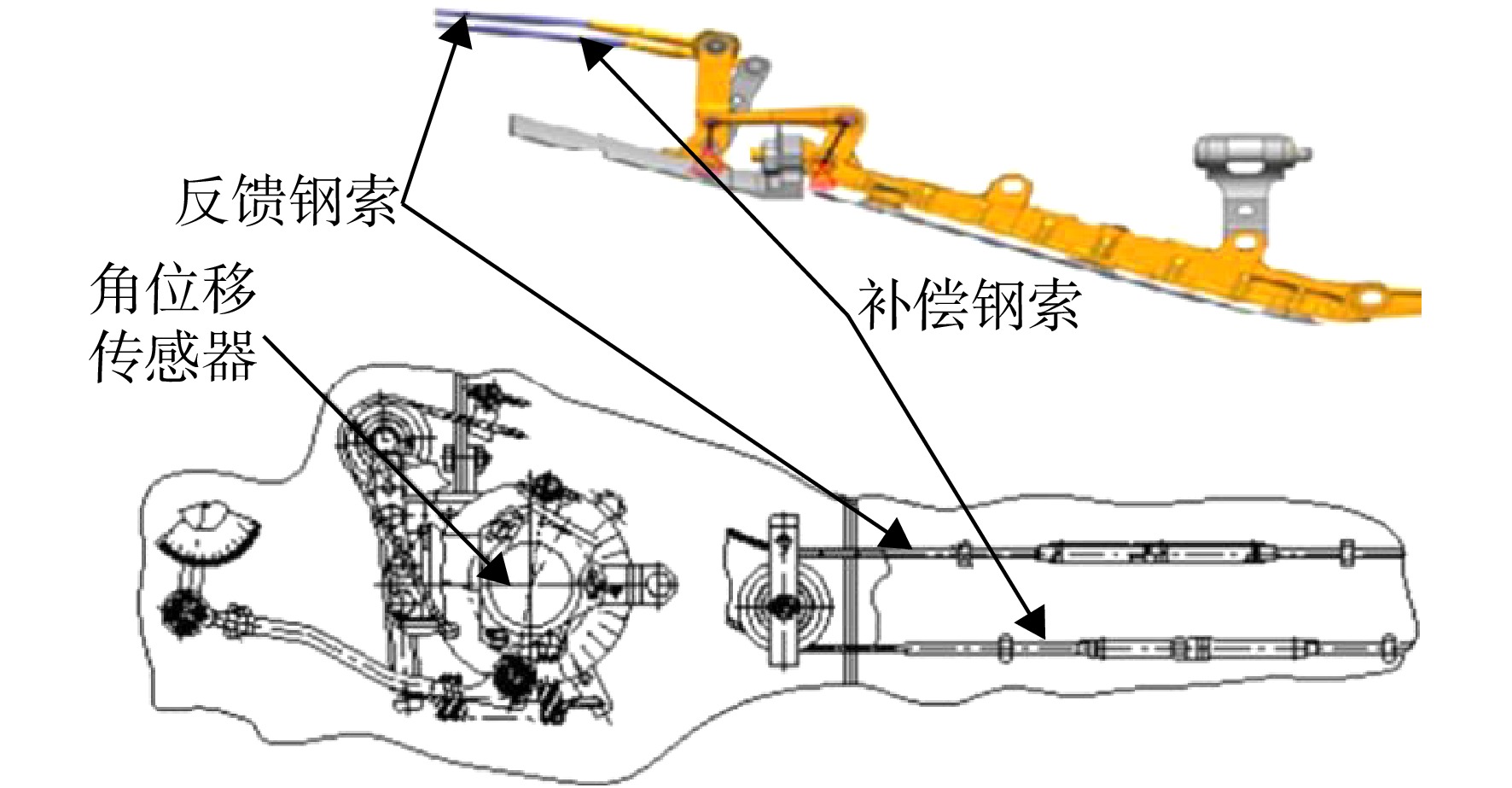
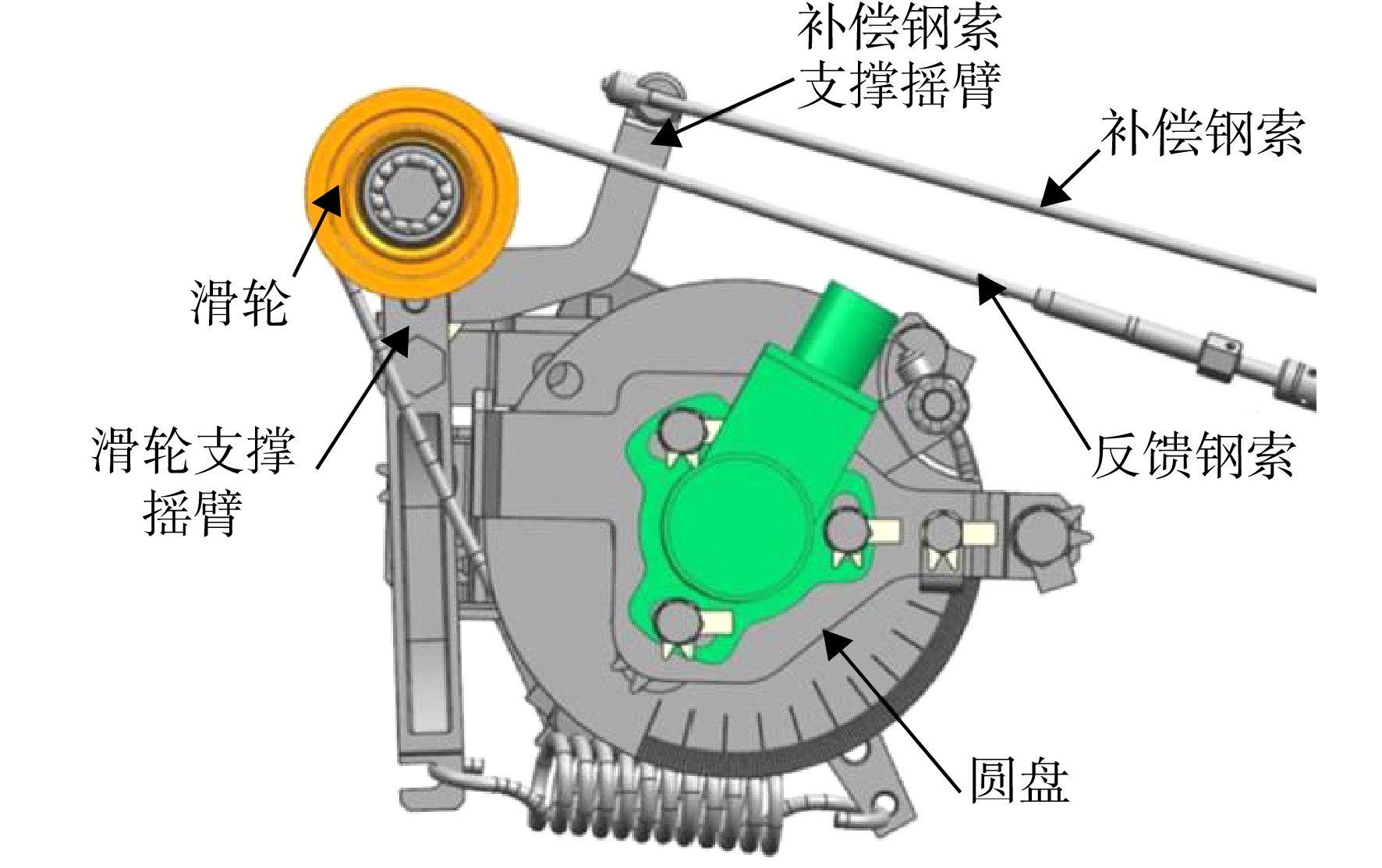
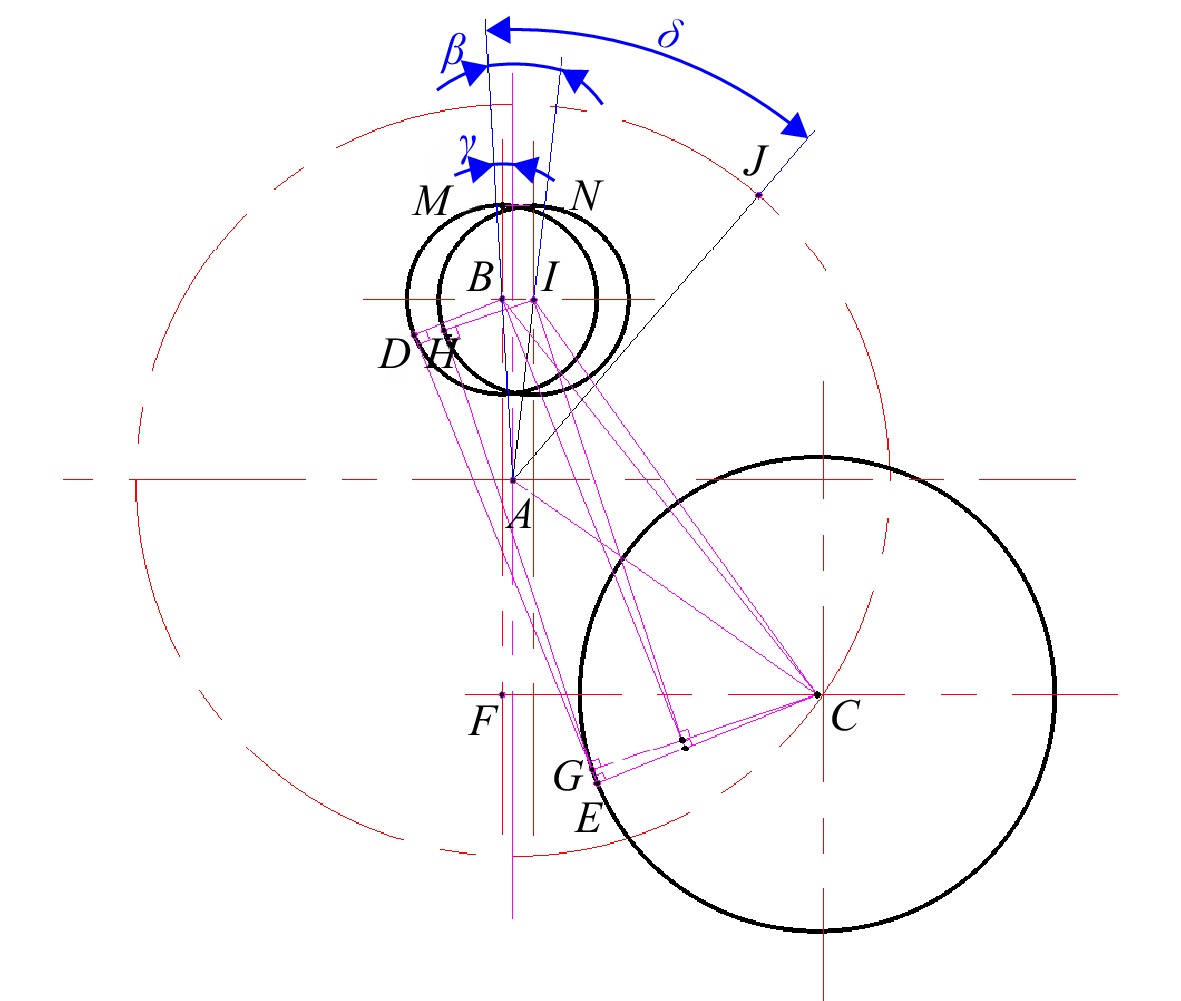
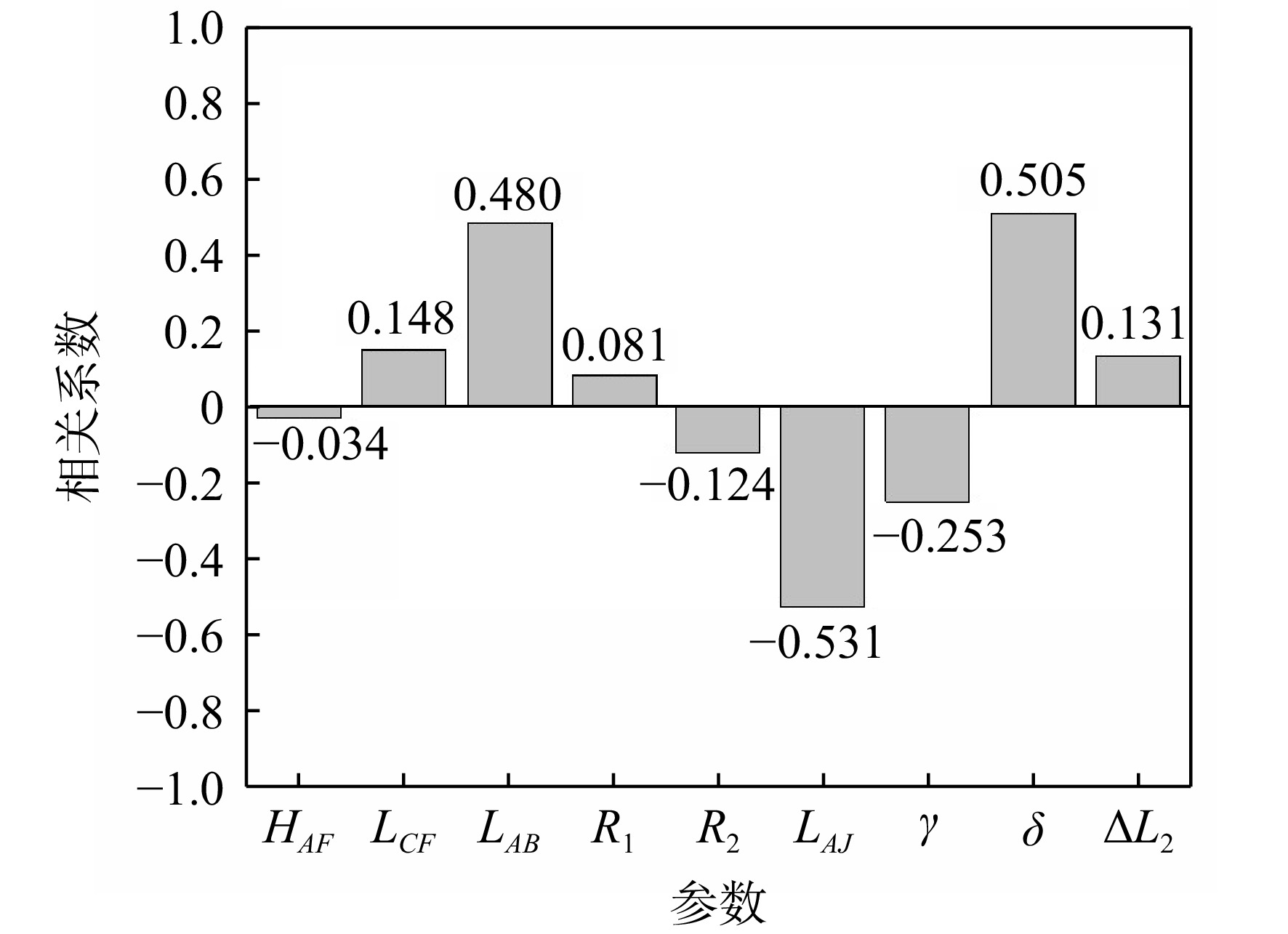
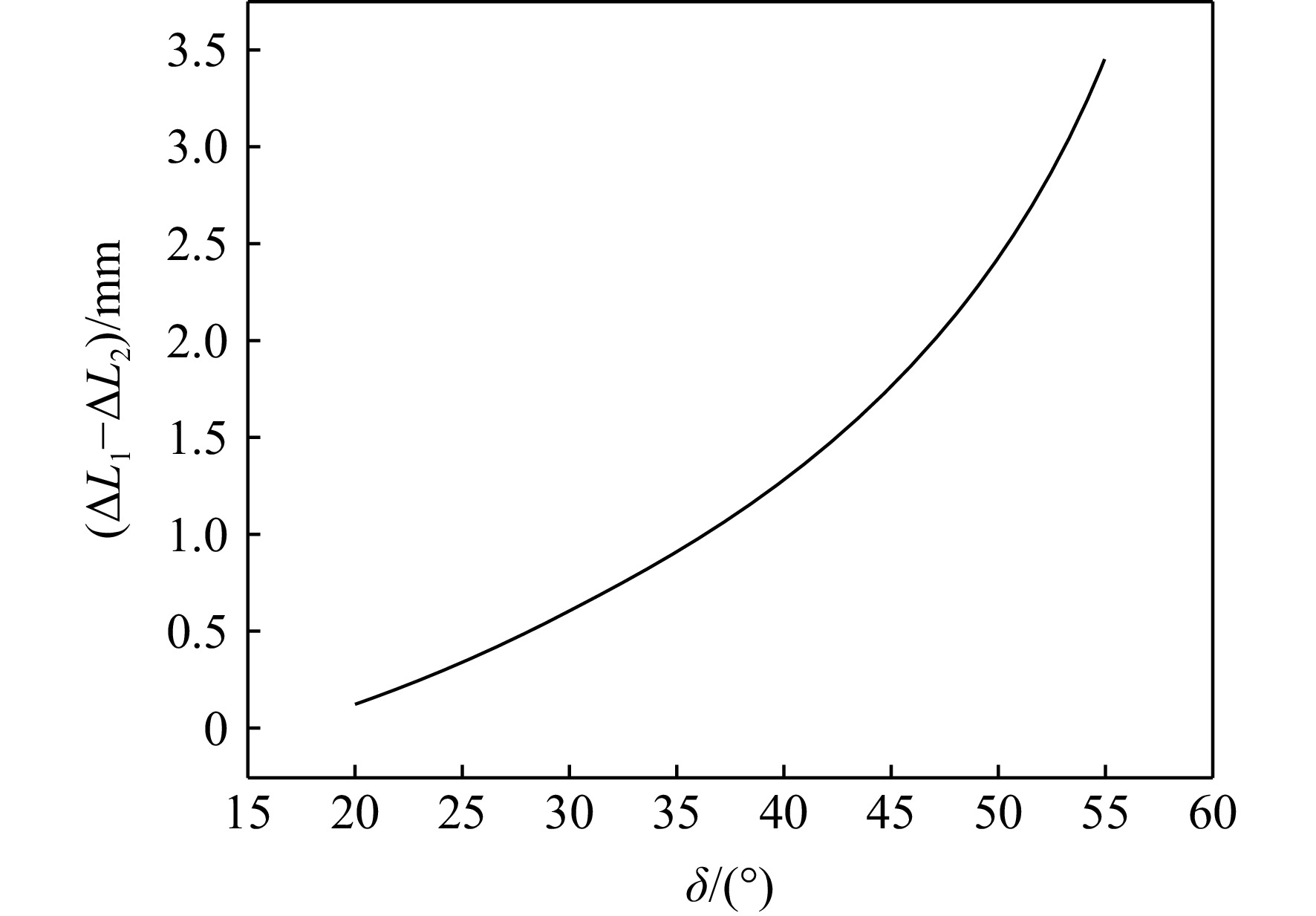
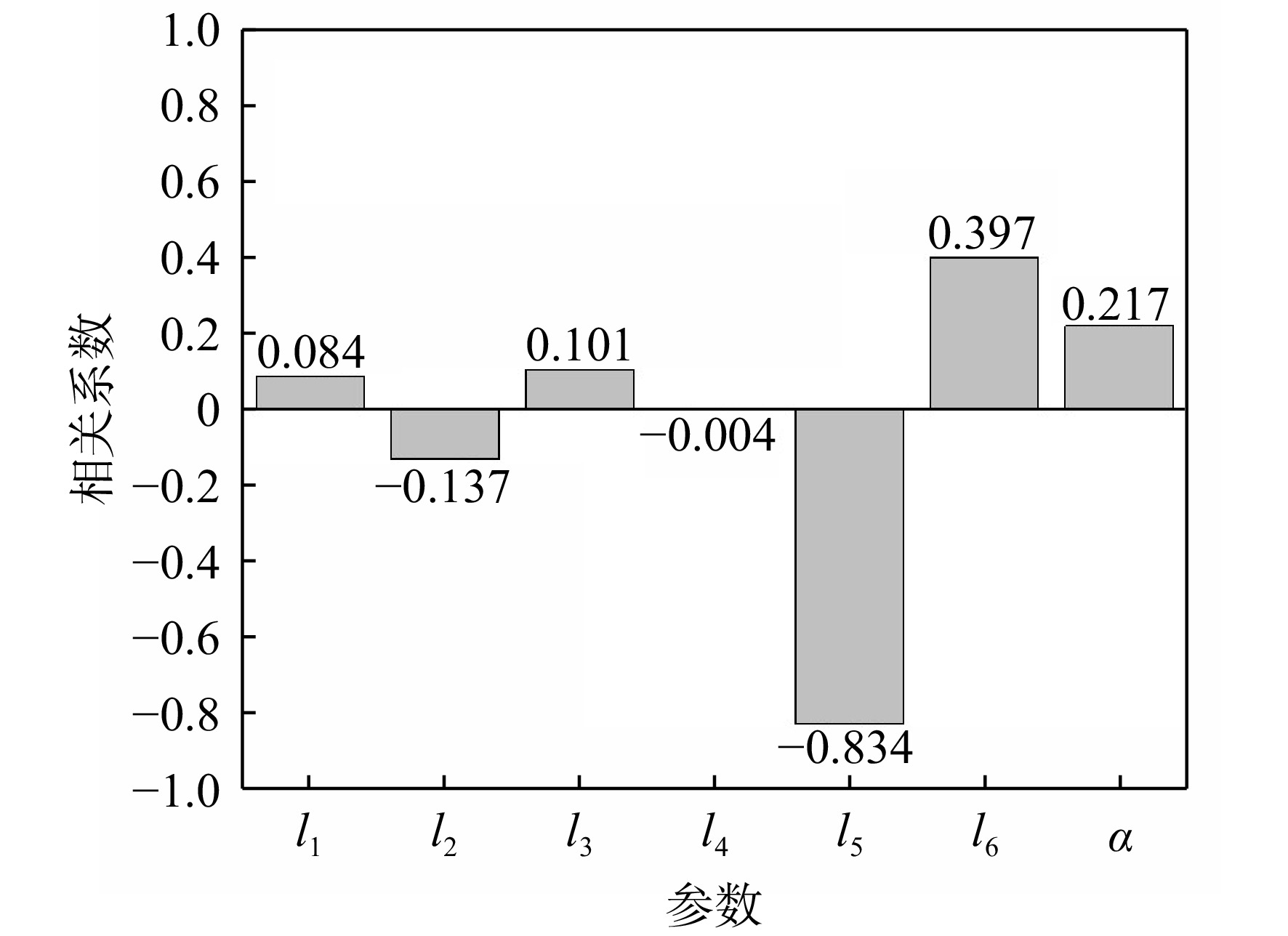
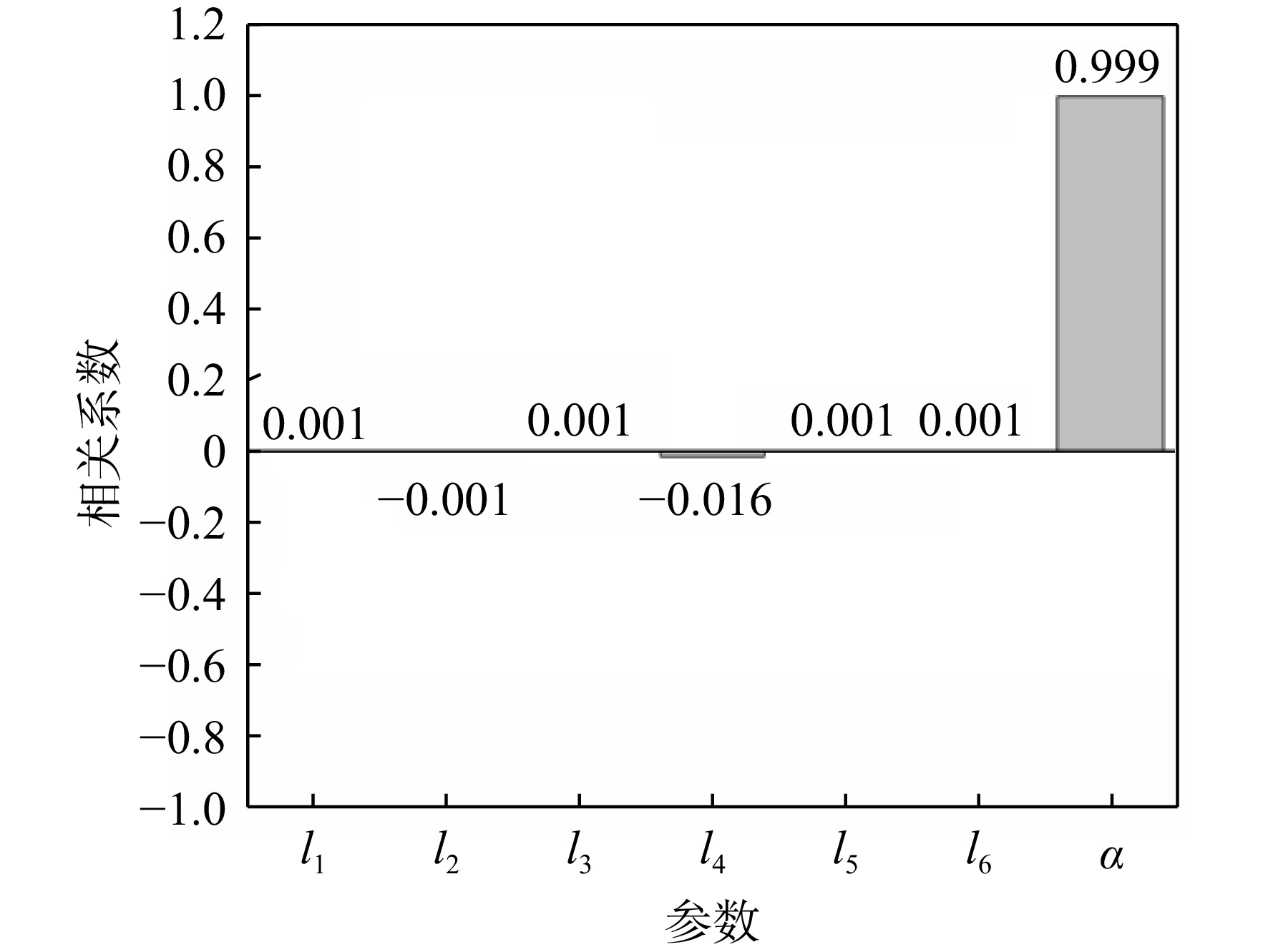
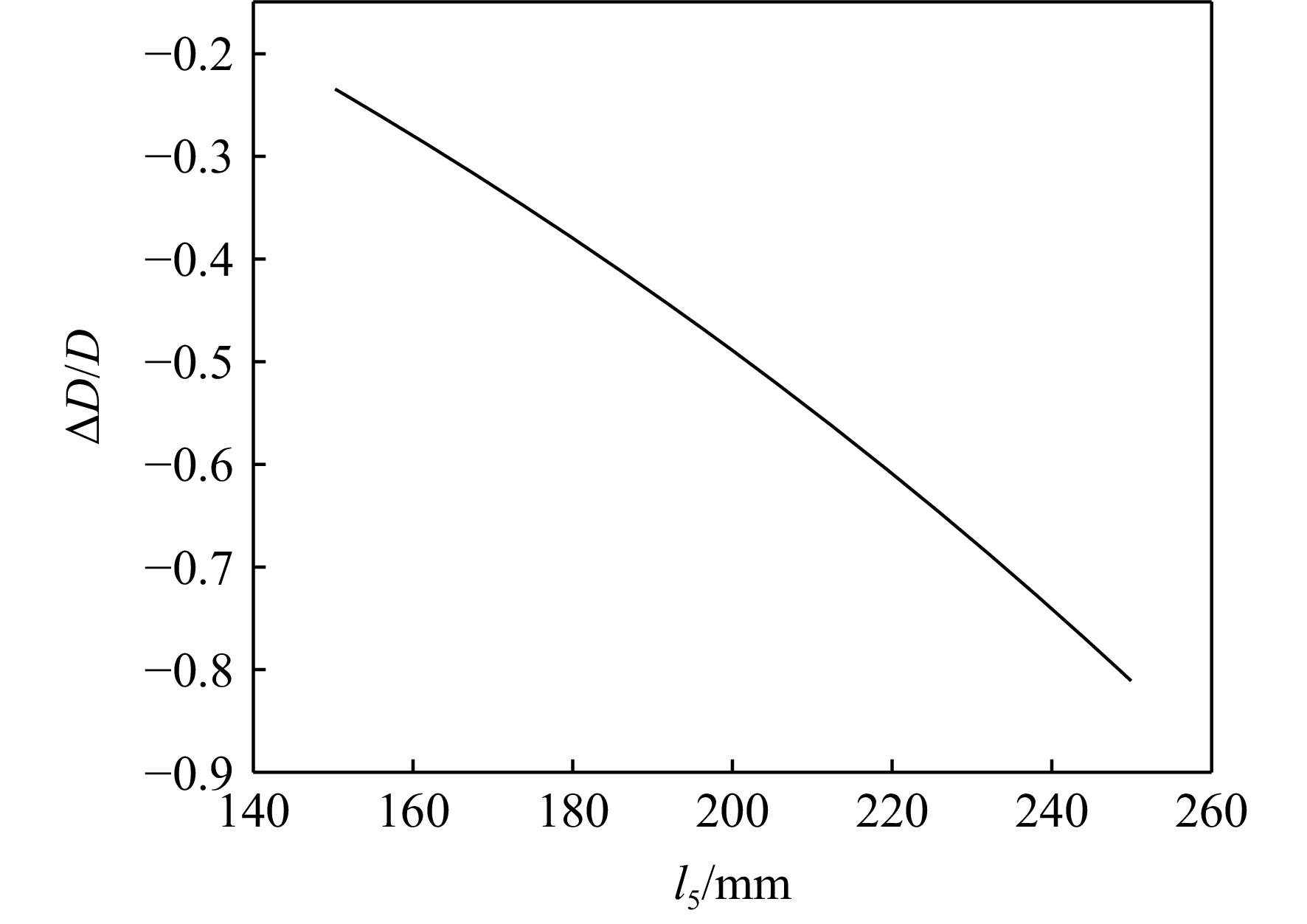
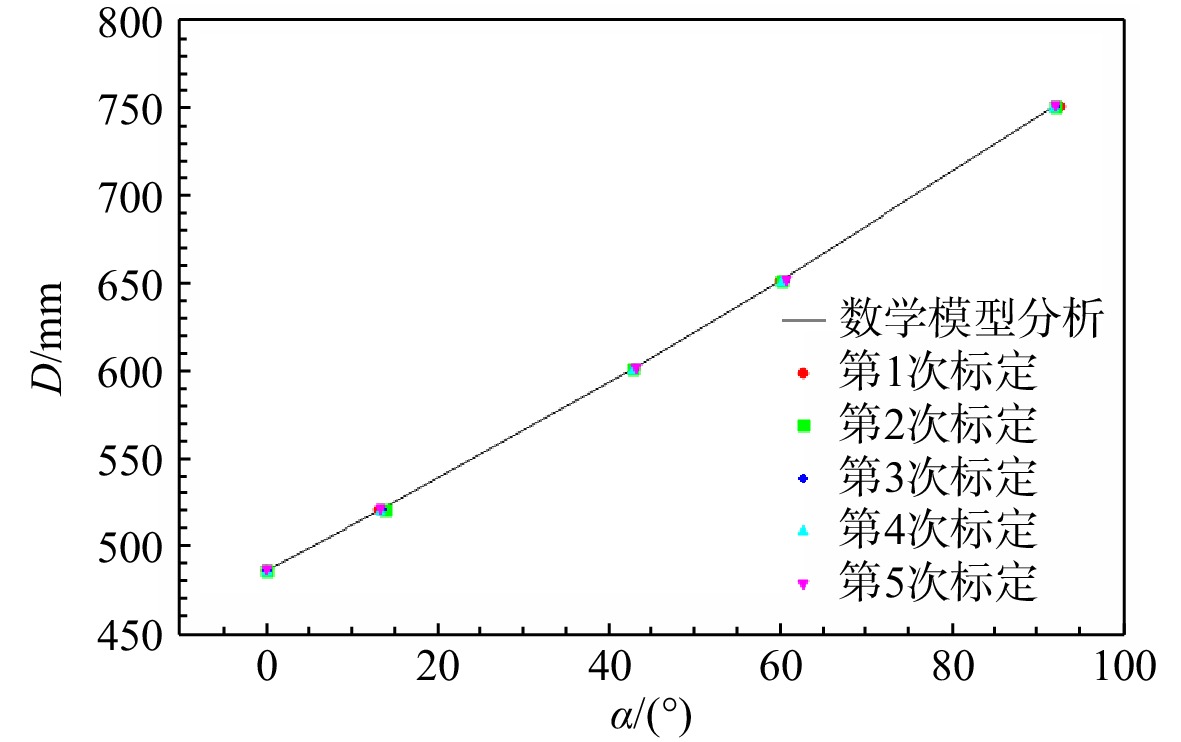
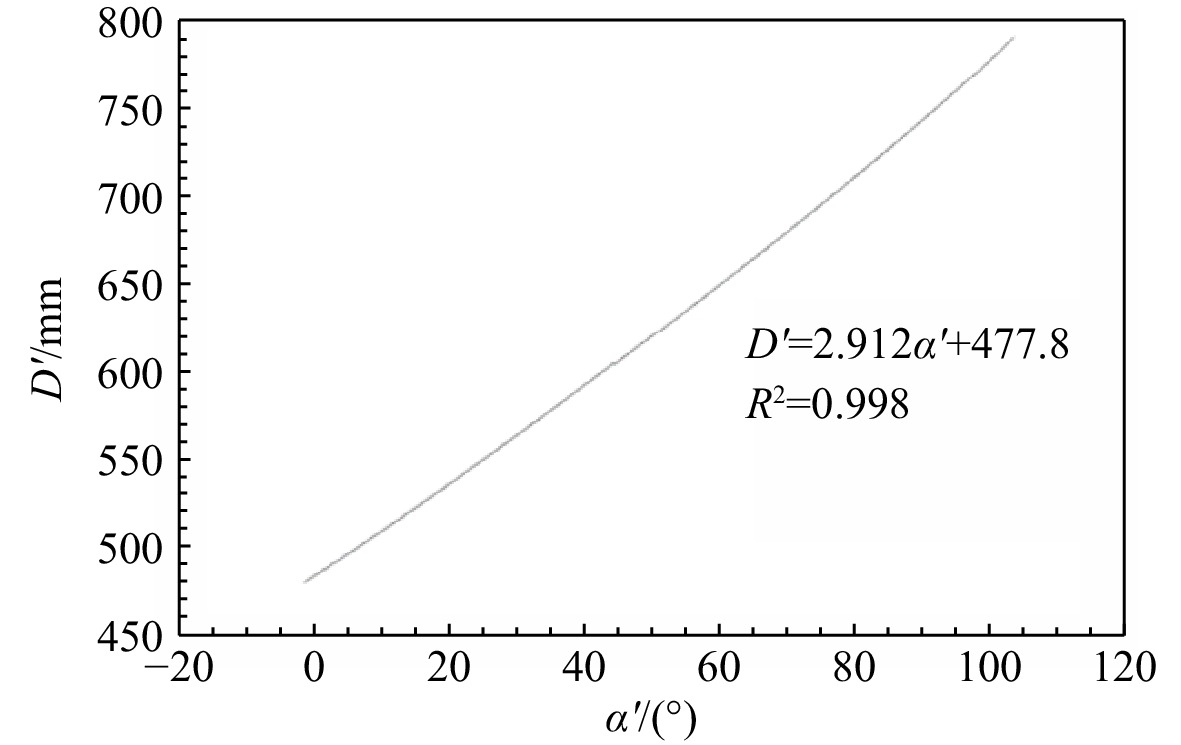
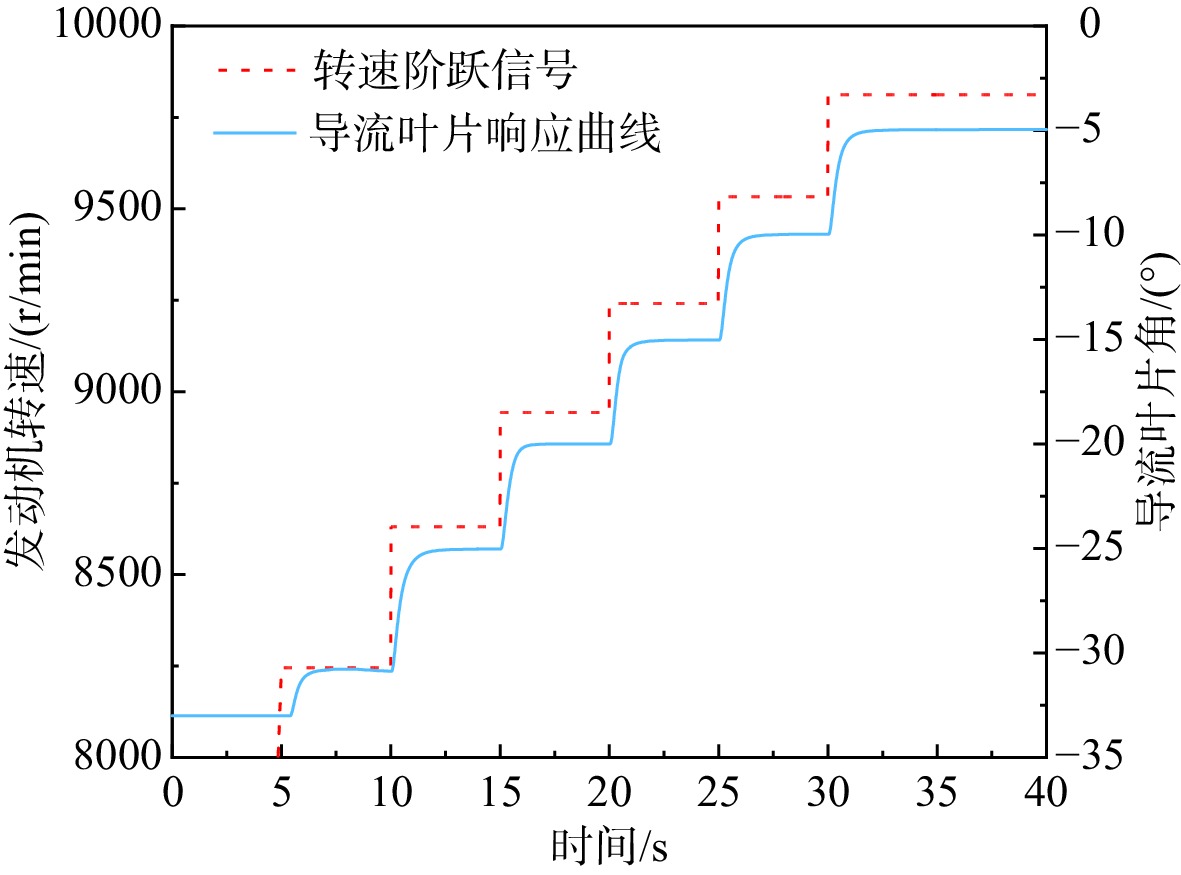
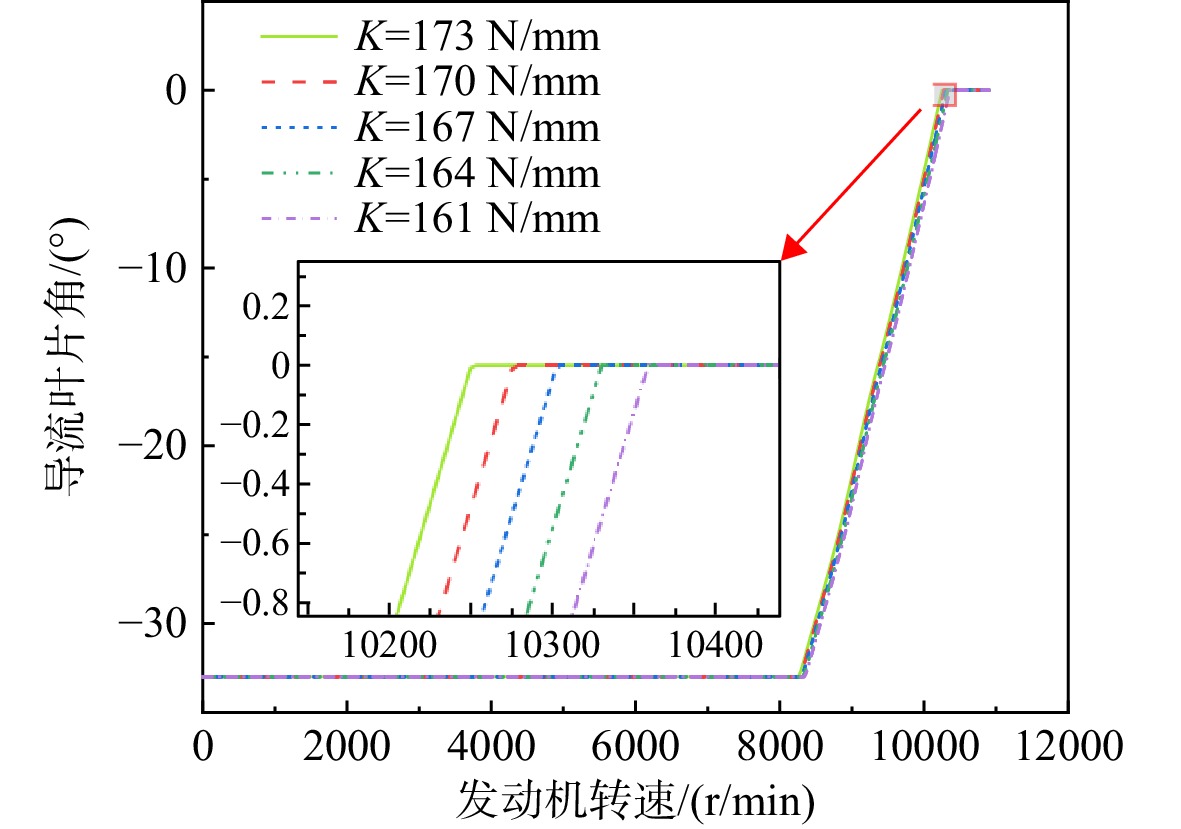
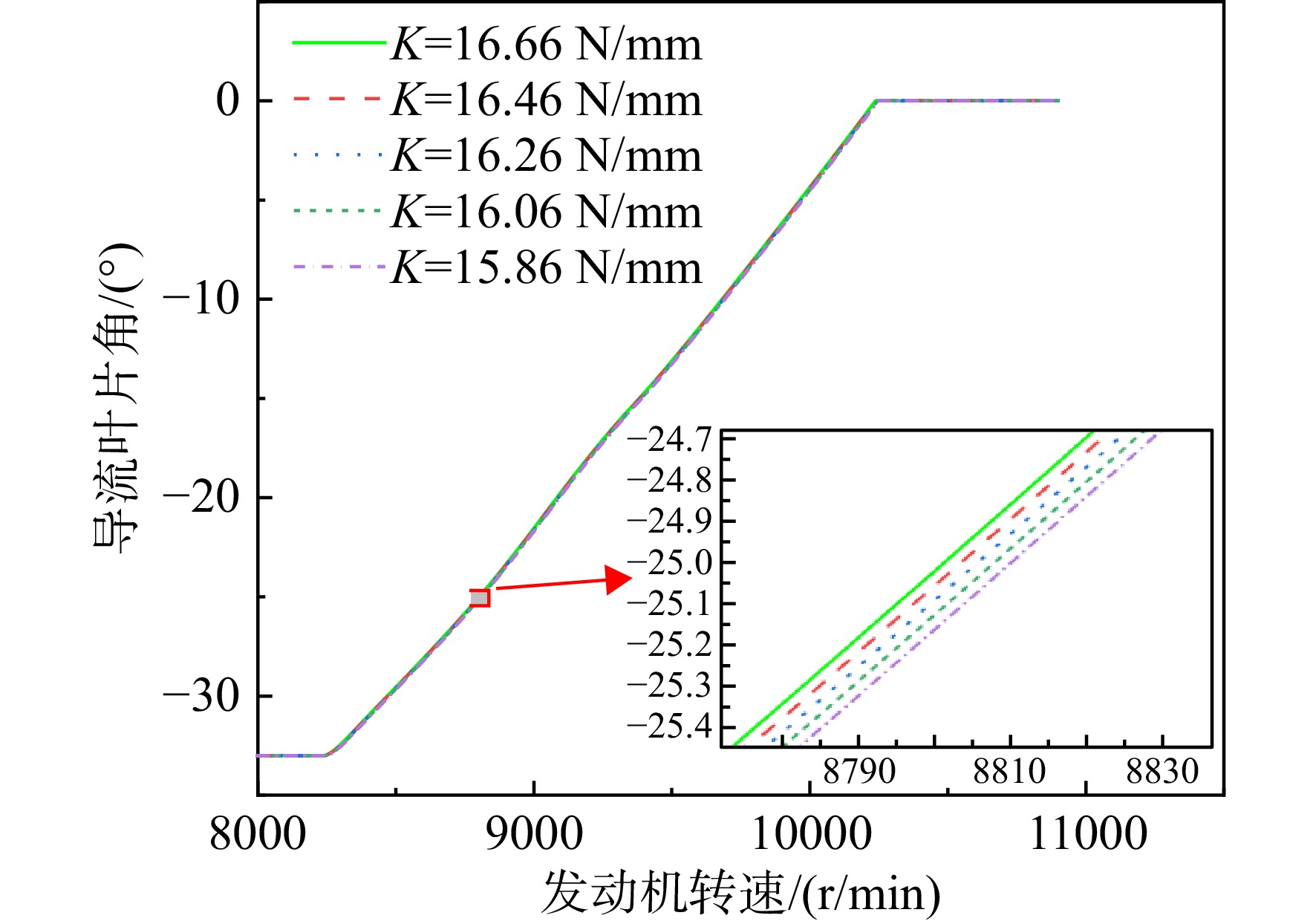
In order to ensure the real-time feedback accuracy of the nozzle feedback system during the working process of the turbofan engine, the mathematical model of hot and cold states was established by motion analysis for reasonable design of the nozzle feedback system parameters, and the Spearman rank correlation coefficient method was used to analyze the sensitivity of the nozzle feedback system parameters. The method of parameter design was put forward and verified by engineering application. Results showed that the relationship between nozzle throat diameter and feedback angle was linear in the process of nozzle feedback system. The distance from the support point of the compensation to the support point of the pulley, the angle between the pulley support rocker arm and the feedback support rocker arm, and the distance from the initial center of the pulley to the pulley support hinge point constituted the main parameters affecting the real-time feedback accuracy of the nozzle feedback system, and the influence of the three parameters was similar. The optimal solution of the parameters can be found to ensure the real-time feedback accuracy of the nozzle feedback system through global optimization using the established parameter design method. The application of this research result on a certain type of aero-engine showed a high consistency of the linear relationship between the nozzle throat diameter and the feedback angle (the difference in nozzle throat area was within 0.17% at the same feedback angle), which can effectively ensure the real-time feedback accuracy of the nozzle feedback system, verifying the rationality and effectiveness of the parameter design method for the nozzle feedback system.

Improved fatigue design method and experimental verification of low-pressure turbine shaft
RAO Yunsong, WANG Xuemin, LI Fangjuan, GU Yuanxing, GUO Jianying, XU Jingpei
2025, 40(2): 20230124. doi: 10.13224/j.cnki.jasp.20230124
Abstract:

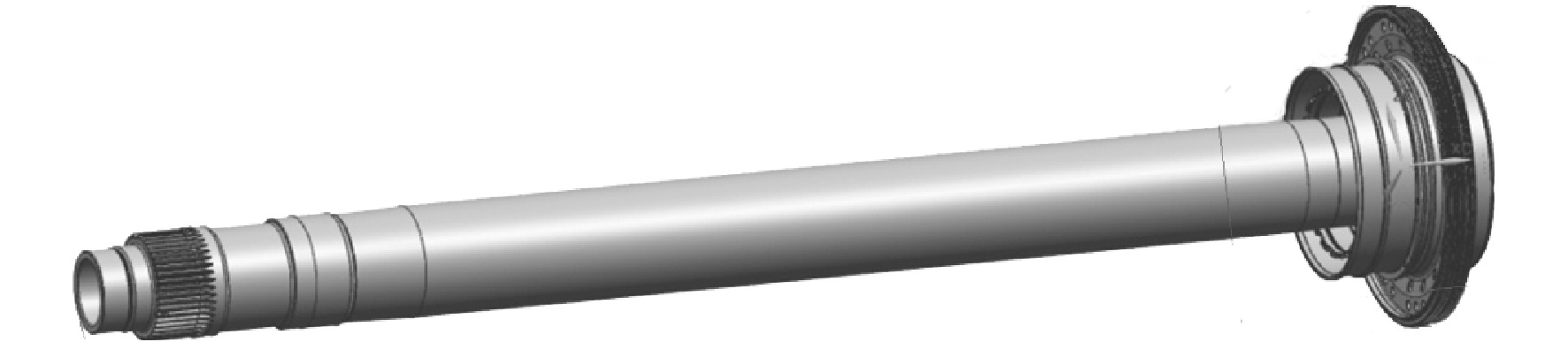
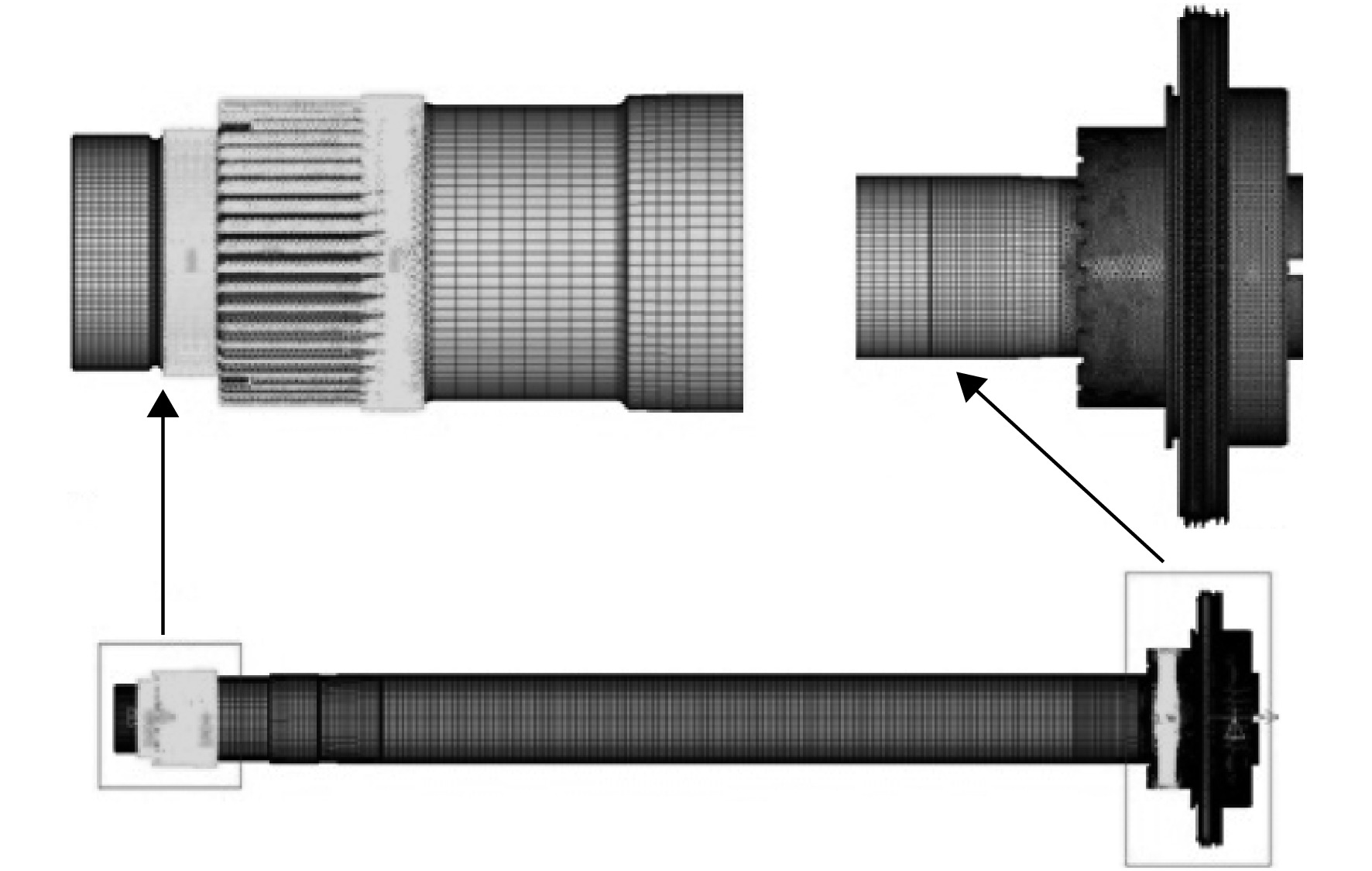
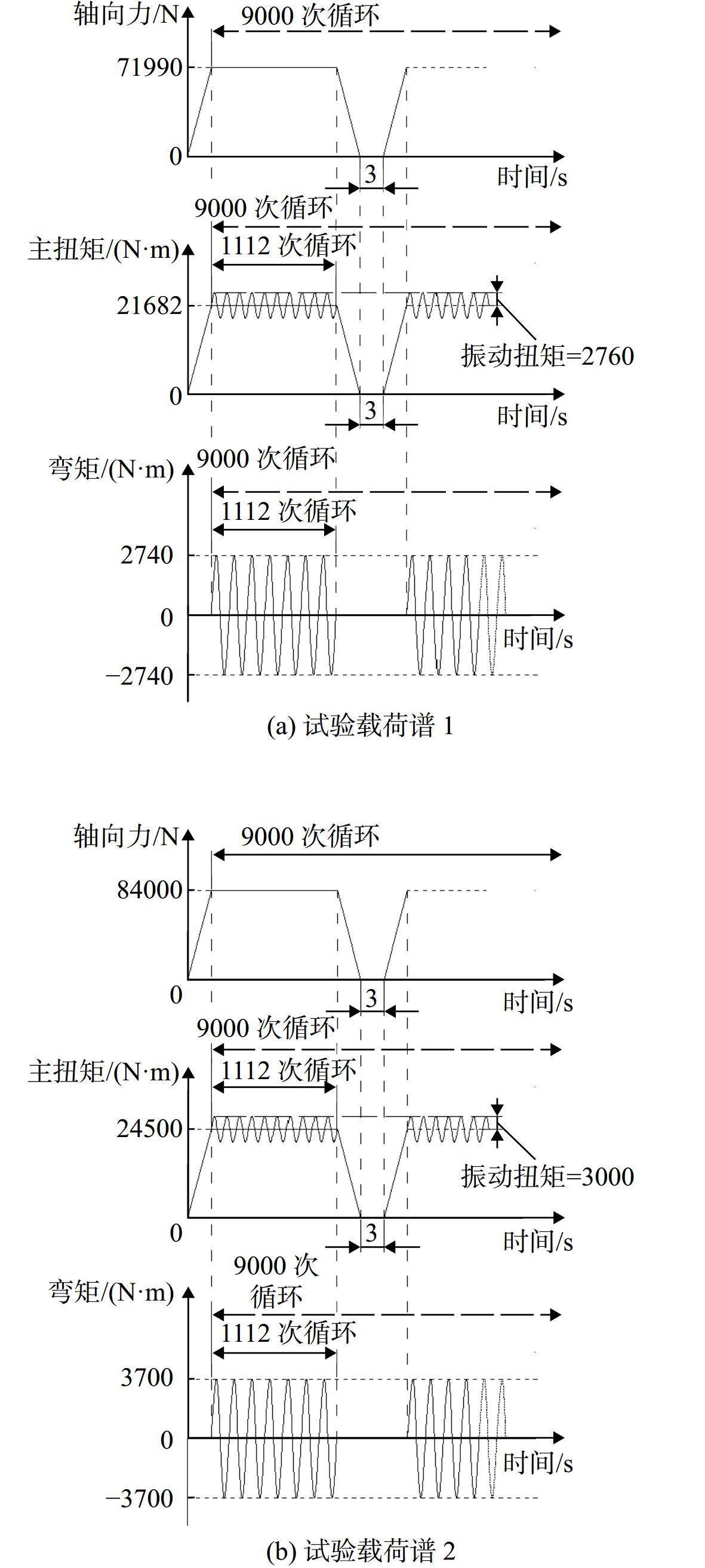
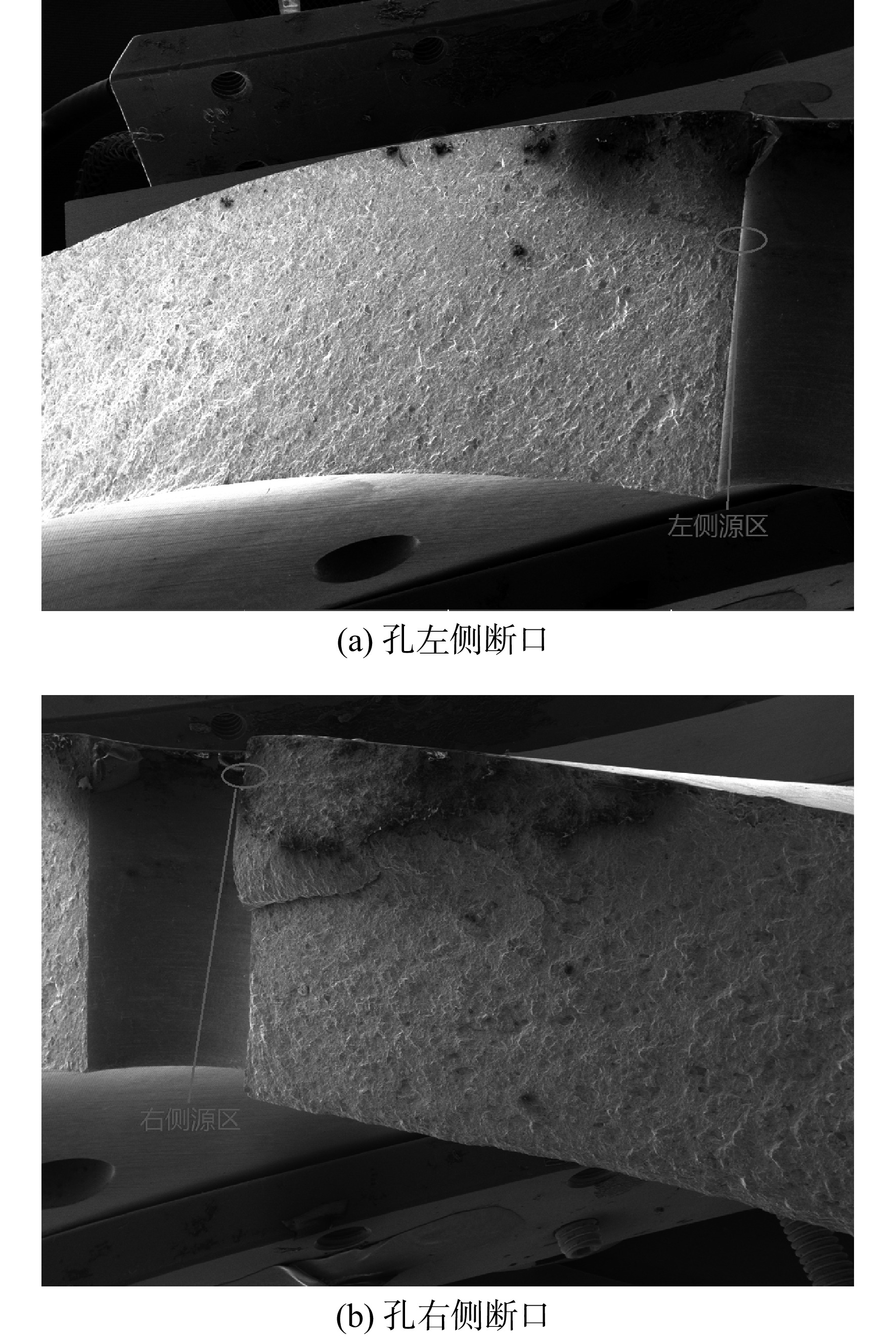
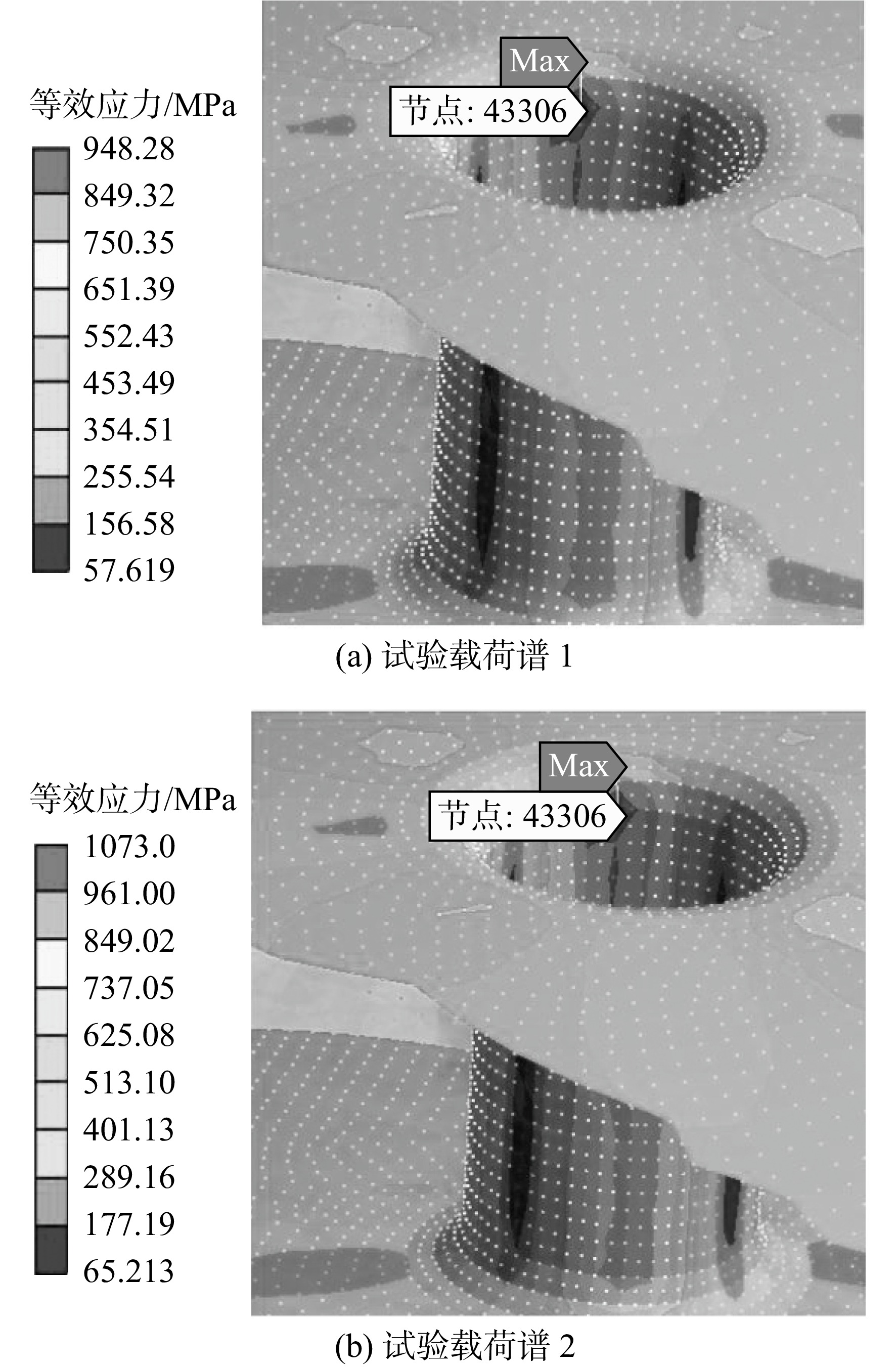
Two traditional methods of nominal stress method for shaft high-low cycle combined fatigue design were summarized: large torque equivalent steady-state shear stress method and multi-axis equivalent stress method. These two traditional methods have the following limitations: the large torque equivalent steady-state shear stress method is only suitable for shaft parts with negligible bending moment load; and the multi-axis equivalent stress method is only suitable for fatigue reserve evaluation of parts with negligible stress concentration coefficient, but not for fatigue life and cumulative damage evaluation. Referring to the fatigue design methods in many related books, the advantages were refined while avoiding the disadvantages, an improved fatigue design method of shaft with wider application scope and more reasonable theoretical principle was put forward, which was then applied to the high-low cycle combined fatigue design of a low-pressure turbine shaft, and also the experimental verification. The results showed that the calculation results of this improved method coincided with the phenomena of the two-stage test, and the fatigue damage deviation was 12.6%, which was significantly better than that of the traditional method (84.7%), and met the engineering needs of the life analysis results within 2 times the scattering error control (i.e., error range: −50%—100%) of the usual requirements.

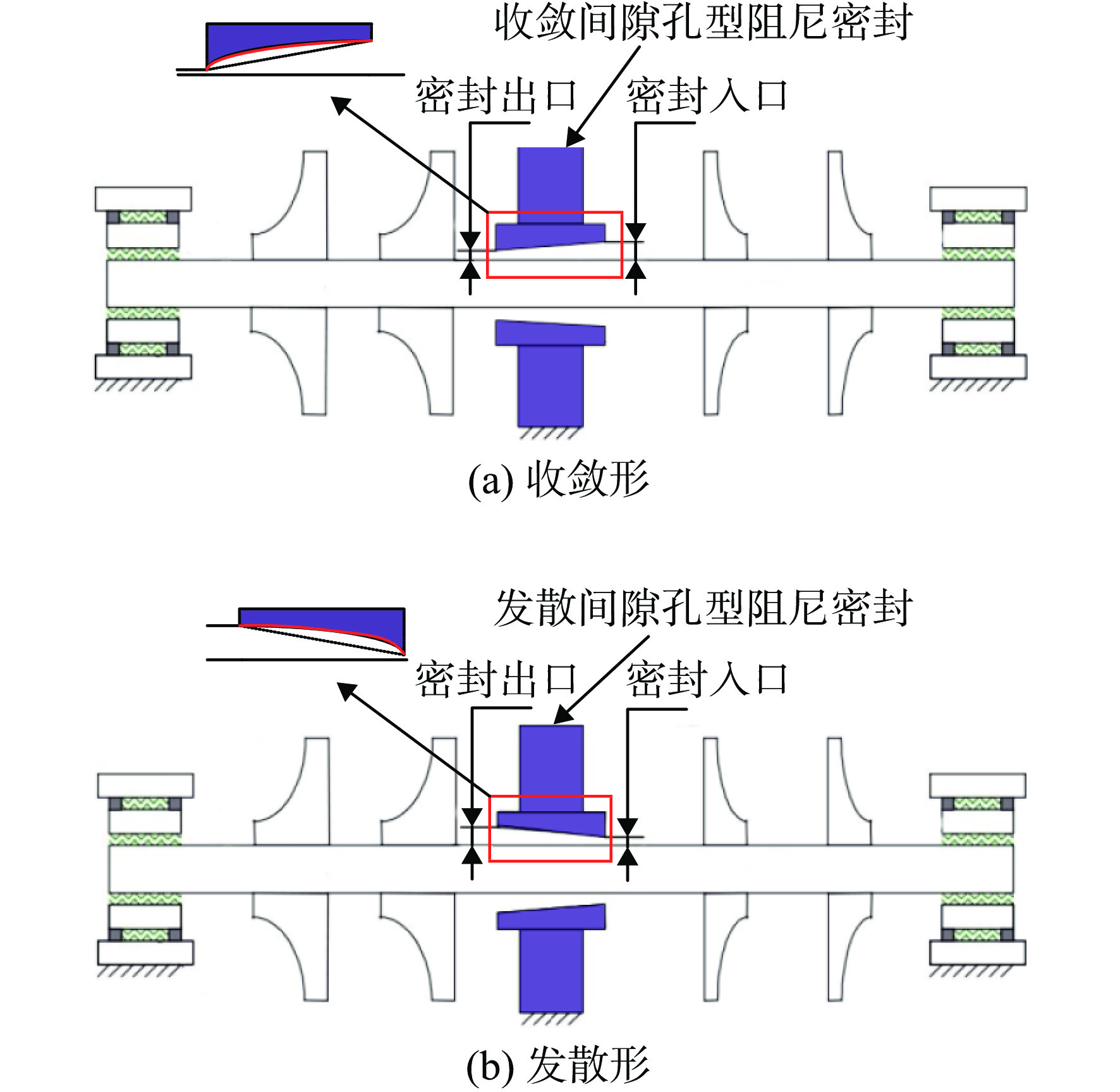
Leakage characteristics and dynamic characteristics of tapered hole-pattern damper seal based on arctangent function curve
XU Wenfeng, LU Wenxin, SUN Dan, ZHAO Huan, REN Guozhe, WANG Zeming
2025, 40(2): 20230320. doi: 10.13224/j.cnki.jasp.20230320
Abstract:

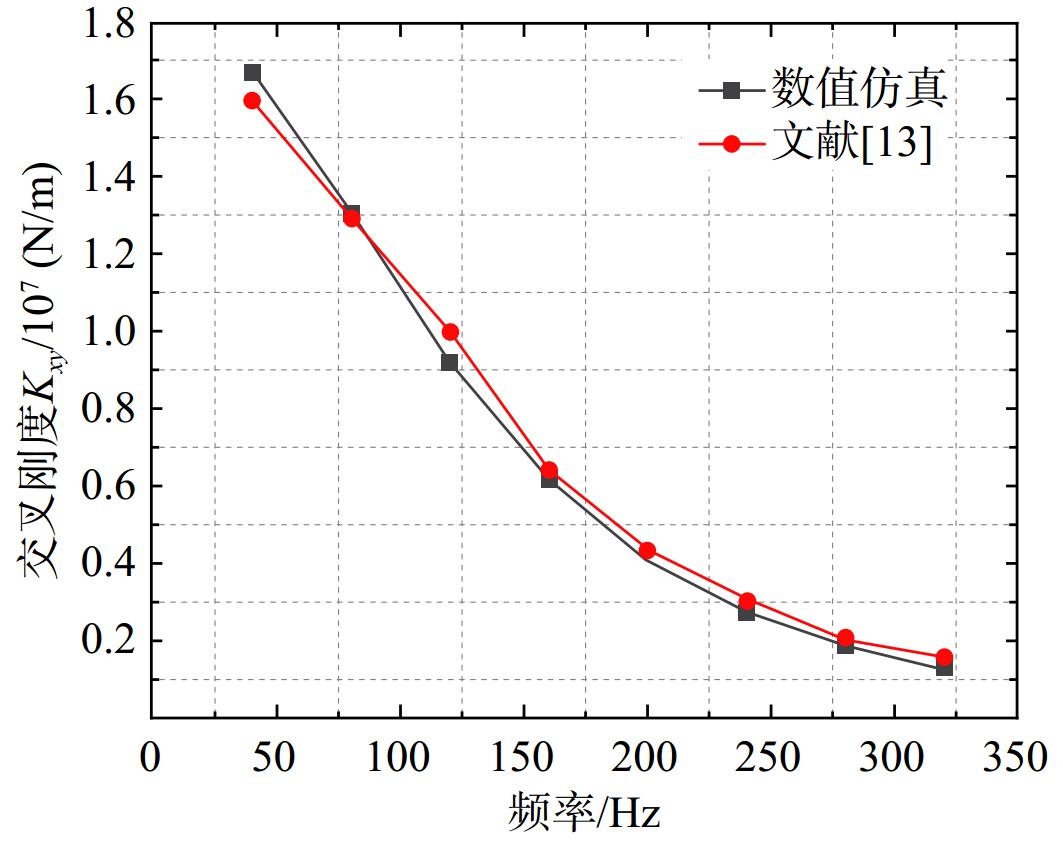
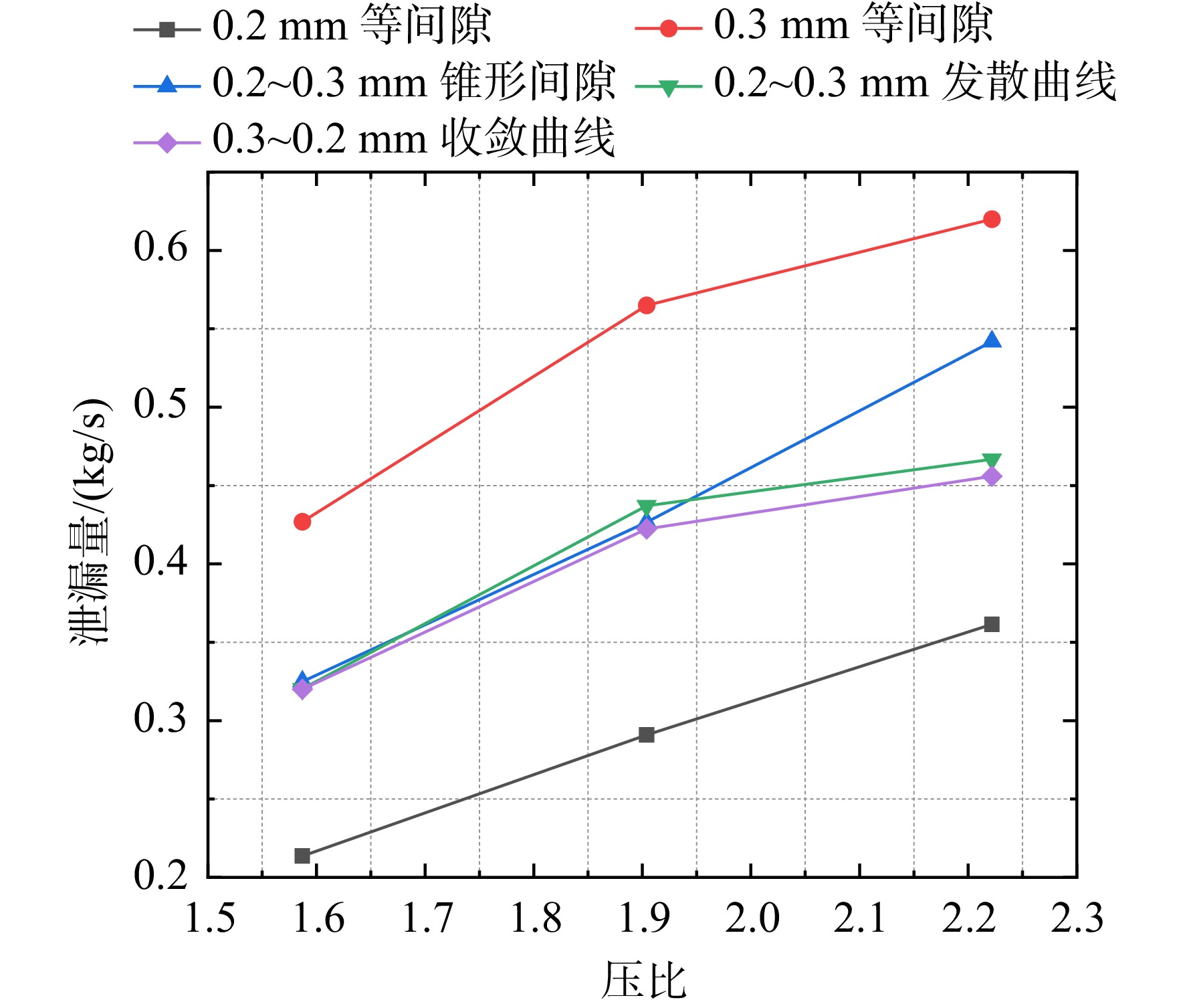
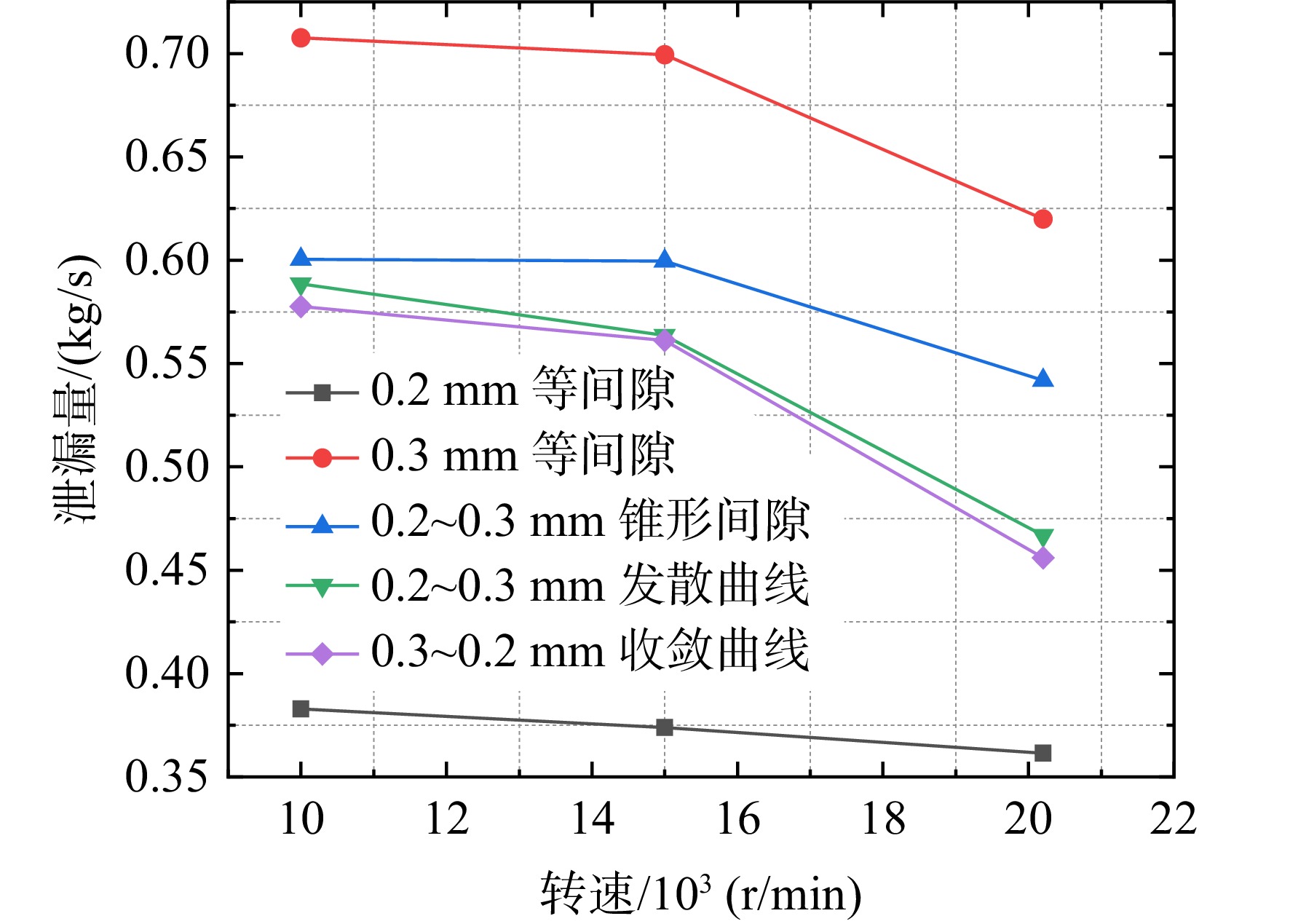
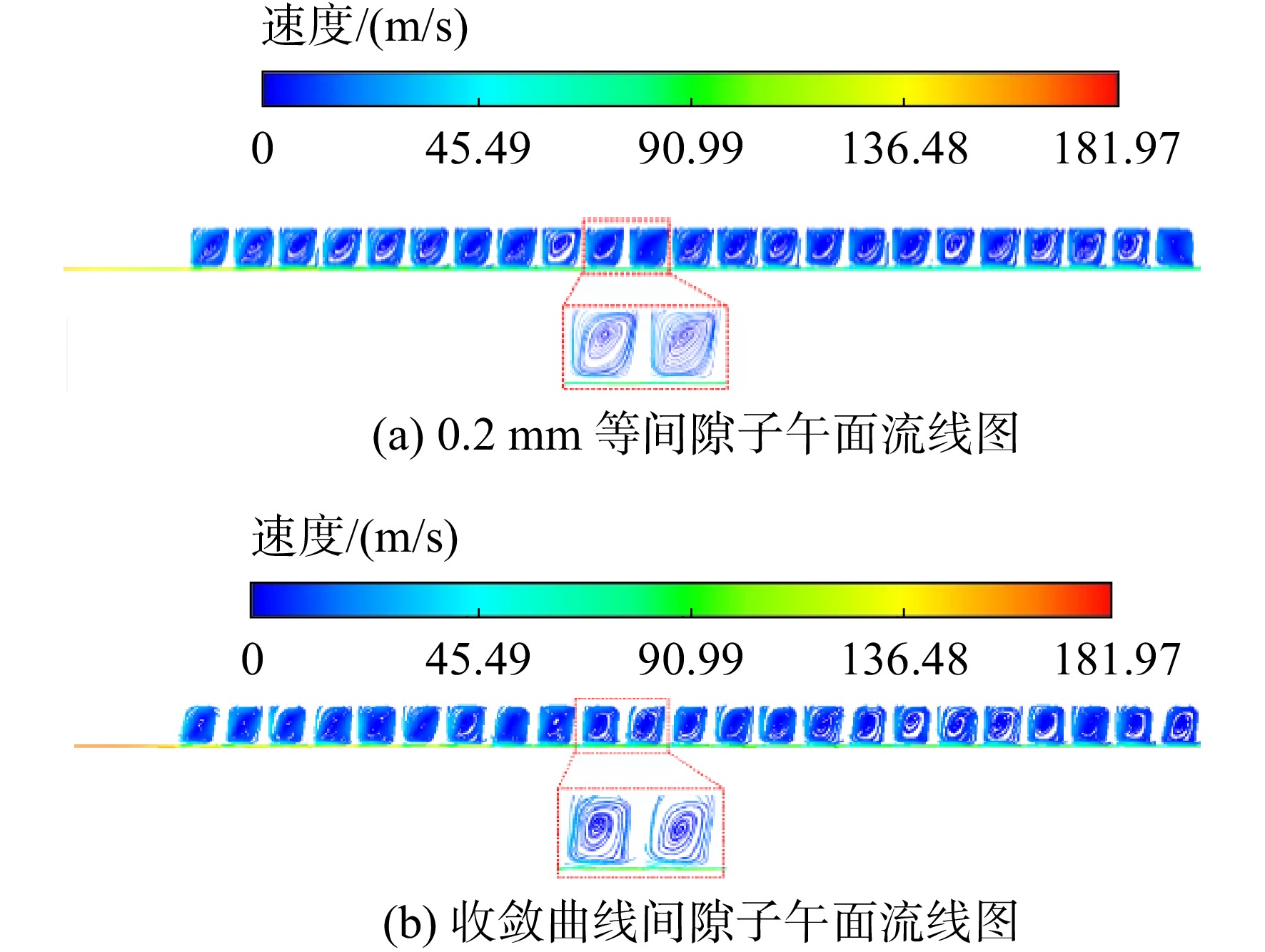
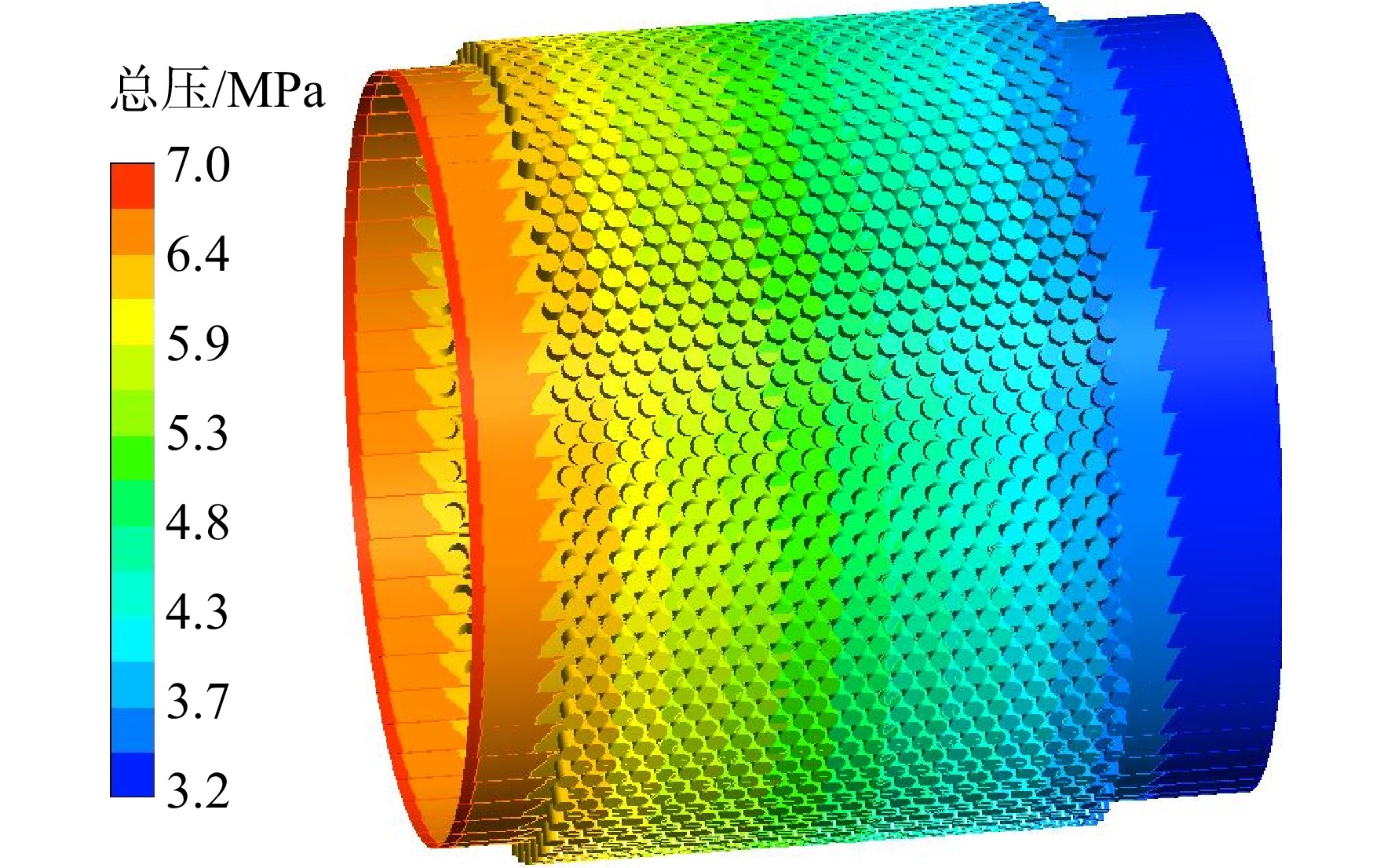
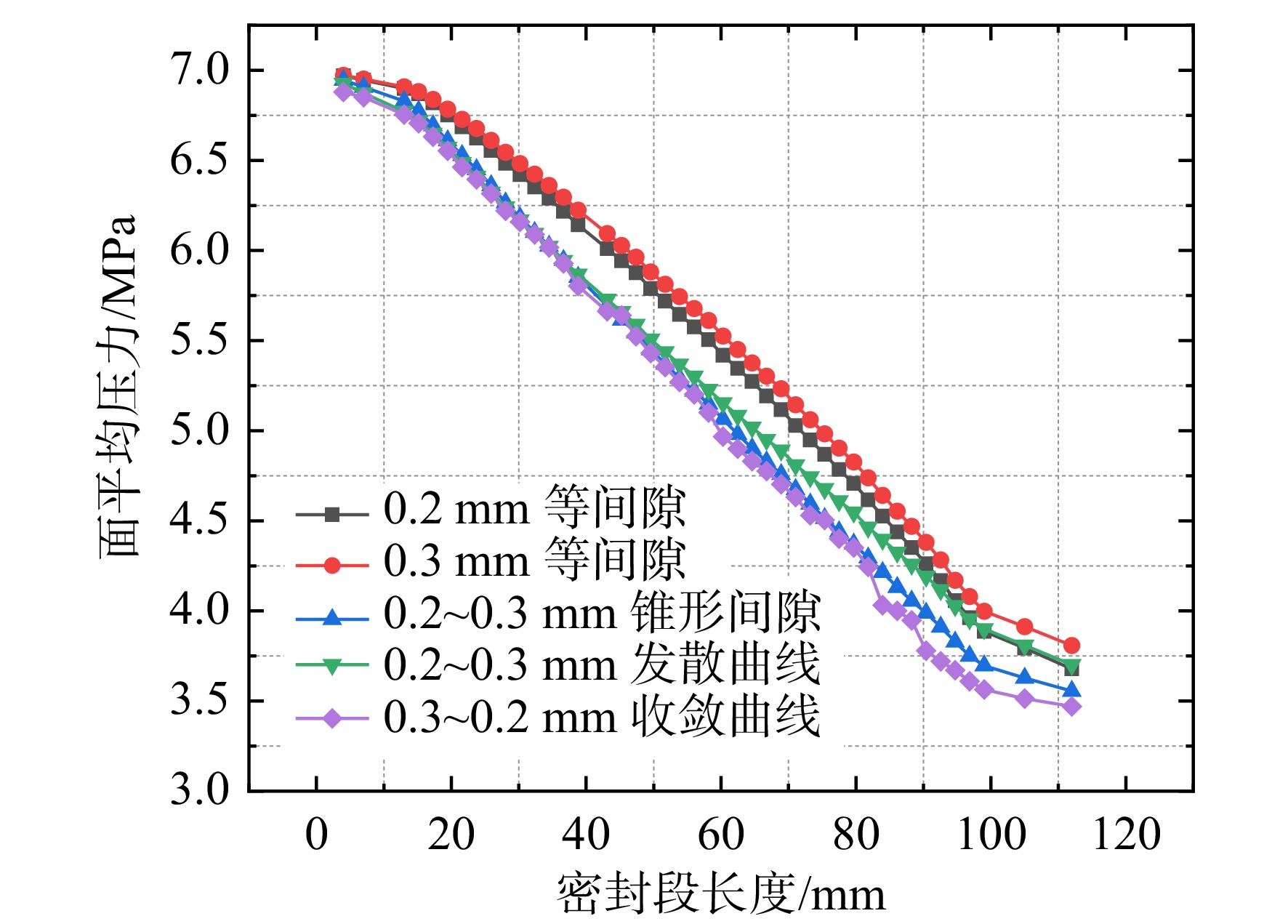
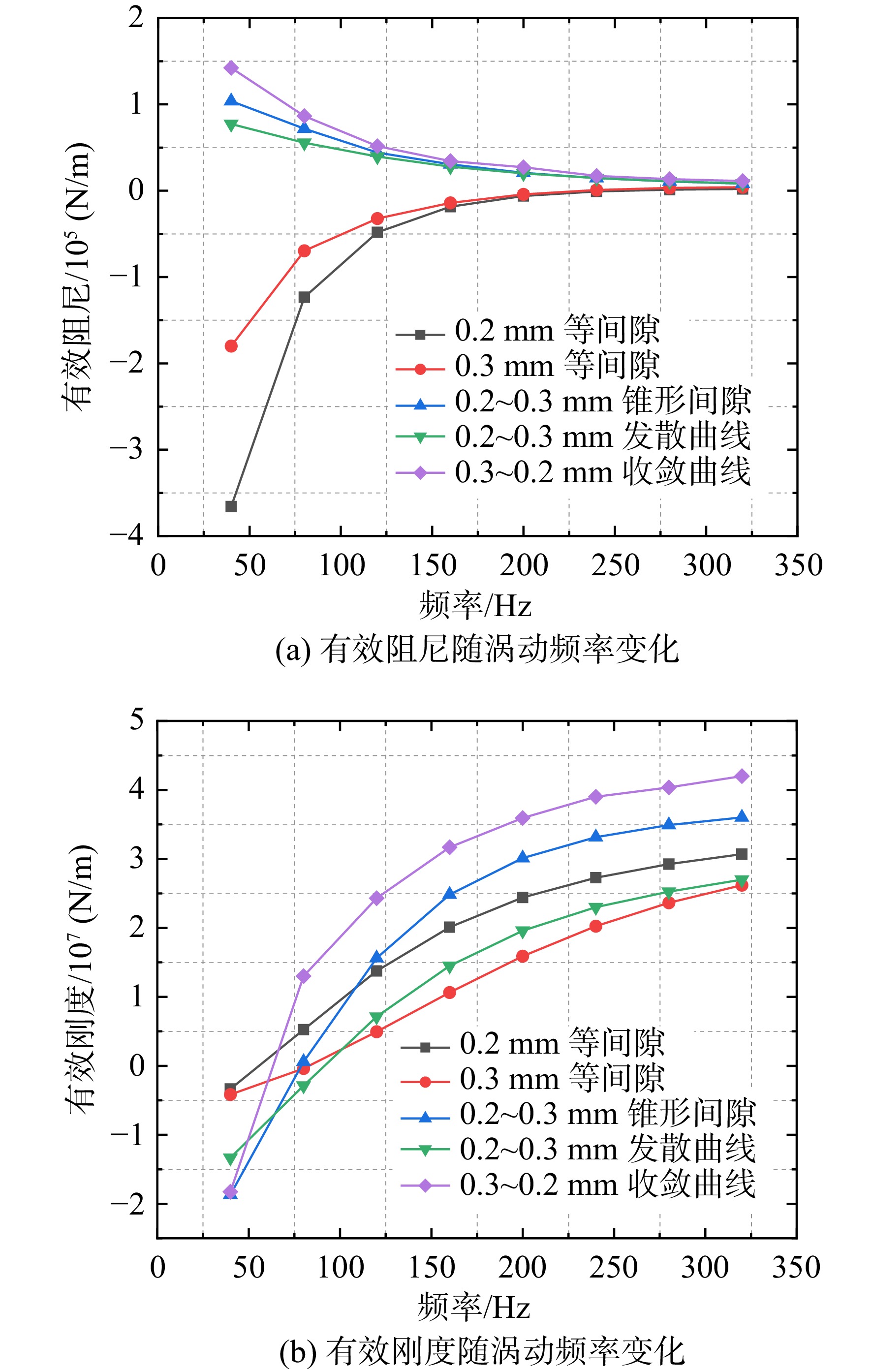
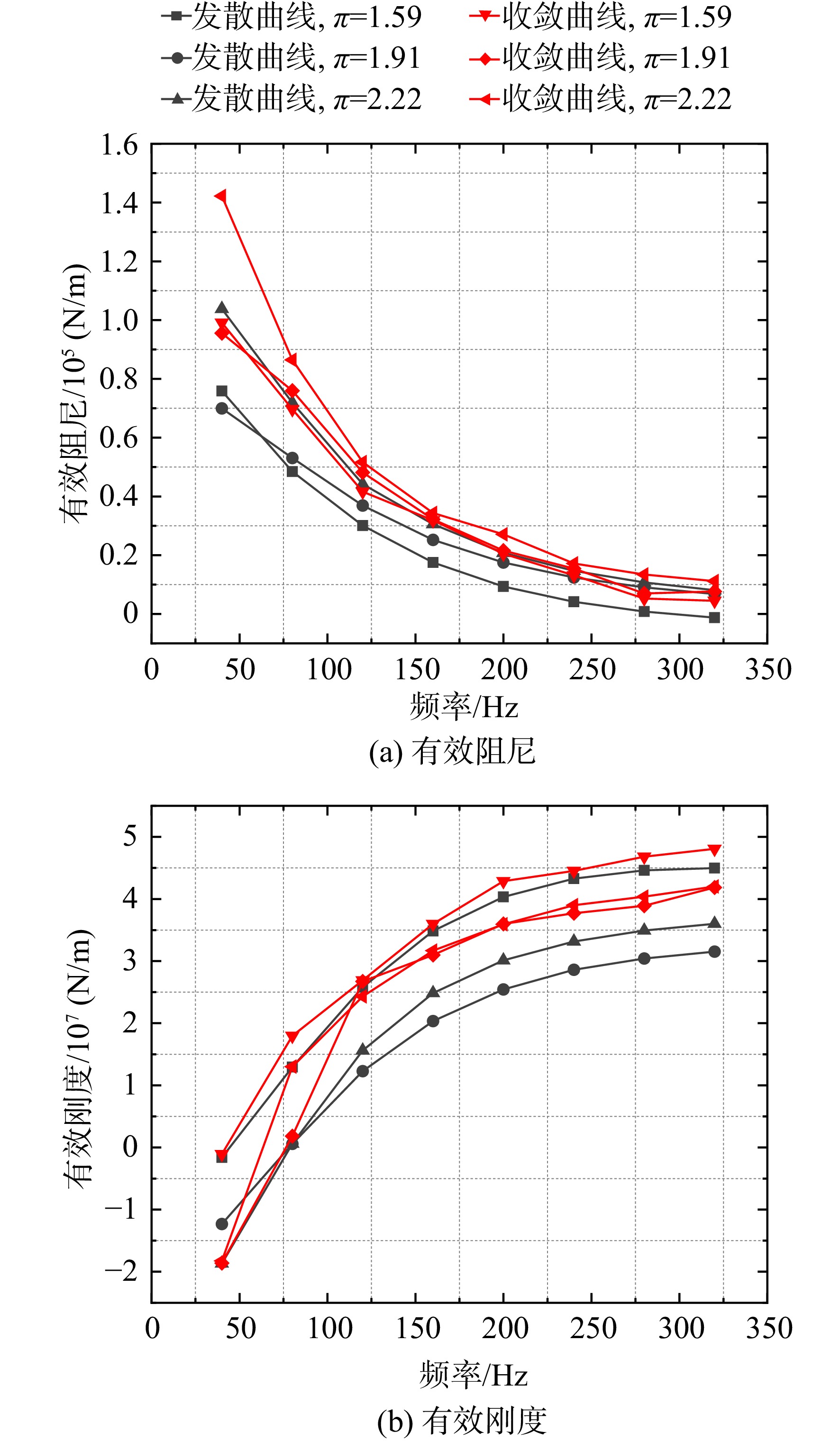
To improve the leakage characteristics of the hole-pattern damper seal and improve the stability of the rotor, based on the arctangent function curve, the leakage and dynamic characteristics solving model of hole-pattern damper seal was established. The unsteady numerical method was applied to study the effects of different seal clearances, pressure ratios, rotational speeds and whirling frequencies on the leakage and dynamic characteristics of each type of orifice-pattern damper seal, and analyze the leakage and dynamic characteristics of damper seals with different sealings. The results showed that the leakage of different forms of orific-pattern damper seals increased with the increase of pressure ratio. The leakage of the equal clearance hole-pattern damper seal increased the most, followed by the leakage of the arctangent function curve clearance hole-pattern damper seal. The leakage of the convergent curve clearance was the smallest, and it was 2.31% smaller than that of the divergent clearance. The increase of rotational speed expanded the leakage of damper seal with different sealing clearance holes. The leakage of the curve clearance was smaller than that of the conical clearance damper seal. The leakage of the convergent clearance was the smallest. The leakage of the convergent clearance was 15.85% smaller than that of the conical clearance. Larger pressure ratio and whirl frequency greater than 120 Hz existed, then smaller cross stiffness, larger direct damping, and stronger stability of the rotor system can be found in the convergence curve clearance. As the rotational speed increased, the convergent clearance produced the largest effective stiffness and effective damping, and the rotor system had stronger stability.

Research progress in application of carbon graphite sealing materials for aero-engine
LIU Ping, TU Chuanjun, SONG Yanli, WU Xinzhou, CHEN Jian, HE Yubo, LIU Yanli
2025, 40(2): 20230474. doi: 10.13224/j.cnki.jasp.20230474
Abstract:

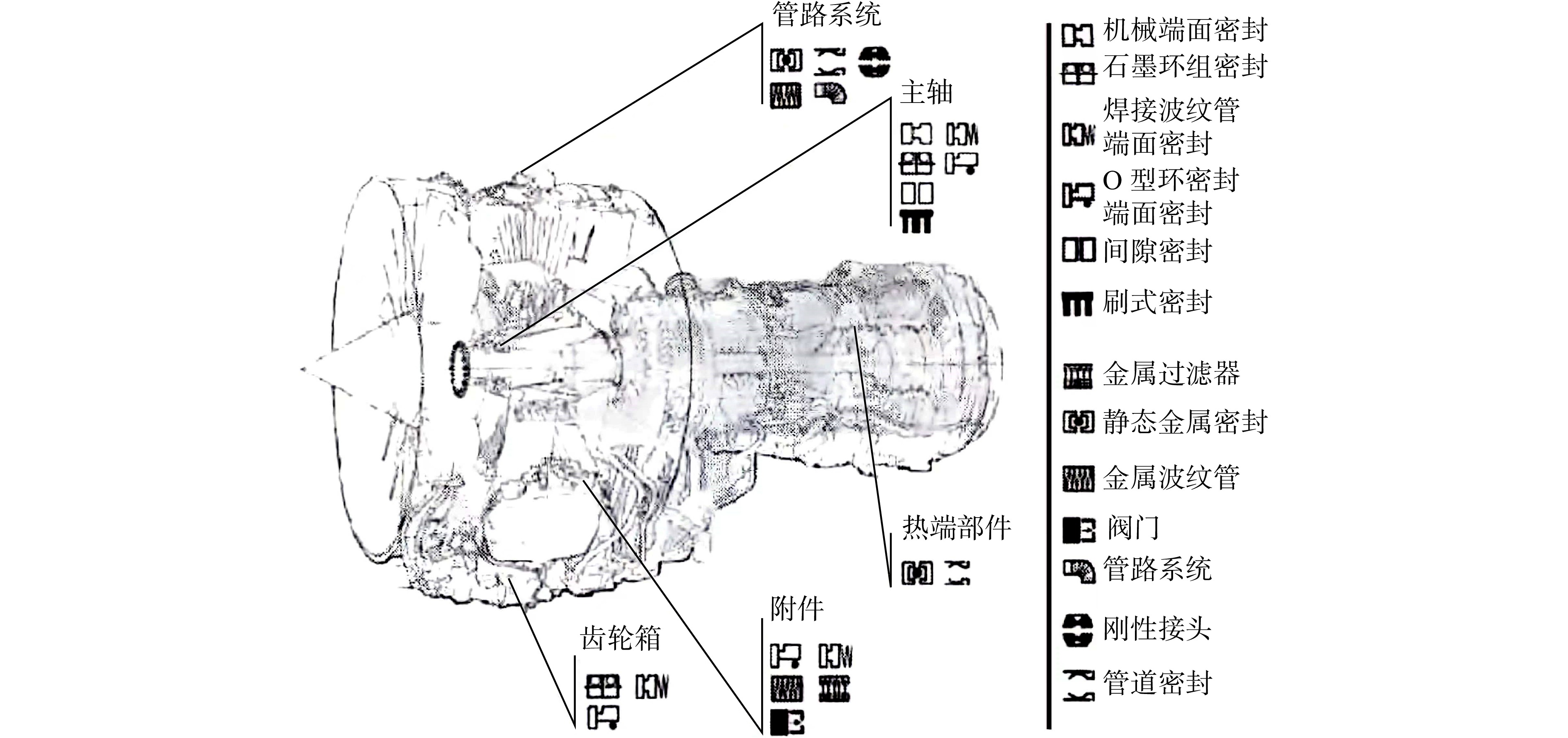
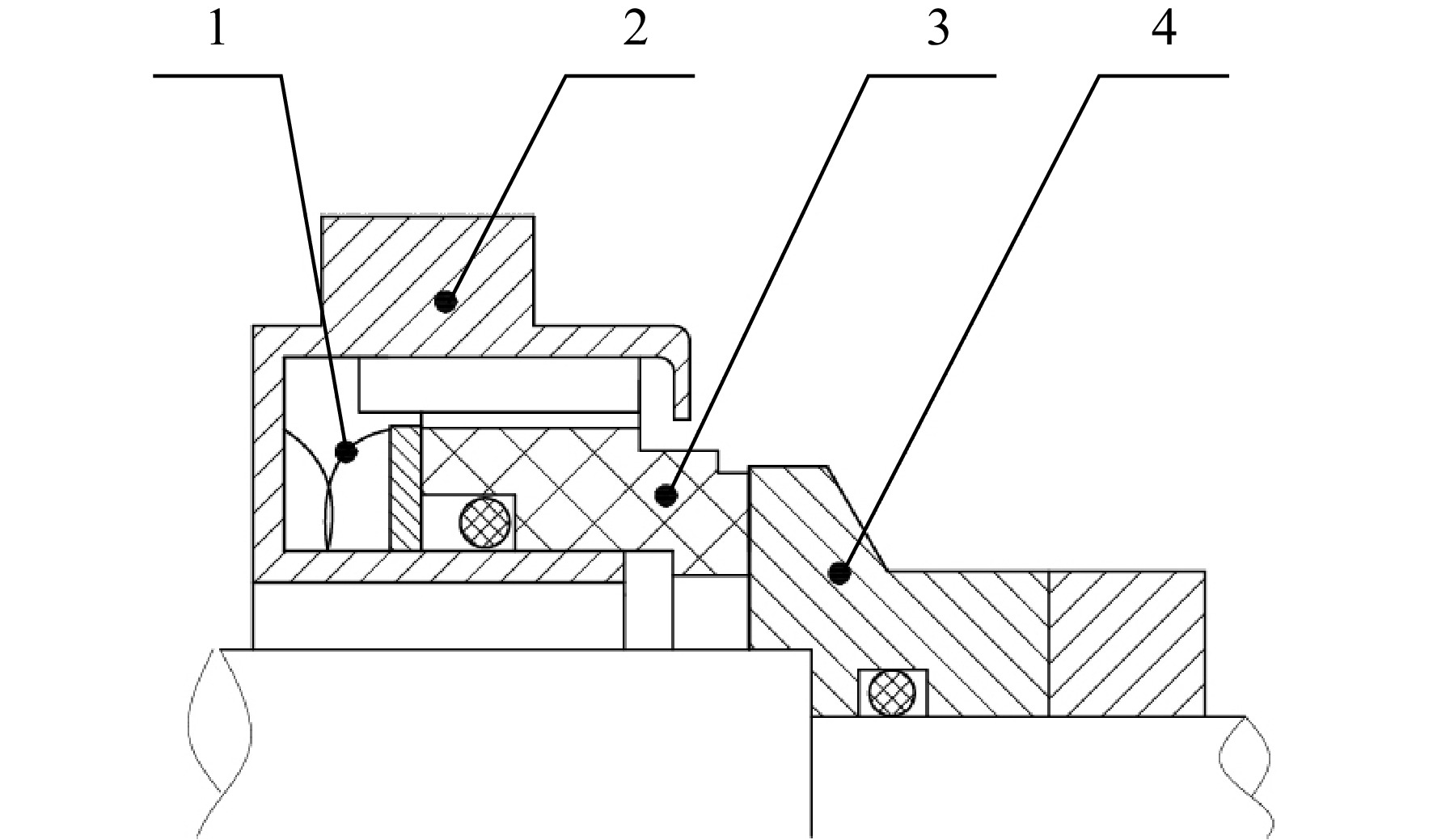
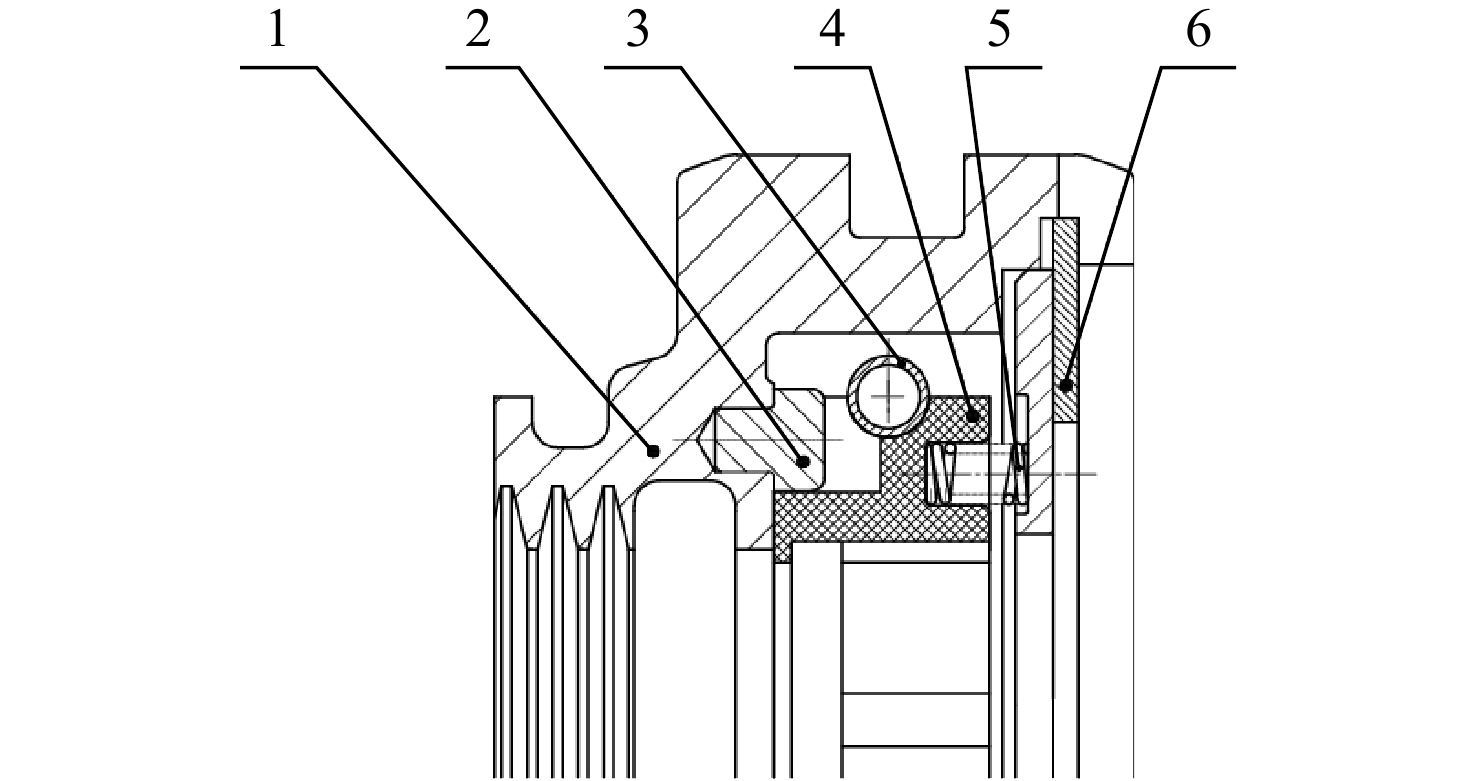
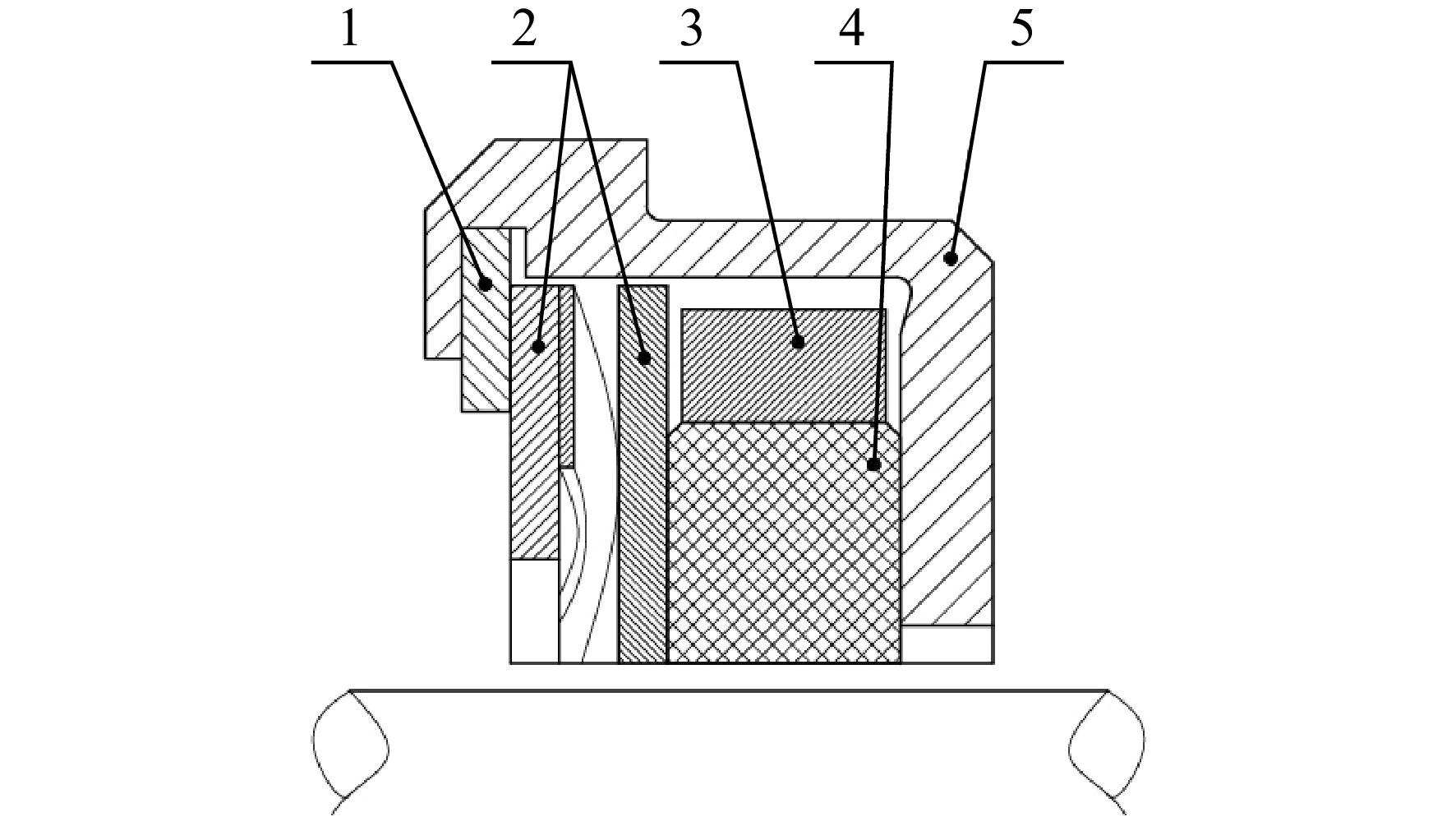
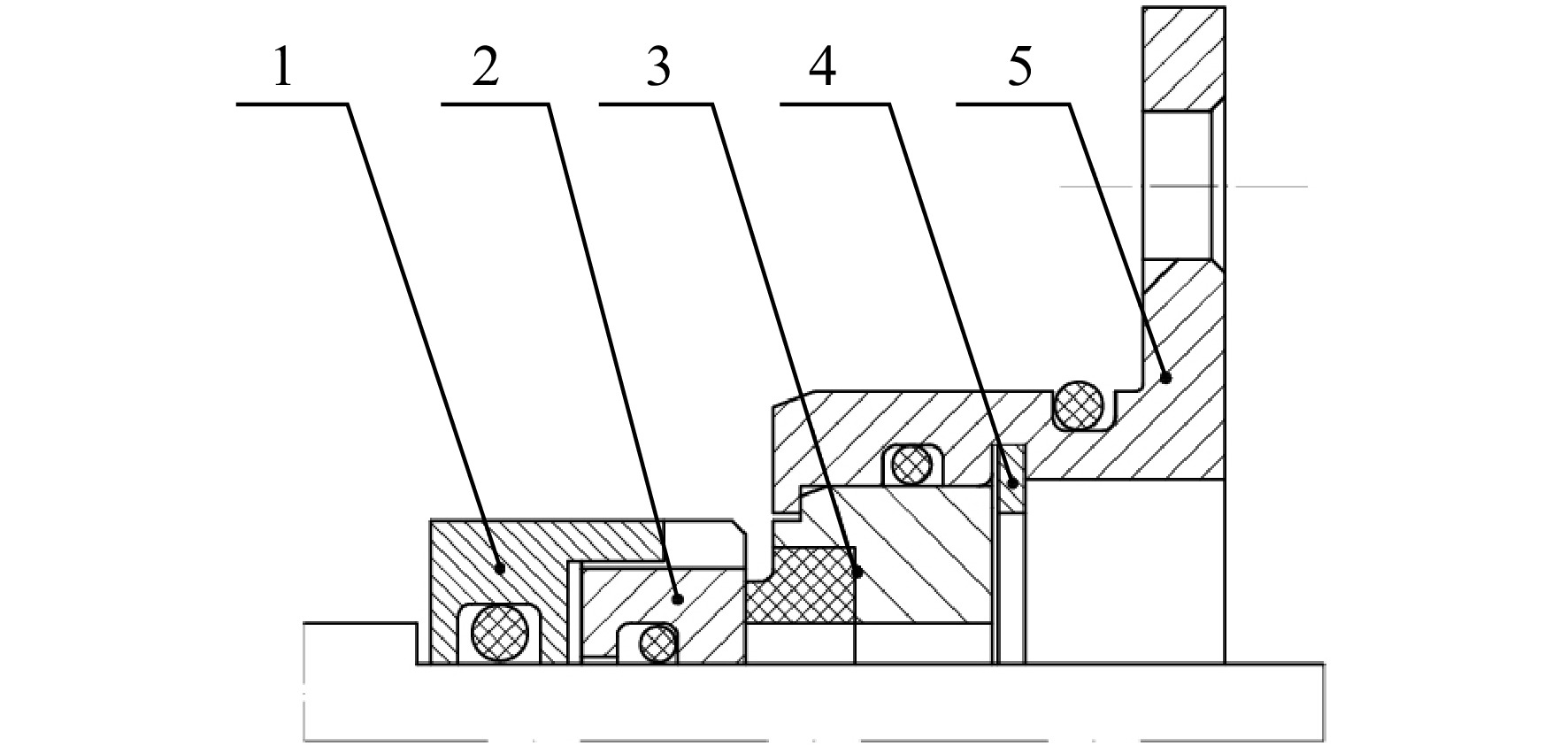
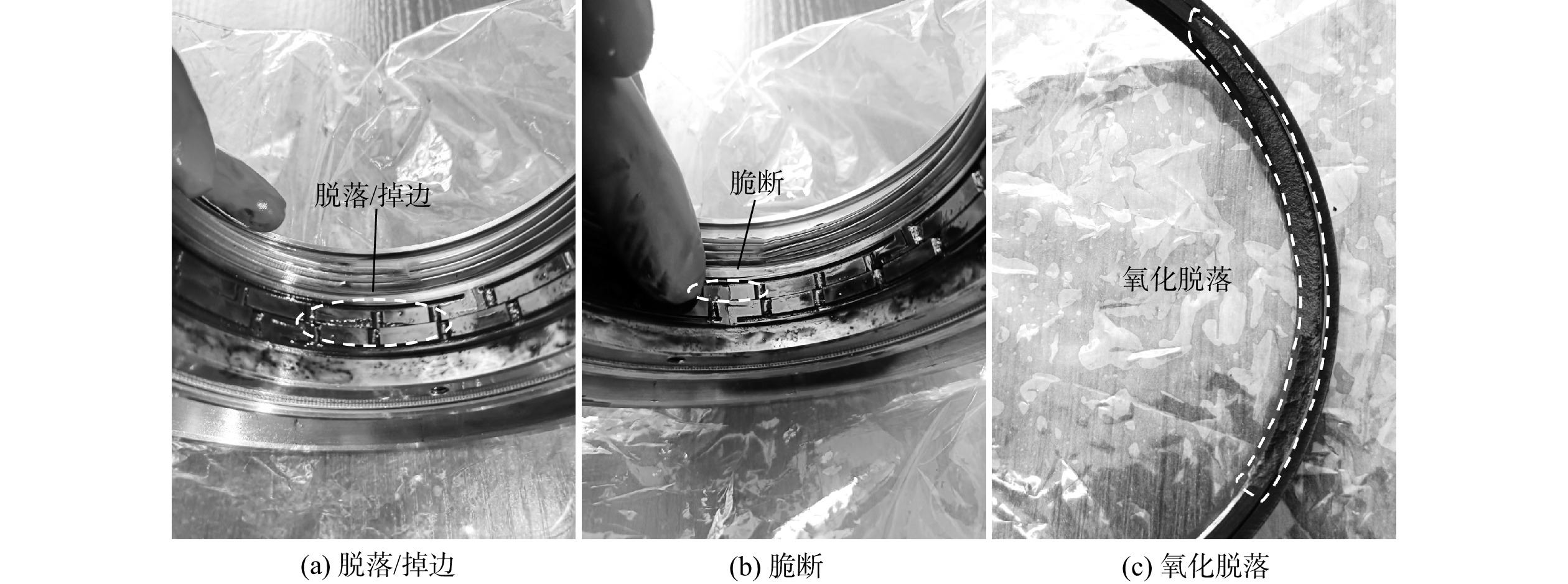
Targeting the carbon graphite sealing materials and sealing technology for aero-engine, the typical application scenarios, development history, failure modes, research status at home and abroad, as well as the service performance requirements of carbon-graphite sealing materials in aero-engine sealing systems were described in detail. The advantages and disadvantages of its different preparation processes were emphasized, and suggestions were made for its future development direction. The results showed that carbon graphite sealing materials are widely used in aero engines. The physical properties of carbon graphite sealing materials independently developed in China were very close to those abroad, and some indicators were even better. They basically met the material selection requirements for China’s new generation of high-performance aero-engine, and important models achieved independent controllability. However, the batch stability, processability, homogeneity, high temperature oxidation resistance, film formation, friction factor, wear rate and service life of some domestic carbon graphite sealing materials still had a certain gap with foreign original carbon graphite sealing materials for aircraft engines in the process of long-term service, mainly due to the failure of domestic carbon graphite sealing materials to achieve the effective construction of structure-function integration.

Numerical study on hysteresis effect and blow down effect of improved brush seal structure with through hole on backing plate
YANG Yixiao, SUN Dan, ZHAO Huan, MU Wei, REN Guozhe, XU Wenfeng
2025, 40(2): 20230143. doi: 10.13224/j.cnki.jasp.20230143
Abstract:

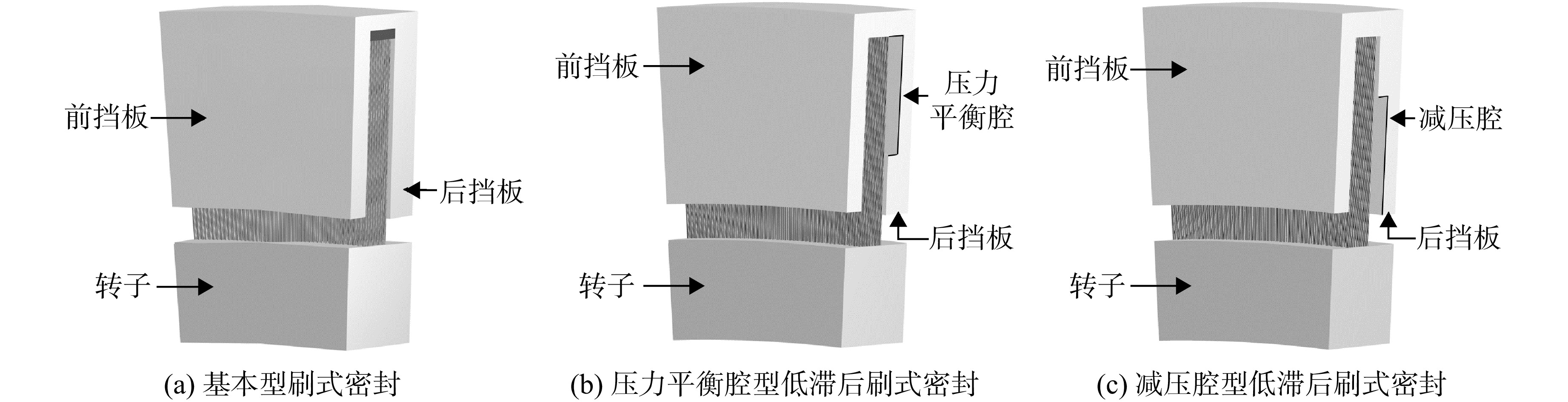
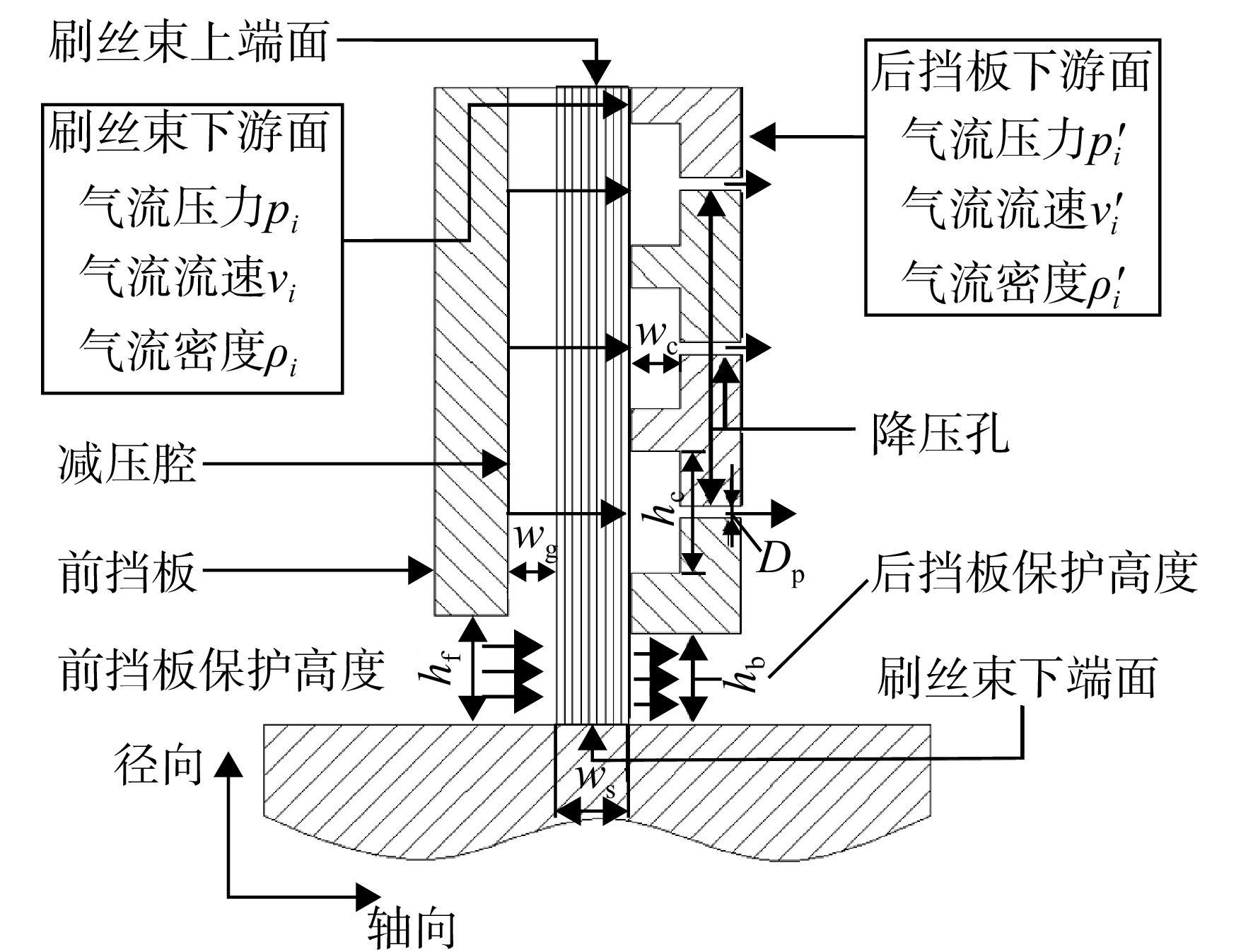
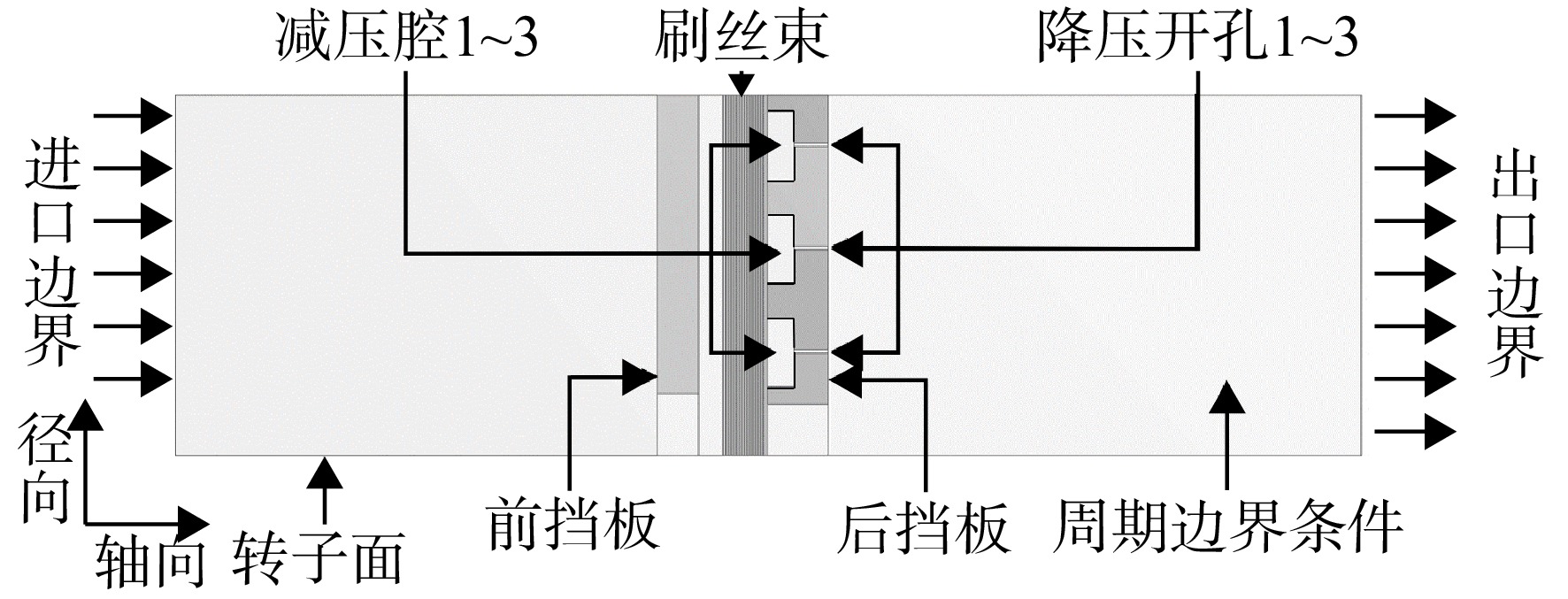
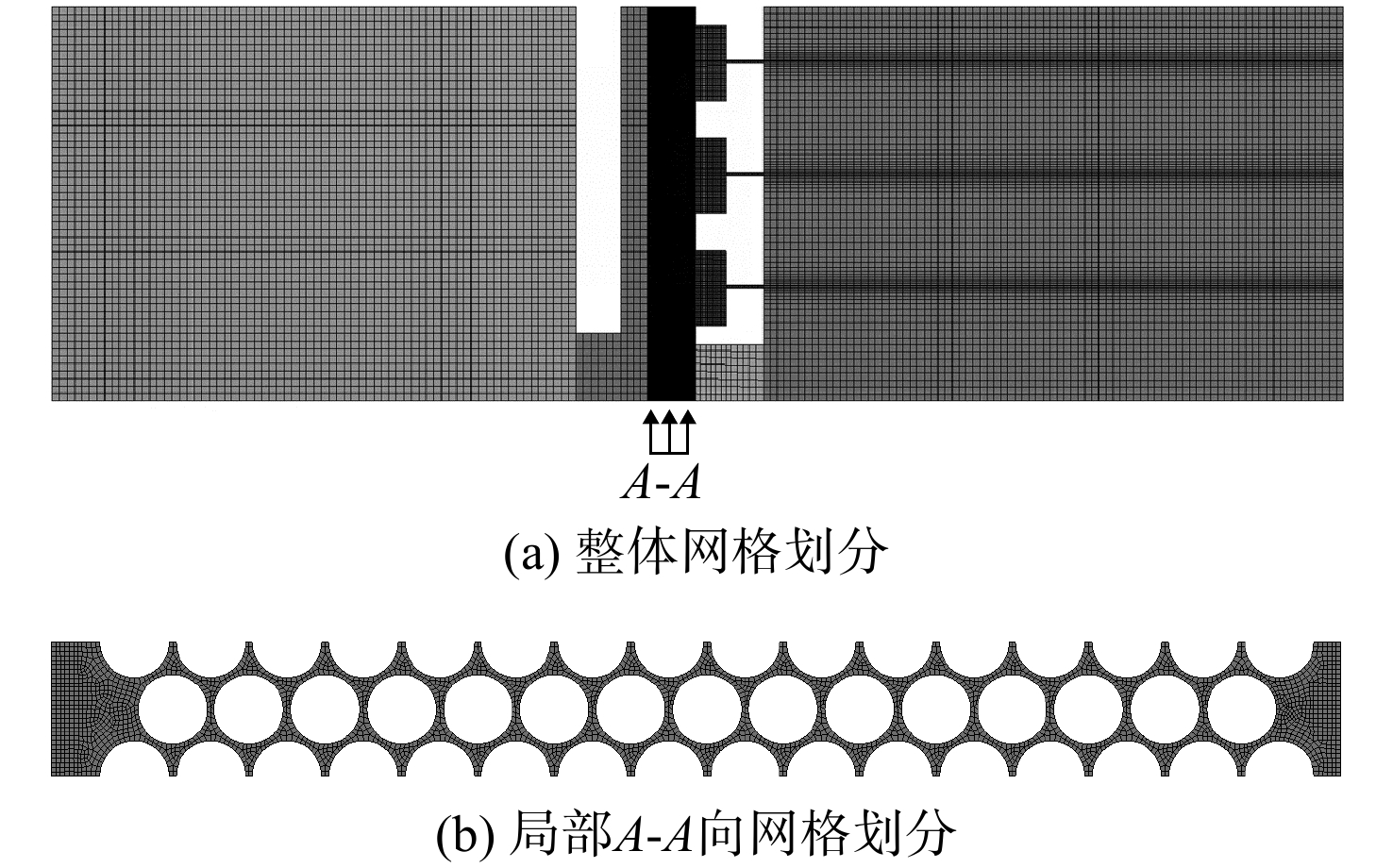
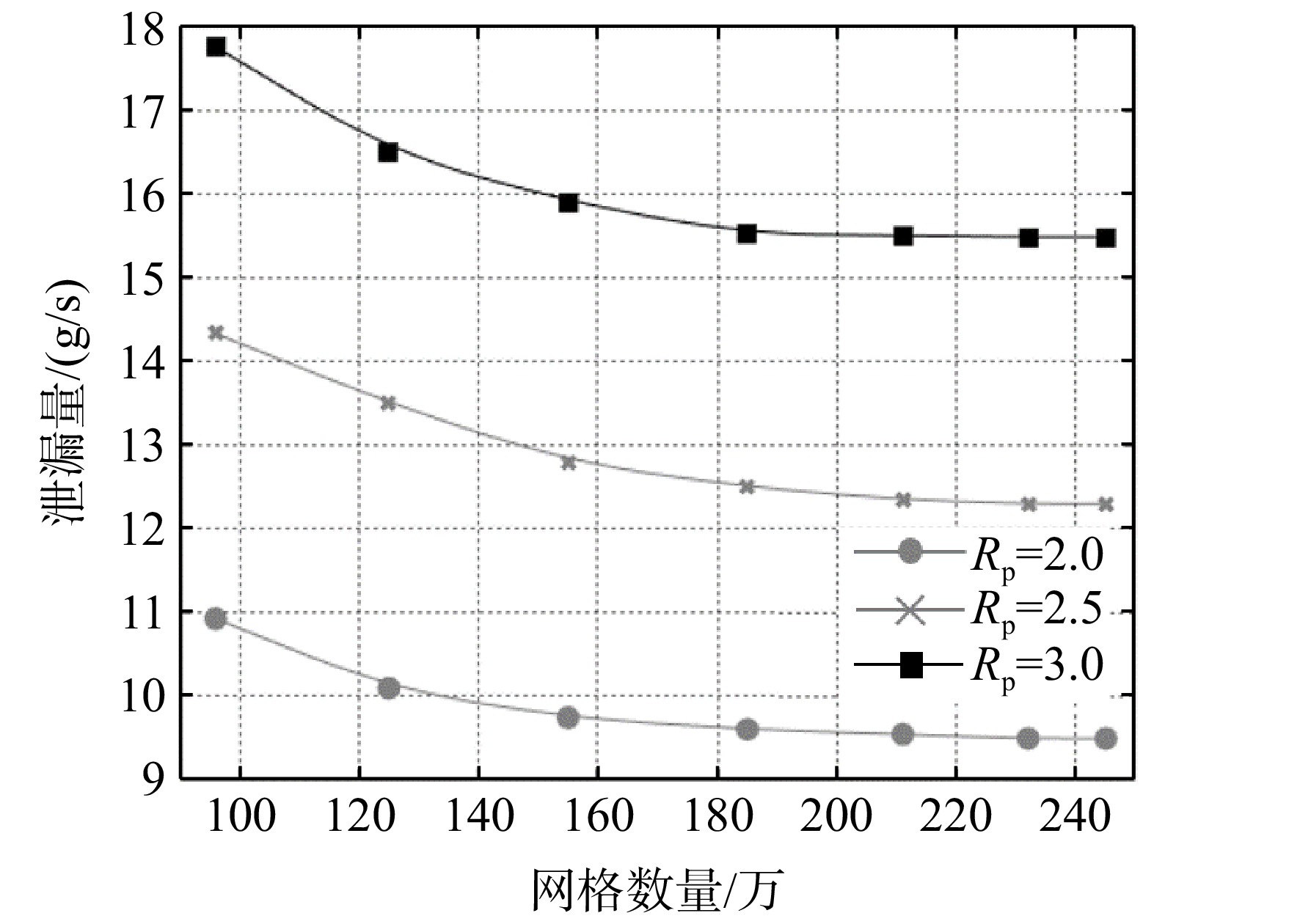
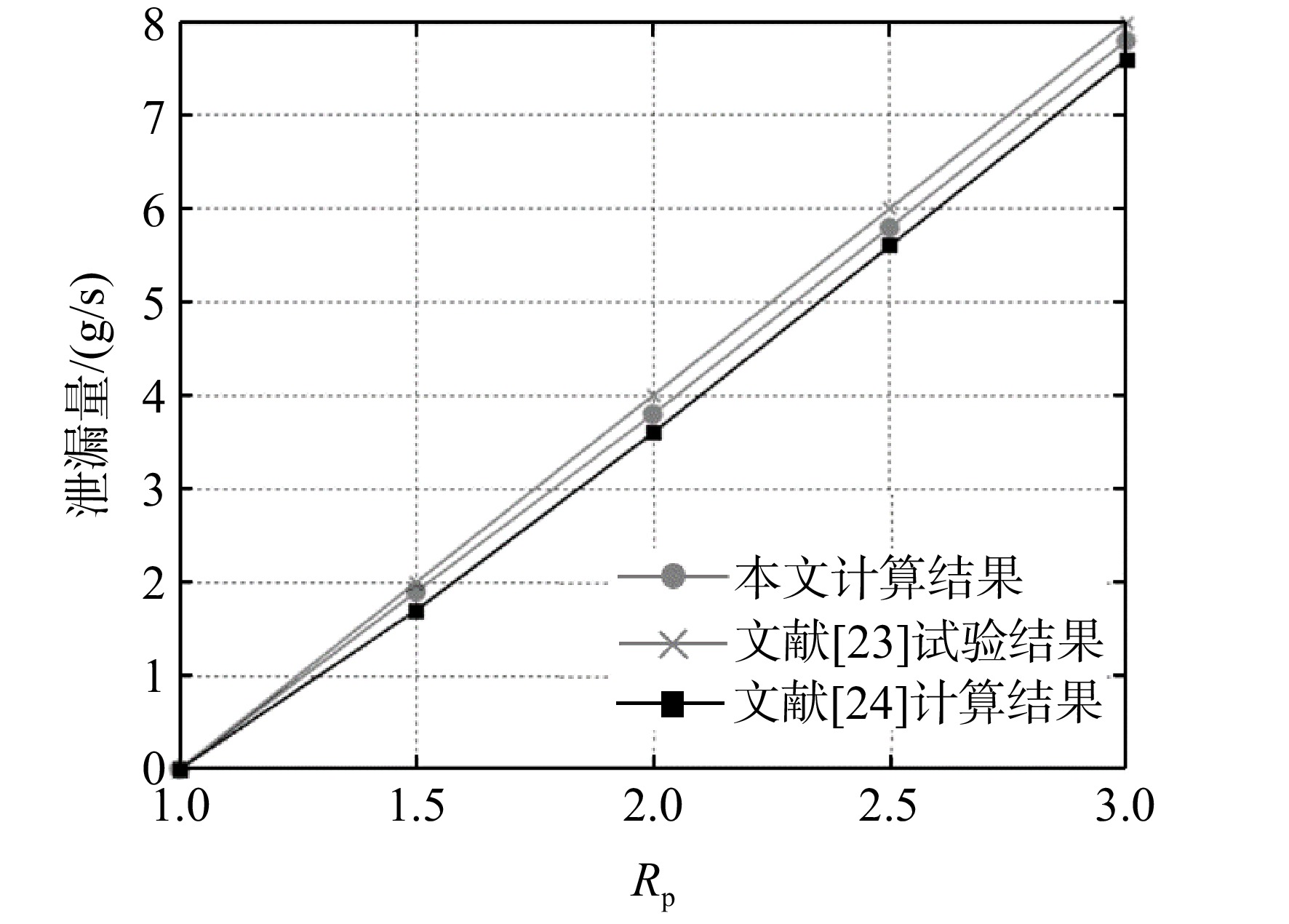
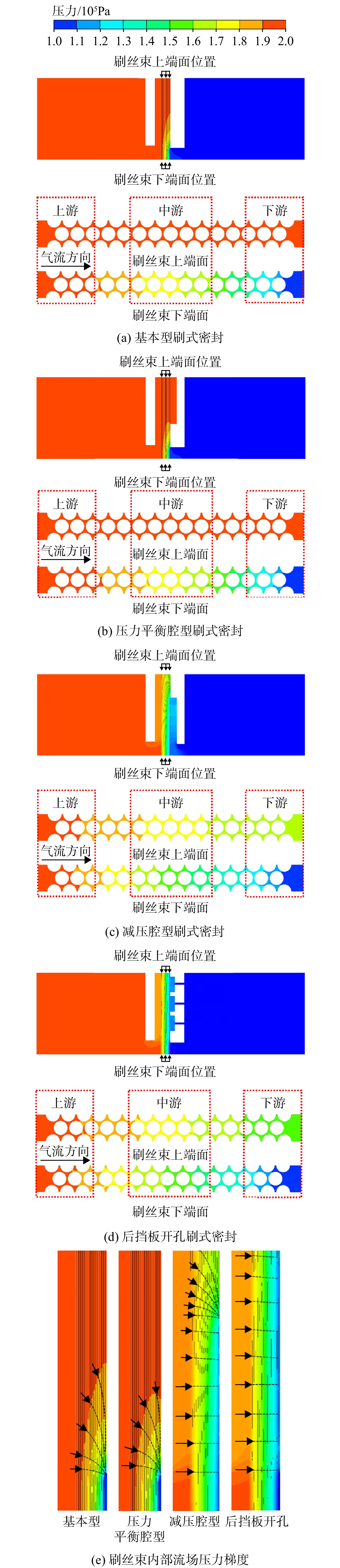
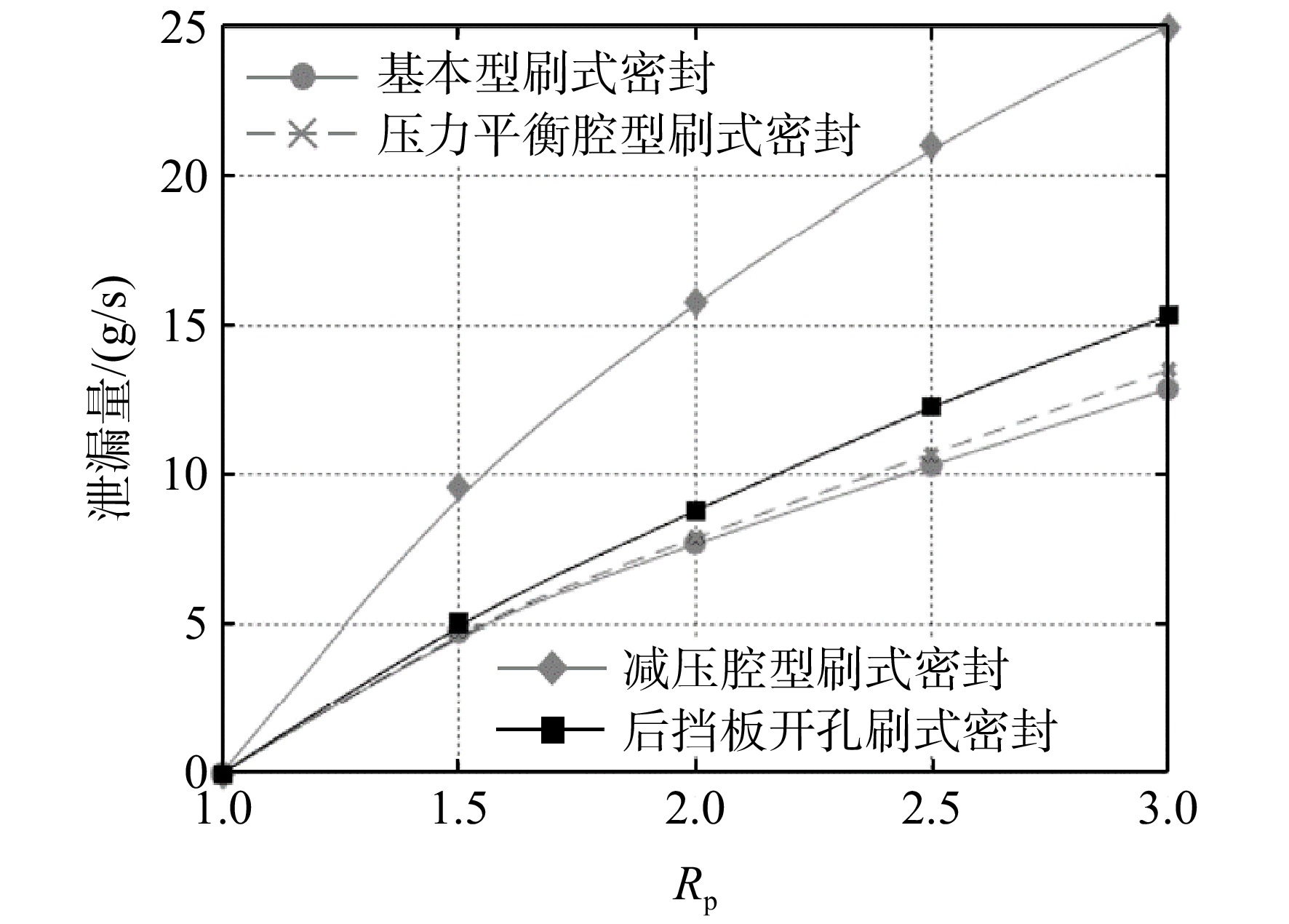
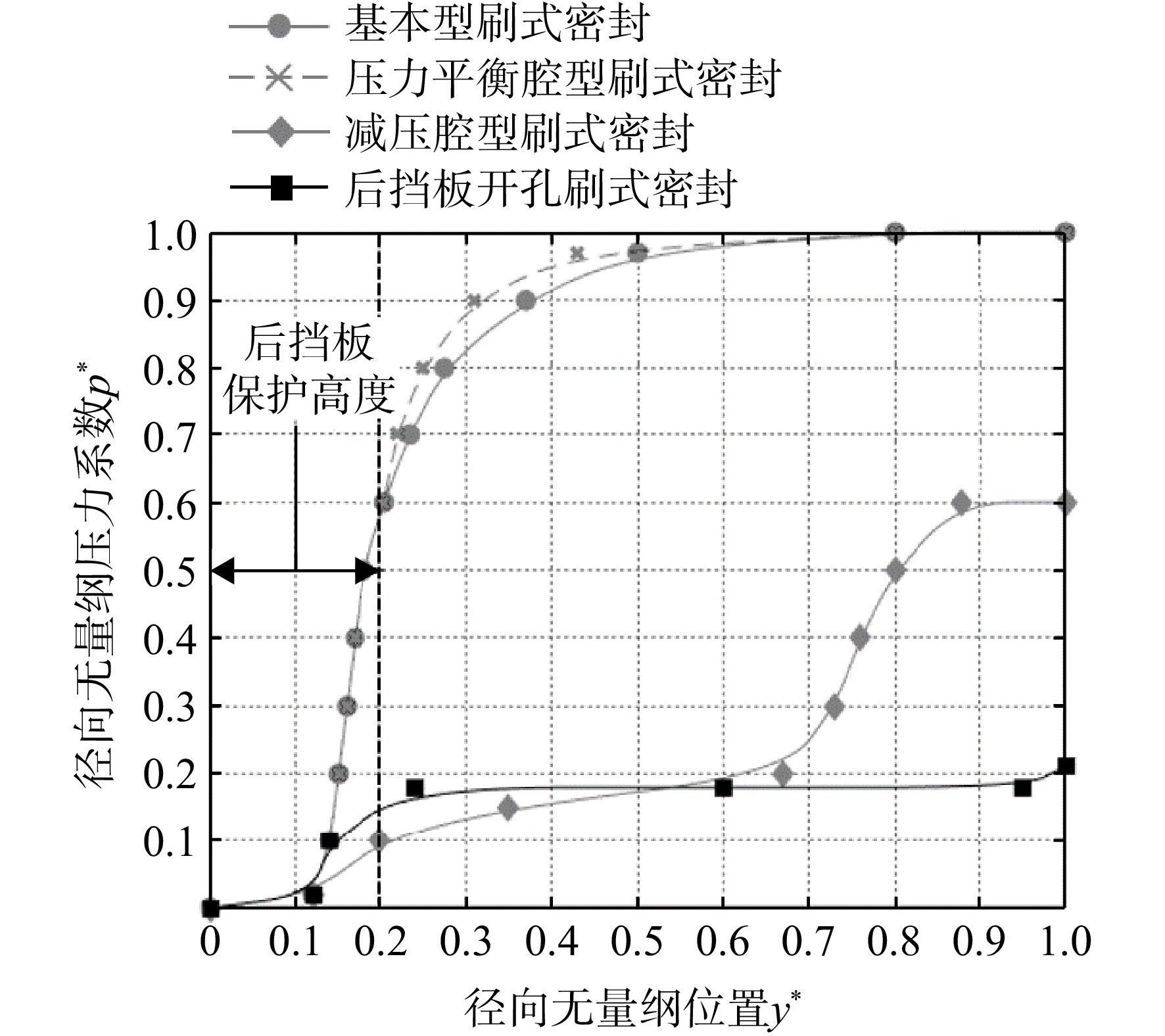
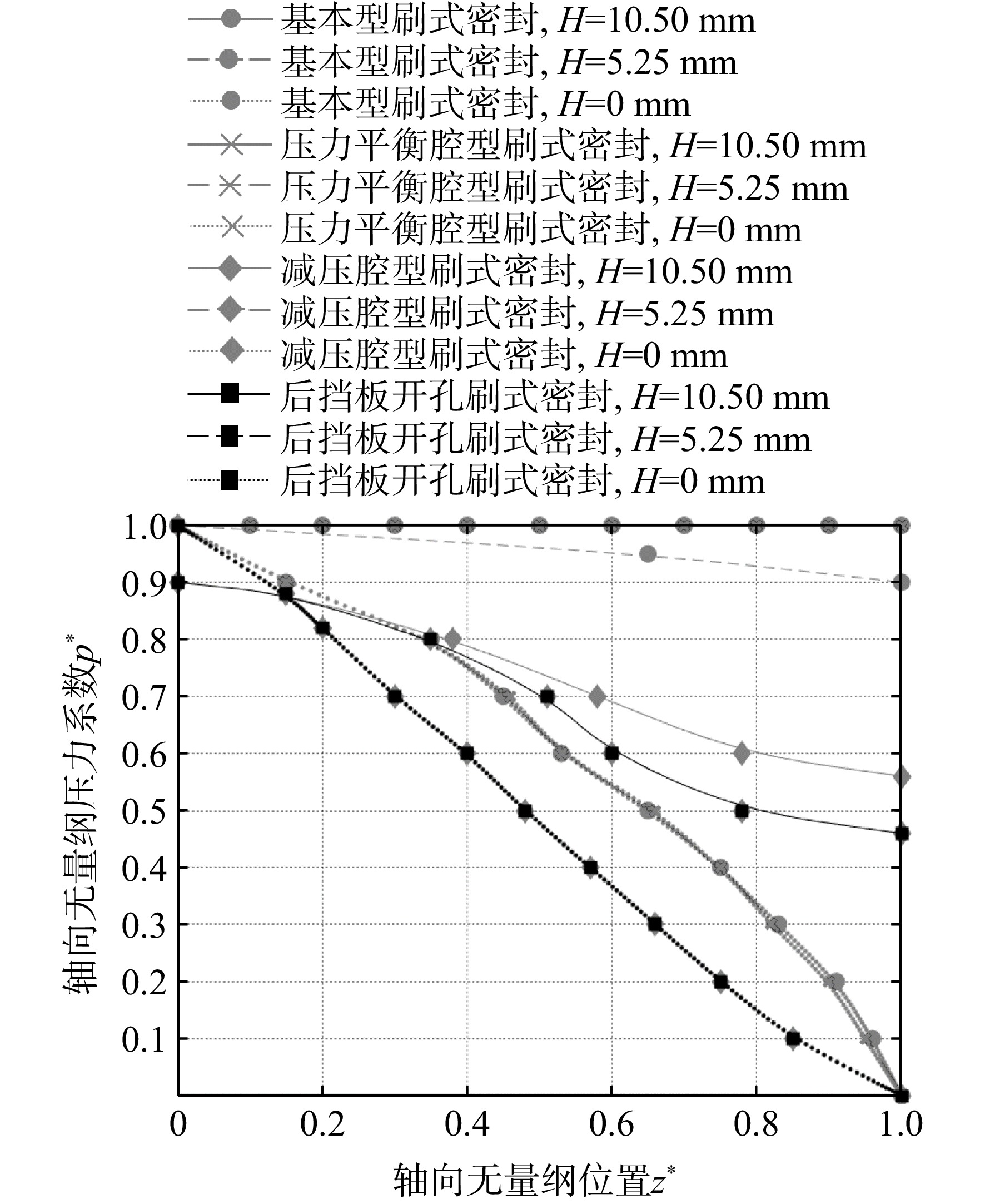
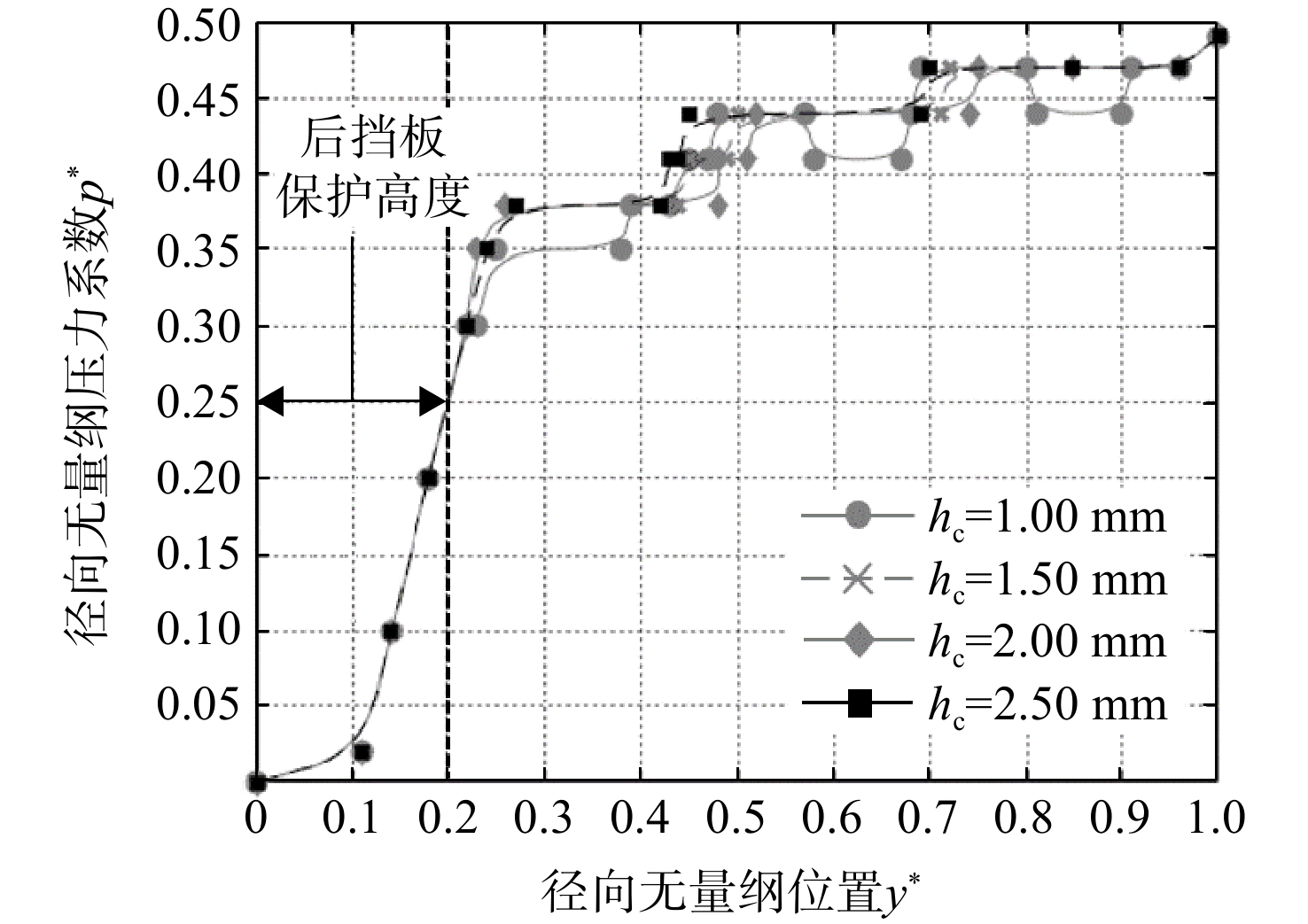
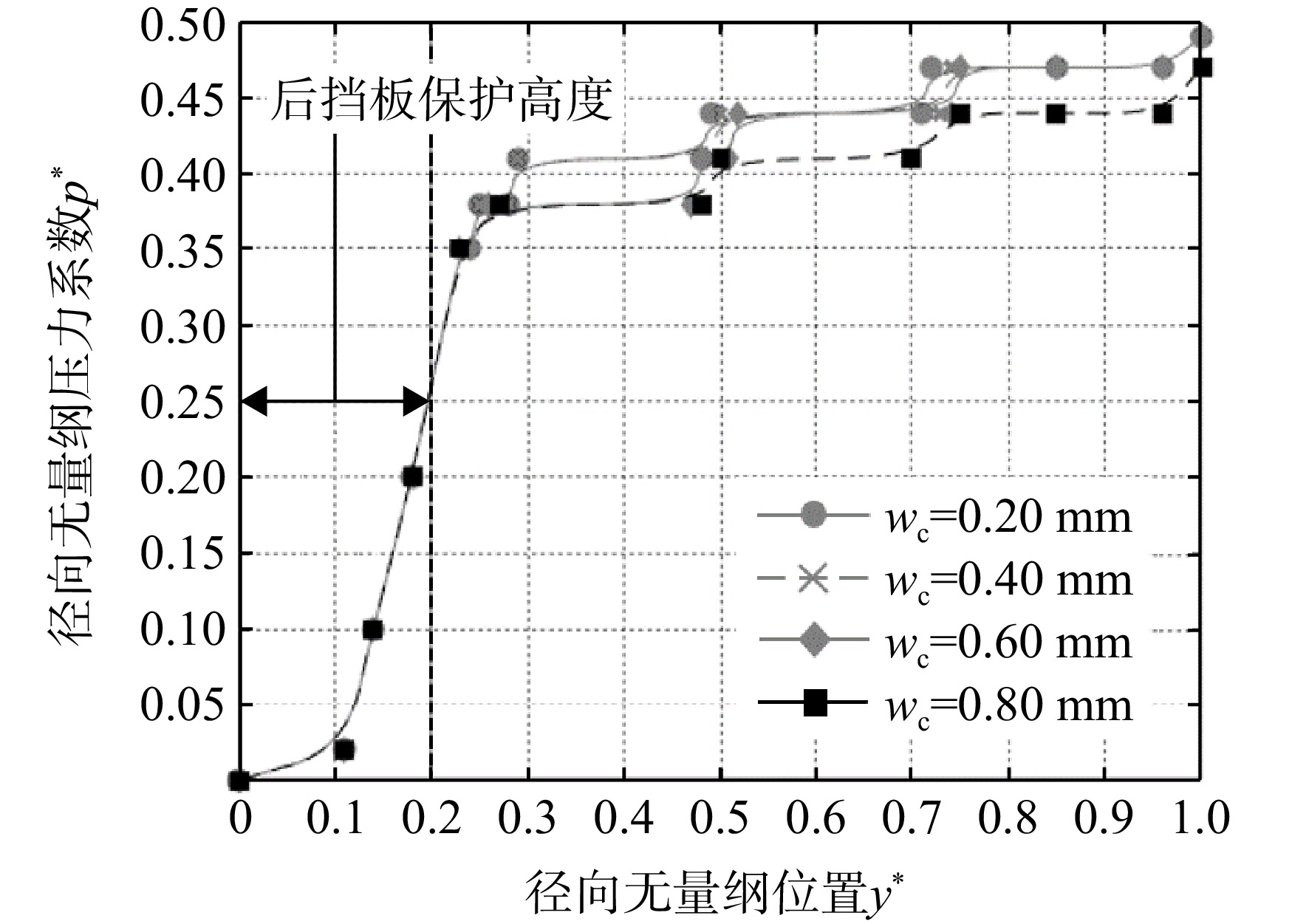
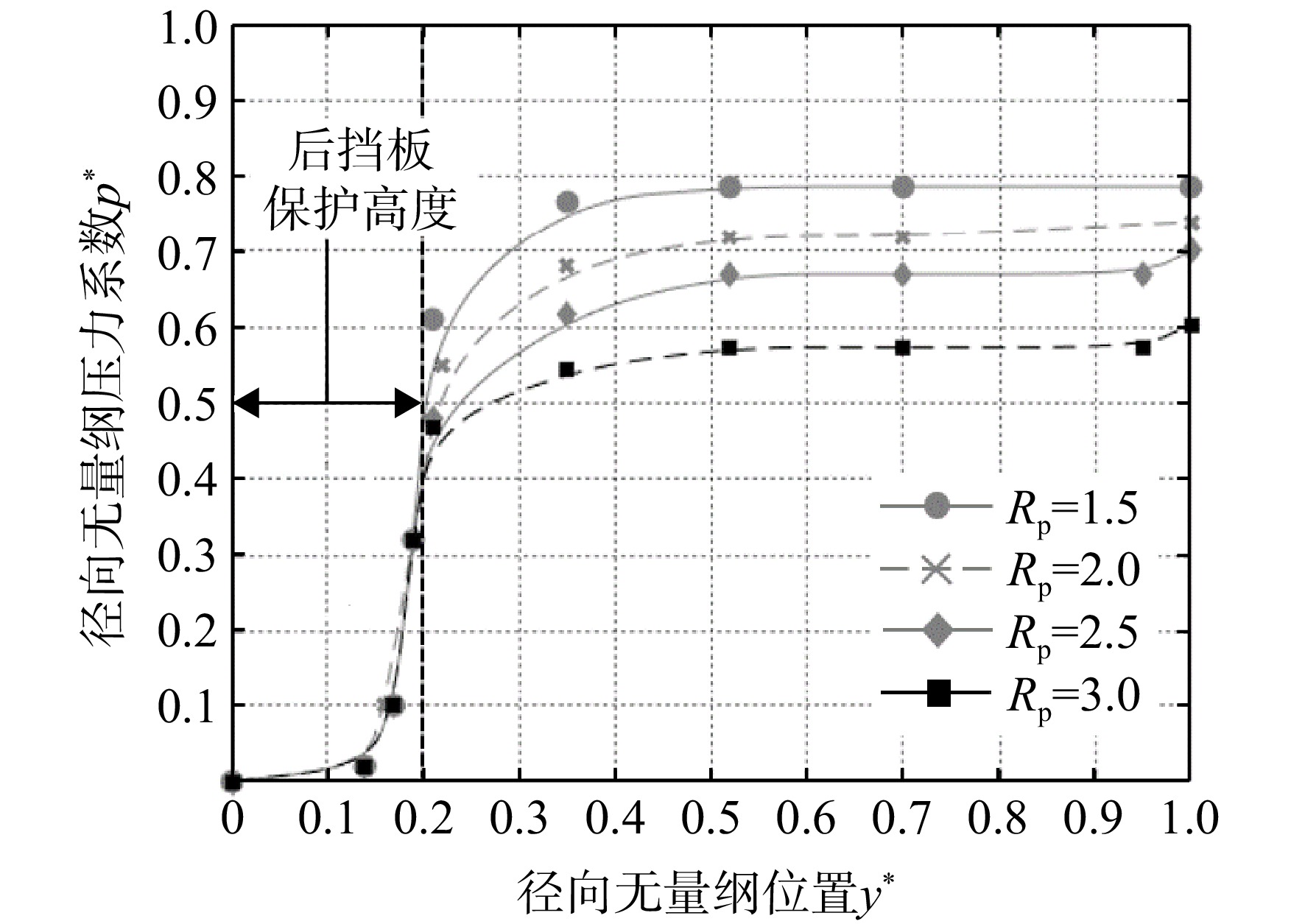
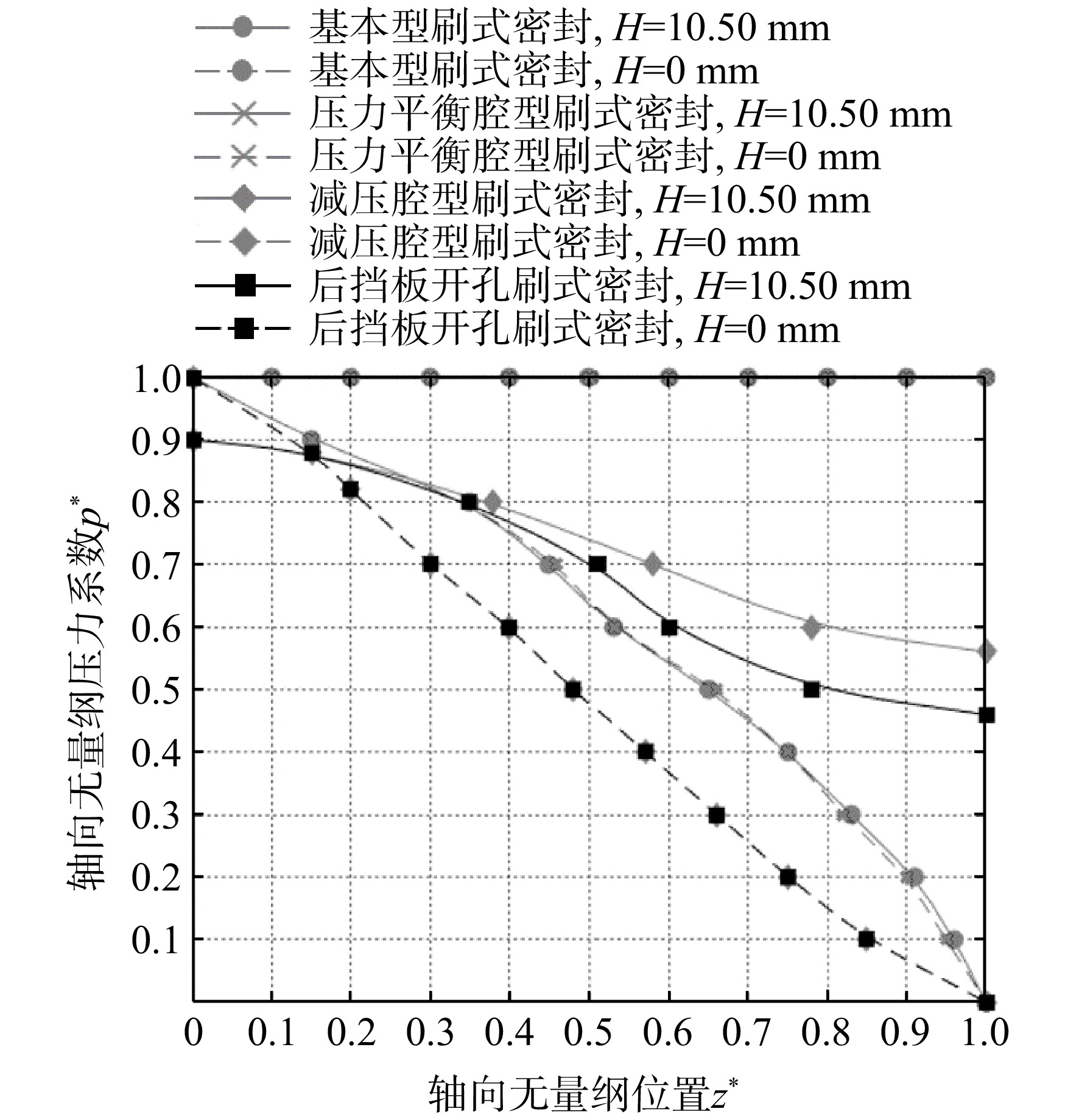
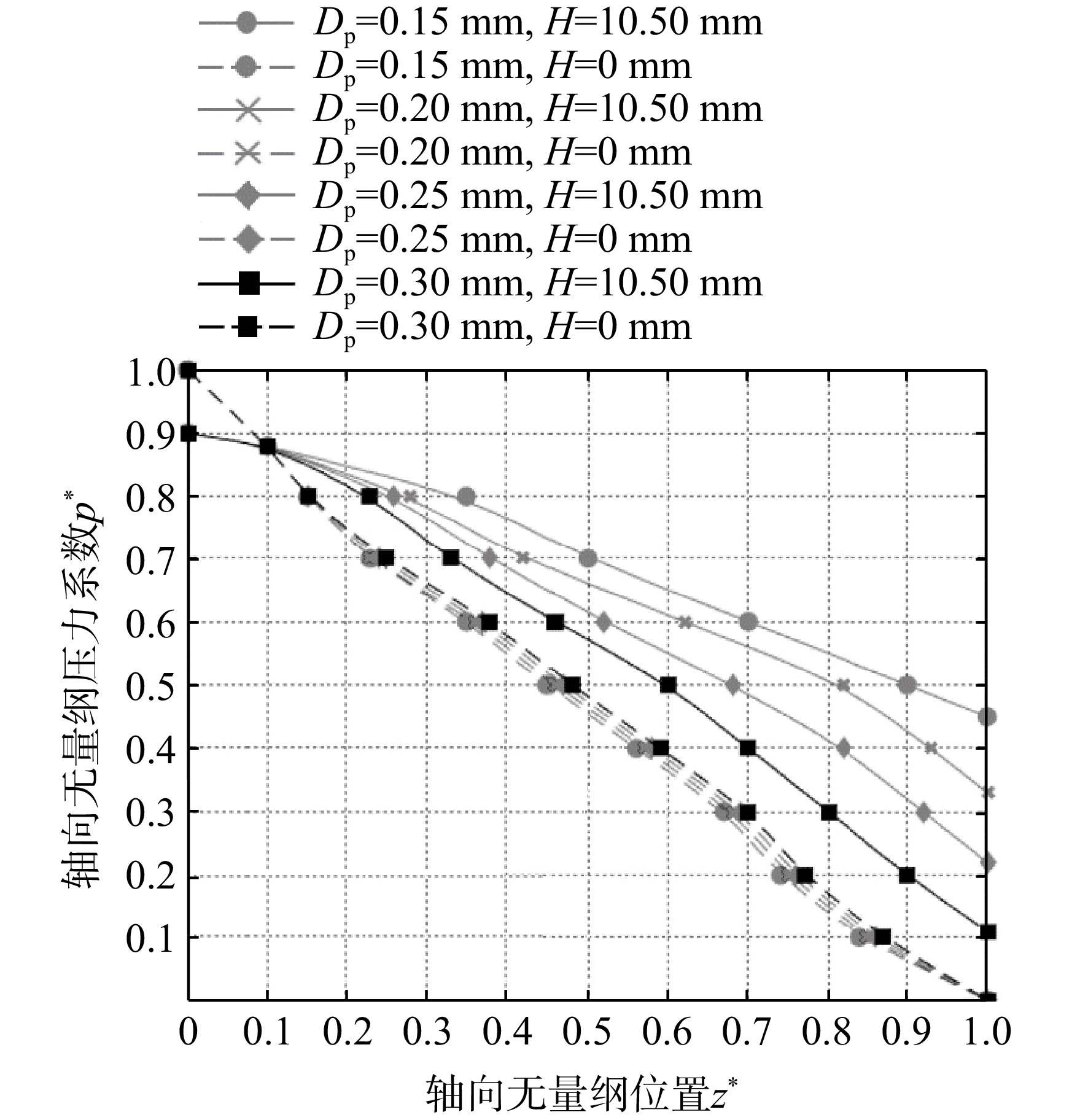
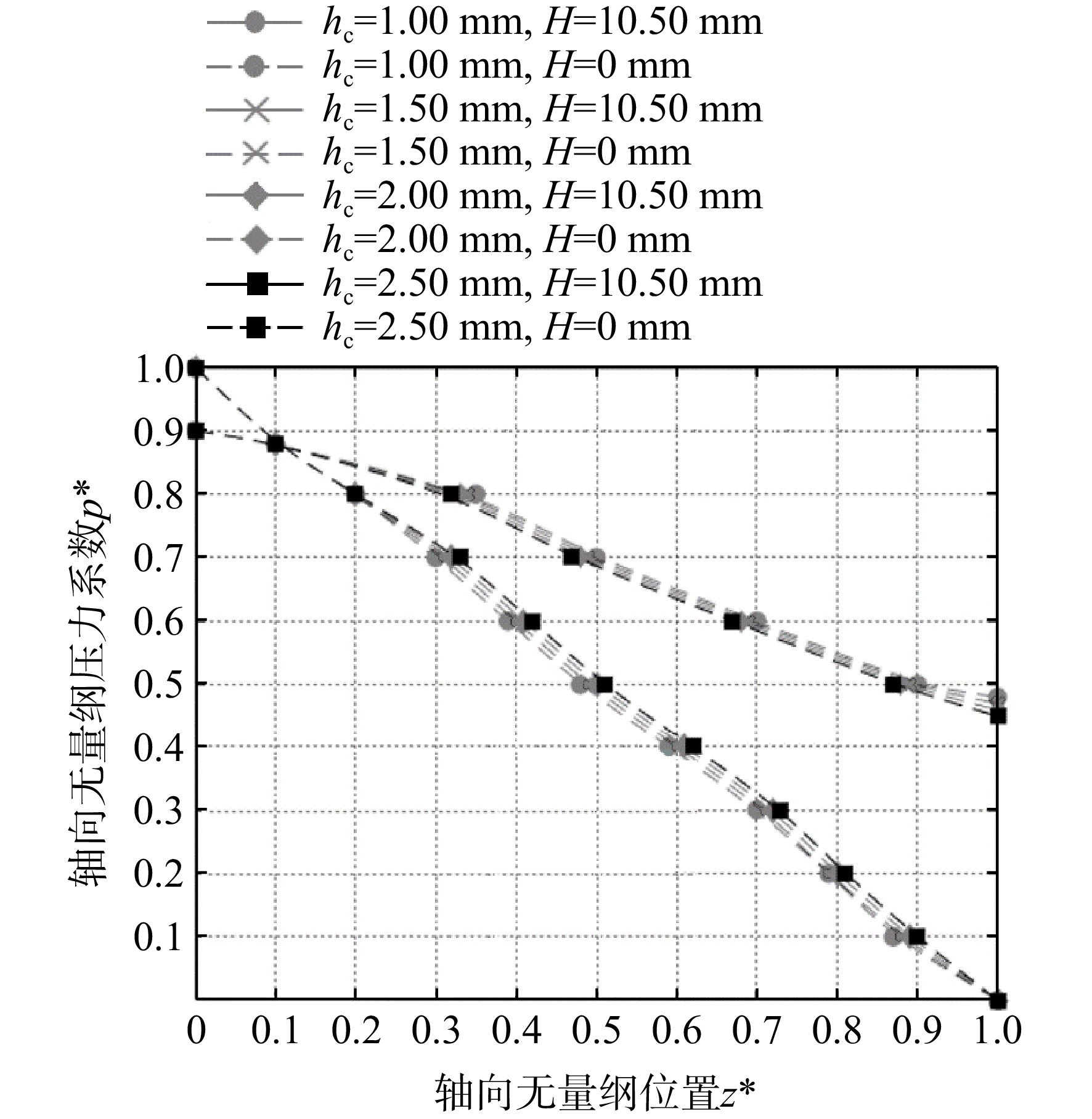
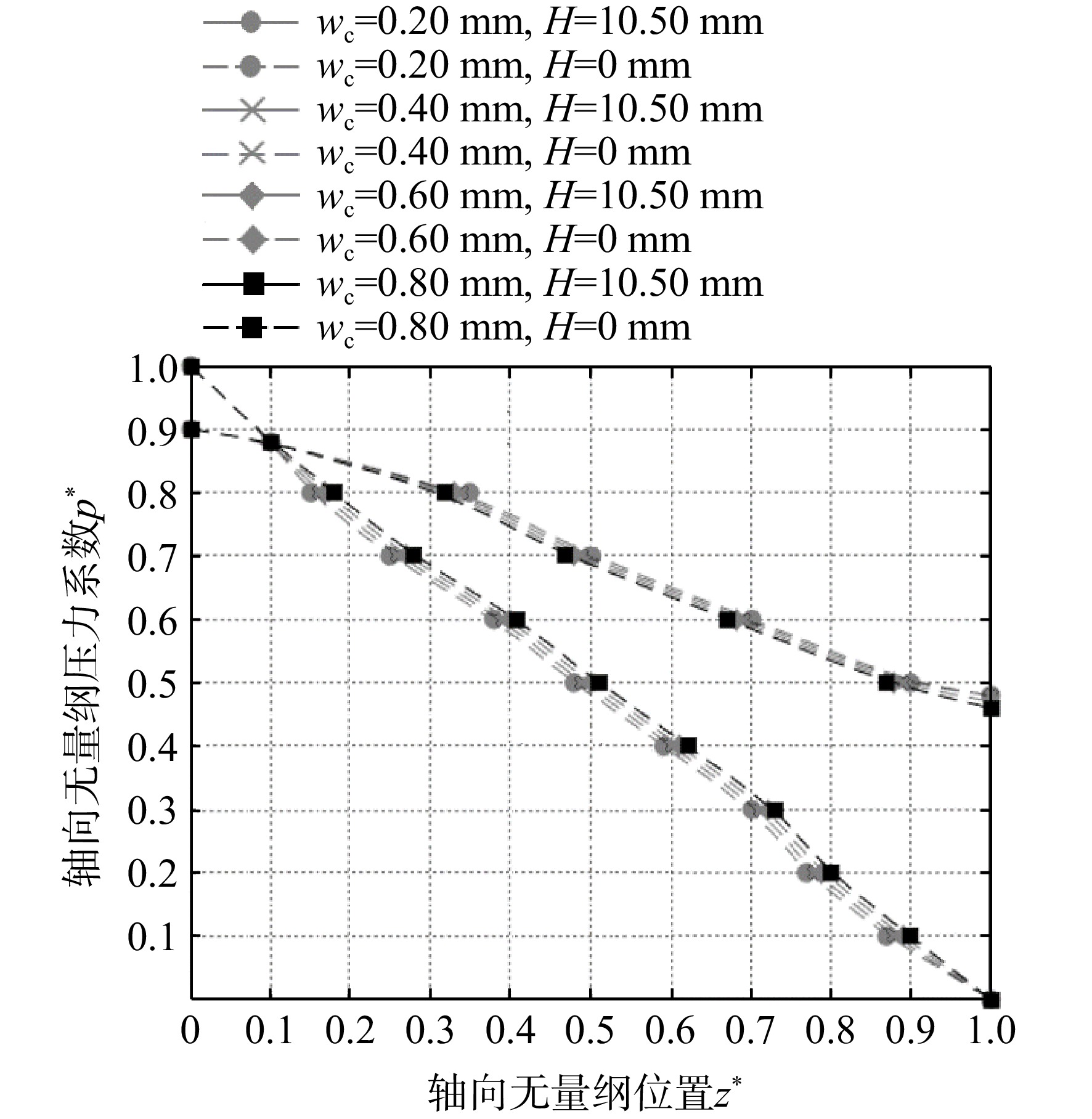
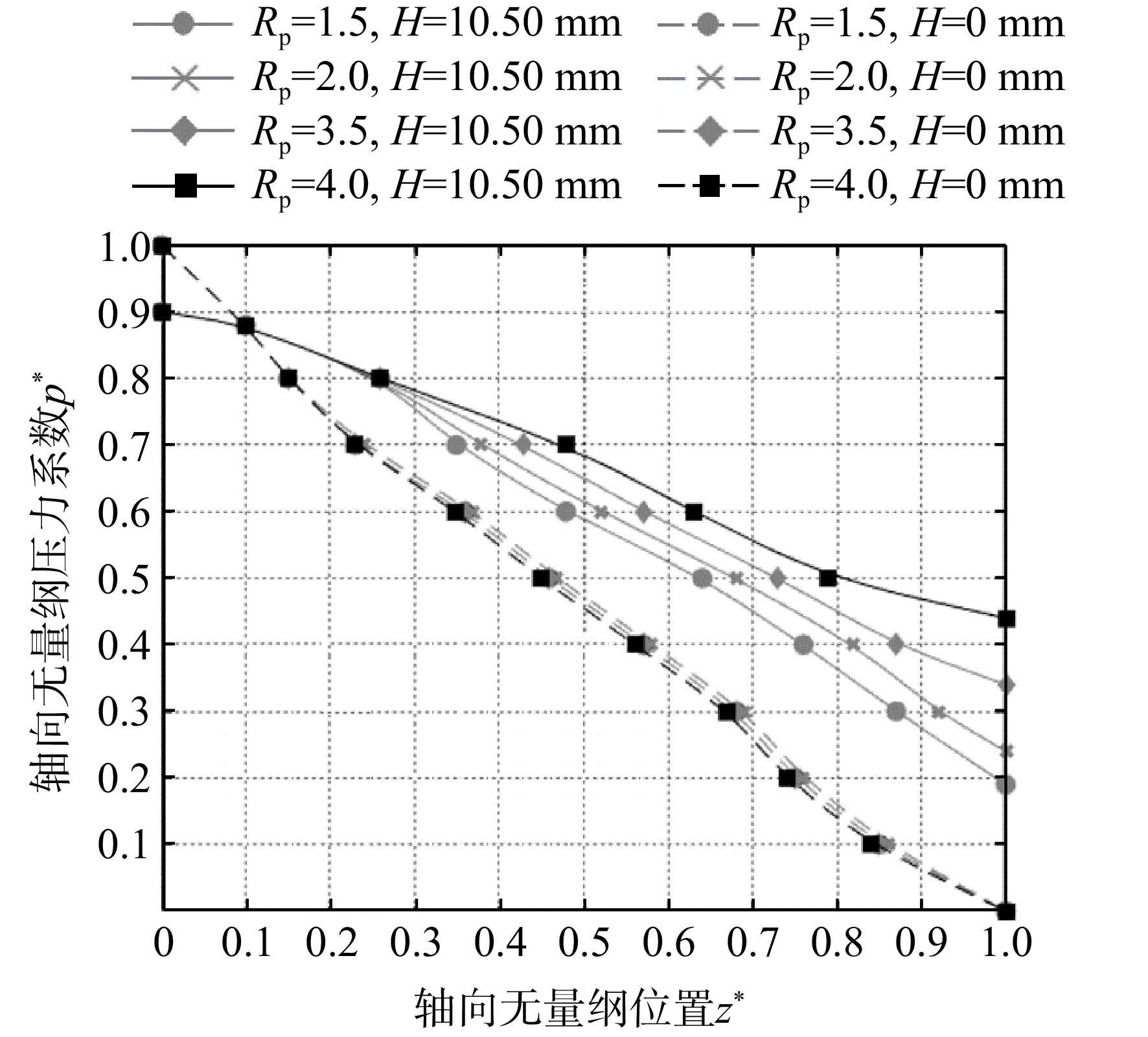
A improved brush seal structure with through hole on backing plate structure was presented, and a three-dimensional numerical calculation model for the flow field characteristics of the improved brush seal structure with through hole on backing plate was established. The flow field pressure distribution characteristics of the traditional and improved brush seals were compared and analyzed, and the influence laws of the structure parameters and operating parameters on the hysteresis and blow-down effects of the improved brush seal were studied. The research results showed that the brush seal with through hole on backing plate structure can effectively suppress the hysteresis and blow-down effects. Increasing the number and diameter of through hole on backing plate can improve the inhibition of hysteresis and blow-down effects. With the increase of inlet and outlet pressure ratio, the inhibition of brush seal with through hole on backing plate on hysteresis effect increased, and the inhibition of blow-down effect decreased. Under the pressure ratio range of 1.5 to 3.0, compared with pressure balanced chamber brush seal, the steady-state leakage of the modified structure increased by 11.2% to 15.4%, and compared with pressure relief chamber brush seal, the steady-state leakage of the modified structure decreased by 58.3% to 66.7%, inhibition of hysteresis effect performance was similar to pressure relief chamber brush seal and the sealing performance was improved. Three rows of pressure relief hole arrays uniformly distributed along the radial and circumferential directions were arranged on the backing plate, compared with basic brush seal, the dimensionless pressure coefficient of the downstream surface of the bristle was reduced by 85.0% to 88.9%, the pressure at the contact position between the downstream surface of the bristle and backing plate decreased significantly, the difference between the dimensionless pressure coefficient of the upper and lower end faces of the bristle was reduced by 75.0% to 96.7%, and the radial pressure difference inside the bristle was significantly reduced. The inhibition of hysteresis and blow-down effects was obvious.

Prediction of response intervals for misalignment faults in uncertain rotor systems
ZHANG Yuxi, YANG Yang, ZENG Jin, YANG Yiren, MA Hui, CAO Dengqing
2025, 40(2): 20220540. doi: 10.13224/j.cnki.jasp.20220540
Abstract:

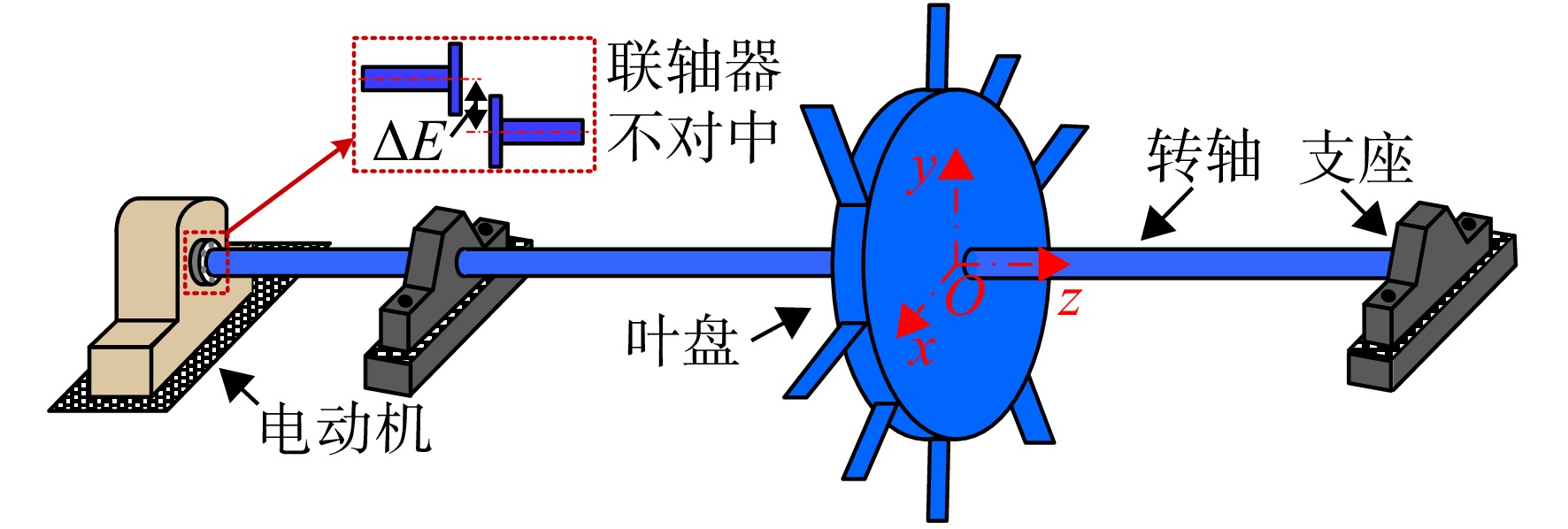
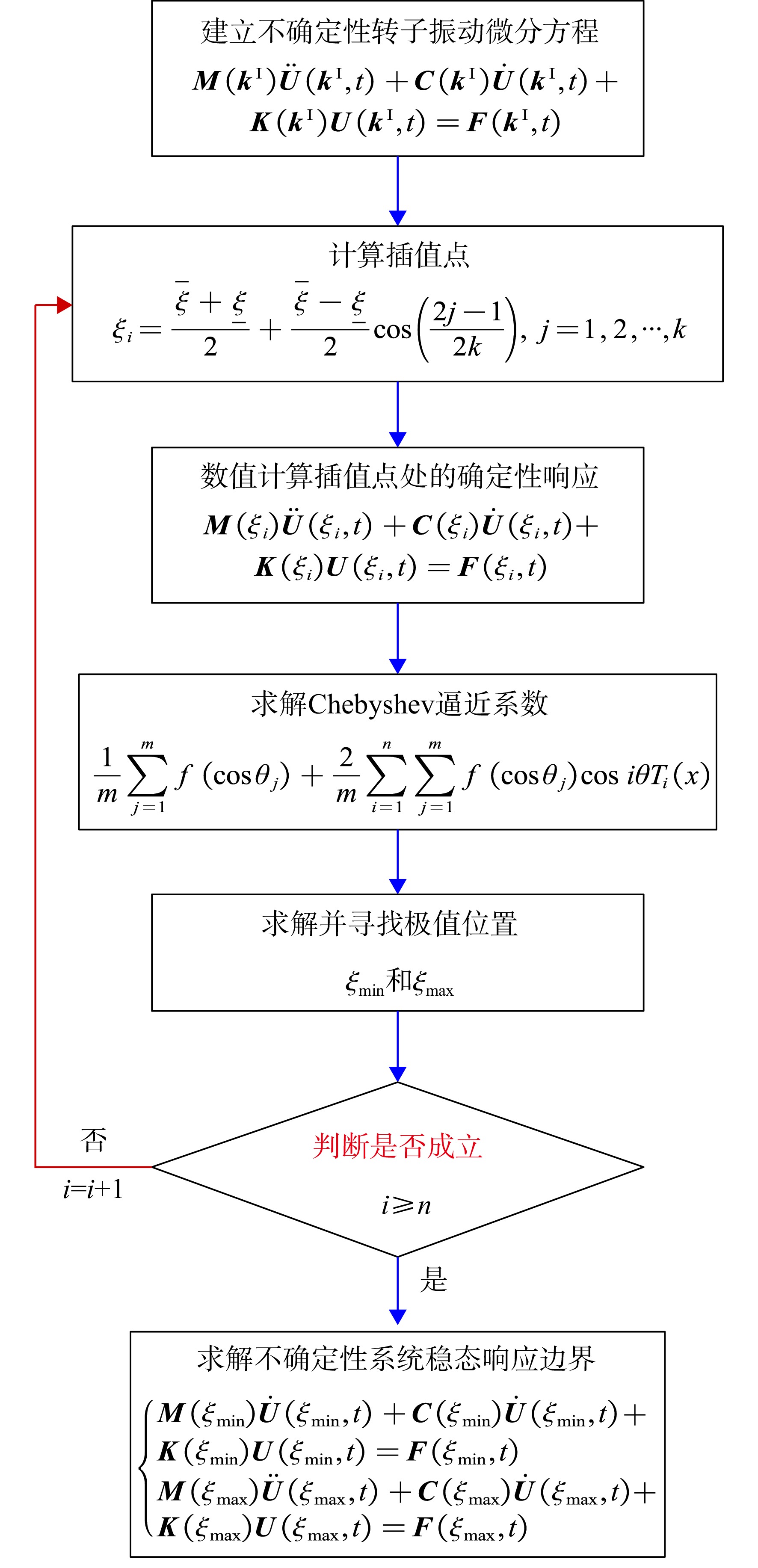
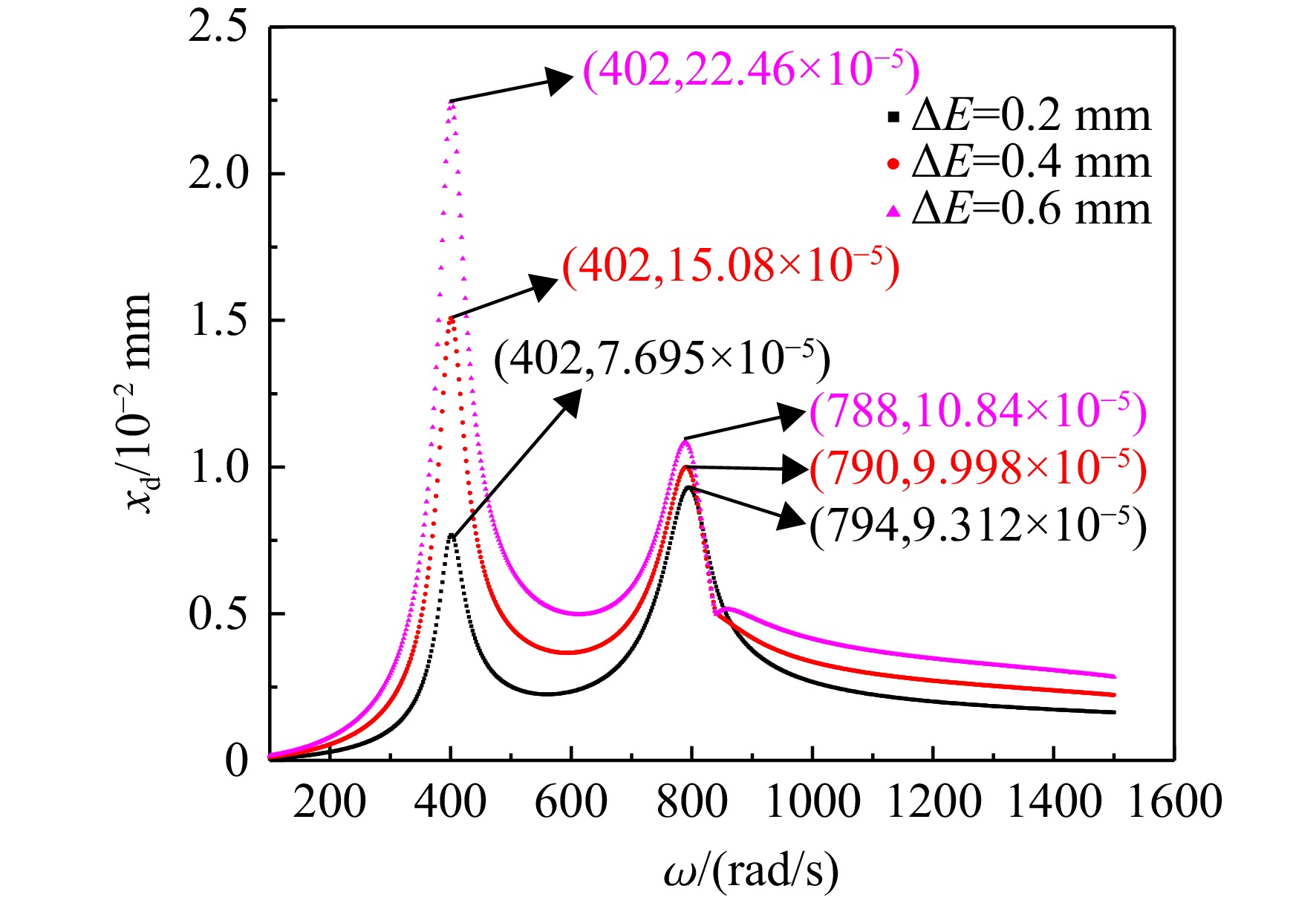
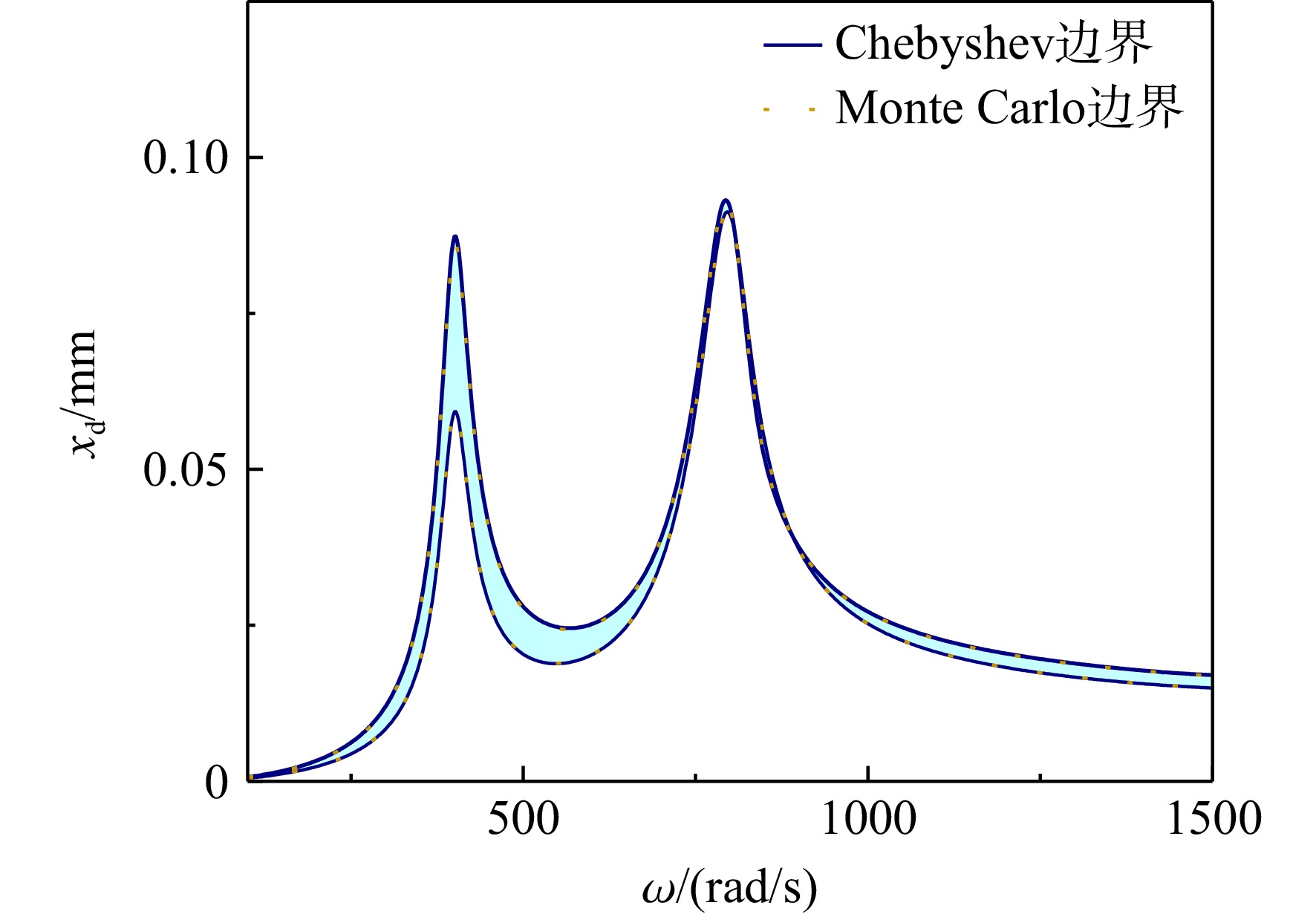
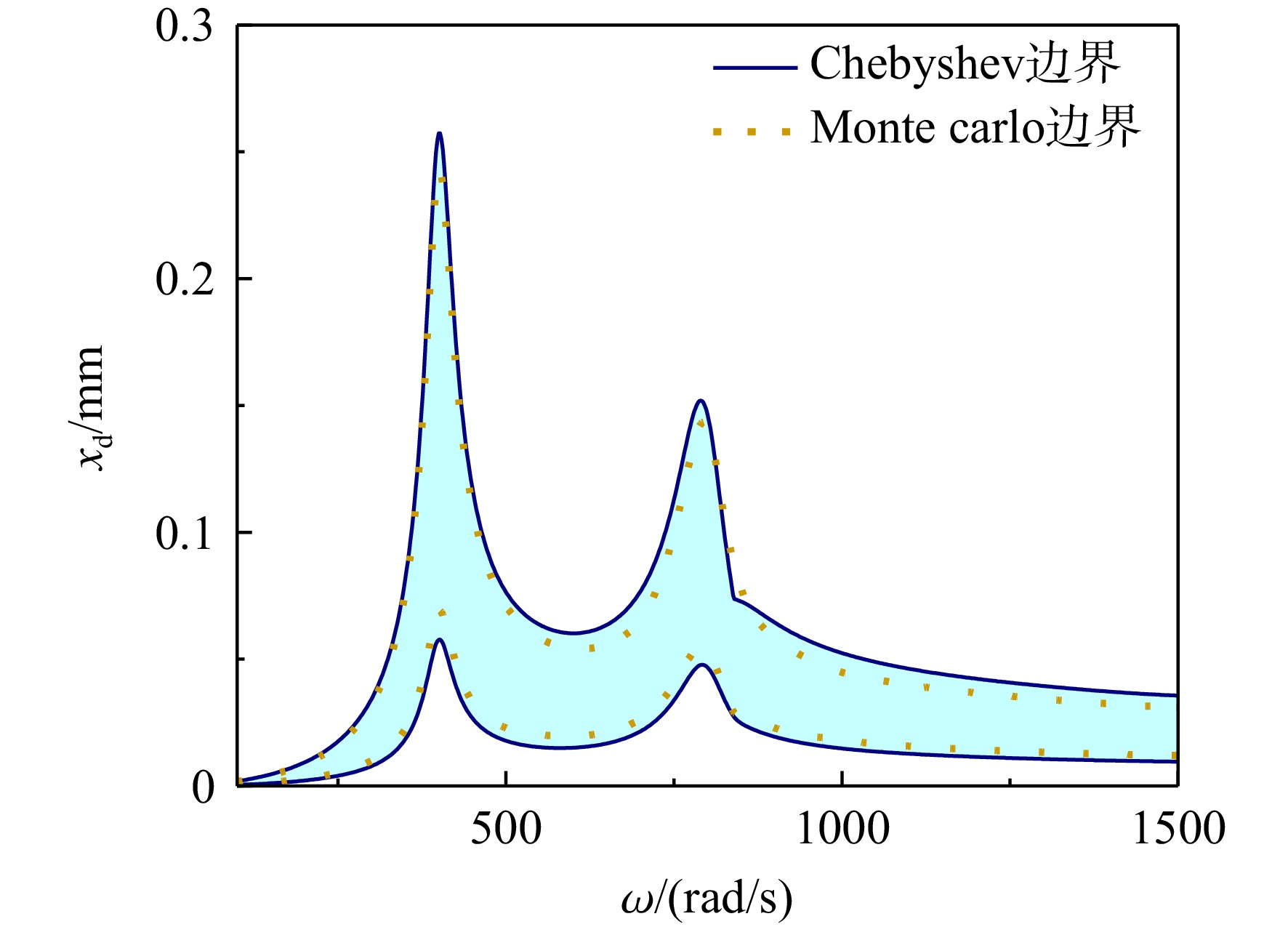
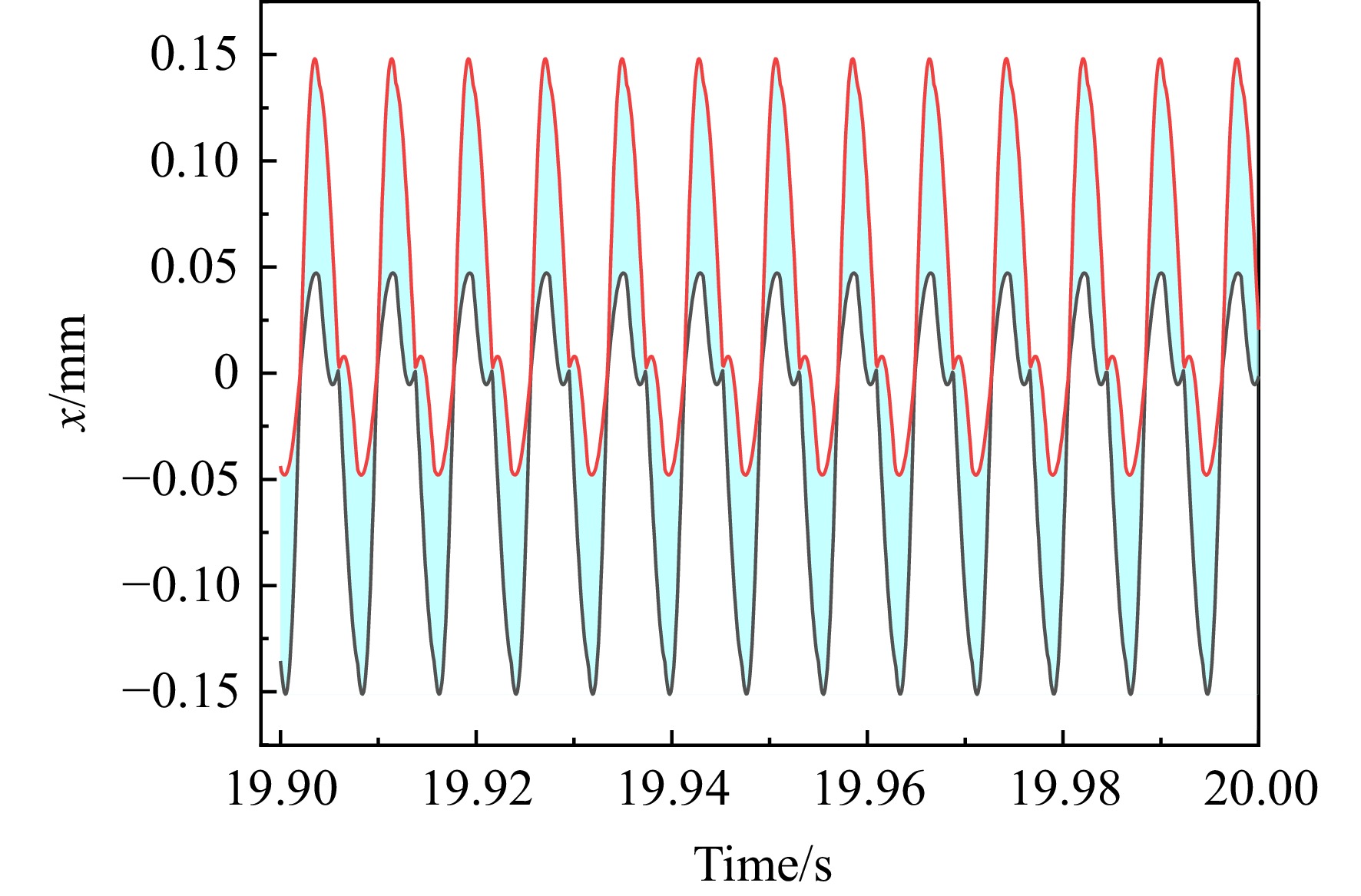
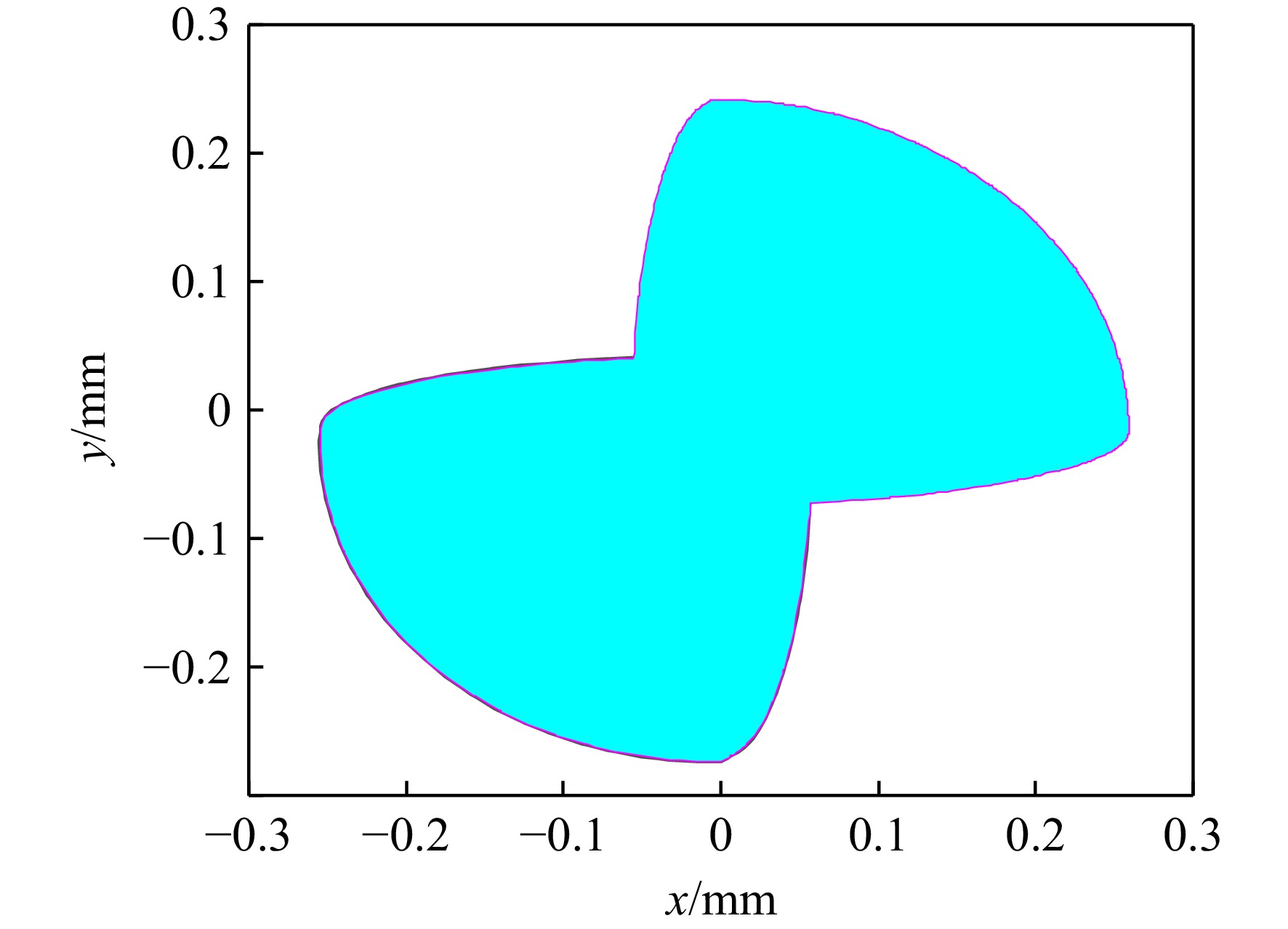
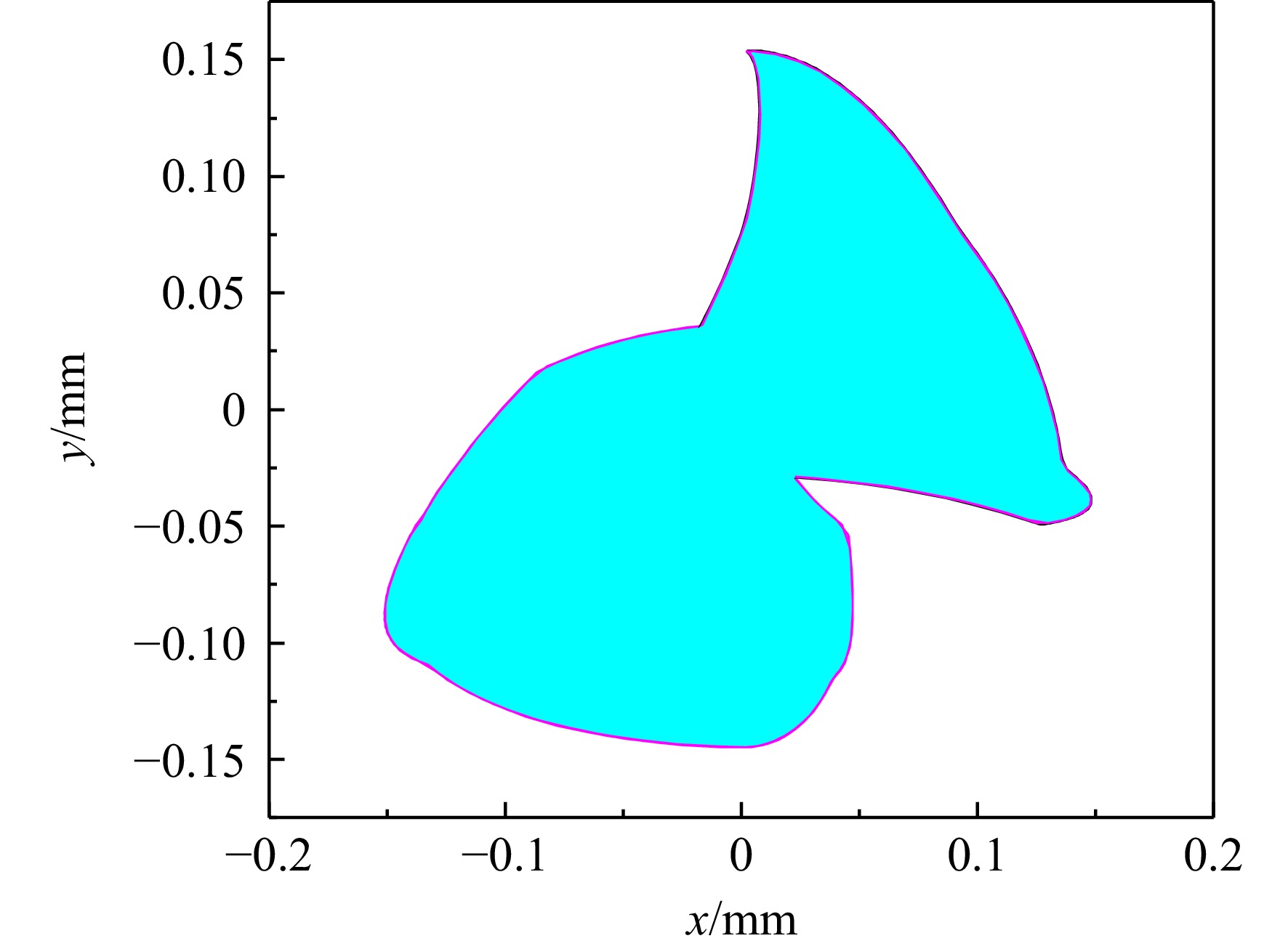
Considering the effect of interval uncertainty on aero-engine rotor systems, a non-embedded interval analysis method based on Chebyshev orthogonal polynomials was applied to analyze the dynamics of rotor systems with parameter uncertainties. The uncertainties of the key parameters, such as the amount of blade disk unevenness, the amount of coupling misalignment, and the mass of coupling sleeve teeth, were taken into account to establish a dynamic model of the rotor system with misalignment faults. On this basis, the vibration response of the uncertain system and the influence of its parameters were investigated by numerical simulation, and the sensitivity of the vibration response of the rotor system to different uncertain parameters at different rotational speeds was analyzed. Meanwhile, the effectiveness of the method was verified by comparing with the traditional Monte Carlo simulation. The results showed that the vibration response of the rotor system presented an interval form under the influence of the uncertainty interval parameters, and the effects of different uncertainty parameters showed obvious differences. Under the combined effect of multiple sources of uncertainty parameters, the interval phenomenon of the system was more obvious, and even the critical speed of the system was also affected. The results of this study can provide a theoretical reference for prediction of the uncertainty response of complex rotor systems with misaligned faults.
Combustion,Heat and Mass Transfer
Leidenfrost effect on cryogenic surface and its influence on pipe wall chilldown performance
WANG Lei, CHENG Cheng, TIAN Gui, LI Zhuolun, LI Yanzhong
2025, 40(2): 20230215. doi: 10.13224/j.cnki.jasp.20230215
Abstract:

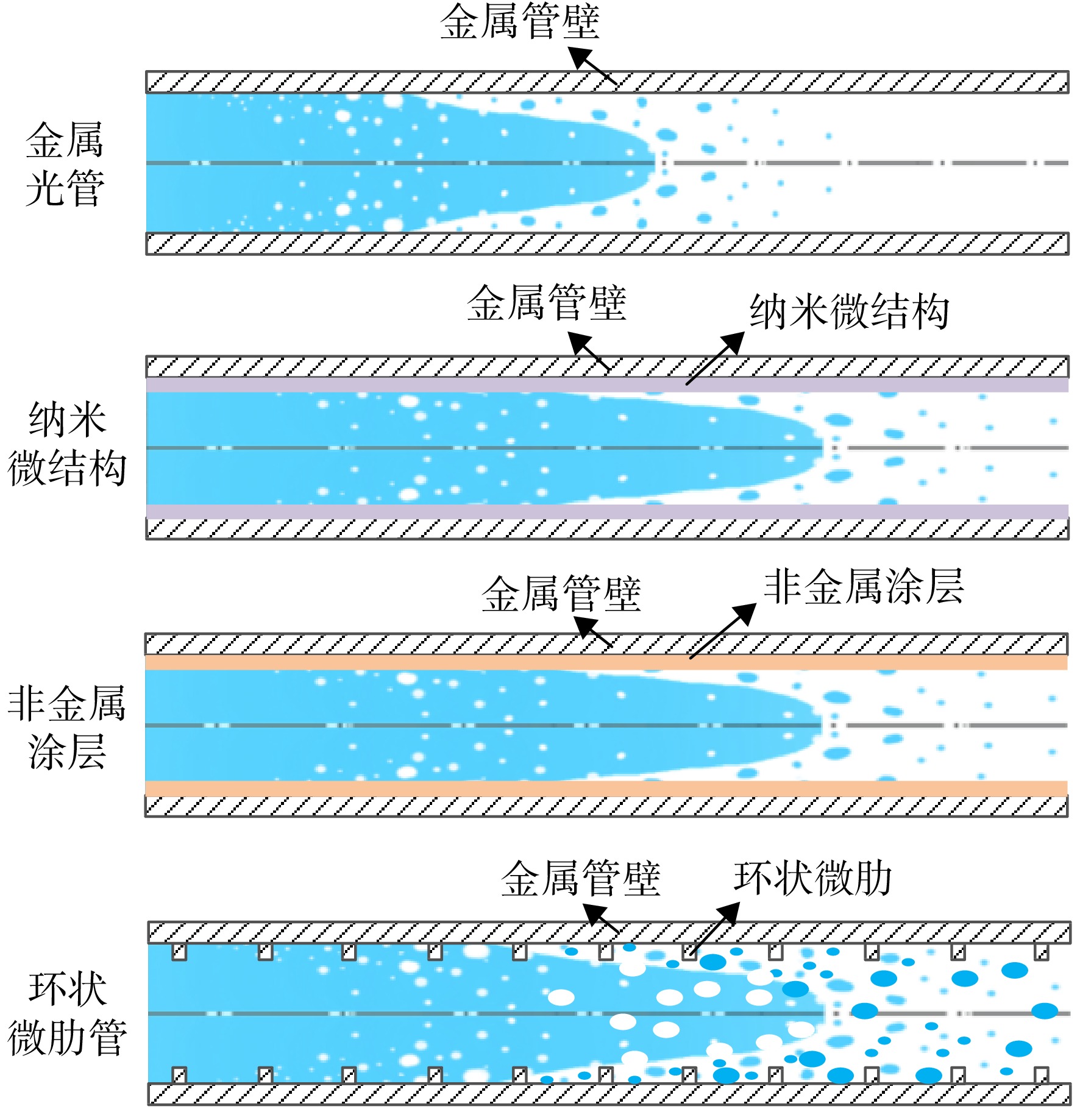
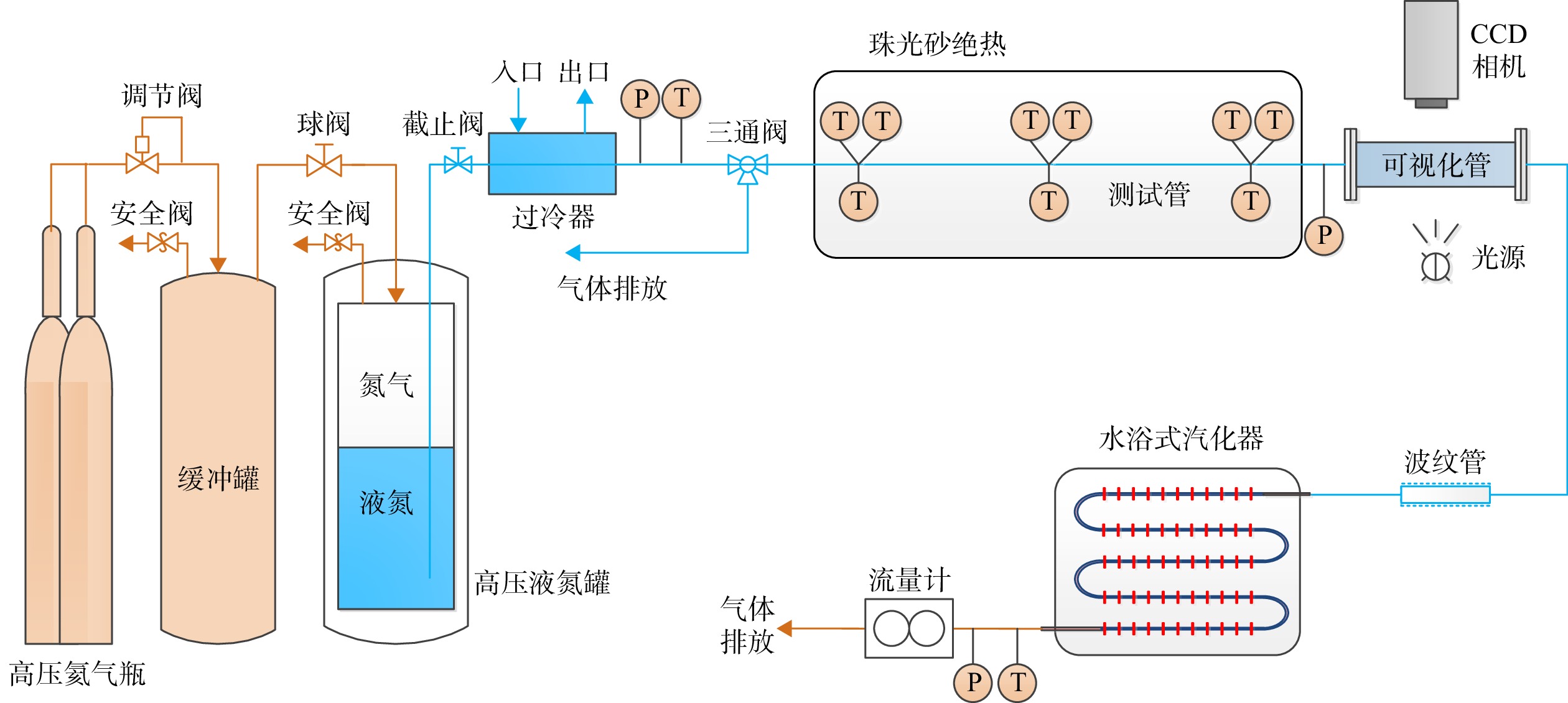
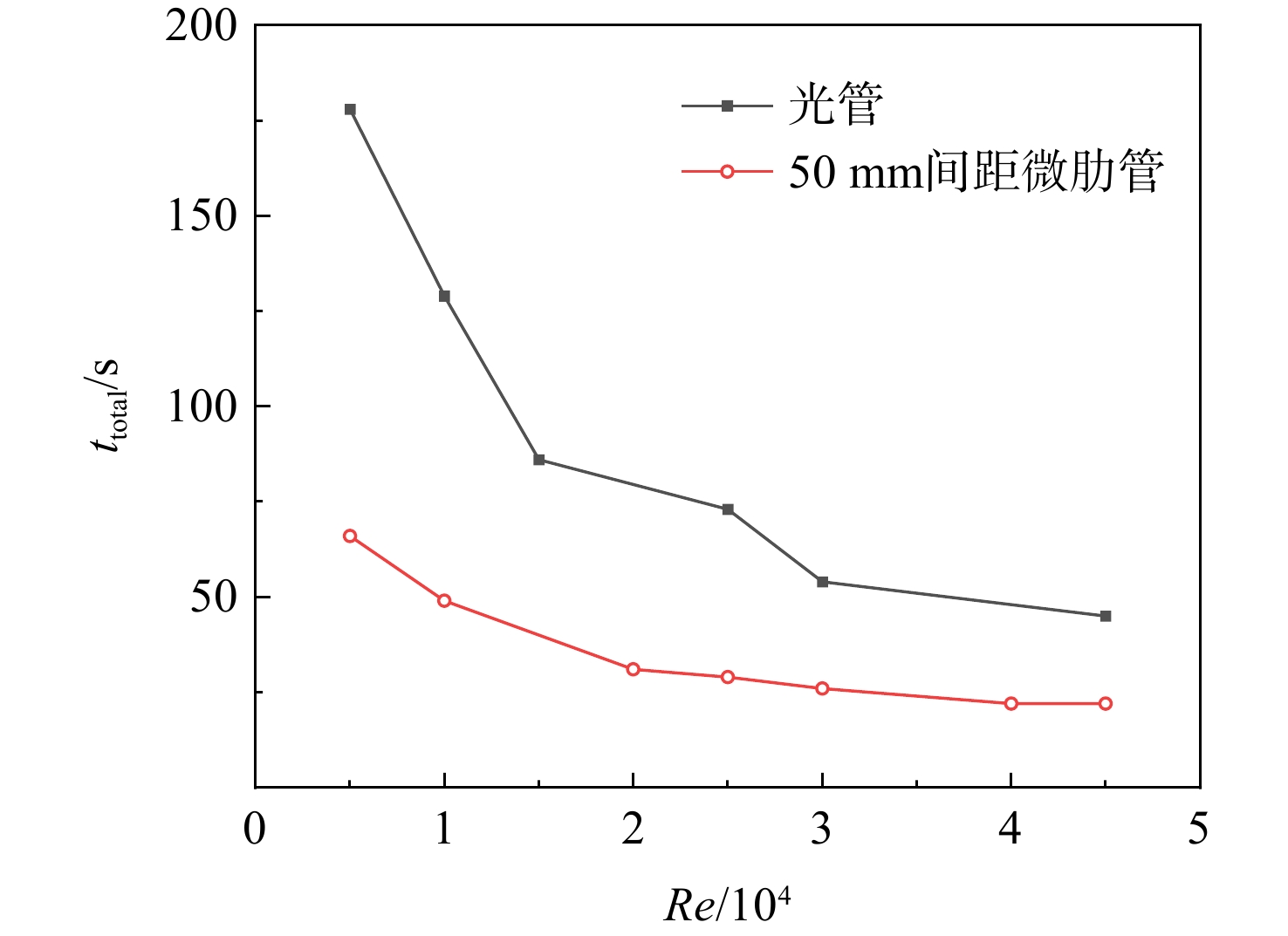
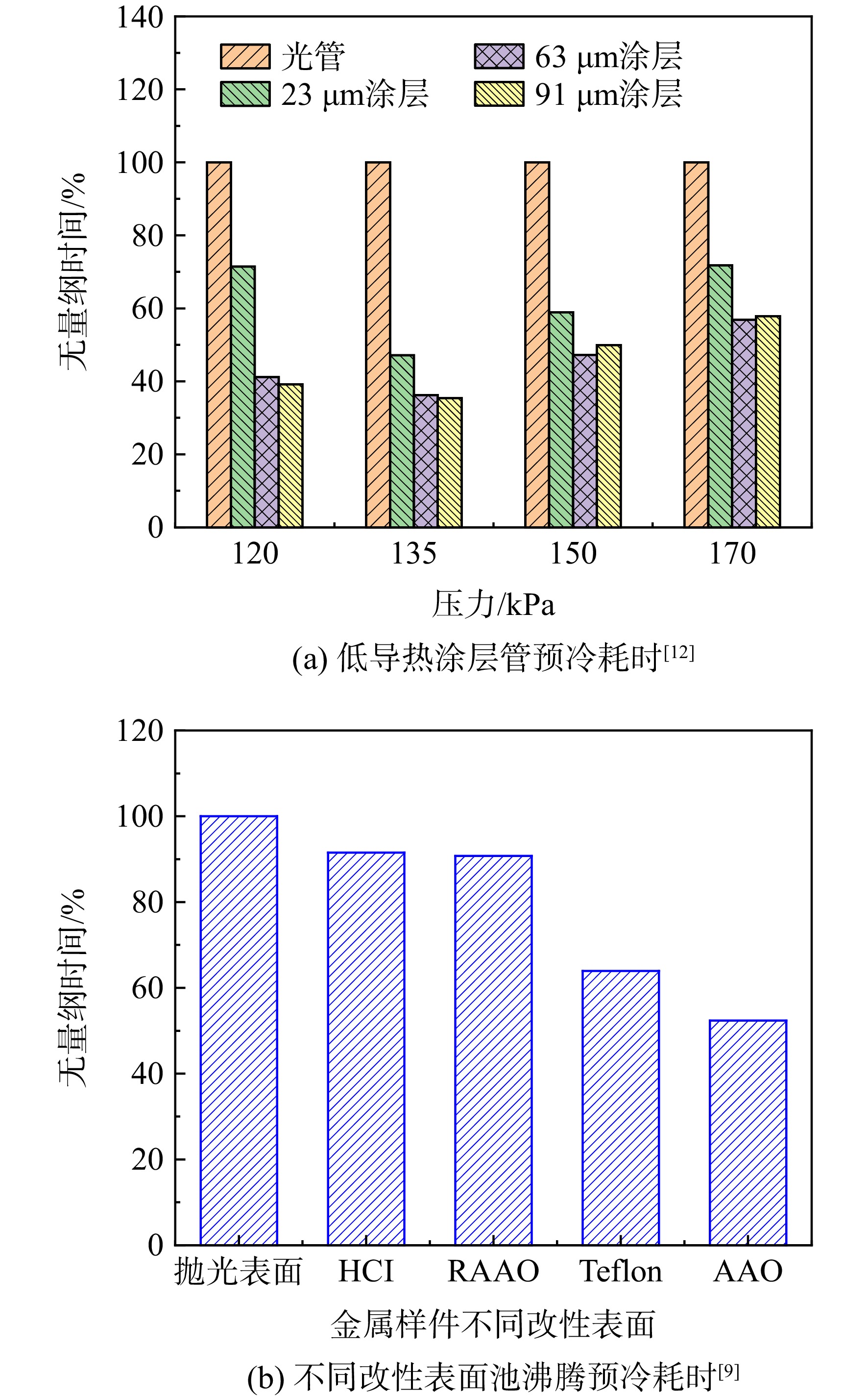
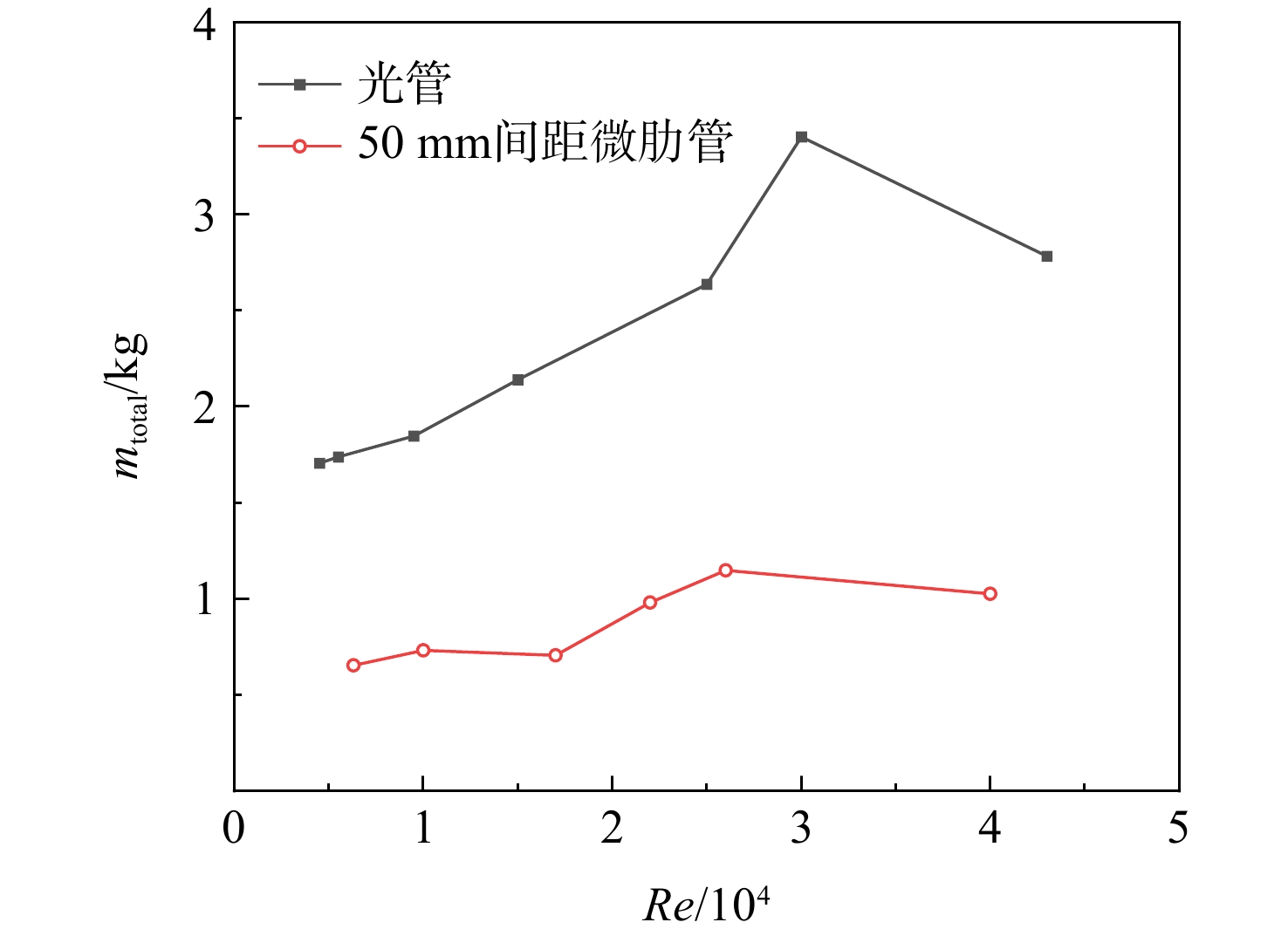
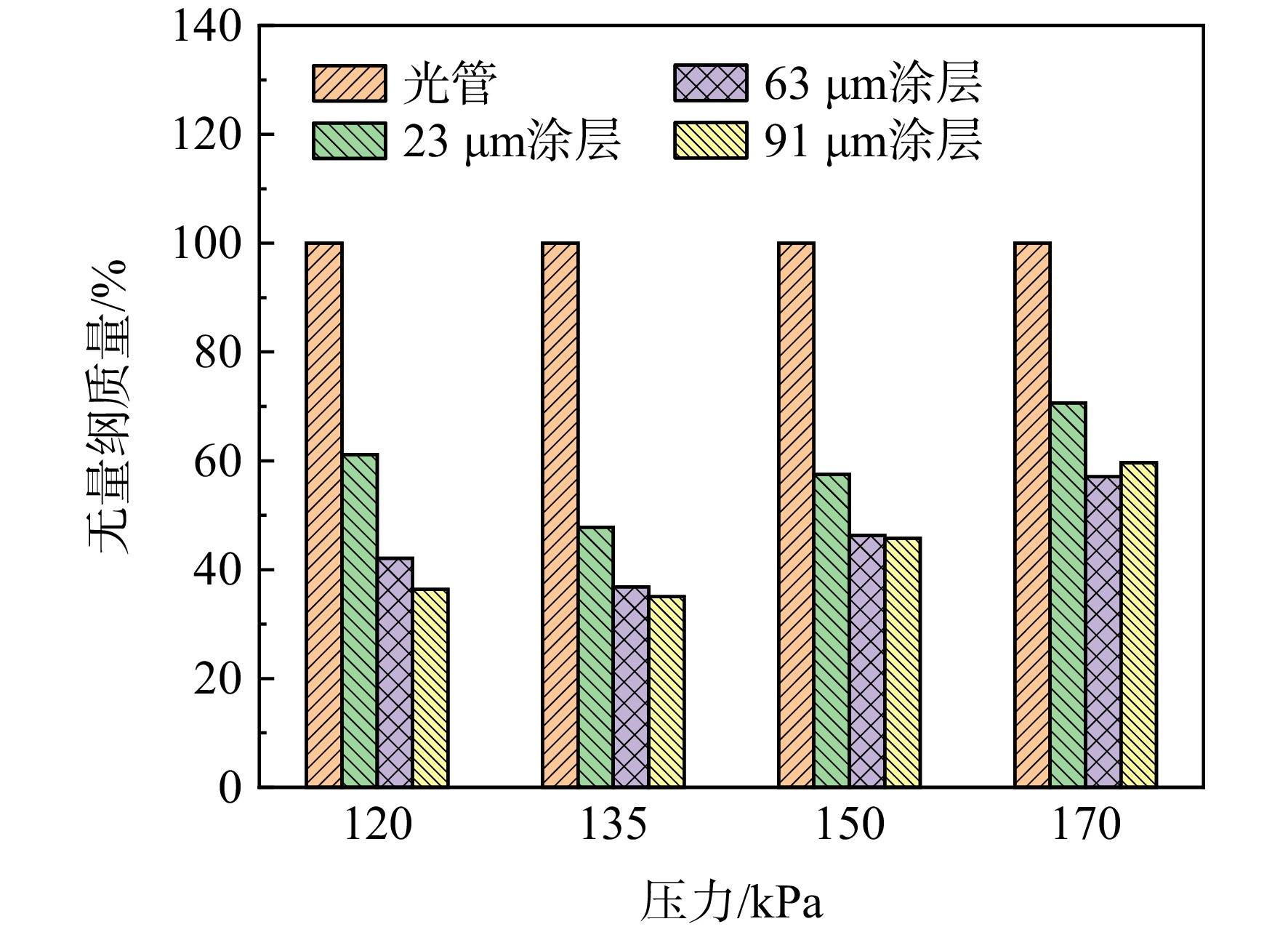
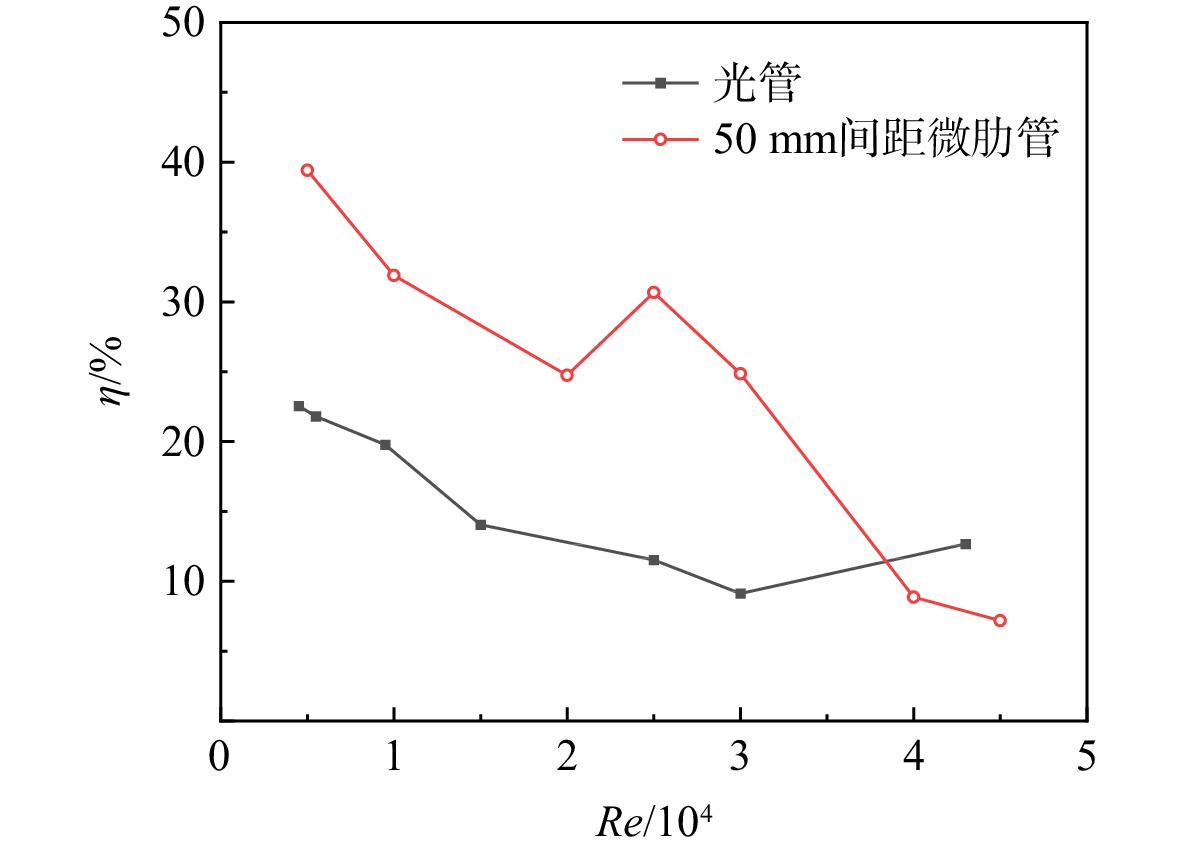
Taking Leidenfrost effect as the criterion, the heat and mass transfer mechanisms and wall temperature decrease effects among different surface modification techniques on fast chilldown were compared and analysed. A test platform was established to study the chilldown characteristics of micro-fin tube. The results demonstrated that the micro-fin structure could motivate a radial velocity component inside the inversed annular vapor film. This radial velocity struck the liquid-vapor interface, bringing about a significant interface fluctuation or tearing the liquid column. Therefore, an early liquid-wall contacting heat transfer, represented as the suppresion of Leidenfrost effect, could be yielded by which a chilldown acceleration was reached. Moreover, the micro-fin tube could attain the dual-purpose of reducing time cost and saving propellant consumption. When a micro-fin tube was adopted, the Leidenfrost effect did not occur so the tube wall probably experienced an approximately linear temperature decrease. Compared with the smooth tube cases, the time cost was reduced by 50%—63% and the liquid consumption decreased by 59%—69%. In addition, for the present experimental results, the chilldown efficiencies of the micro-fin tube cases were about 7%—40%, and the results for the straight tube cases were about 10%—22%. Generally, the present research provides a reliable theoretical support for the high-efficient utilization of cryogenic propellant in aerospace field.
Numerical study on viscous flow field and initiation evolution of oblique detonation waves
YANG Li, YUE Lianjie
2025, 40(2): 20220535. doi: 10.13224/j.cnki.jasp.20220535
Abstract:

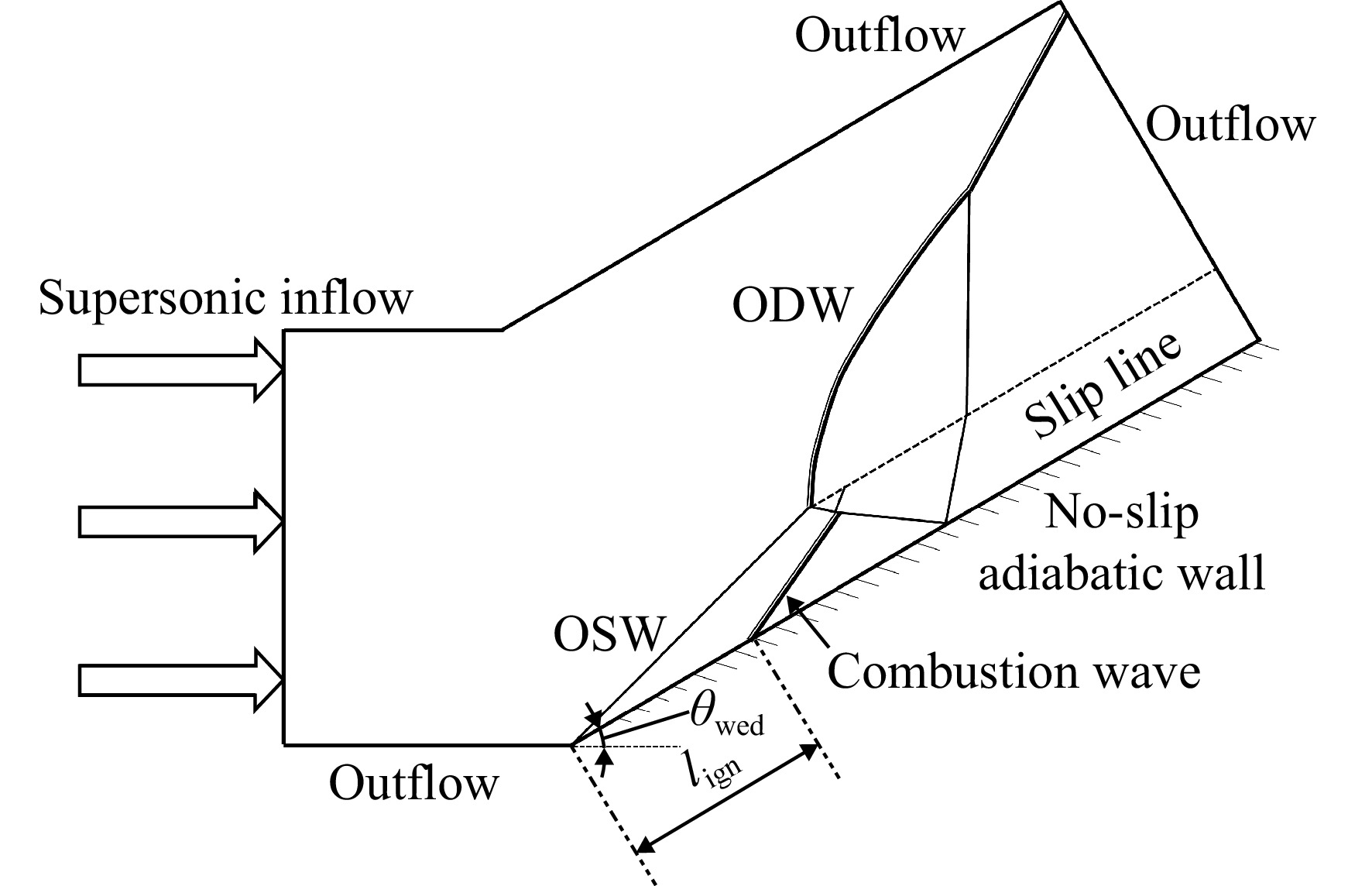
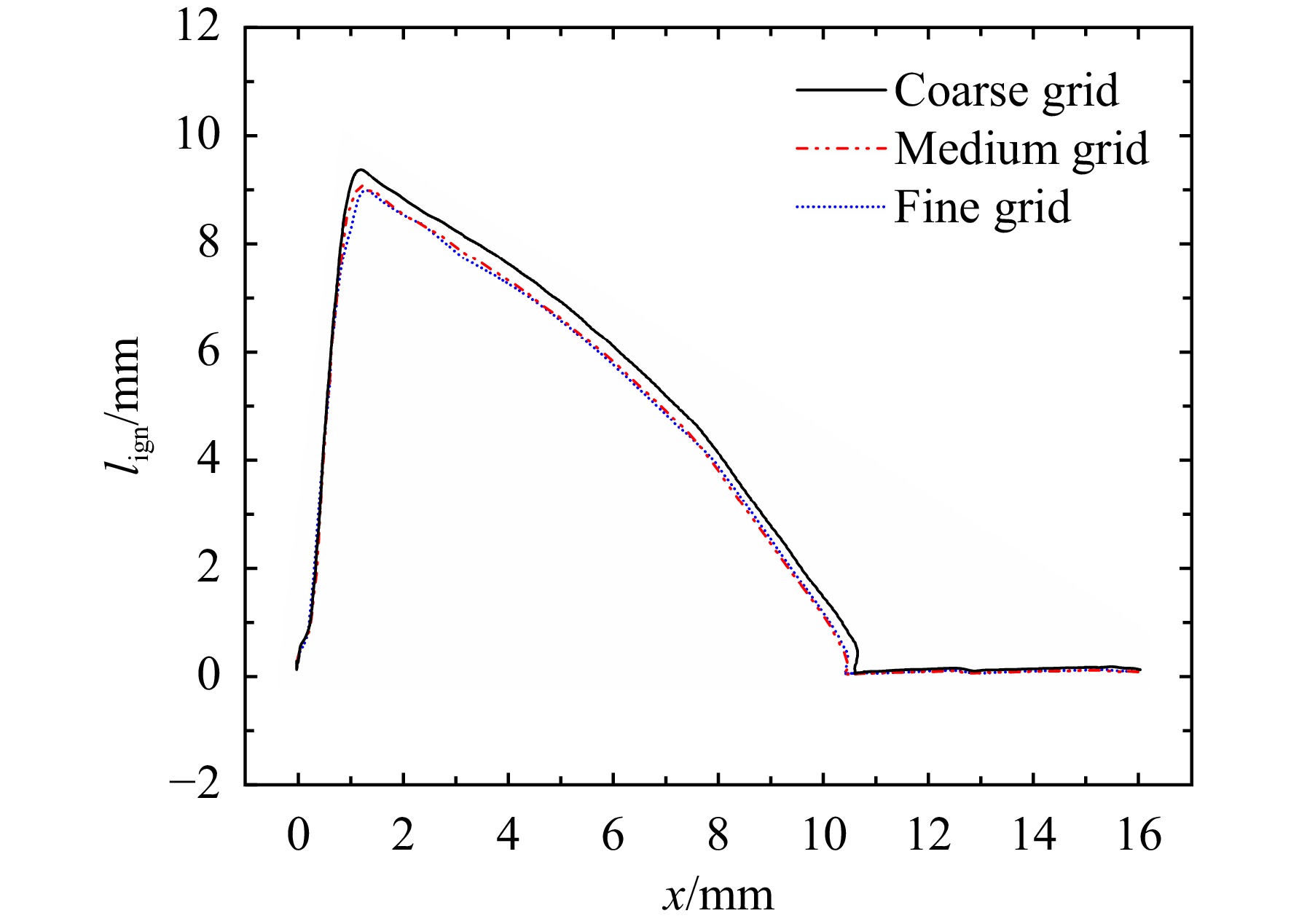
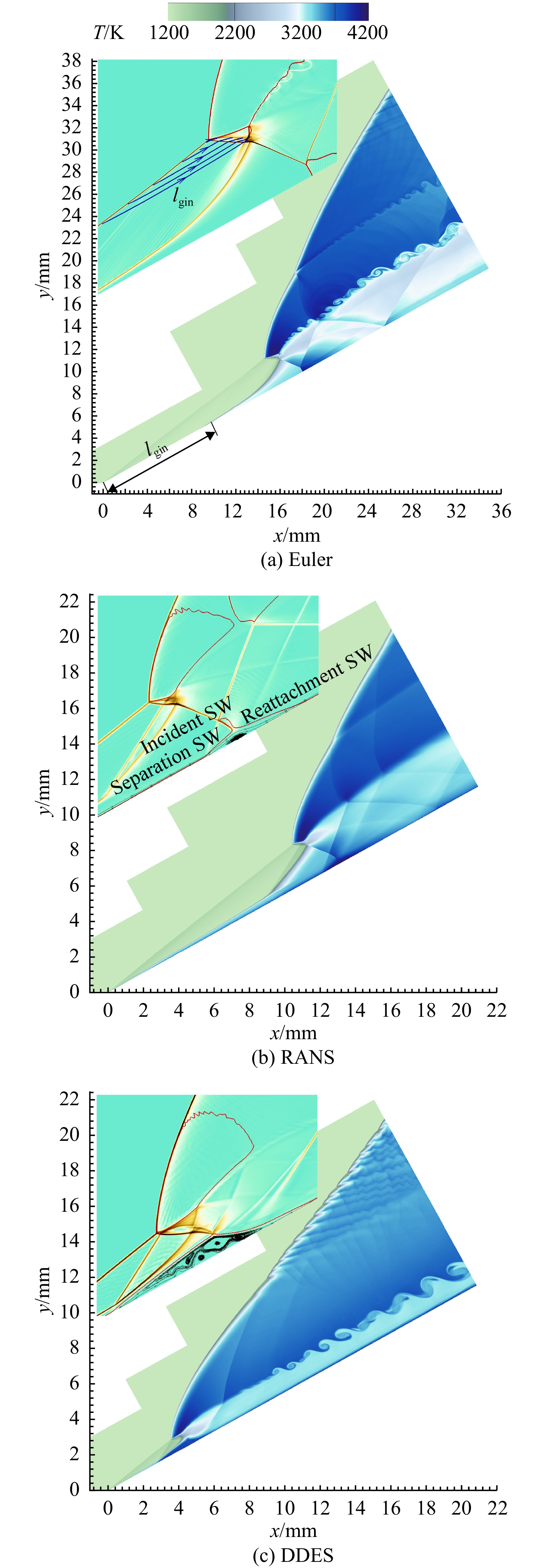
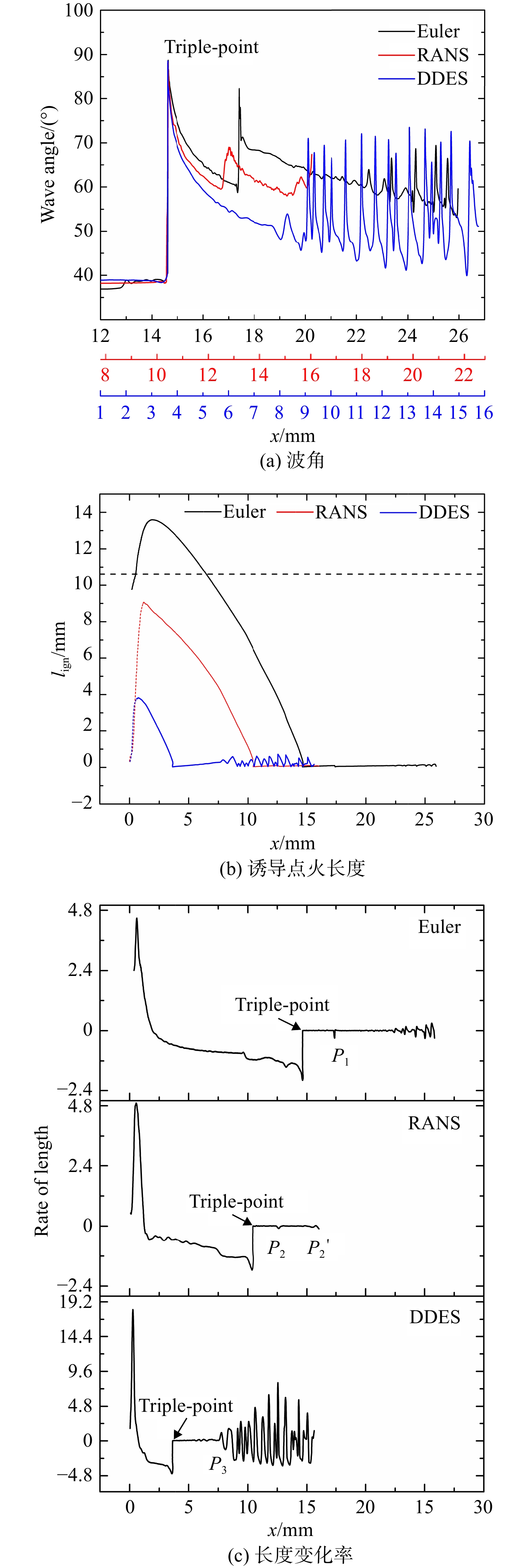
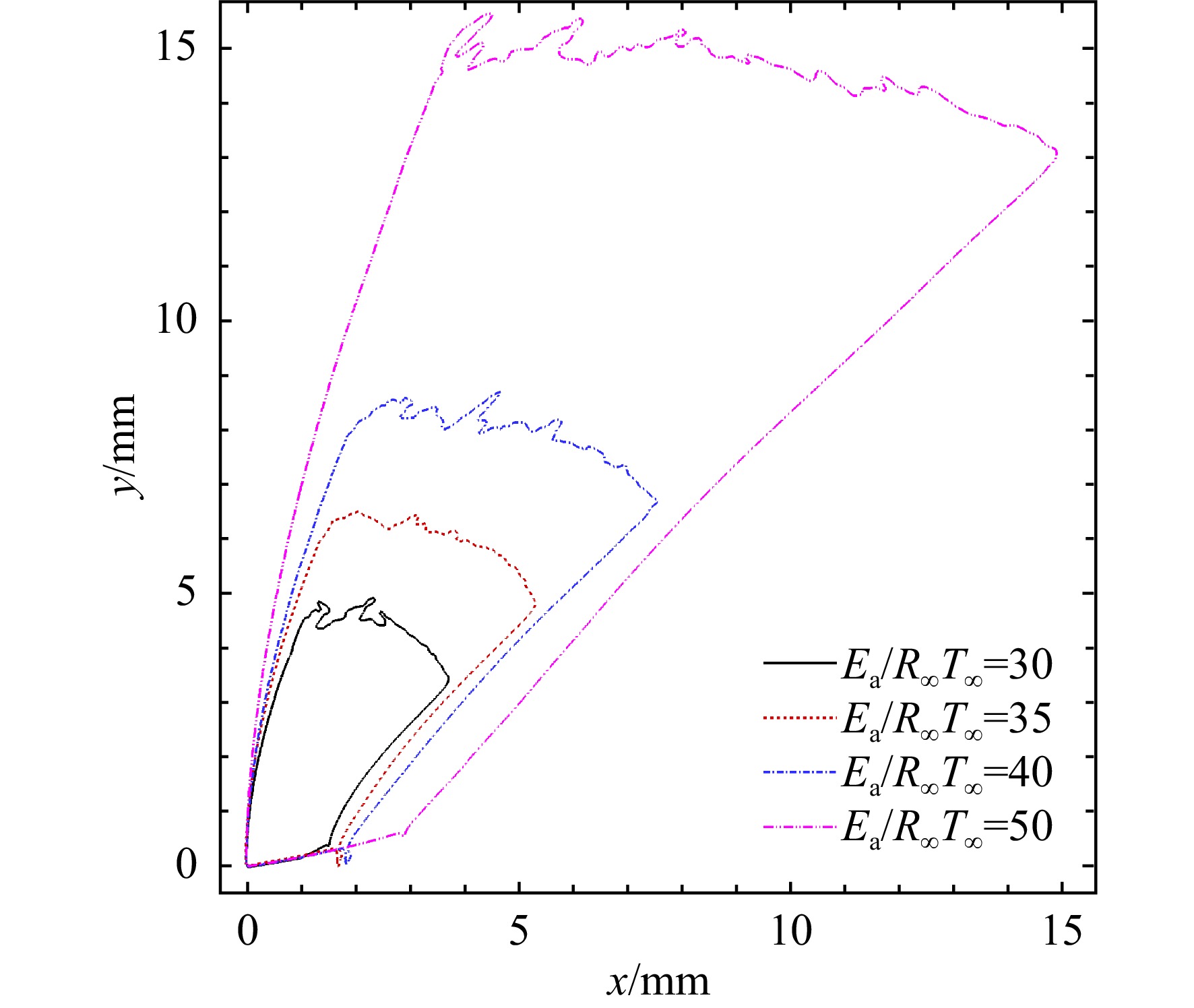
To investigate the influences of viscous effects on the oblique detonation wave (ODW) front, and discern the essential characteristic for the evolution of ODW initiation, an inviscid/viscous simulation was conducted with a high-resolution numerical solver to study the wedge-induced ODW. It was manifested that the wave angle of inert oblique shock wave (OSW) for viscous computation was larger than that for inviscid computation, which contributed to a short induction ignition length behind OSW with consideration of the influence of separation bubble downstream. For viscous simulation, owing to the unsteady characteristics of the separation/attachment shock wave aligned to the separation bubble on the wall, the cellular-like structures of ODW front appeared more quickly. The initiation of ODW was triggered by the collision between shock-induced combustion and OSW, and ODW expanded outward subjecting to the triple-point; especially, the strength of the combustion wave had a significant influence on the scale of strong overdriven ODW region in quasi-steady flow field.

Lean ignition performance of trapped vortex cavity afterburner with different cavities
WANG Jintao, ZHONG Shilin, KANG Yudong, DENG Yuanhao, ZHANG Fei
2025, 40(2): 20230151. doi: 10.13224/j.cnki.jasp.20230151
Abstract:

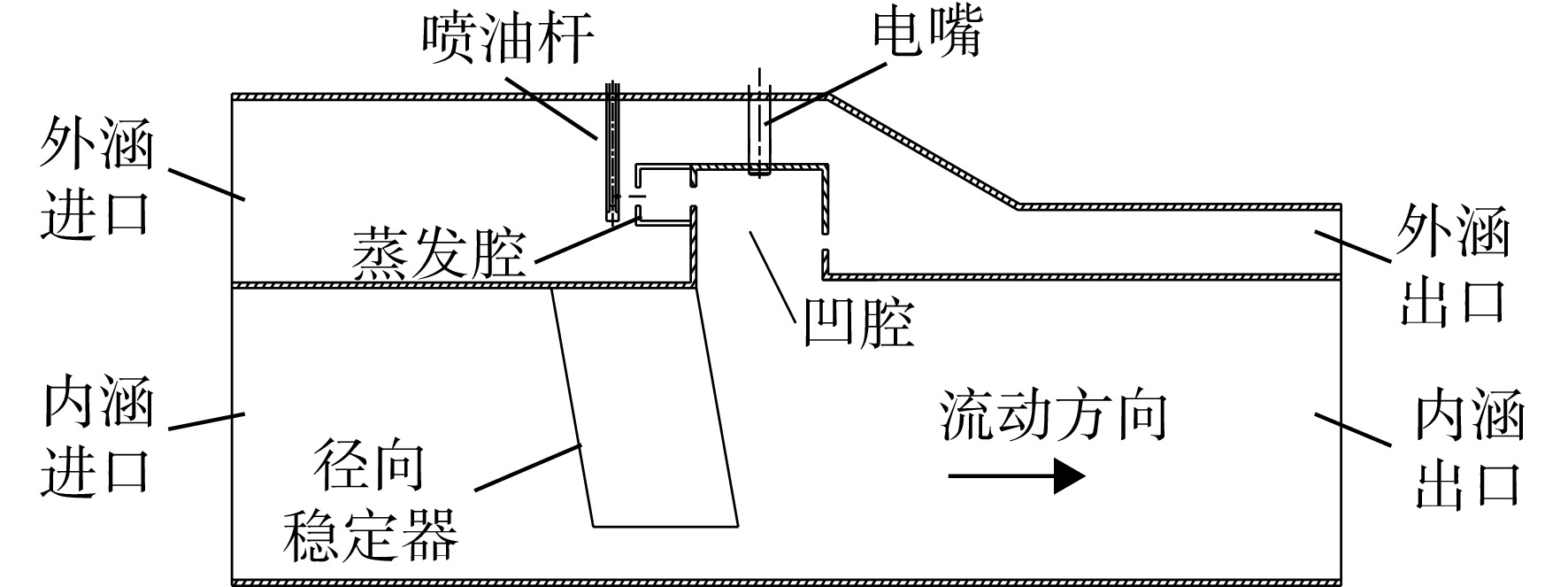
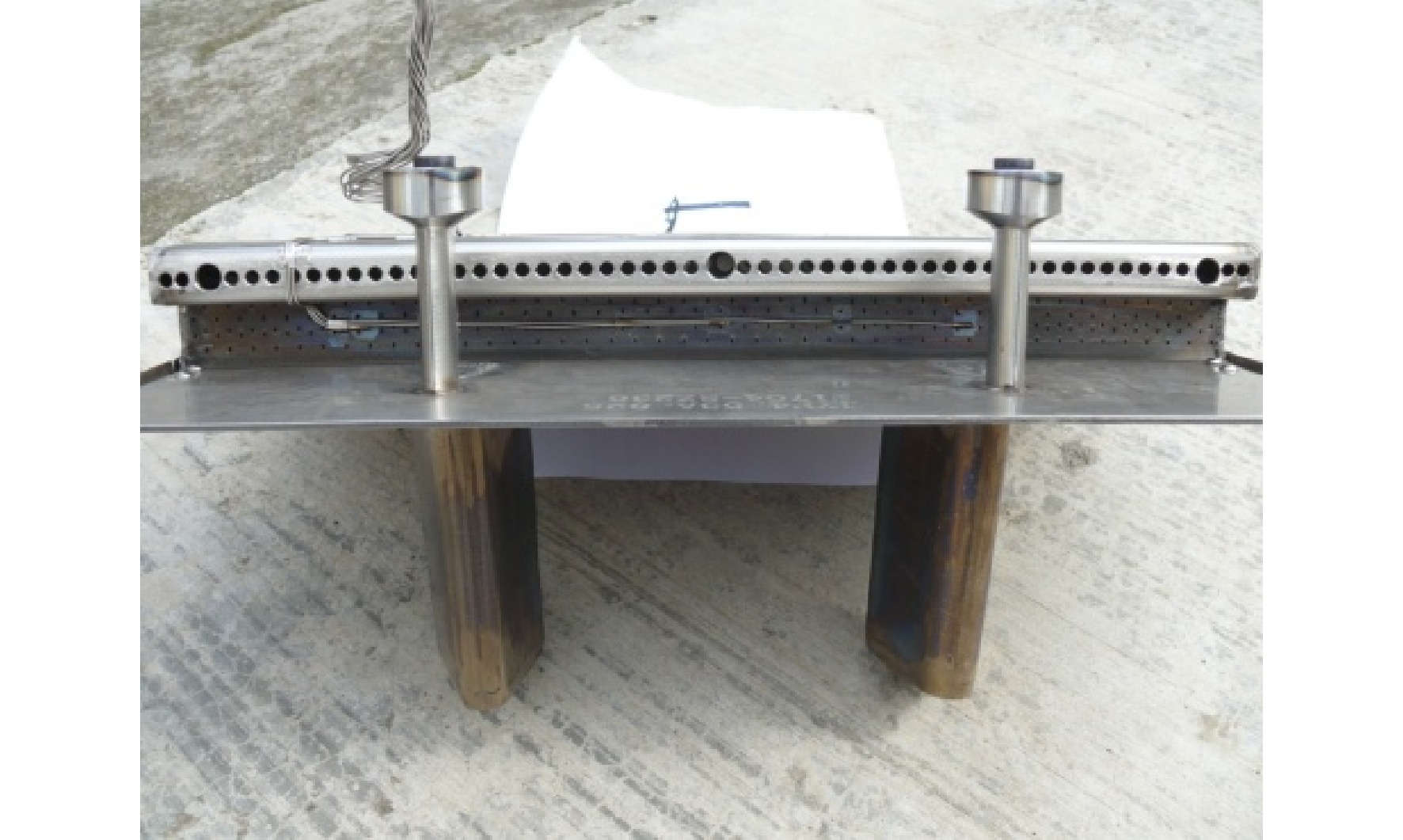
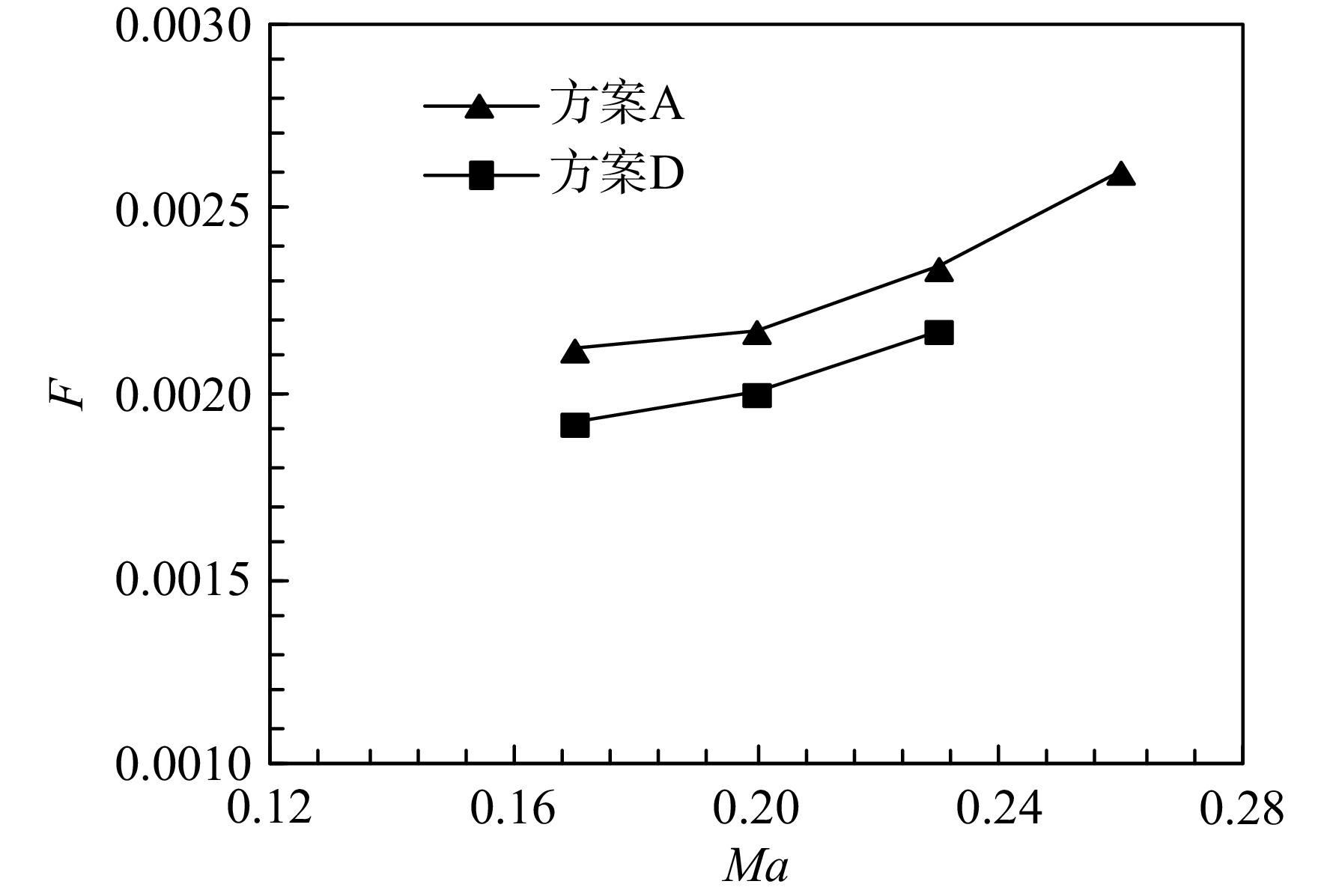
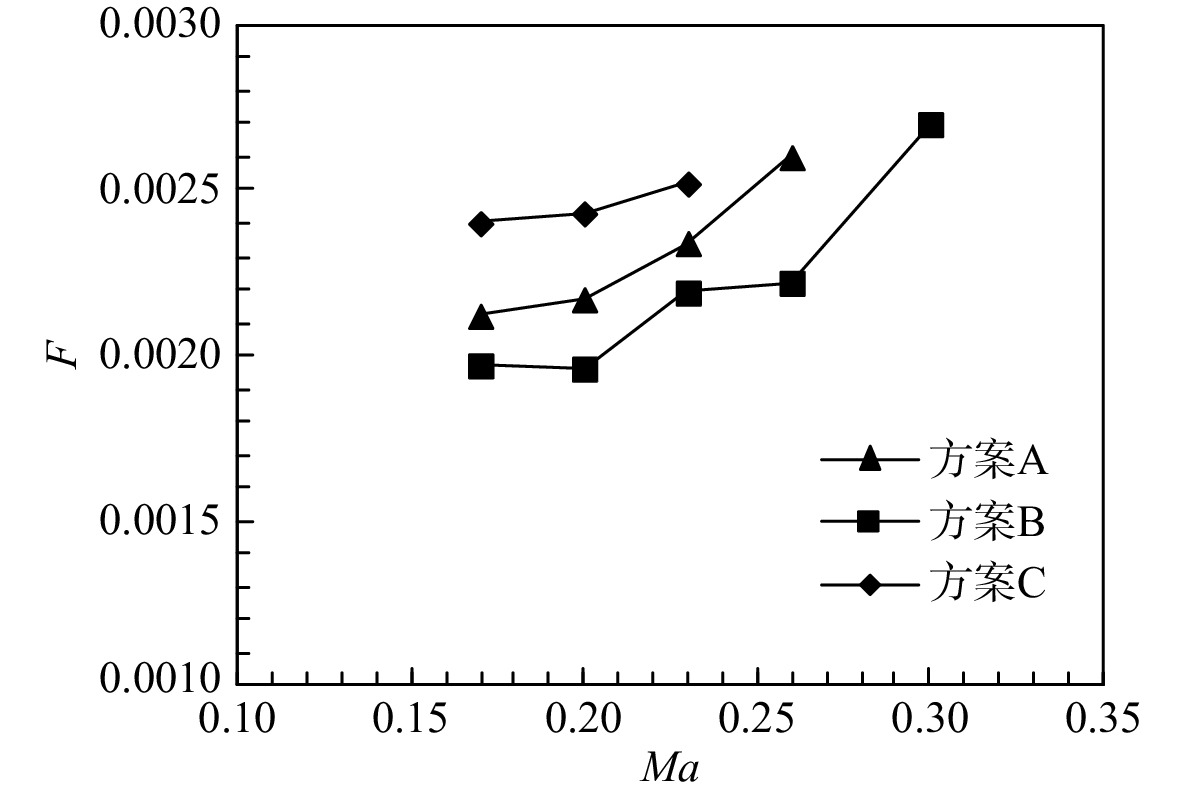
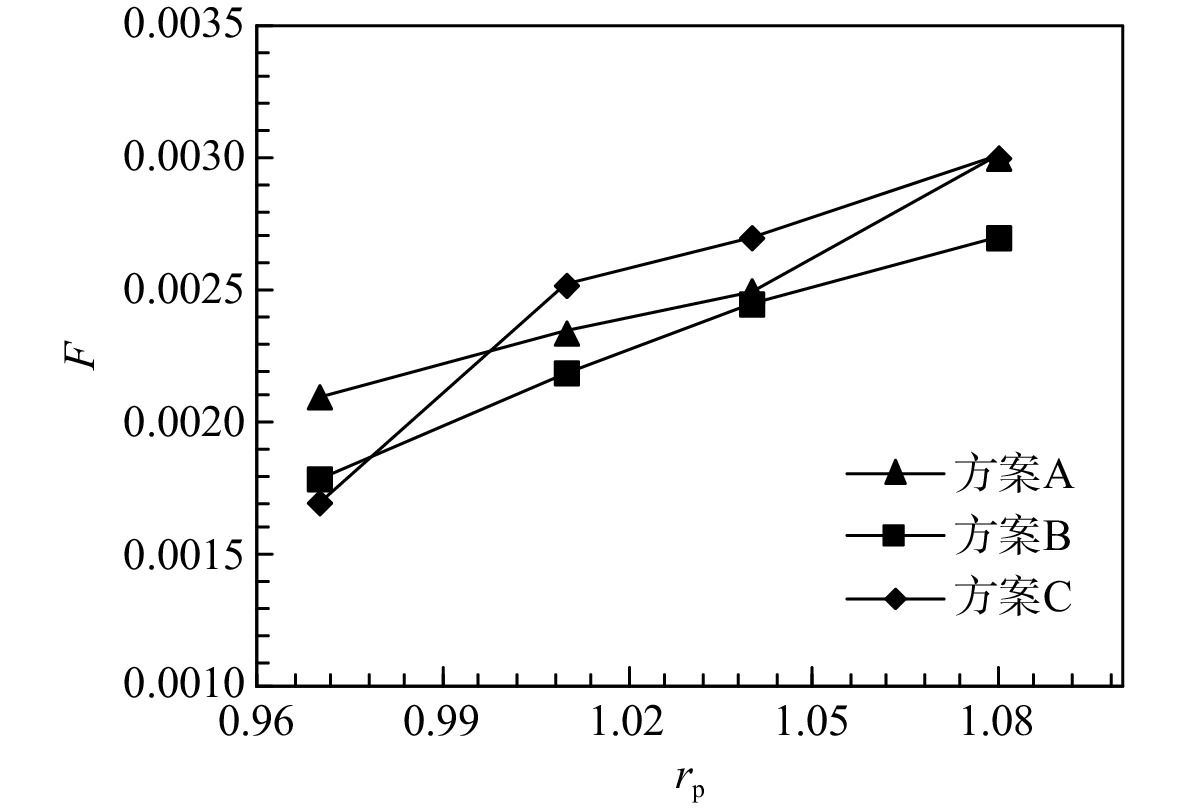
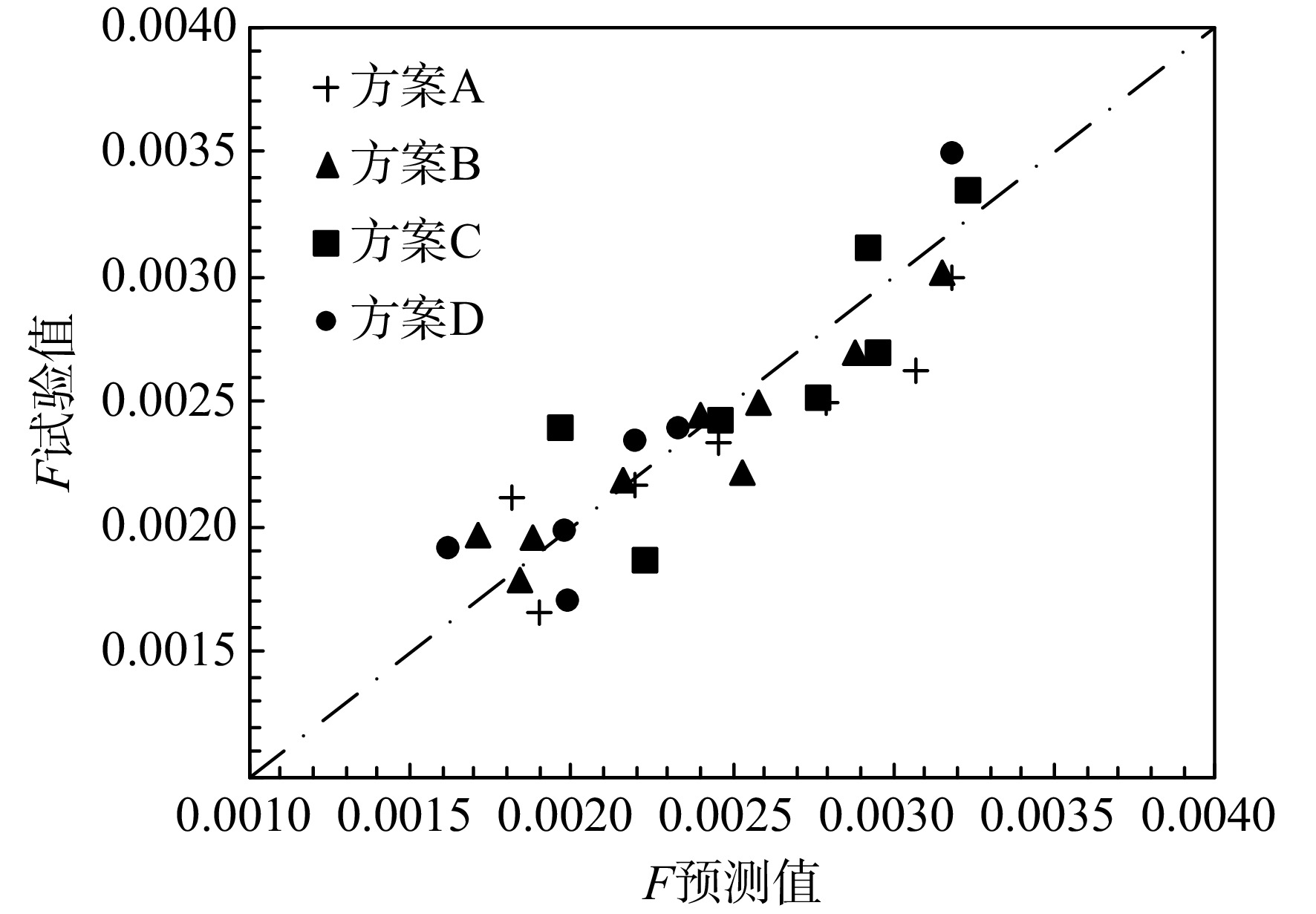
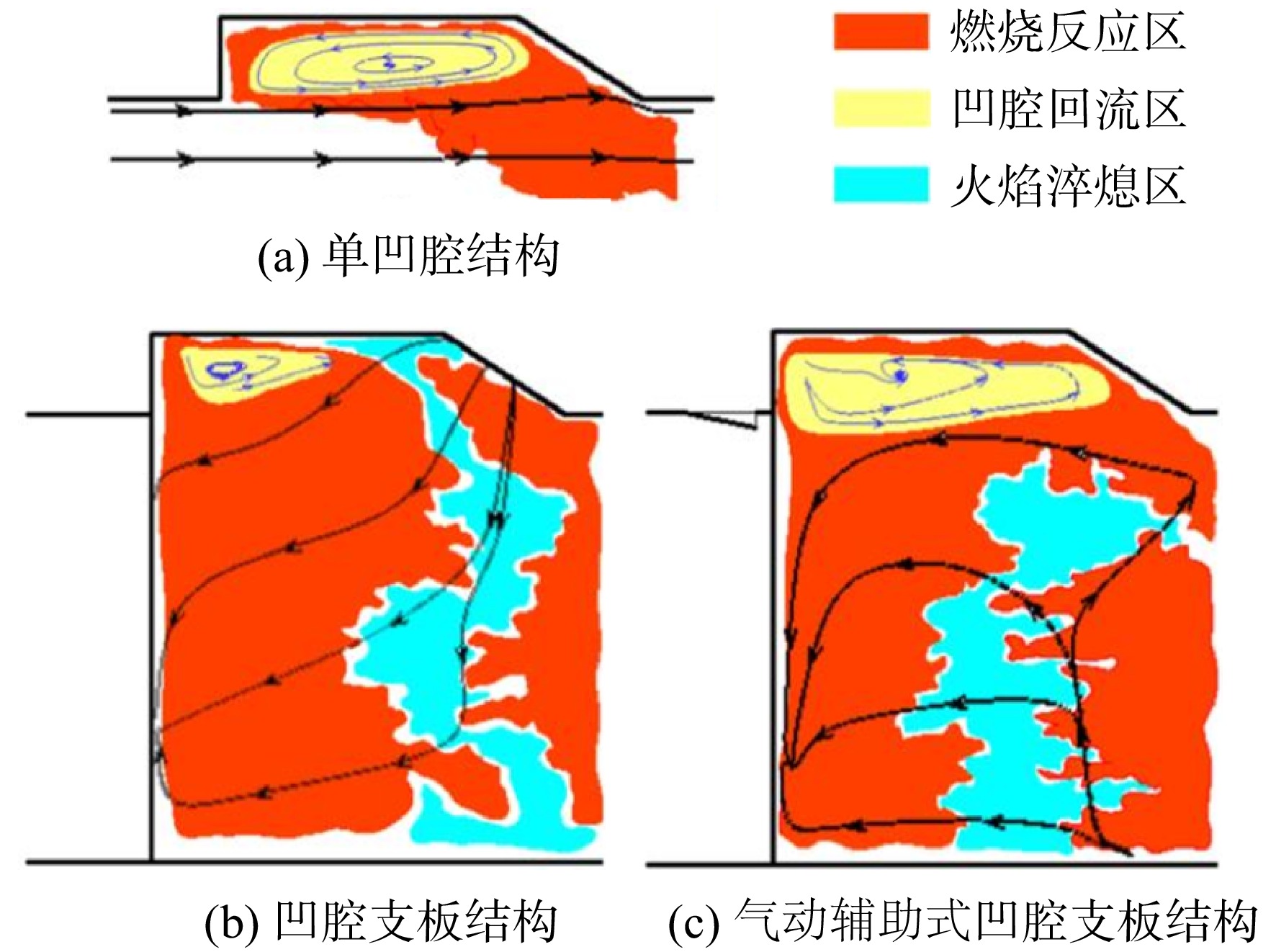
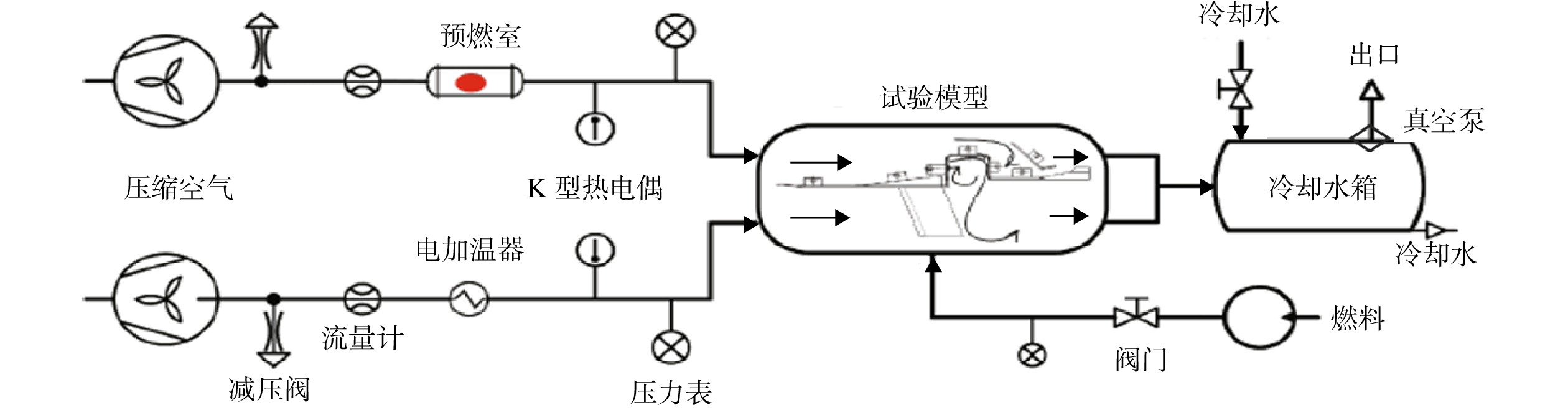
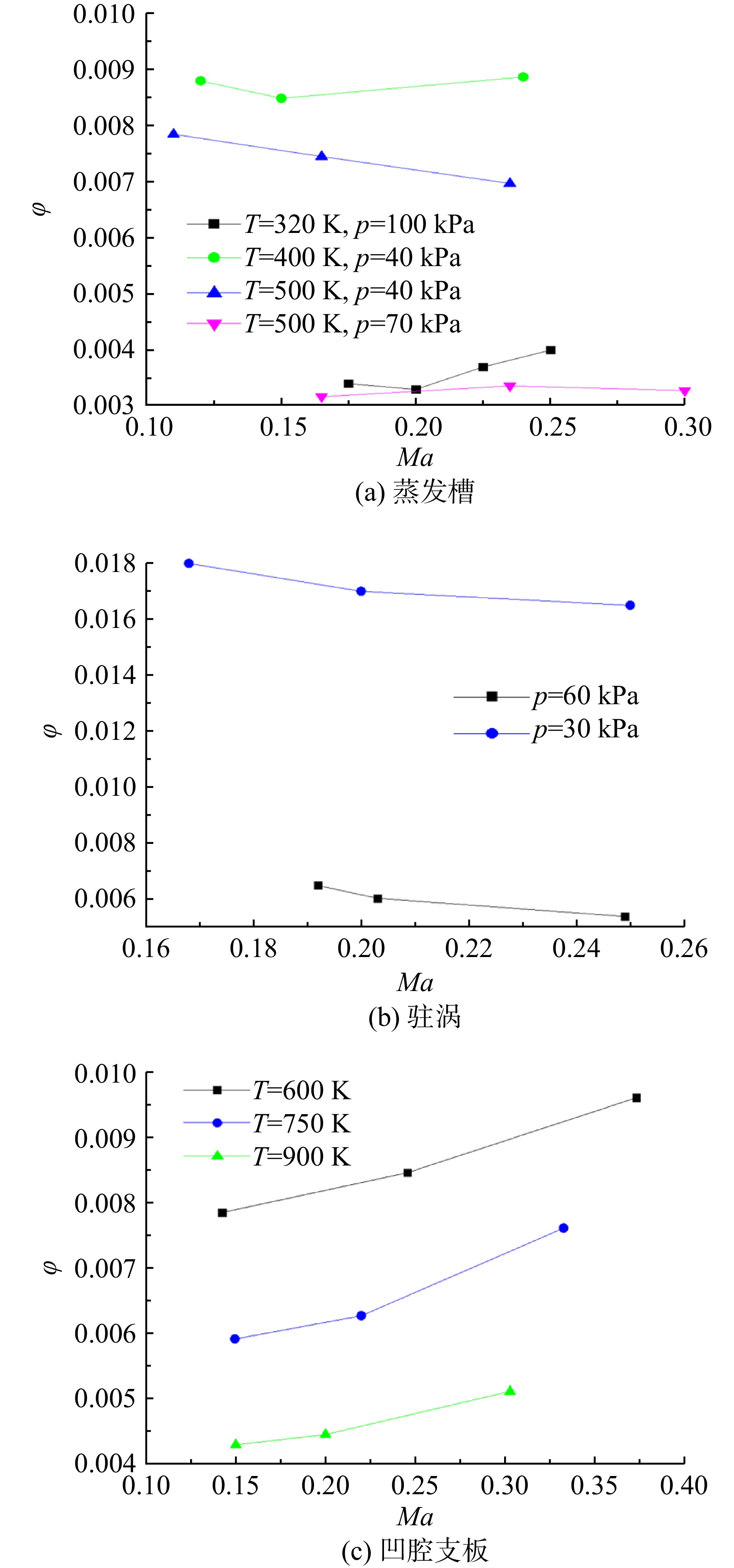
Three different kinds of mixed air gaps and two different kinds of cavity structures were designed to study the lean ignition performance of trapped vortex cavity afterburner. The experimental researches with different cavities and flow parameters were carried out. The investigation was performed with the mainstream Mach number ranging from 0.17 to 0.3, the pressure ratio of secondary flow to mainstream flow ranging from 0.97 to 1.08. The ignition Mach number, fuel air ratio and predictive model of the trapped vortex cavity afterburner were obtained. The results showed that the fuel air ratio increased with the increasing mainstream Mach number and the pressure ratio of secondary flow to mainstream flow. The bigger cavity with smaller mixed air gap was better for ignition. A predictive model was developed for the fuel air ratio. The error between the predicted value and the experimental value was not greater than 20%.
Influence of the lug turbulator on flame dynamic characteristics
ZHAO Shilong, LI Yafan, XIAO Hui, FAN Yuxin
2025, 40(2): 20230214. doi: 10.13224/j.cnki.jasp.20230214
Abstract:

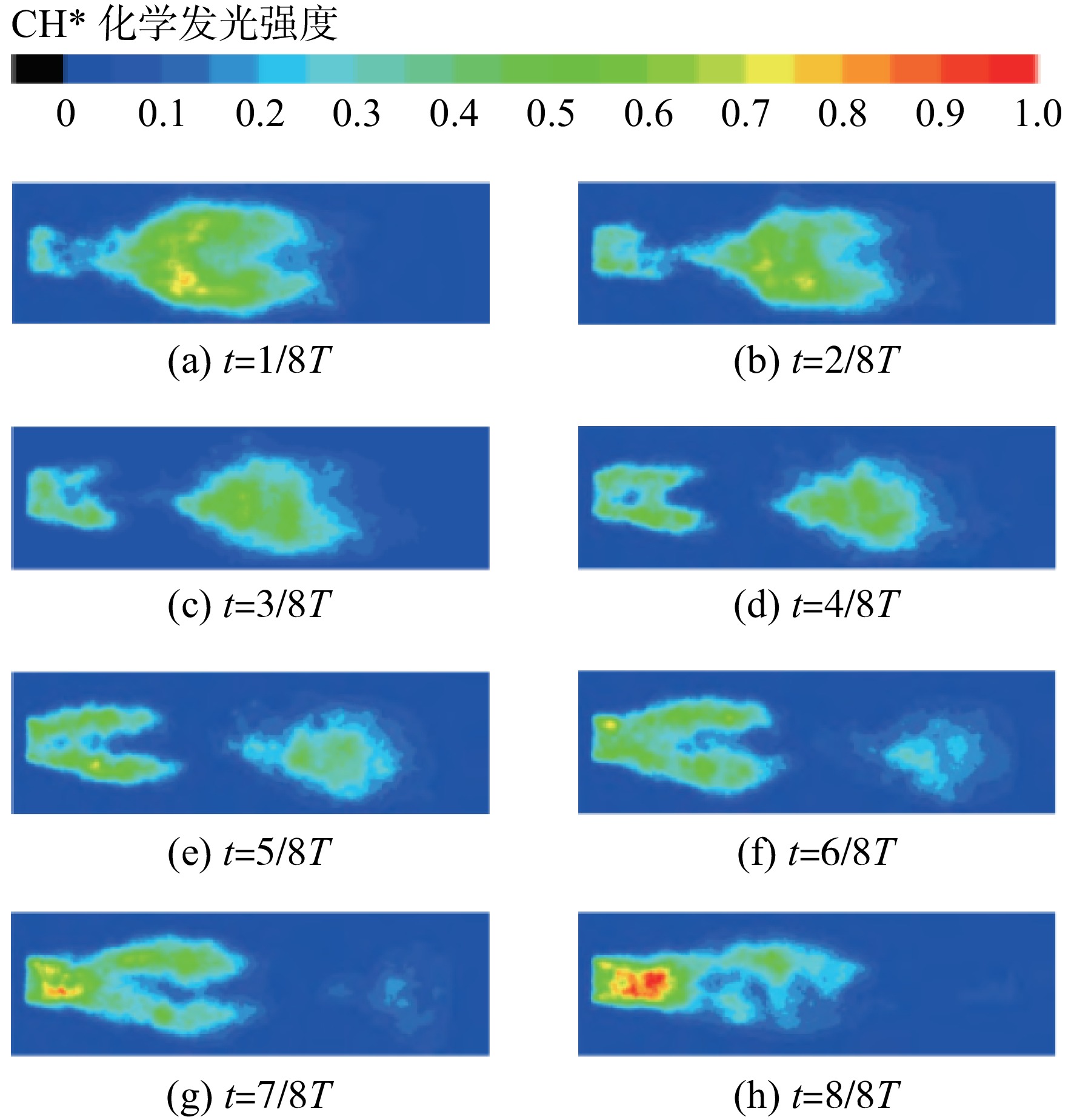
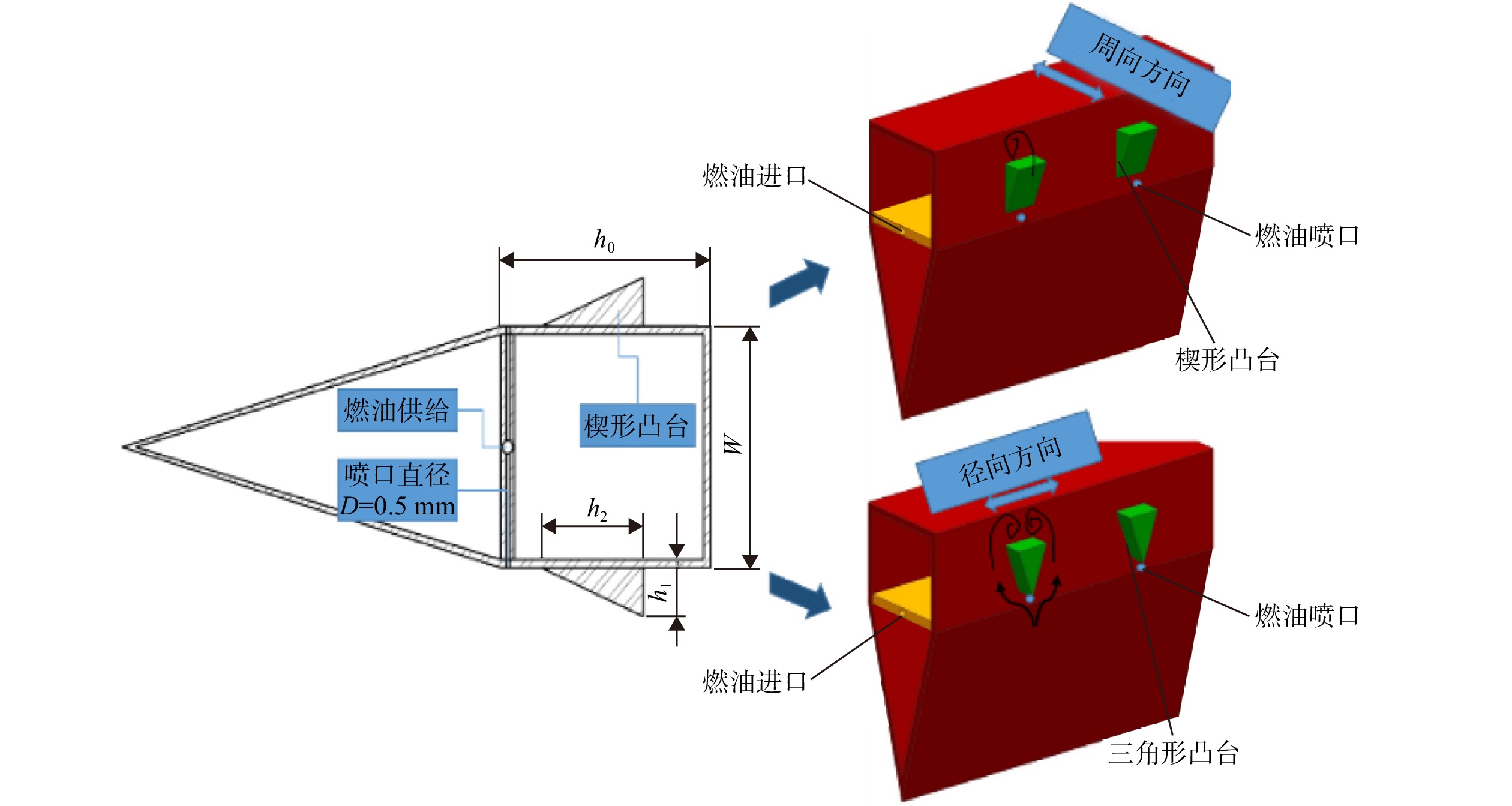
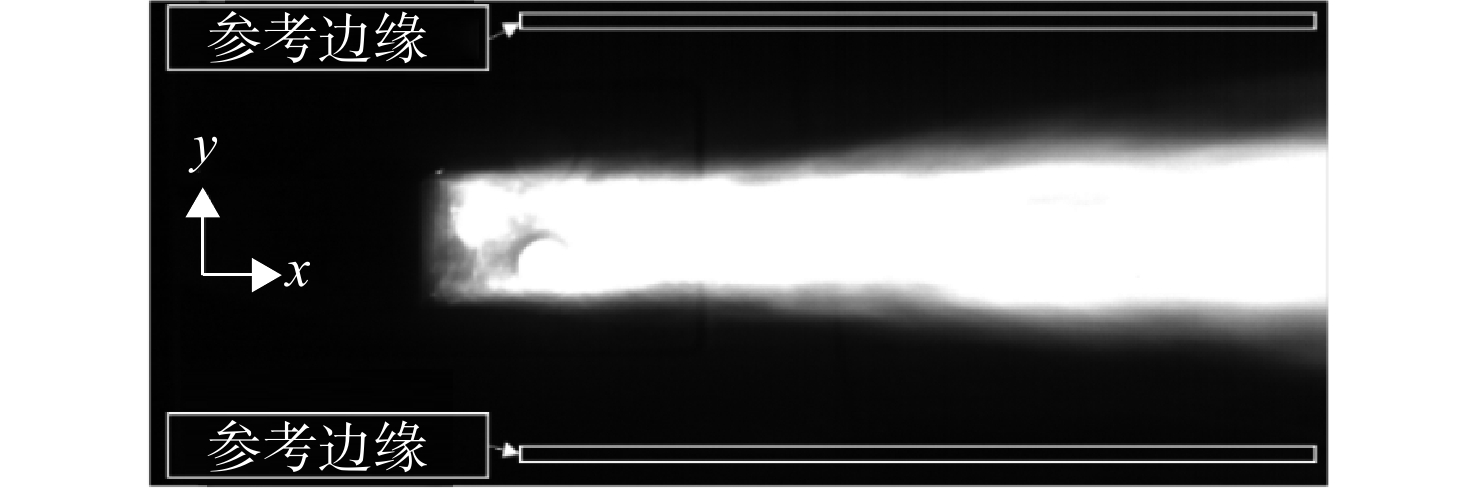
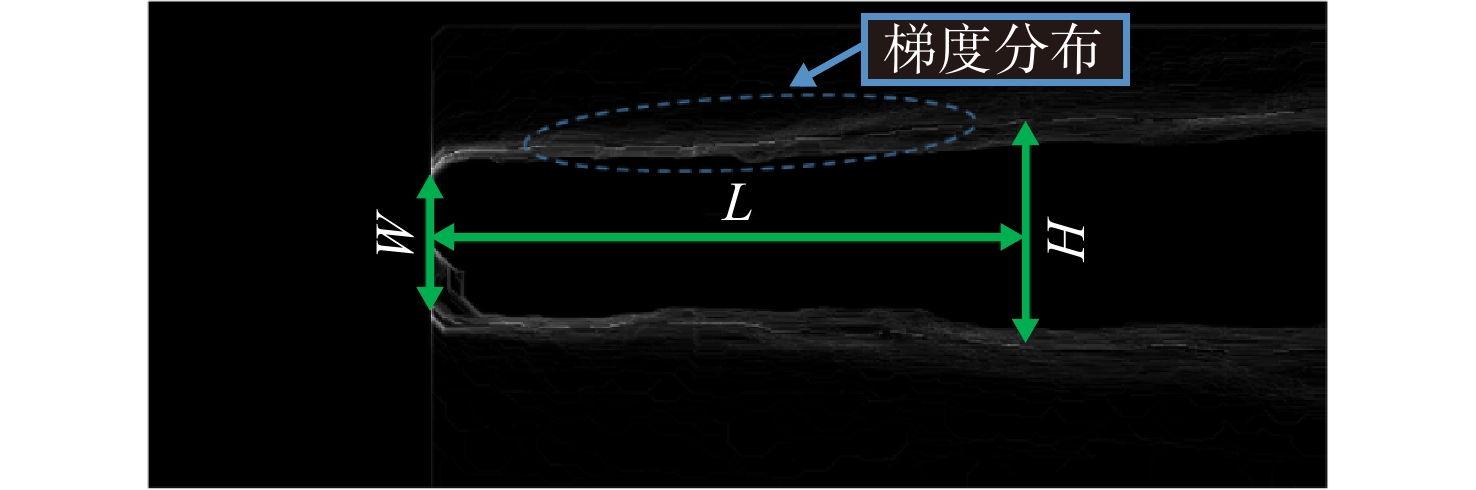
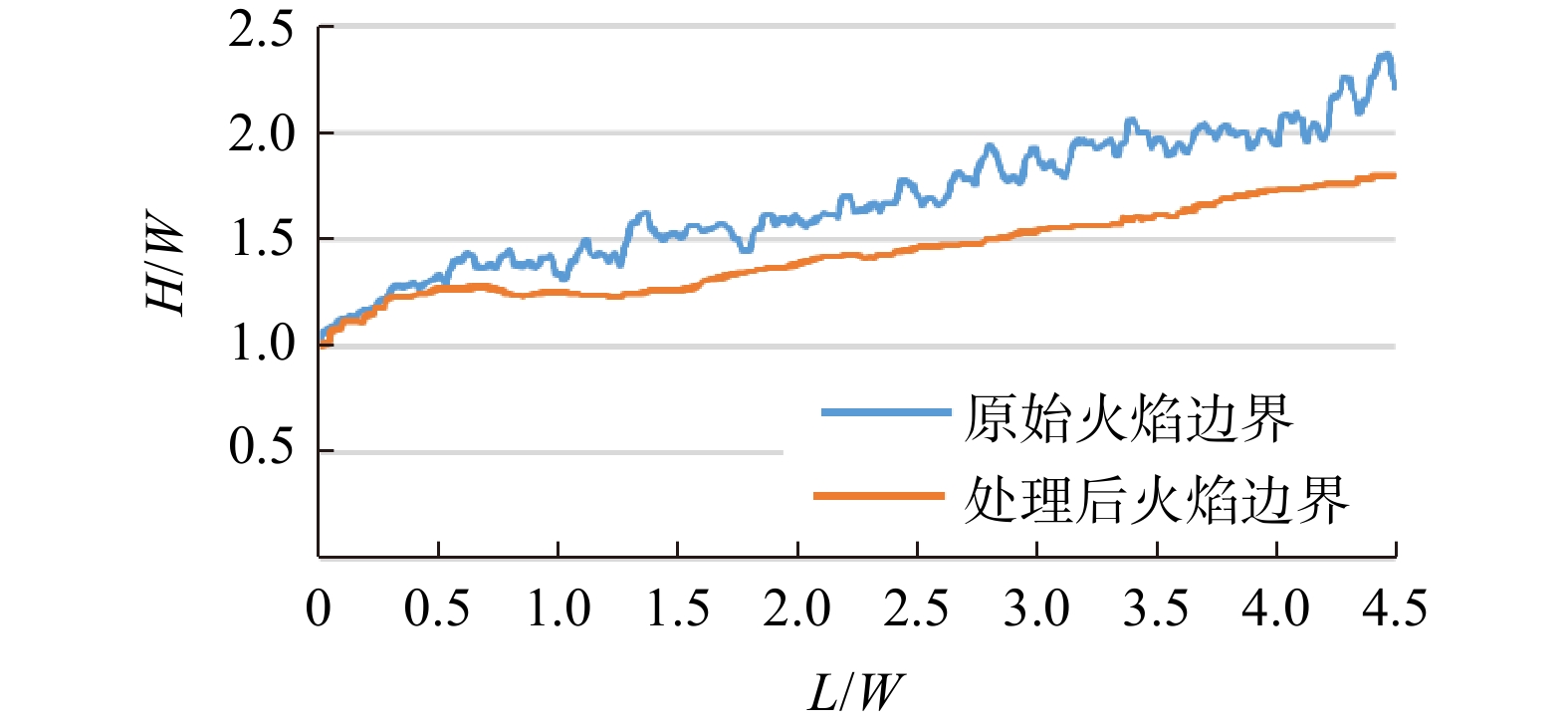
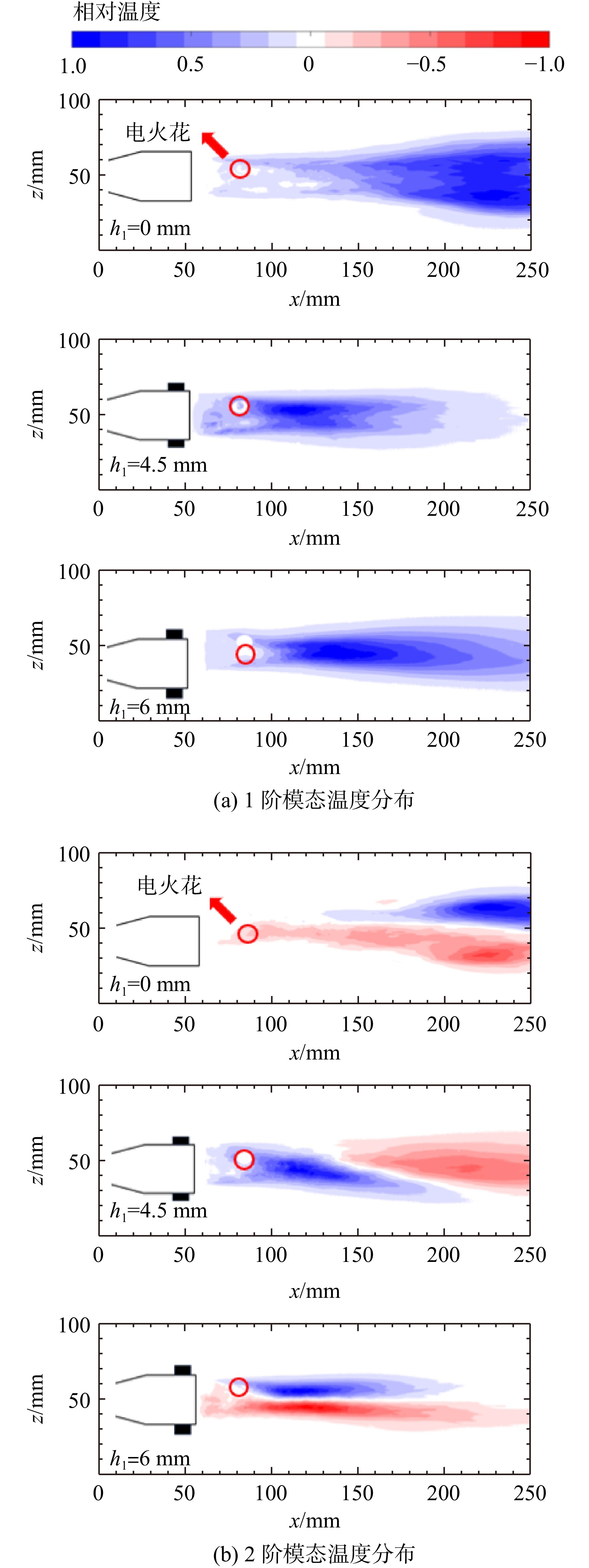
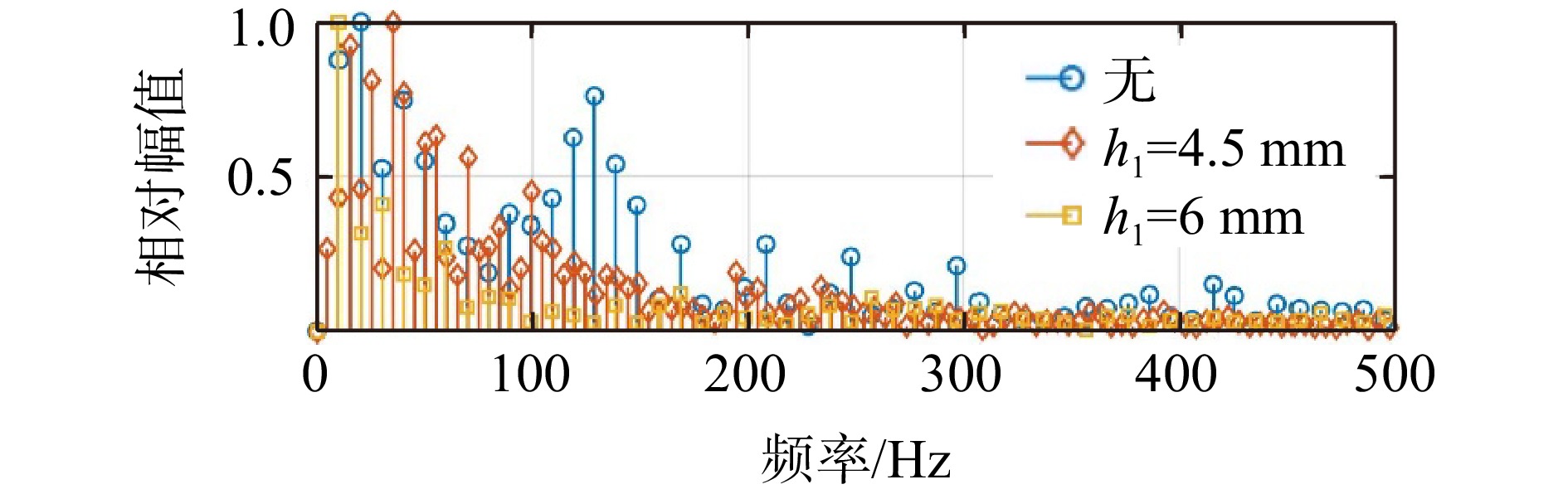
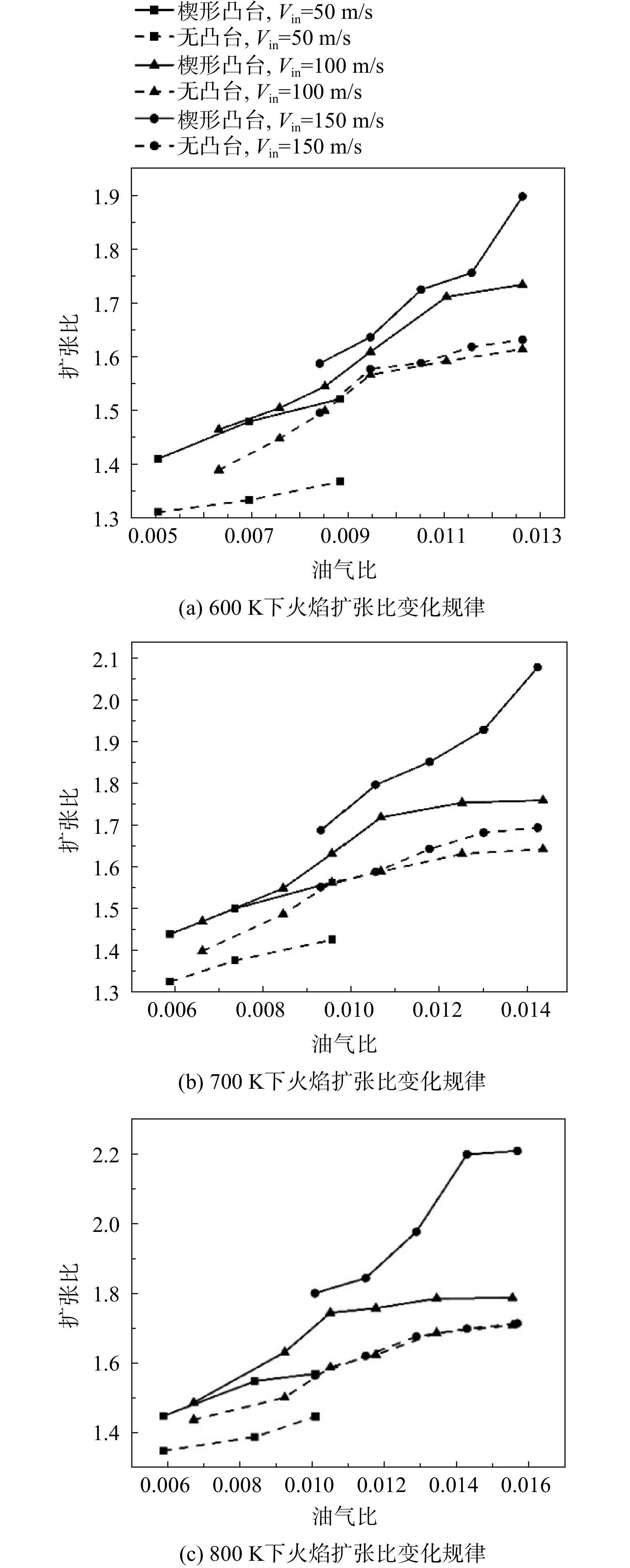
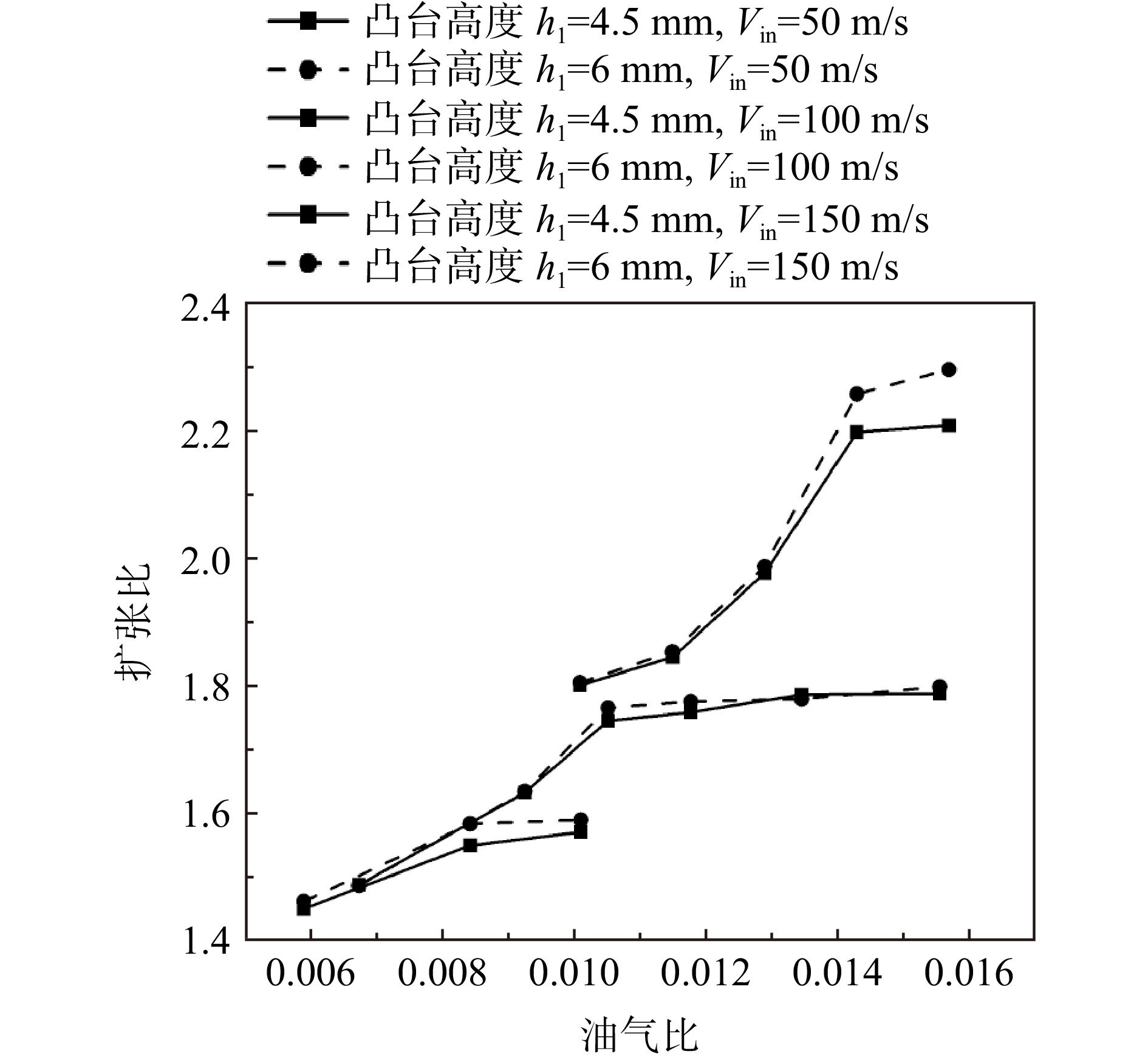
The strut flameholder is a key component of the multi-mode ram combustor. The stabilization zone has the characteristics of refluxes coupling and shear layers dispersion, the flame stability is difficult and the flame structure presents complex dynamic characteristics. A strut flameholder with/without lug turbulator was taken as the research model, a high-frequency ICCD (intensified charge coupled device) was adopted to shoot partially premixed flame image, and the exit temperature was tested with double platinum-rhodium thermocouple. At the same time, algorithms was developed for the directional selection of key characteristic parameters, spatio-temporal correlation decoupling, pulsation recognition, mean value calculation, maximum probability density distribution, etc. A dynamic flame characterization method was constructed. As shown, the lug turbulator was conducive to the forward lead of pulsating oscillation zone and conjugate temperature field, which strengthened the secondary atomization of fuel in the main reflux zone, and enhanced the multi-direction propagation of flame. Lug turbulators improved the flame stability and the uniformity of outlet temperature distribution under the premise of not significantly increasing the flow resistance. The wedge lug increased the flame expansion ratio by 5.2%—29.4%, while the triangle lug increased the combustion chamber outlet temperature by more than 40 K under the same inlet conditions to achieve the purpose of improving combustion efficiency.

Optimization design of head structure of fuel/lubricating-oil micro-channel heat exchanger
YU Zhiqiang, YU Xikui, WEI Kai, REN Yatao, HE Mingjian, QI Hong
2025, 40(2): 20220437. doi: 10.13224/j.cnki.jasp.20220437
Abstract:

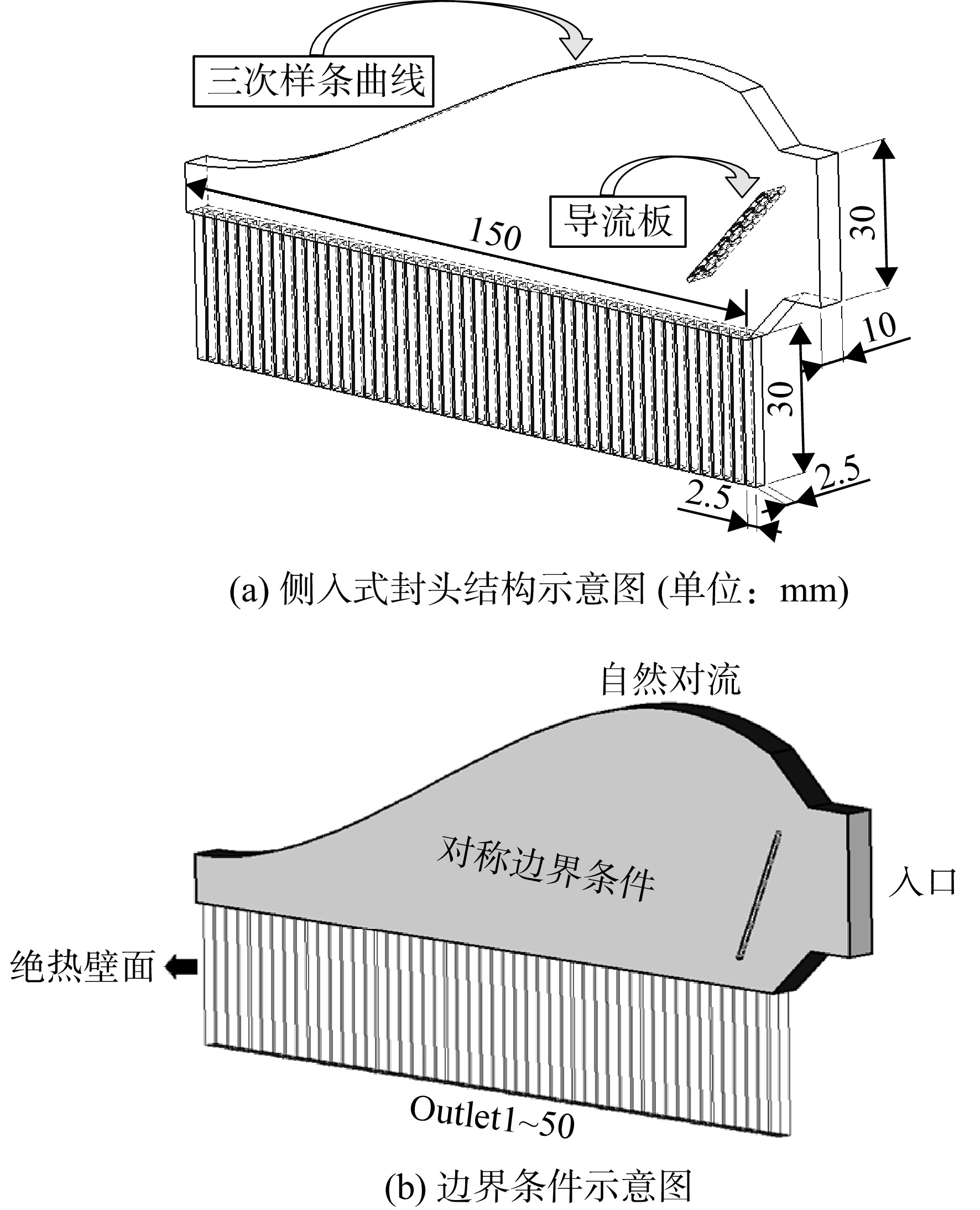
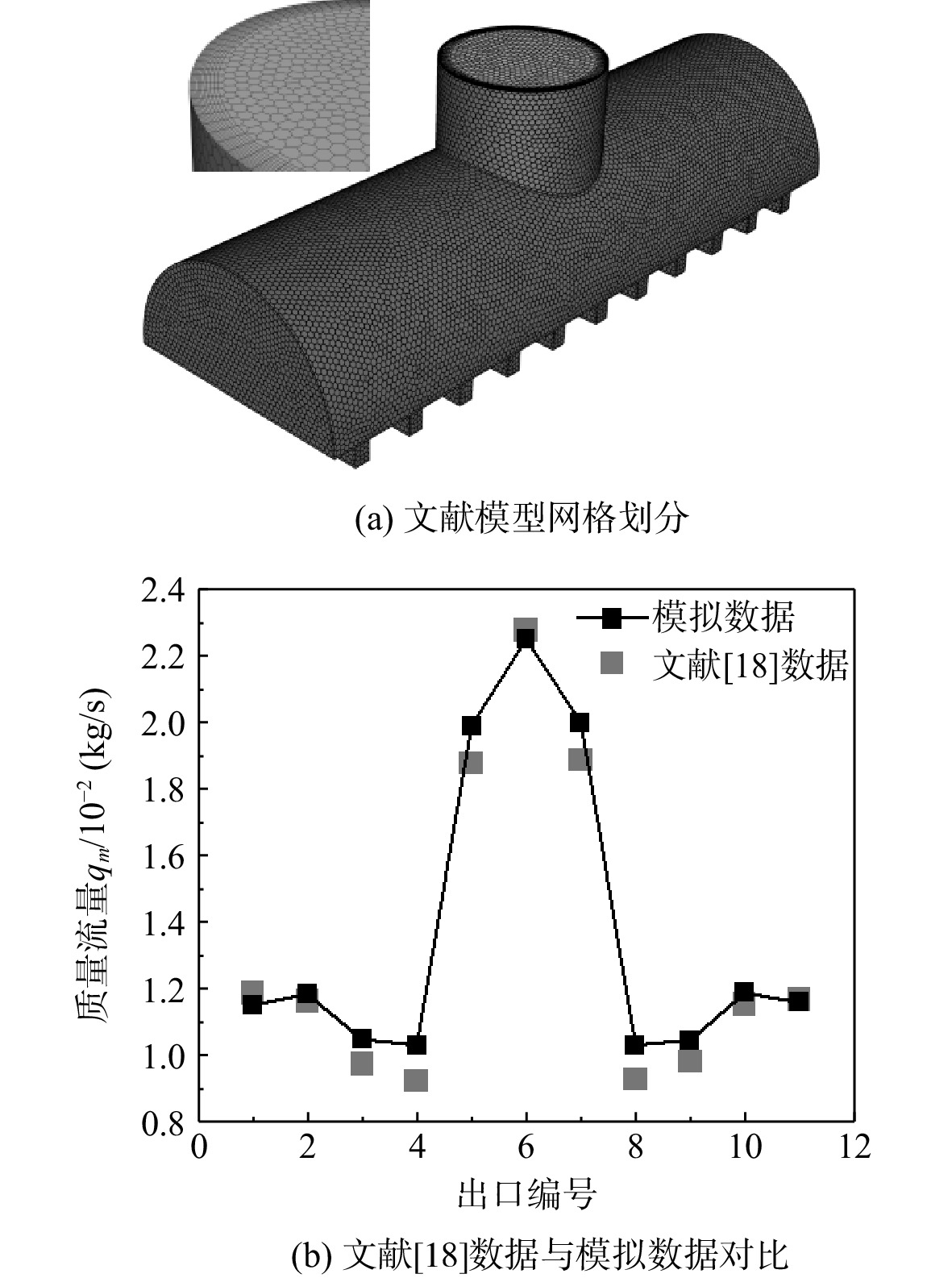
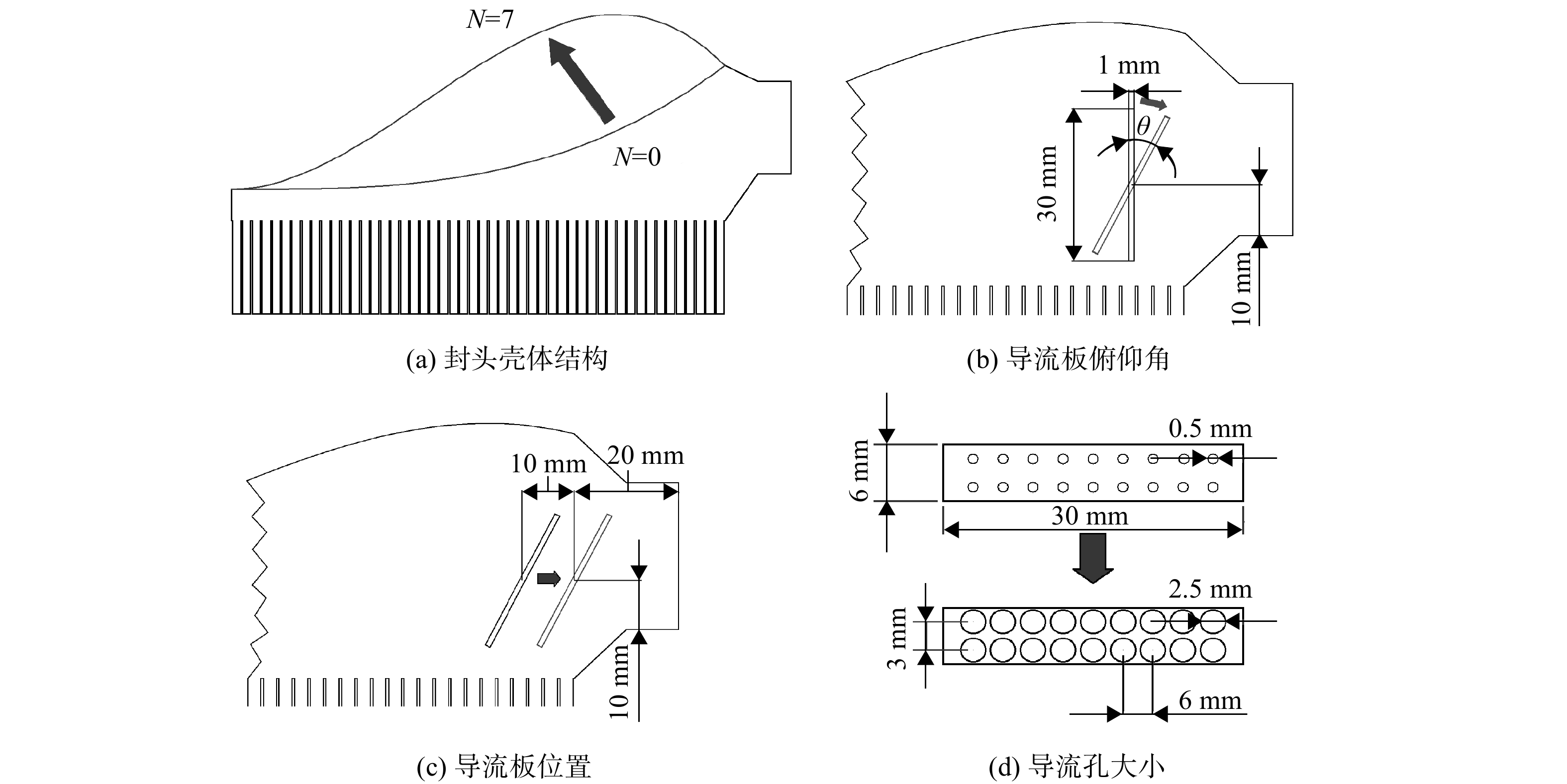
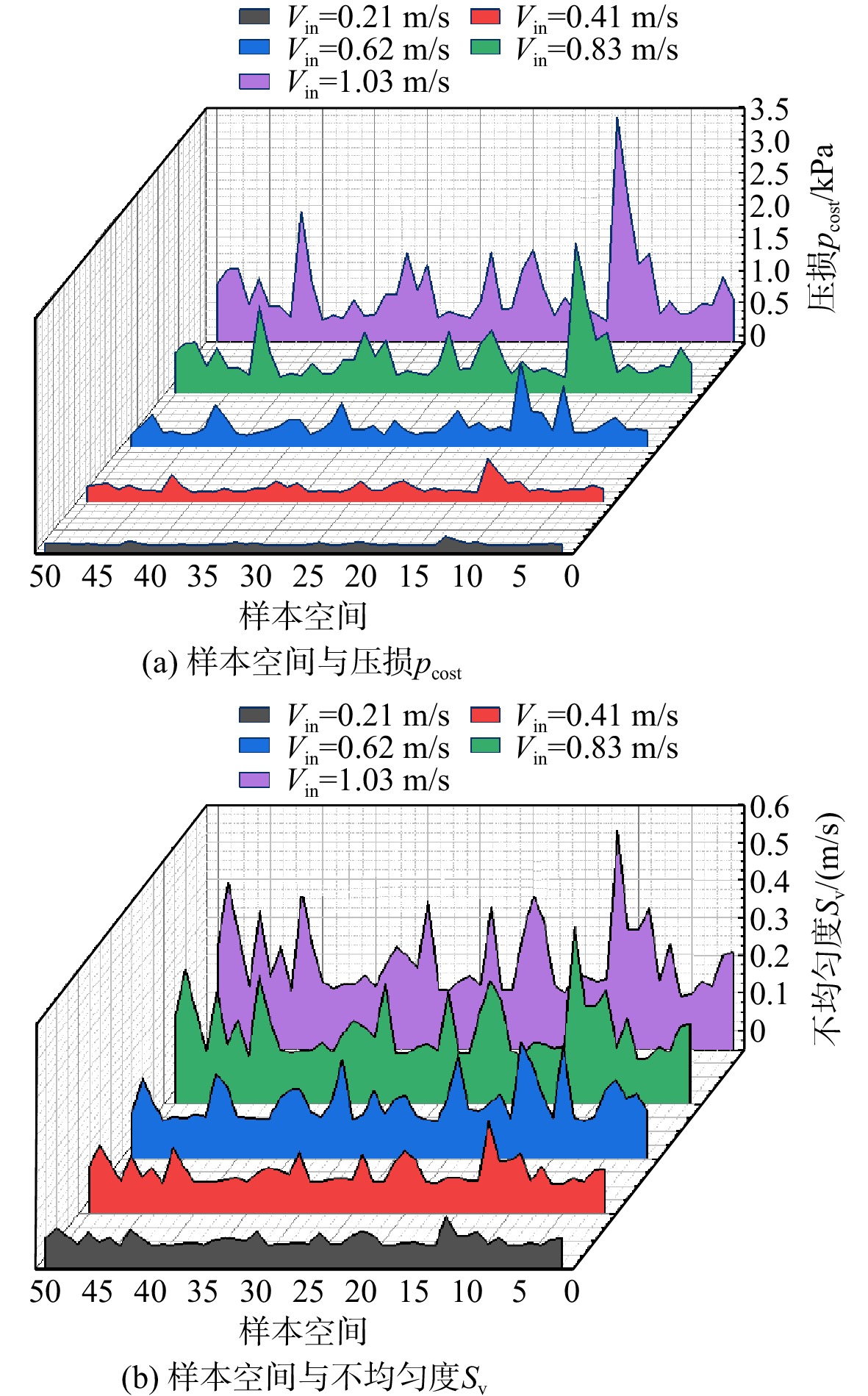
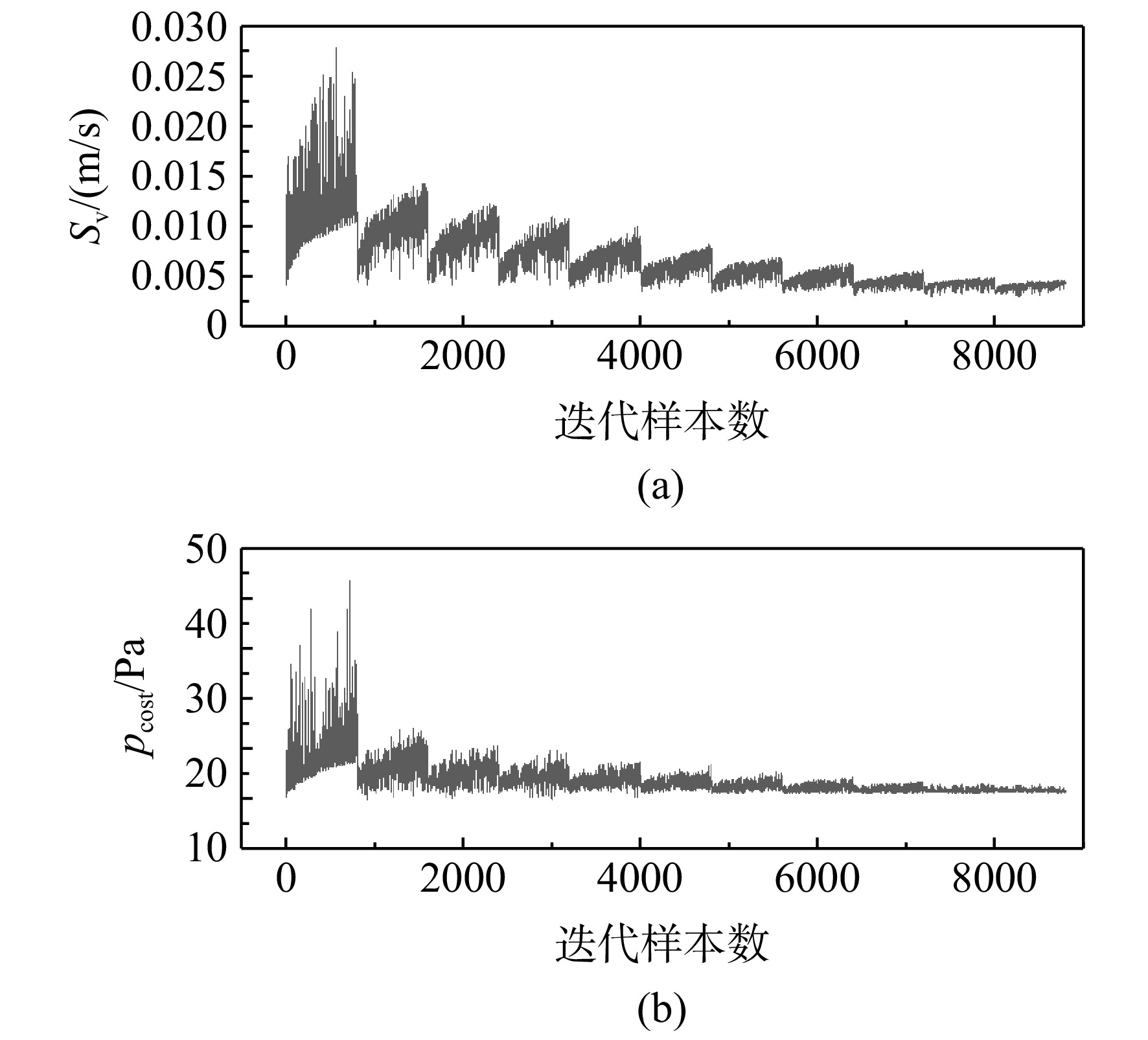
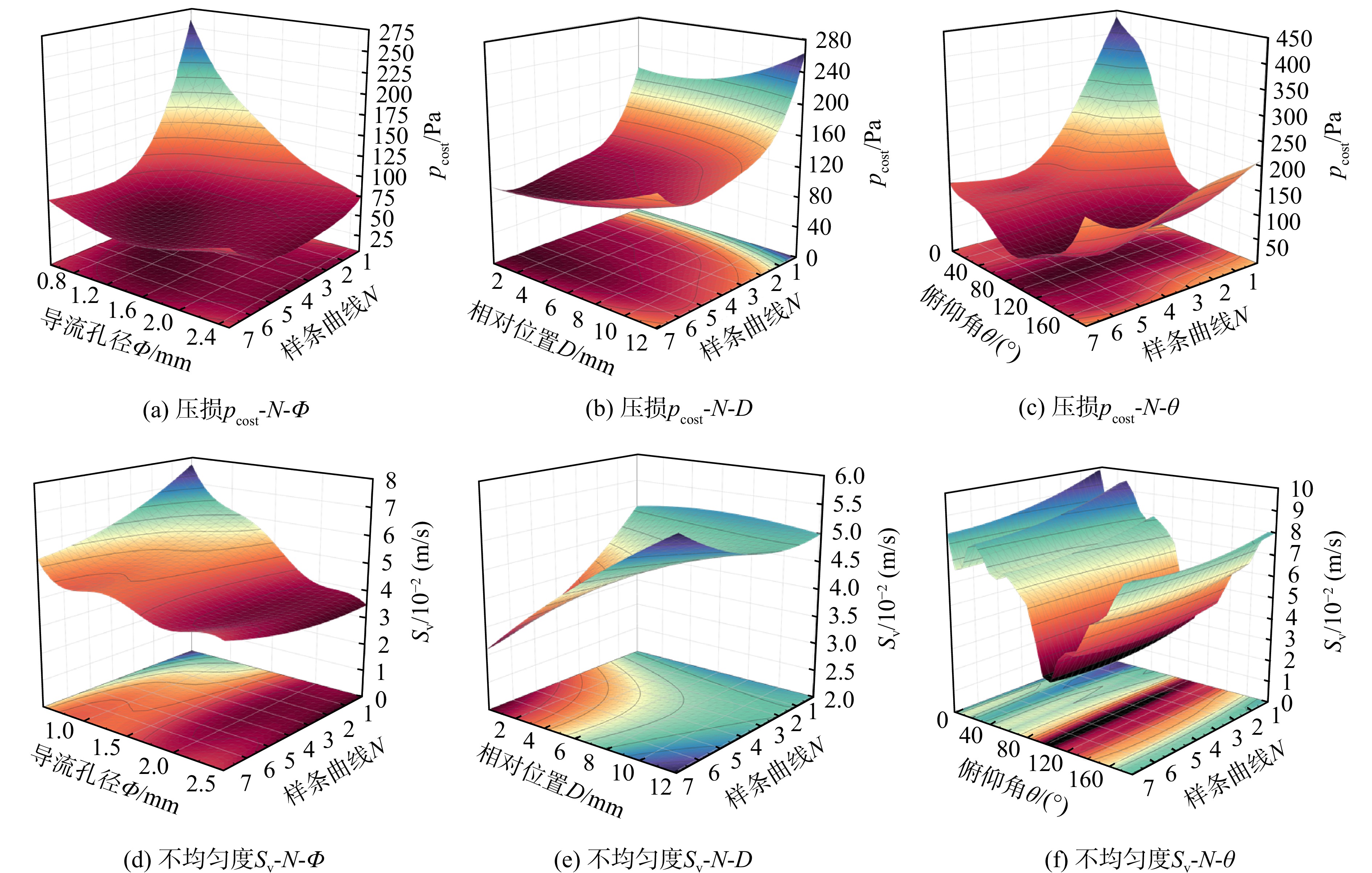
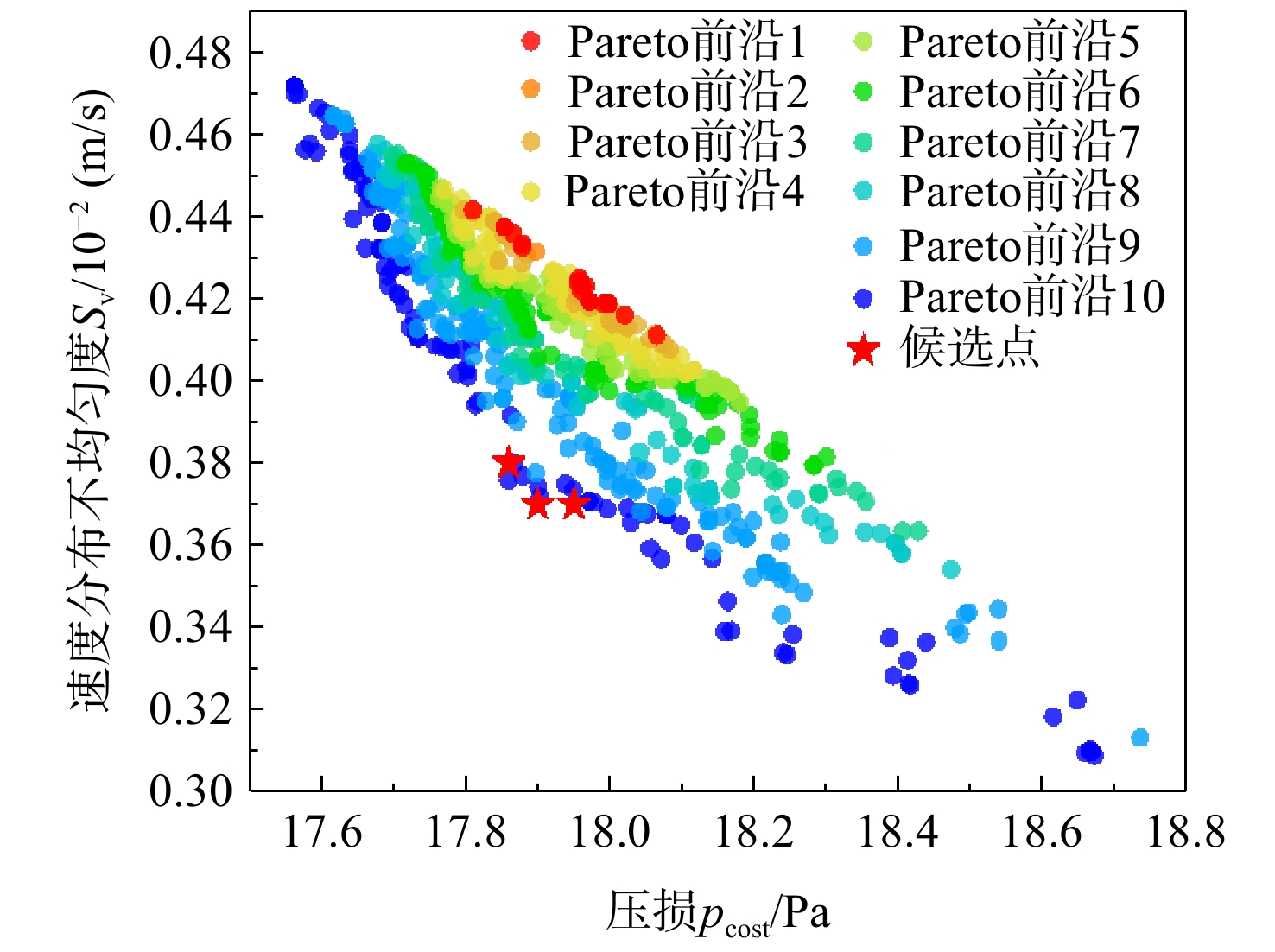
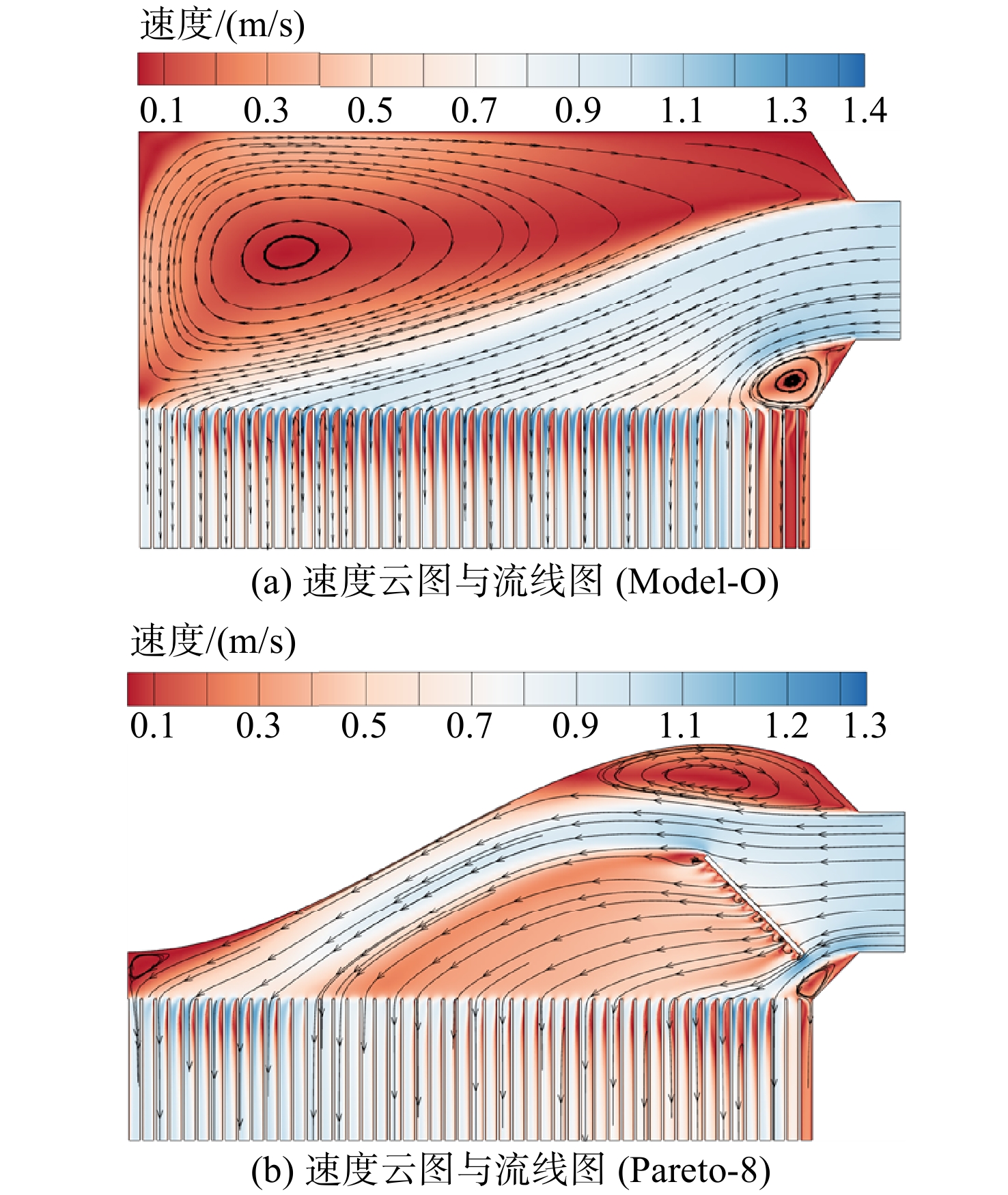
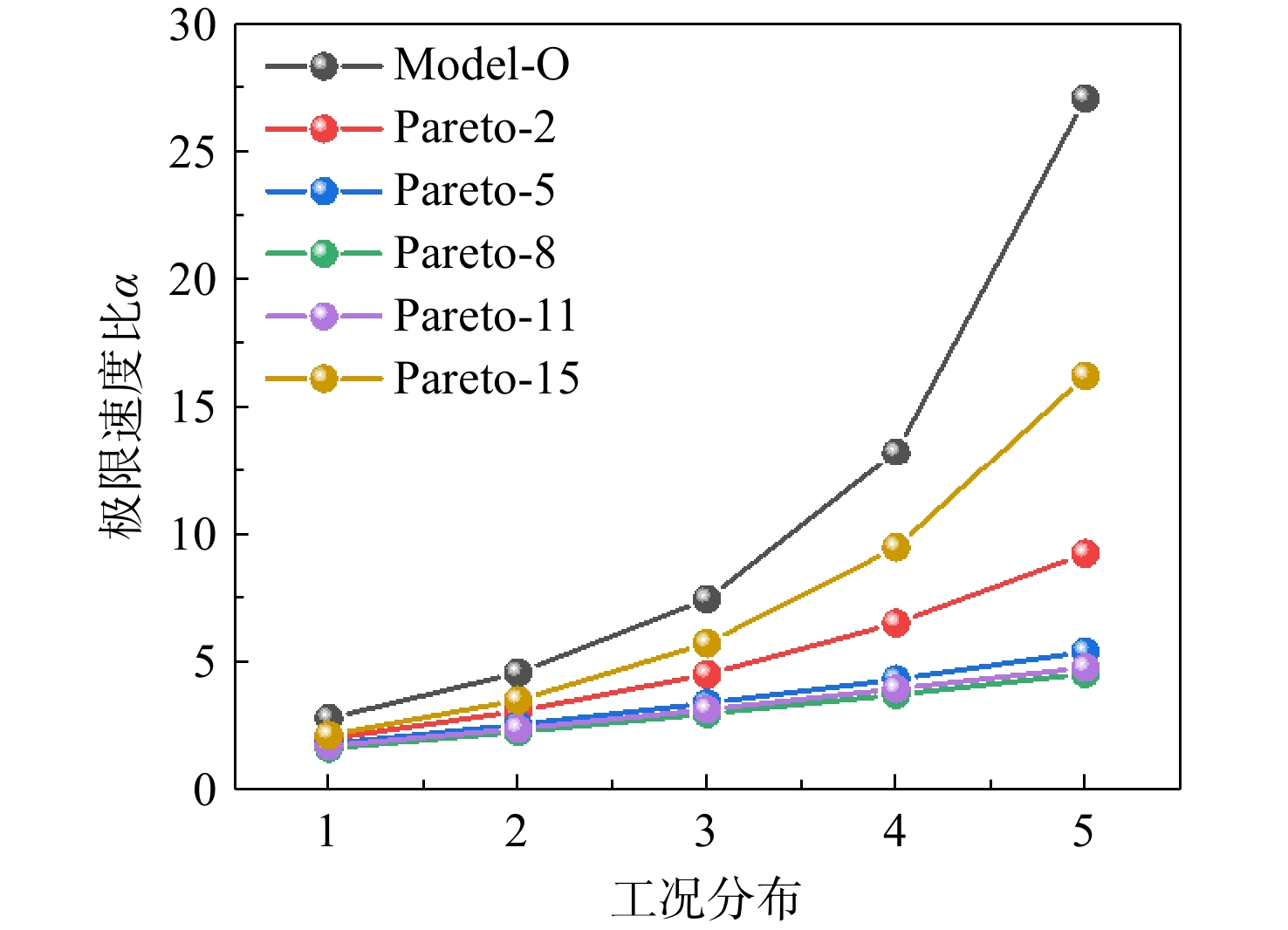
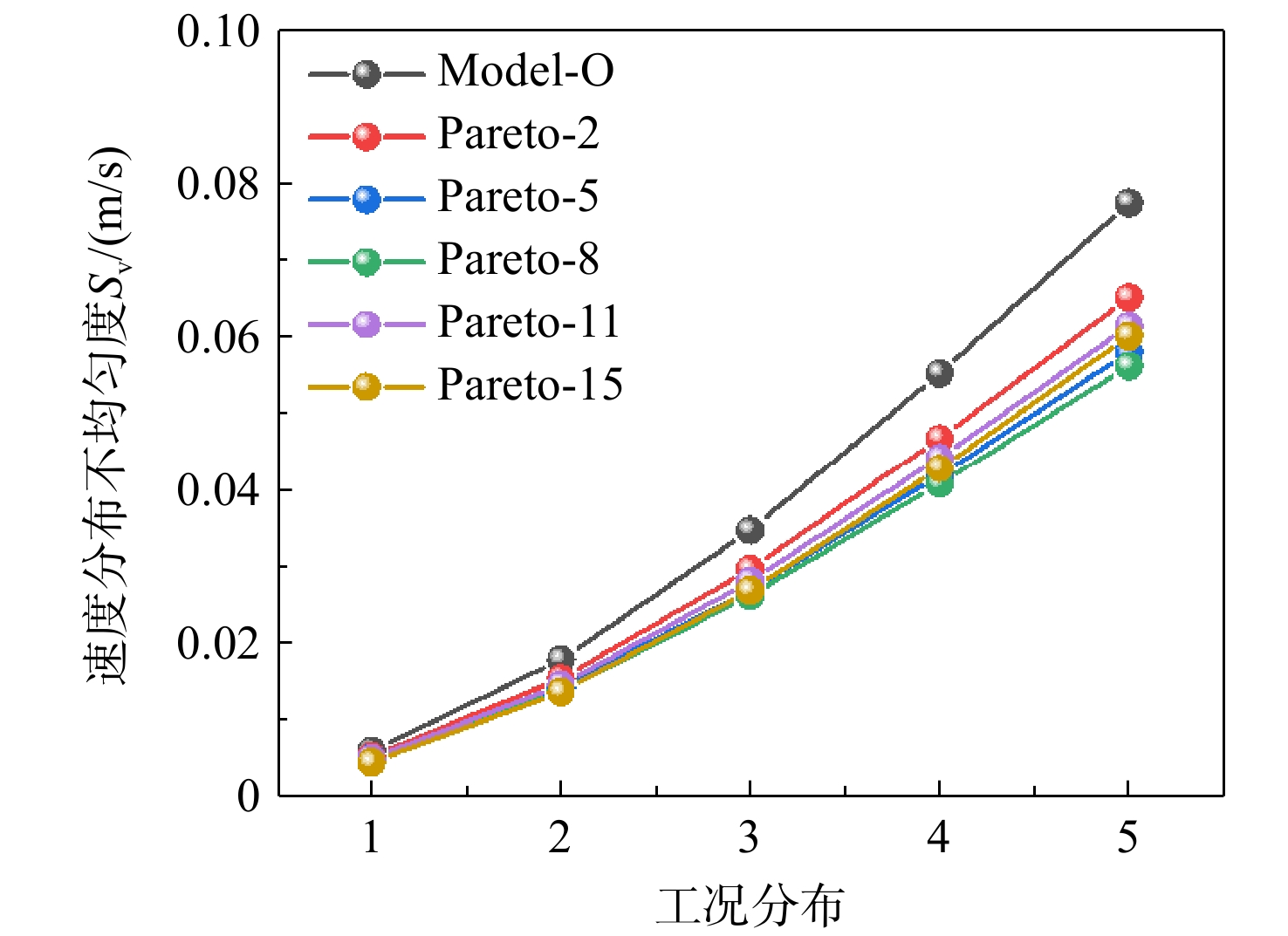
The flow characteristics of side-entry head structure of fuel/lubricating-oil micro-channel heat exchanger were studied. Four geometric constraints and two objective function optimization models were constructed based on non-dominated sorting genetic algorithm (NSGA-Ⅱ). The effects of the shape of the head shell, the position and pitch of the baffle and the size of baffle aperture on the flow distribution characteristics and pressure loss in the header were studied. Firstly, the sample space was built, and the functional relationship between the geometric constraints and the objective function was established based on the response surface method. Then, the NSGA-Ⅱ was used to carry out a global search, and the Pareto front and optimal solution candidate points of different working conditions were obtained. Finally, the comprehensive characteristics of the candidate points were compared and analyzed to screen out the optimal structure. The results showed that the pressure loss can be effectively suppressed by lowering the header depth, and the flow distribution characteristics can be greatly improved by adding diversion structure, but at the expense of increasing the pressure loss. The effects of header structure parameters on flow distribution characteristics and pressure loss were higher than flow velocity. Two header structures were screened through multi-objective optimized design, showing good applicability to different working conditions.

Investigation on ignition performance prediction model of typical model afterburner
GAO Tianhua, LIU Yong, DENG Zijiang, ZHANG Xiang
2025, 40(2): 20220315. doi: 10.13224/j.cnki.jasp.20220315
Abstract:

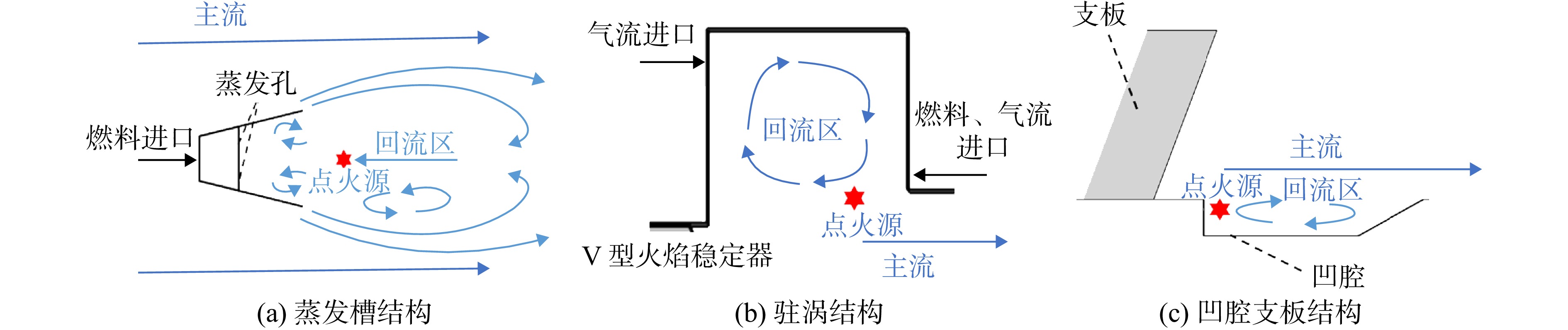
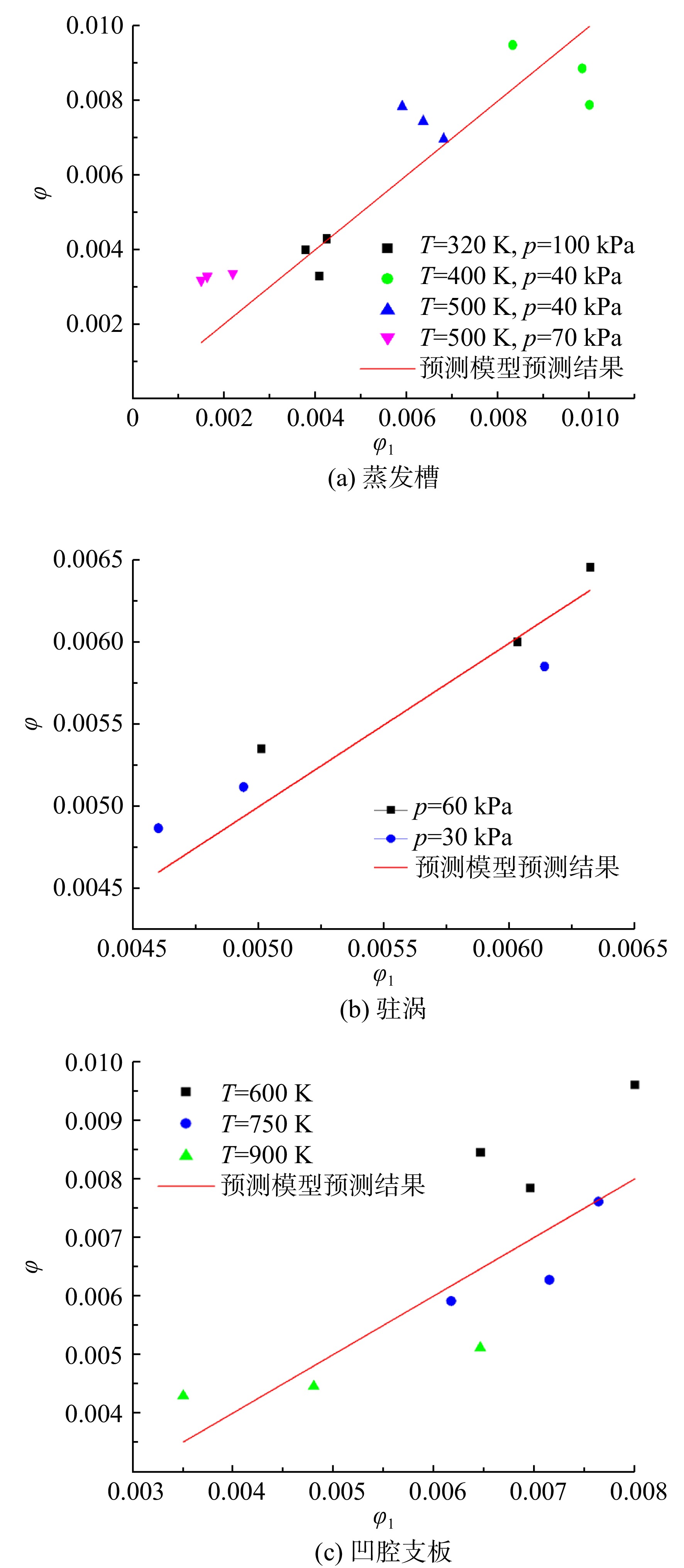
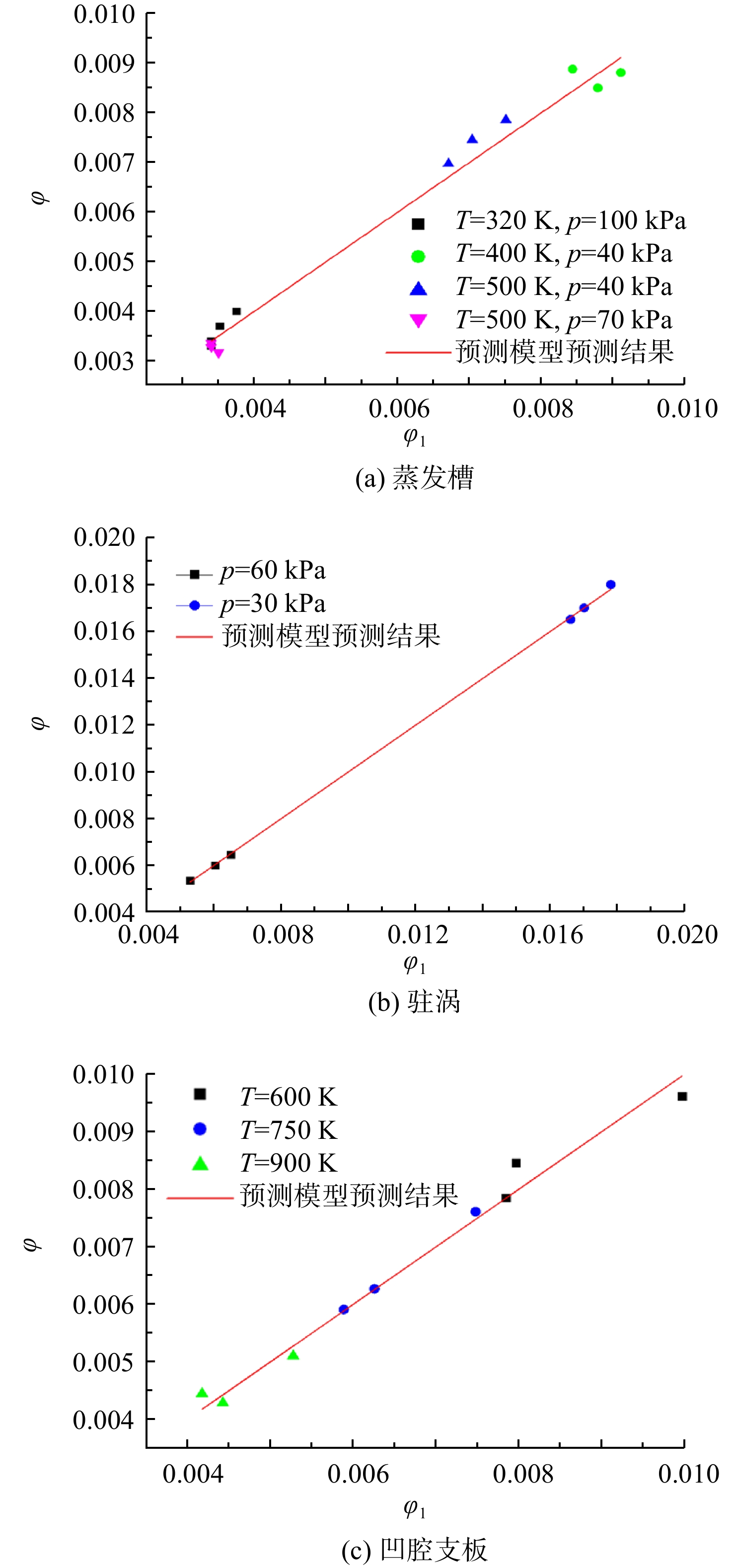
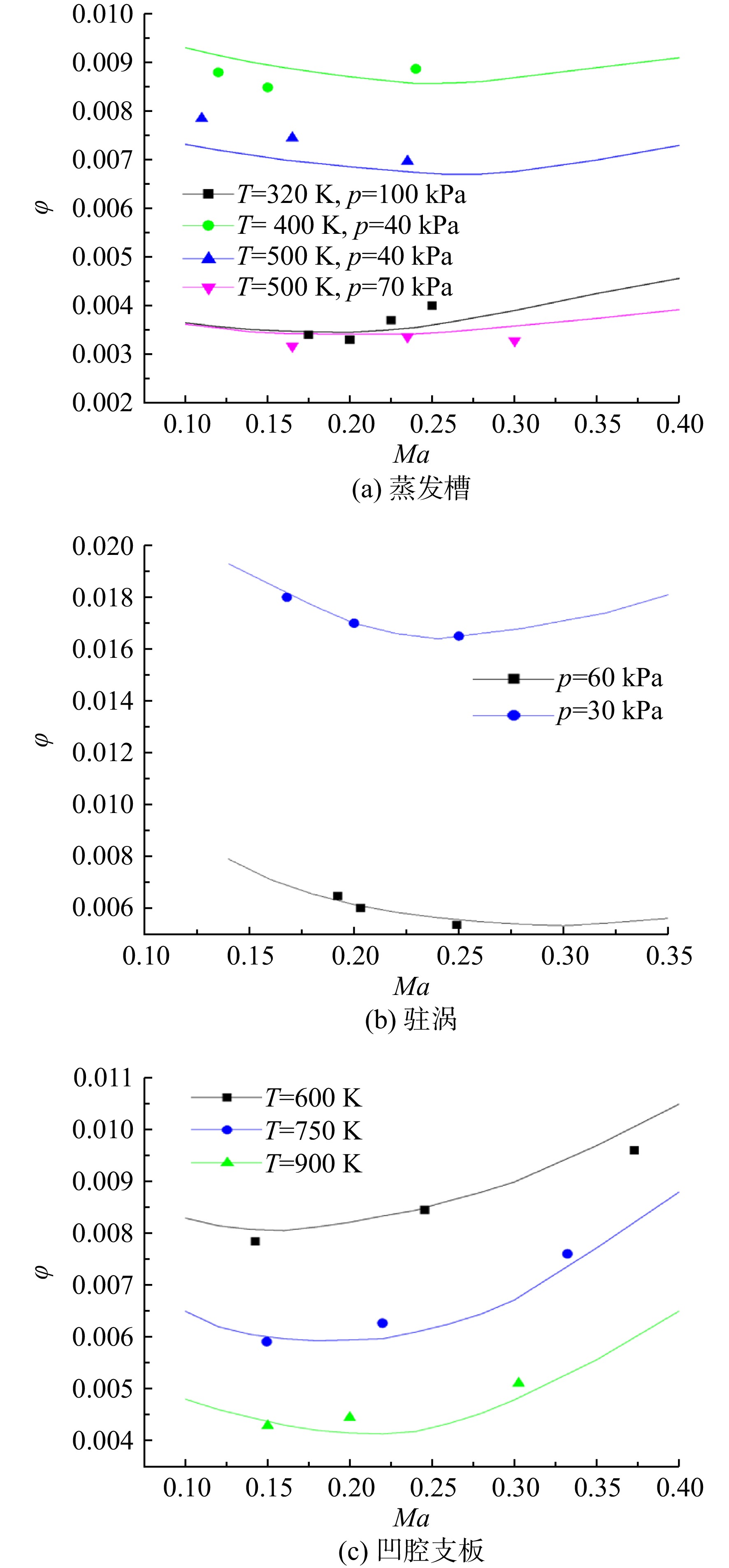
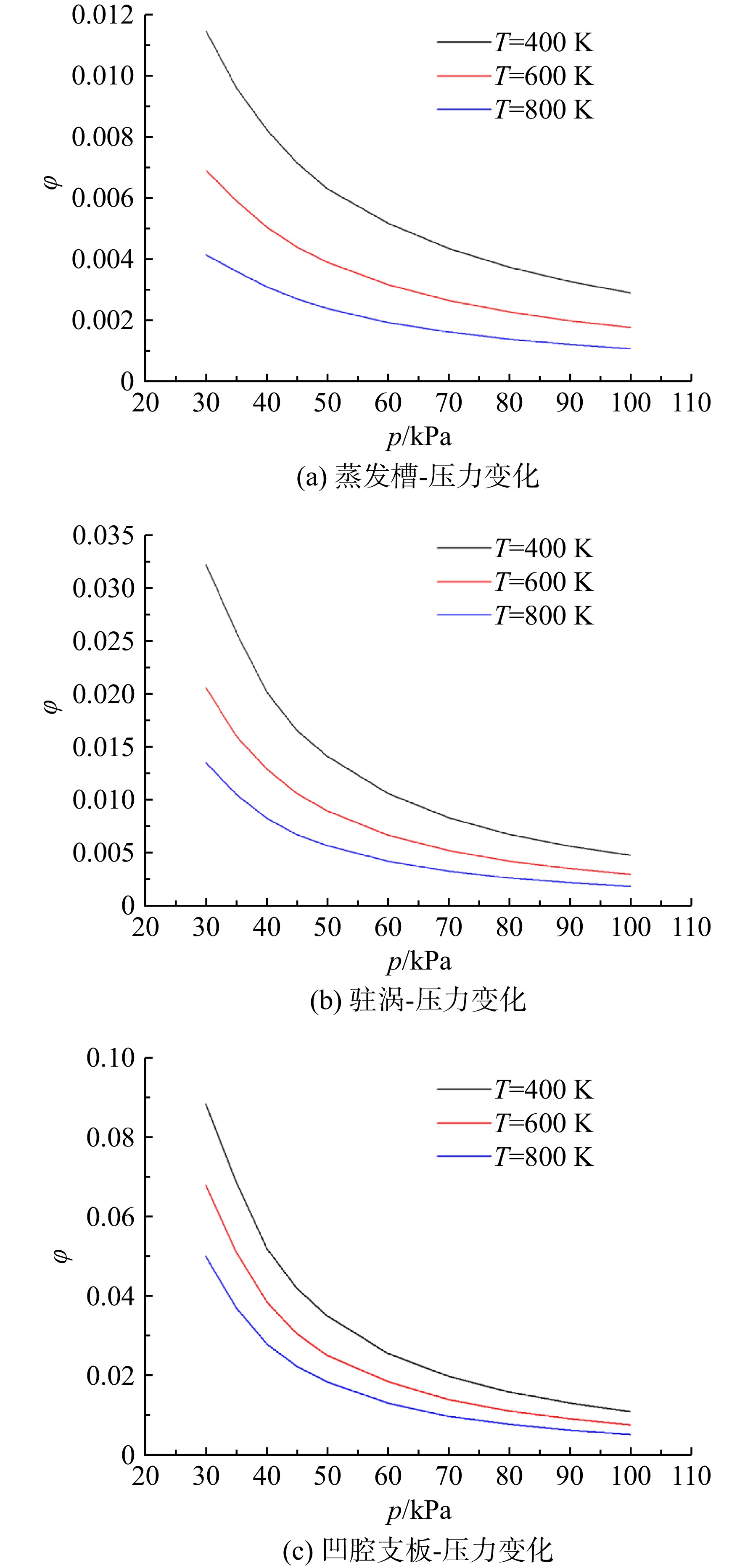
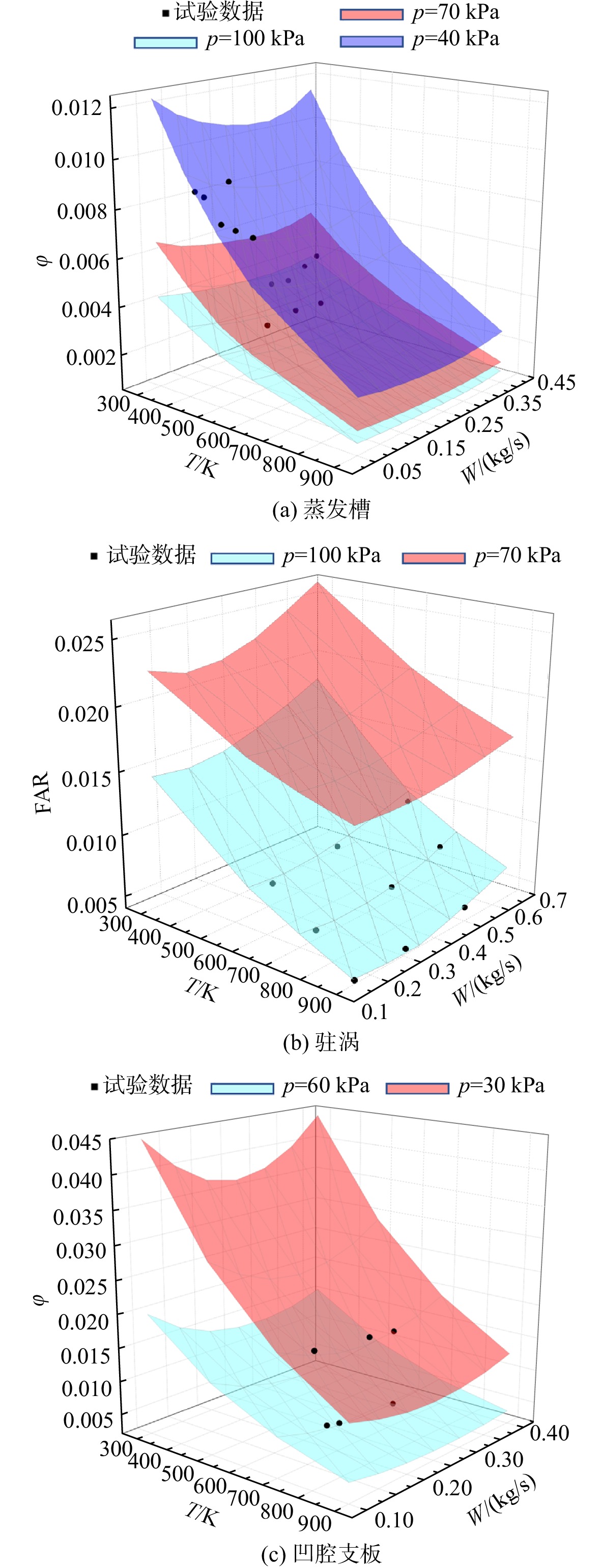
Based on the experiments and numerical simulation, the prediction models of lean oil ignition for three kinds of afterburner with evaporative slot, cavity and cavity strut were established. According to the Lefebvre semi-empirical ignition model, the comprehensive influence mechanism of inlet temperature, pressure and flow rate on fuel atomization and depleted fuel ignition boundary was analyzed. The semi-empirical model of fuel particle size was replaced, and a fully empirical ignition prediction model based on inlet boundary was formed. The model can explicitly reflect the favorable and unfavorable action mechanisms of inlet flow on ignition, and the error of prediction and experiment data of lean oil ignition boundary of the three combustion chamber models was less than 10%. The model method could provide a reference for the establishment of a prediction model for lean oil ignition in engineering afterburner.

Influence of slope-wall confinement step on flame macrostructure
QIN Ziyu, HAN Xiao, LI Lei, LIN Yuzhen, WANG Sirui, XU Liangliang
2025, 40(2): 20230225. doi: 10.13224/j.cnki.jasp.20230225
Abstract:

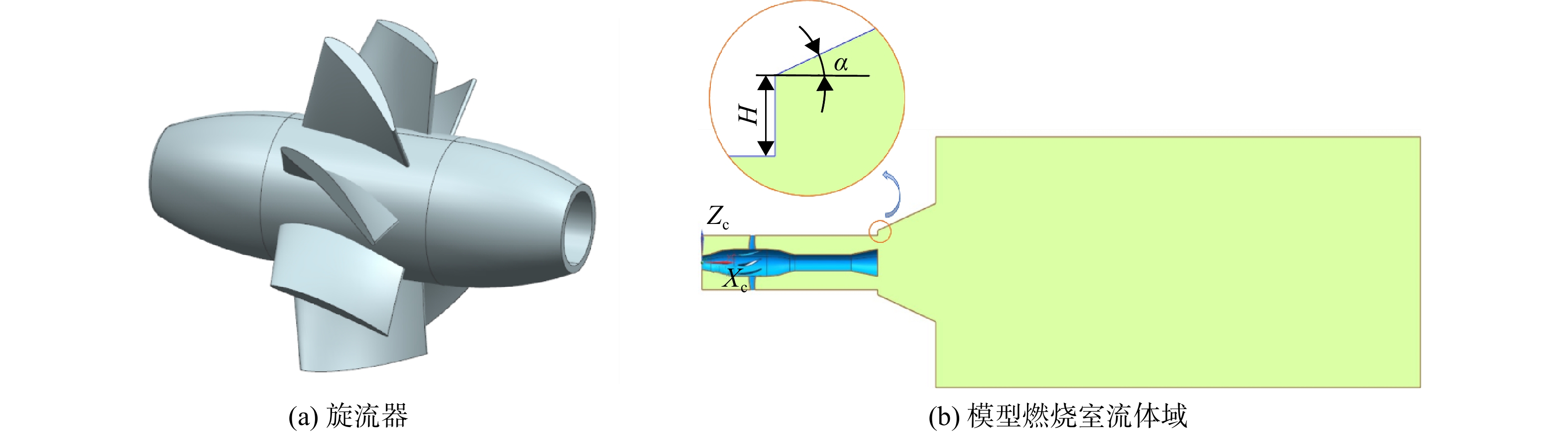
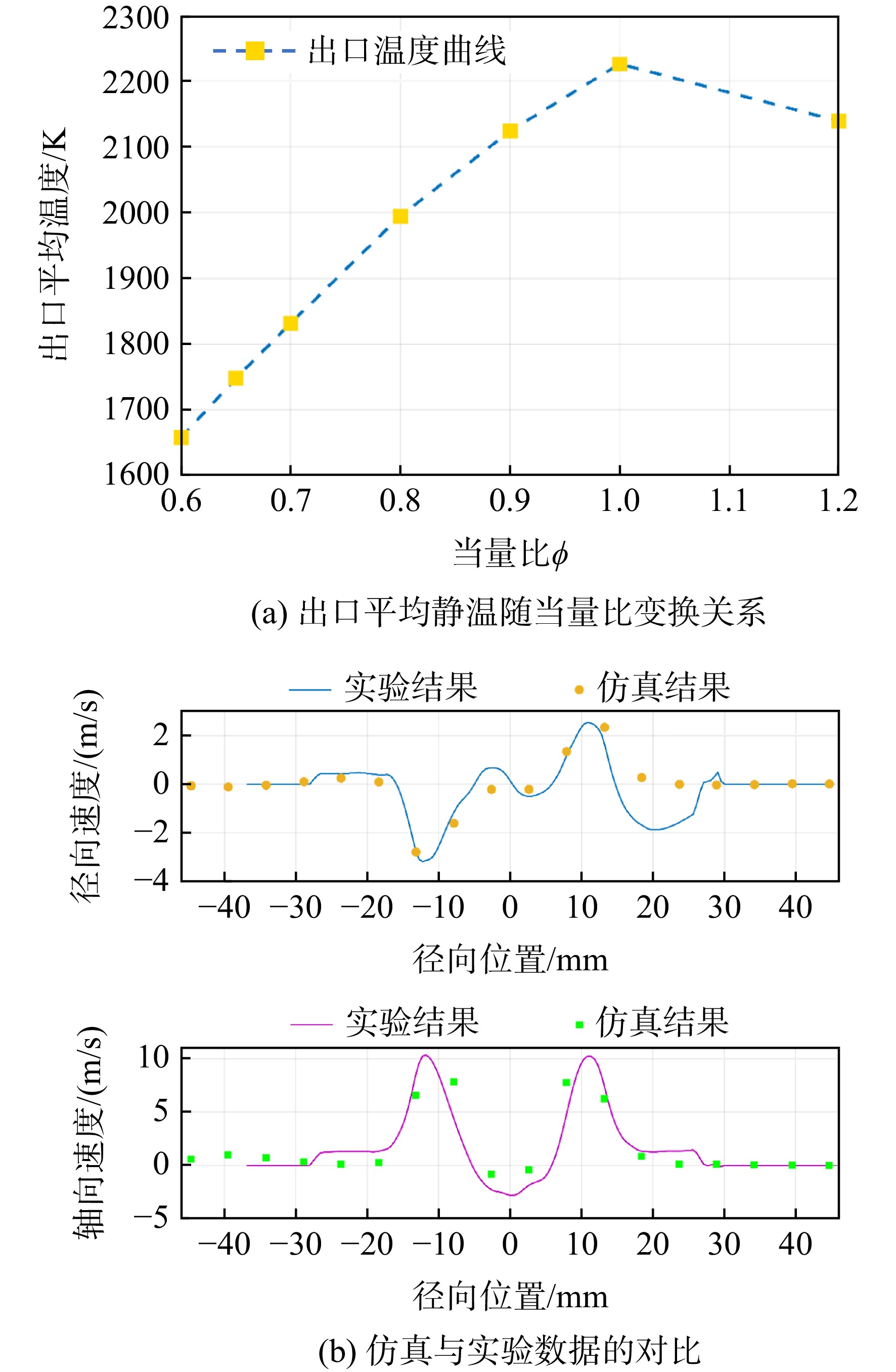
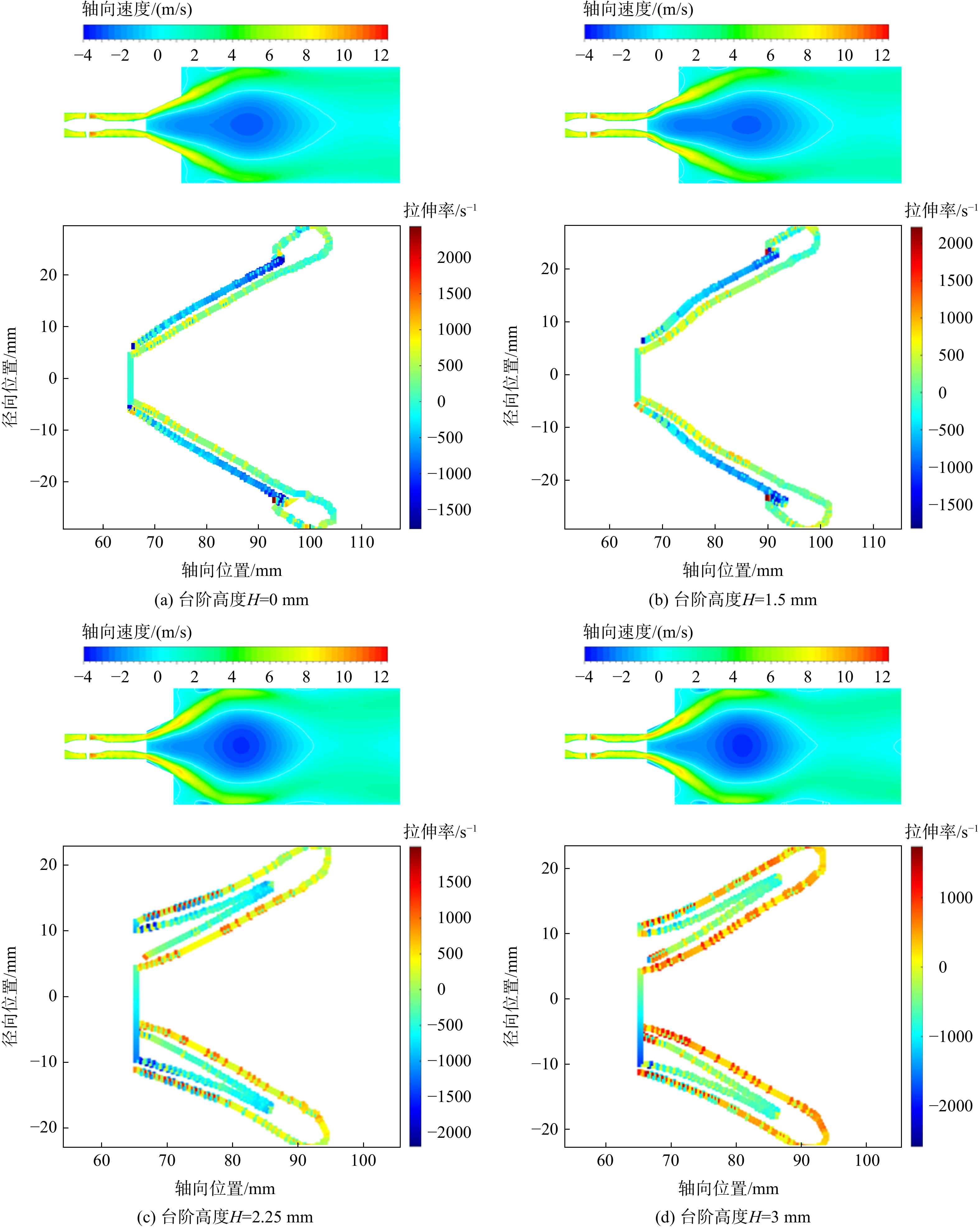
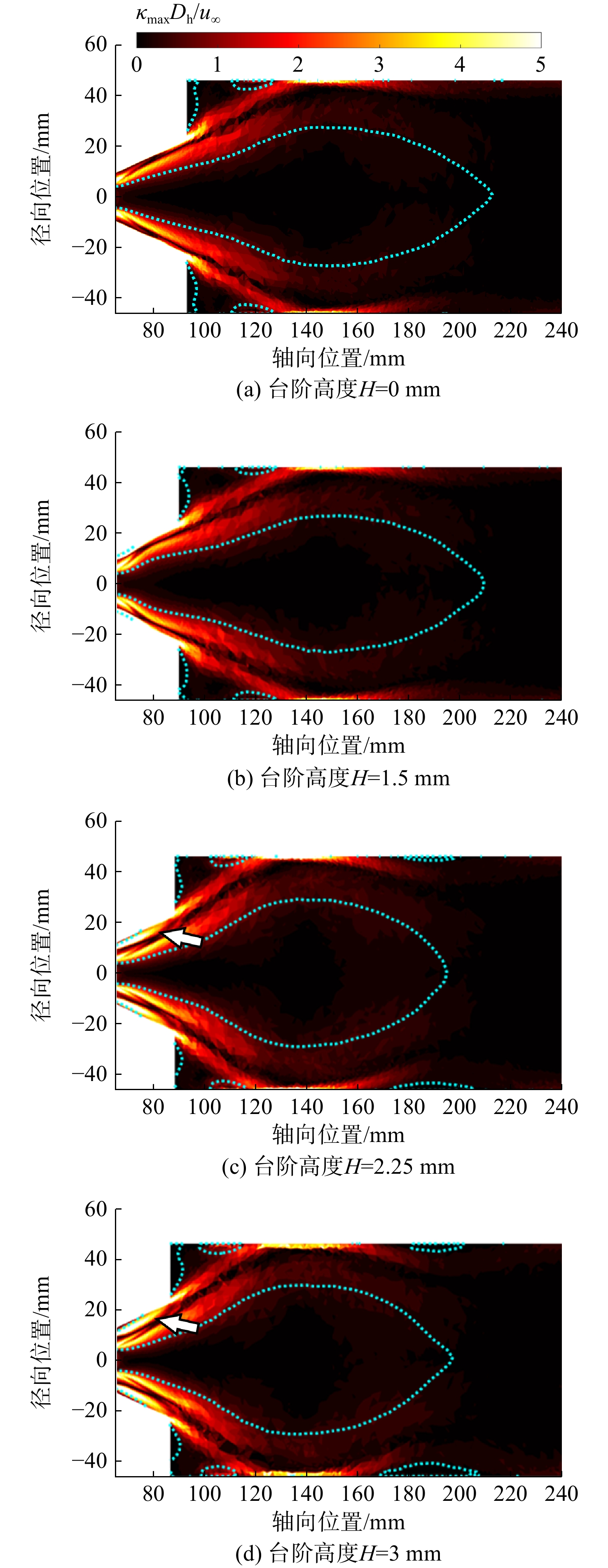
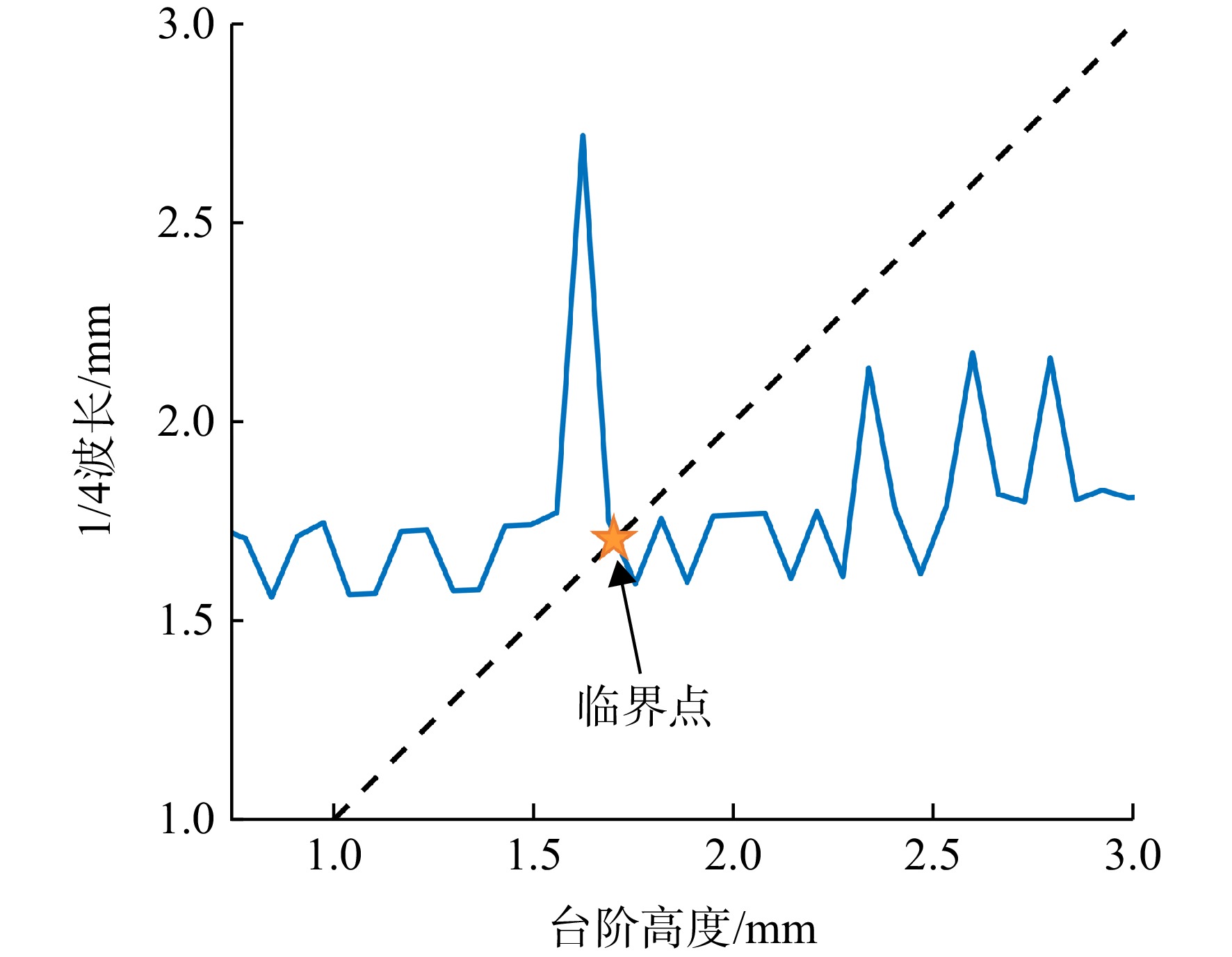
Slope-wall confinement is an effective passive control method for combustion oscillation. To deeply understand its flame stabilization characteristics, the influence of step height in the slope-wall confinement on the flame macrostructure was explored. Numerical simulation showed that increasing the height of the step changed the flame macrostructure from V-shaped to M-shaped structure. By quantitatively calculating the flame stretch rate, it was found that this transition was accompanied by the occurrence of an area with a significantly strong stretch flow on the outside of the slope-wall transition section. Combined with the small disturbance linear stability theory, the reason for this phenomenon can be summarized as the structural feature-length scale was larger than the spatial unstable mode 1/4 wavelength length scale. Thus, the inherently unstable mode was excited, and a region with a strong stretch rate for flame stabilization was formed. This method was used to predict the height of the critical step, through which the absolute error did not exceed 0.1 mm.
Numerical investigation on flow and heat transfer characteristics of pulsed jet impingement in a crossflow
WANG Guowang, SUN Wenjing, ZHANG Jingzhou, TAN Xiaoming
2025, 40(2): 20220546. doi: 10.13224/j.cnki.jasp.20220546
Abstract:

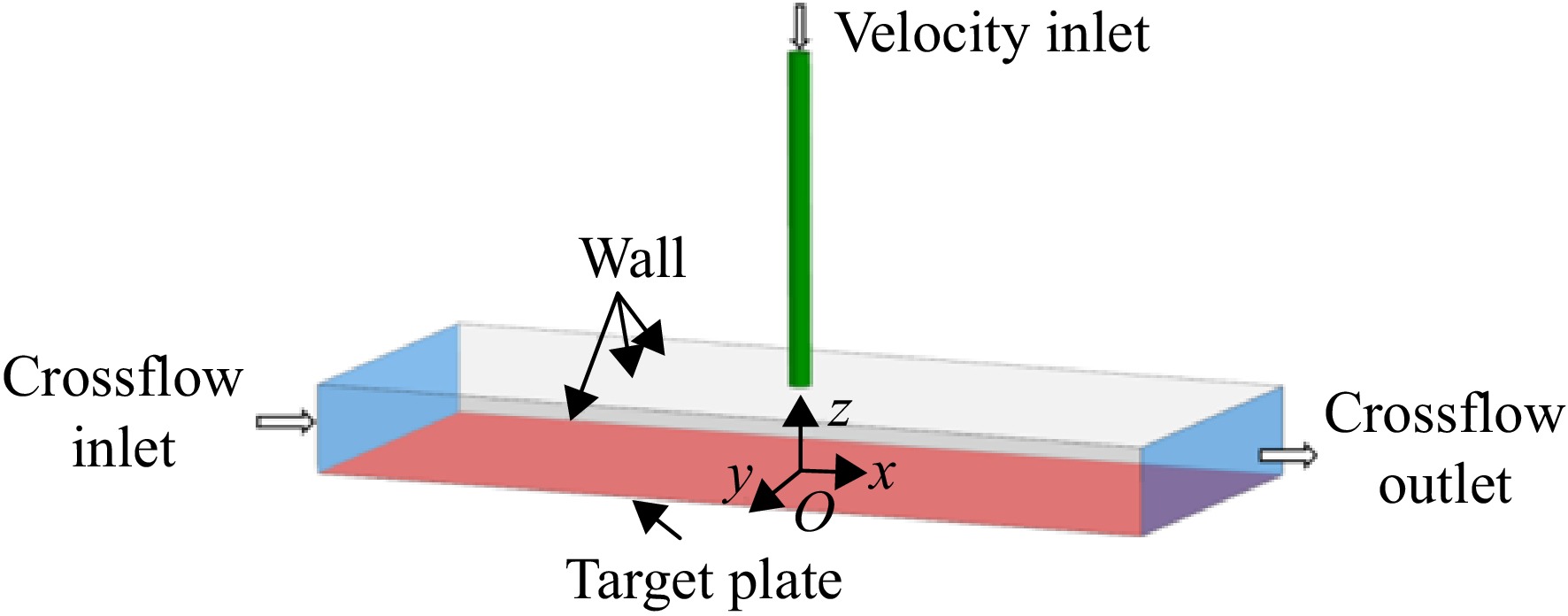
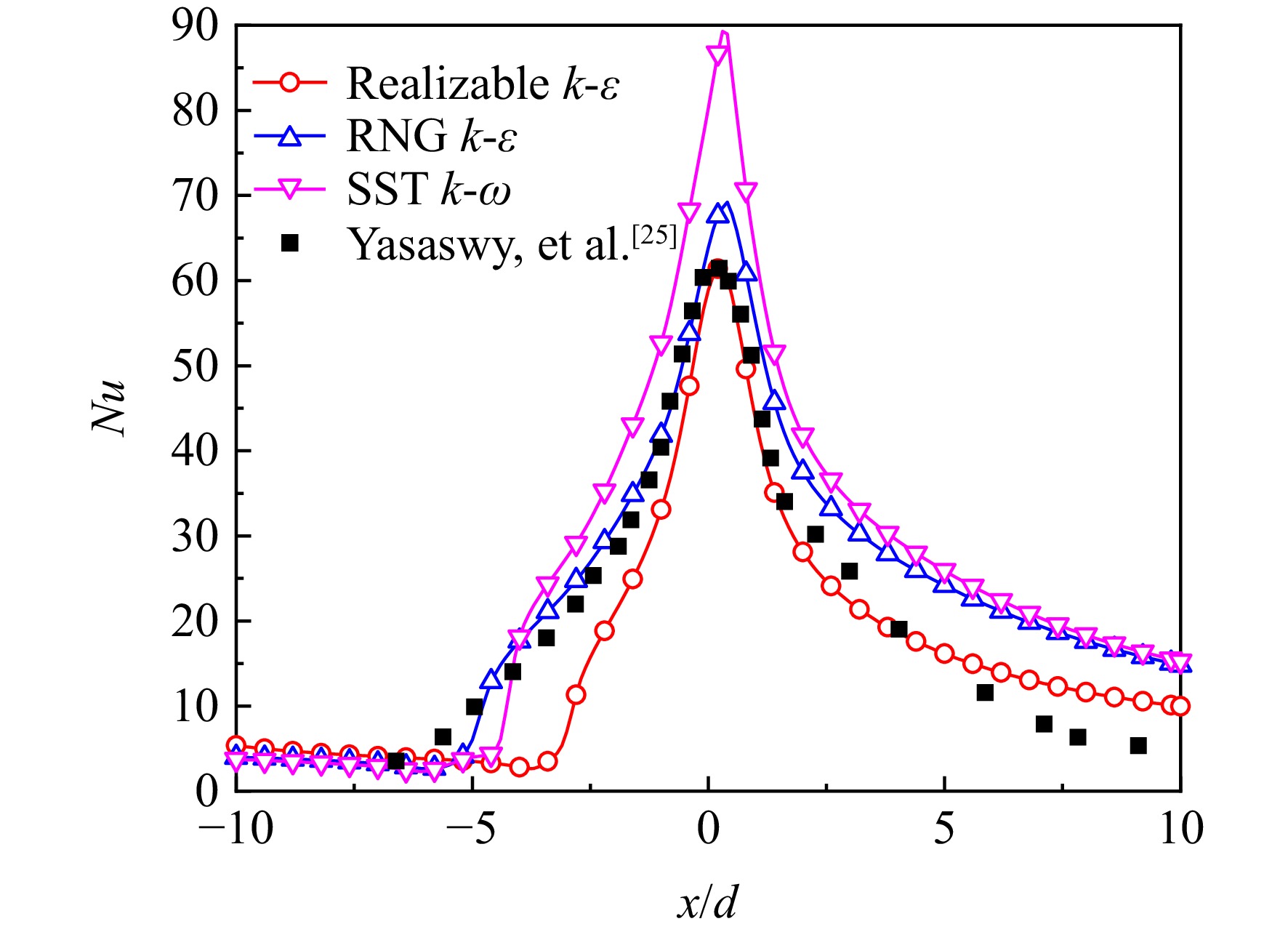
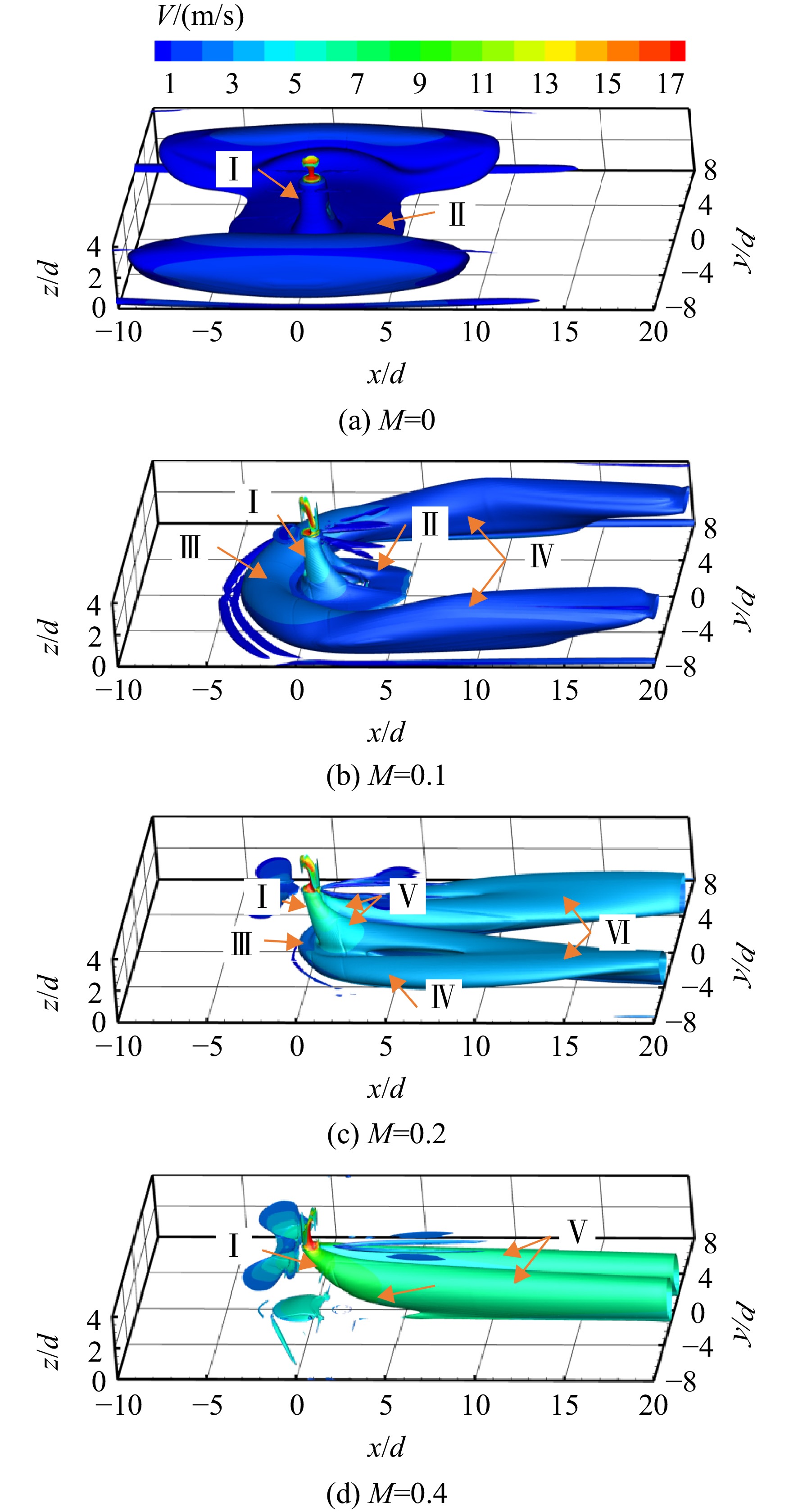
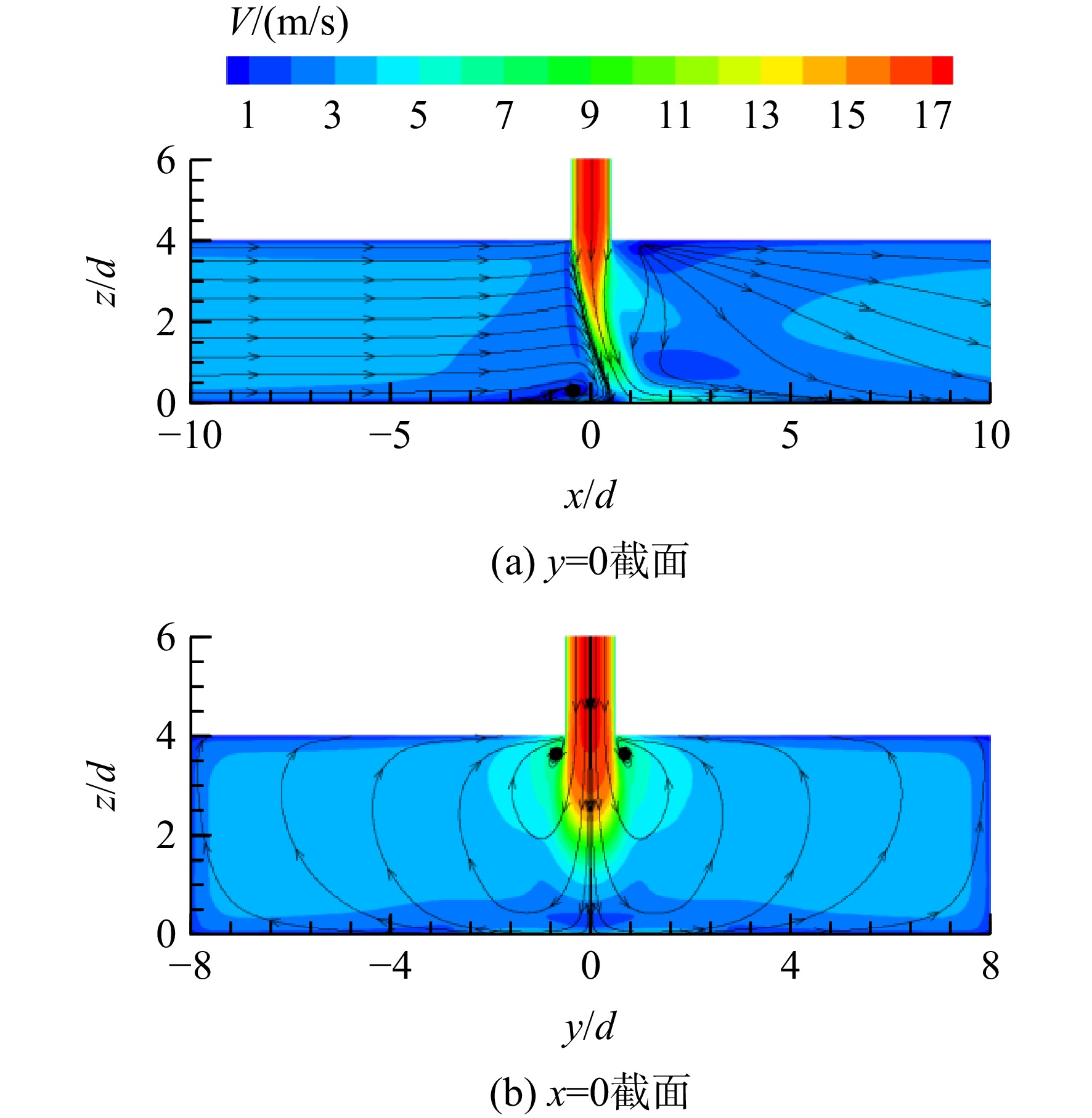
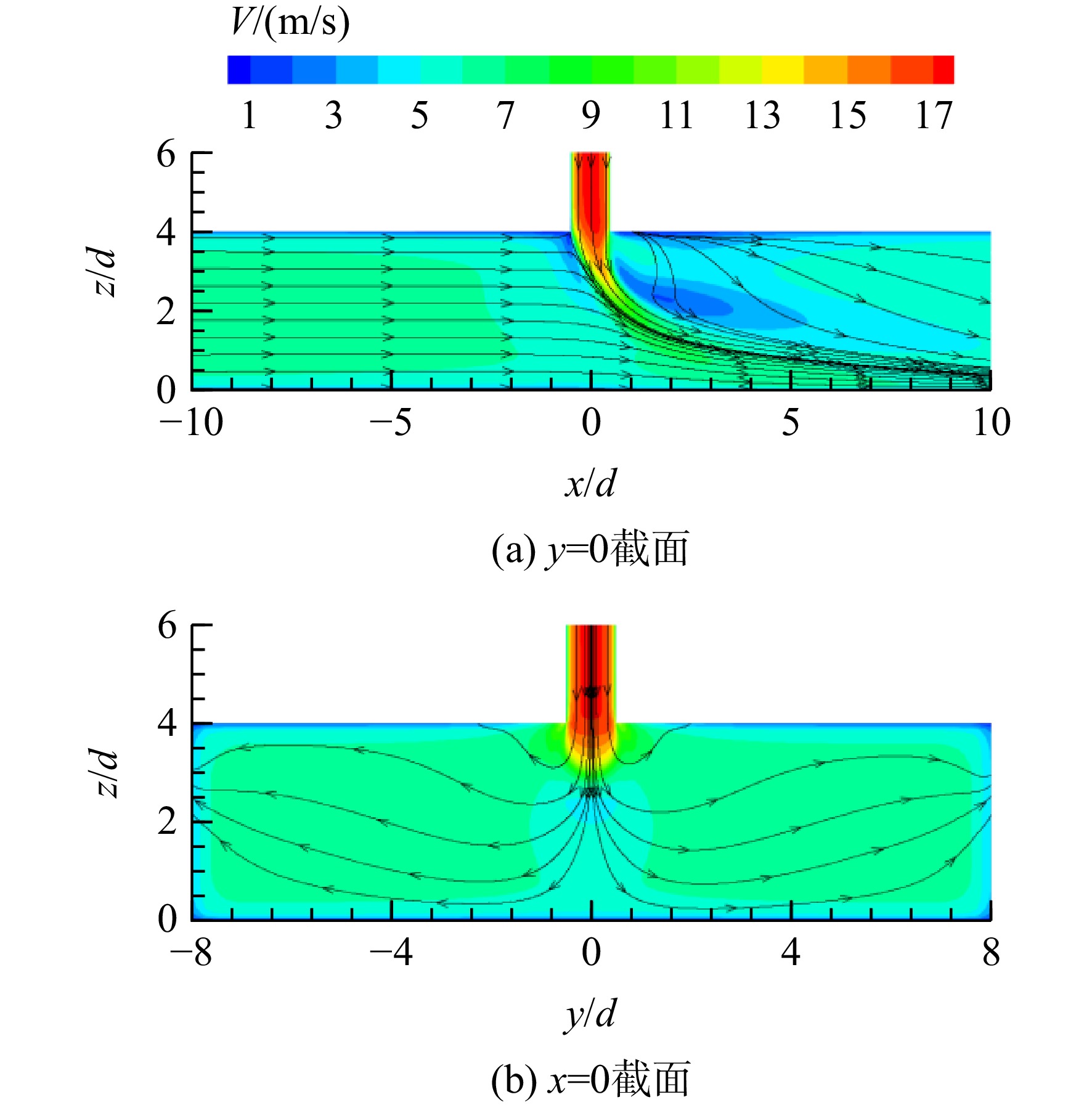
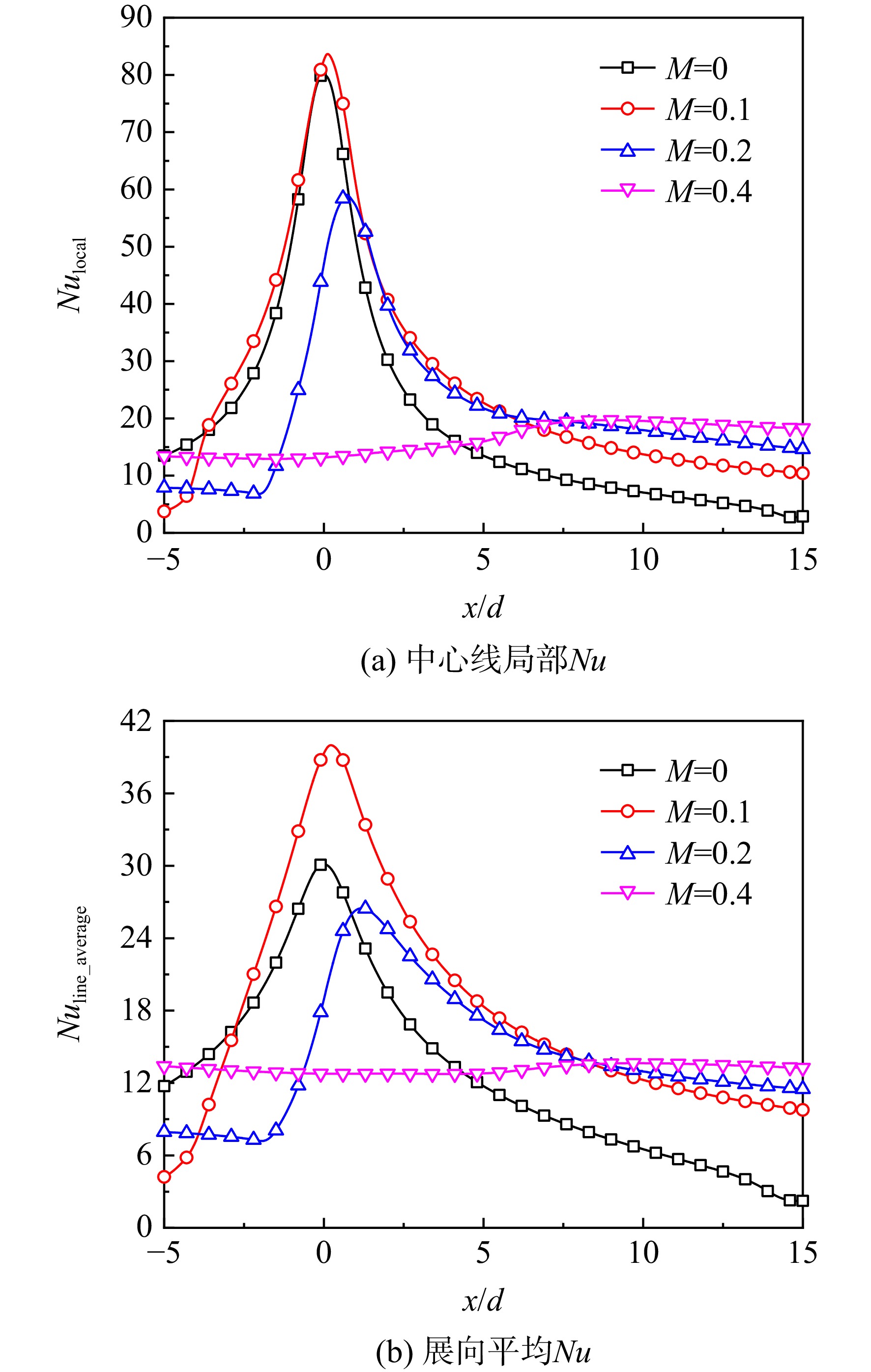
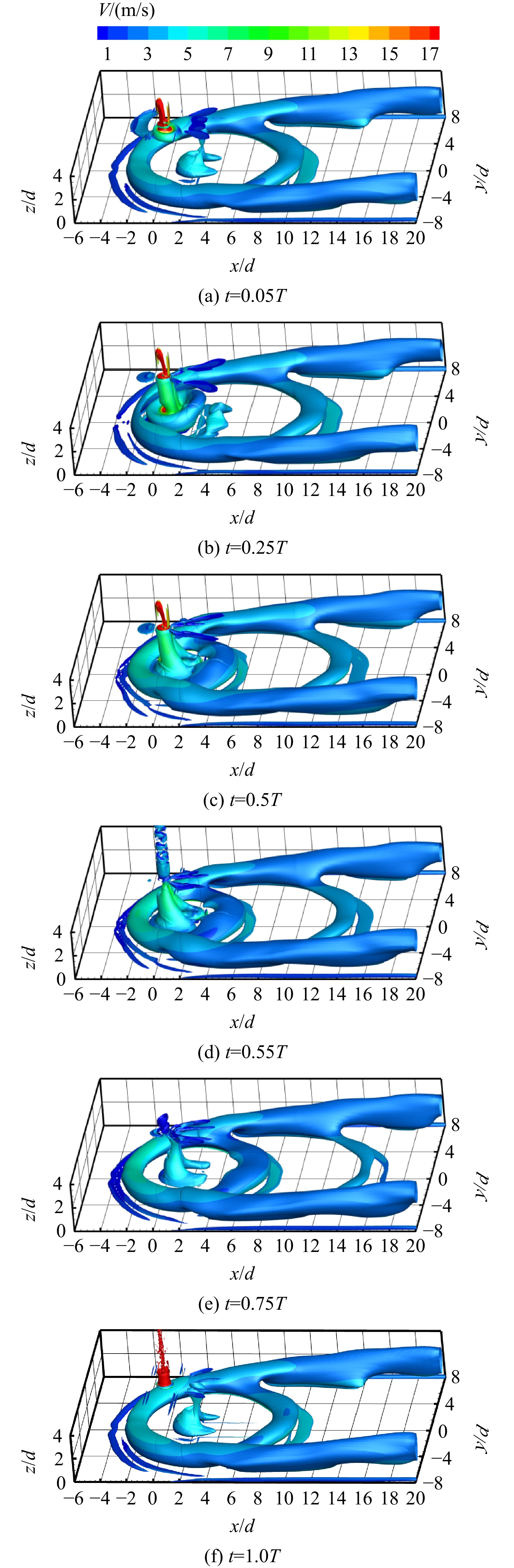
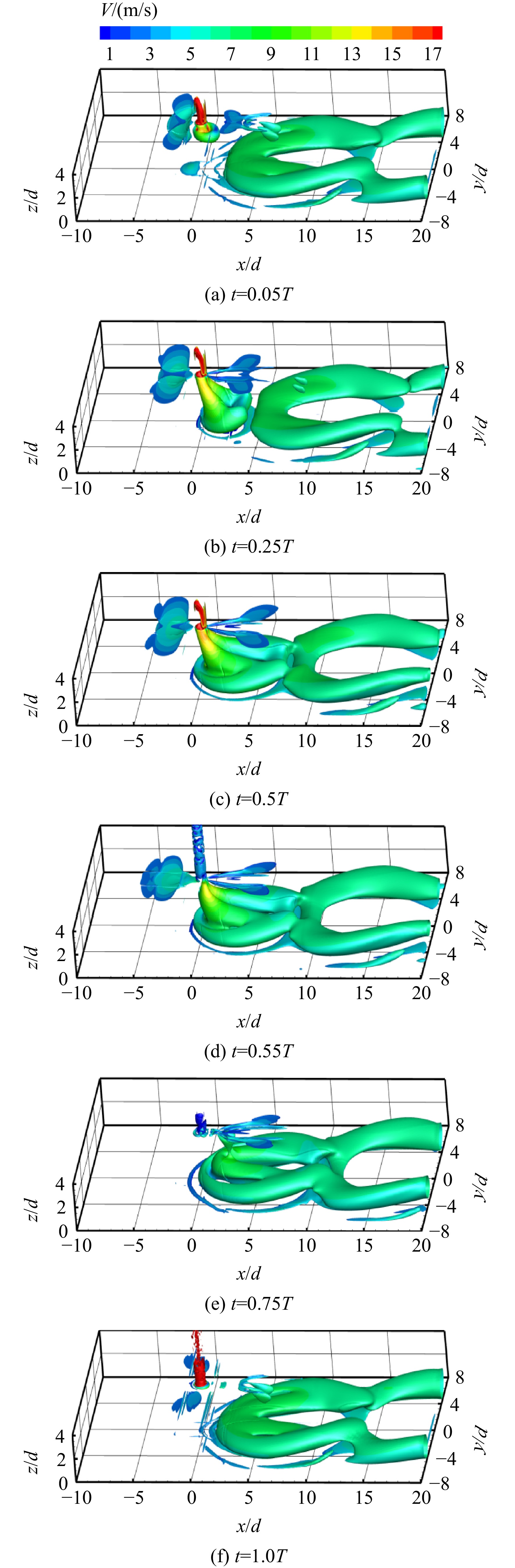
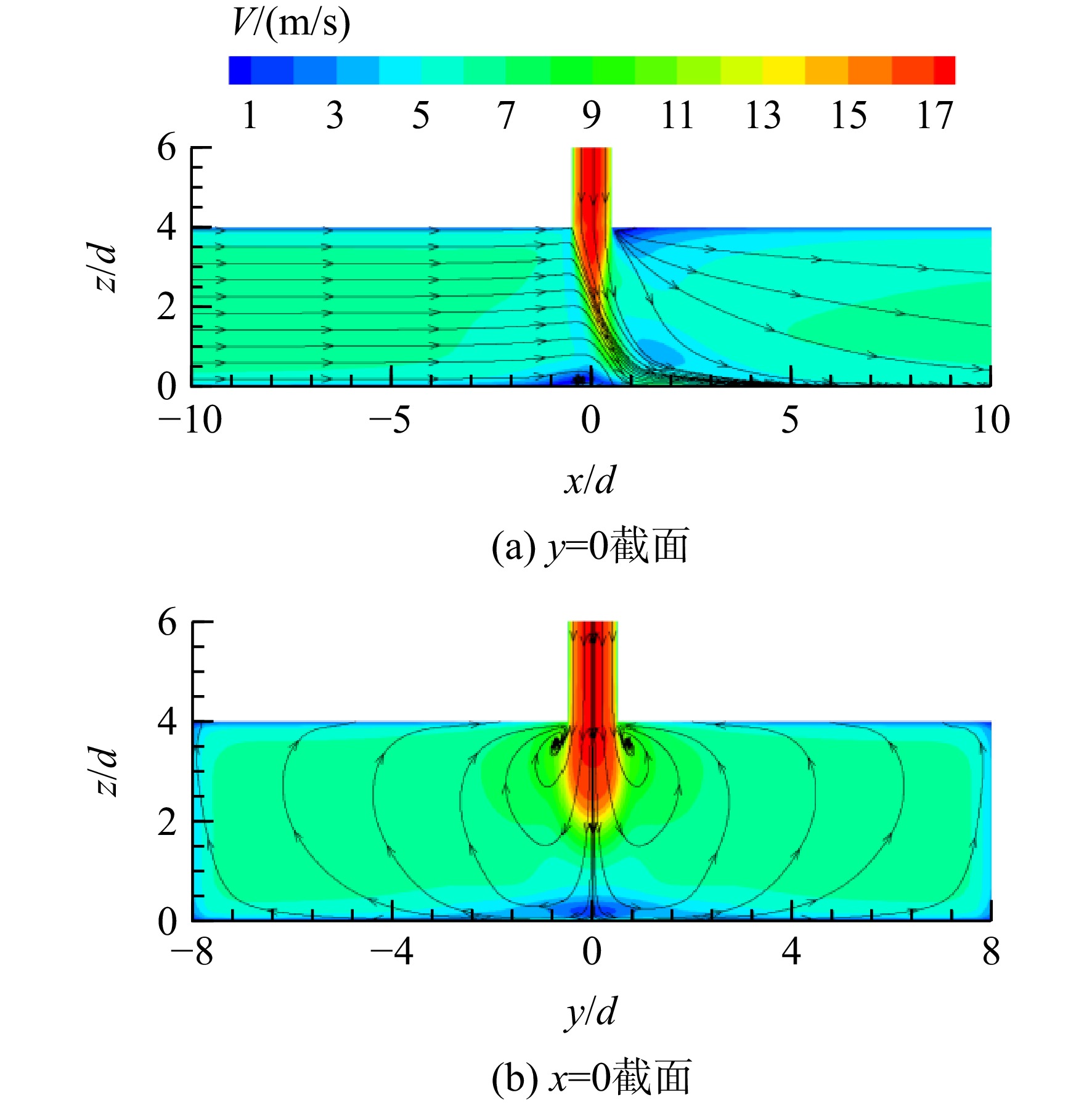
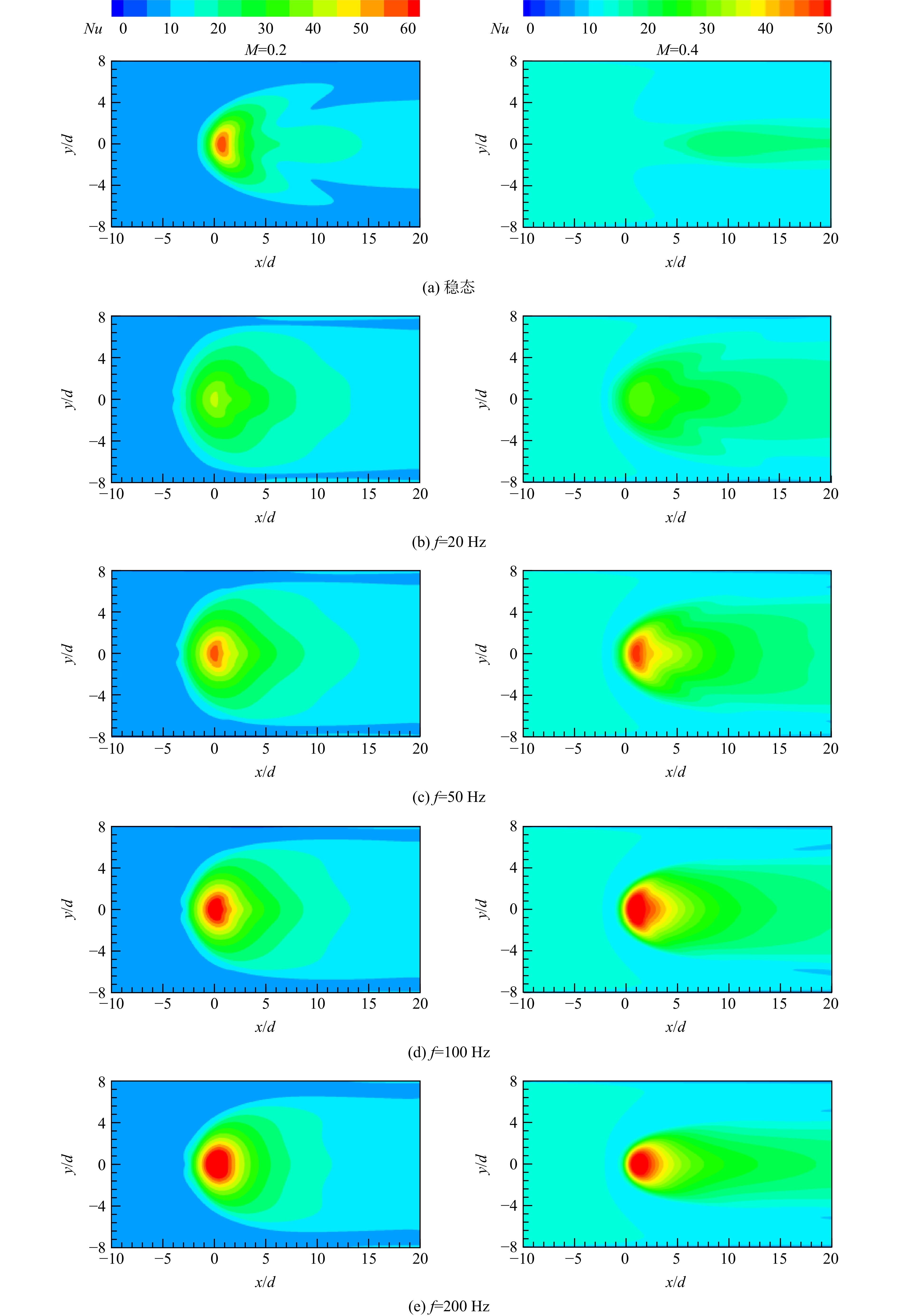
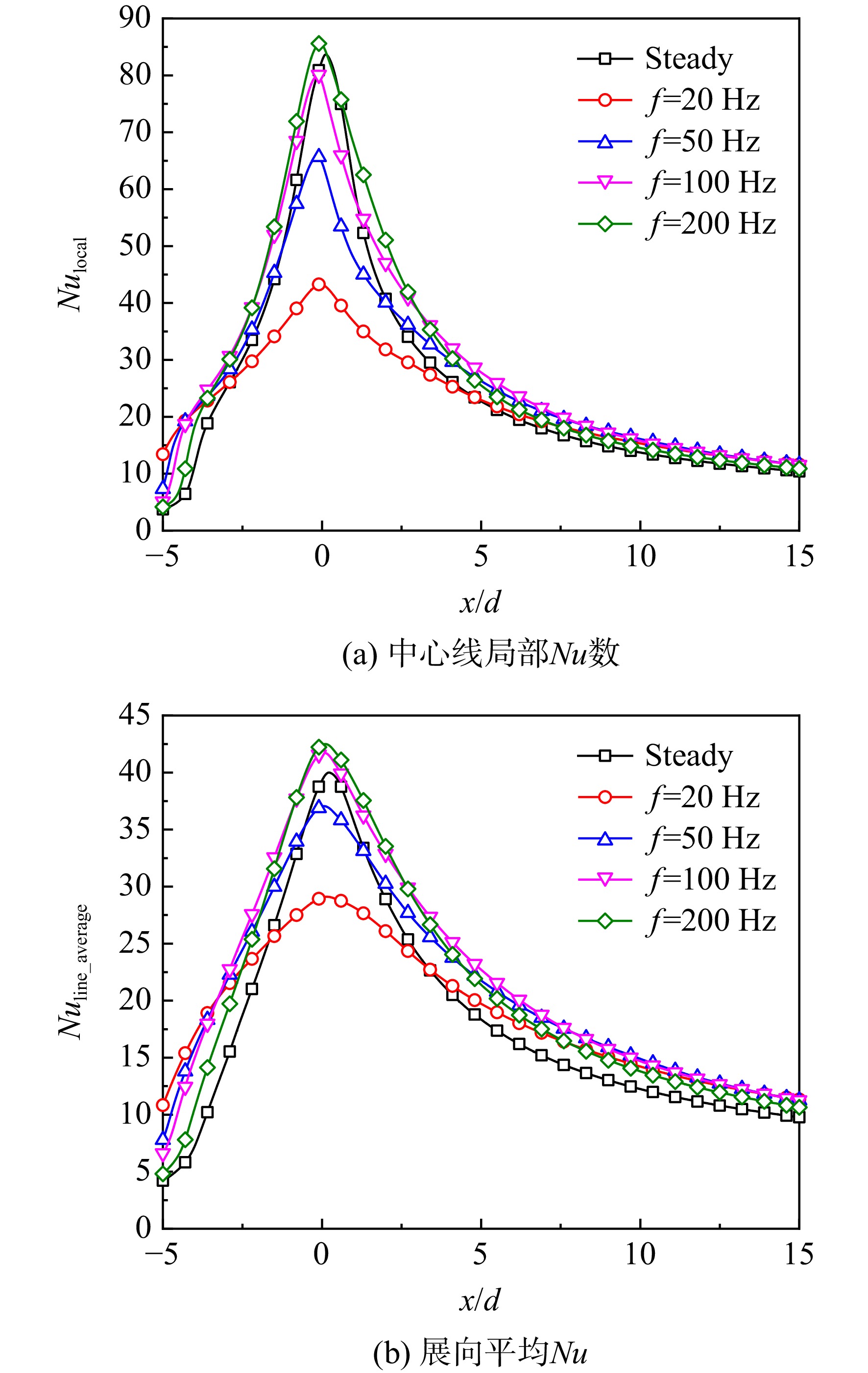
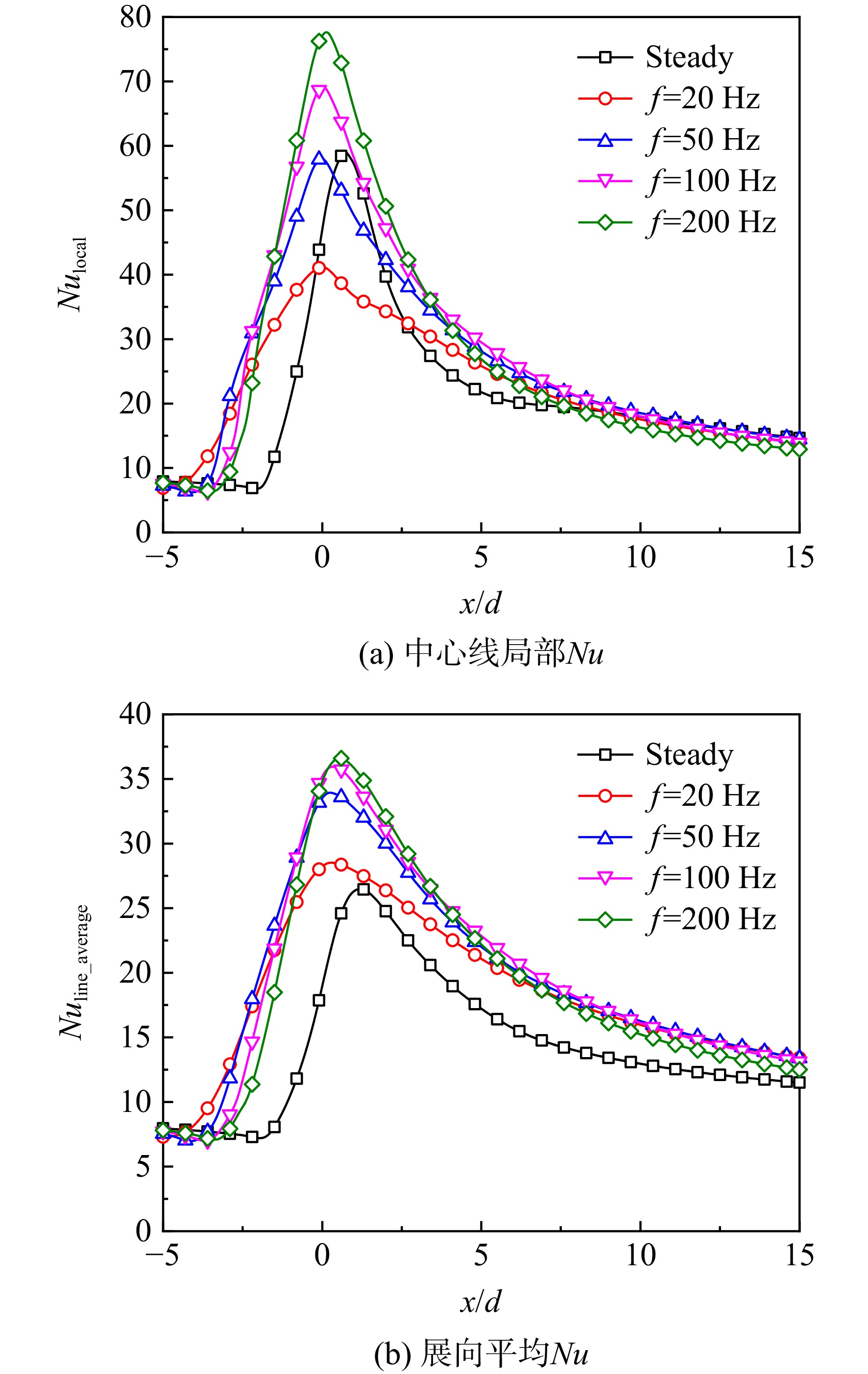
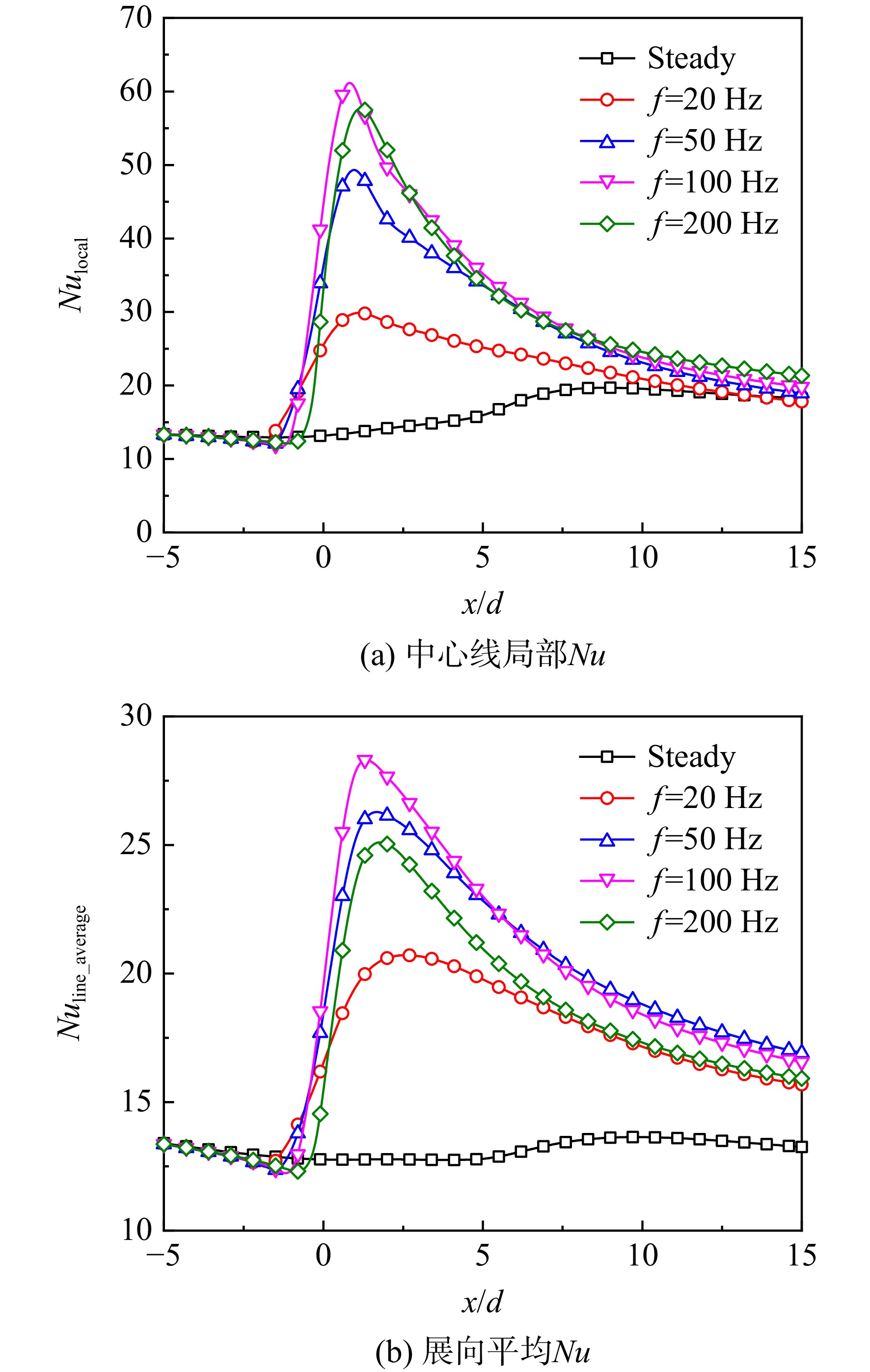
A numerical study was performed in the present work for a single round-jet impingement in the crossflow, to illustrate the effects of pulsating excitation on flow and heat transfer characteristics of pulsed jet impingement under a fixed jet Reynolds number (1×10⁴) and different crossflow-to-jet velocity ratios (0.1—0.4) and pulsating frequencies (20—200 Hz). The results showed that the scarf-vortex was of the featured vortical structure in the pulsed jet impingement in a crossflow. When compared with the steady jet, the flow deflection of pulsed jet toward the crossflow direction was obviously weakened. Even in a strong crossflow situation, the kidney-vortex-dominated flow structure in the steady jet impingement did not appear in the pulsed jet impingement. Consequently, the convective heat transfer on the target was effectively improved by using pulsed jet impingement in a stronger crossflow. Because of the complexity in the interaction between pulsed jet and crossflow, the convective heat transfer on impinging target was tightly associated with the pulsating frequency and crossflow-to-jet velocity ratio. In the present parameters, a relatively optimal pulsating frequency of 100 Hz was suggested.

A film superposition model integrating spatial iteration and deep learning
LIU Xing, LOU Jian, YU Hongqian, WANG Qi, YANG Li, RAO Yu, LIU Yuyang
2025, 40(2): 20230134. doi: 10.13224/j.cnki.jasp.20230134
Abstract:

A set of spatial iterative algorithms with implicit physical variables were developed in combination with the neural network method for film superposition model, and this model was verified by comprehensive film effectiveness experiment of a flat plate fully covered film cooling and adiabatic numerical simulation respectively. And it solved the problem that the directly used neural network method does not contain real physical laws and lacks of interpretability. At the same time, by comparing accuracy and mining implicit variables, the interpretable 4 key closed variables of the film superposition model, such as the lateral velocity at the position of 5 times the thickness of the front edge boundary layer in the vertical plate direction, were obtained, thus verifying the accuracy and reliability of the fusion model.

Autocontrol
Lubricating oil temperature control method based on system model identification of tester
ZHAO Shuai
2025, 40(2): 20240580. doi: 10.13224/j.cnki.jasp.20240580
Abstract:

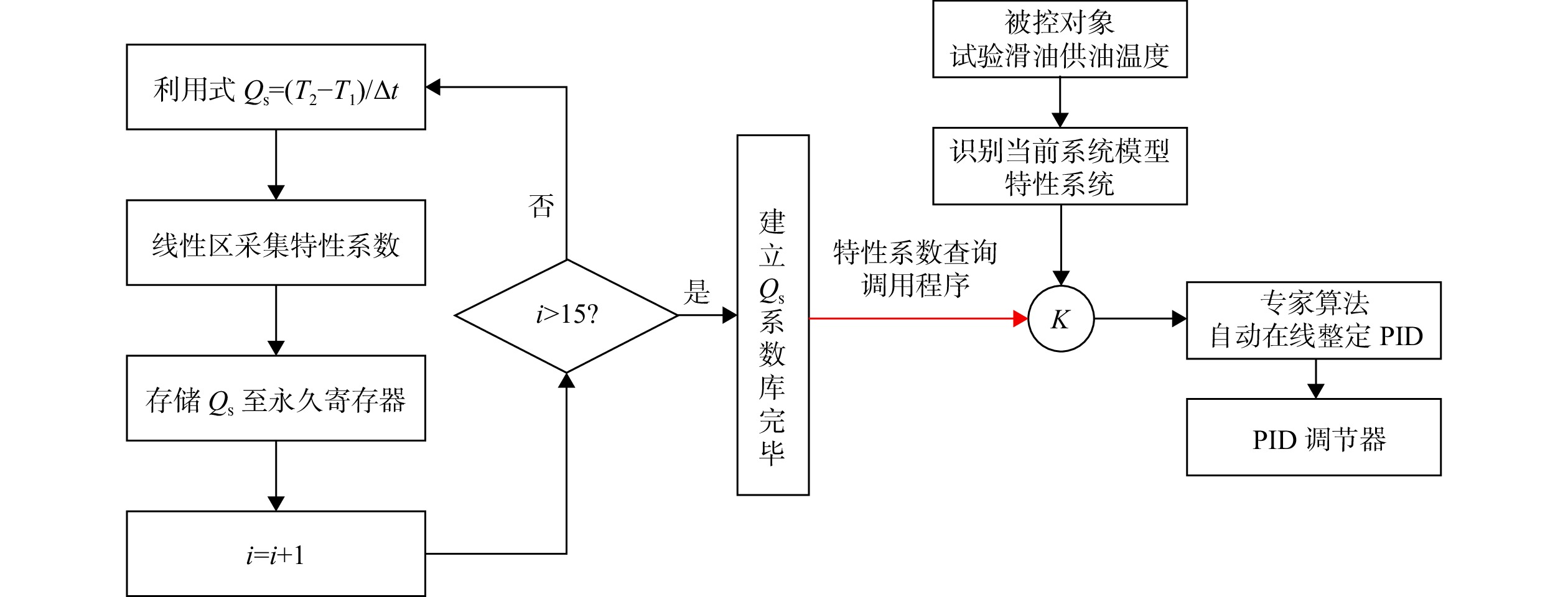
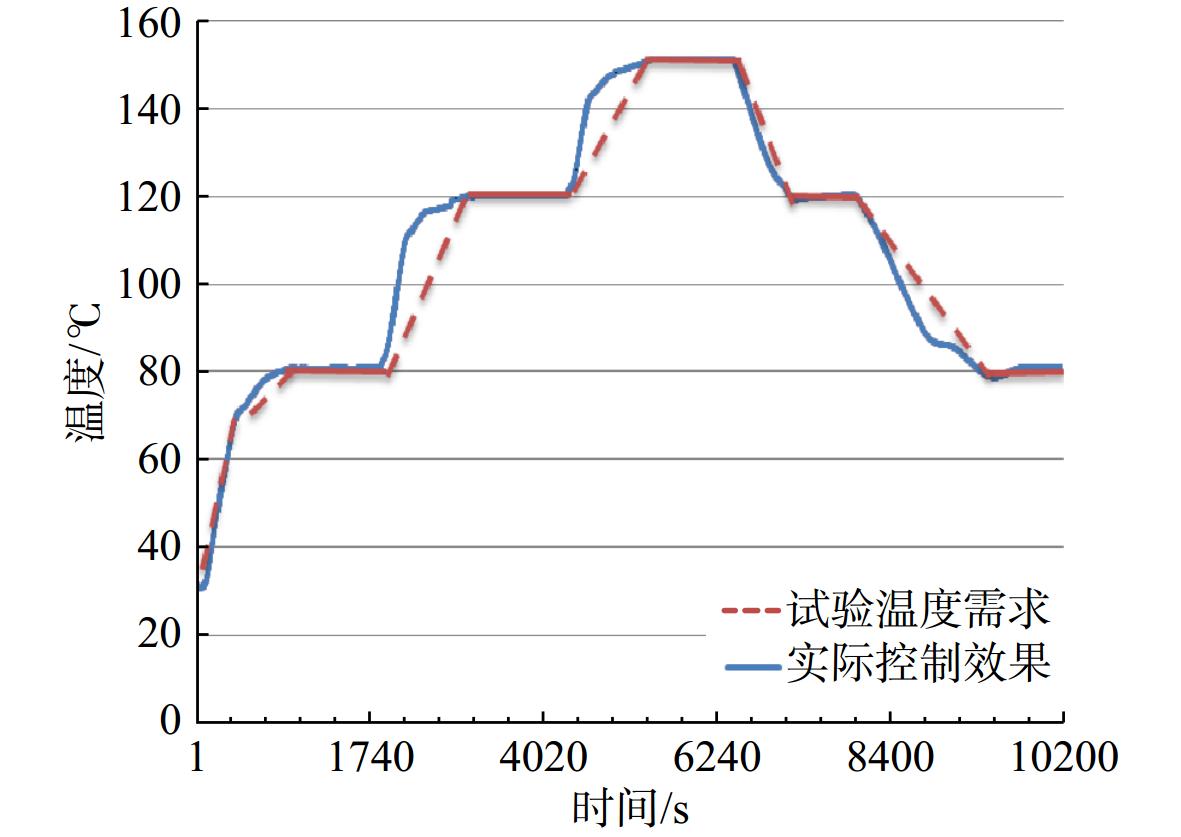
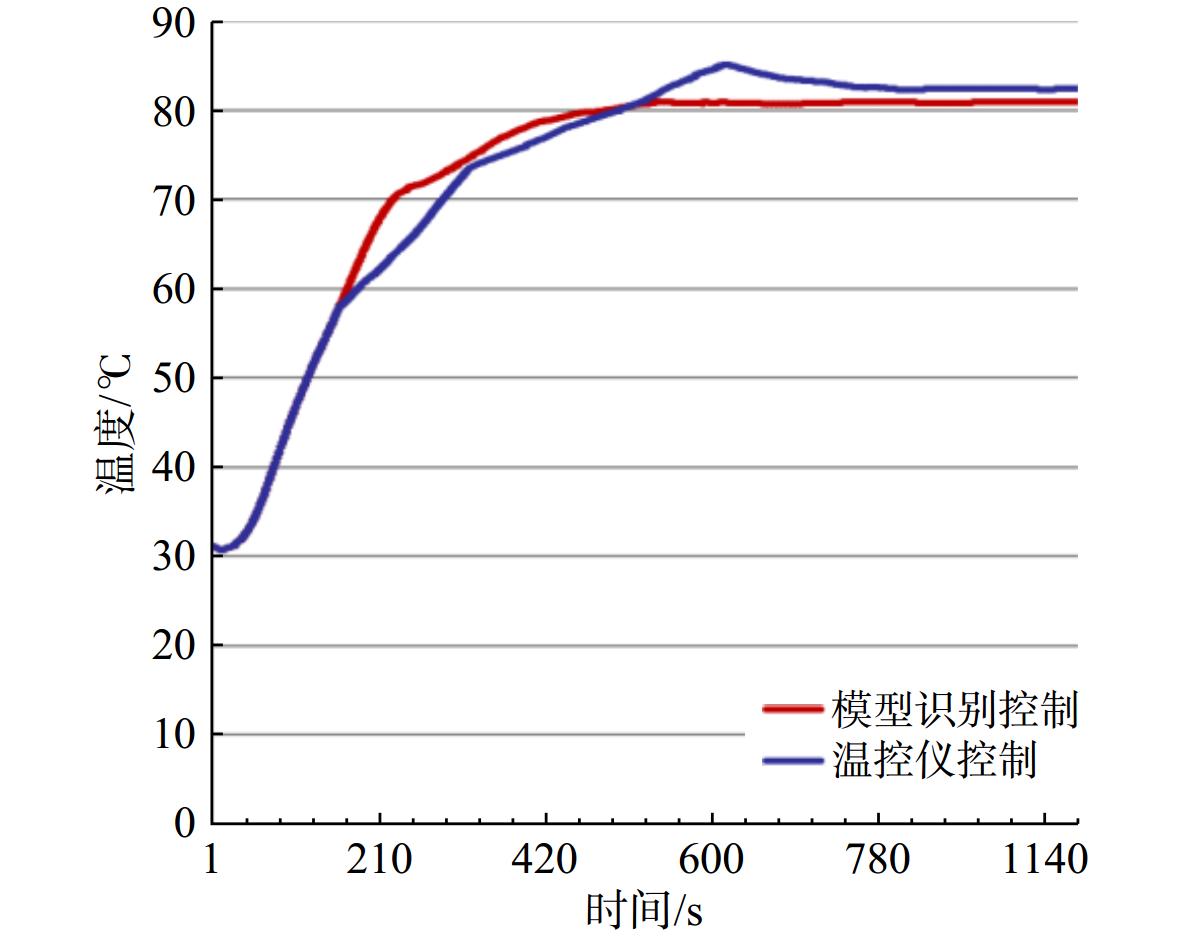
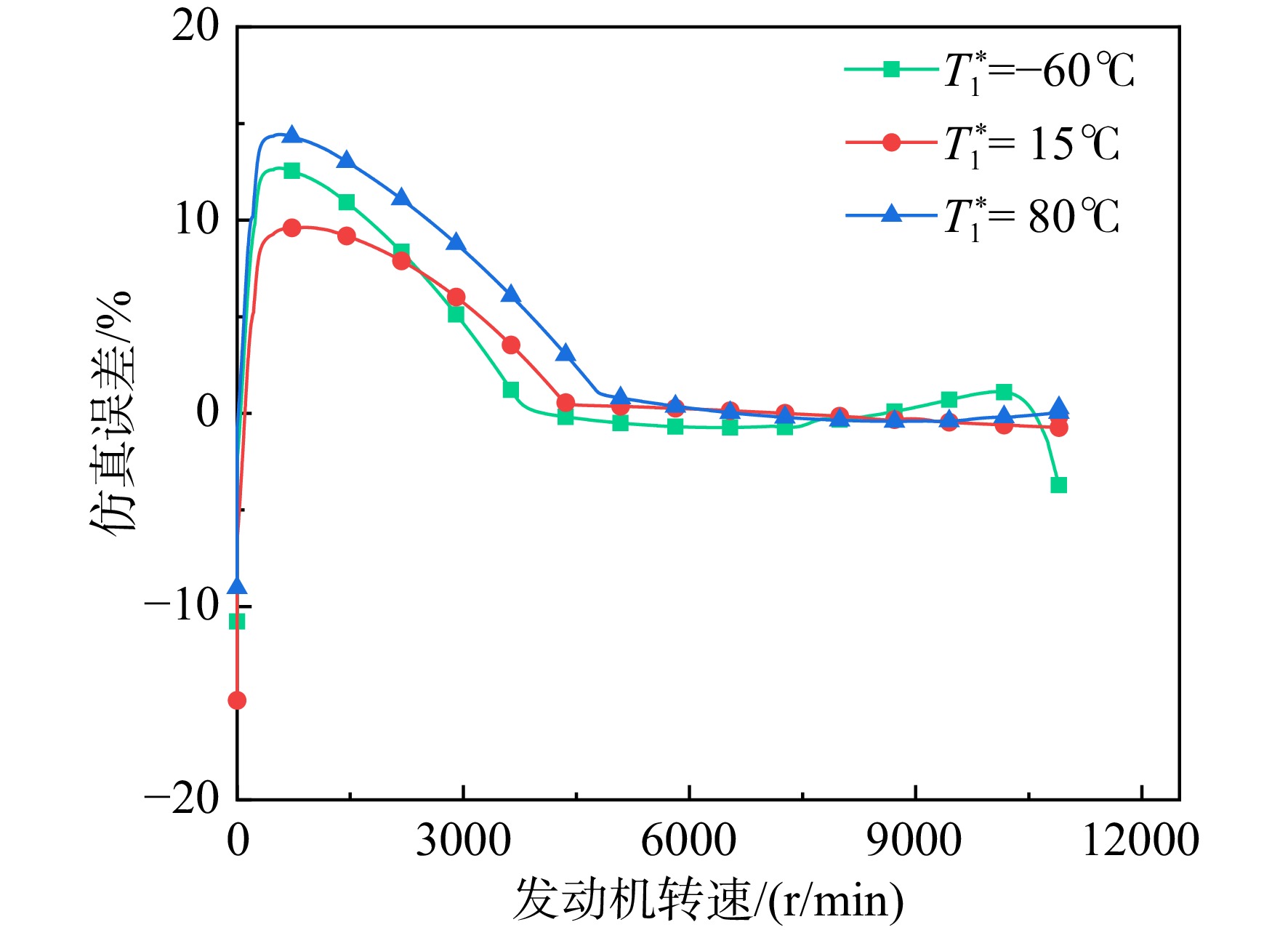
In order to address the difficulty of achieving precise control of lubricating oil temperature in a control system with real-time model changes using a combination of the classic PID method and manual online tuning, an anti-interference optimization design in hardware wad adopted. It simplified the temperature controller and signal communication, and directly controlled the solid-state relay through a PLC controller, effectively enhancing the robustness of the control system. In terms of software algorithms, the zero-crossing pulse control method was employed. By acquiring characteristic parameters representing changes in the system model and establishing a database, the fuzzy control method was used to automatically tune the control parameters online, enabling adaptive control of lubricating oil temperature. Compared with the original control system, the experimental results showed zero overshoot of the control target, a 46% reduction in adjustment time, and enhanced system robustness with effective satisfaction of test requirements.

Modeling and simulation of anti-surge system for aircraft engine and APP design
LI Changshu, MA Jing, WANG Lei, LIU Xiaoqiang
2025, 40(2): 20230153. doi: 10.13224/j.cnki.jasp.20230153
Abstract:

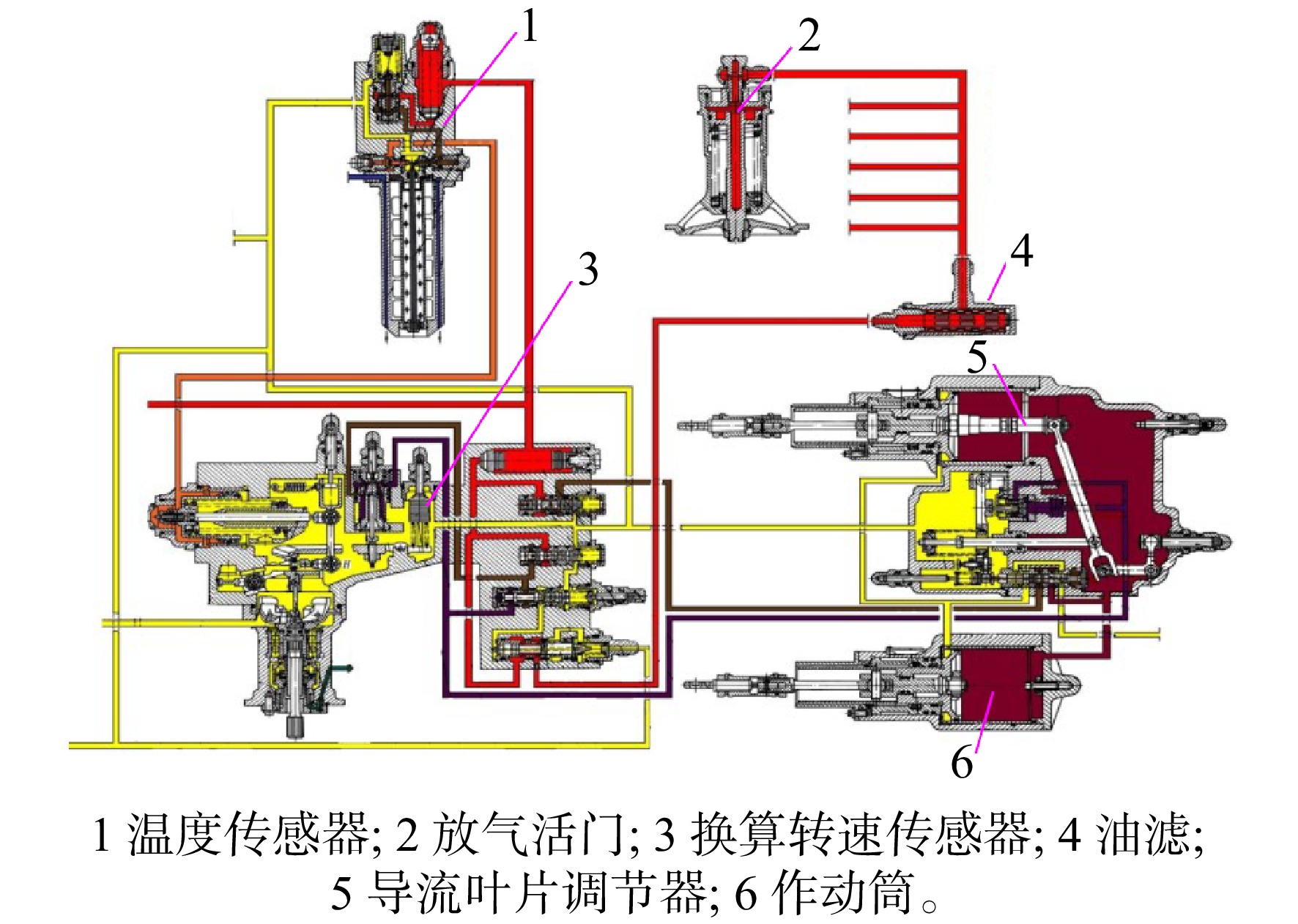
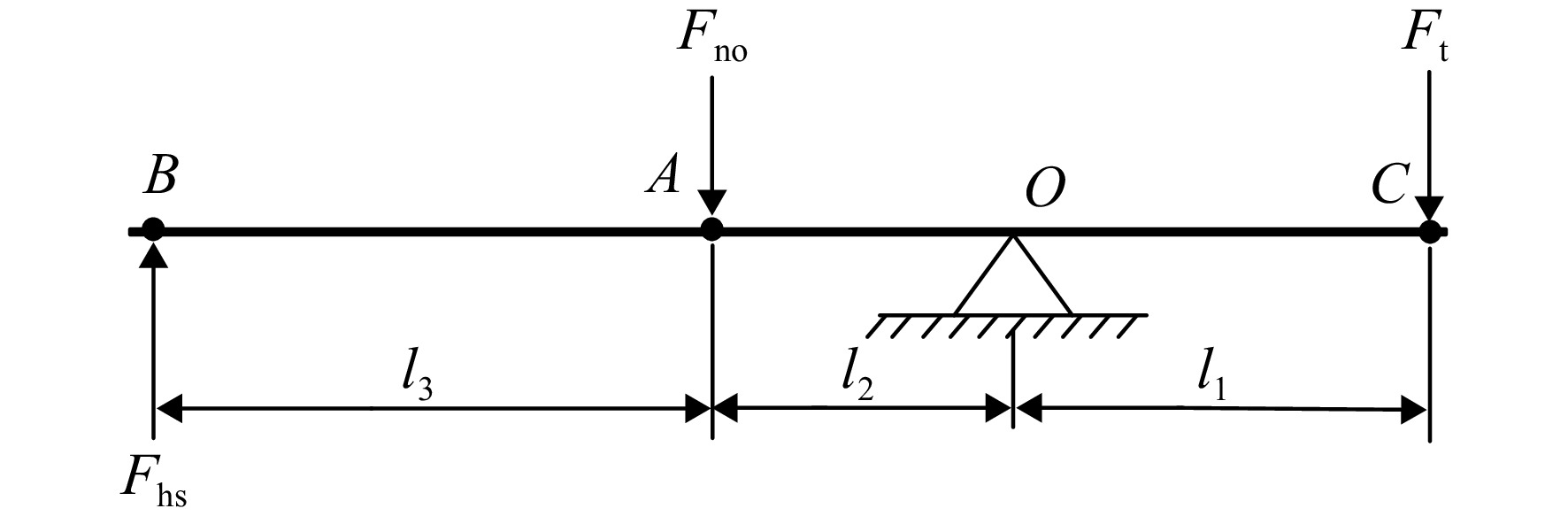
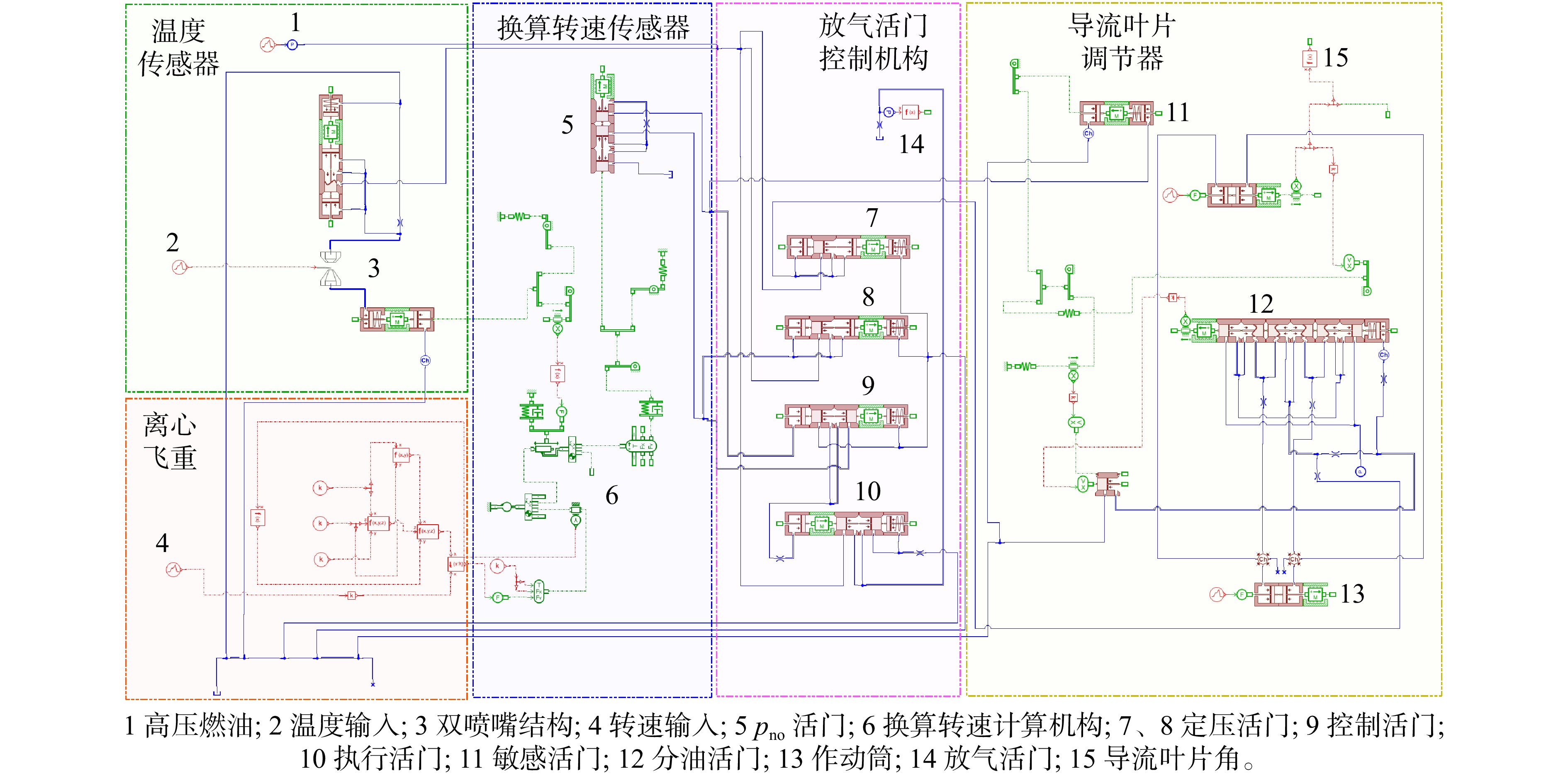
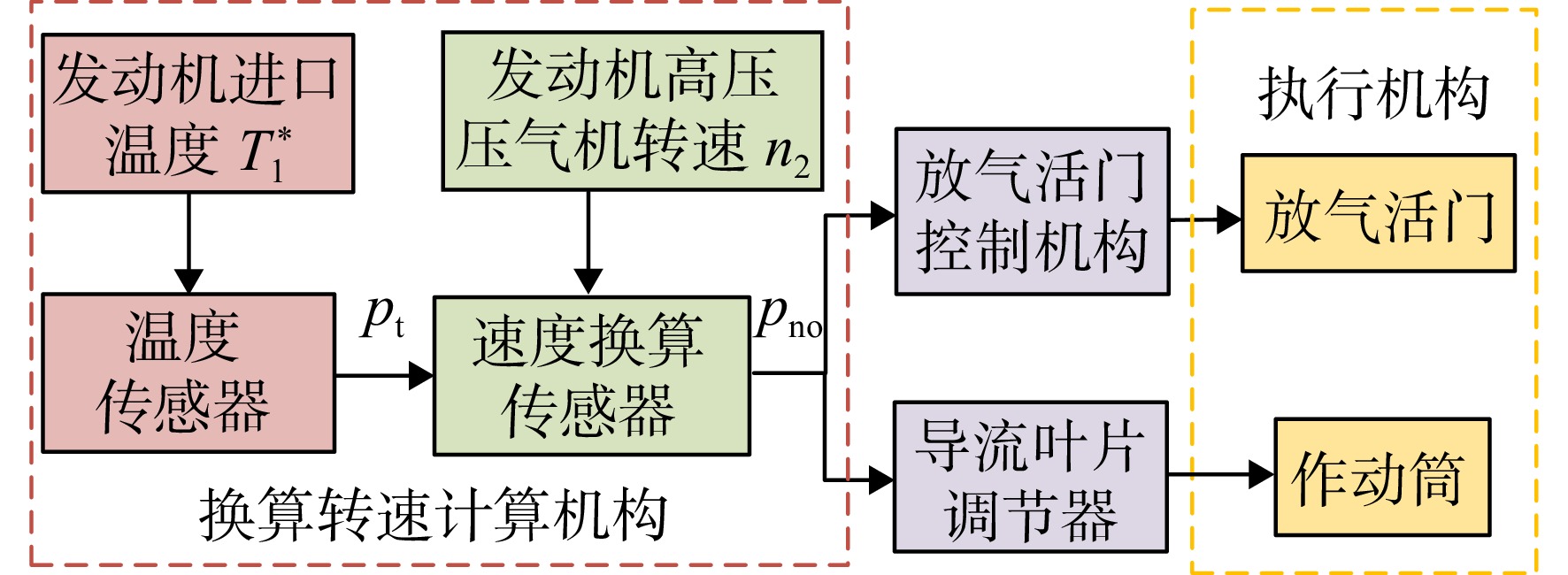
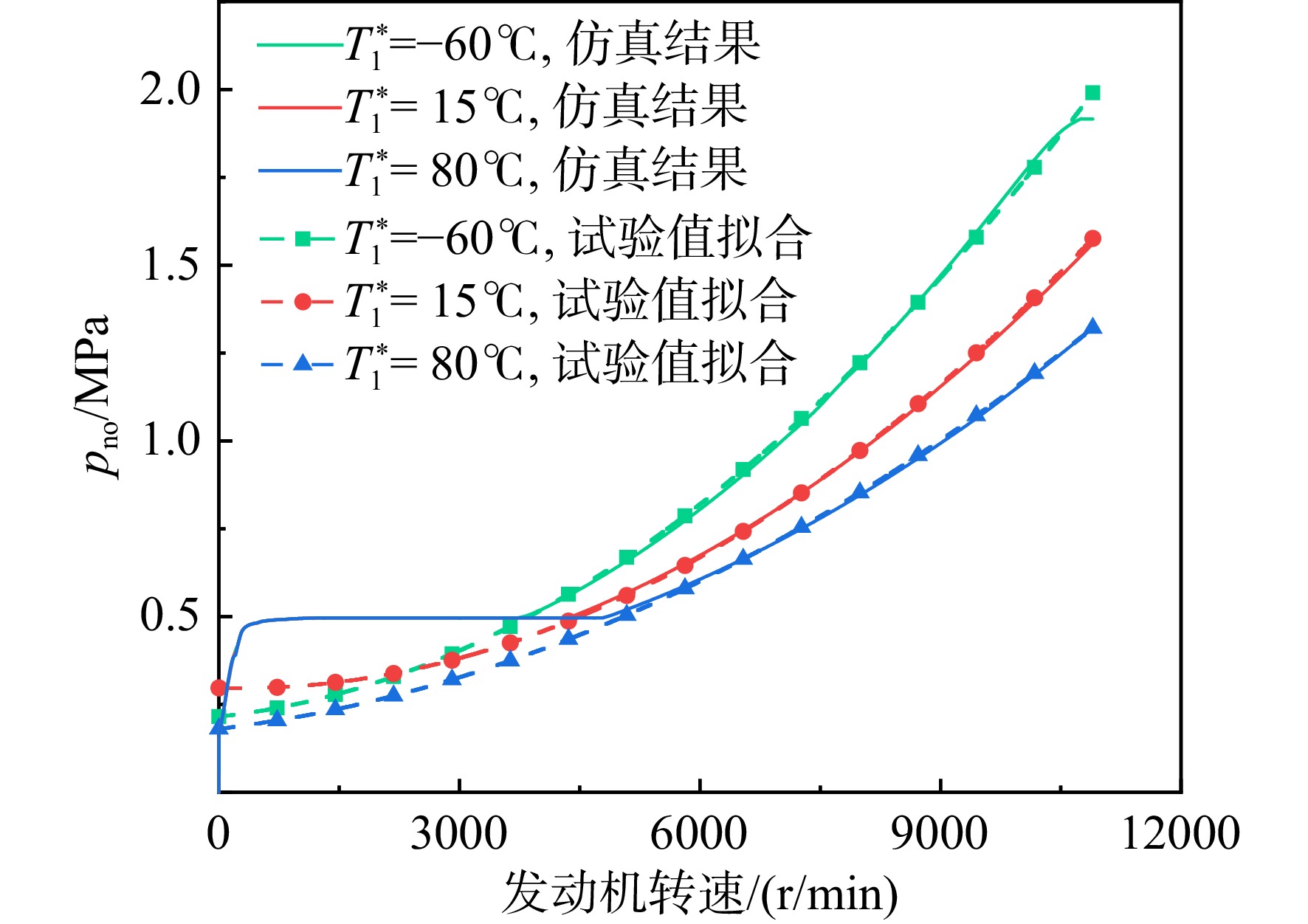
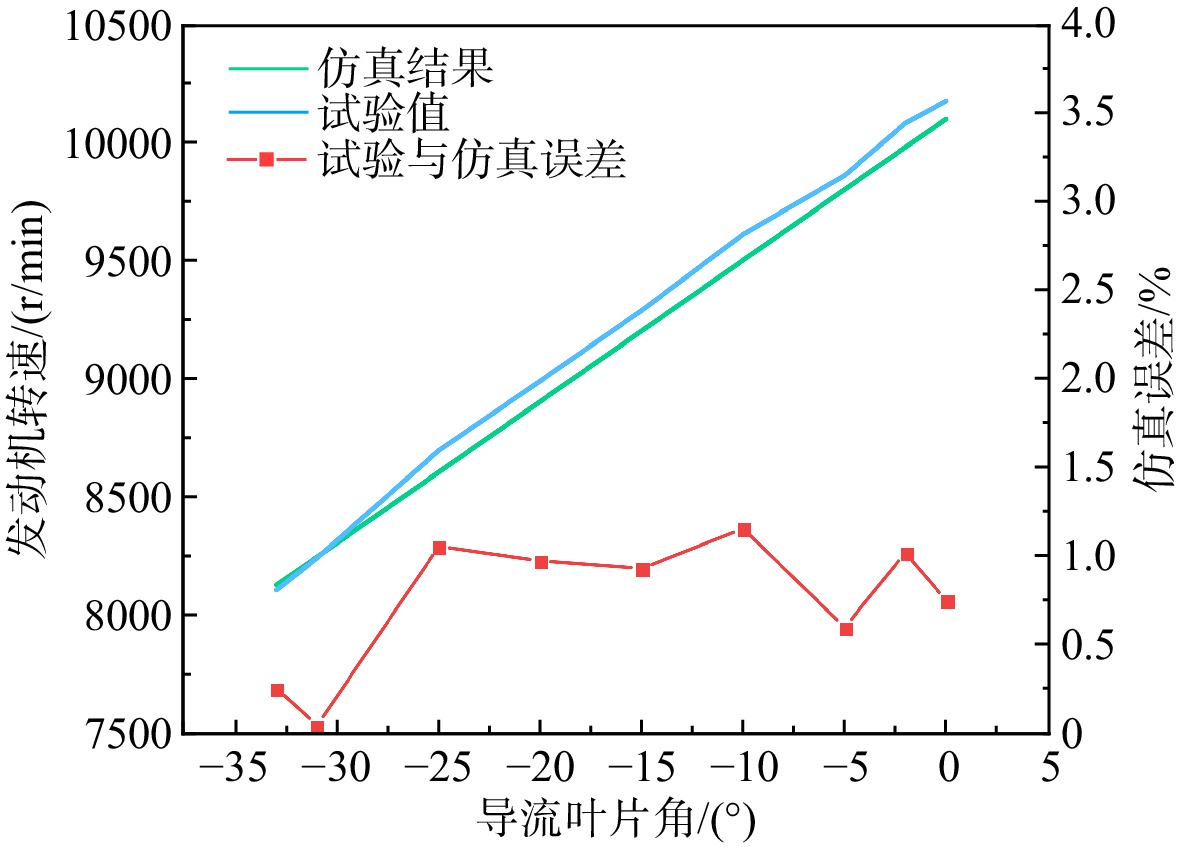
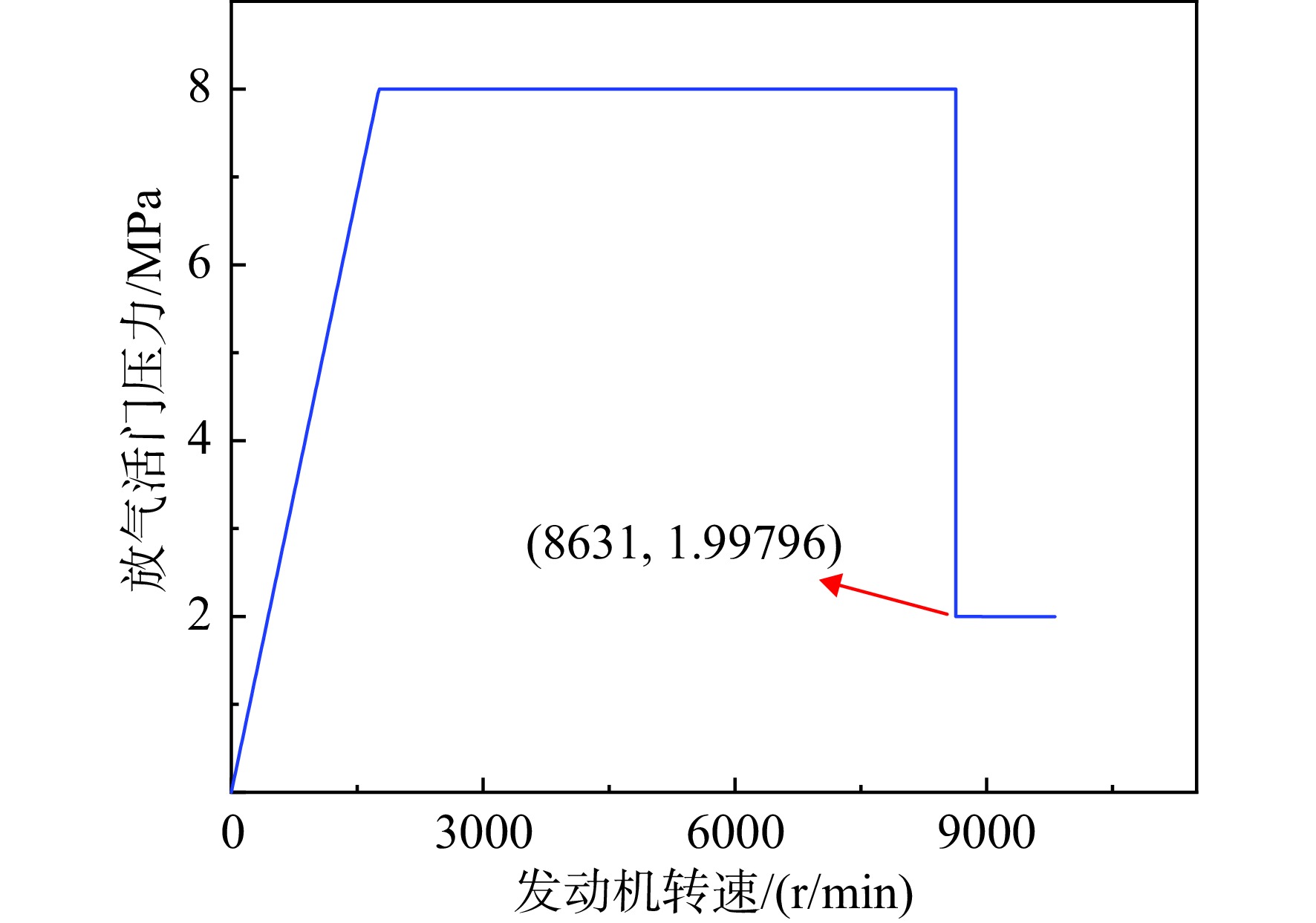
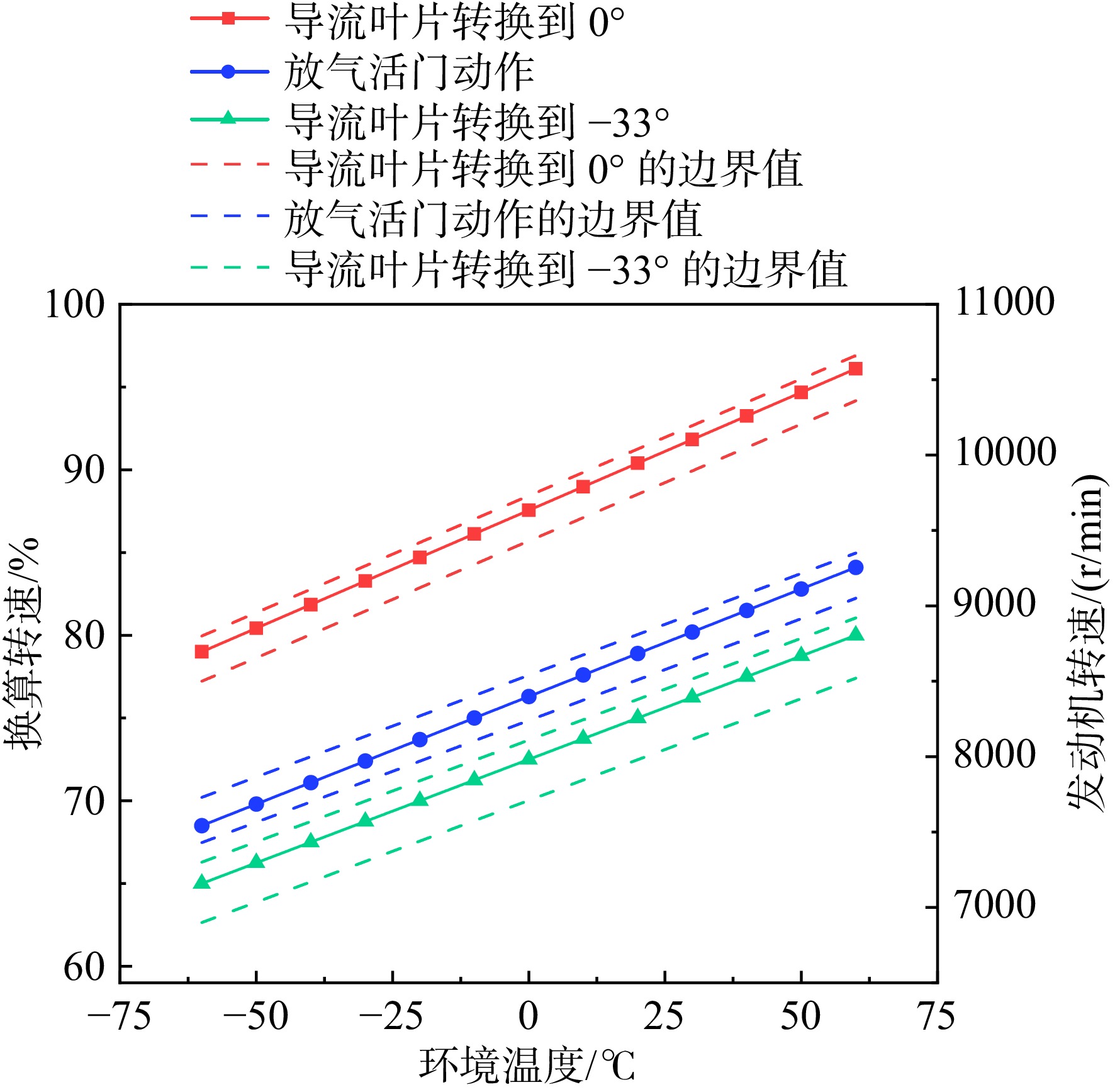
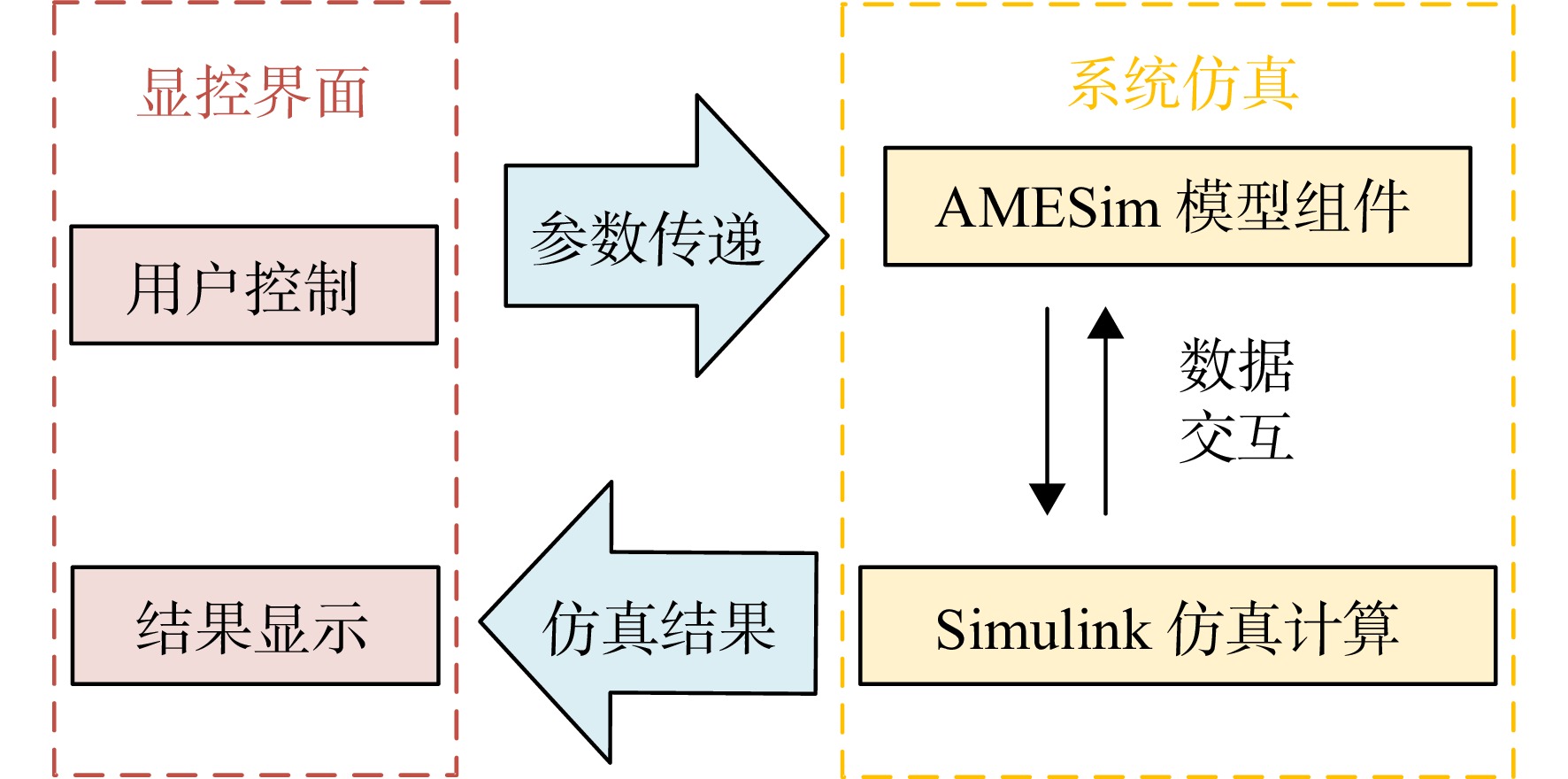
In response to the complex structure and difficulty in troubleshooting of a certain type of aircraft engine anti-surge system, digital modeling and simulation was conducted using AMESim software, with a focus on in-depth research on the modeling and simulation of the core component affecting the system characteristics——the conversion speed calculation module. A simulation model was established for the special structure of the molybdenum rod temperature sensor using AMESet, and an application program was designed by MATLAB APP Designer to facilitate engineering use in combination with practical experience. The simulation results showed that the established model has an error control of less than 5% compared with the experimental data, and can preliminarily complete the verification of fault factors with high accuracy and reliability. At the same time, the design of the APP (application) greatly improved the efficiency of system simulation and analysis.

Rocket Engine
Research trends of pre-cooled turbo engine and a wide-range scheme of pre-cooled turbo combined cycle power
YAO Zhaohui, GUO Yuanzhao, HE Weifeng, YU Tianhao, CHEN Jia, BAO Wen
2025, 40(2): 20220446. doi: 10.13224/j.cnki.jasp.20220446
Abstract:

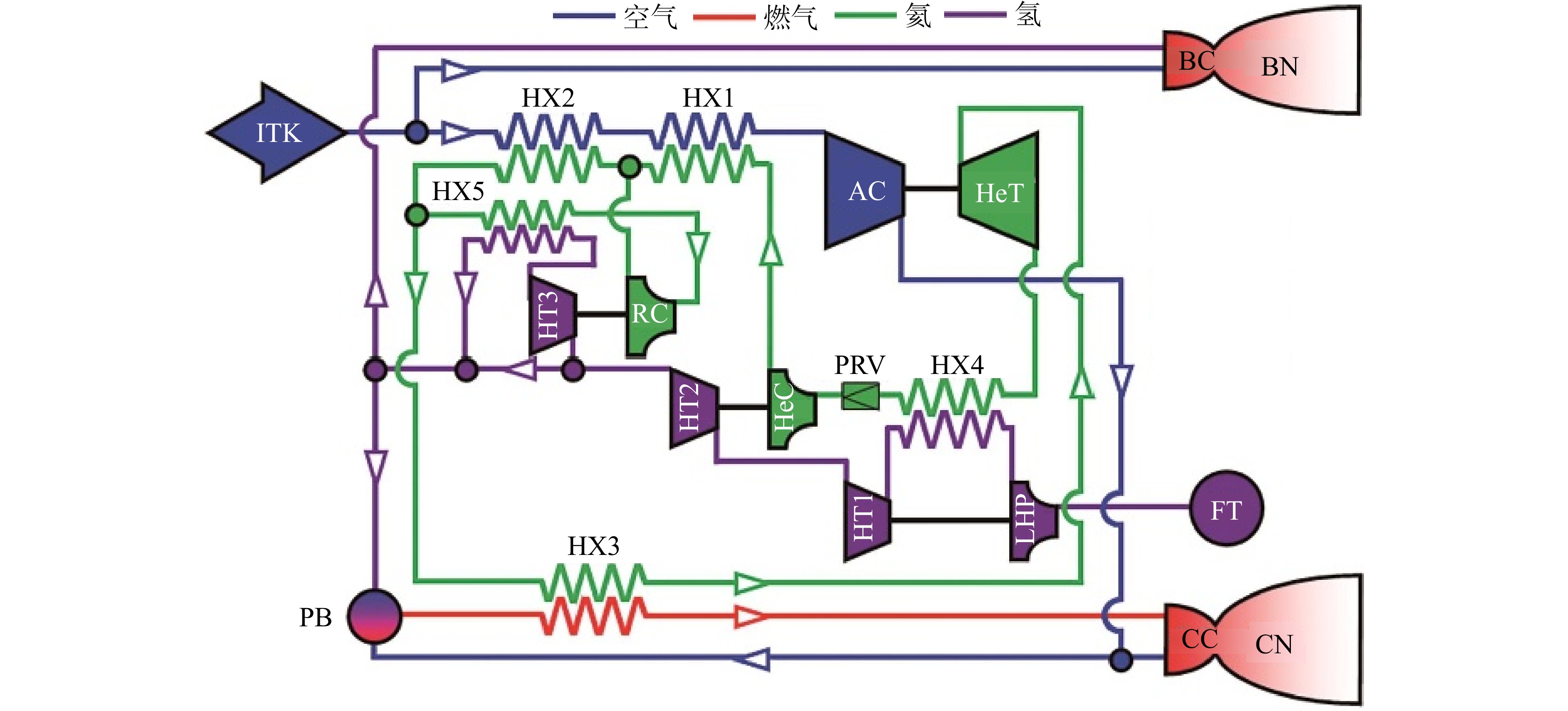
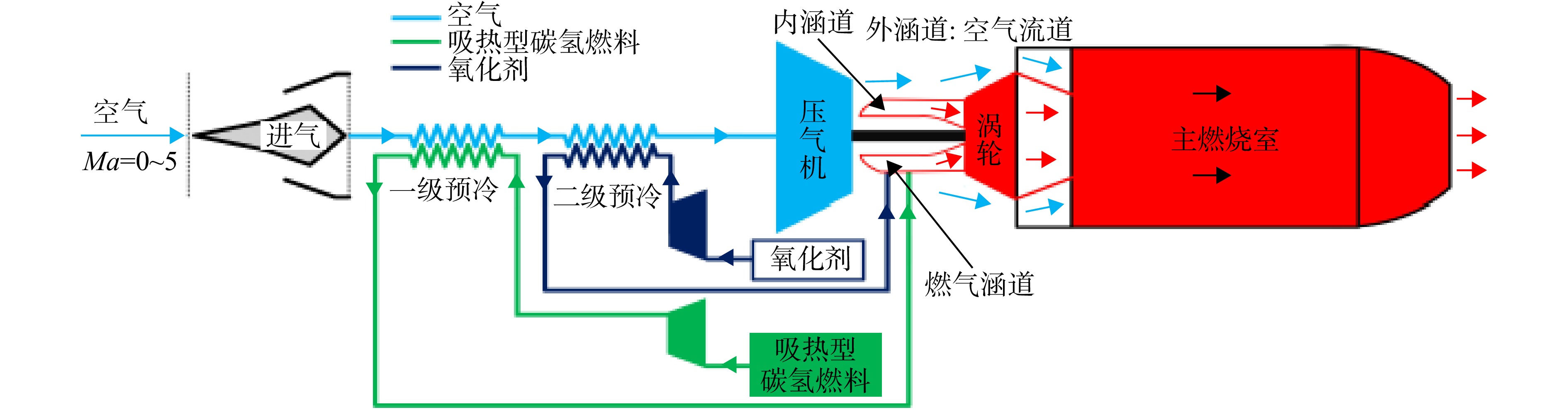
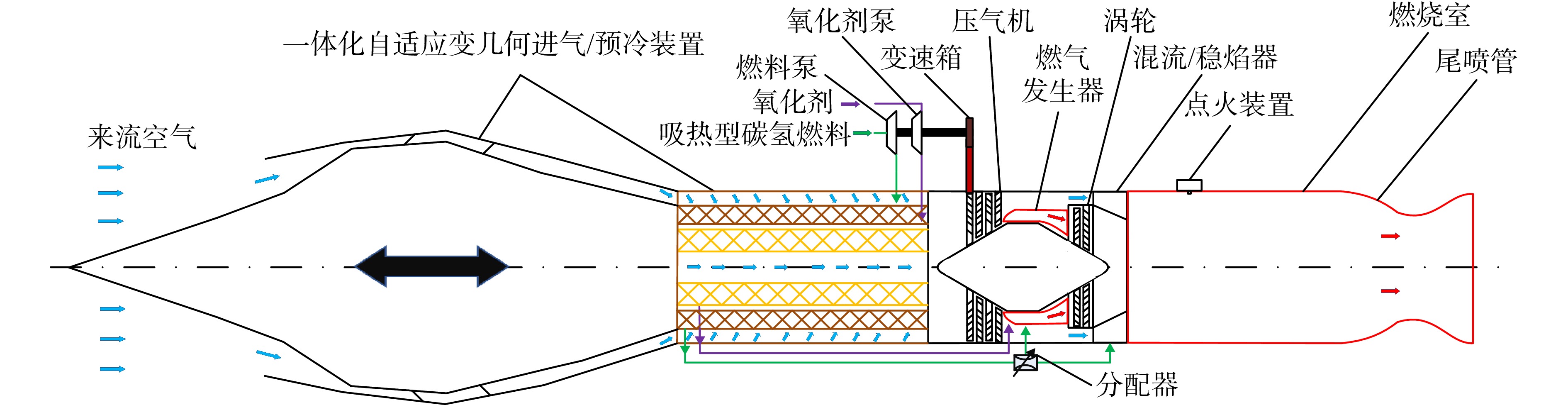
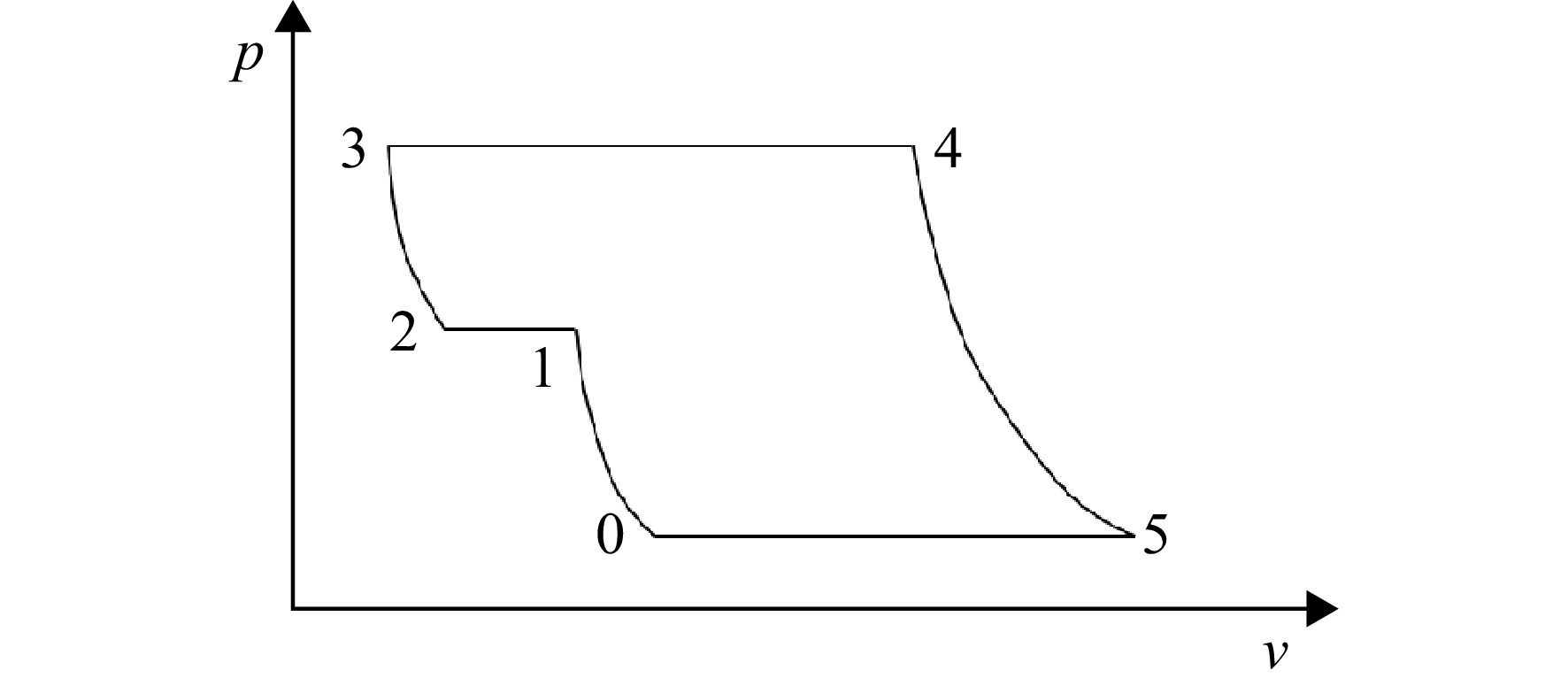
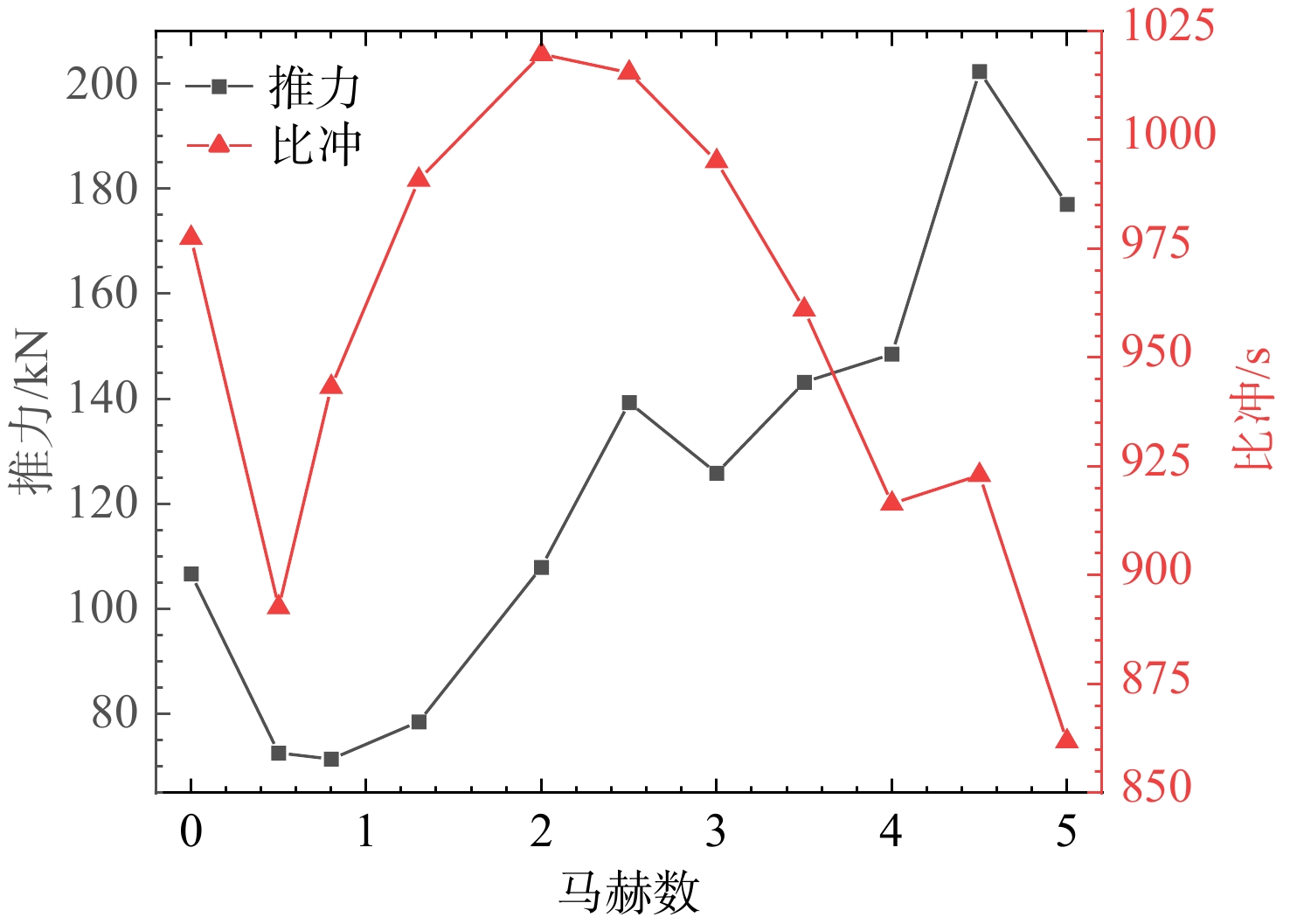
Latest international and domestic research progresses of pre-cooled combined cycle engine were clarified, including Synergetic Air Breathing Rocket Engine (SABRE) developed by the UK, the Air Turbo Ramjet of Expander Cycle (ATREX) and Precooled Turbojet Engine (PCTJ) developed by Japan, as well as the Pre-cooling Air Turbo Rocket (PATR) developed by Xi’an Aerospace Propulsion Institute of China. The existing problems were summarized, including the challenges of efficient and compact heat transfer, hydrogen embrittlement problem of liquid hydrogen fuel, frost suppression, and complex control matching. It was predicted that those new propulsions with high heat sink fuels and complex thermodynamic cycles showed important trends for pre-cooled turbine engine. In this situation, fully considering actual national conditions of China, a new pre-cooled turbo rocket combined engine with independent intellectual property rights and distinctive technical characteristics in China was innovatively proposed for the first time, using endothermic hydrocarbon fuel to pre-cool incoming air. The key technologies of this new engine were analyzed, and a general conceptual engine design, performance evaluation, and working mechanism analysis were carried out. Many new characteristics of this engine were concluded: the flight Mach number ranging from 0 to 5, the flight altitude ranging from 0 to 30 km, and the fuel working at room temperature, which can support a wide-range and high-performance flight for near-space vehicles. Thus the feasibility and progressiveness of the new engine were theoretically verified. A conclusion was drawn that the new serial-type pre-cooled turbo-rocket engine with new aerodynamics and thermodynamics is an important way to achieve near-space flight vehicles.

Turbomachinery
Flow pulsation characteristics in multi-tooth cavity of arc aero gear pump
XING Yizhen, LI Yibin, ZHANG Shengfu, JING Weimin, MENG Qingwu
2025, 40(2): 20230131. doi: 10.13224/j.cnki.jasp.20230131
Abstract:

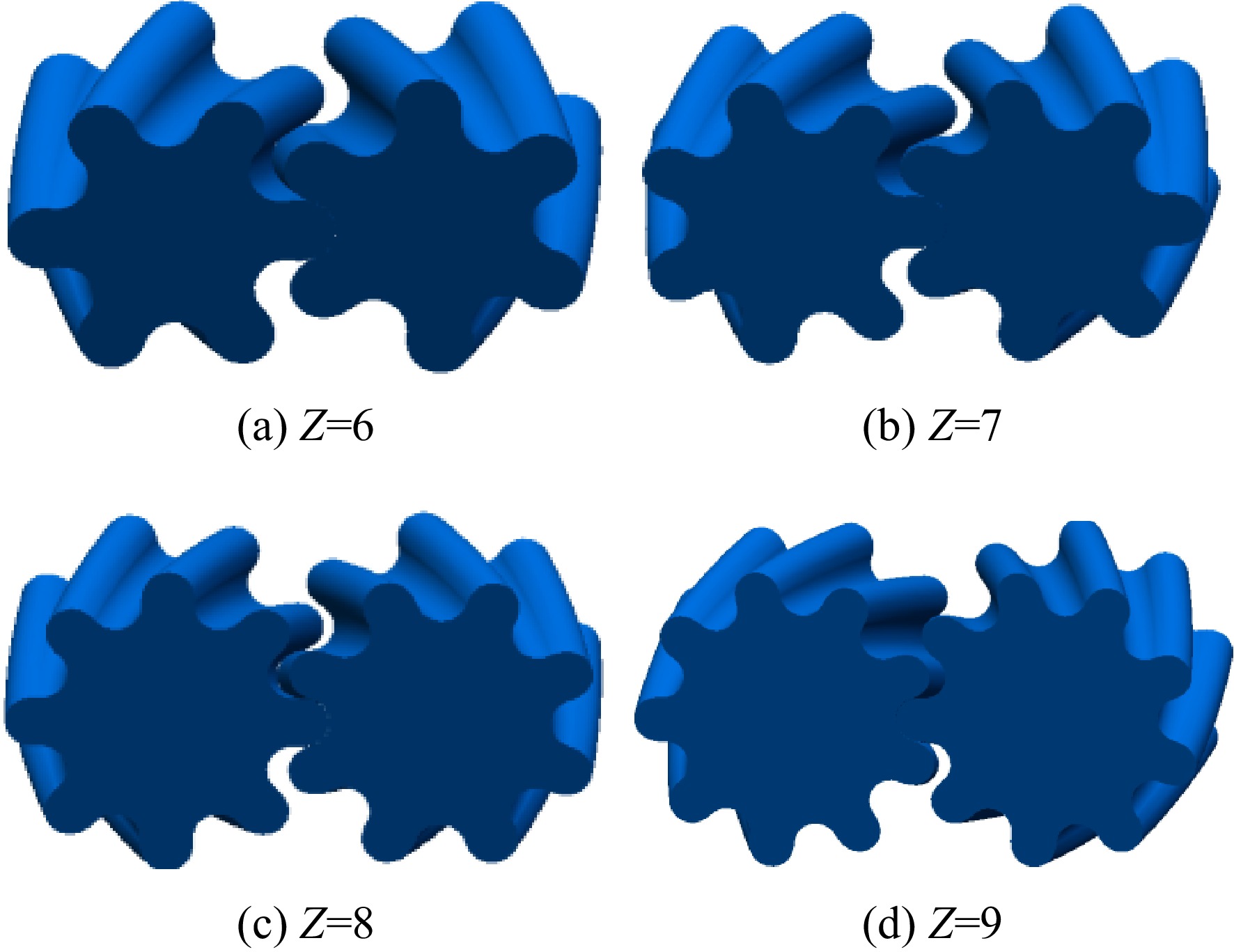
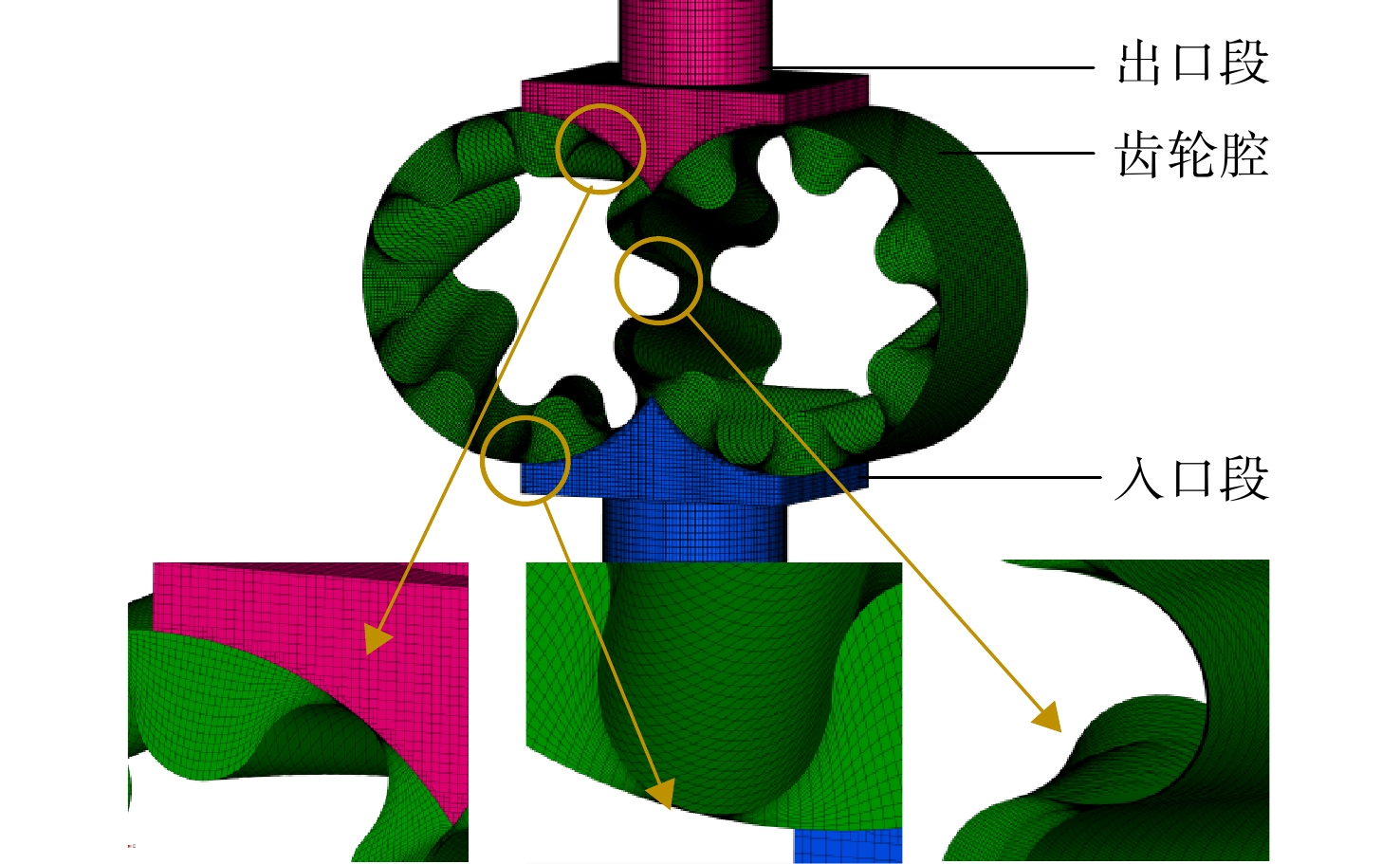
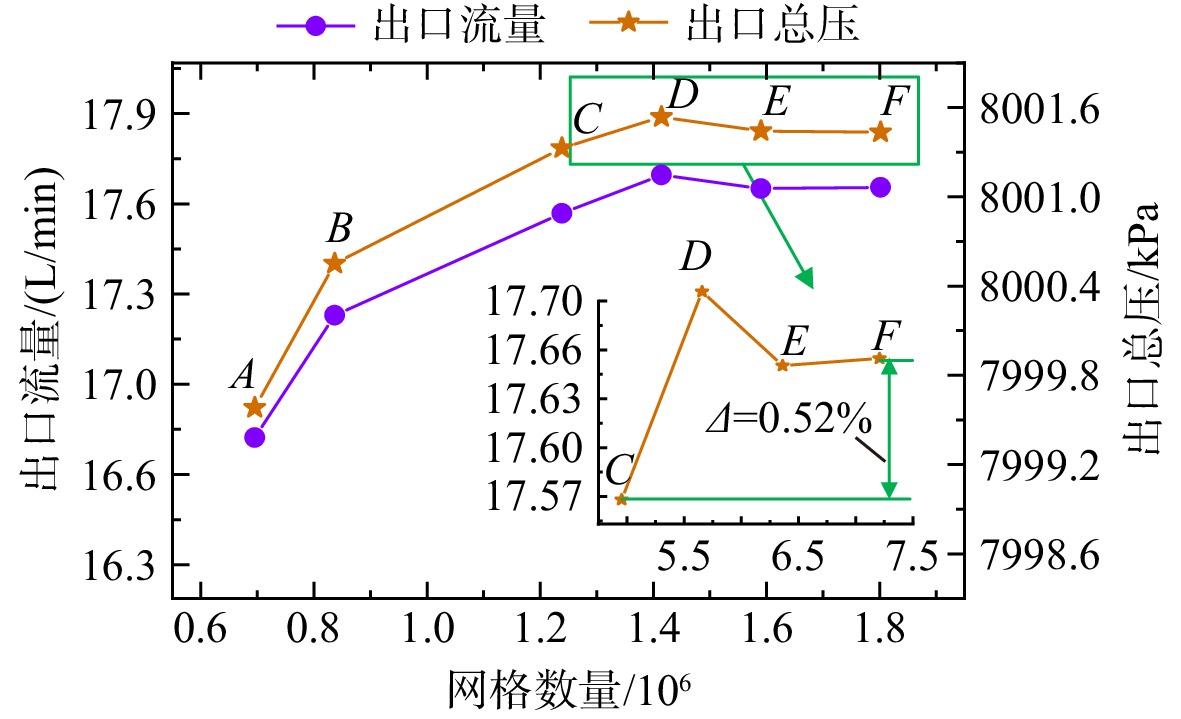
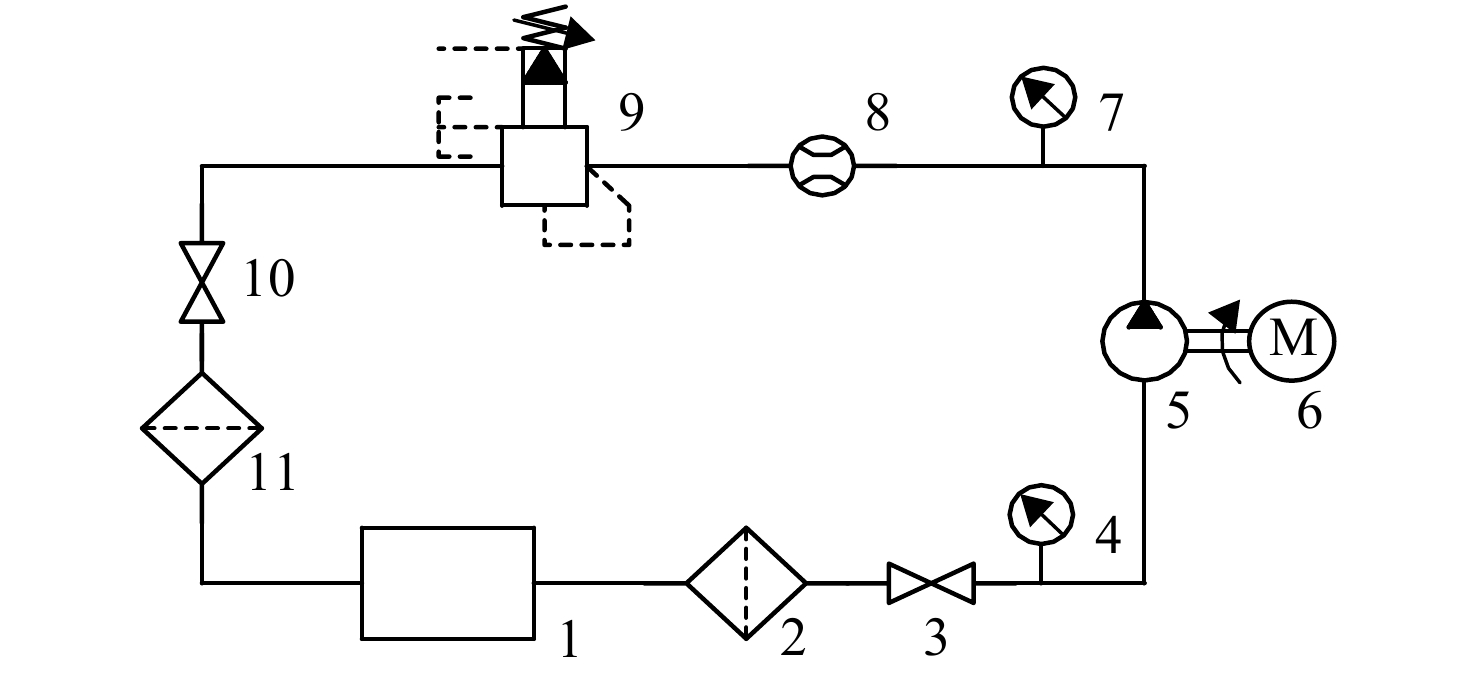
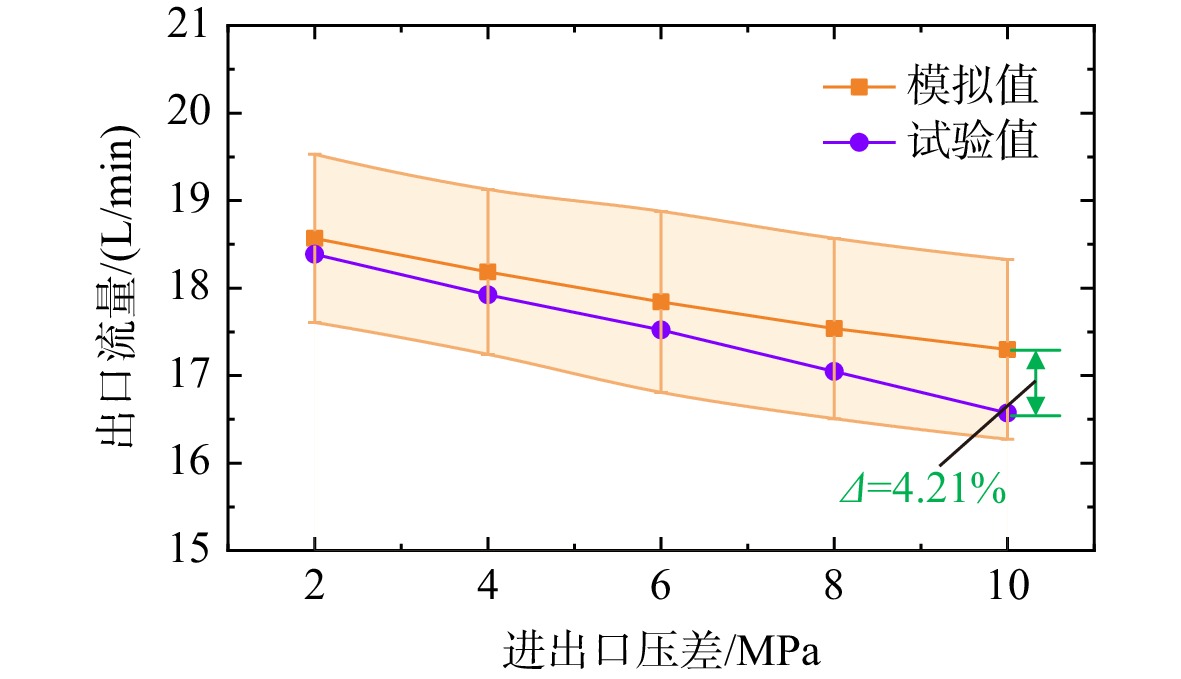
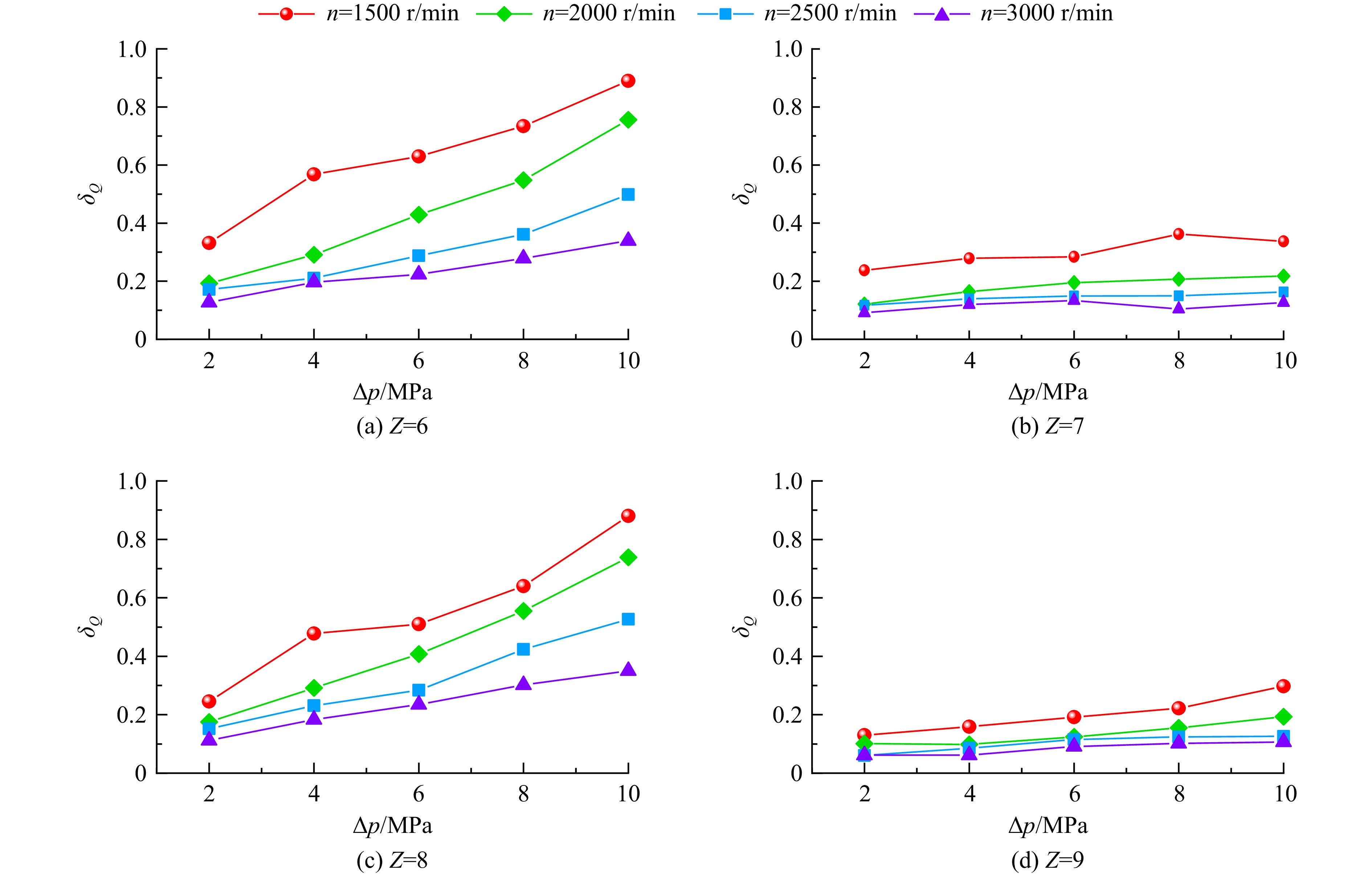
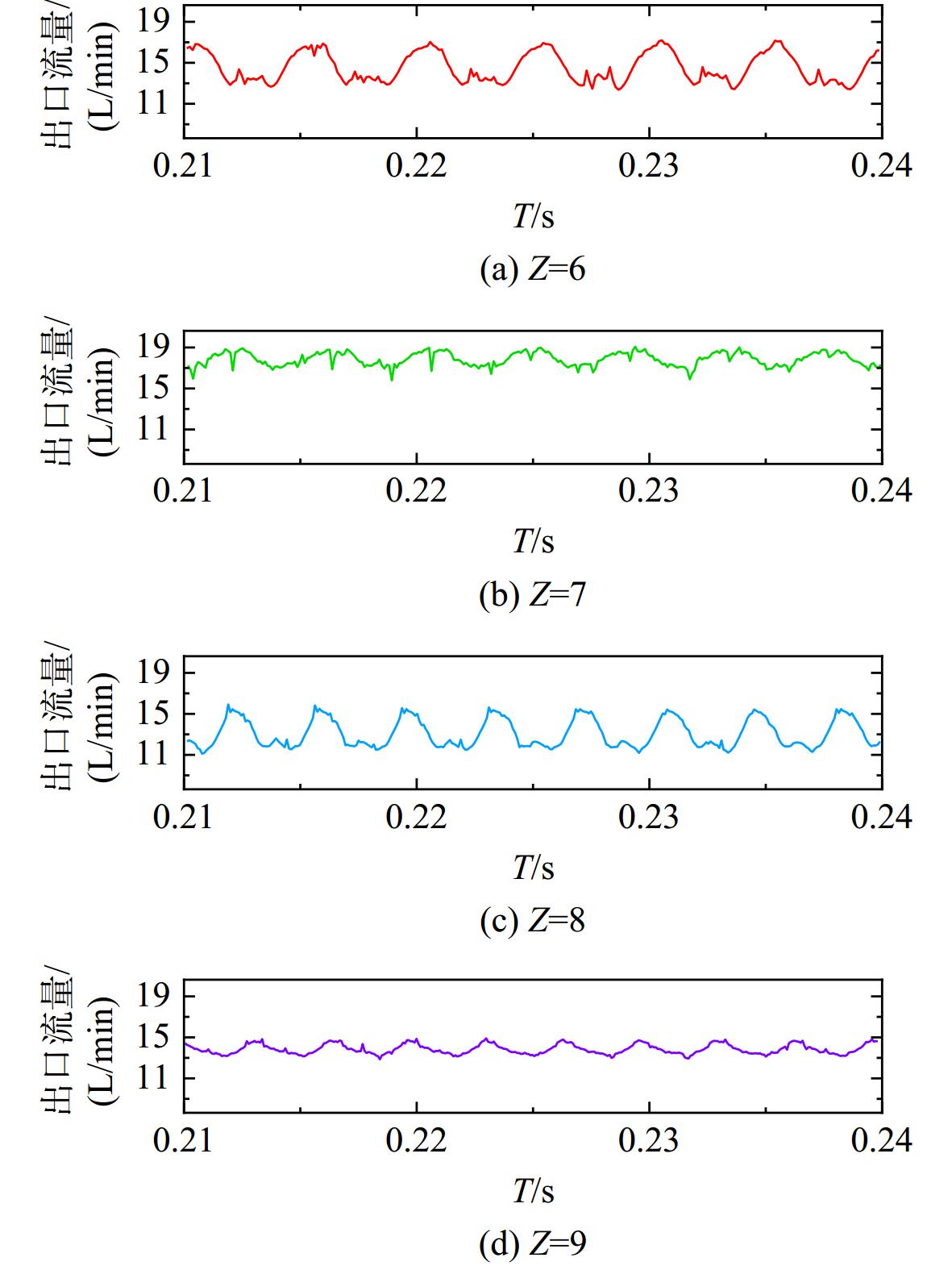
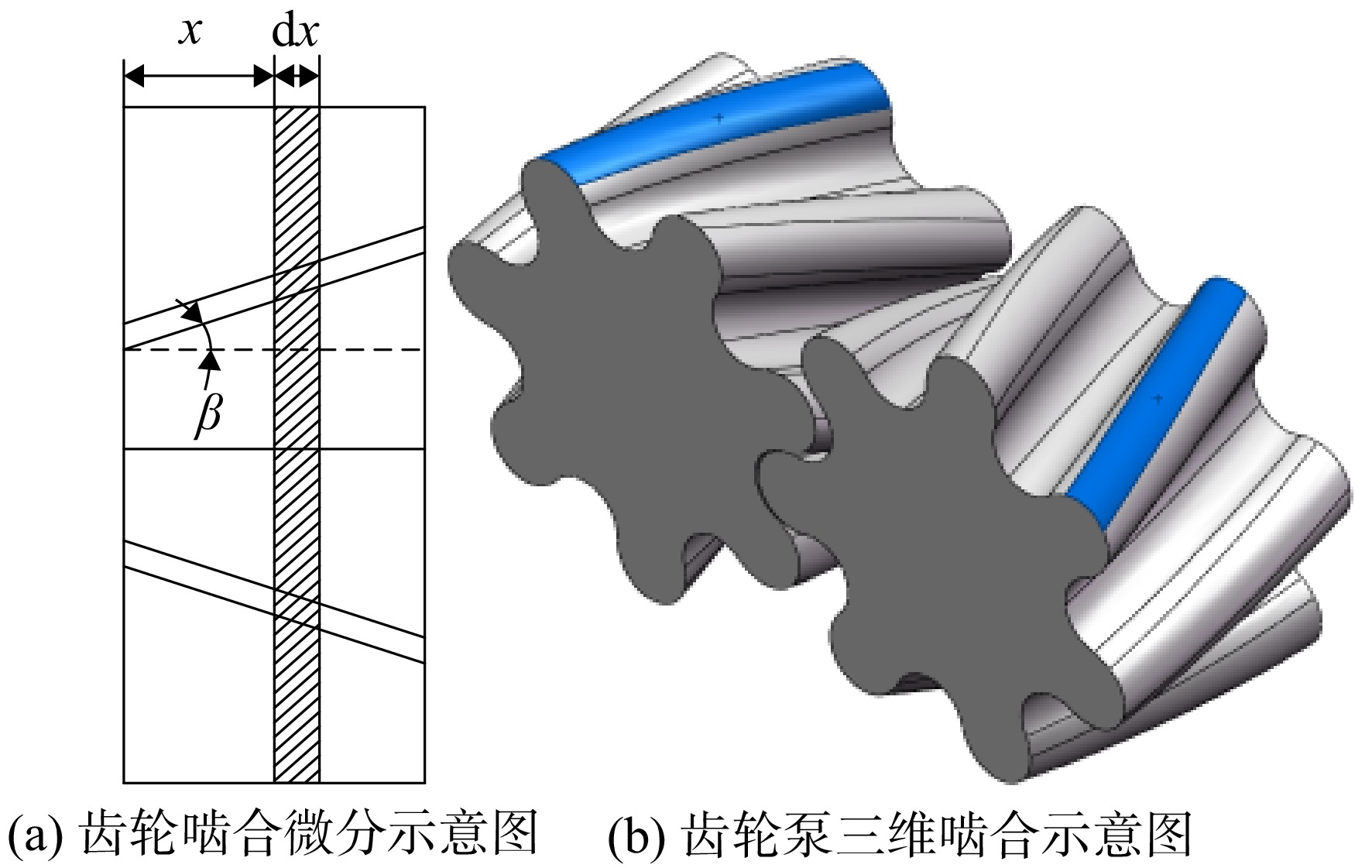
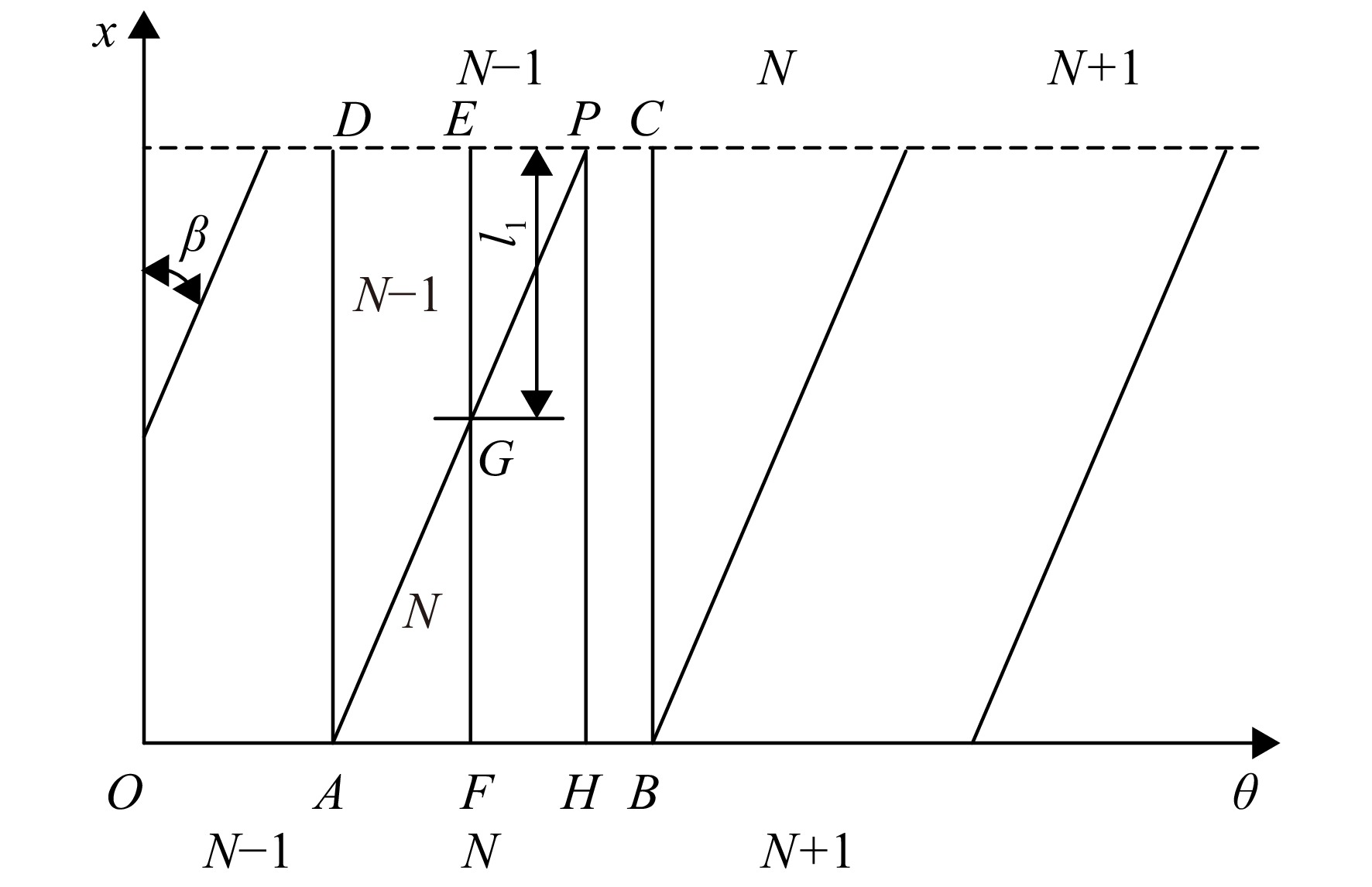
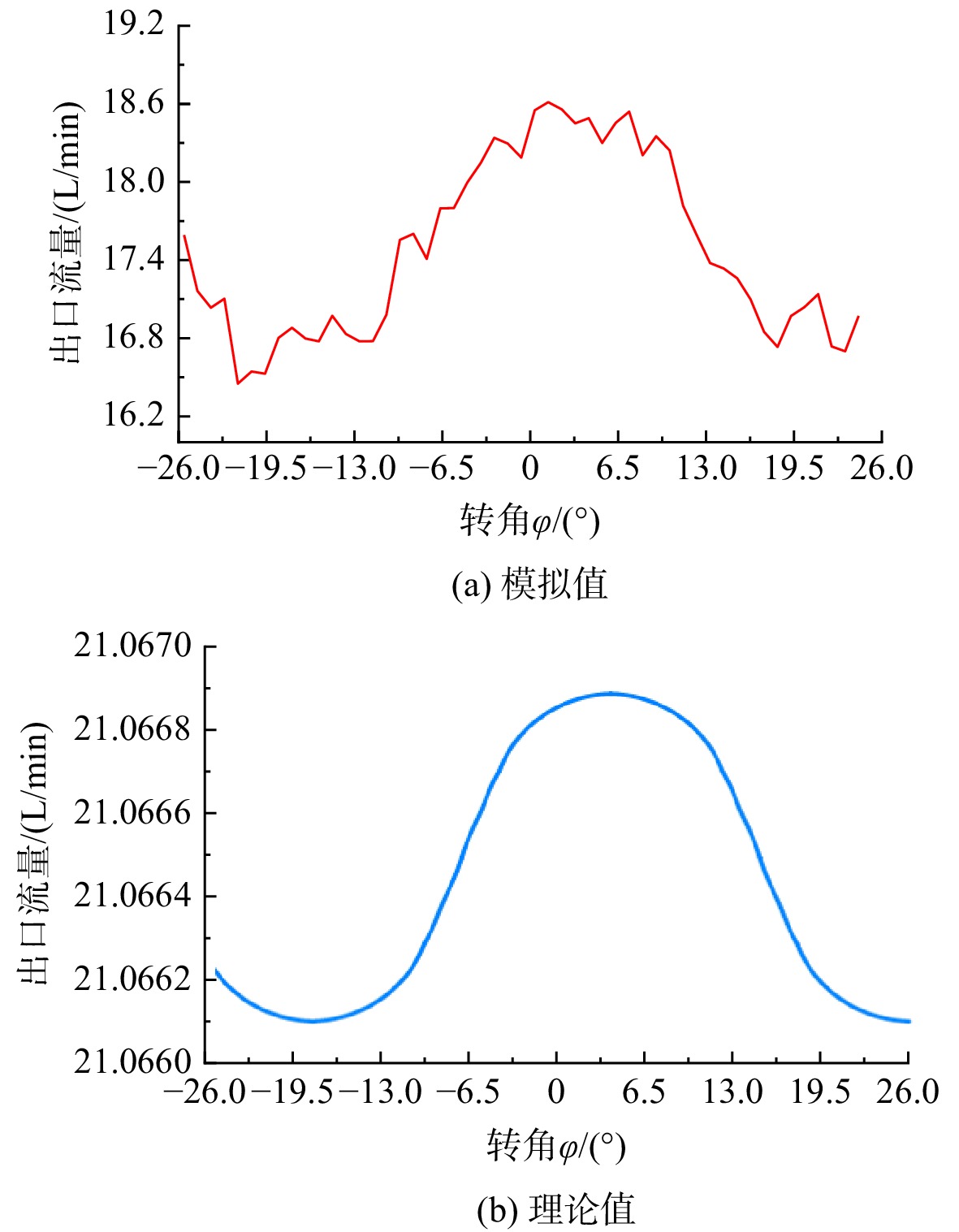
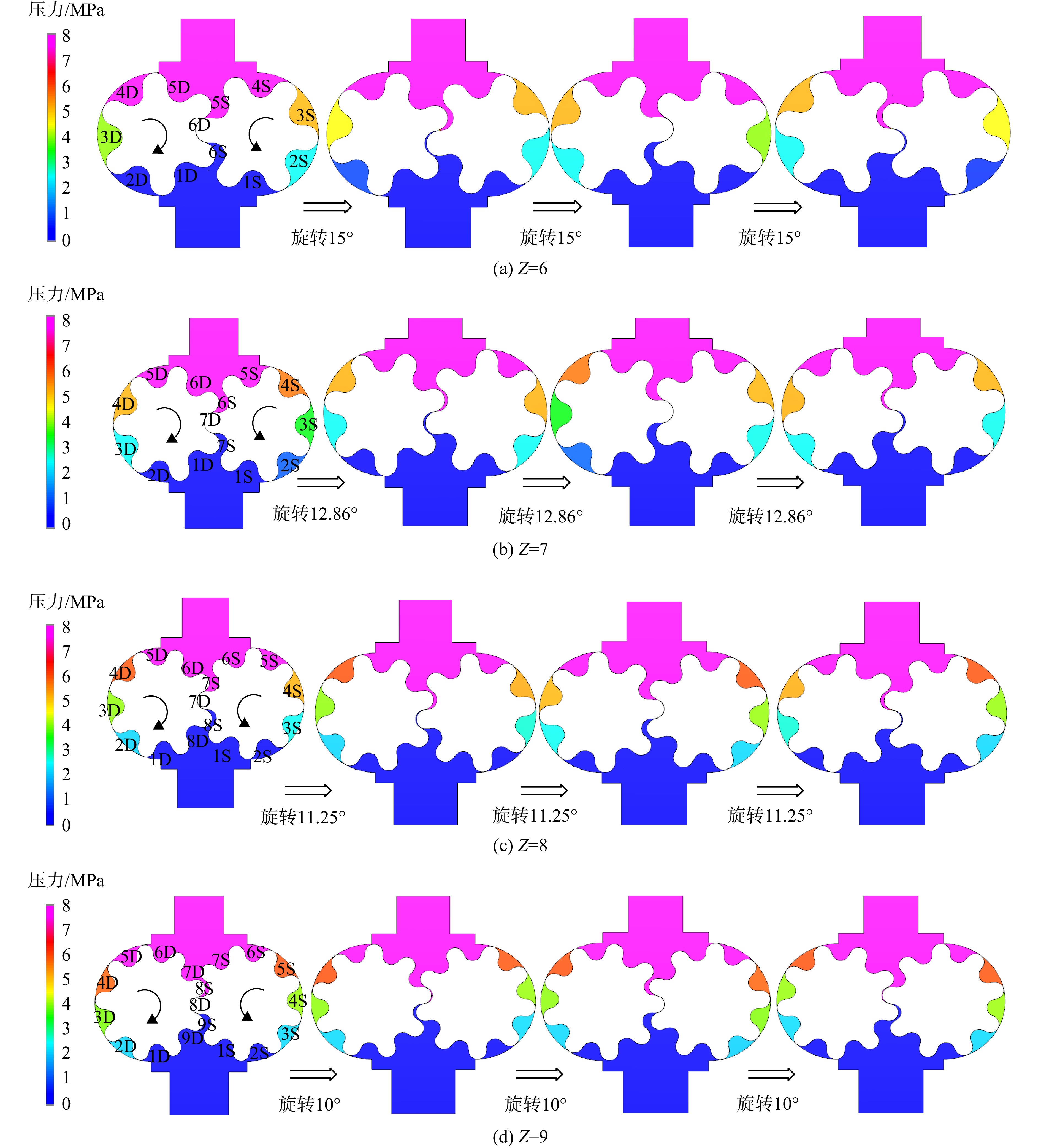
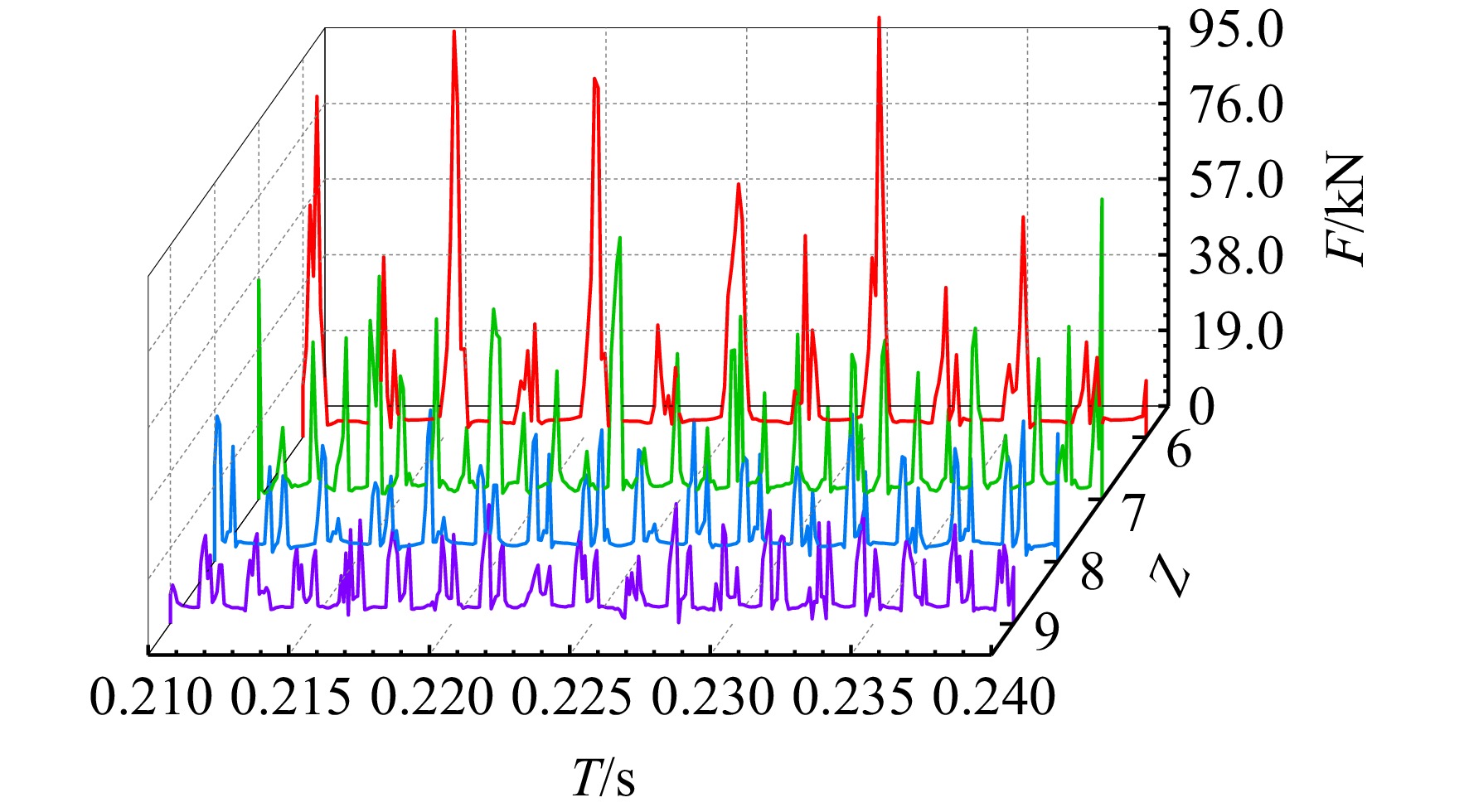
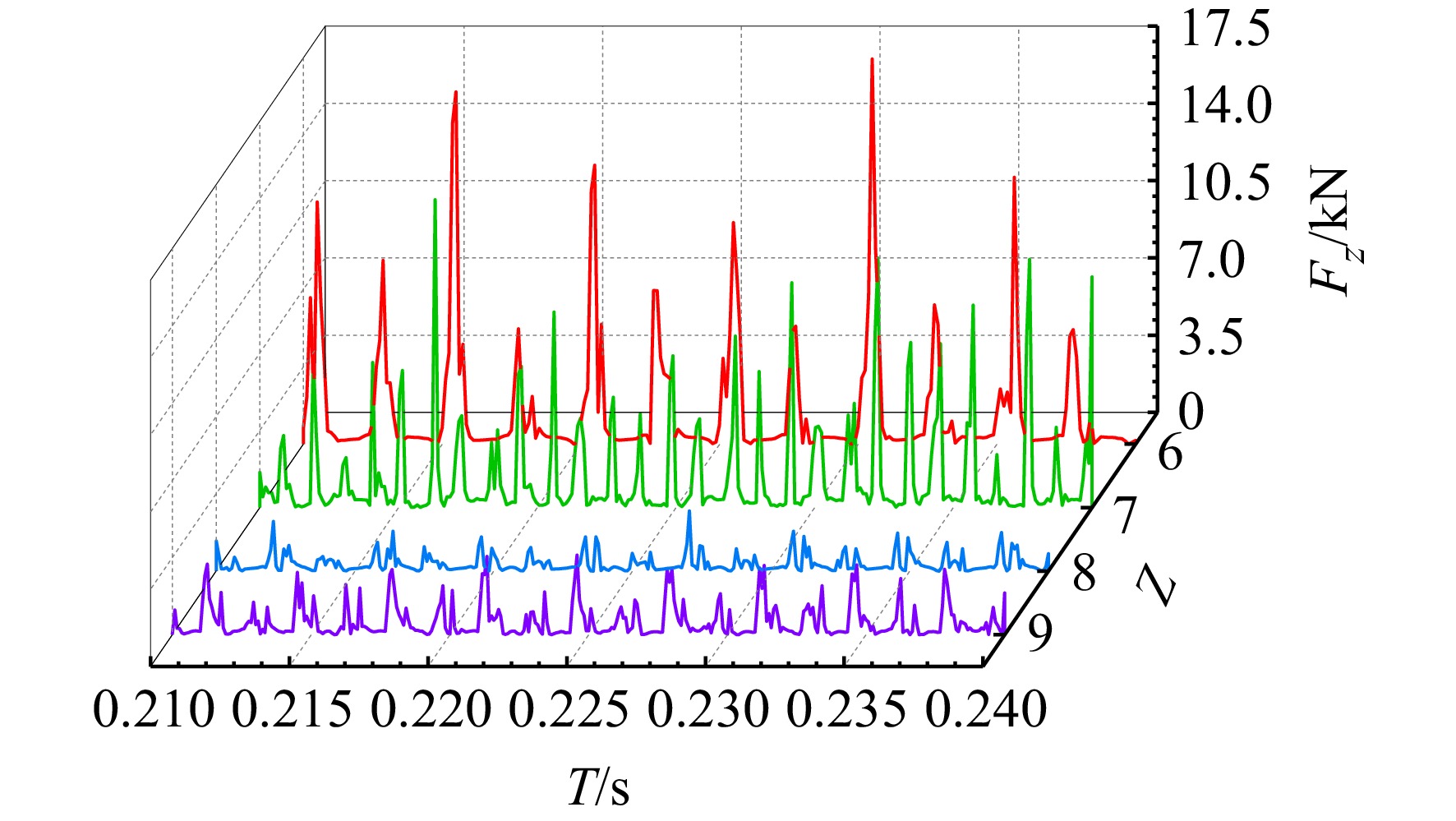
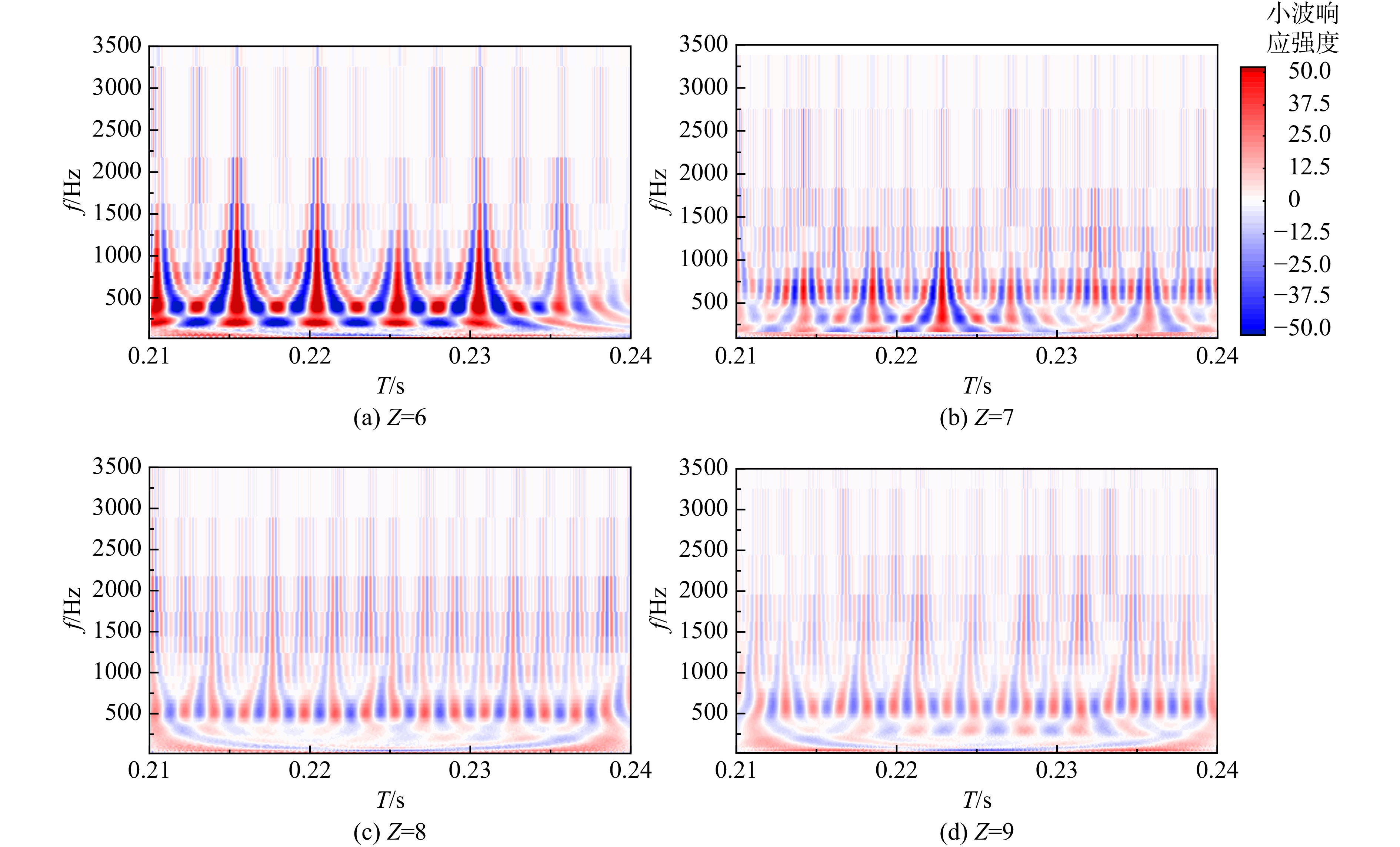
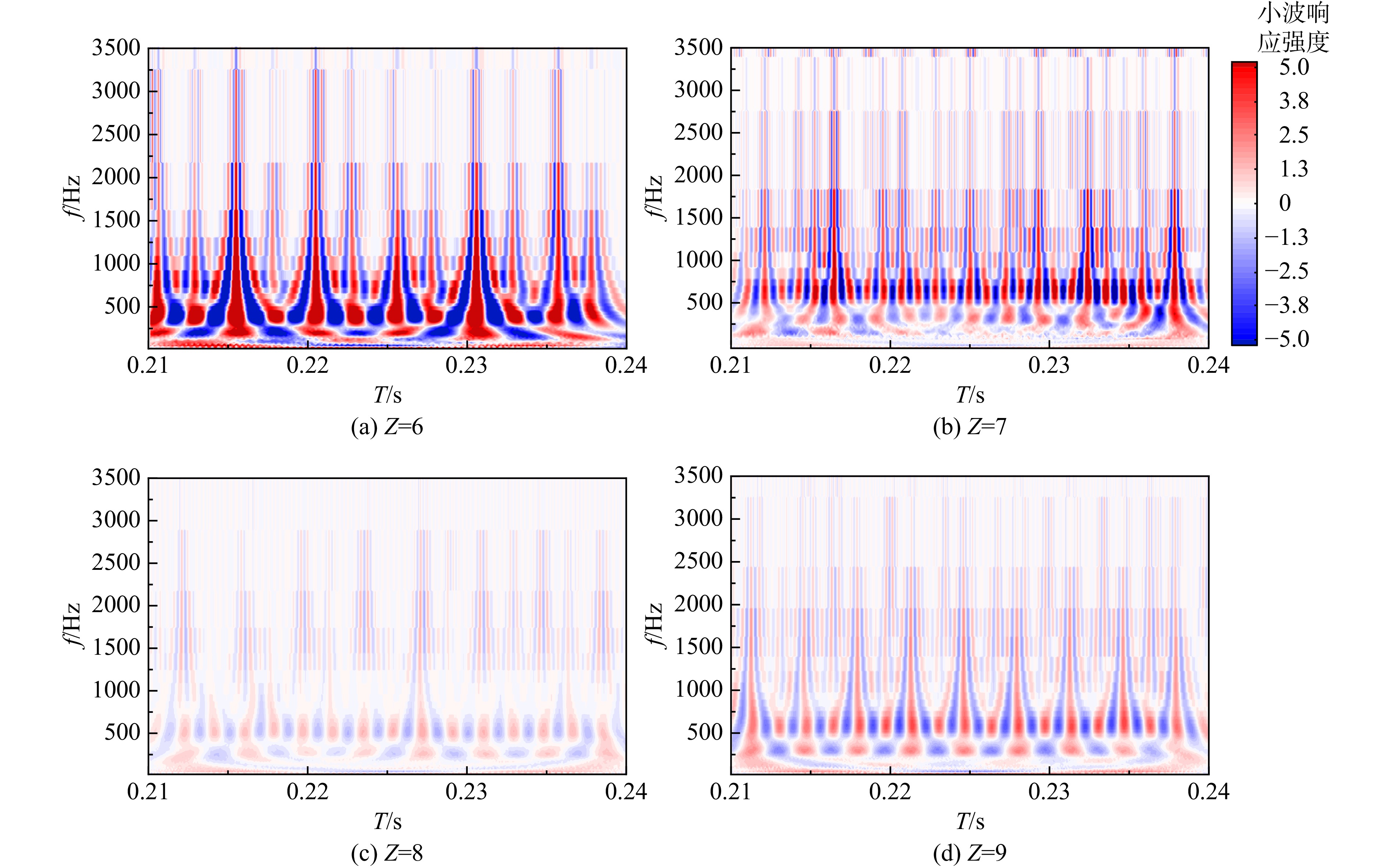
To explore the influence of the number of gear teeth on the performance parameters of the fuel arc gear pump, the three-dimensional transient flow field of the number of teeth for 6- to 9-tooth arc gear pumps was numerically simulated based on the RNG (re-normalization group) k-ε turbulence model. The mathematical model of the instantaneous flow rate was derived, and the influence of the number of gear teeth on the flow performance of the gear pump was revealed. The results showed that the number of gear teeth had a significant impact on the performance of this pump. The outlet volumetric efficiency of the 7-tooth, 8-tooth, and 9-tooth gear pumps was successively changed compared with the 6-tooth gear pump: +18.34%, +7.15%, +20.70% under 8 MPa, 2000 r/min operating condition. The pulsation characteristics of the radial force and axial force of gears decreased significantly with the increase of the number of gear teeth. The mean value of the radial exciting force of the 7-tooth, 8-tooth, and 9-tooth gear pumps was successively changed compared with the 6-tooth: −19.84%, −26.77%, −29.82%, and the mean value of axial exciting force changed compared with the 6-tooth: −10.37%, −77.64%, −61.49%. The radial force and axial force pulsation frequency of the gear meshing frequency was analyzed by the wavelet transform.
Power Transimission
Dynamic performance analysis of double interlocking padded finger seal based on fluid-structure interaction
YUAN Jinglin, SU Hua, HUANG Yuhui
2025, 40(2): 20230224. doi: 10.13224/j.cnki.jasp.20230224
Abstract:

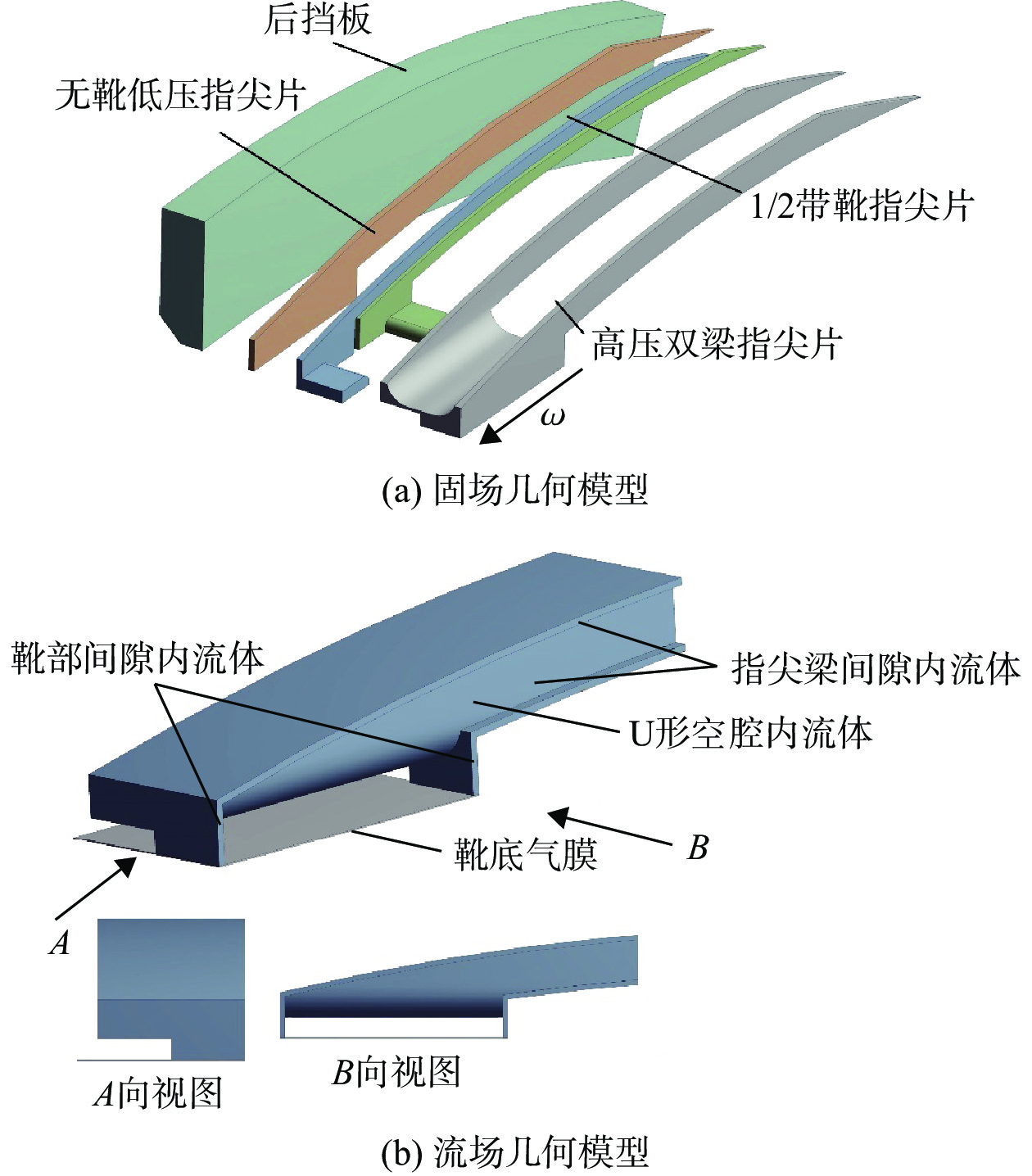
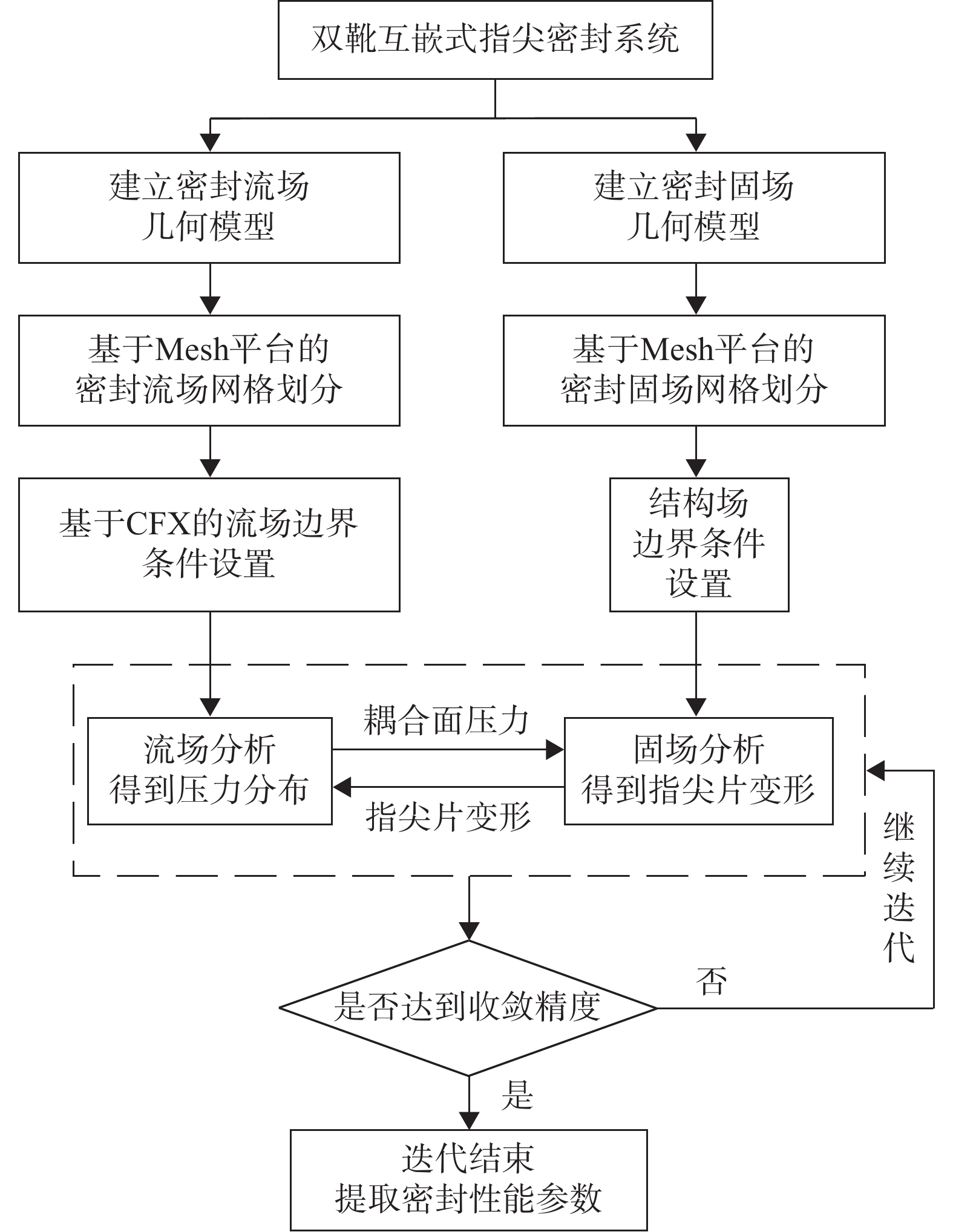
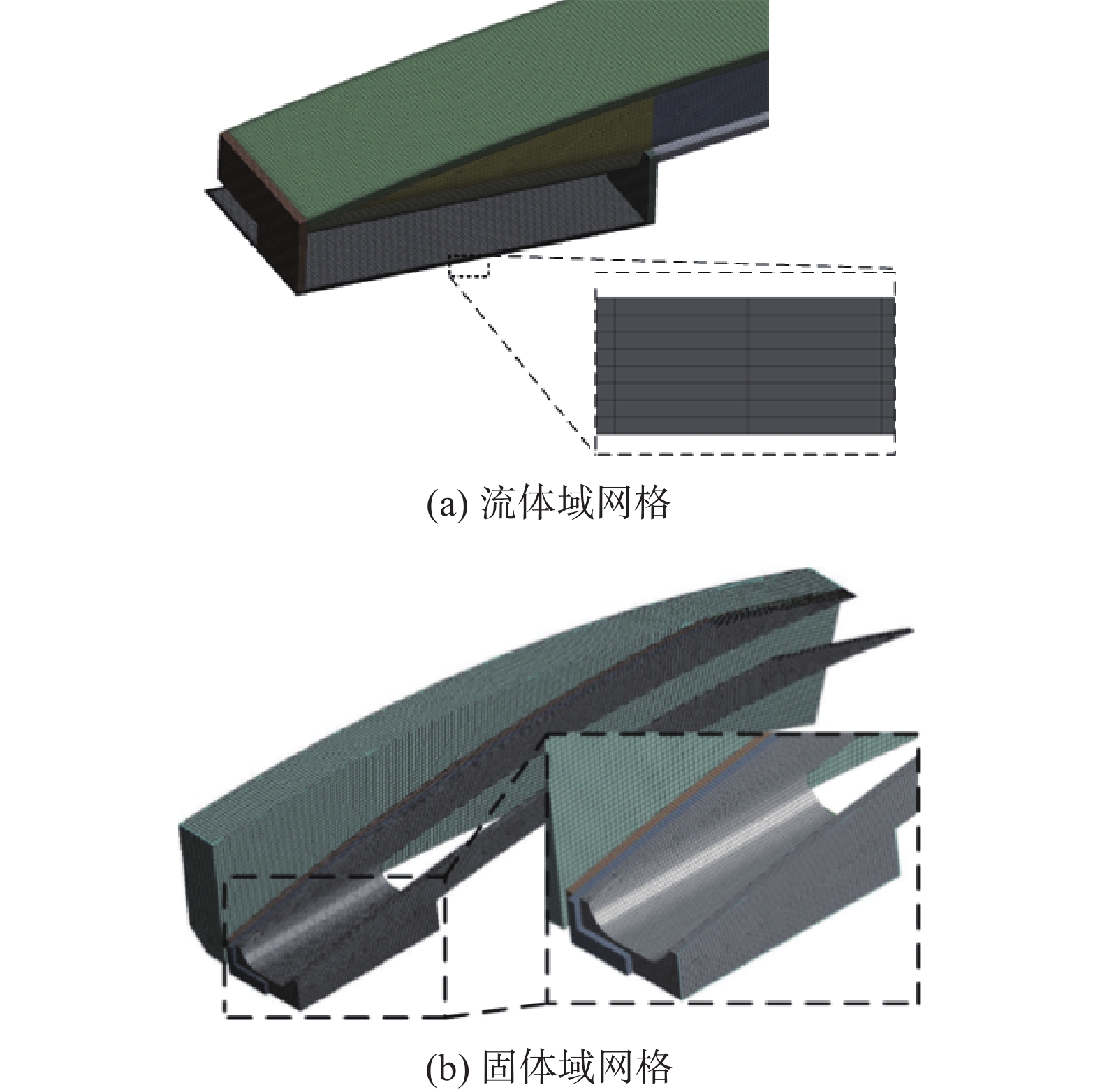
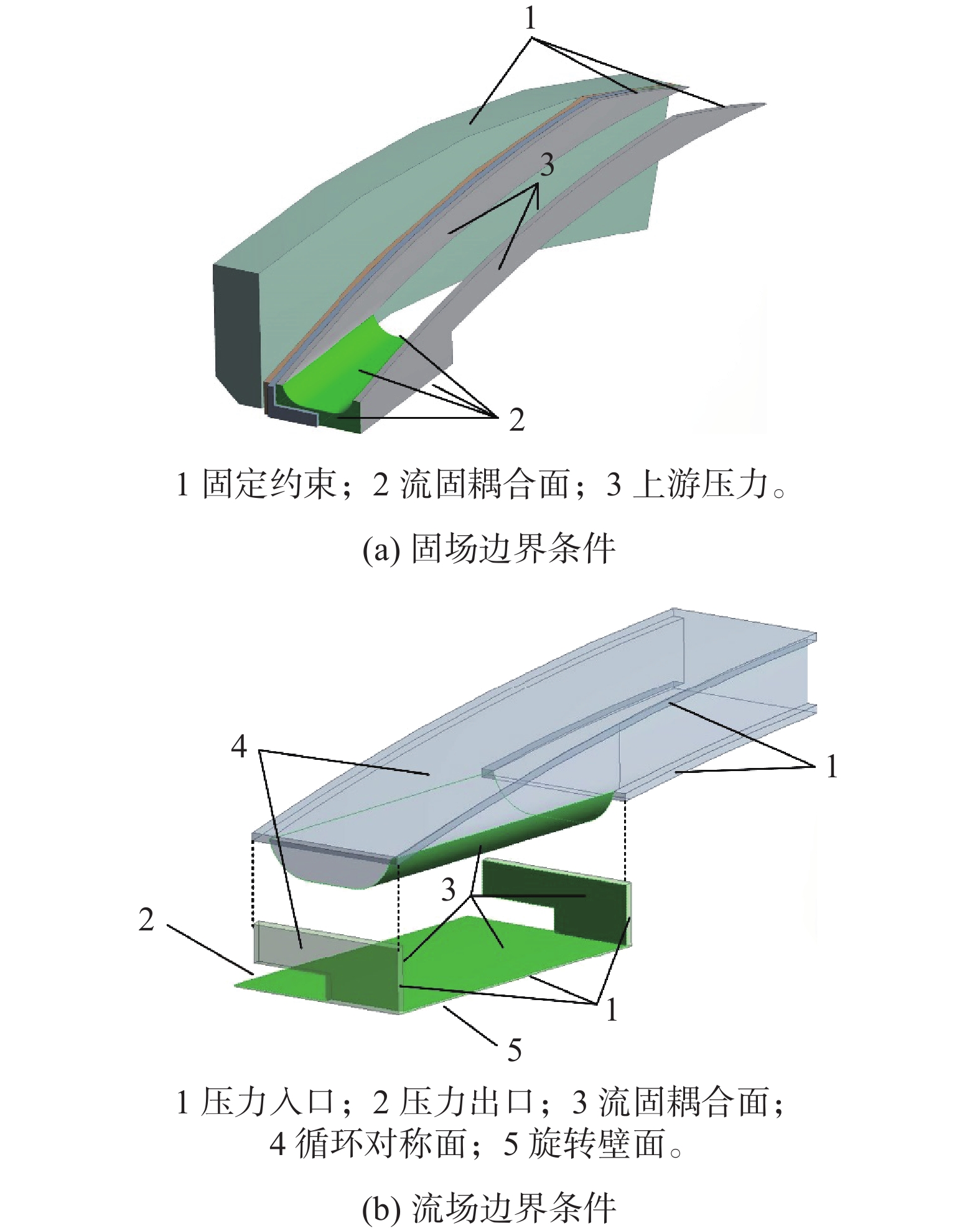
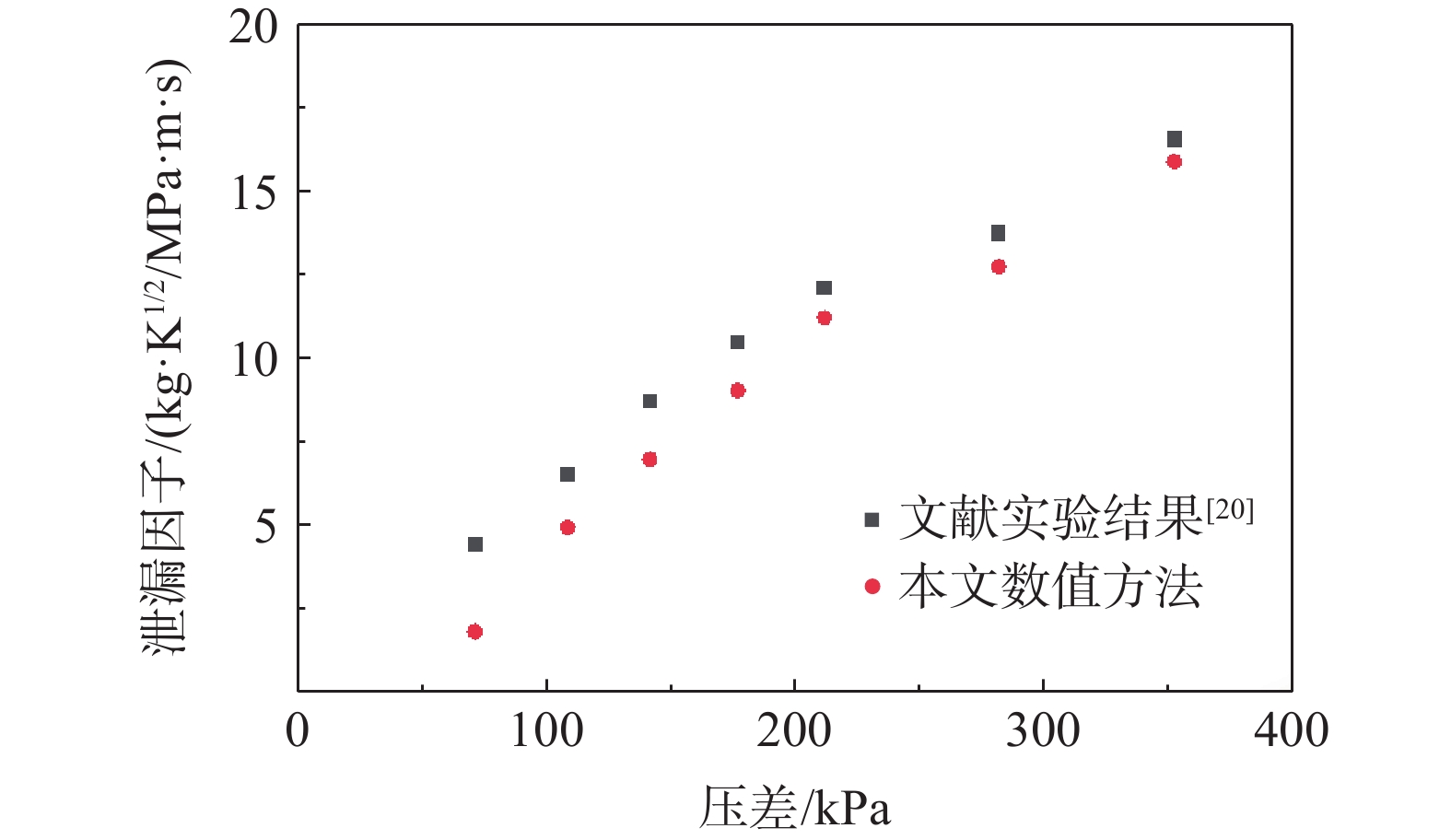
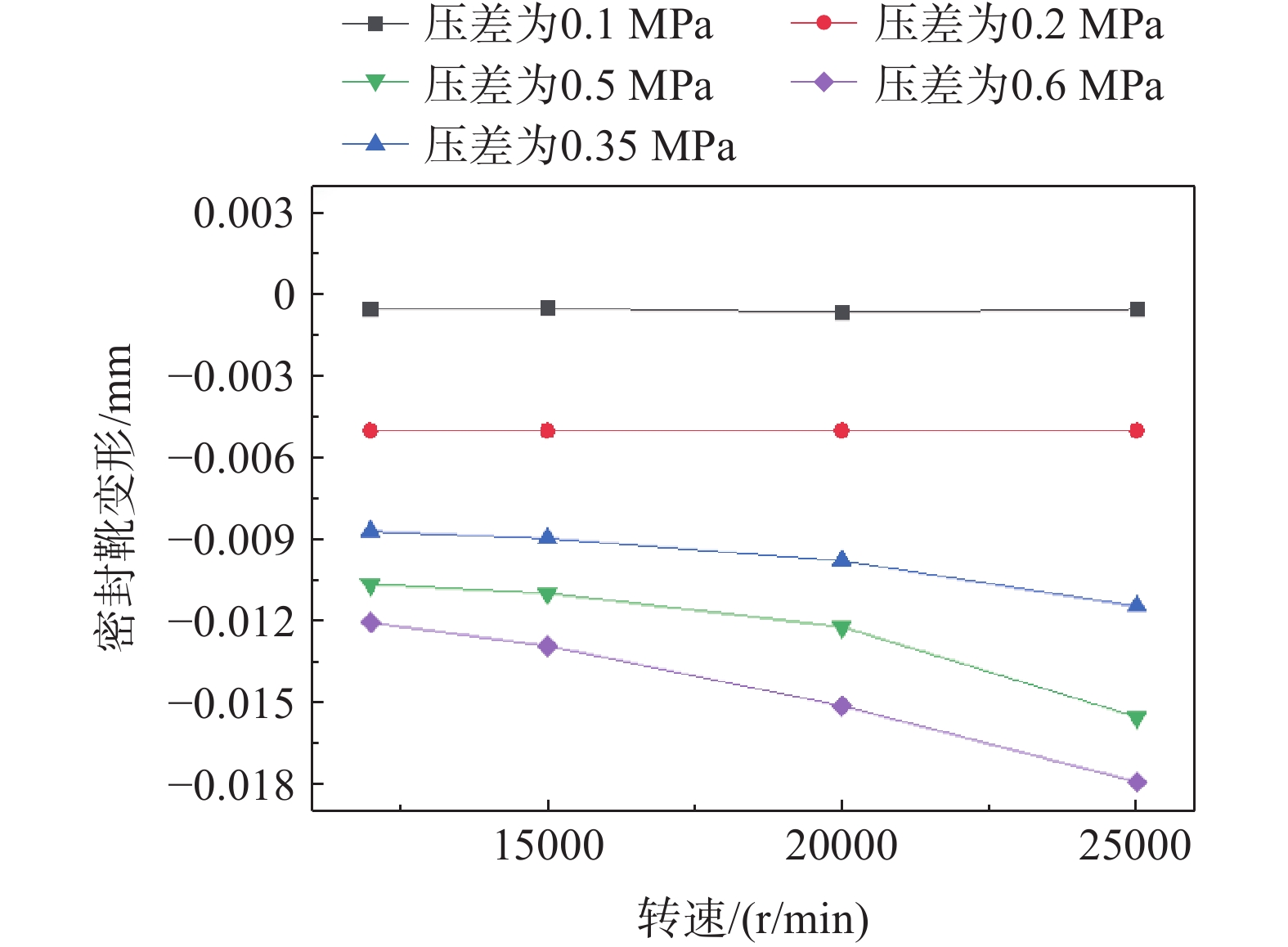
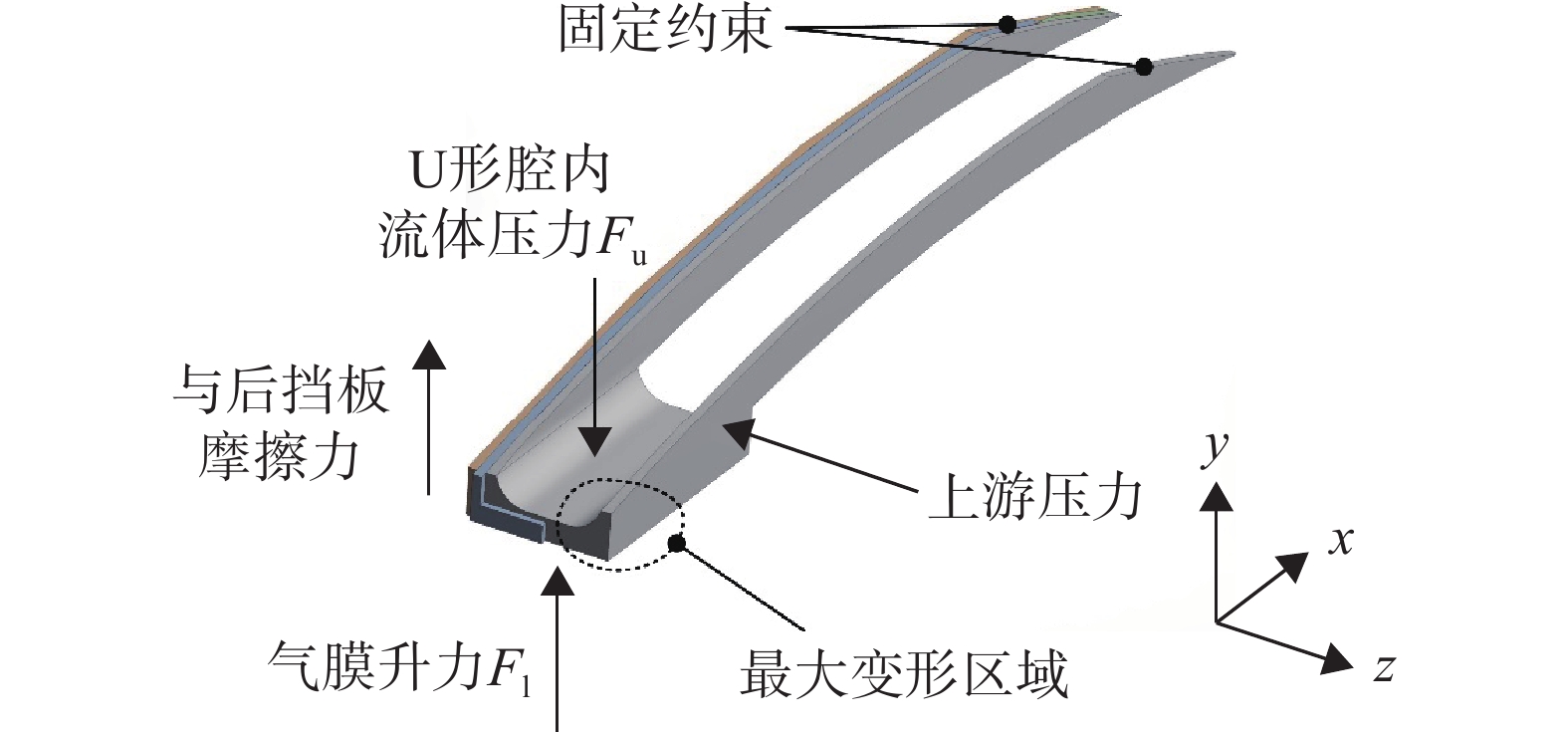
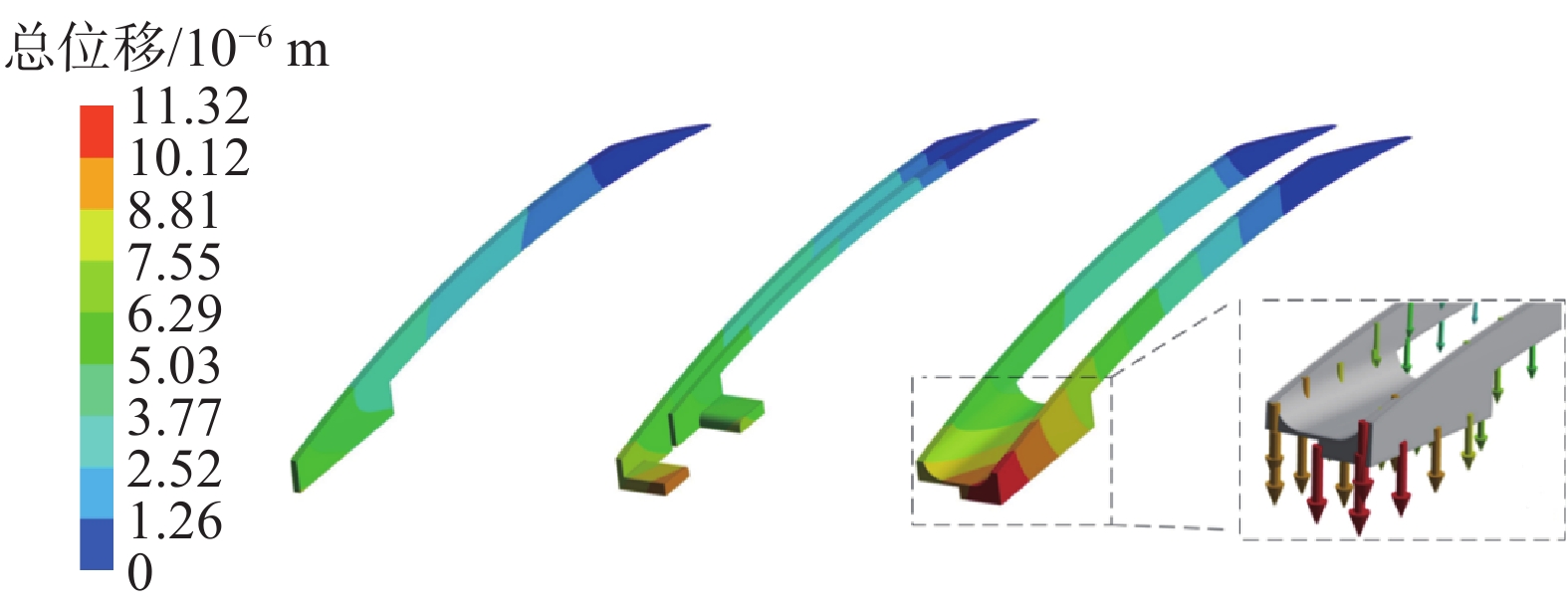
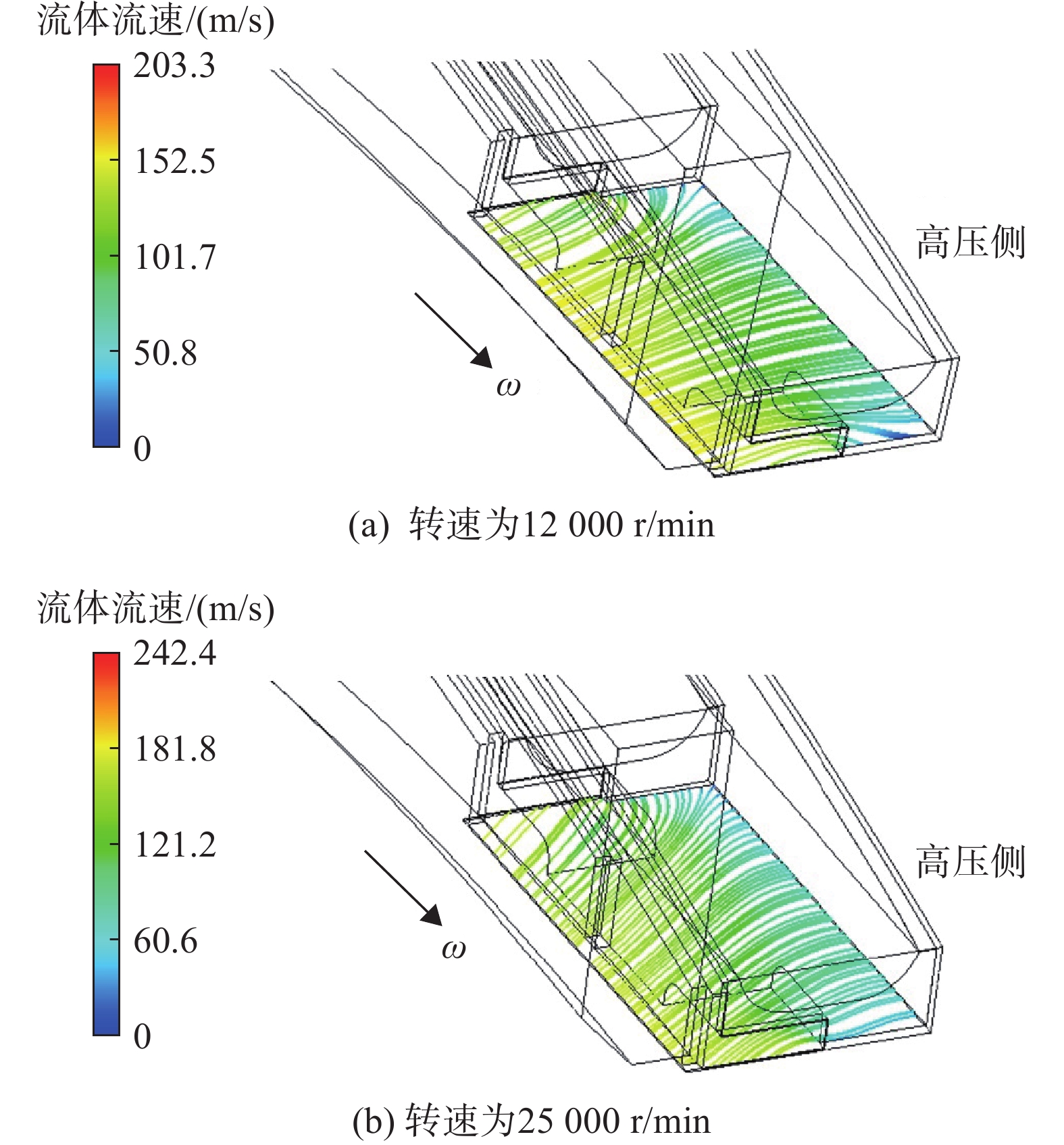
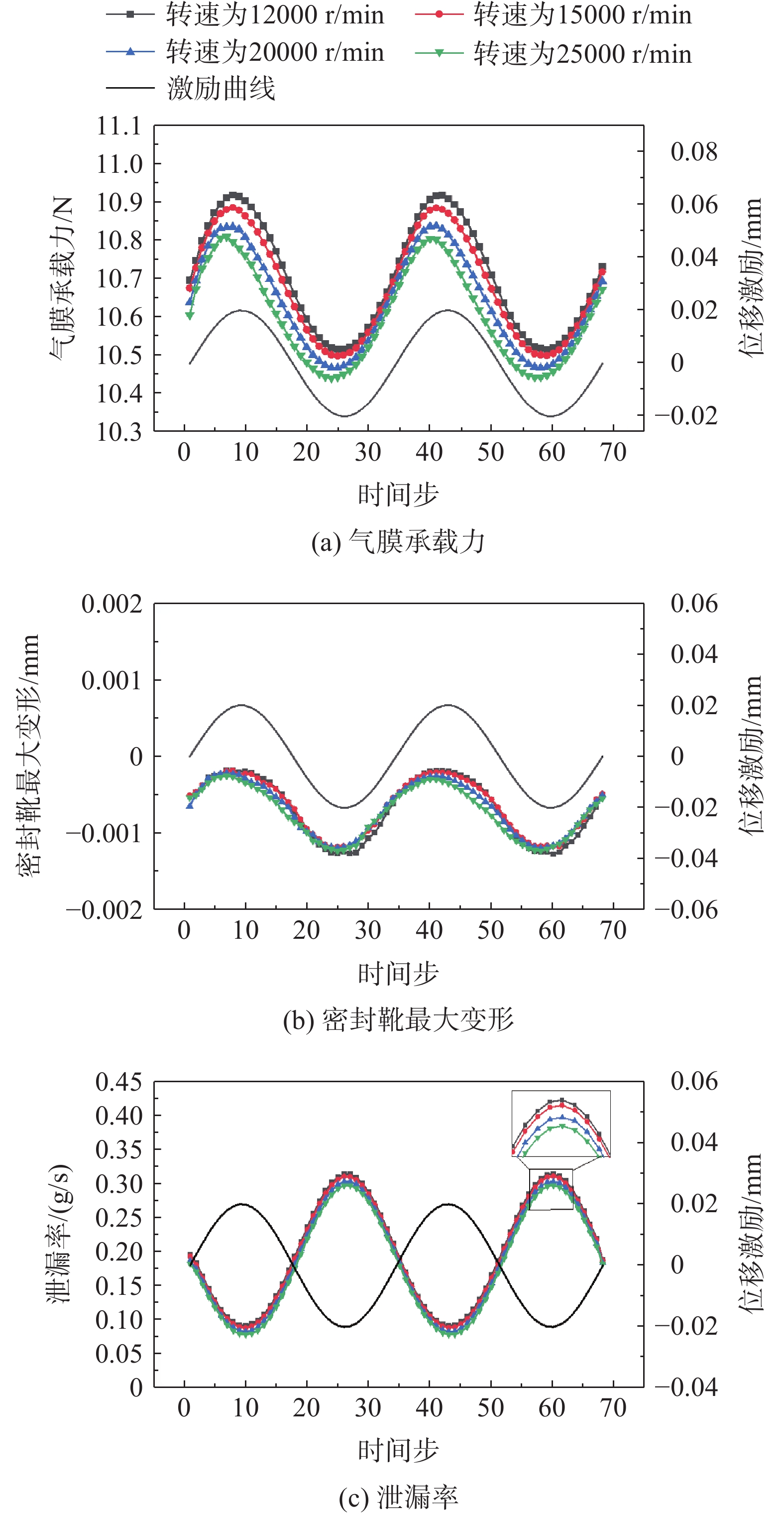
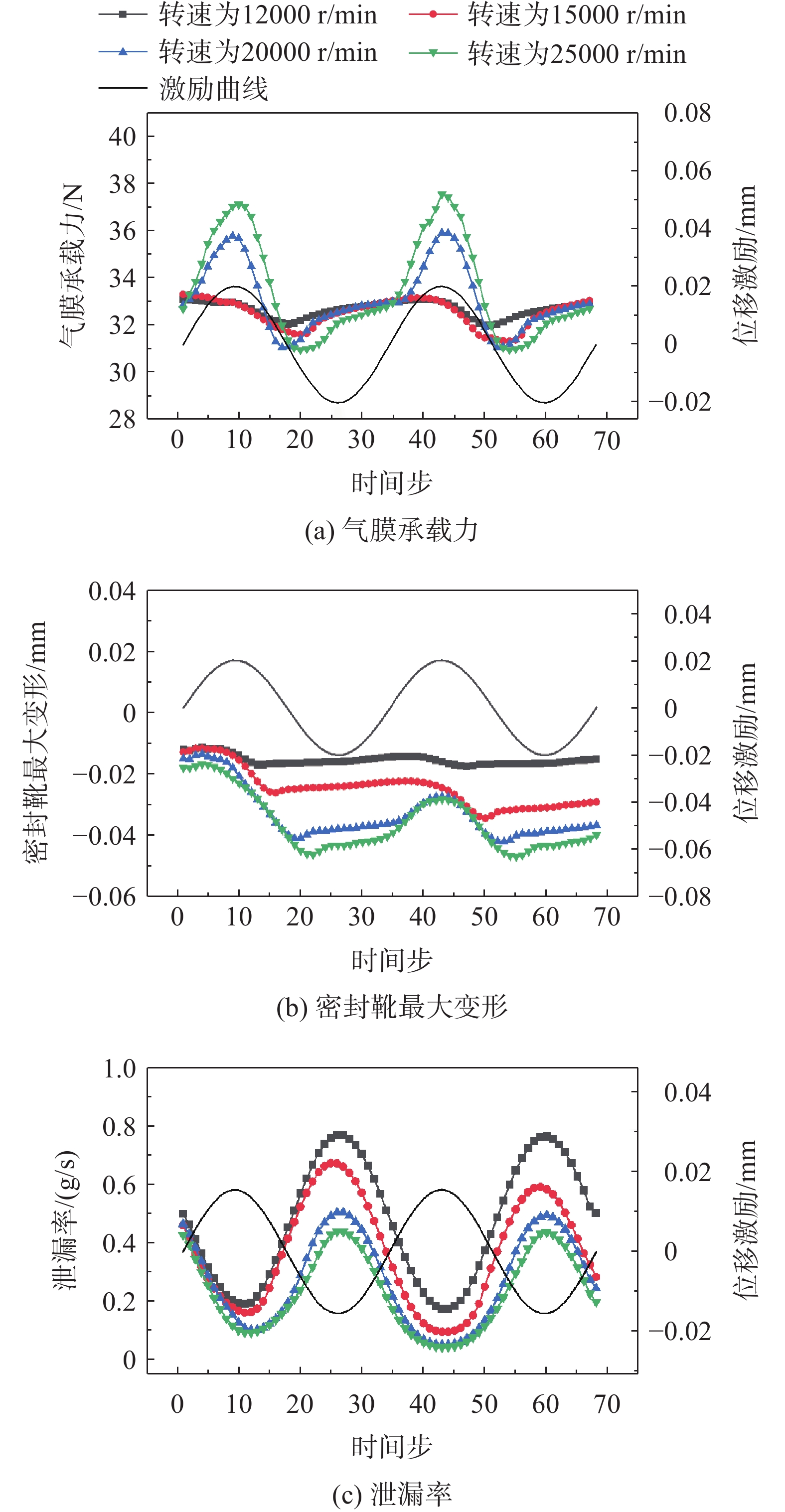
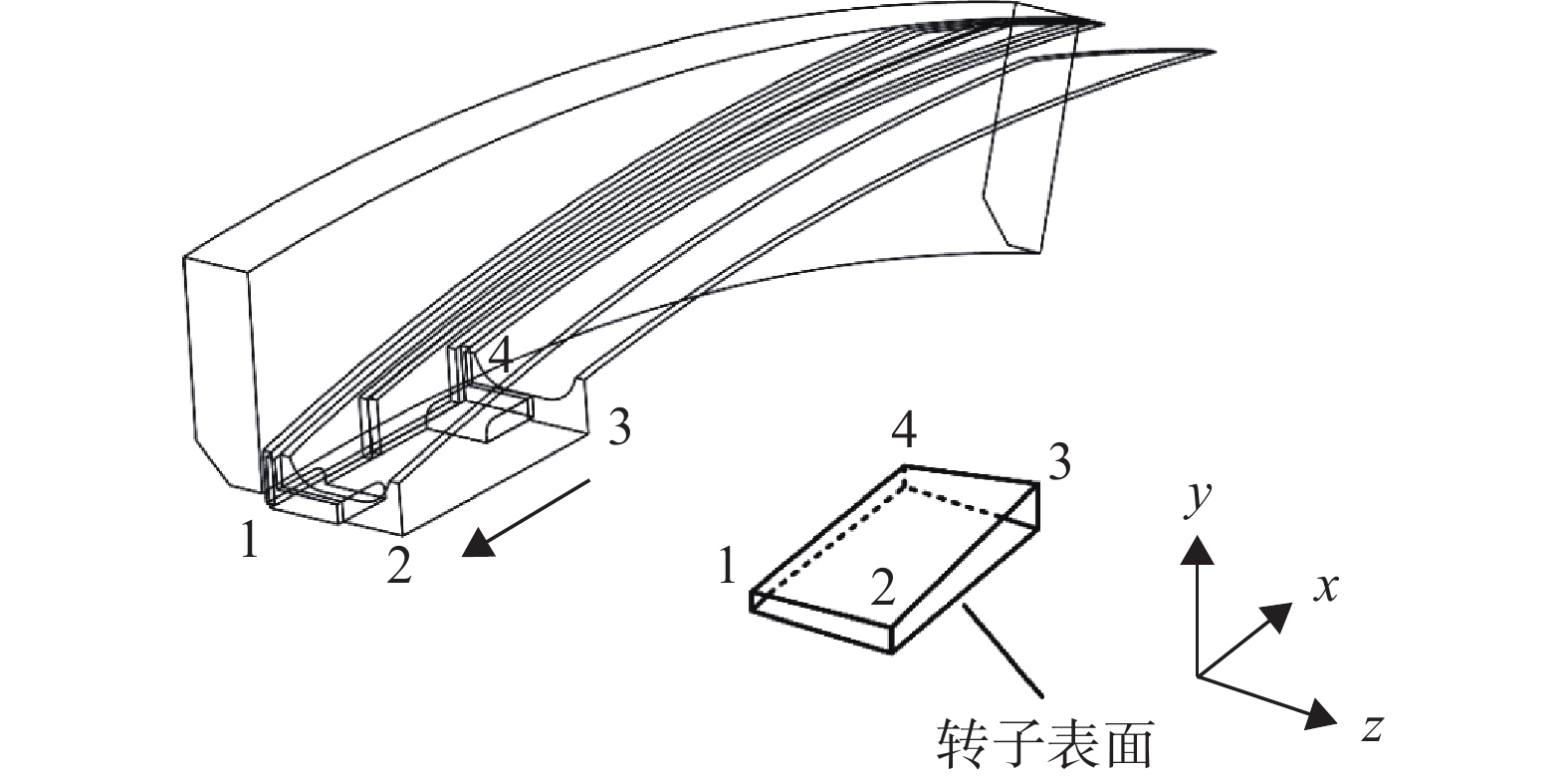
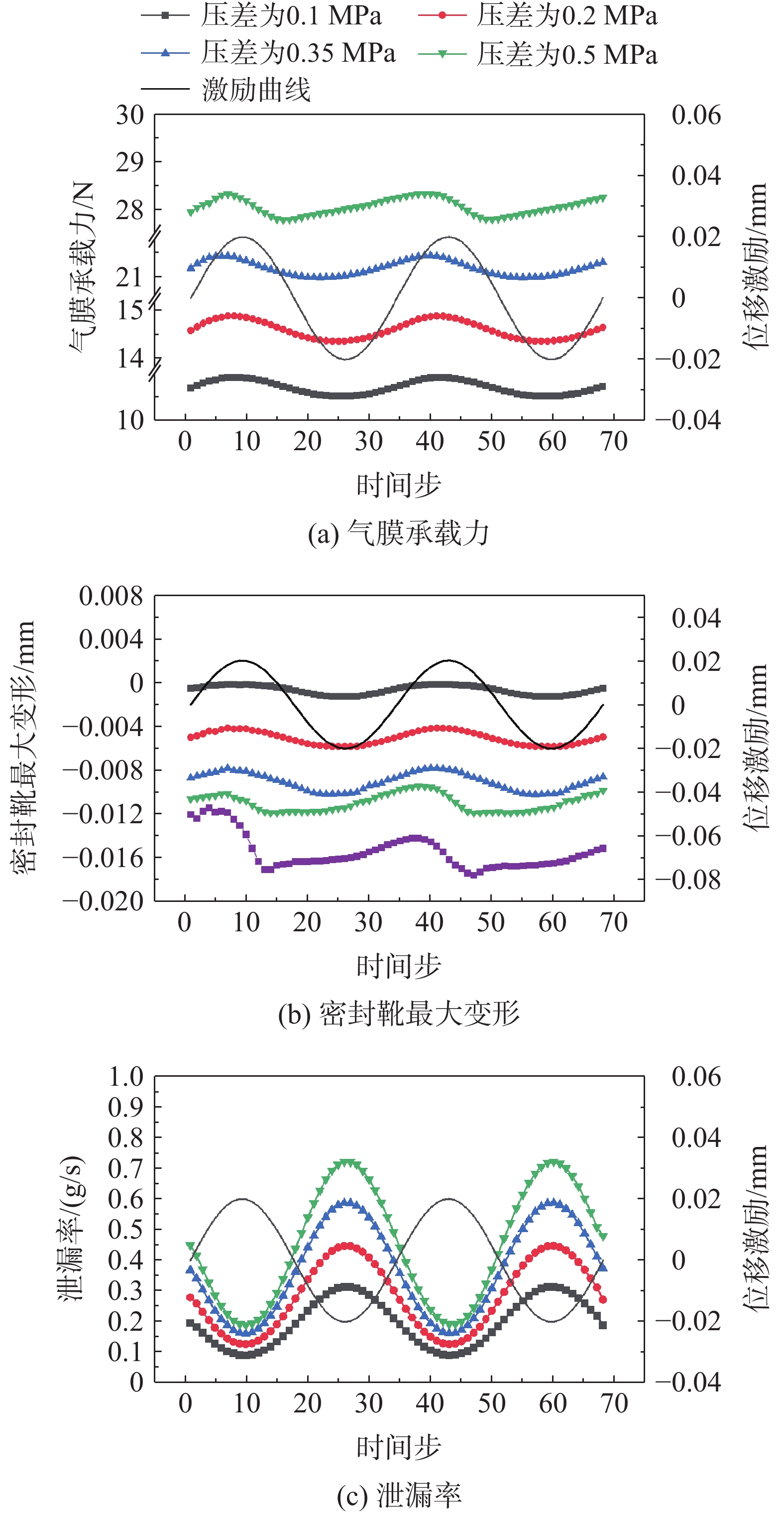
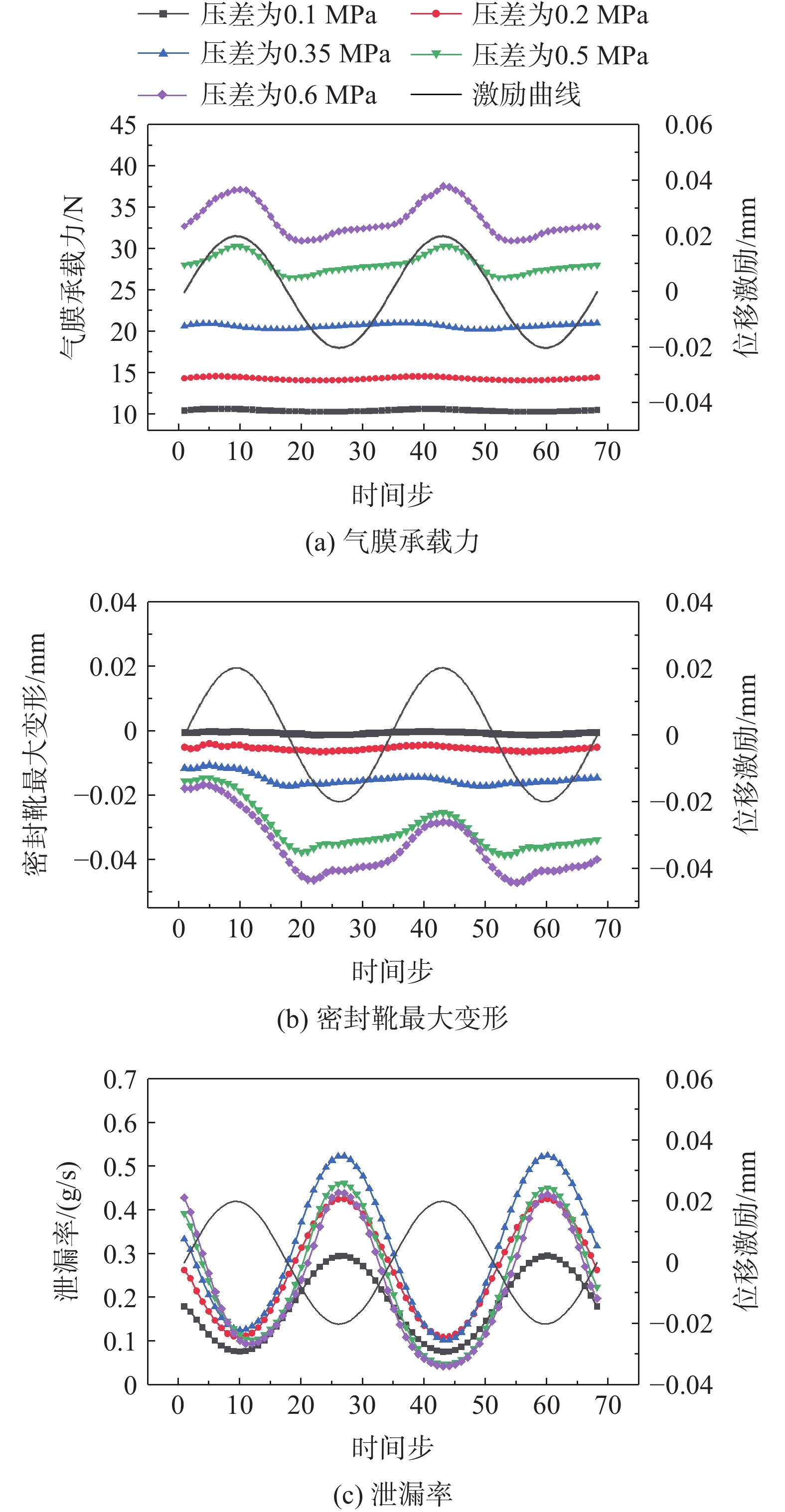
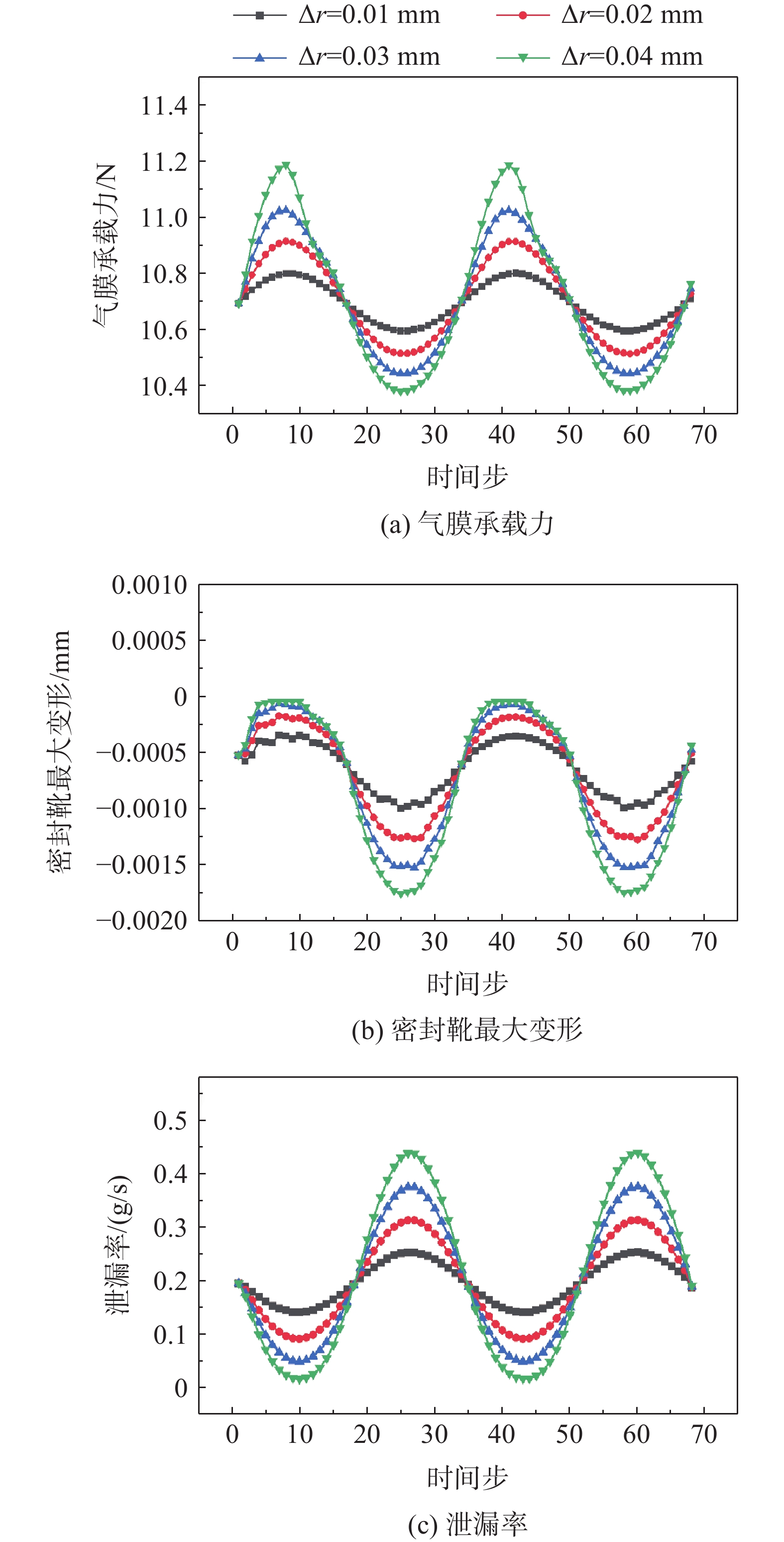
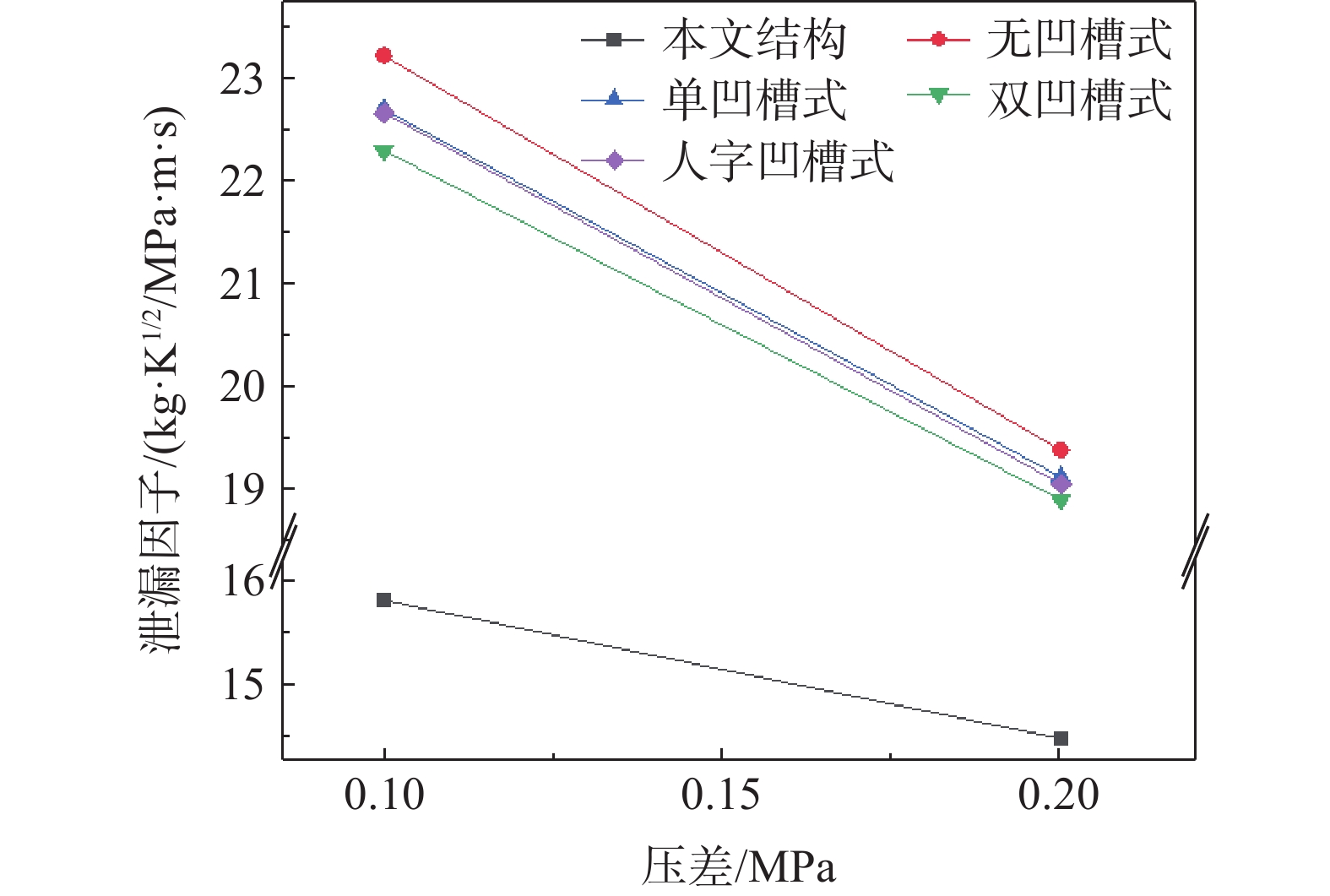
A non-contact finger seal structure with double beams and double boots interlocking was proposed. A fluid-structure coupling numerical analysis model of dynamic performance of the sealing system was established. Sinusoidal excitation was applied to the rotor, and the effects of rotor speed, pressure difference and rotor excitation amplitude on dynamic air film bearing capacity, maximum deformation and leakage rate of the double interlocking padded finger seal were studied respectively, and compared with the typical single padded non-contact finger seal structure performance. The results showed that under low speed and low pressure conditions, the double interlocking padded finger seal shoe had good tracking performance against different amplitude rotor excitation; at high speed and high pressure, the following performance was reduced. In addition, under high speed and high pressure conditions, the gas film bearing capacity significantly increased, and the leakage rate significantly decreased with the increase of excitation amplitude during the upward run-out stage of the rotor. Compared with a typical single padded finger seal, the leakage factor of the double interlocking padded finger seal decreased by an average of about 25%. The reasonable design of the initial installation clearance can avoid the collision between the rotor and the sole of the shoe. This work can provide an idea for designing non-contact finger seal meeting high operating conditions.

Safety,Airworthiness
History and trends in the development of safety standards for sustainable aviation fuels
GAN Chenyu, DING Shuiting, QIU Tian, MA Qinglin, BAO Shengyu
2025, 40(2): 20230201. doi: 10.13224/j.cnki.jasp.20230201
Abstract:

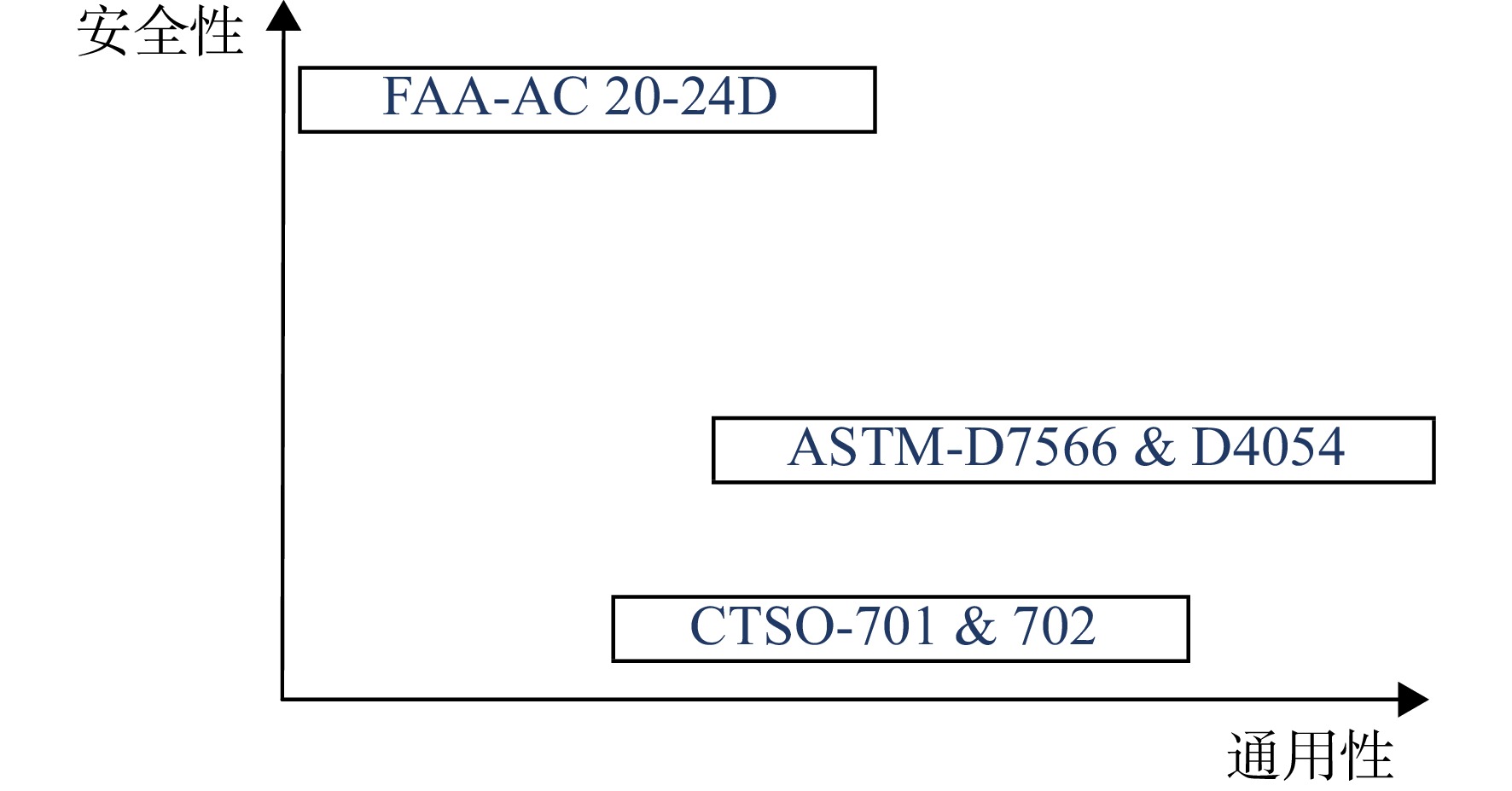
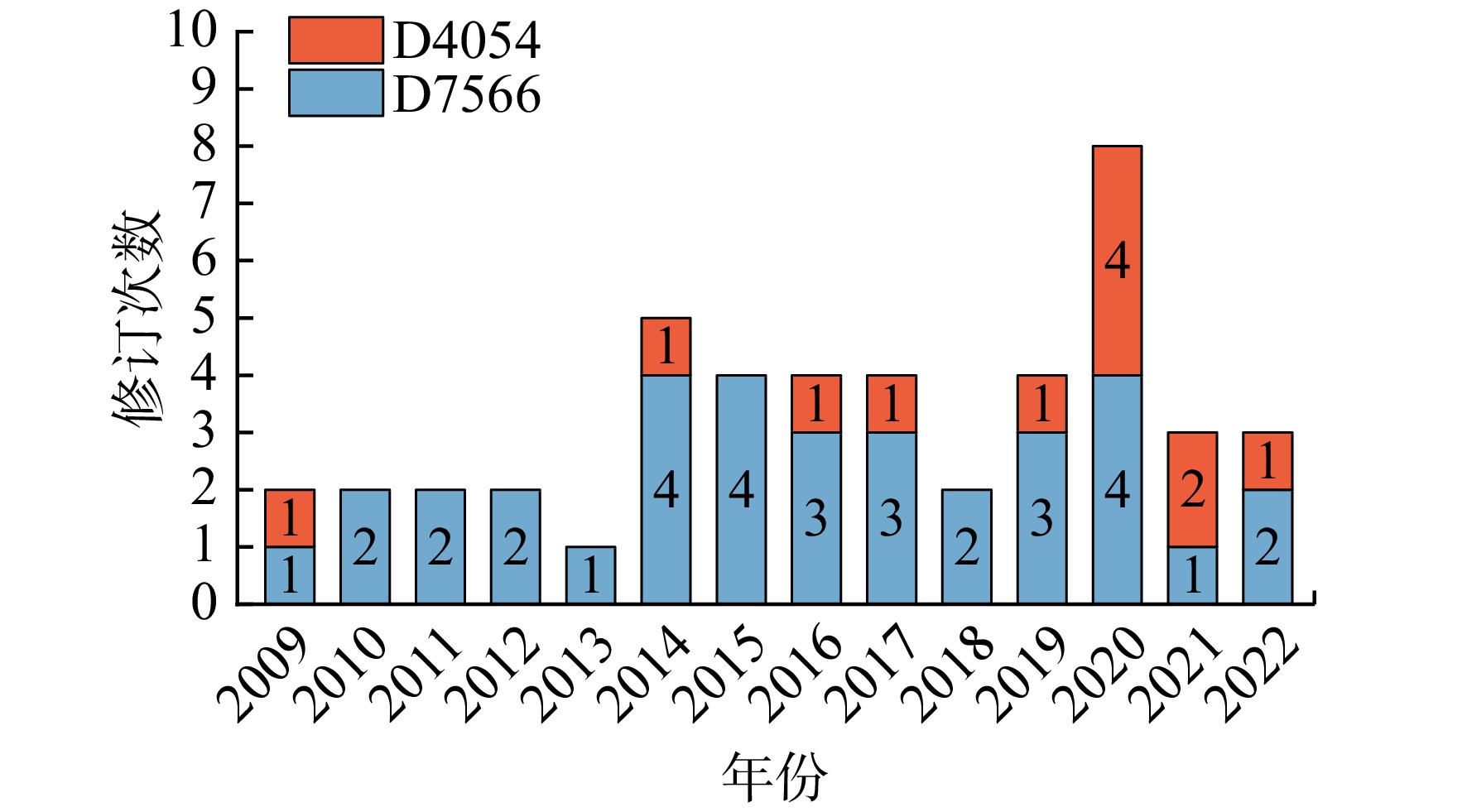
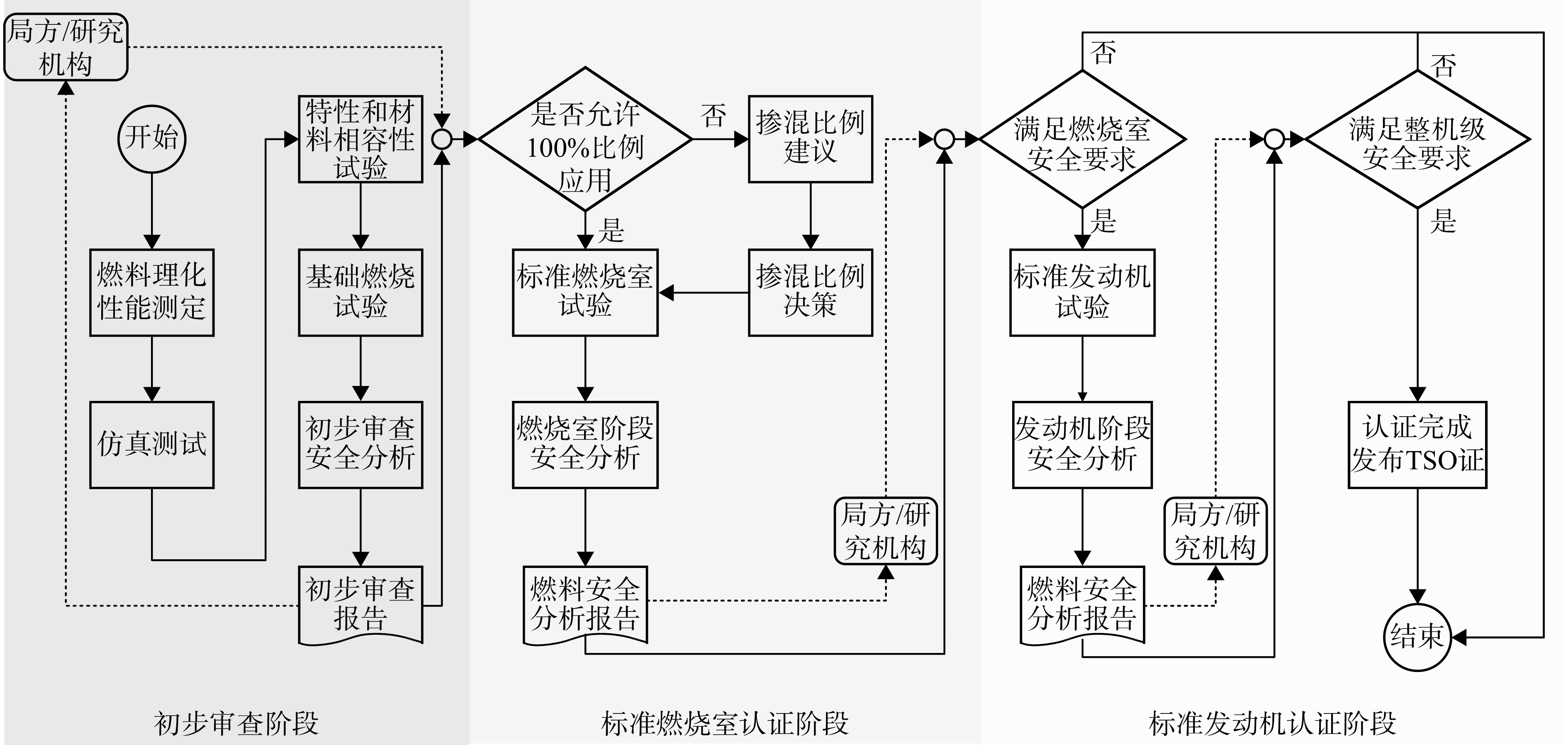
Sustainable aviation fuel is considered an important means of reducing aviation carbon emissions. As a special component of aero-engines, safety certification is the most important prerequisite for the application of aviation fuel. Airworthiness standards and fuel technical standards jointly guide the development of sustainable aviation fuels and form the safety standard system related to fuels. In order to promote the establishment of an independent safety standard system for sustainable aviation fuels in China, relevant standards were sorted out and analyzed. The most representative ASTM D4054 and ASTM D7566 standards were selected to summarize the direction of revision. The research found that the revision of the sustainable aviation fuel-related standard system mainly focused on four aspects: certification body, approval process, fuel properties, and measurement method requirements. The development trend of China’s independent certification system was prospected. Combining with current development status of China’s aviation industry, a sustainable aviation fuel safety certification process compatible with local industries was proposed to provide technical support for improving China’s independent safety standard system for sustainable aviation fuels.