2025 Vol. 40, No. 9

Aerothermodynamics and Aeroengine Design
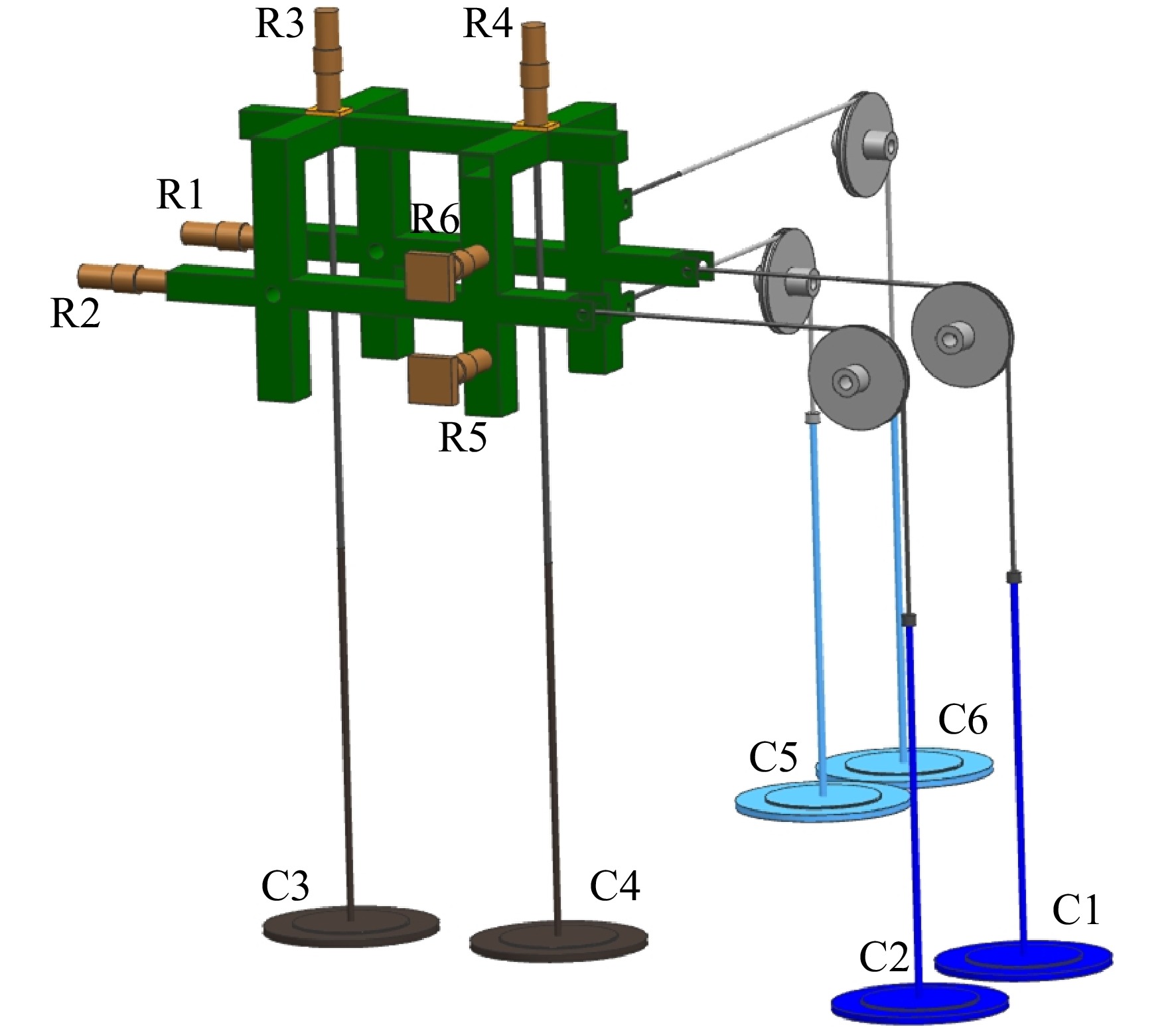
Adaptively calibrating the stand of aviation vector engine
WU Feng, LI Yajie, ZHANG You, YUAN Zhanbin
2025, 40(9): 20230184. doi: 10.13224/j.cnki.jasp.20230184
Abstract:

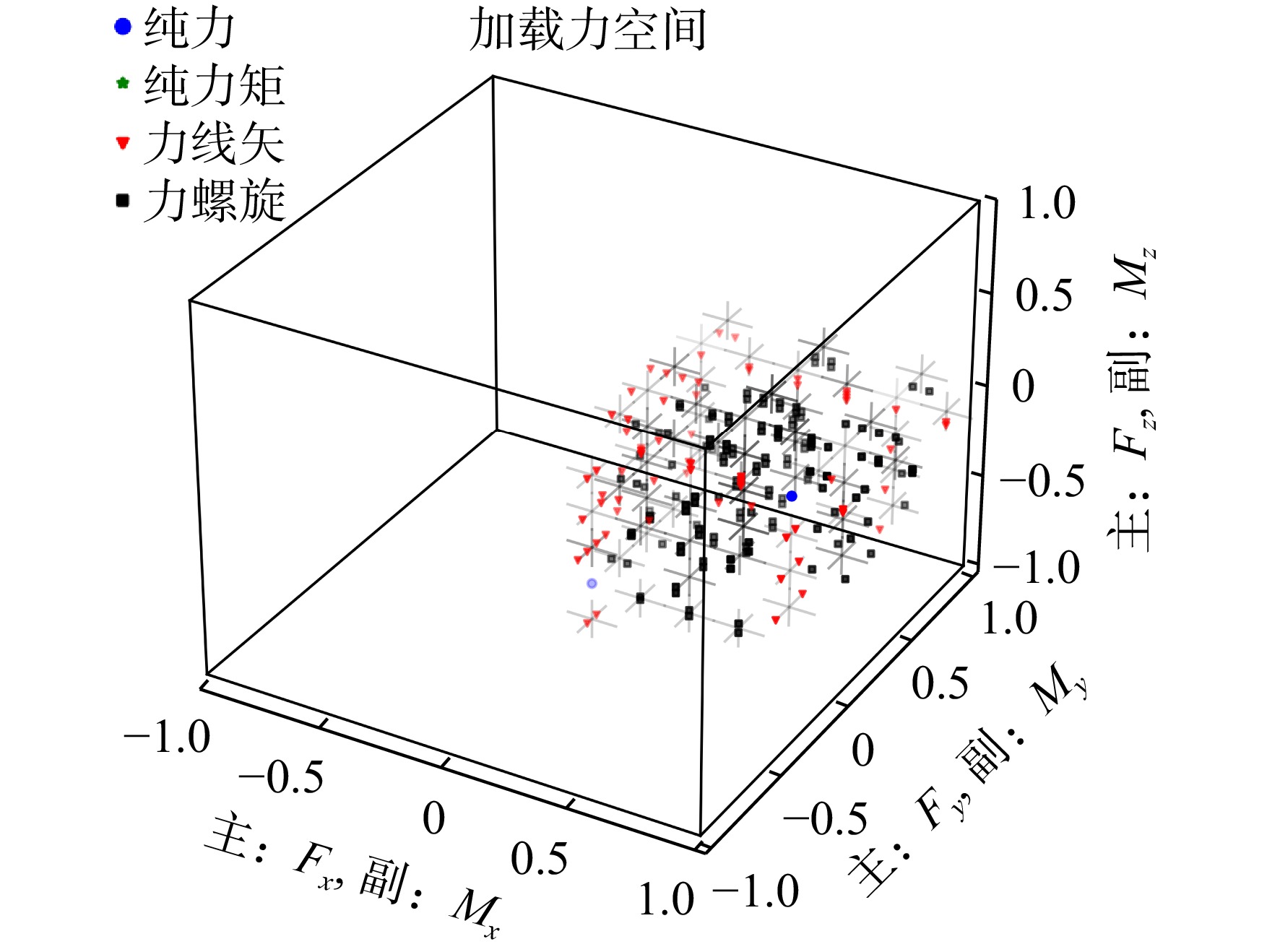
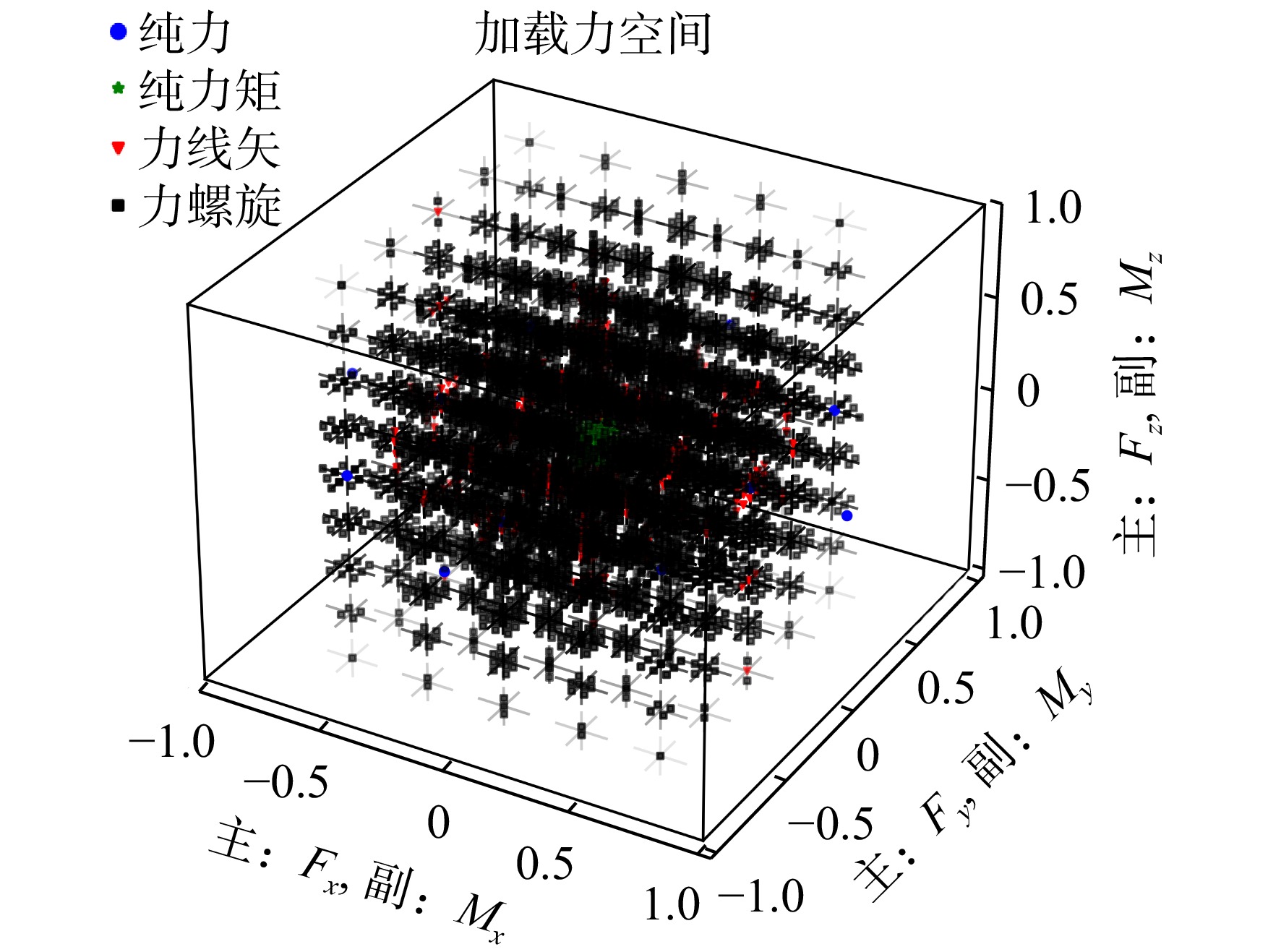
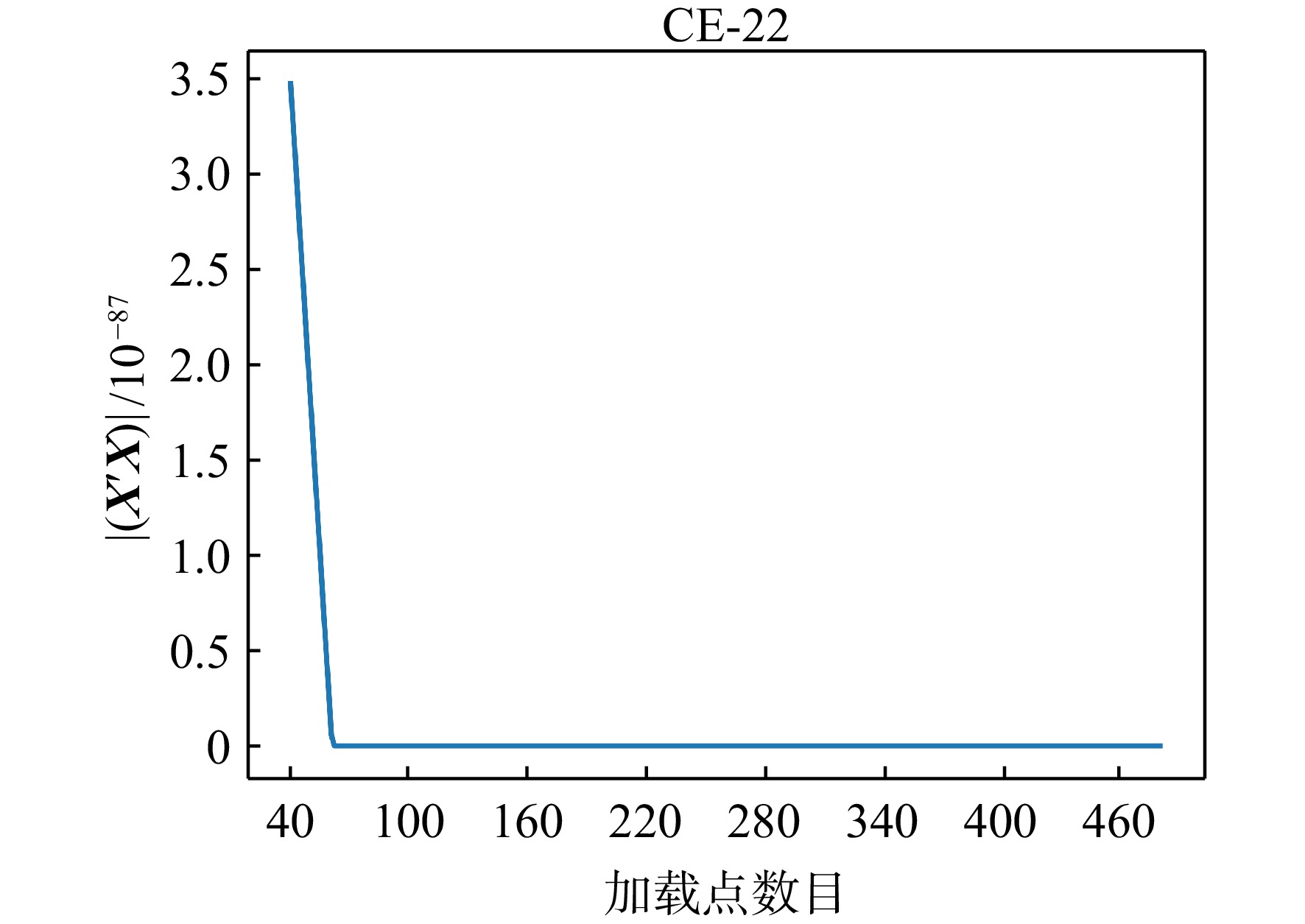
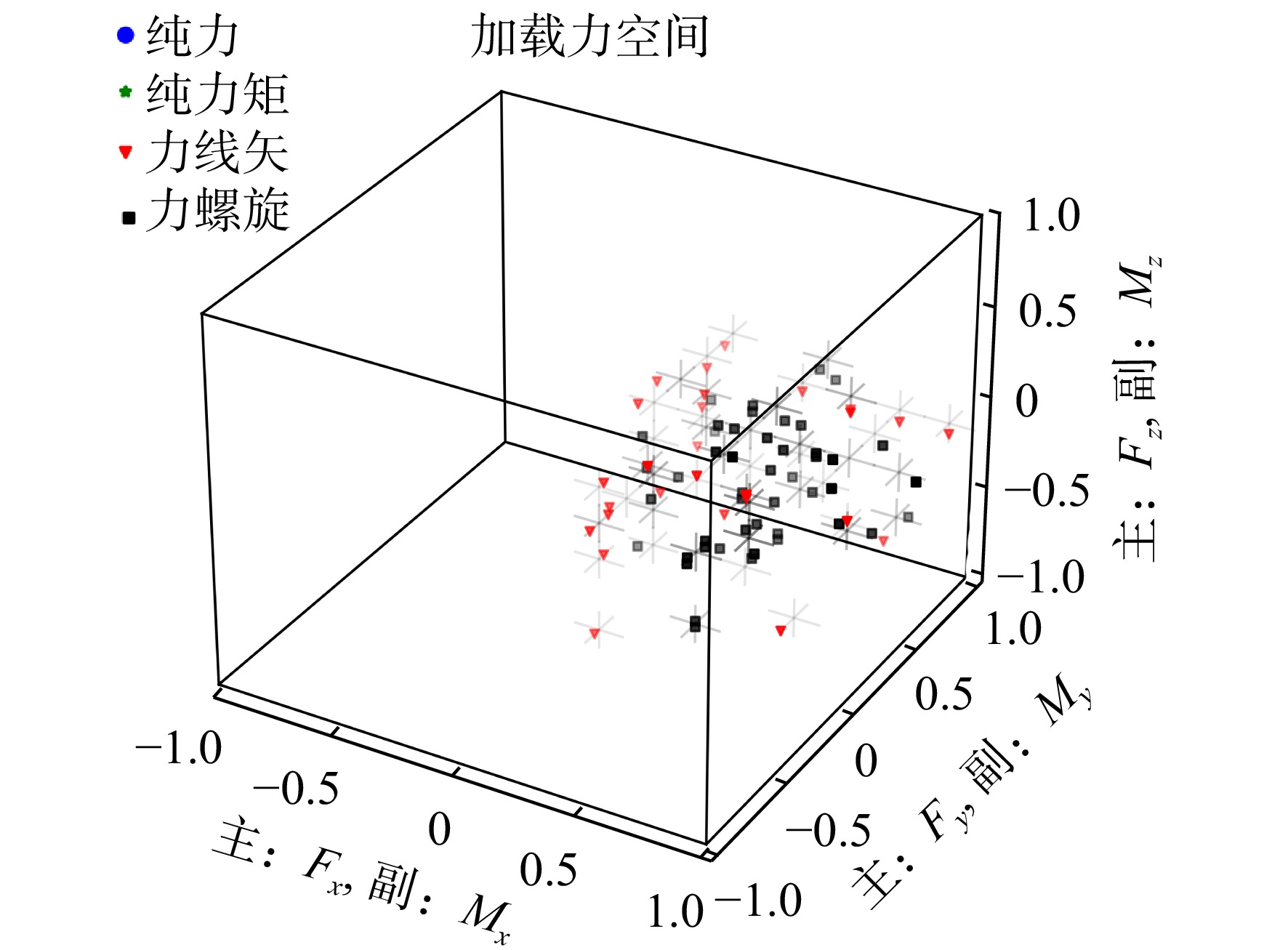
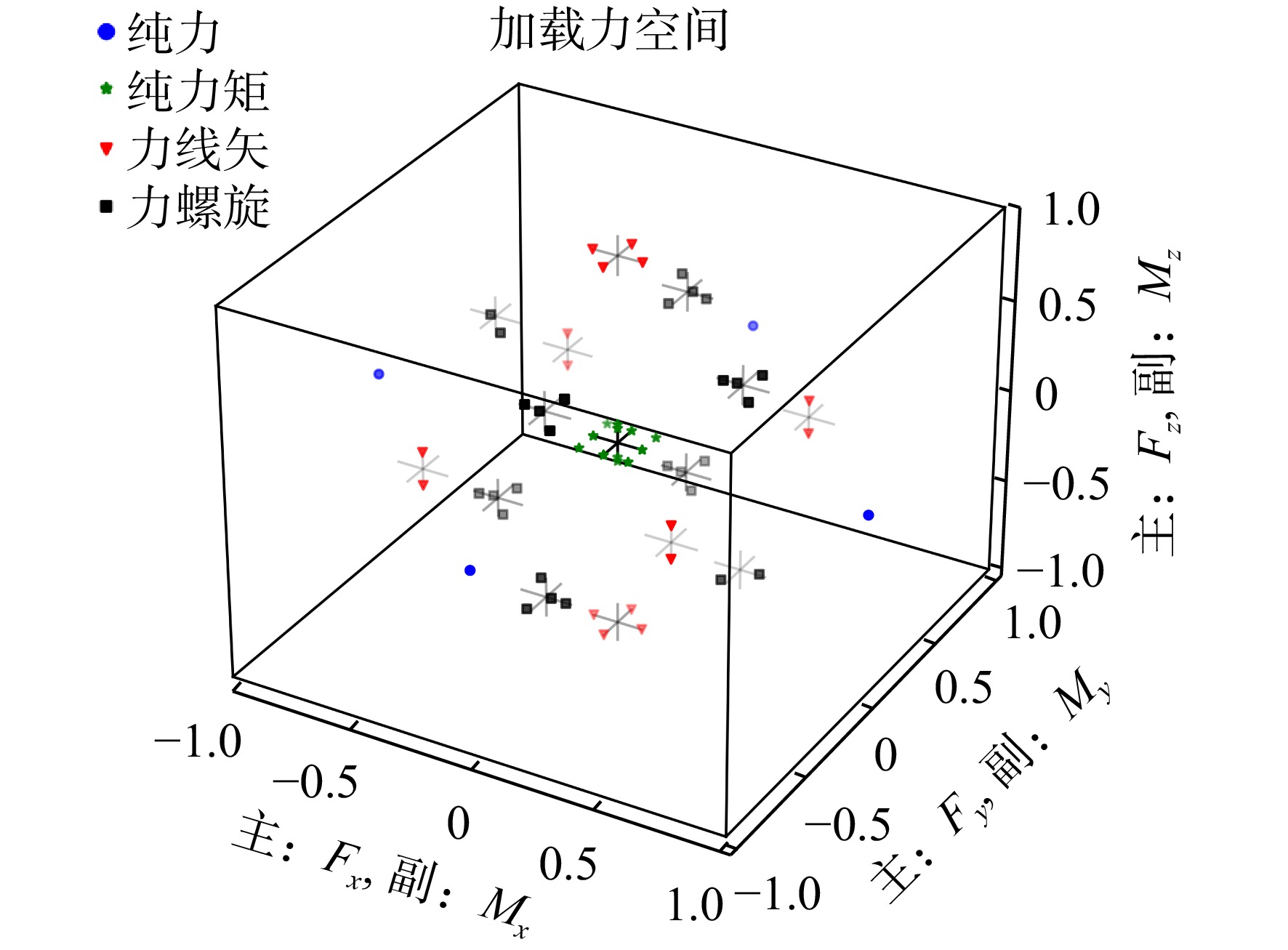
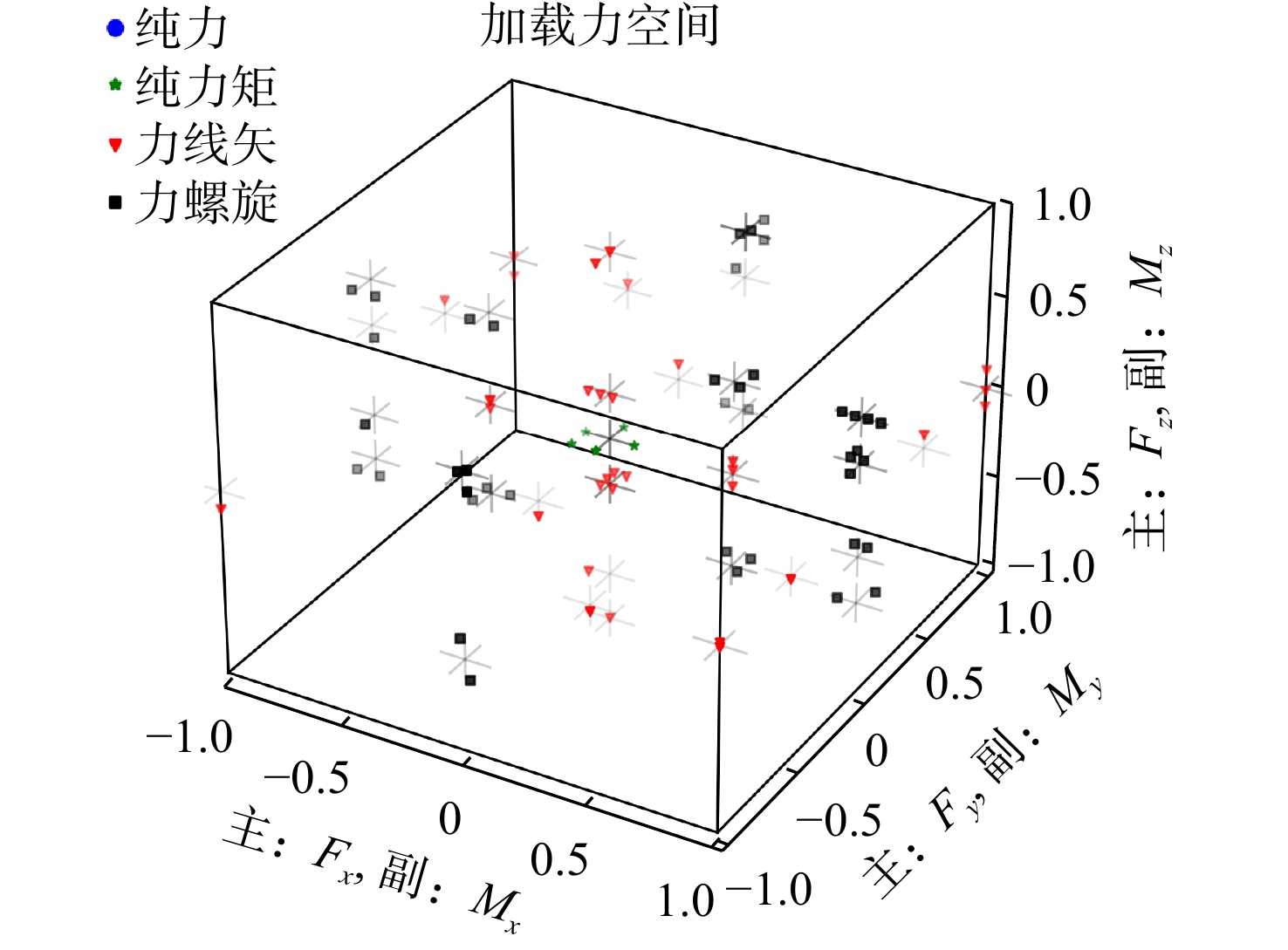
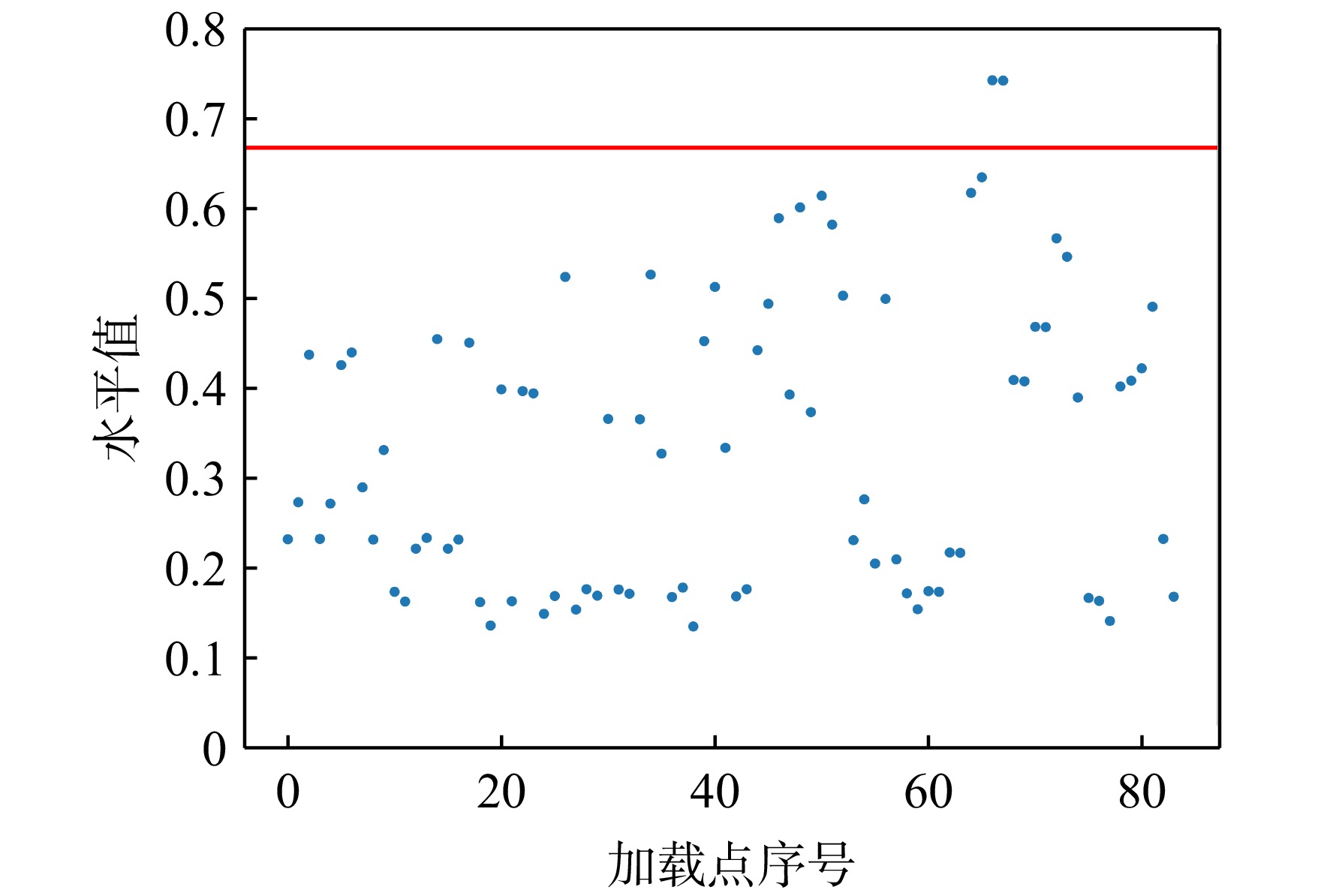
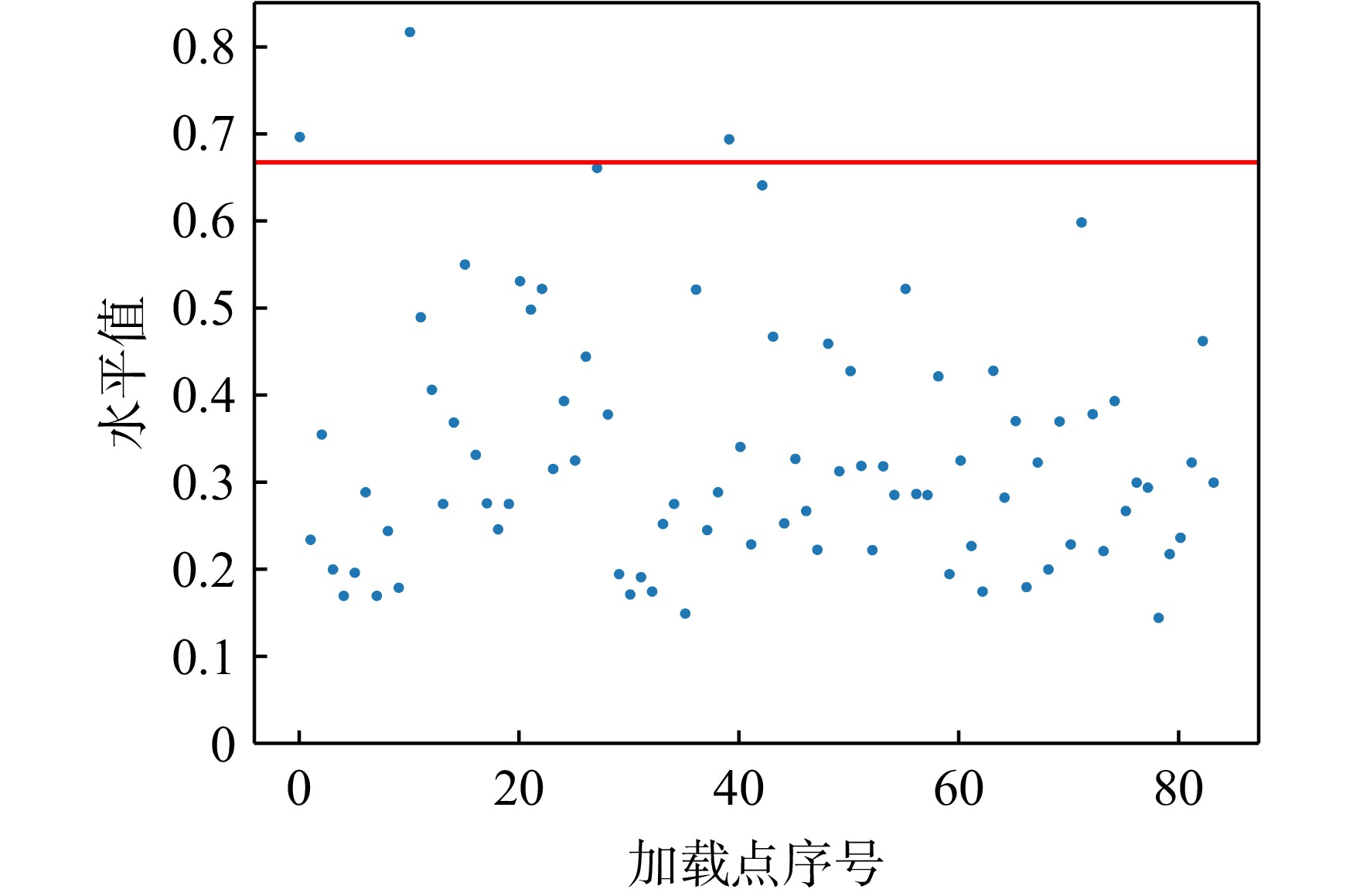
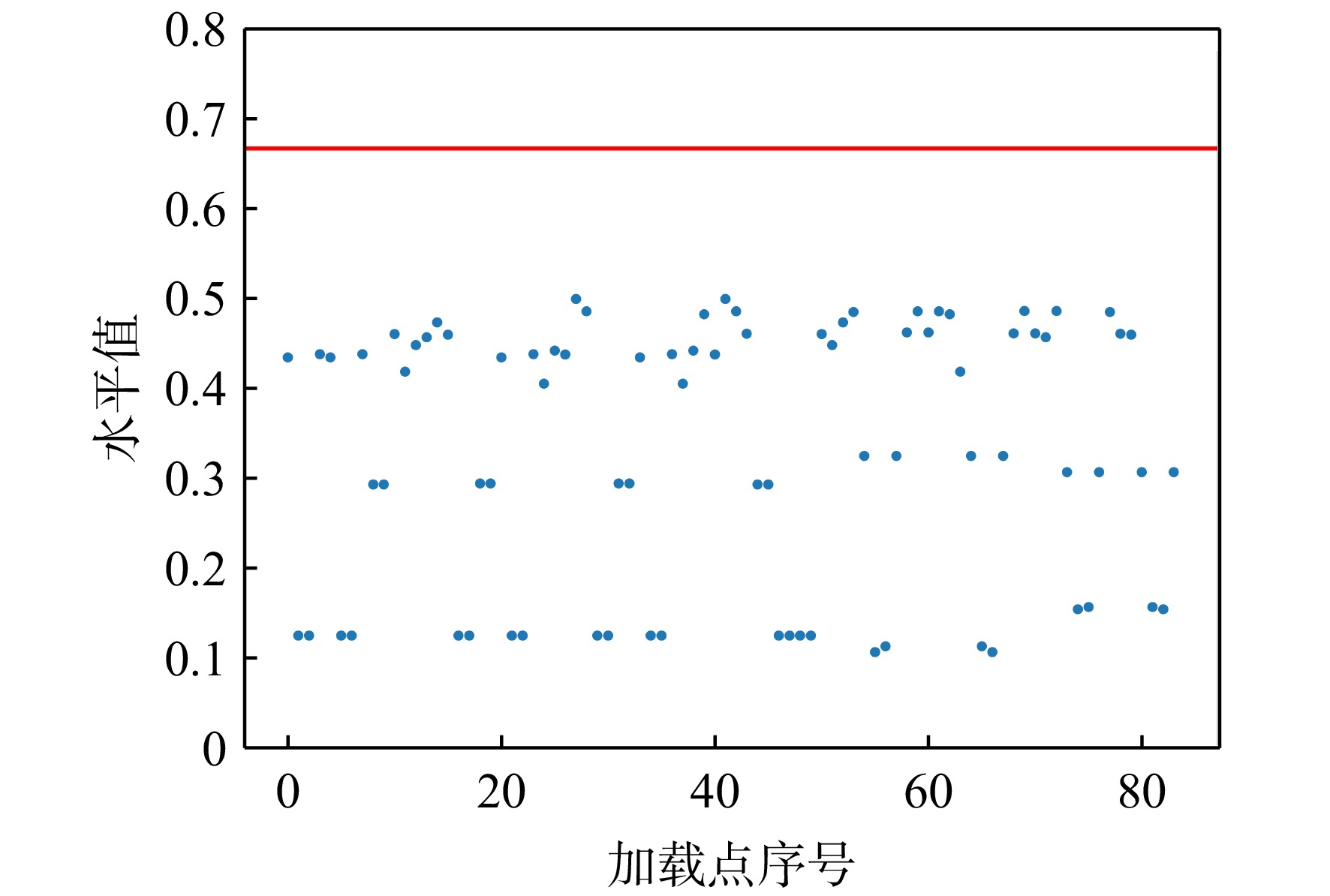
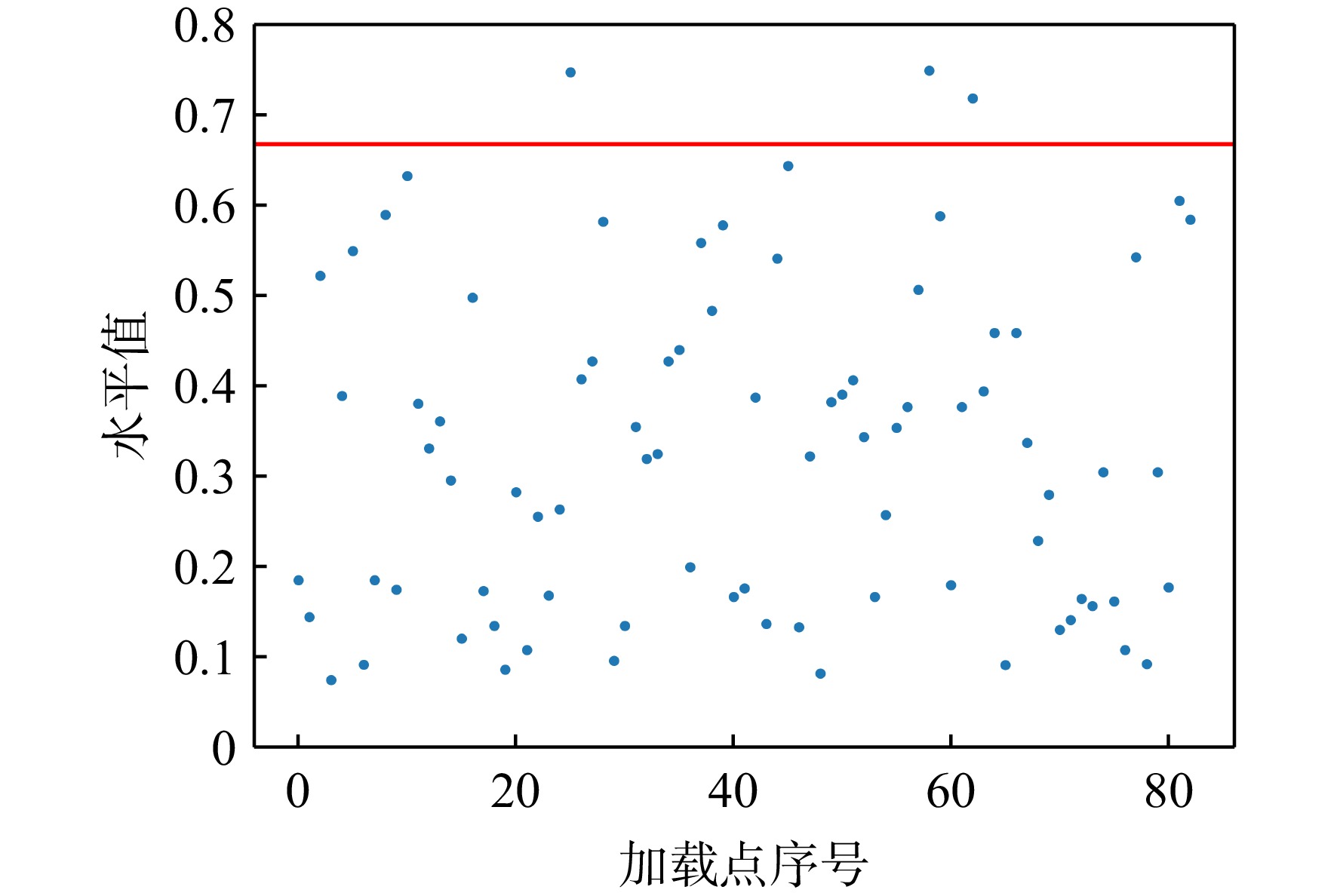
In order to calibrate six-component stands, the calibration spaces of two certain calibrating equipment were analyzed and all possible calibration points were classified as force, couple, line vector and wrench firstly. Then, based on implicit second order polynomial, these spaces were optimized by improved D-optimal rule and K-medoids clustering method to form loading schedules. In the end, by comparing the D-opt values, variance inflationfactor (VIF) and leverage values, it was found that all automatically generated loading schedules can minimize the generalized variance of the coefficients under the premise of satisfying the requirement of other indexes. Above theory analysis and method can be applied into other type of calibrating equipment adaptively to improve the calibration precision and efficiency simultaneously.

Study on similarity parameters of divert-jet interaction in supersonic and hypersonic flows
SUN Ruibin
2025, 40(9): 20250070. doi: 10.13224/j.cnki.jasp.20250070
Abstract:

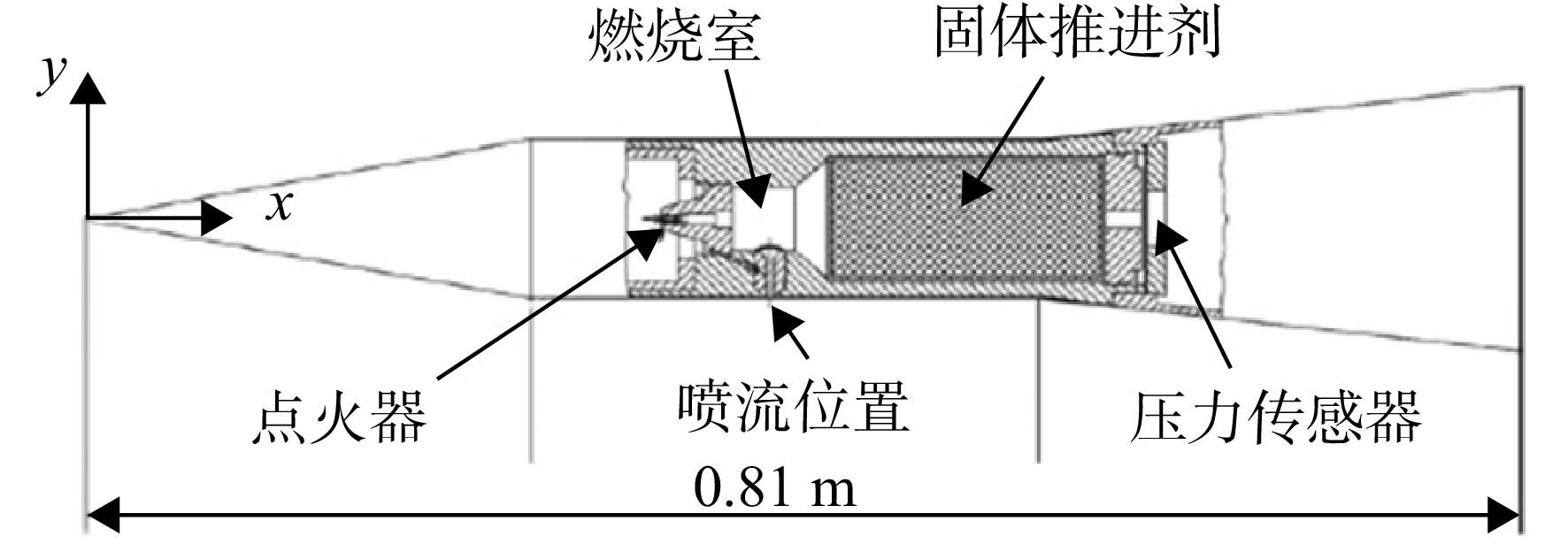
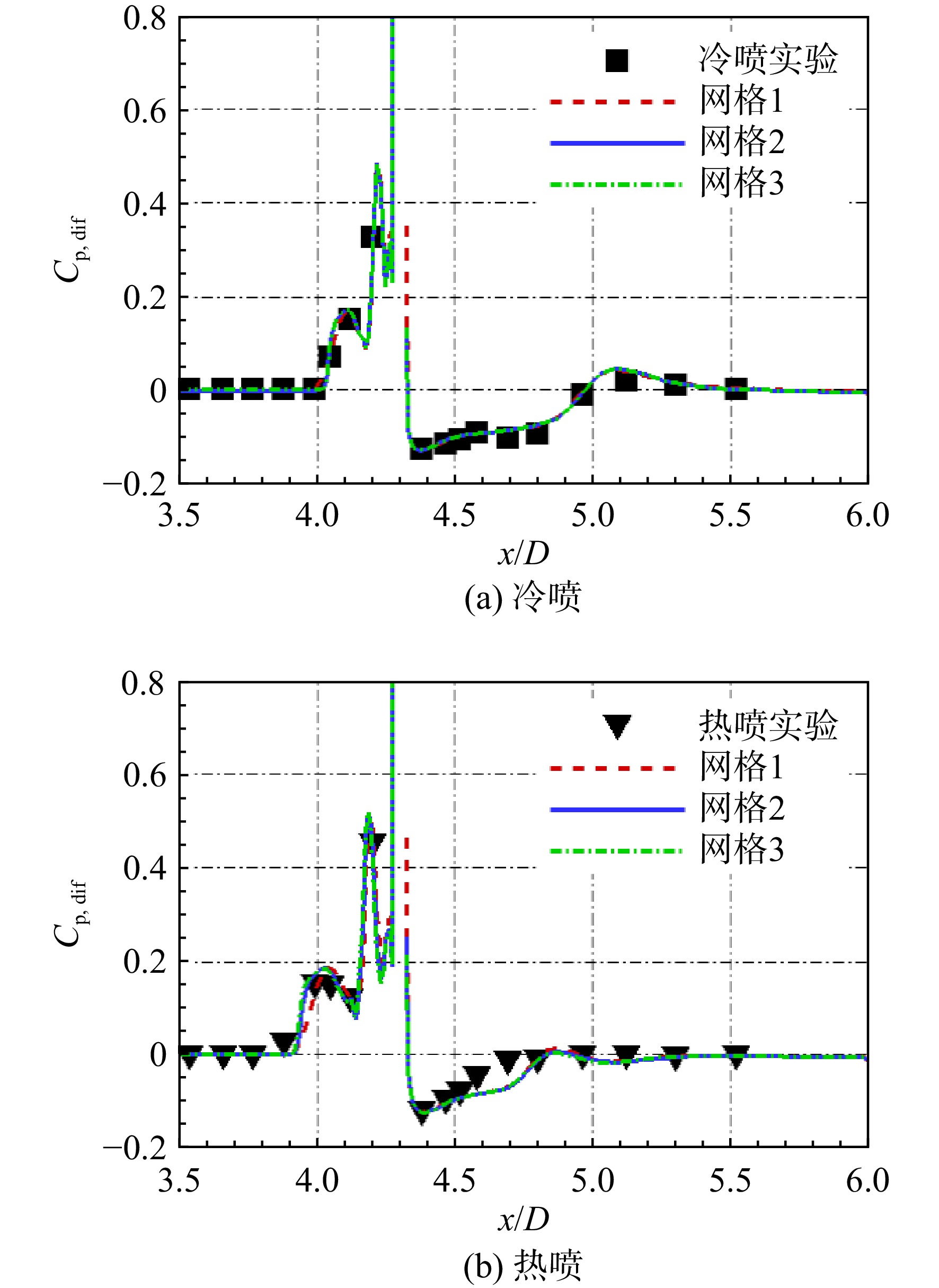
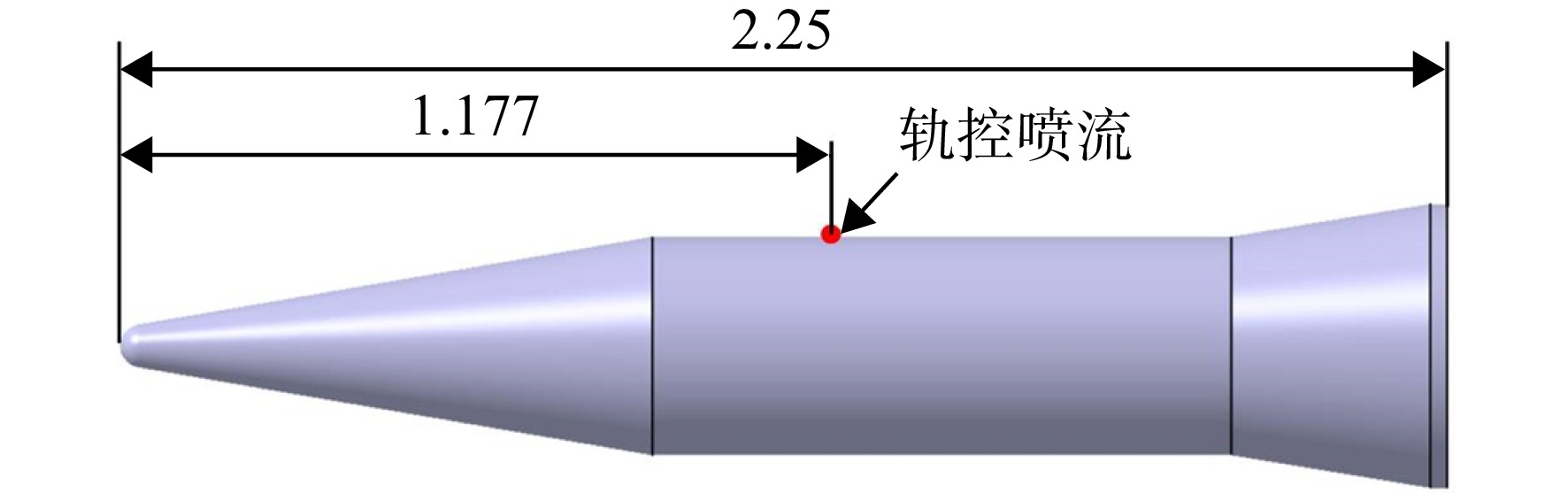
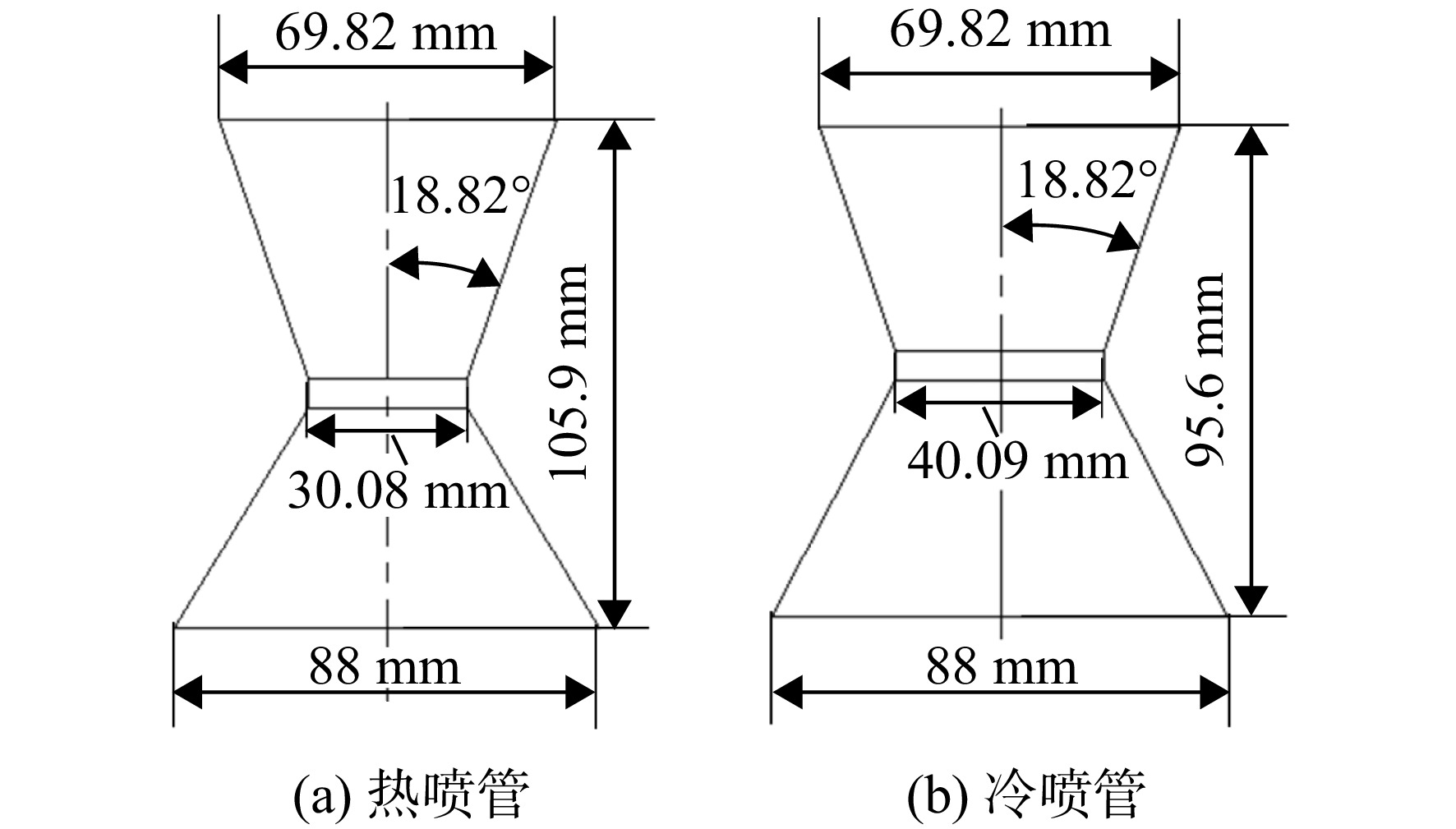
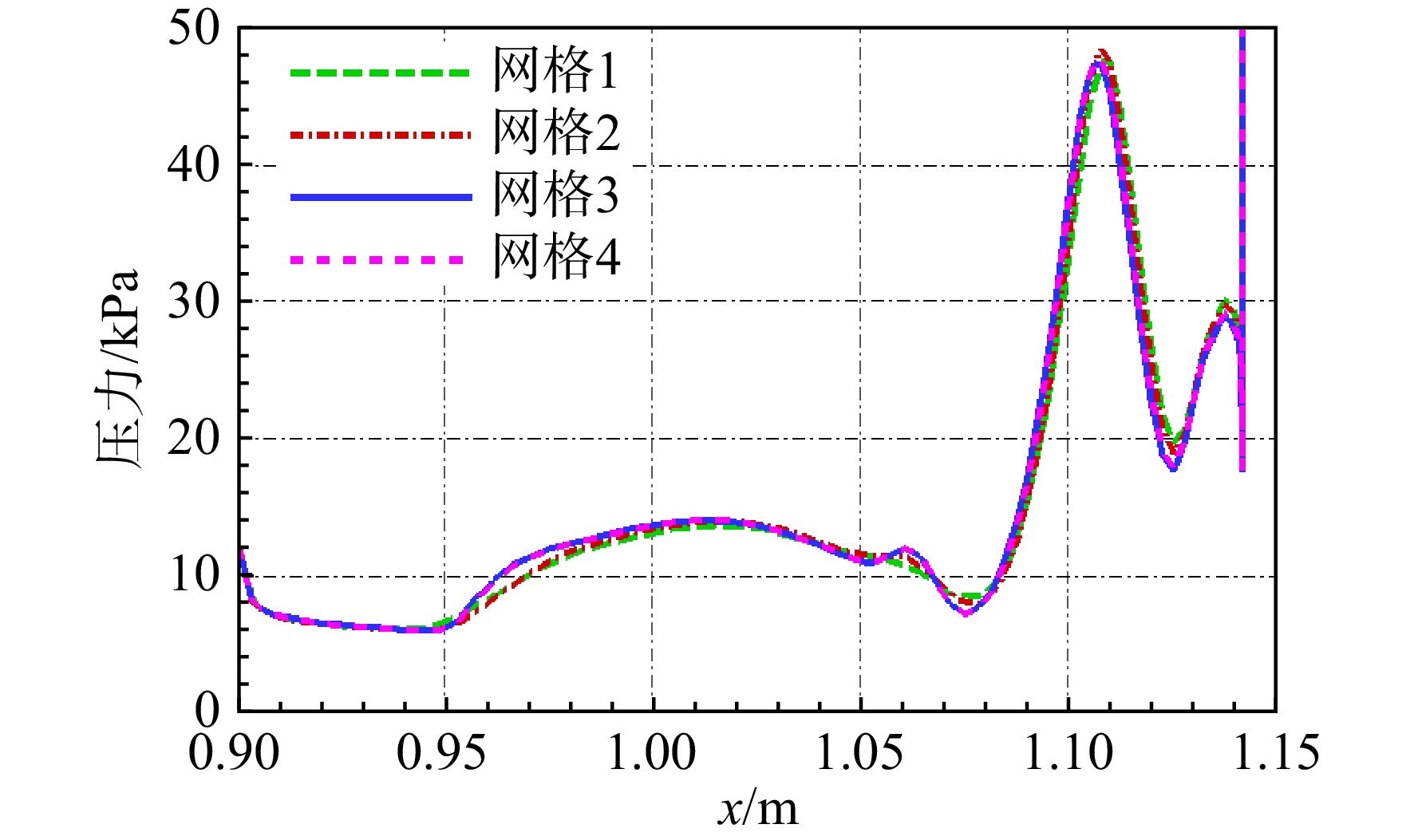
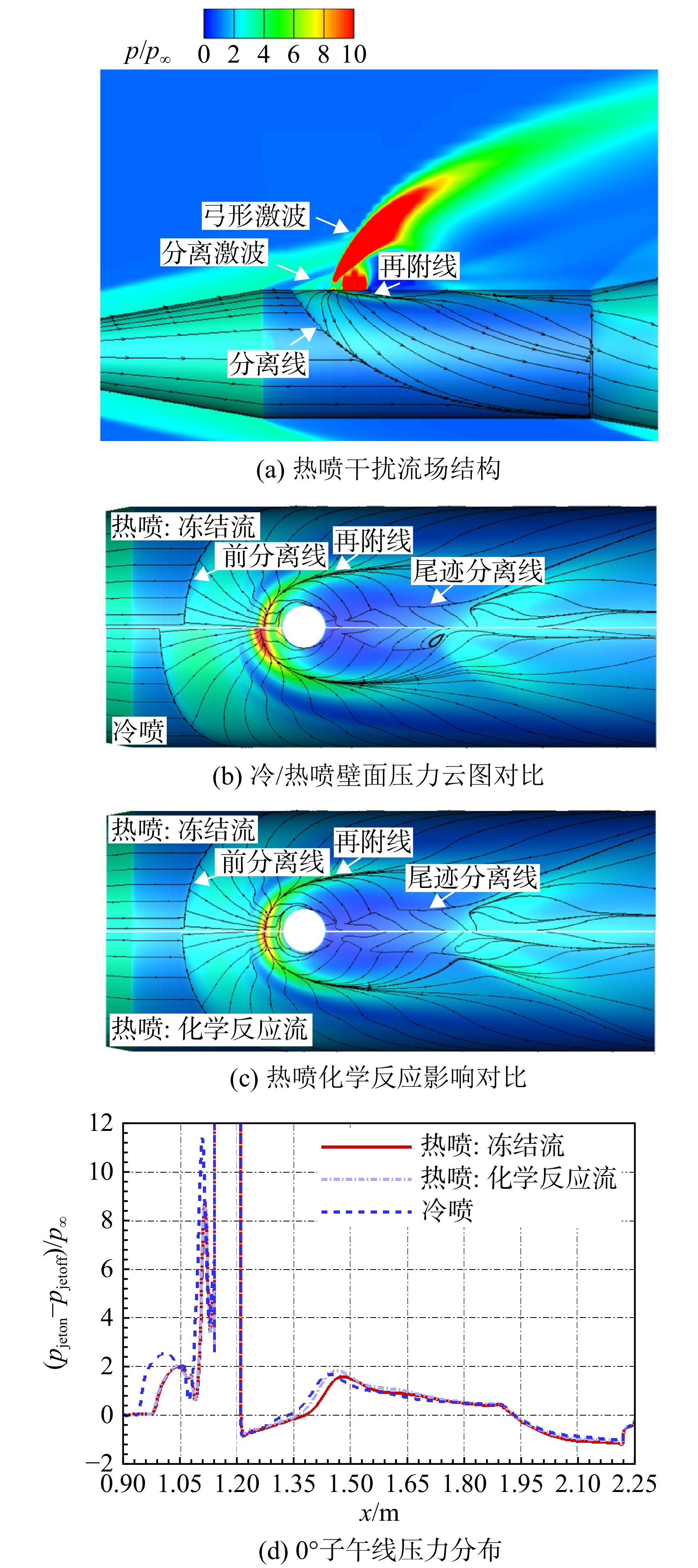
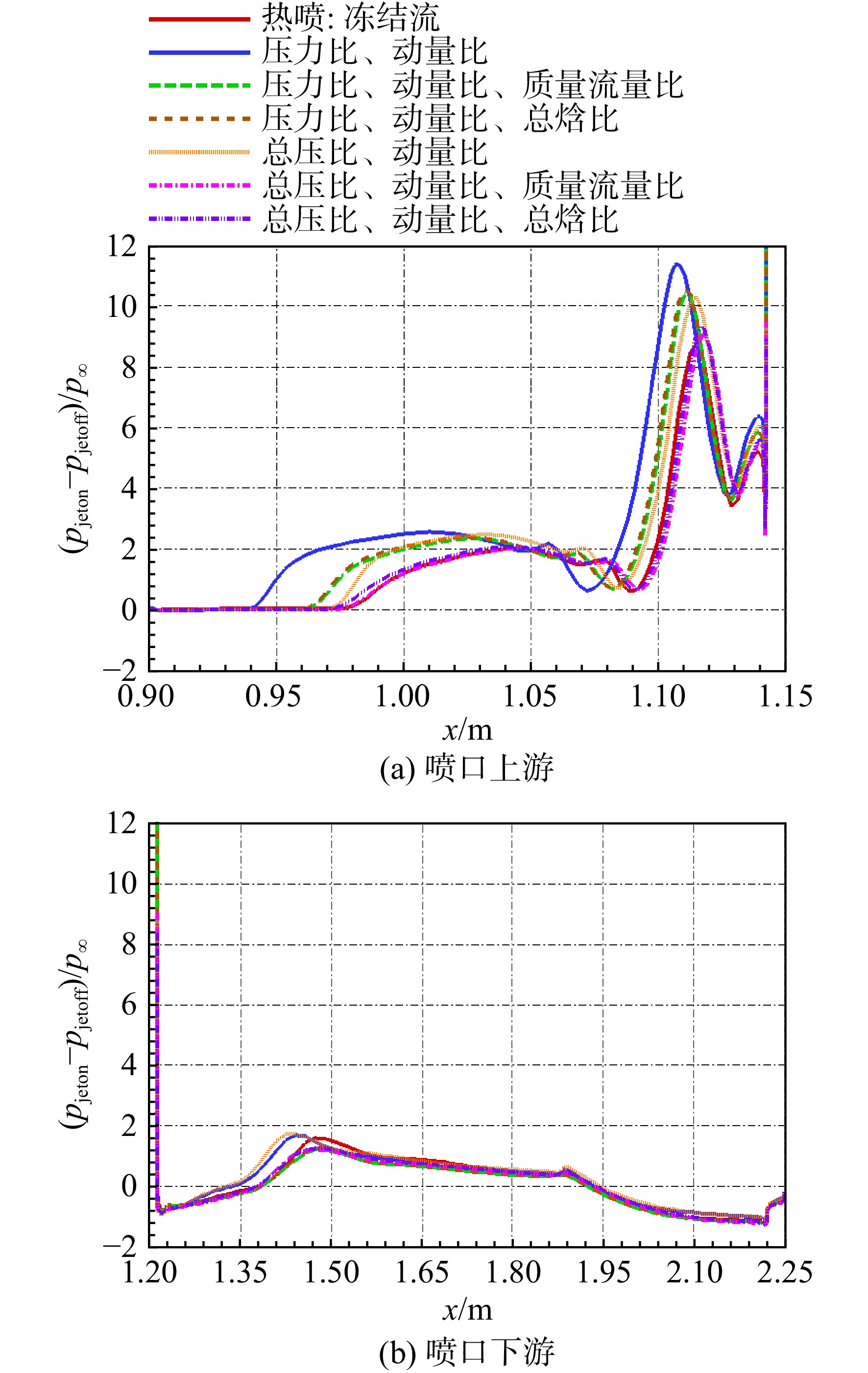
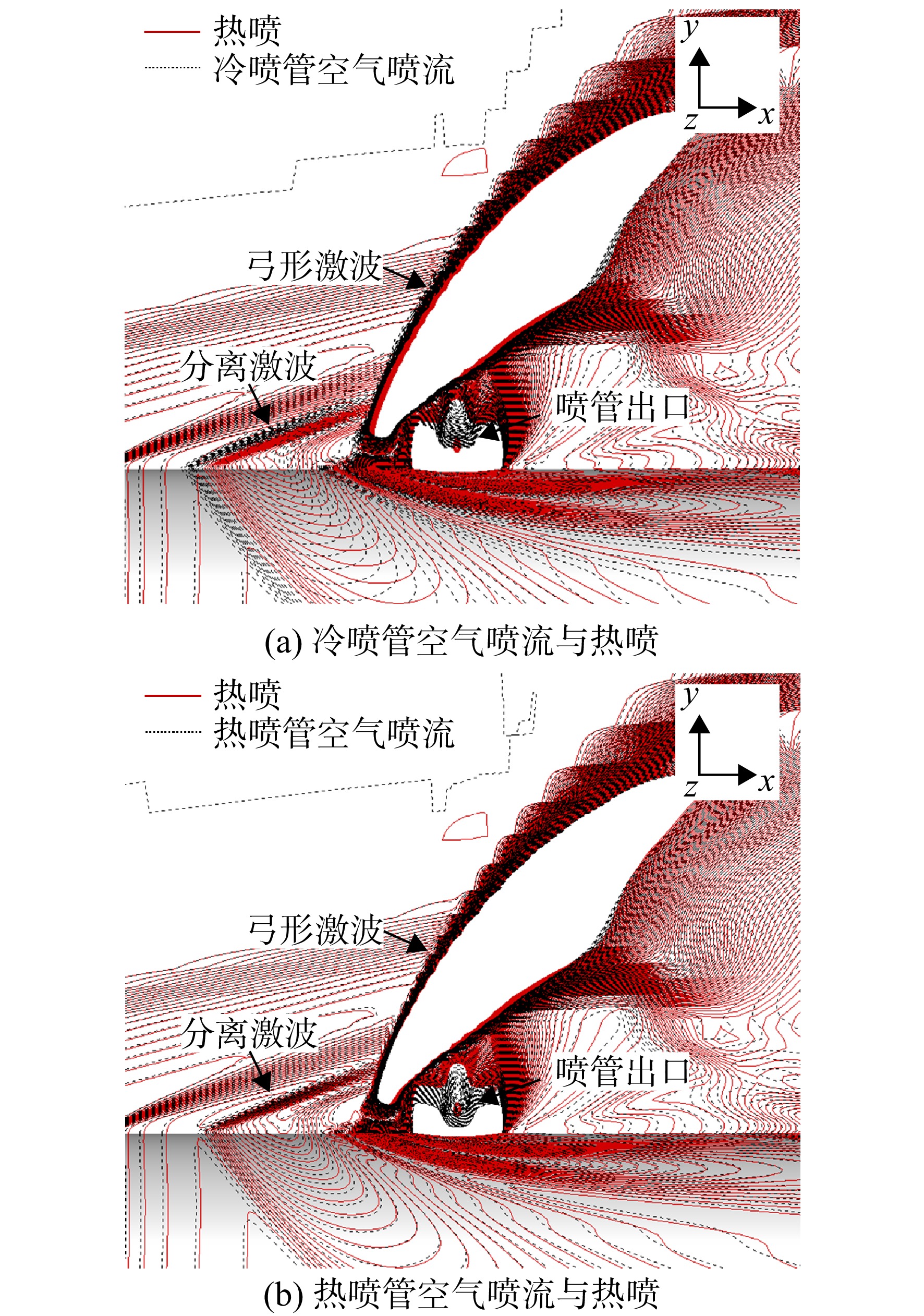
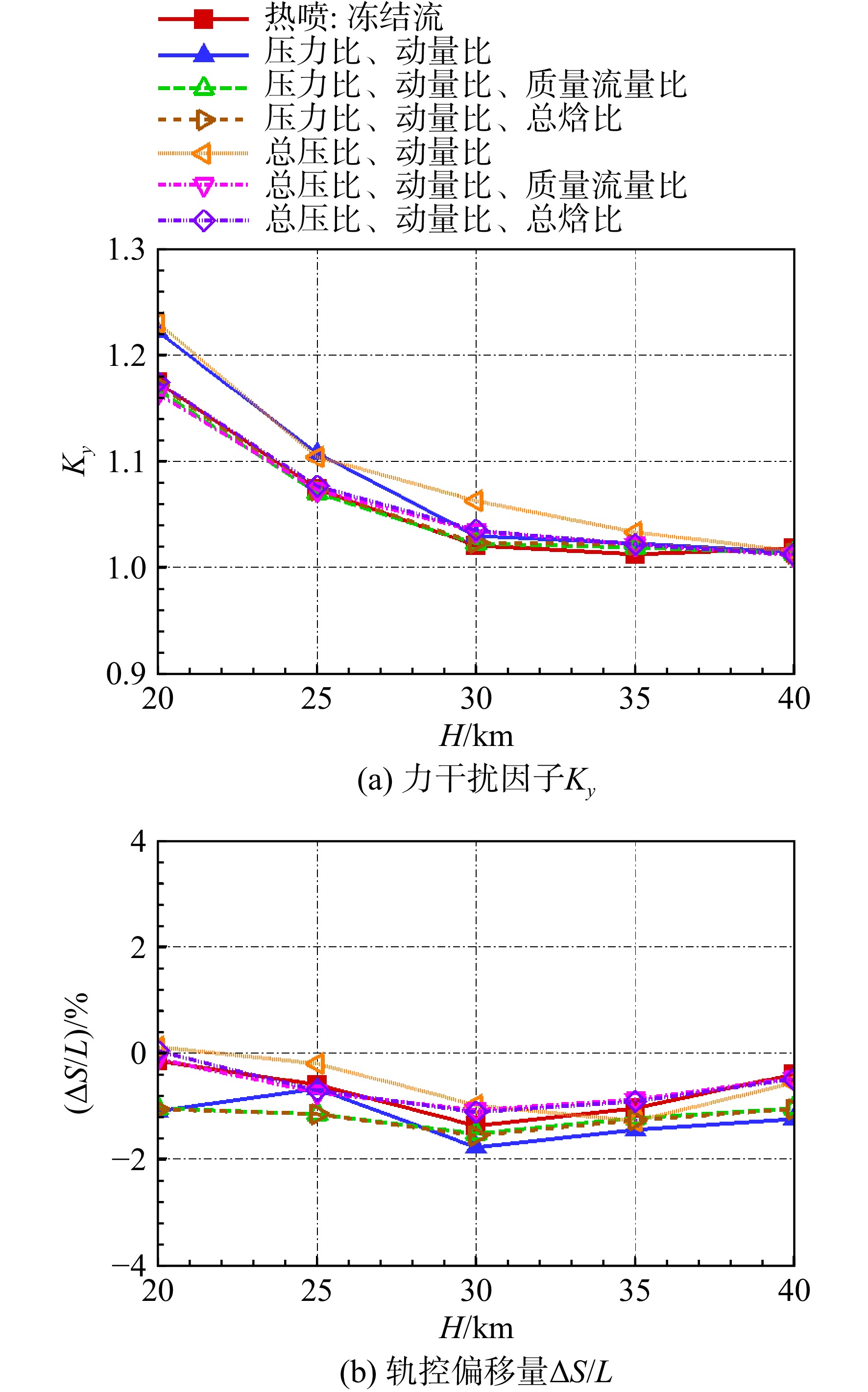
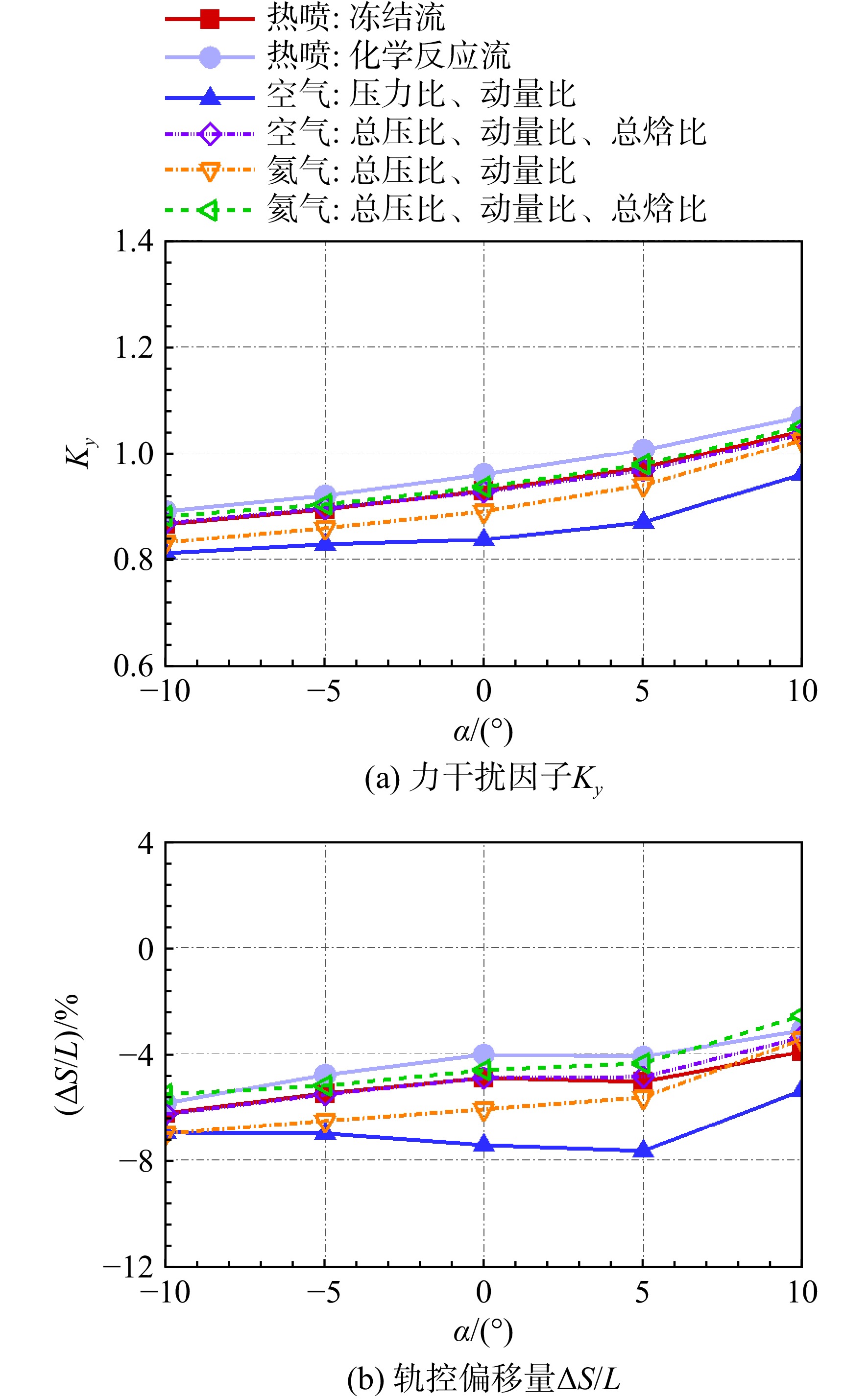
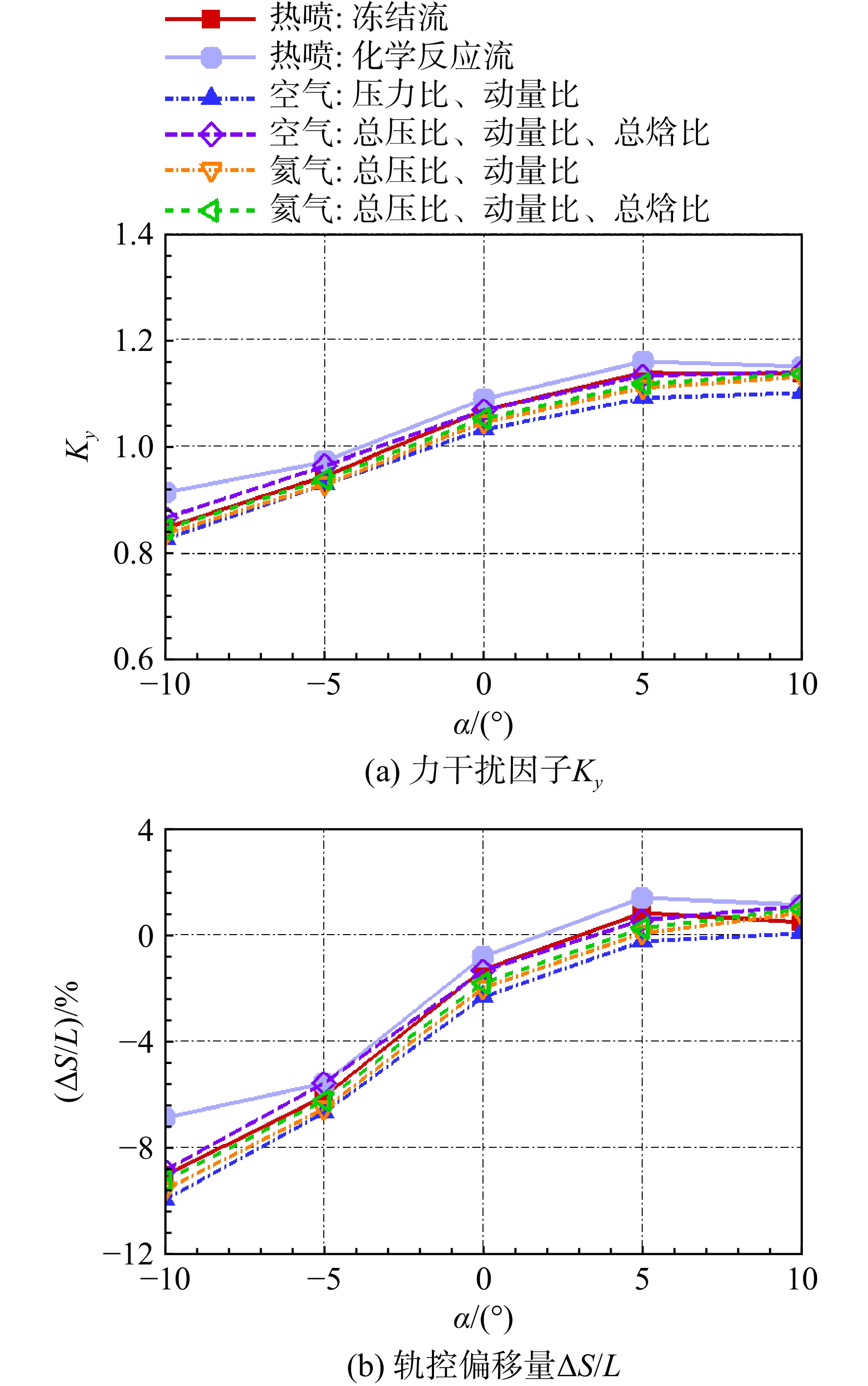
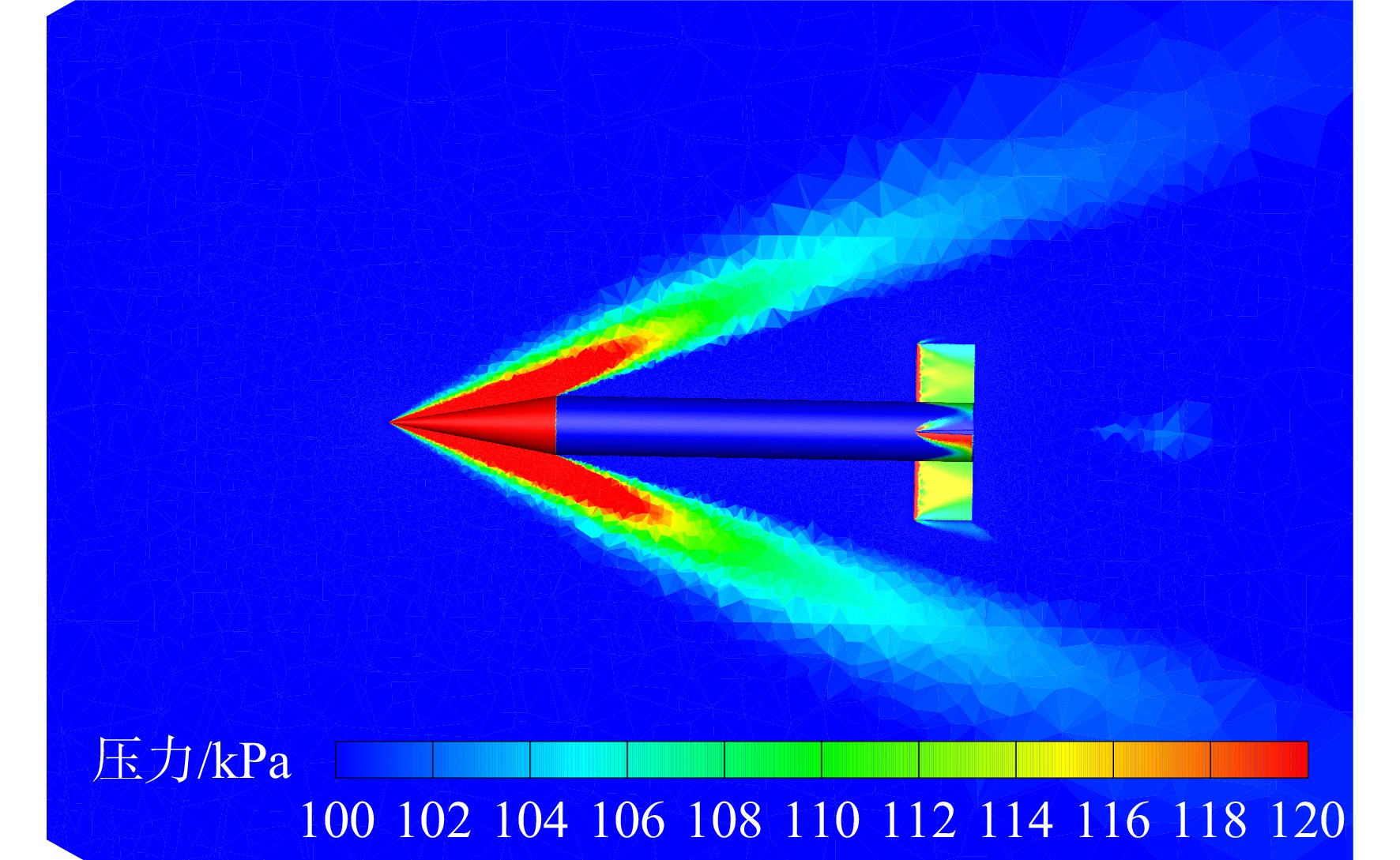
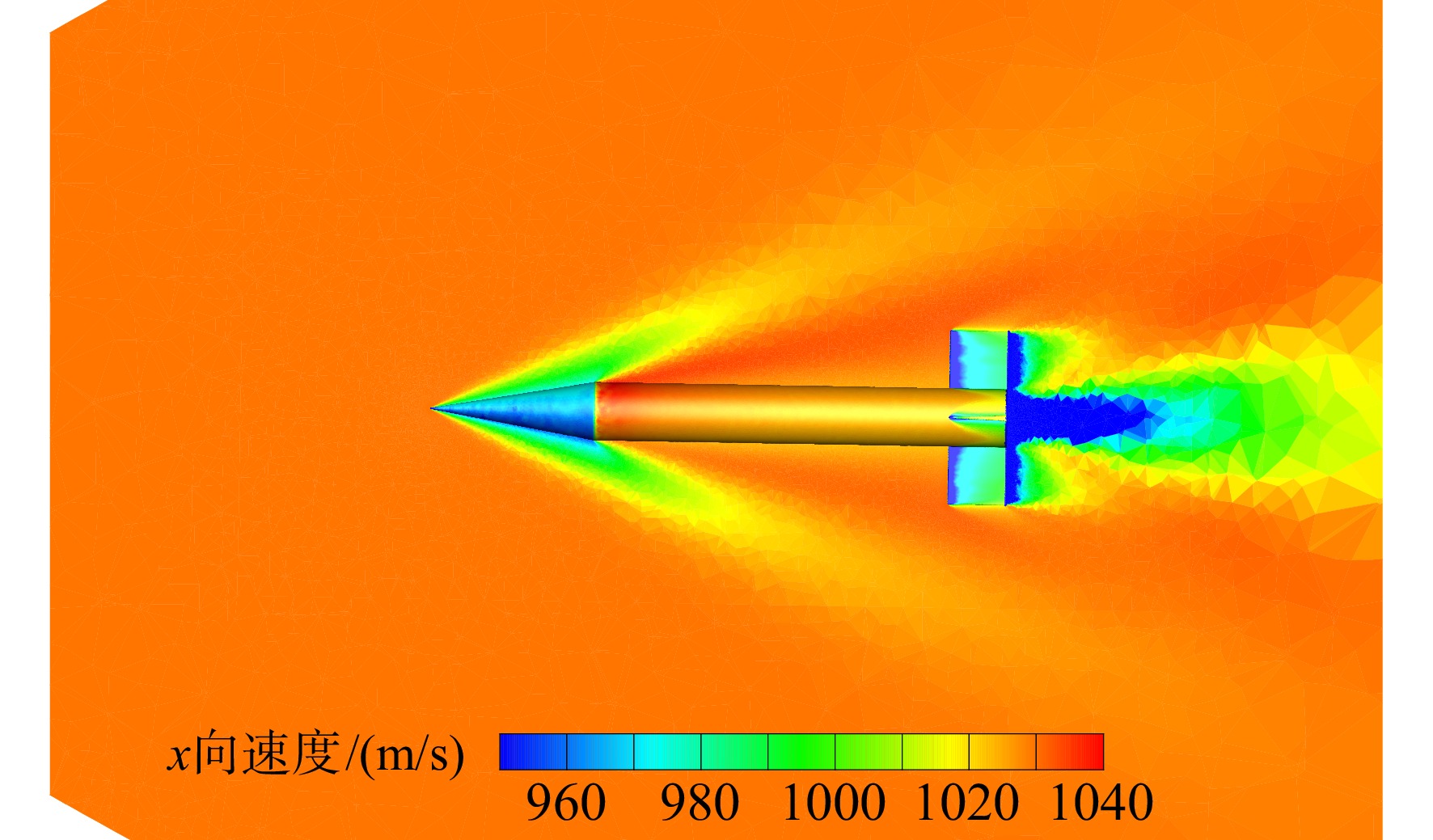
Considering the issue of divert-jet interaction in supersonic and hypersonic cone-cylinder-flare interceptor missiles, a numerical solution of the three-dimensional Navier-Stokes equations was employed to analyze the reasons for the differences between cold and hot jet interaction. A study on similarity parameters was conducted by combining flight conditions and wind tunnel experiment conditions, and similarity parameters suitable for simulating the force and moment of divert jet interaction were obtained. Research indicated that the differences in cold and hot jet interaction attributed to variations in mass/energy flow rates between cold and hot jets, differences in the geometric parameters of cold and hot nozzles, and the chemical reactions in the hot gas jet. Among these, the first two factors had a more significant impact on the interaction characteristics than the chemical reaction effects. Under the premise of neglecting chemical reaction effects, the force interaction factors and the shift amount of jet force center obtained through air jet simulations using equivalent total pressure ratio, momentum ratio, and total enthalpy ratio demonstrated good agreement with the combustion gas jet results across conditions of Mach number 3—8 at 20 km altitude and Mach number 7 at 20—40 km altitude. When employing air or helium jets matching total pressure ratio, momentum ratio, and total enthalpy ratio to simulate hot jet conditions in ground wind tunnel tests, the simulation errors for both force interaction factors and the shift amount of jet force center were significantly reduced compared with conventional cold jet simulation methods.

Optimization of aero-engine pneumatic pressure test method in flight test by using pressure scanner
NIU Wenjing, LU Yuen, XUE Wenpeng, SONG Jiangtao
2025, 40(9): 20240336. doi: 10.13224/j.cnki.jasp.20240336
Abstract:

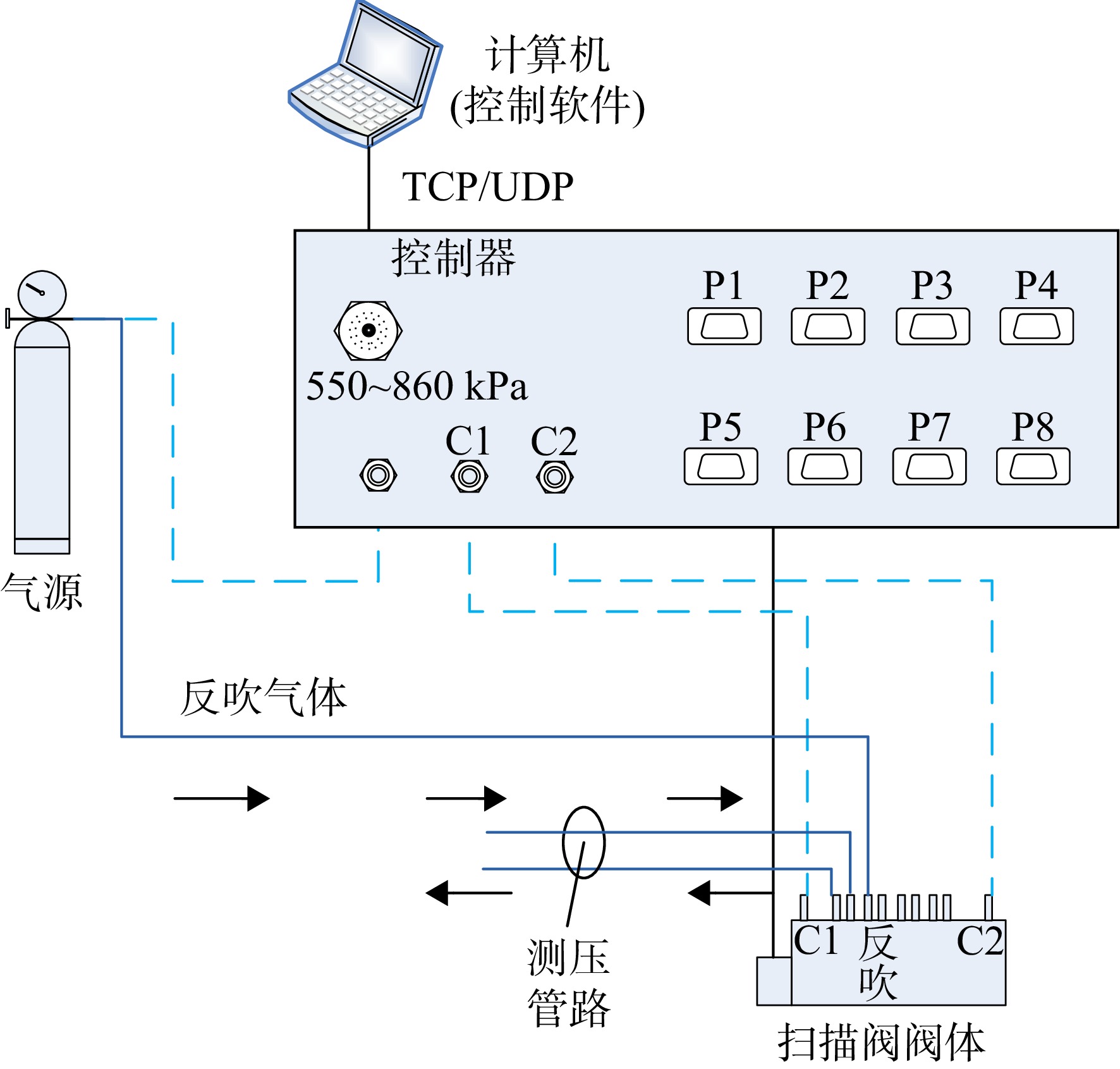
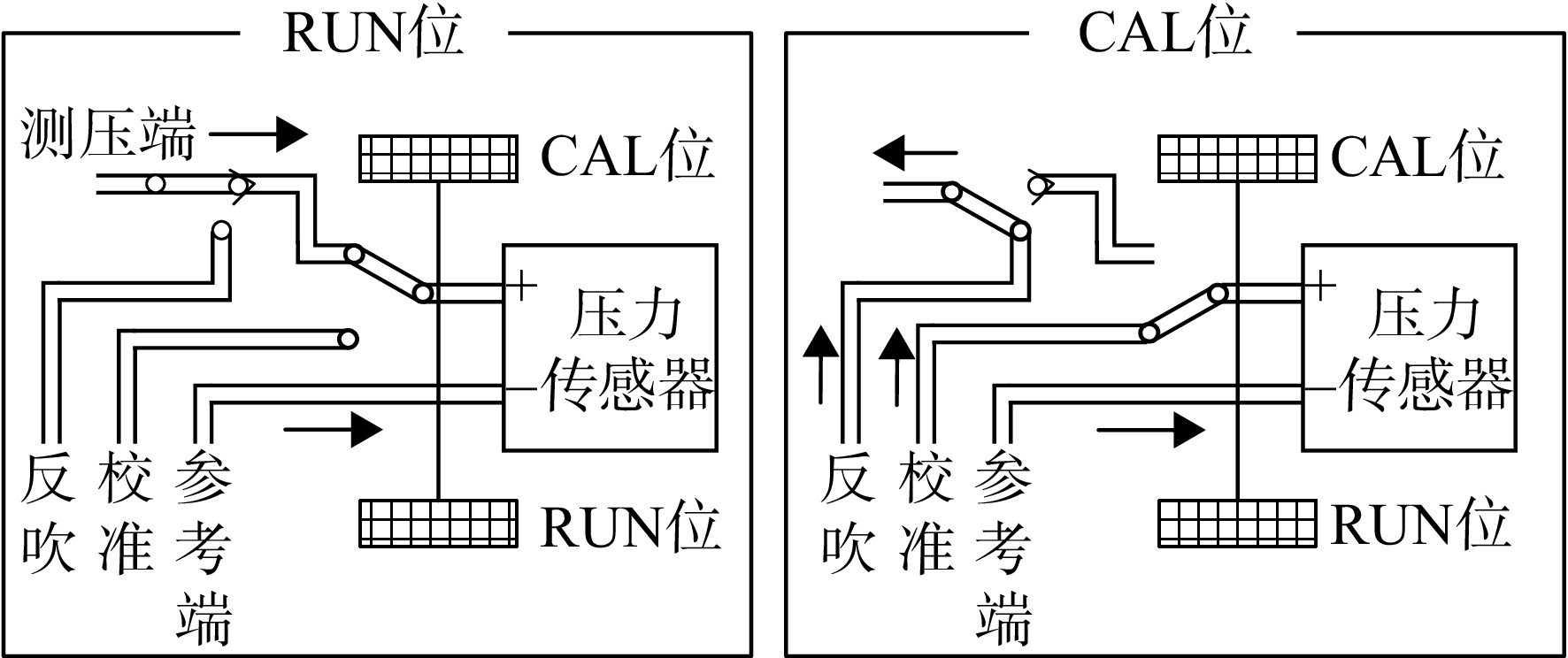
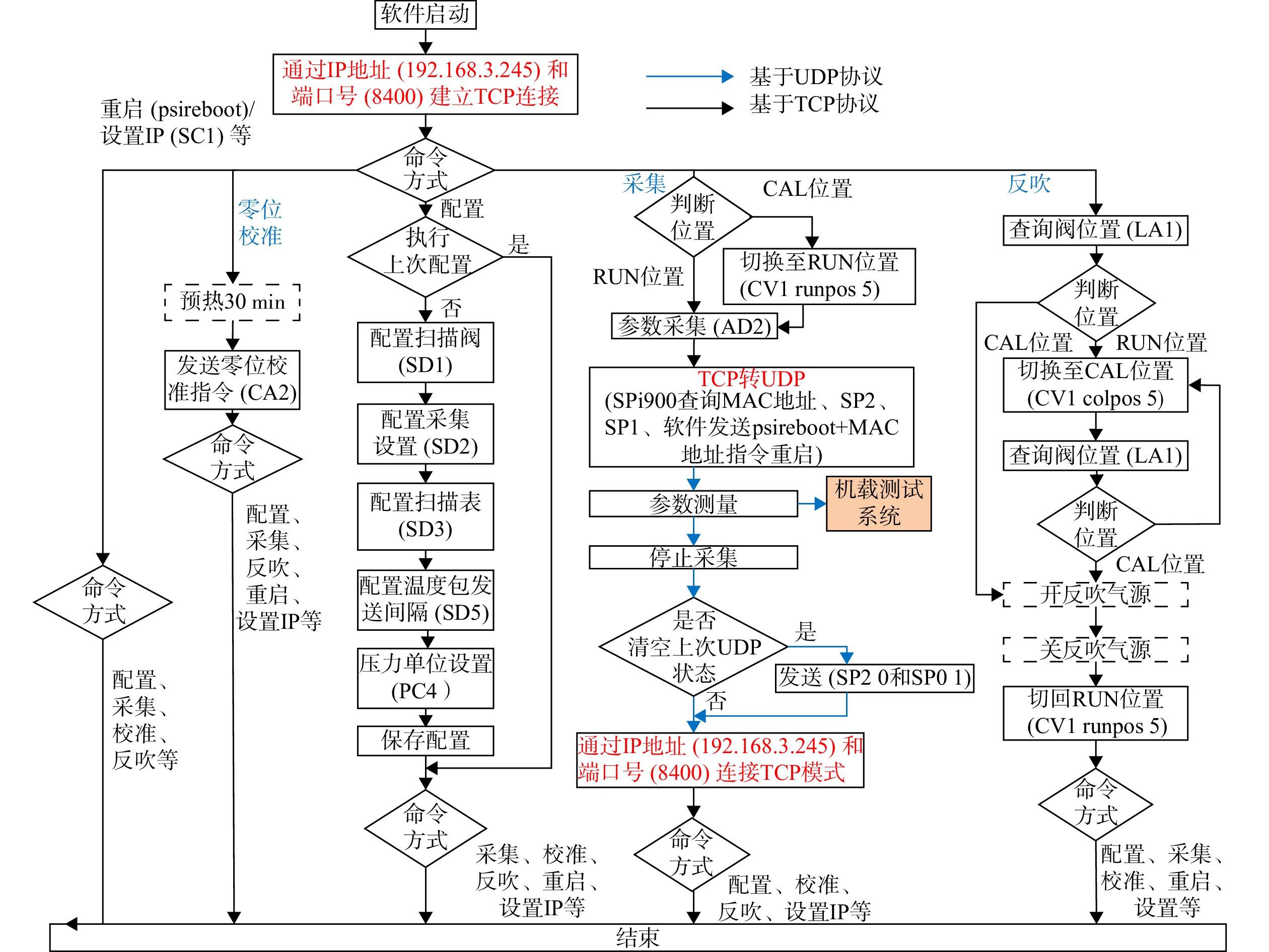
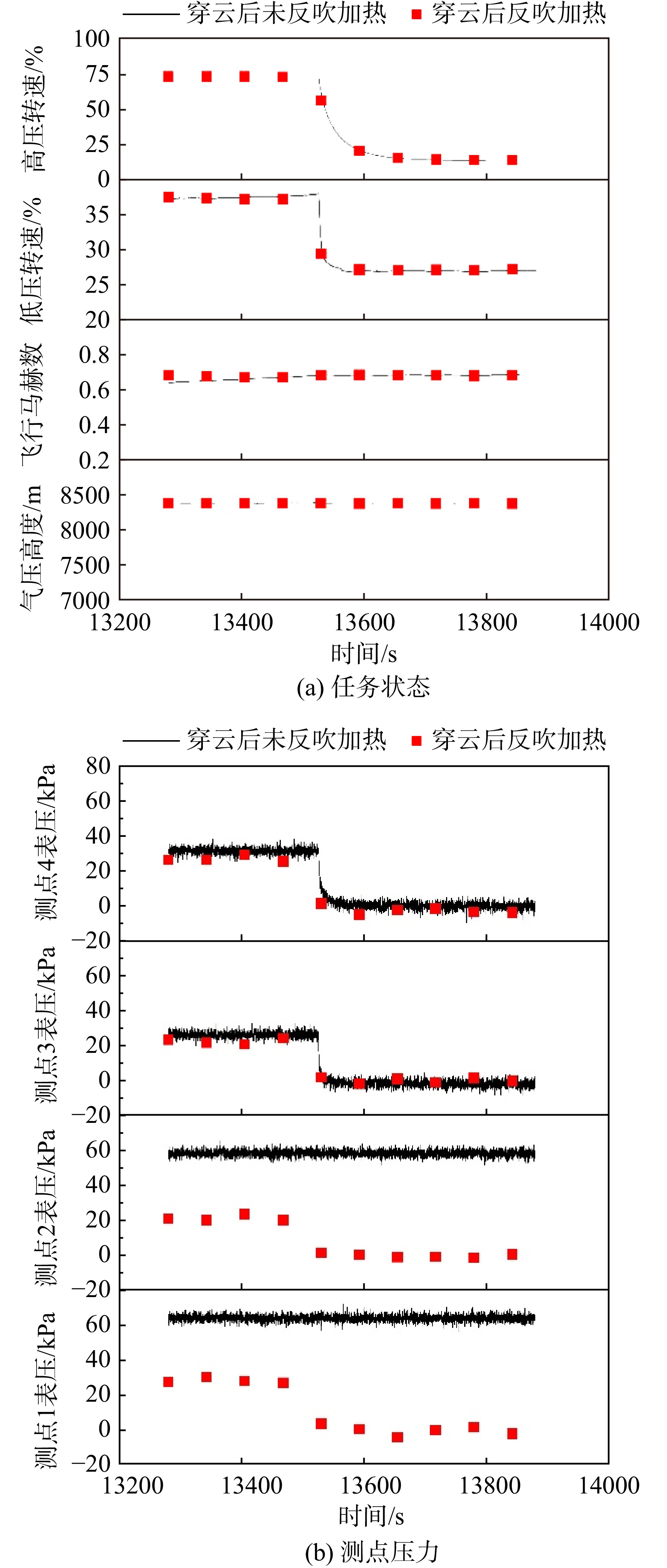
In the aero-engine flight test, due to the large number of testing parameters of the test engine, the number of installed sensors was large, which contradicted with the limited airborne space. In addition, water droplets easily flowed into the pressure measuring pipe and freezed during the flight, resulting in the failure of airflow pressure measurement. Focusing on the above issues, the method of using a pressure scanner instead of traditional pressure sensors to measure engine airflow parameters was proposed, and a method of reverse blowing and heating the pressure measuring pipe was presented. The adaptive design of pressure scanner system on an airplane, high pressure gas reverse blowing and heating and control design, and verification of the above design by flight test were carried out. The results showed that the method of using the pressure scanner for air flow pressure measurement and scanning valve reverse blowing and heating can effectively solve the contradiction between the limited space of the aircraft and large number of installed sensors, avoid the problem of invalid measurement due to the water accumulation or icing in the pressure ducts, and ensure effective measurement of test engine pressure parameters. This method has good application value in flight test of aircraft.

Comparison of overall performance optimization for three adaptive cycle engines
XU Yihao, ZHENG Junchao, ZHANG Jiyuan, DONG Xuezhi, TAN Chunqing, TANG Hailong
2025, 40(9): 20230425. doi: 10.13224/j.cnki.jasp.20230425
Abstract:

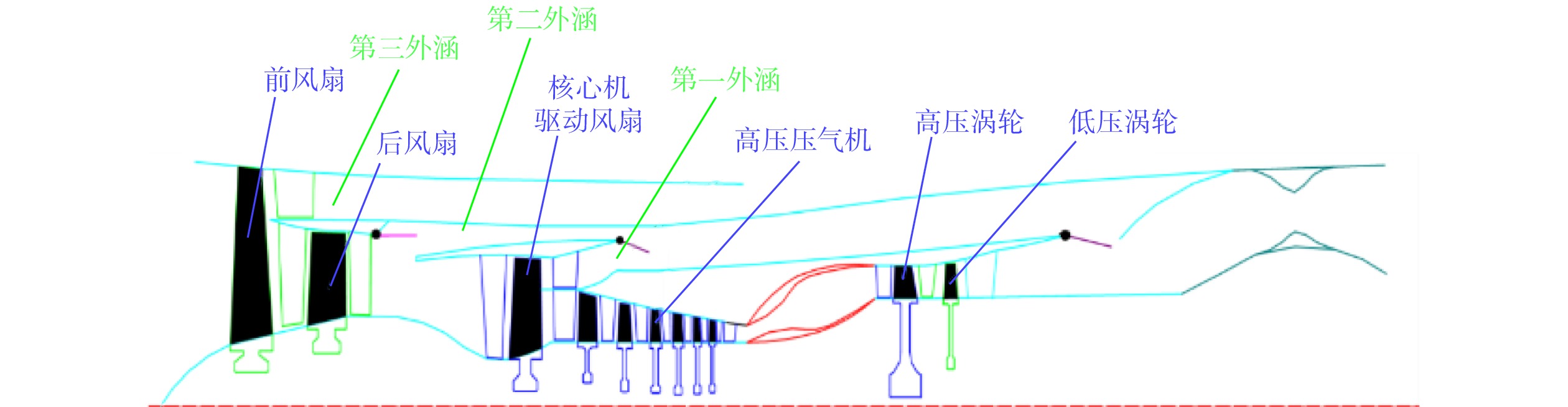
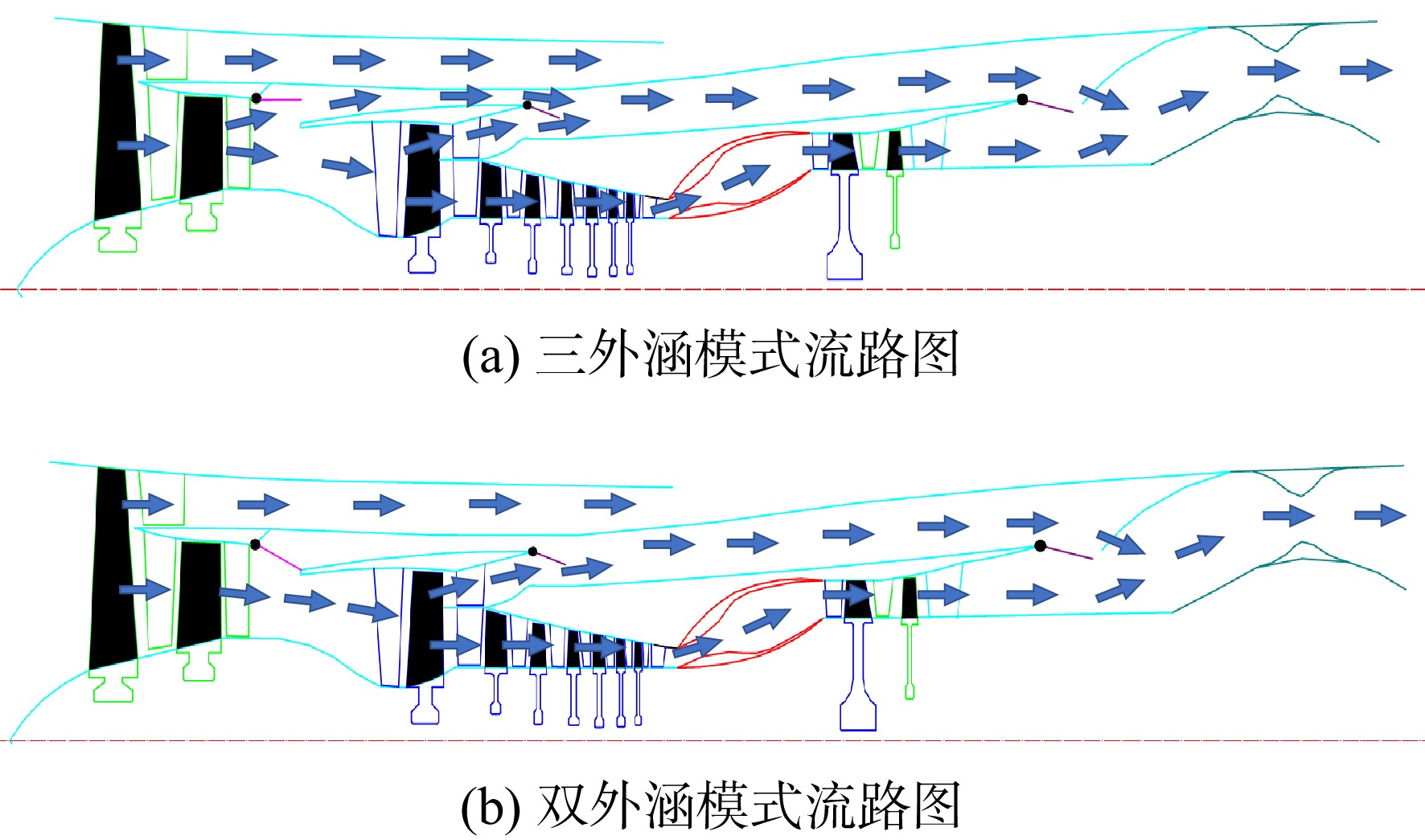
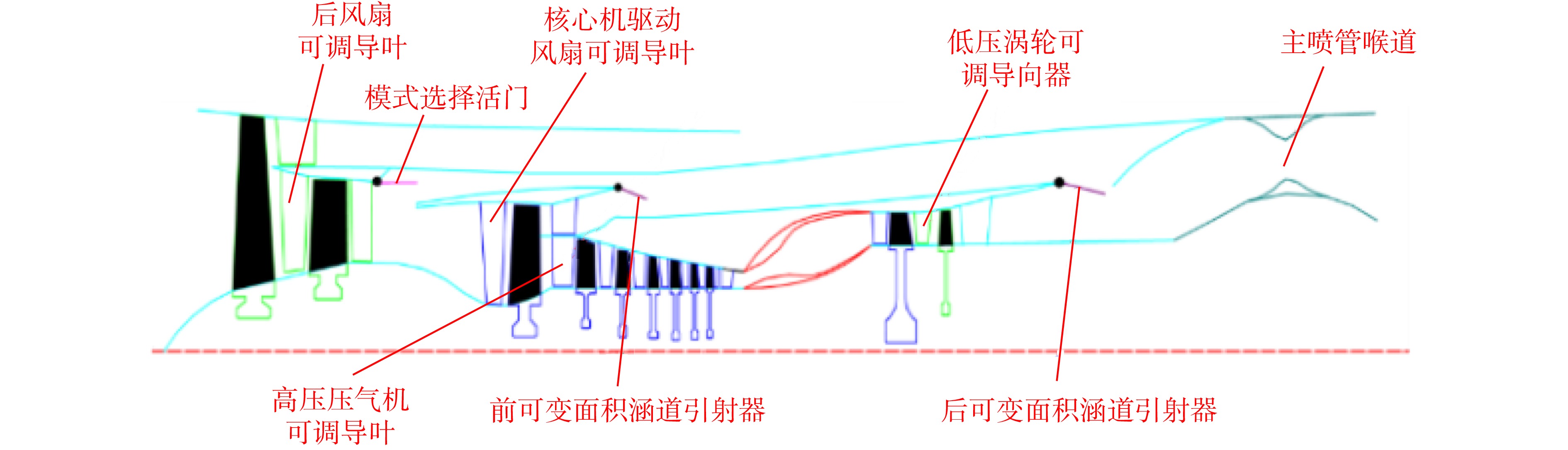
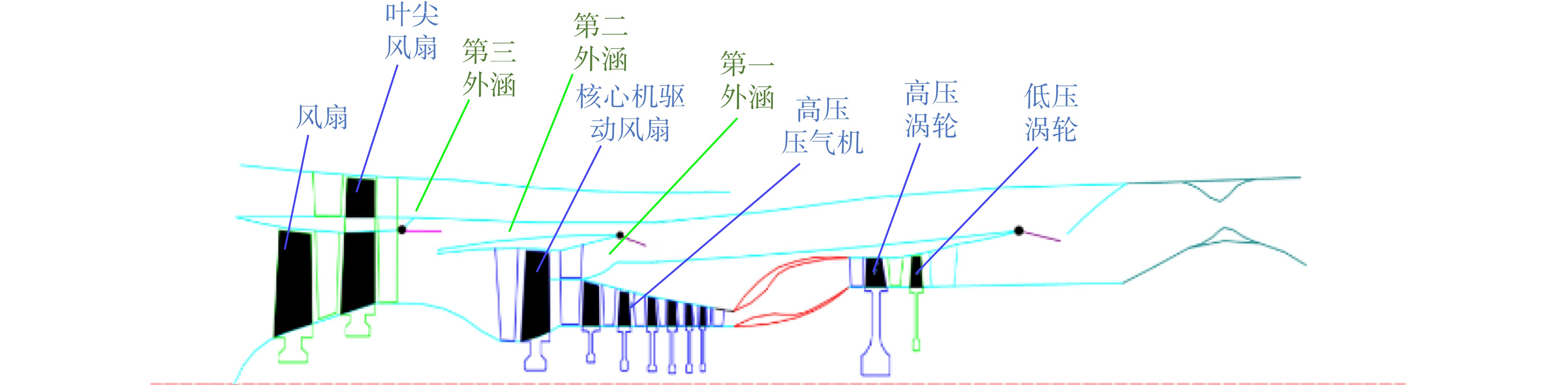
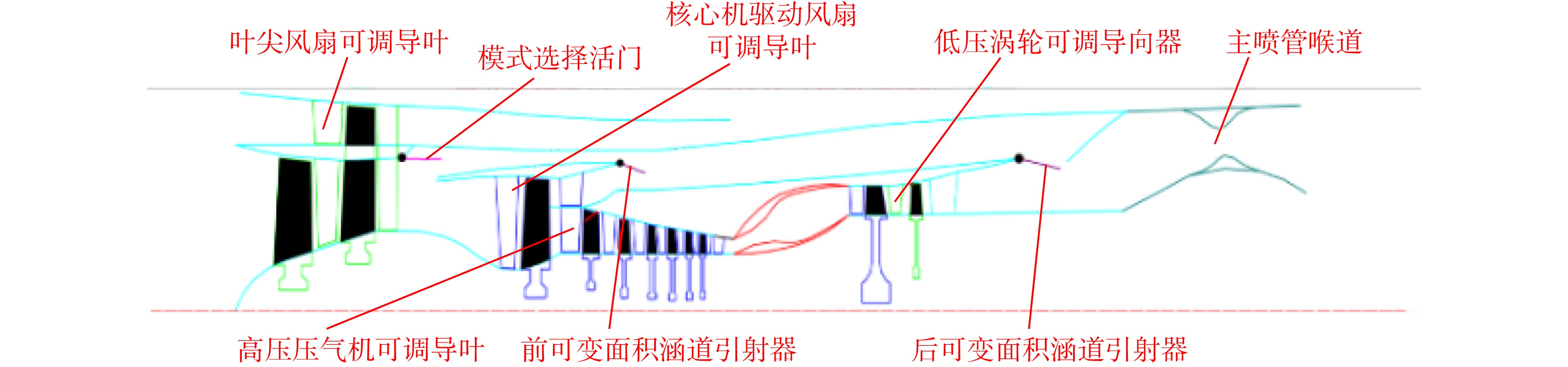
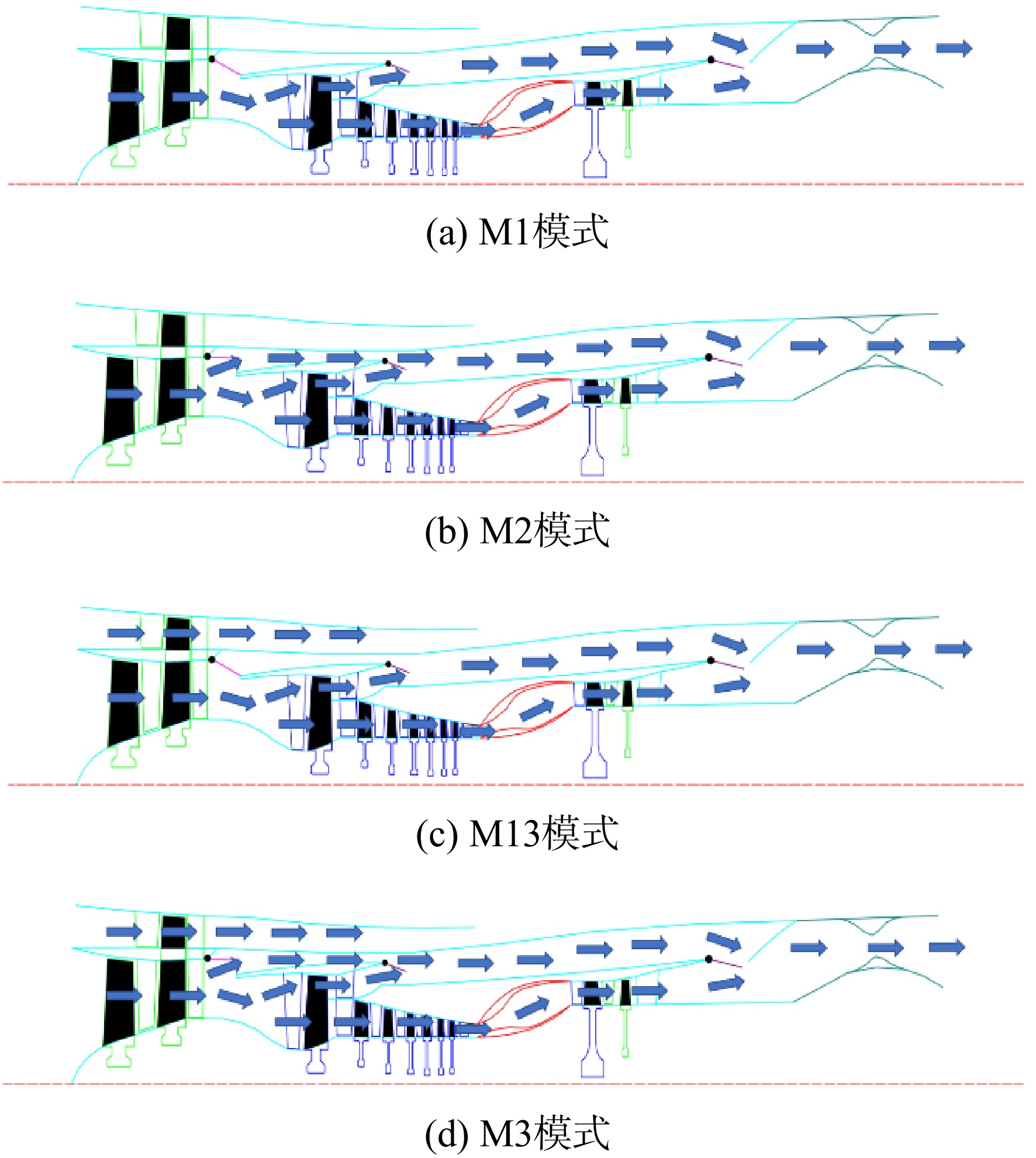
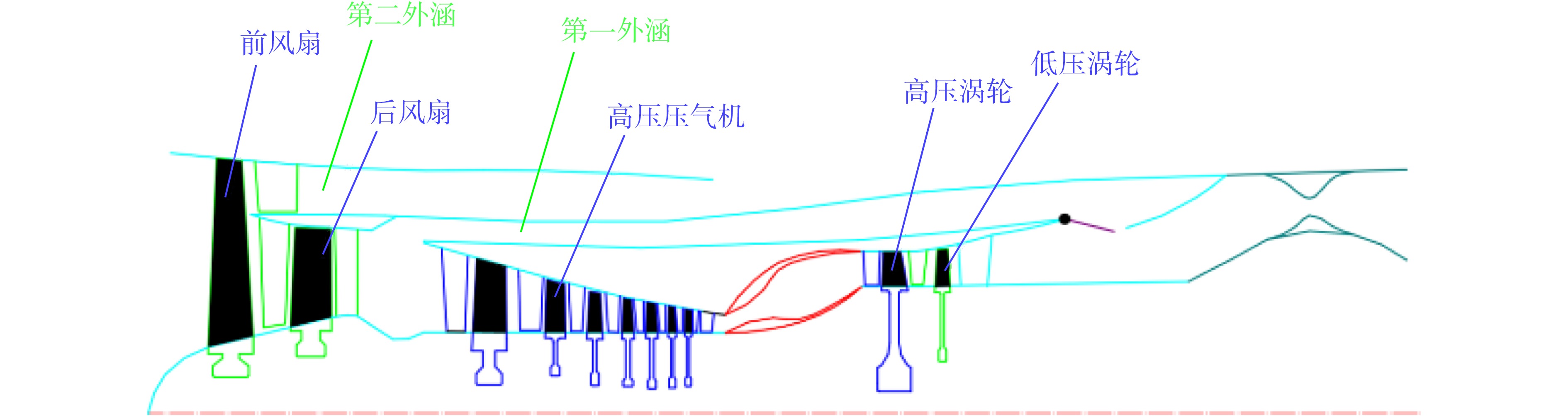
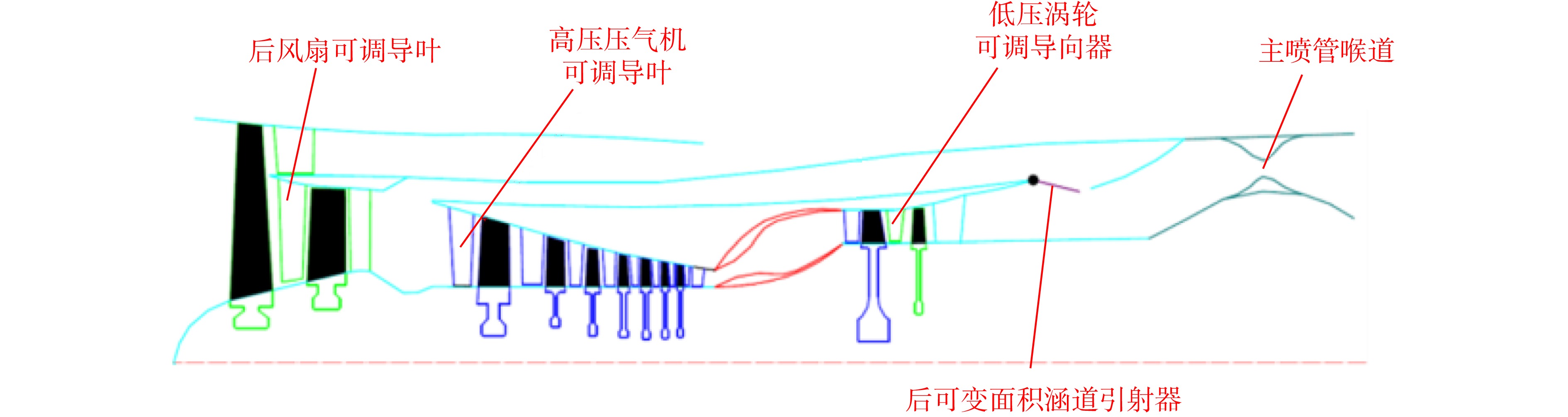
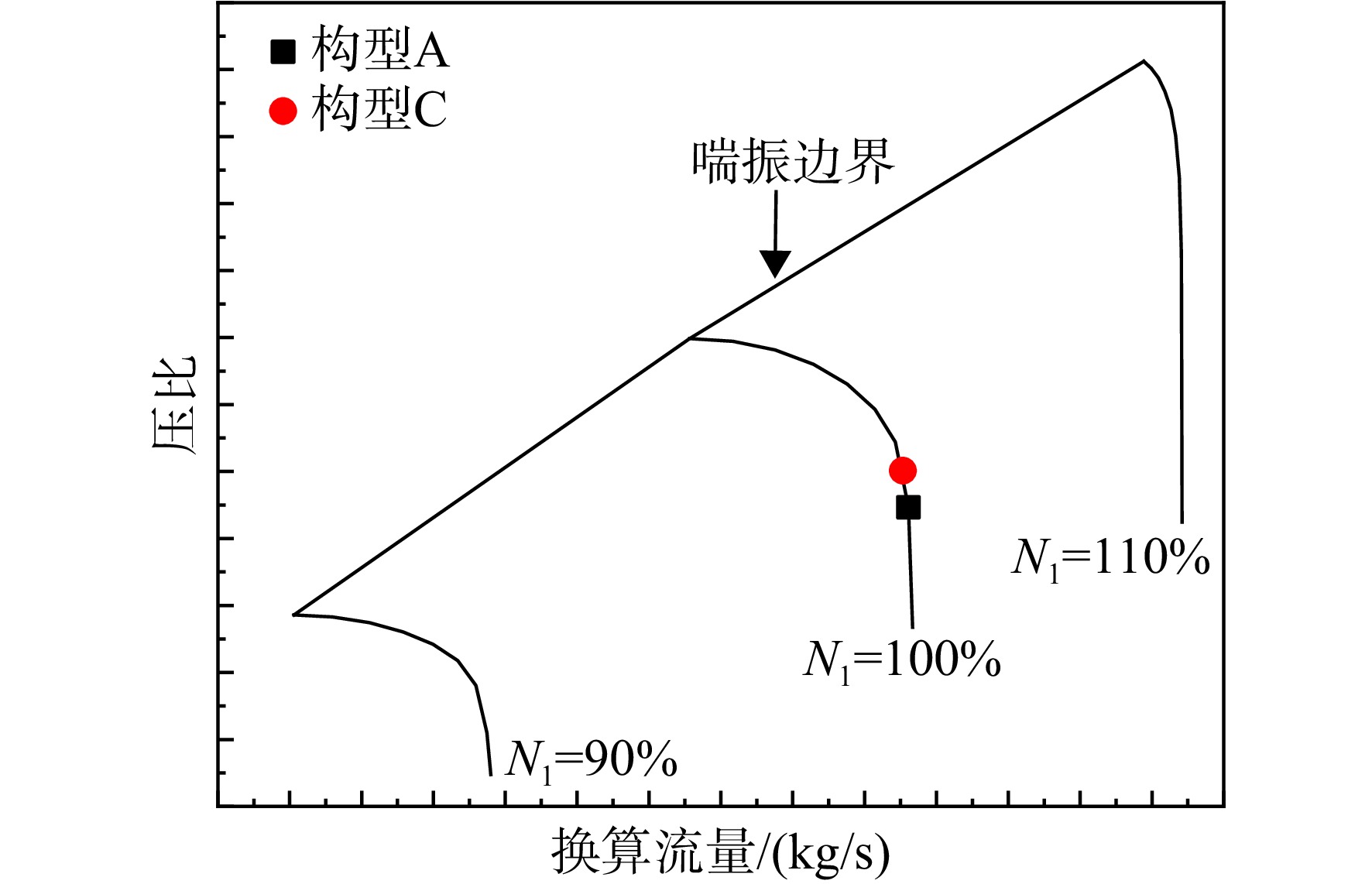
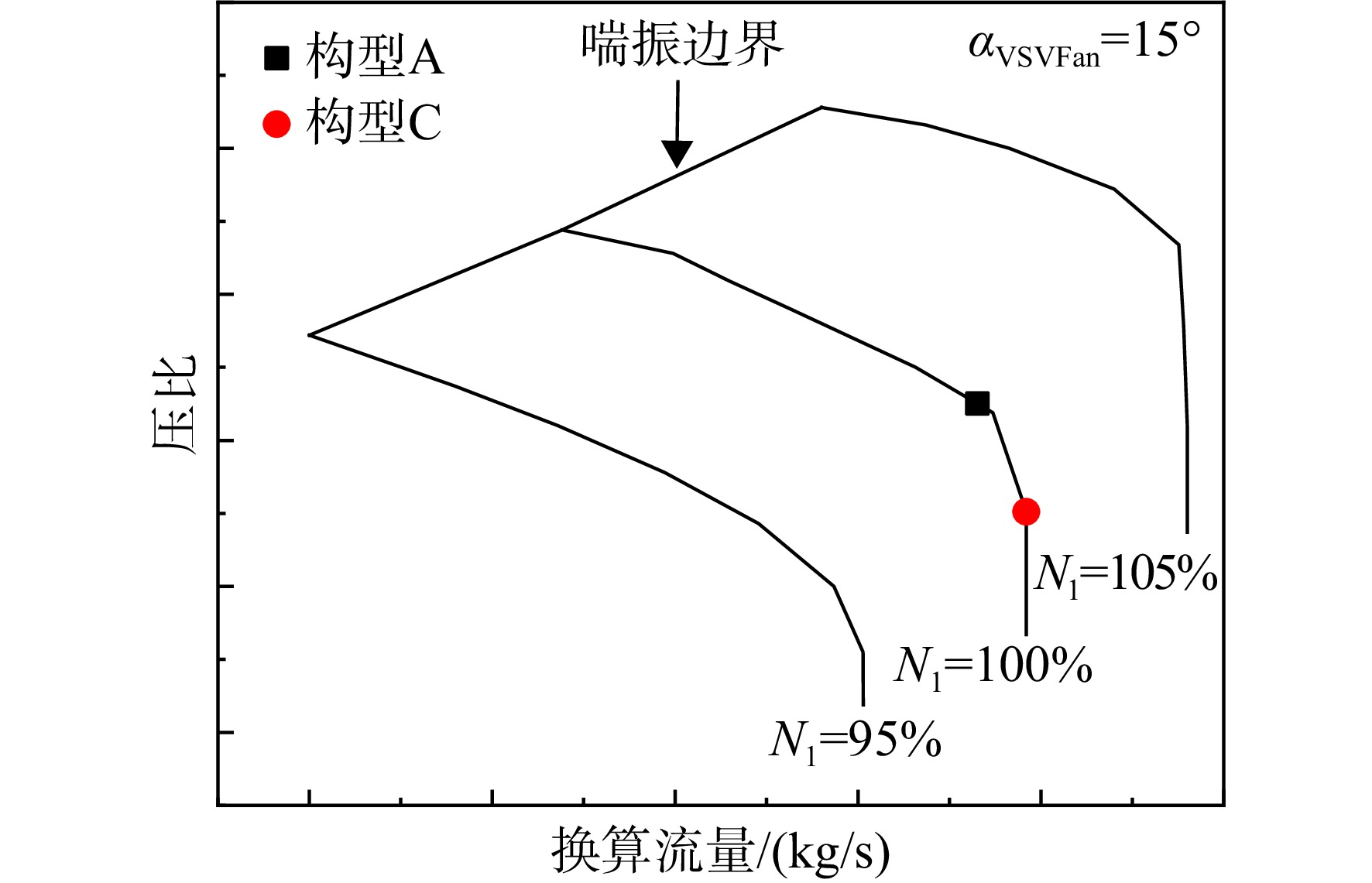
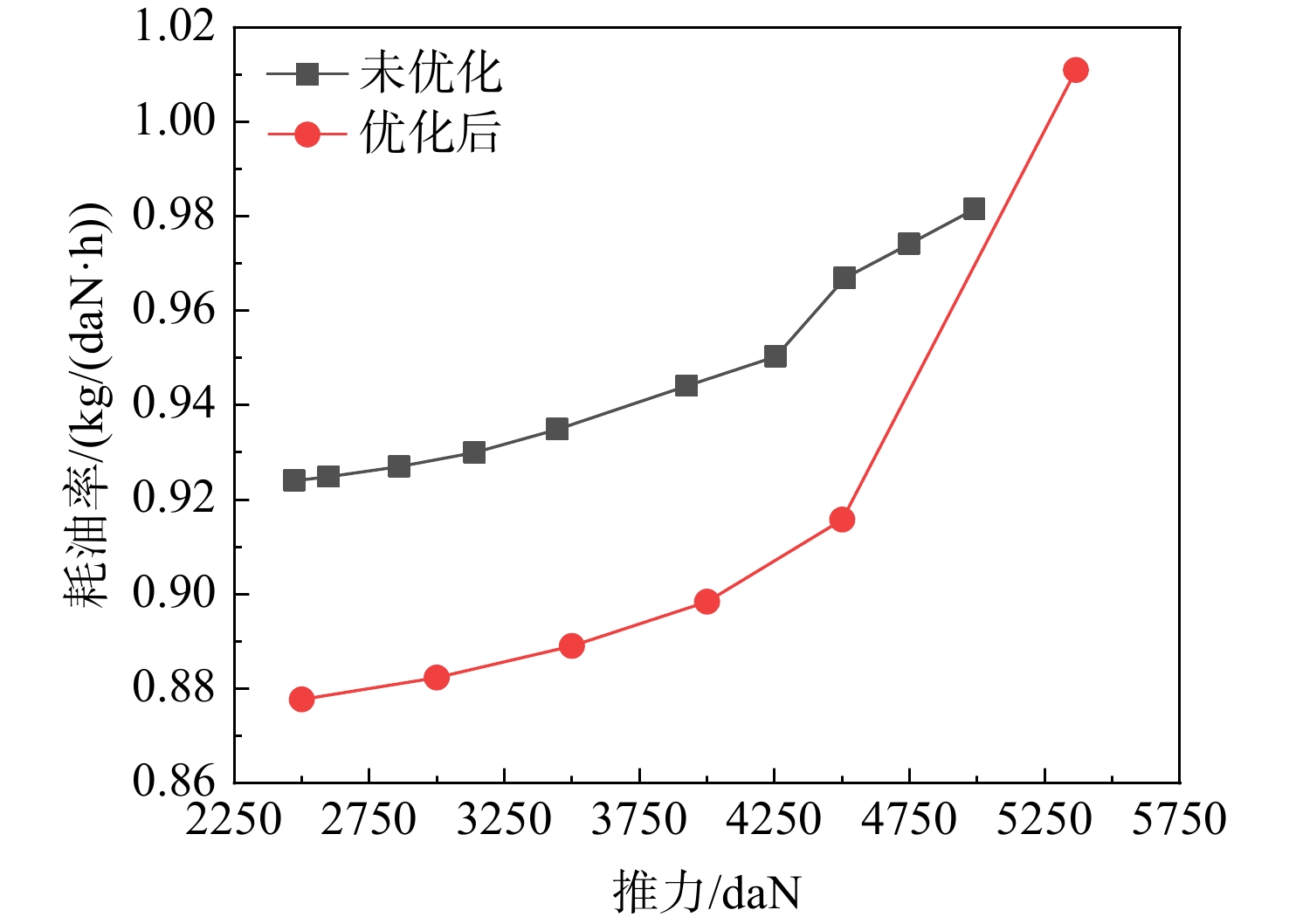
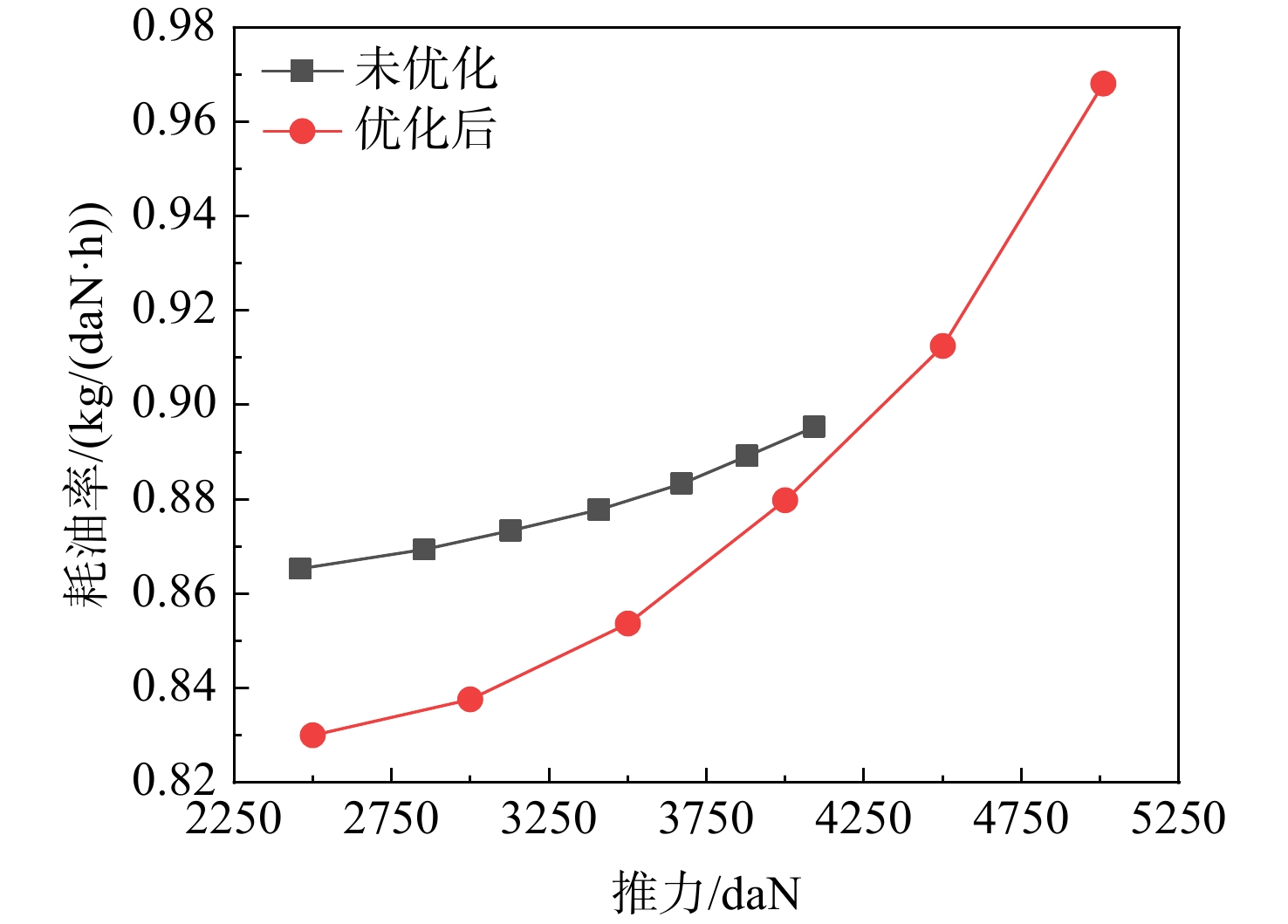
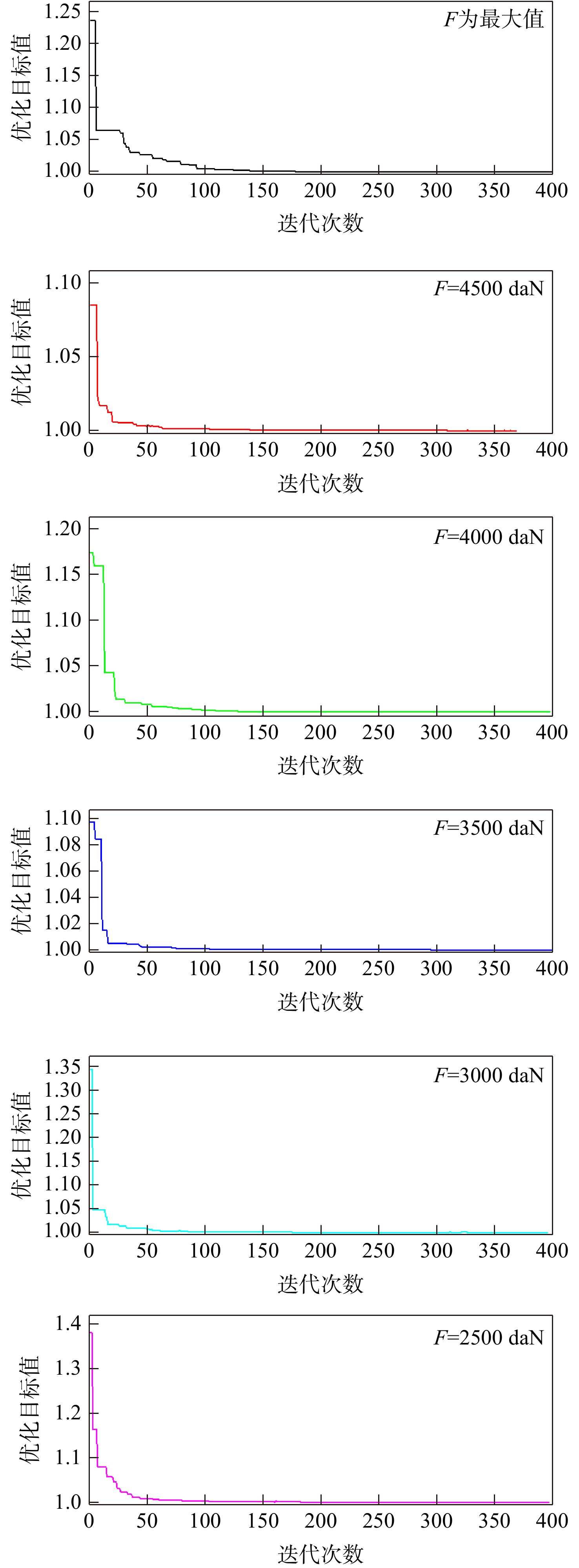
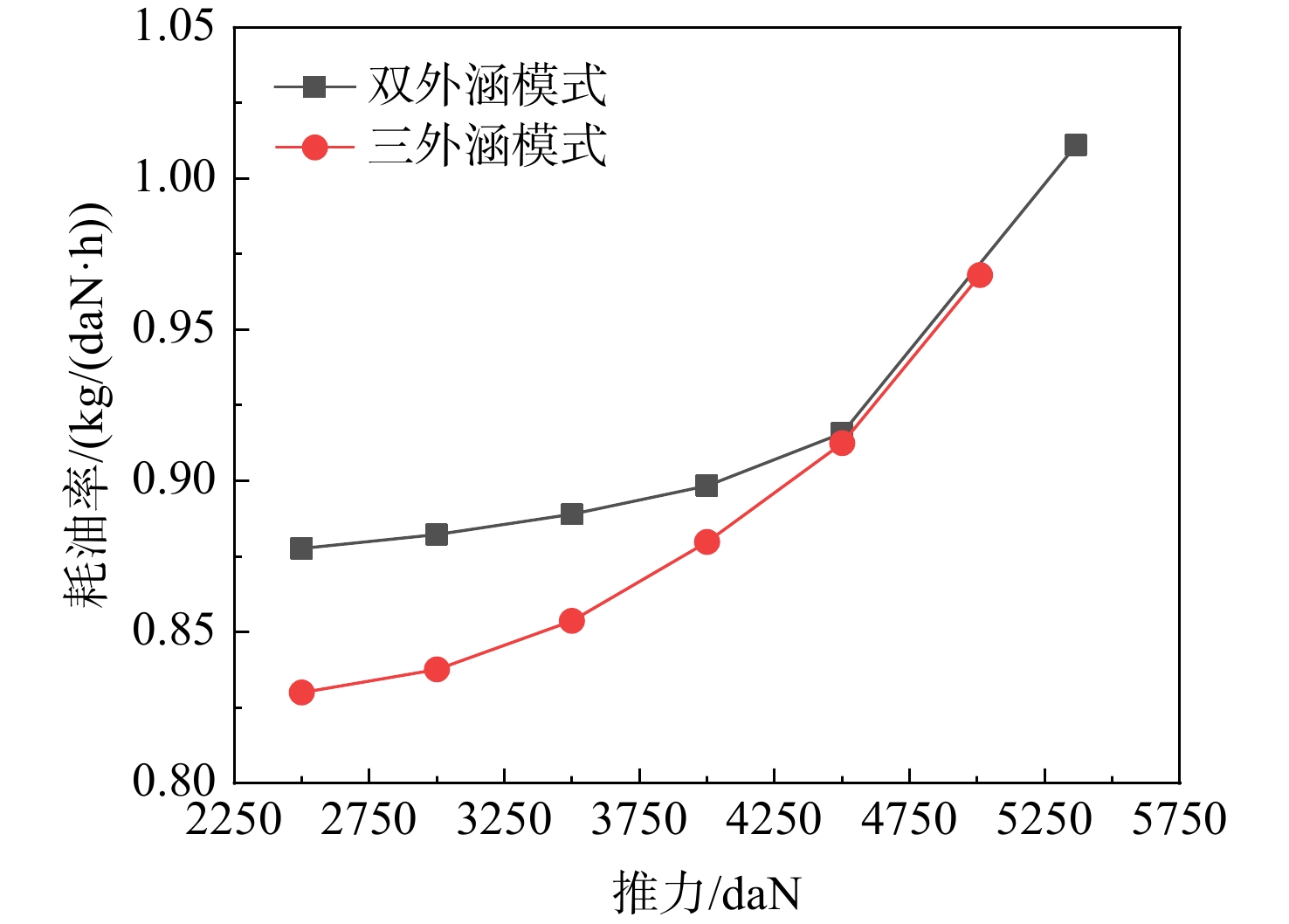
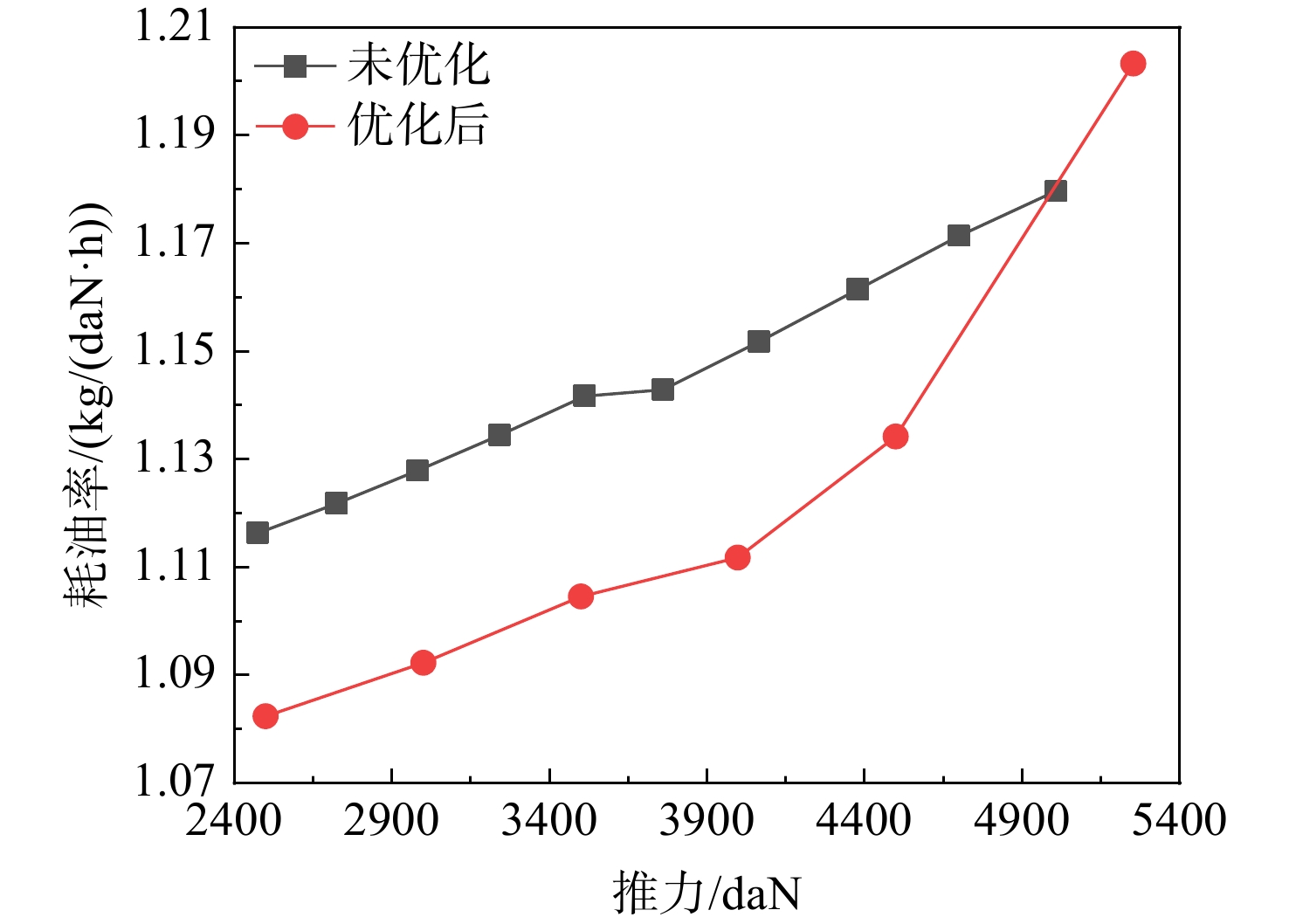
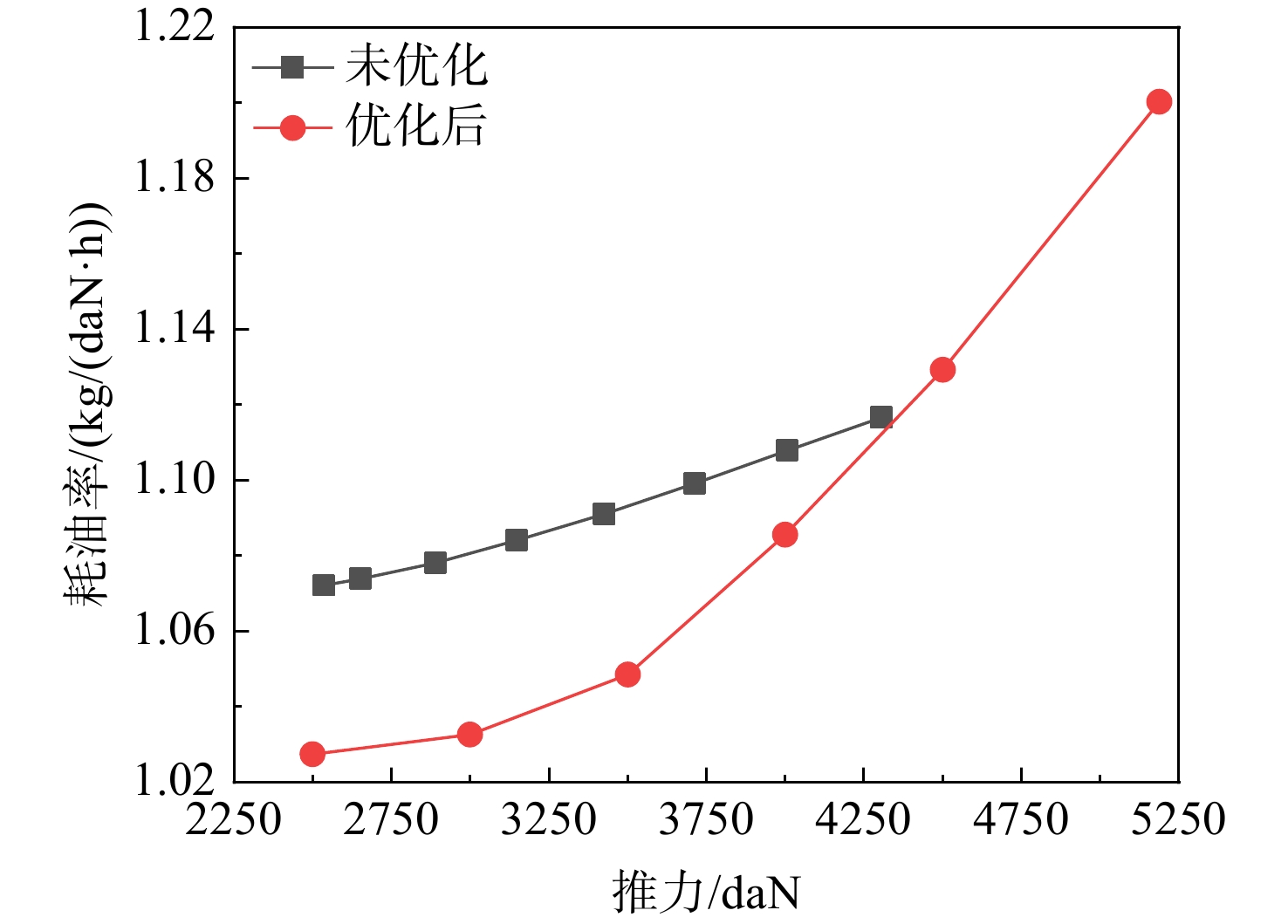
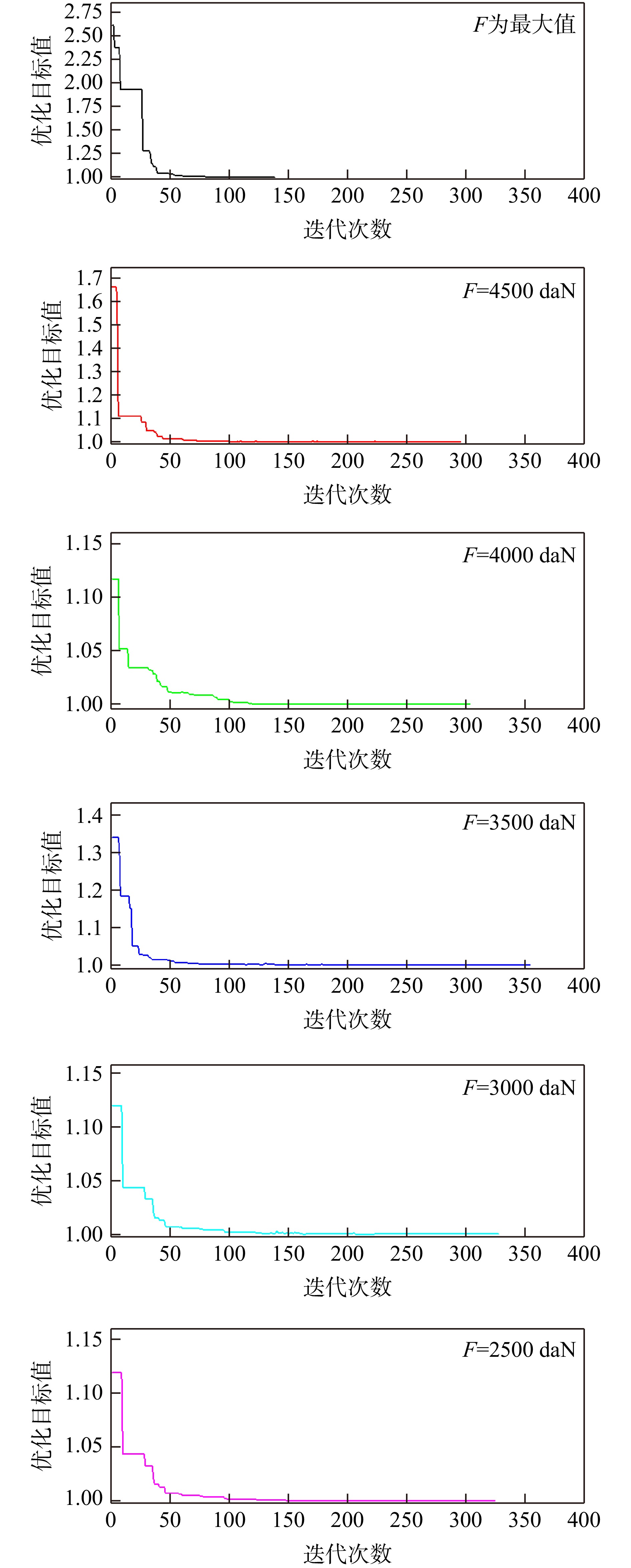
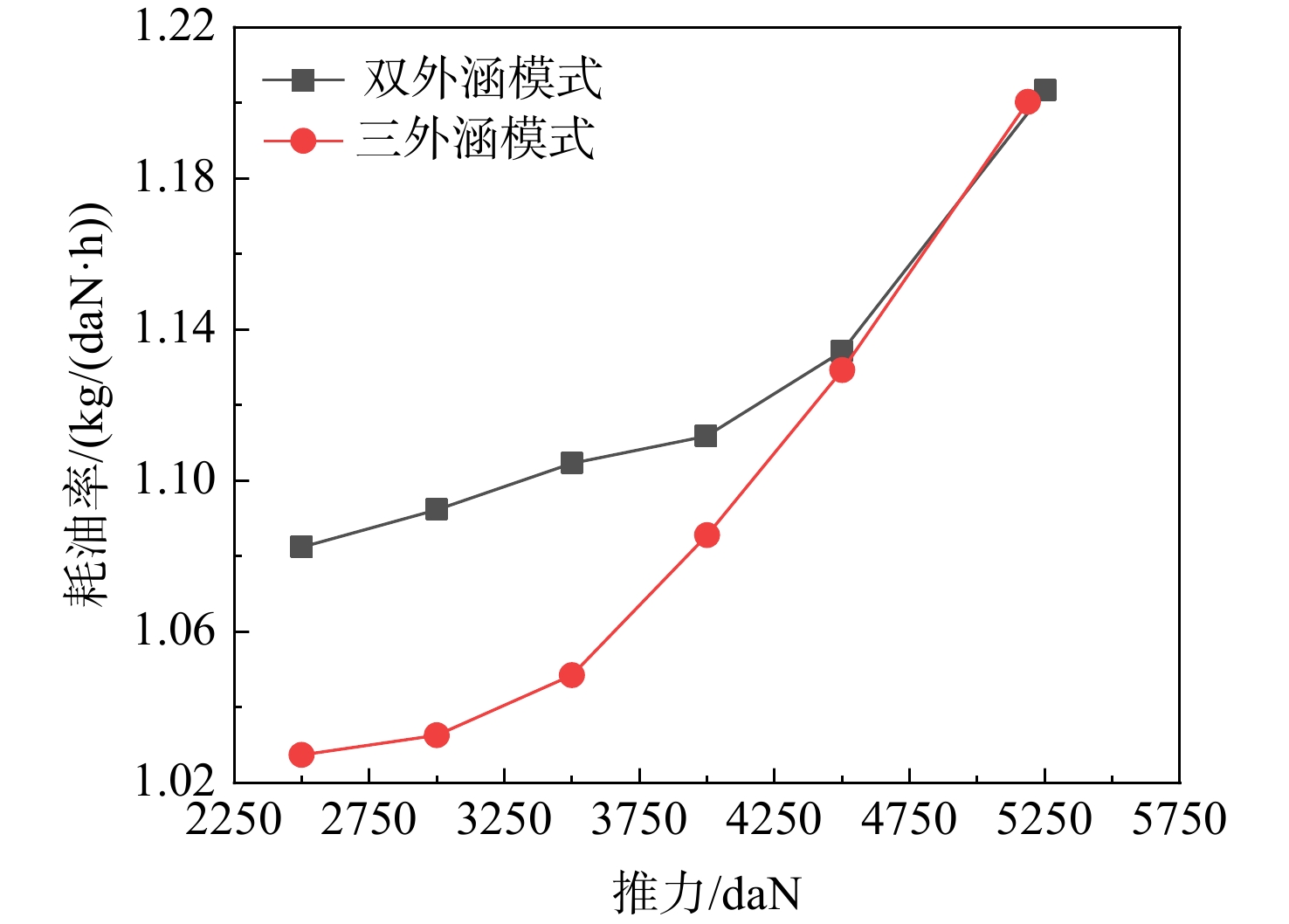
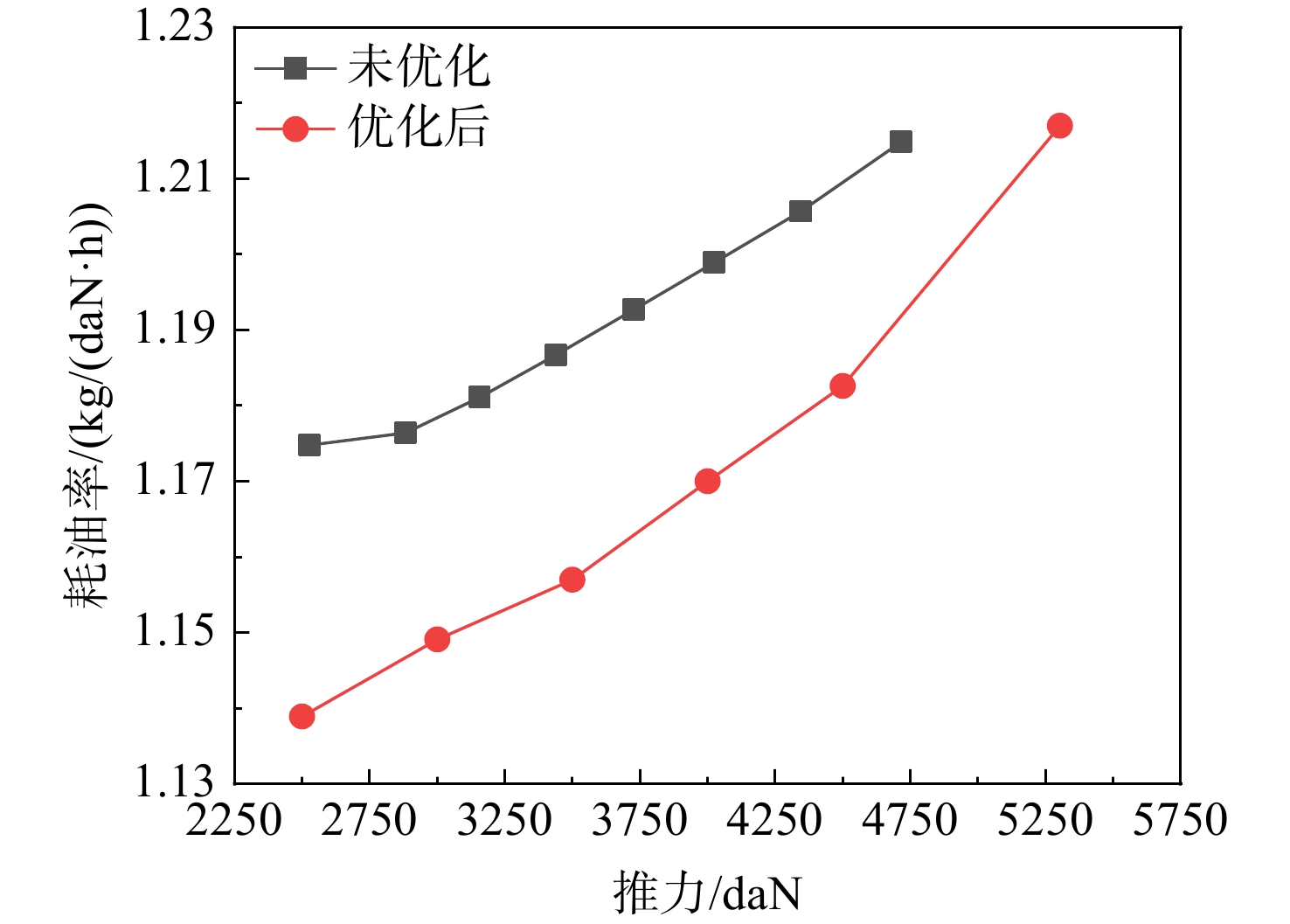
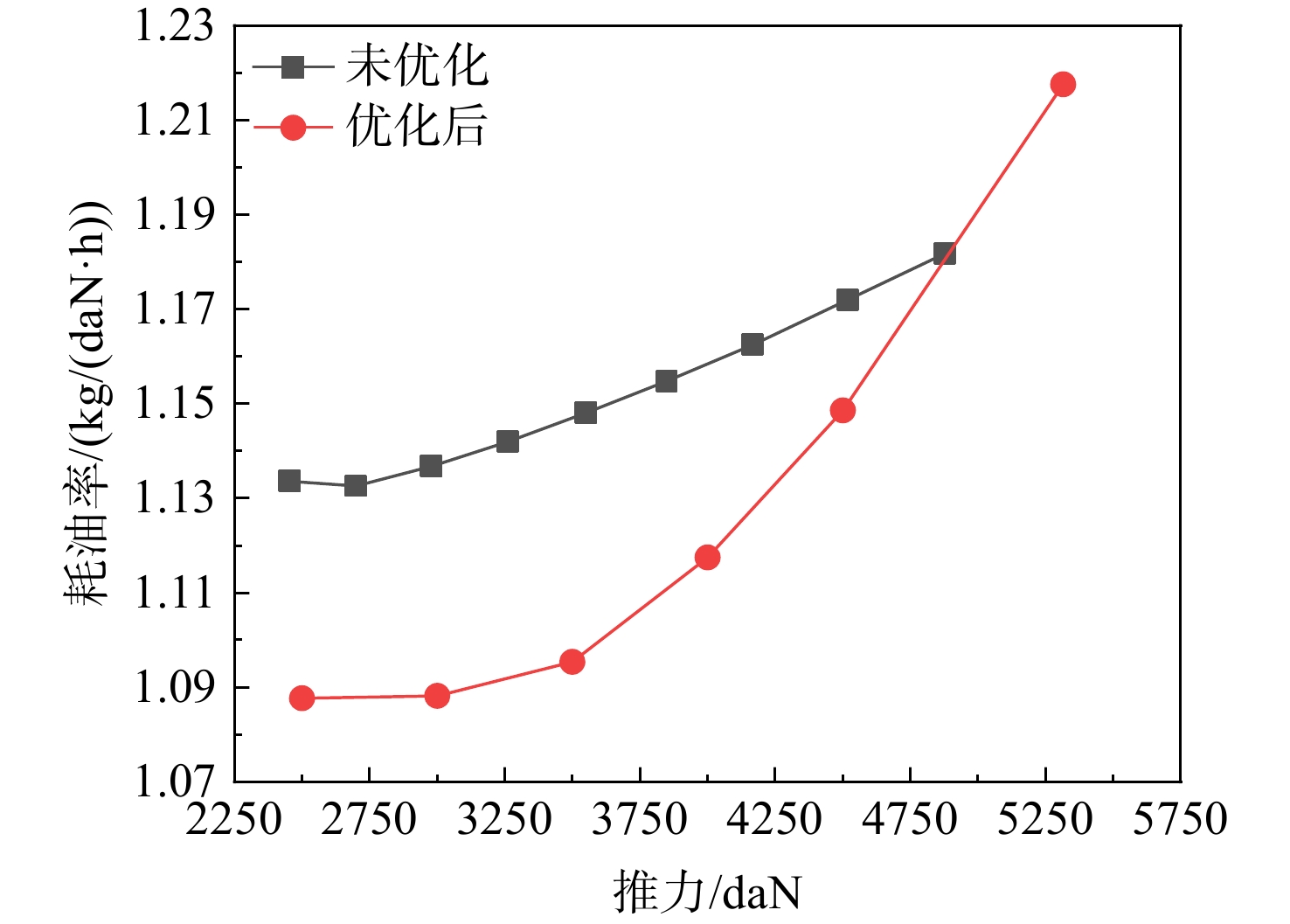
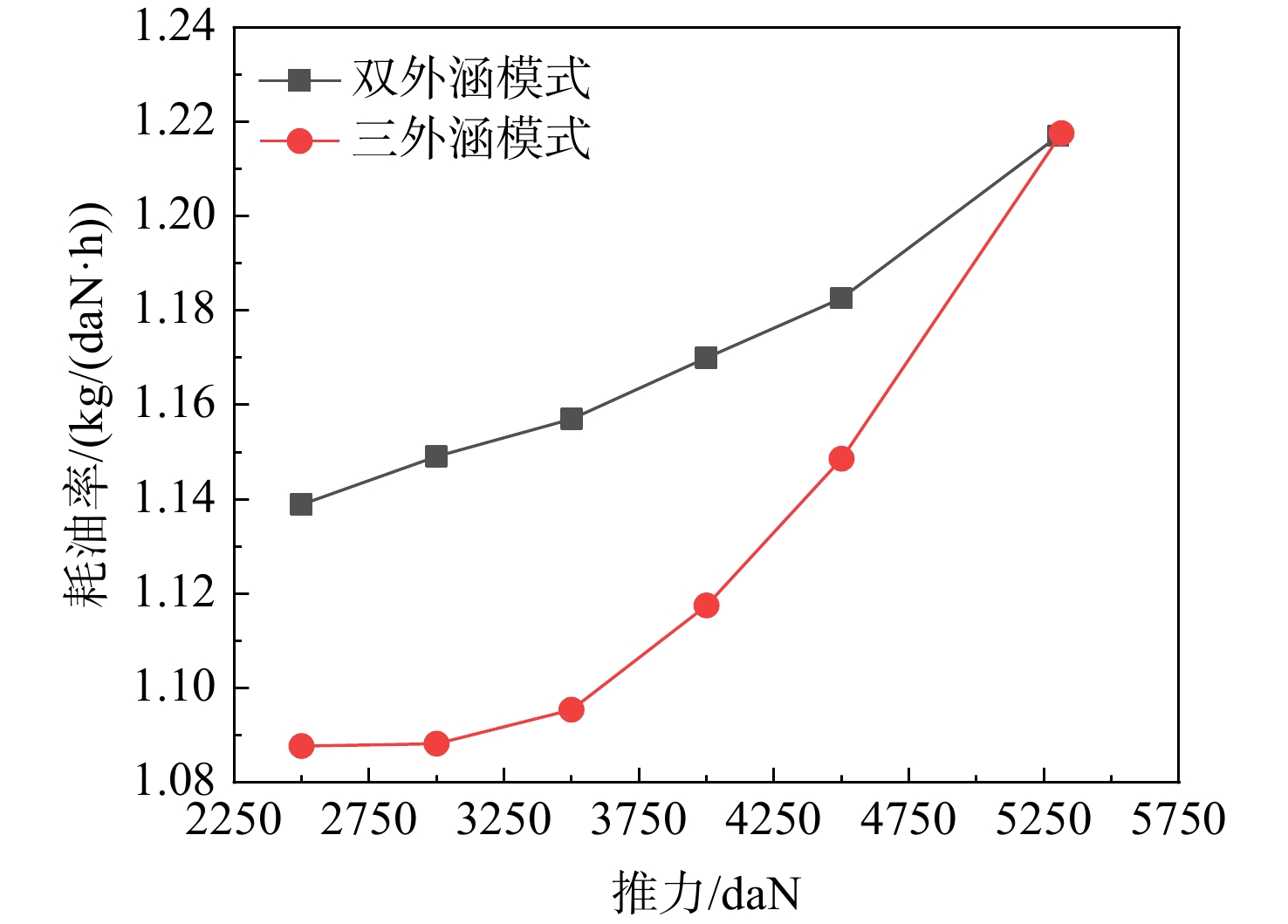
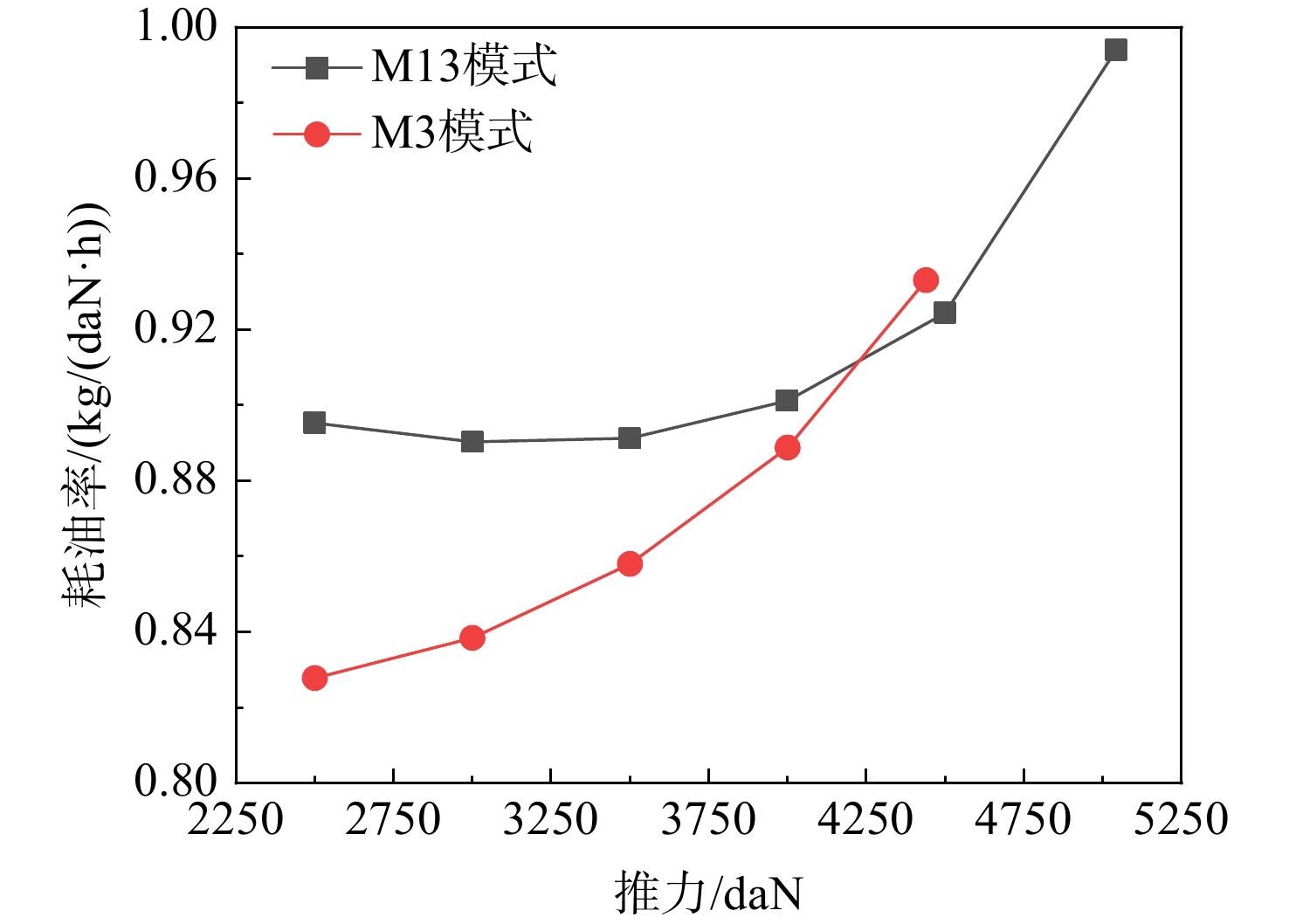
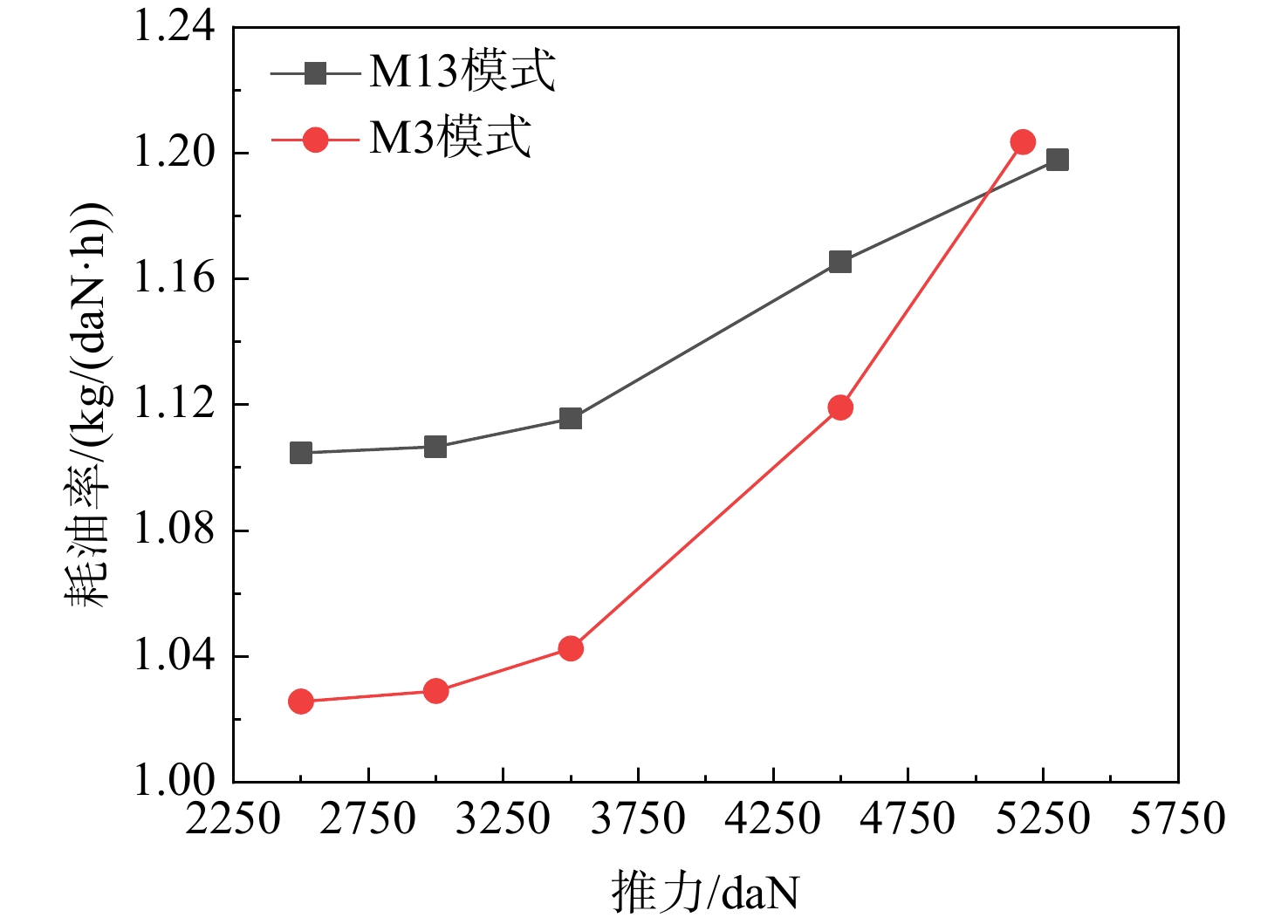
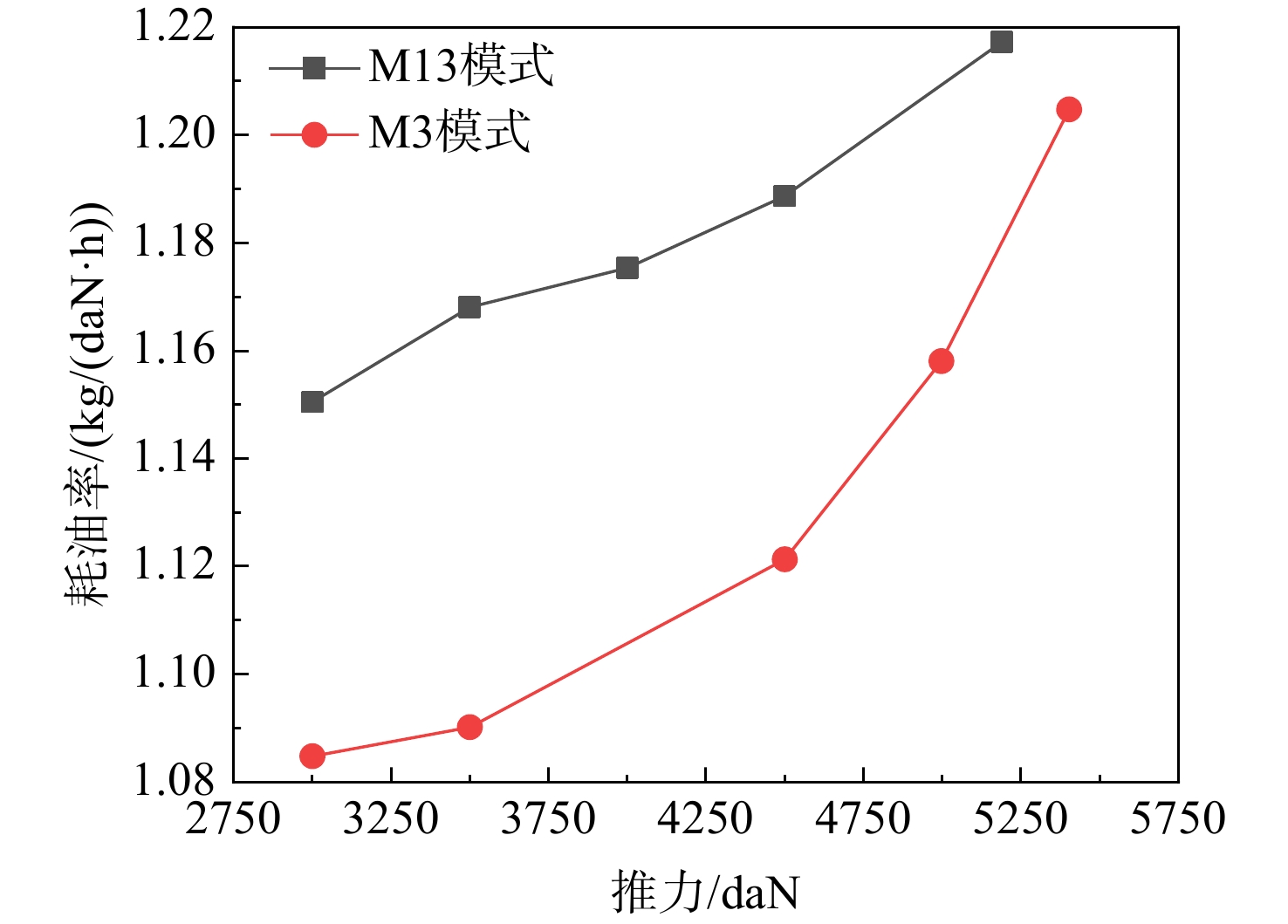
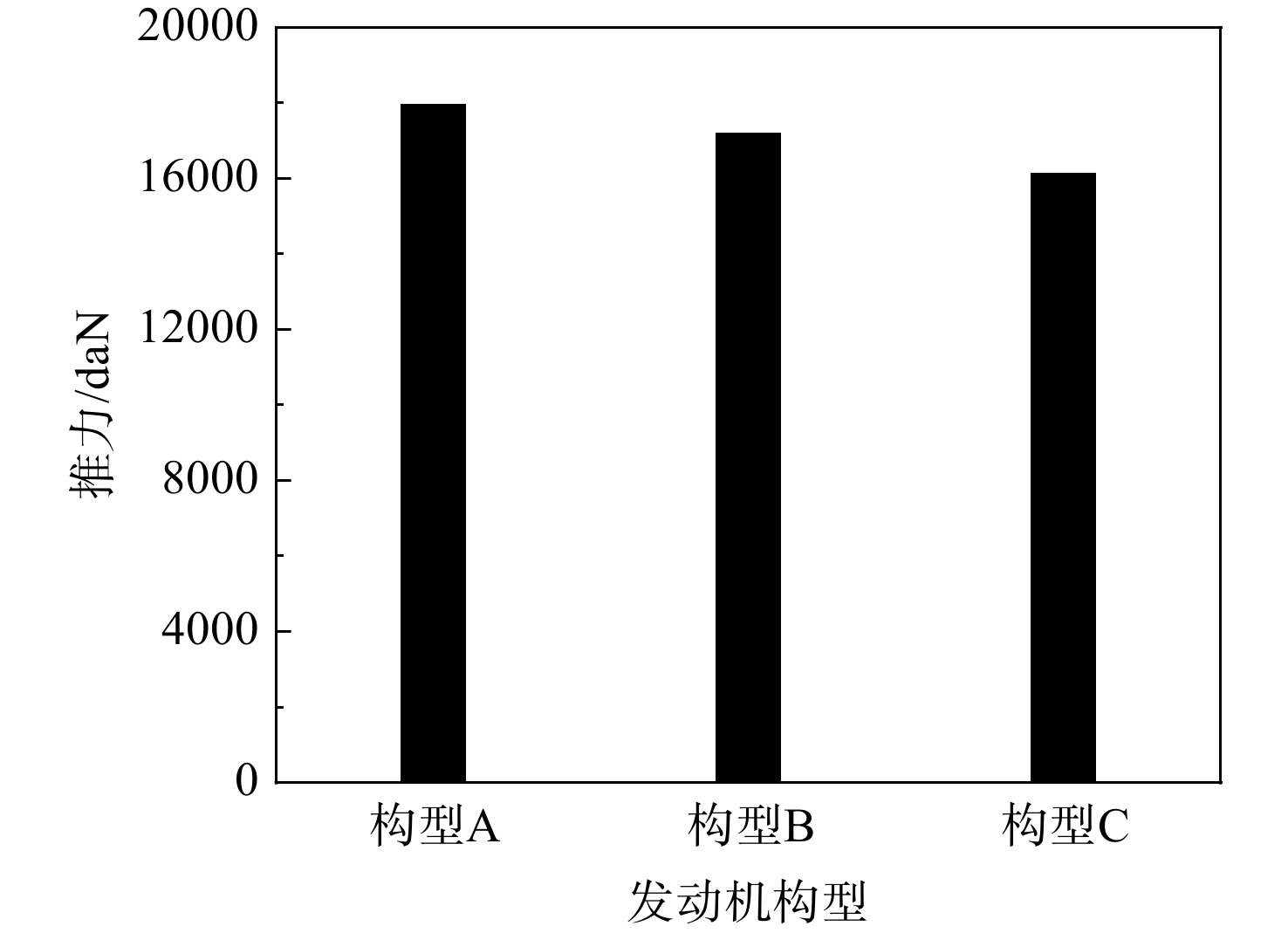
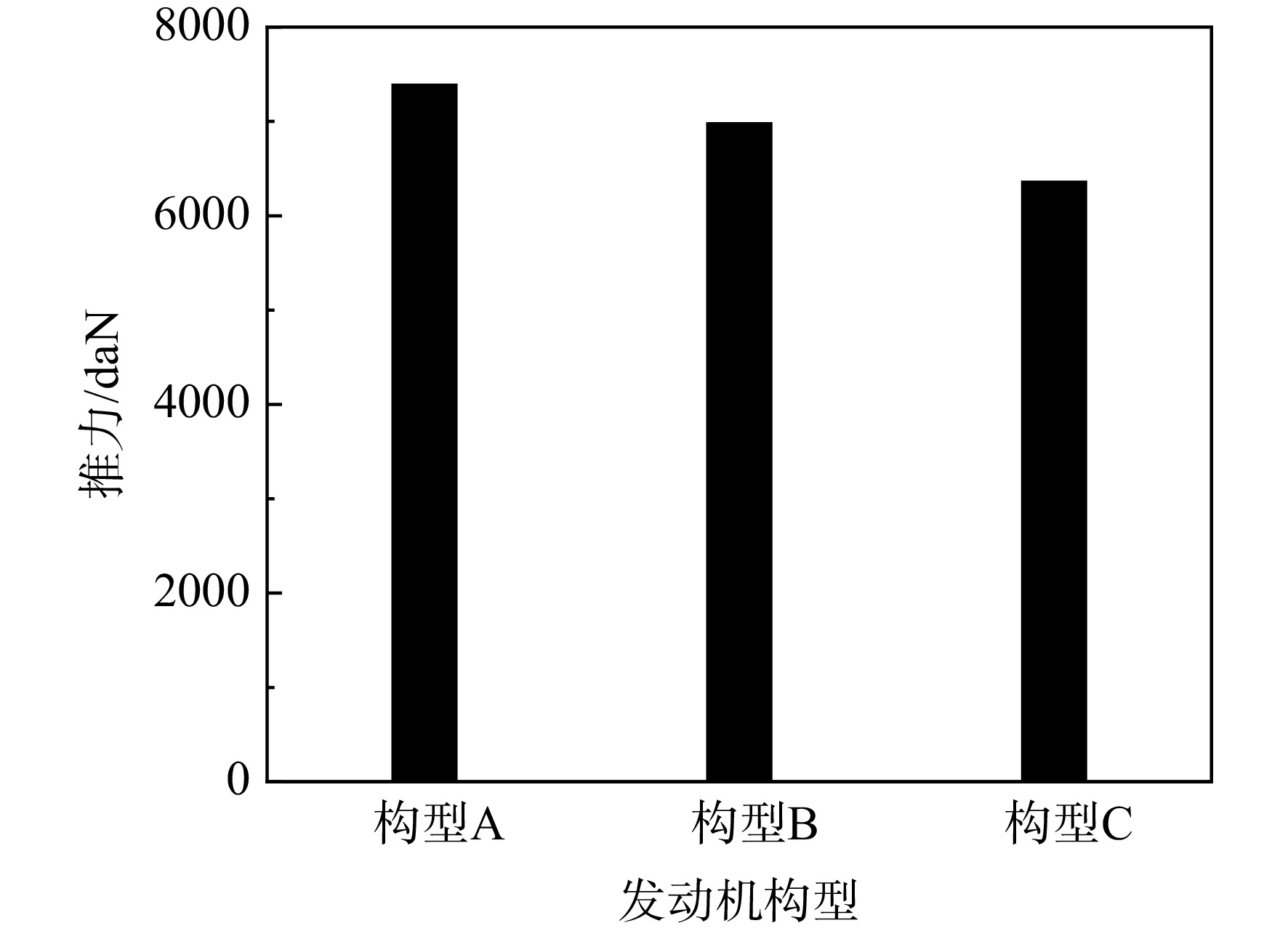
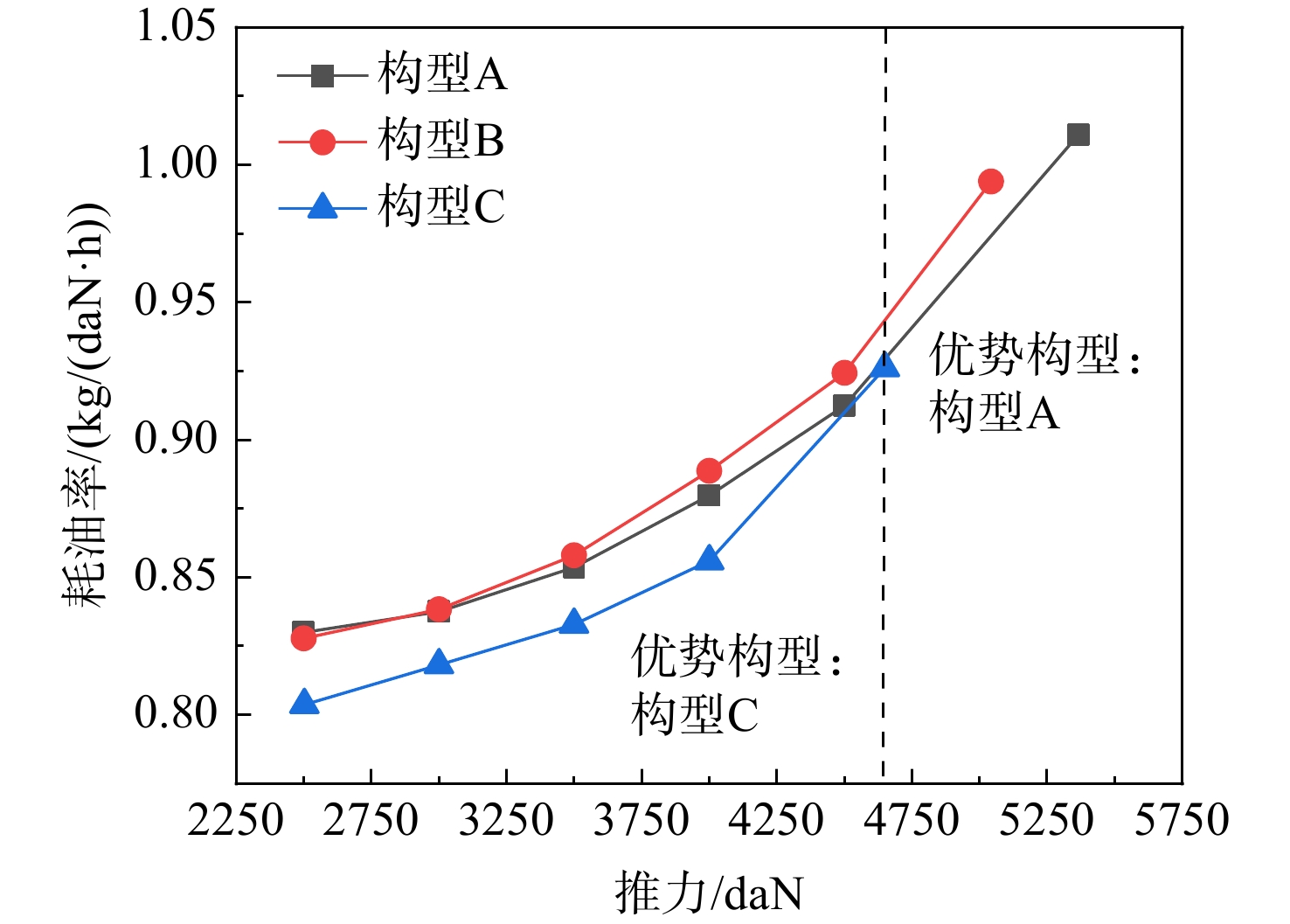
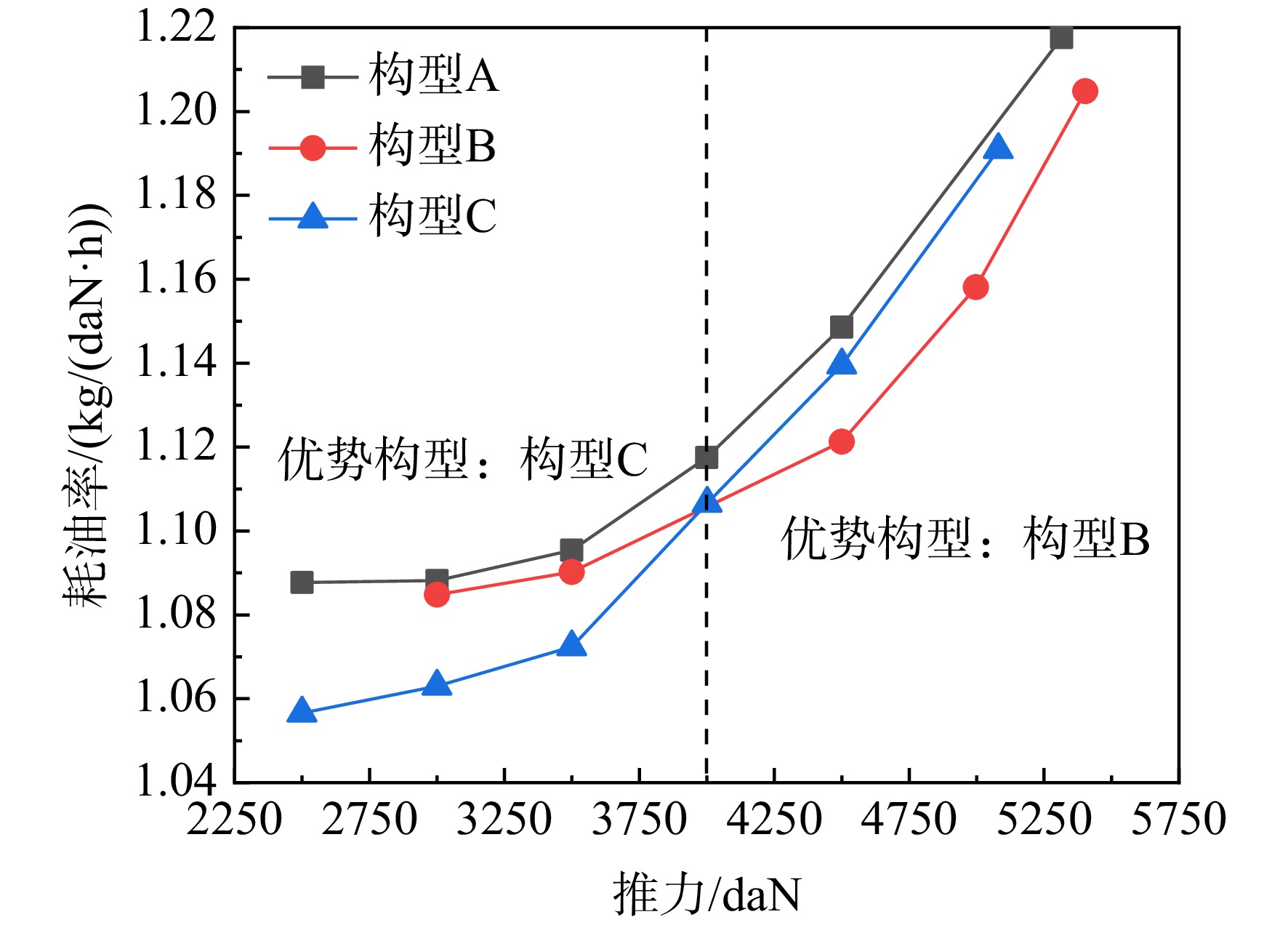
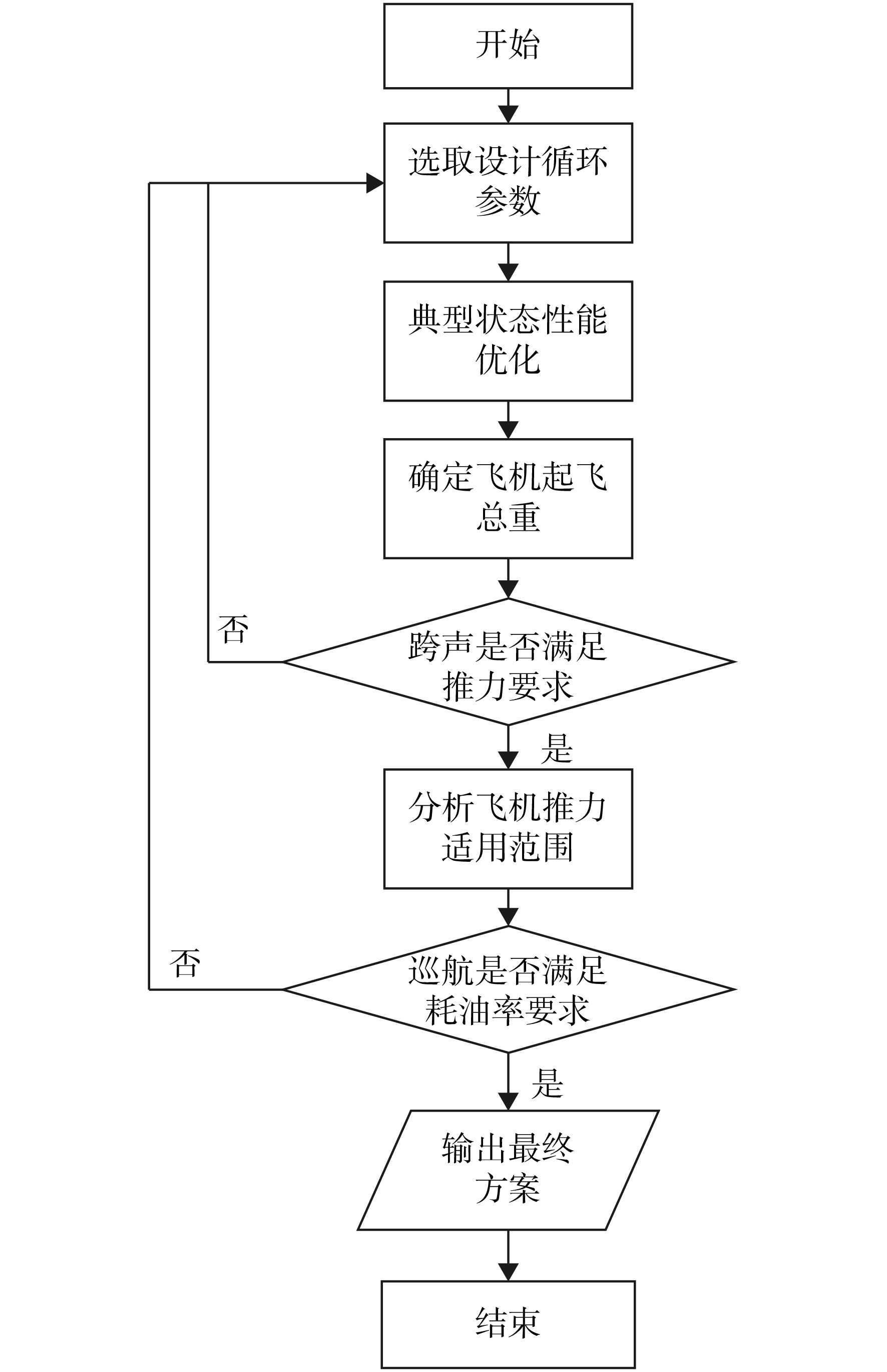
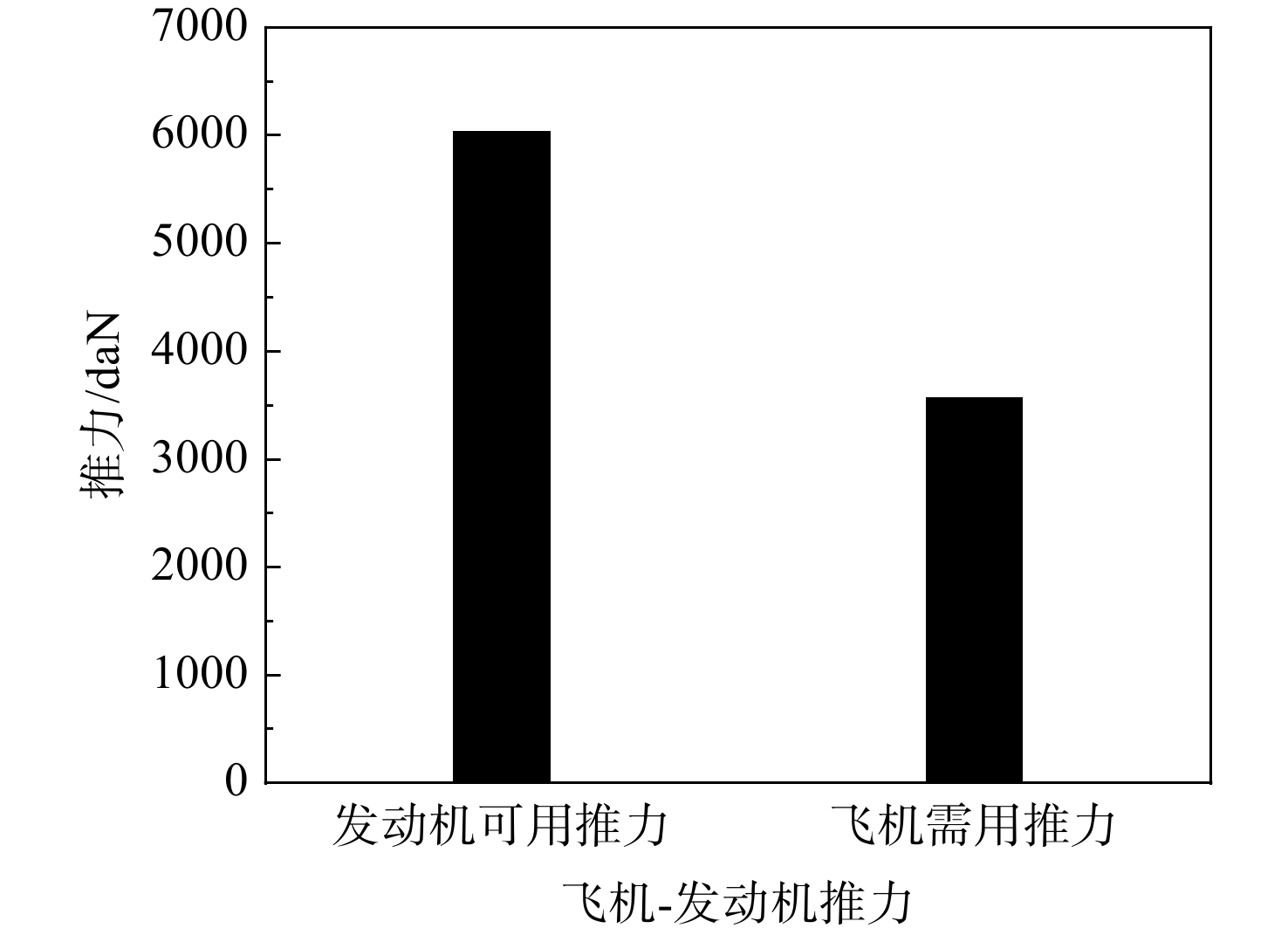
Based on the flight mission demand of supersonic civil transport, three configurations of adaptive cycle engines were selected as candidate propulsion systems and comparison of overall performance optimization was carried out. Numerical simulation model and mathematical optimization model for overall performance were established. The criteria for selecting design cycle parameters were determined. Performance optimization comparisons of three adaptive cycle engines in typical working conditions were conducted, and the performance of the engine under high power demand and low fuel consumption demand conditions was analyzed. Based on the analysis results, the optimal configuration was selected and the design cycle parameters were optimized based on flight mission demand. The results indicate that mode transition can significantly expand the thrust range and reduce fuel consumption. For instance, in Configuration A, the thrust range is broadened by approximately 14.14% and the fuel consumption is reduced by about 5.75% during subsonic cruise. Configuration A exhibits a fuel consumption advantage during subsonic cruise, and also large take-off thrust. Configuration B shows a fuel consumption advantage at the initial segment of the throttle characteristic curve during supersonic cruise, and is suitable for aircraft with high take-off weights. Configuration C demonstrates low fuel consumption in both subsonic and supersonic cruise, and is suitable for smaller supersonic passenger aircraft. By optimizing the design cycle parameters of Configuration C, the aircraft's take-off weight can be increased by 3.62%, and specific fuel consumption during supersonic cruise can be reduced by approximately 3%, which could be beneficial to passenger capacity and flight range.

Exploration and verification of unsteady aerodynamic load field fusion modeling method
DING Xuanhe, SU Hua, GONG Chunlin, WANG Ziyi, YANG Yucheng
2025, 40(9): 20230416. doi: 10.13224/j.cnki.jasp.20230416
Abstract:

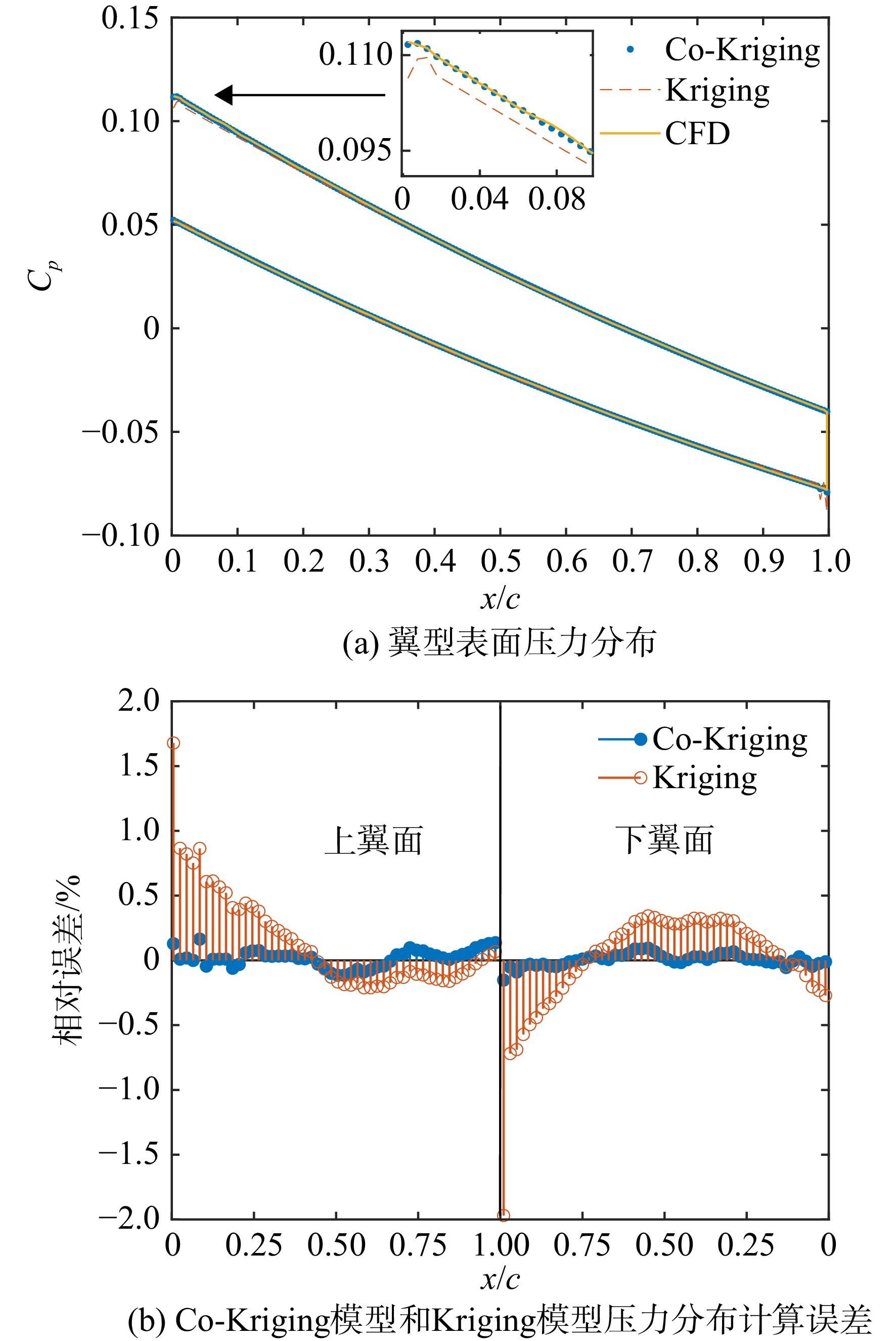
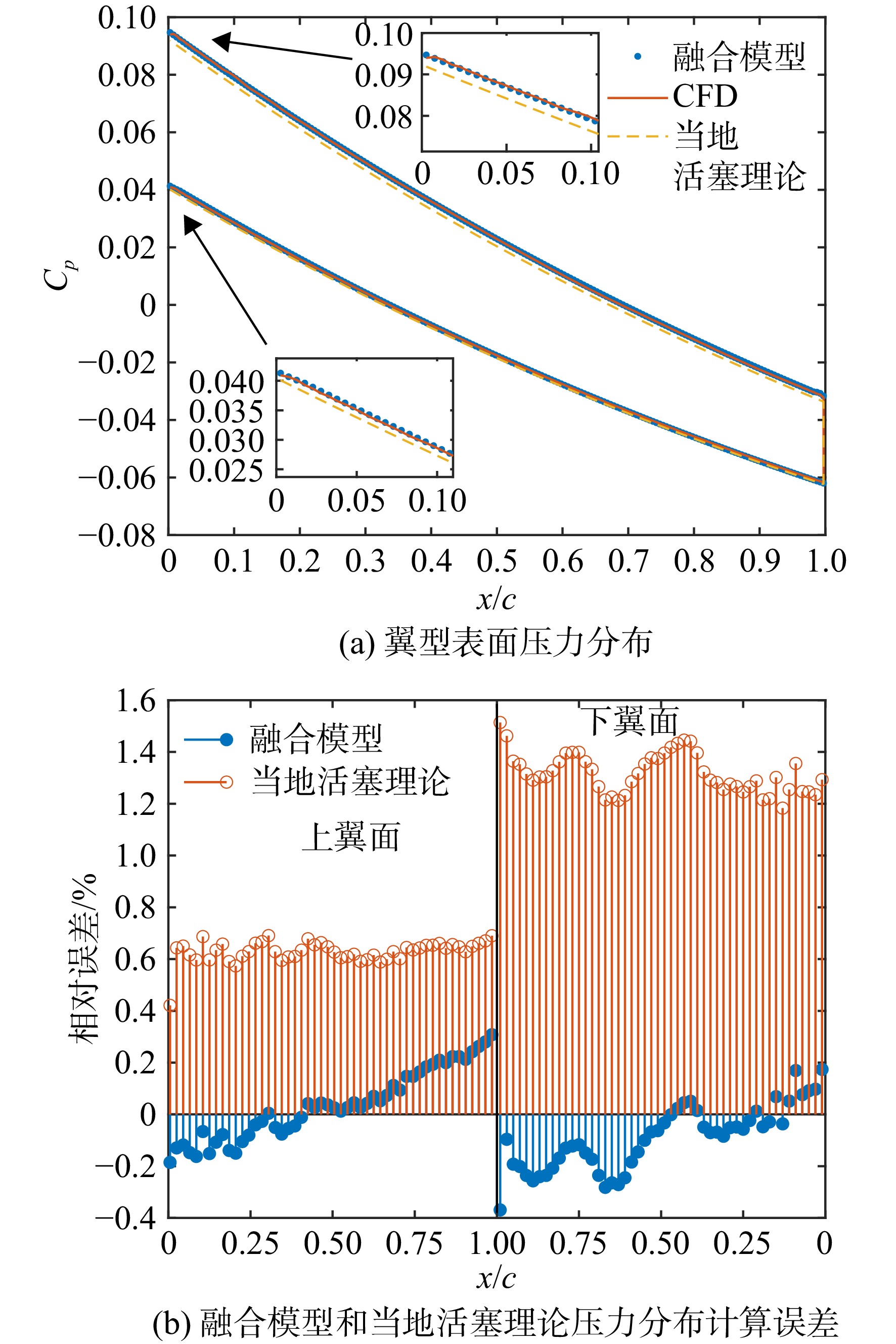
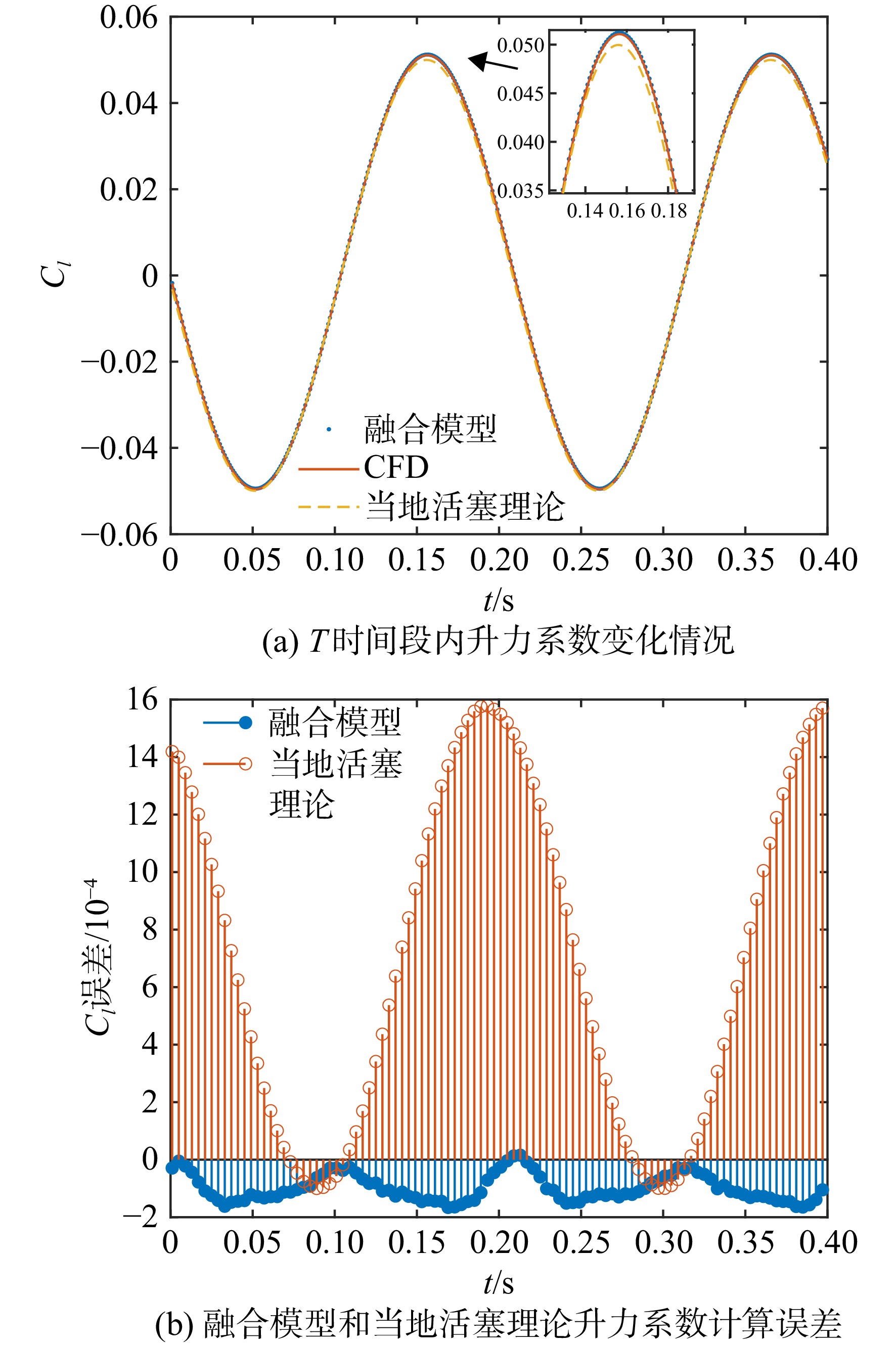
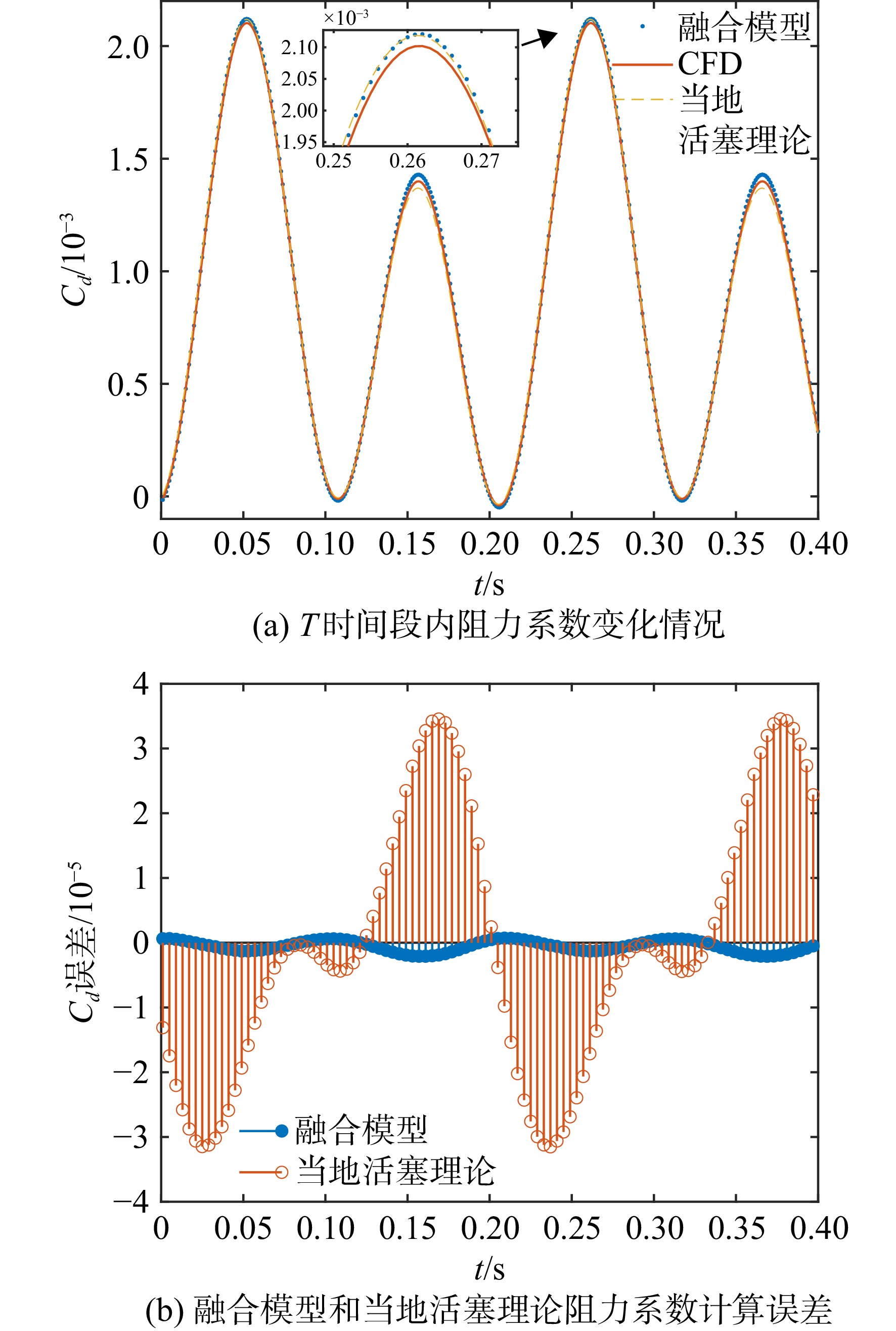
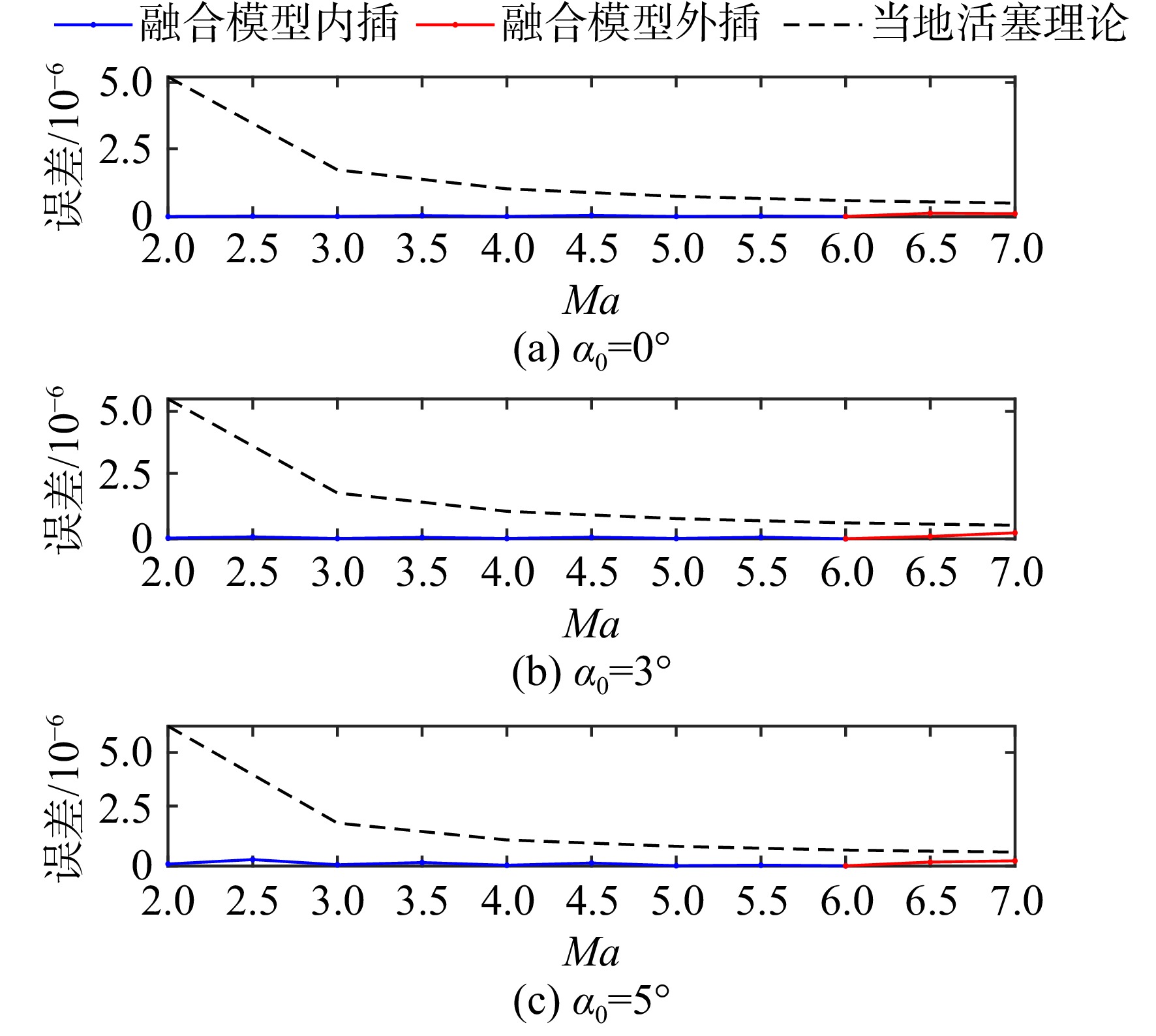
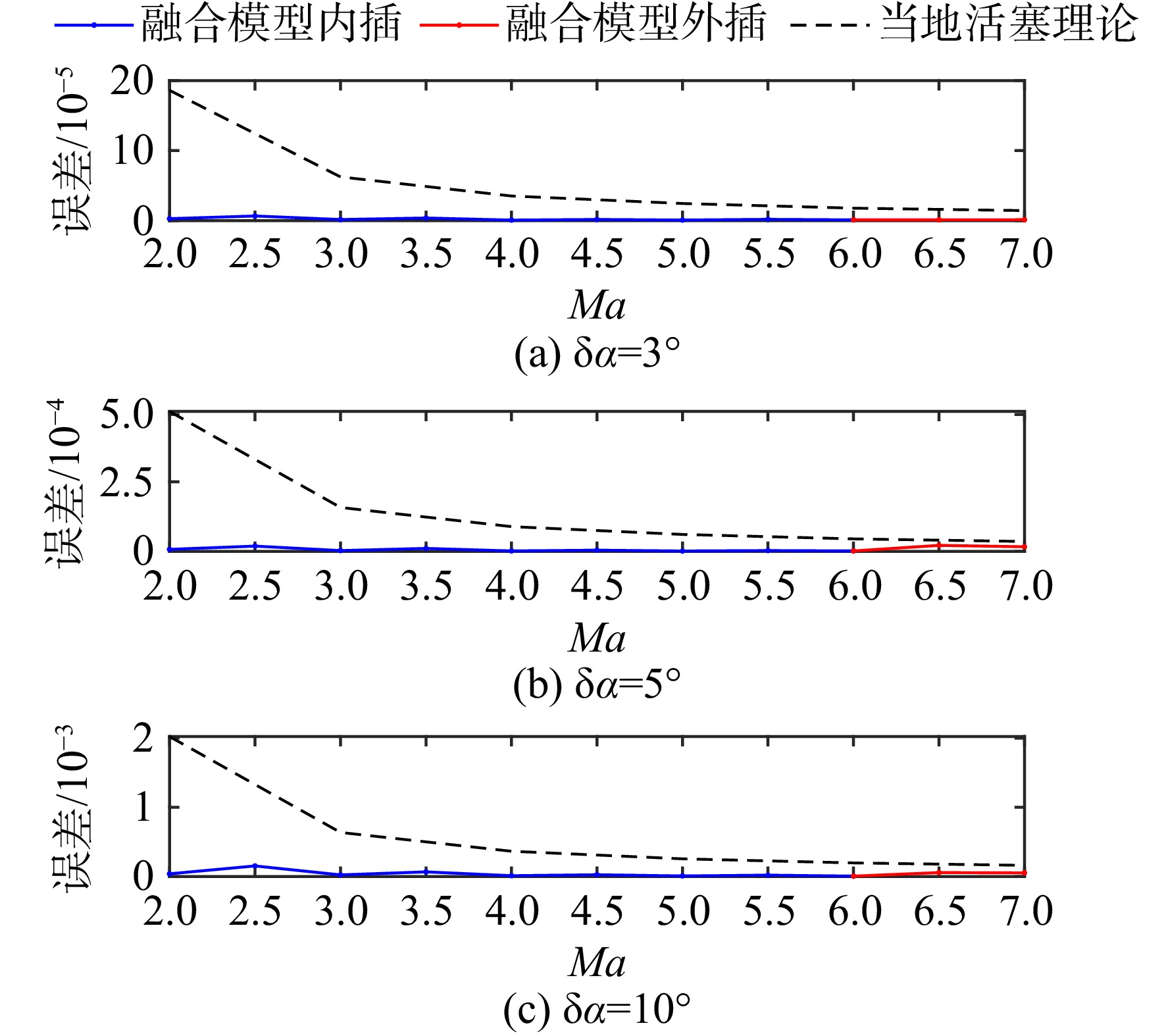
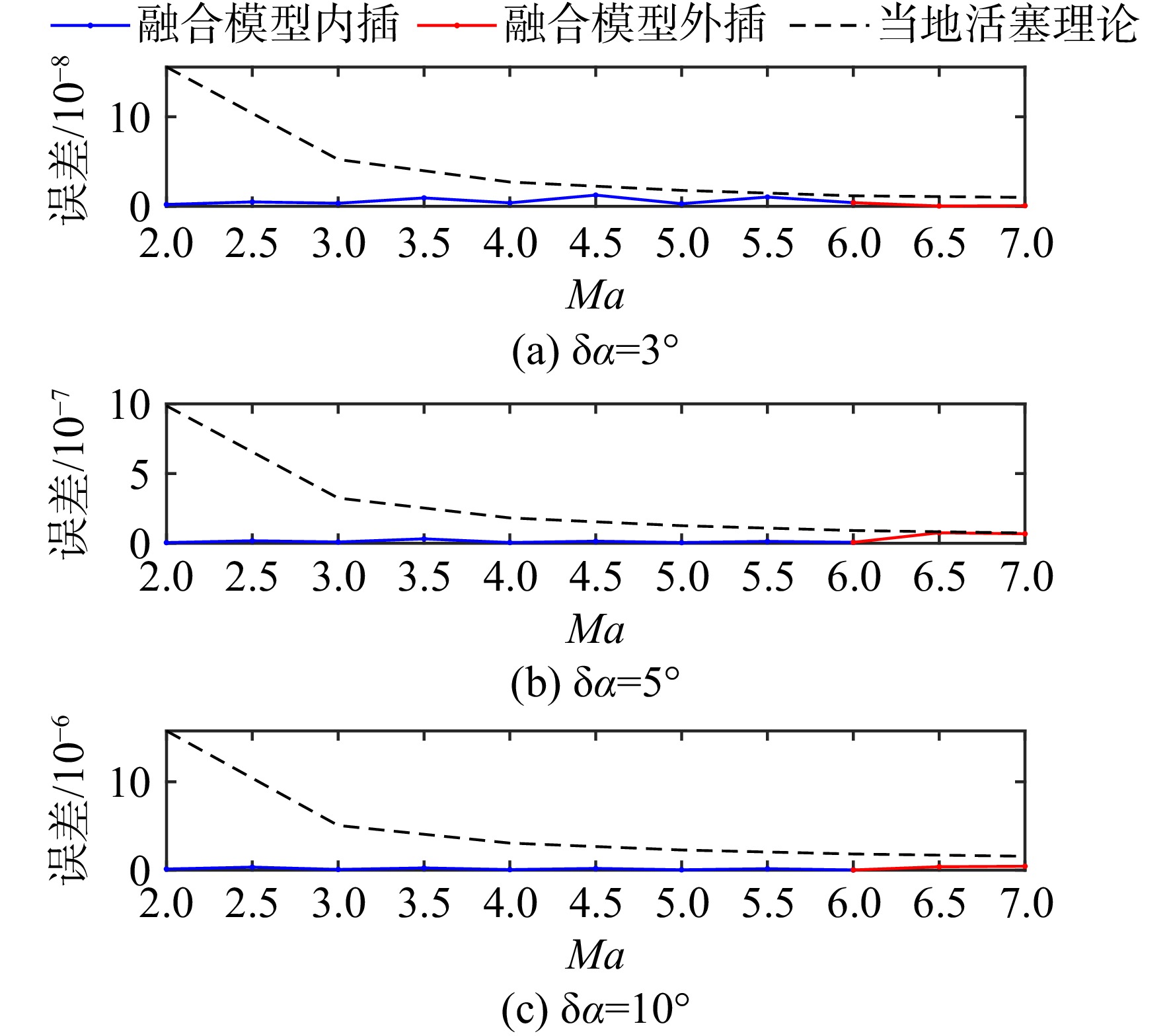
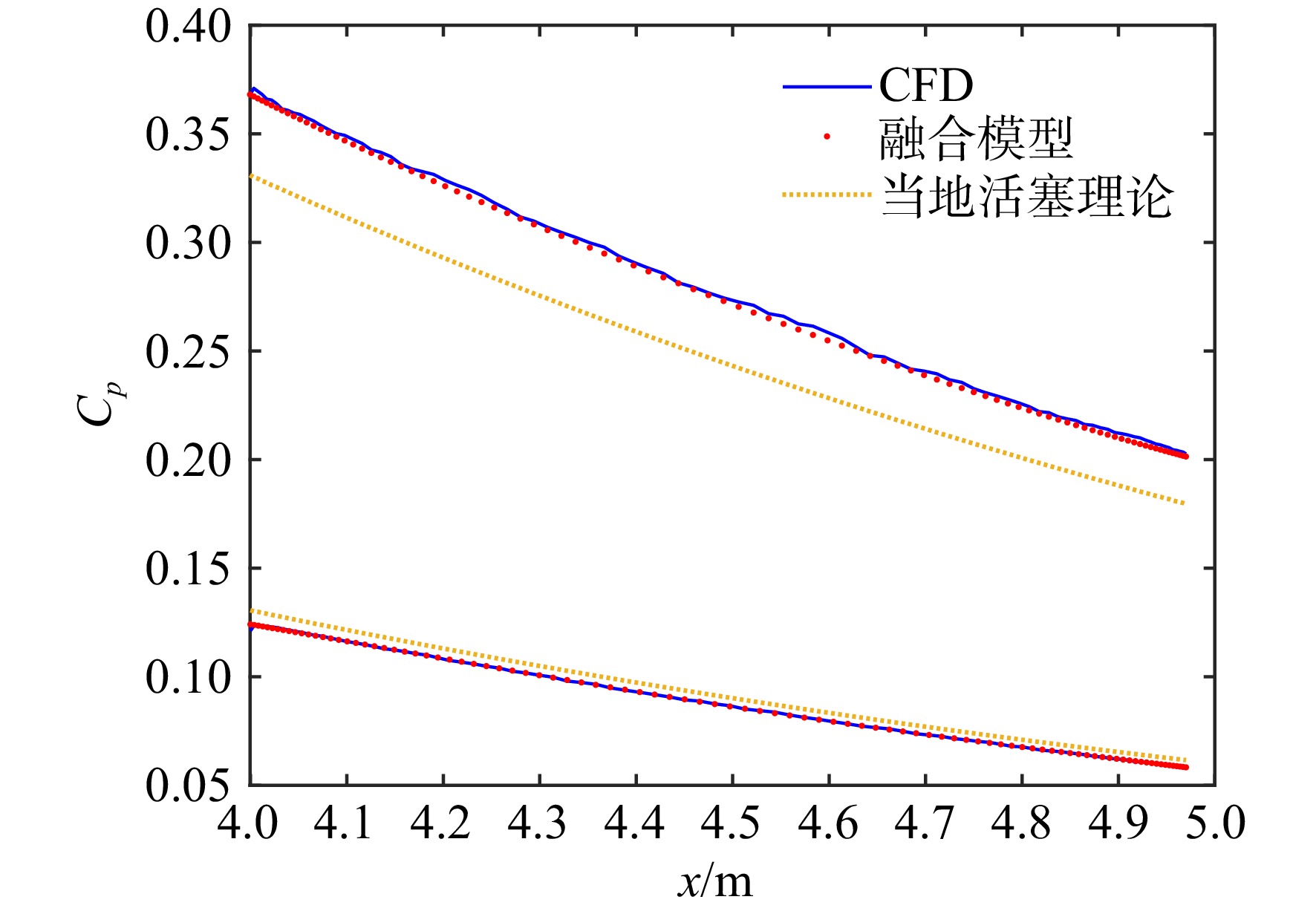
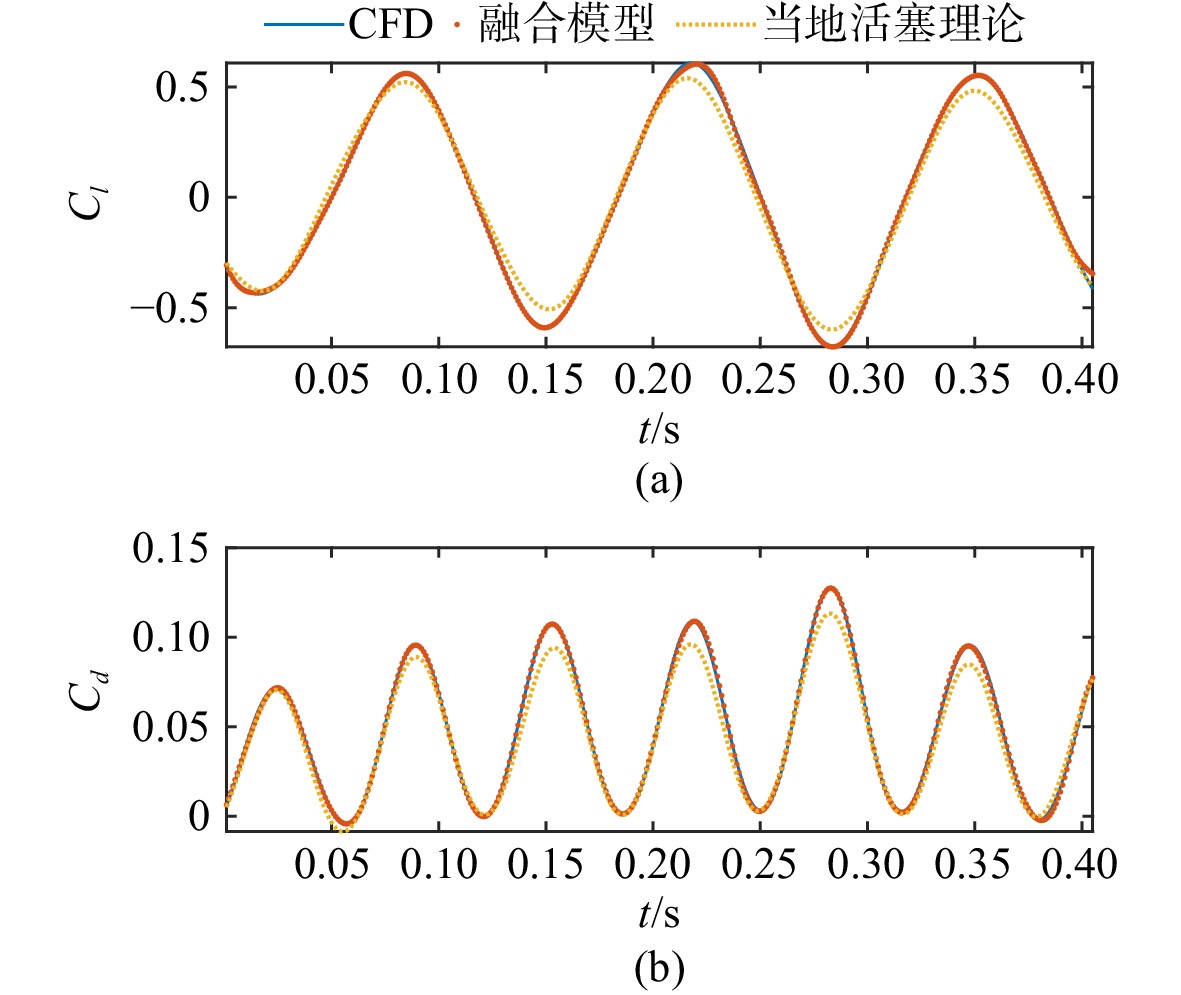
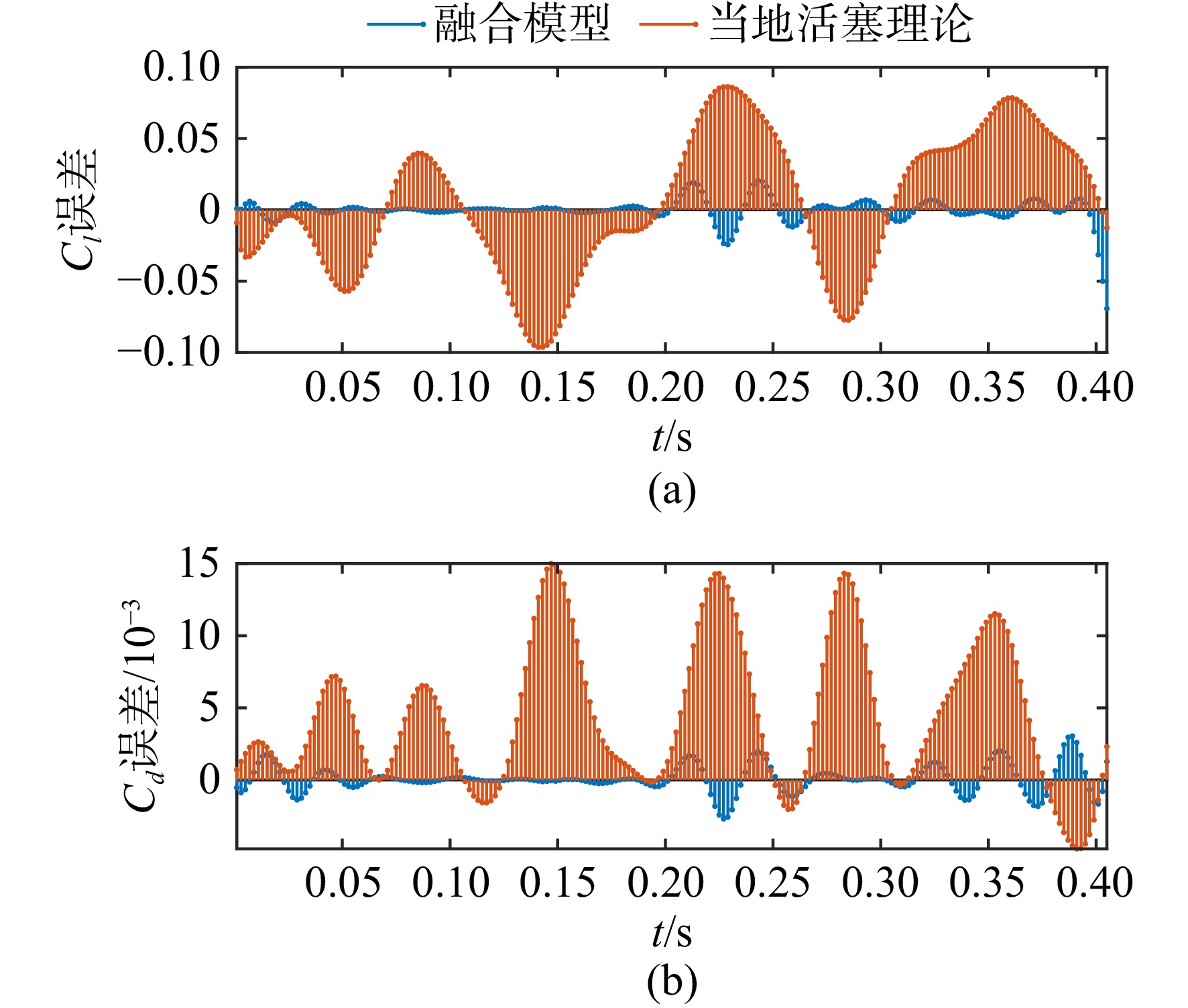
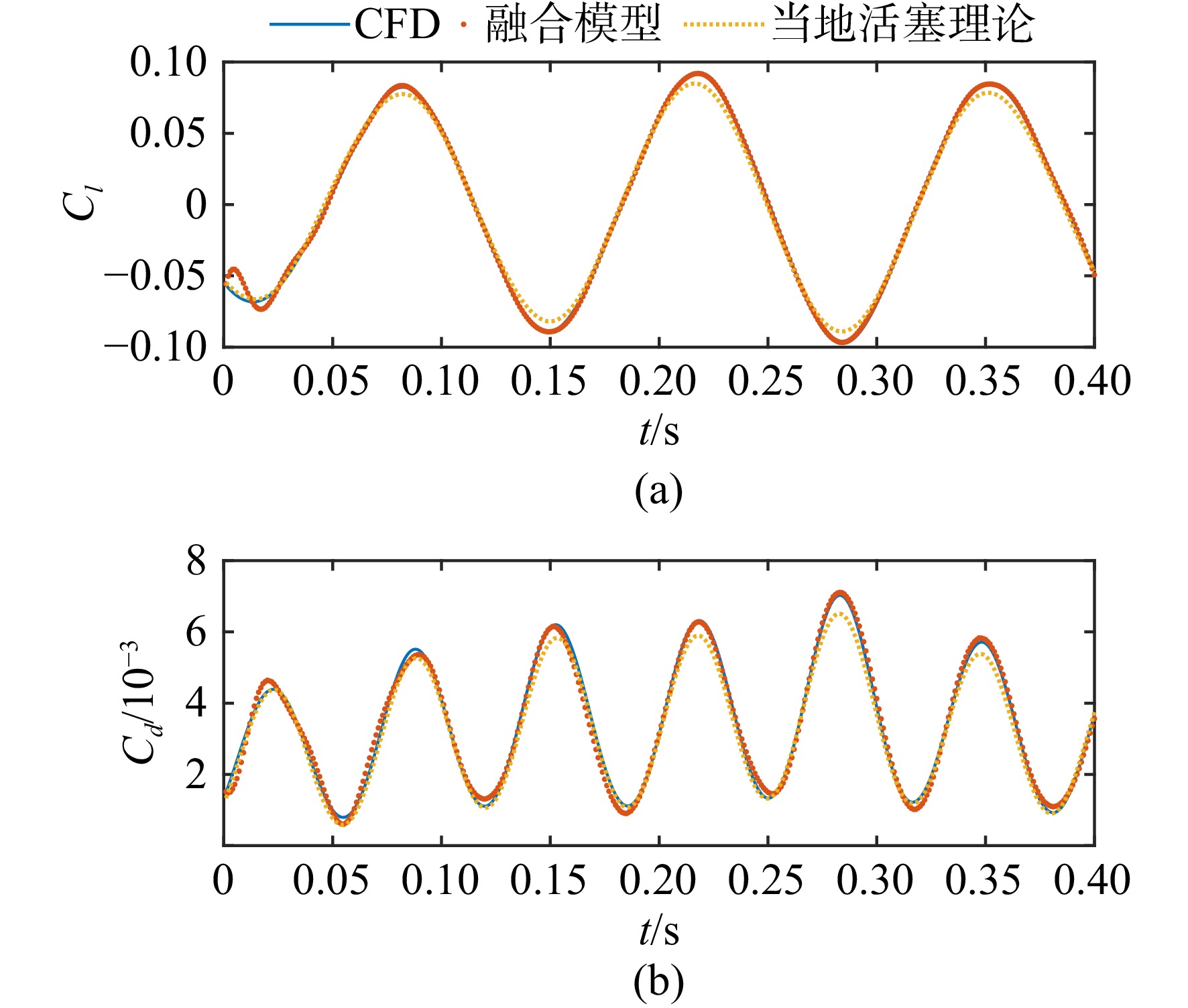
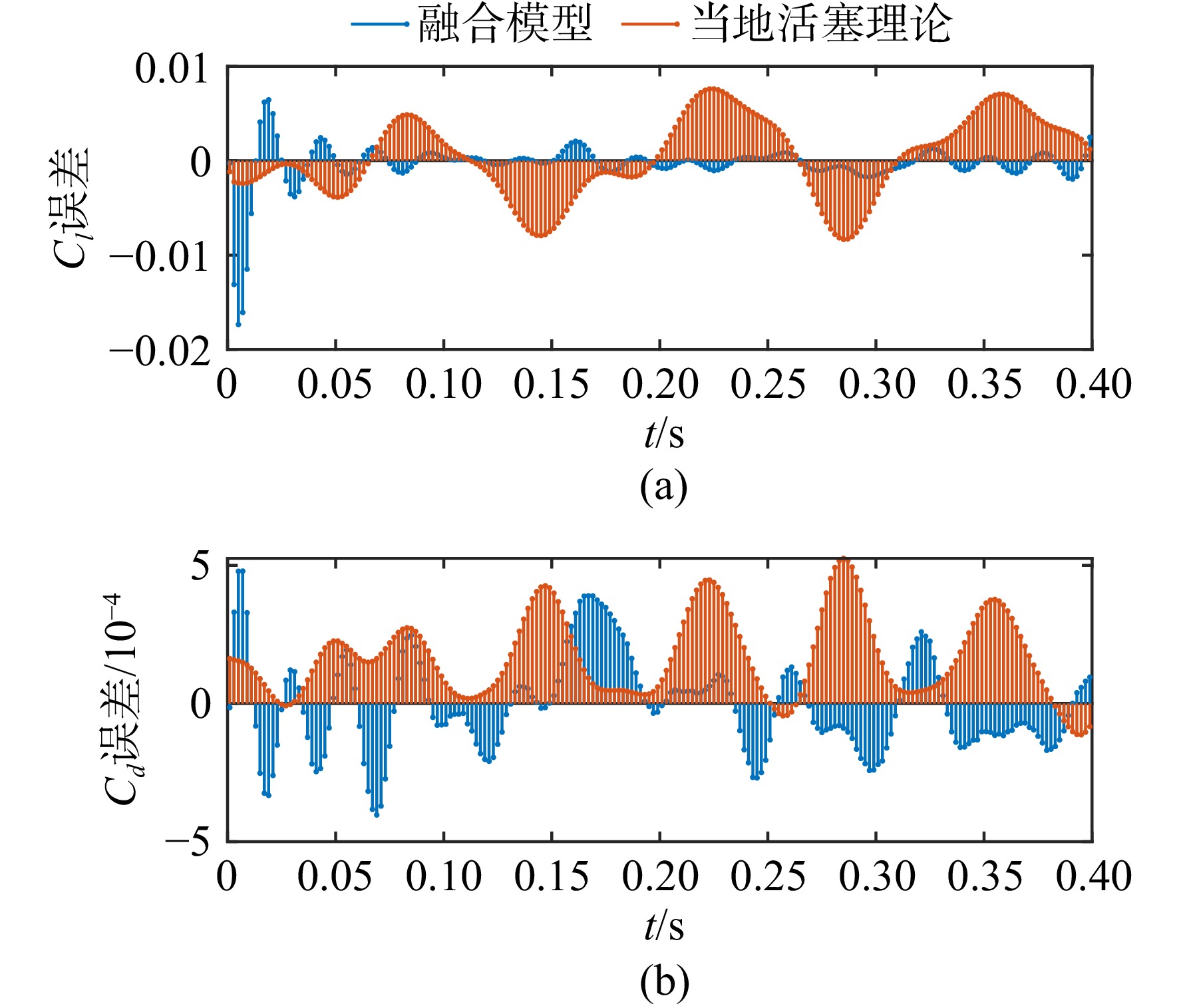
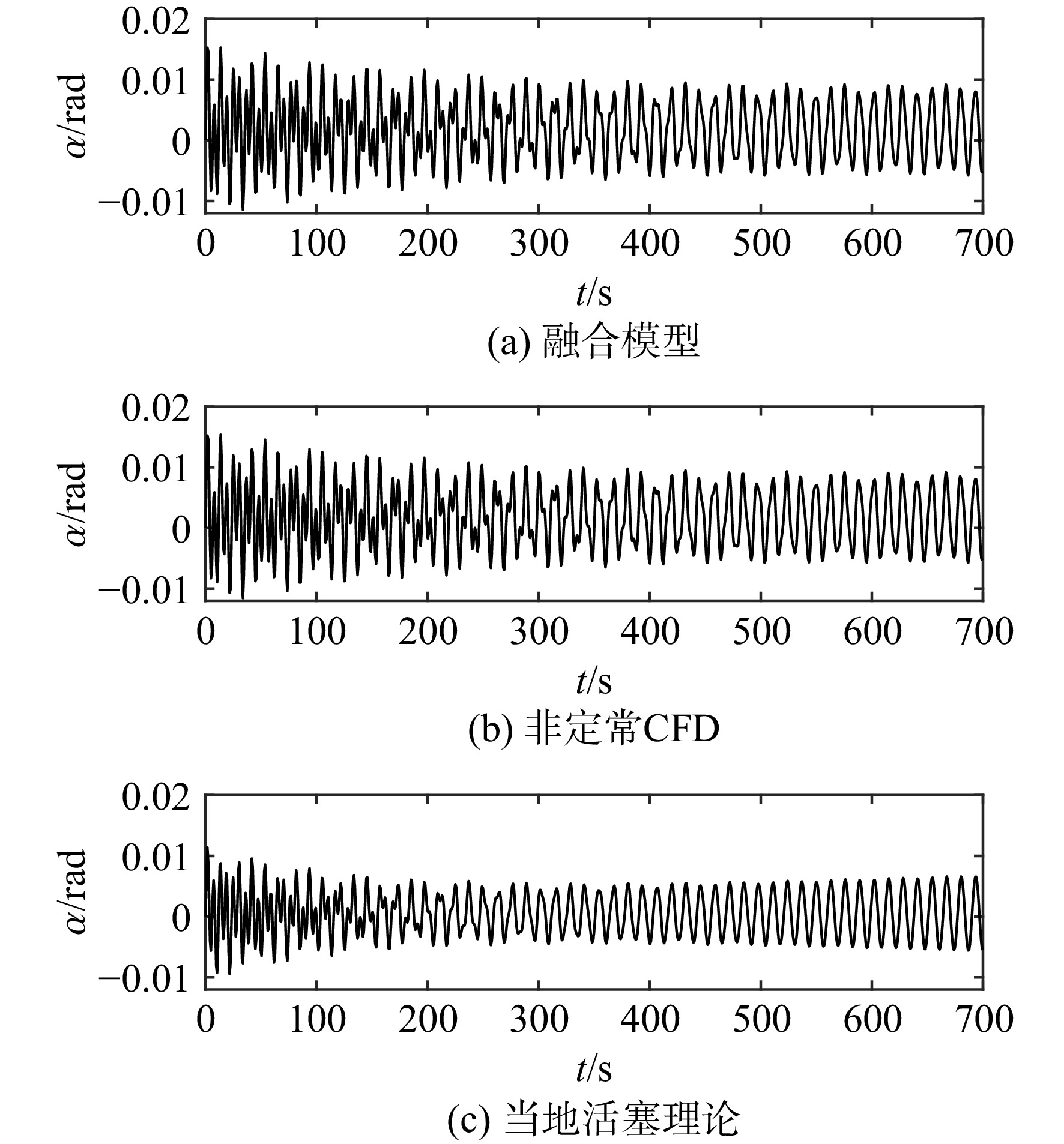
The virtual flight test of aircraft involves multi-physical field simulation of many high-precision discipline models such as aerodynamics and structure. Accurate and fast unsteady aerodynamic load field calculation is the key constraint. At present, the calculation cost of unsteady aerodynamics based on computational fluid dynamics is very expensive. In order to improve the calculation efficiency of high-precision unsteady aerodynamic load field and ensure the calculation accuracy, an efficient unsteady aerodynamic load field prediction method based on multi-source data fusion with Co-Kriging model and POD field reduction was proposed. Taking the 4% thickness arc wing as the test object, the unsteady aerodynamic load field was constructed by integrating the low-precision load data calculated by the local flow piston theory and the high-precision simulation data obtained by computational fluid dynamics. The unsteady aerodynamic load and flutter boundary under different flight conditions were analyzed. The results showed that the proposed unsteady aerodynamic load field prediction method based on data fusion had a surface load prediction accuracy of no less than 99.41% in case of interpolation, a surface load prediction accuracy of no less than 83.32% in case of extrapolation, and a flutter analysis result error of no more than 0.637%. The computational efficiency was improved by 285.89 times.

Study on calculation of thrust characteristics of propulsive micro turboprop engine
HEI Shaohua, YANG Chen, SHI Chenyue, YANG Jinguang
2025, 40(9): 20240376. doi: 10.13224/j.cnki.jasp.20240376
Abstract:
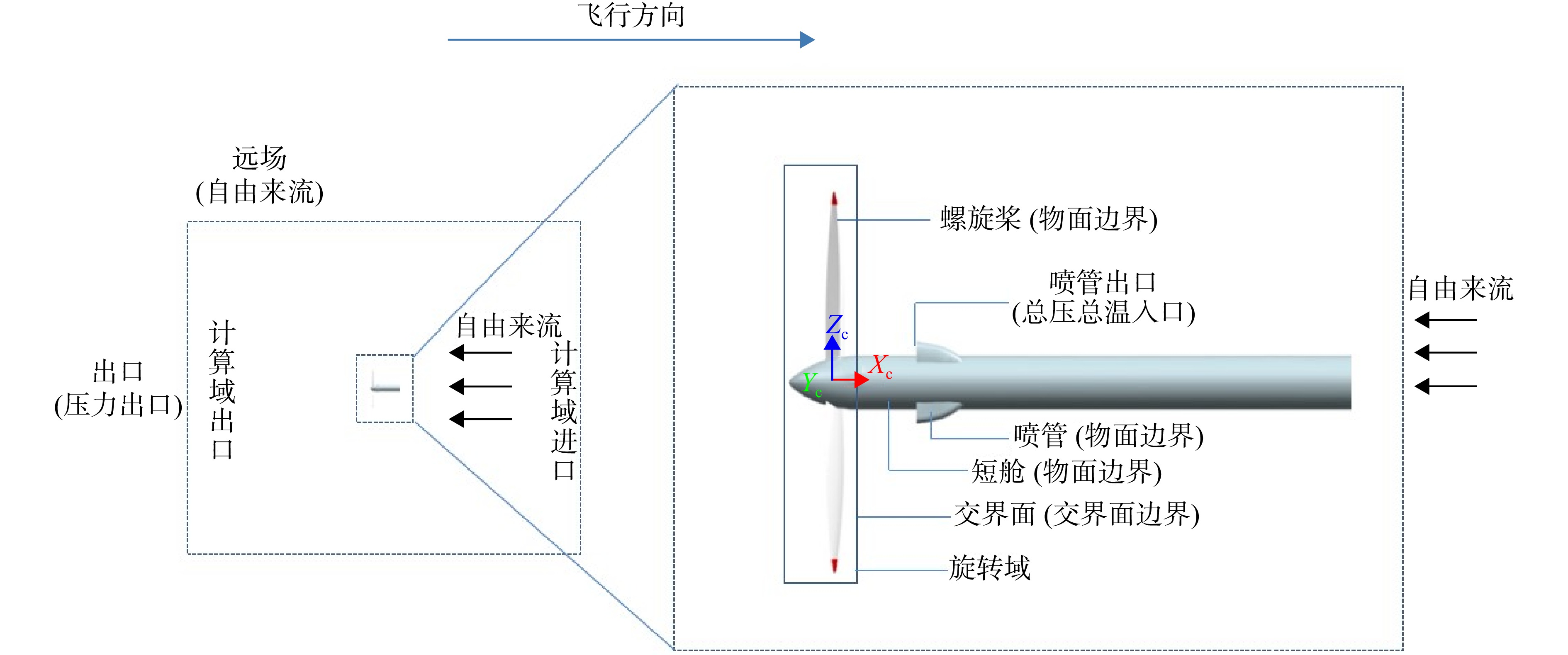
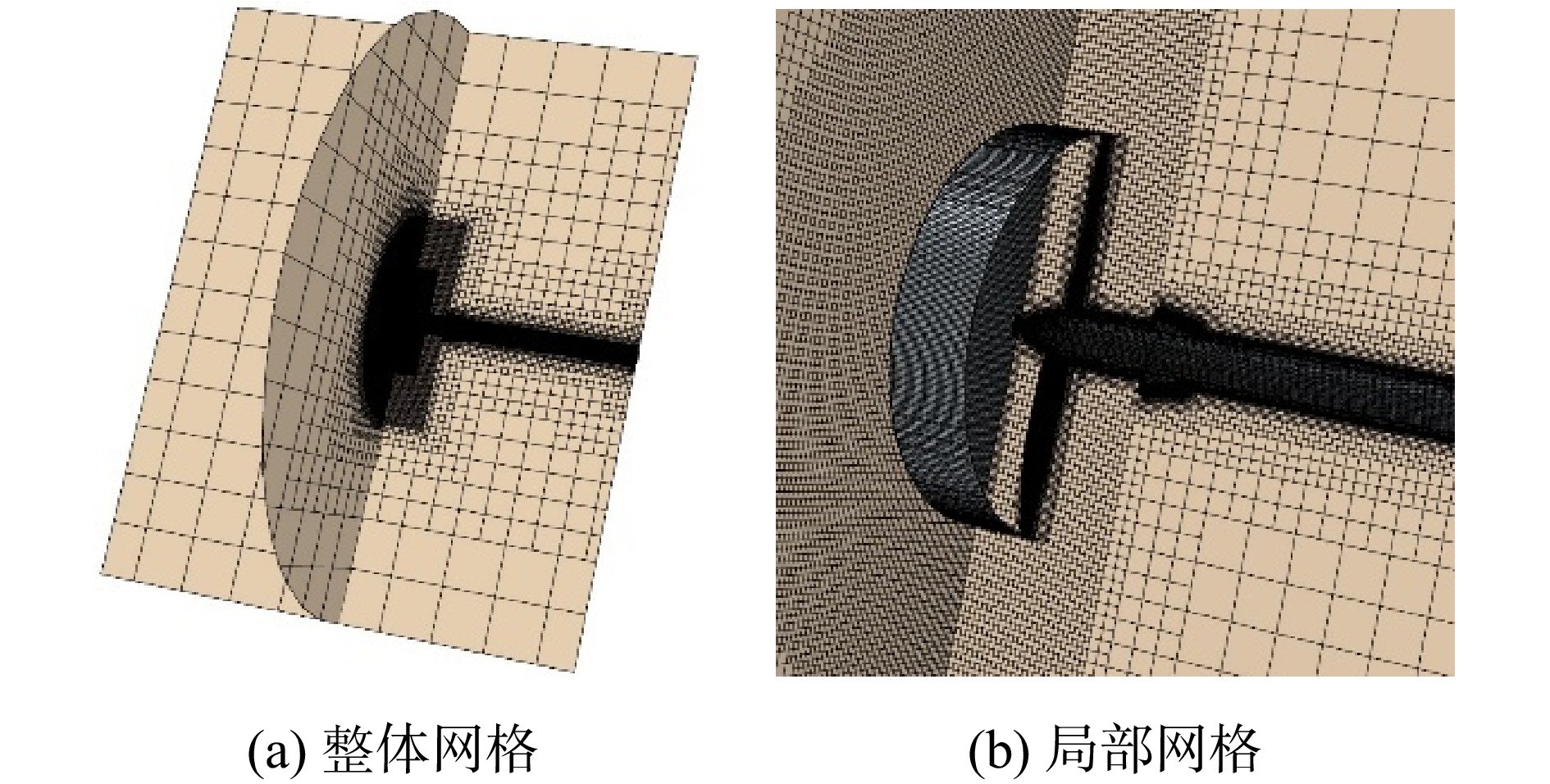
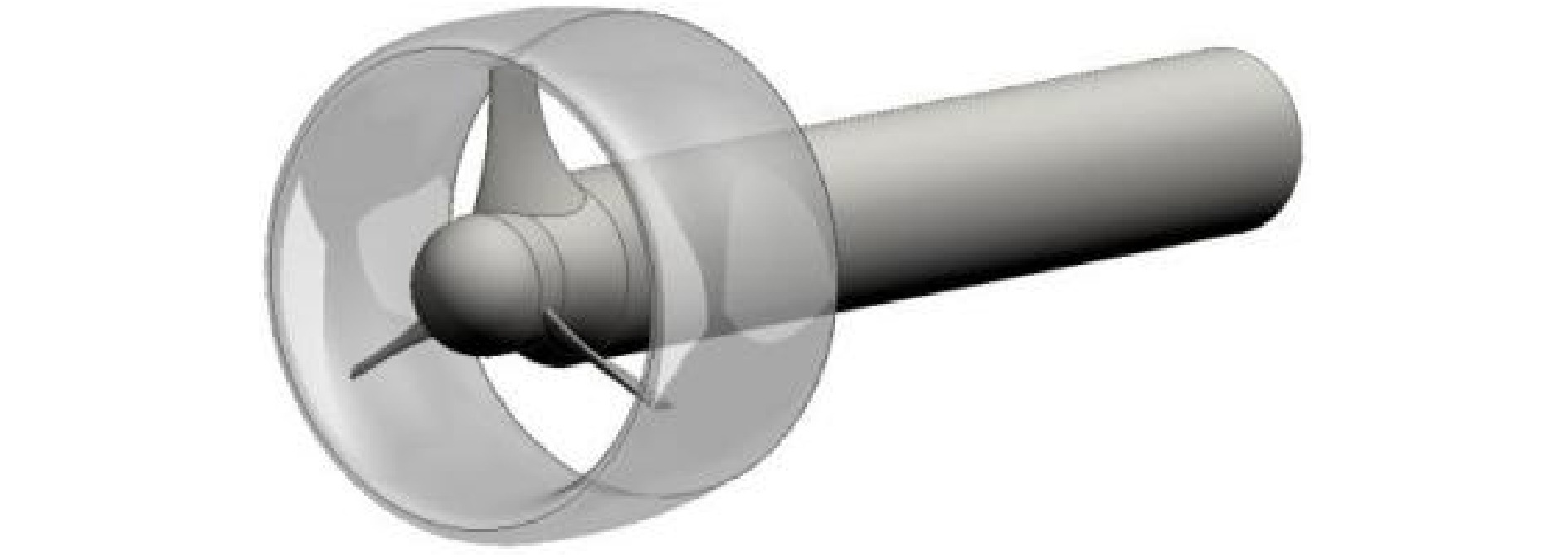
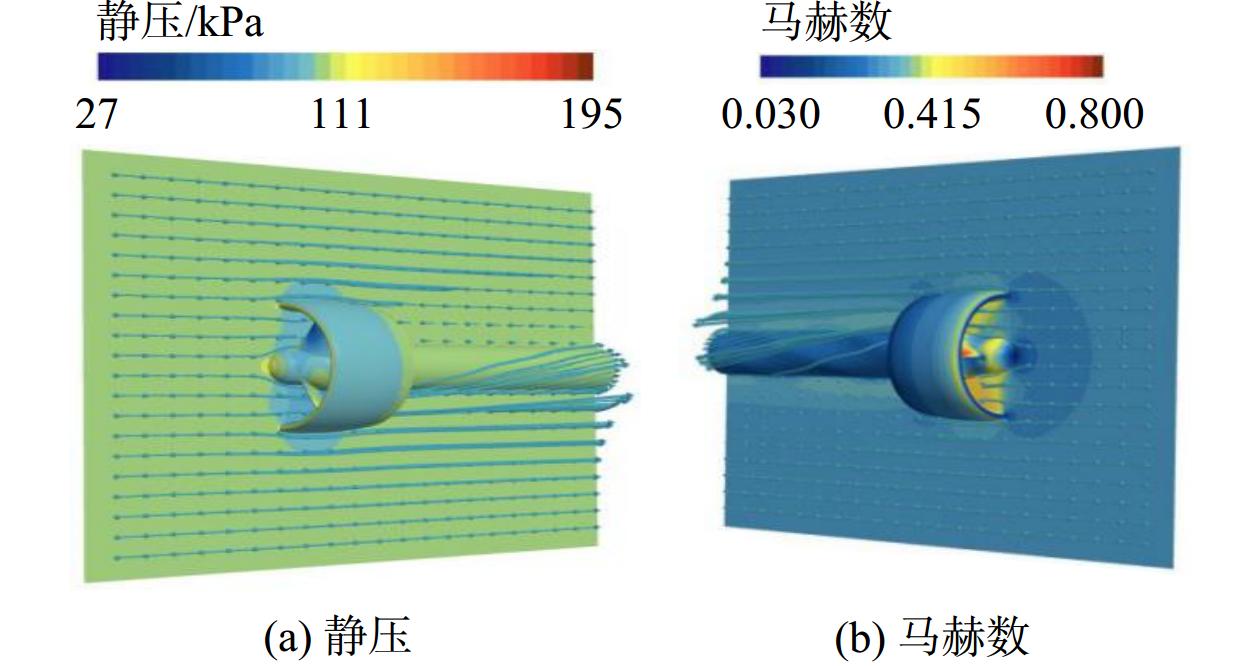
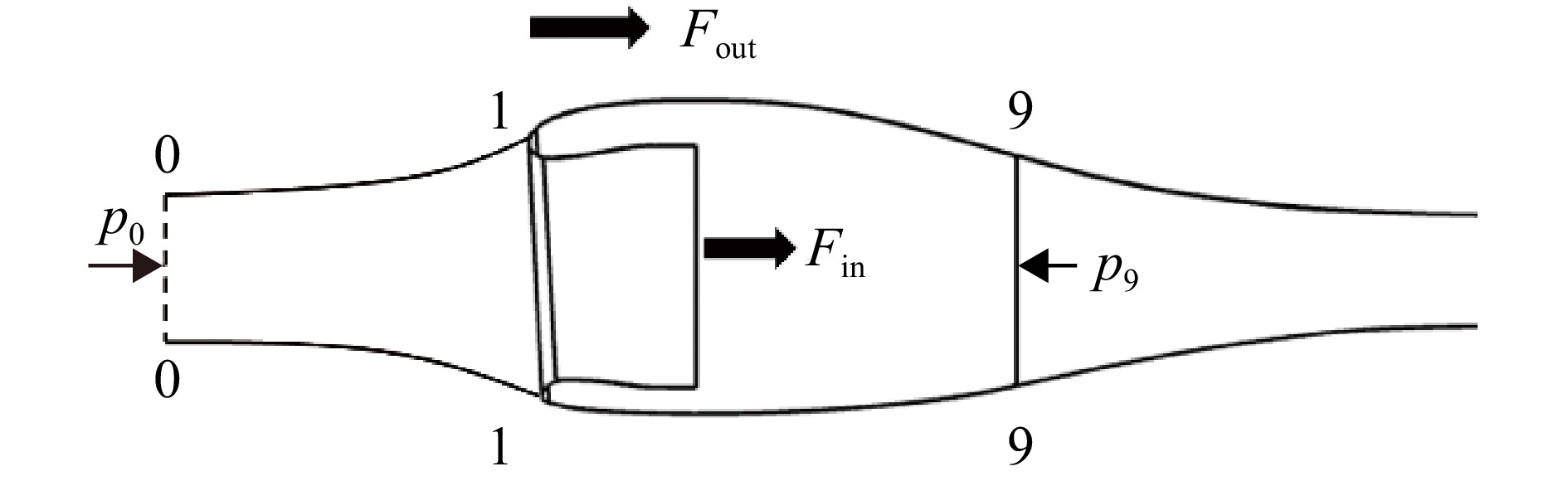
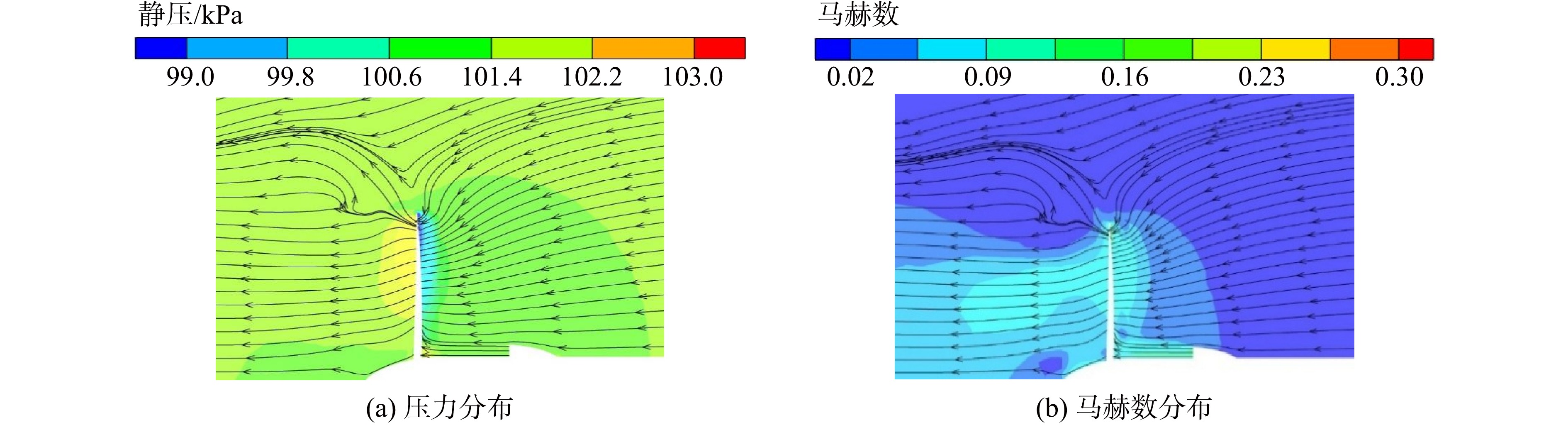
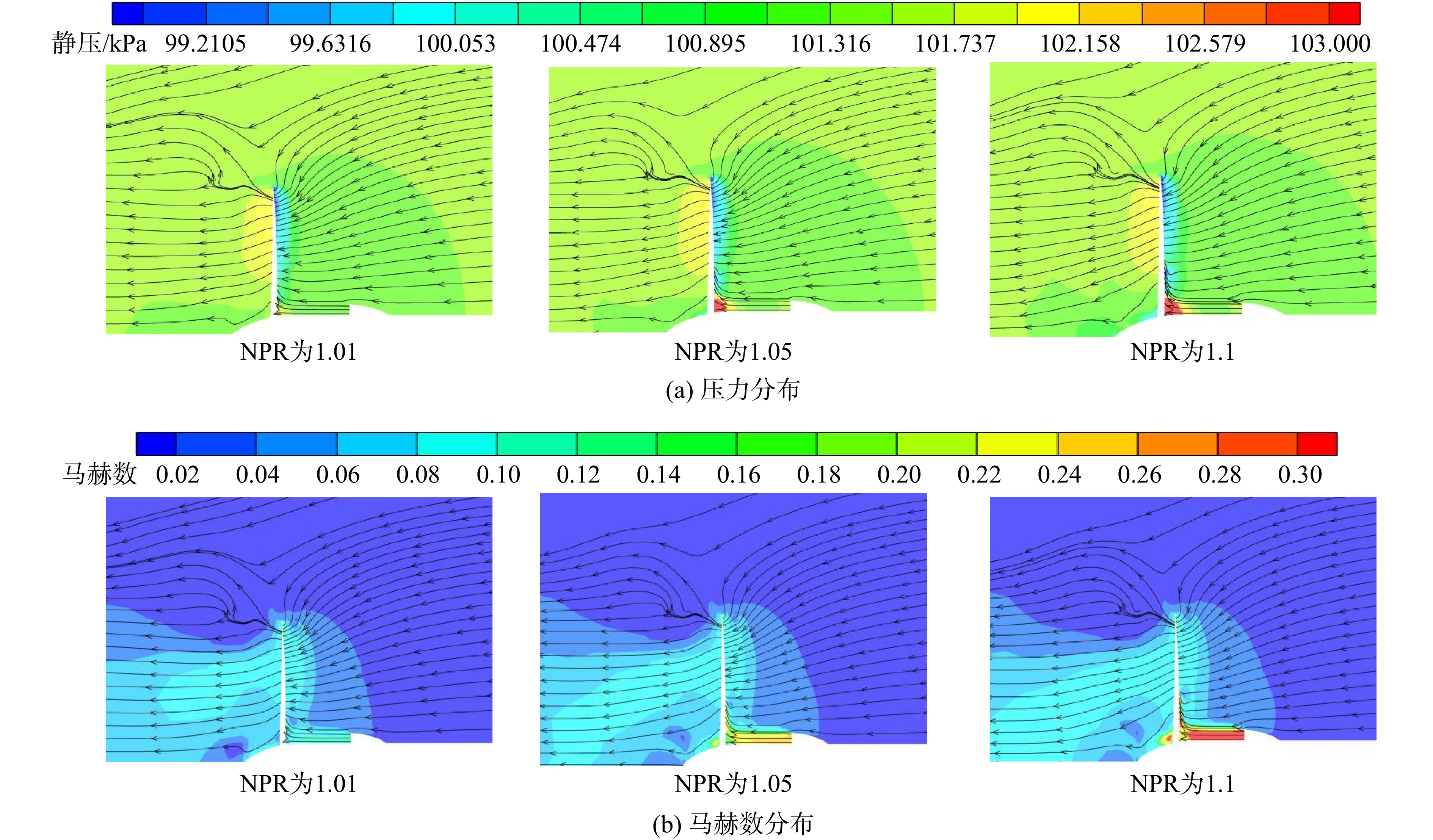
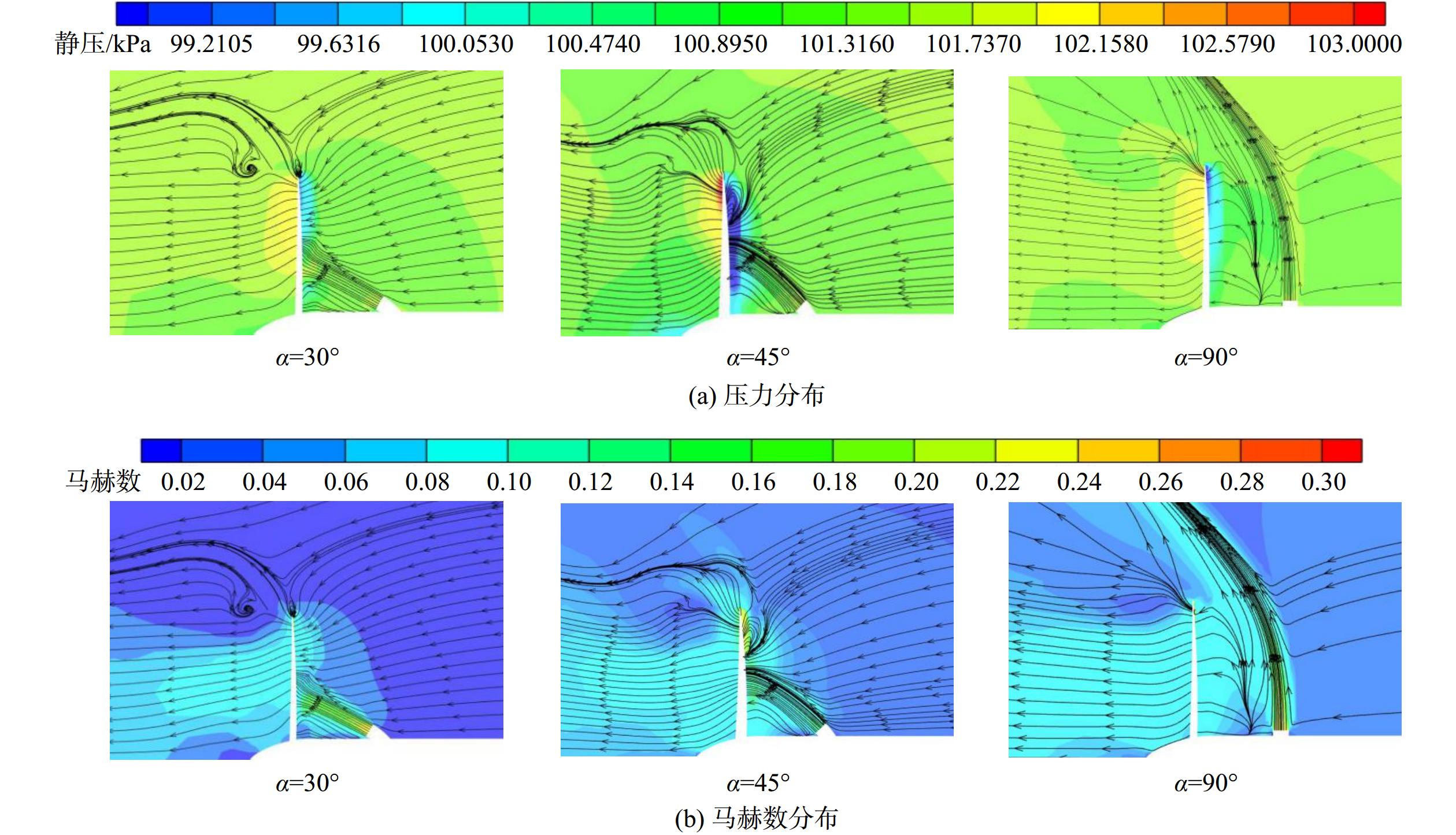
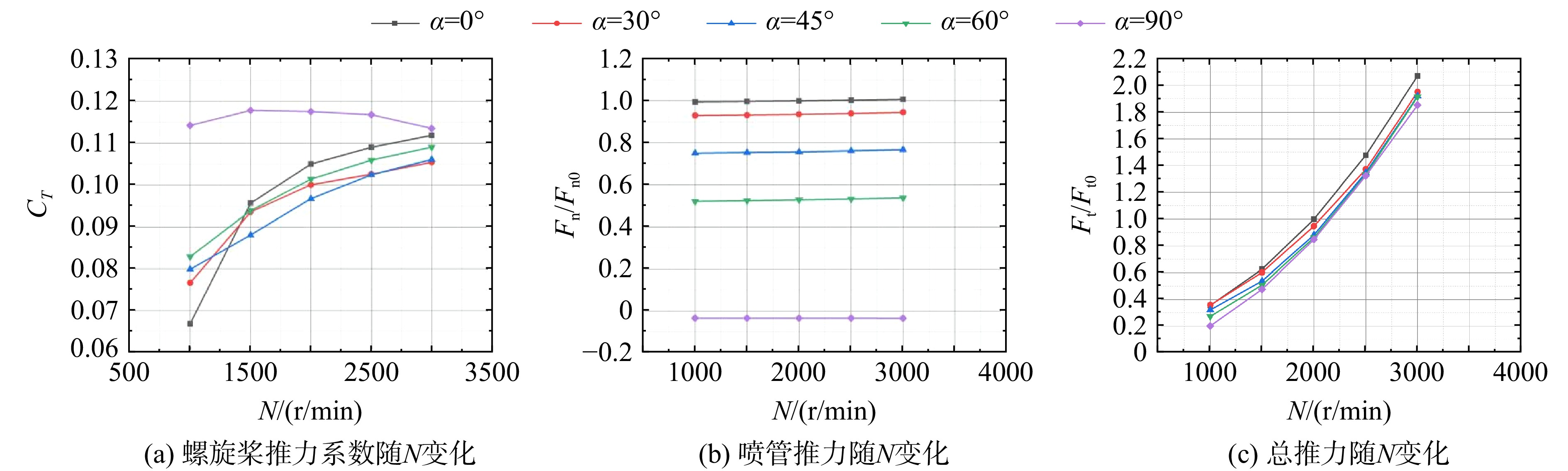
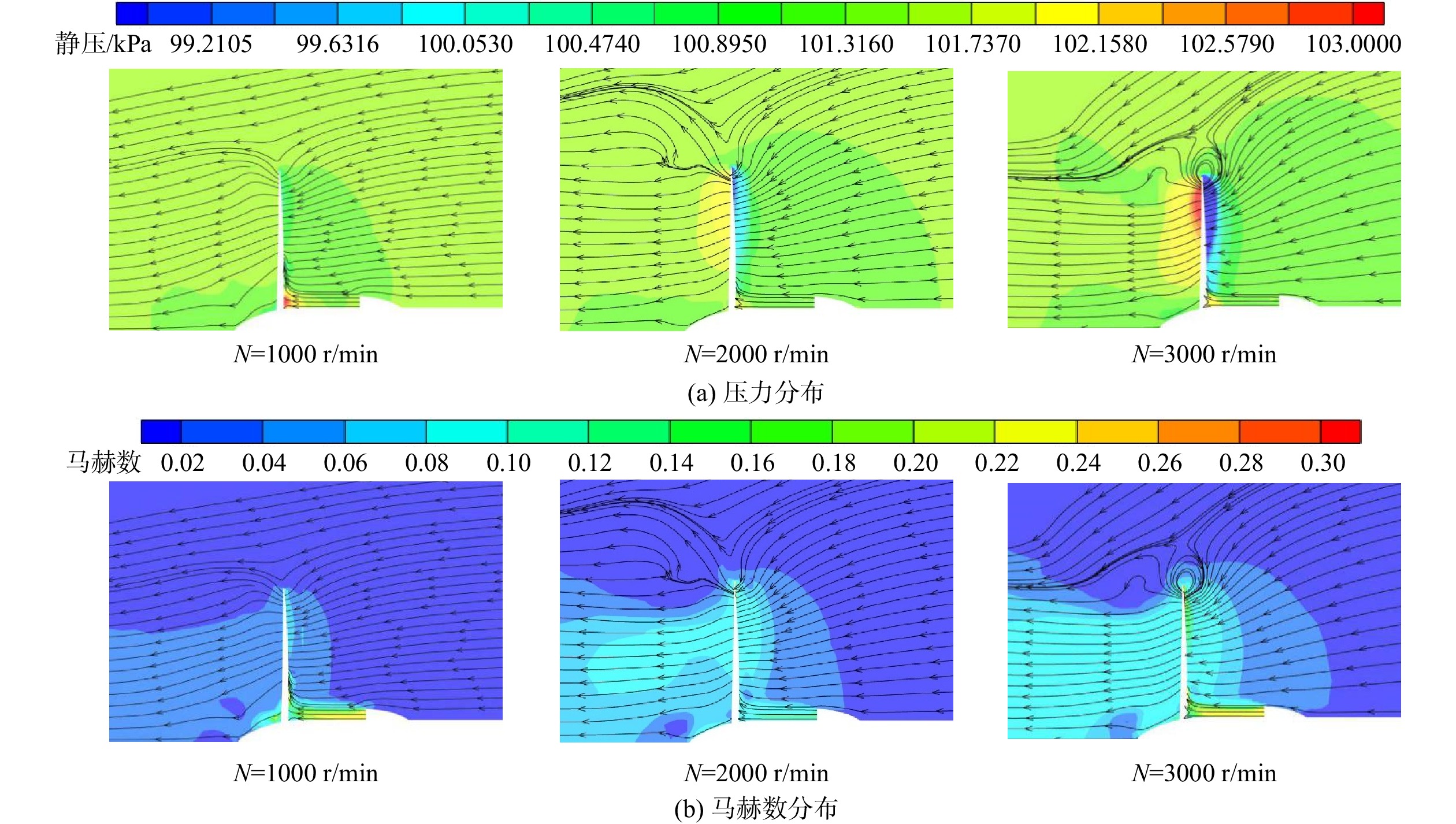
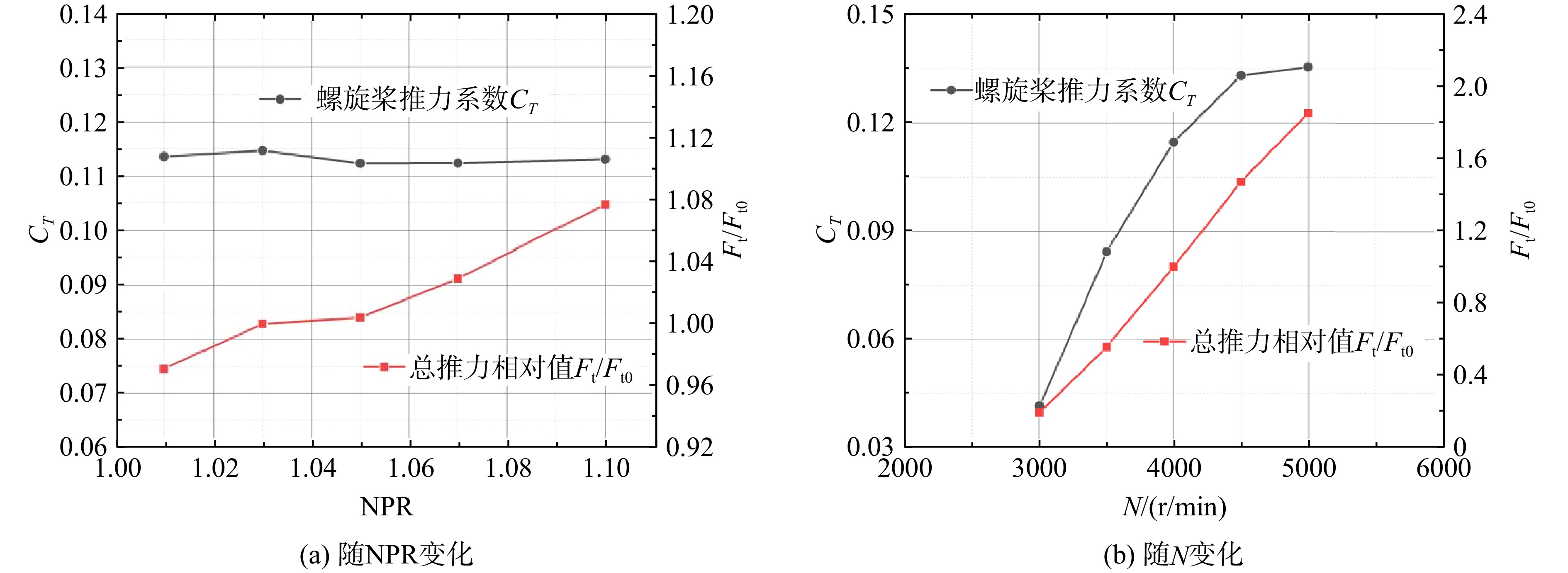
The thrust of the propulsive micro turboprop engine was produced primarily by the propeller. Not only did the nozzle generate residual thrust, but also it could make complex aerodynamic interference with the propeller. In order to explore the variation of thrust characteristics of propulsive micro turboprop engines under interference, the feasibility of the MRF (moving reference frame) method in calculating thrust characteristics of propulsive micro turboprop engines was verified. The CFD (computational fluid dynamics) calculation for the integrated configuration of the propeller, nozzle and nacelle was conducted. The influences of different nozzle pressure ratios, injection angles, propeller speeds, and incoming Mach numbers on the thrust characteristics of the engine during the idling and cruise states were obtained. It was found that, in the ground state, when the injection angle was 0°, the thrust coefficient of the propeller was greater than 0.1, and the maximum difference of the total thrust can reach 36% under the same pressure ratio; when the injection angle was 0°—60°, the propeller thrust coefficient decreased with the pressure ratio, but increased at the injection angle of 90°. In the cruise state, the injection angle and pressure ratio had less influence on the thrust coefficient of the propeller. In contrast, the propeller thrust coefficient decreased with the incoming Mach number and increased with the propeller speed. When the injection angle was 0°, the nozzle’s remaining thrust was maximum, and the total thrust was maximum in these two states, showing good thrust characteristics.

Intelligent compensation identification algorithm for missile dynamic derivatives based on unstructured dynamic mesh technology
ZANG Jianwen, LIU Jun, SU Hongxing, LIU Kai
2025, 40(9): 20240330. doi: 10.13224/j.cnki.jasp.20240330
Abstract:

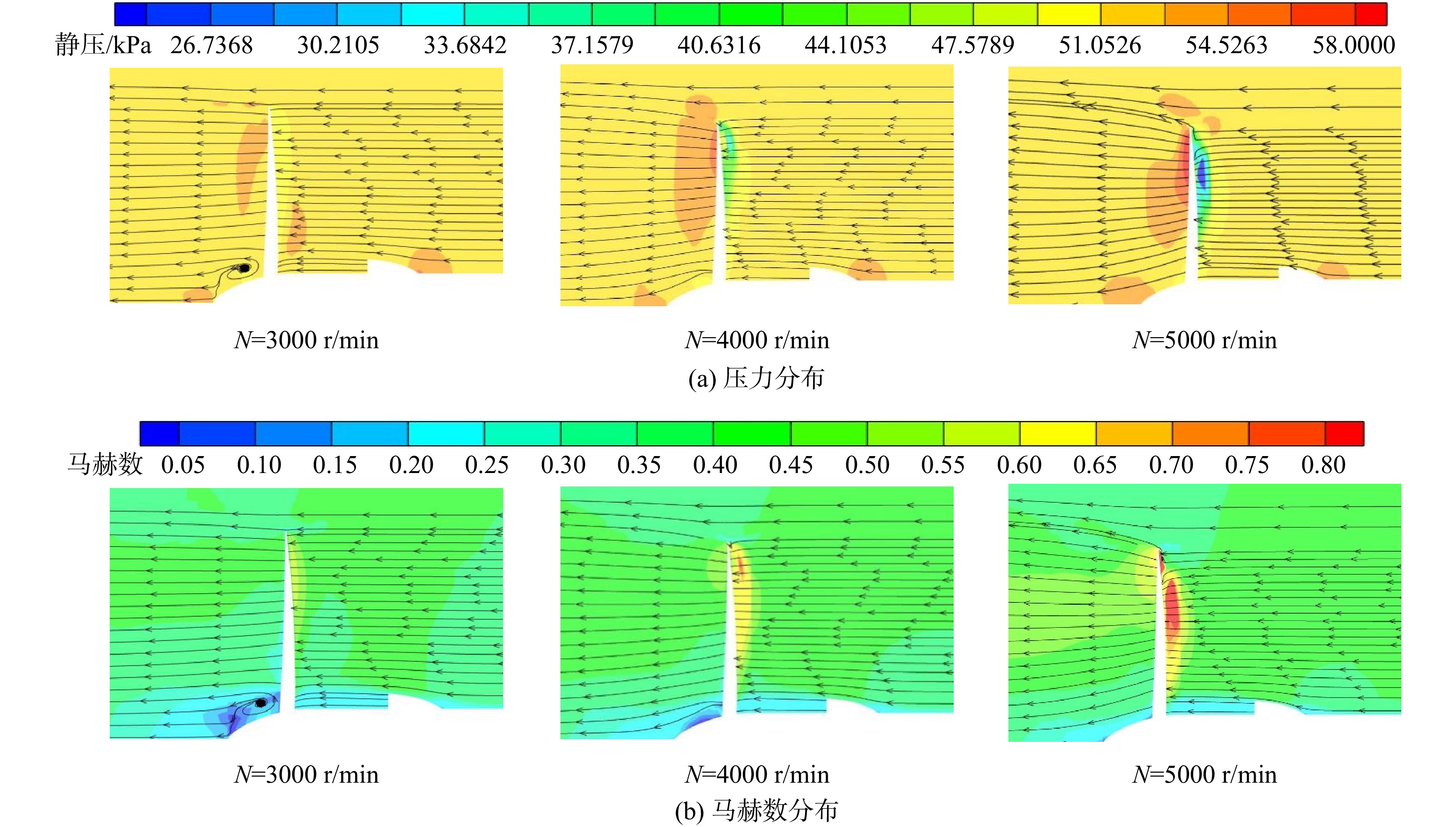
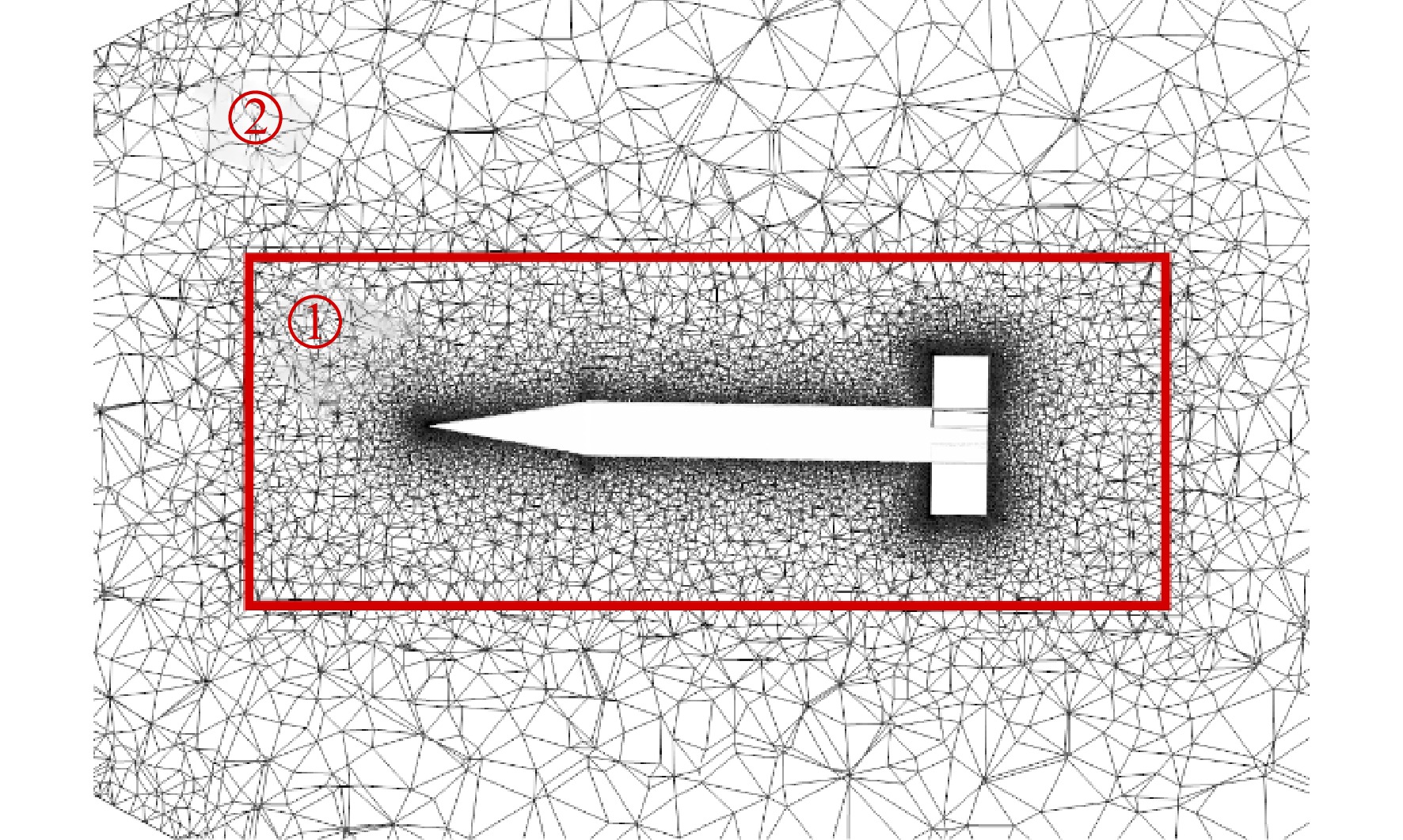
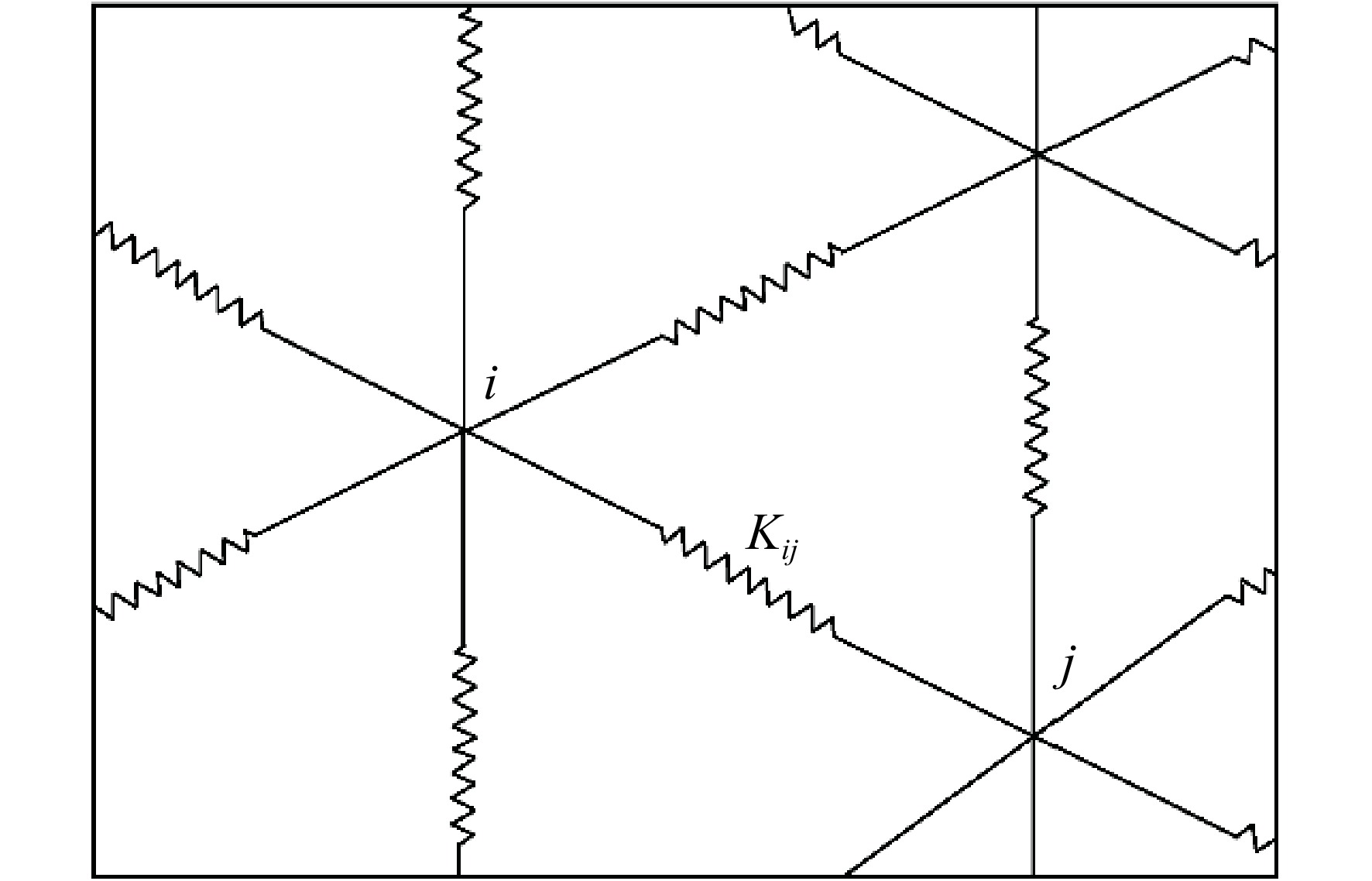
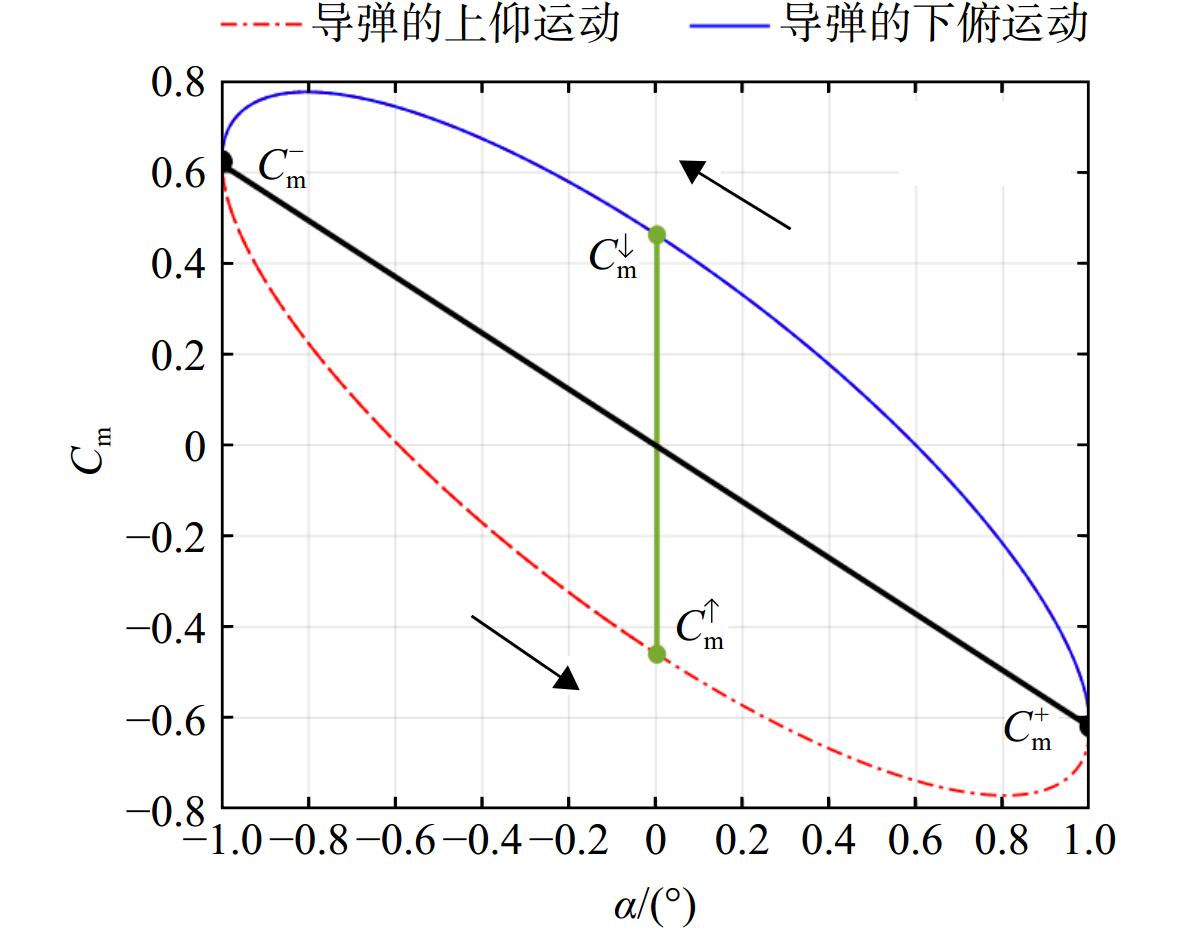
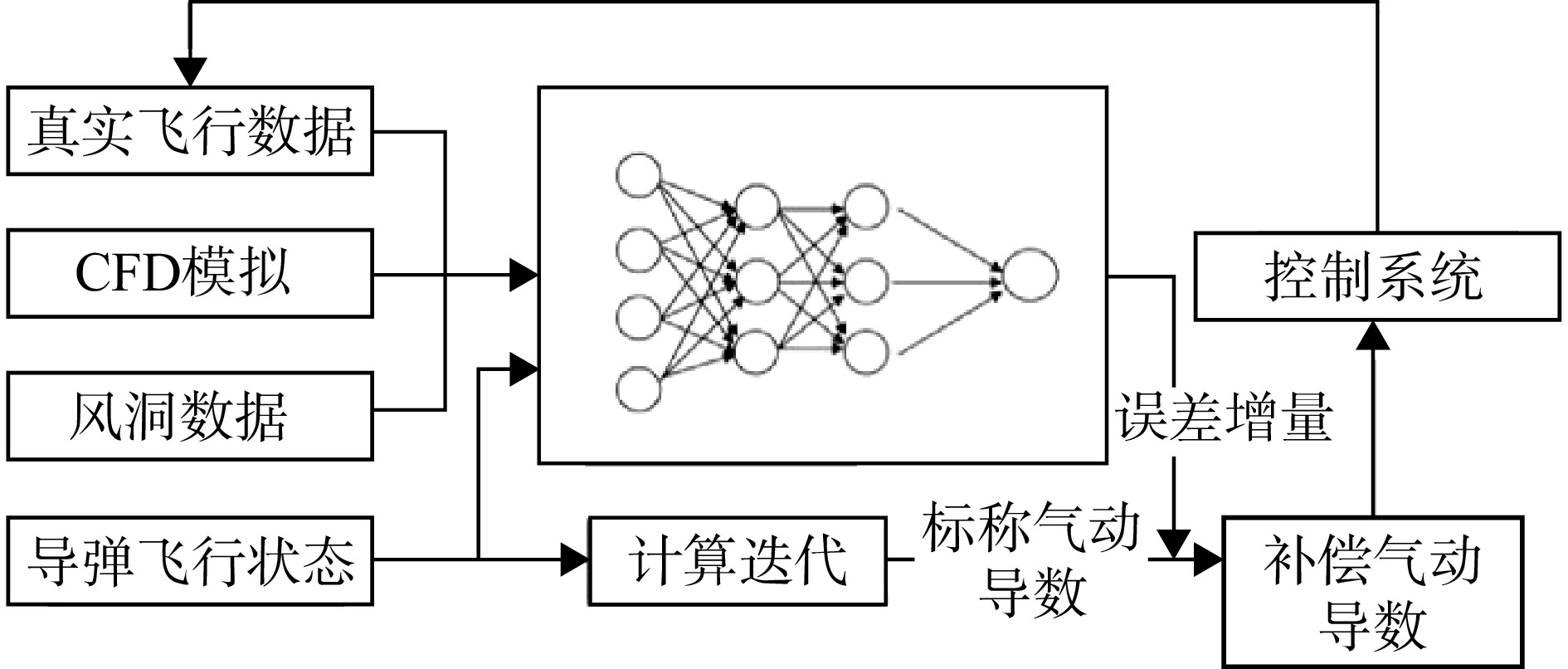
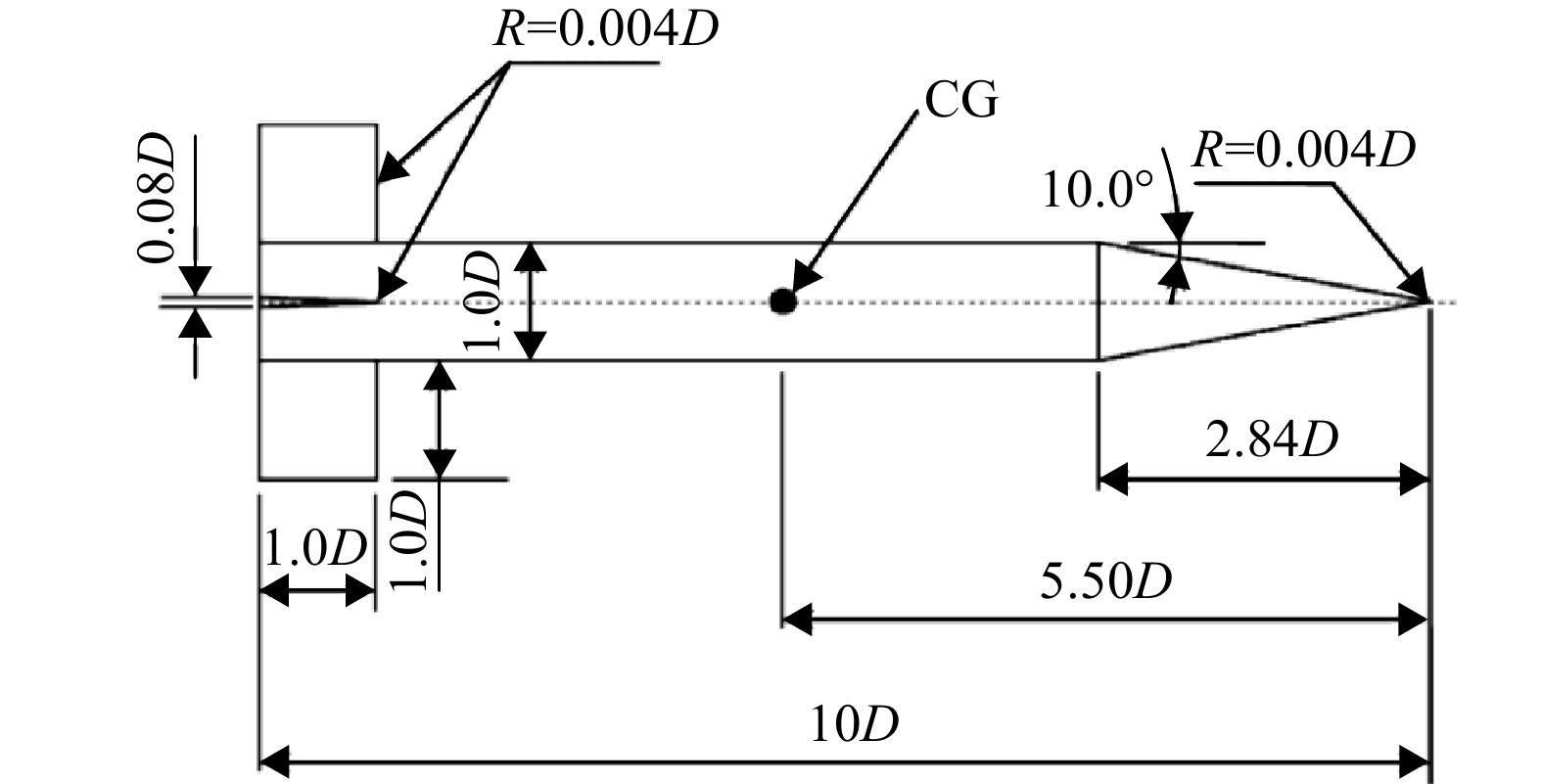
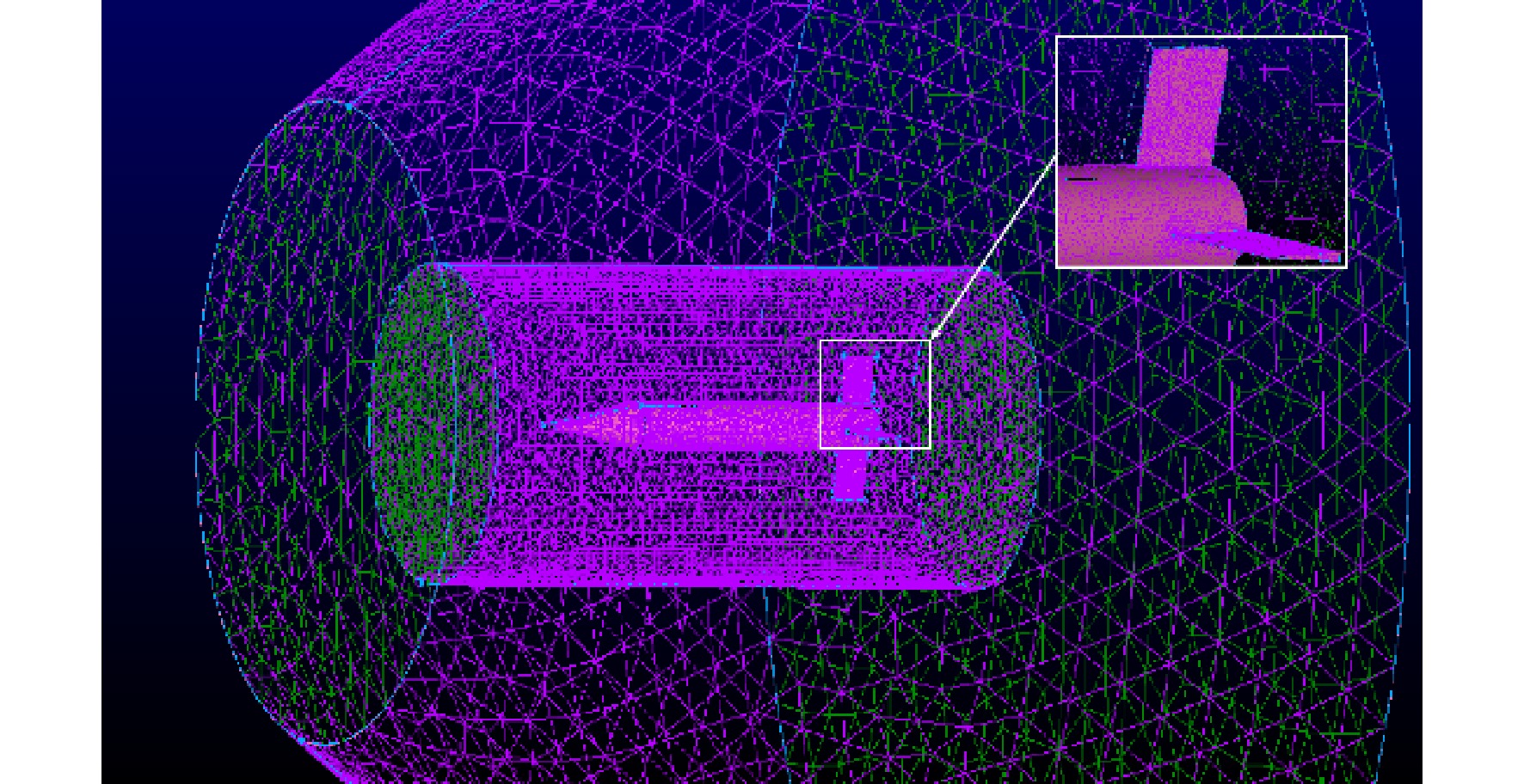
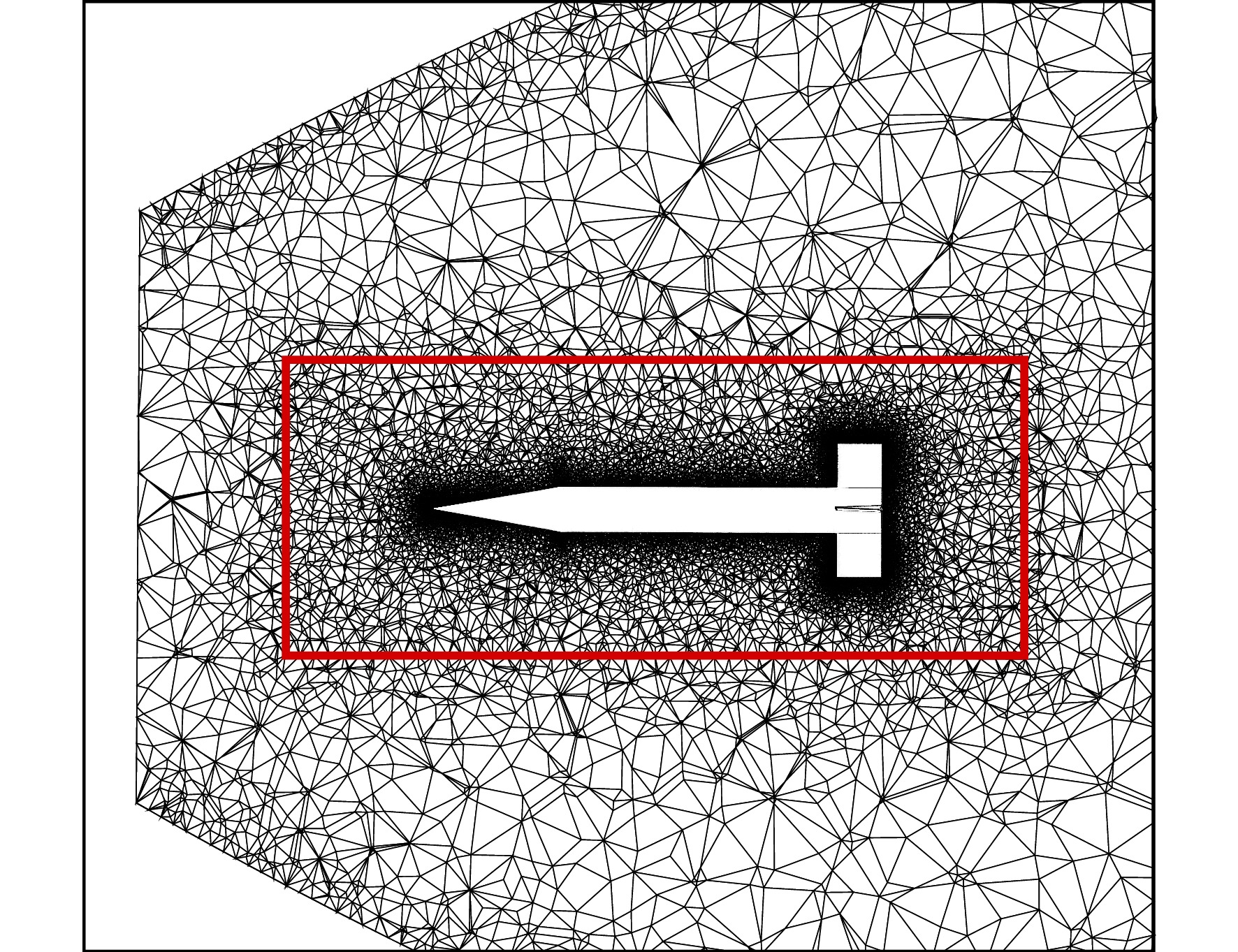
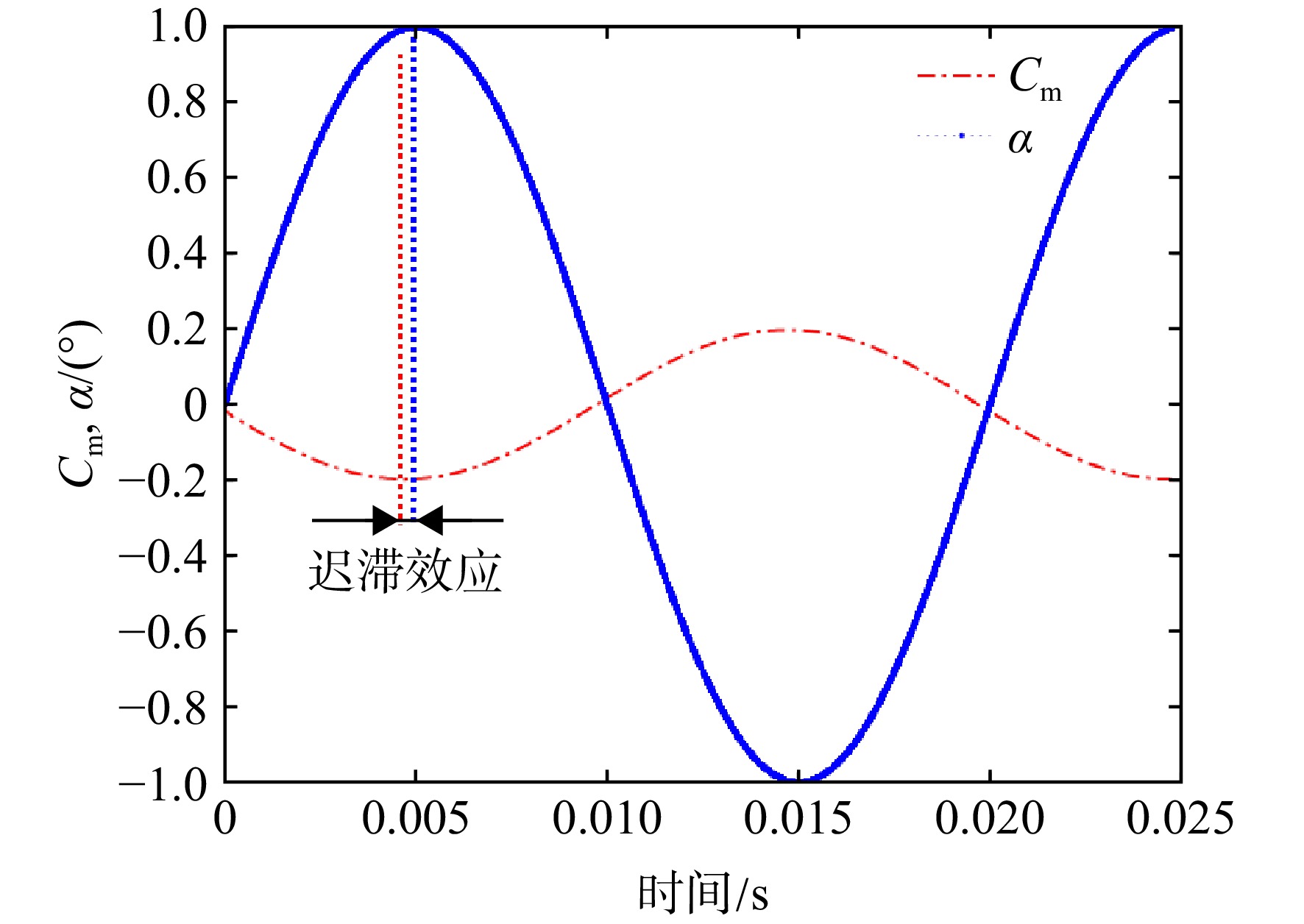
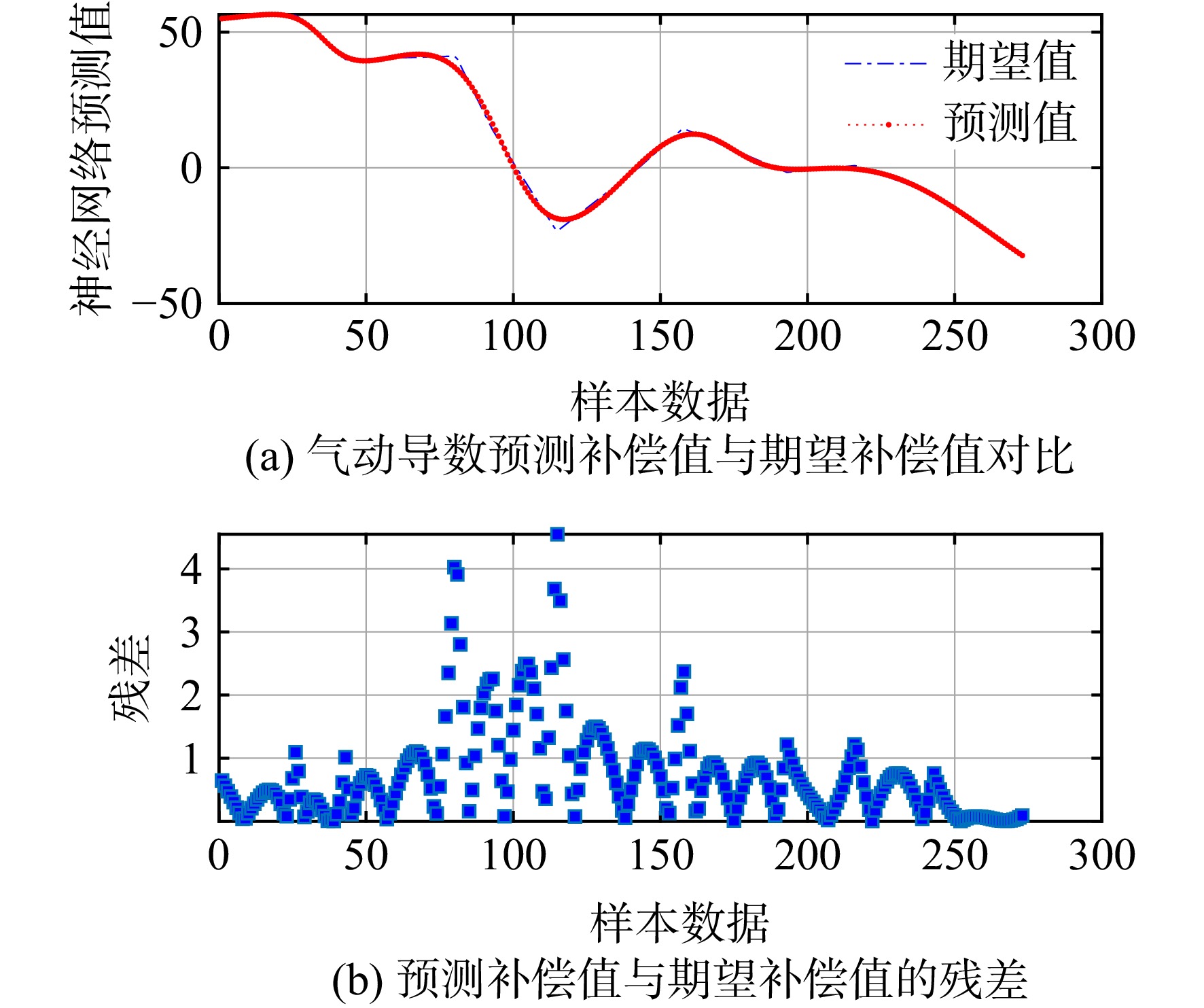
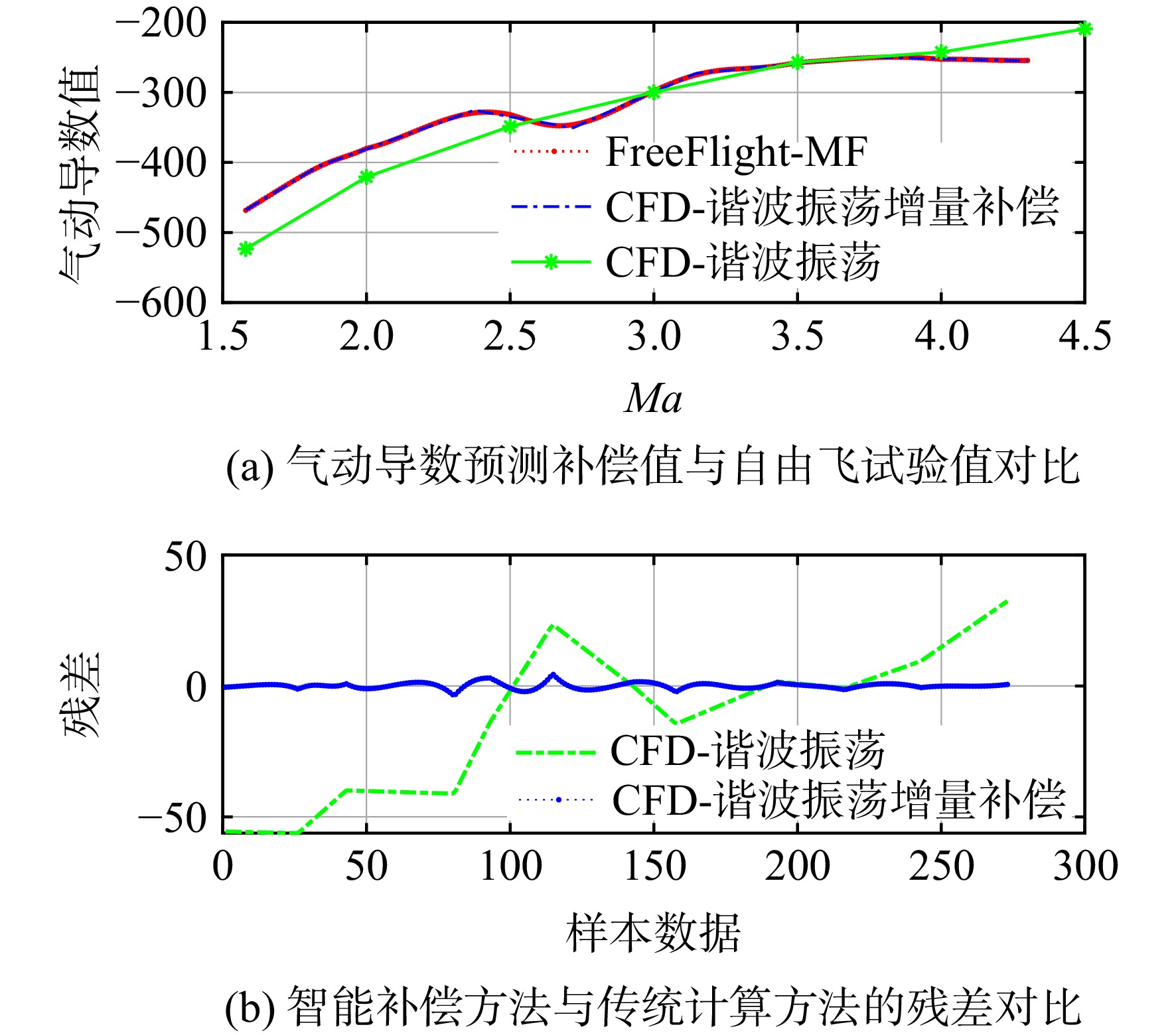
An intelligent compensation identification algorithm for missile dynamic derivatives based on the unstructured dynamic mesh method was proposed. By combining the unstructured dynamic mesh method with forced harmonic oscillation and other methods, this algorithm could quickly obtain offline data of missile dynamic derivatives. A deep neural network was constructed based on the deviation between the offline data and experimental values to perform online intelligent compensation for missile aerodynamic derivatives. Relying solely on offline data and a deep neural network, this algorithm can intelligently compensate and identify the longitudinal aerodynamic derivatives of the standard Finner missile model, achieving accurate predictions of static stability derivatives and combined dynamic derivatives, with the residuals of the compensated dynamic derivatives reduced by 75%. With high computational accuracy, it can be extended to intelligent compensation identification of lateral and directional dynamic derivatives.

Isentropic flow characteristics of heavy gas medium
LIU Yongping, KOU Xiping, ZHA Jun, YU Li, LU Bo
2025, 40(9): 20230421. doi: 10.13224/j.cnki.jasp.20230421
Abstract:

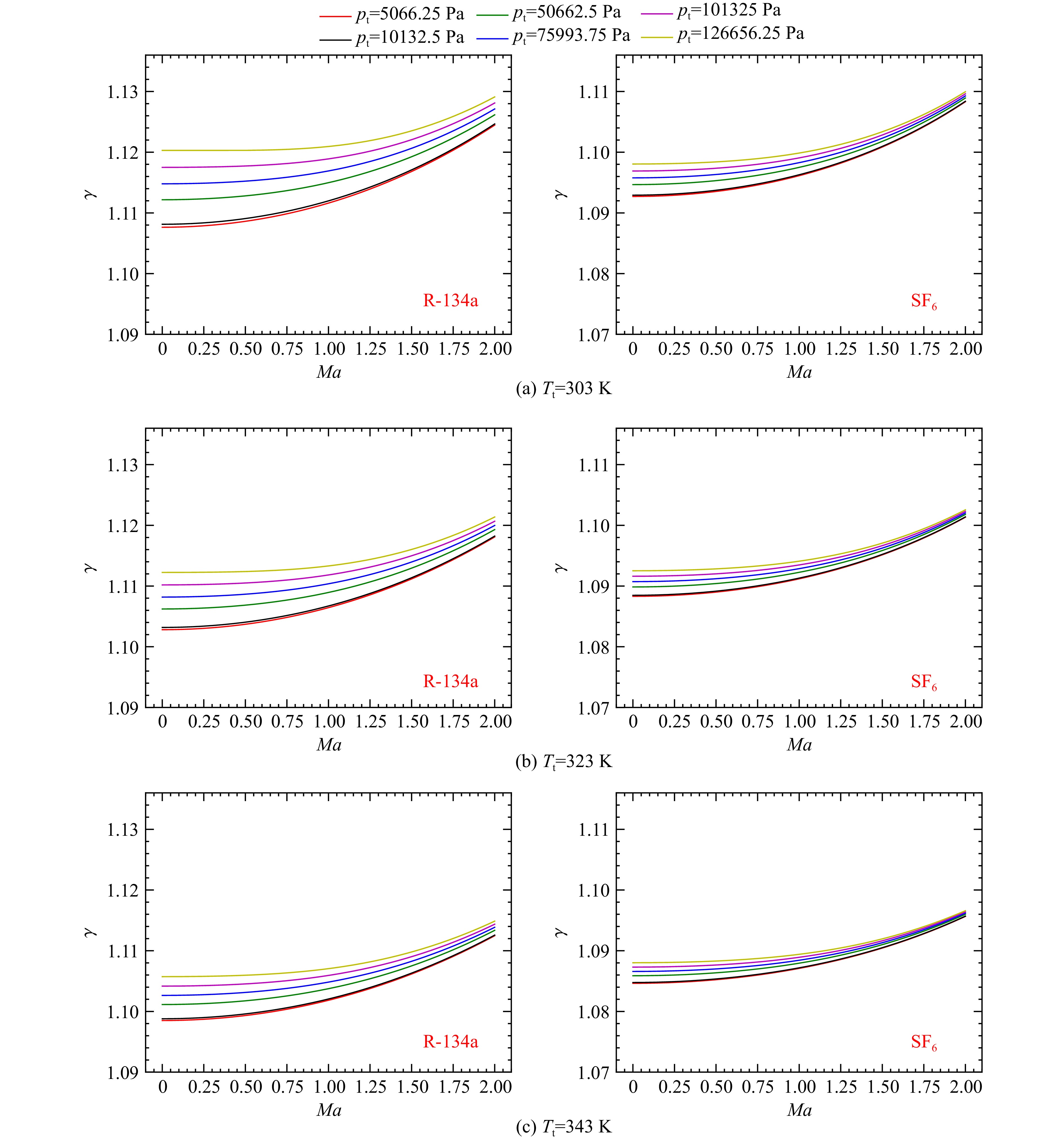
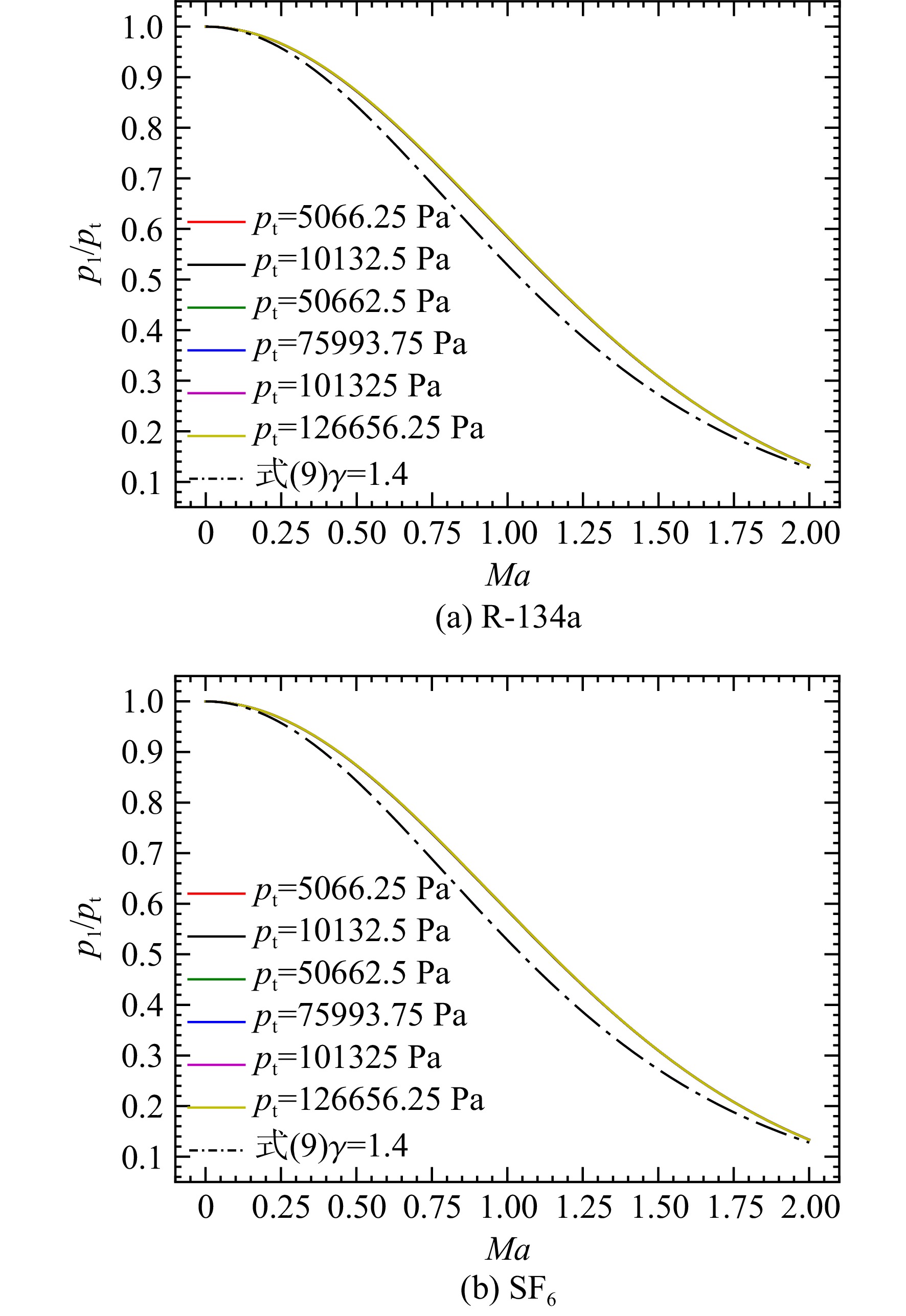
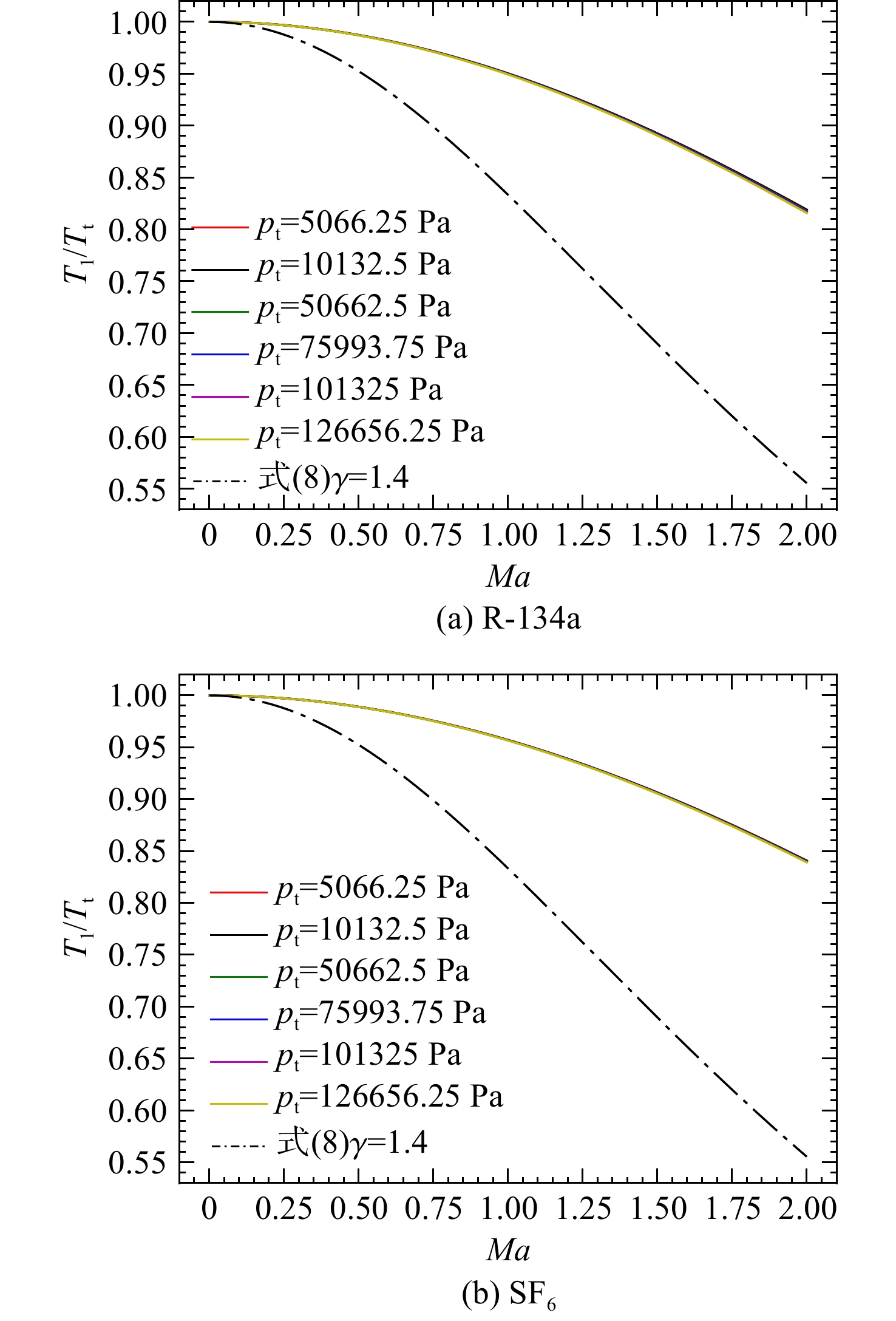
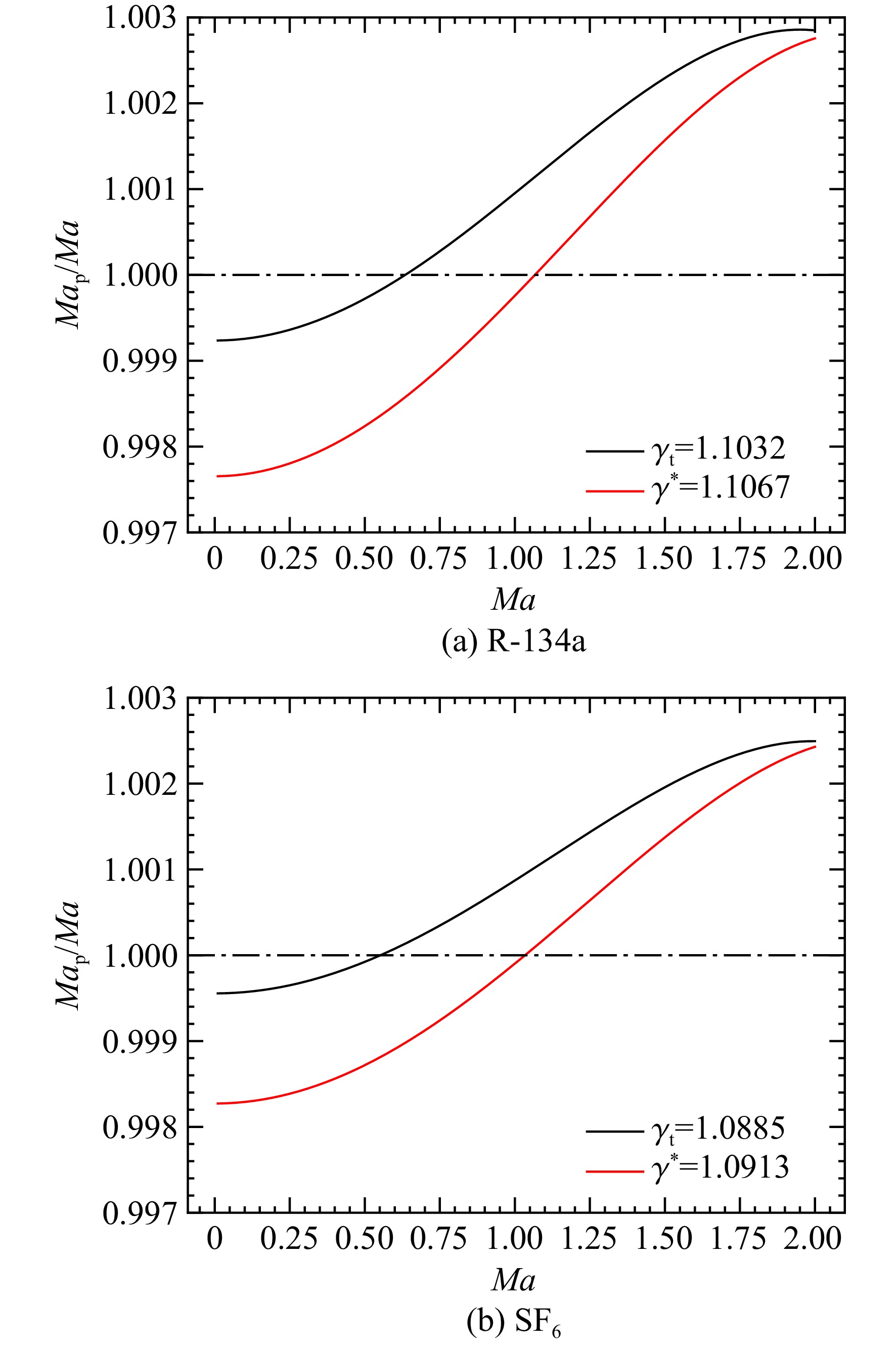
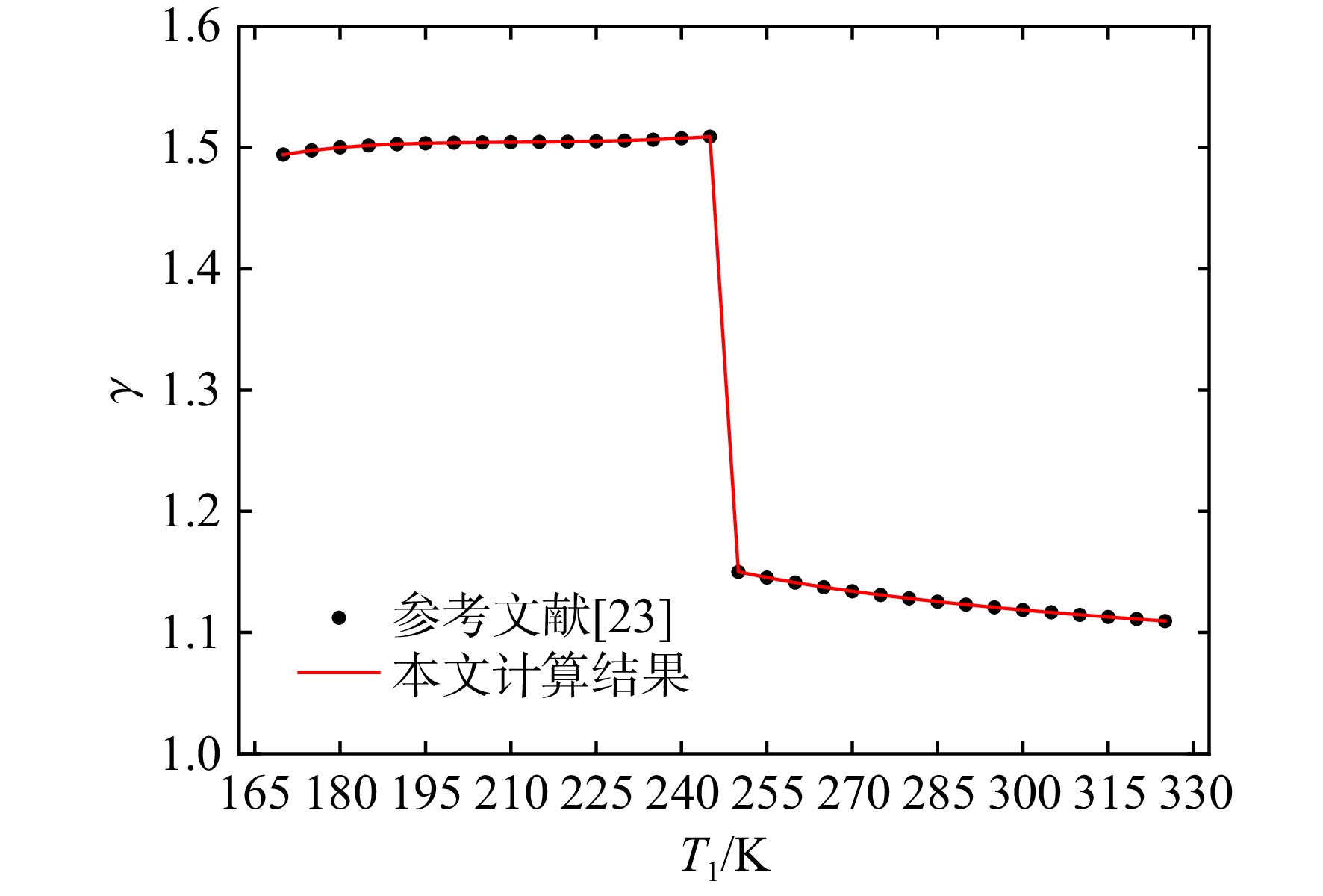
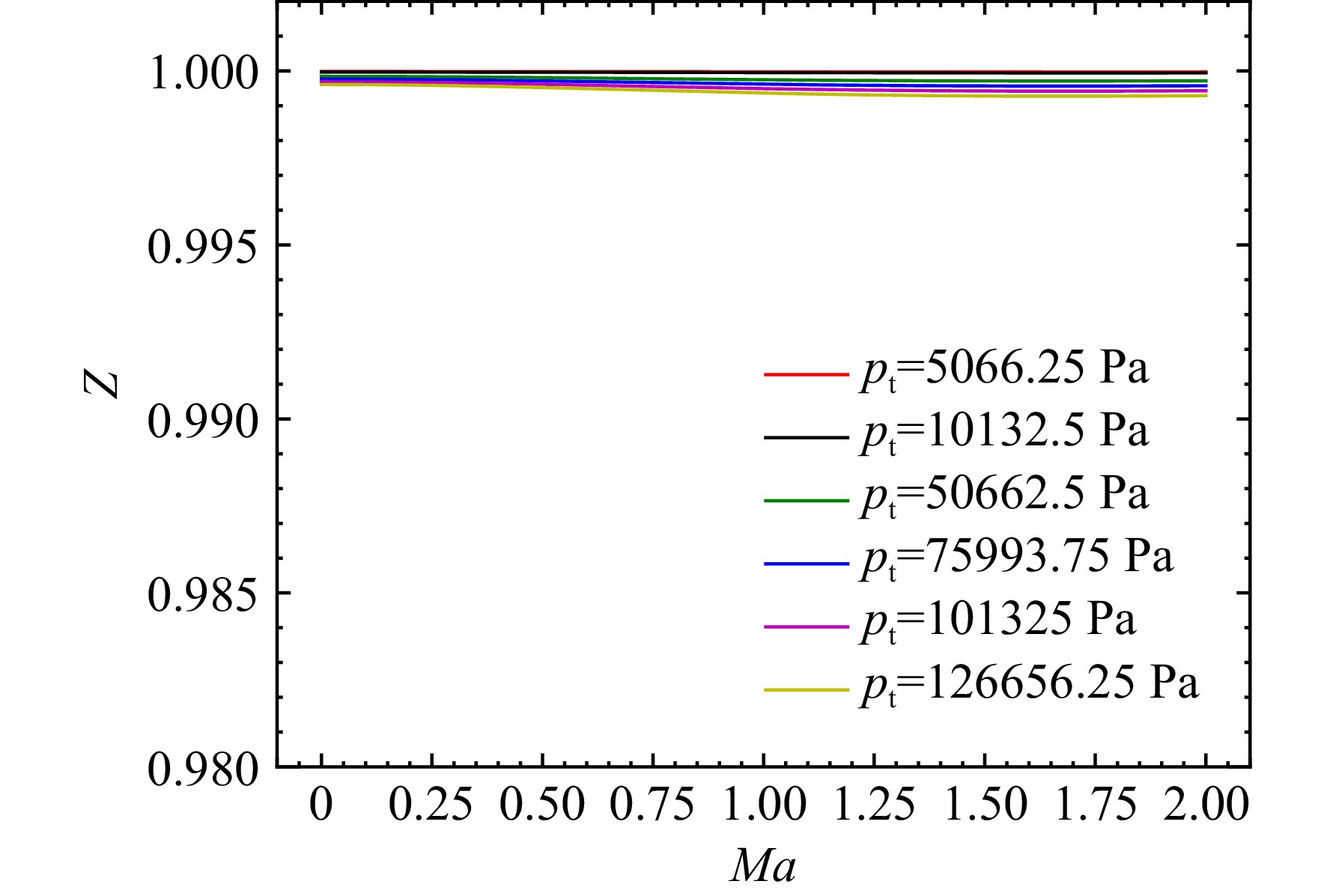
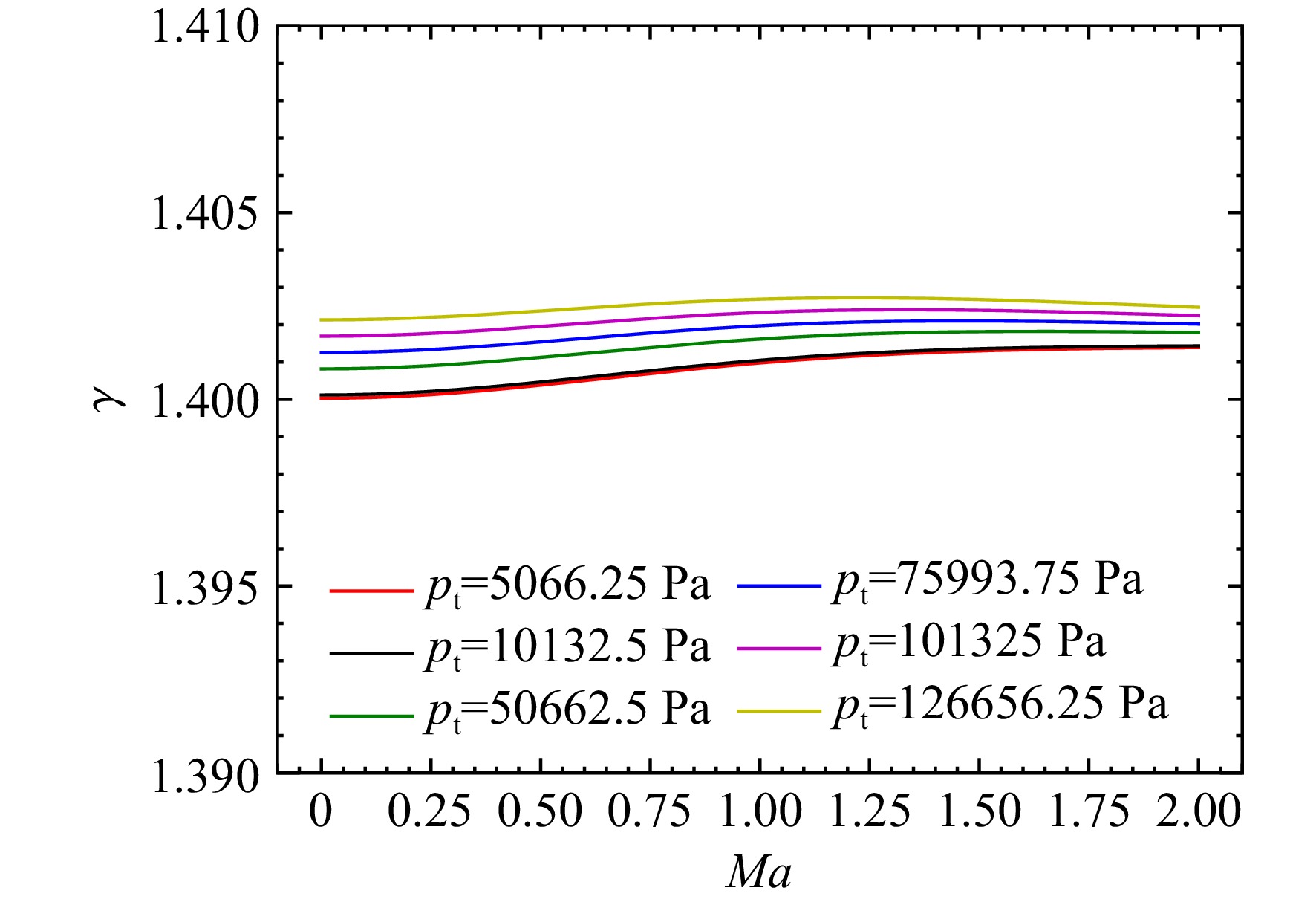
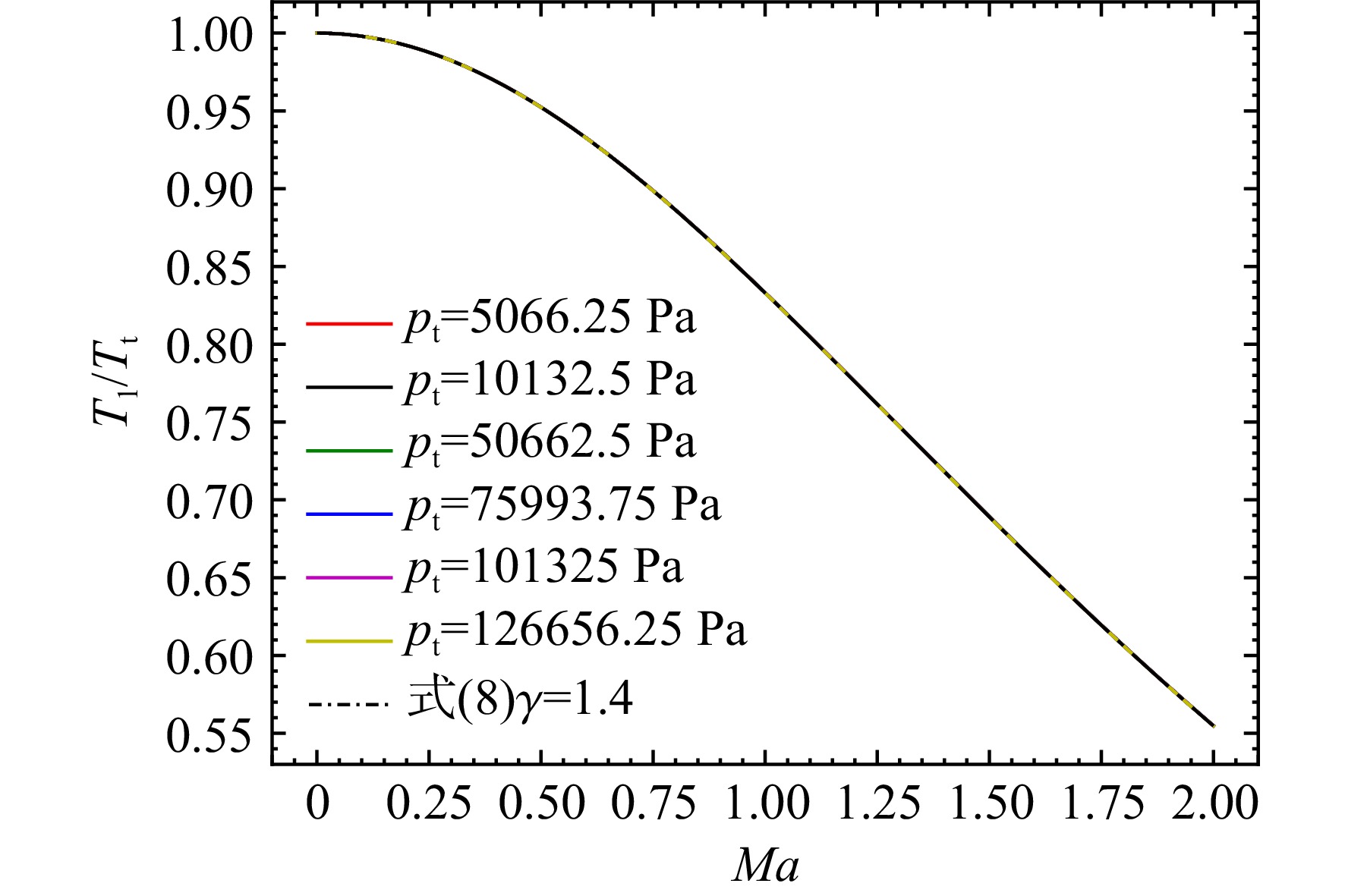
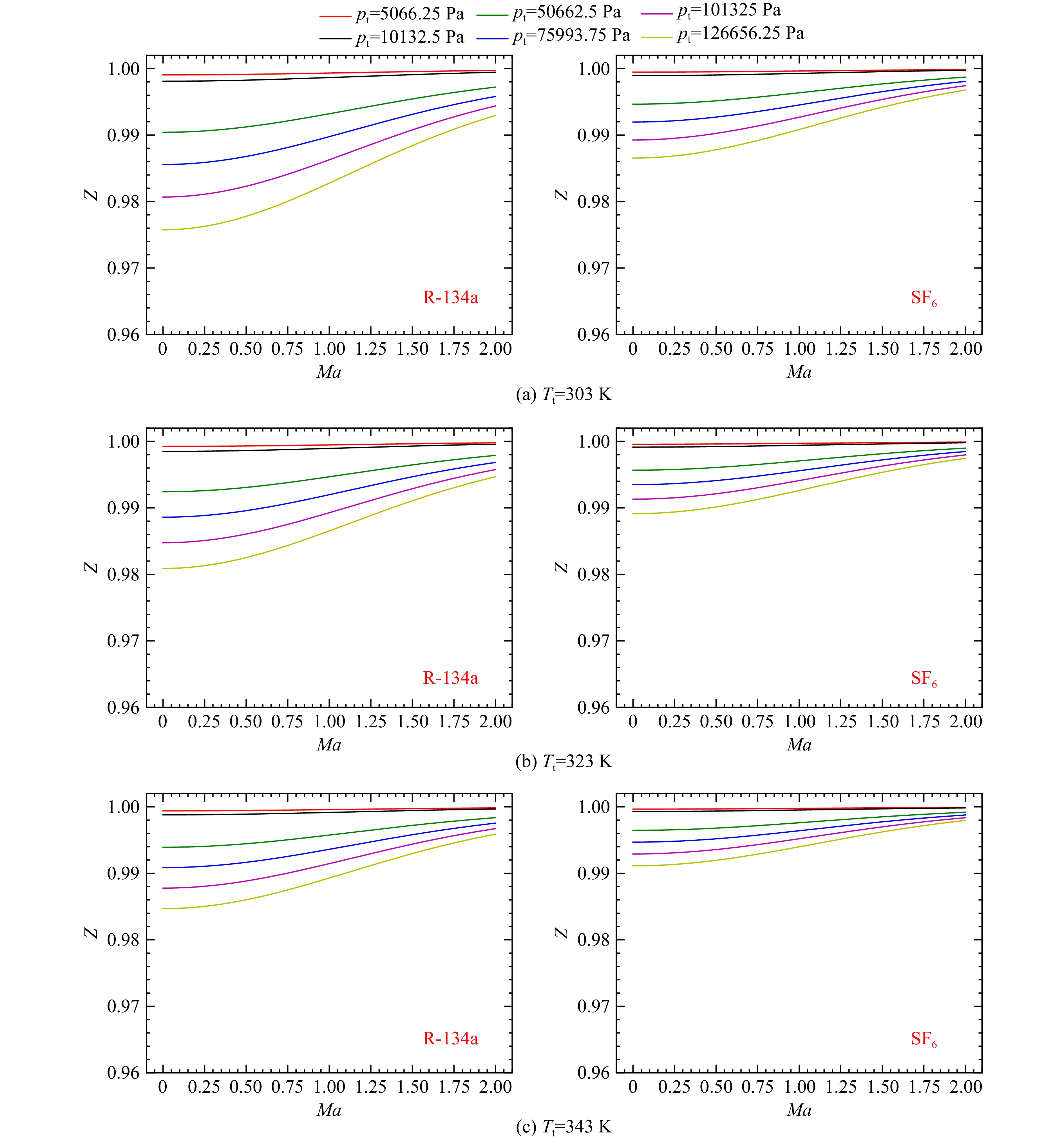
In order to study the compressible flow field characteristics of heavy gas medium in high-speed wind tunnel and its related influencing factors, the real gas effect of heavy gas medium was considered, and based on one-dimensional isentropic flow theory, the flow field parameters for a specified set of free-stream Mach numbers under the given total pressure and total temperature were calculated under wind tunnel typical operating conditions. The calculation results showed that the gas compression factor Z was close to 1 for heavy gas tetrafluoroethane (R-134a) and sulfur hexafluoride (SF6) at higher total temperature, and the specific heat ratio γ was basically constant at certain total temperature and total pressure within the range of free-stream Mach number from 0.3 to 1.3, and it was possible to consider the heavy gas both thermally and calorically perfect. Under the certain condition of total temperature and total pressure, the Mach number deviation obtained by treating heavy gas both thermally and calorically perfect was less than 0.3%, which met the requirements of wind tunnel Mach number control. In view of the high-speed flow around the airfoil, the analysis of flow field parameters of isentropic flow between heavy gas and air showed that the large difference of static temperature of flow field may cause the deviation of wind tunnel test data between heavy gas and air, and then the test data obtained under heavy gas shall be transformed accordingly. This could provide a basic support for subsequent research on aerodynamic characteristics of aircraft in heavy gas medium and the development of aerodynamic data correction methods.

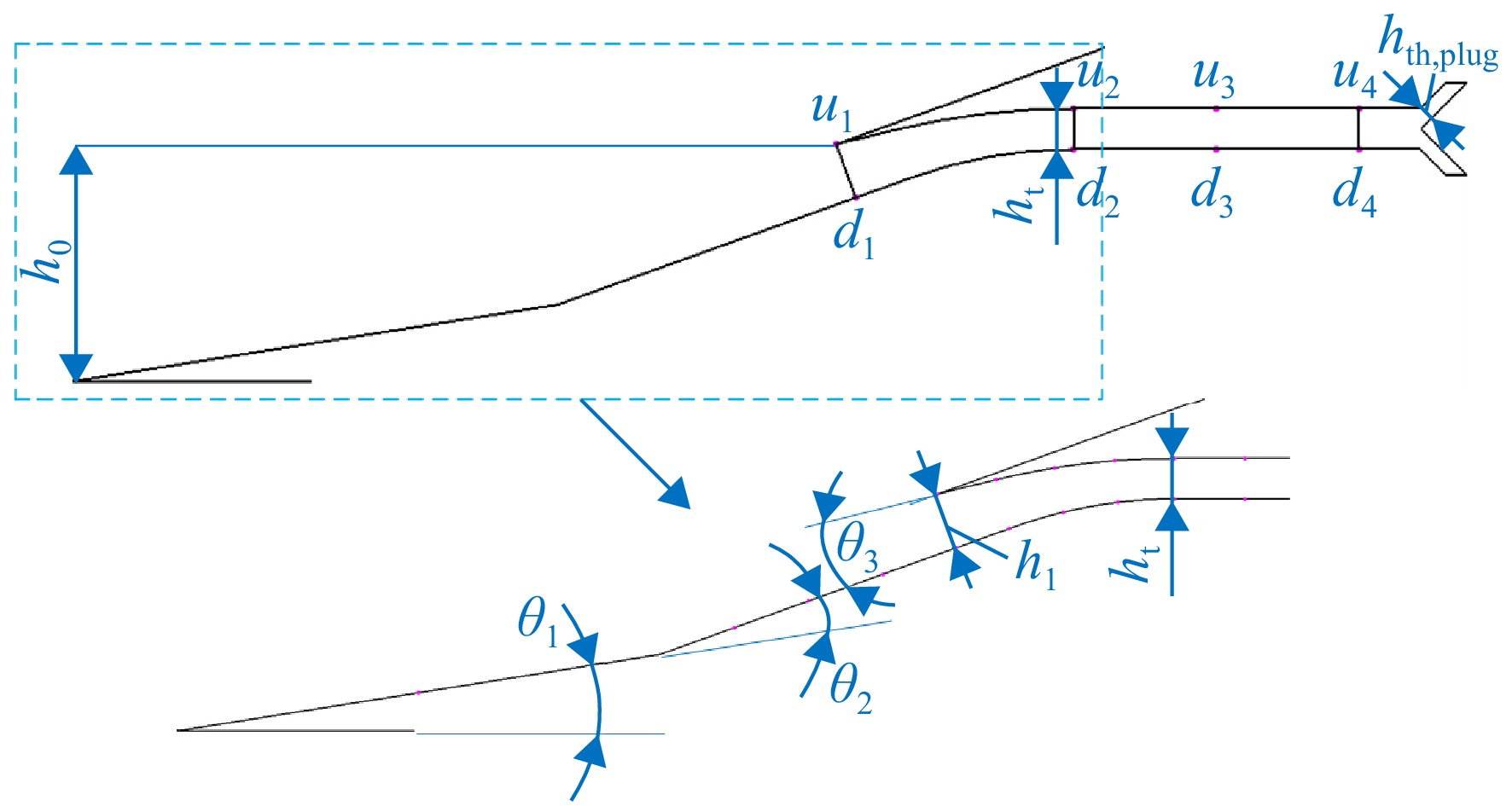
Influence of backflow duct on the buzz of two-dimensional hypersonic inlet
XU Chenglong, YANG Linlin, XIE Wenzhong, PAN Jiangdong
2025, 40(9): 20240340. doi: 10.13224/j.cnki.jasp.20240340
Abstract:

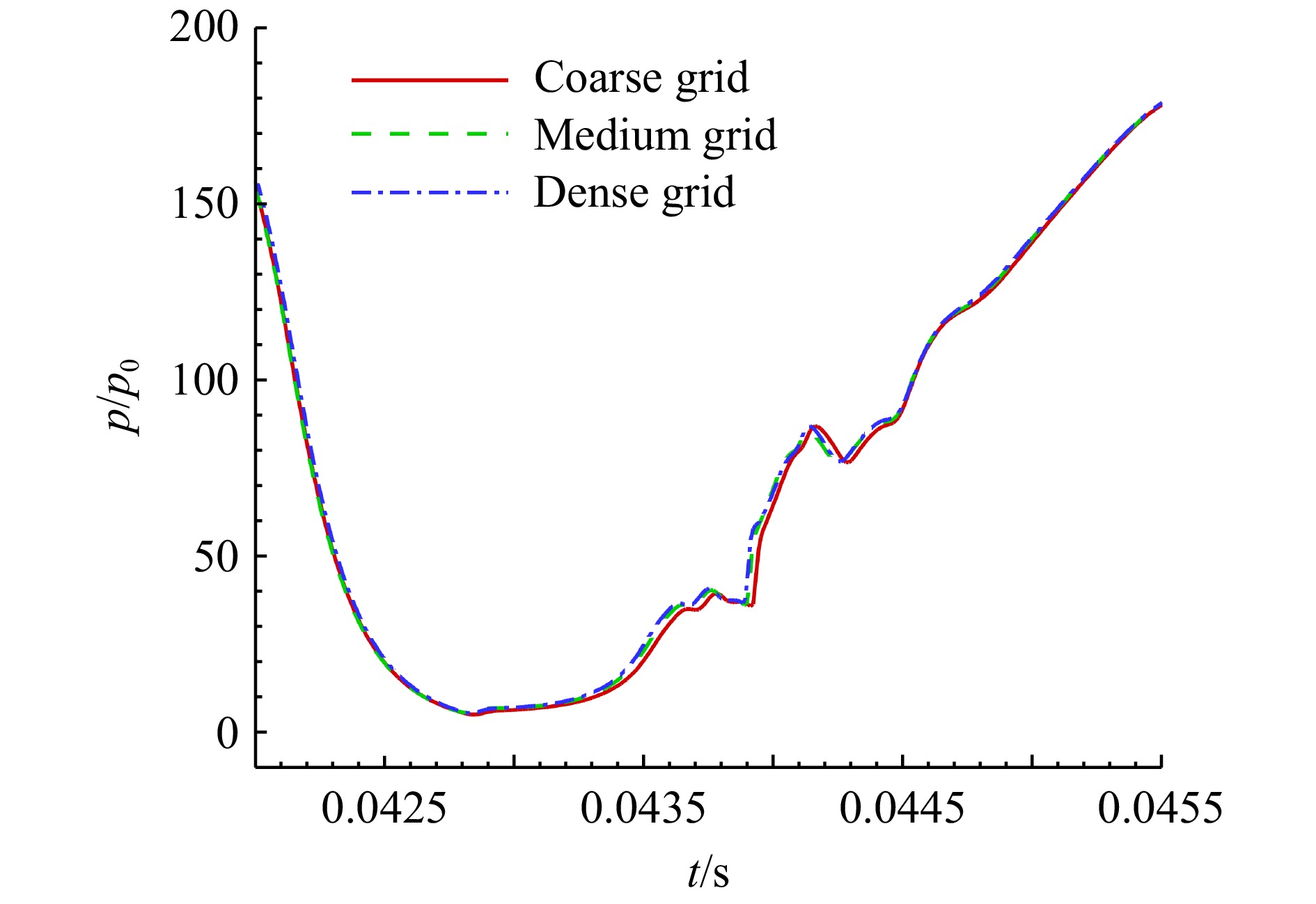
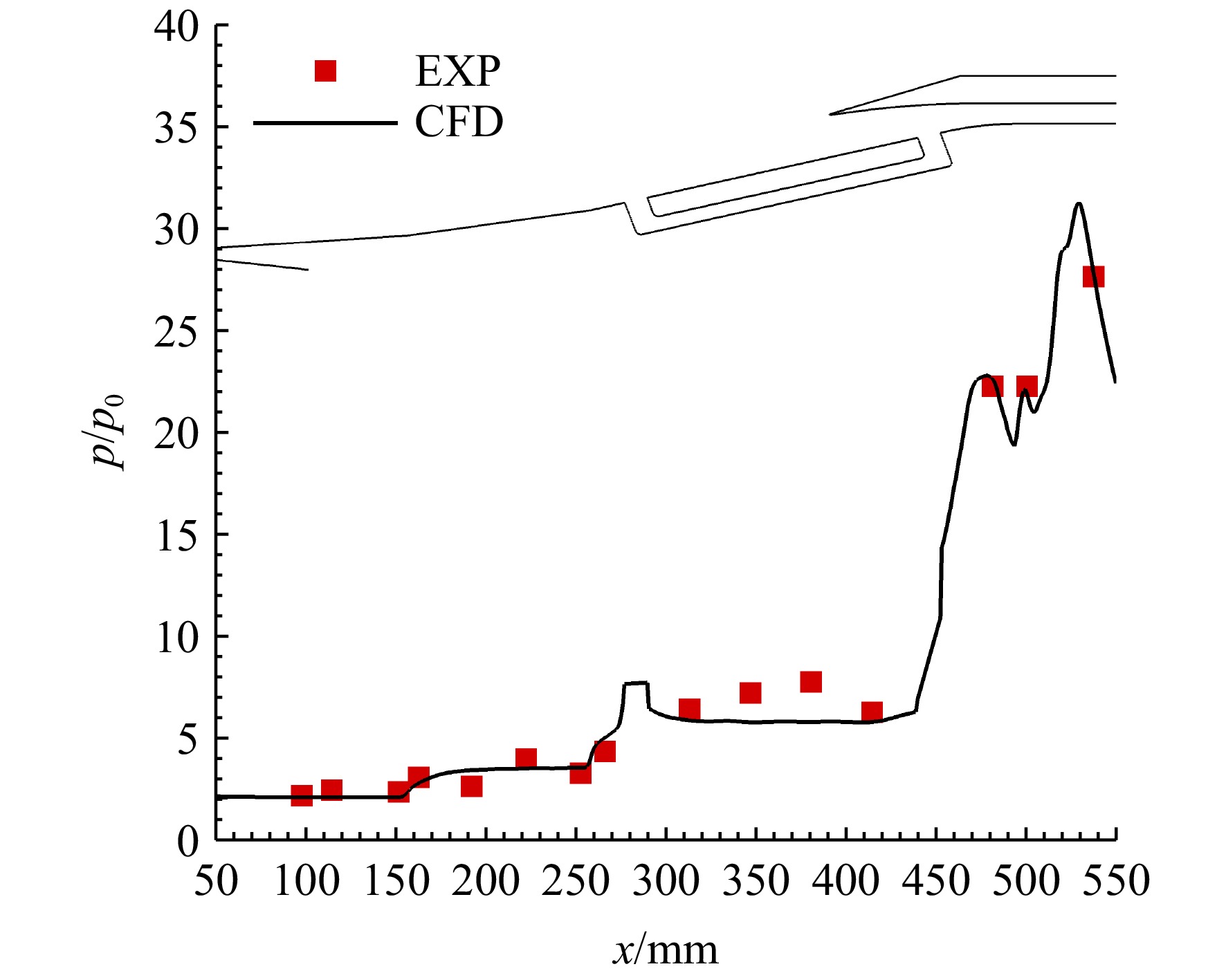
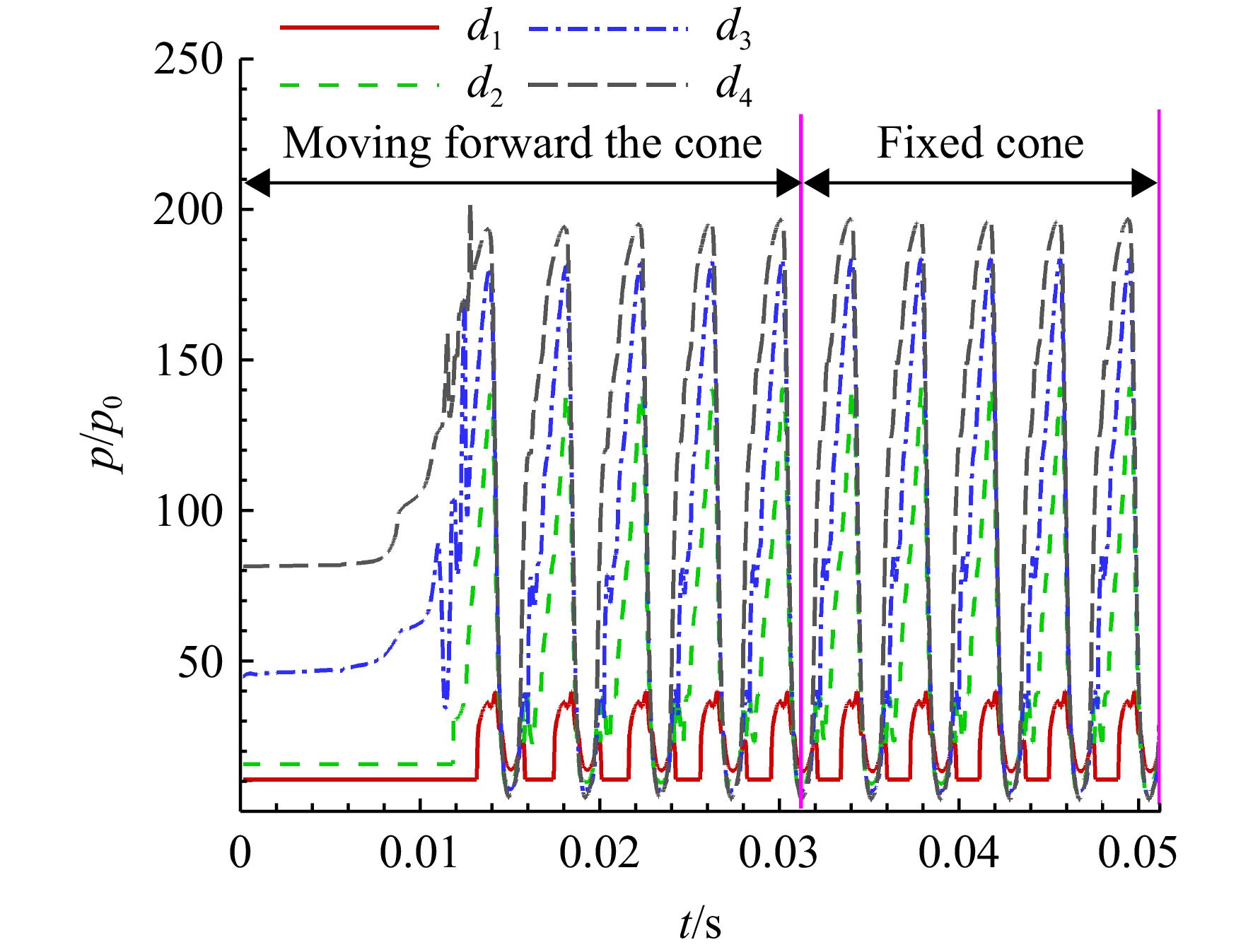
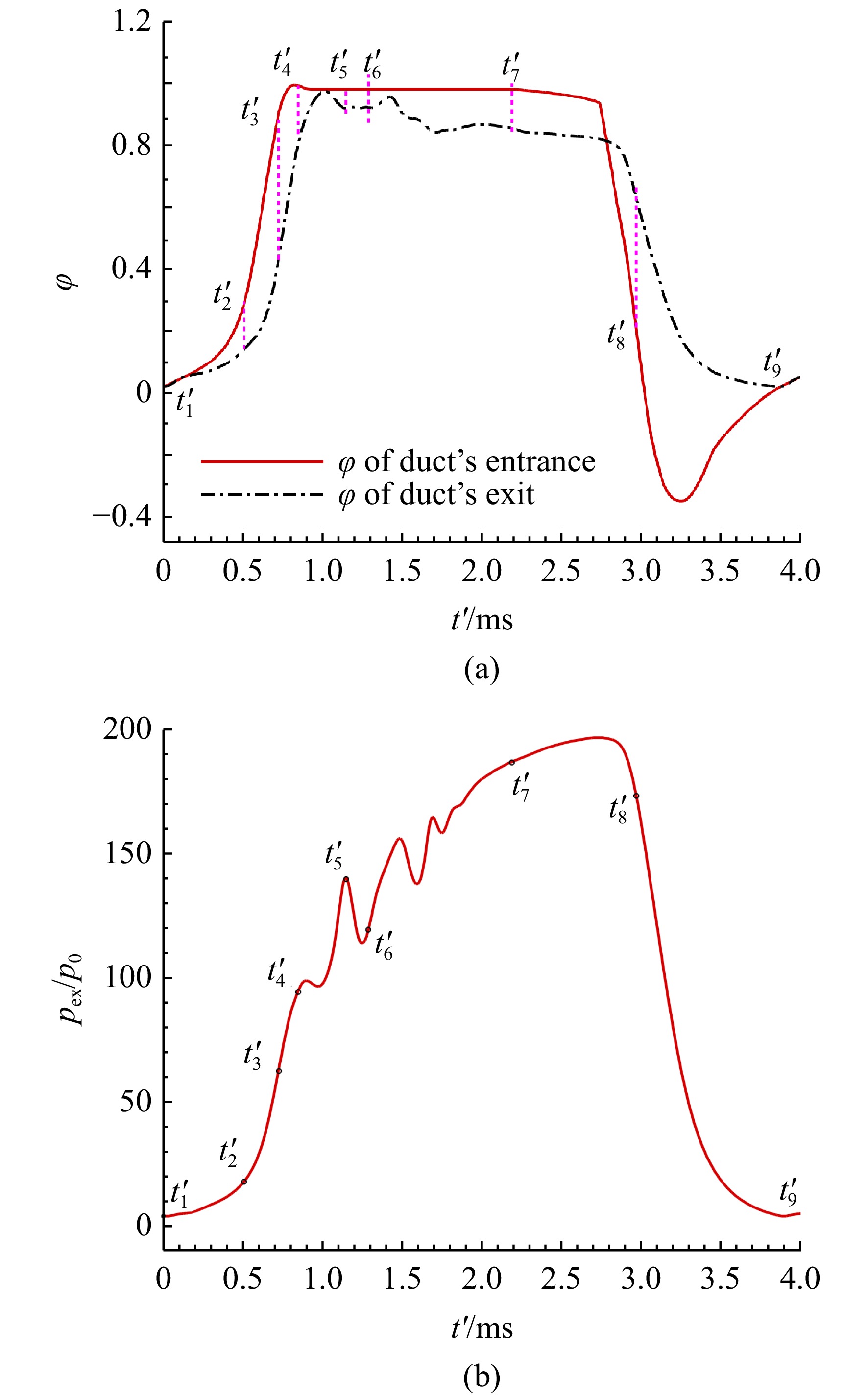
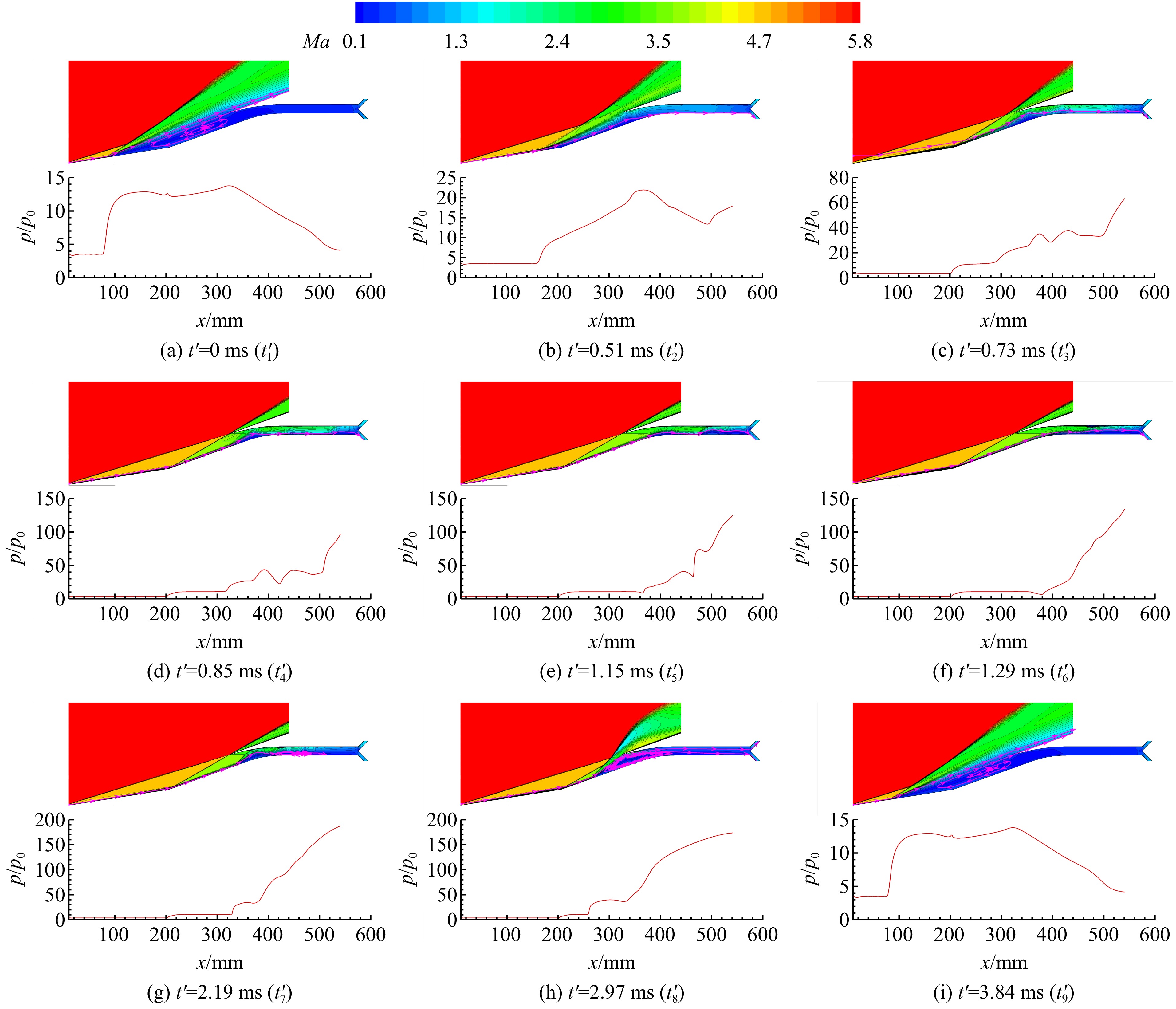
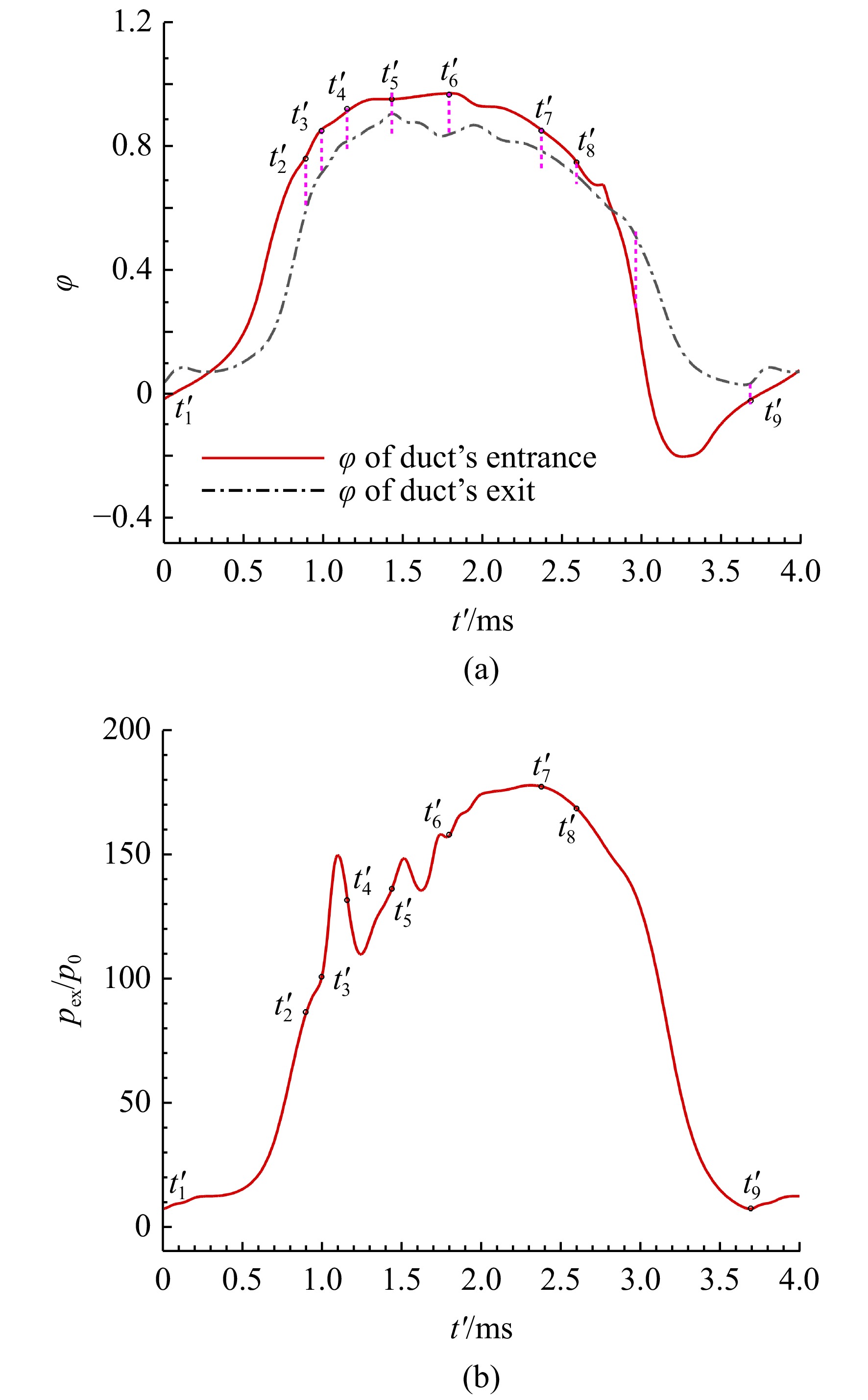
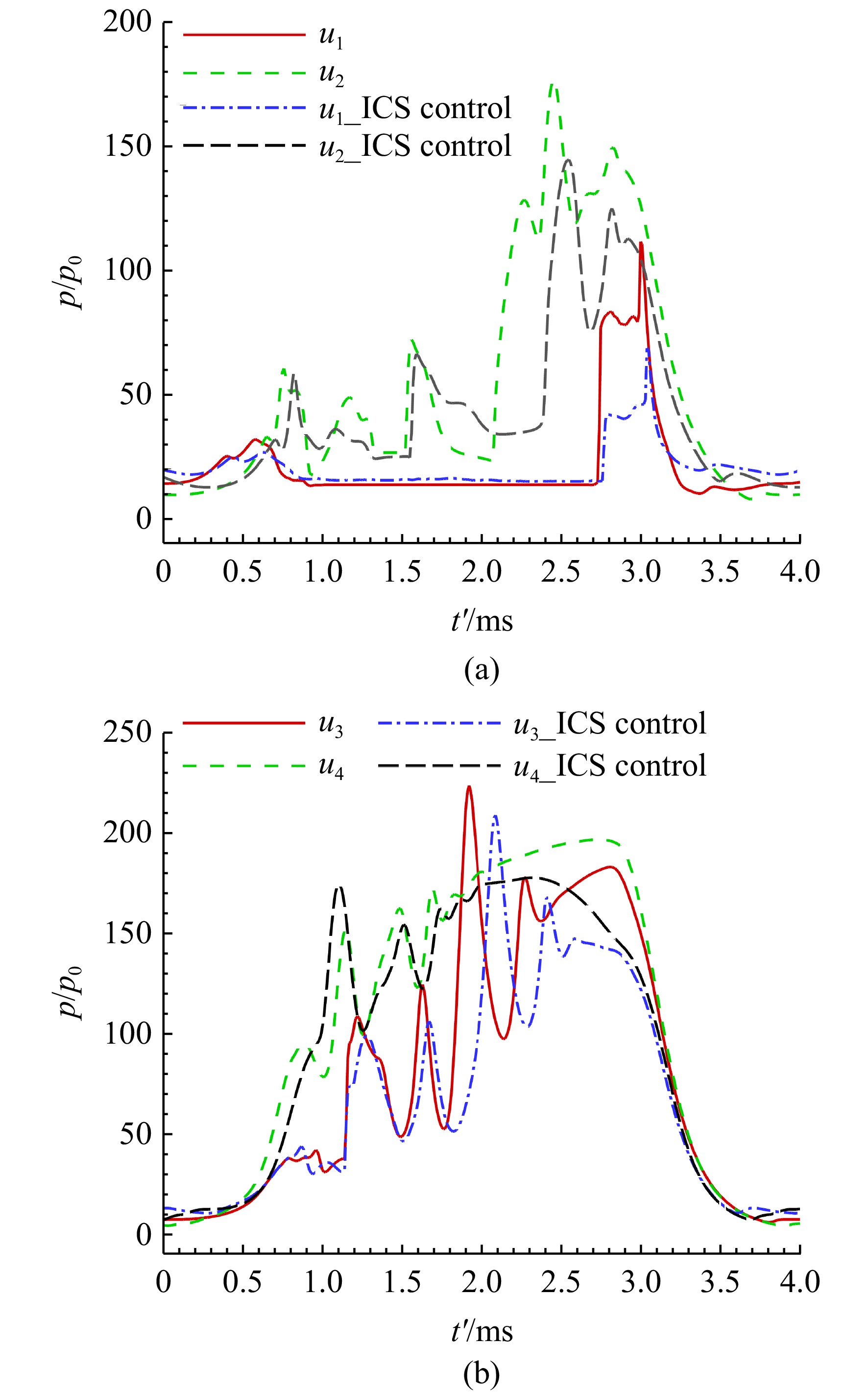
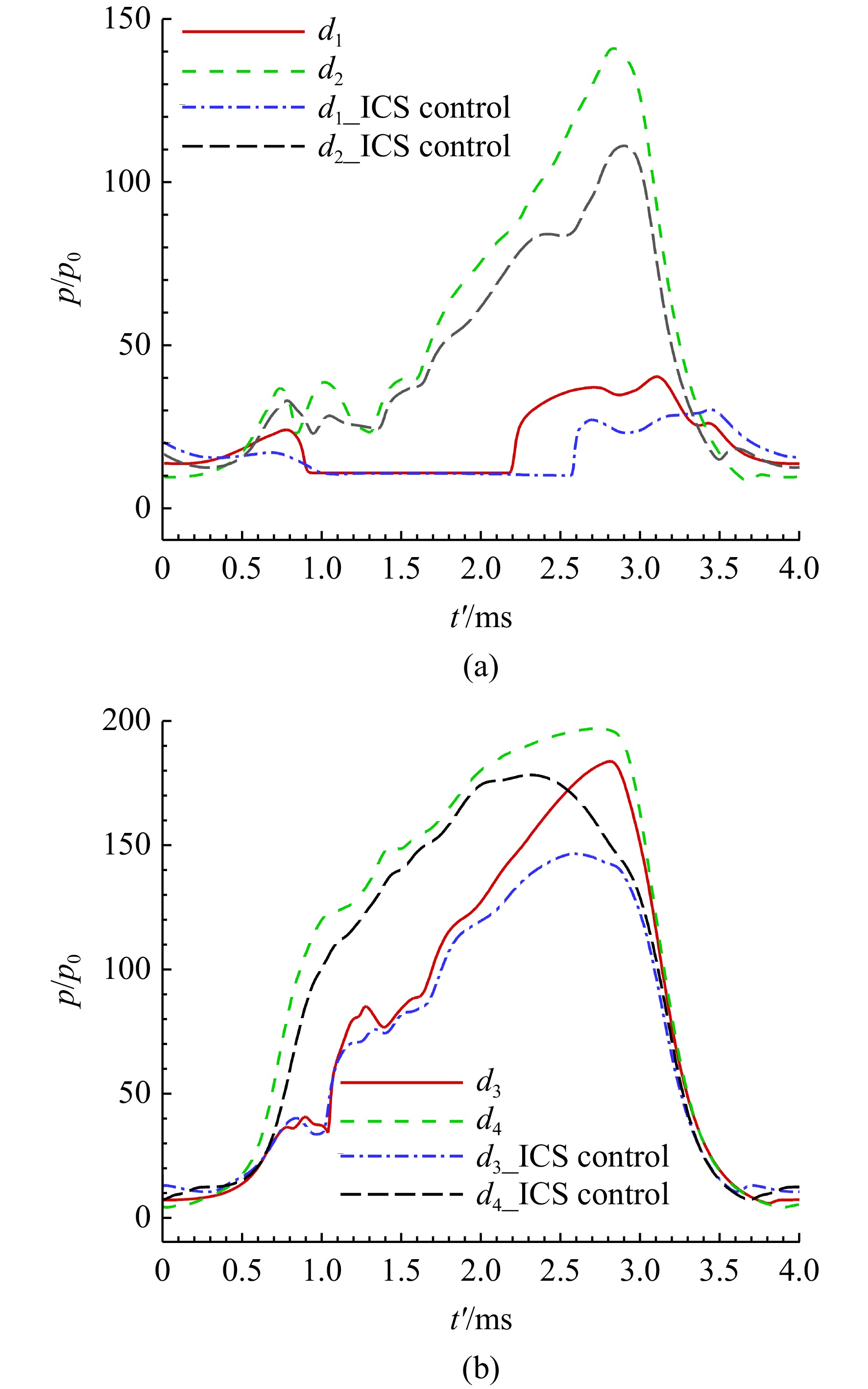
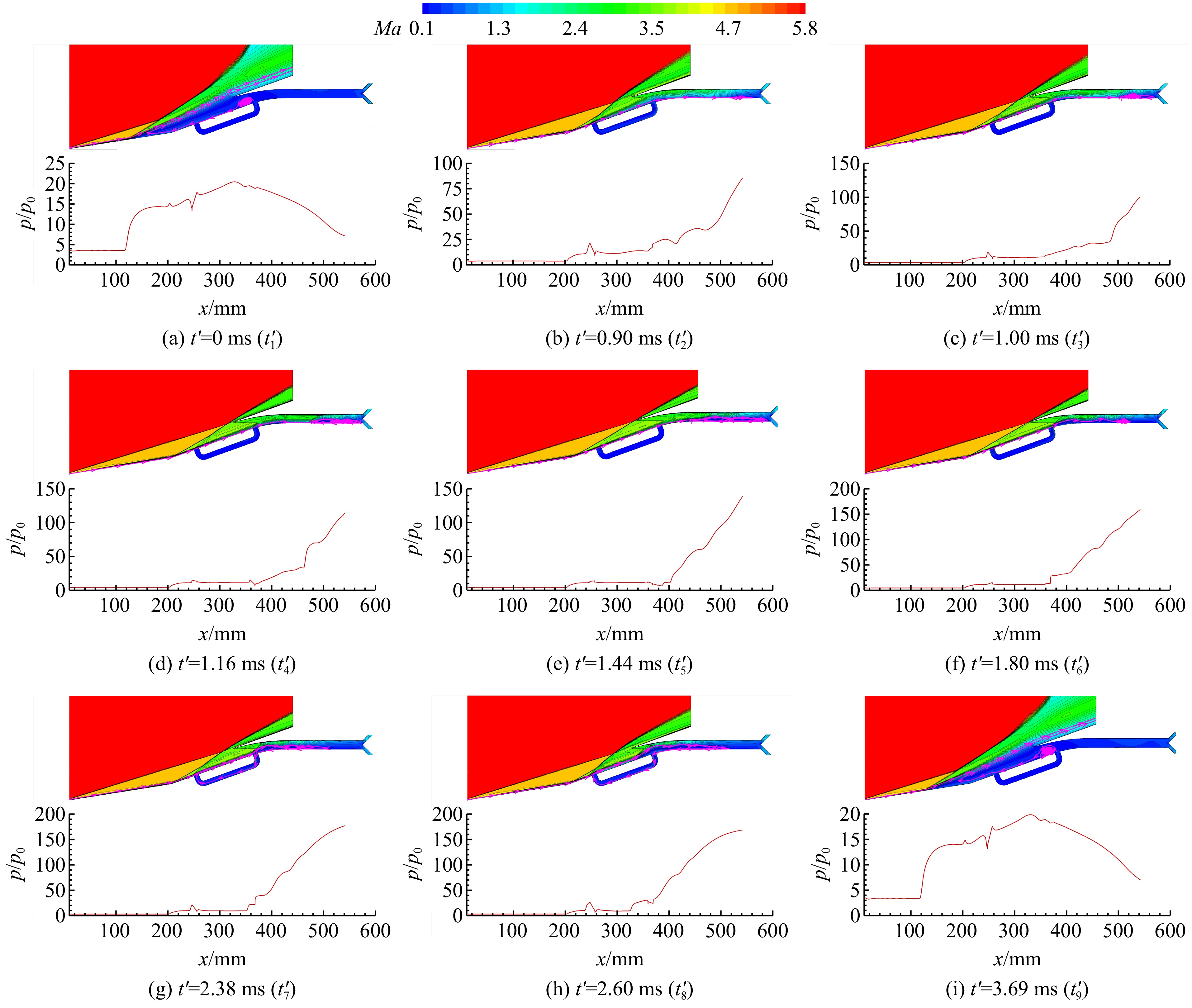
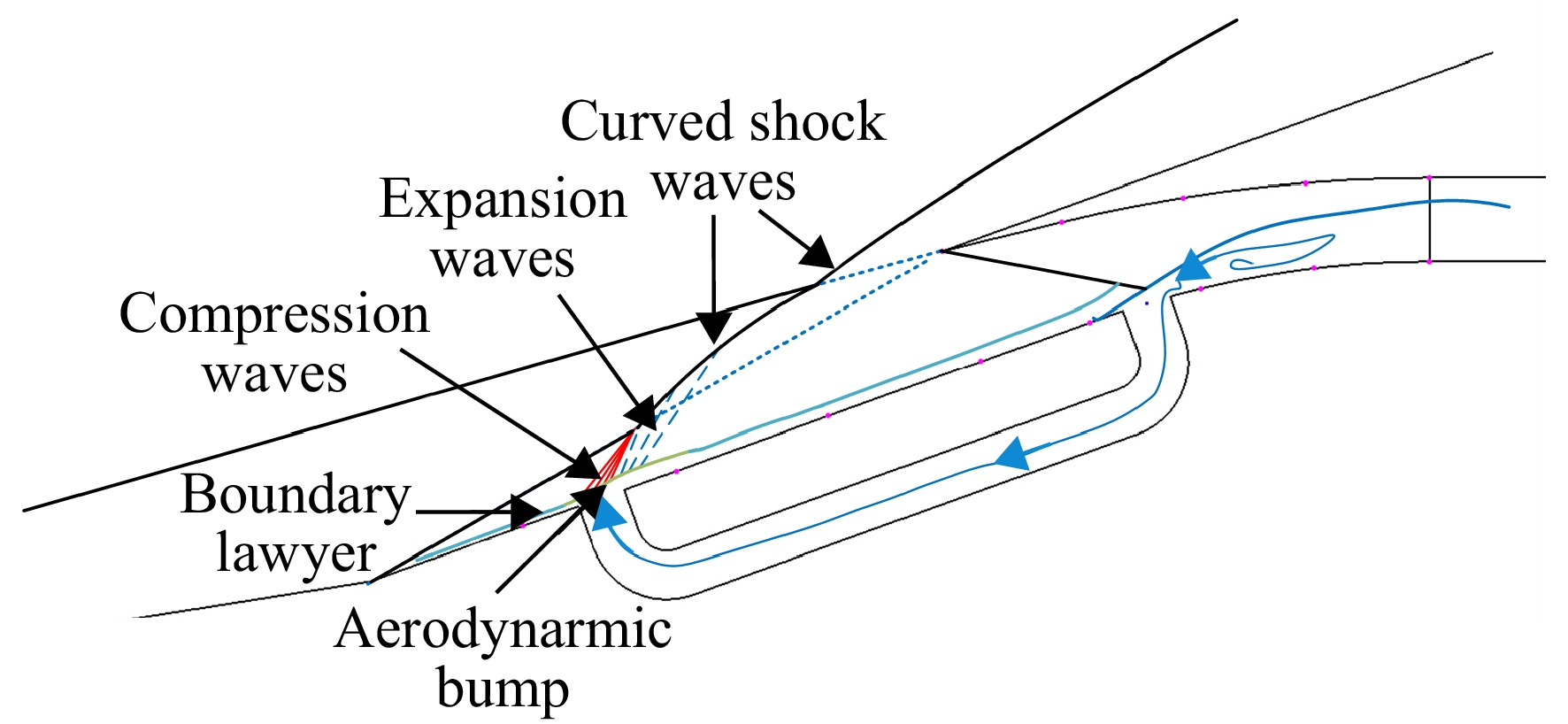
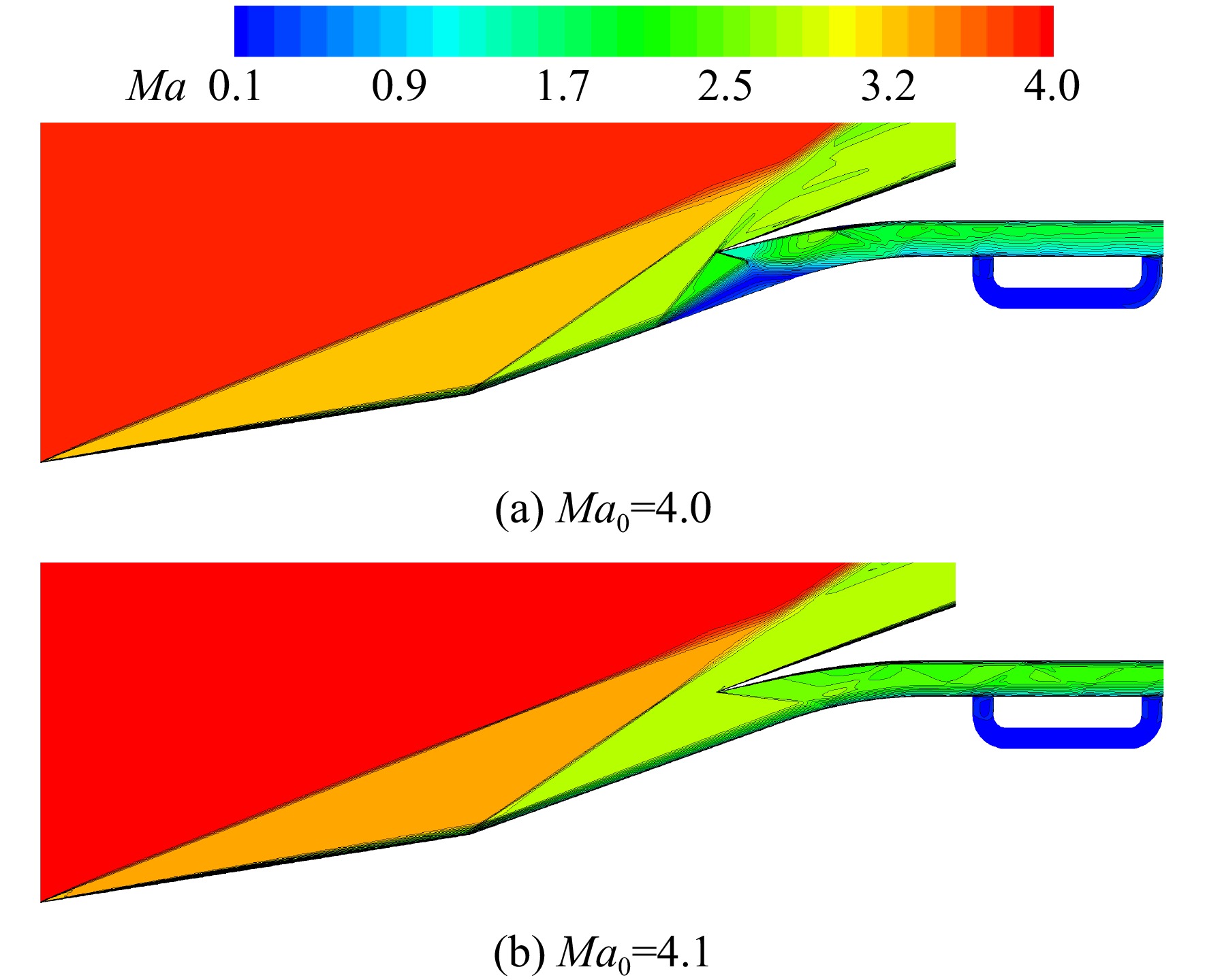
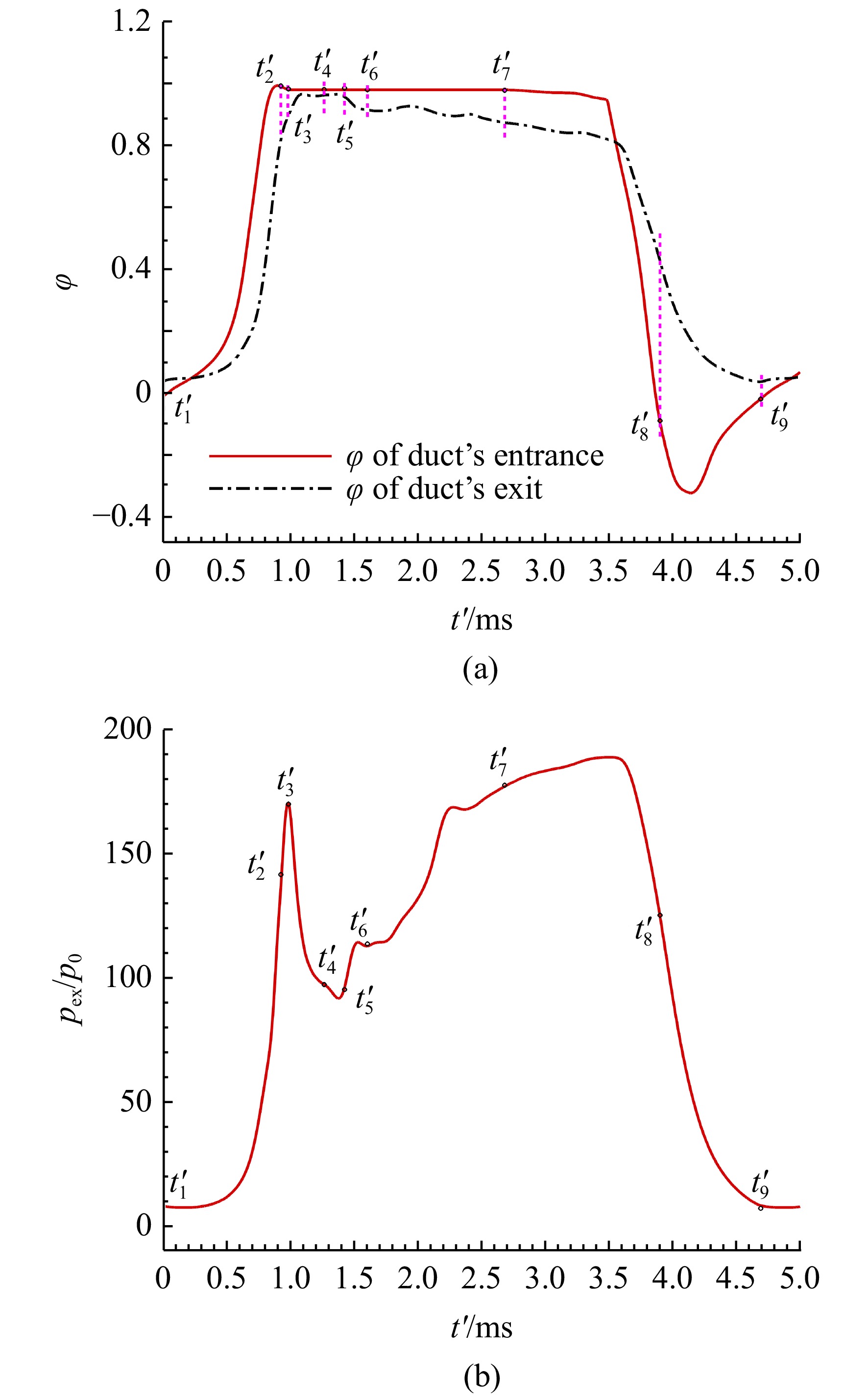
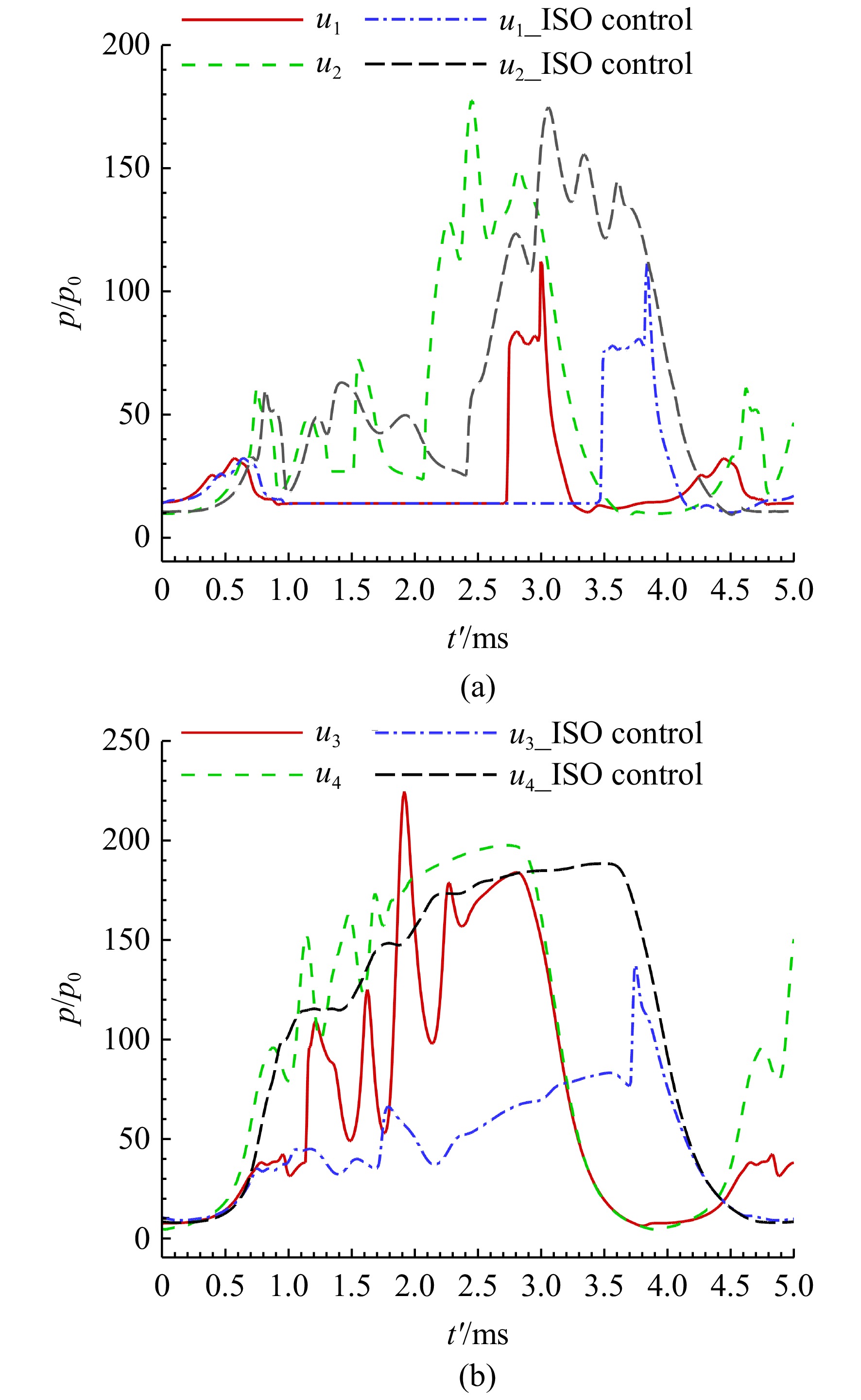
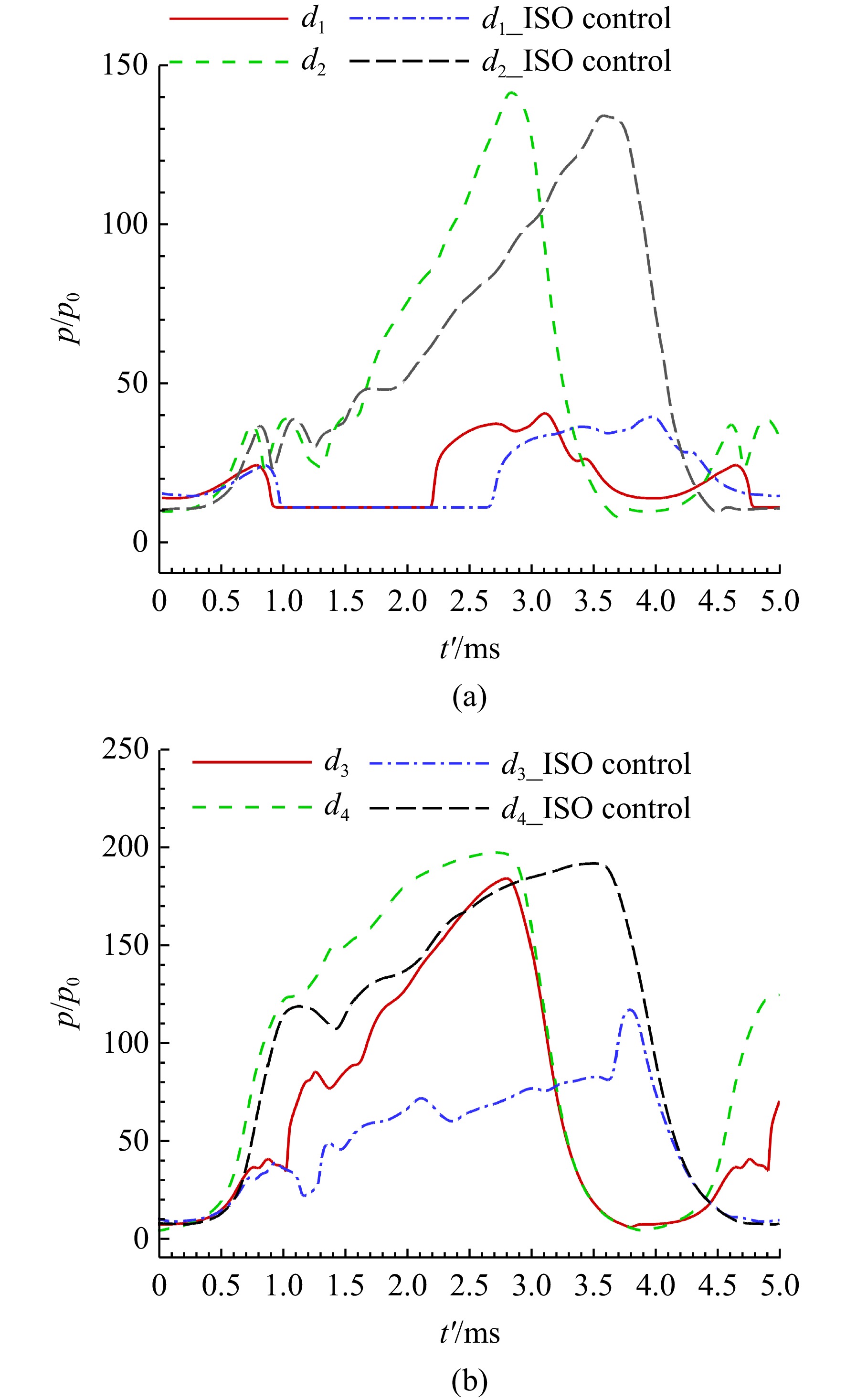
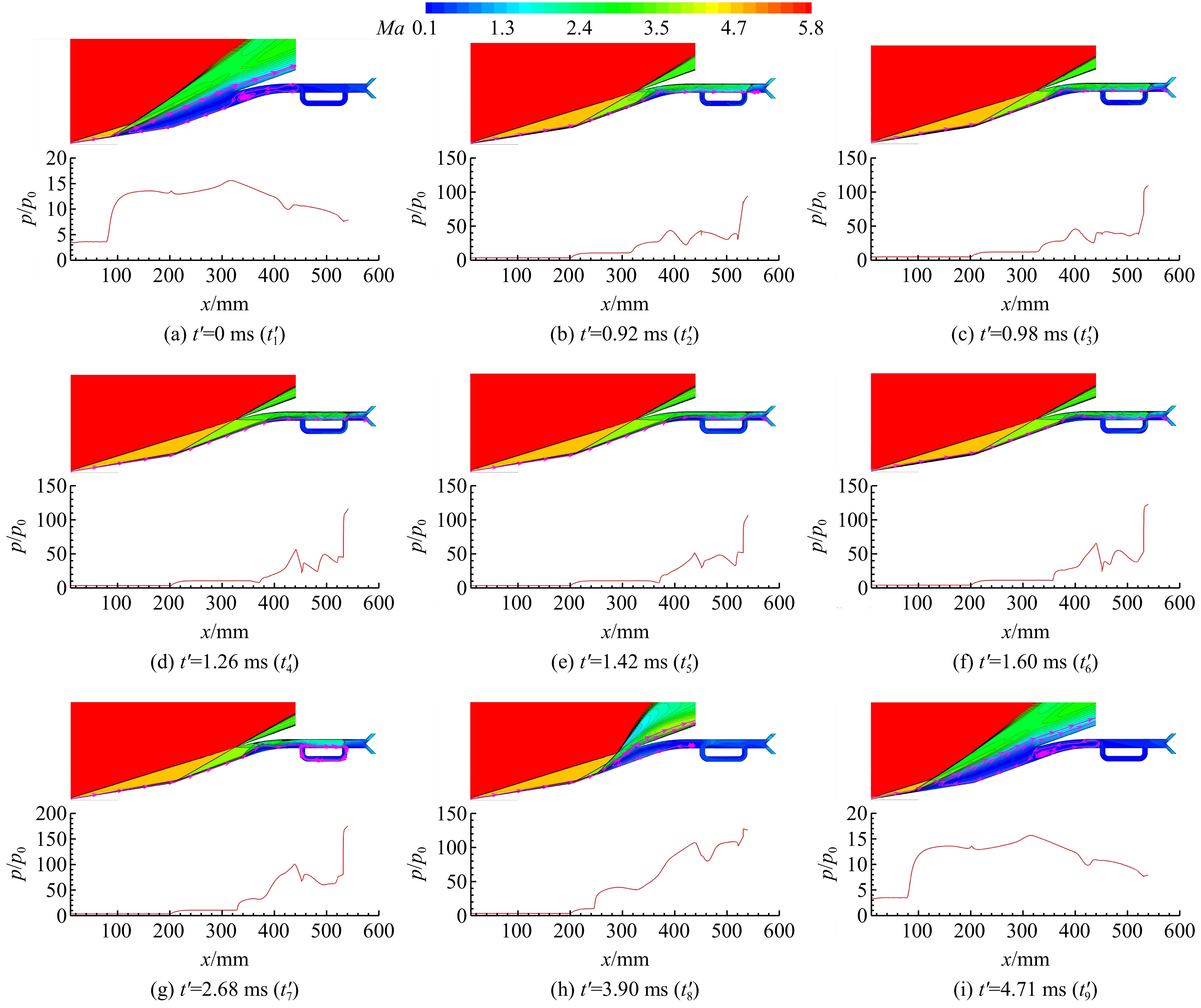
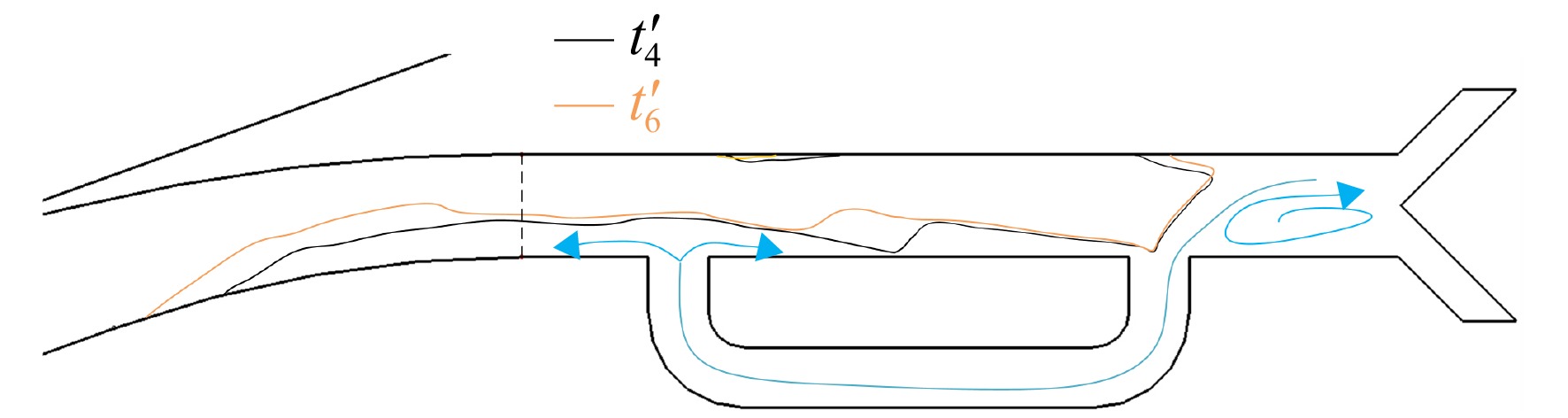
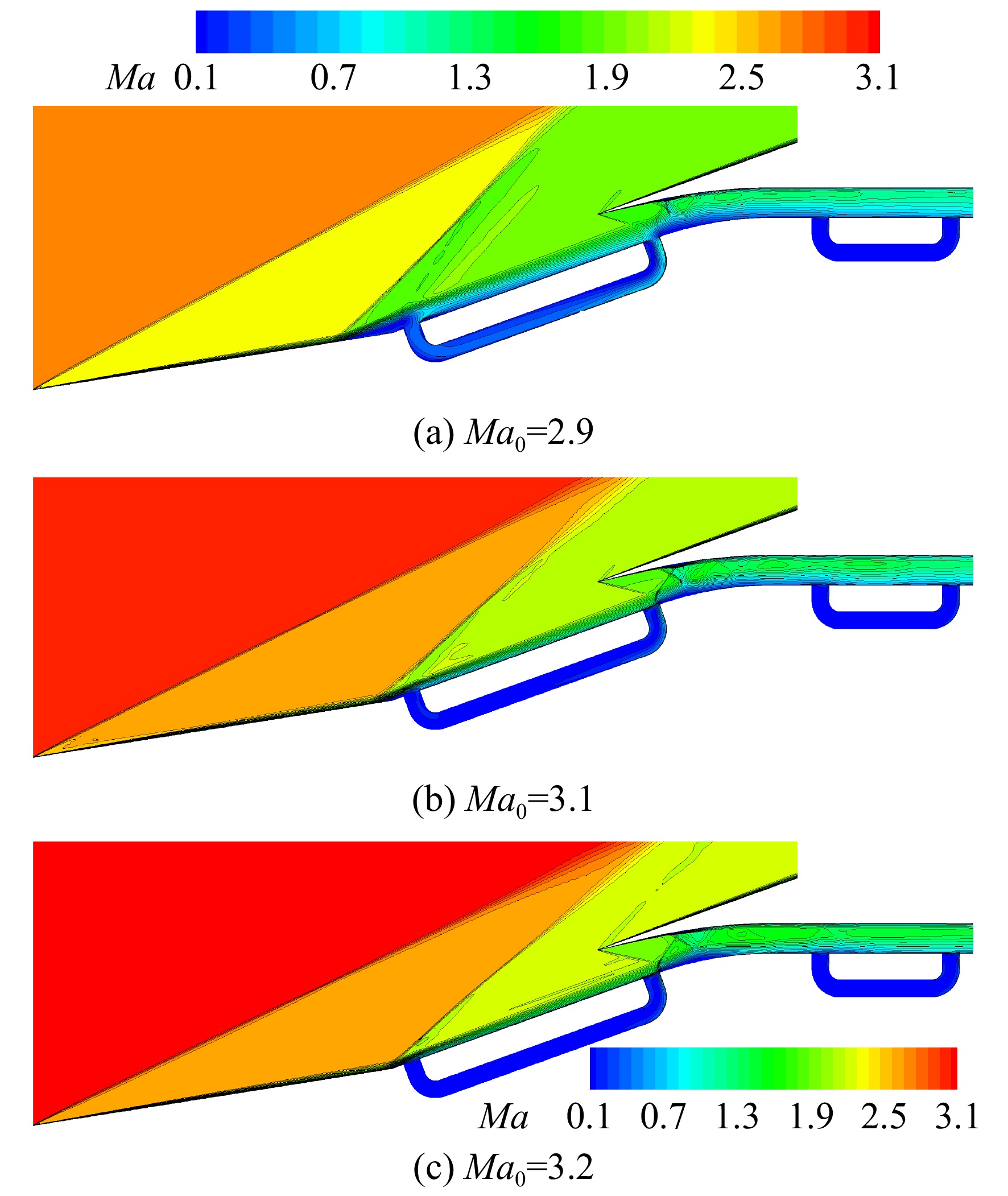
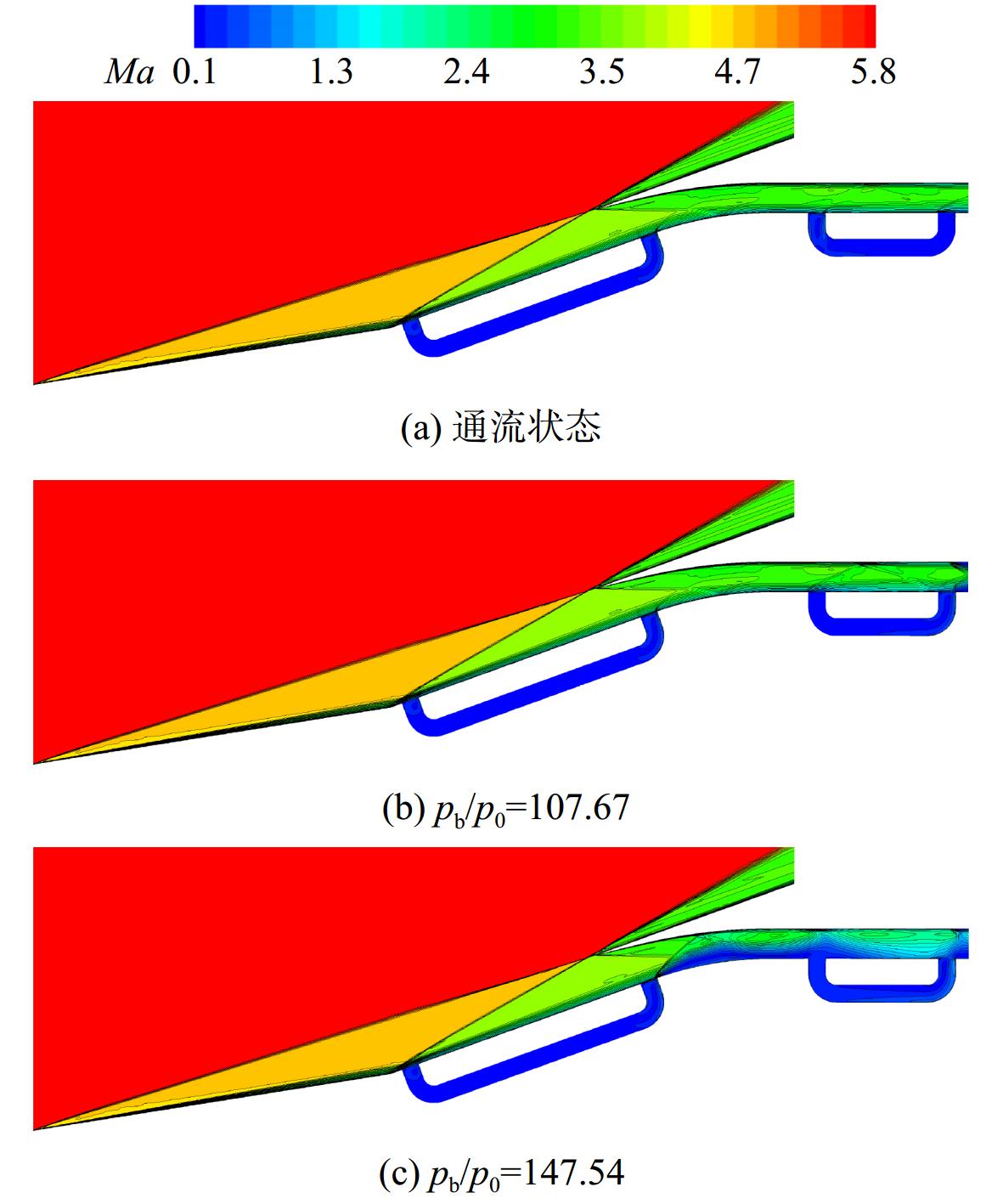
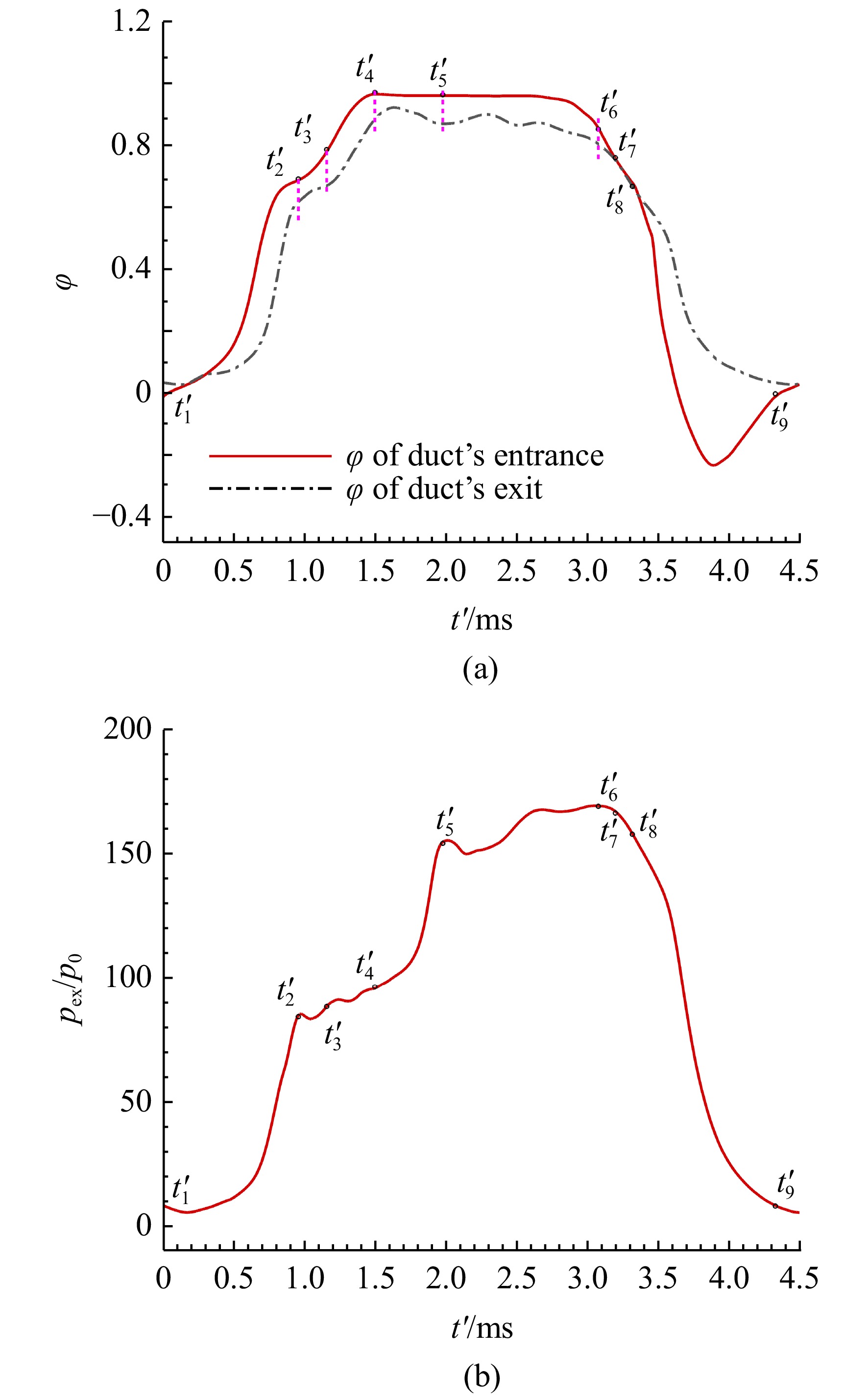
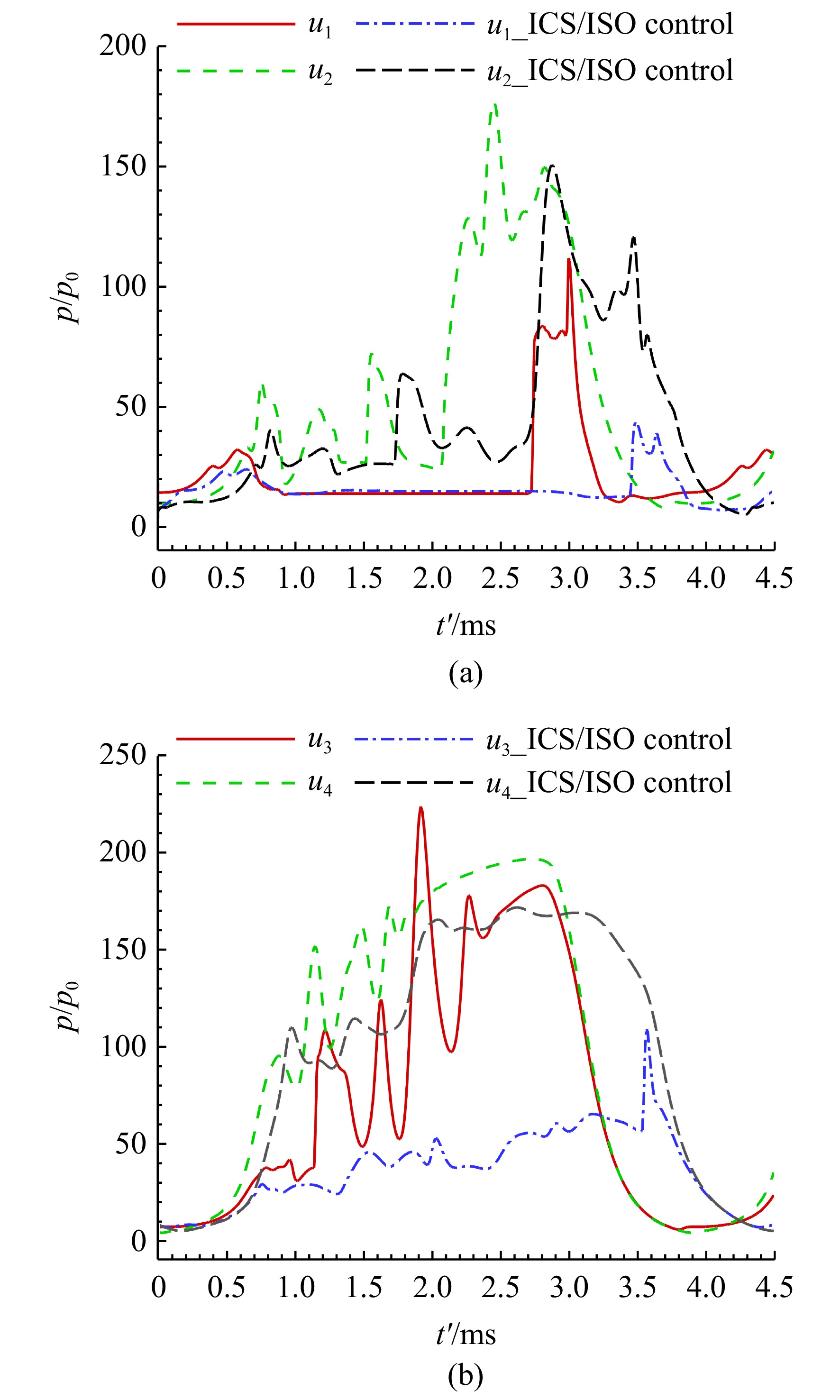
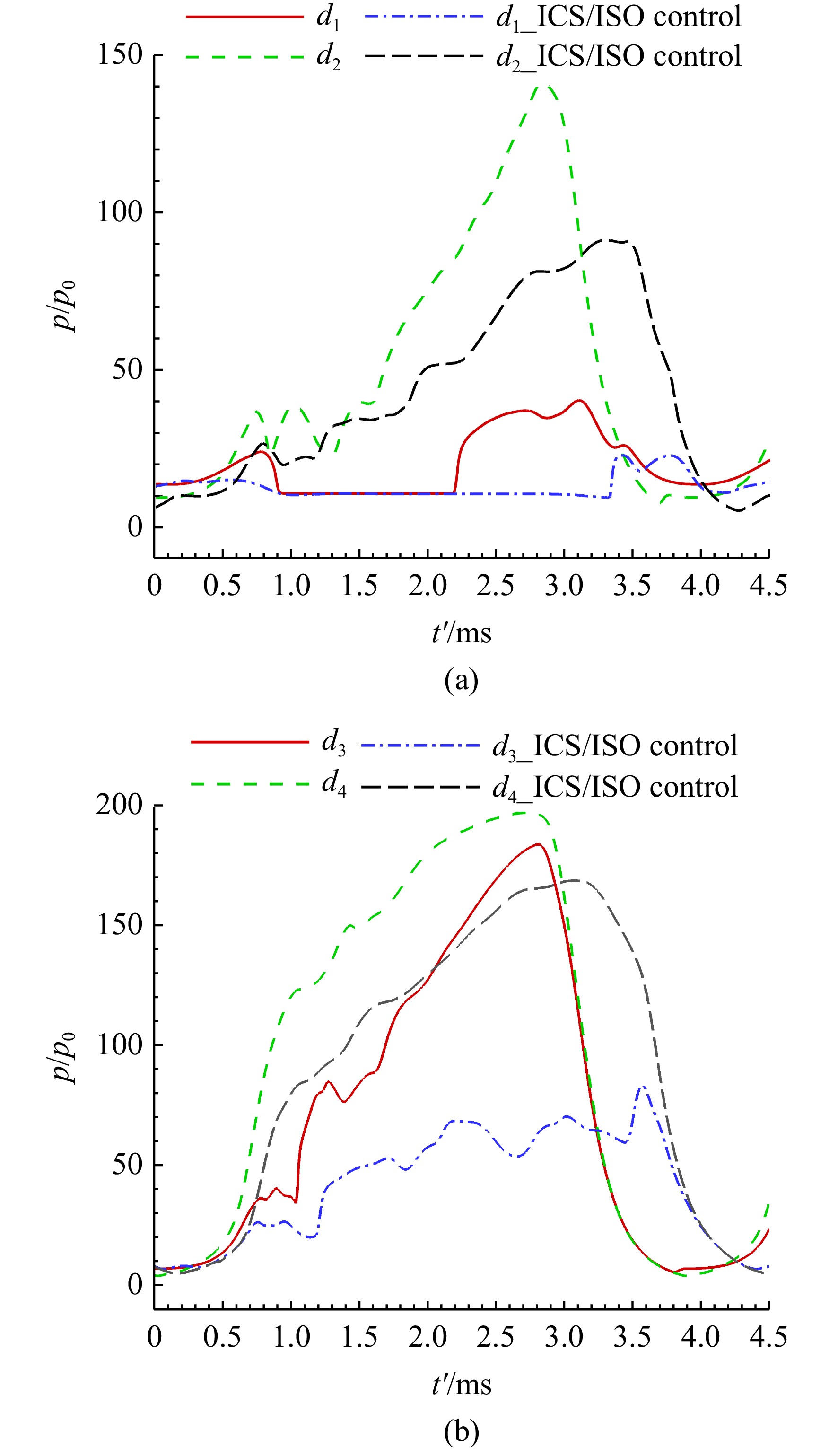
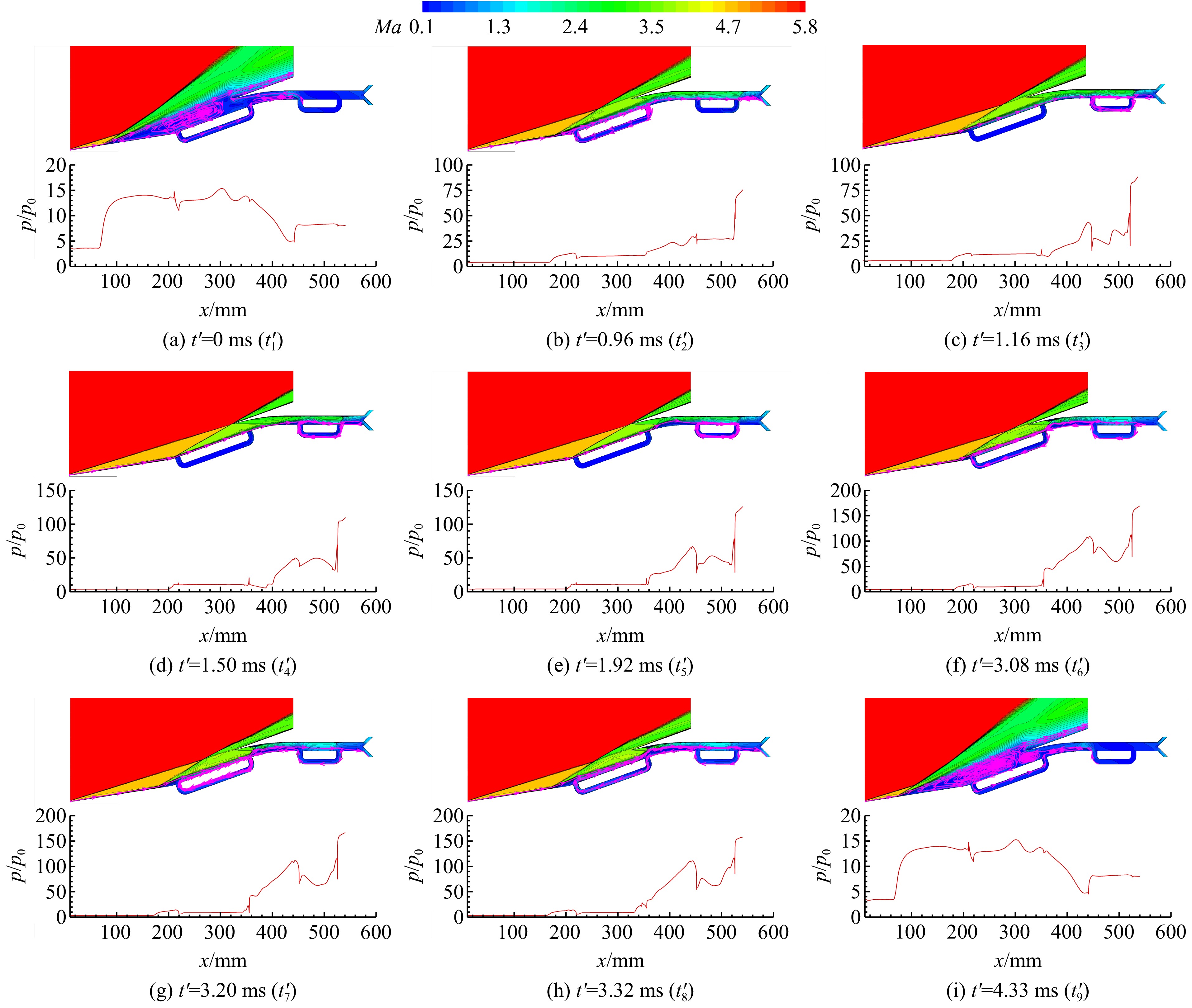
The impact of backflow ducts on buzz in a two-dimensional hypersonic inlet was studied. The influence mechanisms of different backflow duct configurations were analyzed through unsteady numerical simulations. The results indicated that placing a backflow duct on the lower wall of the internal contraction section generated a weak compression system and expansion waves at the outlet, causing the external compression wave to shift outward, which increased spillage and alleviated airflow accumulation. This, in turn, suppressed downstream back-pressure growth and significantly reduced pressure fluctuations in the contraction section. However, the suppression effect on high-amplitude pressure fluctuations in the isolator section was limited. Placing a backflow duct on the lower wall of the isolator primarily curbed the forward movement of the terminal shock, reducing high-amplitude pressure fluctuations in the mid-region of the isolator. The combined layout of both backflow ducts effectively reduced pressure fluctuations throughout the entire inlet, with root mean square values in the contraction and isolator sections decreasing by up to 43.7% and 58.7%, respectively.

Study on noise reduction by phase control of twin propellers using IDDES numerical simulations
HE Huixian, WANG Yue, SONG Wenping, HAN Zhonghua, LIU Song, CAO Desong
2025, 40(9): 20240370. doi: 10.13224/j.cnki.jasp.20240370
Abstract:

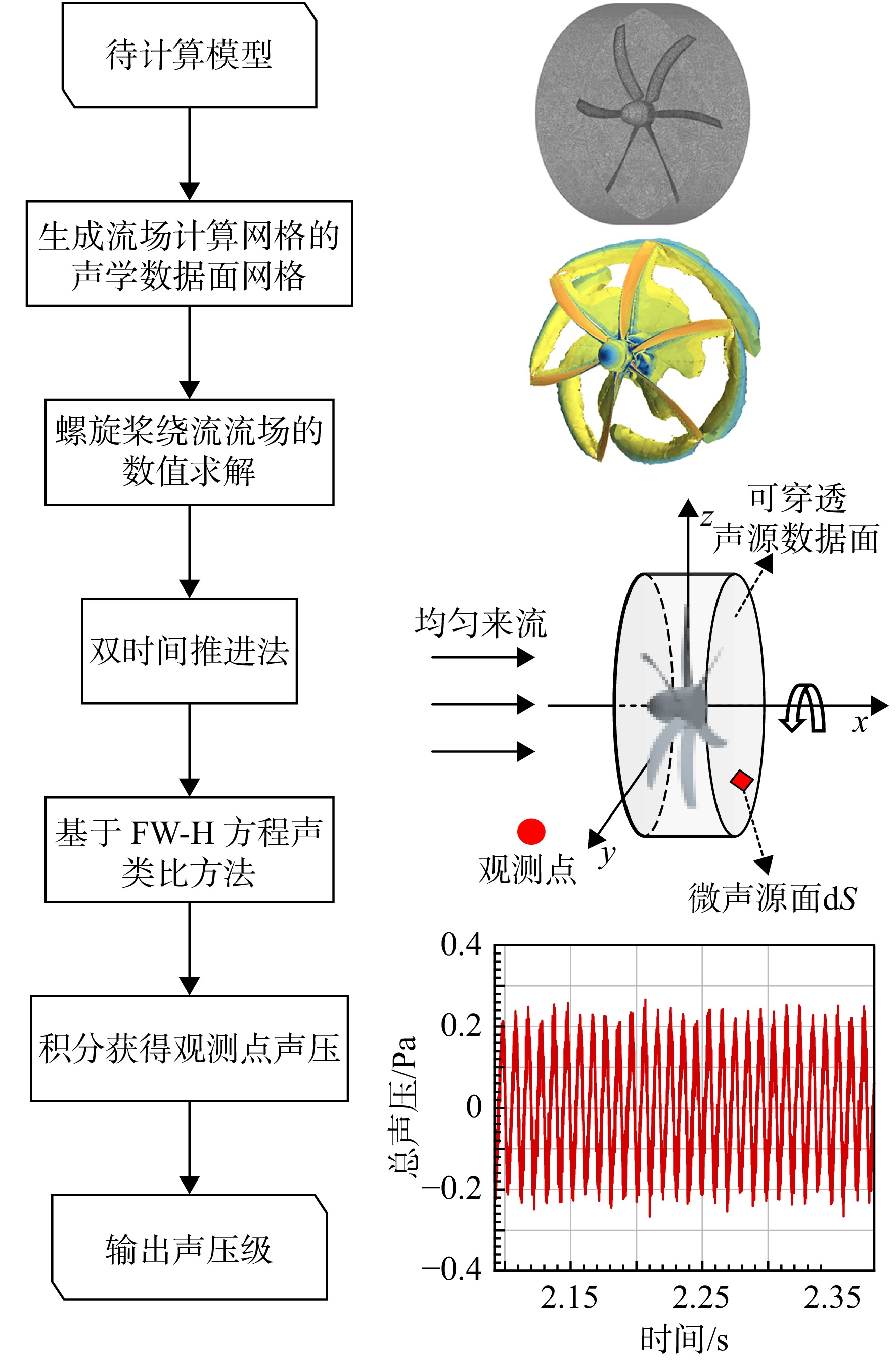
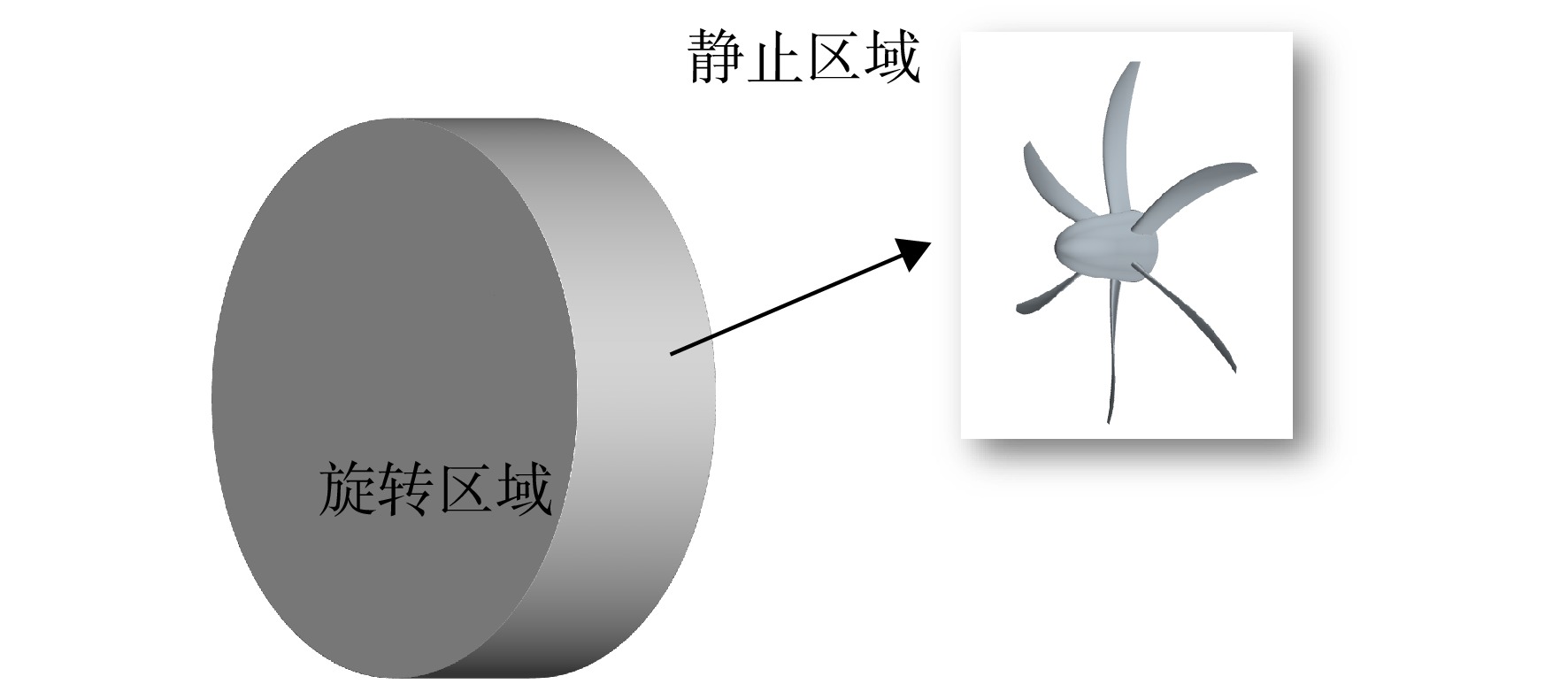
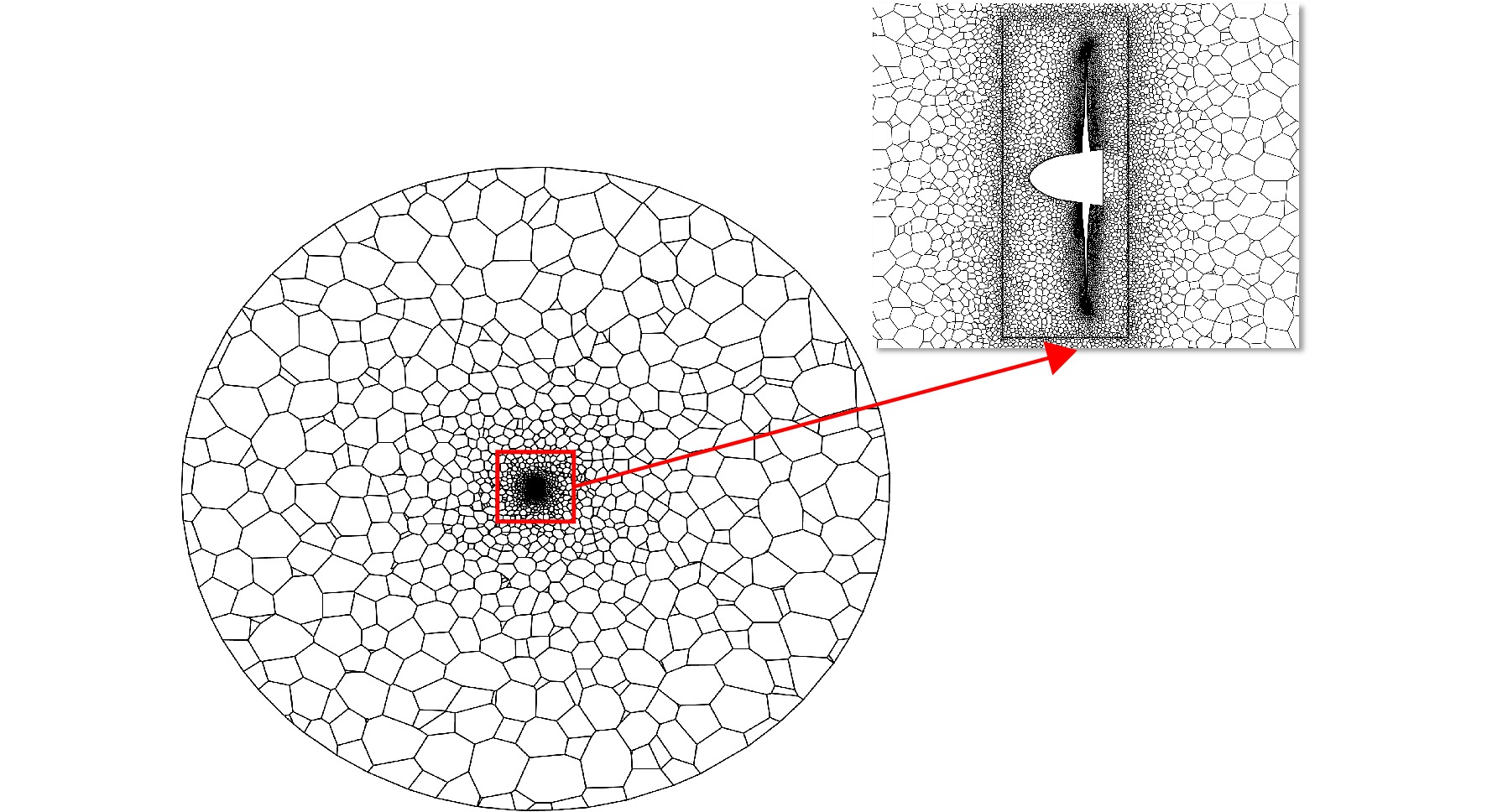
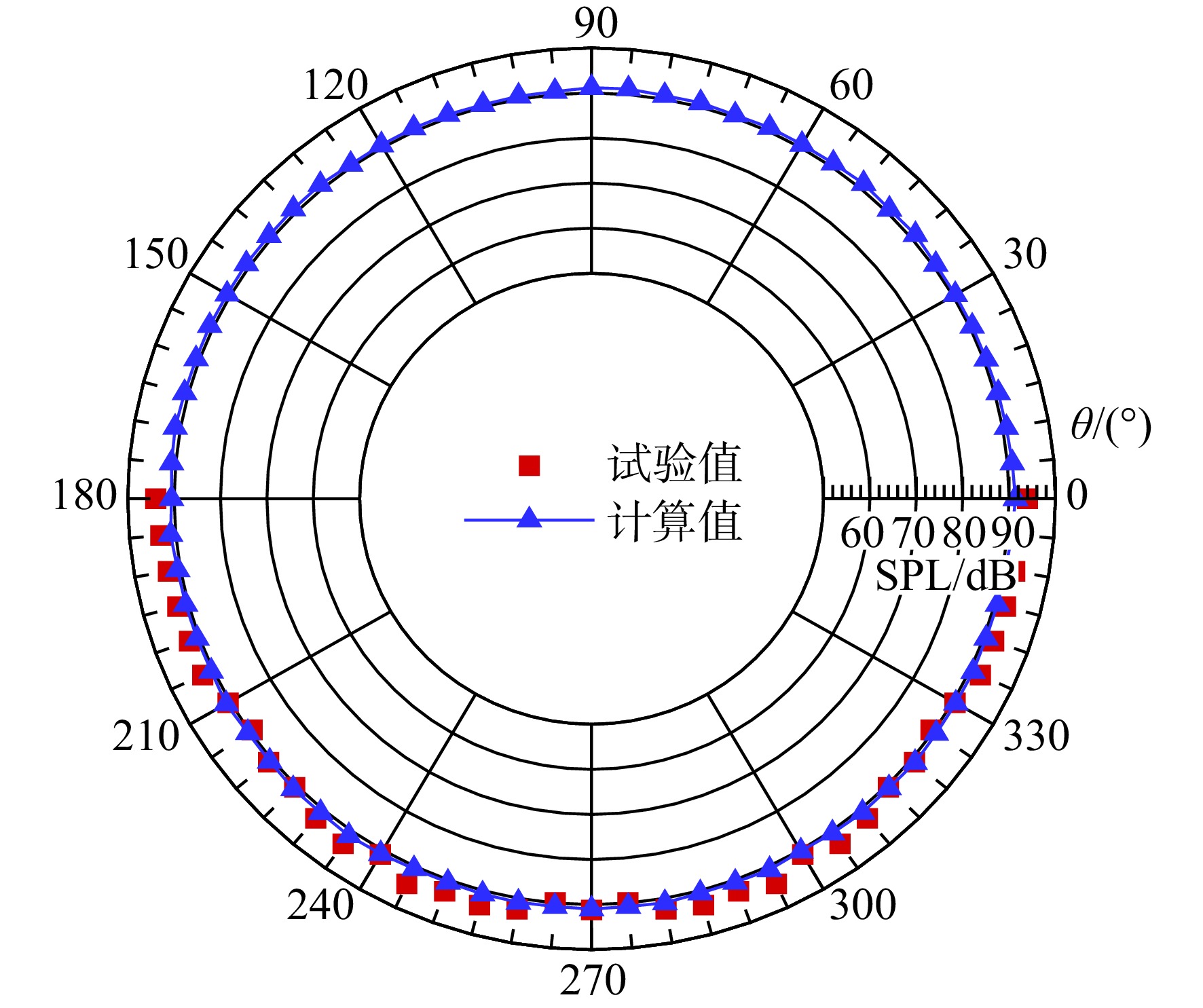
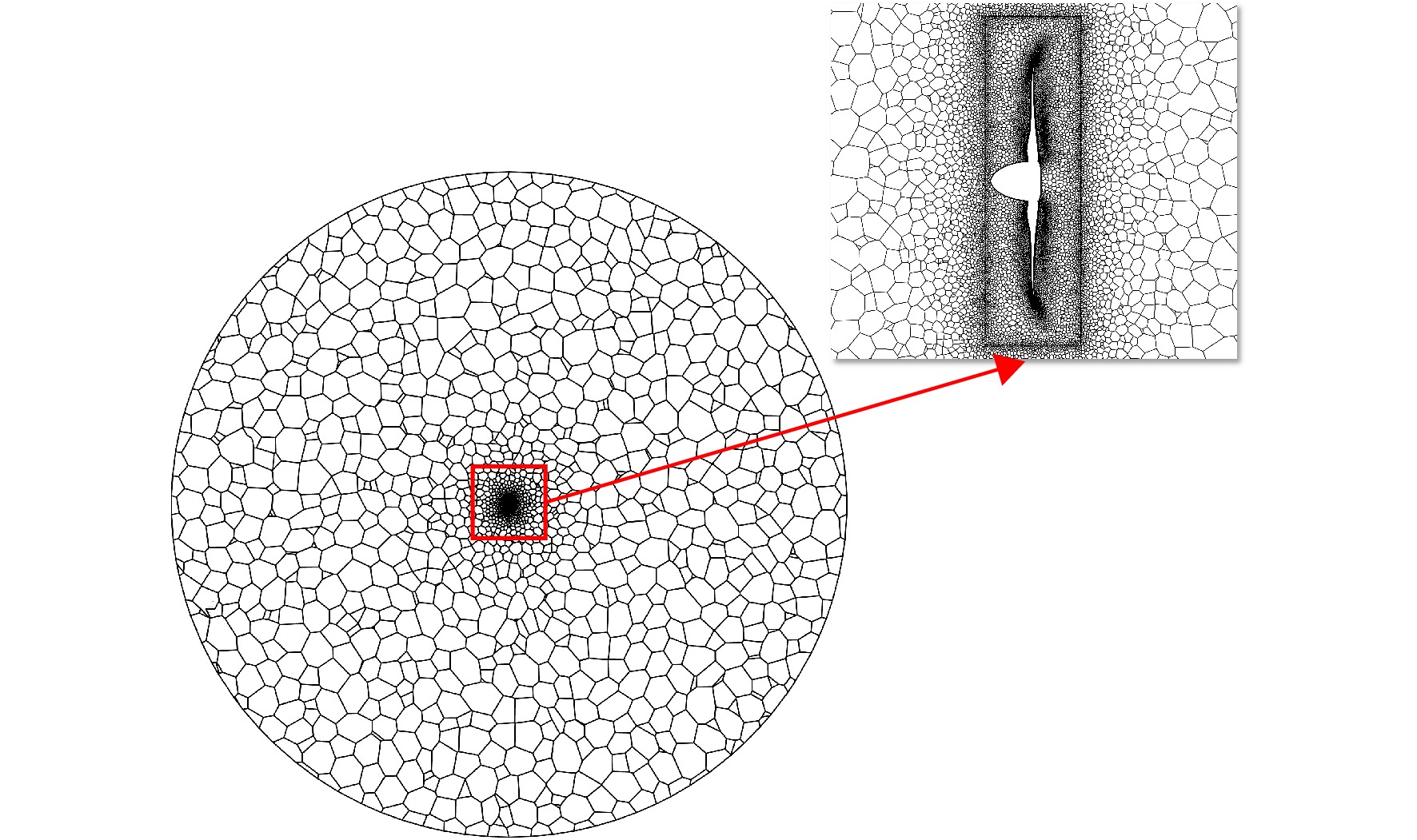
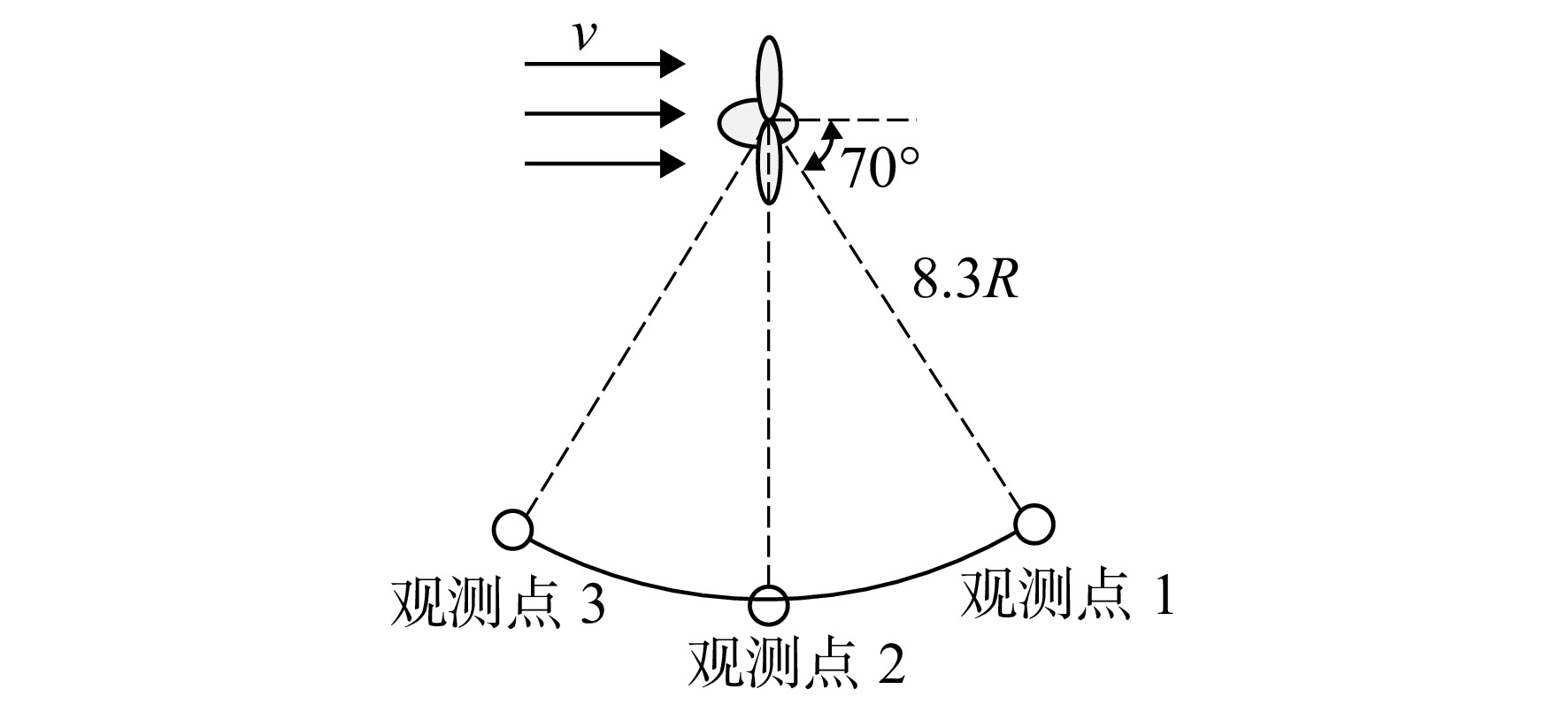
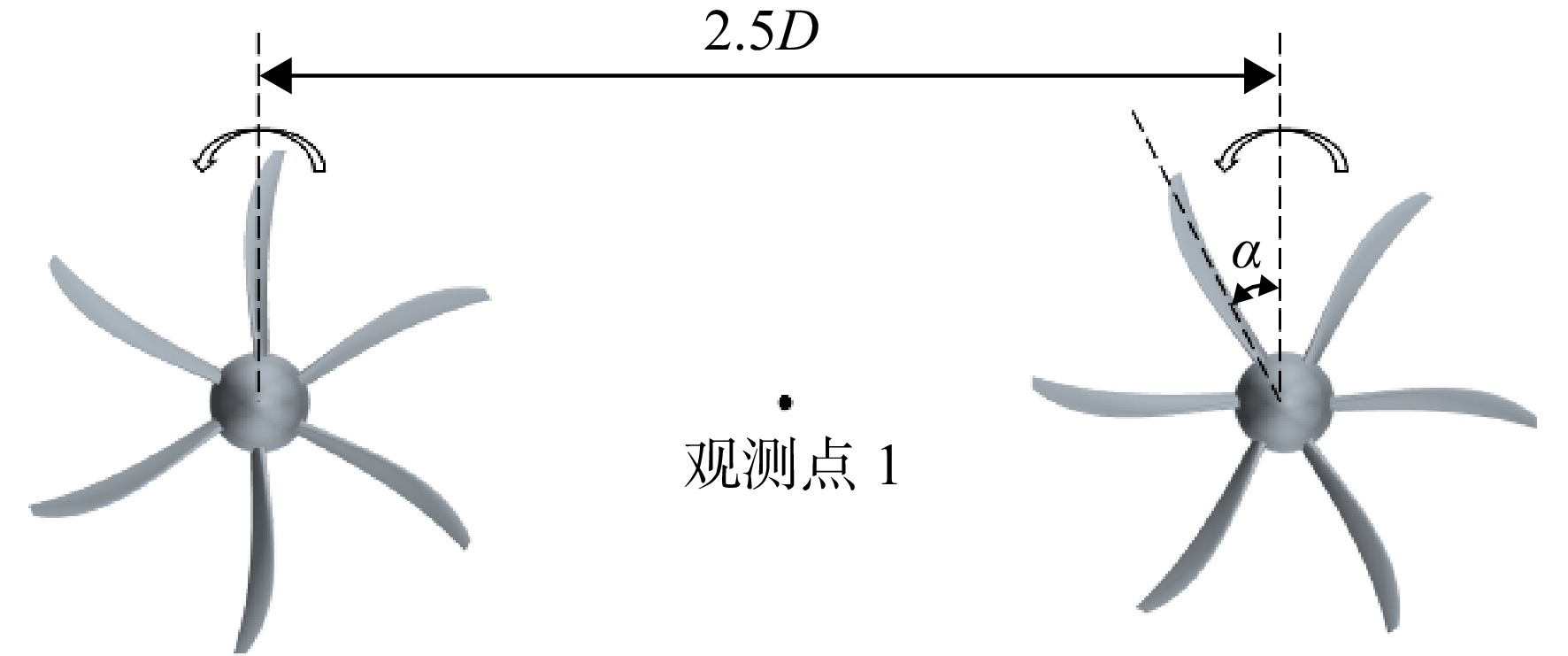
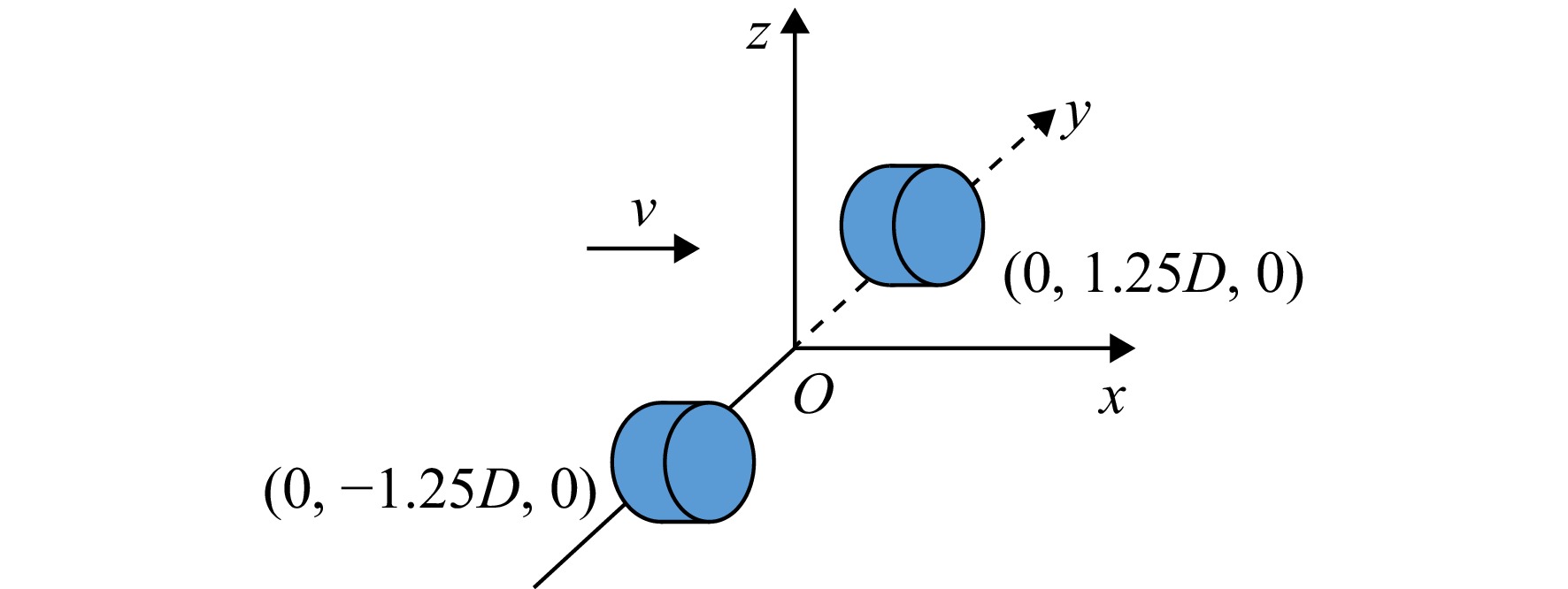
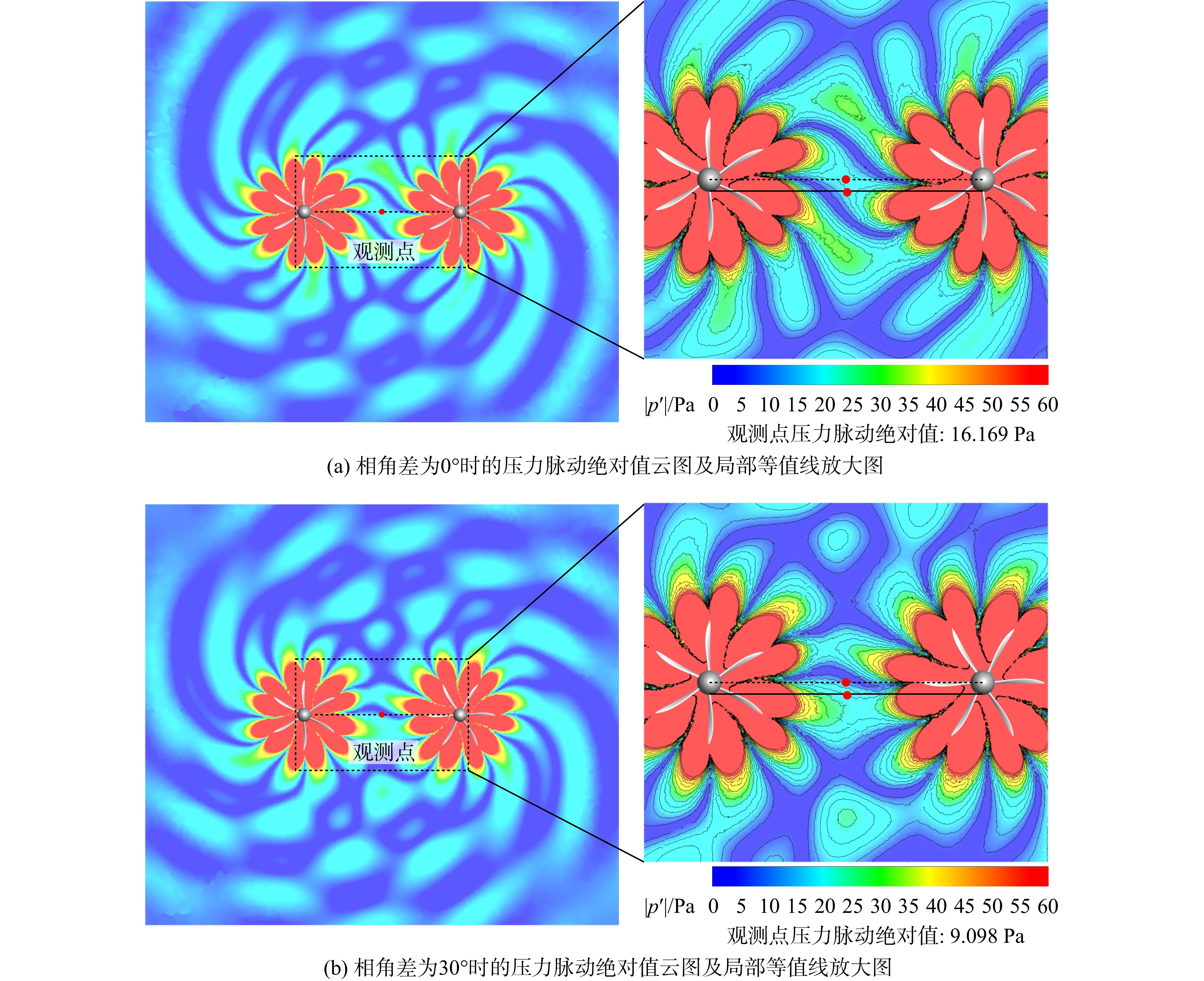
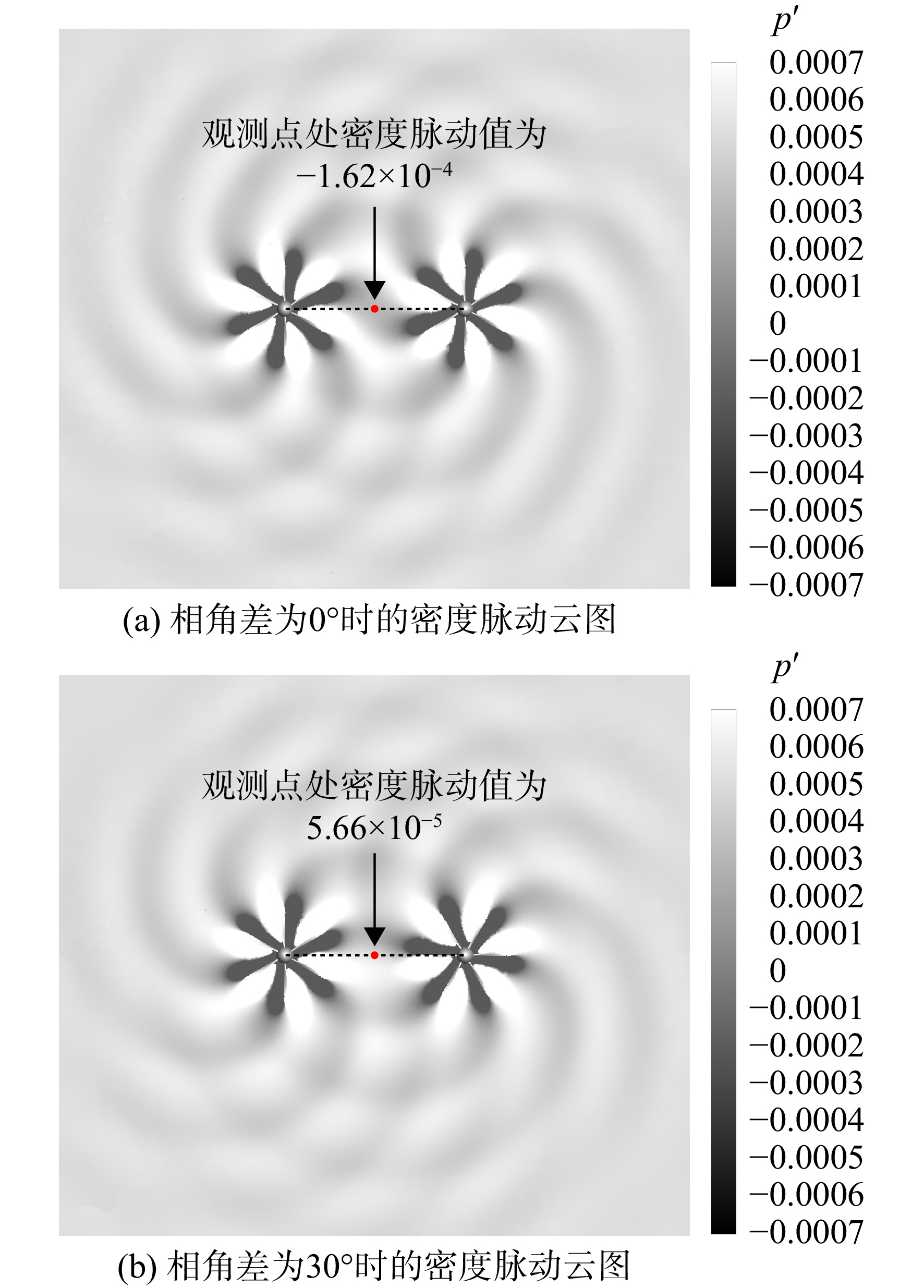
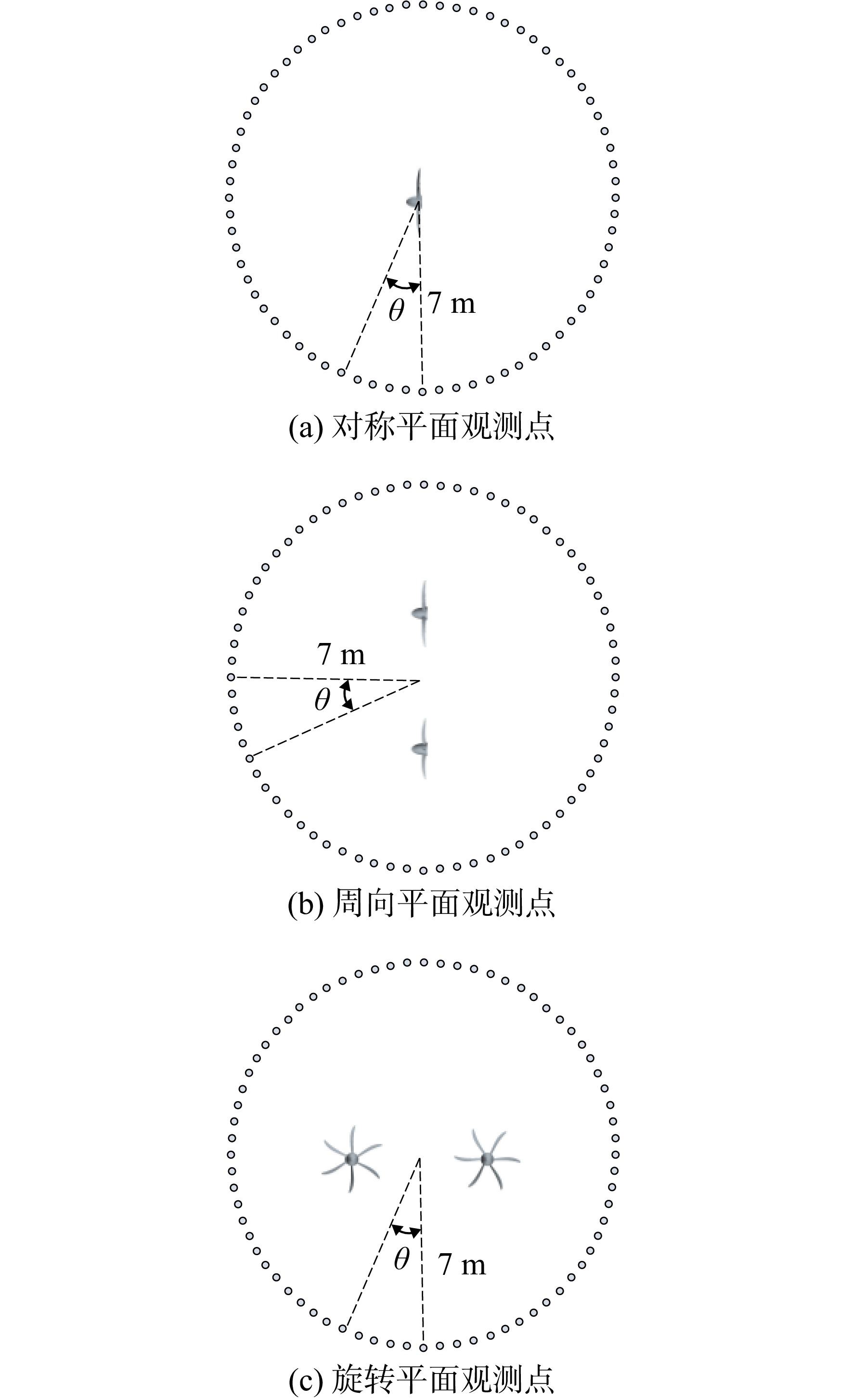
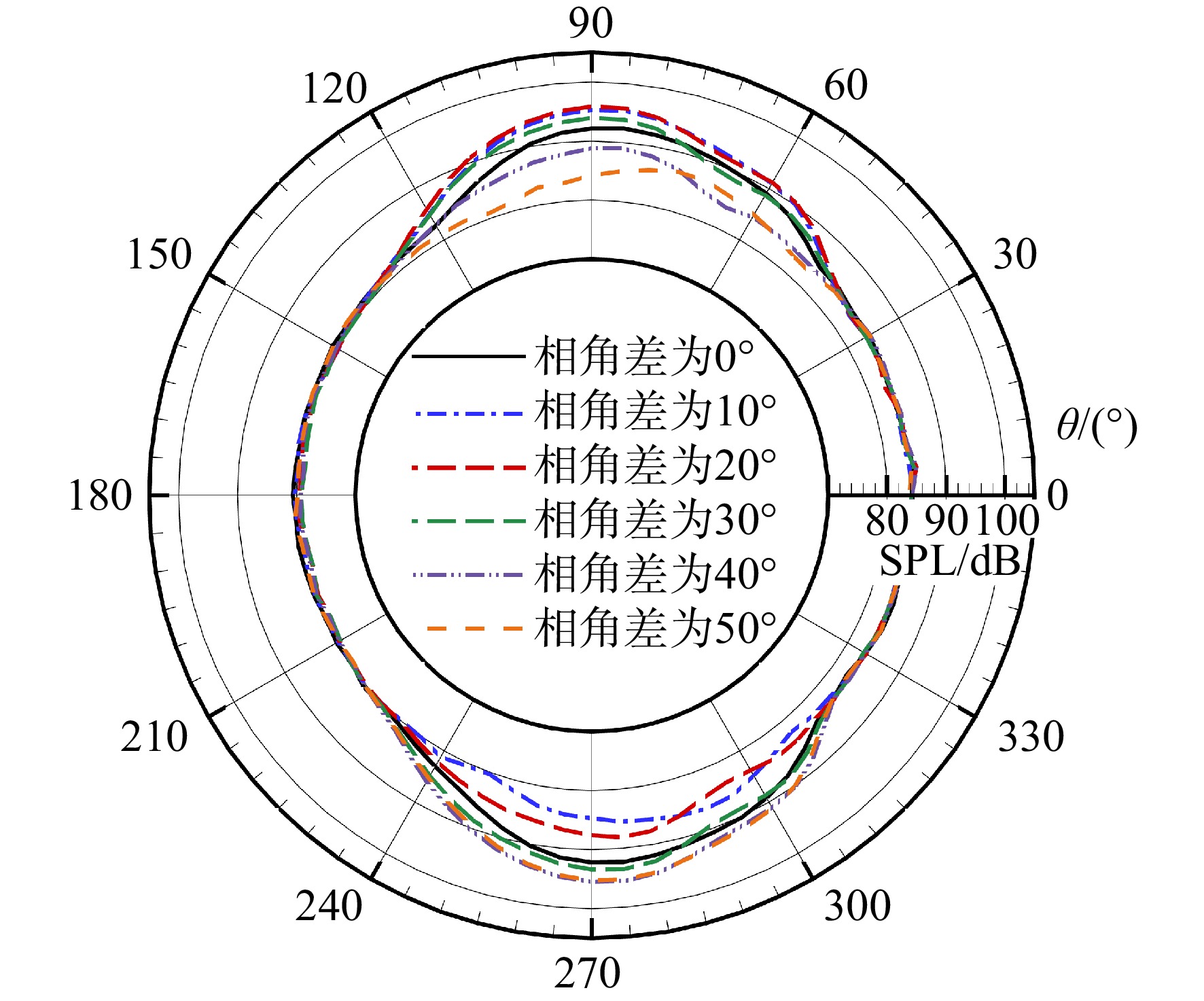
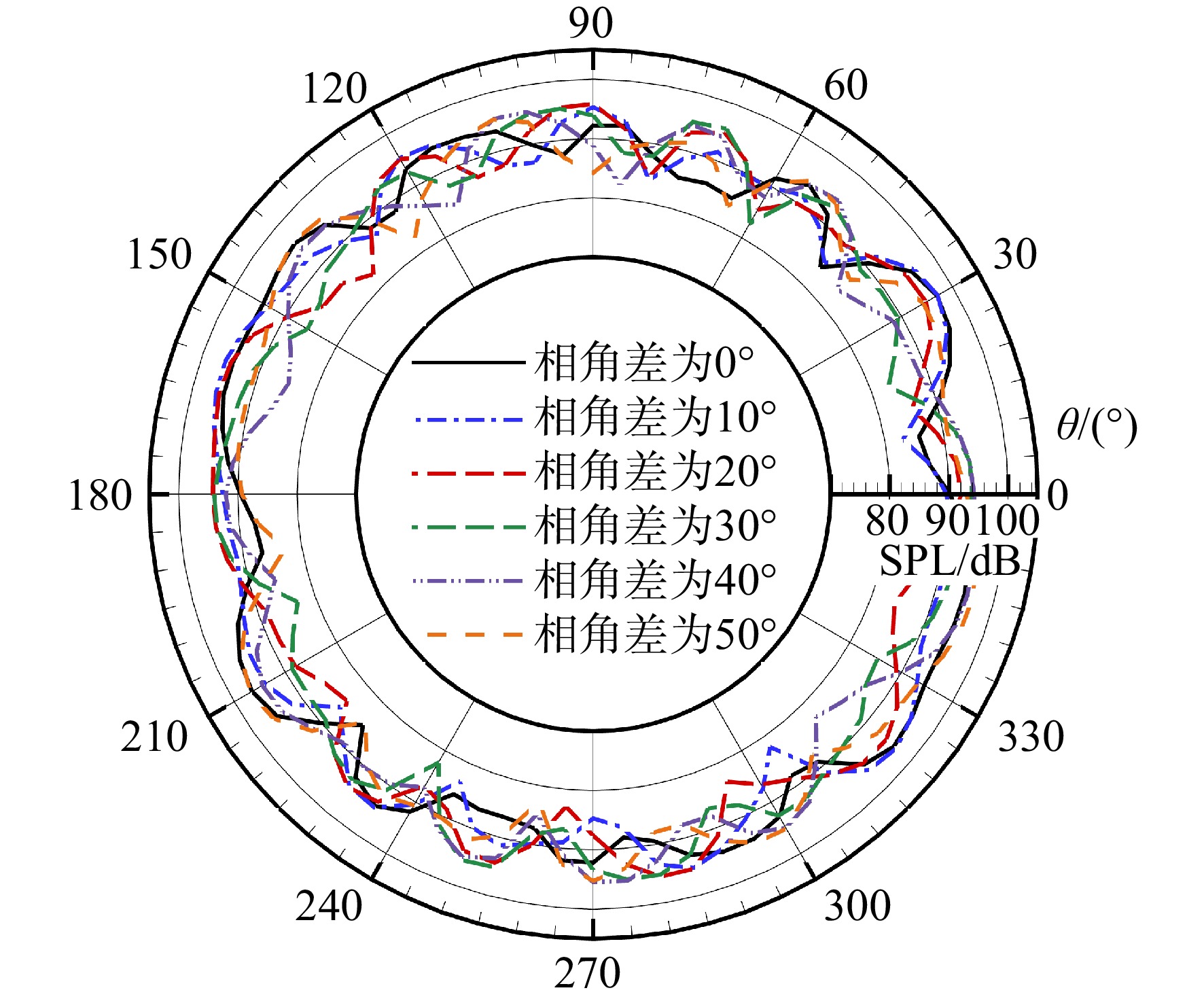
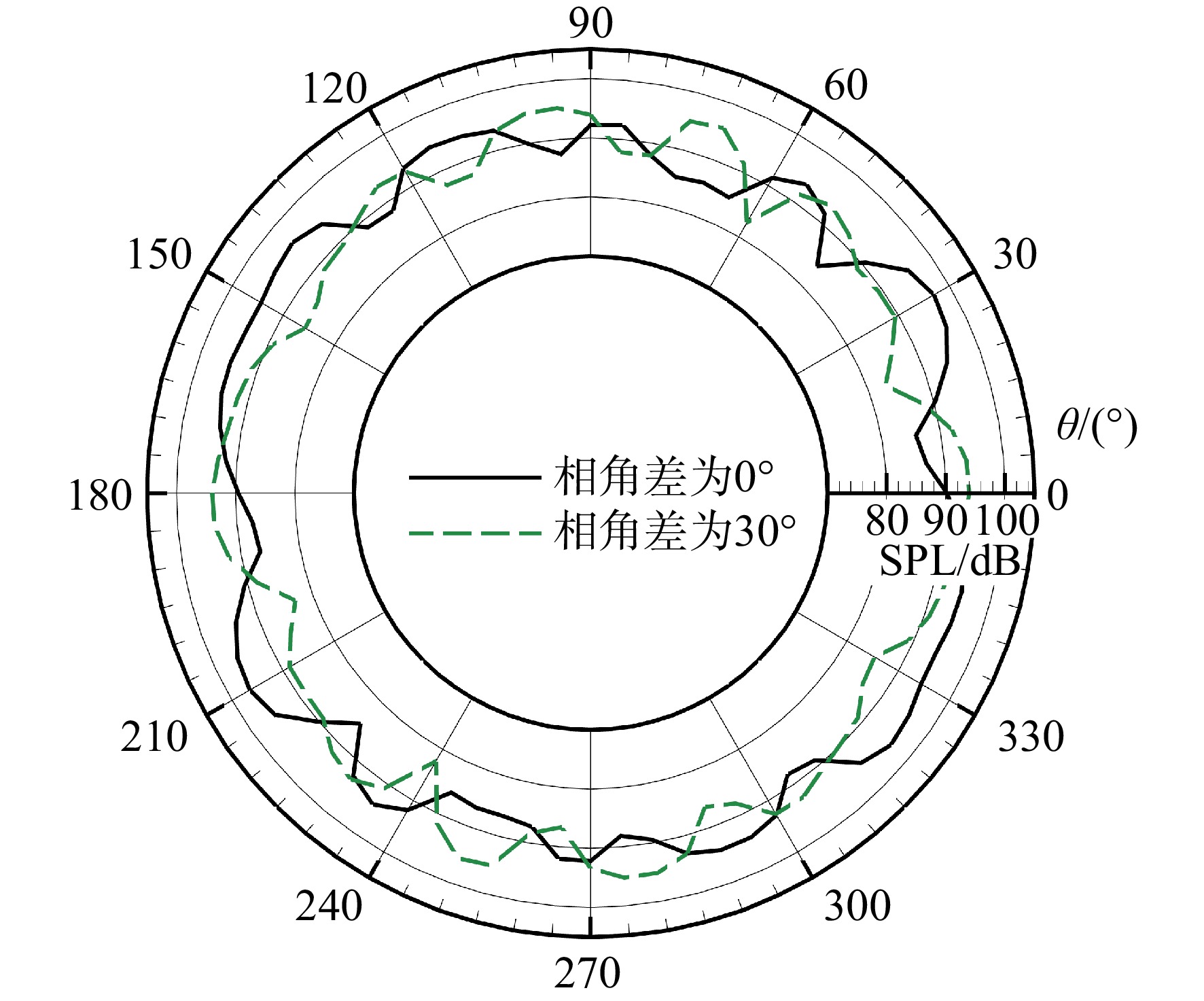
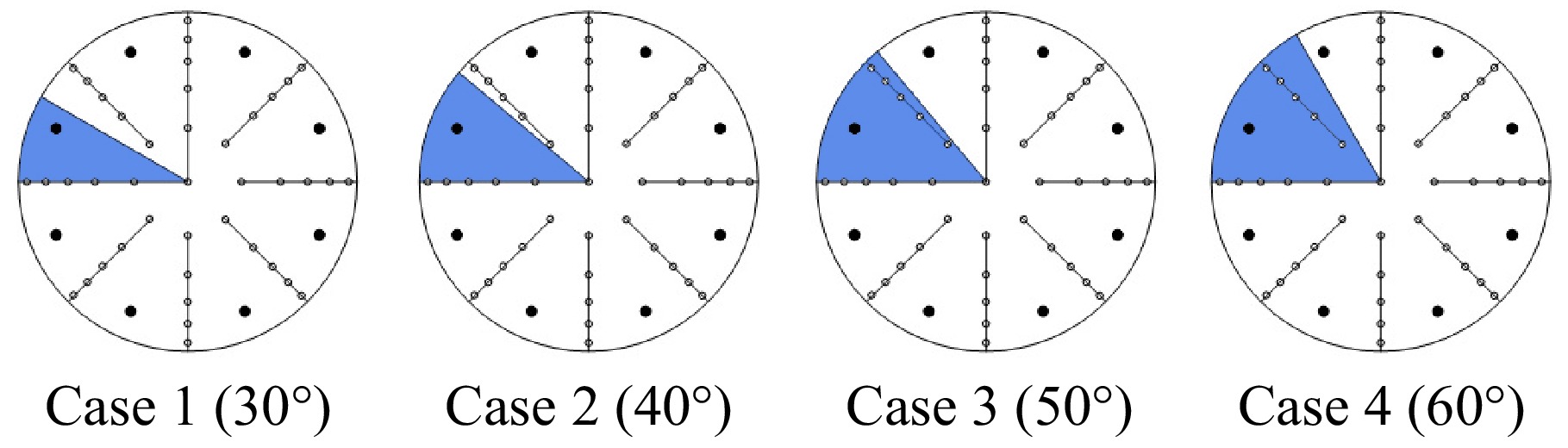
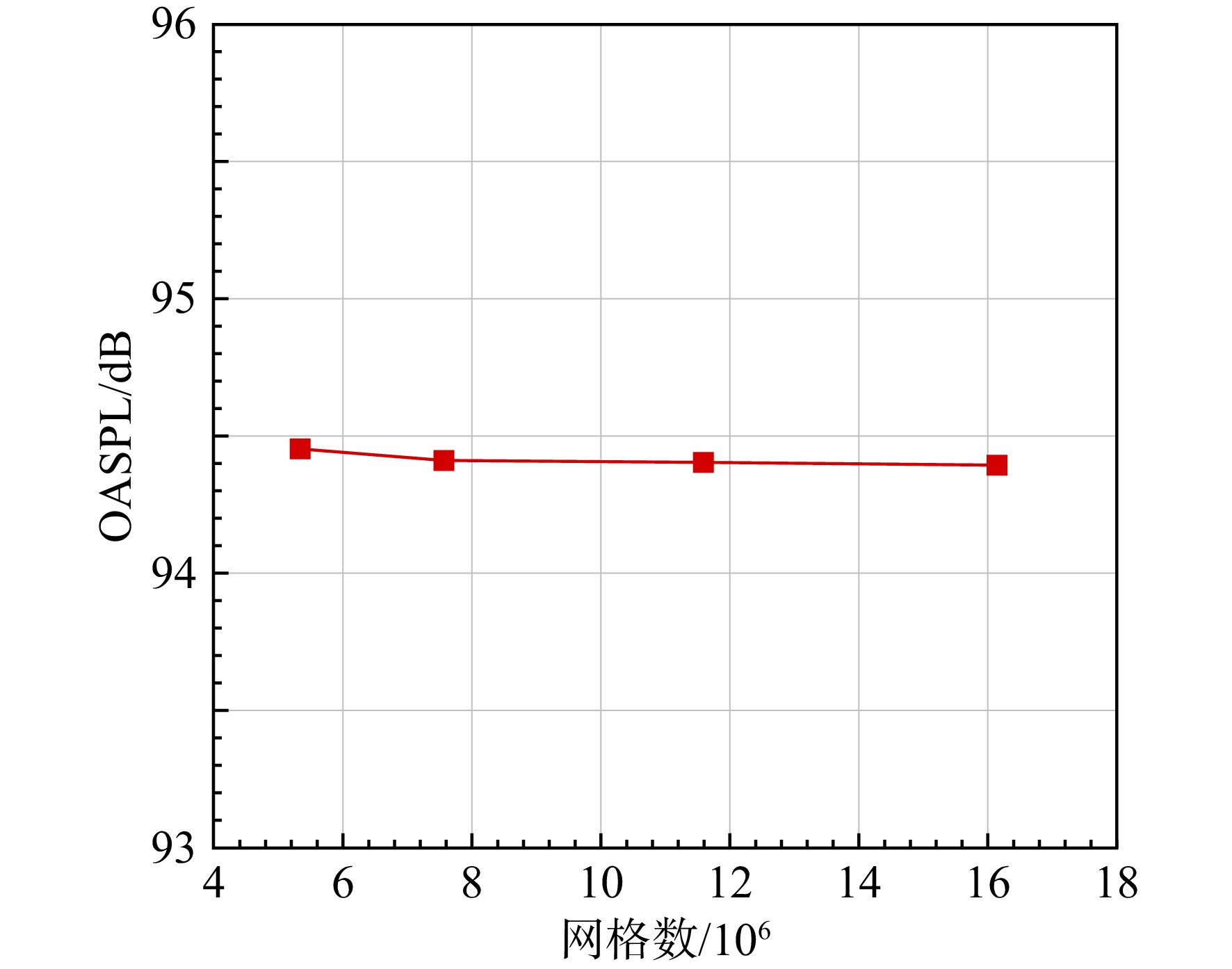
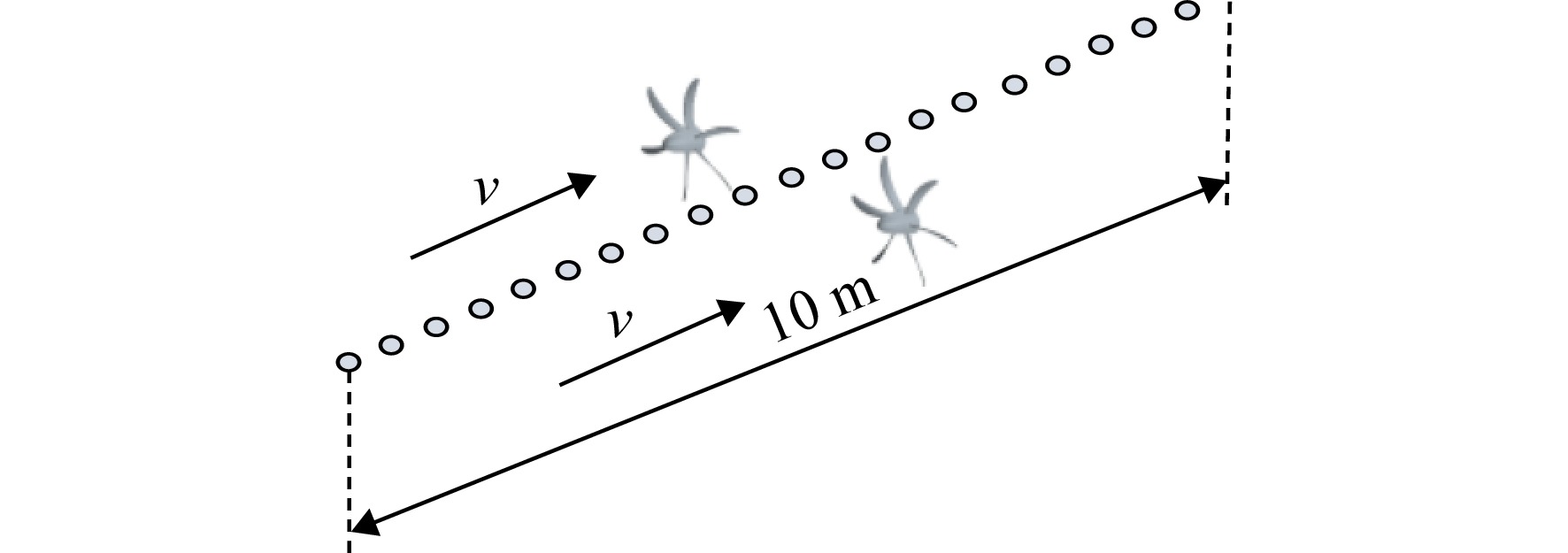
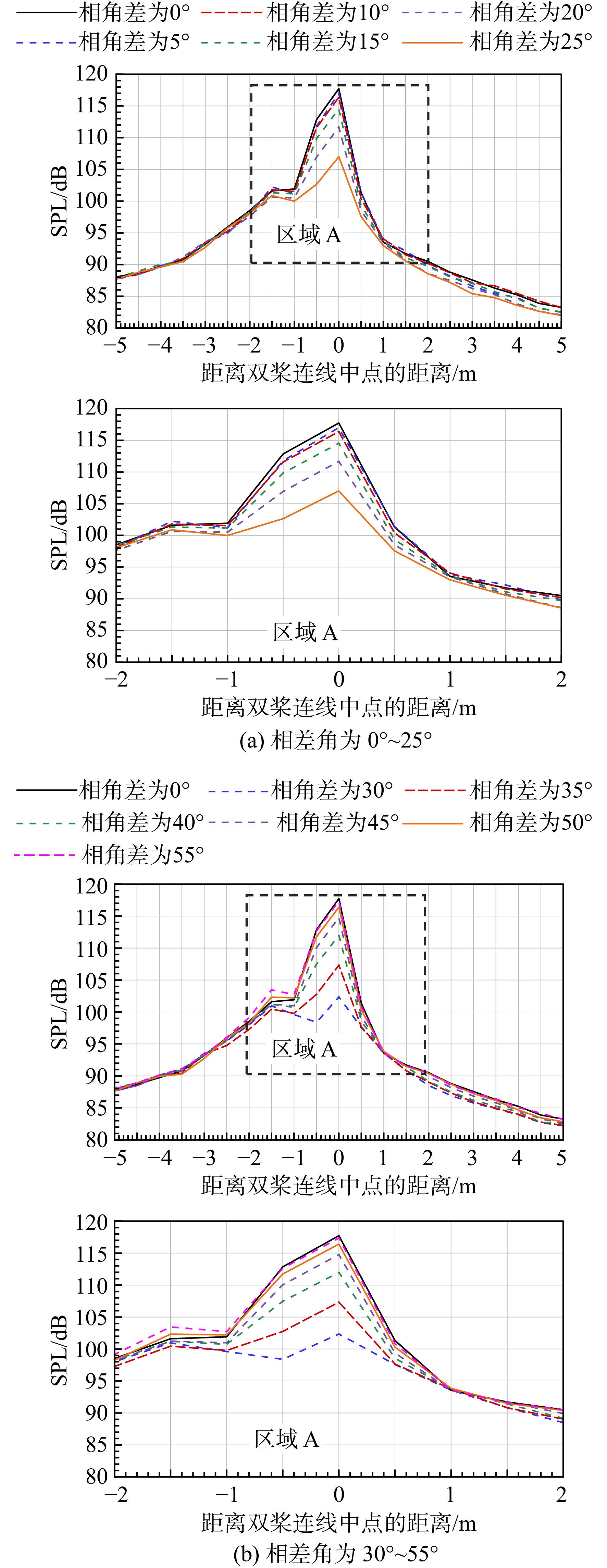
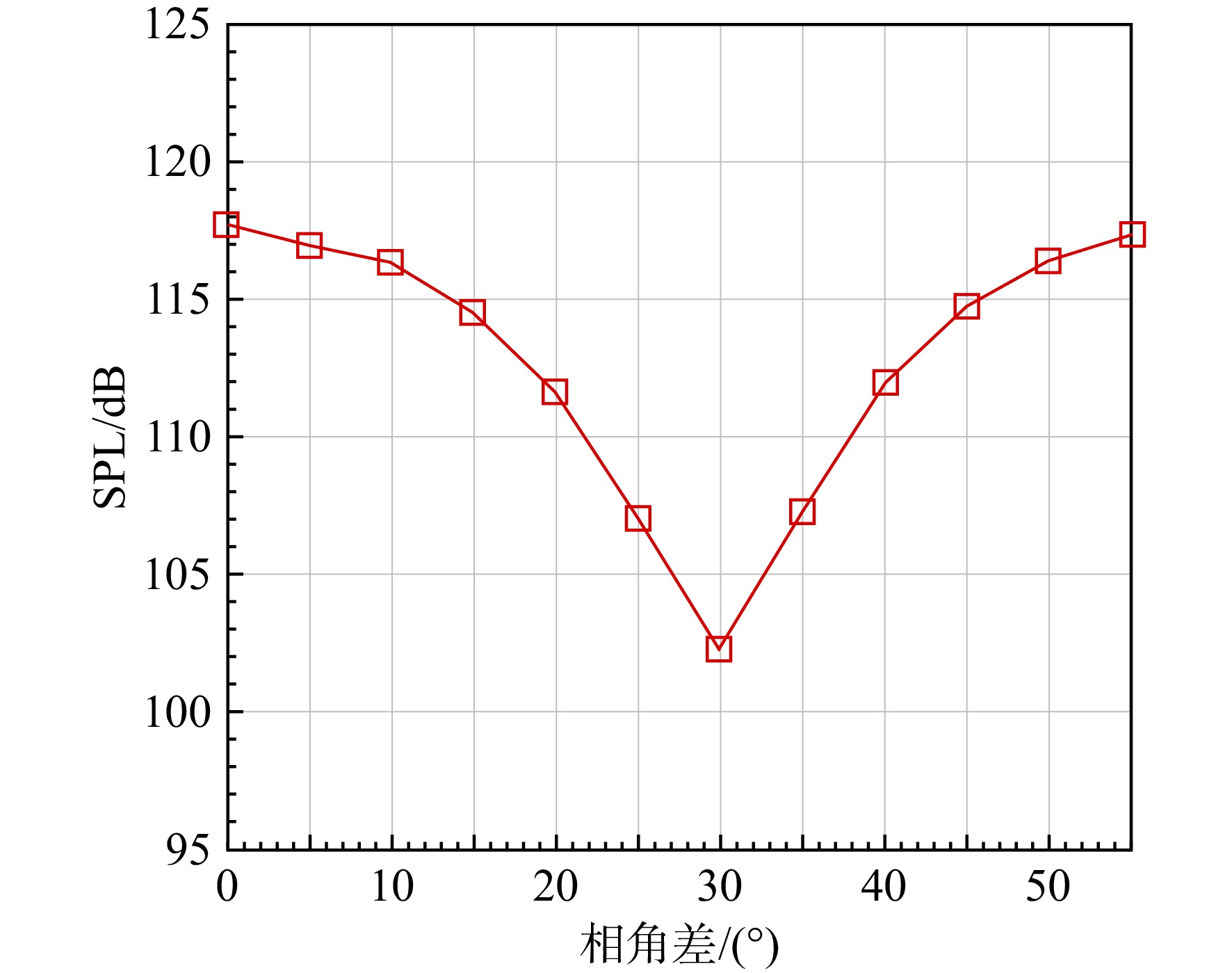
Propeller phase control technology is an effective active noise control method for turboprop aircraft. Current research on this technology primarily relies on theoretical analysis and experimental studies, which have certain limitations in revealing flow field details and understanding noise reduction mechanisms. An improved delayed detached eddy simulation (IDDES) combined with the Ffowcs Williams-Hawkings (FW-H) acoustic analogy method was employed to conduct phase control noise reduction research on a scaled twin-propeller model of a specific turboprop aircraft. Detailed analysis of the impact of phase angle differences on the noise reduction performance of a twin-propeller system was conducted, offering an in-depth exploration of the flow mechanisms associated with propeller phase control. The results indicated that the numerical method used can effectively simulate the phase control noise reduction effects of twin engines. By adjusting the phase angle differences between the propellers, a significant reduction in noise levels was achieved at specific observation points. For instance, at the midpoint of the shaft line in the twin-propeller disk plane, when the phase angle difference was set to 30°, the overall sound pressure level at this observation point was reduced by 15.37 dB compared with 0° phase angle difference. The pressure and density fluctuation amplitudes at this point were significantly reduced, demonstrating the typical phase control noise reduction characteristic of interference cancellation between high and low-pressure areas. The distribution of pressure and density fluctuations on the disk plane exhibited a swirling petal-like radiation pattern. Further analysis showed that as the phase angle difference between the twin propellers increased, the thickness noise and loading noise components at the midpoint of the centerline between the propellers first decreased and then increased, reaching their minimum values at a phase angle difference of 30°.

Swirl characteristics of inward turning combined power inlet at low speed
LAN Lei, LIN Zhengkang, HUANG Hexia, WANG Kun, LI Fangbo, CAI Jia, TAN Huijun
2025, 40(9): 20240331. doi: 10.13224/j.cnki.jasp.20240331
Abstract:

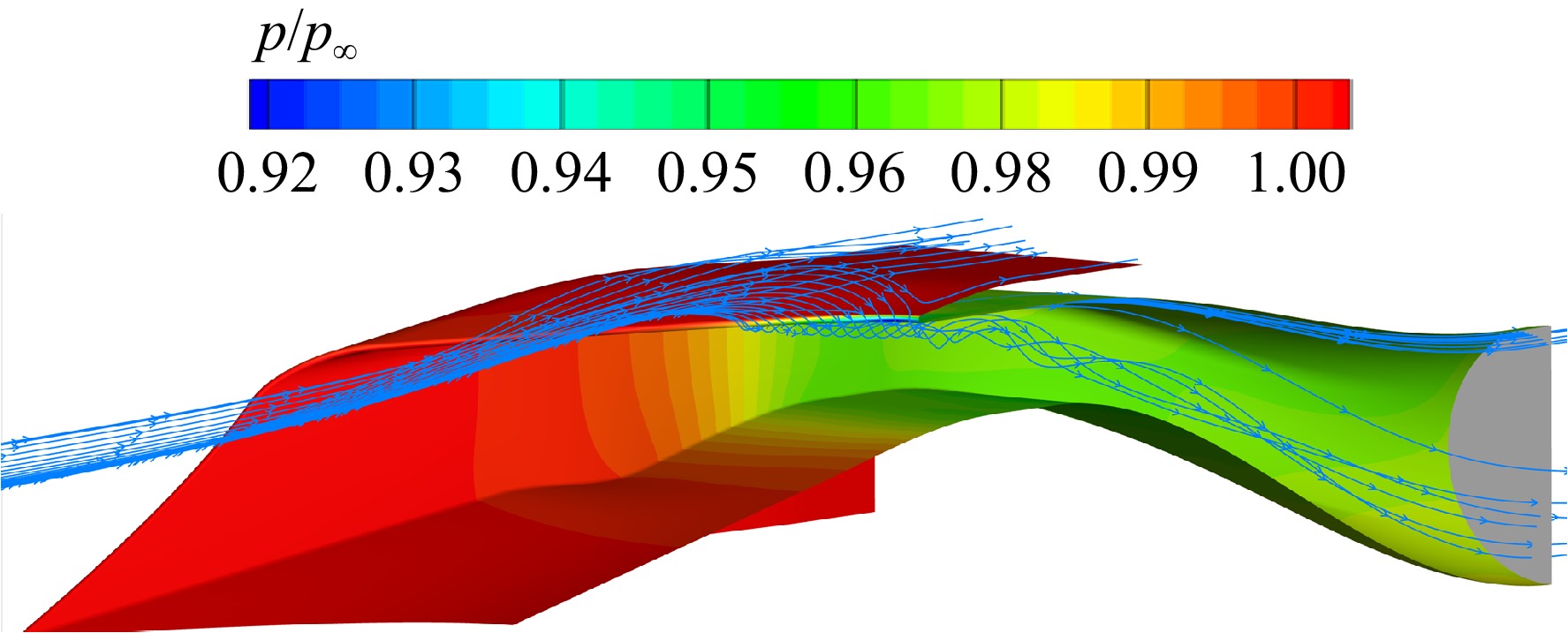
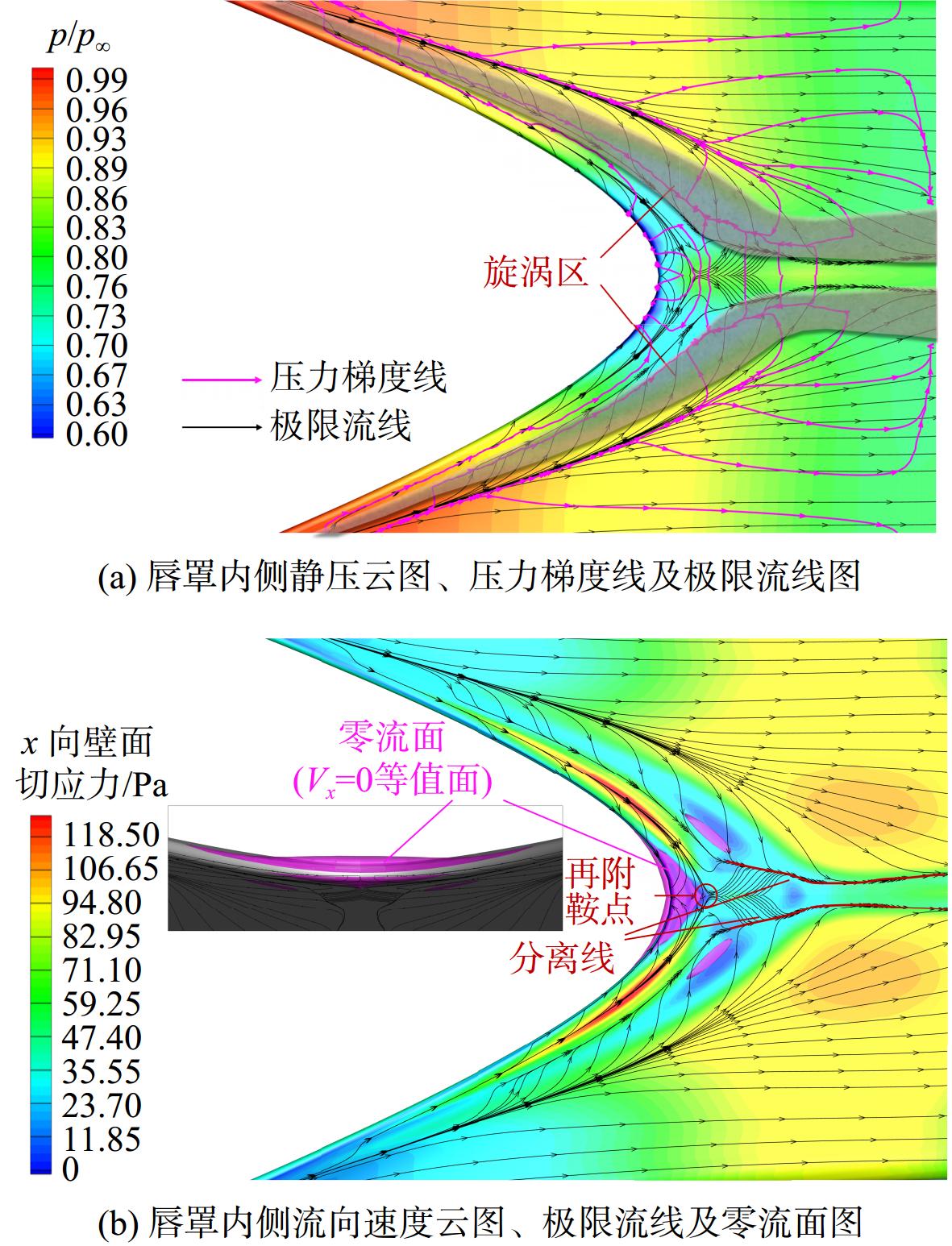
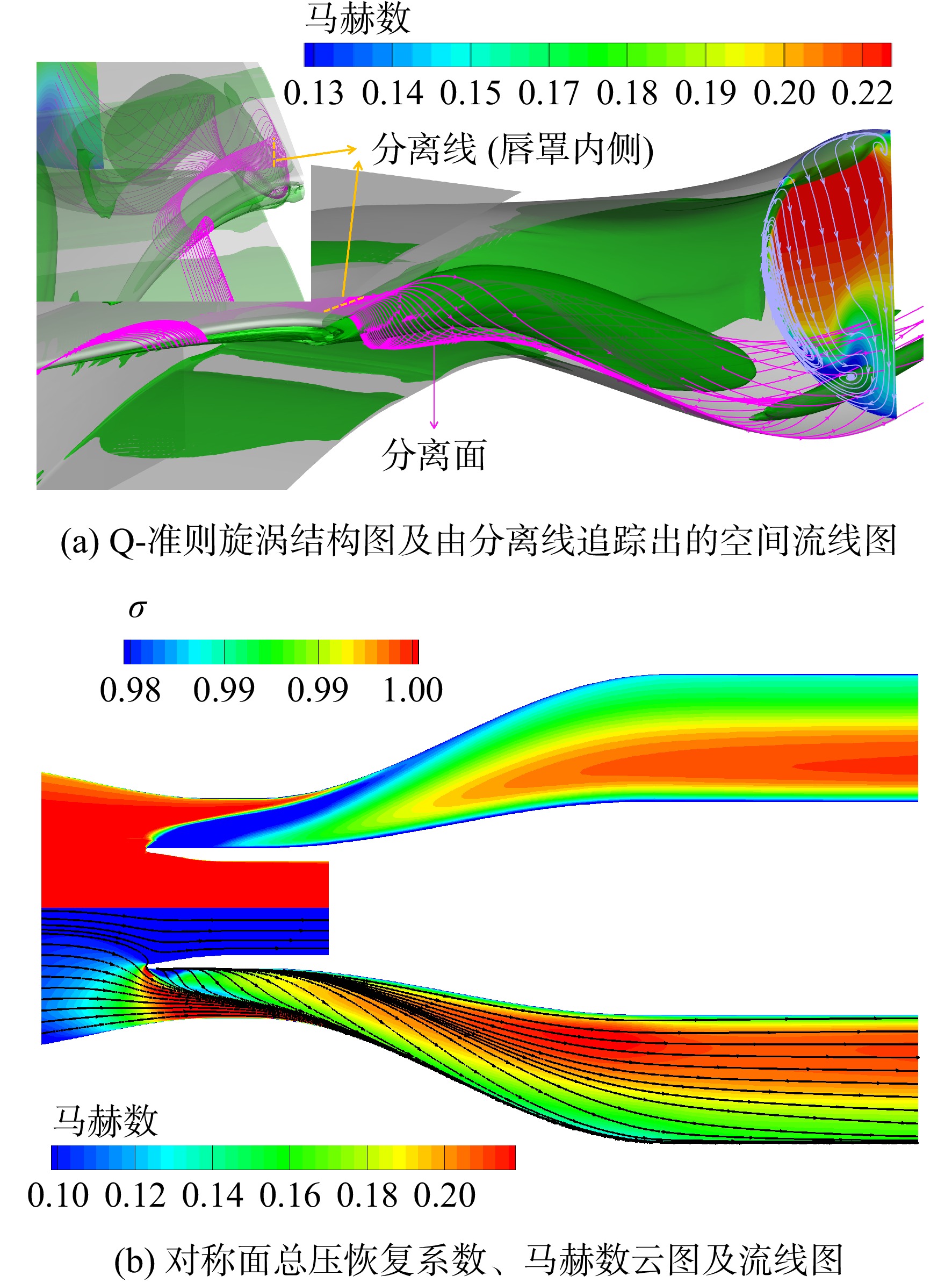
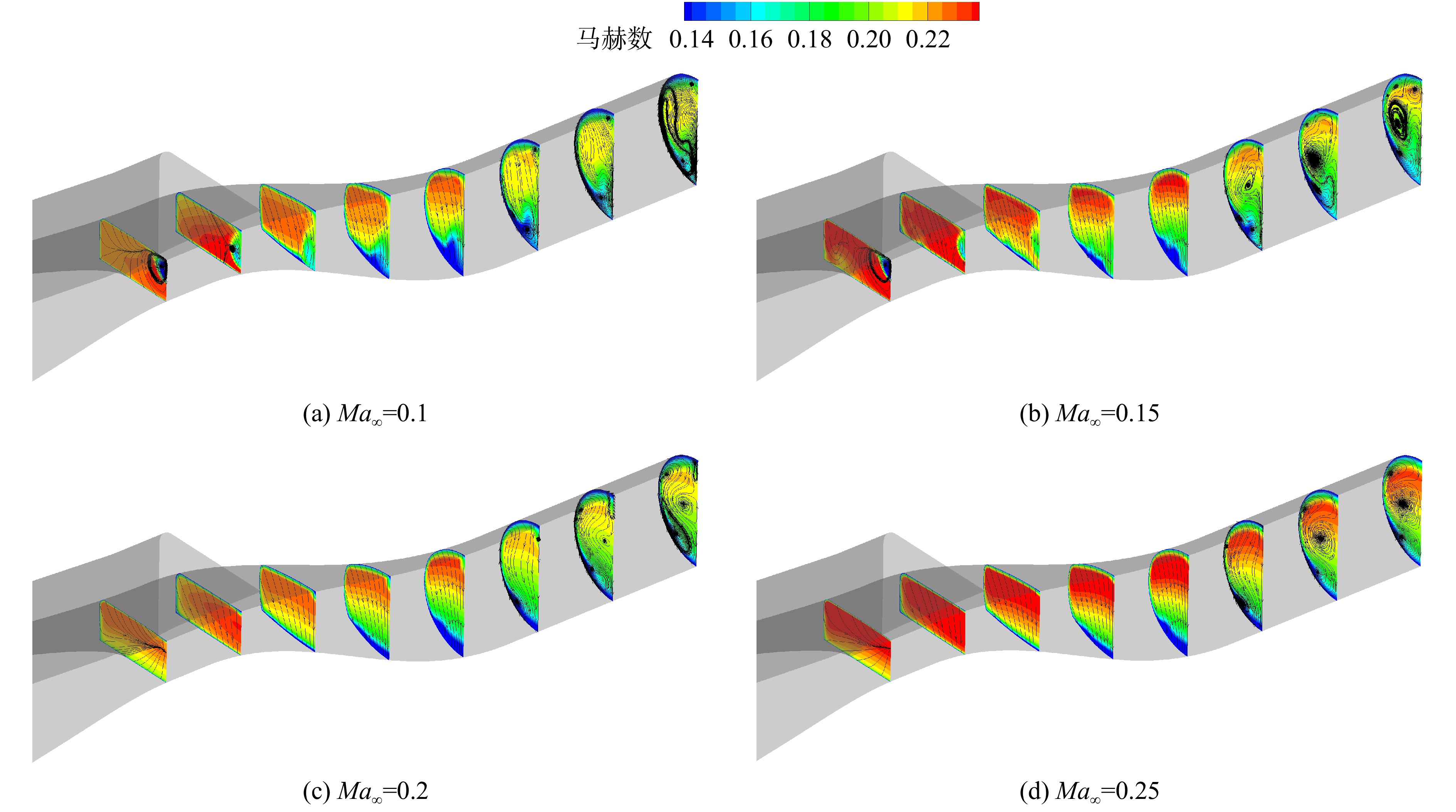
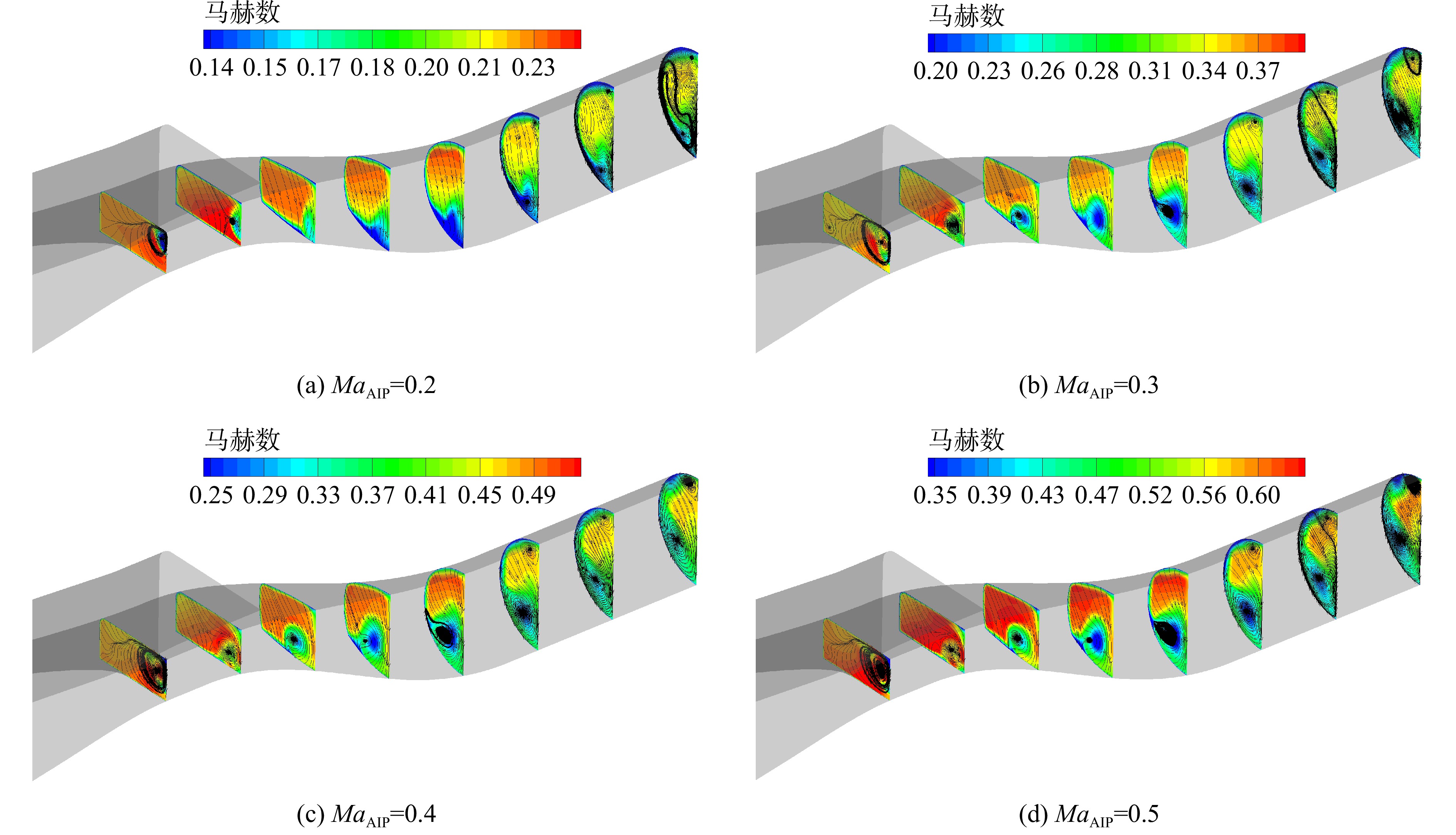
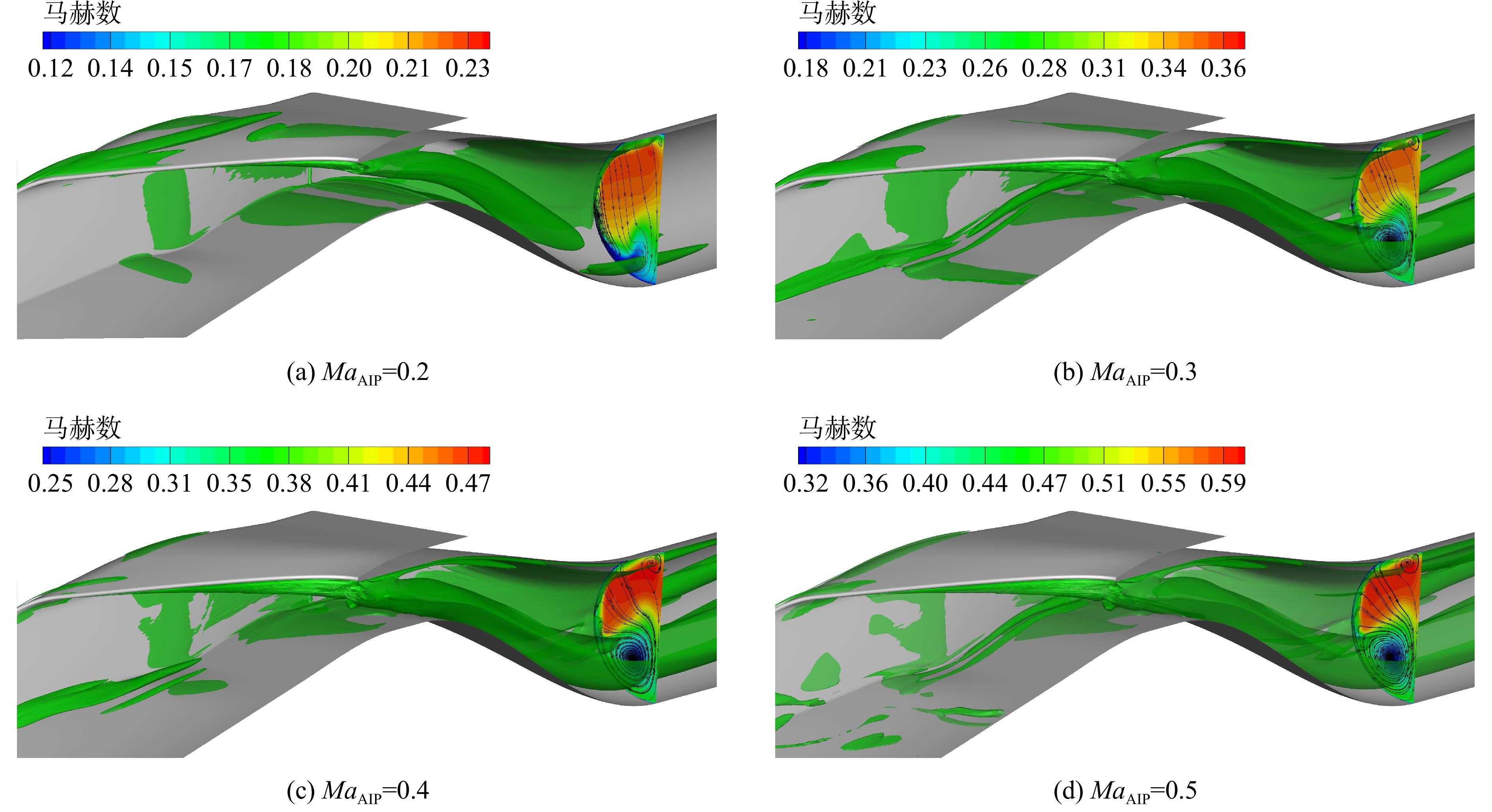
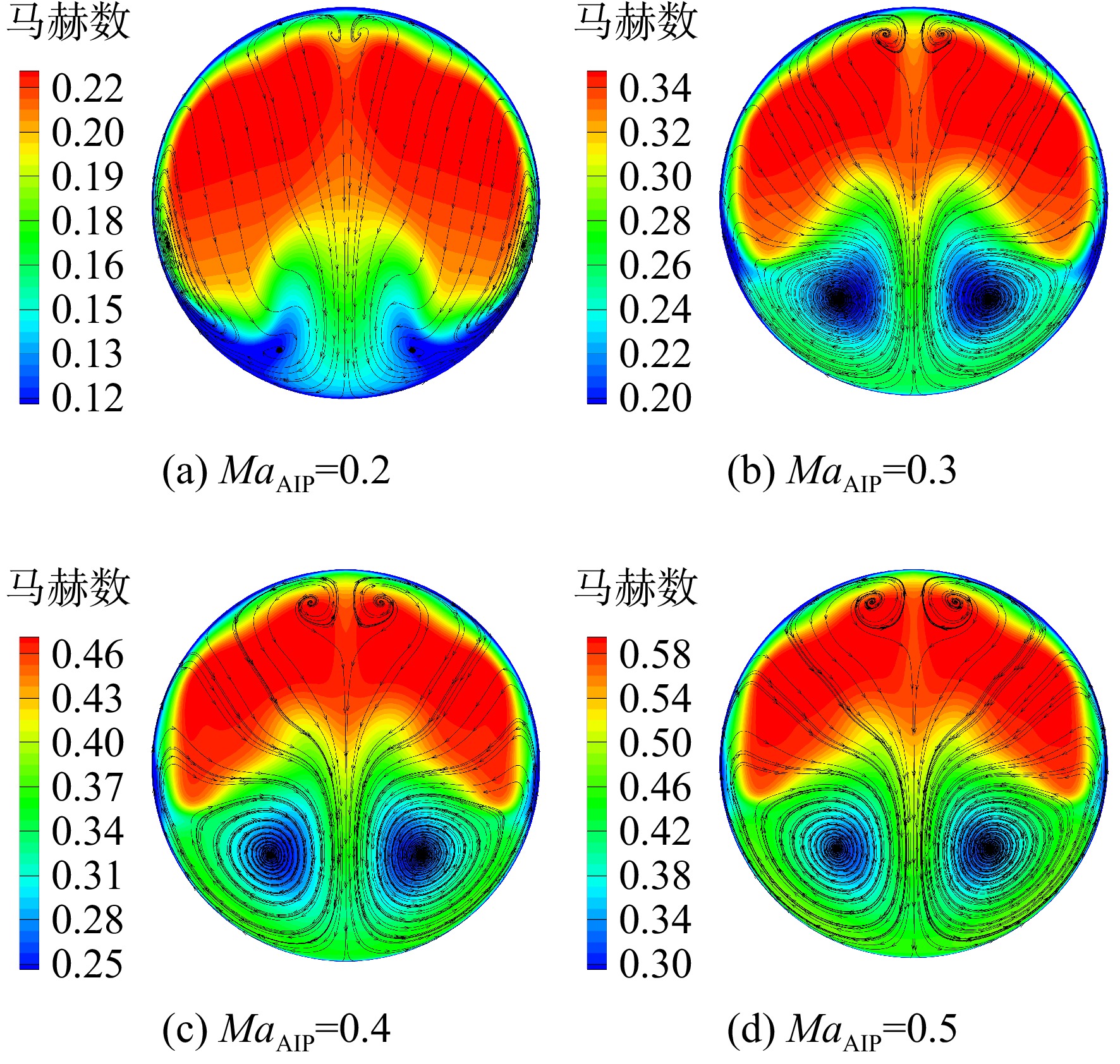
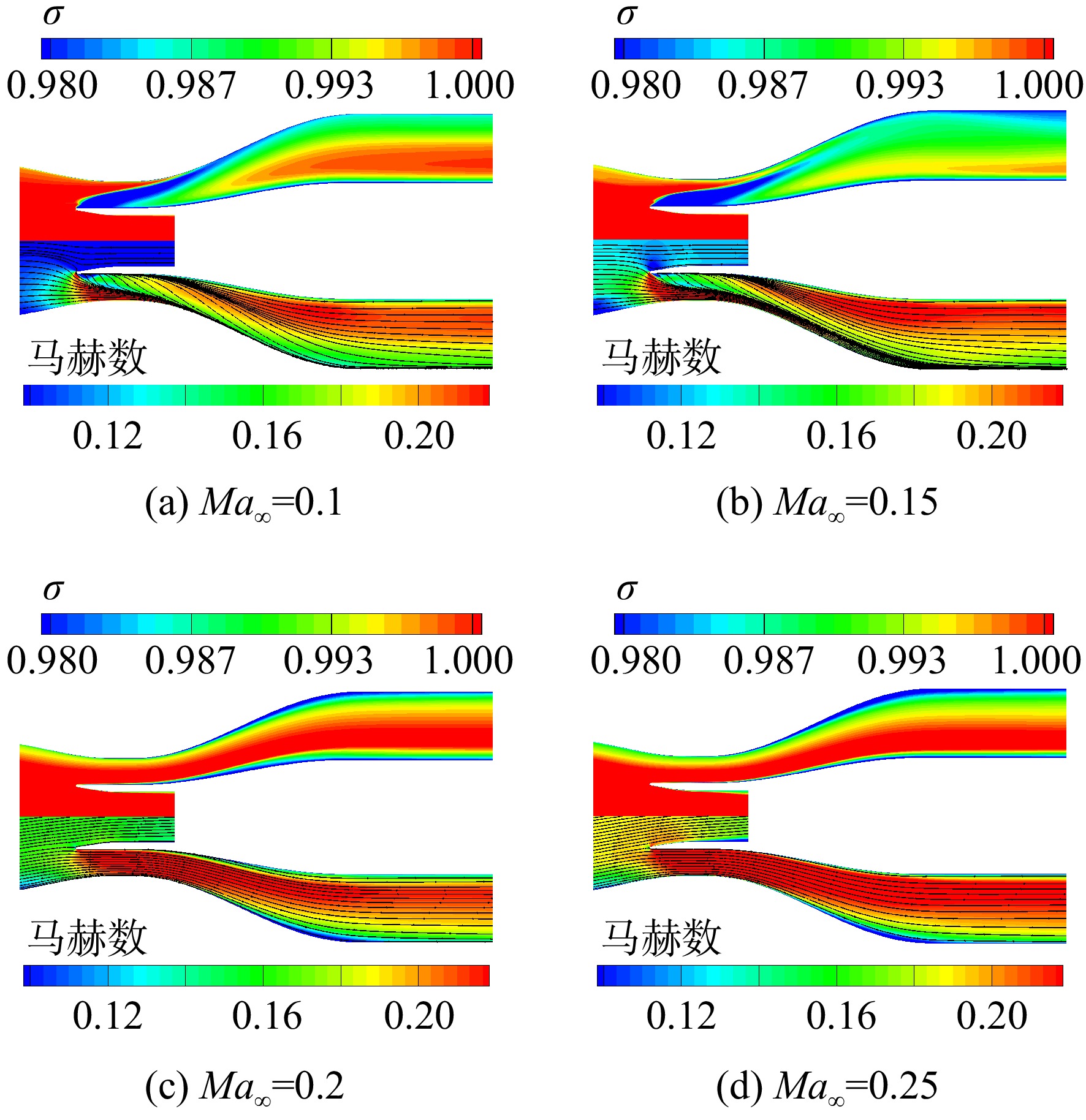
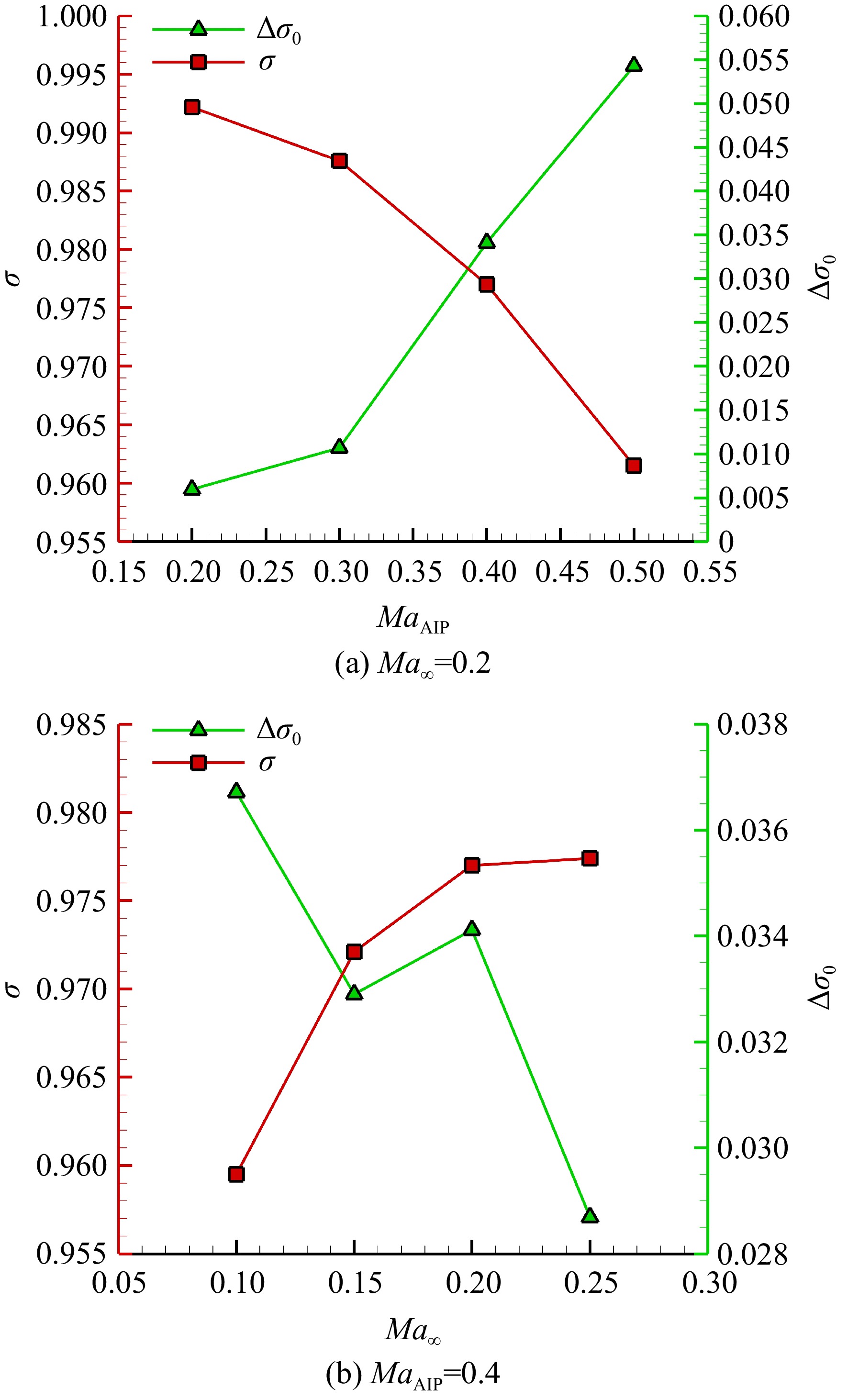
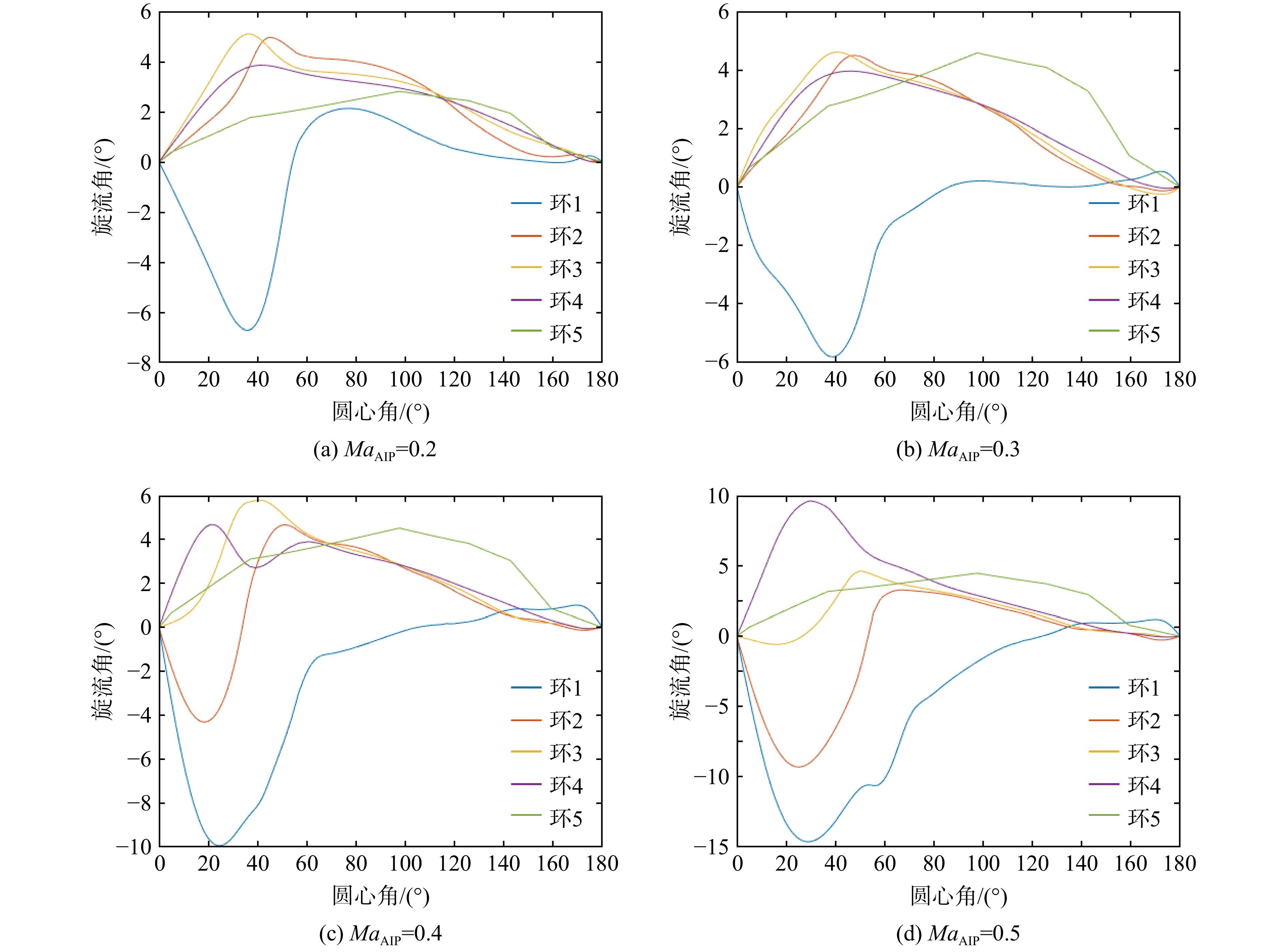
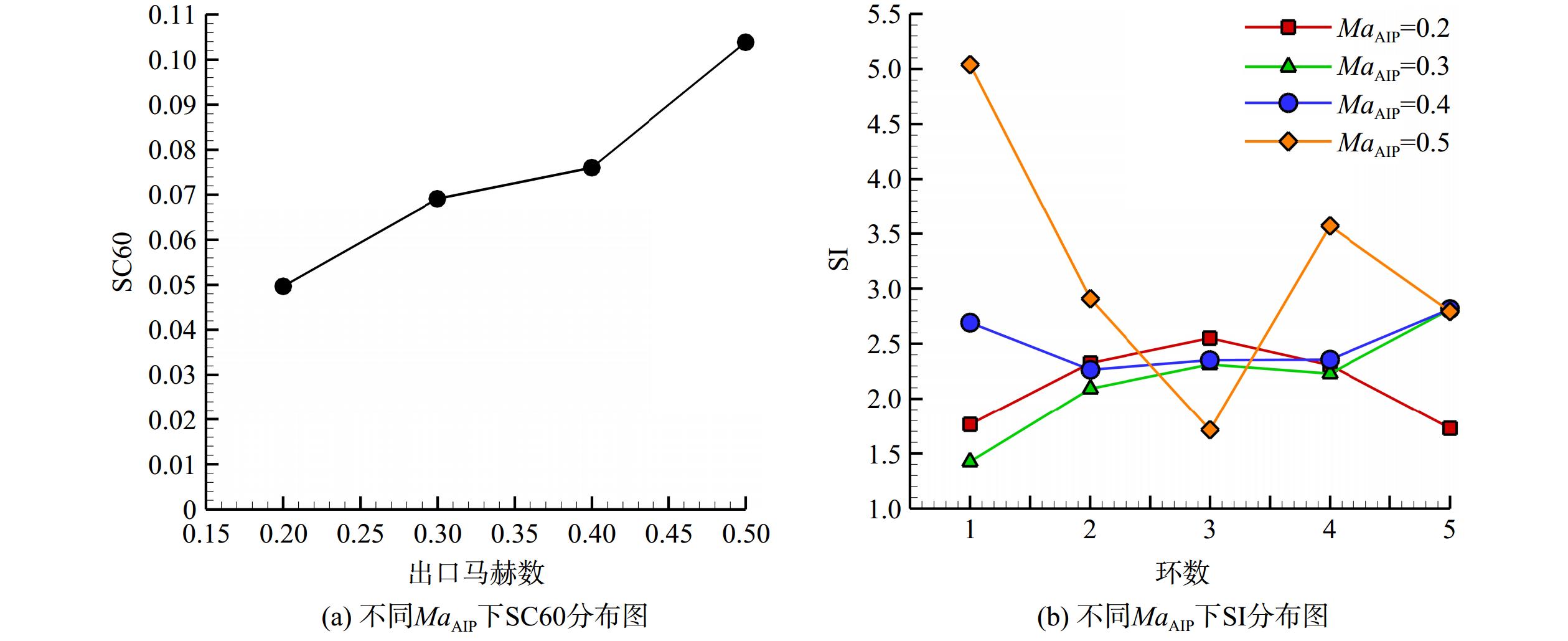
The swirl characteristics of the inward turning inlet under low incoming Mach number and the influences of inlet and outlet parameters were obtained by simulation. The results showed that at low speed, the flow coefficient of the inlet was large. Affected by the shape of the “V” lip, the encircling flow around the lip was significant, and there was a strong velocity gradient along the width direction. A pair of strong counter-rotating vortices were generated inside the lip, and gradually separated from the lip wall in the curved inner flow channel. When the incoming Mach number was low or the outlet Mach number was large (the flow coefficient was large), the vortex scale generated on the lip side was larger. The swirl angle of the outlet AIP (aerodynamics interface plane) cross section showed a “V” anti-symmetric distribution. With the increase of the outlet Mach number, it gradually developed into a “W” anti-symmetric distribution. The large-scale swirl angle extreme area merged with the small-scale swirl angle extreme area near the center of the pipeline, which increased the airflow distortion index. The swirl distortion index increased by about 1 times, and the circumferential total pressure distortion index increased by an order of magnitude.

Optimization of lift-to-drag characteristics for high-speed wing-in-ground effect based on the Kriging model
WANG Chenlu, SUN Jianhong, SUN Zhi, TAO Yang, LIU Hao
2025, 40(9): 20230550. doi: 10.13224/j.cnki.jasp.20230550
Abstract:

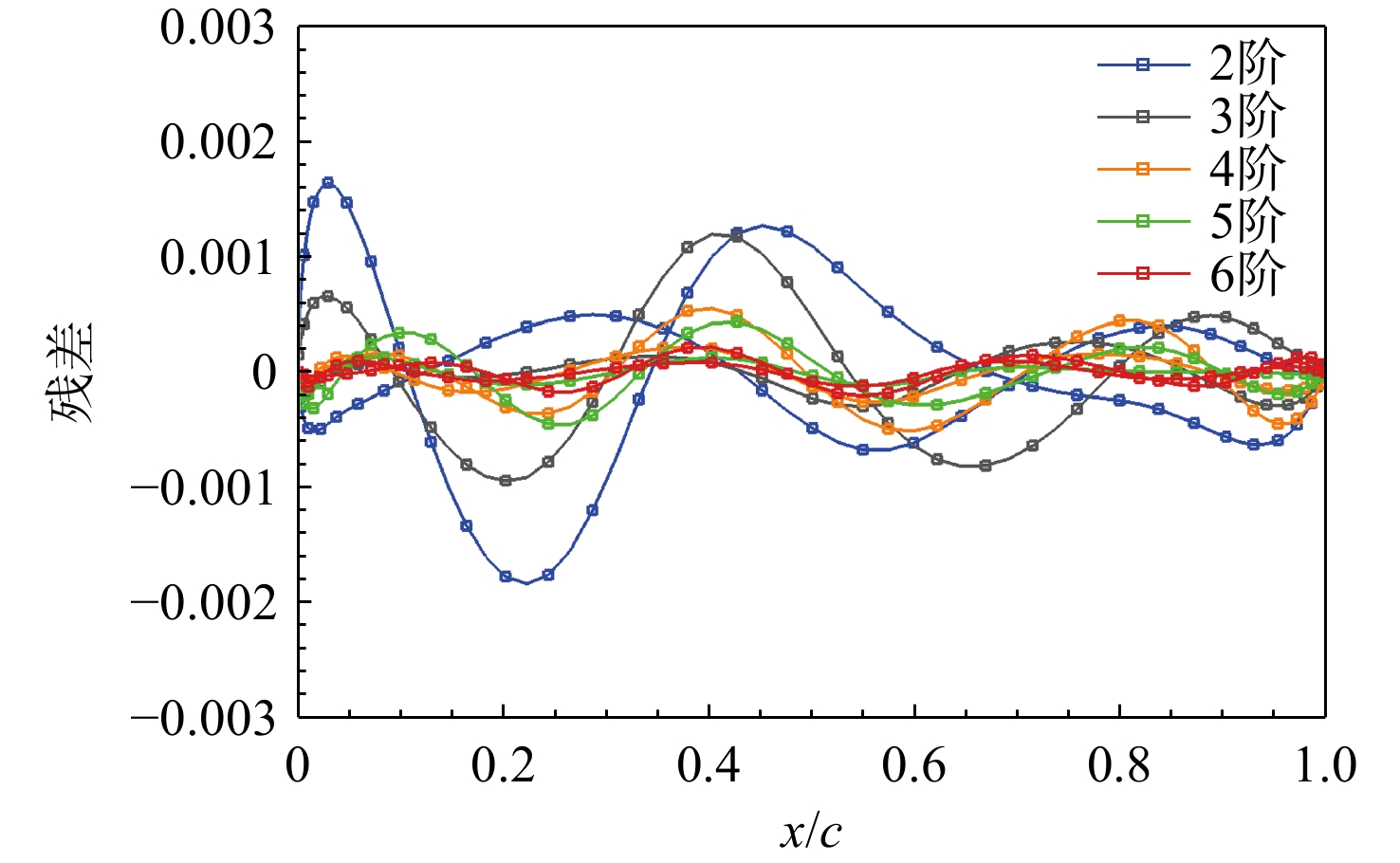
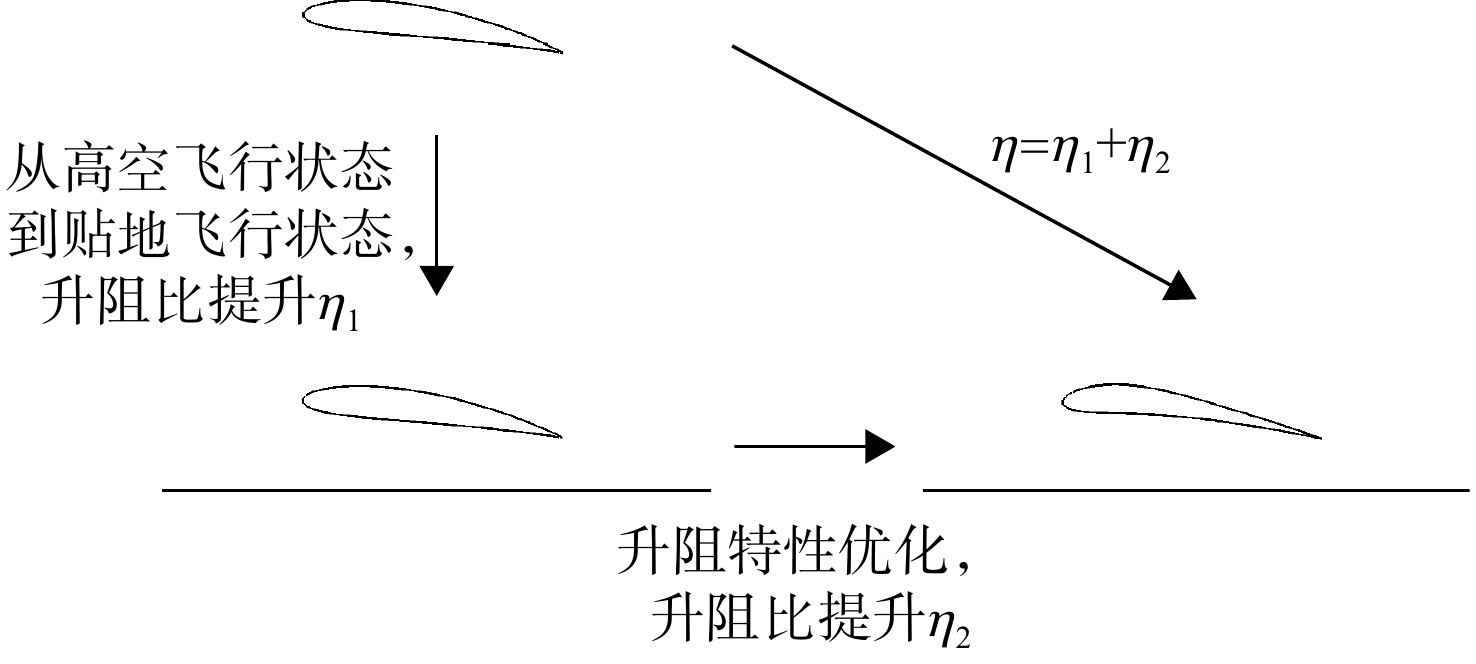
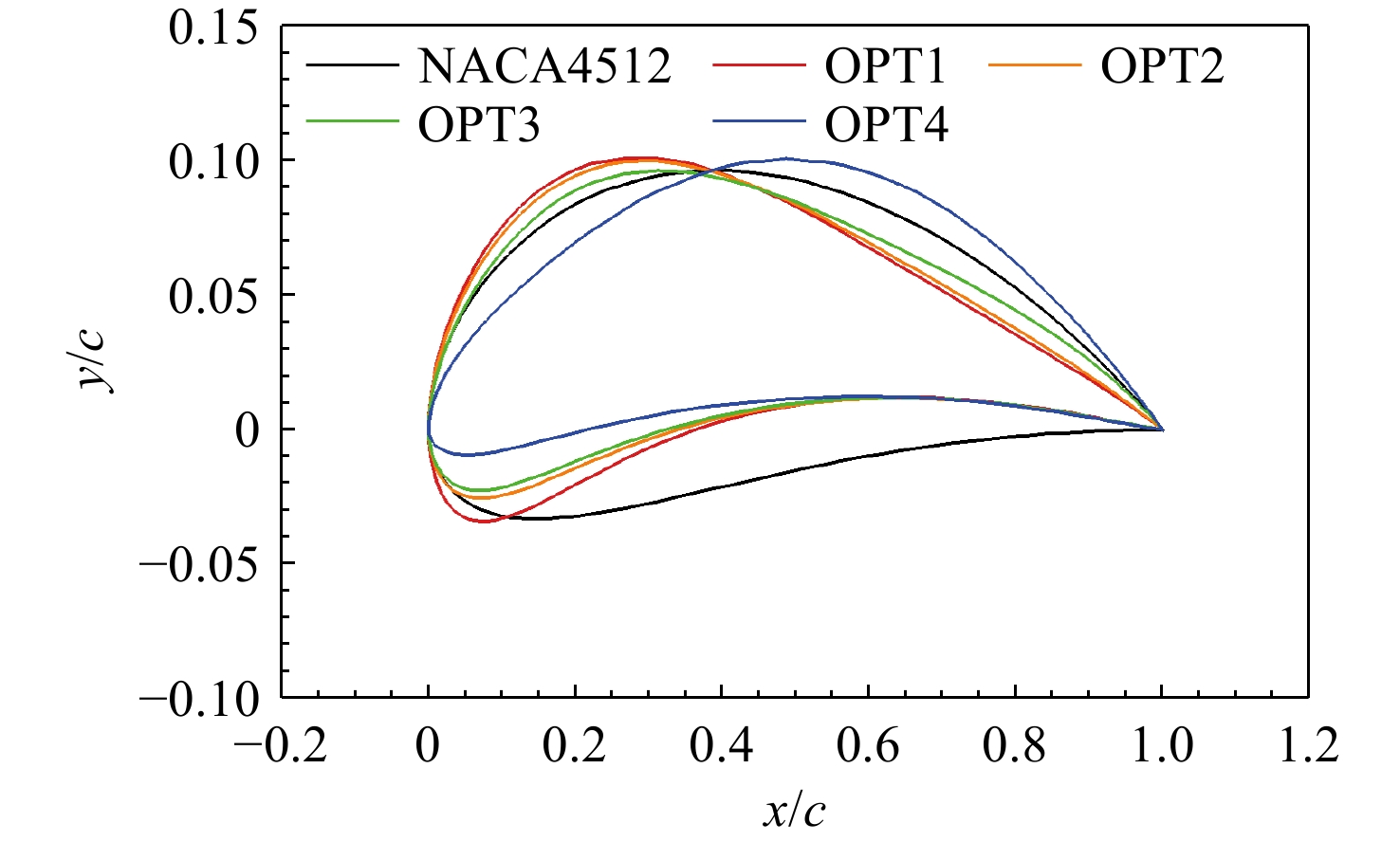
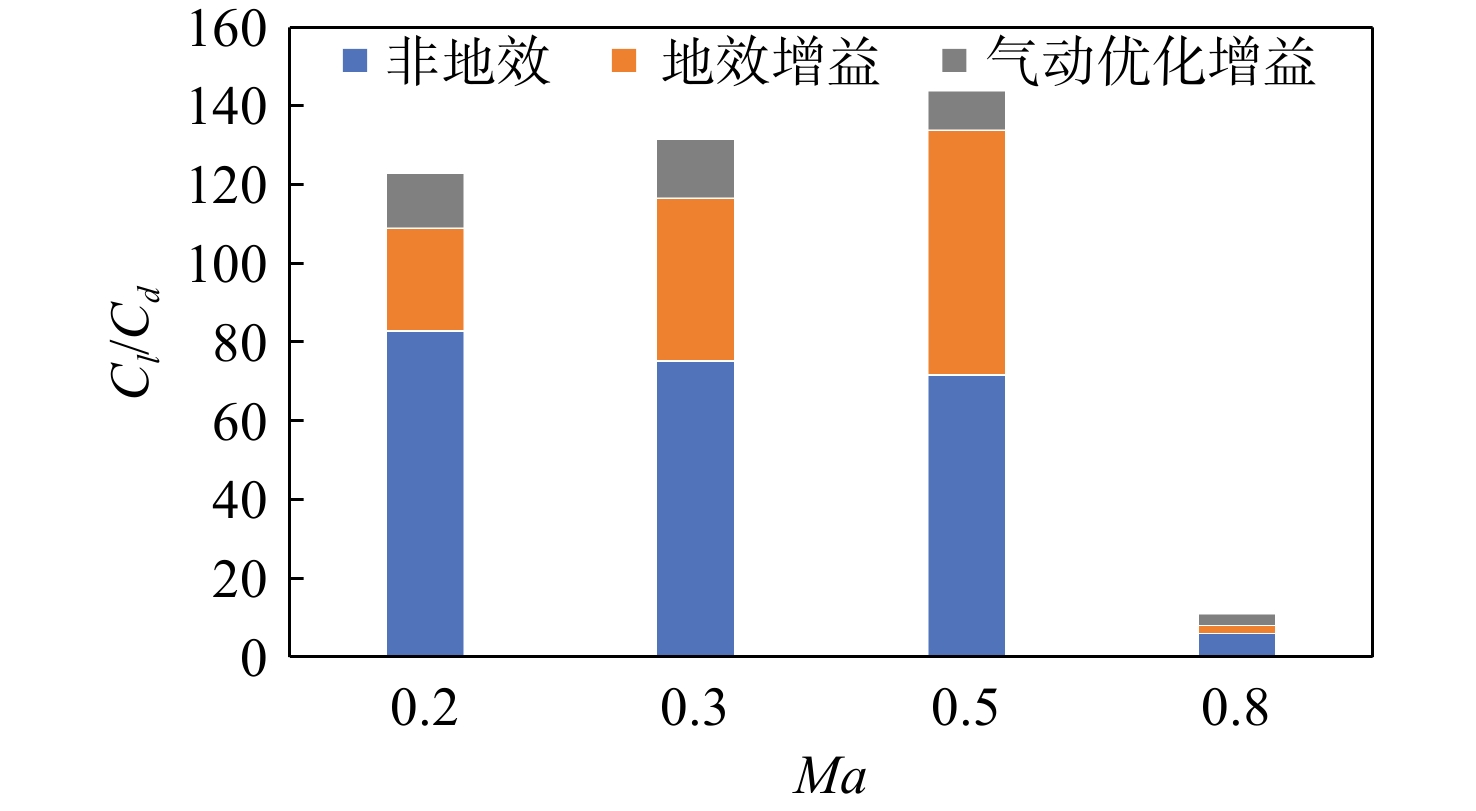
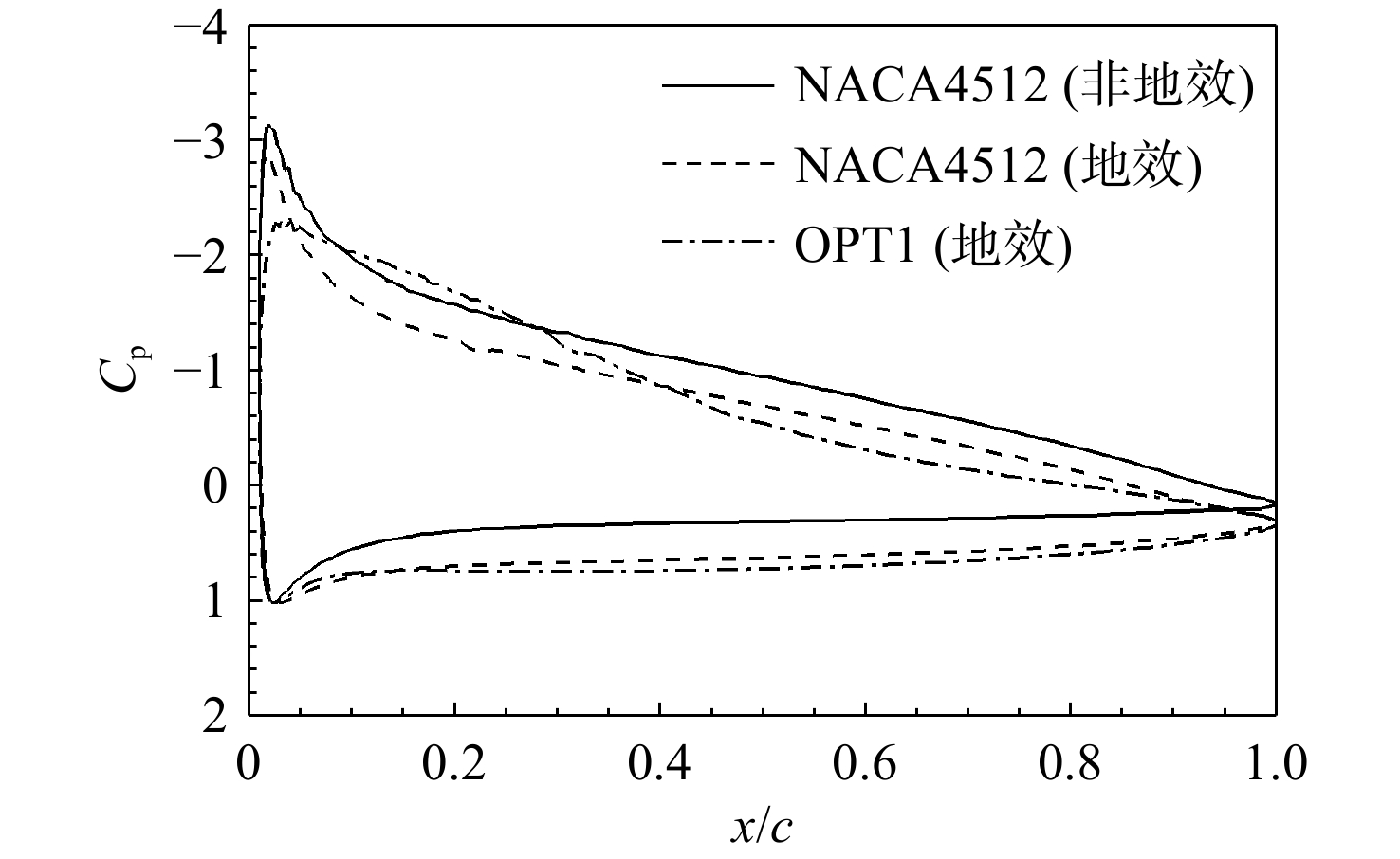
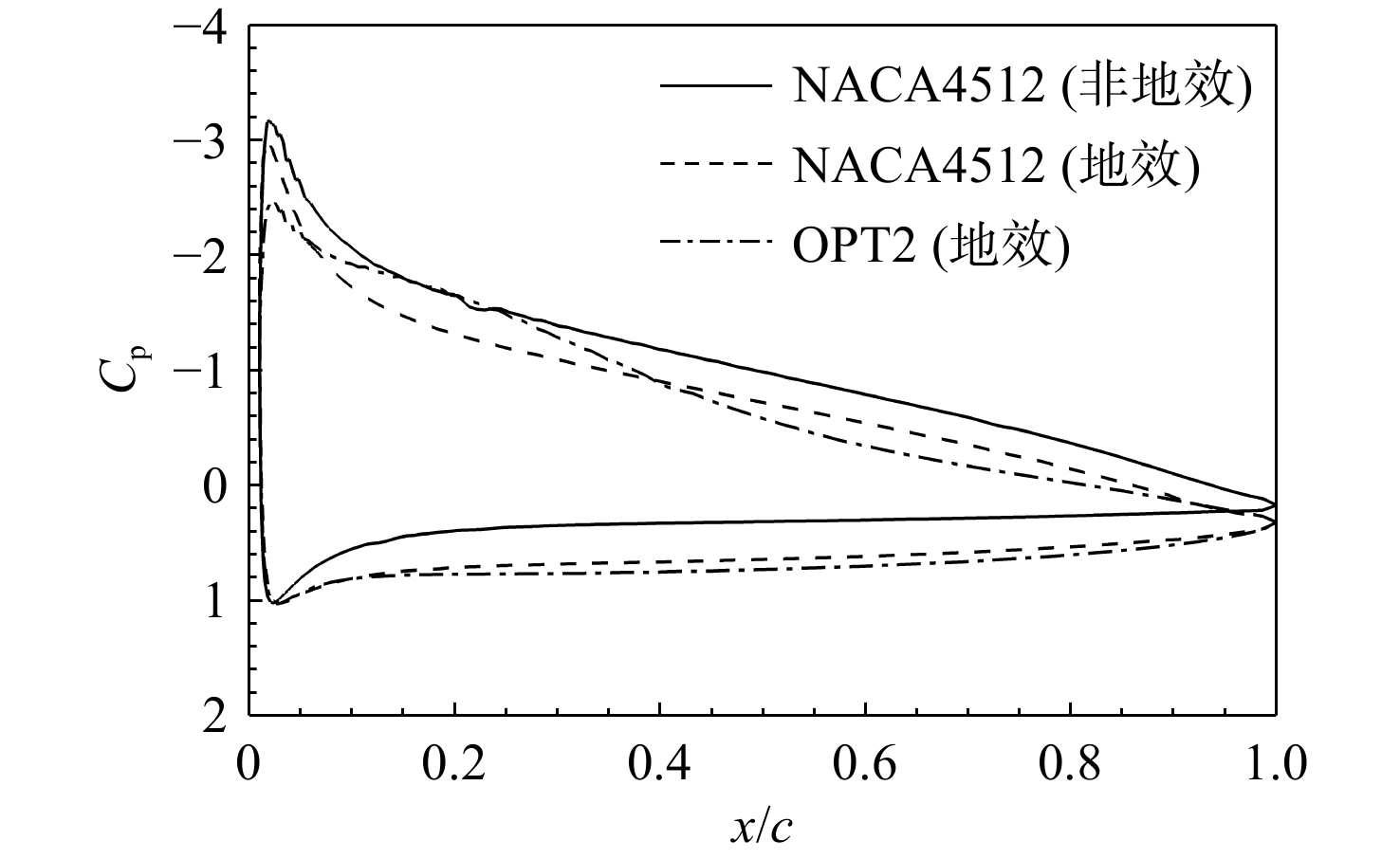
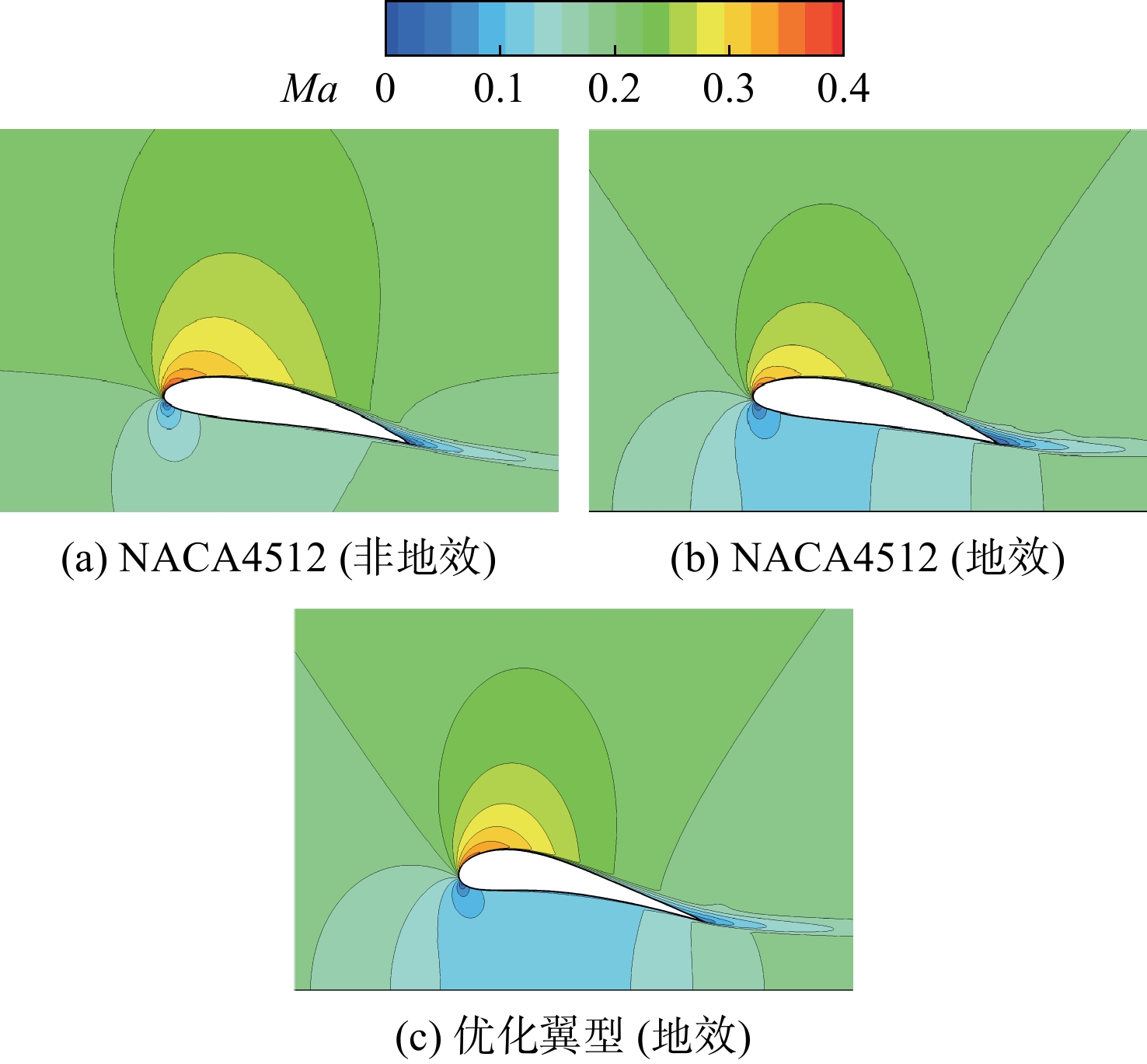
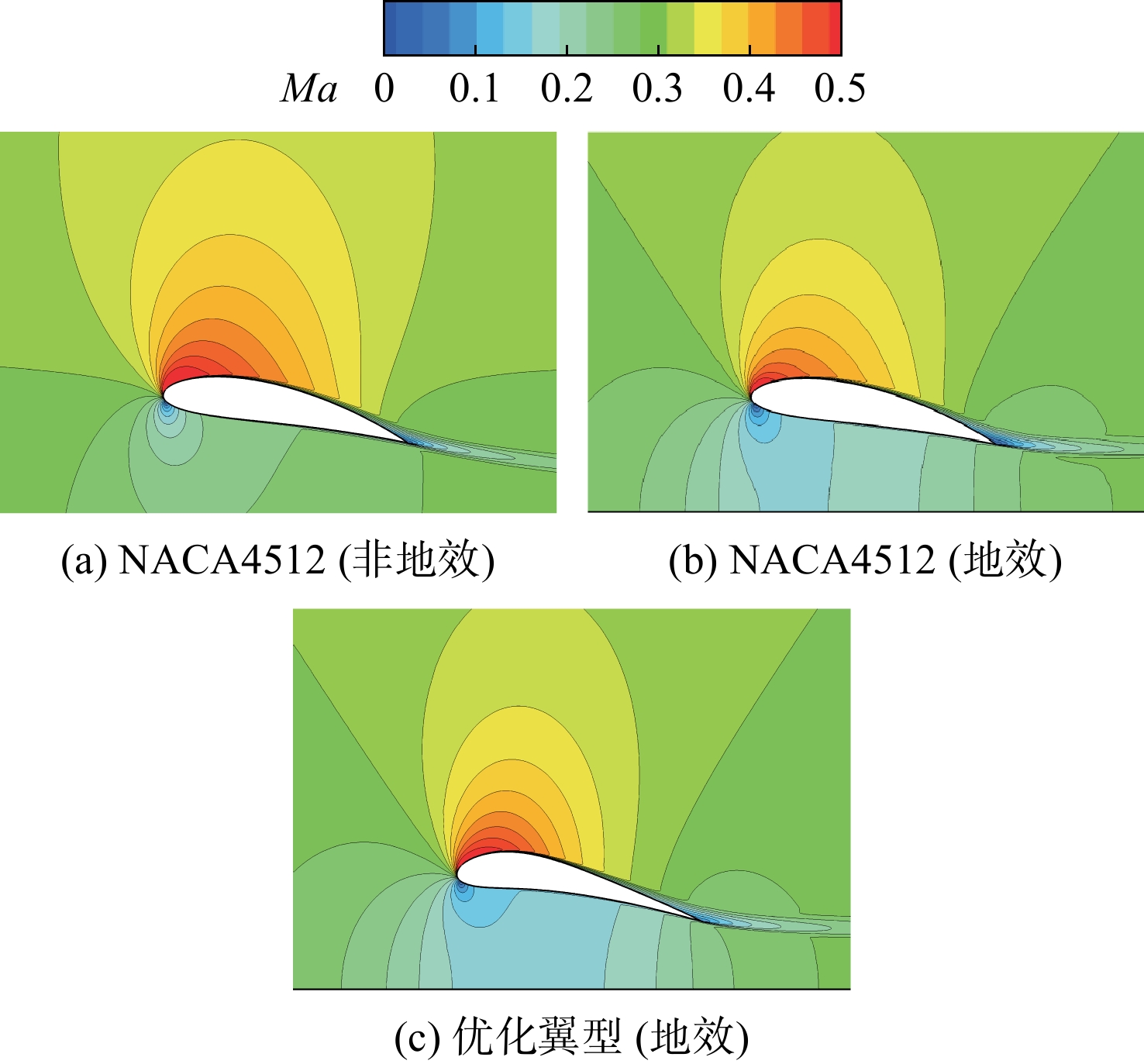
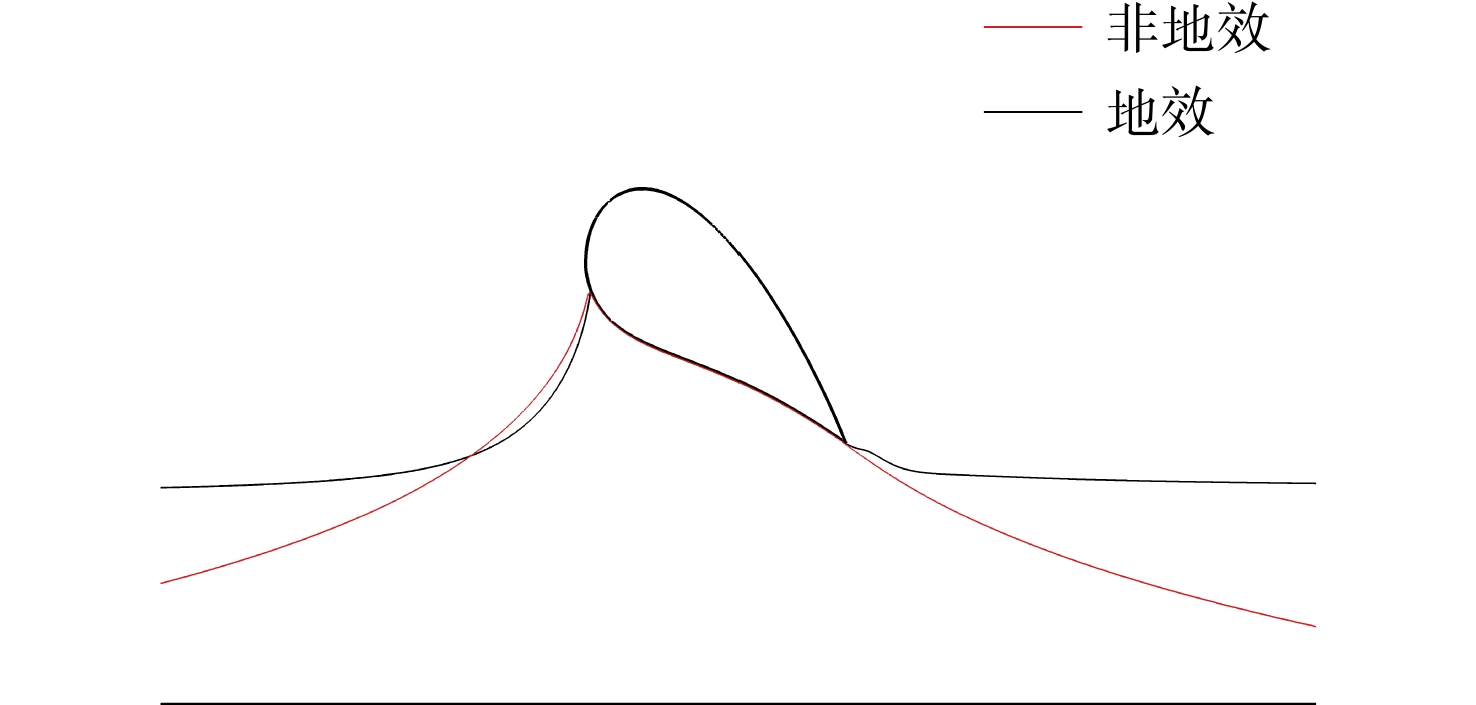
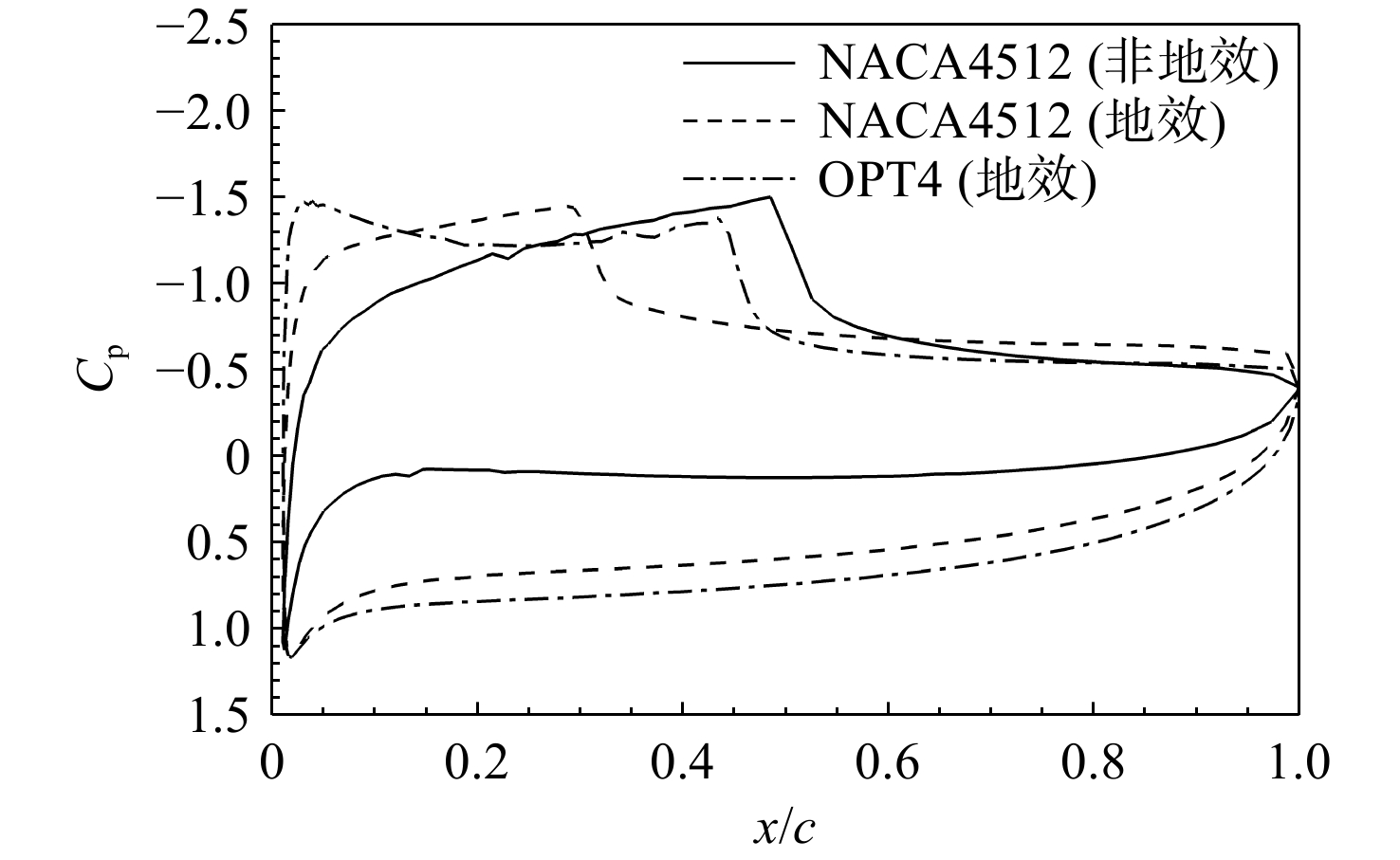
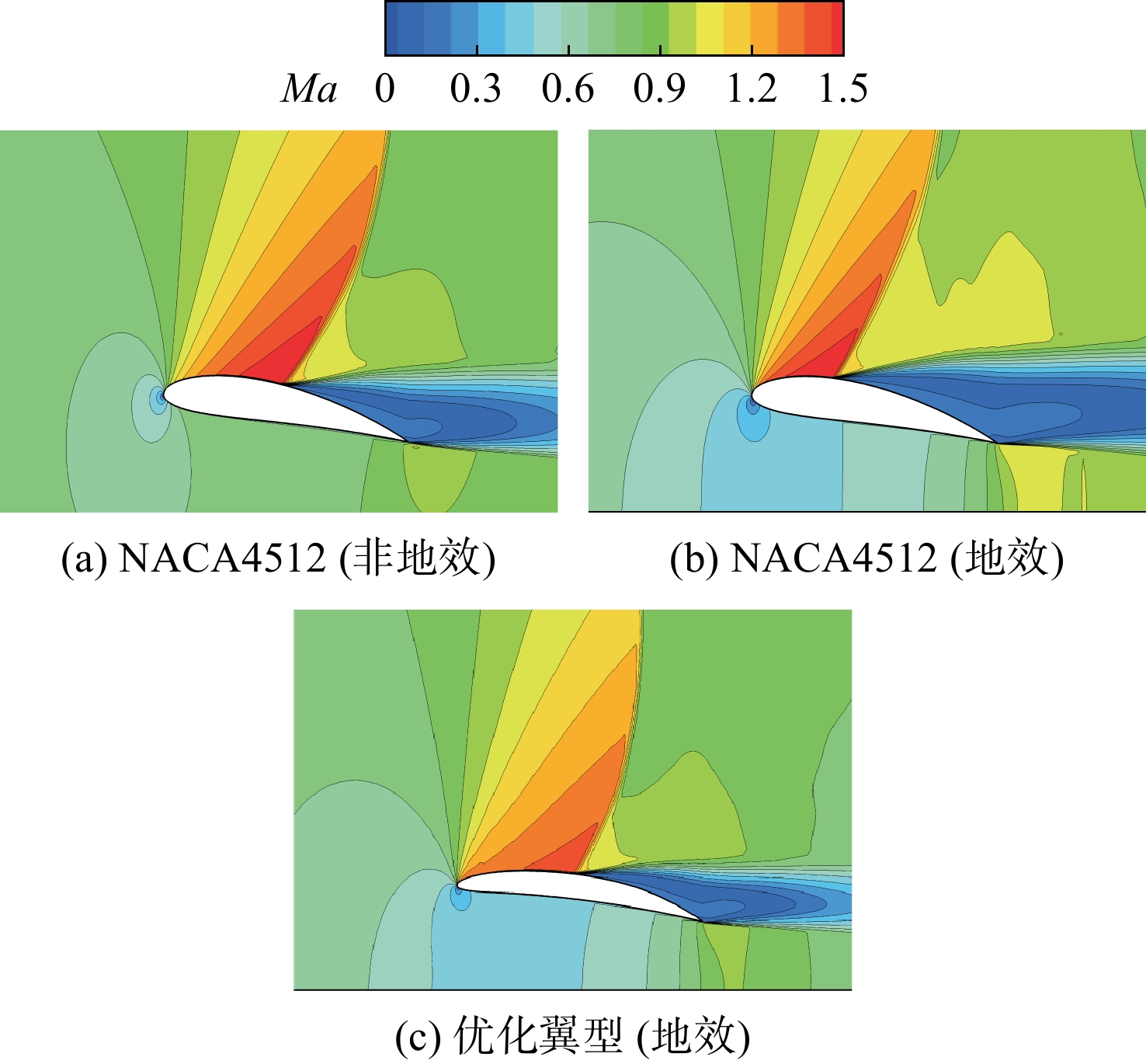
In order to improve the aerodynamic performance of high-speed wing-in-ground effect vehicle, the global aerodynamic optimization method based on the Kriging model was adopted. The optimization of wing-in-ground effect at Ma=0.2, Ma=0.3, Ma=0.5 and Ma=0.8 was carried out with the aim of increasing the lift-drag ratio. The aerodynamic performance improvement included two aspects. One was from the ground effect, the drag force reduction at Ma≤0.5, and lift force increase at Ma=0.8. The increase of 31.6%, 55.0%, 101% and 31.1% in lift-drag ratio by the ground effect was achieved compared with these cases without the ground effect. The other one was from the configuration optimization. With the increase of Ma, the leading-edge radius of the optimized airfoil decreased, the maximum bending position moved downstream, the airfoil thickness decreased and thus the lift-drag ratio of the optimized airfoil increased by 12.8%, 13.03%, 7.45% and 38.3% when compared with the lift-drag ratio of original NACA4512 airfoil. The aerodynamic performance of the optimized airfoil showed that the lift-to-drag ratio of the airfoil increased with the decrease of ground clearance, with the increase of the angle of attack the lift-to-drag ratio increased first and then decreased, but under the condition of high subsonic speed and low angle of attack, the airfoil was too close to the ground, a shock wave was formed on the lower surface of the airfoil, which resulted in the decrease of the lift-to-drag ratio of the airfoil.

N-S/DSMC coupling method using three-dimensional unstructured mesh for complex interfaces
CHEN Feitong, WANG Xuede
2025, 40(9): 20240329. doi: 10.13224/j.cnki.jasp.20240329
Abstract:

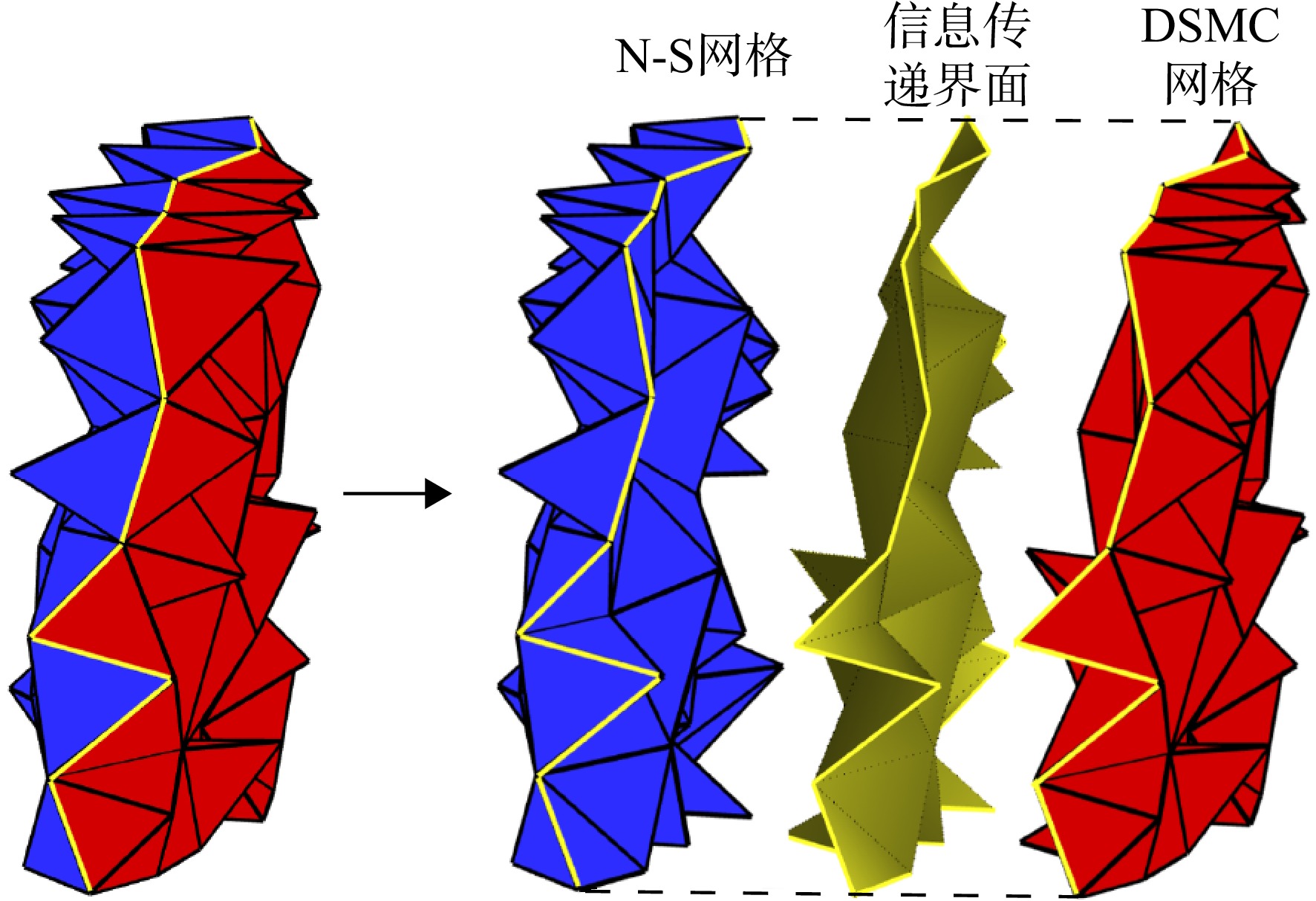
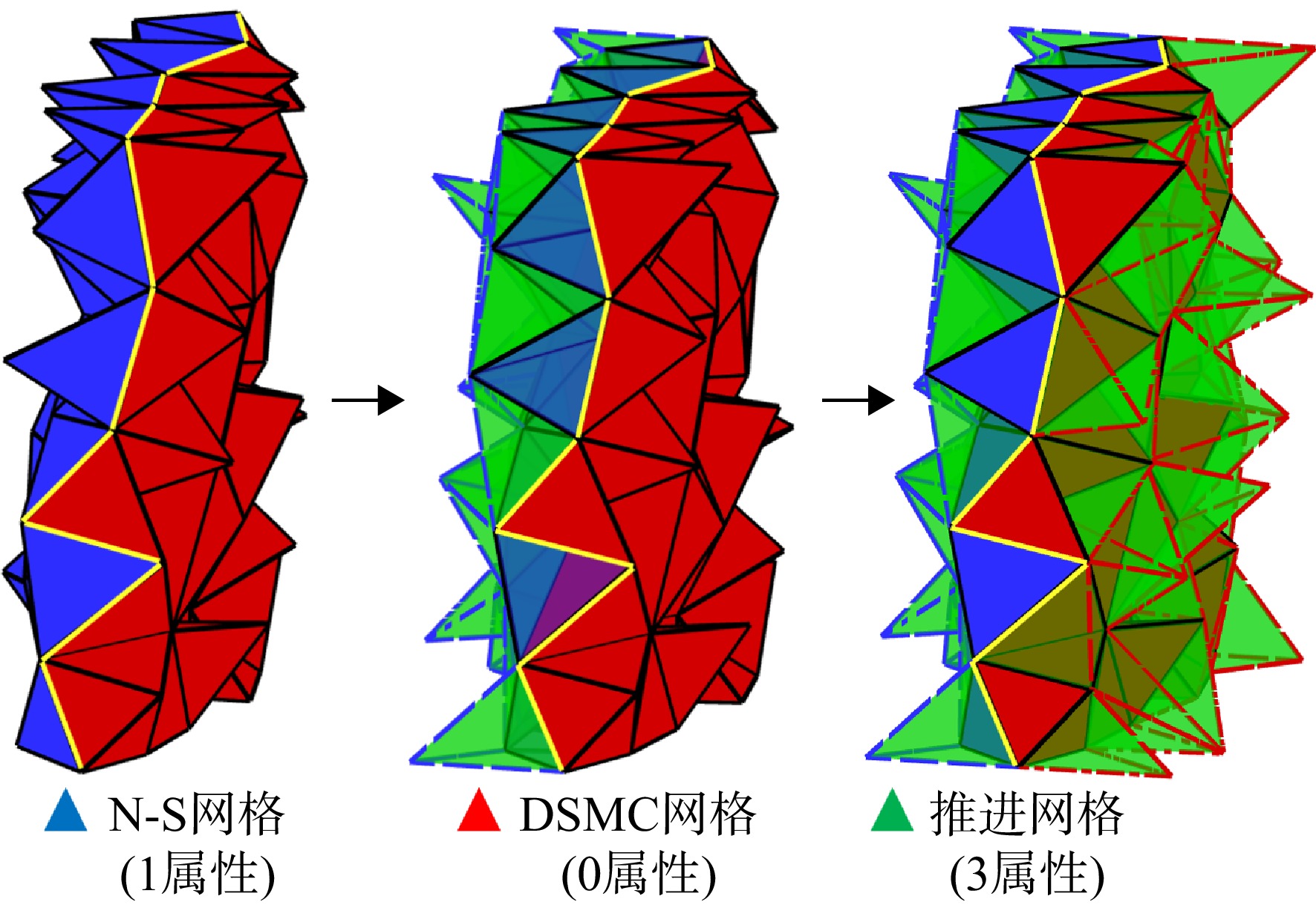
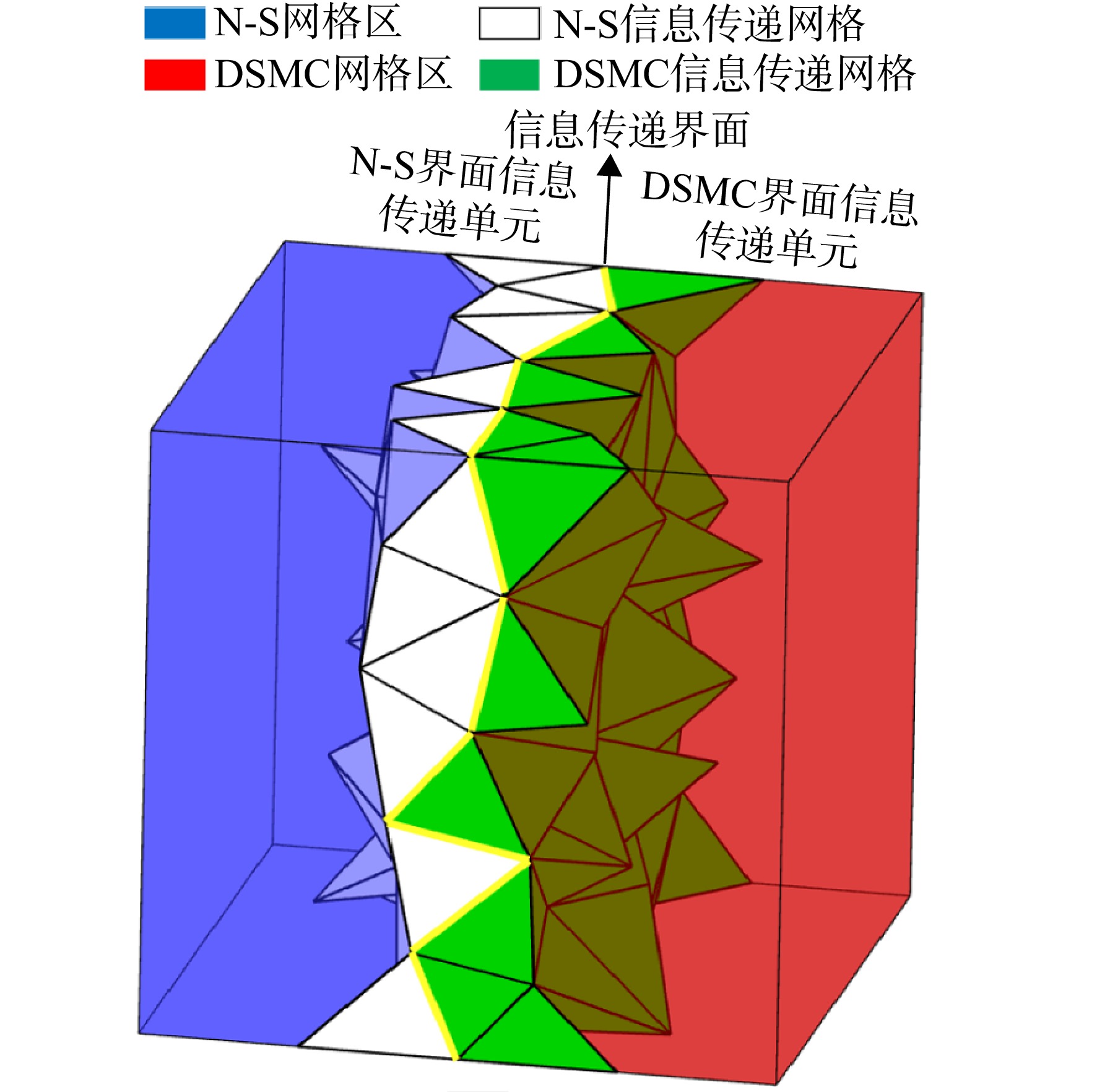
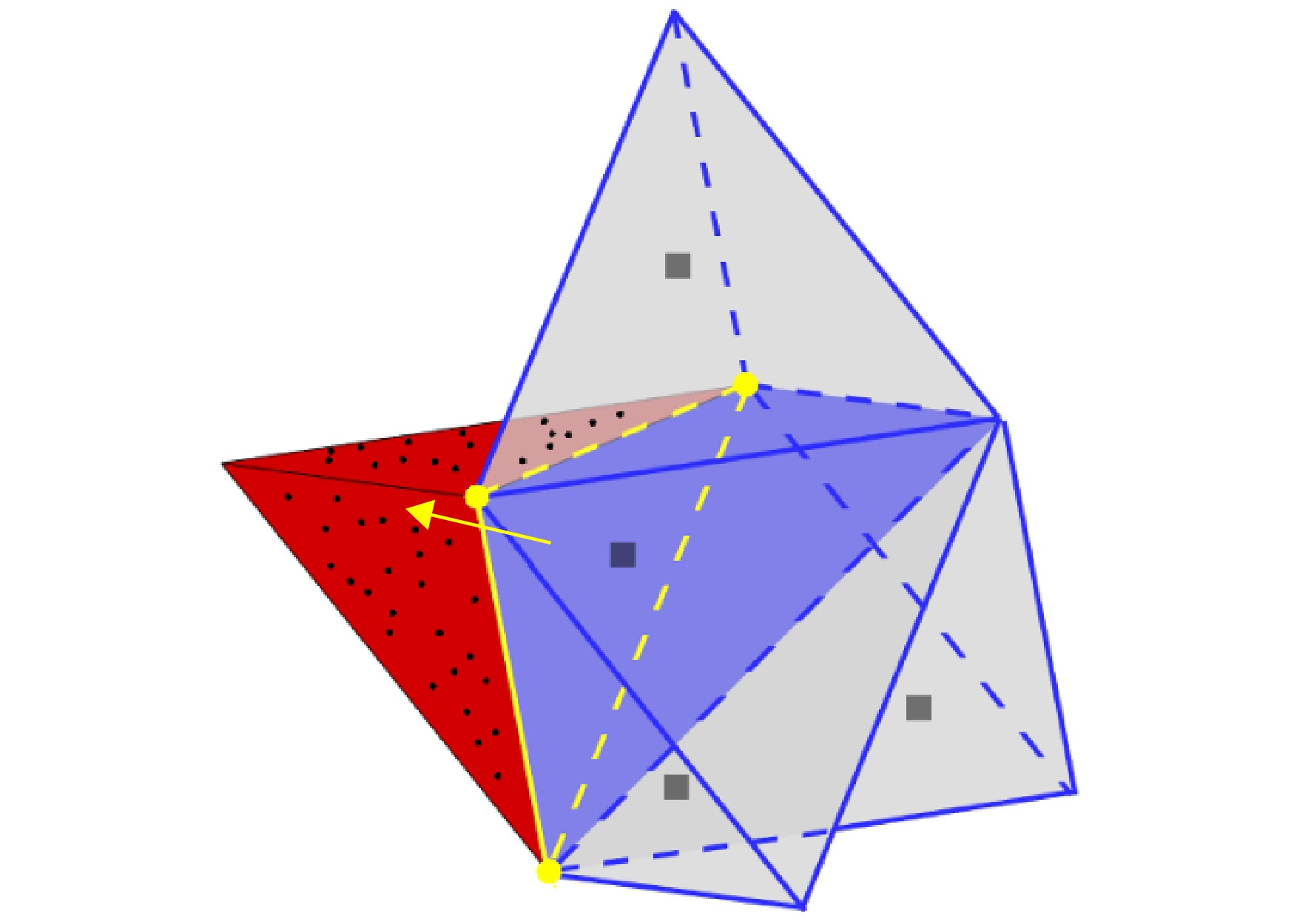
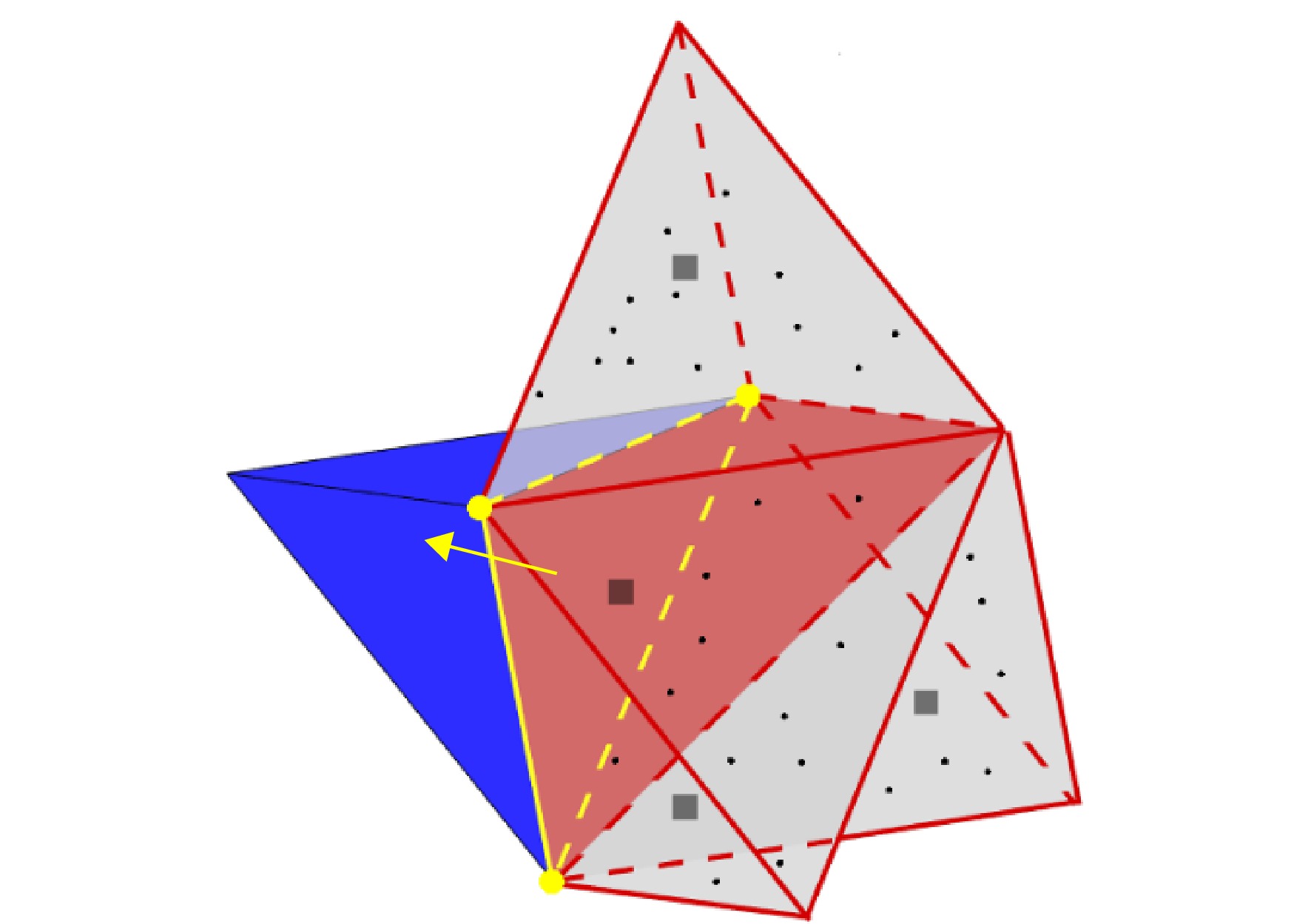
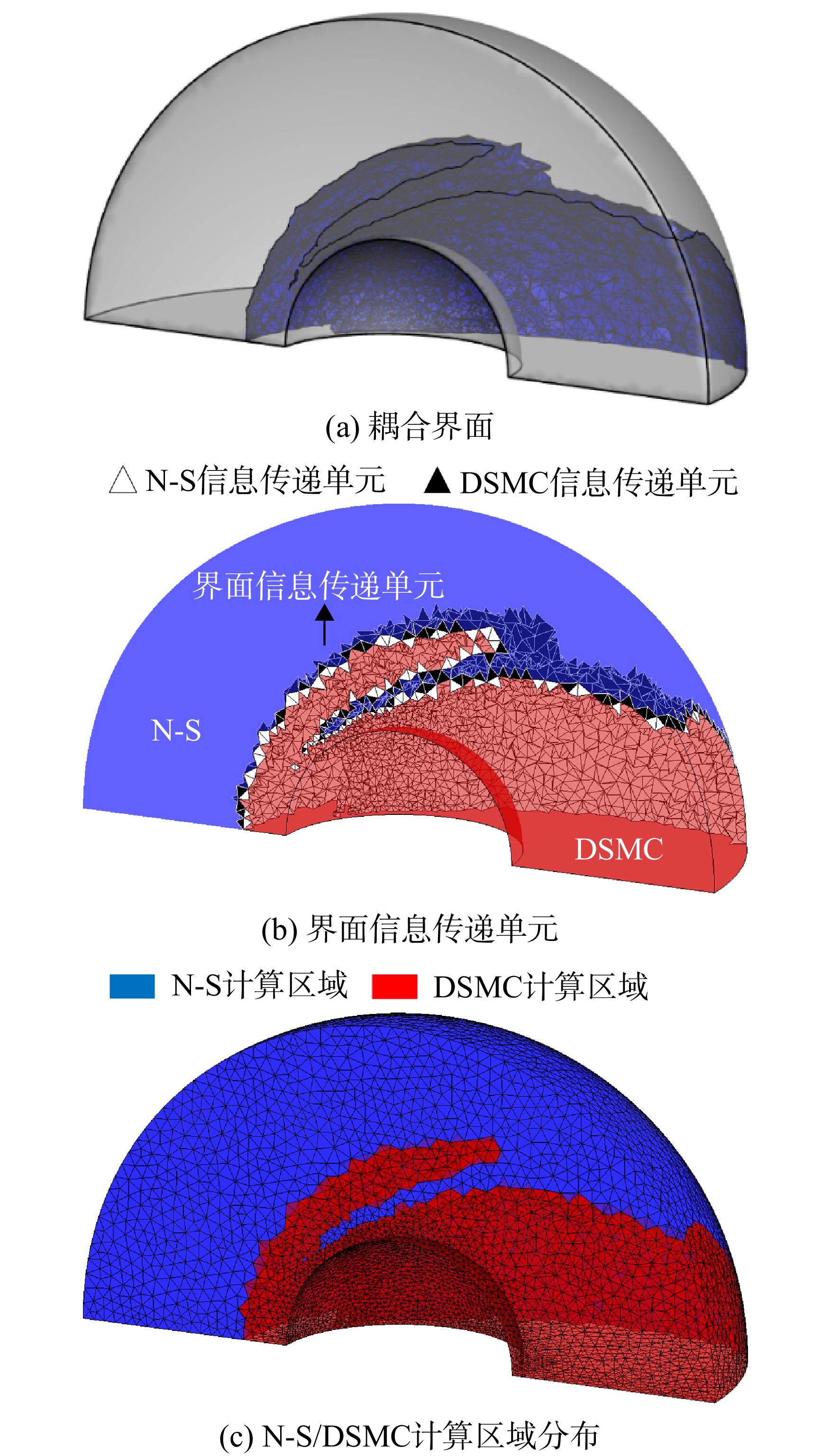
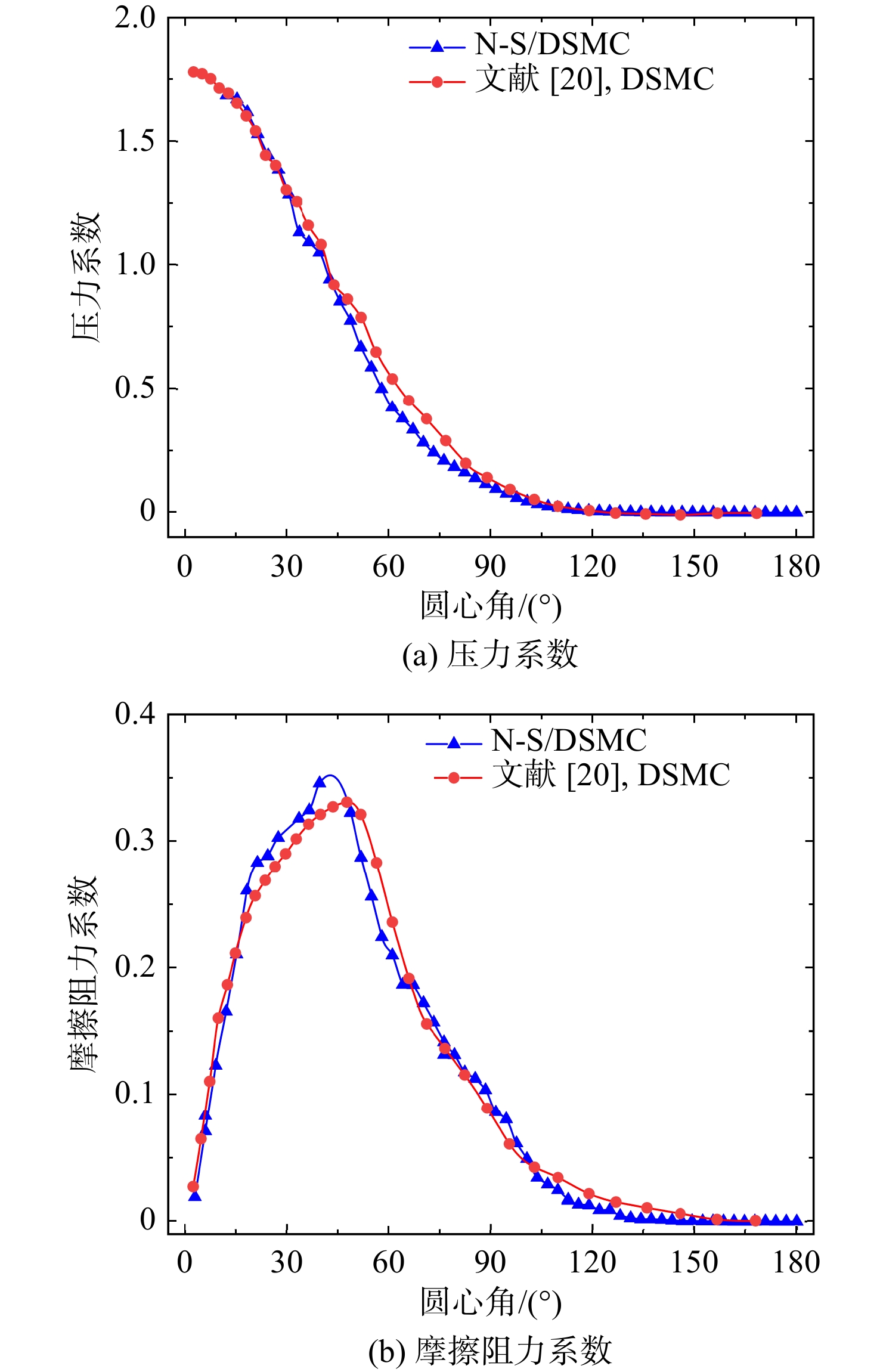
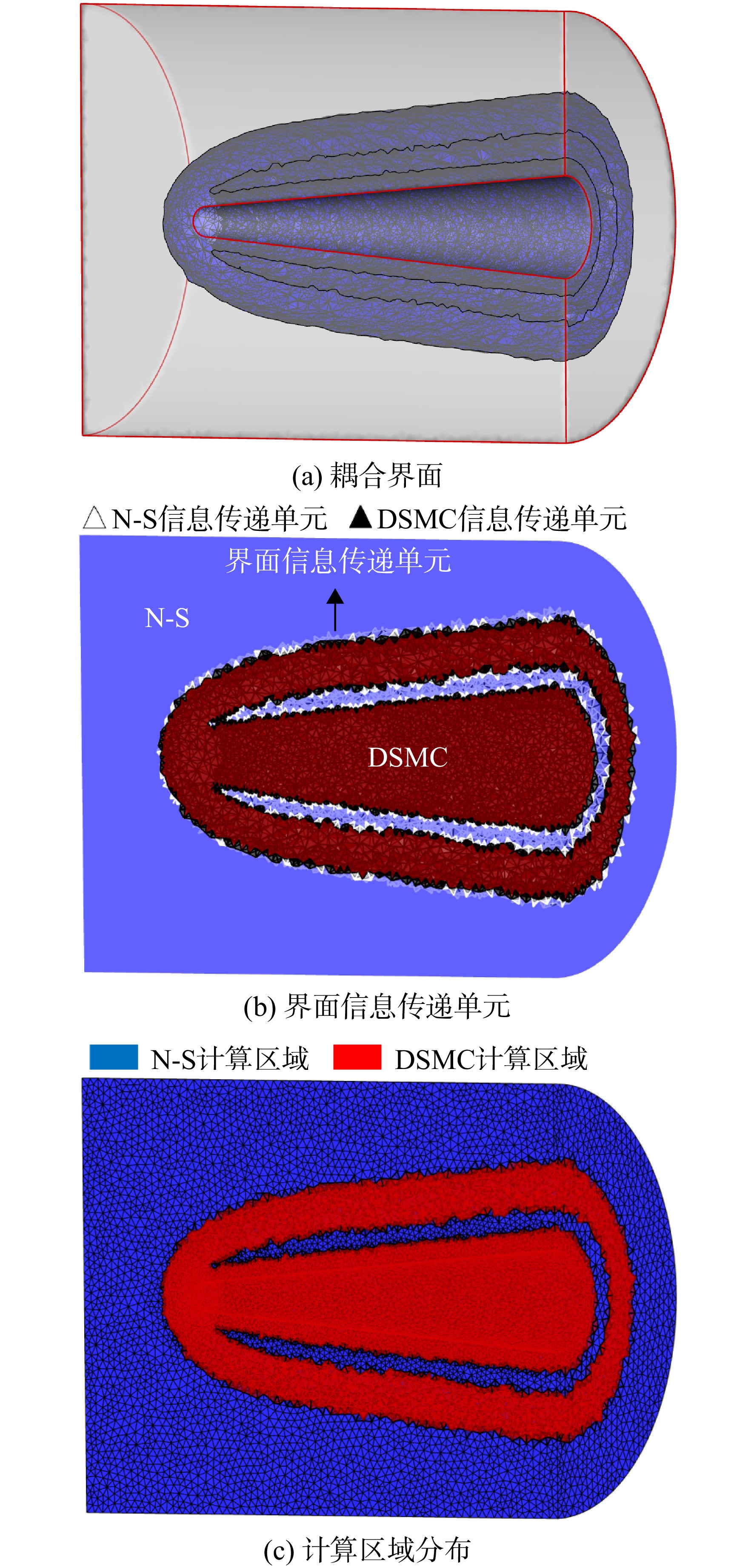
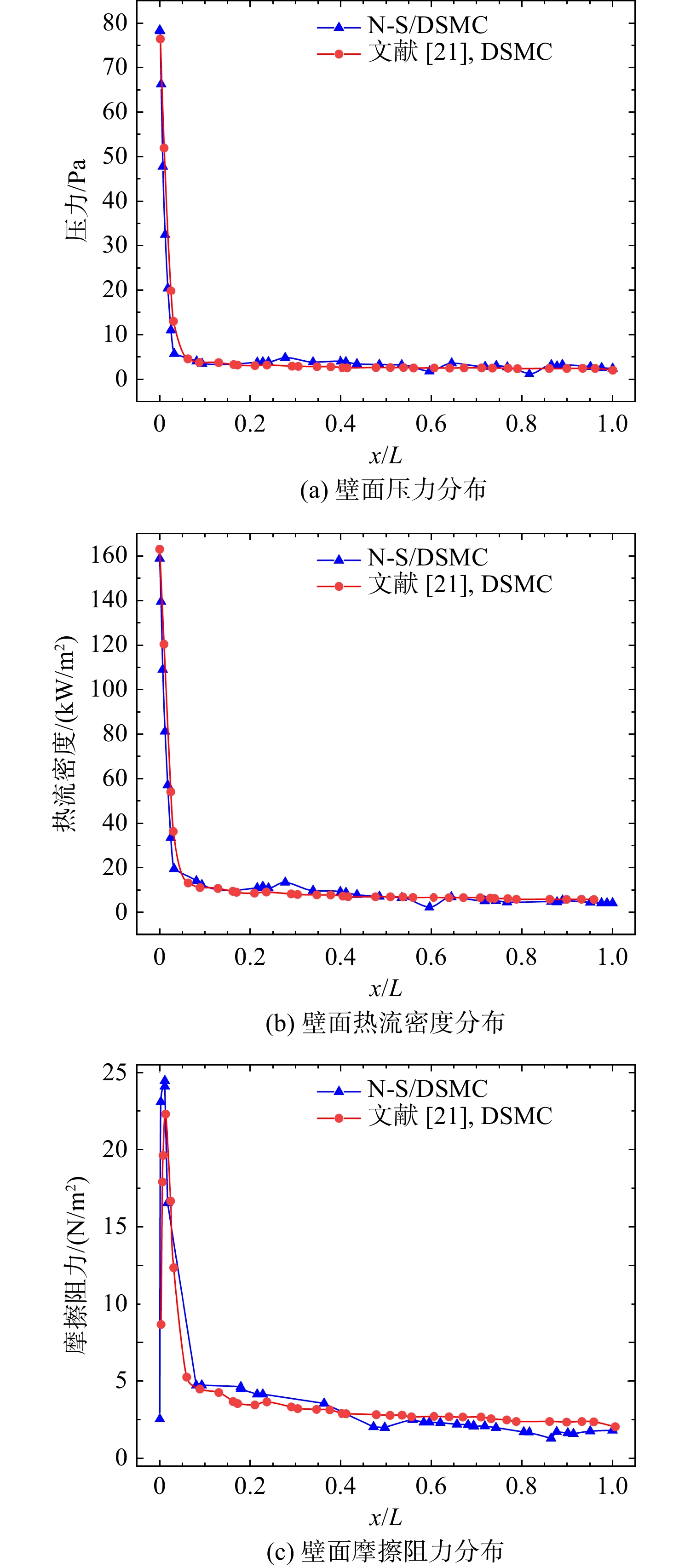
In view of the highly conformable and adaptive nature of unstructured mesh to complex geometries and the demand in engineering for efficient and versatile computational methods, a new implementation of the N-S (Navier-Stokes)/DSMC (direct simulation Monte Carlo) coupling method using tetrahedral unstructured mesh for complex interfaces was presented with the aim of resolving the fluctuations in the positioning of the coupling interfaces in most N-S/DSMC coupling method for multi-scale transitional flows in the near-continuum regime. This implementation utilized local Knudsen number as a continuum breakdown parameter to partition the continuum/rarefied regions and generate three-dimensional complex N-S/DSMC coupling interfaces. Along each side of the interface, one or multiple layers of interface information transfer meshes were advanced, and information coupling was achieved by the state-based approach. According to this method, there was no need for smoothing or reshaping treatments applied to complex irregular interfaces, with the general applicability to numerical simulations of complex transitional flow regions. Simulations of three-dimensional hypersonic flow around a sphere and a blunt cone showed that, compared with the DSMC method, the shock wave and wall characteristics were in close agreement, with a maximum error of less than 8%. At the same time, computational efficiency was improved by 1.74 and 2.28 times, respectively, validating the method’s accuracy and efficiency.

Combustion,Heat and Mass Transfer
Research on the multi-objective optimization of regenerative cooling channel of SCRamjet based on NSGA-Ⅱ
JIANG Yuguang, QI Yongjian, LIN Yong, FANG Xiaojia, FAN Wei
2025, 40(9): 20230542. doi: 10.13224/j.cnki.jasp.20230542
Abstract:

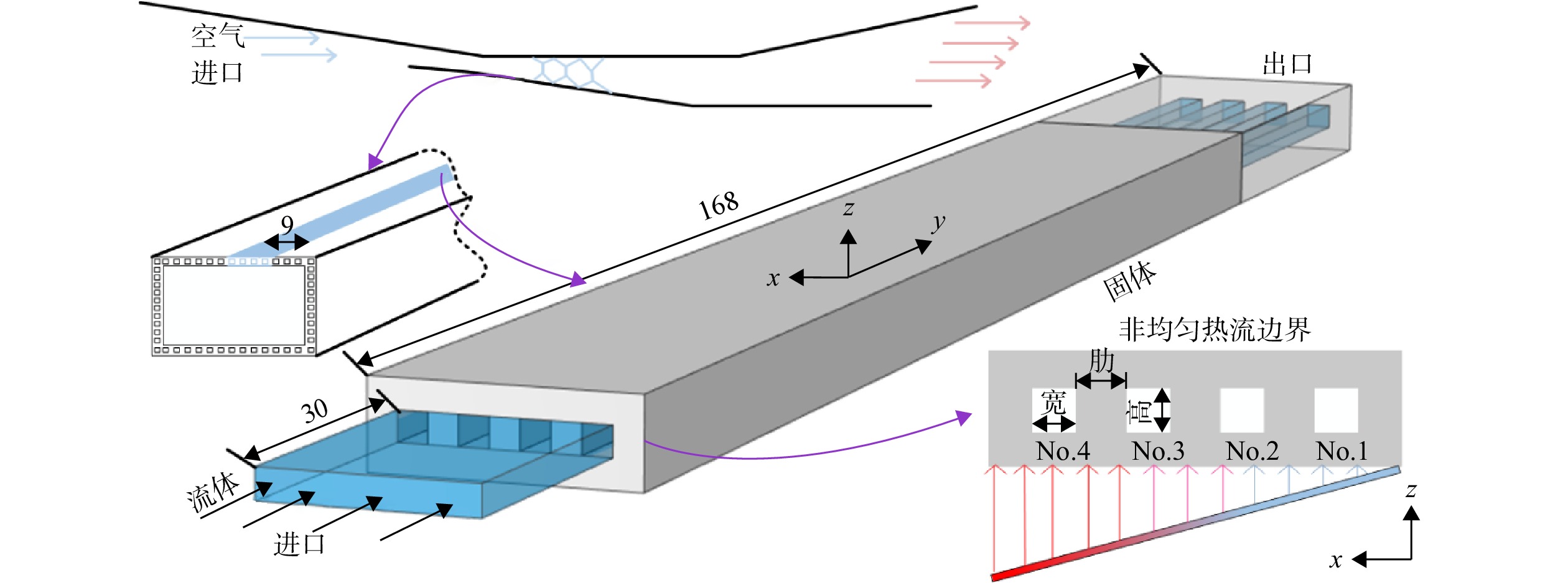
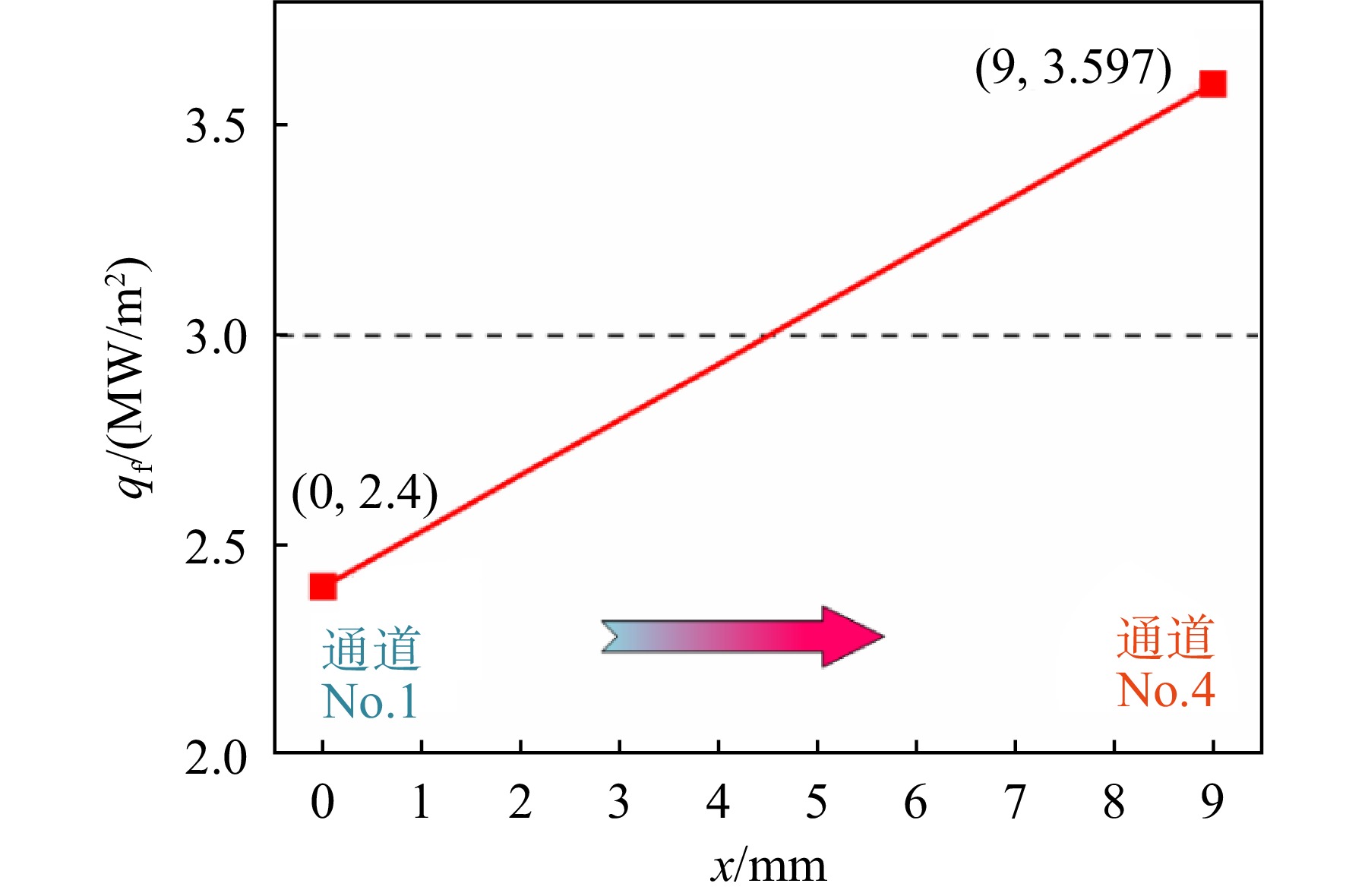
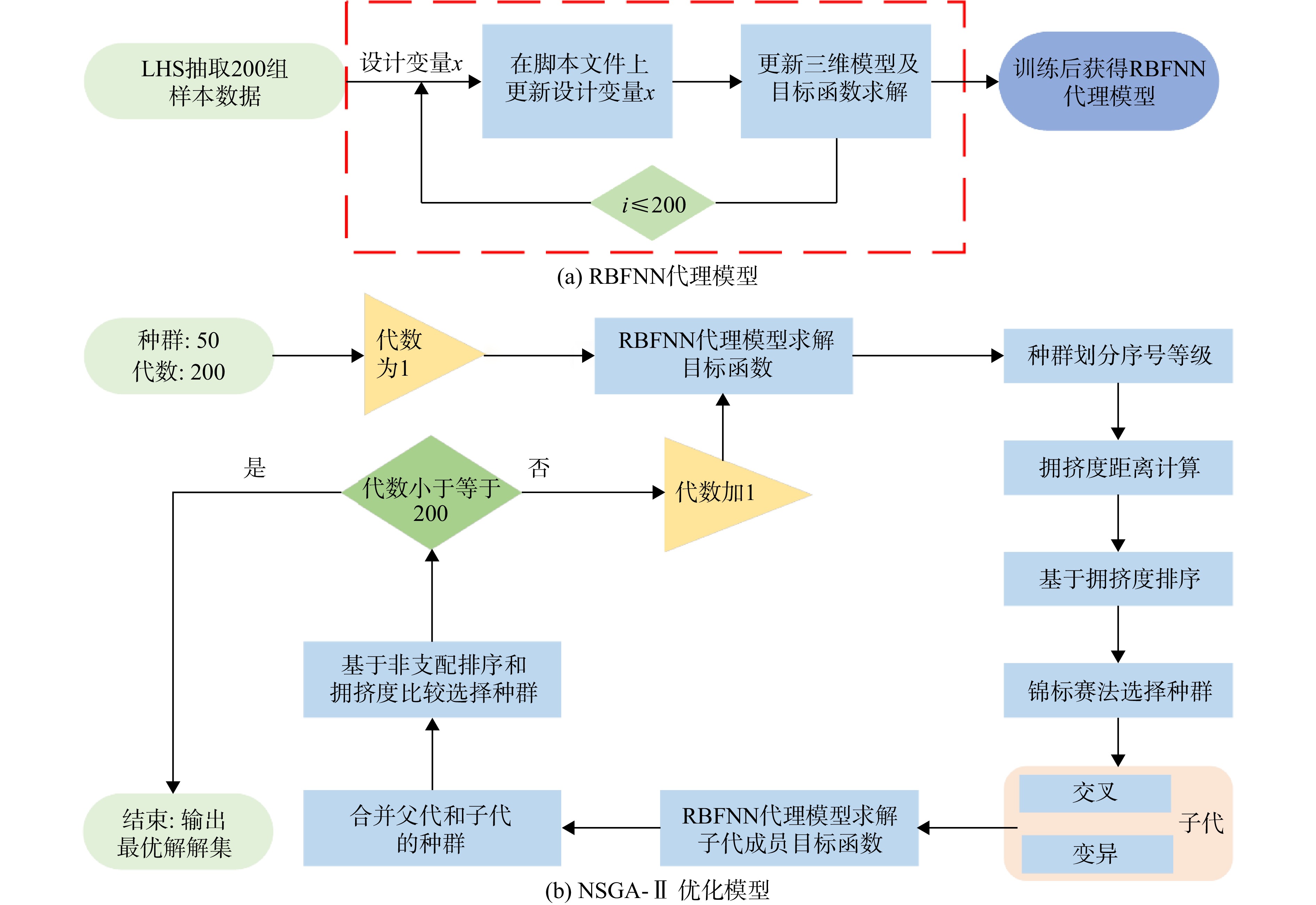
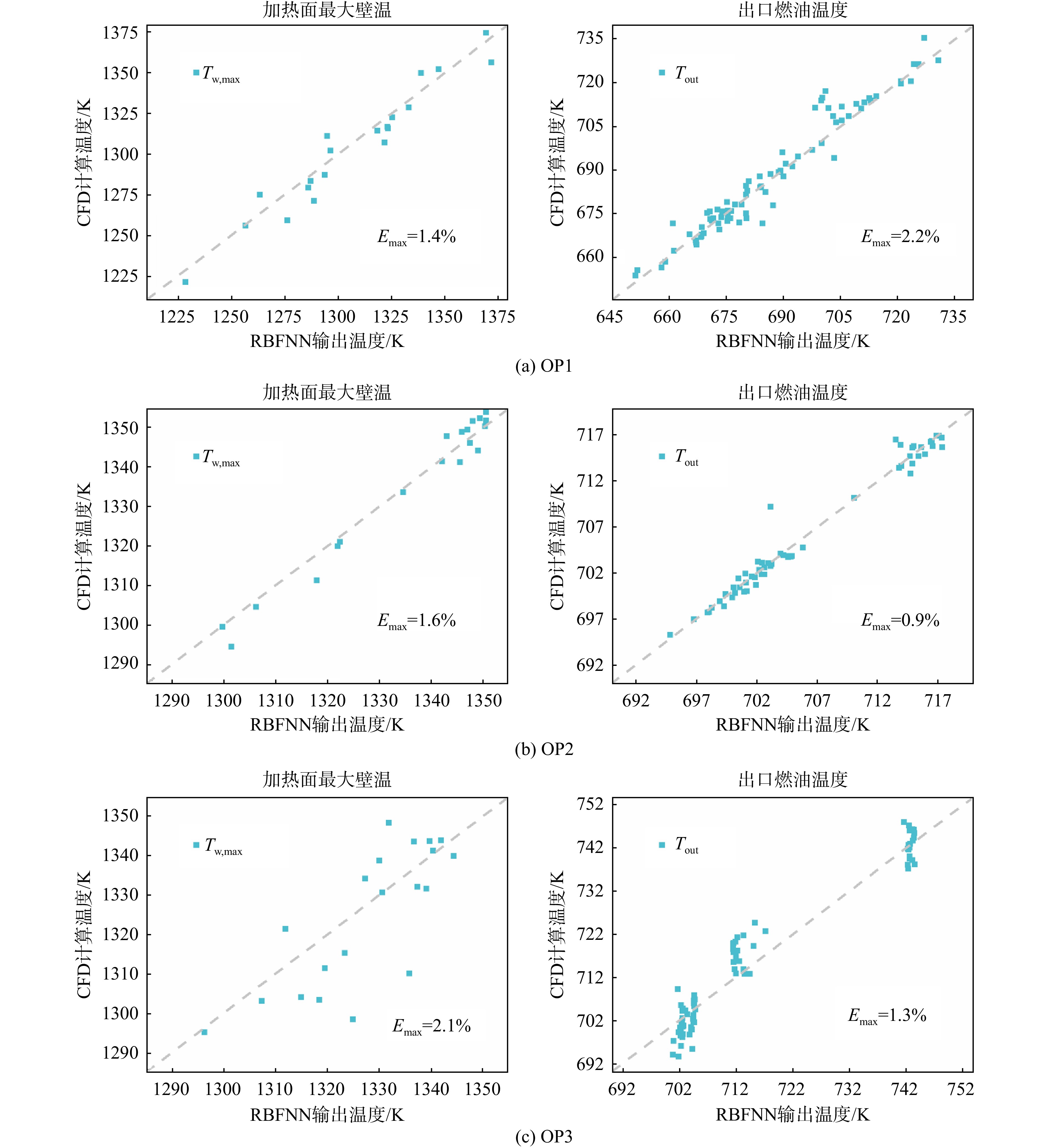
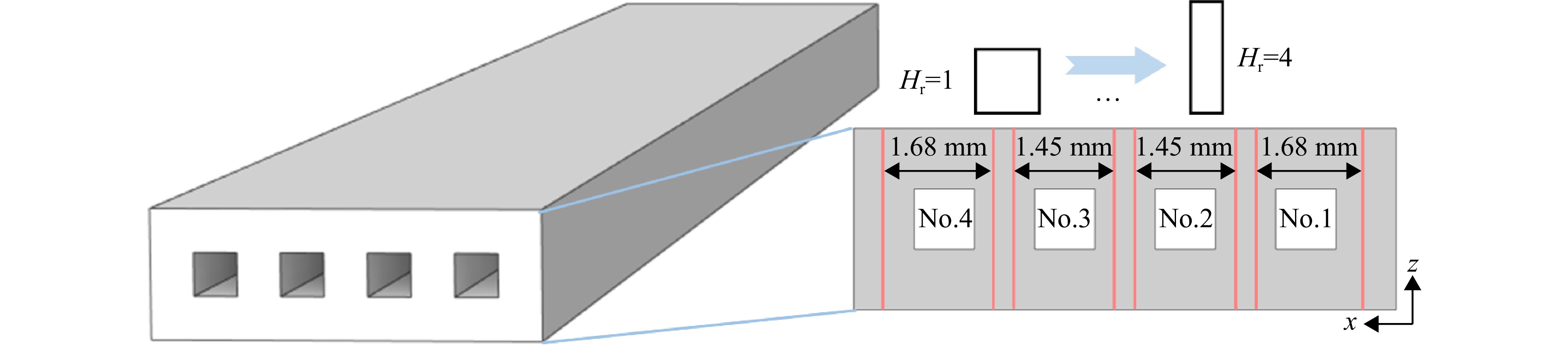
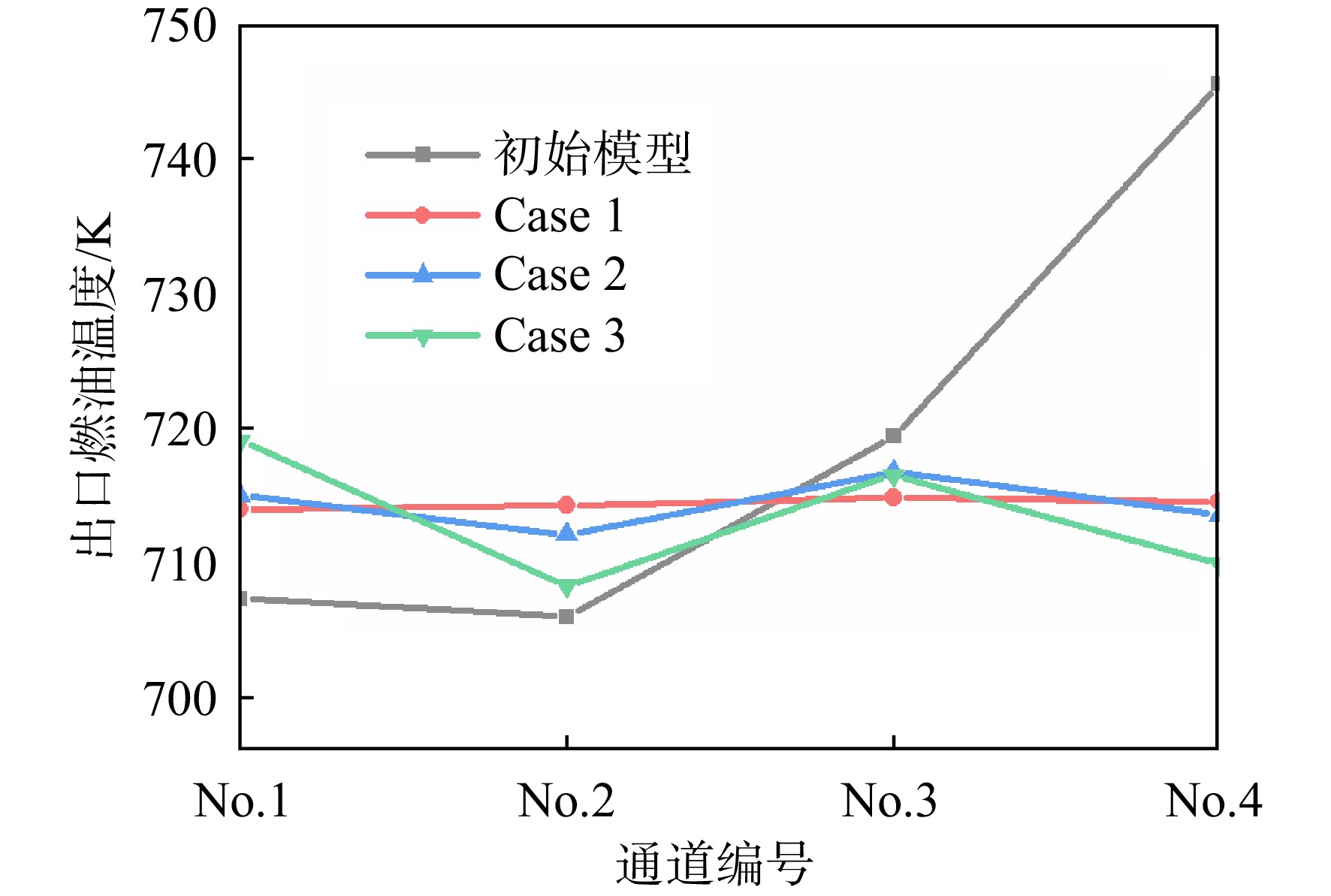
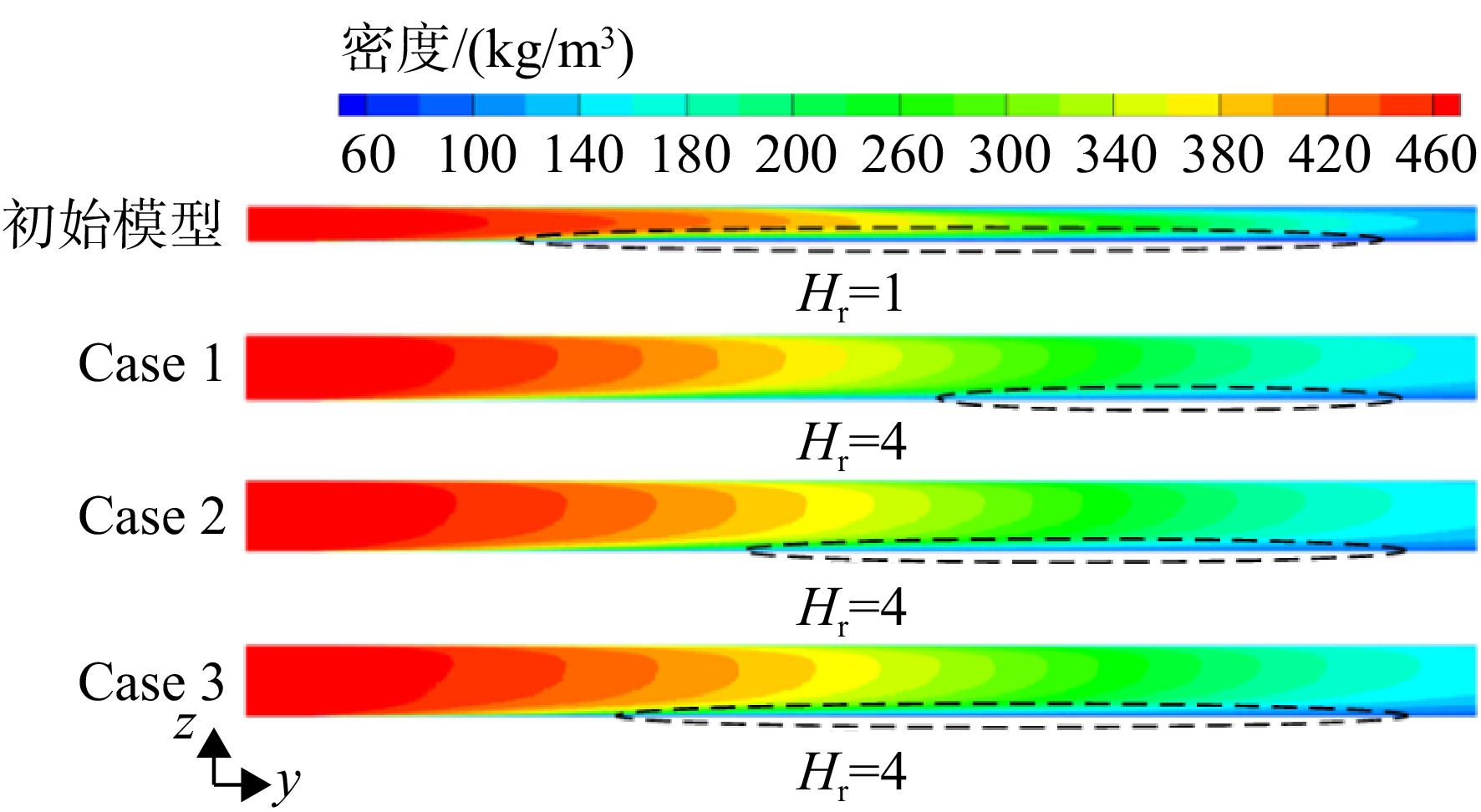
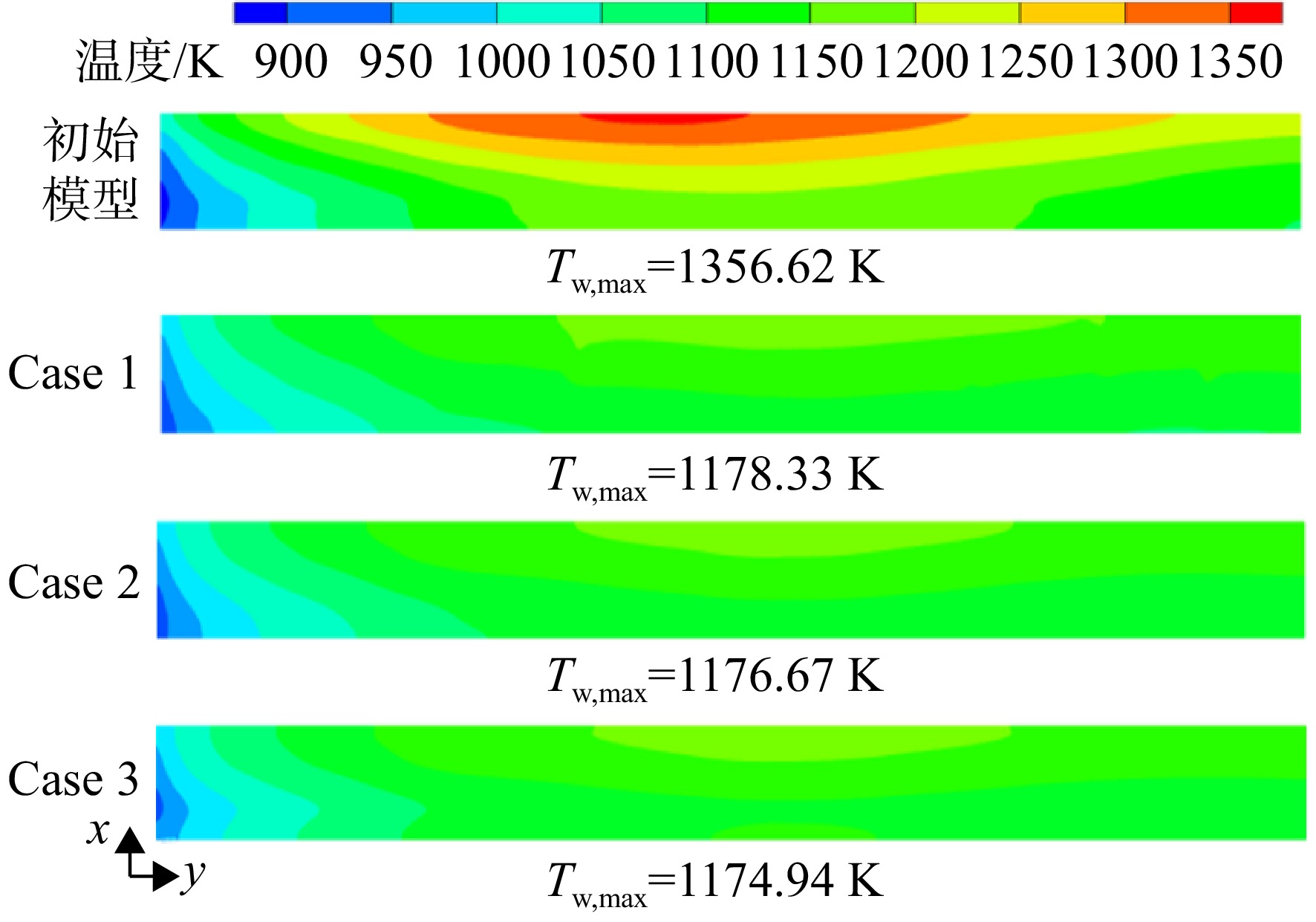
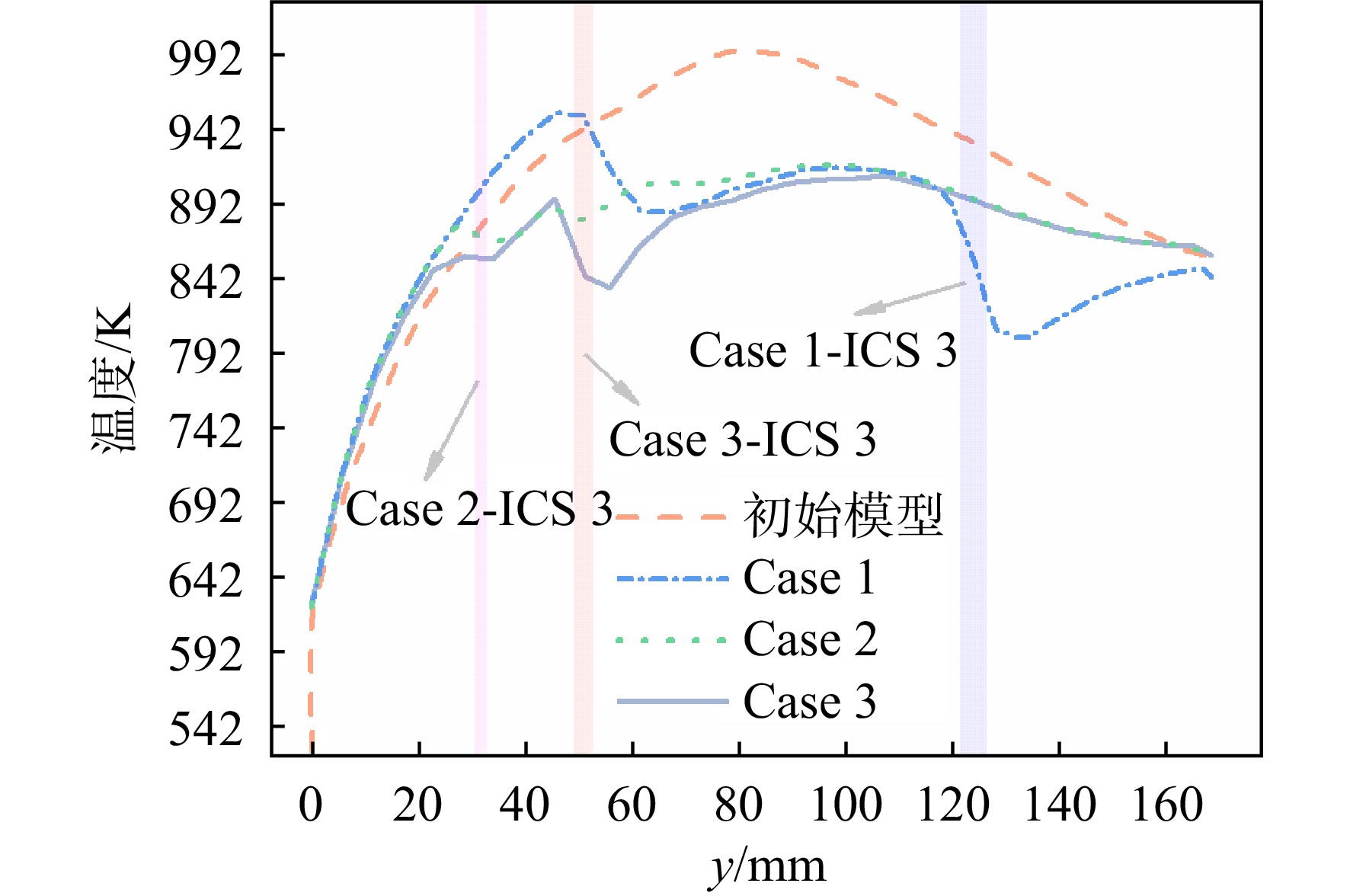
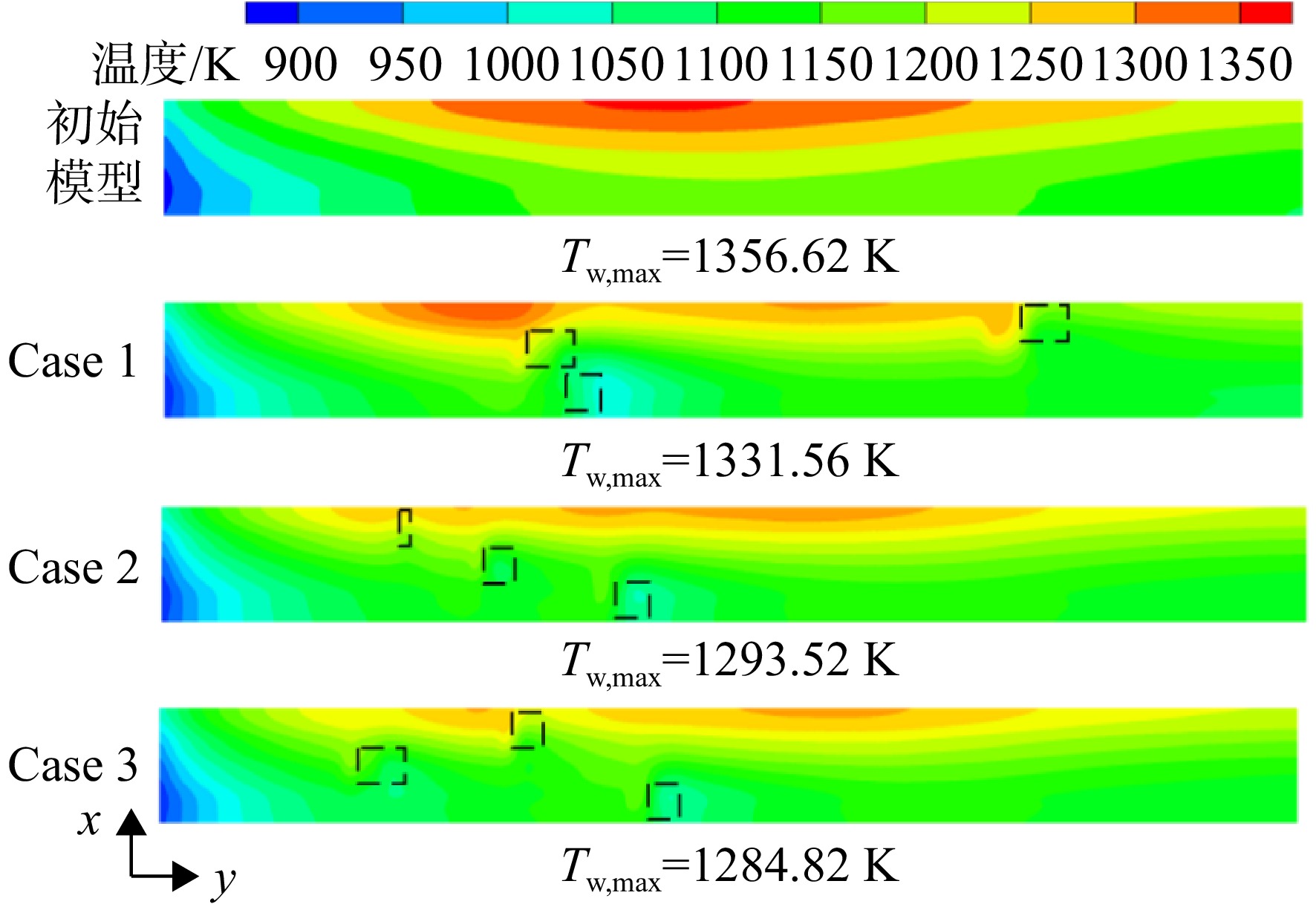
The aerodynamic thermal load increases sharply when SCRamjet is flying at high Mach number. But the coolant carrying capacity is strictly limited, and the cooling of engine thermal structure is faced with severe challenges. The key technology to alleviate the cooling challenge of SCRamjet engine is to optimize the structure of regenerative cooling channel and improve the utilization rate of onboard coolant heat sink. The study focused on the problems of unreasonable coolant flow distribution and high local overtemperature risk in SCRamjet engine high thermal environment. Three optimization strategies were proposed, including the aspect ratio and position of the channel along the engine circumference, and tsynchronous design and independent design of the position and size of the interconnection structure along the axial direction. Taking n-Decane as a typical hydrocarbon fuel, parametric modelling of regenerative cooling channels was performed in the supercritical temperature zone. The maximum wall temperature of heating surface and the relative deviation of outlet fuel temperature were taken as the objective function. The multi-objective optimization design was carried out based on NSGA-Ⅱ and RNFNN agent model, and the global Pareto Front optimal solution set was obtained. The results showed that the multi-objective optimization of regenerative cooling channel based on NSGA-Ⅱ can effectively optimize the cooling effect, reduce the thermal structure temperature and alleviate the cooling challenge of scramjet engine without increasing the coolant.

Effects of back pressure on underexpanded jet behaviors of supercritical aviation kerosene
LIU Guigui, LIN Yuzhen, LI Jiaju, XUE Xin, HUI Xin
2025, 40(9): 20230657. doi: 10.13224/j.cnki.jasp.20230657
Abstract:

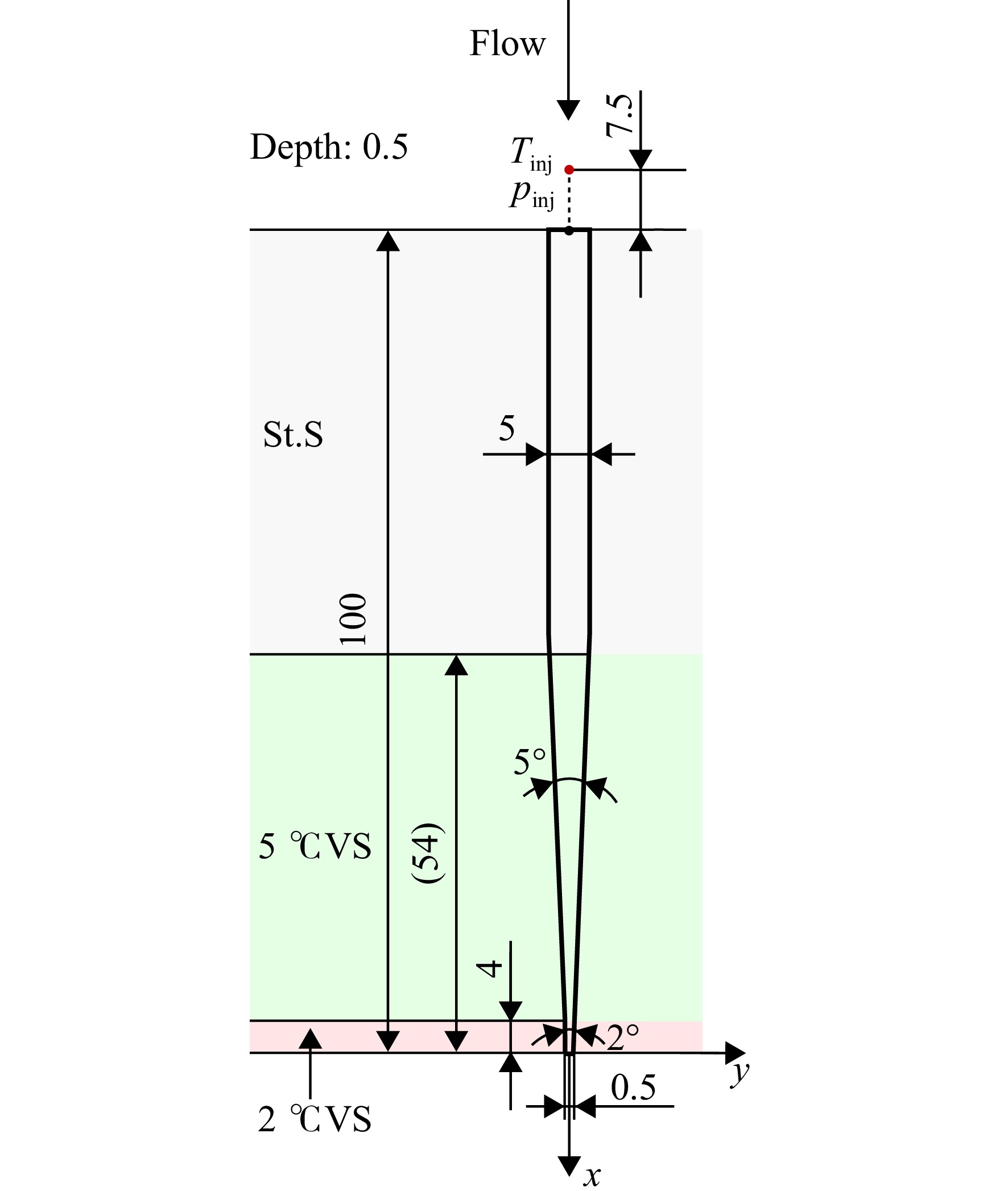
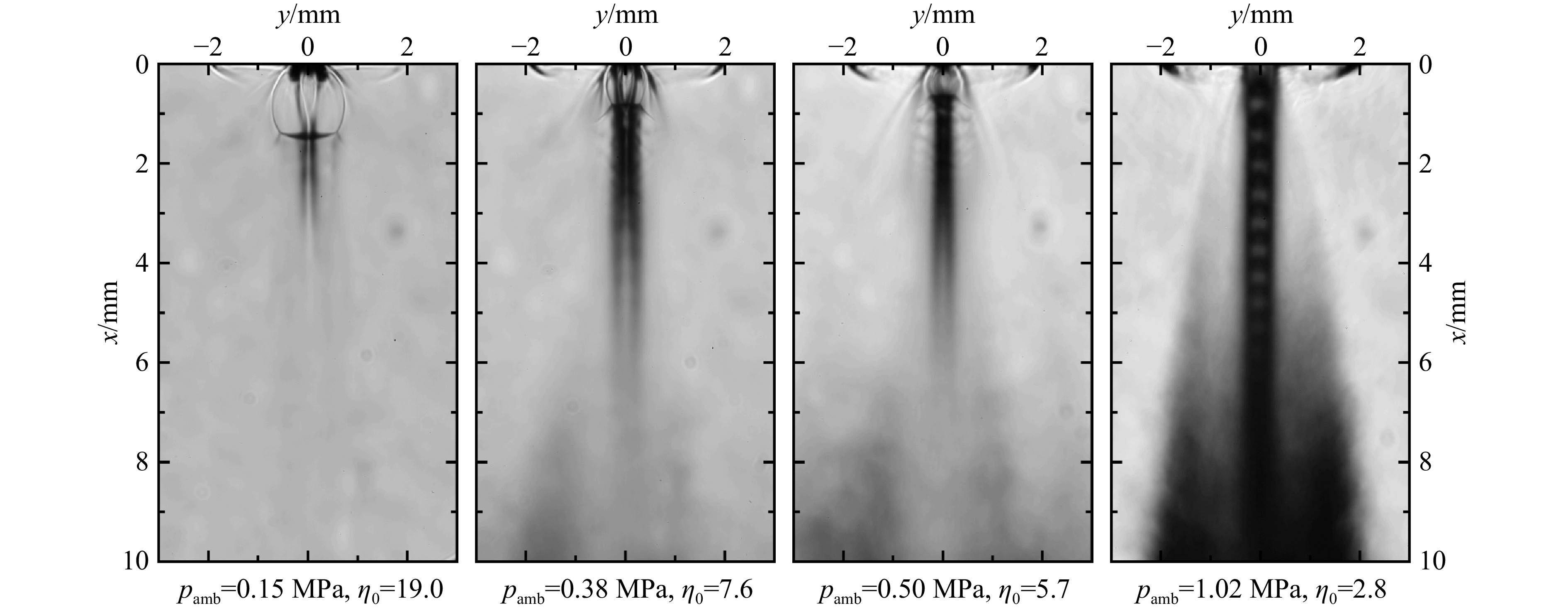
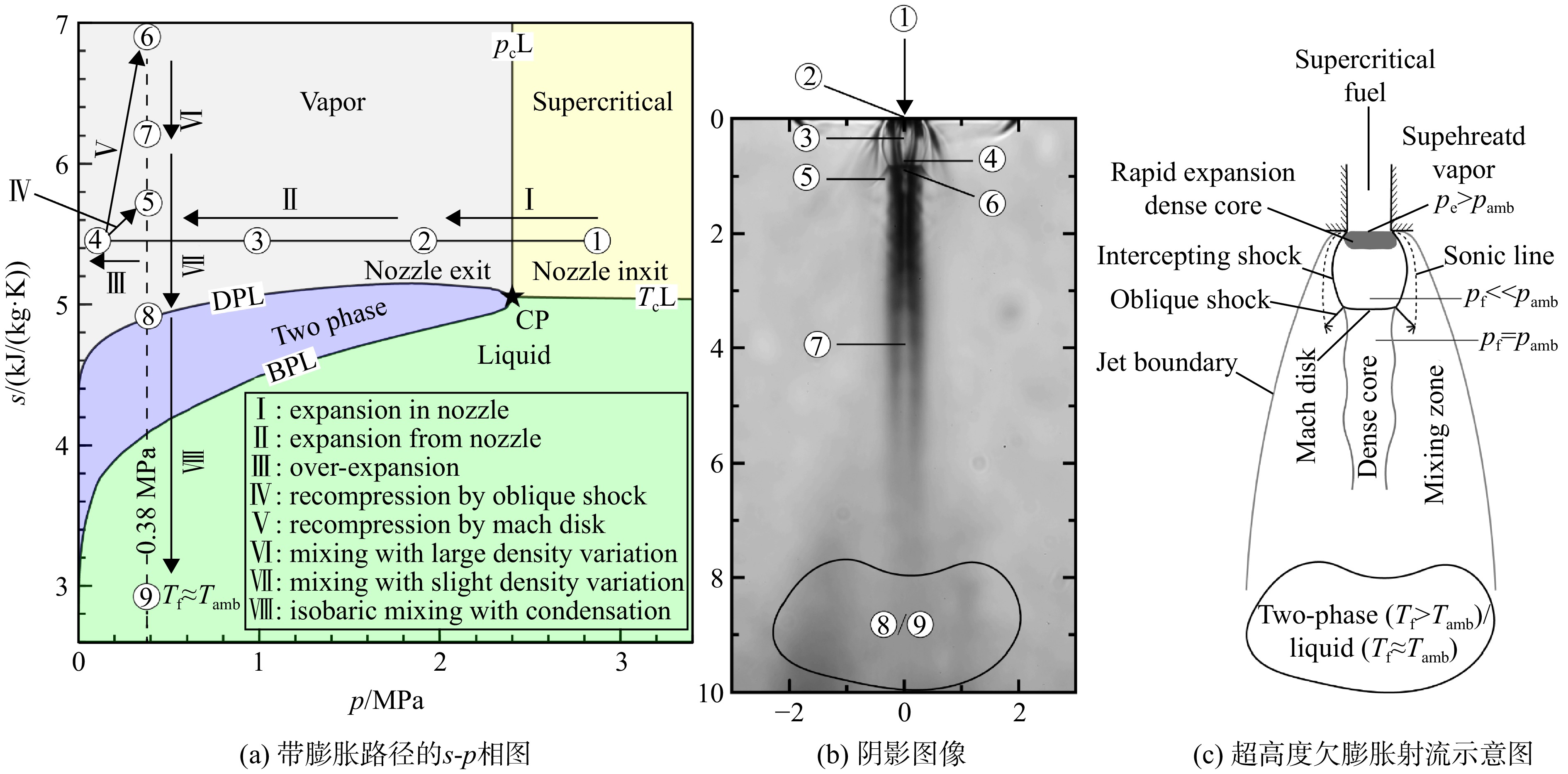
The jet behaviors of supercritical RP-3 aviation kerosene injected with a pressurized quasi-quiescent air were experimentally investigated. Under the ambient pressure of 0.15—1.02 MPa, the near-nozzle macroscopic morphology of the supercritical RP-3 jets injected from a two-dimensional convergent nozzle was recorded by shadowgraph imaging. The results showed that supercritical RP-3 jets underwent an underexpanded jet process similar to that of an ideal-gas, exhibiting visible barrel shock structures. The physical interpretation performed through the thermodynamic phase diagram of a 10-component RP-3 surrogate showed that supercritical RP-3 jets underwent one or more isentropic expansion, entropy-increasing compression and isobaric mixing processes within the near-nozzle region. With the increase of the ambient pressure, the jet morphology of supercritical RP-3 changed from a very highly underexpanded state to a highly underexpanded state, and the jet expansion angle, the diameter of the first cell, and the position and diameter of the first cell Mach disk all decreased gradually.

Advances in microphysical properties and detection approaches of high-altitude ice-crystal clouds
MA Yijian, CHAI Delin, YI Xian, WANG Qiang, WANG Xian
2025, 40(9): 20240372. doi: 10.13224/j.cnki.jasp.20240372
Abstract:

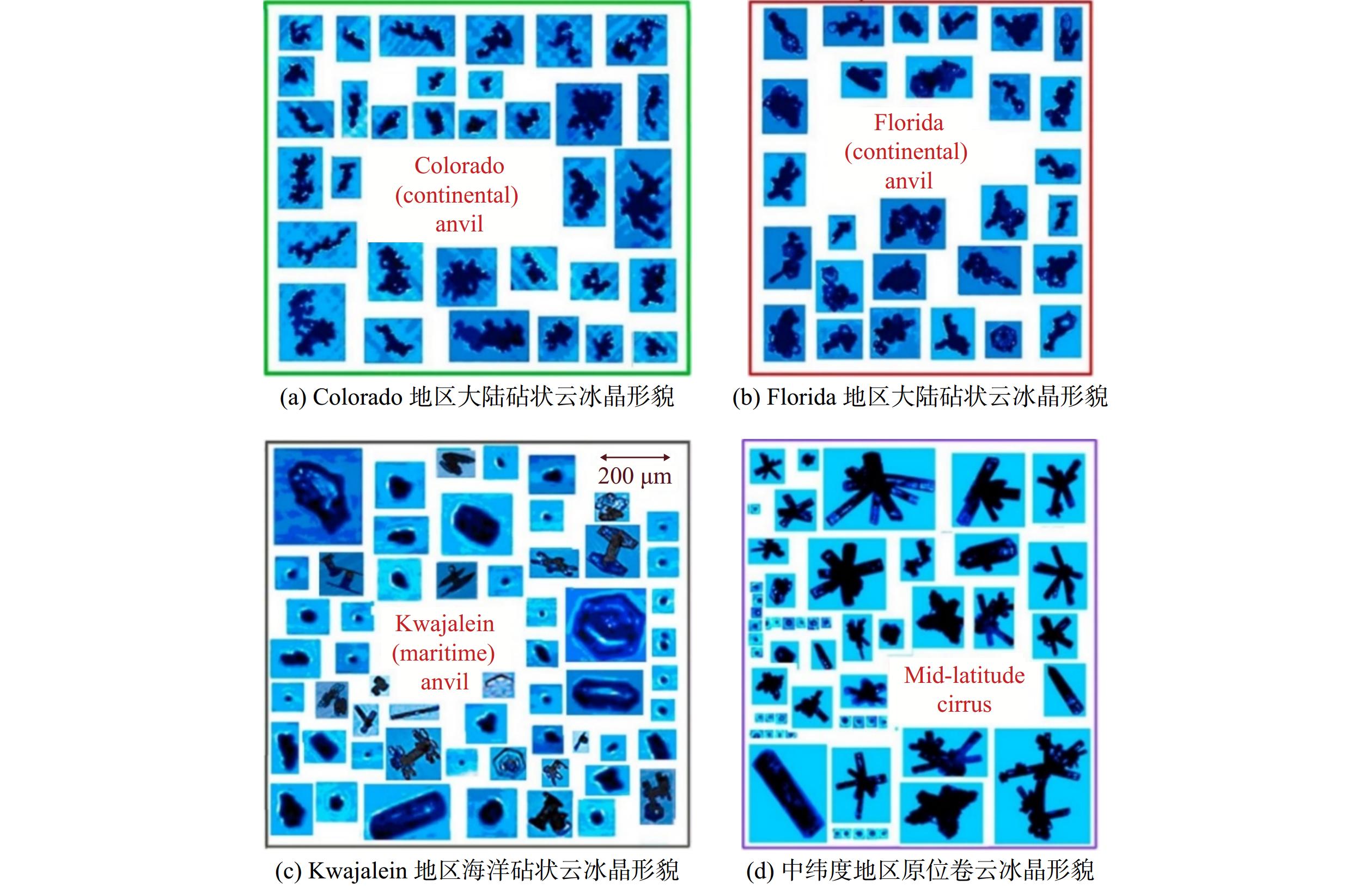
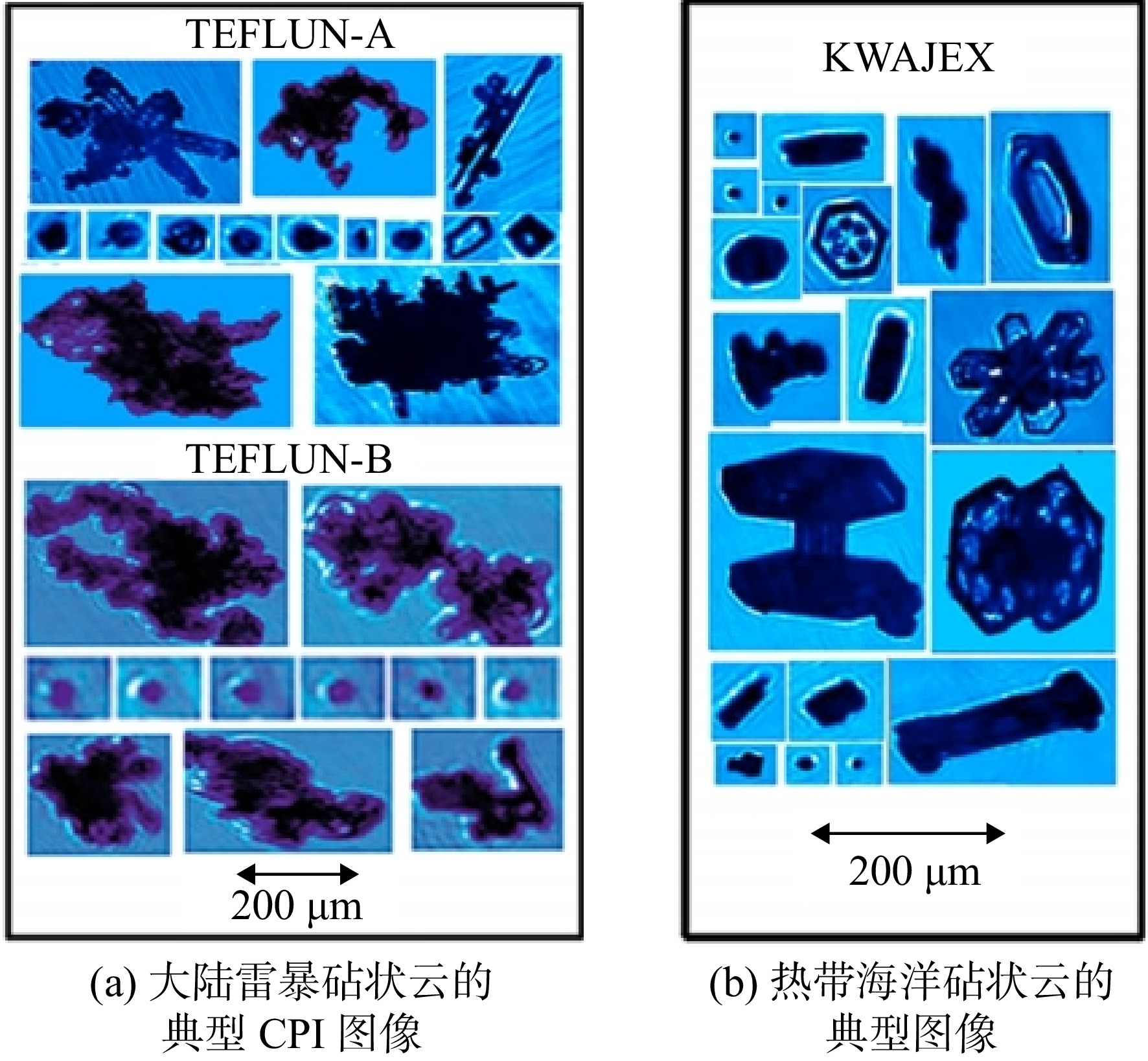
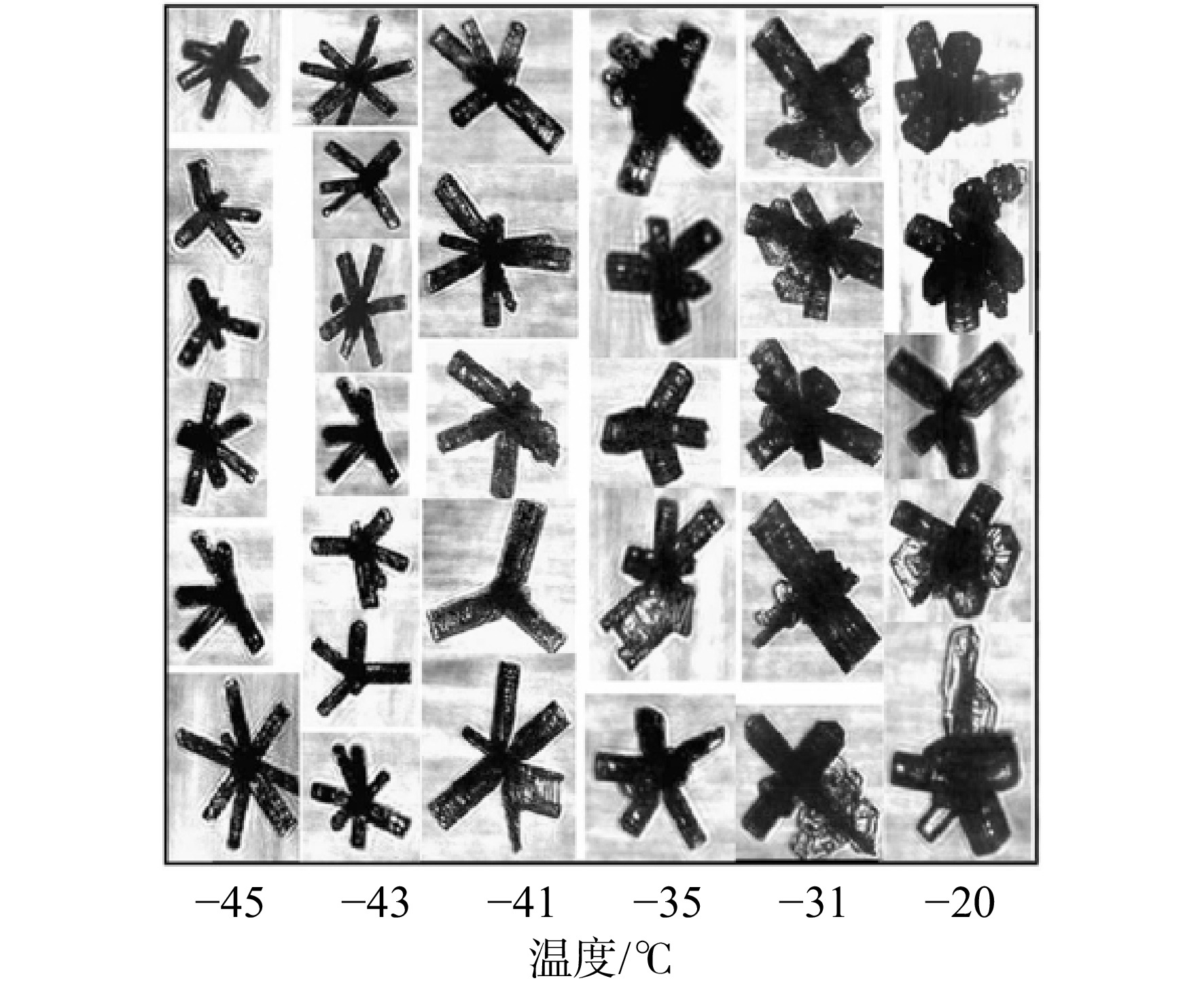
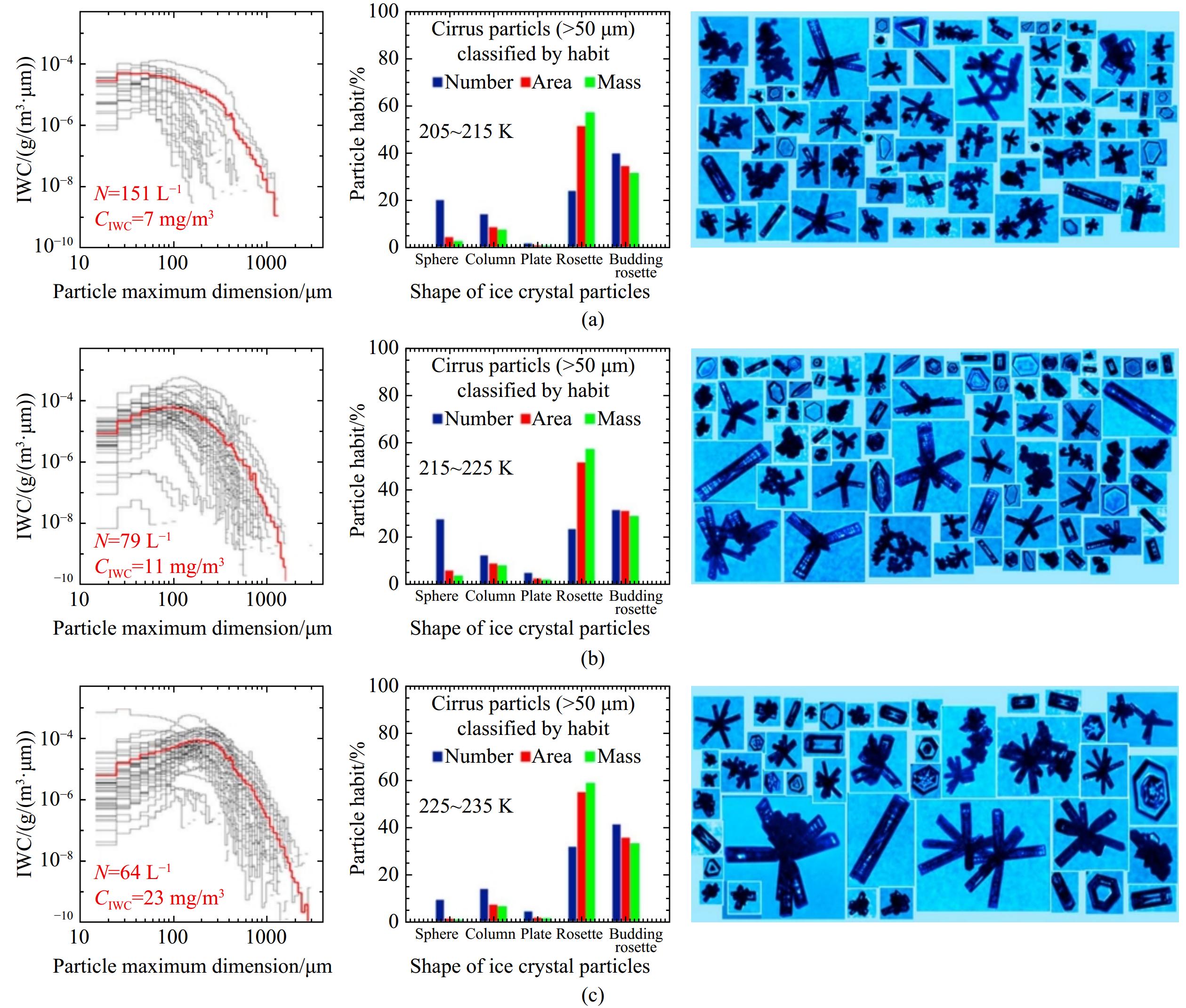
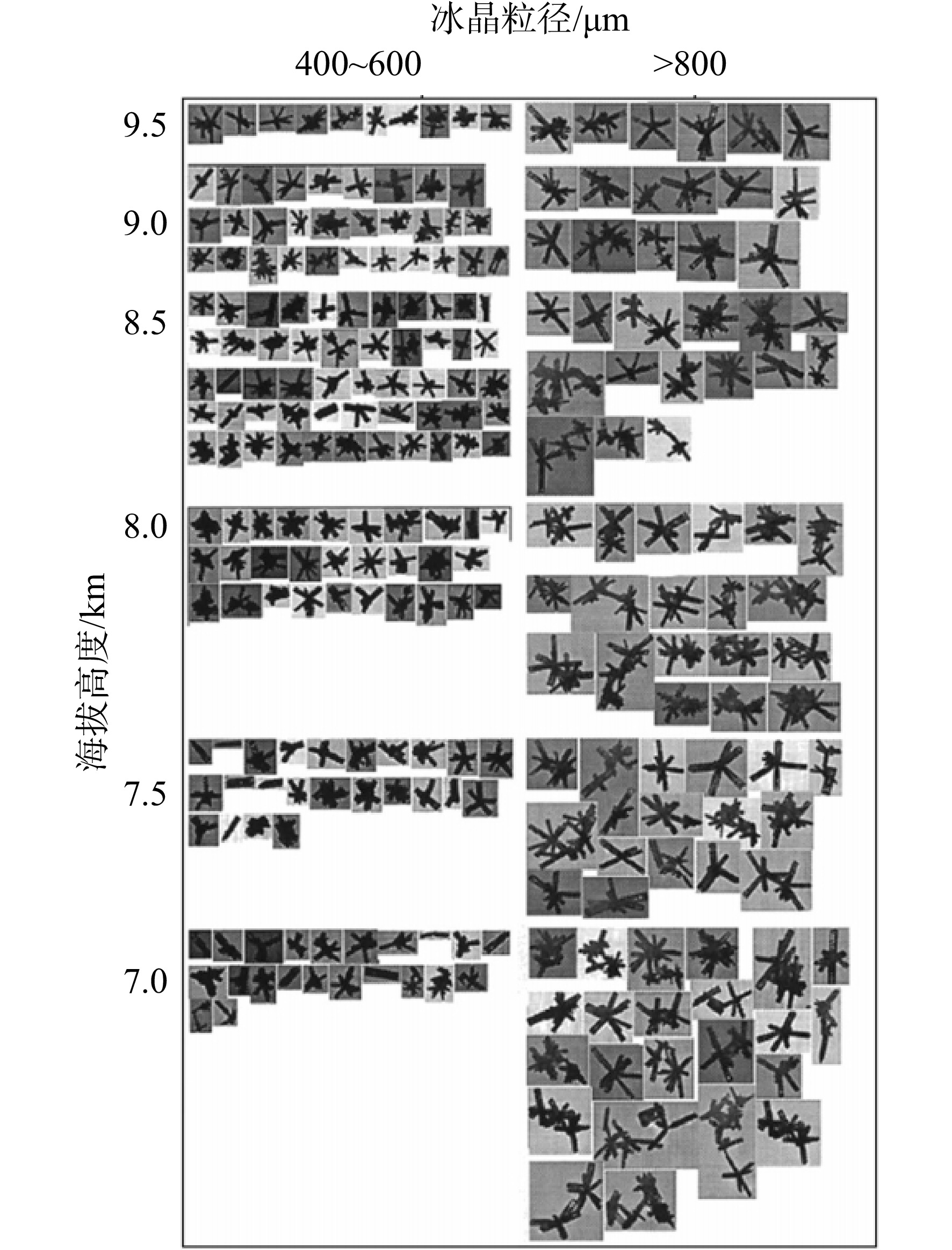
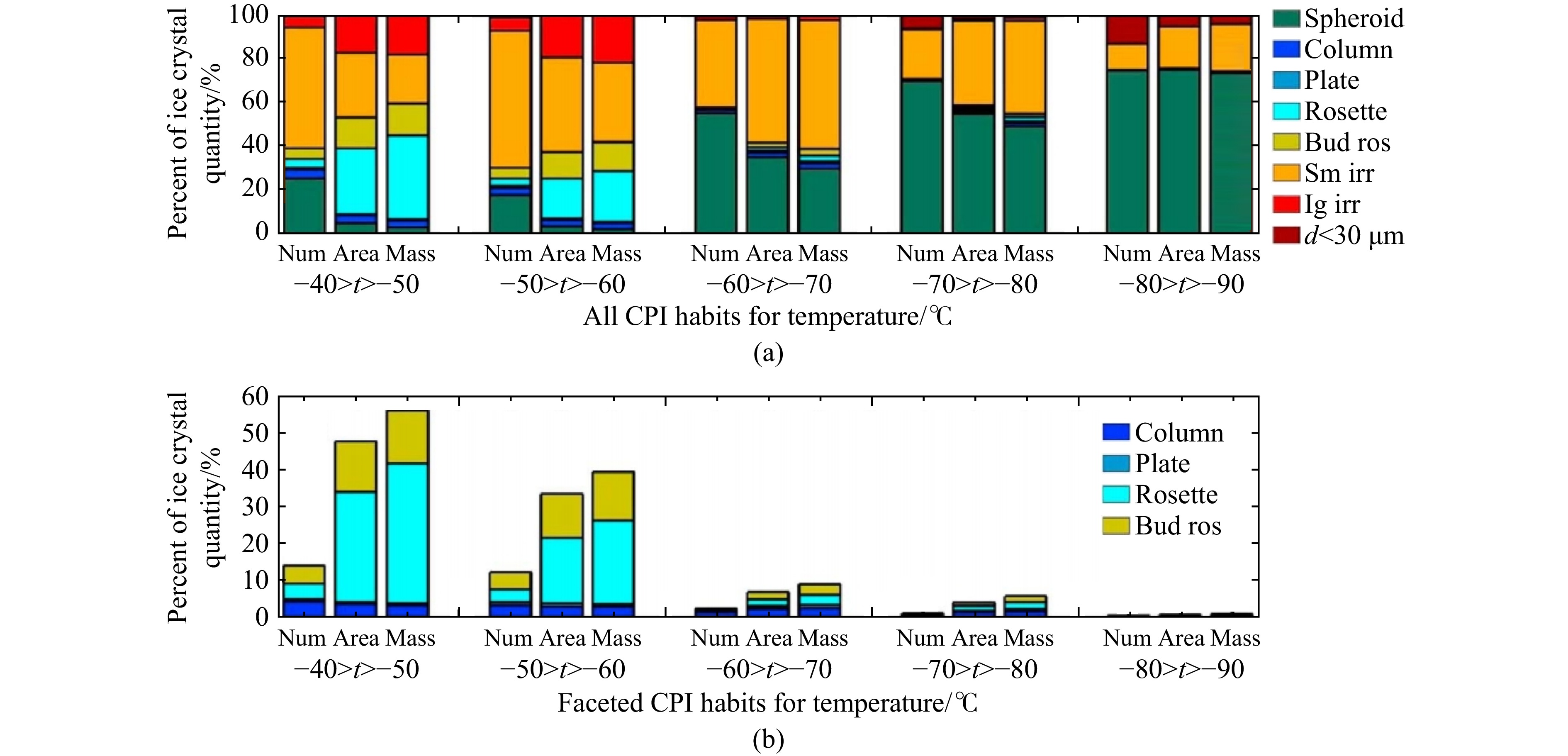
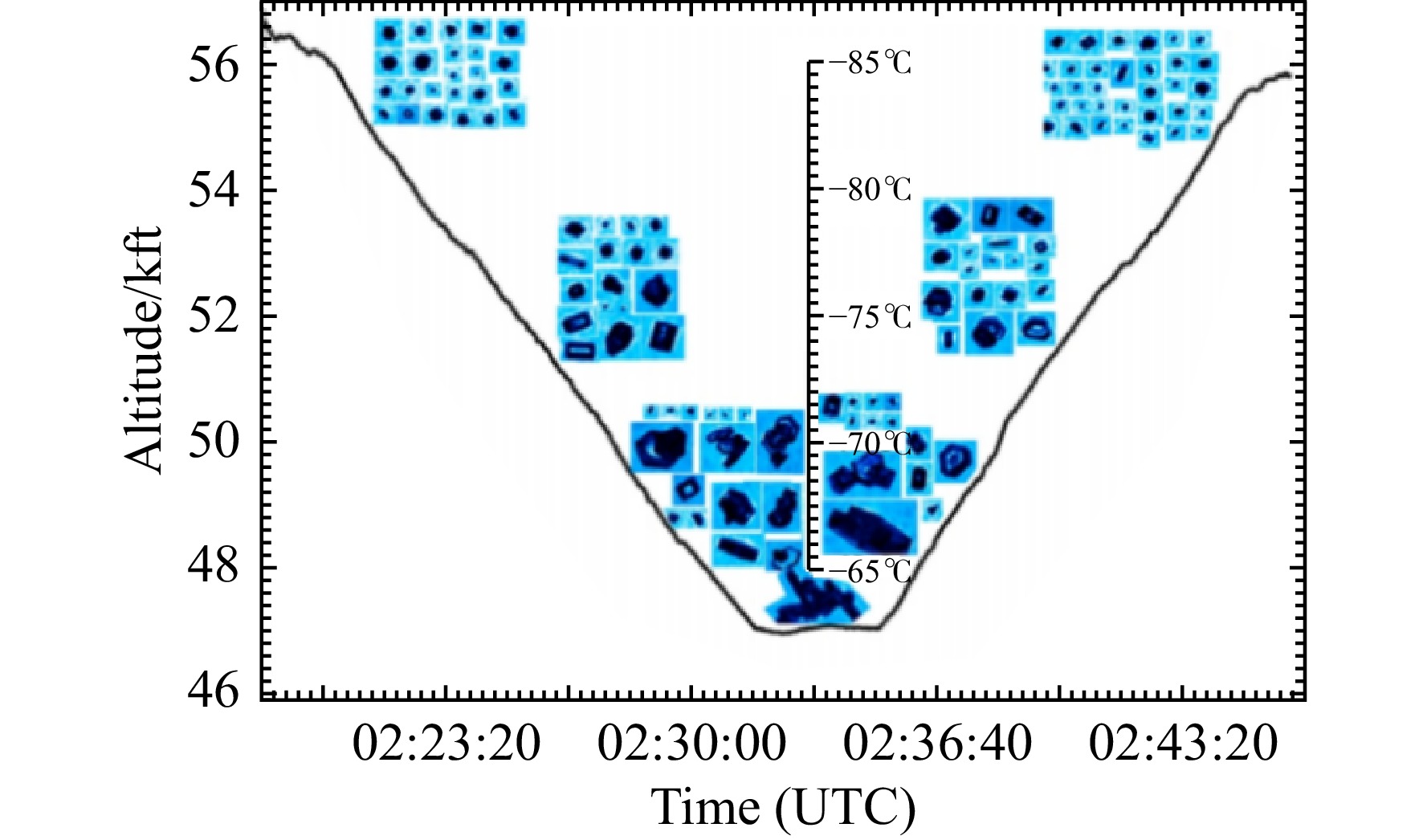
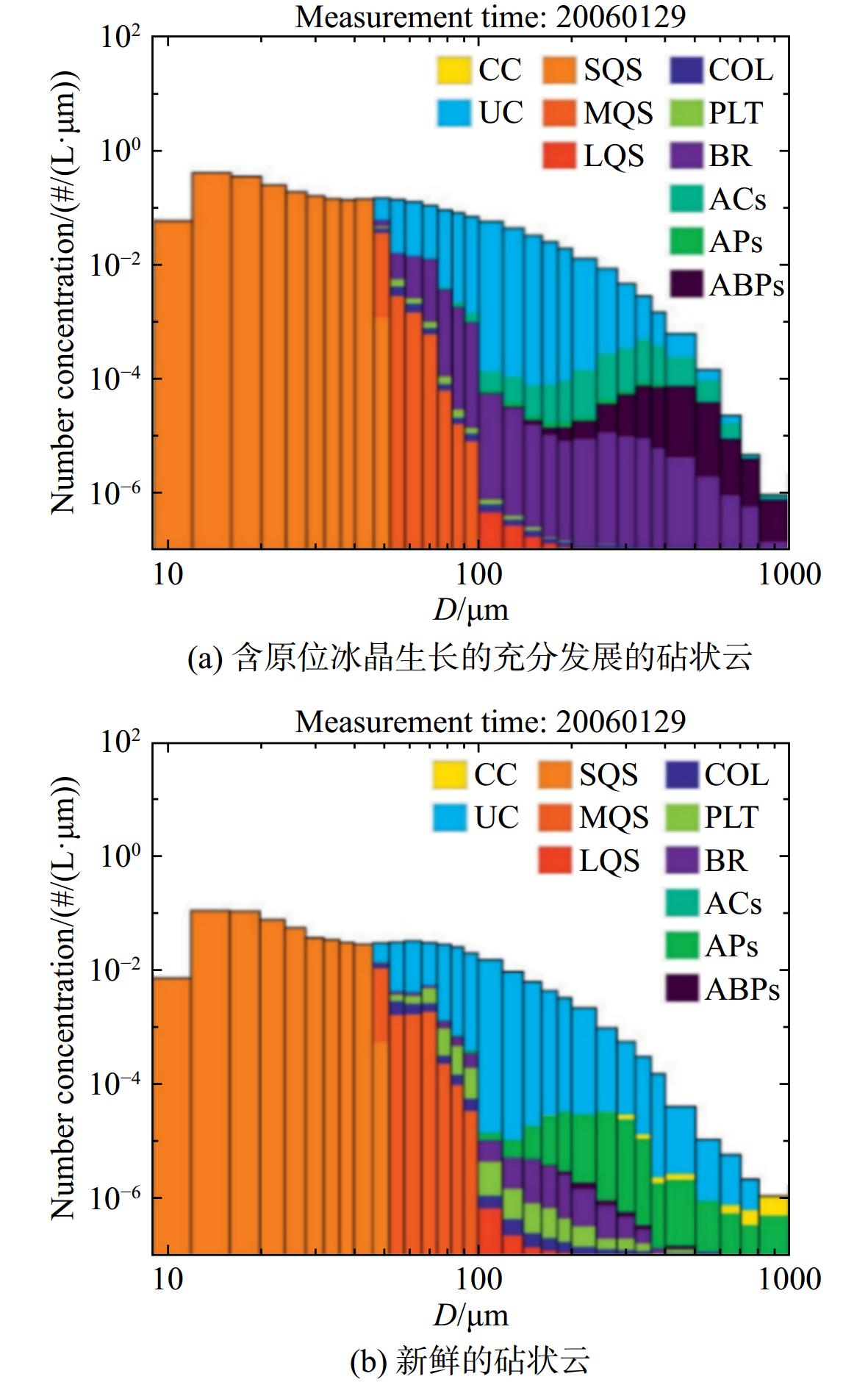
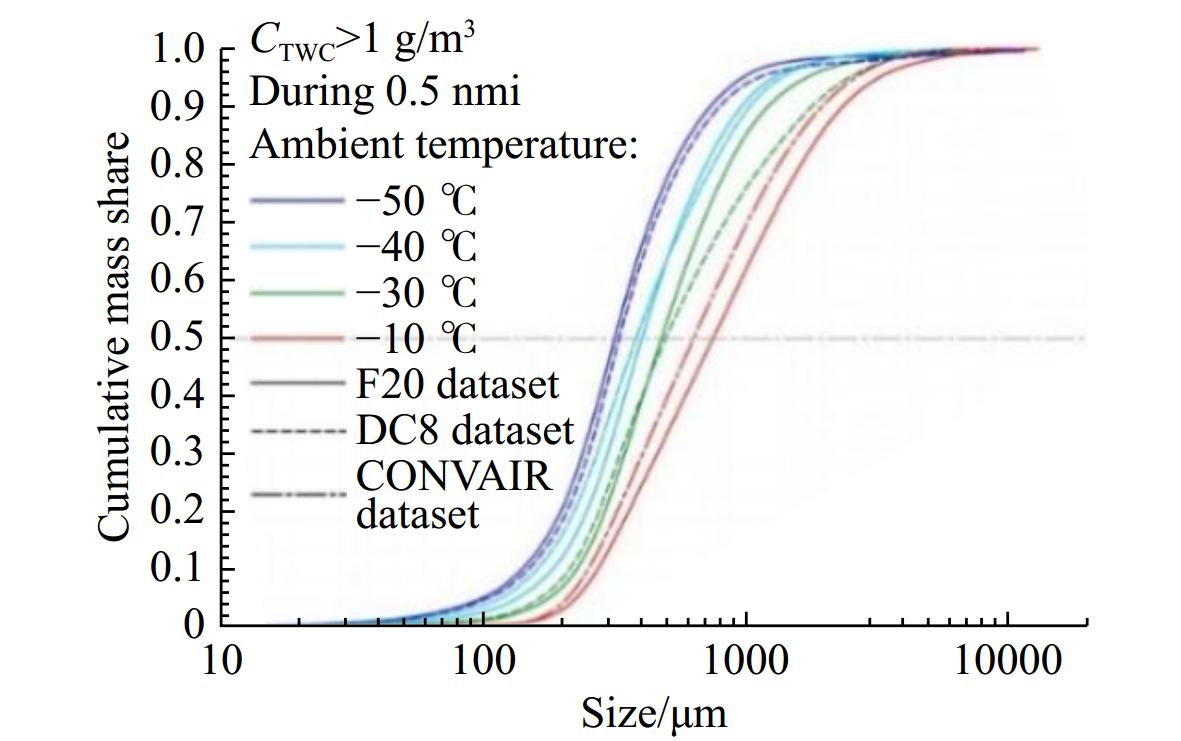
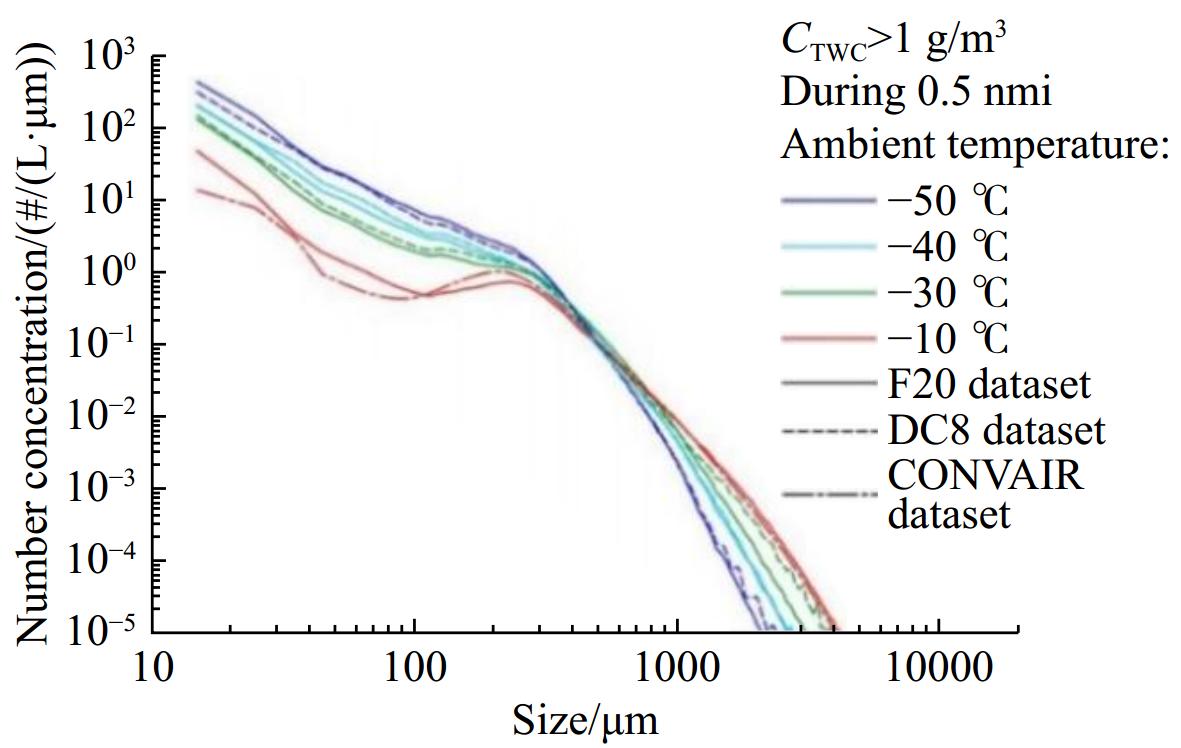
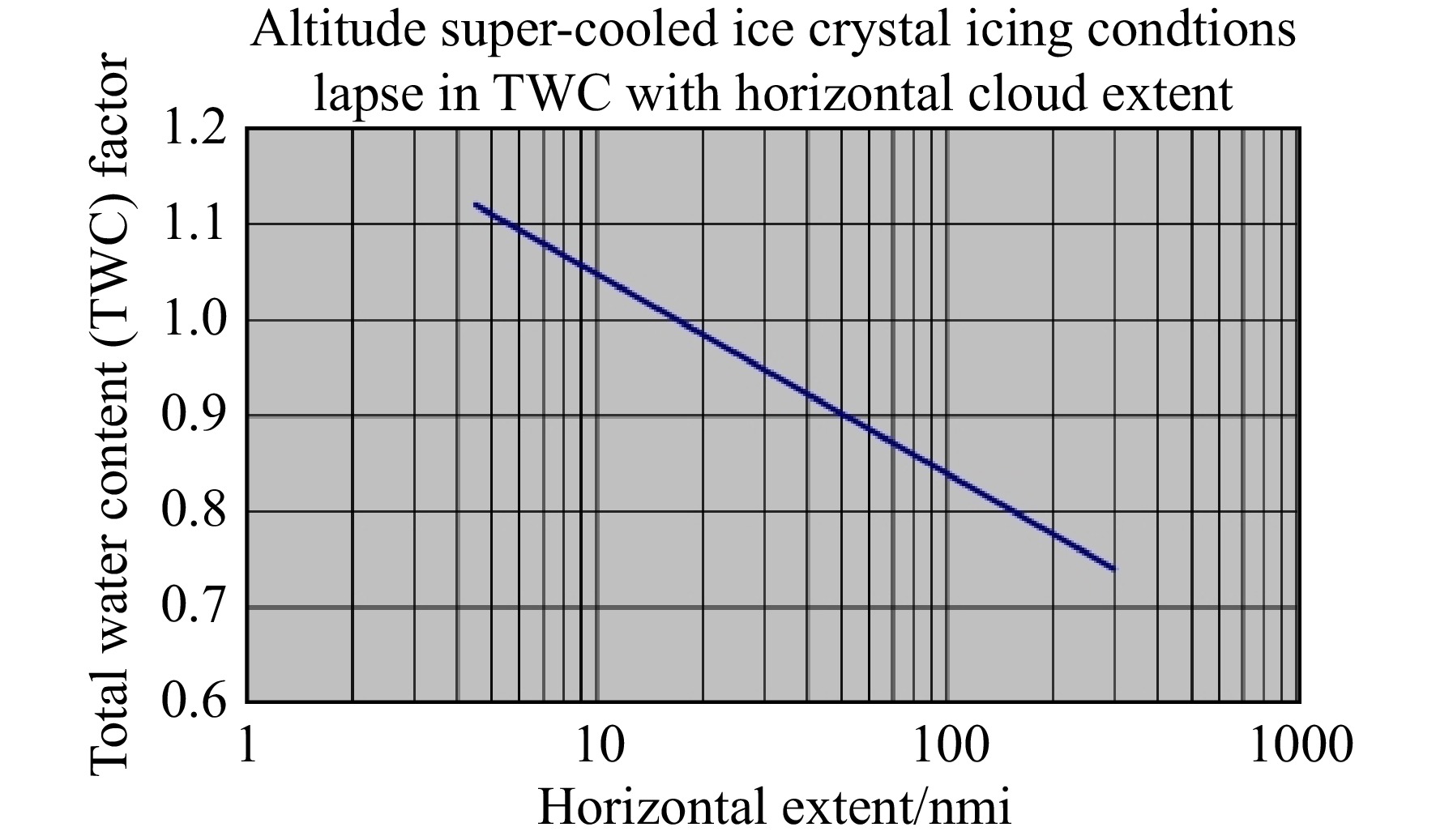
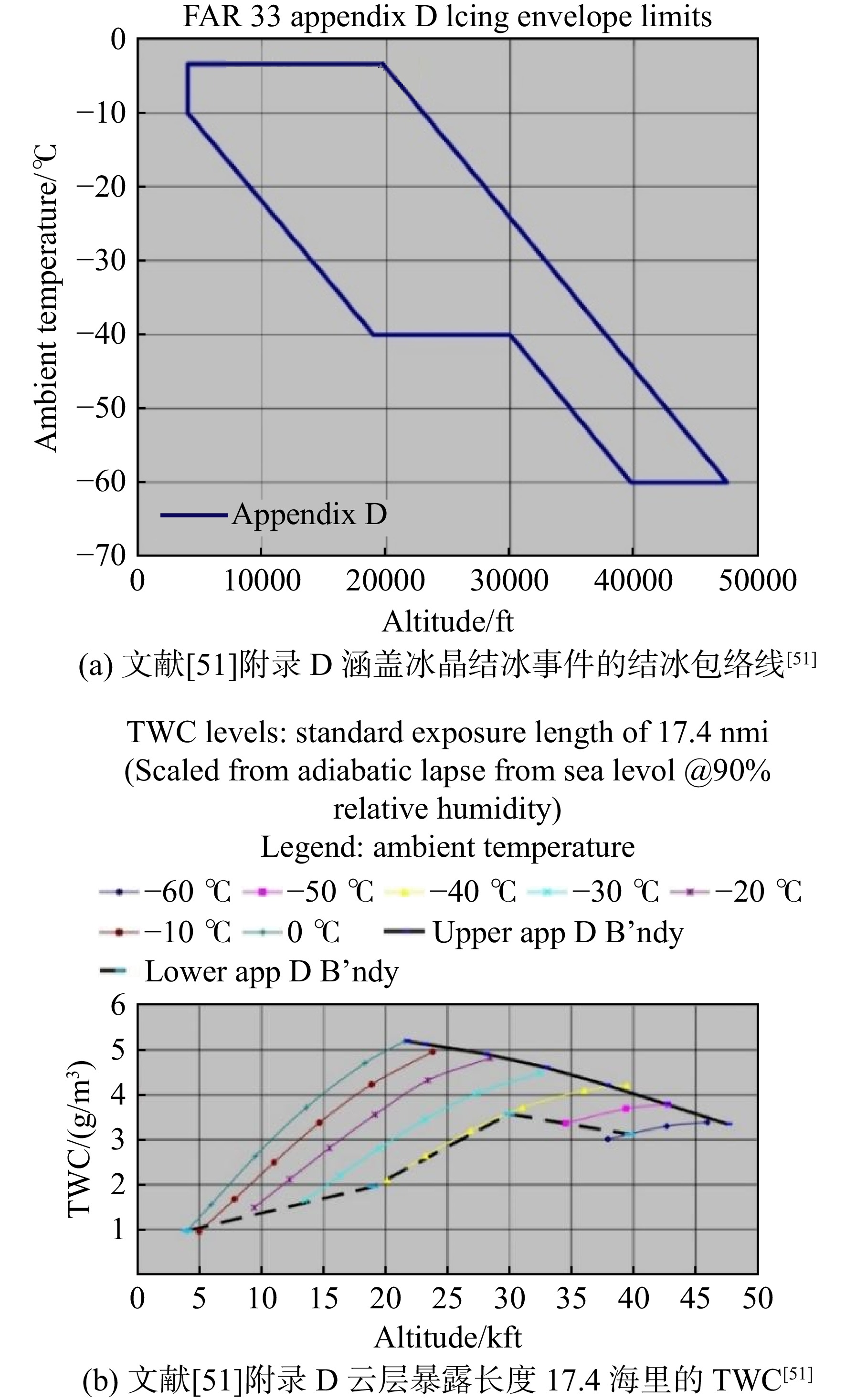
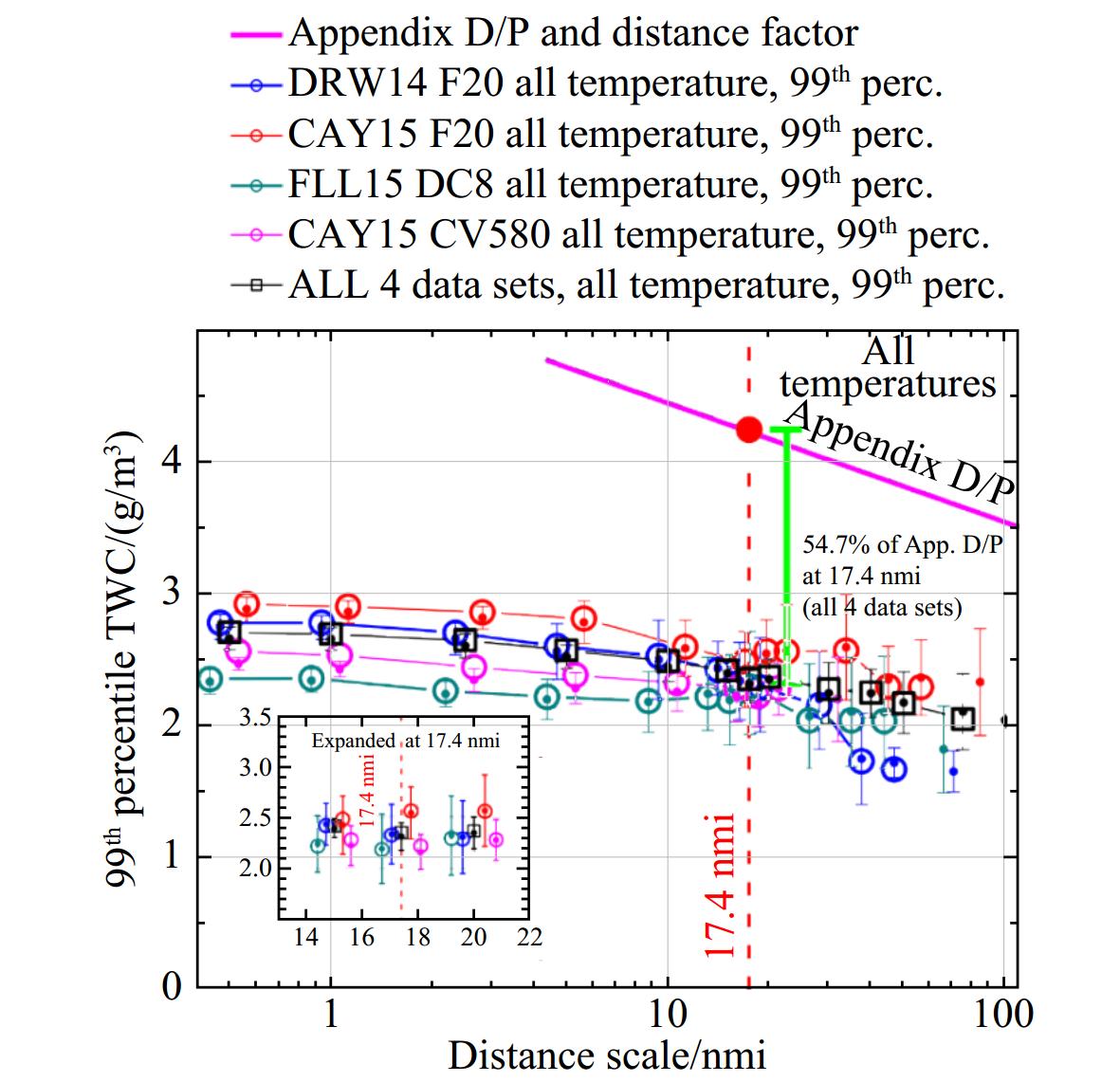
Engine icing arising from the entry of ice crystals into aircraft engines is a significant factor endangering flight safety. There is a scarcity of systematic summaries on the key microphysical properties of high-altitude cloud ice crystals and the methods for detecting them, which are crucial for understanding the ice formation process. To grasp the current state of research on the microphysical characteristics of ice crystals in high-altitude clouds, both domestic and international, a literature review was conducted for summarizing the current status of research on the classification of ice crystal shapes, ice crystal size, total water content (TWC), and their detection methods in high-altitude atmospheric clouds. The study also categorized and summarized the distribution characteristics and variation patterns of ice crystal shape and size with cloud type, altitude, and environmental temperature, as well as the variation patterns of TWC with cloud altitude, environmental temperature, and exposure length. Results showed that the shape of ice crystals was influenced by the type of cloud; the size (largest dimension) of ice crystals was closely related to their shape; and the TWC in clouds varied with cloud exposure length, altitude, and environmental temperature. Based on this, and in conjunction with the characteristics of high-altitude ice crystal detection technology, the challenges faced in the research and development of detection technology for the microphysical properties of high-altitude ice crystals and clouds were summarized. The primary challenges were encapsulated in the difficulties associated with real-time observation and classification of ice crystal particles, the impact of environmental factors and limitations in geographical applicability, the challenges in acquiring ice crystal particles necessary for experiments, and the constraints imposed by the detection technology itself. These issues underscored the complexity of advancing our understanding and capabilities in this field.

Study on fuel grade strategy for dual-stage counter-rotating multi-point direct injection combustor
ZHAO Ruolin, KONG Wenjun
2025, 40(9): 20240359. doi: 10.13224/j.cnki.jasp.20240359
Abstract:

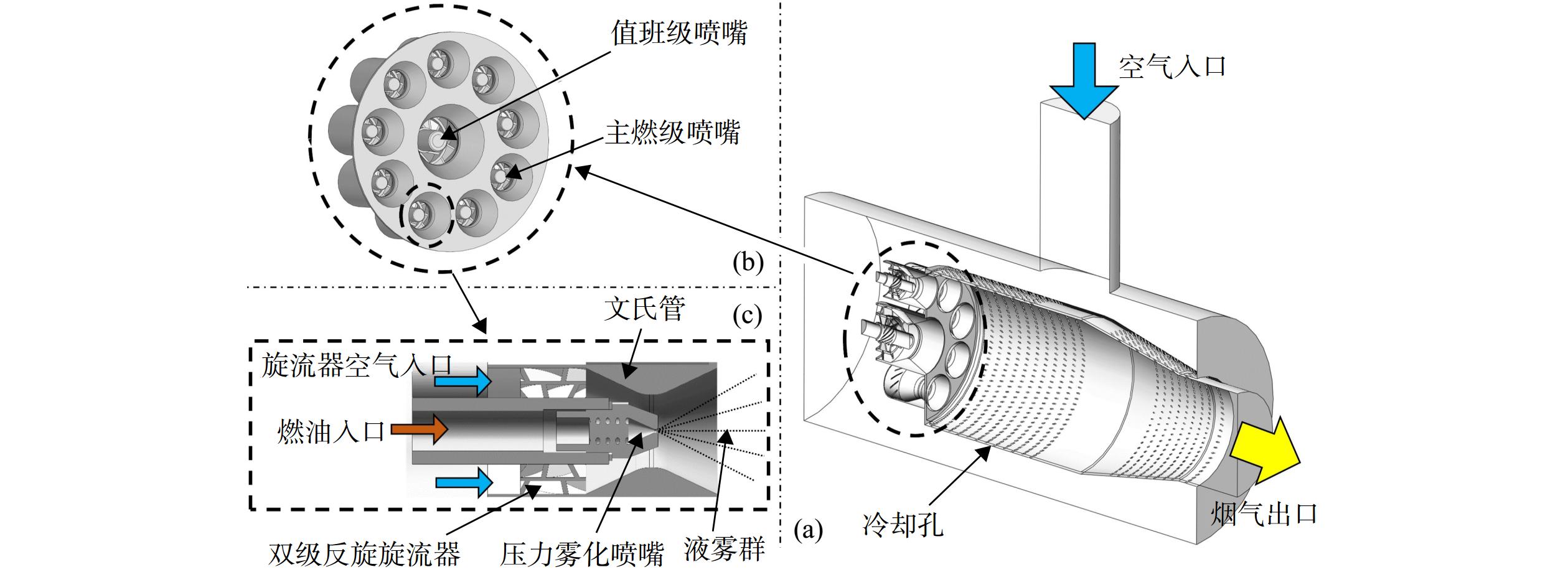
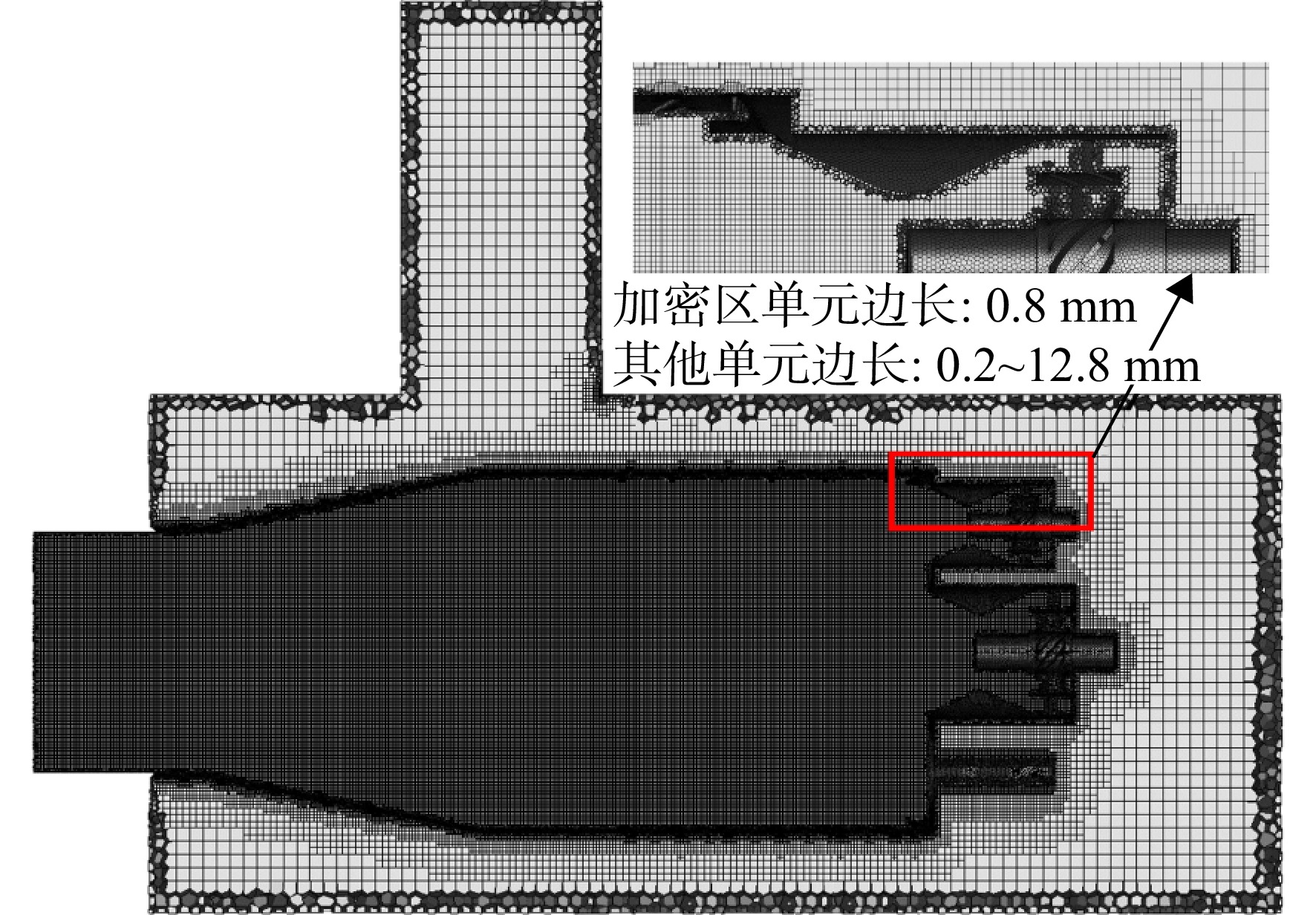
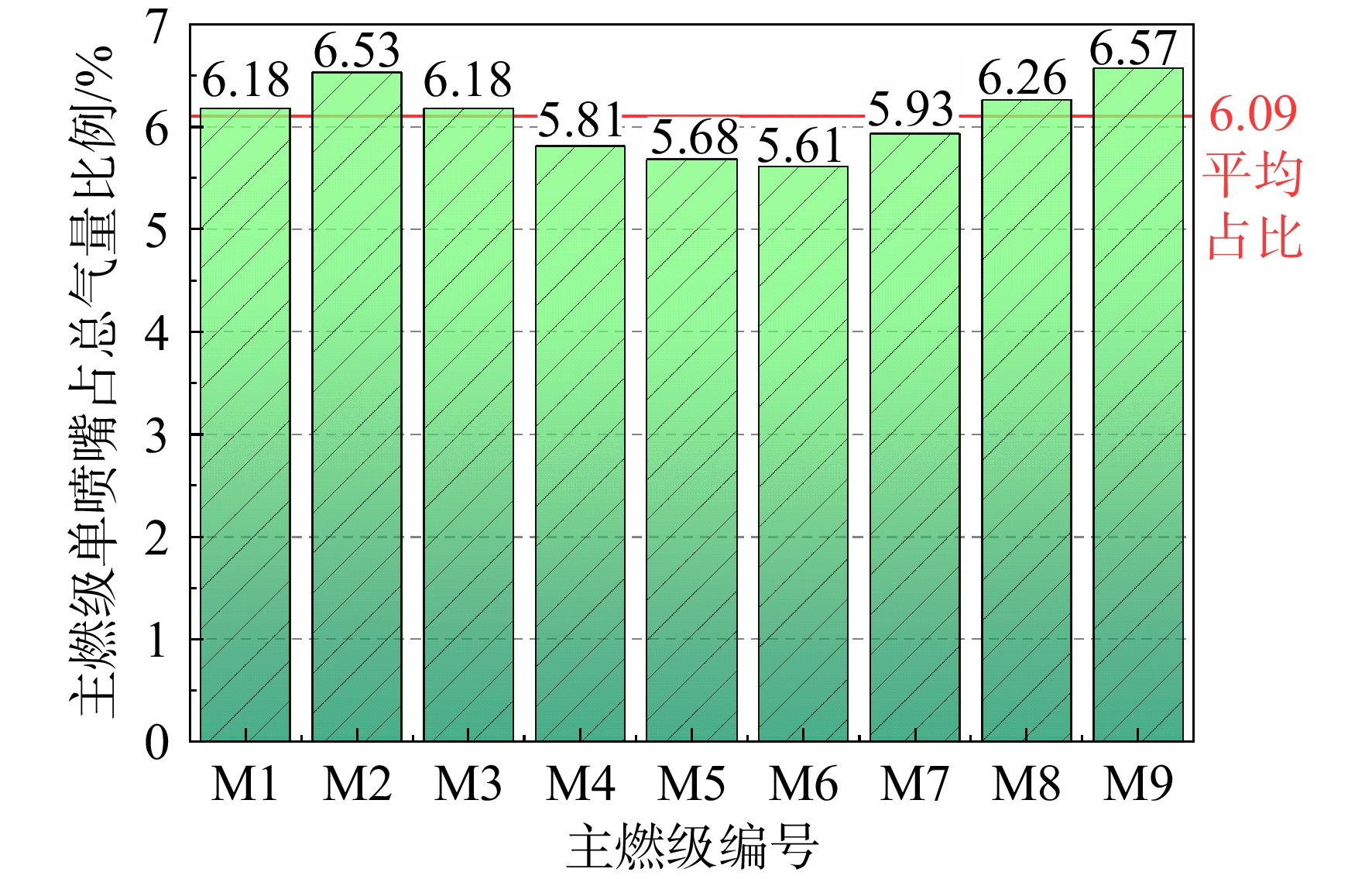
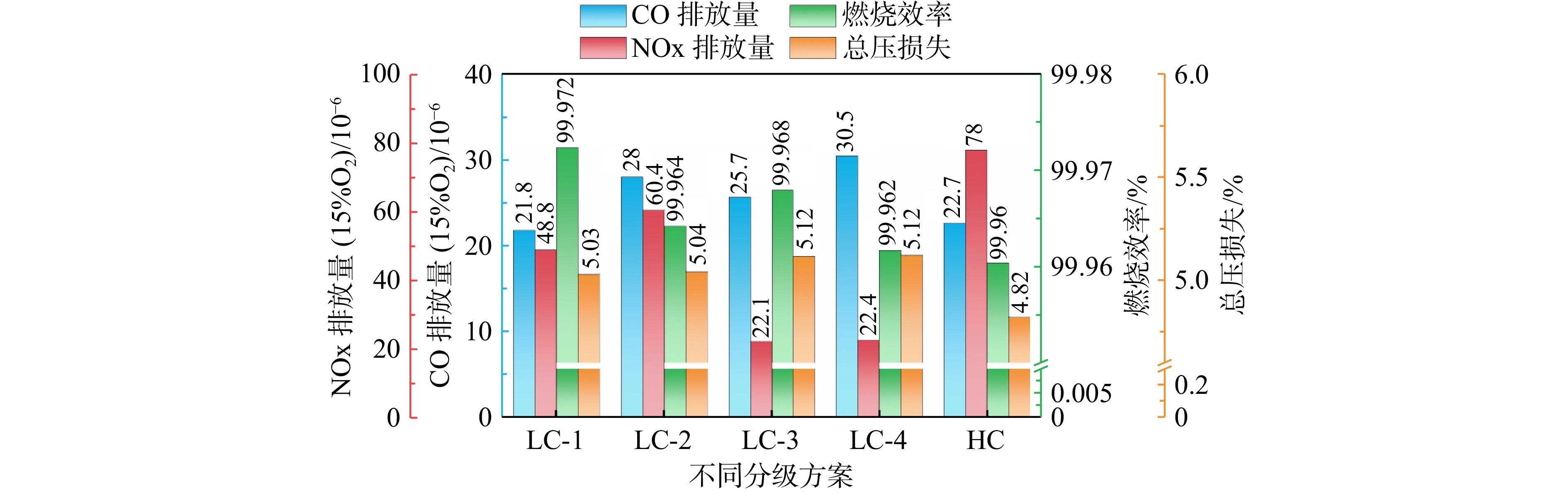
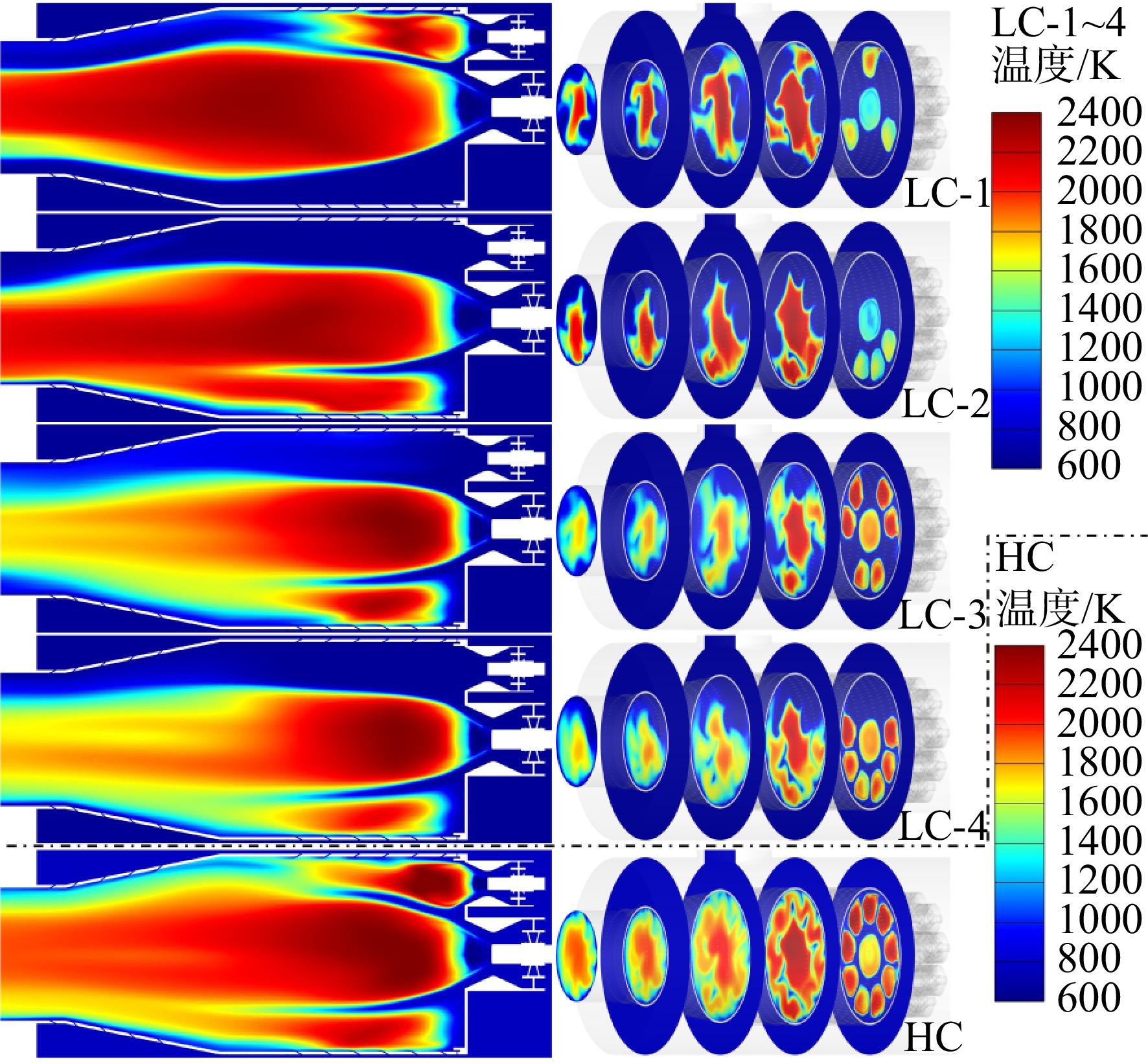
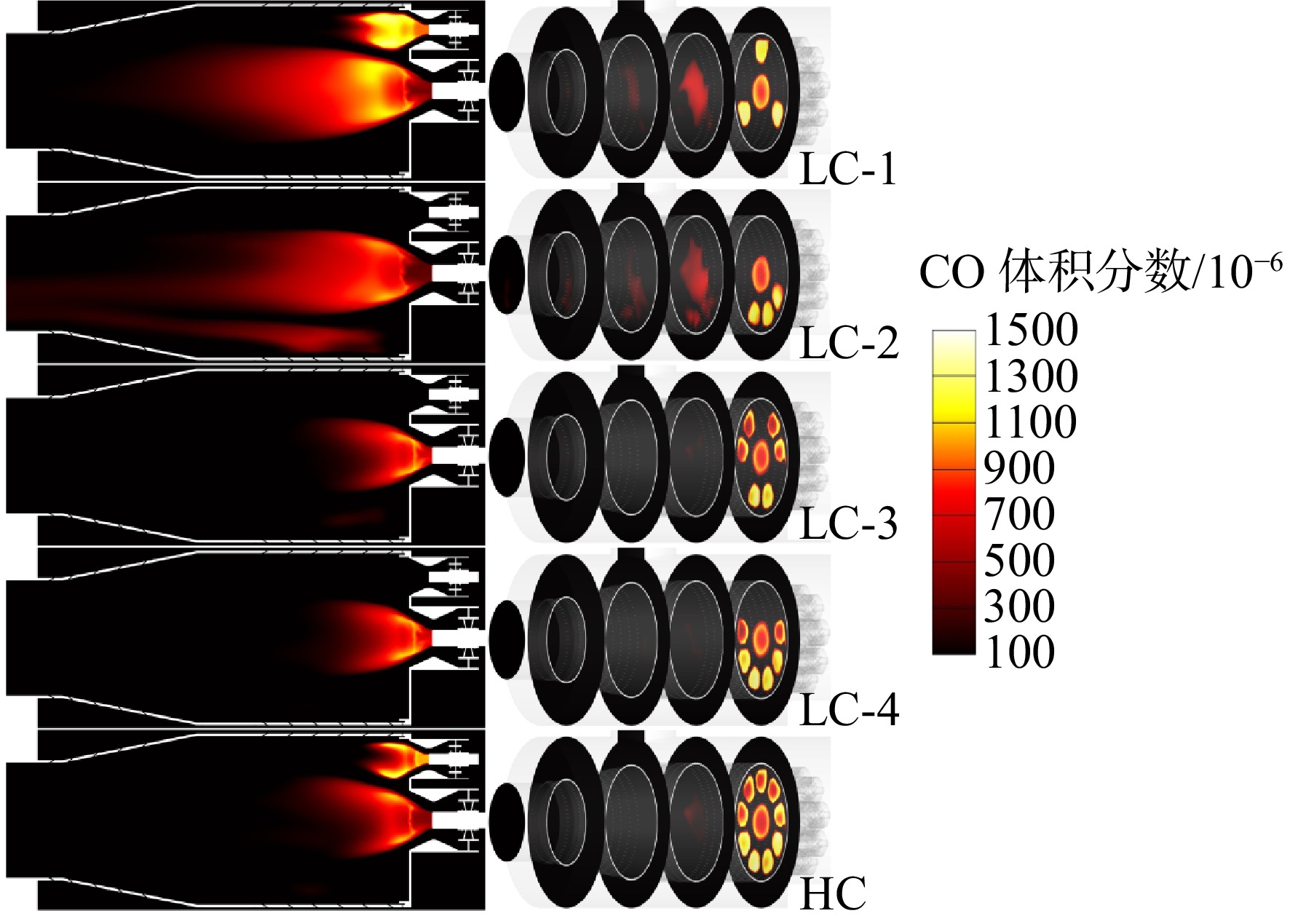
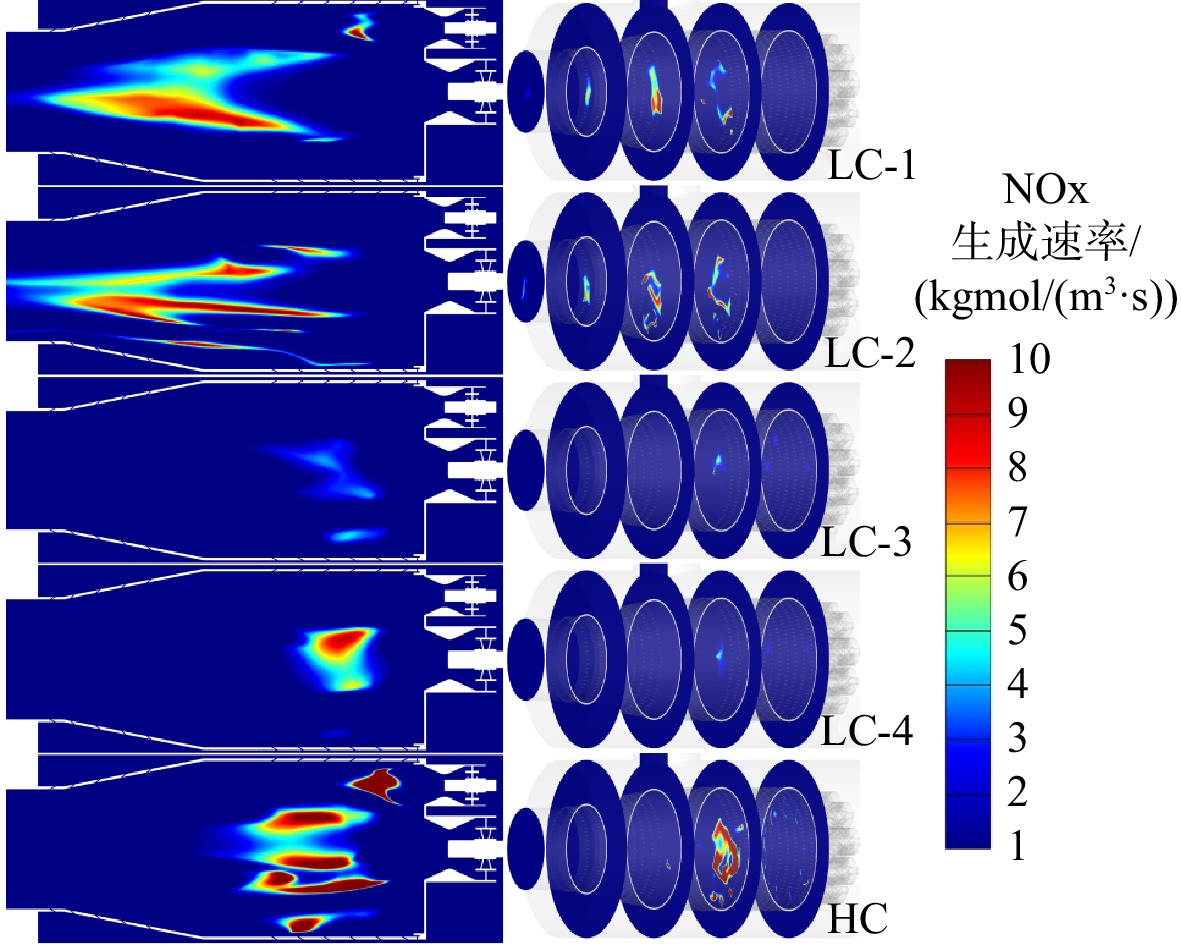
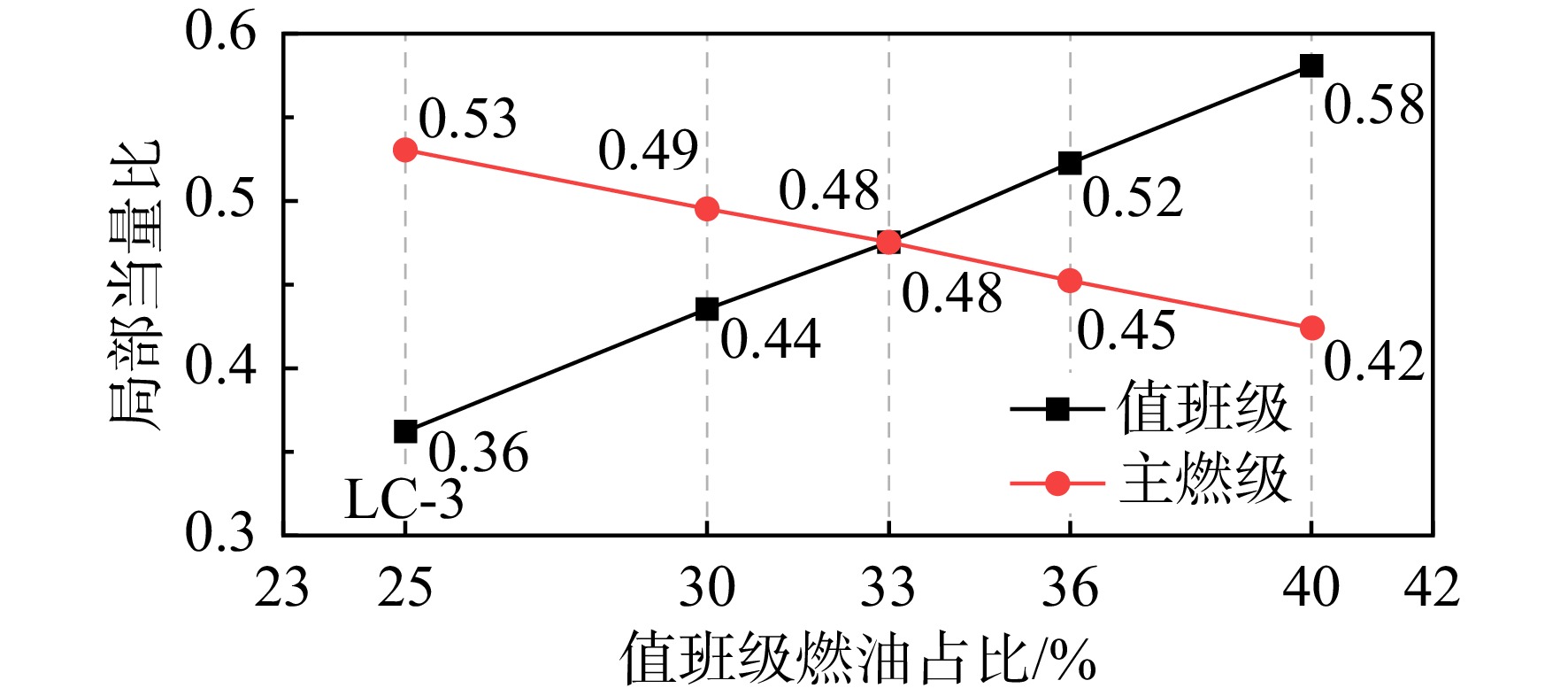
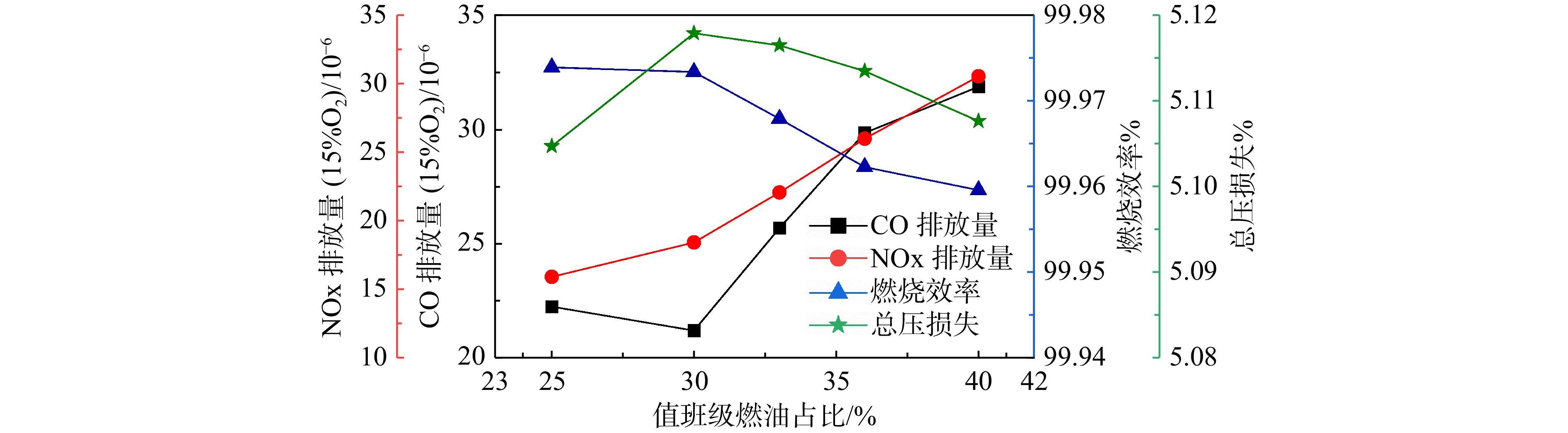
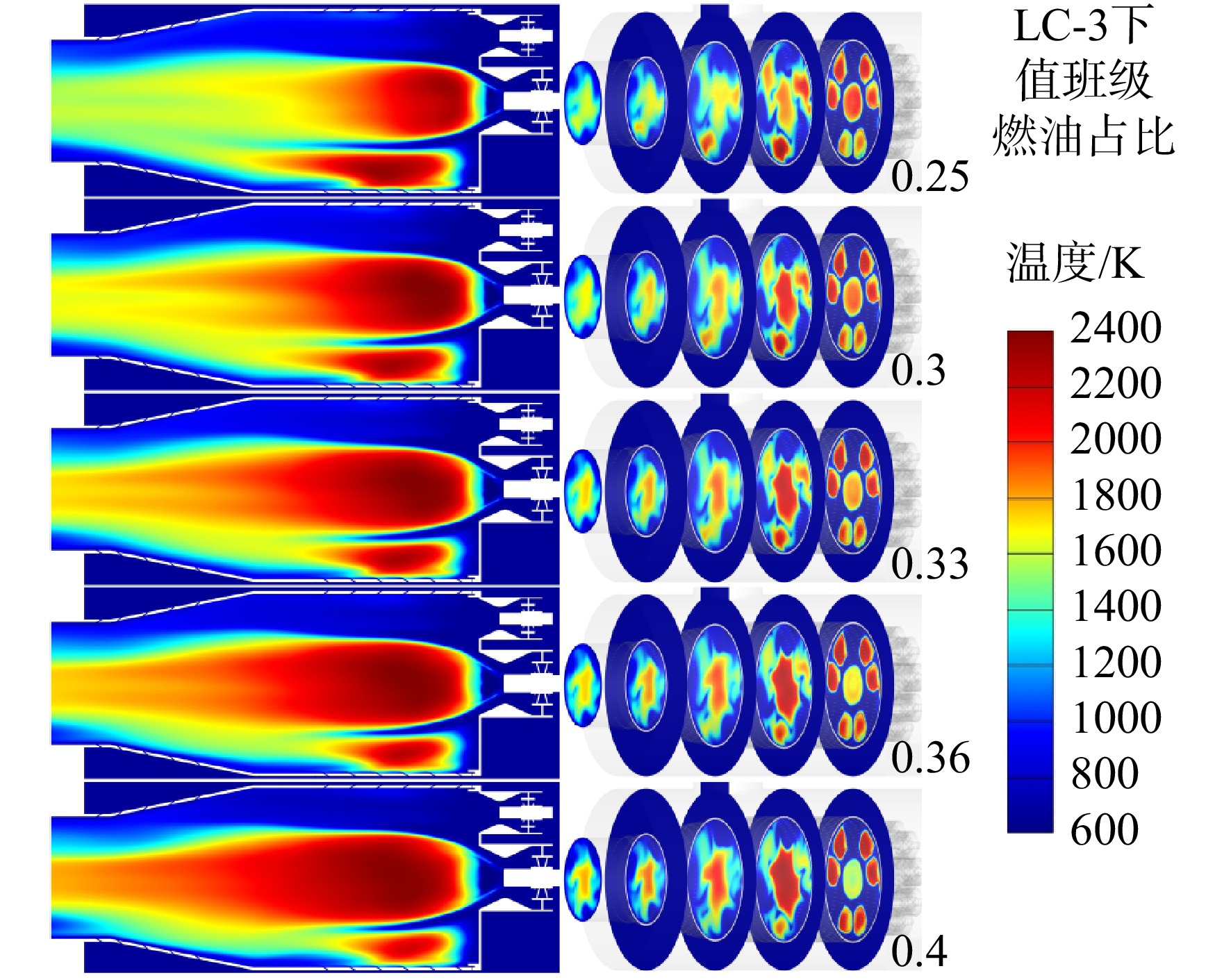
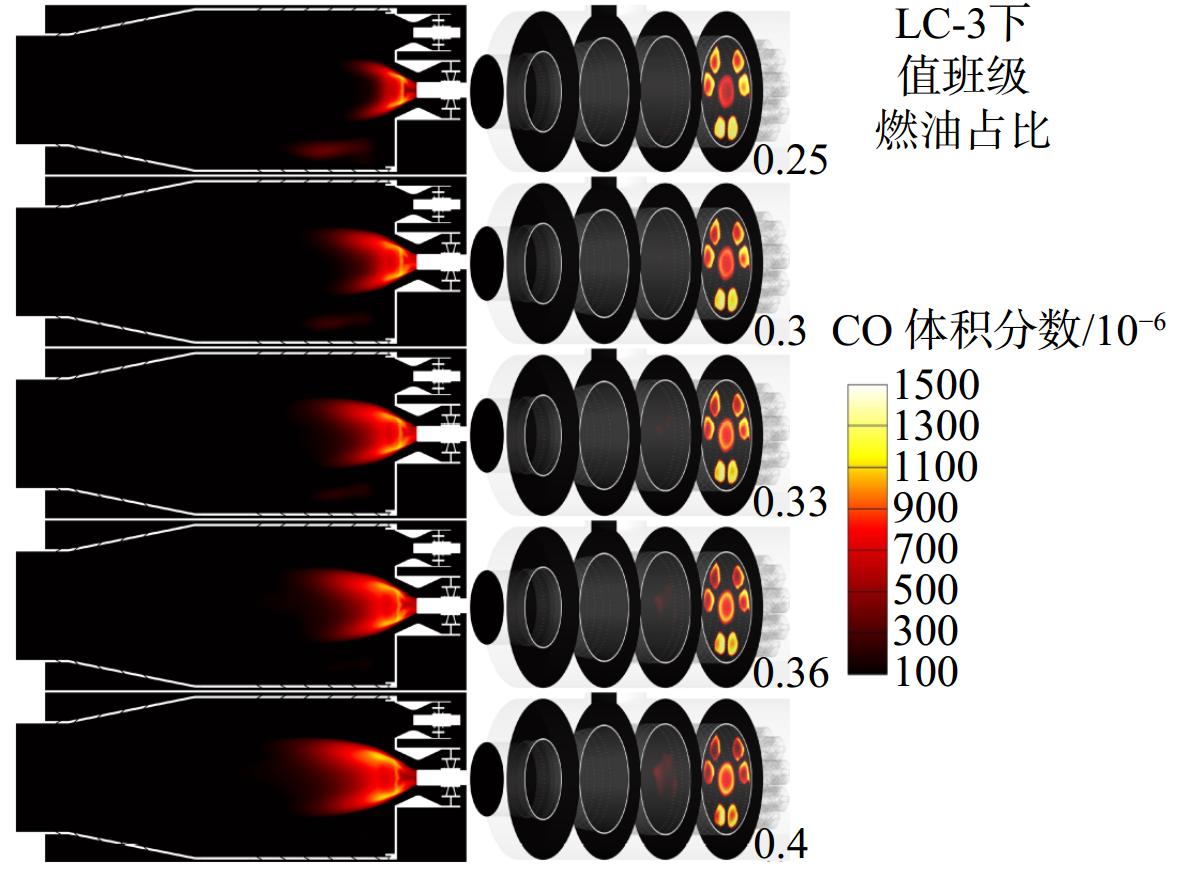
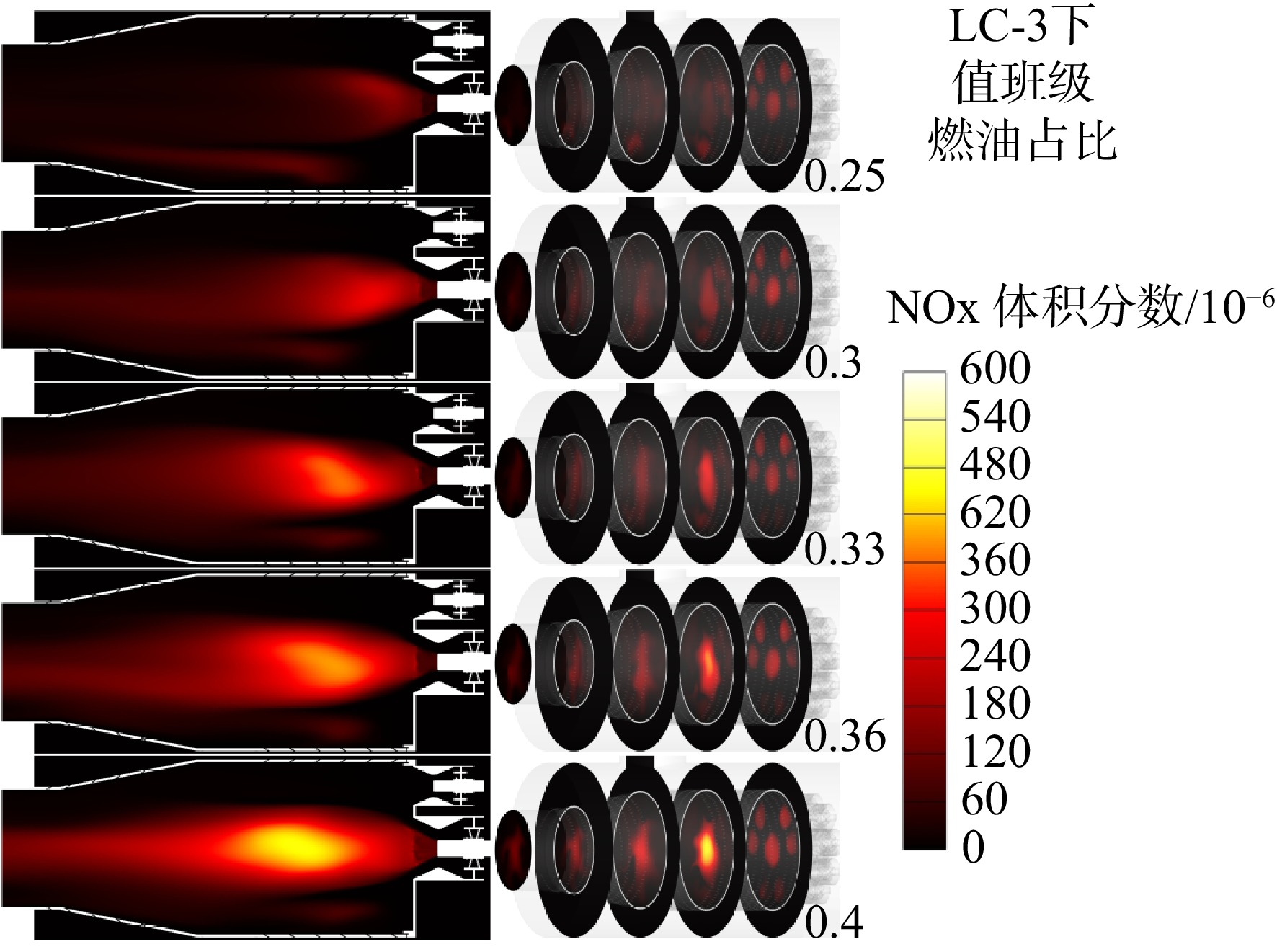
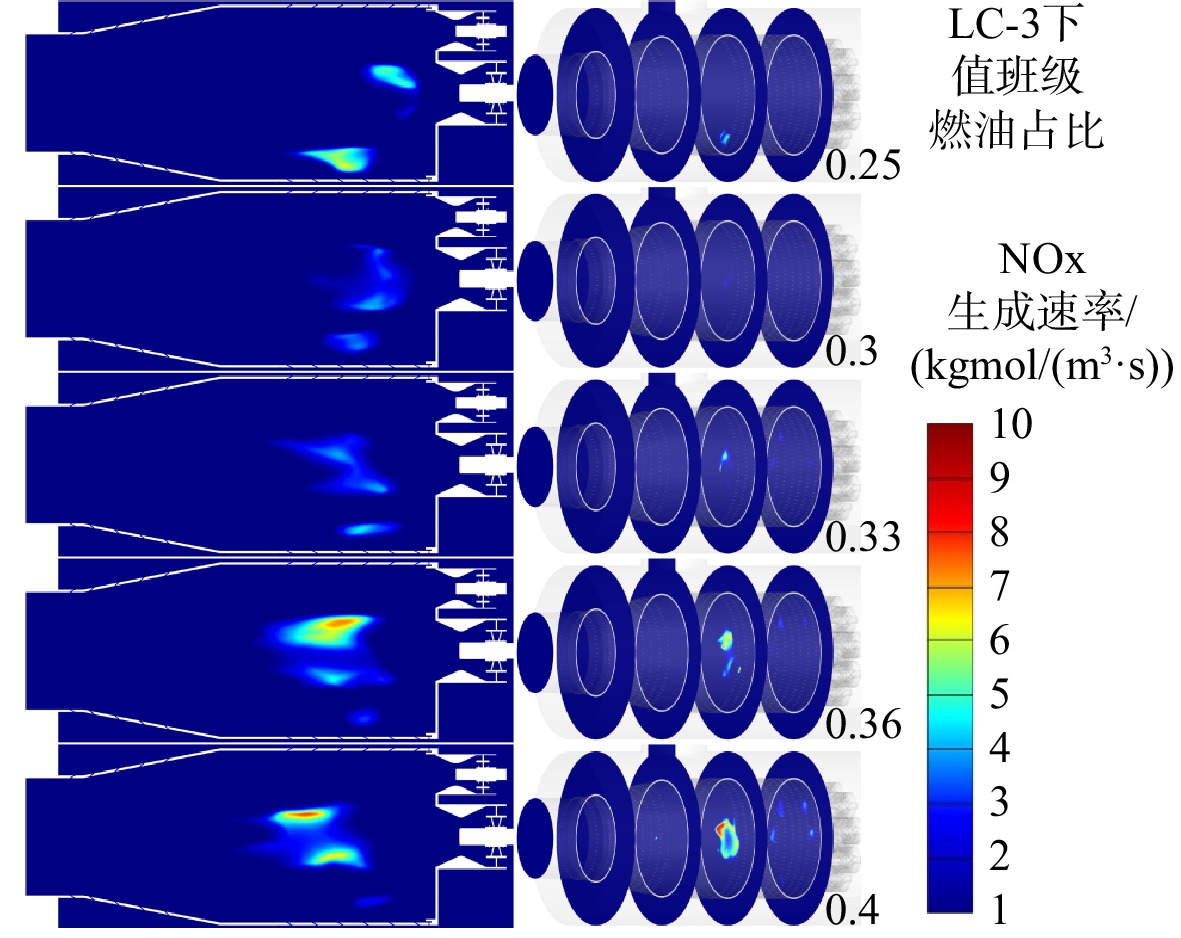
To optimize the scheme of a dual-stage counter-rotating multi-point injection combustor, numerical simulations were employed to study the effects of fuel staging schemes and pilot stage fuel proportions. The feasibility of the research methodology was validated; the emission characteristics of different fuel staging schemes under high and low operating conditions were explored; the impact of pilot stage fuel proportions on combustor performance in the LC (low condition)-3 scheme was investigated. The results showed that the LC-1 and LC-3, with the main nozzles distributed, performed better in overall performance compared with the LC-2 and LC-4 with the main nozzles concentrated. The LC-3 with 6 main nozzles performed better in NOx emissions than the LC-1 with 3 main nozzles, while the LC-1 was slightly better than LC-3 in CO emissions. The LC-3 scheme demonstrated greater overall advantages according to current standards. Under high operating conditions, the HC (high condition) scheme with 9 main nozzles exhibited slightly lower CO emissions but higher NOx emissions compared with the LC-3. In the LC-3, as the pilot fuel proportion increased, both CO and NOx emissions showed an upward trend, and when the pilot fuel proportion reached 25%, the NOx emission reached its lowest value of 1.59×10⁻⁵.

Numerical study on breakup, evaporation, and combustion characteristics of kerosene droplets under detonation waves
CHEN Qingyun, ZHANG Qibin, YANG Rui, FAN Wei
2025, 40(9): 20240377. doi: 10.13224/j.cnki.jasp.20240377
Abstract:

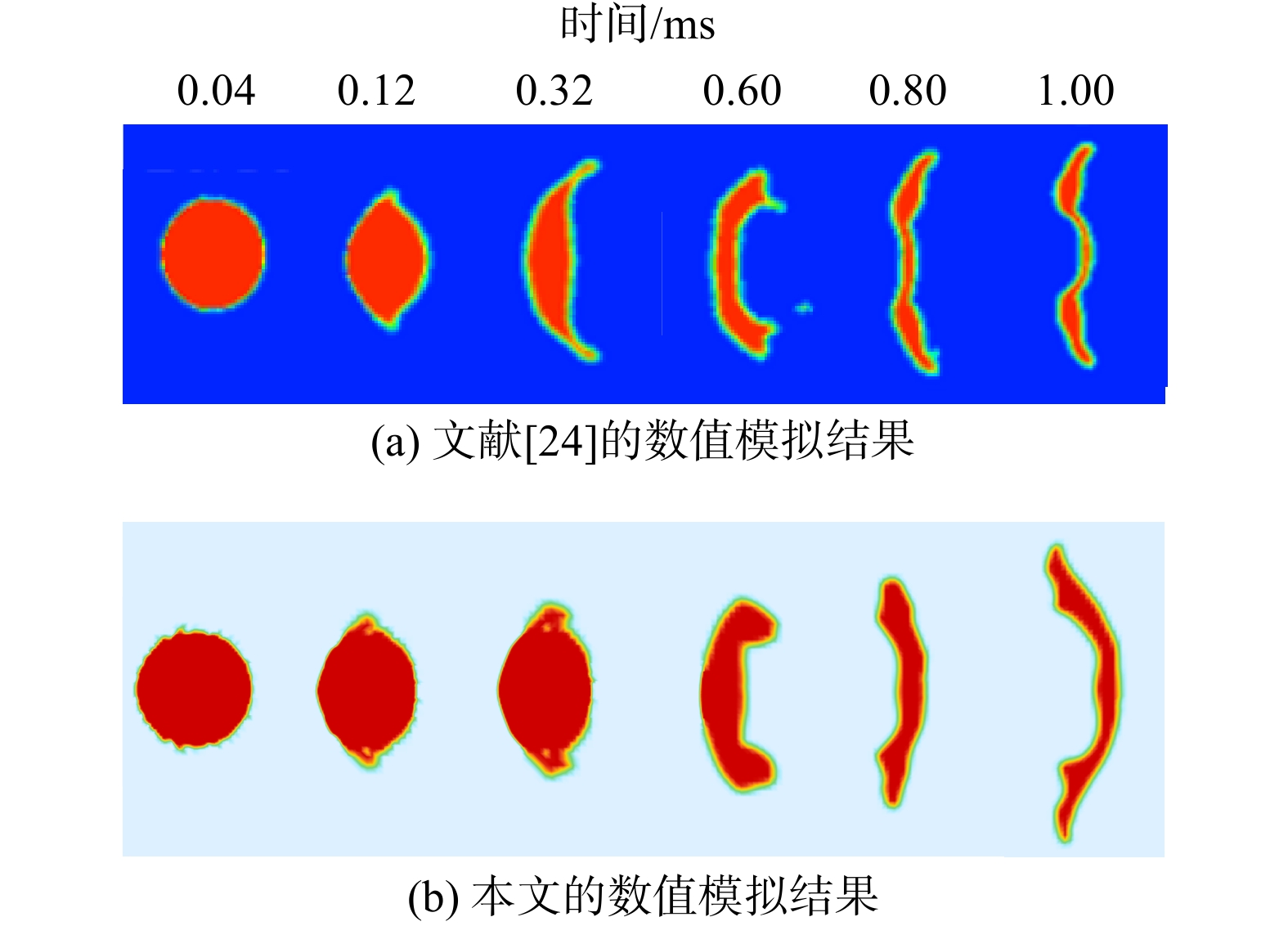
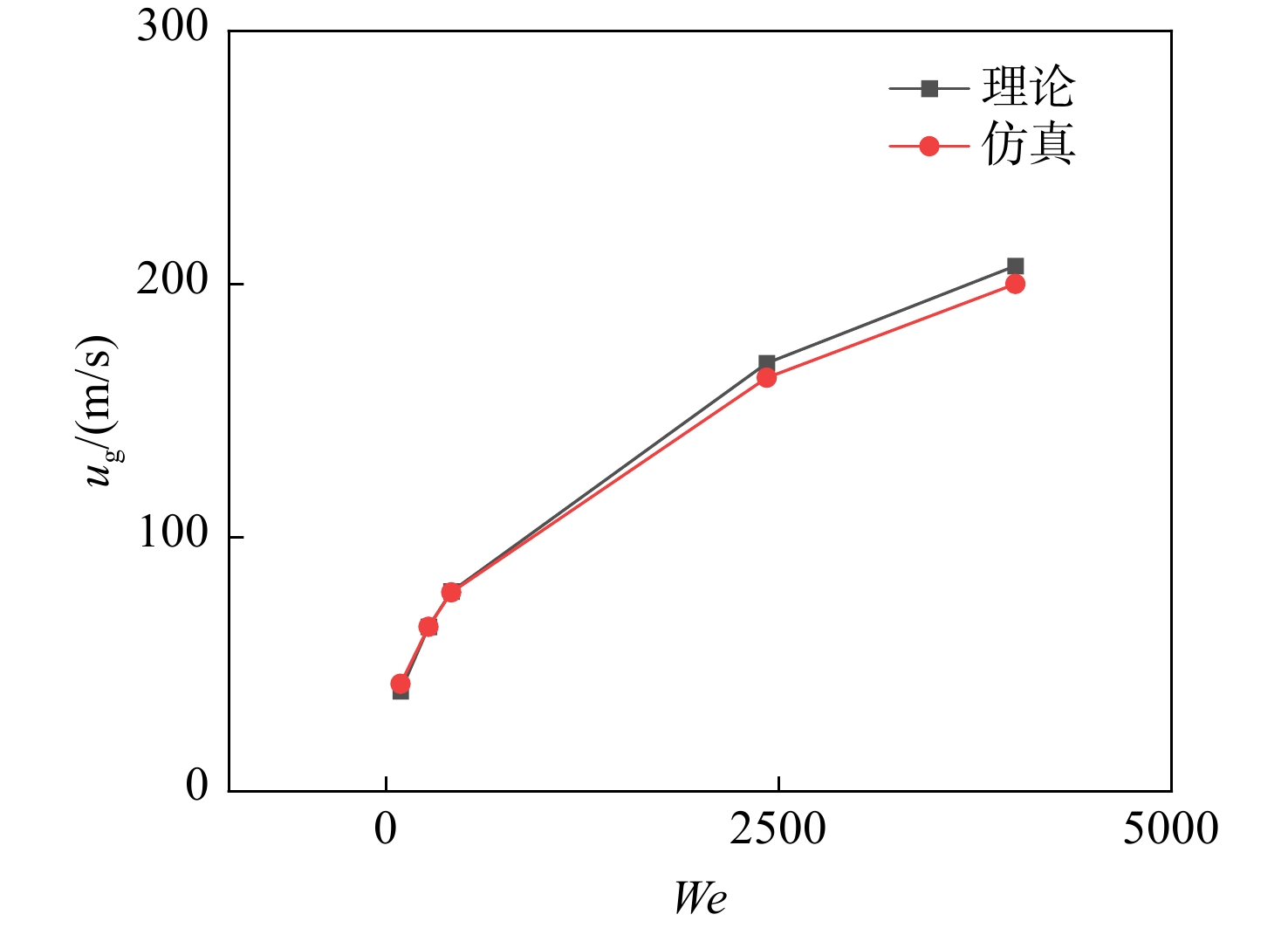
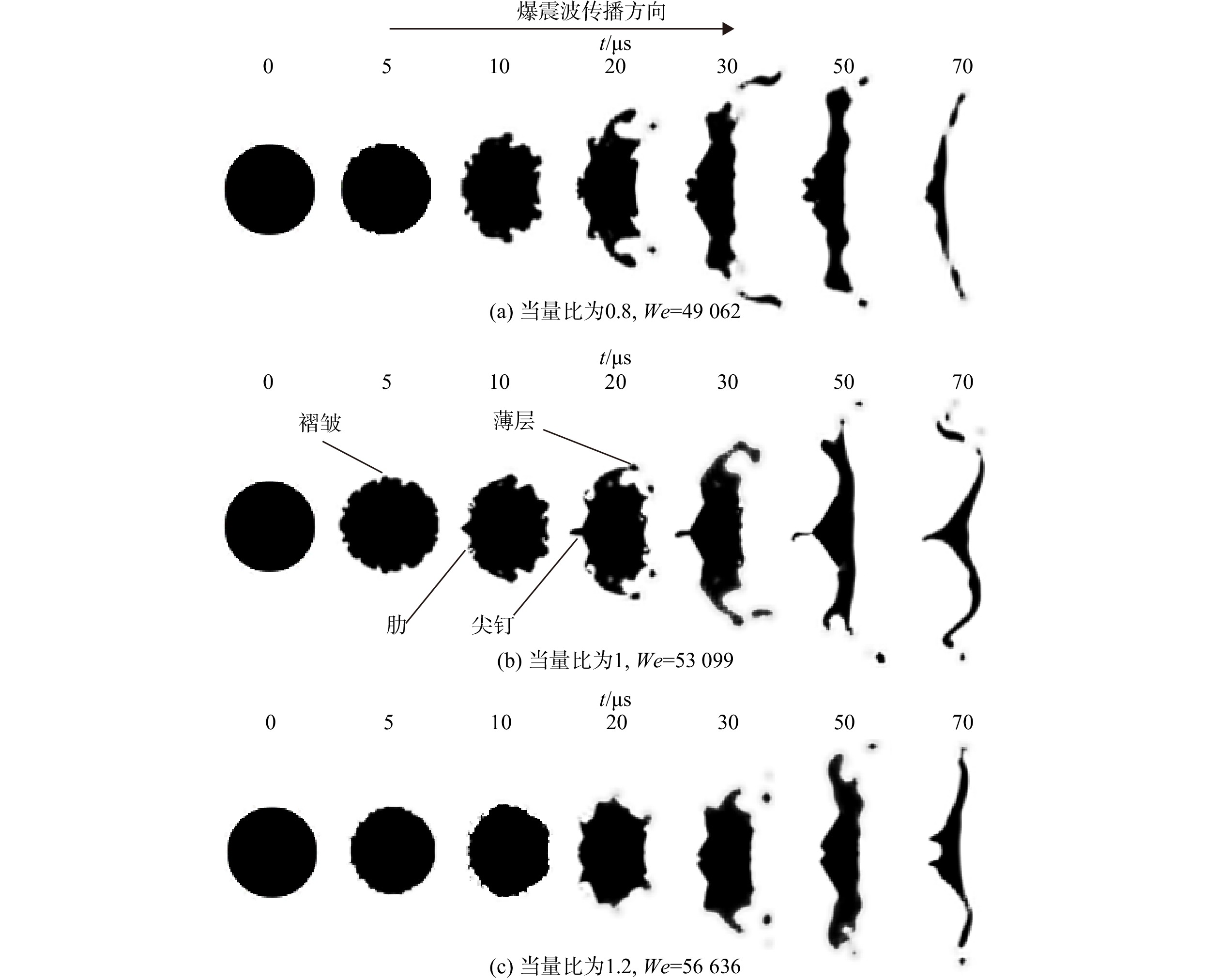
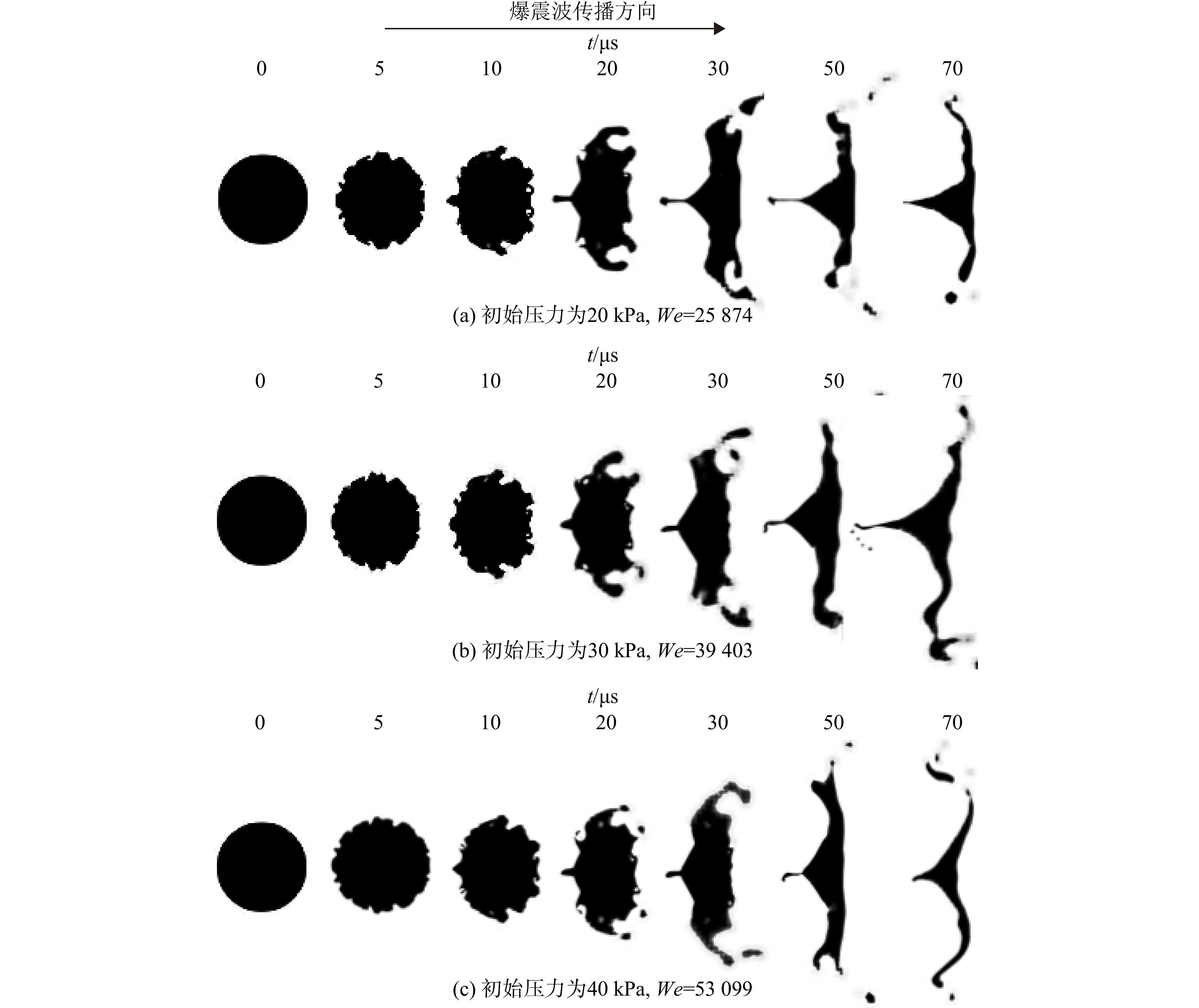
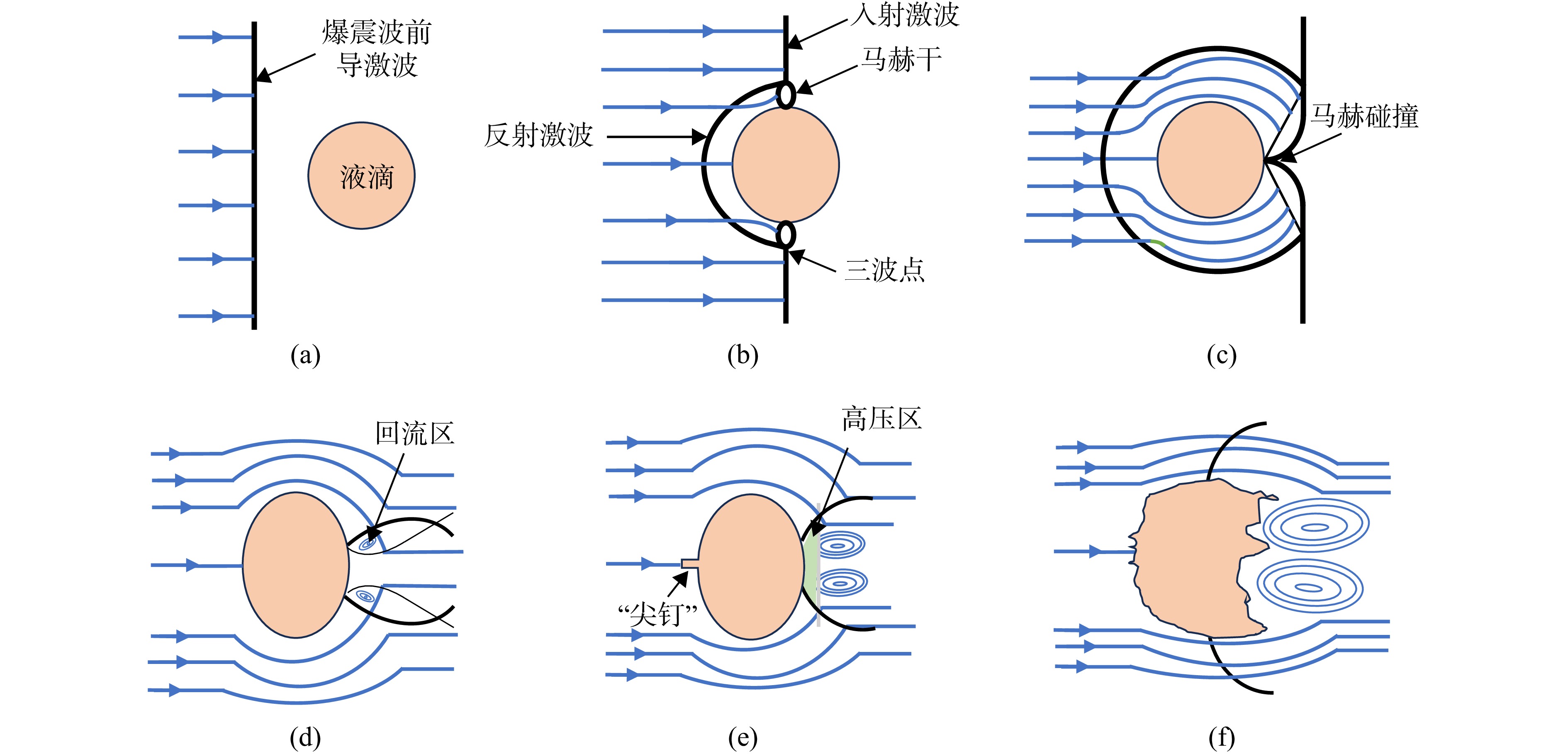
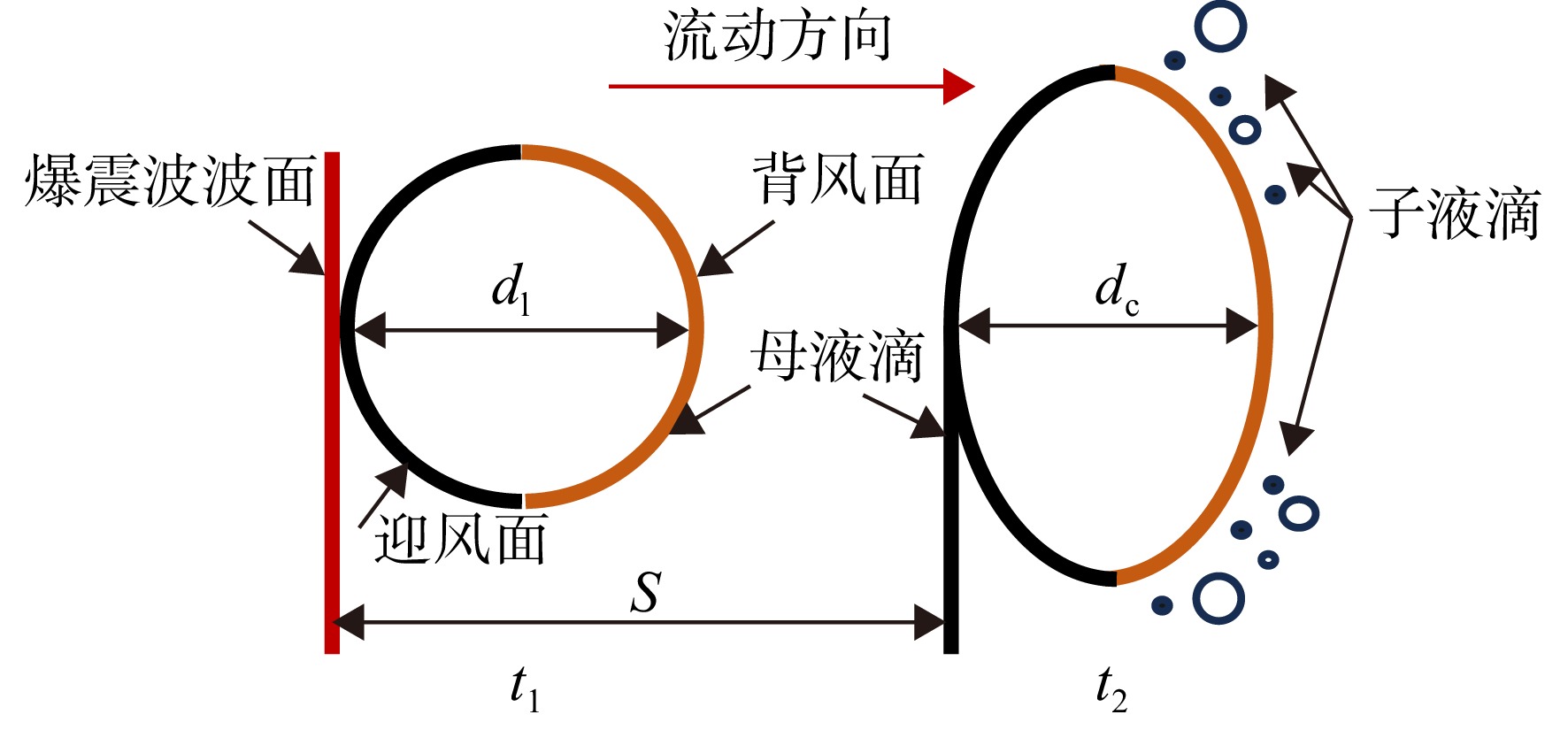
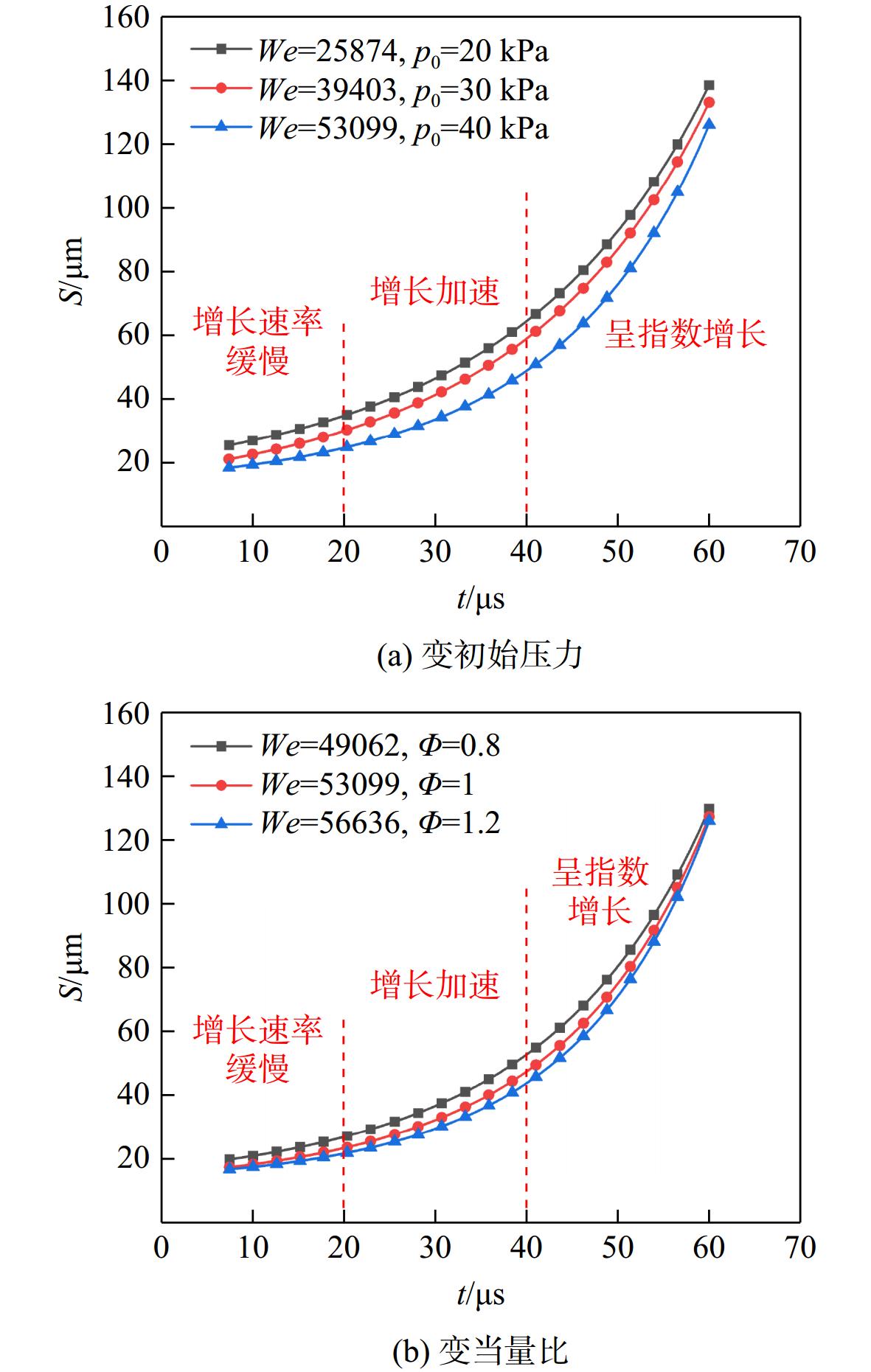
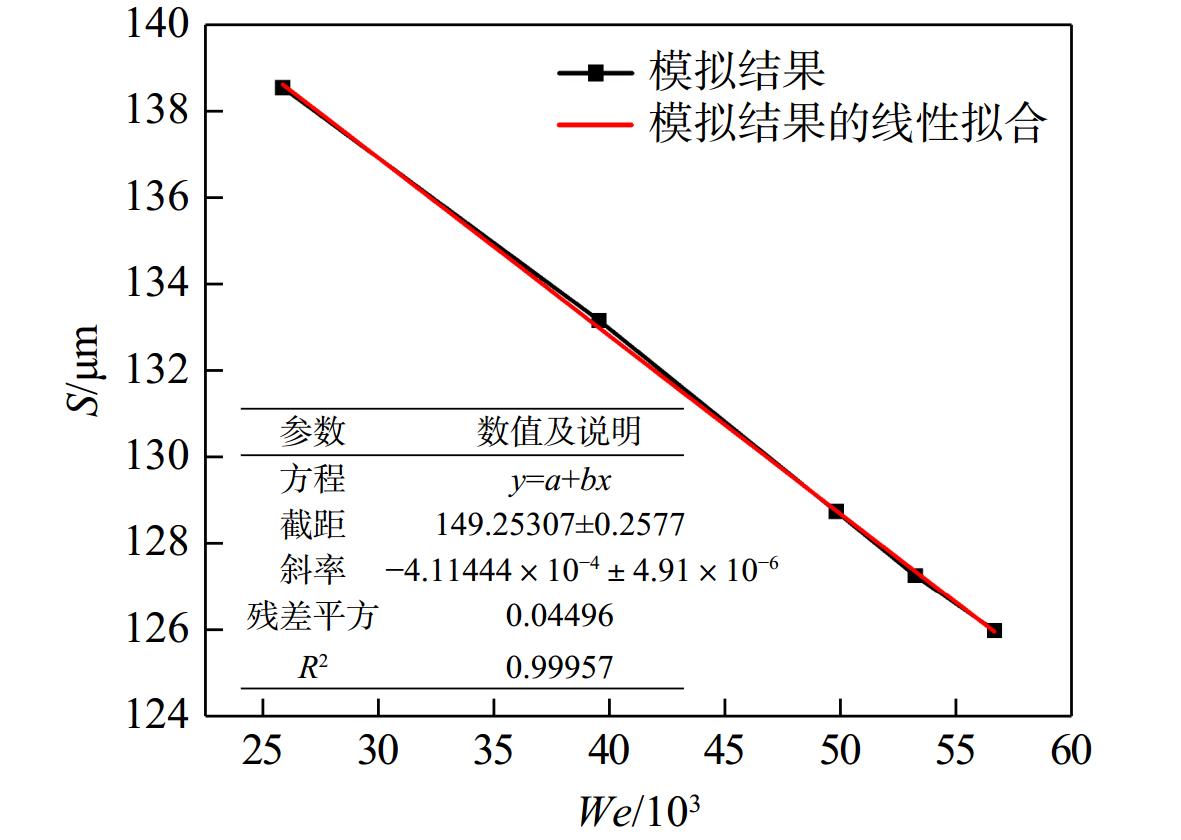
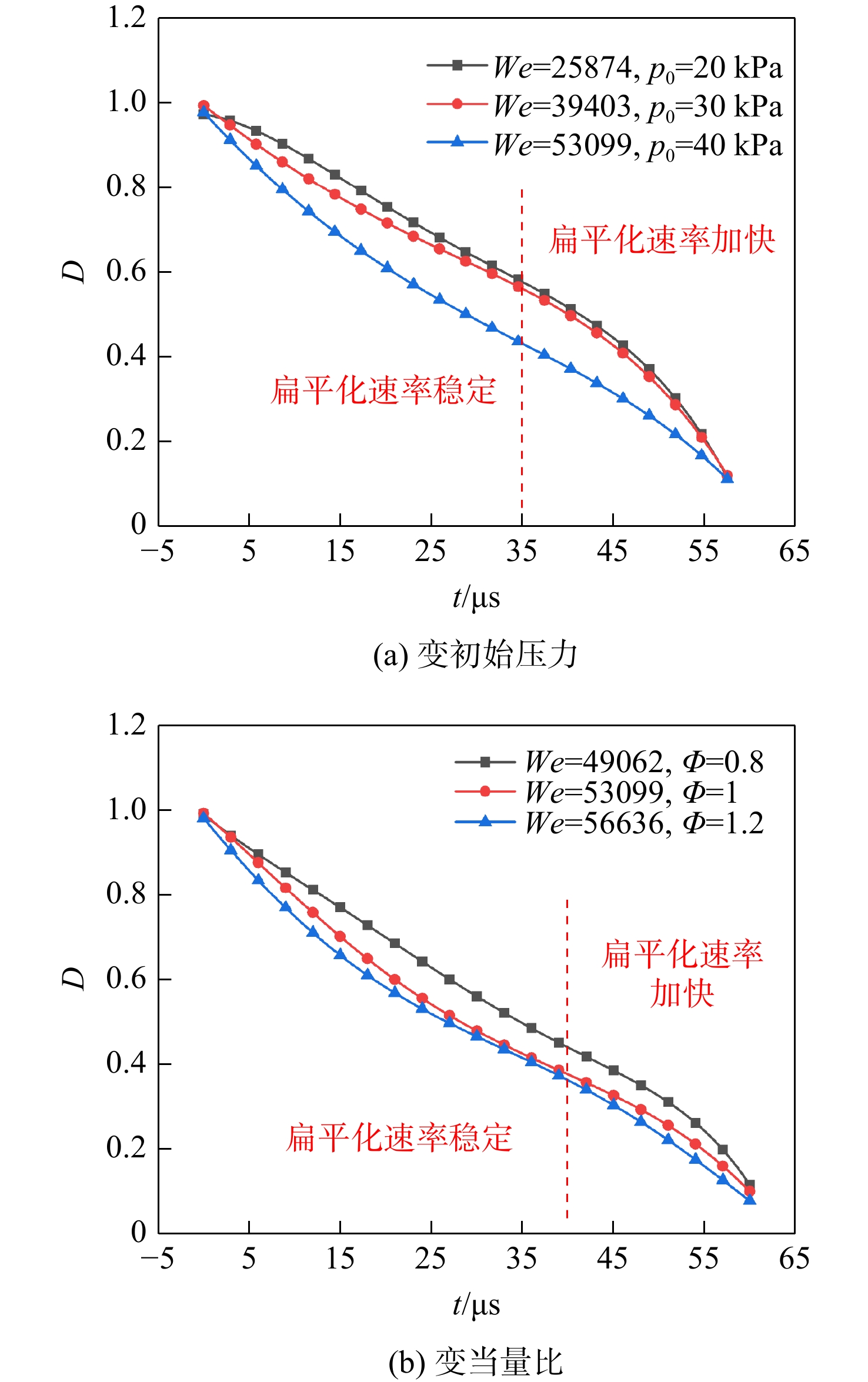
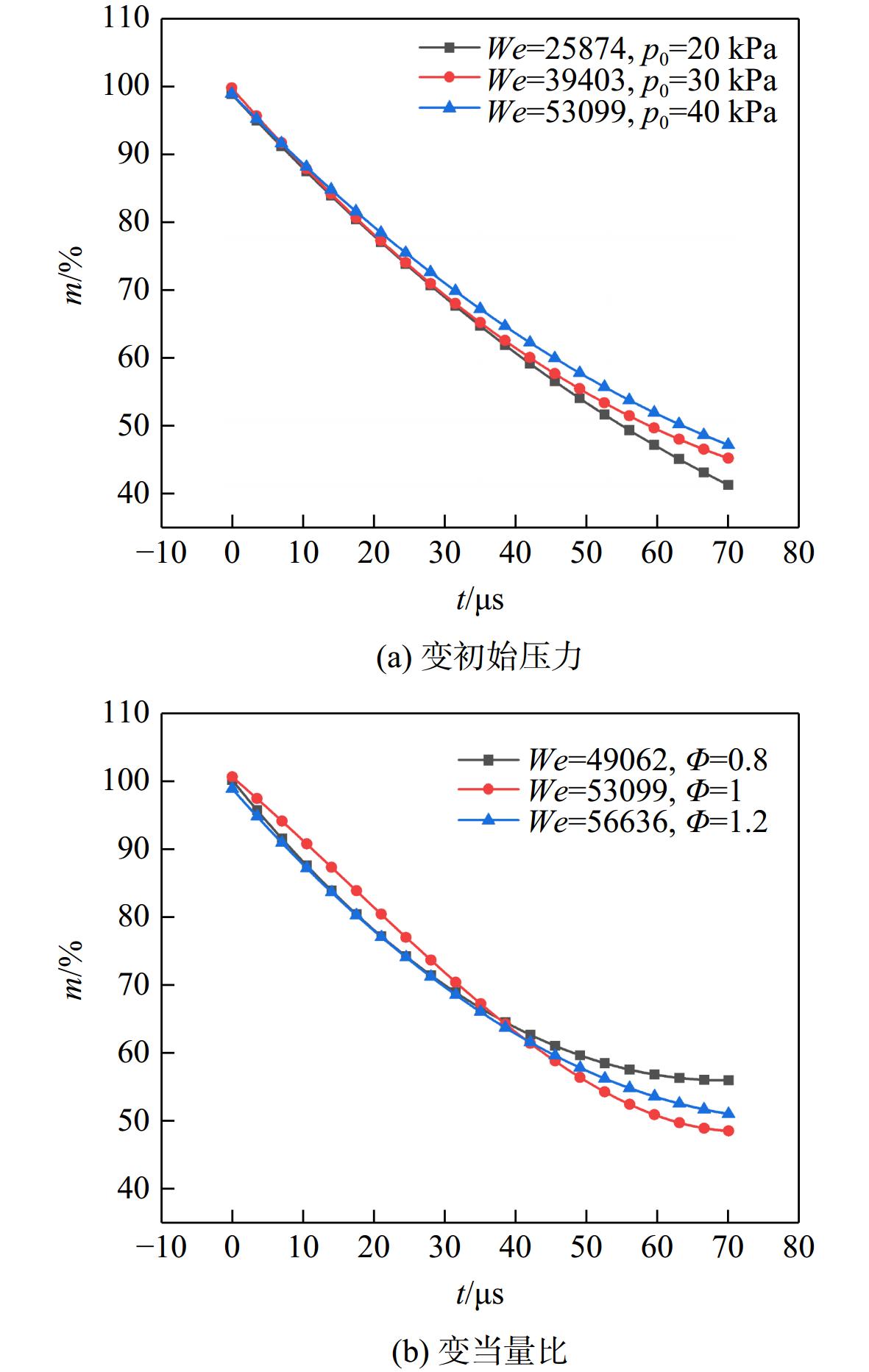
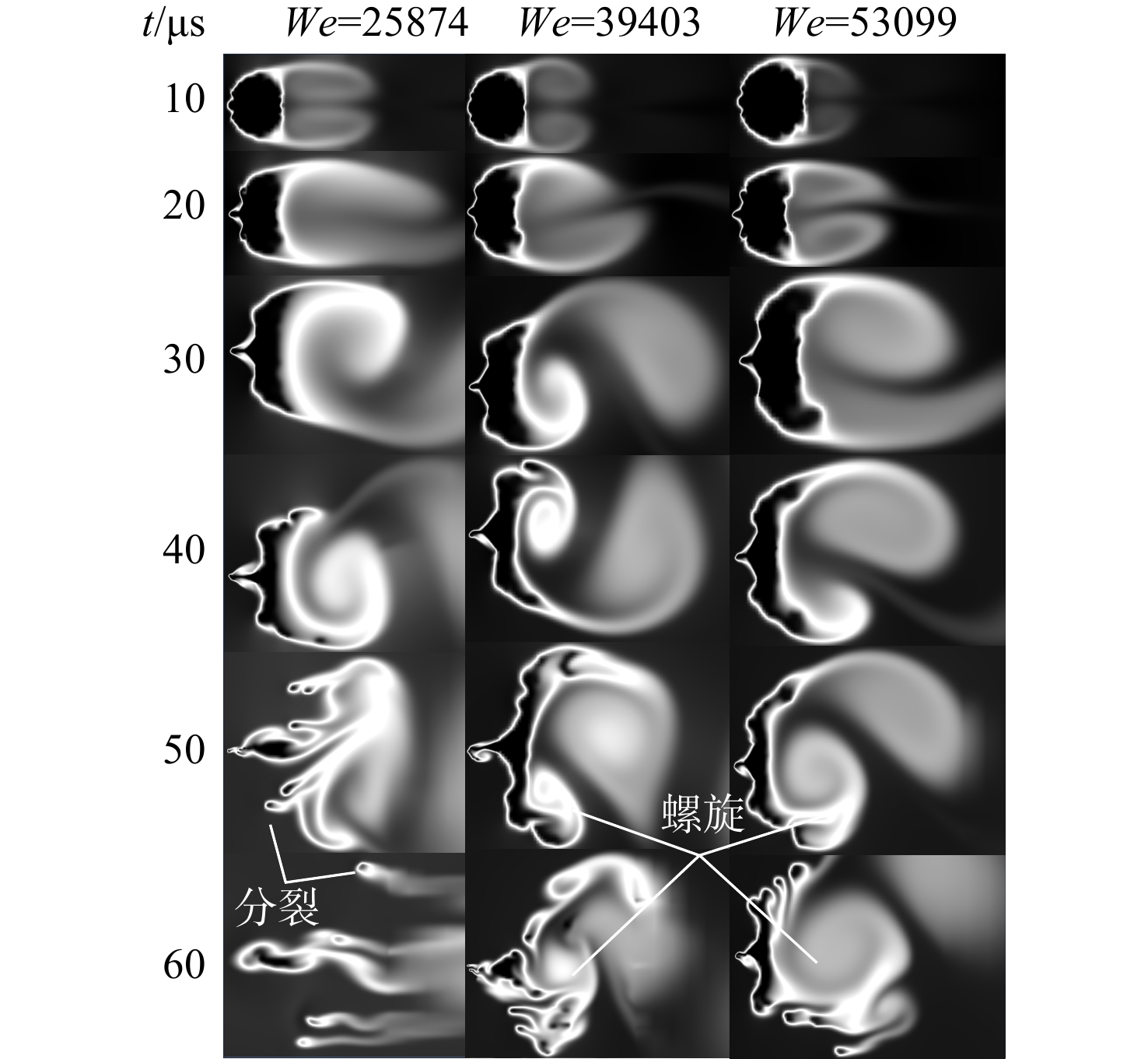
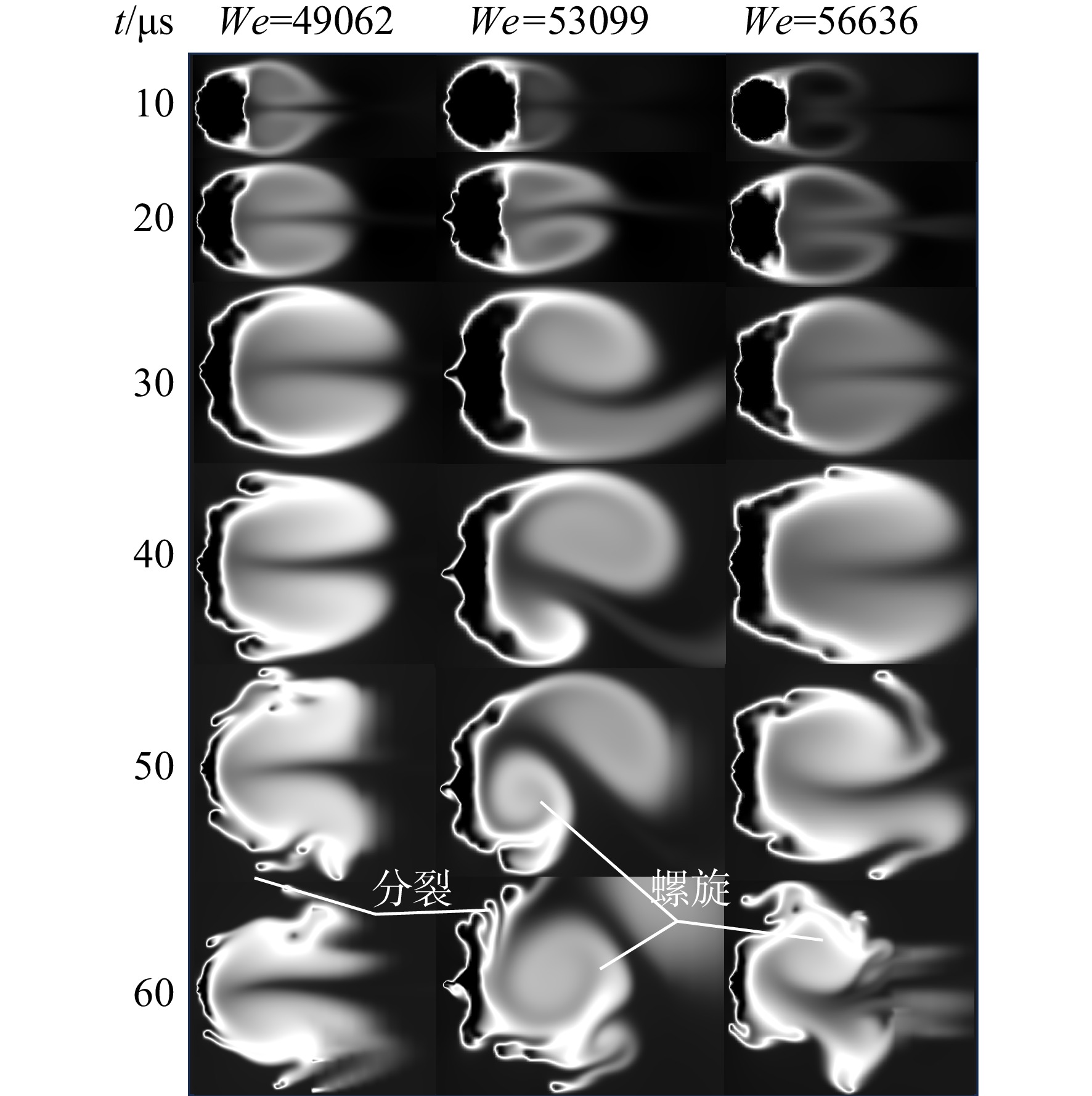
Numerical investigation was conducted with VOF (volume of fluid) multiphase flow model and RNG (re-normalization group) k-ε turbulence model to explore the effects of detonation waves on the breakup, evaporation, and combustion characteristics of RP-3 kerosene droplets. Through adjusting the initial pressures (20, 30, 40 kPa) under different equivalence ratios (0.8 to 1.2), the evolution of the droplet breakup morphology, characteristics of evaporation, and flame shape were obtained. The results indicated that, under the detonation wave, the main stages of the evolution of RP-3 kerosene droplet breakup can be categorized into the wrinkling, squeezing, development, and the stable period according to the characteristics of the droplet morphology. The evaporation characteristics of the droplet were relatively less influenced by the Weber number, the linear relationship between windward displacement S and We was fitted, with the liquid phase mass fraction remaining within the range of 41% to 56% before the break-up morphological profile was stabilized. The liquid-phase evaporation rate increased over time and then gradually decreased. As the Weber number increased, the rate of displacement growth on the windward side of the droplet decreased, while the rate of flattening accelerated. During the combustion process, the "pinch" flame became more compact and penetrated deeper. The size and curvature of the swirling flame also gradually increased, and irregular fully enveloping flame shapes became more complex.

Morphology and response characteristics of CH4/H2 staged swirling flame to external acoustic forcing
LIU Kunpeng, FU Chen, WANG Xiaoyang, WANG Meng, MENG Sheng, KONG Chengdong, ZHANG Man, GAO Yi
2025, 40(9): 20240341. doi: 10.13224/j.cnki.jasp.20240341
Abstract:

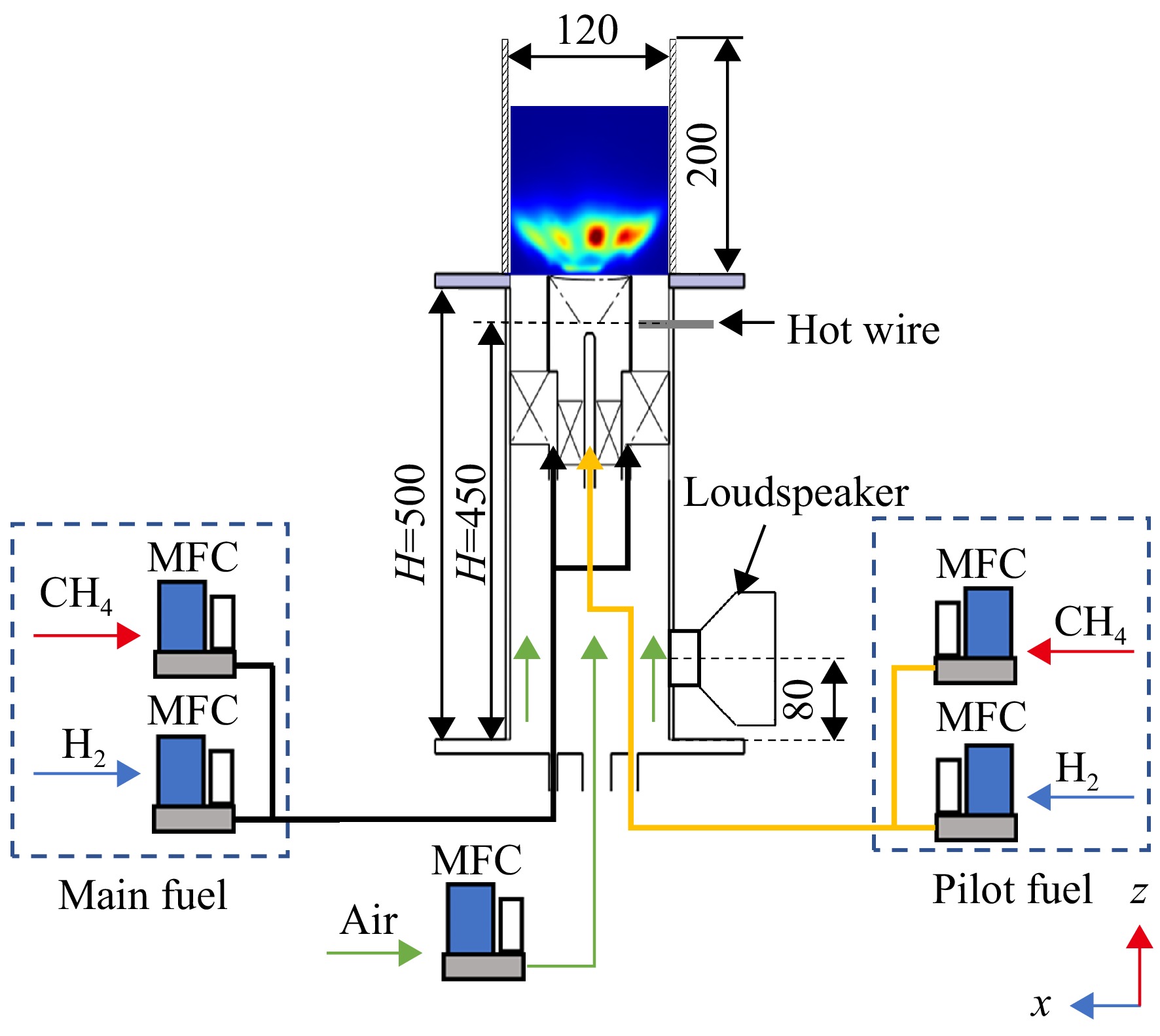
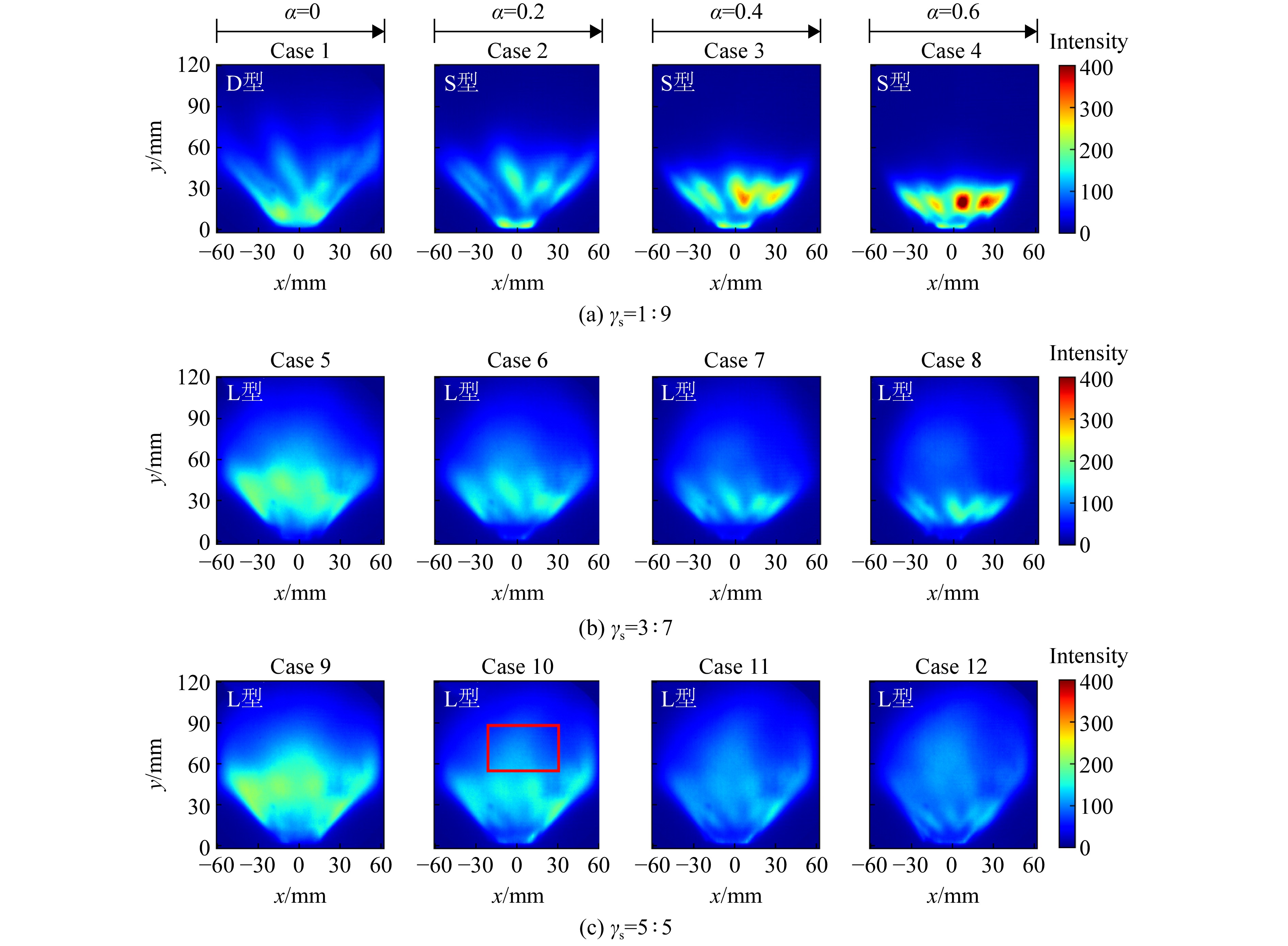
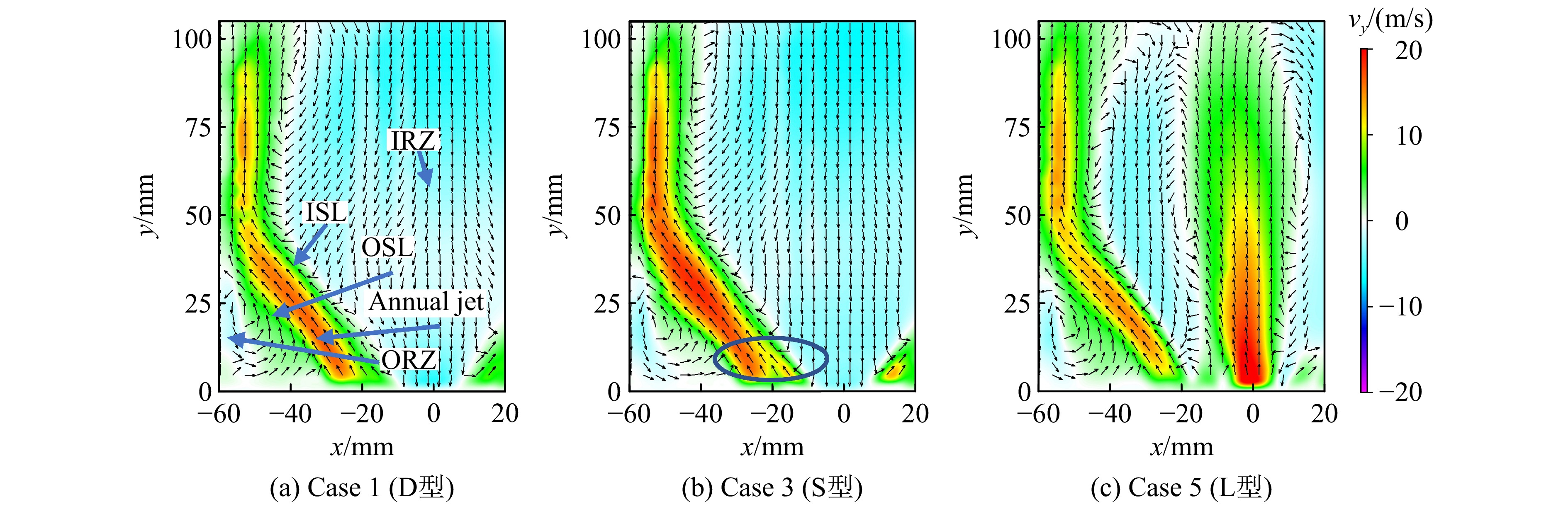
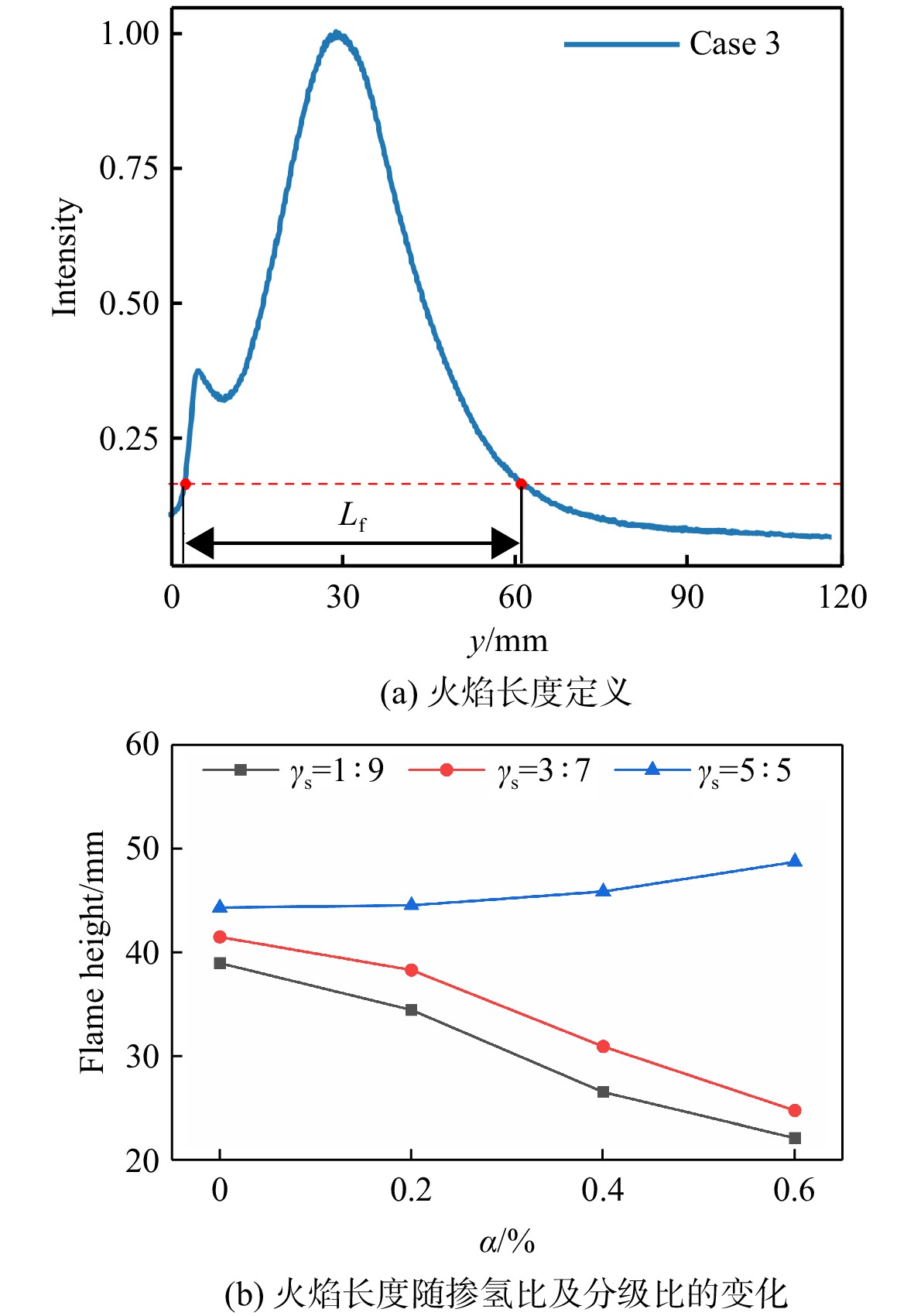
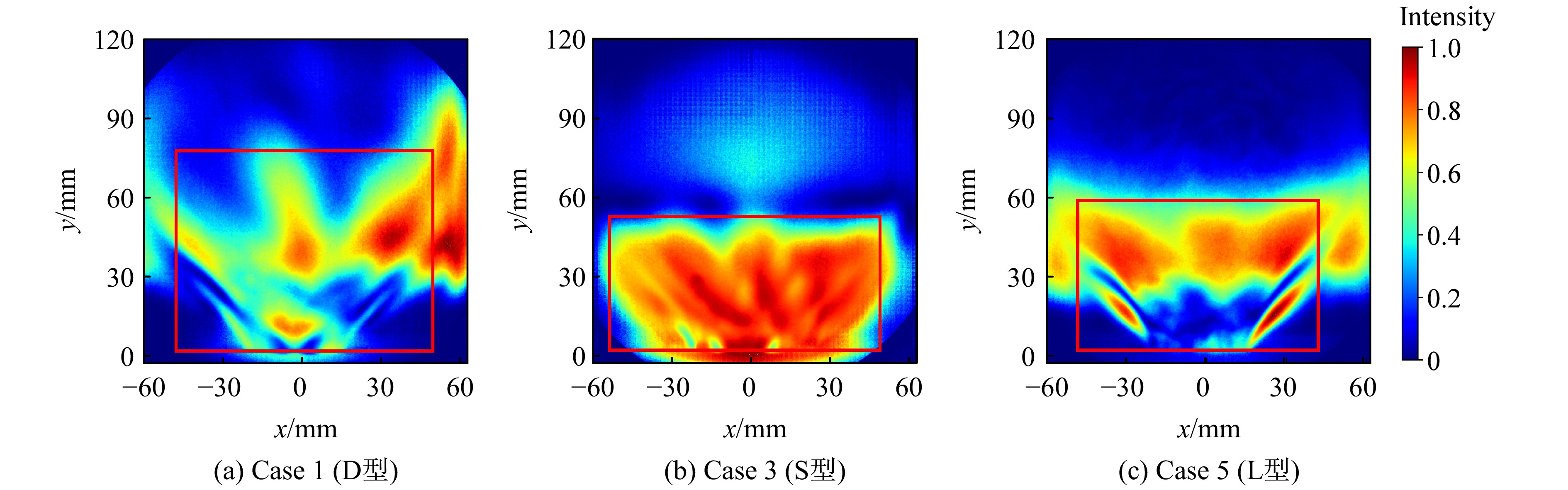
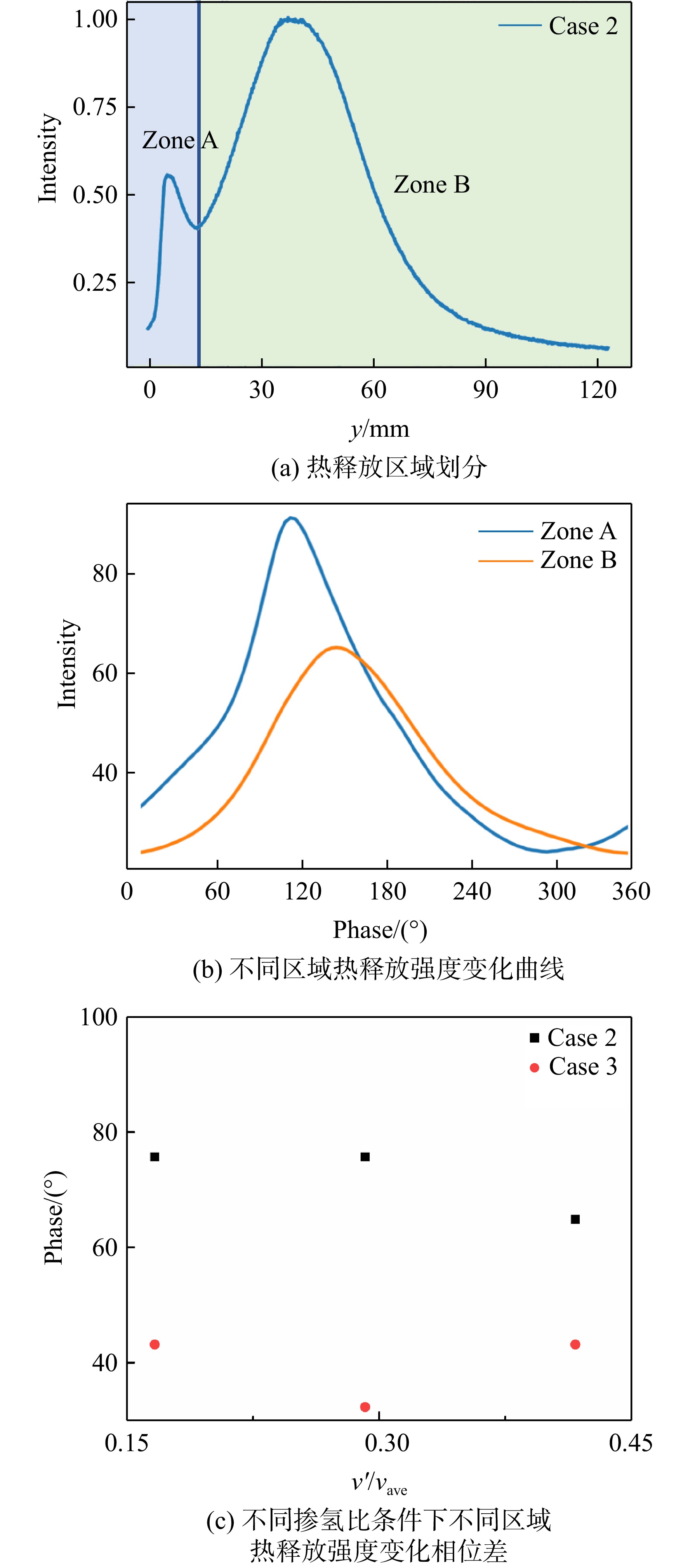
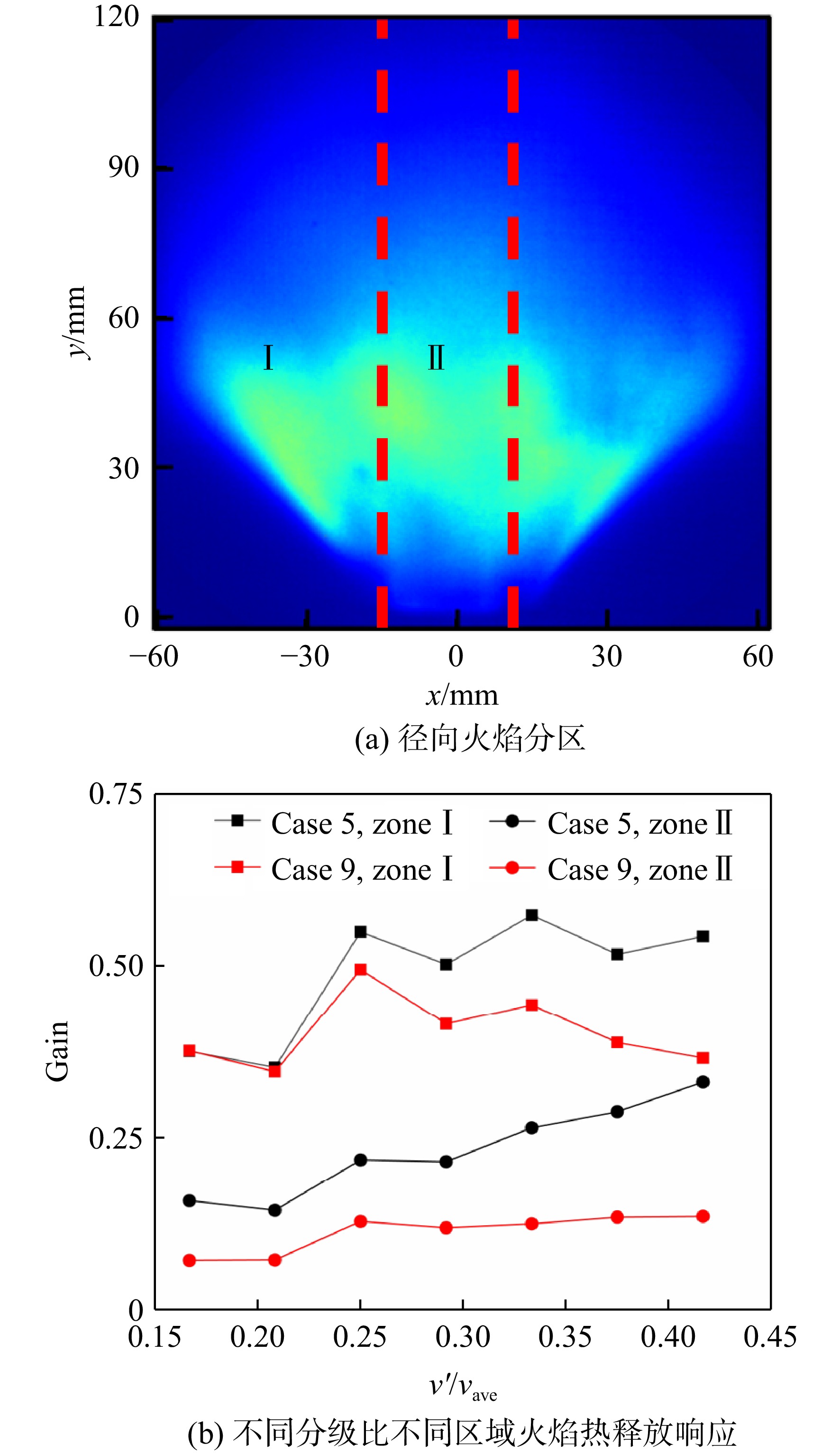
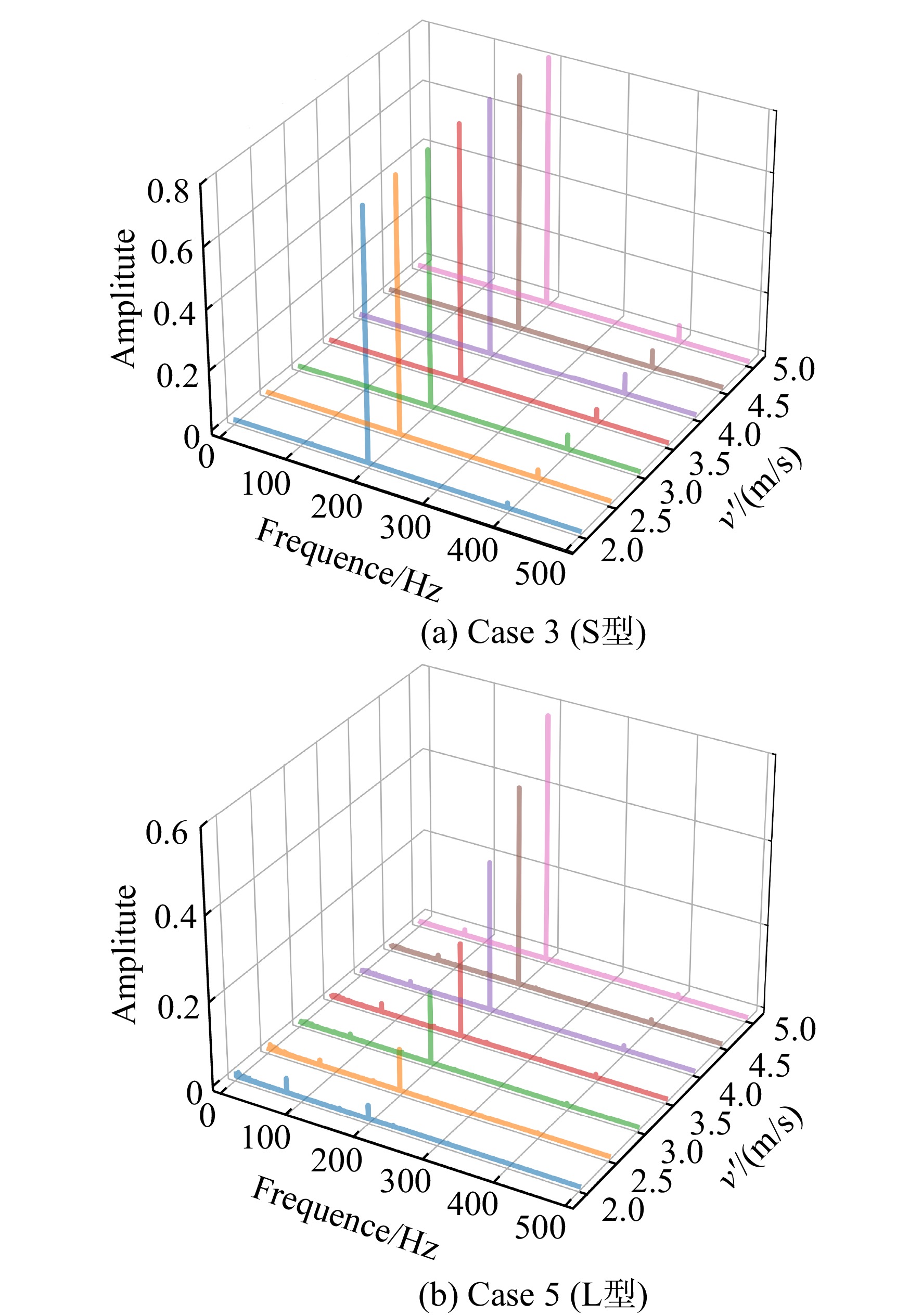
The effects of hydrogen fraction and stratification ratio on the CH4/H2 staged swirling flame morphology and acoustic forcing response characteristics were investigated through experimental research. The OH* chemiluminescence (OH*-CL) technique and particle imaging velocimetry (PIV) were used to obtain information on heat release and flow field, respectively. The results showed that, under low stratification ratio conditions, the D-shape flame was discovered in the case of absence of hydrogen blending. Under the conditions with the low stratification ratio, the flame transitioned to an S-shape flame as the hydrogen fraction increased, while the overall flame length gradually decreases. Under conditions with high stratification ratio, the flame changed into L-shaped. Furthermore, velocity fluctuations with varying amplitude at 200 Hz were applied to the incoming air, the flame response characteristics under different hydrogen fractions and stratification ratios were analyzed. The different position in the combustor exhibited different sensitivity to velocity fluctuations by altering the flame morphology influenced by the hydrogen fraction and stratification ratio, resulting in varying response levels of primary frequency. Specifically, as the hydrogen fraction increased, the heat release response of the S-shaped flame was enhanced. However, with the increase in stratification ratio, the heat release response of the L-shaped flame diminished. These findings are significant for optimizing low-emission combustor designs and advancing the development of hydrogen engines.

Study on the inkjet printing manufacturing method of high-temperature thin-film sensors for turbine blades
LIU Longbin, ZHANG Mengsen, CHEN Xiangyu, ZHU Jianqin, QIU Lu
2025, 40(9): 20240343. doi: 10.13224/j.cnki.jasp.20240343
Abstract:

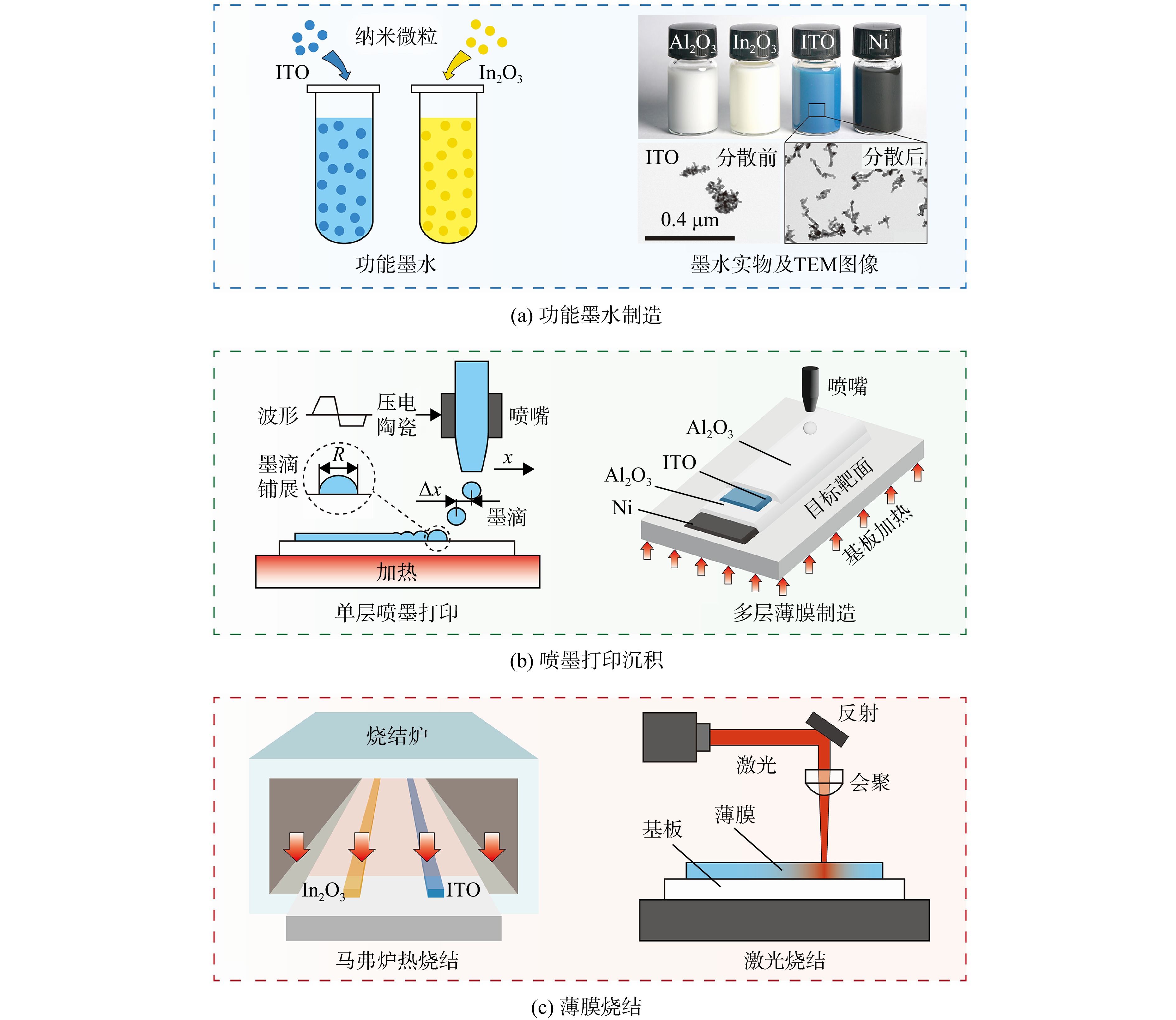
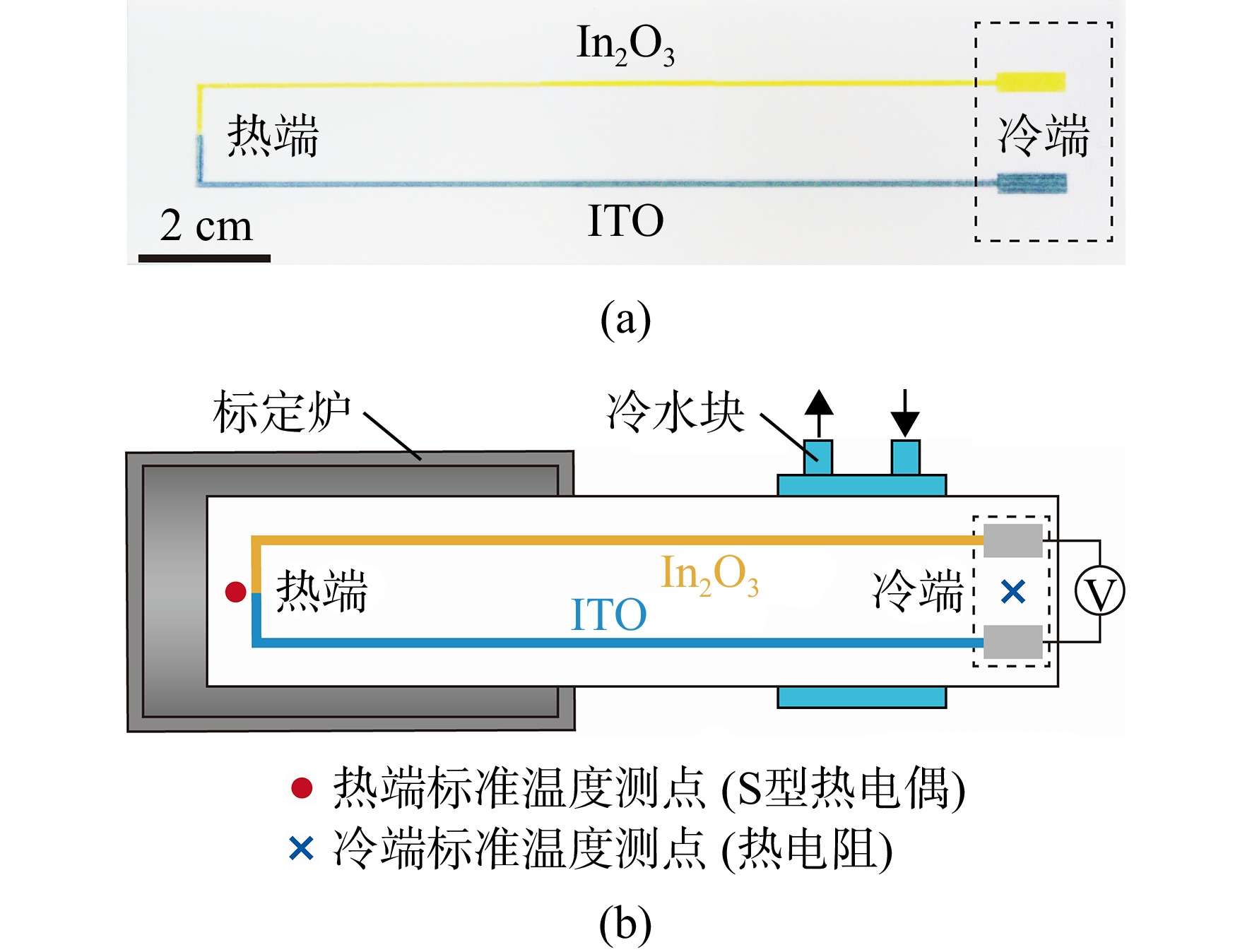
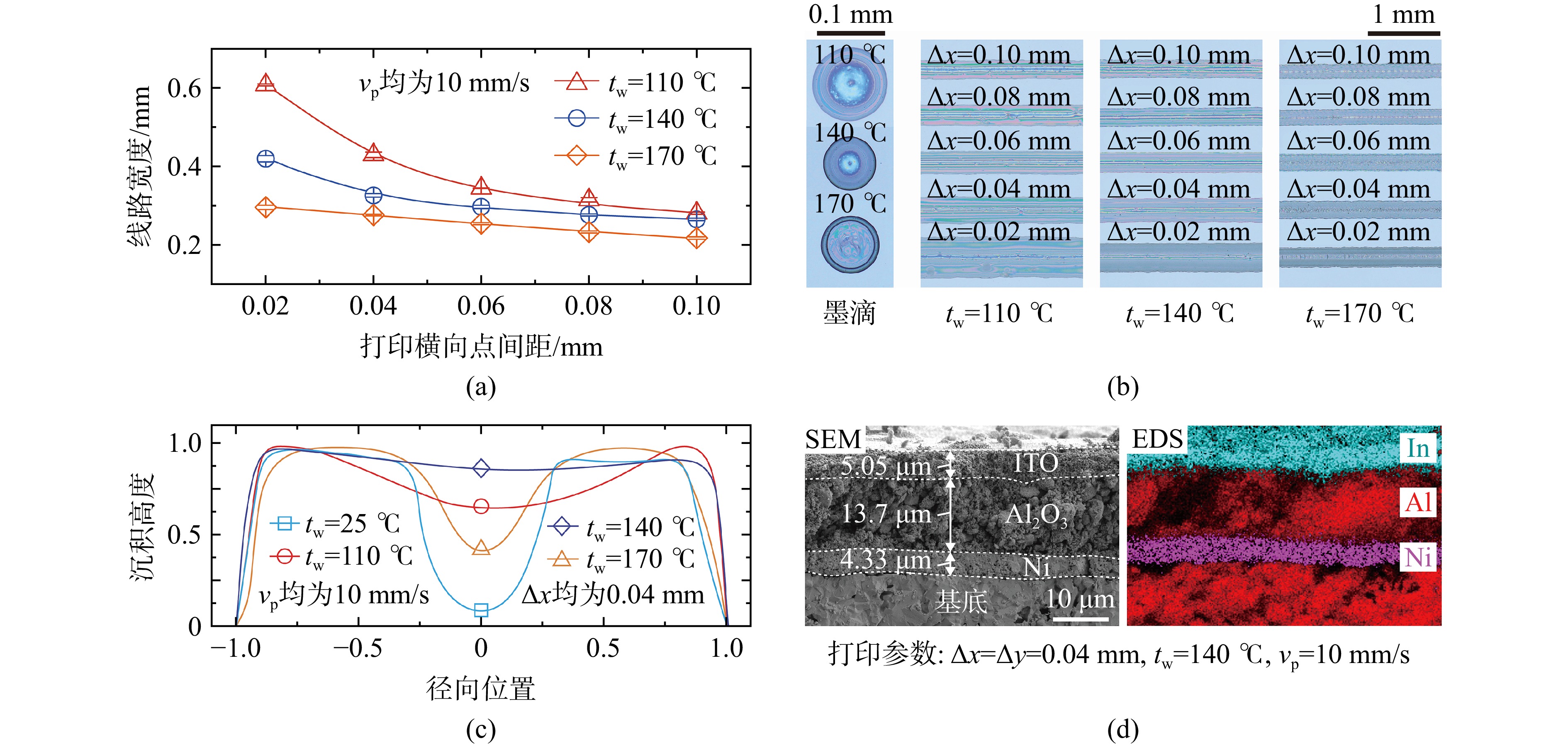
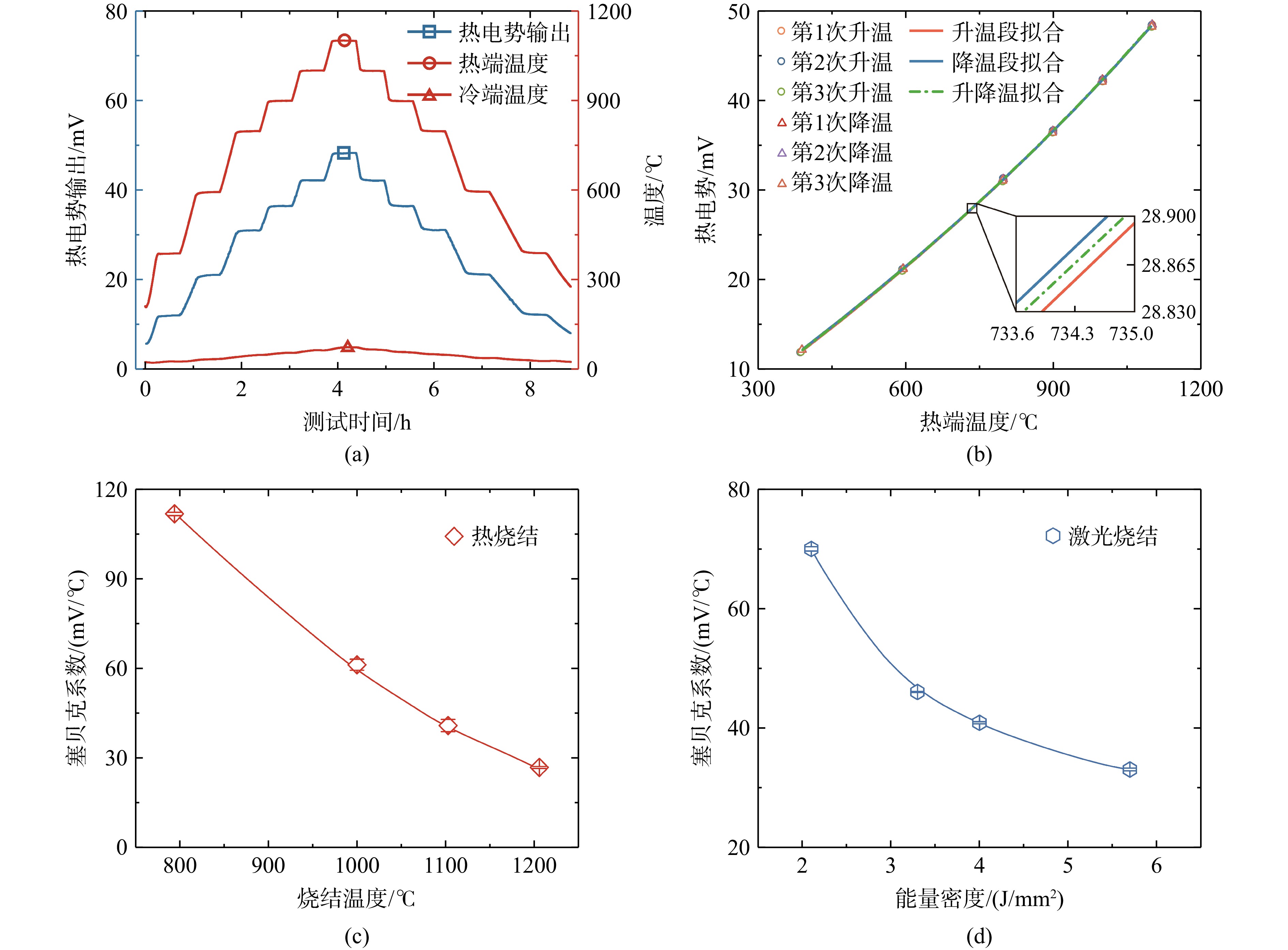
Compared with methods such as sputter deposition and ion beam evaporation, inkjet printing offered a simpler and more efficient approach to directly deposit conformal multilayer high-temperature thin-film sensor circuits onto three-dimensional curved surfaces. A method for precisely manufacturing thin-film sensors using inkjet printing technology was proposed. The effects of nano-ink properties, as well as printing and sintering parameters, on the quality of film deposition were systematically investigated. Results demonstrated that high-quality, high-performance thin-film circuits can be successfully fabricated on ceramic or superalloy substrates. The thin-film sensor was calibrated up to 1100 ℃, with the mean Seebeck coefficient measured at 46.8 μV/℃. The repeatability of the fitted thermoelectric curves reached 99.96%, and temperature measurement error was ±0.21%.

Numerical simulation study on the dynamics of bluff-body flames under oxygen-lean conditions
ZHAO Minwei, TIAN Peisen, HUANG Xinbo, ZHAO Ningbo, ZHENG Hongtao, DENG Fuquan
2025, 40(9): 20230661. doi: 10.13224/j.cnki.jasp.20230661
Abstract:

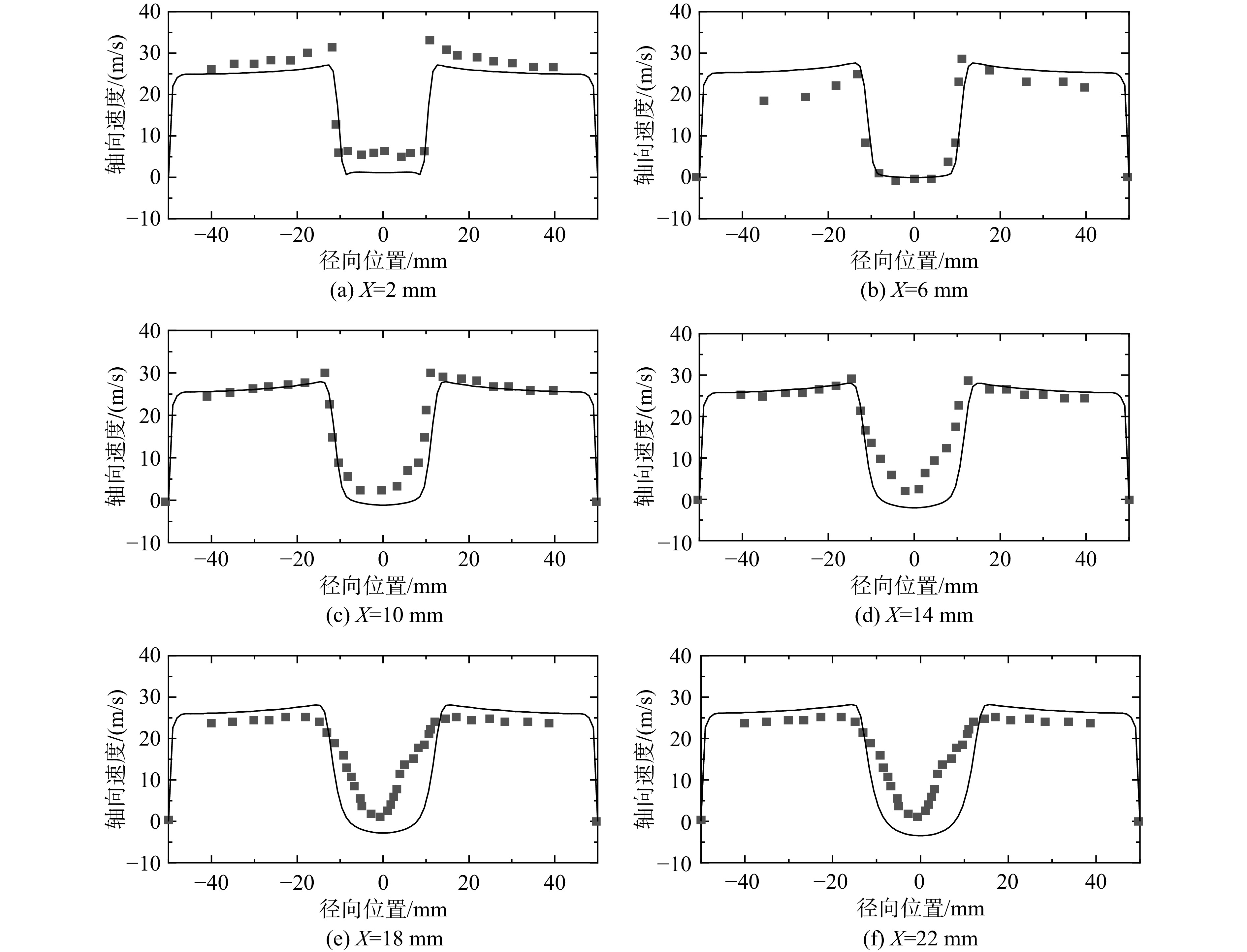
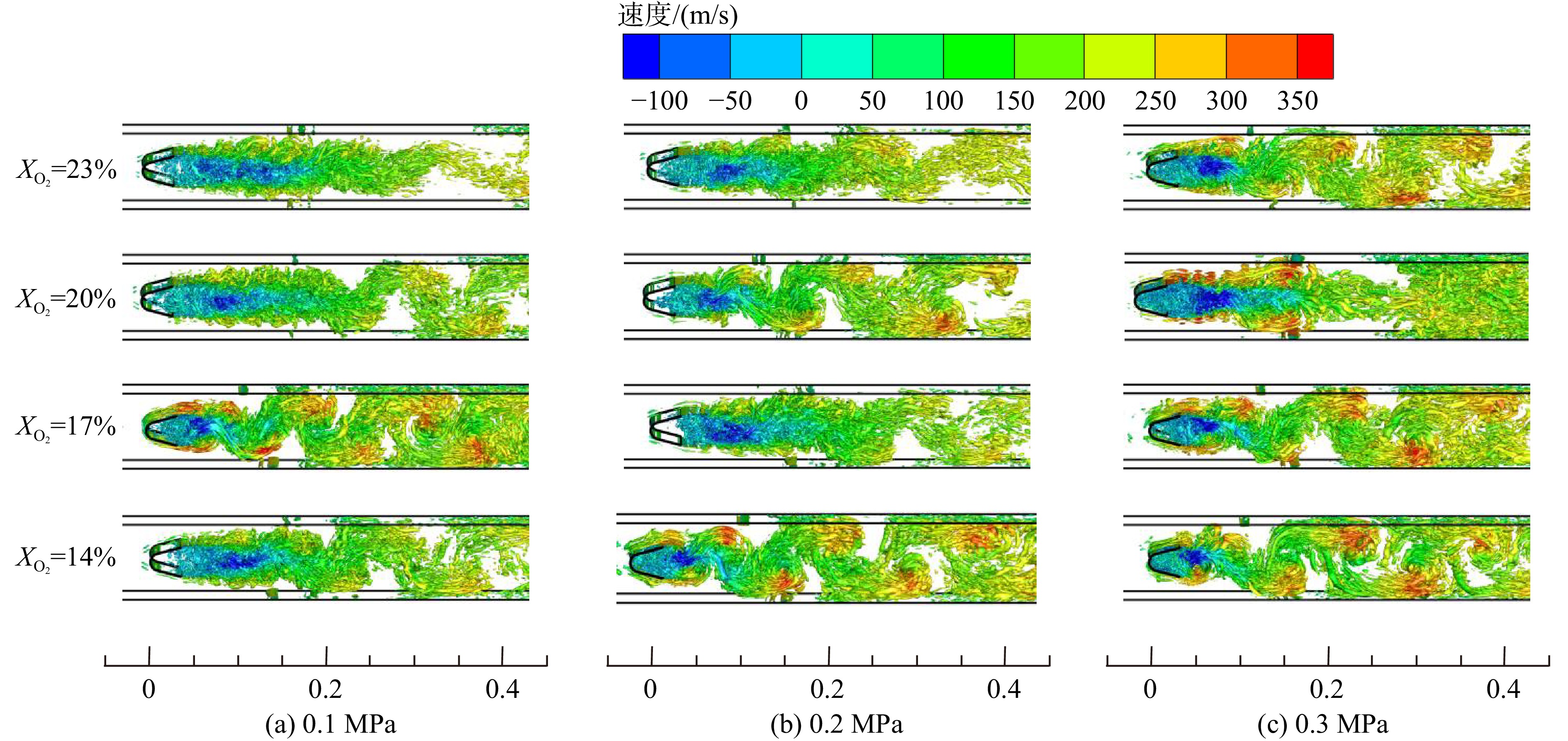
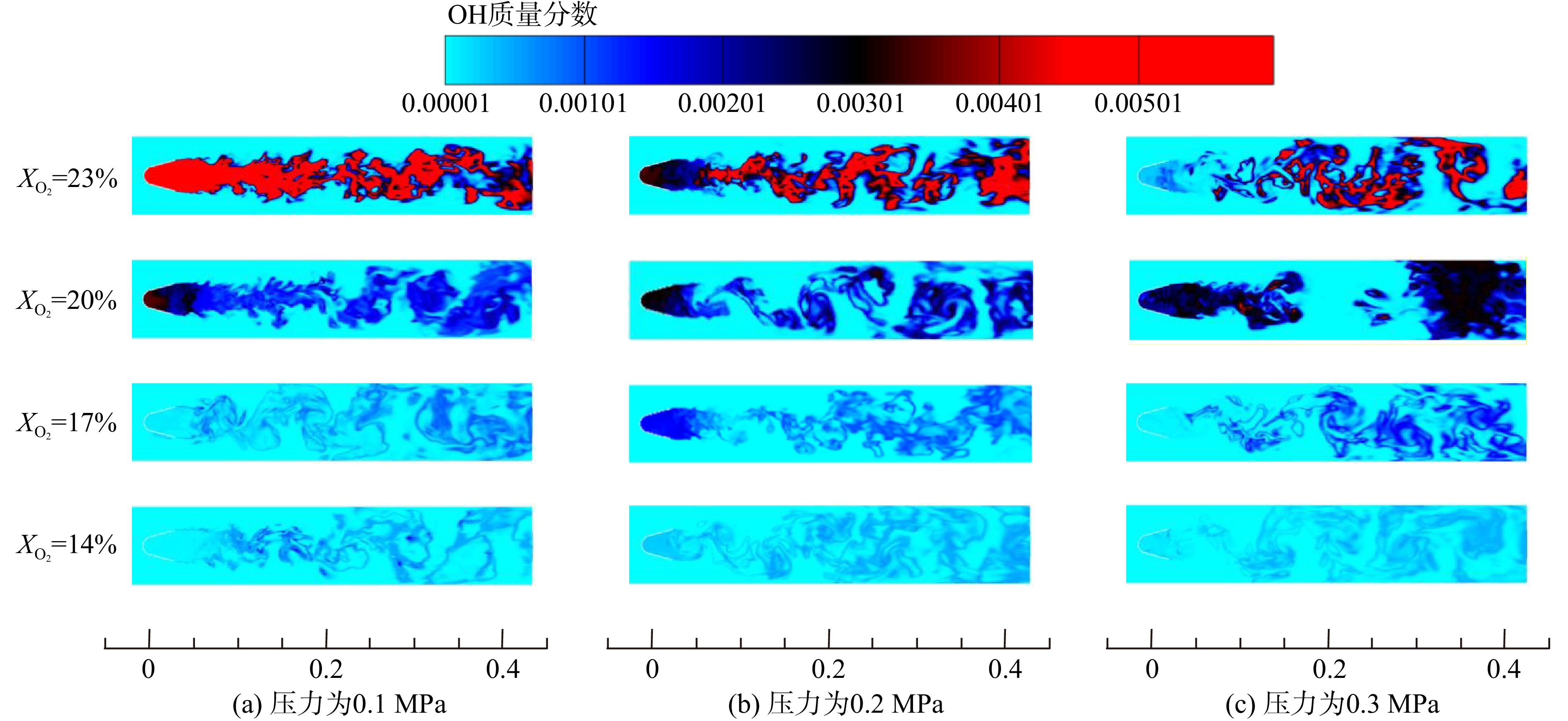
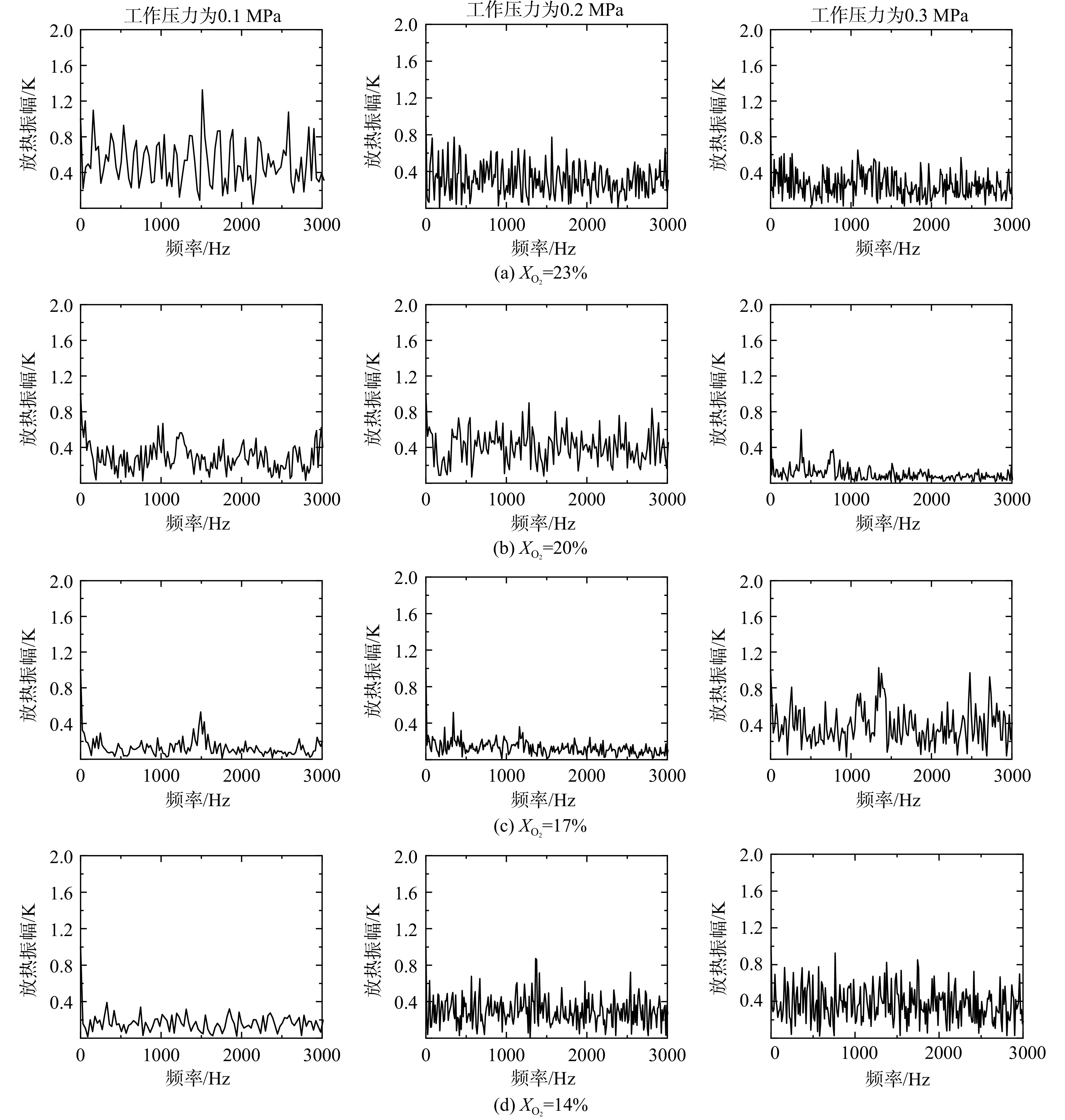
To investigate the effect of oxygen content on the dynamic combustion characteristics of an afterburner, a large eddy simulation method was used to study the effects of oxygen content (14%—23%) at different pressures (0.1—0.3 MPa) on the flow field structure, flame morphology, exothermic pulsation, and pressure pulsation of the afterburner. Research showed that the oxygen content at different pressures had a significant impact on the flame and flow field behind the bluff body flame holder; as the pressure and oxygen content changed, two different instability characteristics, BVK and KH, were observed in the shear layer. The flow downstream of the combustor was mainly dominated by BVK instability; as the oxygen content decreased, the flame oscillation amplitude increased, the concentration of OH groups in the combustor decreased, and the flame temperature decreased; in addition, changes in oxygen content and pressure also affected the location of KH instability transitioning to BVK instability; under the dominance of BVK instability, the dominant frequency of pressure pulsation and exothermic pulsation was consistent, while under the dominance of KH instability, exothermic pulsation had no obvious dominant frequency.

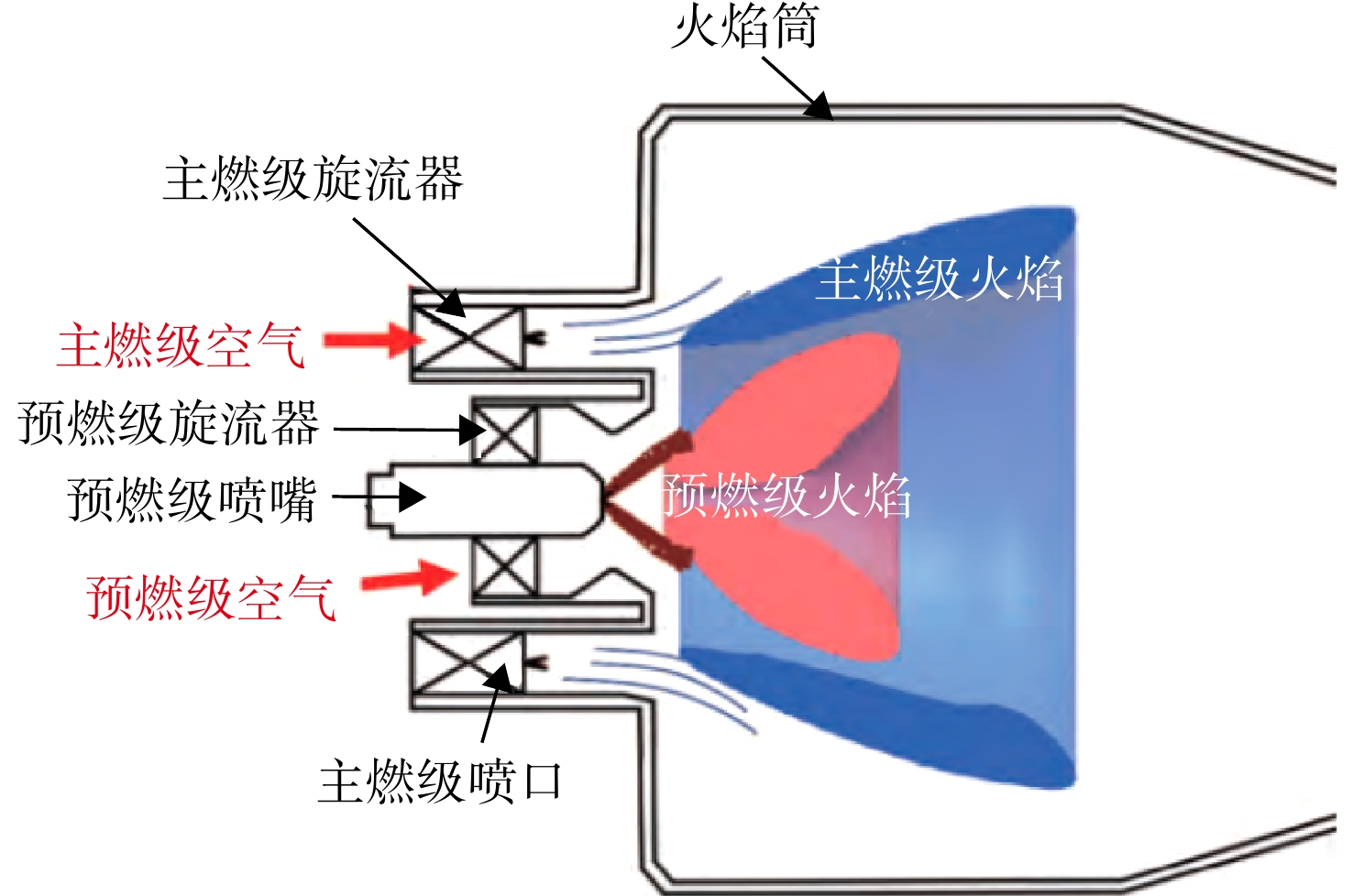
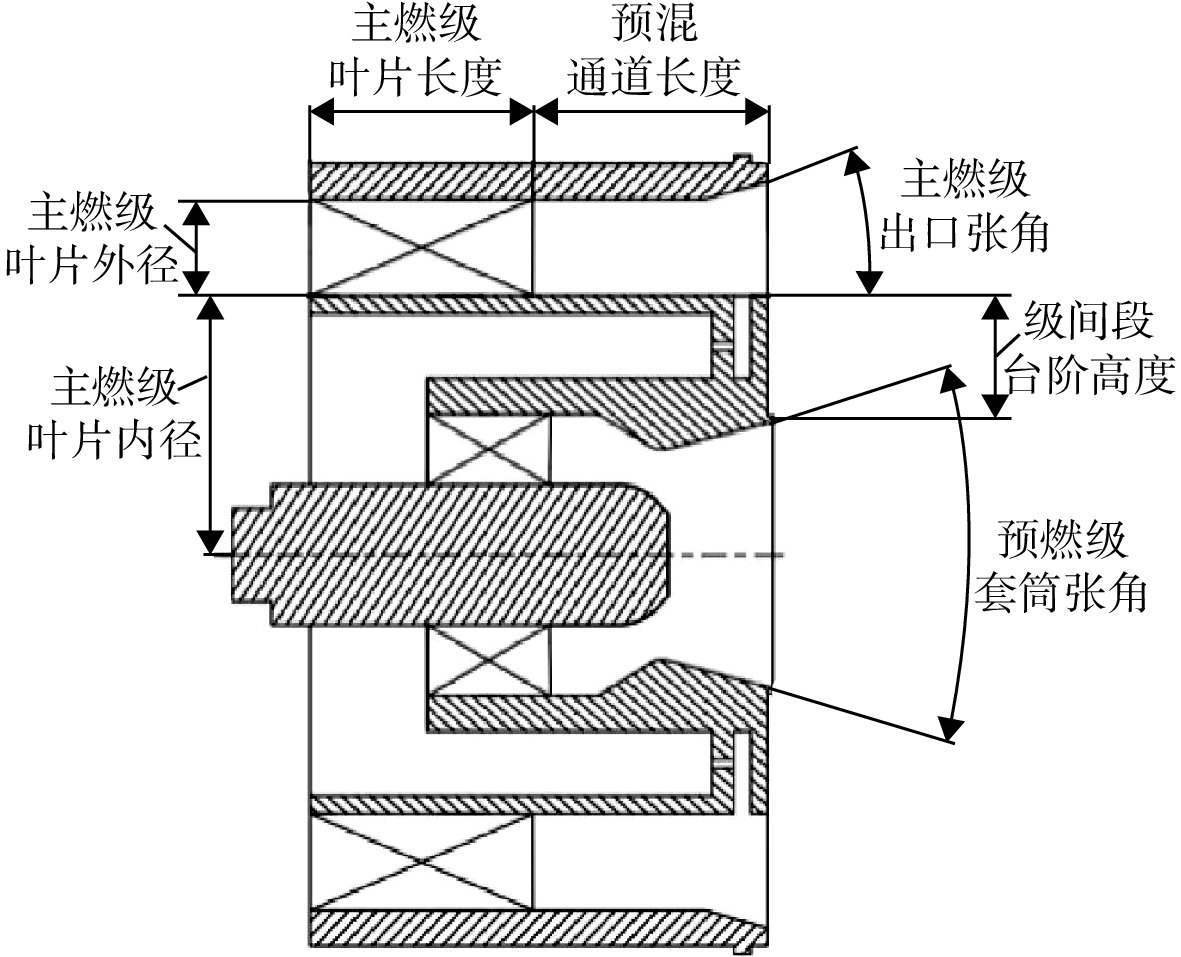
Effect of main combustion stage outlet angle of central staged combustor on NOx emission
WANG Jicheng, LIN Yuzhen, ZHAO Shuo, ZHU Yukang, HAN Xiao, WANG Jianchen
2025, 40(9): 20230760. doi: 10.13224/j.cnki.jasp.20230760
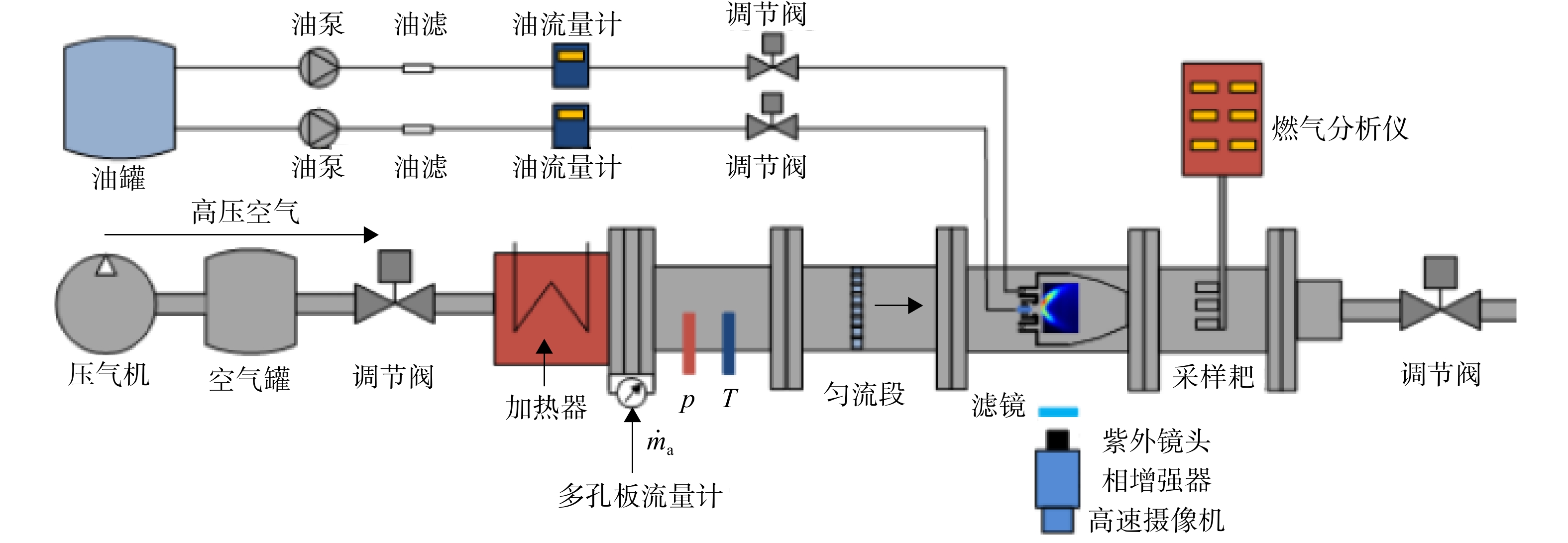
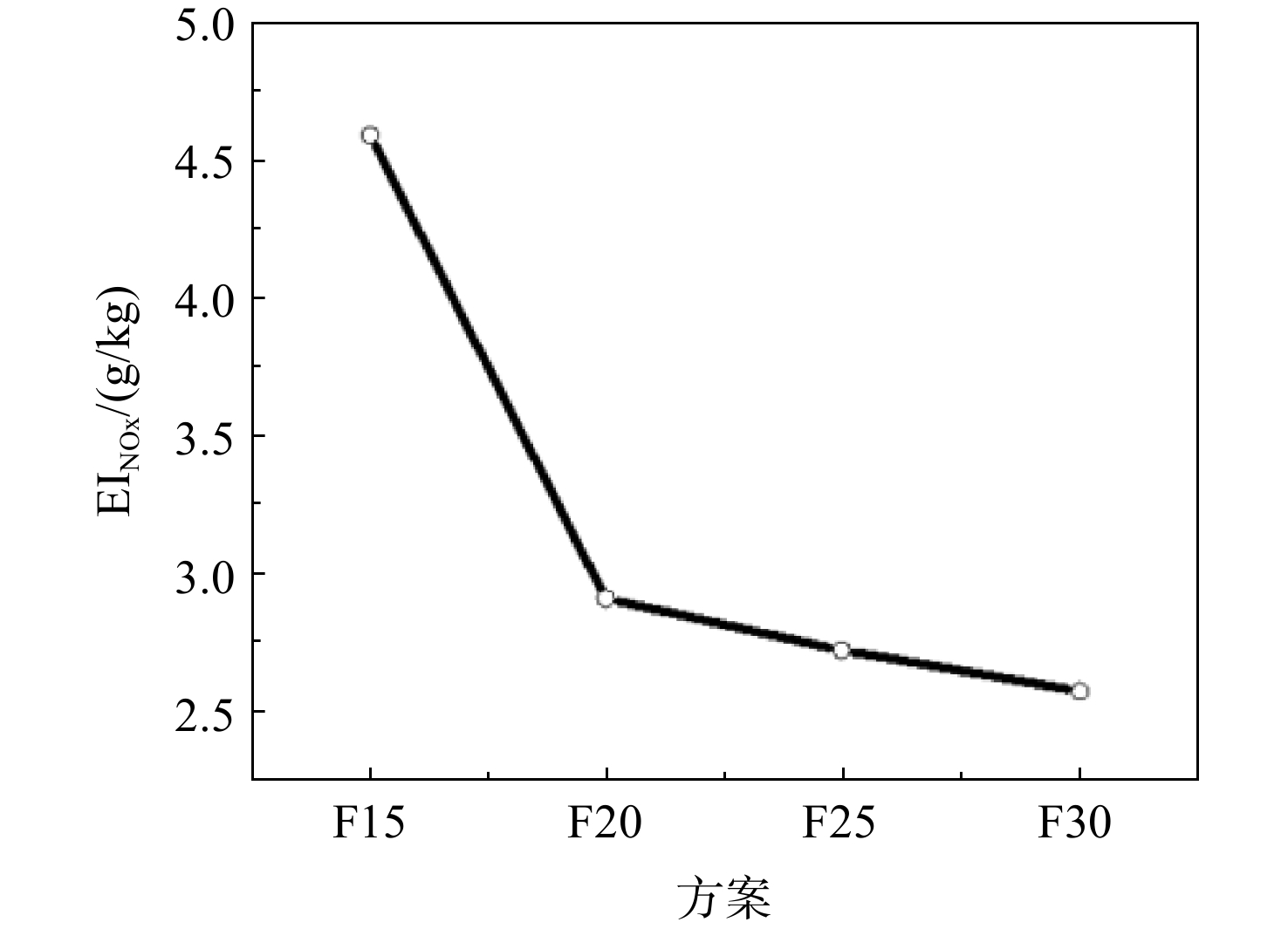
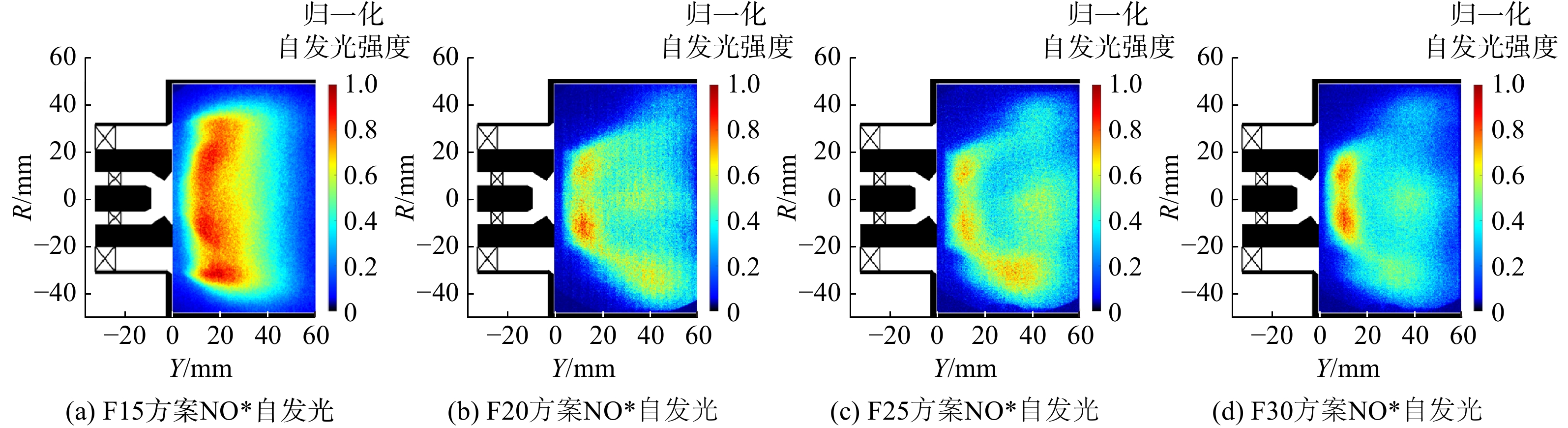
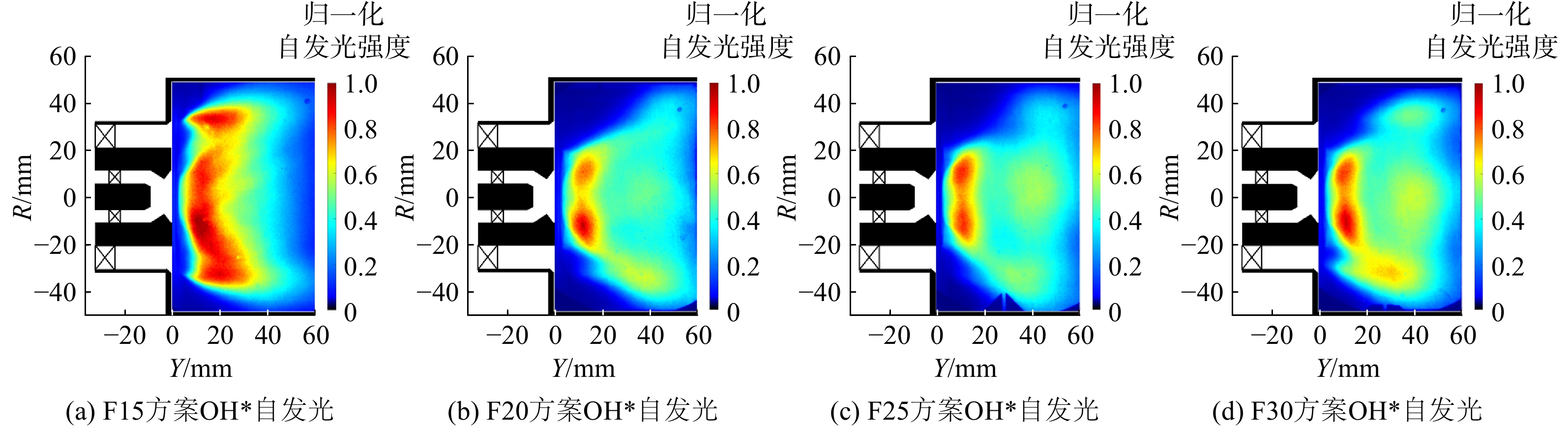
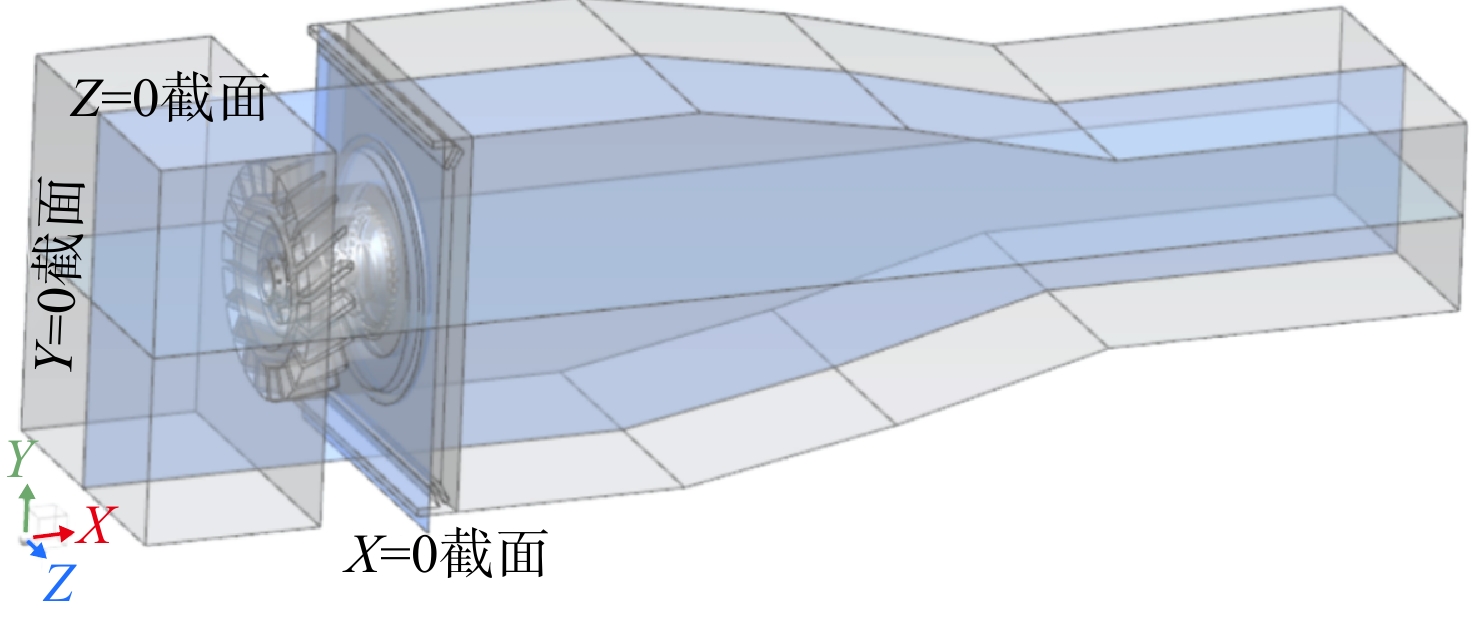
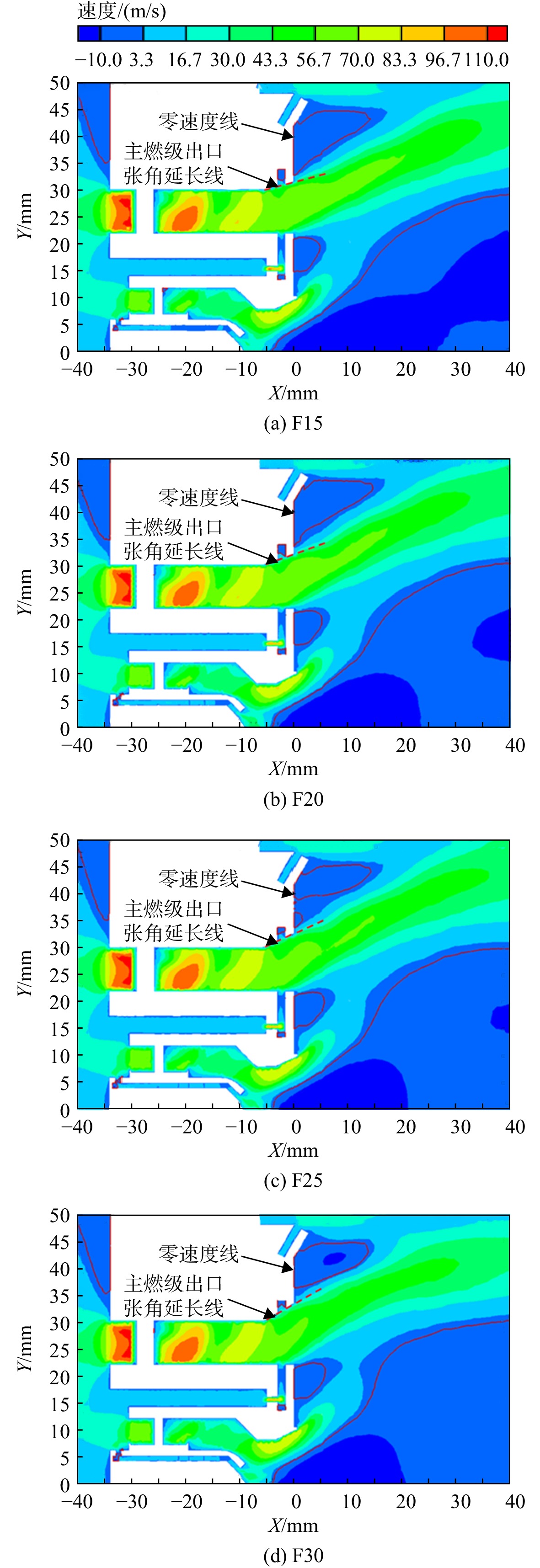
Abstract:

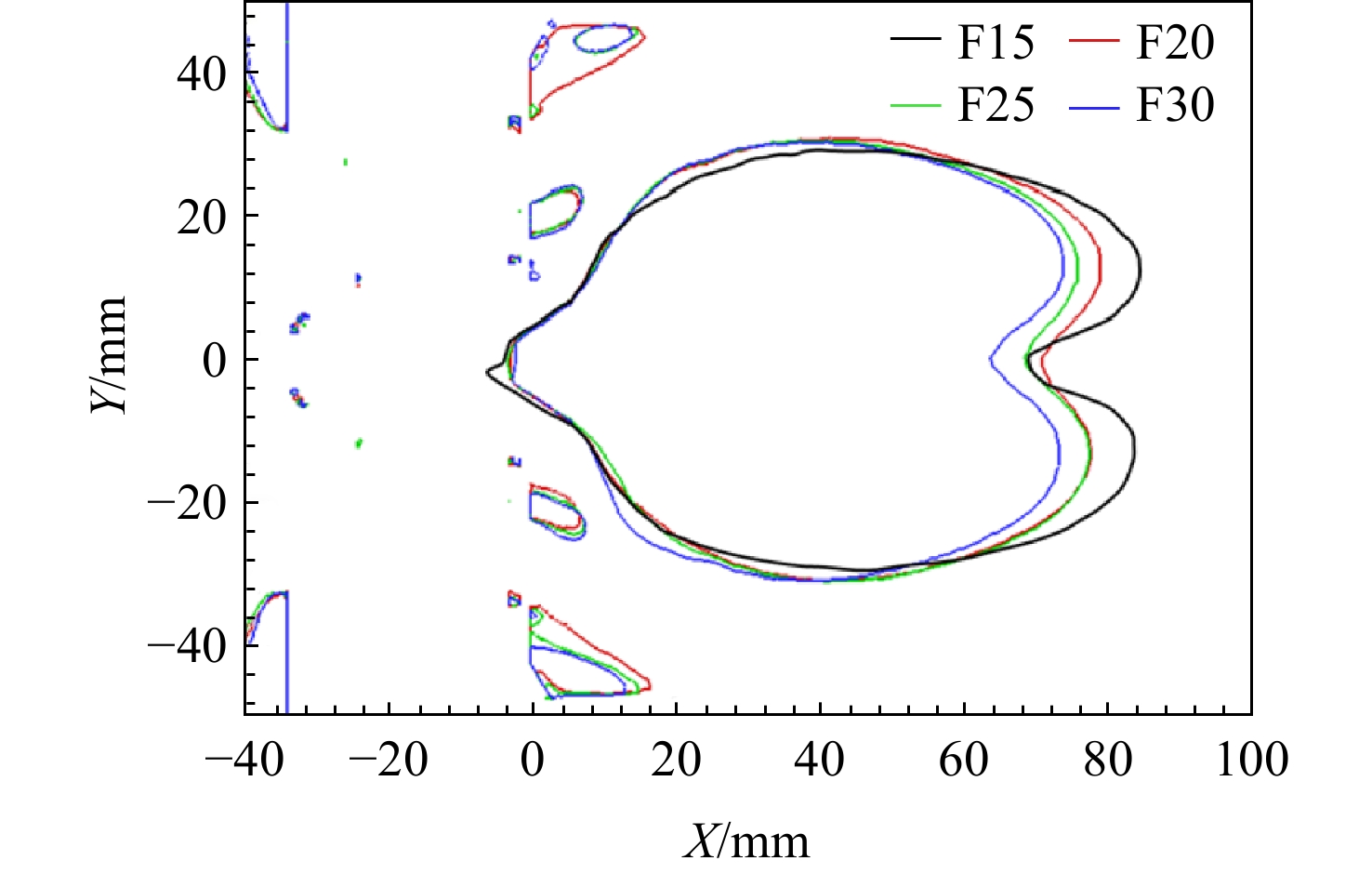
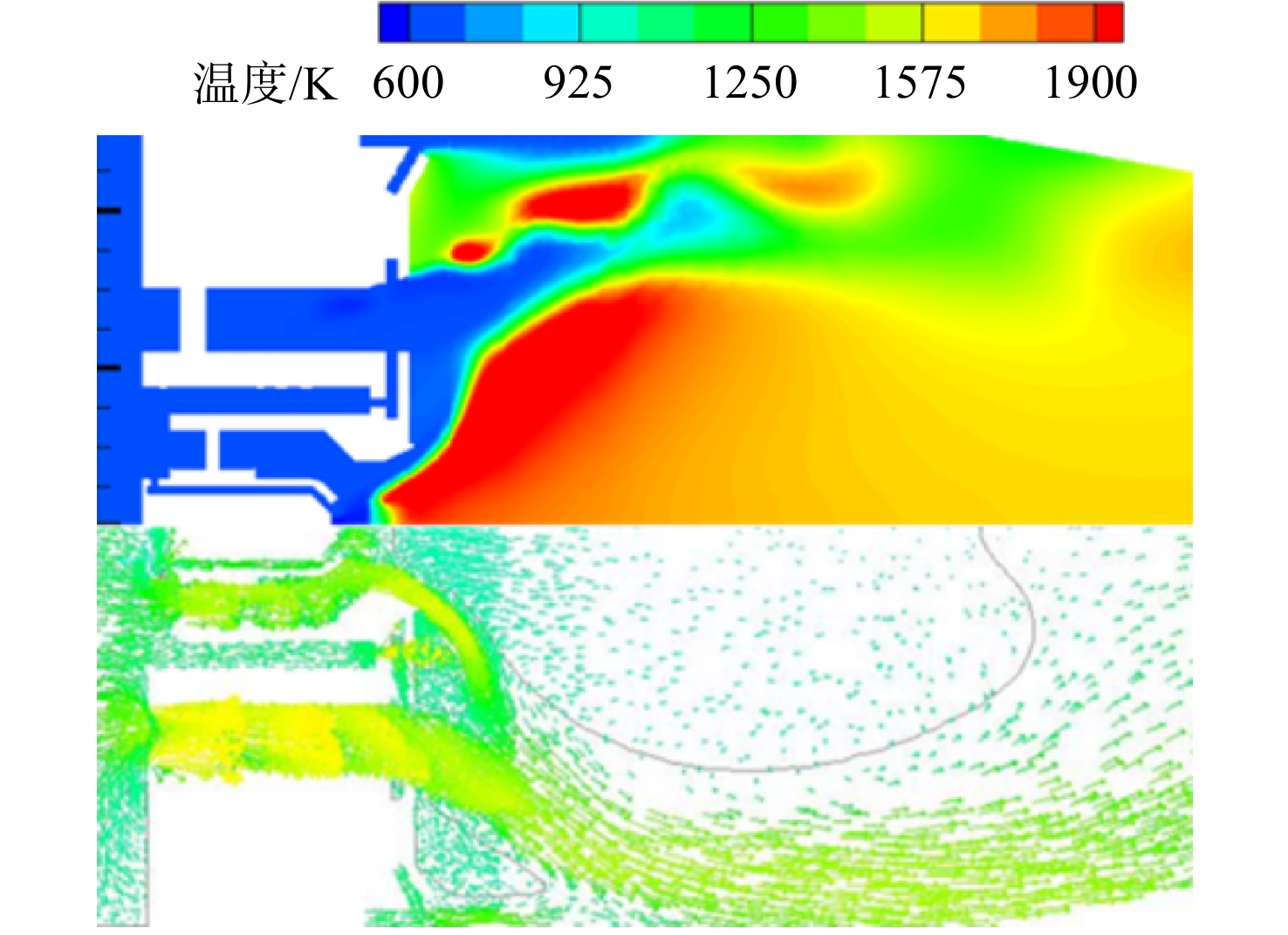
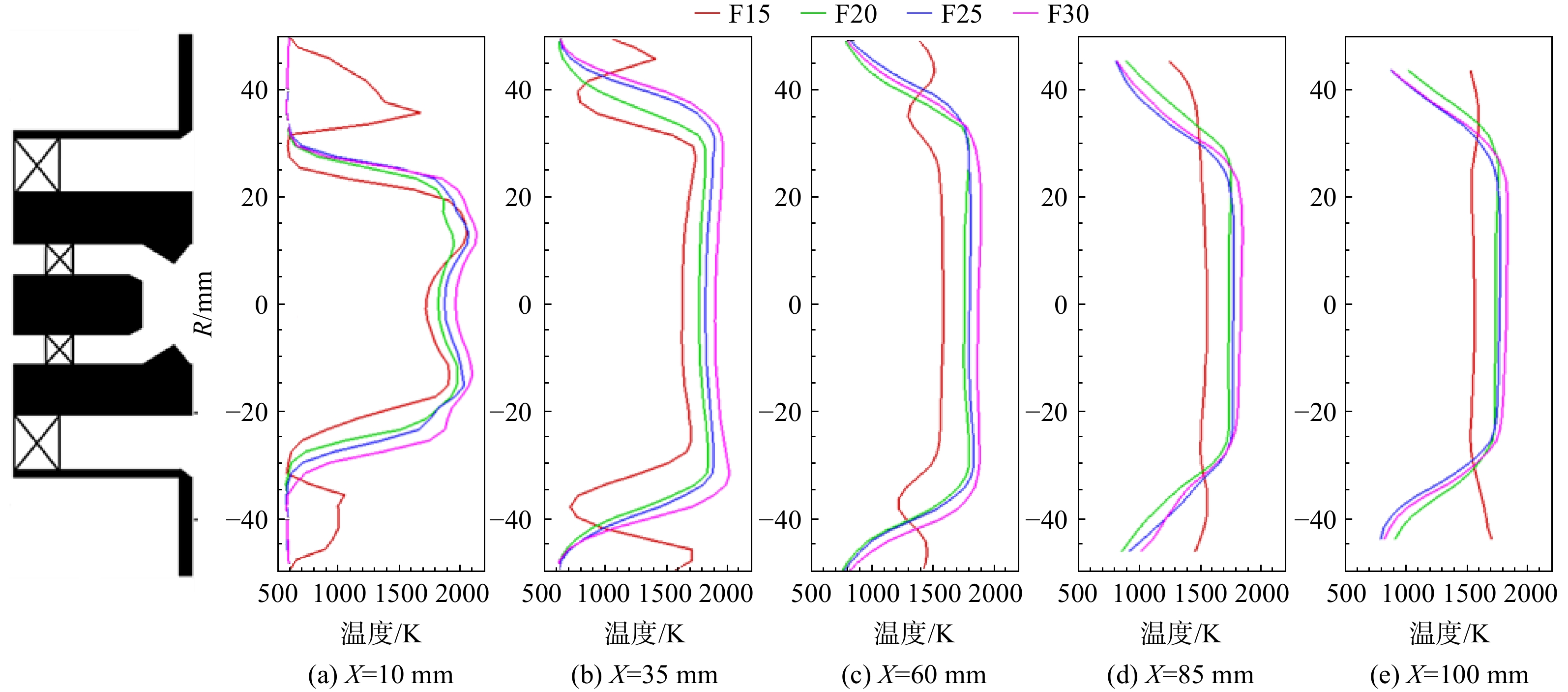
In order to investigate the effect of main combustion stage outlet angle on NOx emission characteristics, a central staged combustor with four different main combustion stage outlet angles of main combustion stages was used, NOx emission data were obtained through high-temperature and high-pressure emission tests, and the distribution information of components in the combustor were obtained through optical diagnosis, numerical simulation was conducted to further analyze the thermal reflux zone and temperature distribution in the combustor finally. The results showed that the NOx emission decreased with the increase of the outlet angle of main stage. Among the factors affecting NOx emission of the outlet angle of main stage, residence time played the dominant role. The residence time for the outlet angle of main stage on the residence time was affected by changing the axial length and posterior stationary point position of the thermal reflux zone. The outlet angle of main stage was consistent with the swirl angle of the airflow near the outlet.

Closed cup flash point determination of RP-3 aviation fuel under inerting gas conditions
WANG Yue, LIU Yi, GAO Jingcheng, CHAI Ting, FENG Shiyu
2025, 40(9): 20230186. doi: 10.13224/j.cnki.jasp.20230186
Abstract:
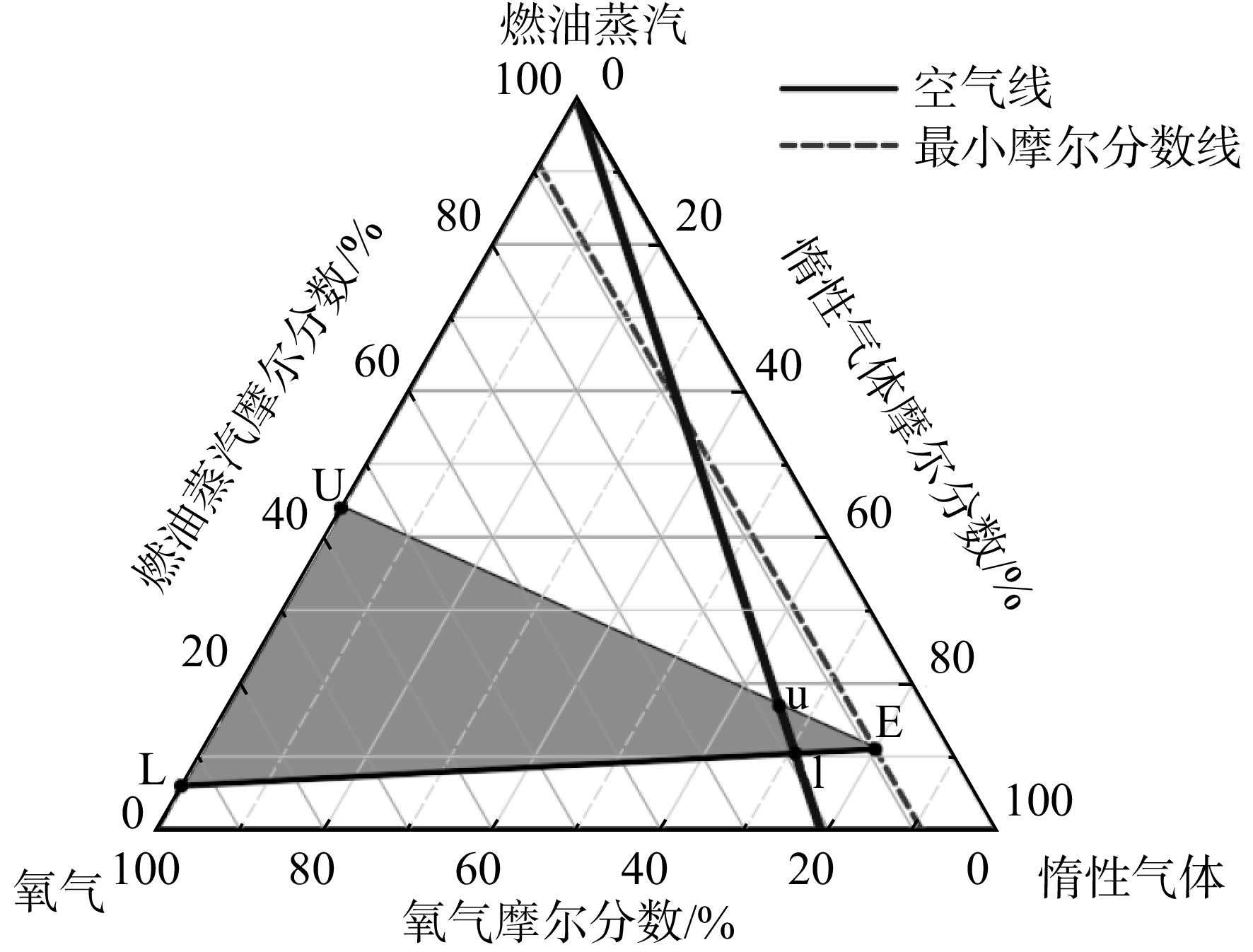
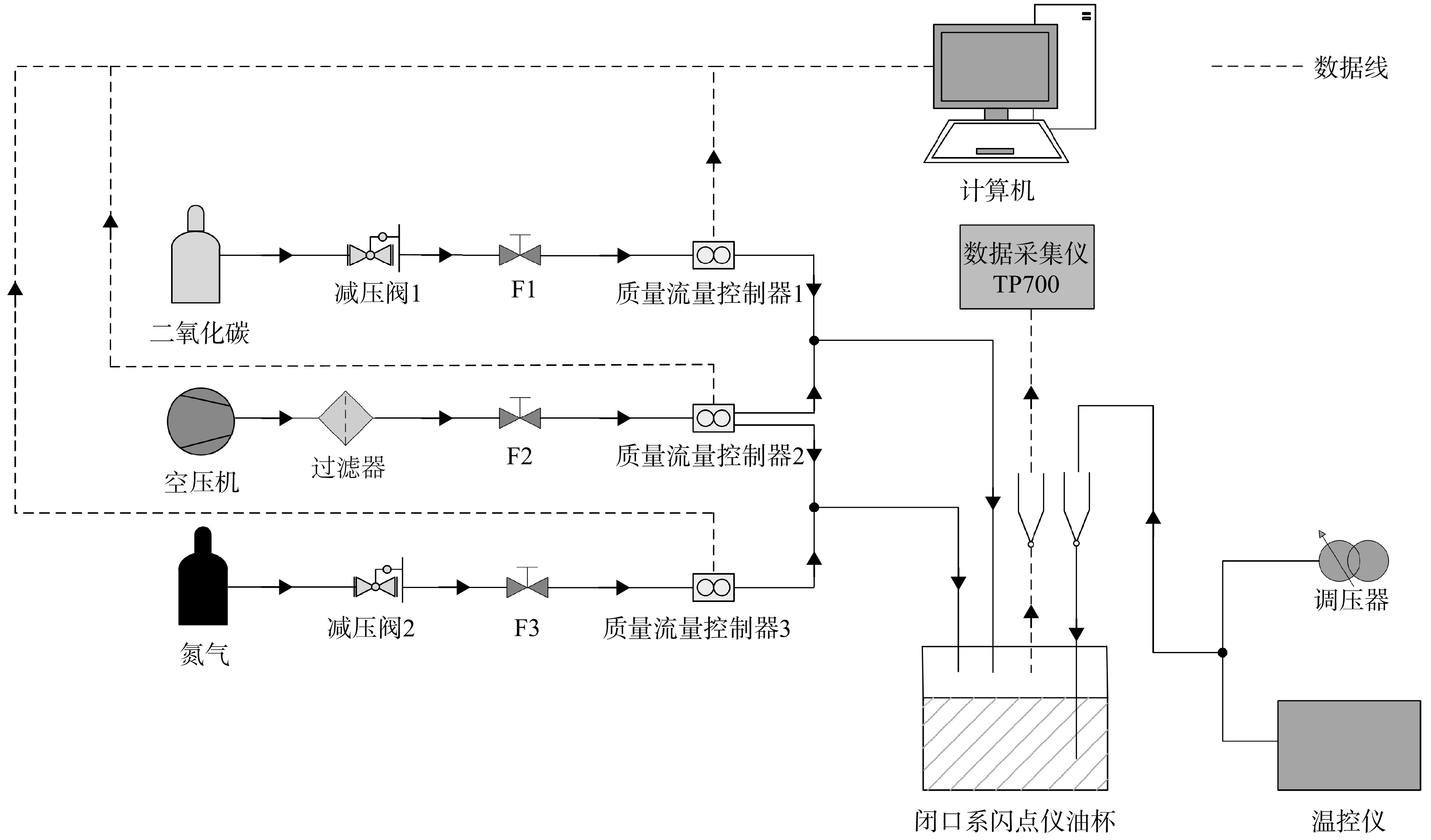
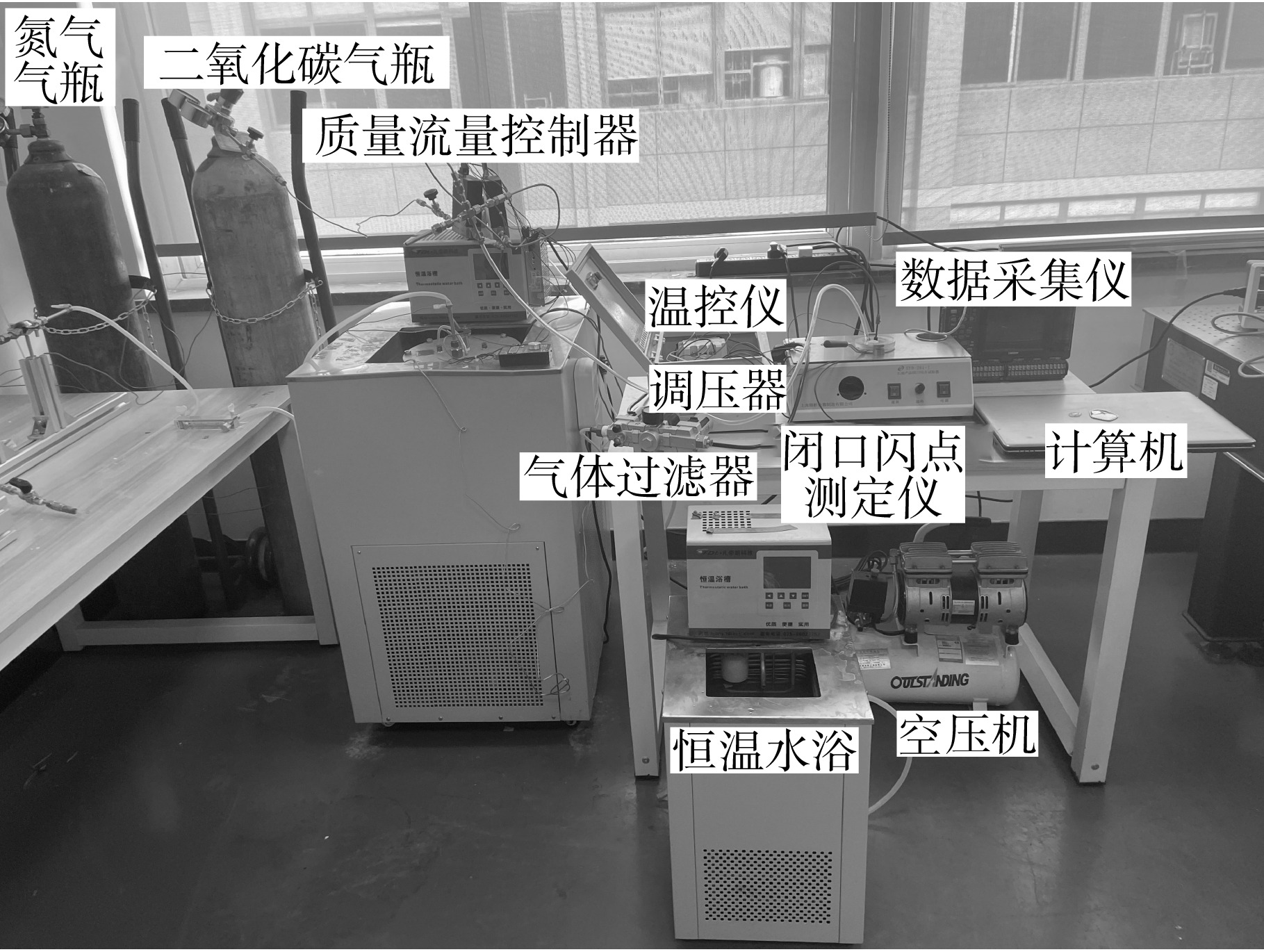
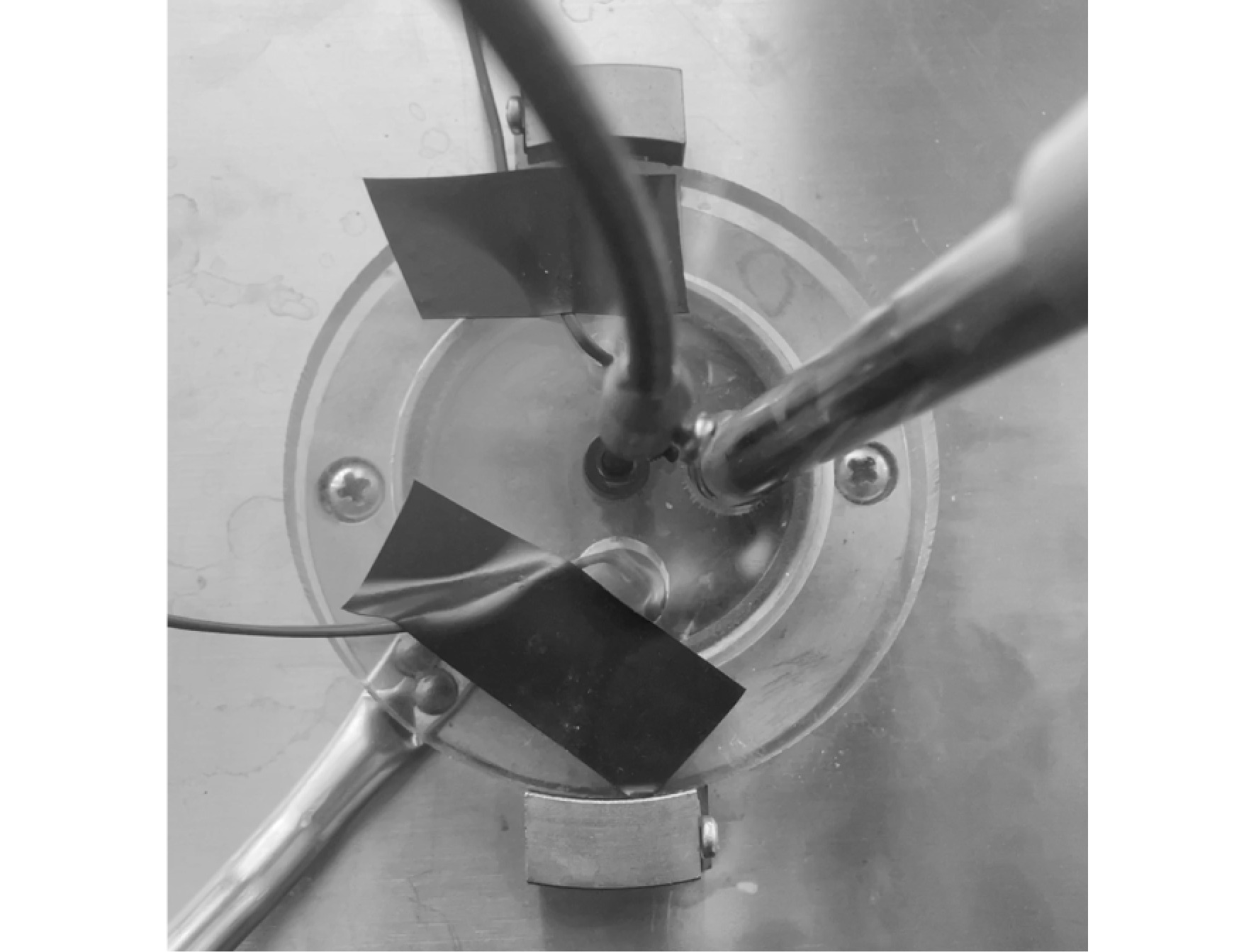
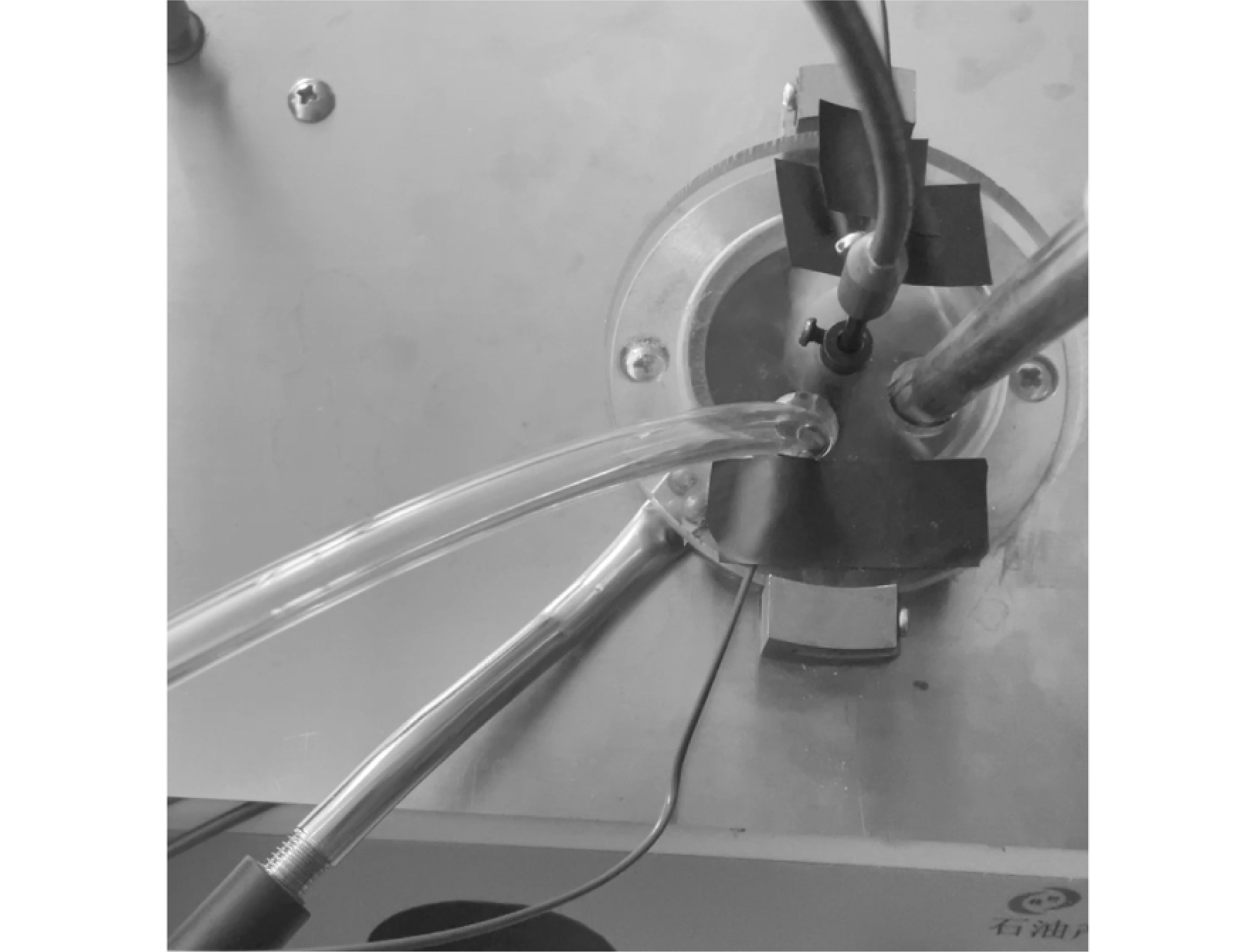
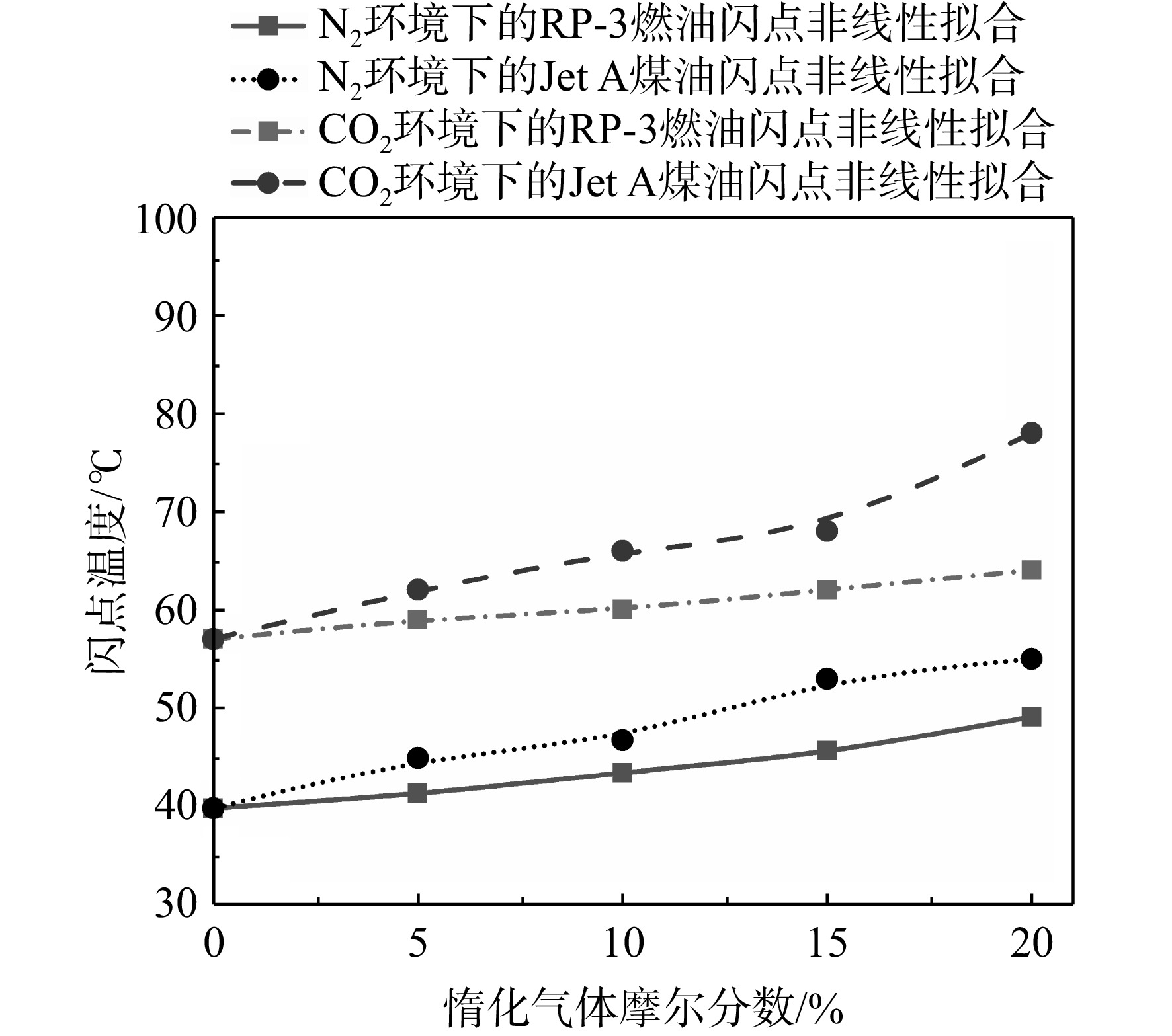
As a safety measure of fuel, flash point can provide necessary information for preventing mixed vapors from entering combustible areas and igniting. Based on the standard GB/T 261-2008 “Determination of Flash Point Binsky-Martin Closed Cup Method”, an experimental device was built to determine the closed cup flash point of RP-3 fuel under the inert gas environment, and two different inert gases, N2 and CO2, were selected. The effects of the mole fraction of 5%—20% N2 and 5%—20% CO2 on the flash point of RP-3 fuel were measured, and the reliability of the experimental data was verified by comparing with existing literature data. The results indicated that with the increase of mole fraction of N2 and CO2, the flash point rose. At the same time, the effect of CO2 to inhibit combustion was significantly higher than that of N2, which was similar to the trend of Jet A kerosene being influenced by two inert gases in the literature. Therefore, the inerting gas mole fraction scheme can be chosen according to the actual needs in inerting applications.

Structure,Strength and Vibration
Reliability fuzzy allocation of rotating machinery considering failure correlation
DOU Wei, LIU Xiaoyang, SUN Shengdi
2025, 40(9): 20240235. doi: 10.13224/j.cnki.jasp.20240235
Abstract:
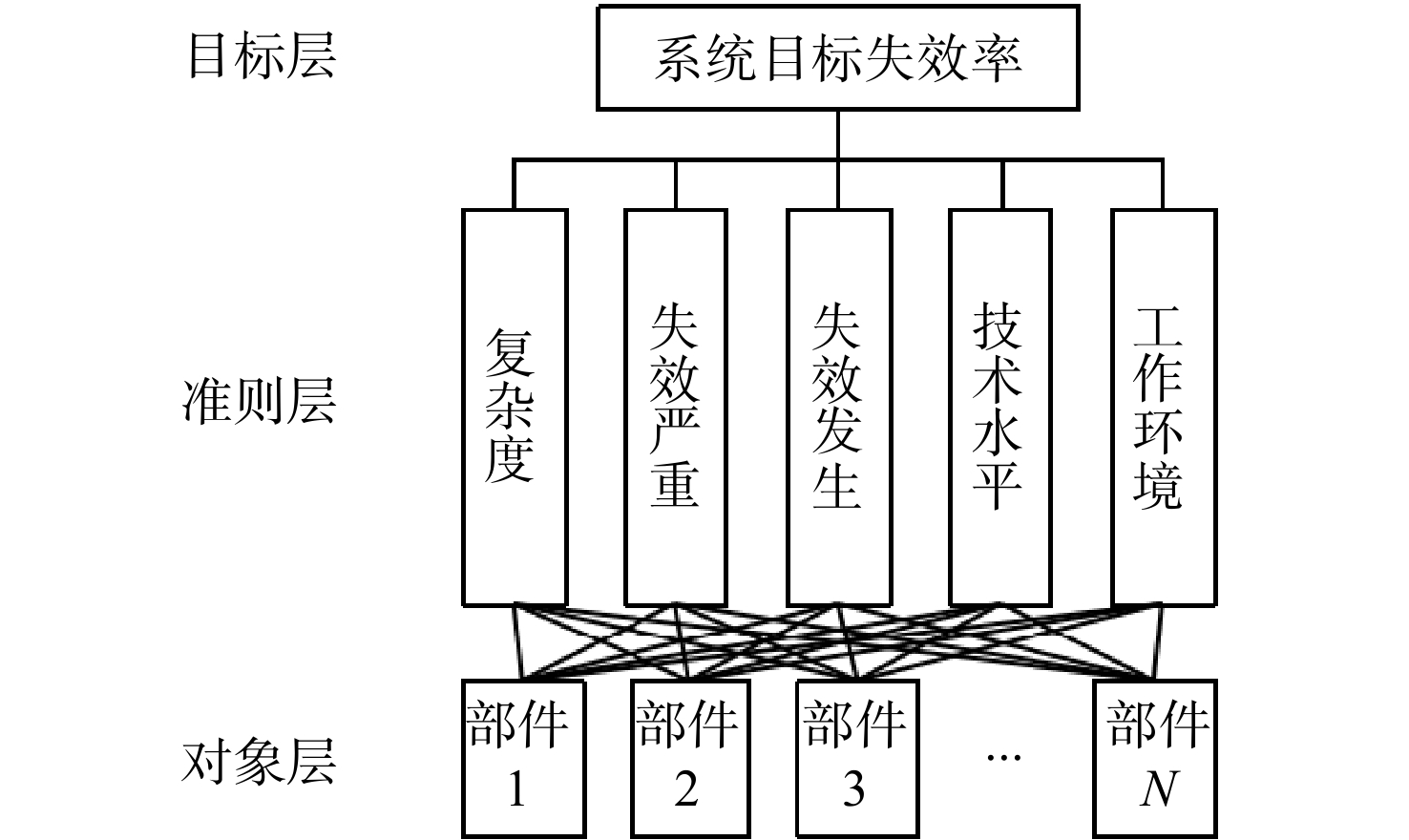
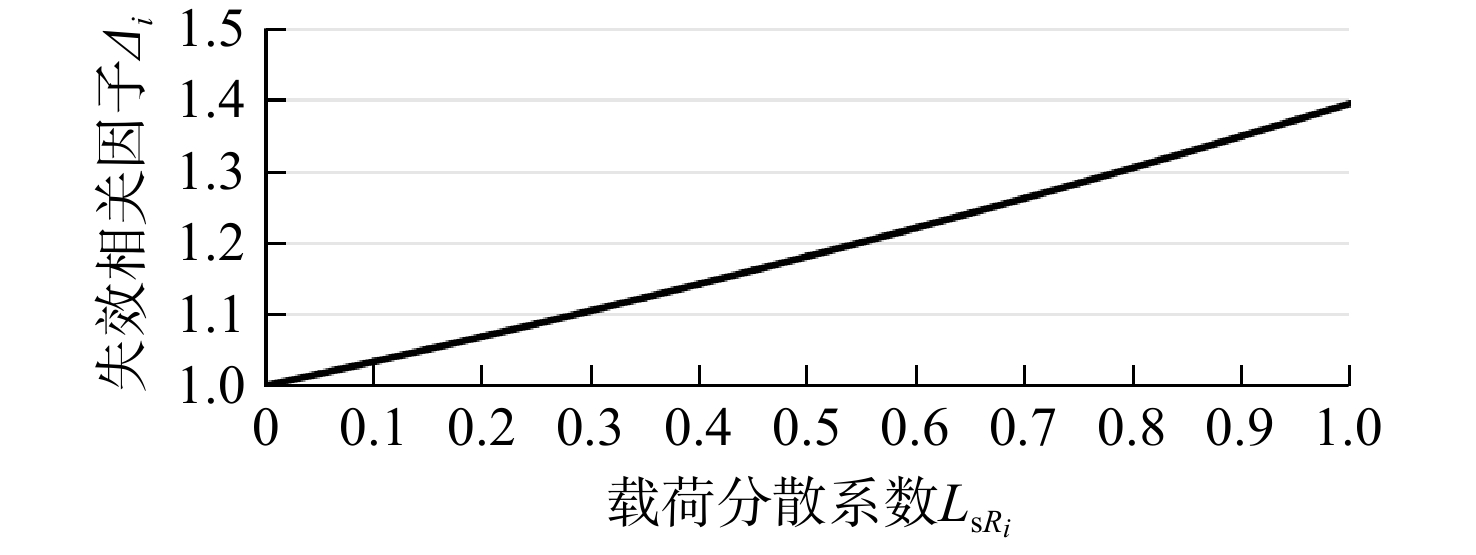
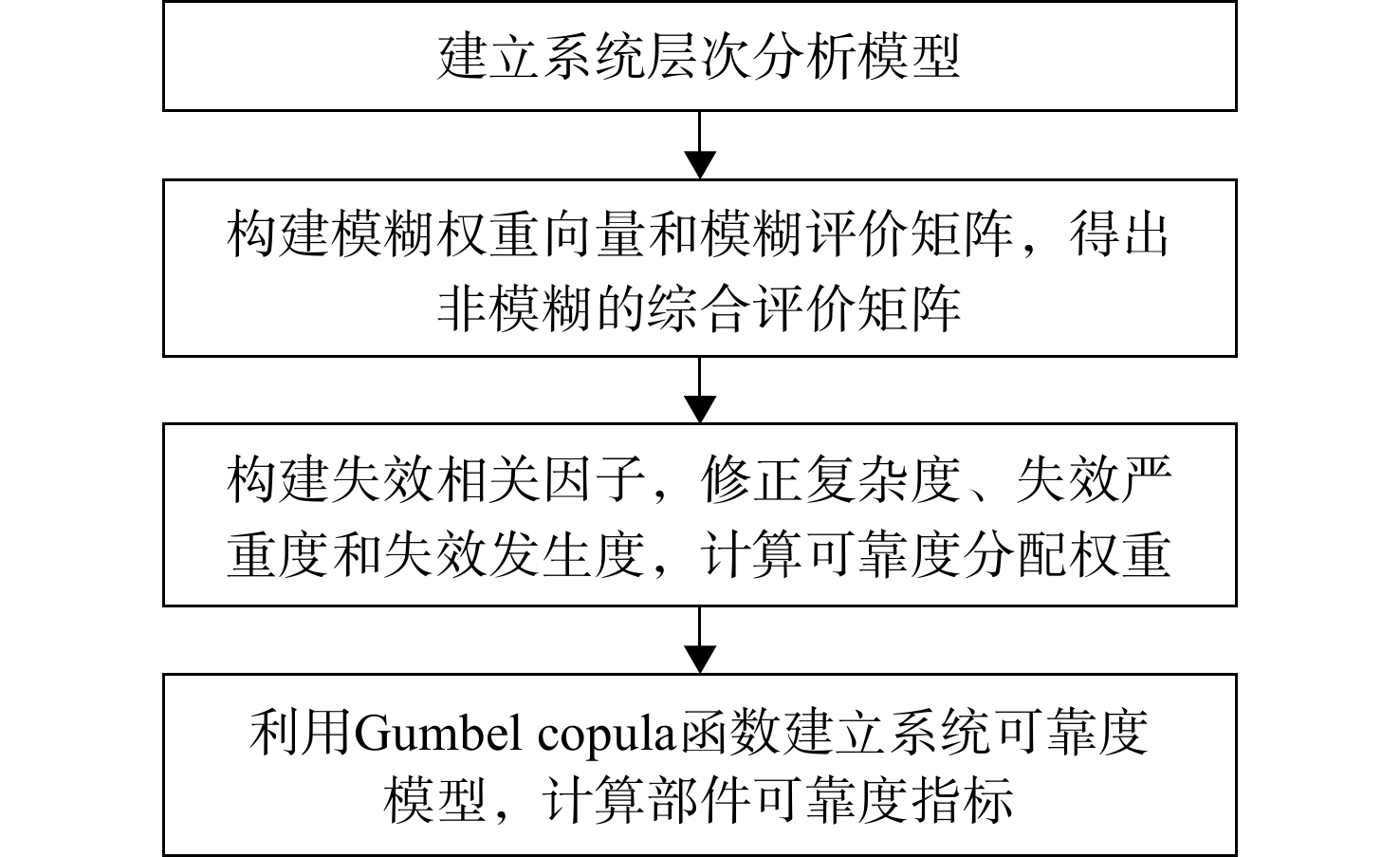
In the reliability design process of rotating machinery, the assumption of failure independence between different components may lead to unsatisfactory results in reliability allocation. Therefore, a reliability allocation method based on failure correlation and fuzzy analytic hierarchy process (FAHP) was proposed. Based on the analytic hierarchy process model and initial evaluations, a non-fuzzy evaluation matrix was constructed for all system components, aiming to reduce the subjective influence from the initial evaluations. By introducing the load dispersion coefficient, a failure correlation factor reflecting the failure correlation between components was devised to adjust the coefficients of complexity, severity, and occurrence within the evaluation matrix, and the reliability weights of components were calculated. A reliability allocation model was constructed by inputting reliability weights into the Gumbel Copula function. Taking a liquid rocket engine turbopump as an example, a comparative analysis was conducted. Since taking into account failure correlation, the proposed method can provide a more reasonable and lower cost reliability allocation scheme, where the turbine and shell with higher failure hazard were reasonably allocated higher reliability indexes of 0.99982 and 0.99992, and the dimensionless cost of system was 95.21305, much lower than the results under the assumptions of failure independence and negative correlation.

Effect of variable camber guide vane on forced vibration of fan rotor blade
ZHANG Xiaojie, MAO Jianxing, HU Dianyin, WANG Rongqiao
2025, 40(9): 20230312. doi: 10.13224/j.cnki.jasp.20230312
Abstract:
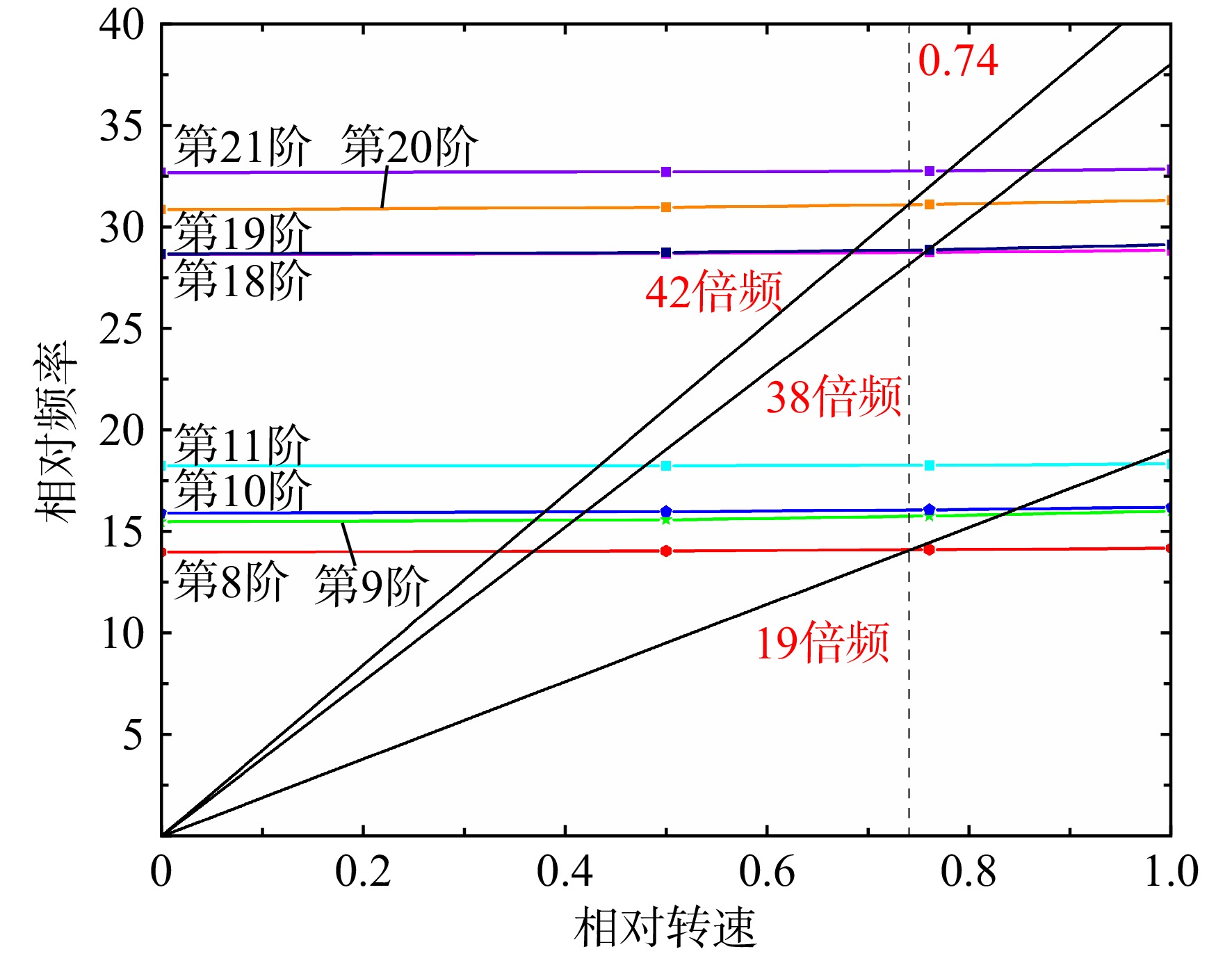
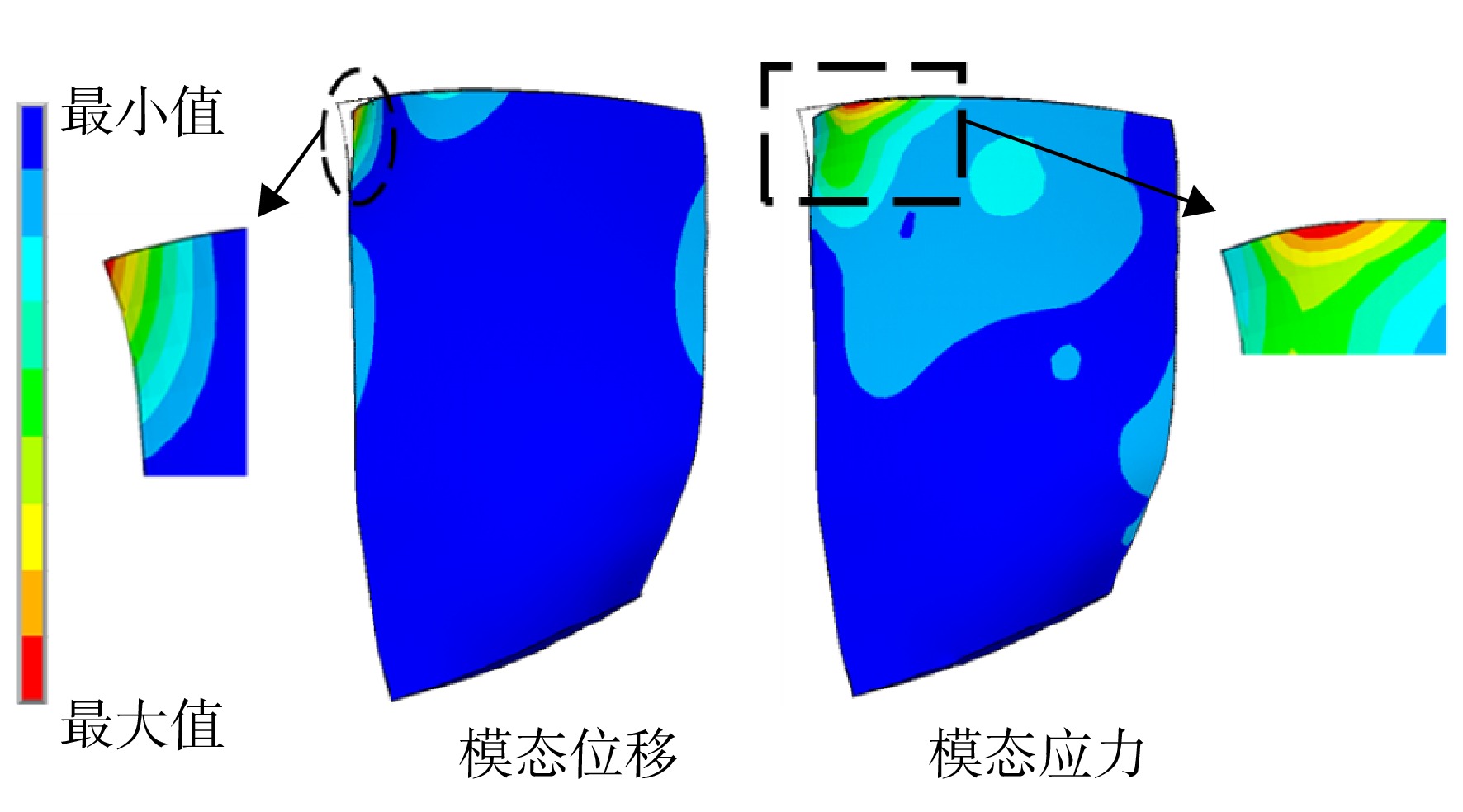
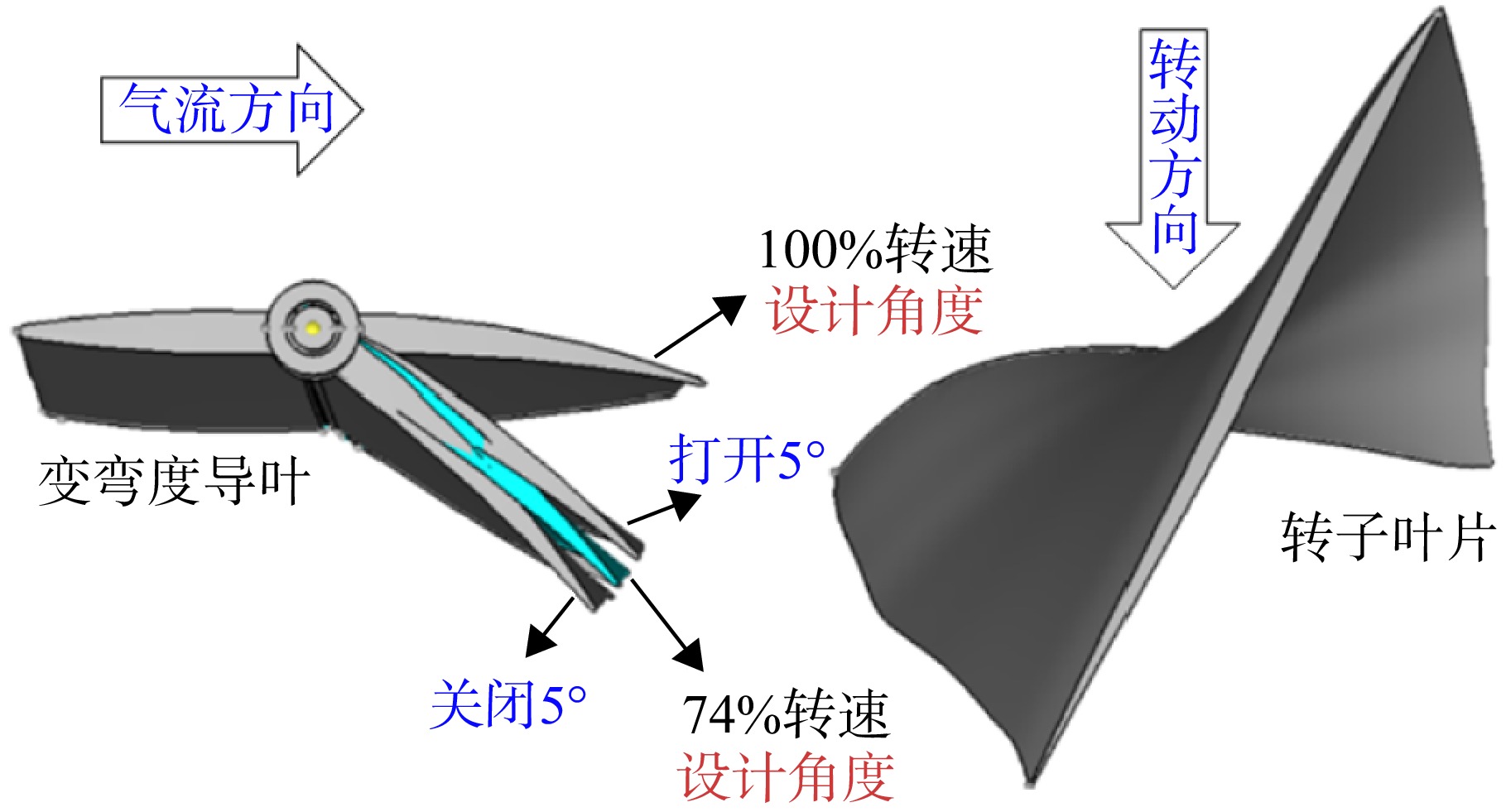
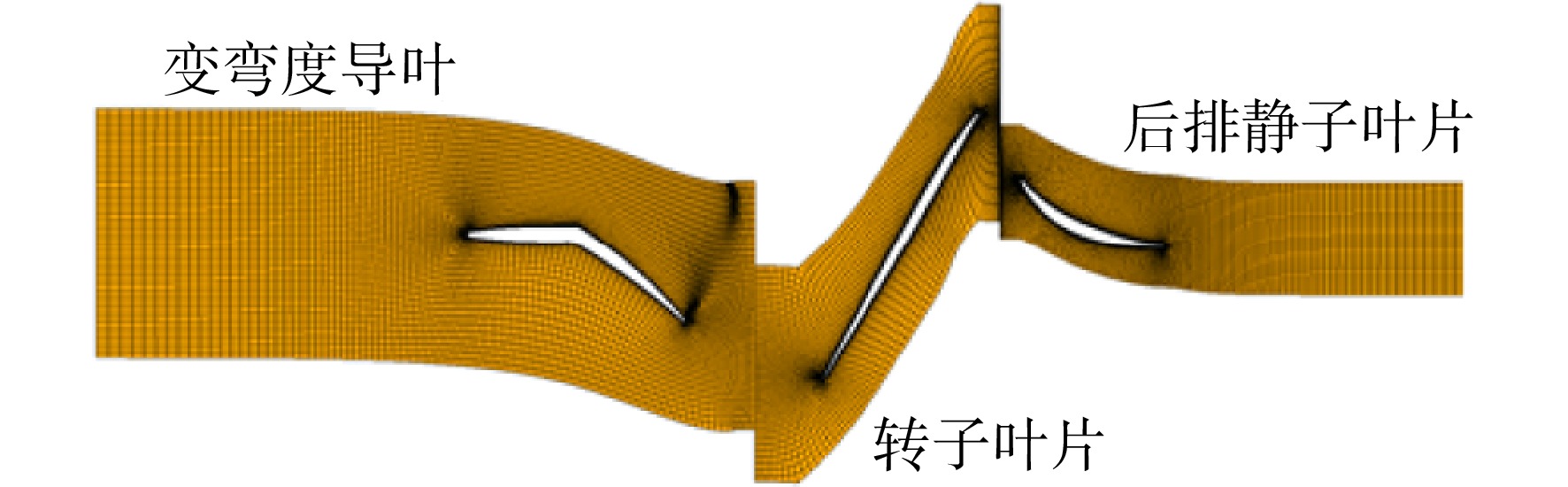
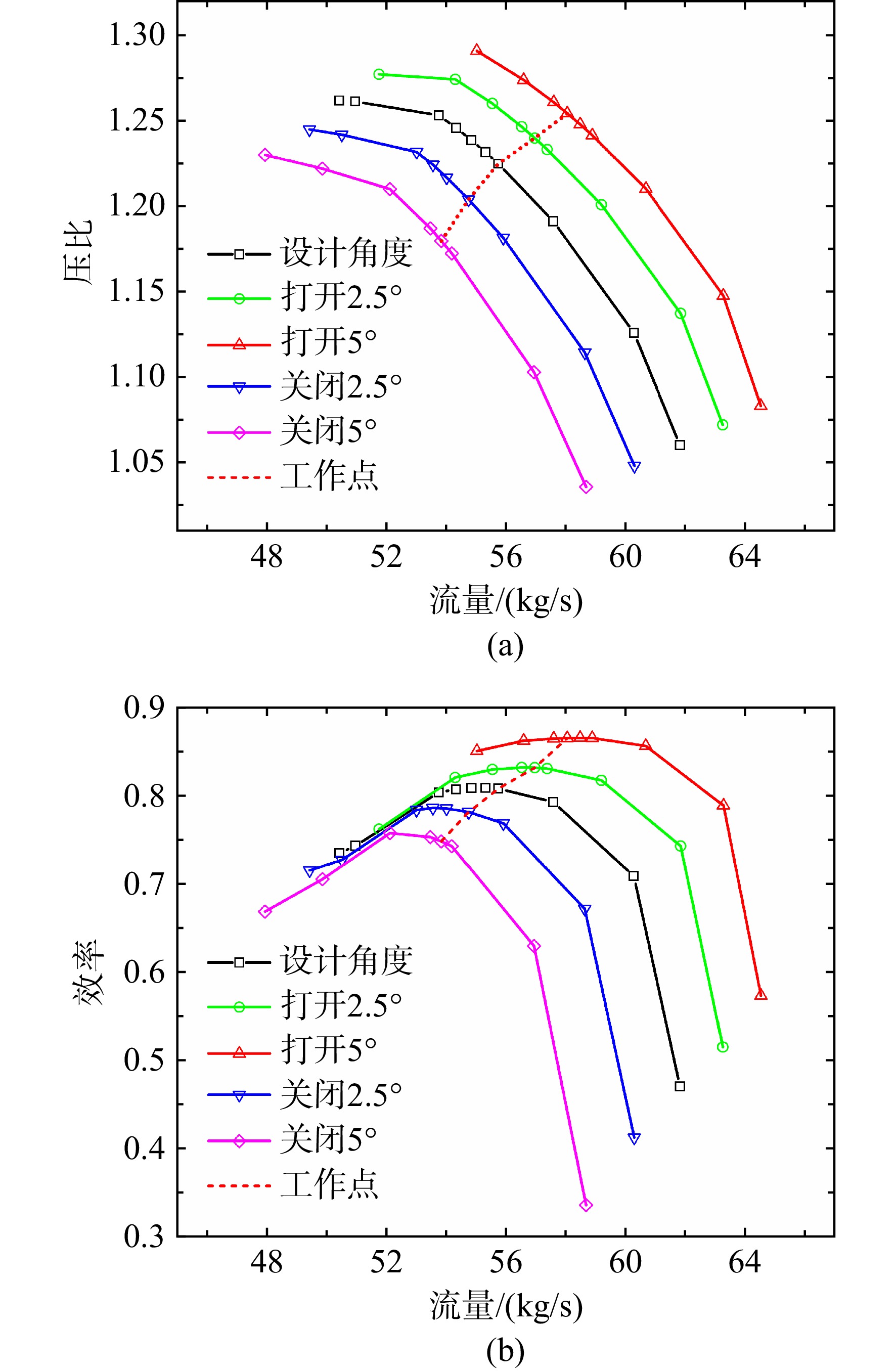
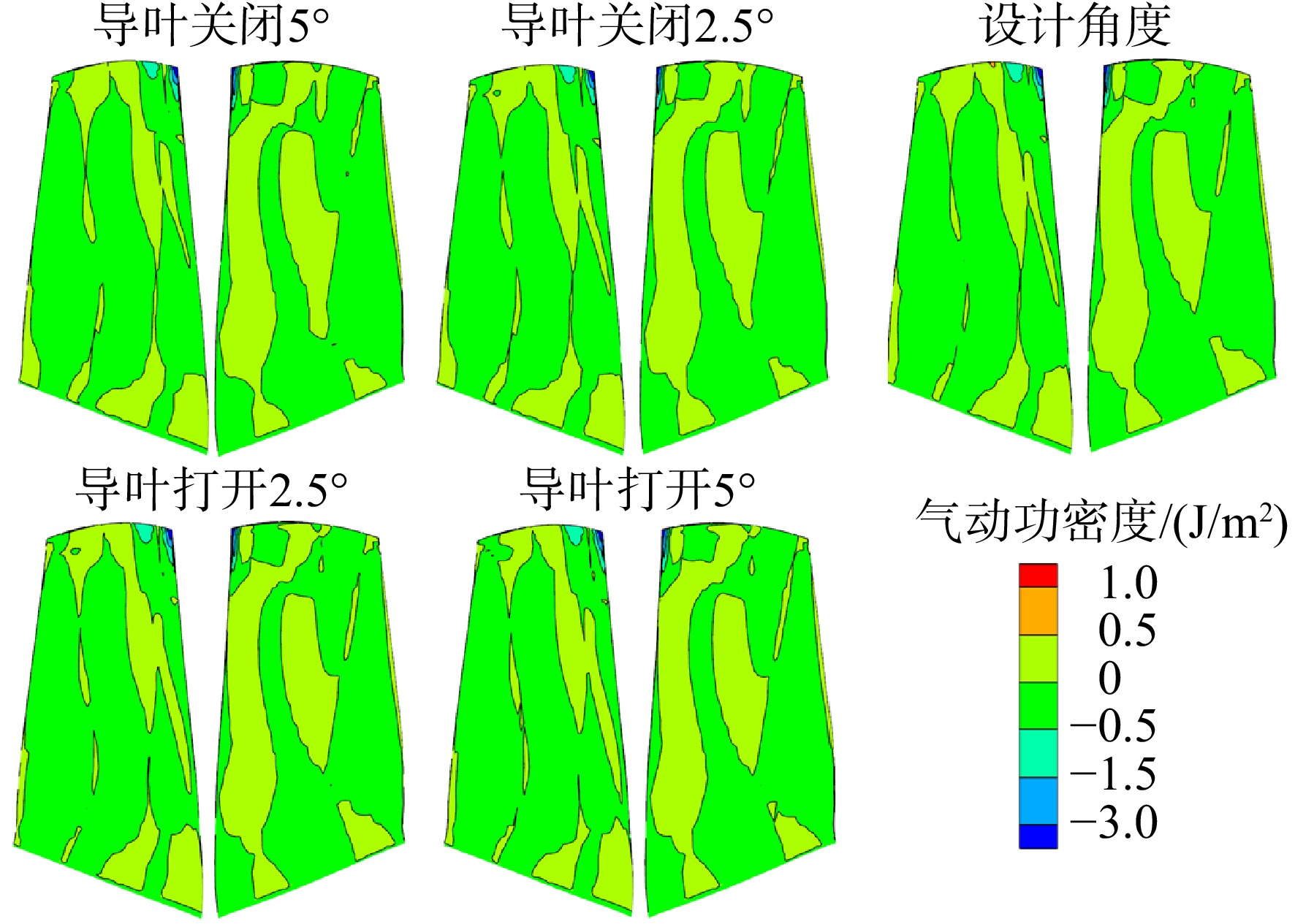
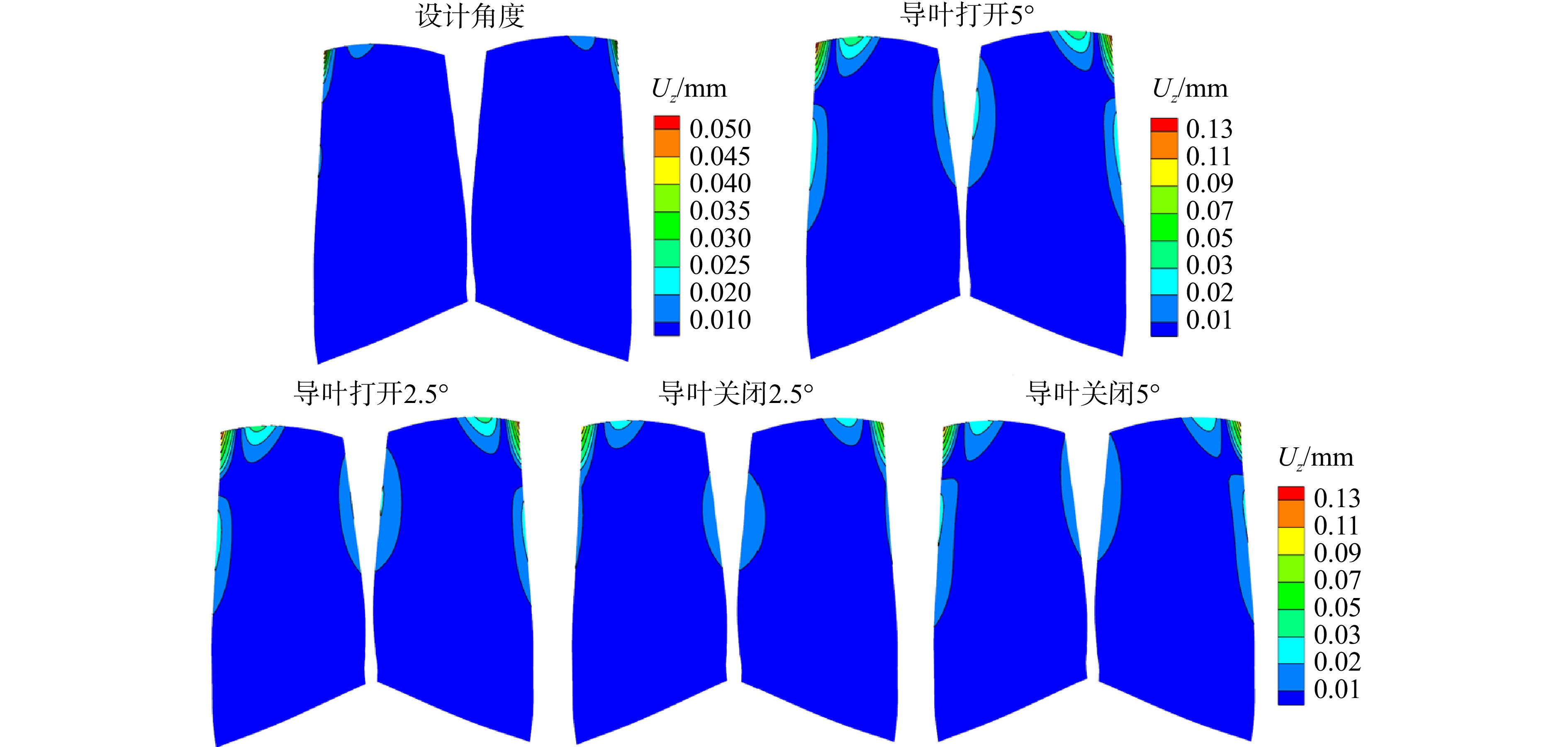
In view of the aeroelastic problem caused by the wake excitation of variable camber guide vanes, forced vibration analysis of a 1.5 stage fan rotor was conducted with the utilization of the time transformation method and the harmonic response method. The effect of variable camber guide vane angle on the aerodynamic performance and vibration characteristics of the downstream rotor blade was studied. Results indicated that as the guide vane opened, the mass flow rate, pressure ratio, and efficiency all increased. Adjusting the guide vane had a greater impact on the root area of the rotor blade. For aerodynamic excitation, as the guide vane closed, the aerodynamic amplitude of the rotor blade increased and the phase changed sharply. The angle of the guide vane had little effect on the aerodynamic damping of the higher-order modes of concern. With the closing of guide vanes, the aerodynamic damping decreased slightly. Overall, the greater deviation of the guide vane angle from the design angle indicated the higher vibration response of the downstream rotor blade. It was considered that there was an optimal angle to minimize the vibration stress of the rotor blade.

Aeroelasticity of labyrinth seal ring for aero-engine
WANG Wen, XU Meipeng, ZHAO Bingxi, SUN Dan, MENG Guang
2025, 40(9): 20240455. doi: 10.13224/j.cnki.jasp.20240455
Abstract:
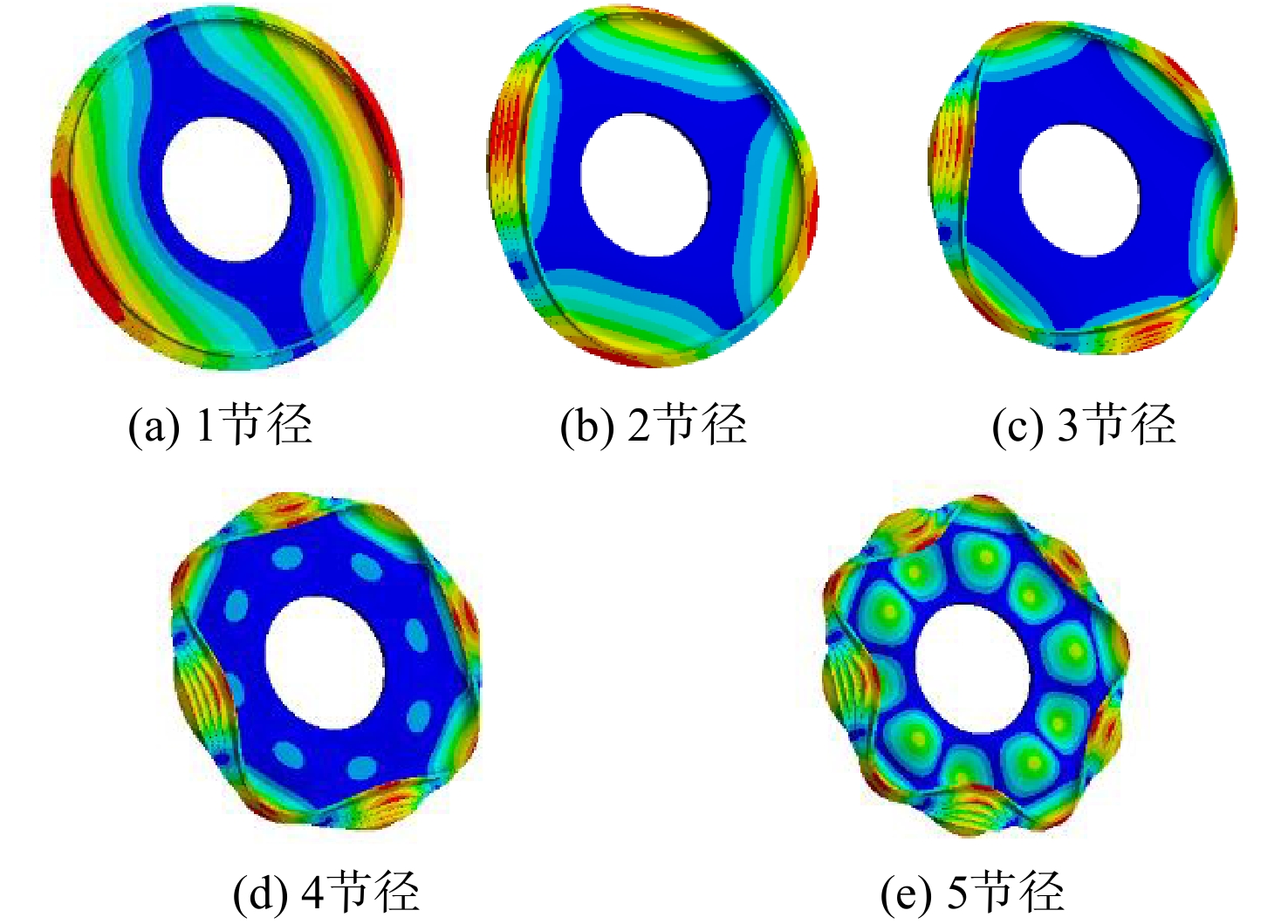
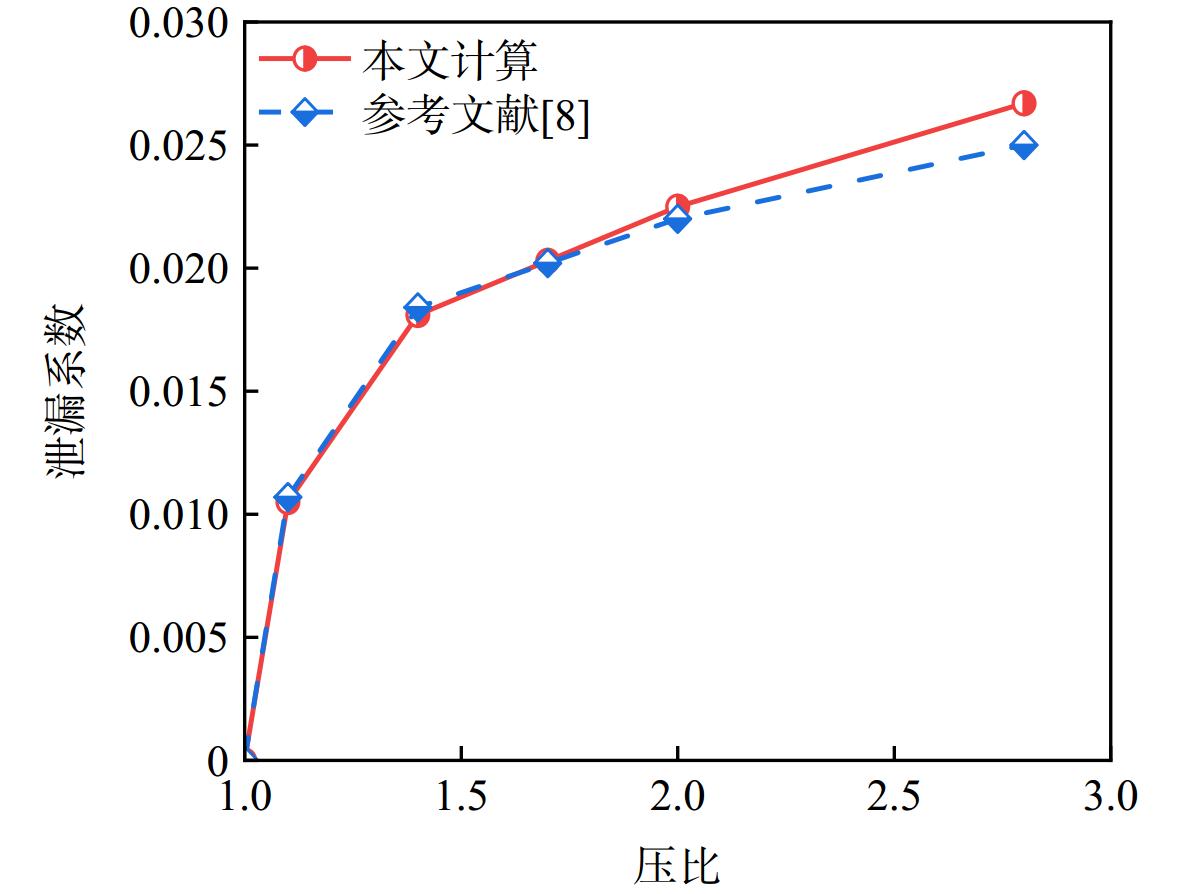
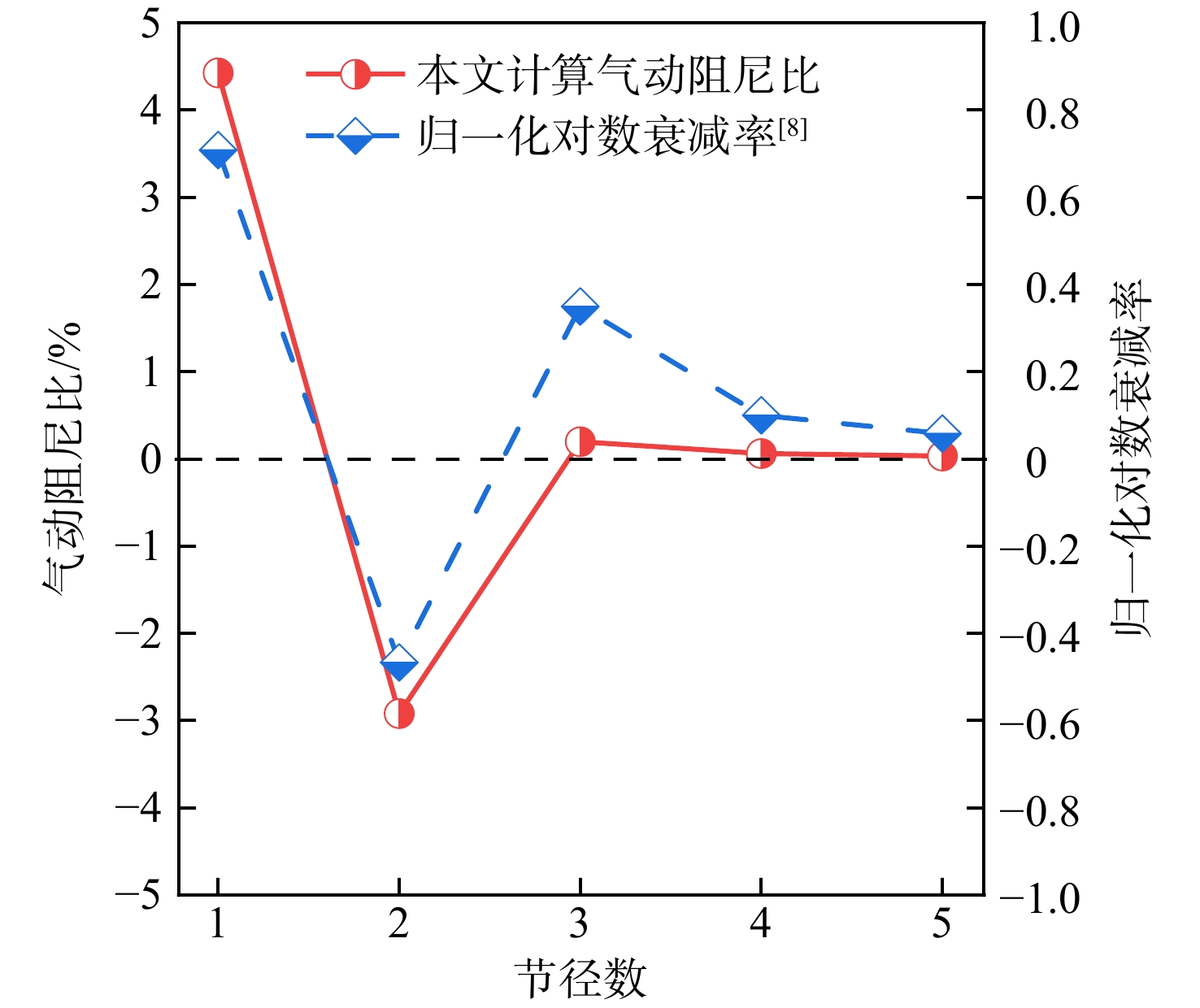
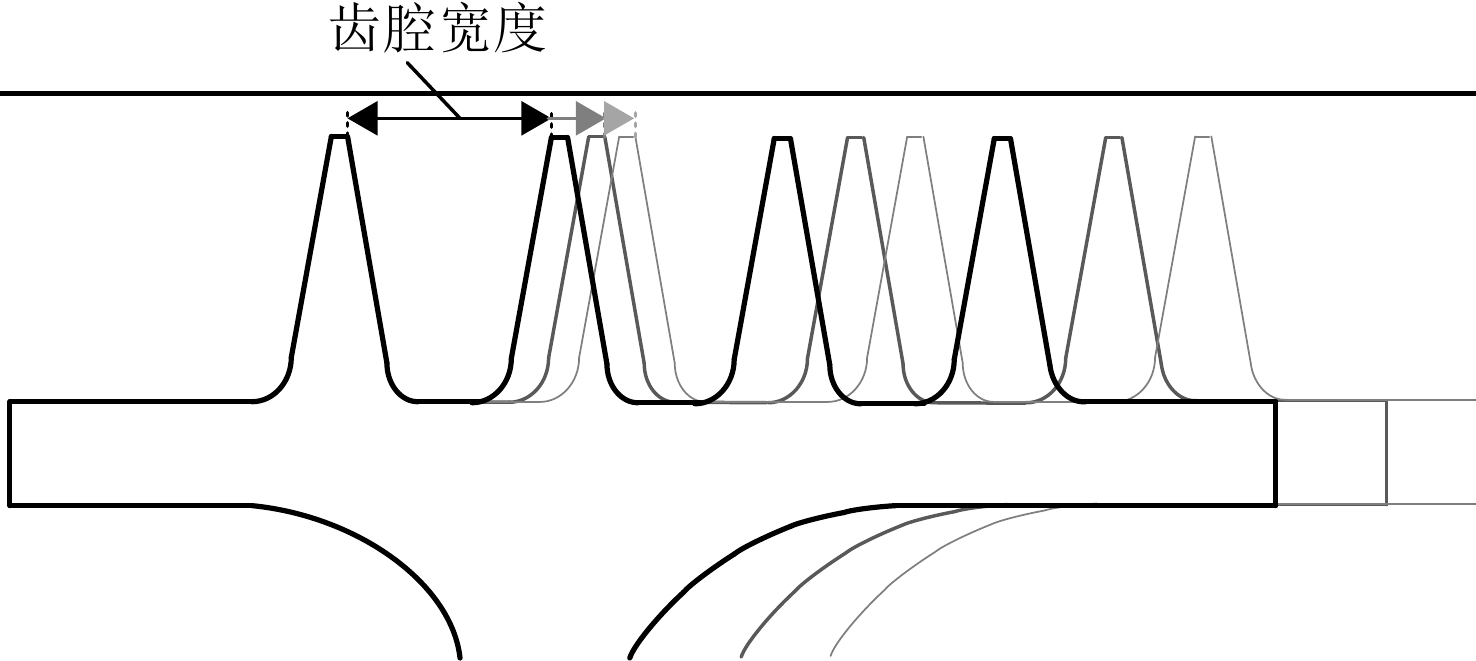
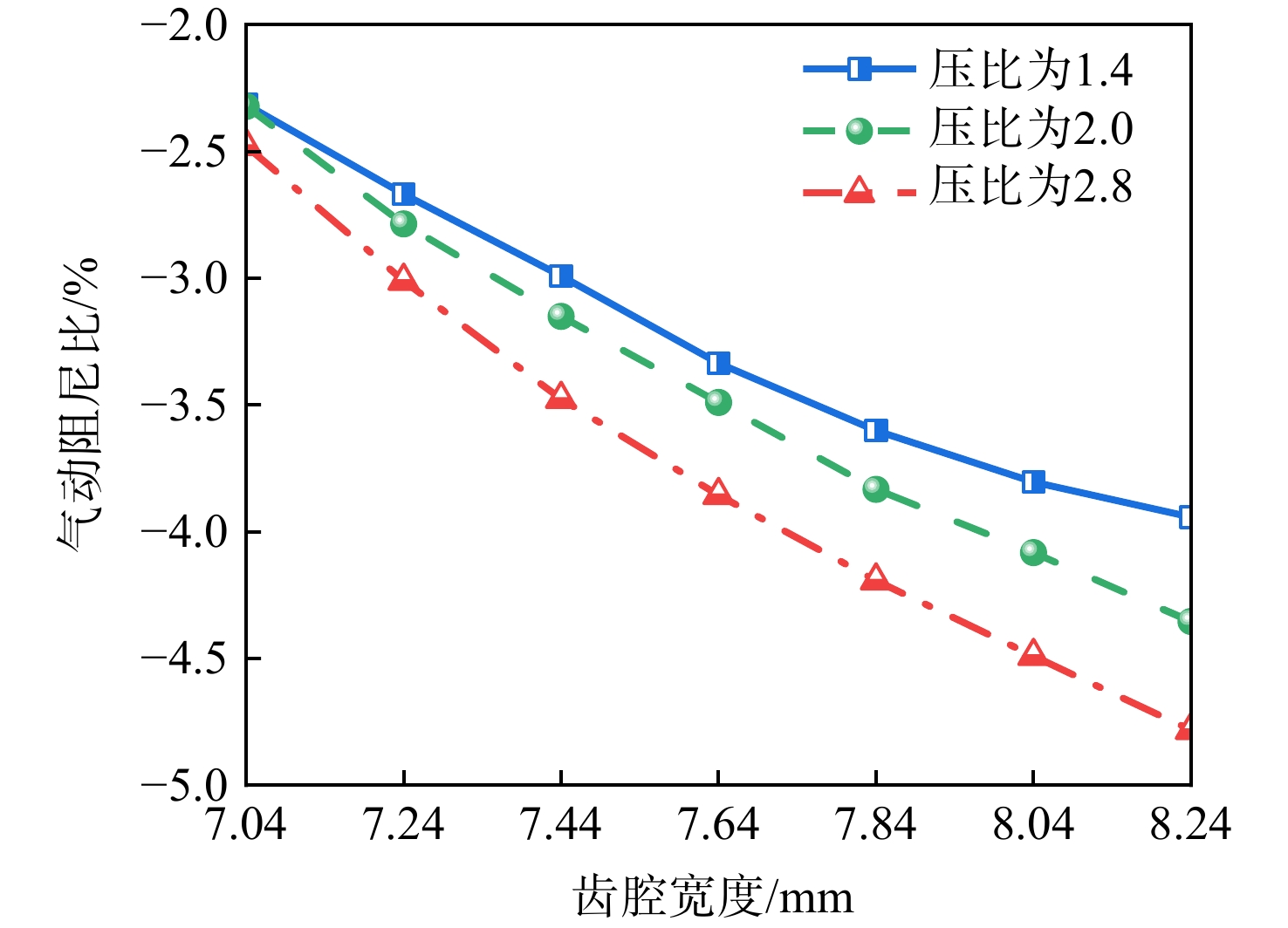
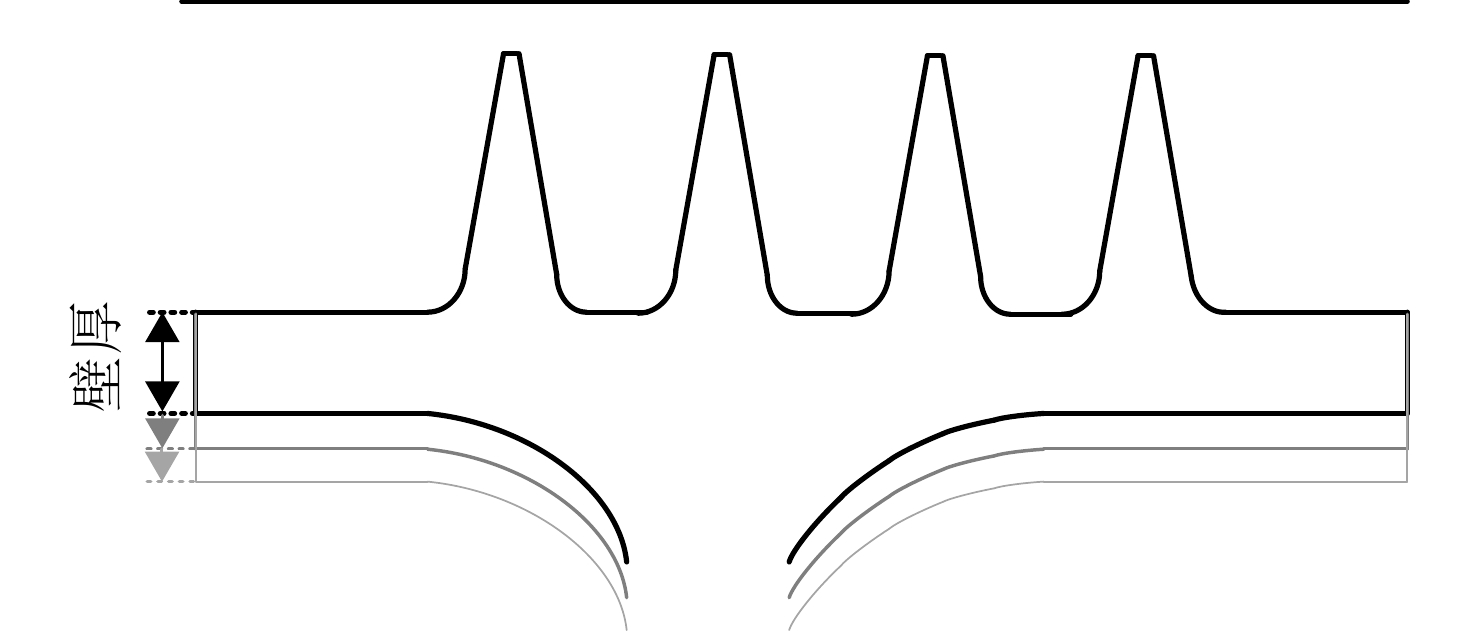
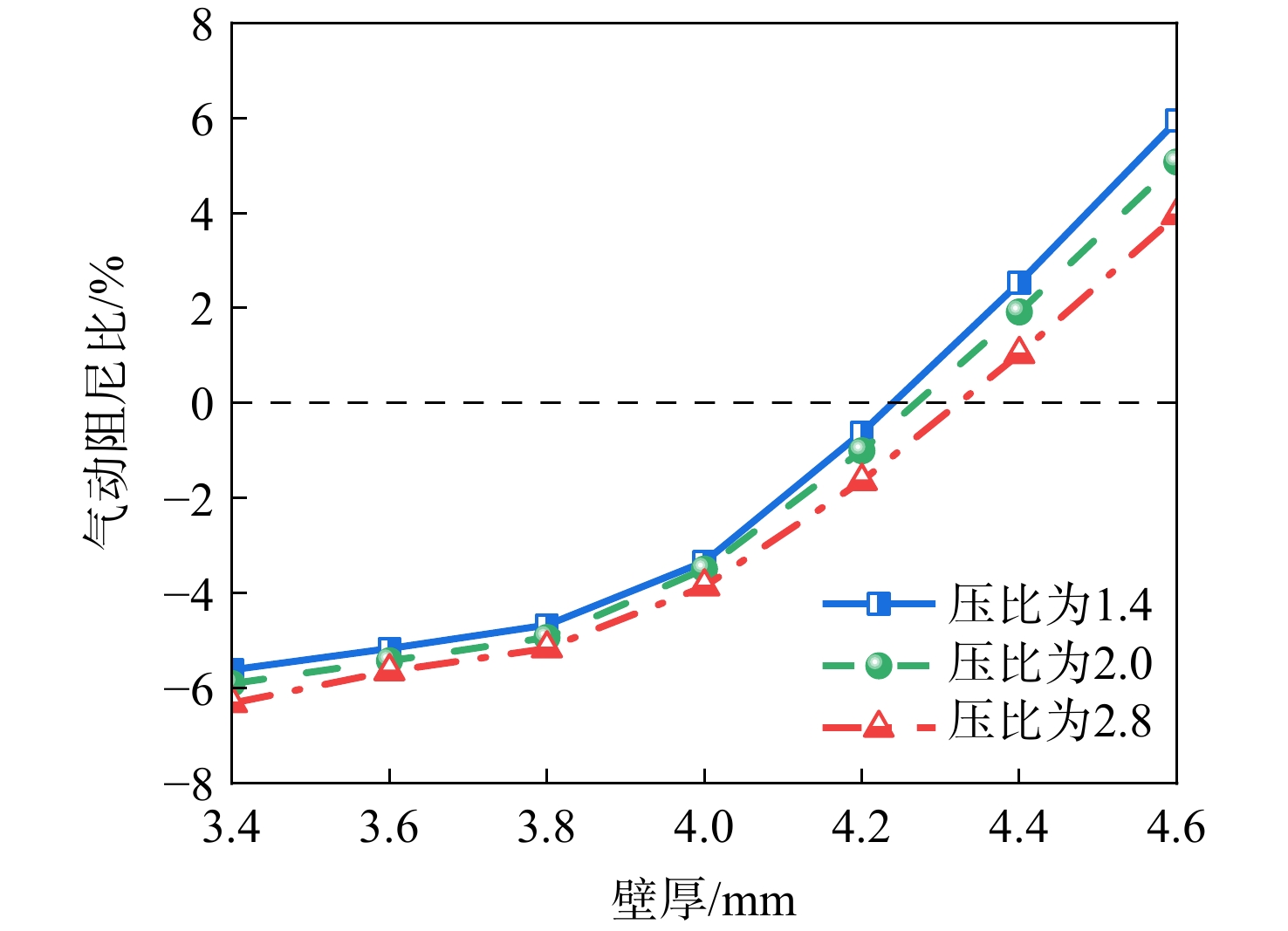
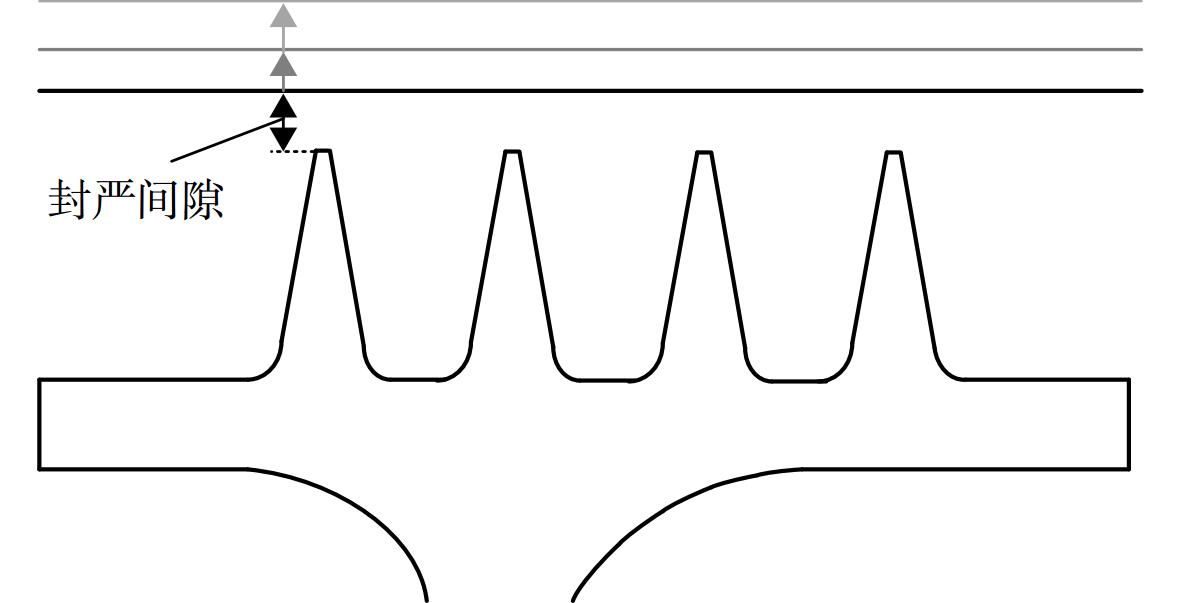
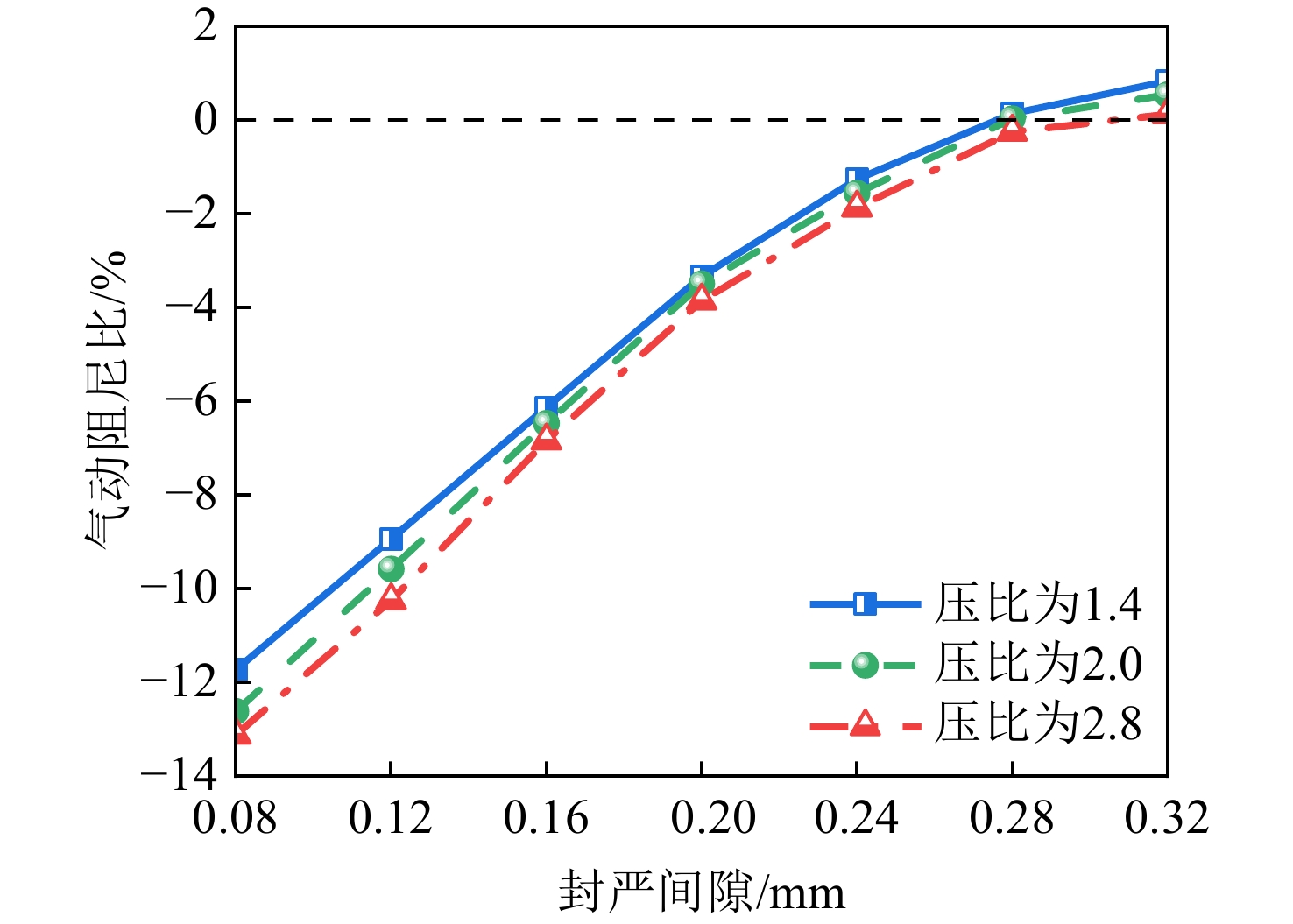
Based on the energy method for numerical calculation of aeroelastic stability of turbo-mechanical blades, a simulation method for solving the aeroelastic stability of labyrinth seal rings was developed. Based on the geometrical parameters of the grate tooth sealing ring in the standard literature, a numerical model of the aeroelastic stability was established, and the accuracy of the numerical model was verified. The effects of cavity width, wall thickness and sealing clearance on the aeroelastic stability were studied. The results showed that the calculation results of the aeroelastic stability of the labyrinth seal ring had the same instability nodal diameter and the same aeroelastic stability trend as the standard literature. Therefore, the accuracy of numerical method to solve the aeroelastic stability of labyrinth seal ring was verified. With the increase of the width of the tooth cavity, the aeroelastic stability was worsened, and the influence of the width of the tooth cavity on the aeroelastic stability increased with the pressure ratio. With the increase of wall thickness and sealing clearance, the aeroelastic instability was improved, and the influence of wall thickness and sealing clearance on the aeroelastic stability decreased with the pressure ratio.

Research on resonance energy transfer characteristics of helicopter main transmission system
XU Huachao, QIN Datong, XU Zhiliang, WANG Yong, LUO Honglin, YAN Yiqin
2025, 40(9): 20230623. doi: 10.13224/j.cnki.jasp.20230623
Abstract:
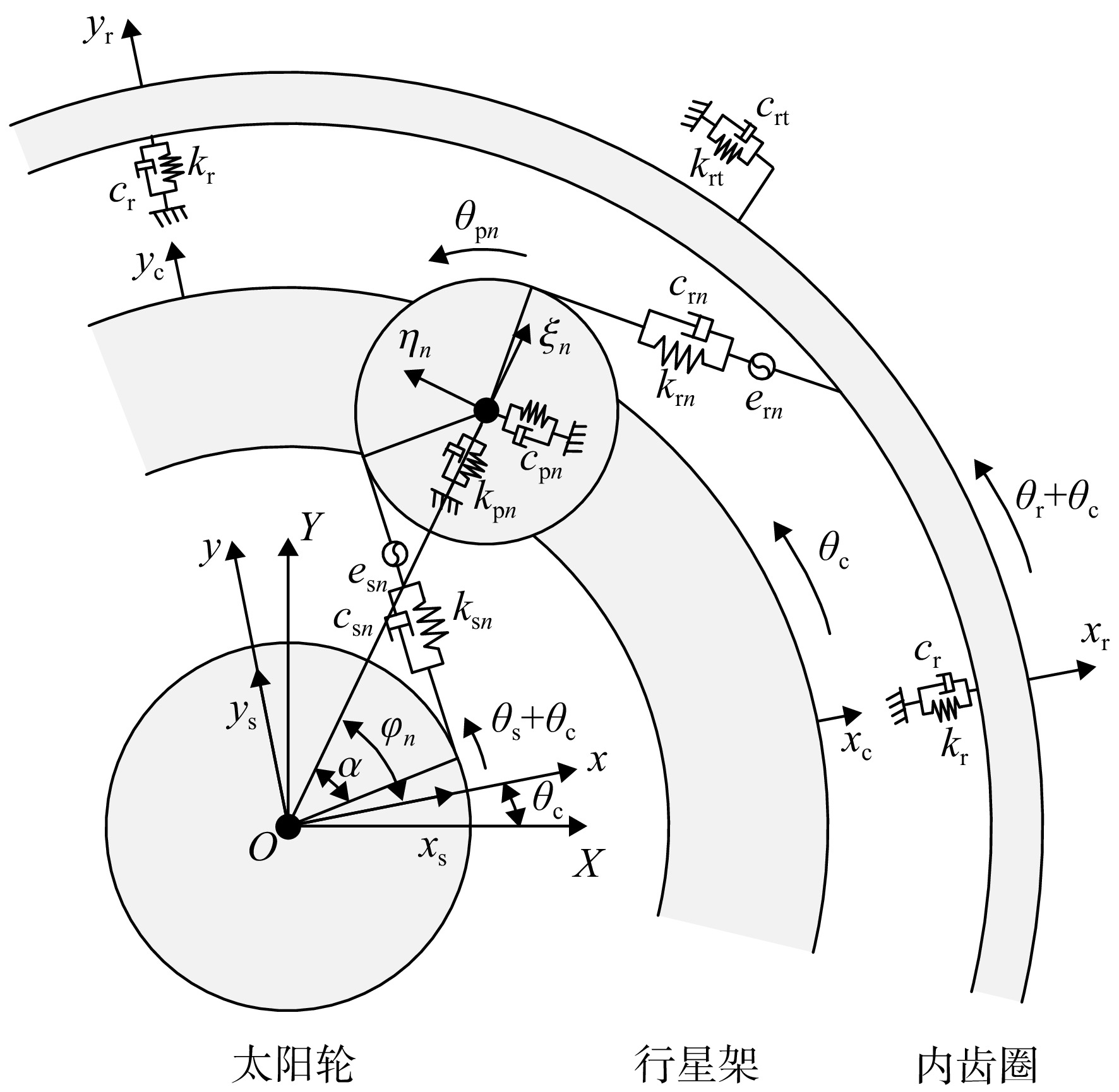
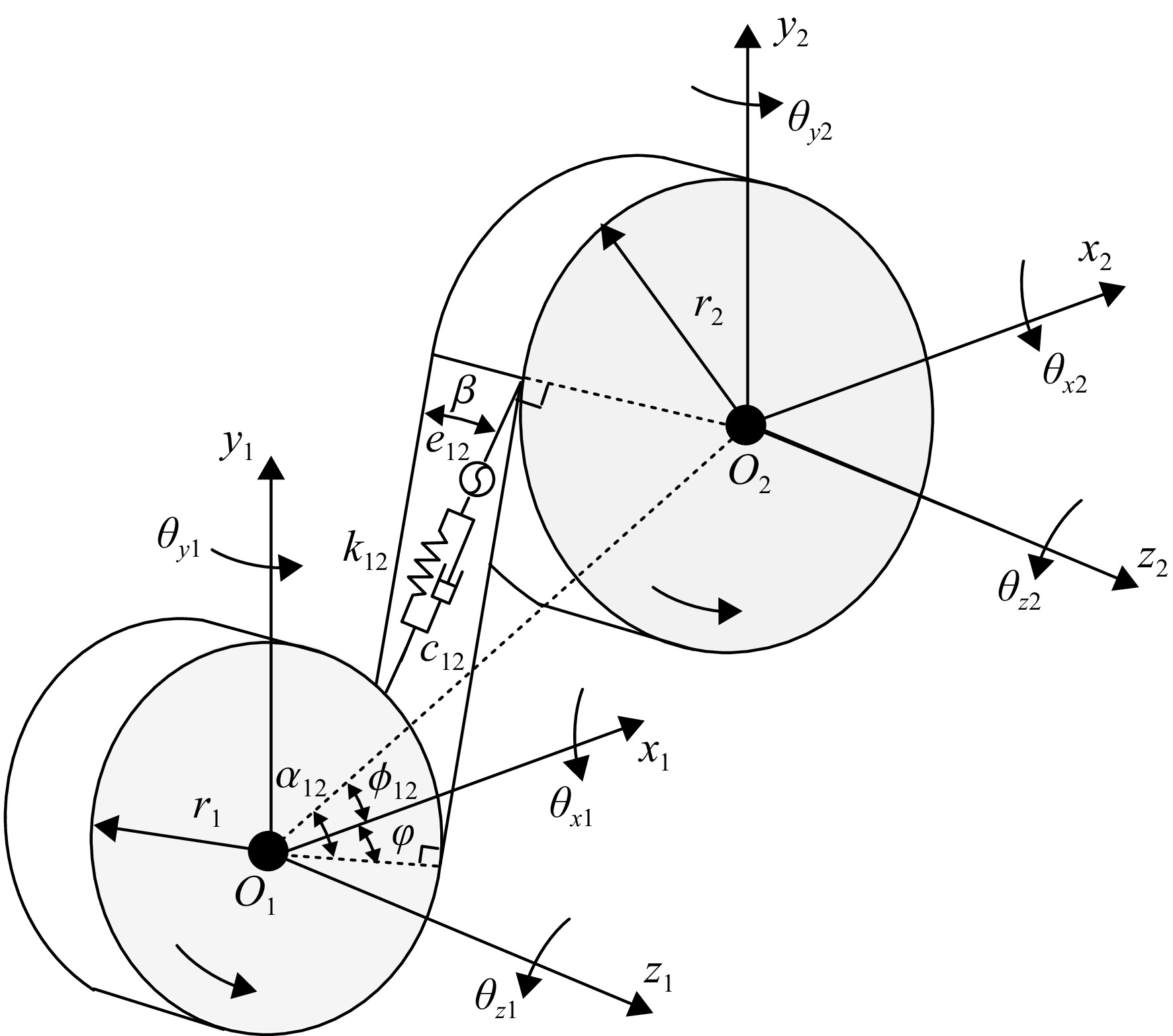
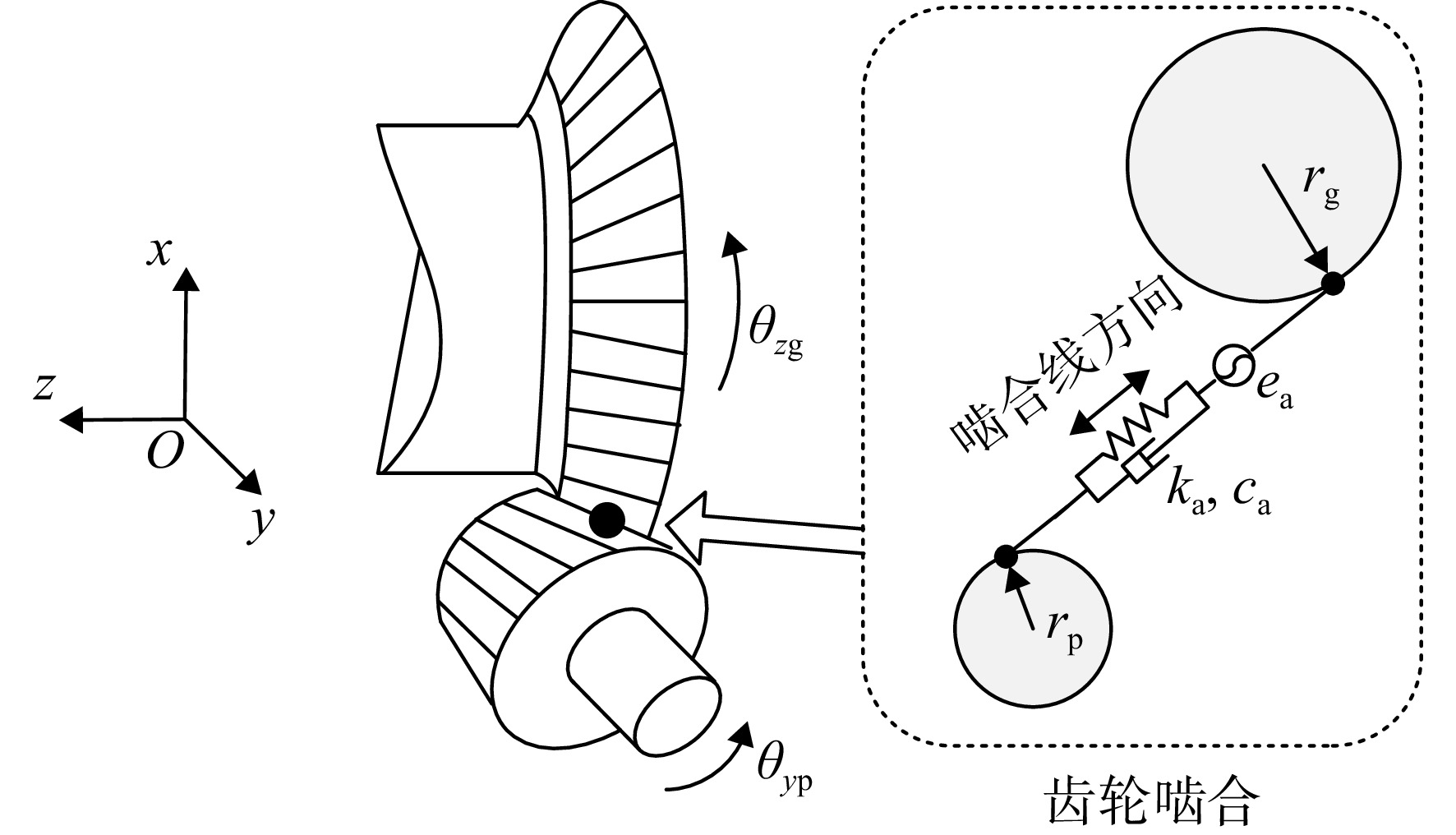
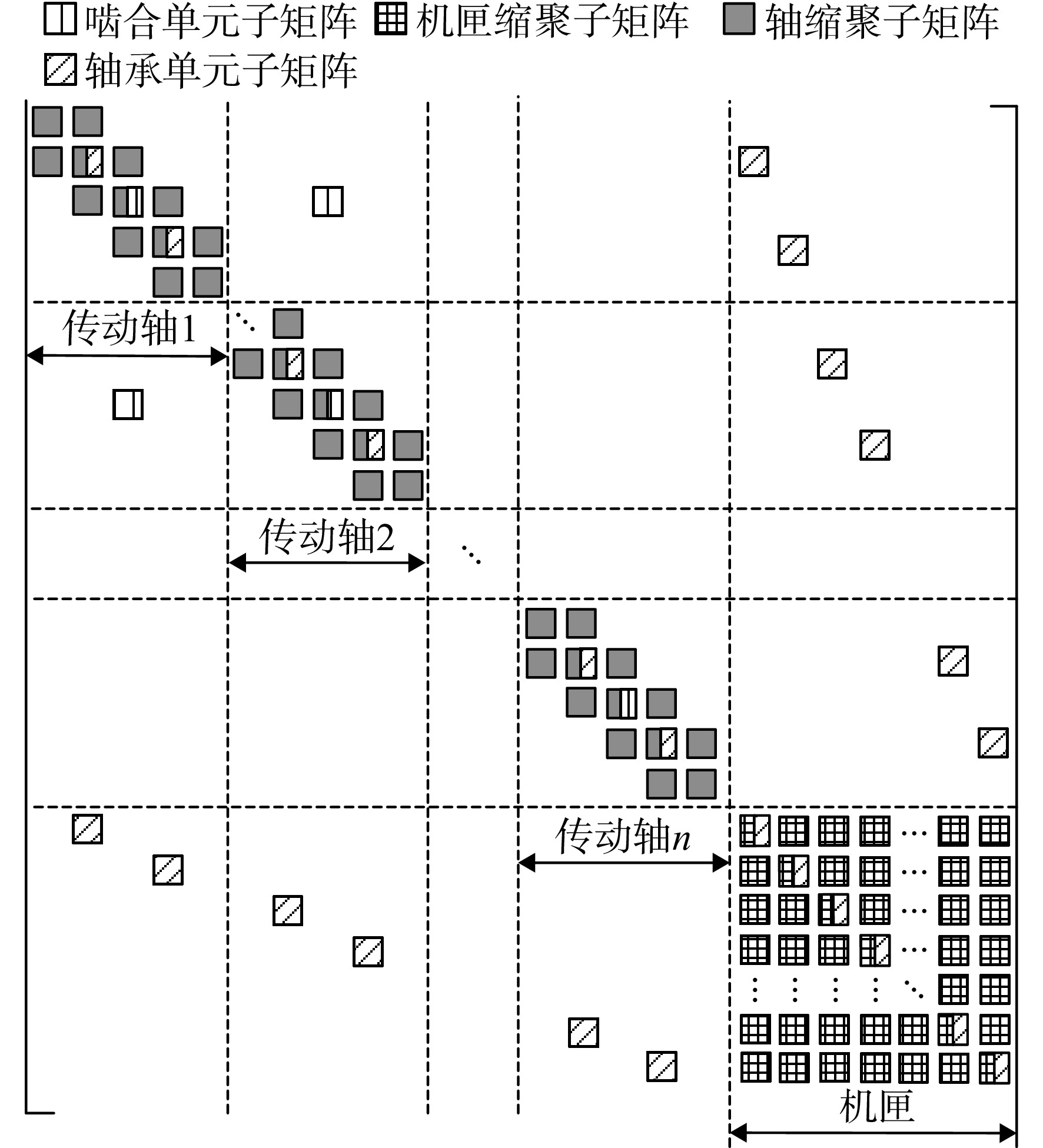
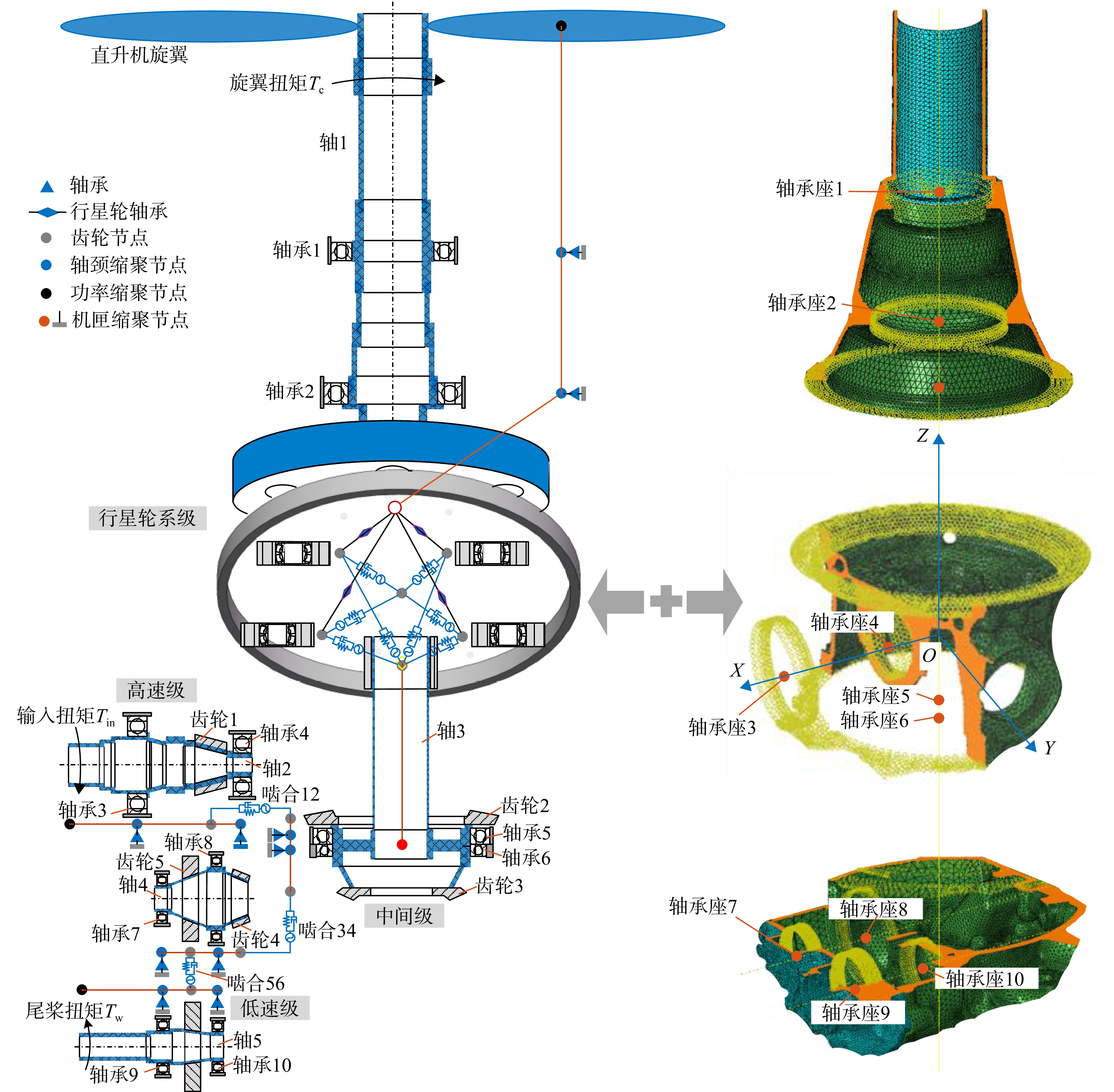
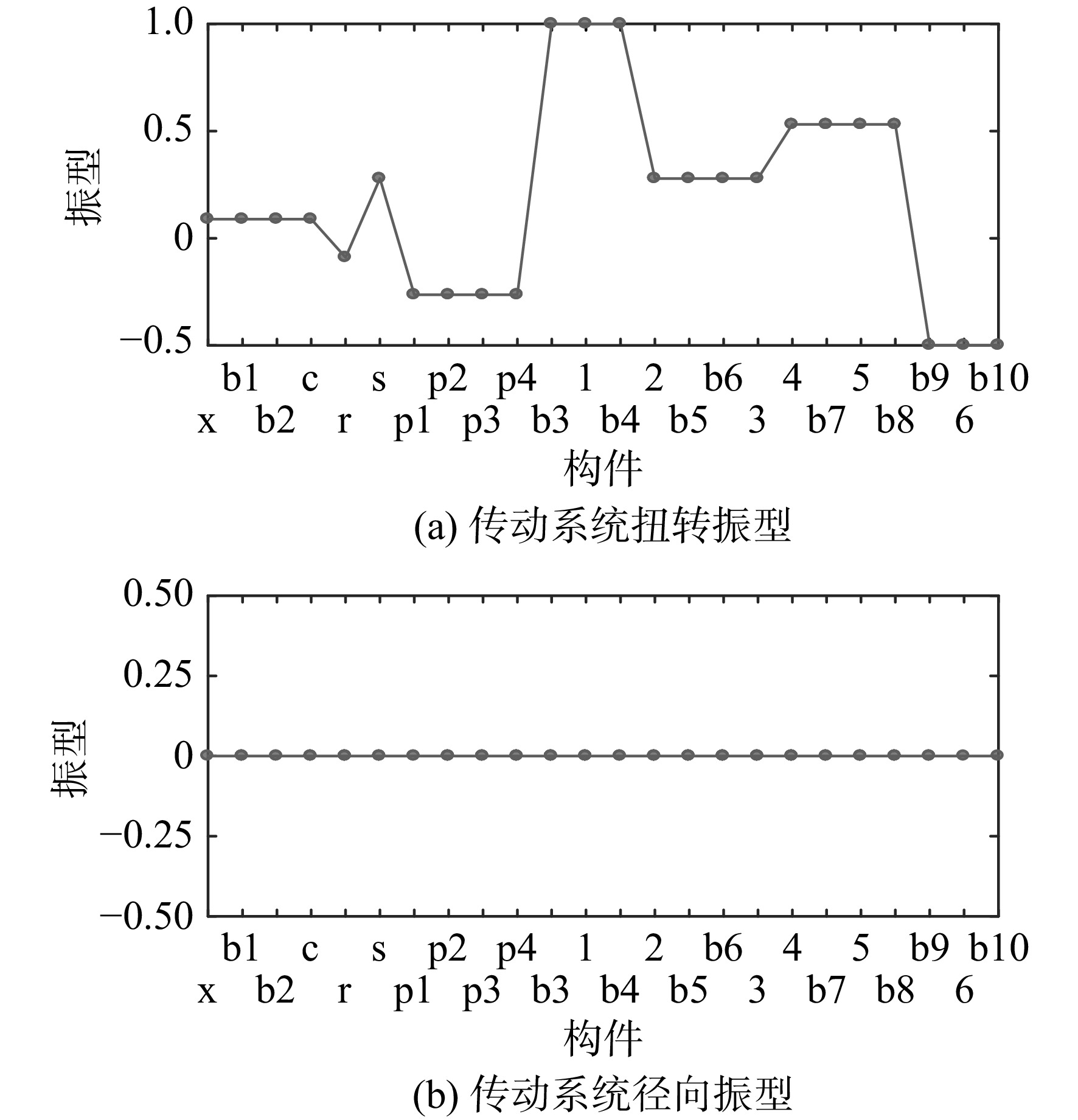
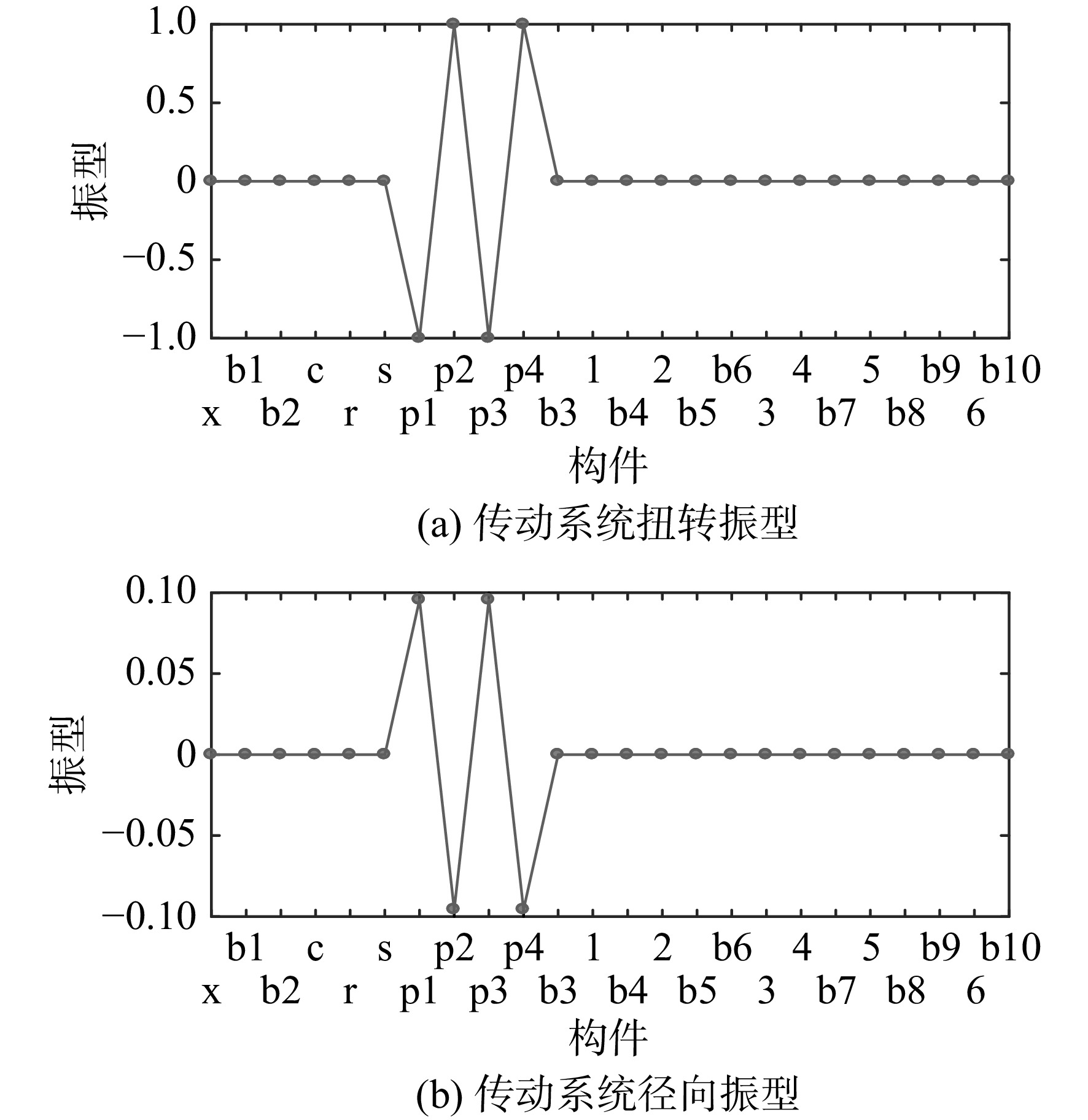
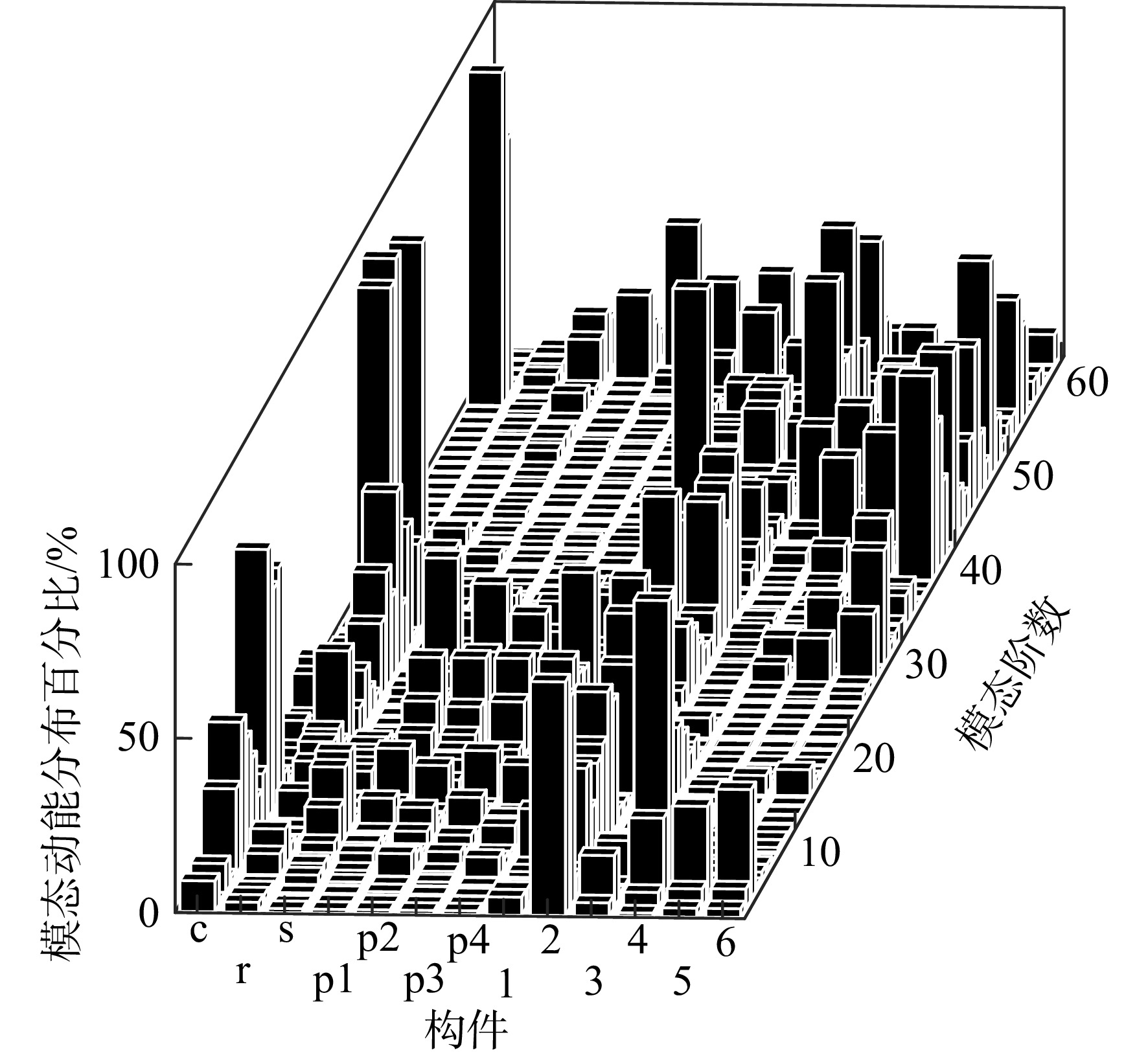
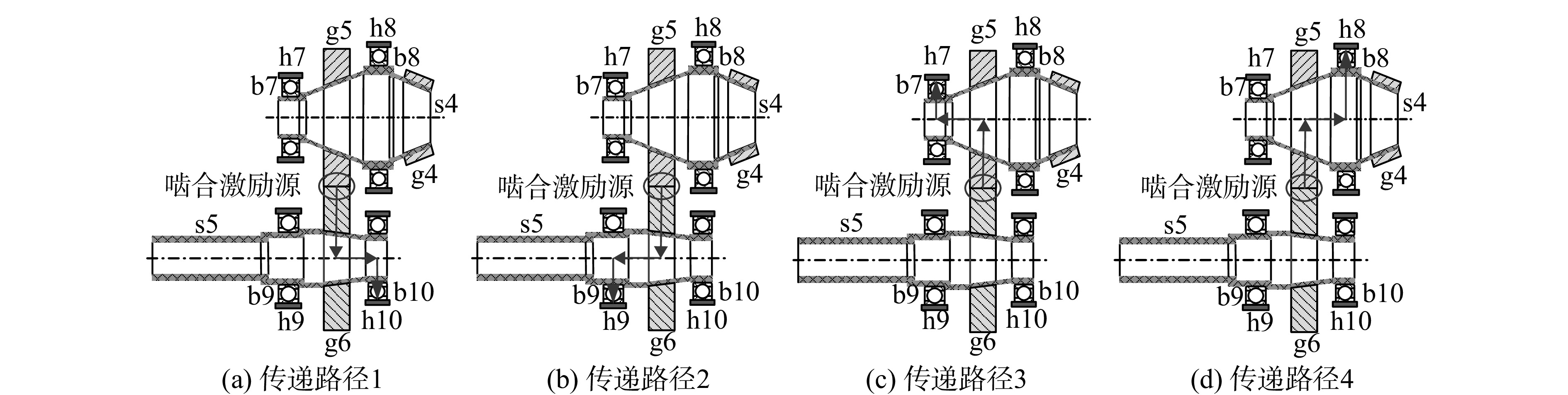
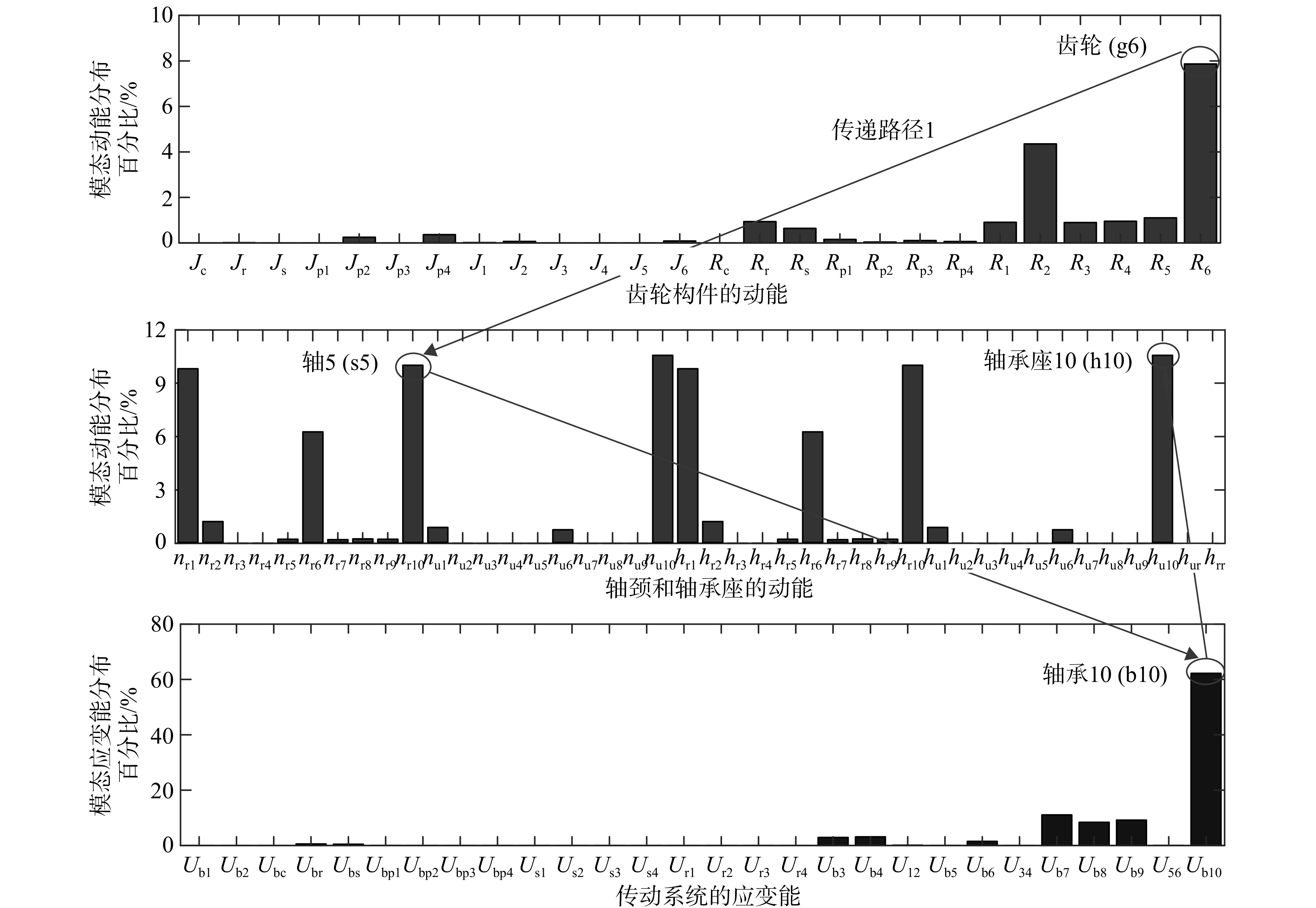
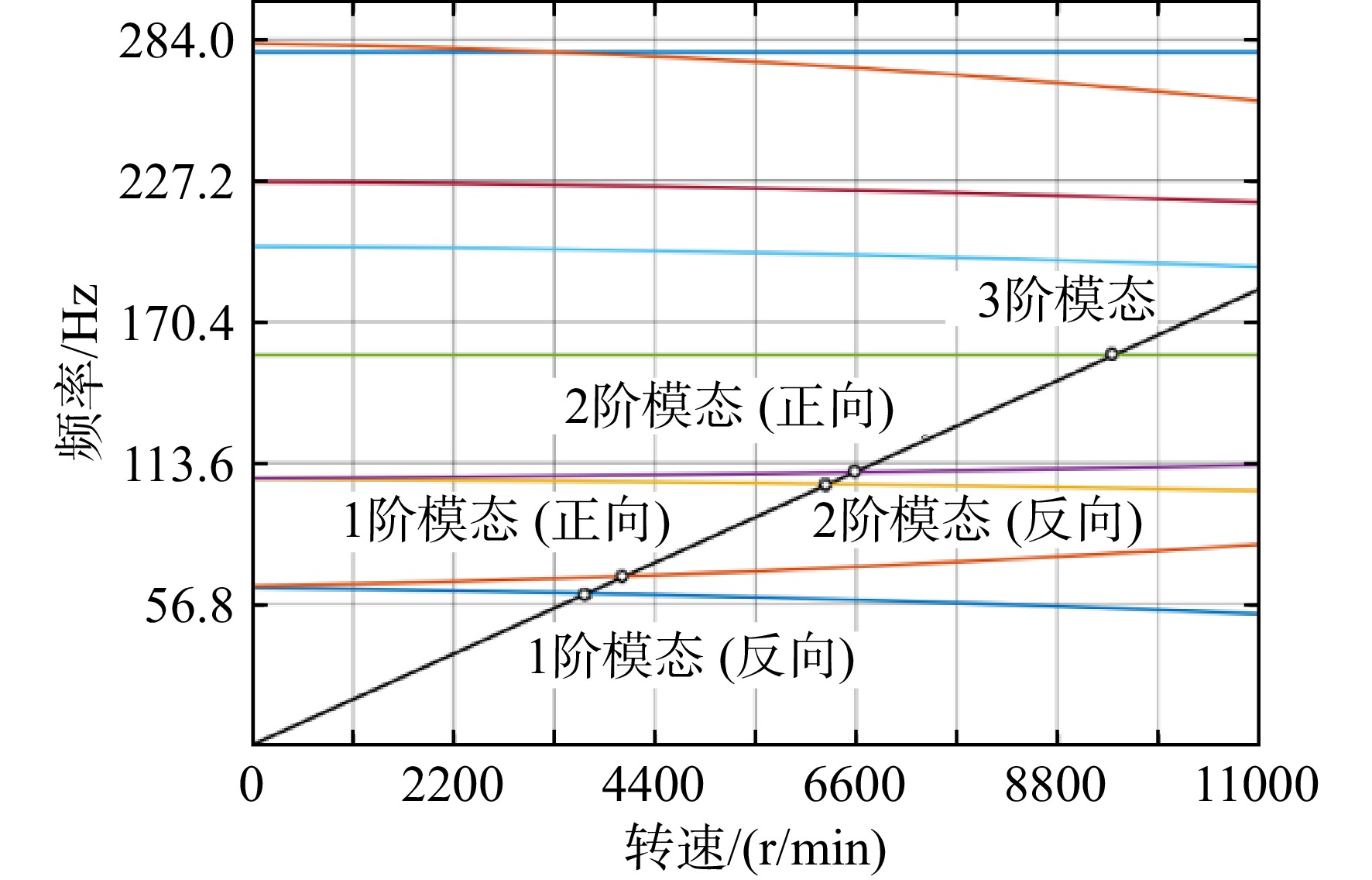
To make the mechanical model better match the physical model, a dynamic model of the helicopter main transmission system considering the structural flexibility was constructed by using the hybrid lumped parameter/finite element modeling method. Based on the established model, the inherent characteristics were analyzed, and the resonance energy transfer characteristics of the system were comprehensively studied using Campbell diagram and modal energy method. The results showed that the vibration modes of the helicopter main transmission system can be classified into global pure torsional vibration mode, fixed shaft-planetary gear coupling vibration mode, local planetary gear vibration mode and local fixed shaft transmission vibration mode. When the input speed was close to 5210 r/min, the meshing frequency of low-speed stage was easy to cause the resonance of the system, and the vibration energy may be mainly transmitted through gear 6, shaft 5, bearing 10 and bearing seat 10. Among them, gear 6 and bearing 10 were considered dangerous components due to their large modal energy.

Selection of sensor locations of whole engine for monitoring vibrations of rotor system
WU Fanqi, ZANG Chaoping, GAO Dongwu, JING Tong, TAN Li, ZHANG Bingjie, WANG Xin
2025, 40(9): 20230164. doi: 10.13224/j.cnki.jasp.20230164
Abstract:
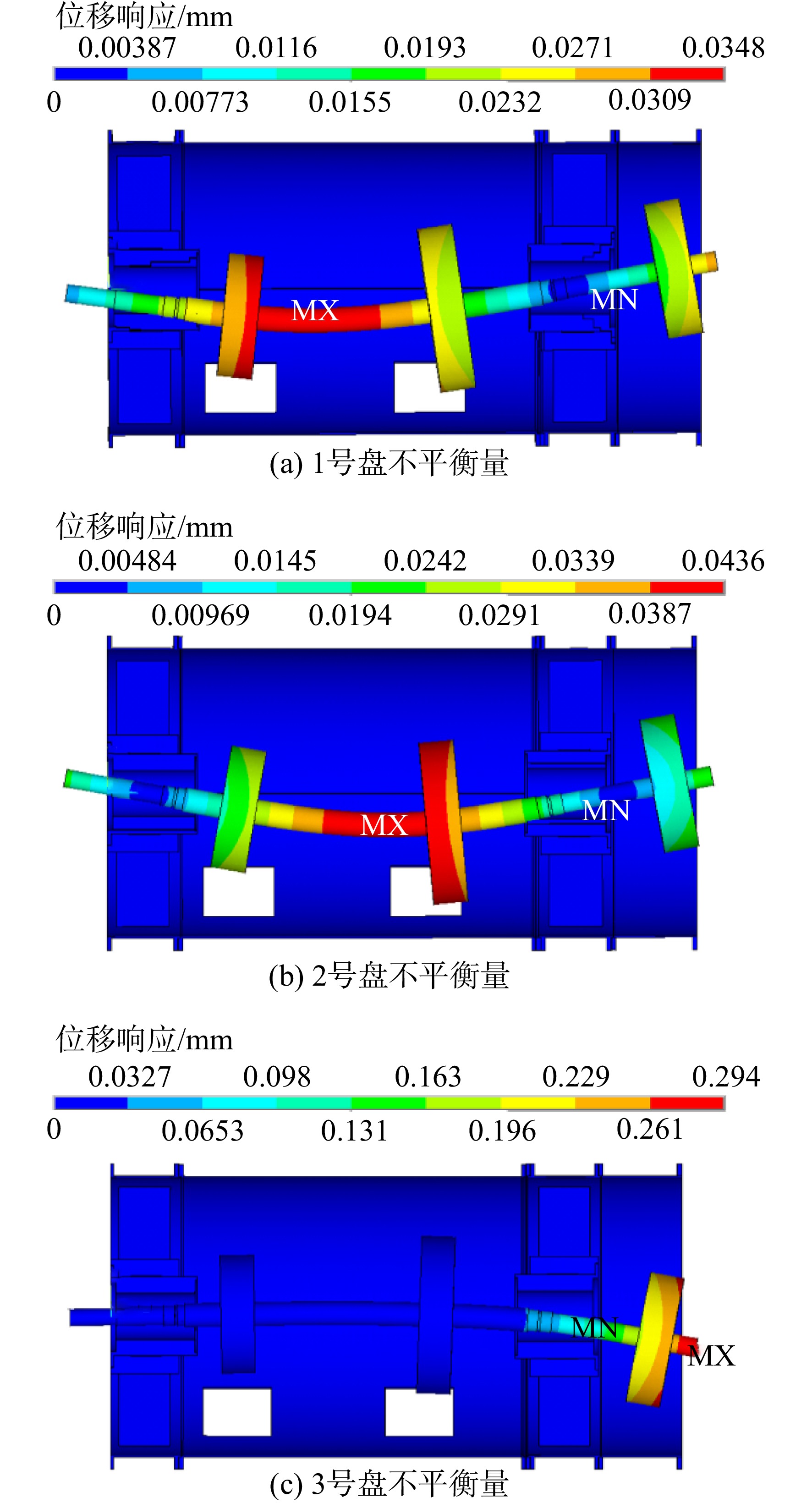
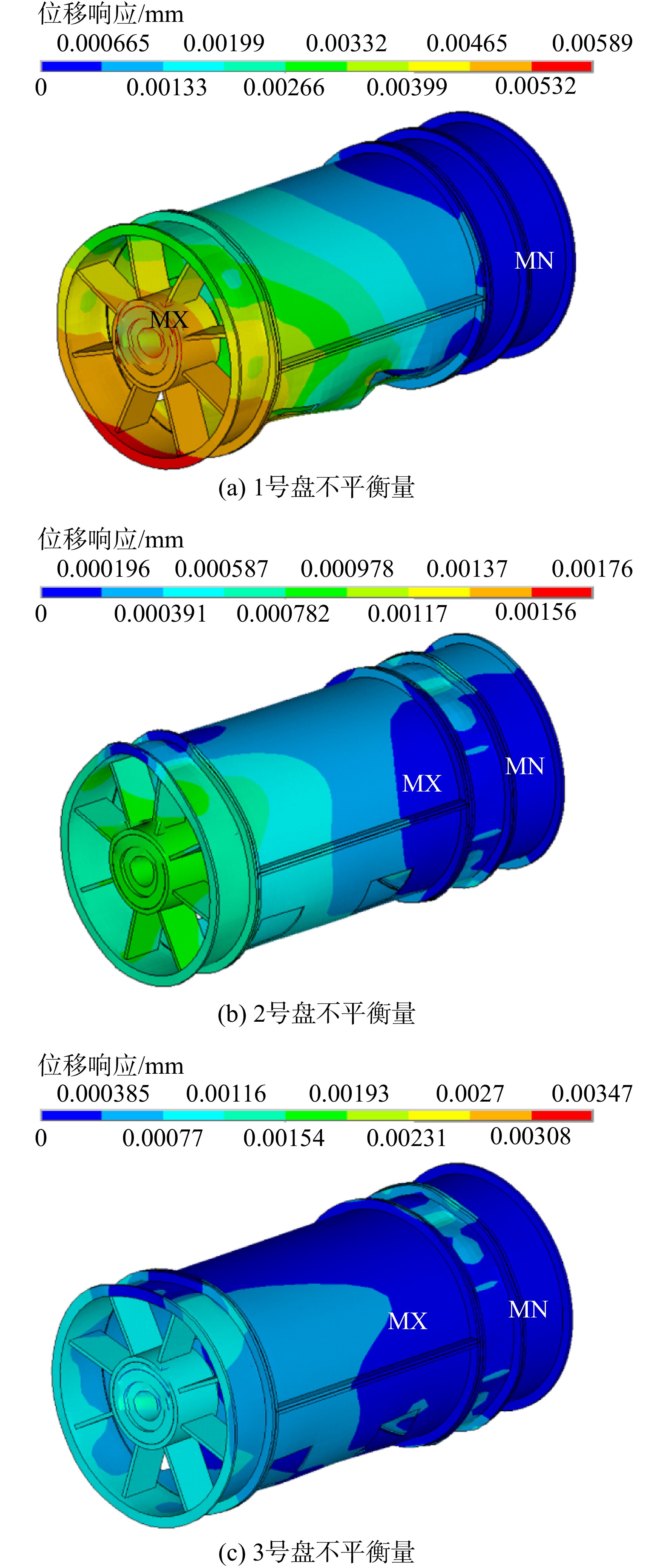
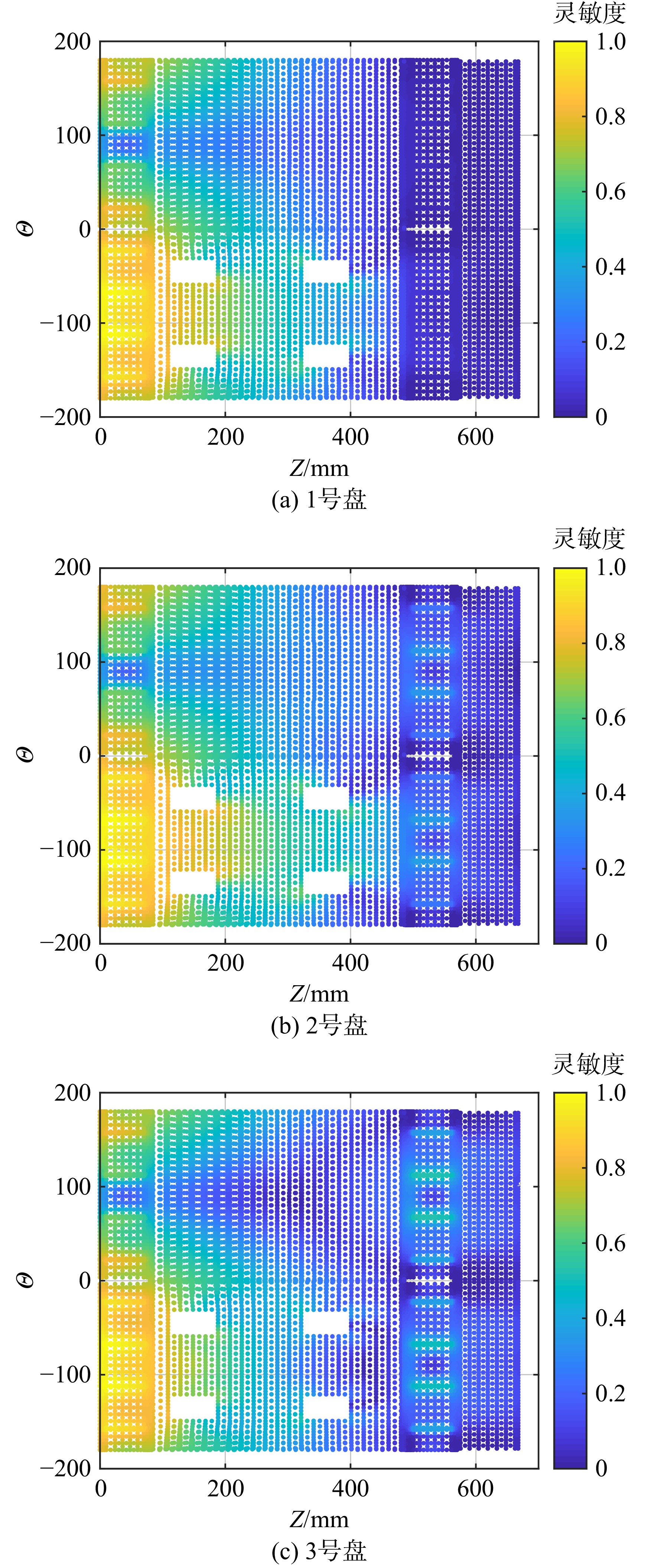
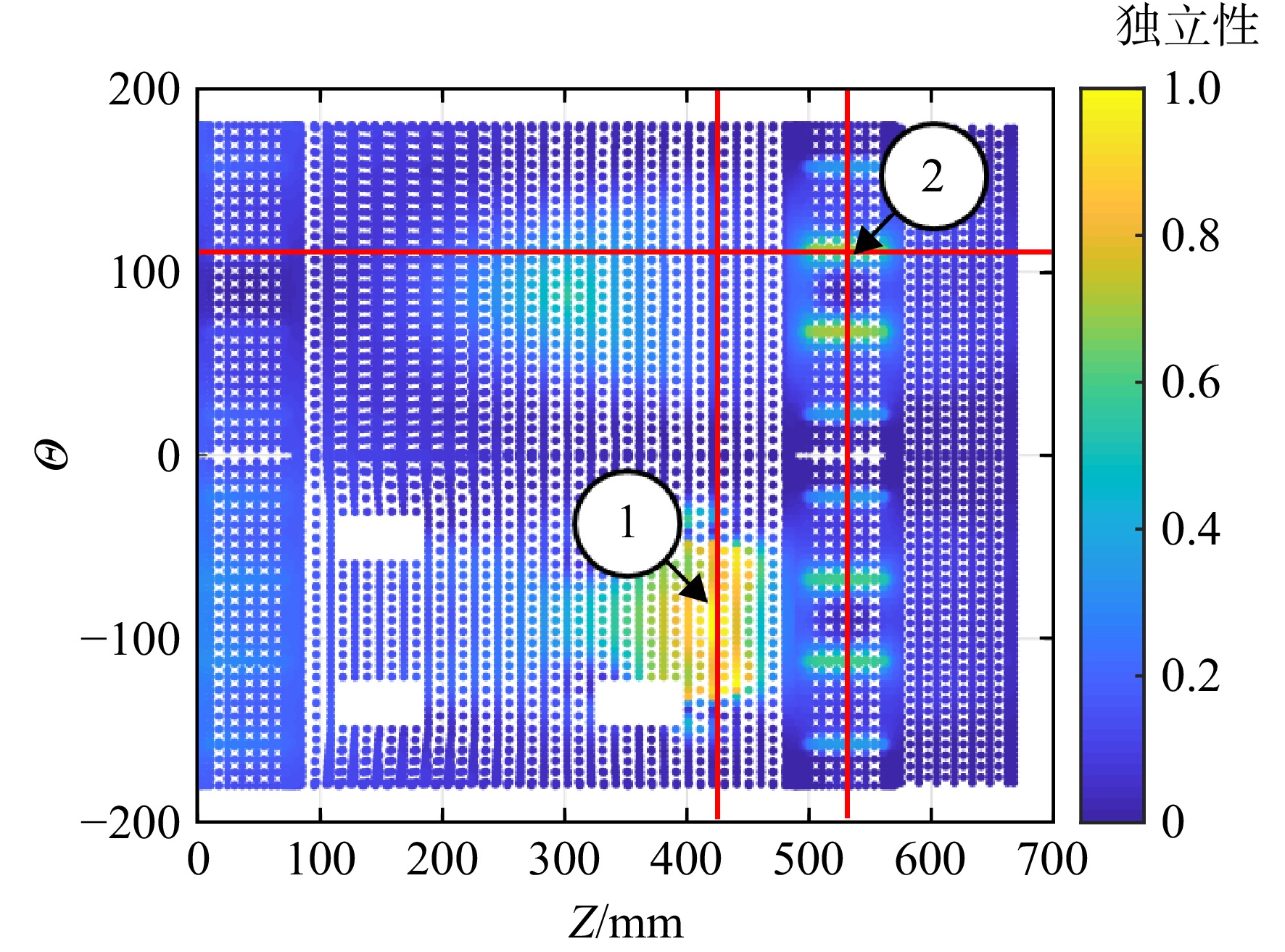
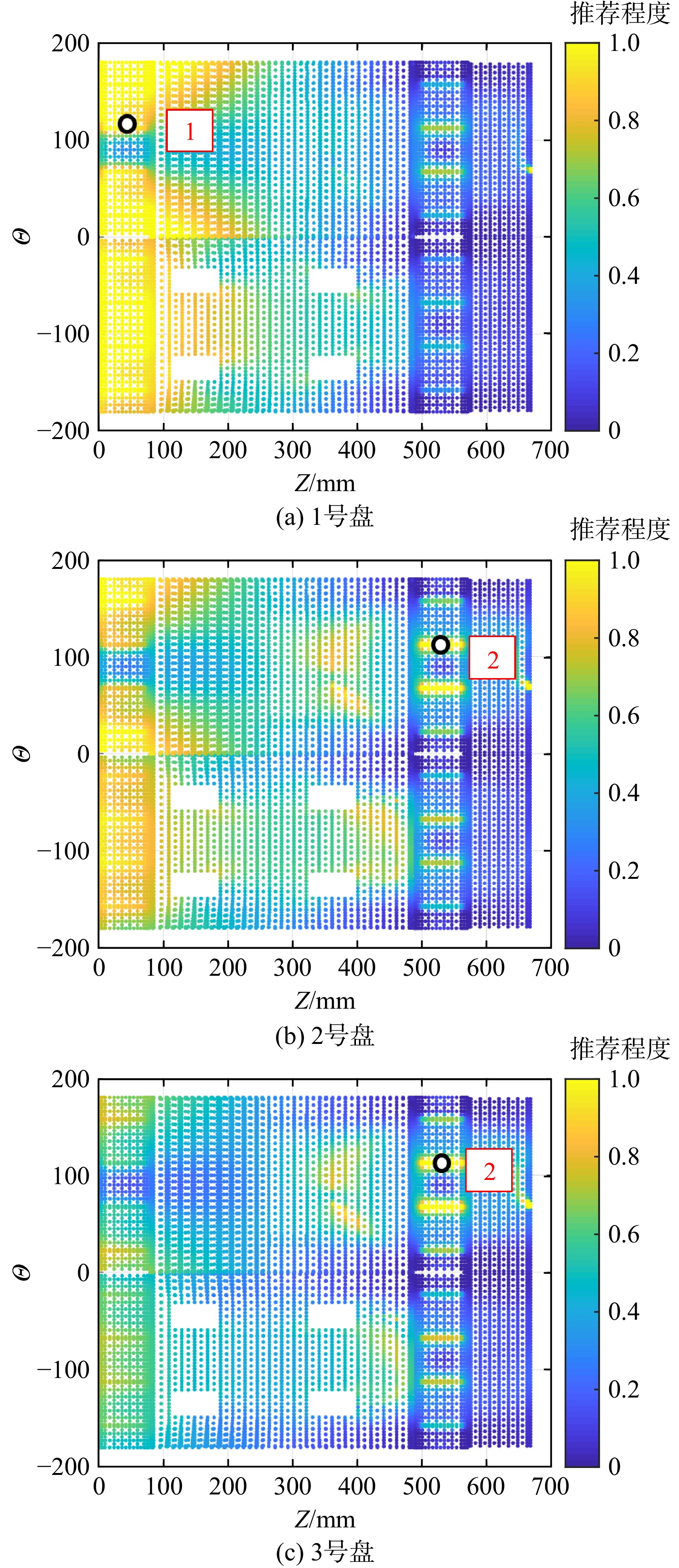
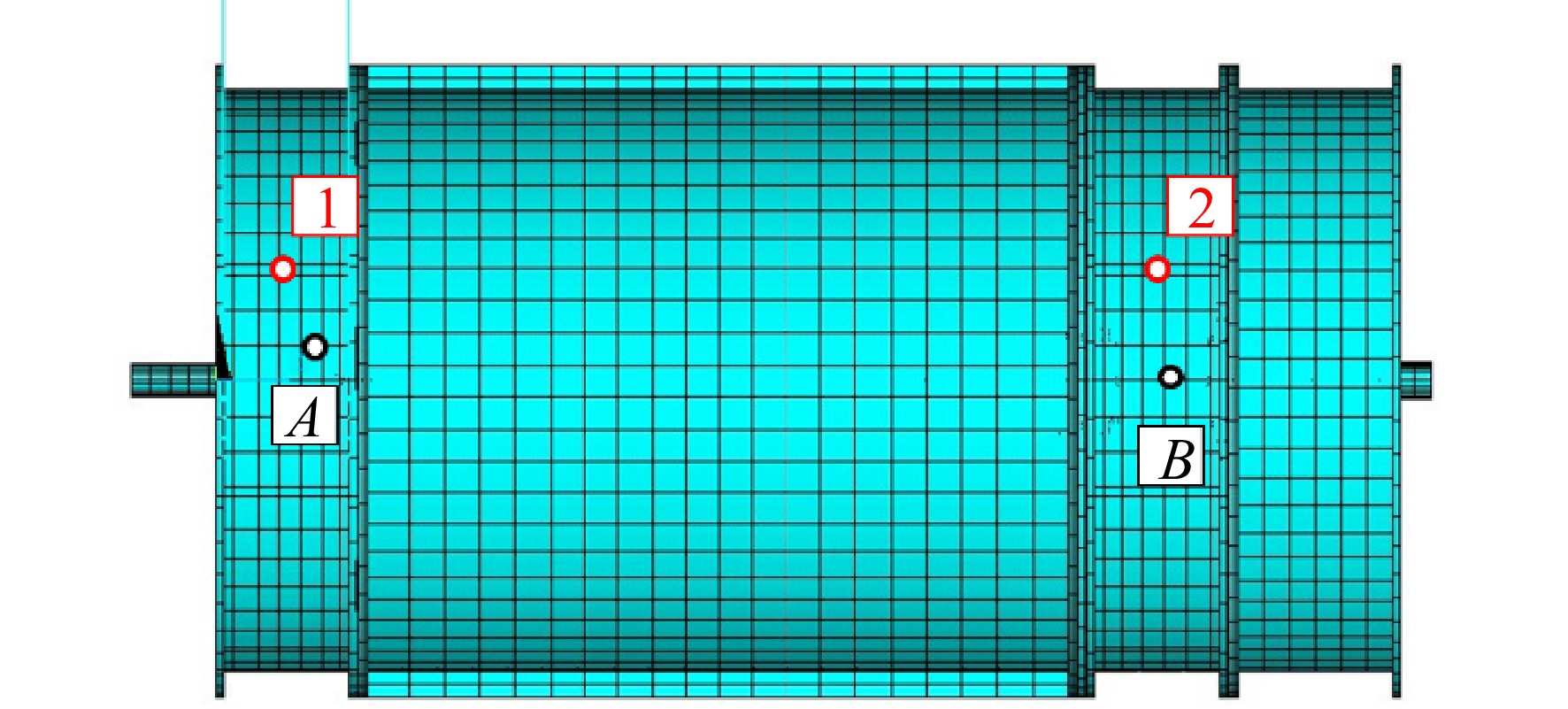
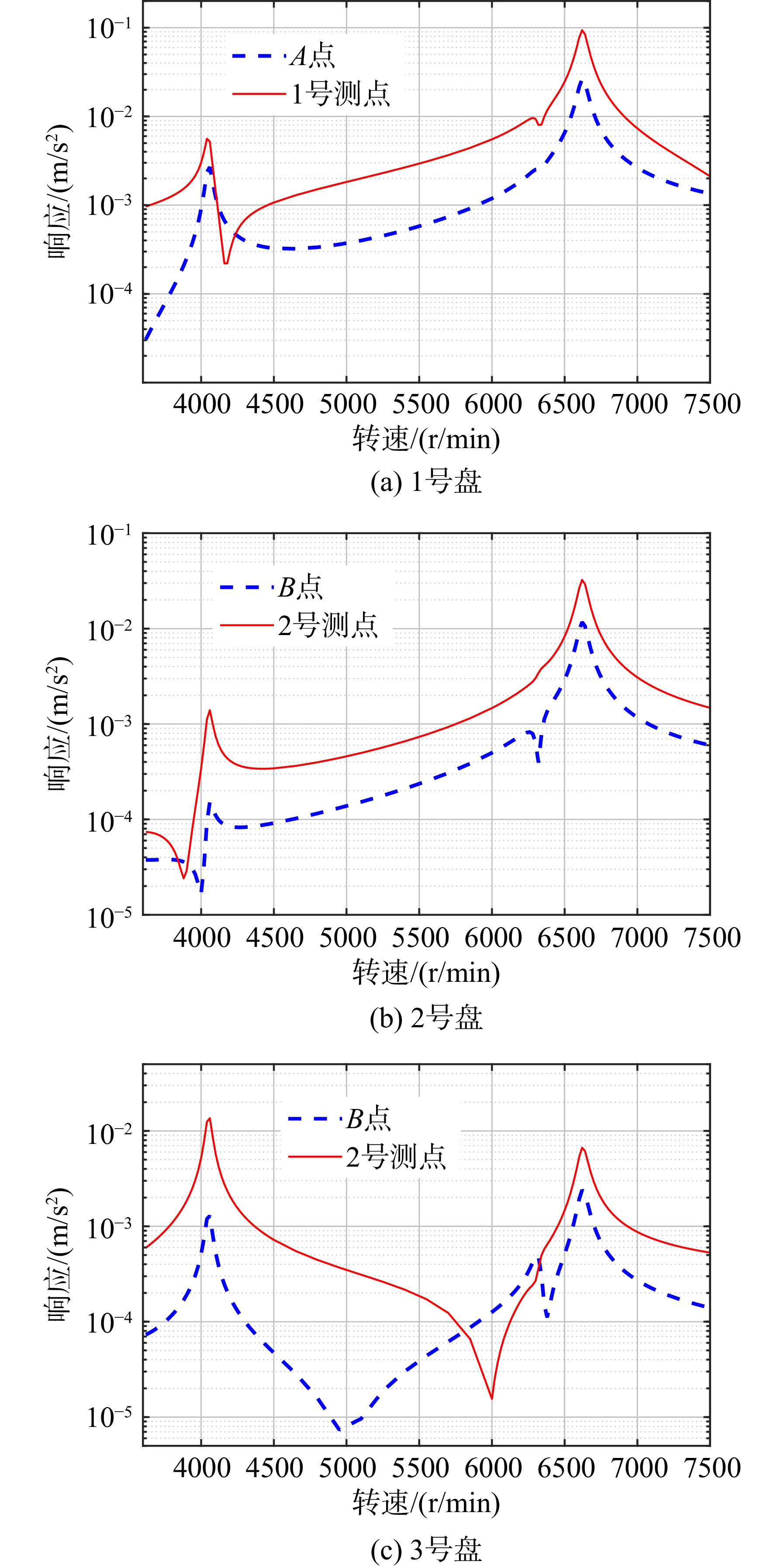
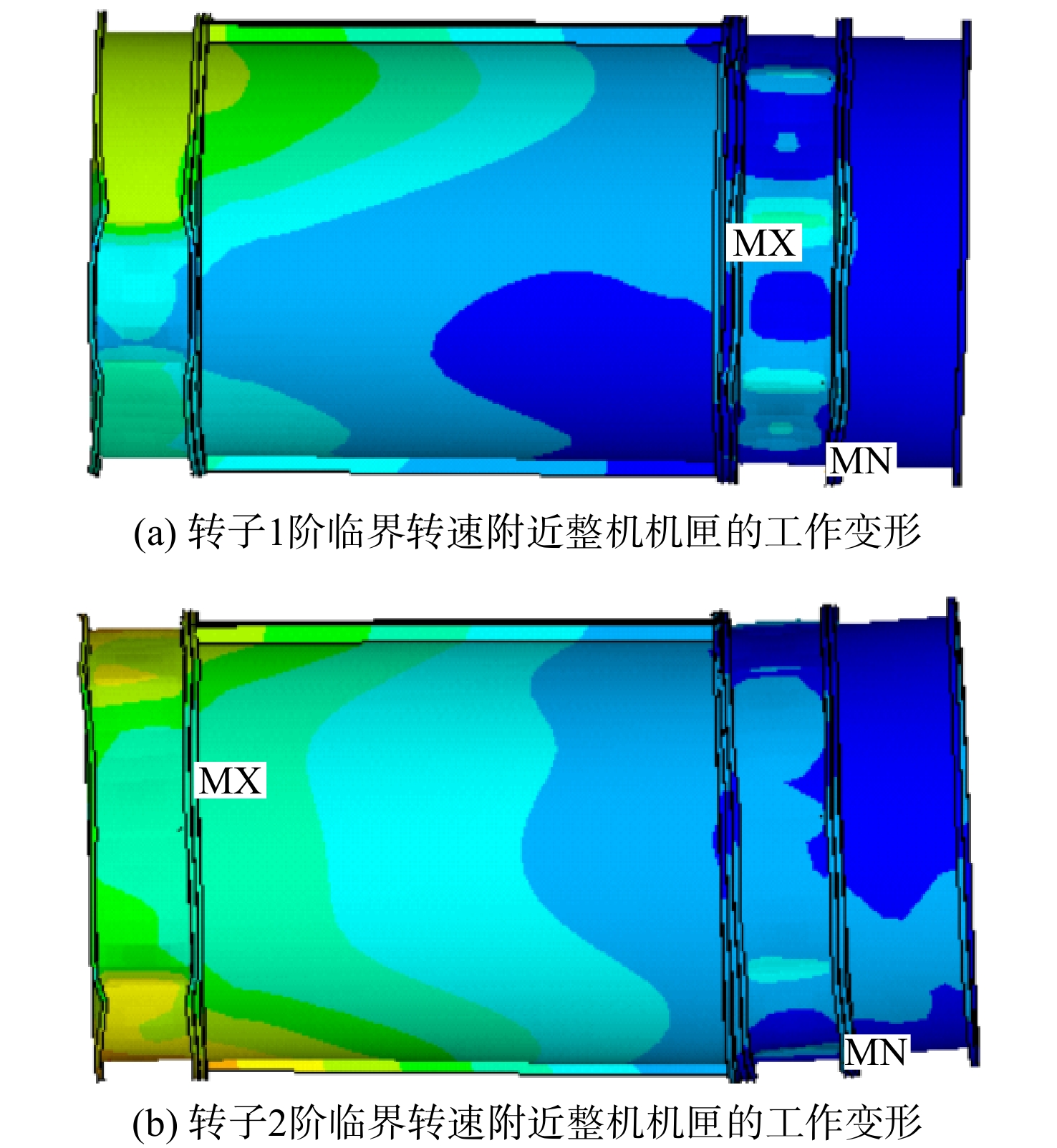
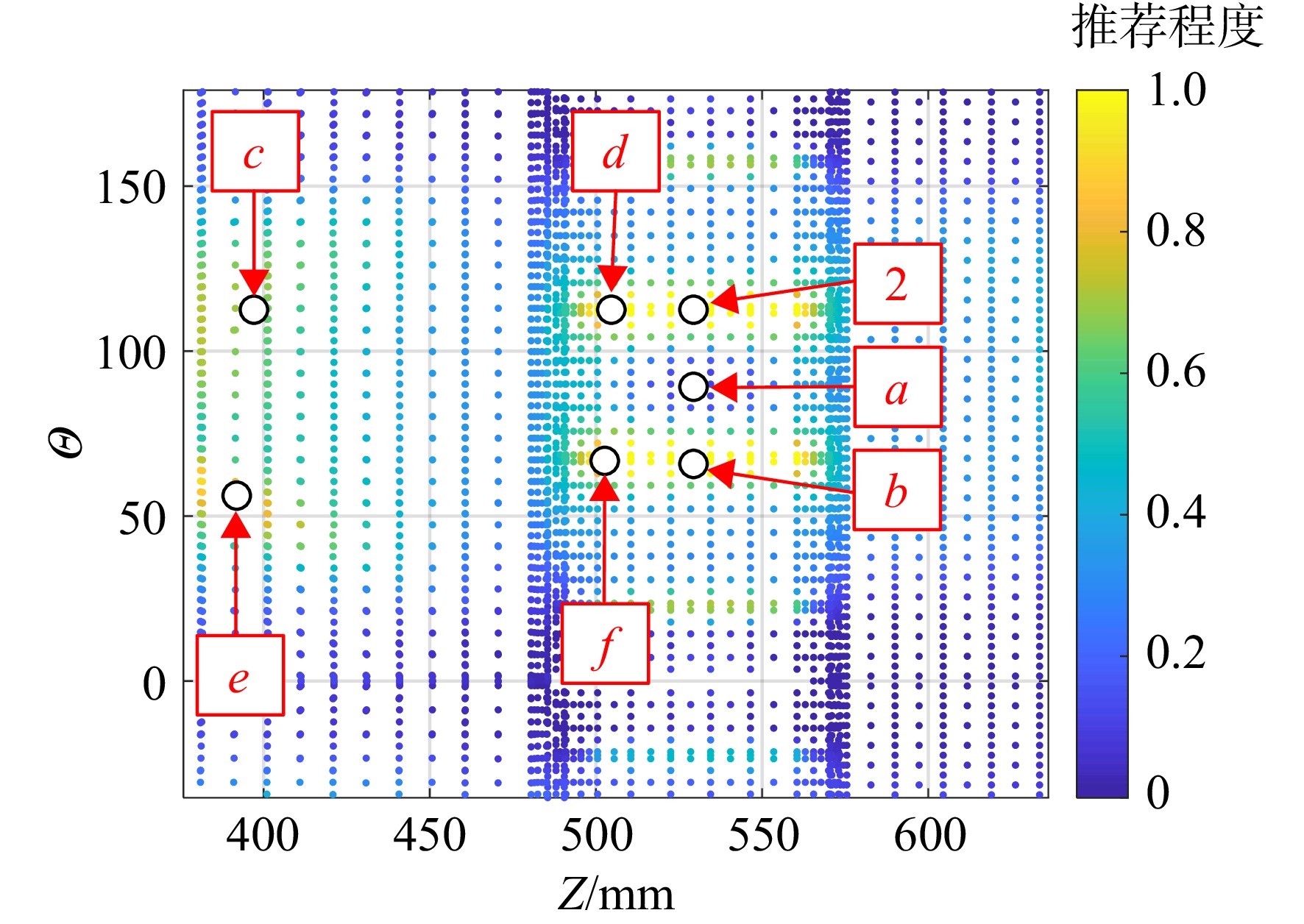
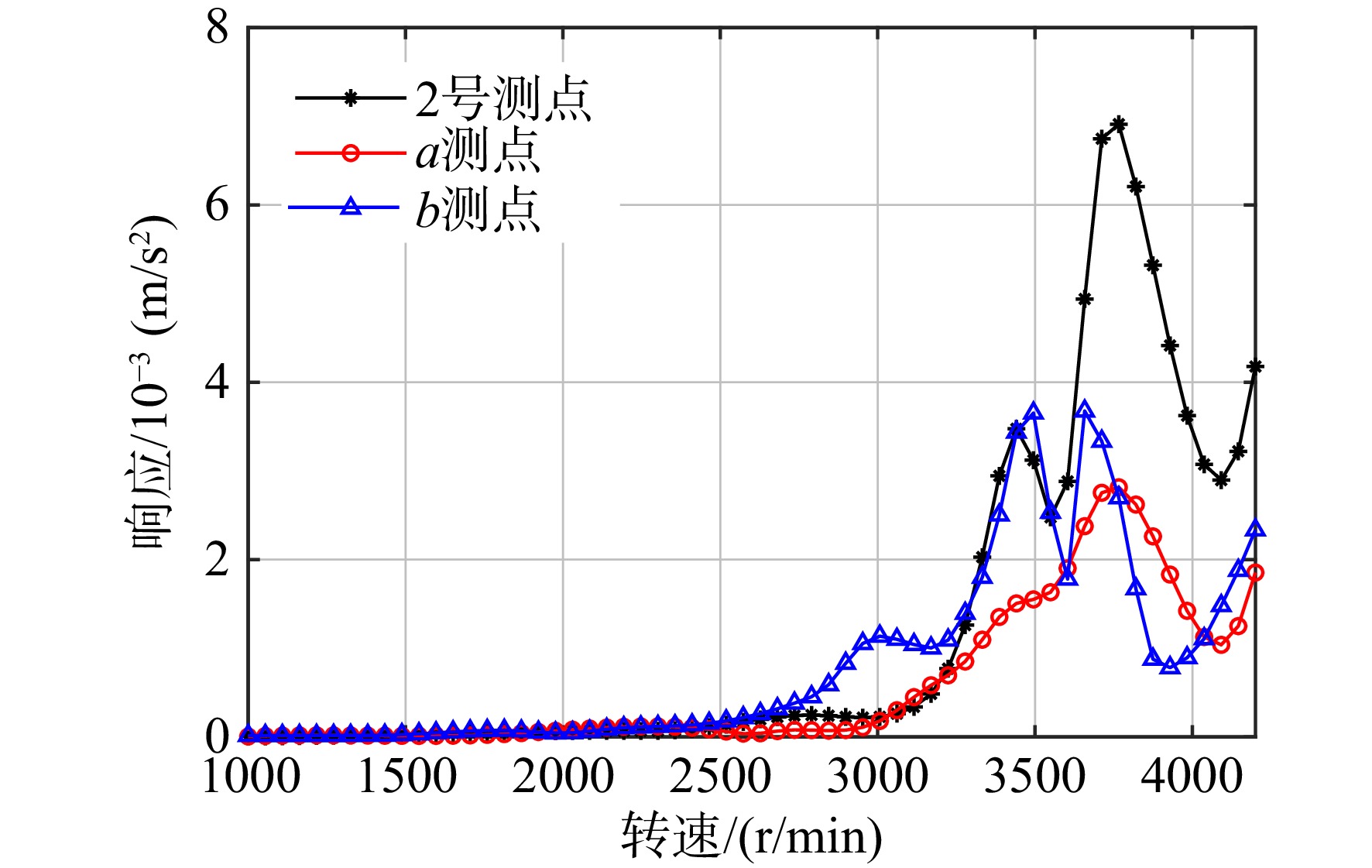
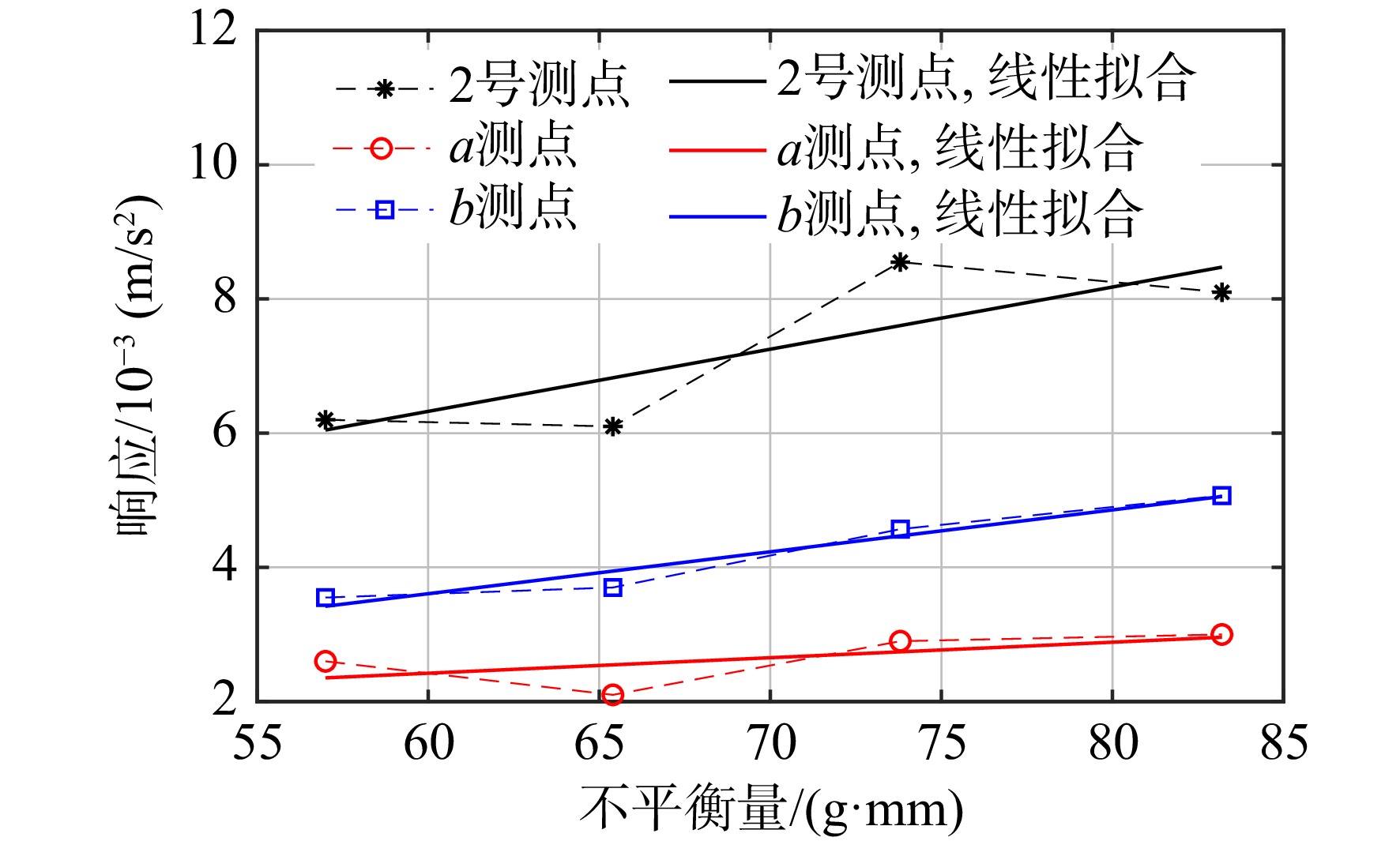
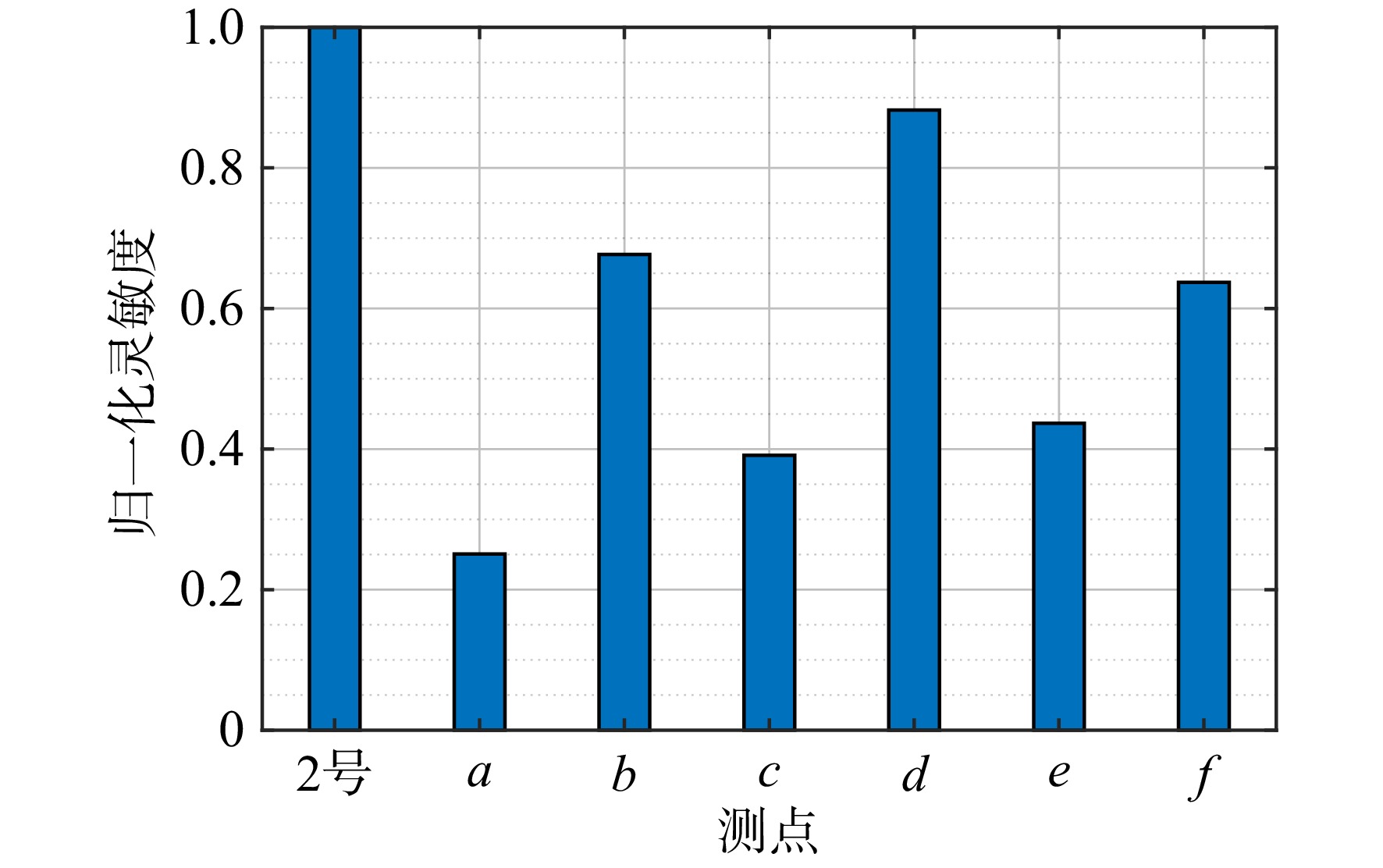
A method was proposed for the selection of sensor locations on the case surface of the whole engine for vibration monitoring of a rotor system. A sensitivity analysis of responses on the case surface with respect to rotor excitations was developed through vibration responses of the whole engine under excitations caused by the rotor system. An effective-independence method was developed to analyze the independence of measurement points according to the sensitivity information. Furthermore, the optimal locations of measuring points on the case surface can be selected considering the sensitivity and independence of each measuring point comprehensively. Taking the test rig of a single rotor system designed with the similarity of dynamics of an aero-engine, as an example, the two optimal measuring points on the casing were firstly selected using the finite element modelling and analysis for effectively monitoring the rotor vibration. Afterwards, measurement on the test rig was carried out at different rotating speeds and the response results were compared with the predicted before. A good agreement was matched between the measurement and the predicted result. The sensitivity of the best measuring point can be up to 3 times higher than that of other measuring points, which had a satisfactory vibration monitoring effect.

Nonlinear parameter identification method for clamps based on neural network proxy model
ZHANG Xinsheng, ZANG Chaoping, WANG Xin, ZHANG Rangwei, GAO Dongwu
2025, 40(9): 20230761. doi: 10.13224/j.cnki.jasp.20230761
Abstract:
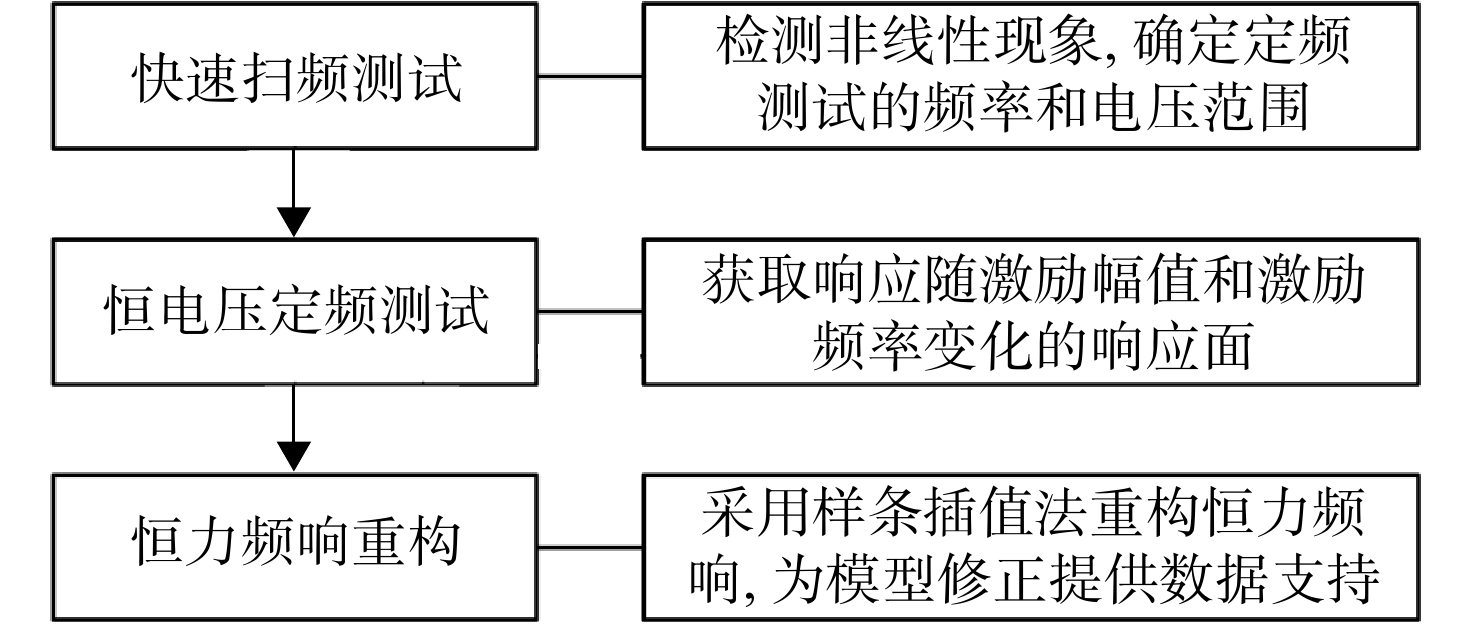
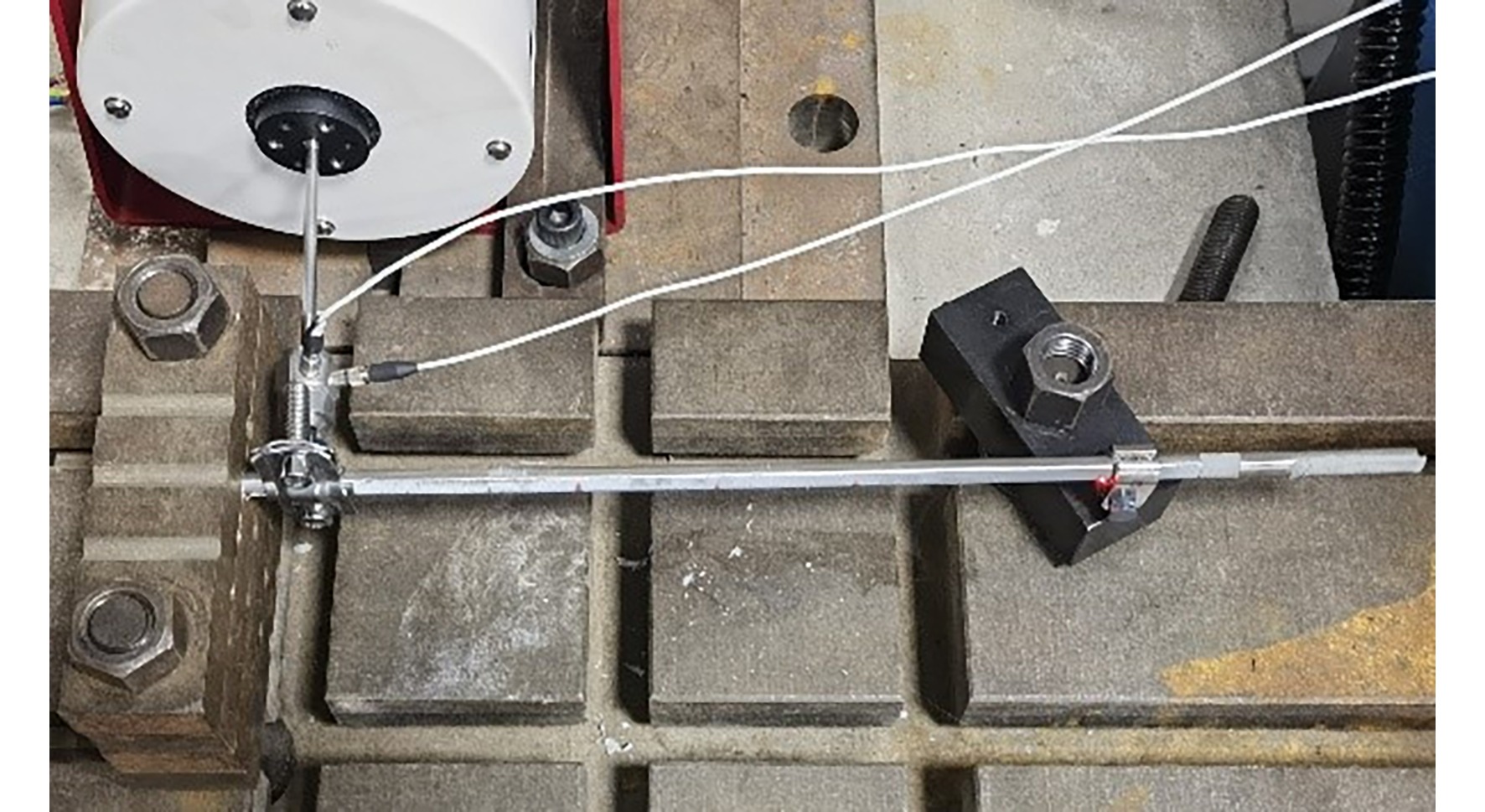
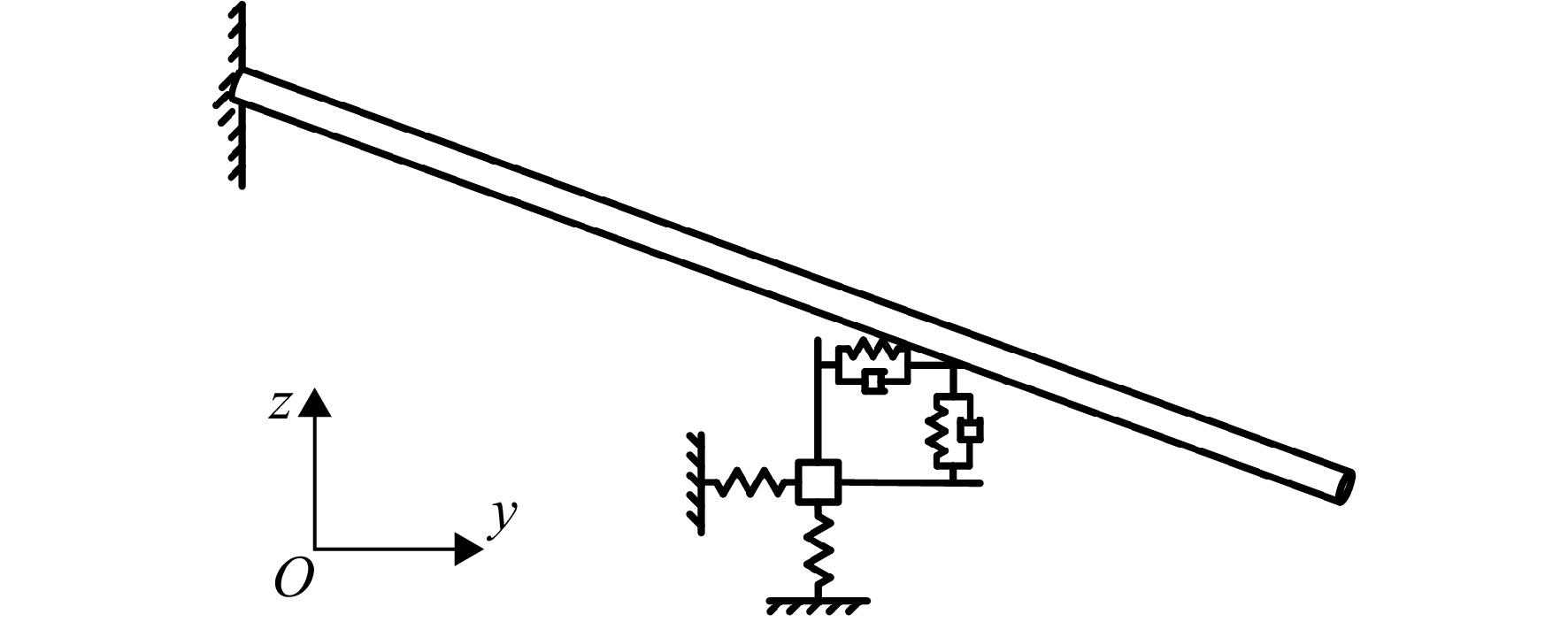
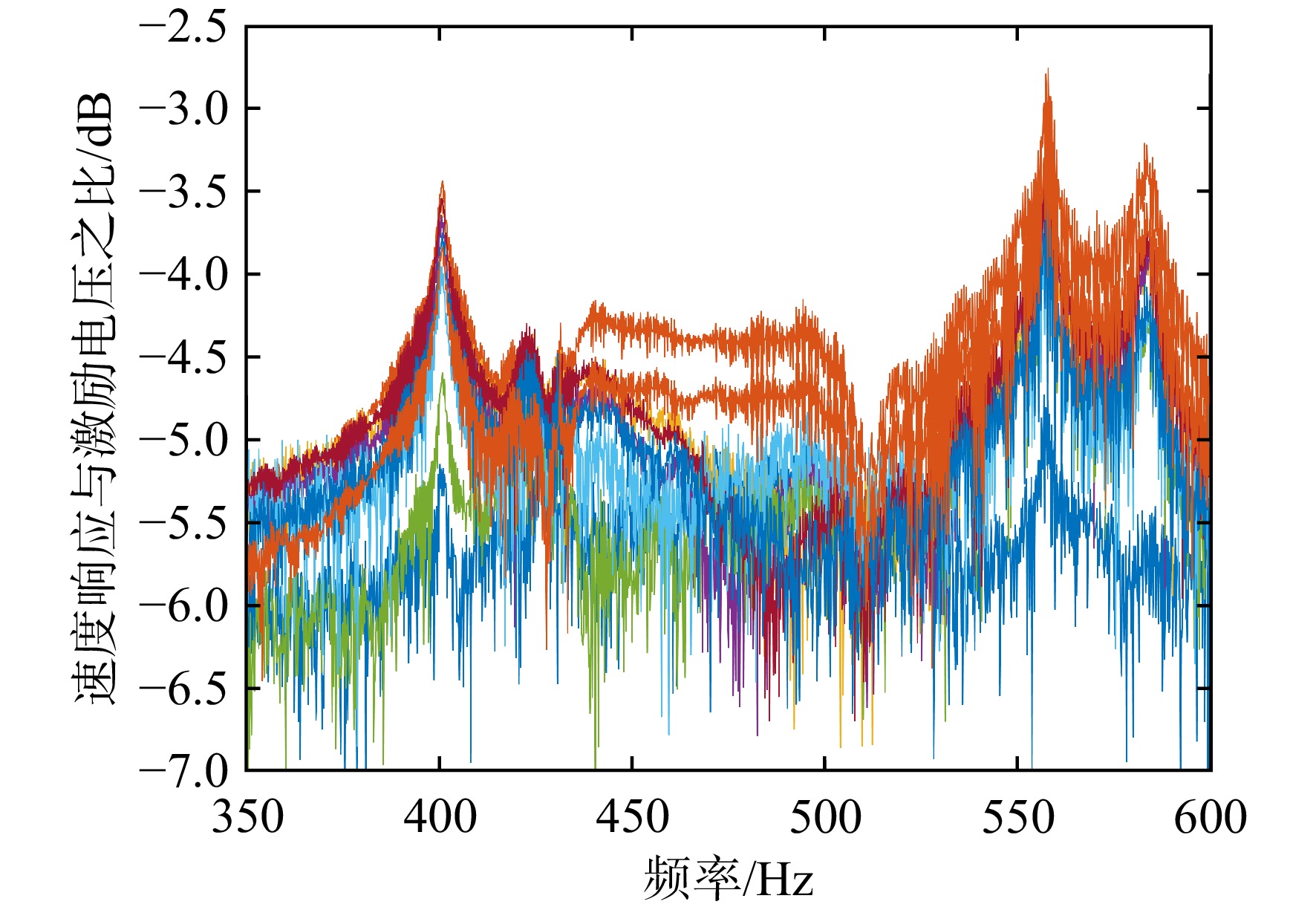
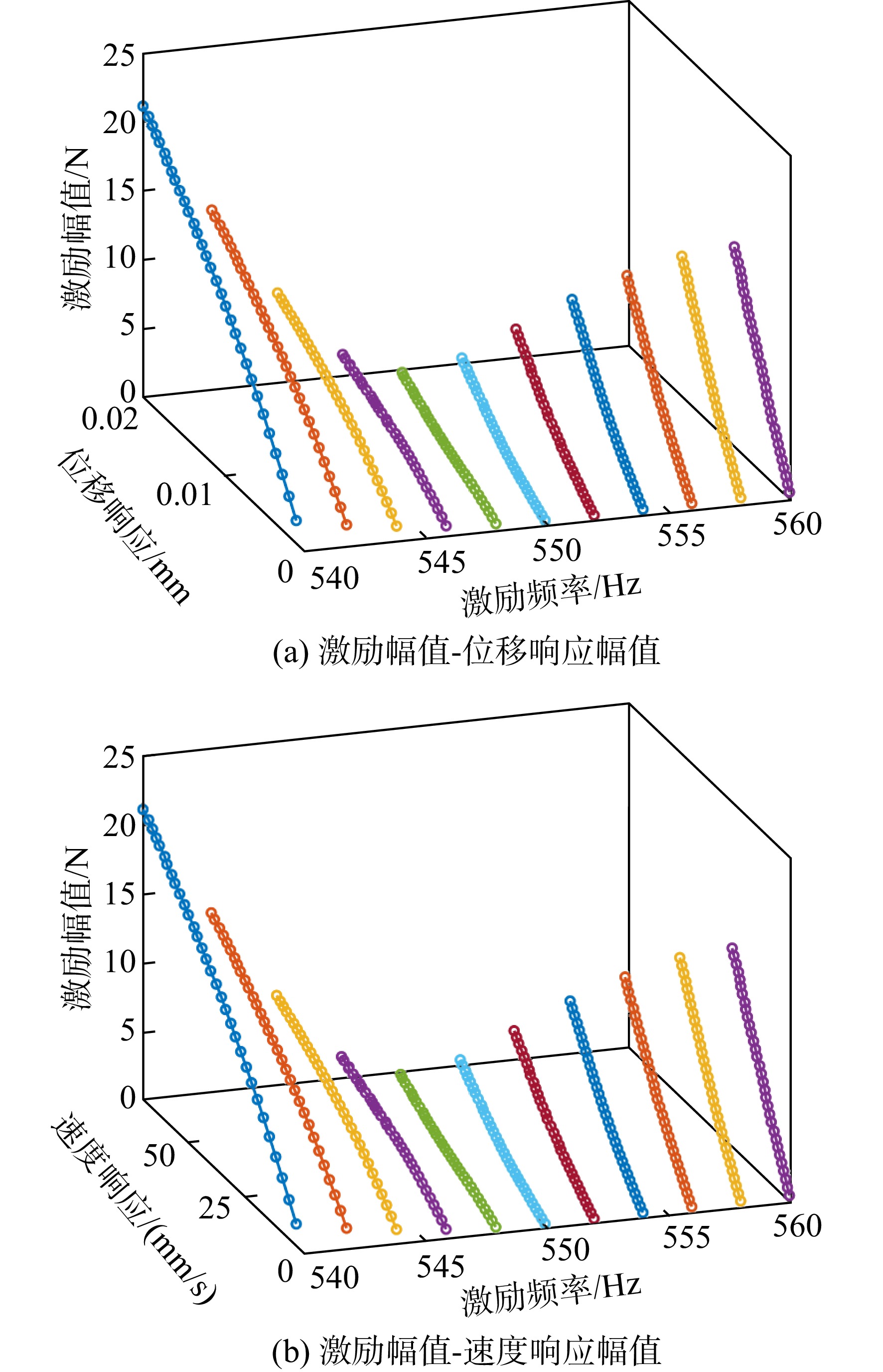
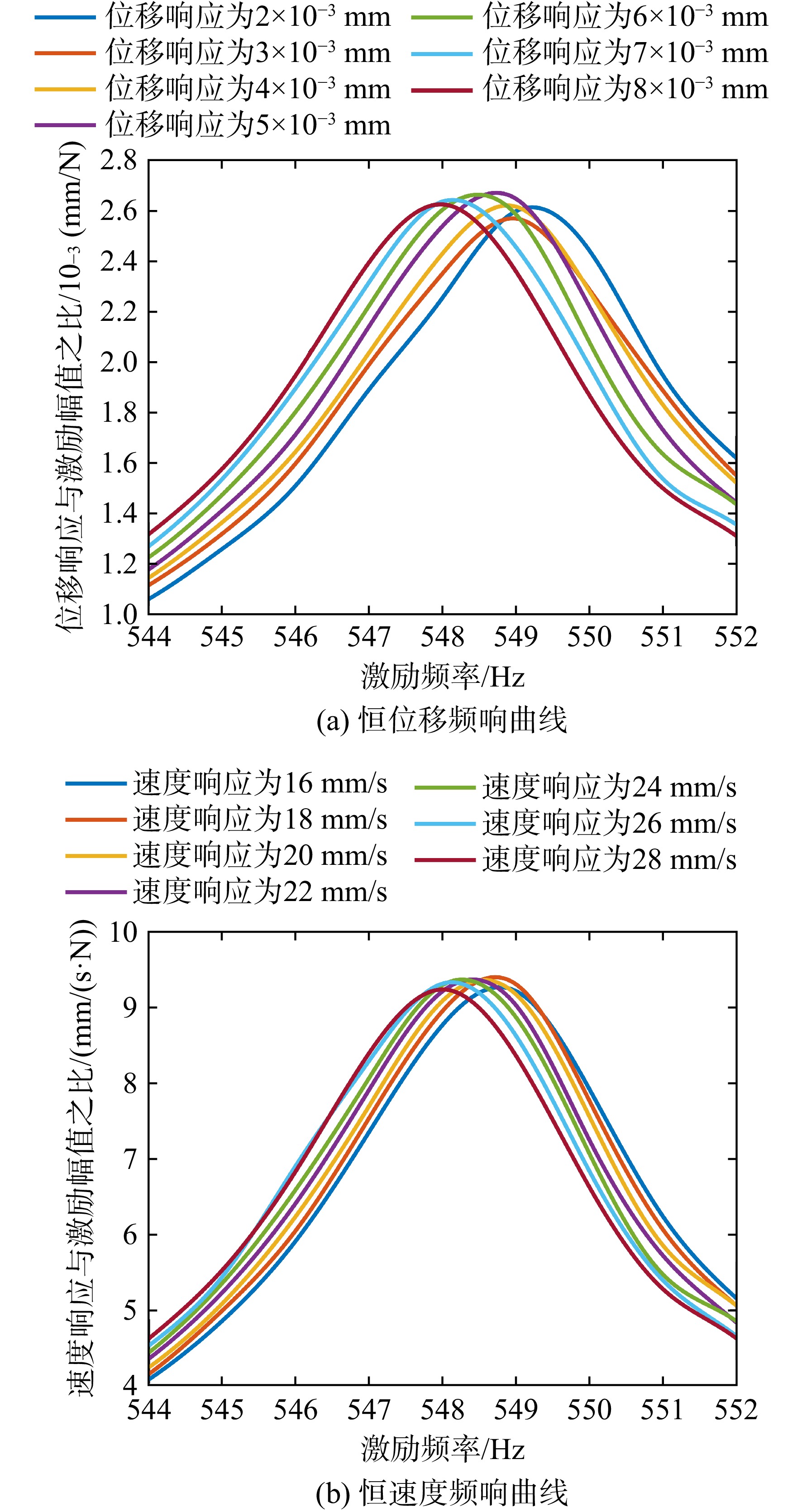
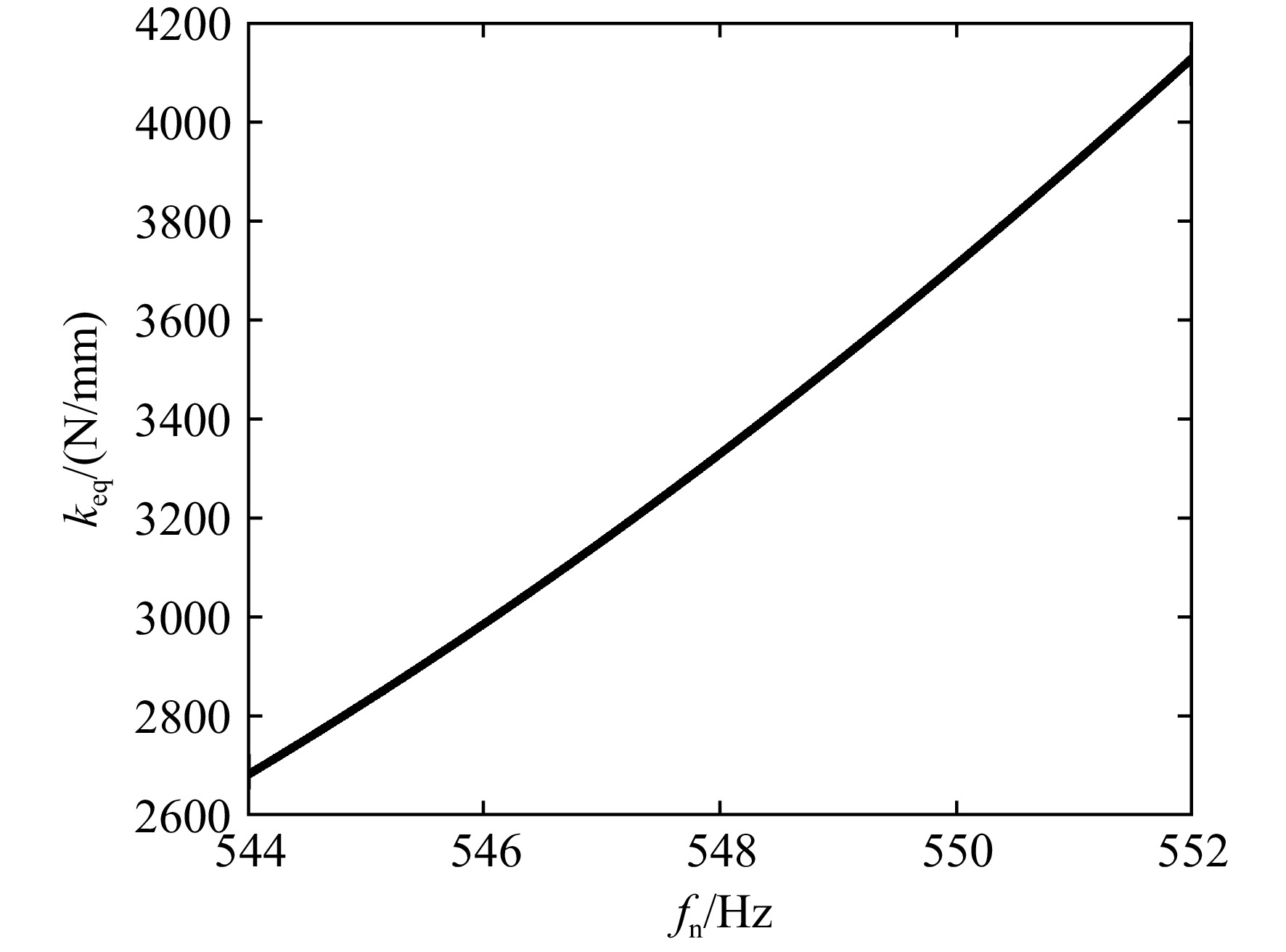
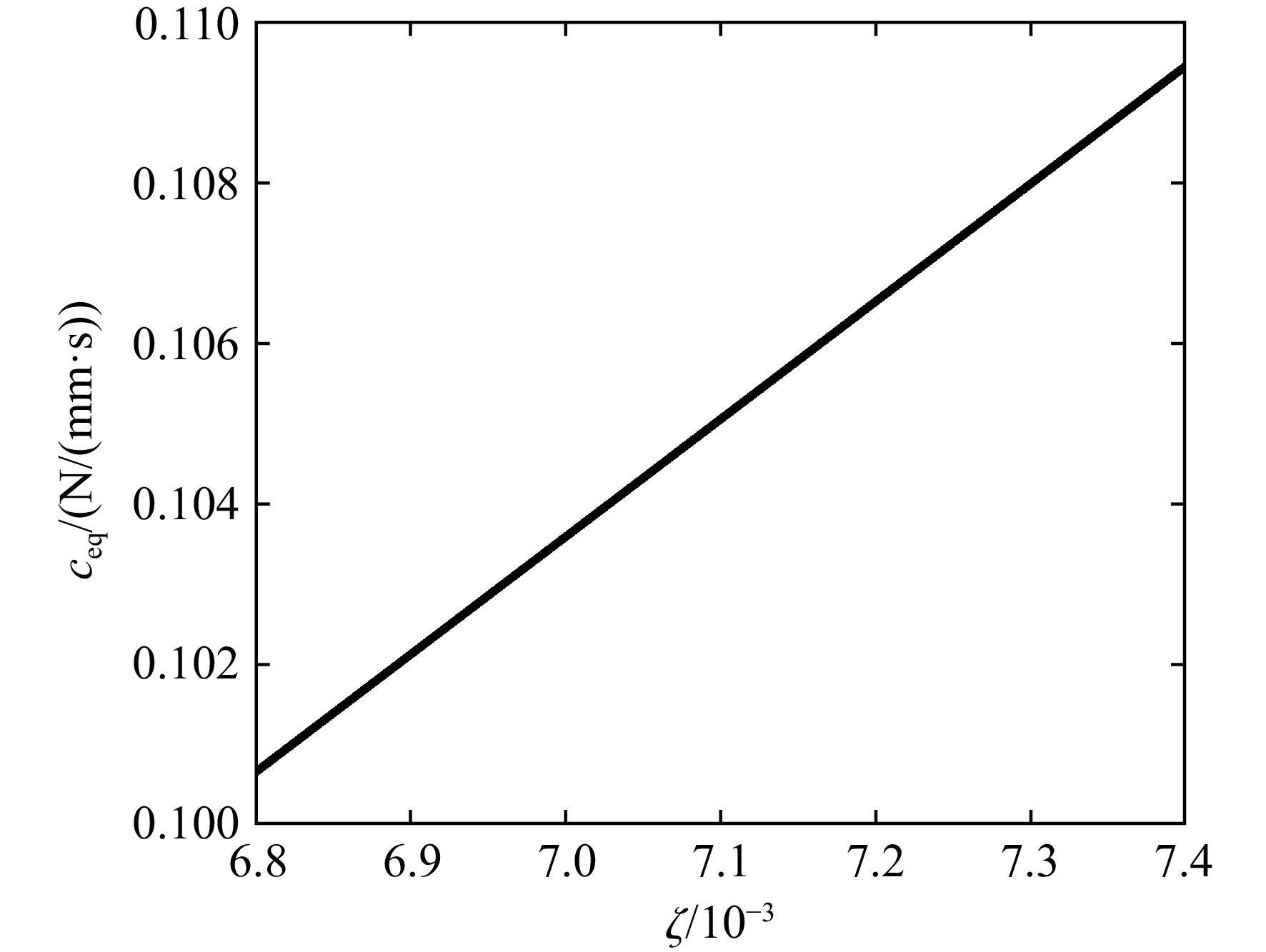
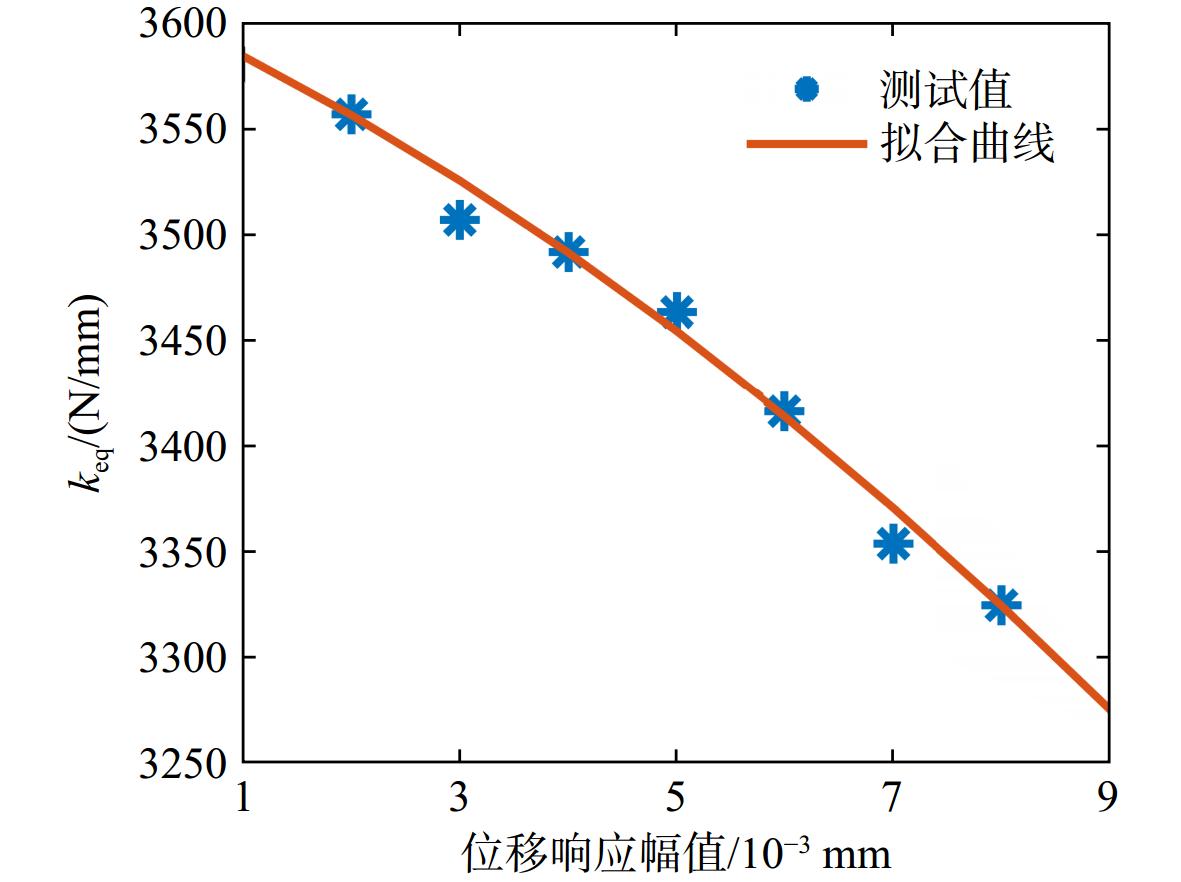
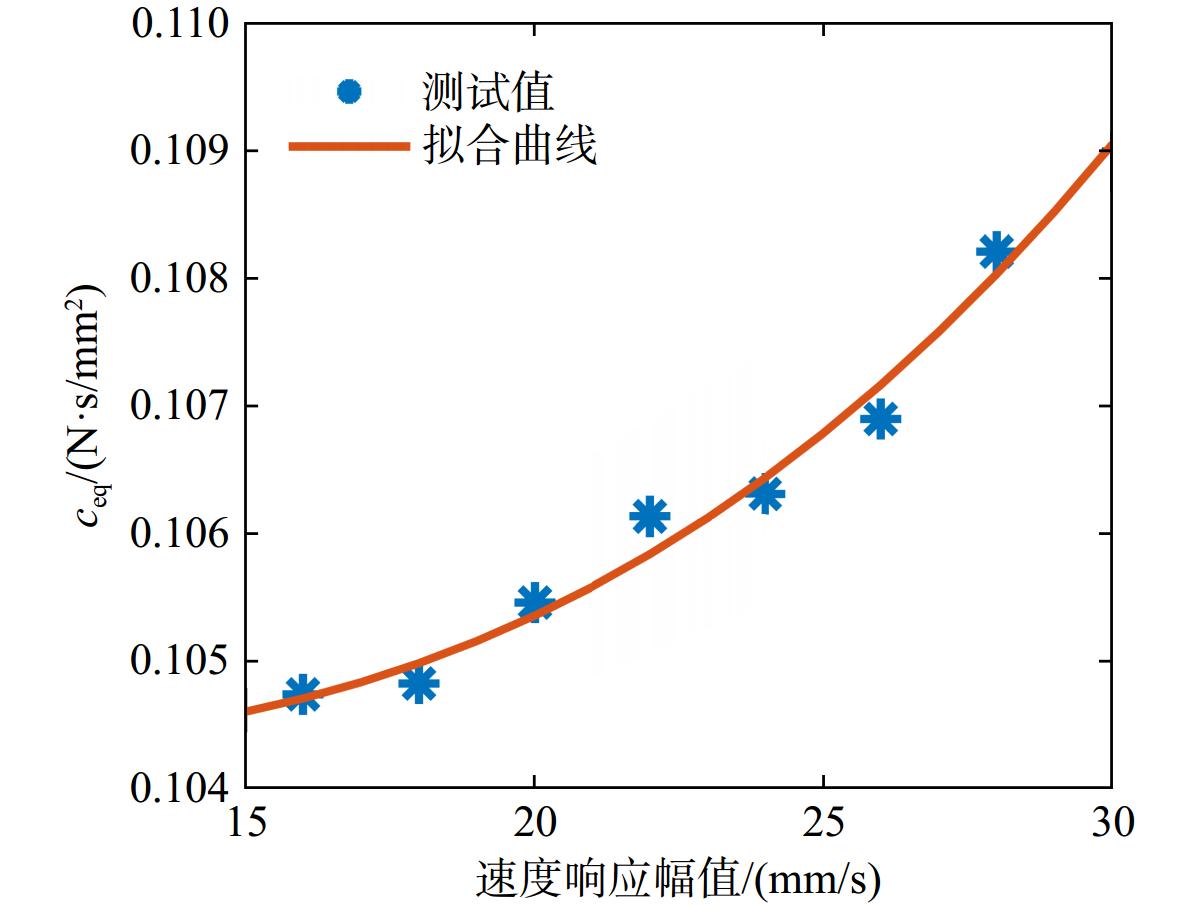
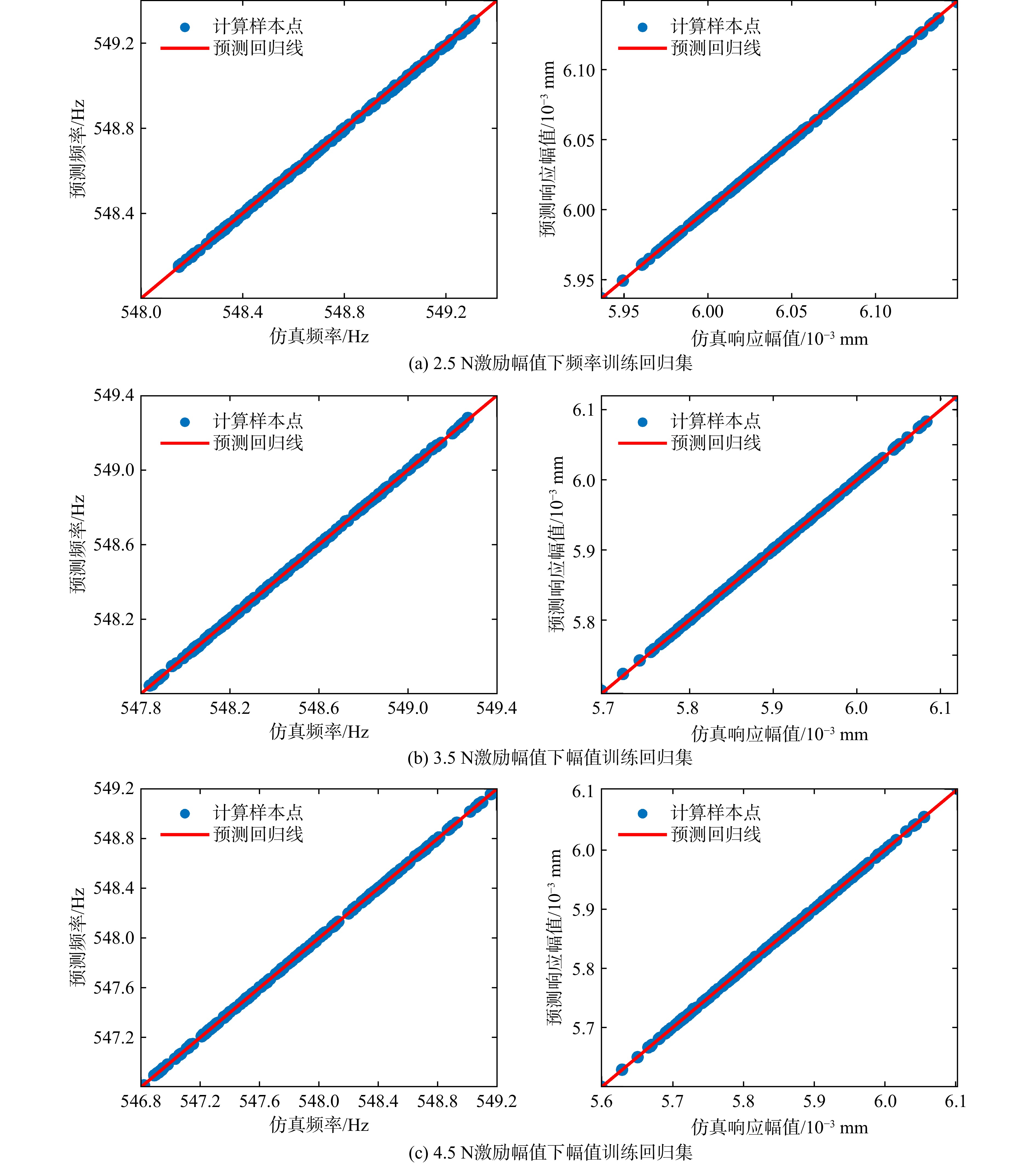
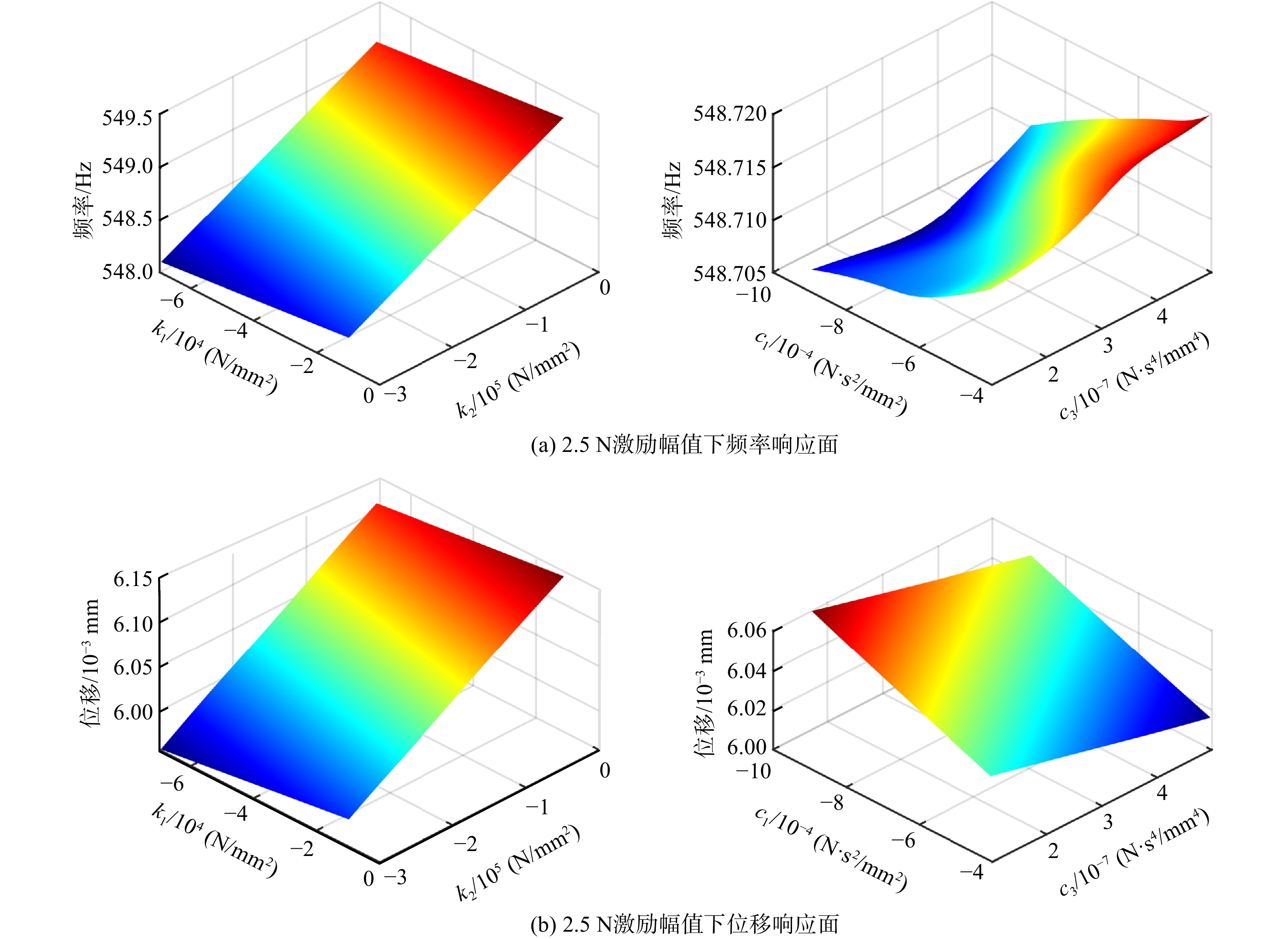
A method for nonlinear parameter identification of pipeline clamp system based on fixed frequency testing and neural network proxy model was proposed. Firstly, modal testing under low excitation amplitudes was conducted, and a bottom level linear model of the pipeline clamp system based on the test data was established. Secondly, fixed frequency tests under different excitation amplitudes and frequencies were performed, the constant displacement and constant velocity response surfaces of the system were constructed, and nonlinear parameter characterization and identification of the dynamic parameters of the clamp based on the equivalent linearization theory were performed. Then, in response to the problem of insufficient response prediction accuracy in the equivalent linearization model, nonlinear dynamic characteristics analysis of the clamp structure under different nonlinear parameters was carried out. Neural network technology was used to quantitatively describe the influence of nonlinear parameters on its response characteristics, and its proxy model was constructed. Finally, based on the proxy model and its sensitivity characteristics, the nonlinear stiffness and damping coefficients of the clamp were identified in reverse, thereby obtaining the nonlinear dynamic model of the system. The response prediction results based on this model were highly consistent with the measured results. The maximum frequency difference at the resonance peak was less than 0.007%, and the response amplitude error was less than 1.53%, indicating that the nonlinear dynamic model obtained based on the identification results can accurately predict its nonlinear vibration behavior, verifying the reliability of the identification results.

Dual-channel remaining useful life prediction method based on dilated convolution and regression features
WANG Xiaopeng, WANG Lei, HAN Xiaowei, ZHANG Pengchao, XIAO Kui, GUO Zhimiao
2025, 40(9): 20240043. doi: 10.13224/j.cnki.jasp.20240043
Abstract:
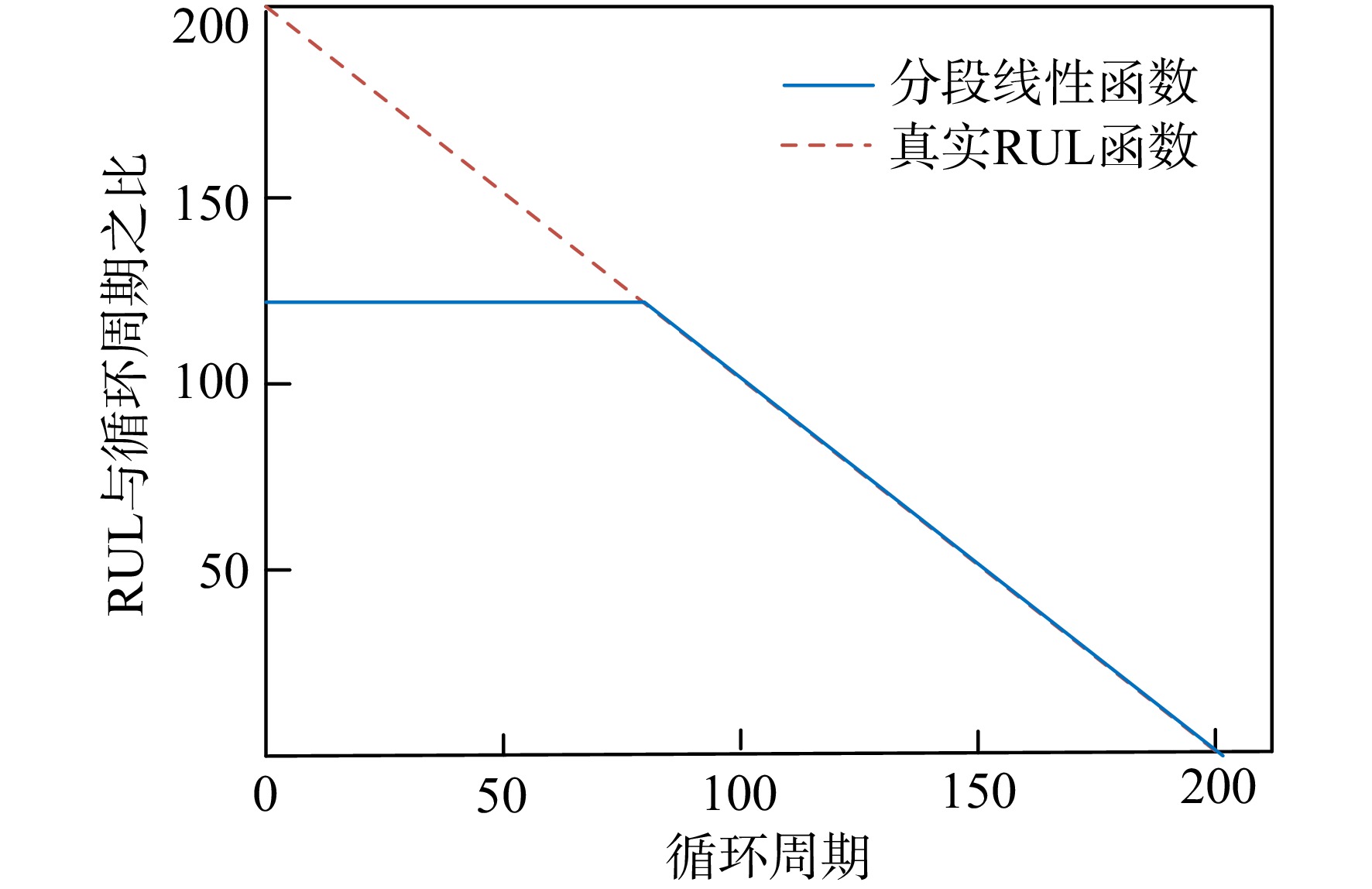
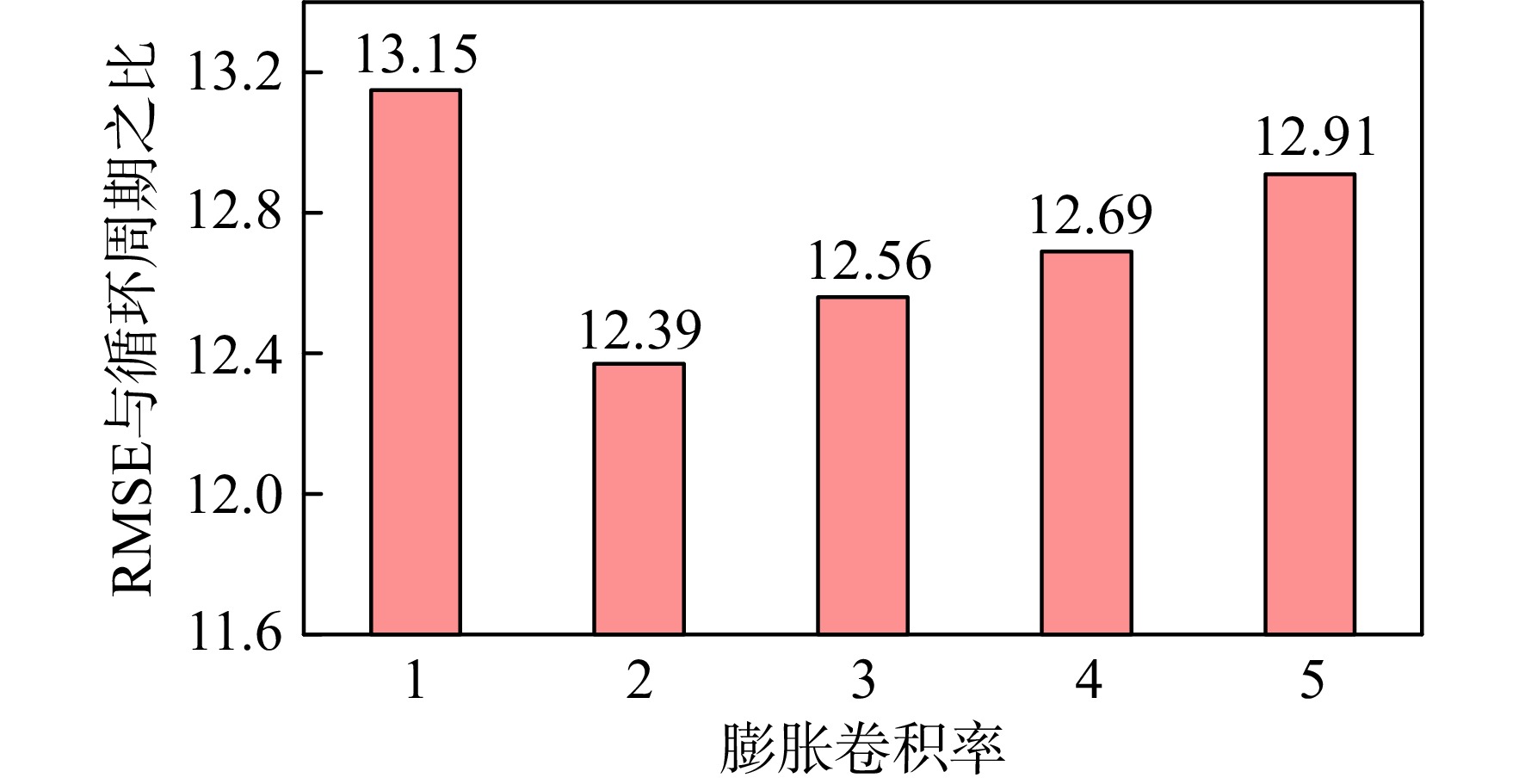
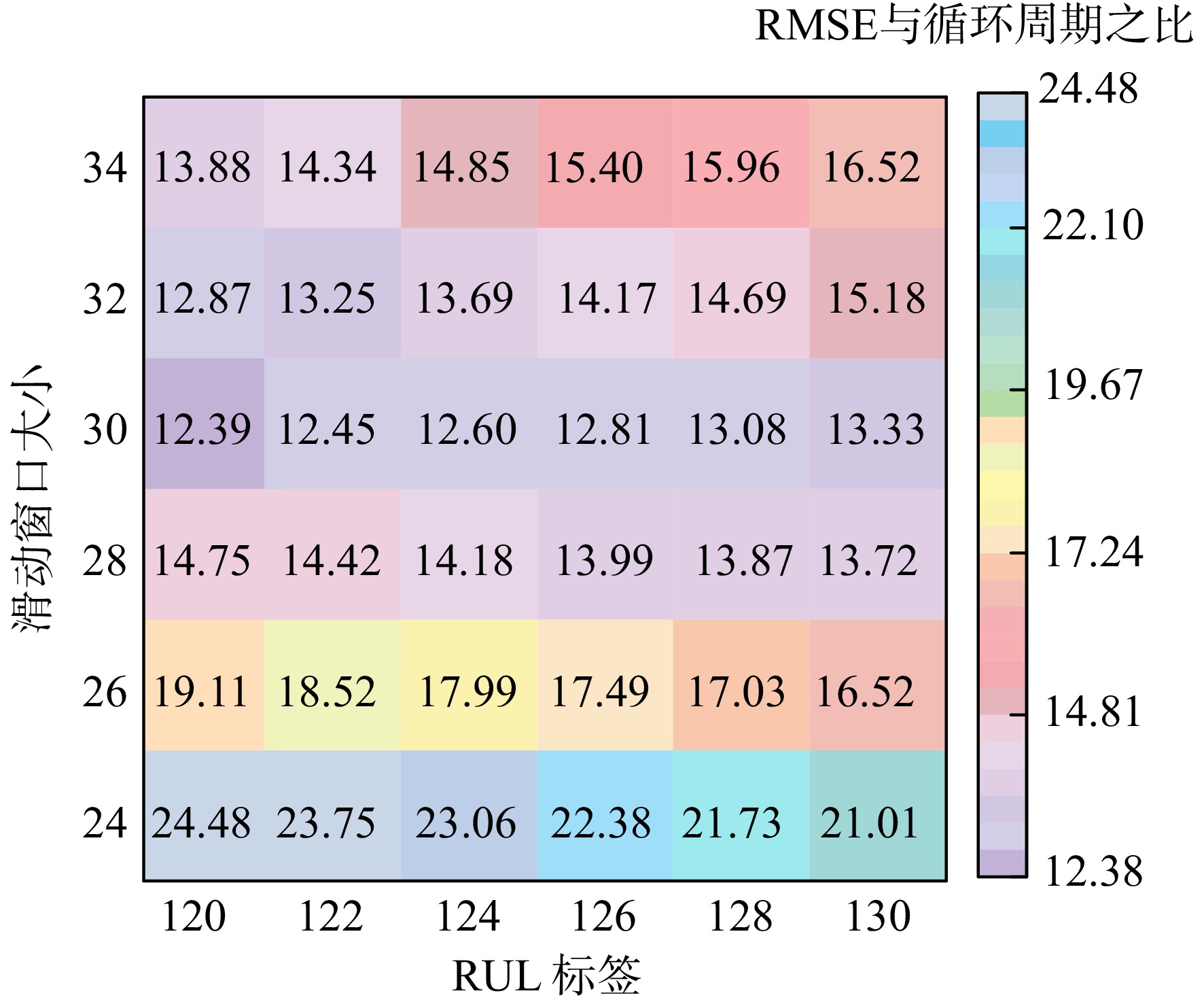
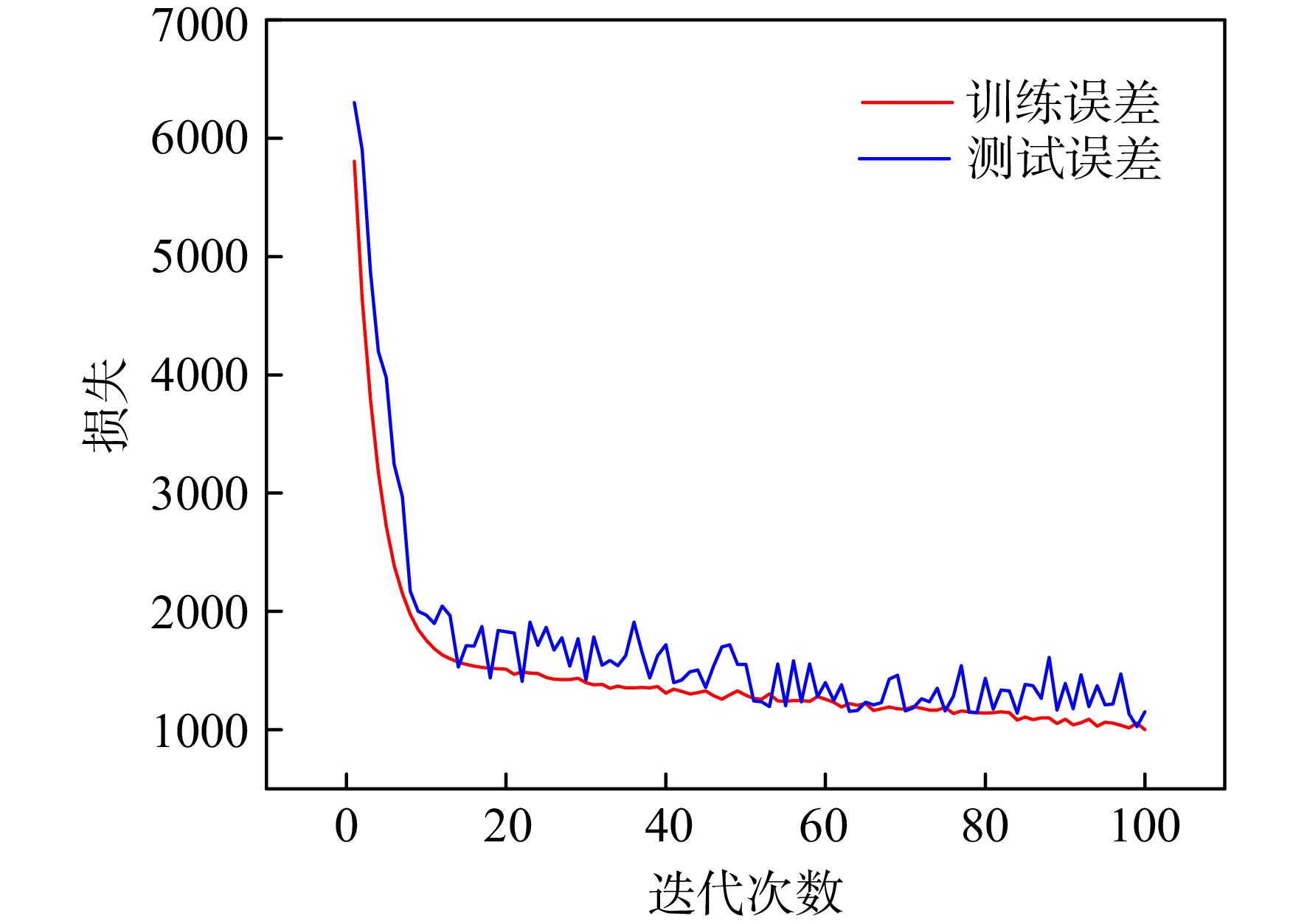
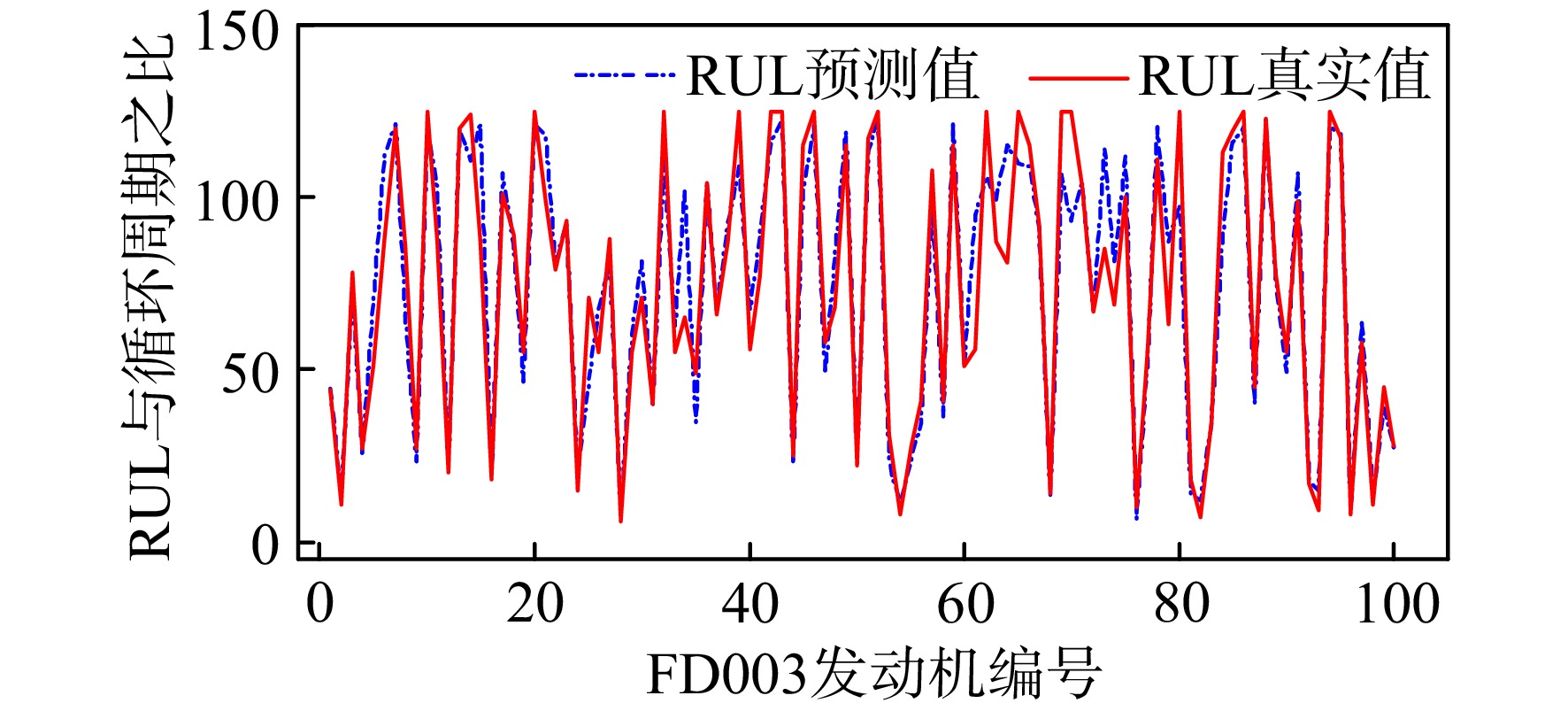
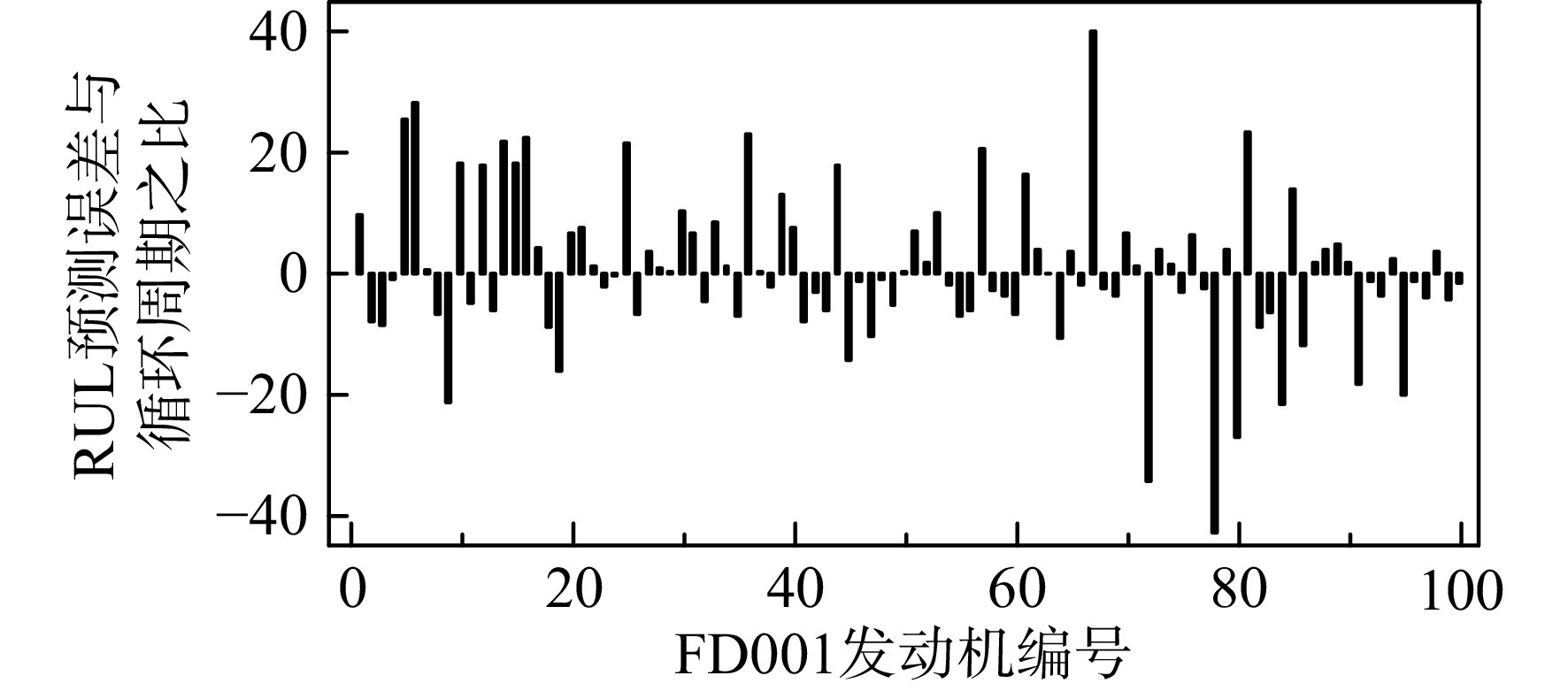
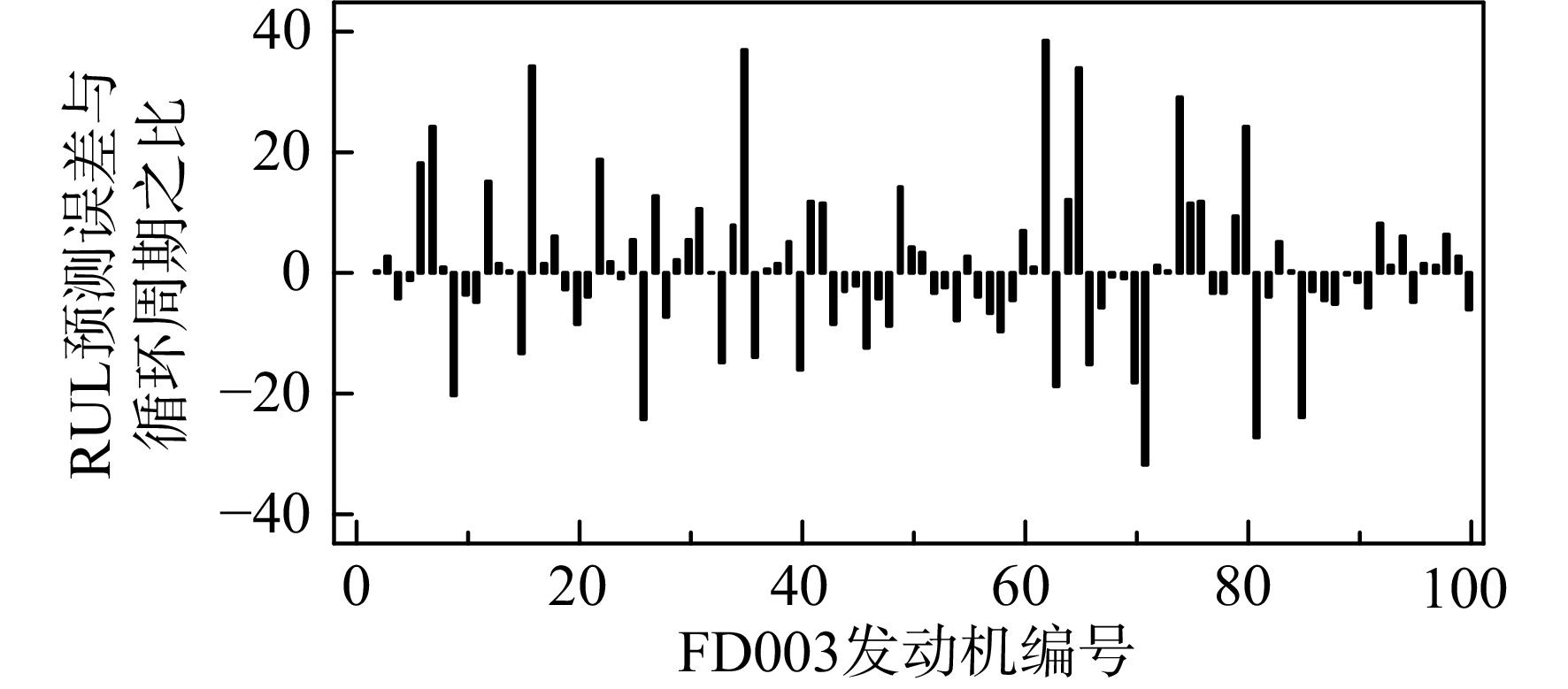
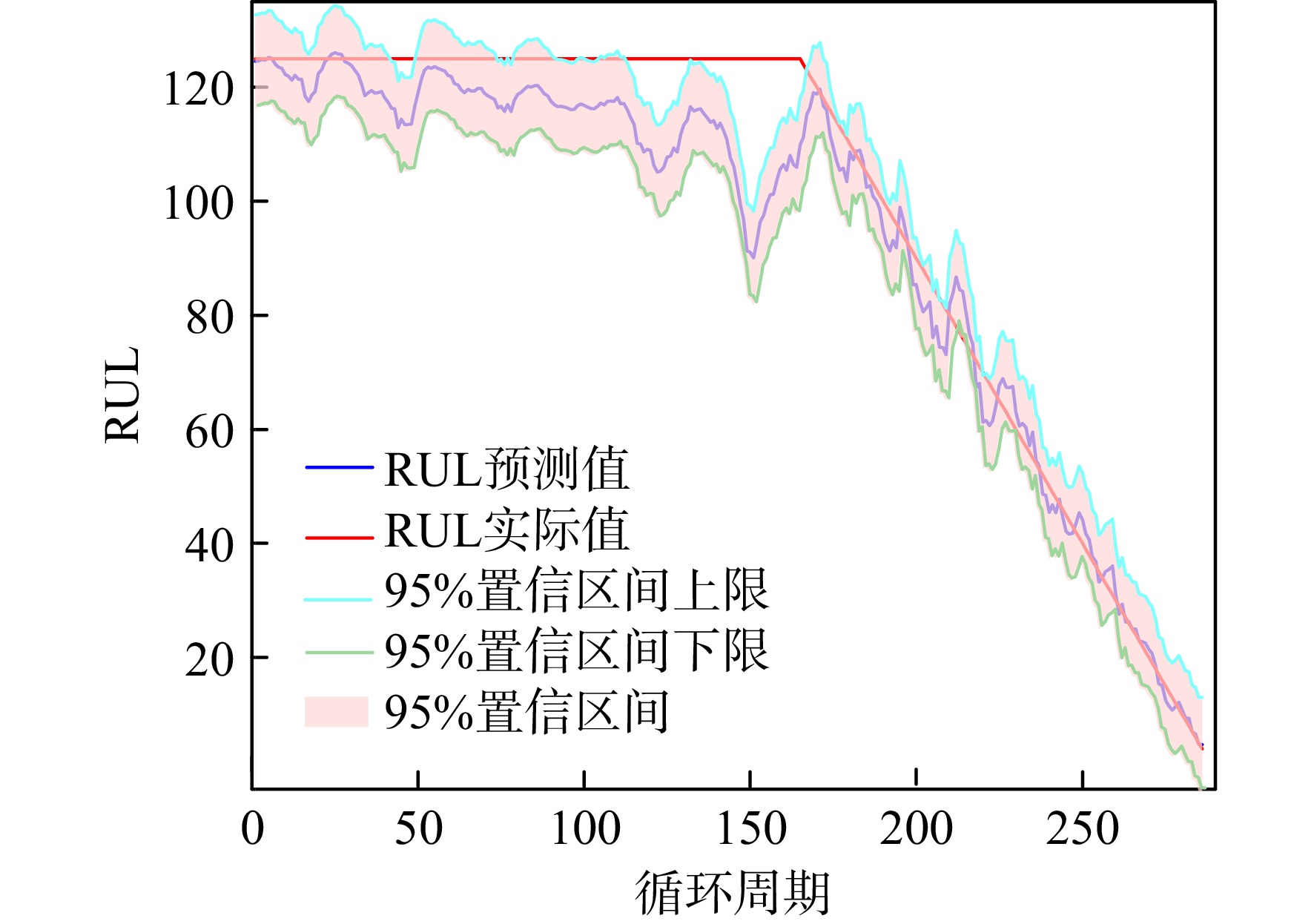
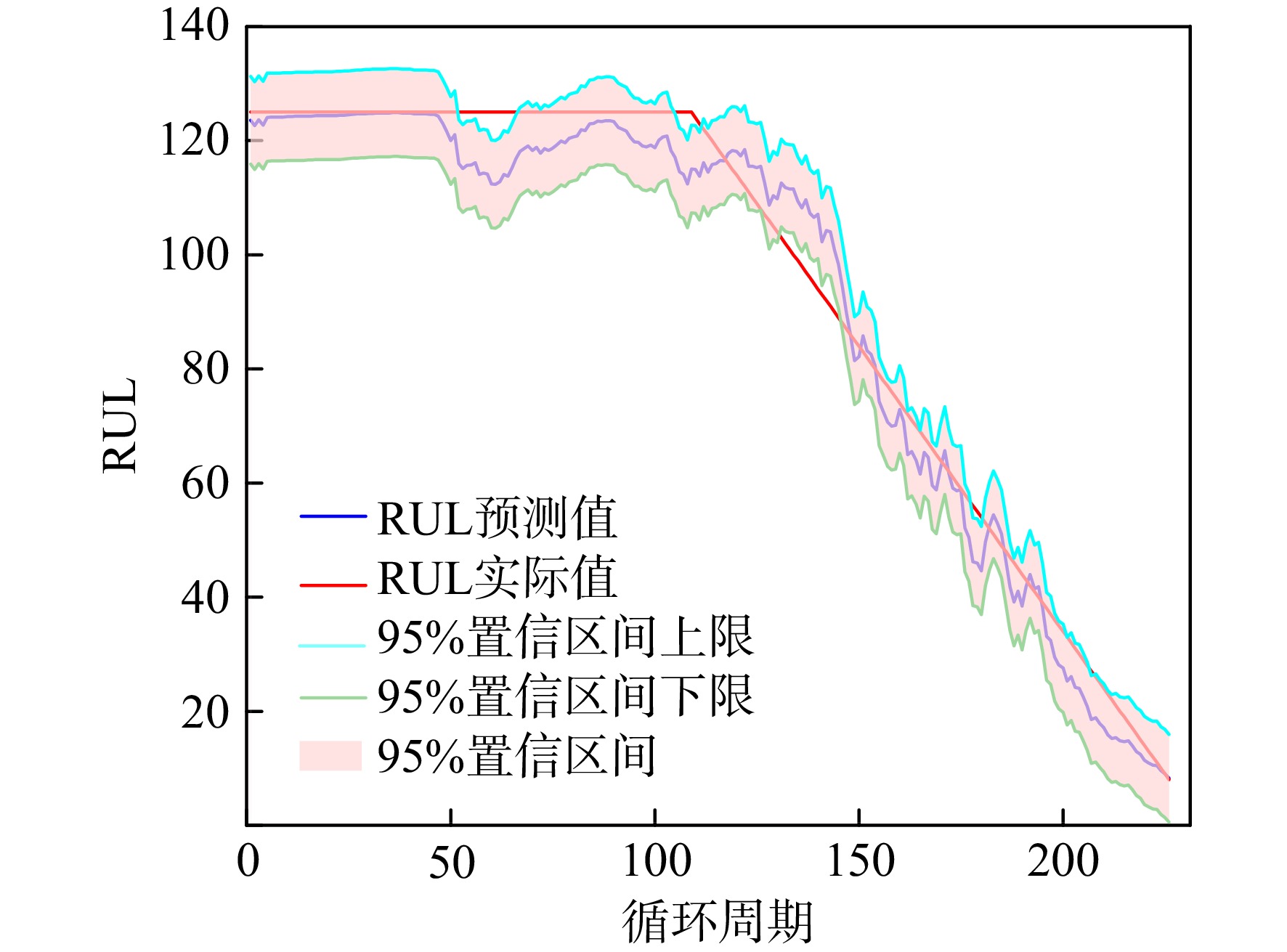
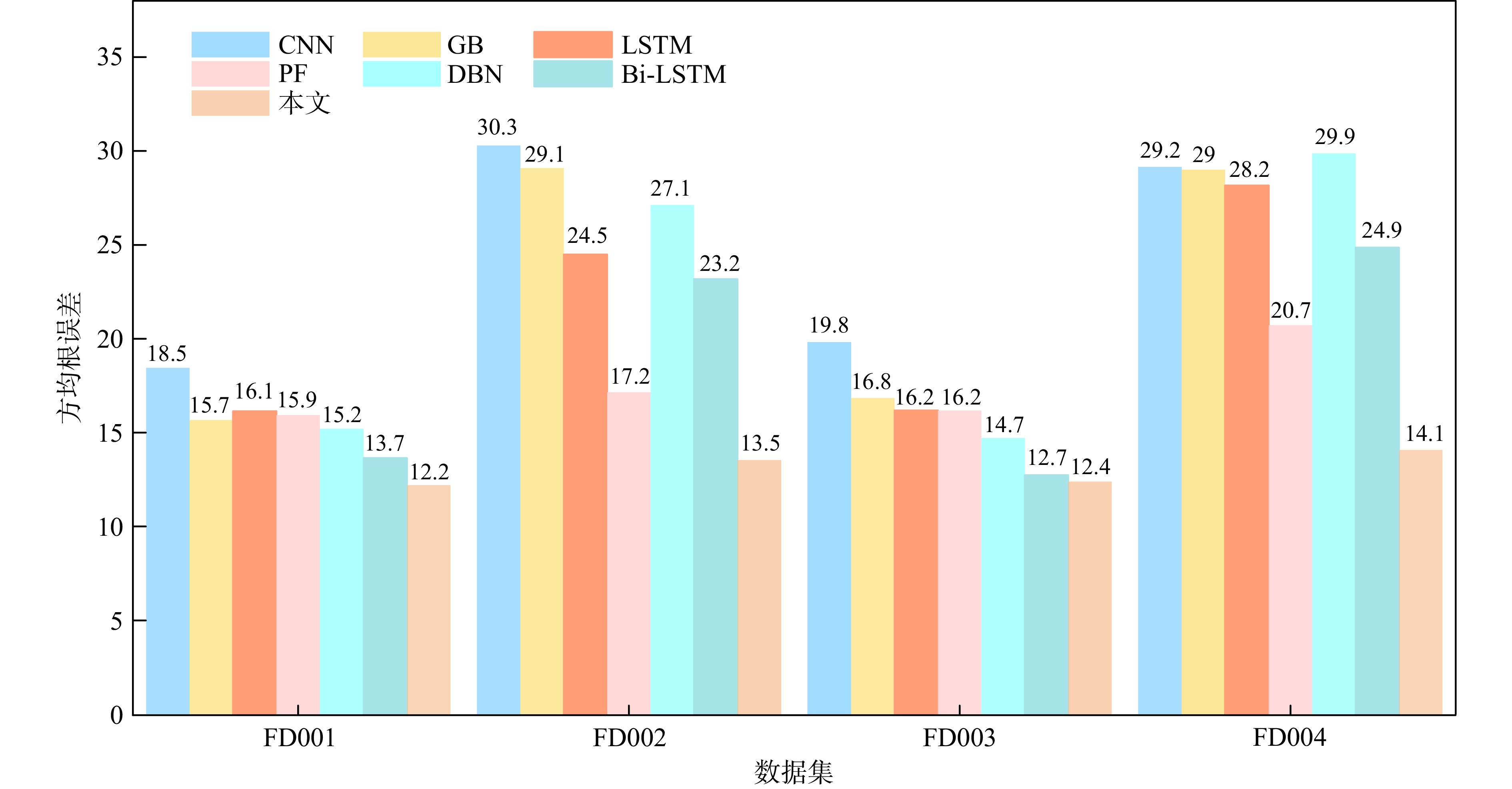
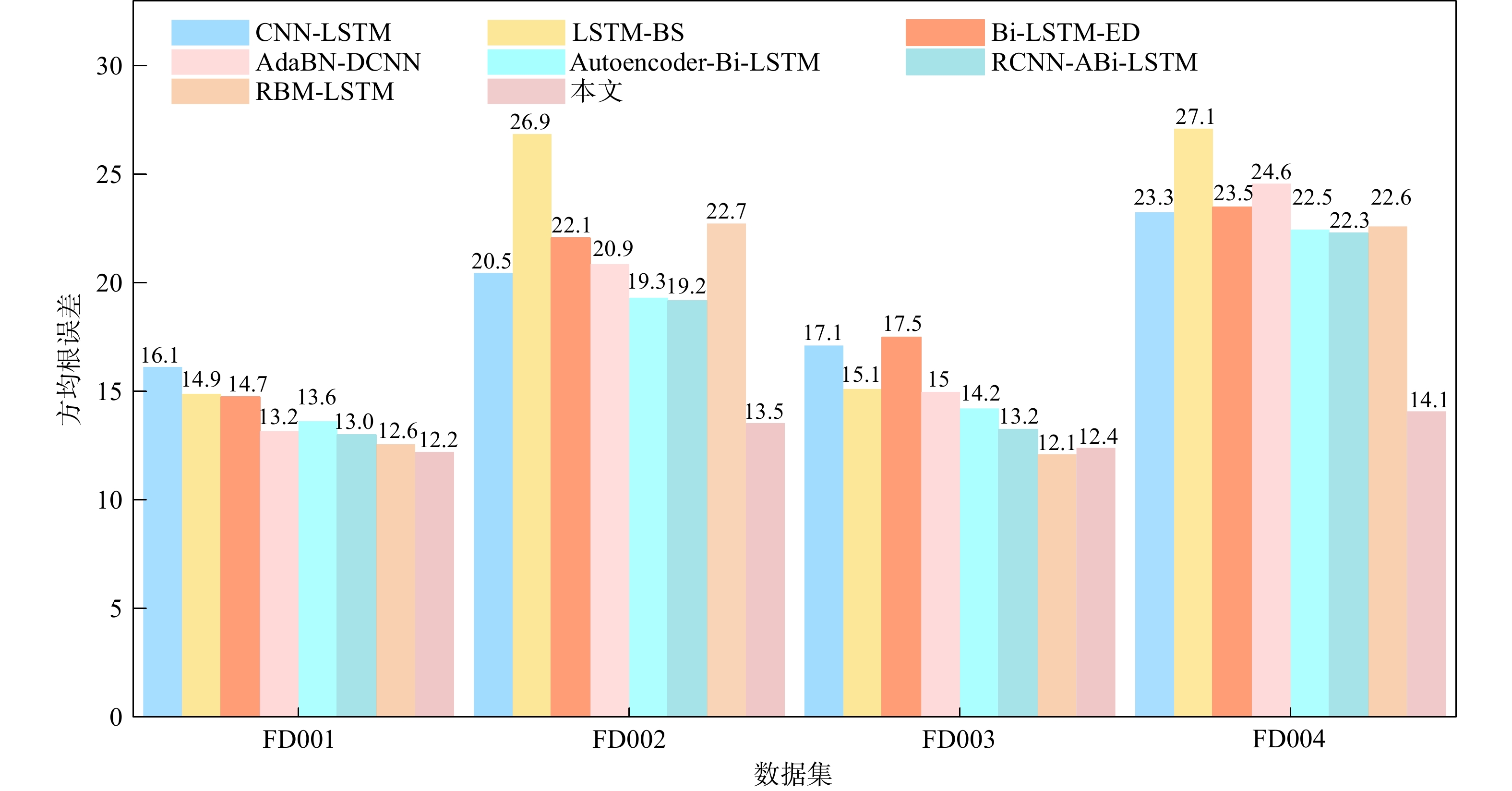
A two-channel aero-engine remaining useful life (RUL) prediction model was developed. The first channel utilized dilation convolution and incorporated the attention mechanism, which decreased the model parameters and enhanced the representation of crucial feature information of RUL. The second channel employed average regression features to denoise and smooth the original signal, reducing the influence of noise on RUL prediction. Ultimately, the features from both channels were combined and fed into the fully connected network to generate the ultimate RUL prediction results. In order to verify the effectiveness of the model, experiments were conducted on the C-MAPSS (commercial modular aero propulsion system simulation) dataset published by National Aeronautics and Space Administration. It was shown that the root-mean-square error of this method was reduced by 32.1%, 7.8%, and 6.3% compared with the CNN-LSTM (convolutional neural network & long short-term memory network), AdaBN-DCNN (adaptive batch normalization-deep convolutional neural network) and RCNN-ABi-LSTM (region-based convolutional neural network & attention bi-directional long short-term memory network) models, respectively. Additionally, the prediction accuracy of the two-channel model was significantly enhanced.

Kinematics and dynamics simulation analysis of collaborative shaft swashplate engine
ZHANG Chen, DENG Tao, LIU Ping
2025, 40(9): 20230537. doi: 10.13224/j.cnki.jasp.20230537
Abstract:
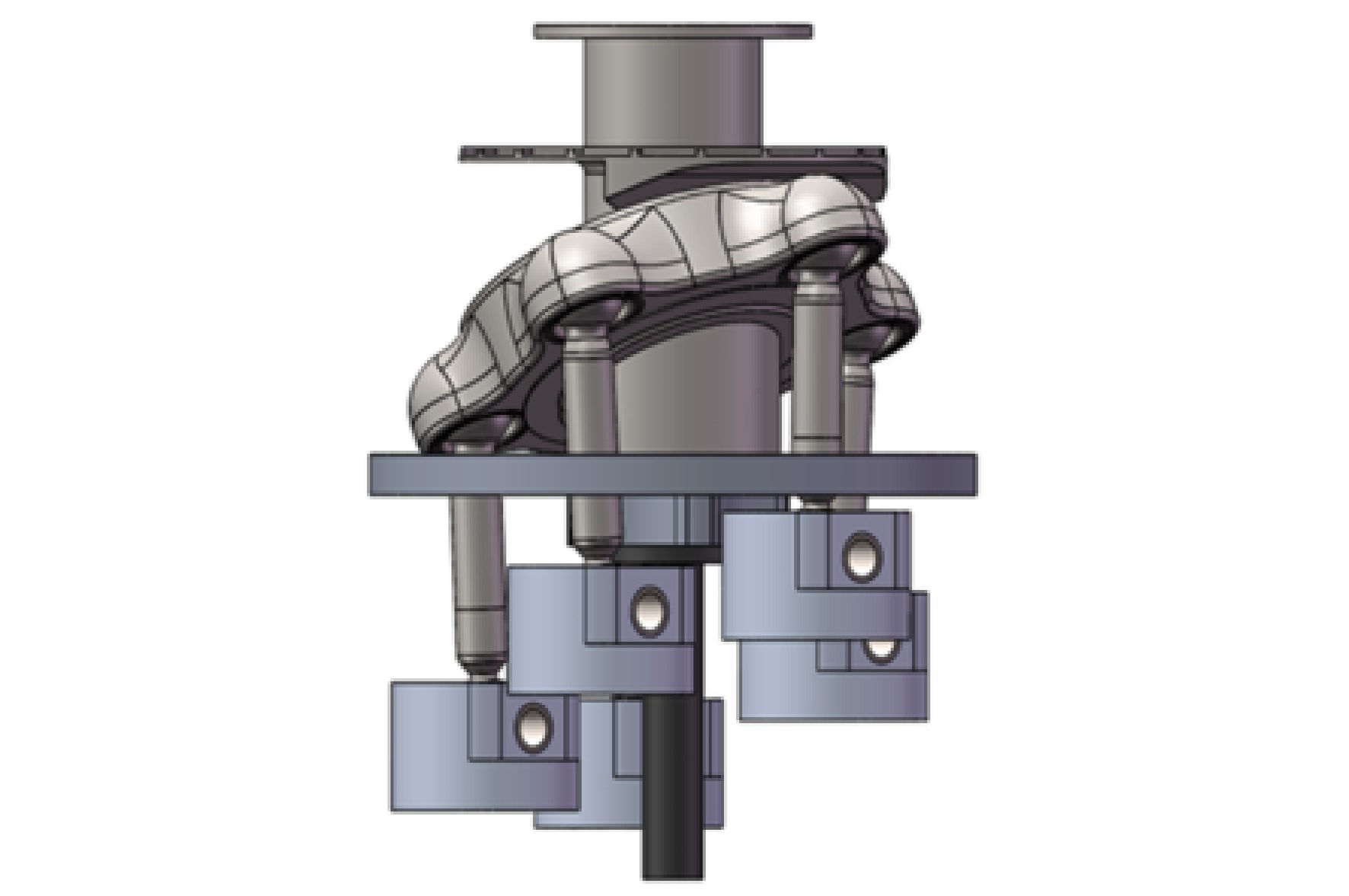
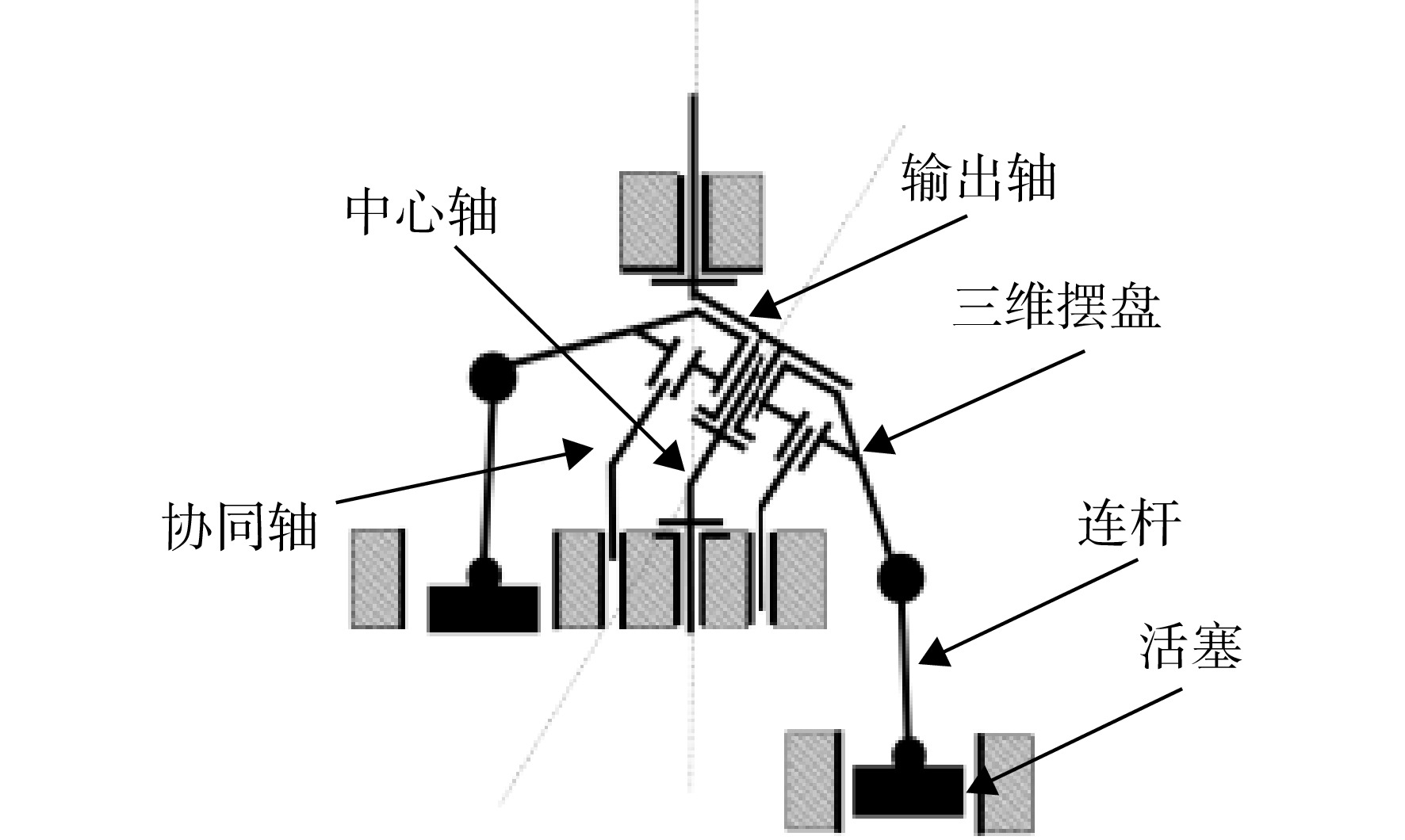
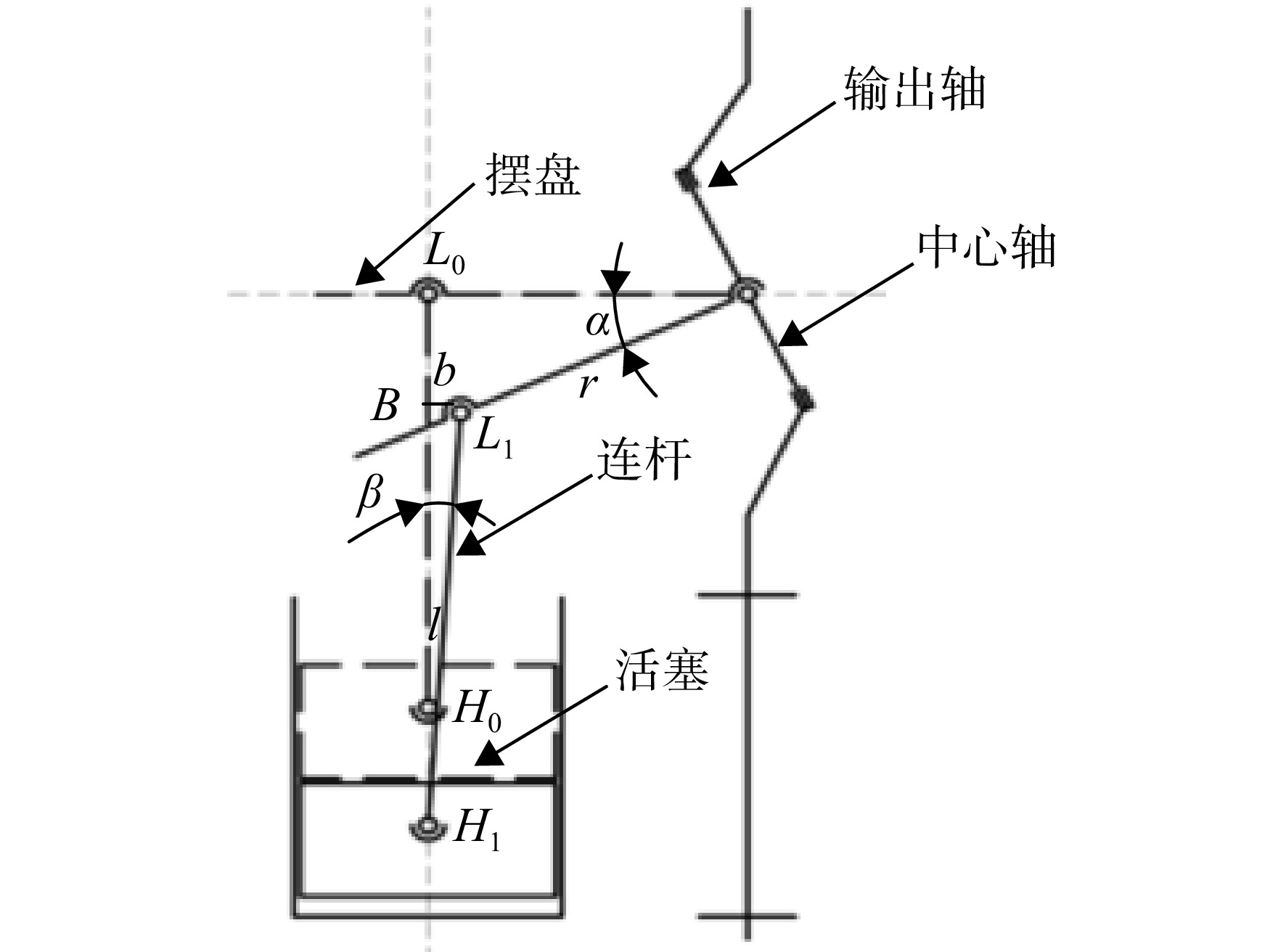
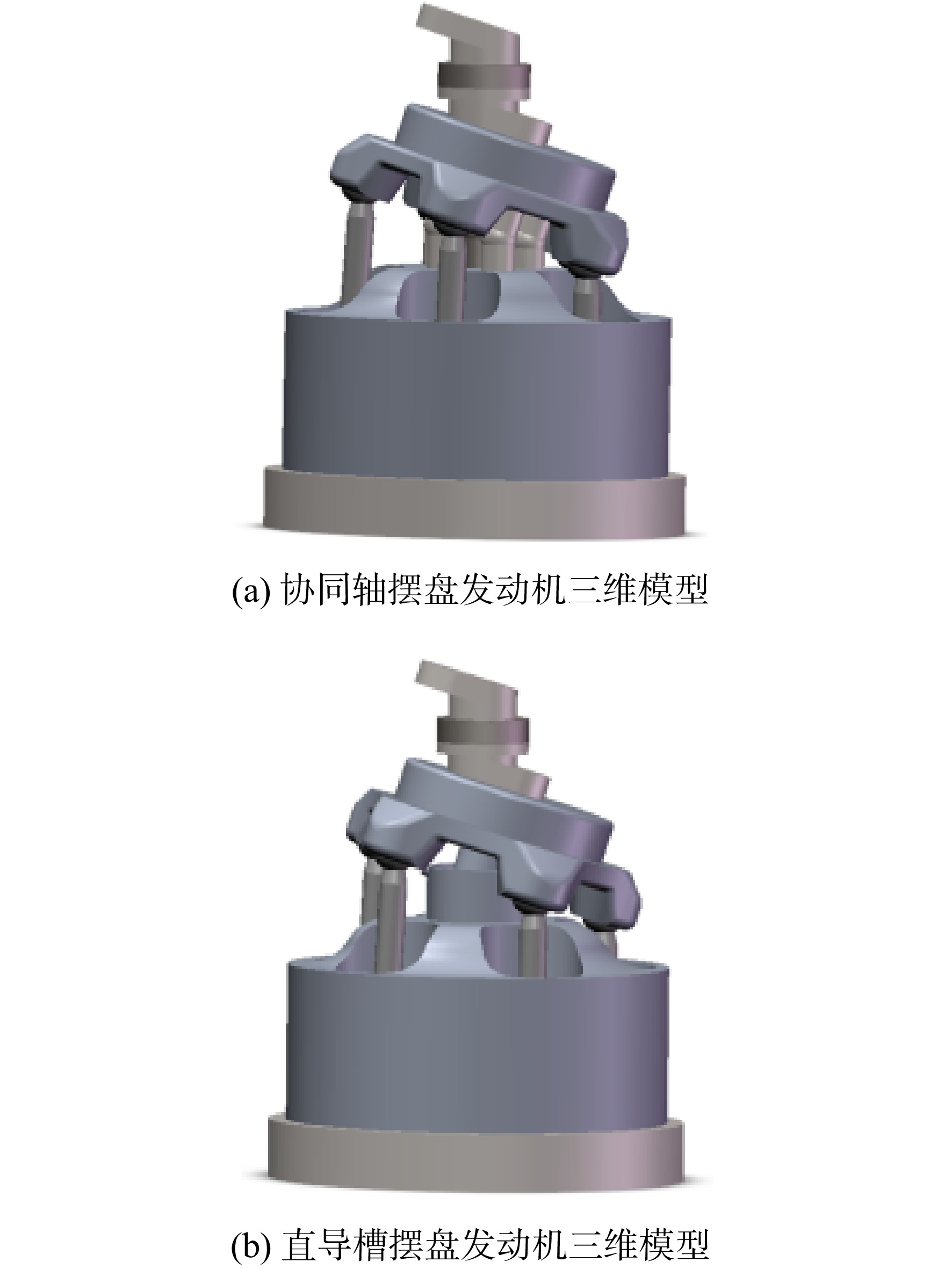
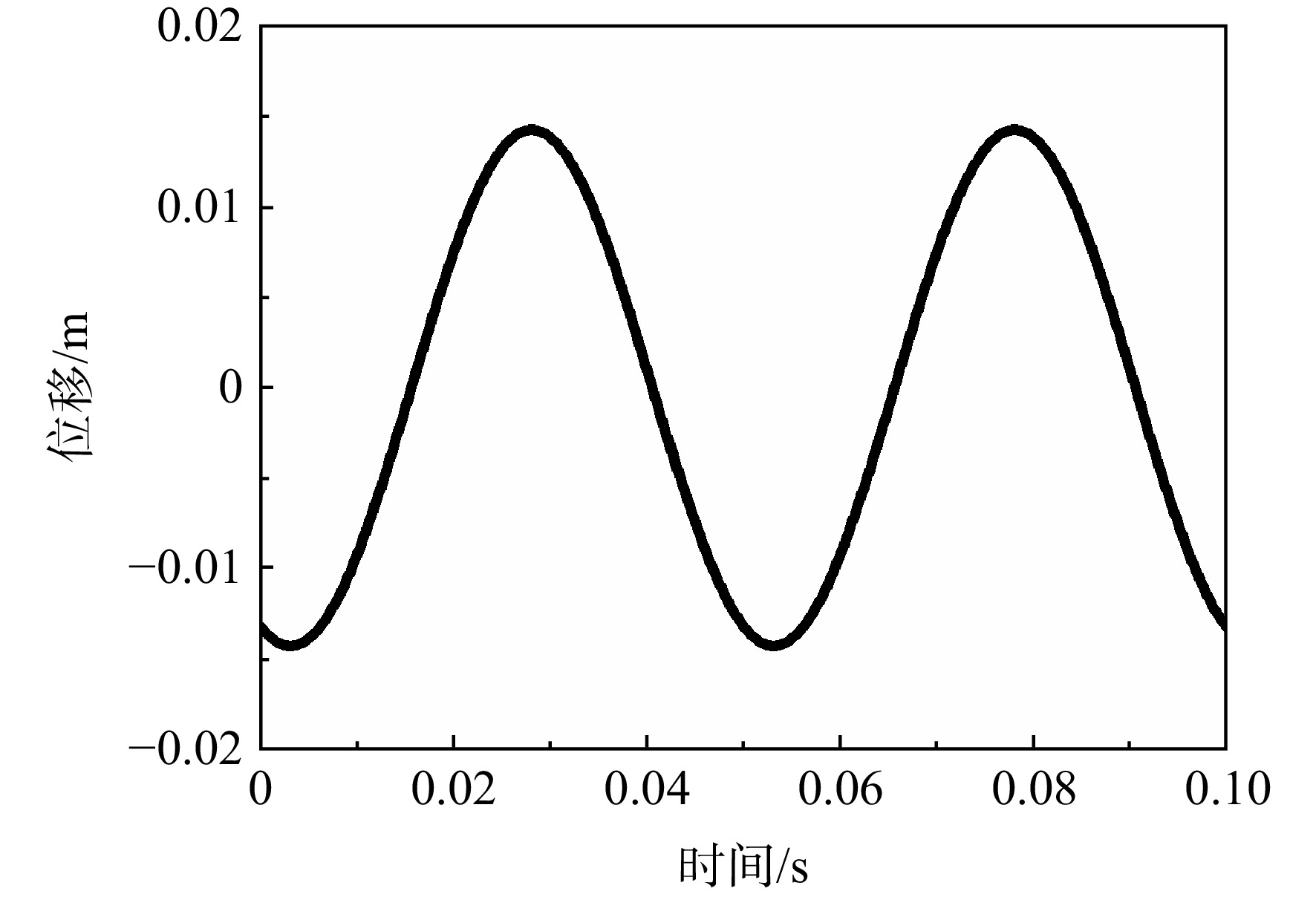
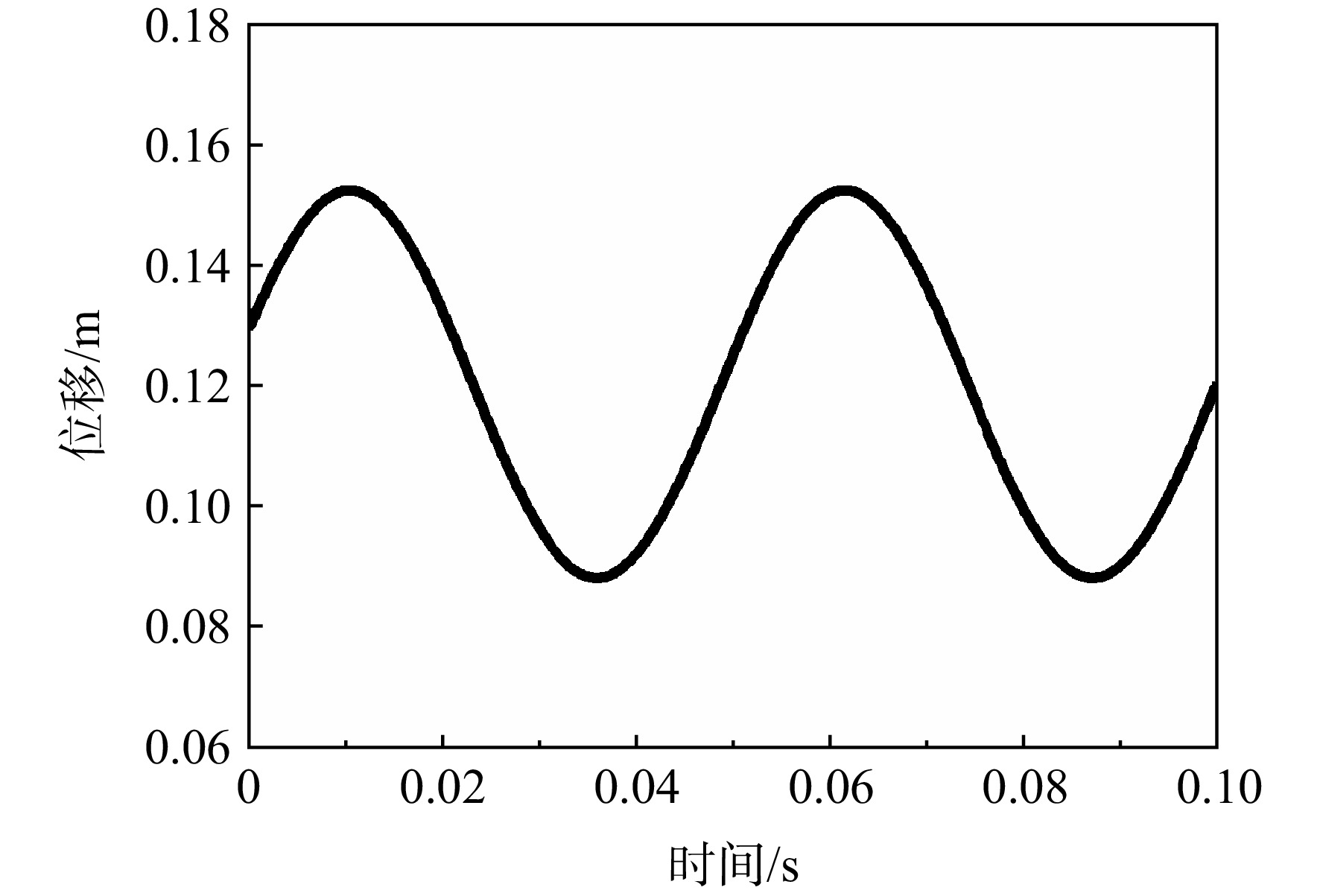
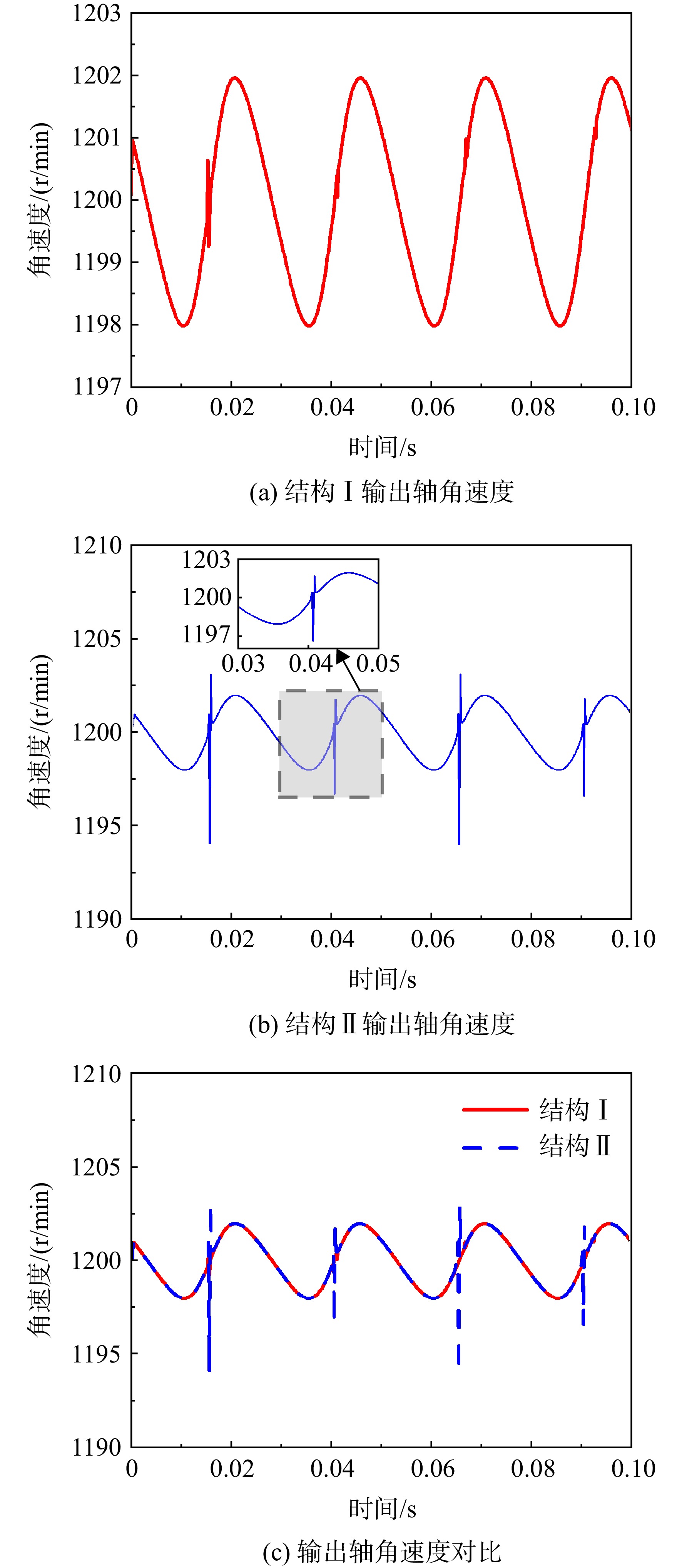
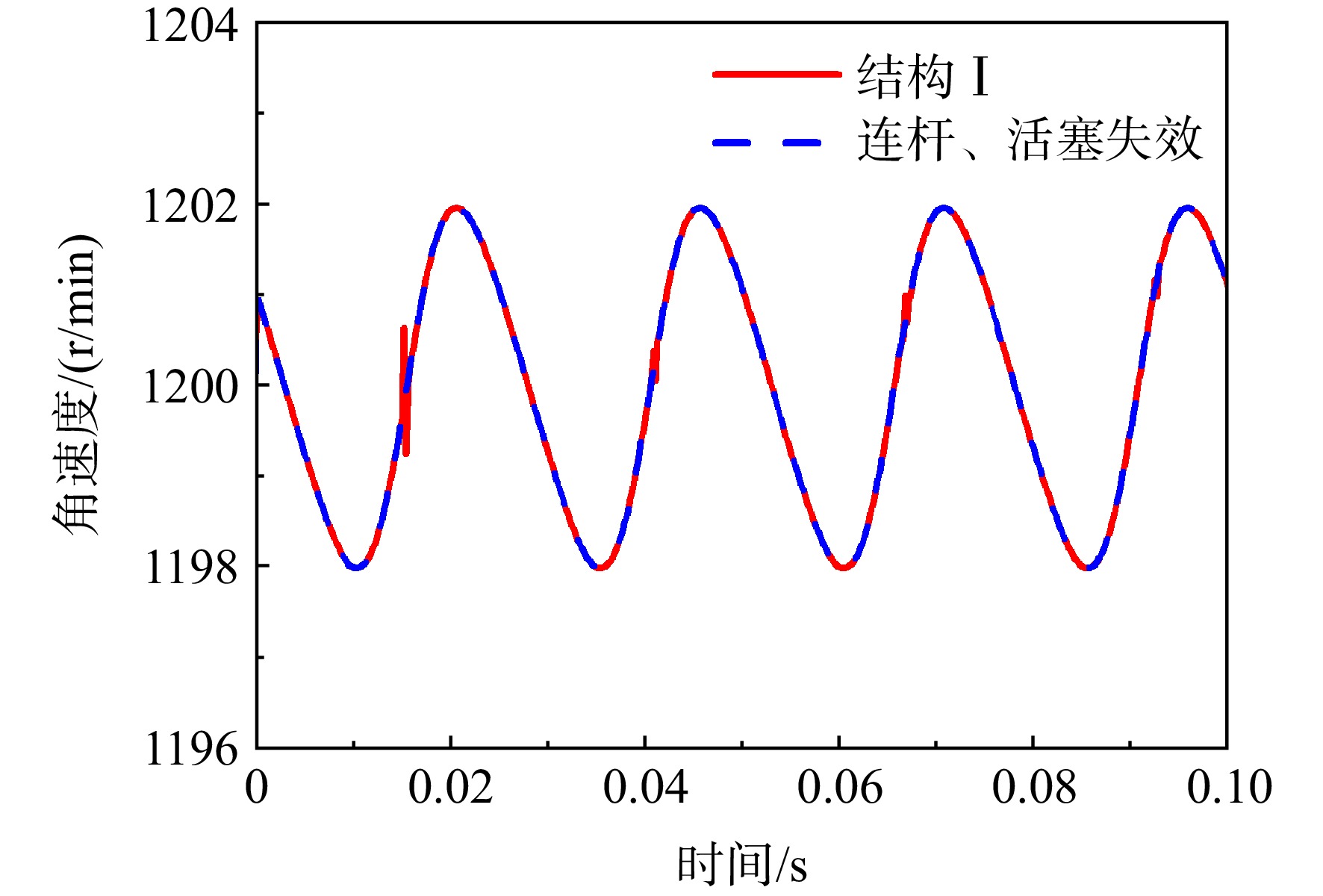
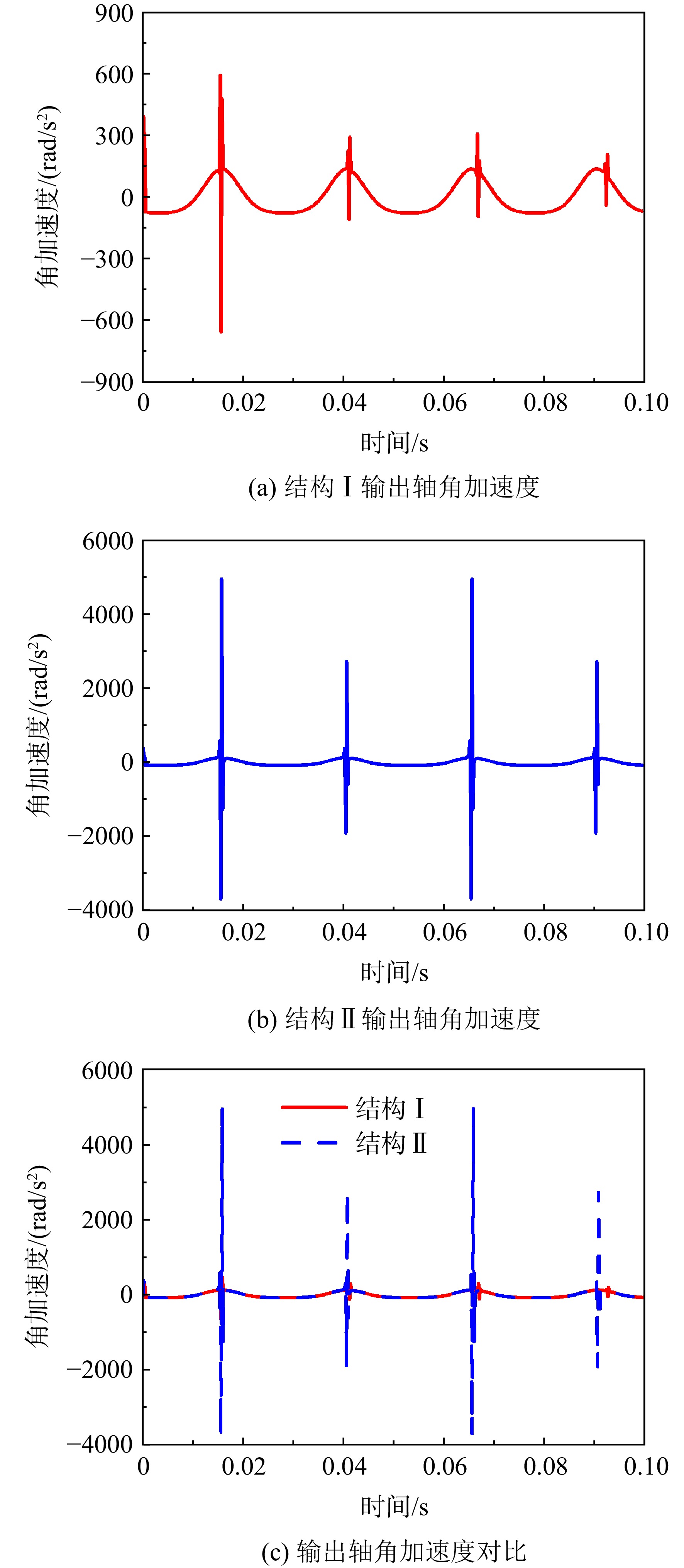
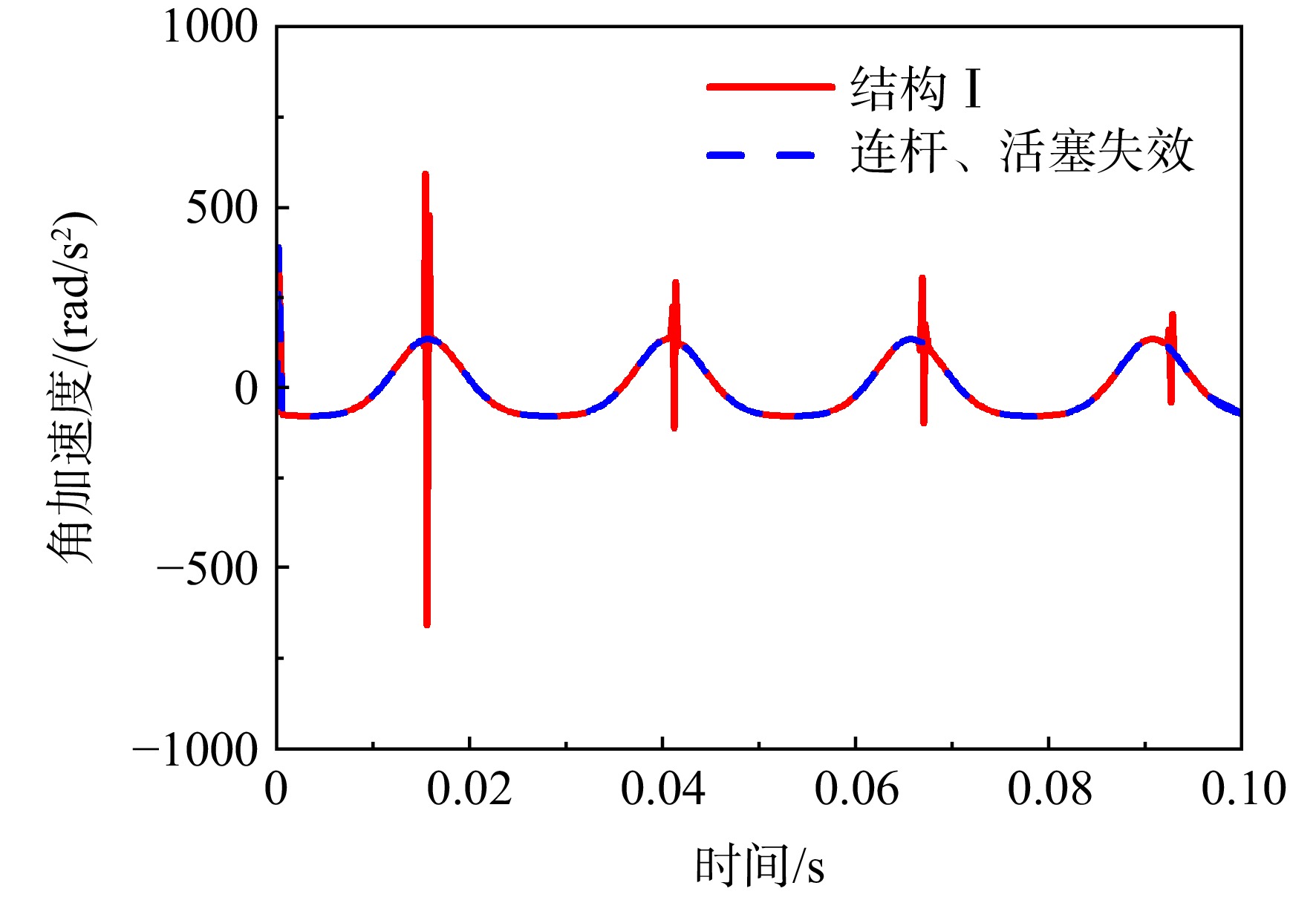
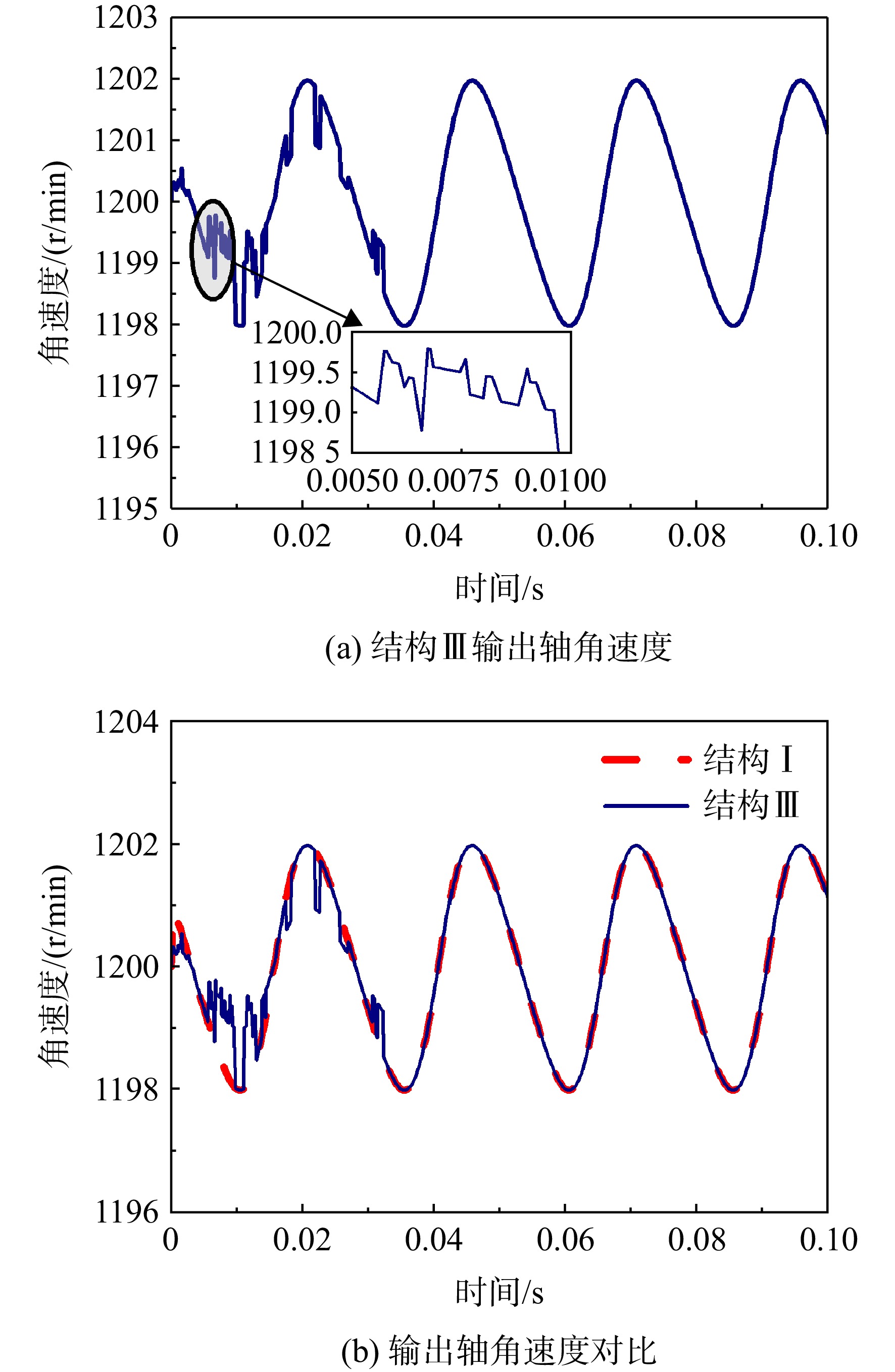
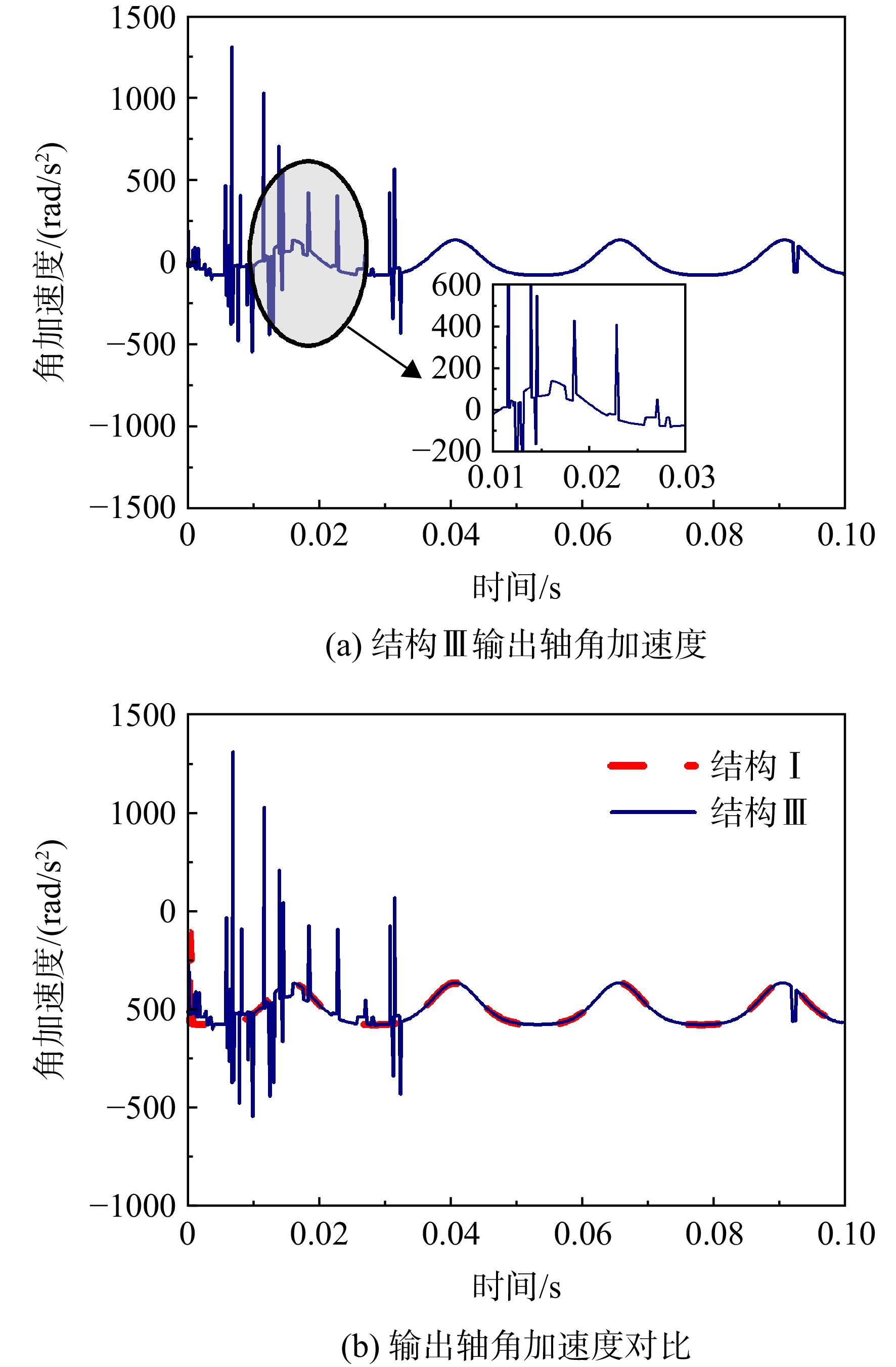
To address the vibration and noise issues in traditional swashplate engines, a collaborative shaft constraint drive structure design scheme was proposed. The major parameters of the swashplate engine were determined through the piston stroke equation, and a 3D model of the collaborative shaft swashplate engine was built in SolidWorks software. To compare the dynamic characteristics at the output end with the straight guide groove structure, rigid body simulation was conducted by Adams software. To investigate the real constraint situation of the collaborative shaft, a combined rigid-flexible coupling simulation was performed using Ansys-Adams. The results indicated that under the rated operating conditions with a speed of 1 200 r/min, the collaborative shaft swashplate engine exhibited a decrease by 4.16 r/min in the deviation of the output speed from the peak compared with the direct groove swinging plate engine. The peak values of positive and negative angular accelerations were also reduced by 4 375.11 rad/s2 and 3 032.46 rad/s2, respectively. The former can be considered as a substitute for the latter. After flexible modification of the coupling shaft, although the flexible deformation of the collaborative shaft caused vibrations and other unfavorable factors within the first 0 s to 0.035 4 s of the simulation, the collaborative shaft still effectively constrained the system.

Free vibration test of damping characteristics for model blade with underplatform damper
PENG Tai, WANG Yanrong, LI Di, LI Hongguang, DU Chenhong, SHI Lin
2025, 40(9): 20230742. doi: 10.13224/j.cnki.jasp.20230742
Abstract:

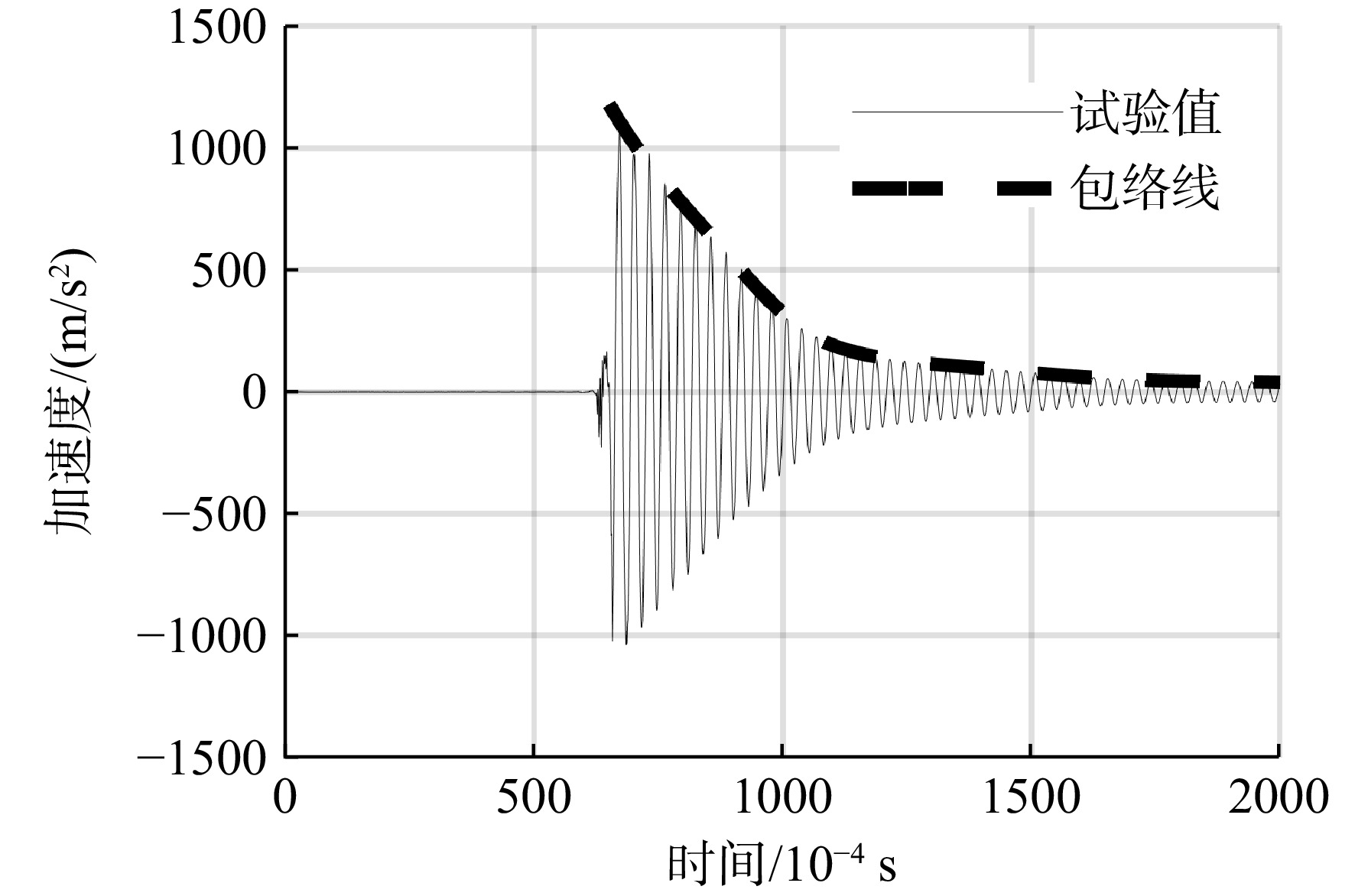
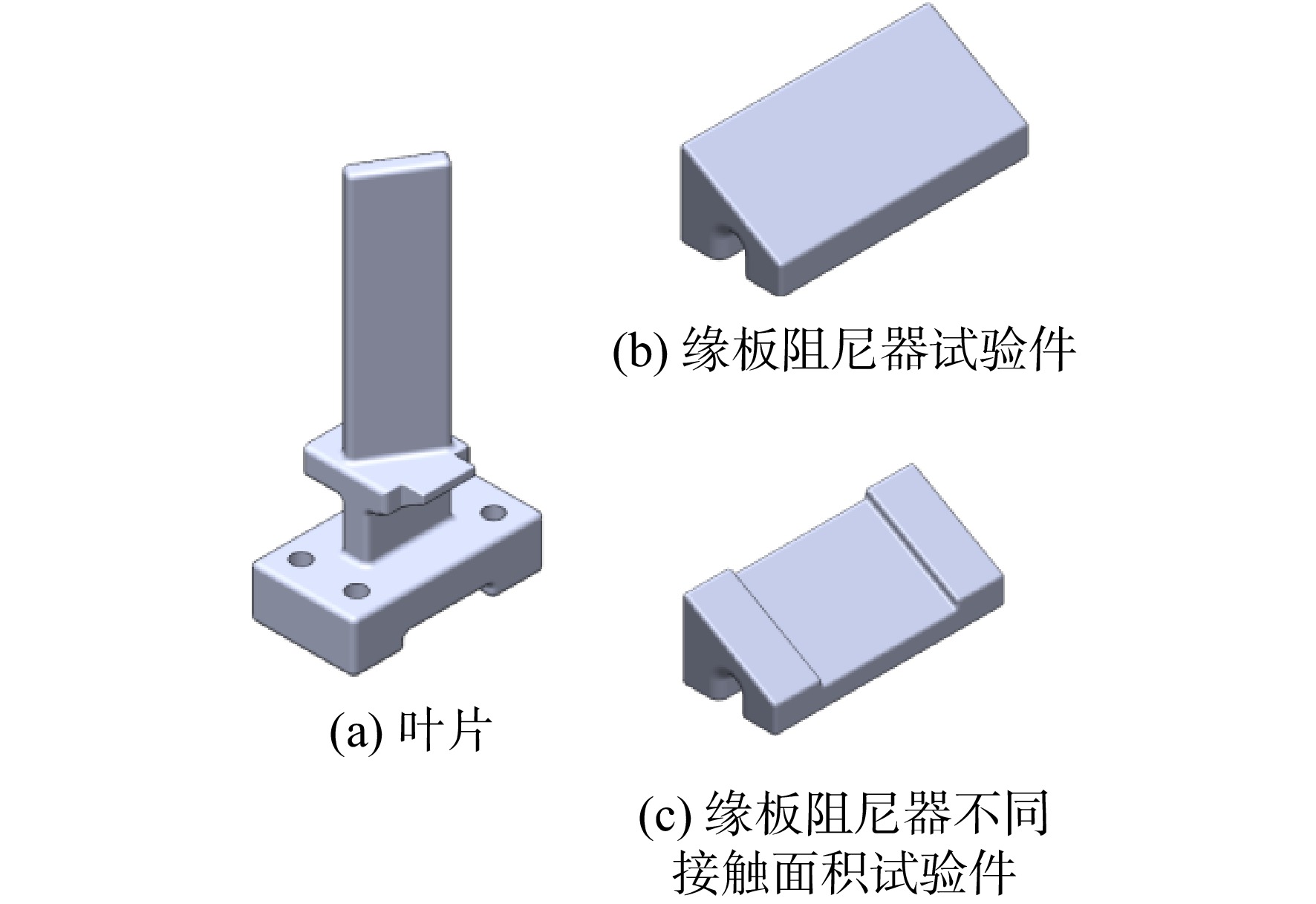
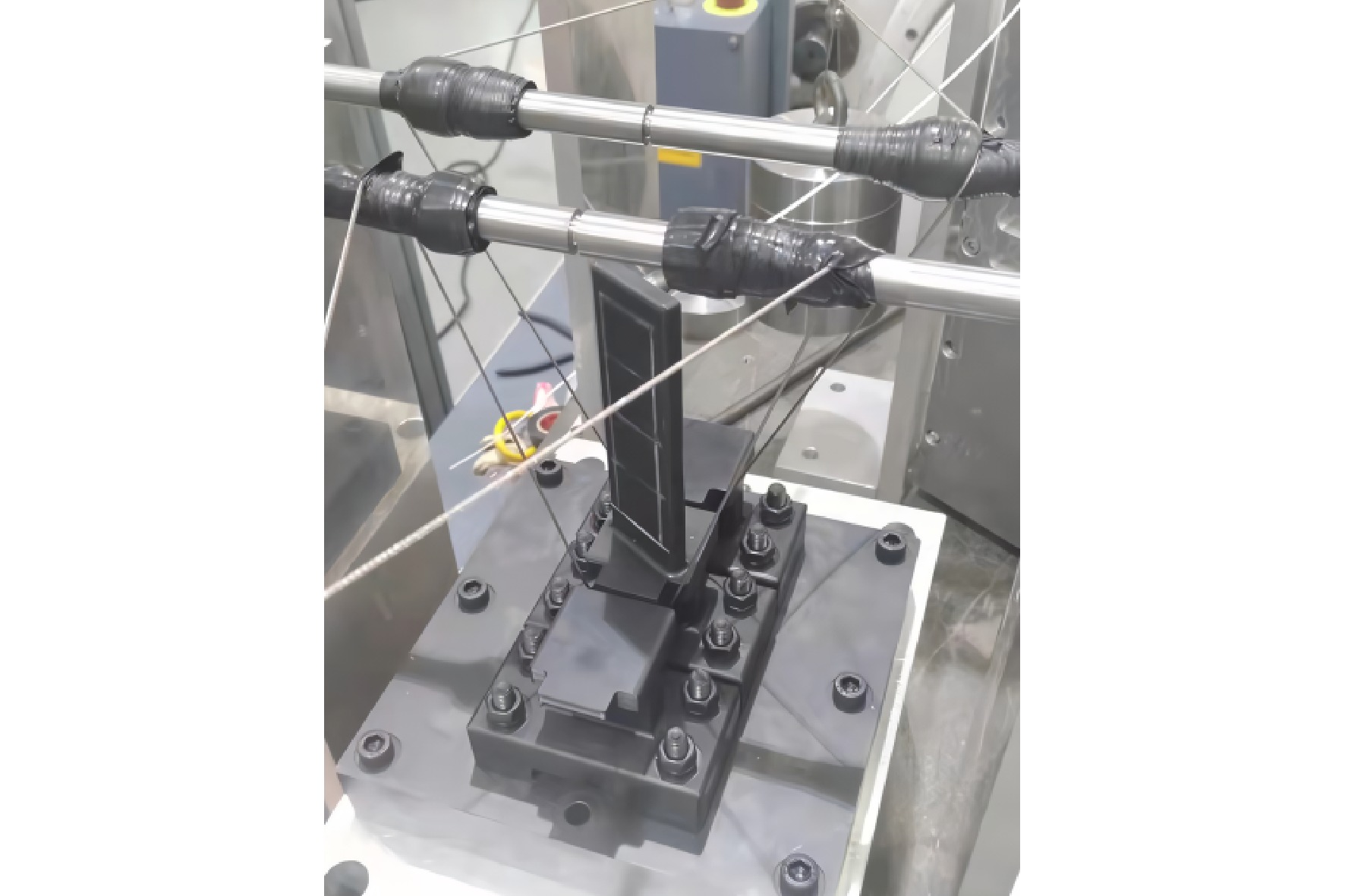
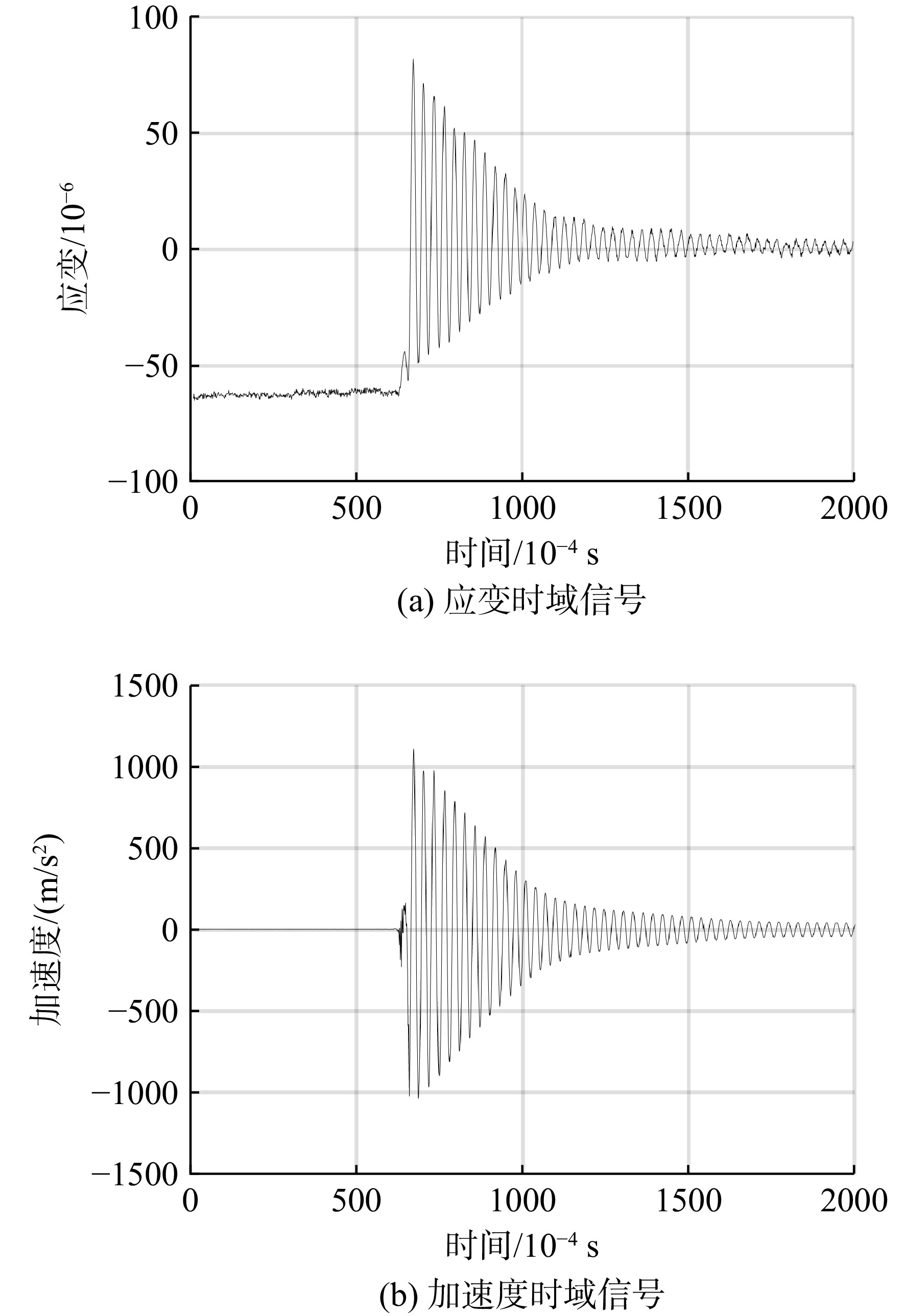
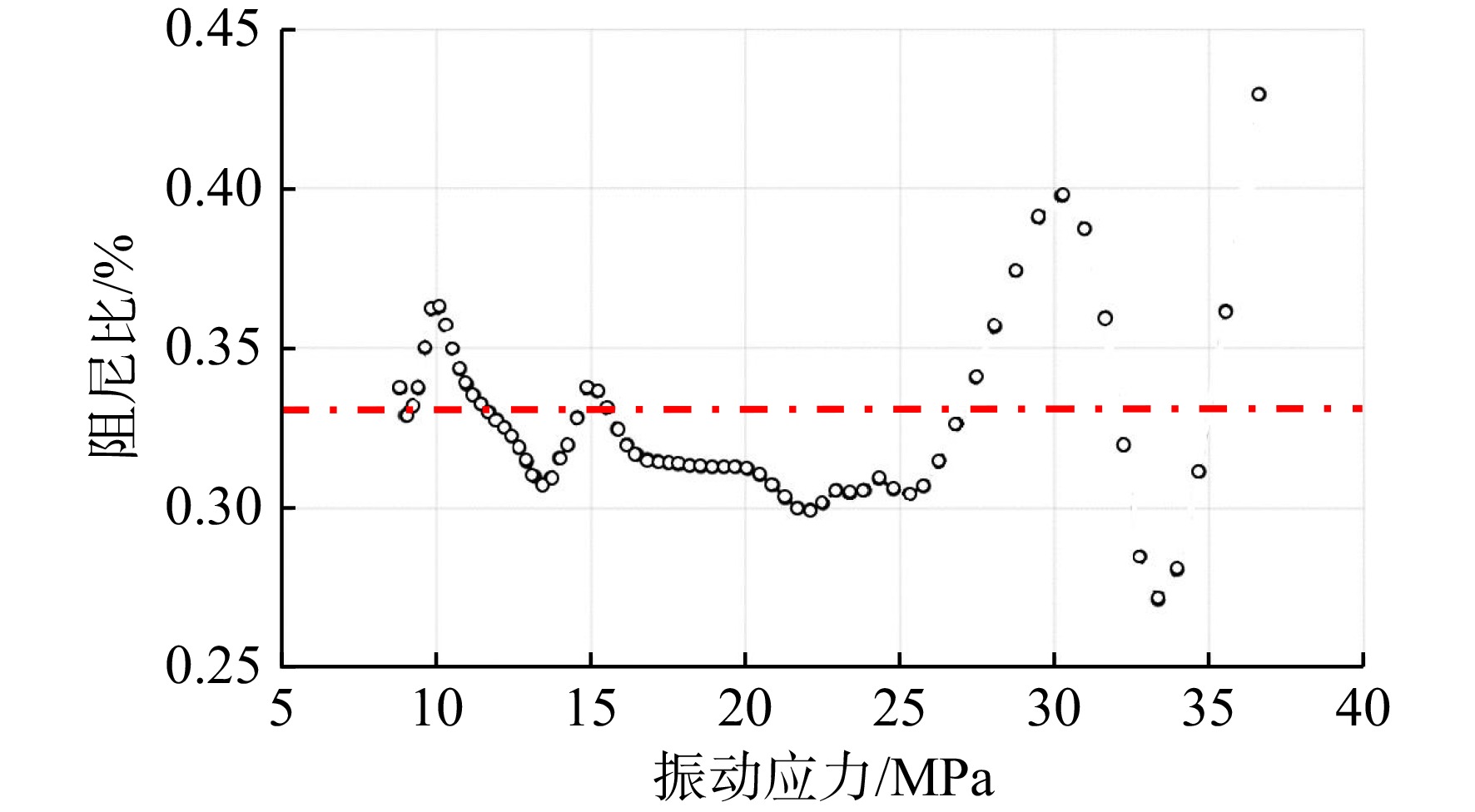
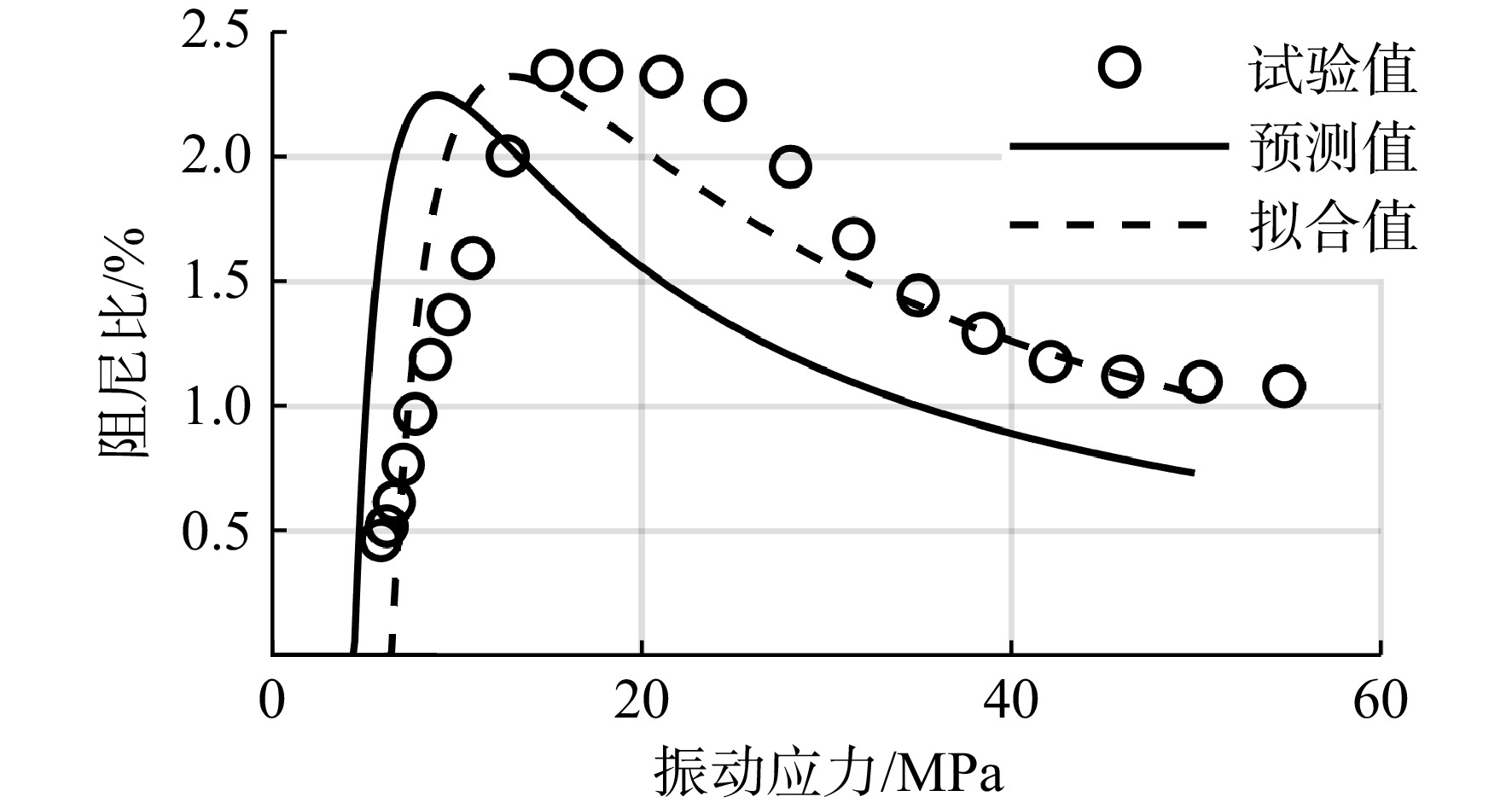
An experimental system based on damped free vibrations was developed. By applying loads to the blade model to induce a first-order bending mode, followed by releasing the load to create first-order bending vibrations, a comprehensive damping ratio characteristic curve could be acquired from a single test. This was achieved by monitoring and analyzing the time-domain signals of strains and accelerations at crucial positions. Experimental findings showed that the damping ratio curves obtained through experiments aligned closely with those generated through numerical simulations. Furthermore, the maximum damping ratio was kept constant despite of variations in the damper’s inertial load. Additionally, dampers with different contact areas had similar critical damping ratios. However, the damping effect was found to be positively correlated with the length of the shank.

Turbomachinery
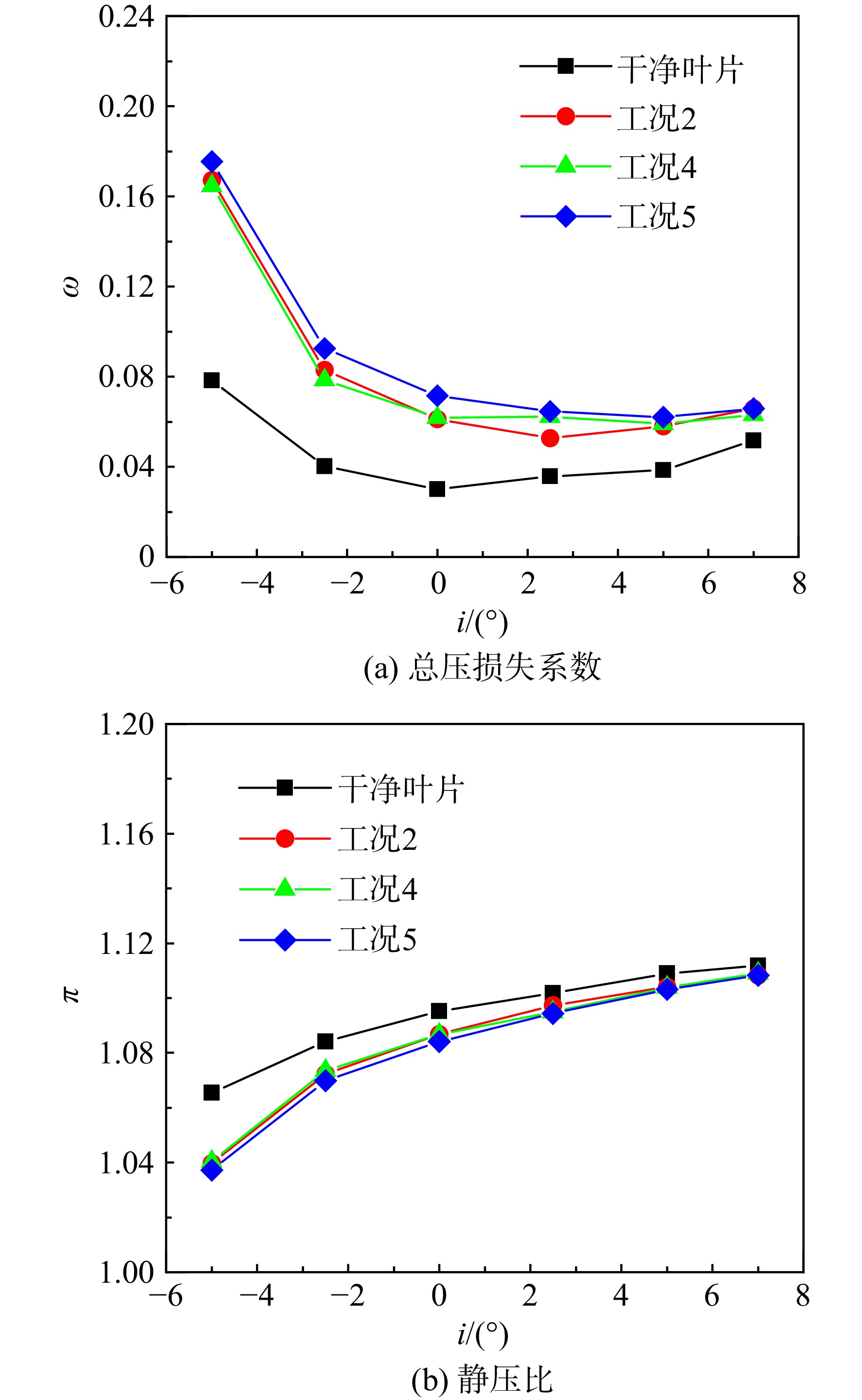
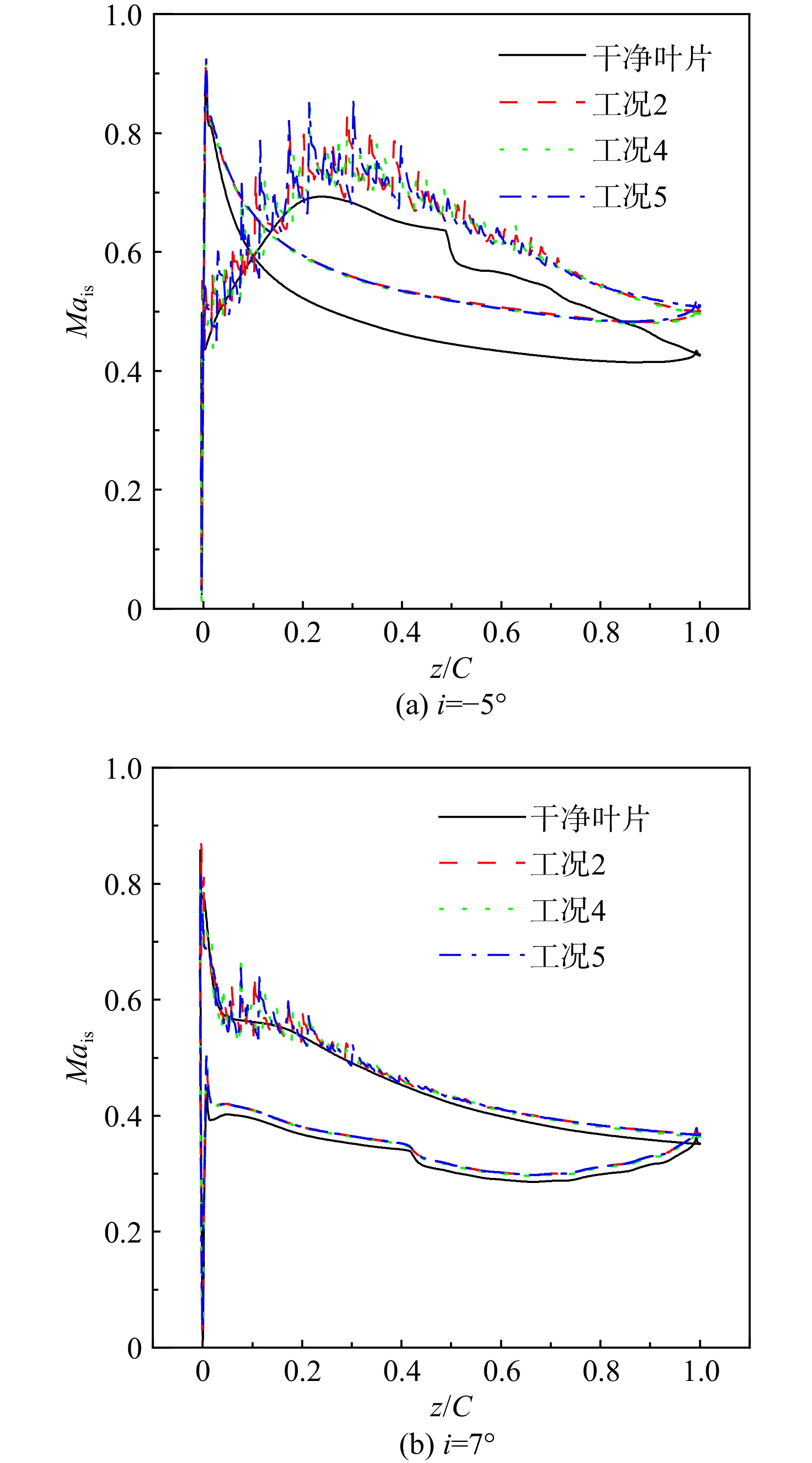
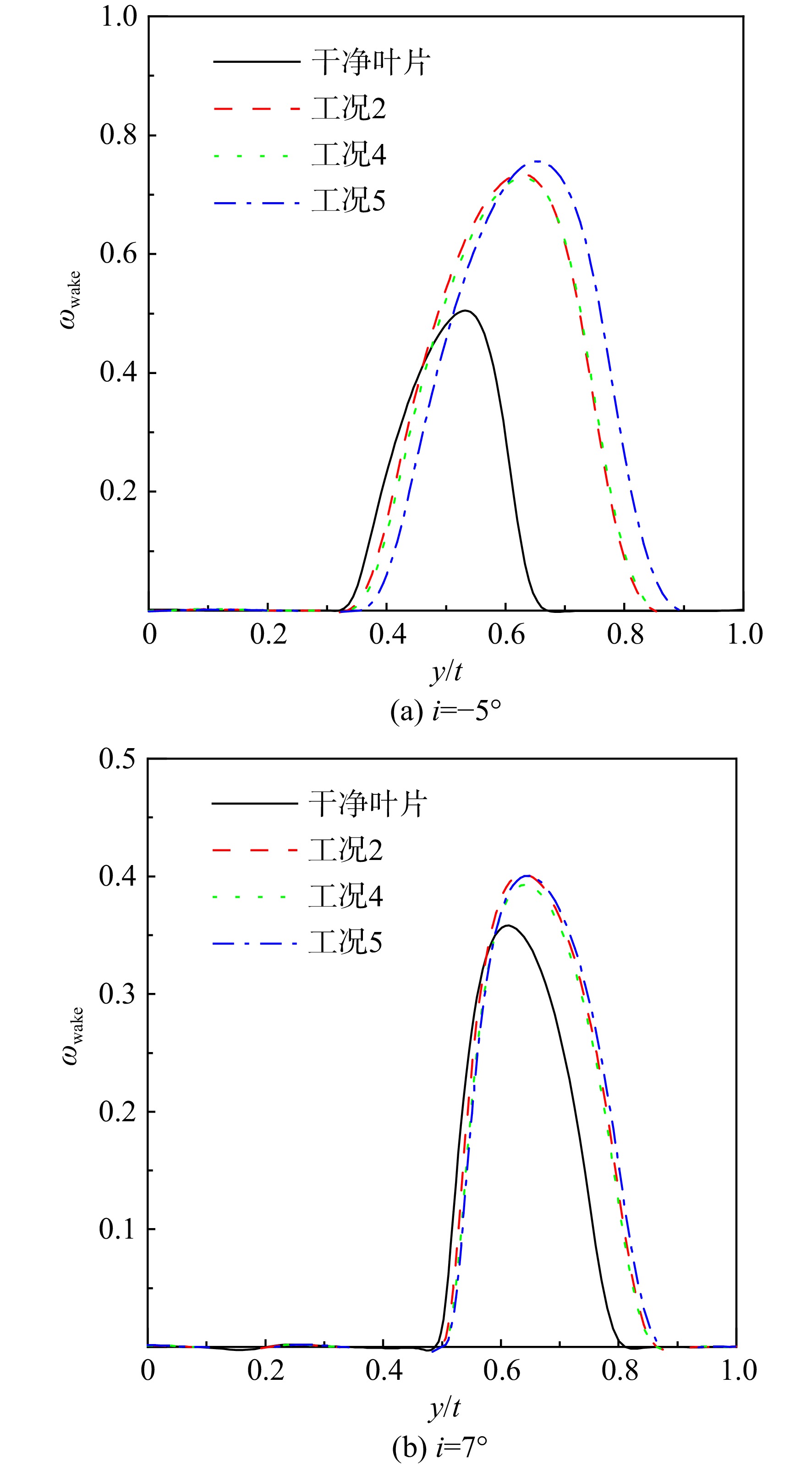
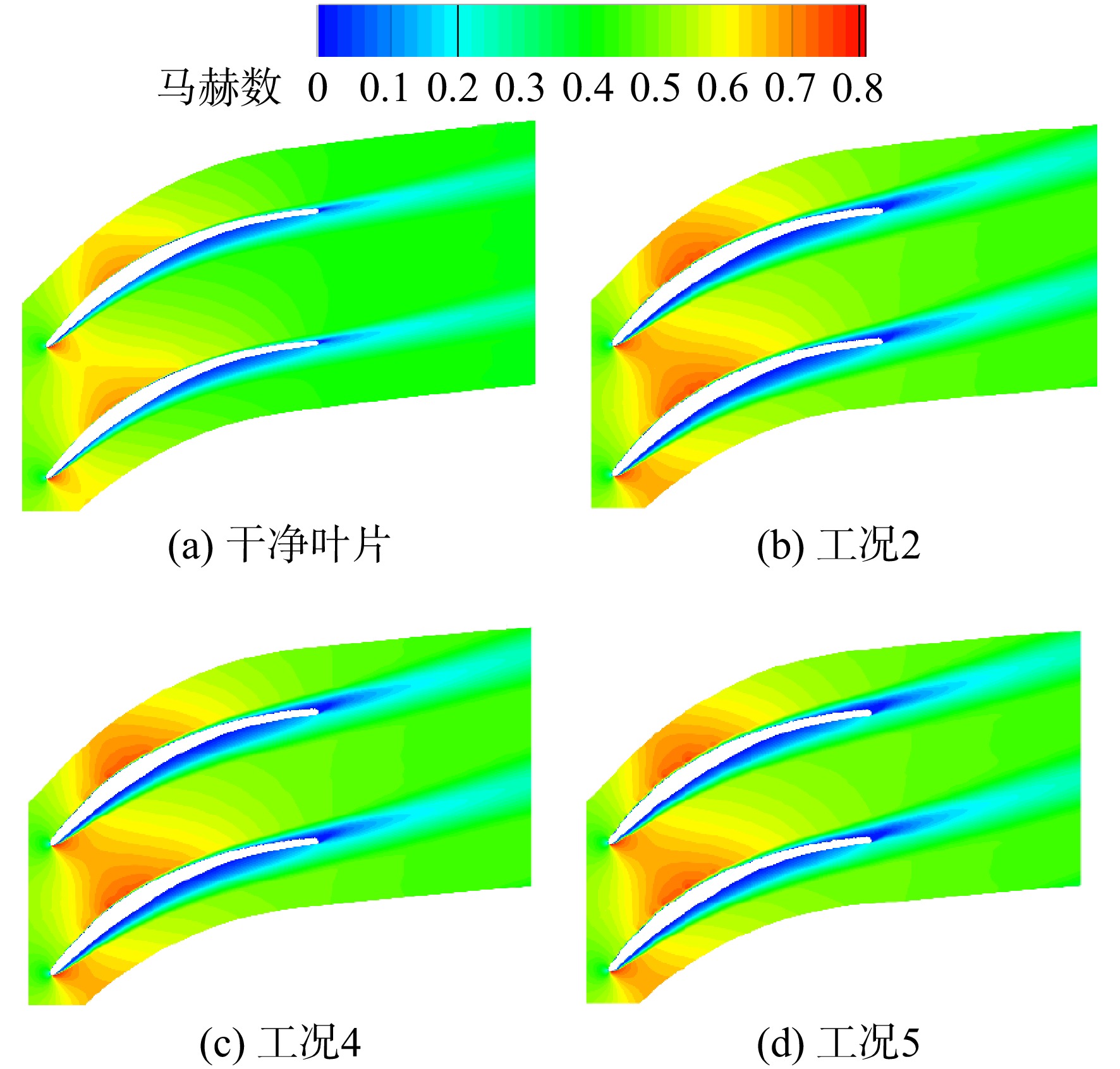
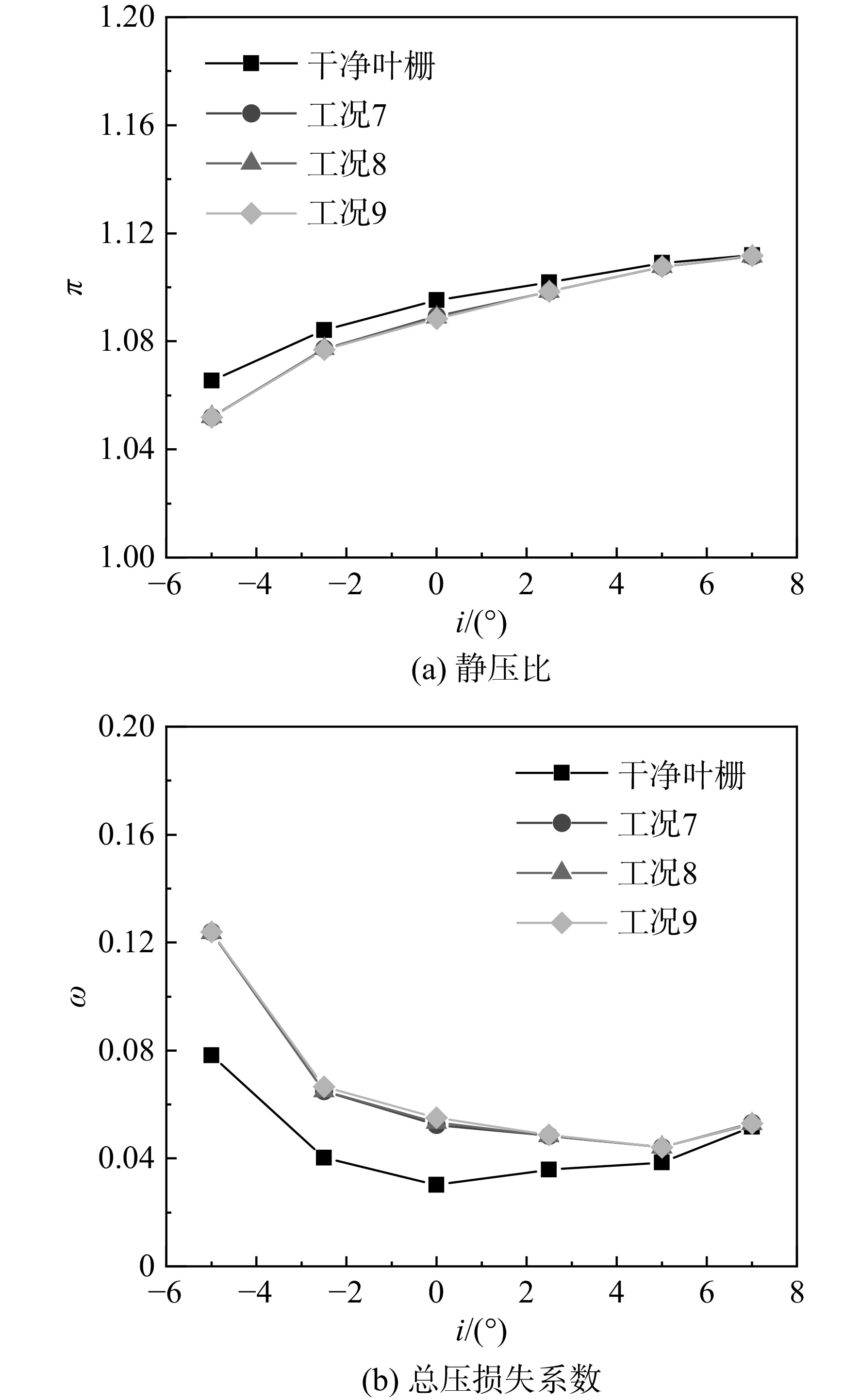
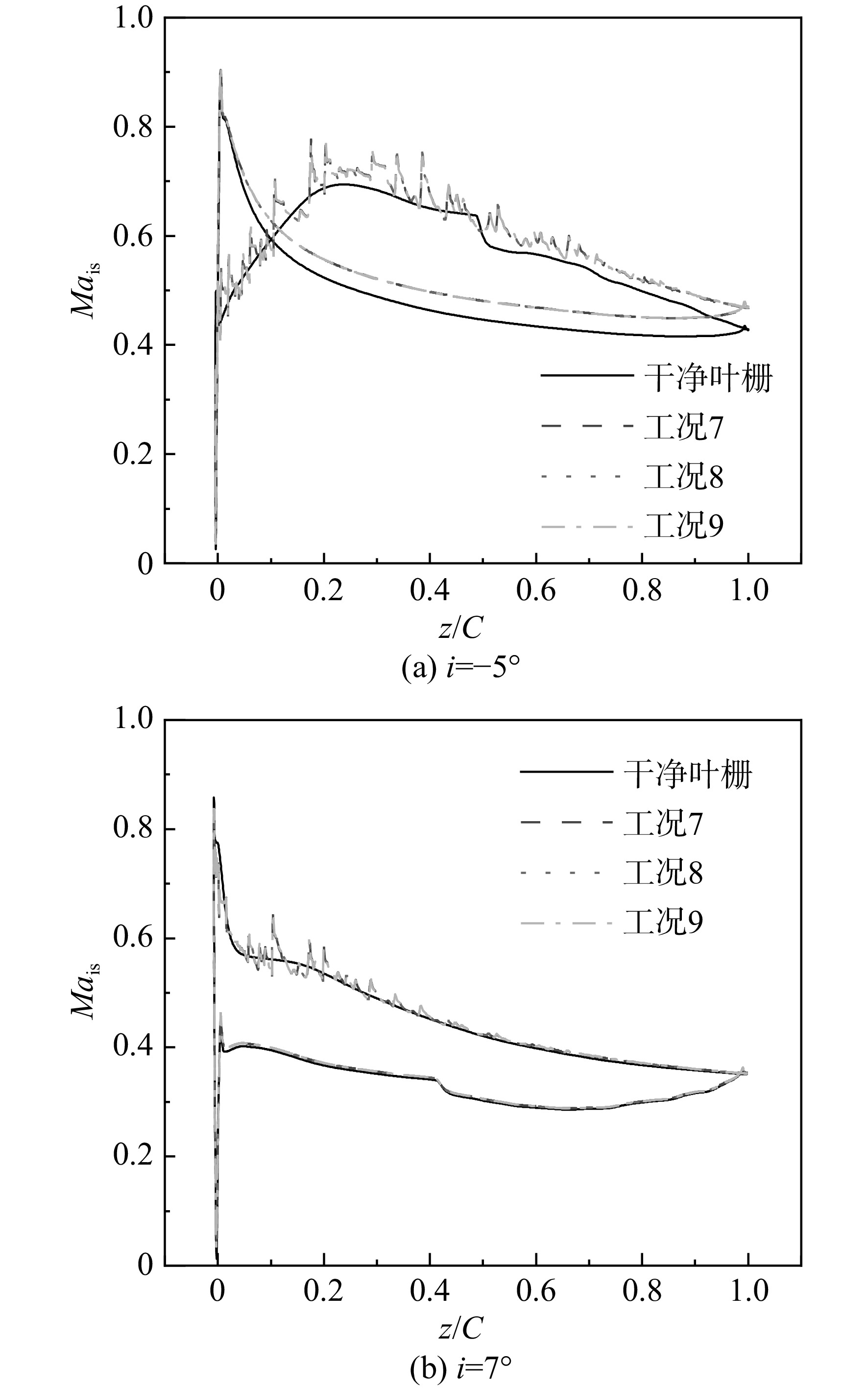
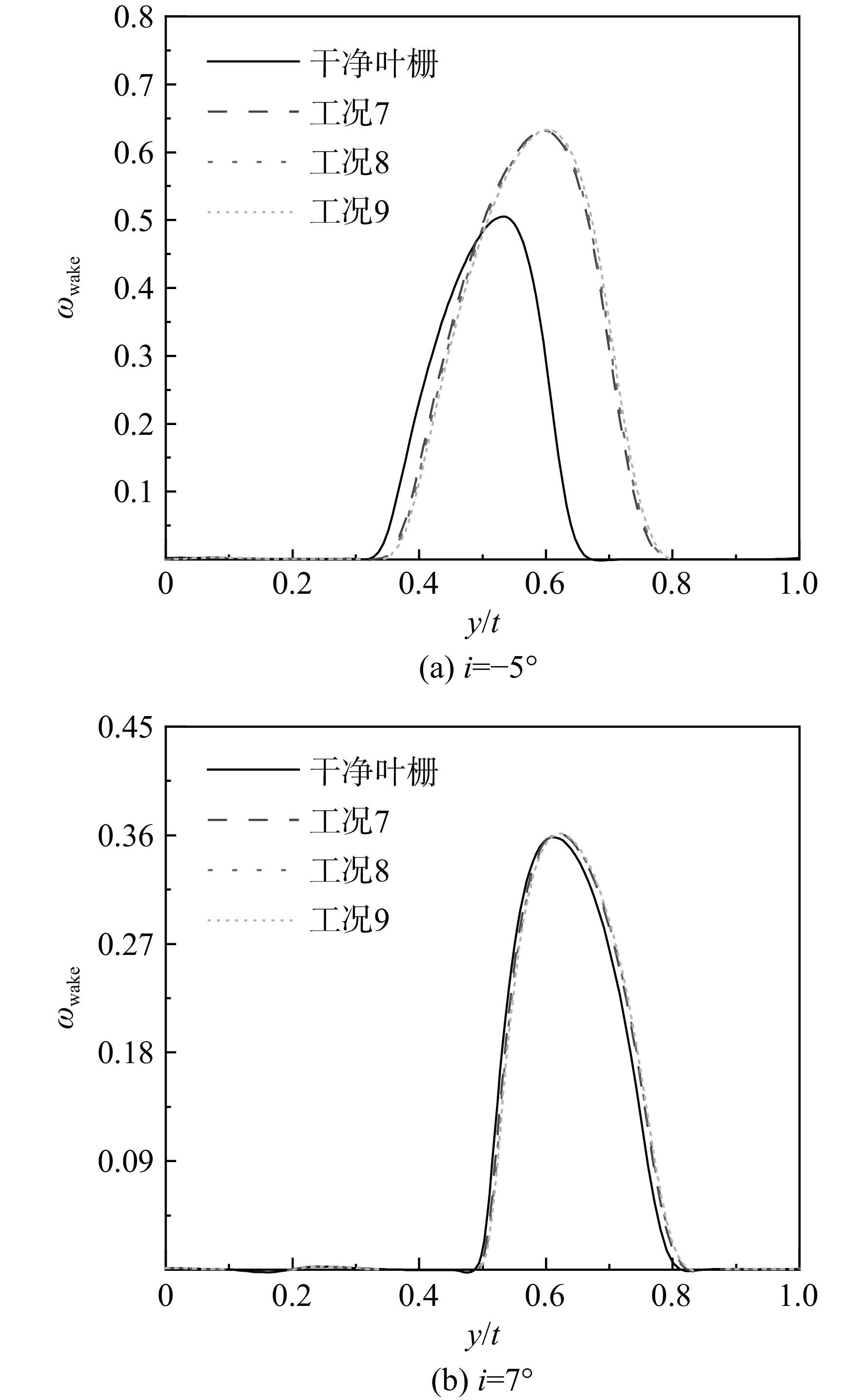
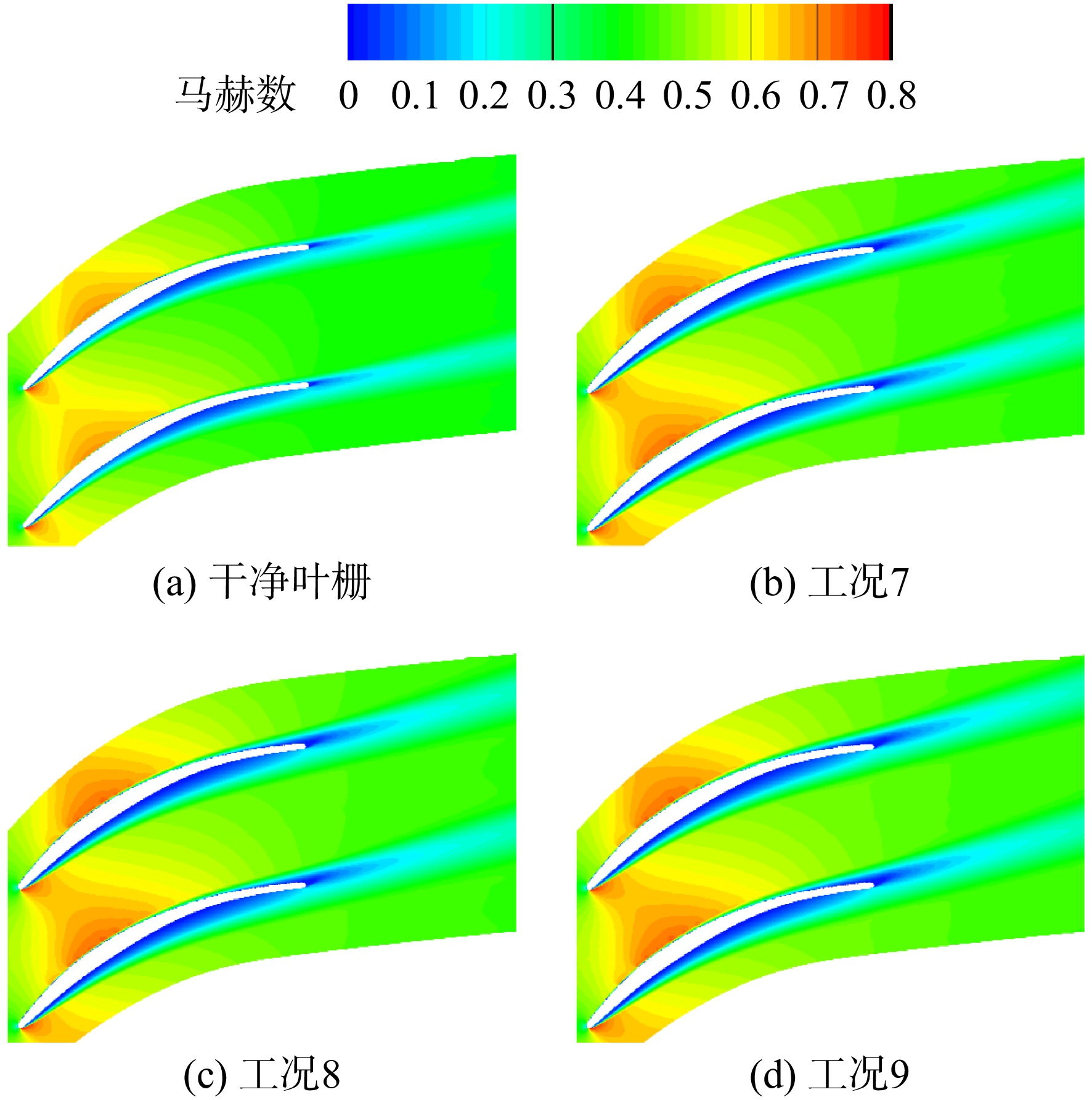
Fouling modeling based on multiple cosine functions and its influence on aerodynamic performance of compressor cascade
GAO Limin, TU Panpan, YANG Song, WEI Peiyu
2025, 40(9): 20240379. doi: 10.13224/j.cnki.jasp.20240379
Abstract:

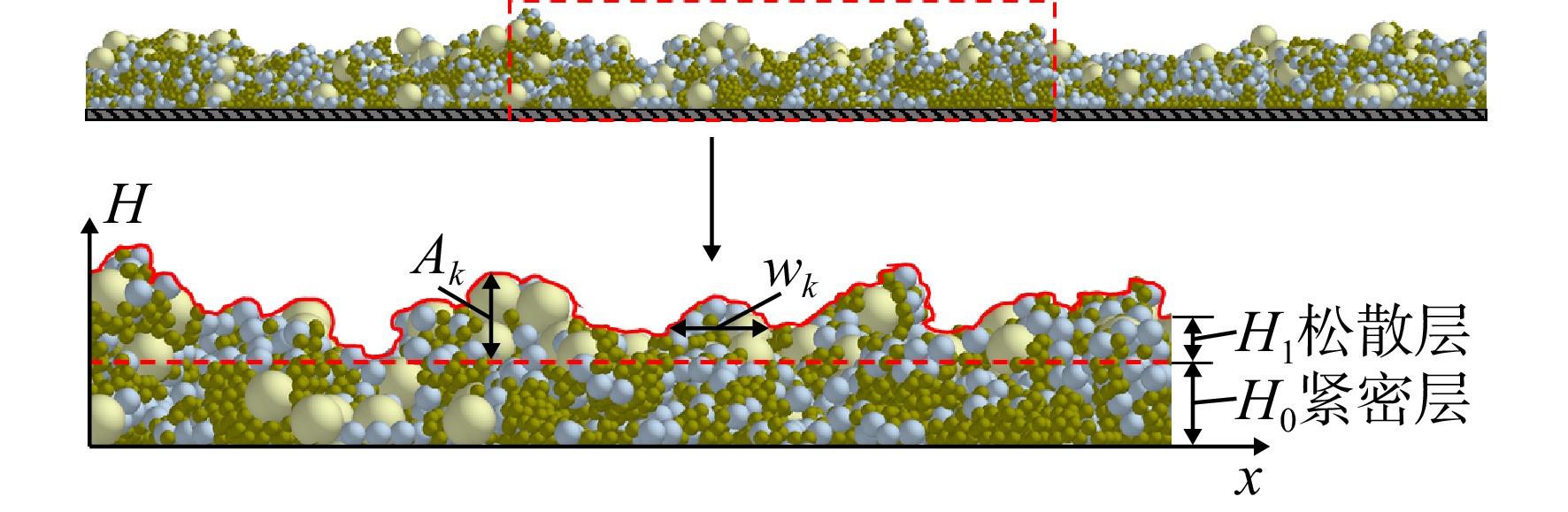
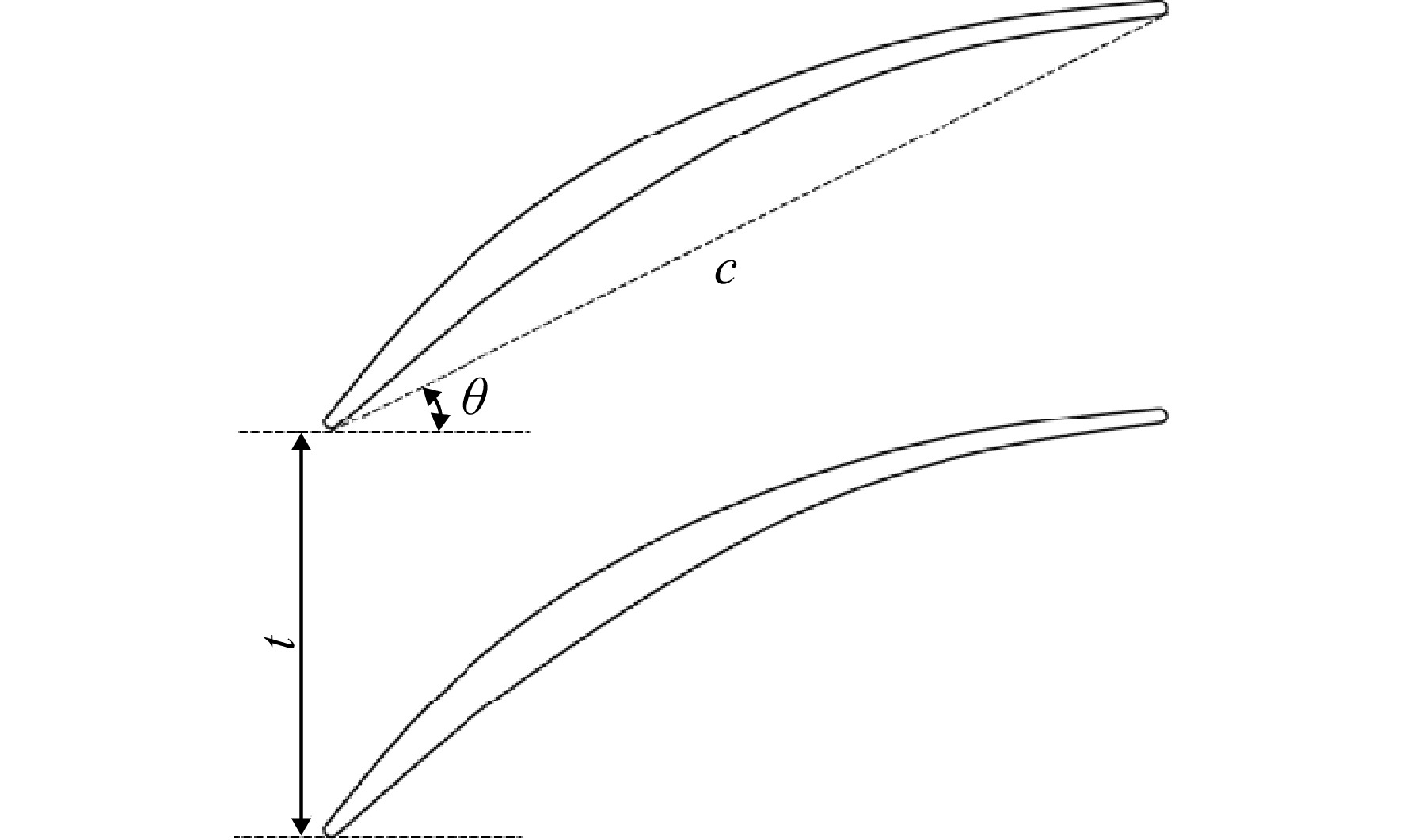
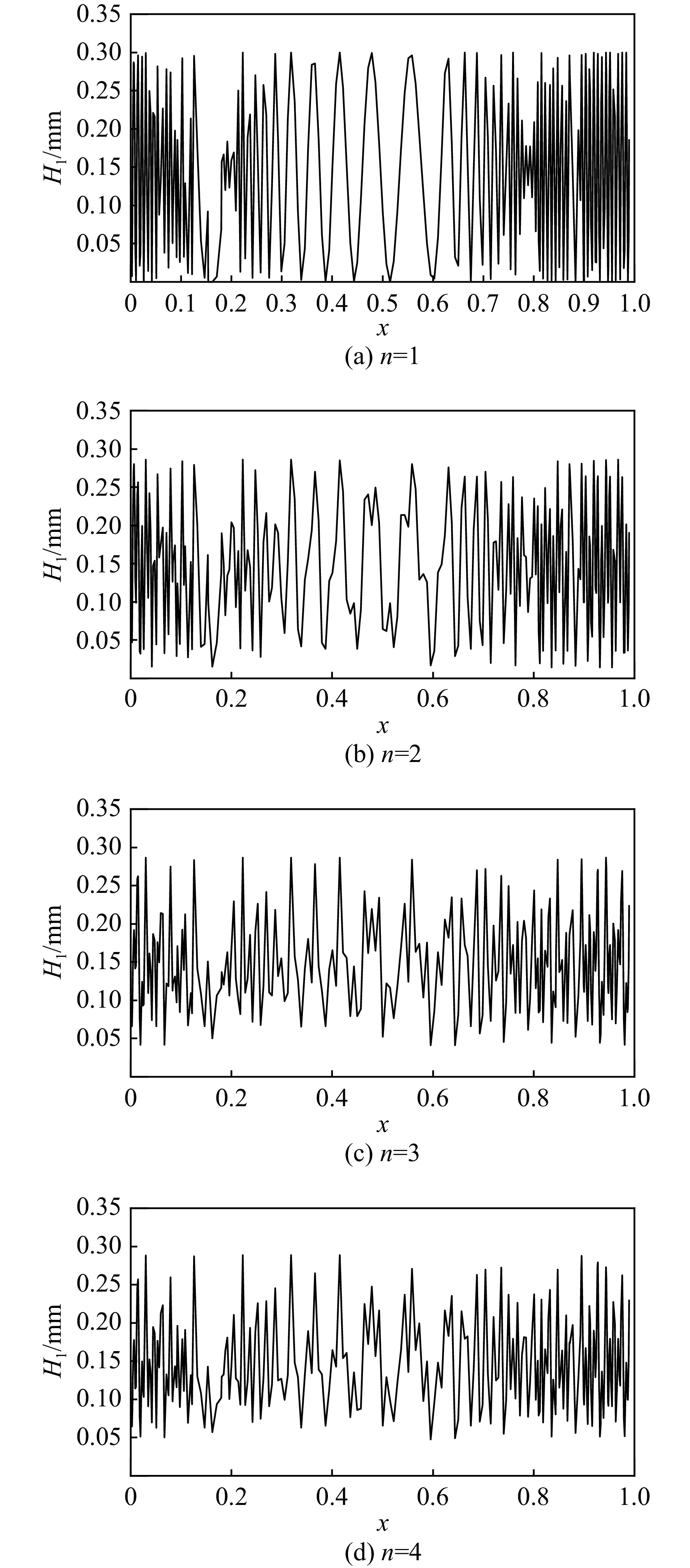
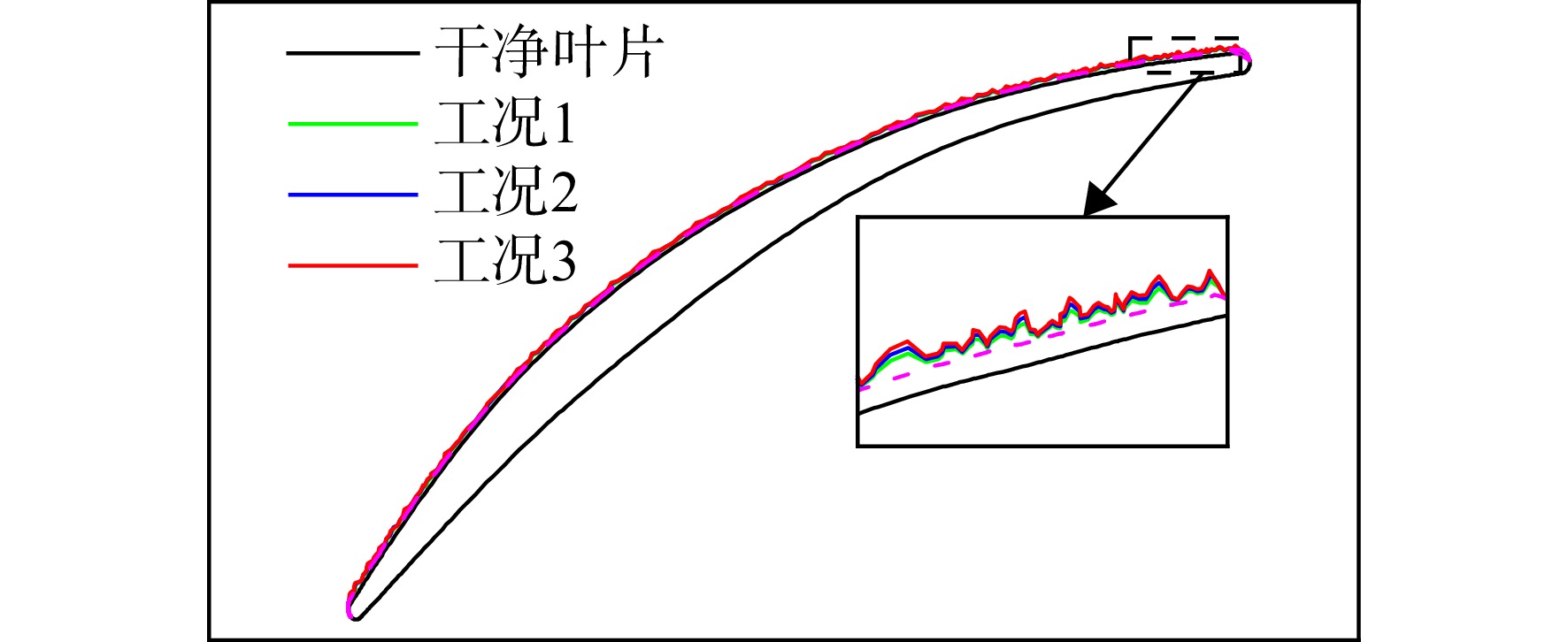
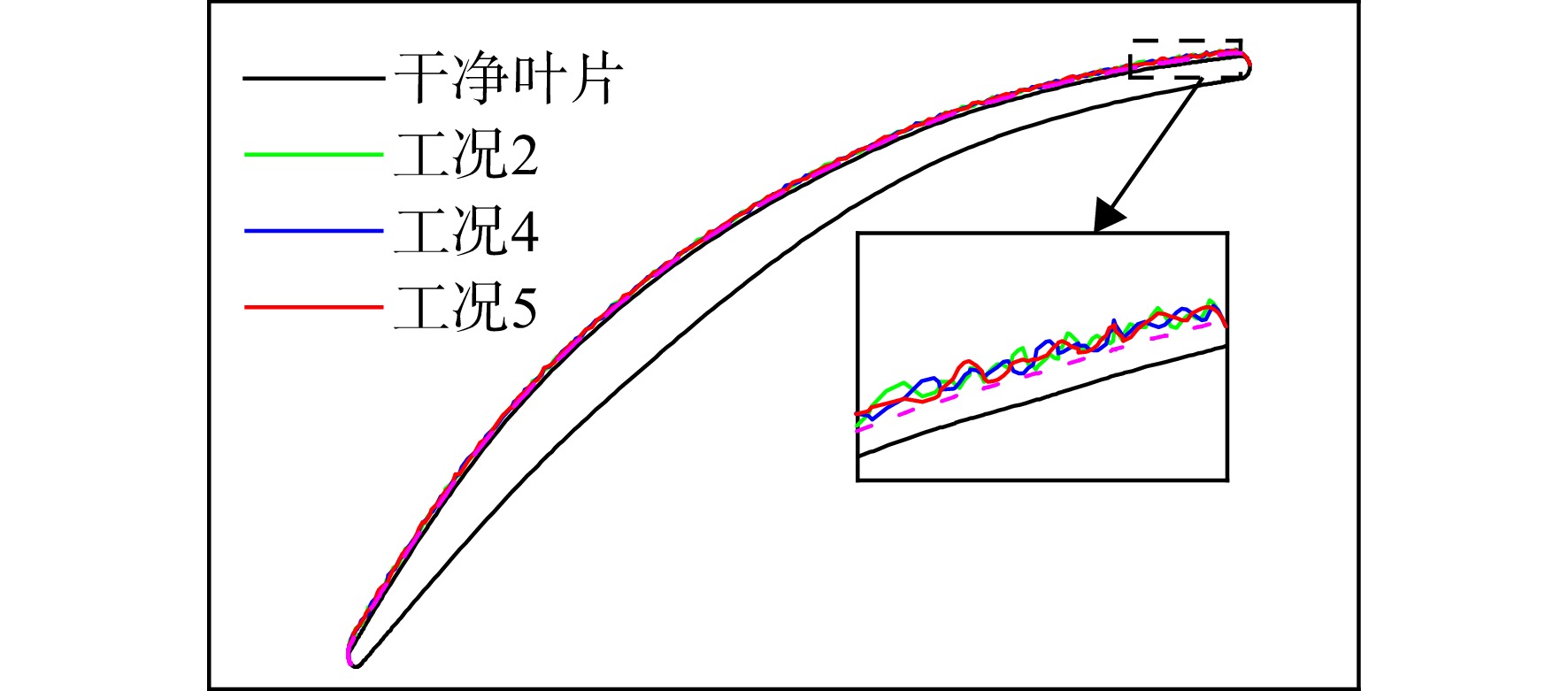
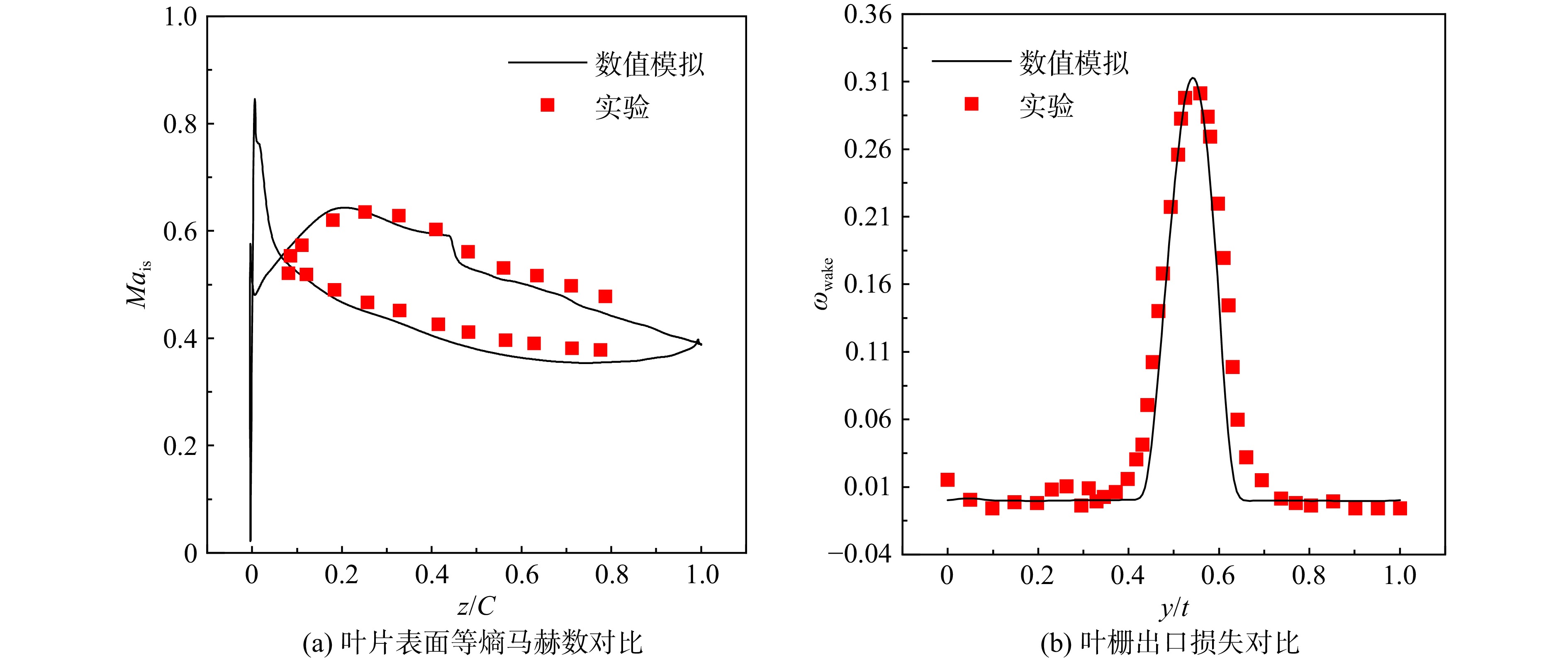
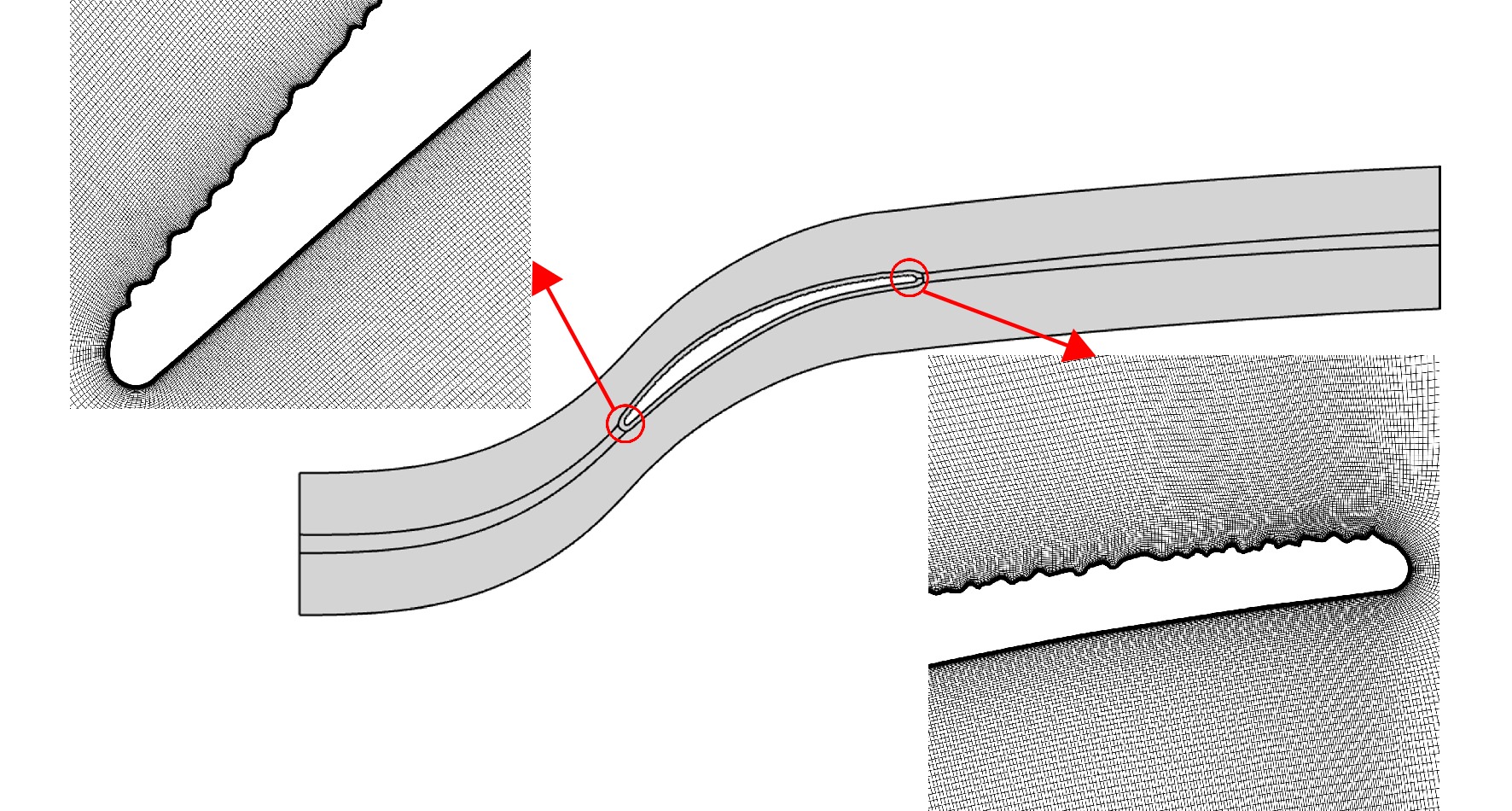
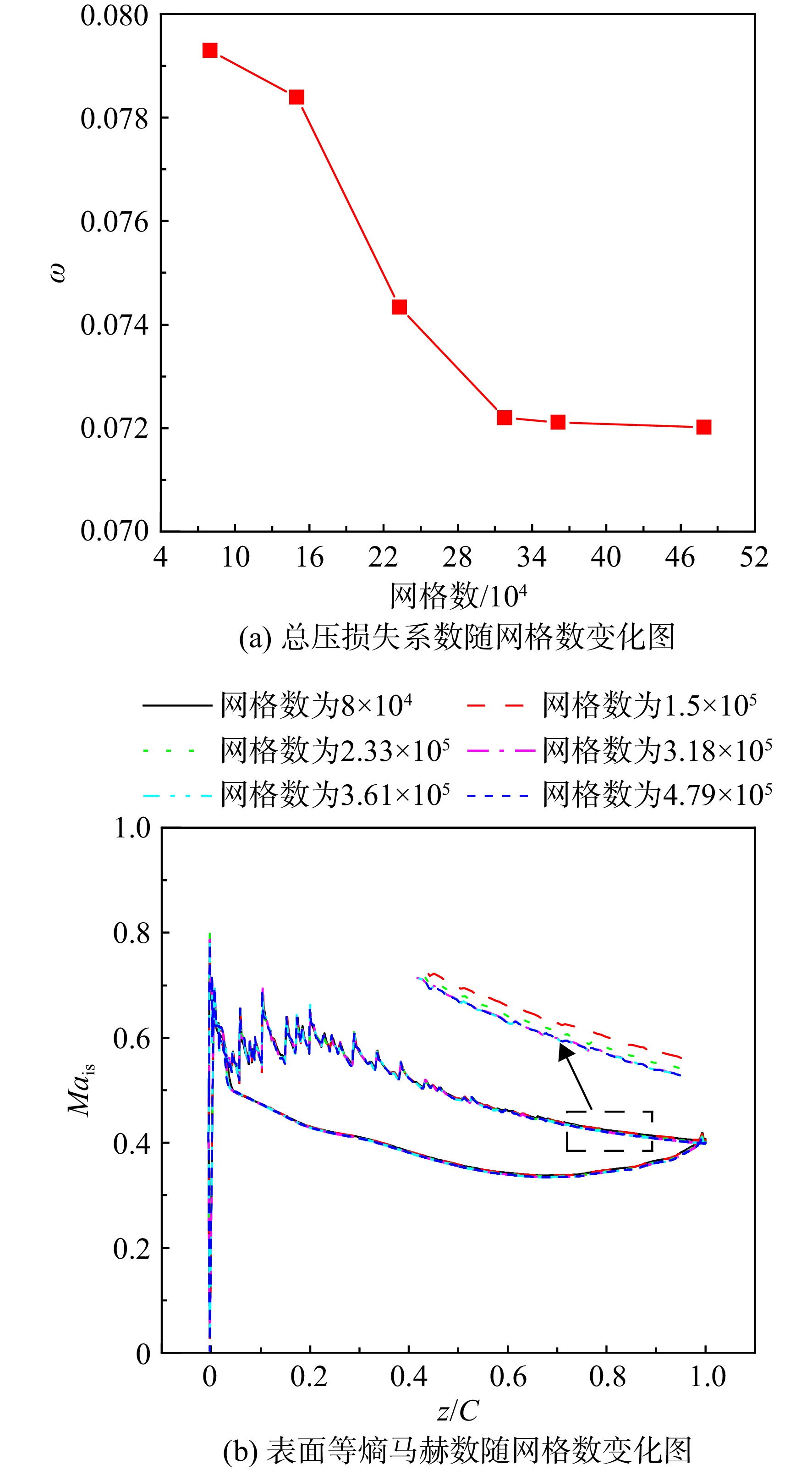
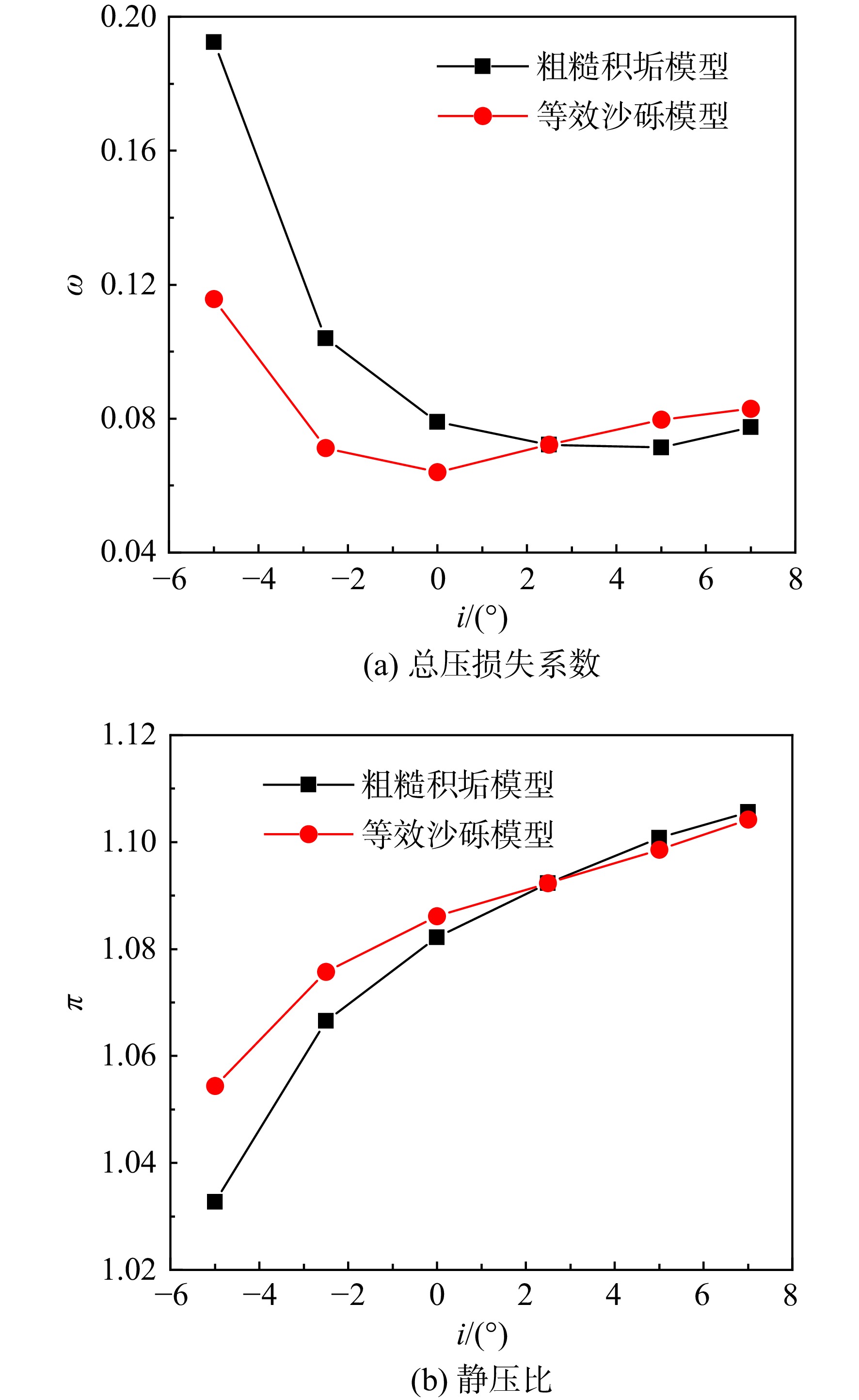
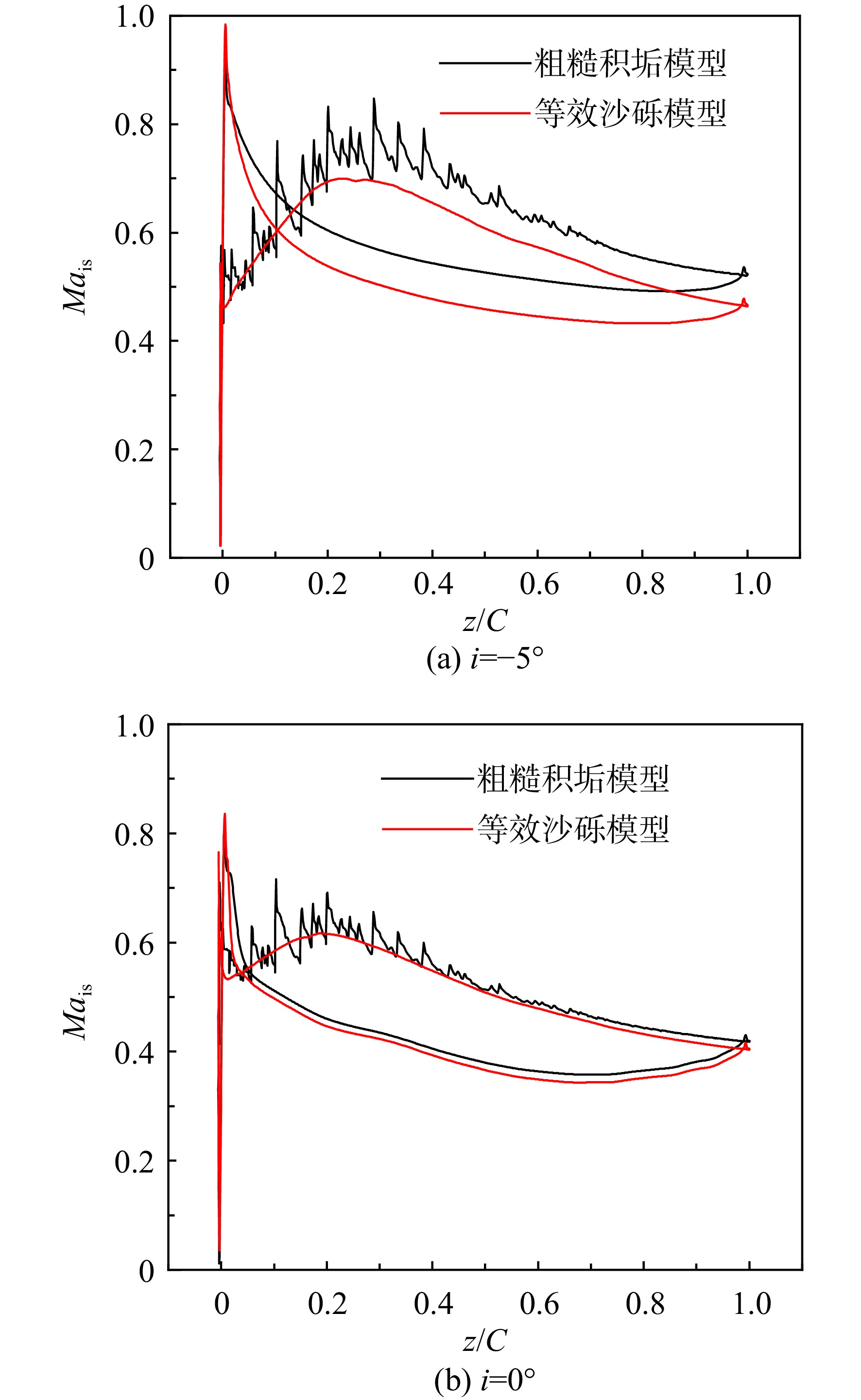
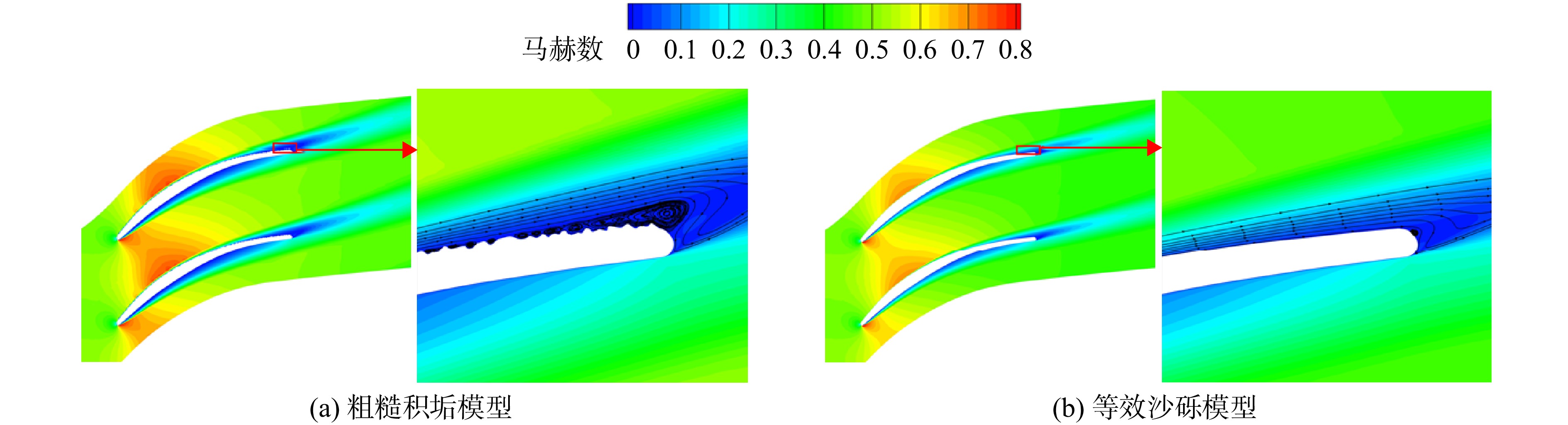
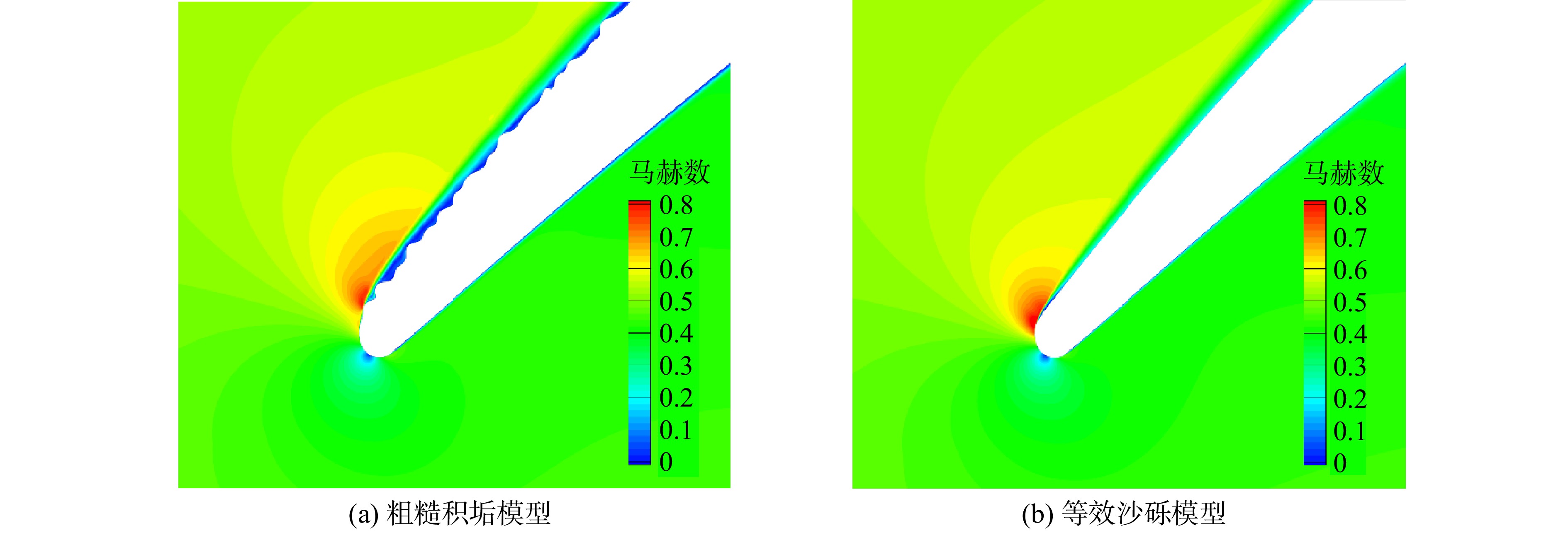
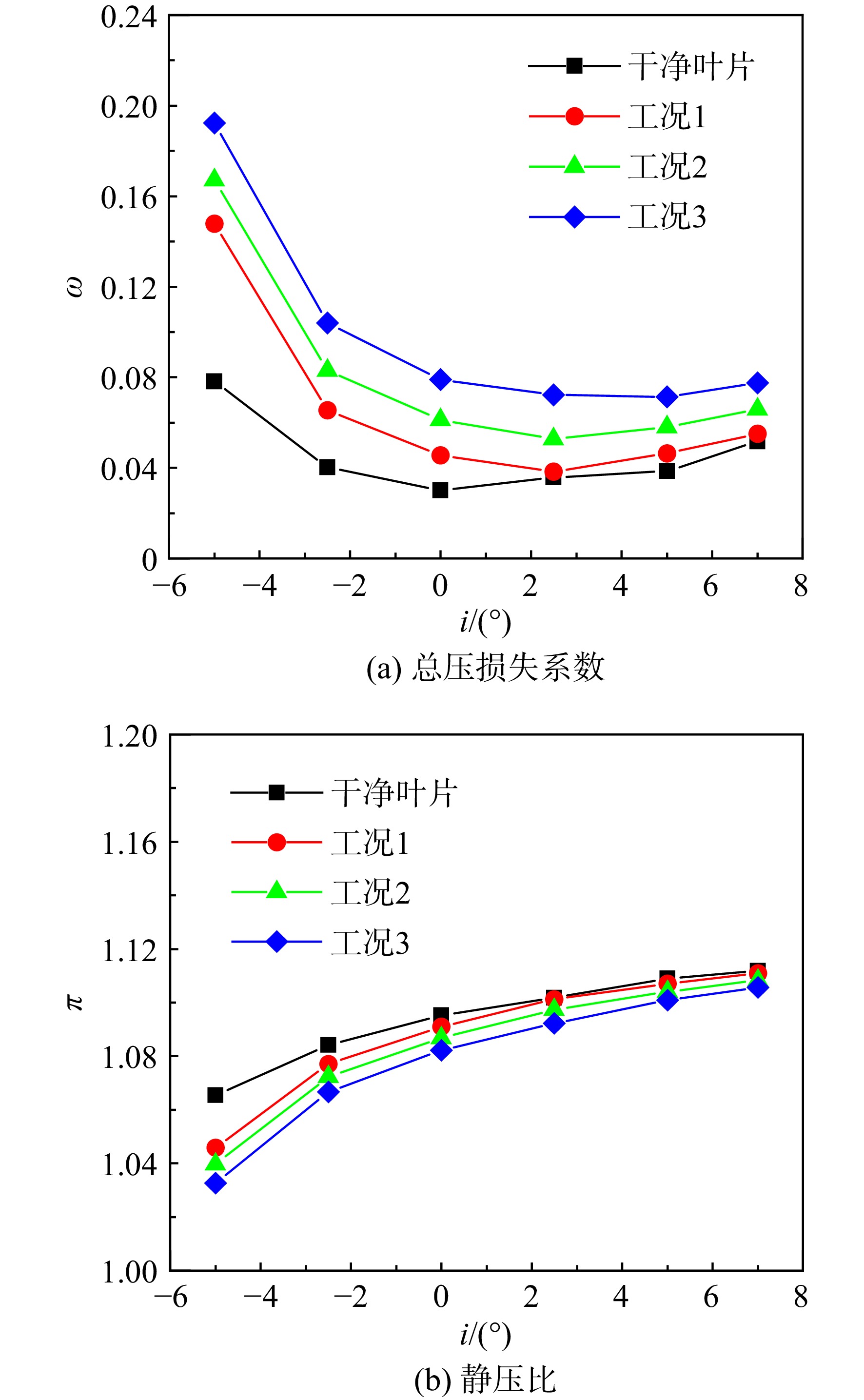
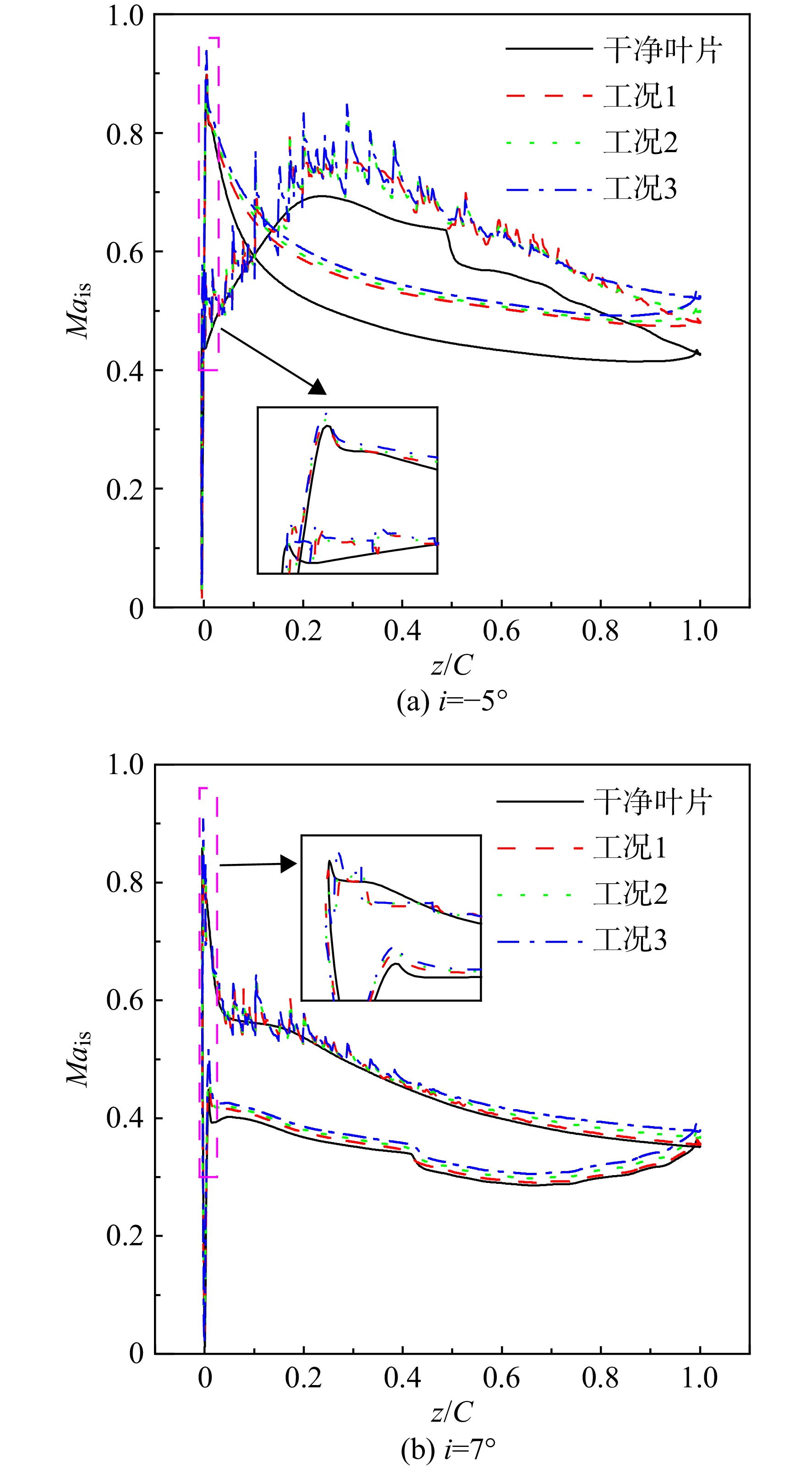
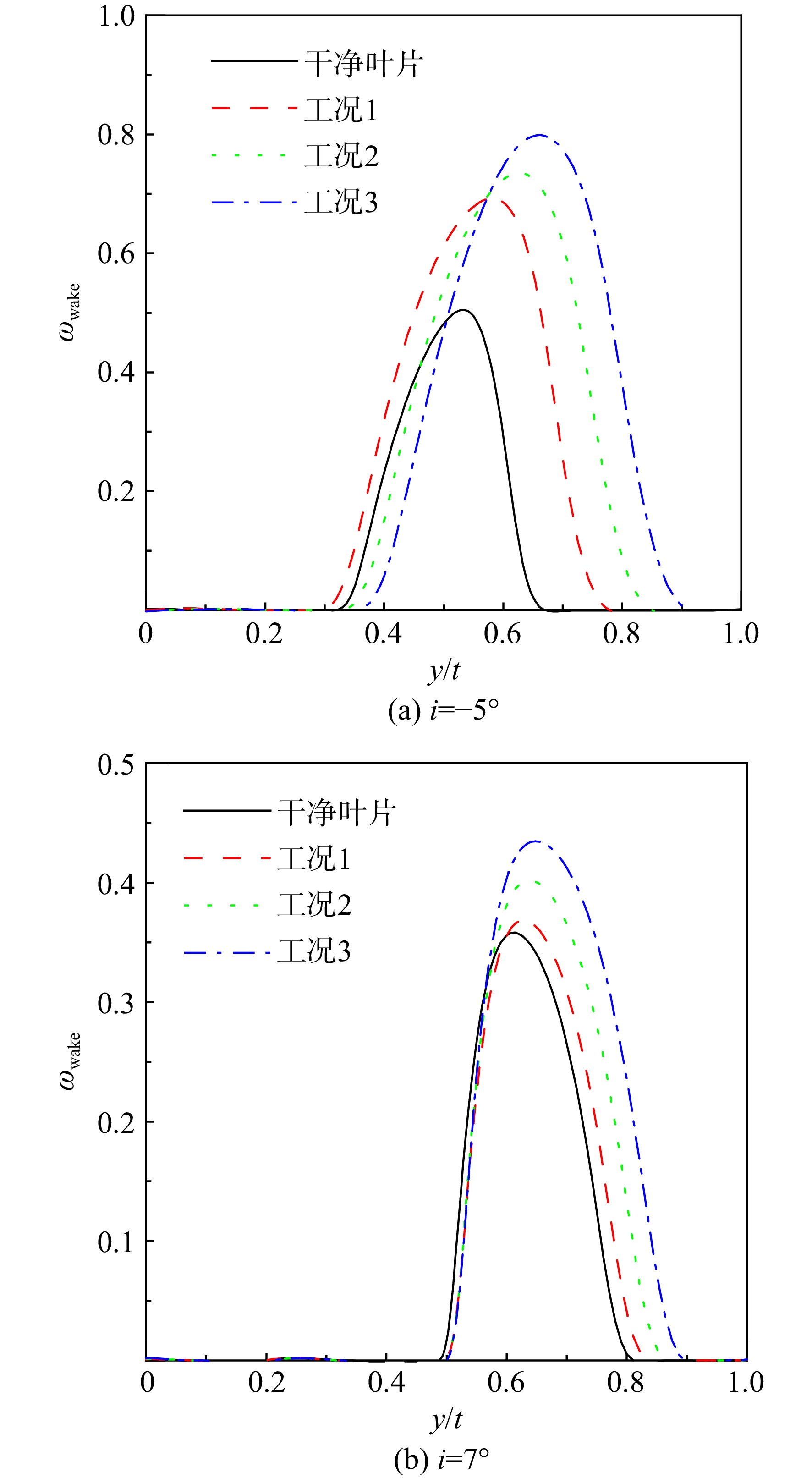
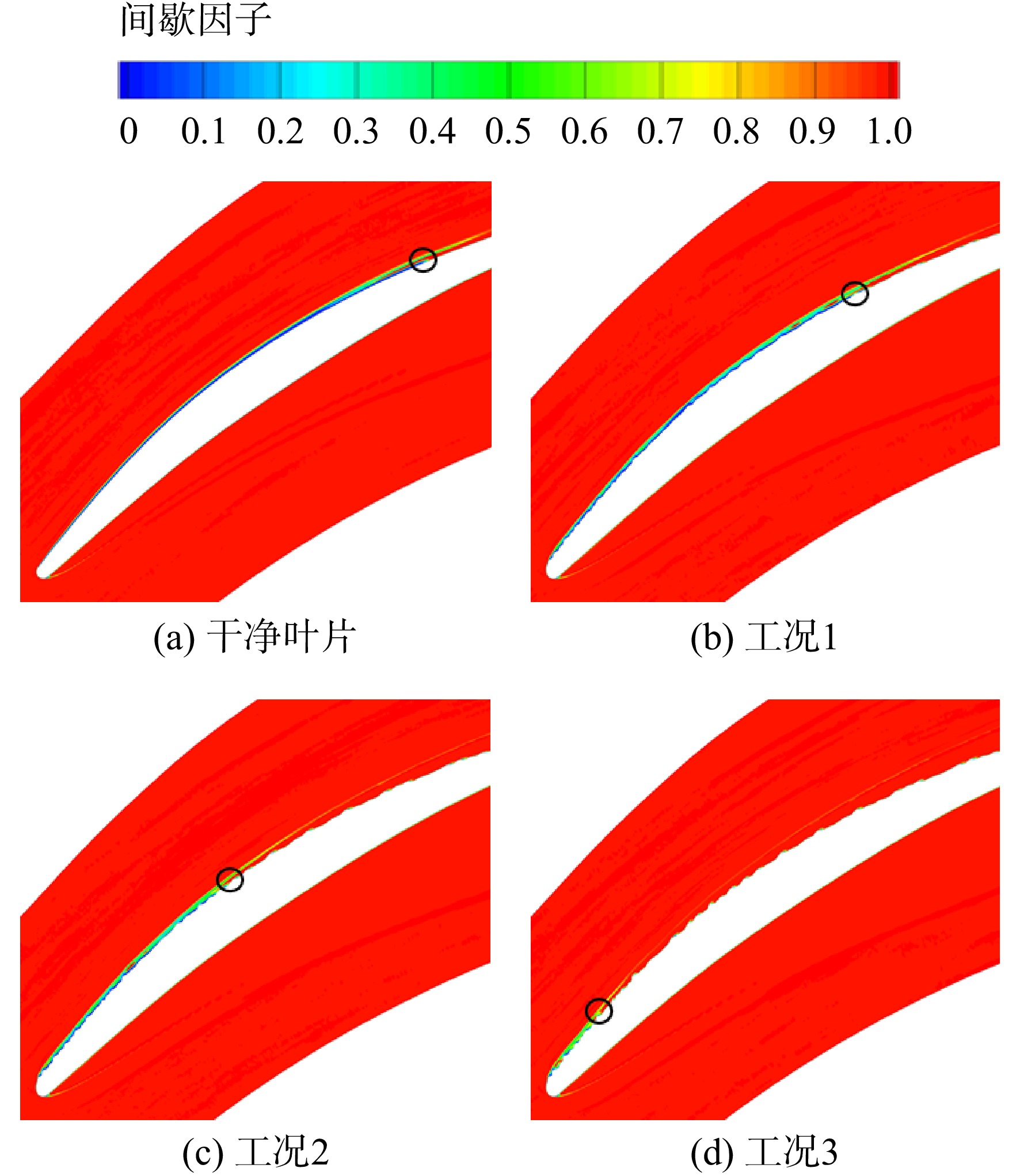
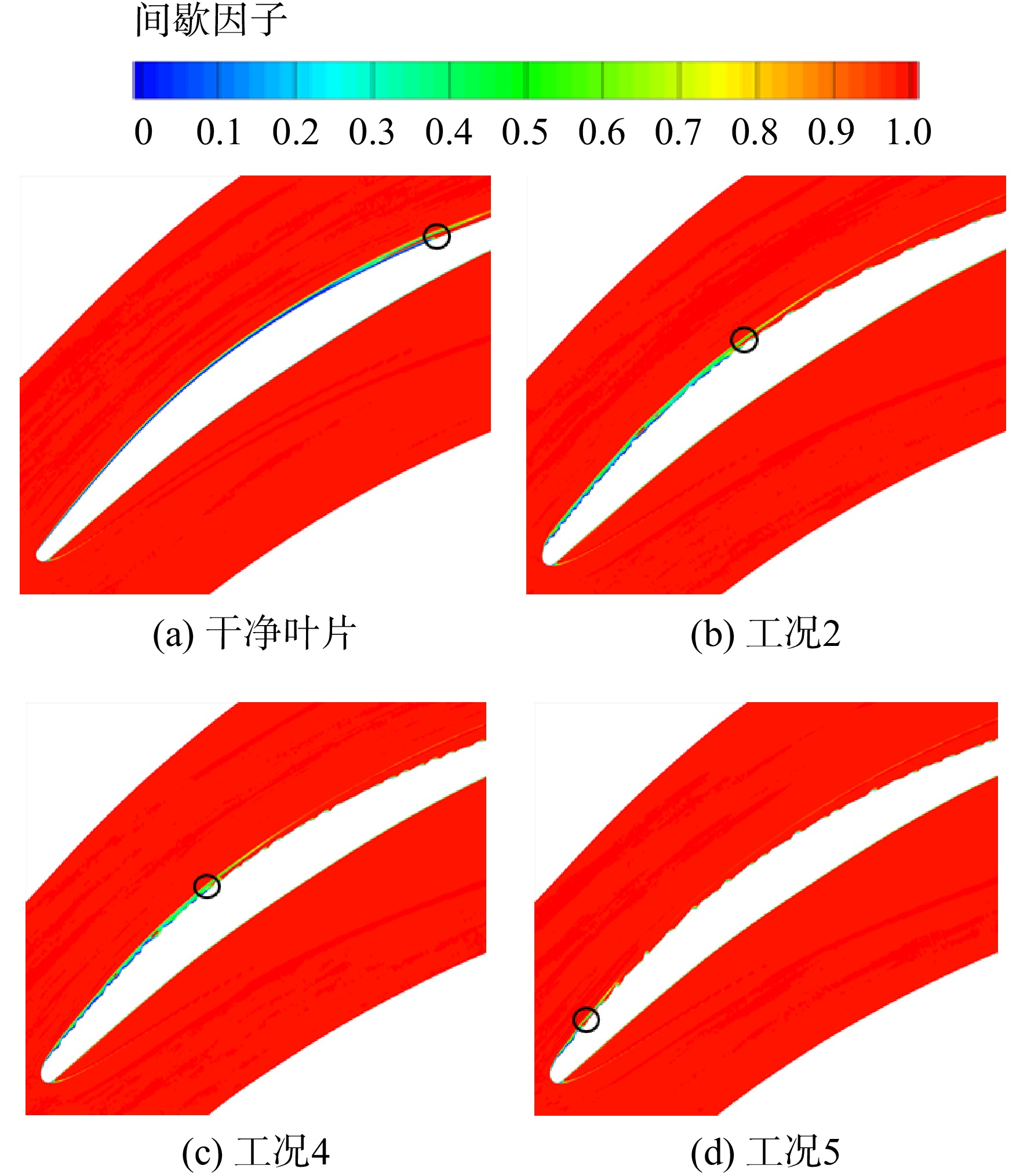
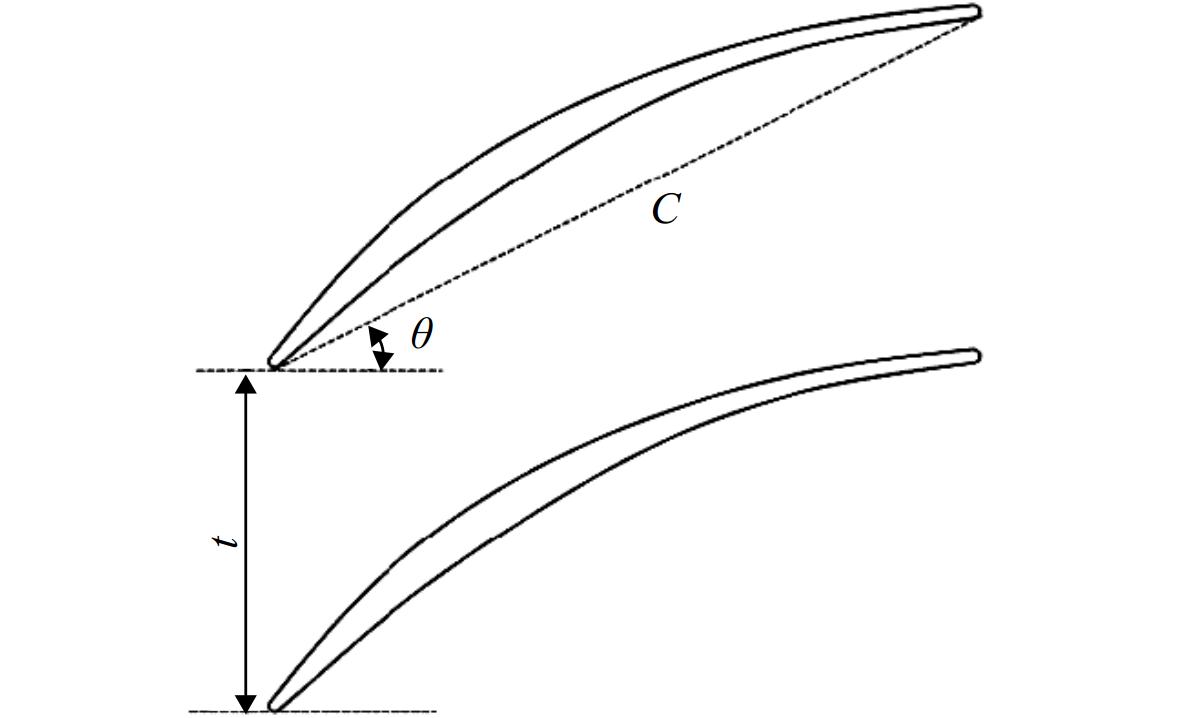
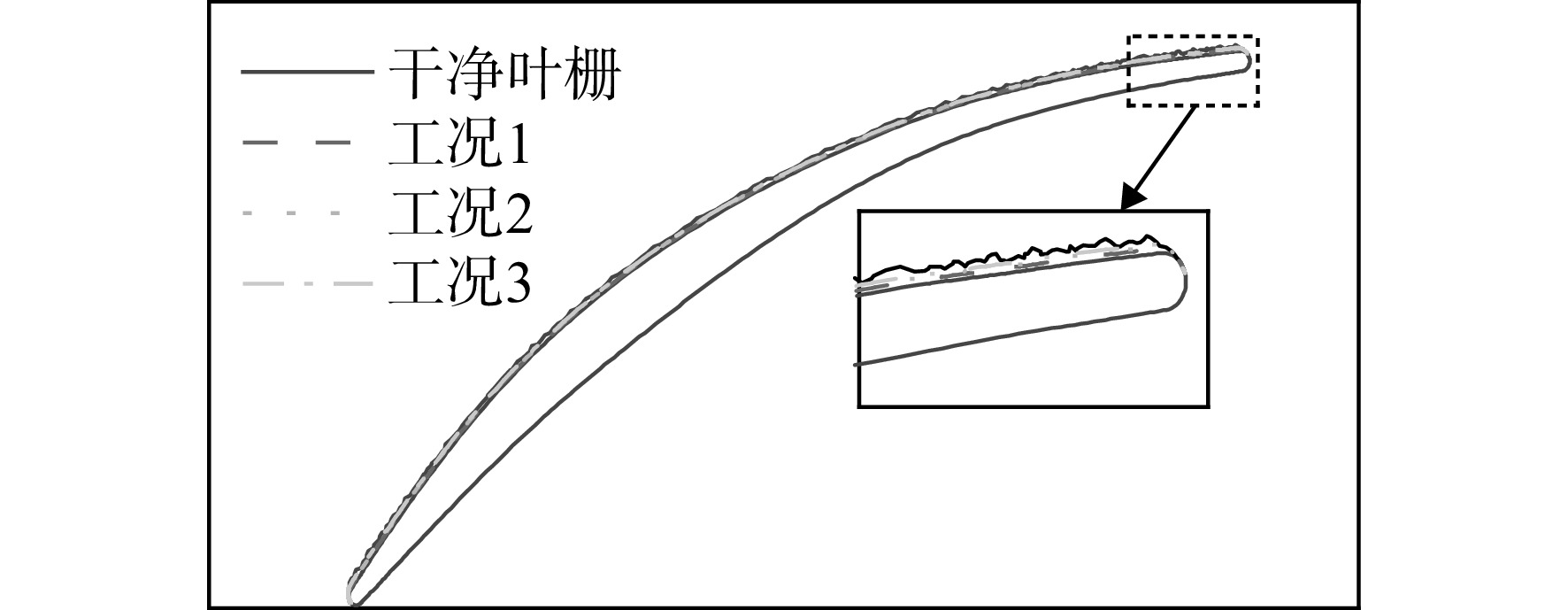
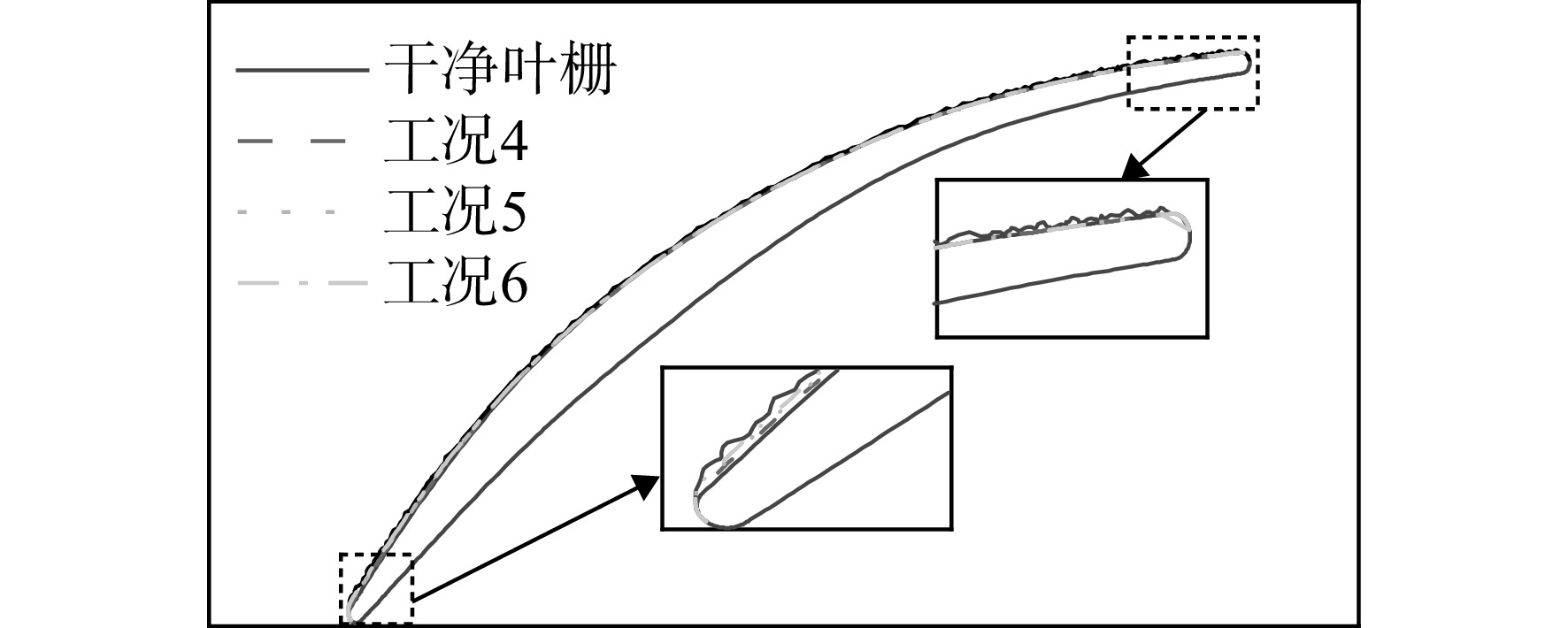
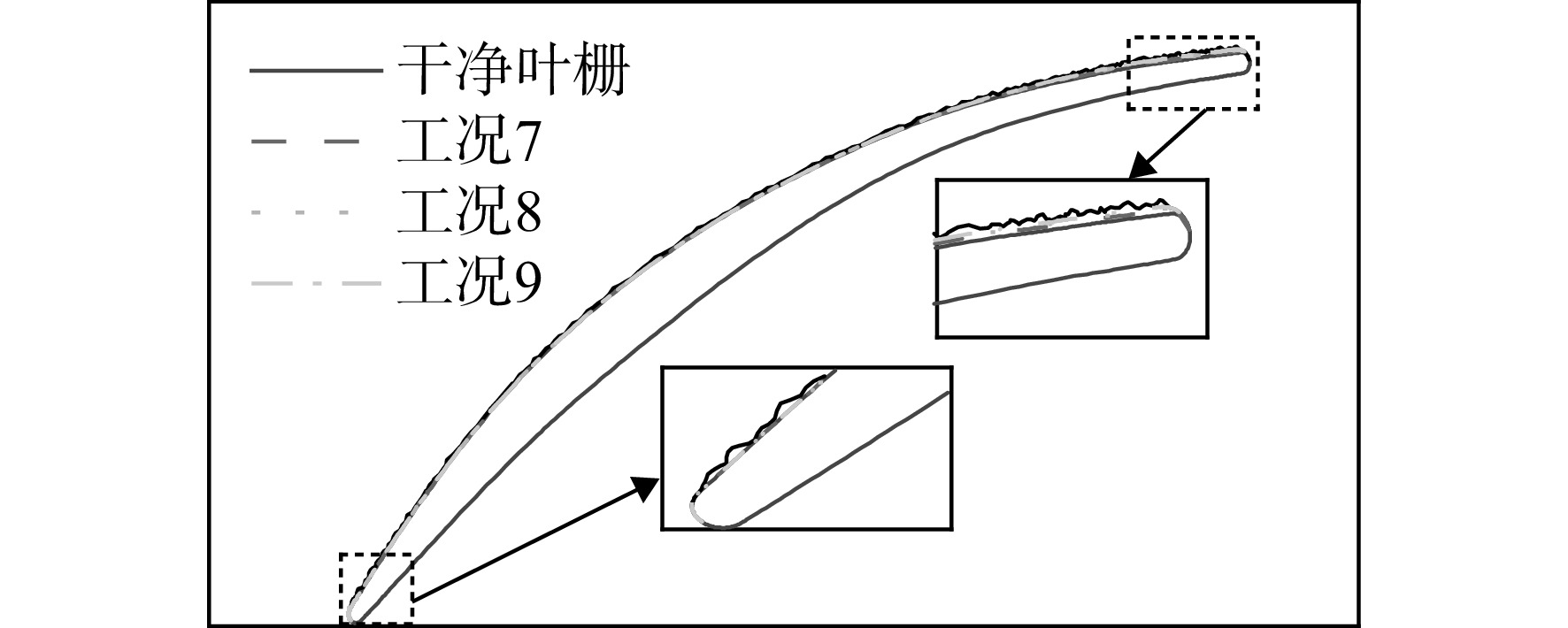
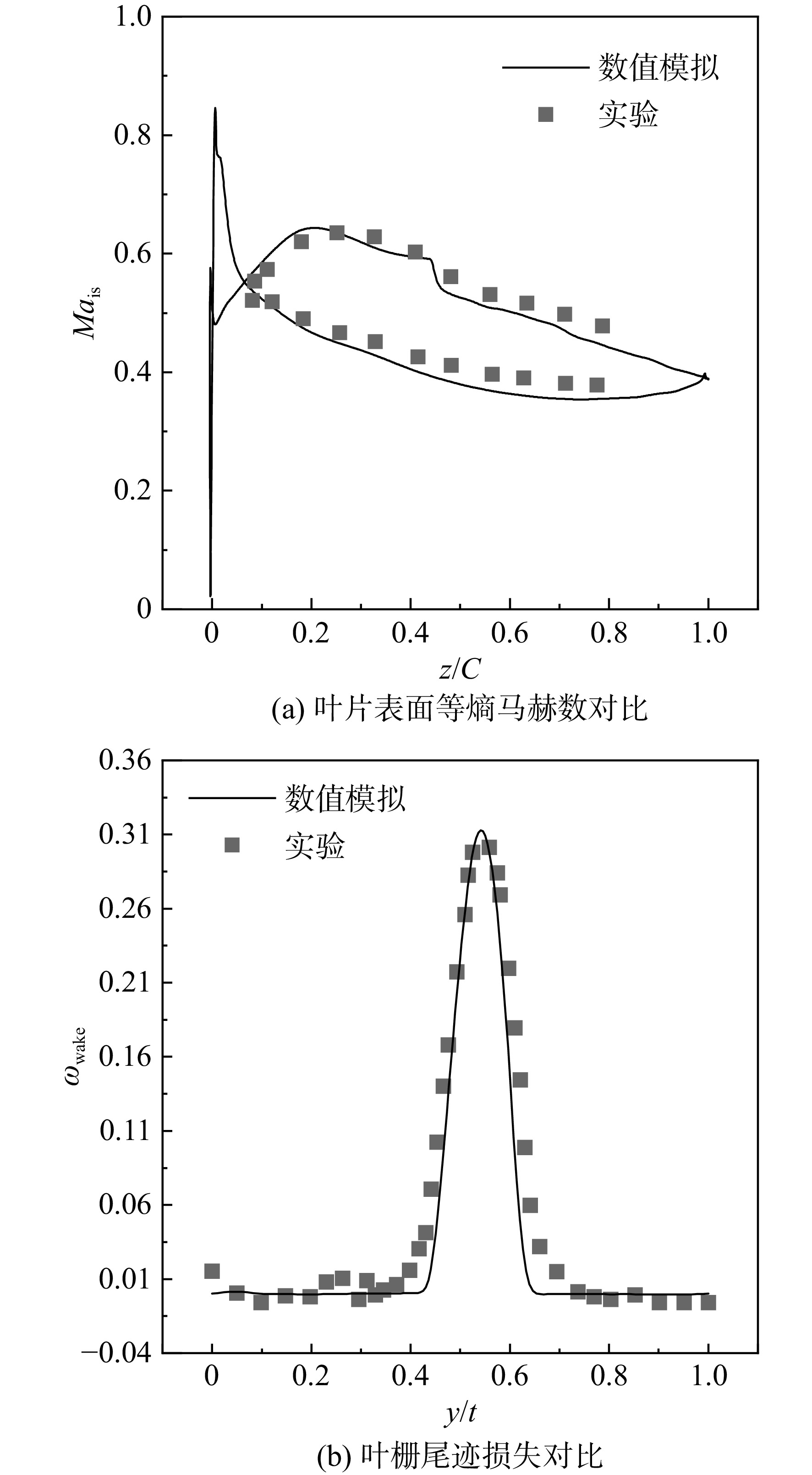
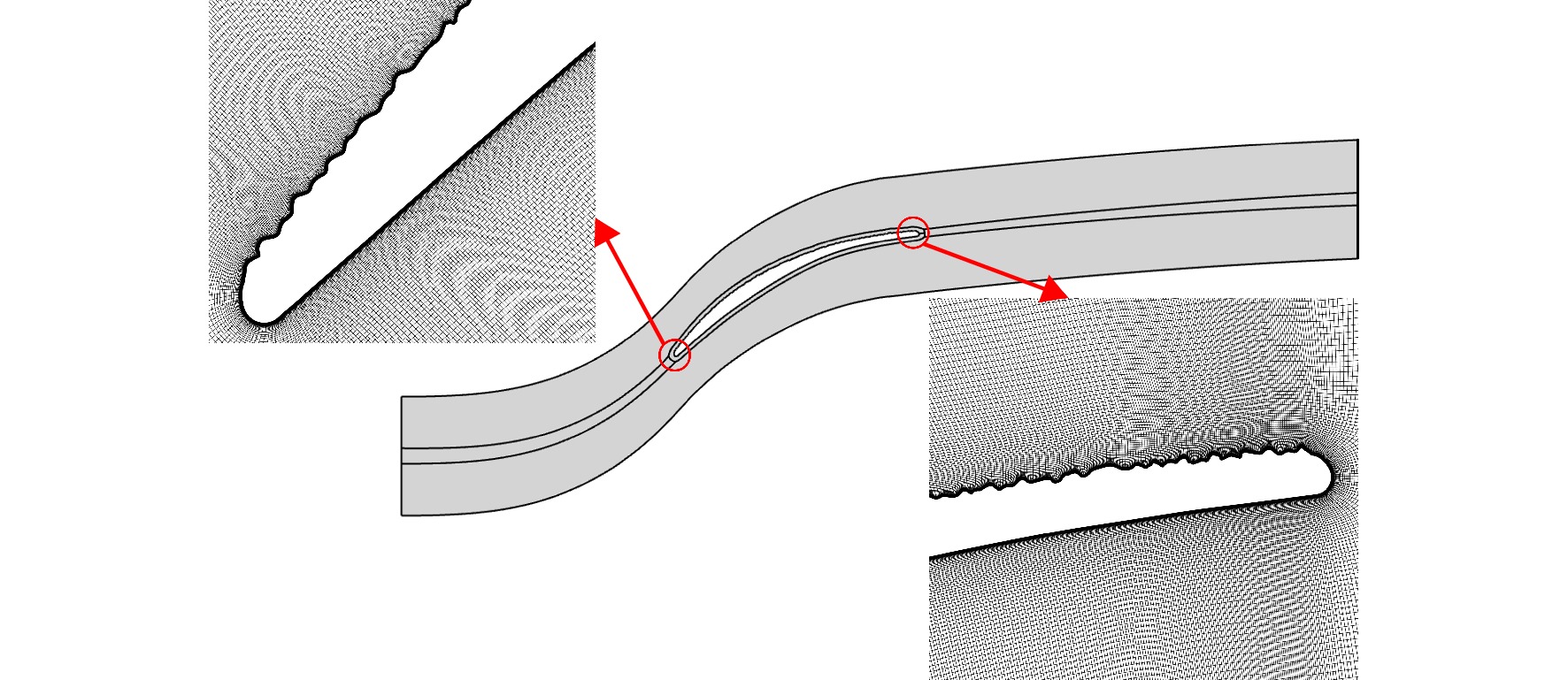
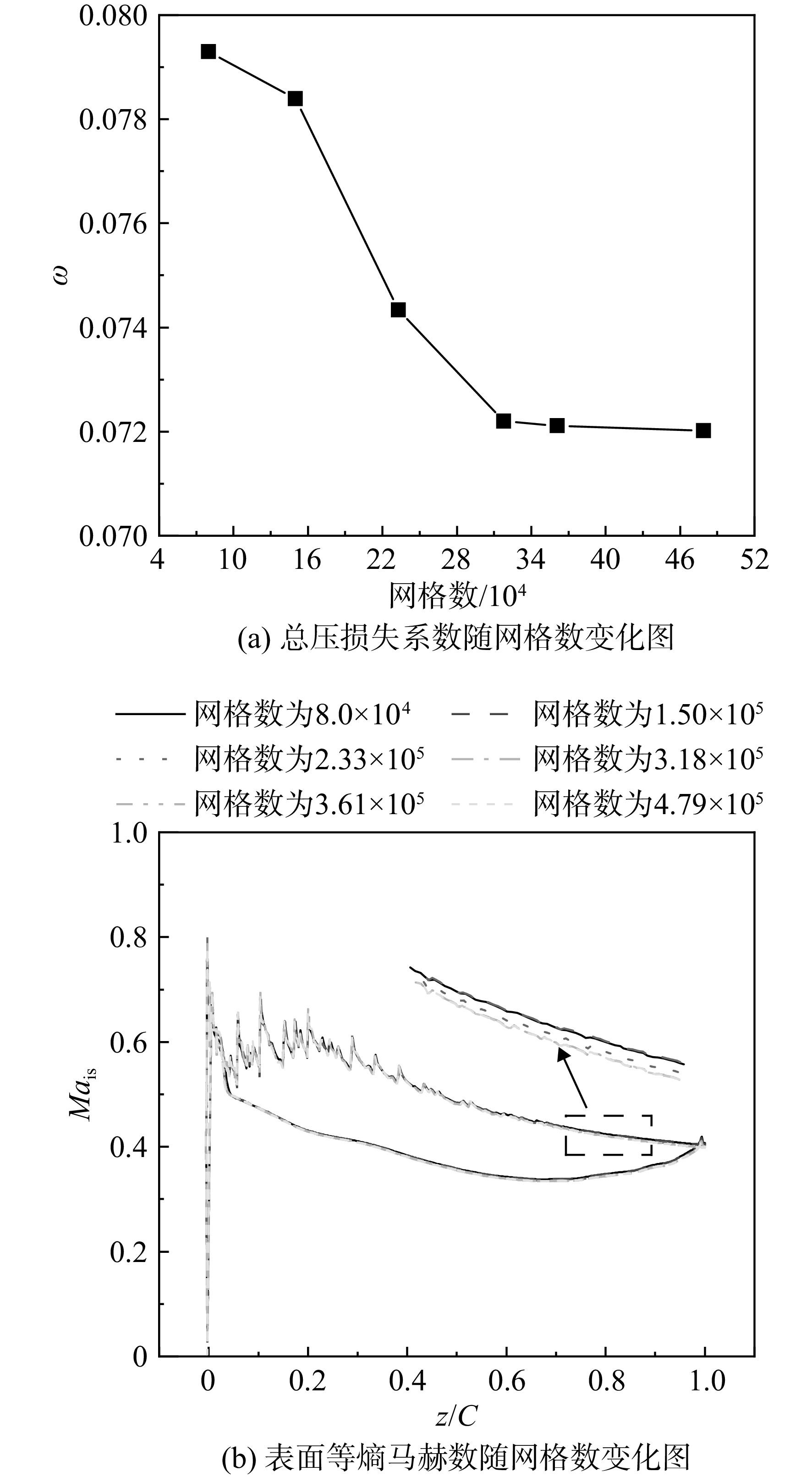
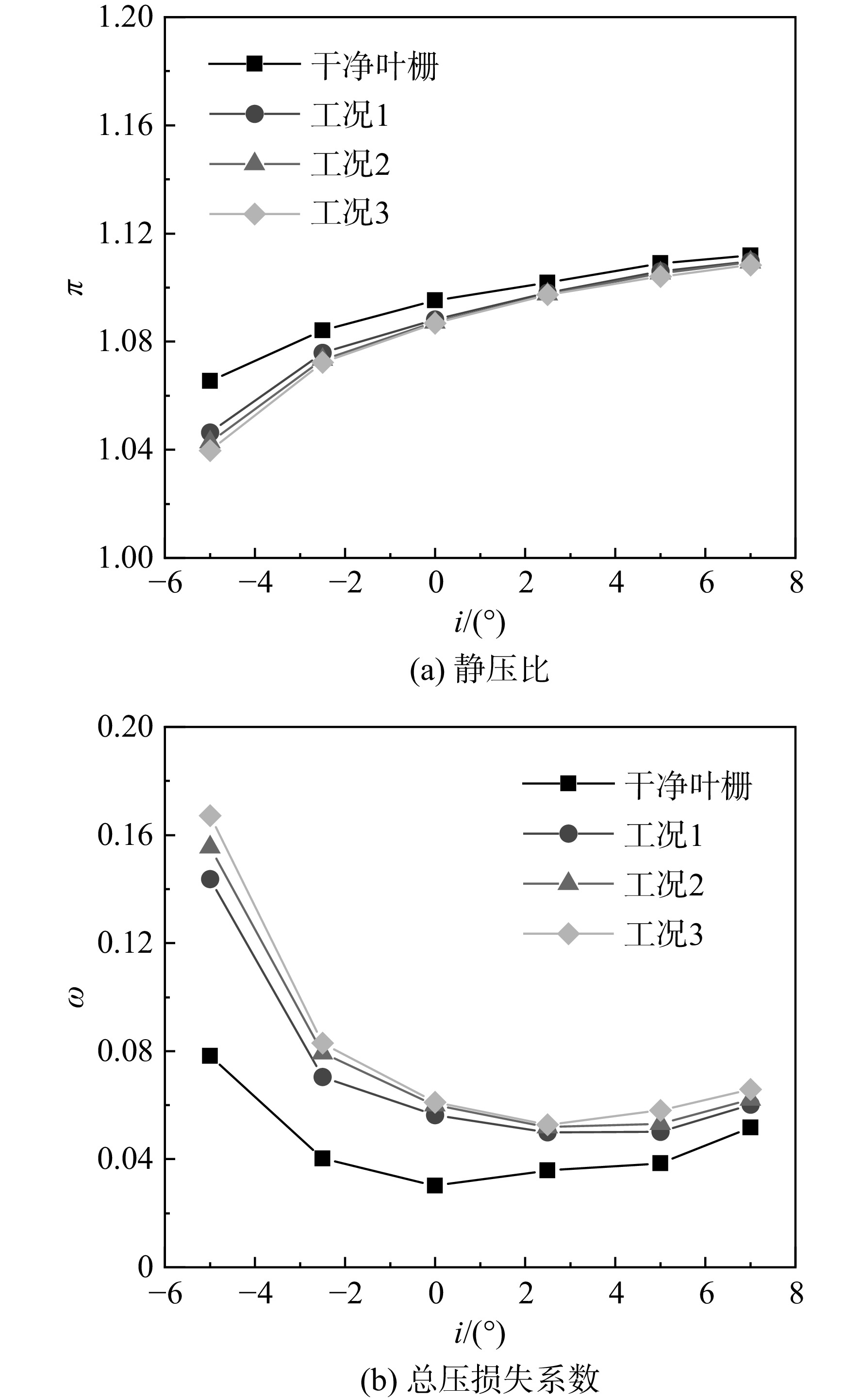
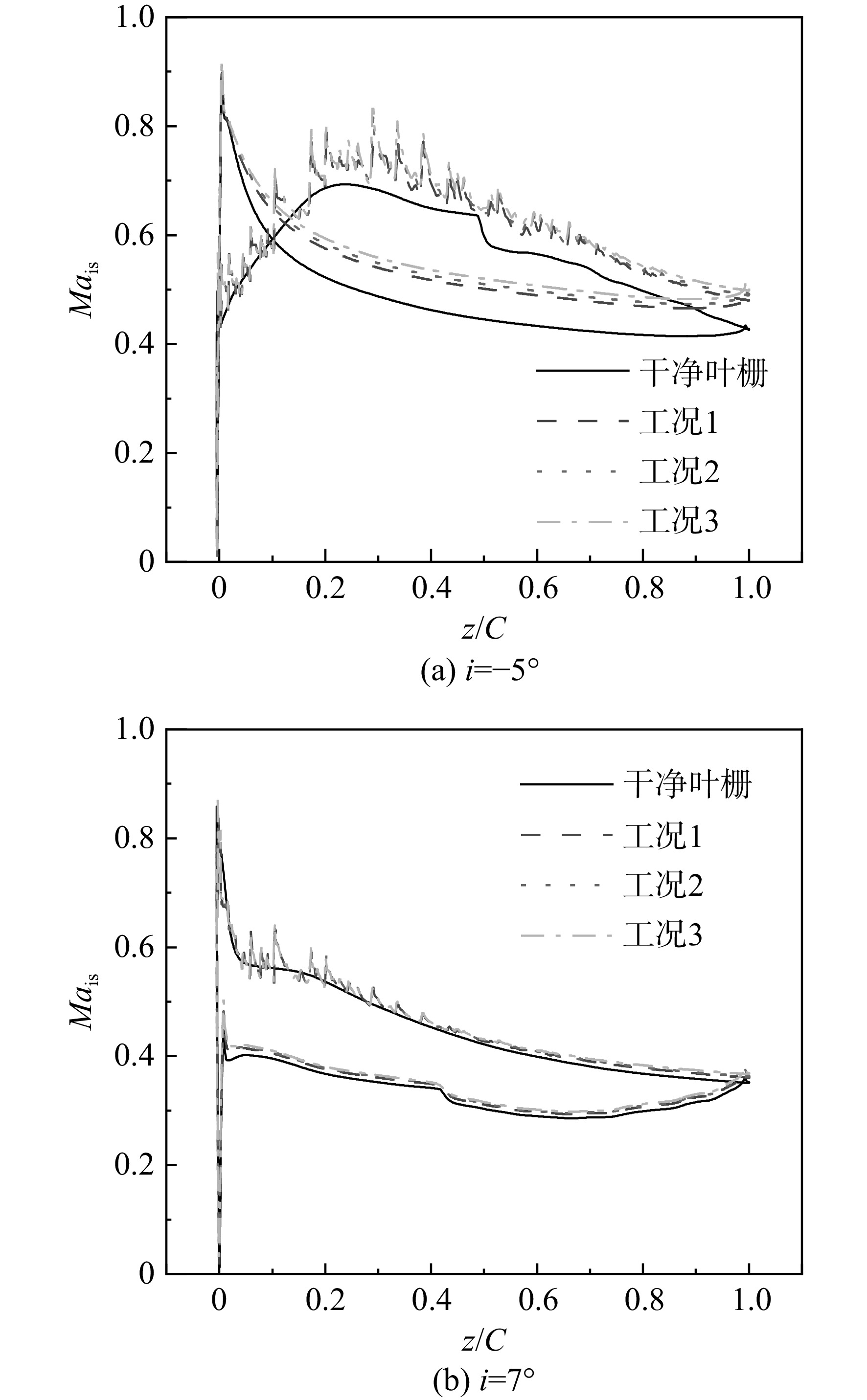
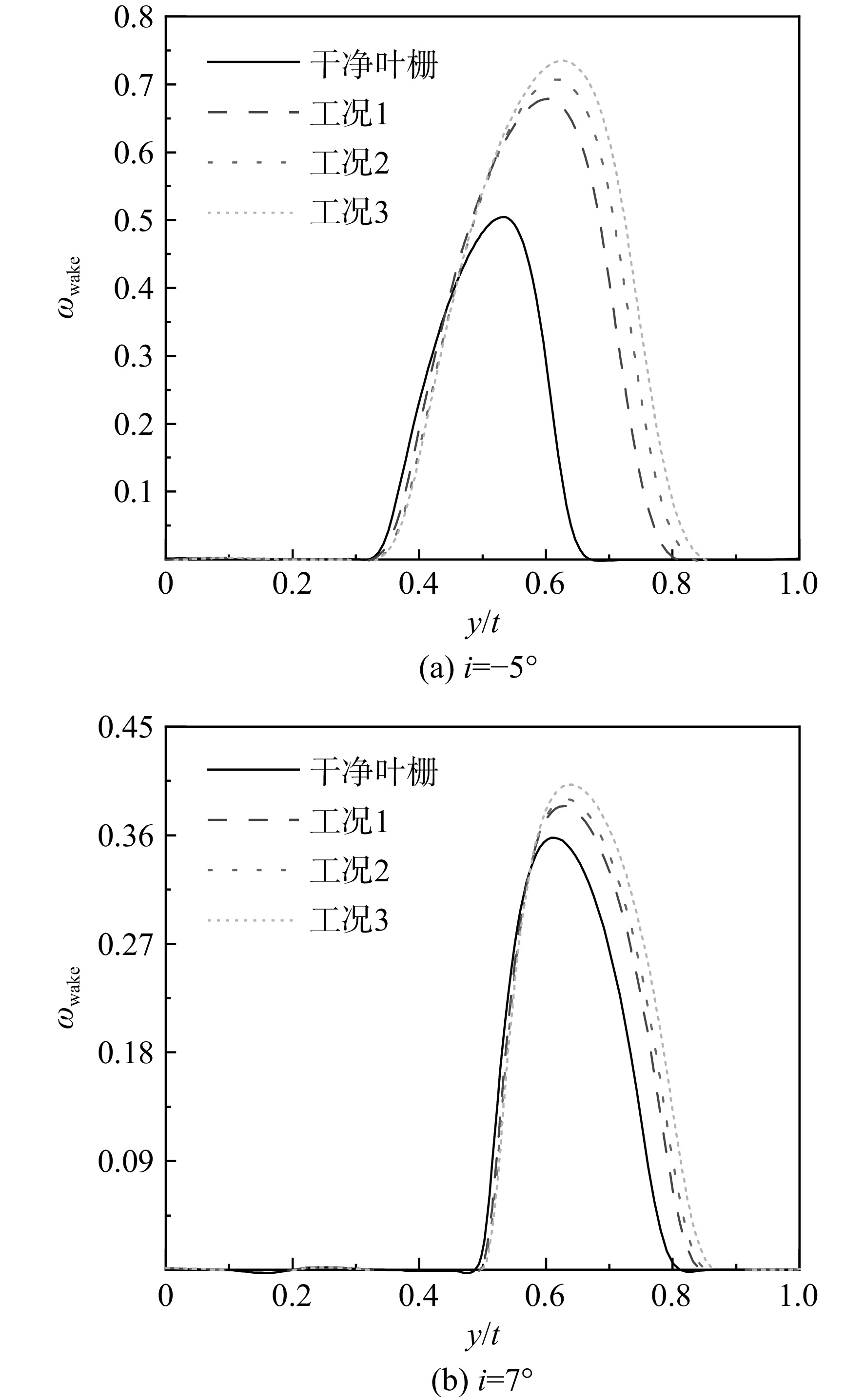
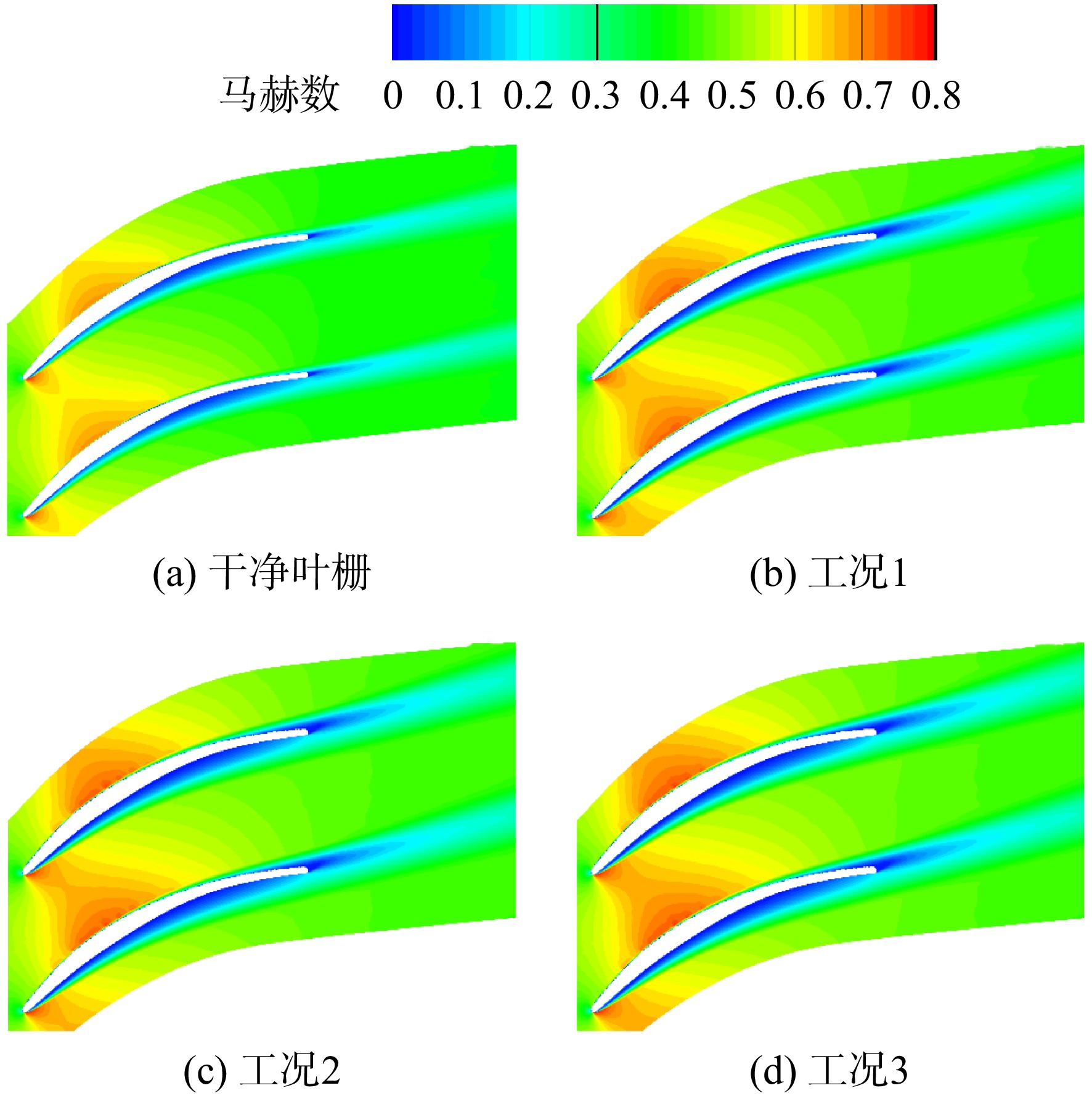
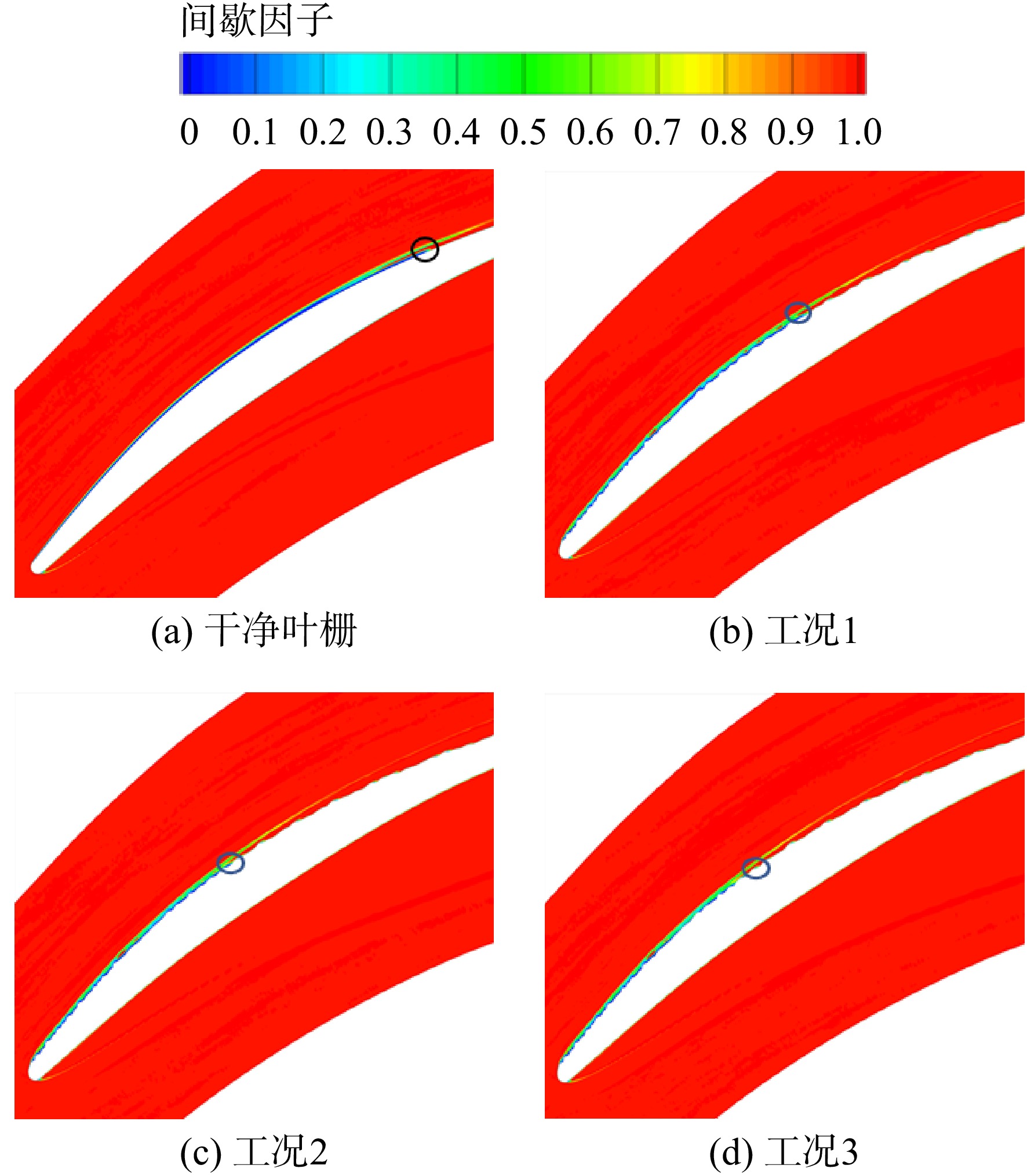
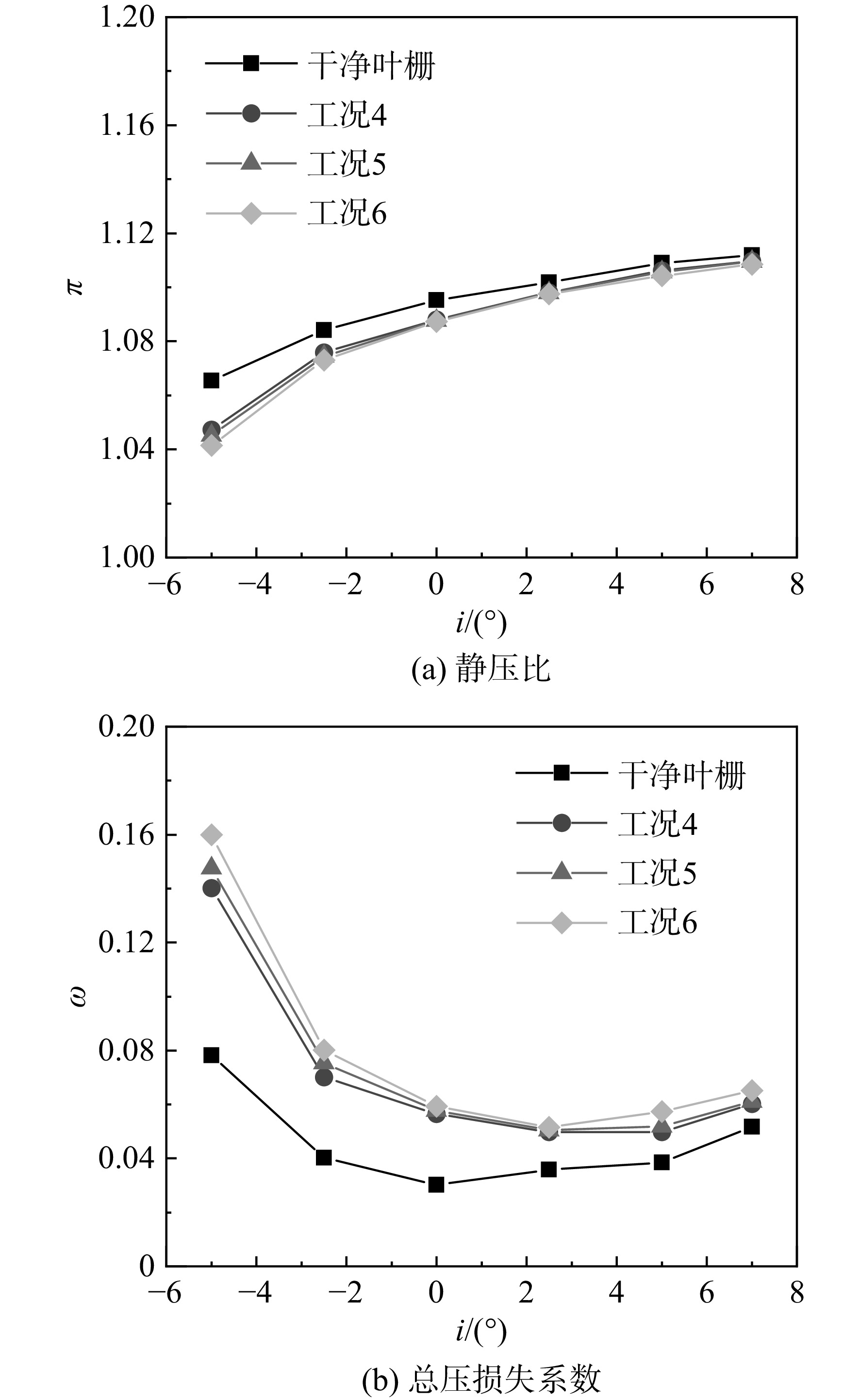
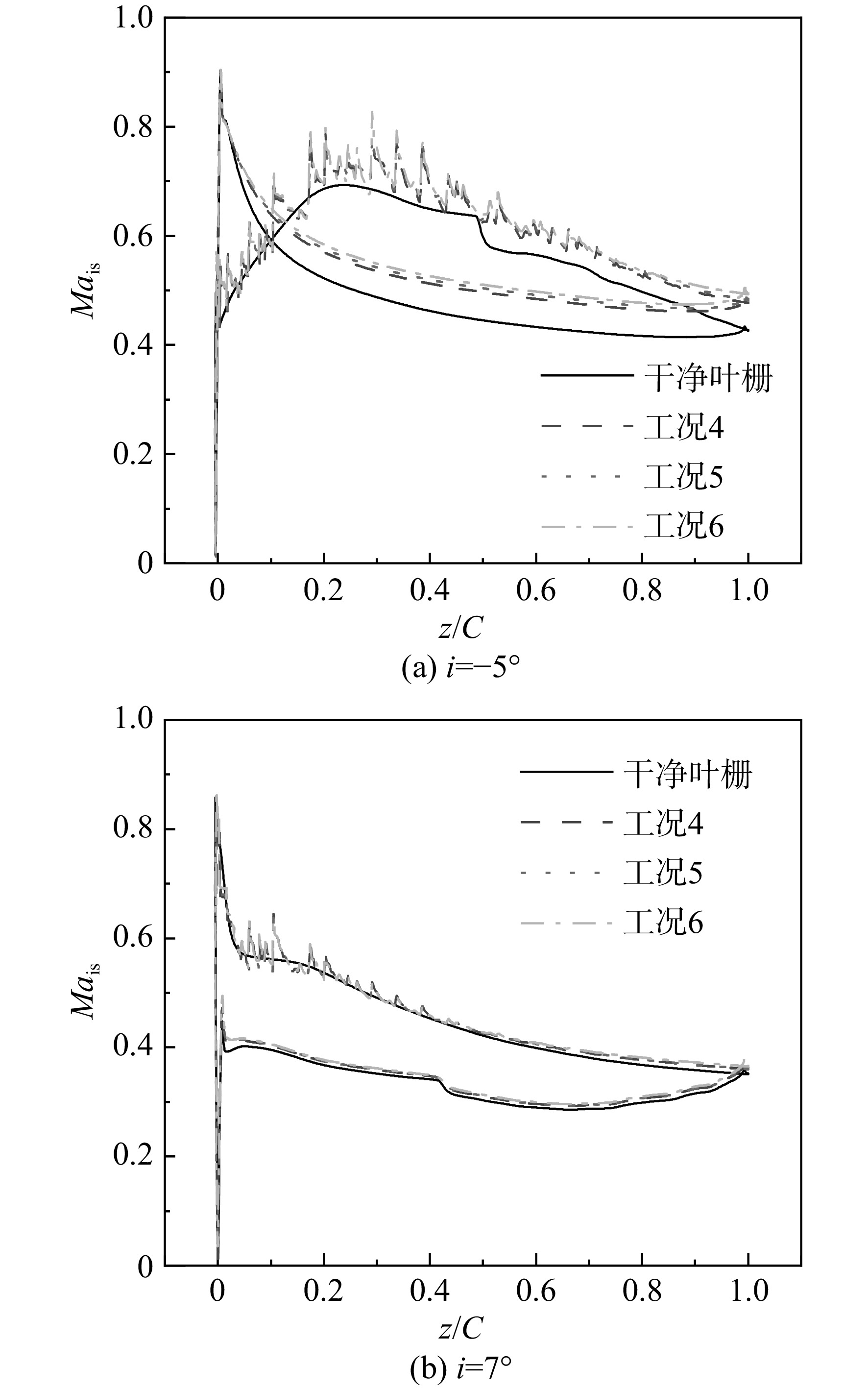
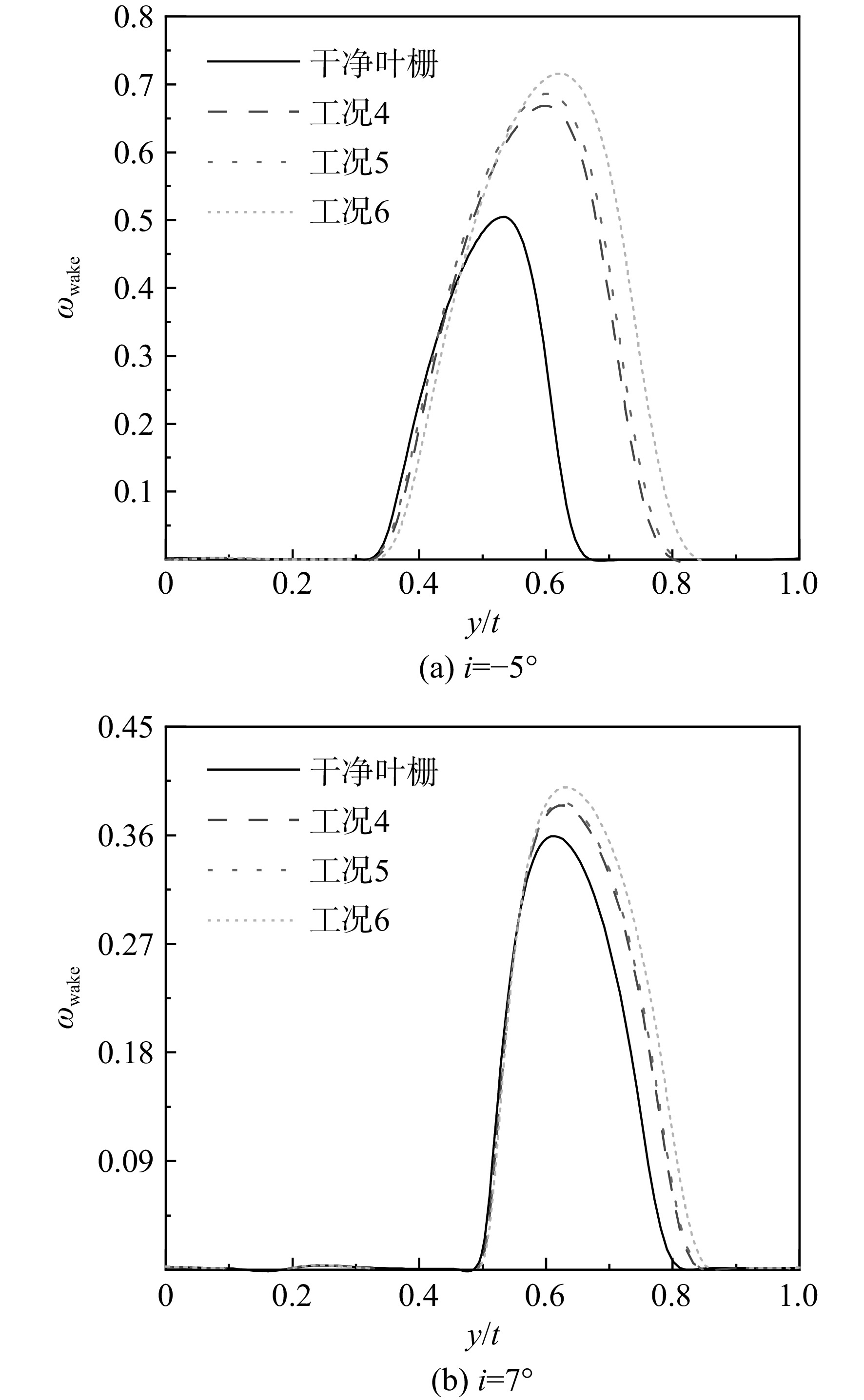
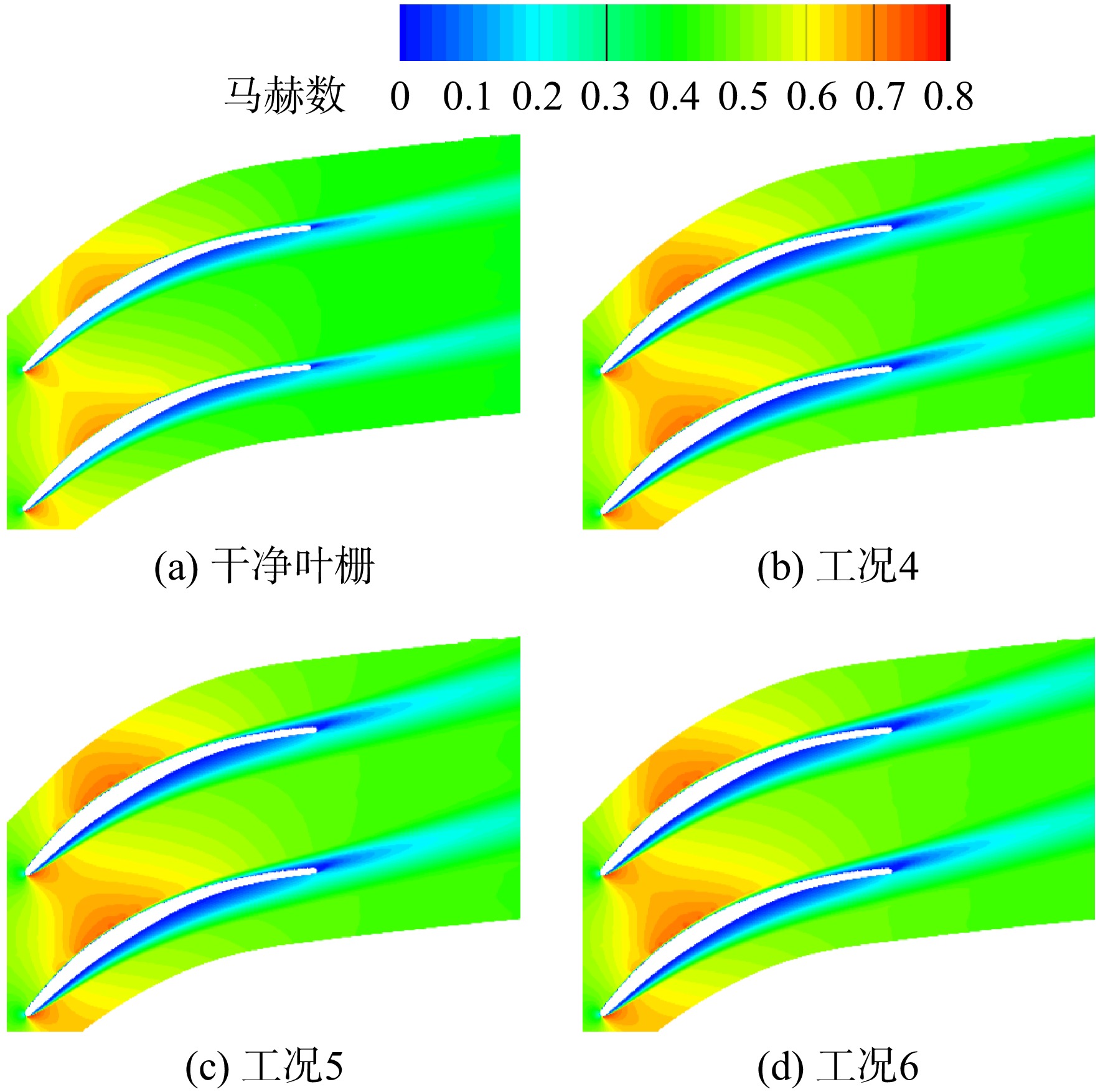
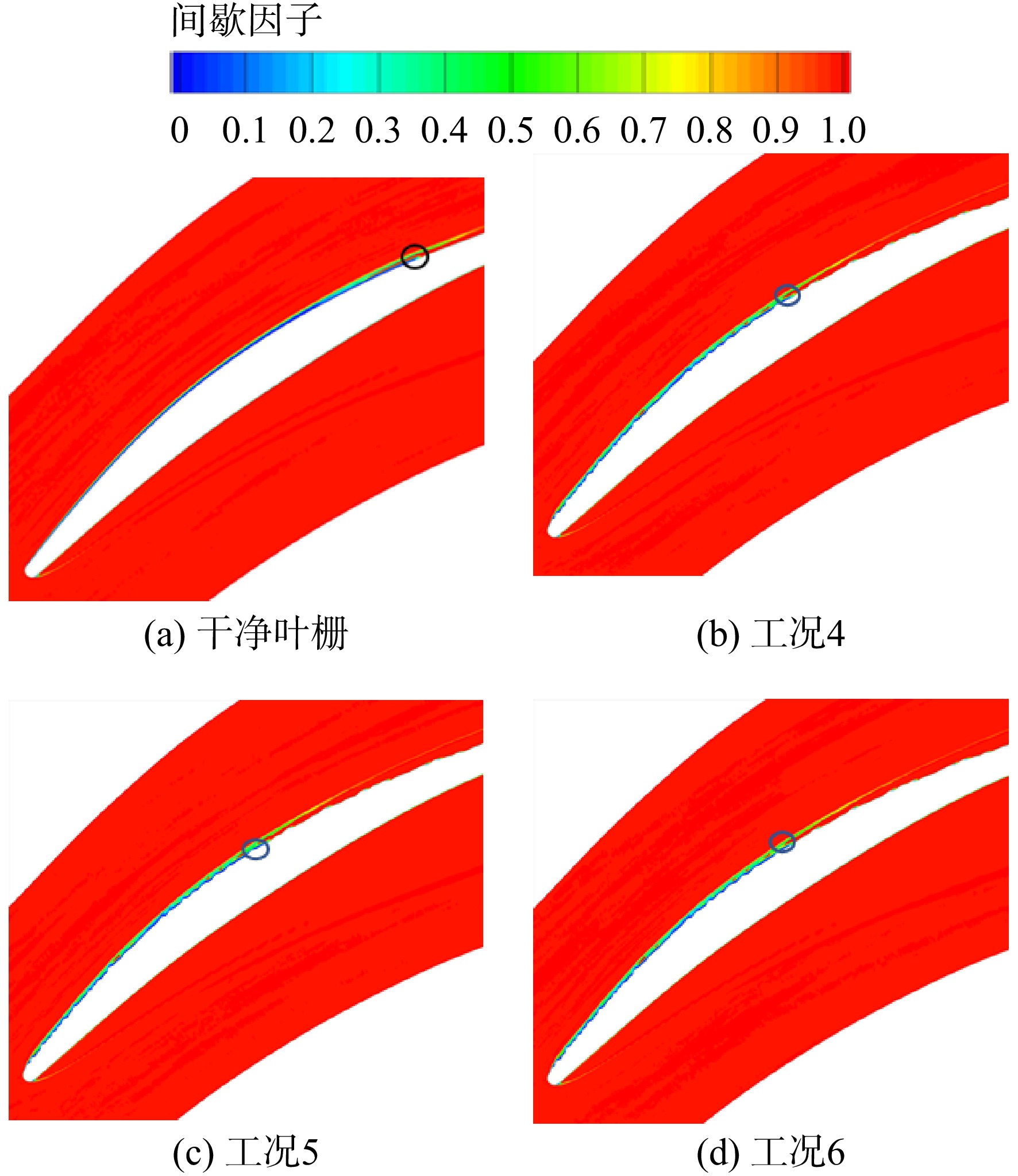
To simulate the irregular roughness characteristics of a compressor blade surface, a geometric model describing the irregular roughness of a compressor cascade was established based on multiple cosine functions, so as to capture key parameters of compressor blade roughness characteristics. Using a diffuser cascade as the research subject, the effect of different fouling rough structure parameters on the aerodynamic performance of the diffuser cascade was investigated through numerical simulation. The results indicated that cascade fouling led to aerodynamic degradation and increase of flow loss, with the deterioration of aerodynamic performance being more pronounced with higher fouling roughness structure heights, especially at negative incidences. In comparison, the width of the fouling rough structure had a lesser effect on aerodynamic performance degradation. The total pressure loss was more sensitive to fouling than the pressure ratio; for instance, when fouling caused a maximum increase of 145.75% in total pressure loss, the corresponding pressure ratio decreased by only 3.07%.

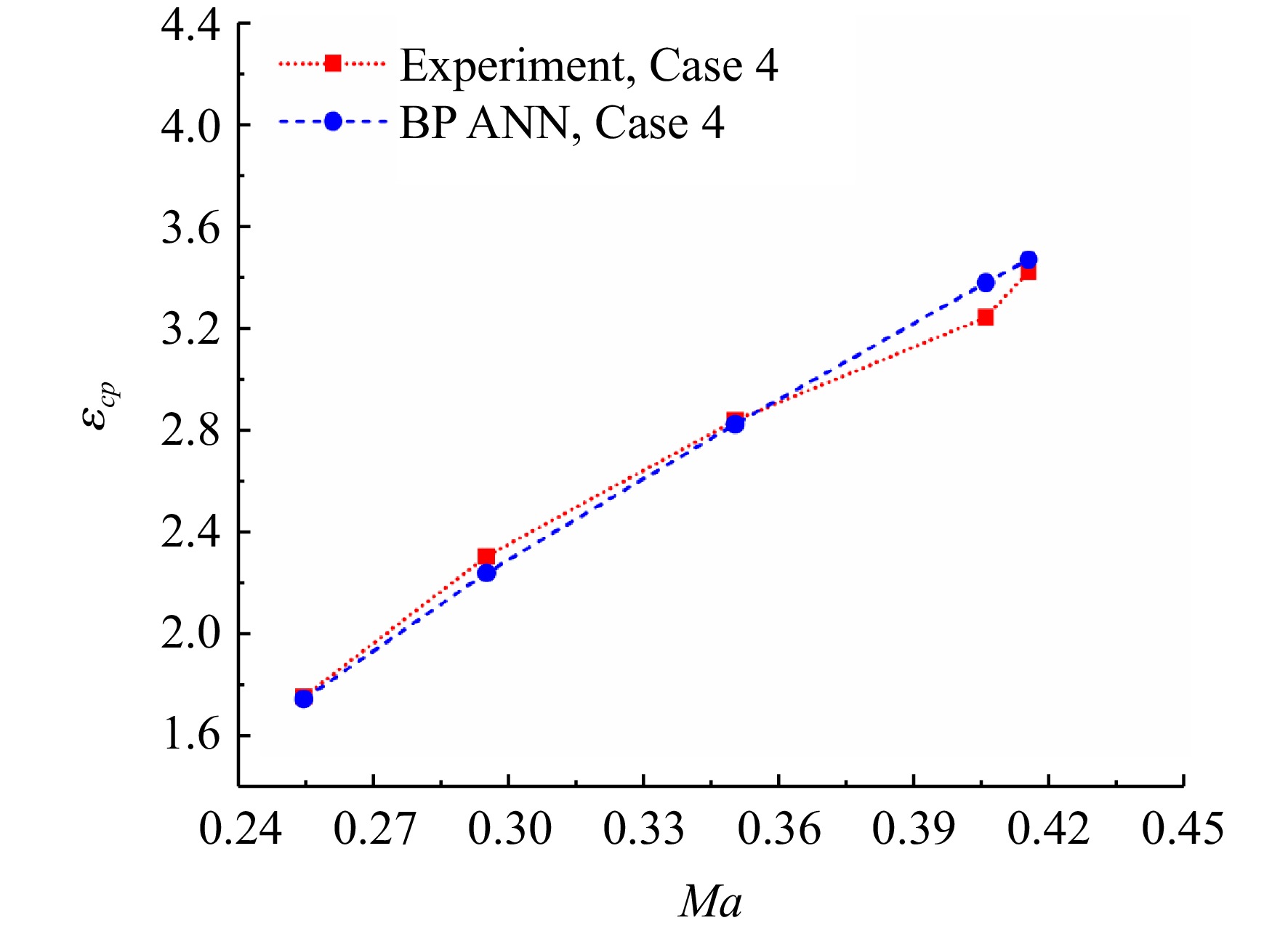
Prediction of dynamic total pressure distortion index in the distortion generator based on back-propagation artificial neural network
ZHANG Tao, CAI Wenxiang, ZHAO Wei, CHEN Baoyan, ZHANG Yangjun
2025, 40(9): 20230042. doi: 10.13224/j.cnki.jasp.20230042
Abstract:

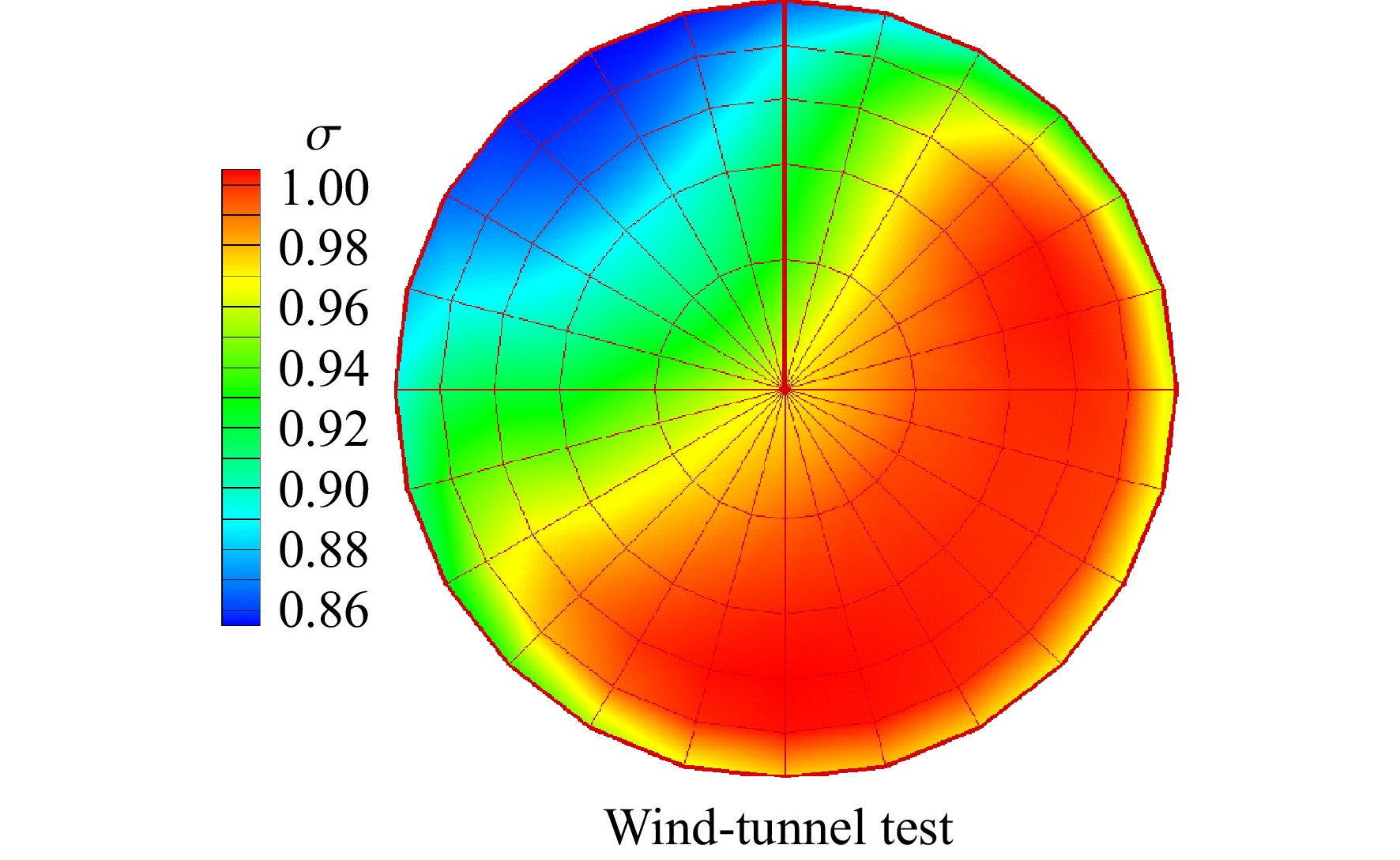
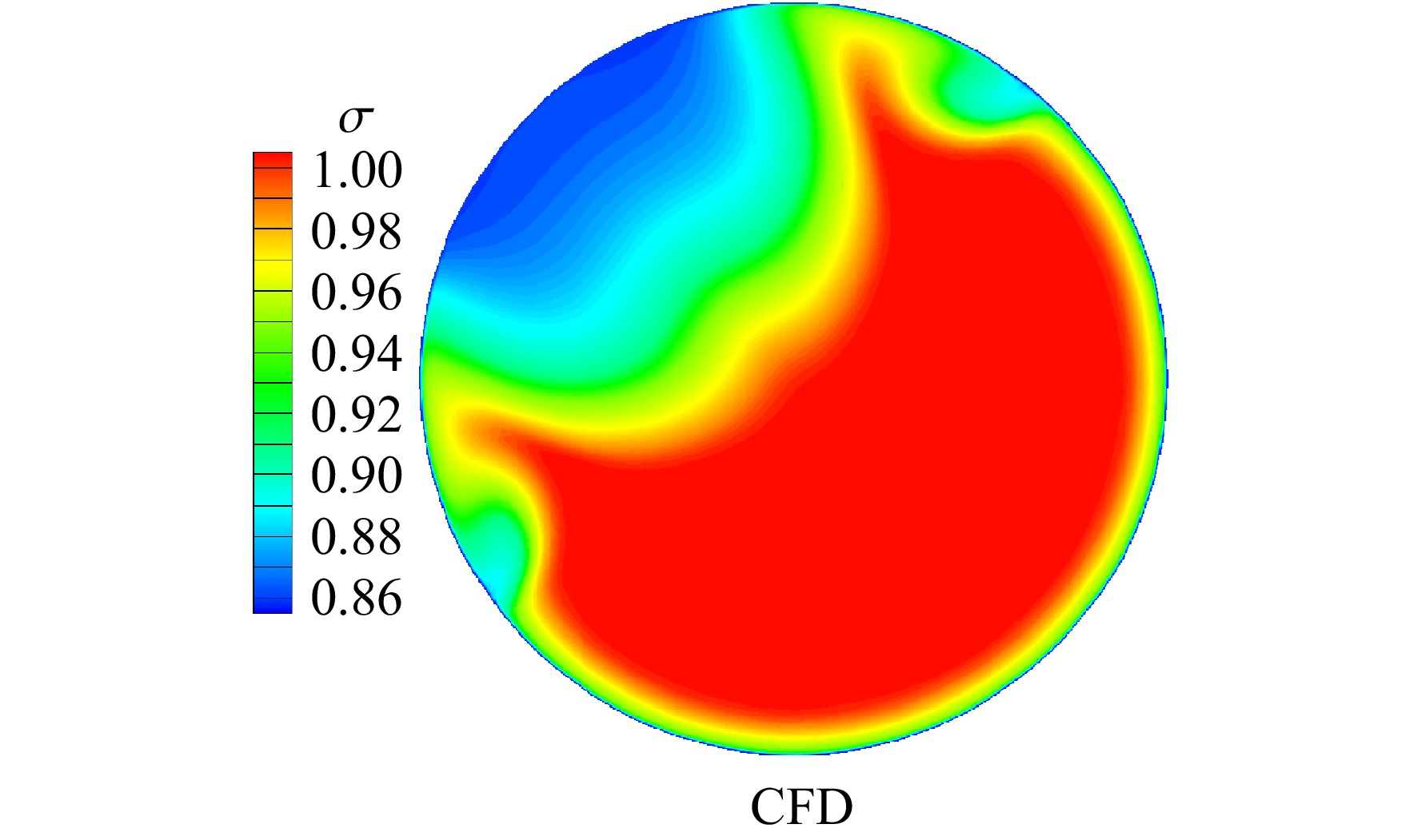
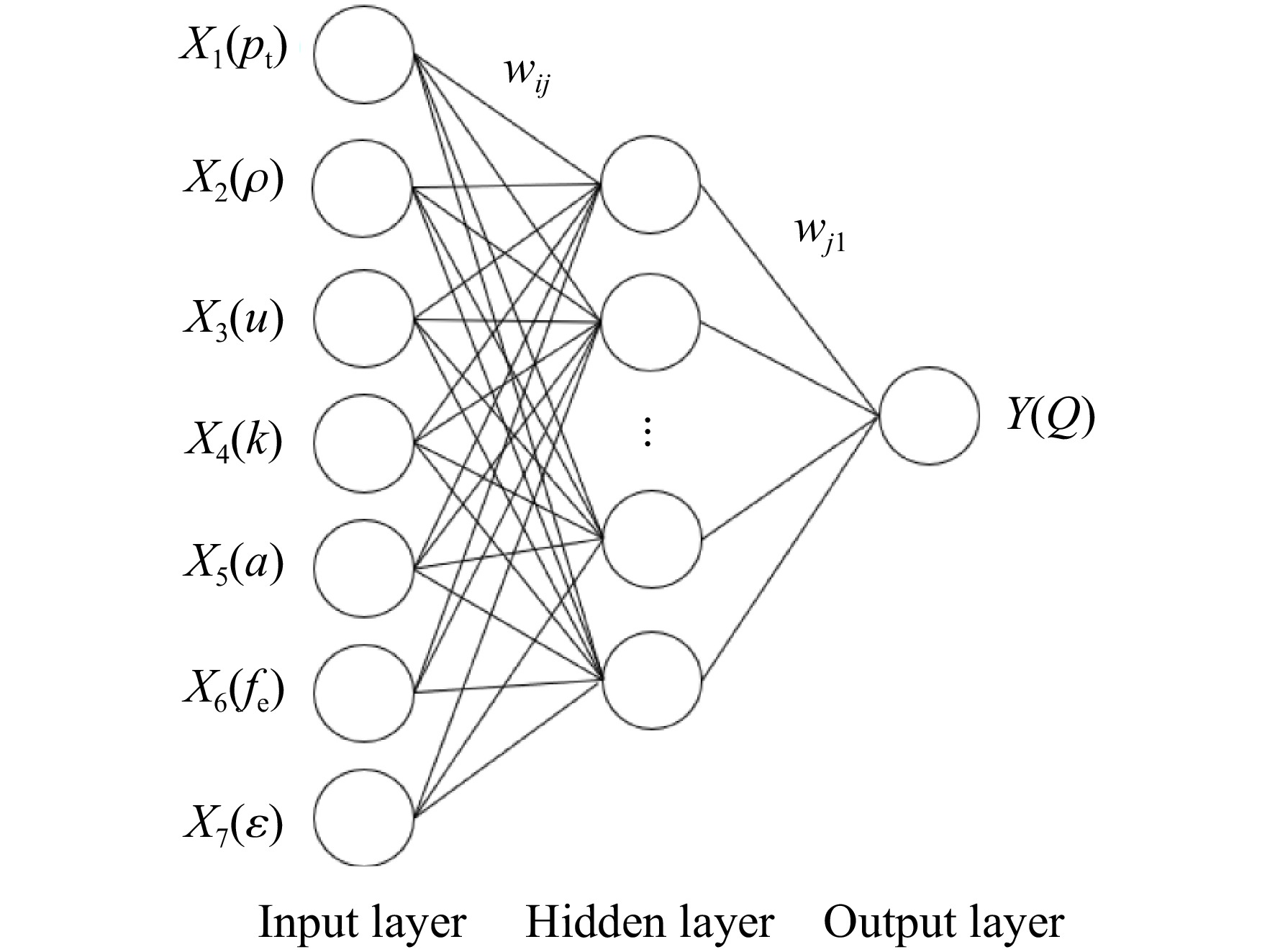
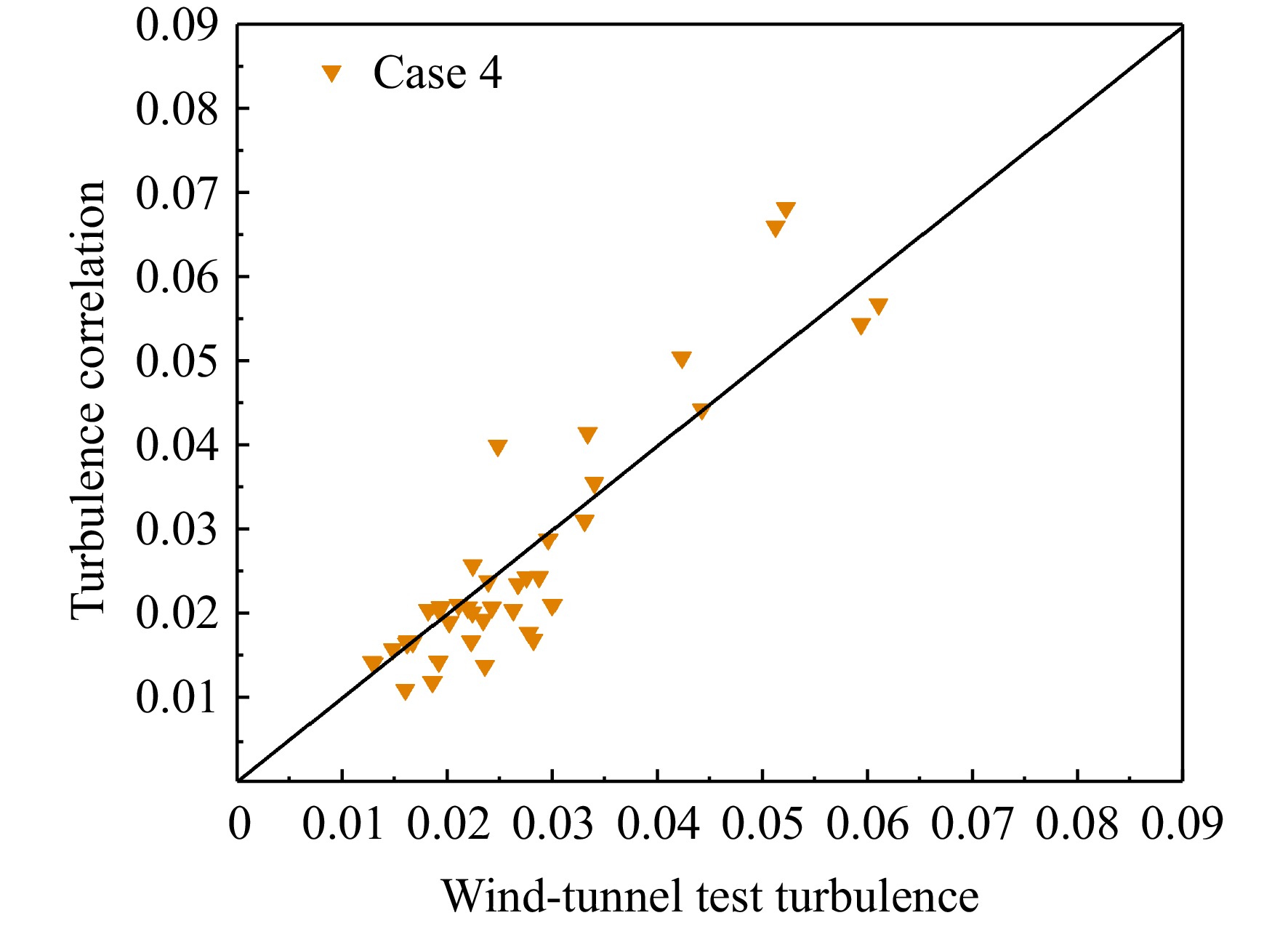
The steady state flow field of the total pressure distortion generator was numerically analyzed. The total pressure distortion pattern and steady circumferential distortion index obtained from CFD were in good agreement with the experiment results, which proved the reliability of the mathematical model and method. Then, on the basis of flow field parameters of the inlet/engine aerodynamic interface obtained by numerical analysis, the prediction method of dynamic distortion index was established by using backpropagation artificial neural network based on the improved turbulence correlation model equation, by combining with the turbulence obtained by experiments. After verification, the maximum error of the predicted dynamic total pressure distortion index was 4.19%. The proposed prediction method can be used to guide the related research of the inlet total pressure distortion simulation experiment. Finally, the established turbulence prediction model was used to predict the dynamic distortion pattern of the distortion generator, thus providing an important guidance for its engineering application.

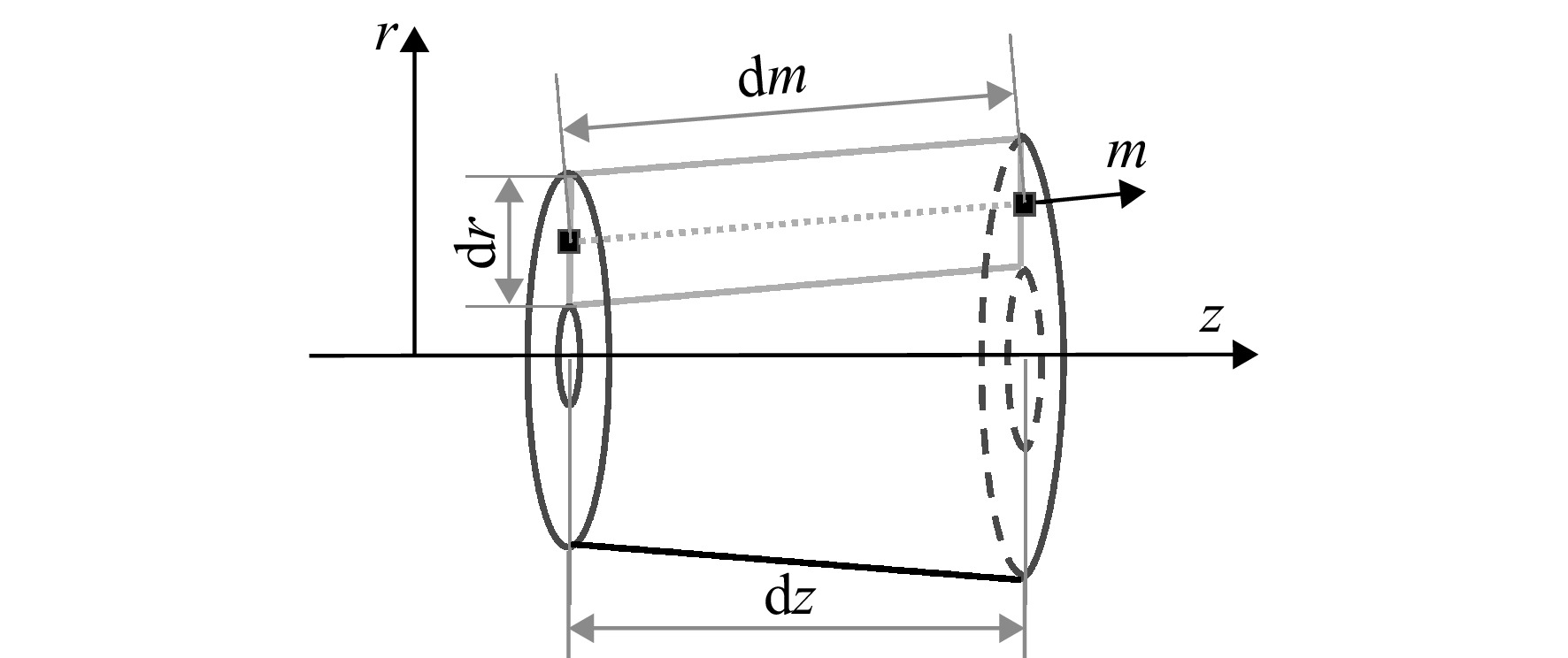
Performance analysis of centrifugal compressor based on time-marching one-dimensional method
YANG Chen, TANG Qing, LI Jinguang, WU Hu, YANG Jinguang
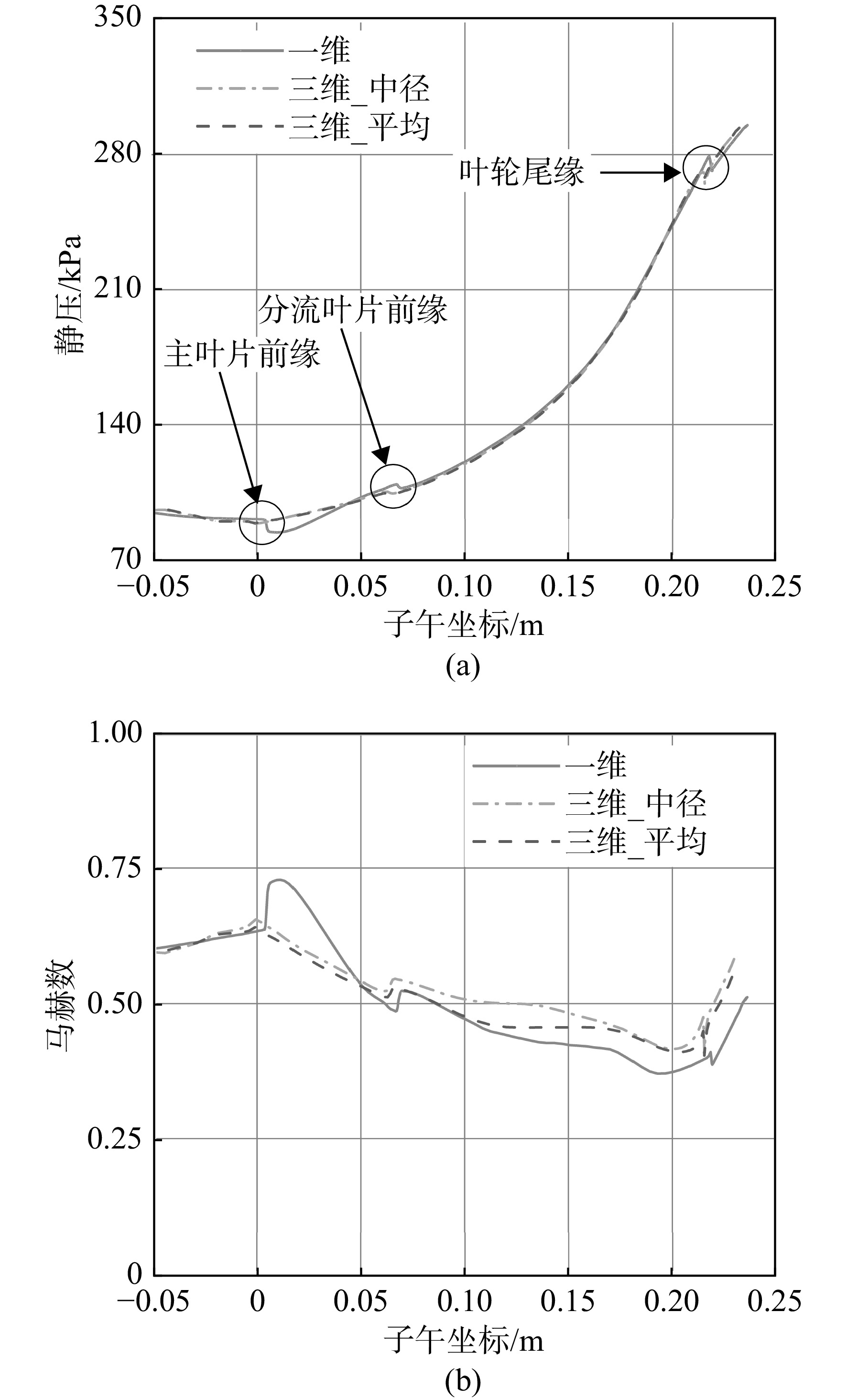
2025, 40(9): 20240250. doi: 10.13224/j.cnki.jasp.20240250
Abstract:

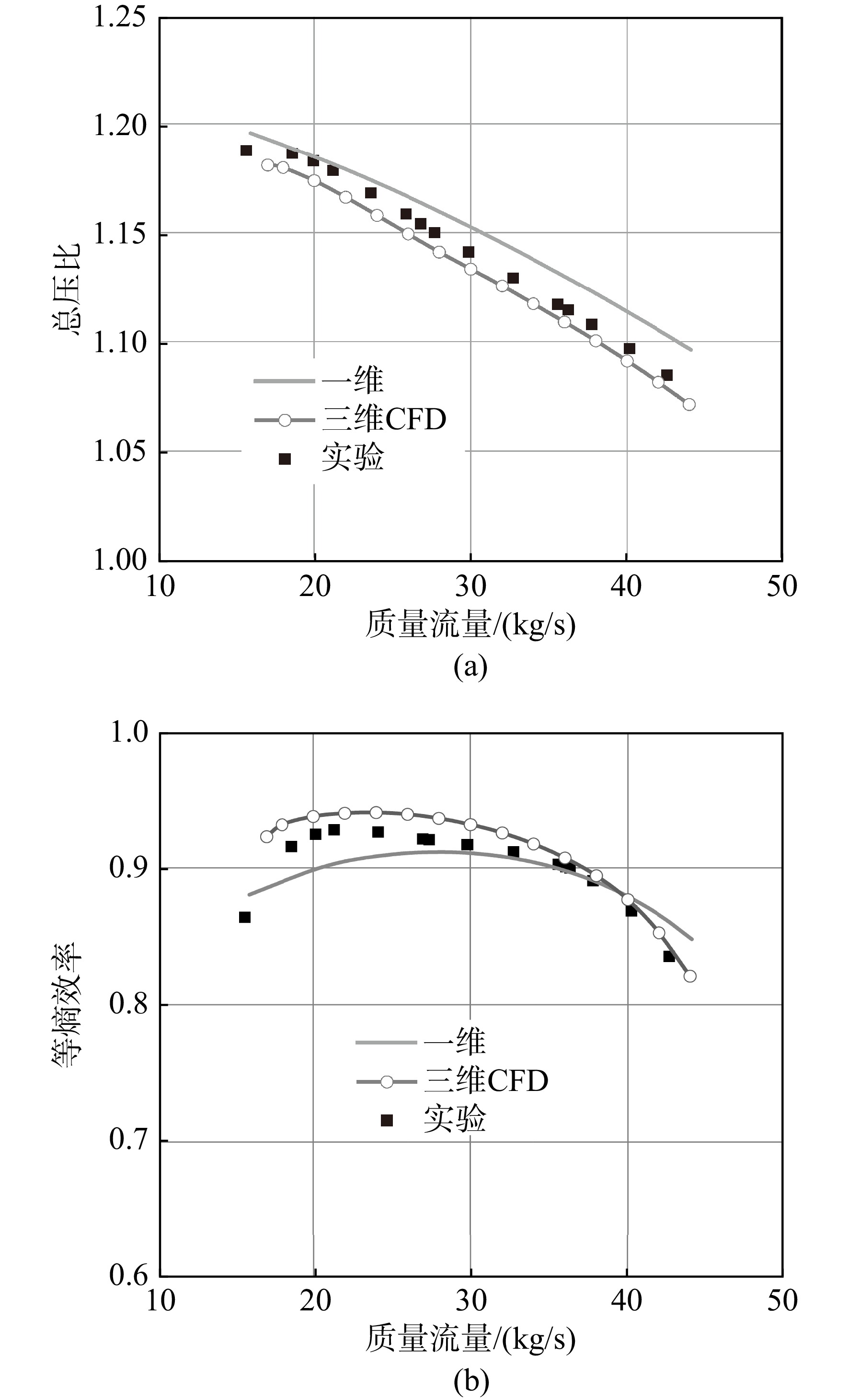
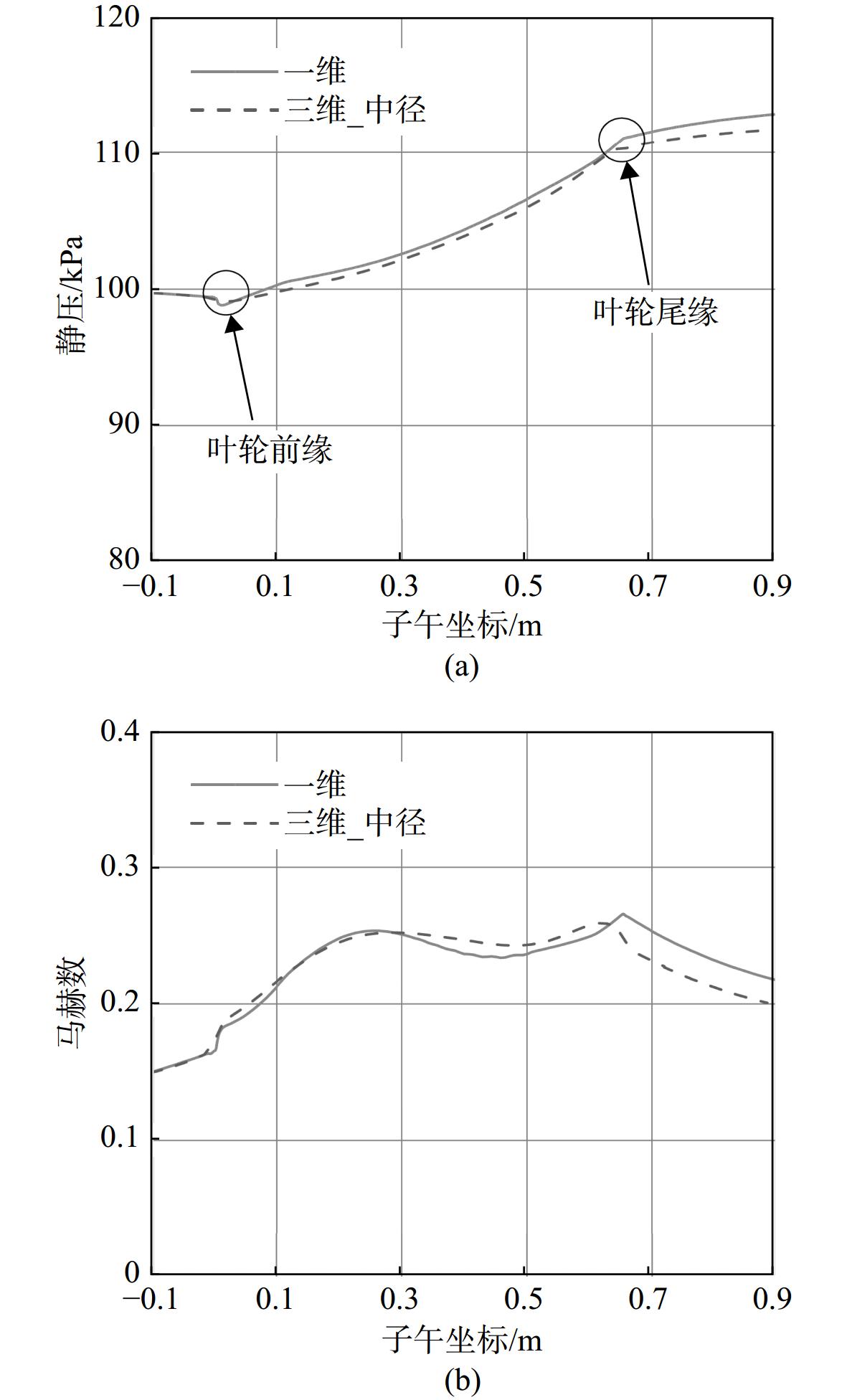
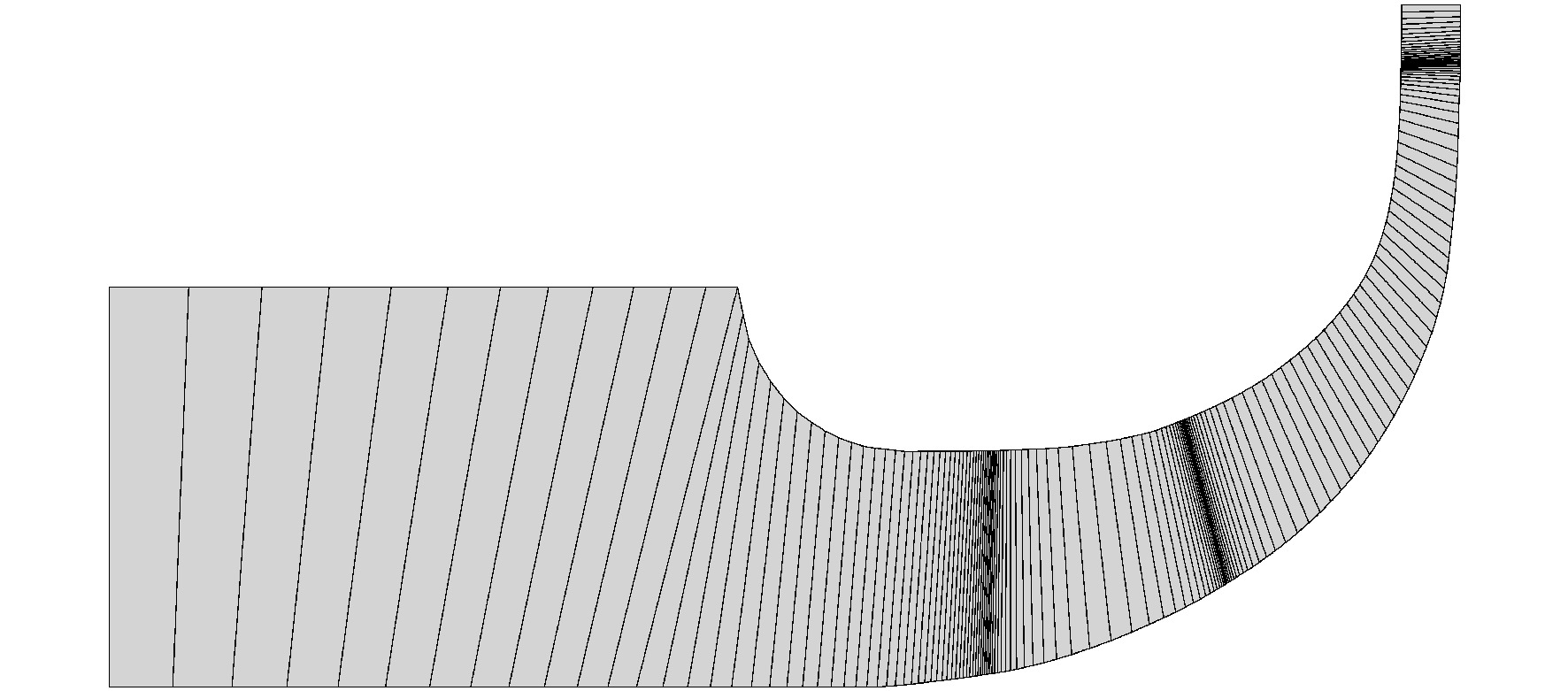
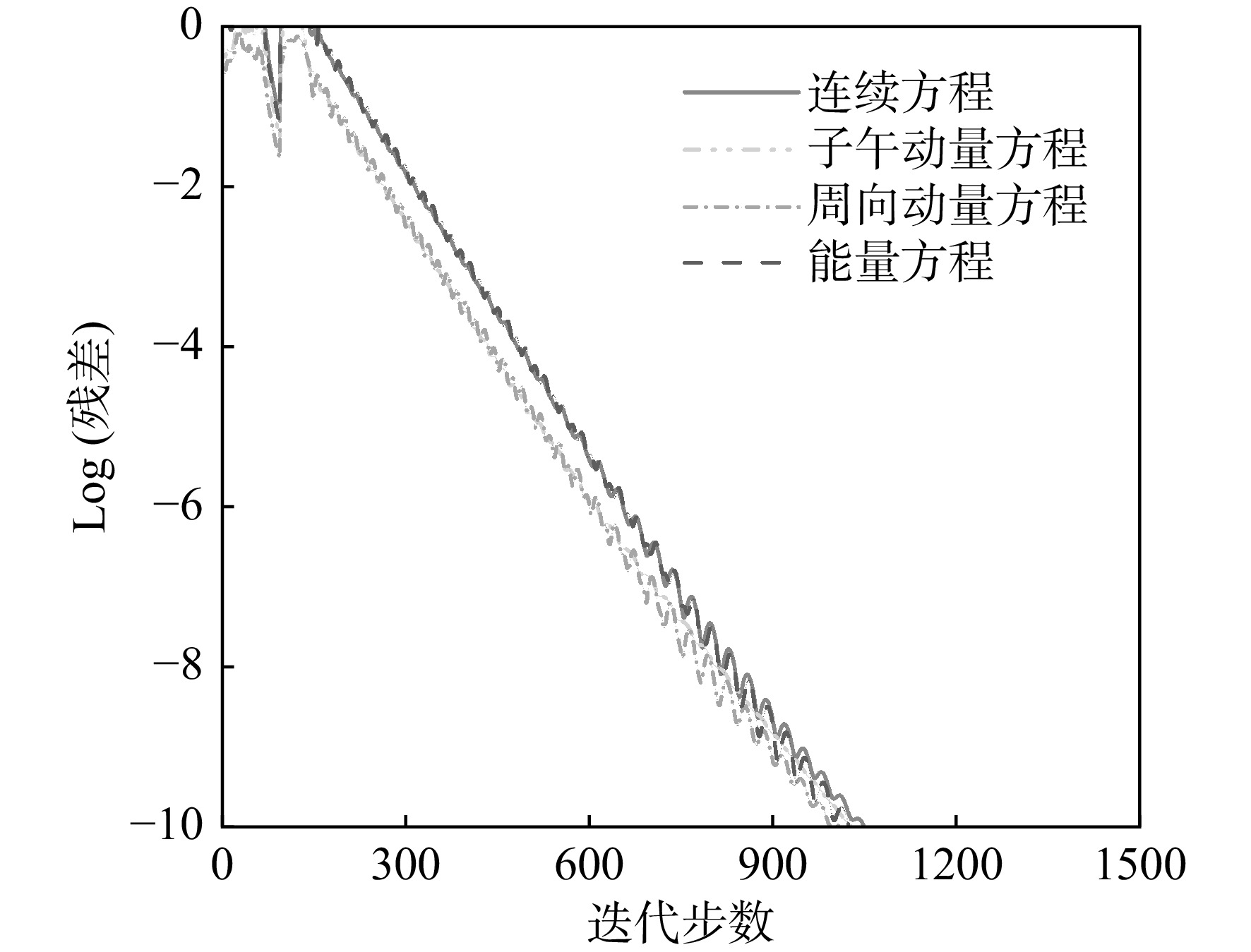
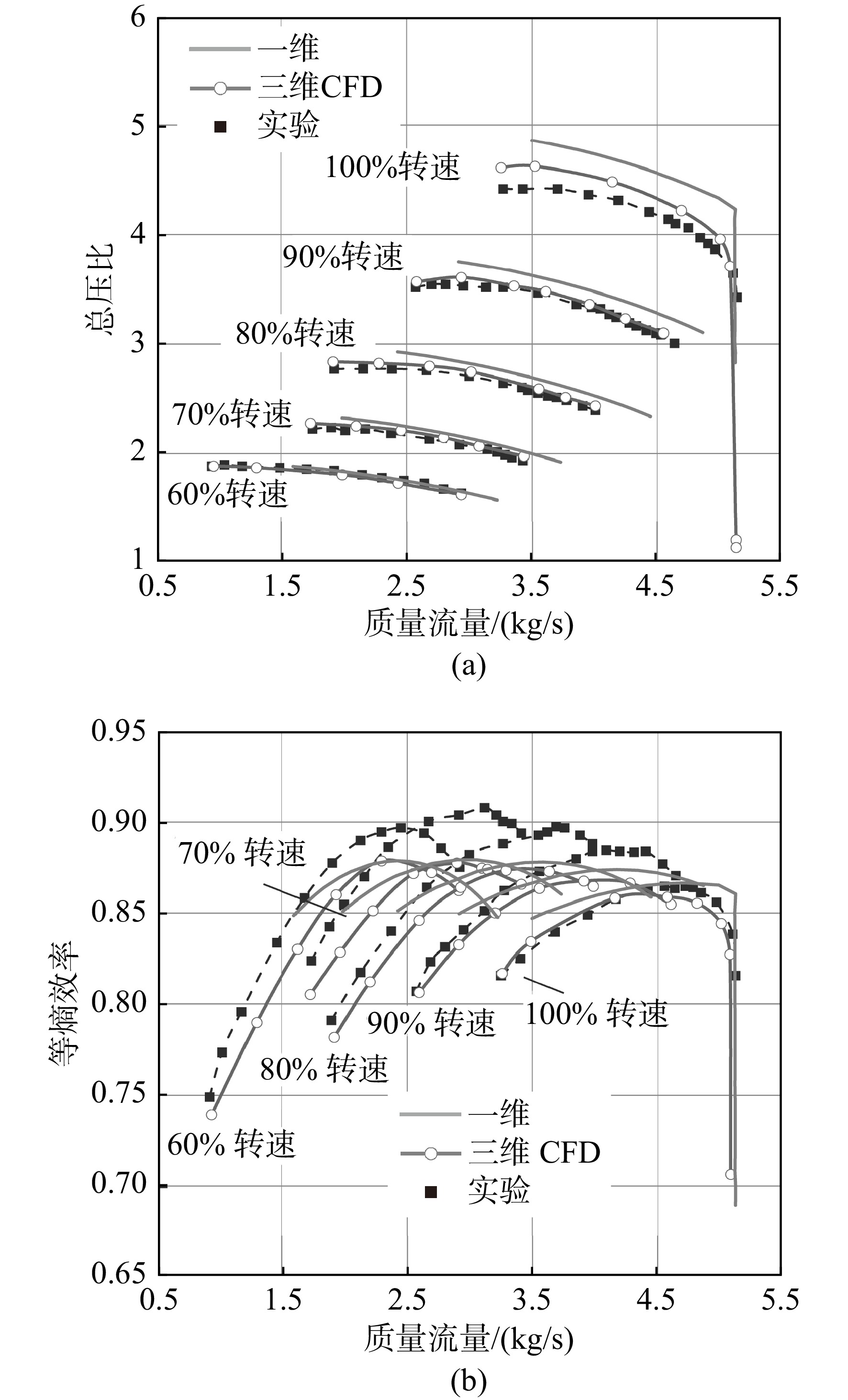
The one-dimensional method plays an important role in the design and development of centrifugal compressor. A one-dimensional analysis model of centrifugal compressor and corresponding computational program were developed based on the time-marching solving method. To achieve the accurate performance prediction, an inviscid blade force model and a viscous force model were introduced into the one-dimensional governing equations as body-force source terms, to simulate the flow deflection inside the impeller and the viscous effects, respectively. Then, the program was used to analyze both the characteristics of a large-scale centrifugal compressor with low-speed and a high-speed centrifugal compressor, and the predicted results were compared and verified with relevant experimental data or three-dimensional numerical simulations. The results indicated that the model can quickly and accurately evaluate the centrifugal compressors’ performances and the flow parameters distributions inside the impeller passage, which also showed its initial ability to naturally simulate choke condition and its good potential for application in centrifugal compressor performance evaluation during a preliminary design stage.

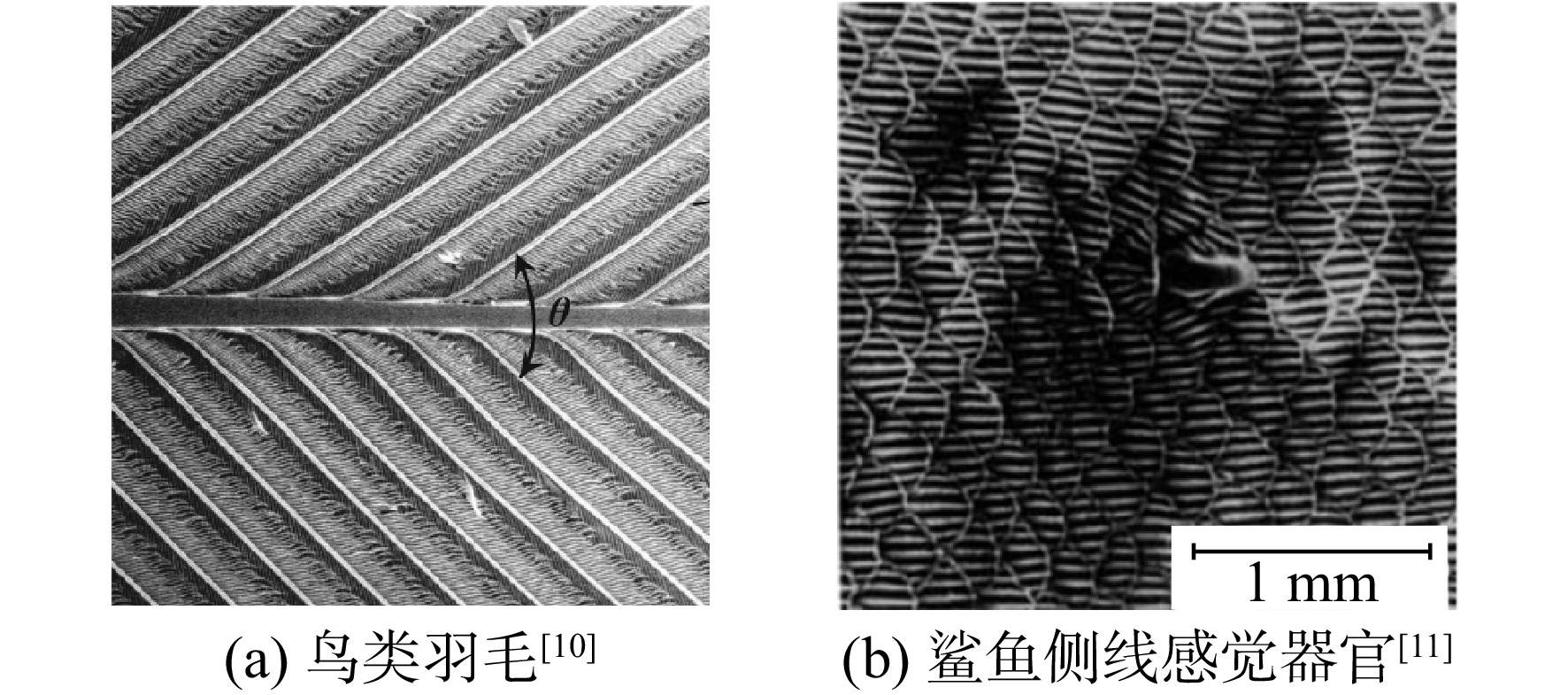
Influence of riblet structure on loss and stall of cascade at low Reynolds numbers
LI Xiang, CHI Zhidong, WANG Shimin, ZHOU Zhengtian, YANG Guangwei, JIANG Bin, ZHENG Qun
2025, 40(9): 20240373. doi: 10.13224/j.cnki.jasp.20240373
Abstract:

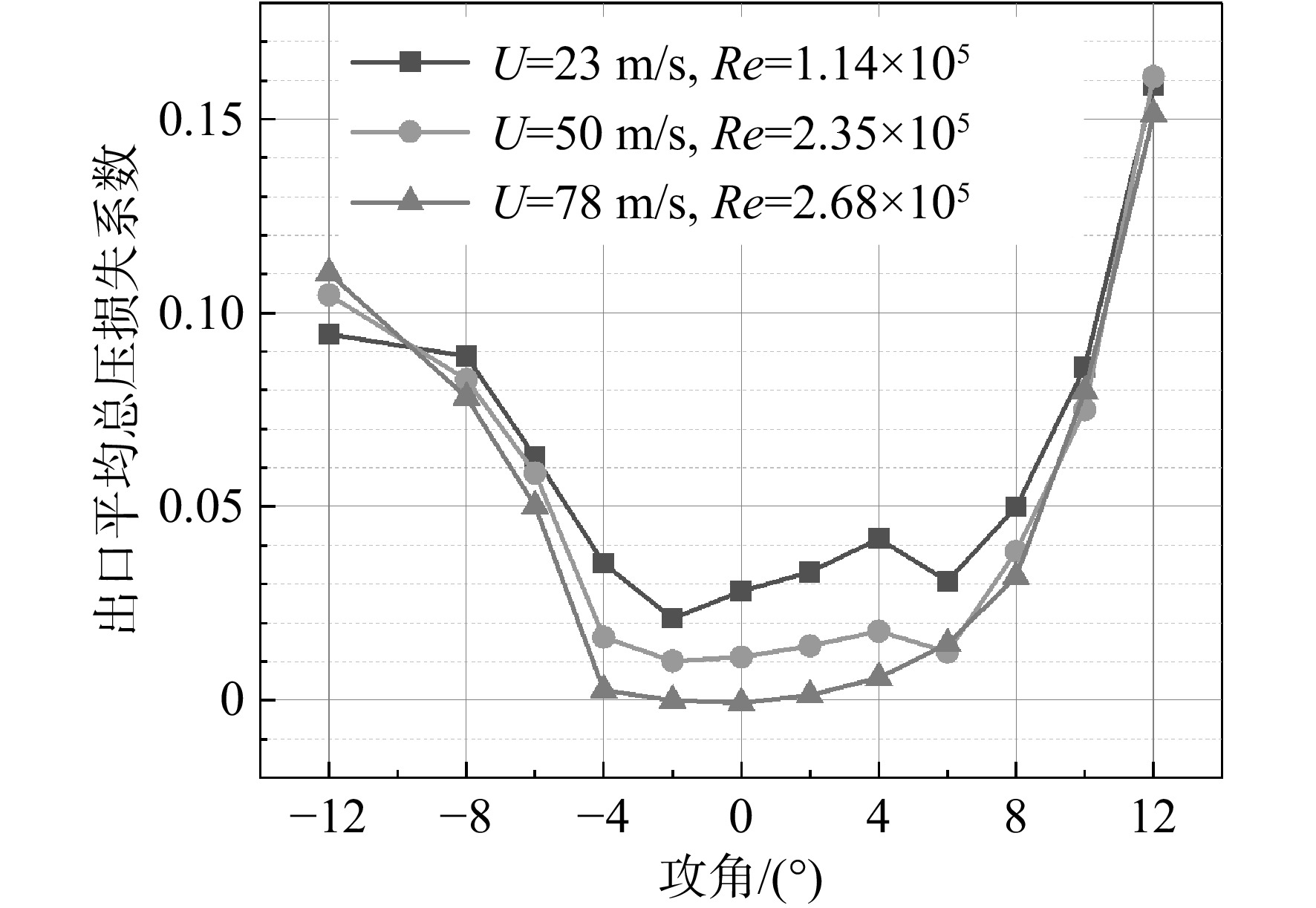
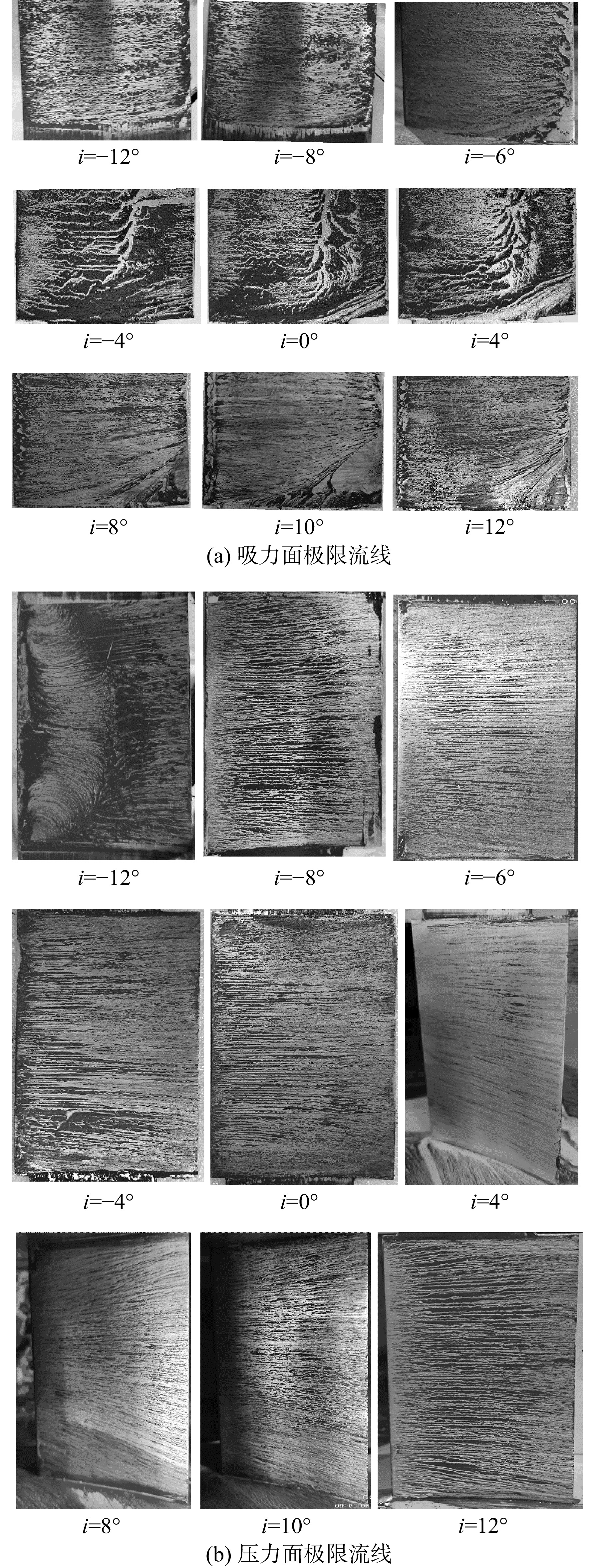
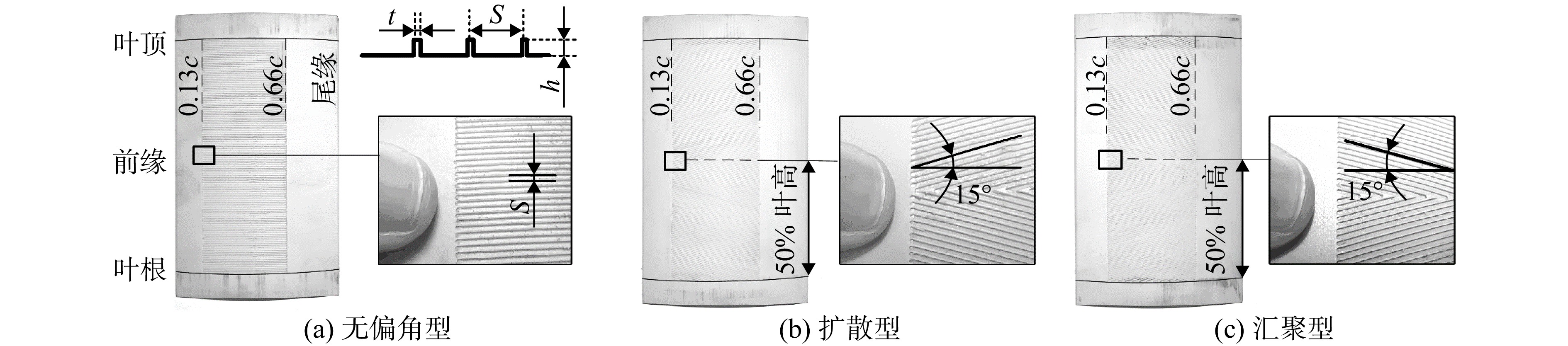
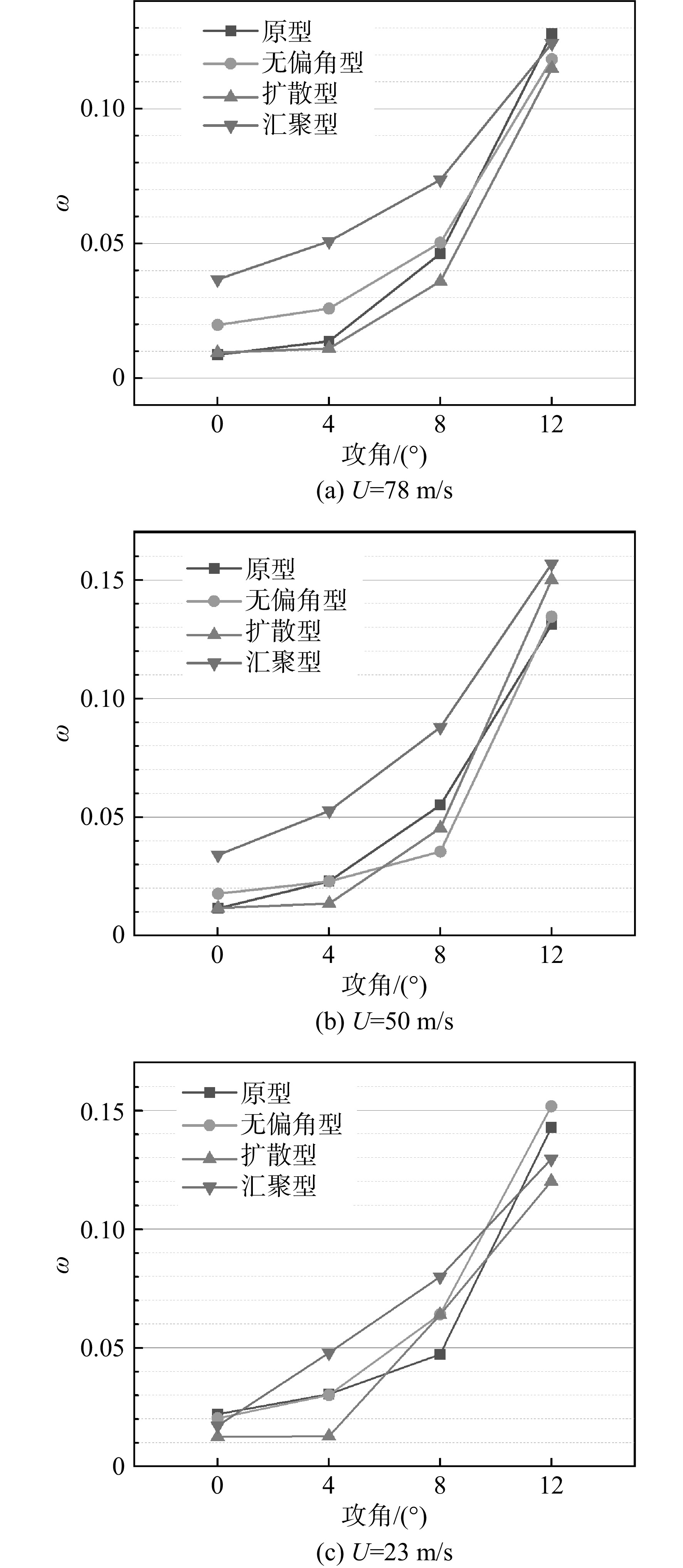
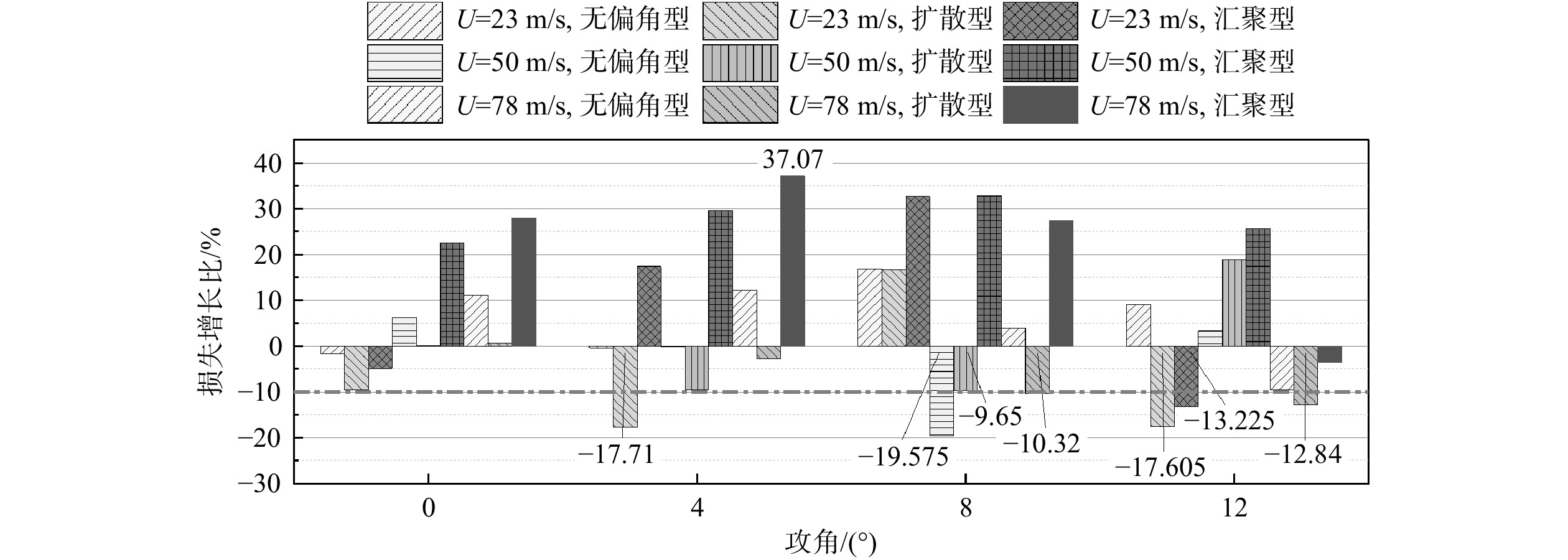
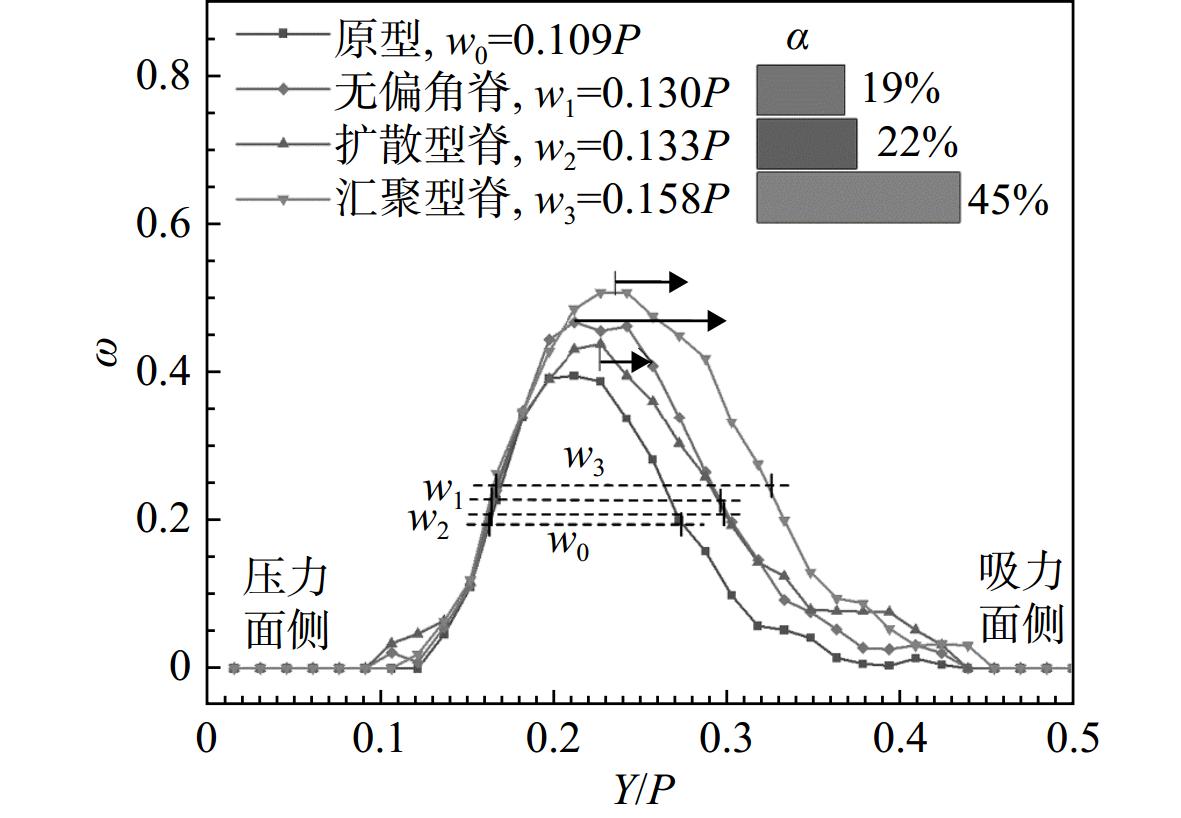
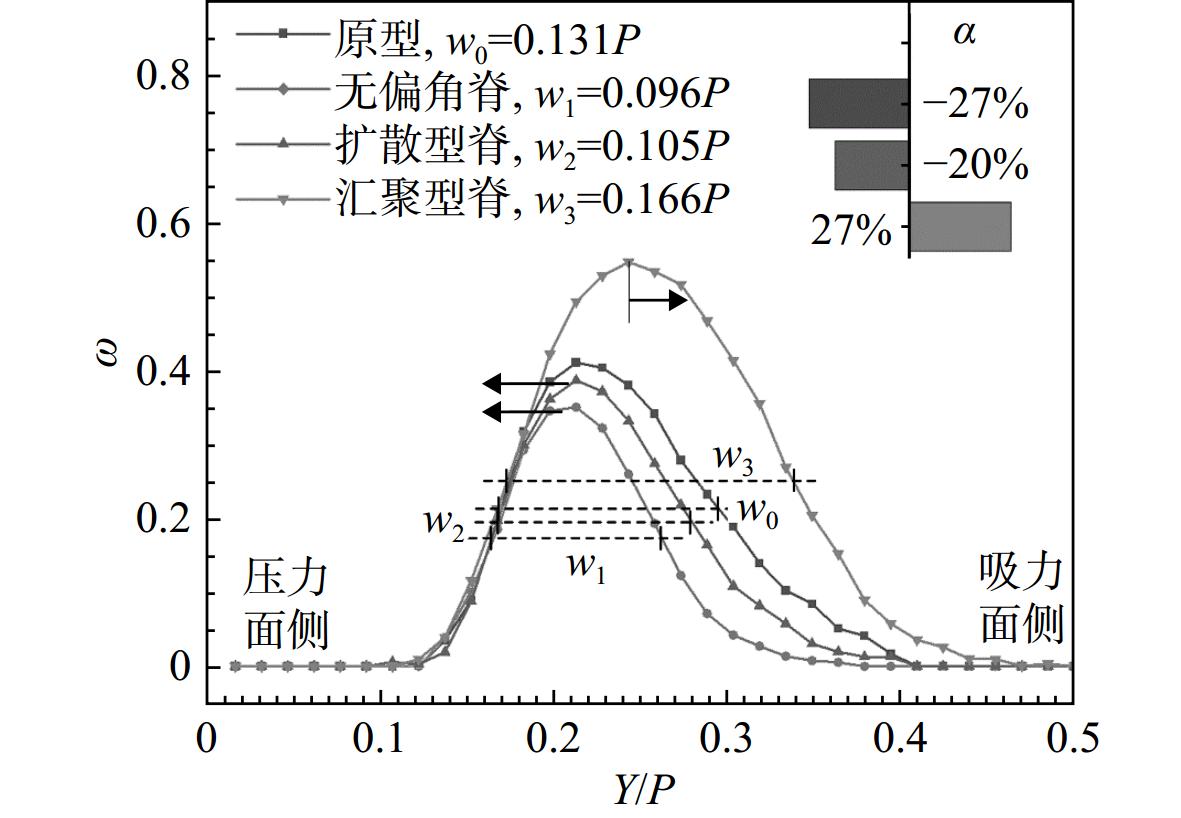
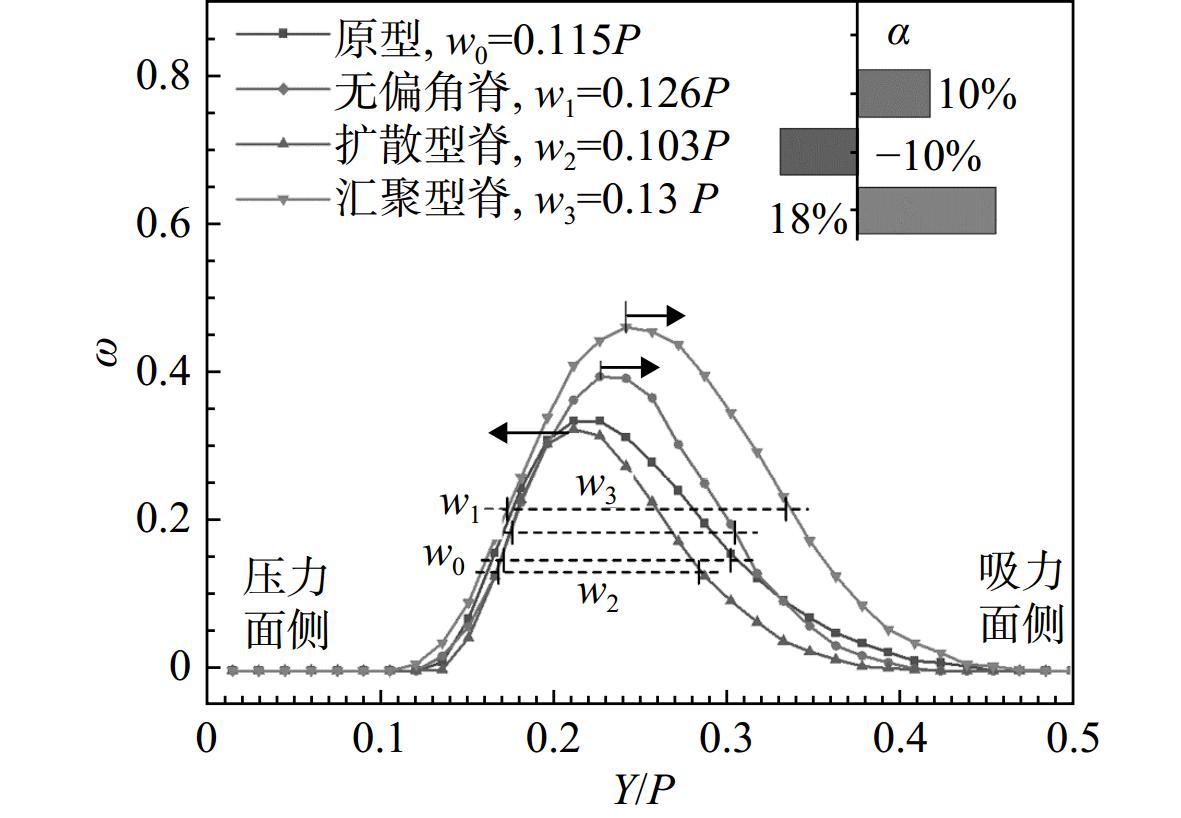
To broaden the effective attack angle range of the blade cascade under the influence of low Reynolds number and achieve the purpose of blade cascade expansion and loss reduction, numerical and experimental researches on a small deflection angle diffuser blade cascade were conducted. Three riblet-structures with different angles were selected to control it by studying the main characteristics of turbulence after blade stall. The research results indicated that diffusion type surface ridges are an effective means to expand the effective attack angle of the blade cascade and reduce losses. Its characteristic was represented by expanding the positive stall boundary without sacrificing the loss of the design angle of attack, with a maximum reduction of 17.7%. No-angle riblets achieved reduction at a high angle of attack, with a maximum reduction rate of 19.58%. Overall, the reduction effect of diffusion type riblets was better than that of non-angle riblets and better than that of convergence type riblets. In addition, it was found that the width and peak loss of the wake decreased after reduction, and the diffusion line of the wake shifted towards the pressure surface side.

Influence of non-uniformity of fouling thickness on the aerodynamic performance of compressor cascade
TU Panpan, GAO Limin, YANG Song, YANG Guang, WEI Peiyu
2025, 40(9): 20240467. doi: 10.13224/j.cnki.jasp.20240467
Abstract:

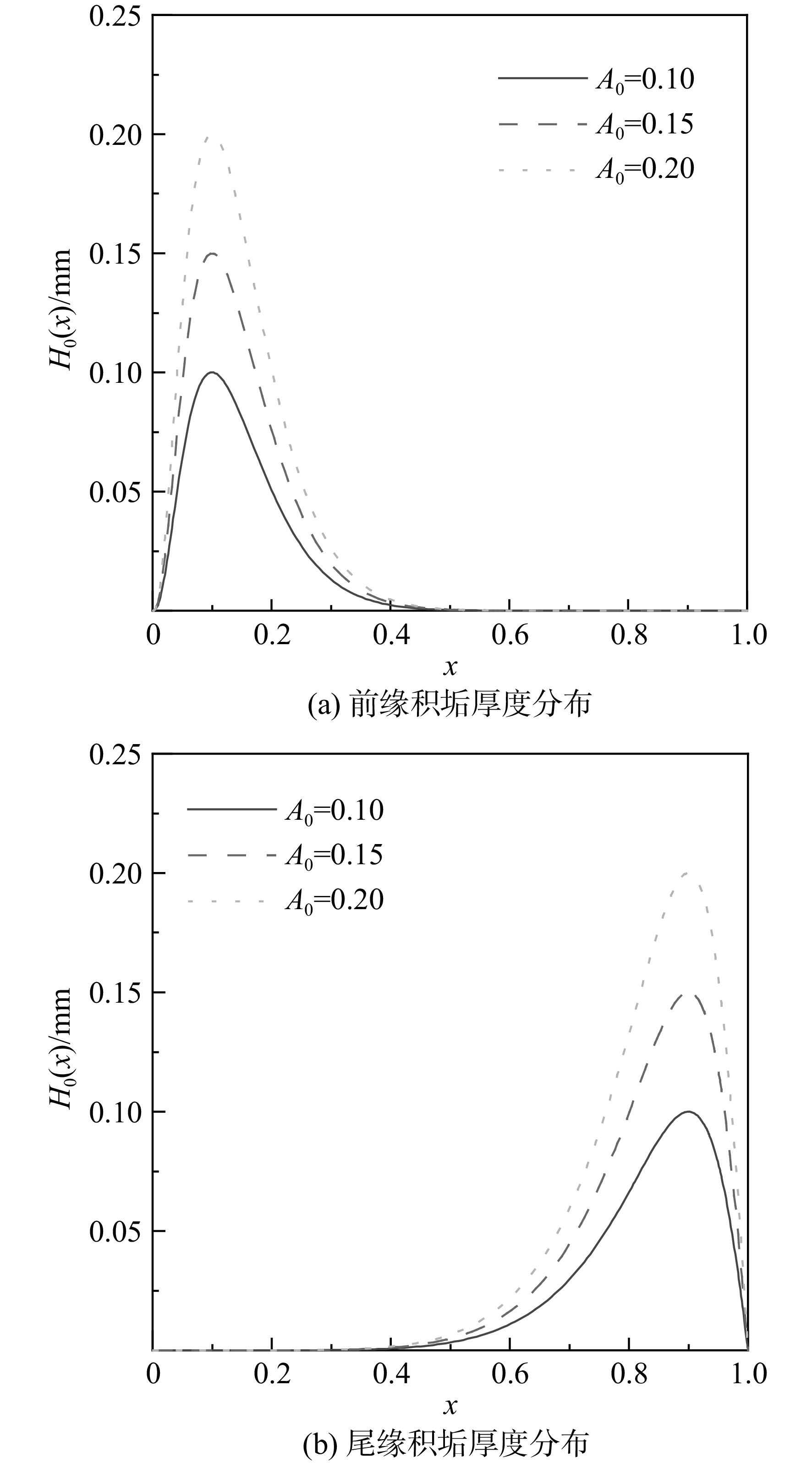
Three distribution forms of uniform fouling thickness, leading edge fouling thickness and trailing edge fouling thickness were established for the typical thickness distribution of compressor blade fouling, a diffuser cascade was taken as the research object, and numerical simulation was carried out to study the influences of different distribution forms and sizes of fouling on the degradation of aerodynamic performance of the compressor cascade. The results showed that the uniform fouling thickness overestimated the degradation of aerodynamic performance caused by the non-uniform thickness distribution of fouling on real compressor blades. The results of all three thickness distribution forms showed that the degradation of aerodynamic performance was more pronounced under negative incidence. Compared with the trailing edge fouling thickness, the effect of leading edge fouling thickness on aerodynamic performance degradation was more significant. When the maximum thickness of fouling was similar, the loss caused by the leading edge fouling thickness increased by 84.35% and the pressure ratio decreased by 0.98% compared with the trailing edge fouling thickness, which further illustrated the fact that the modelling of the compressor blade fouling should take into account its non-uniform distribution location and size to obtain more reliable results in the assessment of the aerodynamic performance degradation.

Study on design of transonic axial-flow fans based on time-marching throughflow inverse design method
LI Jinguang, WU Hu, YANG Chen
2025, 40(9): 20250033. doi: 10.13224/j.cnki.jasp.20250033
Abstract:

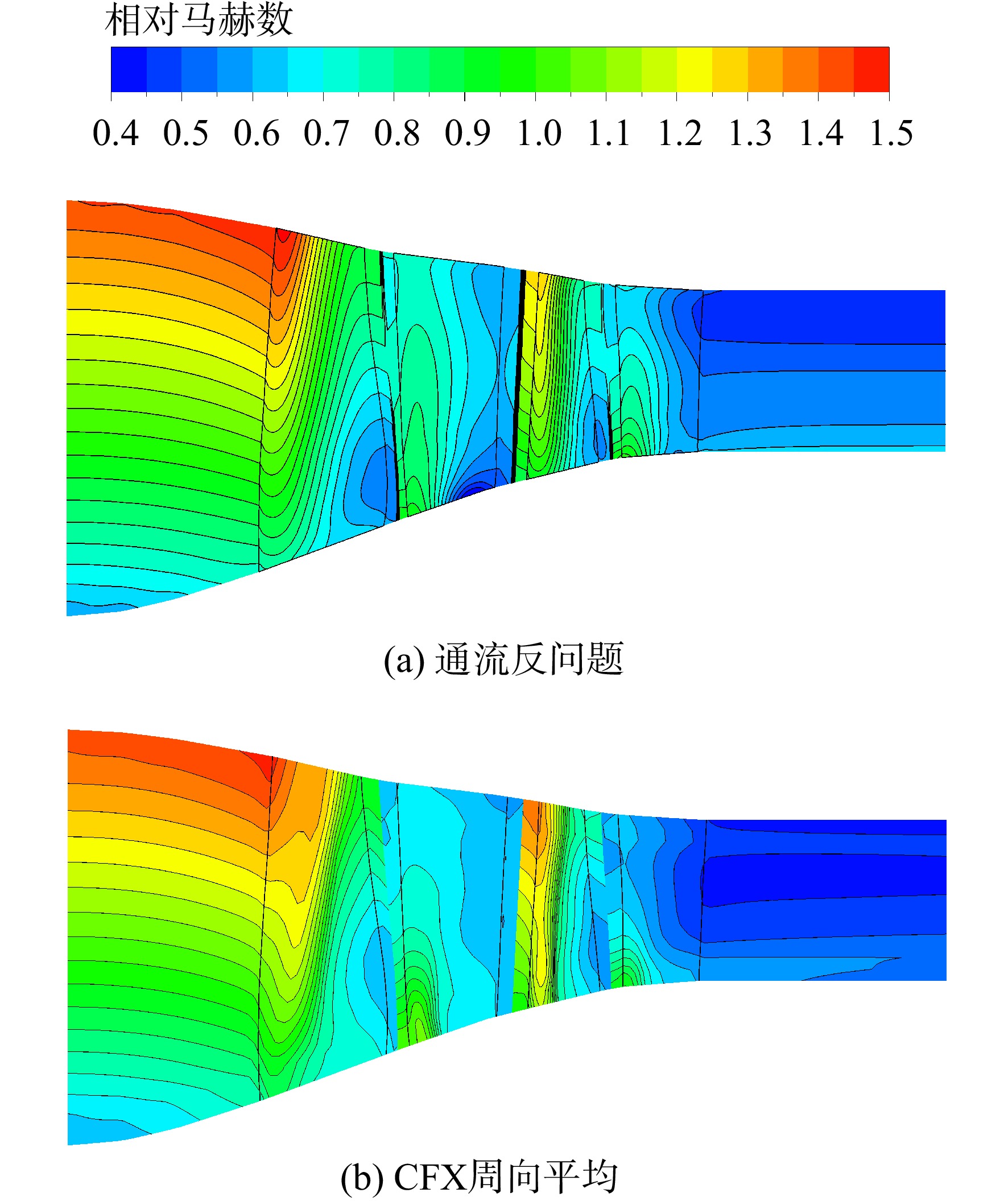
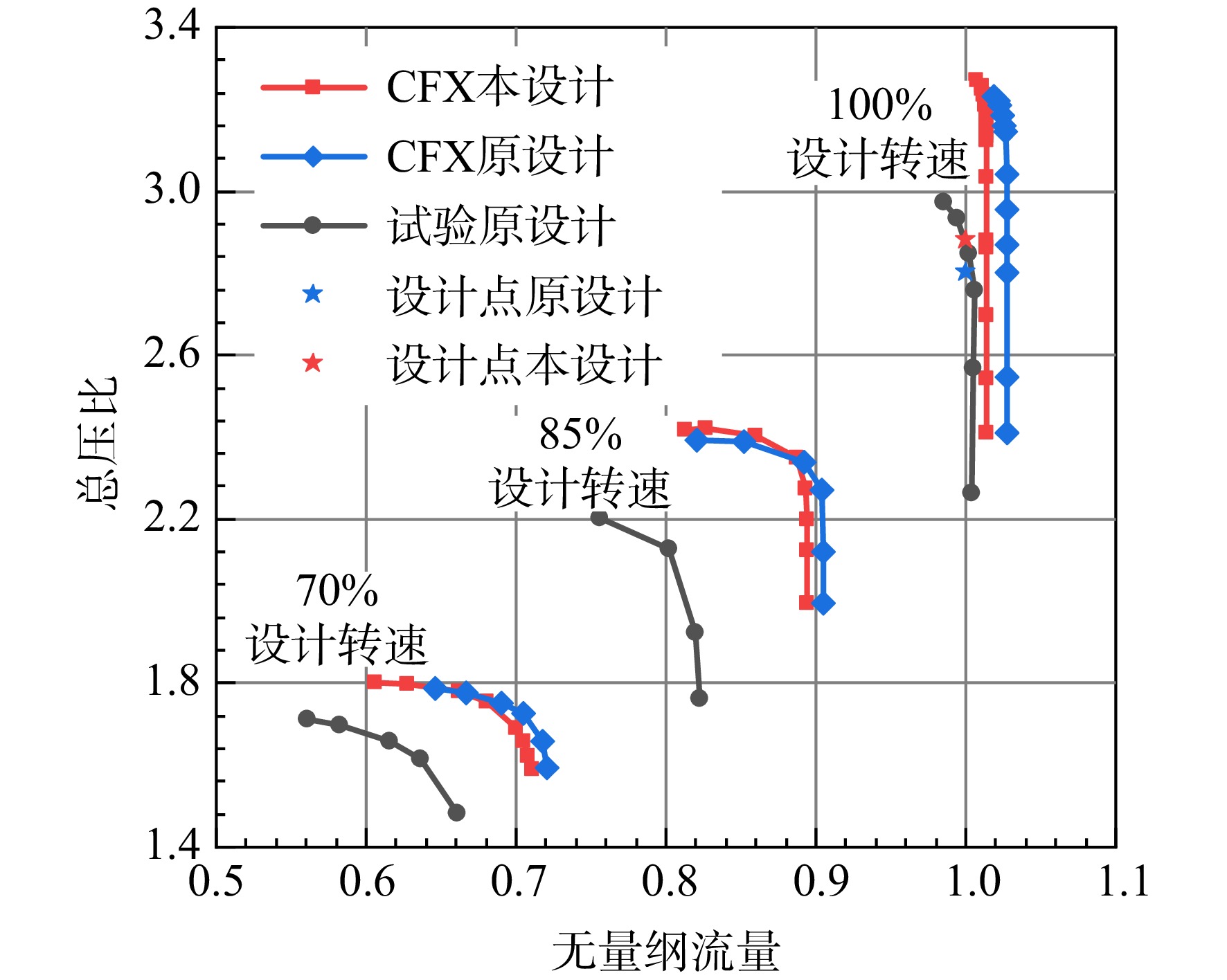
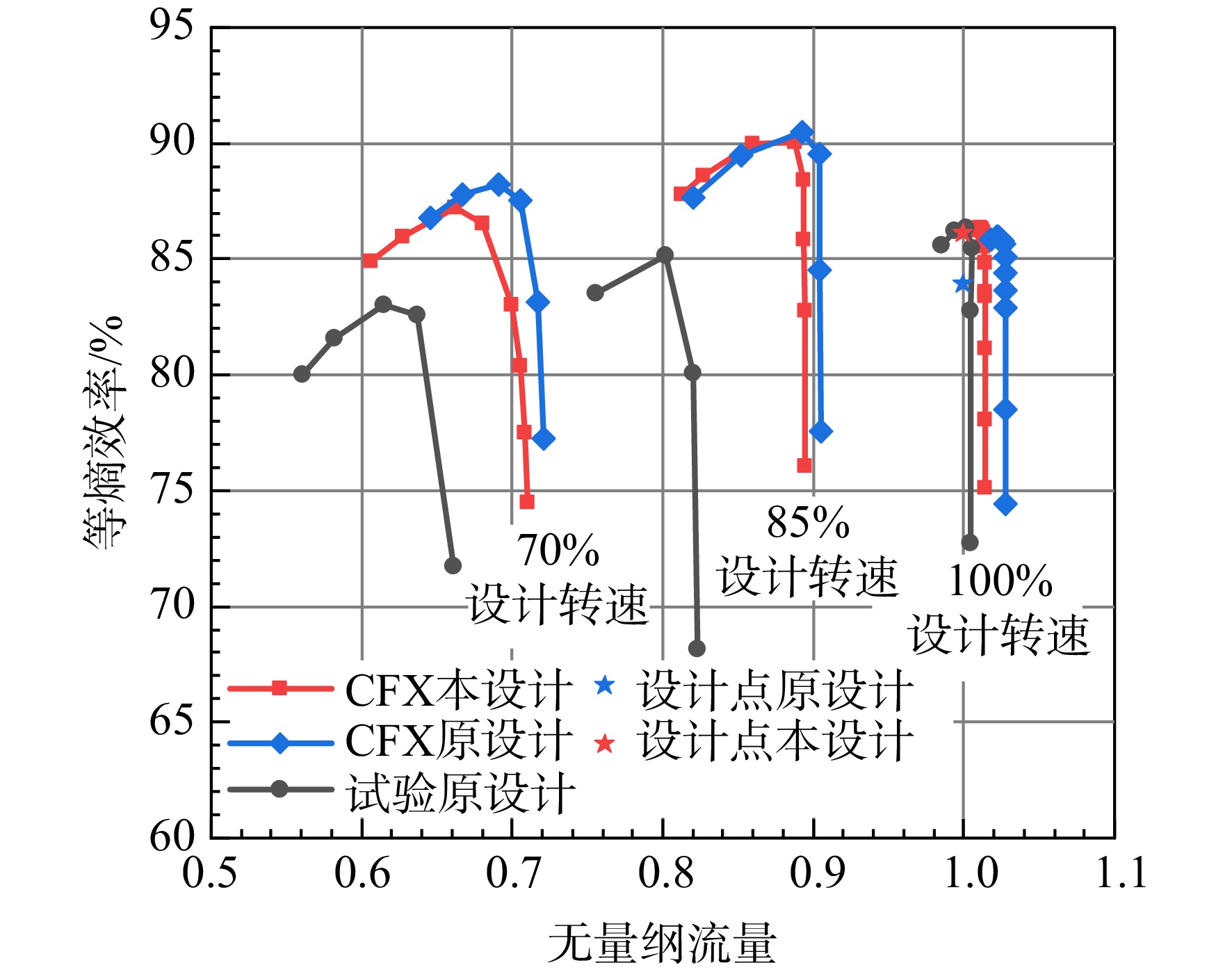
A throughflow inverse design method for multi-stage axial-flow fans was developed based on computational fluid dynamics (CFD) theory. A robust numerical method was proposed based on the approximate factorization method to impose the inviscid blade force on the blades accurately. The process was applied to the redesign of a two-stage transonic fan, and the design was validated through full three-dimensional numerical simulations. The results showed that the program can robustly and efficiently achieve complete convergence of the throughflow design, with the meridional flow fields in good agreement with the three-dimensional circumferentially averaged results. Through full three-dimensional simulation validations, the present design results achieved the target mass flow rate and total pressure ratio under the design point. At off-design operations, the current configuration demonstrated complementary advantages compared with the prototype: While peak efficiency experienced slight reductions at off-design rotational speeds (with a maximum reduction of 1.04%), the stability margin and stall pressure ratio showed maximum improvements of 1.7% and 1.26%, respectively.

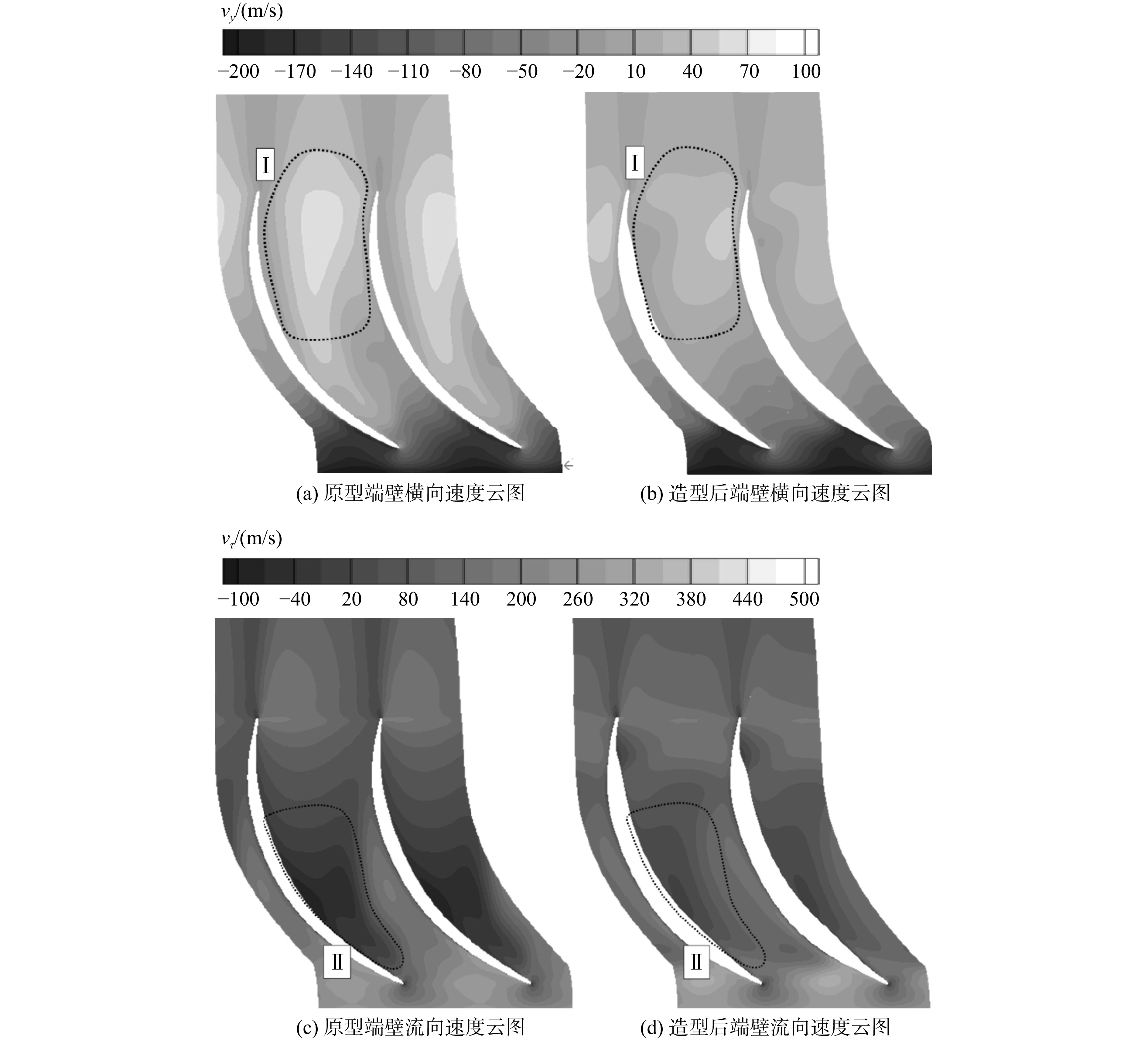
Application of endwall-suction surface integrated contouring in a compressor stage
ZHOU Qian, LI Xiangjun, YOU Fuhao, ZHU Zhengyu, KONG Lingchen
2025, 40(9): 20230524. doi: 10.13224/j.cnki.jasp.20230524
Abstract:

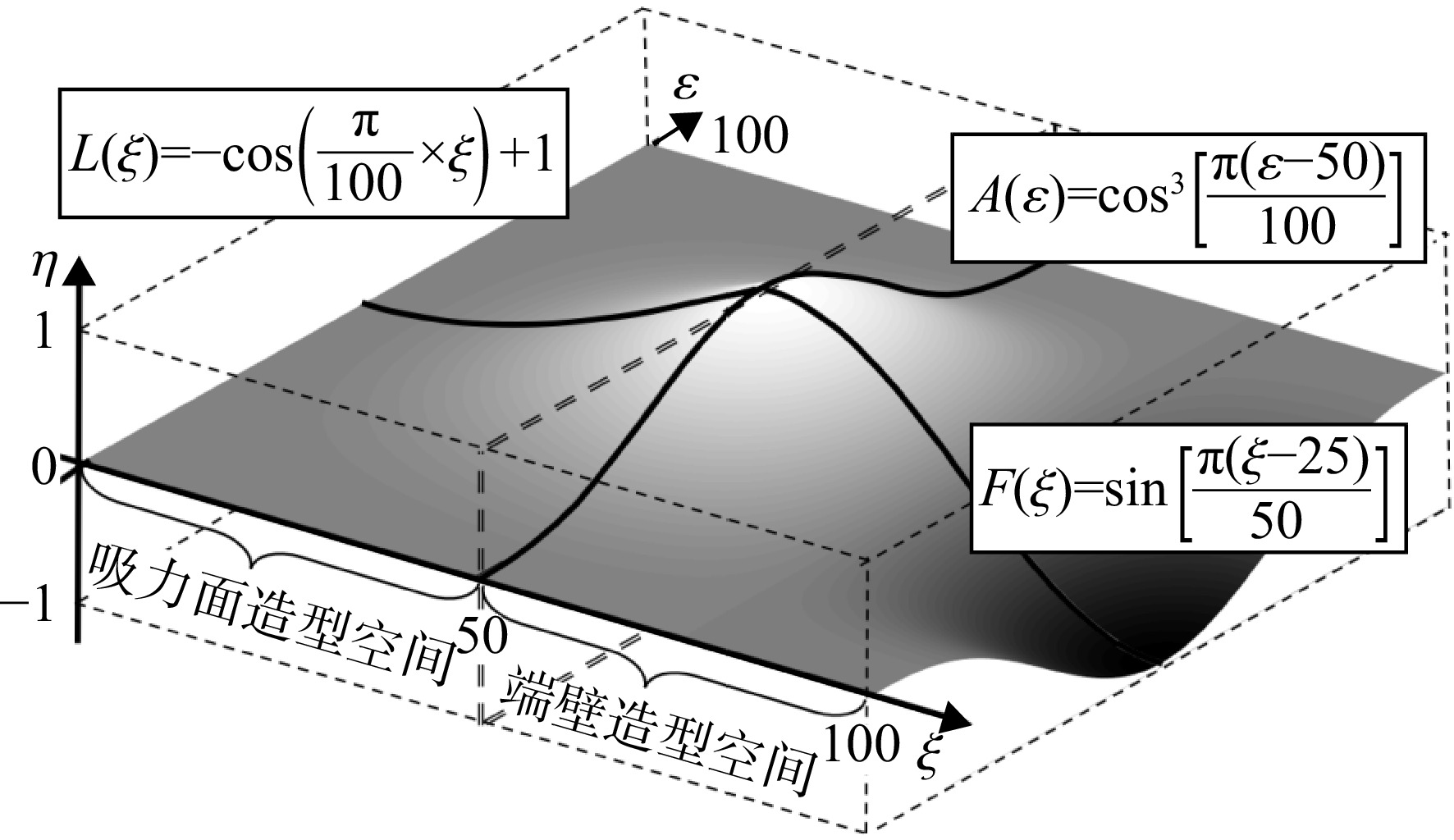
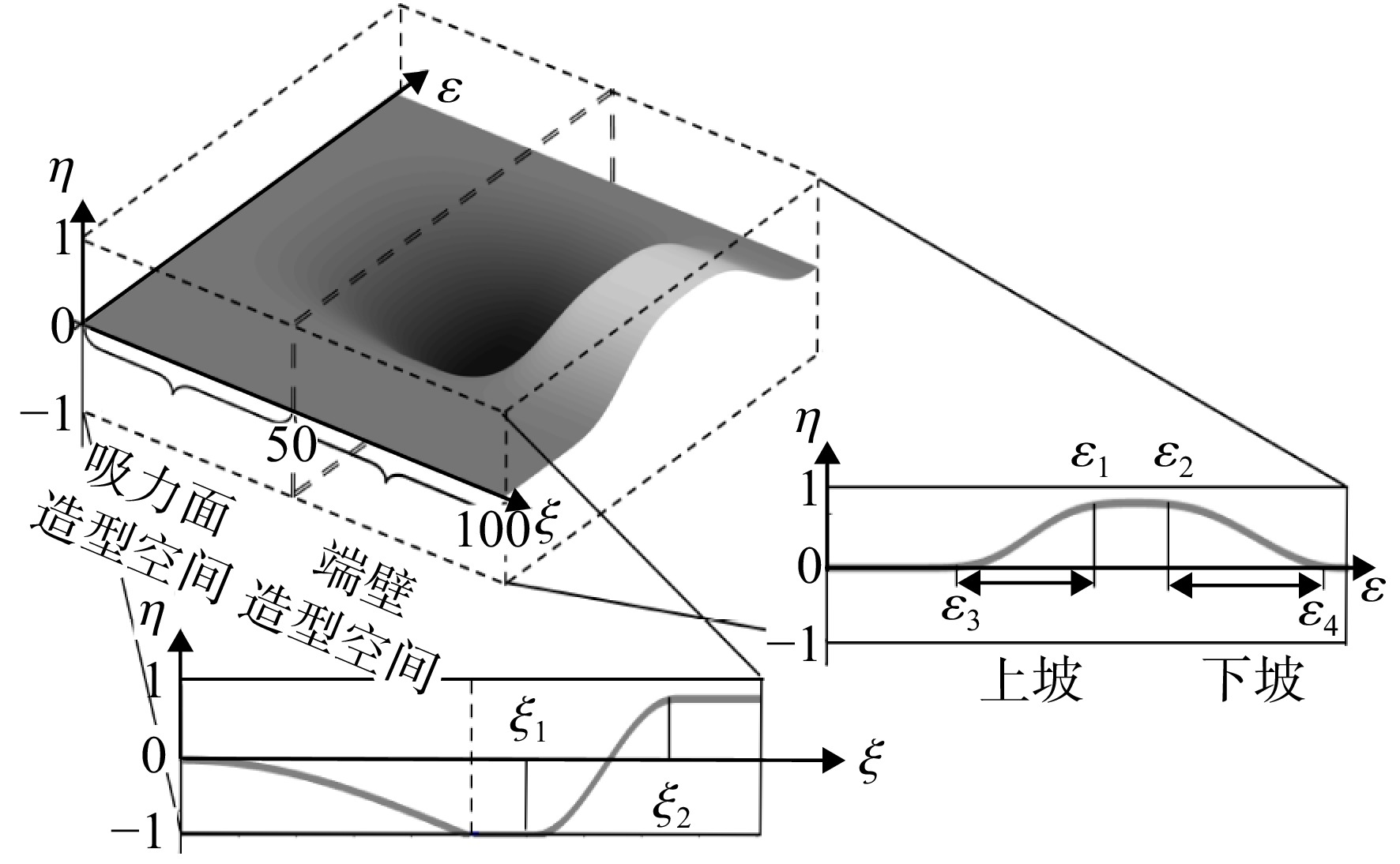
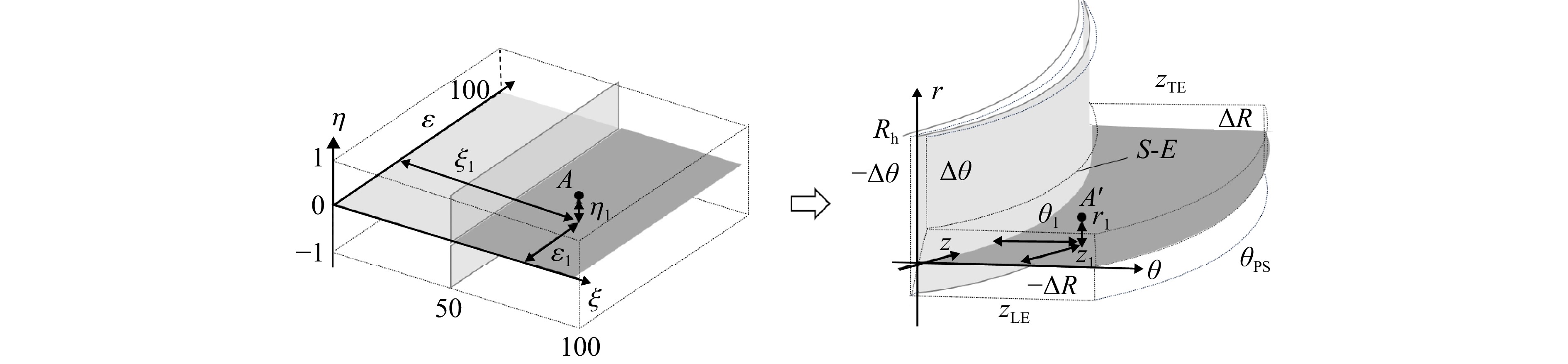
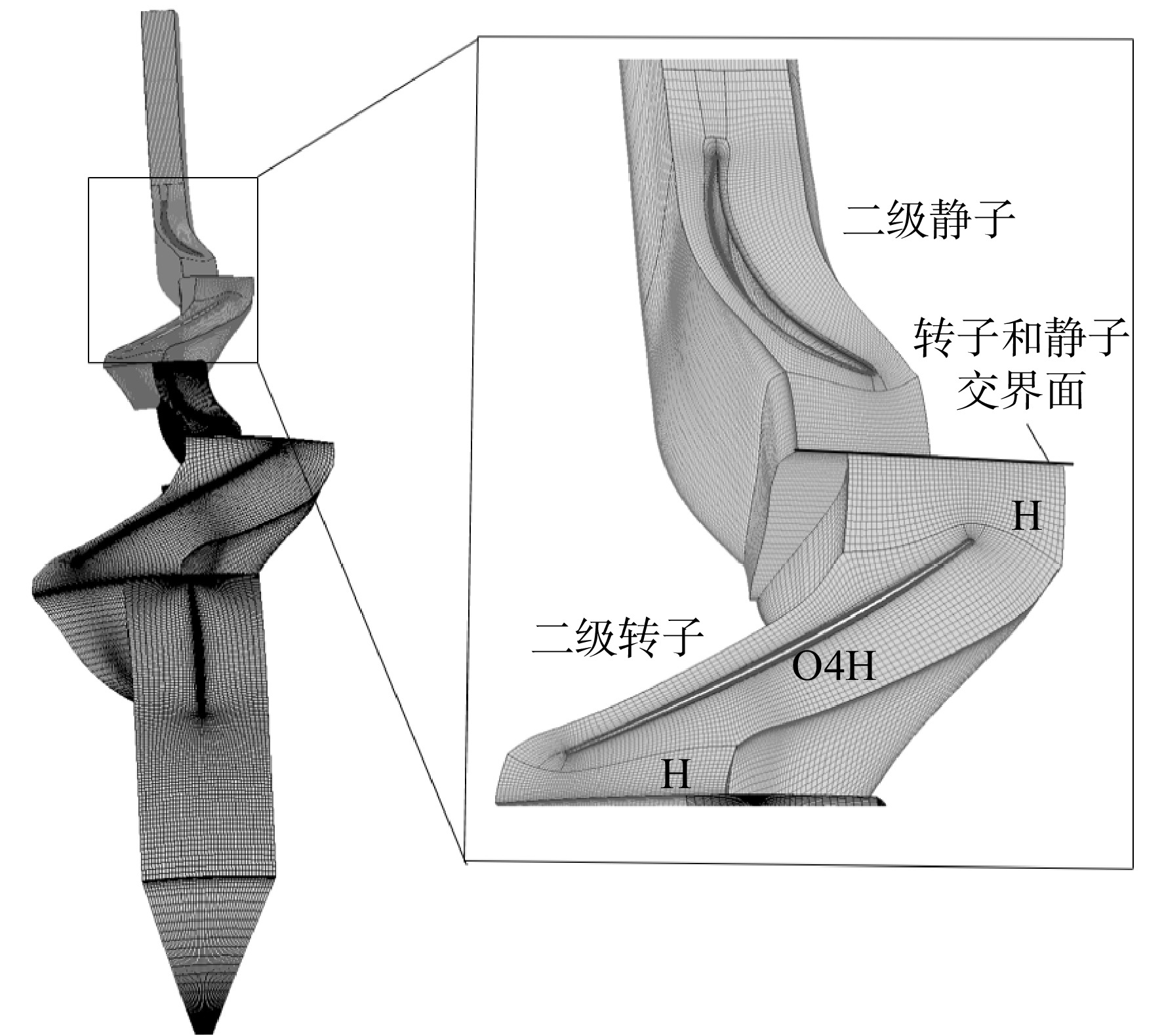
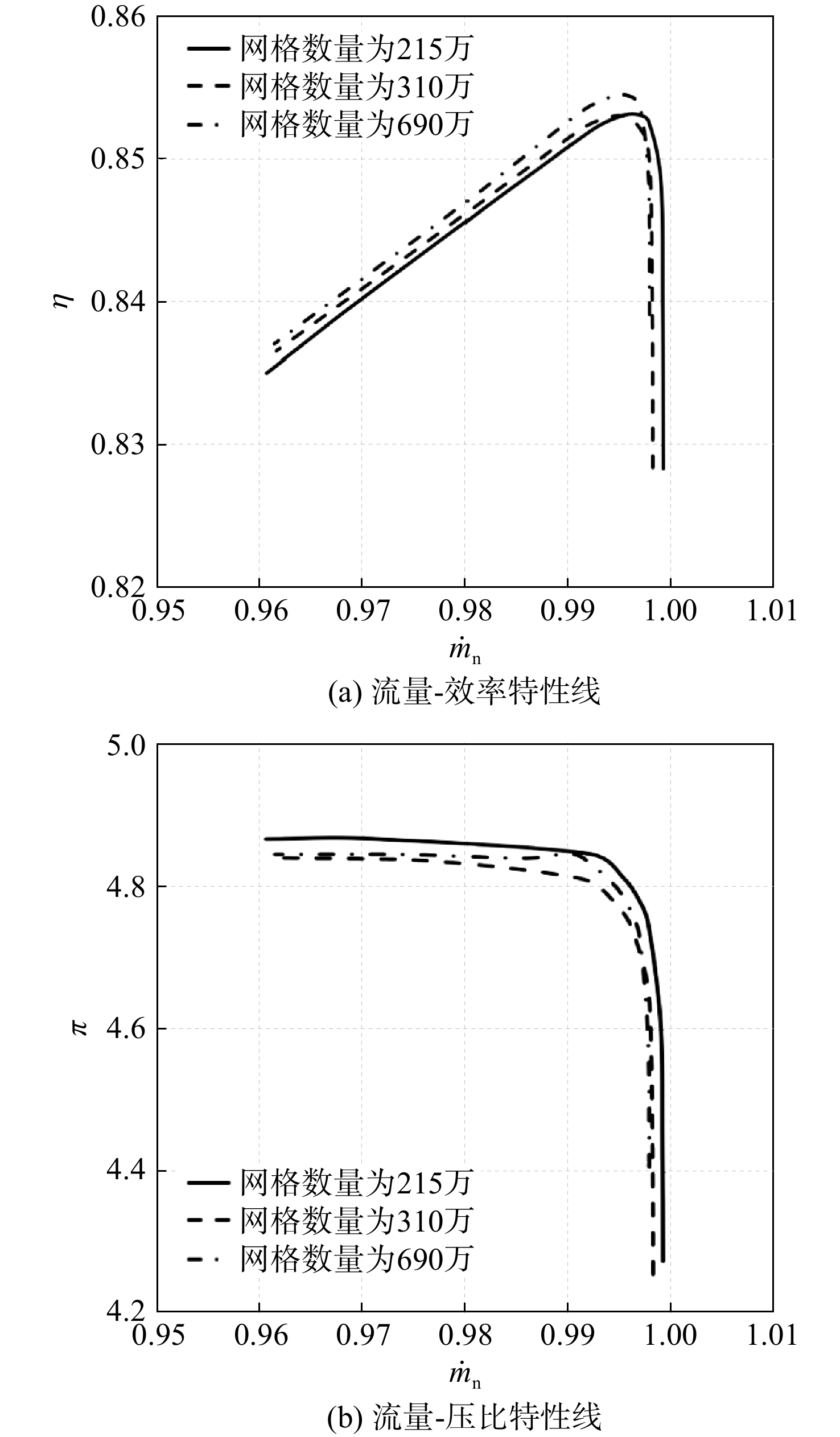
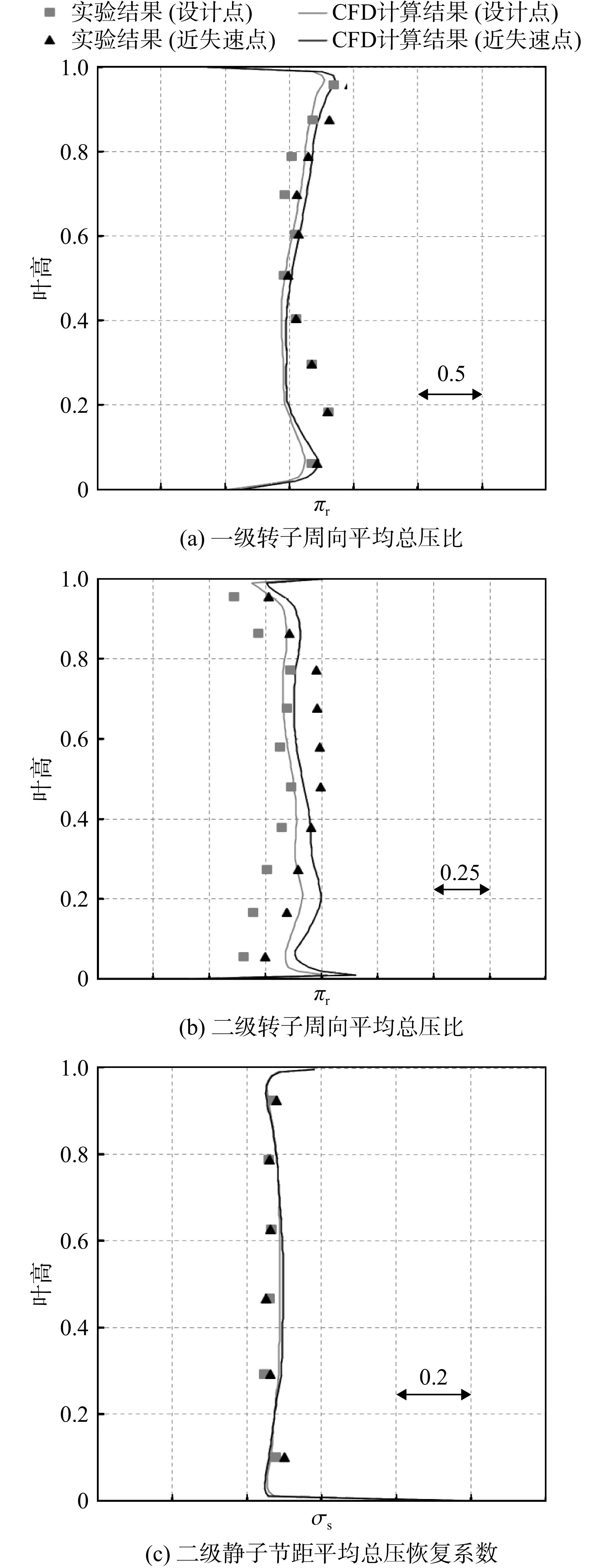
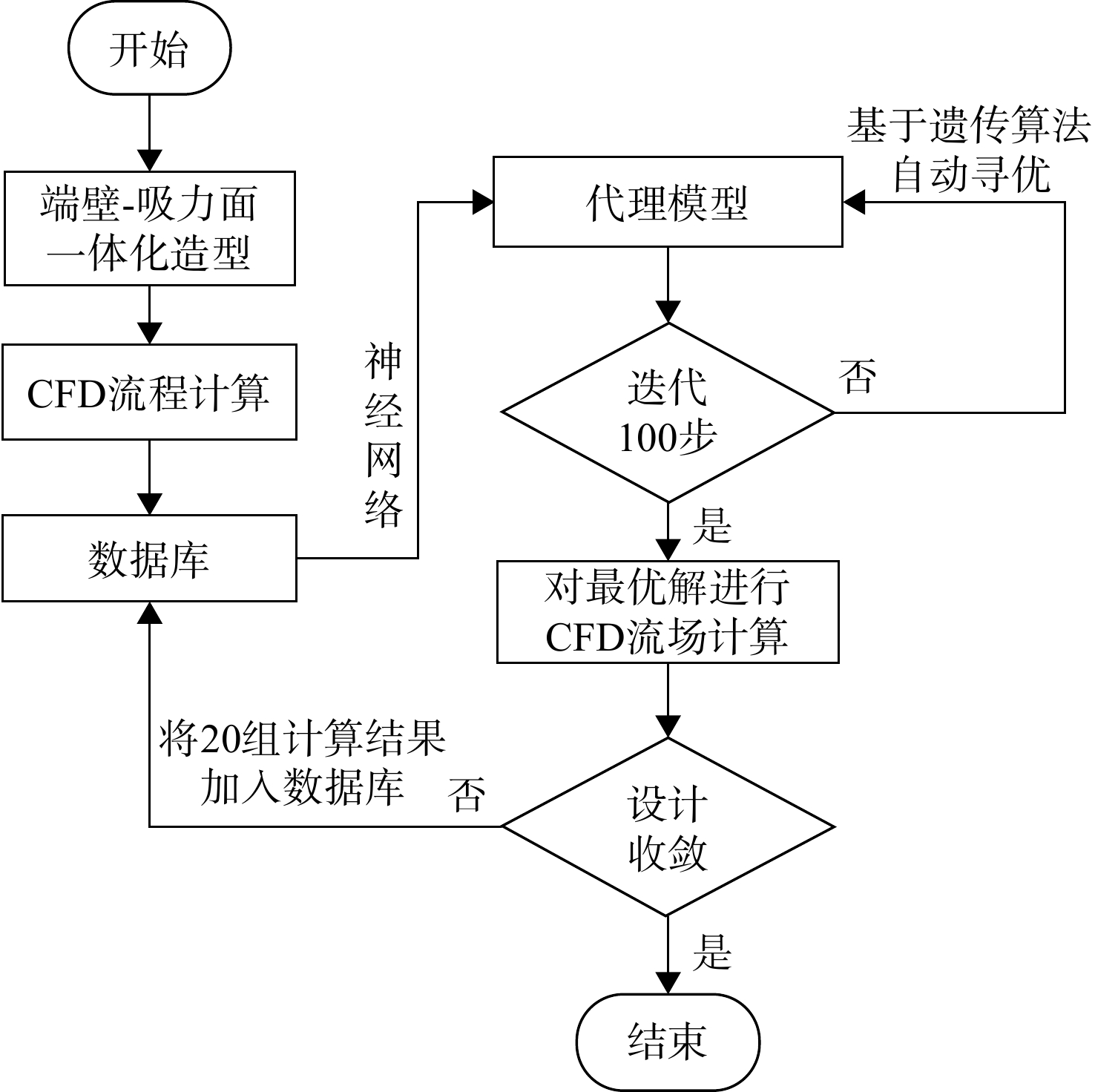
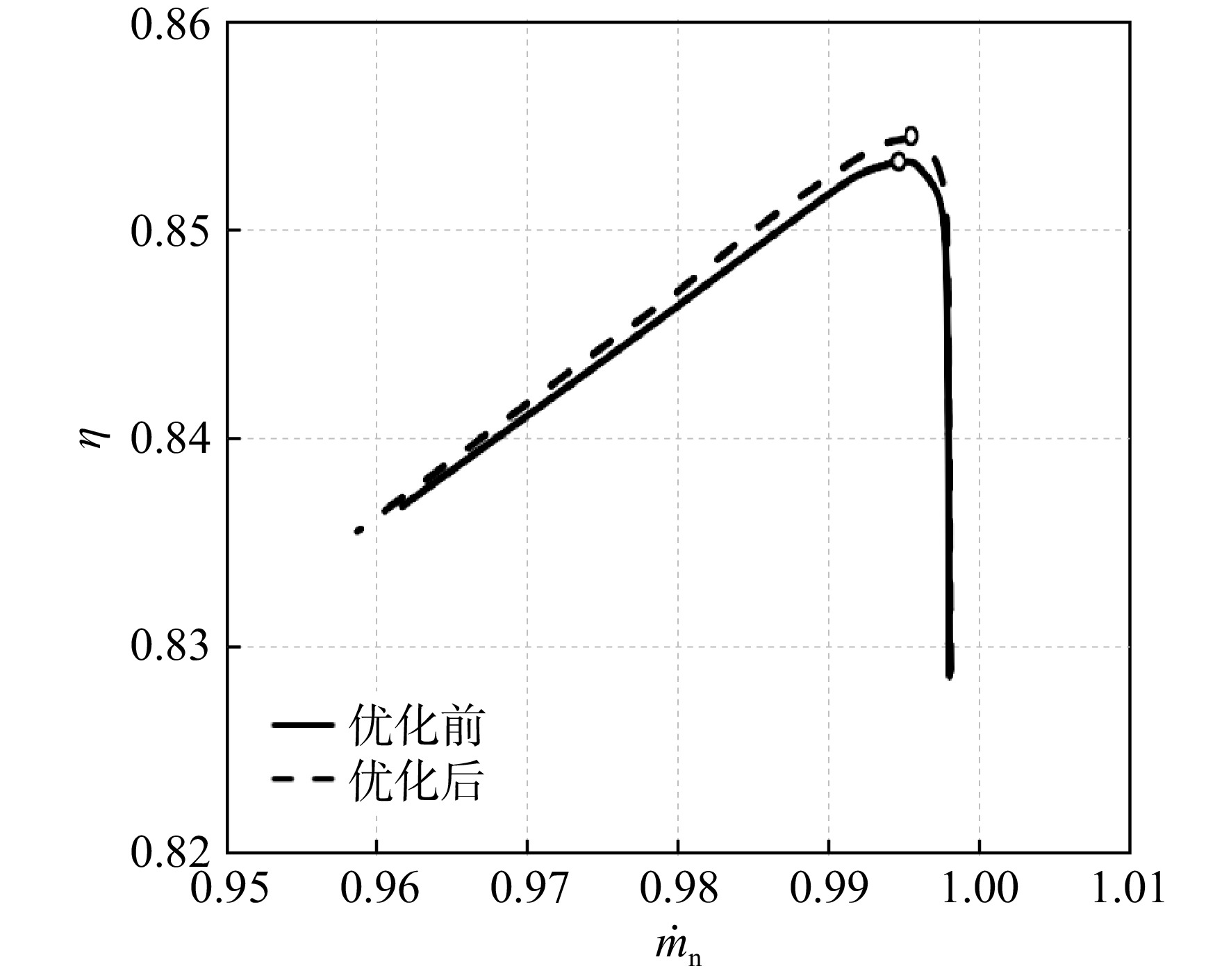
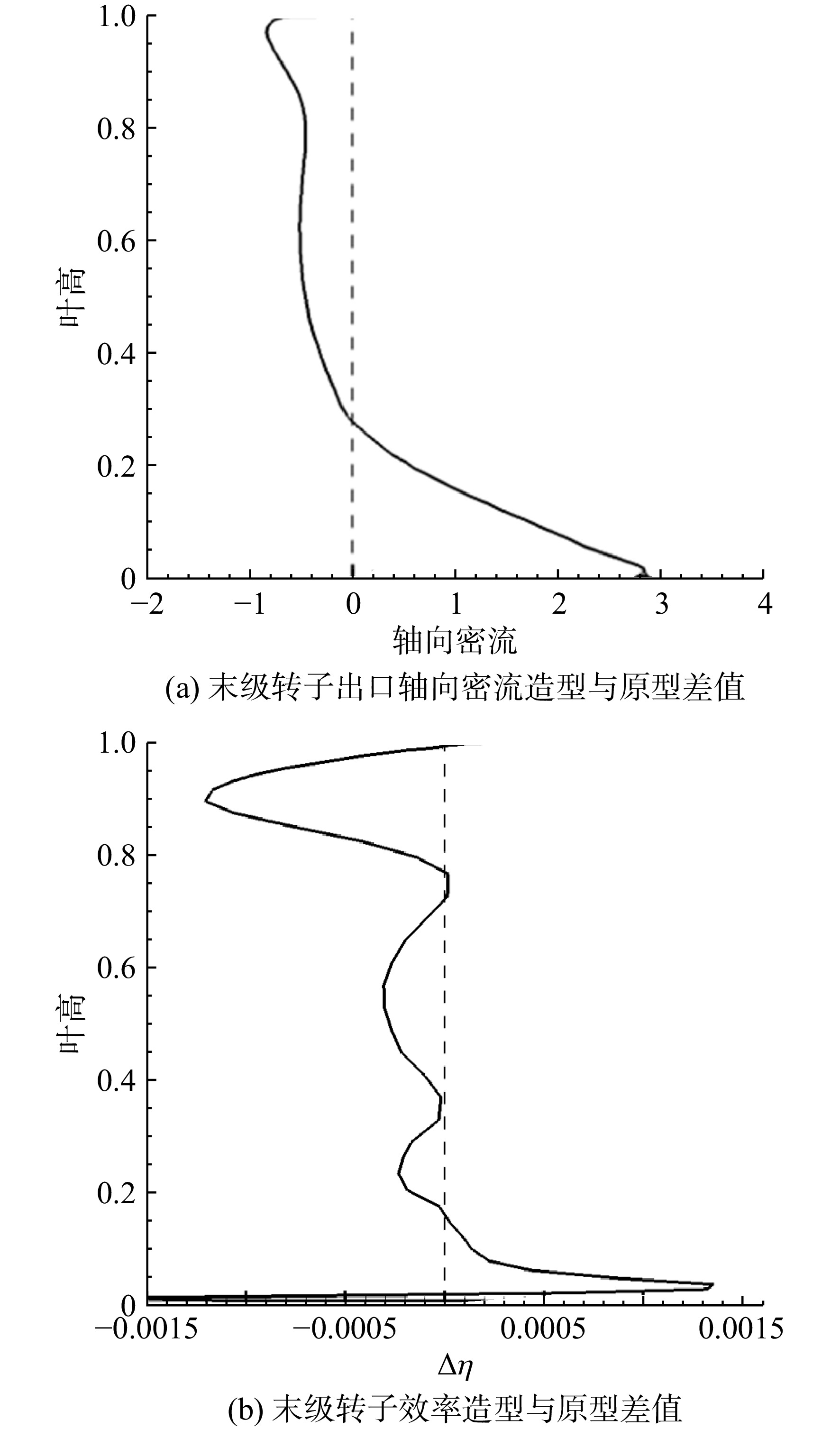
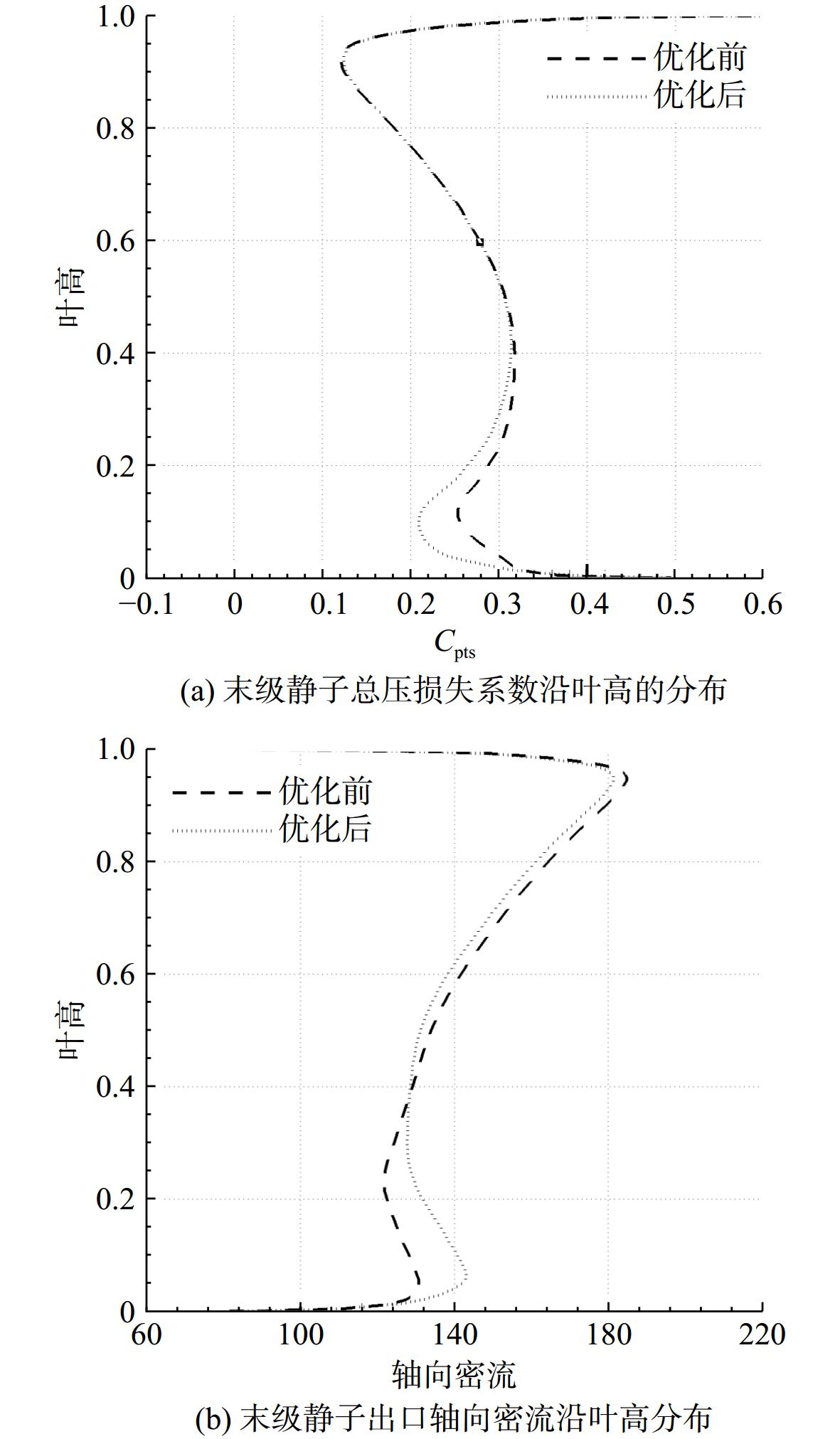
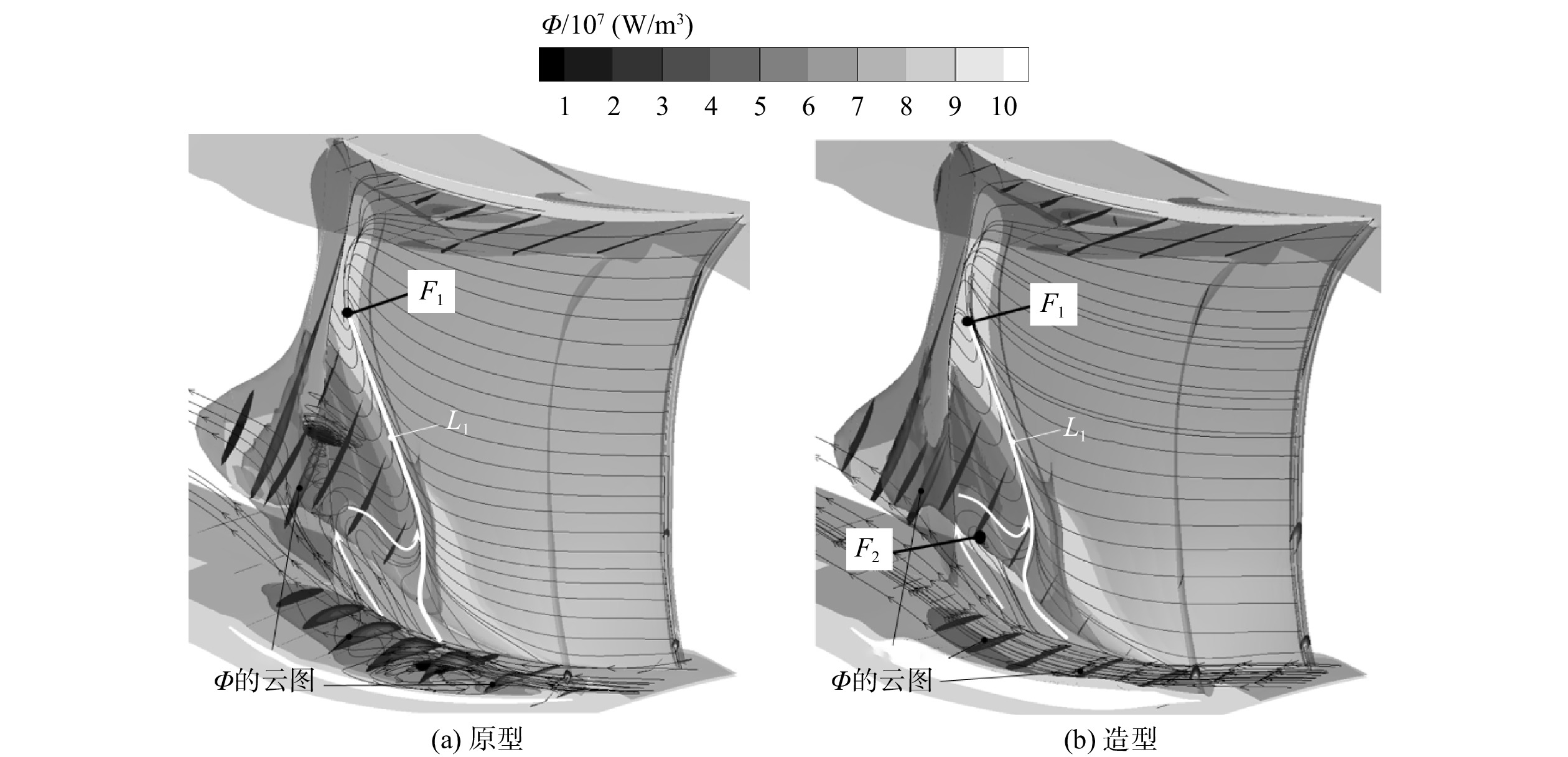
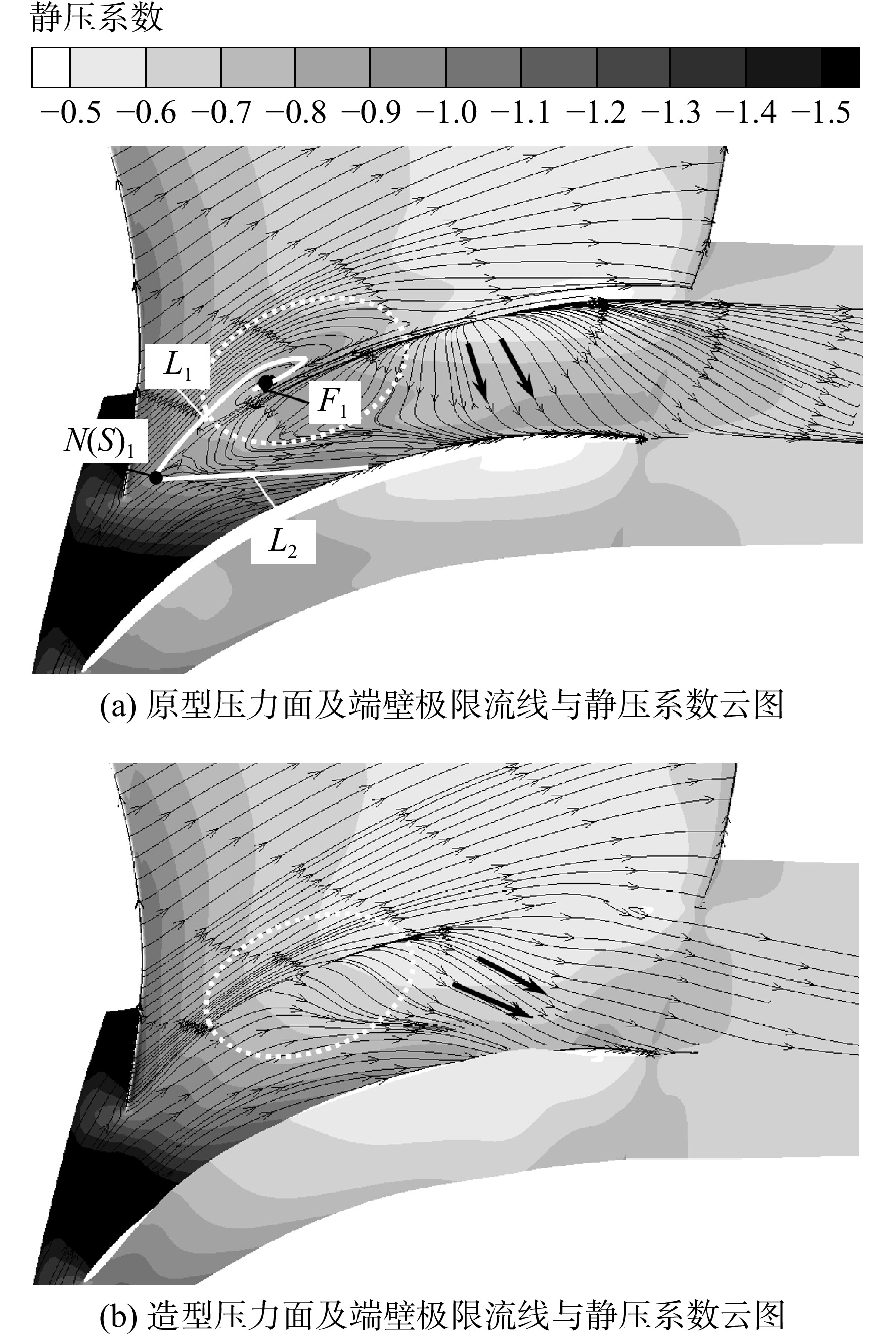
In order to solve the problem of end-wall corner separation in high-load axial compressors, a combined contouring method of suction surface and end-wall with multiple local control channels for secondary flow applicable to multiple working conditions was applied to the final stage static sub of a 2.5-stage compressor, and the effects of the contouring method in terms of efficiency enhancement or loss control in the face of complex flow conditions of the pressurized gas environment were explored. A single-objective optimization of the highest efficiency point resulted in an improvement of about 0.3% in the final stage peak efficiency of the compressor. The flow field analysis showed that when the integrated end wall-suction surface contouring design was applied in a multi-stage compressor environment, the contouring was located in the static sub, but the rotor flux and even the efficiency were also subjected to a certain degree of interstage interference. Due to different flow structures in the end zone of the prototype compressor, the optimal modeling flow control mechanism differed from the conclusions obtained in the previous vane grid study. In this way, the feasibility of the integrated end-wall-suction surface contouring method adopted to the control of various flow structures can be proved to a certain extent, and its application in the compressor environment has been verified.

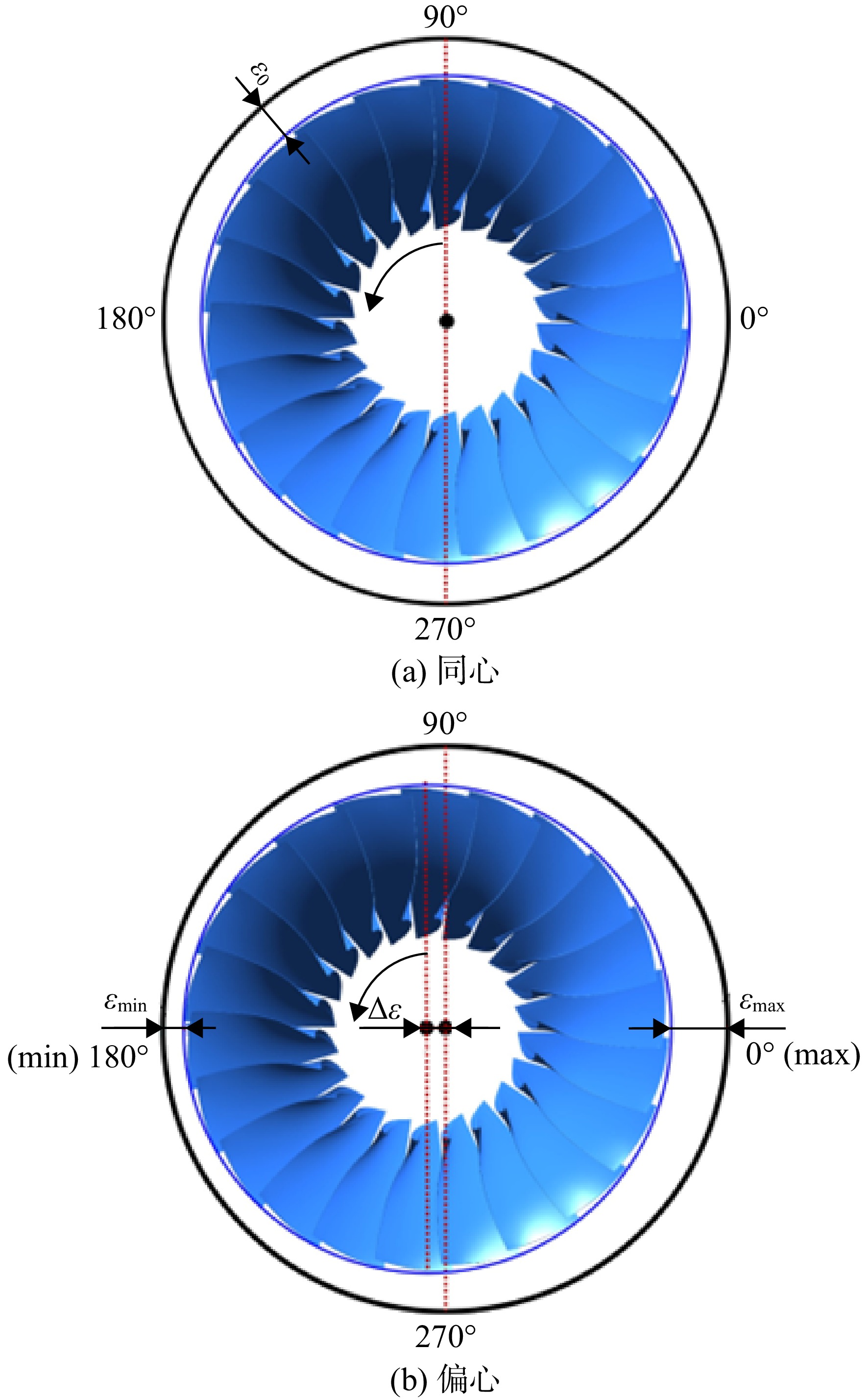
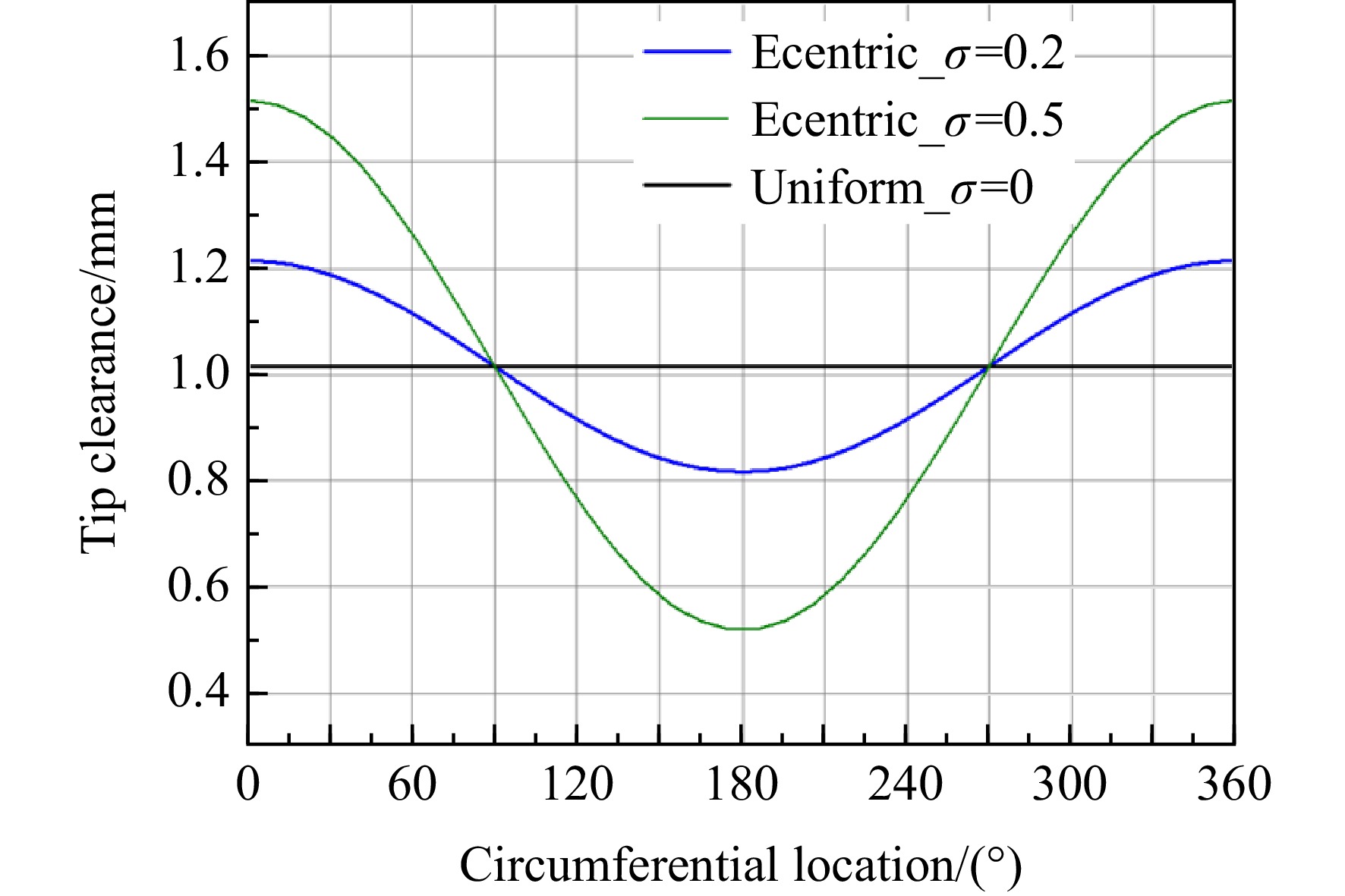
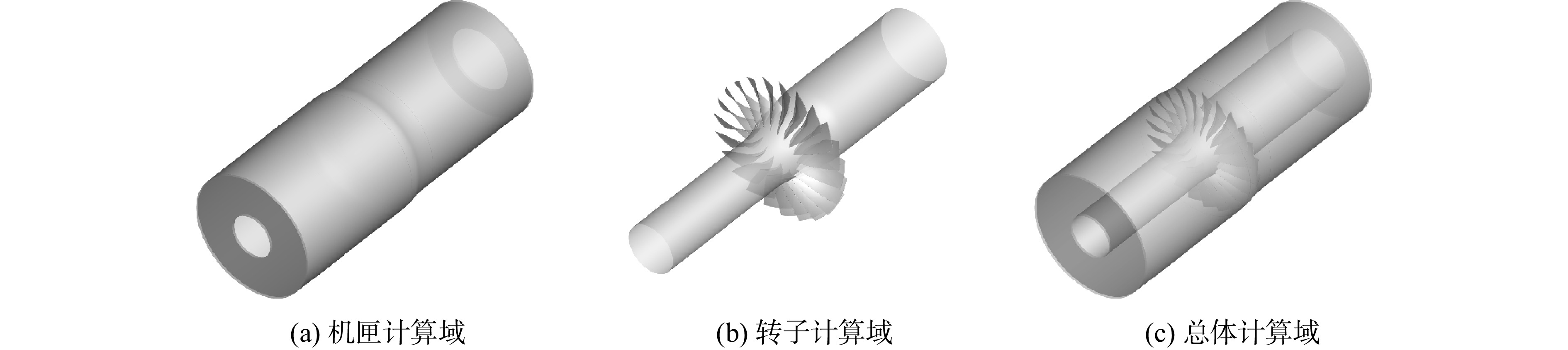
Circumferential non-uniform flow characteristics and stall criterion of eccentric compressors
YAO Zihang, WANG Hao, SUN Binhe, ZHANG Dingyu
2025, 40(9): 20240354. doi: 10.13224/j.cnki.jasp.20240354
Abstract:

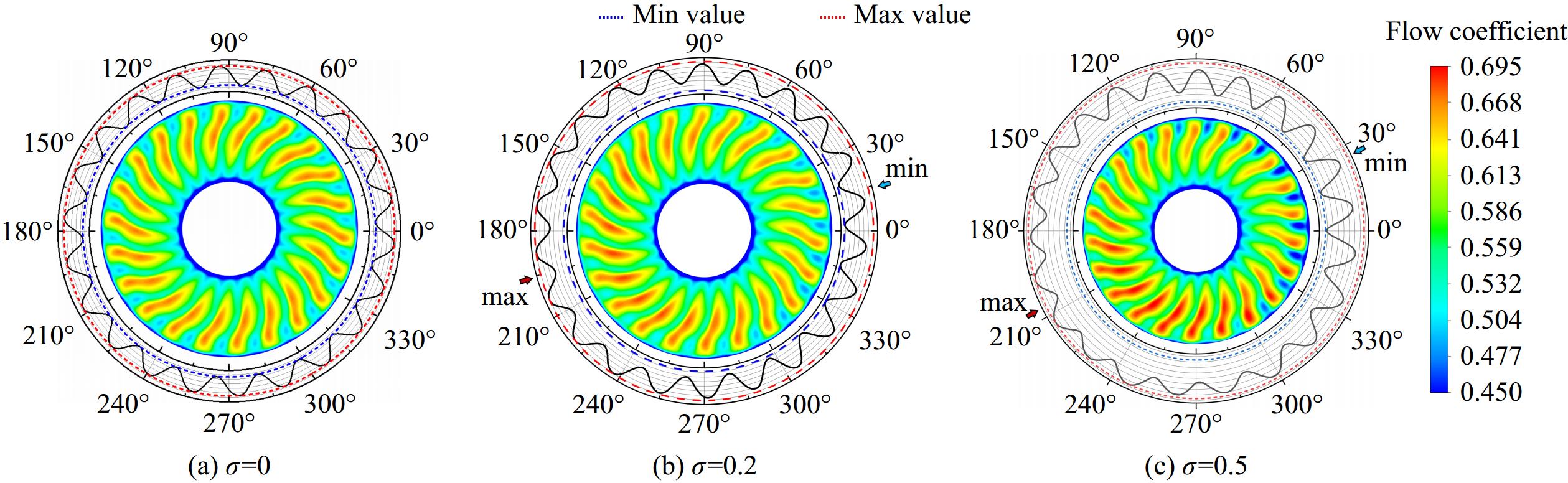
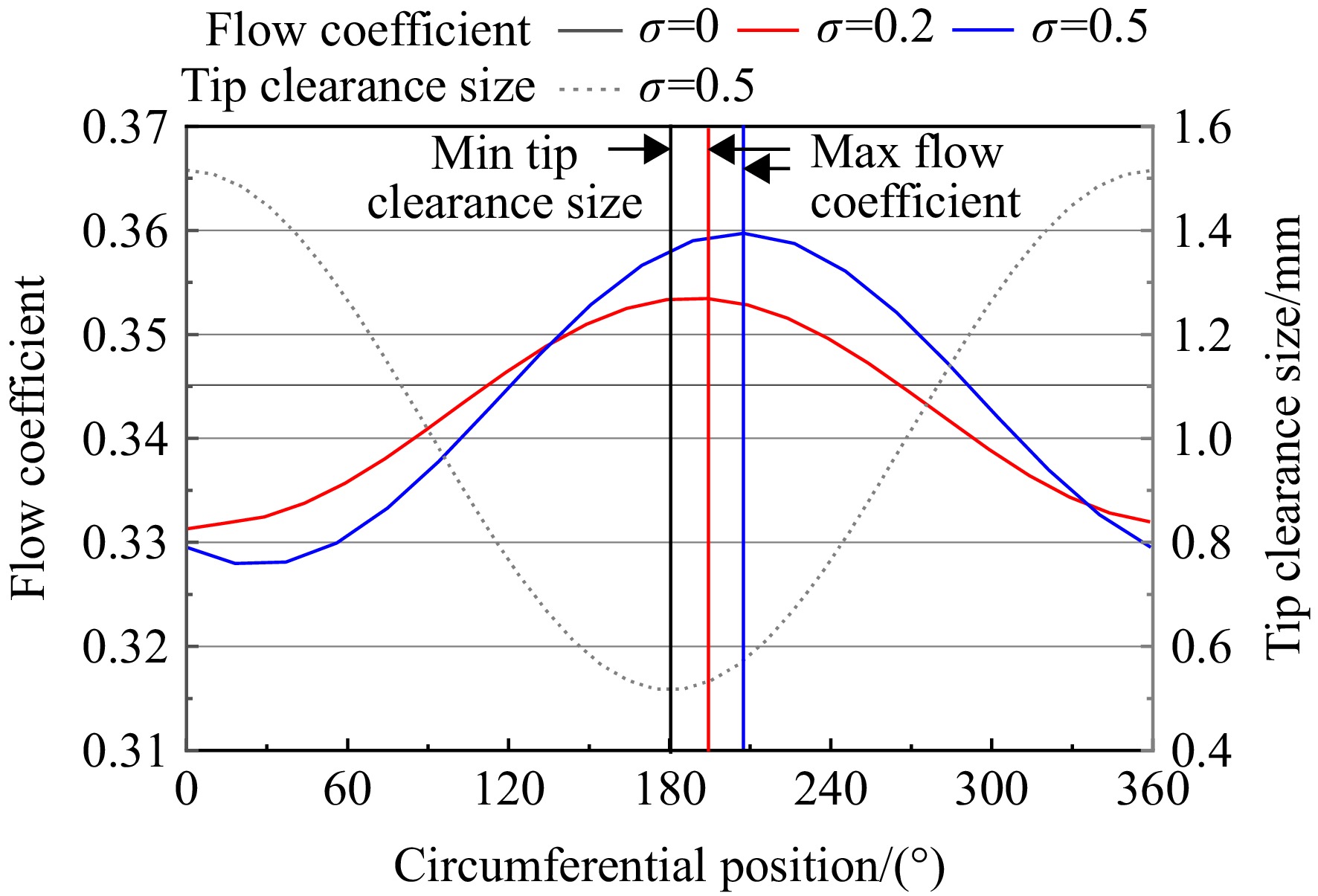
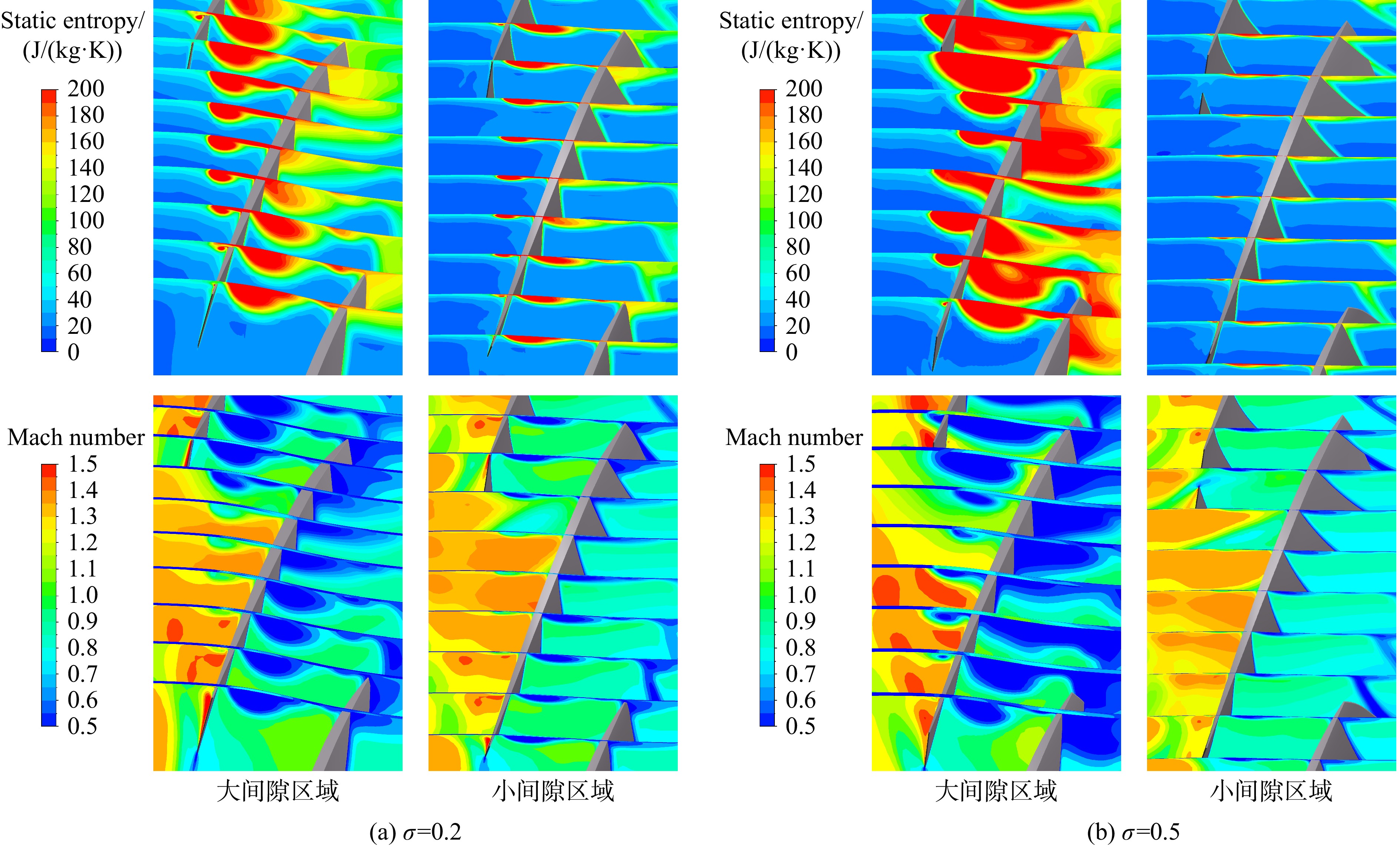
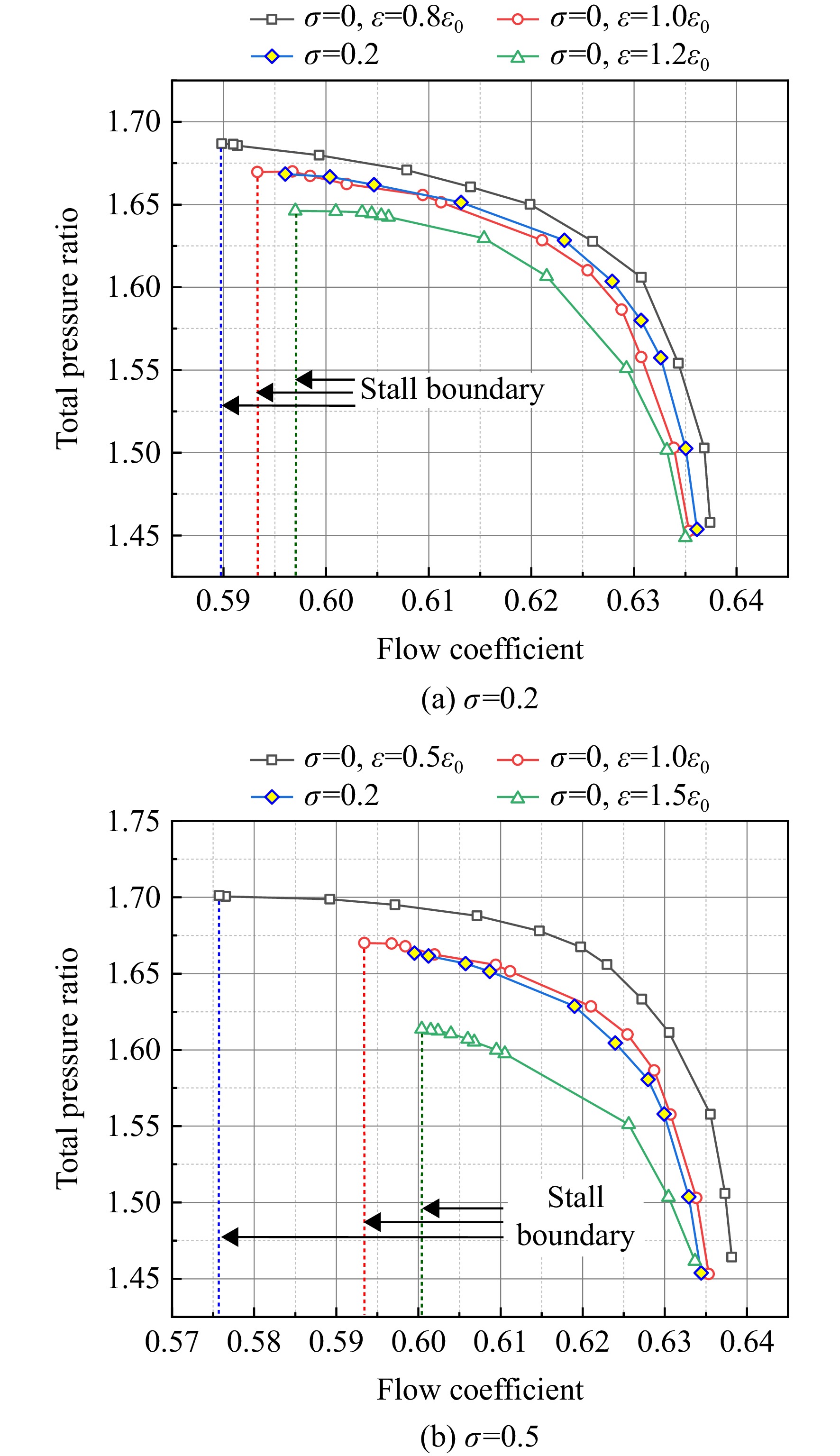
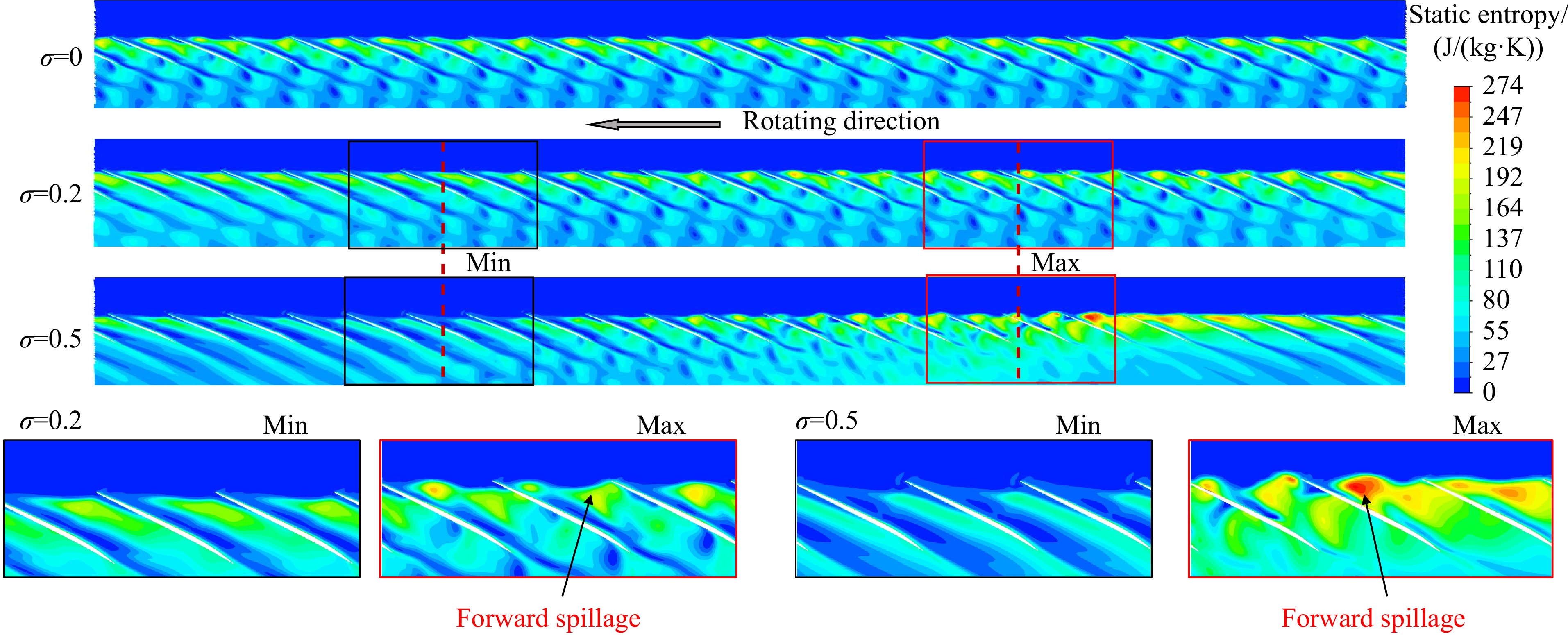
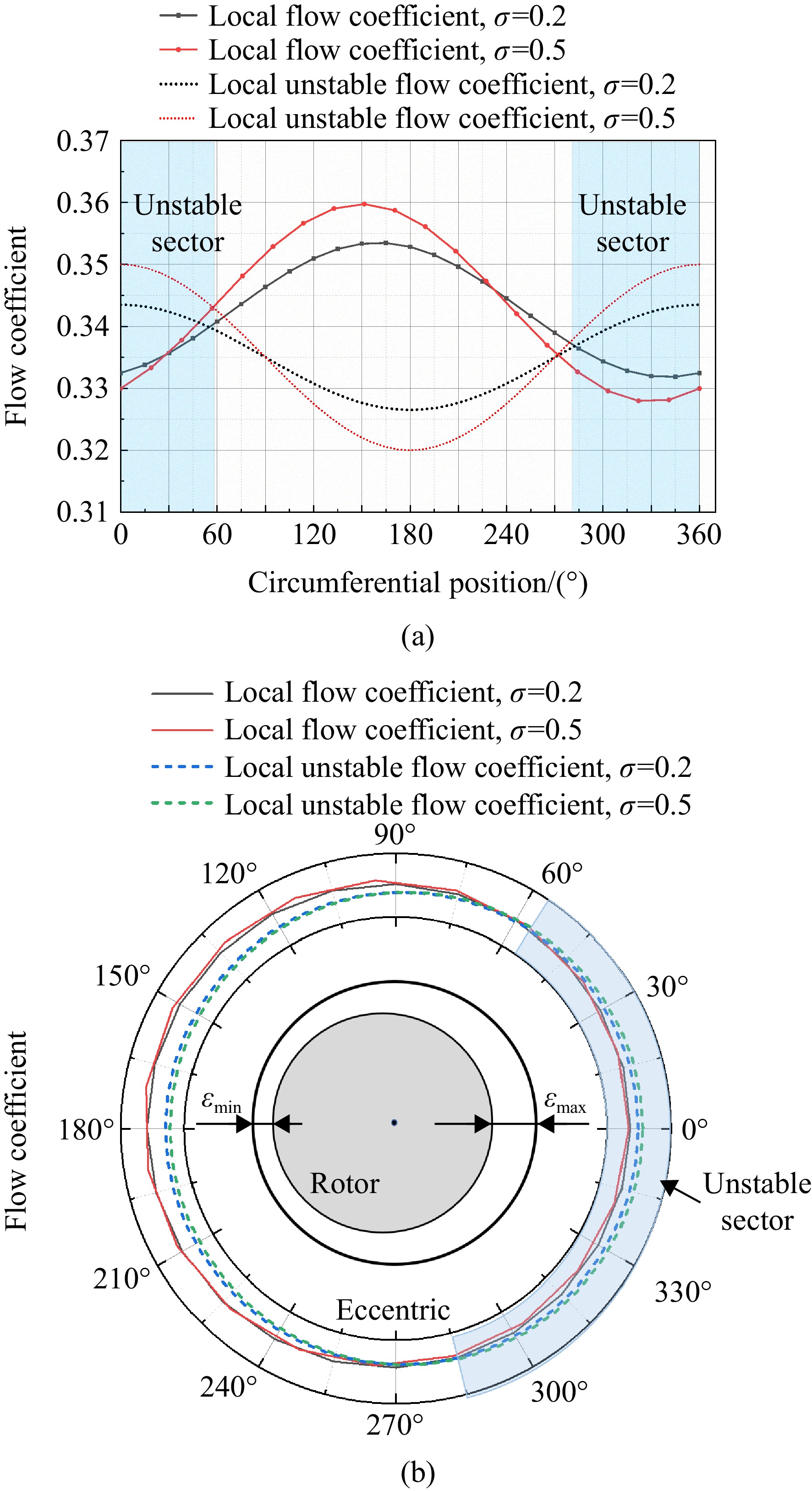
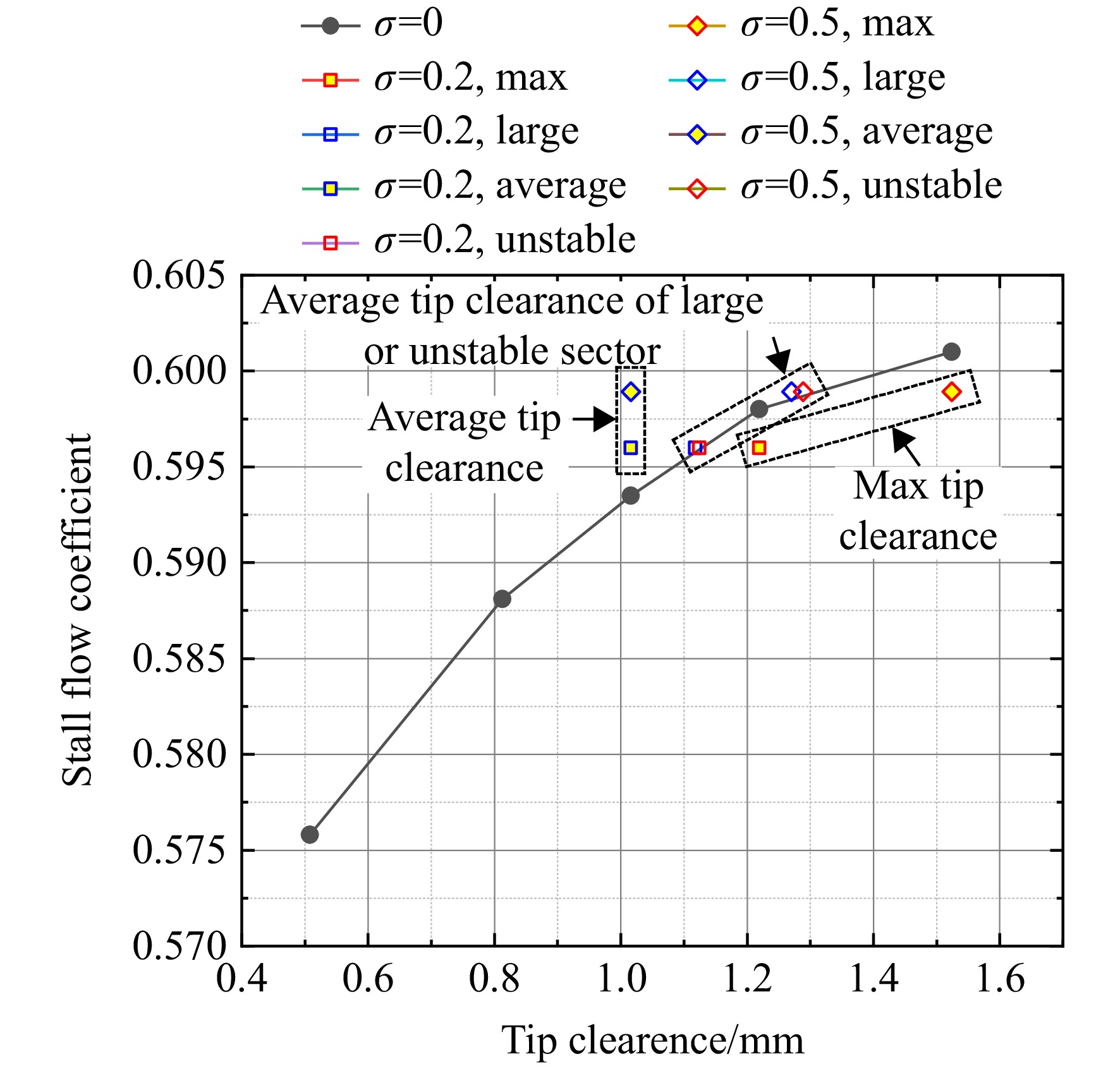
Under actual operating conditions of compressor, factors such as shaft eccentricity, casing deformation or machining and assembly errors may lead to circumferential non-uniform characteristics of blade tip clearance, yielding an important impact on its performance, especially its stability. Taking NASA Rotor 67 as the research object, the circumferential non-uniform conditions caused by shaft eccentricity were studied numerically. The circumferential non-uniform distribution conditions of tip clearance were established by means of casing-rotor separated-domain modeling, and the three-dimensional compressor flow field under three eccentricity conditions was simulated to obtain the circumferential non-uniform distribution rules of flow field, and the stall criteria of compressor with circumferential non-uniform clearance were established based on the ‘equivalent clearance principle’. The results showed that the increase of tip leakage flow in the large clearance area of the eccentric rotor led to the intensified blocking effect, and the local tip flow coefficient decreased and got closer to the stall boundary, while the small clearance area was opposite. The extremum position of flow coefficient did not coincide with that of gap and had a certain phase delay. The stalling flow coefficient of the eccentric rotor was close to that of the concentric rotor with the average clearance of large gap sectors. Therefore, the equivalent principle of ‘average clearance of large gap sectors’ can be used as the criterion for estimating the stalling point of the circumferential non-uniform gap compressor.

Autocontrol
Reliability evaluation of motor controllers based on FMEA and DFTA
DONG Huifen, XIE Hui, XU Hai
2025, 40(9): 20230656. doi: 10.13224/j.cnki.jasp.20230656
Abstract:
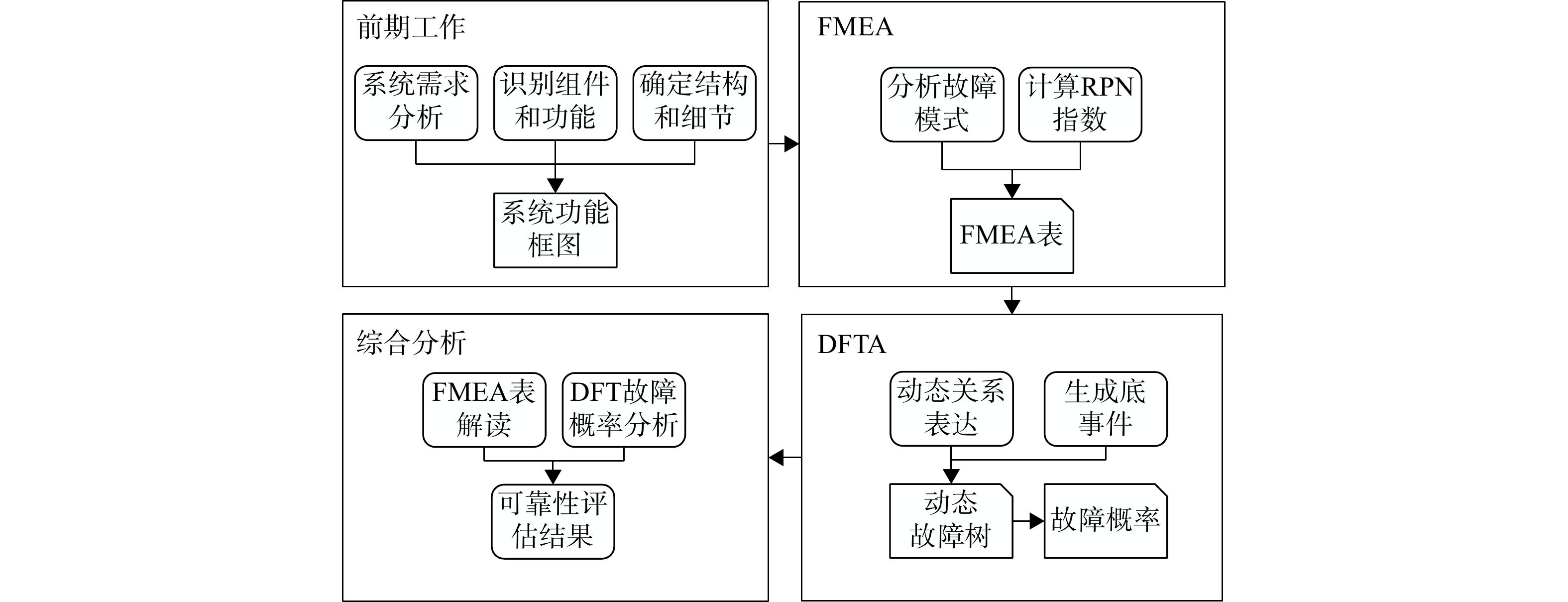
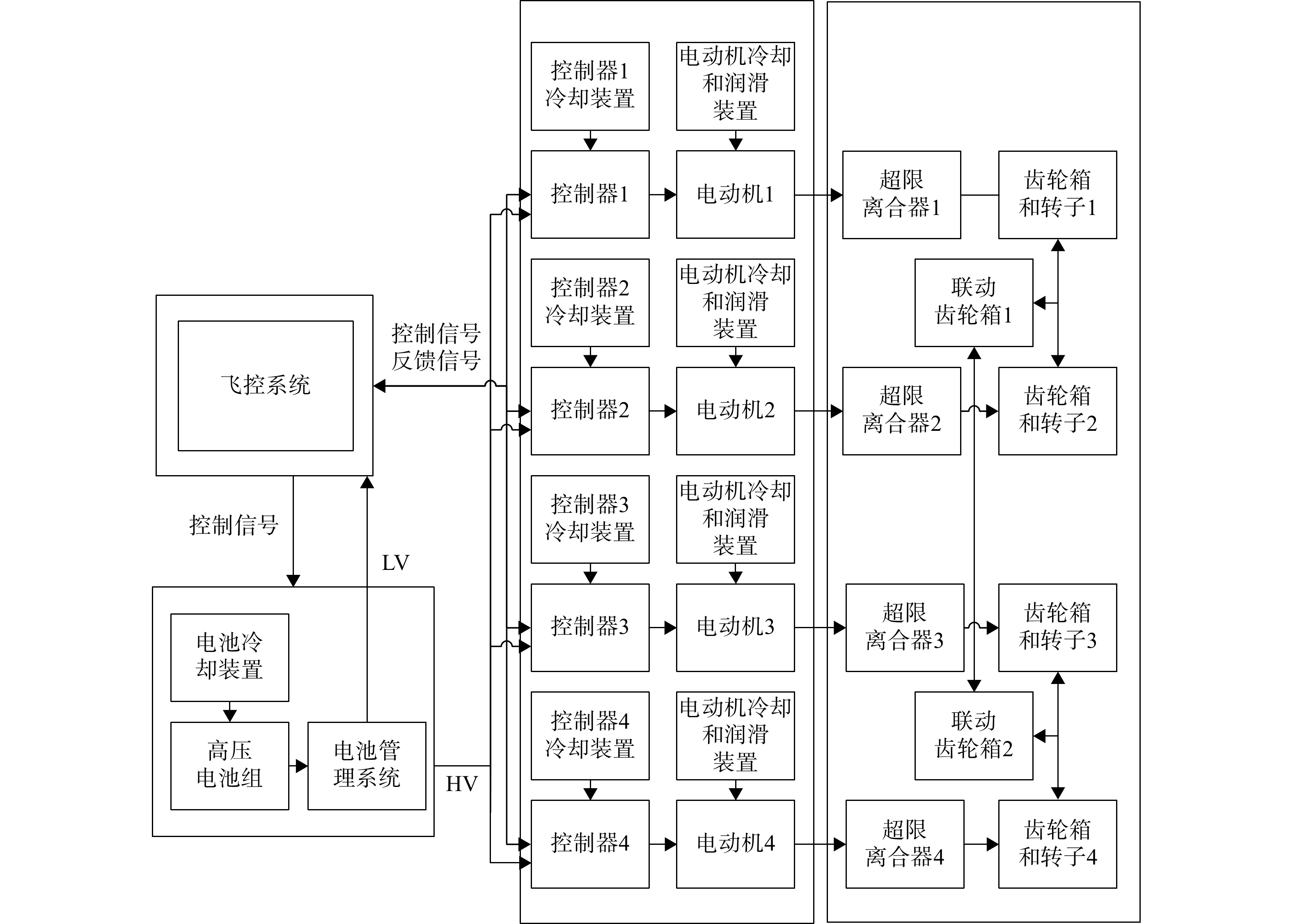
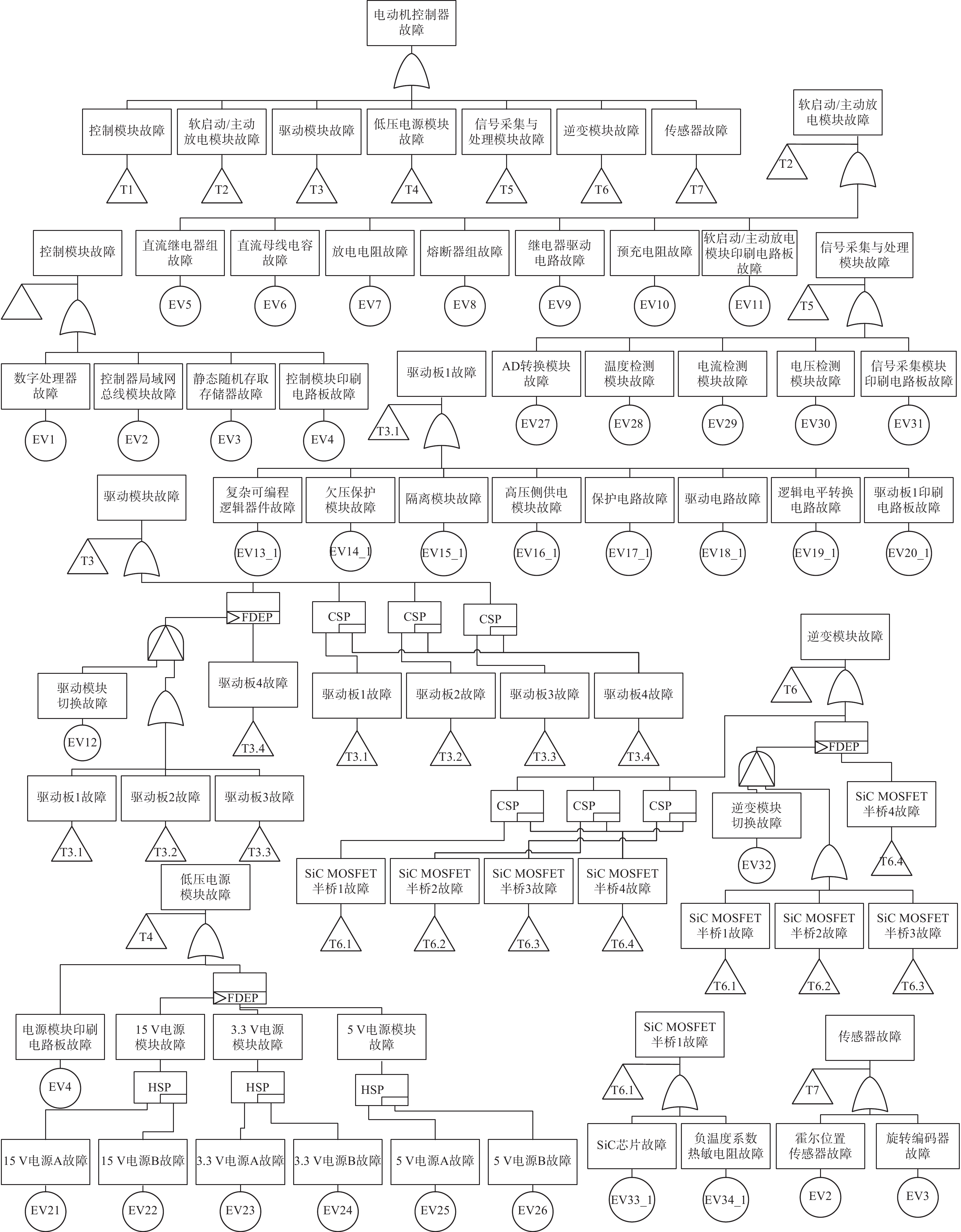
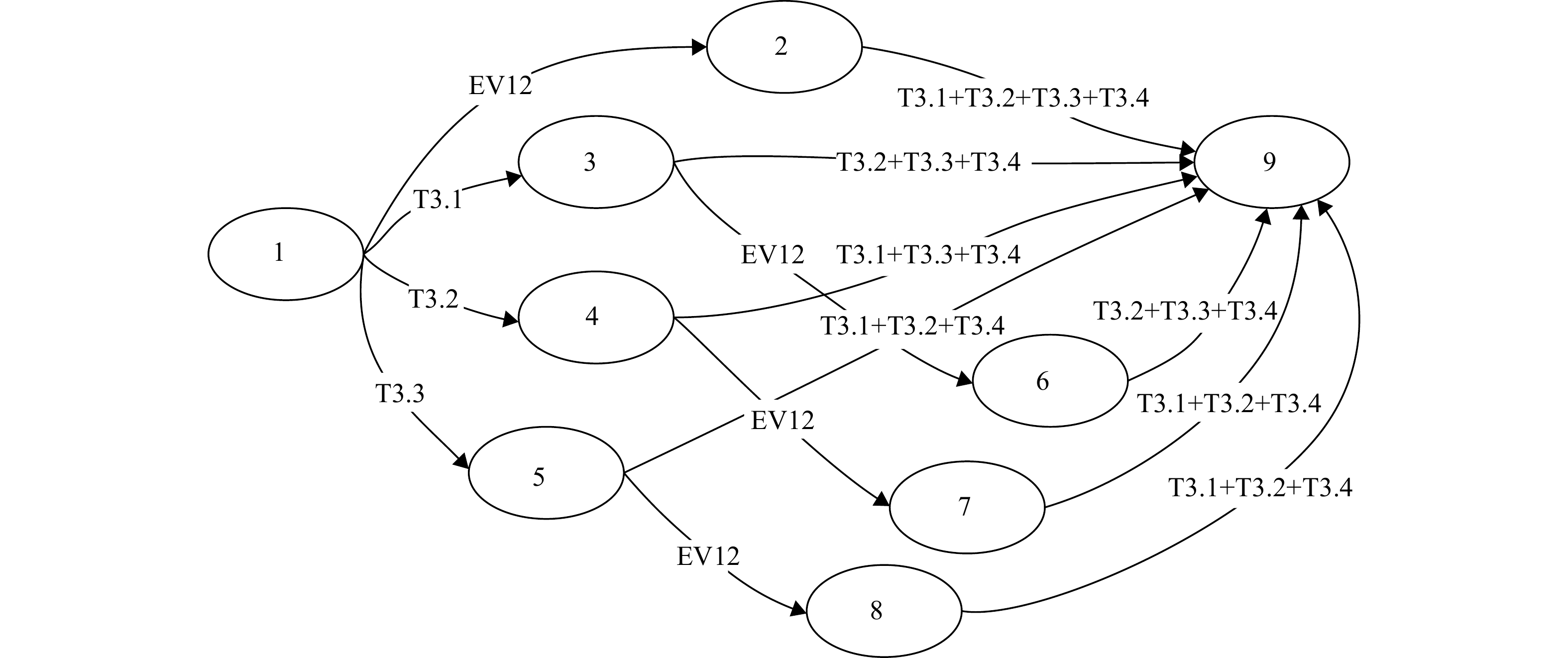
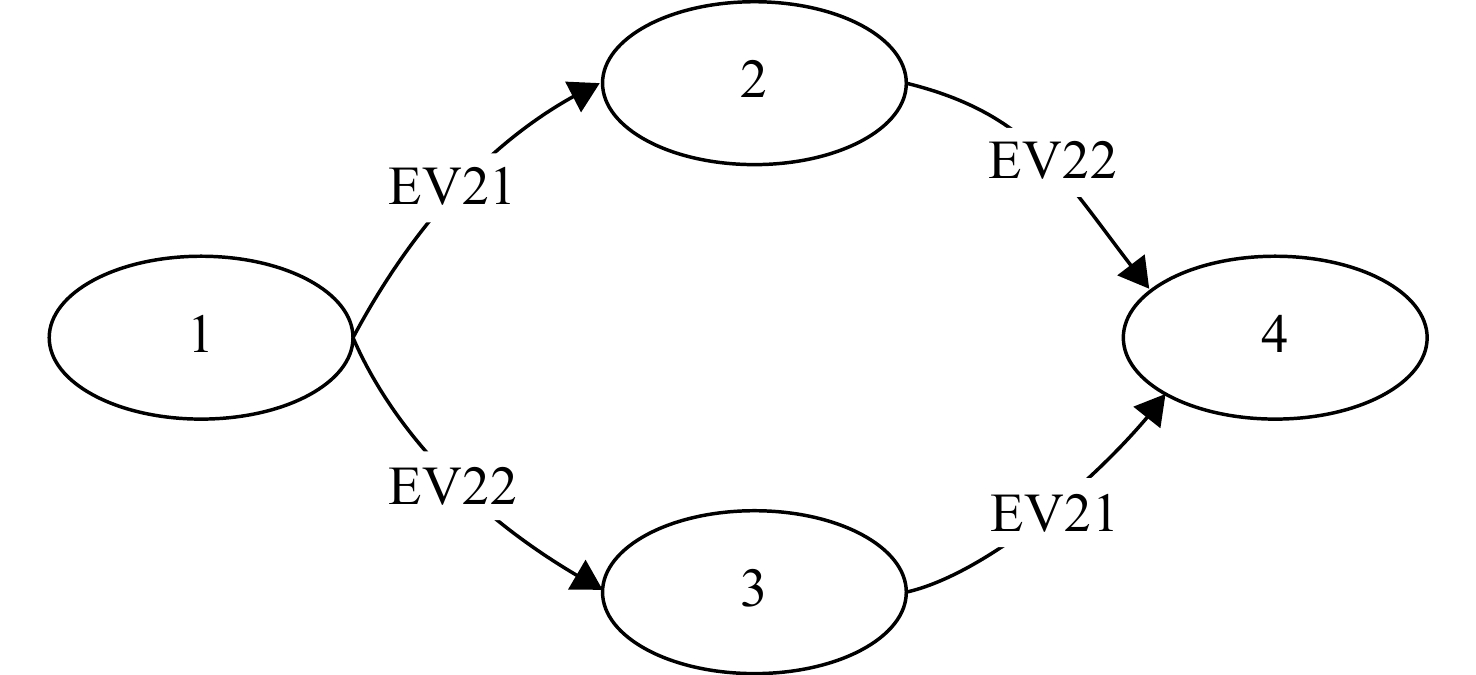
The motor controller, as a critical component of the power system in electric aircraft, plays a pivotal role in ensuring the flight safety of the aircraft. Therefore, the reliability evaluation of the controller is one of the key steps in its design process. To enhance the accuracy of reliability assessment, a reliability analysis method for the motor controller was proposed by combining Failure Mode and Effects Analysis with Dynamic Fault Tree Analysis. This method not only focused on the failure modes of the controller but also examined its dynamic characteristics, aiming to provide a comprehensive evaluation of its reliability. Using the motor controller of an electric propulsion system in a quadrotor electric vertical takeoff and landing aircraft for a case study, the failure modes were analyzed based on the controller’s topology, and its failure probability was calculated as 1.18×10⁻⁶ through dynamic fault tree analysis. The feasibility and effectiveness of this method were validated, offering a reference approach for the reliability assessment of motor controllers in electric aircraft.

High-order sliding mode differentiator-based active disturbance rejection attitude control of compound high-speed helicopter
YIN Xinfan, NIE Bowen, AN Honglei, JIA Shengde, MA Hongxu
2025, 40(9): 20240461. doi: 10.13224/j.cnki.jasp.20240461
Abstract:
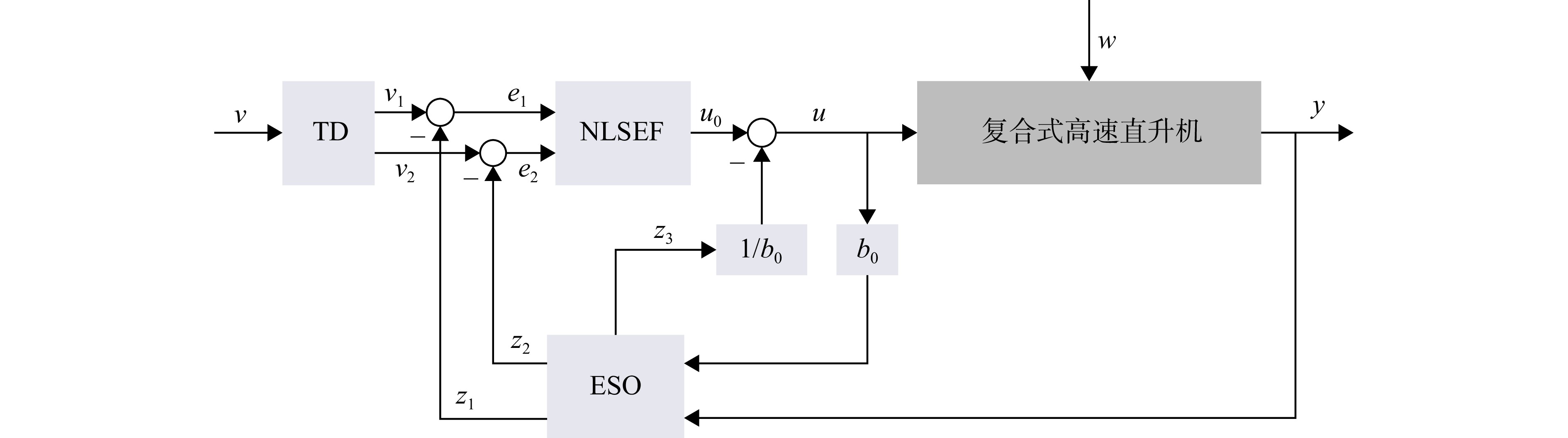
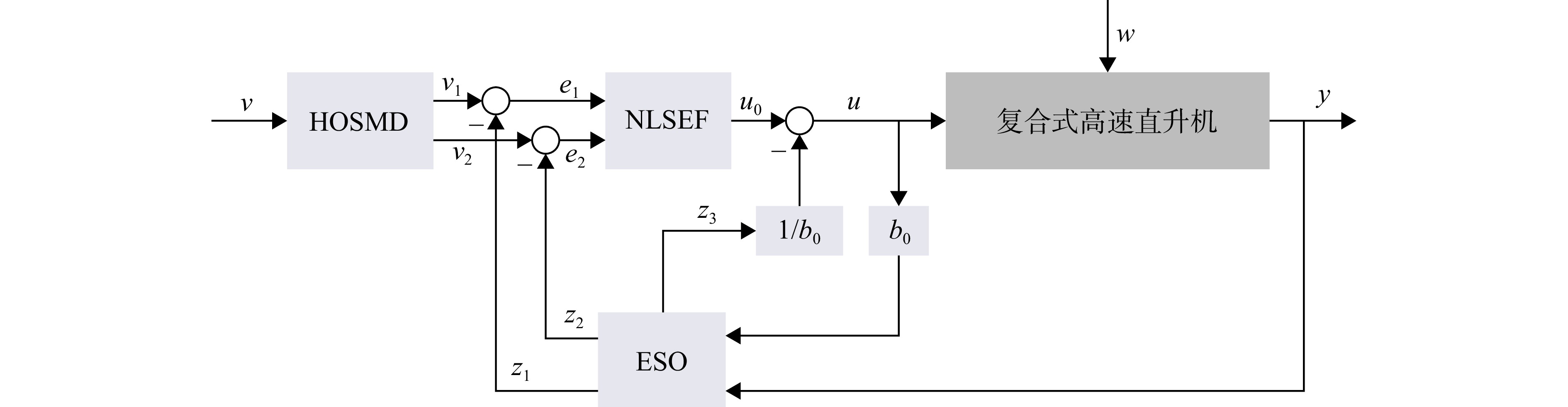
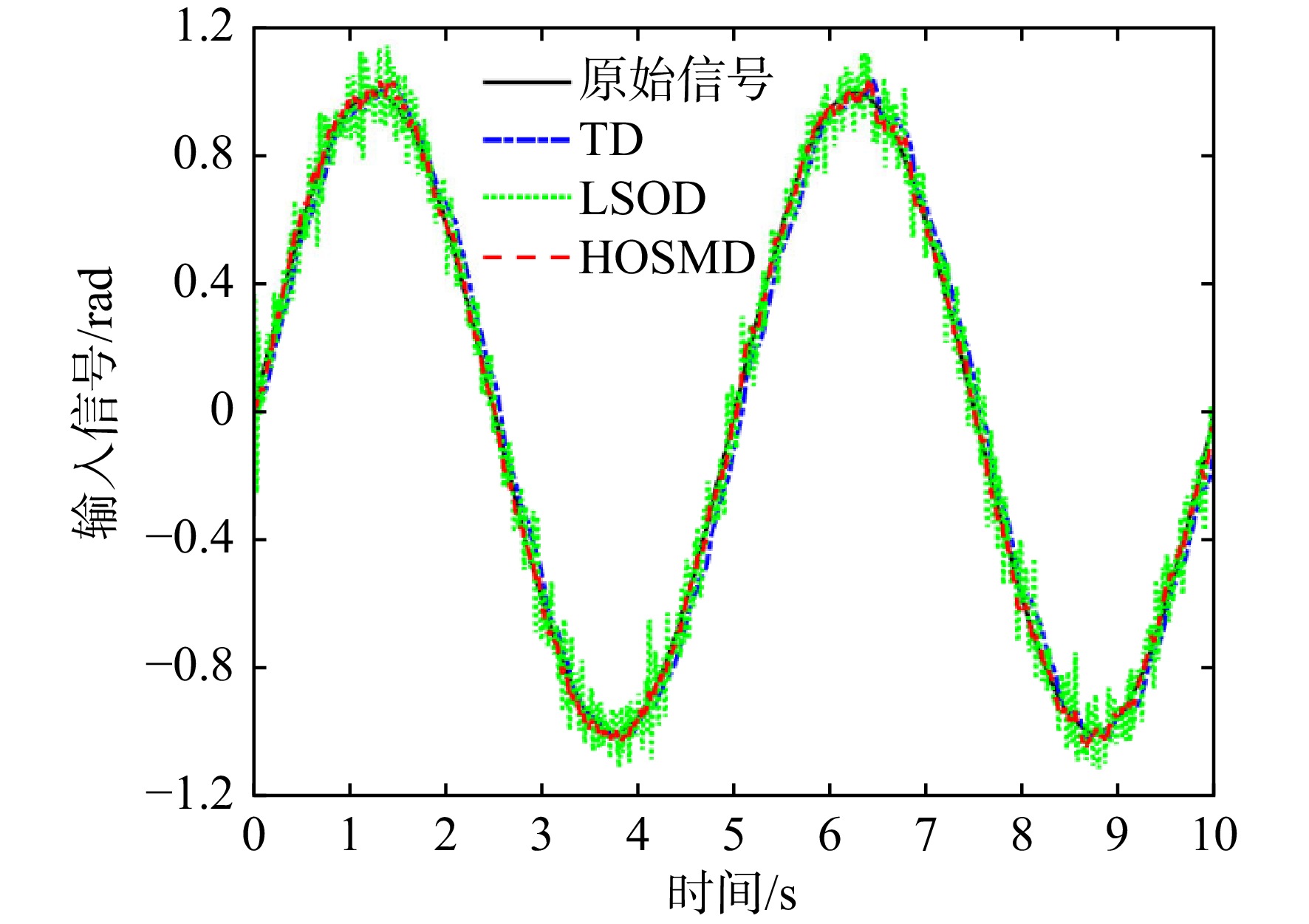
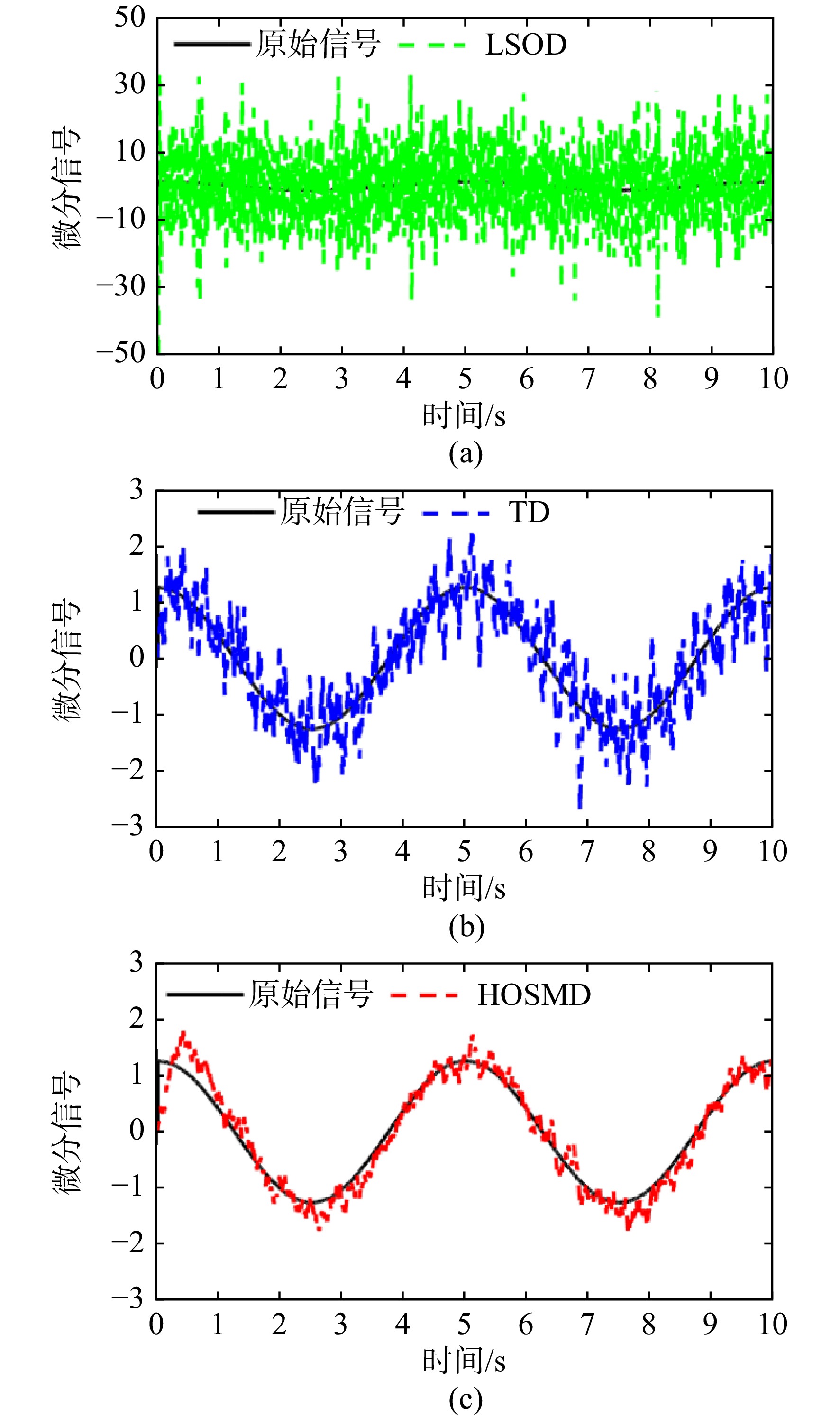
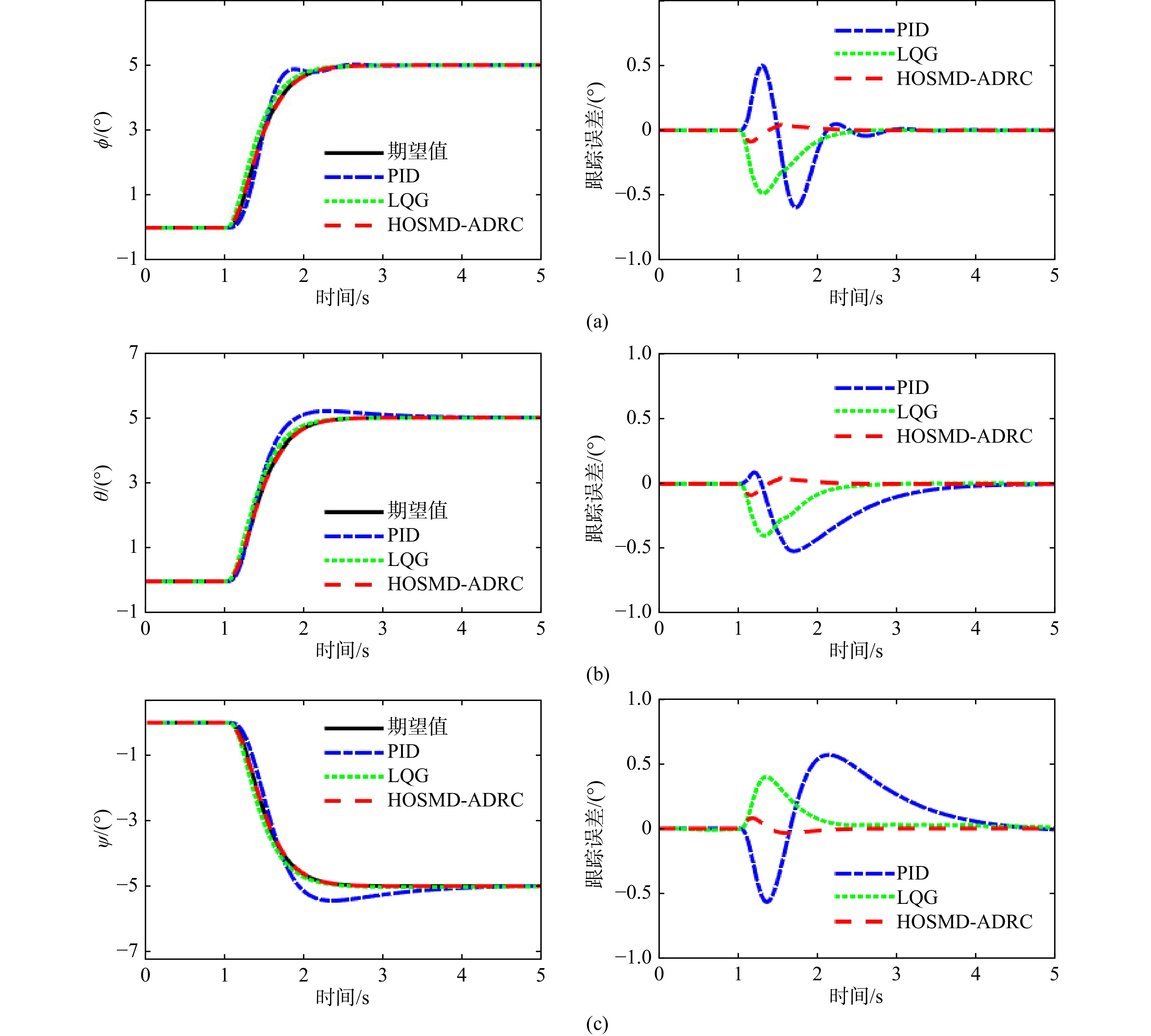
The flight principle of the compound high-speed helicopter was analyzed, the control strategies for different flight modes were designed, and the flight dynamics model was constructed. An attitude active disturbance rejection control algorithm based on high-order sliding mode differentiator was proposed to address the problem in accurately measuring system states caused by sensor noises and complex flight environment. Then an attitude tracking control system for the compound high-speed helicopter was constructed in MATLAB/Simulink, and simulation comparison was conducted with PID (proportion integral differential) controller and LQG (linear quadratic Gaussian) controller. The research results indicated that the proposed controller can quickly and stably track the target attitude angle without overshooting. Compared with PID controller and LQG controller, the error convergence speed increased by 31.5% and 64.2%, respectively. Moreover, under noise disturbance, the maximum tracking error was 34.2% smaller than LQG controller and 39.5% smaller than PID controller.

Study on turbofan engine full envelope acceleration control schedule based on similarity conversion of N-dot
WANG Xinyi, ZHENG Qiangang, ZHANG Haibo
2025, 40(9): 20240351. doi: 10.13224/j.cnki.jasp.20240351
Abstract:
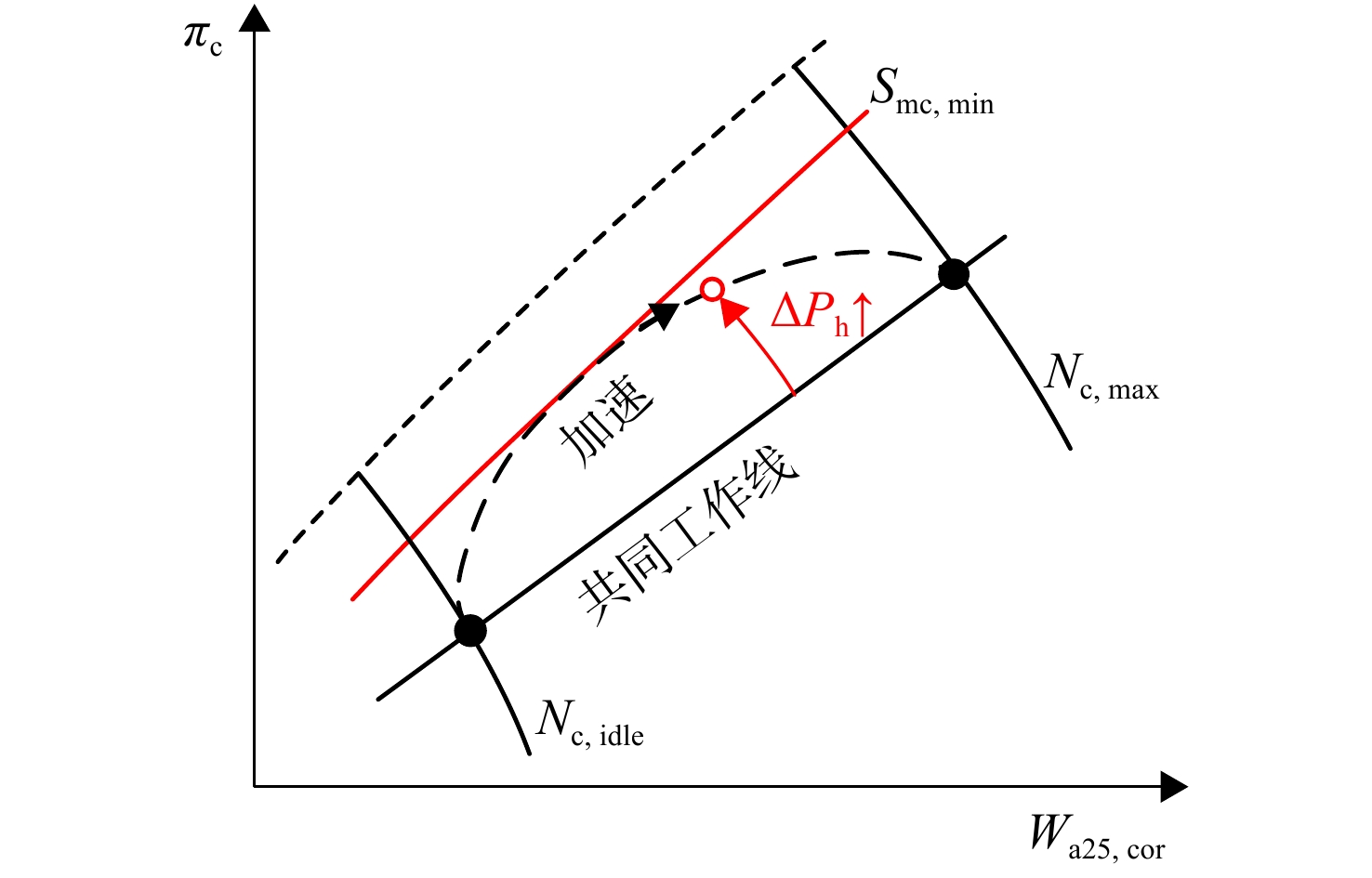
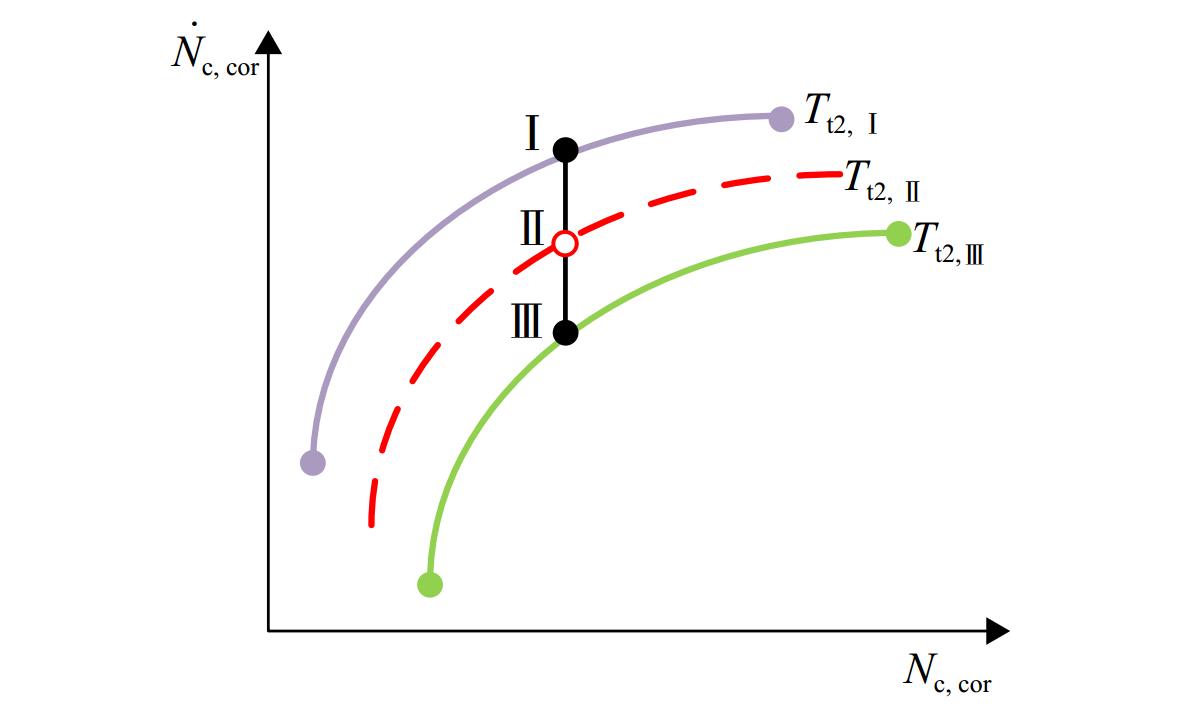
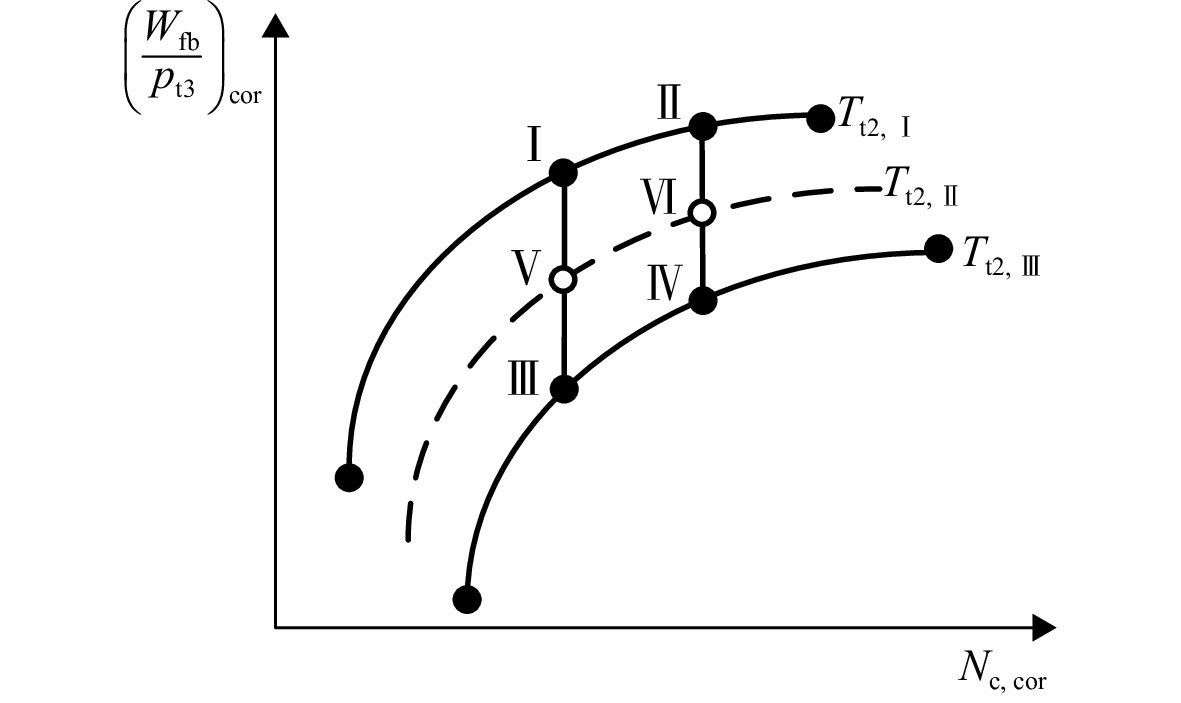
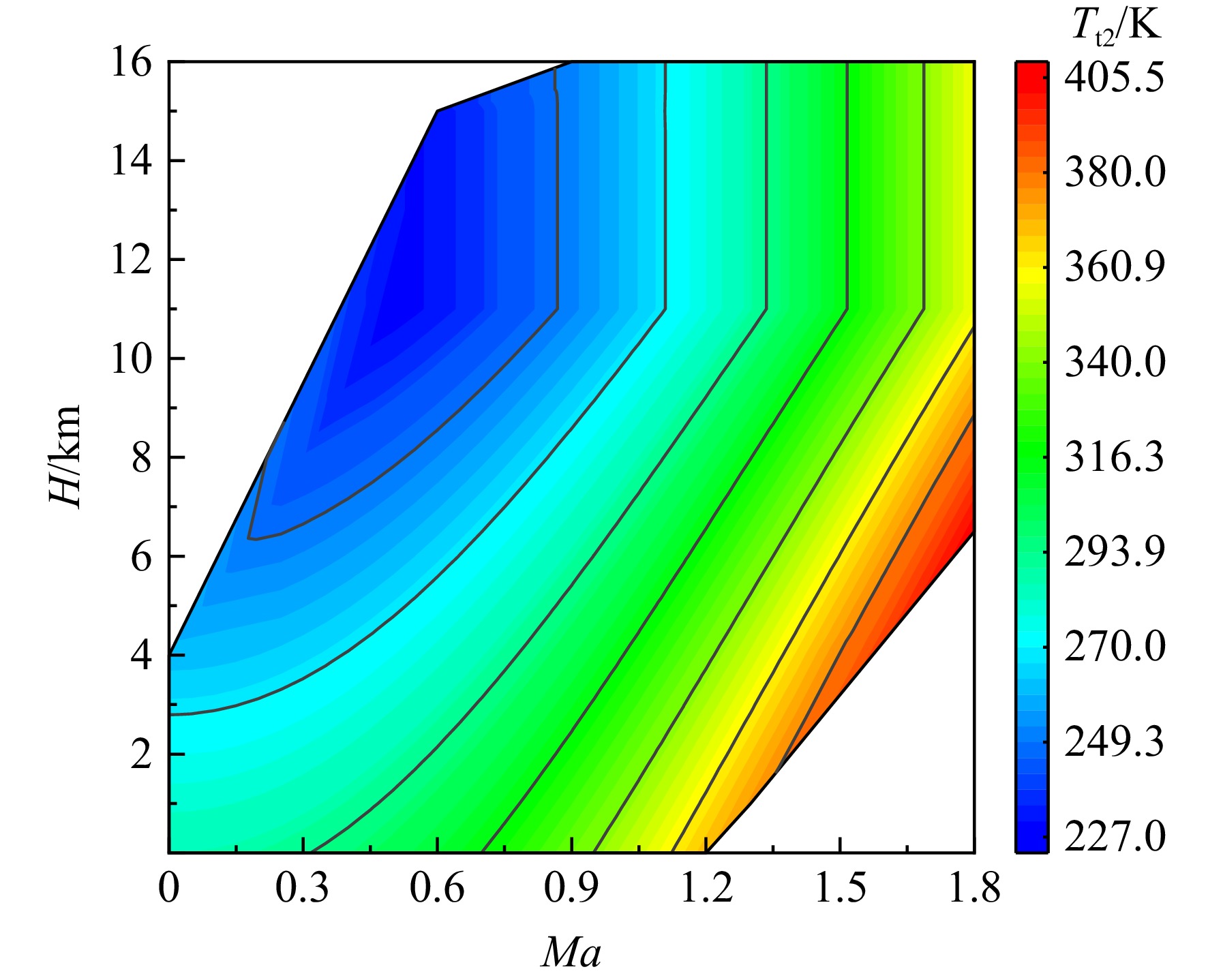
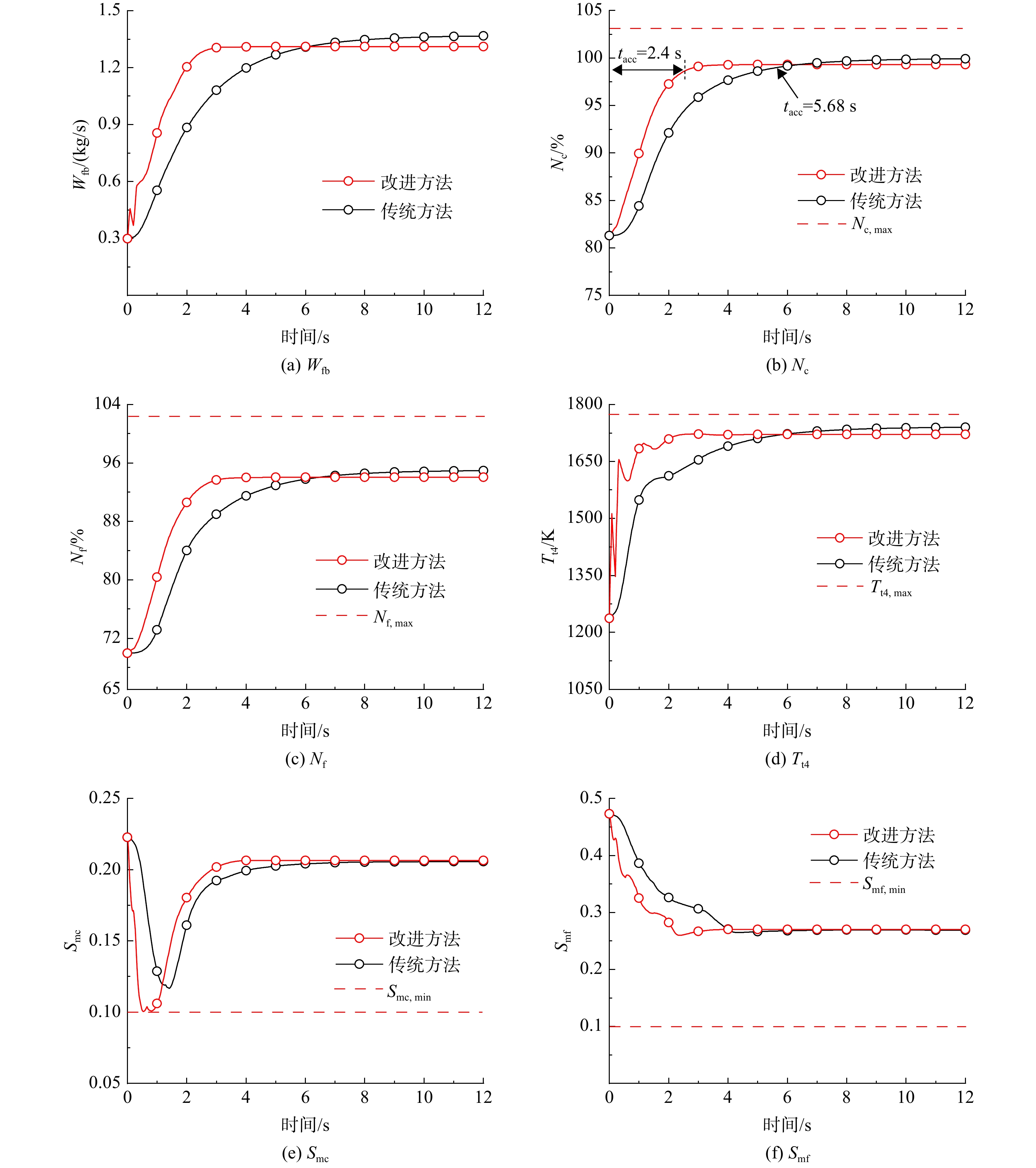
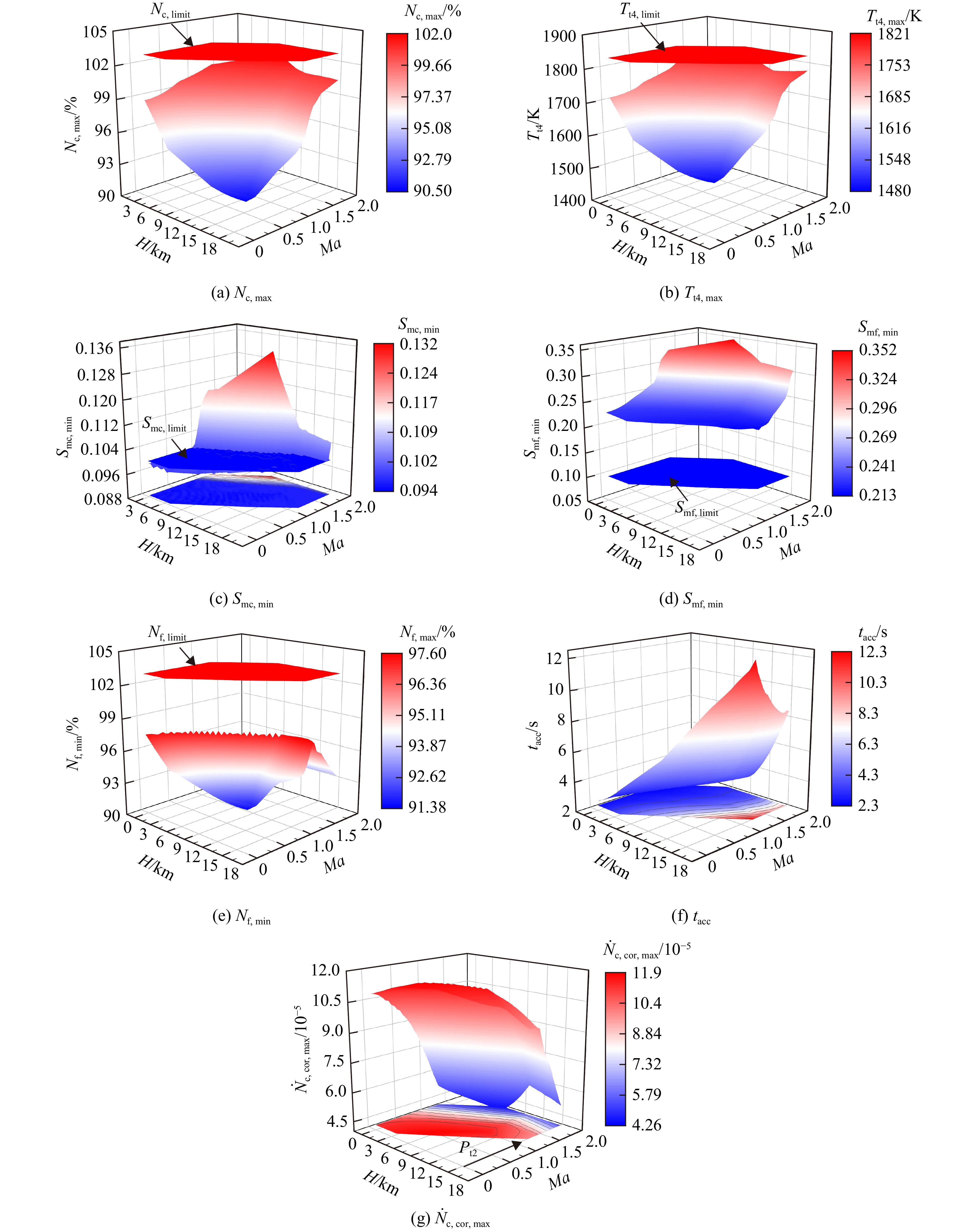
To solve the problem that the rotor acceleration (N-dot) acceleration control schedule has insufficient applicability in the full envelope range, a full envelope acceleration control method based on similarity conversion N-dot was proposed. It was proved and verified that the steady-state similar conversion error of fan speed, compressor speed and turbine front temperature of the turbofan engine was small on total temperature line of fan inlet. Then, it was analyzed that N-dot can directly reflect the size of residual power to ensure high precision of dynamic process similarity conversion. A finite number of isotherm operating points covering the full operating envelope of the engine were selected, and the converted N-dot acceleration control schedule under different total temperature was constructed. By expanding the accelerated control schedule to work points on non-isothermal lines by linear interpolation of neighboring isotherms, the application of N-dot acceleration control method in full envelope was realized. The simulation results showed that compared with the traditional method on open-loop fuel-to-air ratio acceleration control schedule, the acceleration time of the proposed method was shortened by 5.31% and 10.32% at different operating points of the same isotherm, and the acceleration time of the non-isotherm operating point was shortened by 57.74%. The acceleration time of the full operating envelope was within 2.3—12.3 s and each parameter did not exceed the limit. The proposed method can satisfy the control requirements of rapidity and safety in the full envelope range of the engine.

Rocket Engine
Combustion process of agglomerated boron particles at 0.1—1.0 MPa atmospheric pressure
CHEN Binbin, DUAN Lian, YANG Gan, MA Likun, FENG Yunchao, XIA Zhixun
2025, 40(9): 20240817. doi: 10.13224/j.cnki.jasp.20240817
Abstract:
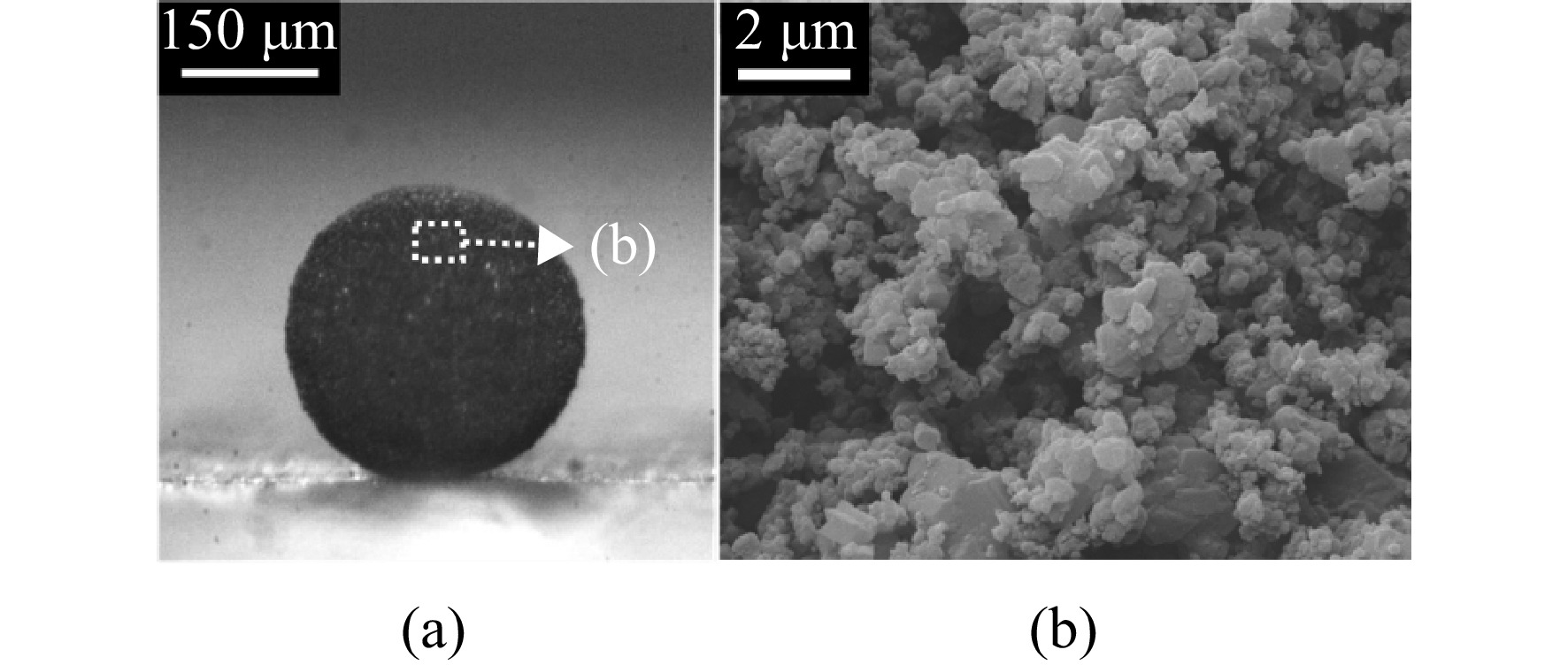
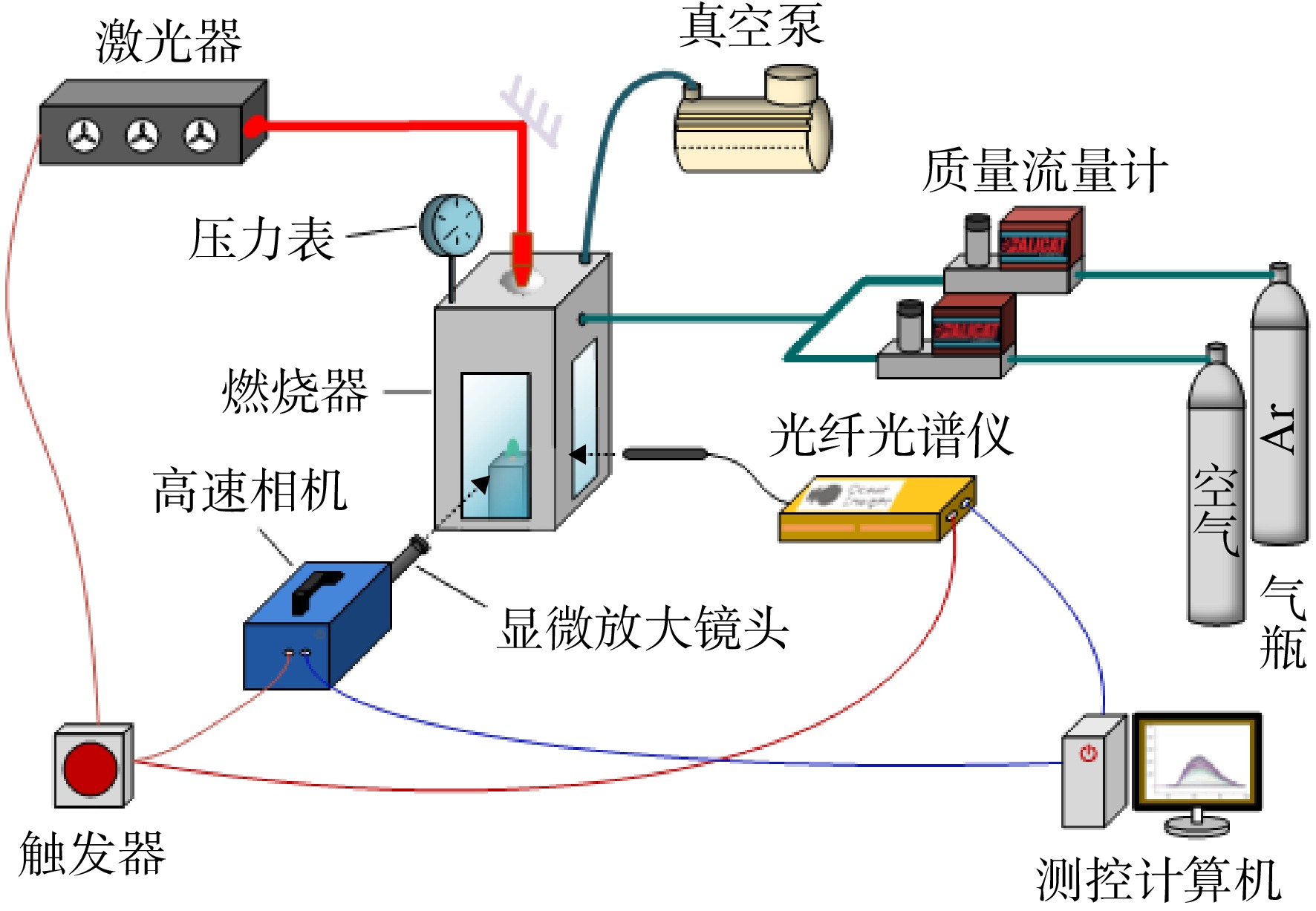
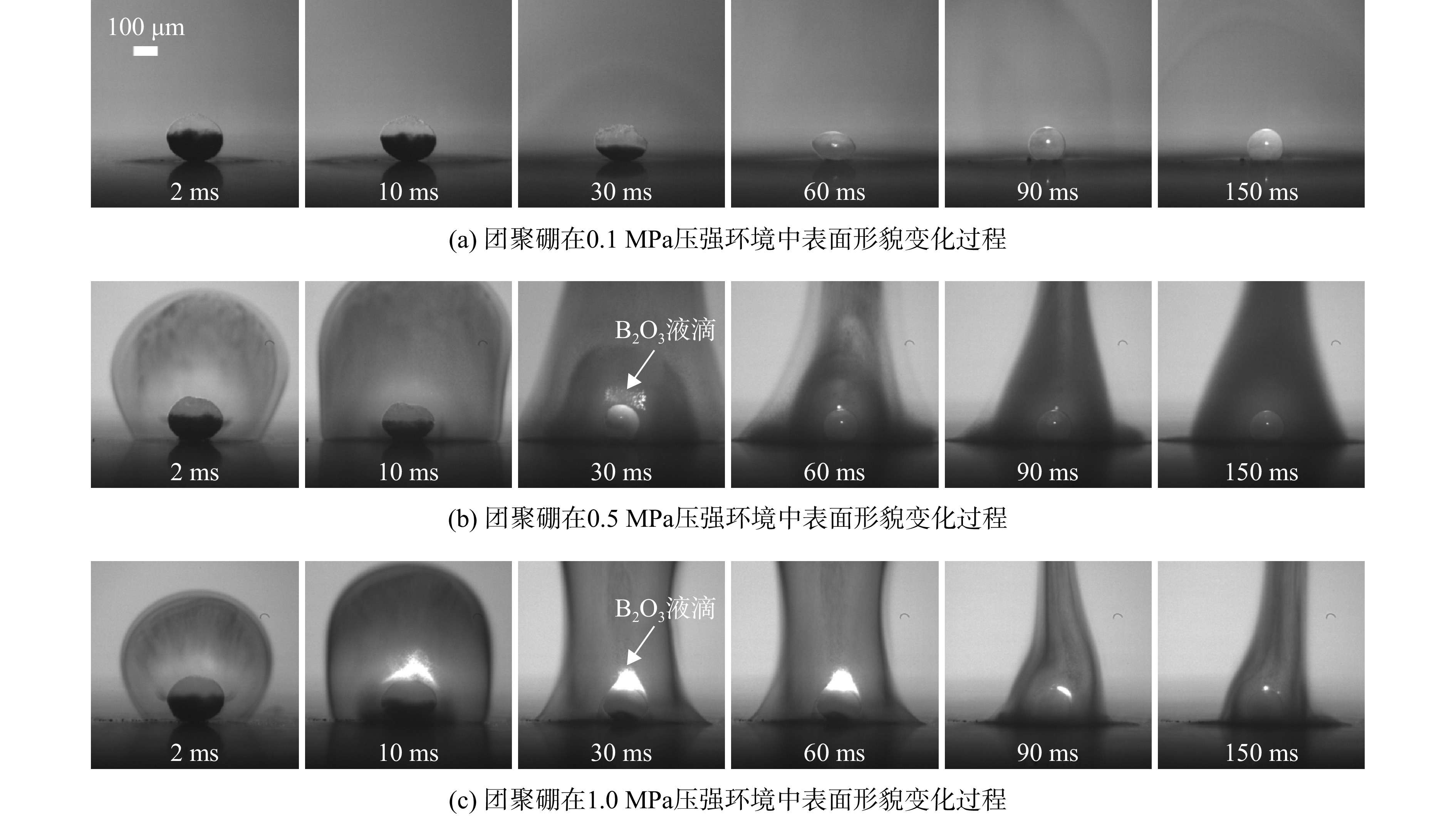
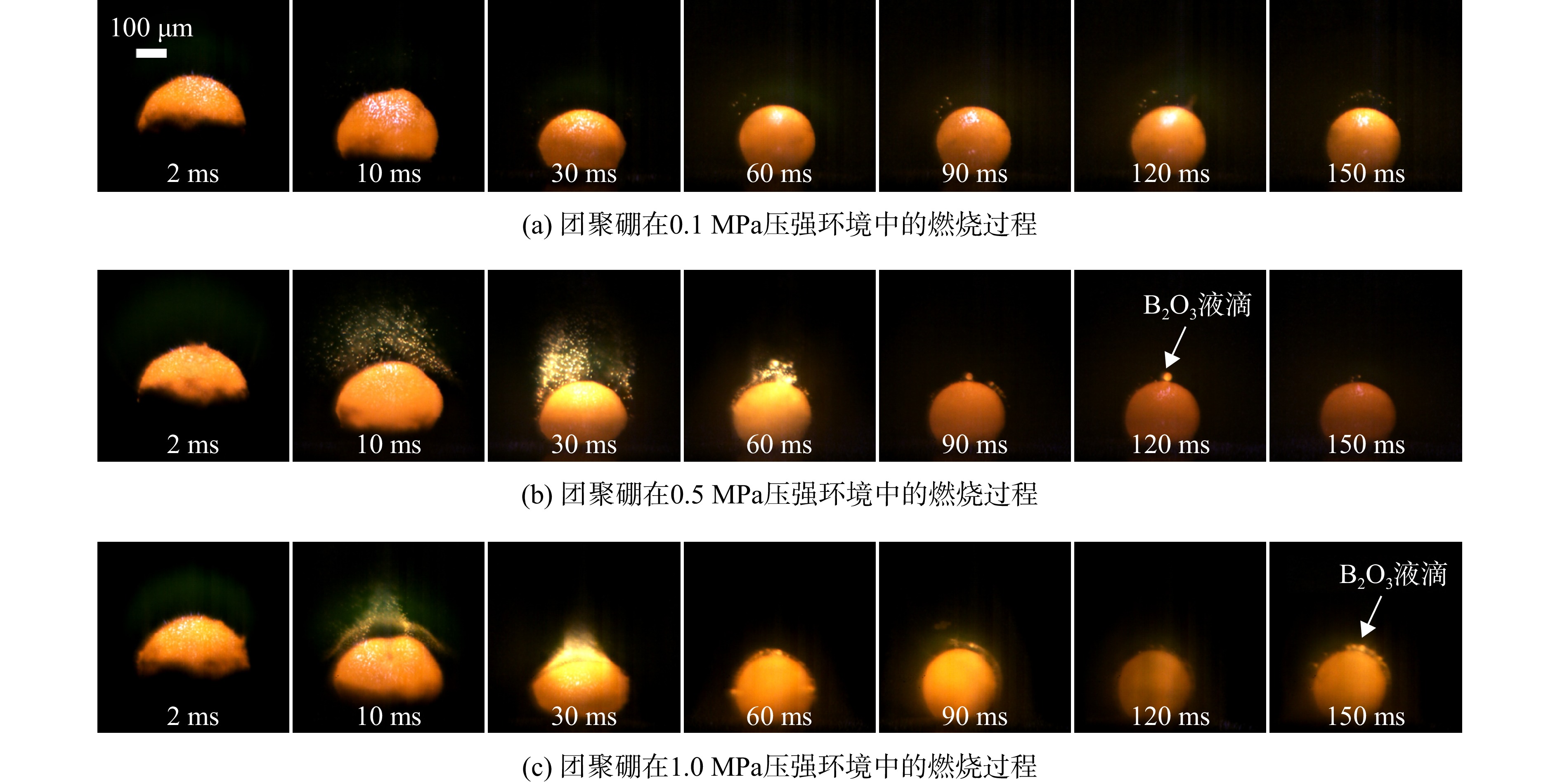
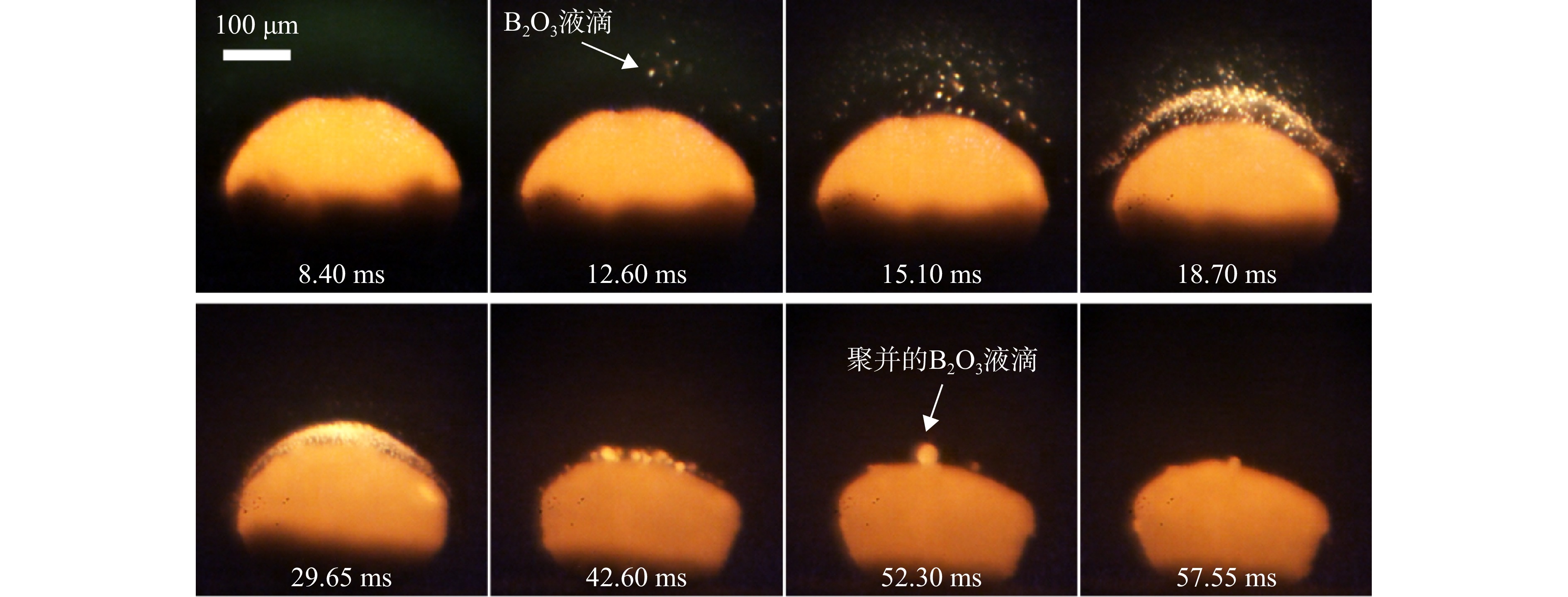
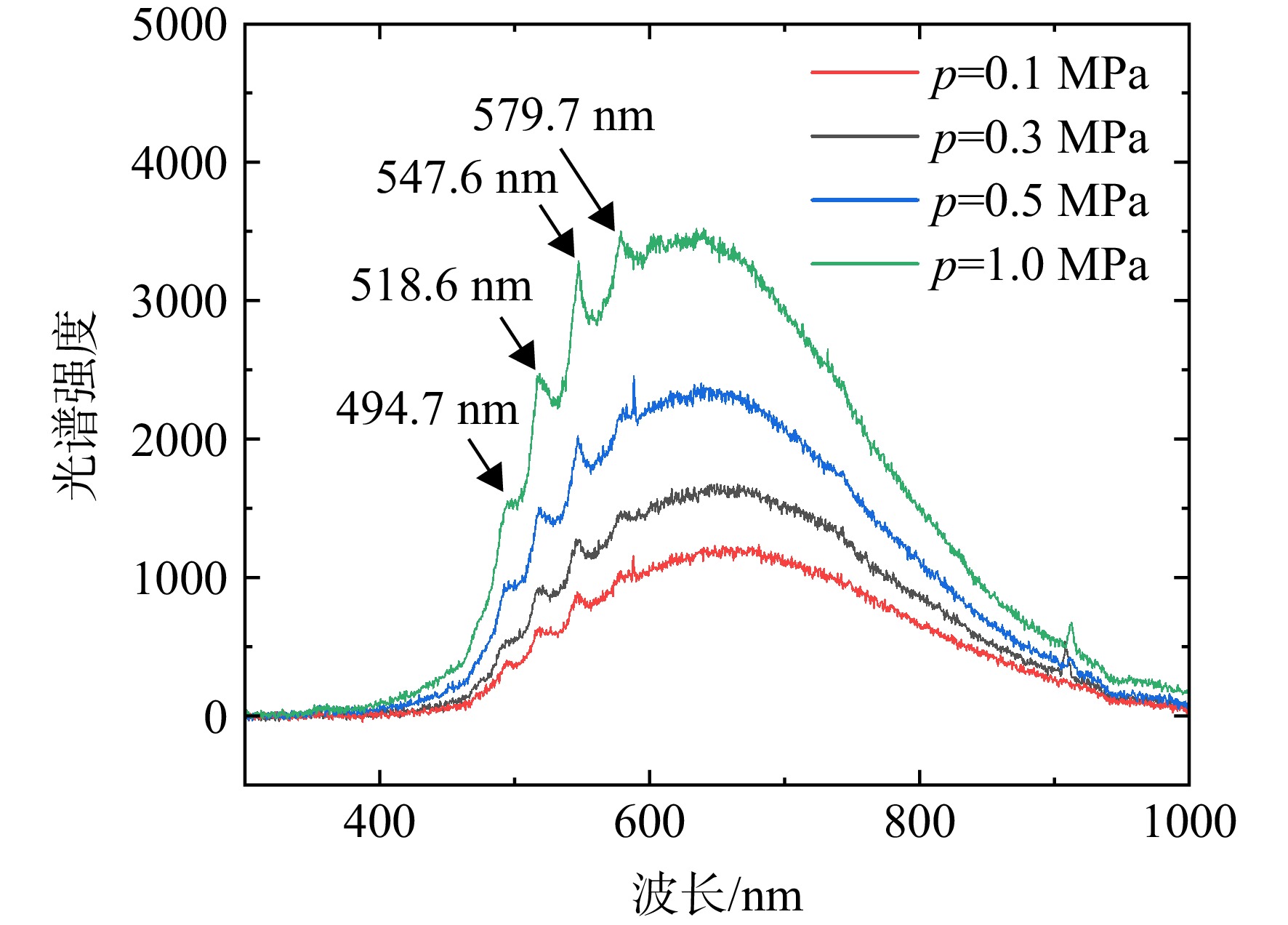
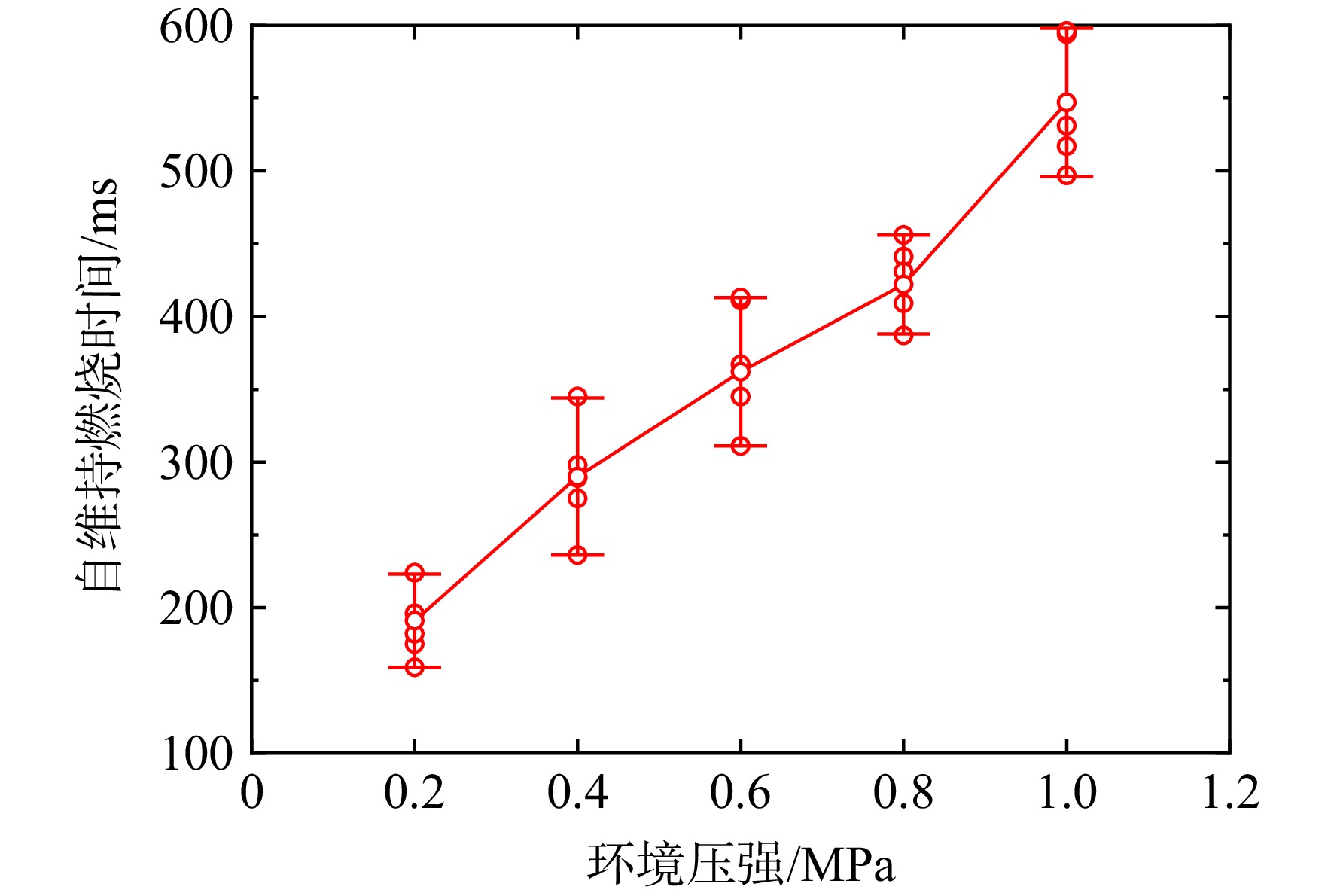
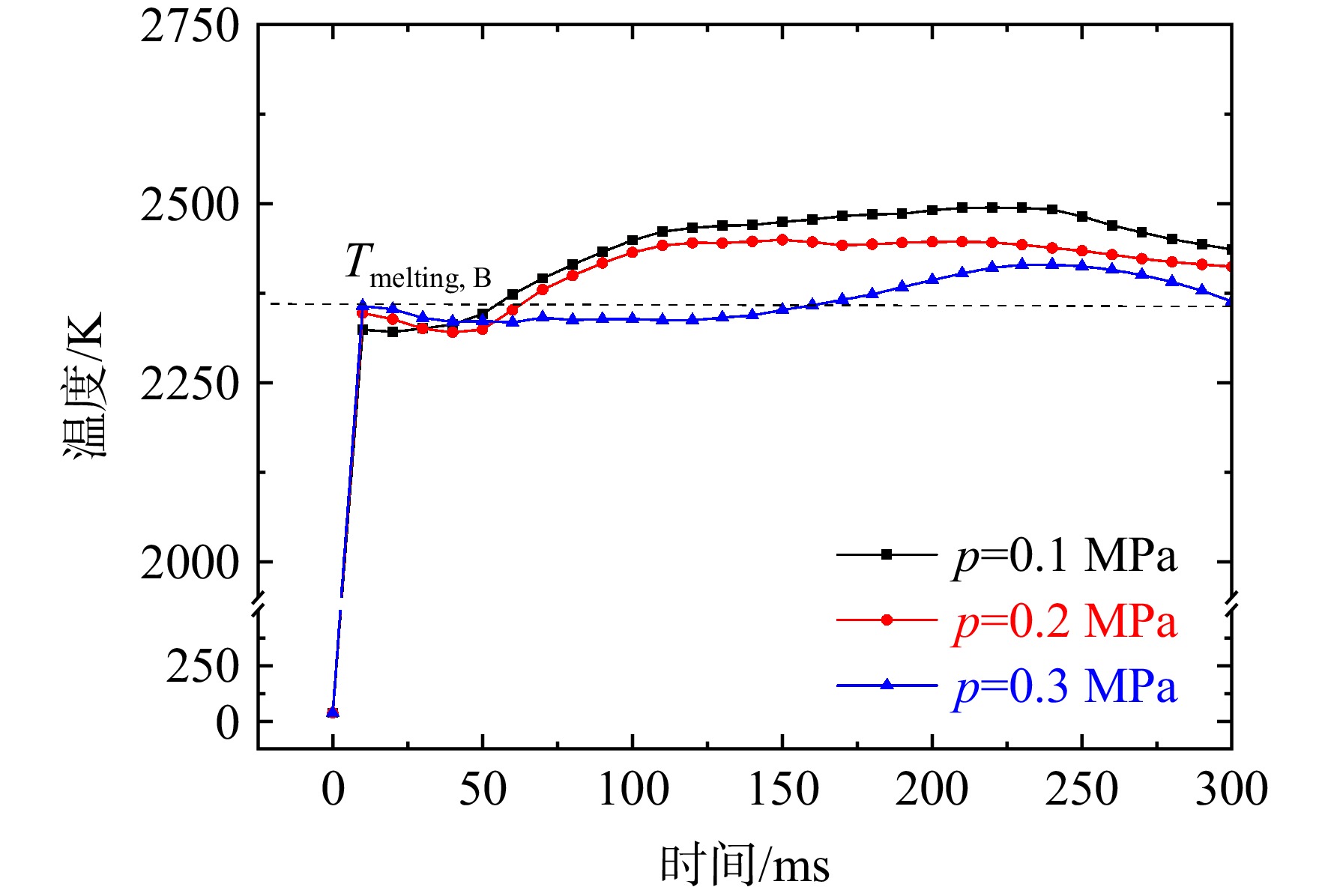
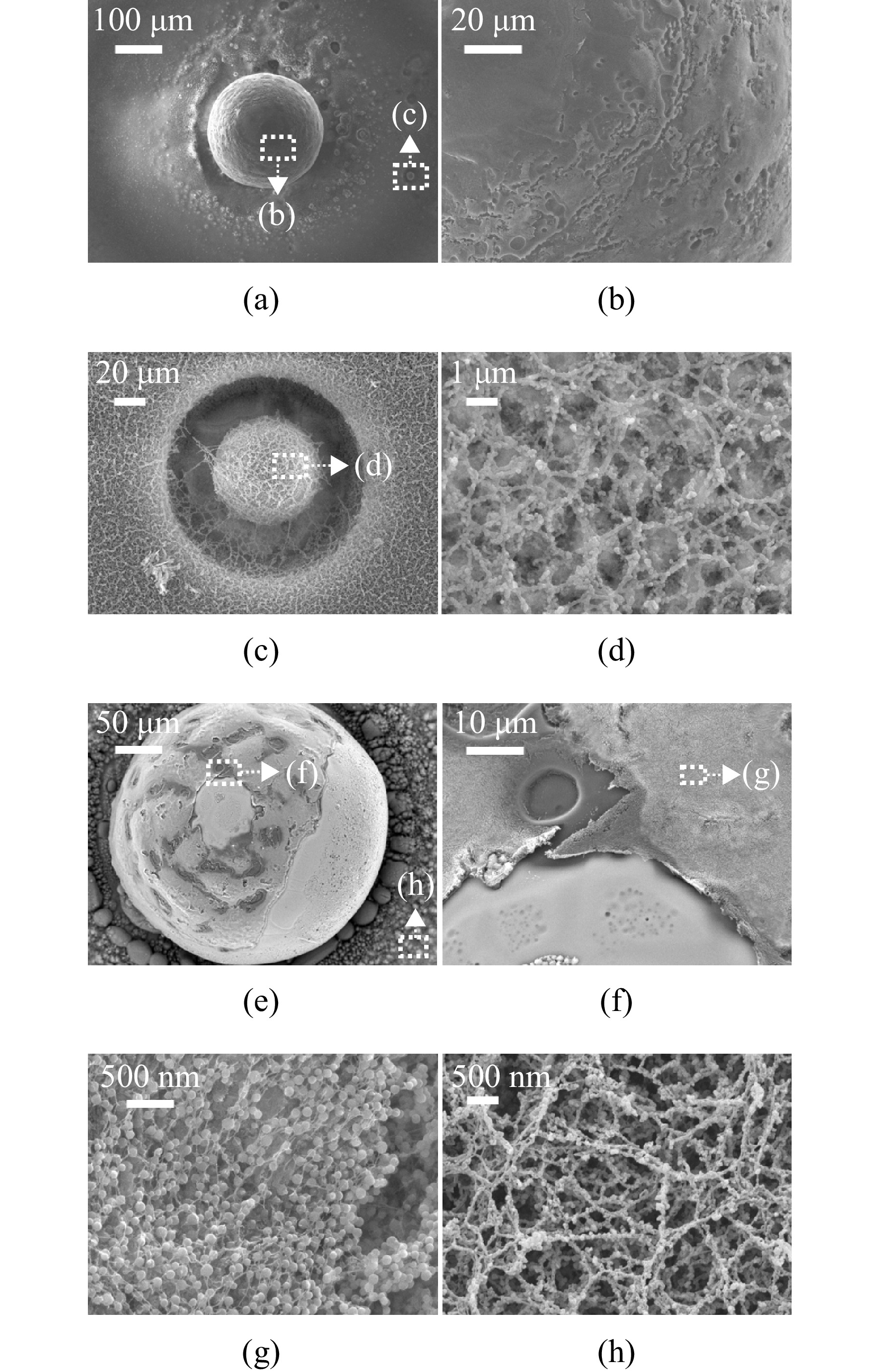
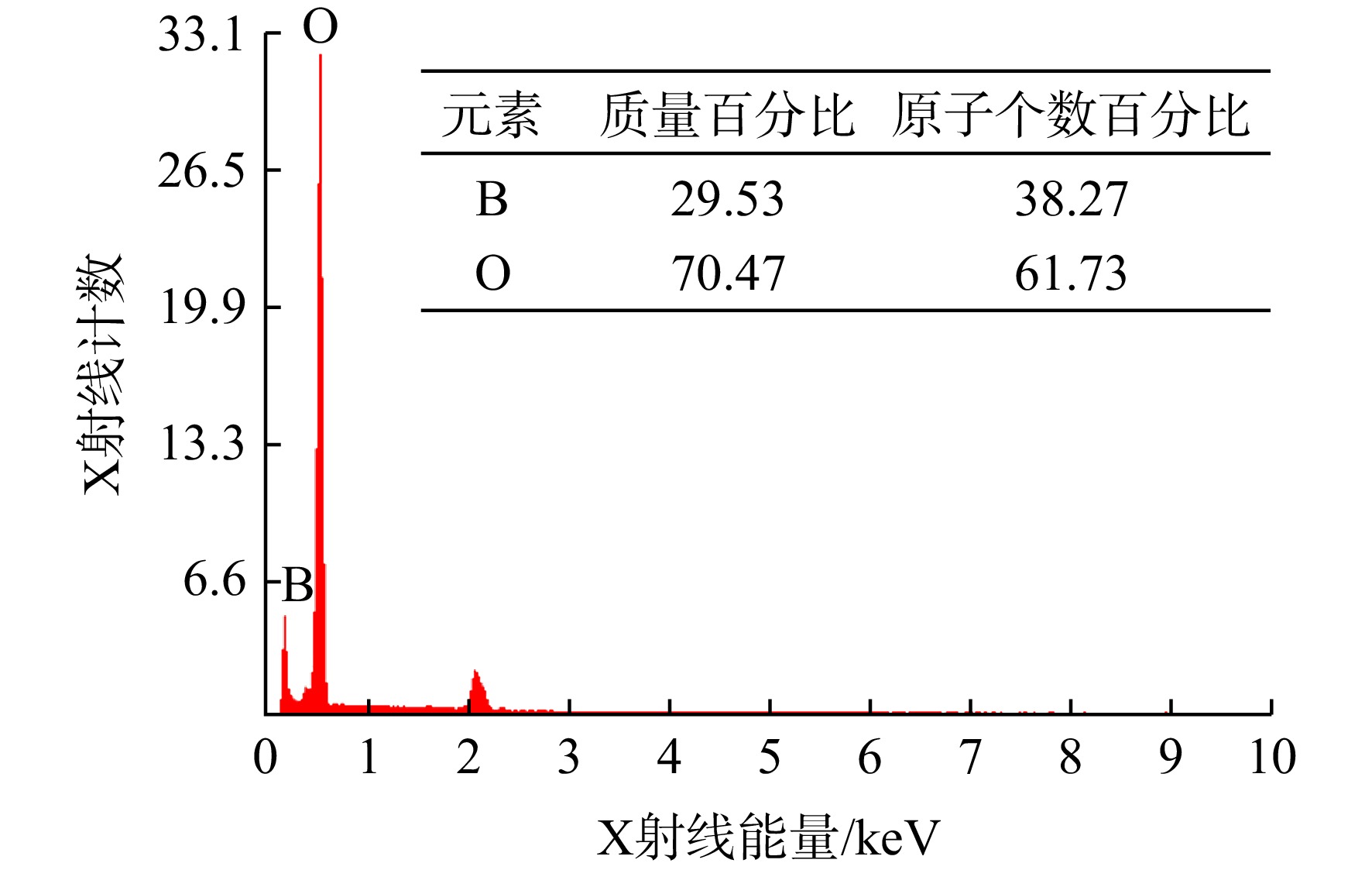
In order to elucidate the combustion characteristics of agglomerated boron particles in a pressurized environment, a laser ignition experimental system was employed to investigate the ignition and combustion process of agglomerated boron particles with an average particle size of approximately 350 μm within the pressure range of 0.1—1.0 MPa. The experimental findings demonstrated that within 15 ms of laser heating, there was a more pronounced emission peak for BO2 and higher particle surface temperatures in environments with elevated pressures. However, after 15 ms from initiating laser heating in high-pressure environments, smoke generated by boron oxide covered the outer surface of aggregated boron particles, thereby influencing their energy release process and reducing their surface temperatures. As ambient pressure increased from 0.2 MPa to 1.0 MPa, the average self-sustaining combustion time also increased from 191 ms to 547 ms. This contributed to understanding of the energy release process of boron particles in pressurized environments, so it showed practical significance for optimizing formula design for propellants containing boron and enhancing the combustion structure for ramjets utilizing boron.