2024 Vol. 39, No. 12

Aerothermodynamics and Aeroengine Design
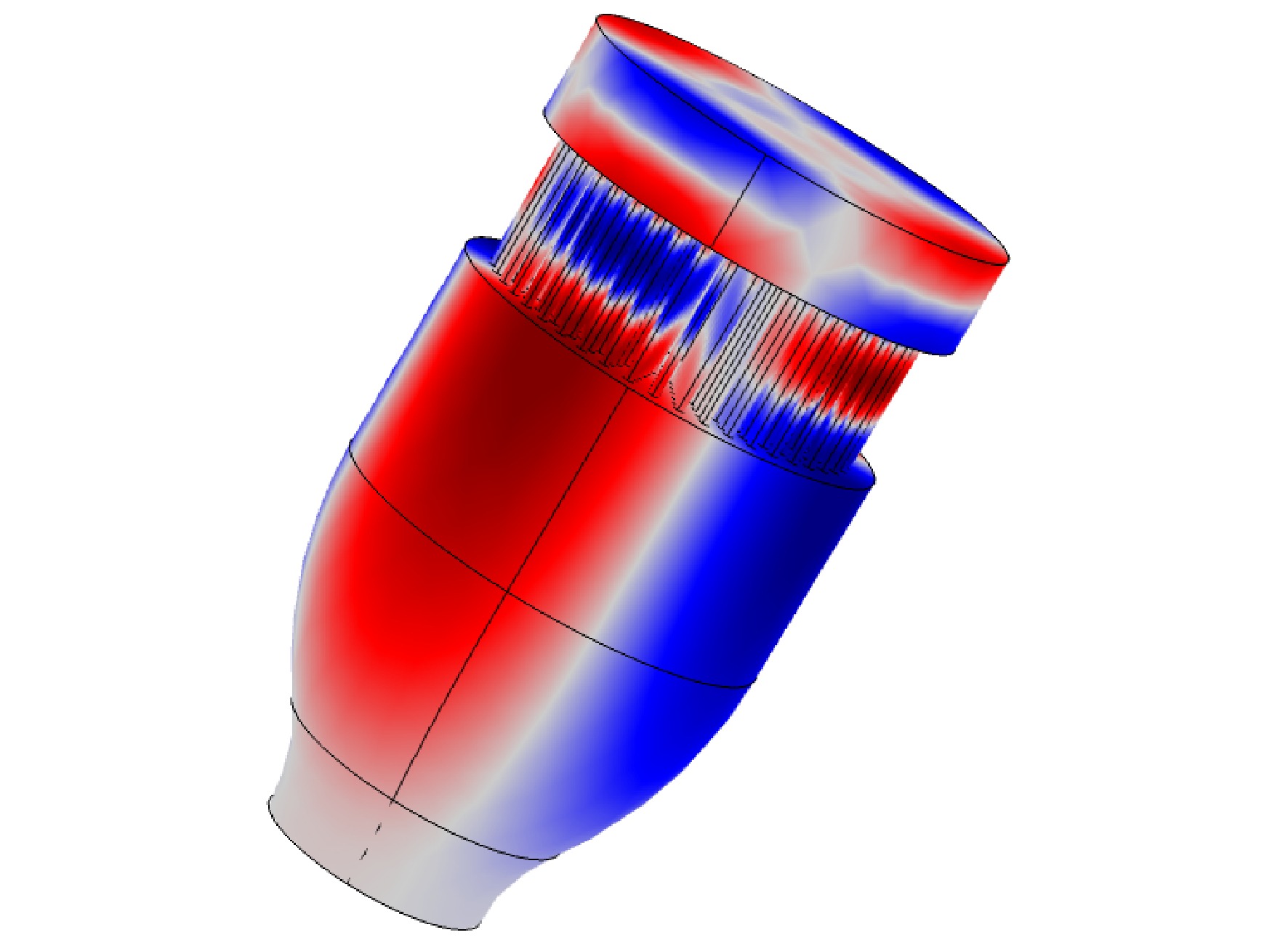
Coupling response law of aero-engine internal cavities
LIU Chuankai, ZUO Kang, WANG Jiajun, DING Shuiting
2024, 39(12): 20220451. doi: 10.13224/j.cnki.jasp.20220451
Abstract:

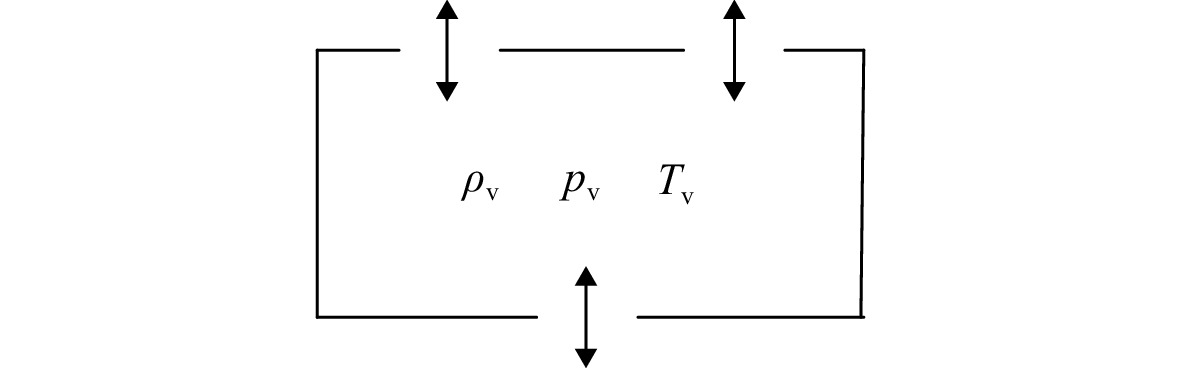
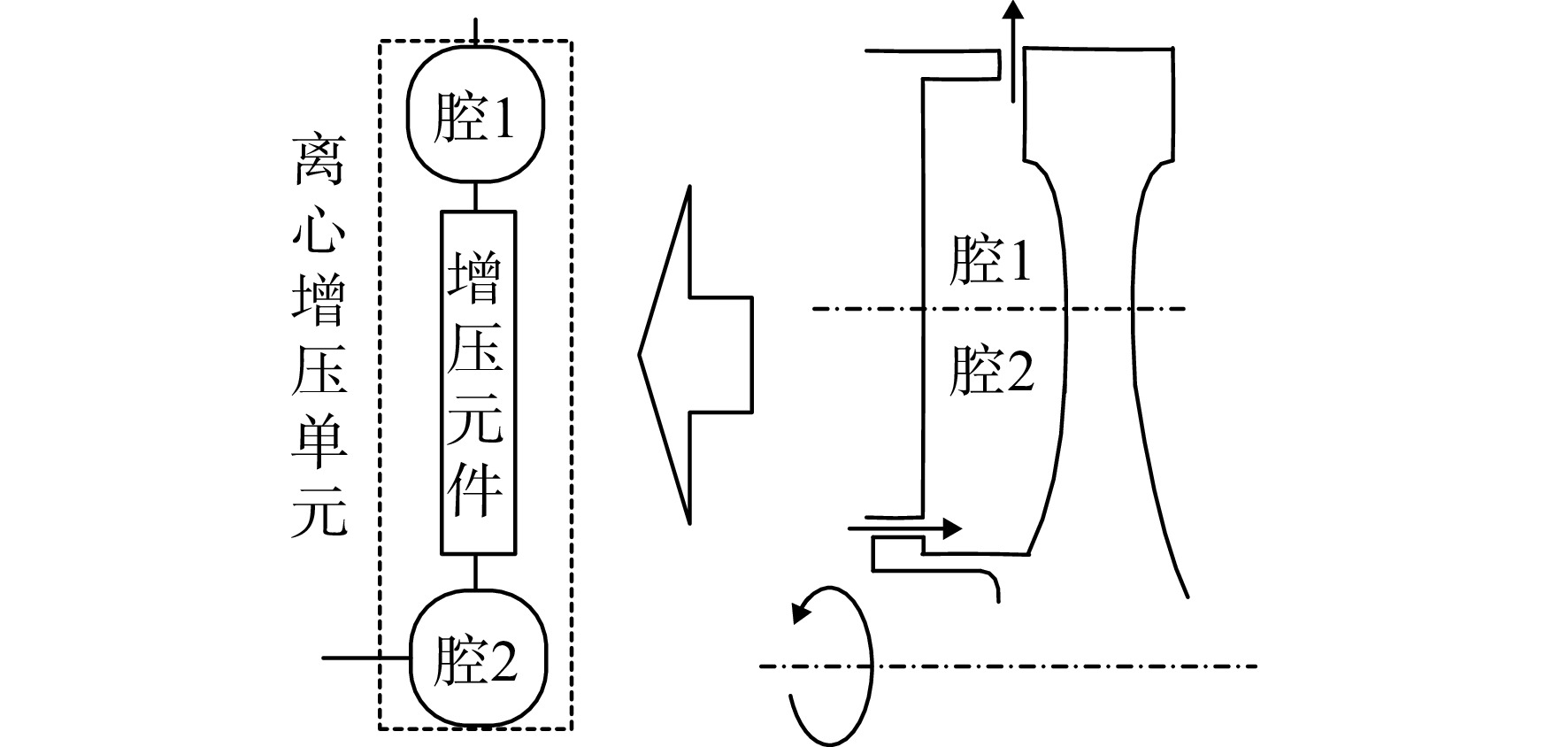
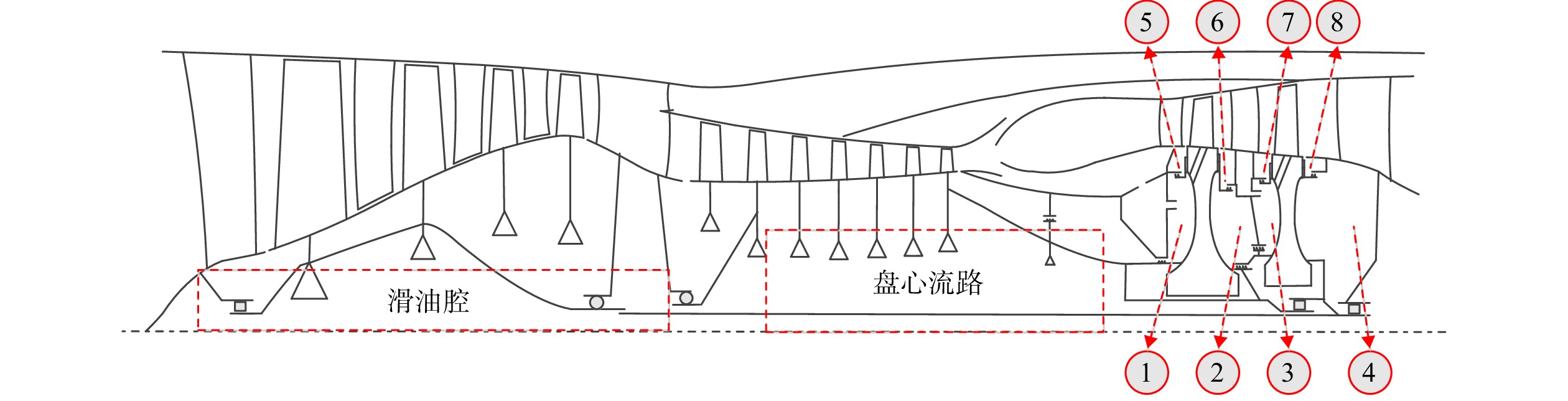
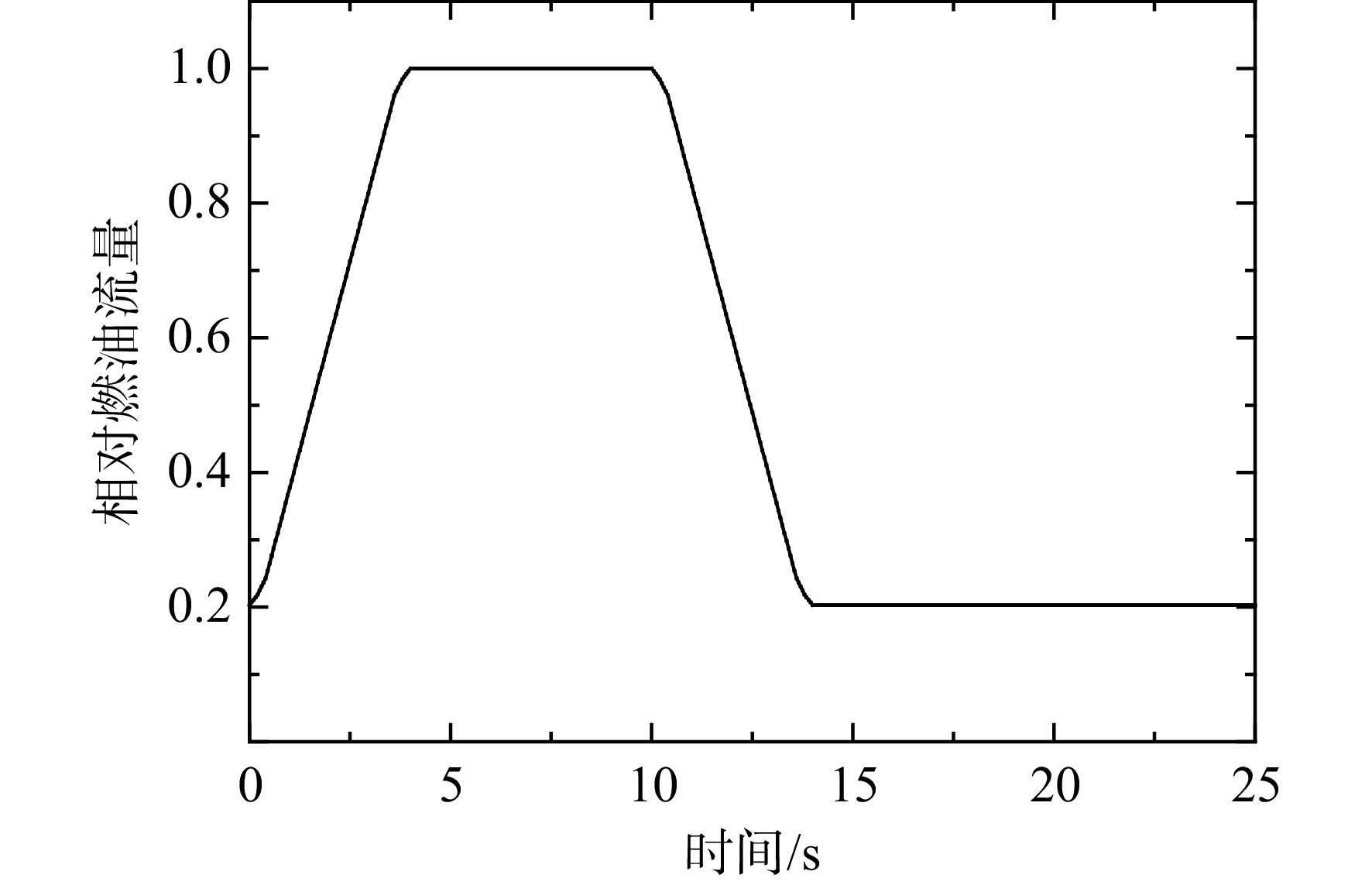
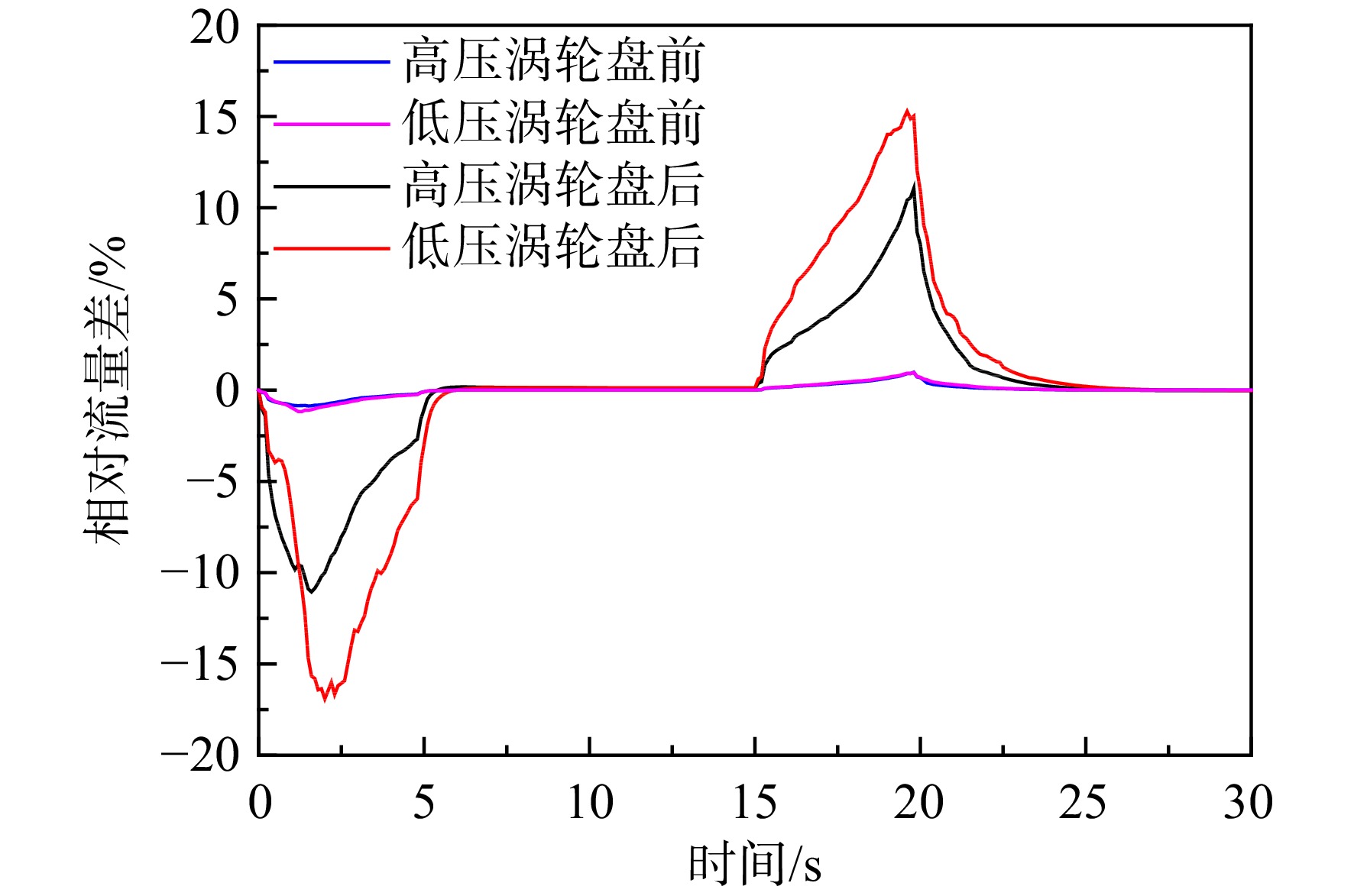
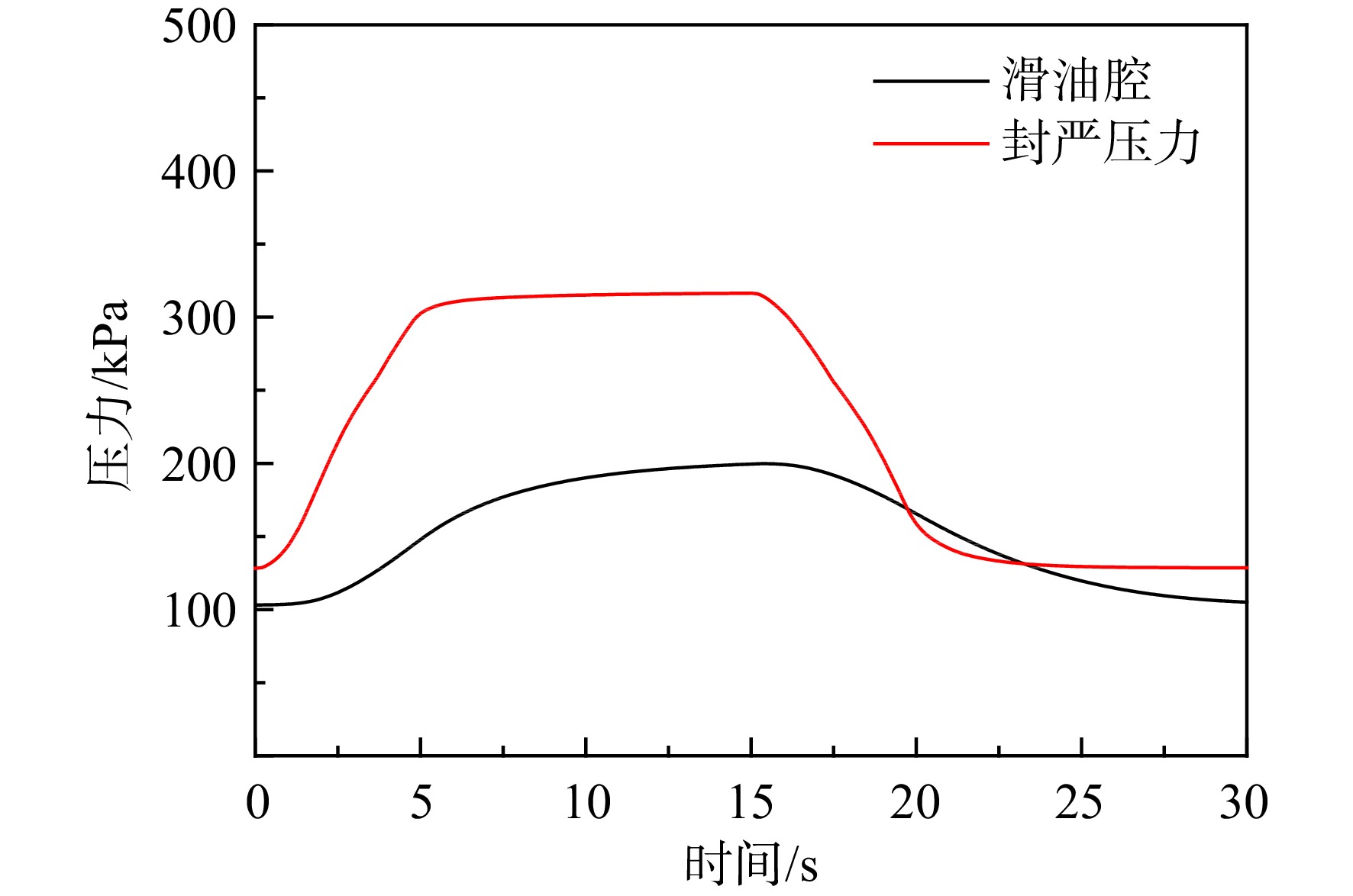
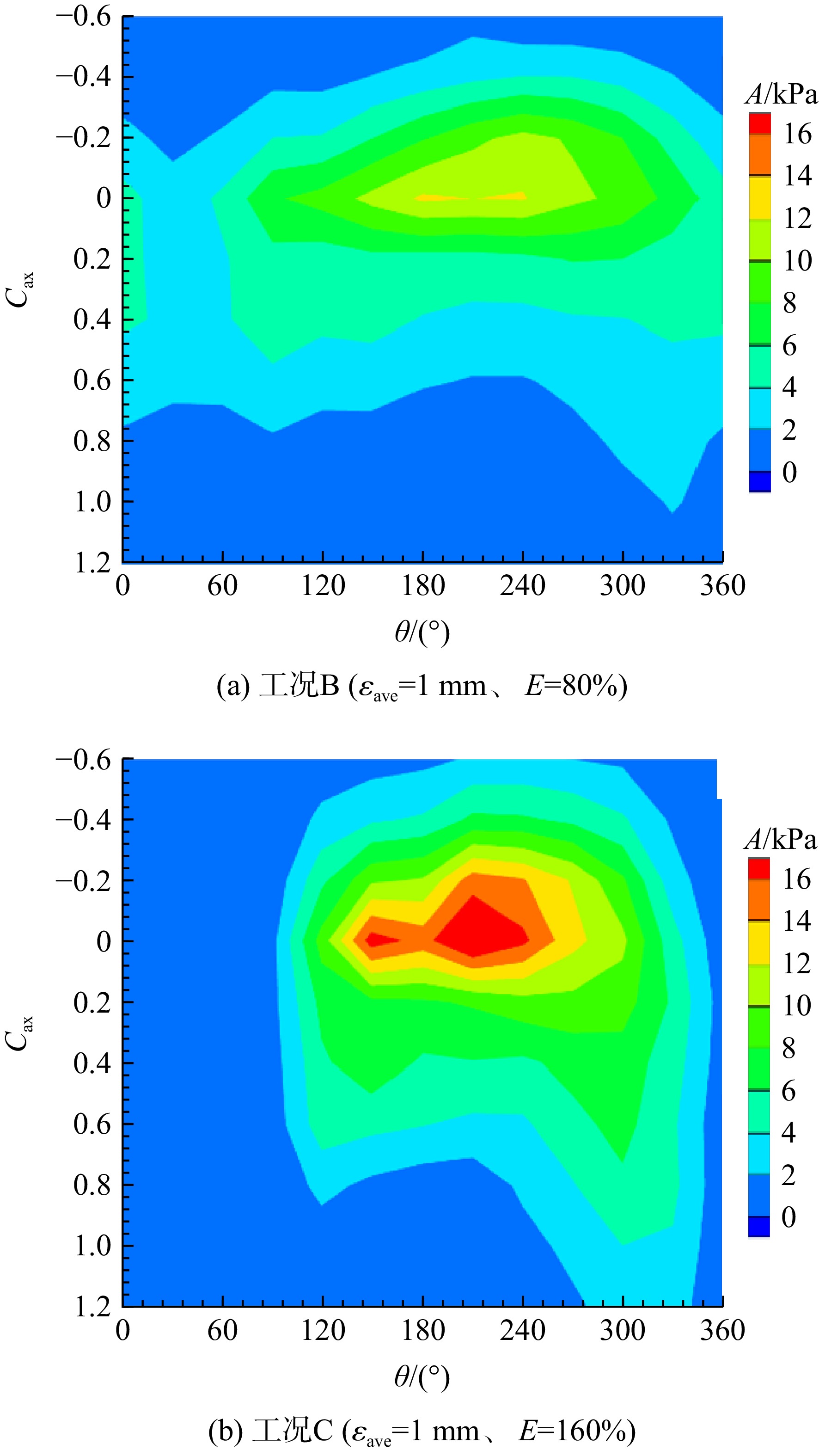
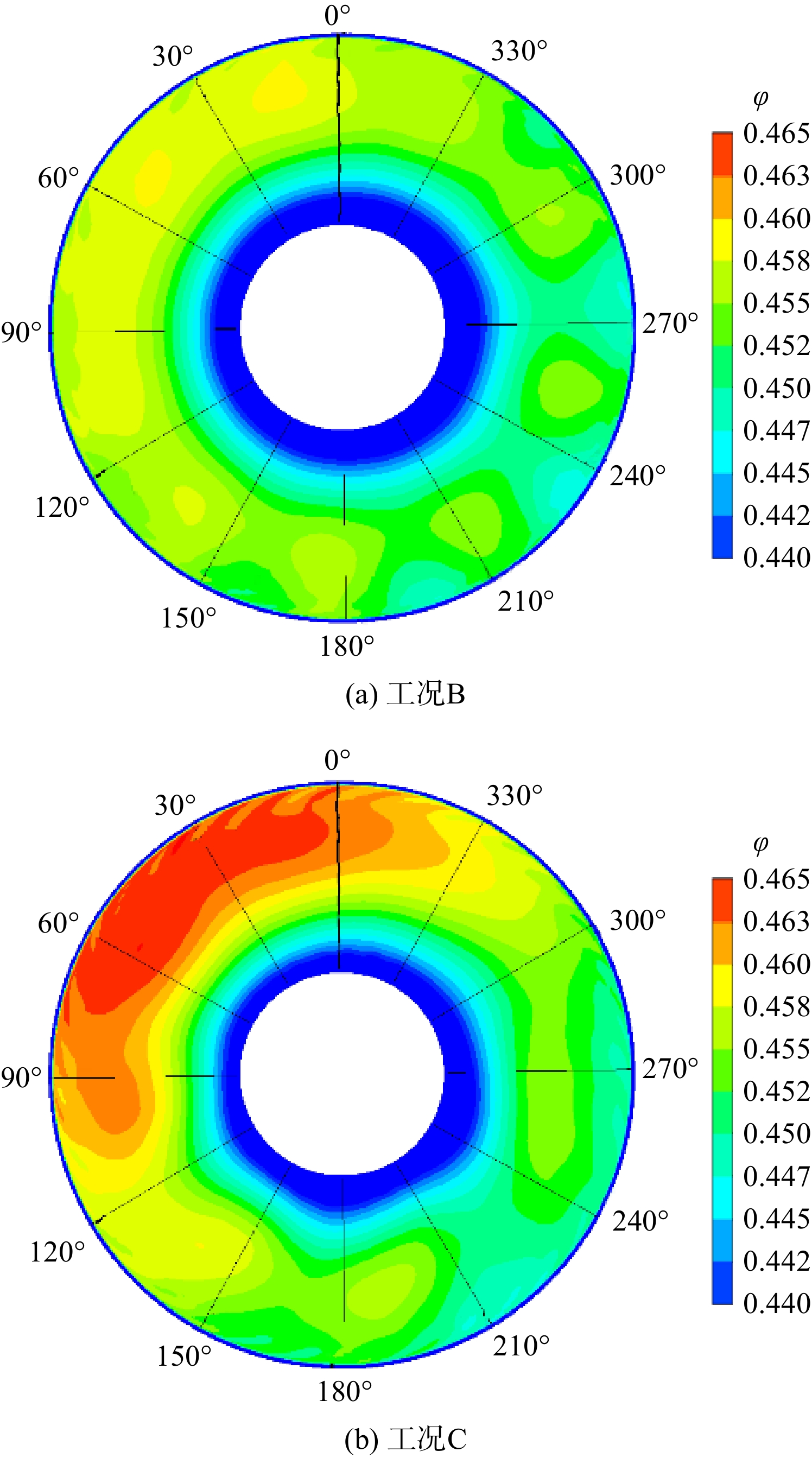
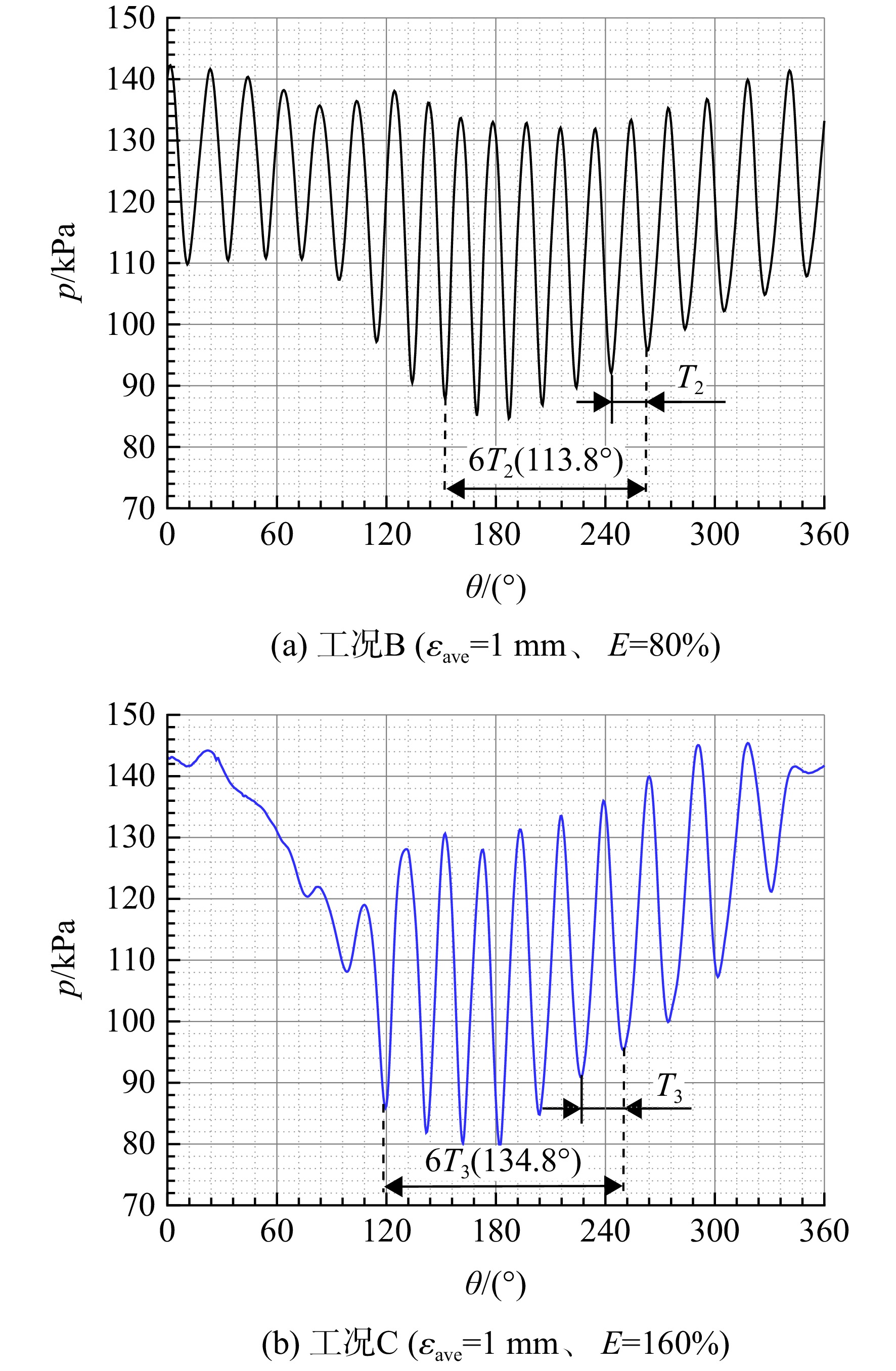
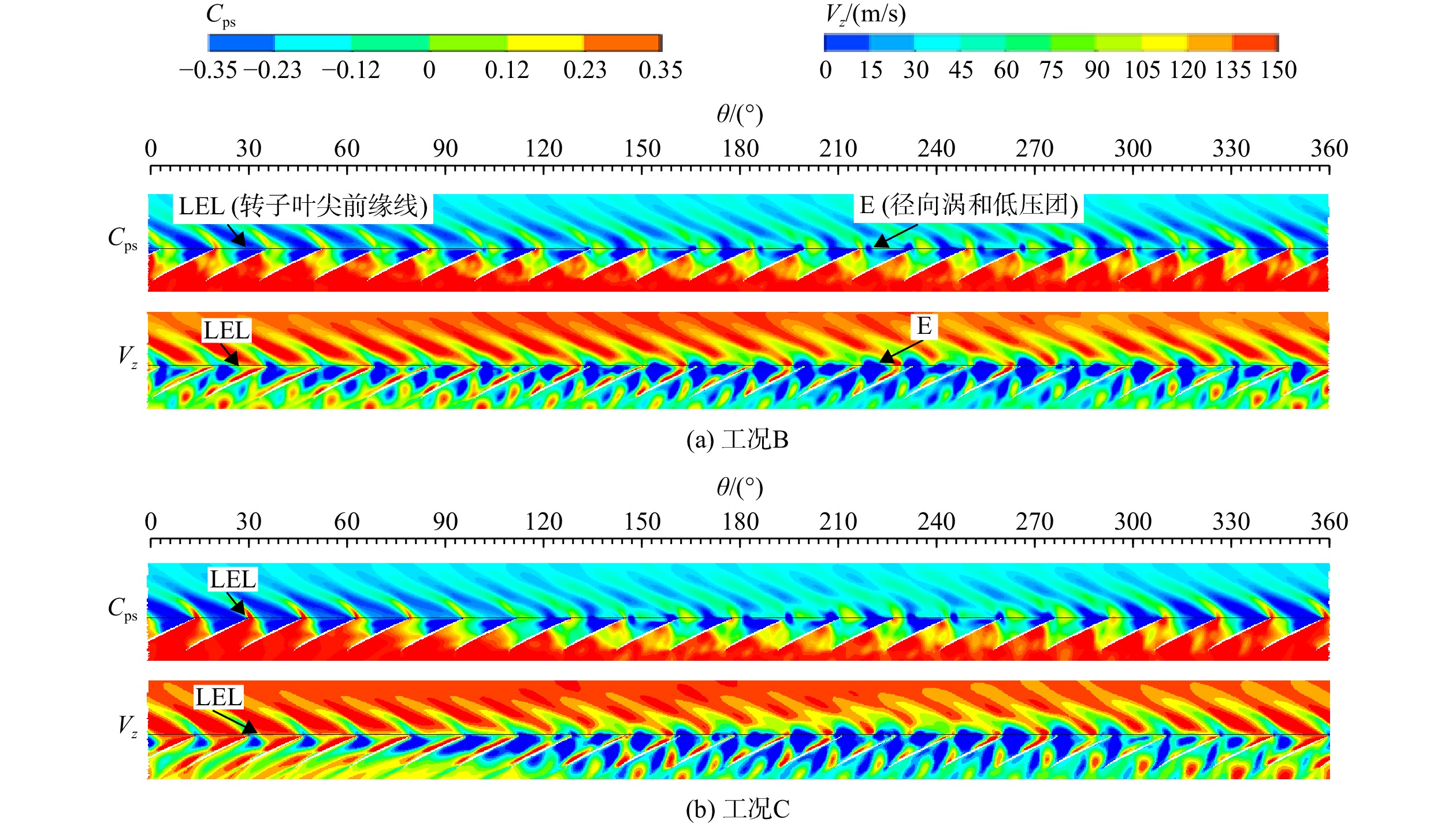
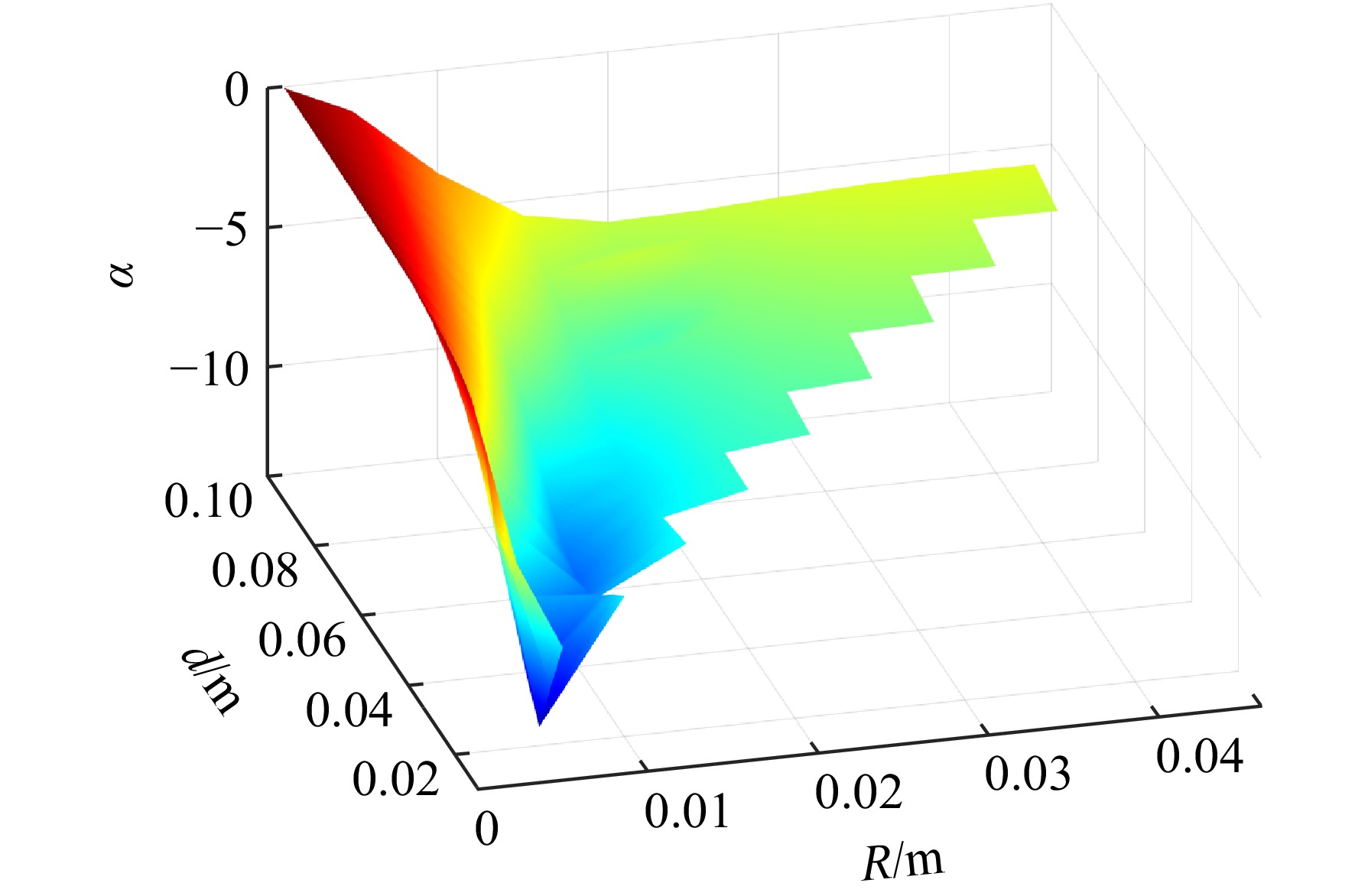
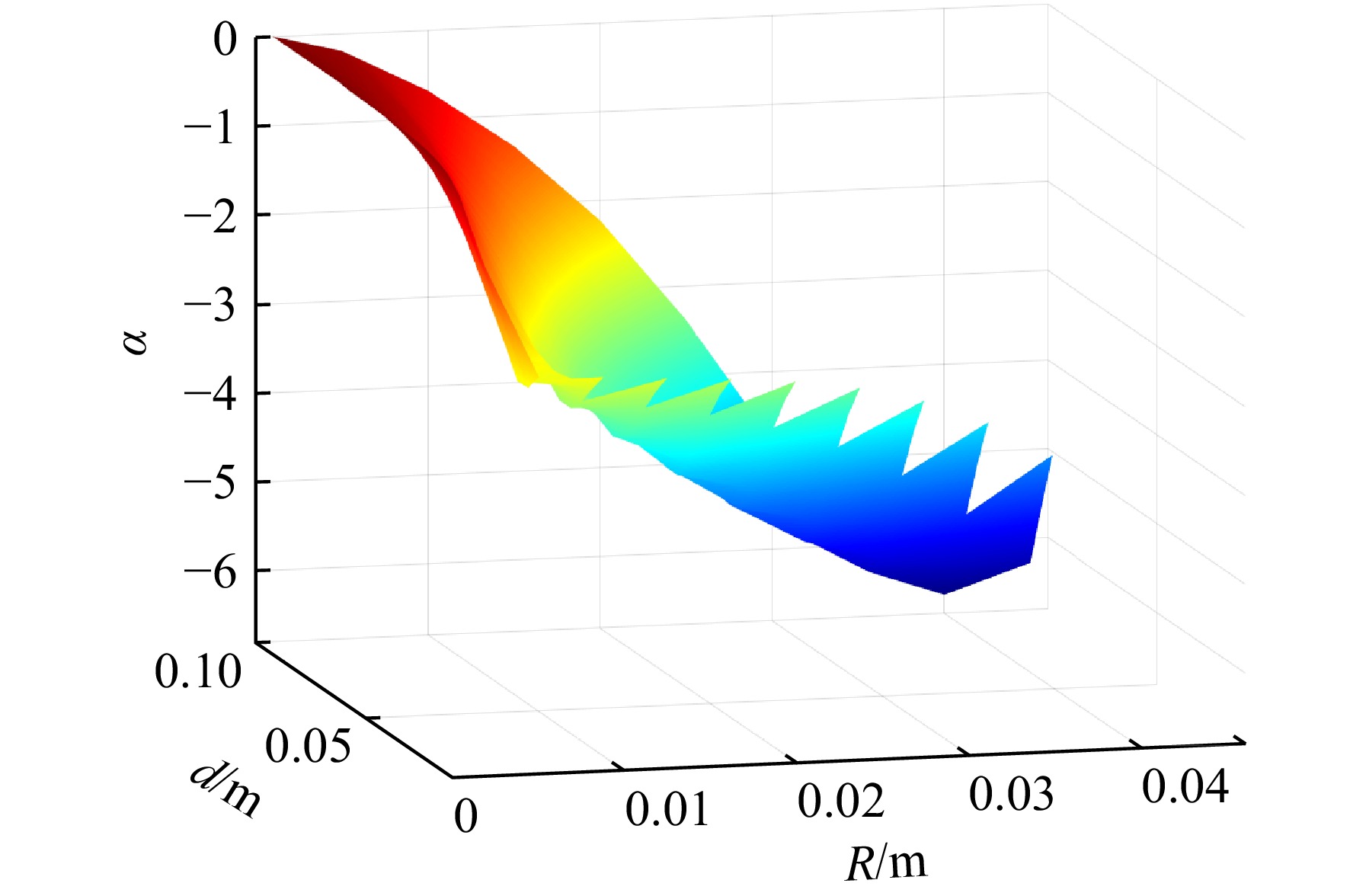
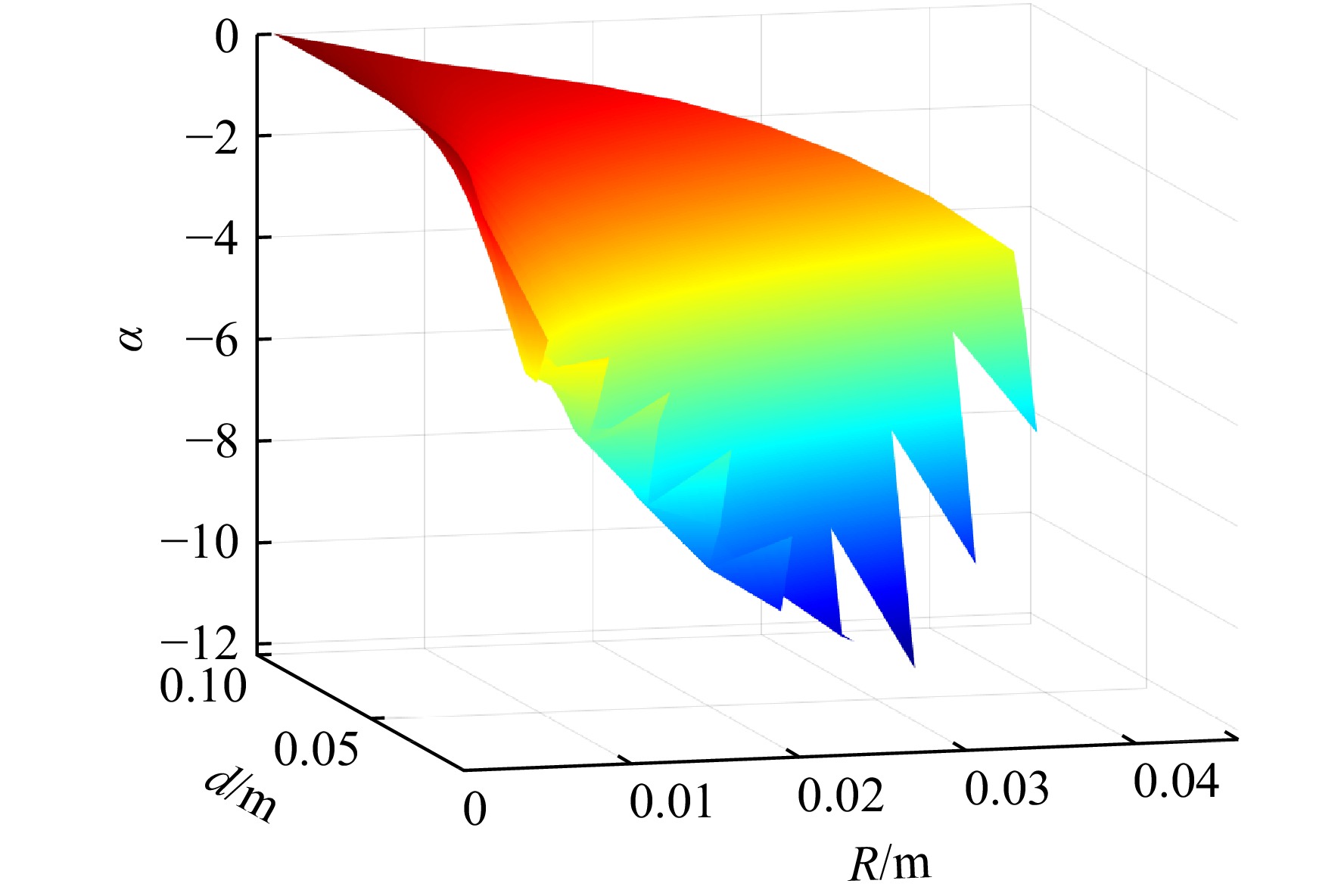
In order to accurately evaluate volume packing effects of aero-engine in rapid transients, a low-dimensional modeling method and the corresponding governing equations for the aero-engine internal cavities were proposed. By means of integrating the coupling algorithm of aero-engine main gas path and secondary air-system, an aero-engine whole gas path model considering volume packing effects was established. Predictions and analysis were made for the cavities responses in aero engine system environment during rapid transients. The result showed that the volume packing effects exerted little effects on the overall transient performance of the aero-engine, but its effect can cause significant imbalanced local responses in aero-engine gas path. In the process of rapid engine maneuvering, the relative change amplitude of the peak axial force can reach about 10% of the design value of the axial force, which increased the potential safety risk in the transition process of the aero-engine. And when the cavity characteristic time was less than 0.01 s, the effect of its volumetric effect on the aero engine can be basically ignored. The closer the characteristic time of the cavity was to the thrust response time of the engine, the higher the risk of dangerous transition state loads, making it an influencing factor that should not be ignored in modern high-performance aero-engine designs.

Scheme and performance analysis of a hybrid power system for two stroke aviation heavy fuel piston engine
WANG Yukun, SHAO Longtao, YU Tao, GENG Tai, XU Zheng, ZHOU Yu
2024, 39(12): 20230203. doi: 10.13224/j.cnki.jasp.20230203
Abstract:

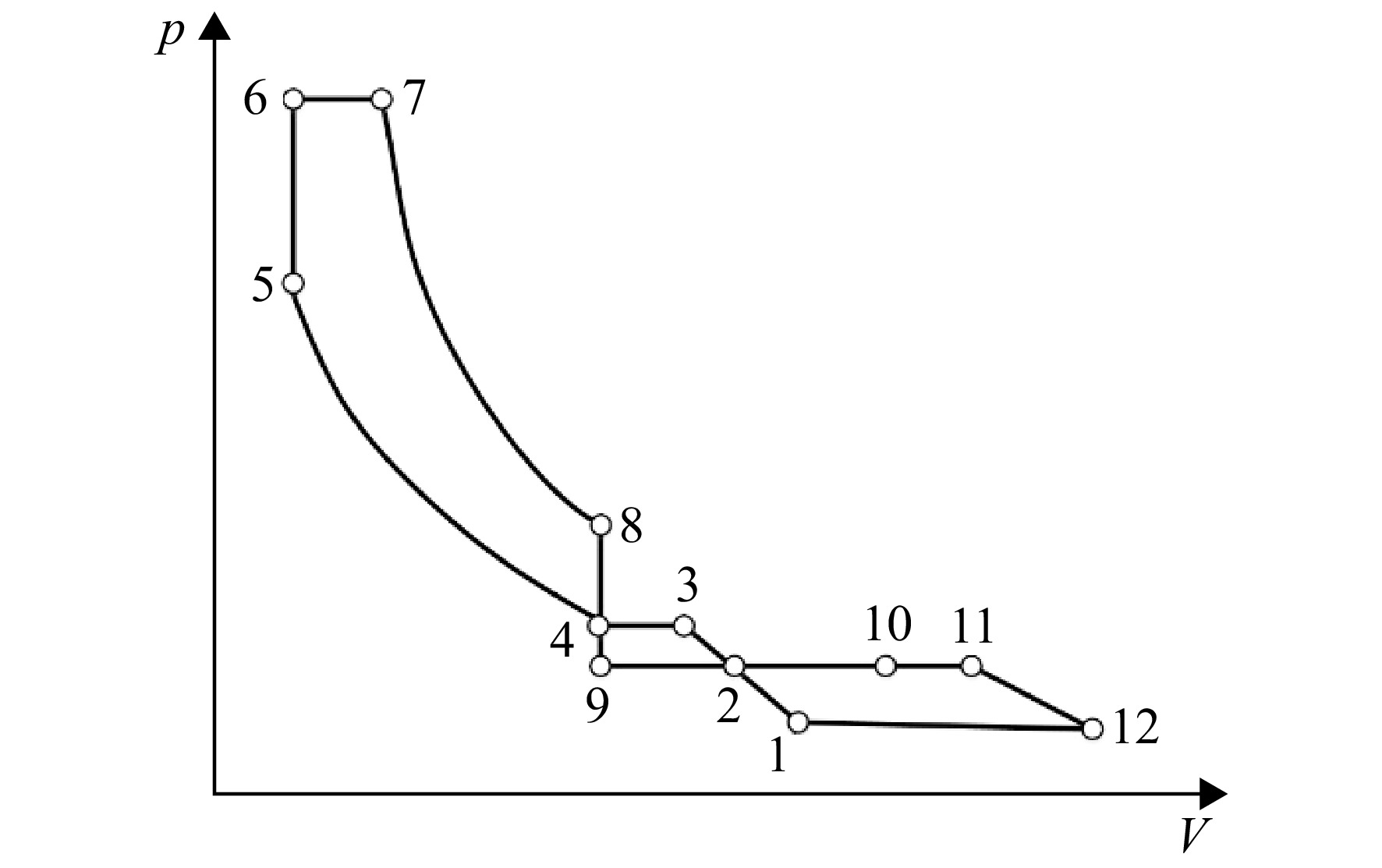
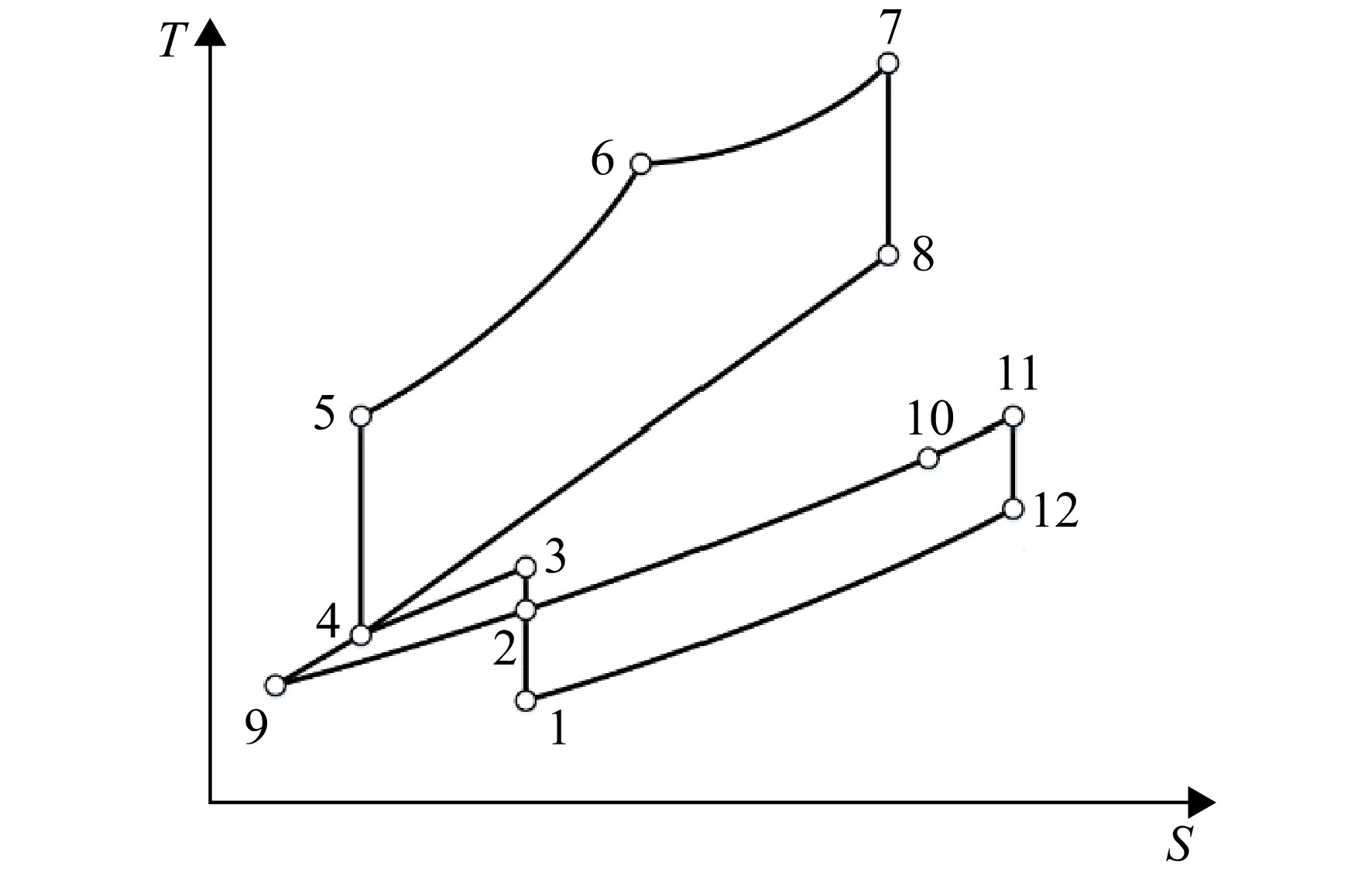
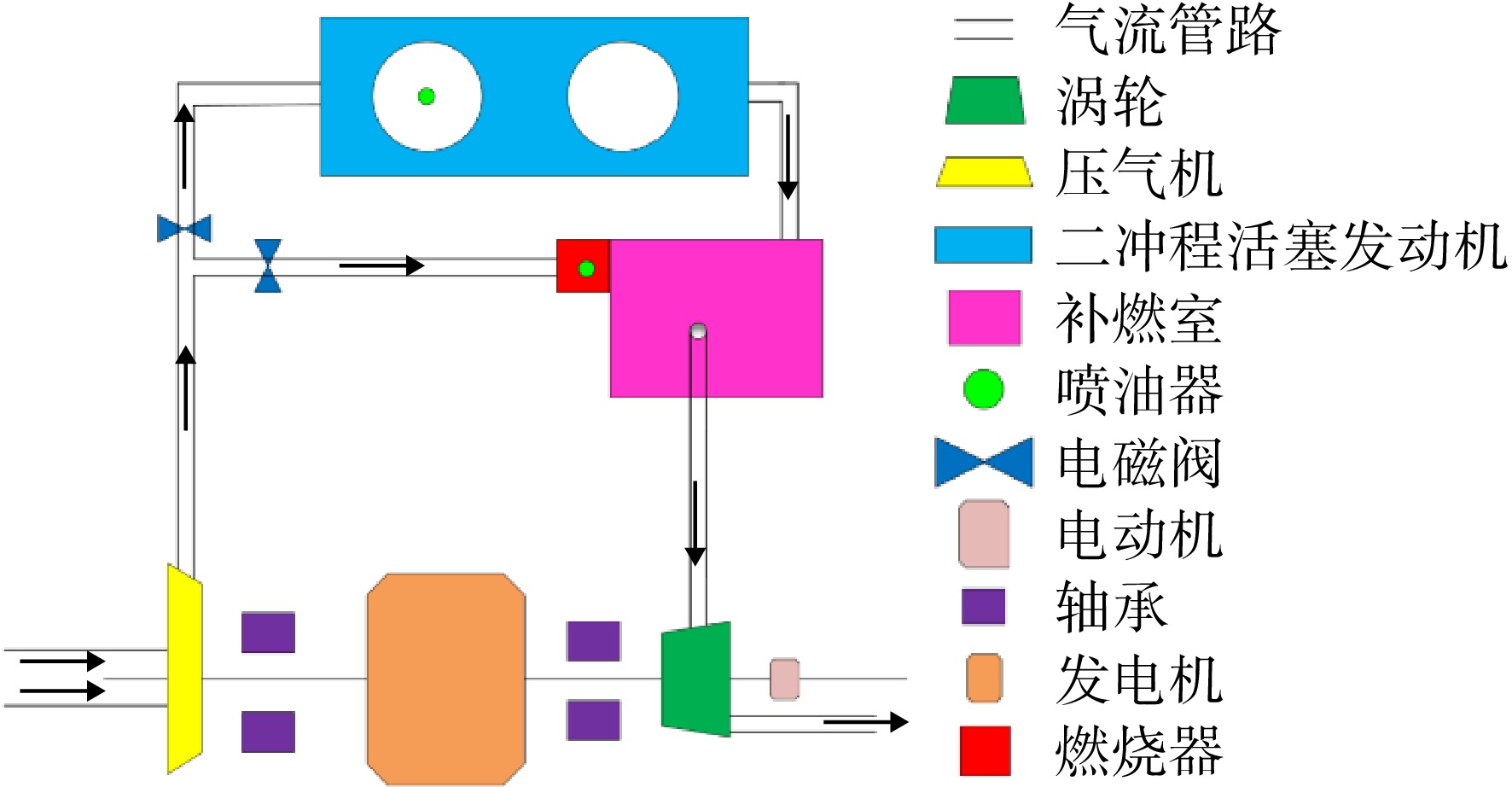
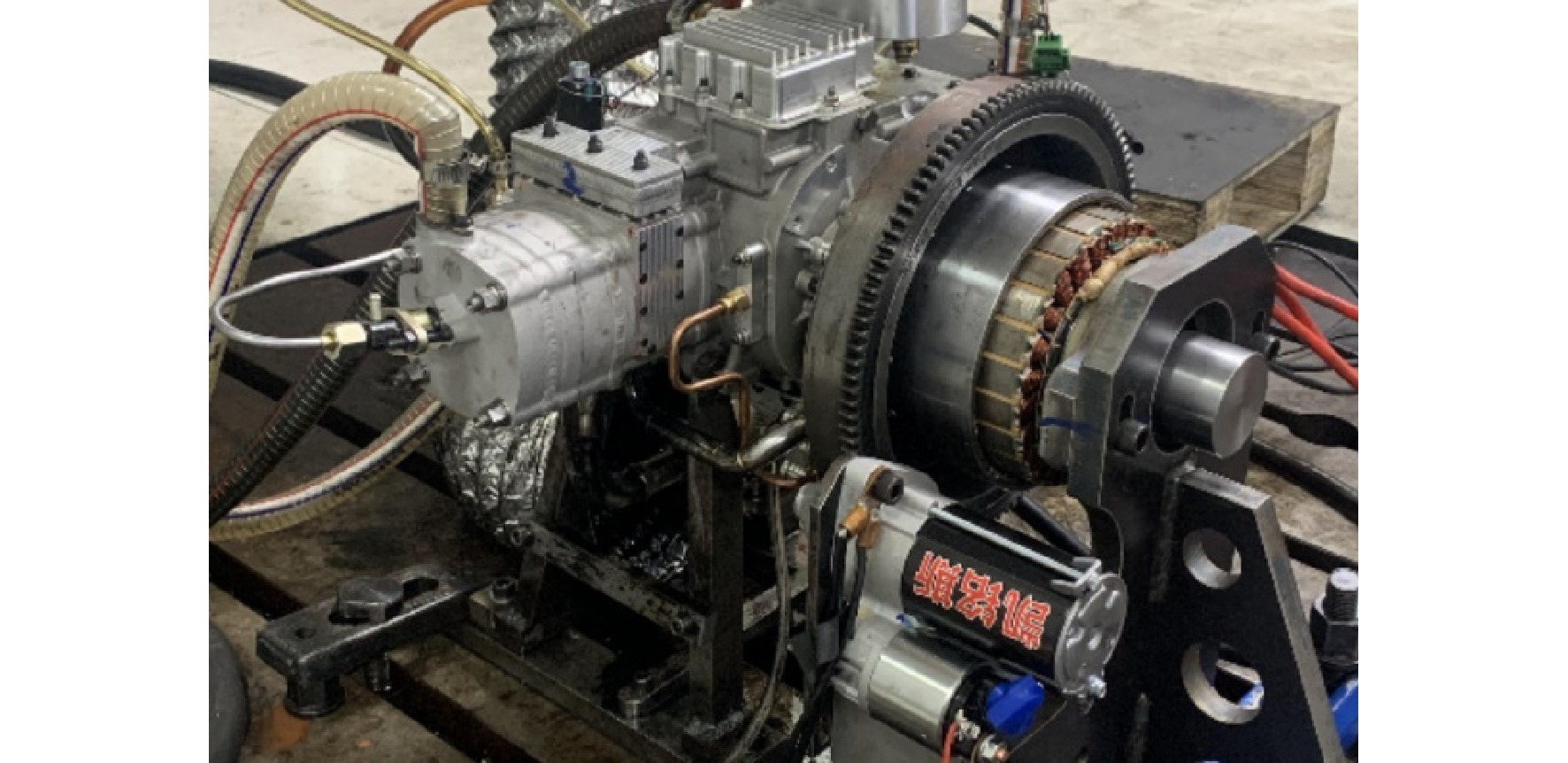
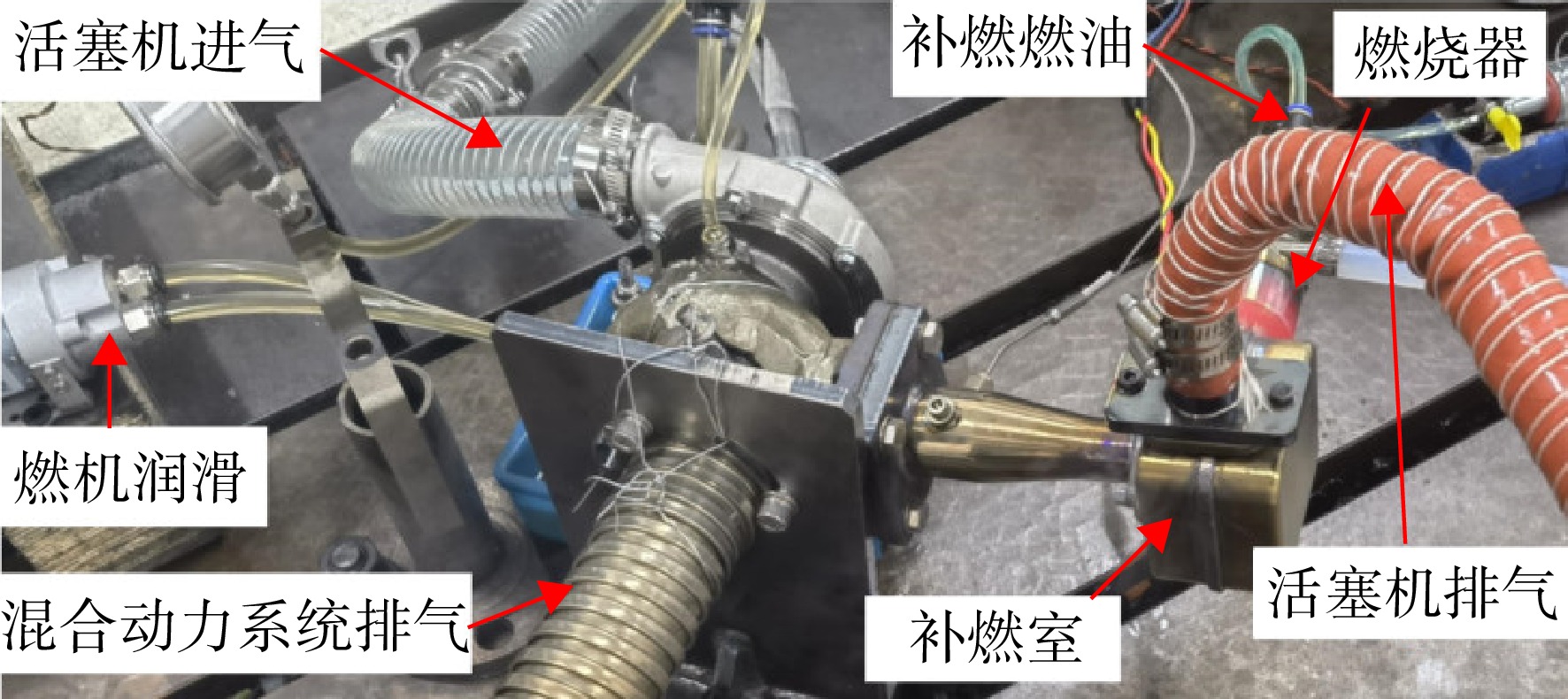
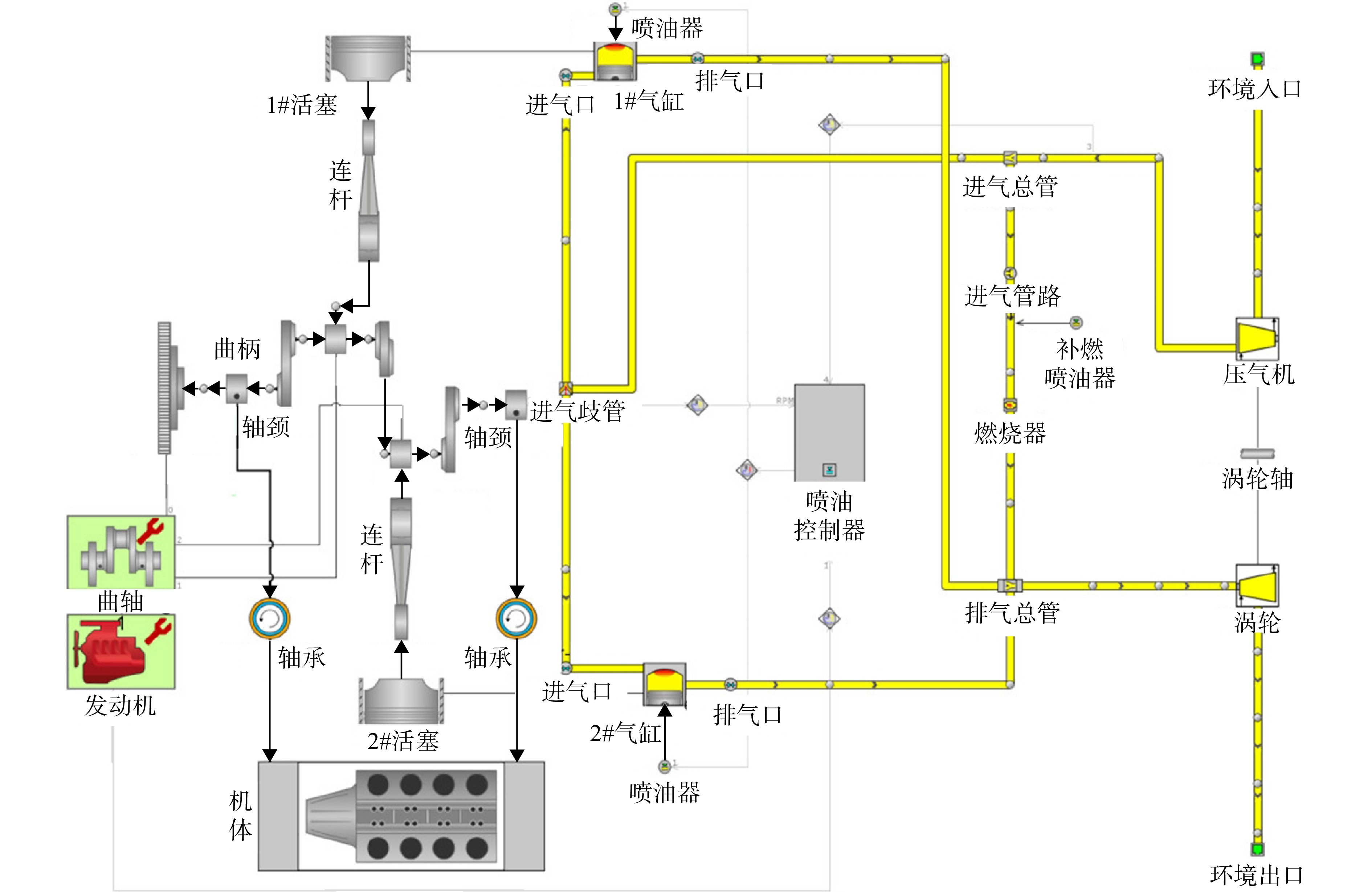
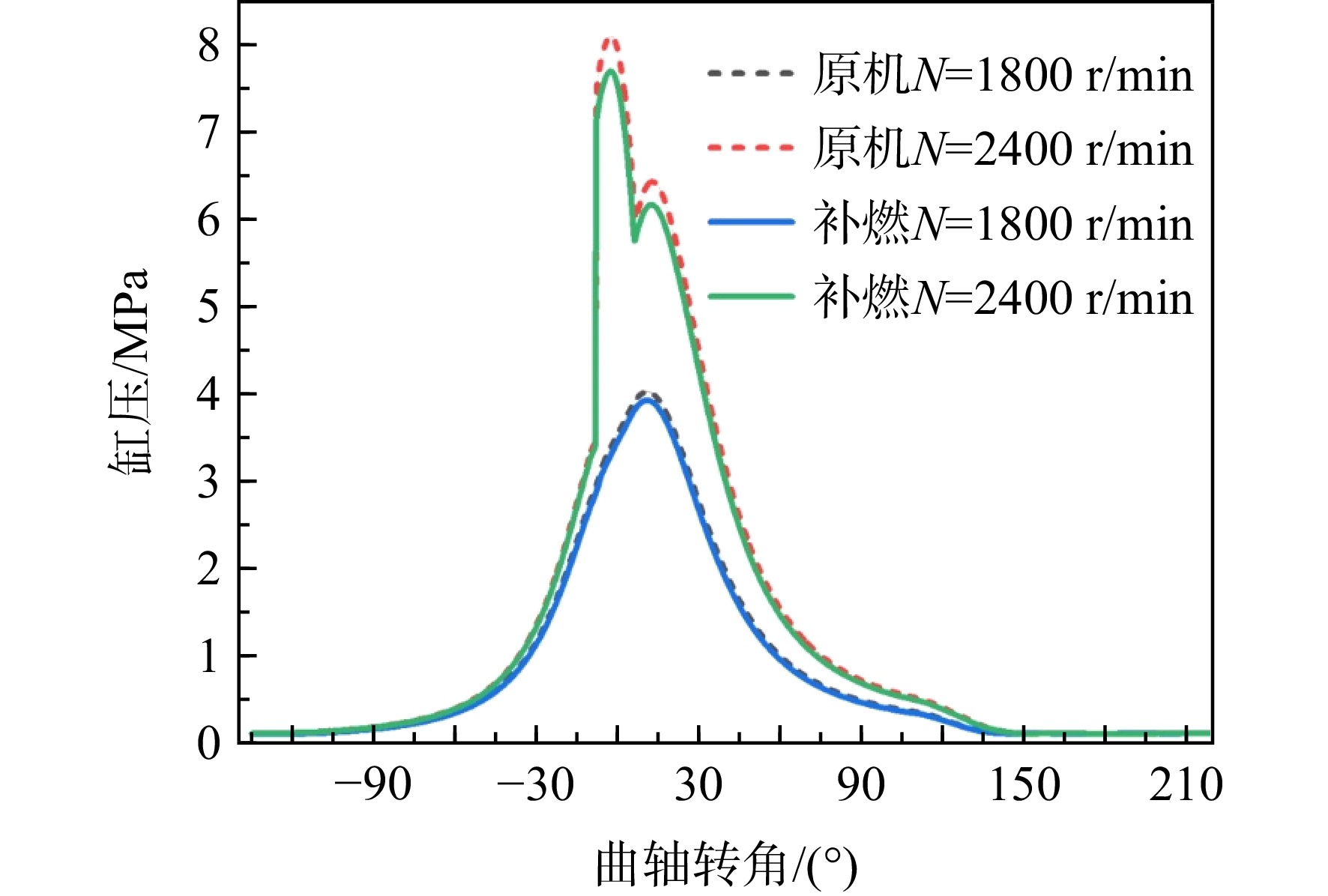
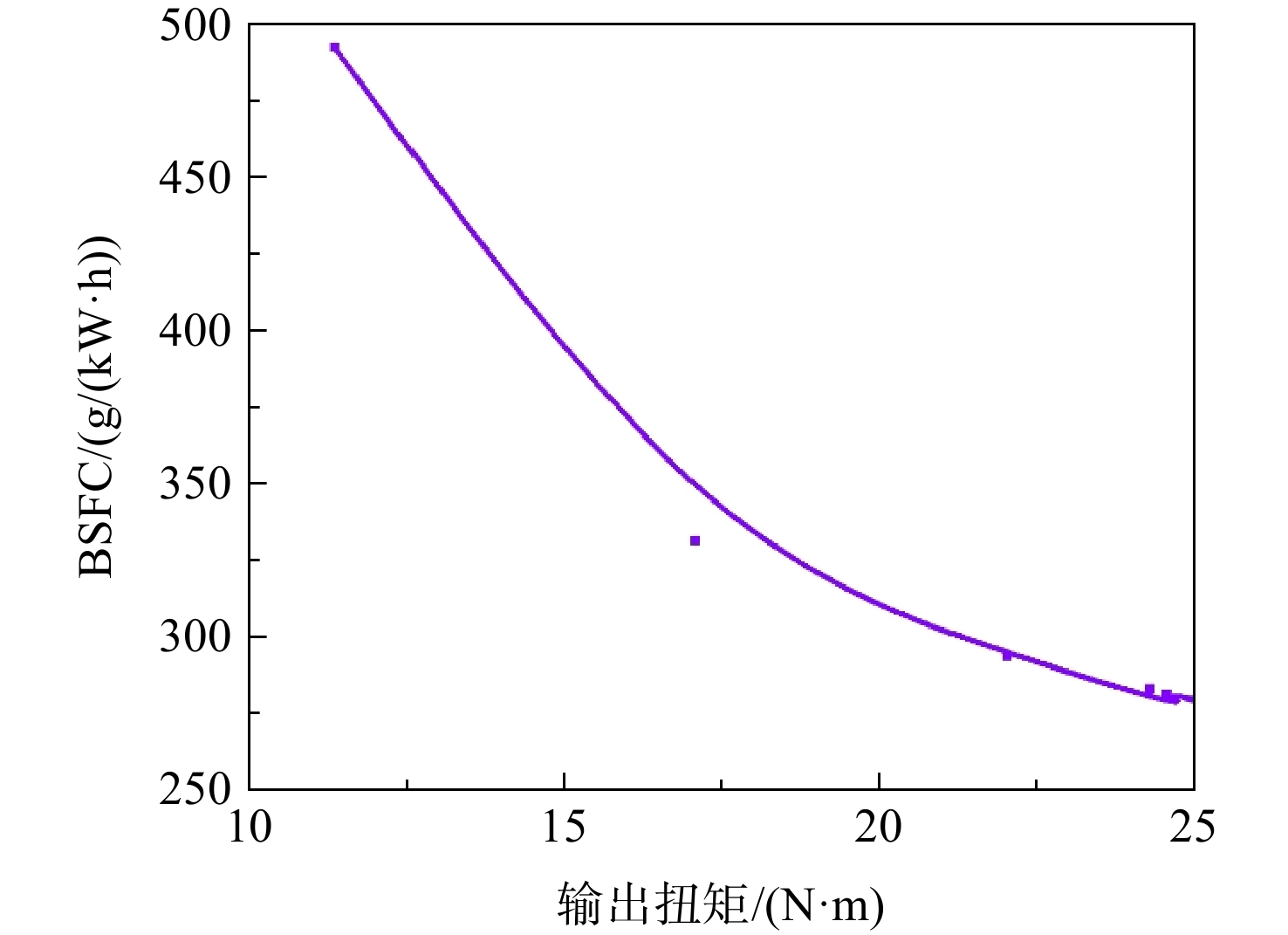
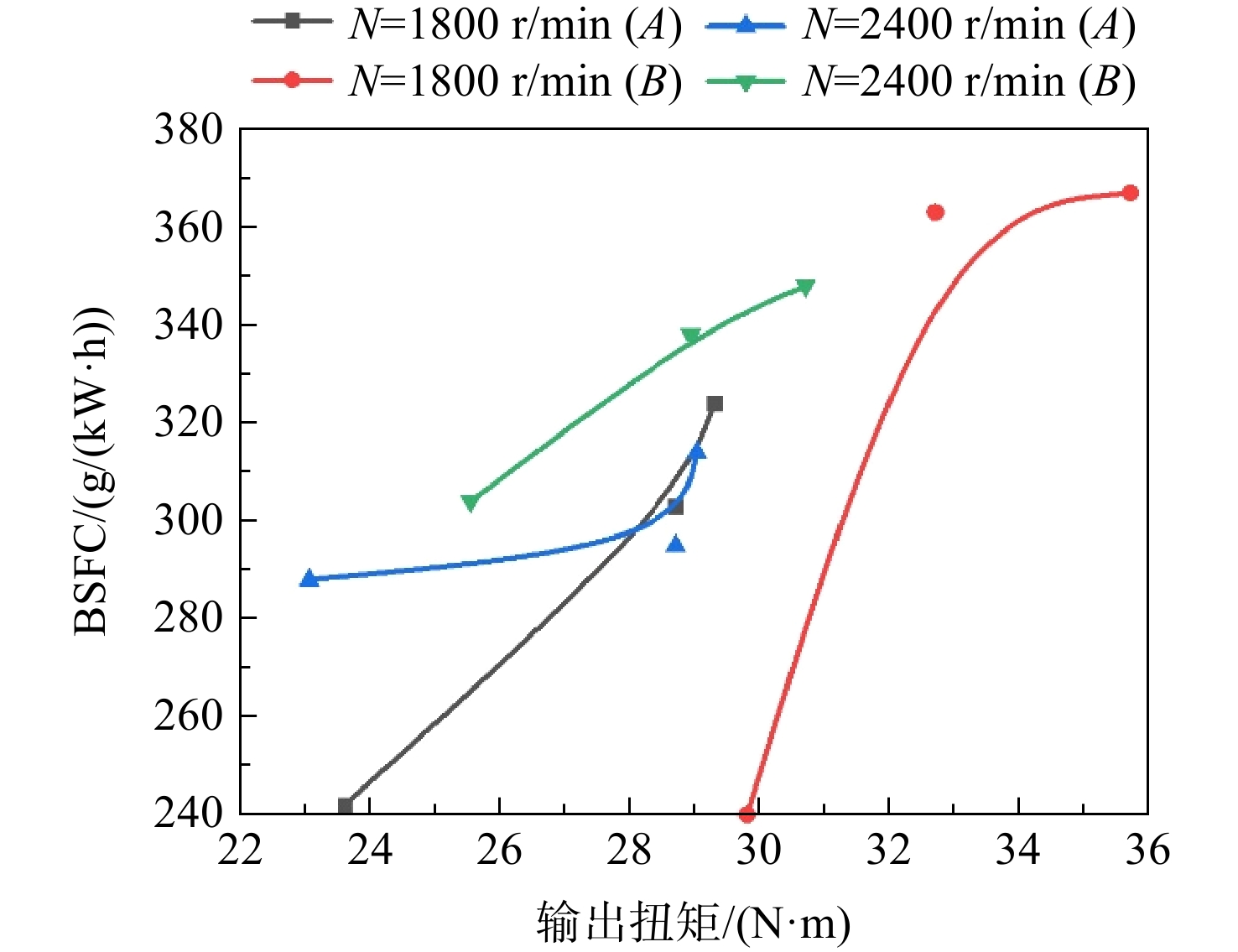
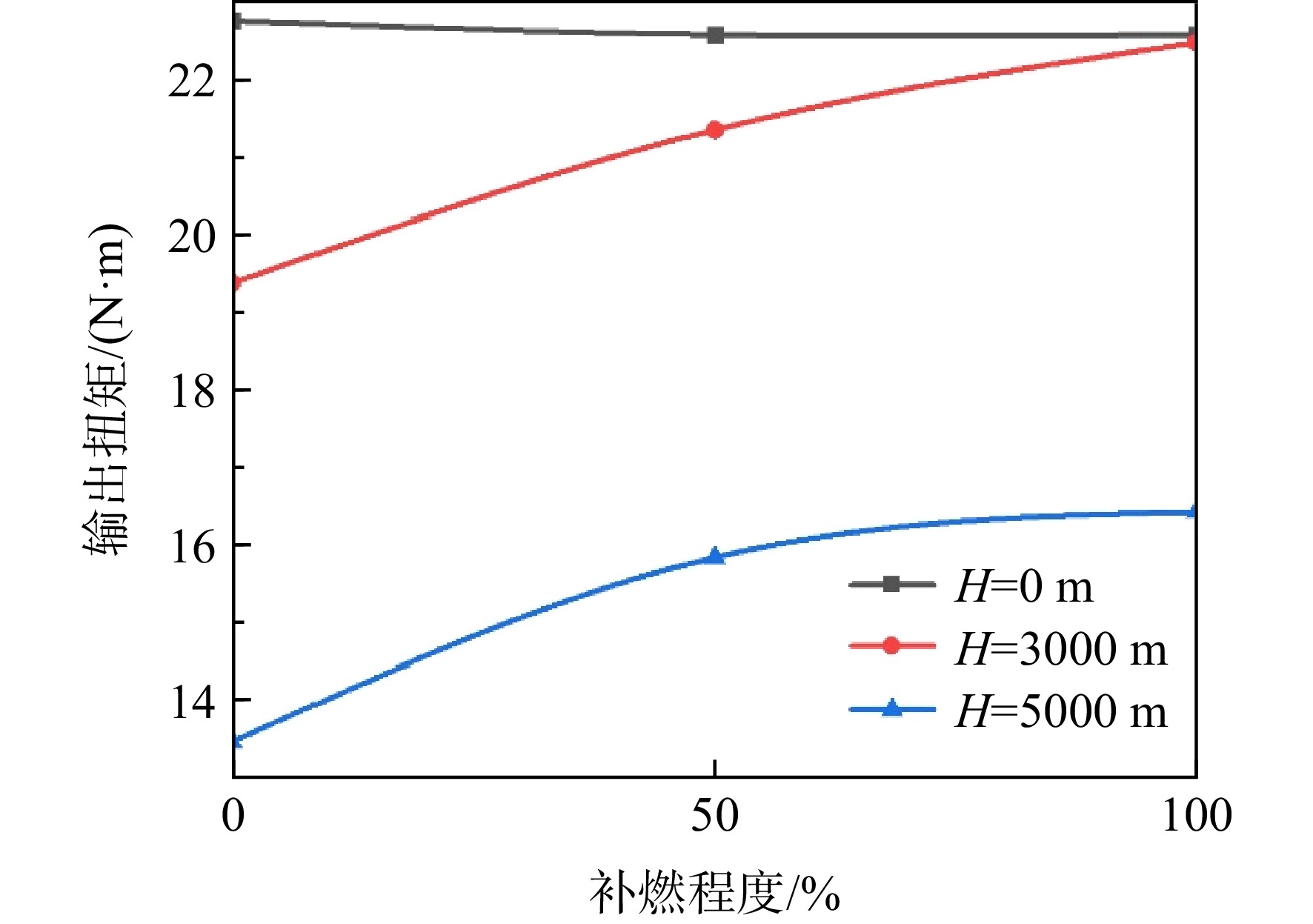
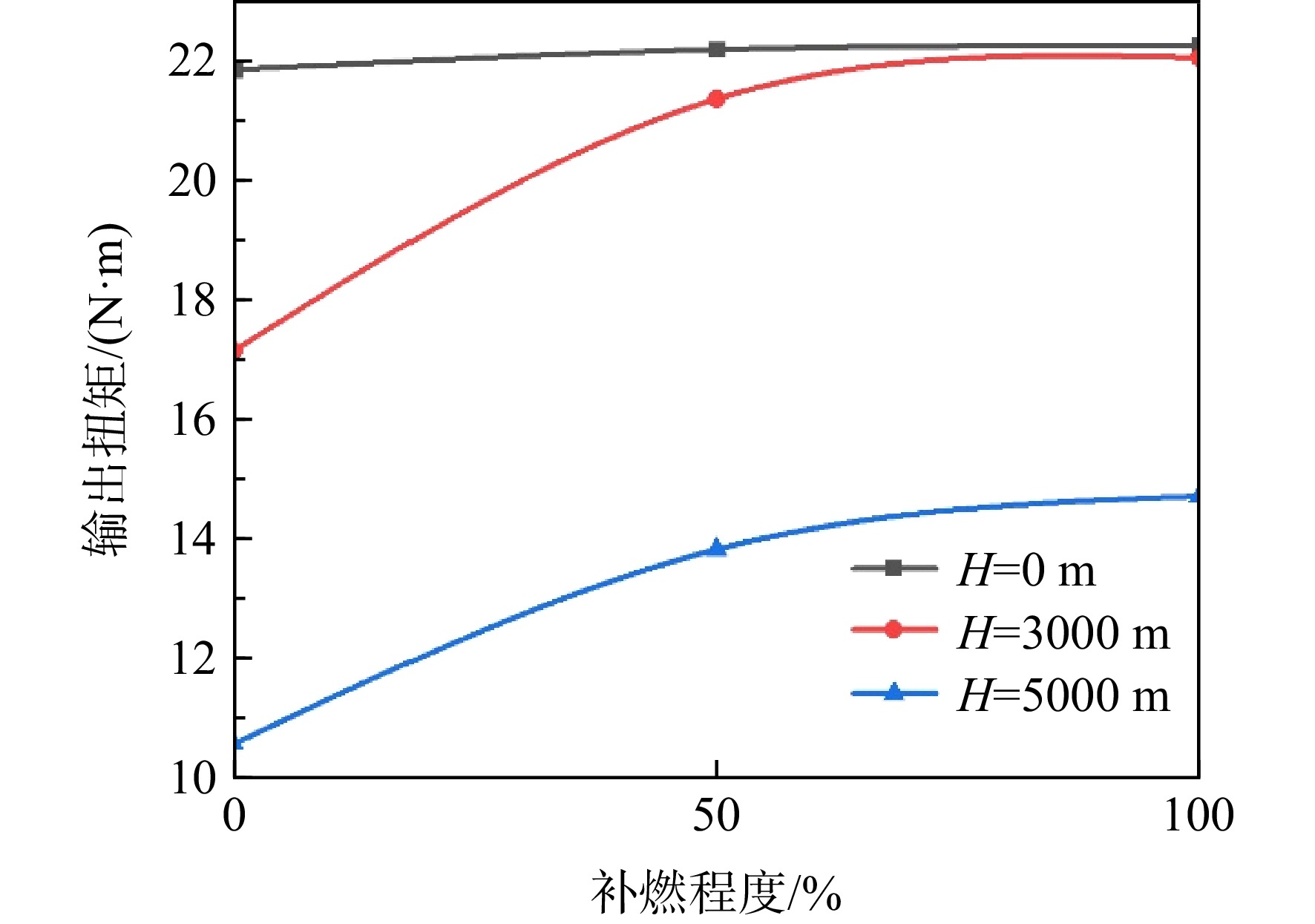
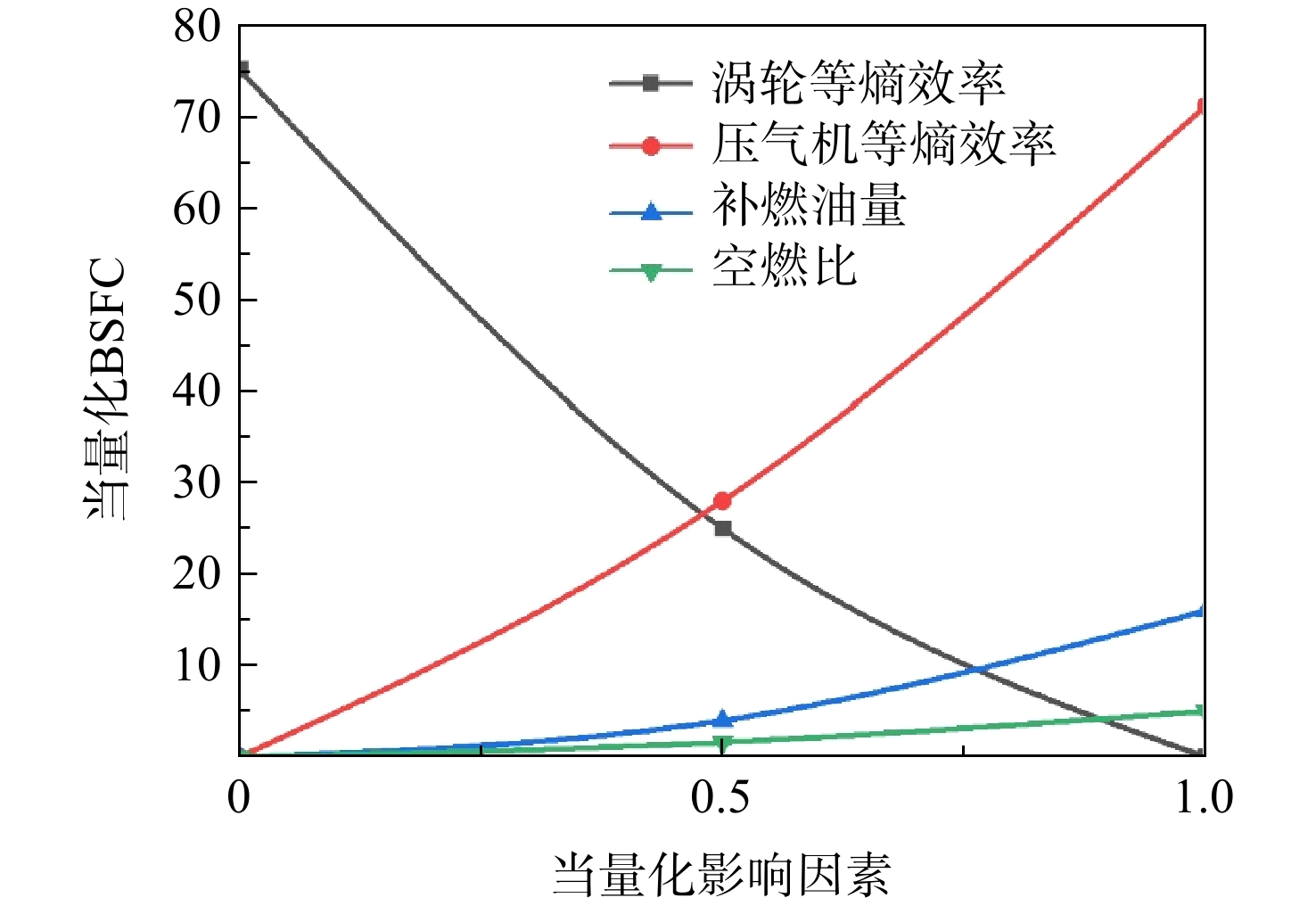
In response to high power density and low fuel consumption, an aviation piston-turbine hybrid power system configuration was proposed, wherein the piston subsystem adopted a two stroke aviation heavy oil piston engine with horizontally opposed cylinders, and the turbine subsystem consisted of a burner and a turbocharger. Based on the GT-POWER platform, the accuracy of the simulation model was verified using a comparative study of cylinder pressure. The effects of turbocharger efficiency, turbine efficiency, reheating fuel flow rate, and altitude on the performance of hybrid power system were studied, and the system performance was evaluated based on brake specific fuel consumption and output torque. The research results showed that the hybrid system can increase the output torque by about 30% compared with the aviation piston engine at the limit state. The torque gain generated by a 10% increase in compressor efficiency was greater than the torque gain generated by a 10% increase in turbine efficiency. When the reheating fuel flow rate in front of the turbine was 0.2 g/s, the exhaust temperature can be increased by about 150 K, and the output torque at all operating points can be increased by more than 20%. Therefore, reheating in front of a turbine is an effective means to improve the performance of an aviation piston-turbine hybrid system.

Aerodynamic analysis on combined operation of main compressor and compressor for plenum suction system in continuous wind tunnel
LEI Pengfei, CHEN Jiming, HU Yunhua, ZHOU Enmin
2024, 39(12): 20220906. doi: 10.13224/j.cnki.jasp.20220906
Abstract:

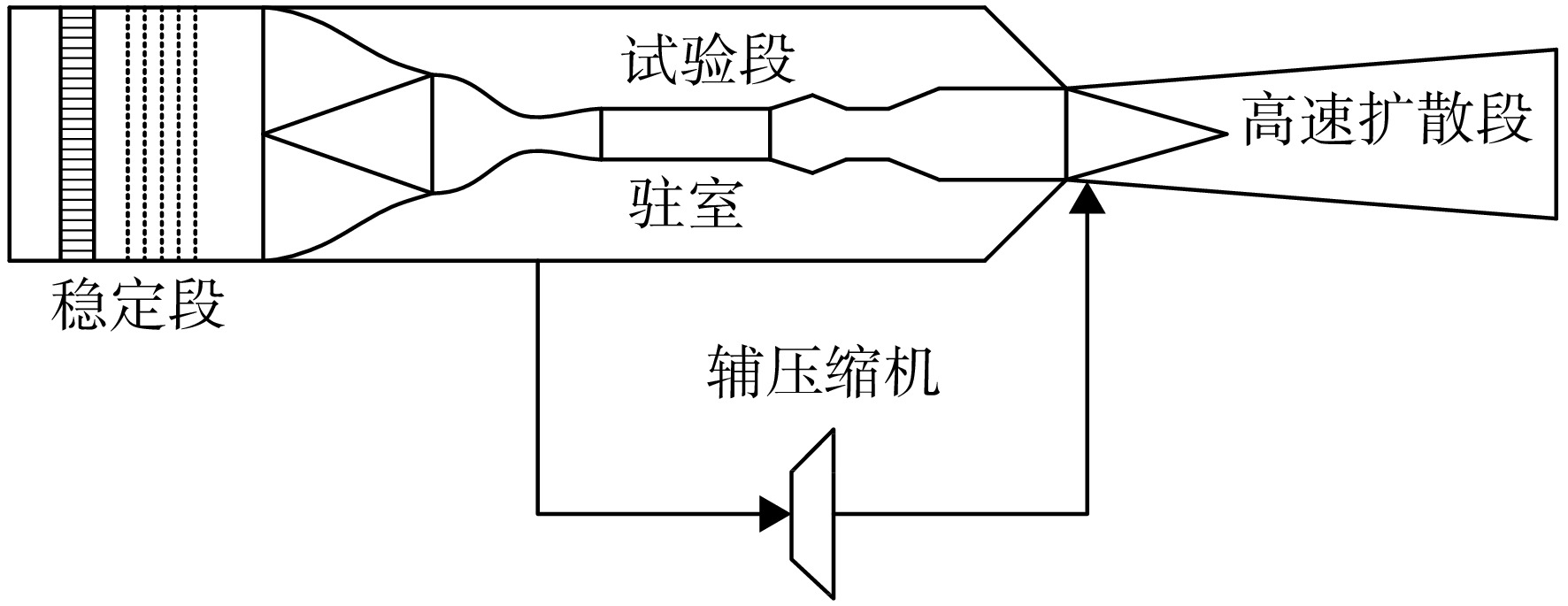
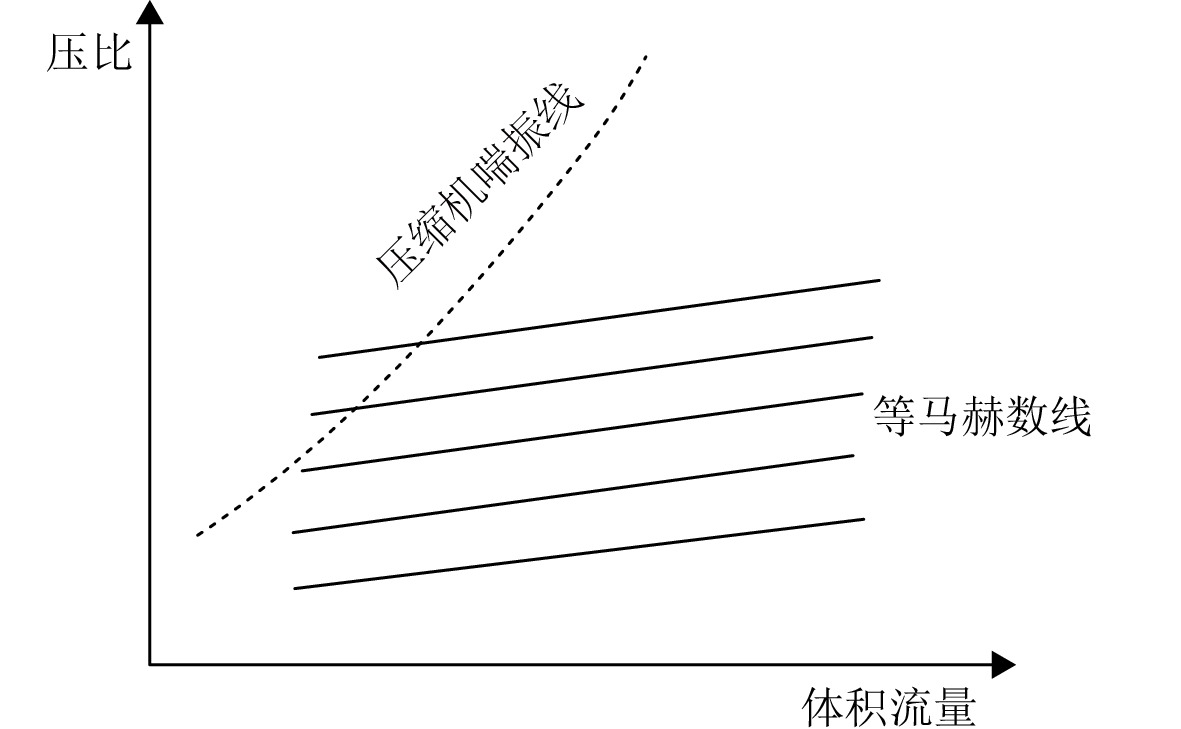
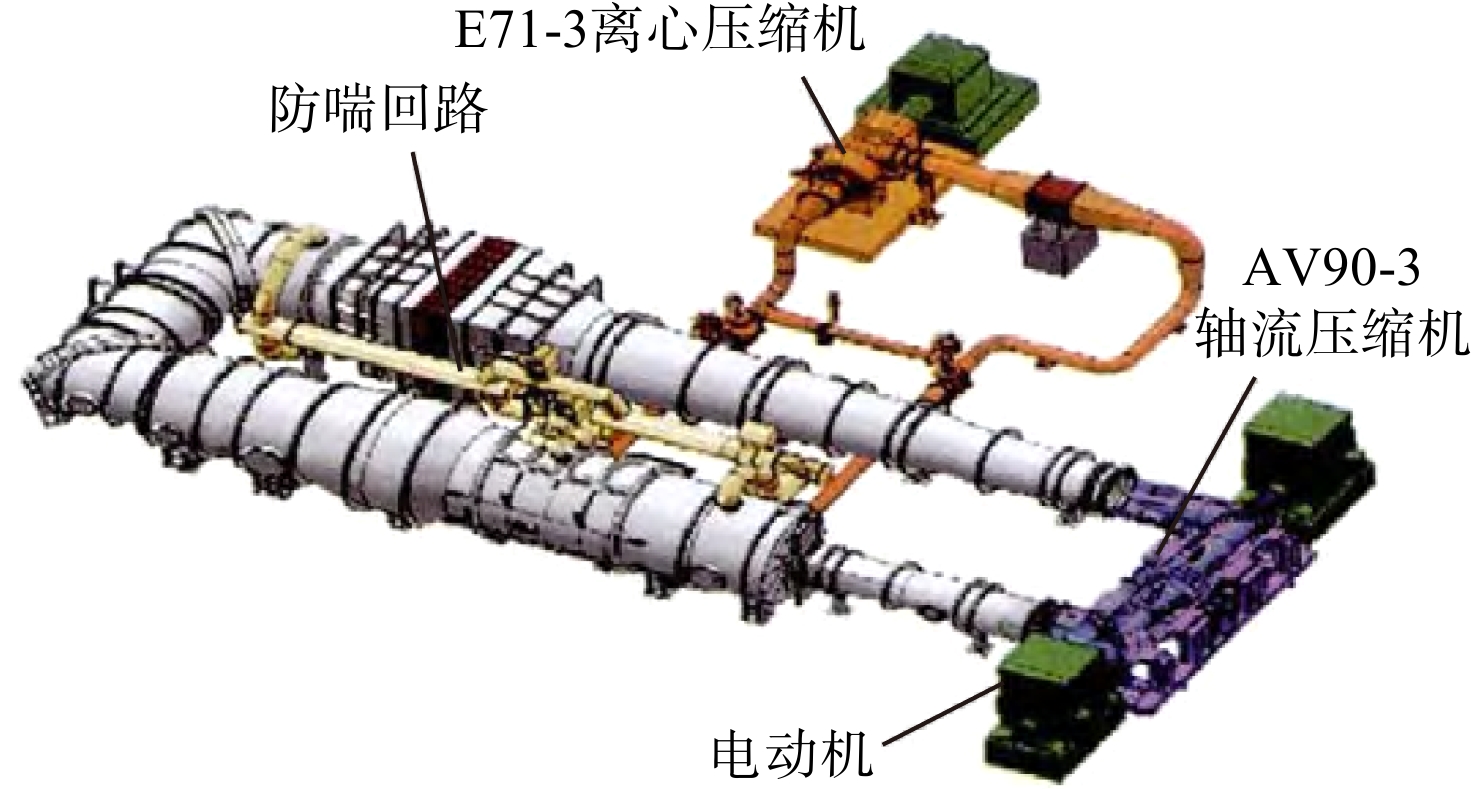
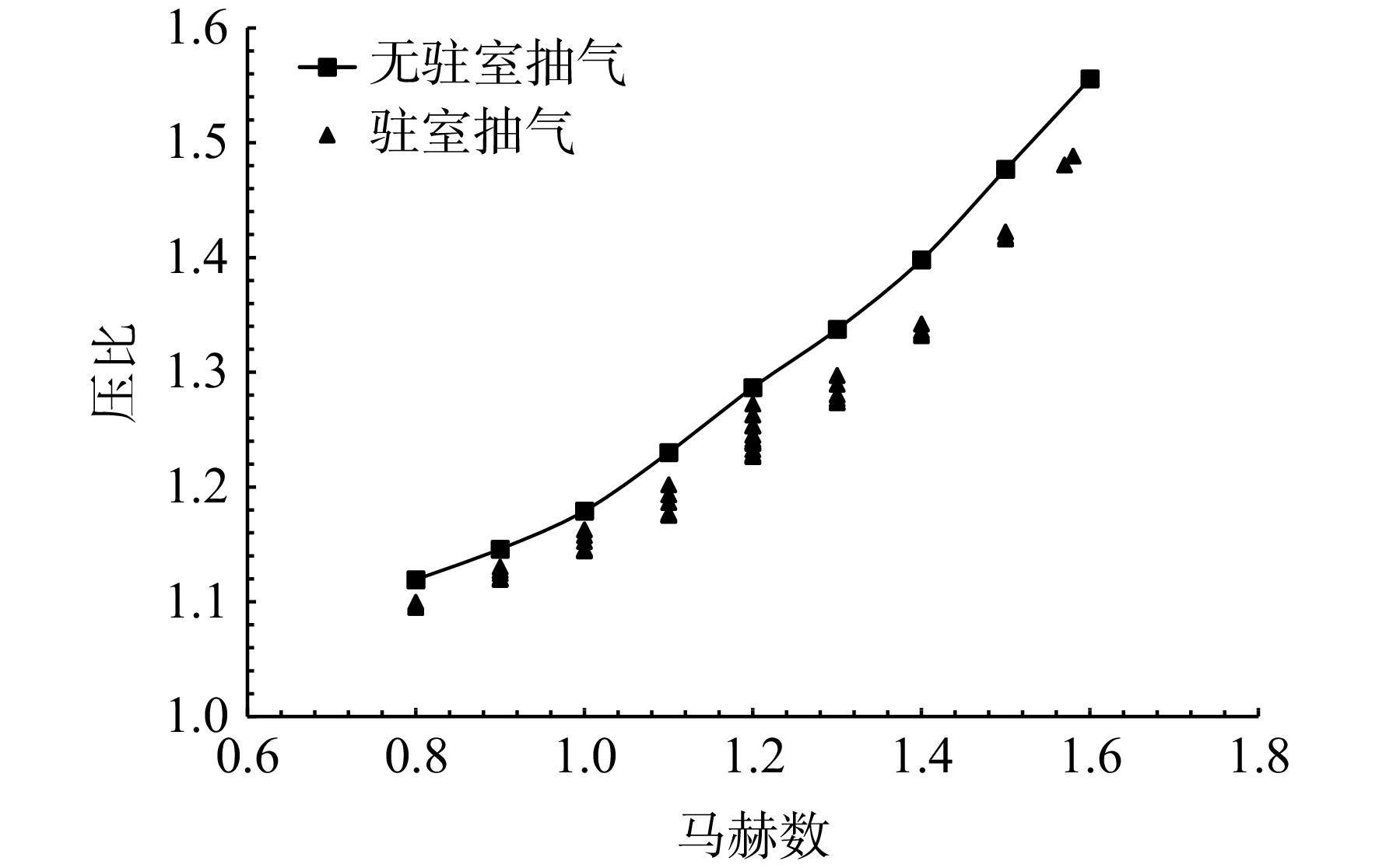
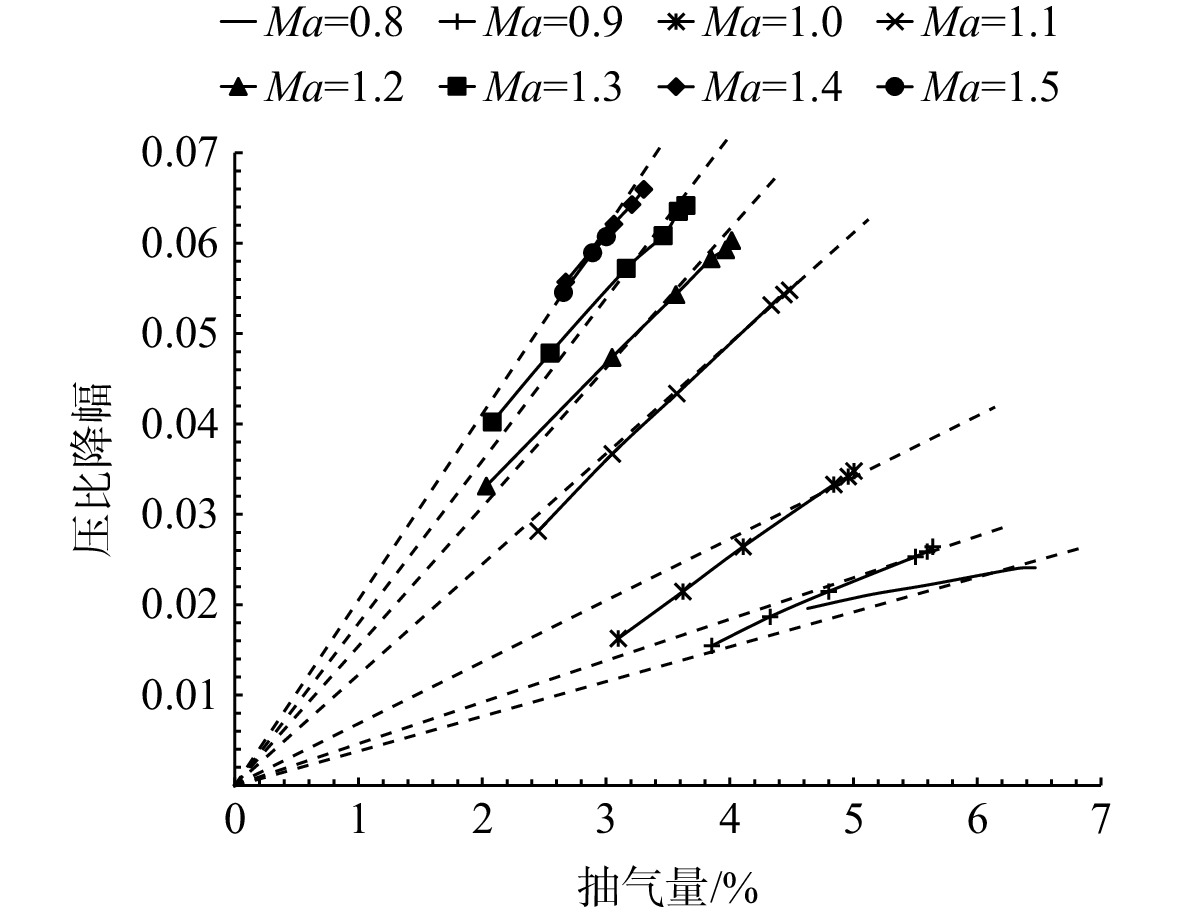
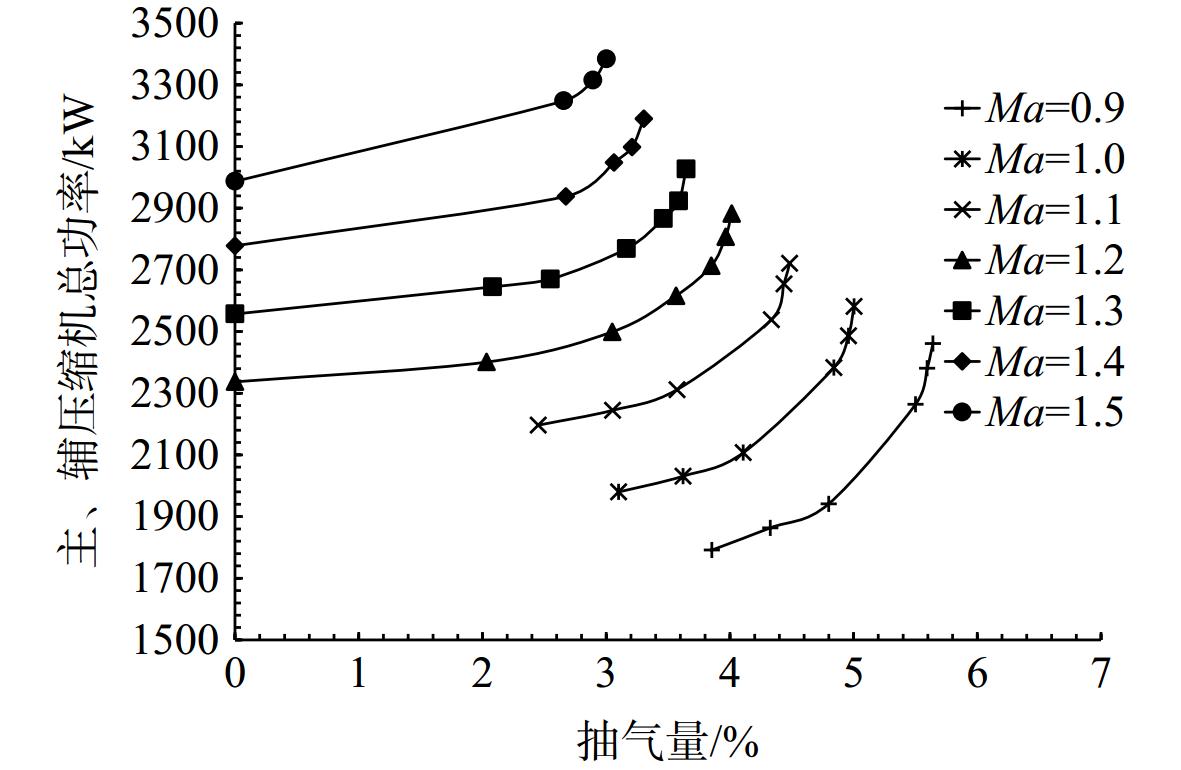
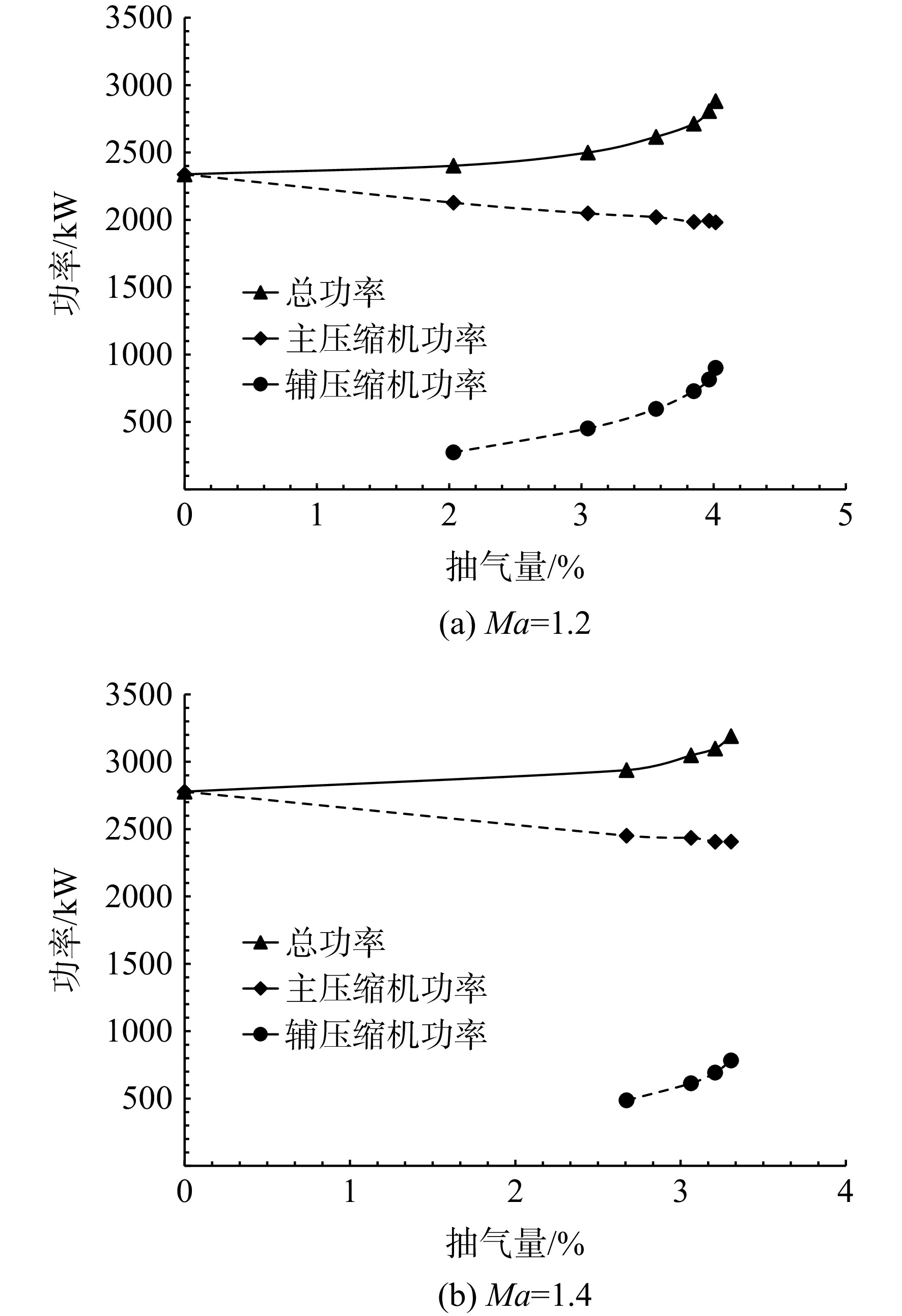
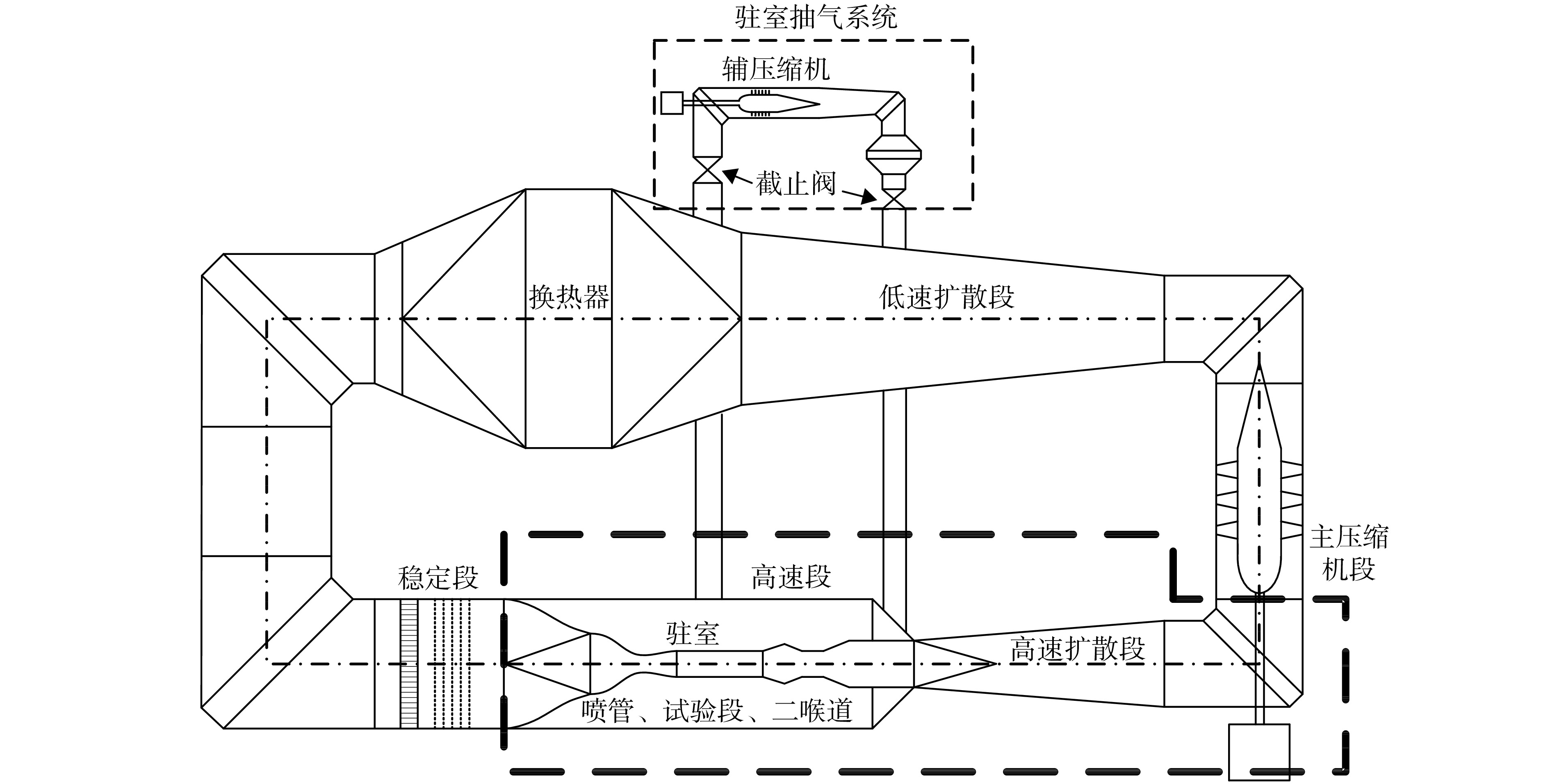
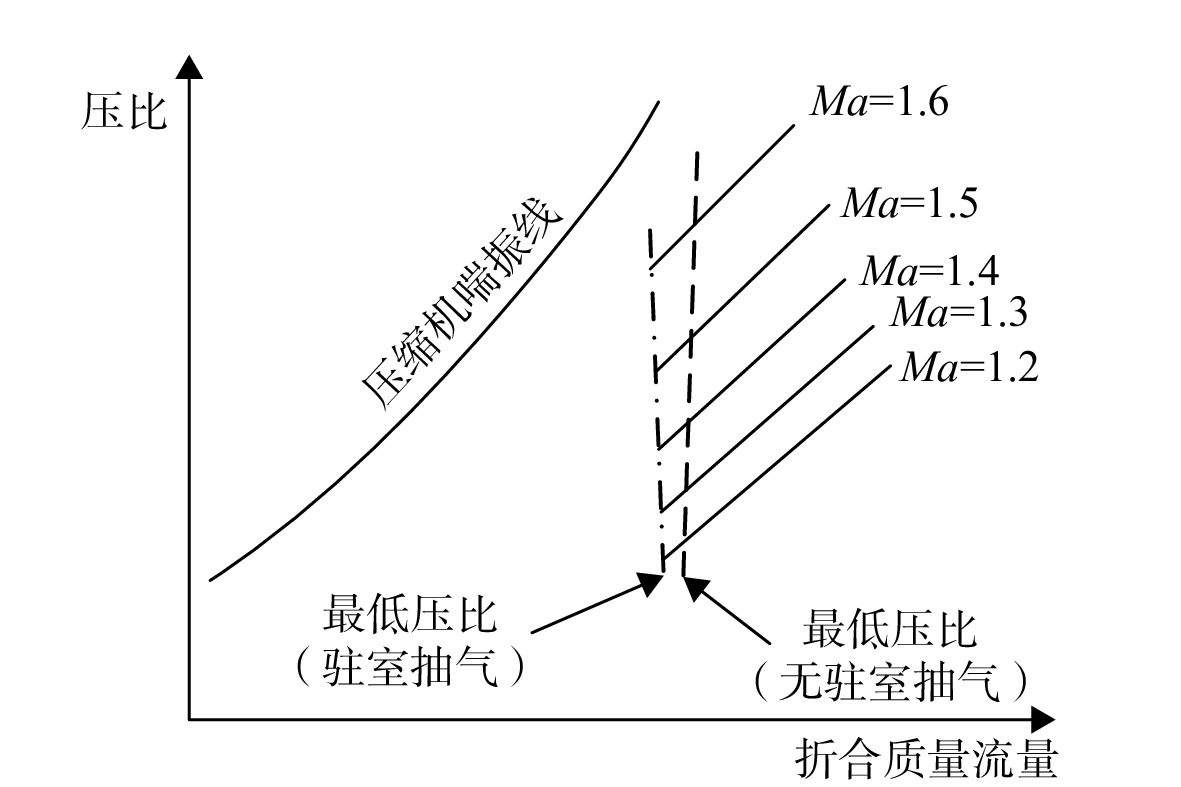
Aerodynamic performances of main compressor and compressor for plenum suction system (auxiliary compressor) were analyzed, and experiments were performed at 0.6 m continuous wind tunnel. The results showed that the pressure ratio and power of main compressor can be reduced by plenum suction, resulting in higher Mach number ability of wind tunnel and easier design of main compressor. However, the total power of wind tunnel increased with plenum suction, due to higher energy consumption of auxiliary compressor. At maximum suction rate condition, the power of main compressor dropped more than 15%, while the total power of wind tunnel increased by 20%. Auxiliary compressor had greater risk of surge if it operated with main compressor, especially at higher Mach number condition, and more attentions should be paid to its operation condition during Mach number regulation.

Research on analysis method of propeller windmill characteristics
WANG Dingqi, GAO Yang, WANG Zhaopeng
2024, 39(12): 20220070. doi: 10.13224/j.cnki.jasp.20220070
Abstract:

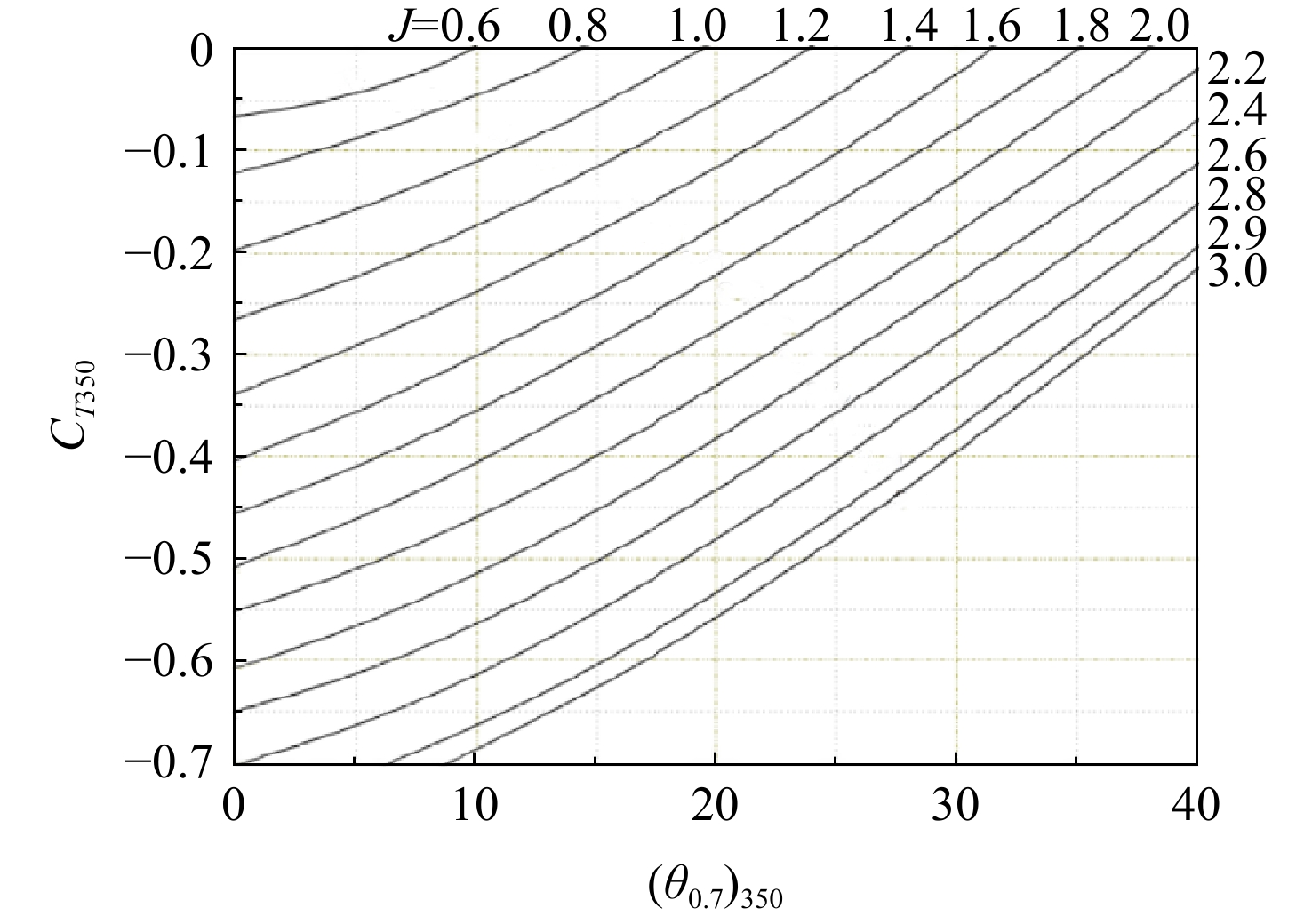
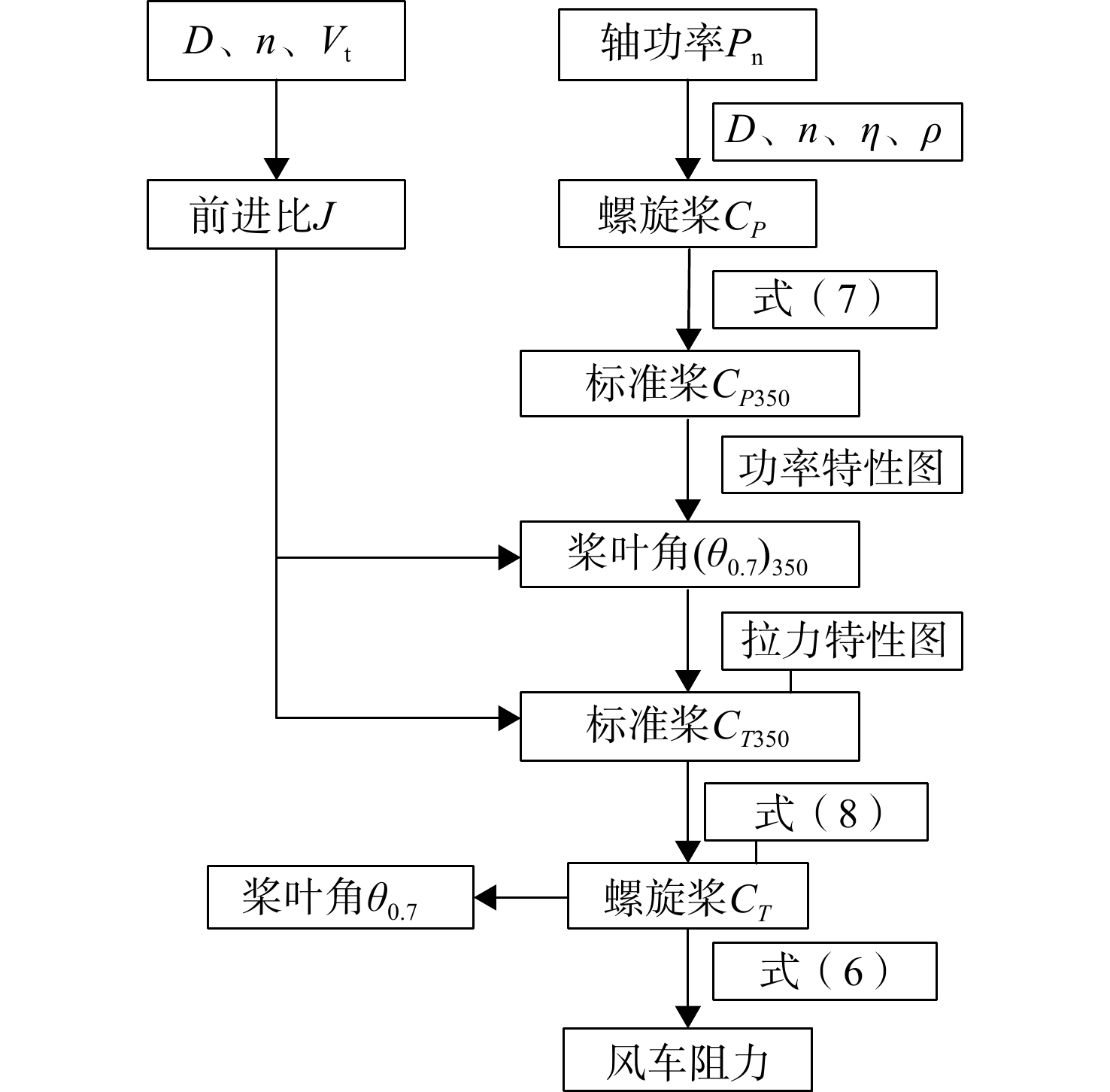
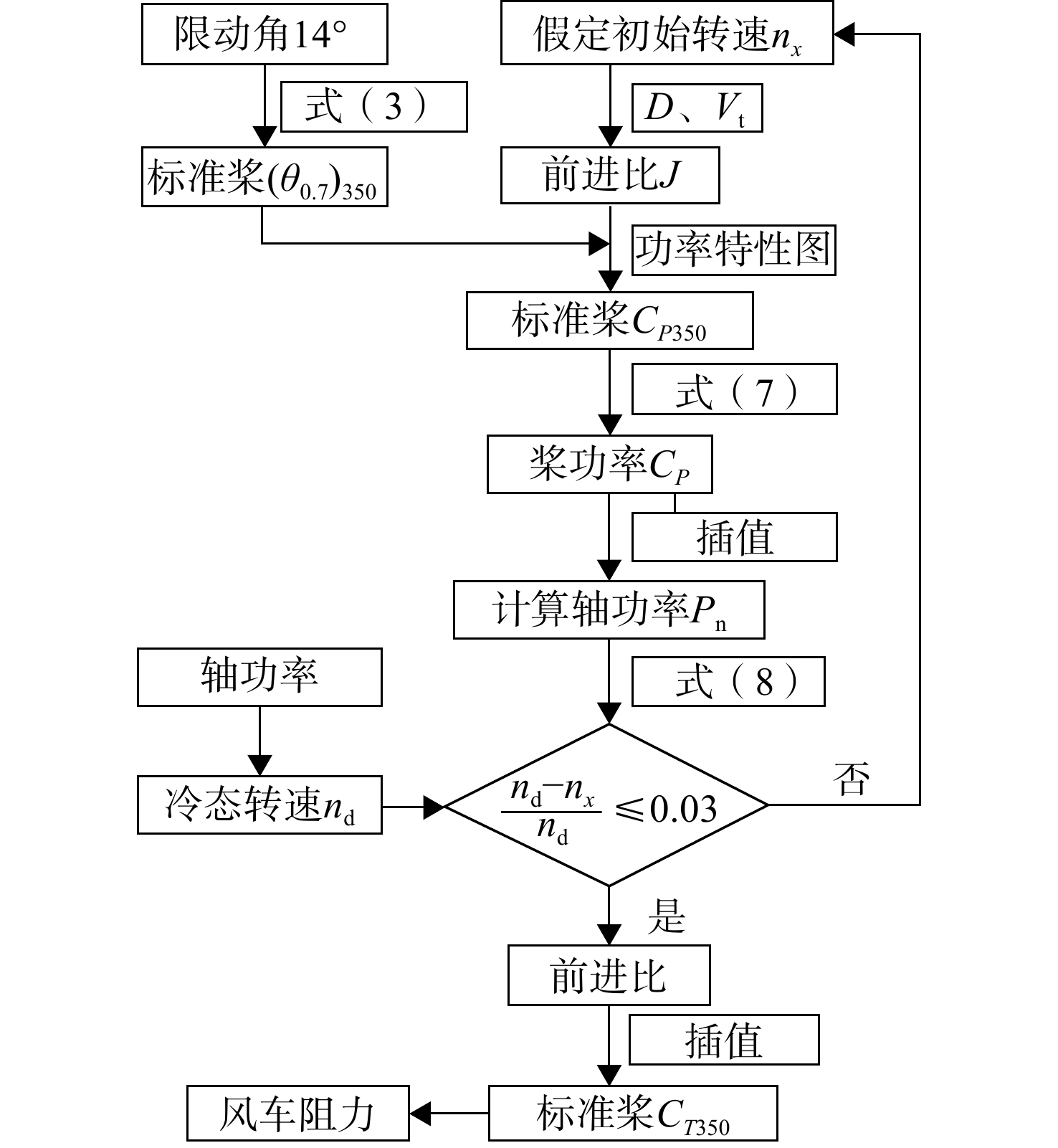
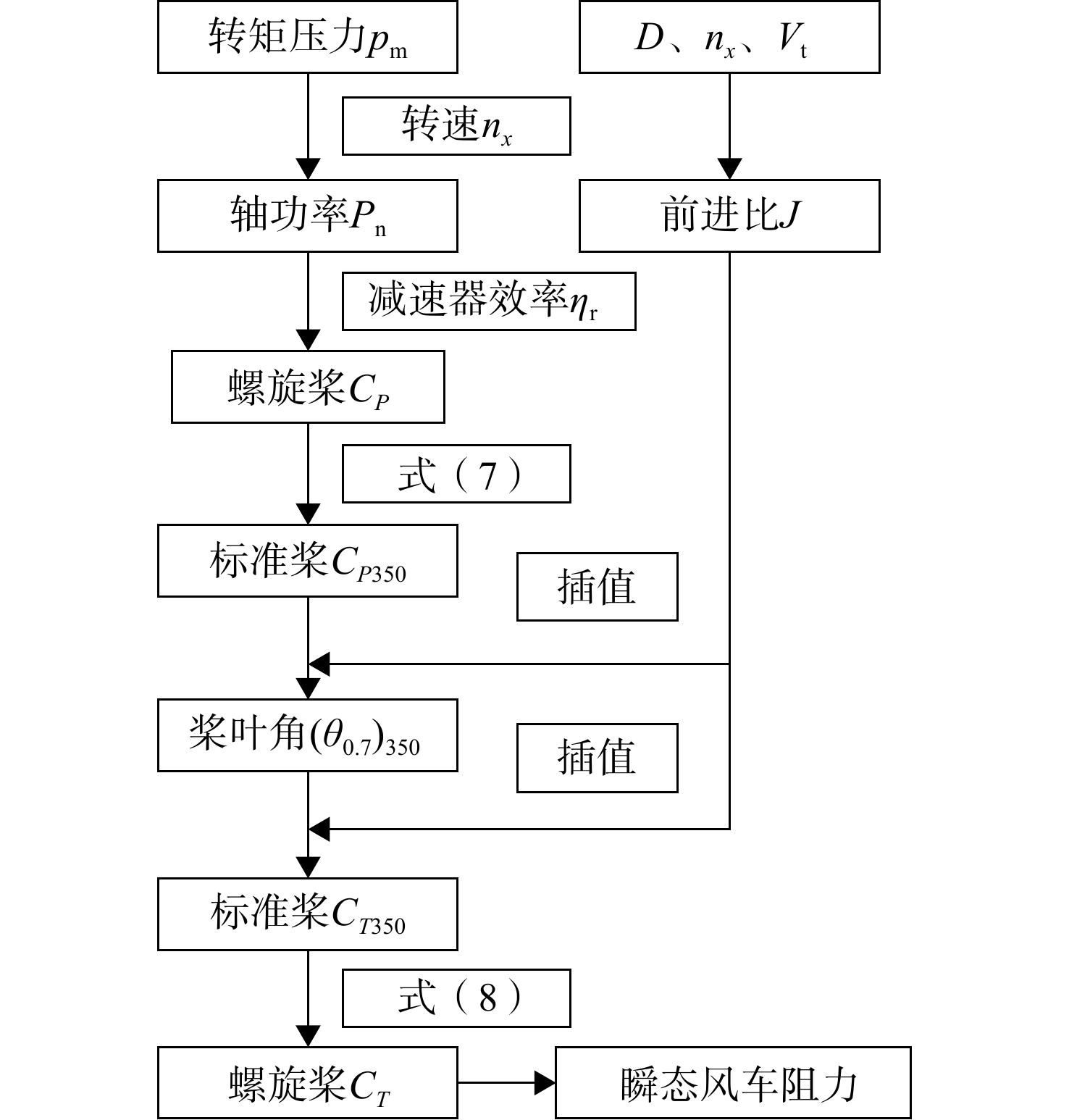
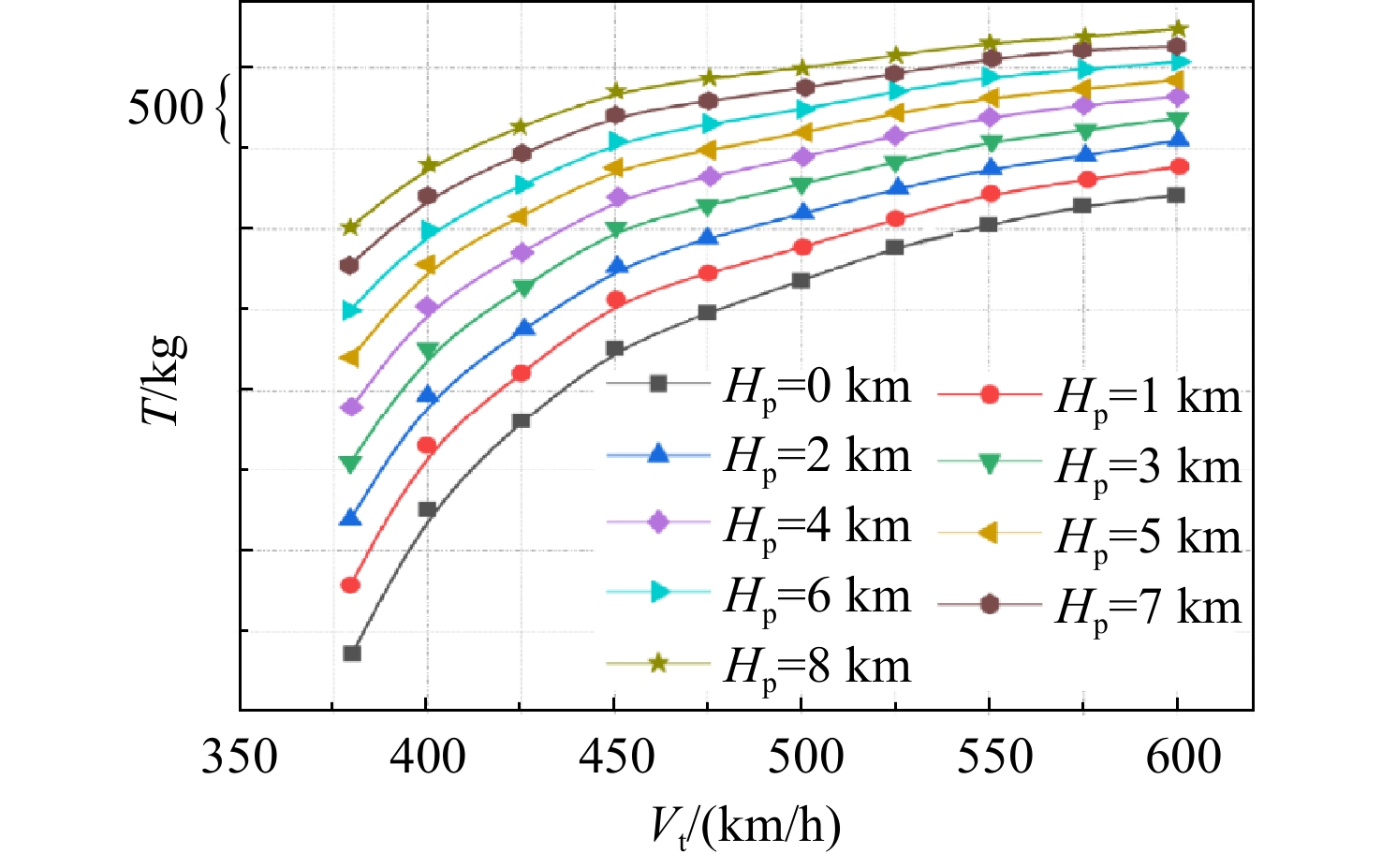
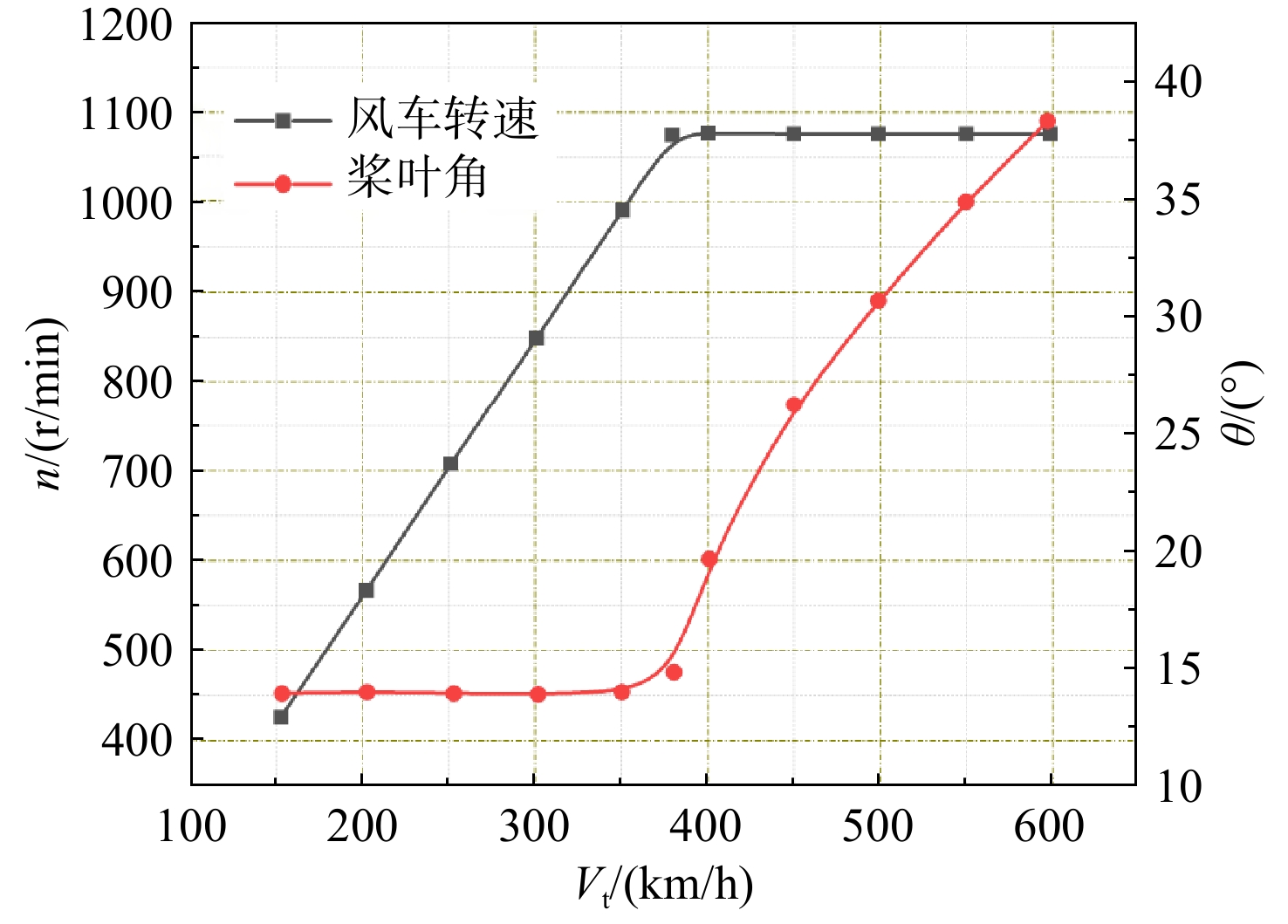
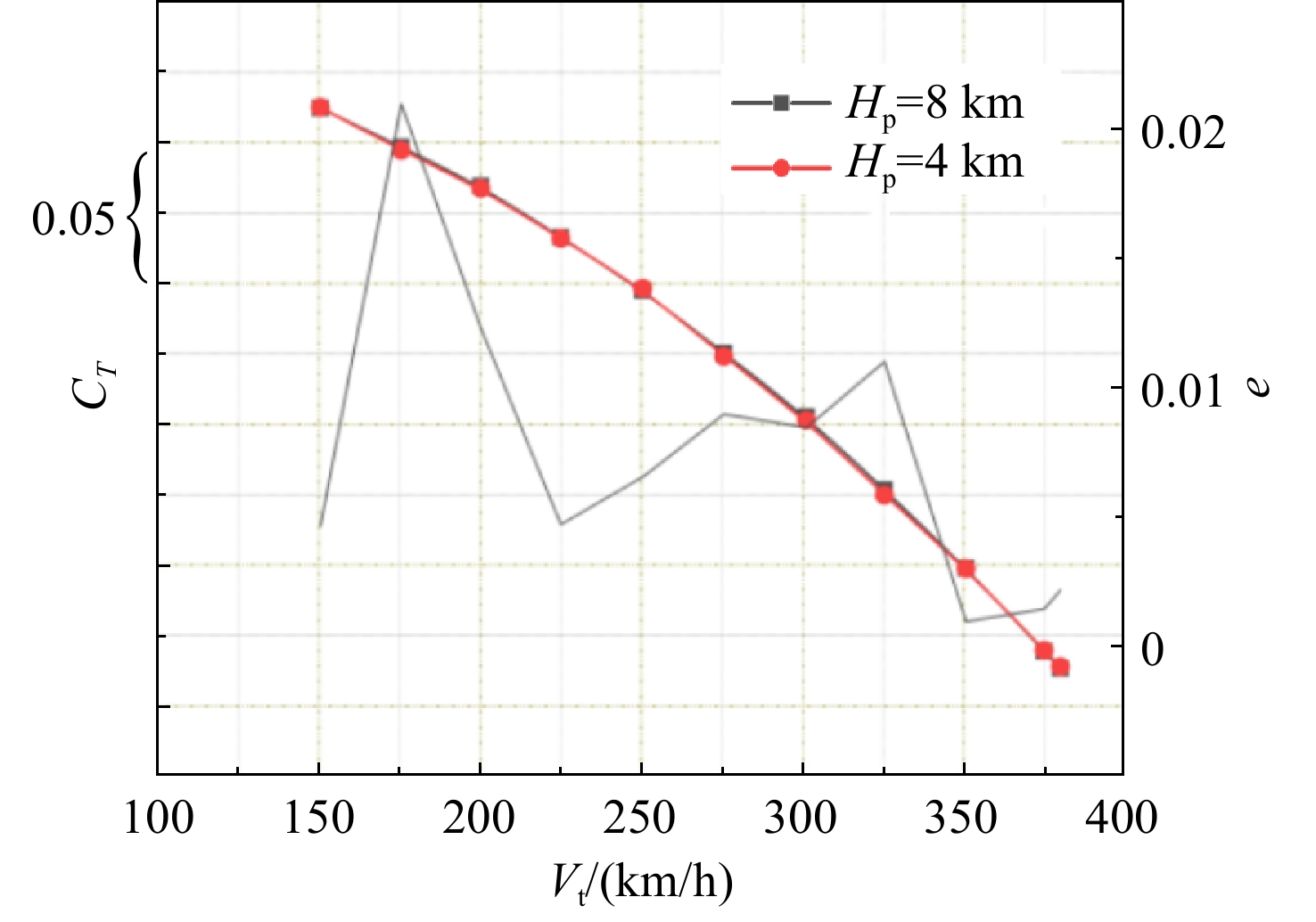
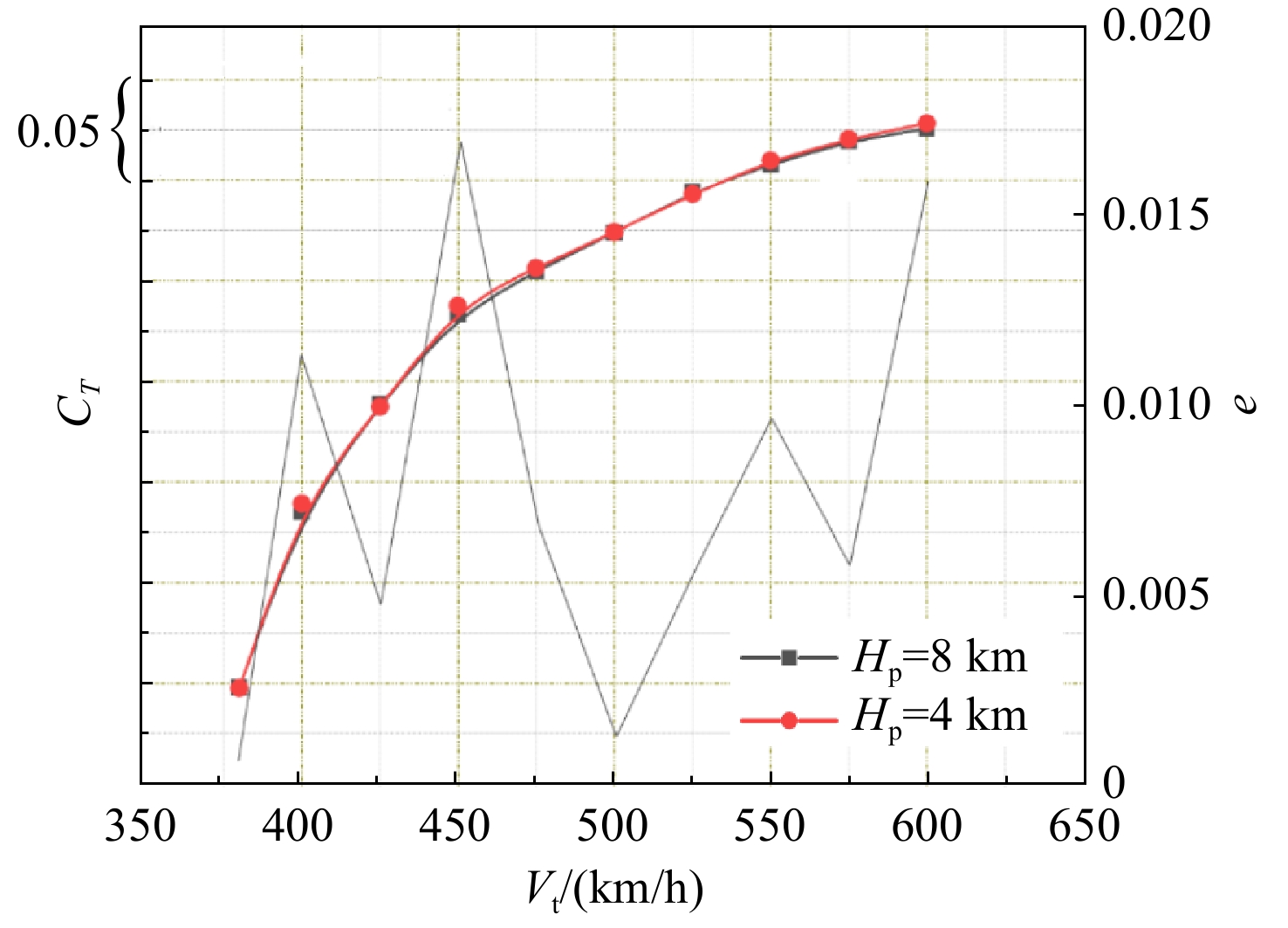
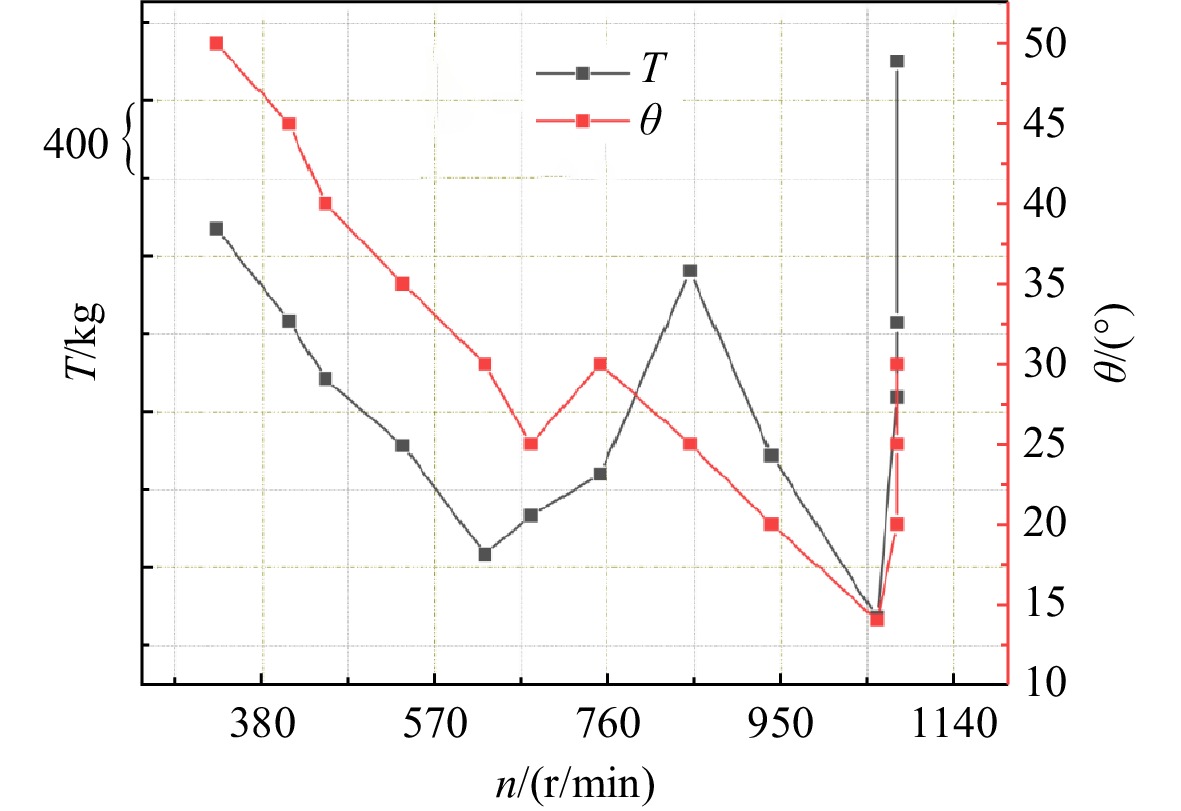
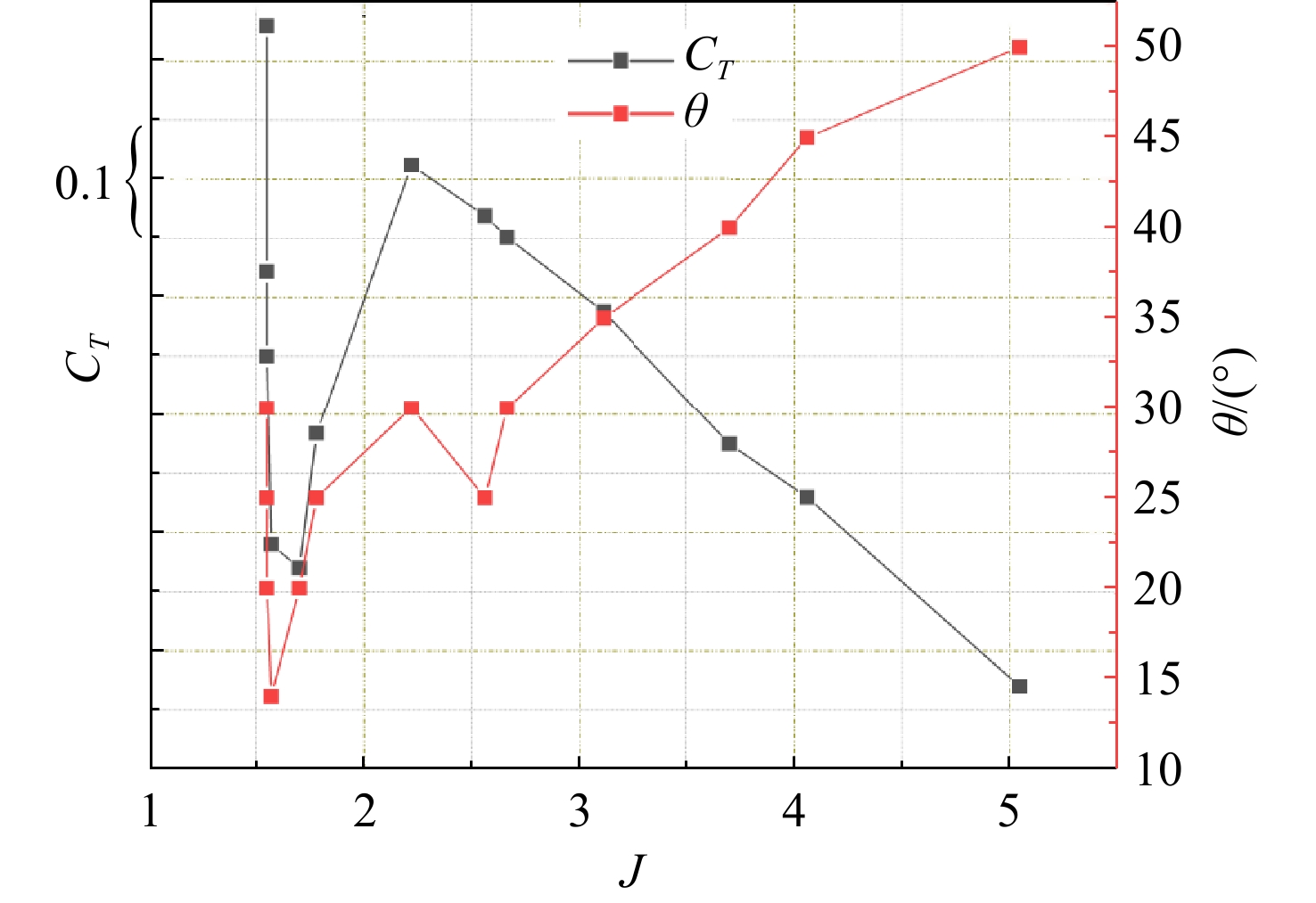
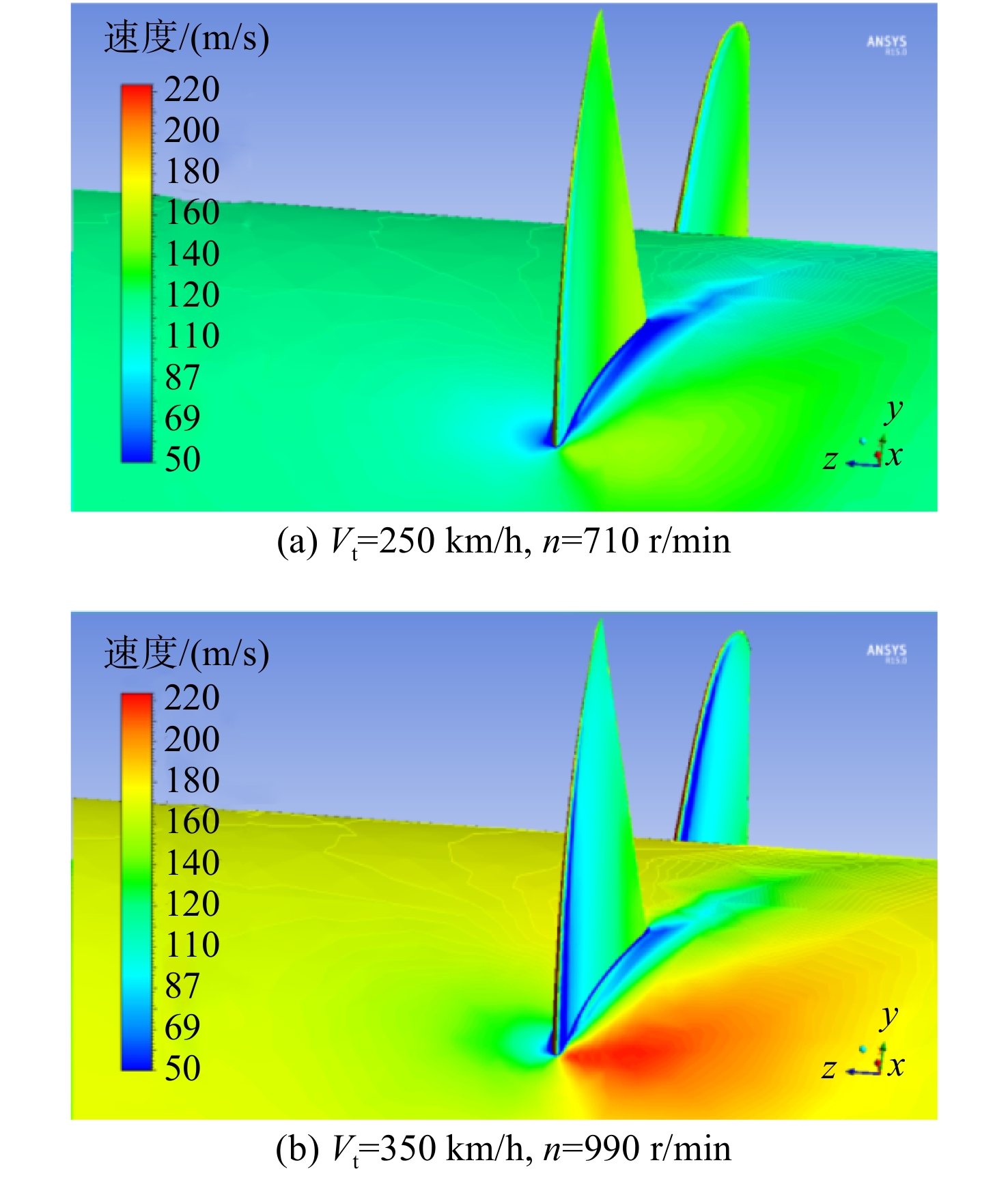
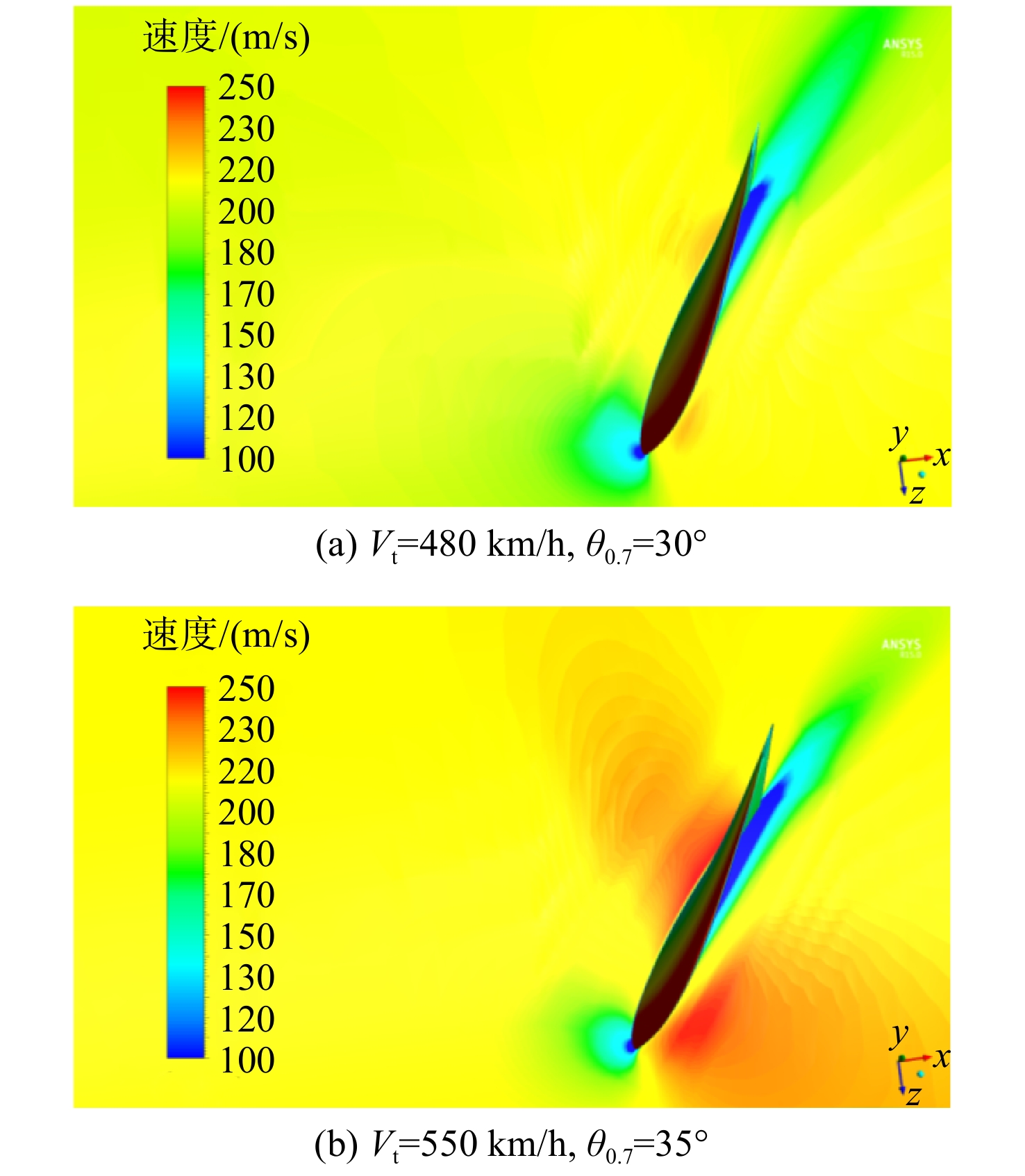
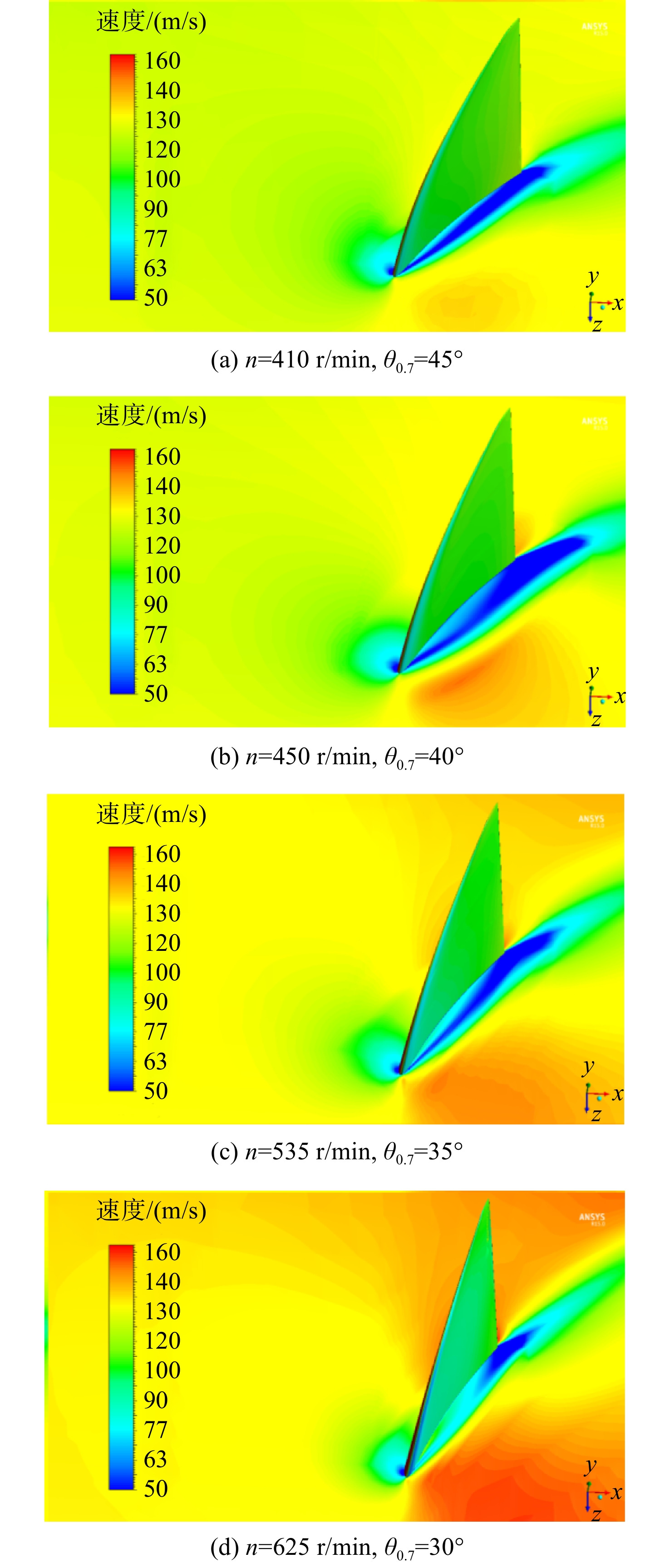
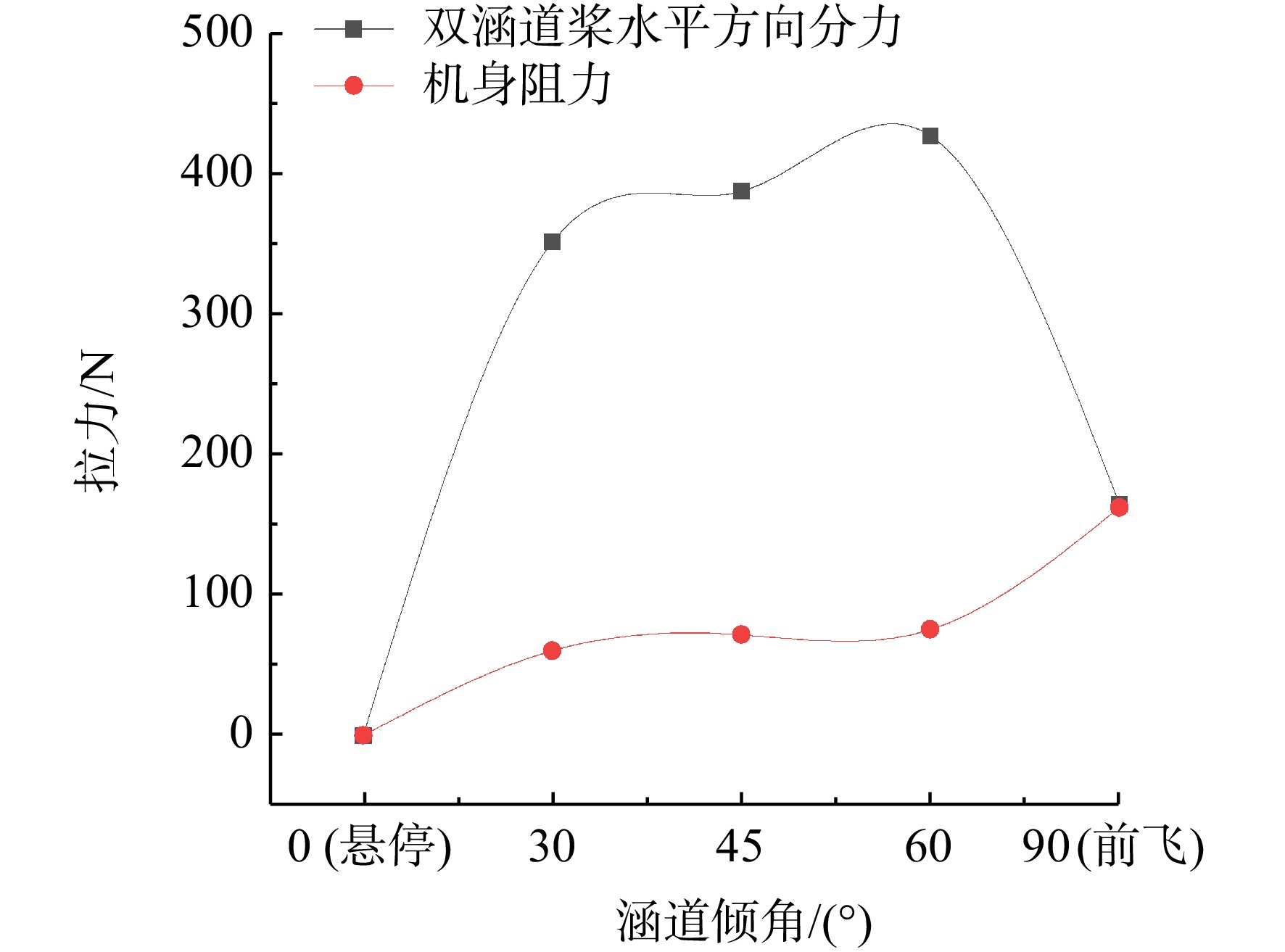
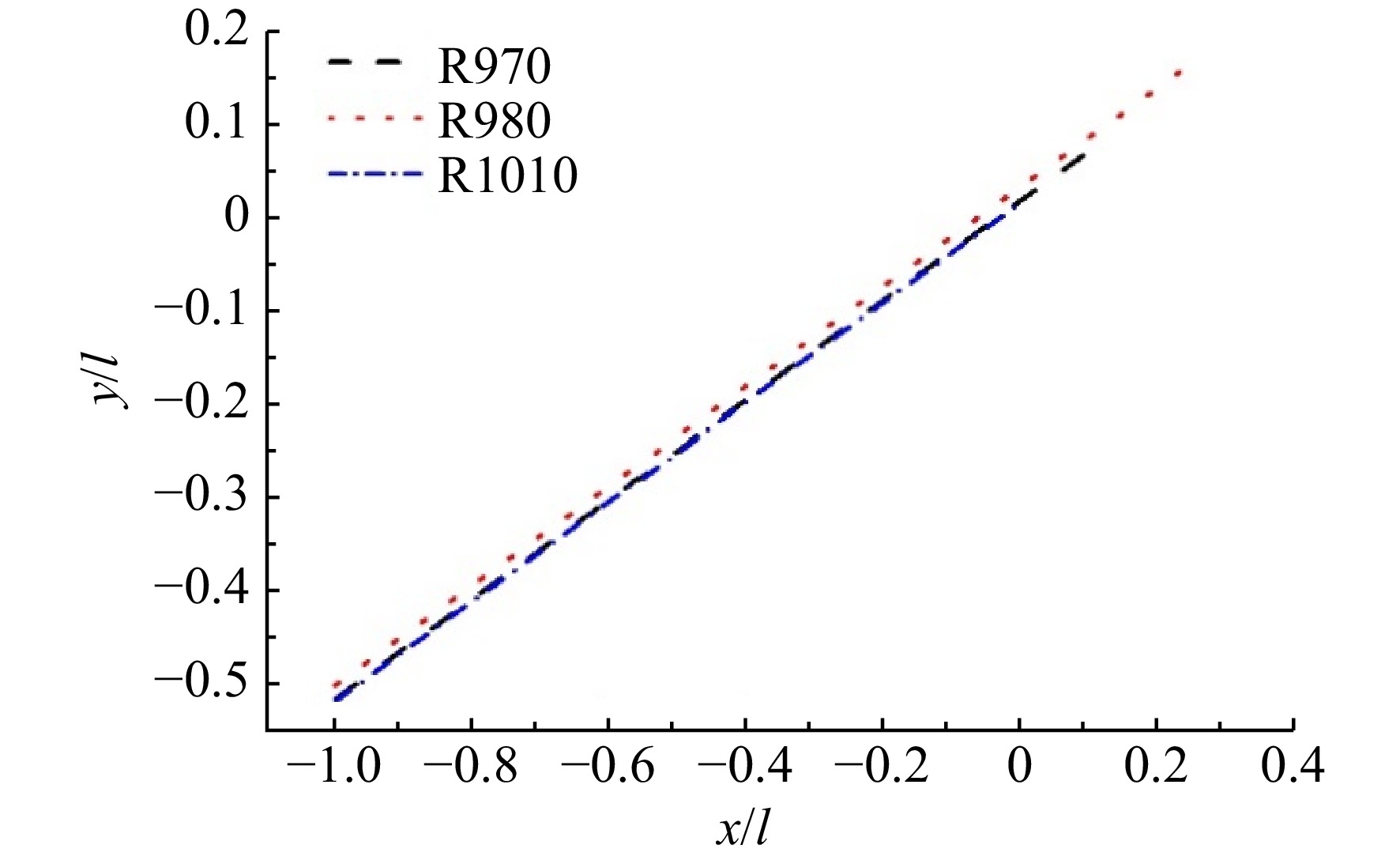
Taking a type of propeller as the research object, based on the characteristics of high-speed windmill and low-speed windmill in the steady state of the propeller and the characteristics of transient windmill during air start process, simulation calculations of different altitudes, true speeds, blade angles and rotating speeds were carried out. The windmill resistance of the propeller at different test conditions was given quantitatively. Through verification of the key points of the scaled-down model wind tunnel, the maximum error was 4.63%. Through correction of the utility factor and the zero-lift angle of attack in the standard propeller characteristics, the propeller characteristics were calculated iteratively. Based on the simulation and iterative calculation results, the data fusion method was used to put forward the optimal solution of the propeller windmill characteristics. The result showed that: for high-speed windmill, the propeller speed reached the maximum limits value; at true speed of 480 km/h, the blade angle was 30°, and coefficient of thrust was −0.36. For low-speed windmill, the blade angle was at limited angle; at the true speed of 350 km/h, the rotating speed was 990 r/min, and coefficient of thrust was −0.47. During the starting process, the resistance of the propeller windmill first increased and then decreased. When blade angle returned to 14°, the rotating speed was 970 r/min and the thrust was −2150 kg. Acquisition of the characteristics of the propeller windmill could provide a technical support for the determination of windmill resistance and the planning of test points in a certain turboprop engine flight test.

Slowed rotor aerodynamic characteristics using CFD/CSD coupling method
ZHANG Kai, ZHAO Qijun, MA Li, XU Guohua
2024, 39(12): 20230074. doi: 10.13224/j.cnki.jasp.20230074
Abstract:

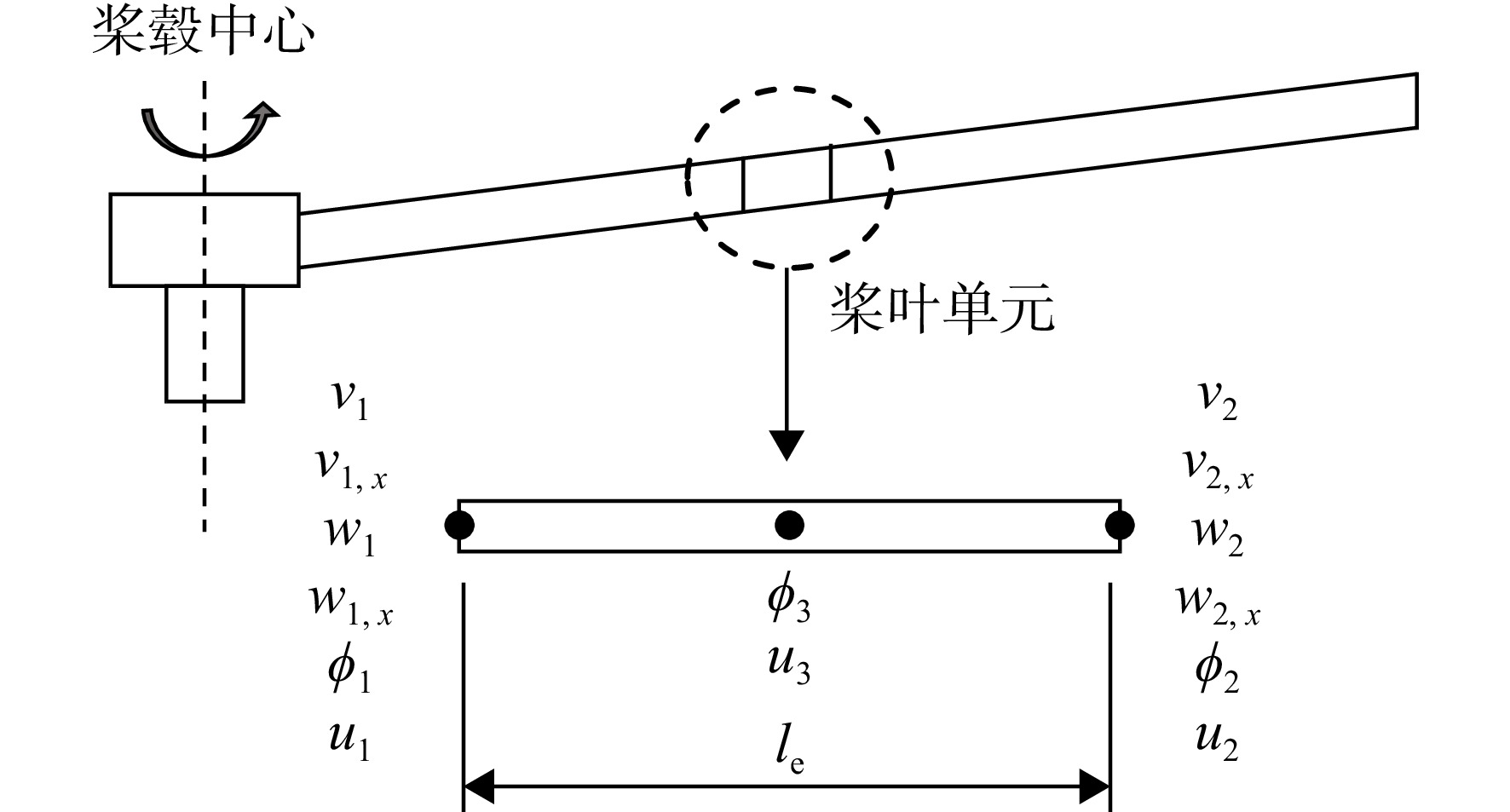
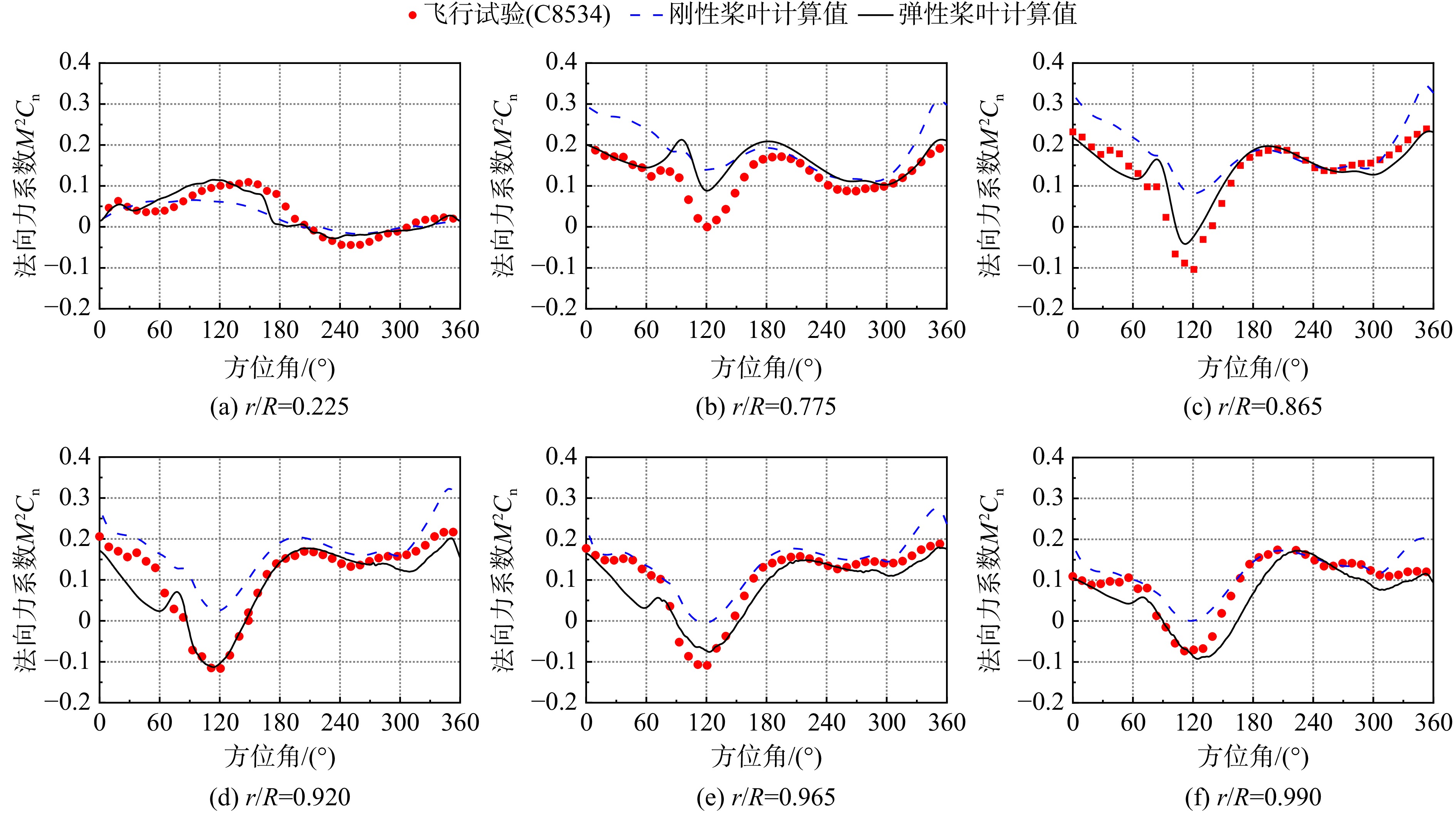
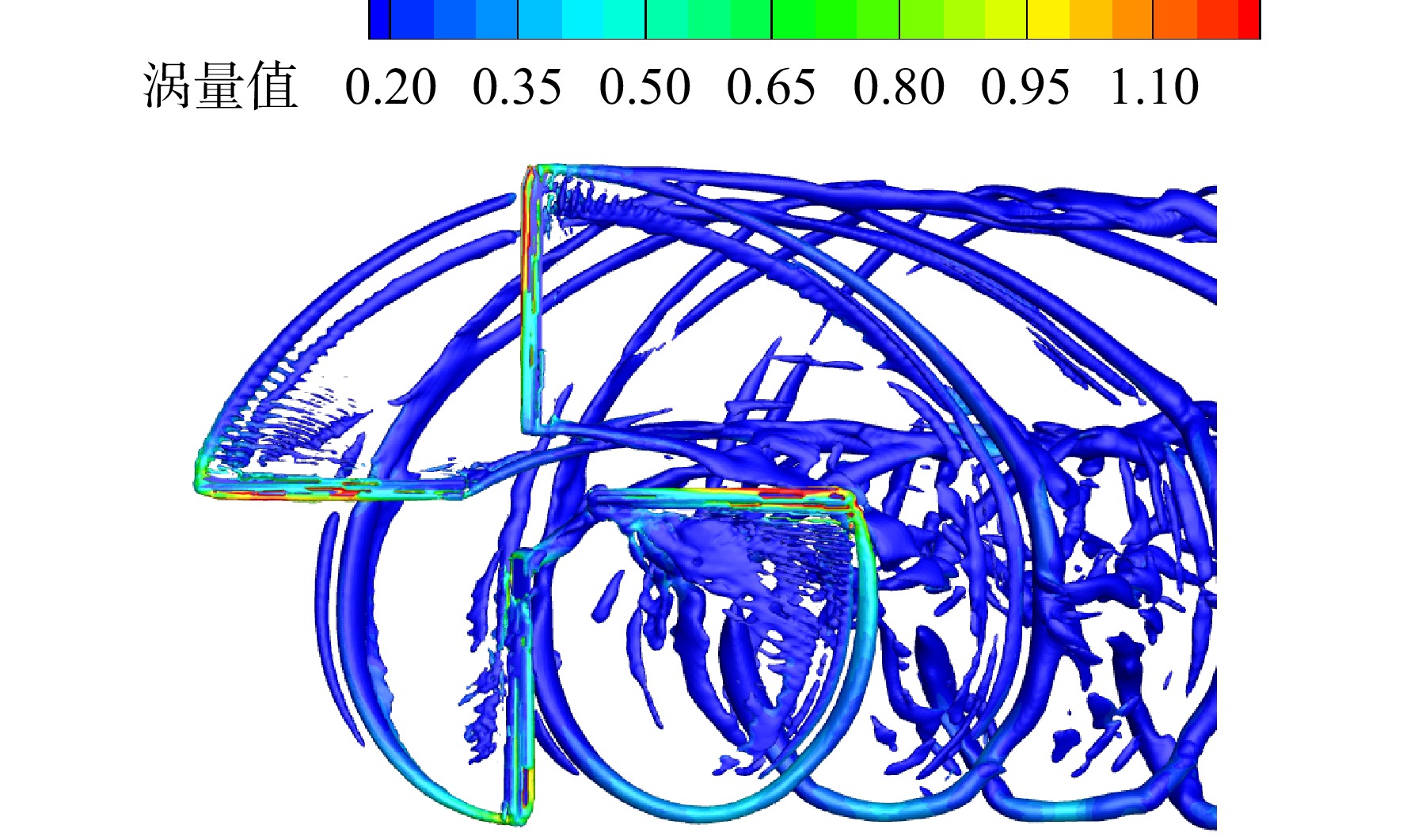
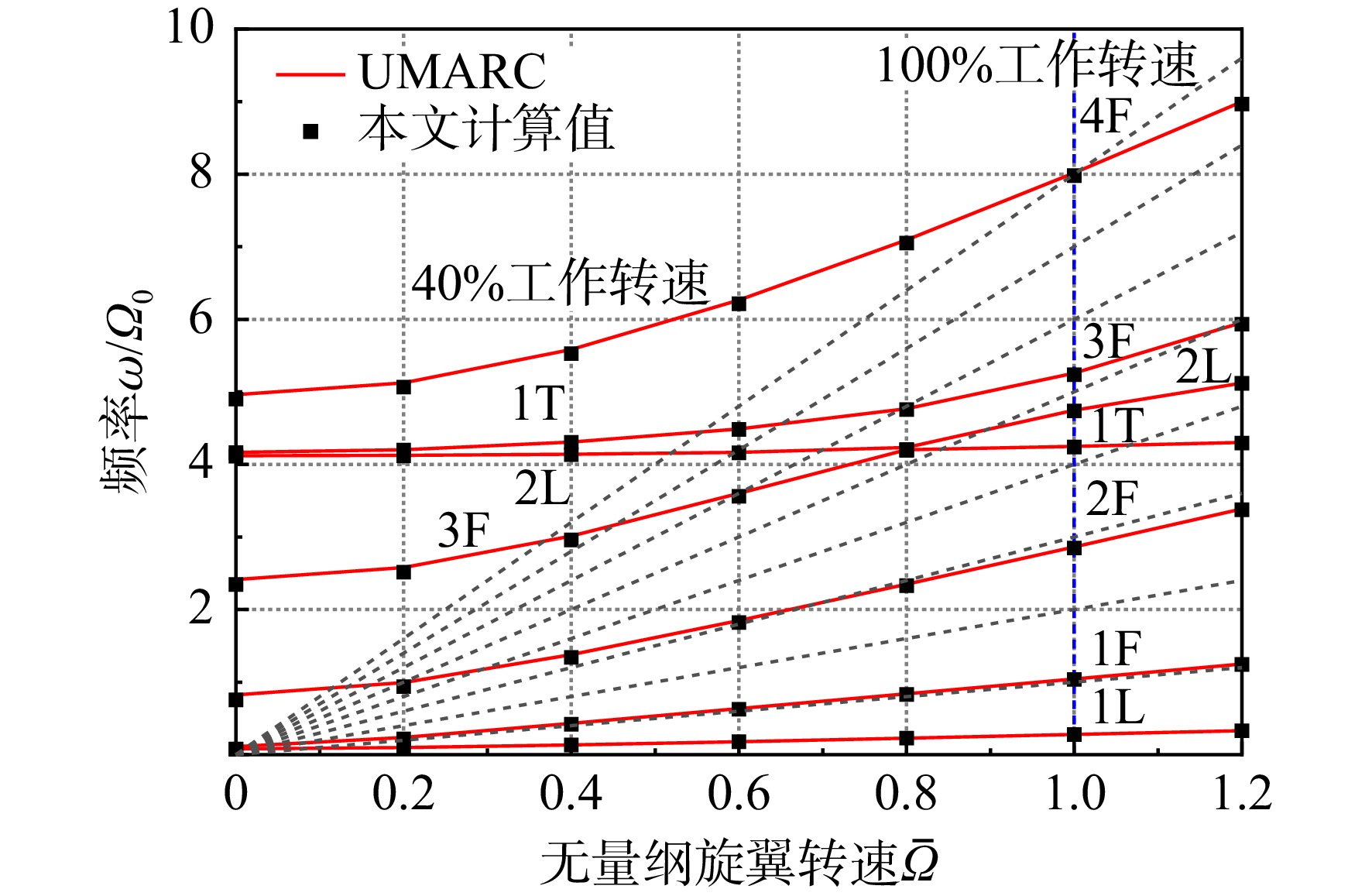
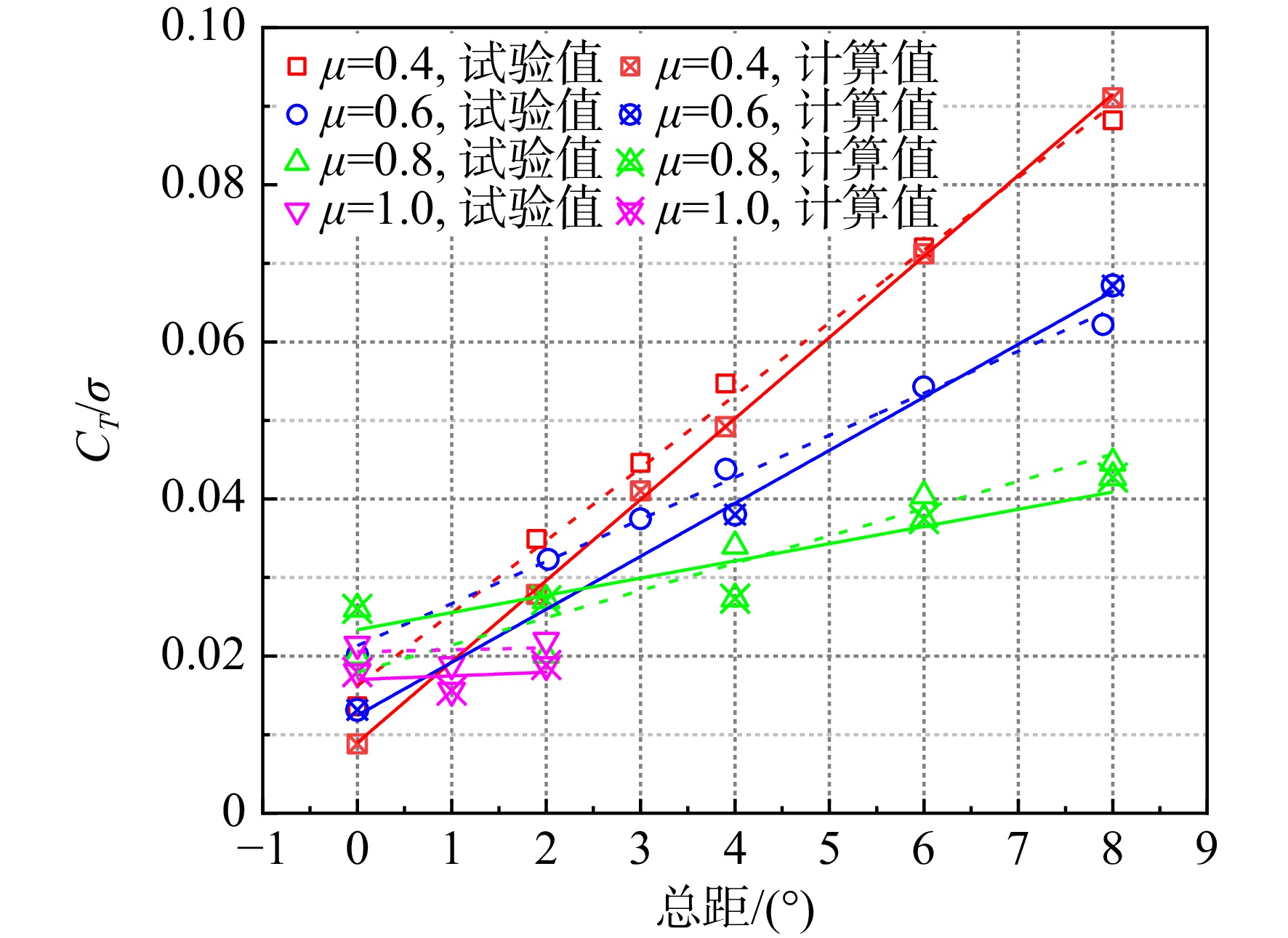
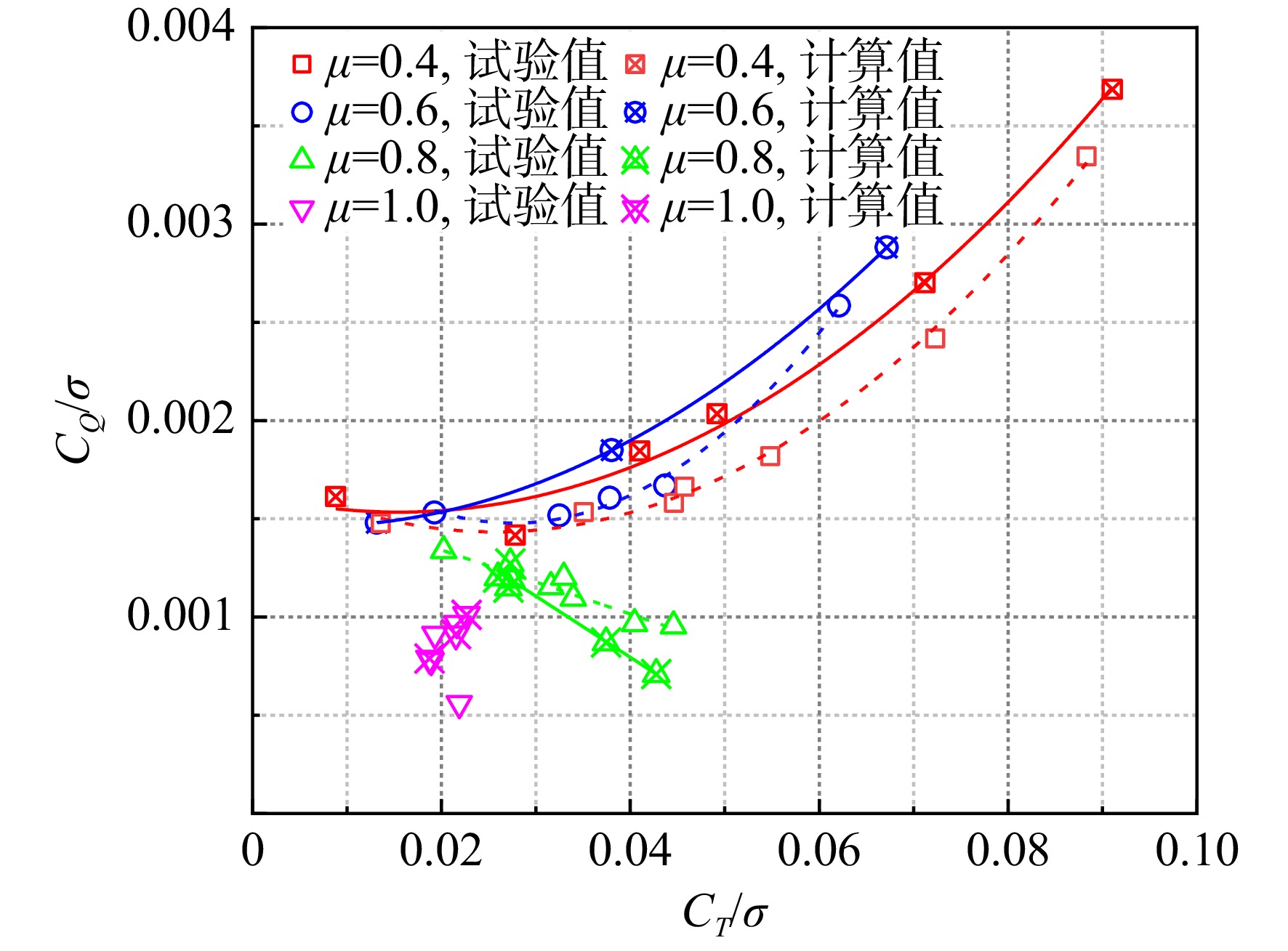
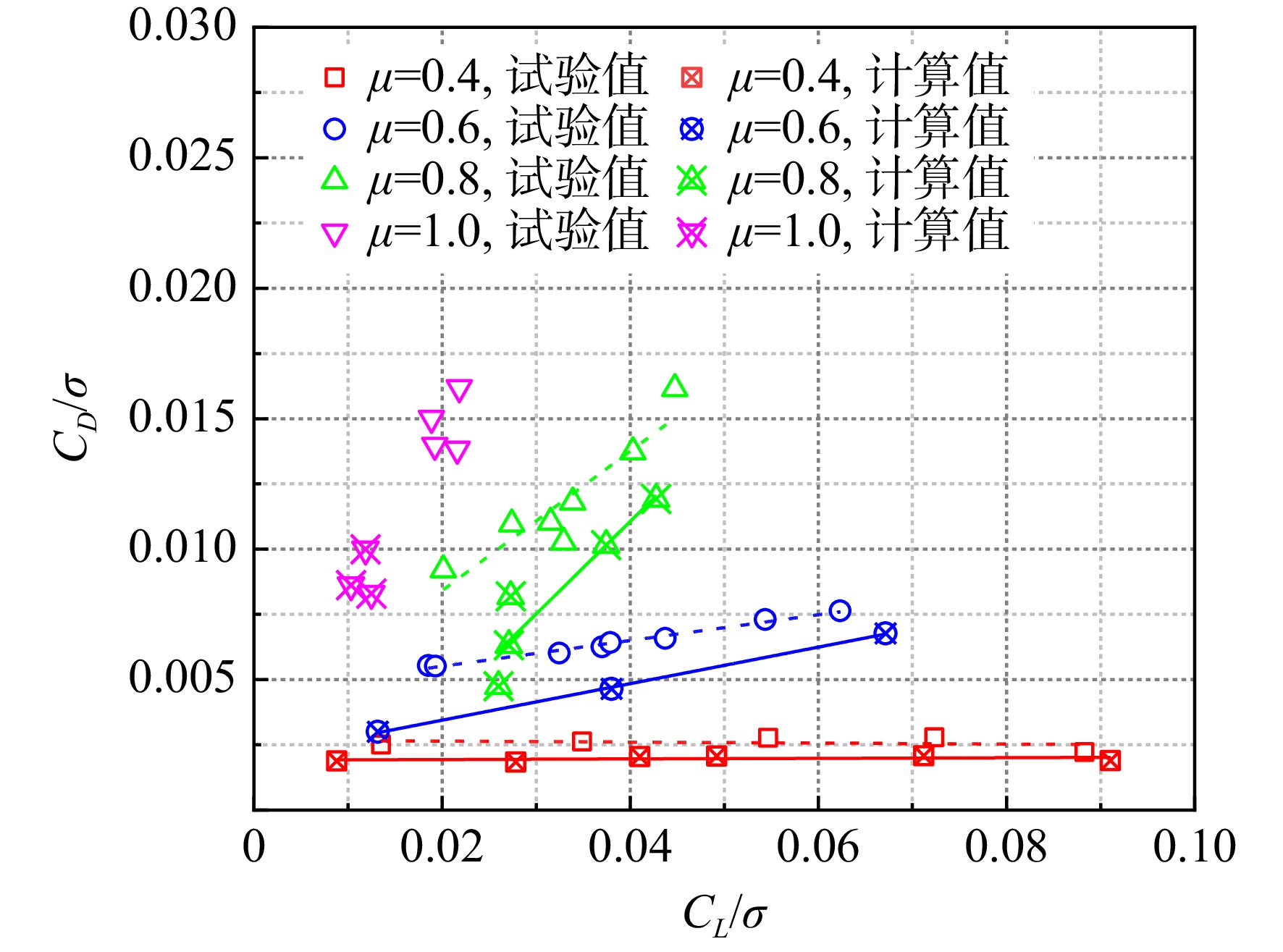
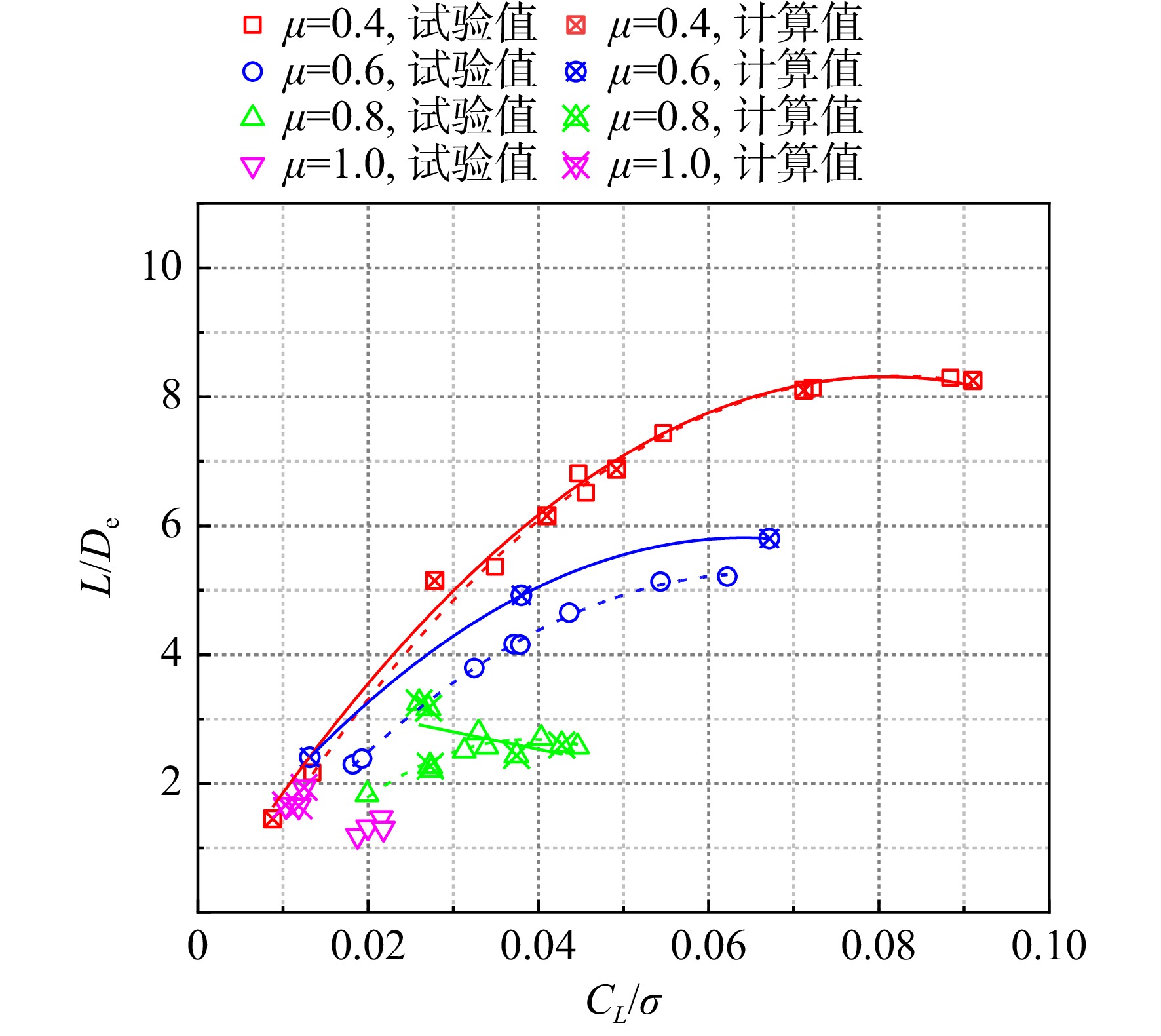
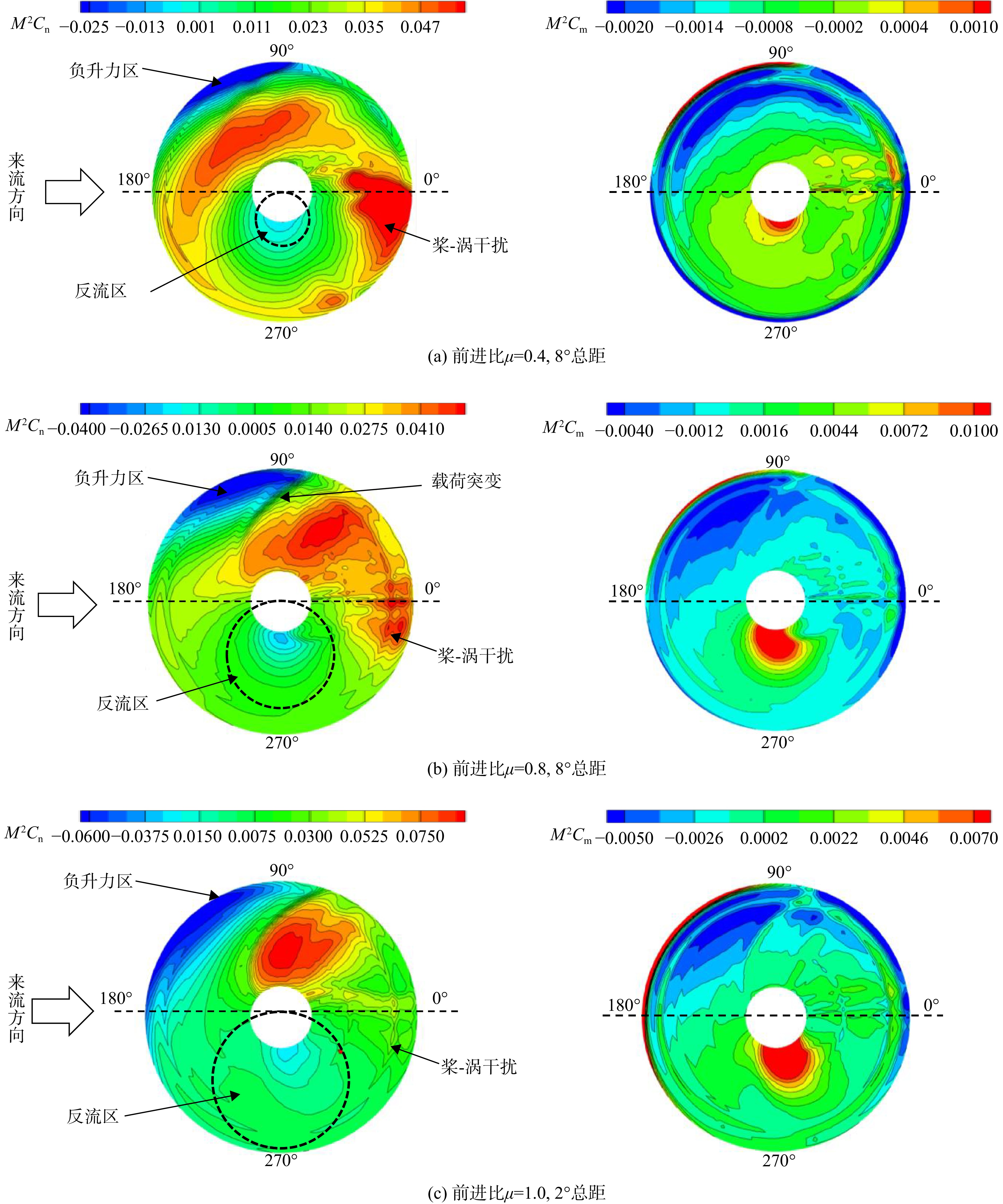
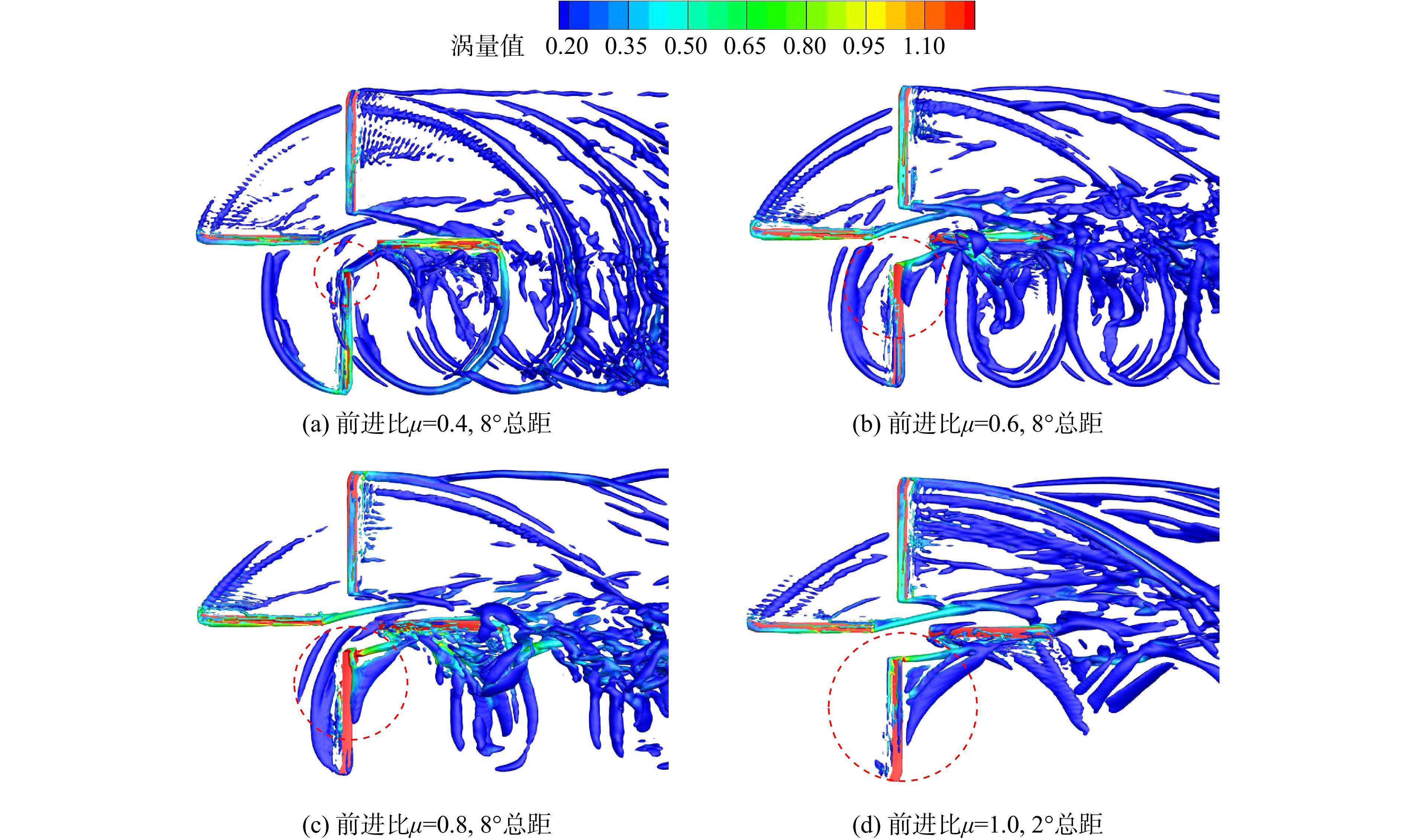
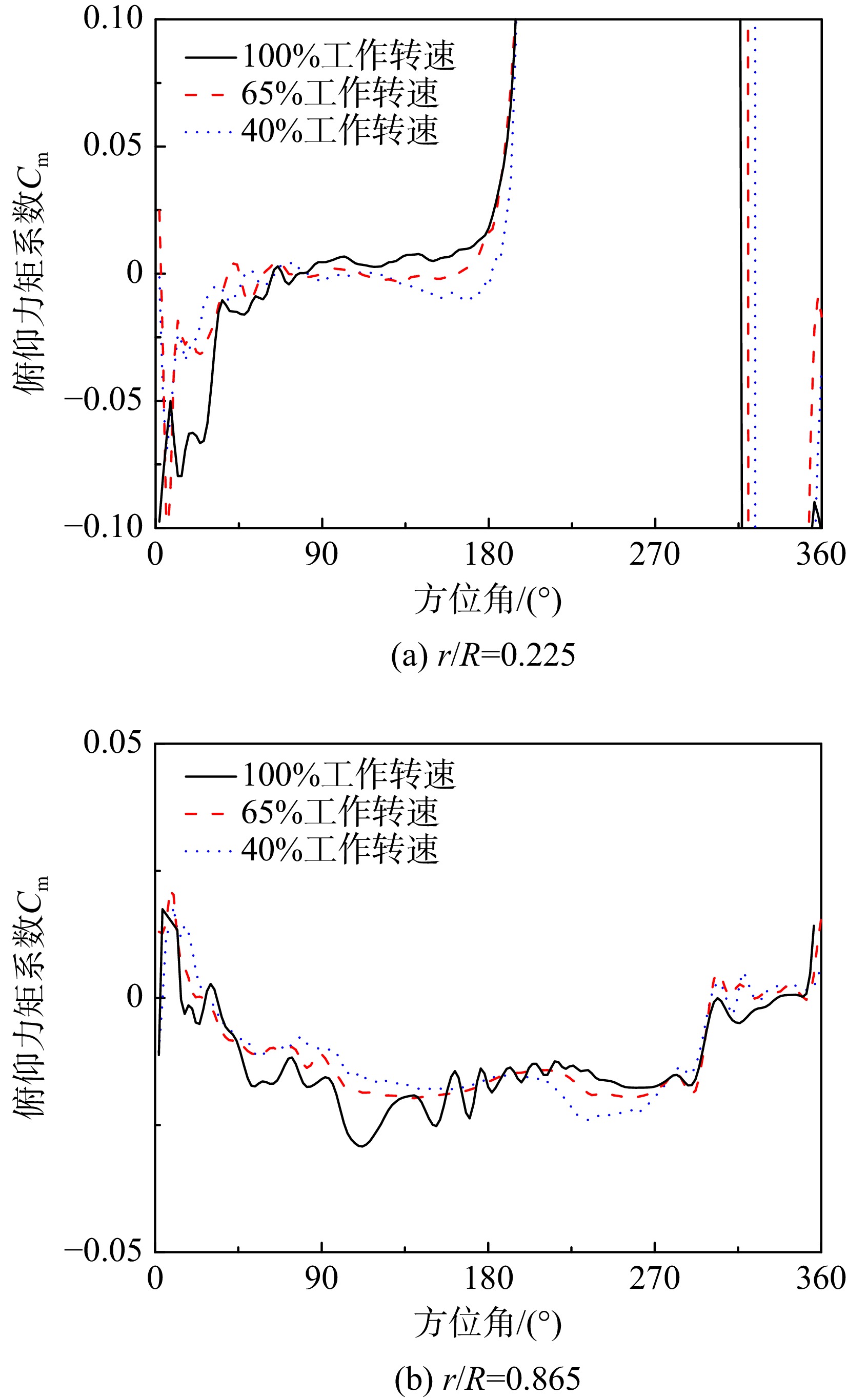
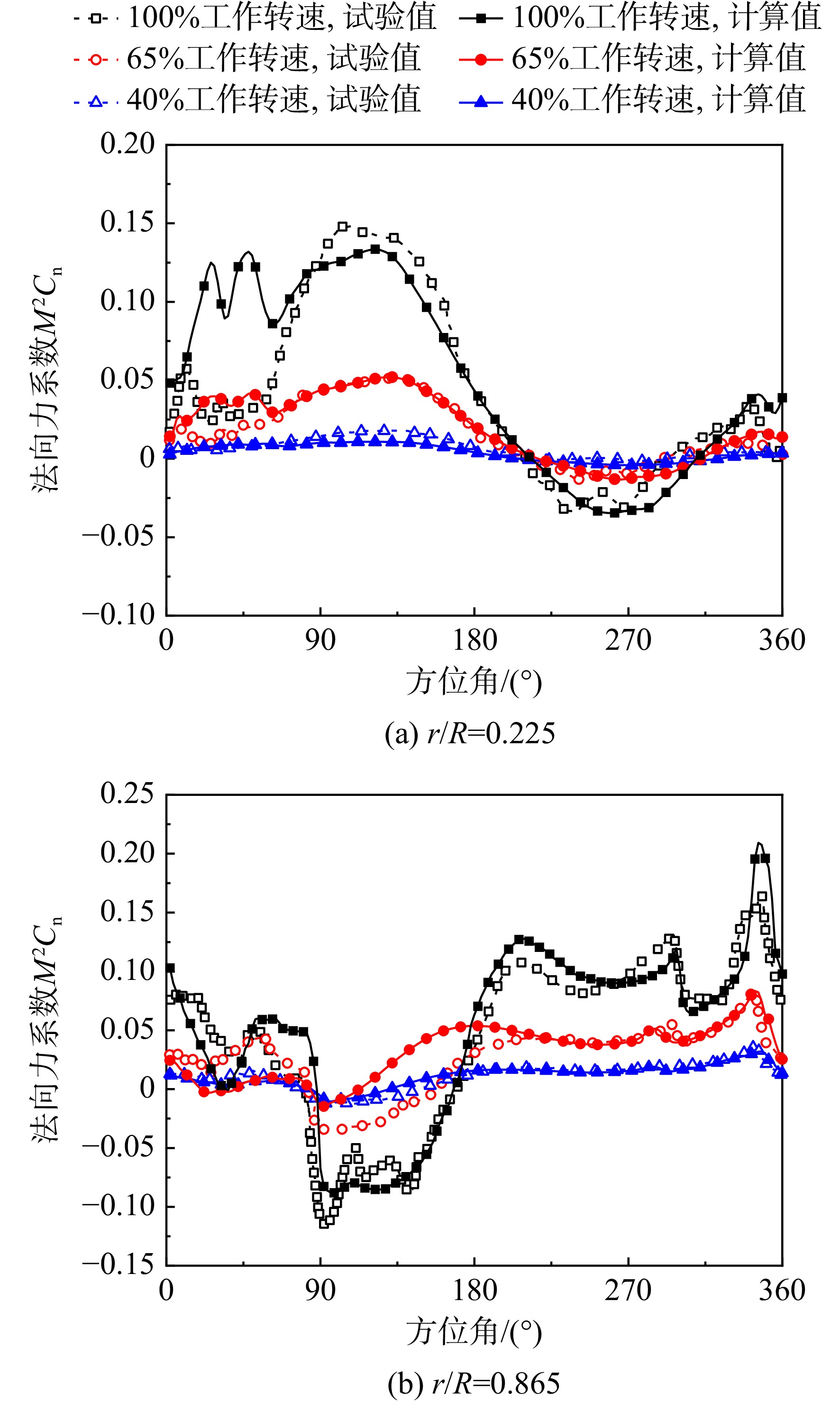
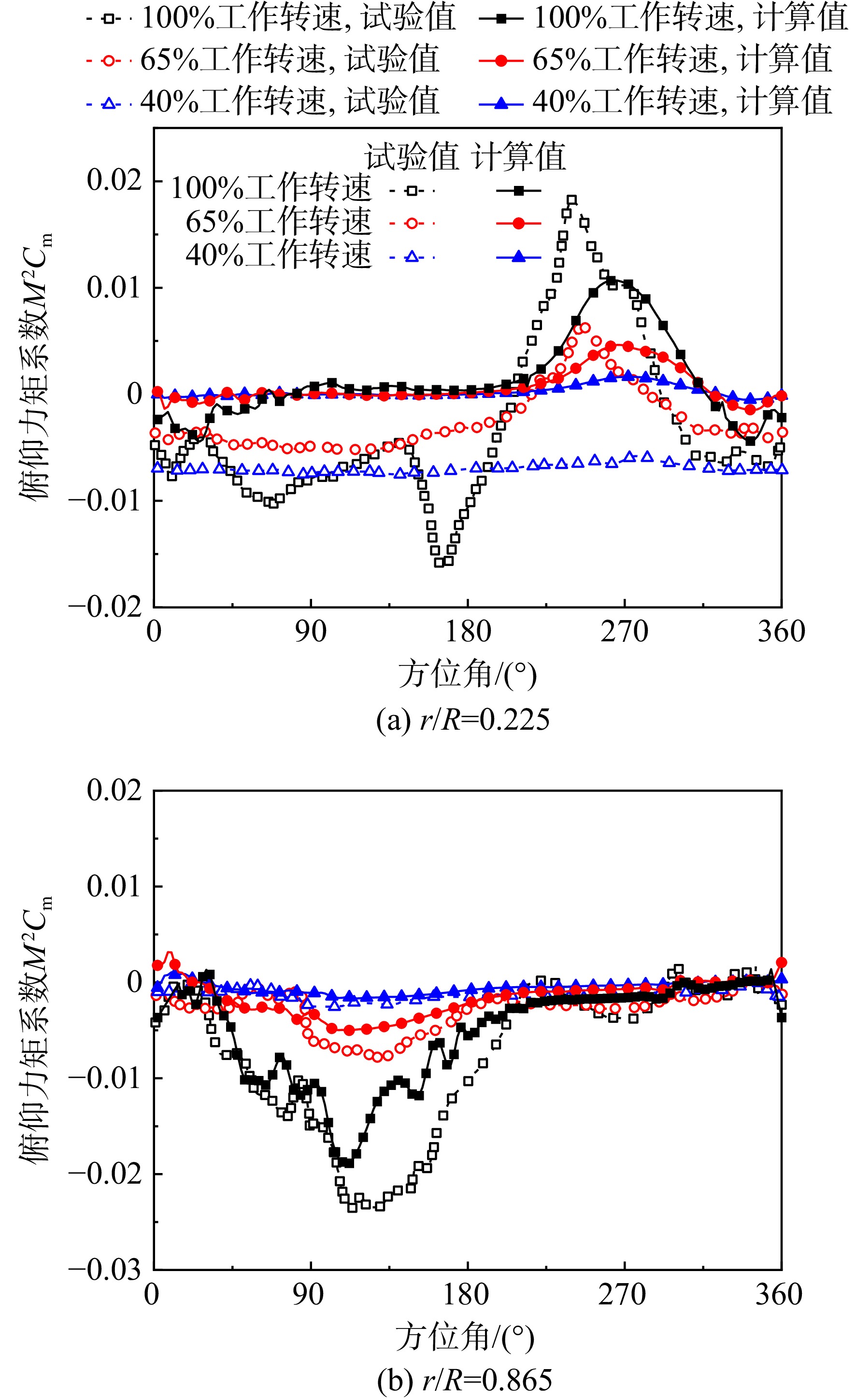
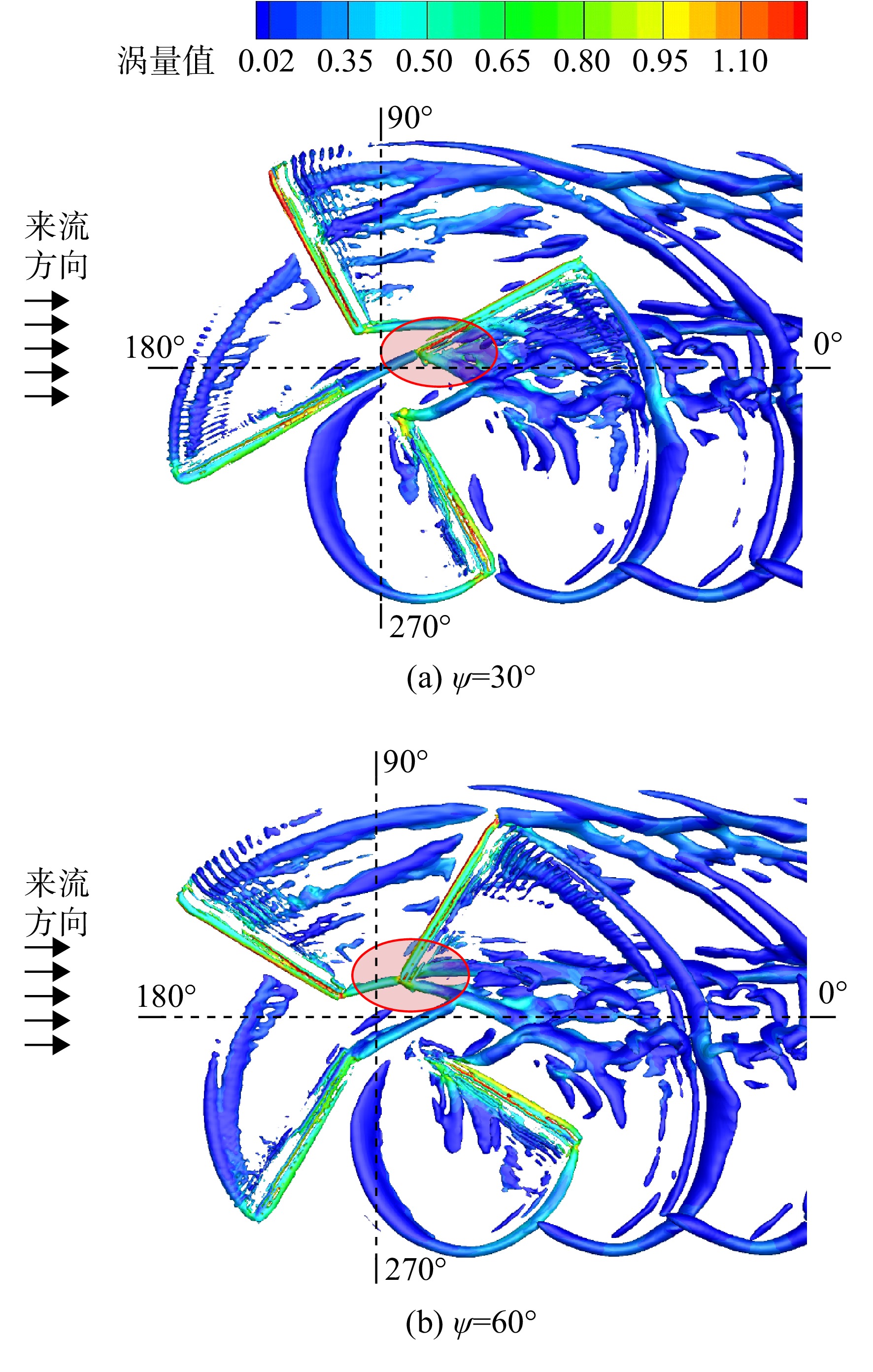
To study the aerodynamic characteristics and the flow mechanism of reverse flow region of a slowed UH-60A rotor at high advance ratios, accurate numerical simulation analysis was carried out by the CFD/CSD coupling method considering the elastic deformation of rotor blade. The CFD module adopted a moving-embedded grid system with Navier-Stokes (N-S) equations as the governing equations, and Spalart-Allmaras(S-A) turbulence model was employed. An implicit lower-upper symmetric Gauss-Seidel (LU-SGS) dual-time algorithm was adopted for temporal discretization. As for the CSD module, the finite element method of moderate deflection beam model was employed. The blade differential equations of motion were formulated and calculated using Newmark-Beta method. The CFD/CSD coupling method validity was verified by comparing the aerodynamic loads of UH-60A with the flight test data. Then, the aerodynamic characteristics of the UH-60A rotor slowing down to 40% at different advance ratios and same advance ratio with different rotation rates were studied. The results showed that the influence of collective pitch on the aerodynamic characteristics was weakened and the aerodynamic performance was reduced at high advance ratio. Large advance ratio produced large inverse flow region, where complex flow phenomena such as blade-on-blade interactions and deep dynamic stall occurred. And the high accuracy CFD/CSD coupling method can effectively simulate these phenomena.

Numerical study on the flow and sound characteristics of split three-stream nozzle
YANG Yuming, ZHOU Li, SHI Jingwei, WANG Zhanxue
2024, 39(12): 20230078. doi: 10.13224/j.cnki.jasp.20230078
Abstract:

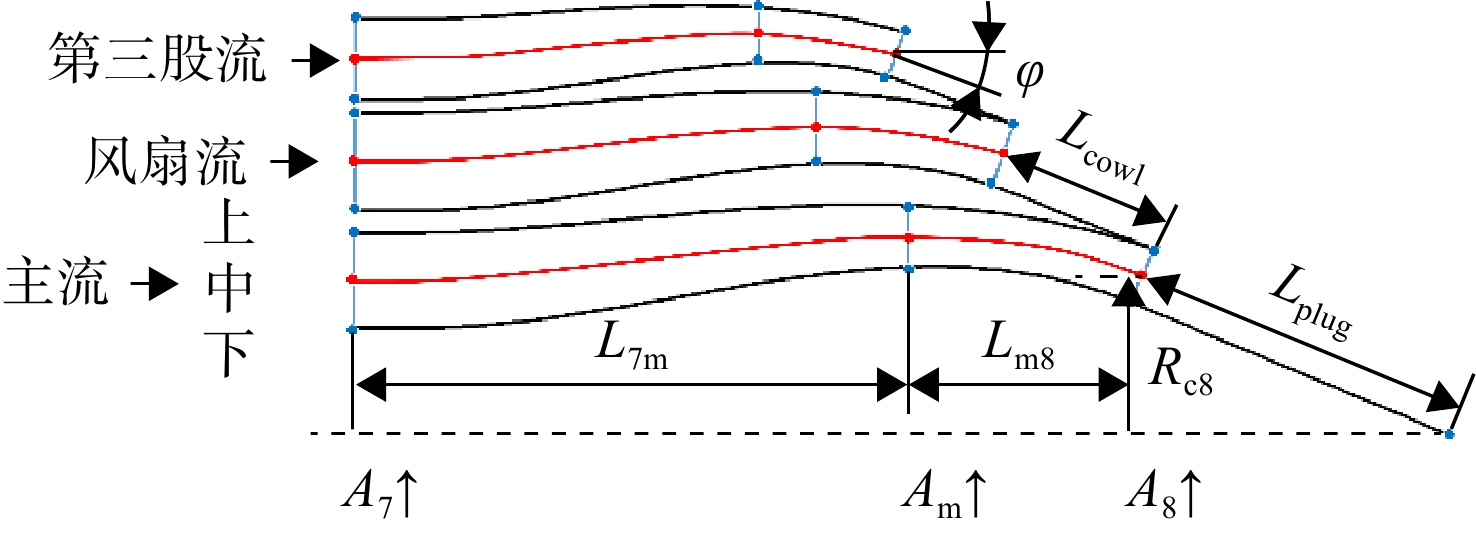
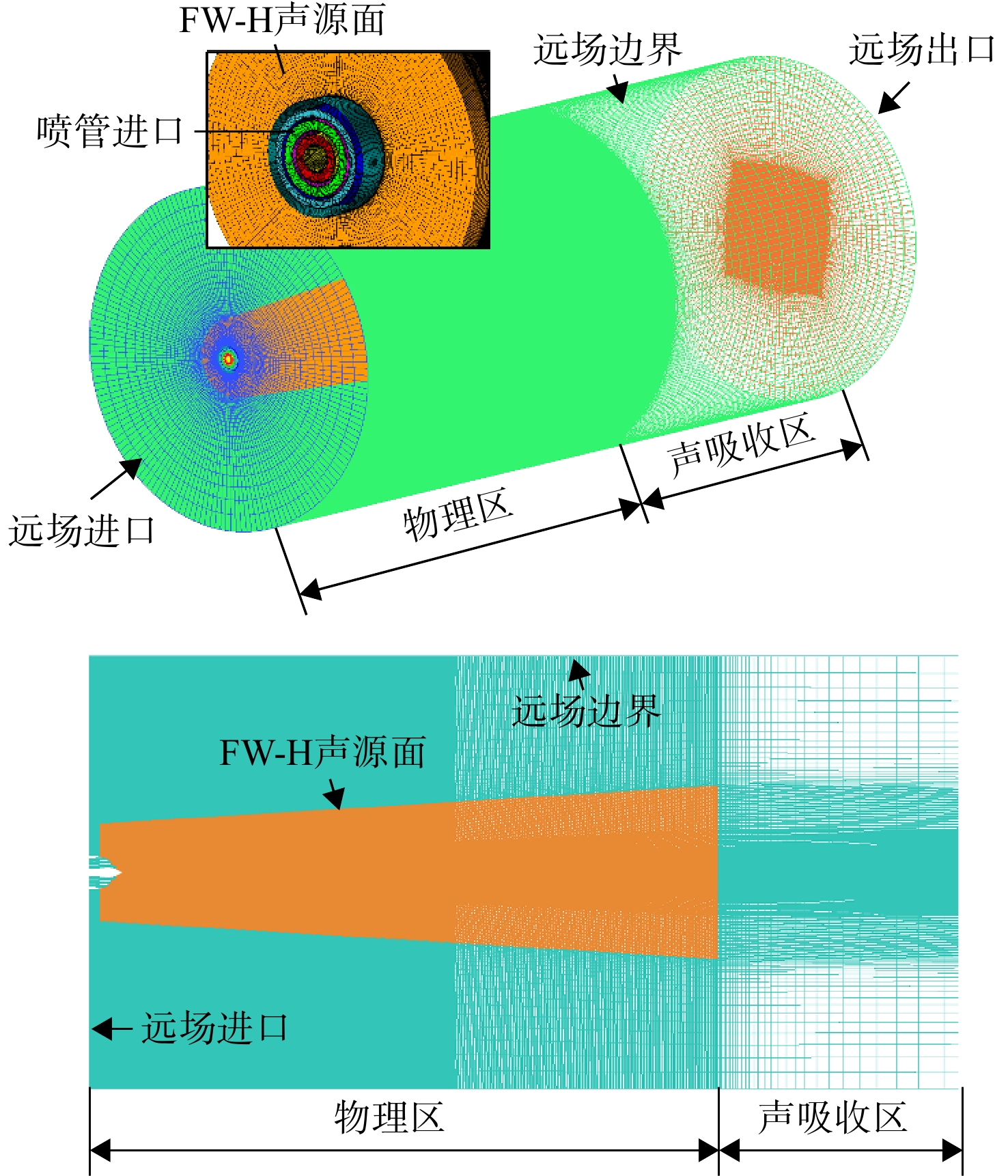
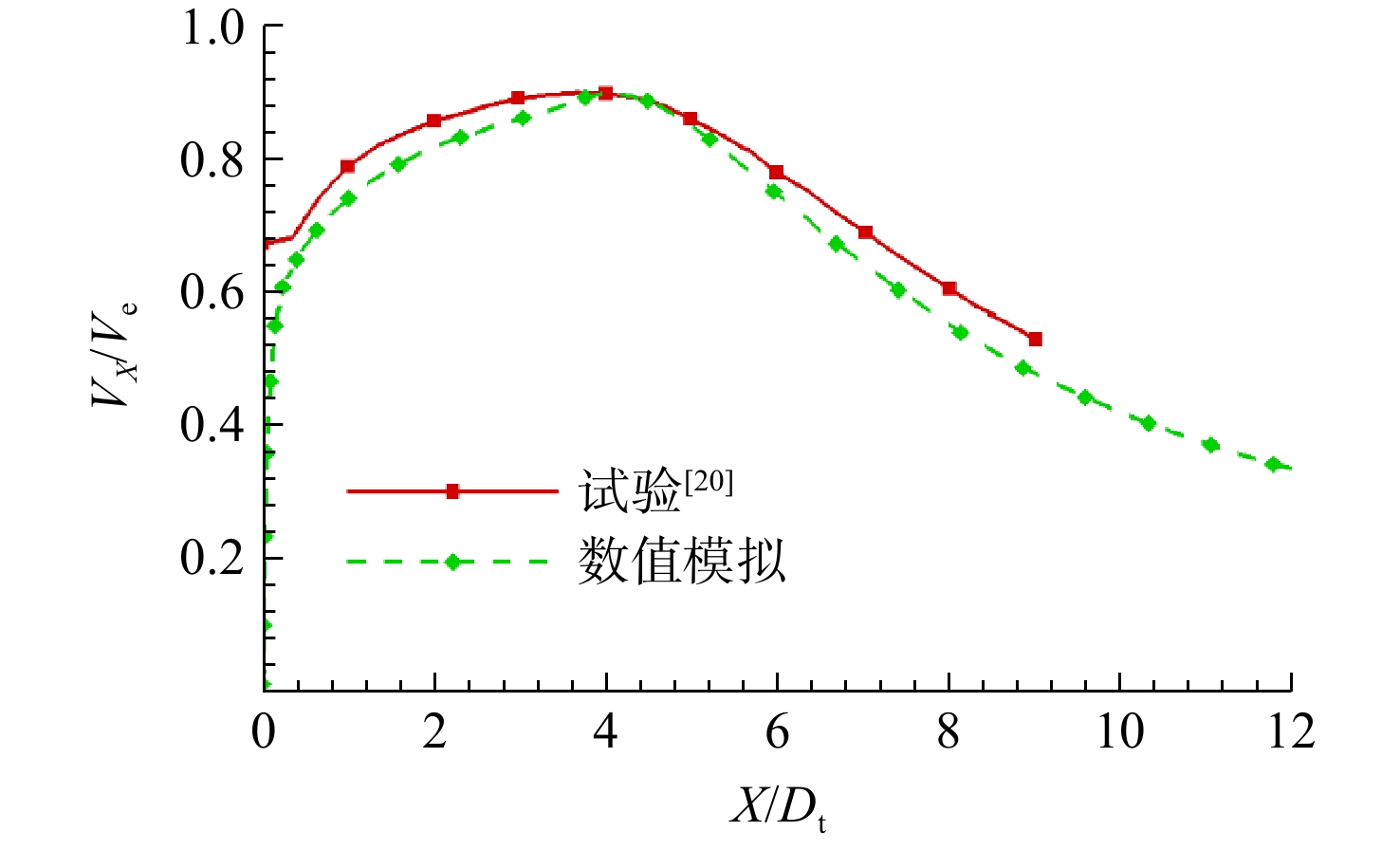
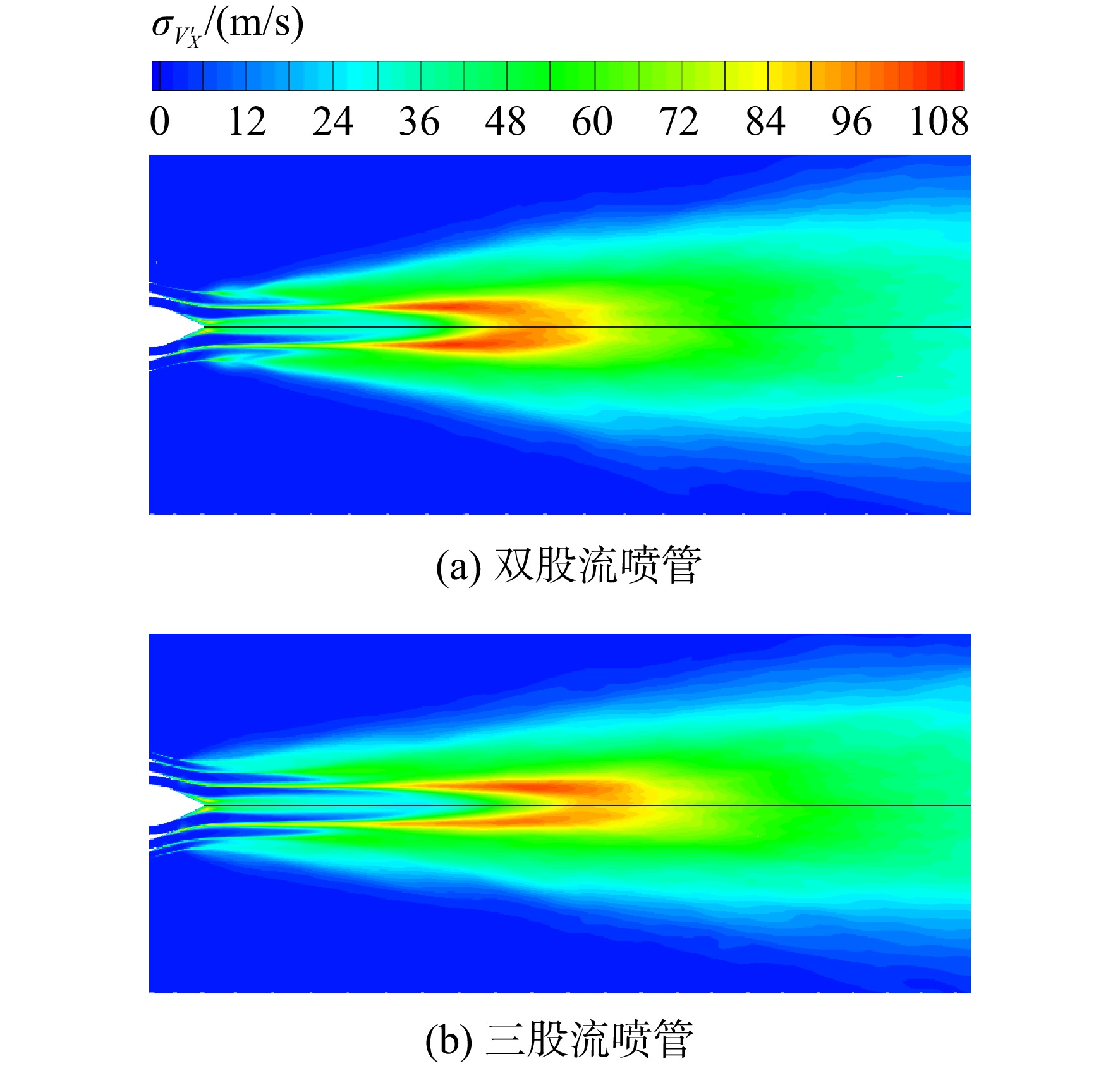
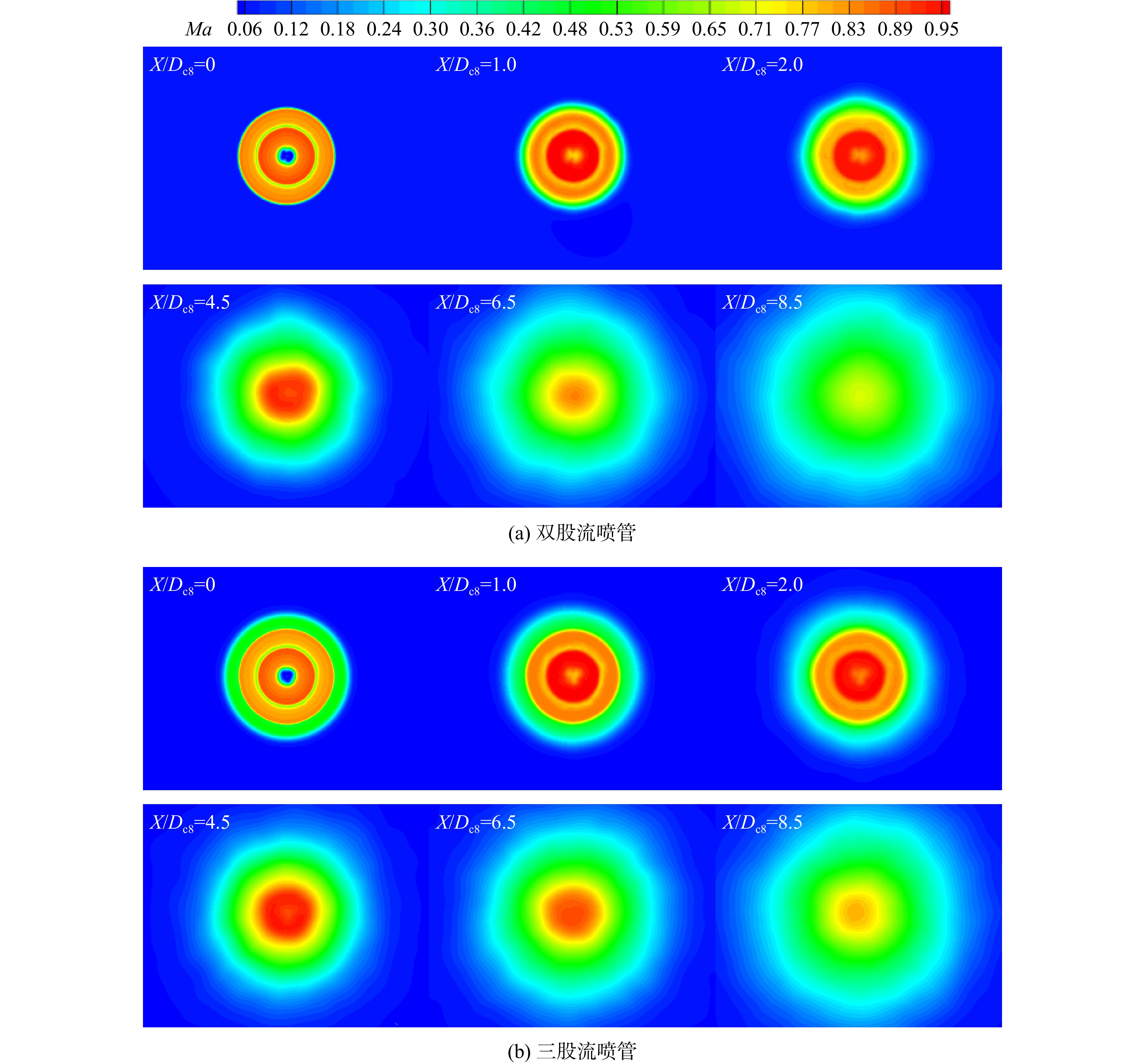
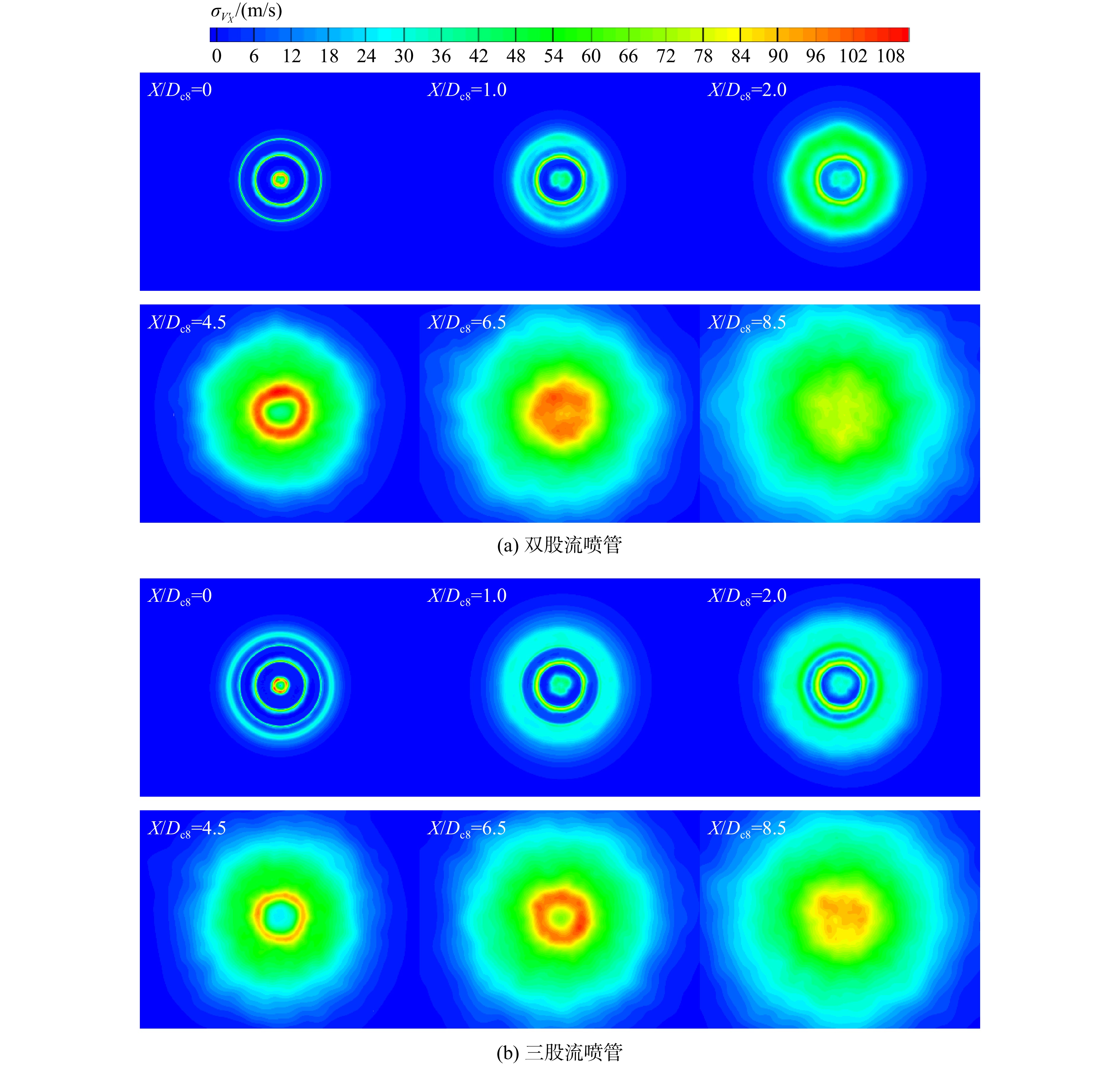
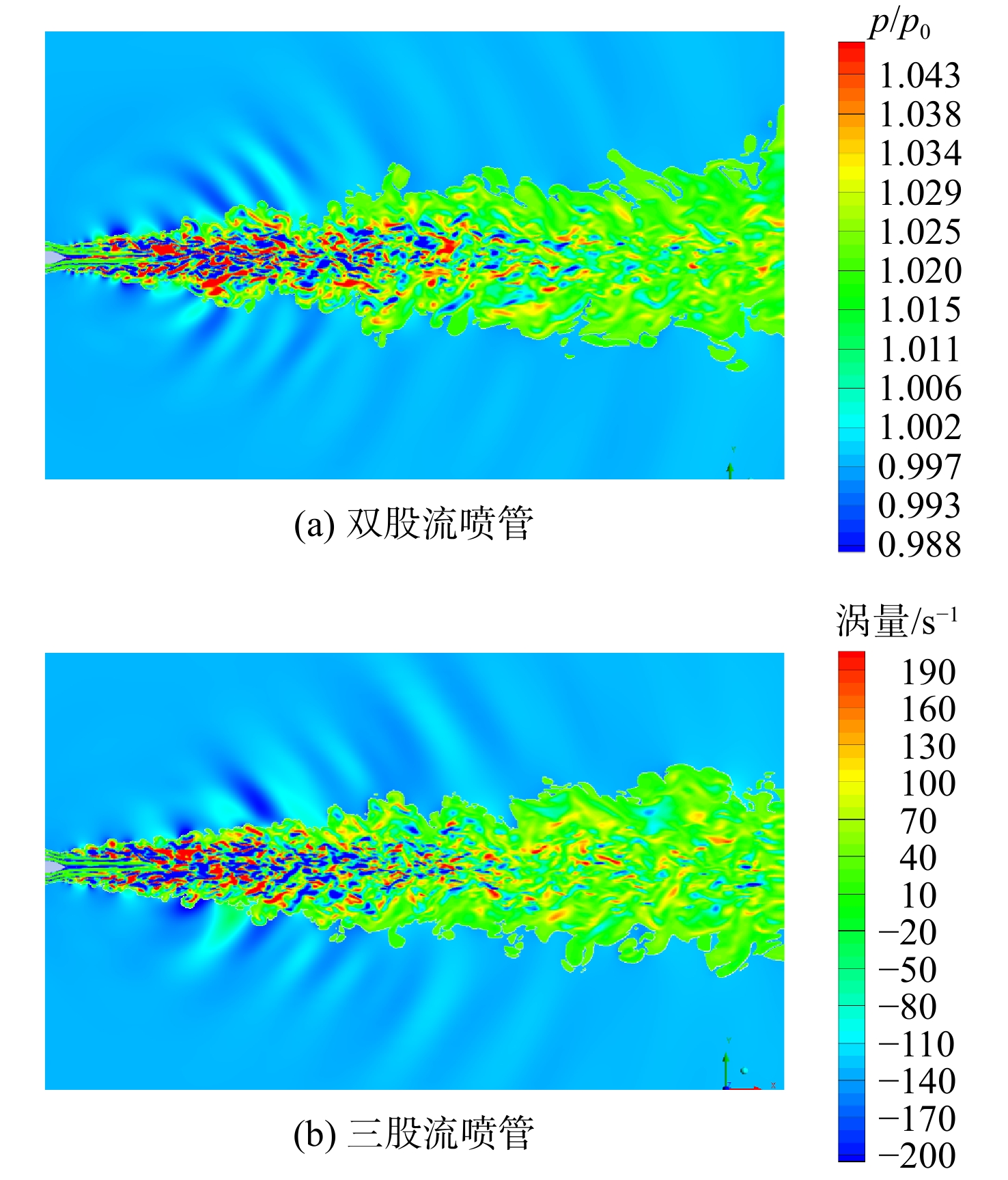
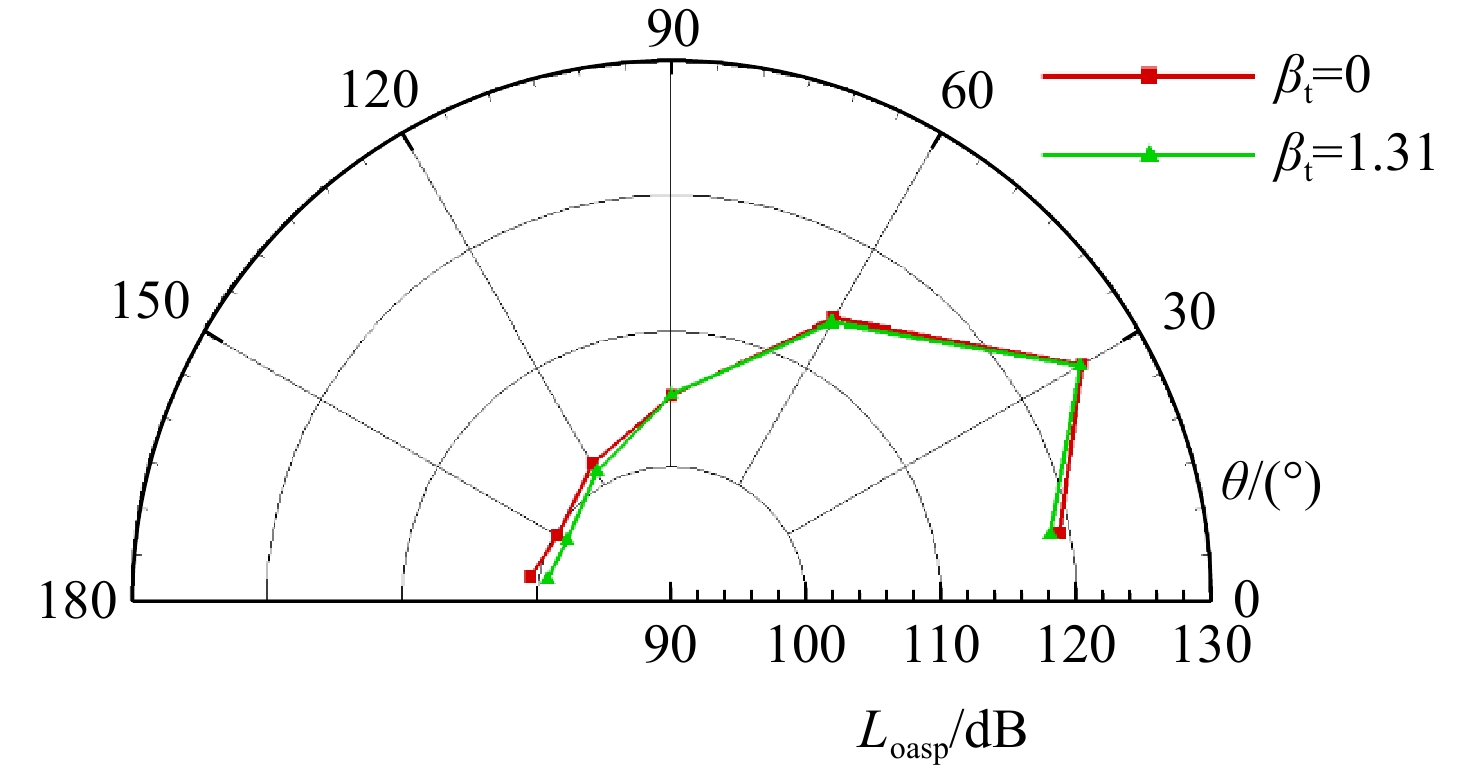
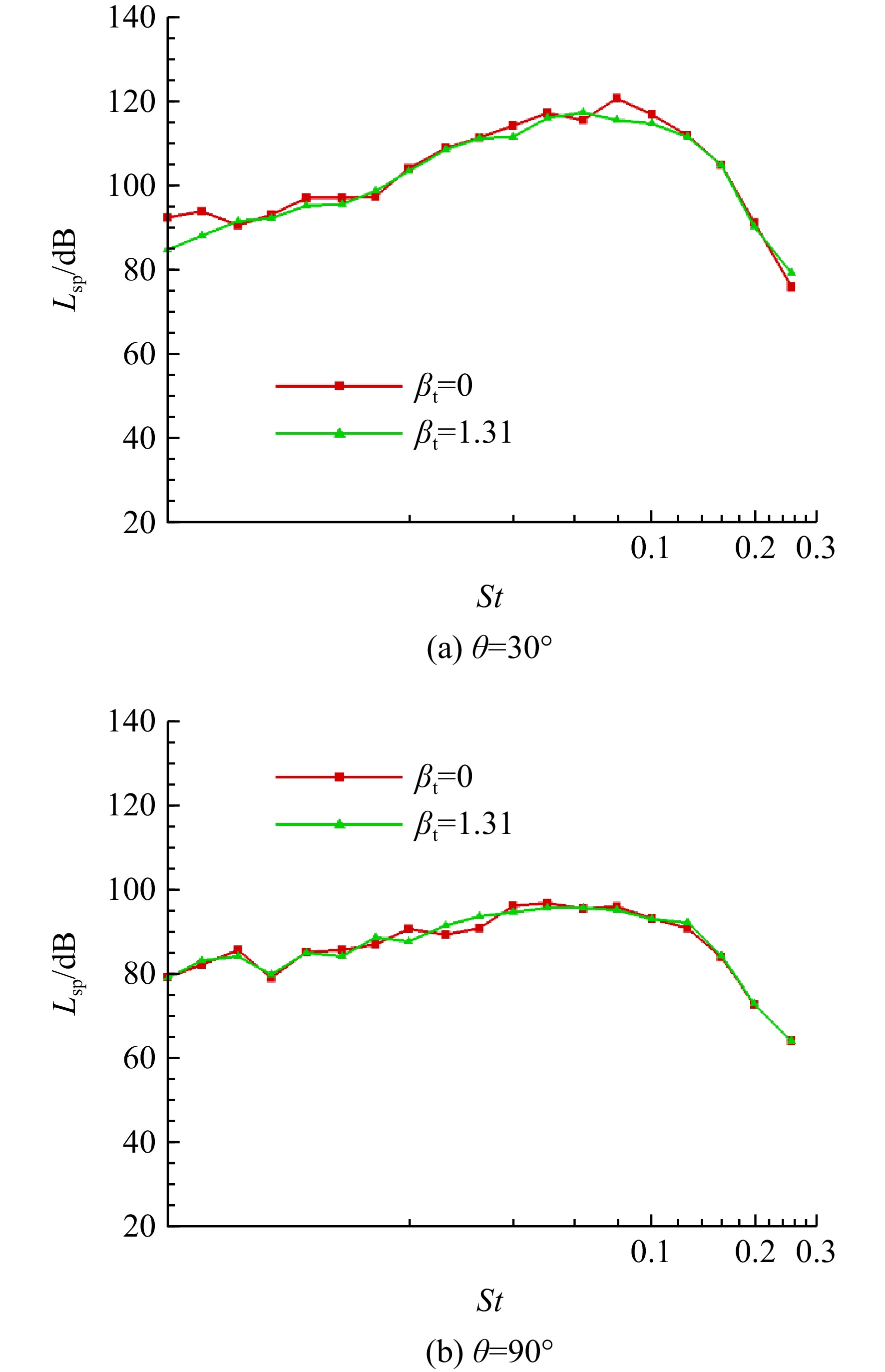
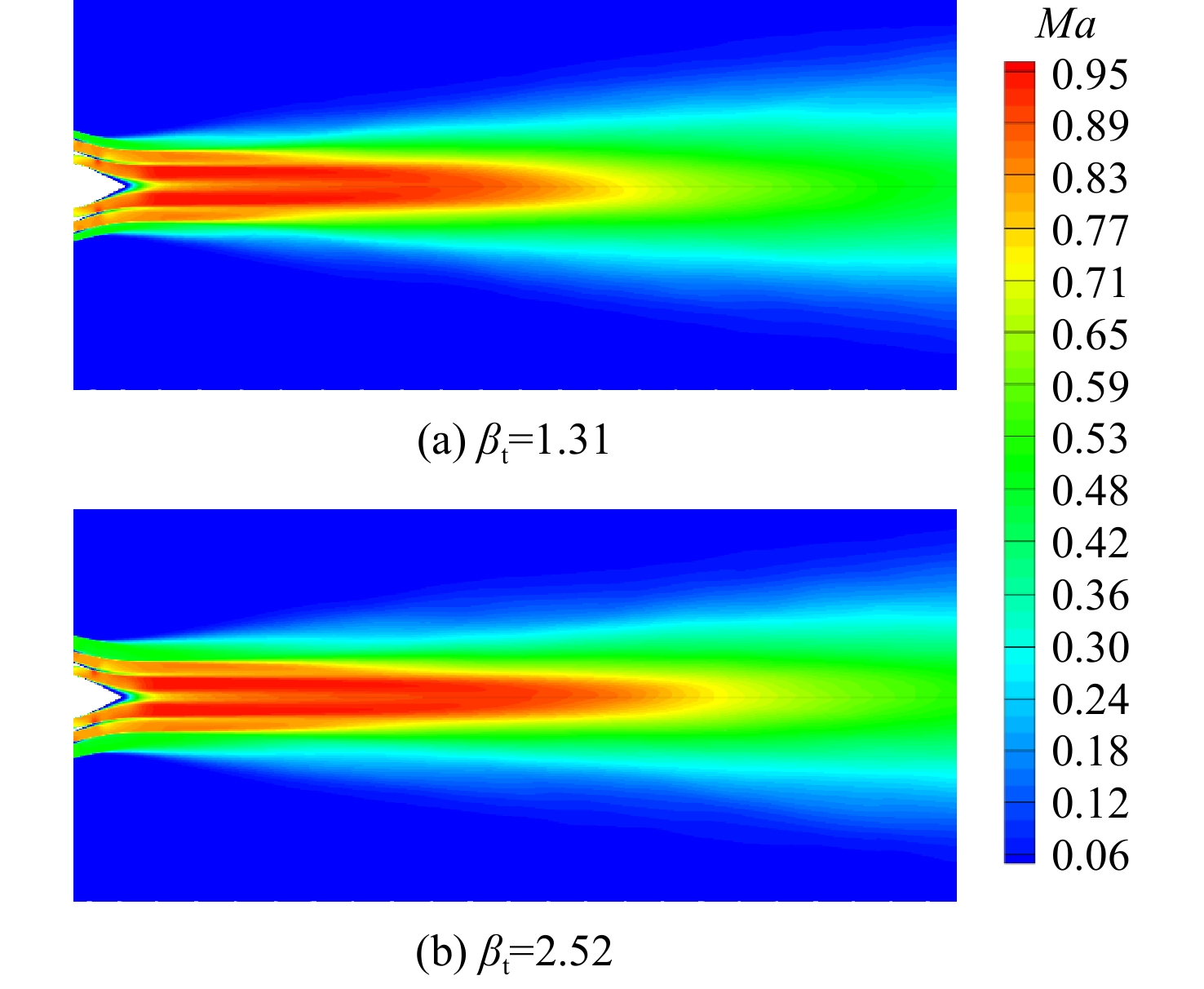
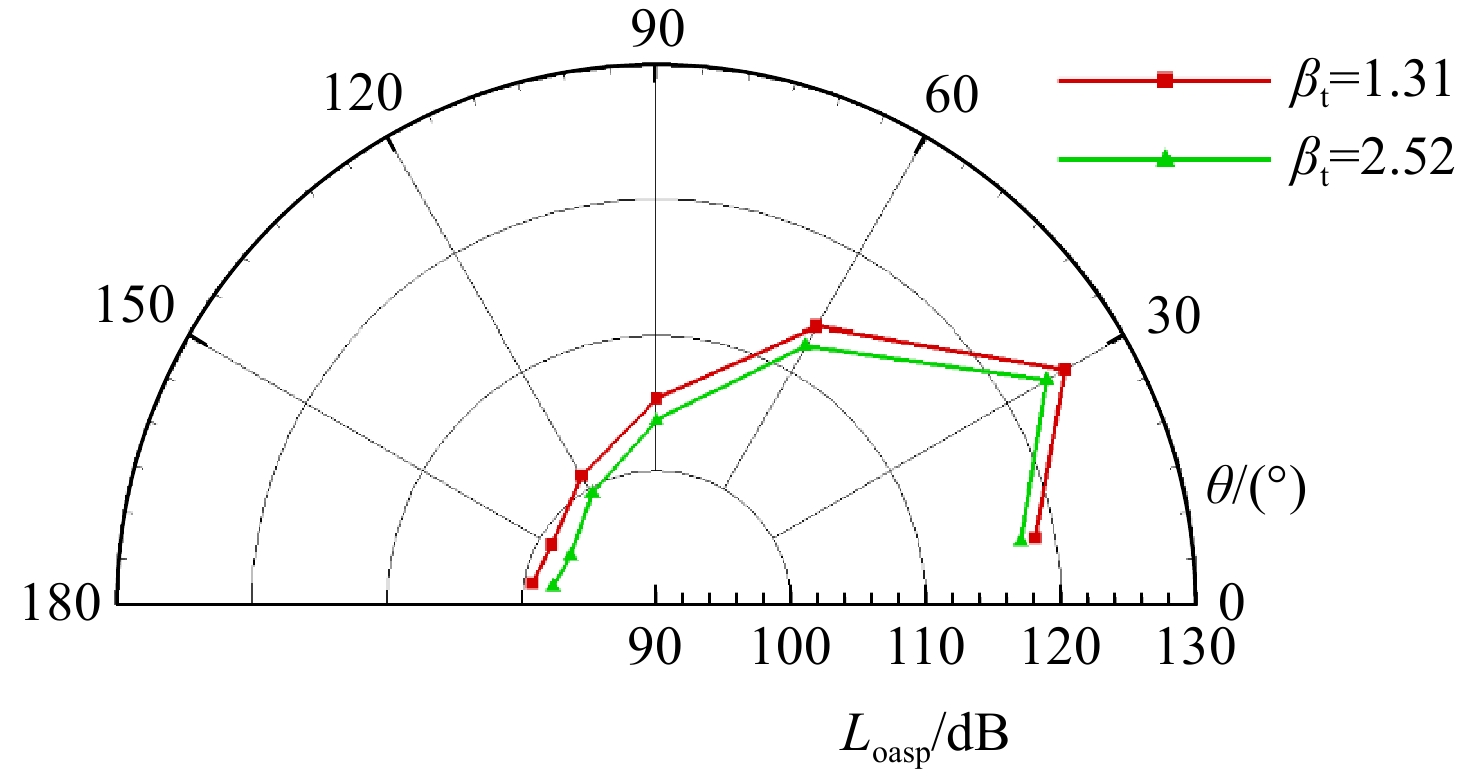
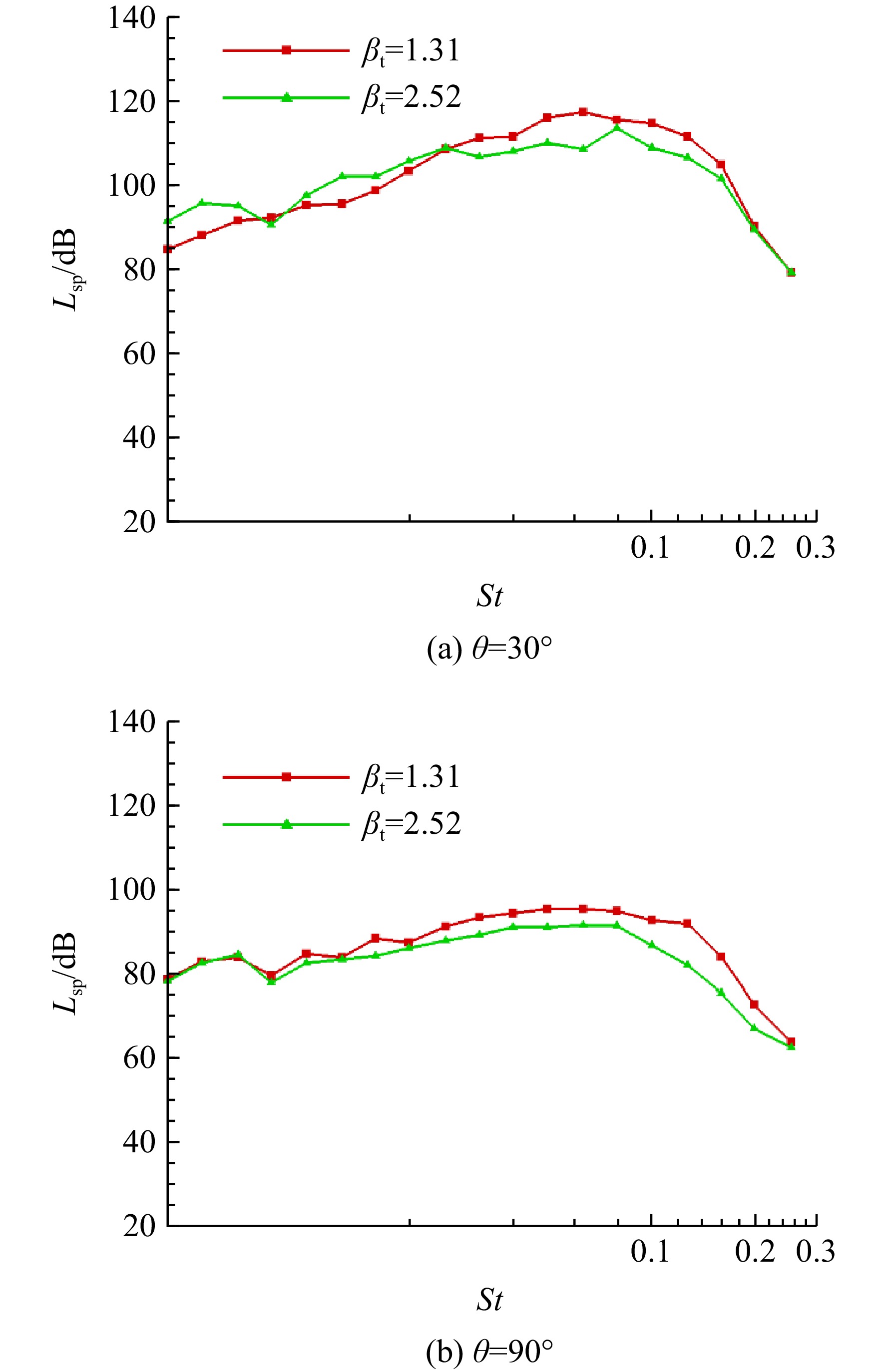
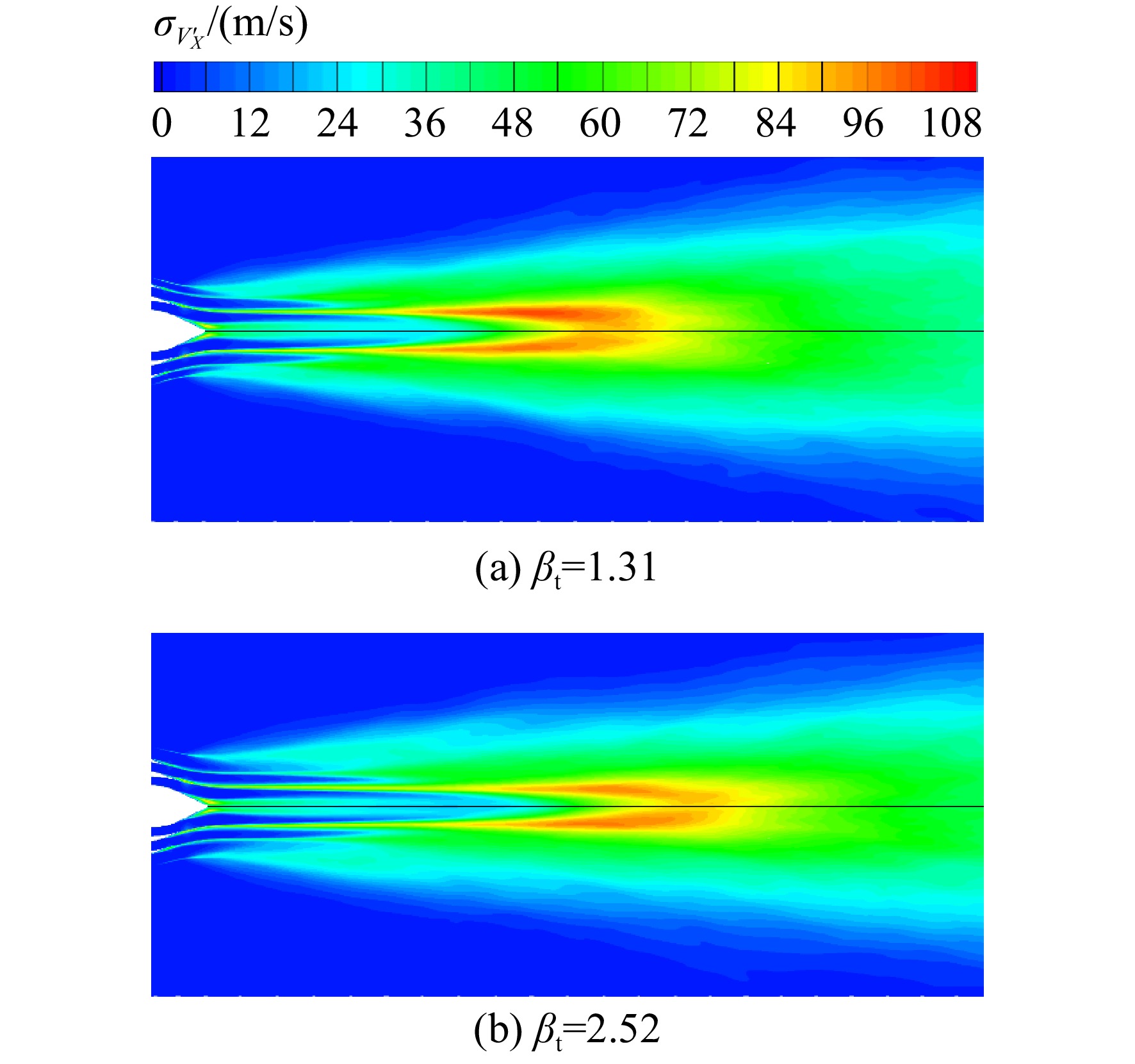
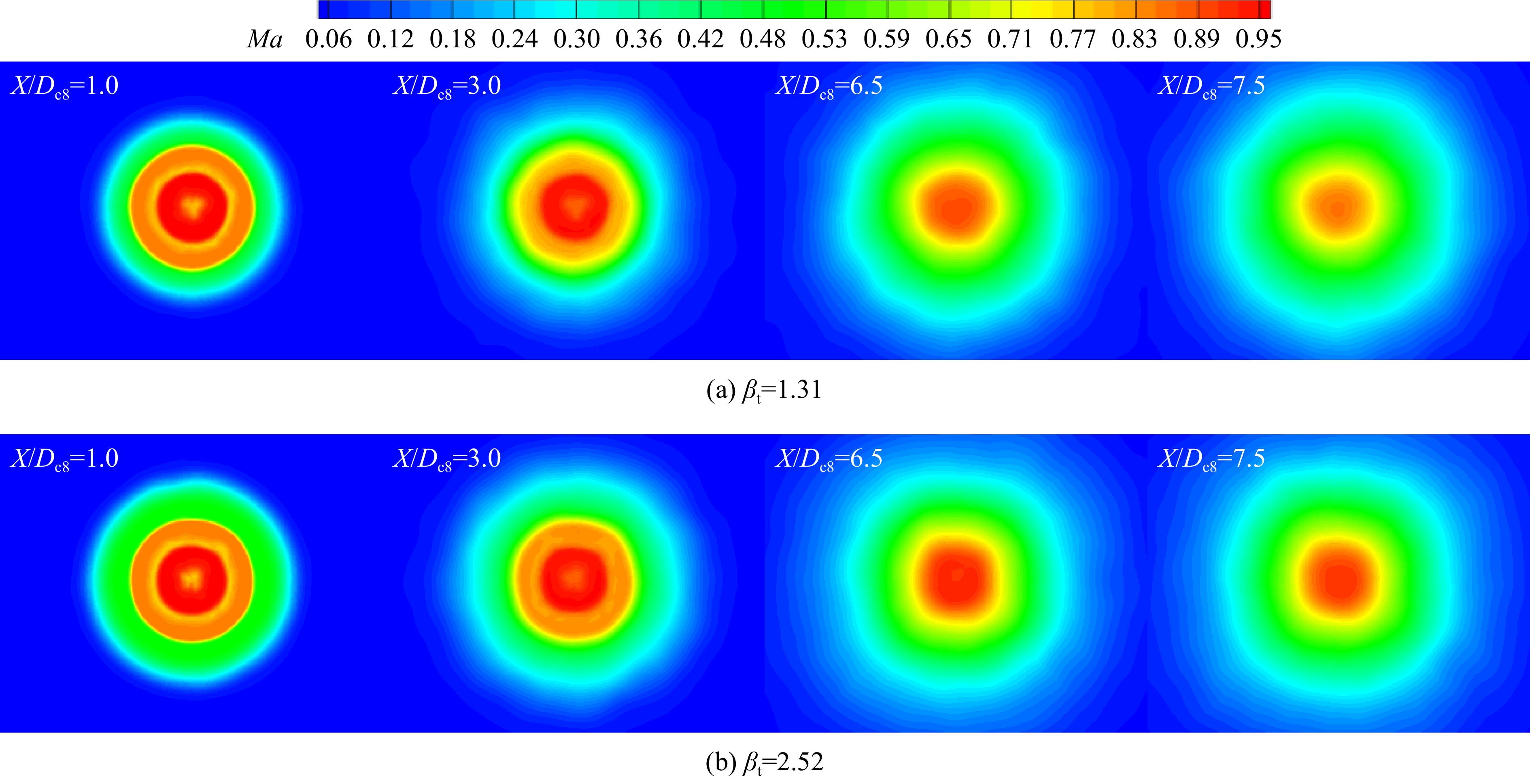
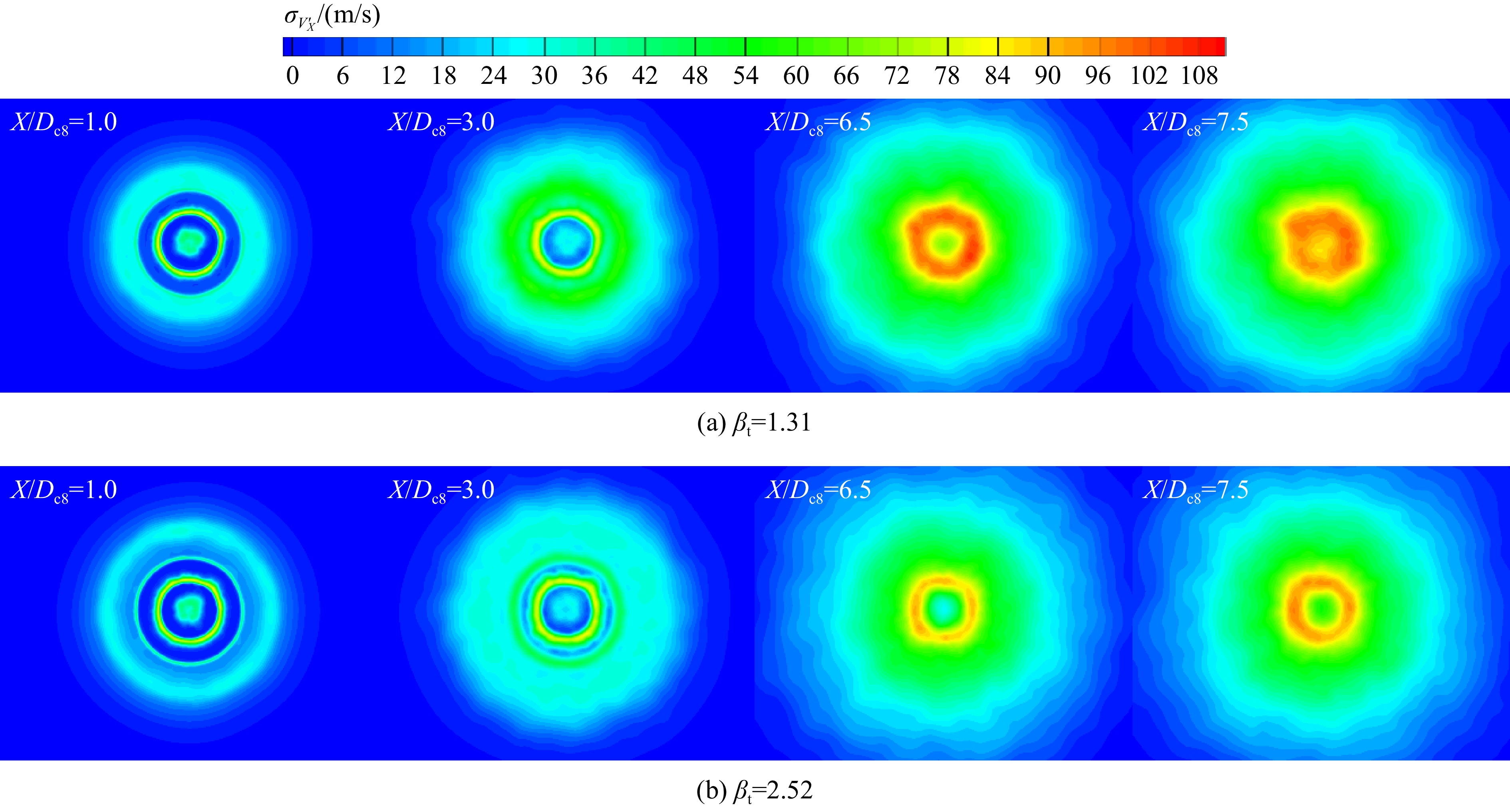
The influences of the three-stream introduction and the tertiary bypass ratio on the flow and noise characteristics of the three-stream nozzle were studied by the numerical simulation method. The results showed that the three-stream introduction increased the length of the bypass potential core, shortened the axial distance of the direct mixing between the end of the primary potential core and the free stream, and reduced the peak value of the turbulent mixing between them by about 2.63%. However, due to the increase of the shear layer thickness, the low-speed three-stream had limited noise reduction effect in all directions. The increase of the tertiary bypass ratio was easy to achieve, at the cost of reducing fuel consumption, and it can increase the engine thrust and reduce the broadband noise of the exhaust system. The increase of tertiary bypass ratio to 2.52 weakened not only the turbulent mixing intensity at the end of the primary potential core, but also the mixing intensity of the strong shear layer between the three-stream and the free stream. Compared with the design condition, the mixing intensity at the end of the primary potential core decreased by 8.57%, and the overall sound pressure level decreased in all directions, with a peak value of about 2.37 dB.

Numerical simulation of ground effect and water surface effect of quad tilt rotor aircraft
WANG Junjie, CHEN Renliang, YU Zhiming, WANG Zhijin, LU Jiaxin
2024, 39(12): 20220892. doi: 10.13224/j.cnki.jasp.20220892
Abstract:

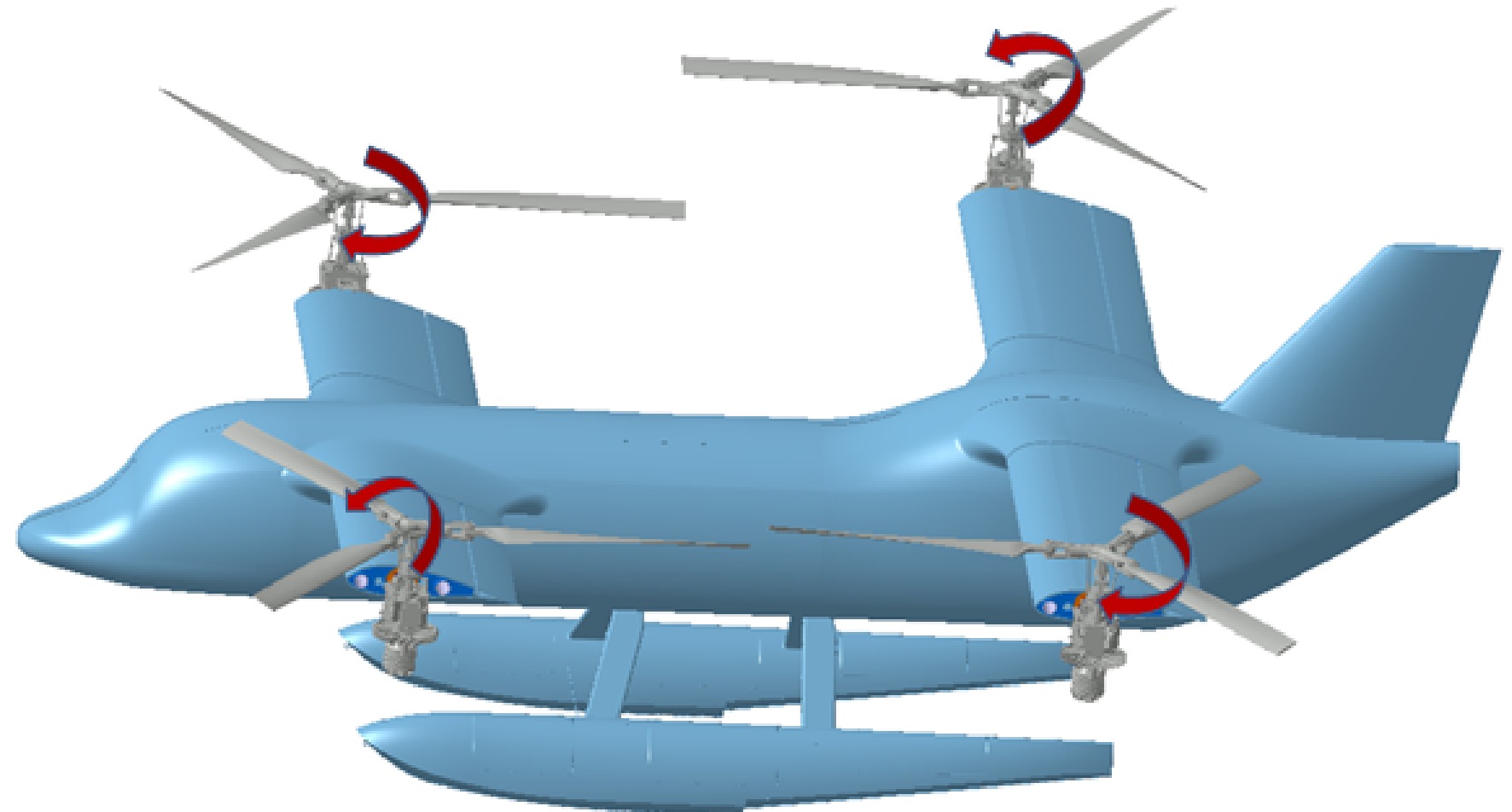
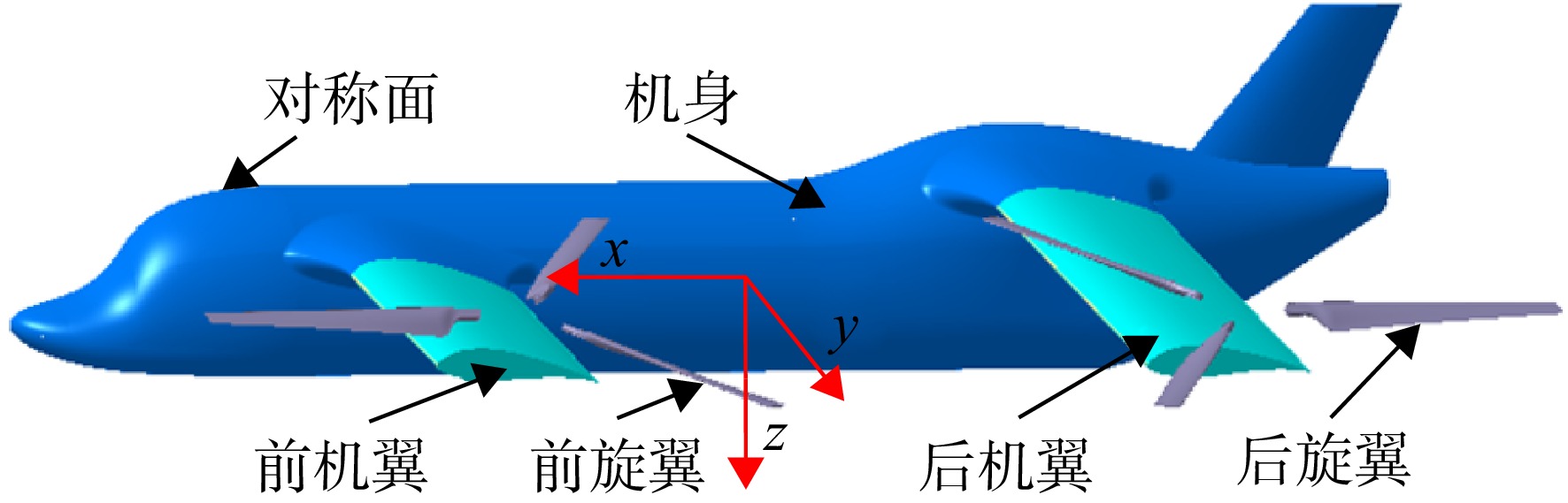
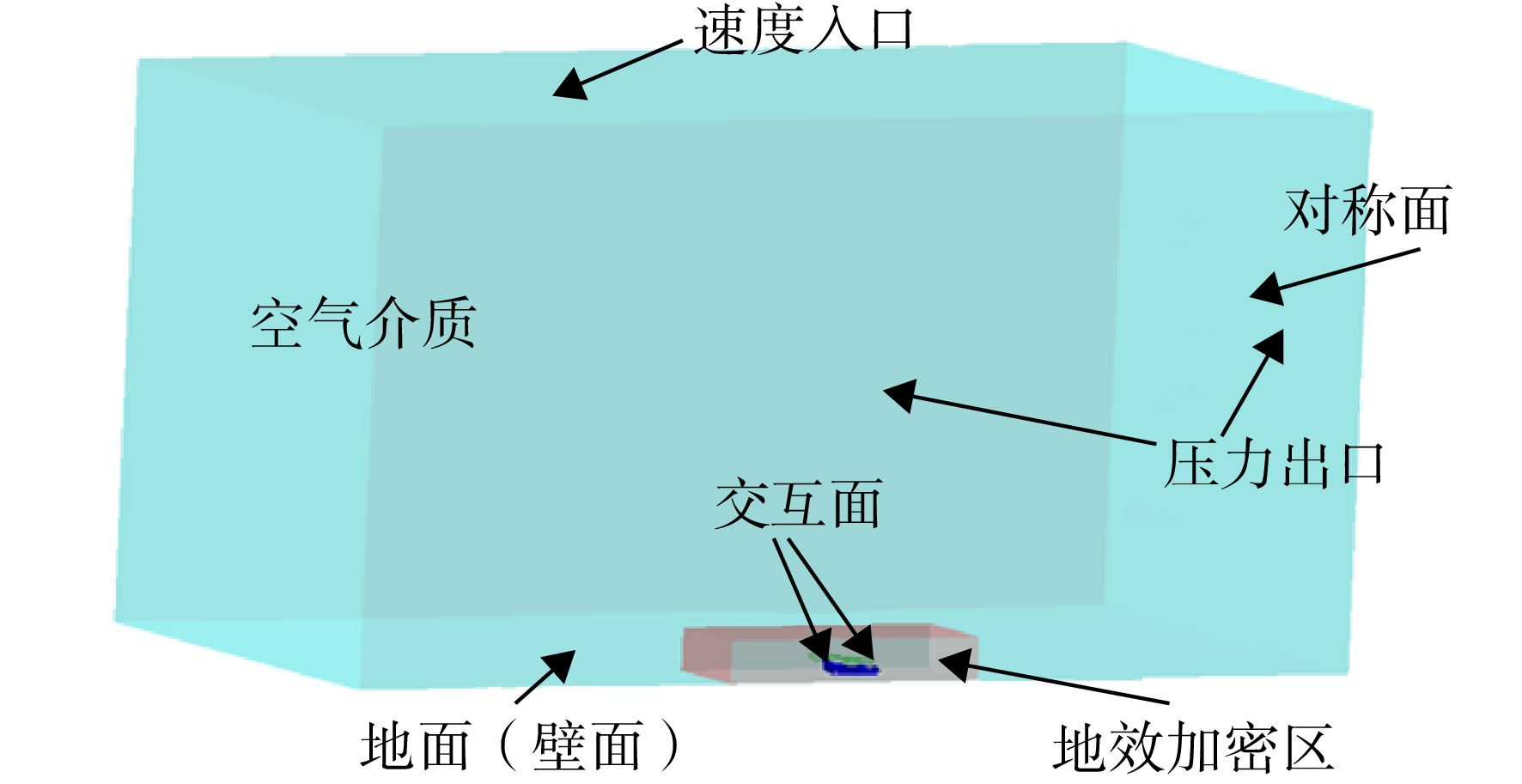
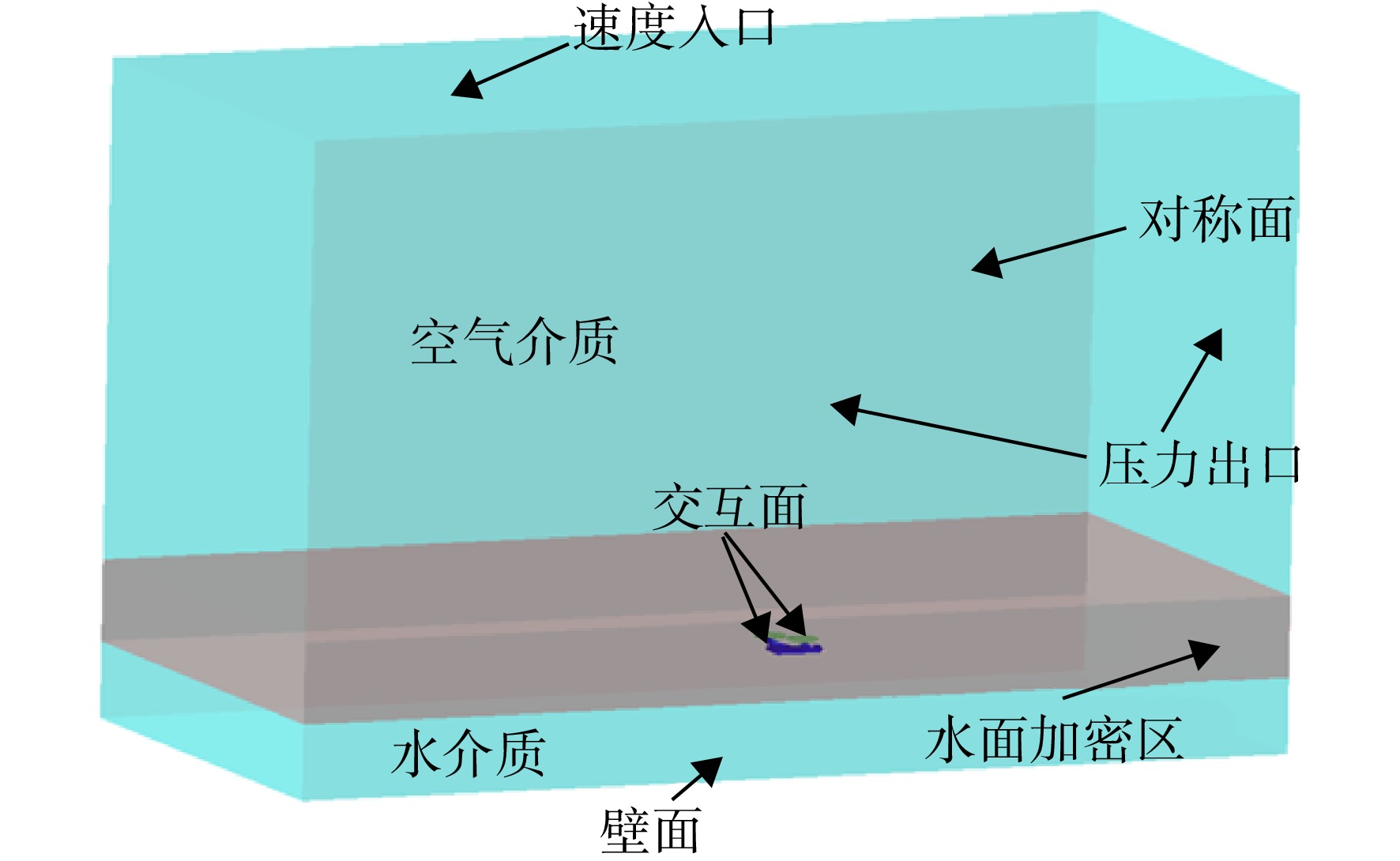
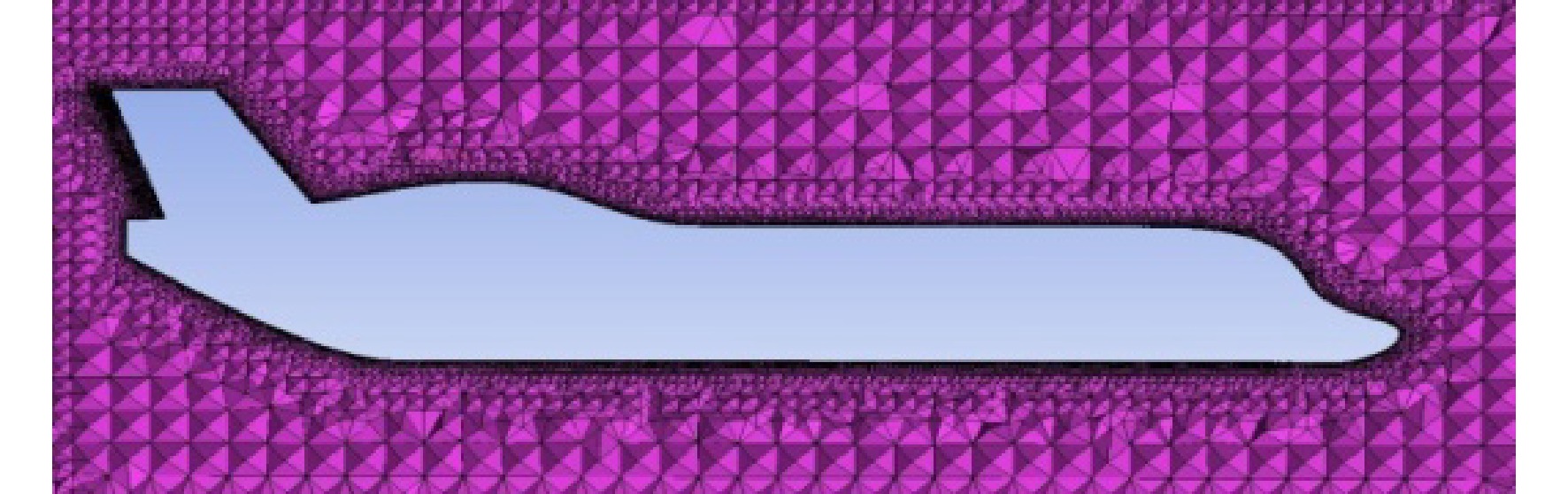
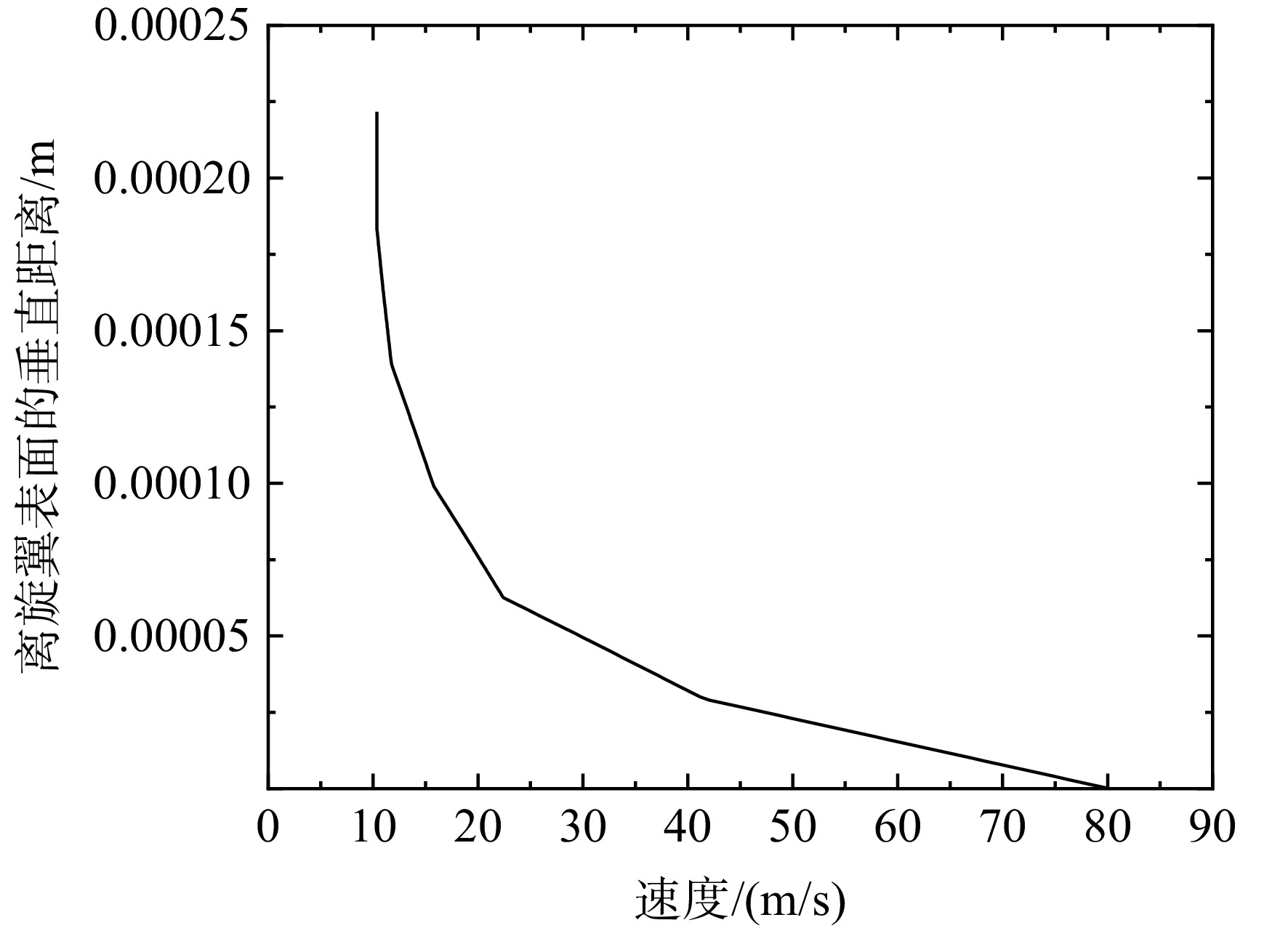
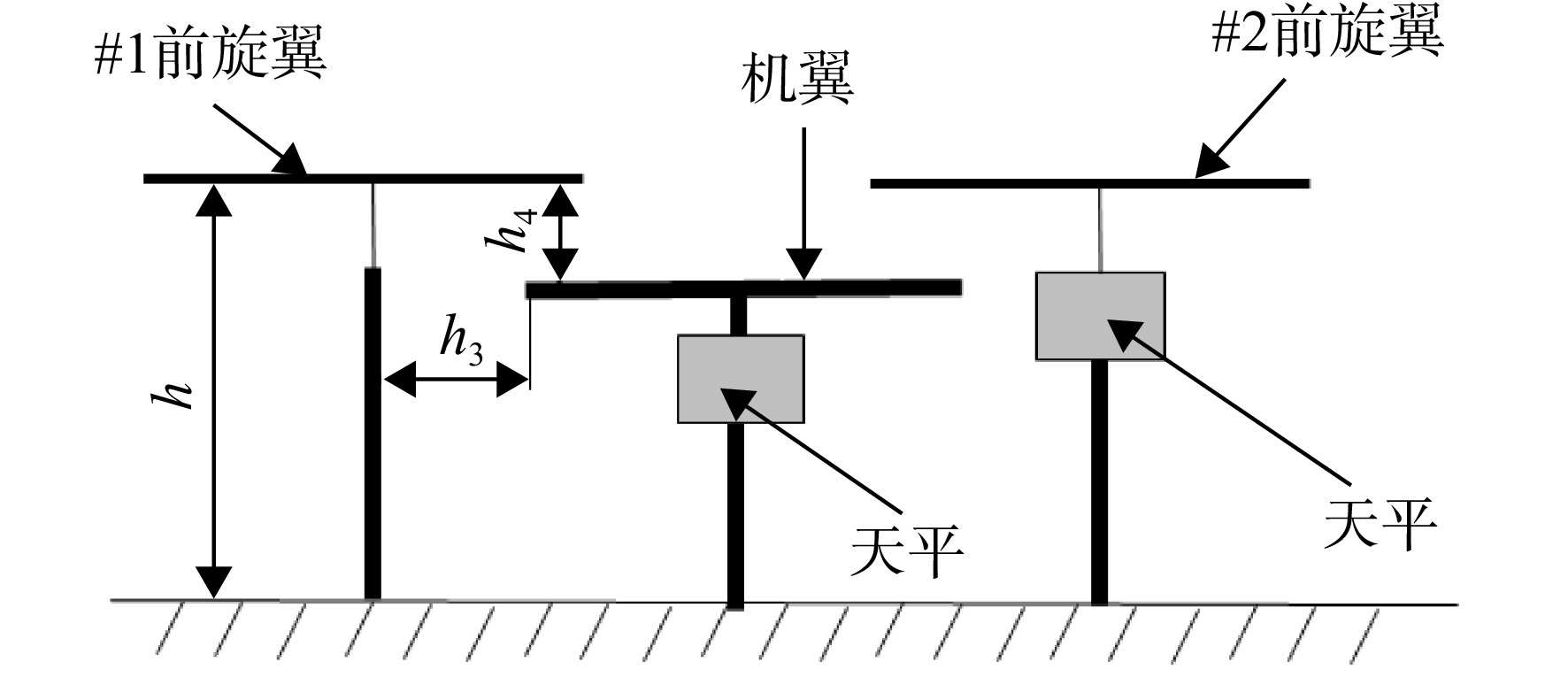
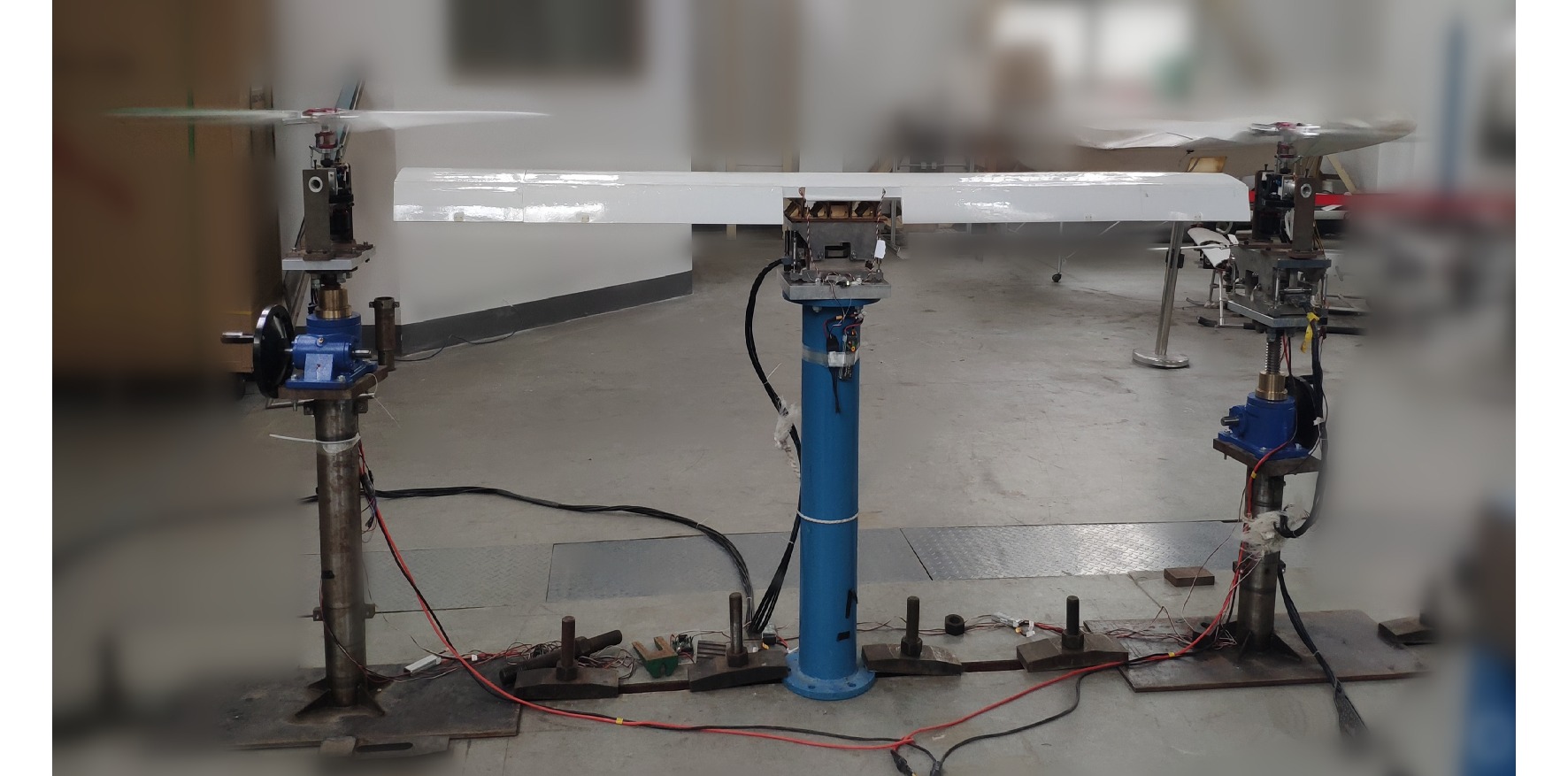
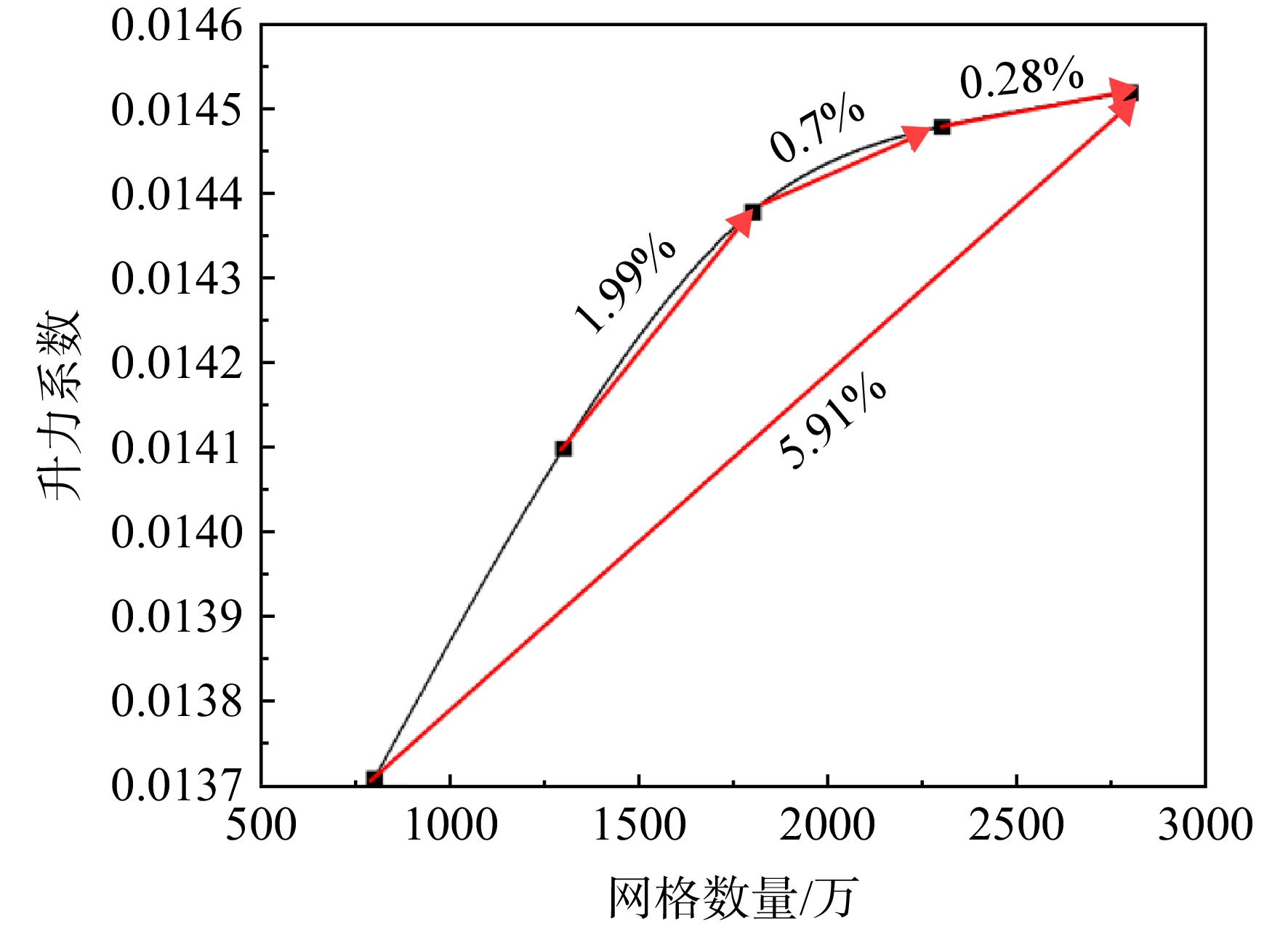
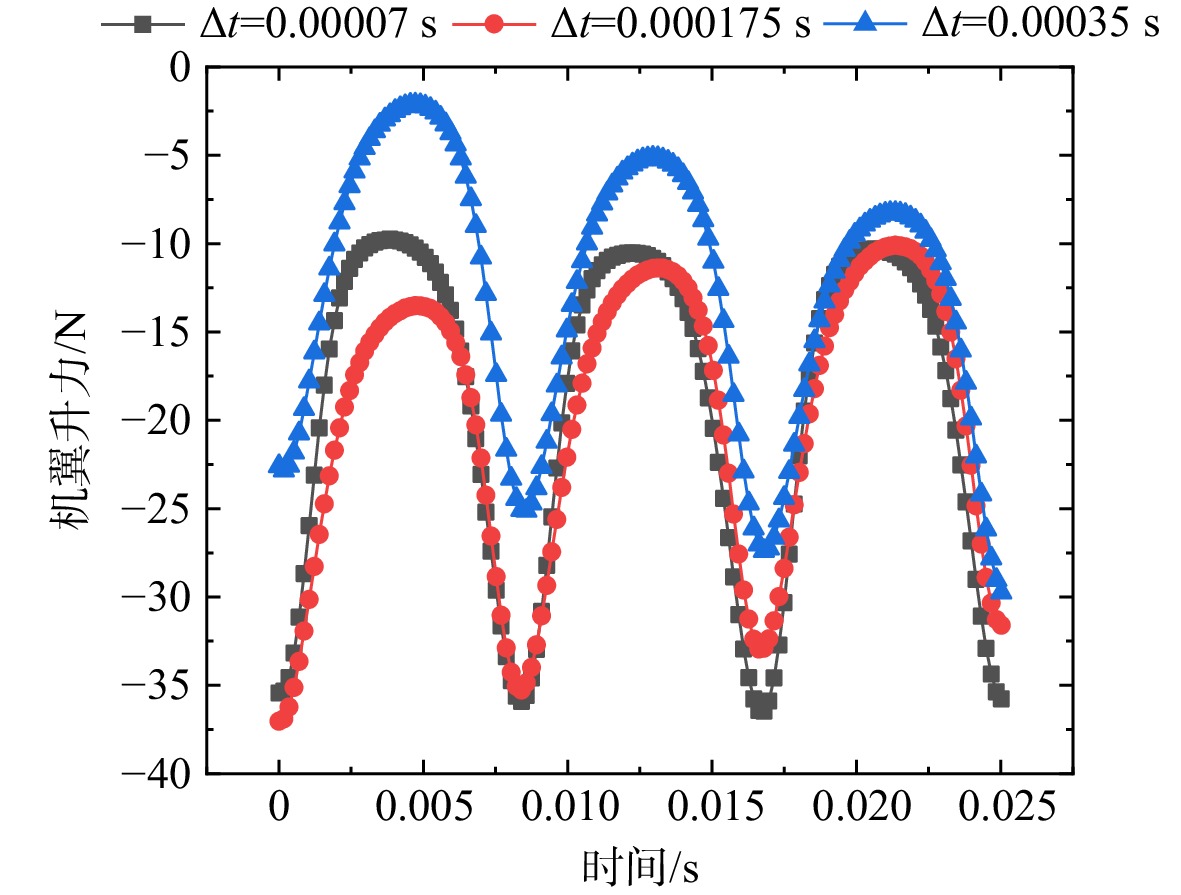
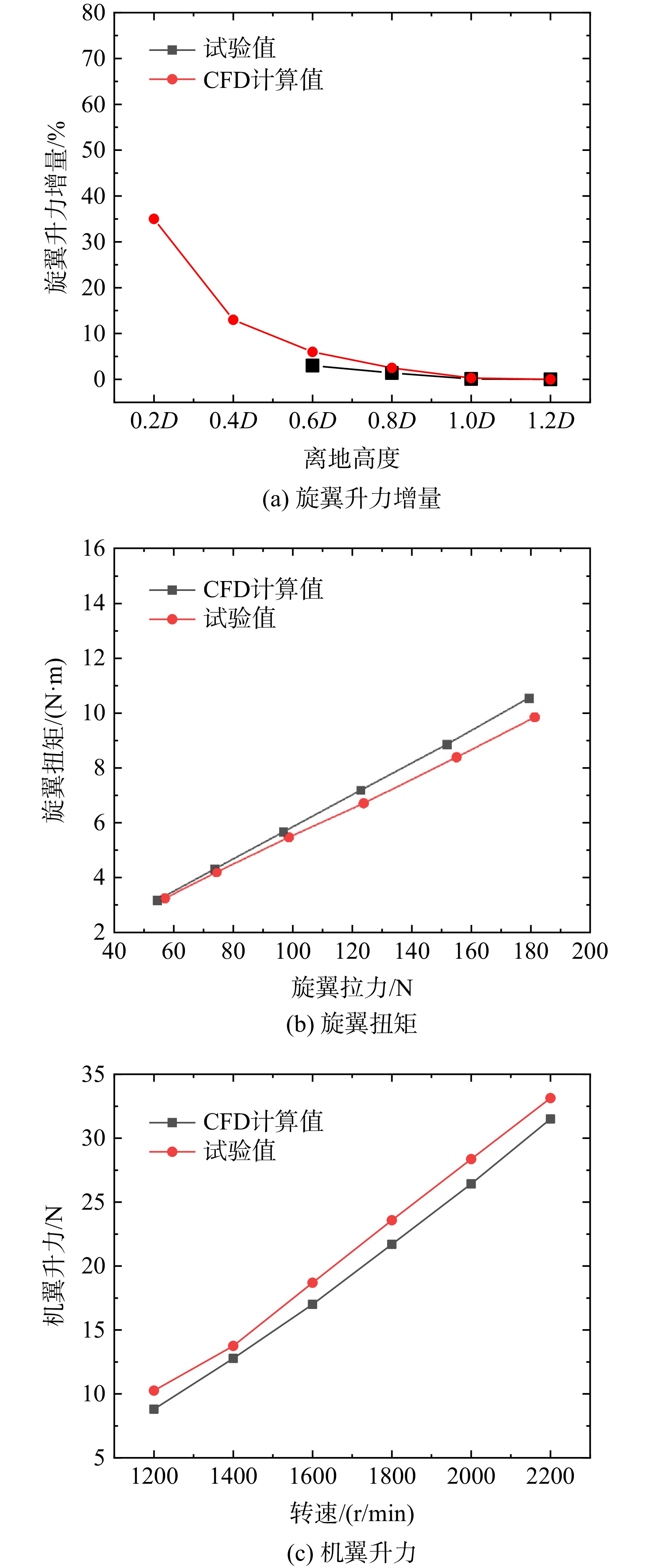
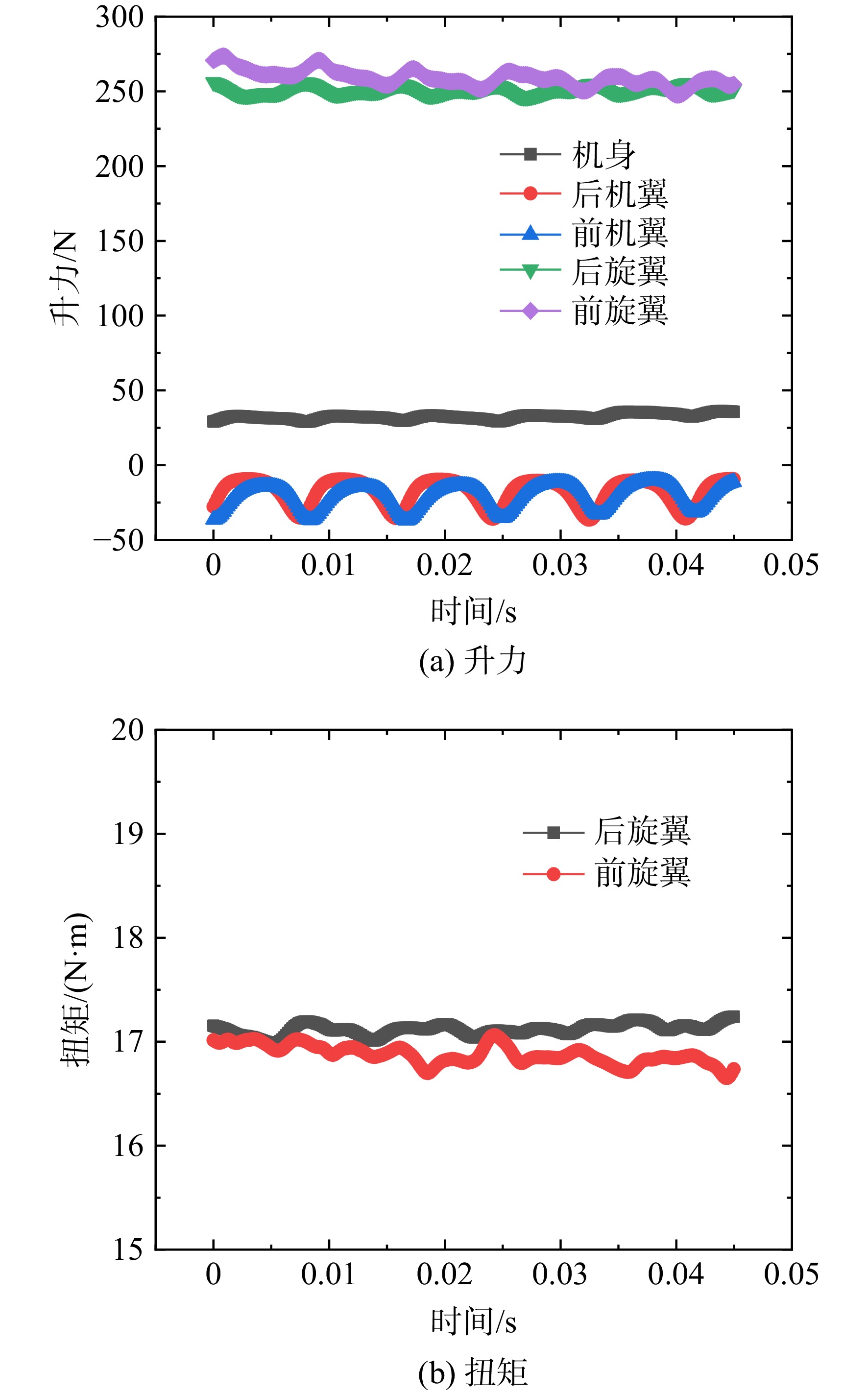
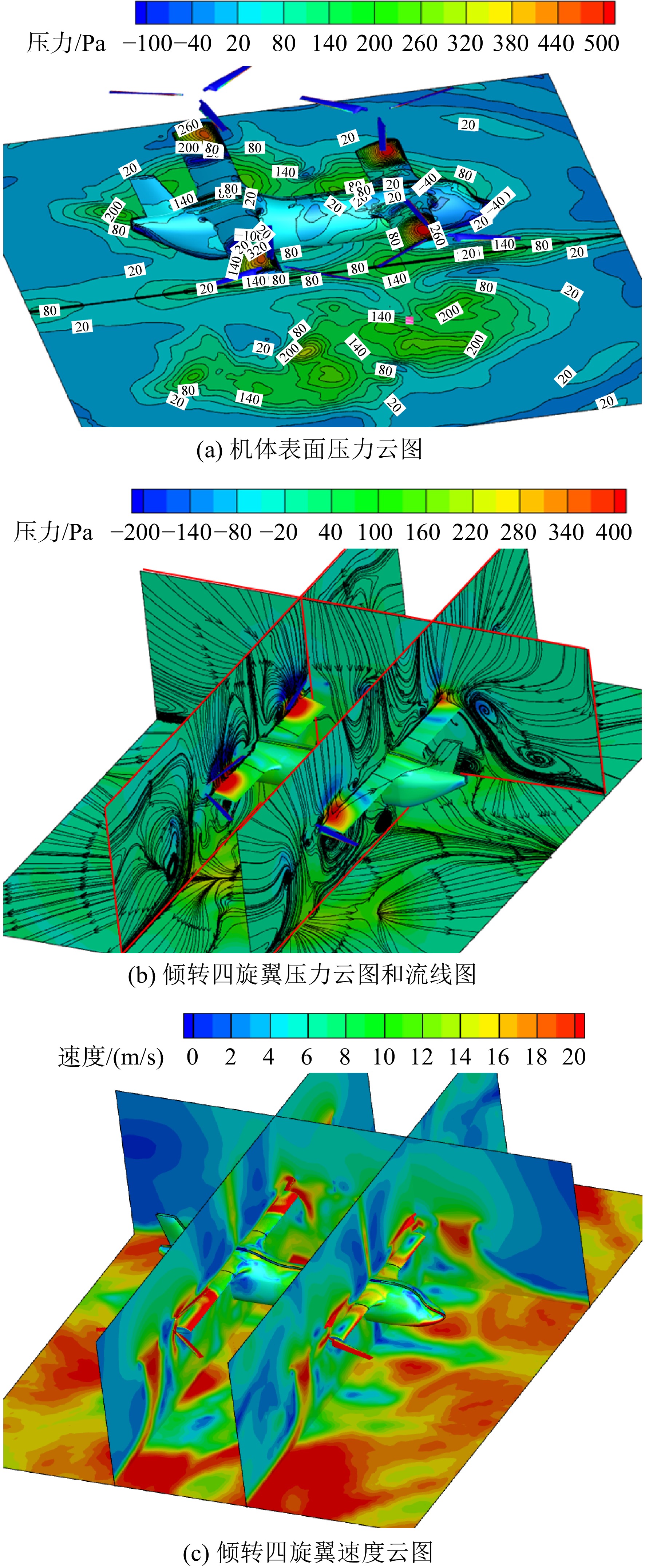
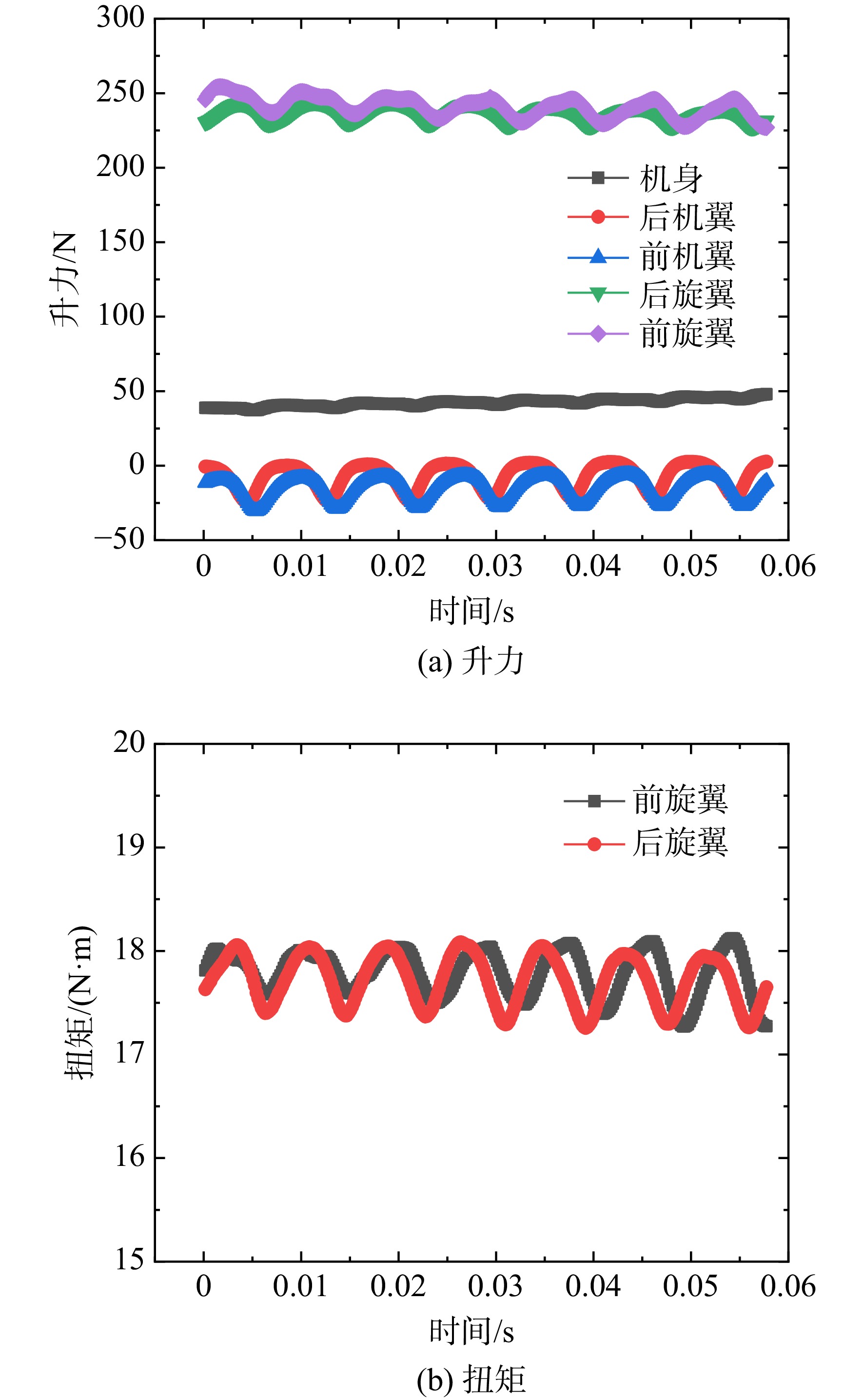
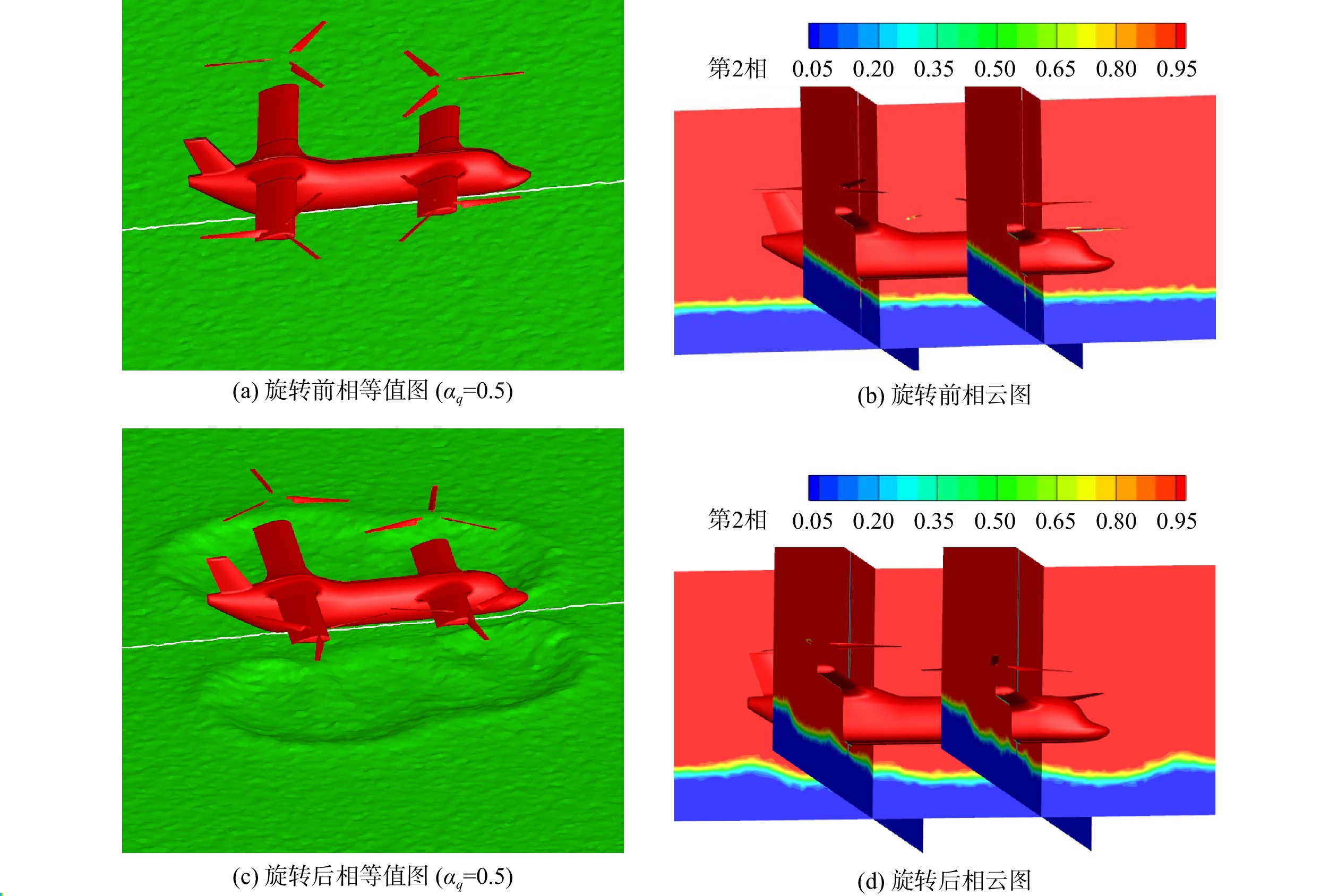
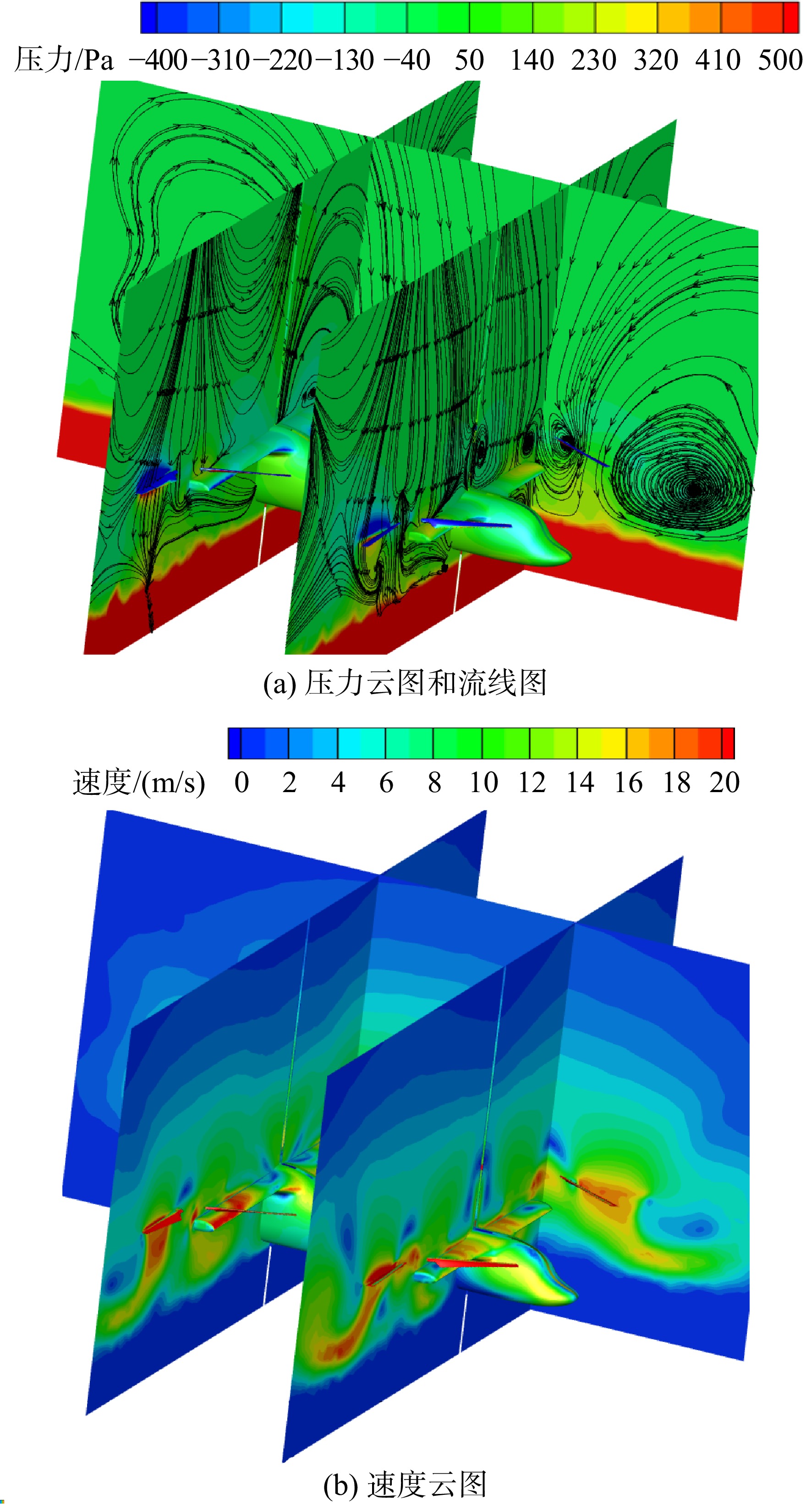
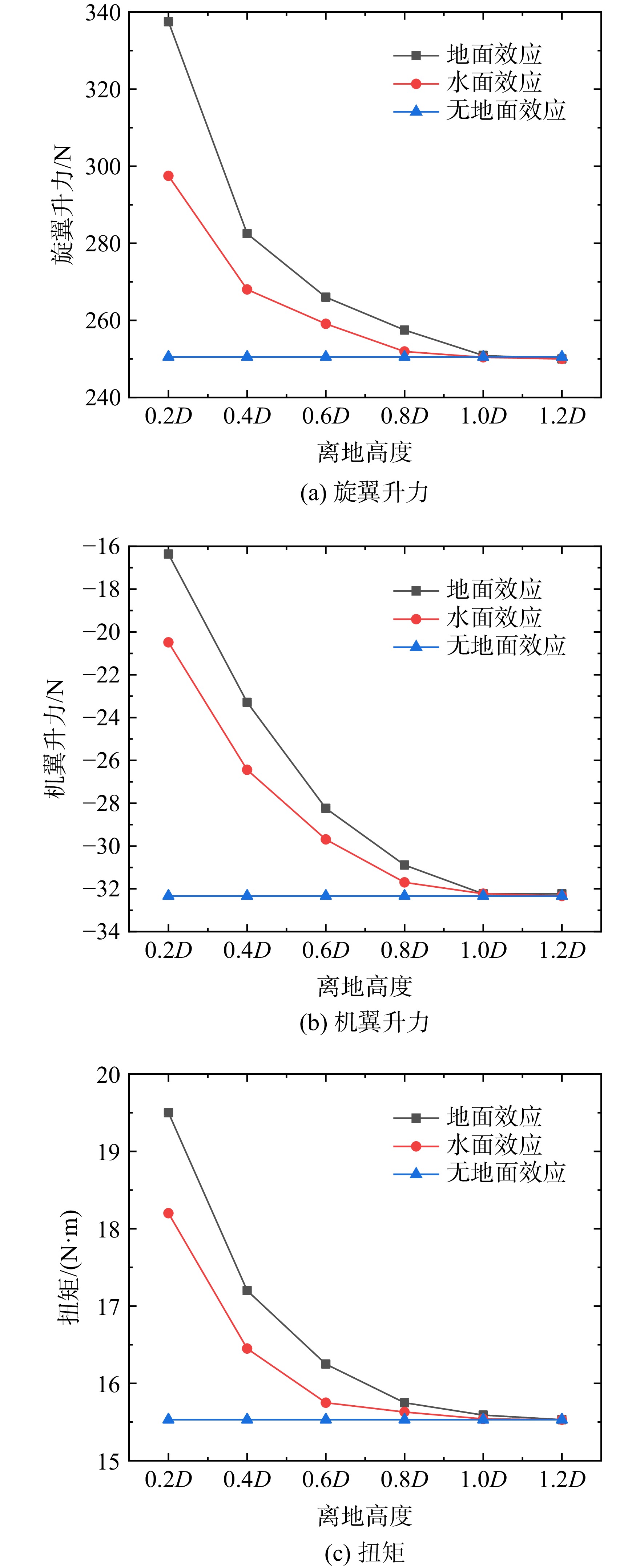
A combined grid around the rotor, wing and fuselage was generated based on the sliding grid technology. The volume of fluid (VOF) model was used to identify the multiphase flow. An unsteady numerical simulation method suitable for the amphibious quad tilt rotor (QTR) aircraft was established and verified by design tests. The aerodynamic performance of the QTR aircraft under the ground and water surface effect was studied and compared with that without the ground effect. The results showed that, due to the blockage of the ground and water surface, there existed a high-pressure zone under the rotor, which may increase the lift of the rotor, reducing the negative lift of the wing, and increasing the lift of the fuselage of the QTR. However, when the height above the ground/water surface was greater than rotor diameter, no ground effect can be considered; the water surface was impacted by the downwash flow from the rotor, forming a flexible “drainage area”, which increased the distance between the rotor and the blocking surface, so that at the same distance from the ground, the increased lift under the water surface effect was lower than that under the ground effect but stronger than that without ground effect; the water surface effect flow field was more complex, the airflow along the concave surface of the drainage area formed a vortex circulation around the rotor.

Design and numerical simulation of a fluidic vectoring nozzle with thrust reverser
ZHANG Yuding, XU Jinglei, PAN Ruifeng, ZHANG Yuqi, HUANG Shuai
2024, 39(12): 20220905. doi: 10.13224/j.cnki.jasp.20220905
Abstract:

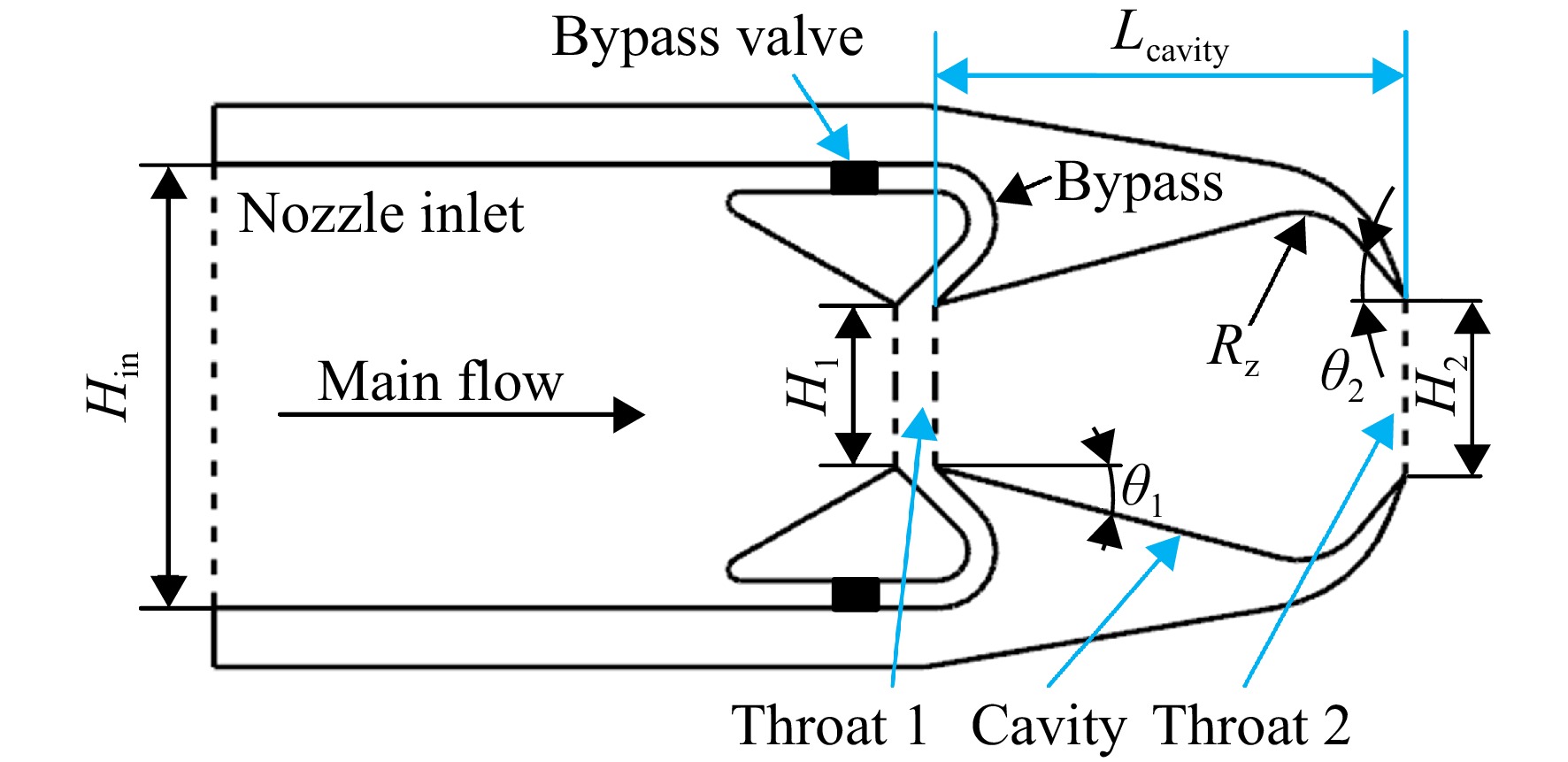
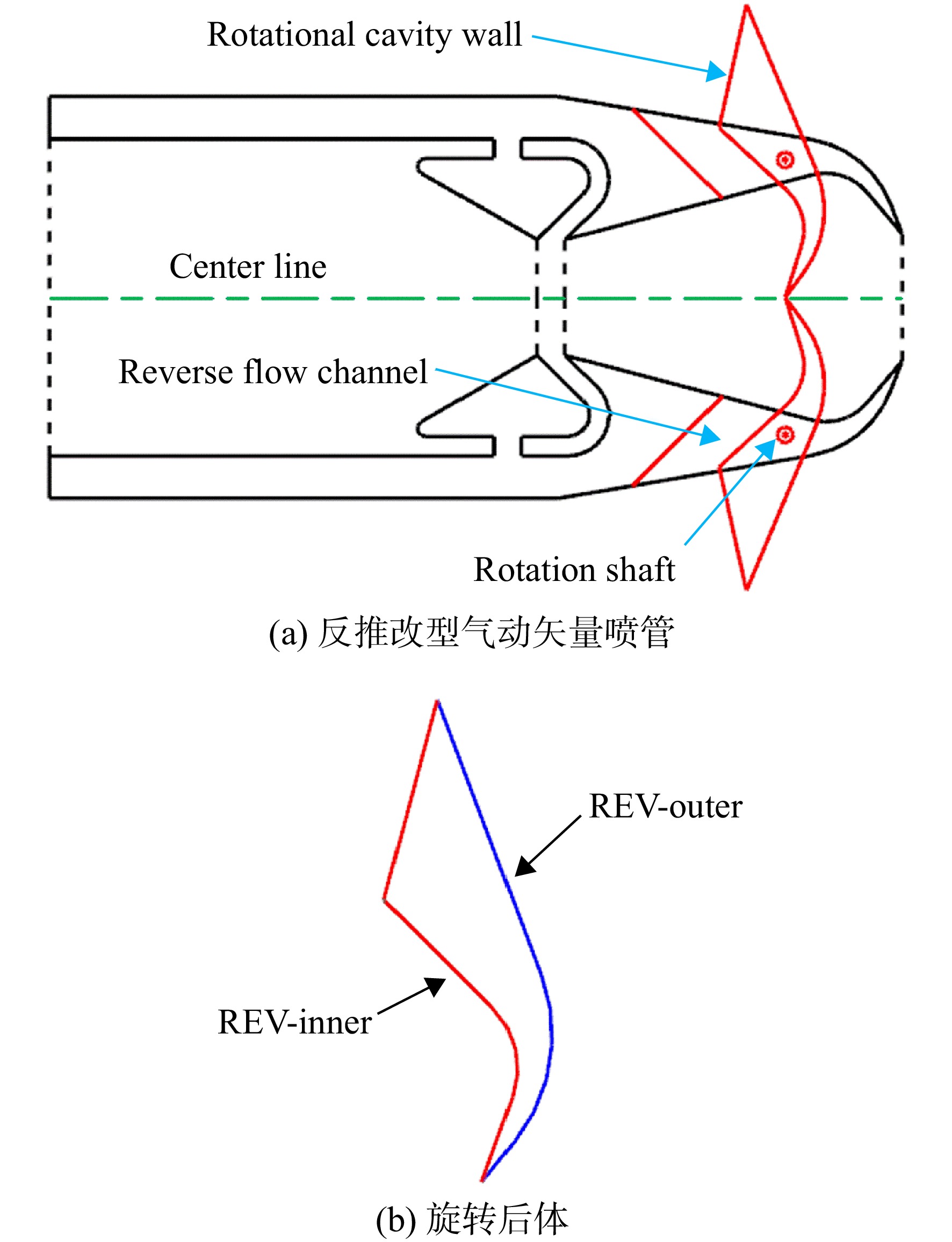
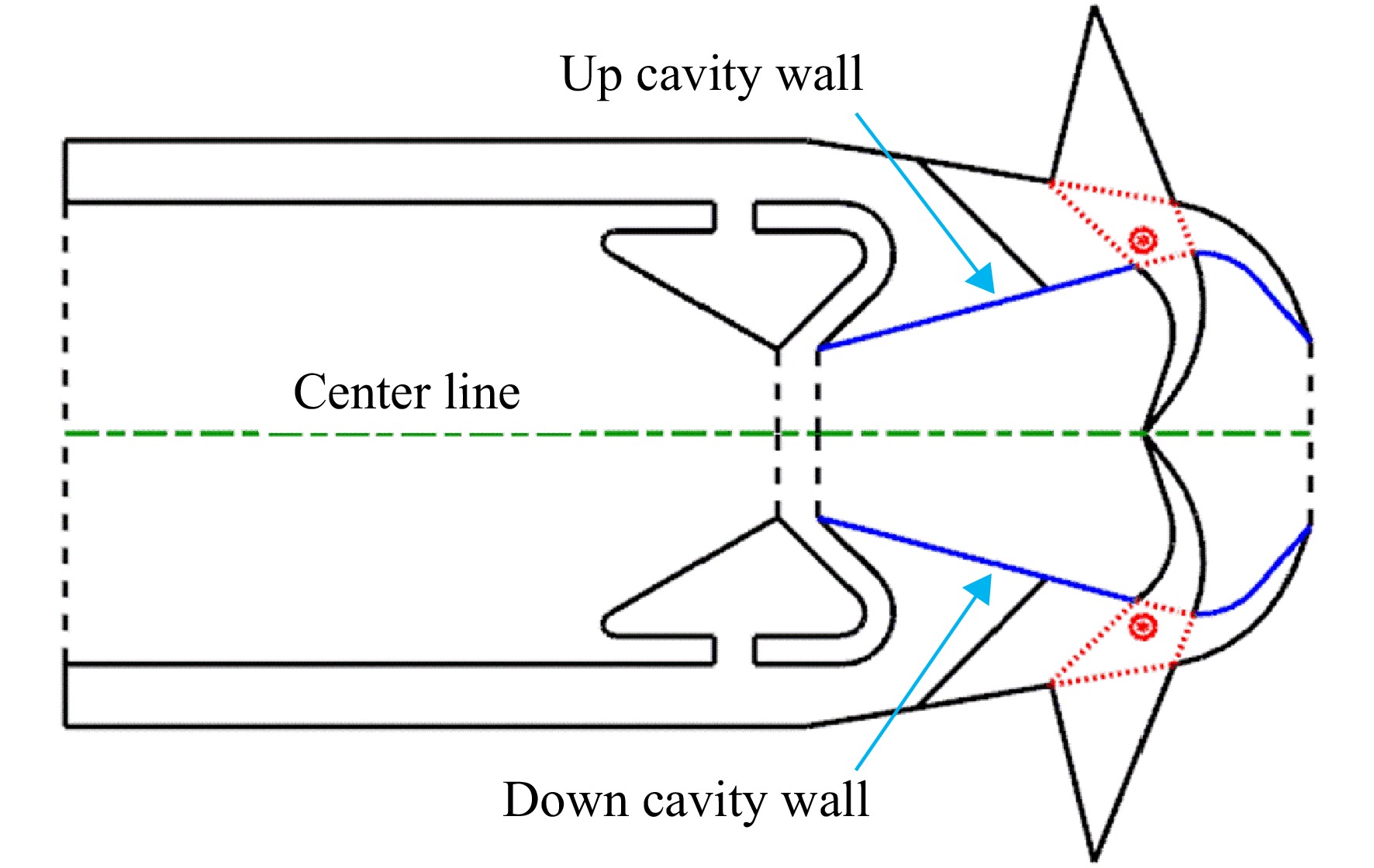
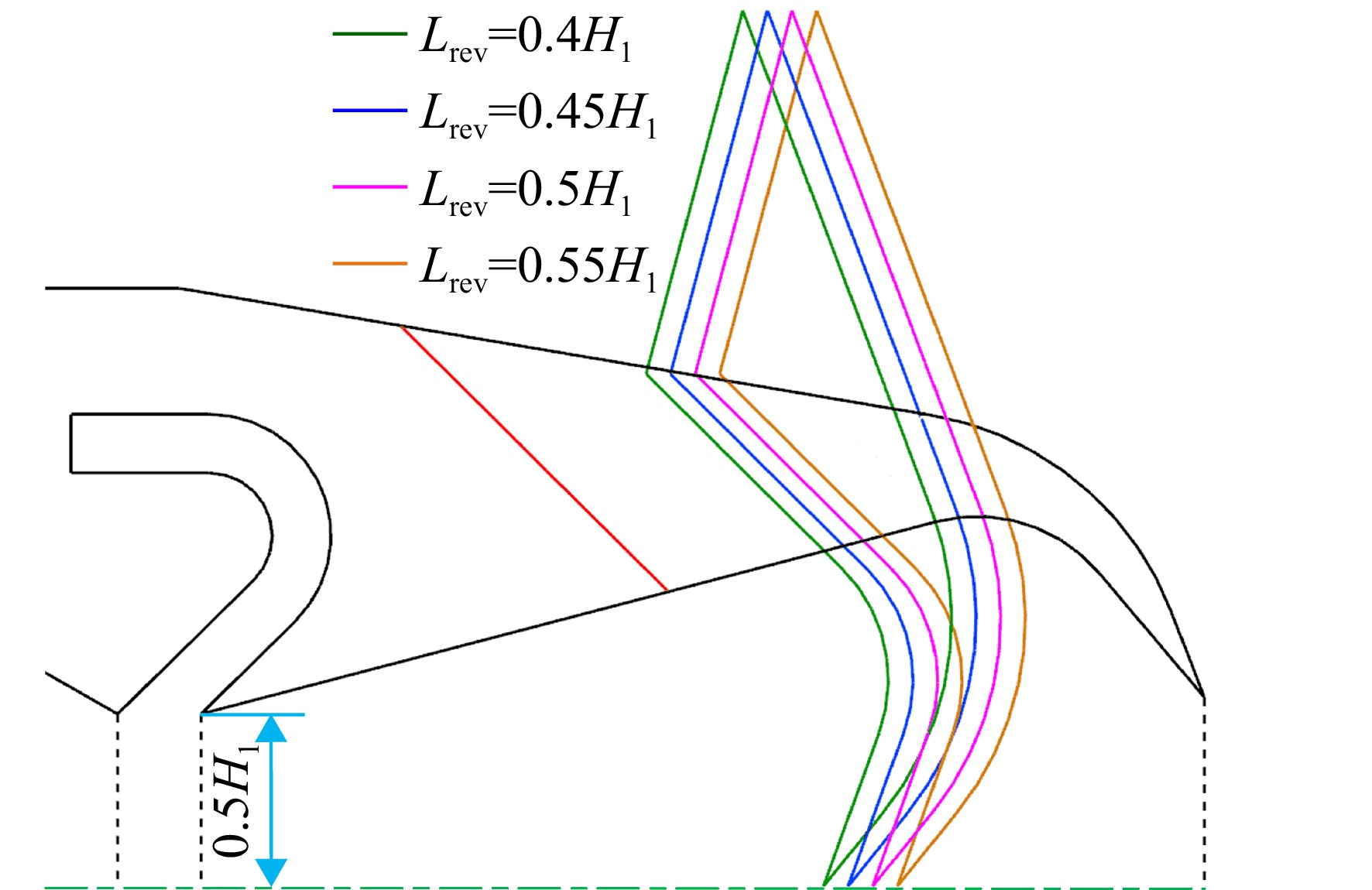
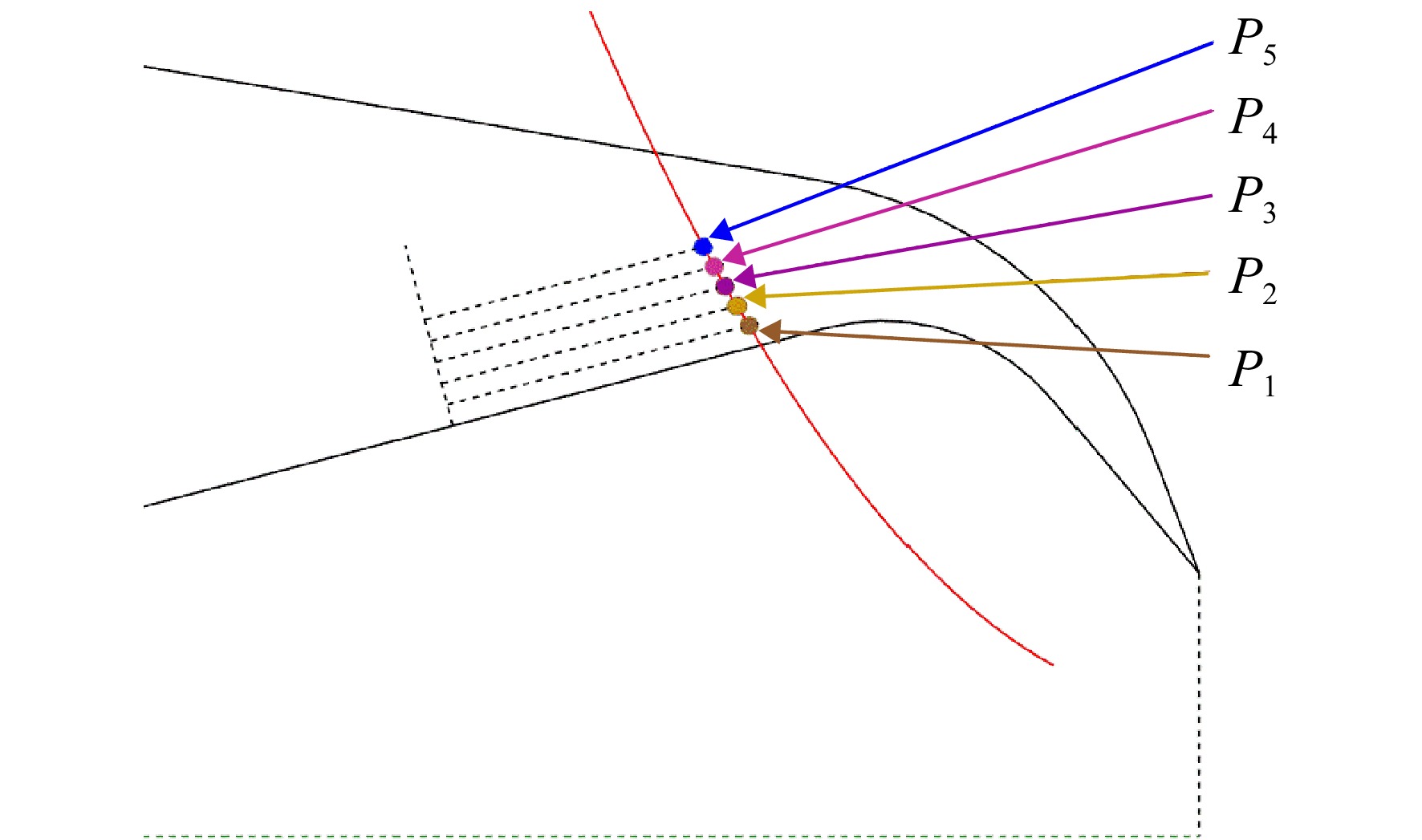
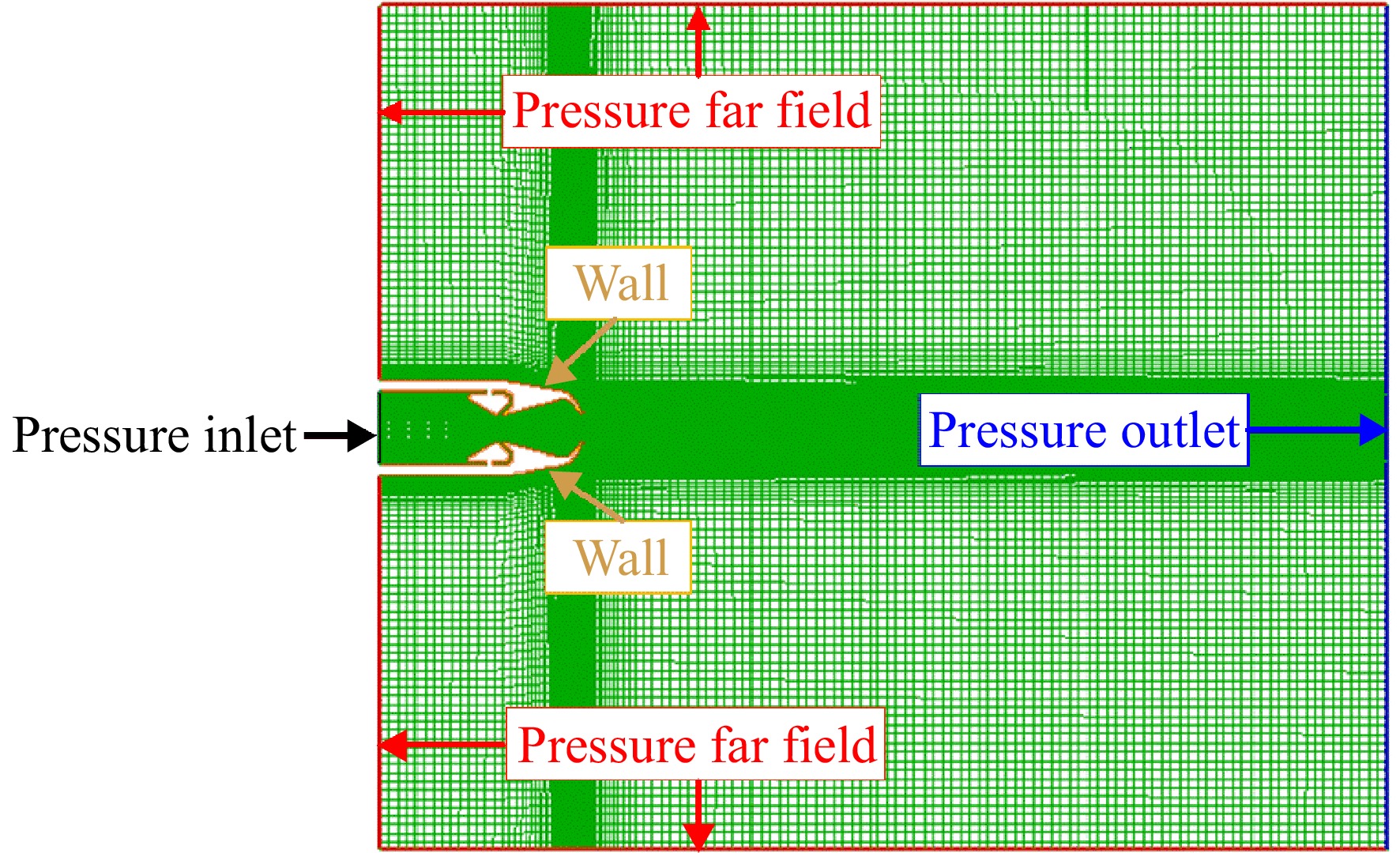
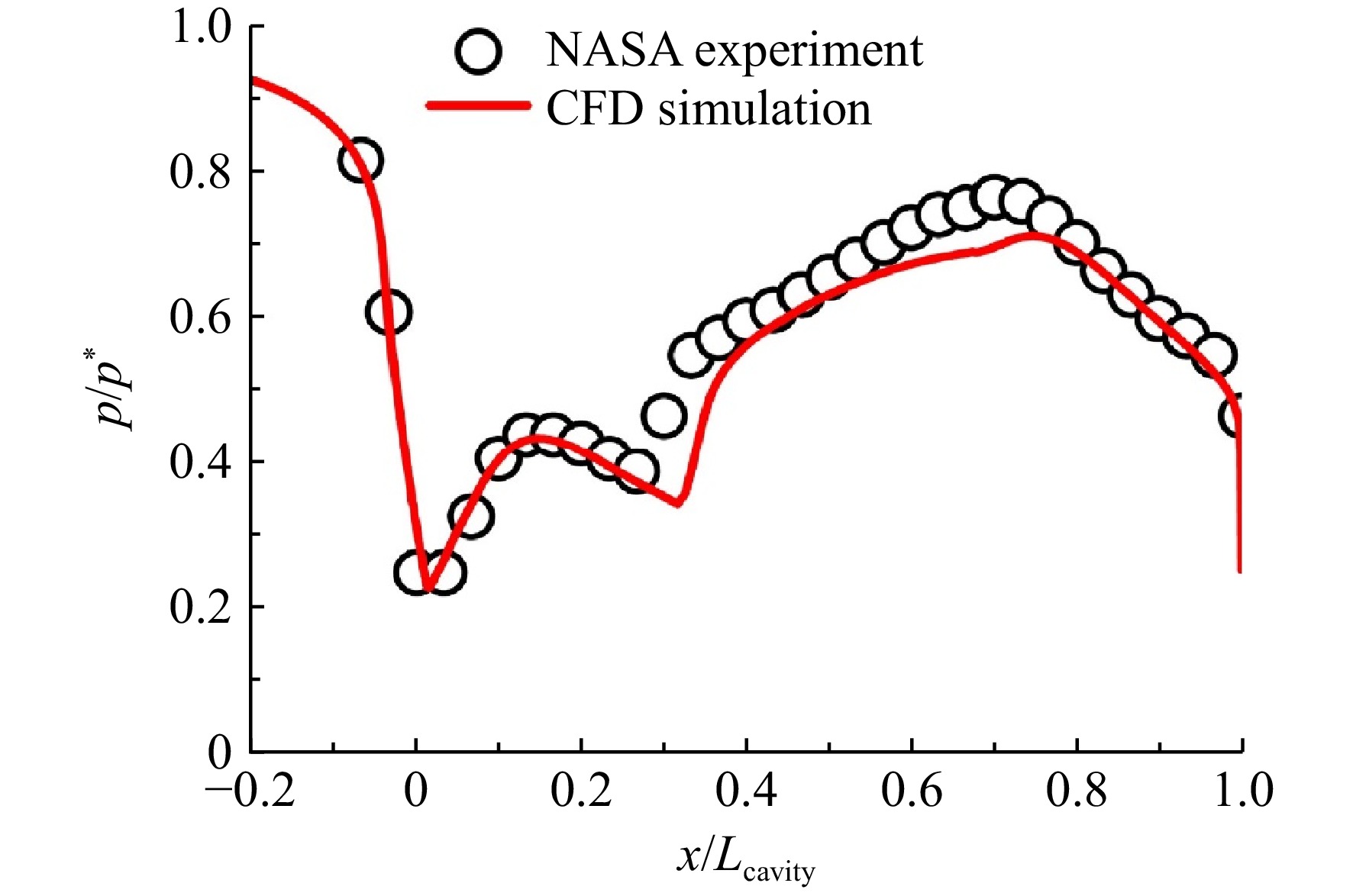
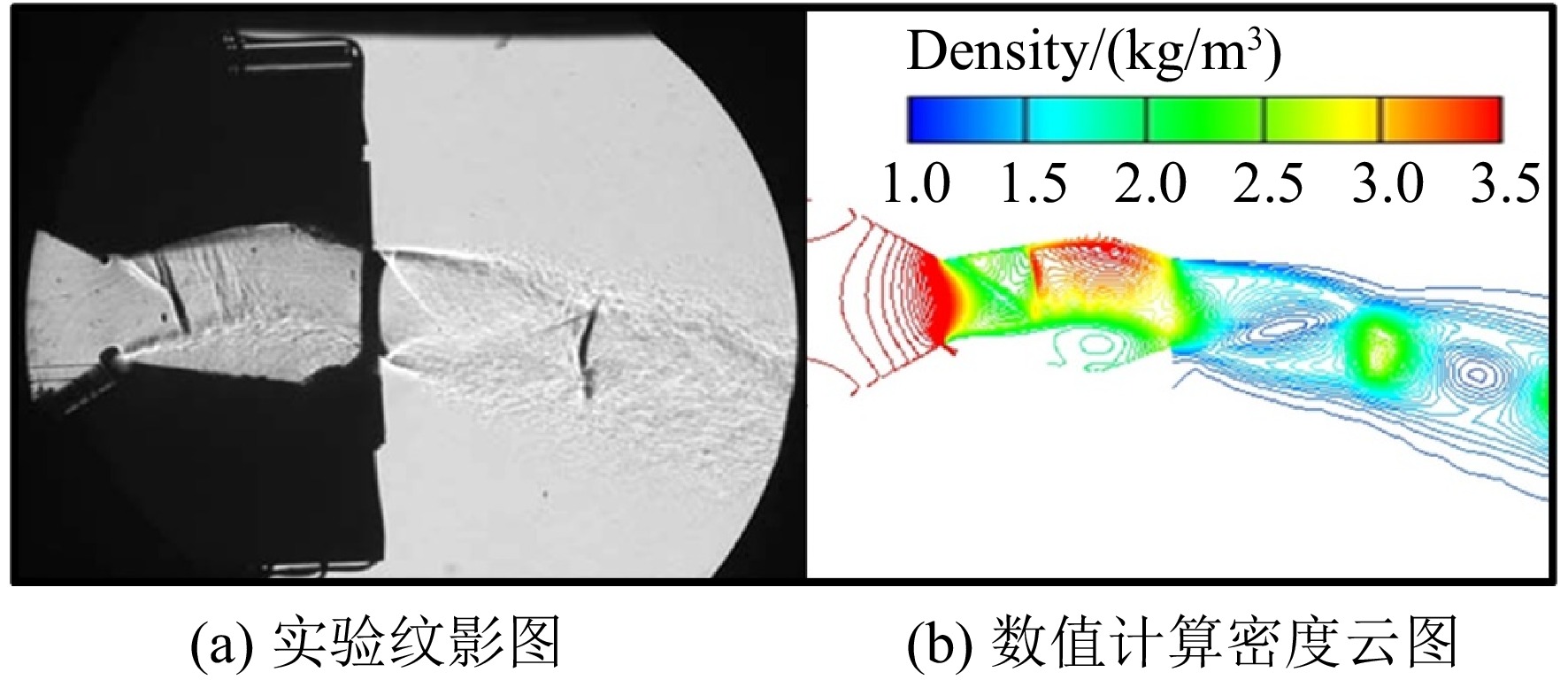
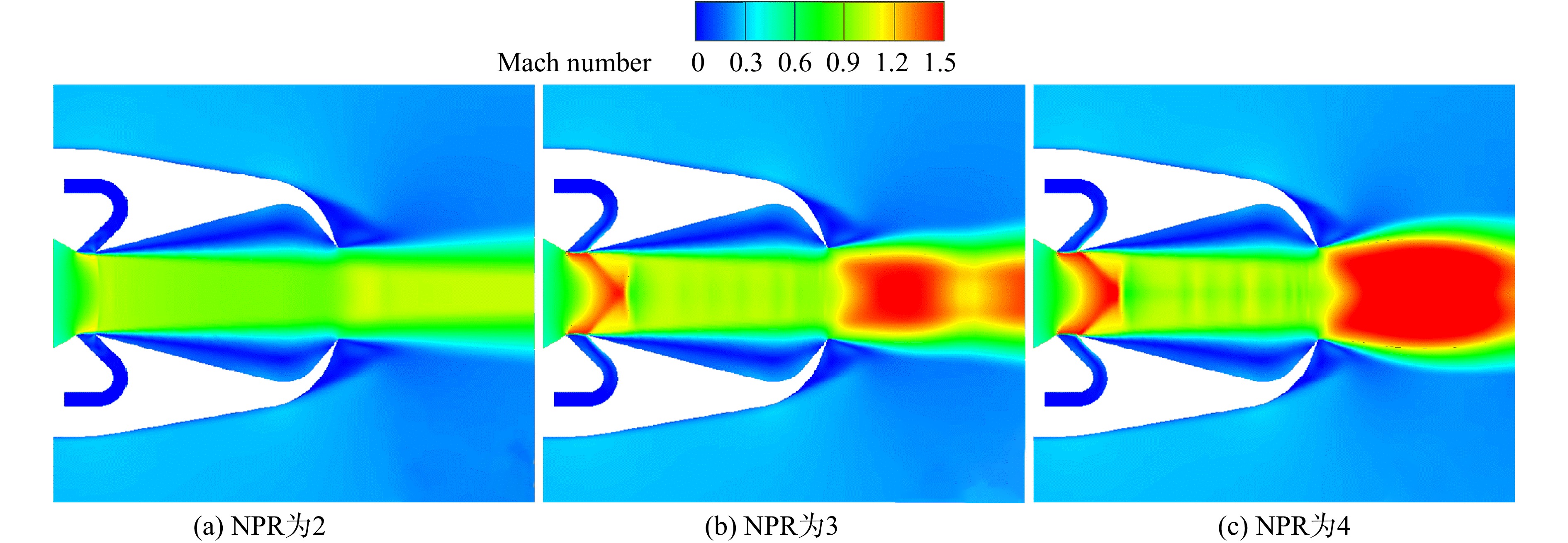
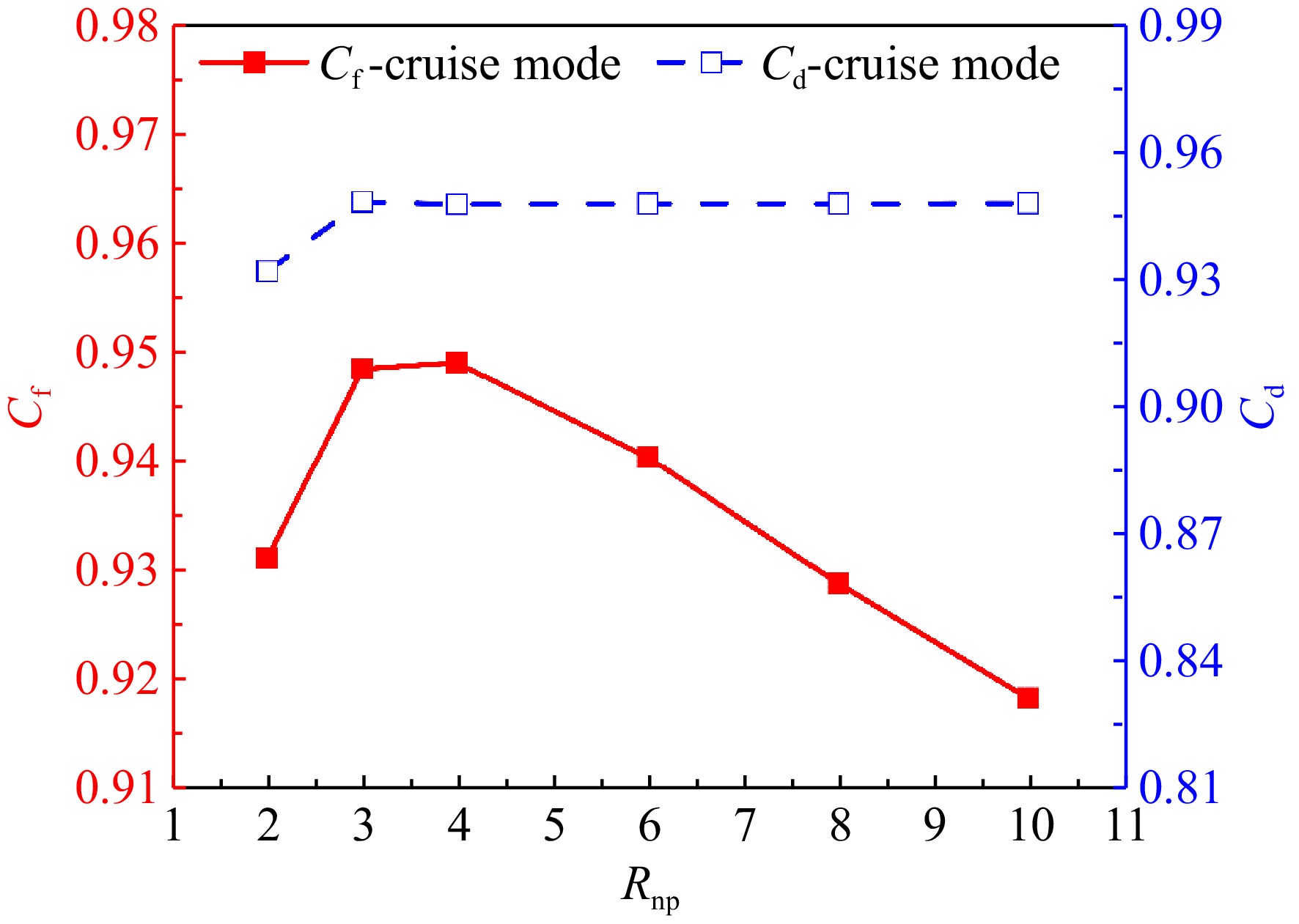
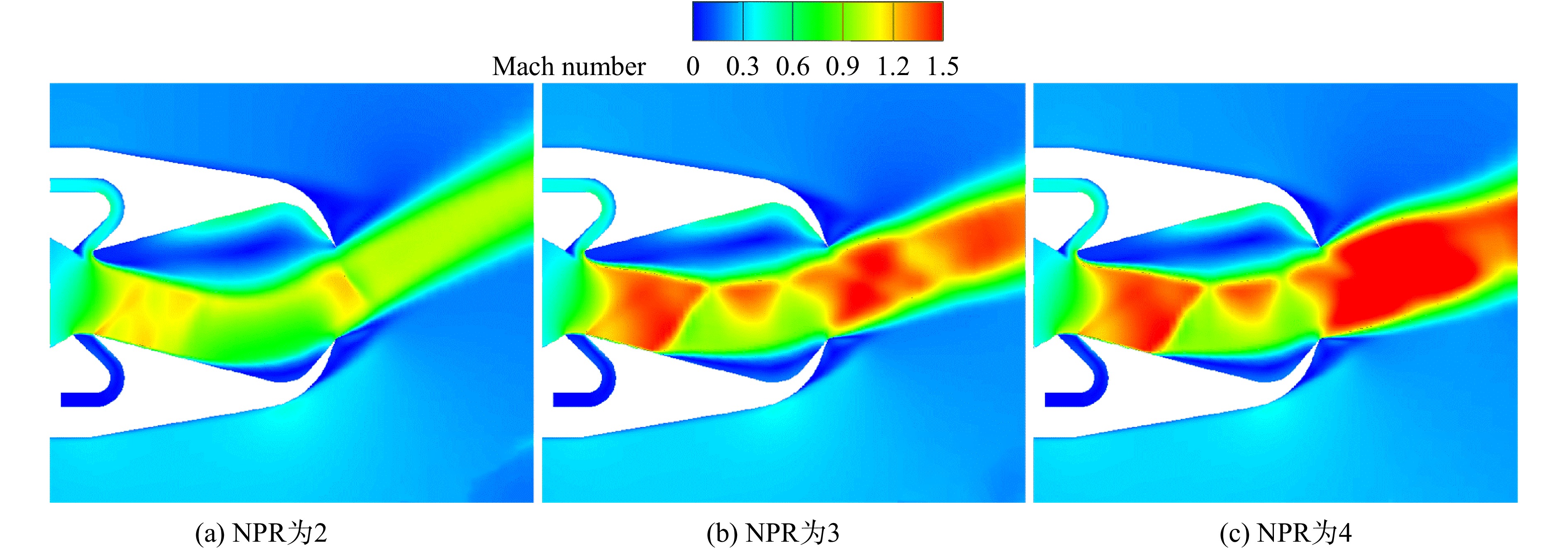
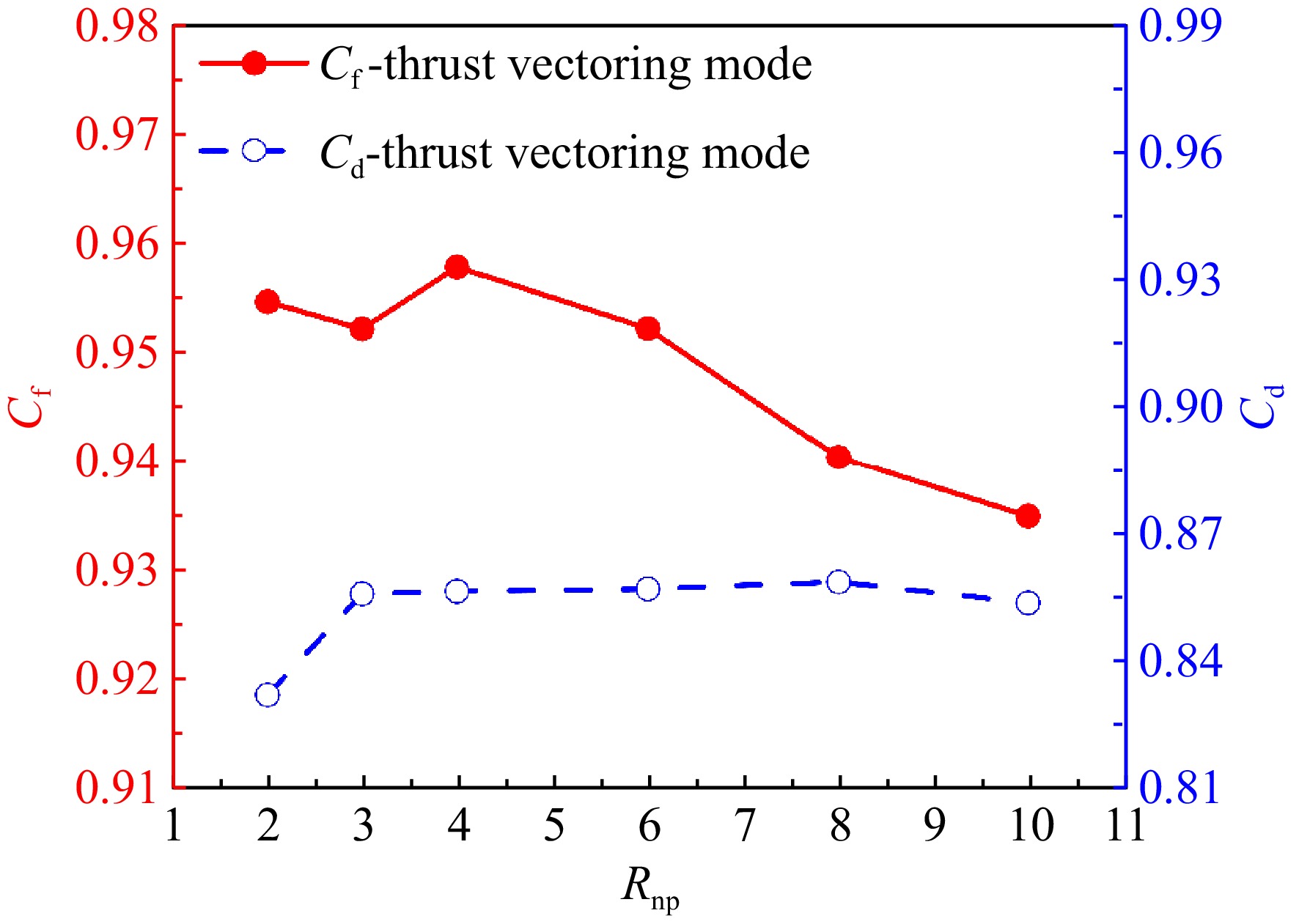
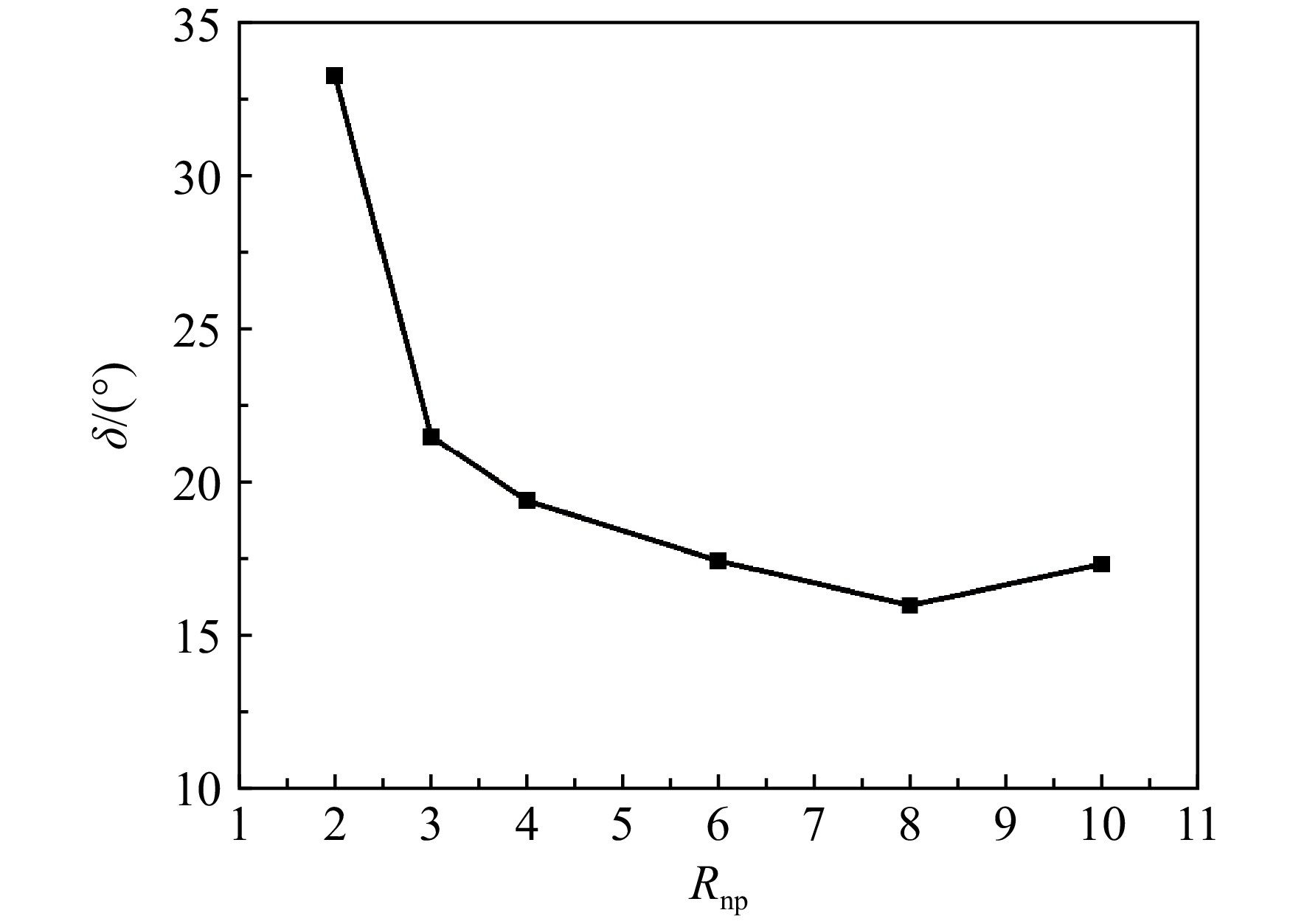
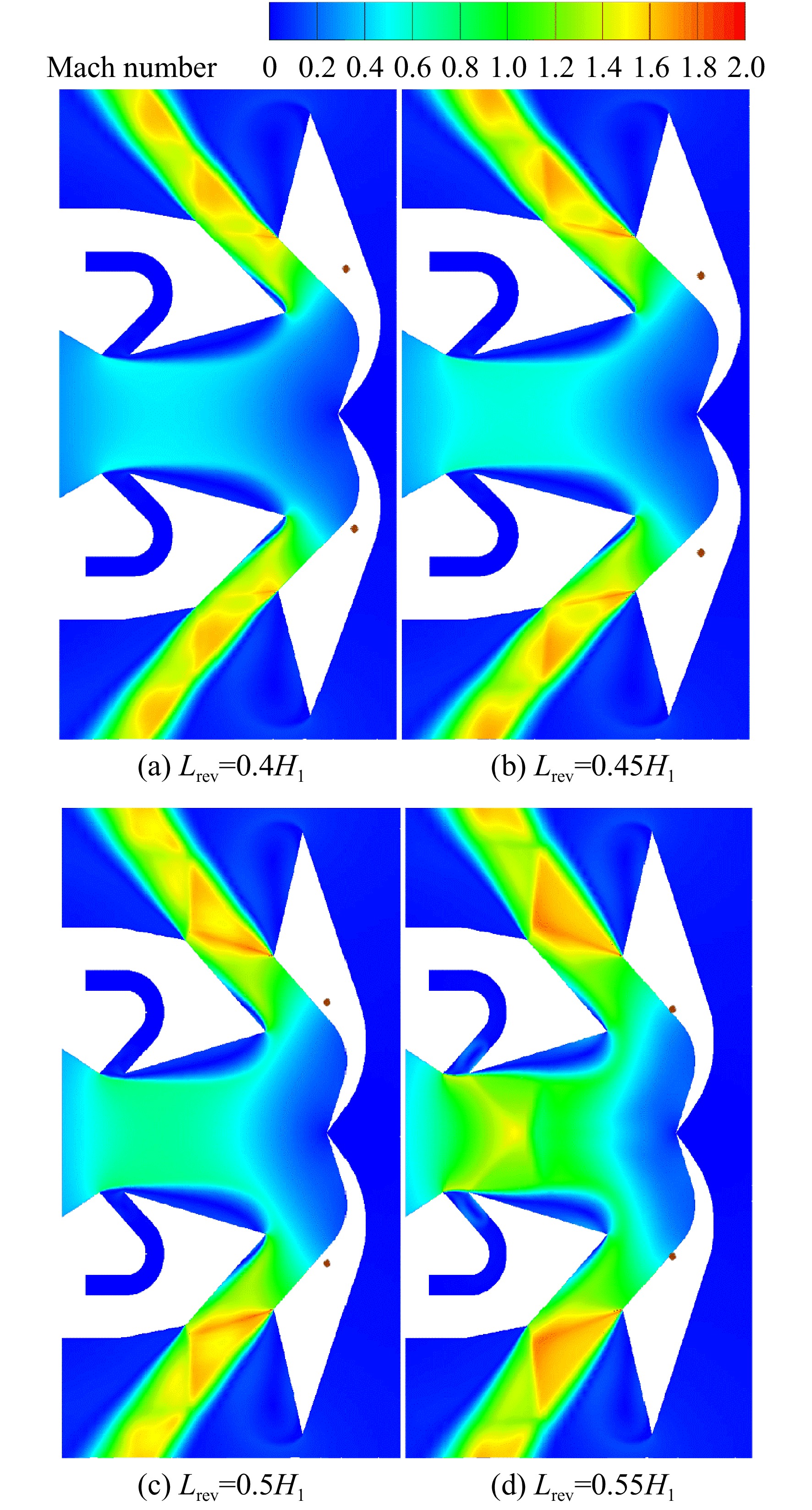
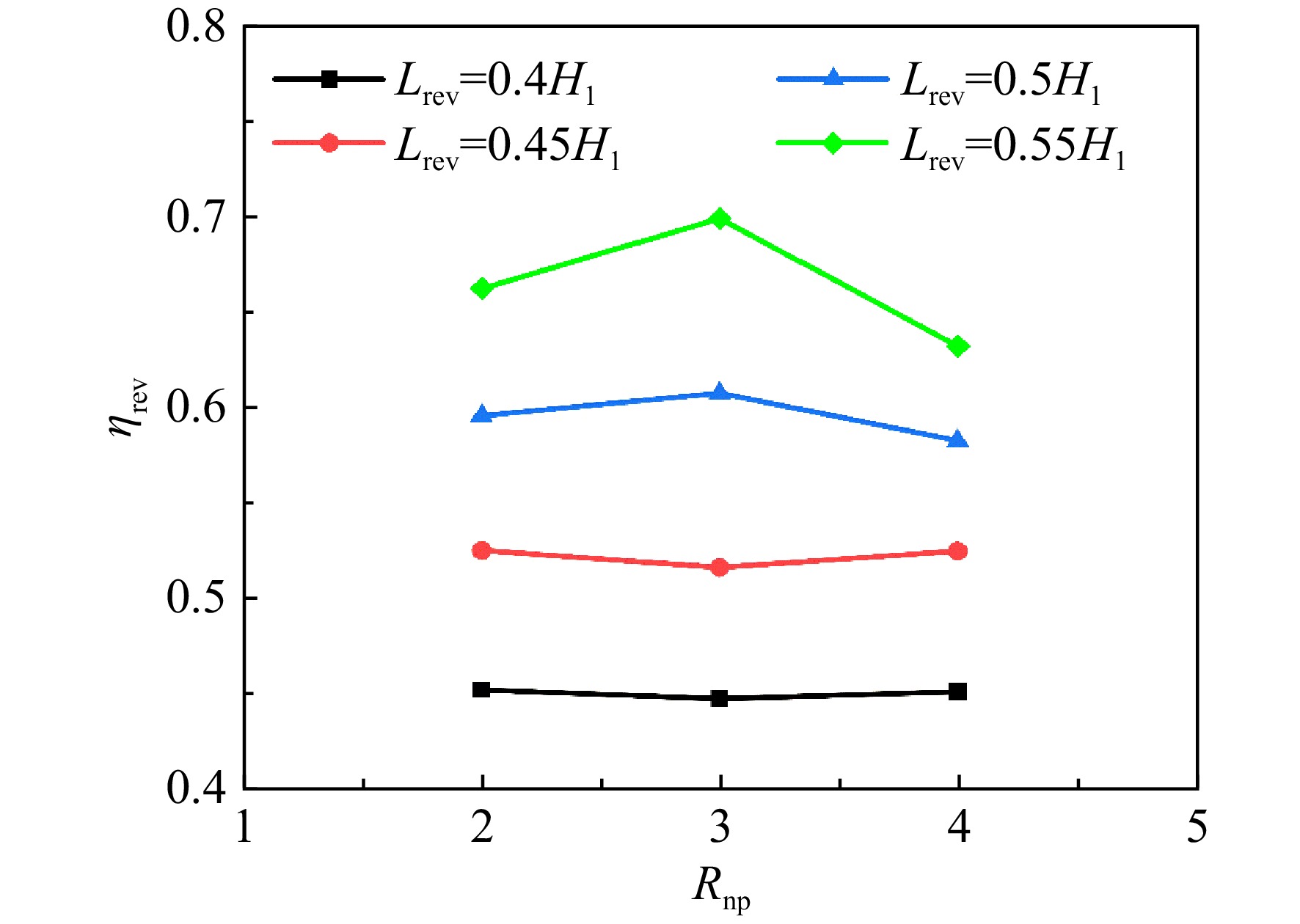
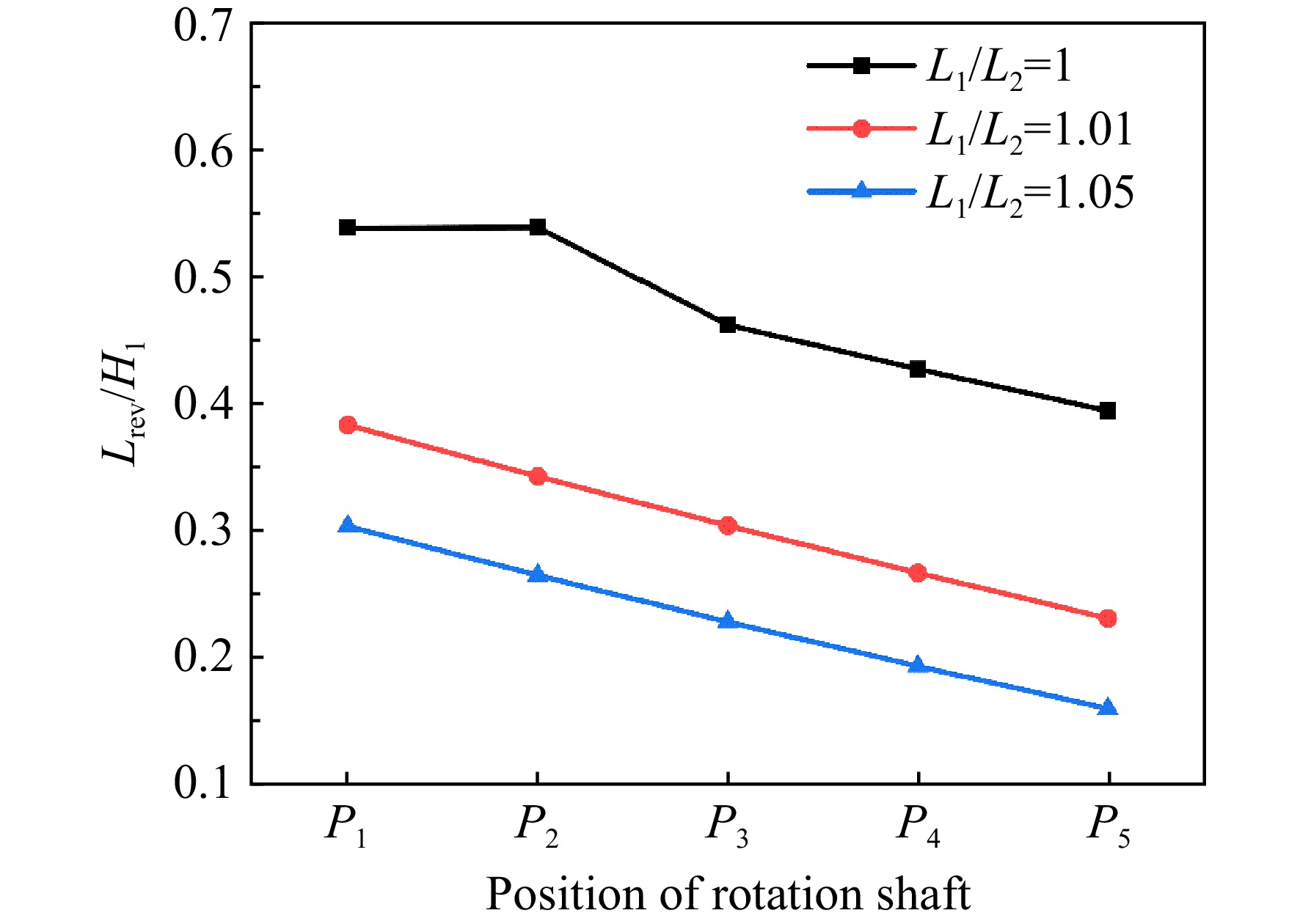
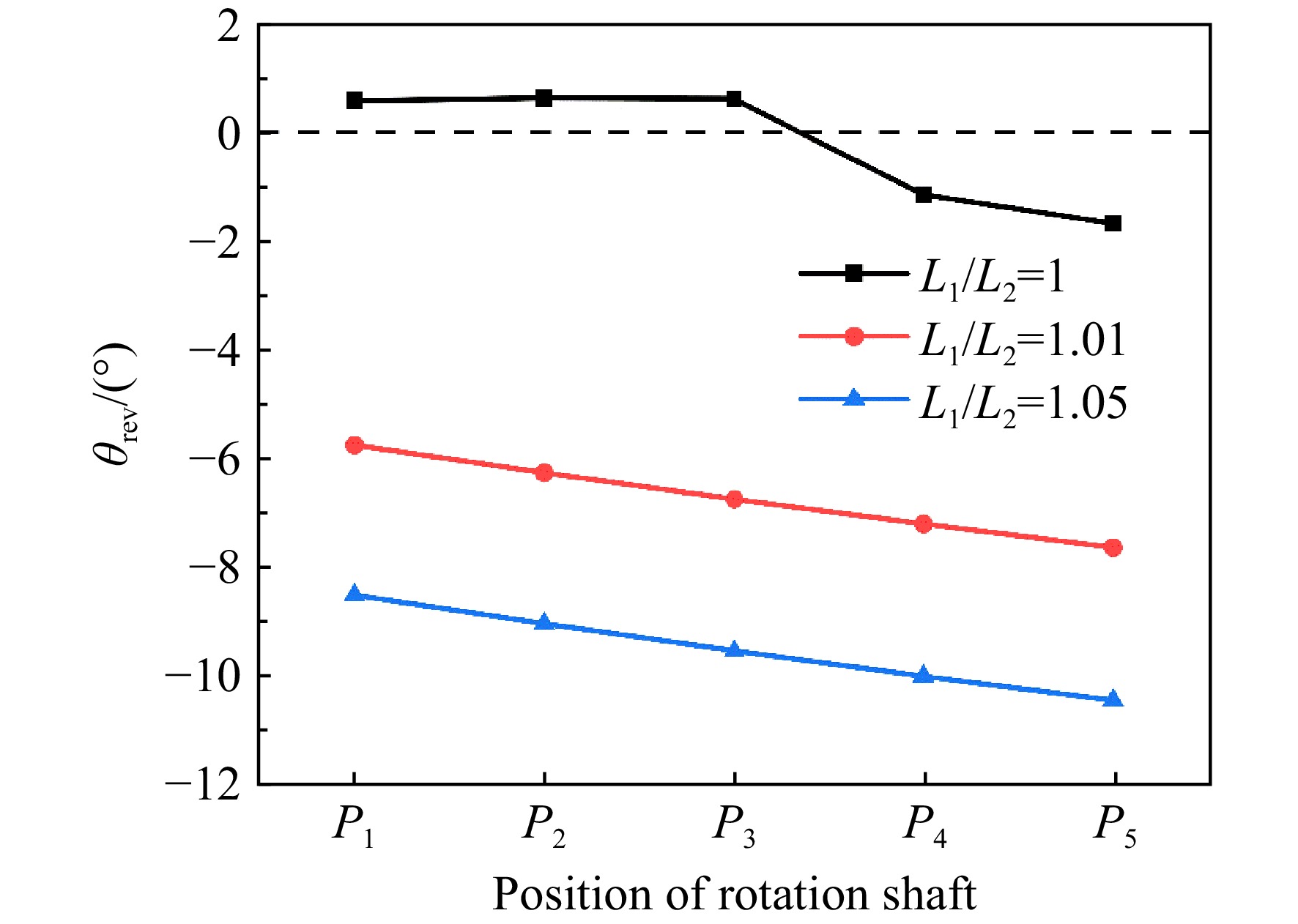
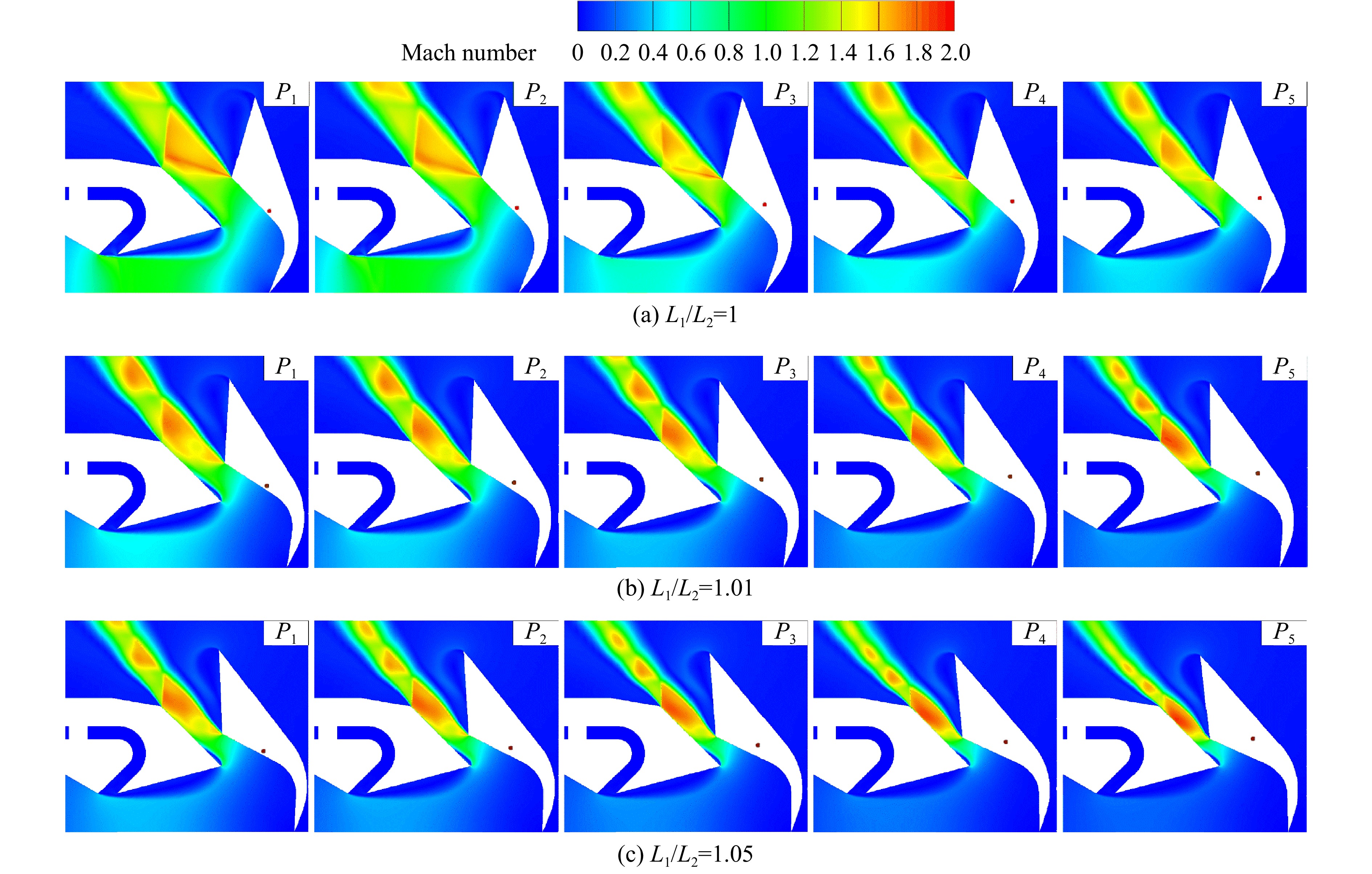
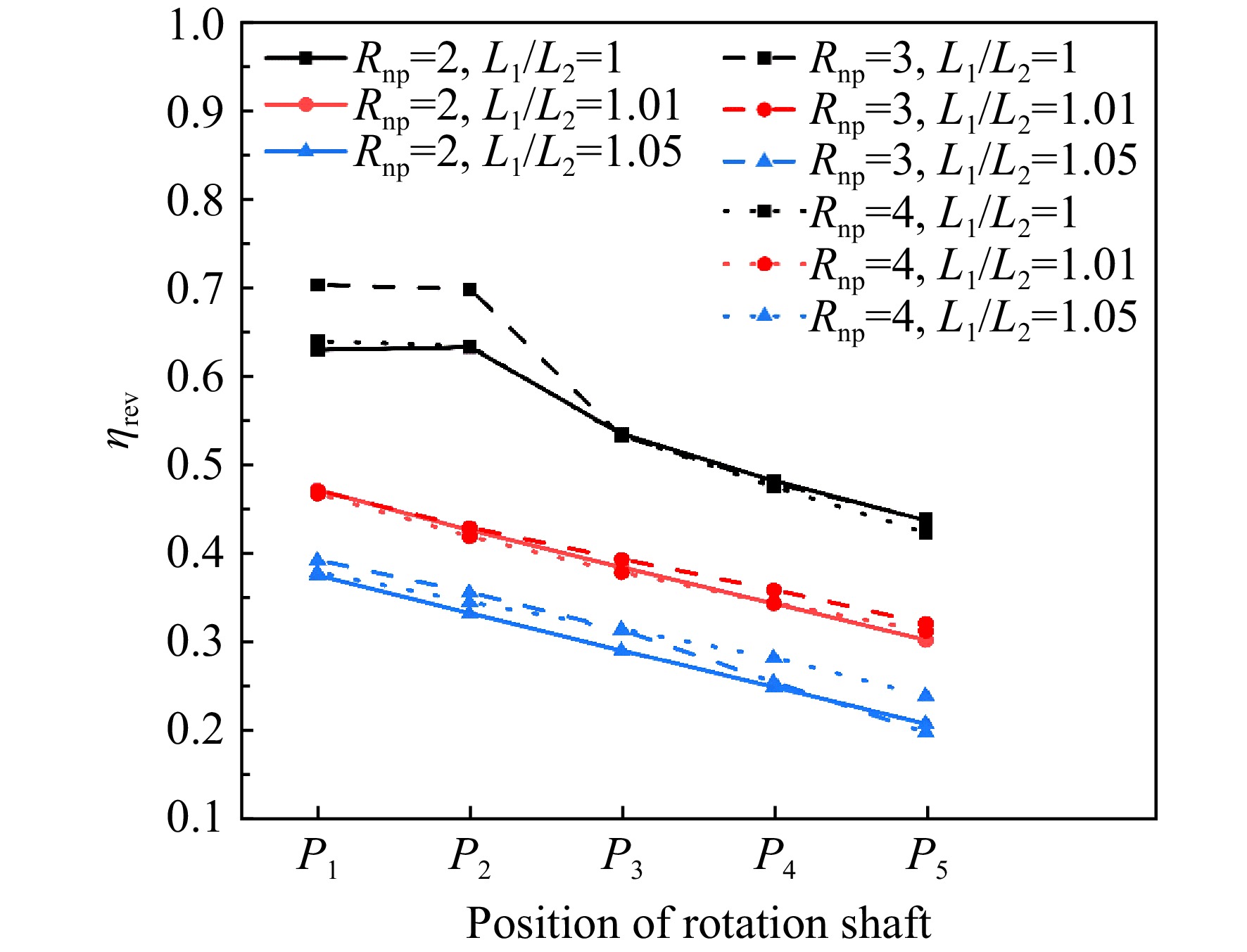
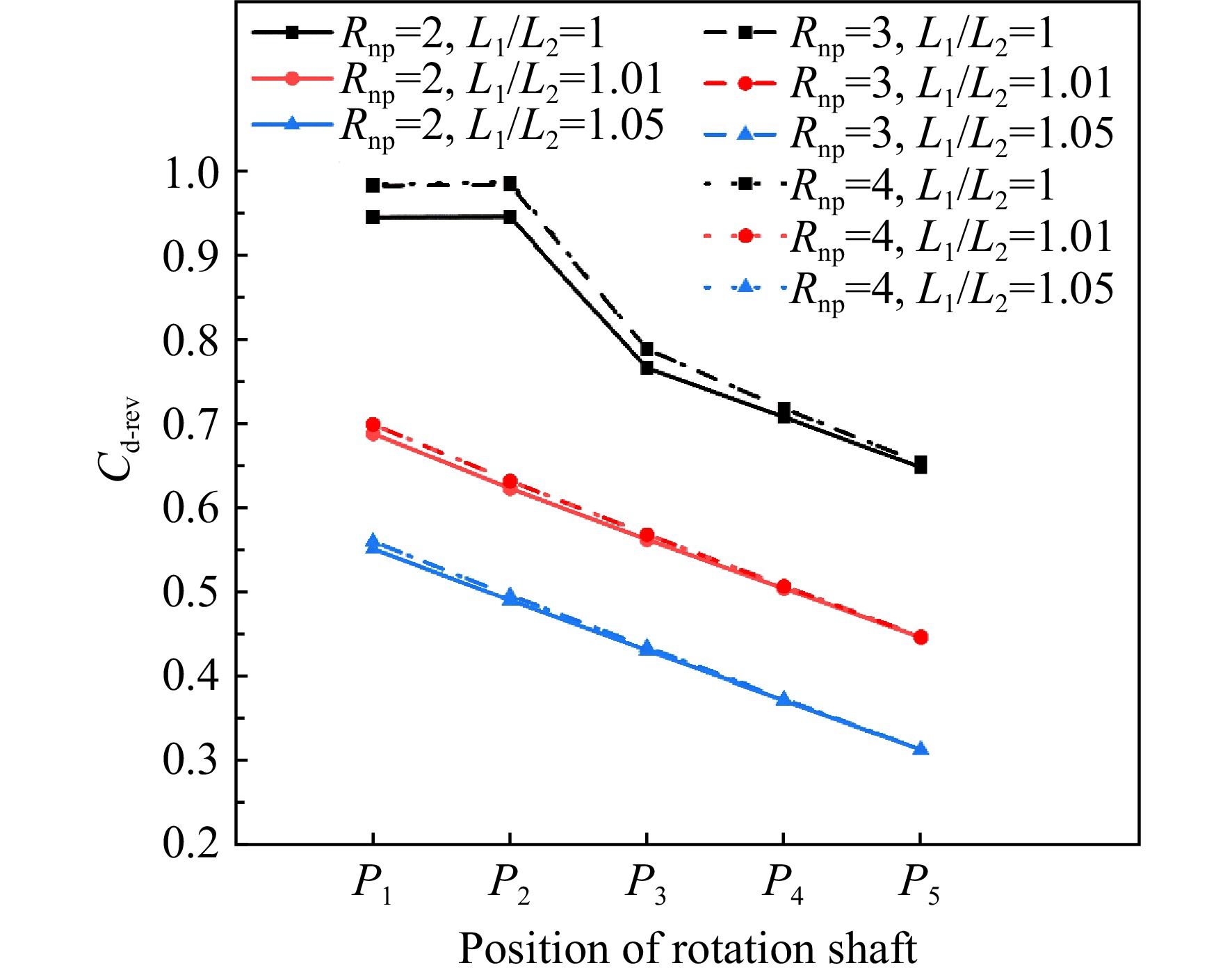
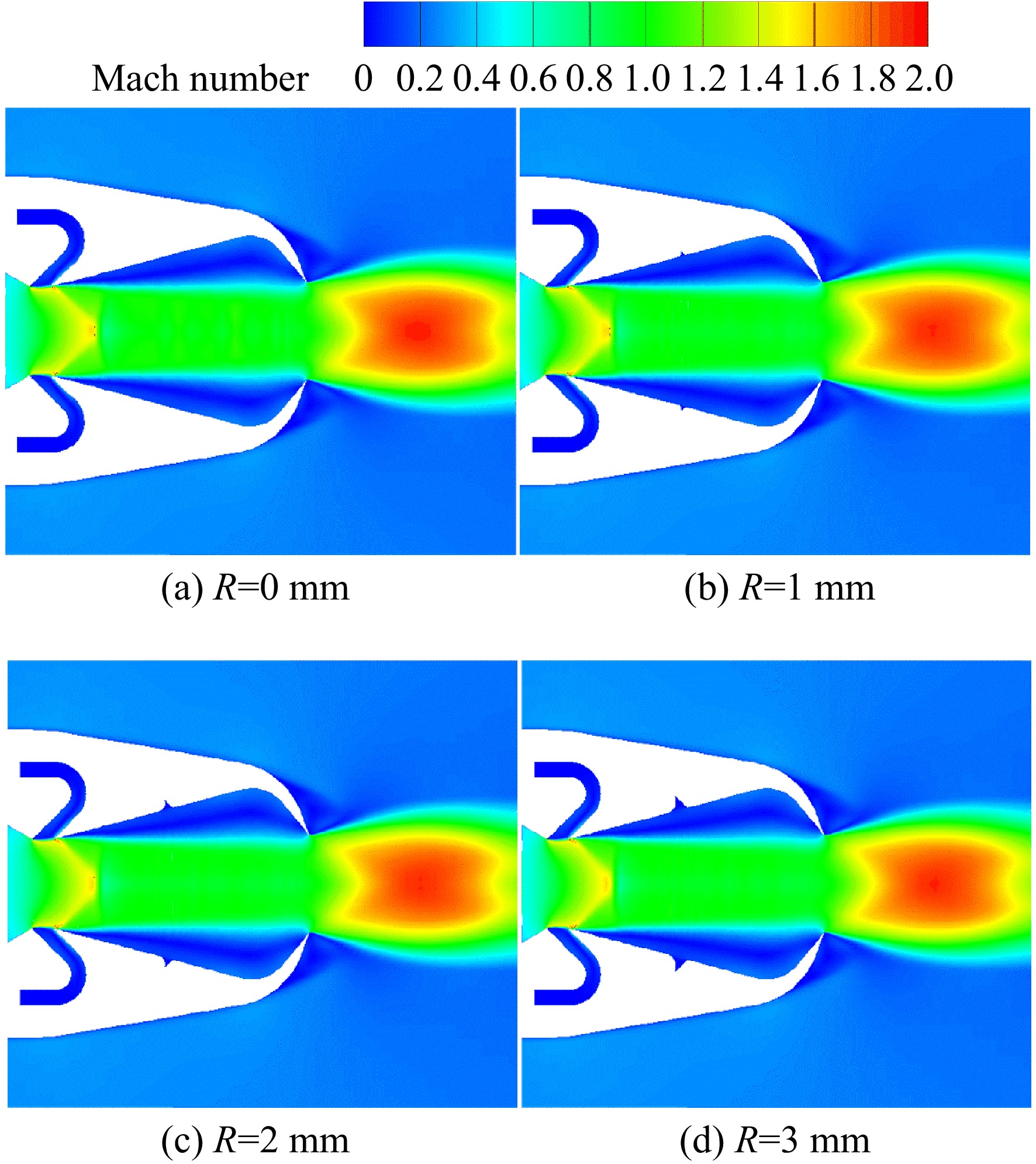
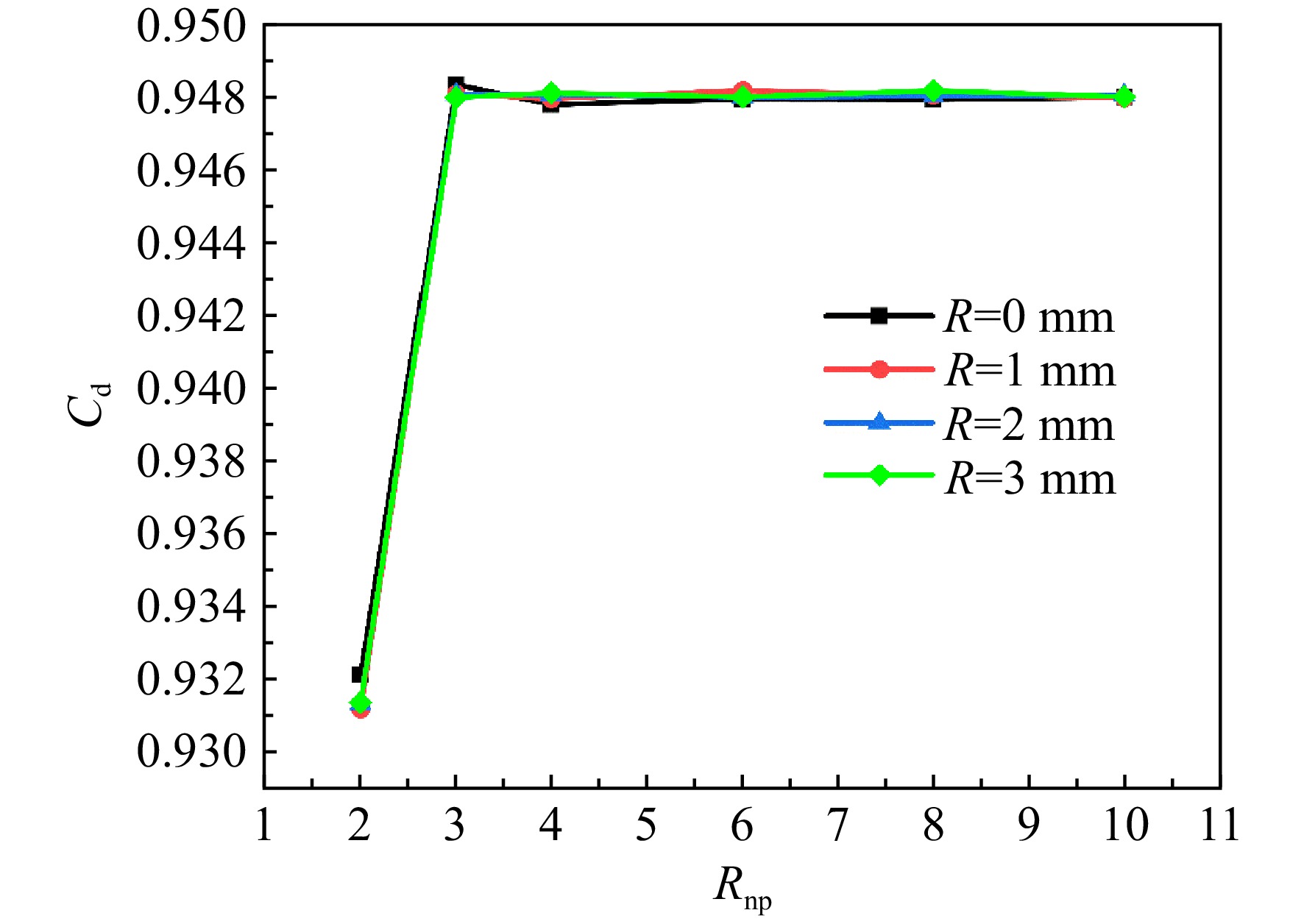
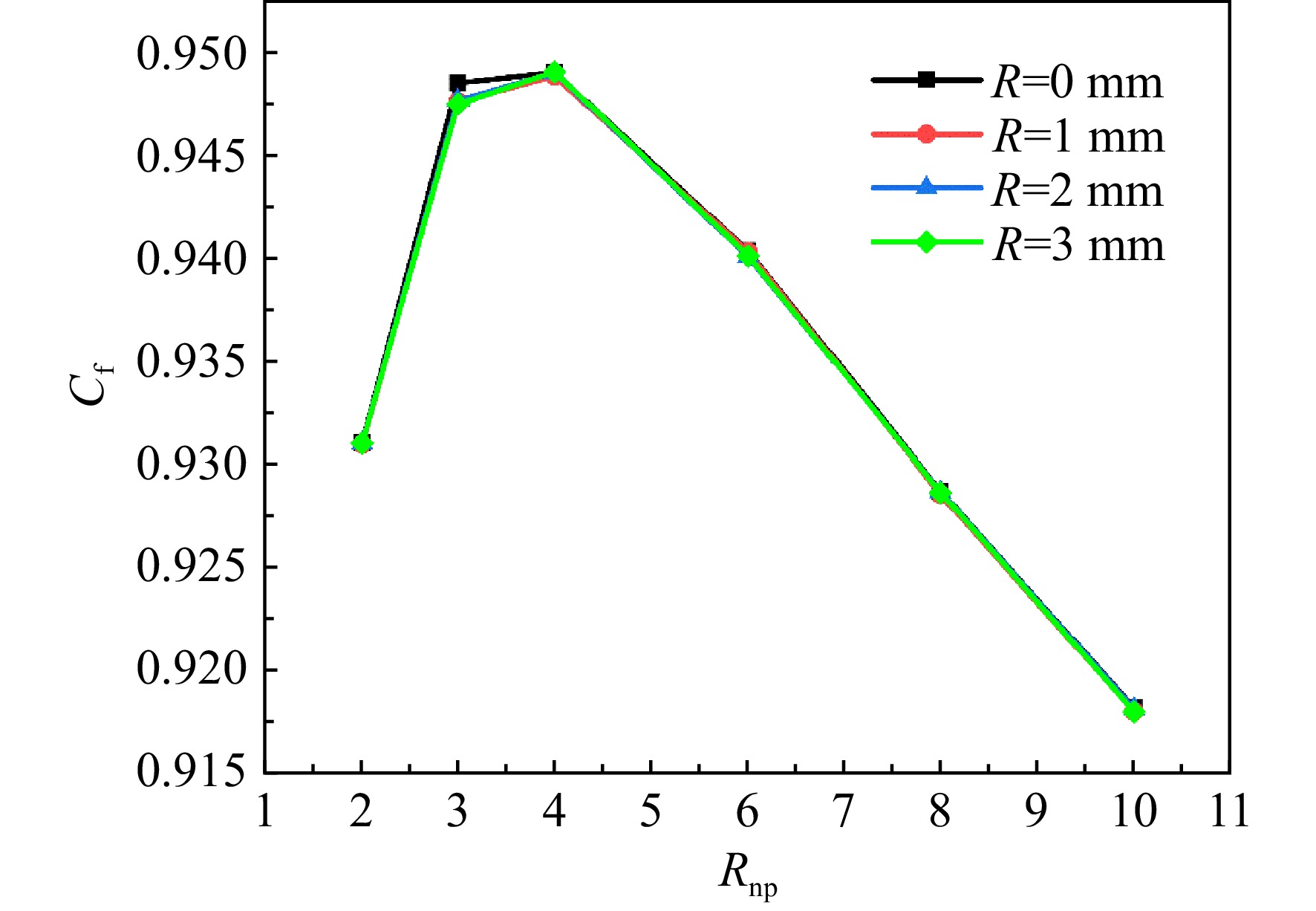
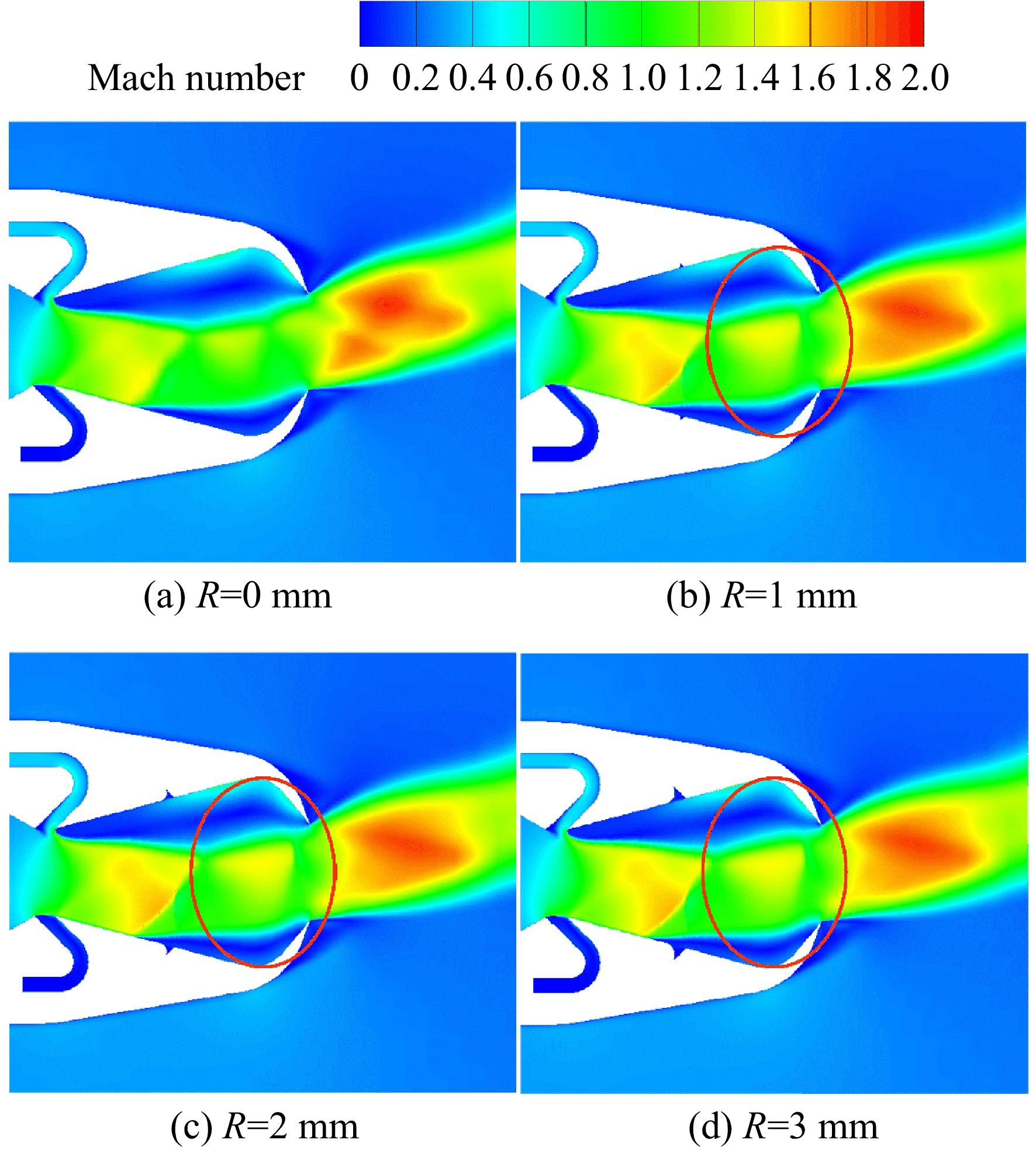
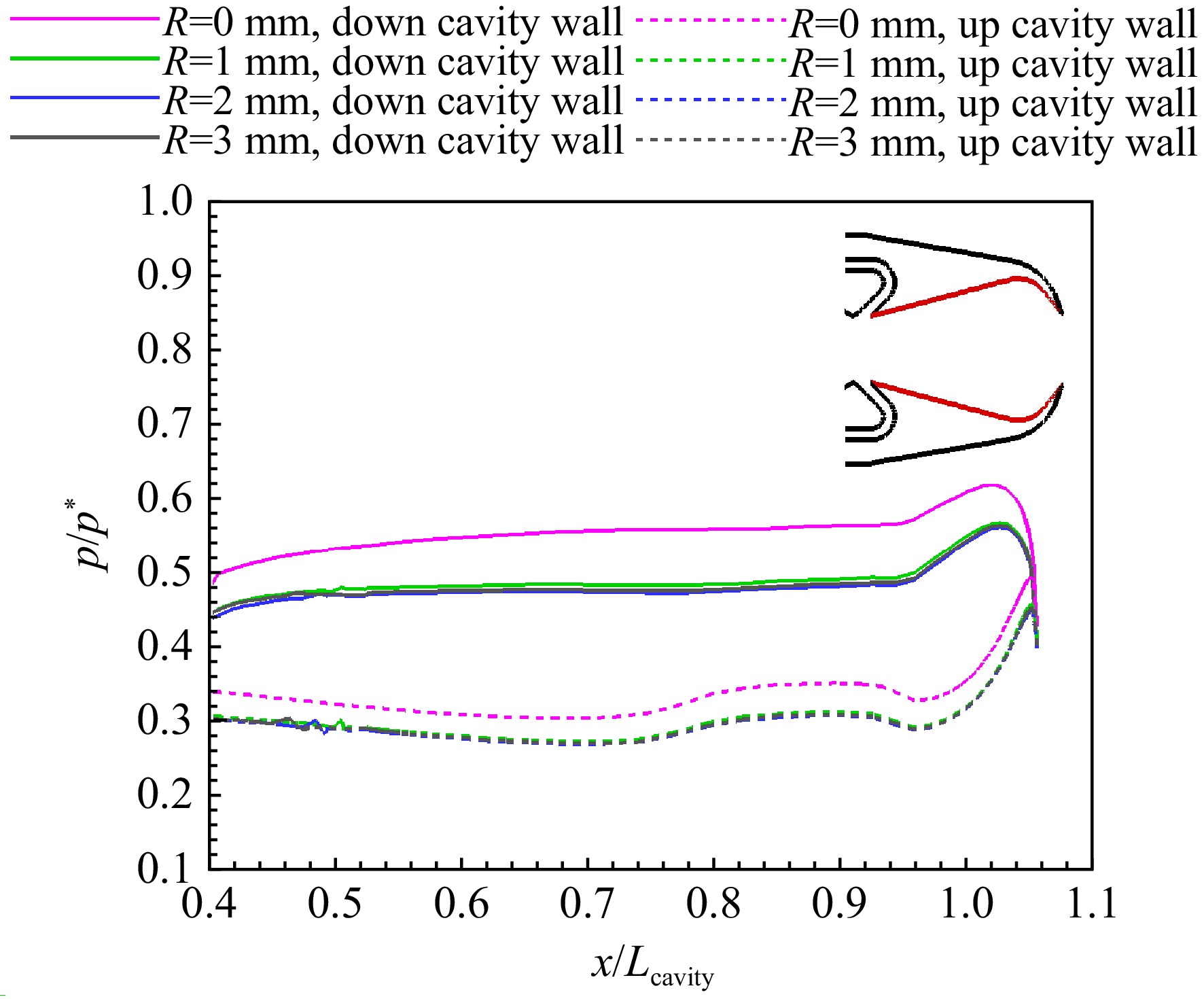
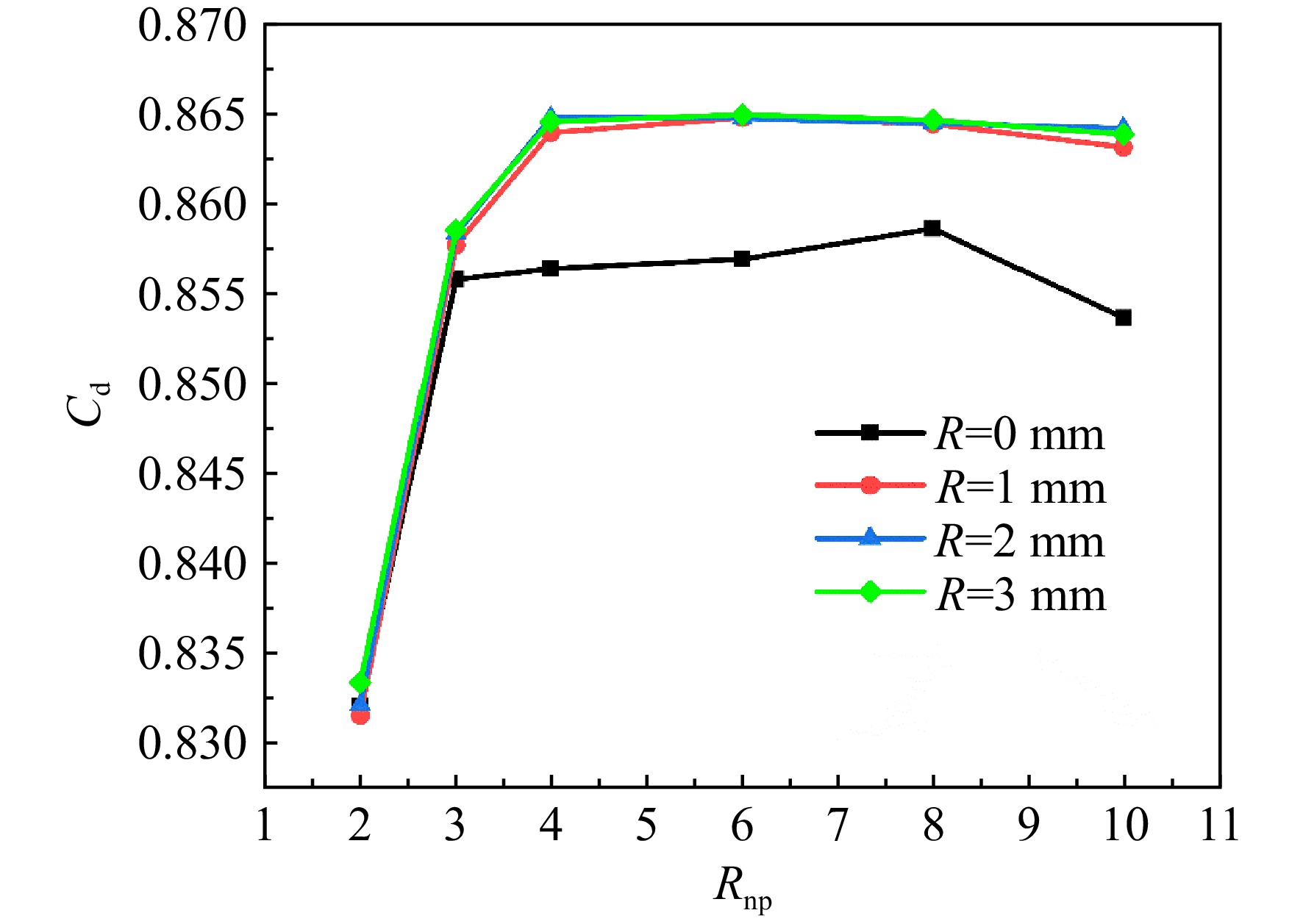
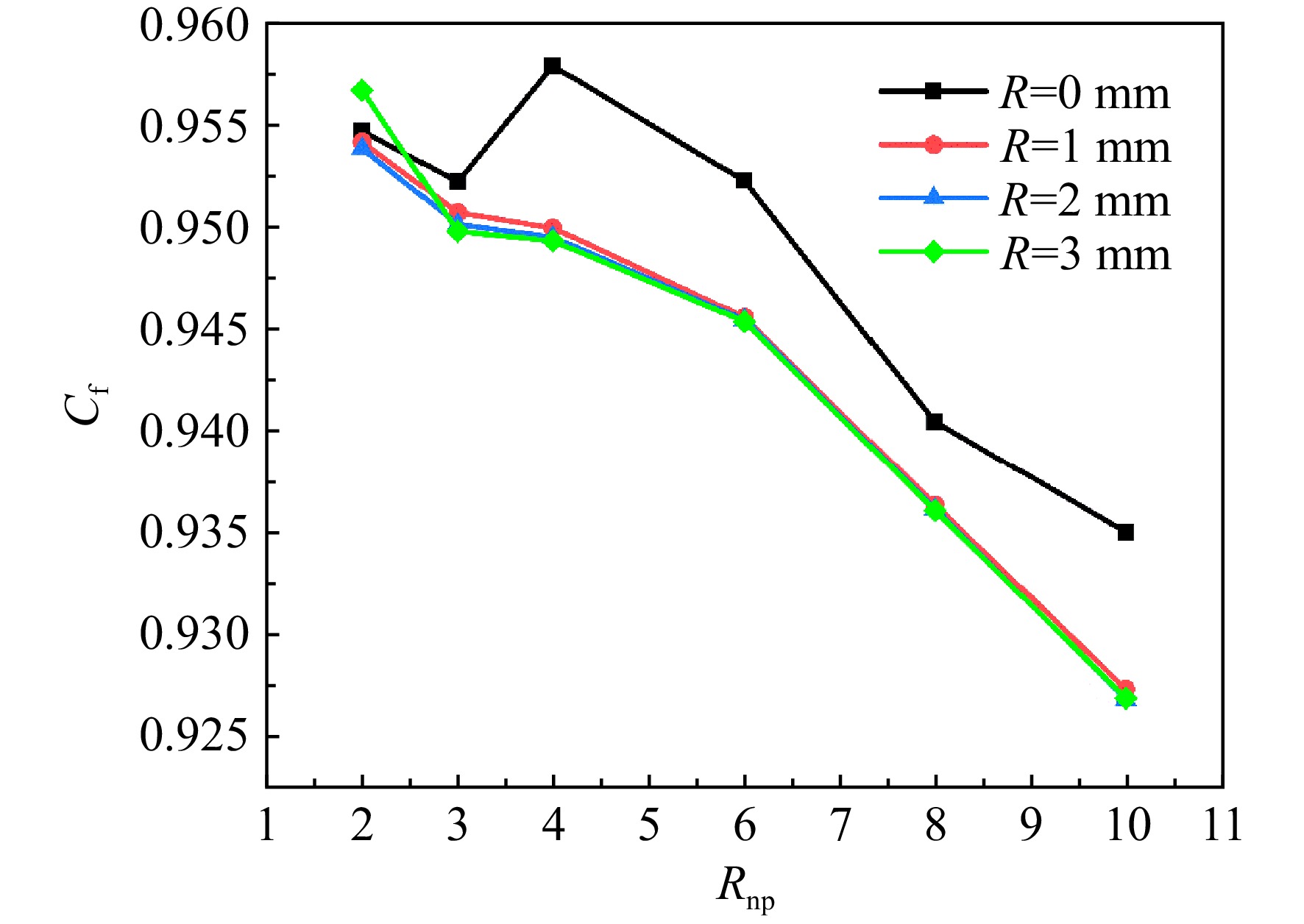
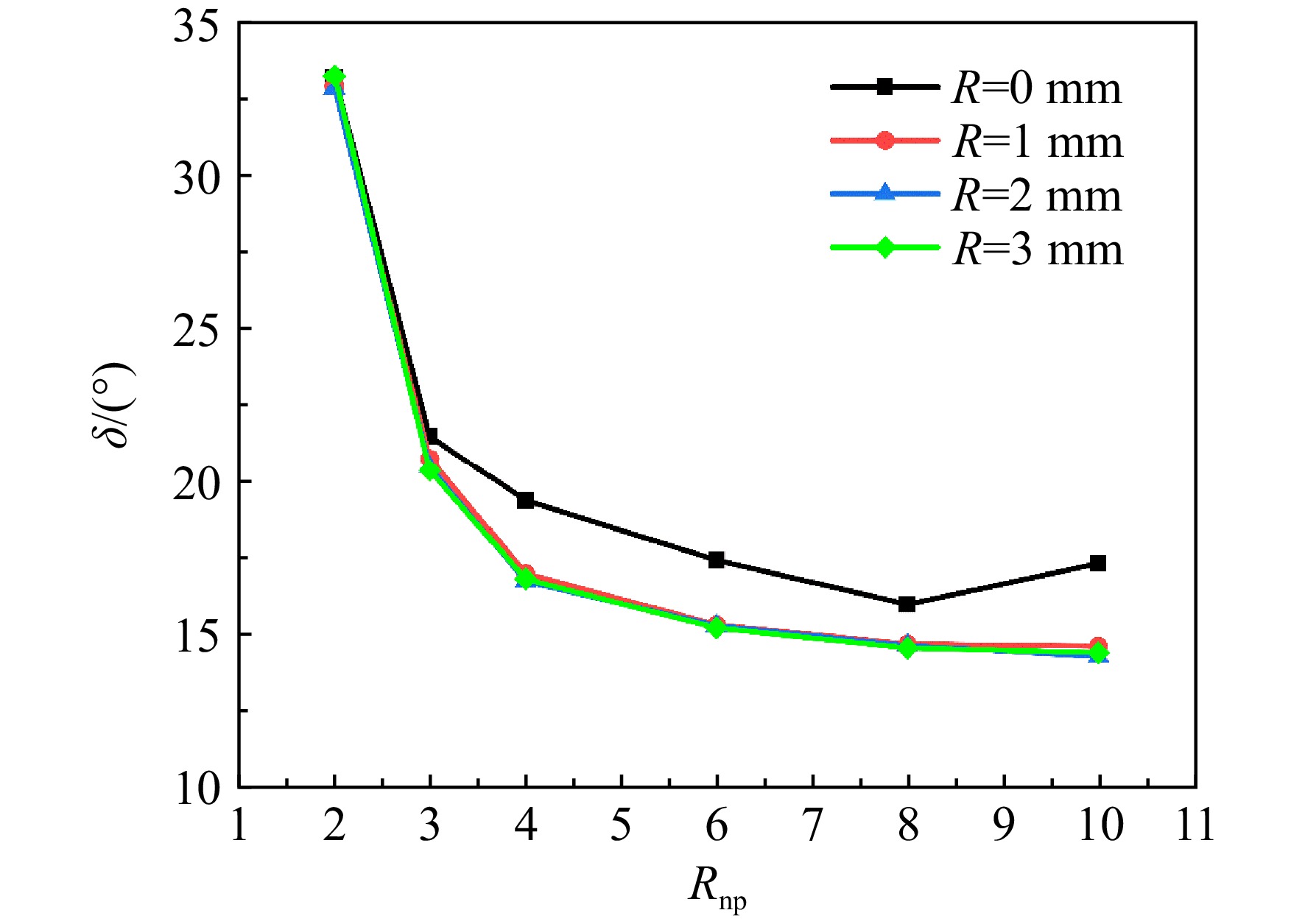
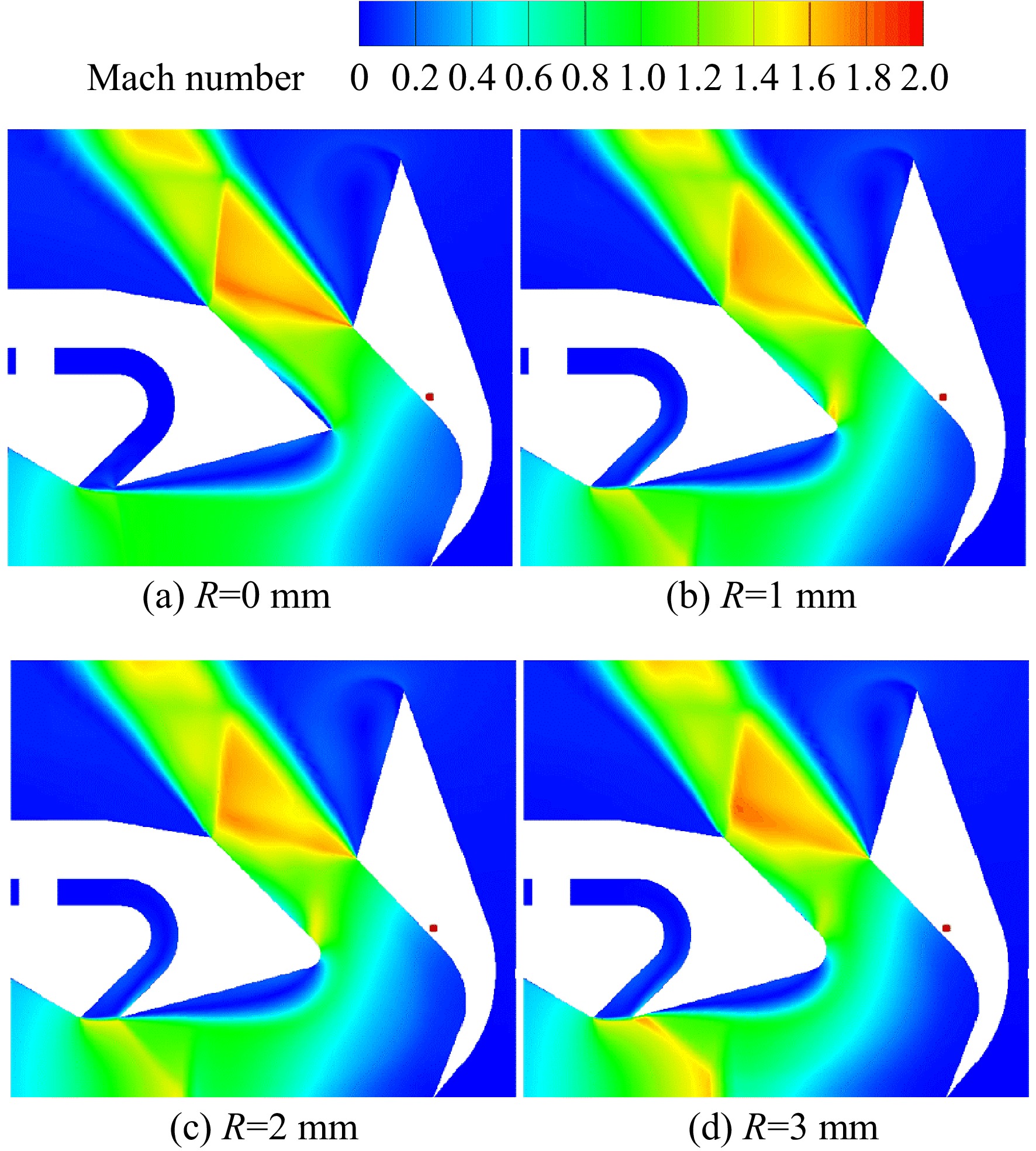
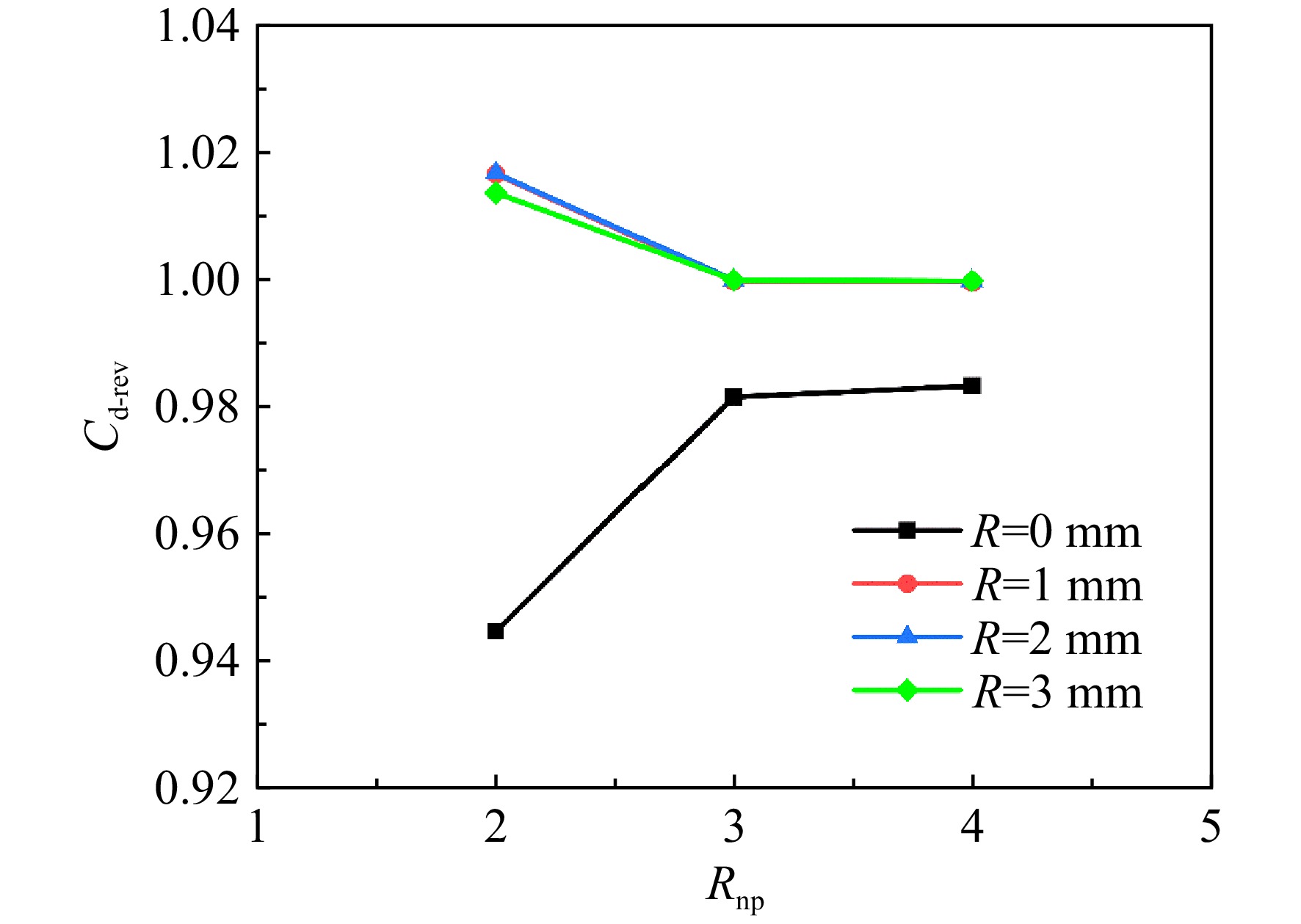
Considering the demand of high-speed, high maneuverability and shortening the landing distance of aircraft, a fluidic vectoring nozzle with thrust reverser (BDTN-TR) was proposed by combining the thrust reverser with the bypass dual throat nozzle (BDTN). The two-dimensional numerical simulation results showed that BDTN-TR can shorten the landing distance of aircraft while other performance was basically unchanged. The thrust coefficient and discharge coefficient of BDTN-TR above 0.92 could be obtained in cruise mode. In thrust vectoring mode, due to the pressure drop of separation region in the cavity, the pressure distribution of the mainstream became larger than BDTN, the thrust coefficient of BDTN-TR was above 0.93, the discharge coefficient was above 0.83, and the thrust vectoring angle reached more than 14.4° when the nozzle pressure ratio was within the range of 2 to 10. In thrust reversing mode, the thrust reverser efficiency was above 0.61, and the width of the reverse flow channel played an important role on the aerodynamic performance of the thrust reverser.

Comprehensive design method for tilting ducted propeller
CHEN Weifeng, YU Zhiming, ZHONG Bowen, SHEN Liang, YANG Changfa
2024, 39(12): 20221000. doi: 10.13224/j.cnki.jasp.20221000
Abstract:

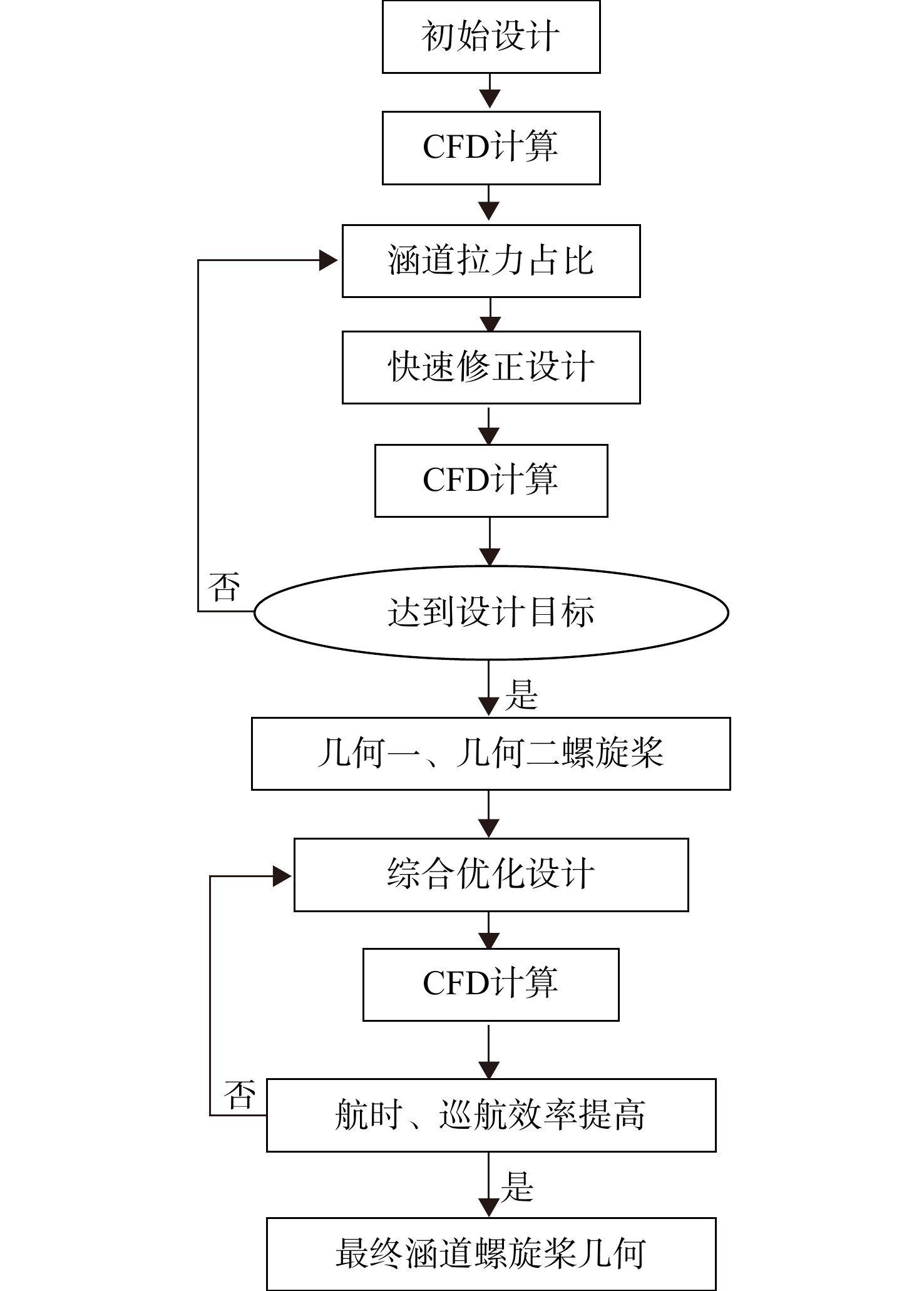
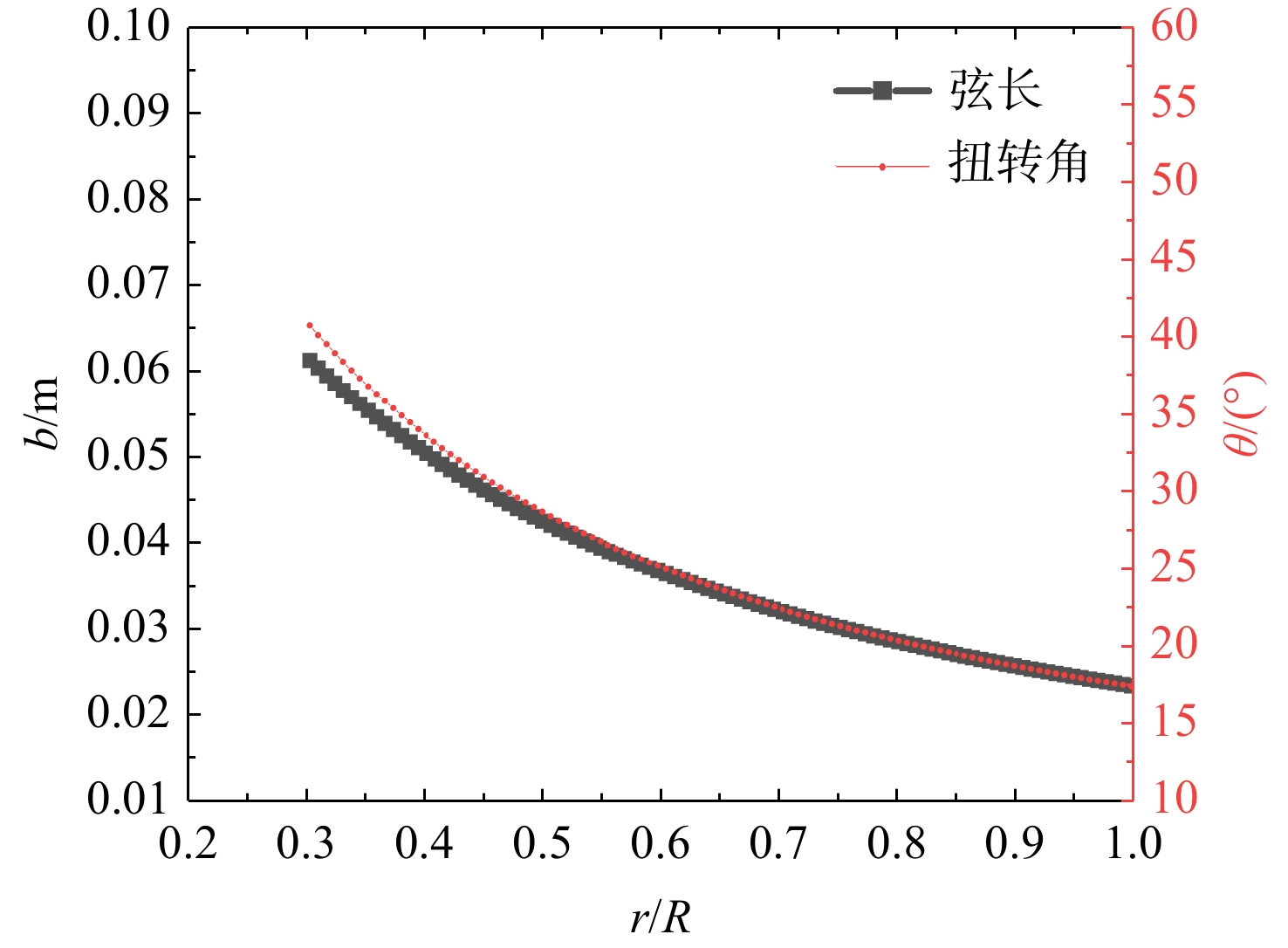
In order to design the tilting ducted propeller of unmanned aerial vehicle (UAV) with higher cruising efficiency and longer flight time on the premise of meeting the requirements of hovering and forward flight, a design and optimization method of tilting ducted propeller was proposed. According to this method, the blade was designed firstly by the classical method using the blade element momentum theory and the vortex theory of the ducted propeller. The blade meeting the design requirements can be obtained through computational fluid dynamics (CFD) correction and the classical method was iterated, and the final tilting ducted propeller was obtained through the iterative and comprehensive optimization design in hover and forward flight states. The design results showed that under the premise of meeting the design requirements of hovering and forward flight, the cruising efficiency of the UAV was increased to 92.3%, and the flight endurance was increased by 7.1%. This method can achieve high design accuracy and can be designed with hover and forward flight as the optimal design points, and the two optimal design points were considered comprehensively to increase the UAV’s cruising efficiency and flight time. The tilting ducted propeller designed by this method can meet the requirements on the UAV’s cruising efficiency and flight endurance.

Uncertainty analysis of effects of manufacturing errors on aerodynamic performance of supersonic cascades
LIU Kaiye, CHU Wuli, GUO Zhengtao, LIANG Caiyun, MENG Dejun
2024, 39(12): 20220791. doi: 10.13224/j.cnki.jasp.20220791
Abstract:

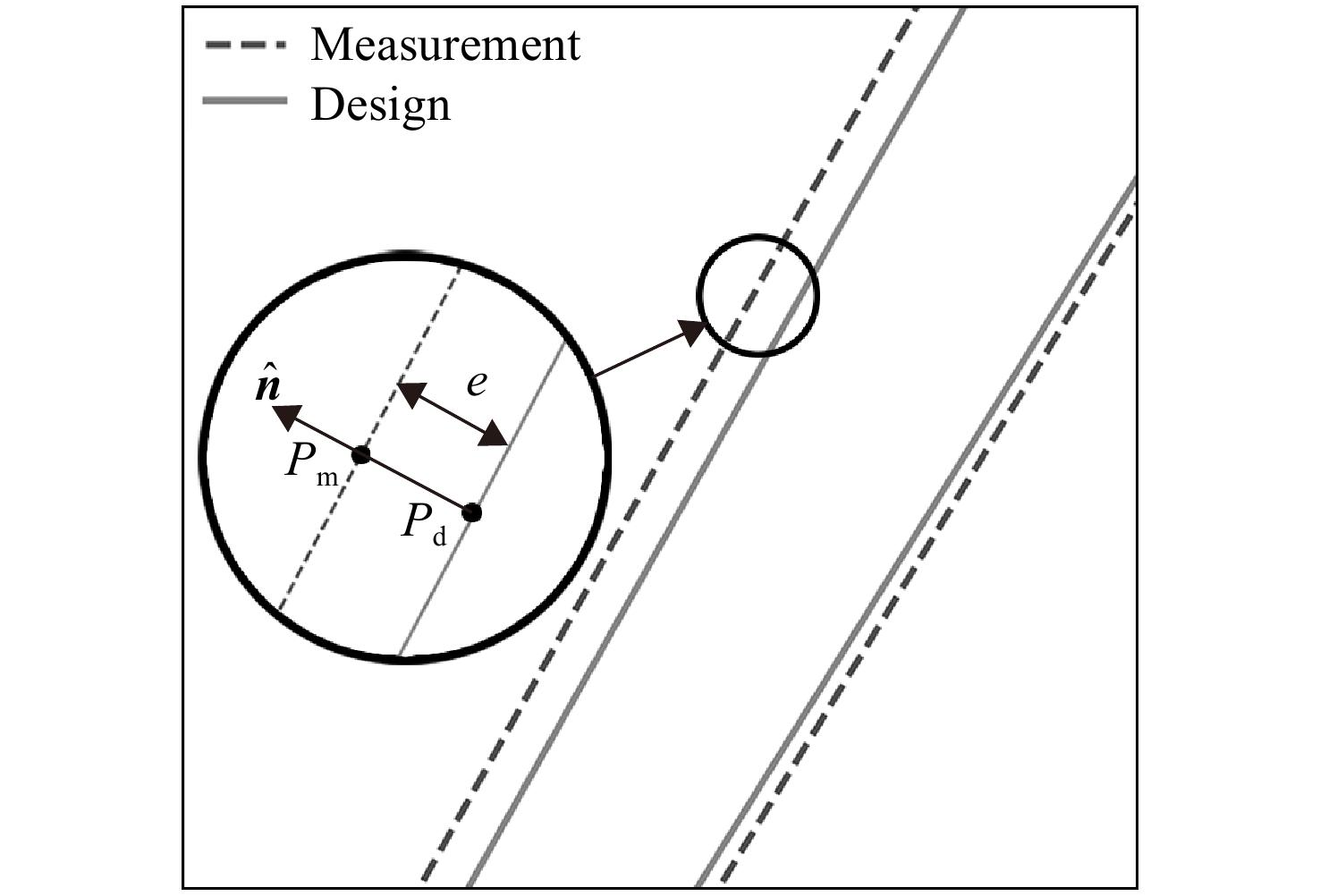
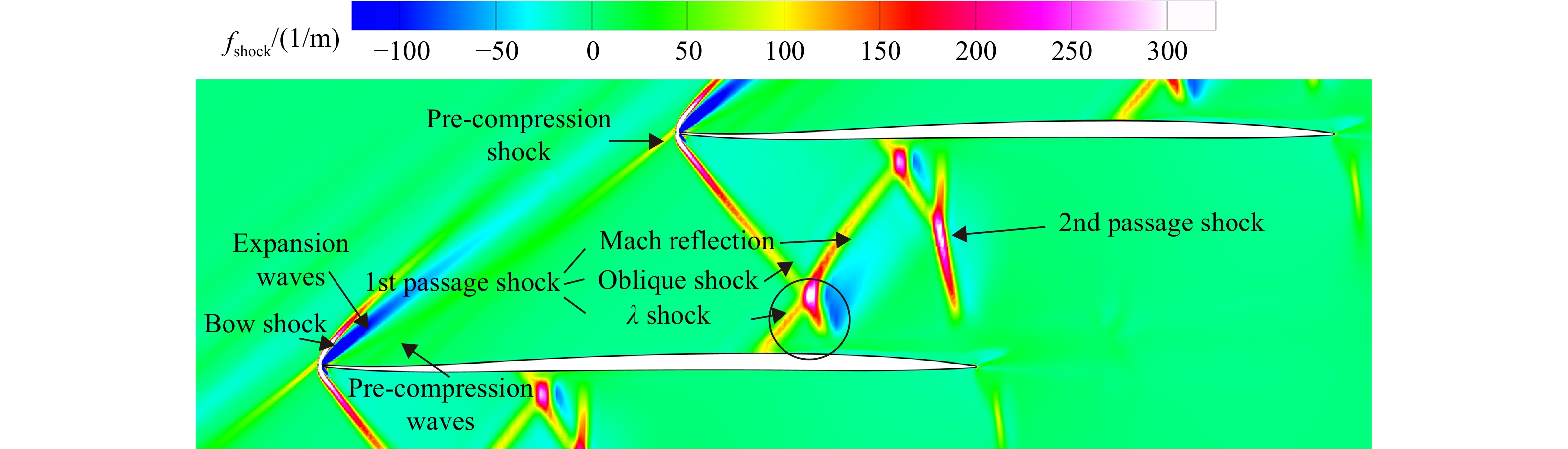
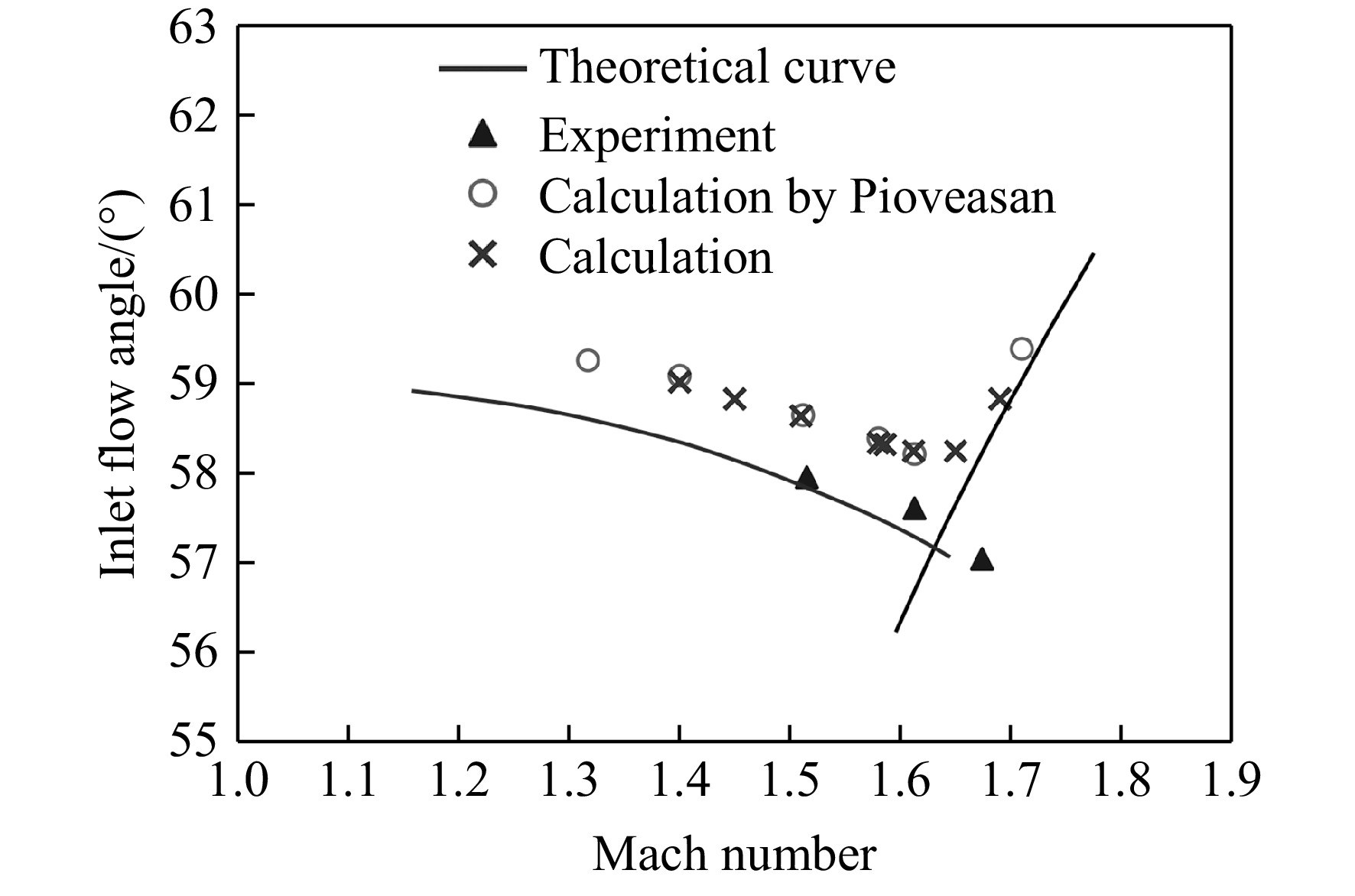
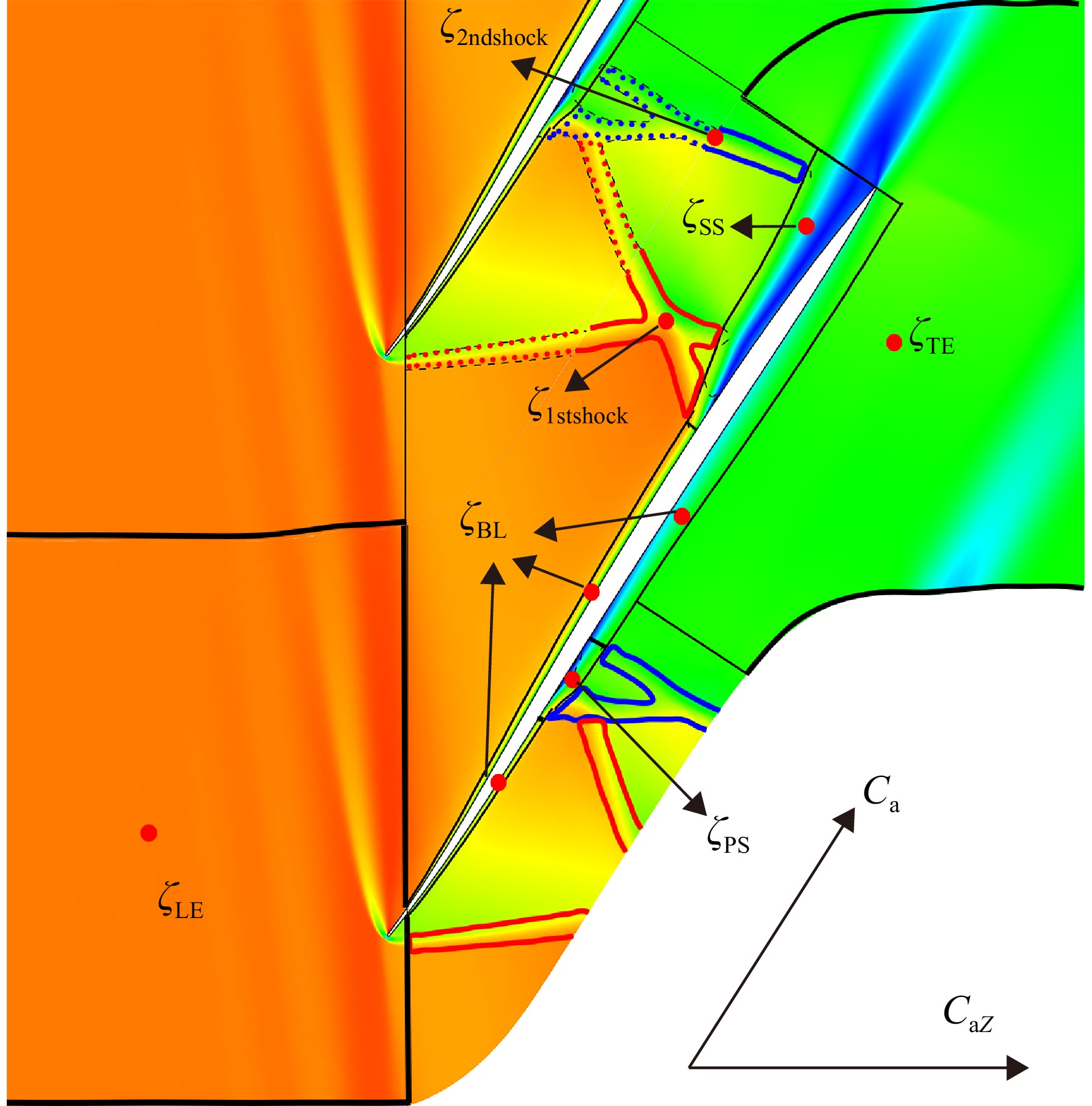
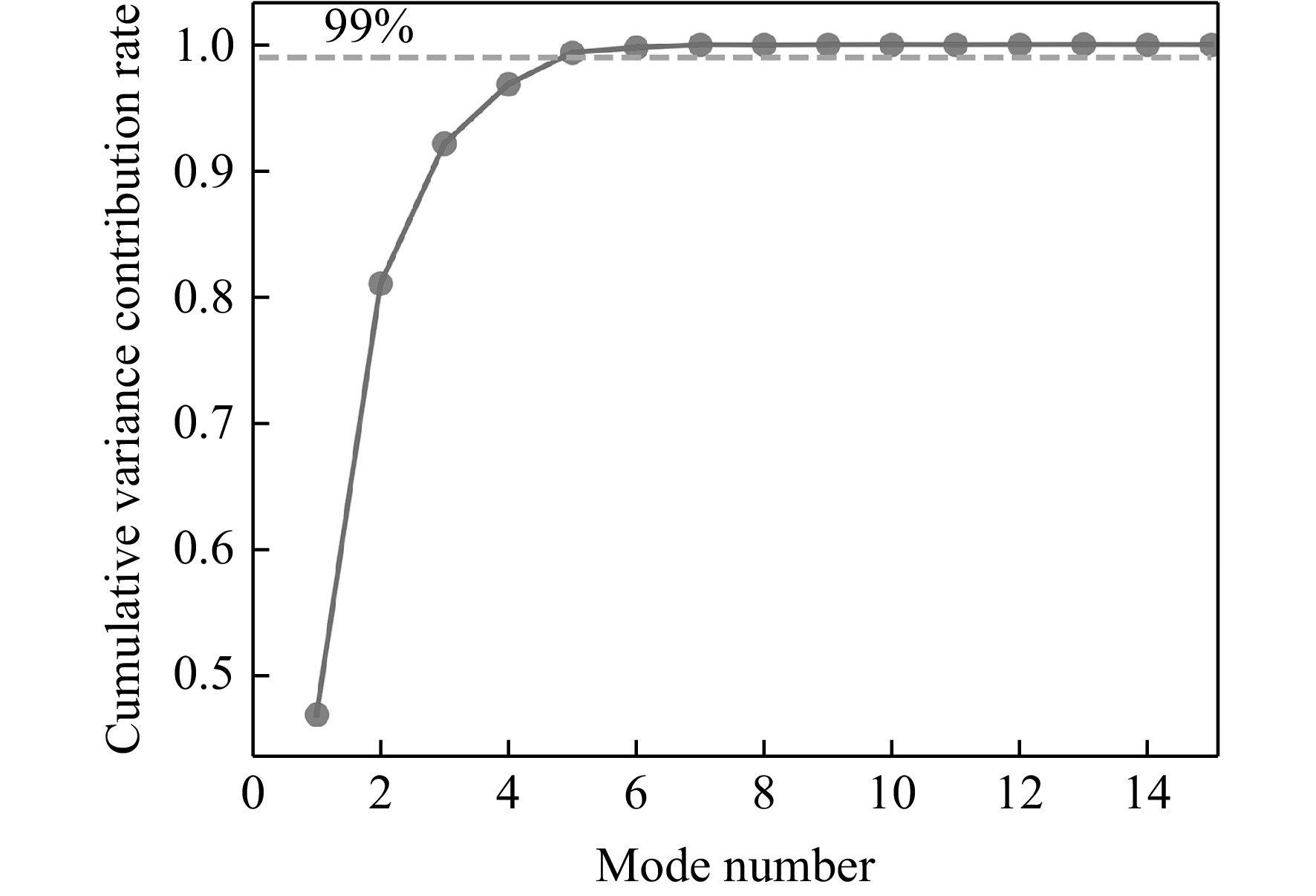
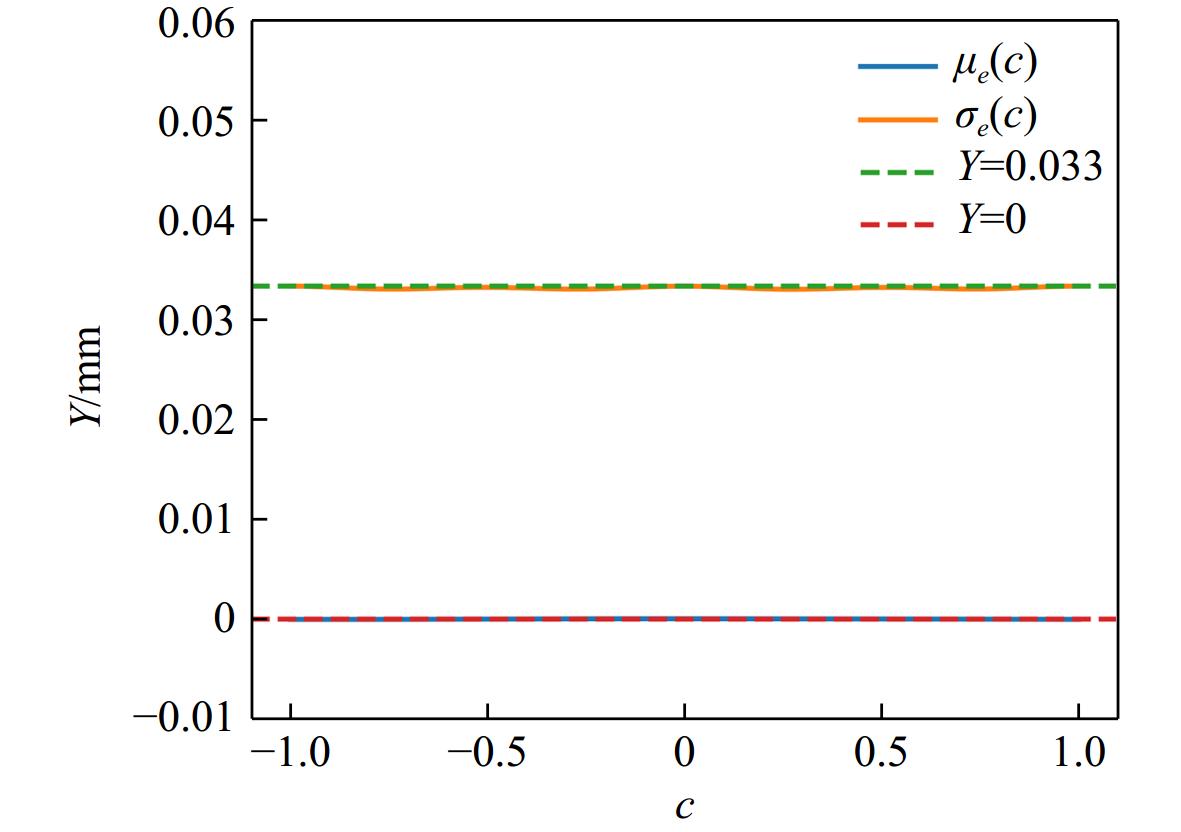
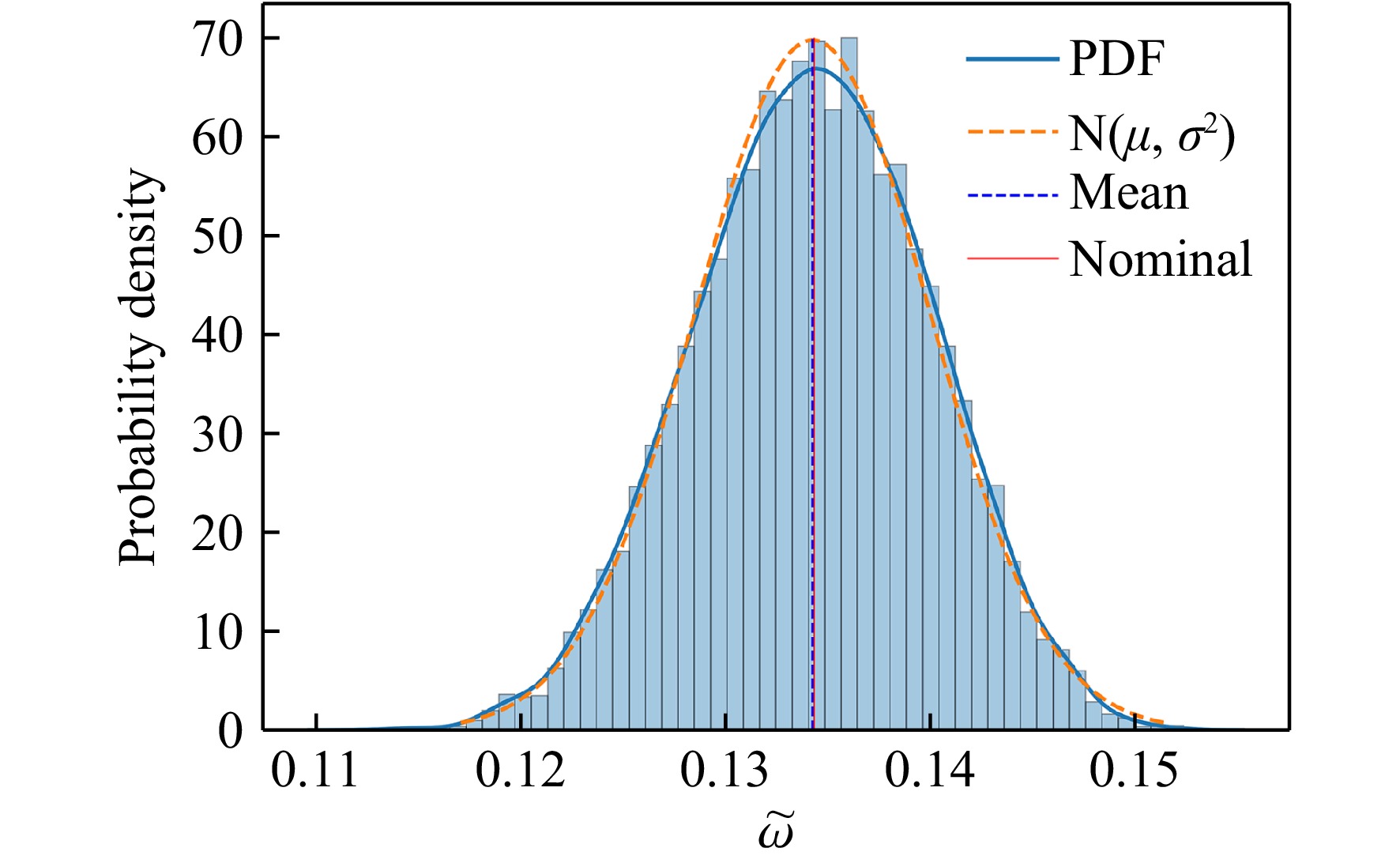
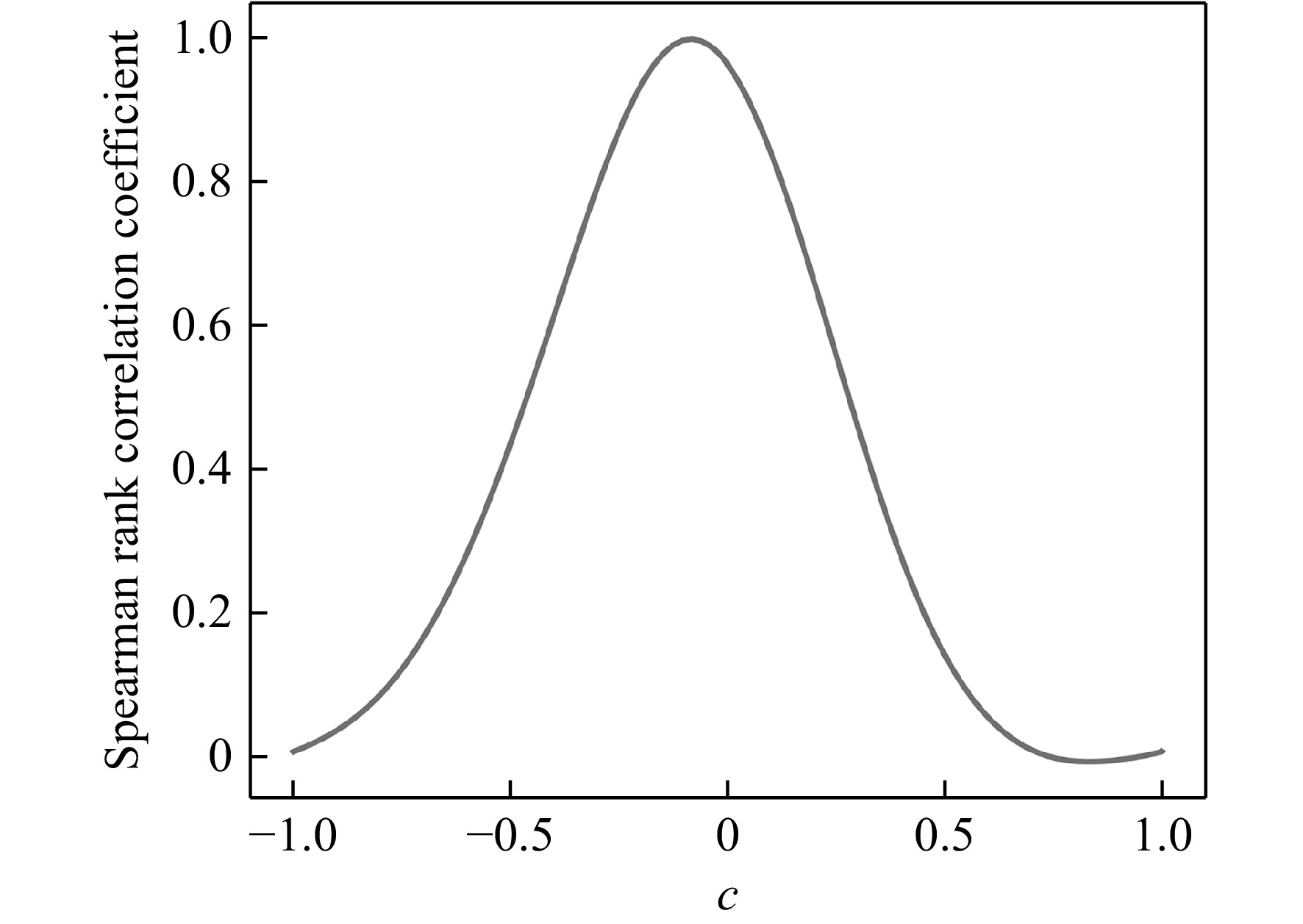
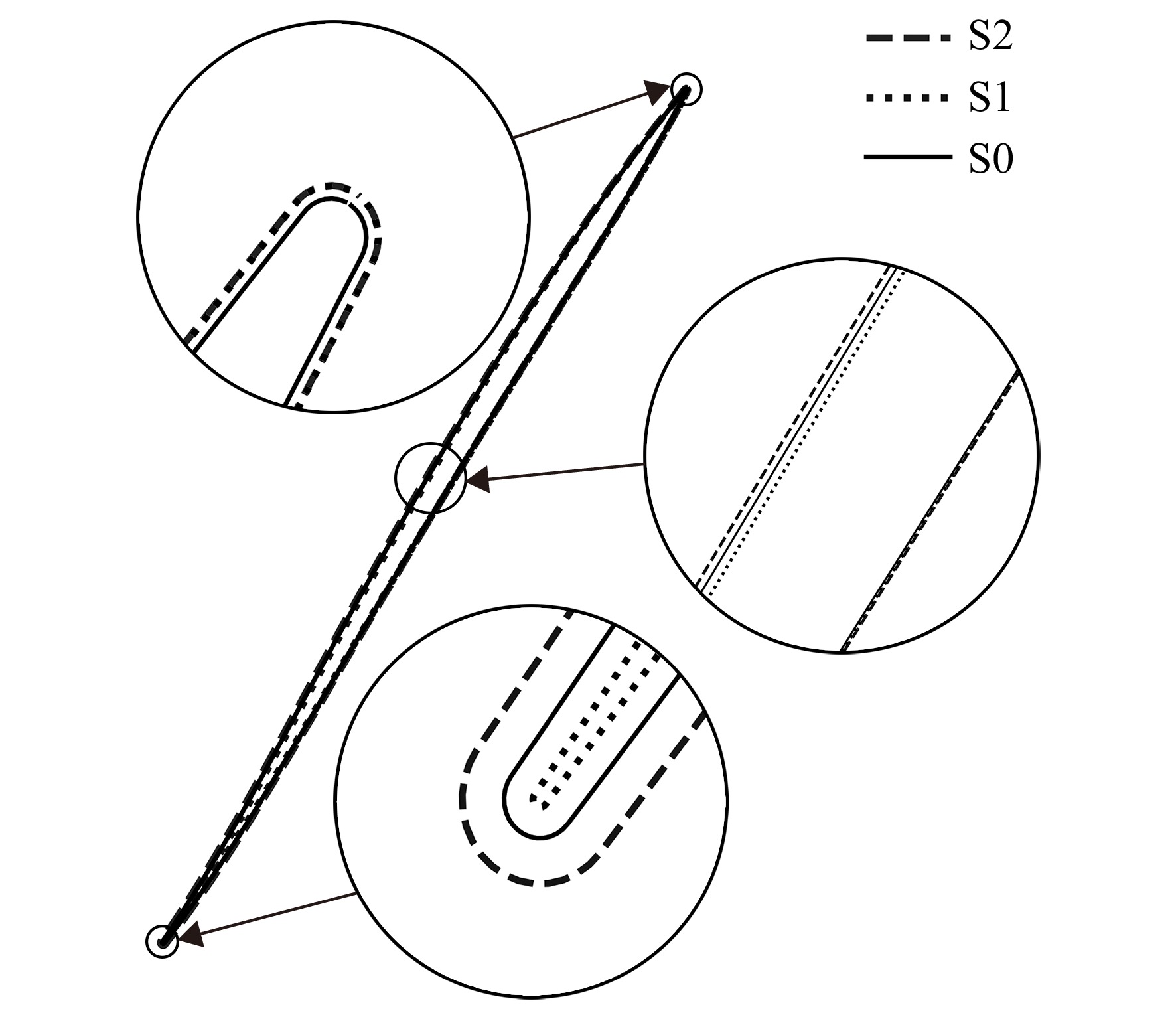
To study the effects of normal manufacturing error on the aerodynamic performance of supersonic cascade, a model of five-dimensional blade surface geometric variability from normal manufacturing errors was constructed based on Gaussian process and principal component analysis. Combined with the non-intrusive polynomial chaos expansion based on Gaussian distribution and the sparse grid technique, a surrogate mode of cascade performance was proposed. Then, the effects of manufacturing error on the aerodynamic performance of supersonic cascade were predicted by the surrogate model. A loss source model was also proposed to quantify the loss of each part of cascade flow field. The results showed that the total pressure loss coefficient of supersonic cascade was approximately normal distribution under the effects of random manufacturing error. The total pressure loss coefficient was most sensitive to the manufacturing error of the leading edge, and more sensitive to the manufacturing error of the suction surface than to the manufacturing error of the pressure surface, and the sensitivity gradually decreased backward along the chord. According to the mechanism, the leading edge manufacturing error may affect the bow shock wave strength and the leading edge acceleration process, thus affecting the passage shock pattern and forming a cascade loss with a large deviation.

Interference noise reduction research of multiple propellers based on frequency domain method
MIN Sikai, HUANG Xianghua, LUO Liantan, YANG Chaoxing
2024, 39(12): 20220997. doi: 10.13224/j.cnki.jasp.20220997
Abstract:

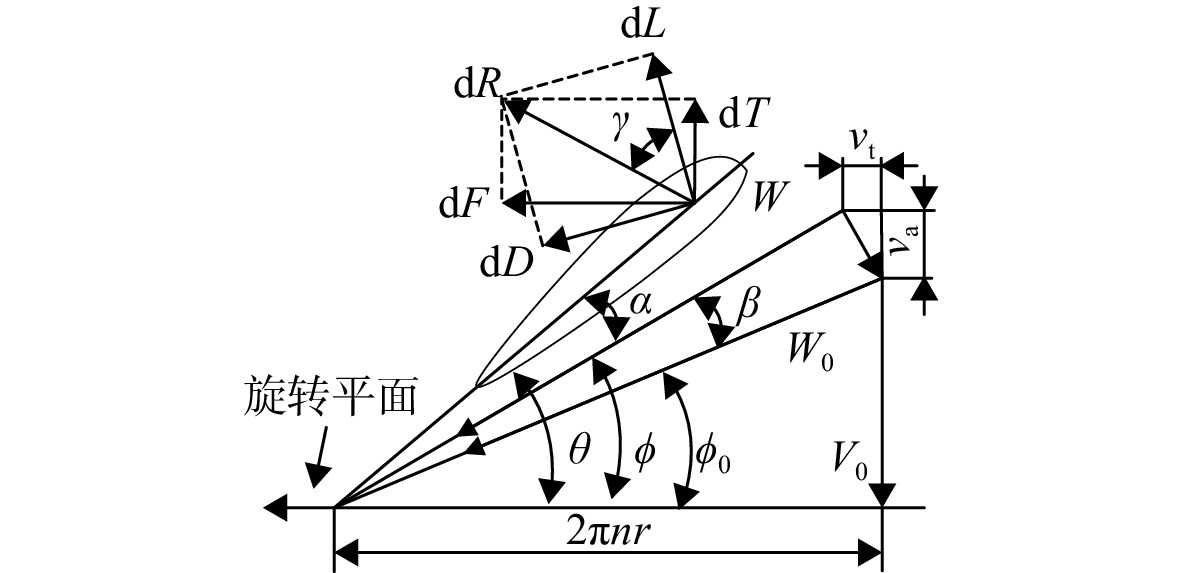
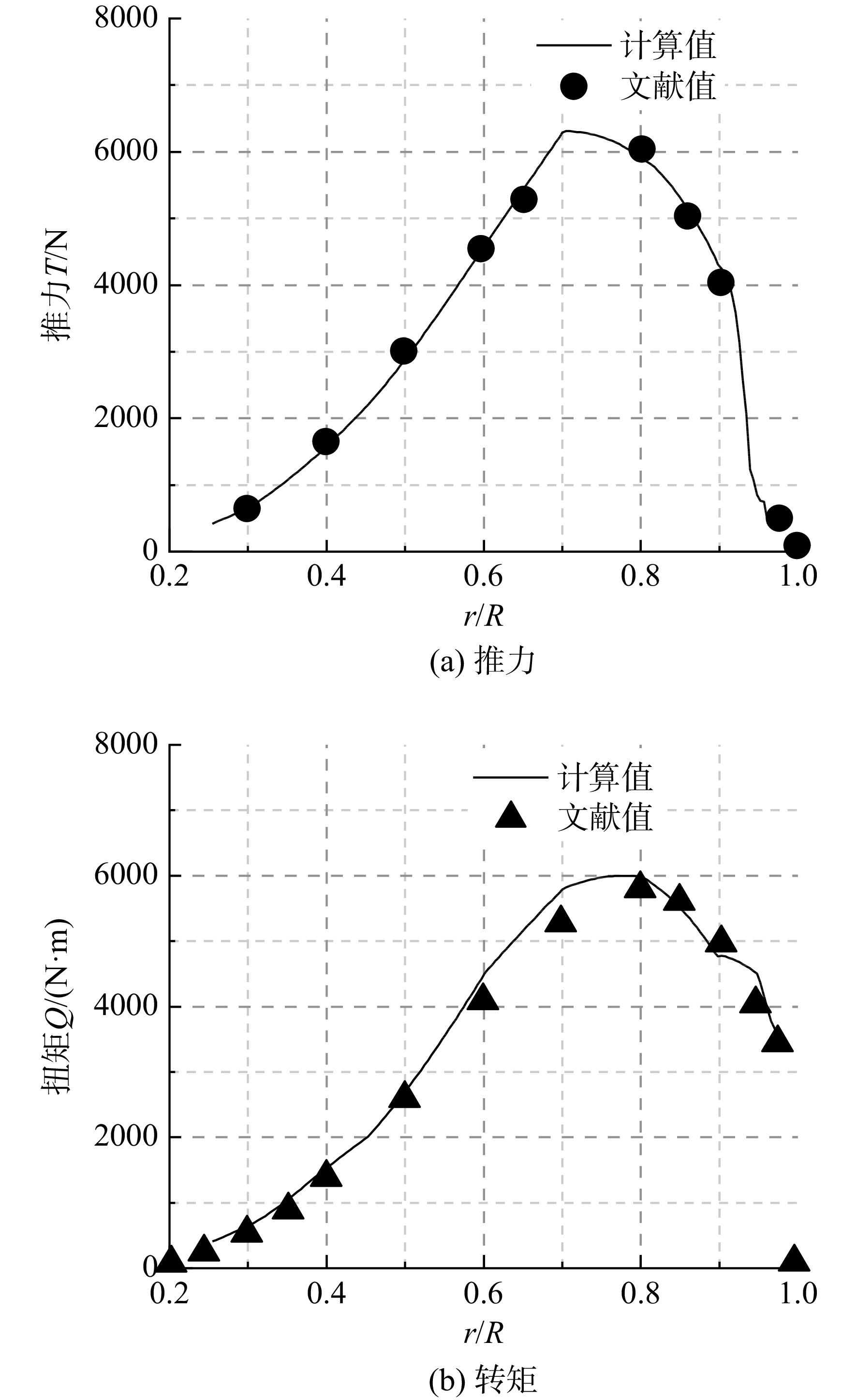
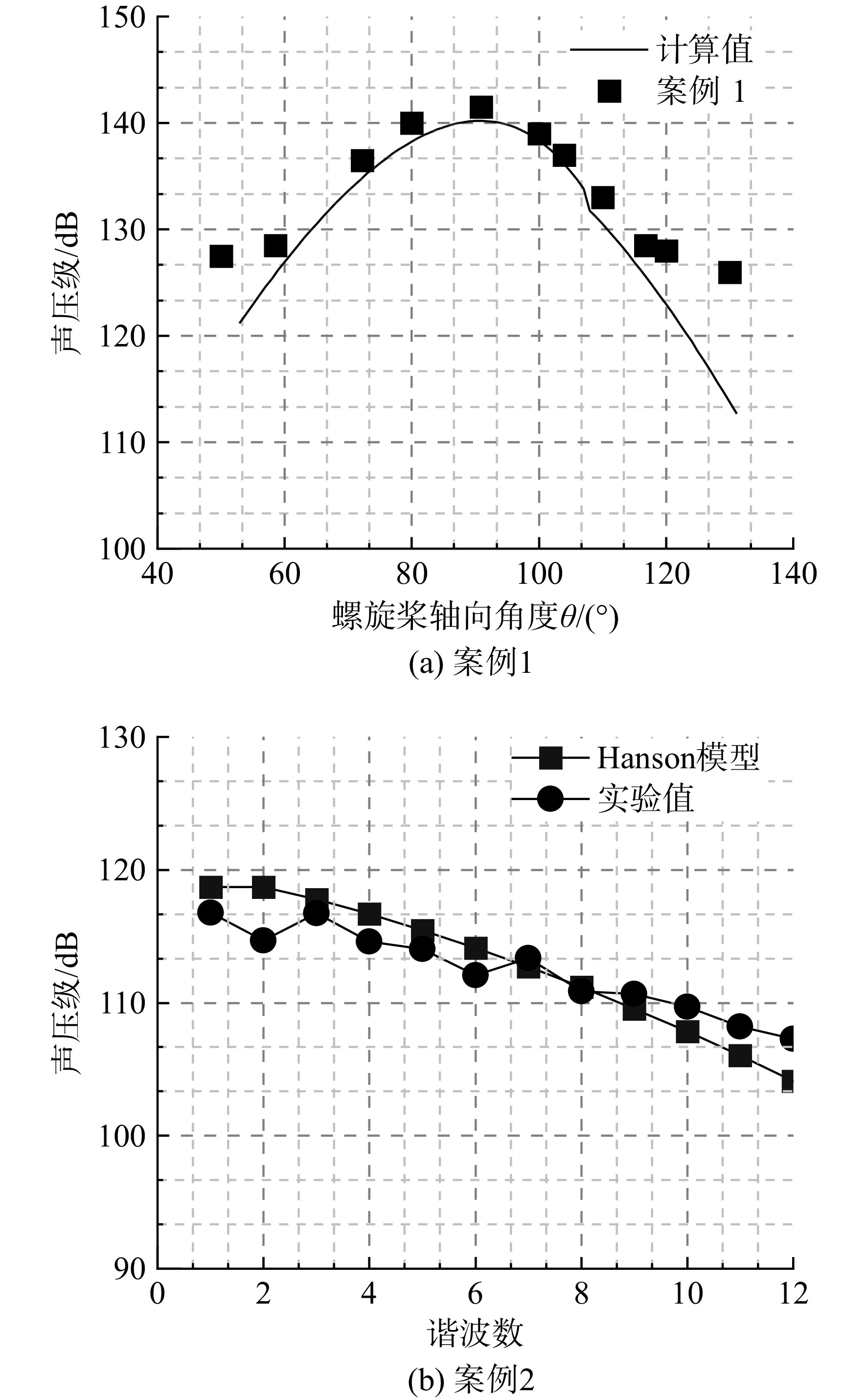
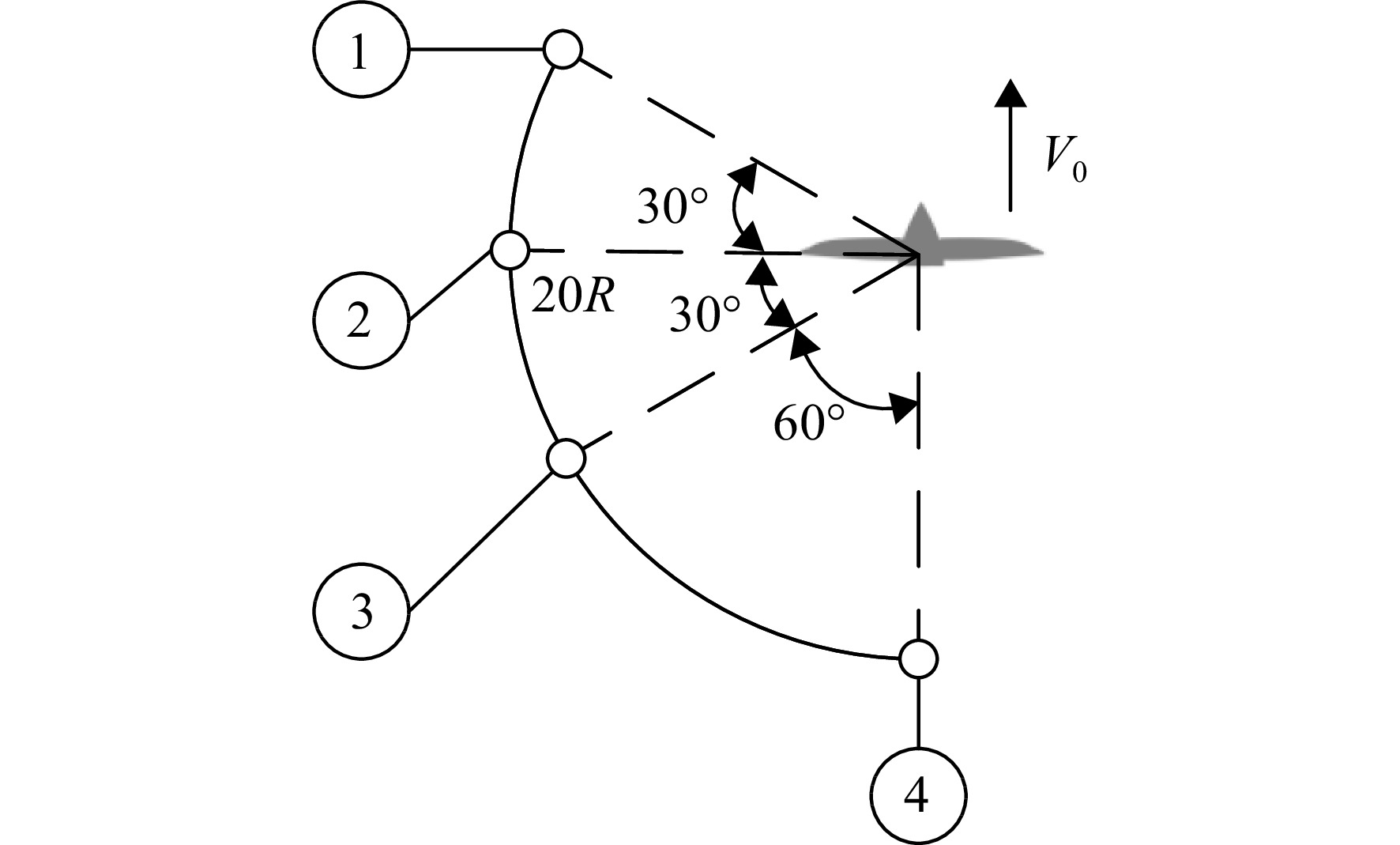
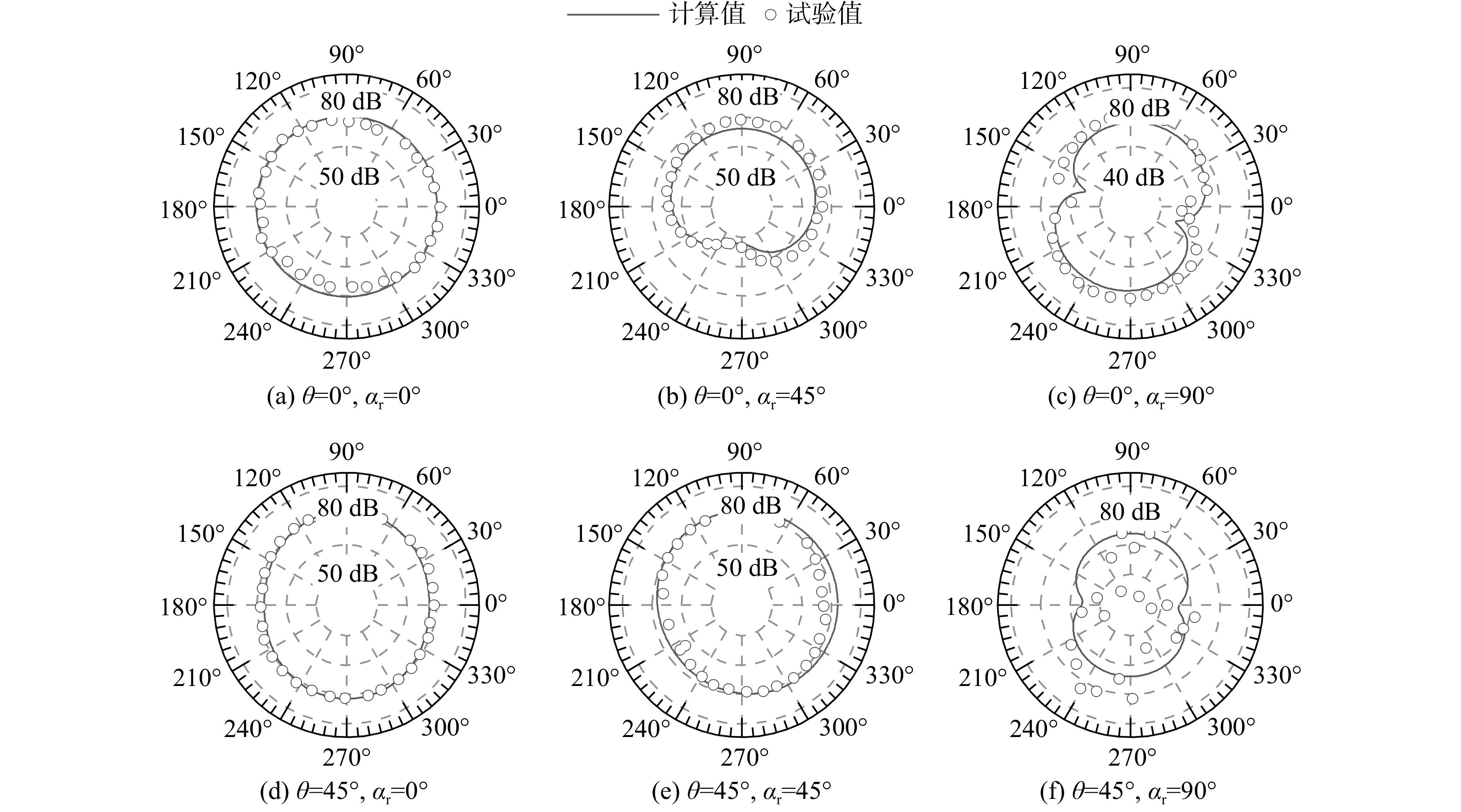
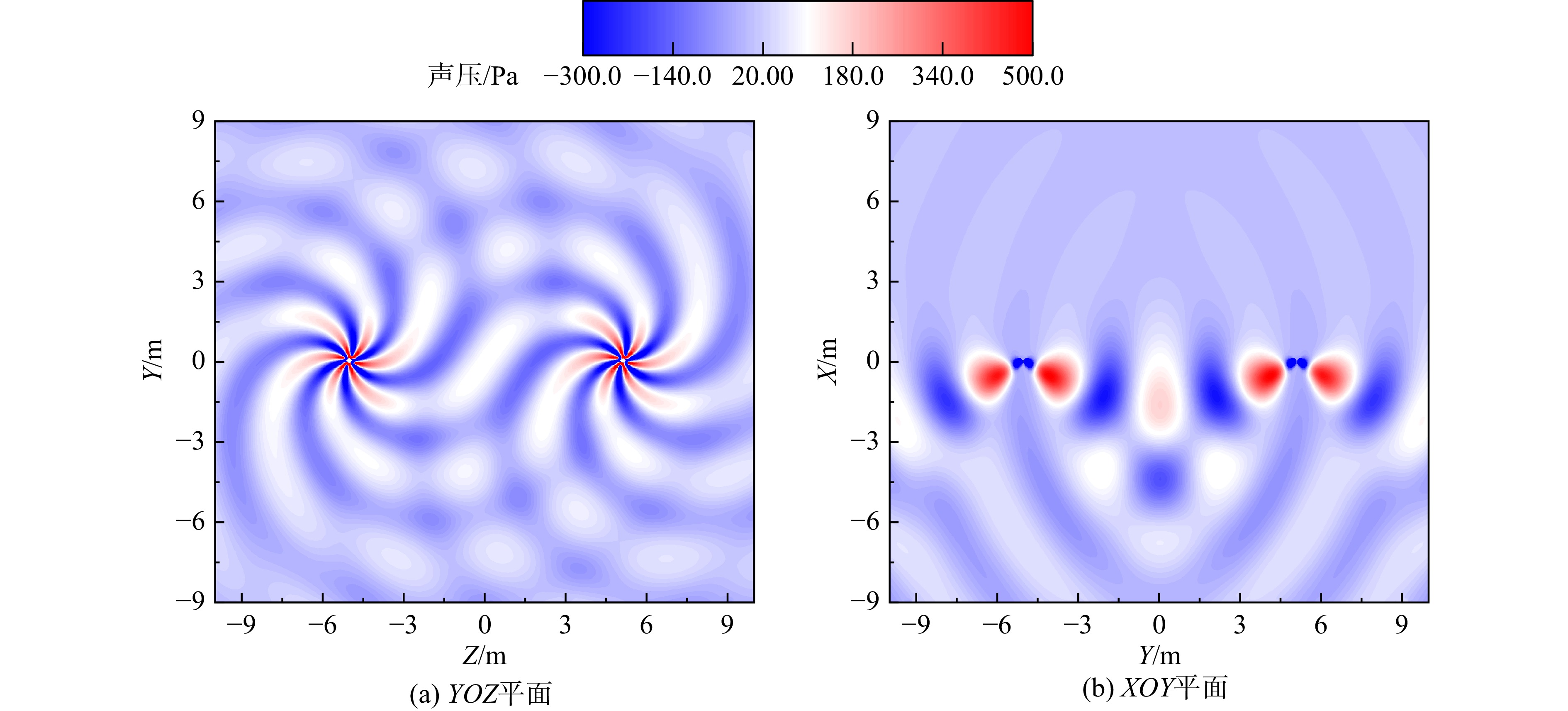
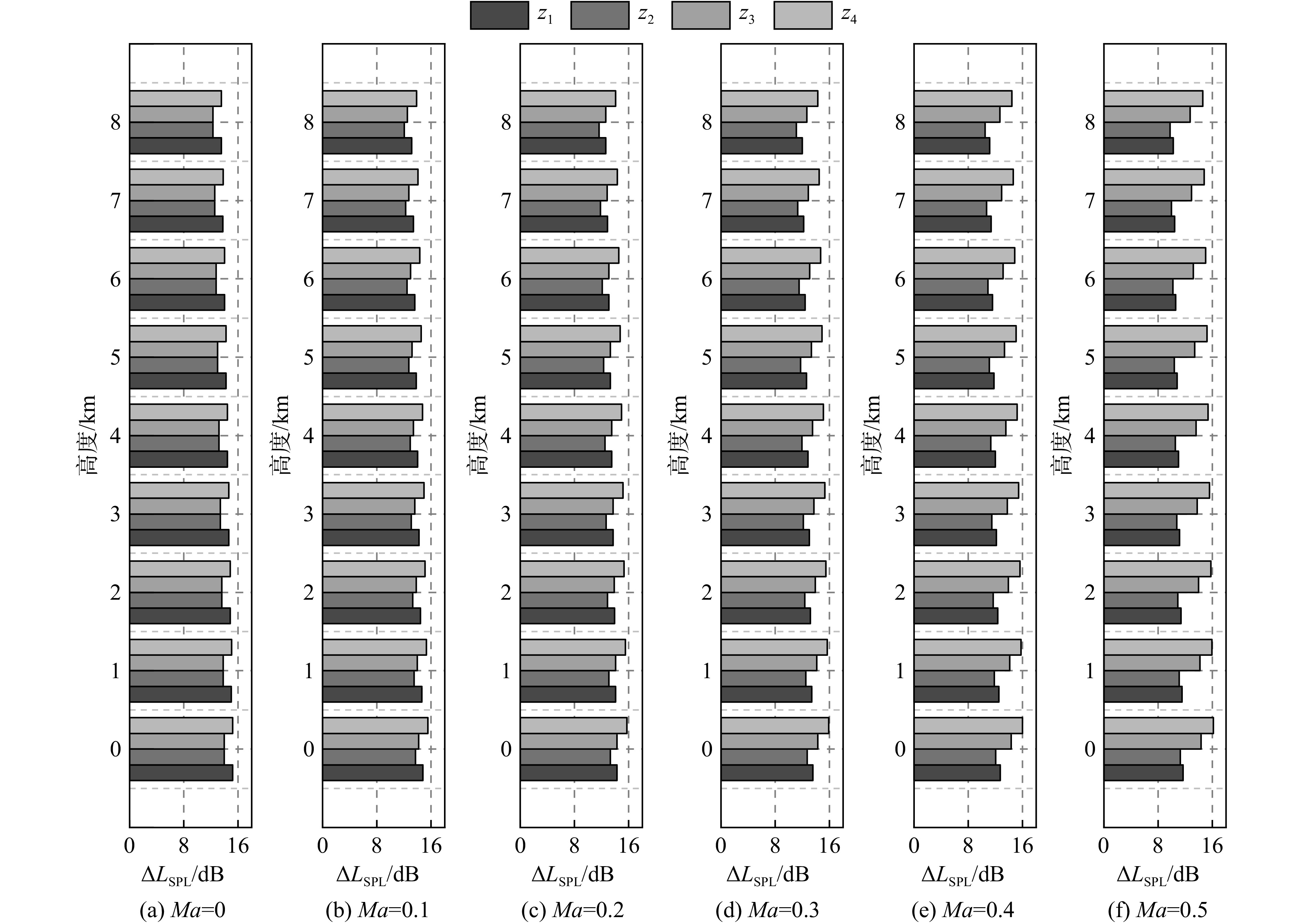
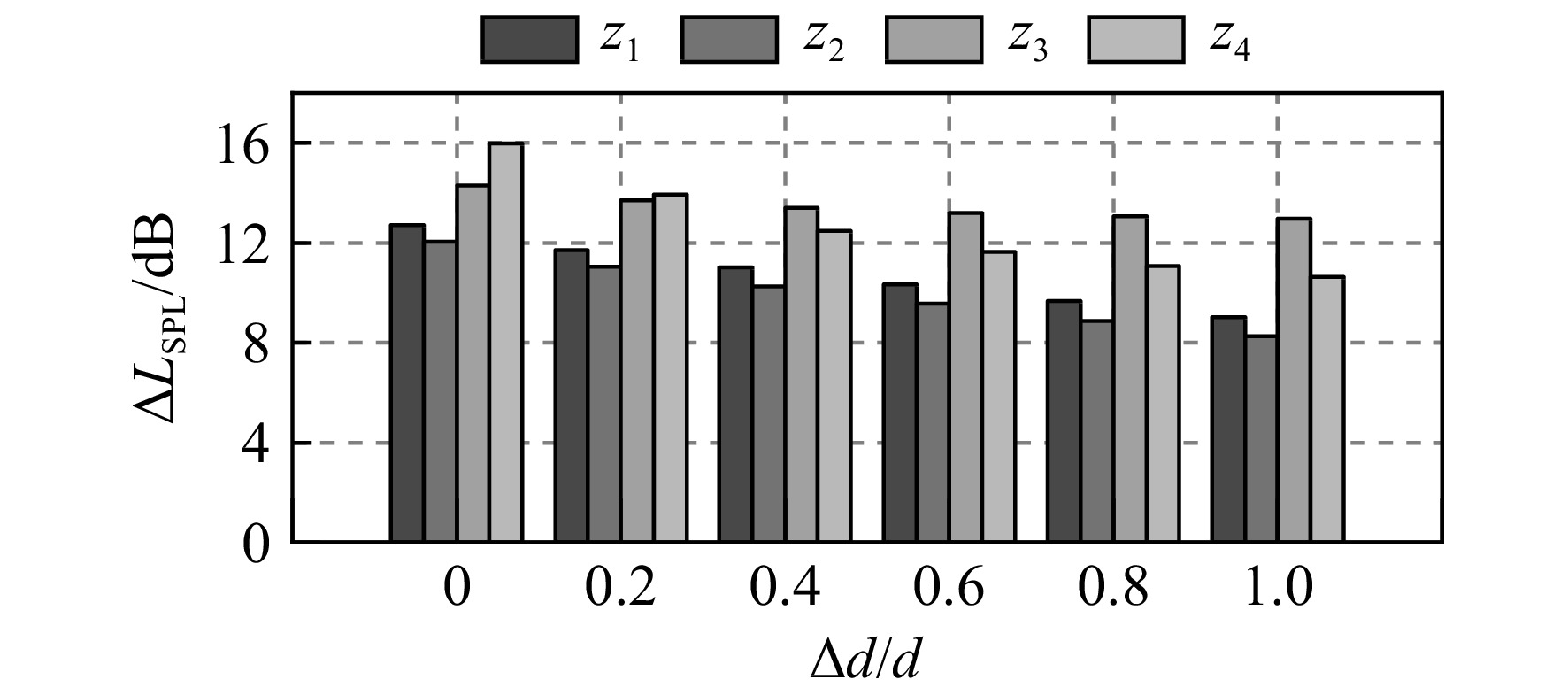
A fast prediction method for rotational noise of multi-propellers was presented in order to study the mechanism of synchrophasing noise reduction of multi-propellers. Combined with the strip theory and the Hanson frequency domain model, this method was used to predict the noise of single propeller, and the model was extended to consider the direction of rotation in the case of multi-propellers based on linear theory. The proposed method had a single point prediction time of only 20 ms and an maximum error of 4.03 dB when compared with experiment data from literature. The parameters affecting its performance were investigated. The results indicated that the flight altitude, Mach number, and installation distance had a small impact on the noise reduction performance, ranging from 1 dB to 5 dB, while the number of blades and rotational speed had a larger impact, ranging from 8 dB to 10 dB. The noise reduction effect was more significant for multi-blade configurations and multi-rotor aircraft.

Structure,Strength and Vibration
Influence of unsymmetrical stiffness of joints on high-speed rotor dynamic characteristics
WANG Dong, HAN Zhuoluo, YANG Zhefu, WANG Yongfeng, MA Yanhong
2024, 39(12): 20220995. doi: 10.13224/j.cnki.jasp.20220995
Abstract:

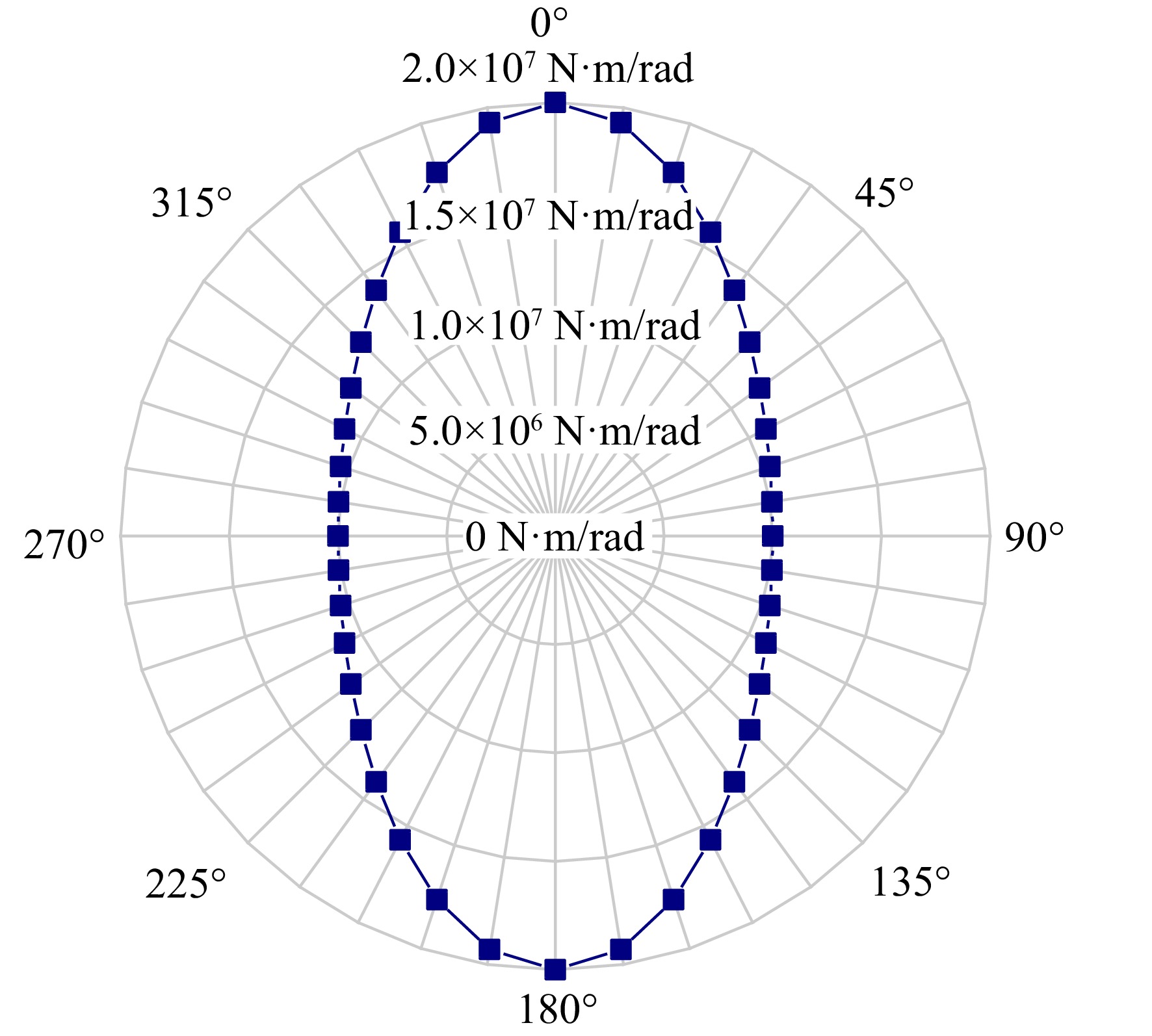
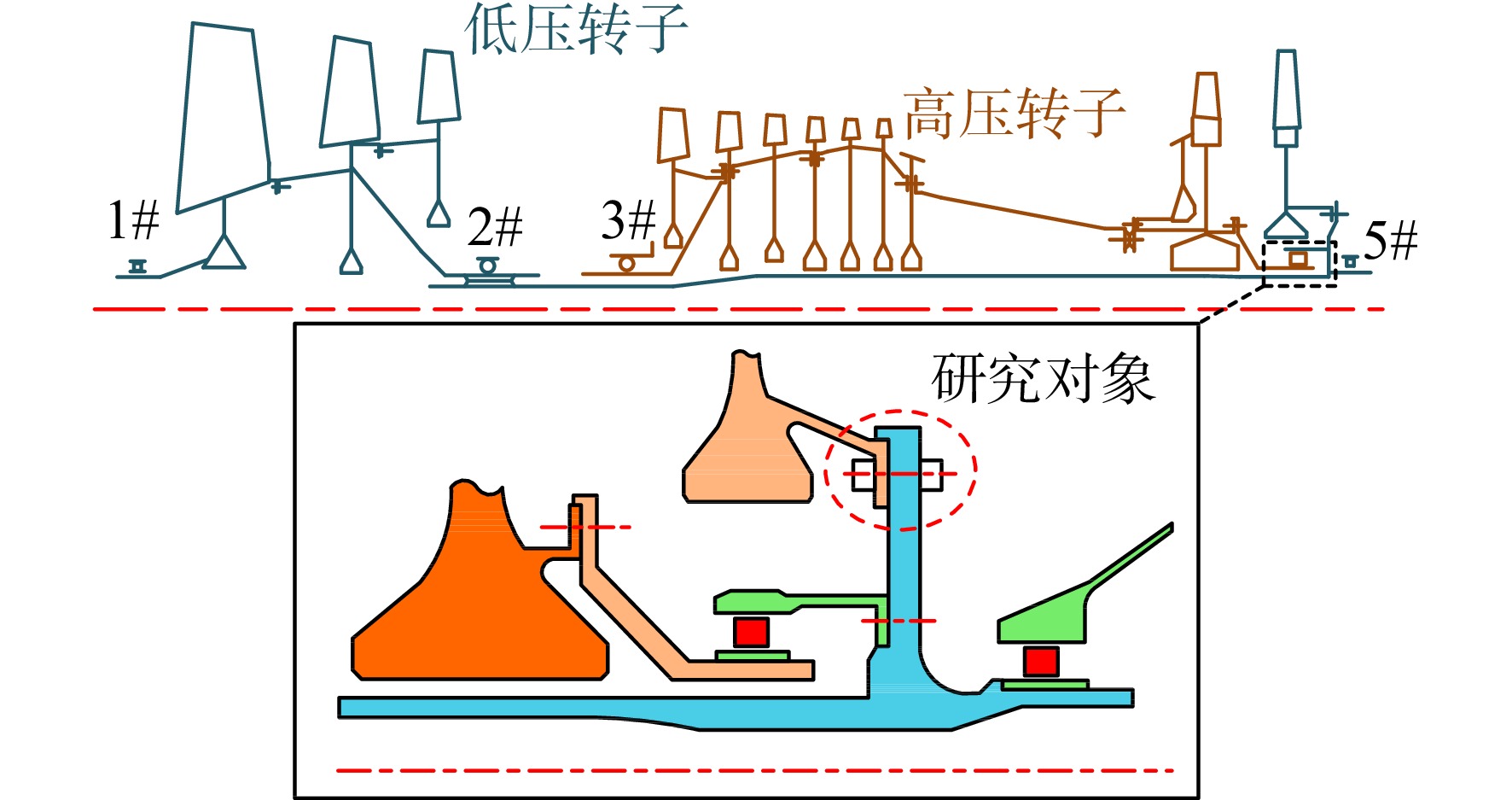
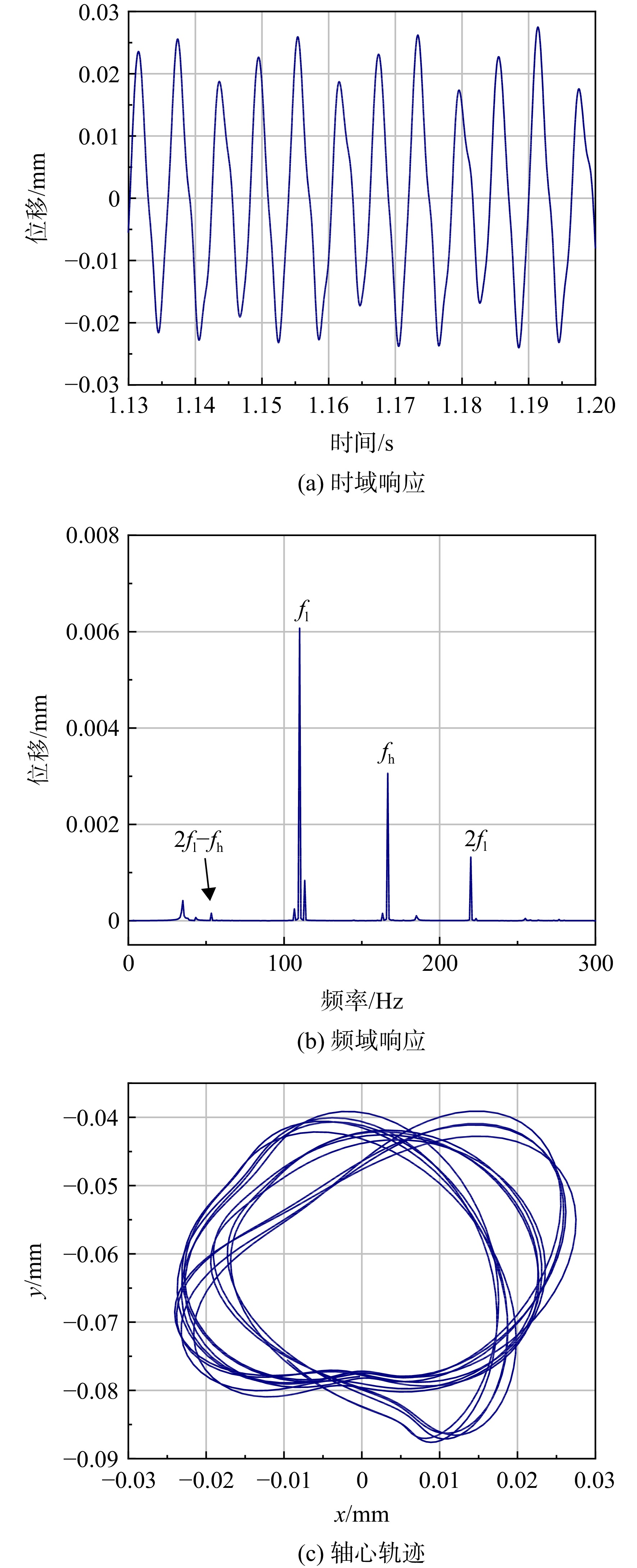
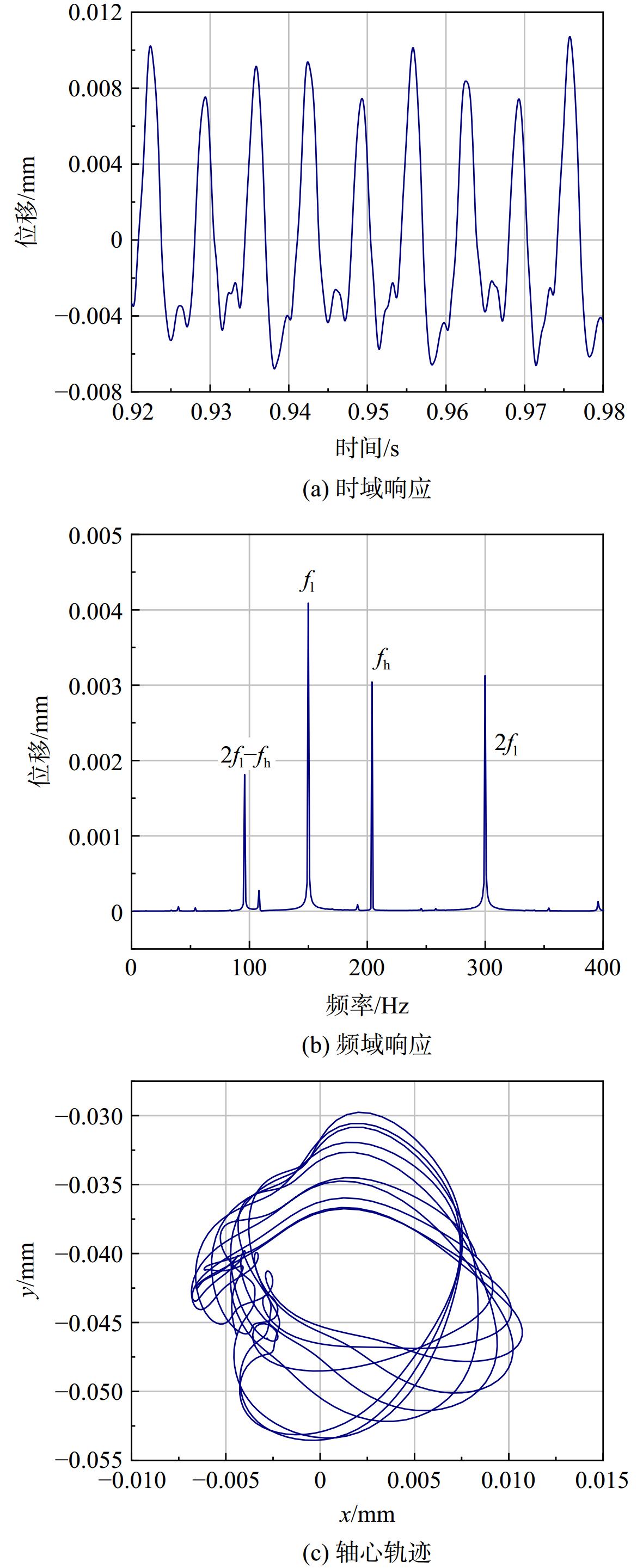
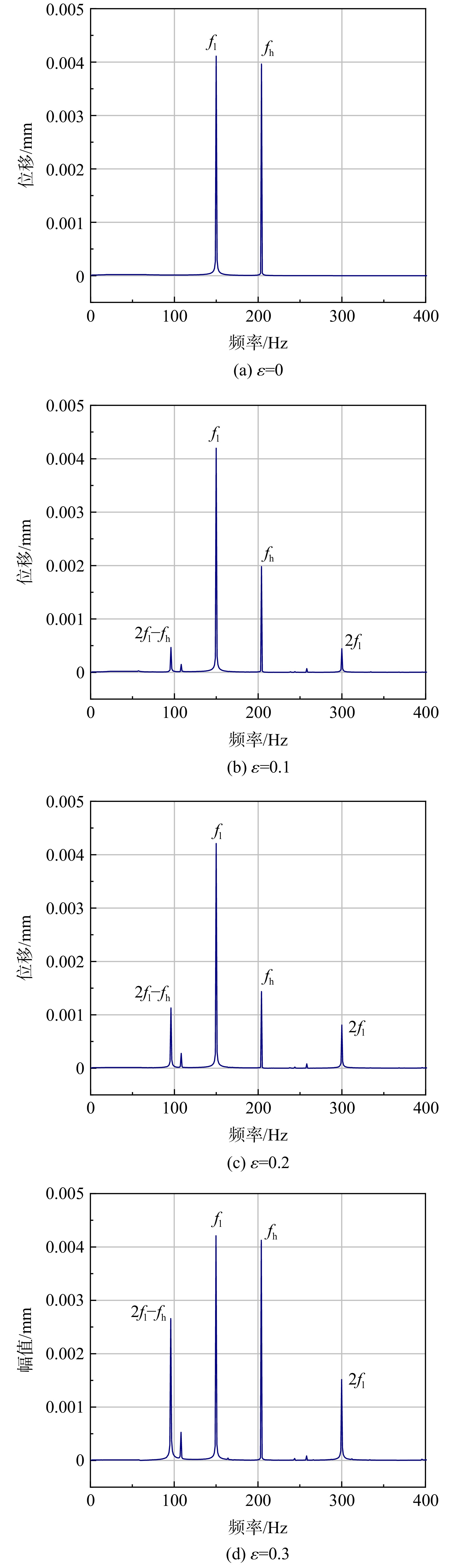
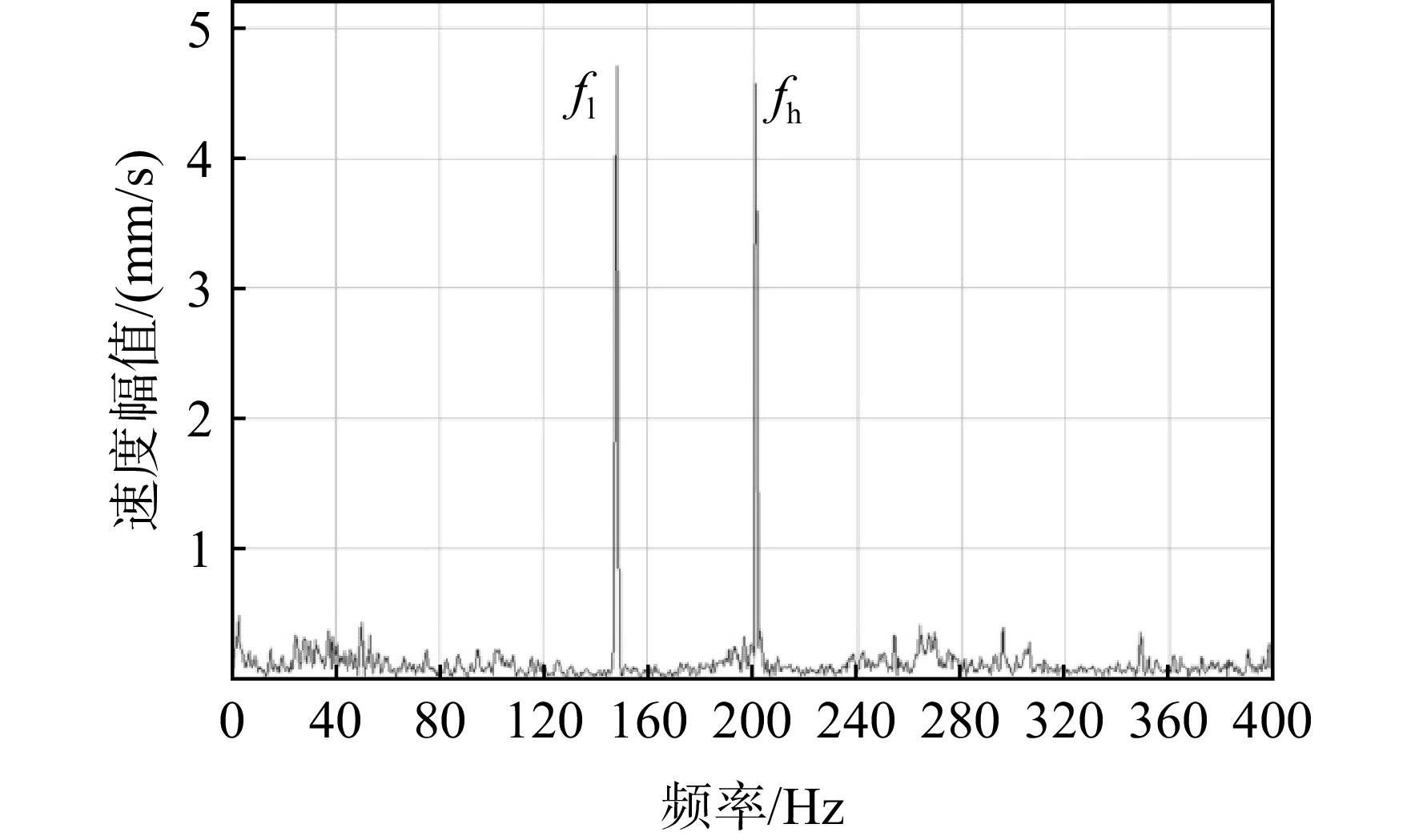
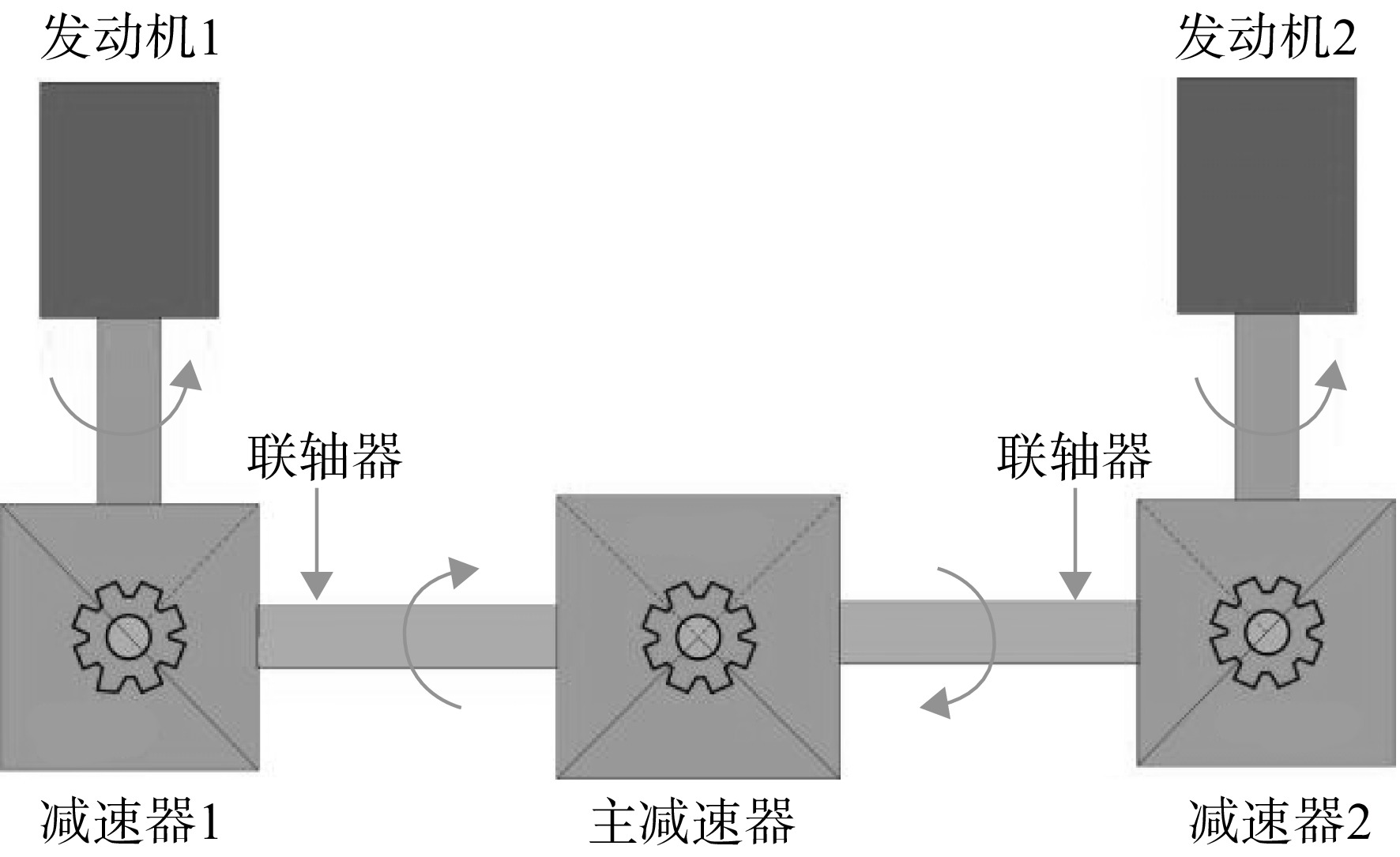
A breathing model considering the effect of rotor whirl motion was established. Based on the Euler beam theory, a lumped parameter modeling method of the dual-rotor system taking asymmetric joint stiffness into account was proposed, and experiments on an aero-engine dual-rotor system supported by intermediate bearing was conducted. The results showed that the combination of two excitation frequencies appeared in the rotor response spectrum. The amplitude of the combination frequency could increase when the rotational speed was in the vicinity of the coupled vibration modes frequency, which may damage the supporting structures.

Current situation and development trend of torque measuring device for turboshaft engine
LI Lixin, LIAO Mingfu, YU Suoyuan, LIU Sen, ZHOU Chunli
2024, 39(12): 20220982. doi: 10.13224/j.cnki.jasp.20220982
Abstract:

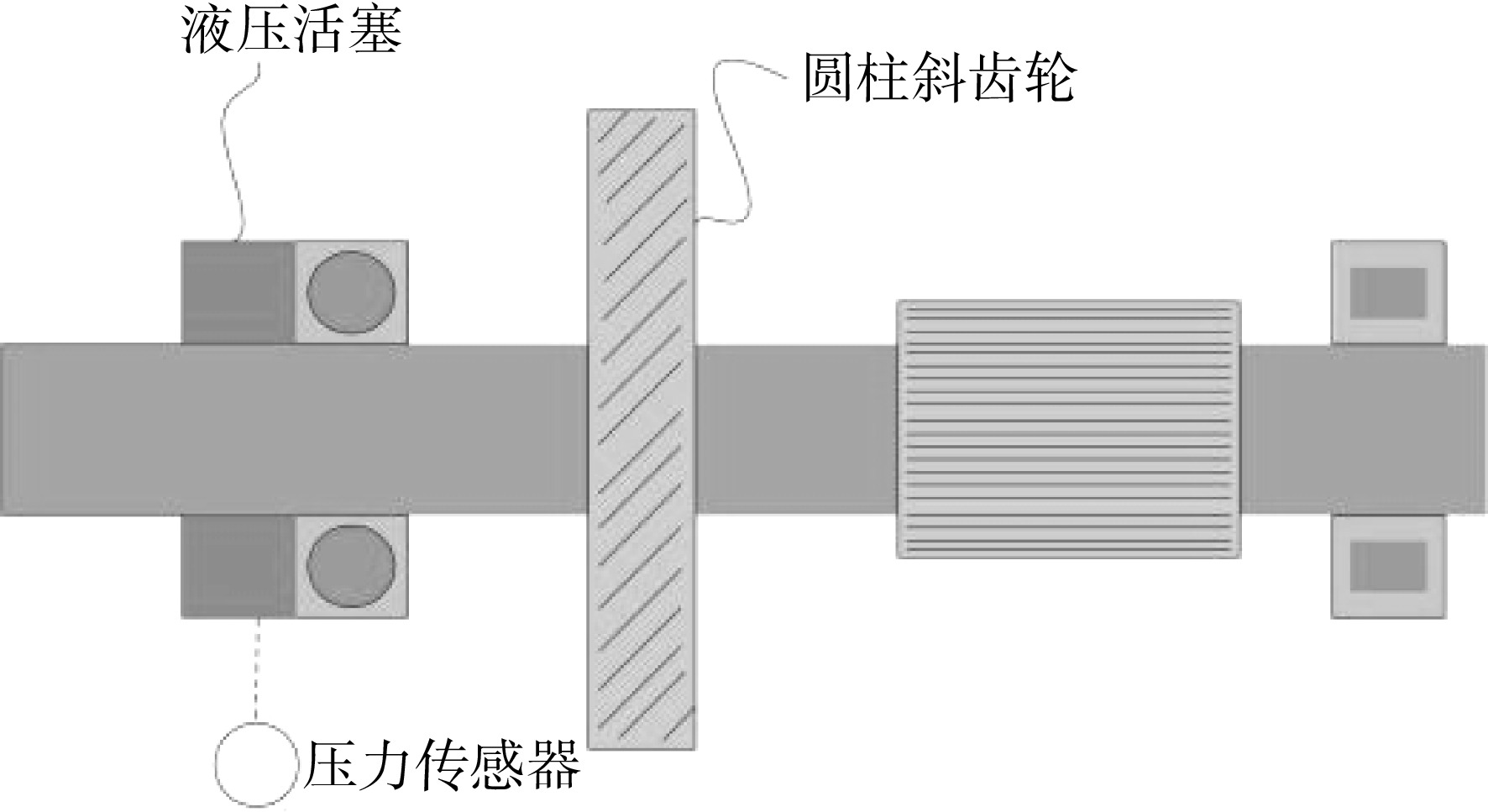
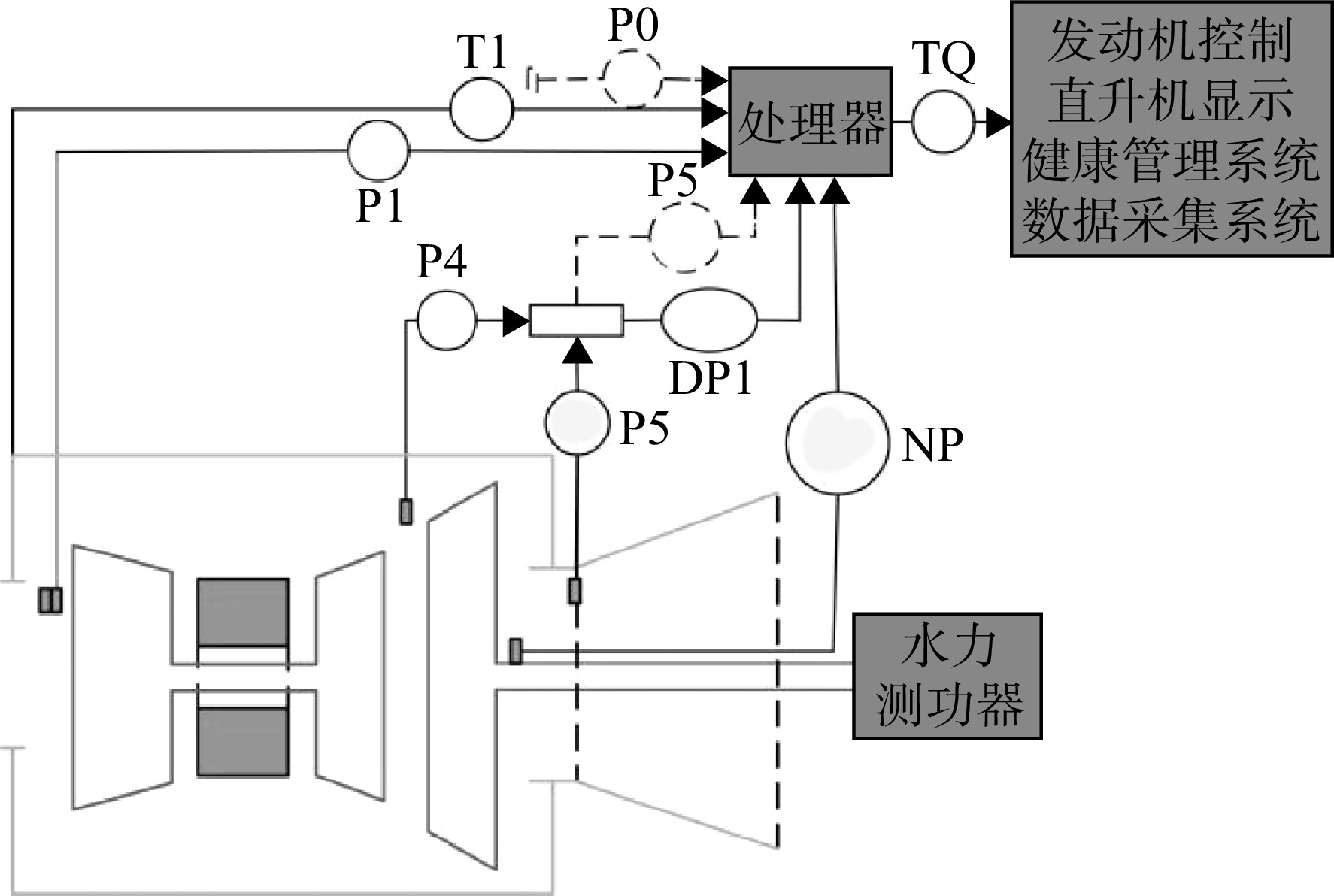
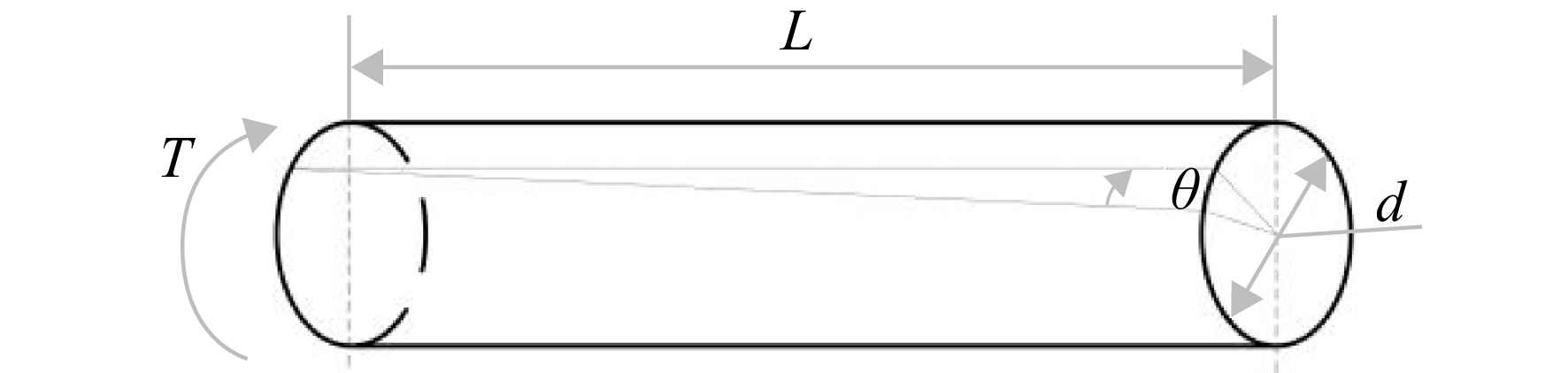
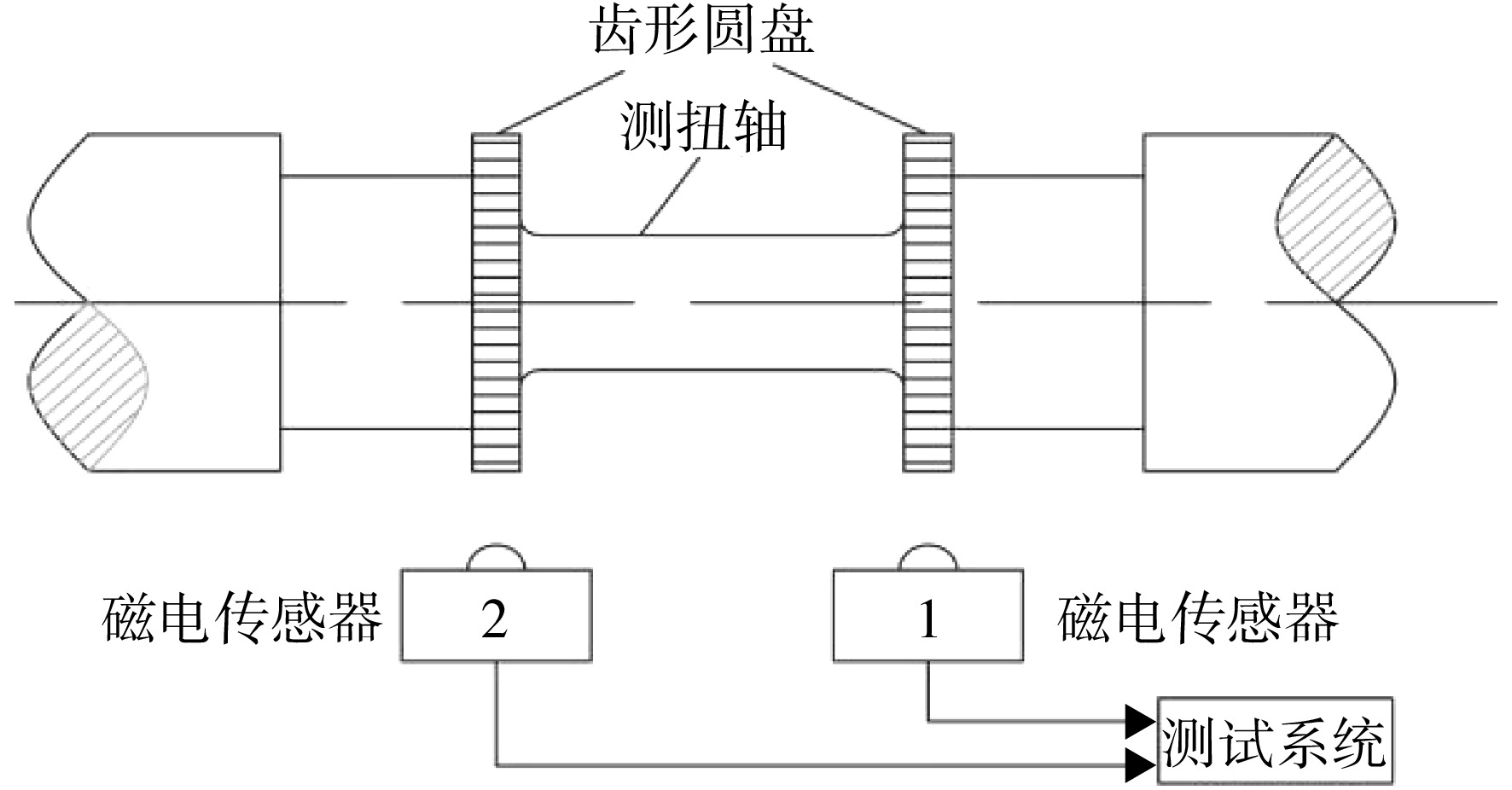
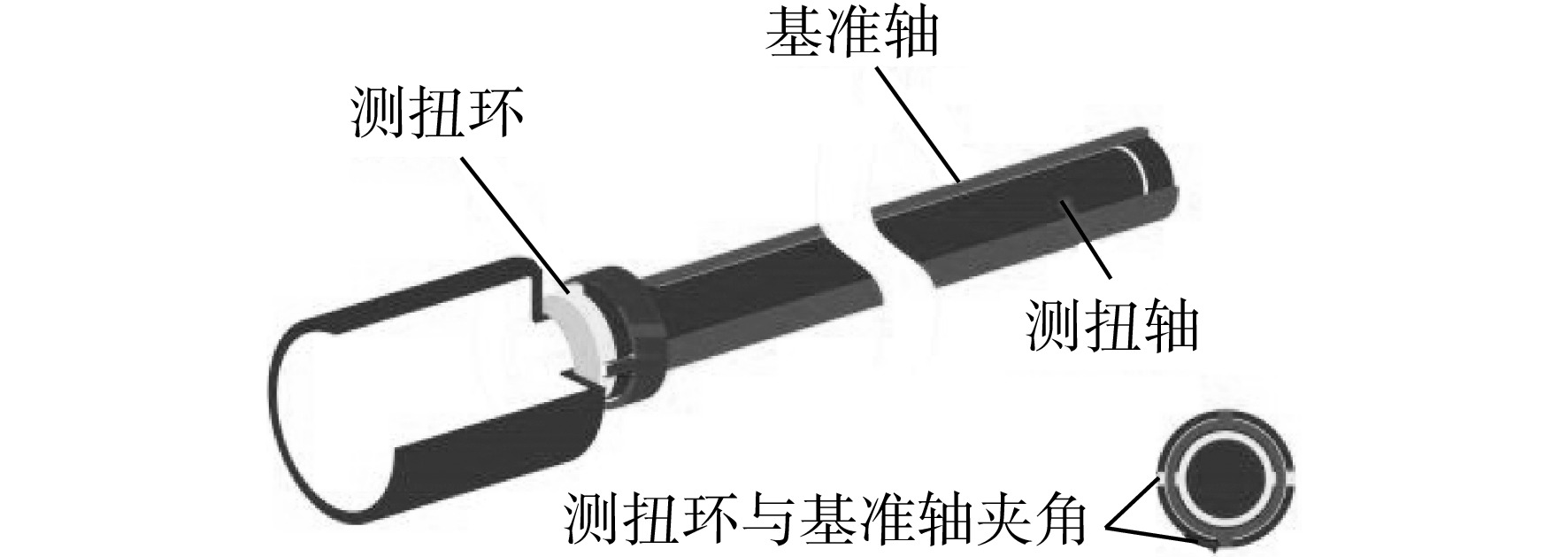
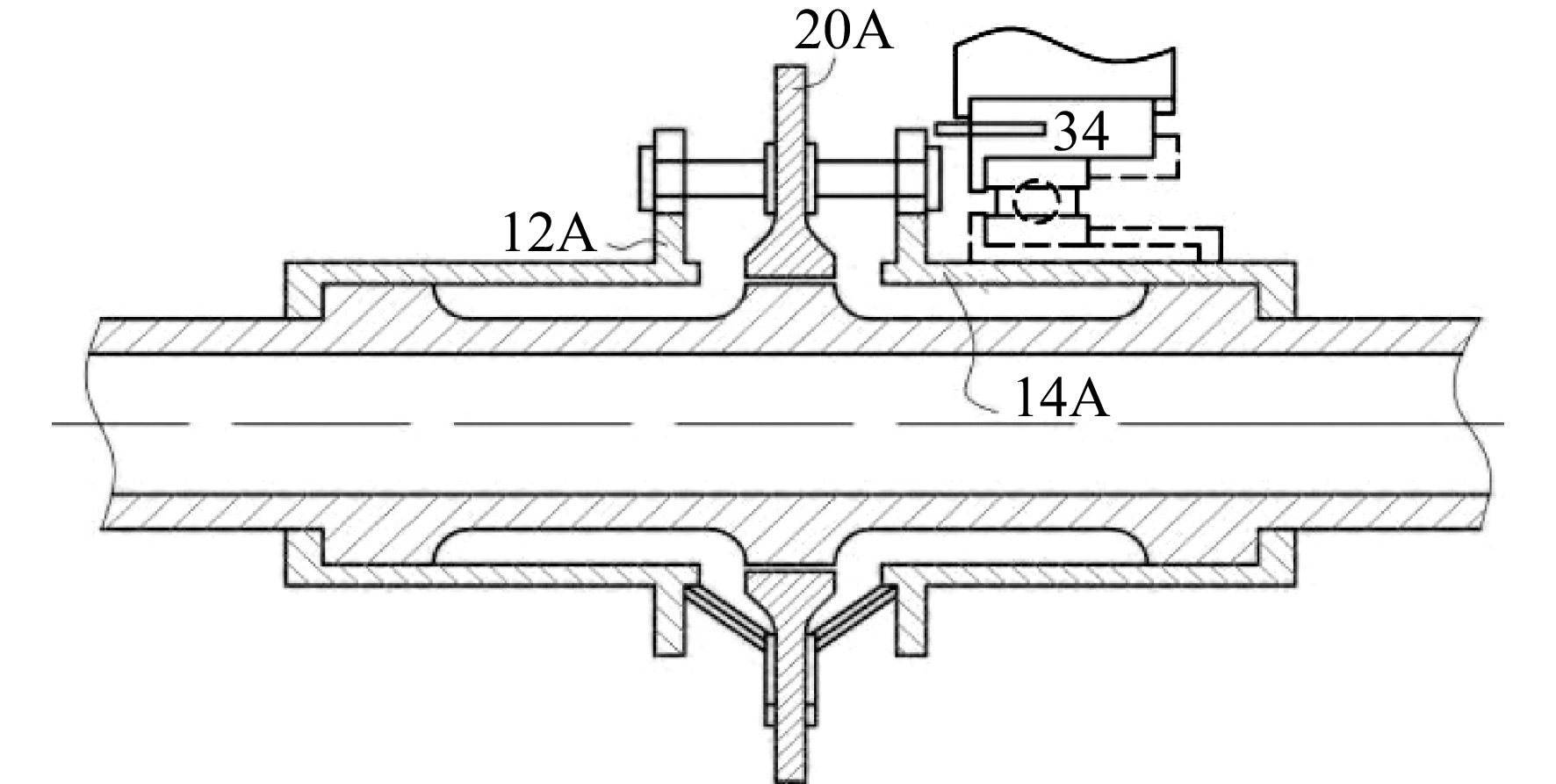
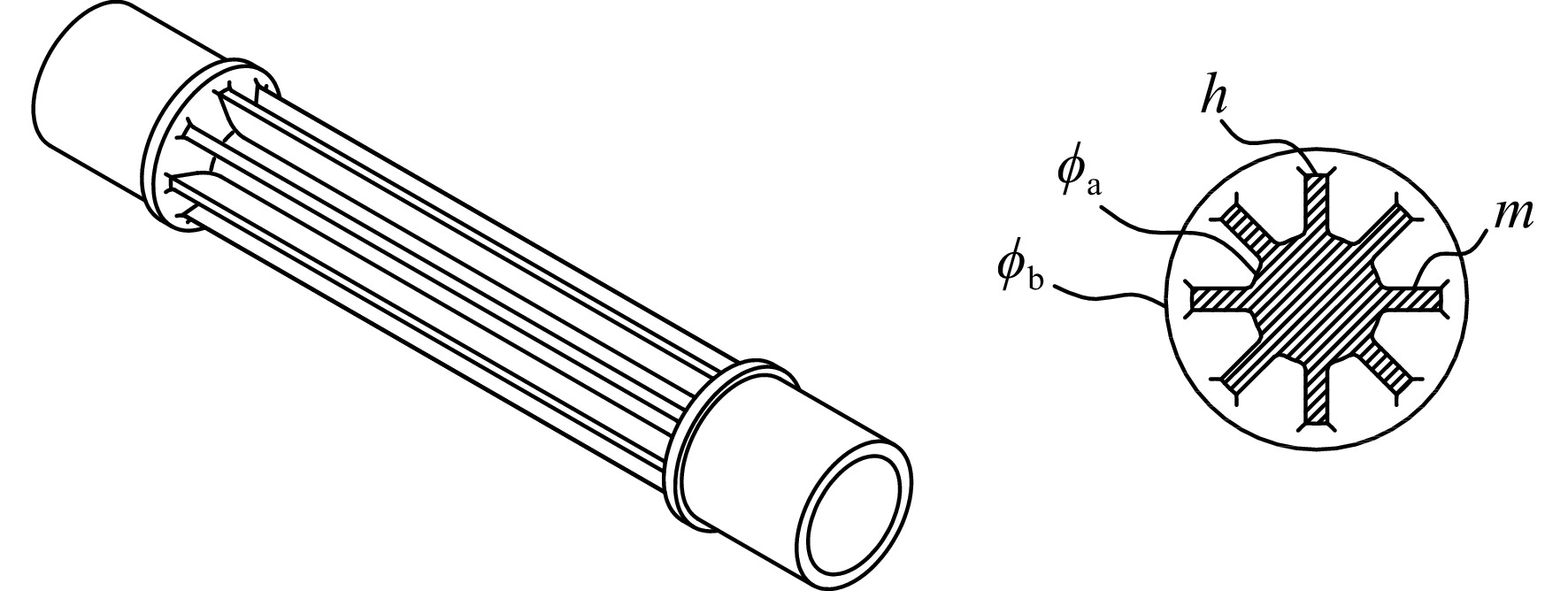
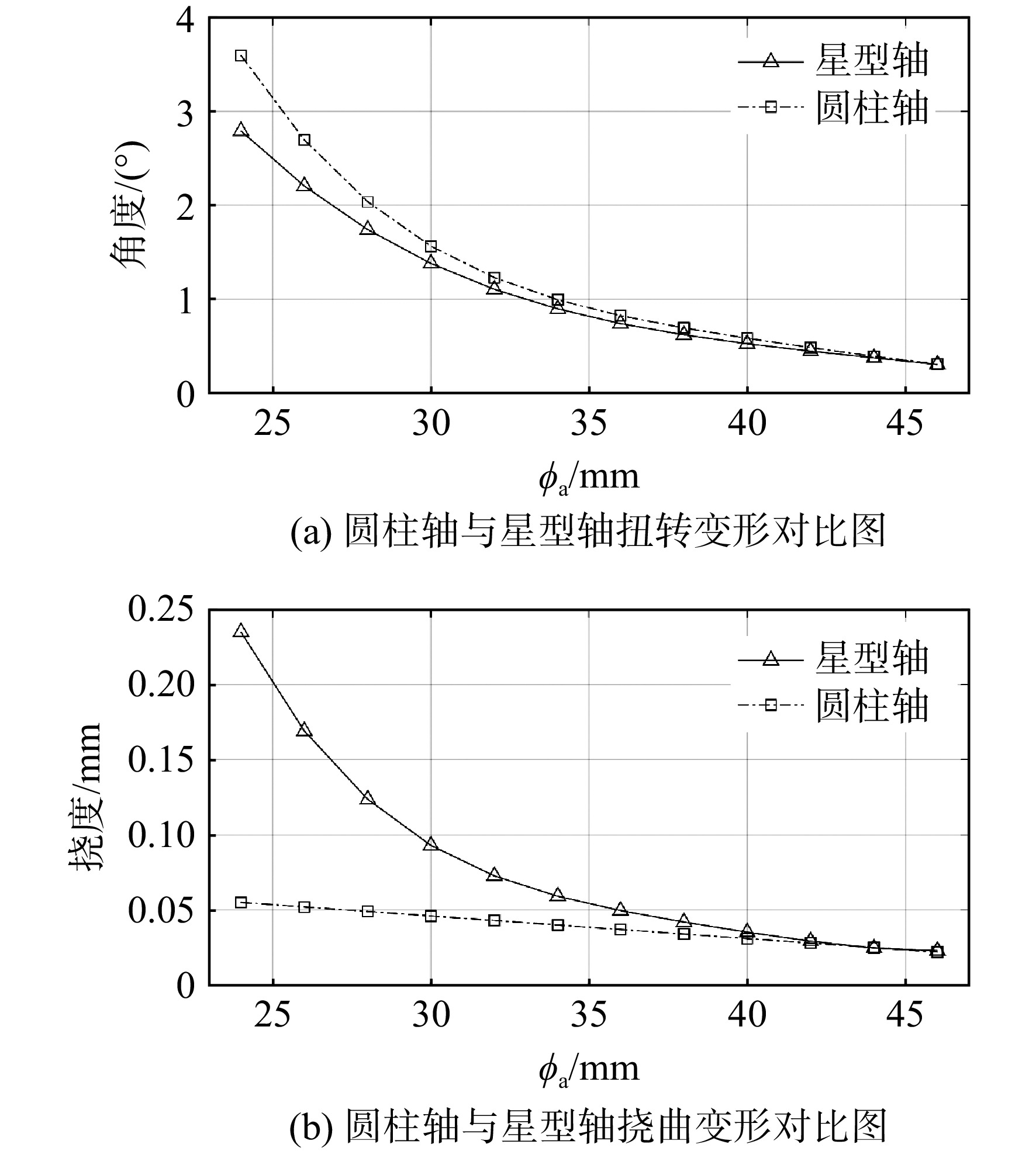
To further study the torque measuring device of turboshaft engine, the classification, pros and cons of common torque measuring devices and their applicability in turboshaft engine were studied. The basic principle, state-of-the-art, typical application cases and main problems of torque measuring devices commonly used in turboshaft engines were elaborated, and then the core technologies of torque measurement for compact power turbine angle method were analyzed. The feasibility of improving the accuracy of torque measurement methods involving both the structures of changing temperature compensation and torsion angle into axial displacements and the new star-type section structures of the short and thick shaft of power turbine improved from the cylinder/ring section was discussed. From this investigation, it was demonstrated that the star-type section shafts could guarantee to obviously reduce the torsional stiffness under the premise of enough flexural rigidity, so that the precision of torque measuring device of compact high-power turboshaft engine can be improved. The efforts of this study provide the research directions of torque measuring devices for turboshaft engine involving the bend and torsional vibration characteristics of star-type section shafts and the validation of installation adaptability.

Analysis and multi-objective optimization of the scarf bonded composite co-curing process
XUE Xiao, SUN Yungang, XUAN Shanyong
2024, 39(12): 20220921. doi: 10.13224/j.cnki.jasp.20220921
Abstract:

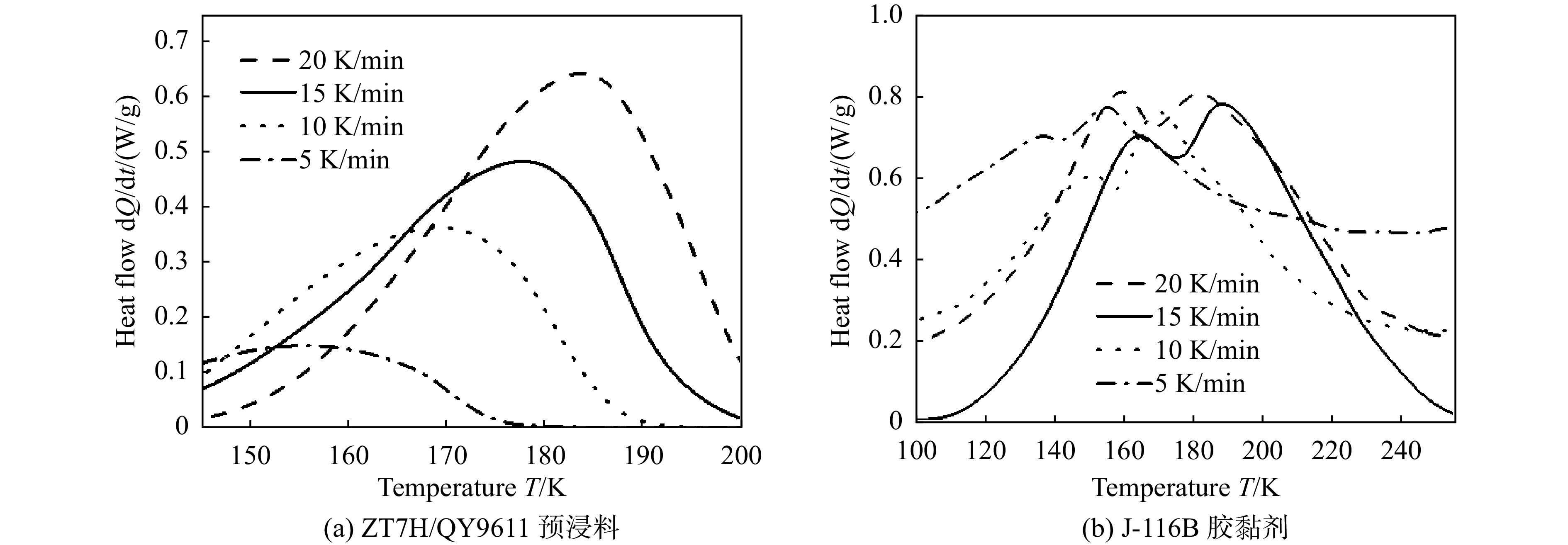
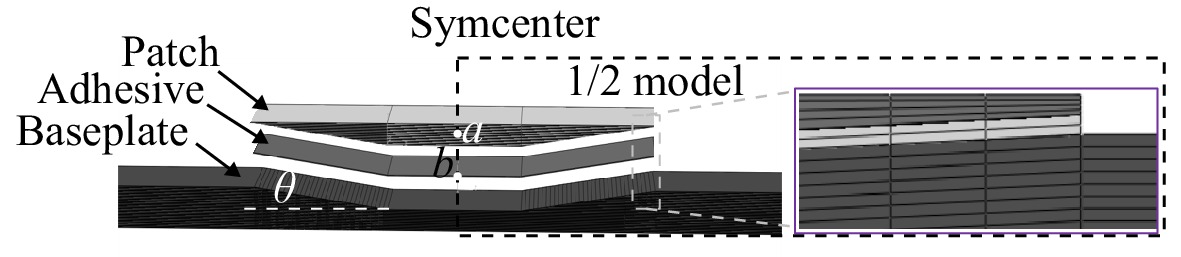
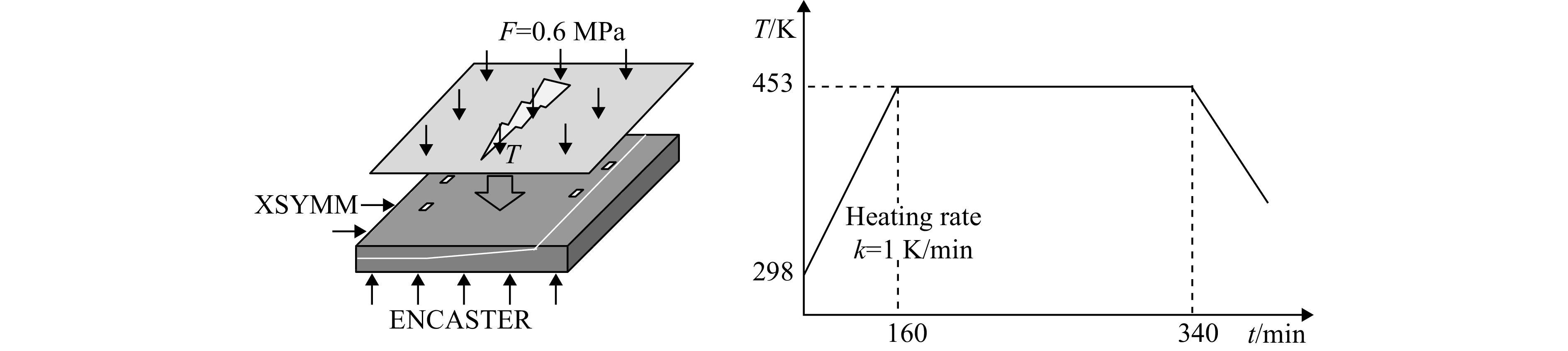
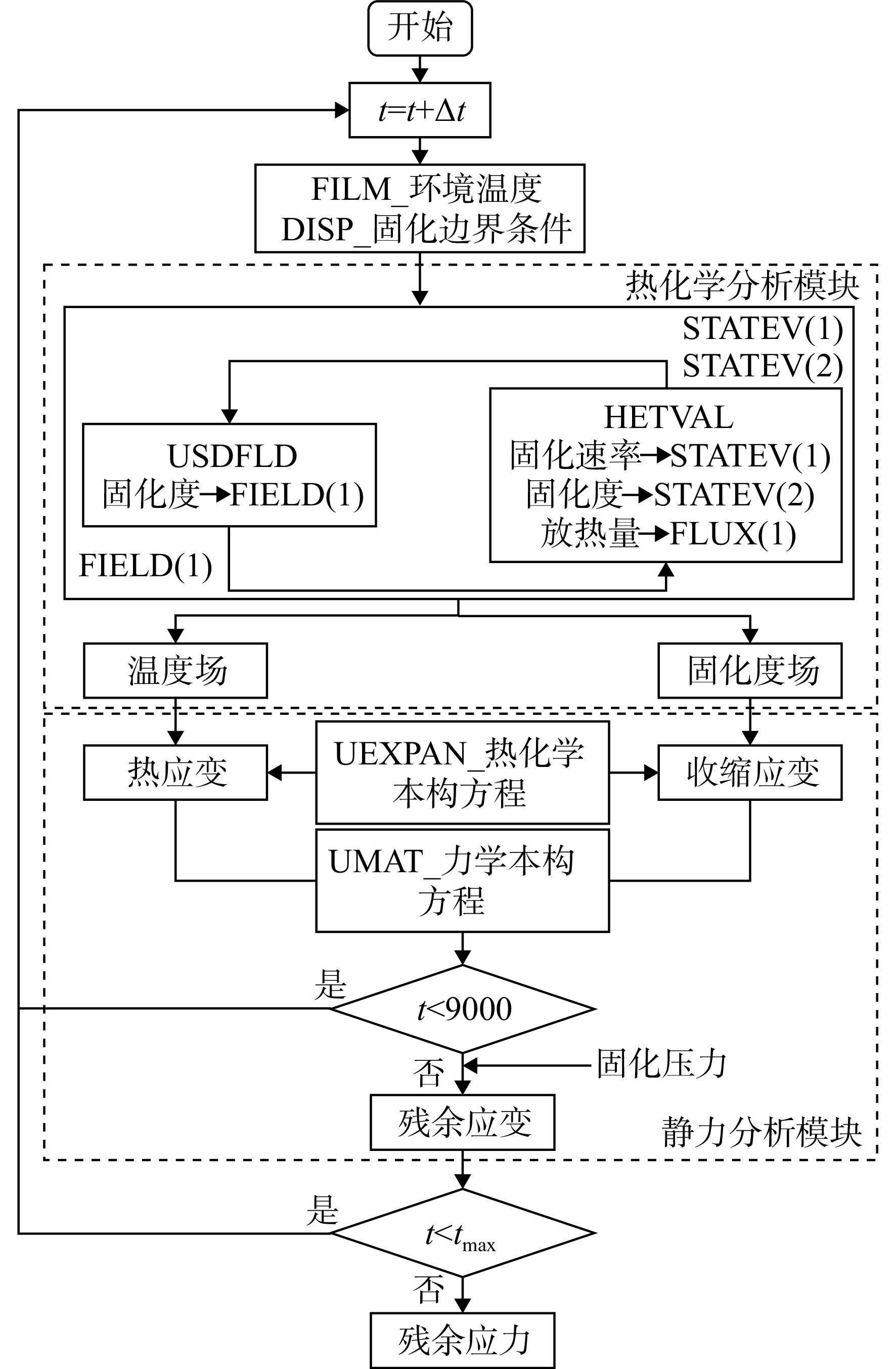
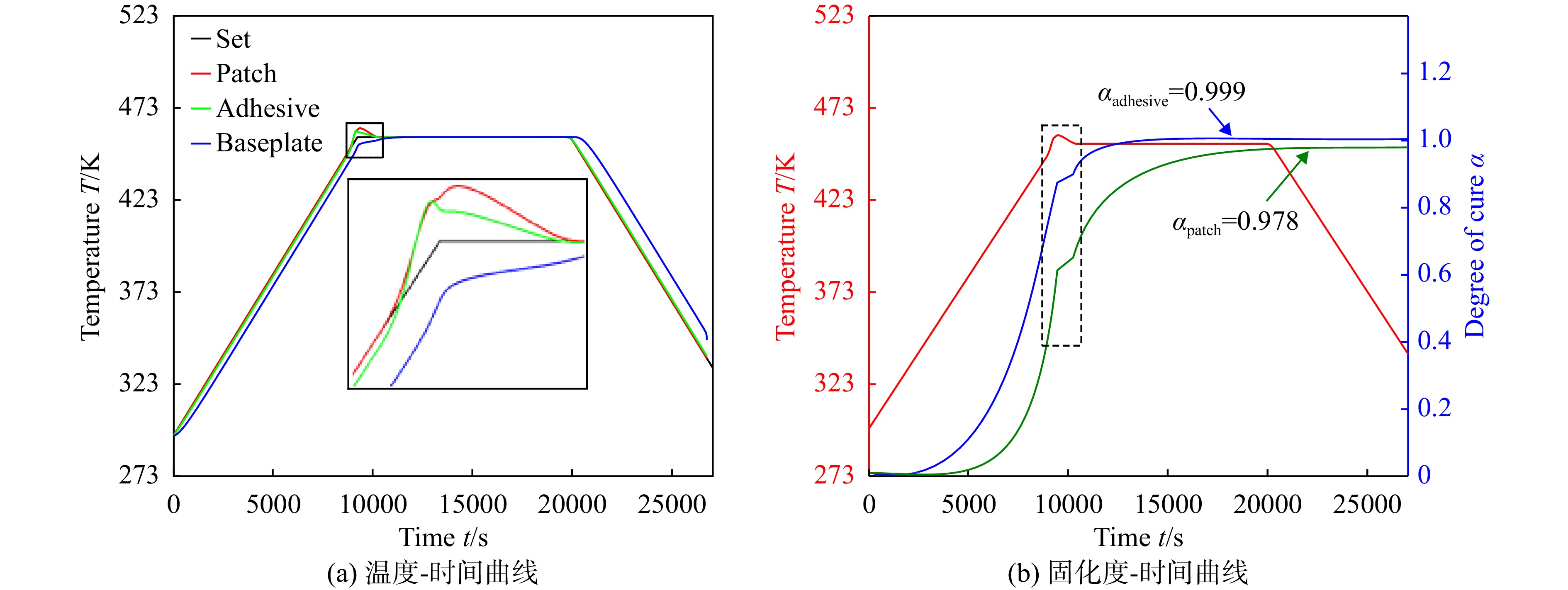
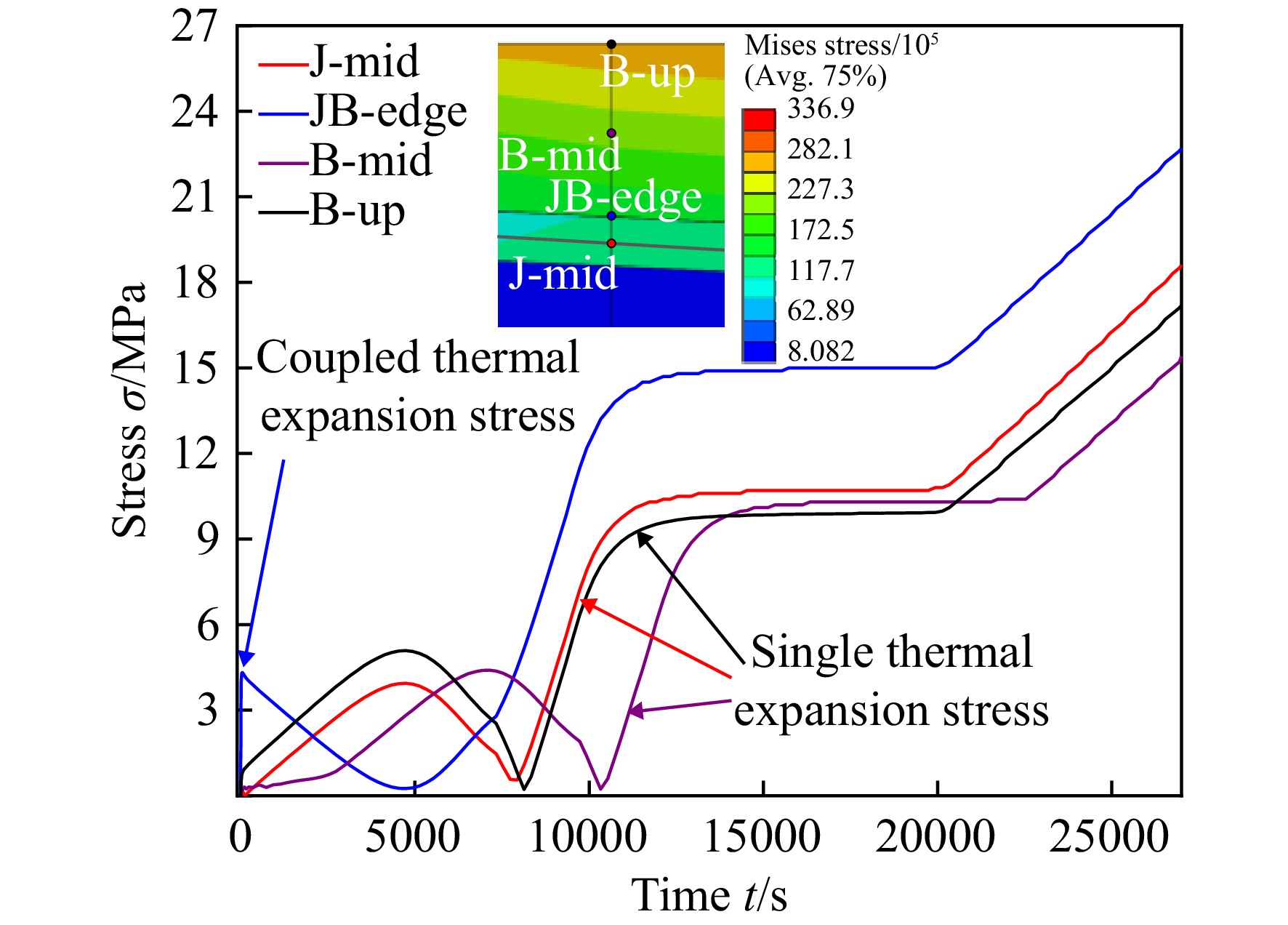
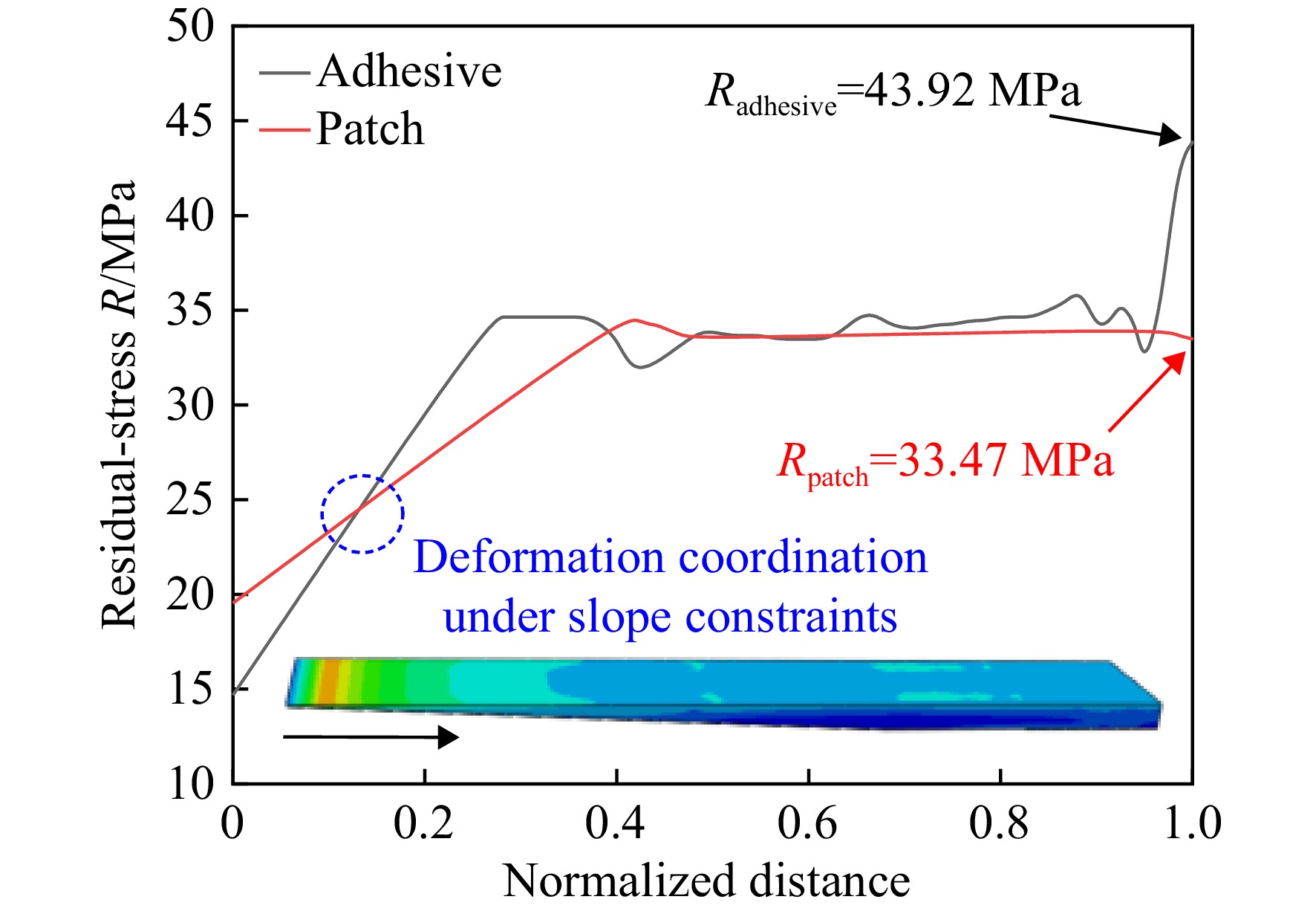
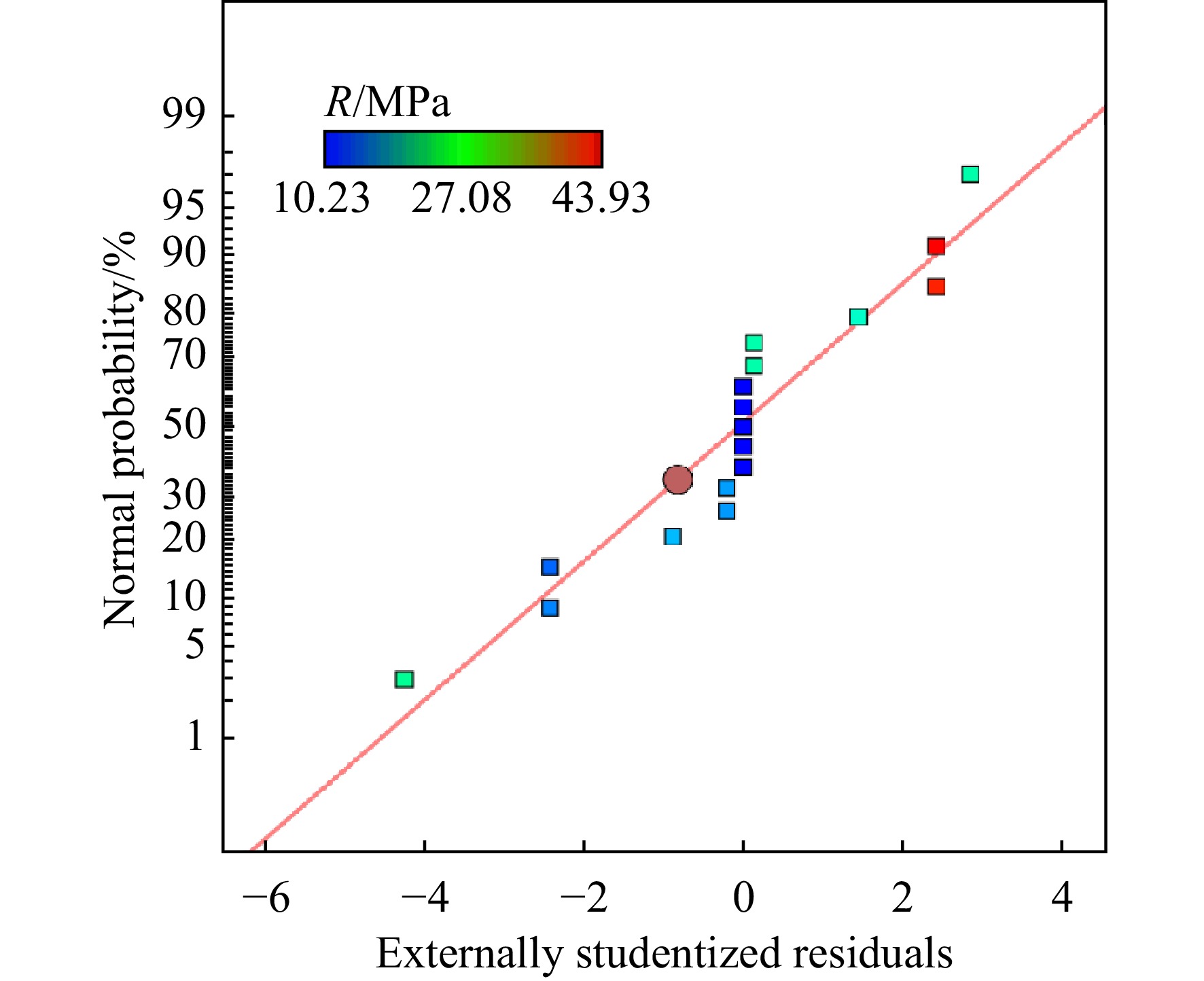
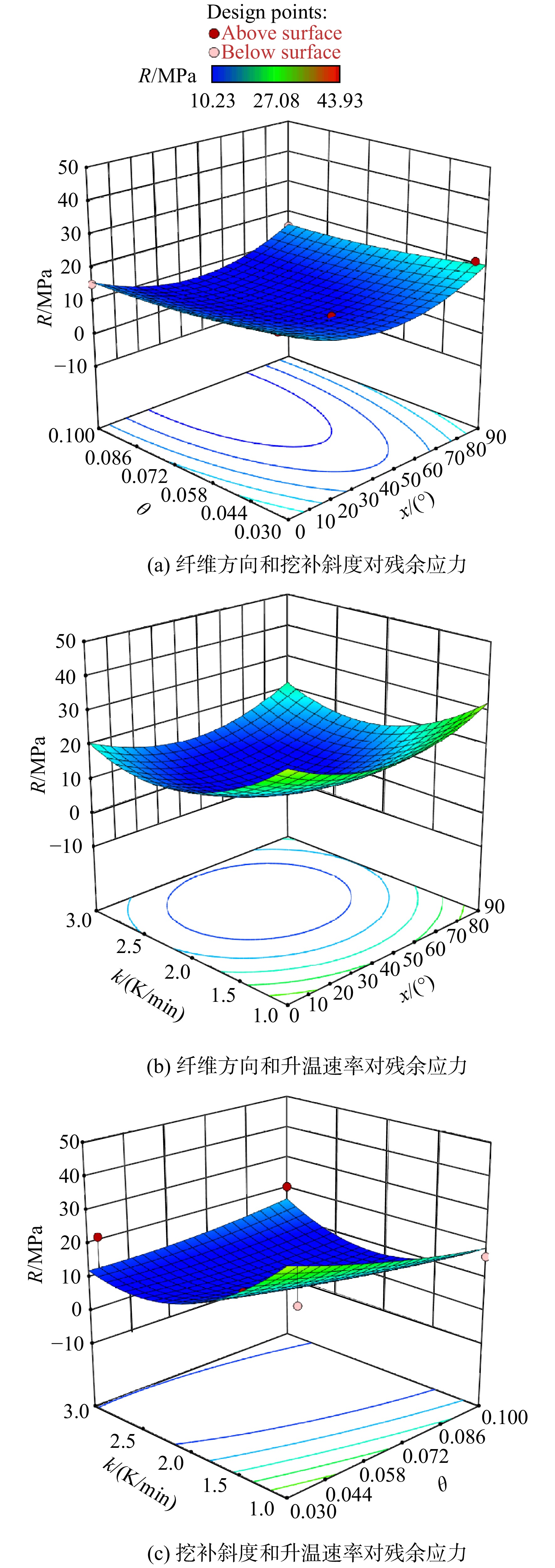
Considering two materials of J-116B adhesive and ZT7H/QY9611 composite prepreg, the co-curing behavior and residual stress distribution of the scarf bonding composite structure were numerically simulated, and the results showed that the scarf bonded structure exhibited bimodal overheating behavior in the rapid curing stage, and the exothermic superposition effect led to a significantly high residual thermal stress at the patch-adhesive interface layer. At the same time, the fiber direction, scarf slope and heating rate were taken as the design variables to optimize the curing residual stress, and the results showed that increasing the scarf slope, reducing the heating rate or tending to the width direction of the fiber direction are conducive to the reduction of curing residual stress; when the fiber direction of the adhesive joint was 45°, the scarf slope was 1∶20 and the heating rate was 2 K/min, the maximum residual thermal stress of the adhesive layer was only 10.23 MPa, 76.7% lower than that before optimization.

Numerical simulation and experiment for the random vibration response of thin-walled conical shells of composite materials
WANG Zhizhou, MA Yanhong, HAN Ding, WANG Yongfeng, HONG Jie
2024, 39(12): 20230073. doi: 10.13224/j.cnki.jasp.20230073
Abstract:

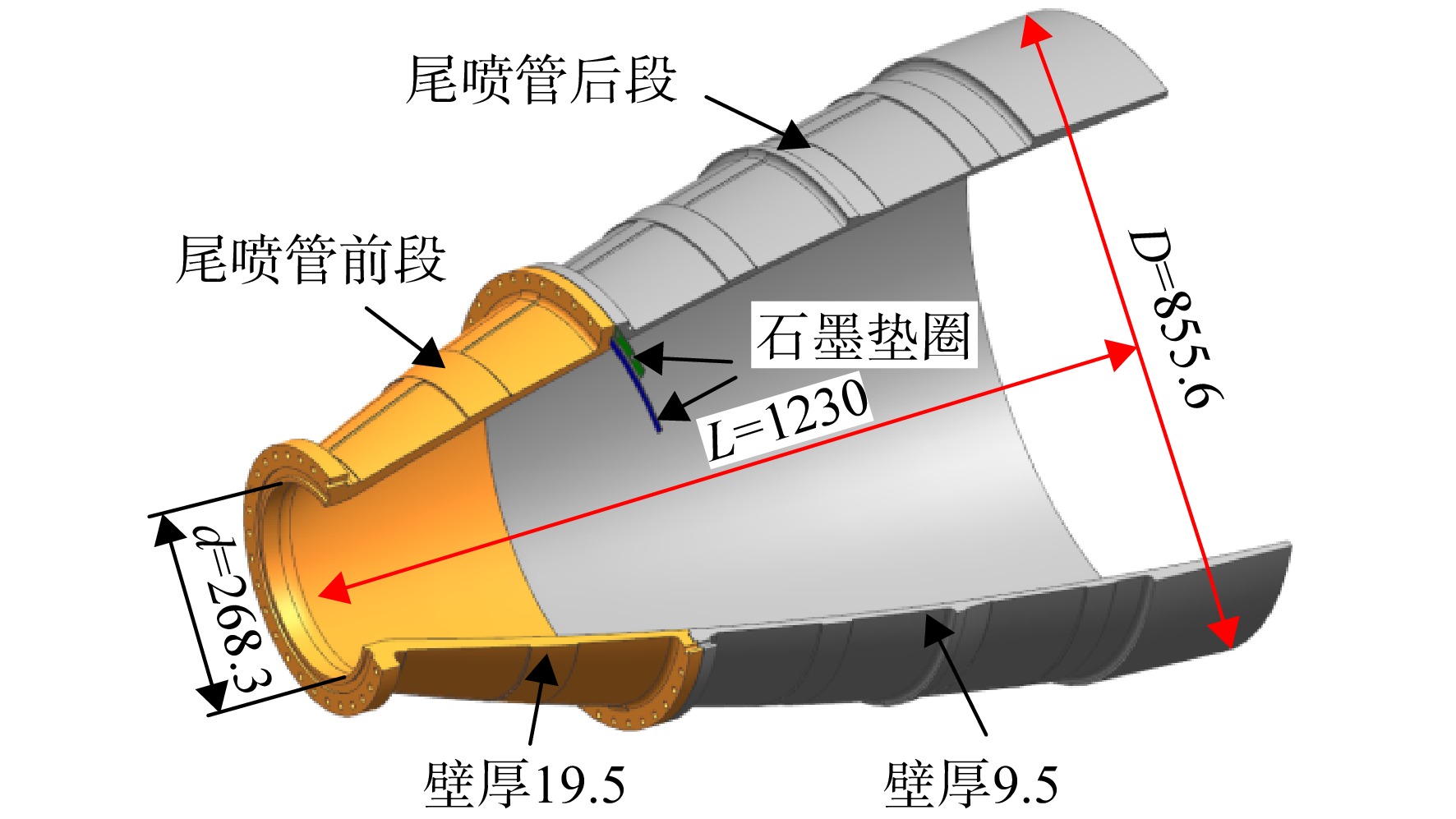
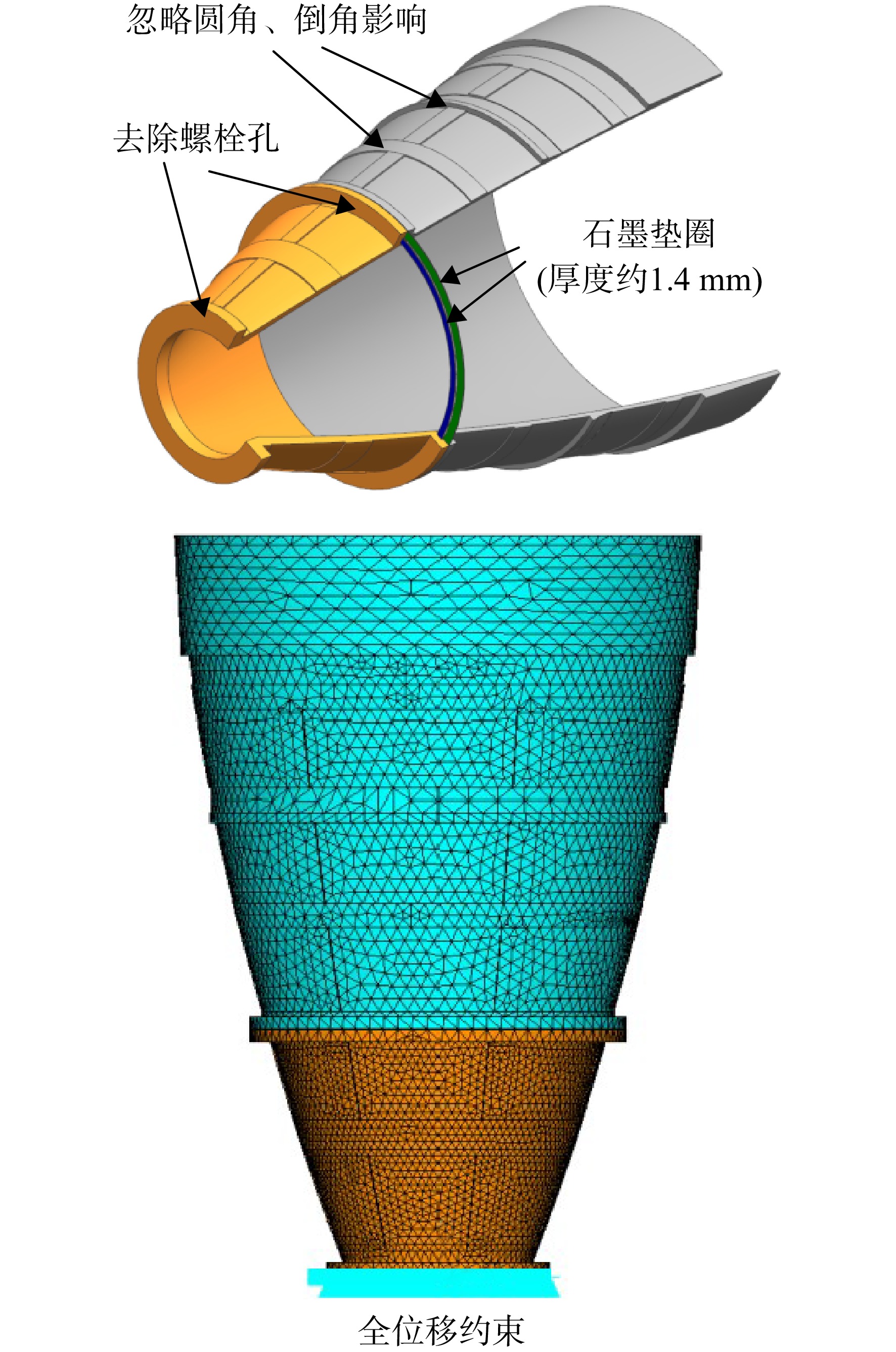
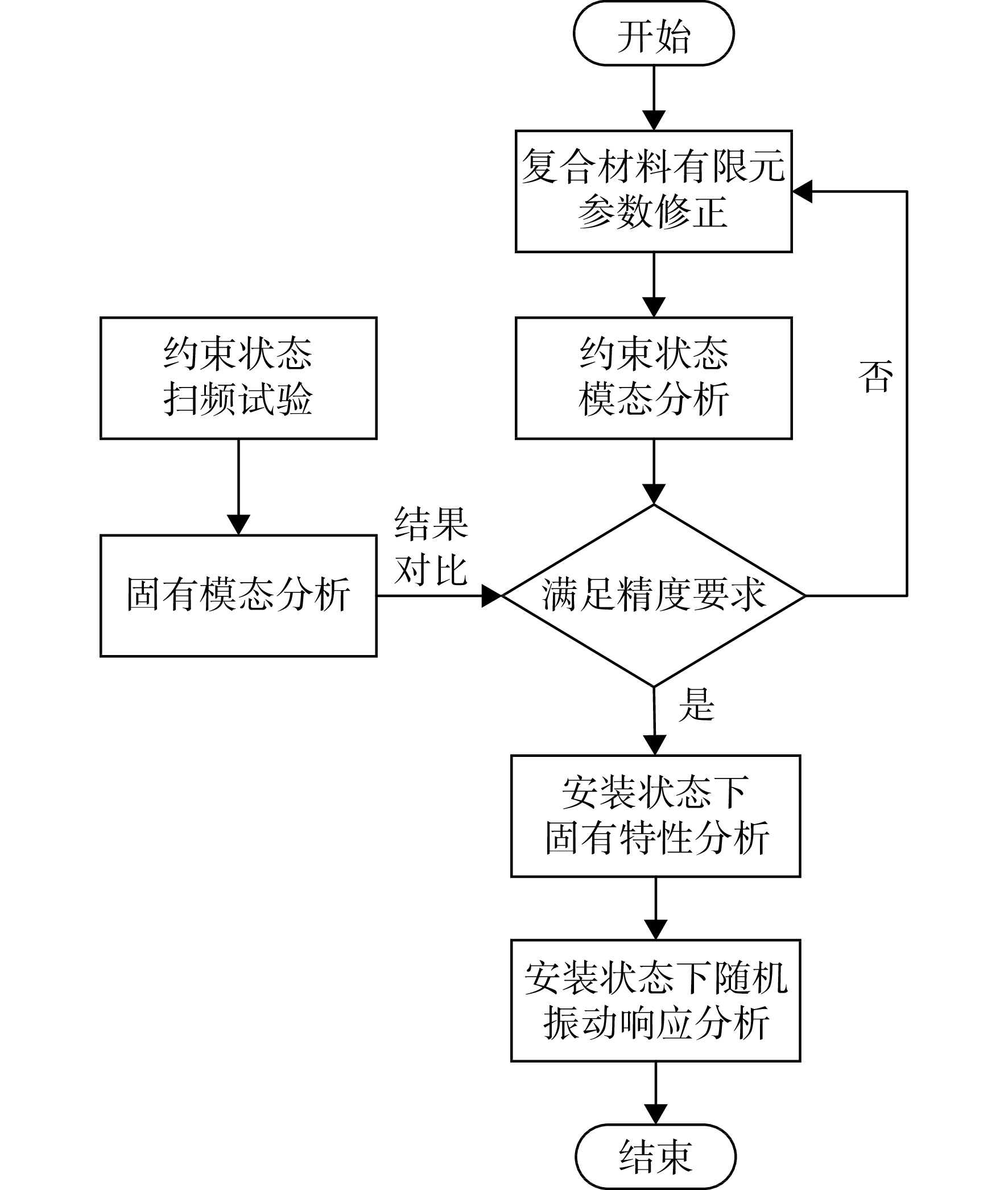
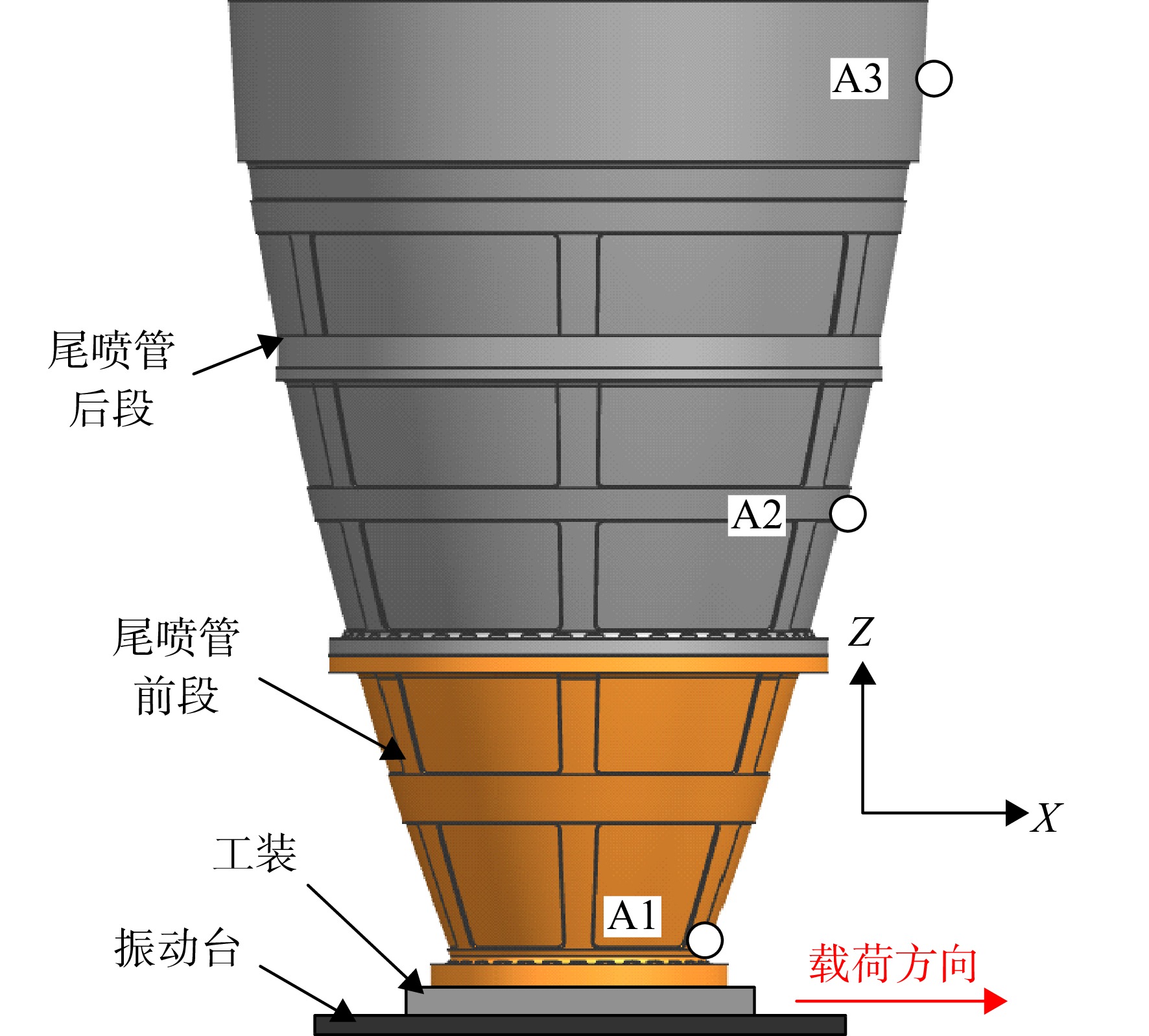
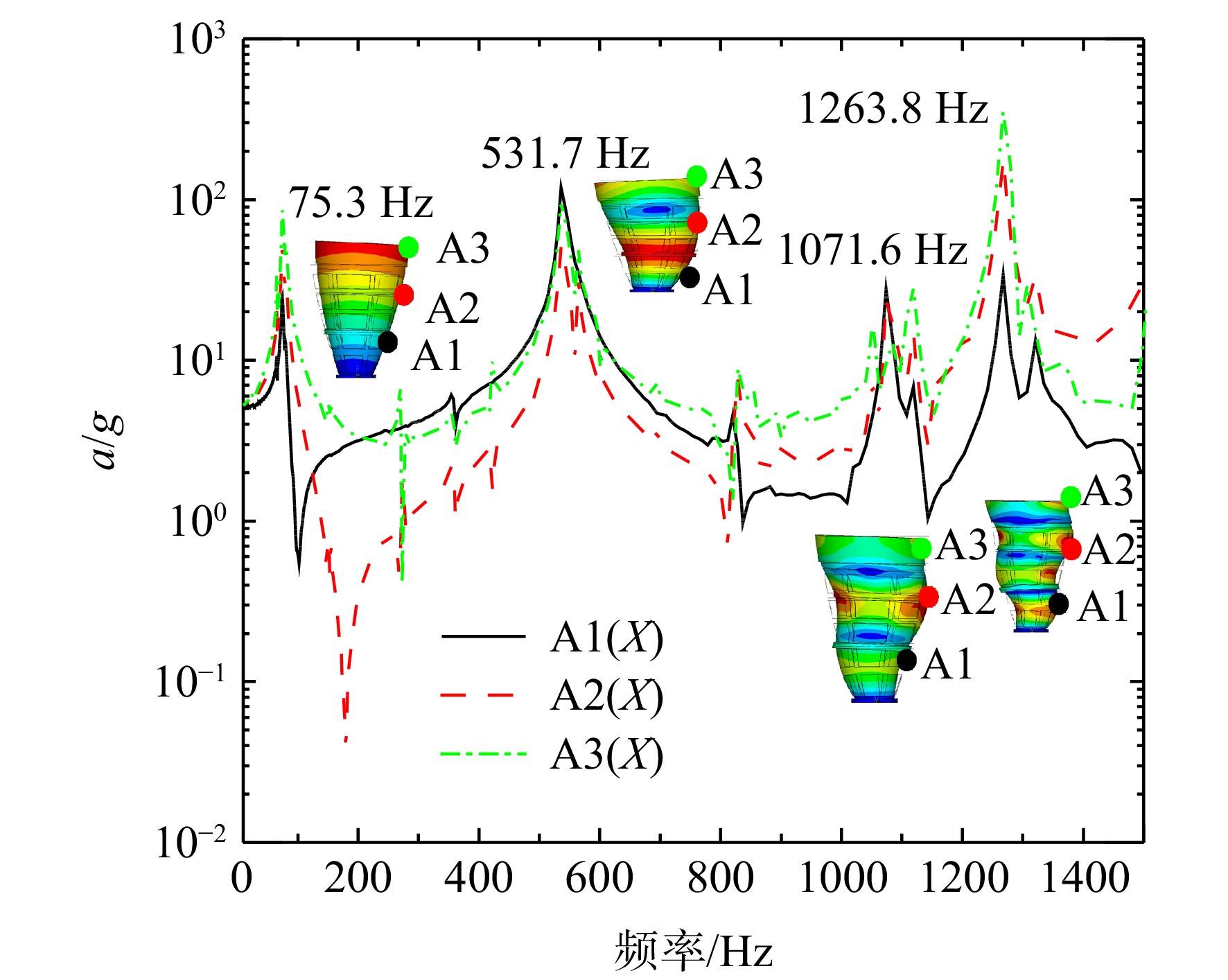
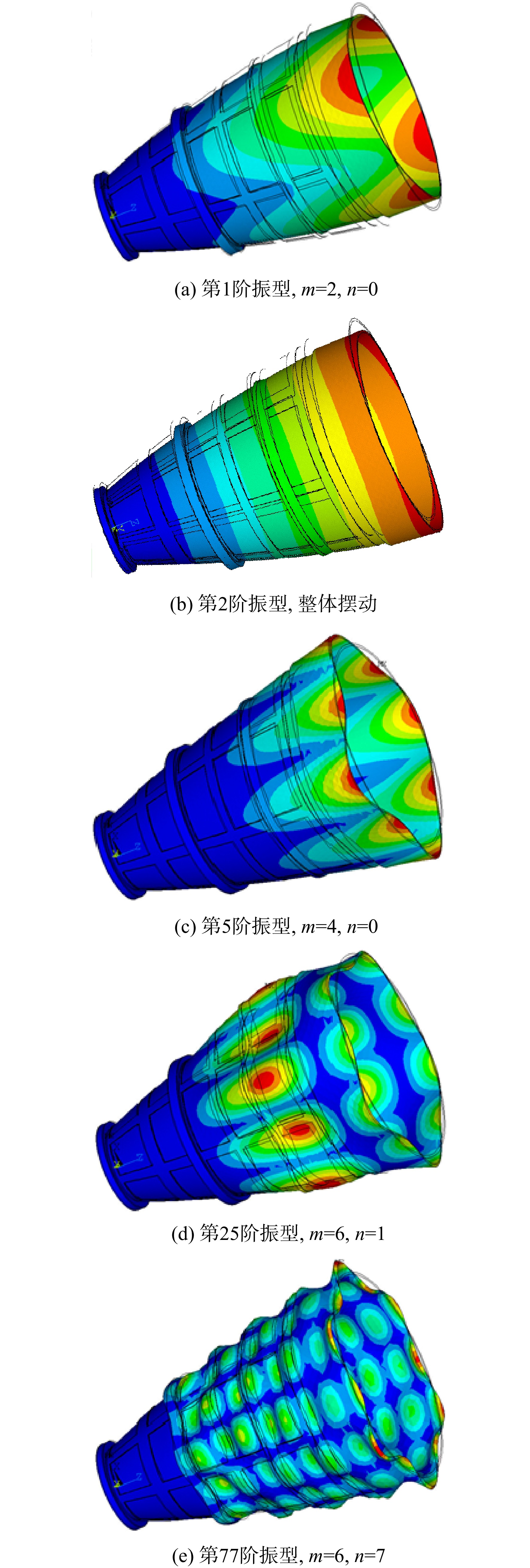
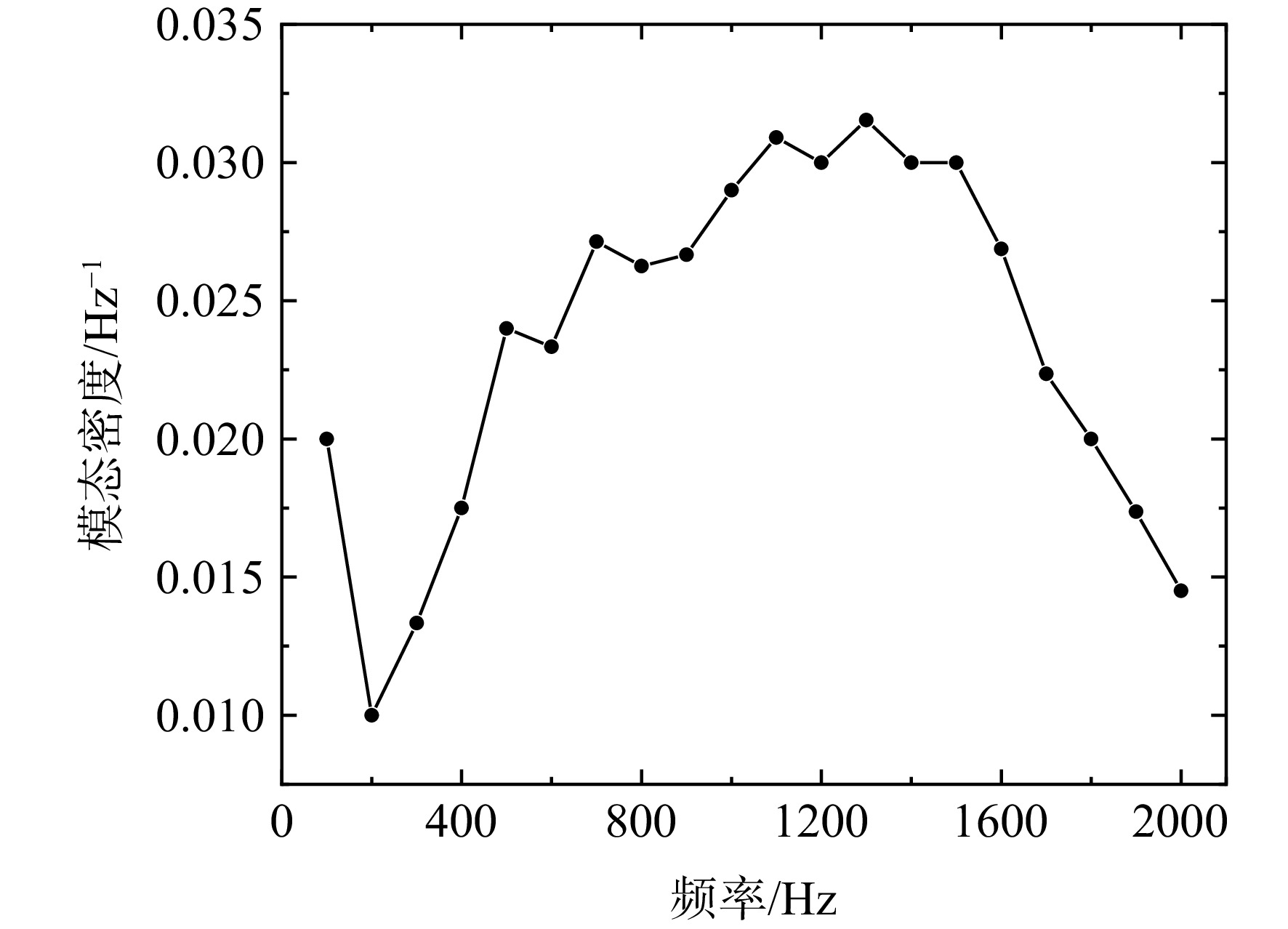
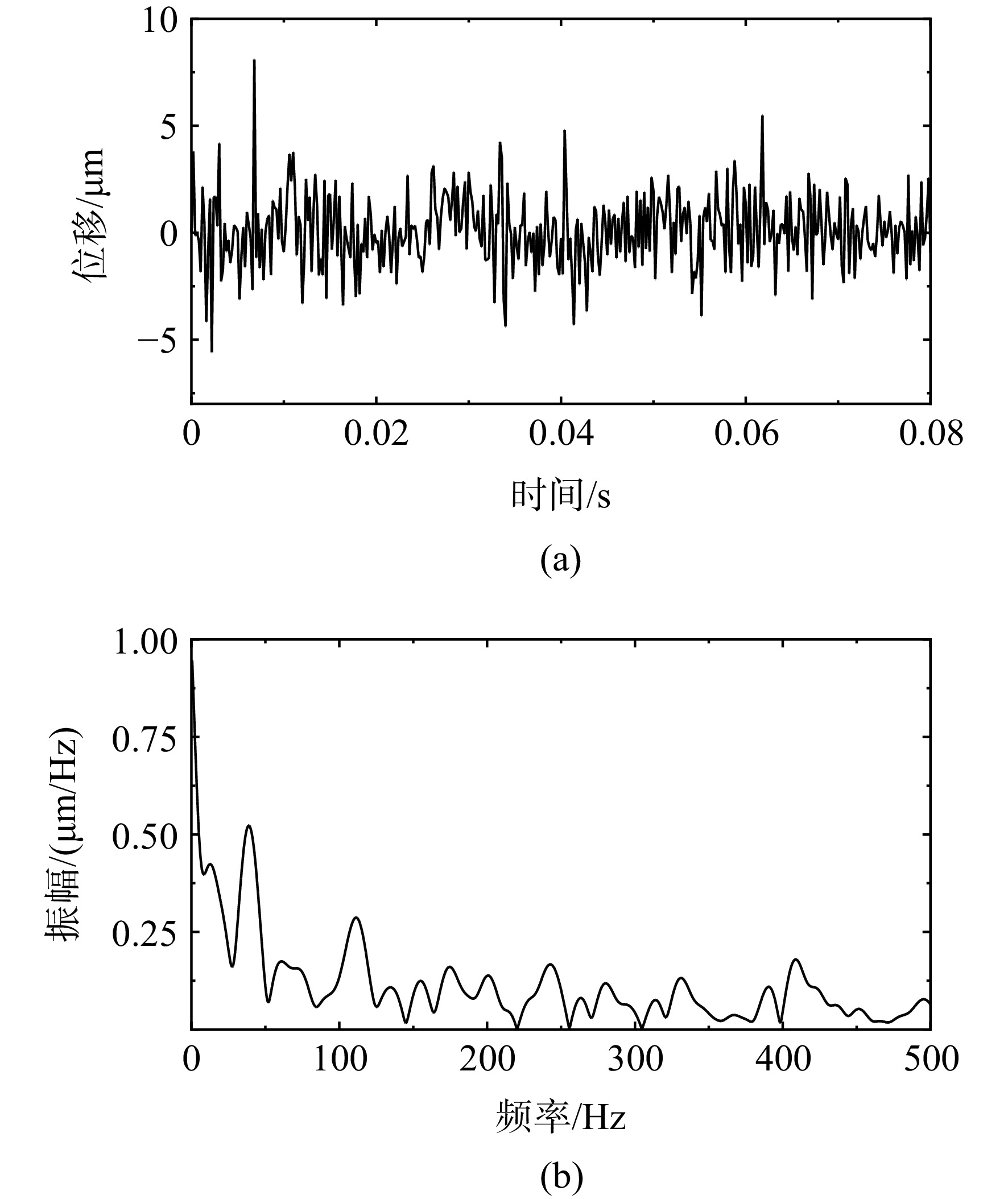
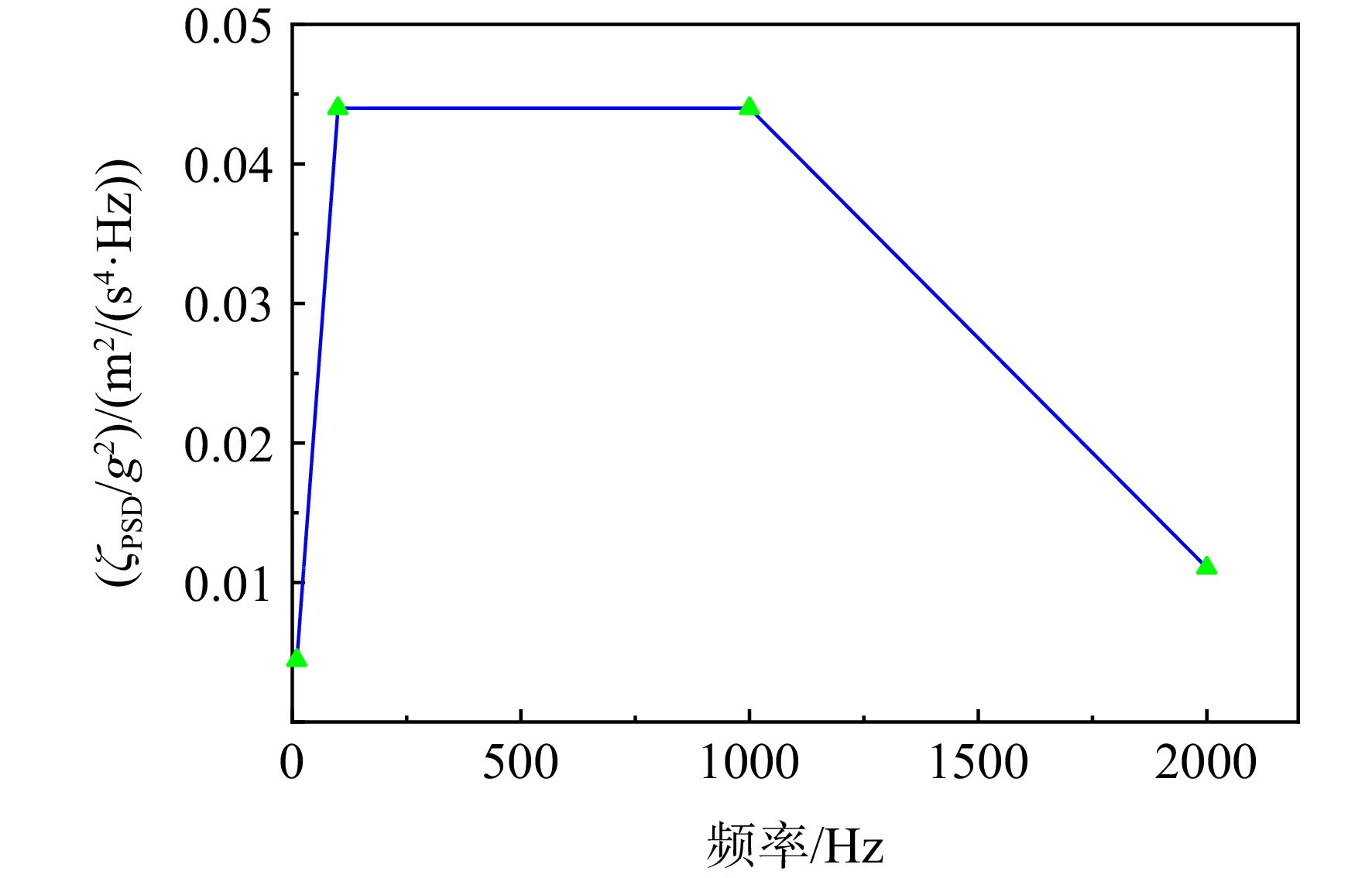
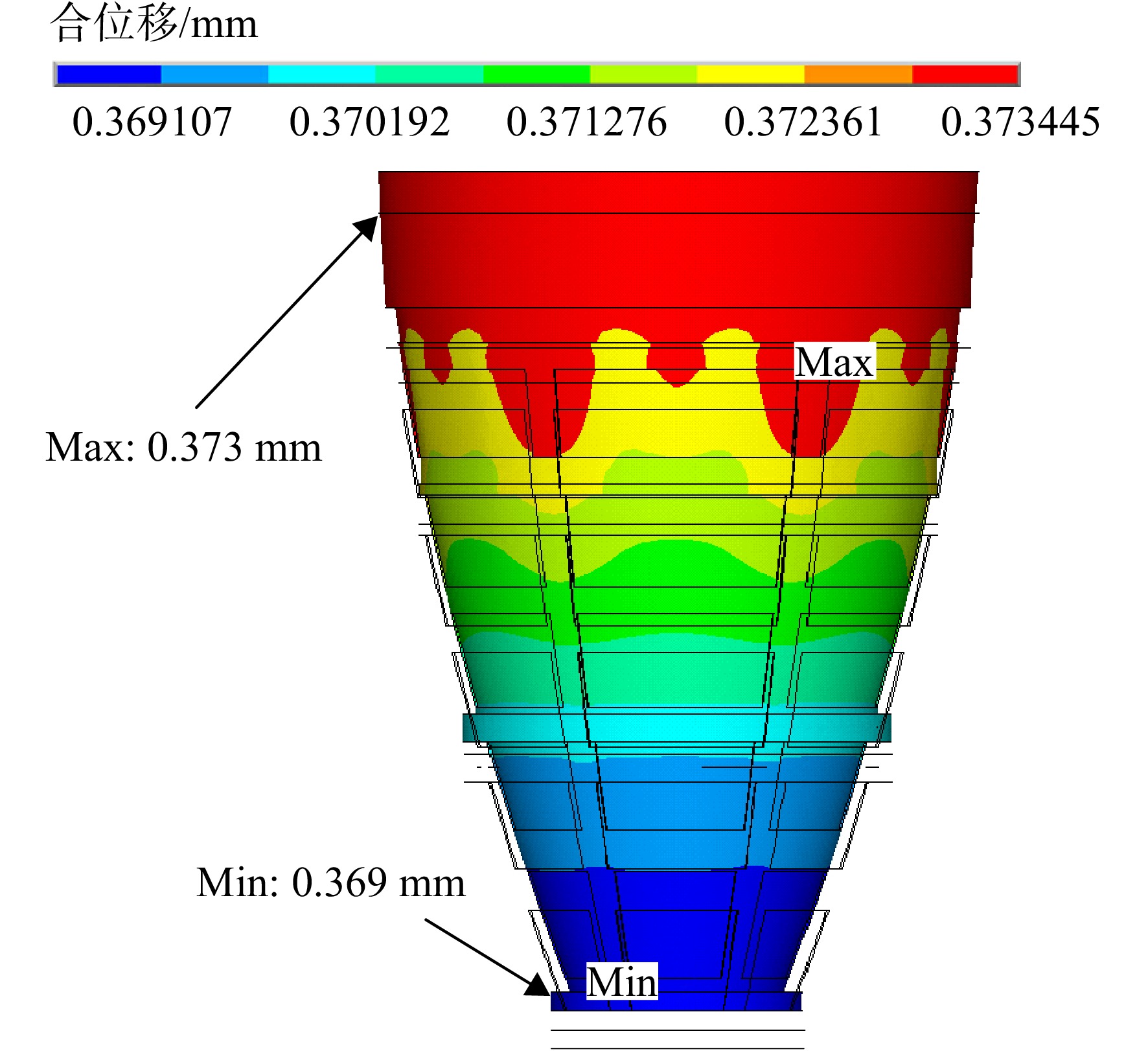
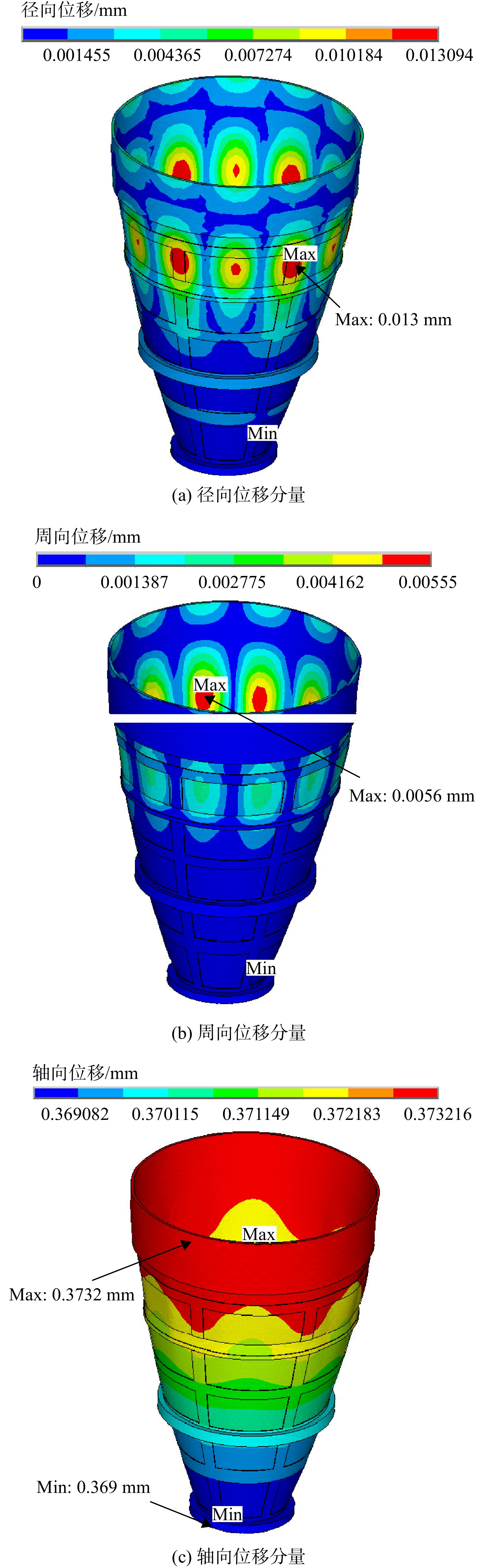
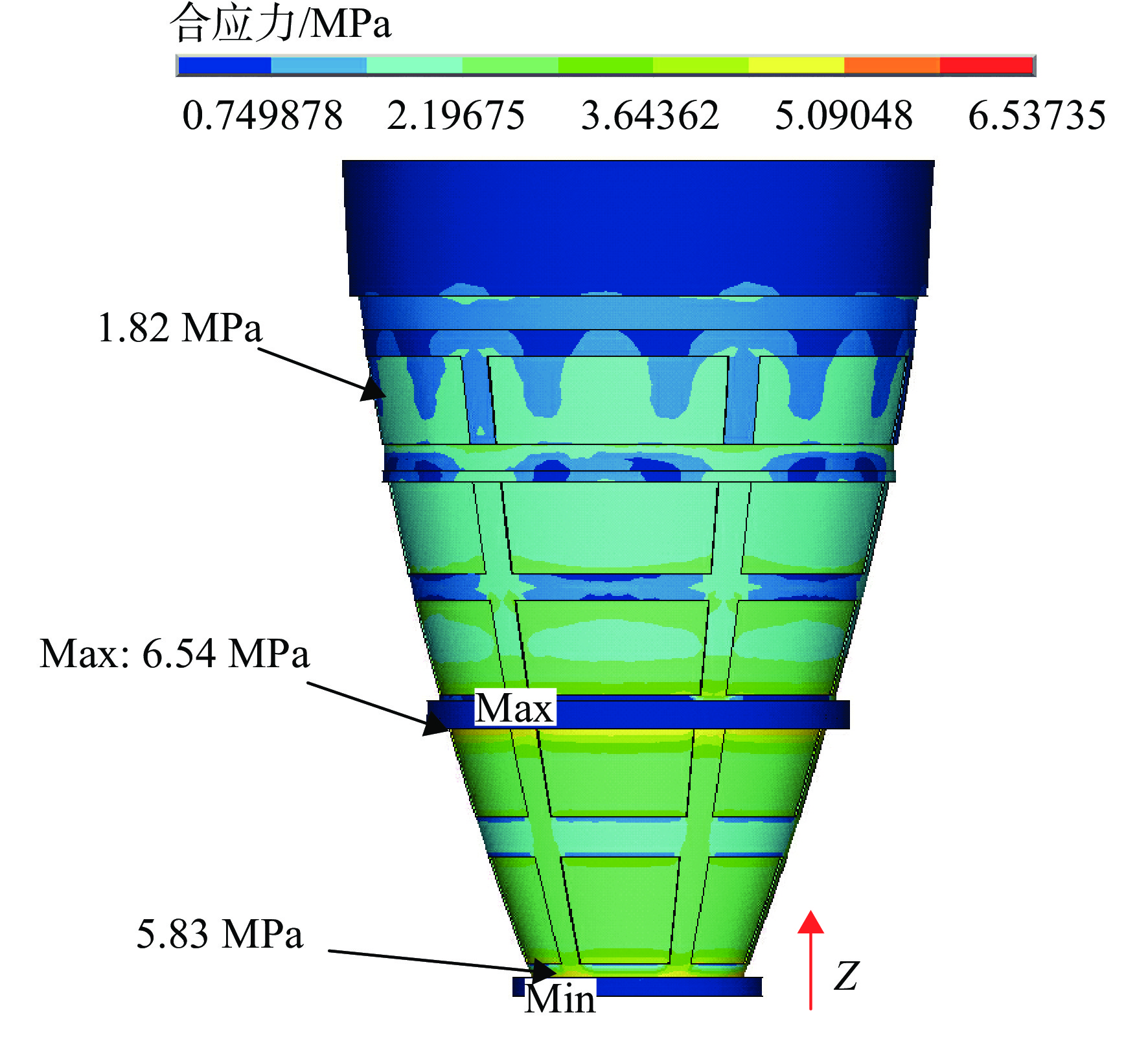
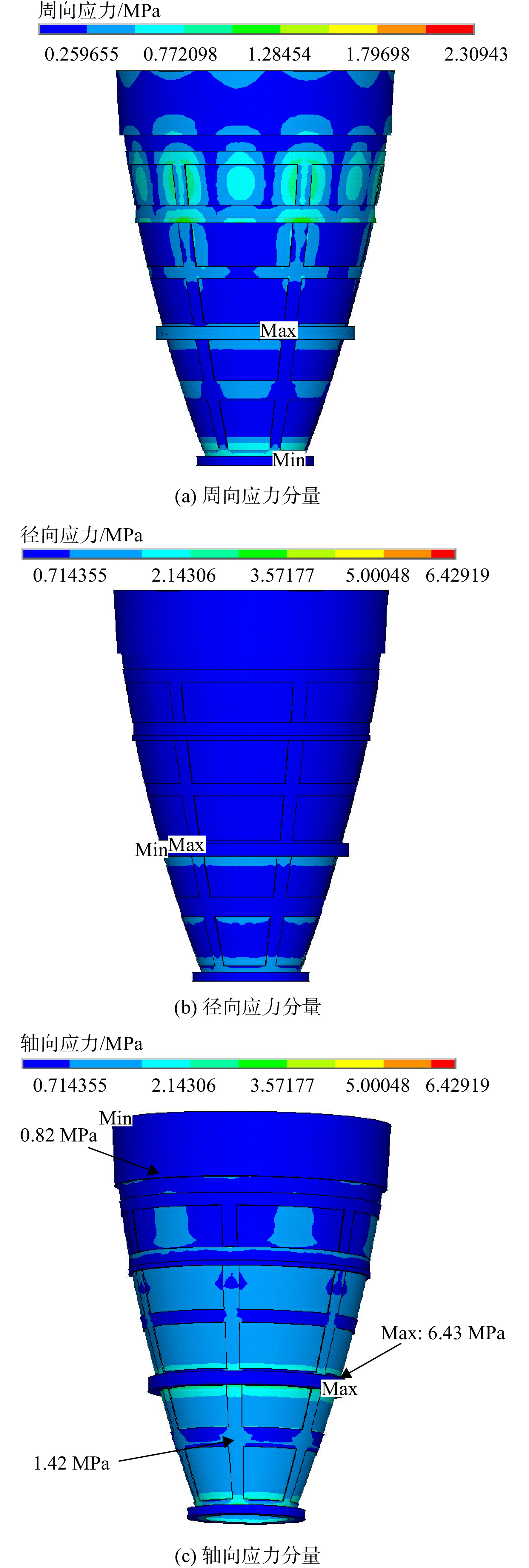
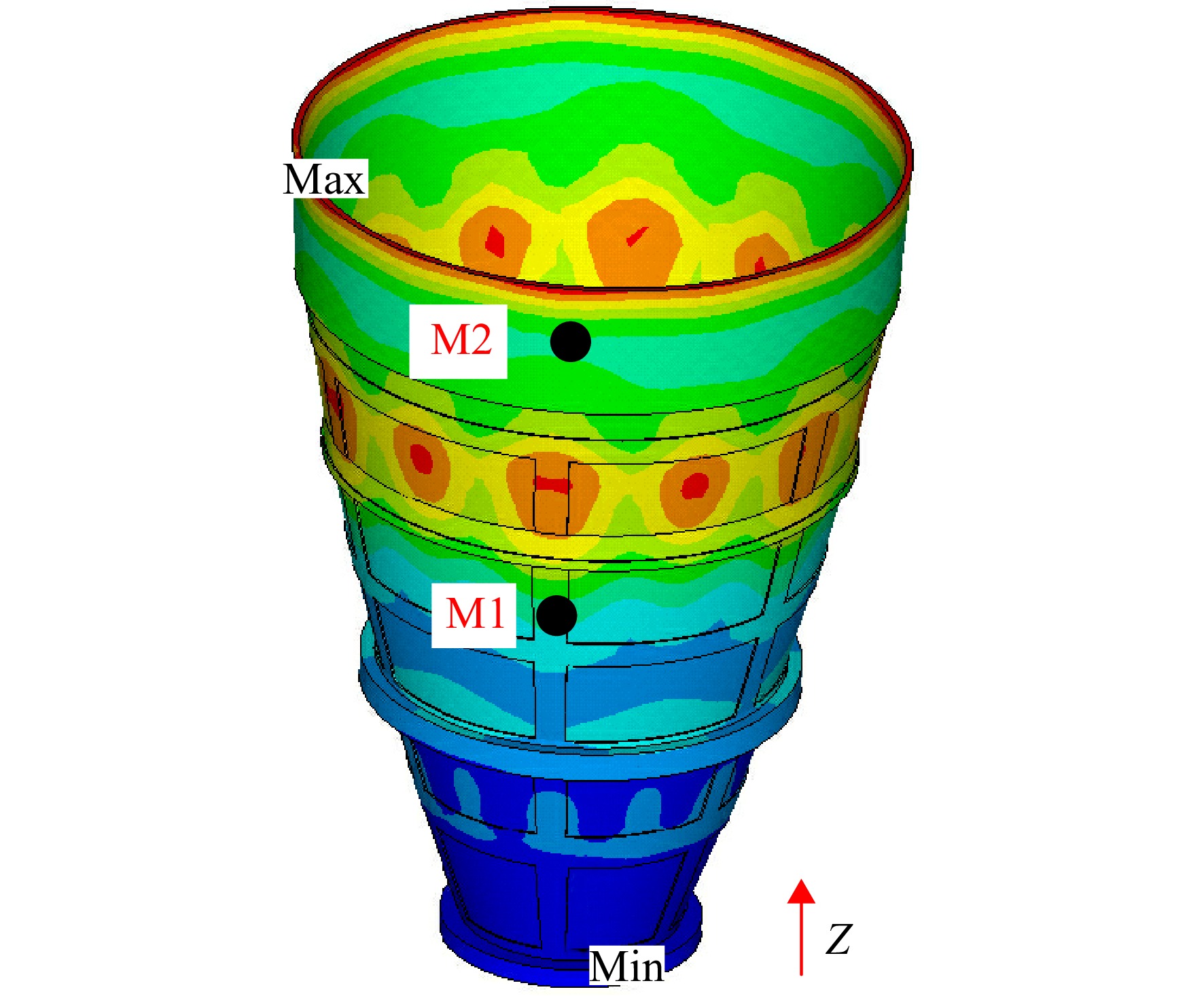
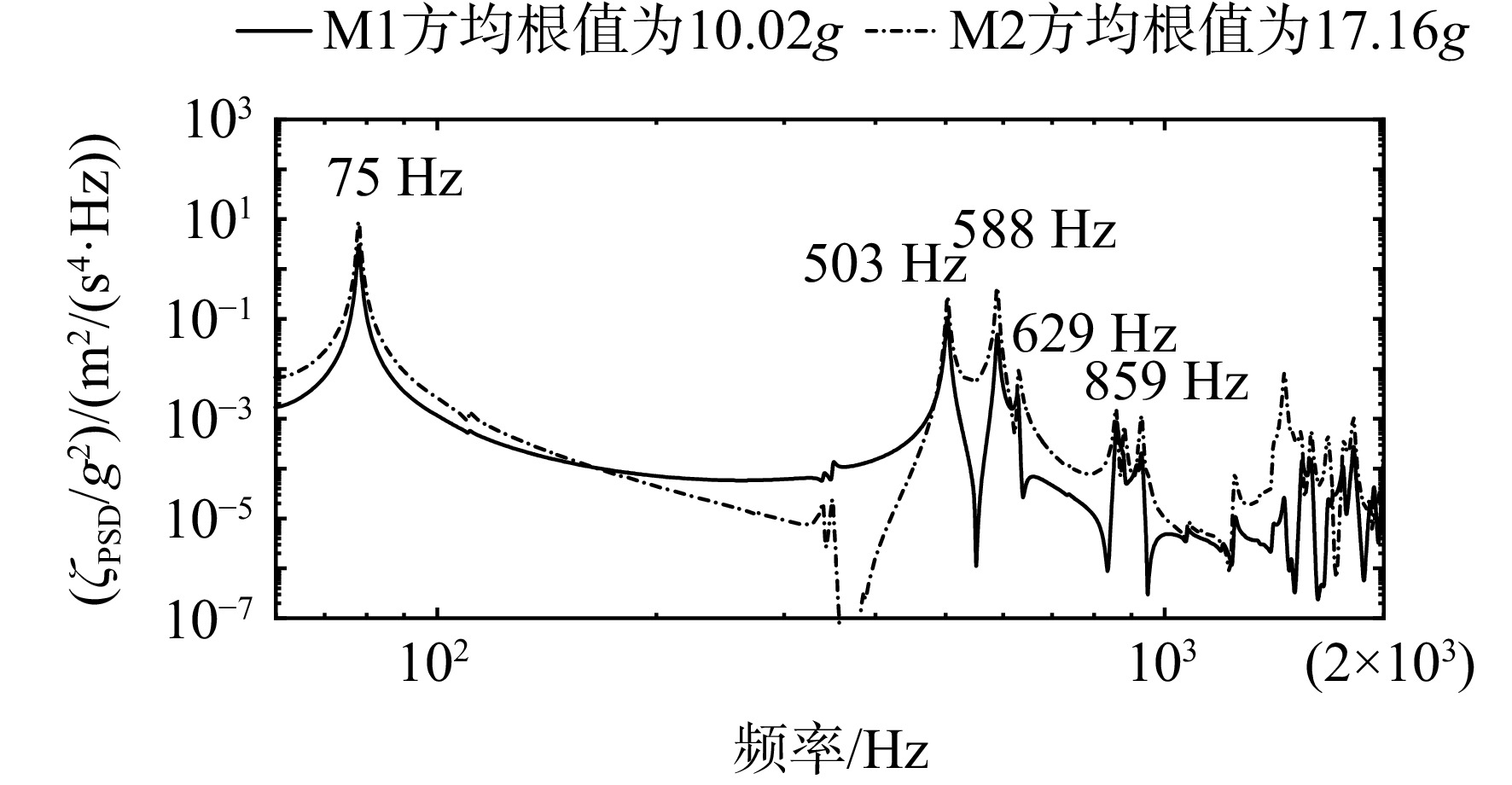
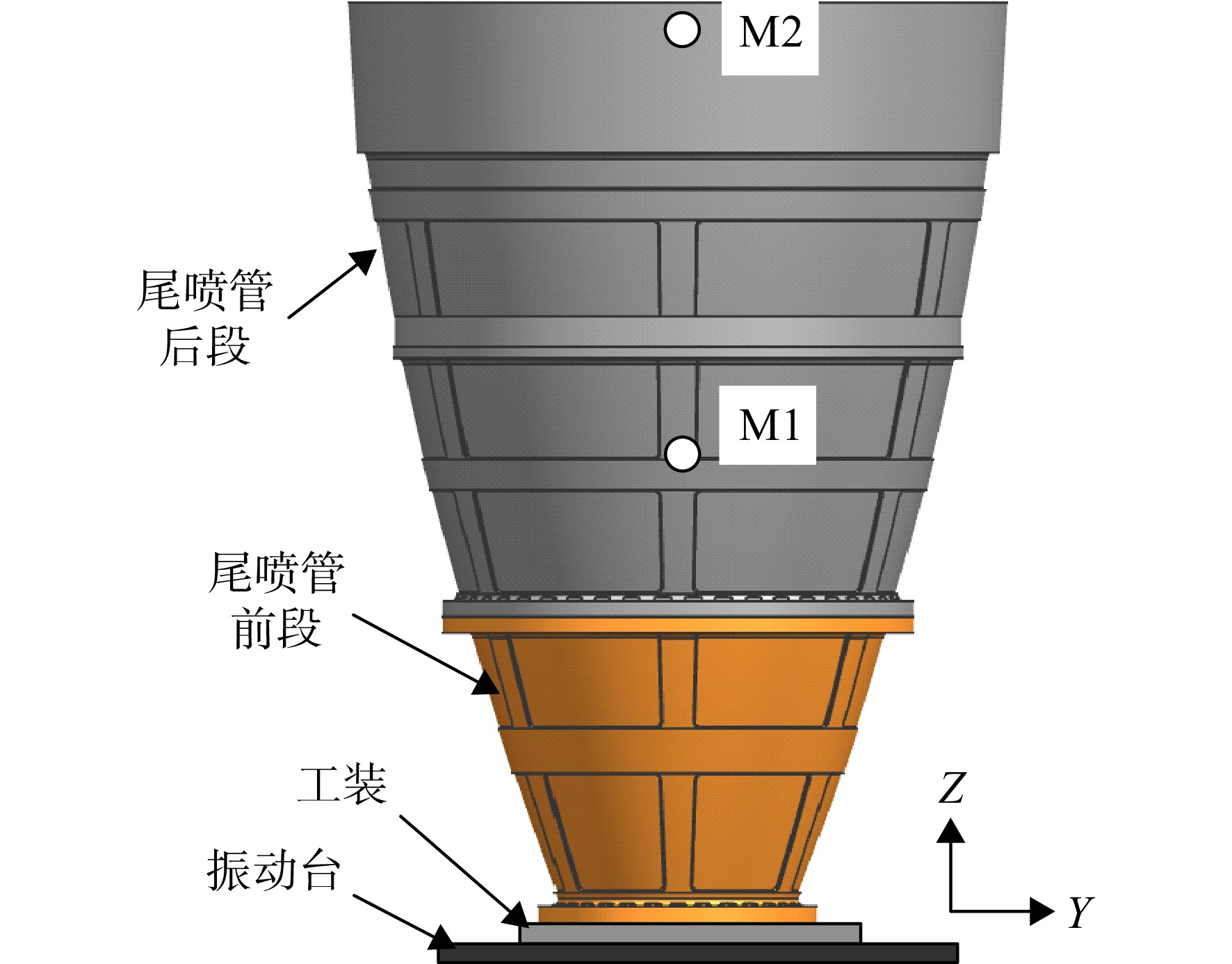
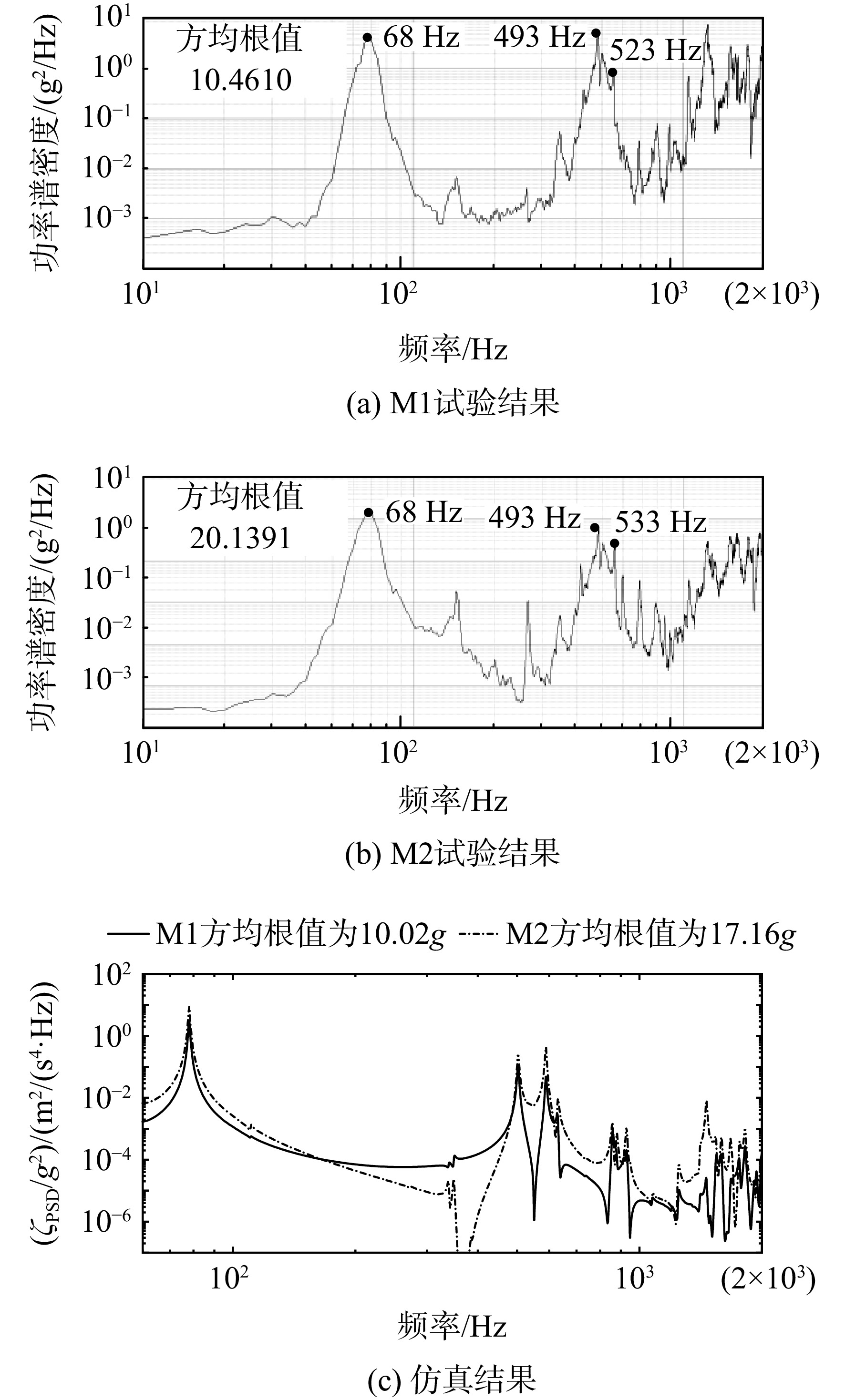
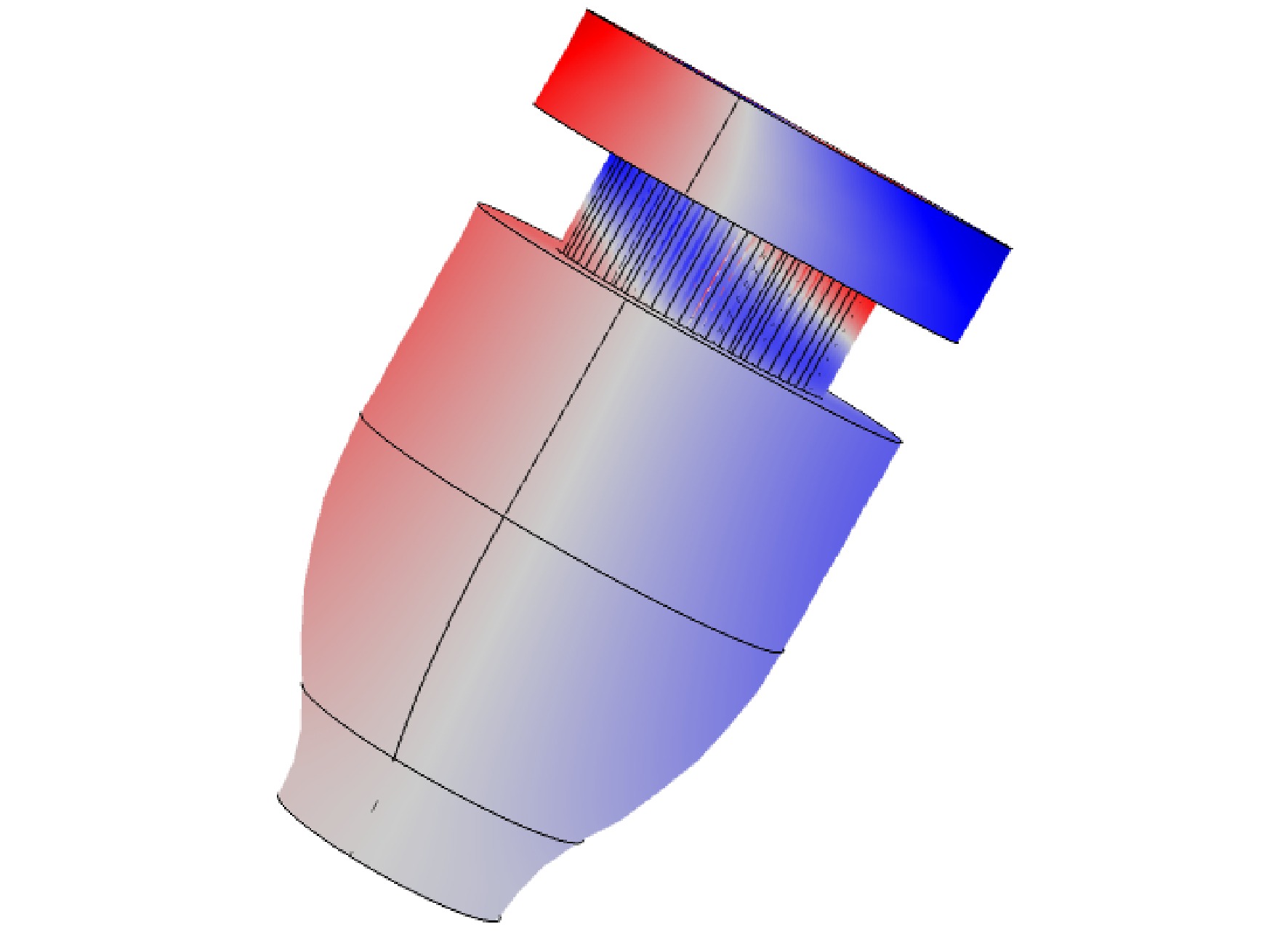
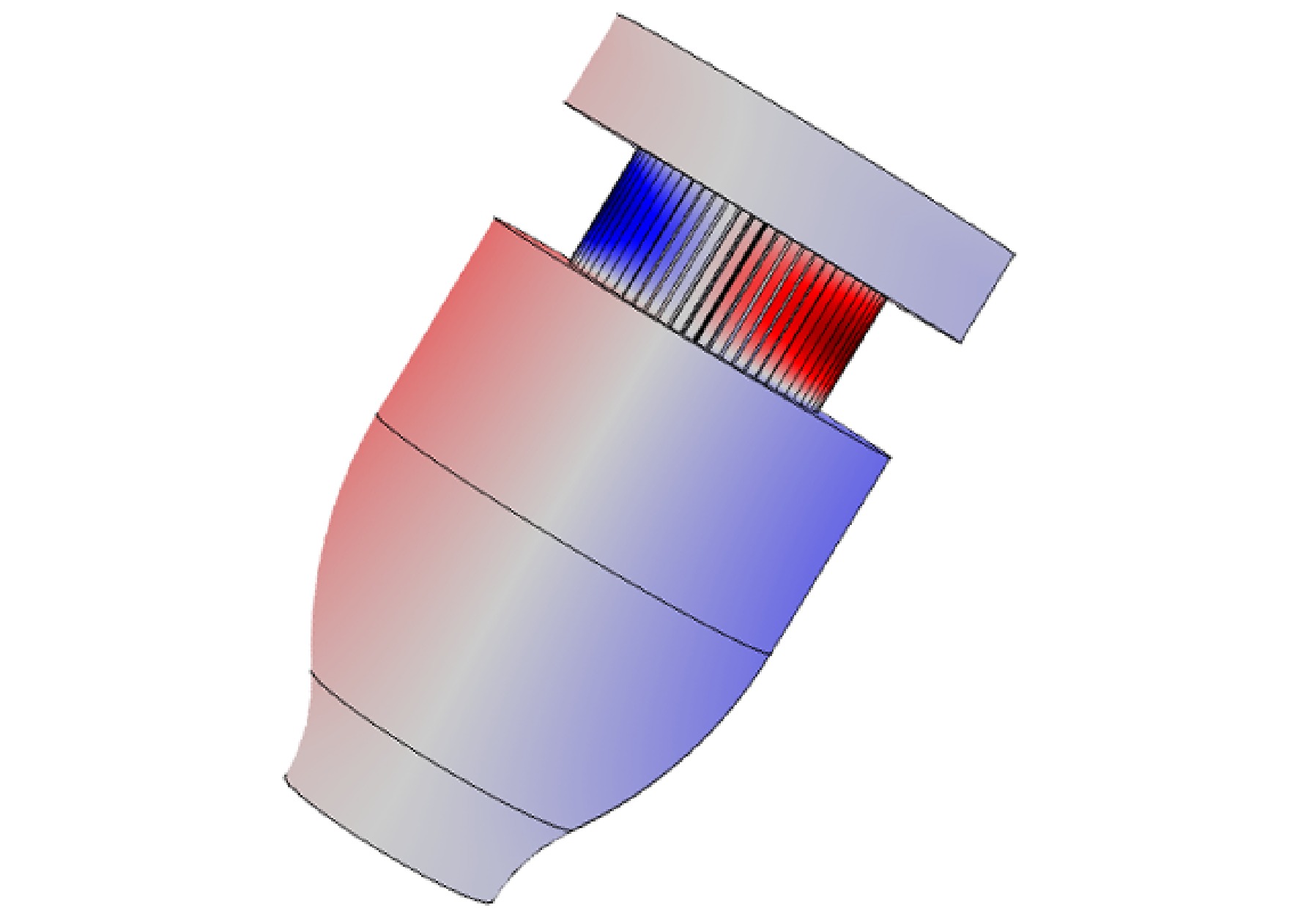
A specific tail nozzle of a supercharged ramjet engine was selected as the object of analysis. A three-dimensional finite element analysis method was employed to establish a finite element model of the tail nozzle, enabling investigation of the vibration characteristics of the thin-walled conical shell, structural dynamic response analysis under random vibration conditions, and validation through dynamic tests. The results indicated that the tail nozzle exhibited a diverse range of modal characteristics, primarily characterized by multi-order nodal circle and nodal diameter vibrations. Under axial random vibration loads, the dominant vibration mode observed was m=6, n=1, with the aft section of the nozzle experiencing significant amplitudes and notable amplification of acceleration. This section may be considered as a vulnerable area for dynamic design considerations. The simulation results agreed well with the test data, with modal frequency errors within 10%, meeting the requirements for engineering calcu-lations. Therefore, the simulation method with practical value can provide a reference for the dynamic design and evaluation of supercharged ramjet engines.

Study on the bending properties of composite sandwich sheets embedded with magnetorheological elastomer smart grids
WANG Libo, HU Xiaoyue, DAI Zhihan, LI Hui, WU Haihong, HAN Qingkai, WEN Bangchun
2024, 39(12): 20220435. doi: 10.13224/j.cnki.jasp.20220435
Abstract:

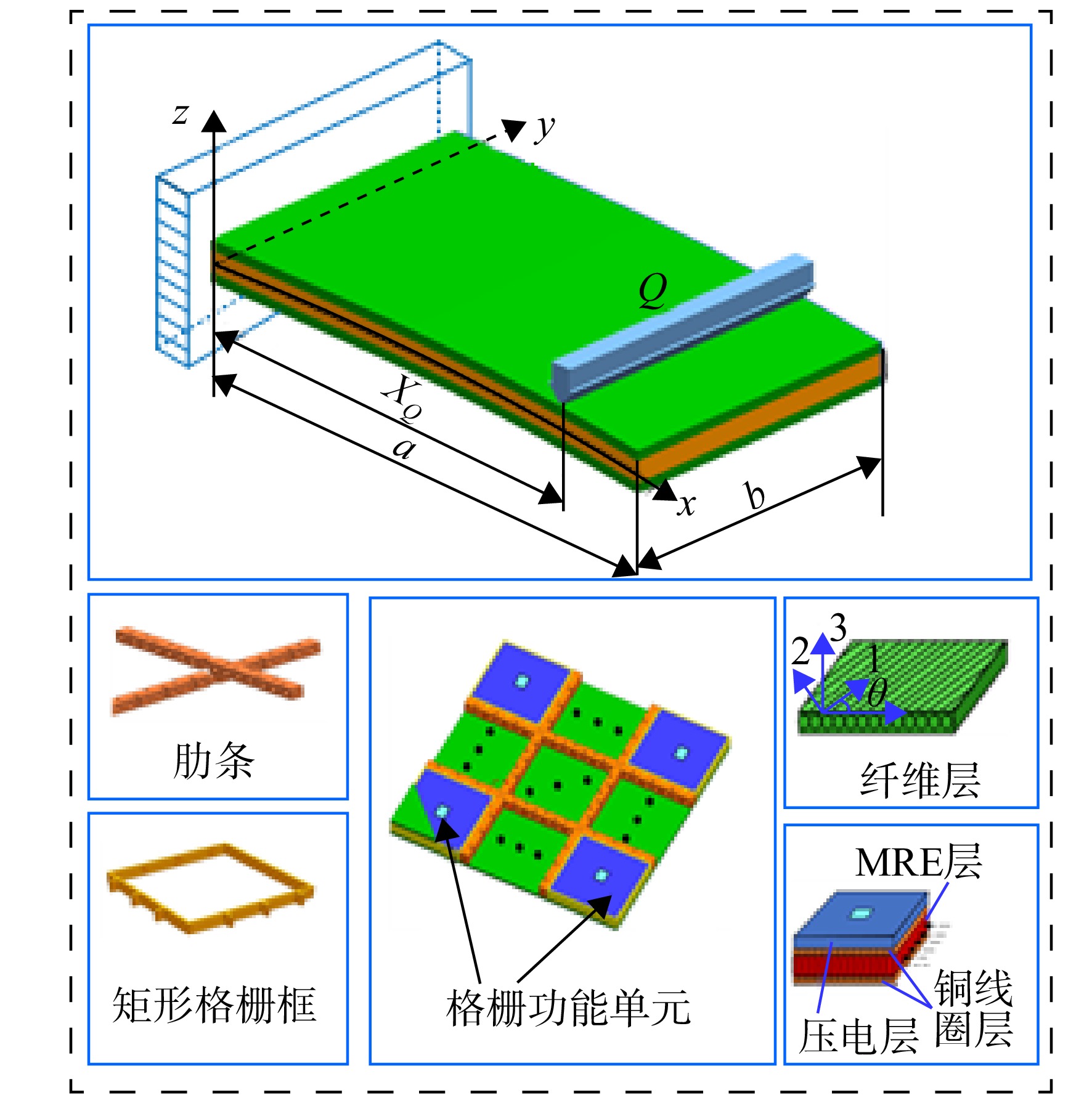
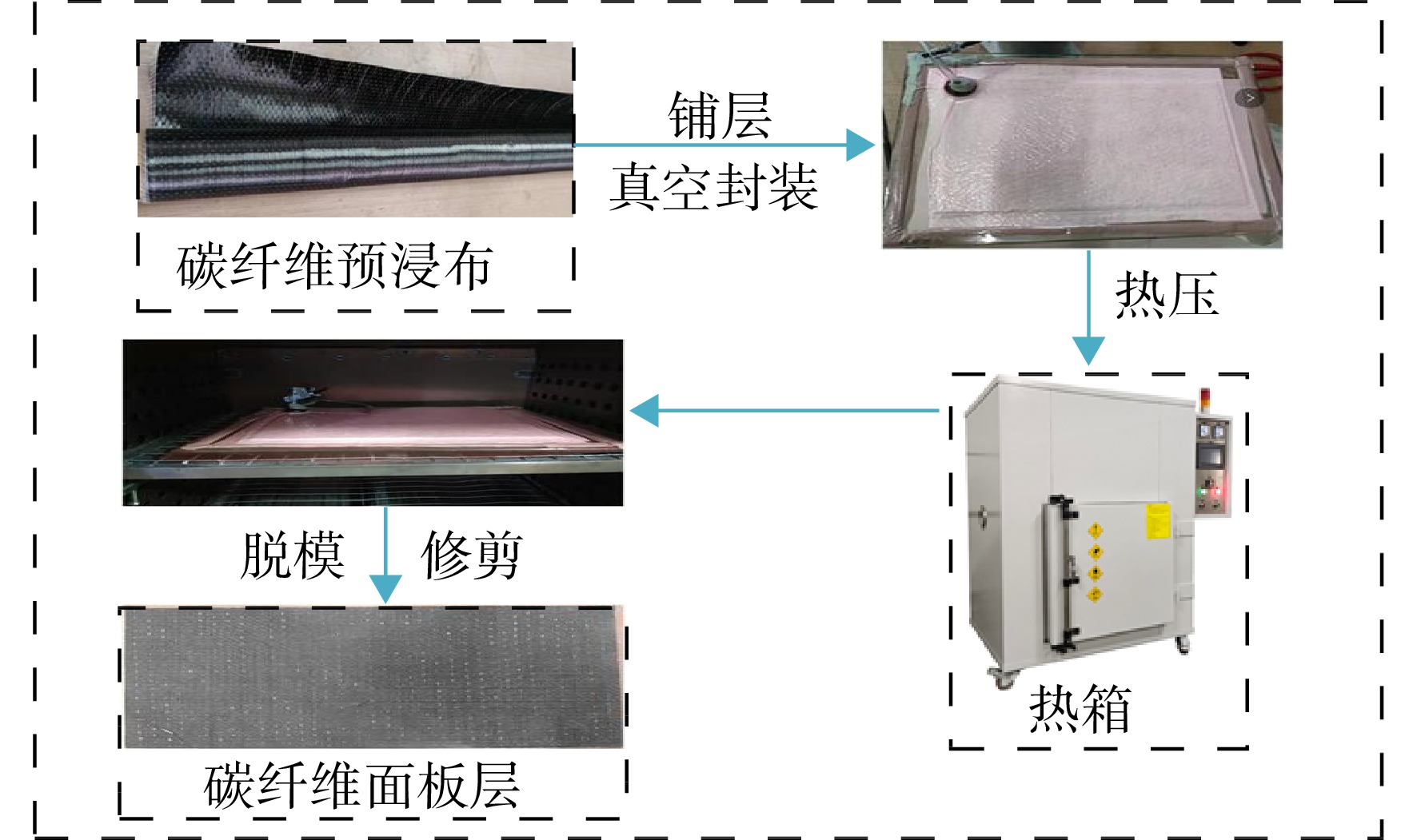
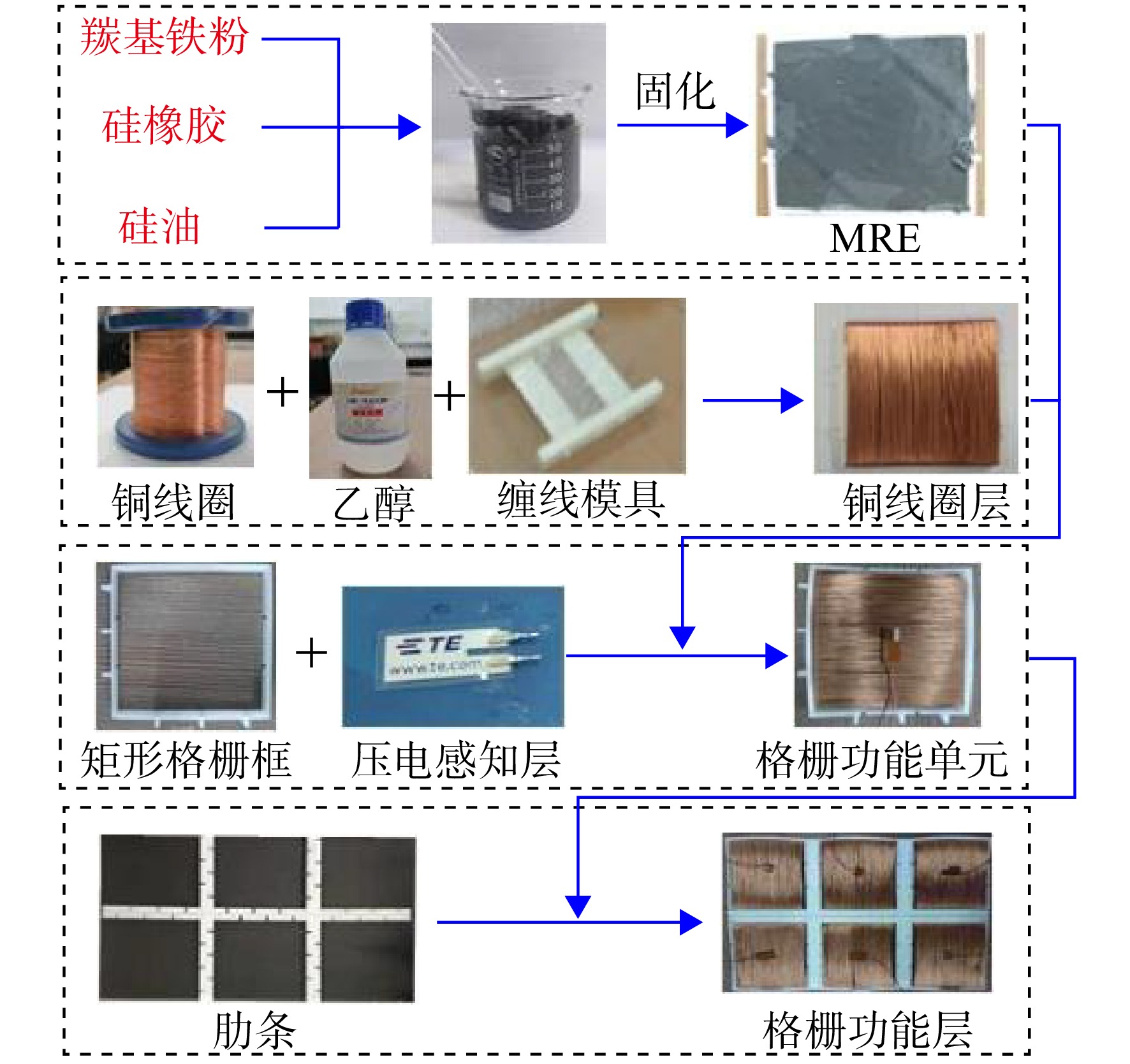
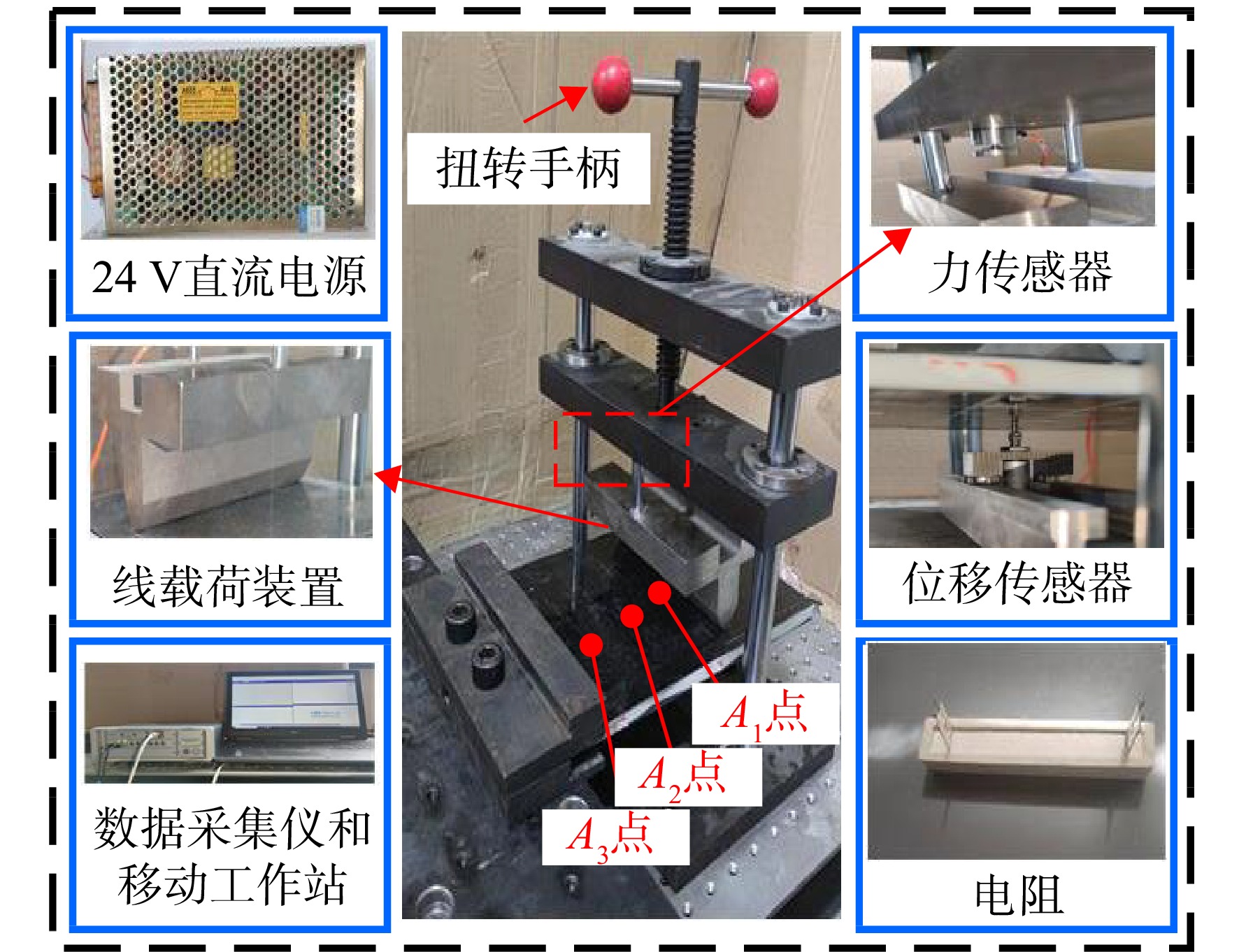
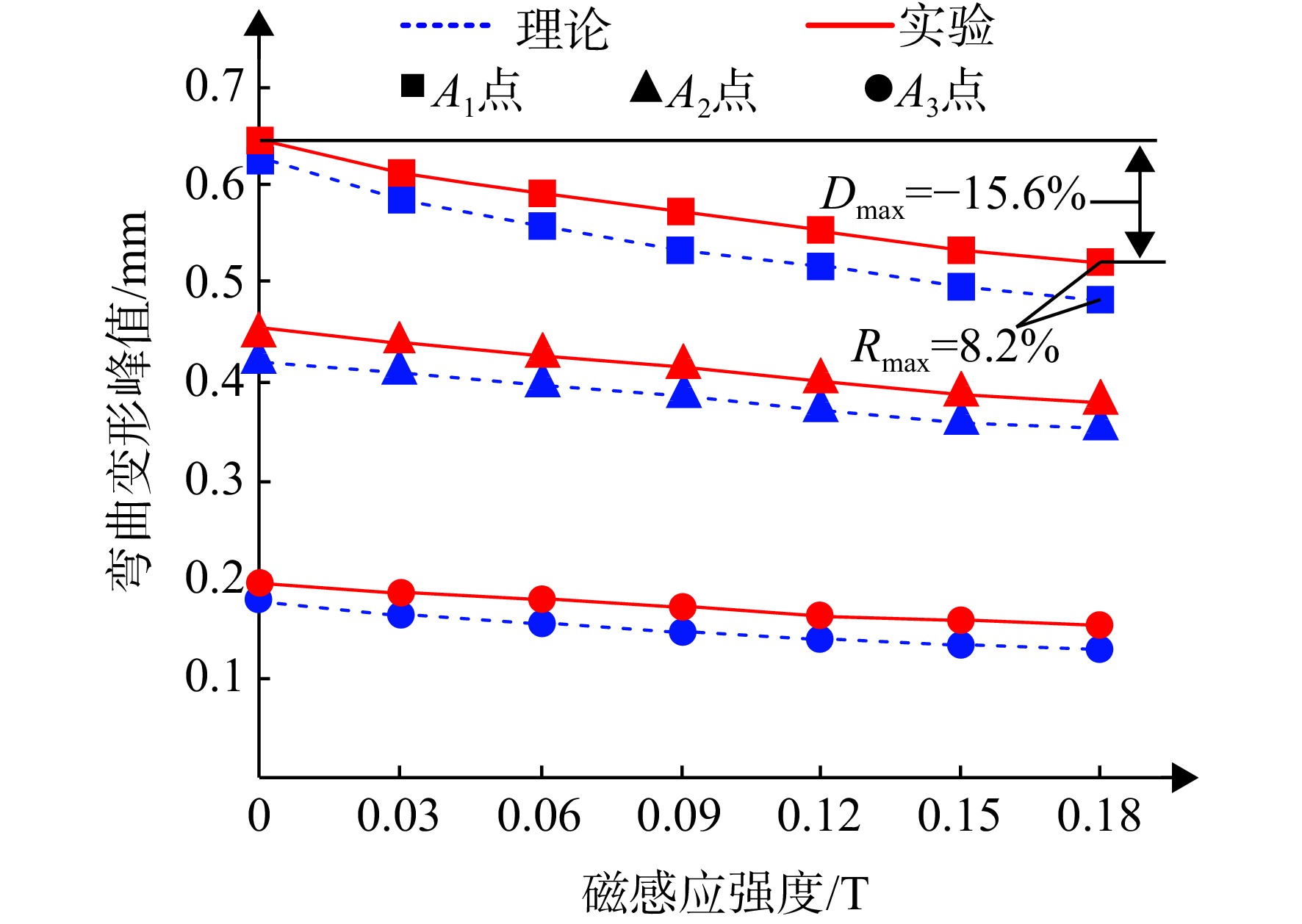
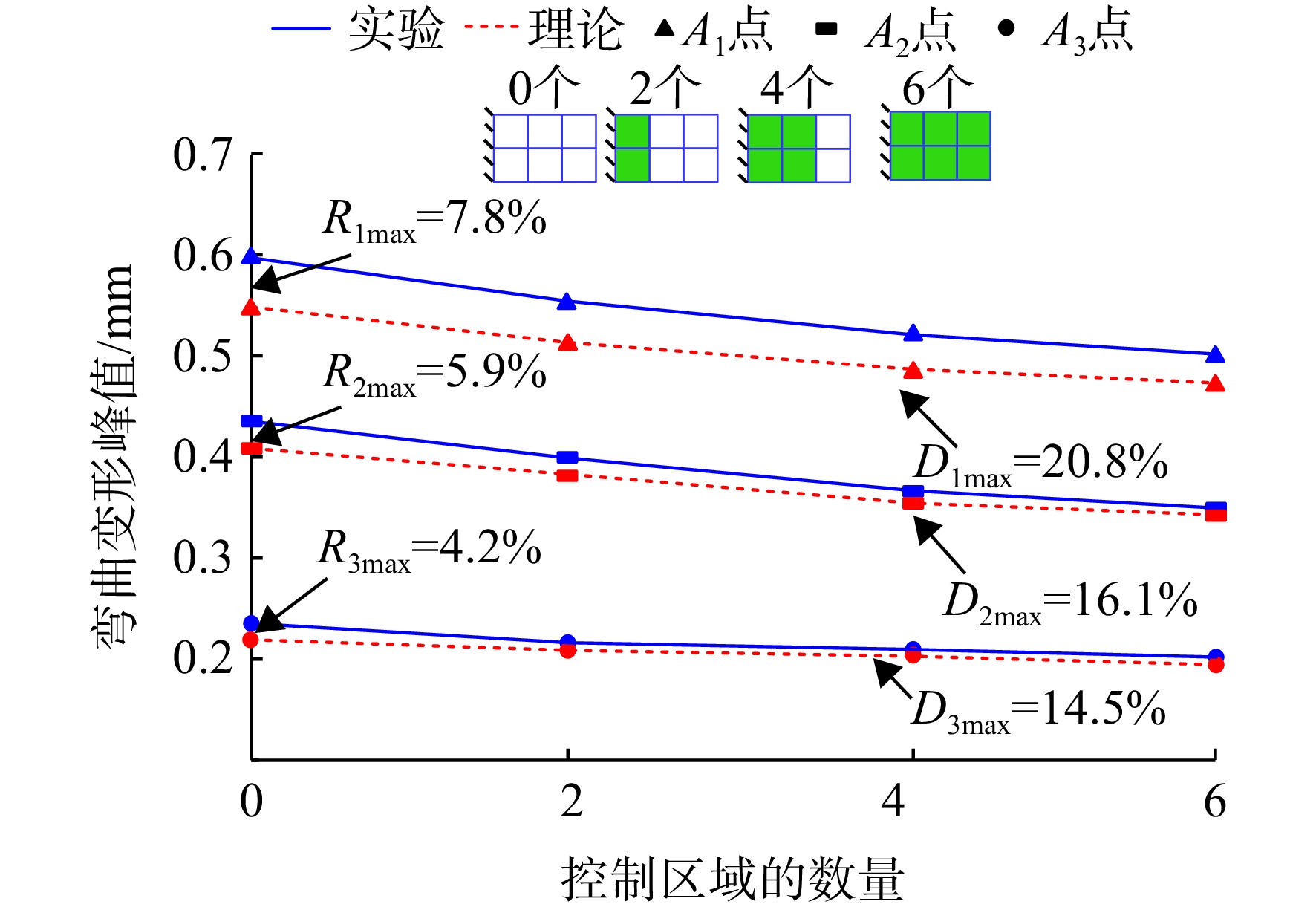
The bending properties of composite sandwich sheets embedded with magnetorheological elastomer smart grid units were theoretically and experimentally investigated. A model was proposed to predict the bending characteristics of such sandwich sheets using the first-order shear deformation theory, energy technique, minimal potential energy principle, and the orthogonal polynomial methodology. After the total strain energy was obtained, the governing equation of the structure was deduced. As a result, the elastic bending deformation of such a sheet under the cantilever boundary subjected to the linearly distributed load can be successfully solved. When the preparation work of the upper and lower panels and the magnetorheological elastomer grid functional core was completed, the structural bending deformation was tested at different magnetic induction amplitudes and magnetic field control regions, based on an established test platform of such a specimen. The verification results showed that the maximum calculation error of the theoretical model did not exceed 8.2%, which was within an allowable error range. Hence, this model is trustworthy to predict the bending characteristics of such composite sandwich structures. It was also found that with the increase of the internal magnetic field amplitude and the number of magnetic field control regions, the structural bending resistance can be further improved by about 15%—21%.

Simulation and experiment on contact stiffness of aviation splines
LI Yingjie, ZHAO Guang, YUAN Yunbo, HOU Zhiqiang, GUO Mei, ZHANG Dayi
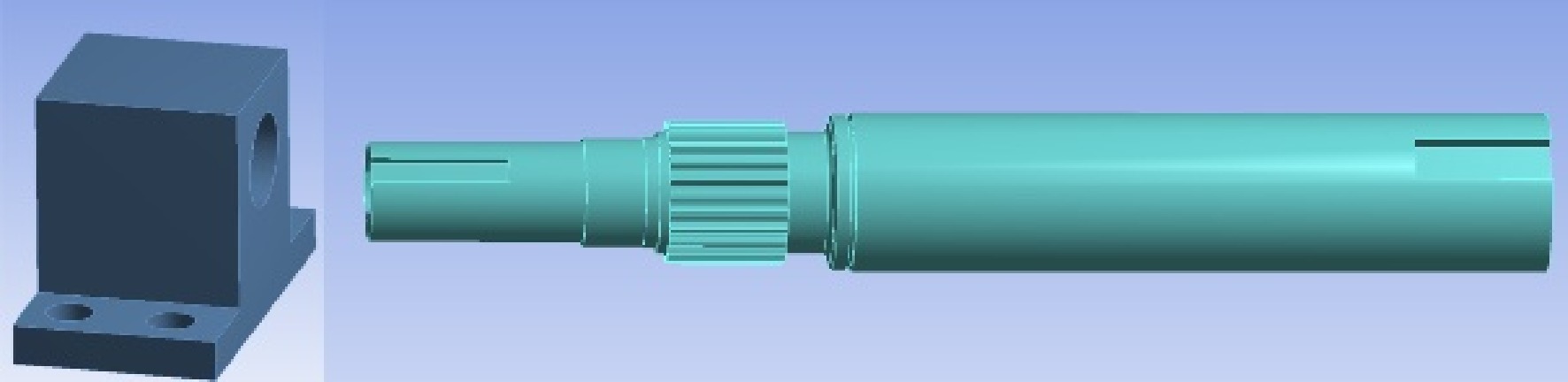
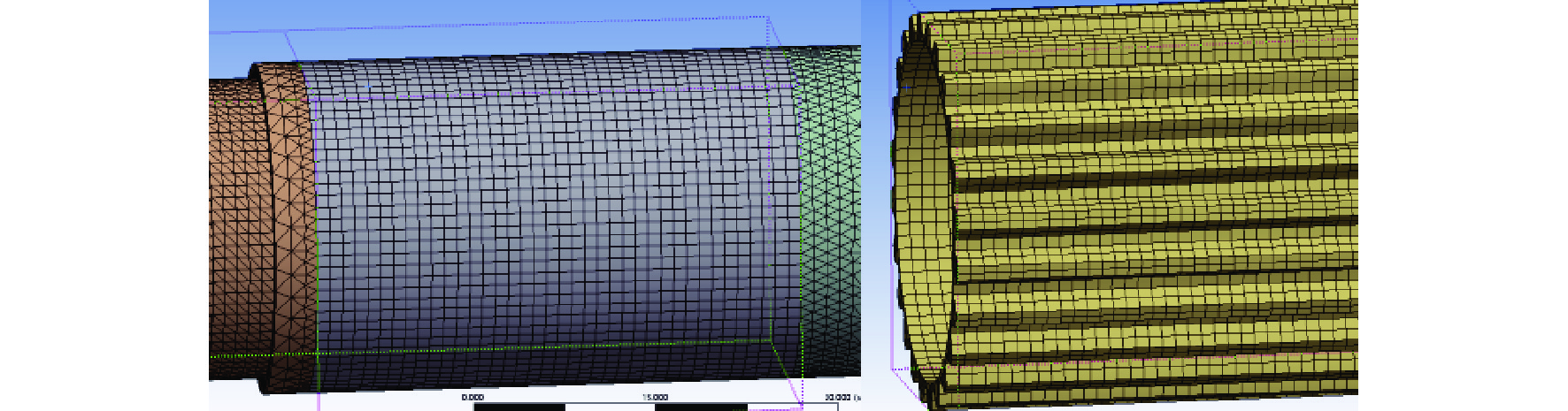
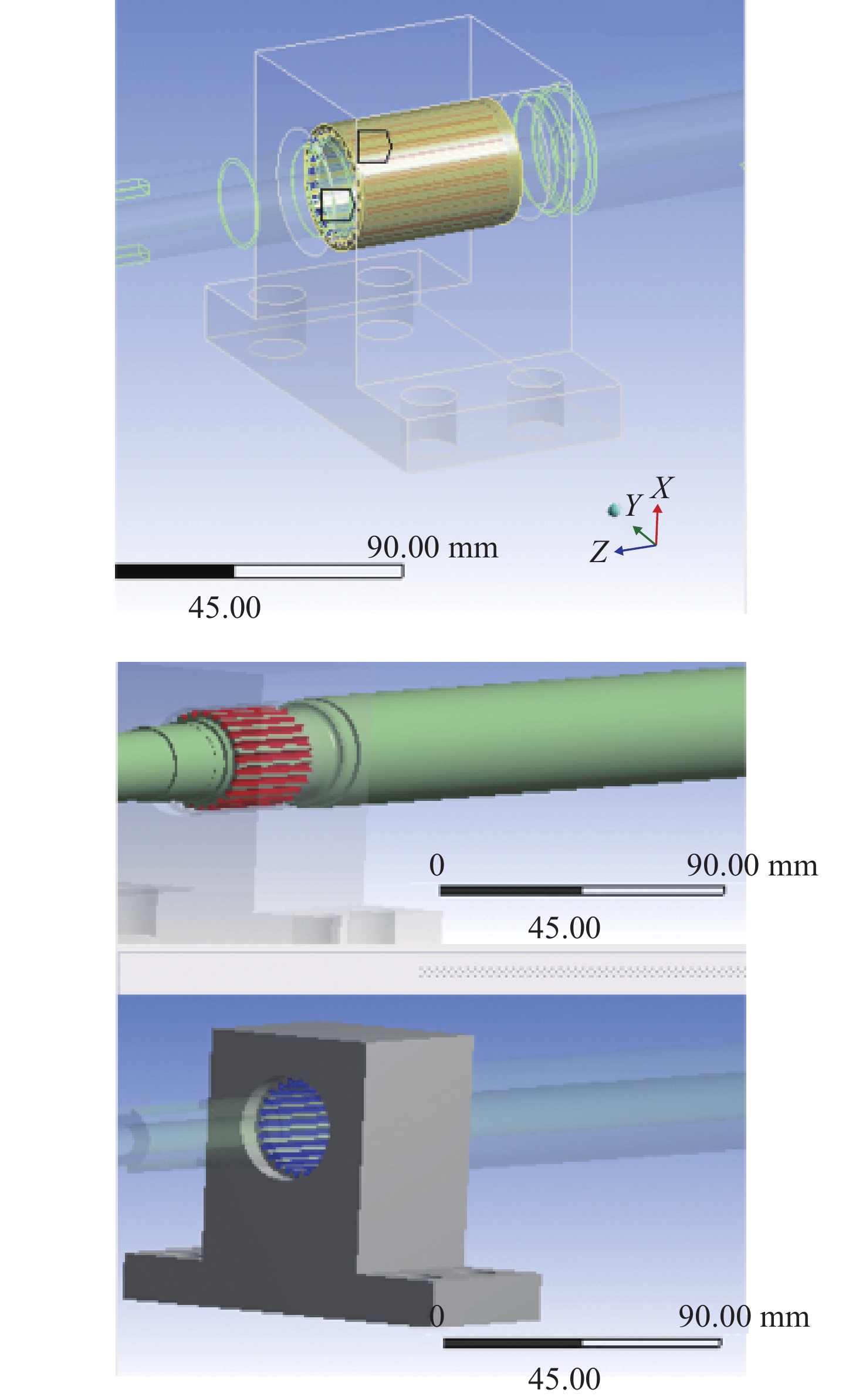
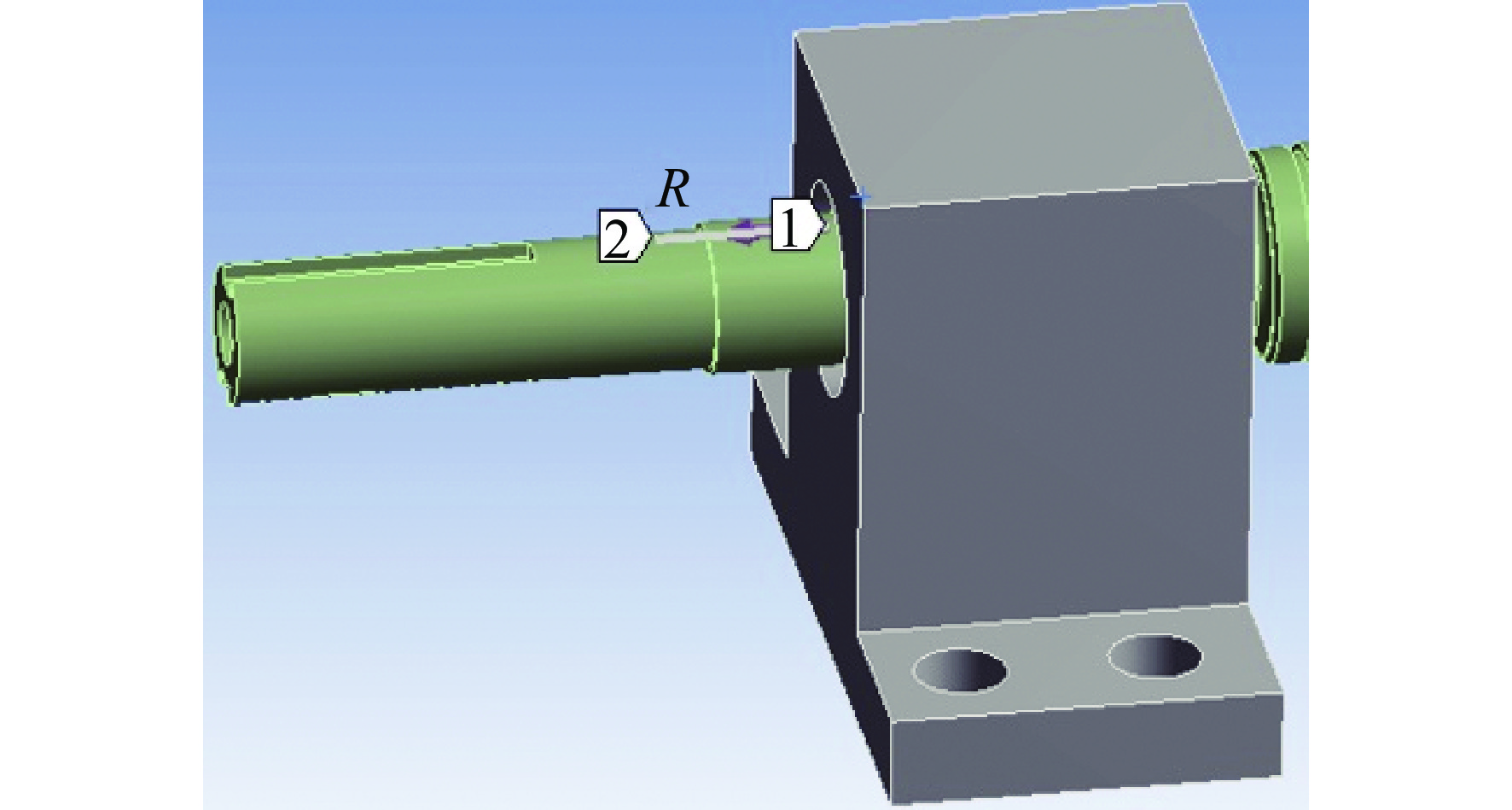
2024, 39(12): 20230070. doi: 10.13224/j.cnki.jasp.20230070
Abstract:

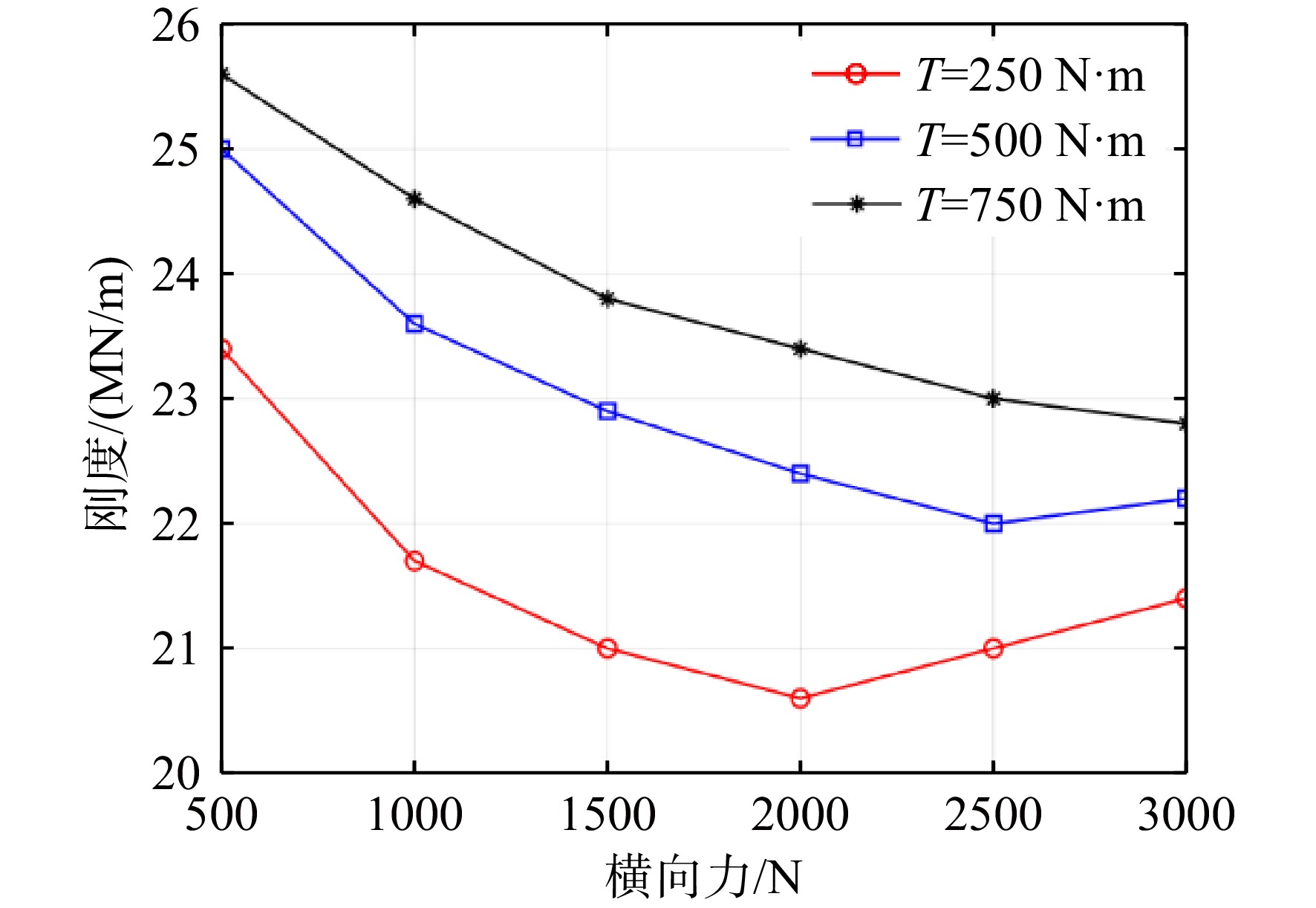
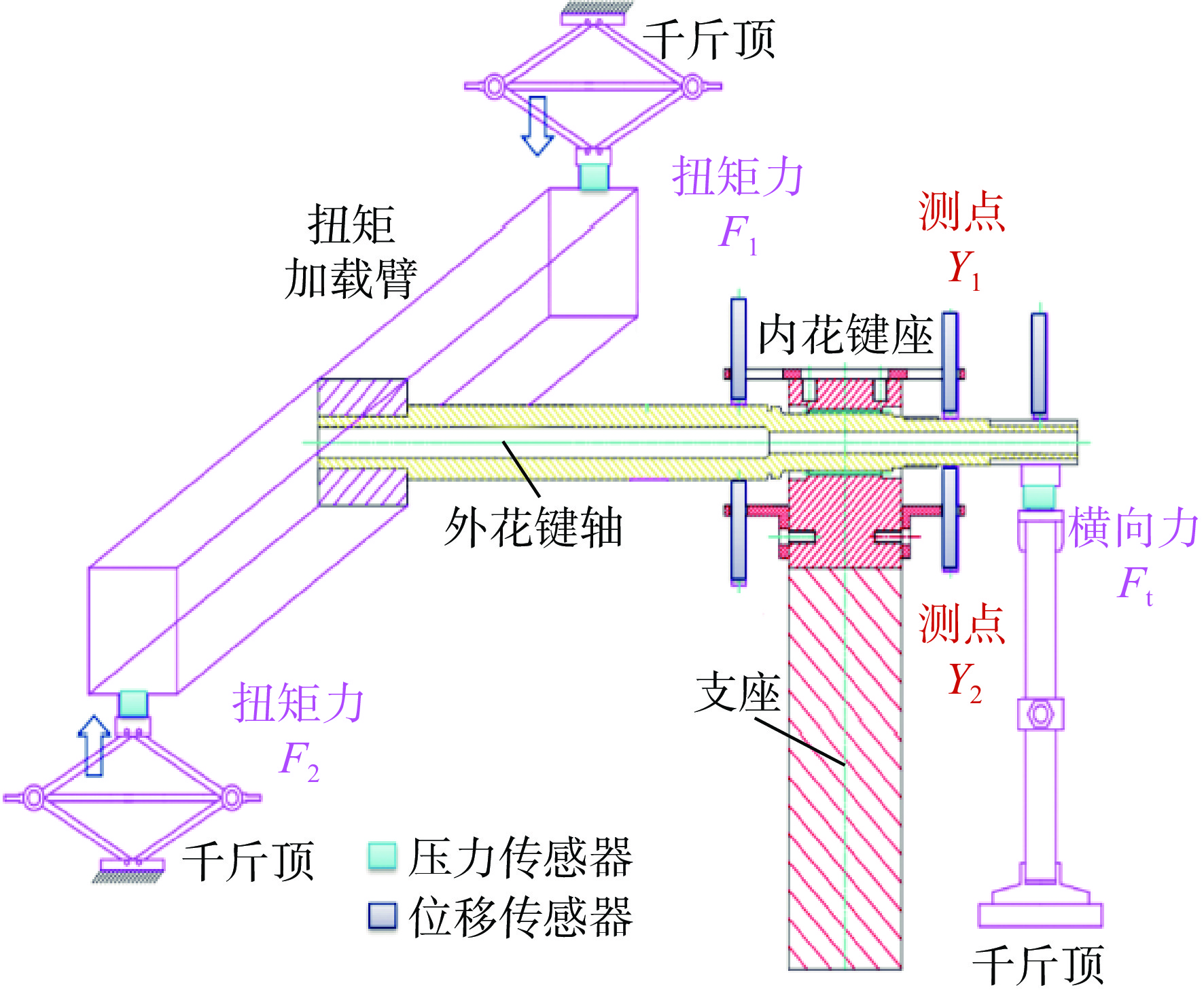
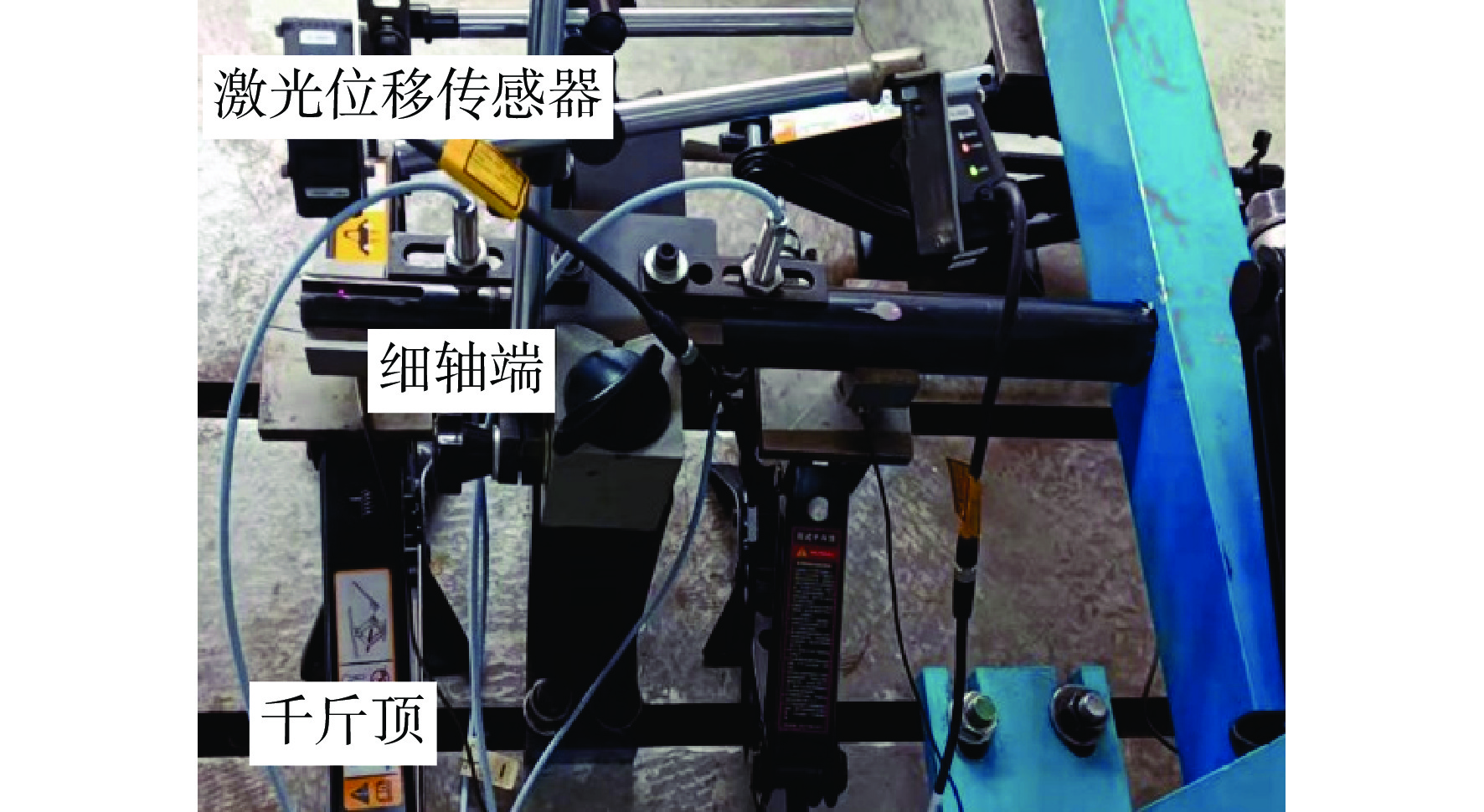
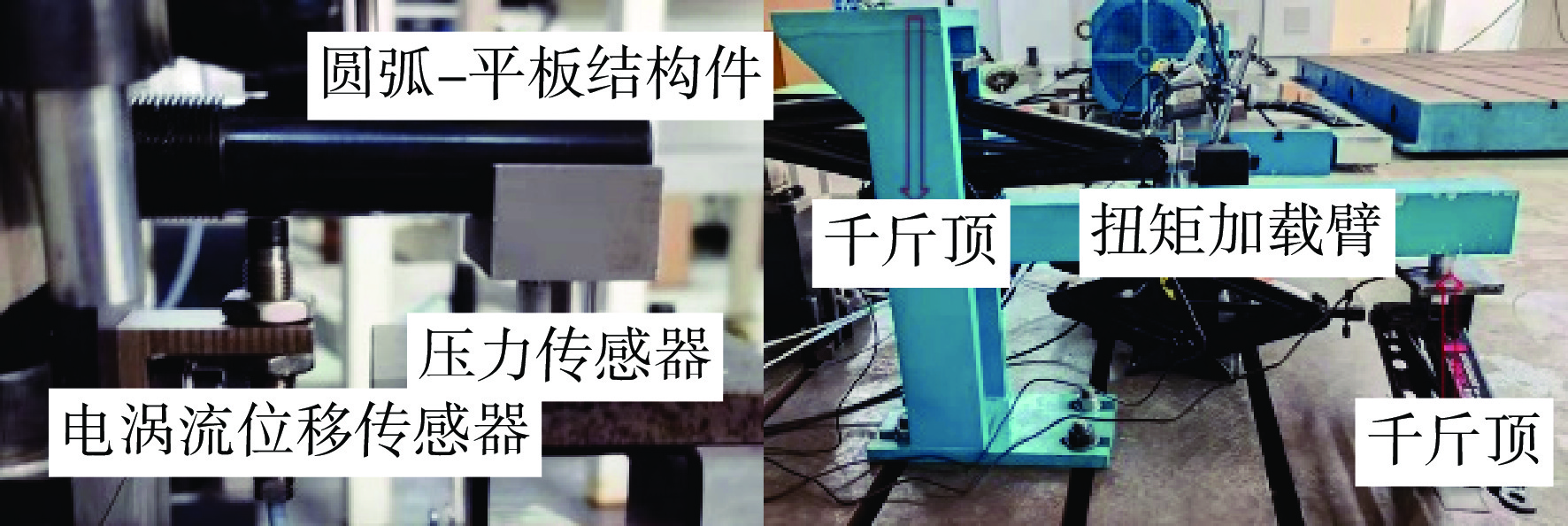
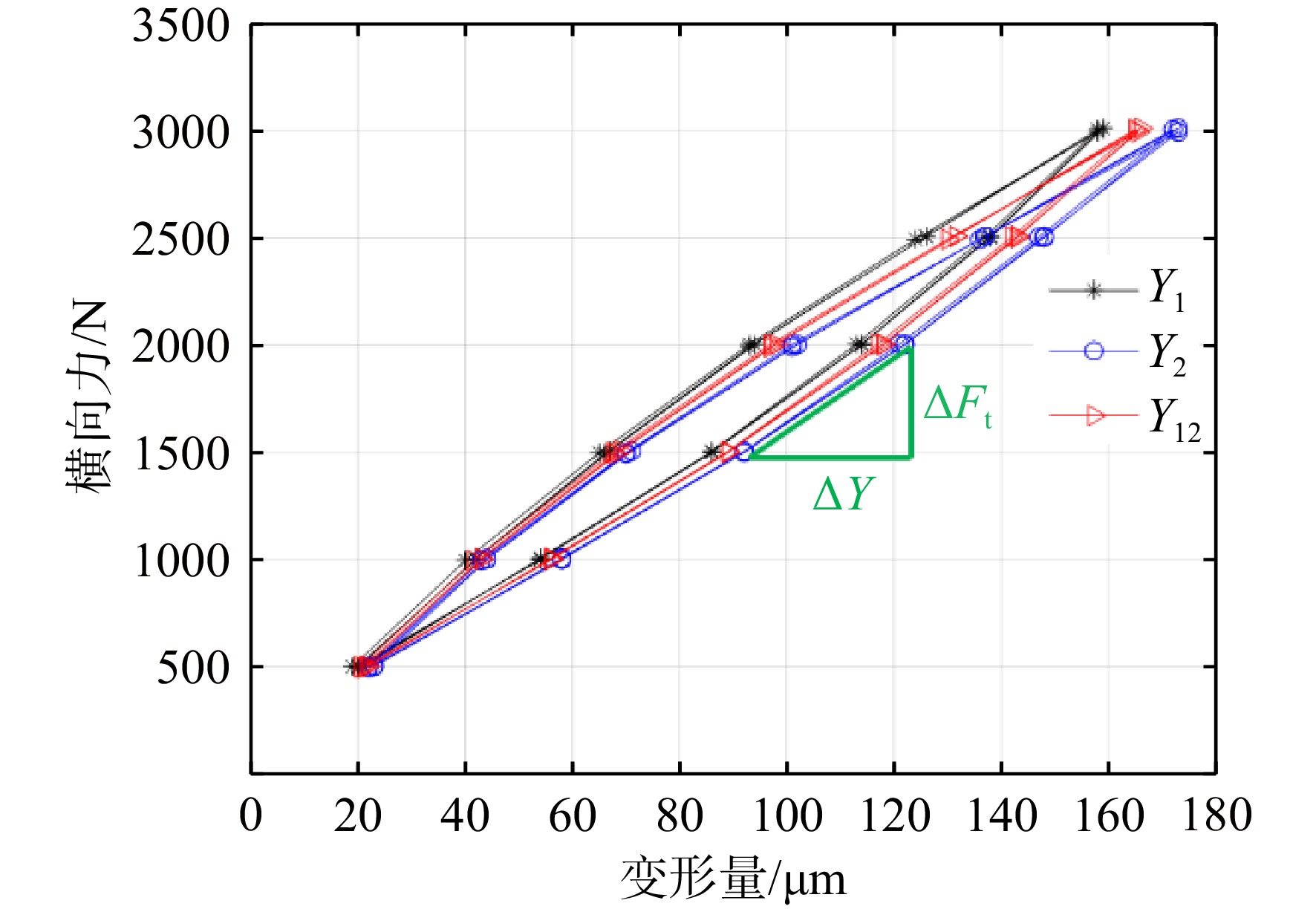
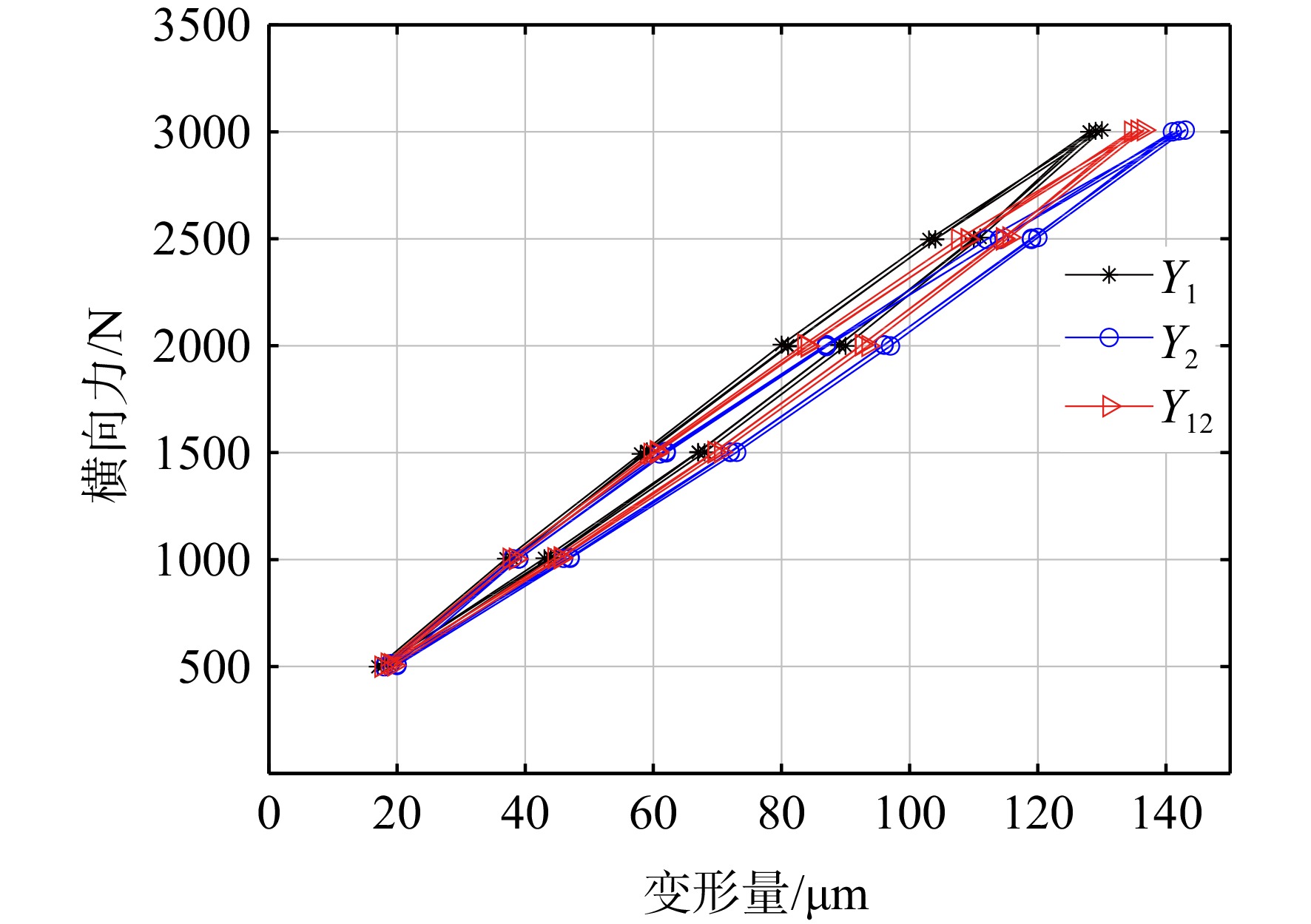
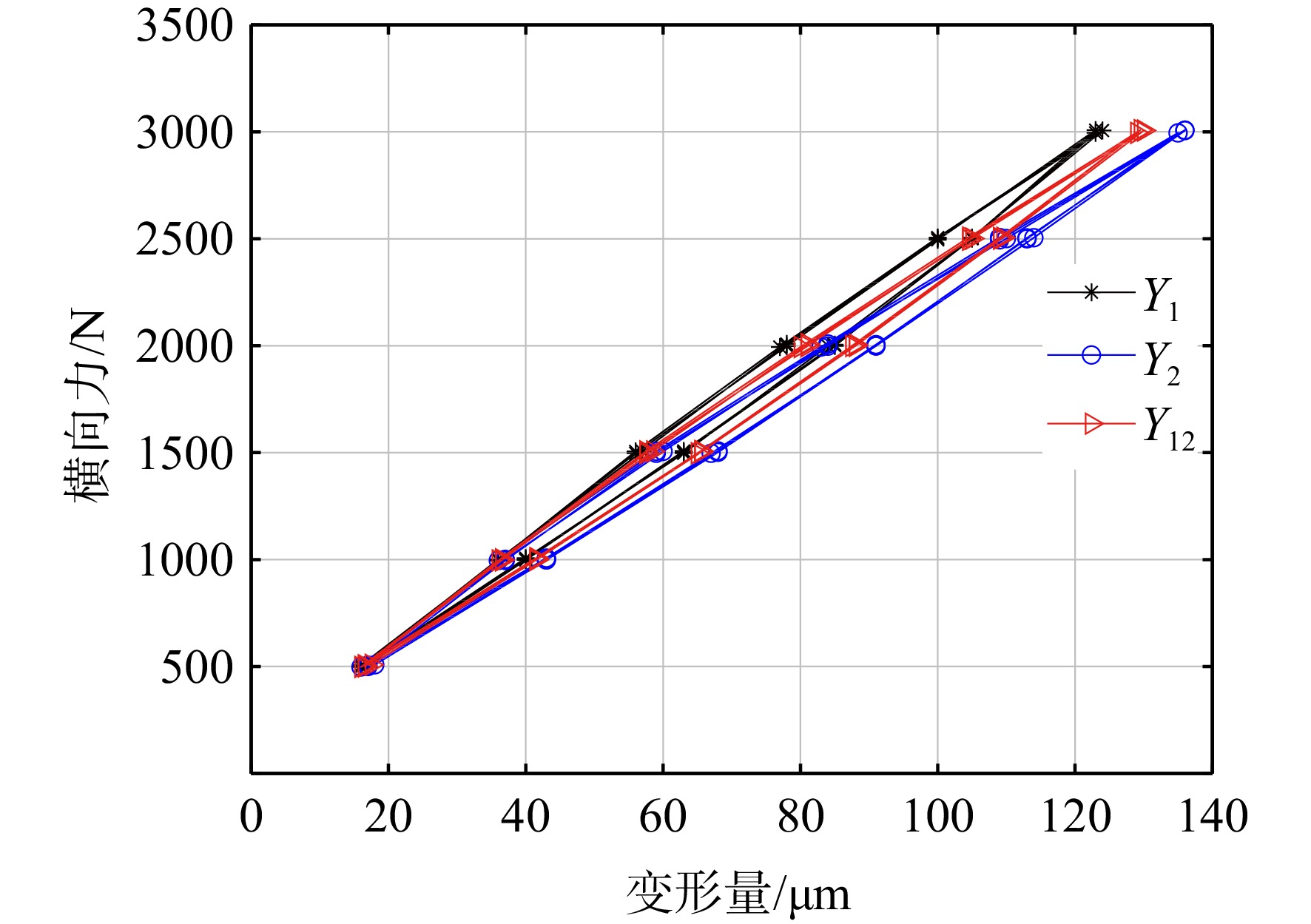
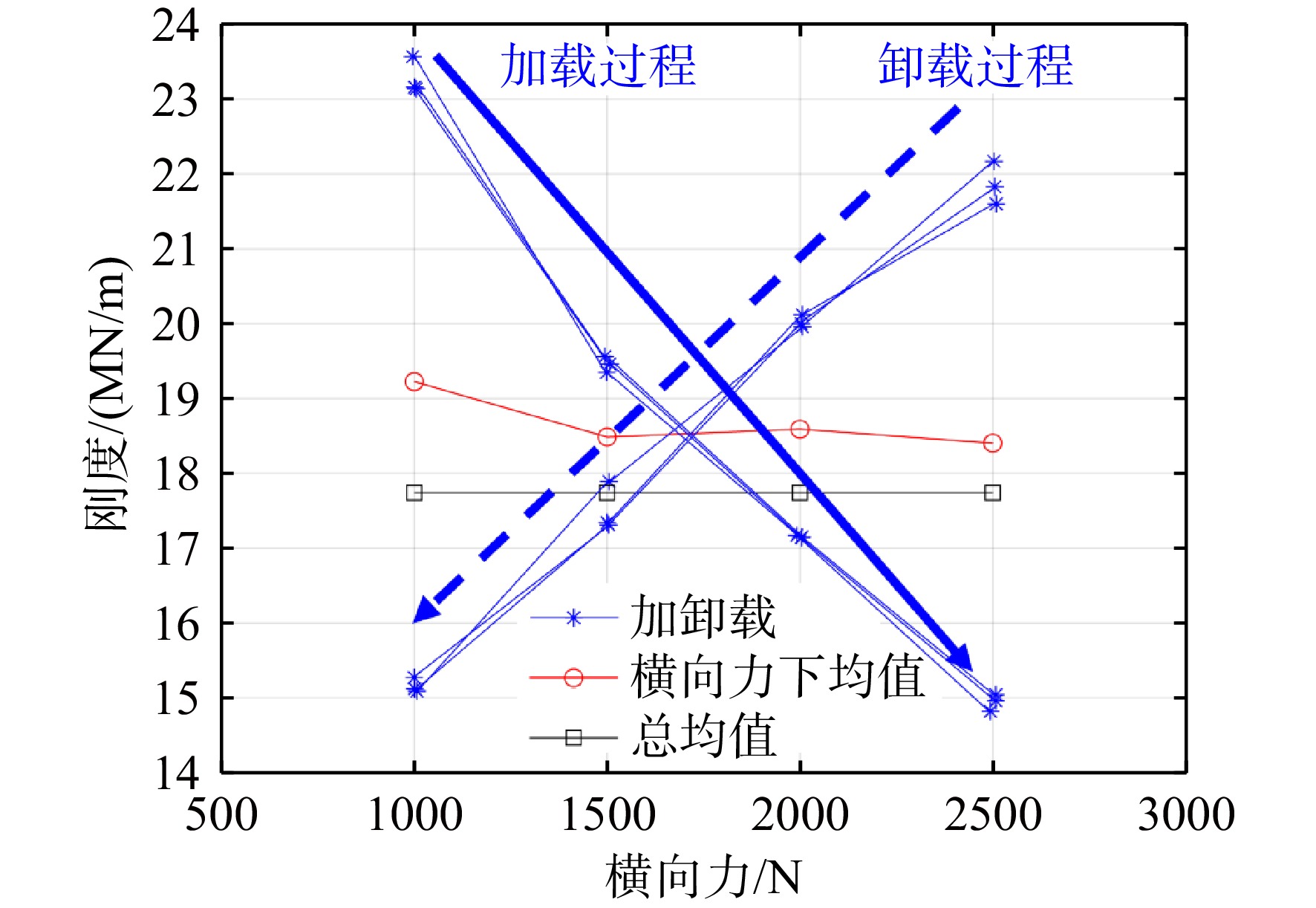
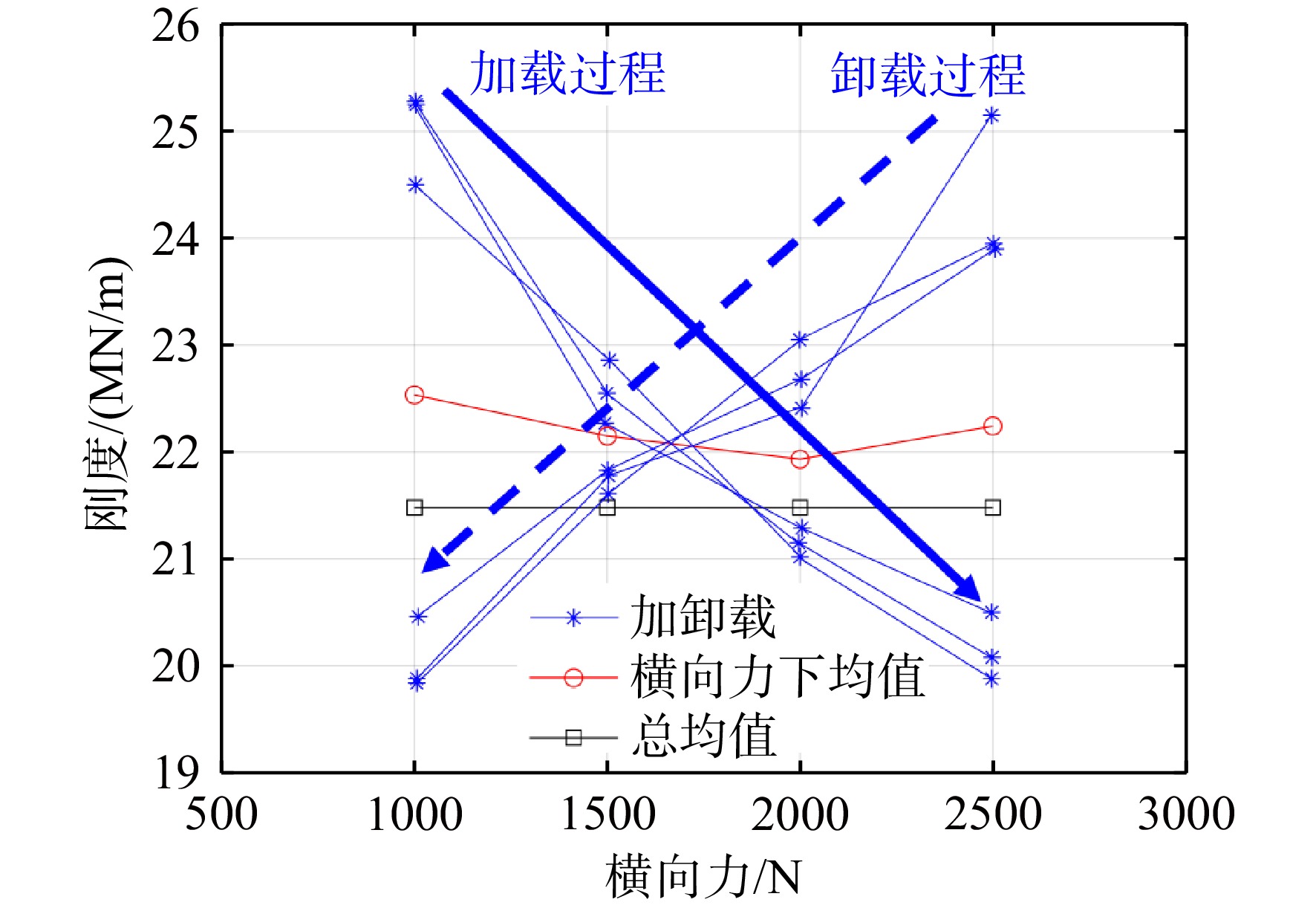
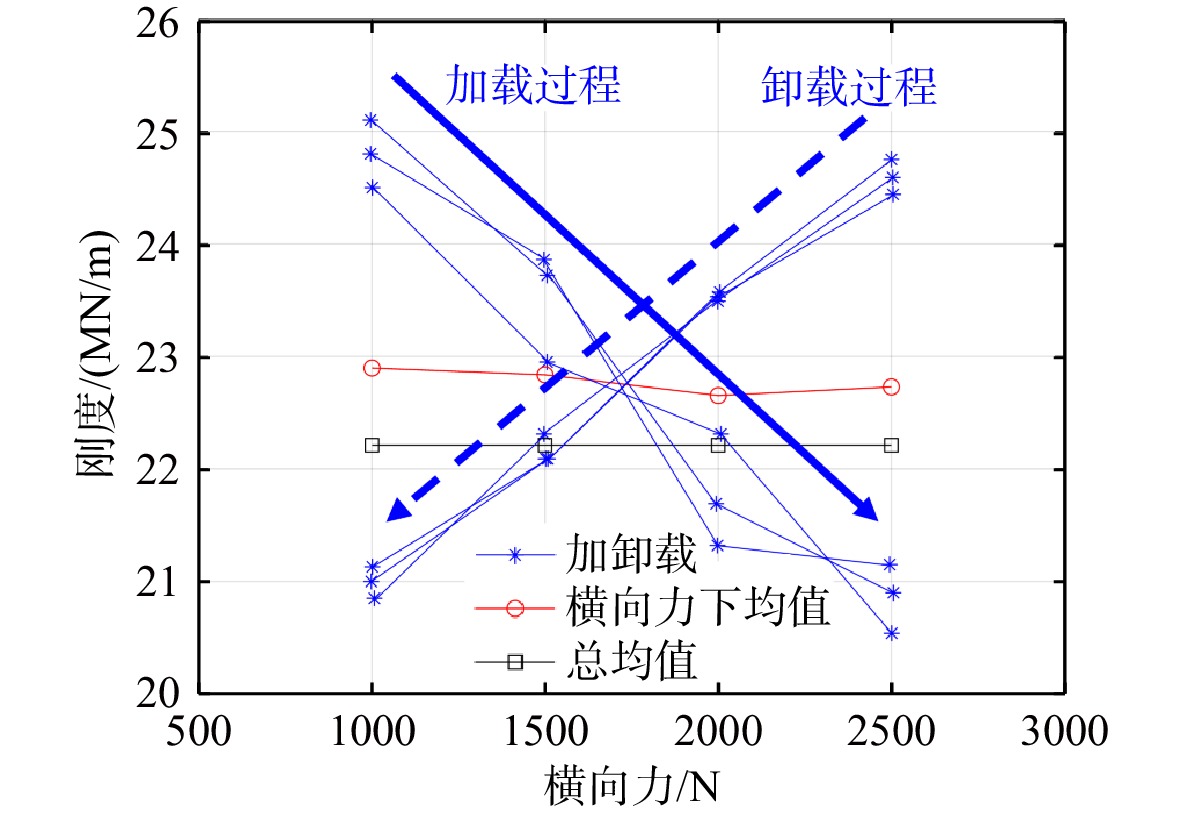
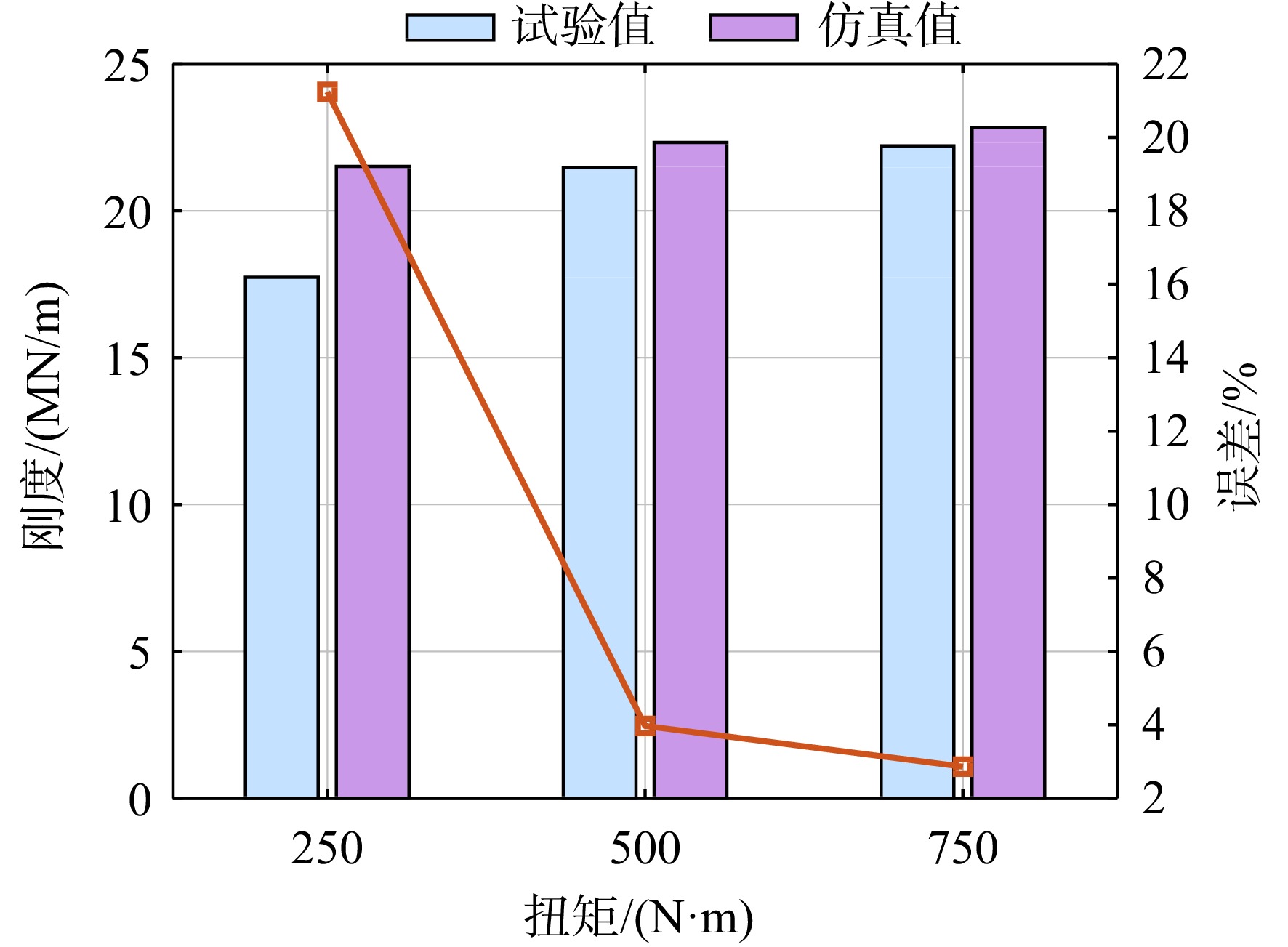
The high magnitude of the contact stiffness of aviation splines leads to the difficulty in direct measurement and notable test error. A spline structure model was established through reasonable simplification and scale design according to the actual spline connection structure of an aero-engine. Simulations were made to determine the spline contact stiffness and its variation with transmission torque and lateral force. A test bench consistent with the simulation model was built to test the contact stiffness. The results showed that when the transverse force was constant, the contact stiffness of the spline increased nonlinearly with the increase of transmission torque, and was inclined to be unchanged gradually. When the spline was under the same torque and lateral force, the contact stiffness of the spline was different during loading and unloading, and the hysteresis phenomenon occurred. The average contact stiffness of splines measured under all torques was 20.48 MN/m. The test and simulation results were in good agreement, with an average error of 8.54%. This study provides a reference for studying the contact stiffness of aviation splines.

Semi-analytical modeling and vibration reduction analysis of composite thin plate with MFC
ZHANG Hui, SUN Wei, LUO Haitao
2024, 39(12): 20220990. doi: 10.13224/j.cnki.jasp.20220990
Abstract:

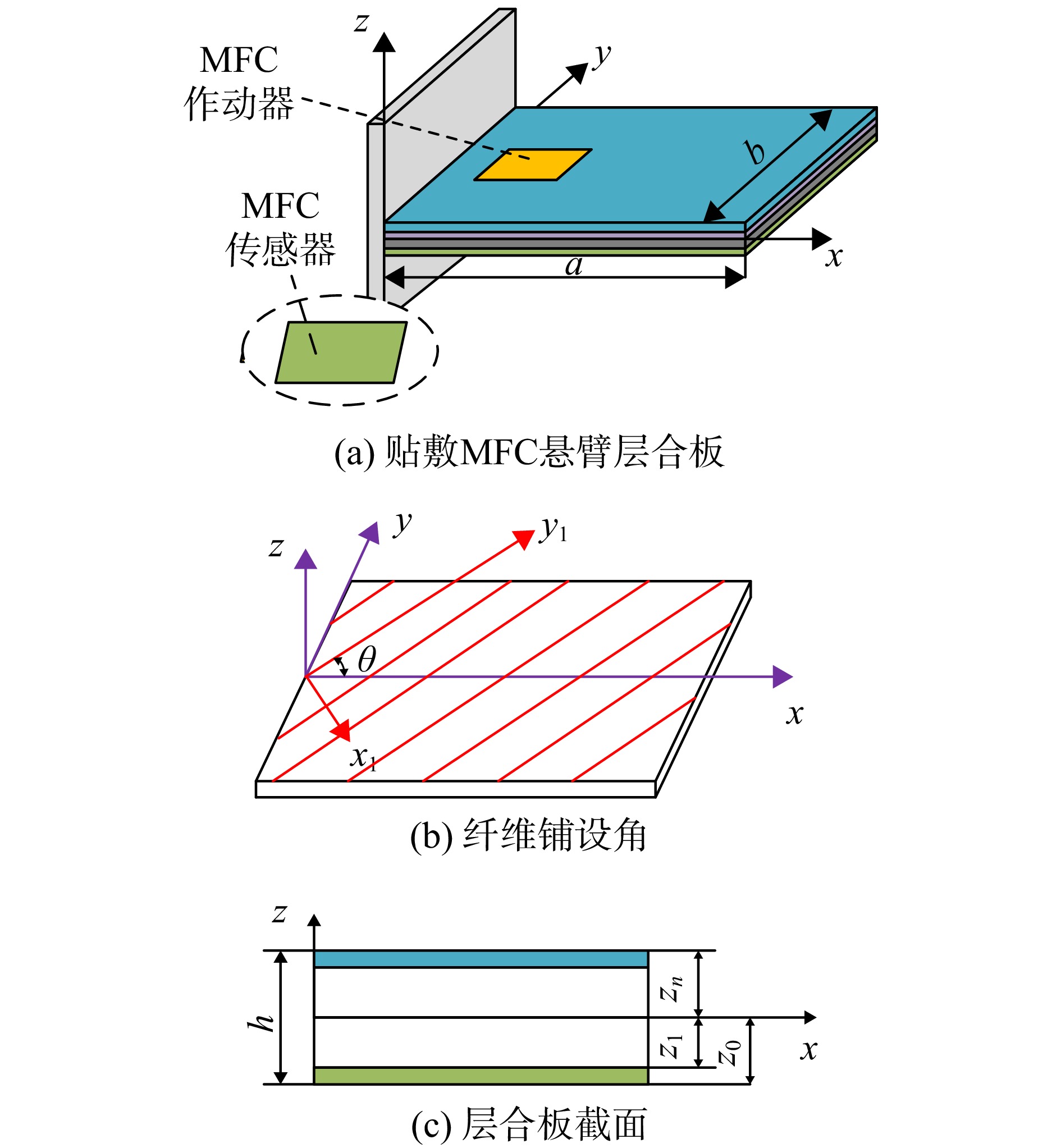
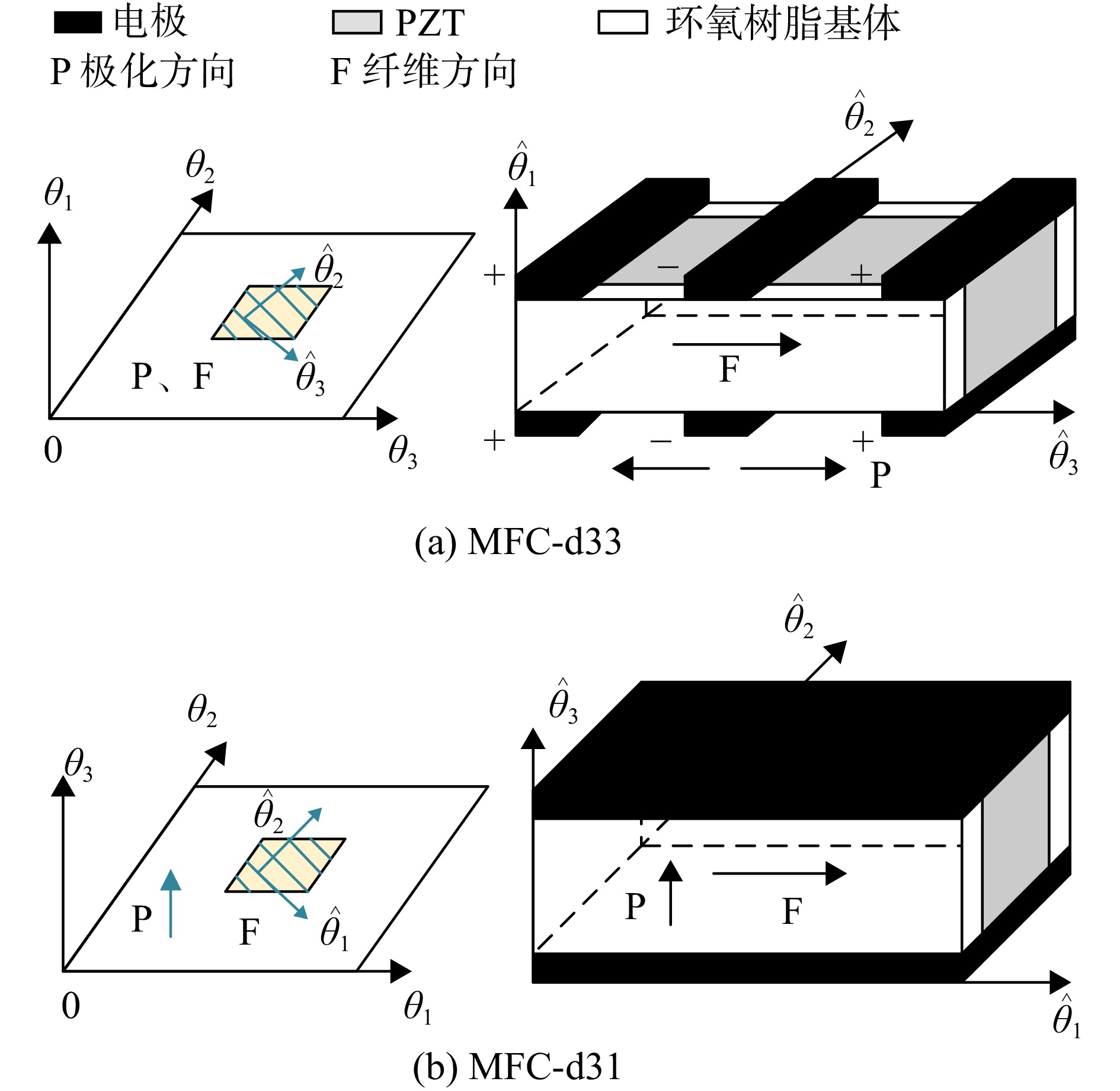
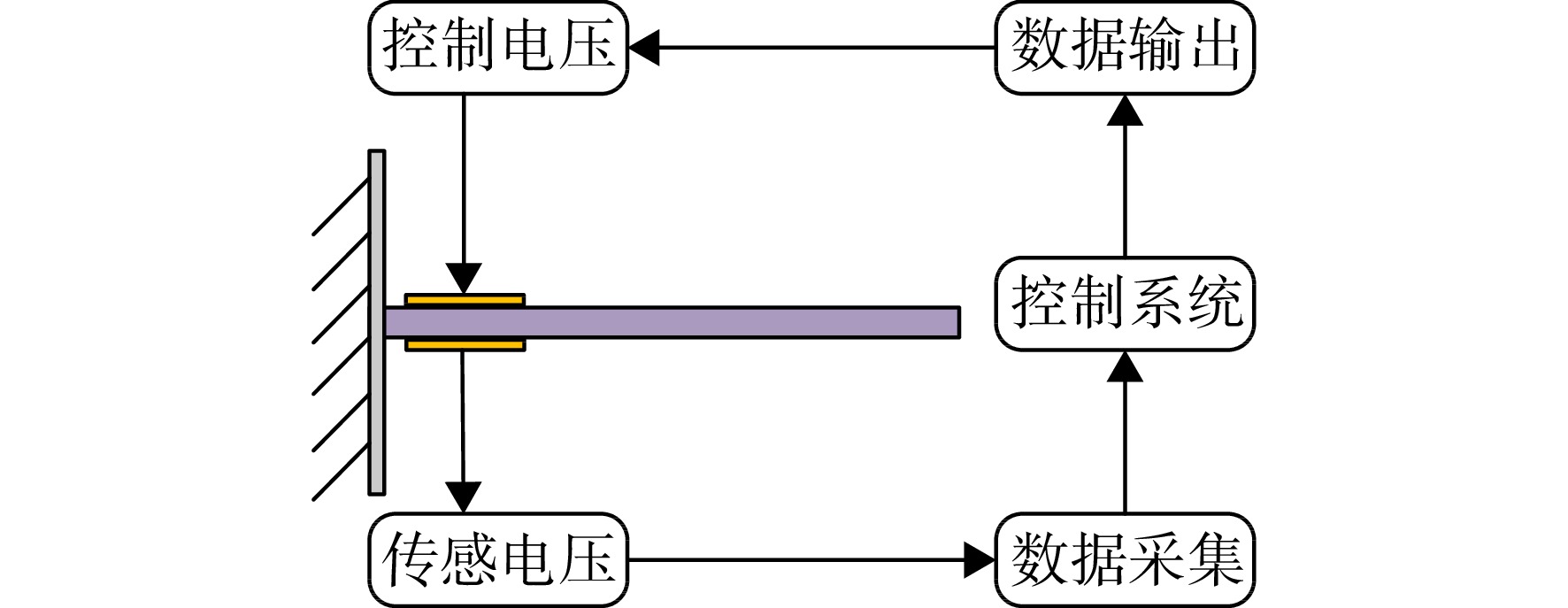
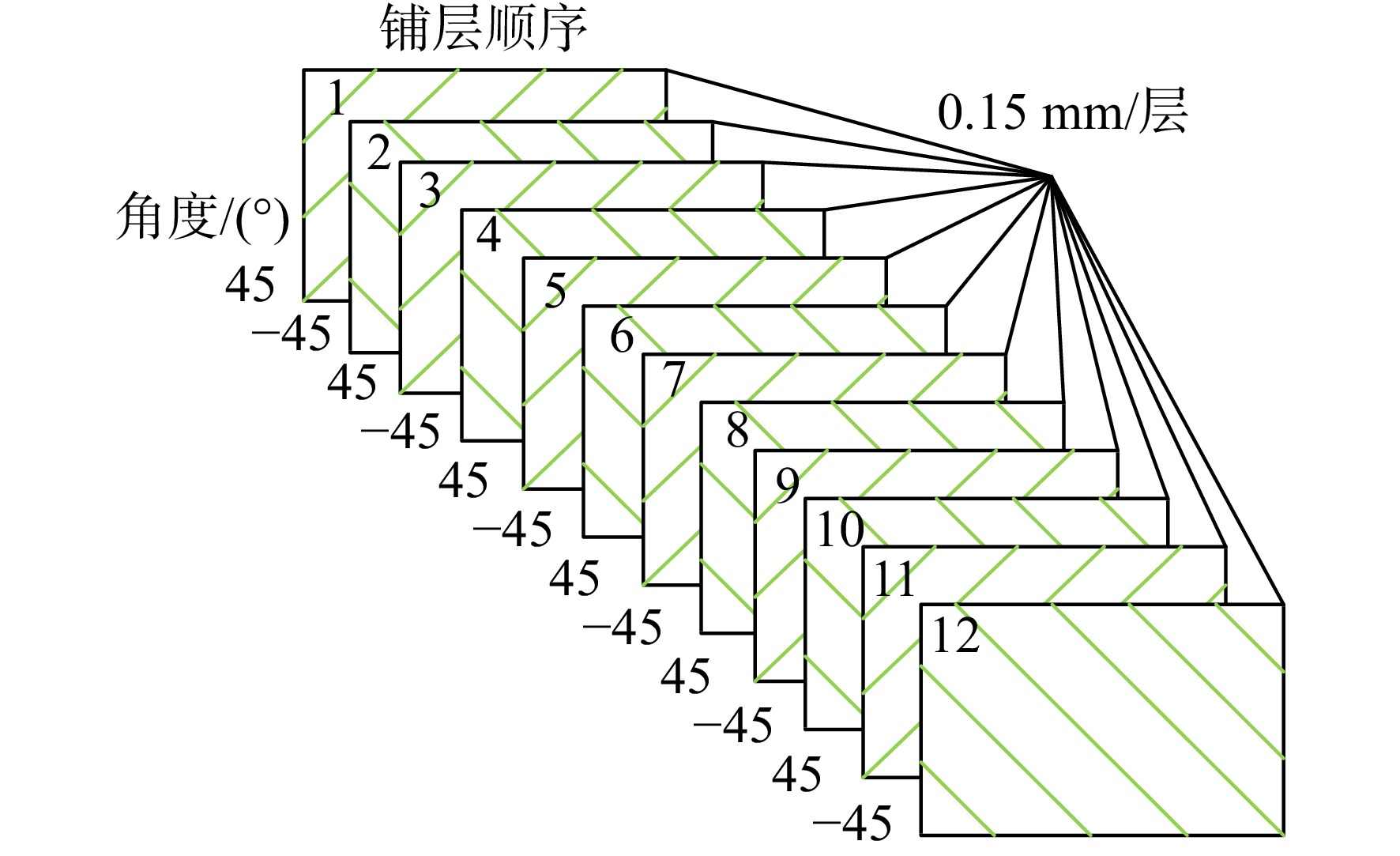
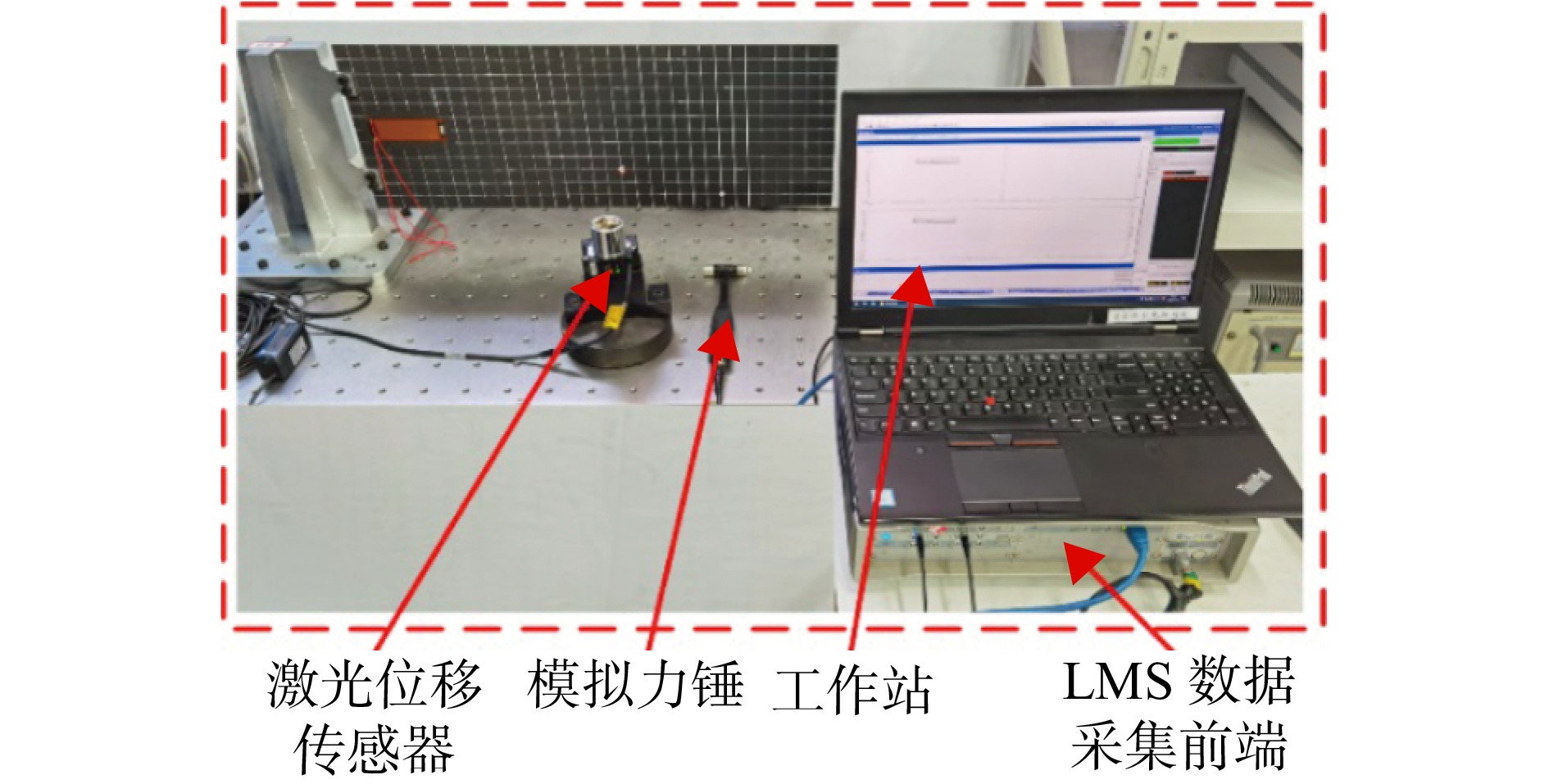
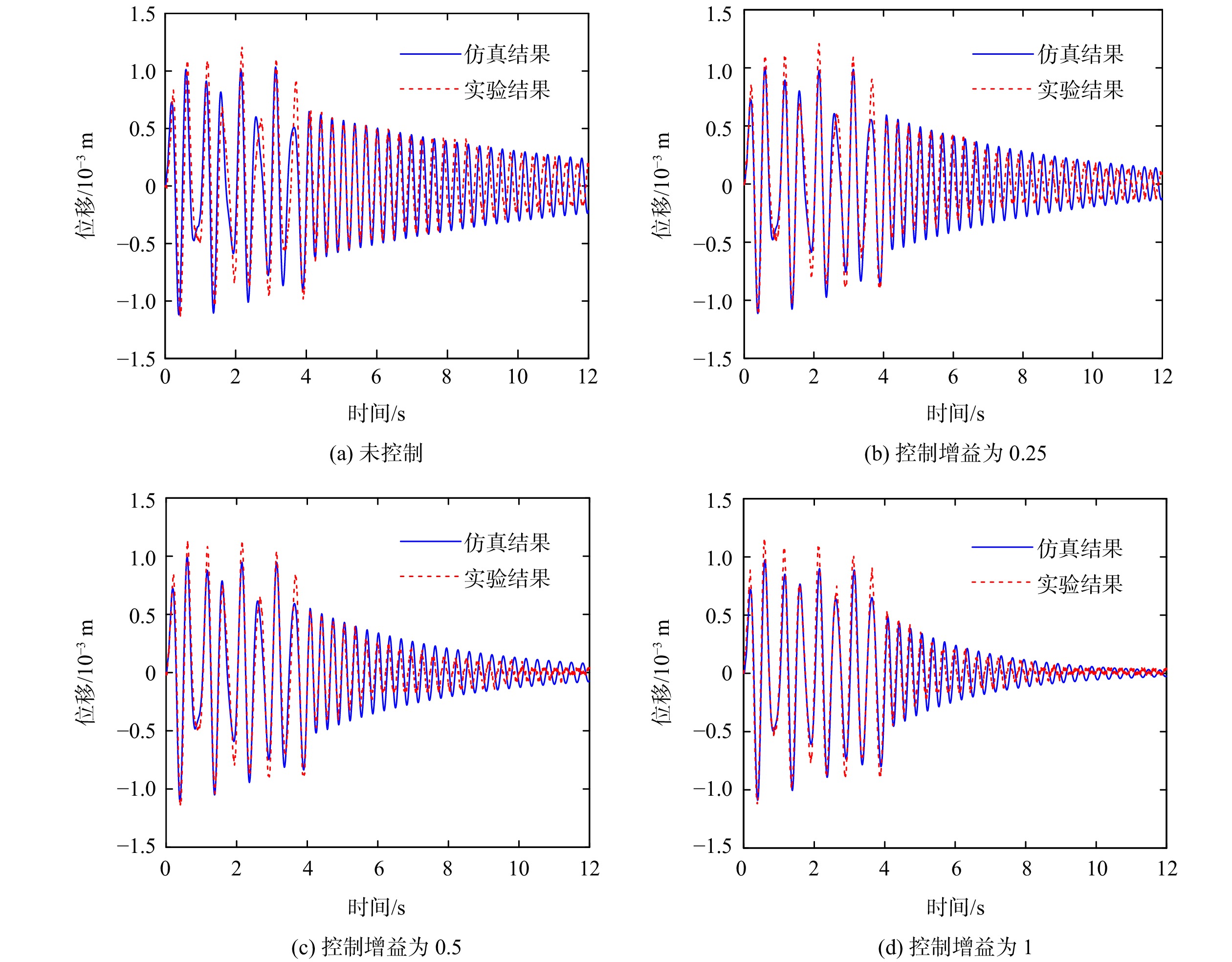
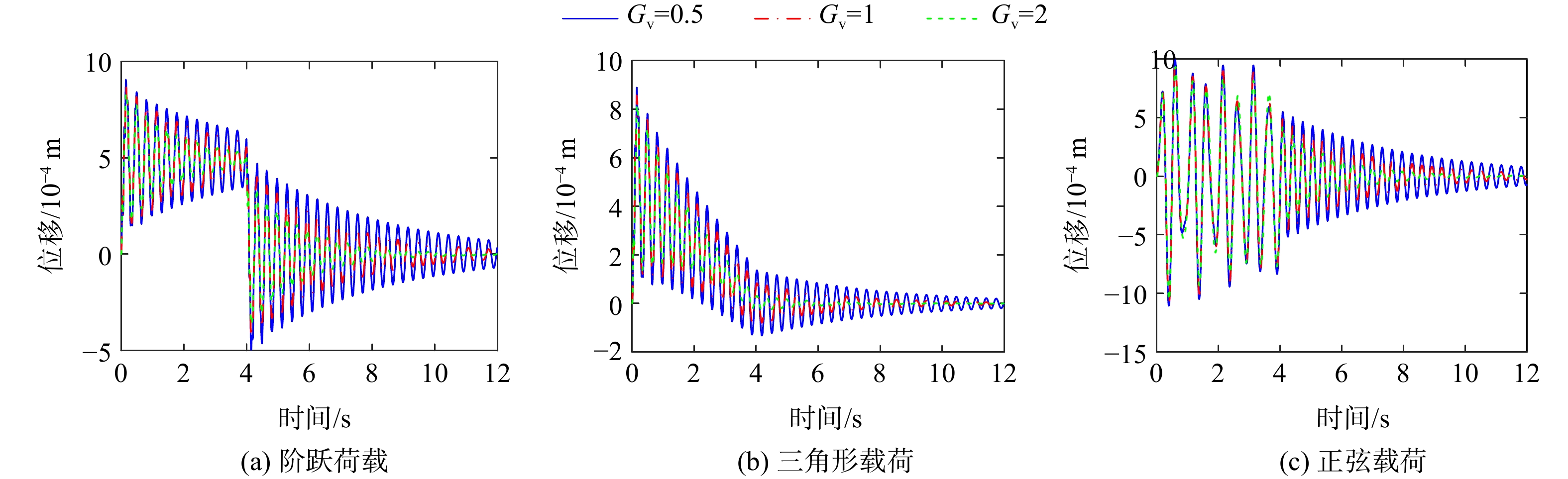
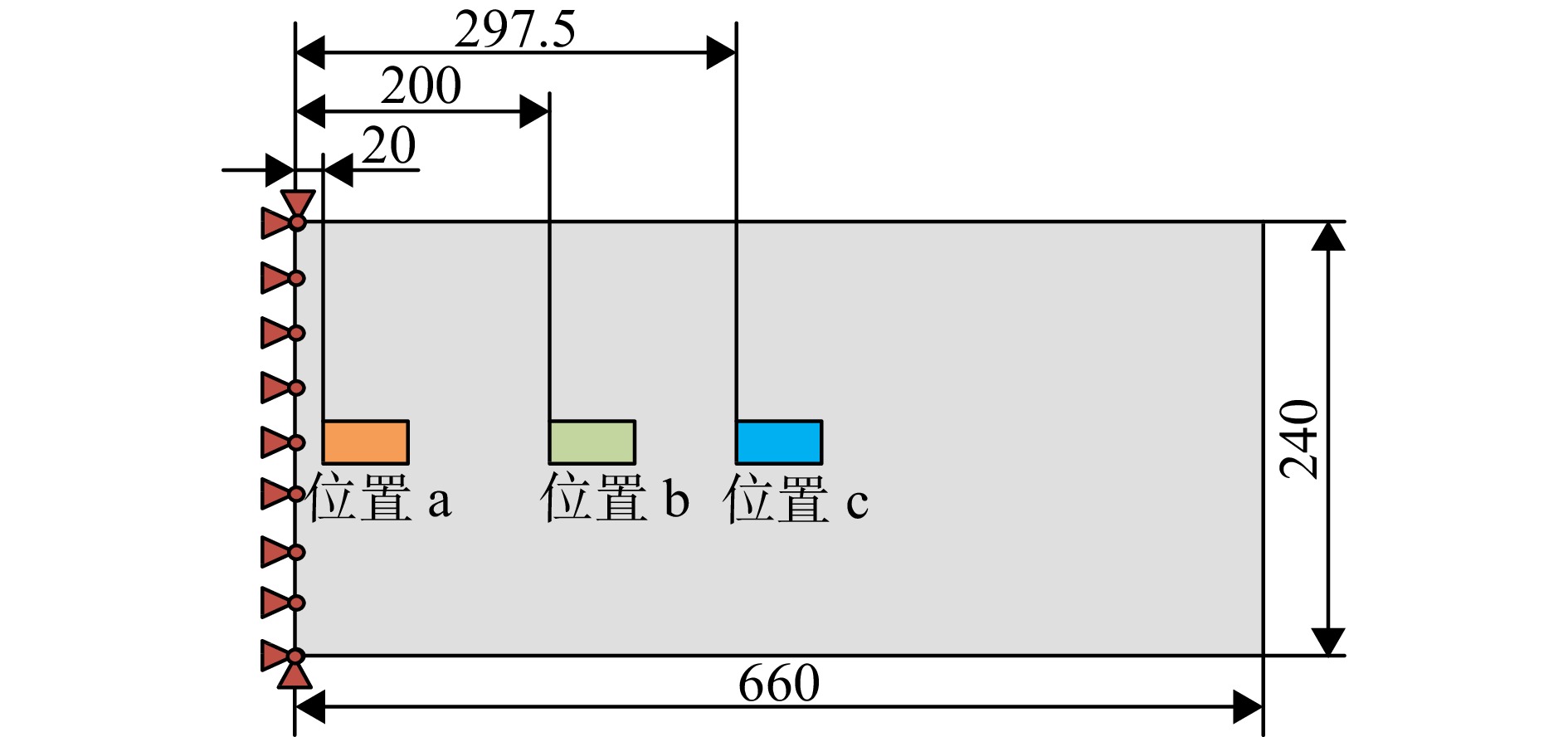
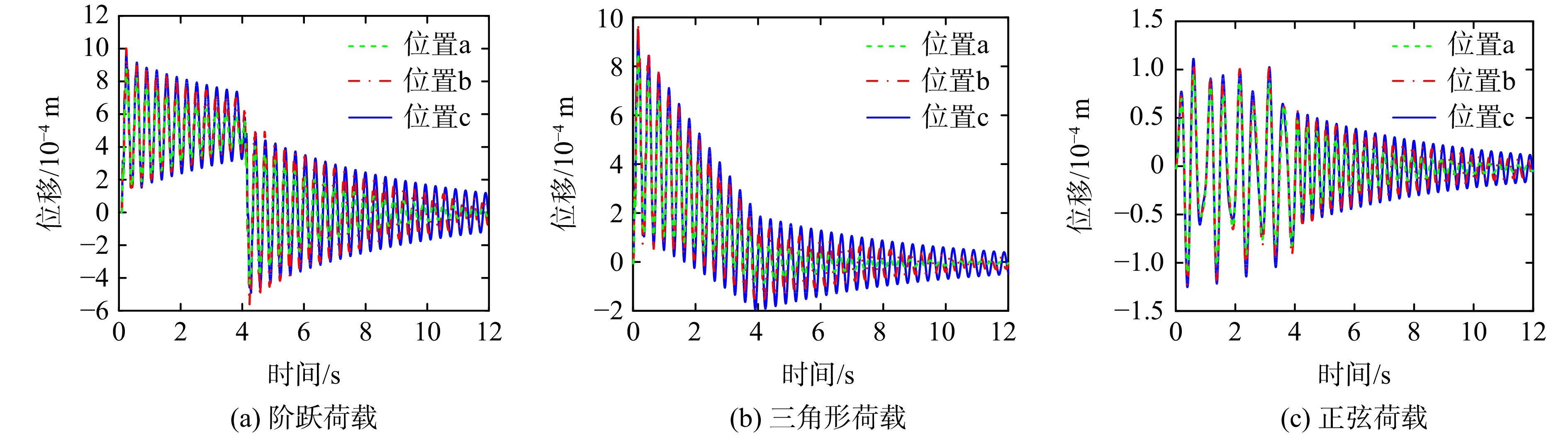
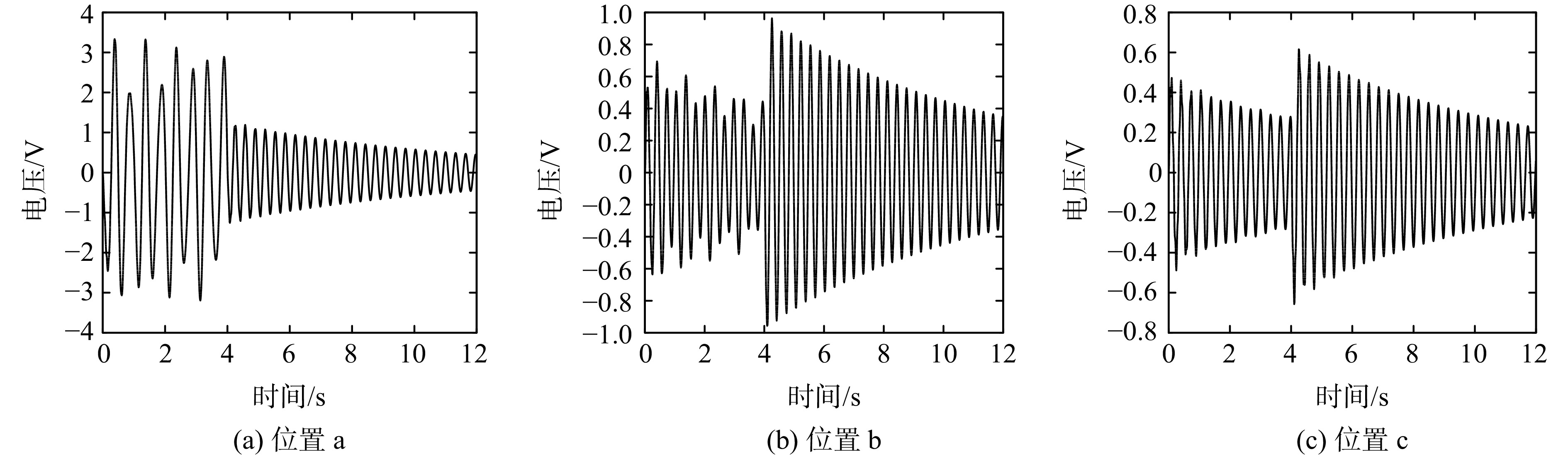
Piezoelectric fiber composite (MFC) was used for active vibration control of cantilevered fiber reinforced composite sheet, its semi-analytical modeling method was studied, and the damping effect of active control was analyzed through theory and experiment. In the process of modeling, the contribution of MFC sensors/actuators to the mass matrix and stiffness matrix of the cantilever plate structure system was considered, and the Rayleigh damping and active damping provided by velocity feedback control were introduced together, so that the semi-analytical dynamic model can truly predict the active vibration reduction effect of MFC. A case study was carried out, and the rationality of the semi-analytical model was proved by the established experimental system. At the same time, theoretical analysis proved that the free attenuation vibration of composite plate can be suppressed obviously by MFC active control under the specified three kinds of loads: step, triangle and sinusoidal excitation. Furthermore, the vibration reduction effect of active control was quantitatively analyzed by experiments, showing that the free attenuation vibration of composite plate can be suppressed by MFC active control by 79.63%. Finally, based on the created semi-analytical dynamic model, the effects of control gain and MFC actuator position on active control were analyzed.

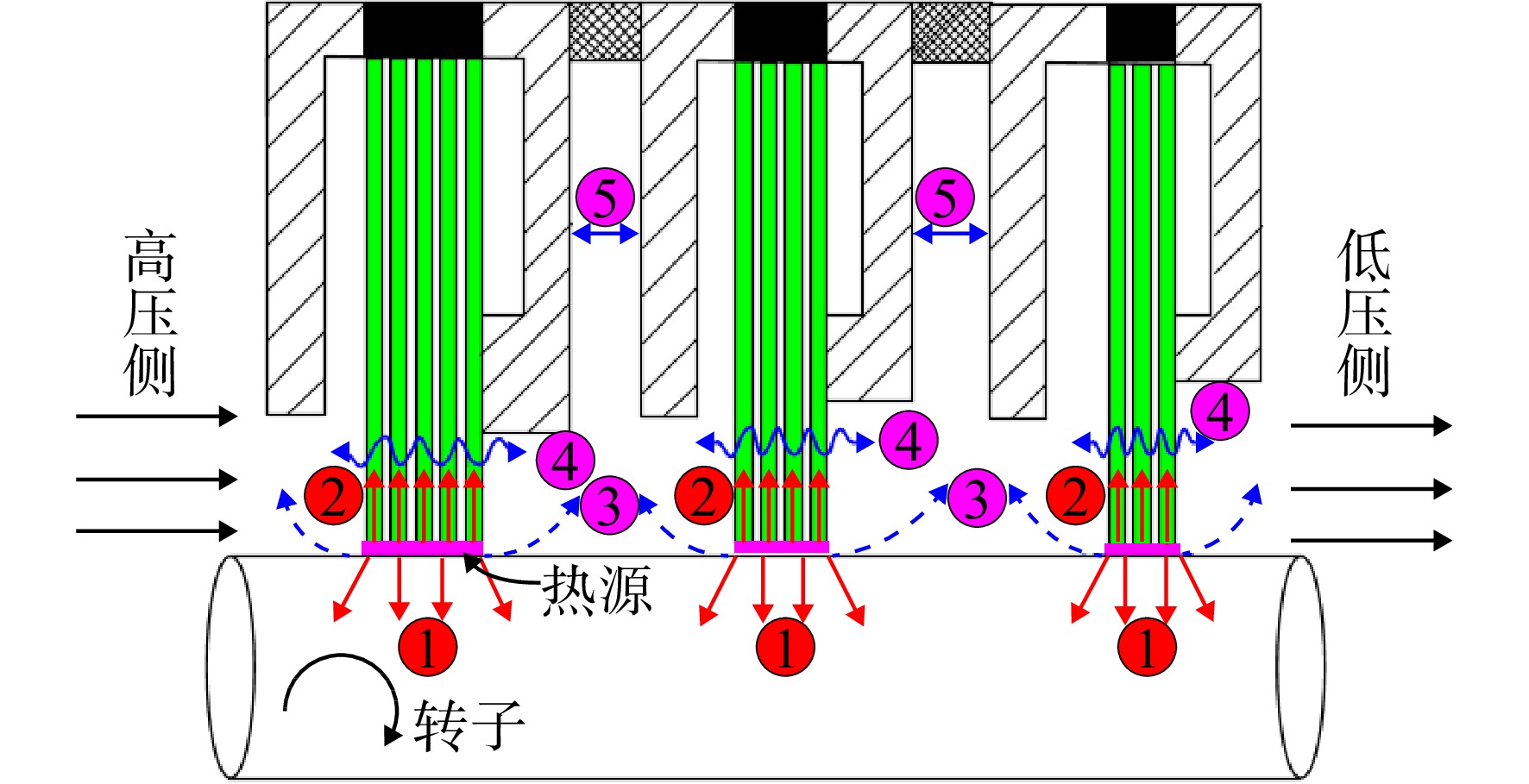
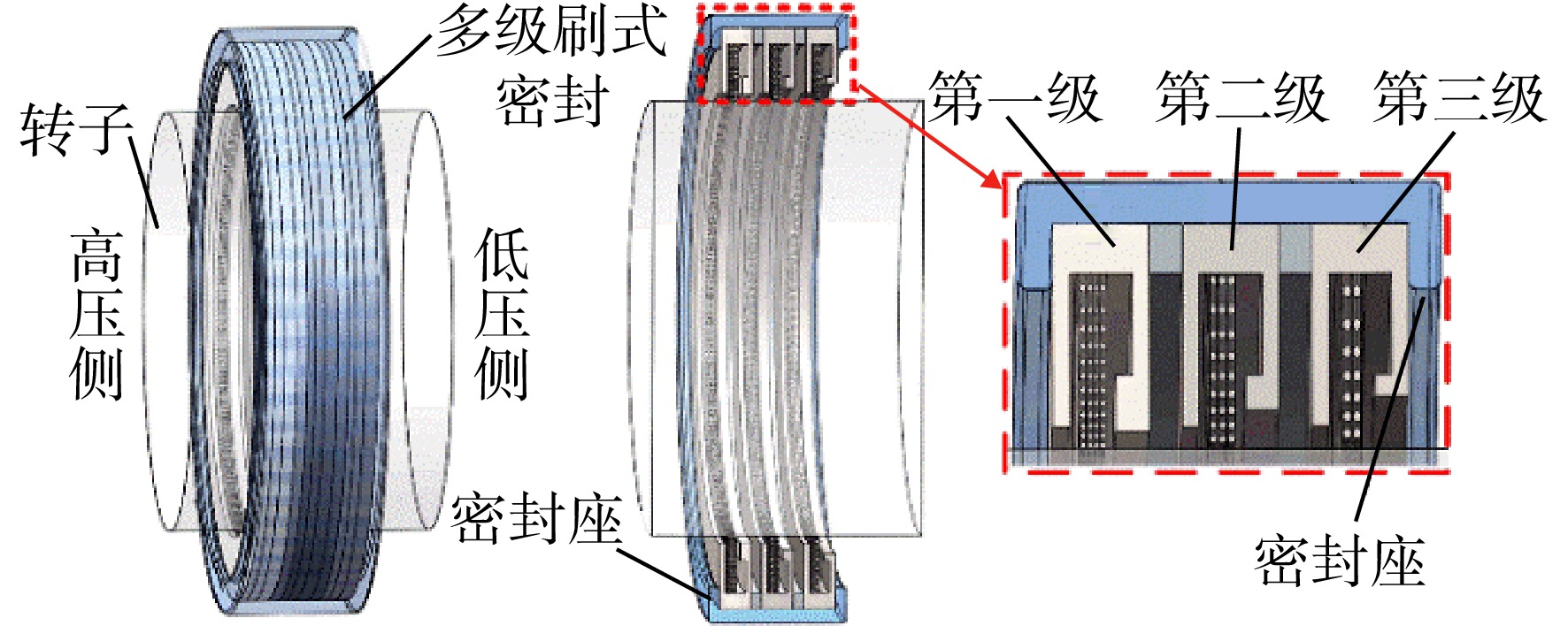
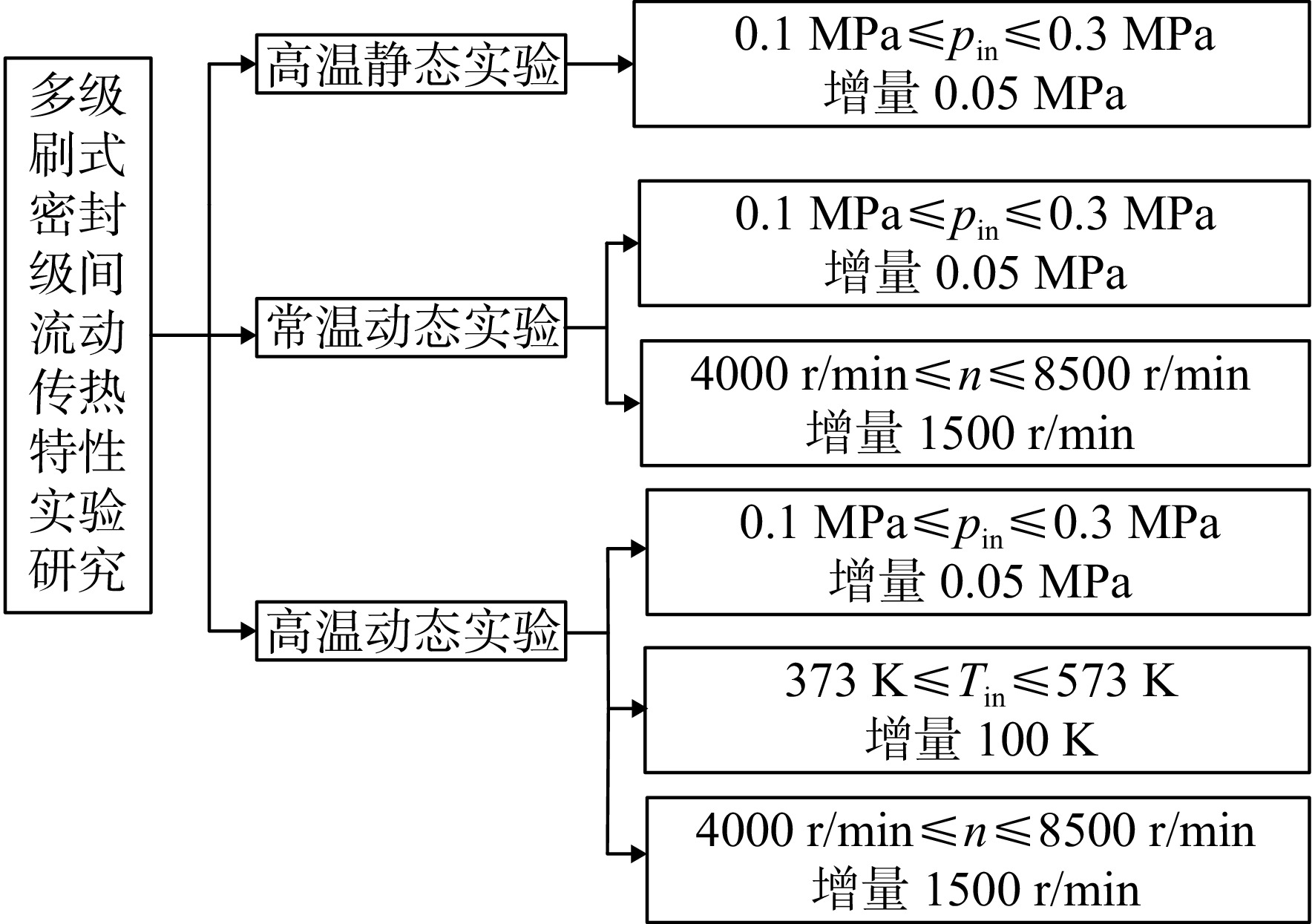
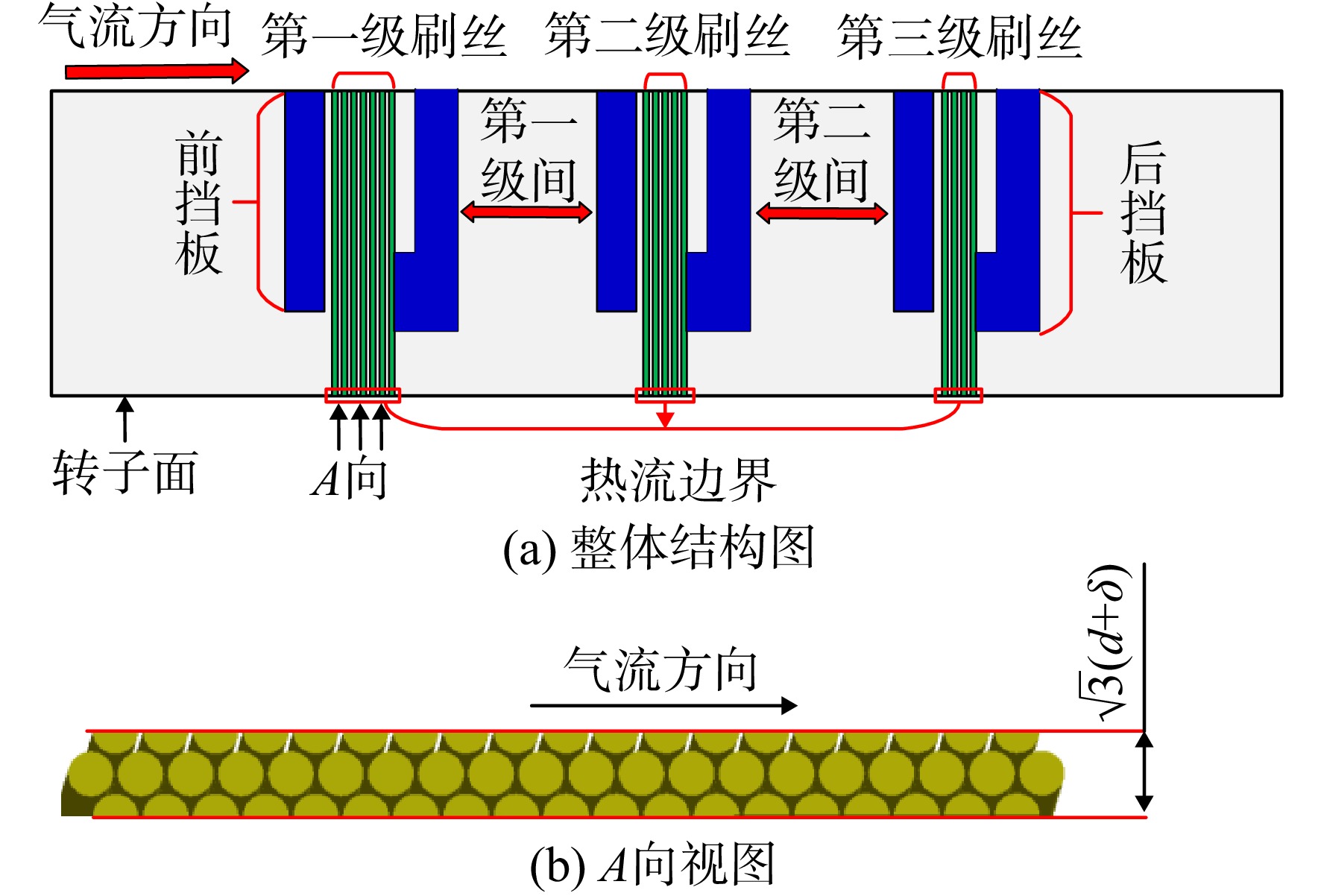
Numerical and experimental investigation on flow and heat transfer characteristics between stages of multi-stage brush seals
LI Yelong, ZHAO Huan, SUN Dan, MU Wei, MA Ting, HU Guangyang
2024, 39(12): 20220308. doi: 10.13224/j.cnki.jasp.20220308
Abstract:

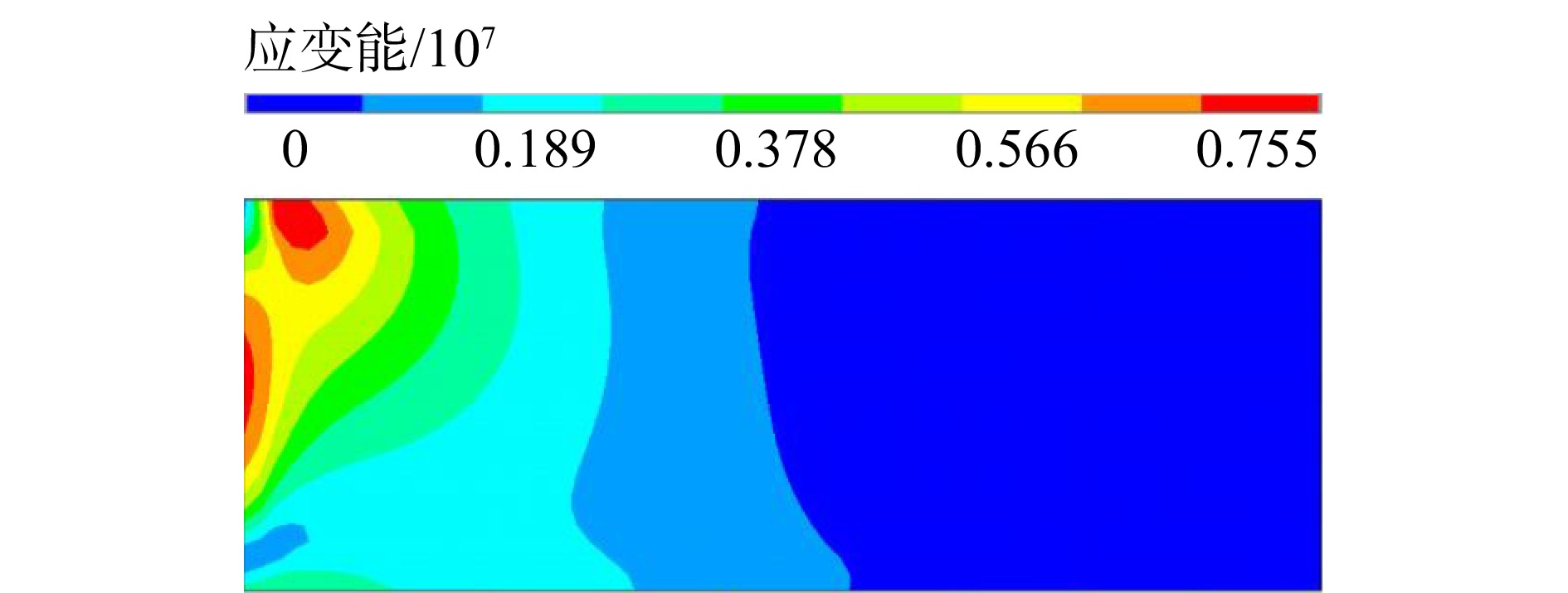
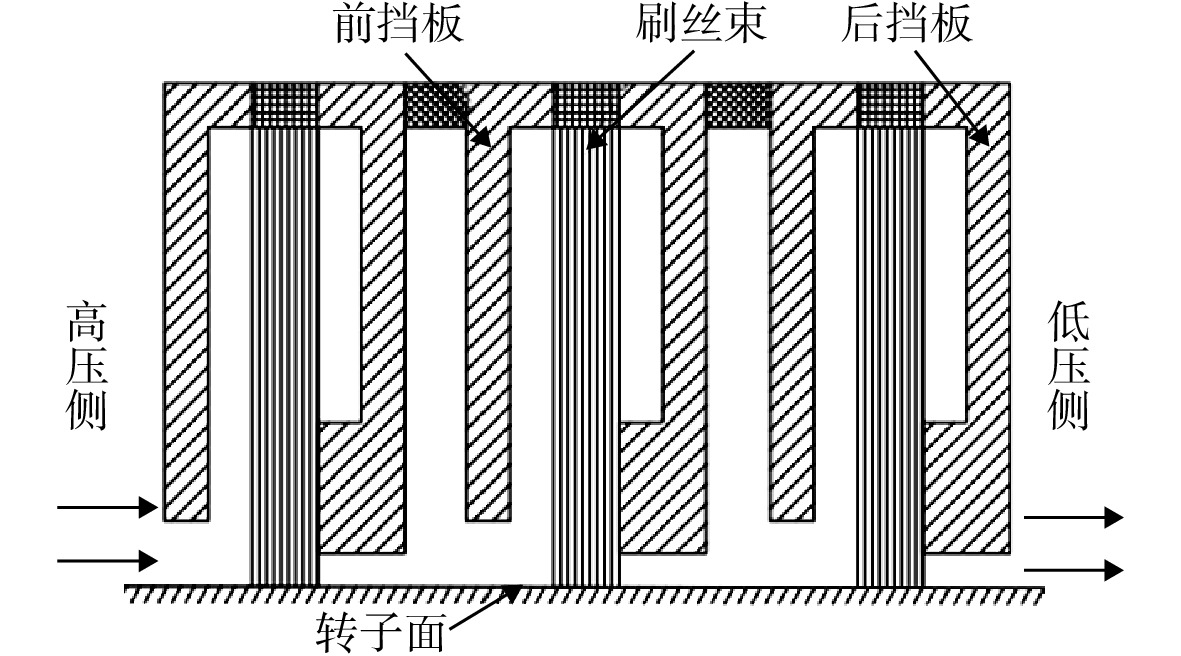
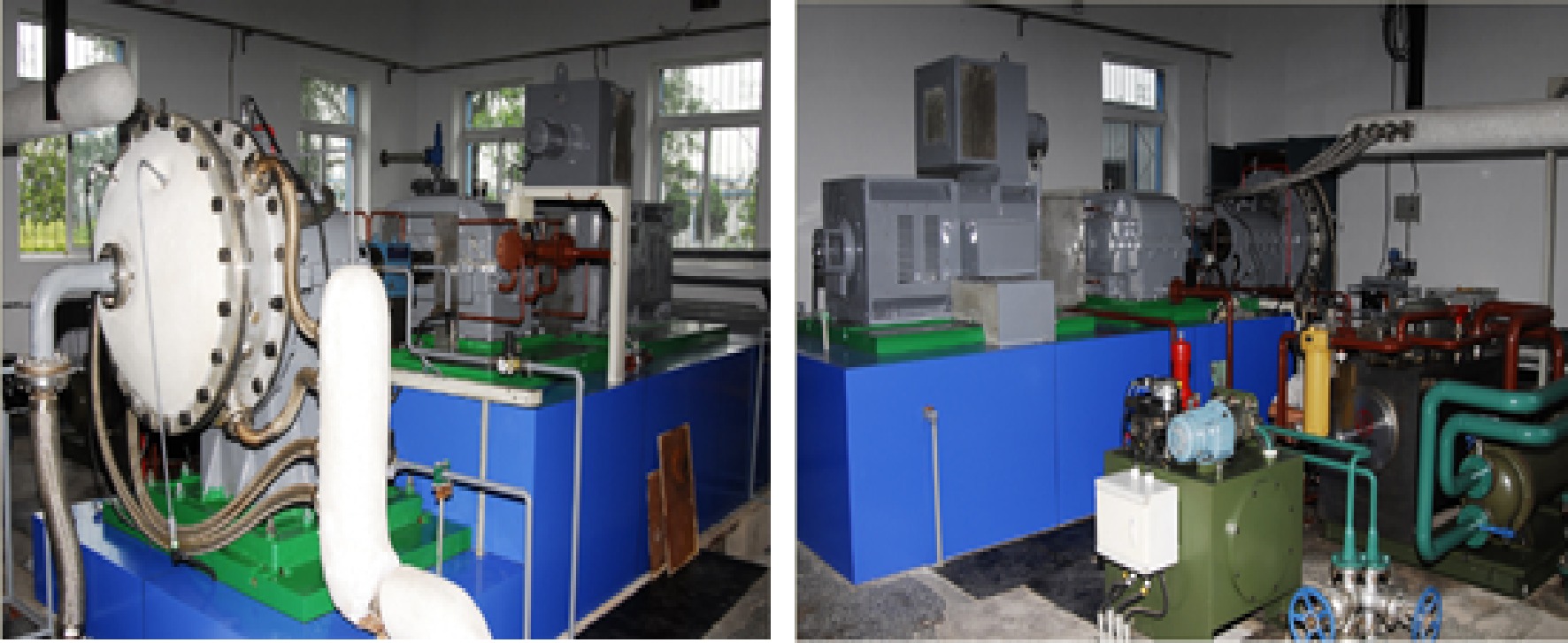
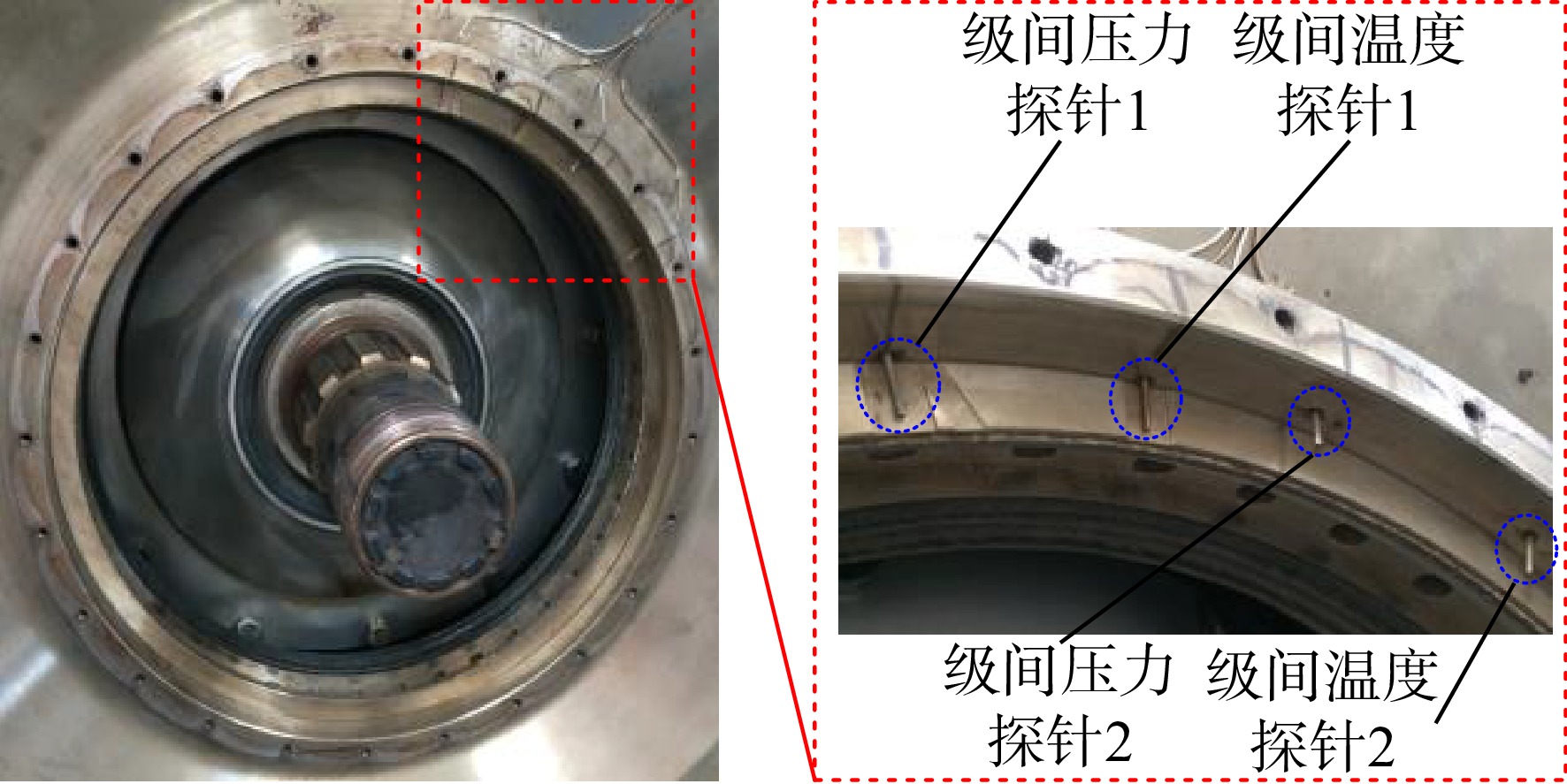
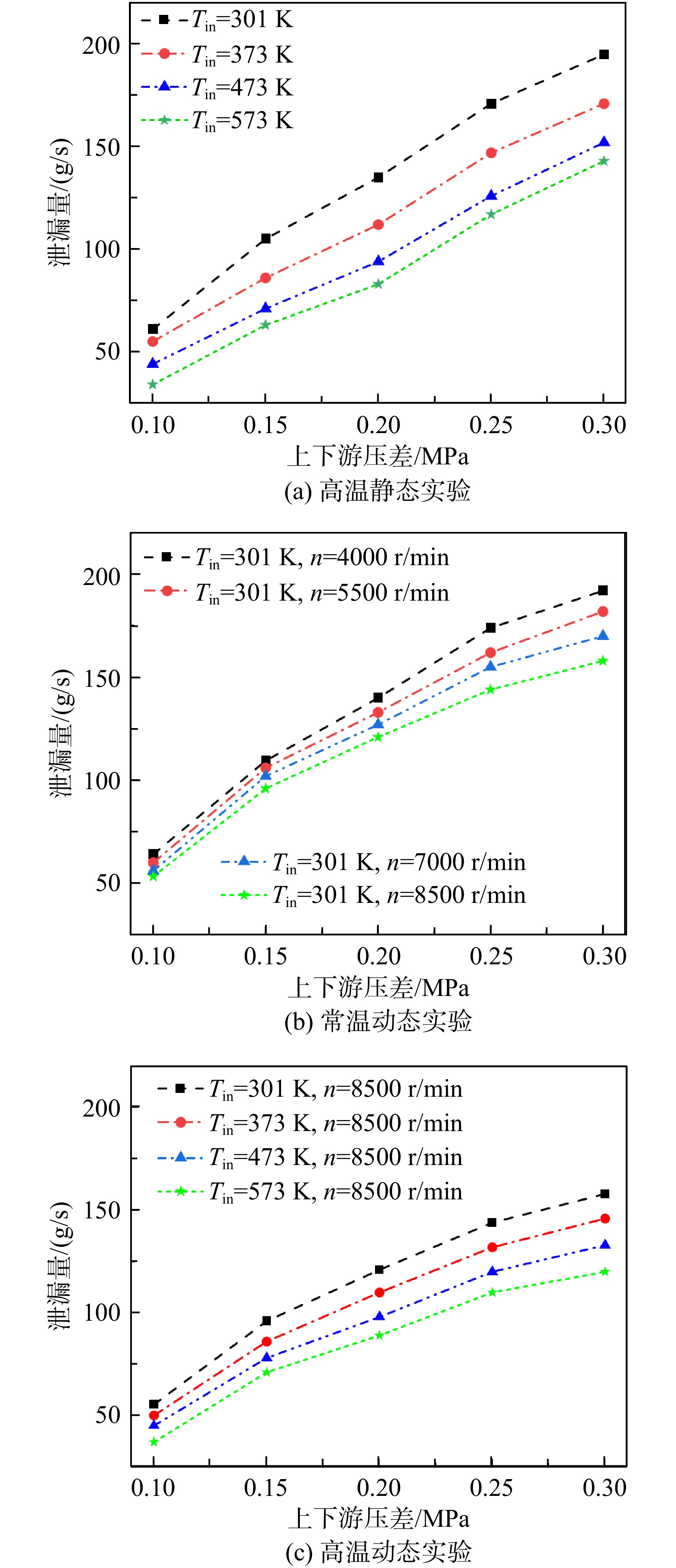
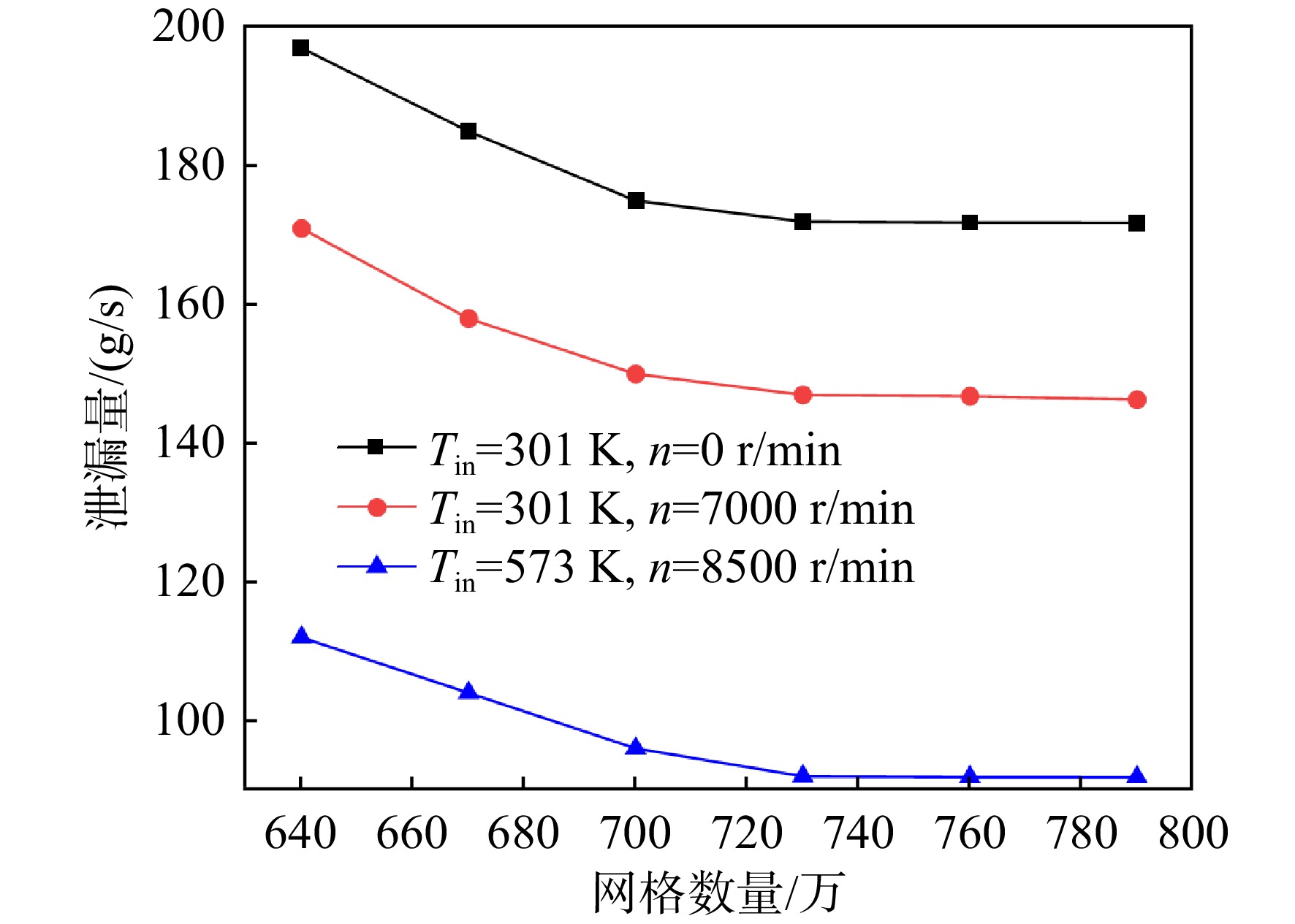
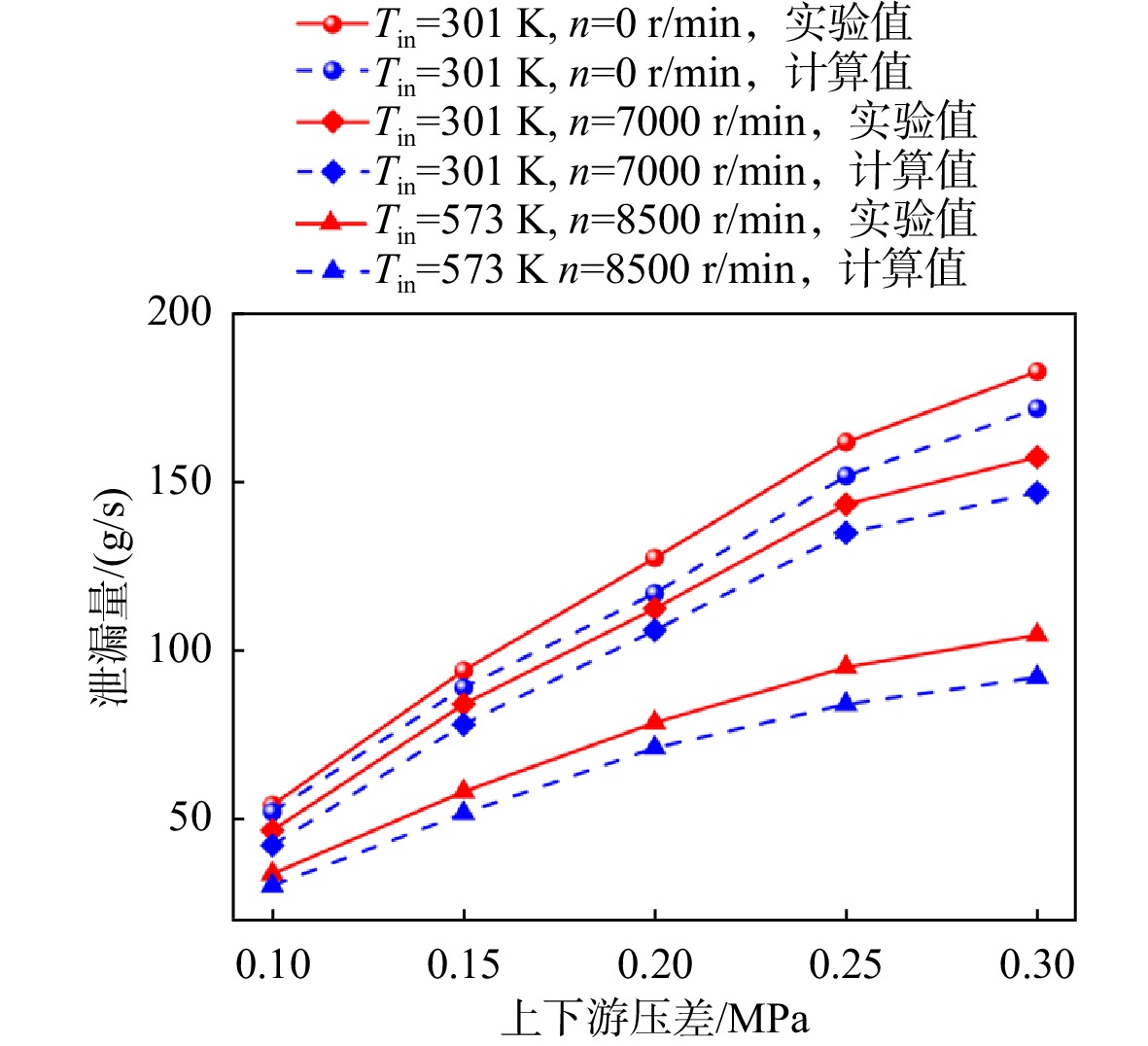
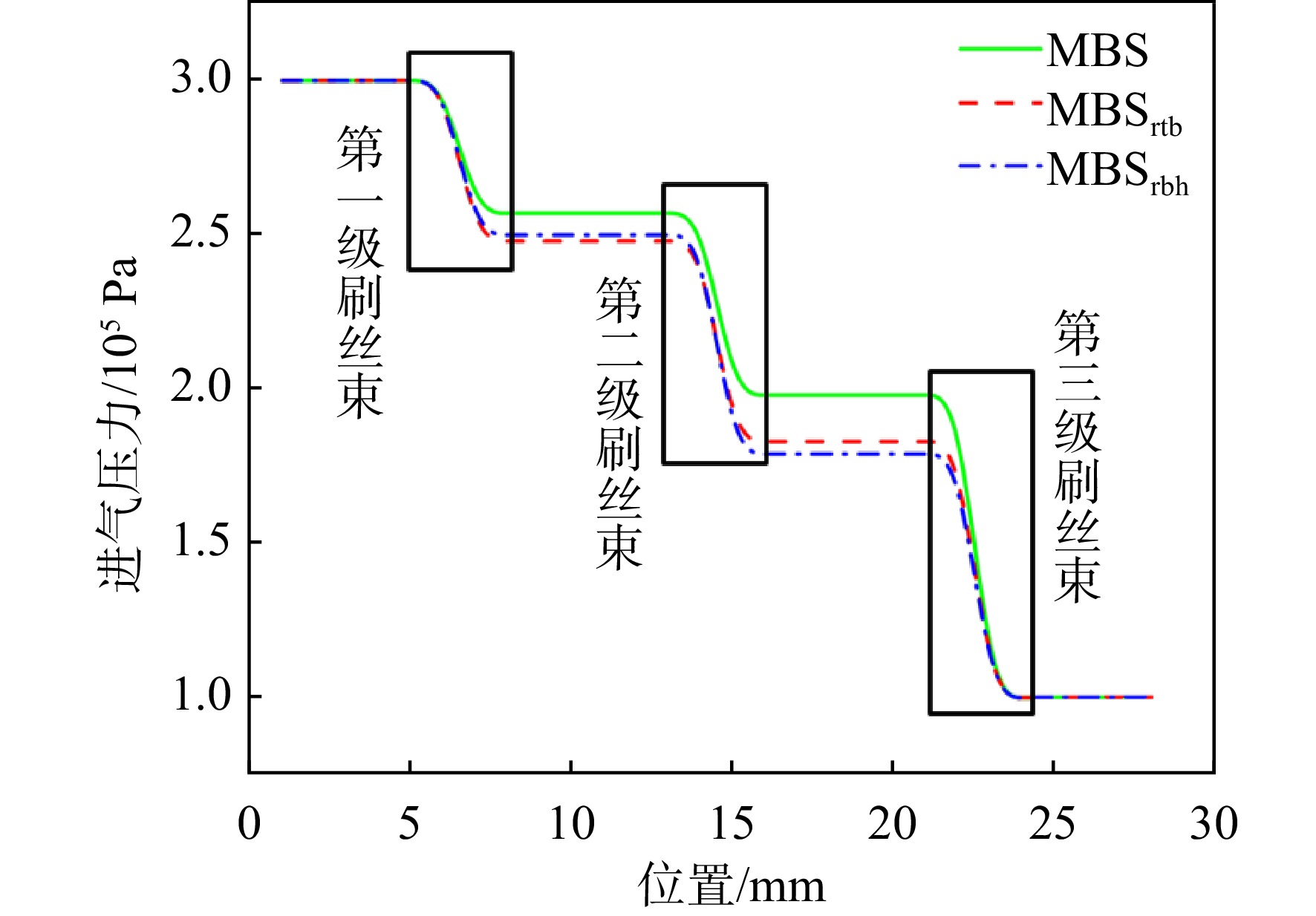
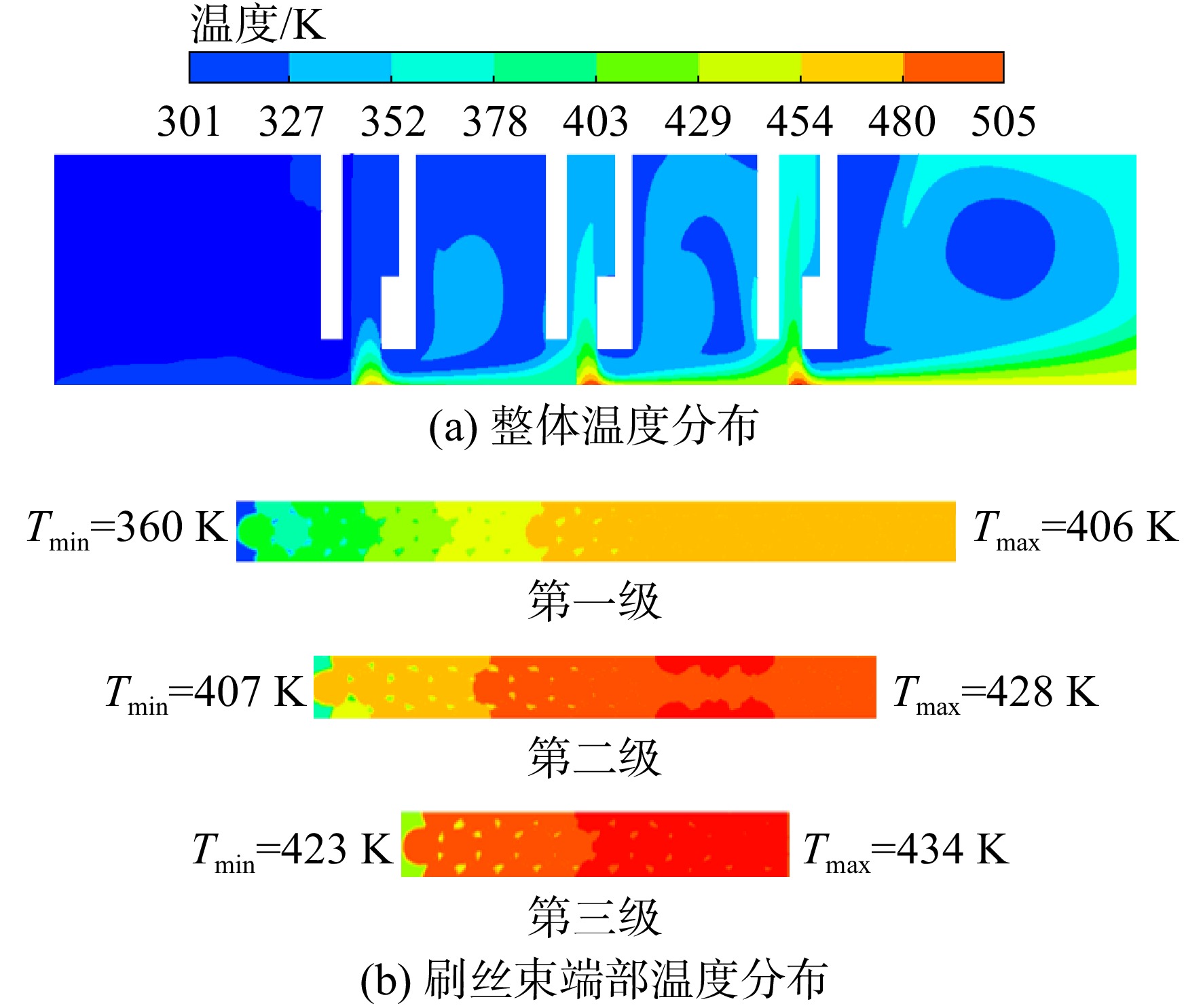
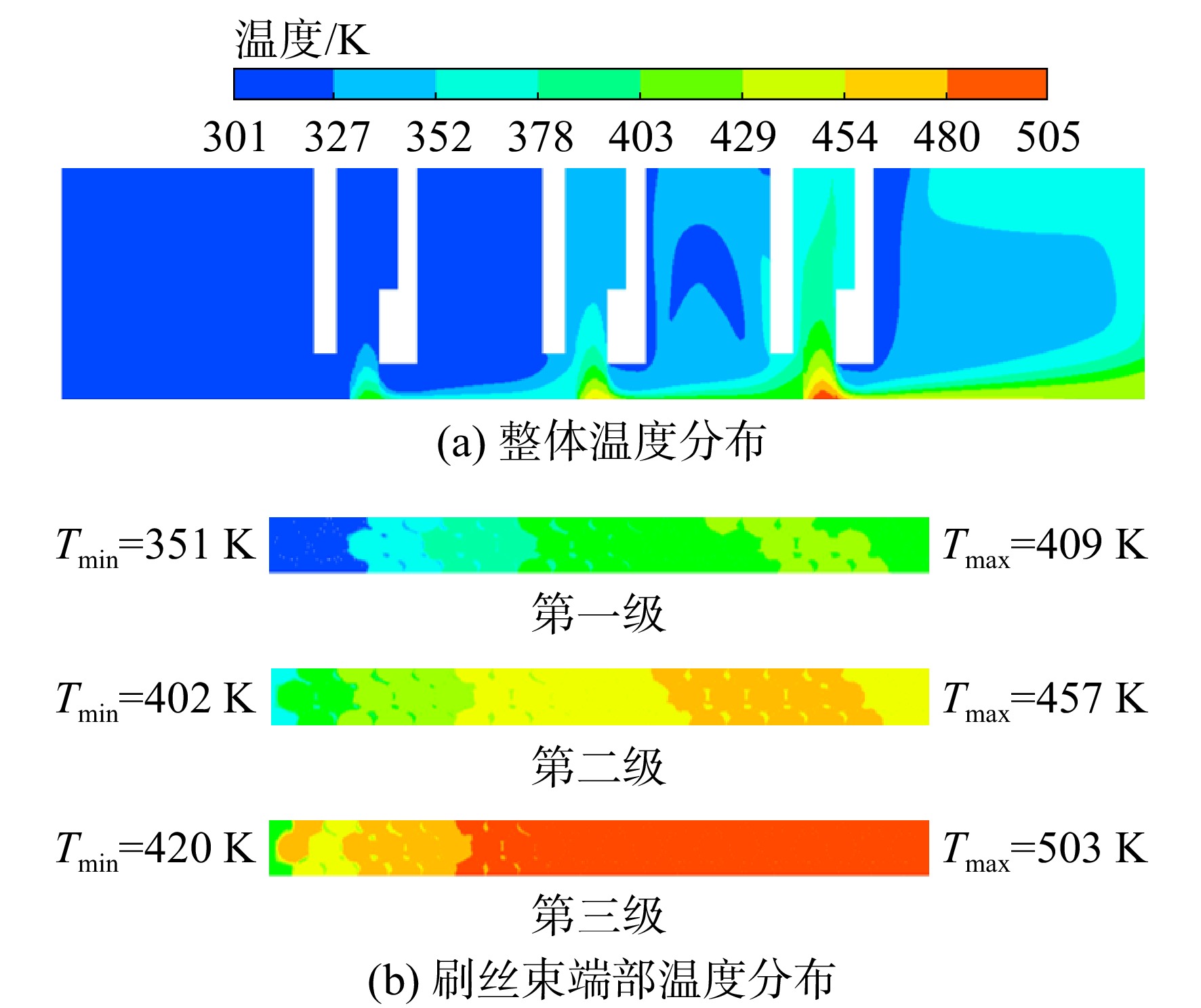
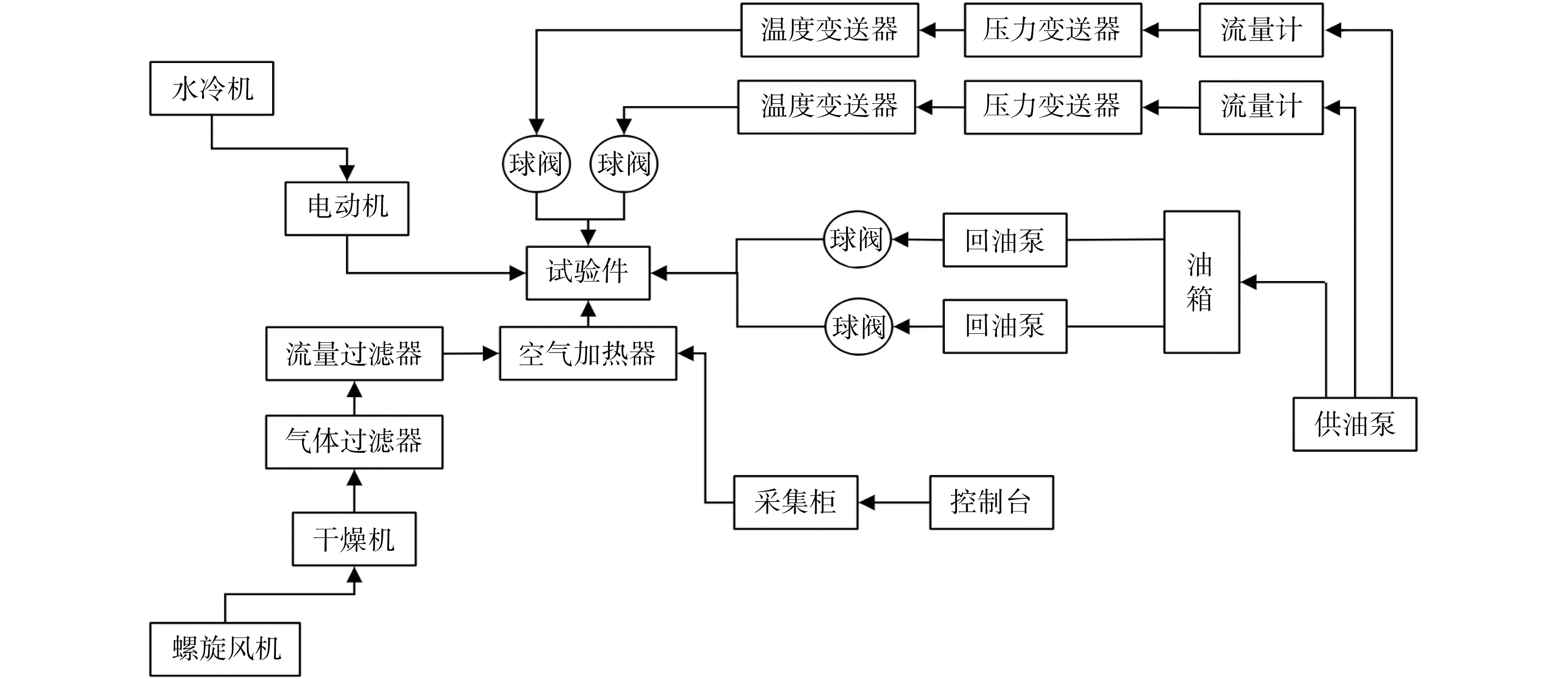
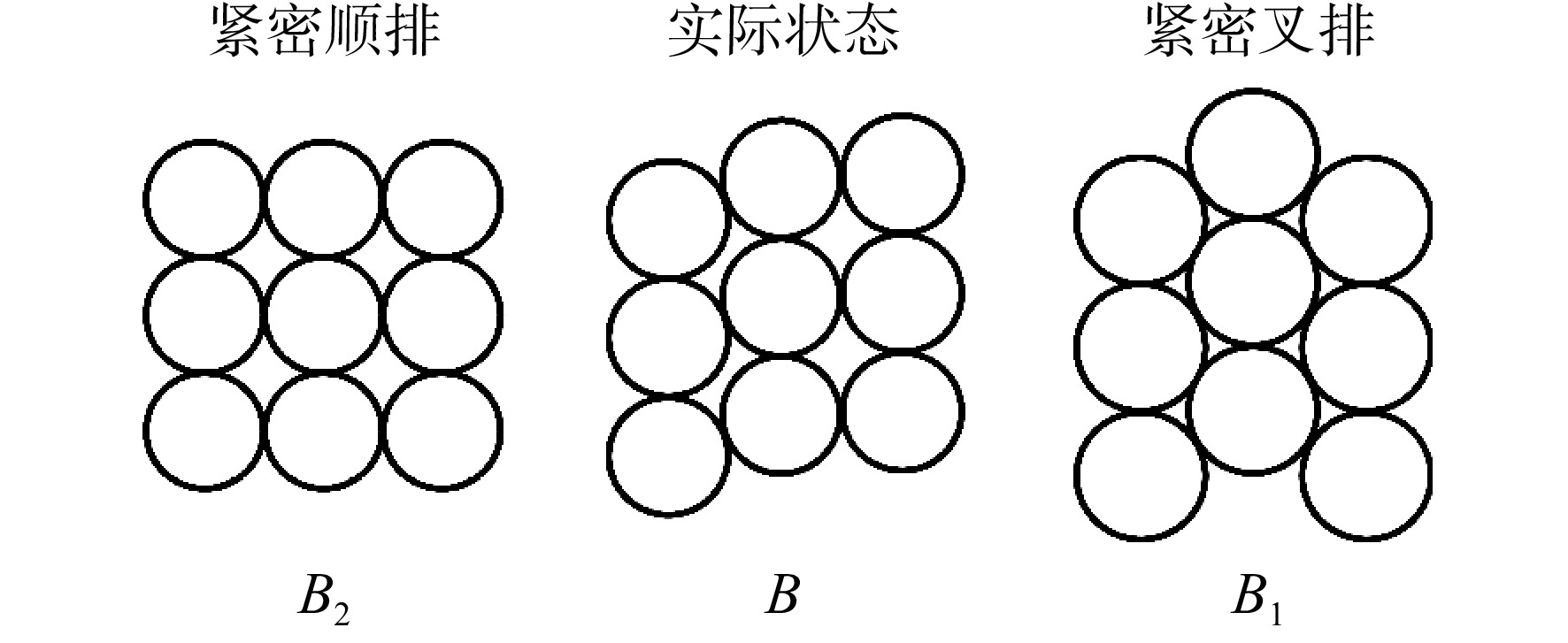
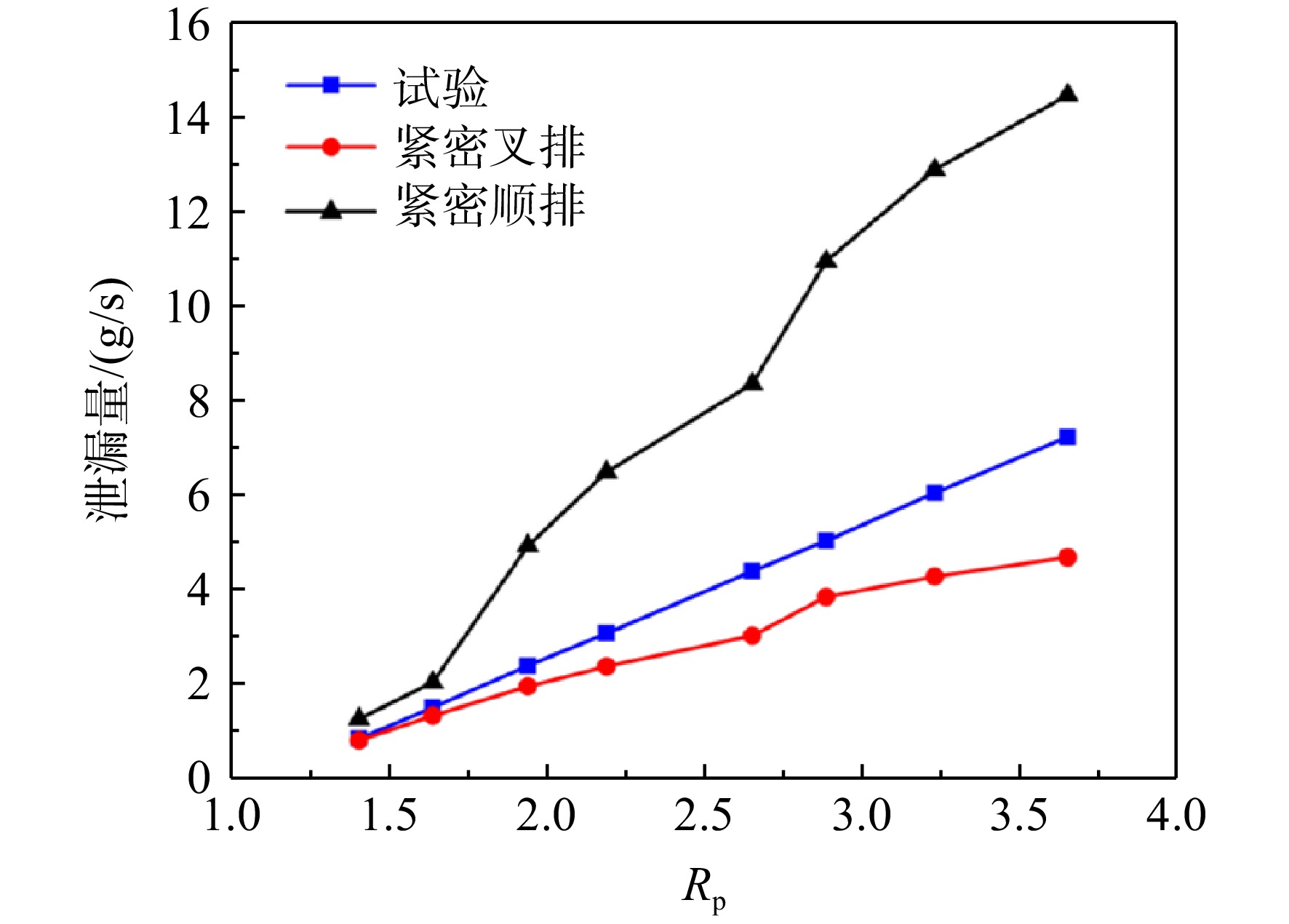
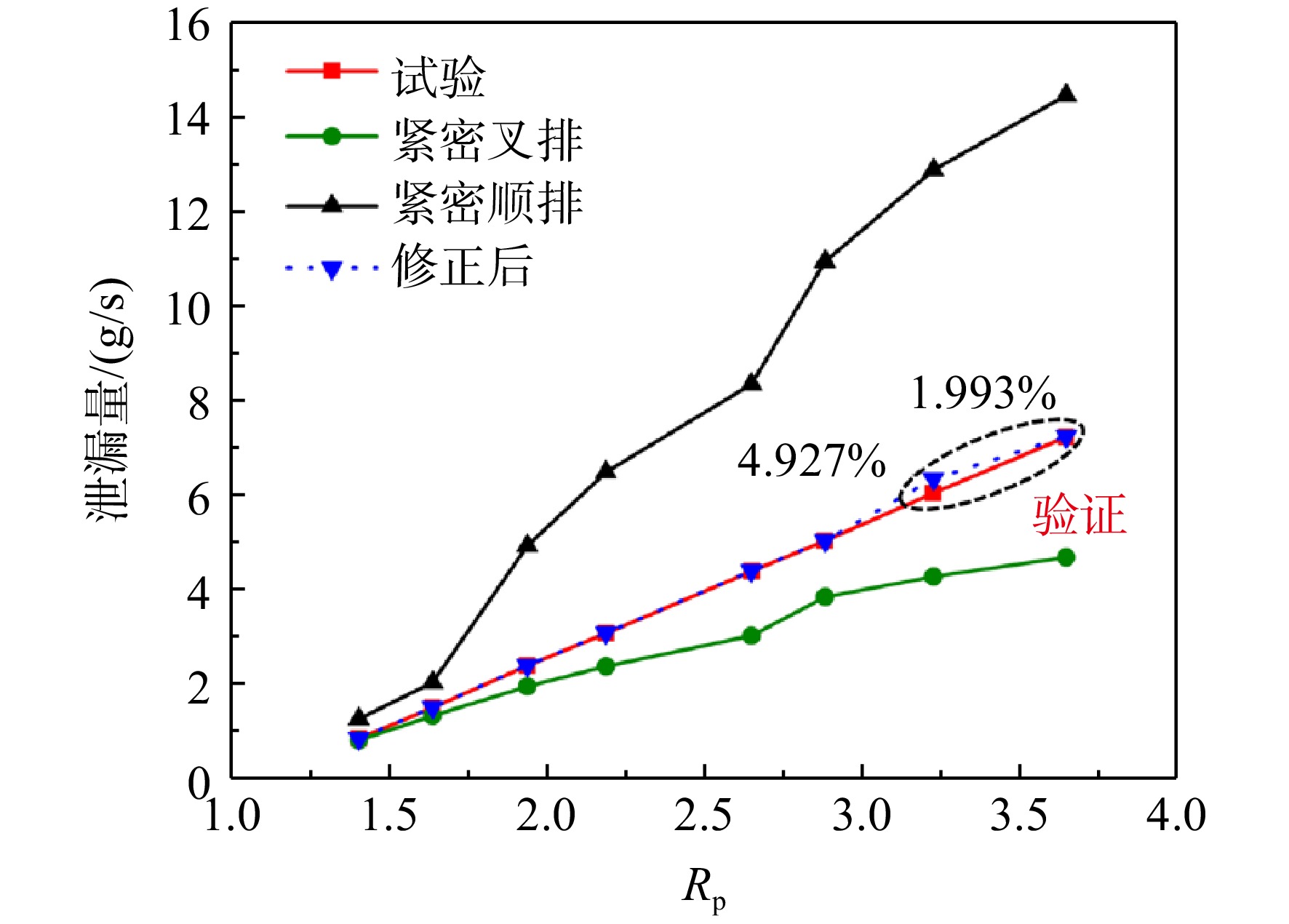
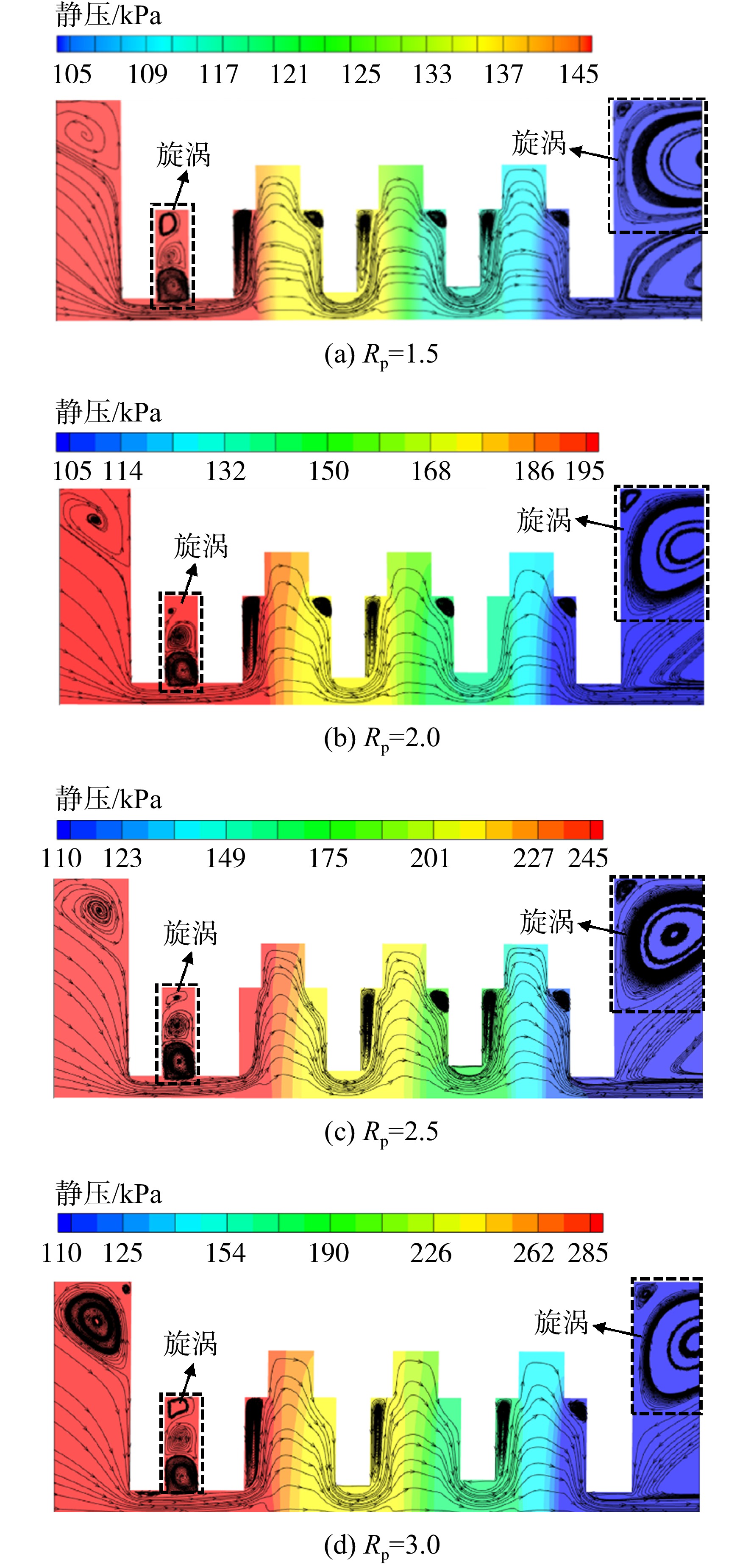
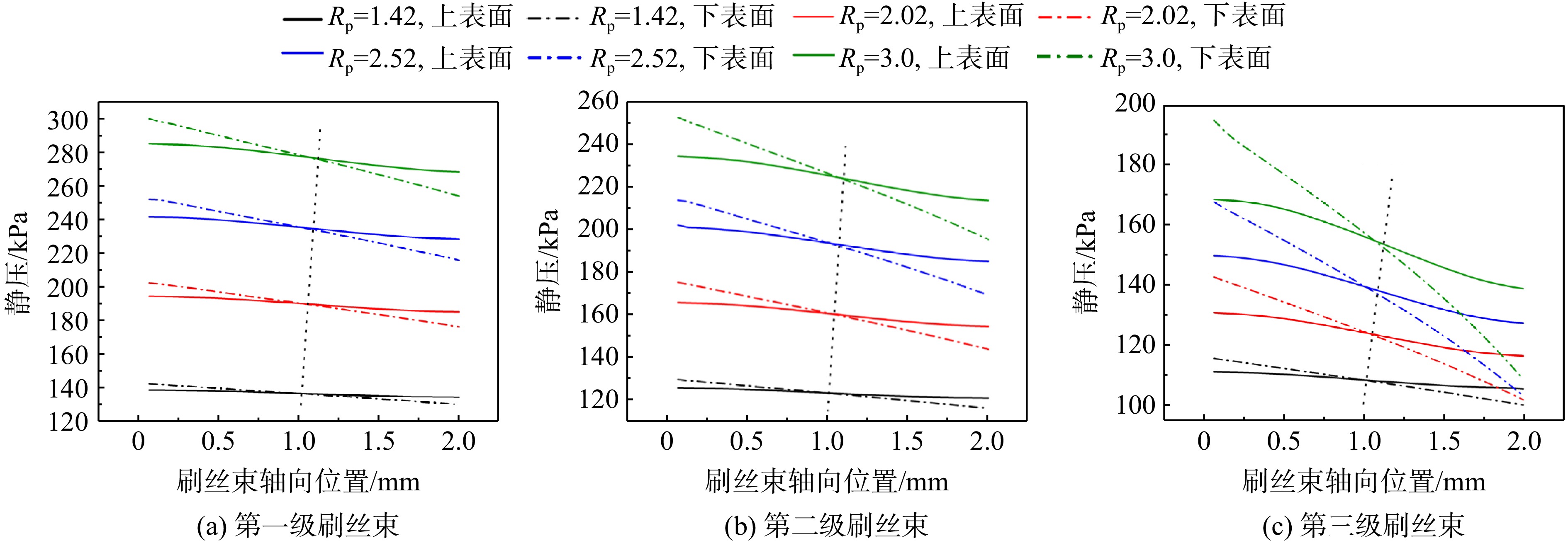
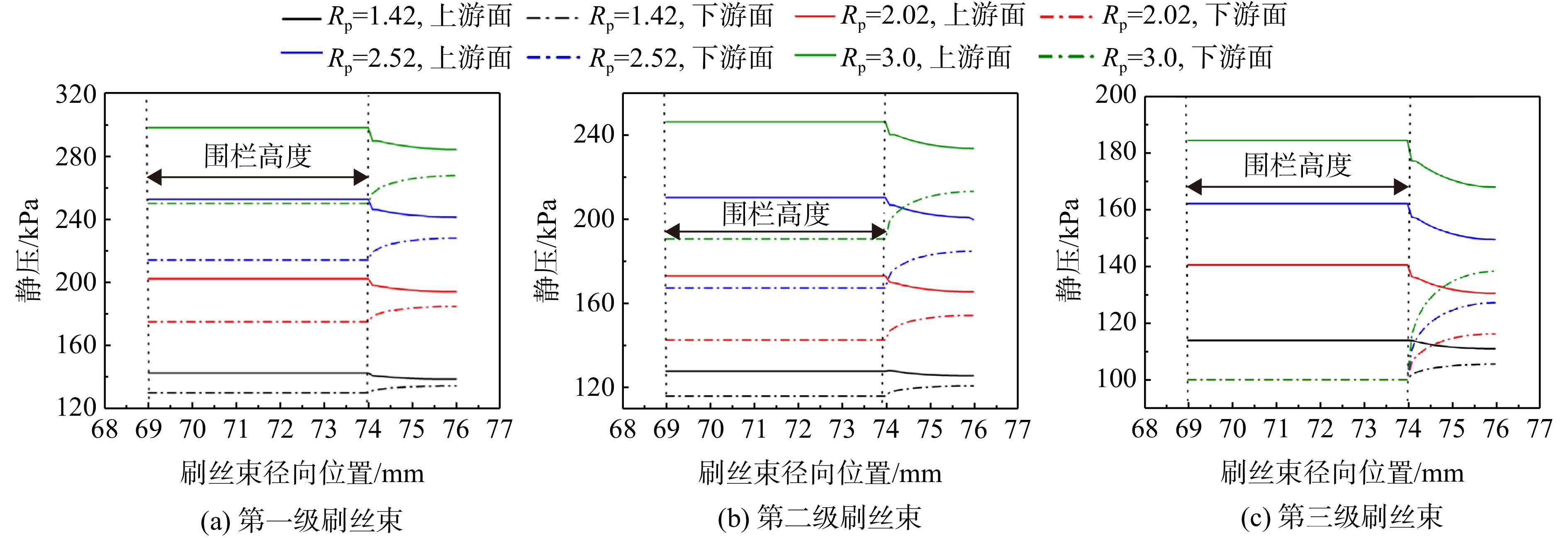
The flow and heat transfer characteristics between stages of multi-stage brush seals were theoretically analyzed, and the experimental pieces of multistage brush seal with two different structures of raising the blacking plate height and reducing the thickness of brush bundle were designed and machined. The characteristics of leakage and temperature distribution between stages were experimentally studied under high temperature static, normal temperature dynamic and high temperature dynamic conditions. A solution model for the flow and heat transfer characteristics of three-dimensional solid multi-stage brush seals was established, and the influences of operating parameters on flow and heat transfer characteristics of two different structures and the same multi-stage brush seals were studied by numerical and experimental comparison. The research showed that there were two different types of multi-stage brush seals, i.e.: raising the blackplate height and reducing the thickness of brush bundle; their interstage temperature increased with the increase of upstream and downstream pressure difference under high temperature static and dynamic working conditions, and decreased with the increase of upstream and downstream pressure difference under normal temperature dynamic working conditions. In high temperature dynamic working conditions, the interstate temperature was generally larger than that under high temperature static working conditions, and the leakage was generally smaller than that under high temperature static working conditions. The temperature between the second stage of the multi-stage brush seals of the three structures was higher than that between the first stage, the temperature between each stage of the same structure was the highest, the structure of reducing the thickness of the brush bundle was the lowest, the pressure difference between the upstream and downstream of the last stage of the brush bundle of the same structure was the largest, and the pressure drop distribution was the worst. The structure of raising the blacking plate height had the highest leakage, followed by the structure of reducing the thickness of brush bundle, and the structure of the same level had the lowest leakage.
Flutter boundary prediction method based on flutter-sample identification and flutter-degree analysis
CHEN Mingfeng, ZHOU Li
2024, 39(12): 20220311. doi: 10.13224/j.cnki.jasp.20220311
Abstract:

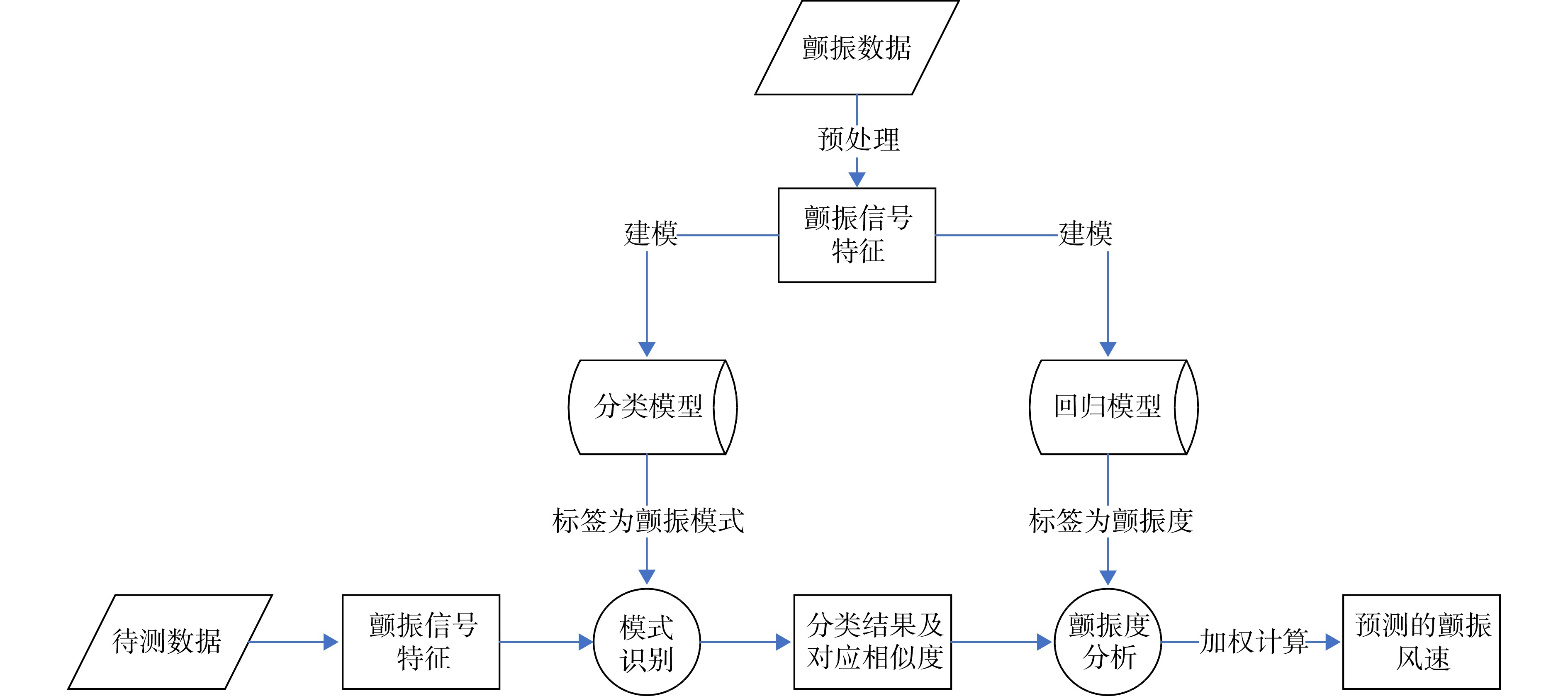
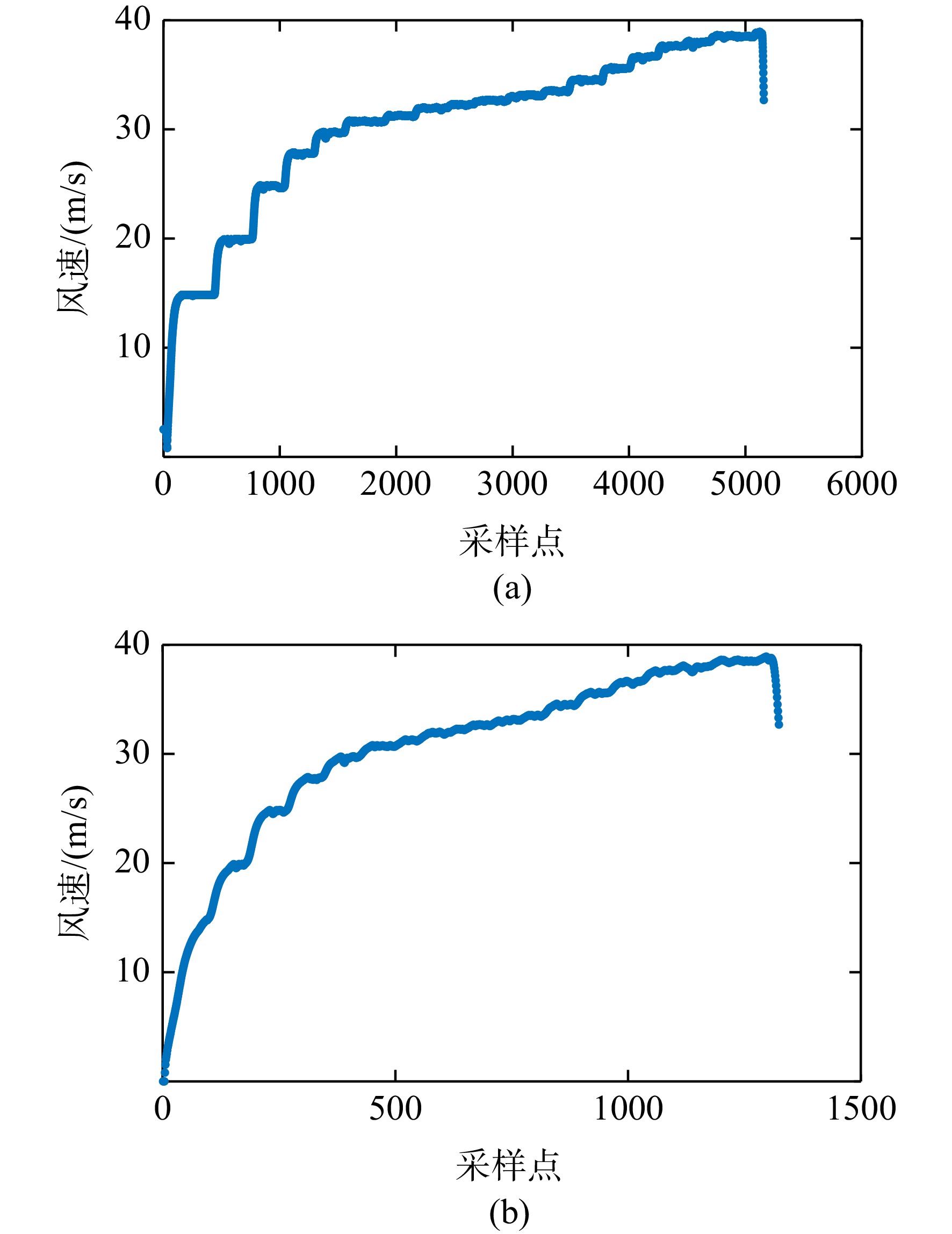
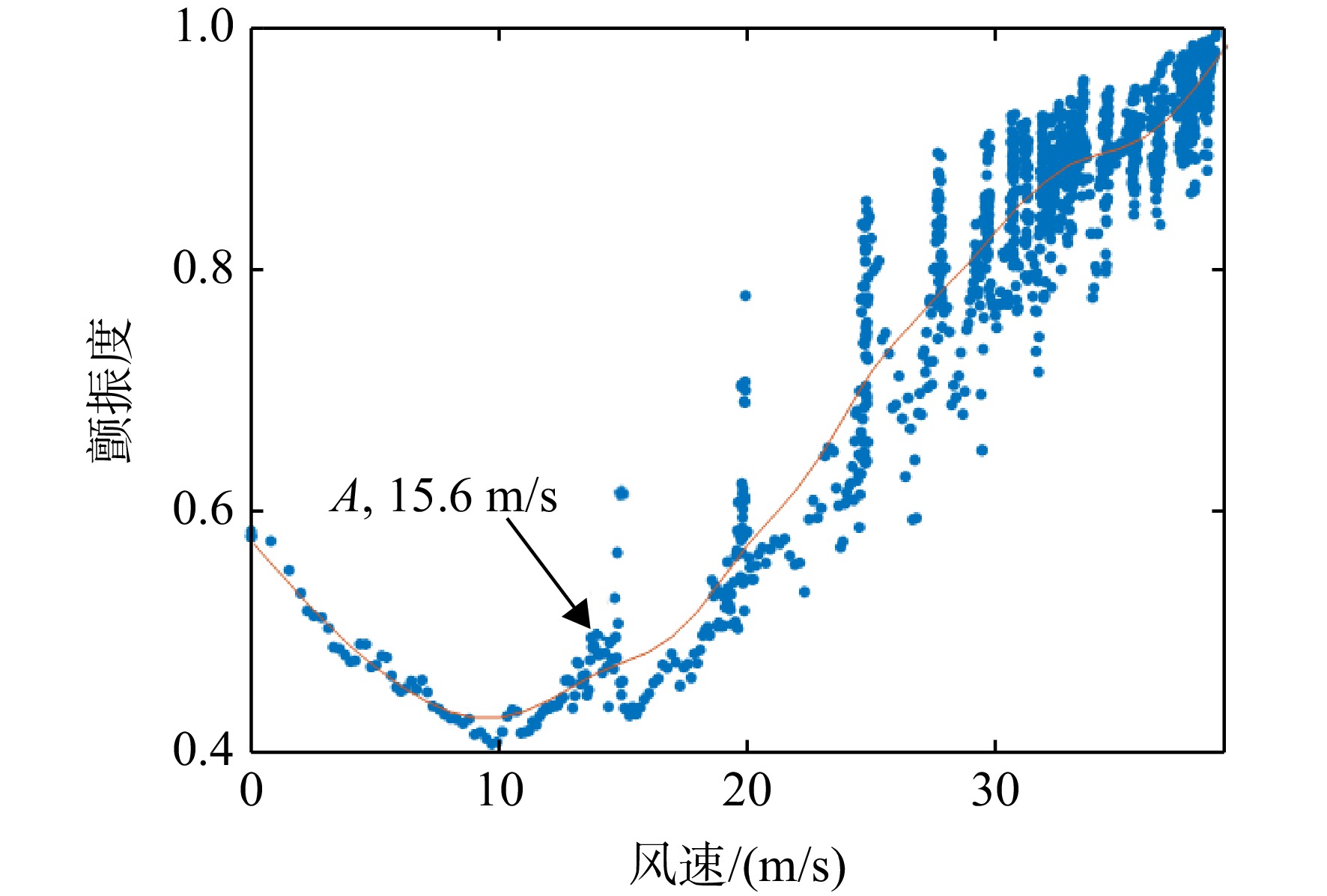
A flutter boundary prediction method based on machine learning was proposed, which can predict the flutter speed before the wind speed reaches the subcritical state. The flutter signal features were firstly extracted from the wind tunnel response signals, and the classification model was established according to different flight states. Then, regression models were established under different flutter-samples for flutter-degree analysis. To predict the flutter boundary, the results of flutter-degree analysis were weighted to obtain the flutter degree corresponding to the current wind speed according to the classification performance of the response data, and then the flutter wind speed was calculated. In the selection of machine learning algorithms, machine learning algorithms such as Naive Bayes, Support Sector Machine and k-Nearest Neighbor were performed to construct the classification model, while Linear Regression, Support Vector Machine and Gaussian Process Regression were performed to construct the regression model, which was used for flutter-sample identification and flutter-degree analysis respectively. The results showed that the k-Nearest Neighbor algorithm performed best in the classification algorithm, while the Gaussian Process Regression algorithm performed best in the regression algorithm. Through cross validation of test data, this method can accurately predict the flutter speed when it was far from the flutter boundary.

Combustion,Heat and Mass Transfer
Influence of typical parameters in laminated cooling structure on flow and heat transfer behaviors
SONG Wei, WANG Jianhua, YAO Ran, LI Yuefeng
2024, 39(12): 20230017. doi: 10.13224/j.cnki.jasp.20230017
Abstract:

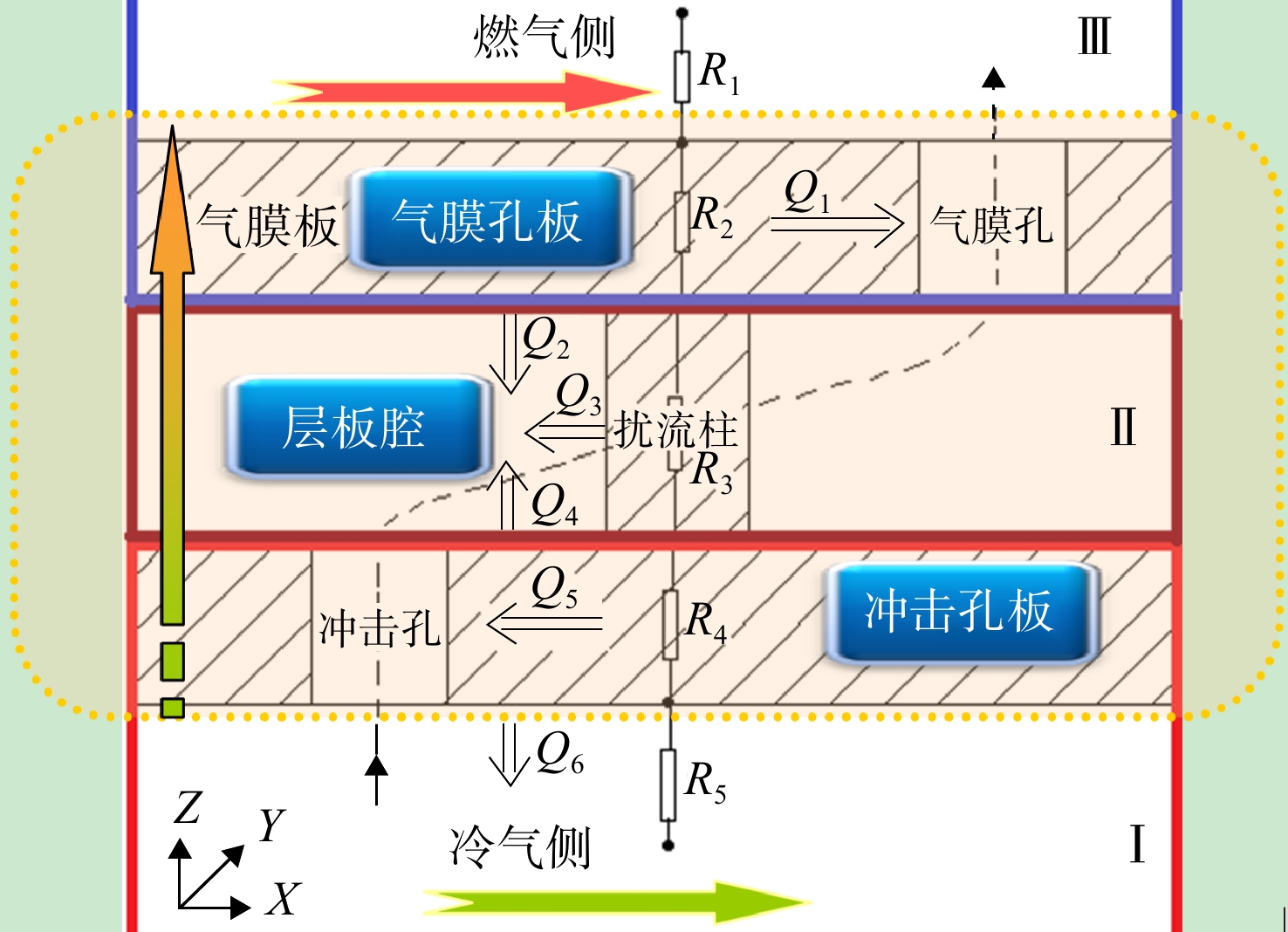
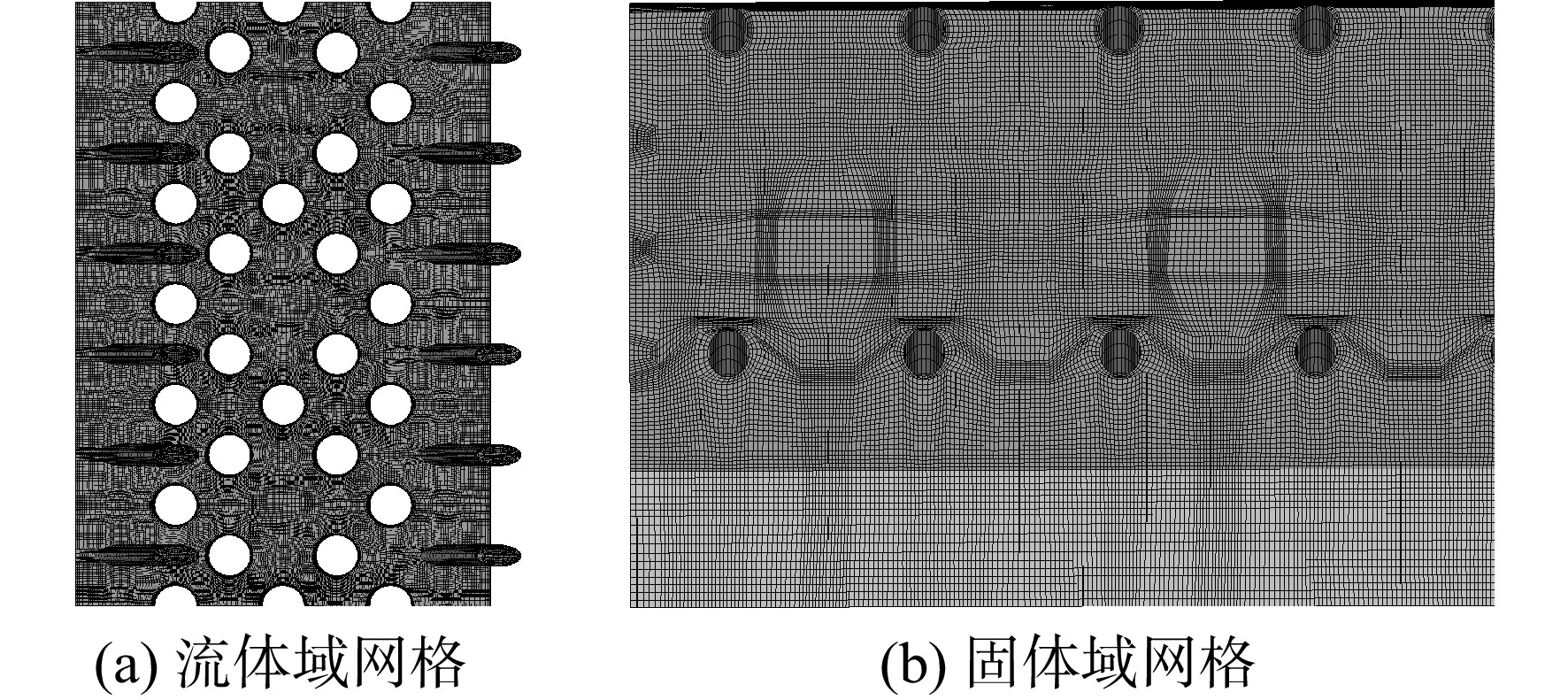
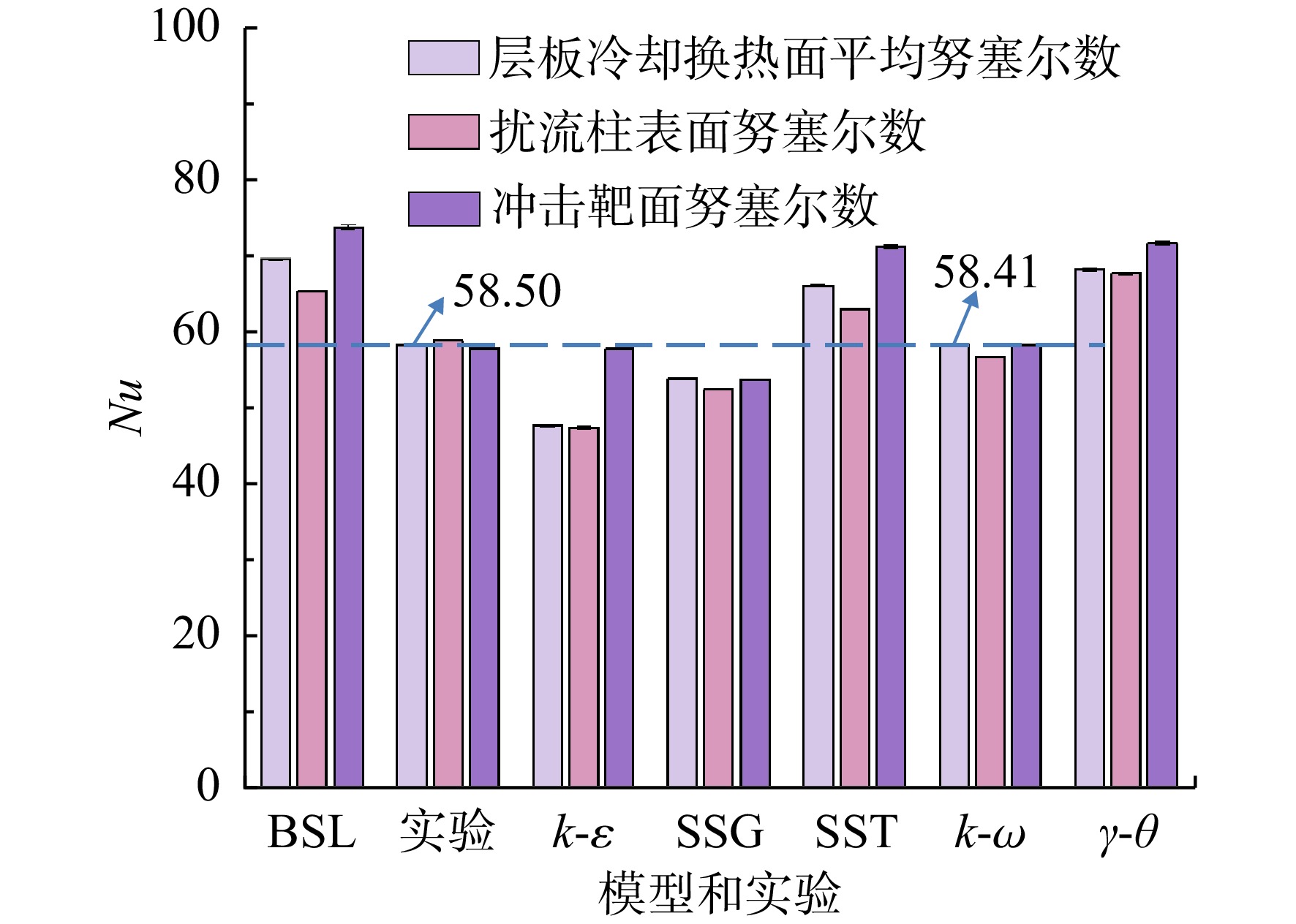
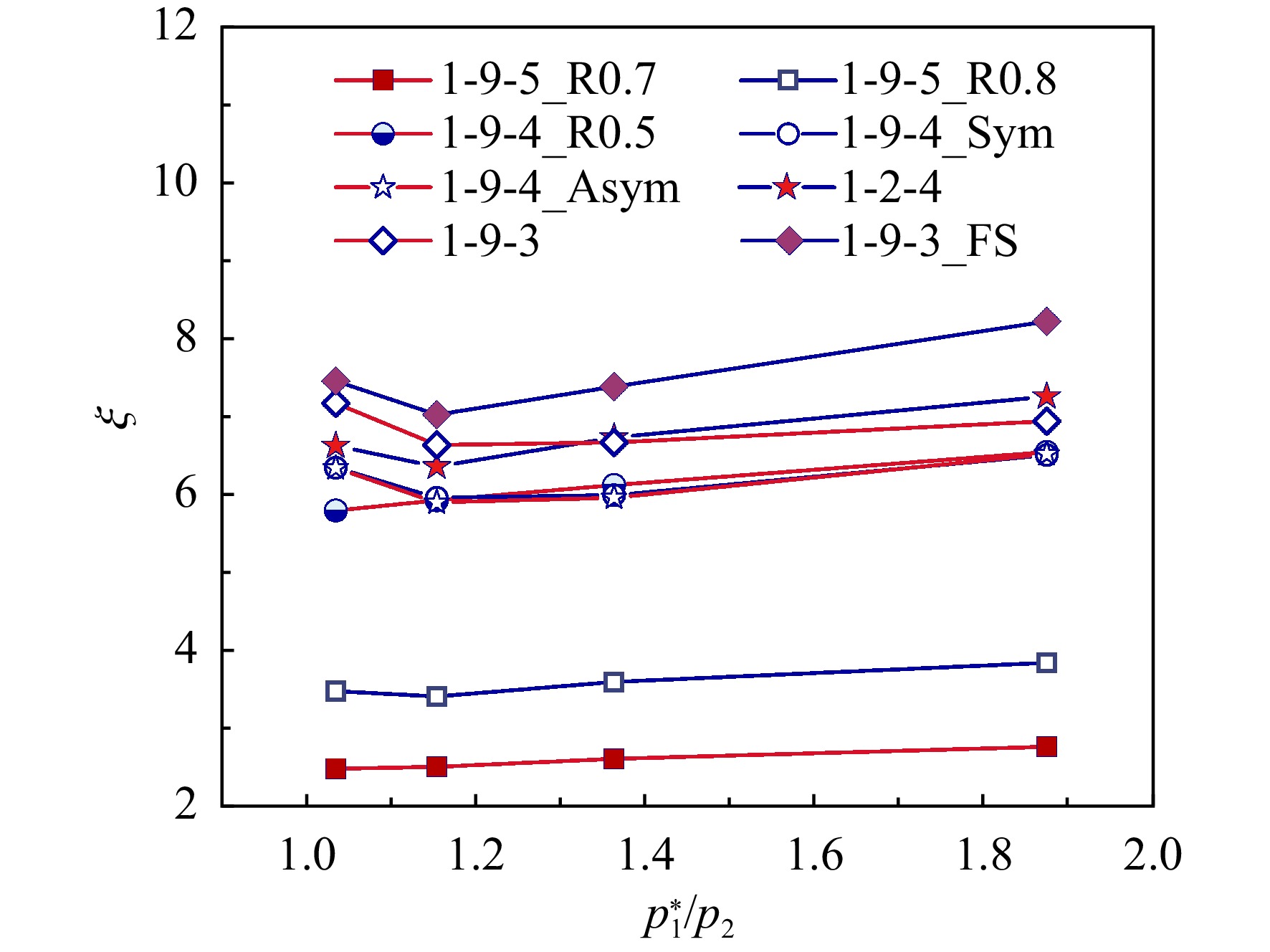
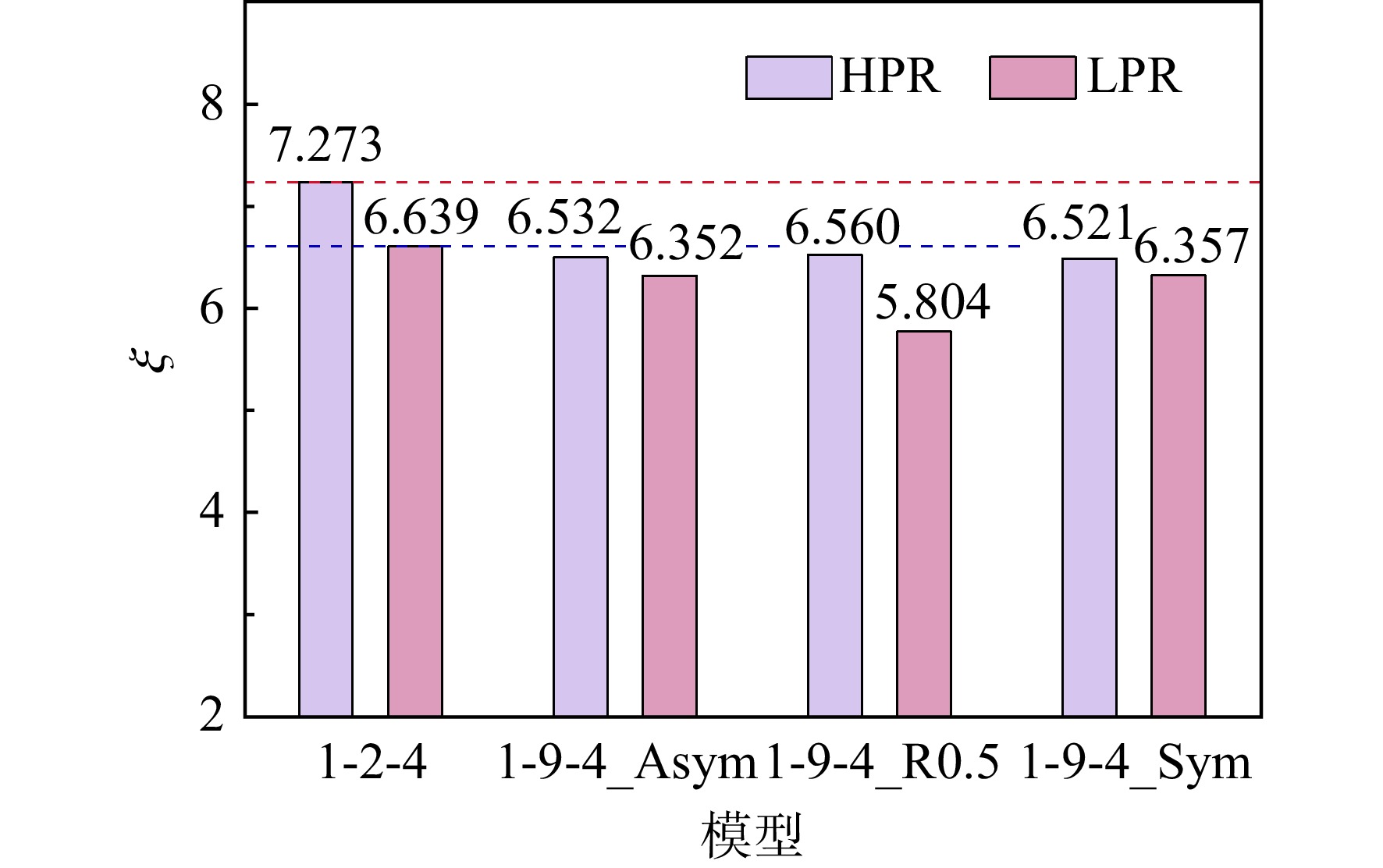
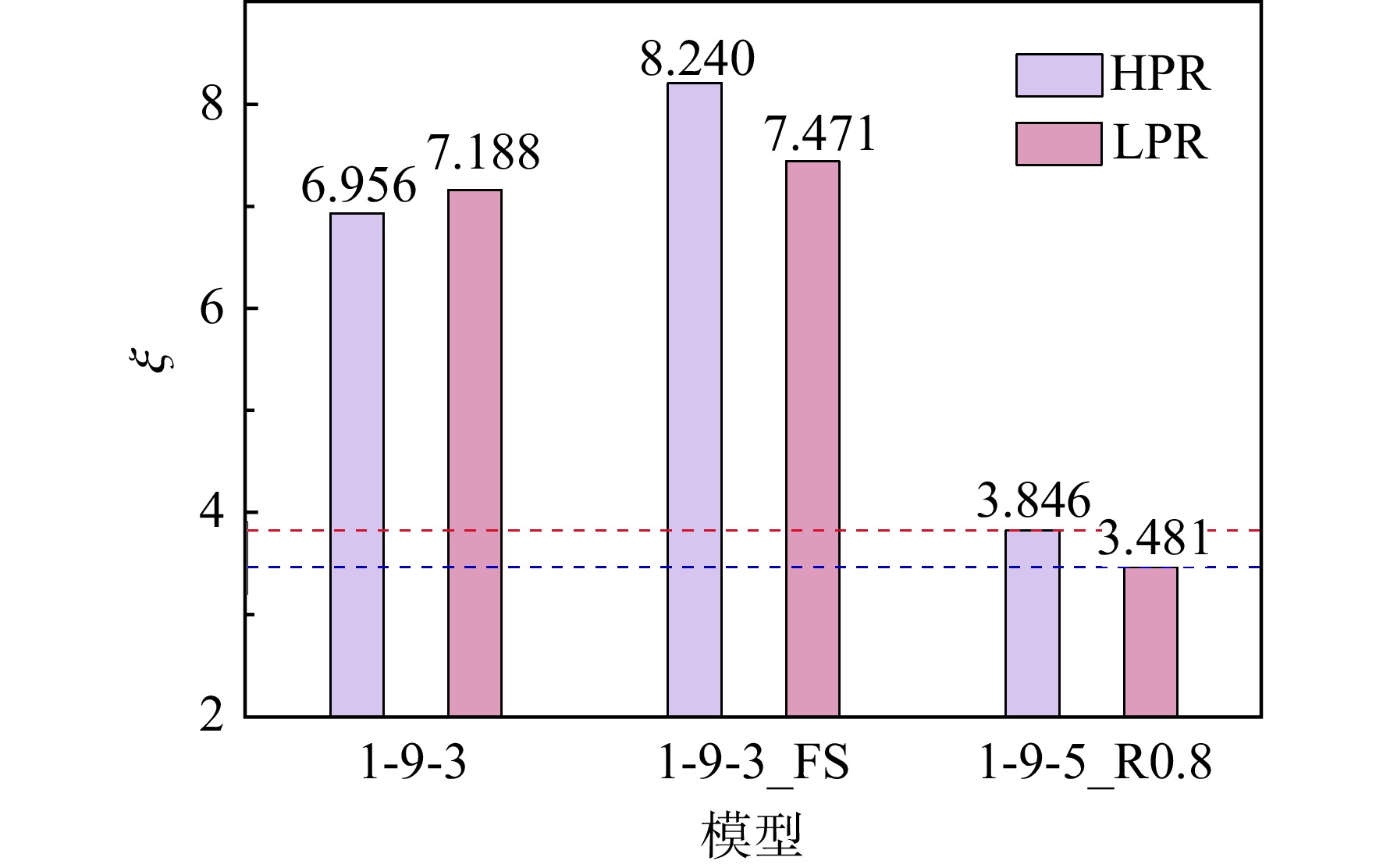
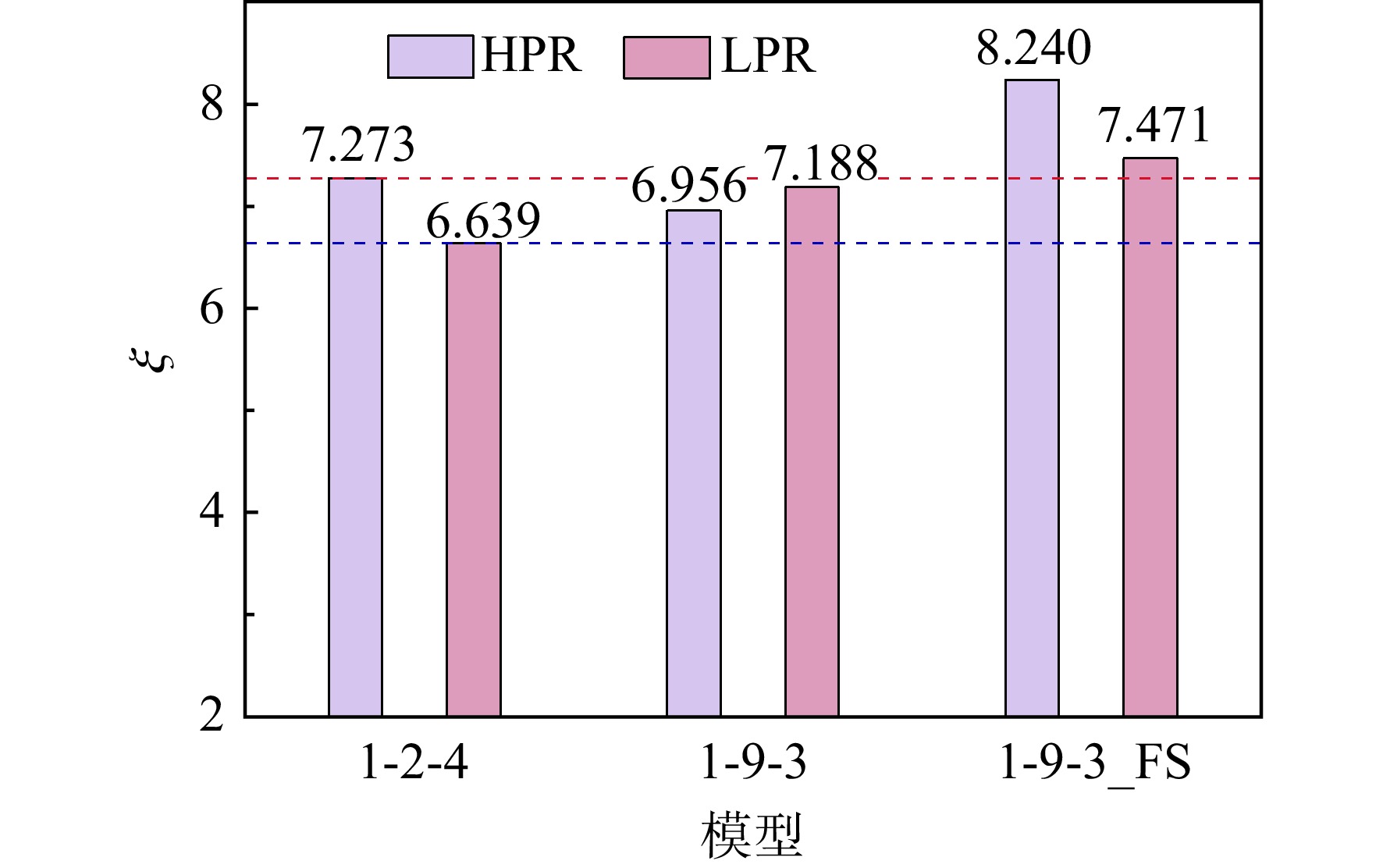
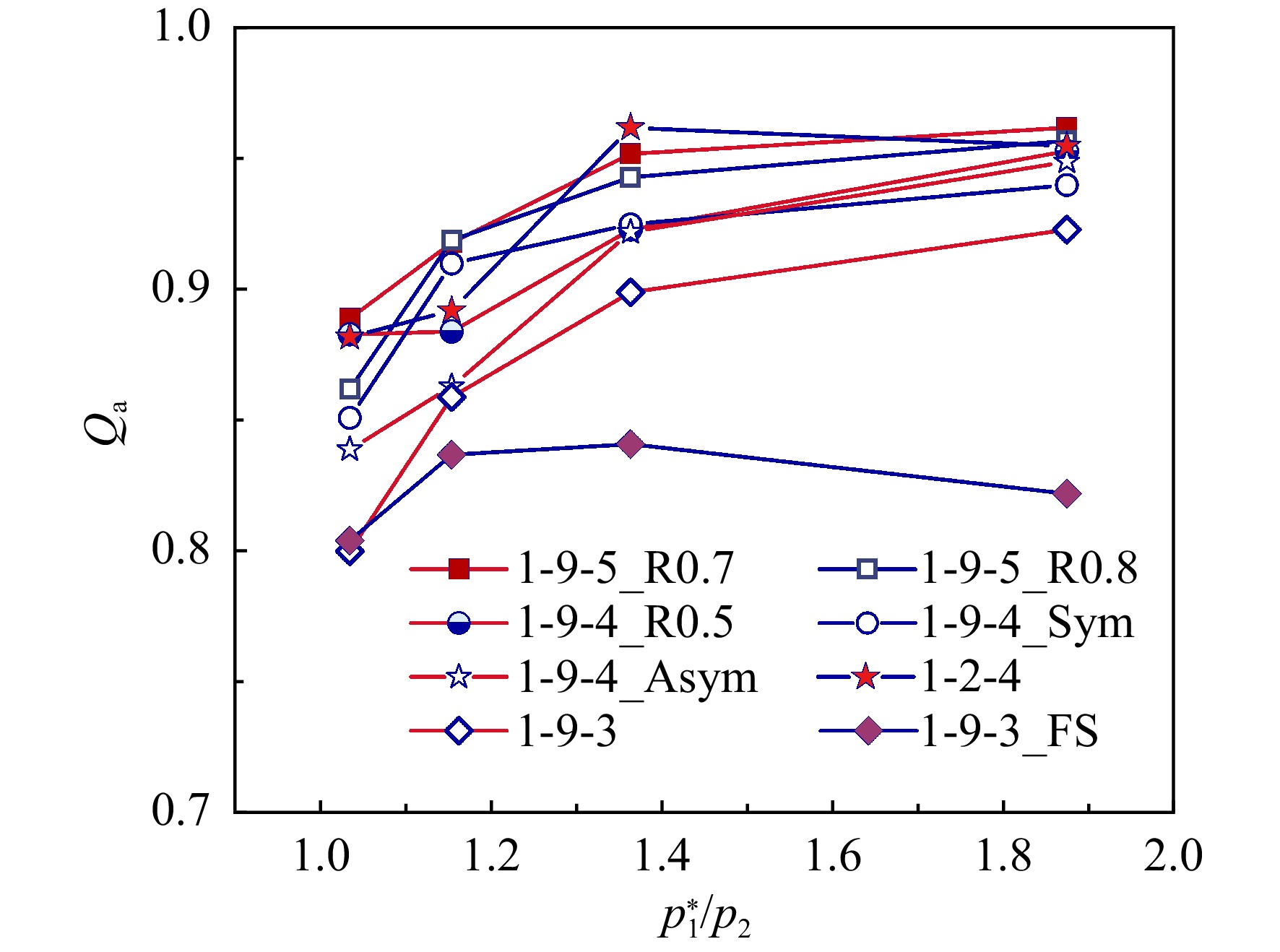
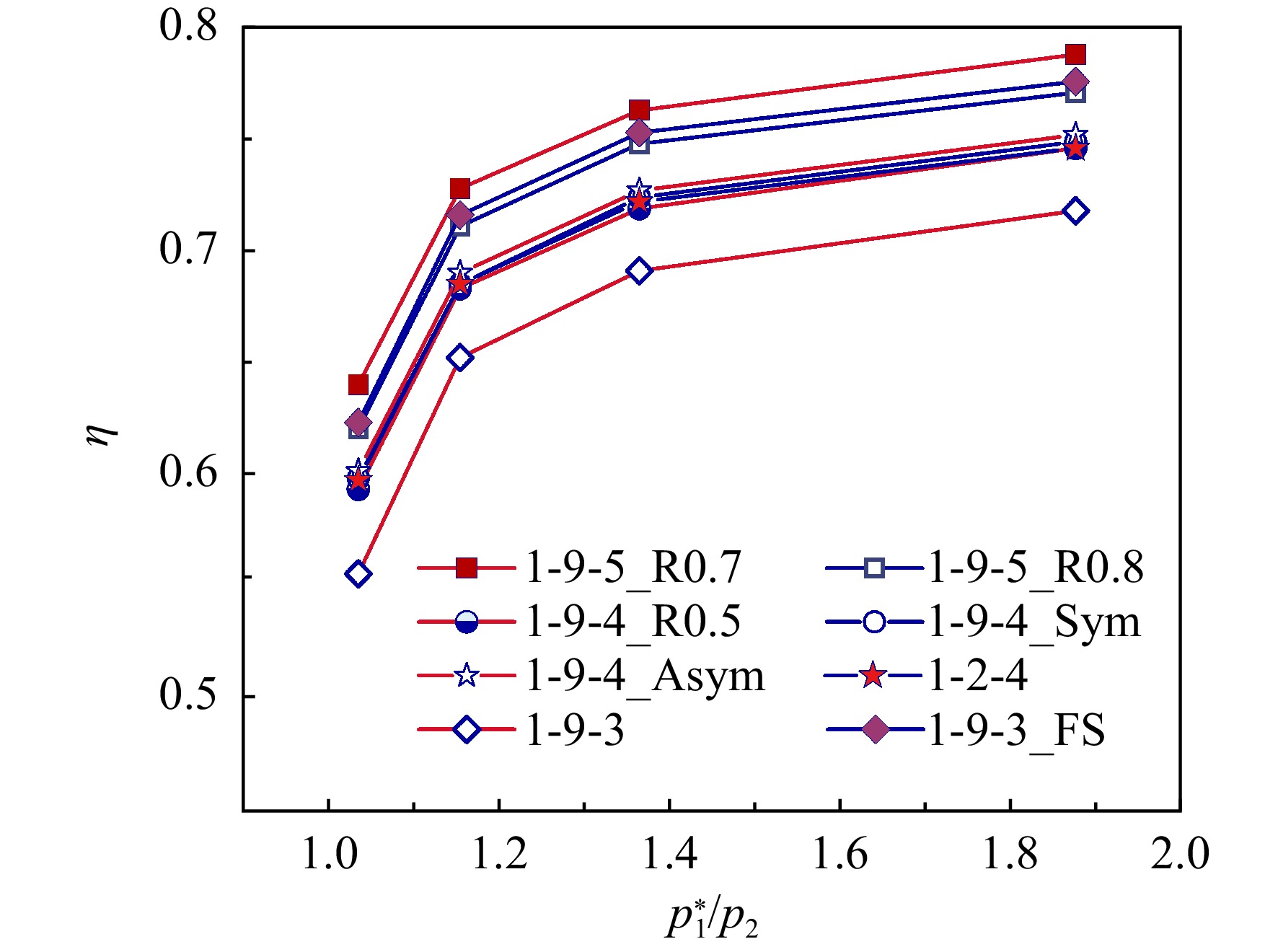
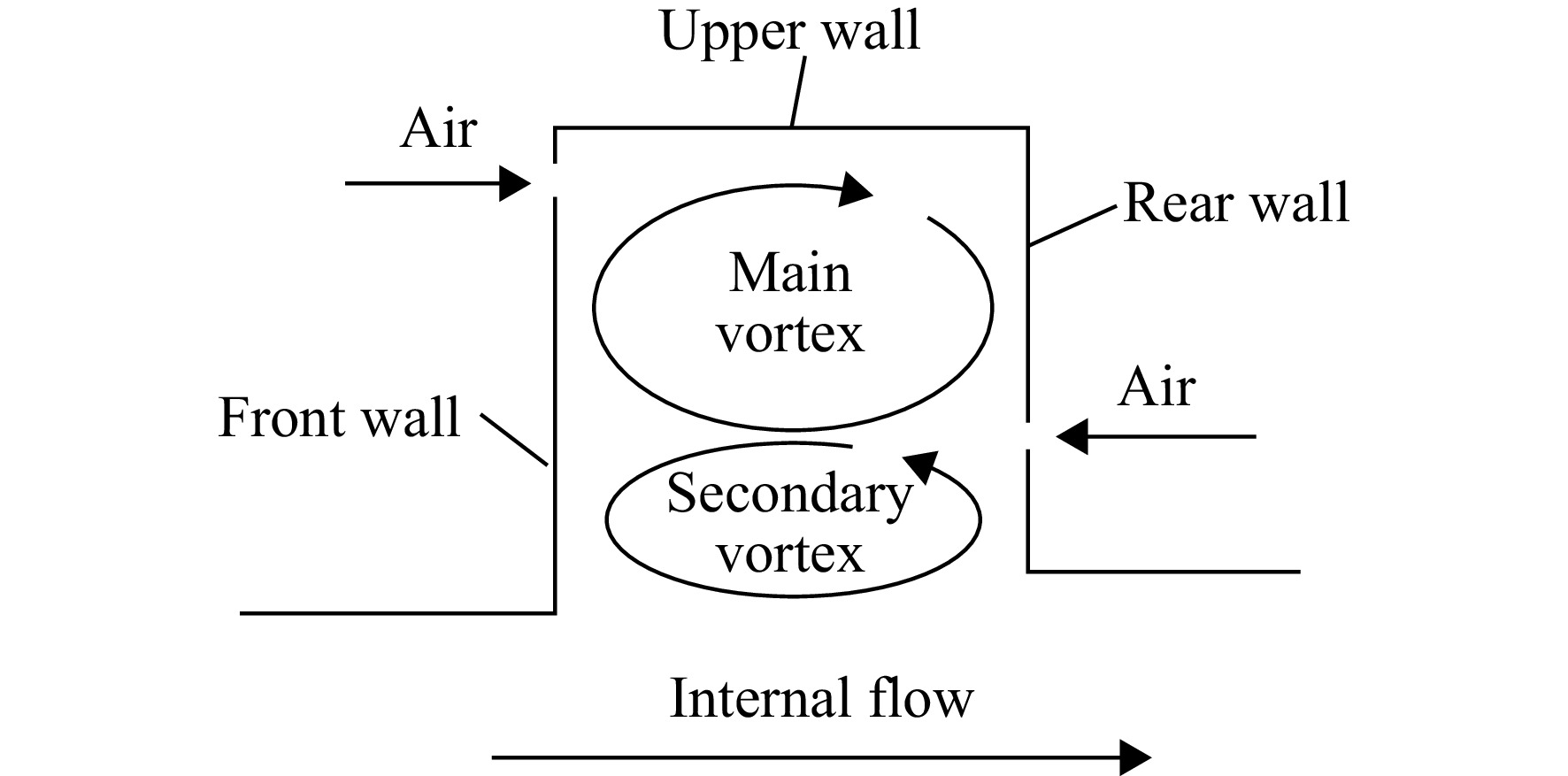
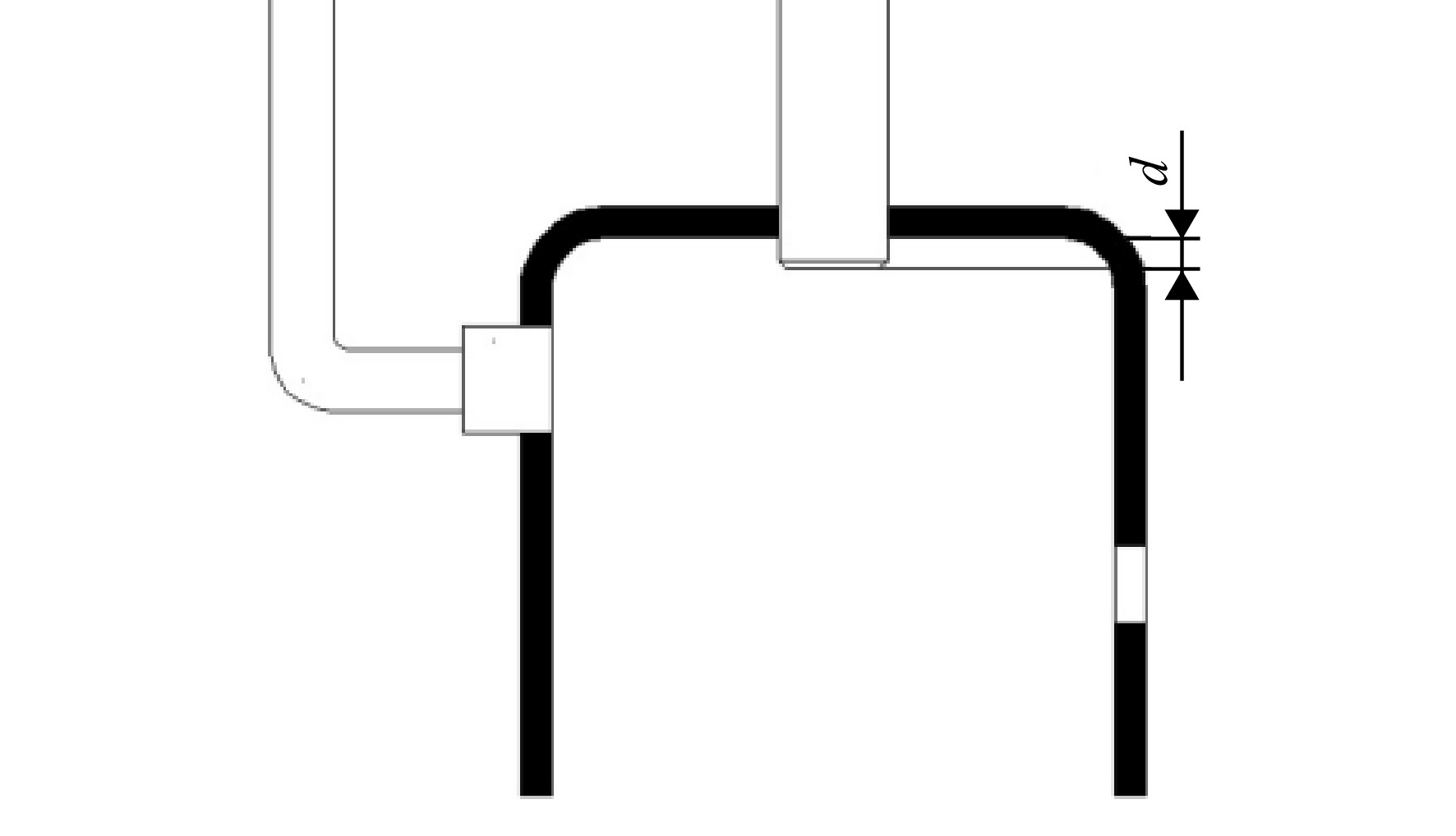
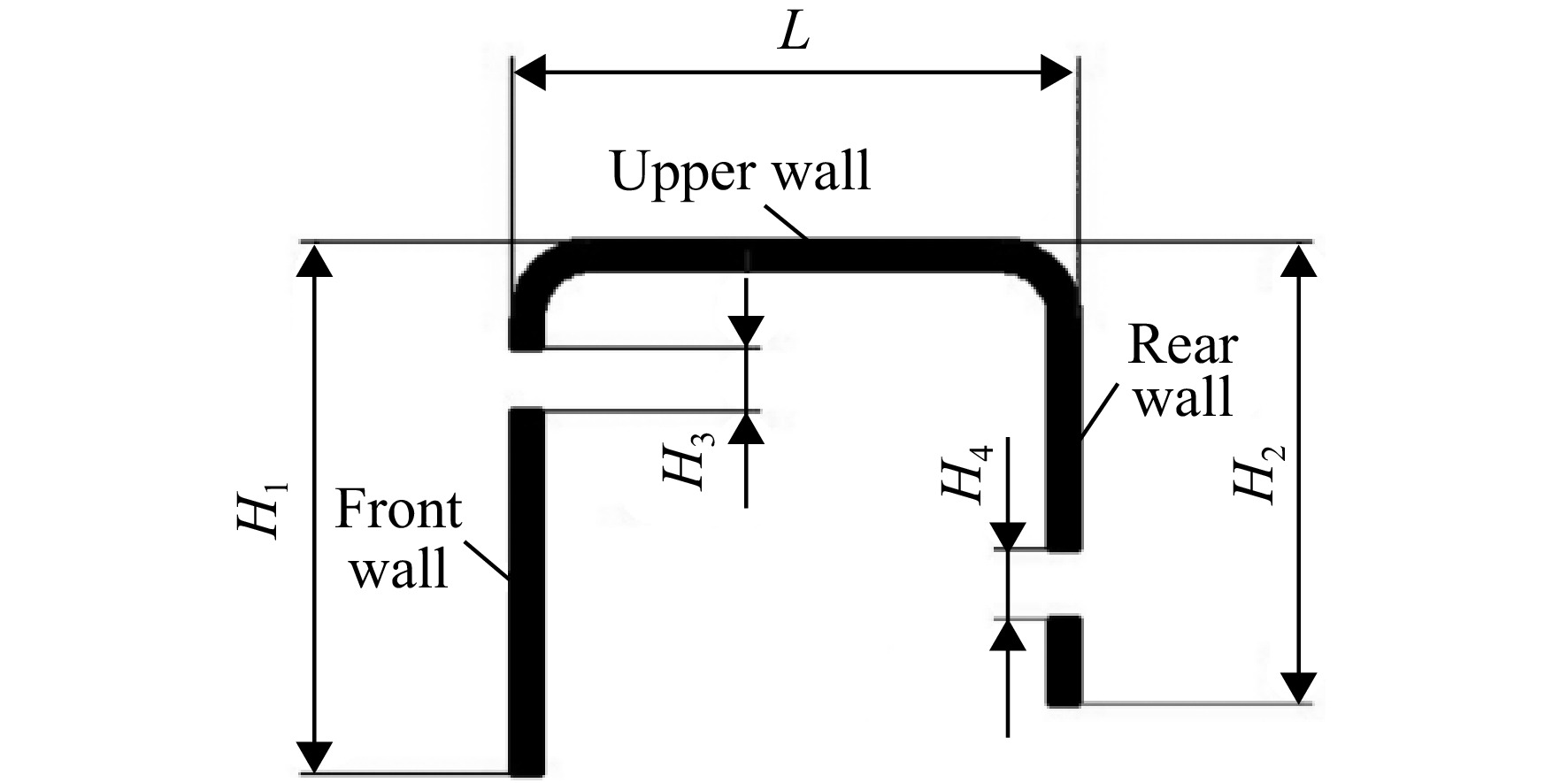
Numerical simulation of fluid and solid zones was carried out to obtain heat transfer and temperature of eight different laminate configurations. The low Reynolds number shear stress transport (SST) k-ω turbulence model was selected. The relative error between the surface average Nusselt number and the cooling effect experiment was only 0.15%. The influences of the porosity of impingement and film holes, blockage ratio of the ribs, the film hole shape, and film cooling arrangement mode on heat transfer behaviors were studied. For flow resistance, in the interior, the influence level of rib blocking ratio was higher than the impingement hole opening rate; whereas in the gas side, the film hole type was more important than the film porosity. The comprehensive influence levels ranked as film hole type, film porosity, impingement hole opening rate and heat transfer area of the rib. To decrease friction loss coefficient and increase cooling efficiency, the 1-9-5 laminate unit more suitable than the 1-2-4 laminate model for the high temperature environment and low coolant supply pressure ratio at the leading edges of turbine blades was obtained, which can effectively increase the blade temperature by 140 K.

Study on ignition performance of a cavity trapped vortex combustor of the afterburner with an air-blast-swirl atomizer
ZHAI Yunchao, ZHONG Shilin, KANG Yudong, LI Yang, WANG Jintao
2024, 39(12): 20220808. doi: 10.13224/j.cnki.jasp.20220808
Abstract:

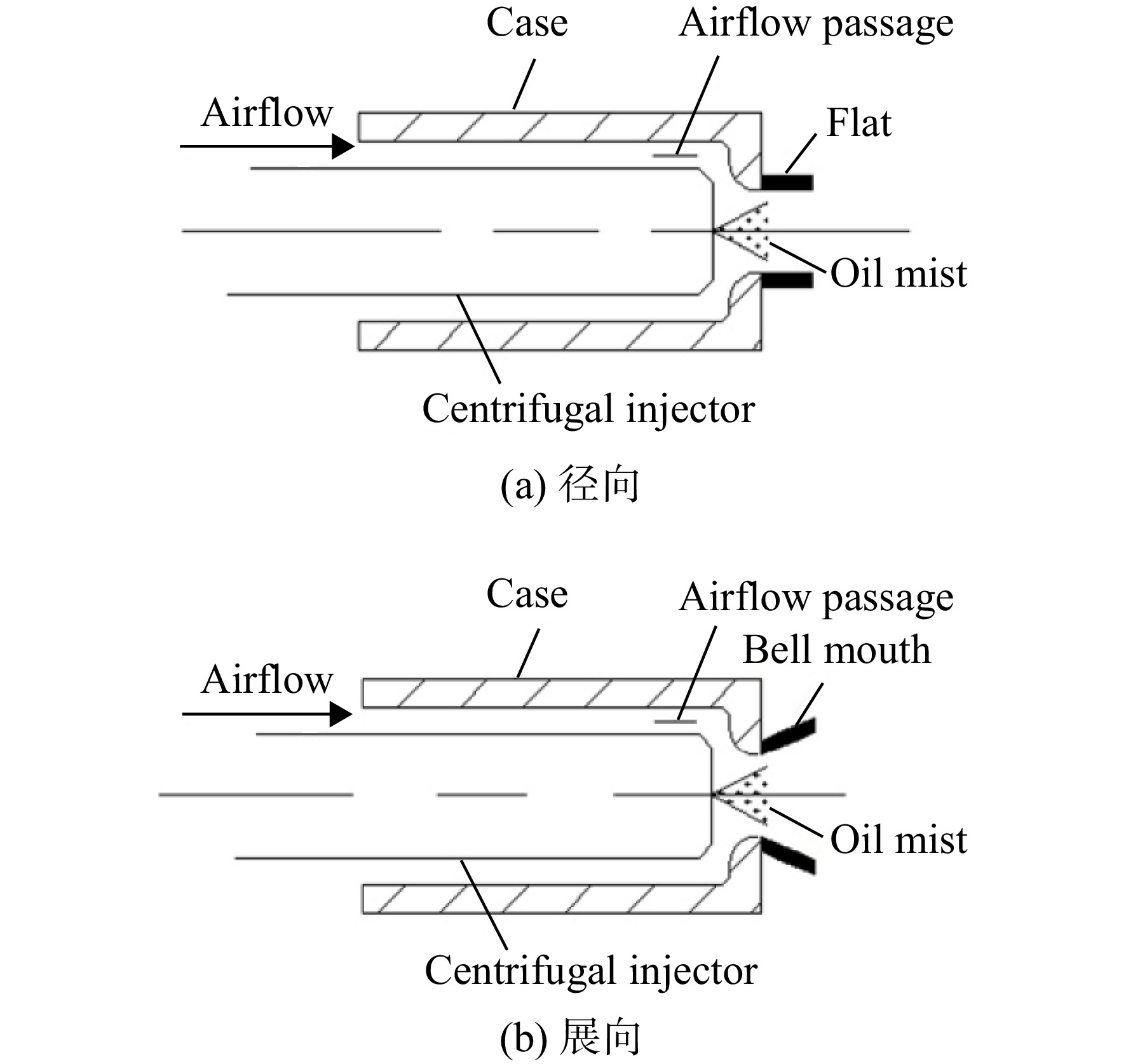
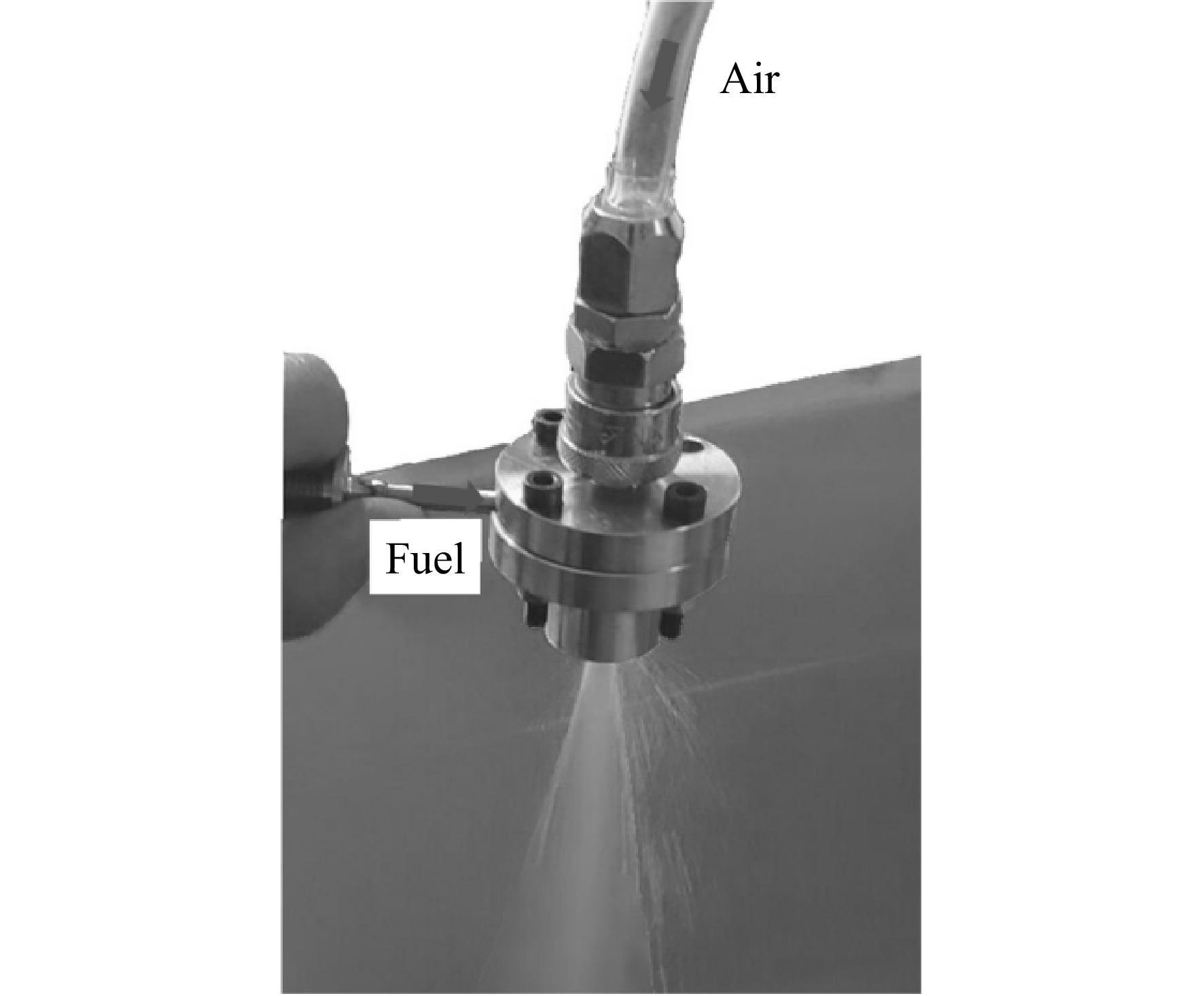
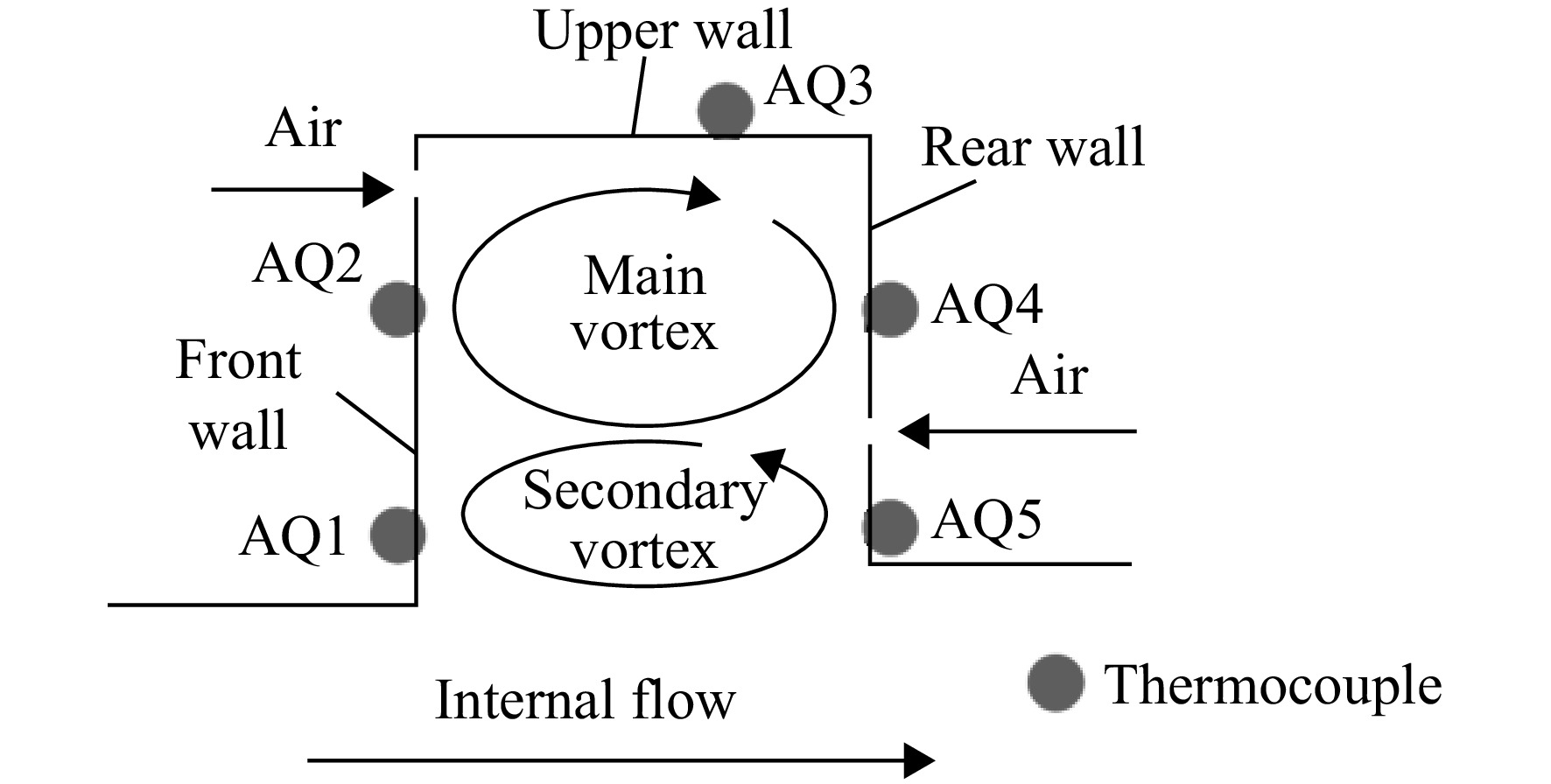
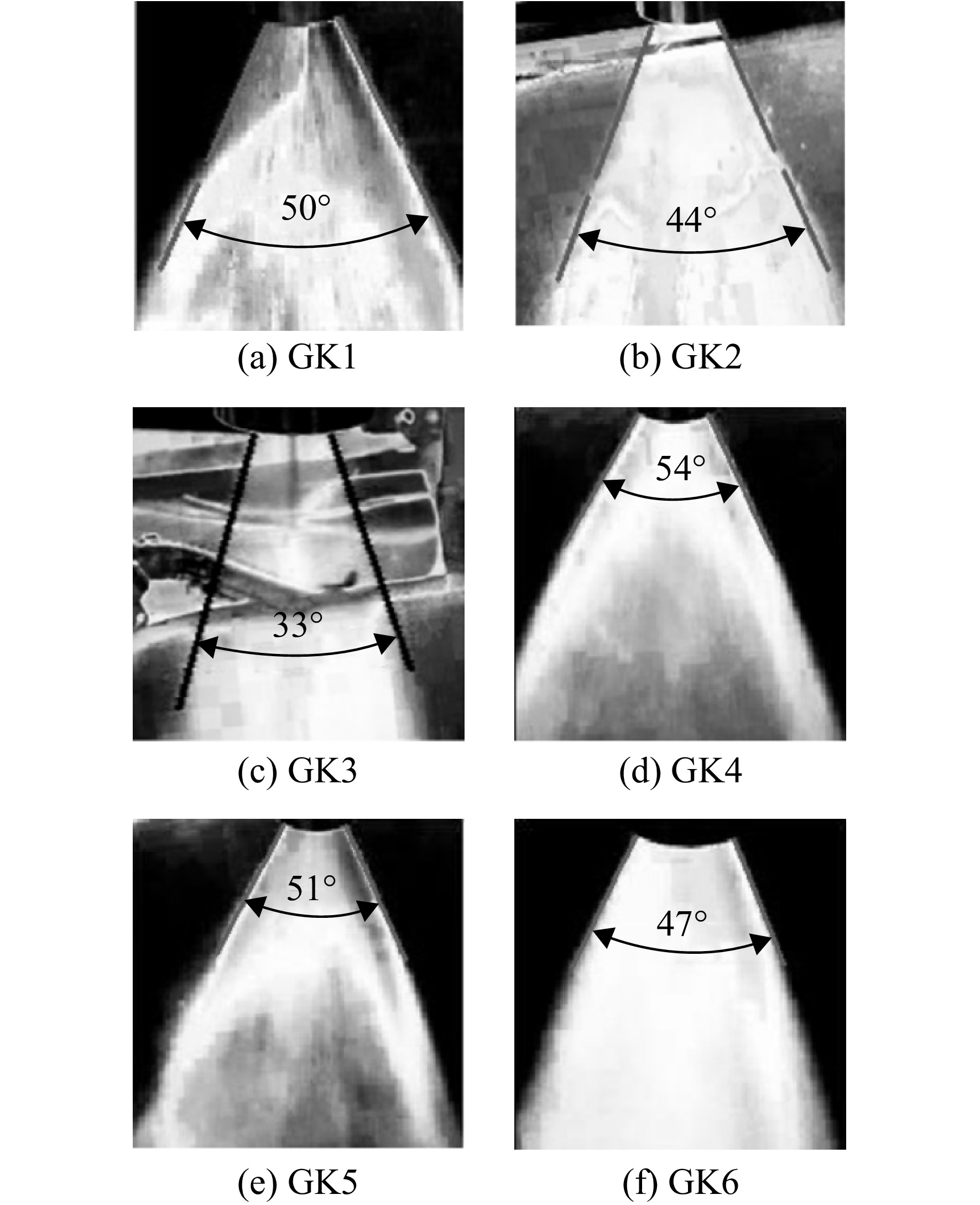
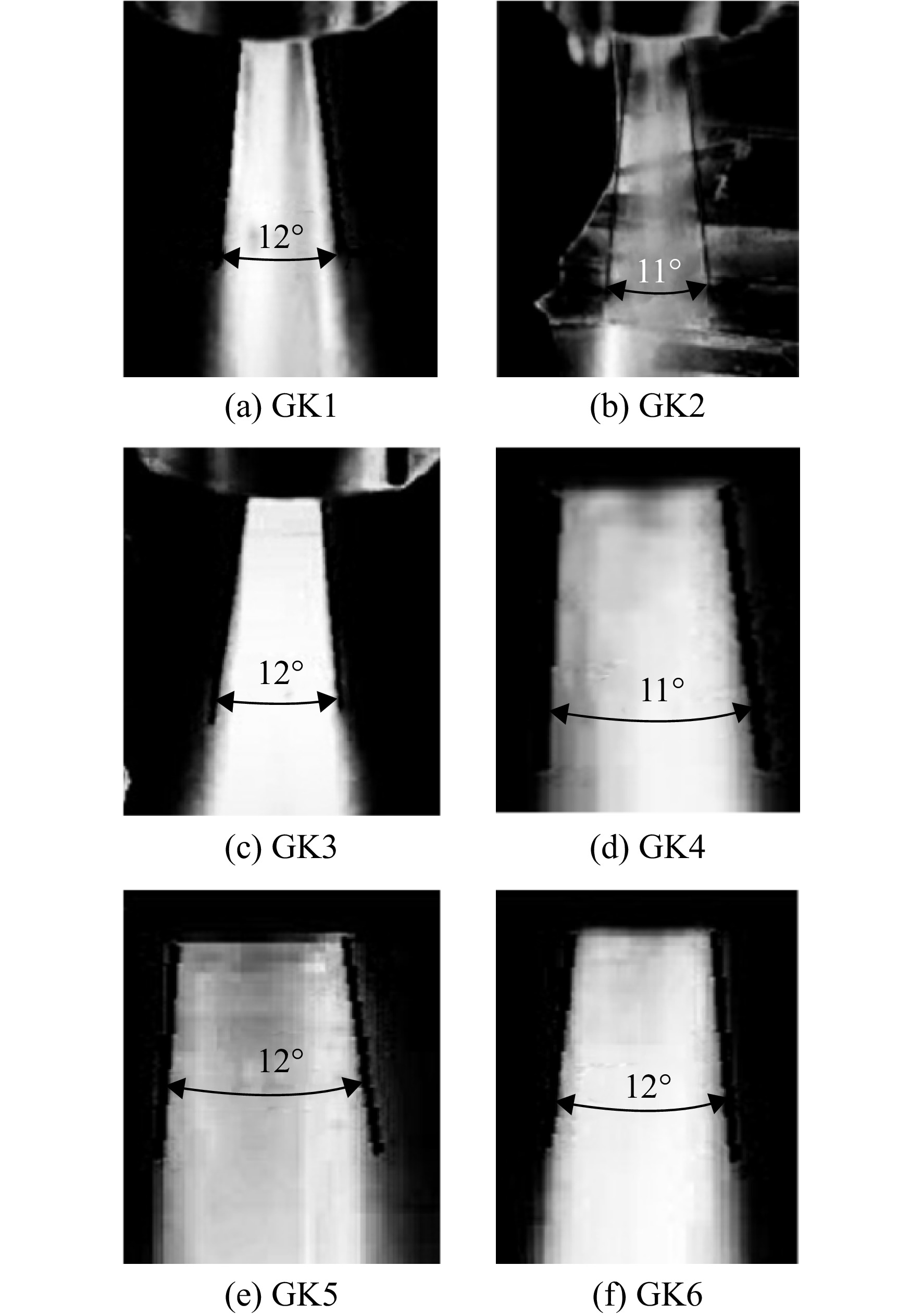
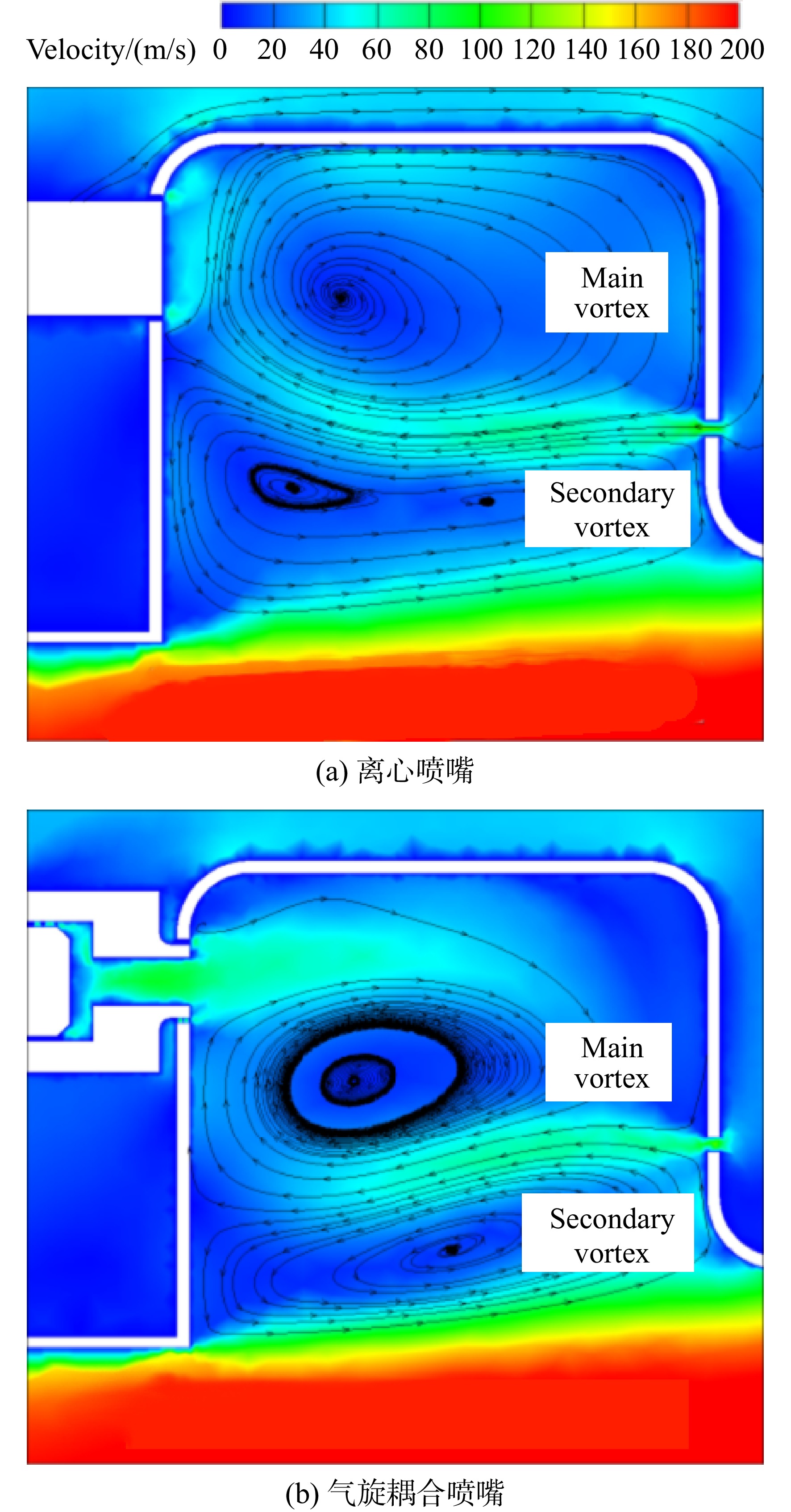
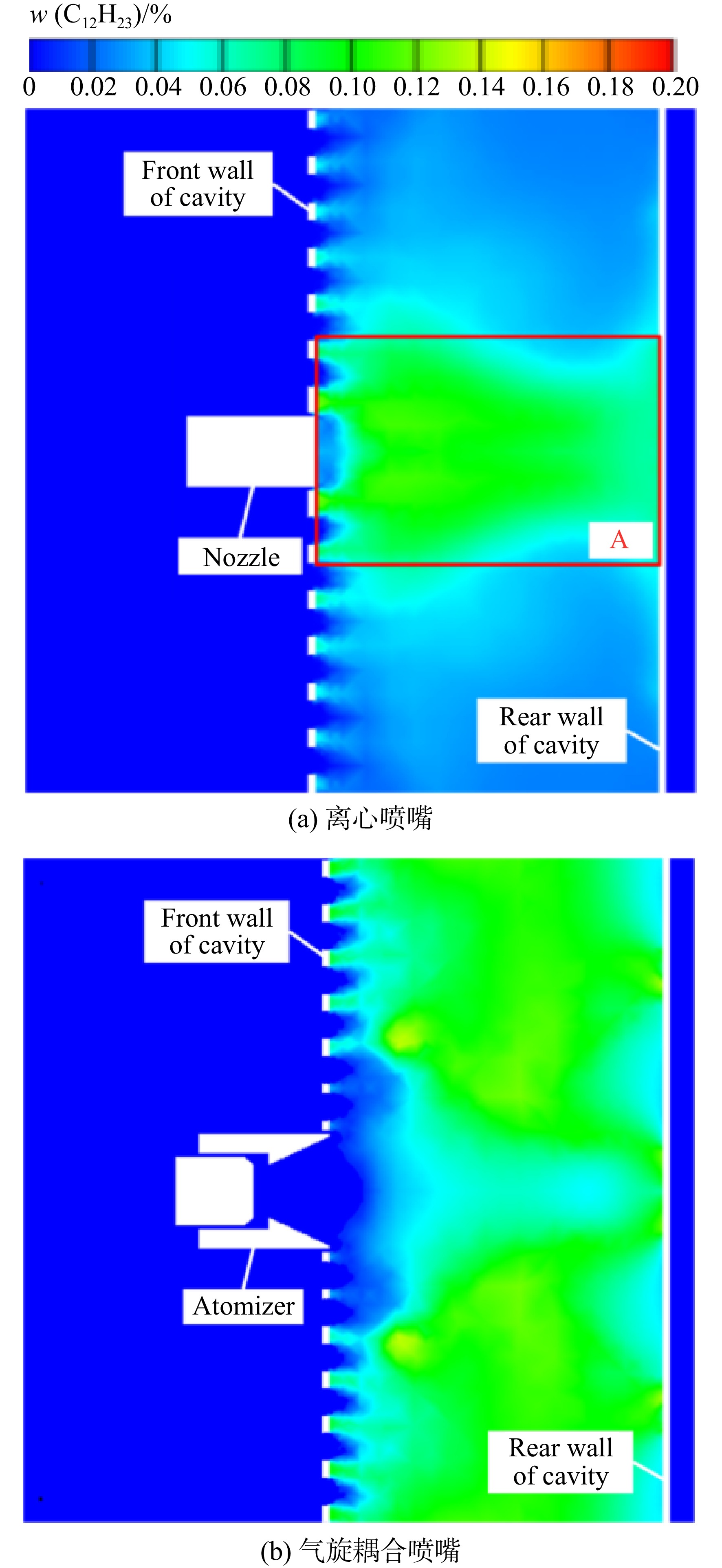
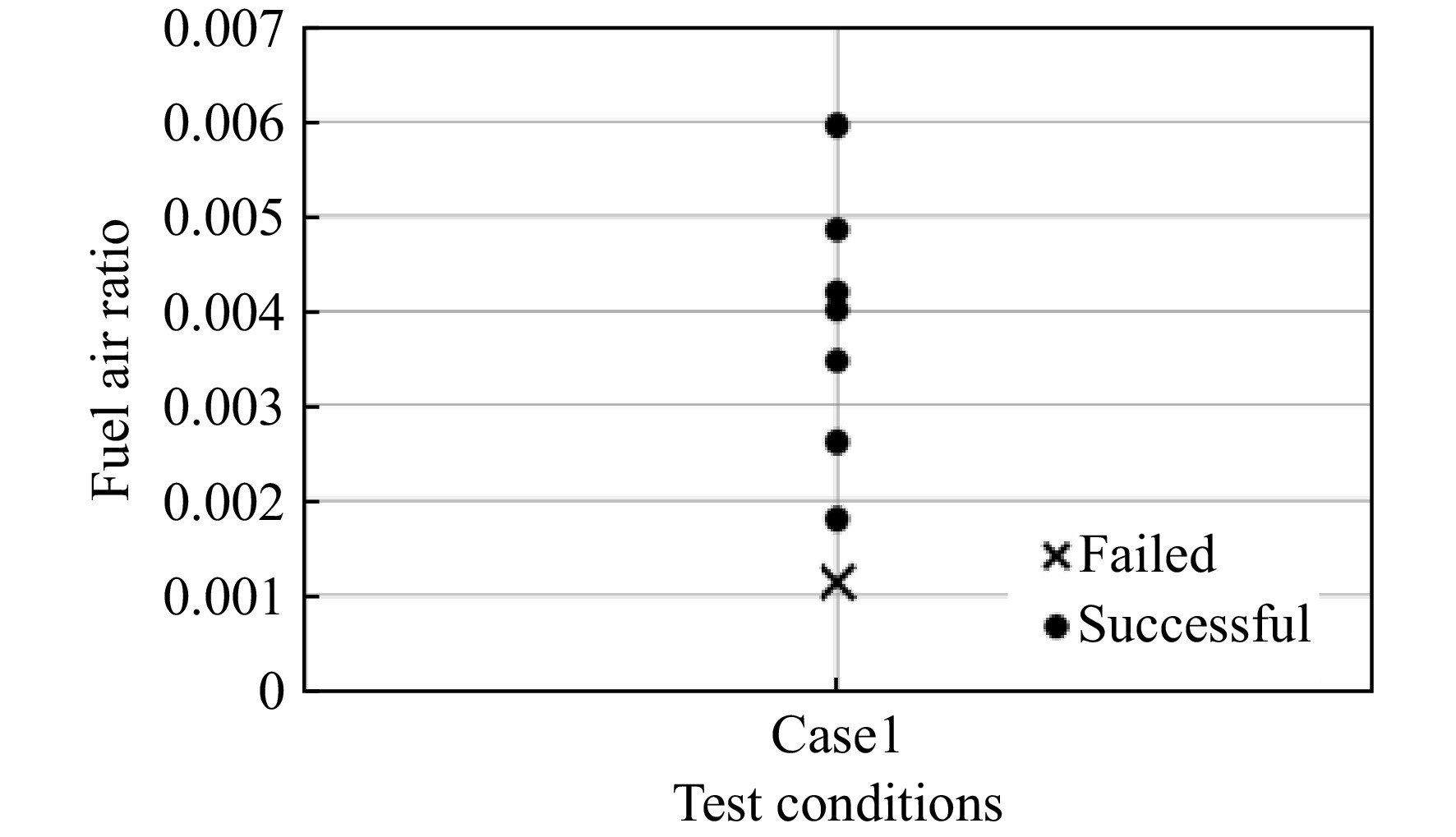
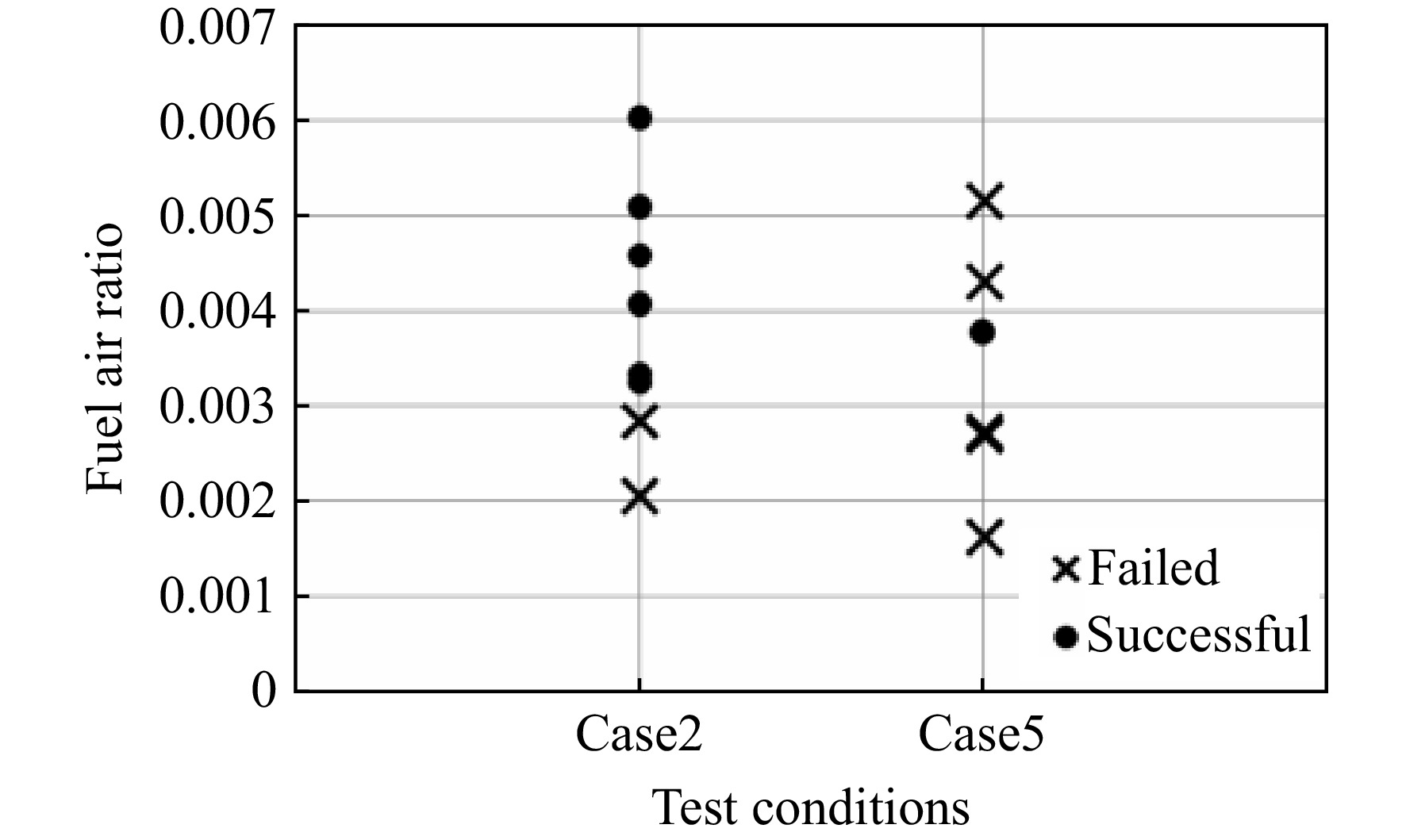
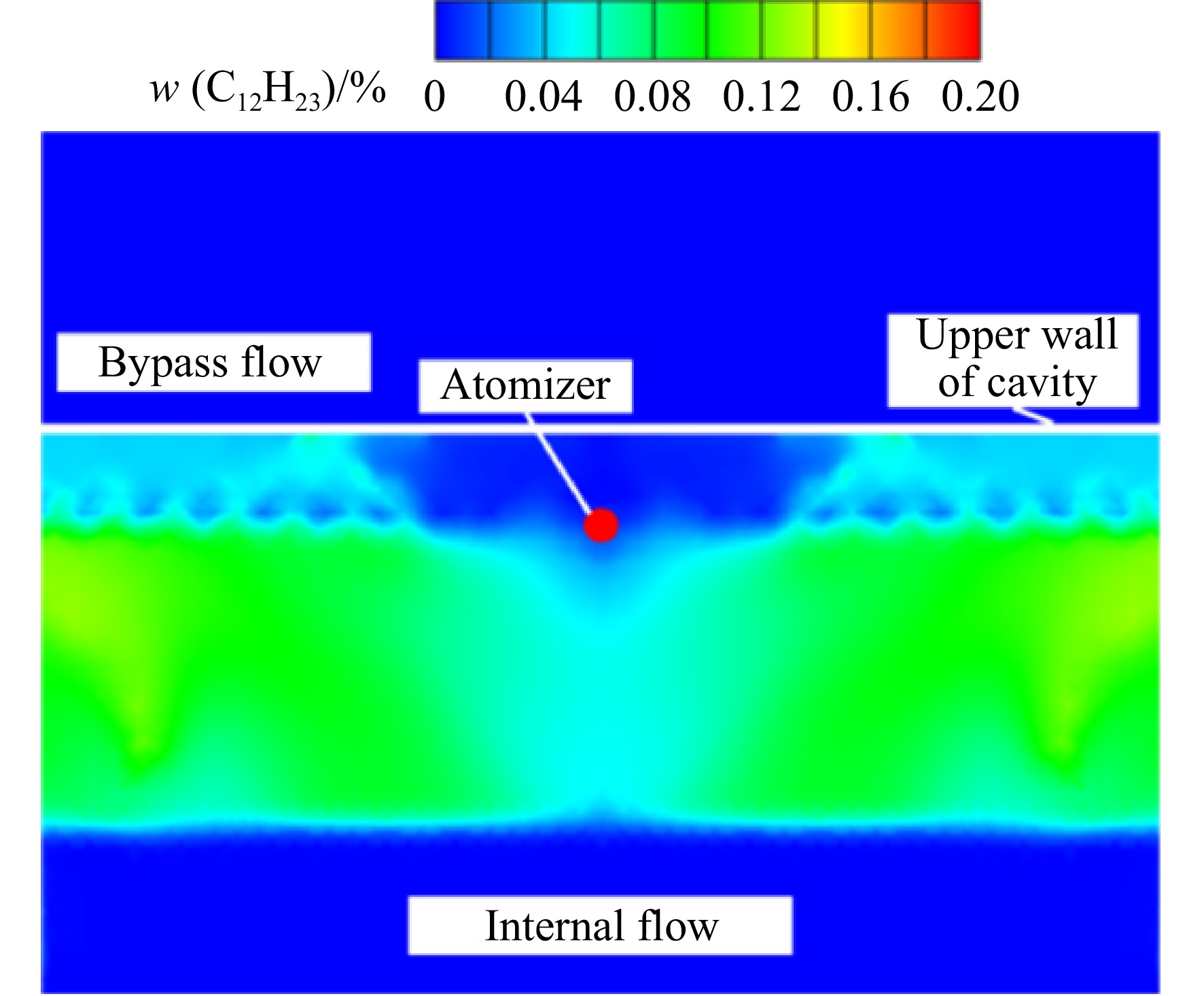
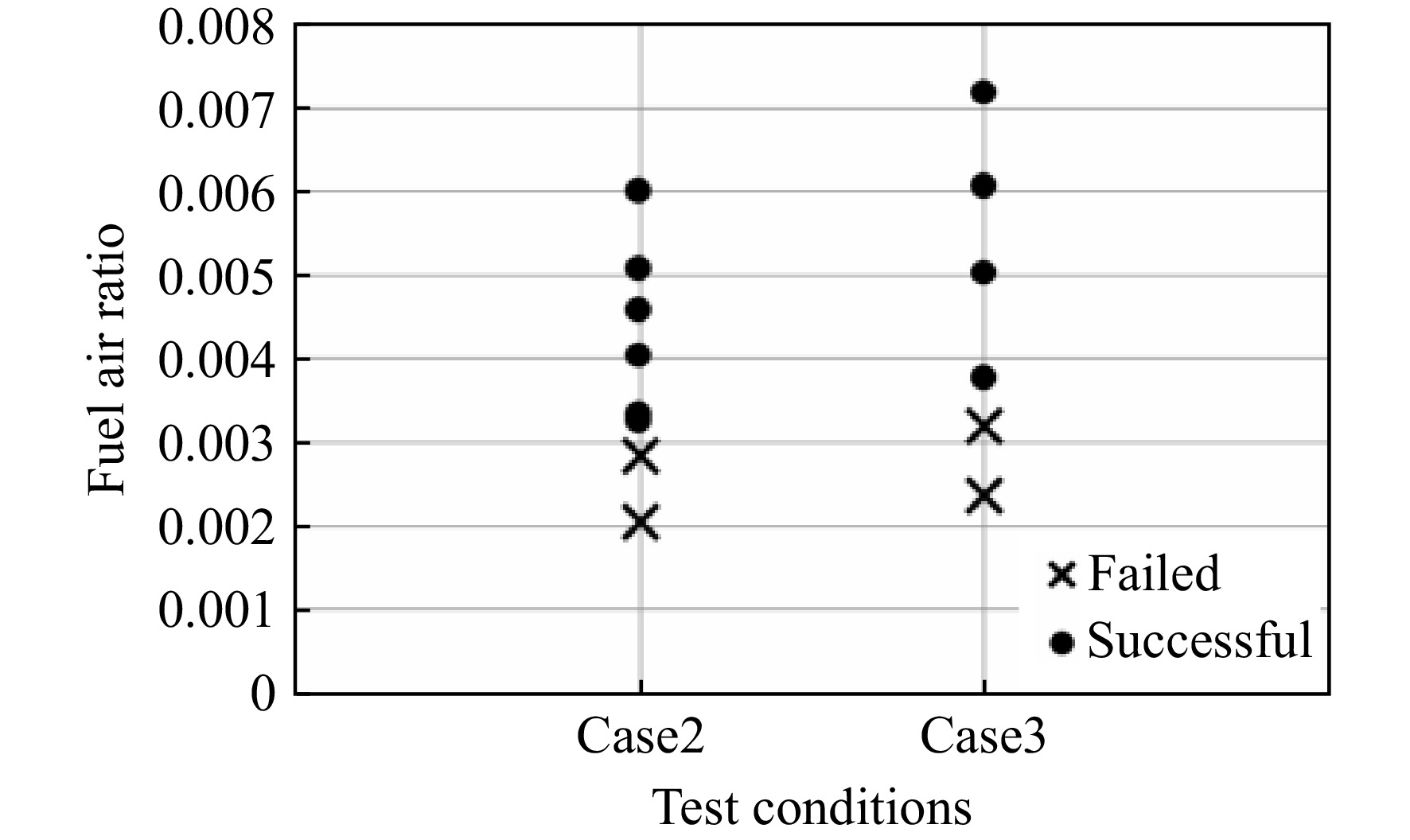
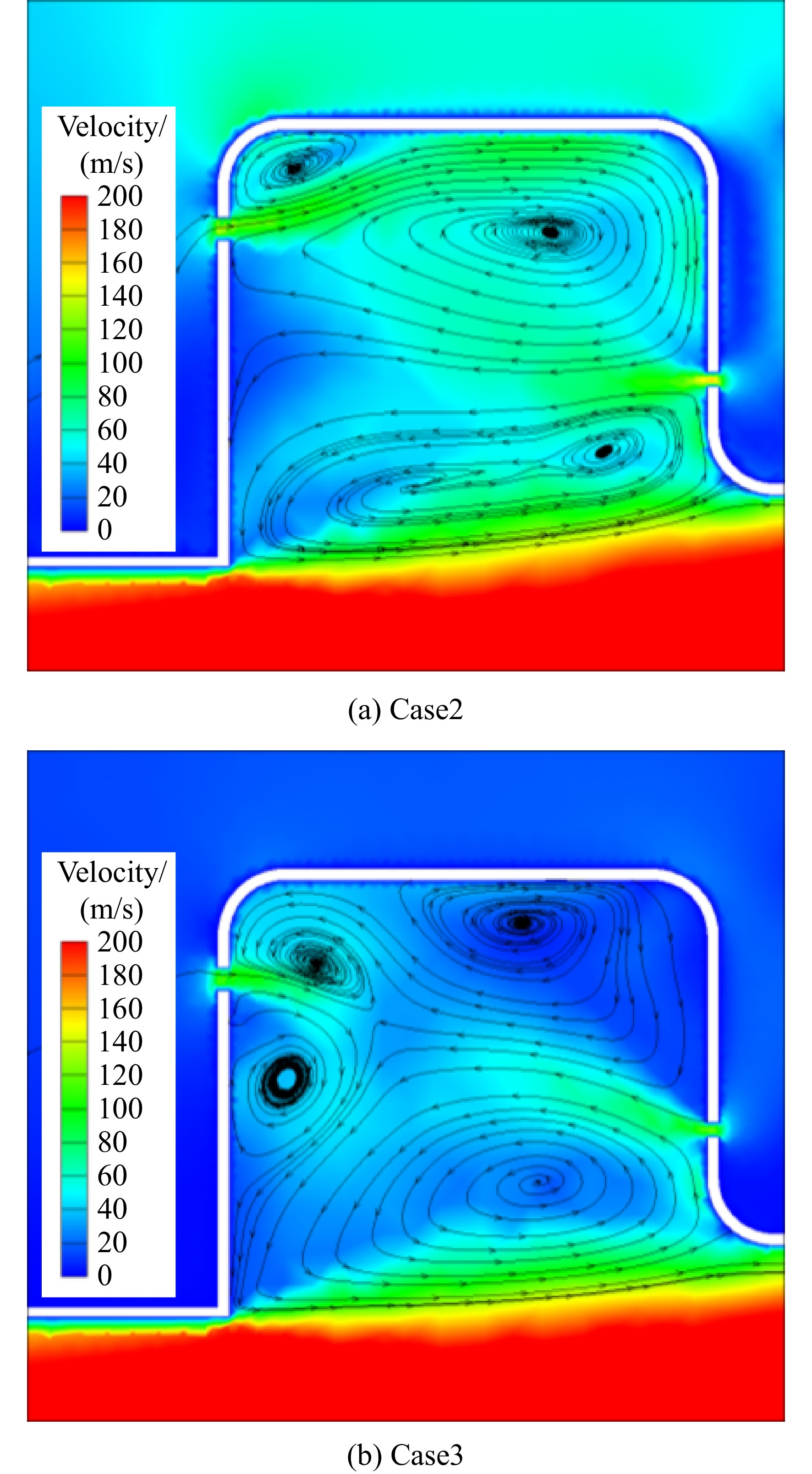
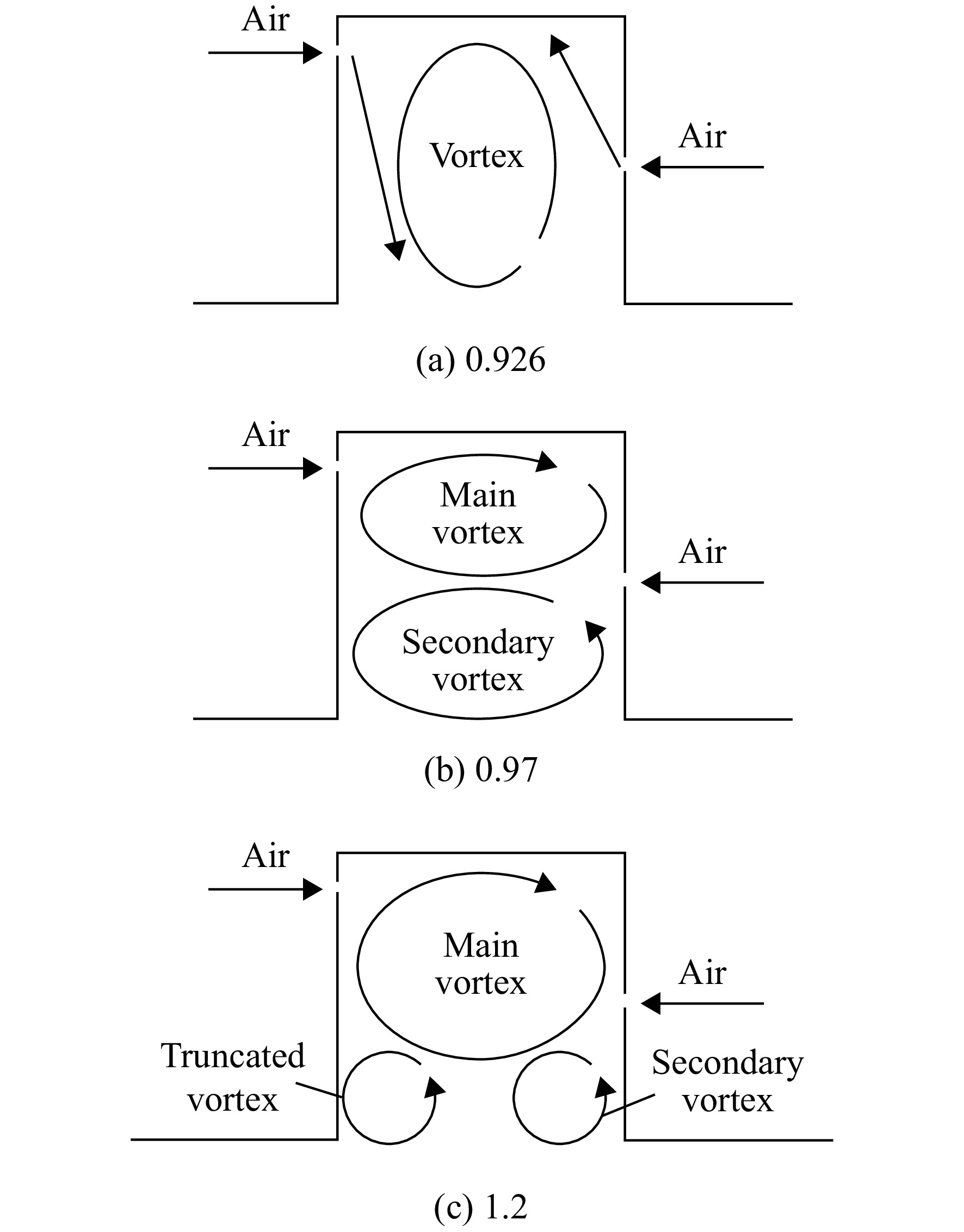
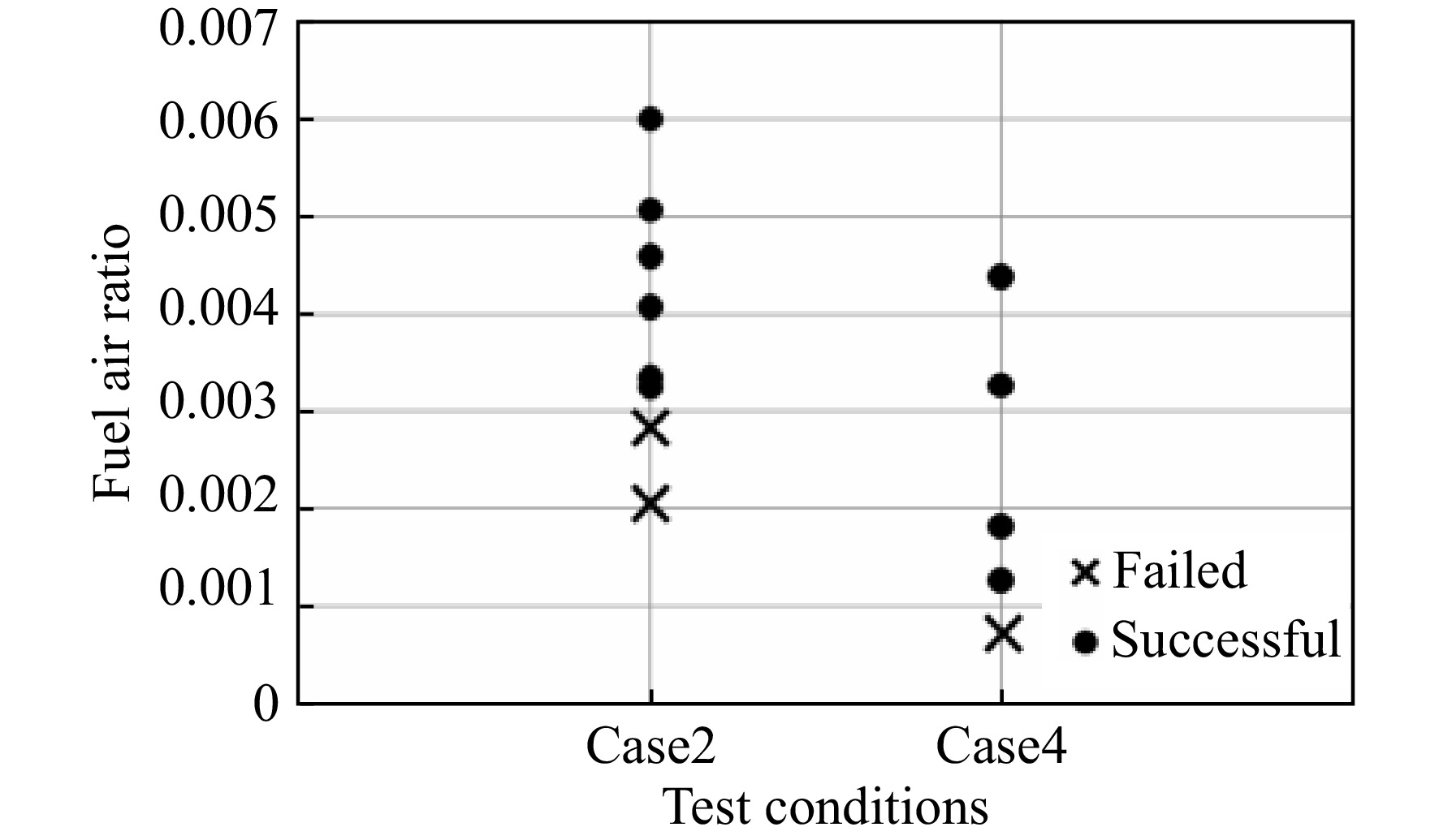
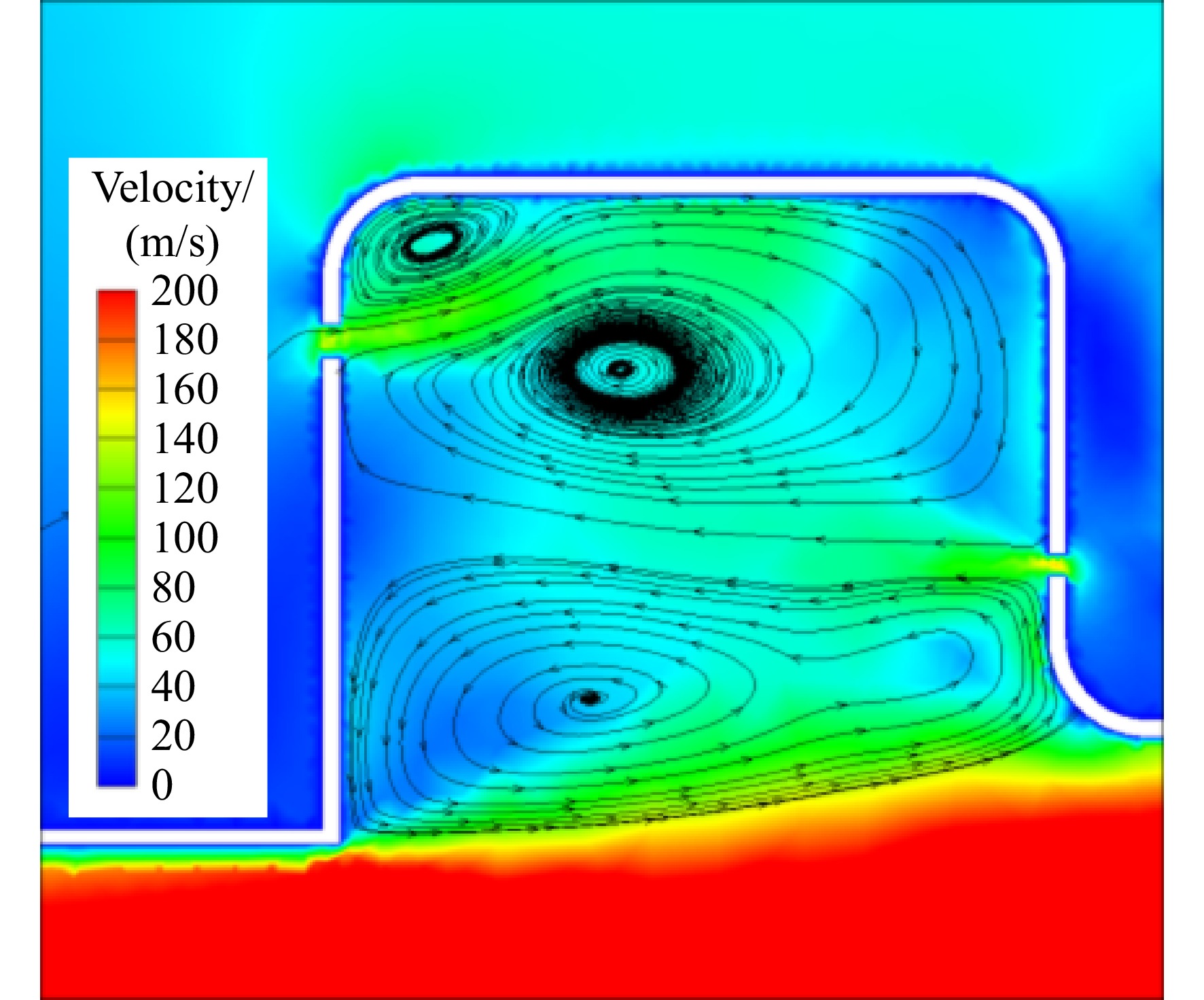
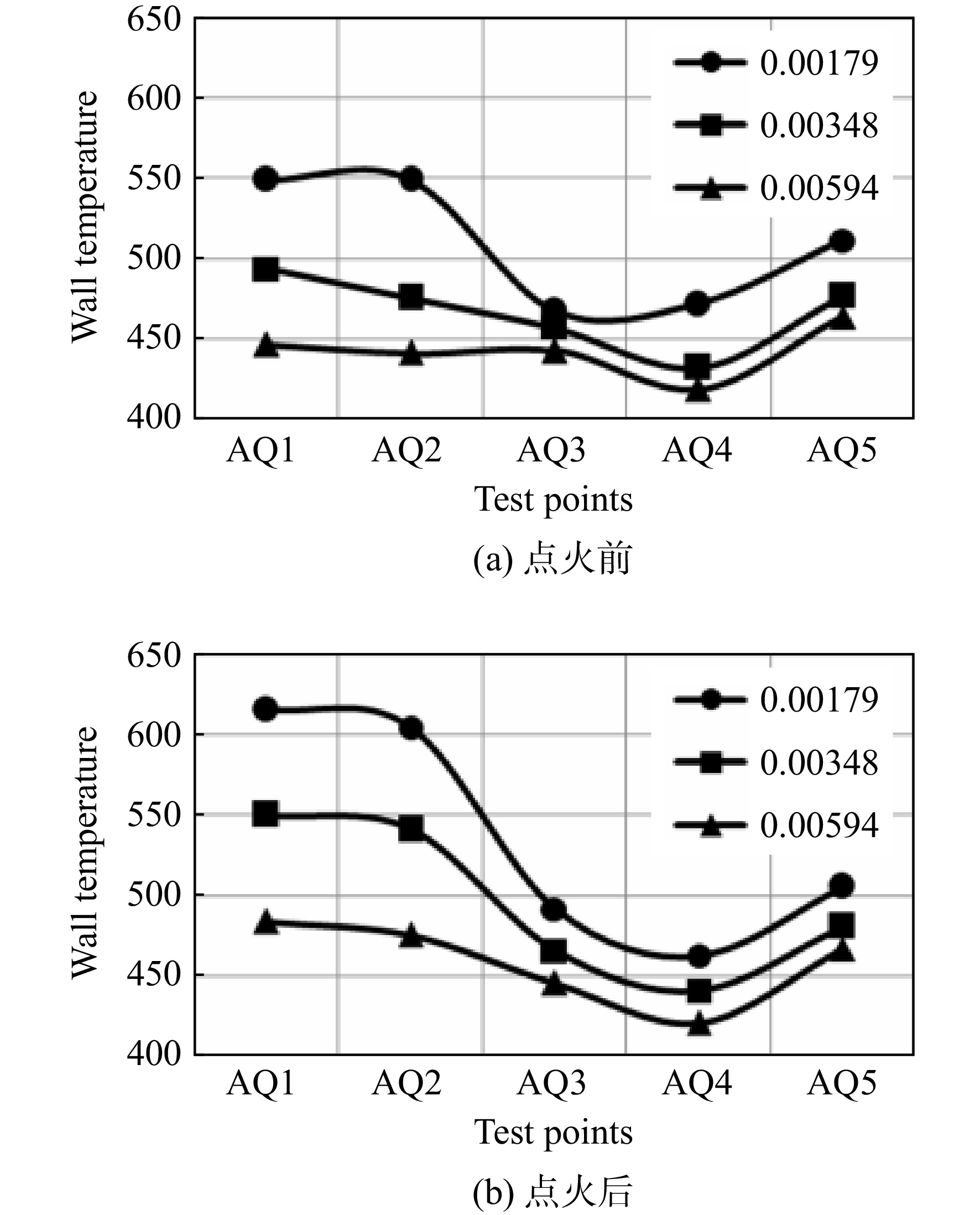
In order to study the lean ignition characteristics of an air-blast-swirl atomizer in a cavity trapped vortex combustor of the afterburner, an air-blast-swirl atomizer with a flat bell mouth was designed. Through test research and numerical simulation analysis, the characteristics of spray cone angle and lean ignition of the air-blast-swirl atomizer were obtained. The results showed that the spanwise spray cone angle of the air-blast-swirl atomizer was greatly affected by air pressure and oil pressure, while the radial spray cone angle was basically unaffected and kept stable; under the condition of Mach number 0.53, the cavity trapped vortex combustor of the afterburner can successfully ignite with lean ignition at the fuel air ratio of 0.00179; when the inlet pressure ratio of out and inner bypass was 0.93, the ideal vortex system cannot be formed in the cavity, making it inconducive to the afterburner ignition; and the lean ignition fuel air ratio was 0.00376; if the inlet pressure ratio of out and inner bypass was constant, increasing the inlet pressure could be beneficial to lean ignition of the afterburner; the insertion depth of the igniter had a great influence on the ignition performance of the cavity, and its insertion depth was required to match the radial spray cone angle of the air-blast-swirl atomizer; the wall temperature data of the front wall of the cavity can be used as a criterion for the success of the cavity ignition.

Cryogenic experimental study on the phase separation performance of screen channel liquid acquisition device
WANG Ye, YANG Guang, JIN Xin, ZHUAN Rui, REN Feng, WANG Bin, WU Jingyi
2024, 39(12): 20220304. doi: 10.13224/j.cnki.jasp.20220304
Abstract:

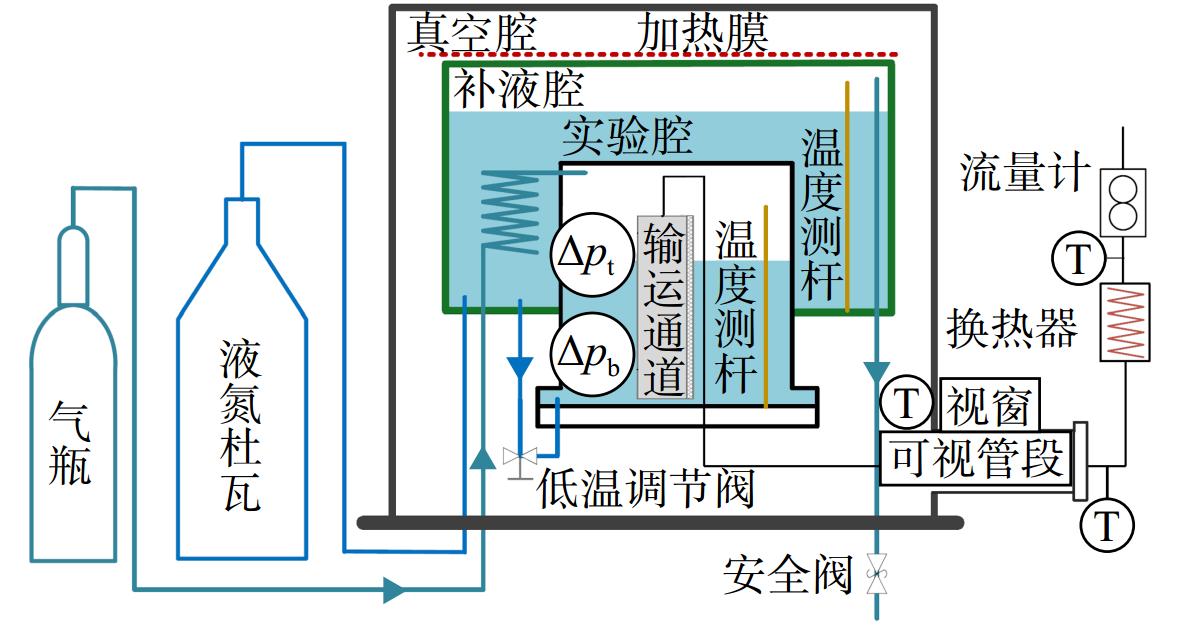
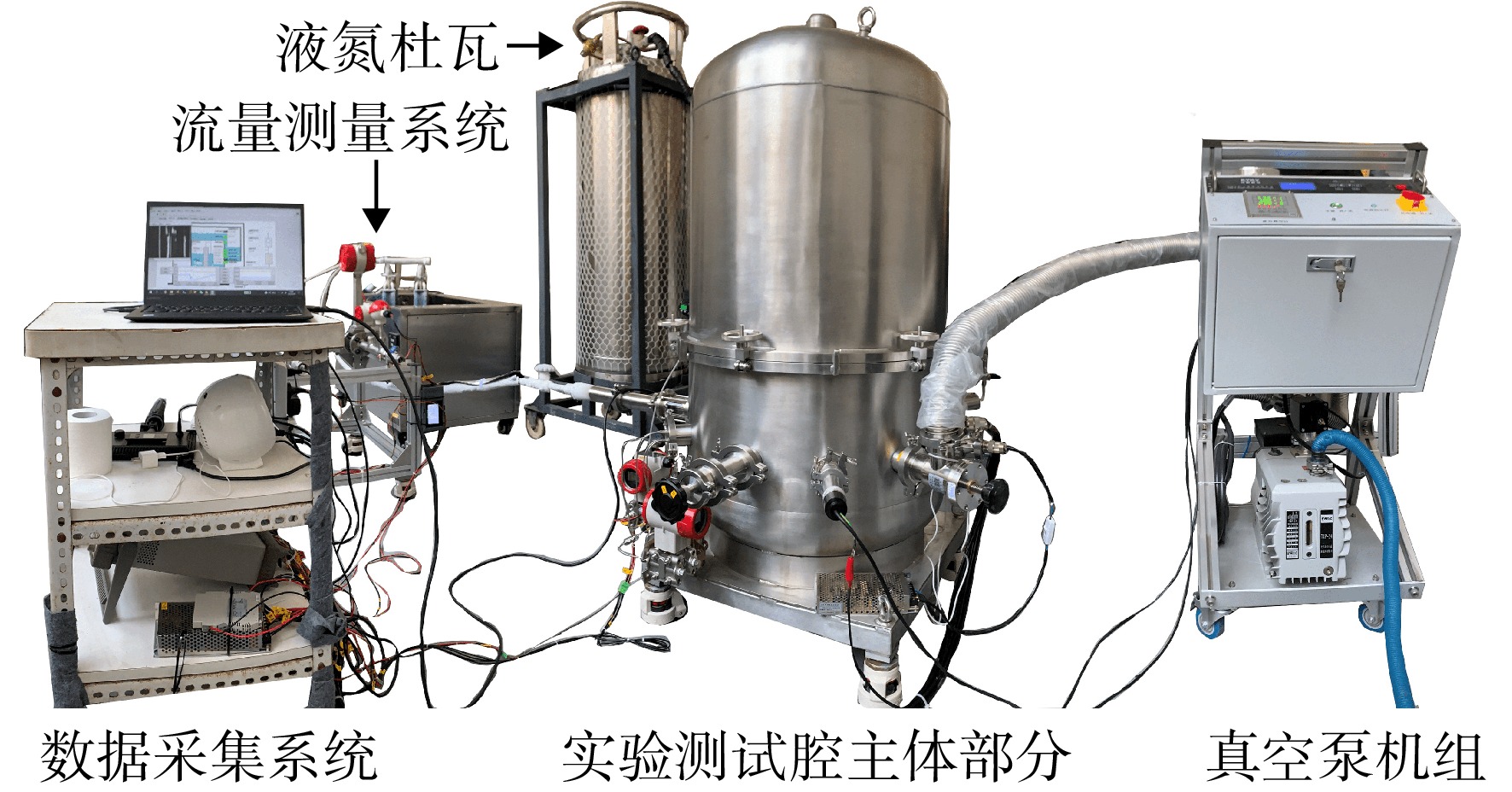
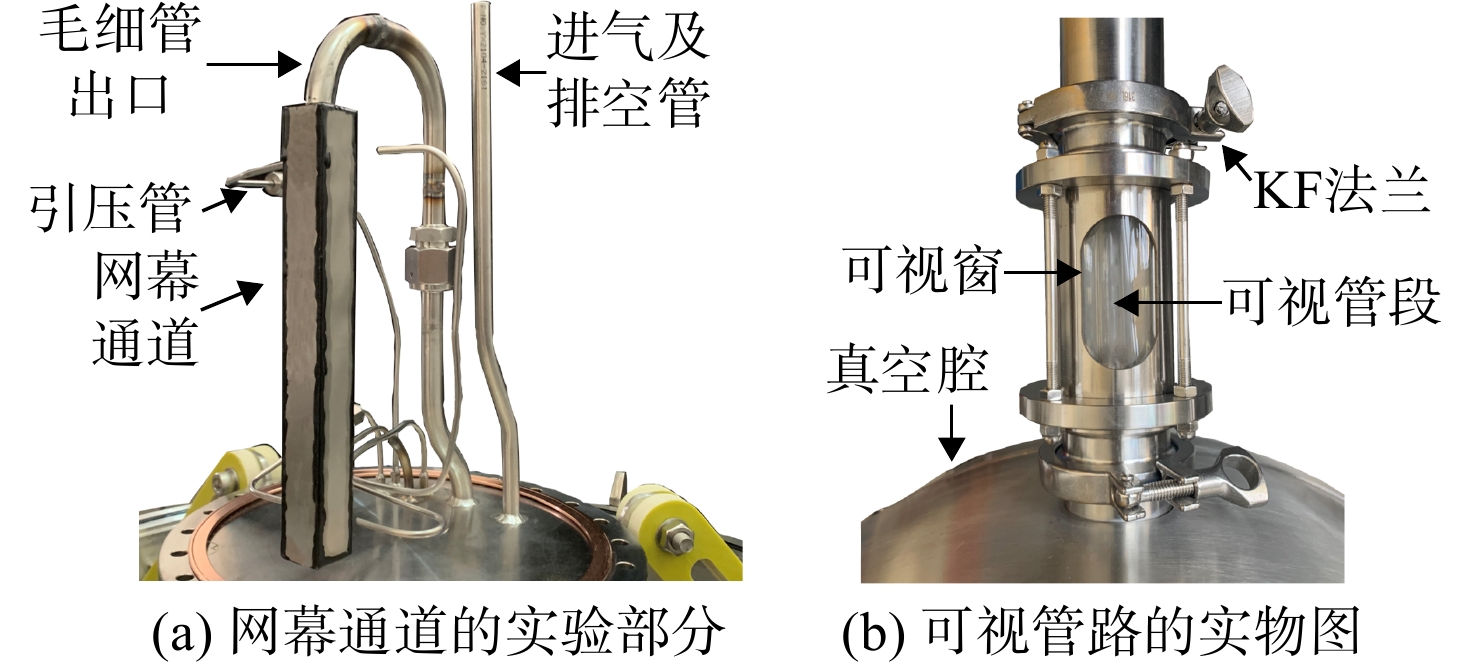
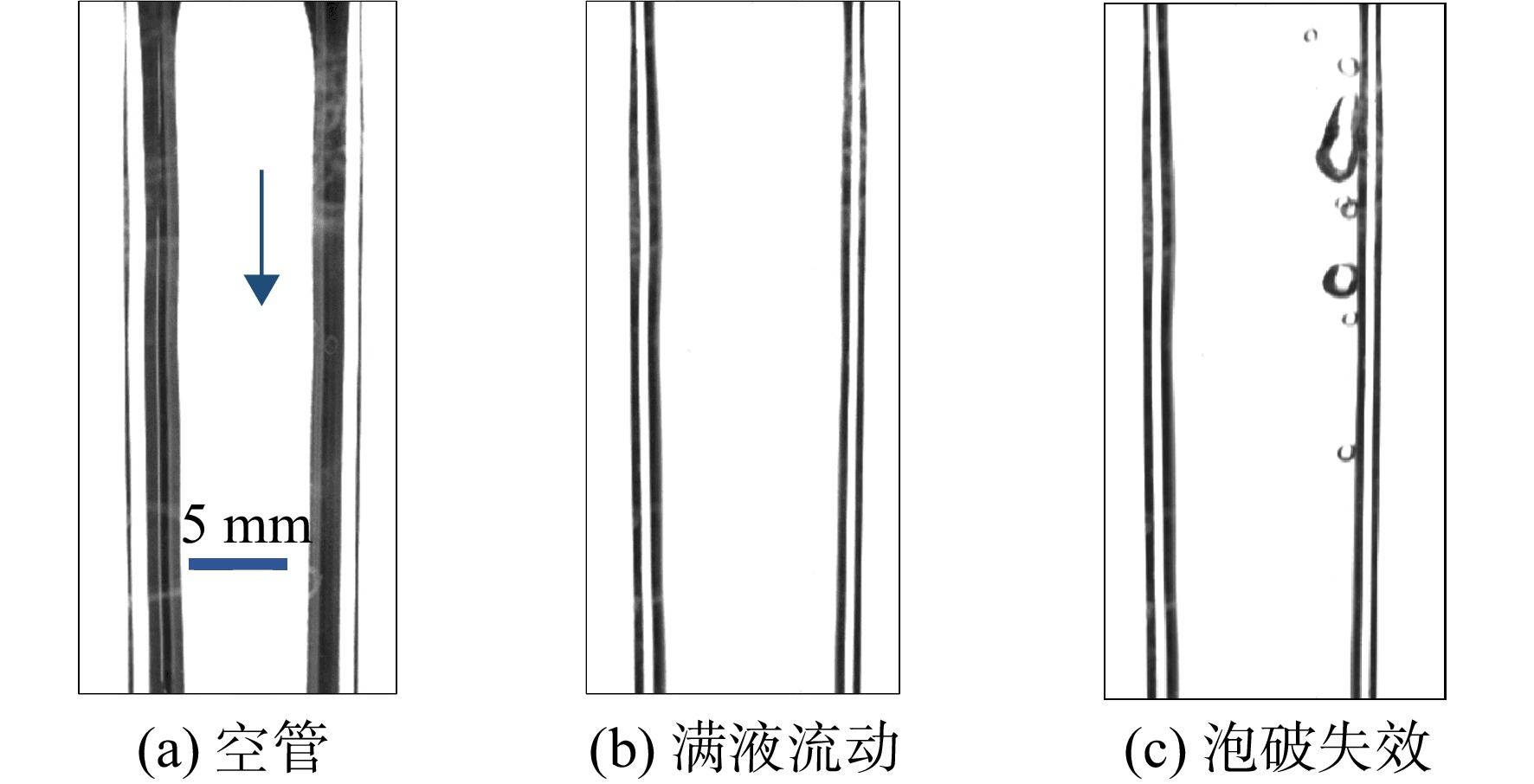
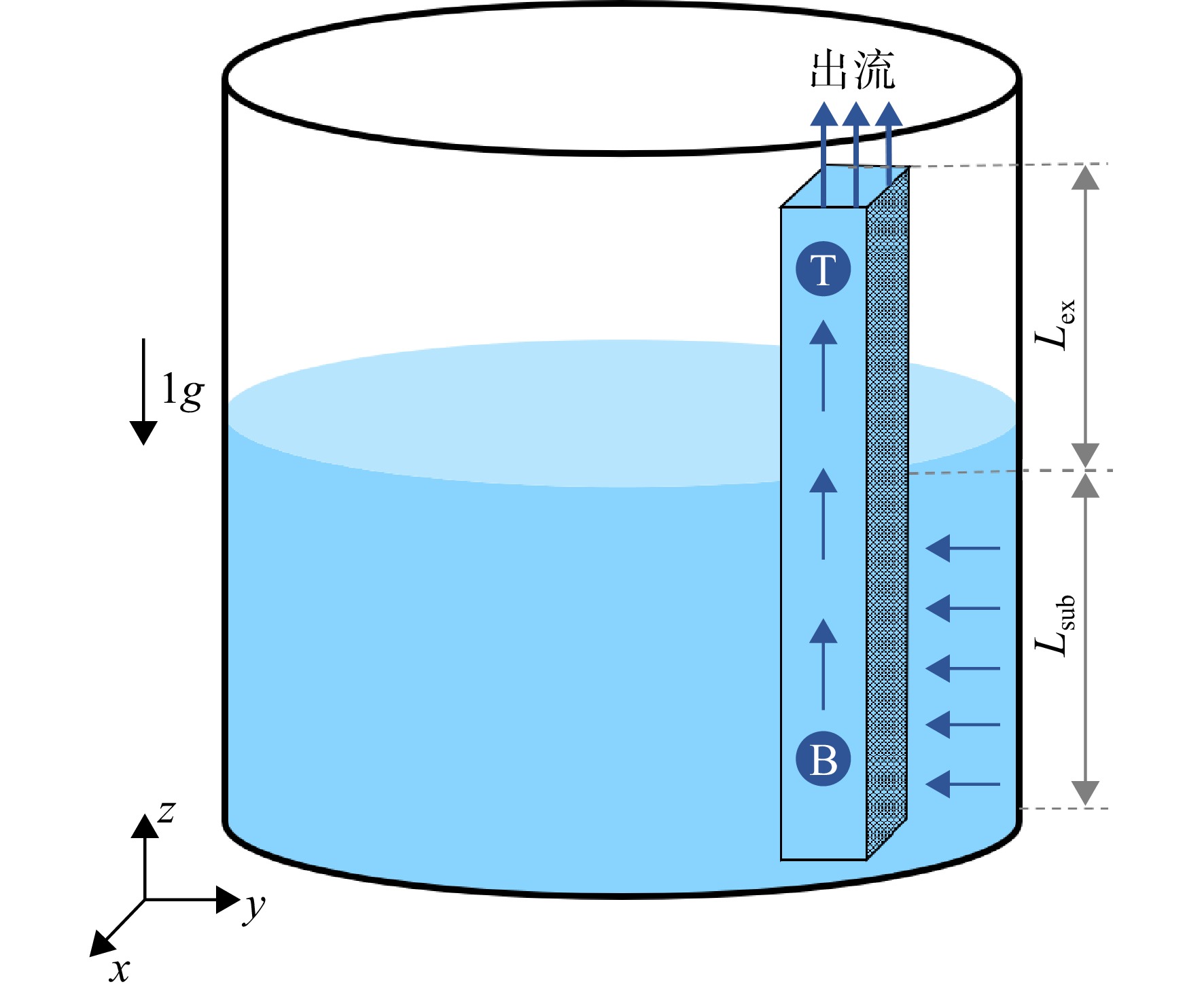
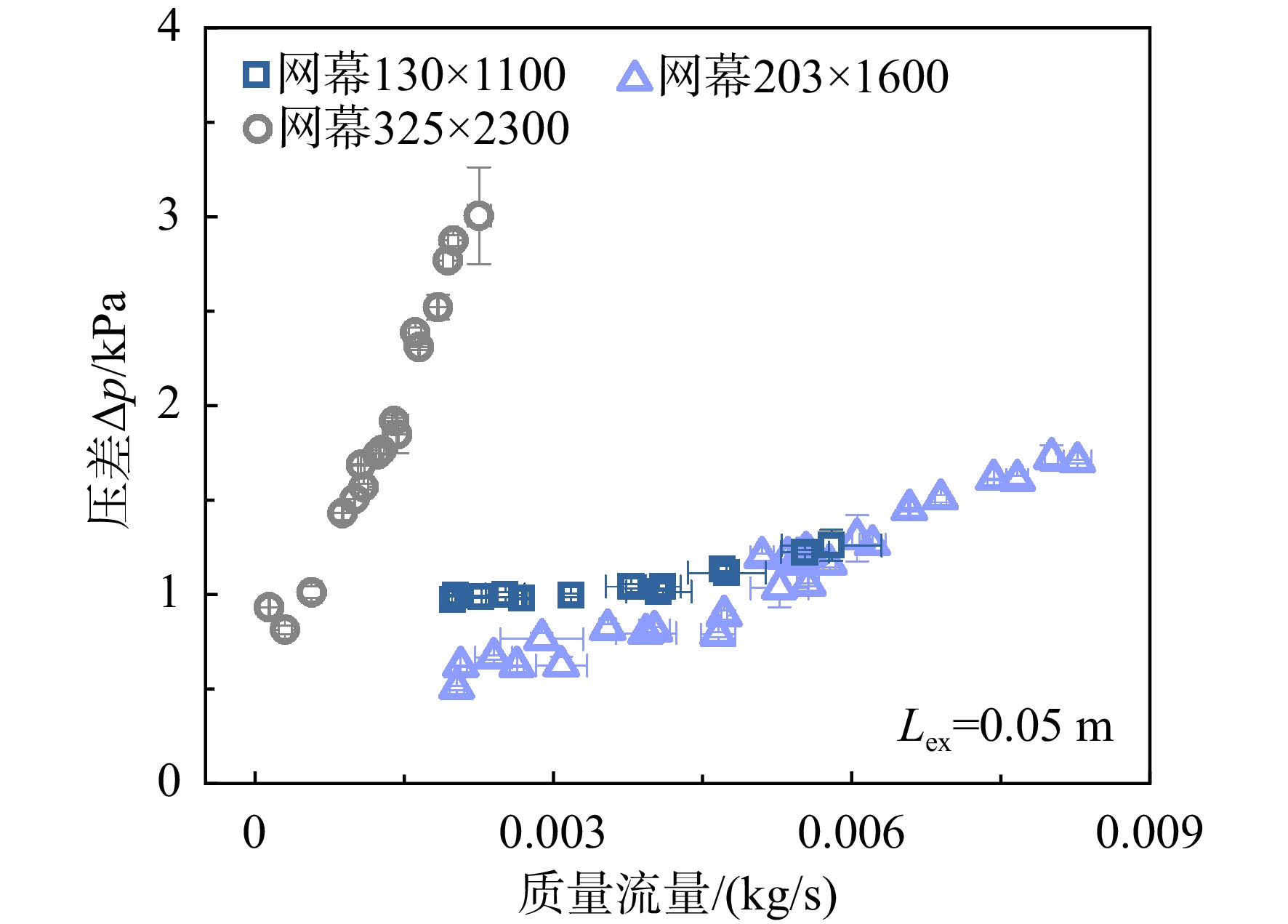
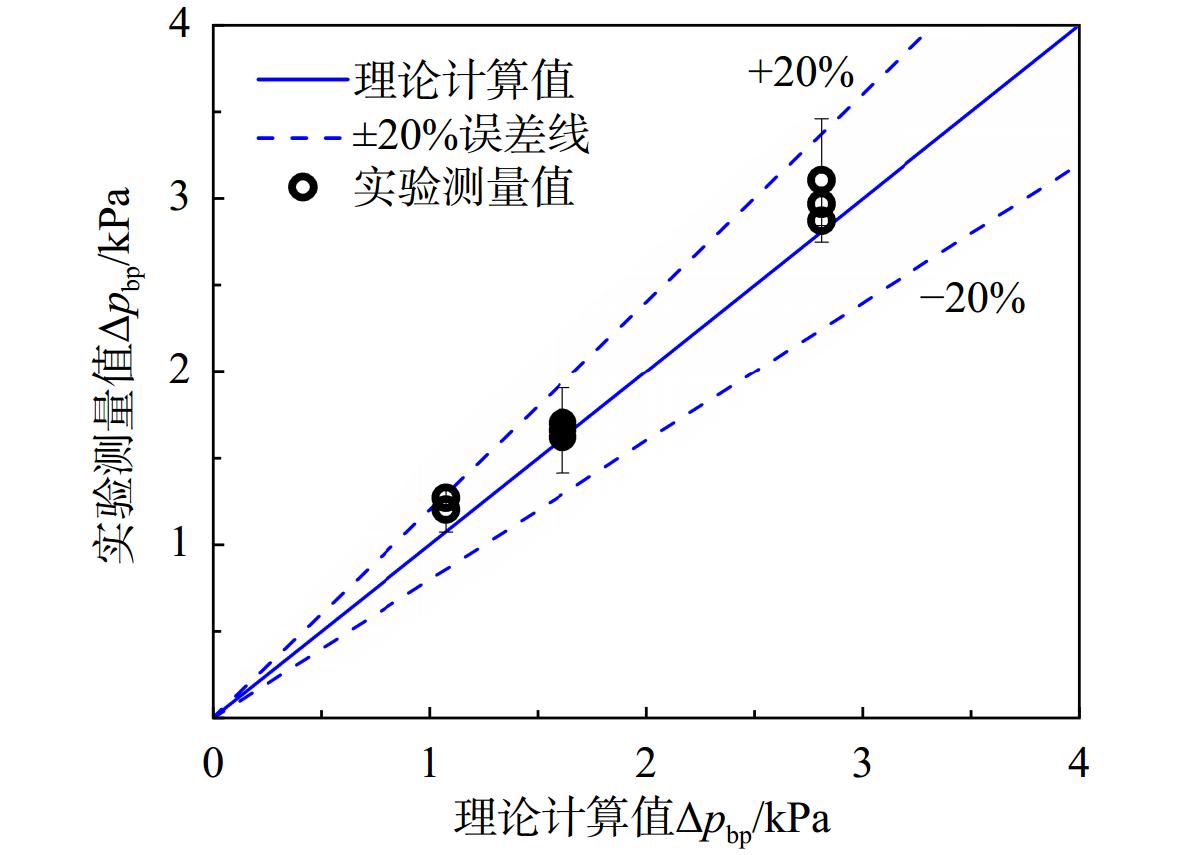
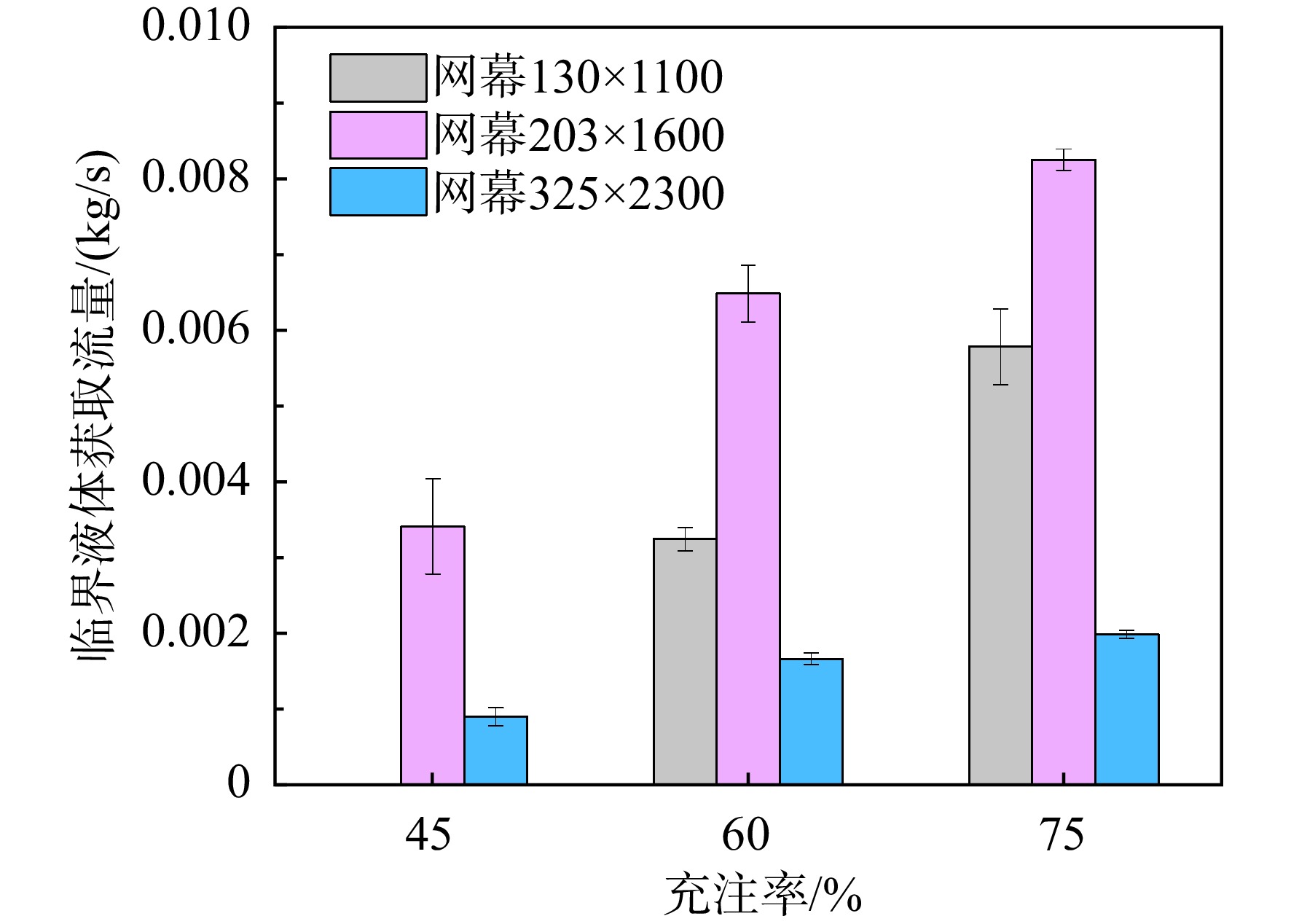
Gas-free liquid delivery experiments for liquid nitrogen were conducted to evaluate the performance of the screen channel liquid acquisition devices. The phase separation capability of the screen channel was investigated in detail under successful separation conditions and critical separation failure conditions. The influences of the total channel flow resistance and liquid flow rate of the channel under different screen specifications and the exposed length of the channel to gas phase were obtained, while the critical breakthrough failure pressure and the maximum achievable flow rate were analyzed. Experimental results indicated that the total pressure loss in the screen channel increased with the trend of 203×1600 screen, 130×1100 screen, and 325×2300 screen. This trend of the channel flow resistance was similar to the trend of the screen pressure drop. The bubble point pressure tested for the porous screen can be directly applied to the dynamic separation processes of the screen channel. Moreover, experimental results indicated that there was a best choice of the screen specifications to balance between the flow resistance and the breakthrough failure threshold. The influence of the gravity on the separation performance was reflected on the caused static pressure loss and the gas coverage ration on the screen channel. The cryogenic experimental results may provide a guidance for practical application of the screen channel liquid acquisition devices.

Thermodynamic performance simulation of NH3 based chemically recuperated cycle gas turbine
YANG Ren, YANG Xiaohong, SHAO Xiaofeng, ZHENG Hongtao, ZHAO Ningbo
2024, 39(12): 20220993. doi: 10.13224/j.cnki.jasp.20220993
Abstract:

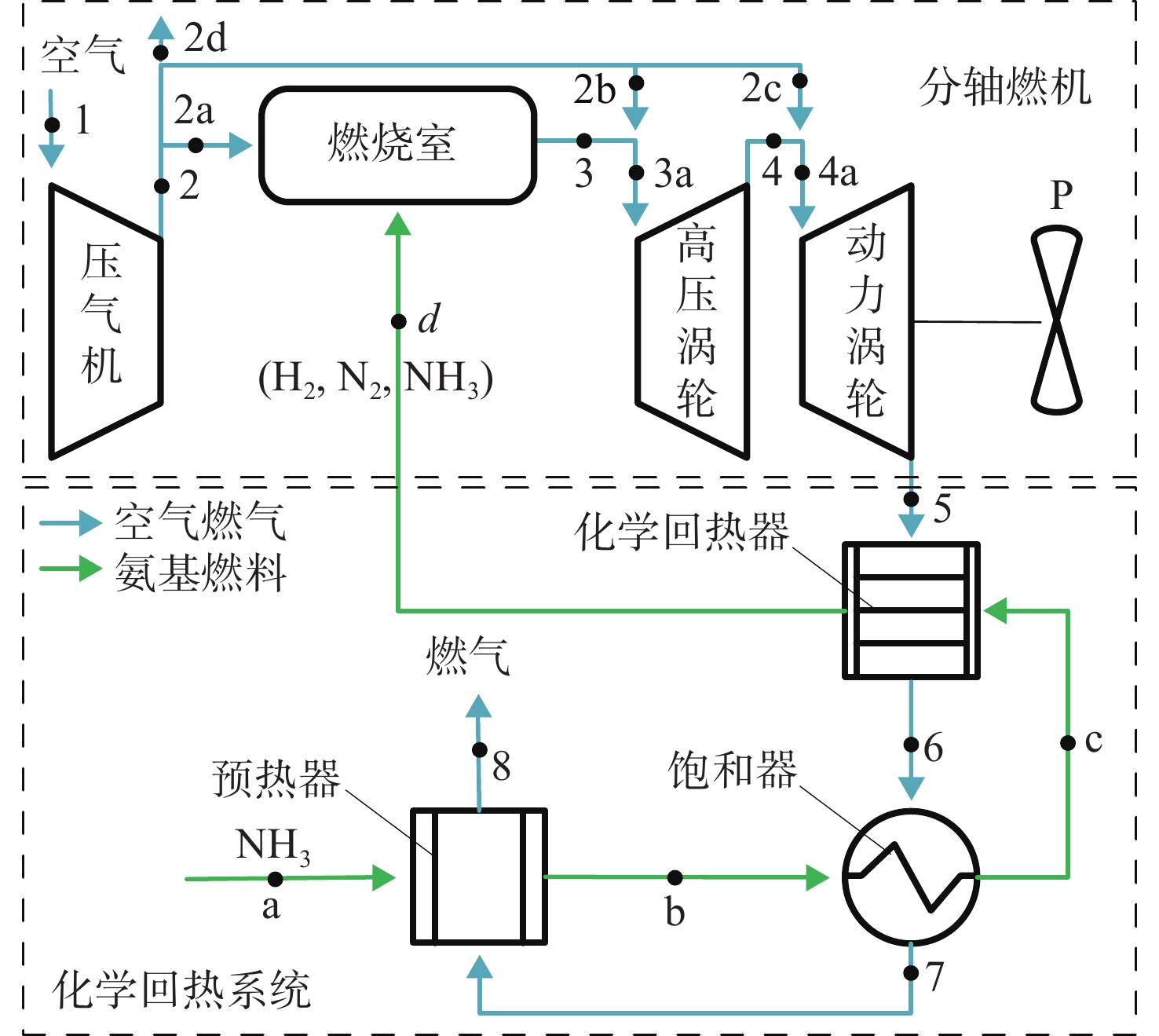
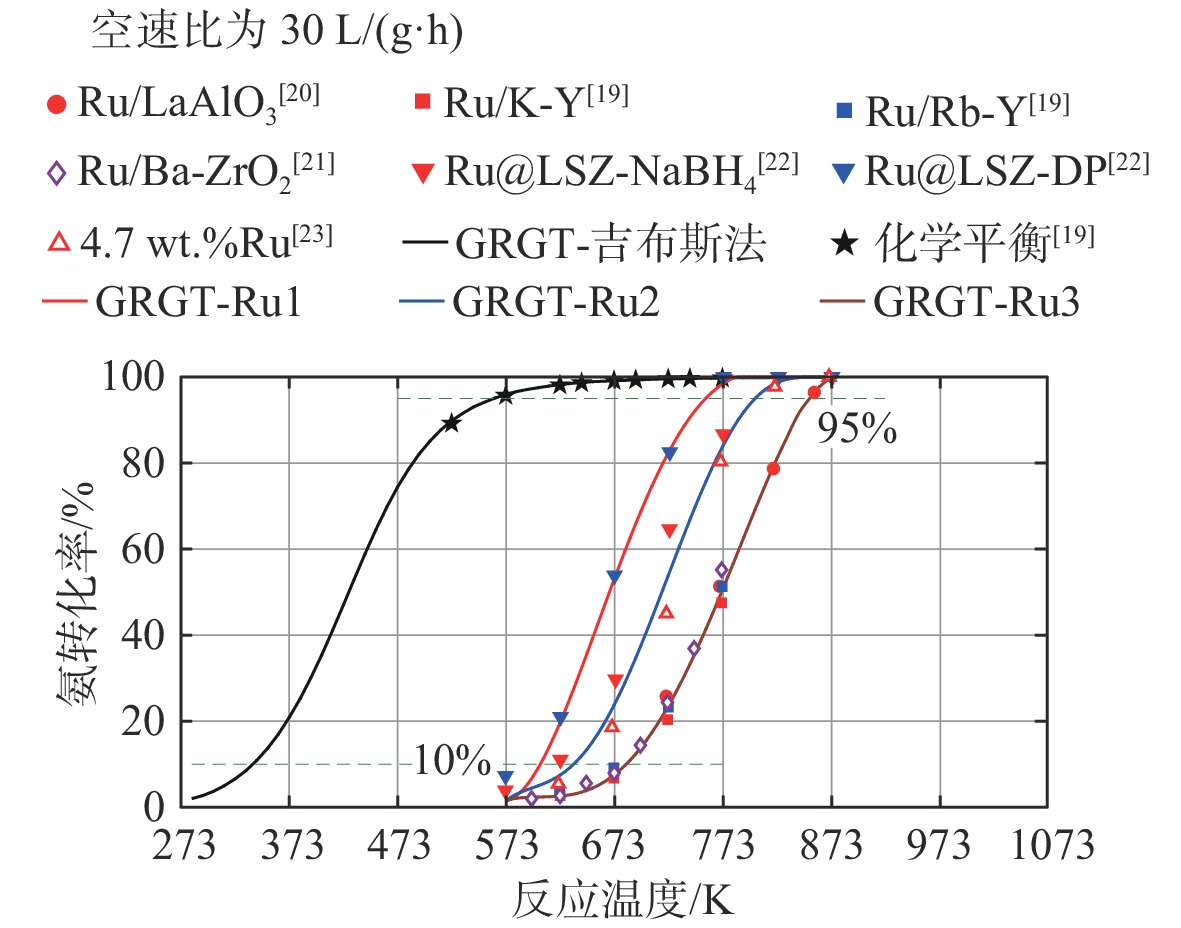
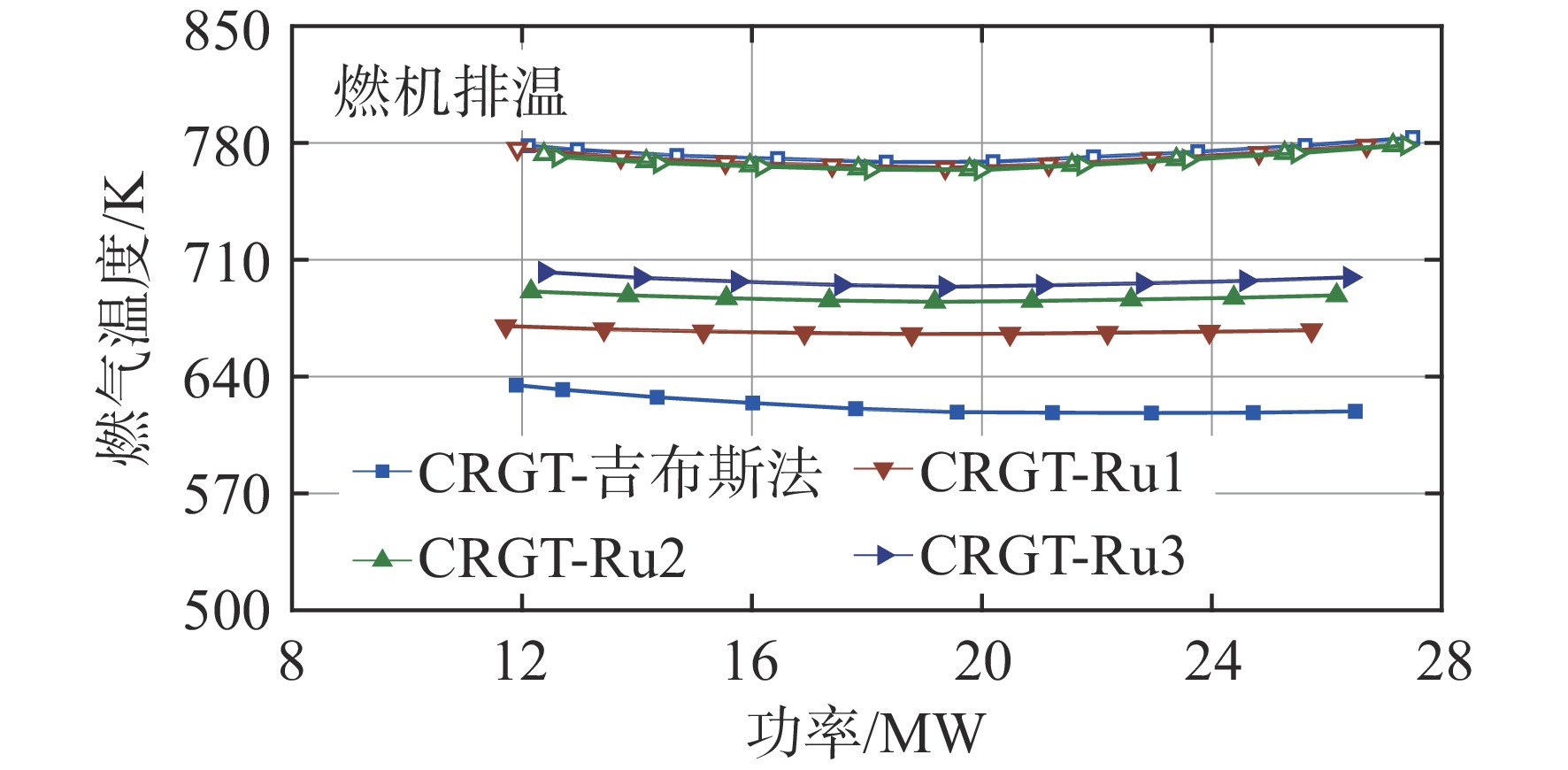
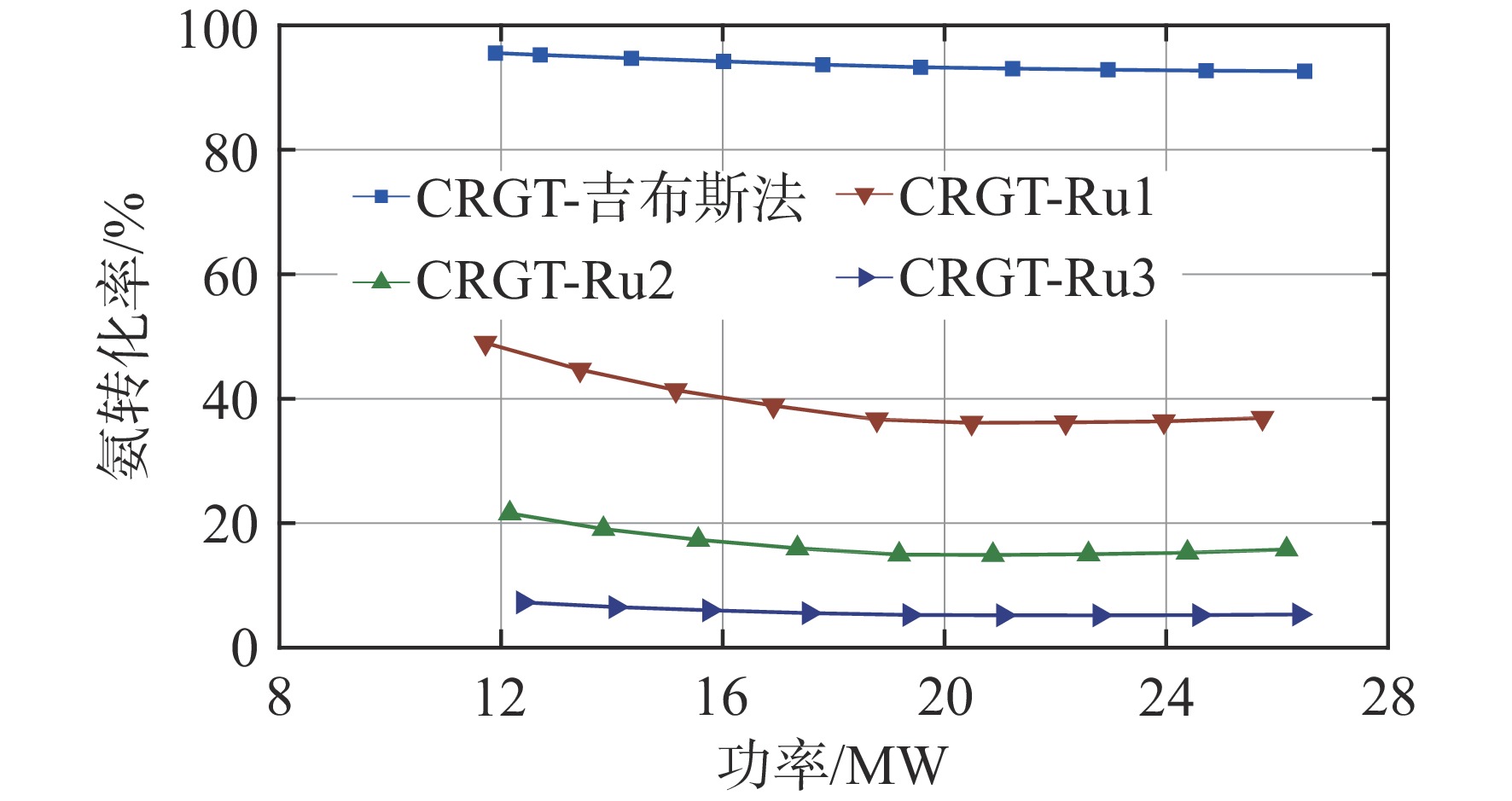
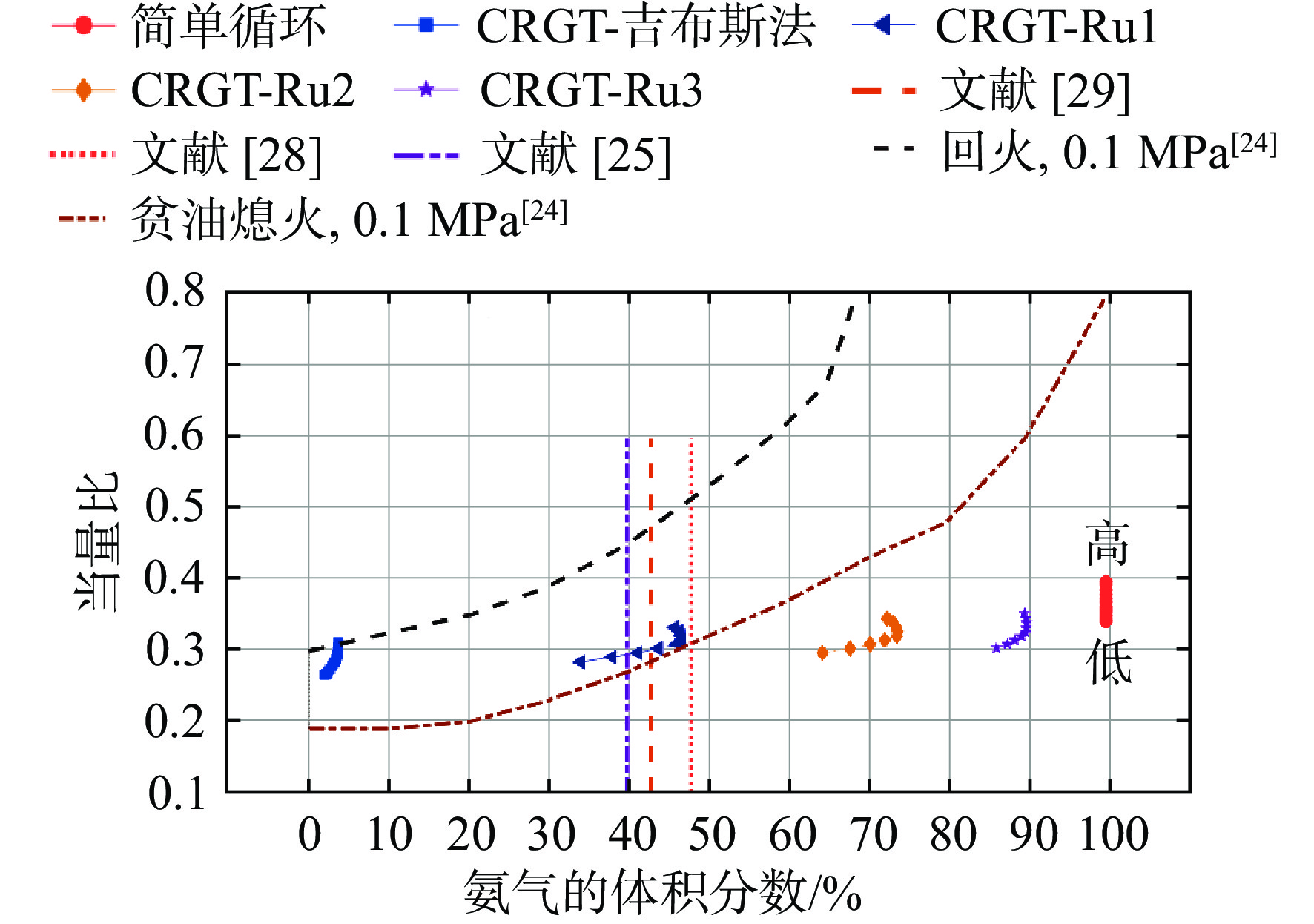
The chemically recuperated cycle gas turbine is a promising NH3-fueled gas turbine, as it could improve the thermal efficiency and premixed burning stability effectively by partially decomposing NH3 into NH3/H2/N2 blended mixture with exhaust heat. The effects of catalyst activities (e.g. chemical equilibrium state and various Ru-based catalysts) on overall thermodynamic performance of a chemically recuperated gas turbine (CRGT) at off-design cases were investigated. Results indicated that: while thermal efficiency of a simple cycle gas turbine was about 30.5%—39% within net power ranges of 12—26 MW, it was about 40.4%—50.5% of a CRGT cycle at the equilibrium state and about 37.8%—46.6% over the Ru-based catalysts. For a certain catalyst and a constant gas hourly space velocity, the NH3 conversation rates varied slightly at off-design cases of a CRGT cycle, which was about 95% at the equilibrium state and about 40% over a Ru-based catalyst. Correspondingly, the chemical reaction heat per overall recuperated waste heat were about 56.5% and 32%, respectively. Furthermore, the low heating value (LHV) could be relatively improved about 13.3% and 5.4% by NH3 cracking in chemical recuperation system at the equilibrium state and Ru-based catalyst. Generally, the premixed flame could be stabilized significantly in a NH3-CRGT over a certain Ru-based catalyst.
Comparison of effusion cooling characteristics between different hole configurations in a swirl-stabilized combustor
LU Xiang, JIA Yuliang, JI Yongbin, GE Bing, ZANG Shusheng
2024, 39(12): 20220313. doi: 10.13224/j.cnki.jasp.20220313
Abstract:

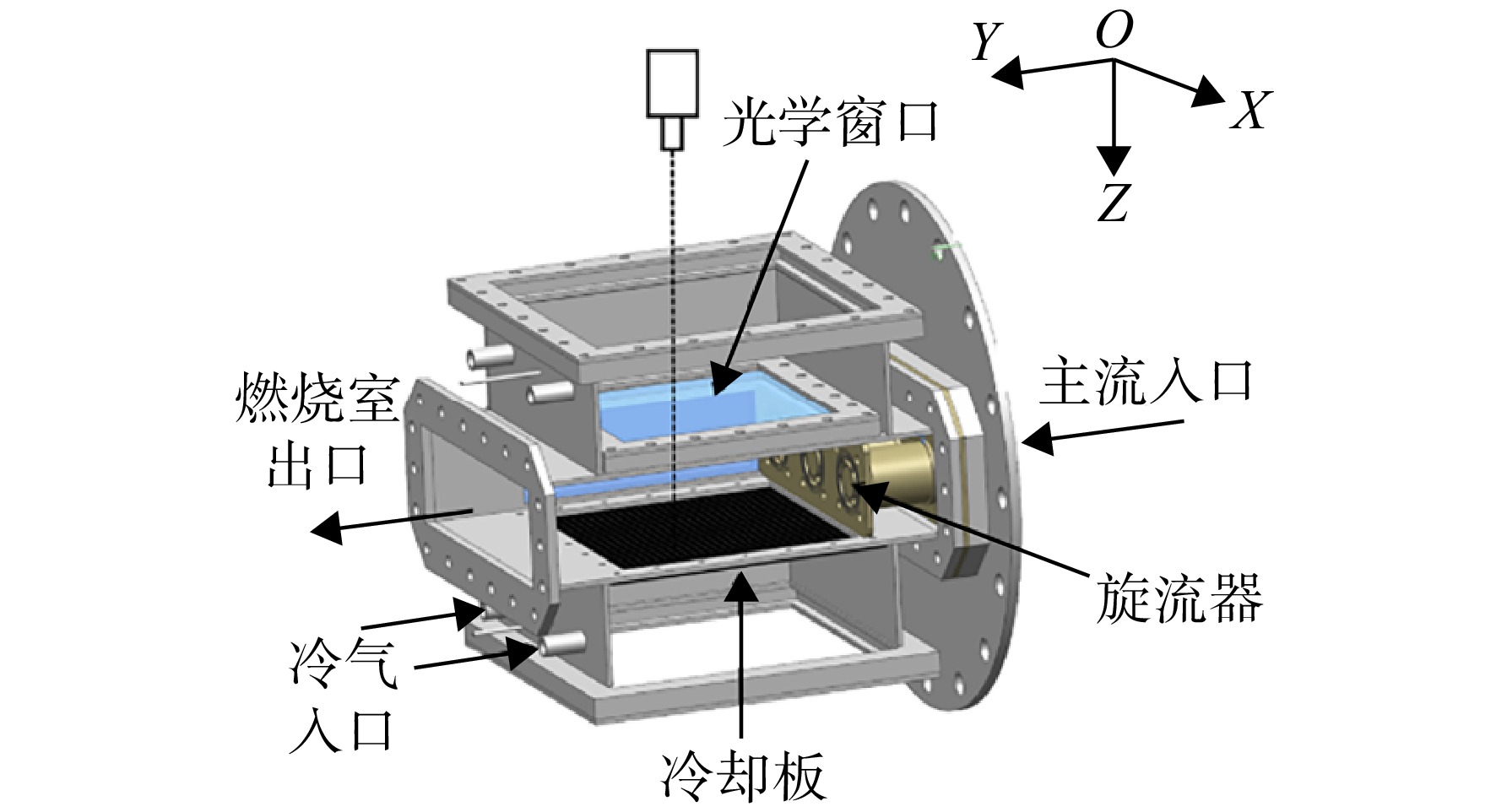
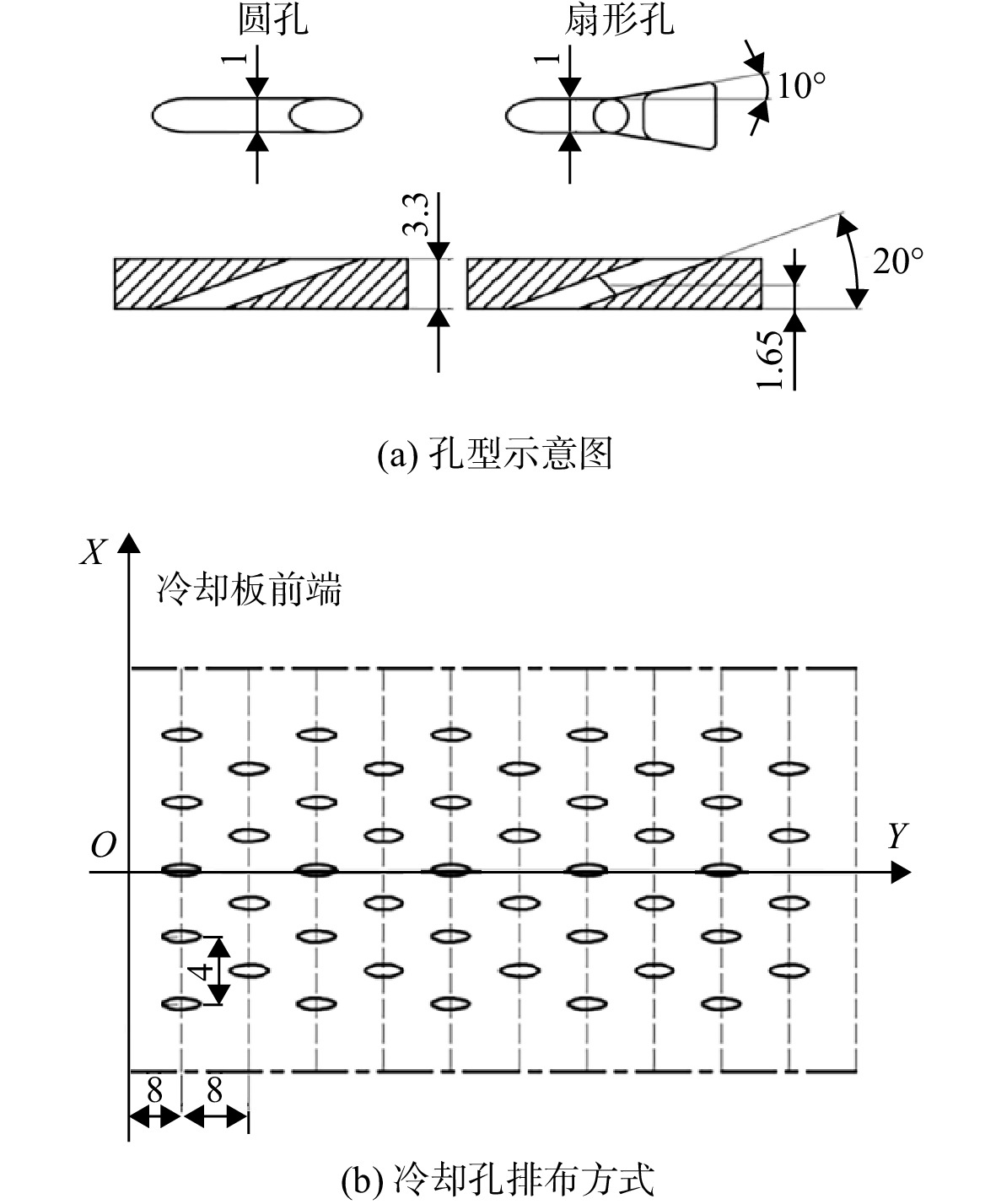
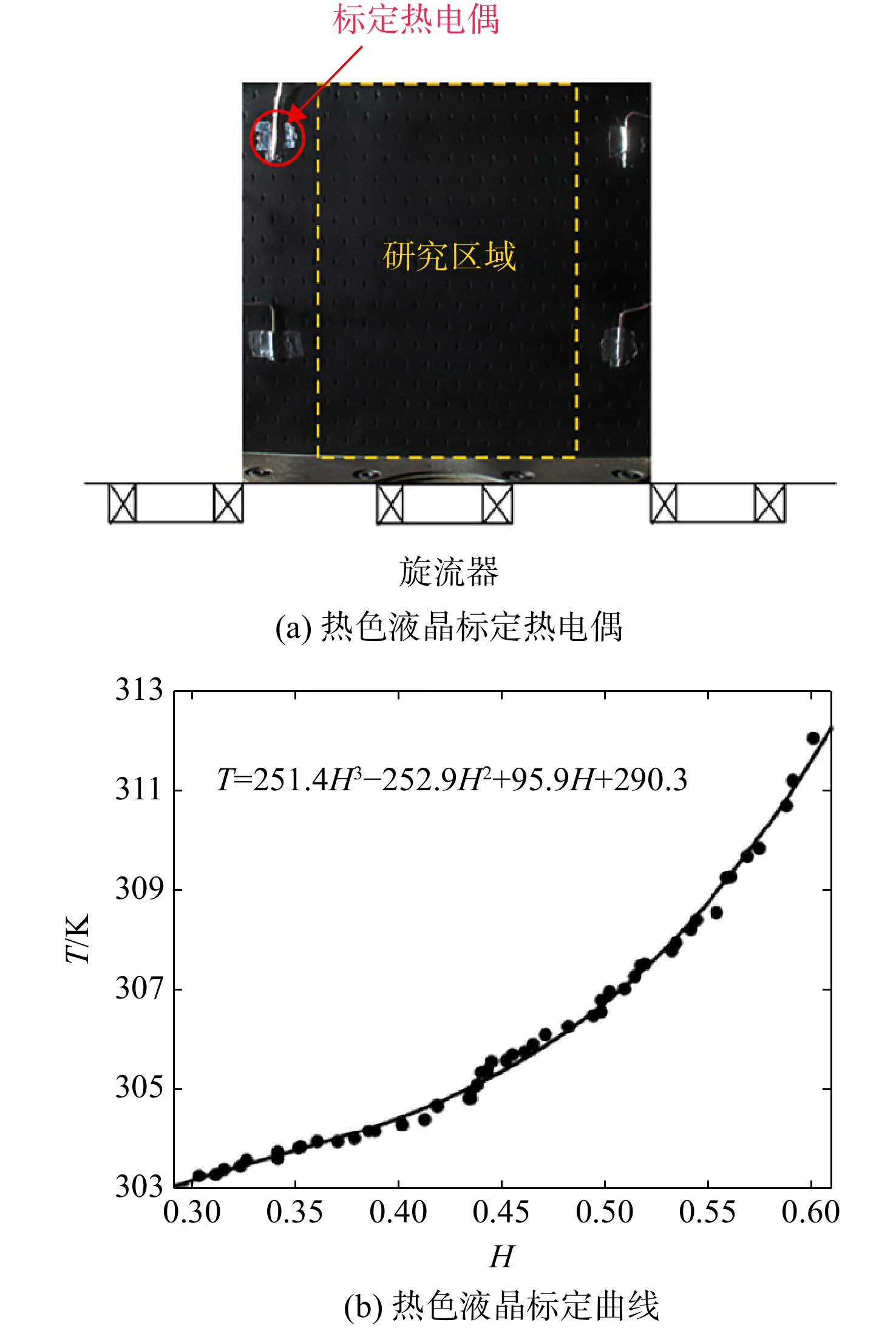
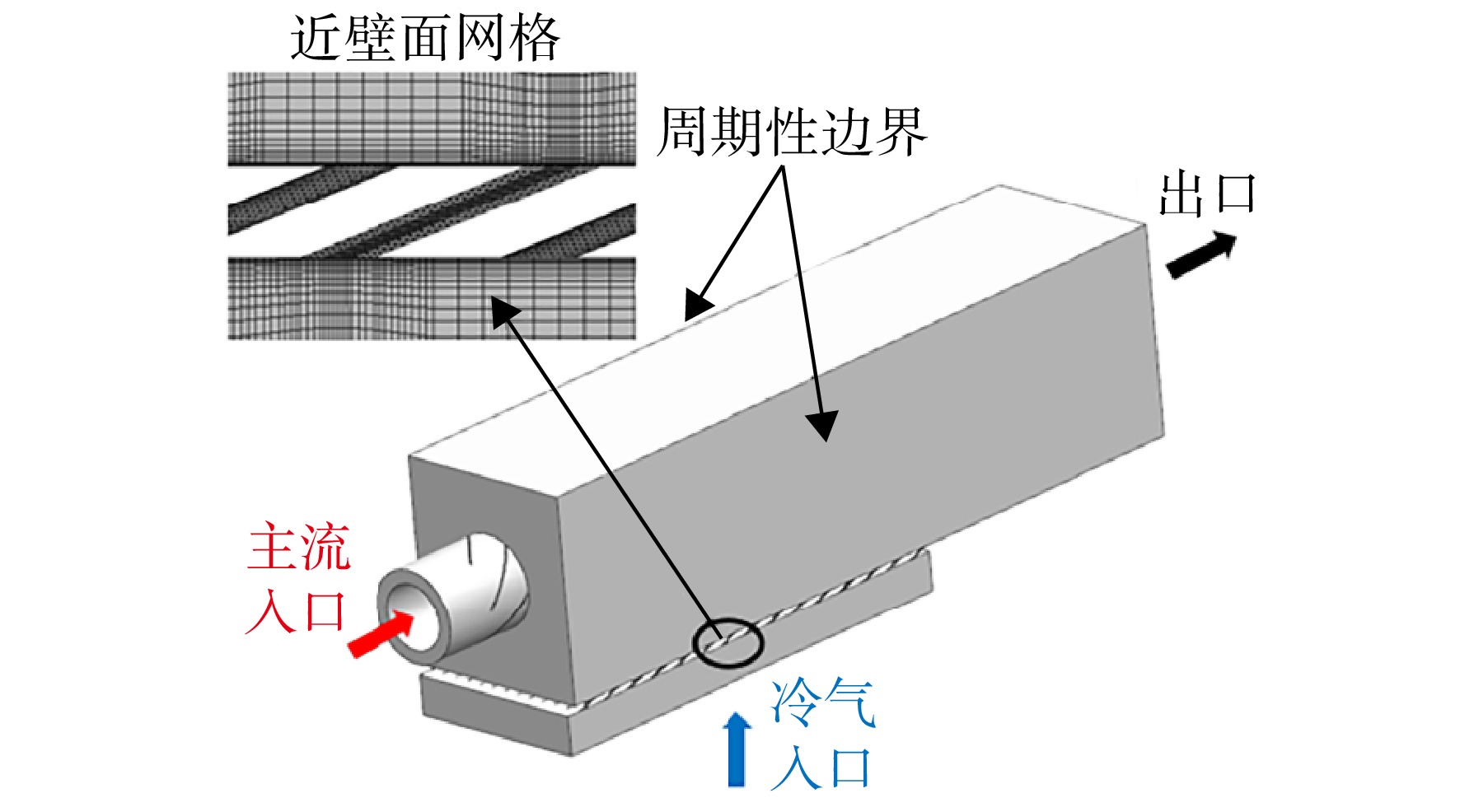
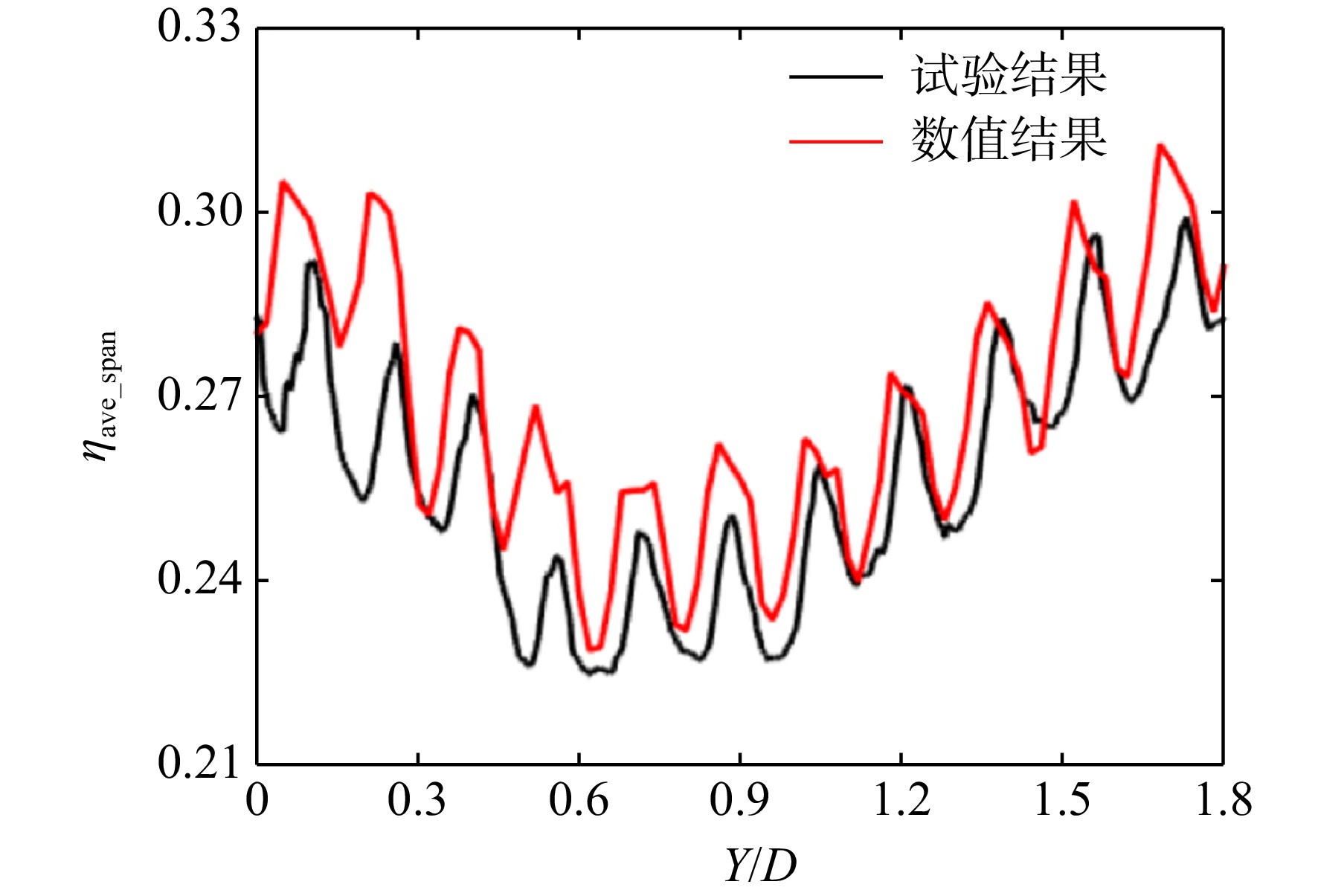
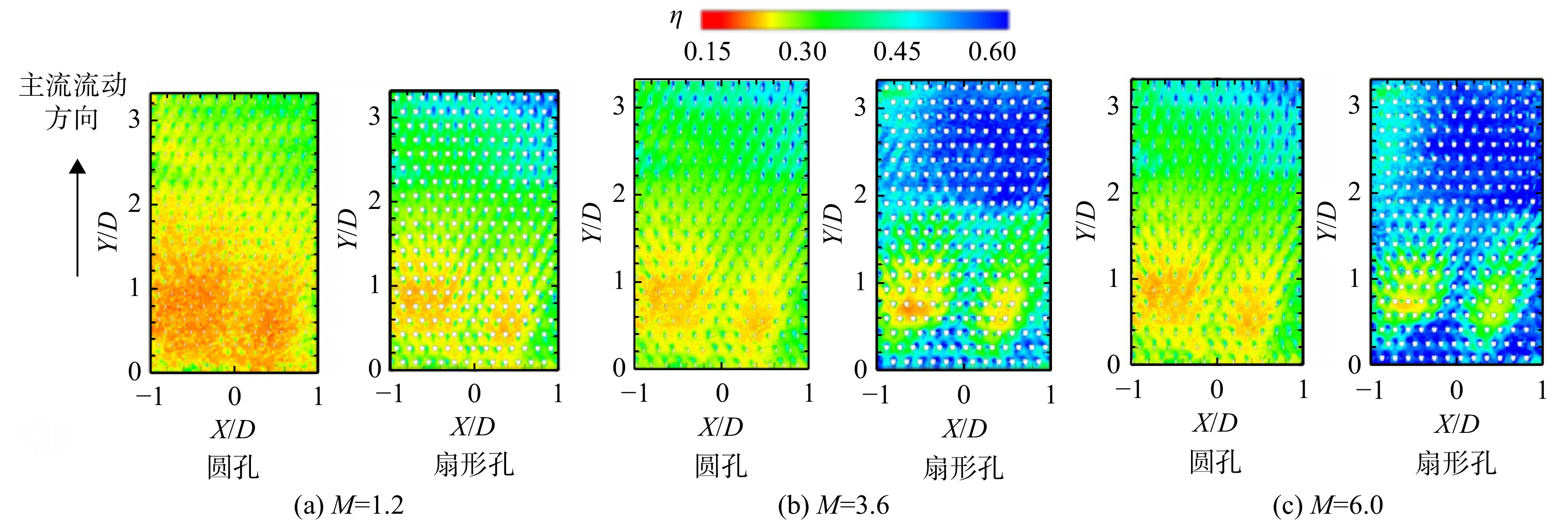
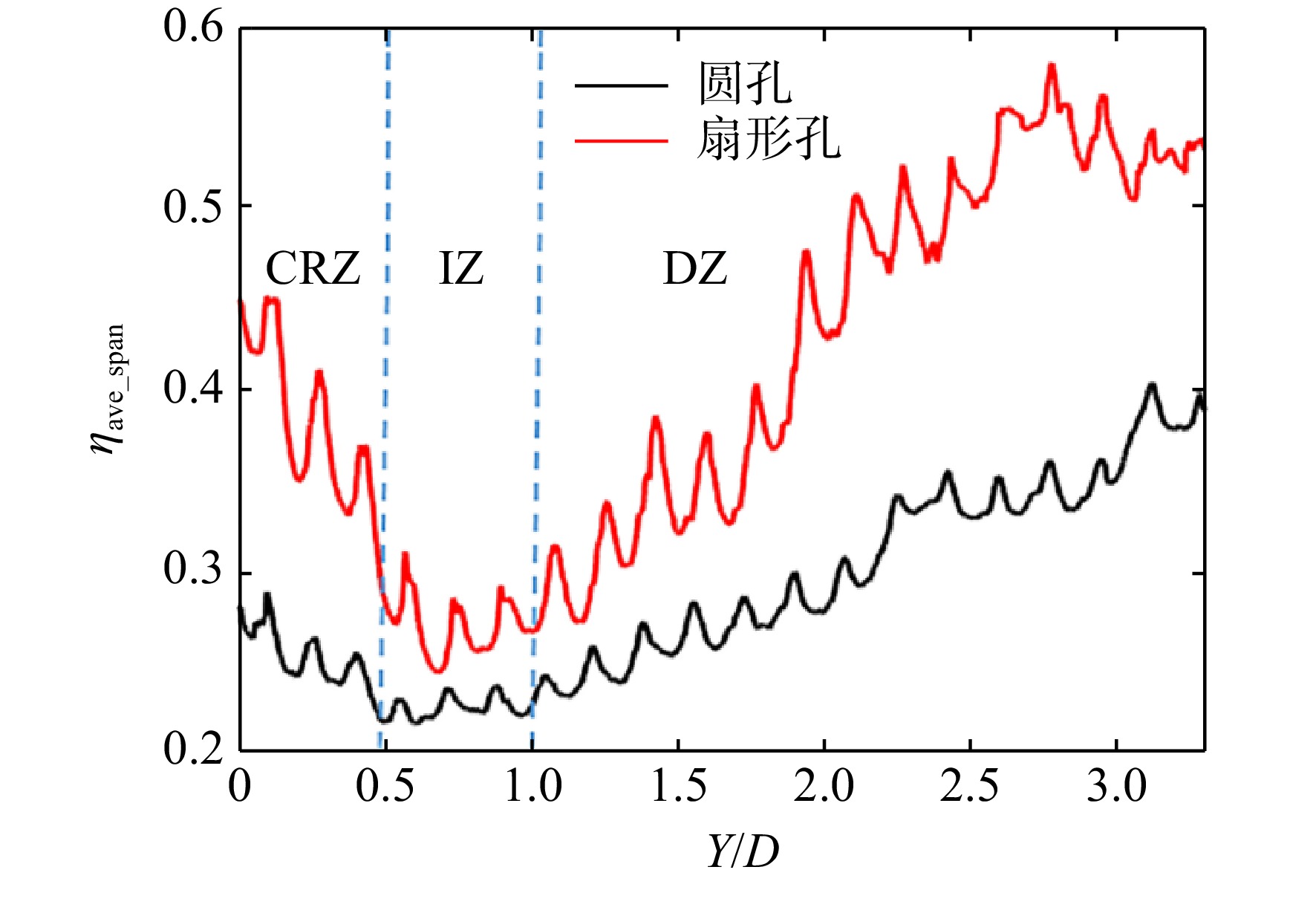
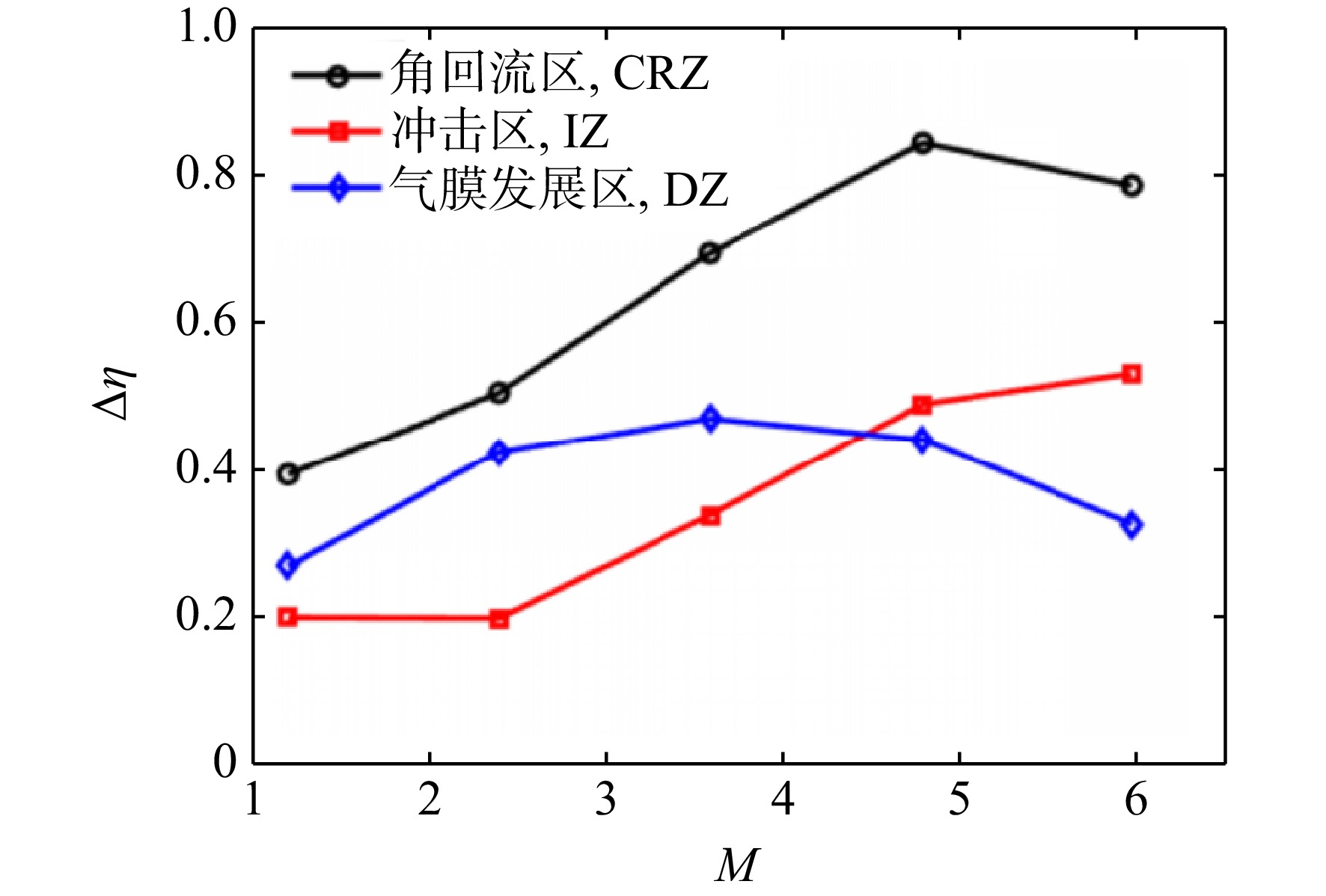
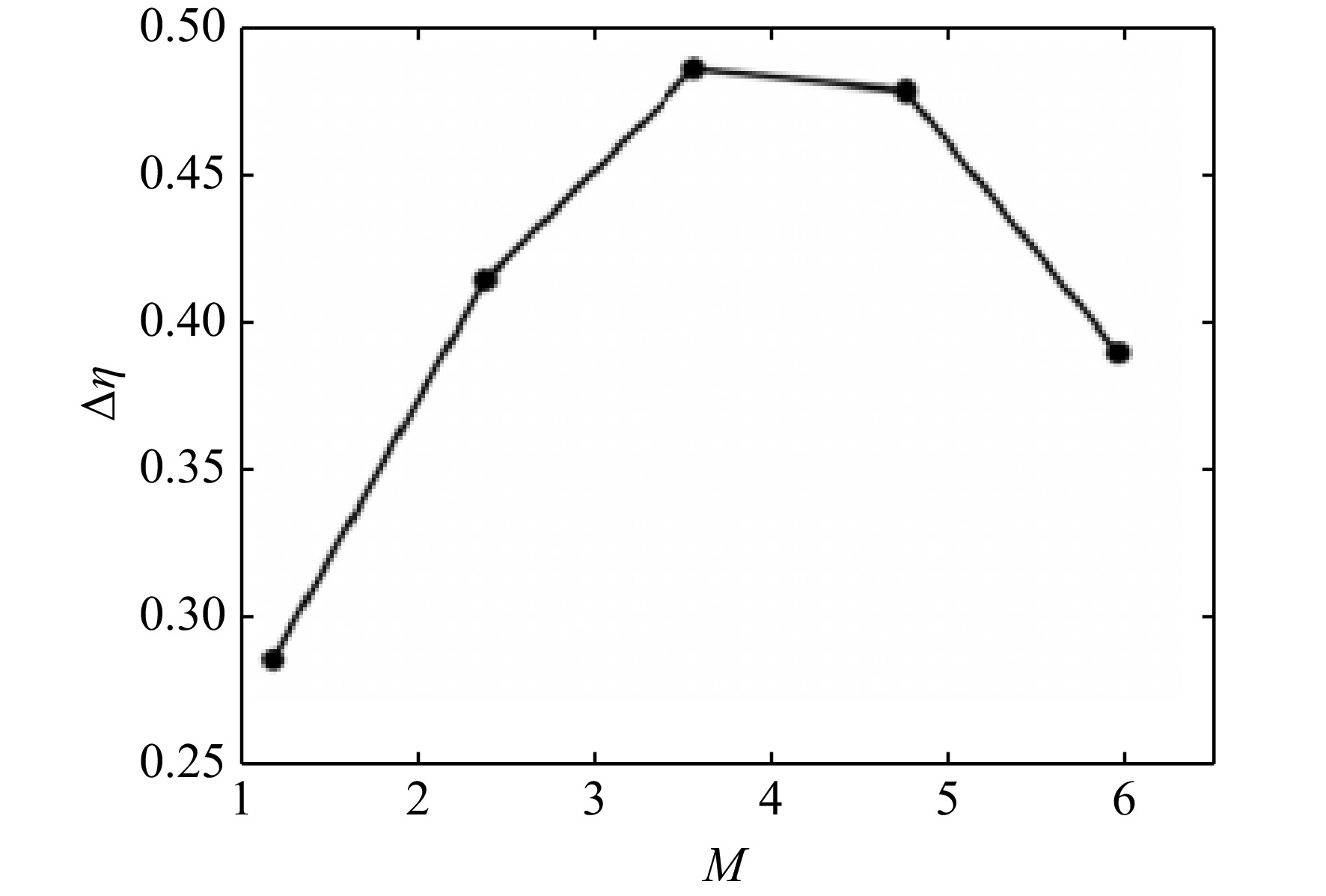
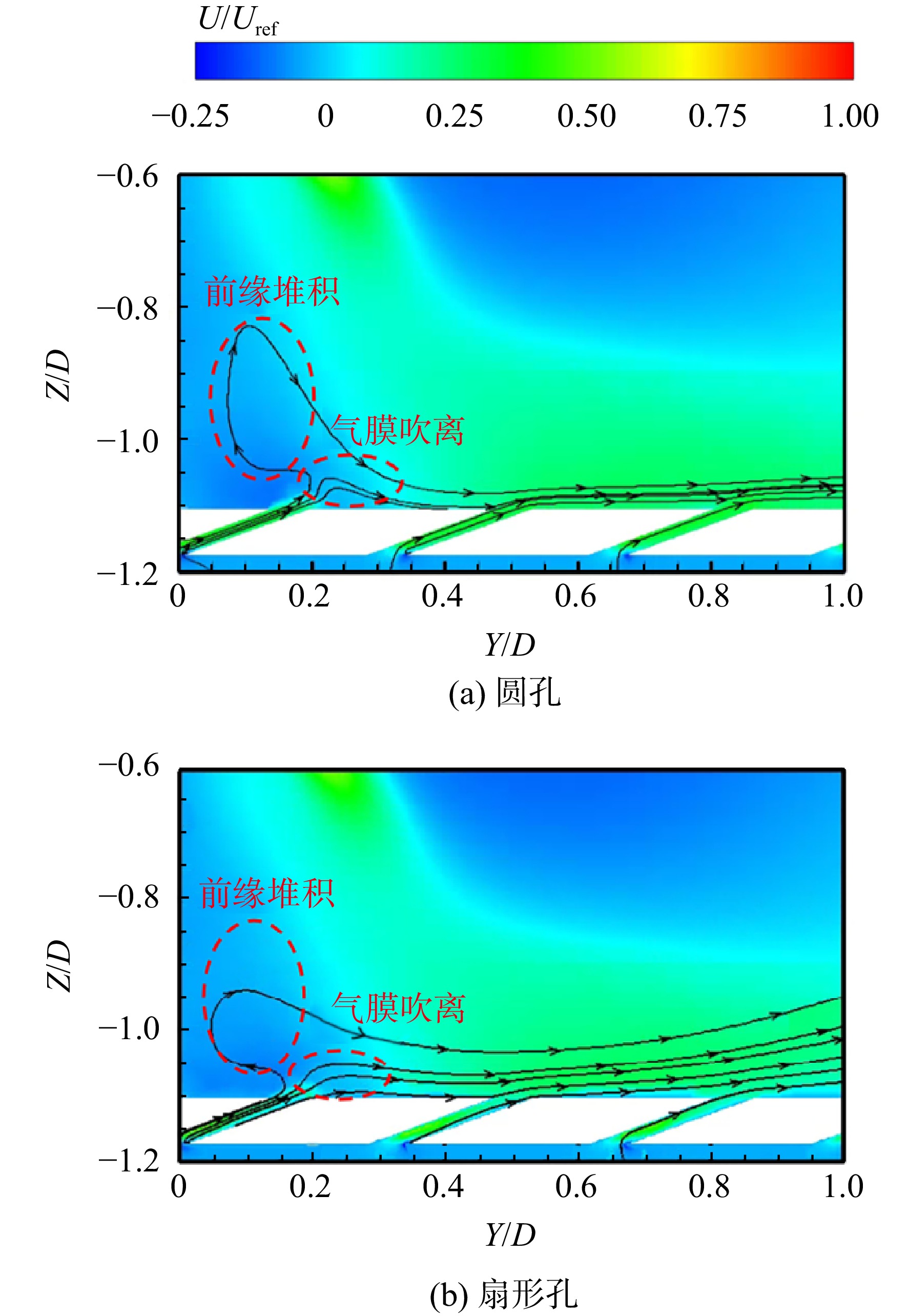
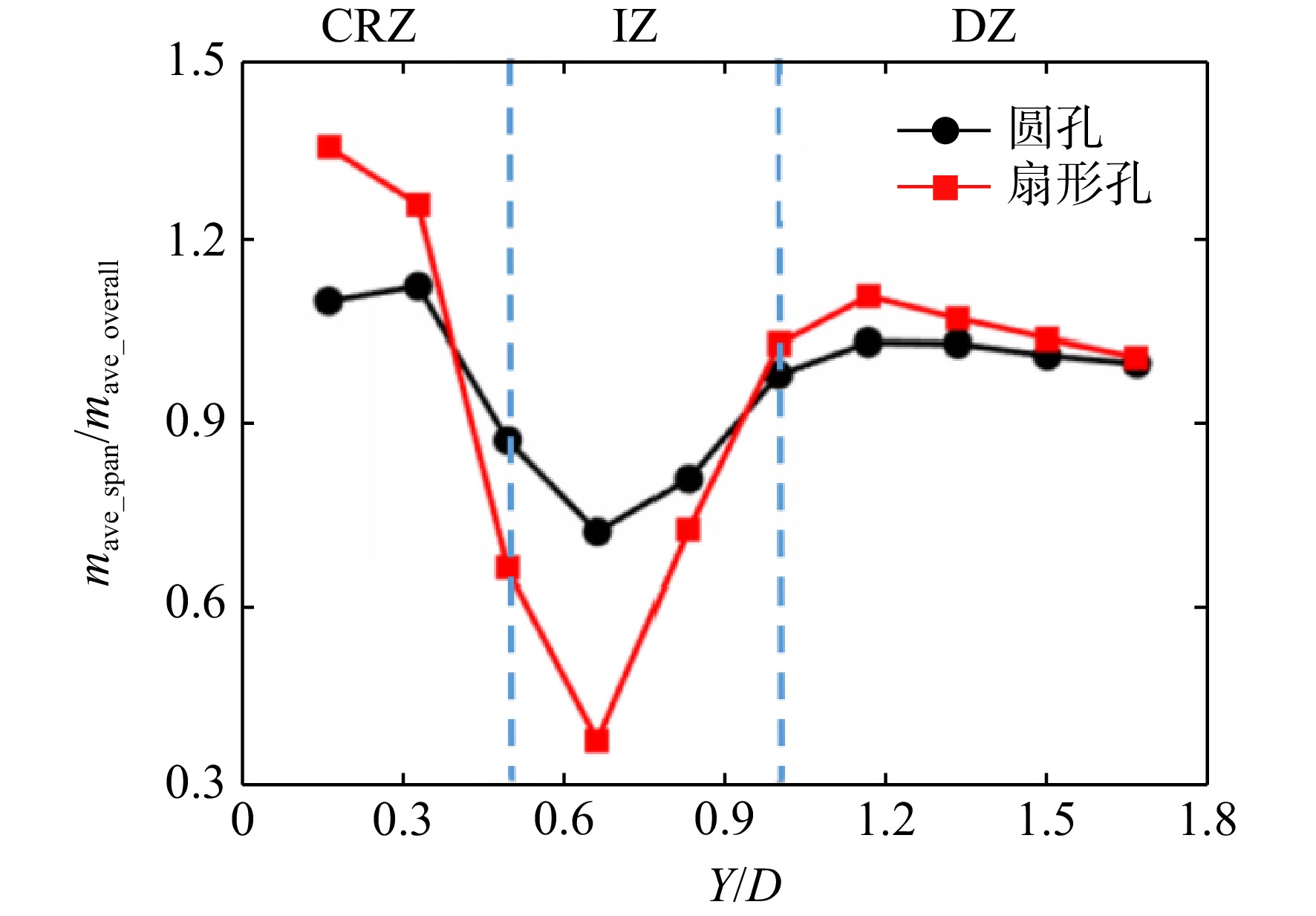
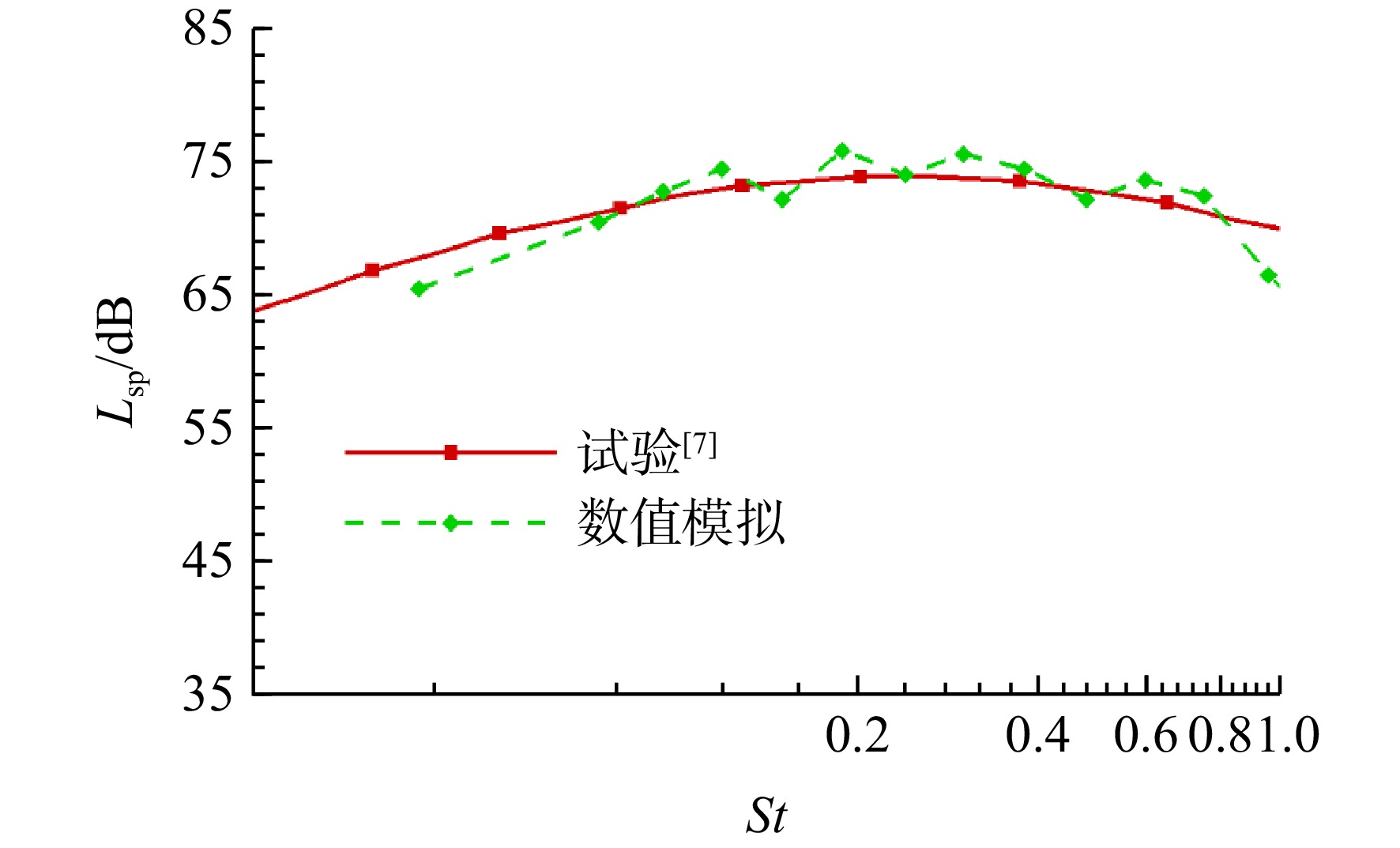
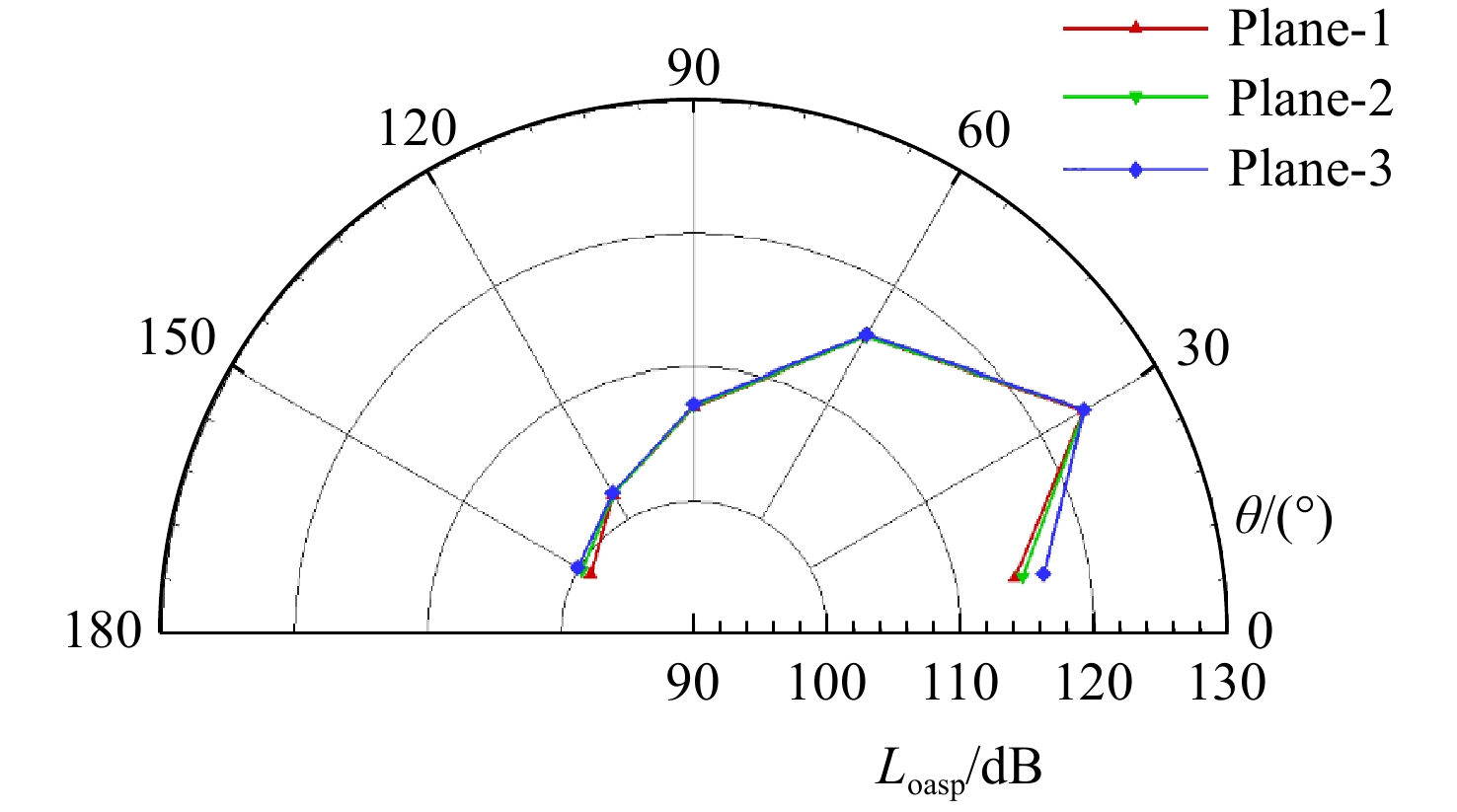
Numerical and experimental studies on the heat transfer characteristics of different effusion cooling hole configurations under swirl impact were carried out in a swirl-stabilized model combustor. The influences of hole configuration and blowing ratio on cooling performance were investigated by steady-state liquid crystal temperature measurement technology. Based on the steady-state numerical simulation, the comparative analysis of the cooling air near the wall was performed for different hole configurations. The experiment results showed that the distribution characteristics of the cooling effectiveness of the fan-shaped hole were basically the same as those of the cylindrical holes, but the average cooling effectiveness of the area was about 40% higher. Compared with the cylindrical holes, the cooling air flow of fan-shaped holes was more susceptible to the impact of swirling flows, such that the improvement of cooling efficiency was more sensitive to the change of blowing ratio and position. The numerical results showed that the fan-shaped hole had better cooling film coverage and more cooling air mass flow in the corner recirculation zone, and the cooling effectiveness was the highest than that of the cylindrical hole (the cooling effectiveness can be increased by about 80% at most). However, the cooling air mass flow of the fan-shaped hole in the impact zone was more obviously inhibited by the swirling flows, and the improvement of cooling effectiveness was not obvious.

Study on the effect of swirl intensity for atomization characteristics in two-stage swirl combustor
GAO Yaping, LIU Cunxi, ZHENG Zhaozhuo, MEI Deqing, WANG Shaolin, LIU Fuqiang, XU Gang
2024, 39(12): 20220312. doi: 10.13224/j.cnki.jasp.20220312
Abstract:

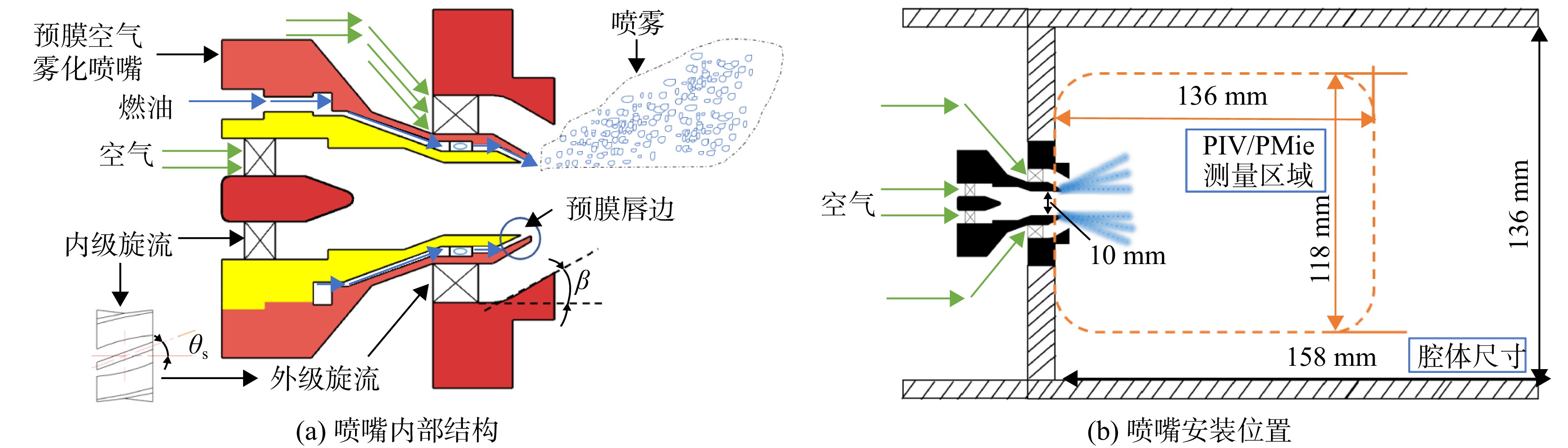
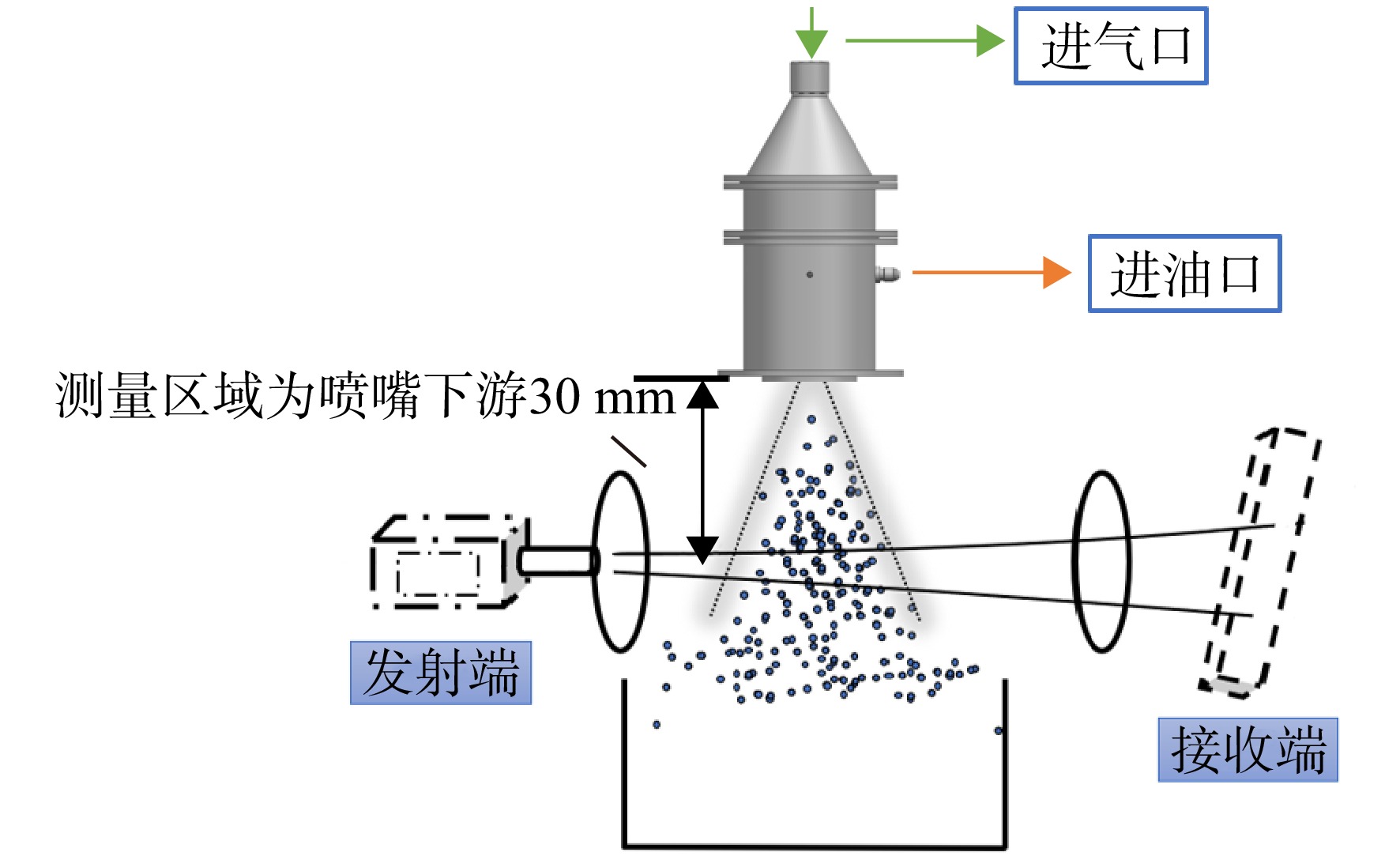
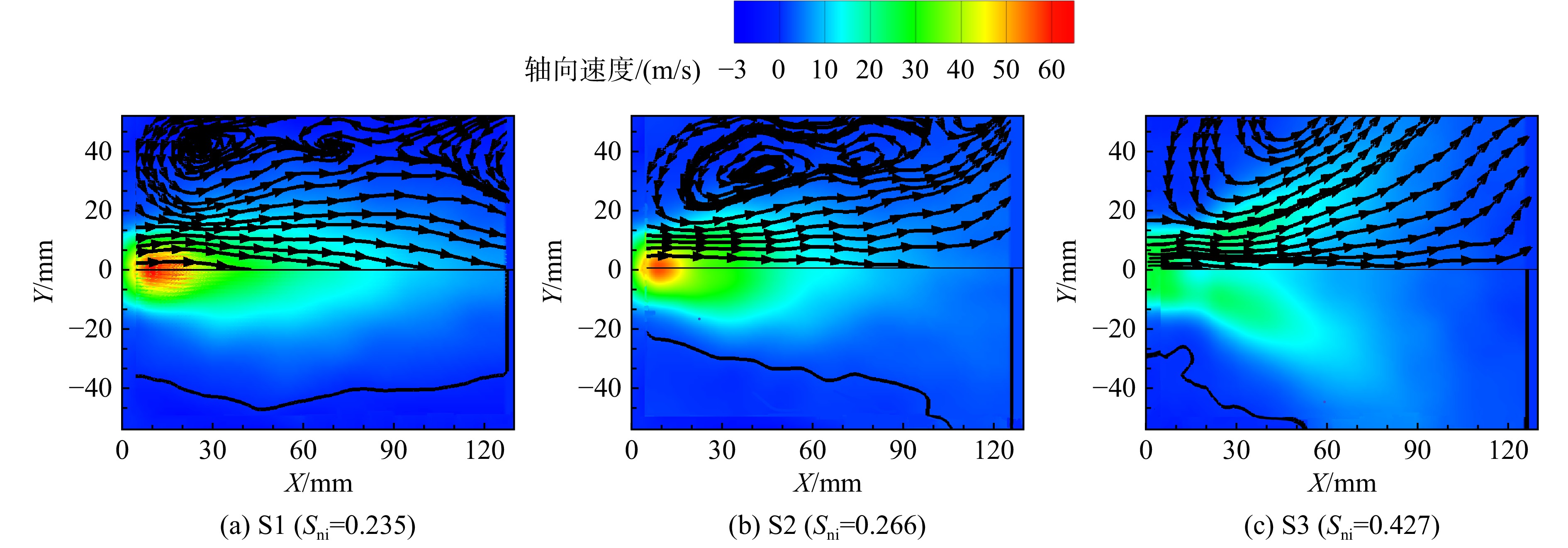
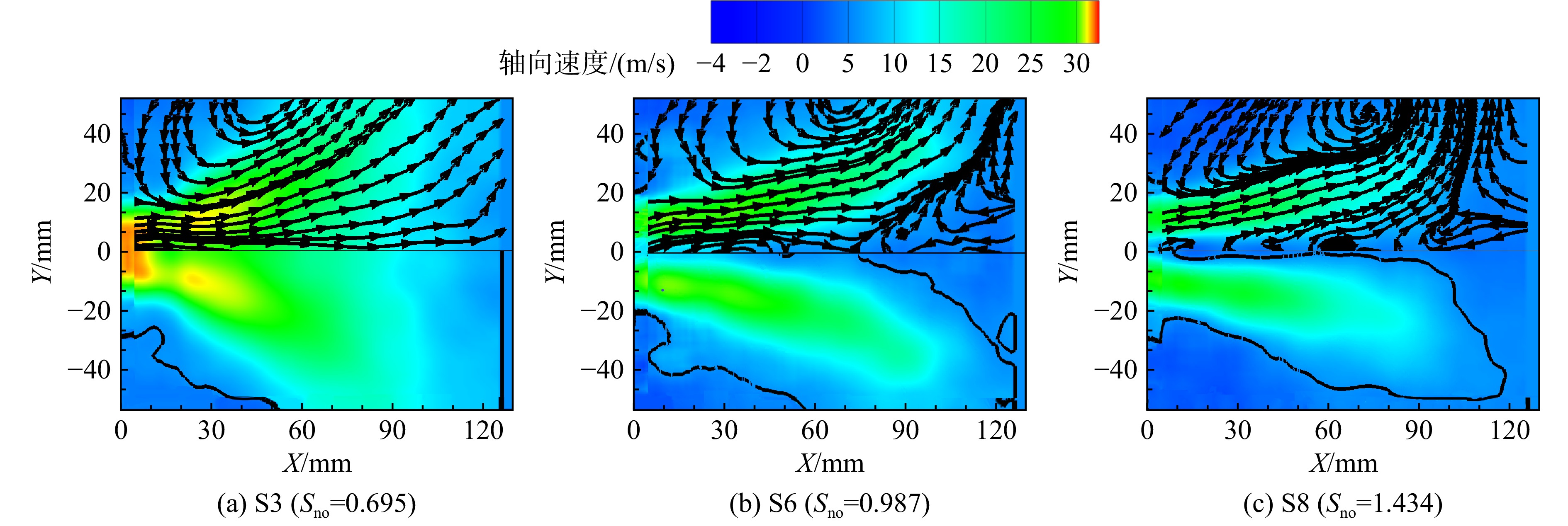
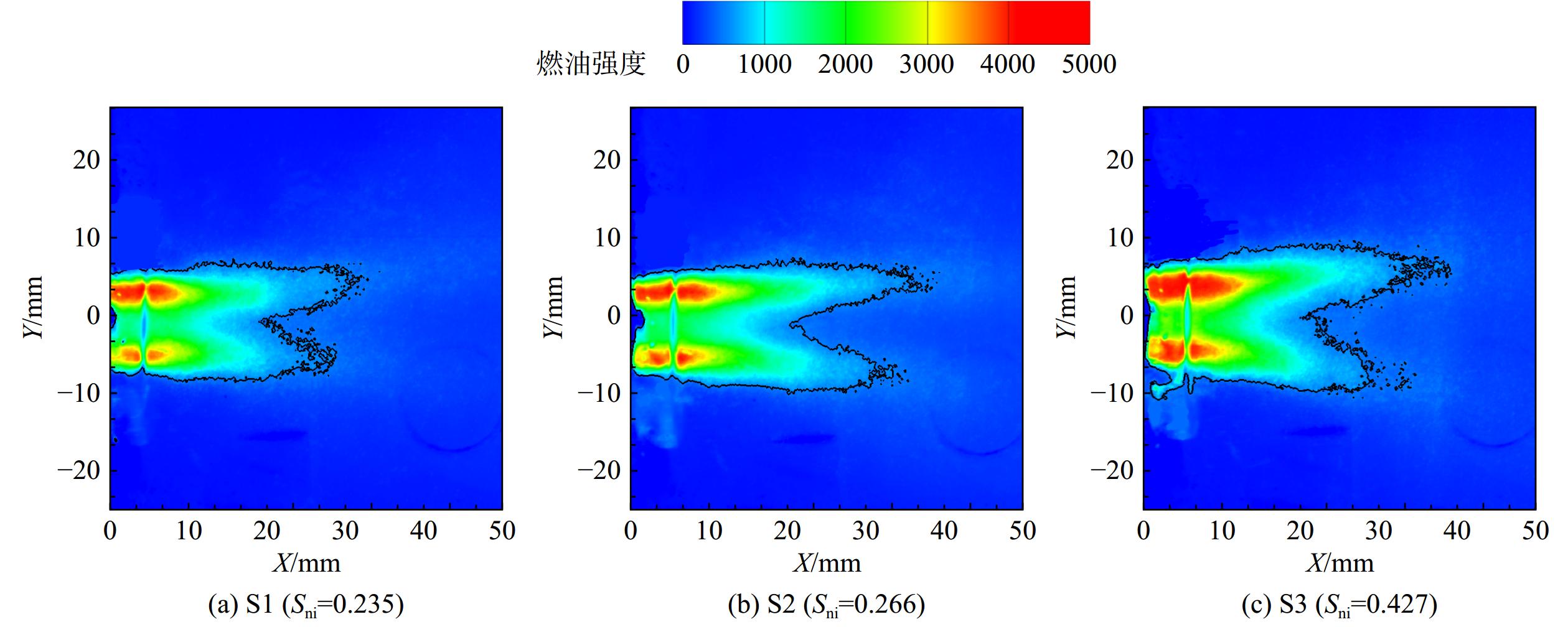
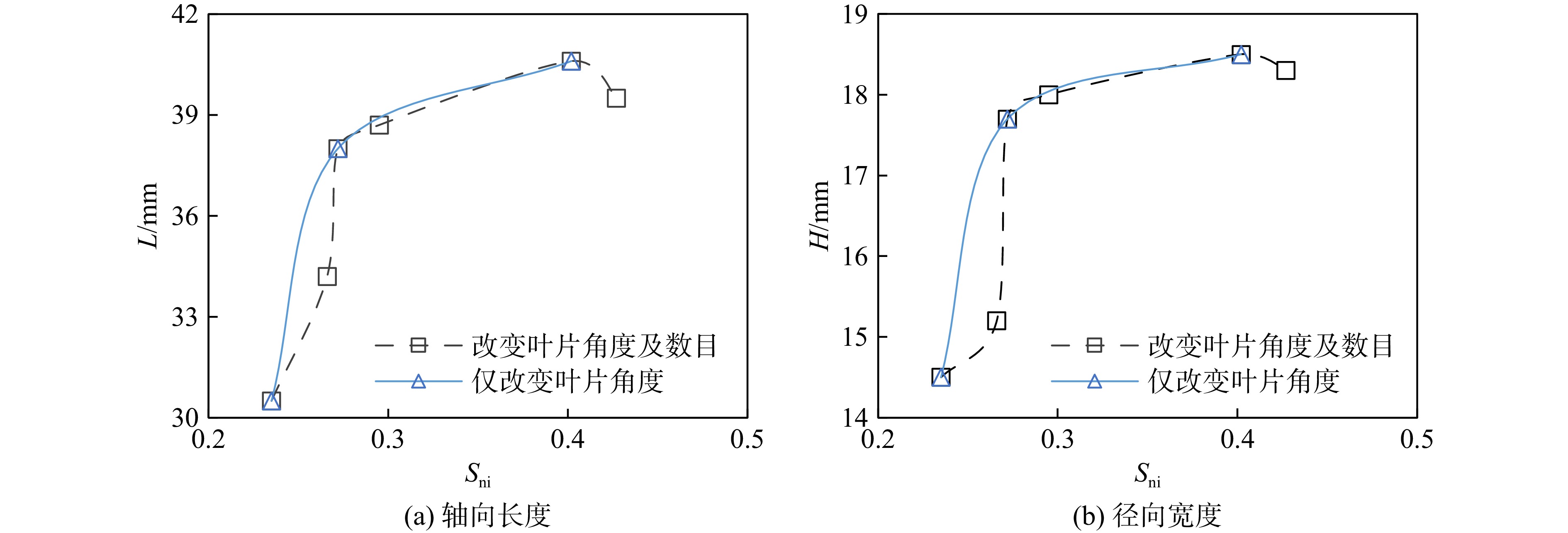
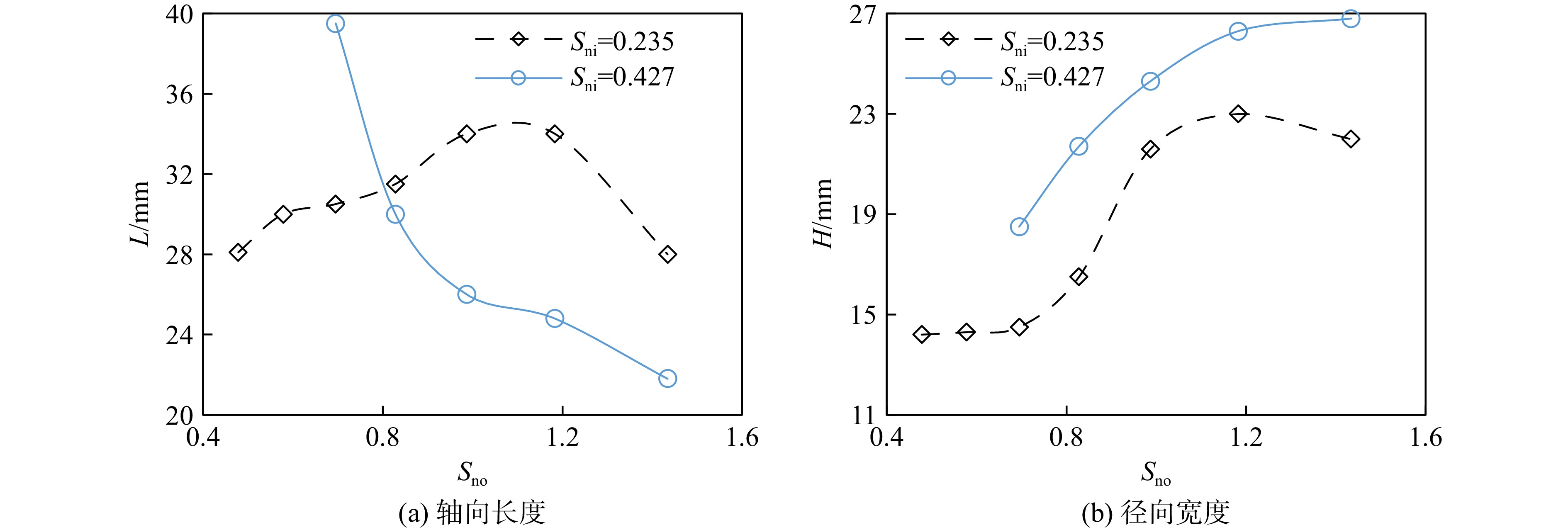
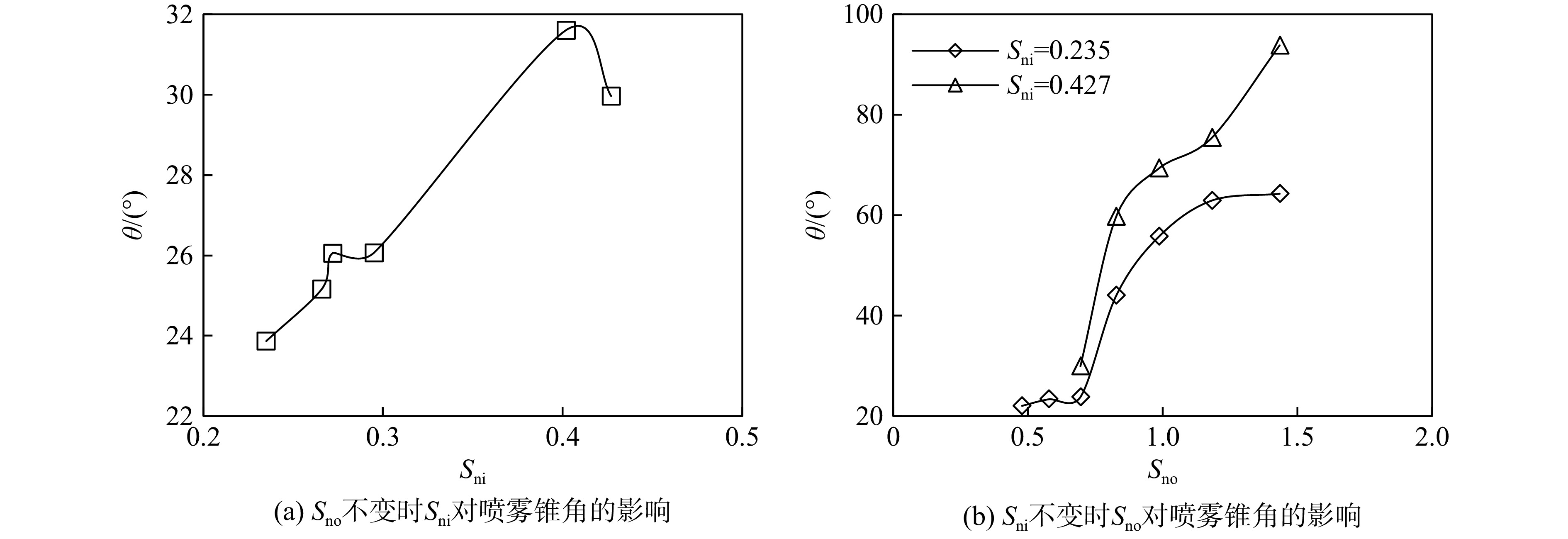
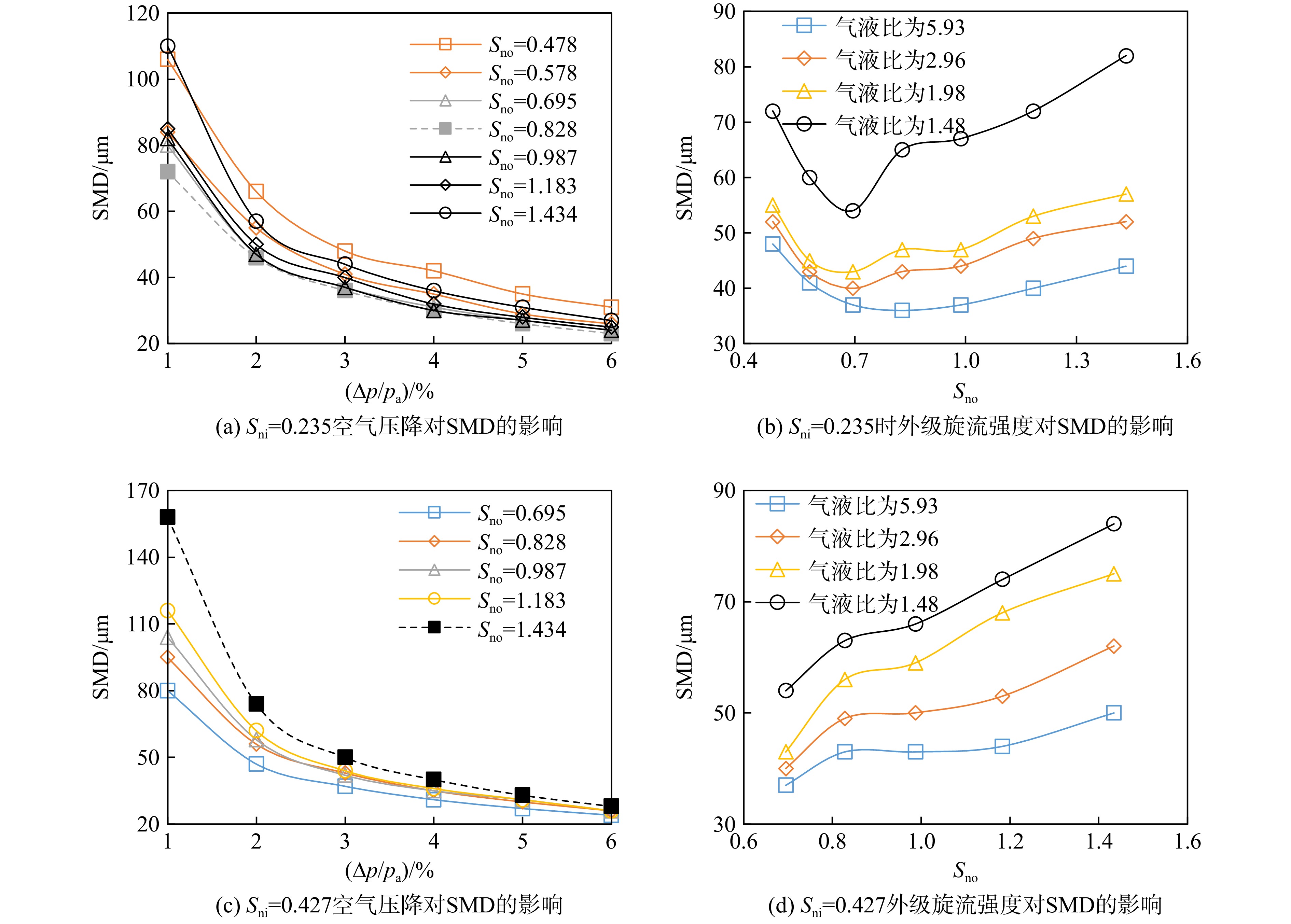
Based on particle image velocimetry (PIV), plane laser scattering (PLS) and high speed granulometer, the atomization characteristics of prefilming air-blast atomizer under different swirl intensities were studied. The variation laws of fuel spatial distribution, spray cone angle and fuel particle size with swirl intensity were summarized. It was found that with the increase of the Sni, the axial velocity of the airflow at the outlet of the swirler decreased. Meanwhile, the axial length and radial width of the spray cone increased first and then decreased, and the spray cone angle and droplet diameter also showed the same trend. The central recirculation zone occurred within the Sno range from 0.695 to 0.987, whose starting position was X=70 mm. When the Sni was weak, the spray cone angle increased with the increase of Sno, and the droplet diameter decreased first and then increased with the increase of Sno. When Sni was strong, spray cone angle and droplet diameter were positively correlated with Sno. The results showed that the evolution law of spray characteristics of prefilming air-blast atomizer under different swirl intensities was explained, which could provide a theoretical support for improving atomization performance of swirl combustor.

Heat transfer and resistance characteristics of shell side of novel finned tube with slot
DING Tianxiang, PENG Hao, MA Jie
2024, 39(12): 20230076. doi: 10.13224/j.cnki.jasp.20230076
Abstract:

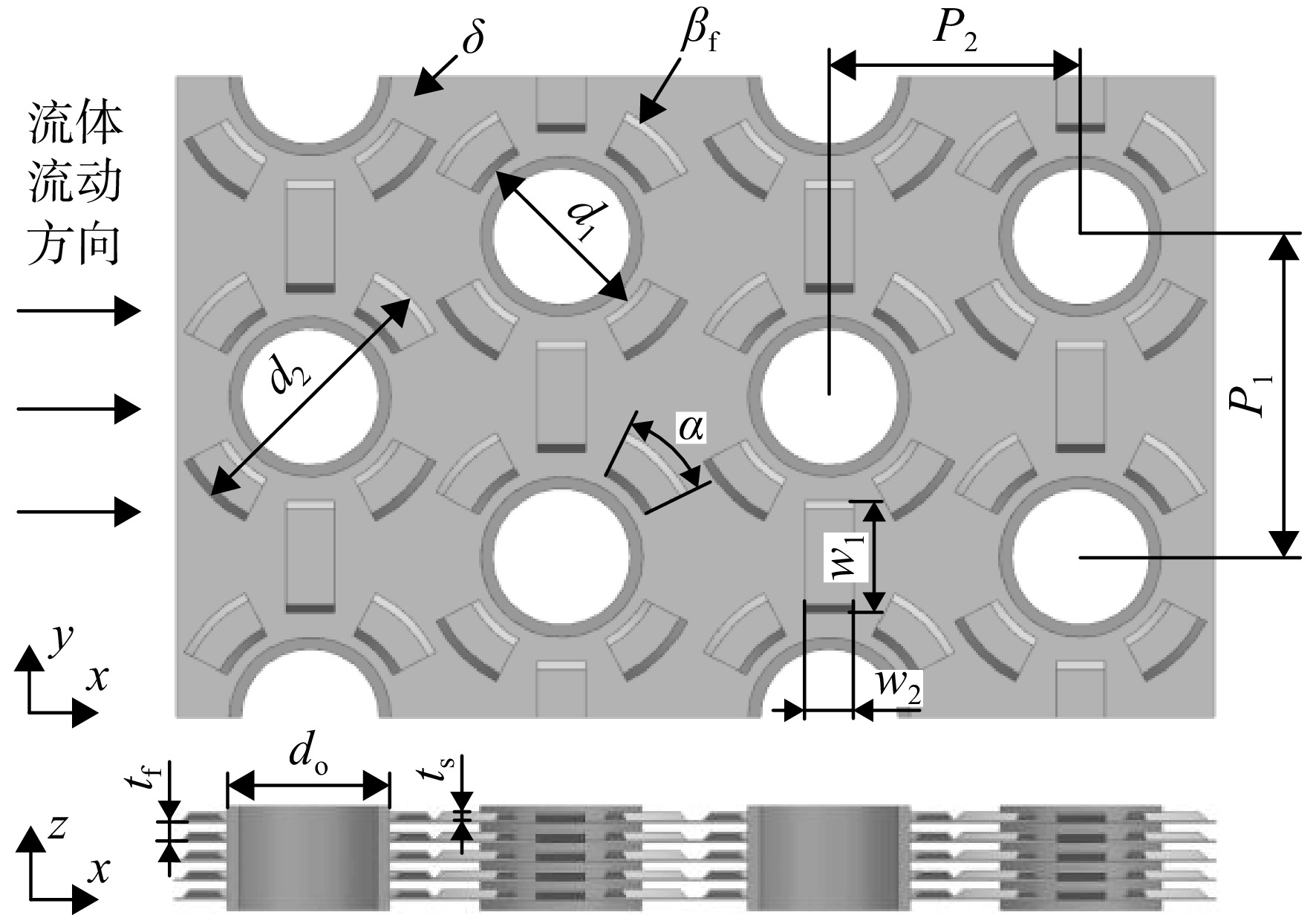
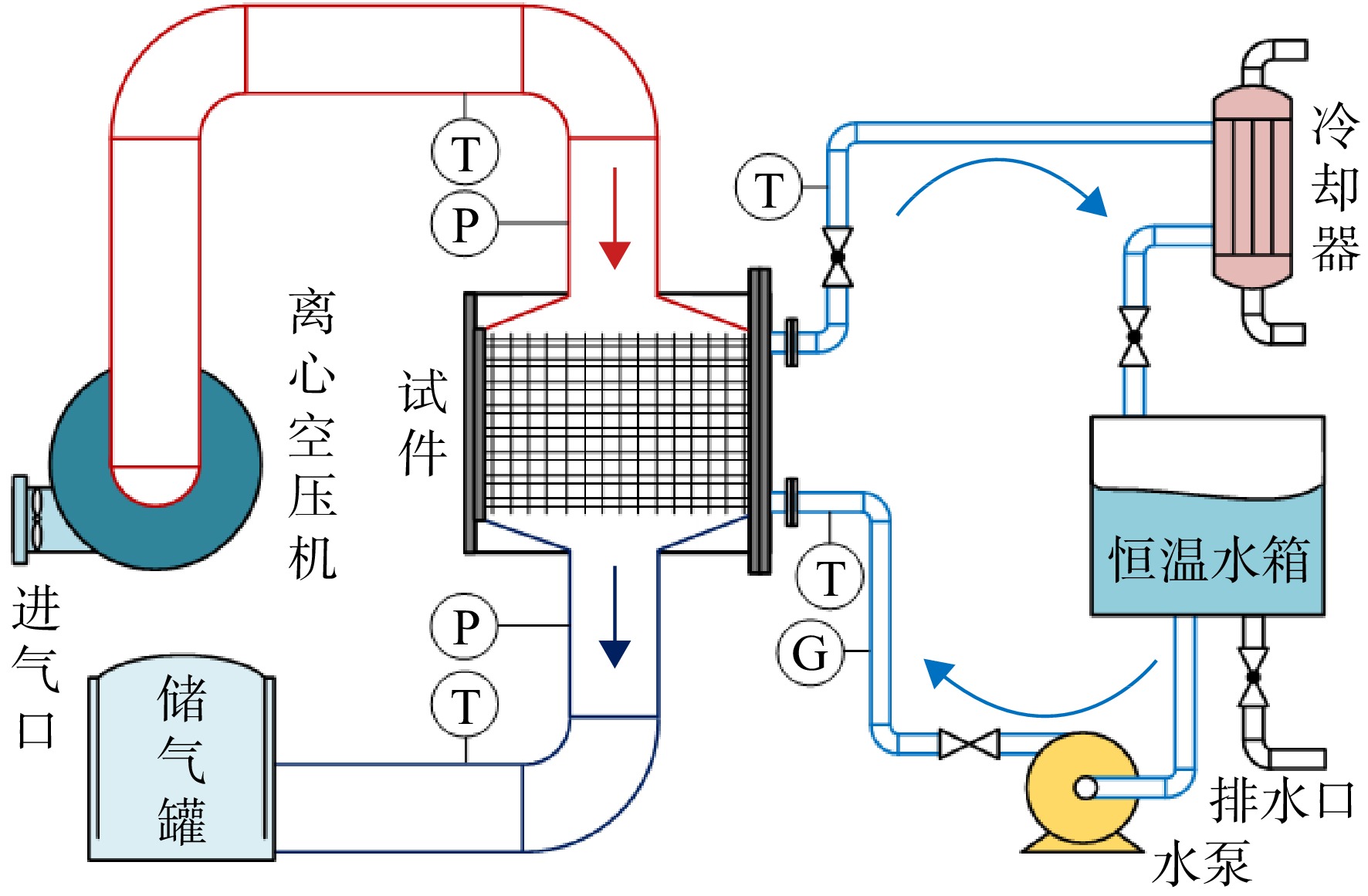
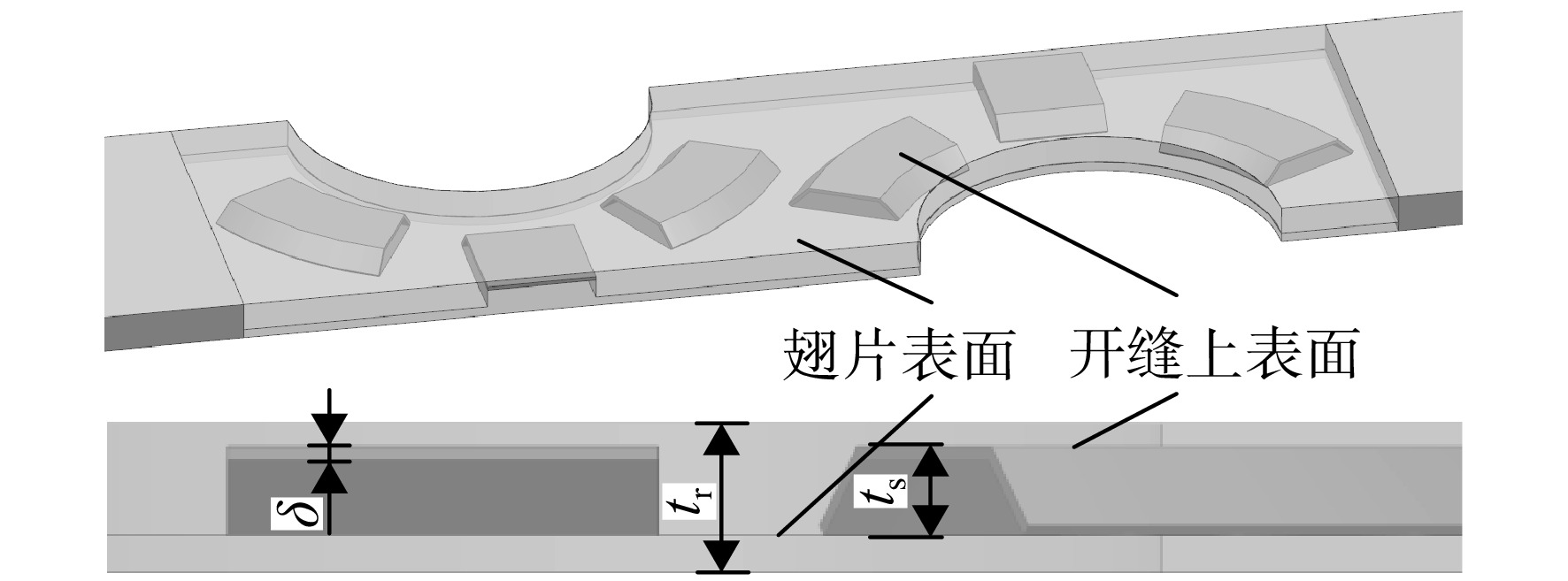
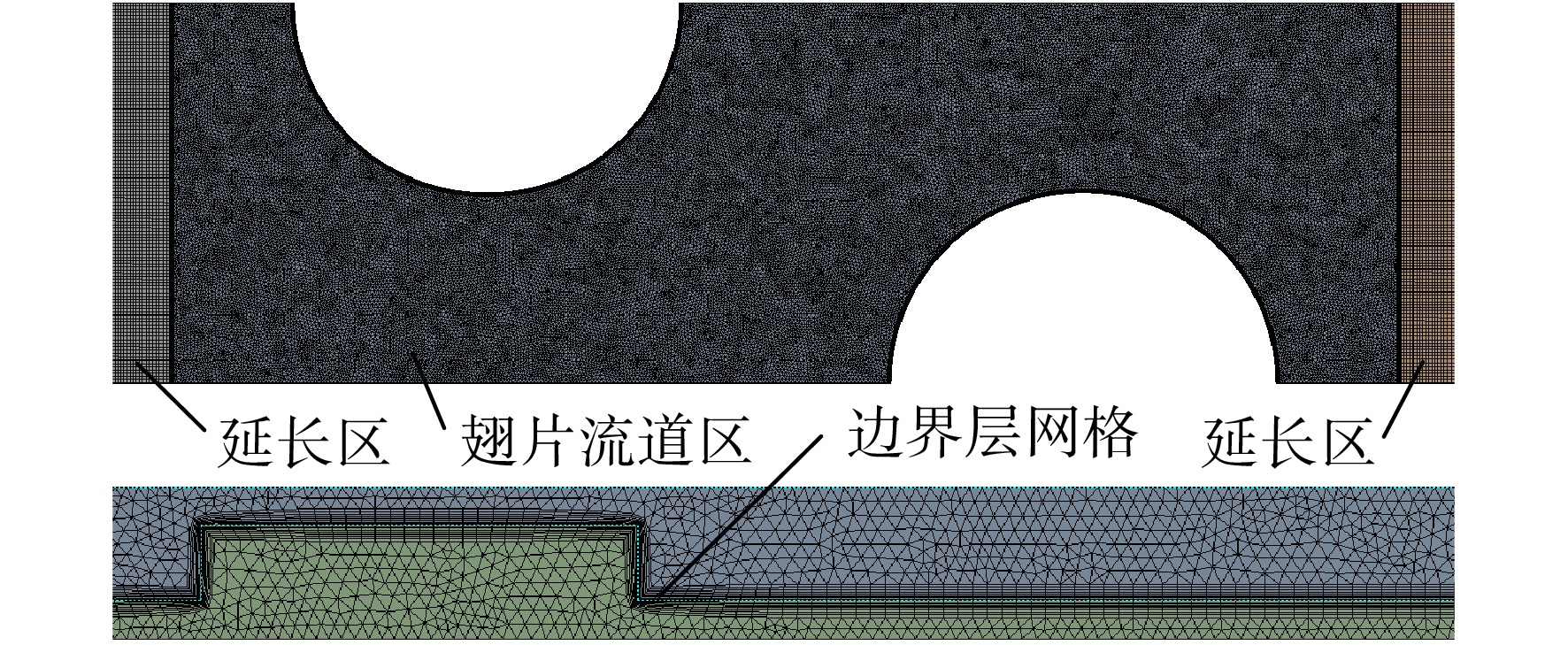
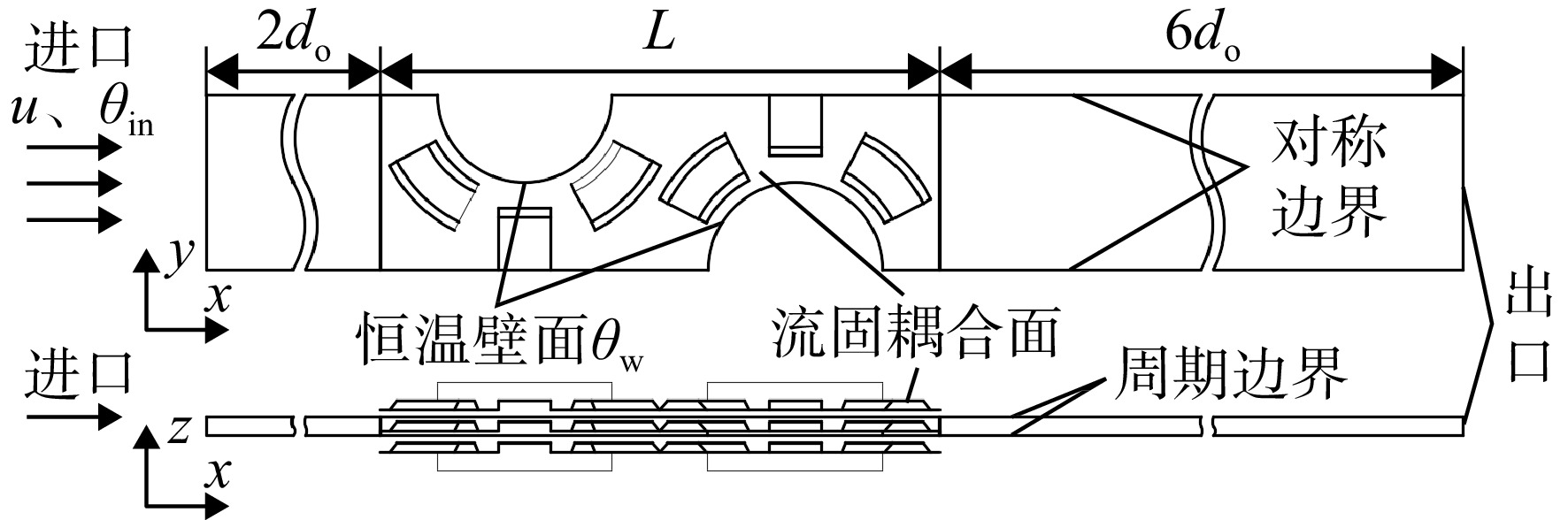
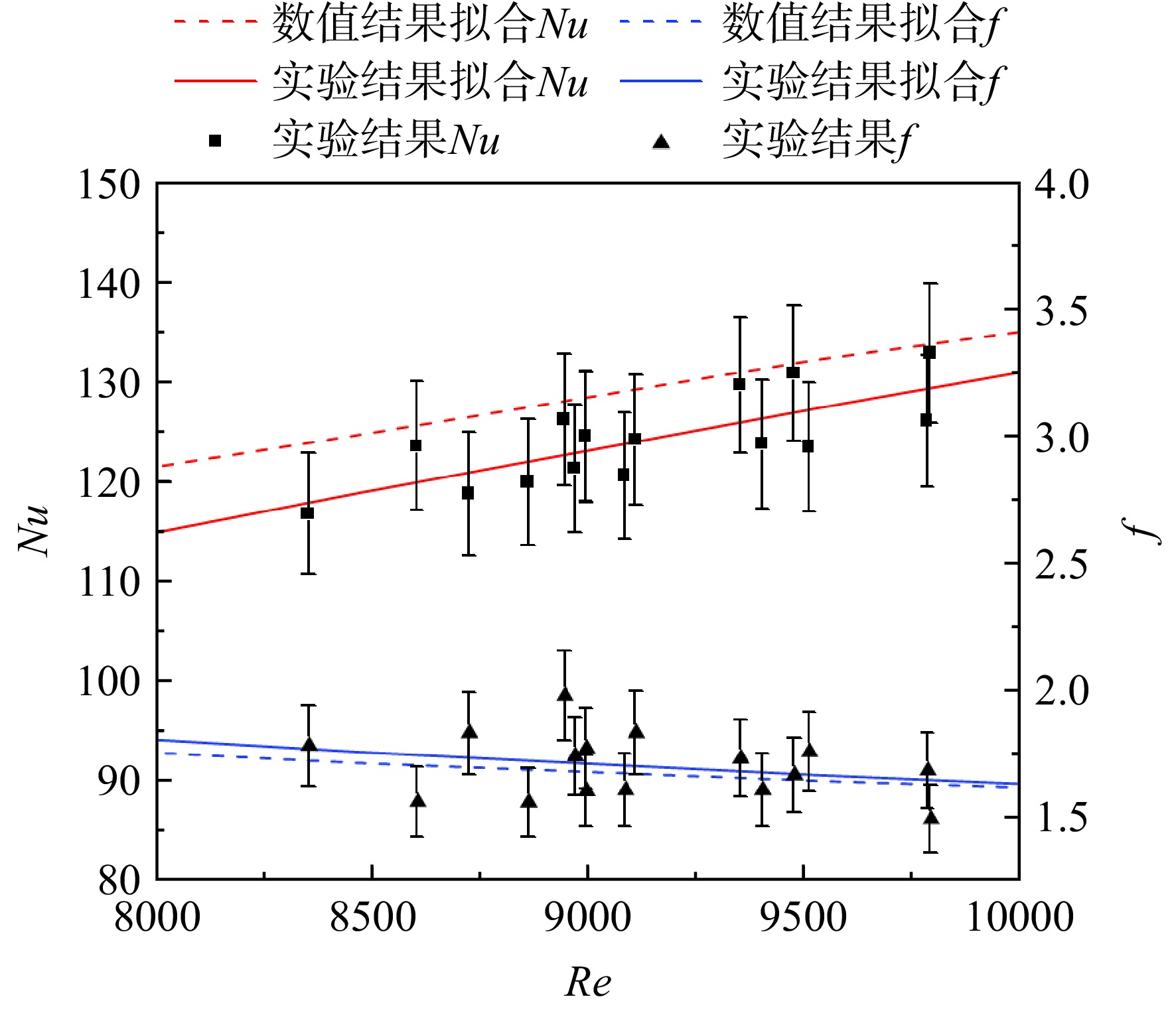
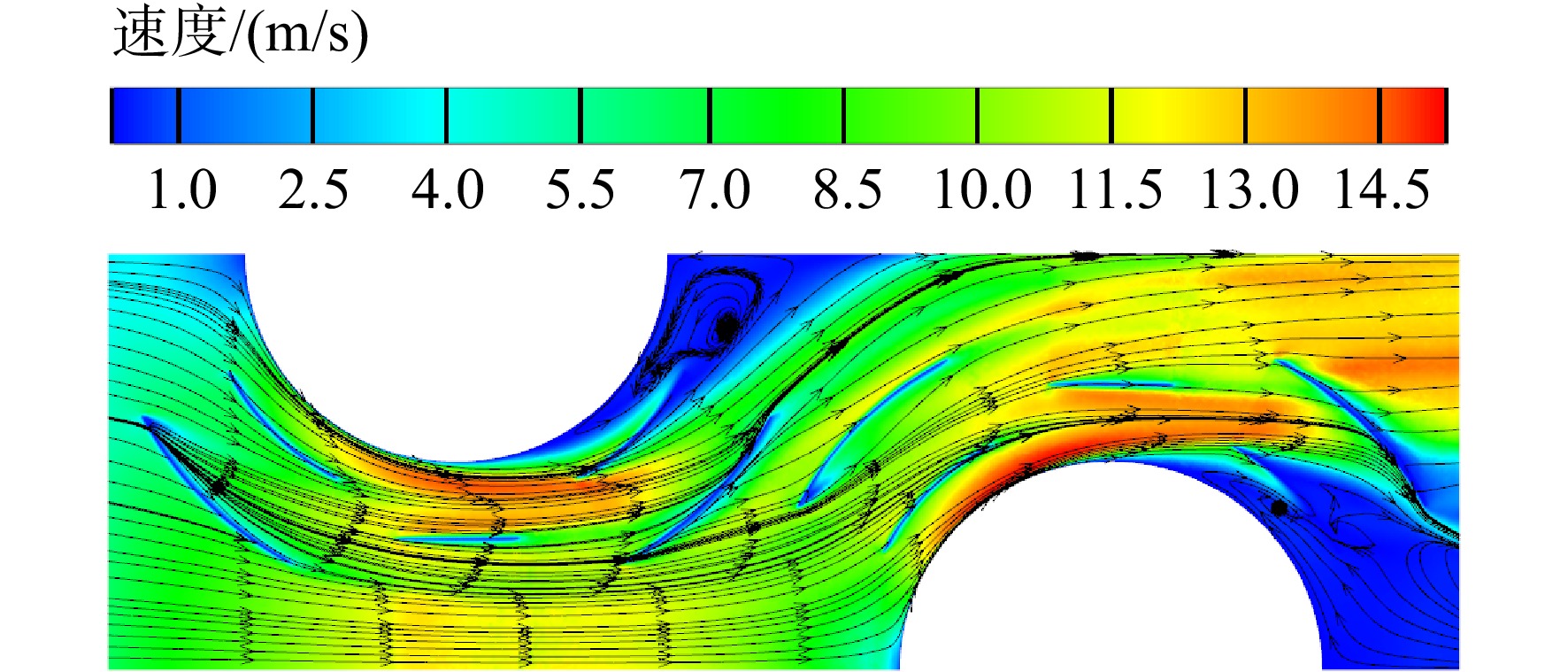
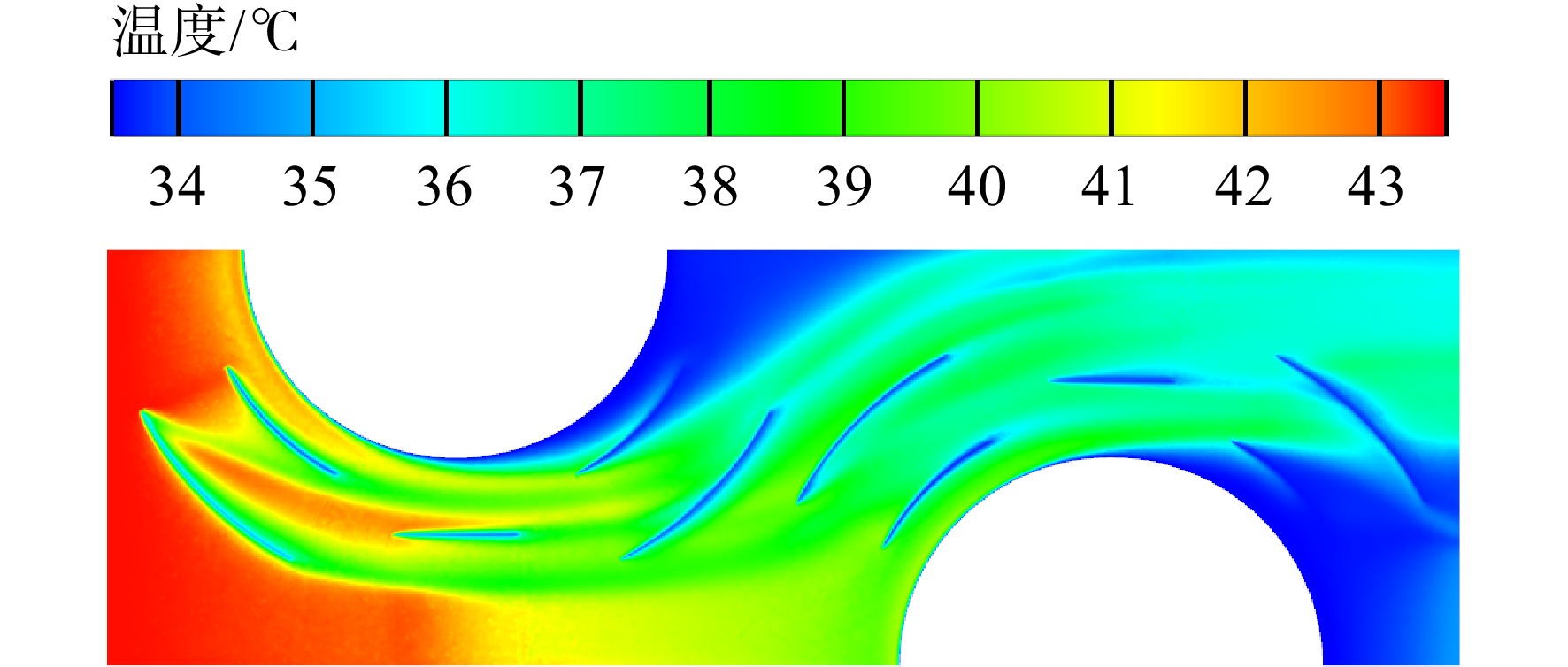
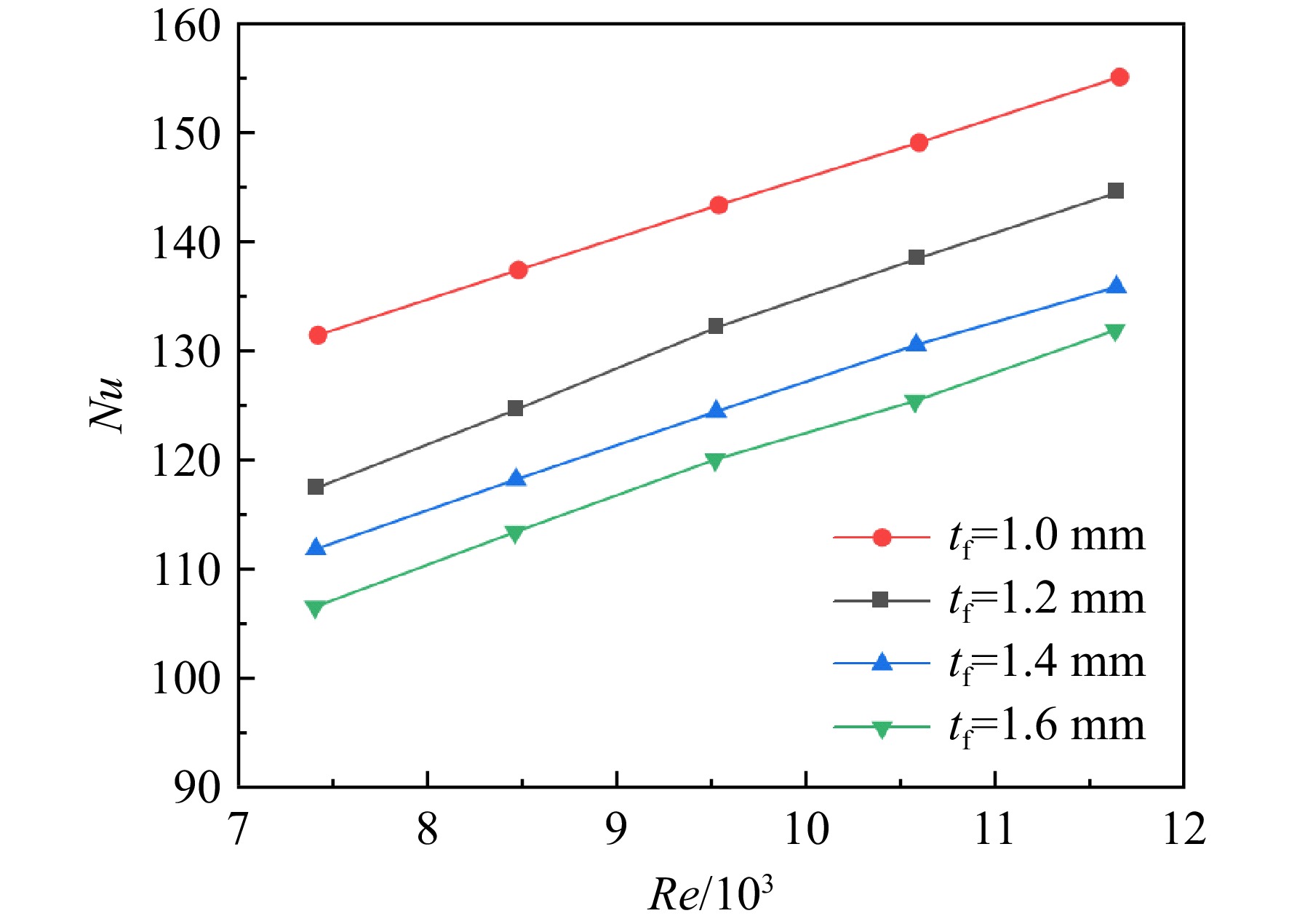
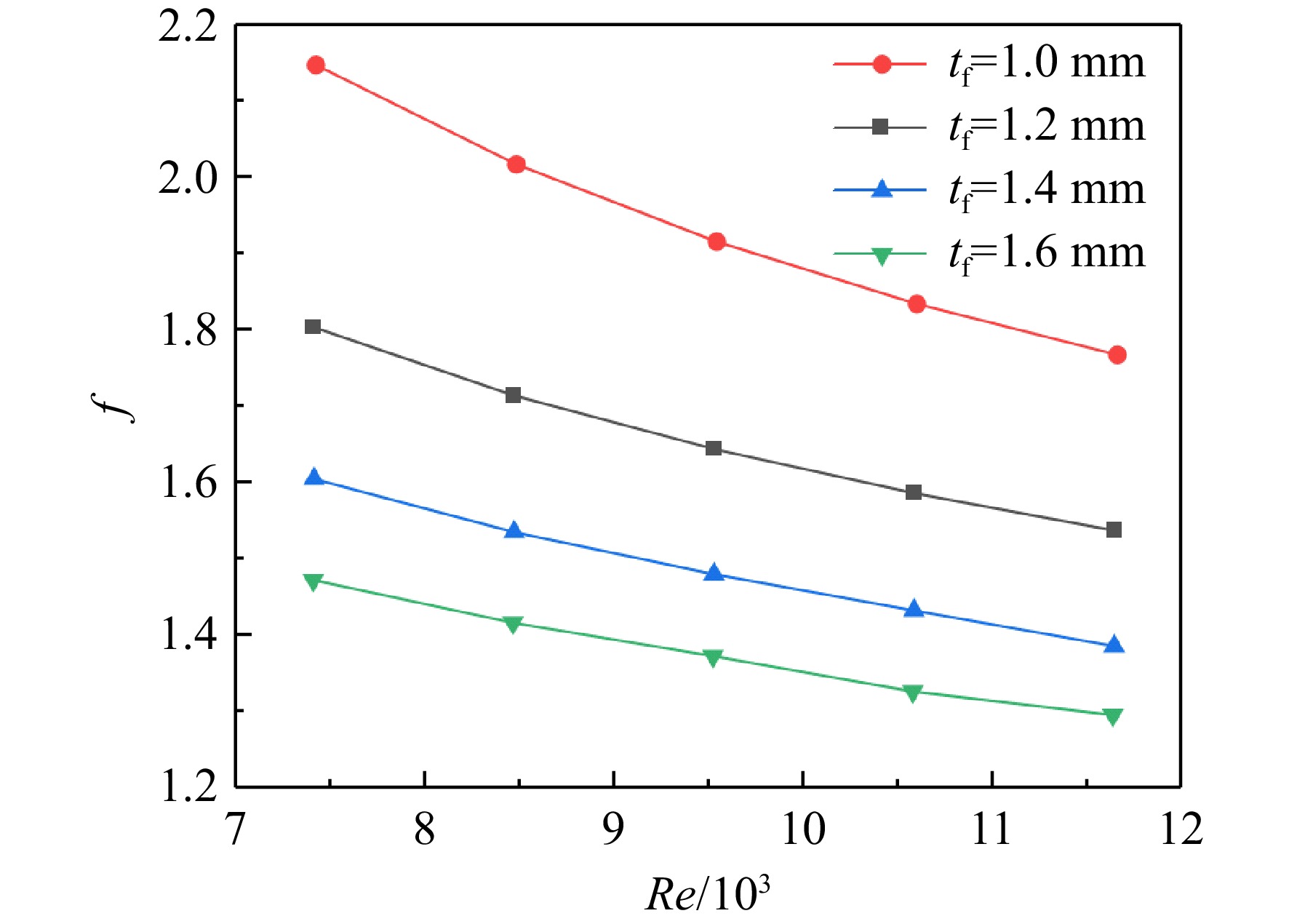
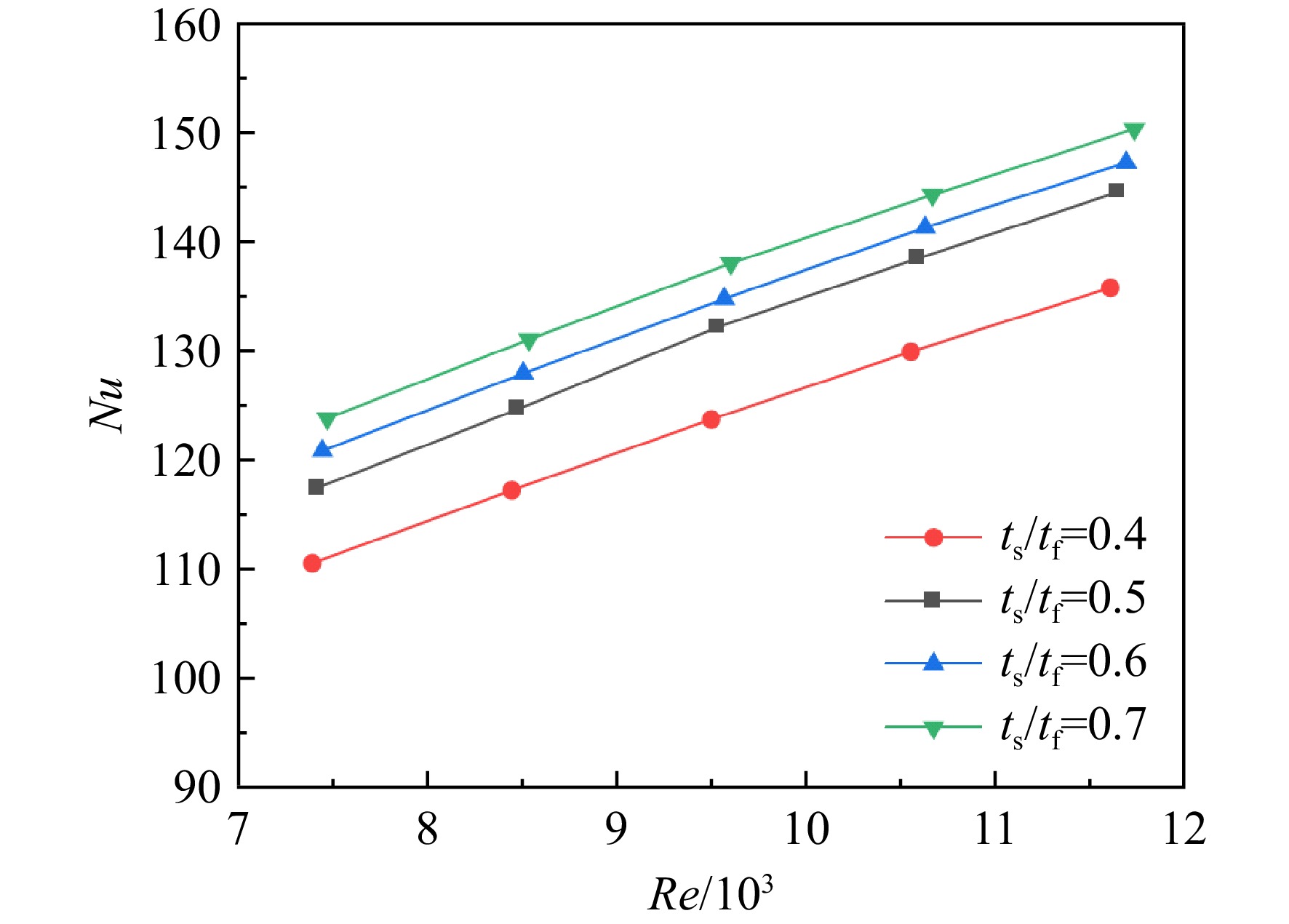
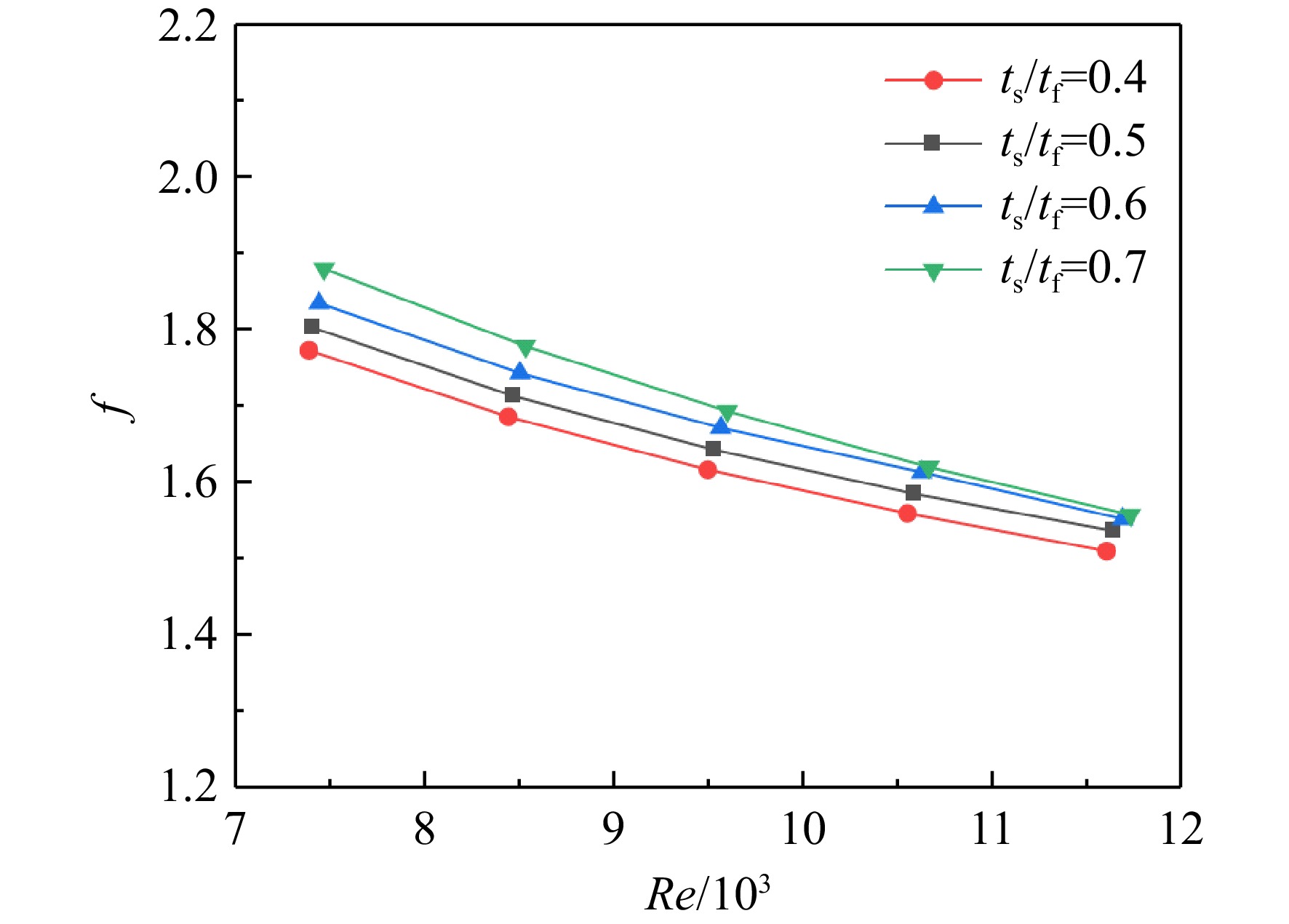
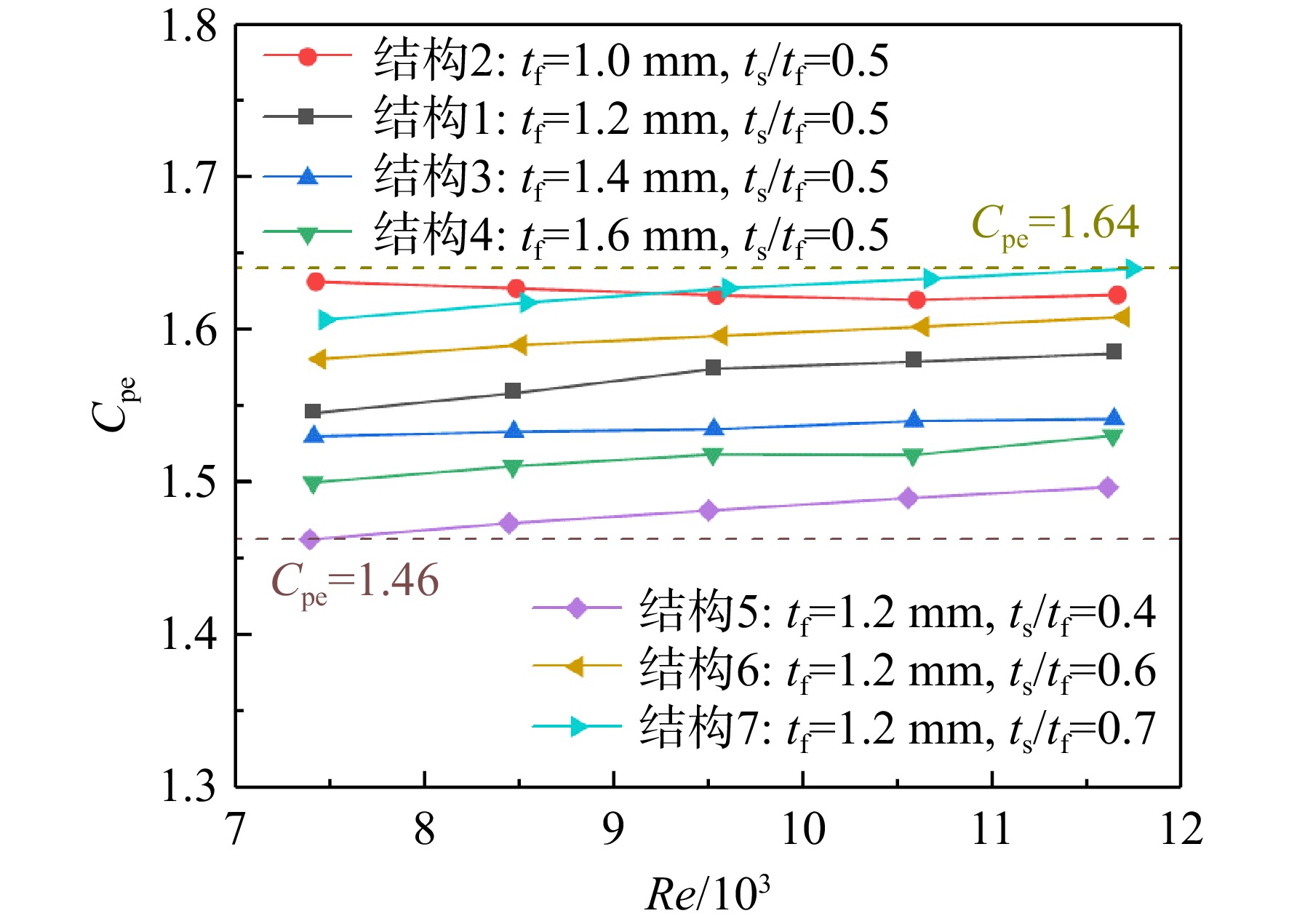
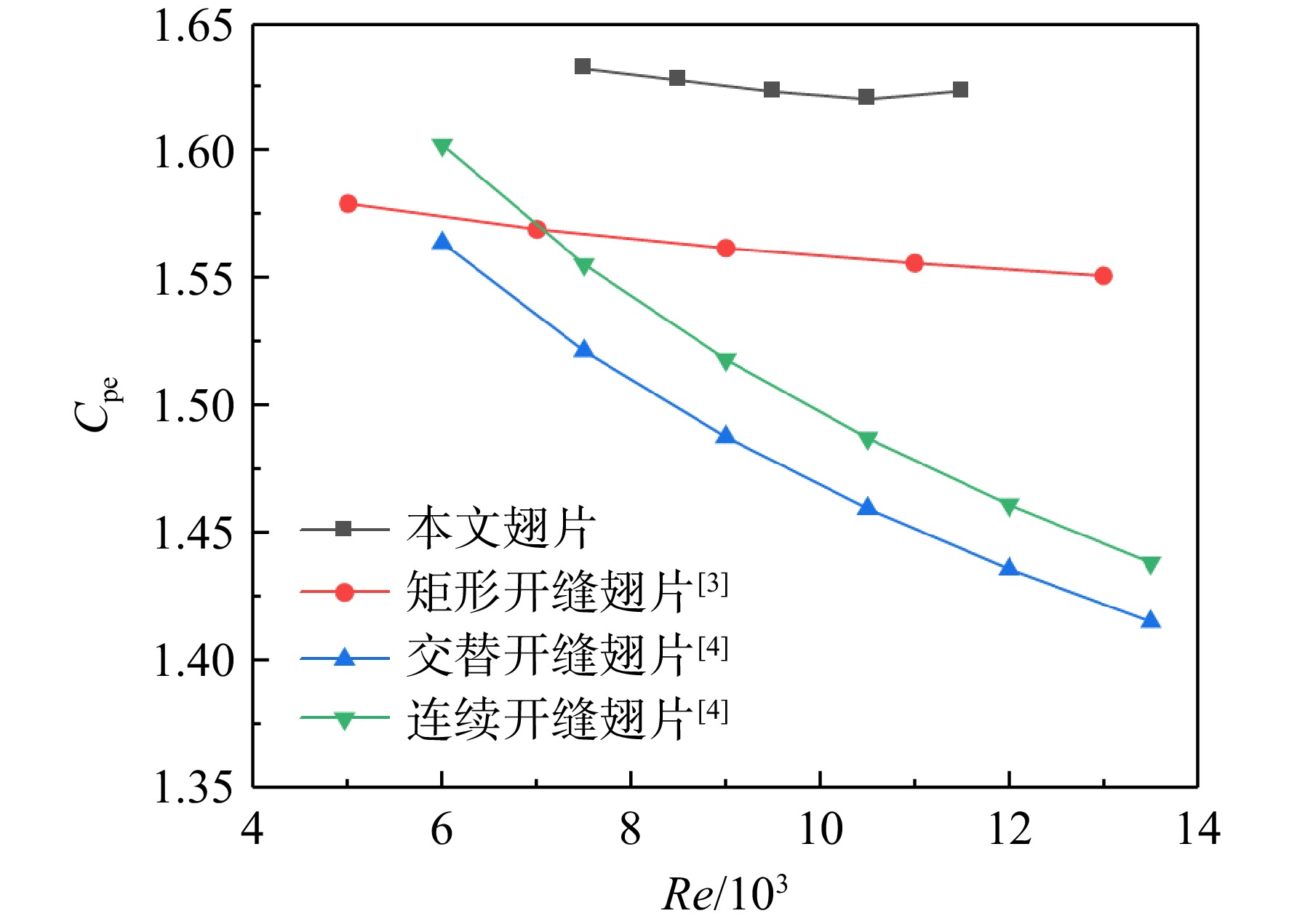
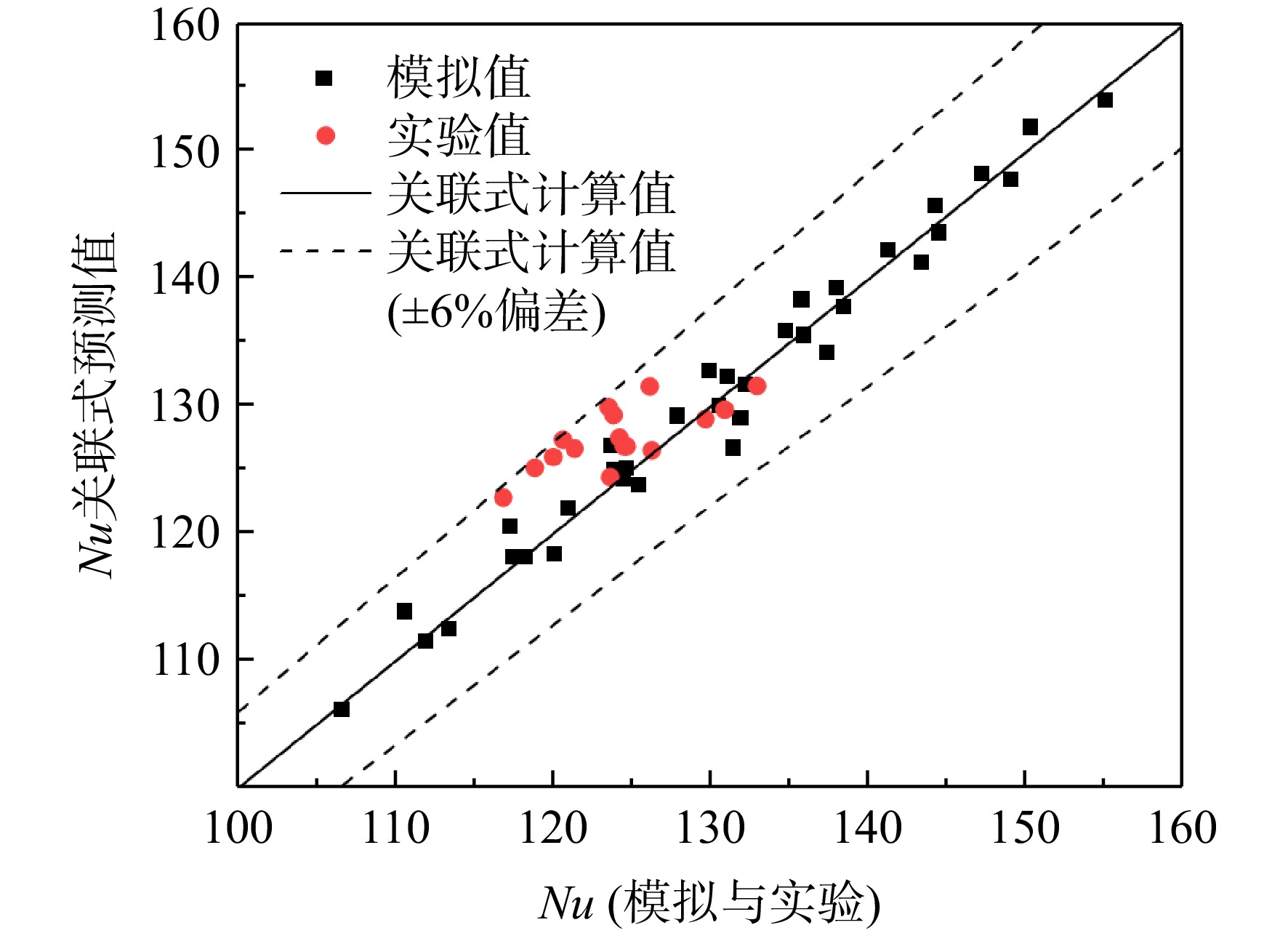
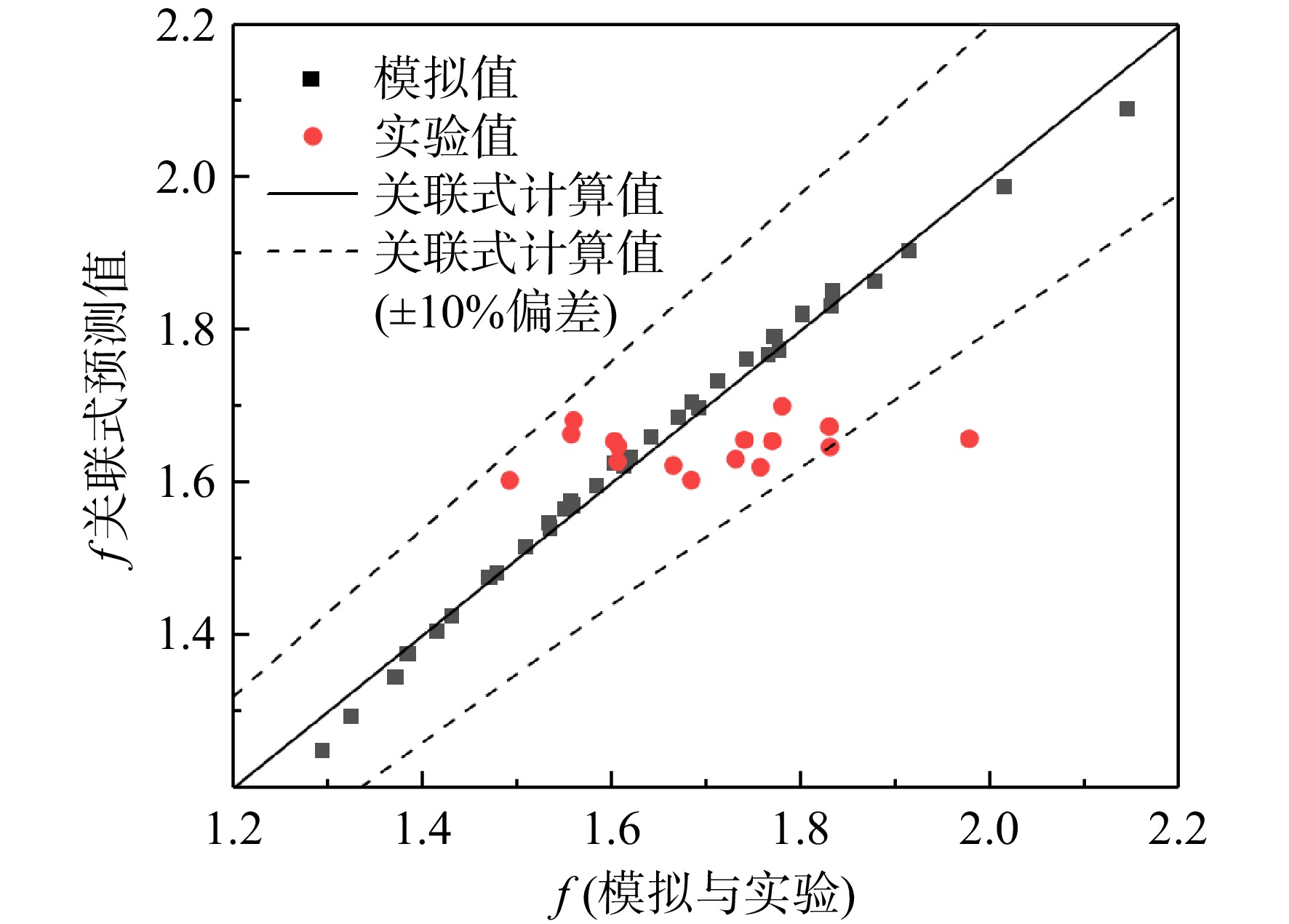
A novel type of slotted fin was designed. The flow and heat transfer characteristics of the novel slotted fin were studied by experiment and numerical simulation. The influences of fin pitch and relative slotted height on the heat transfer and resistance characteristics of the novel slotted fin were analyzed. The relevant flow and heat transfer correlation was obtained by power function multivariate nonlinear fitting. Research showed that the shell side comprehensive heat transfer performance of the novel finned tube was 1.46—1.64 times higher than that of the plain finned tube. When Reynolds number Re=9500 and relative slotting height was 0.5, the fin pitch decreased from 1.6 mm to 1.0 mm, the air side Nusselt number Nu increased by 19.44%, the air side drag coefficient f increased by 39.54%, and comprehensive heat transfer performance increased by 6.88%. When the Reynolds number Re=9500 and fin pitch was 1.2 mm, relative slotting height increased from 0.4 to 0.7, the air side Nu increased by 11.55%, the air side f increased by 4.74%, and comprehensive heat transfer performance increased by 9.84%. The calculation correlations of Nusselt number and resistance coefficient with average deviation less than 10% were finally proposed.

Experiment for flow field and convective heat transfer between rotor and stator with finite length at high rotational speed
LIU Yuan, LYU Yuanwei, MA Zhaokun, ZHANG Jingyang, WANG Jiajun
2024, 39(12): 20230001. doi: 10.13224/j.cnki.jasp.20230001
Abstract:

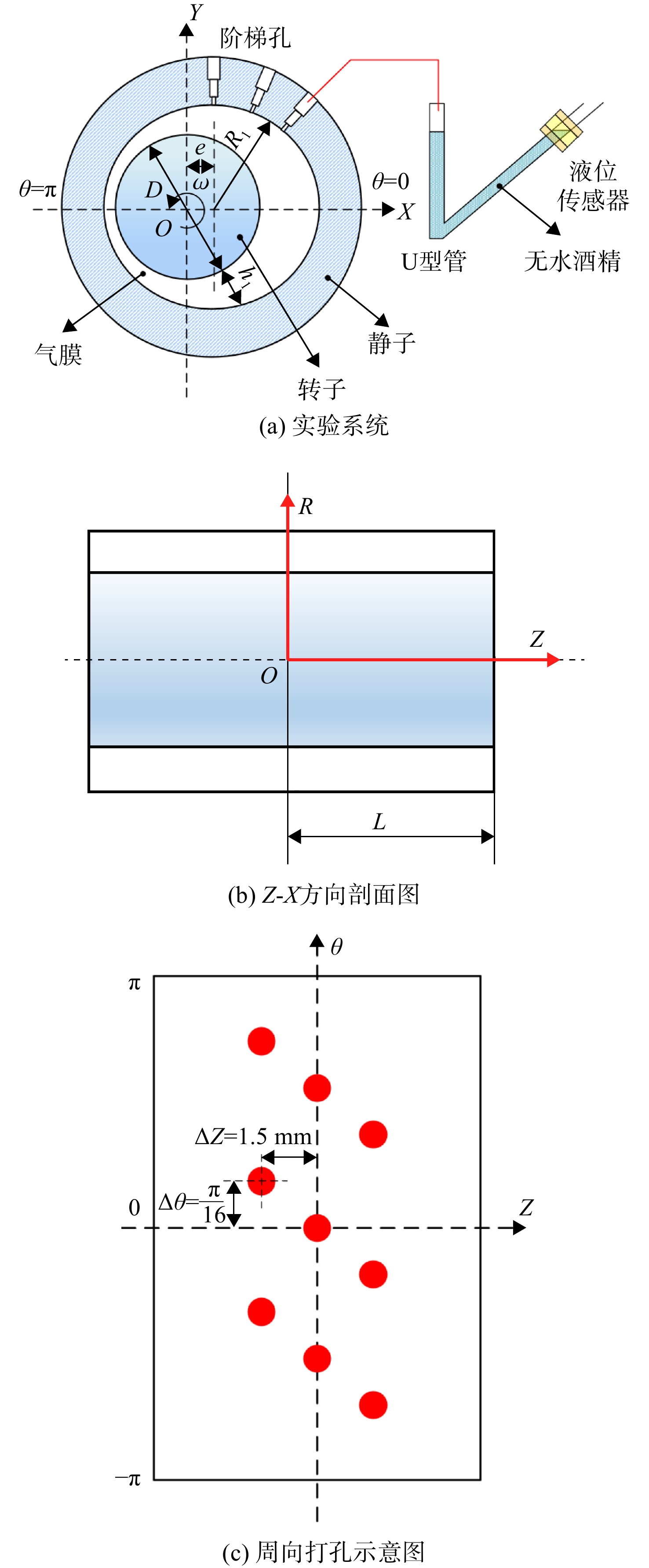
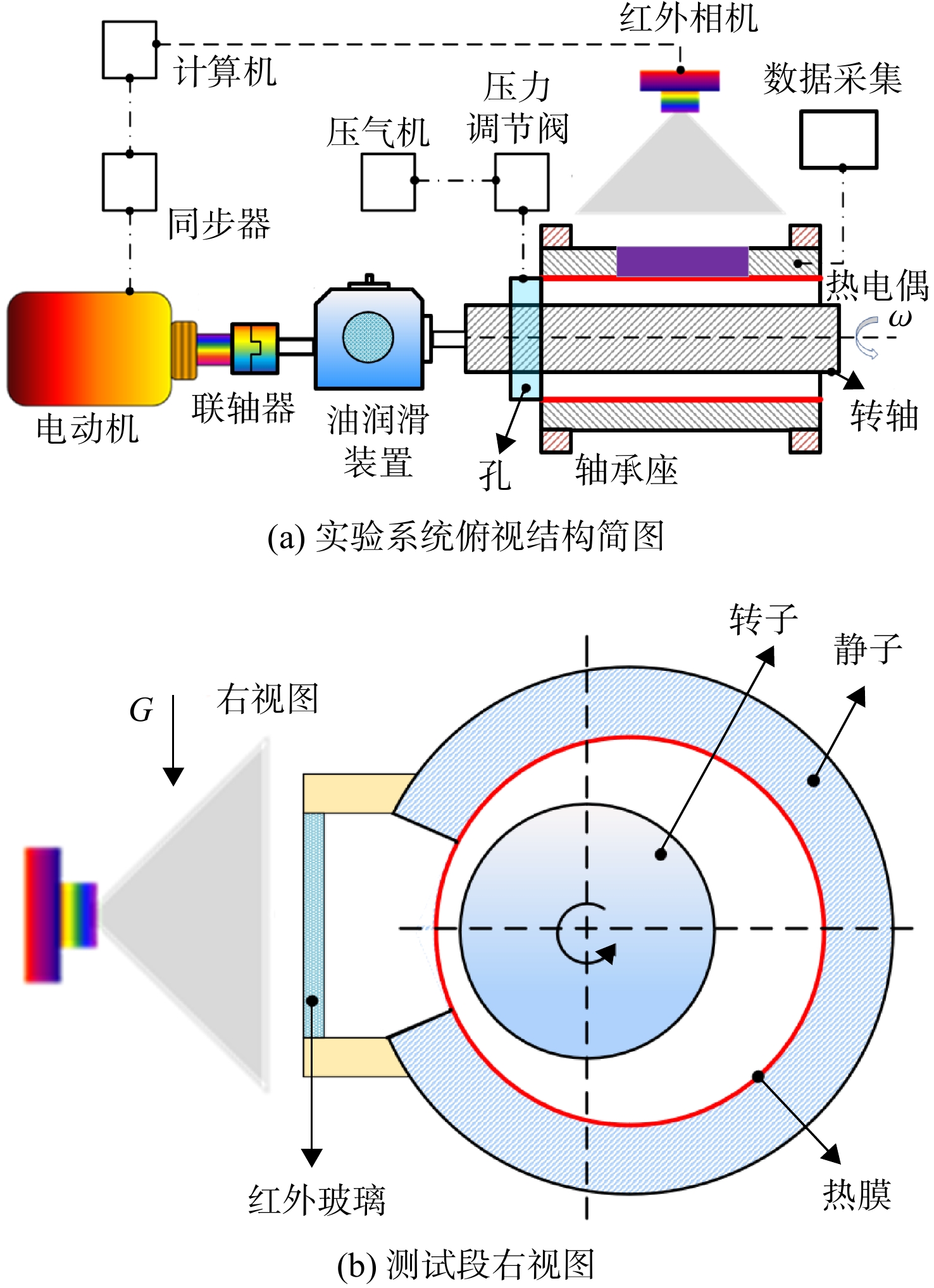
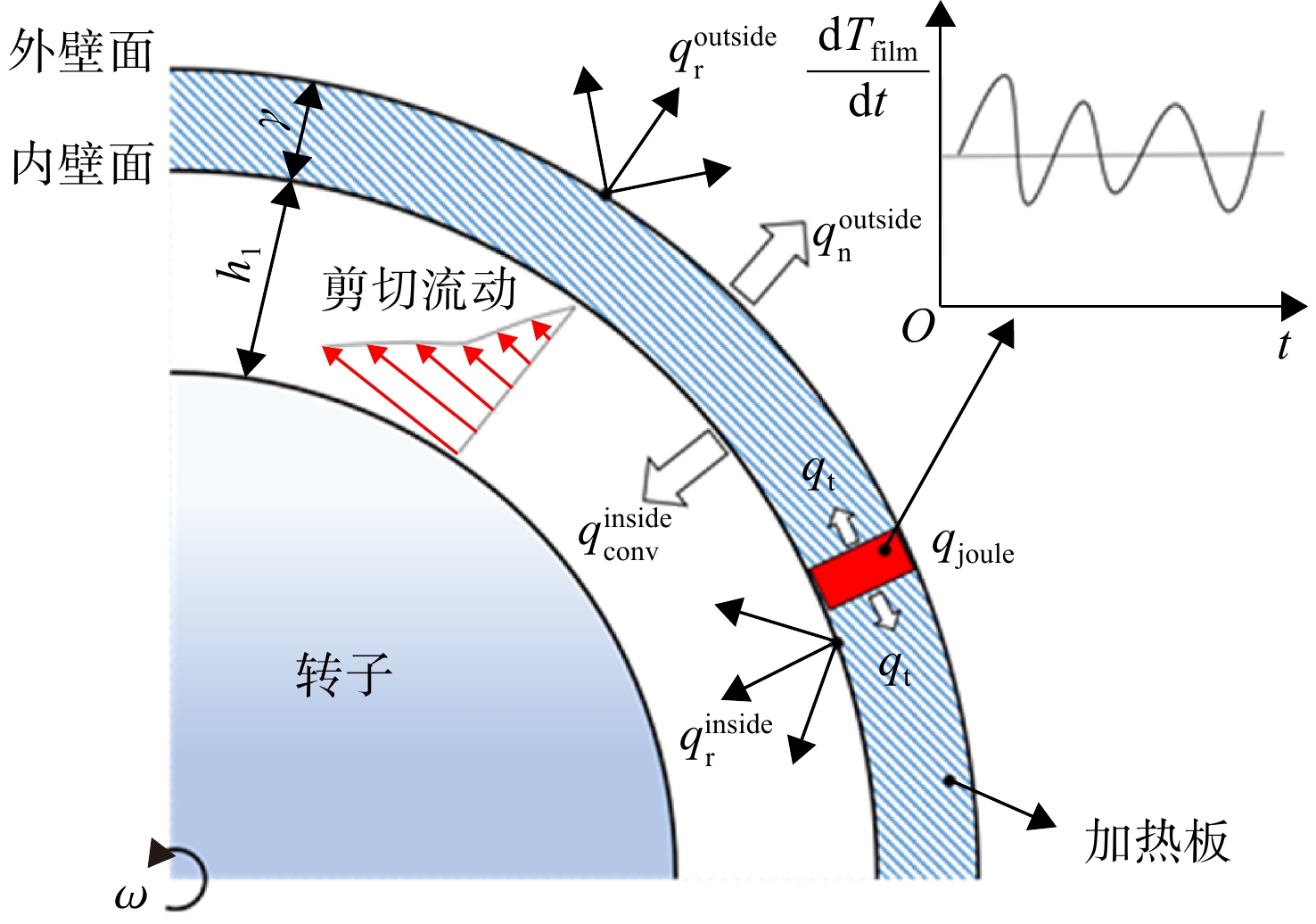
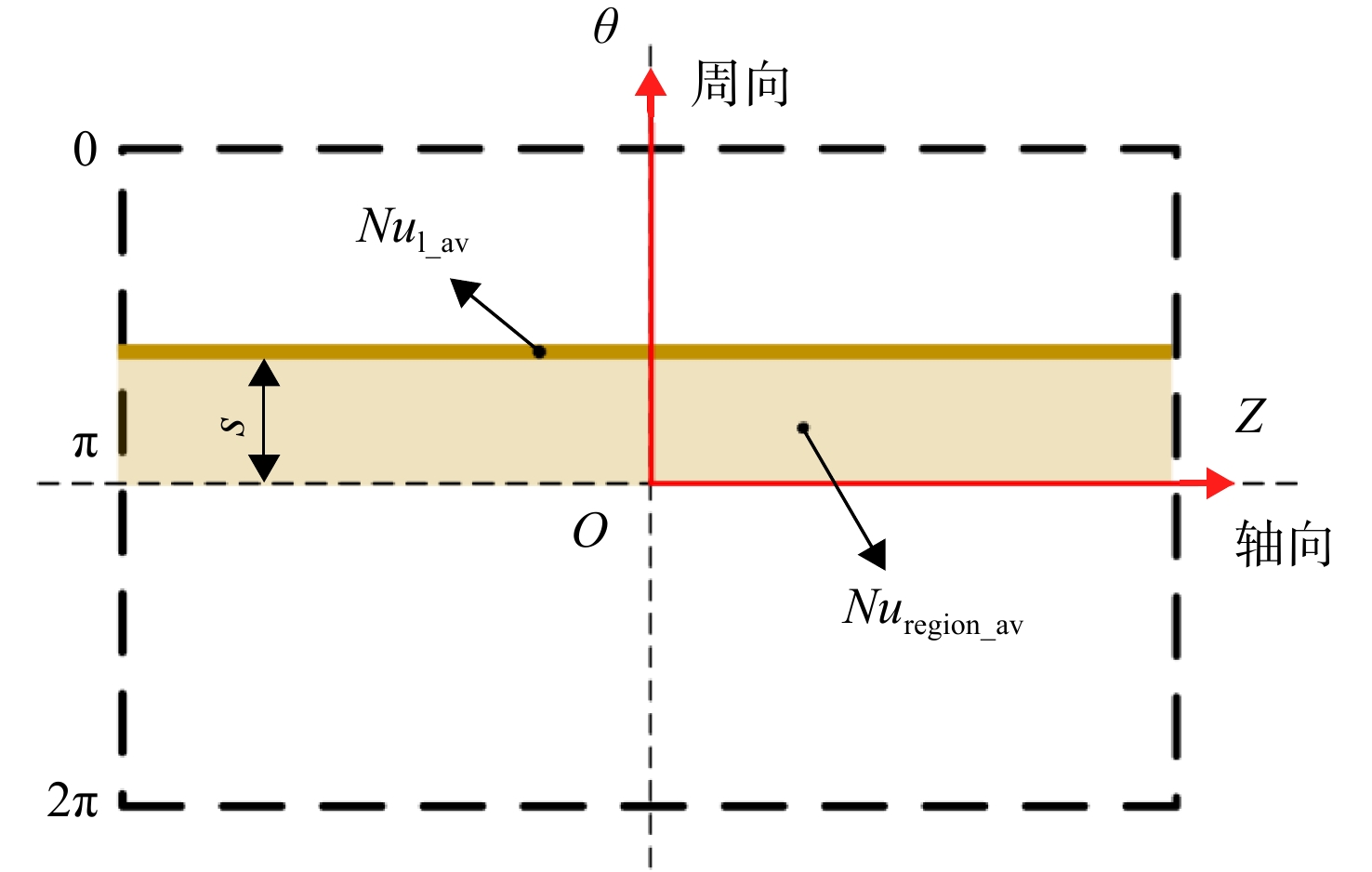
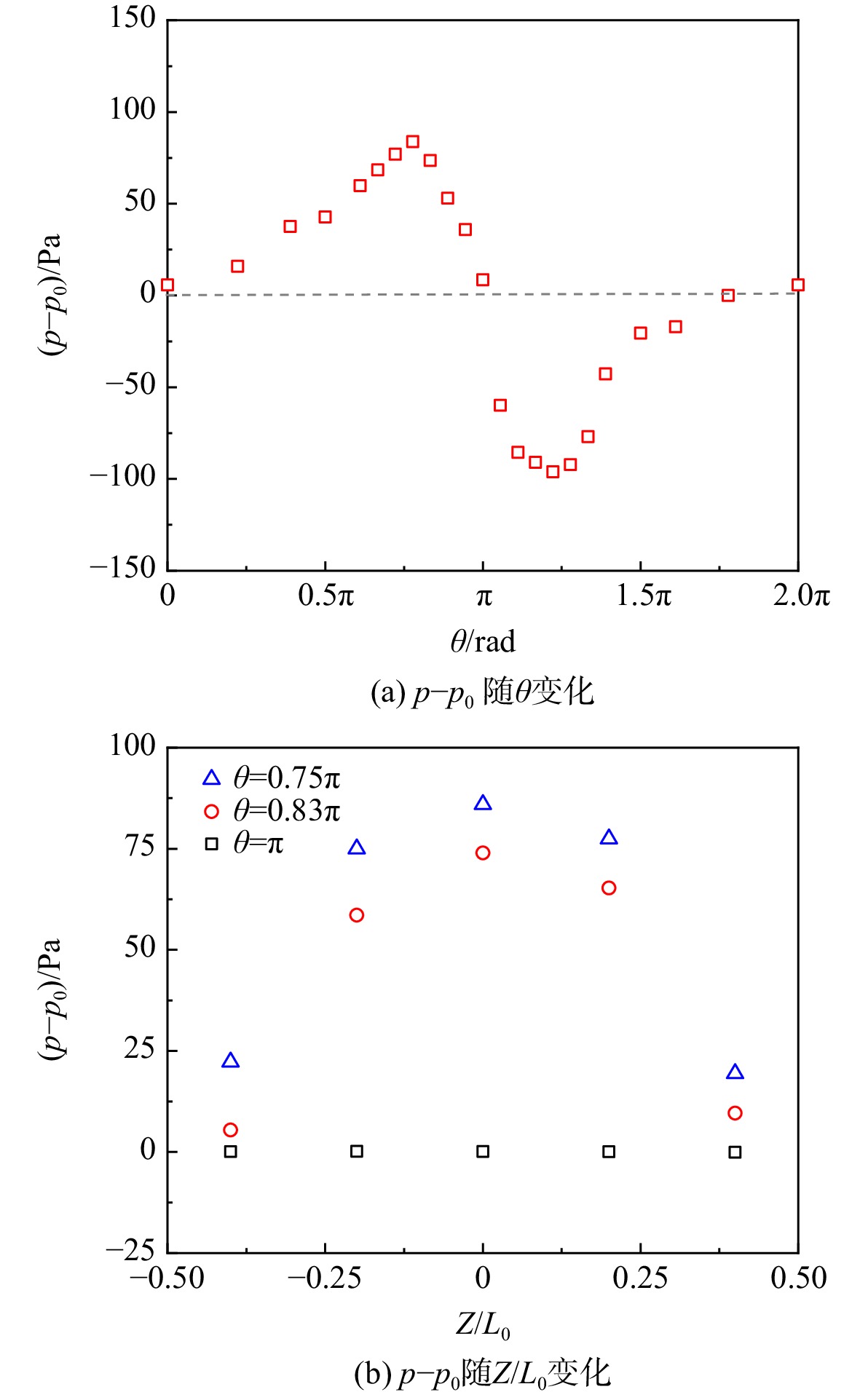
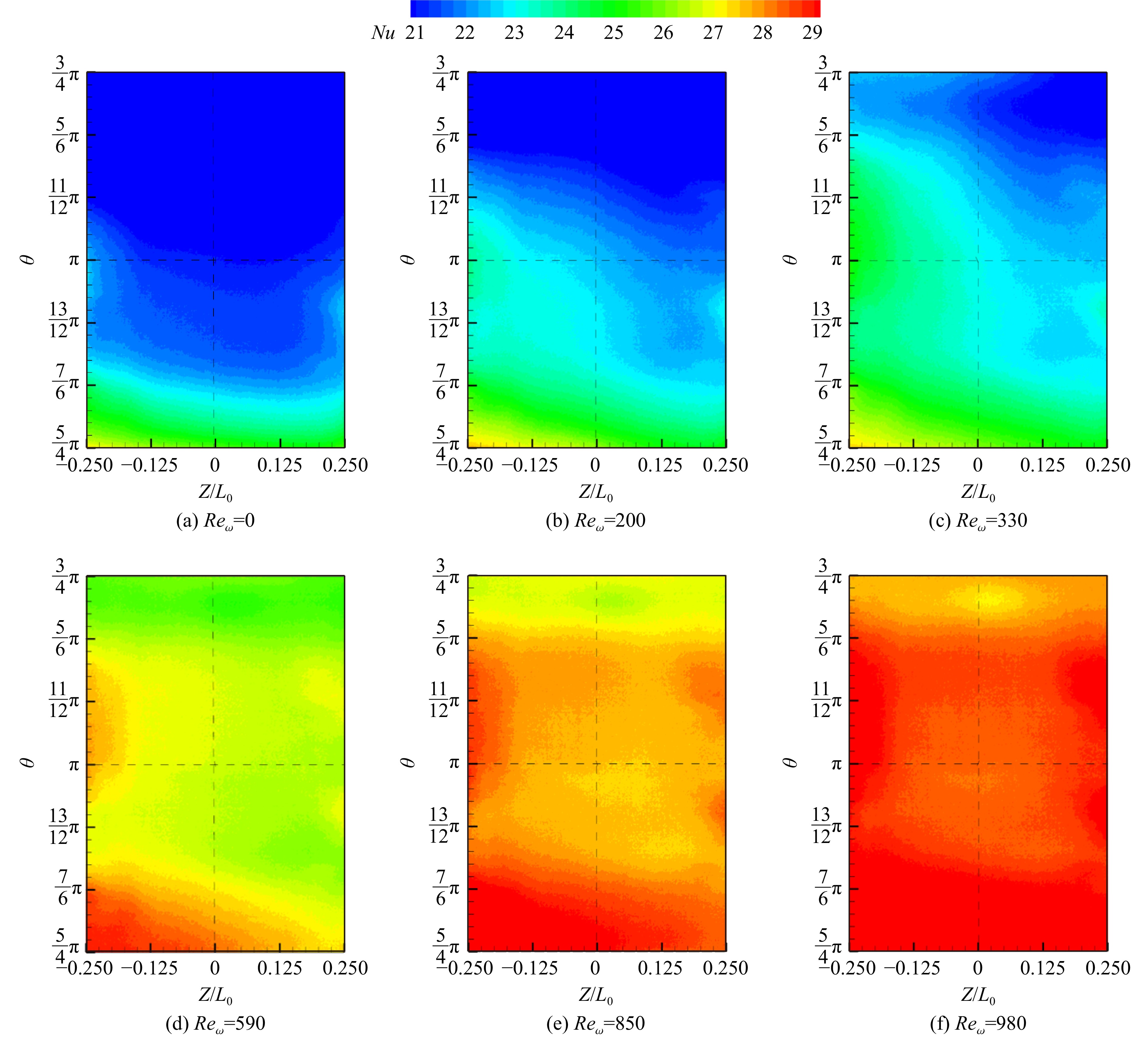
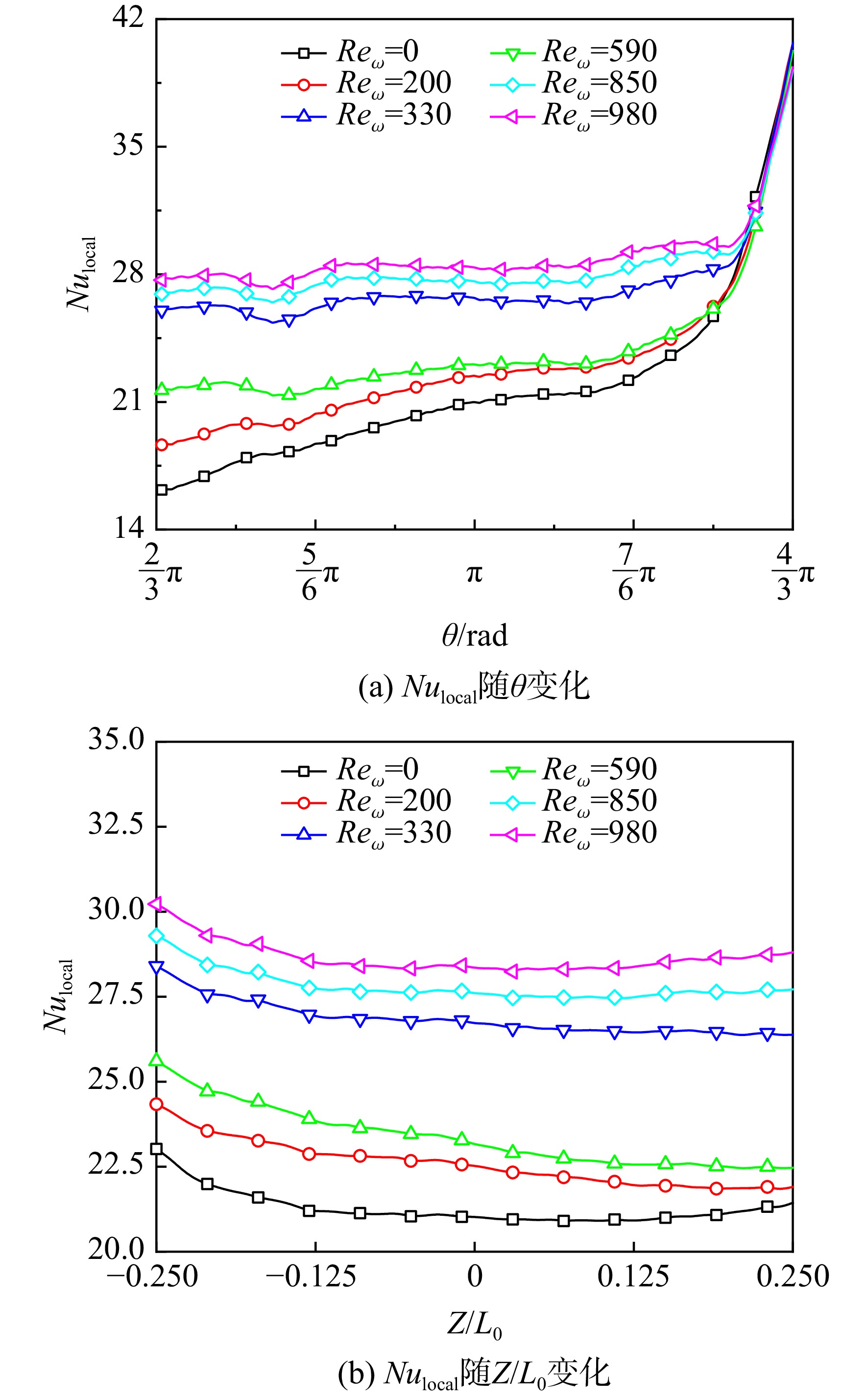
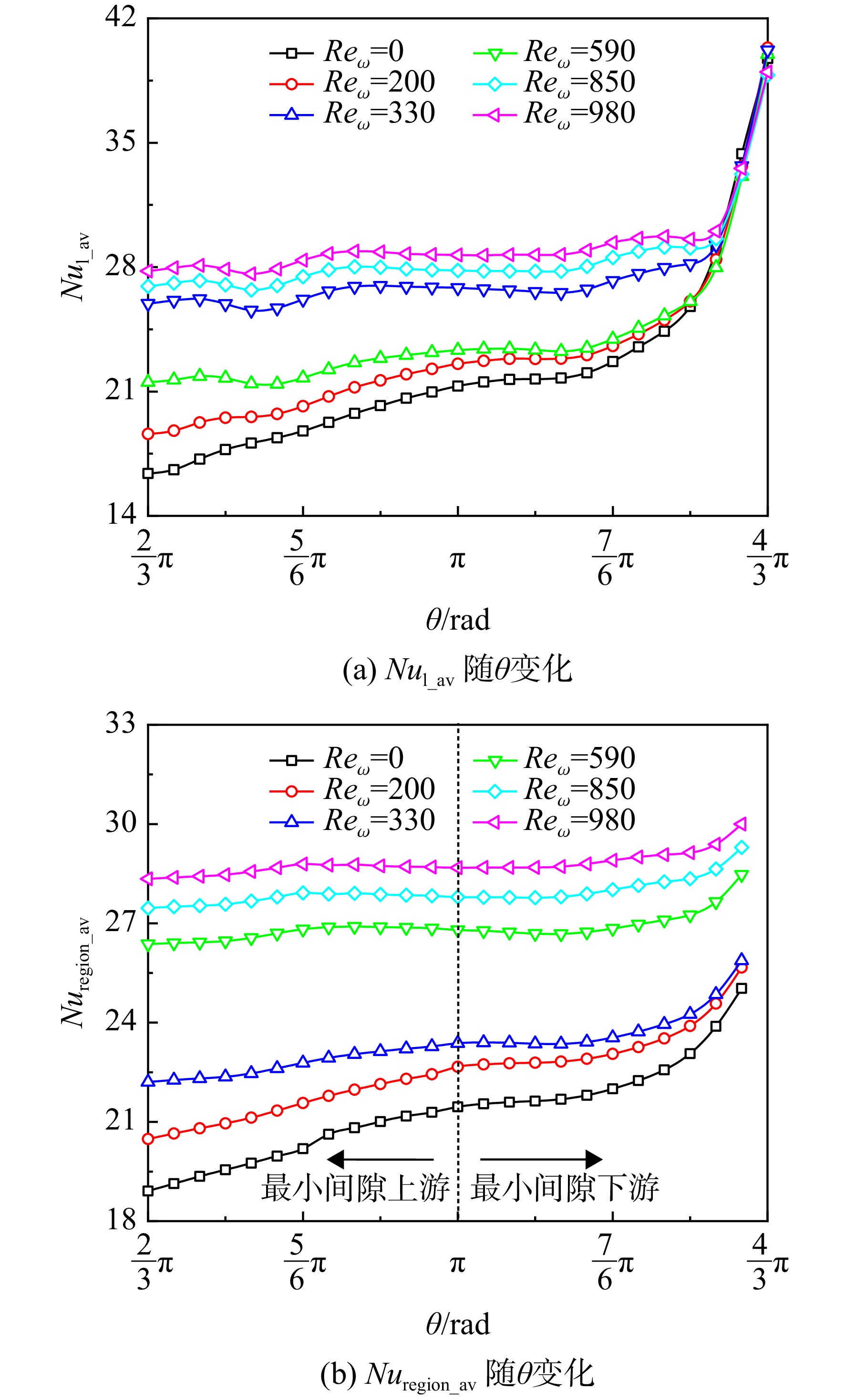
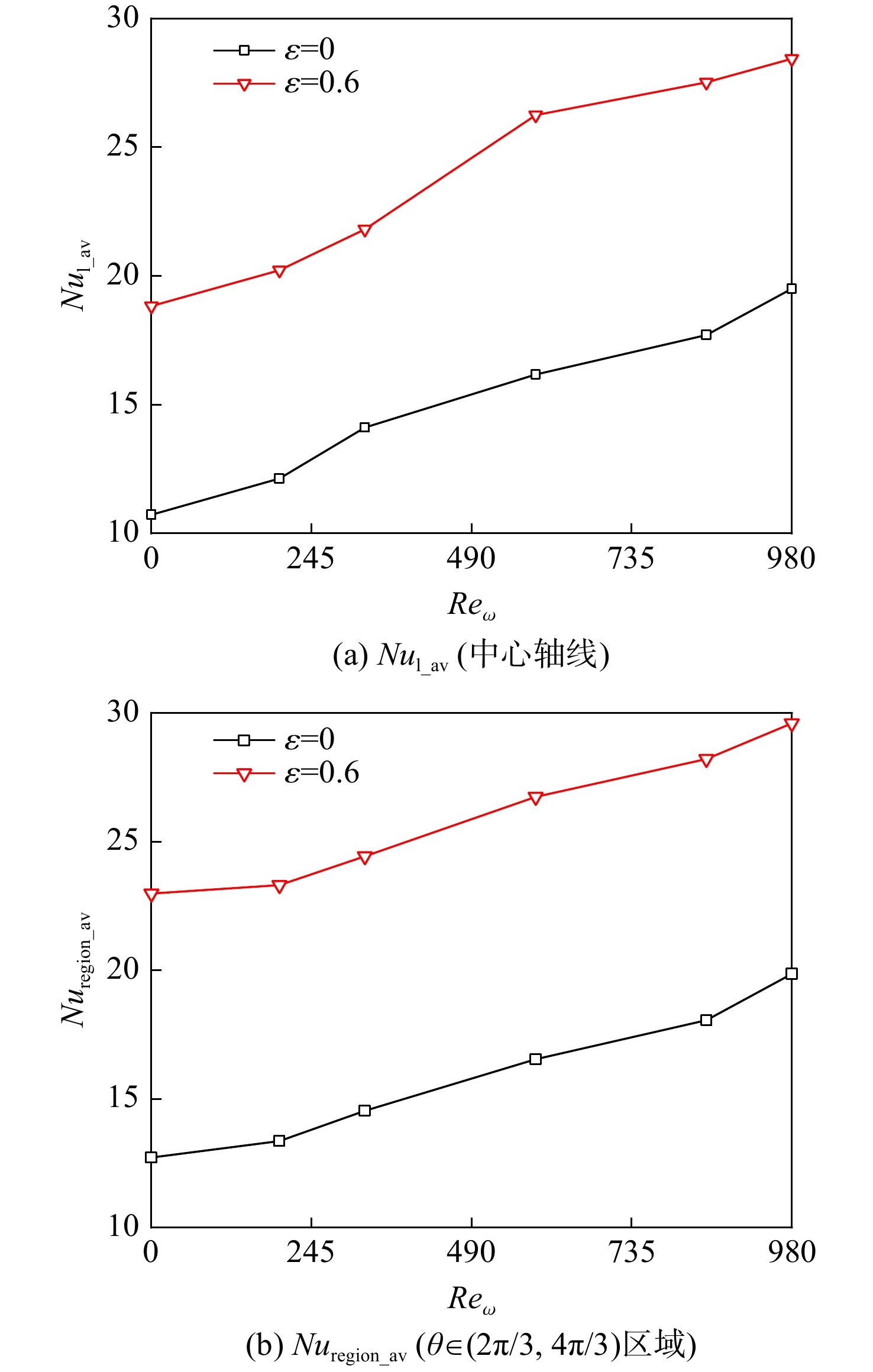
In order to obtain the thermal flow variation law of the rotation, shearing, eccentricity and other multi-effect coherence in the rotating static micro-clearance, the test method and device for the flow and heat transfer characteristics were established. The omnidirectional pressure and heat transfer coefficient distribution of the rotating Reynolds number of 0—980 and eccentricity of 0—0.6 in the rotating static micro-clearance with clearance ratio of 0.024 were experimentally studied. The results showed that there was a self-acting axial and axial pressure difference as well as end leakage effect under the pressure difference. The gas film pressure gradually decreased from the central section to the axial end along the axial direction, and the gas film pressure was approximately sinusoidal in the circumferential direction. The maximum positive pressure and maximum negative pressure were respectively located near the region 0.22π upstream and 0.24π downstream the minimum gap. The heat transfer on stator surface was influenced by both natural convection and shear flow strengthened by centrifugal force, and the distribution of convective heat transfer coefficient gradually became uniform from non-uniform with the increase of rotational Reynolds number, and the convective heat transfer coefficient gradually increased with the increase of shear flow. Compared with the coaxial condition, in case of eccentricity, the average convective heat transfer coefficient increased by 49.0% at the minimum gap.

Temporal super-resolution imaging of 3D OH concentration field in turbulent flame based on deep learning
ZHONG Yue, CAI Minnan, XU Wenjiang, YANG Fan
2024, 39(12): 20230071. doi: 10.13224/j.cnki.jasp.20230071
Abstract:

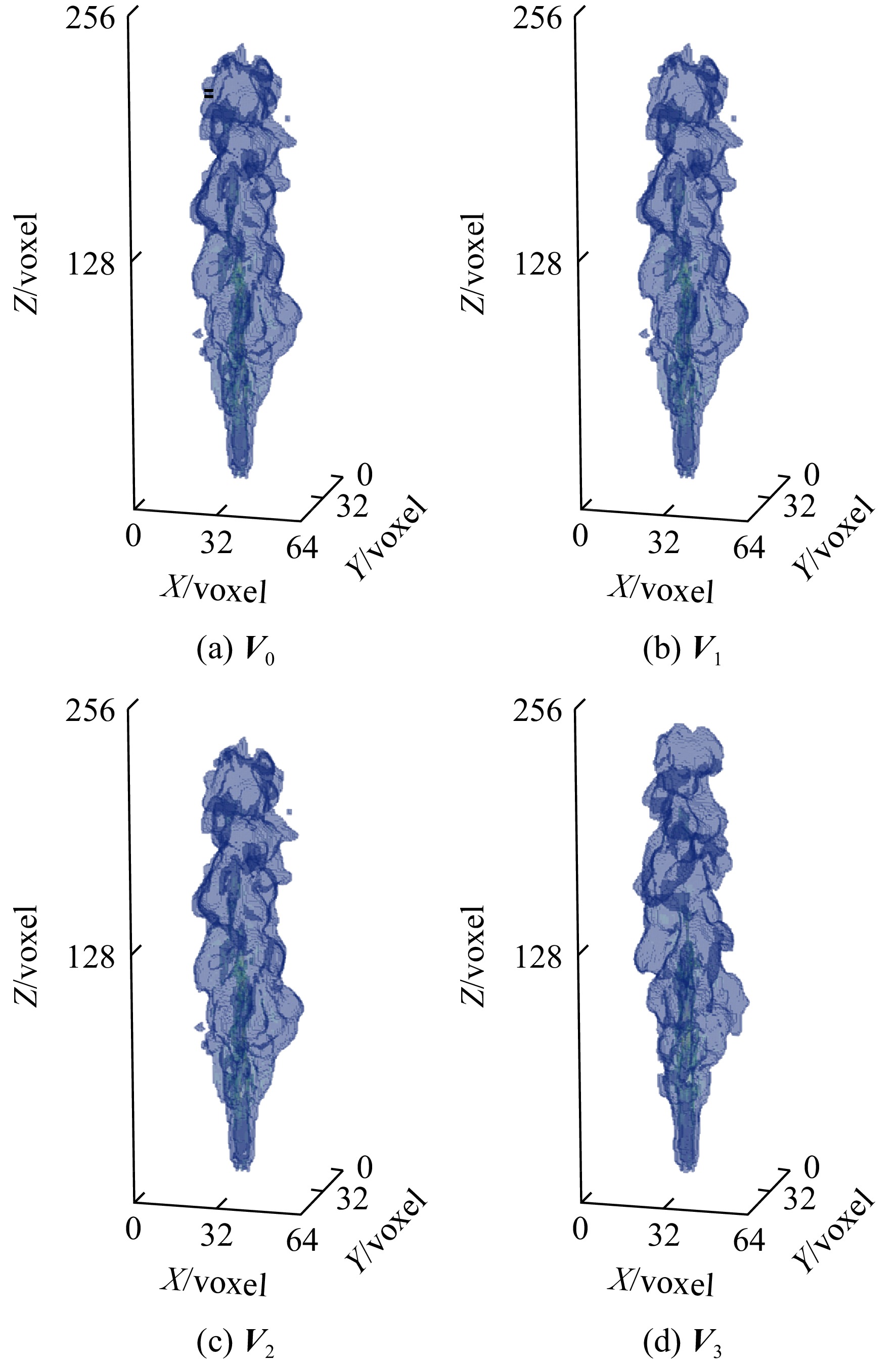
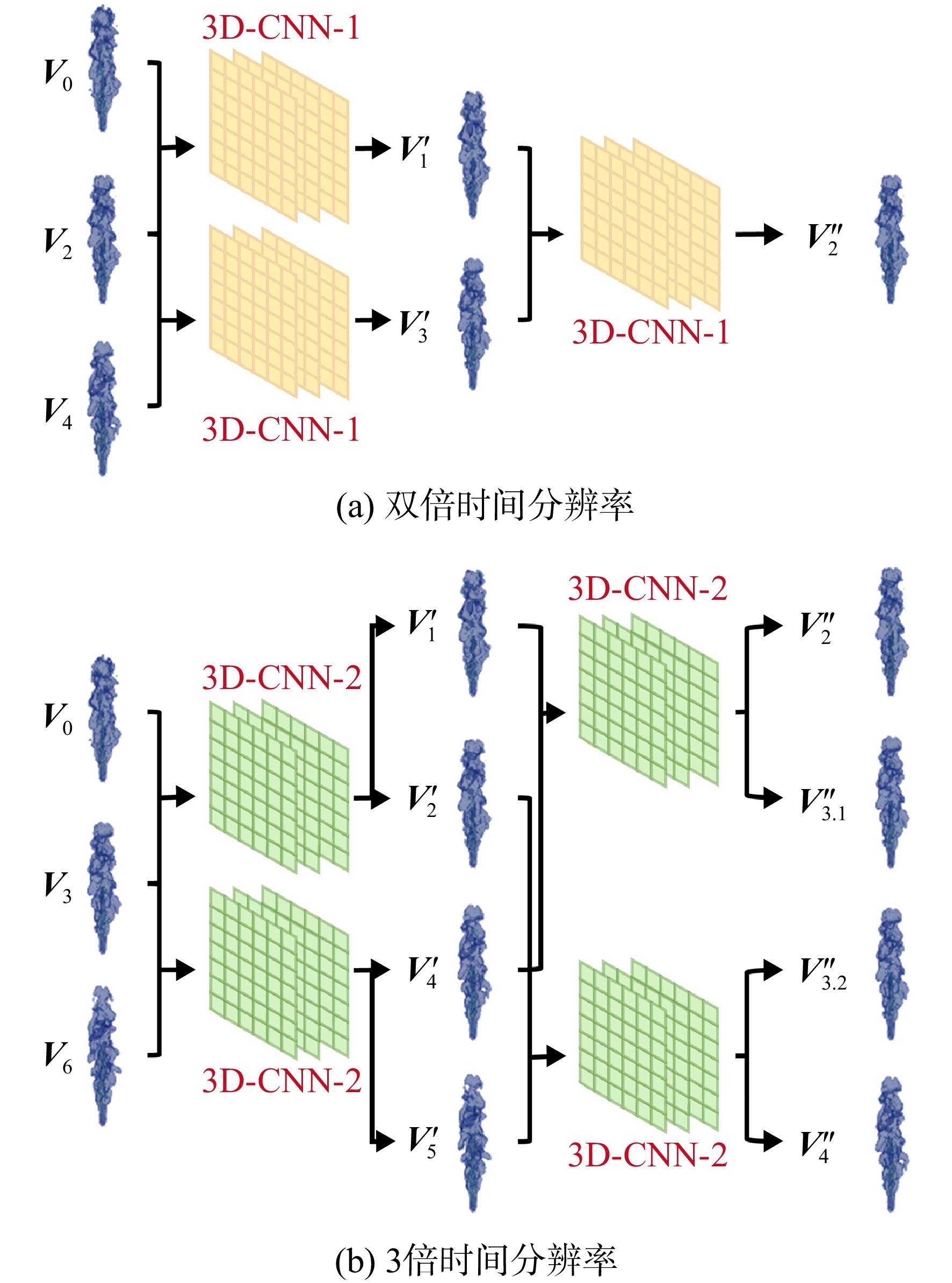
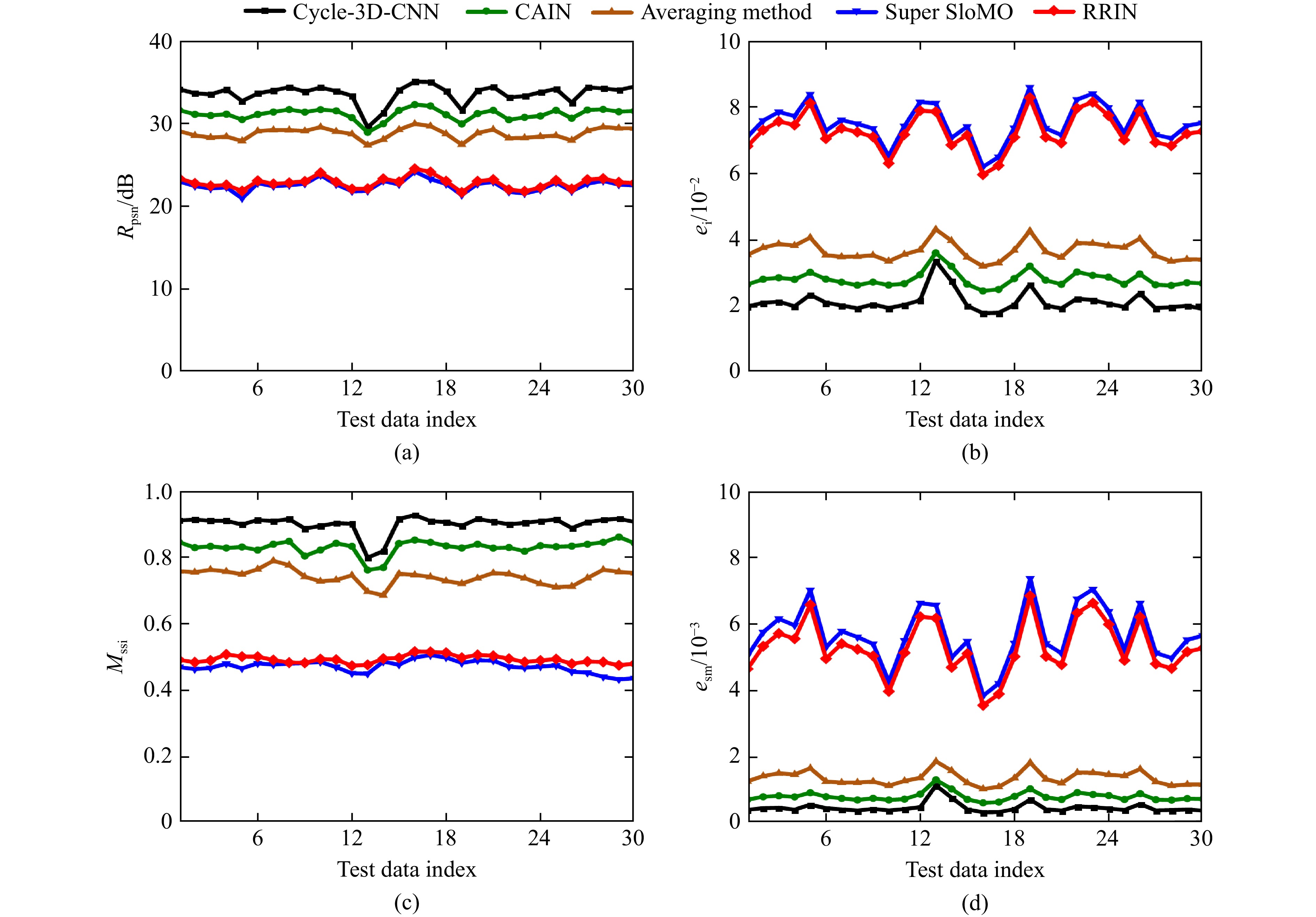
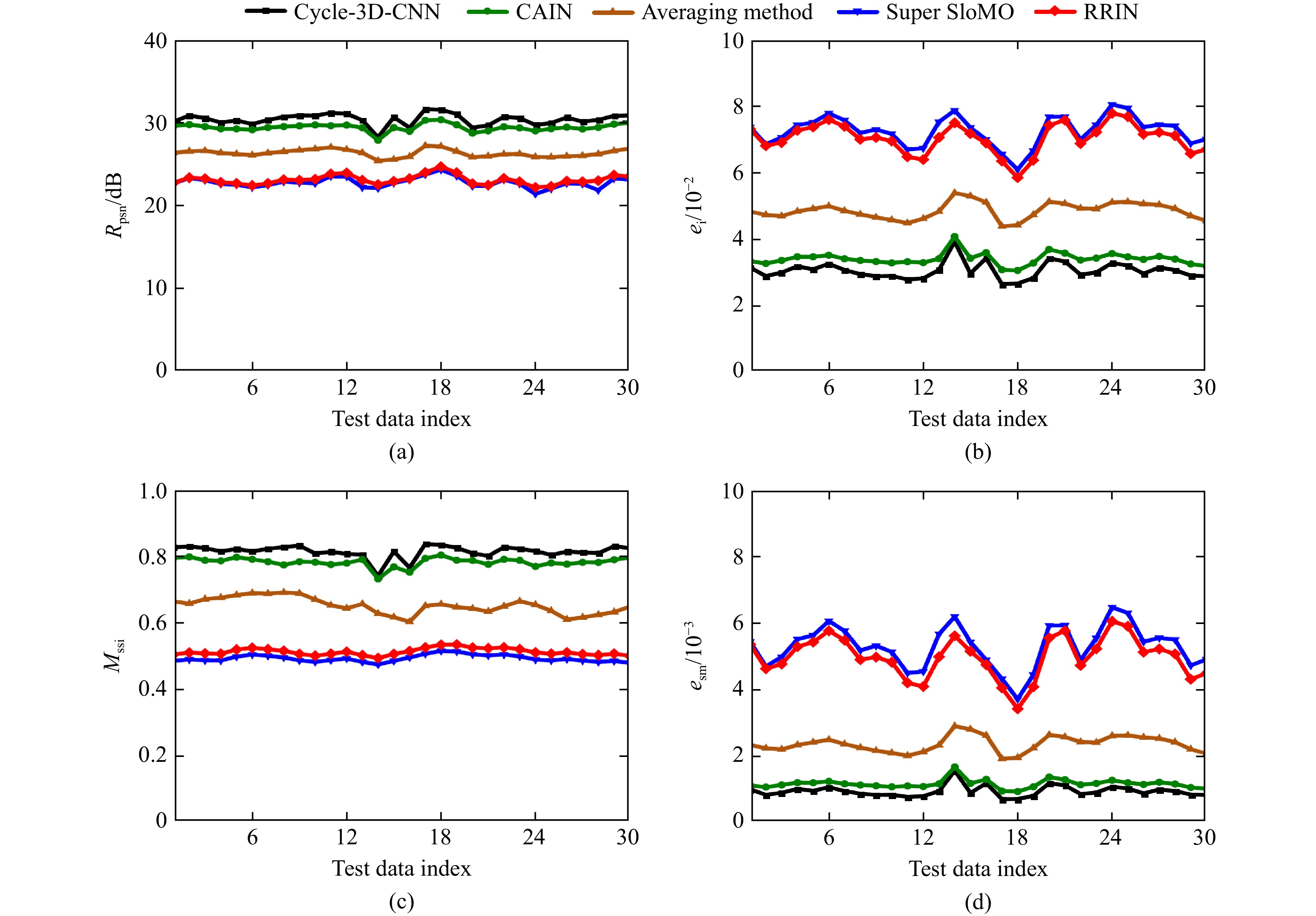
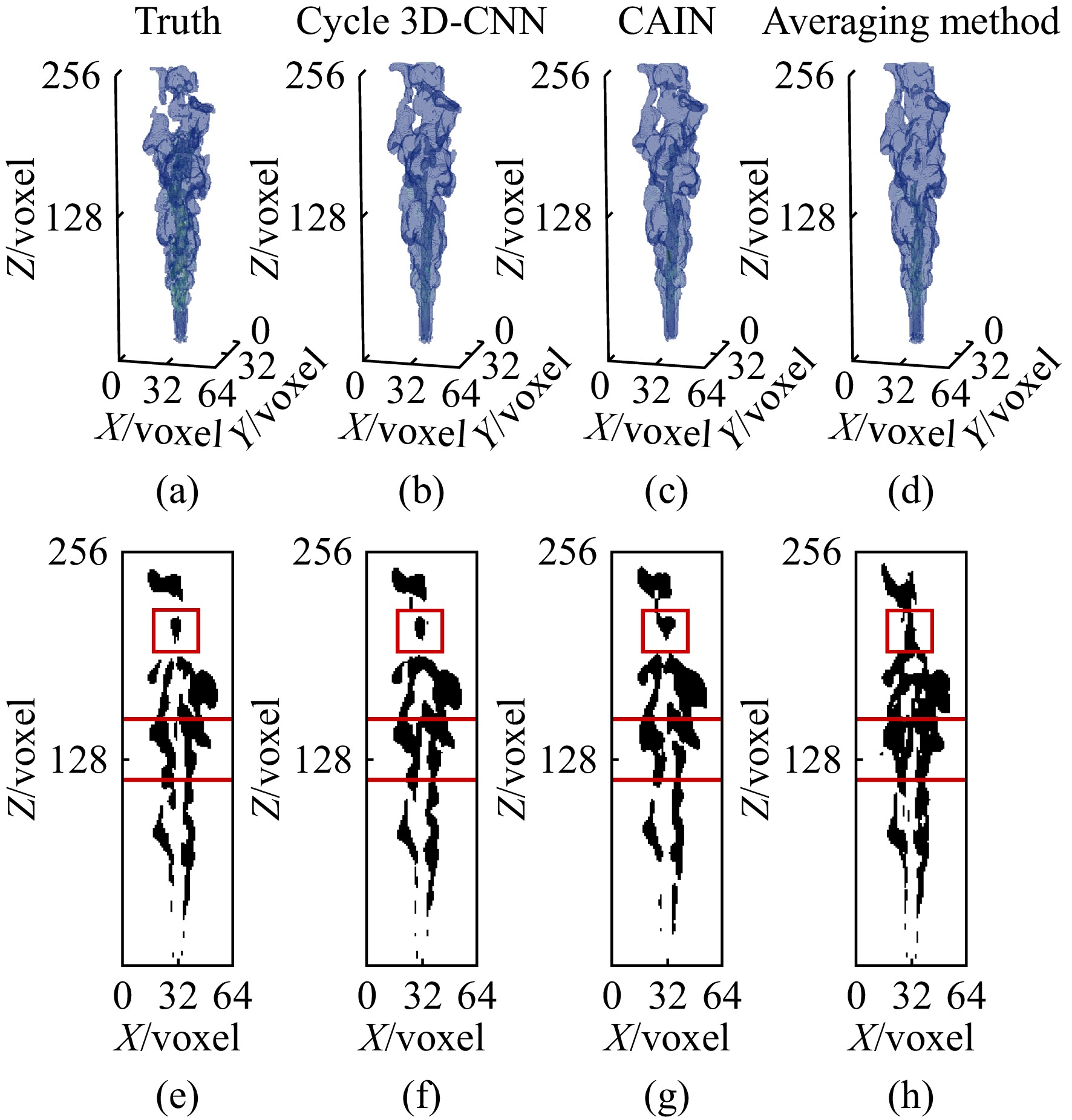
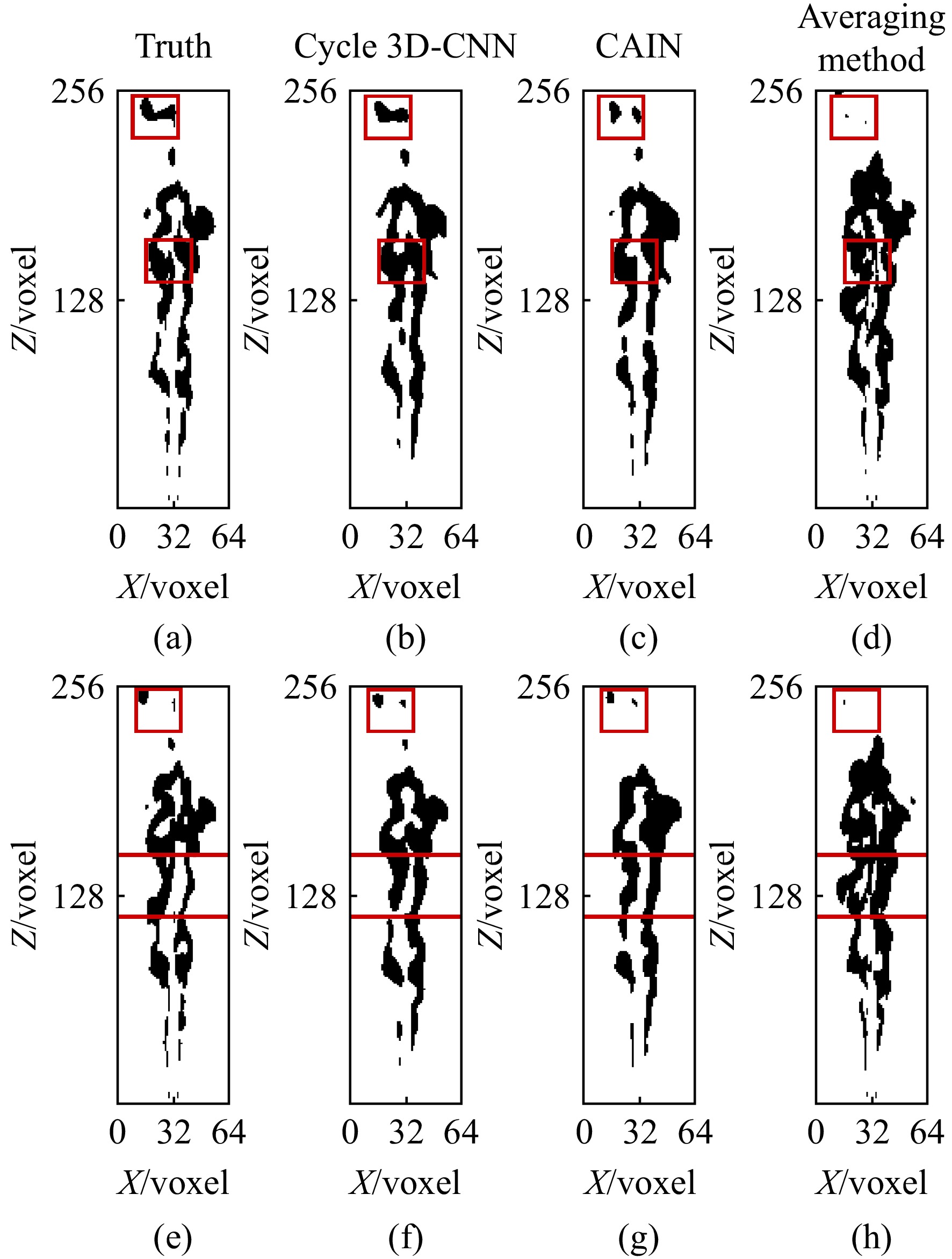
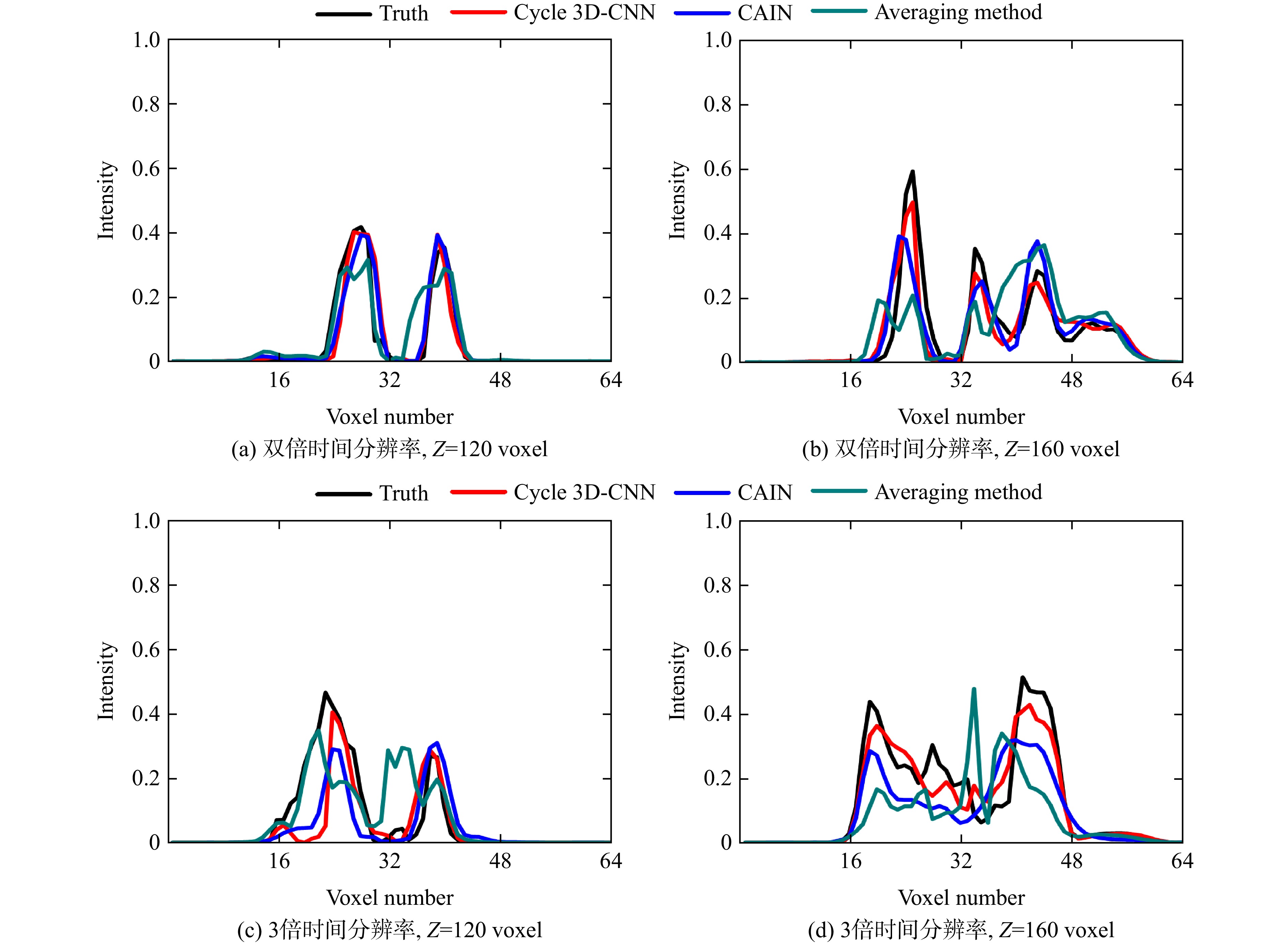
In response to the difficulty and high cost of high-speed measurement of flame hydroxyl concentration field, a Cycle-3D-CNN model based on deep learning was proposed for temporal reconstruction of three-dimensional (3D) hydroxyl concentration fields in turbulent flames. It achieved a higher temporal resolution by utilizing a data-driven approach with a 3D convolutional neural network (3D-CNN) based on cycle consistency. In the experimental analysis, the model was used to achieve a two-fold and three-fold increase in temporal resolution of the 3D hydroxyl concentration field time series, respectively. In both experimental results, the mean peak signal-to-noise ratio (PSNR) reached 33.57 dB and 30.37 dB, respectively, the structural similarity (SSIM) indices reached 0.899 and 0.813, respectively, outperforming traditional frame reconstruction method.

Turbomachinery
Digital calibration method and application of compressor variable stator vanes
CAO Chuanjun, GU Zhixiang, XU Feng
2024, 39(12): 20220932. doi: 10.13224/j.cnki.jasp.20220932
Abstract:

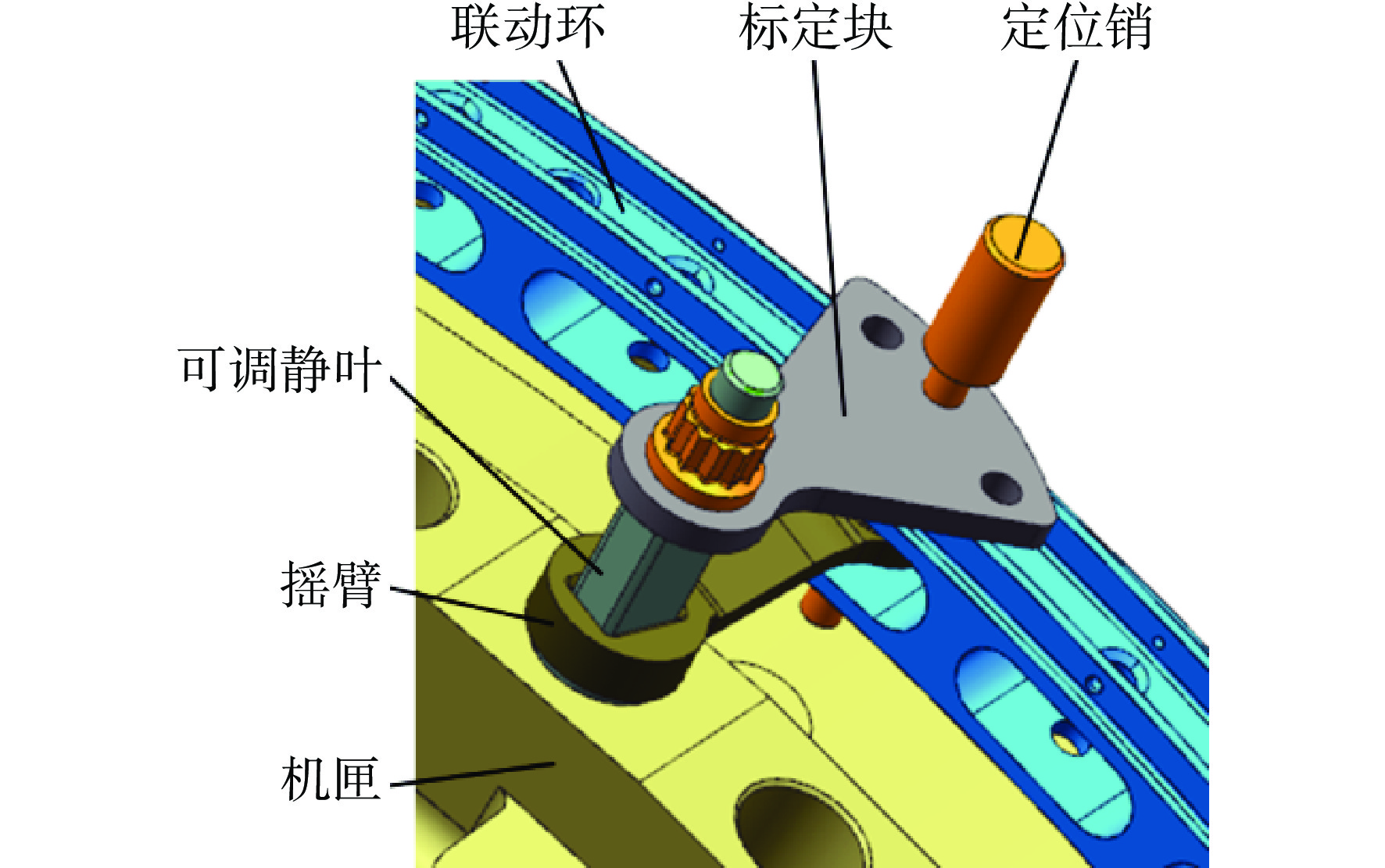
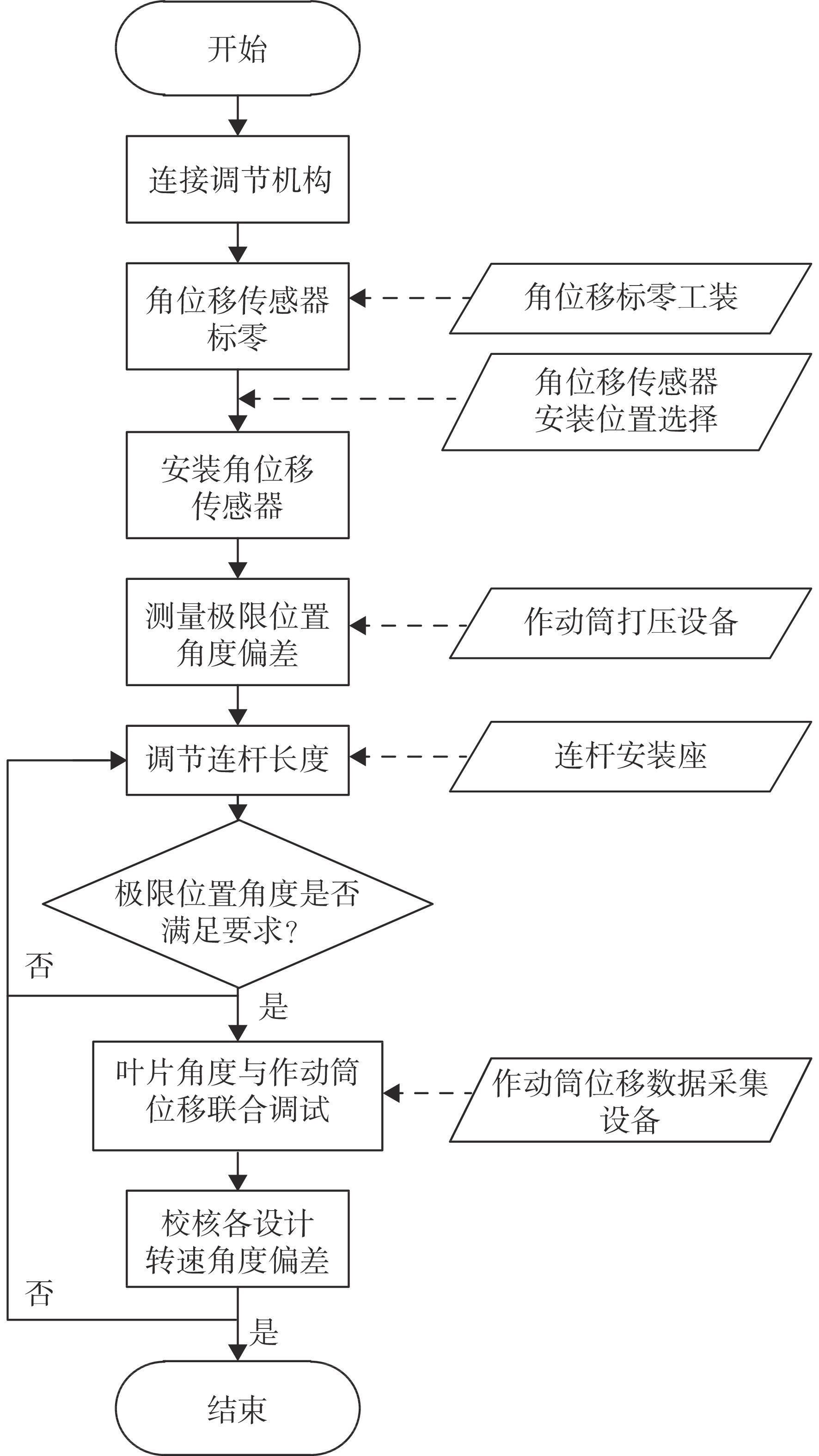
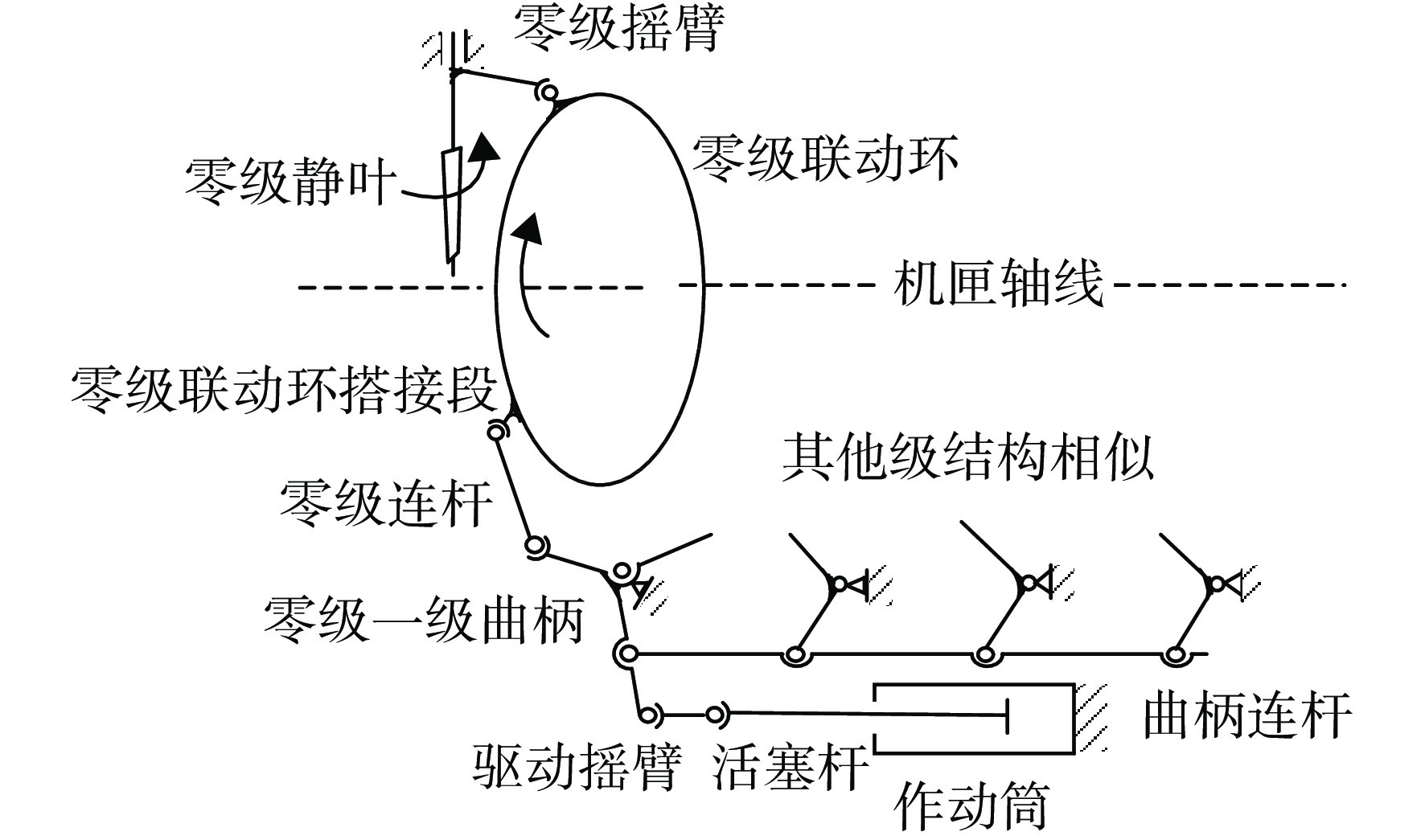
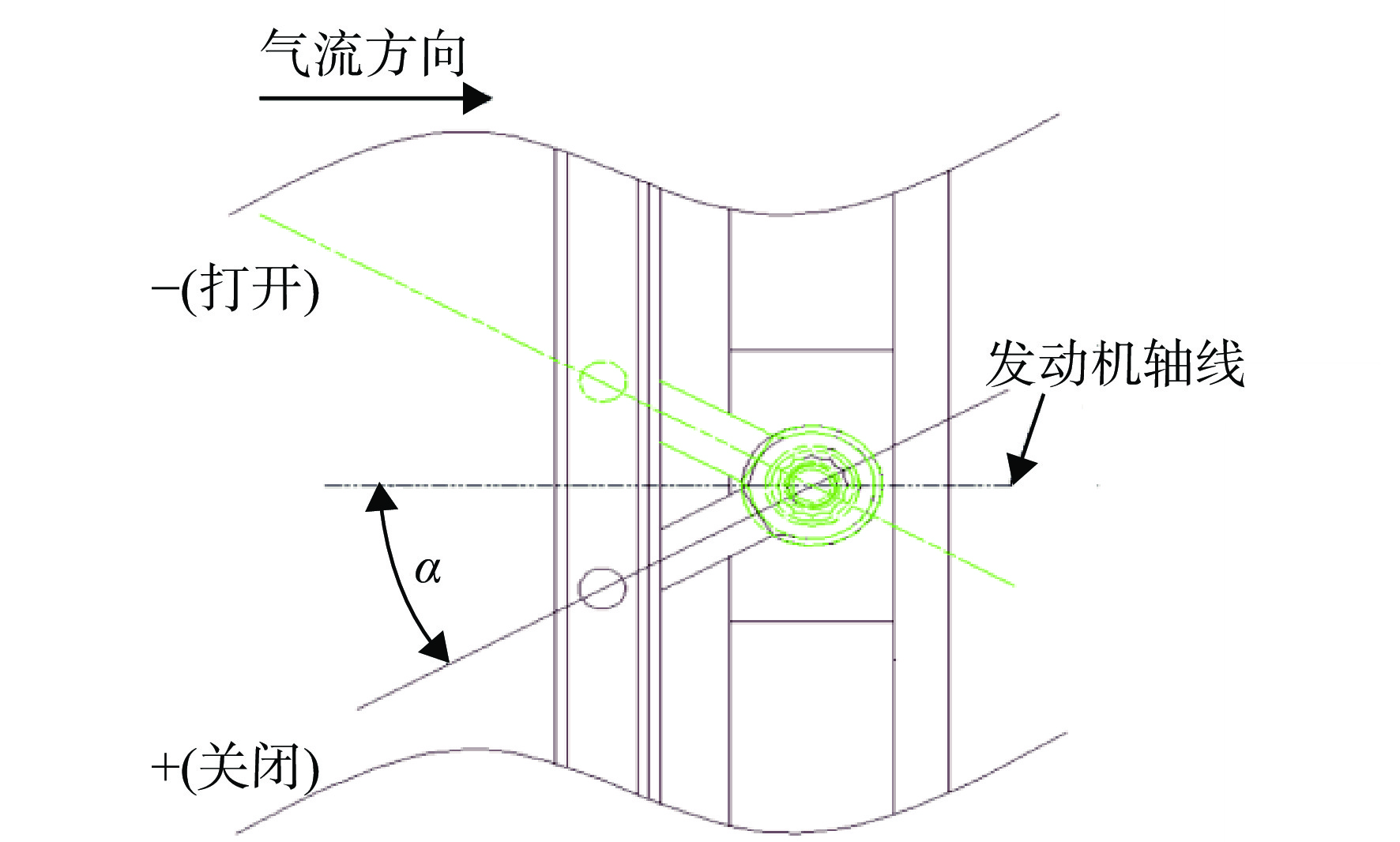
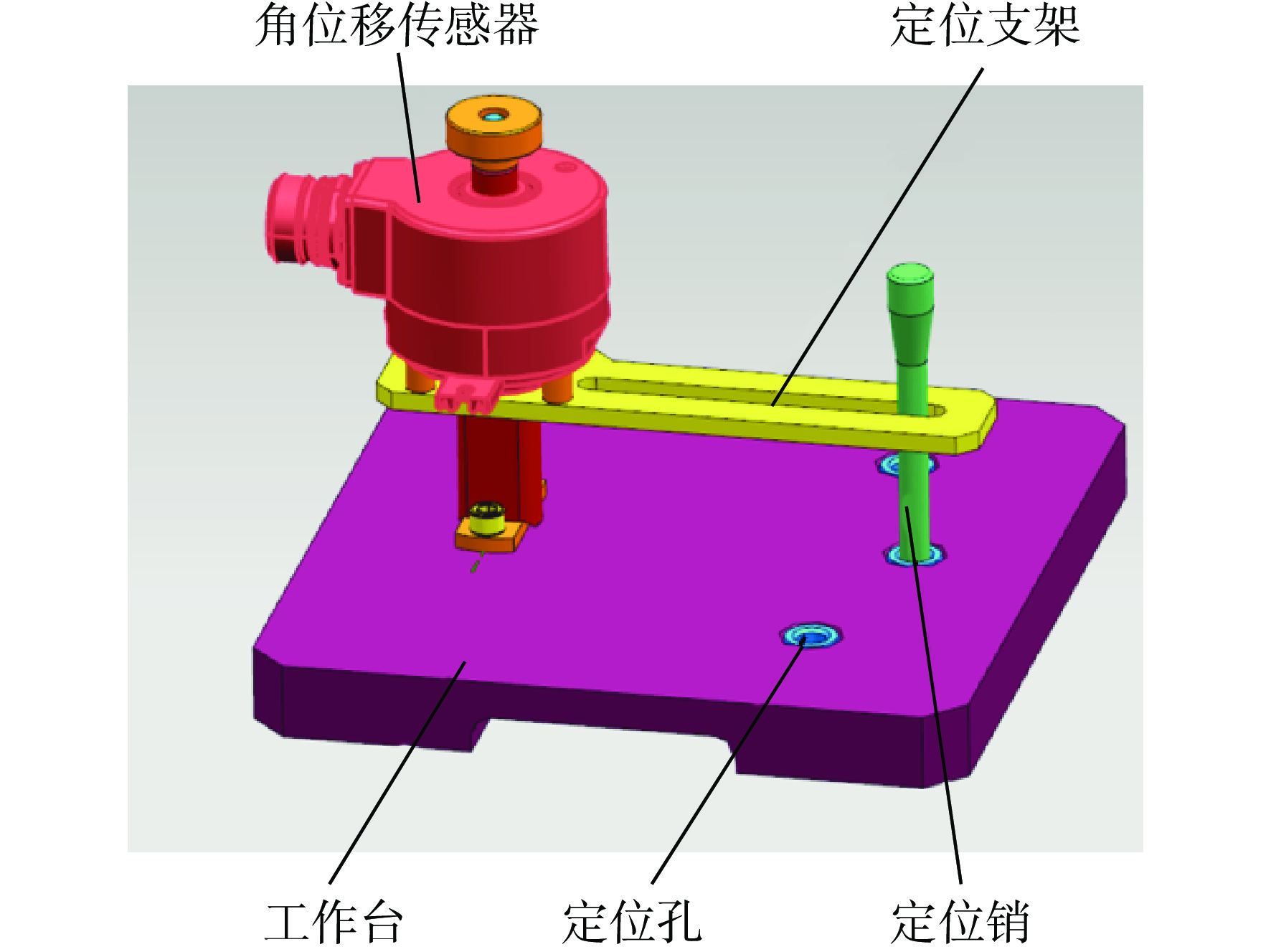
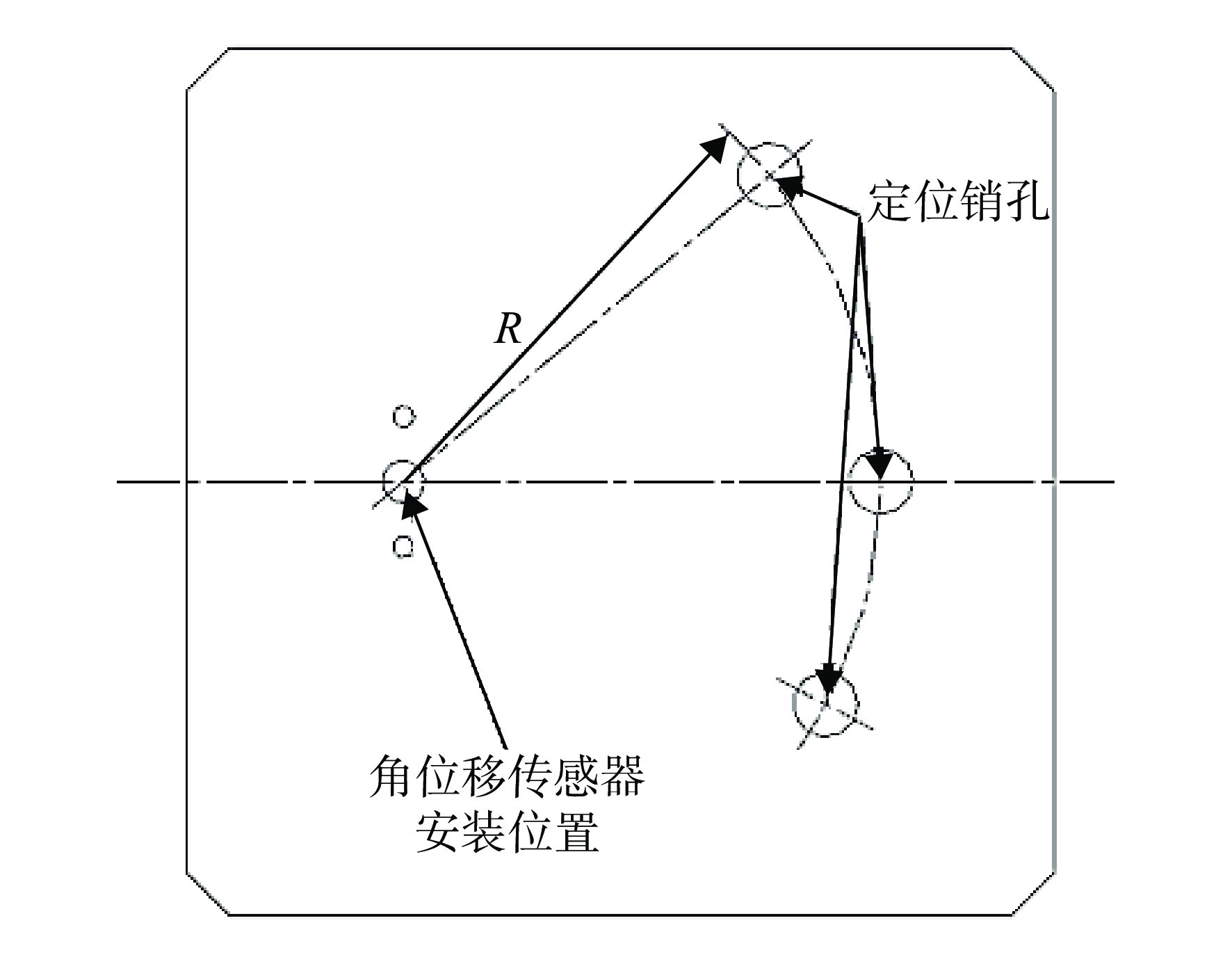
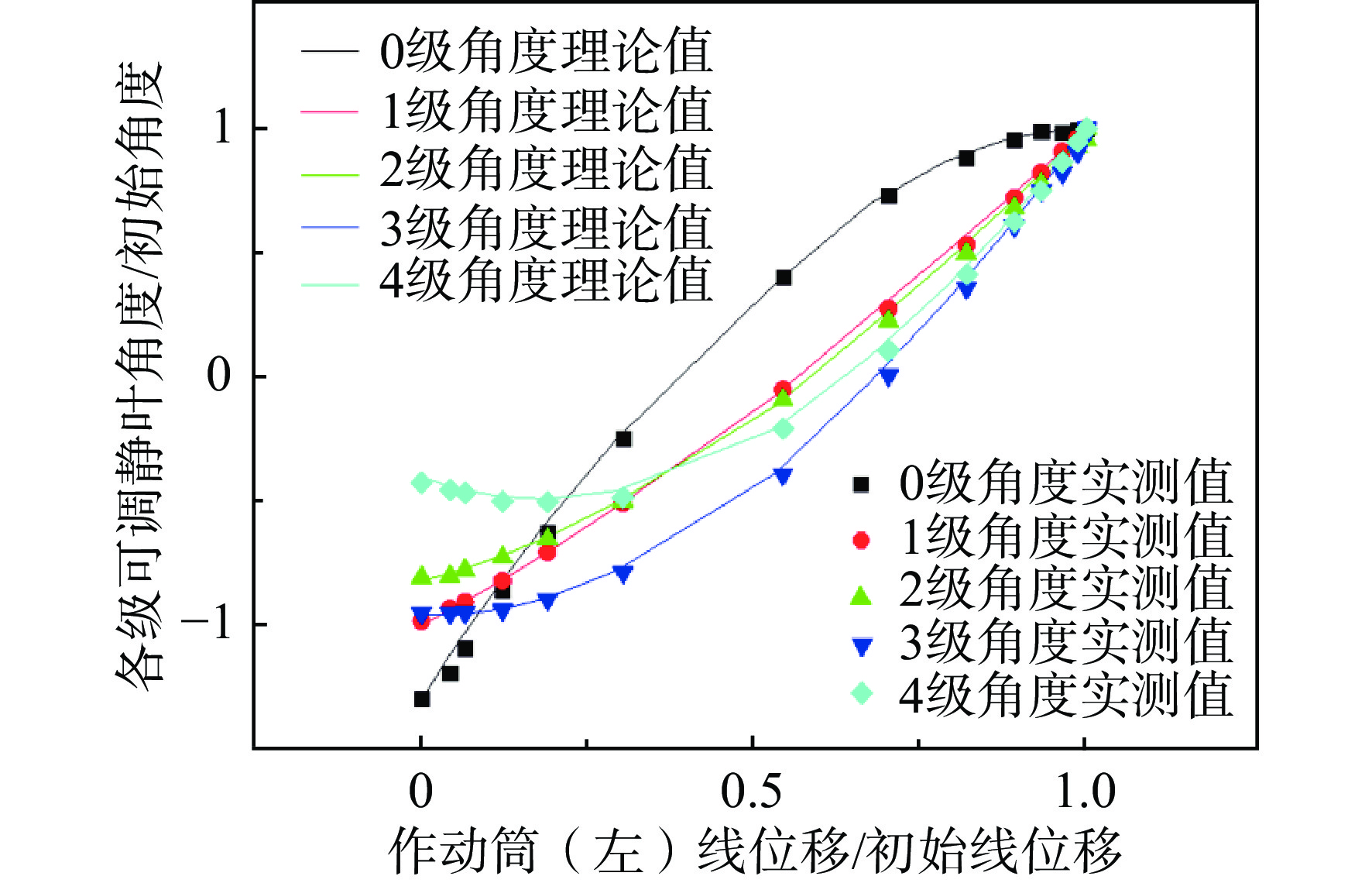
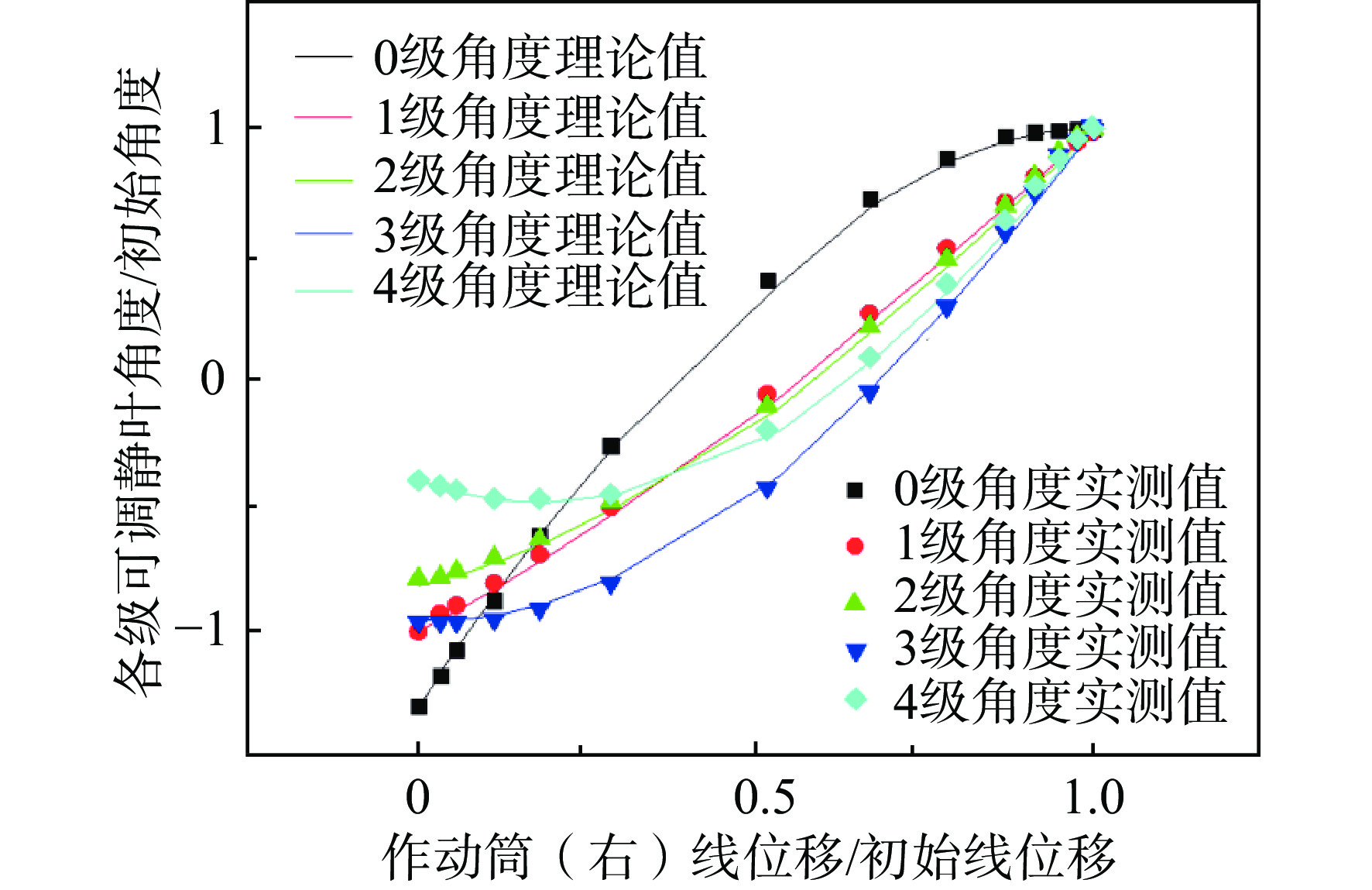
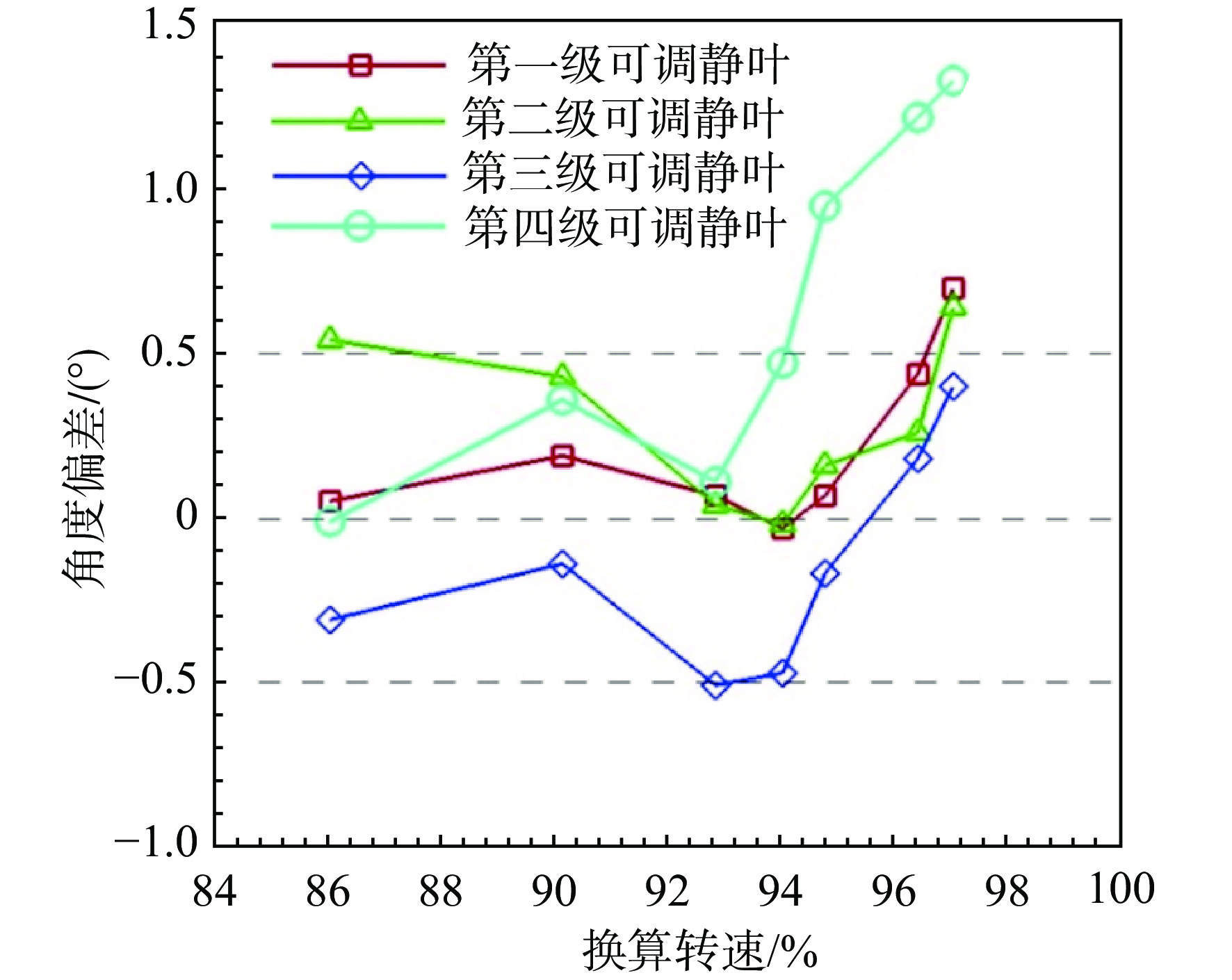
In order to improve the angle precision of variable stator vane (VSV), the process and method of digital calibration for VSV were established. The main steps include: zero calibration of angular resolver, angle measurement of extreme position, length adjustment of connecting rod, angle checking of extreme position, vane’s angle and liner displacement of actuator, and angle checking of difference for all speeds. The platform system was also founded for VSV digital calibration. The method proposed avoided the impact from personal operation deviation and precision of calibration tool. The test results showed that, the new digital VSV calibration improved the angle precision at half degree. The improvement of angle precision promoted the matching performance of compressor and the accuracy of compressor performance evaluation.

Numerical simulation on combination of circumferential groove and tip clearance modification to control tip clearance flow field
ZHANG Guochen, LI Zhipeng, CAO Zhiyuan, XU Zhihui, SUN Dan
2024, 39(12): 20220895. doi: 10.13224/j.cnki.jasp.20220895
Abstract:

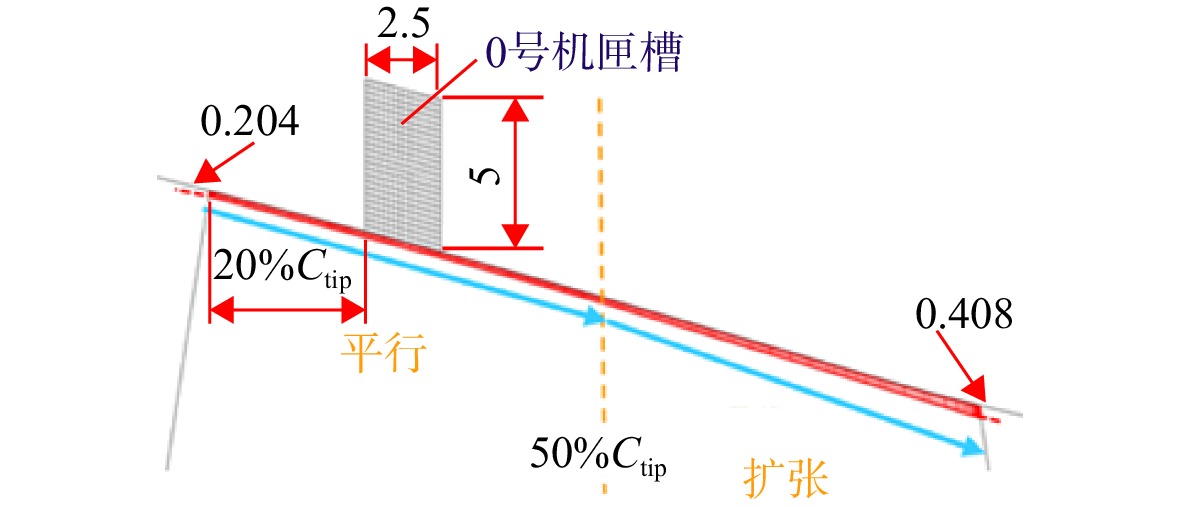
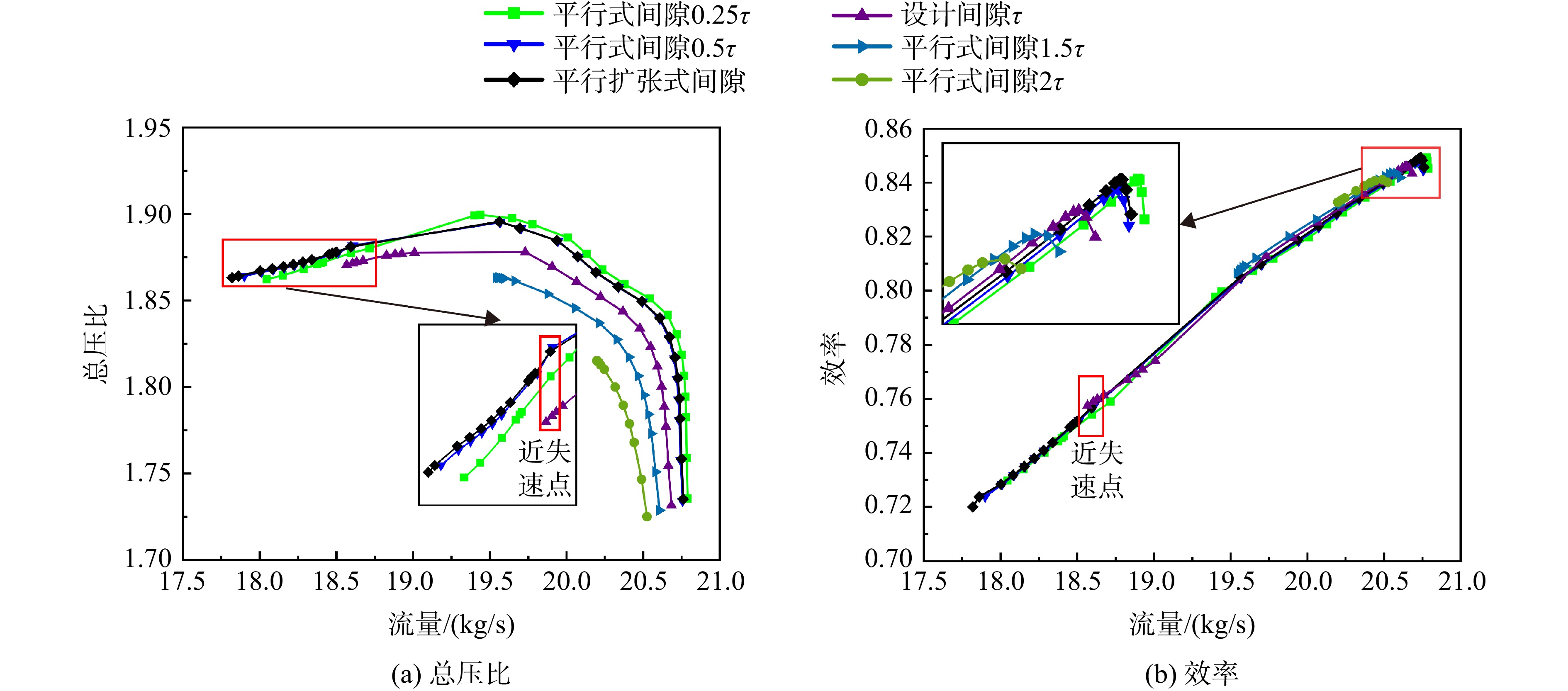
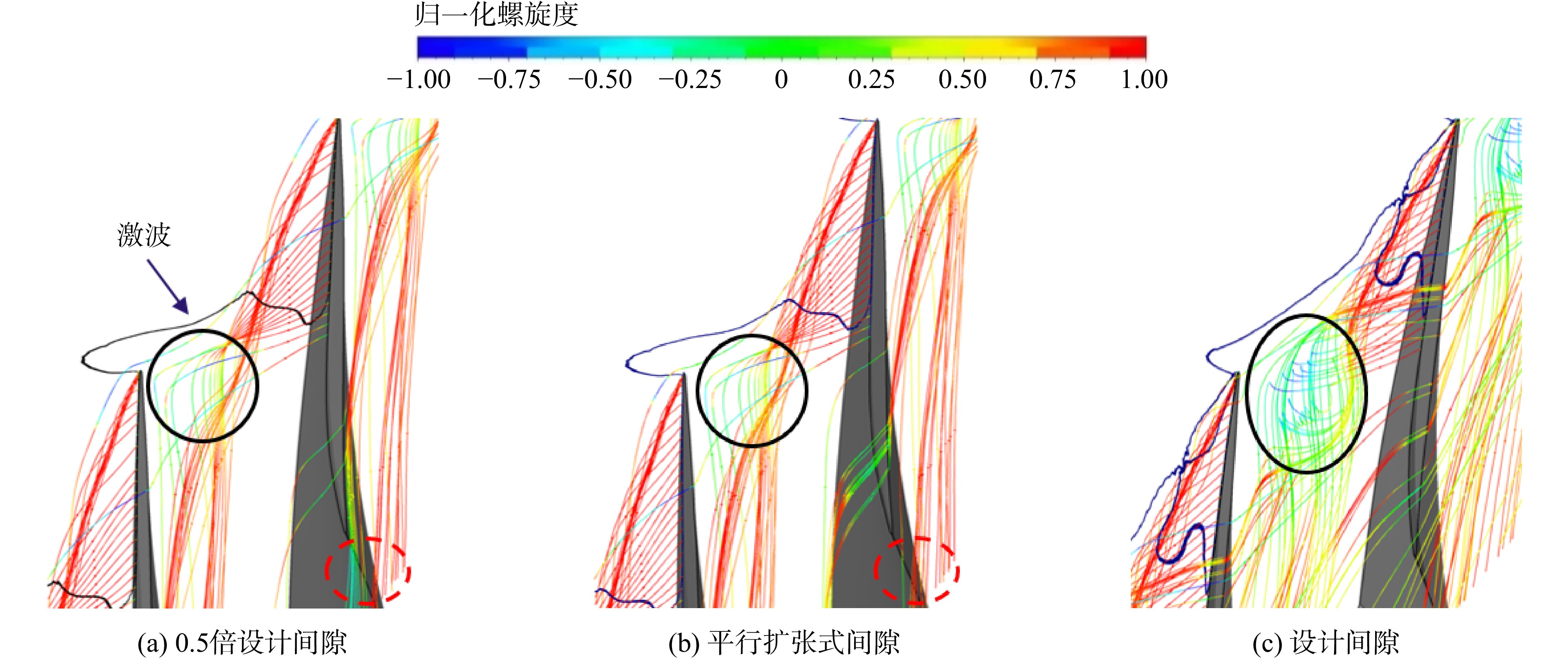
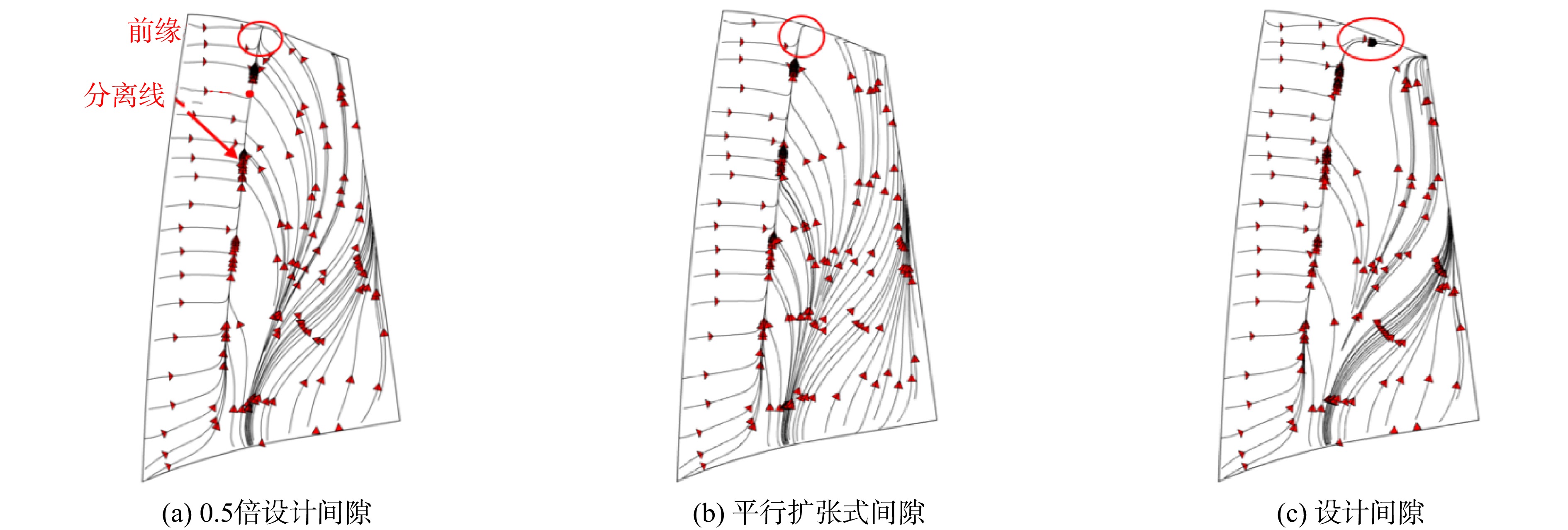
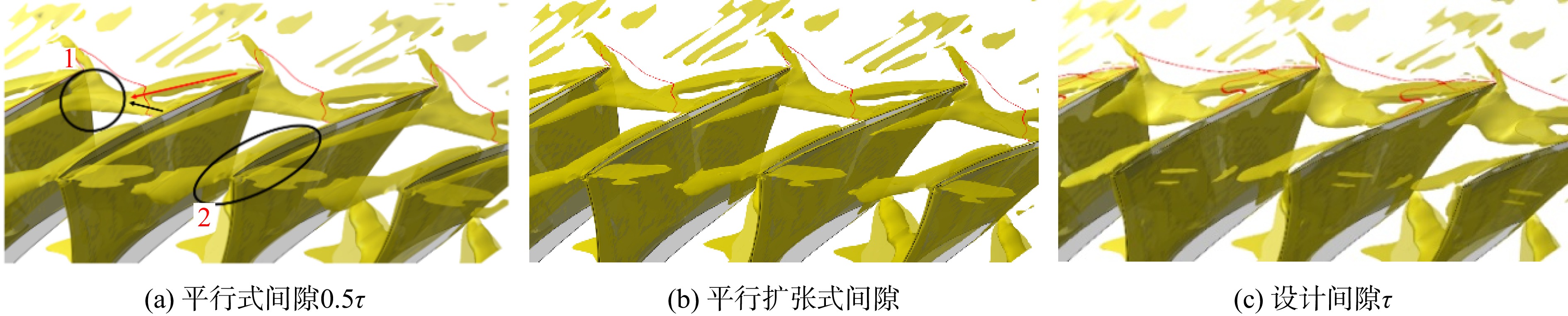
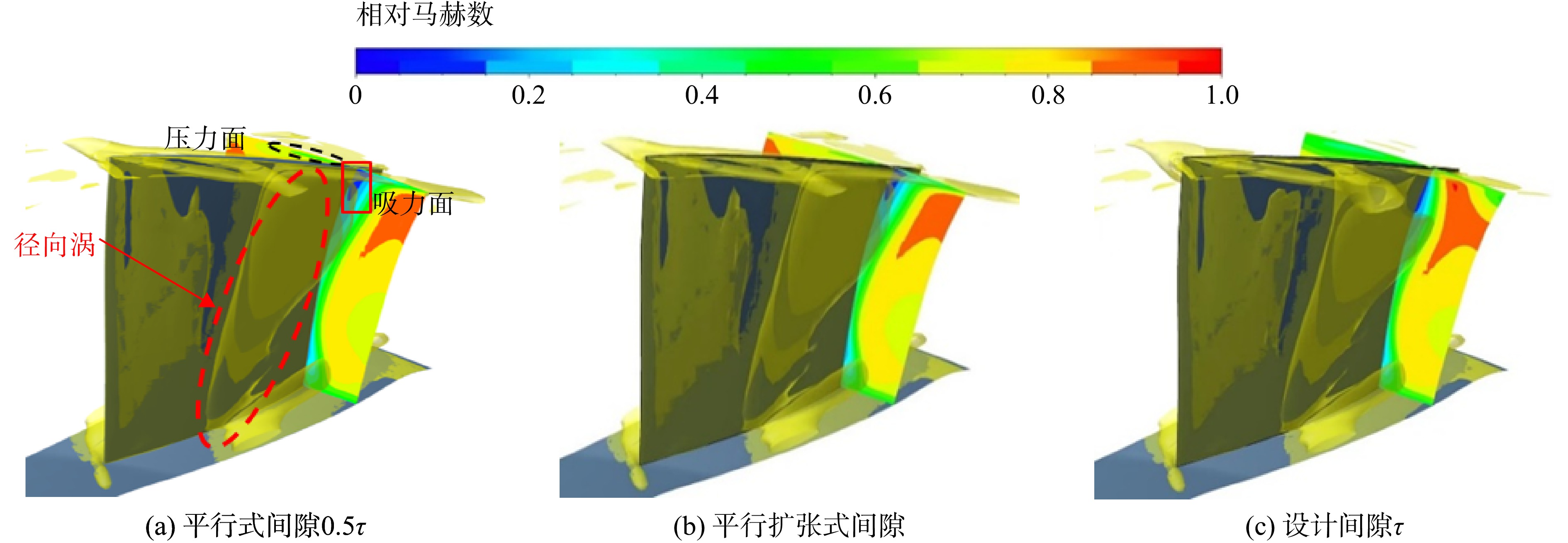
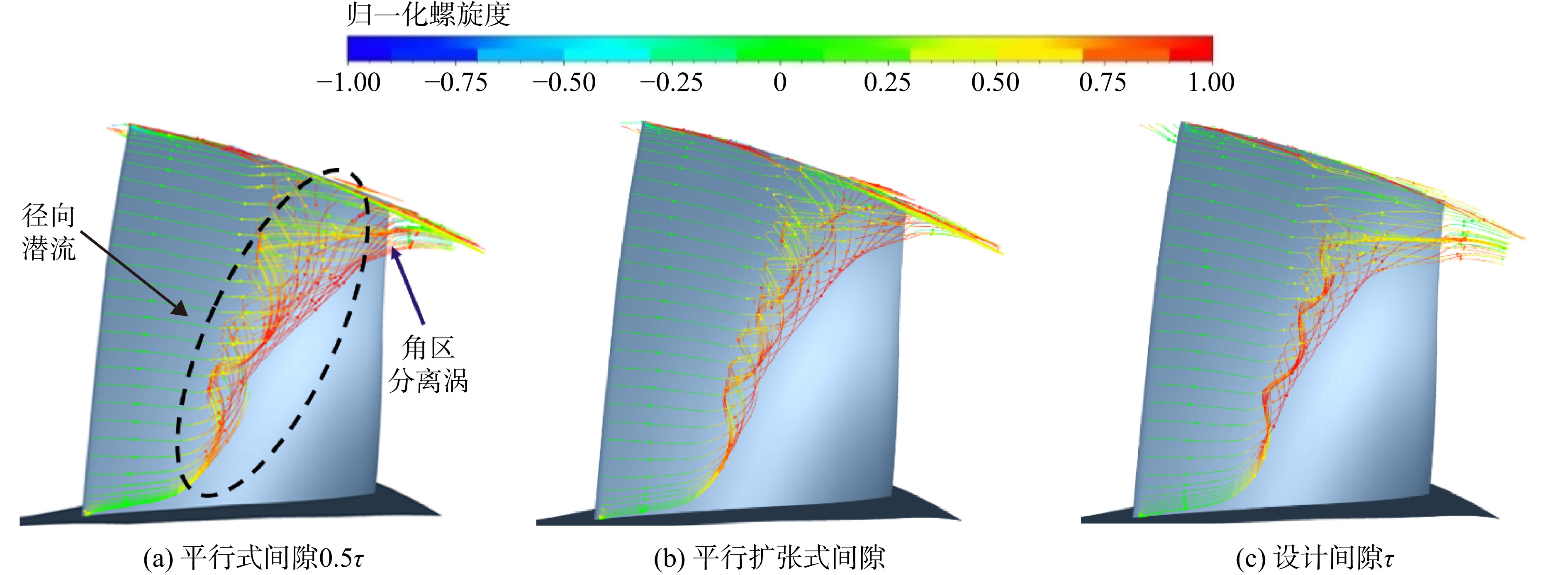
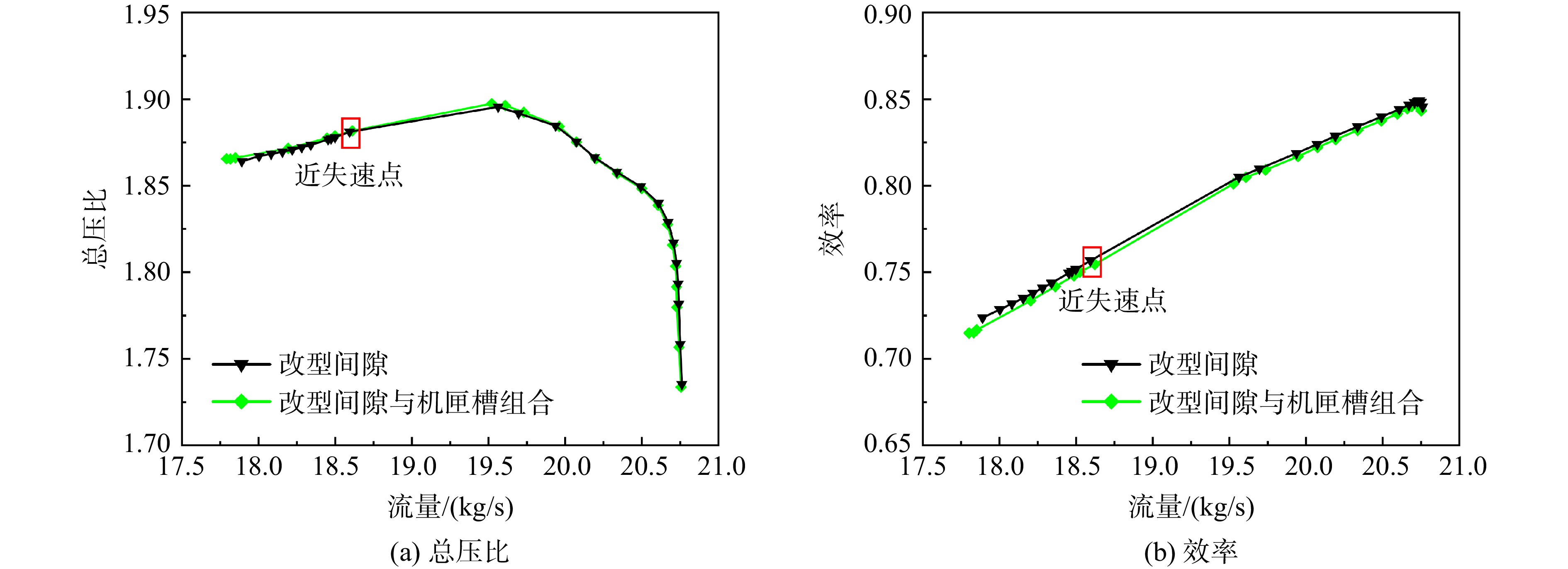
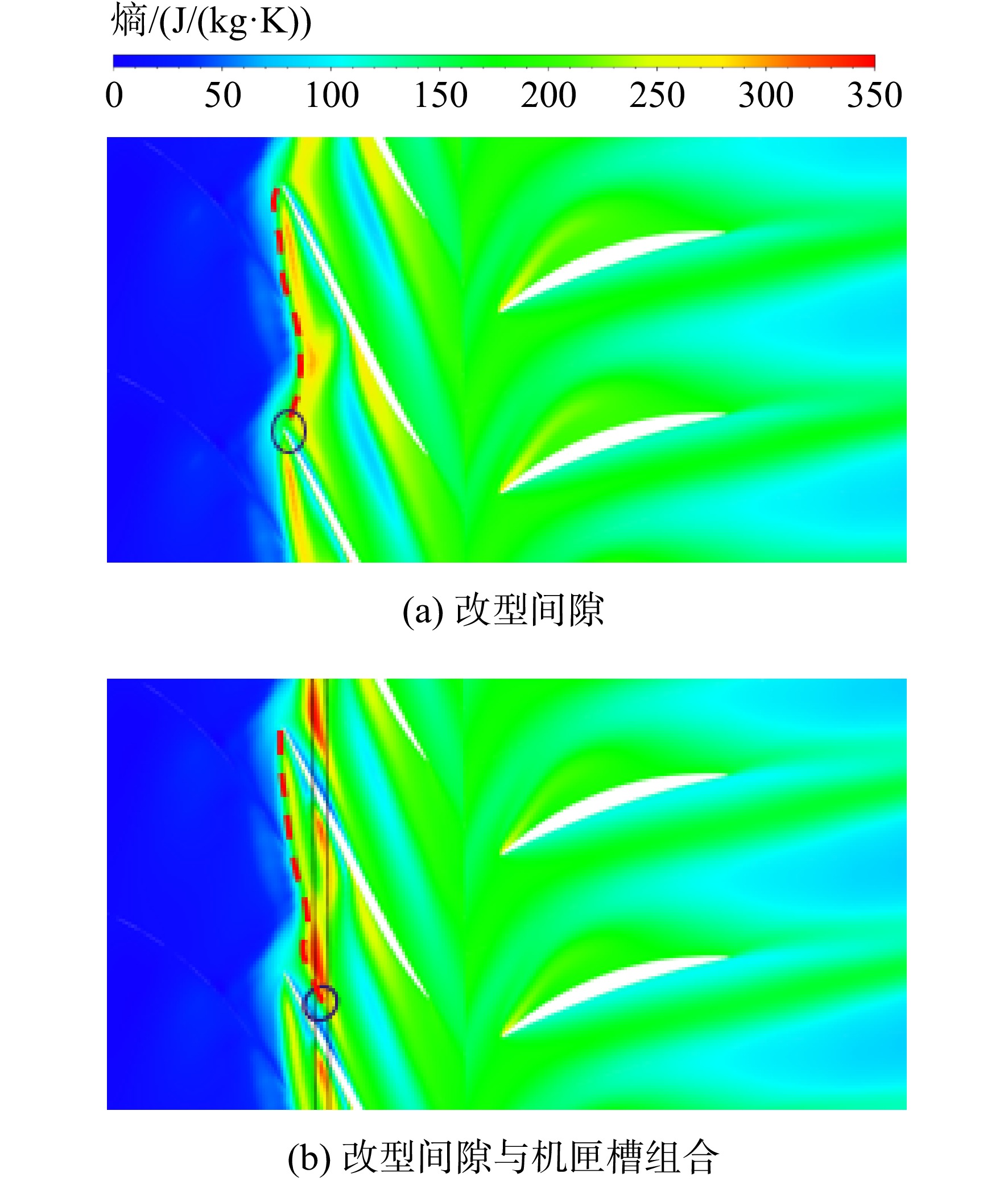
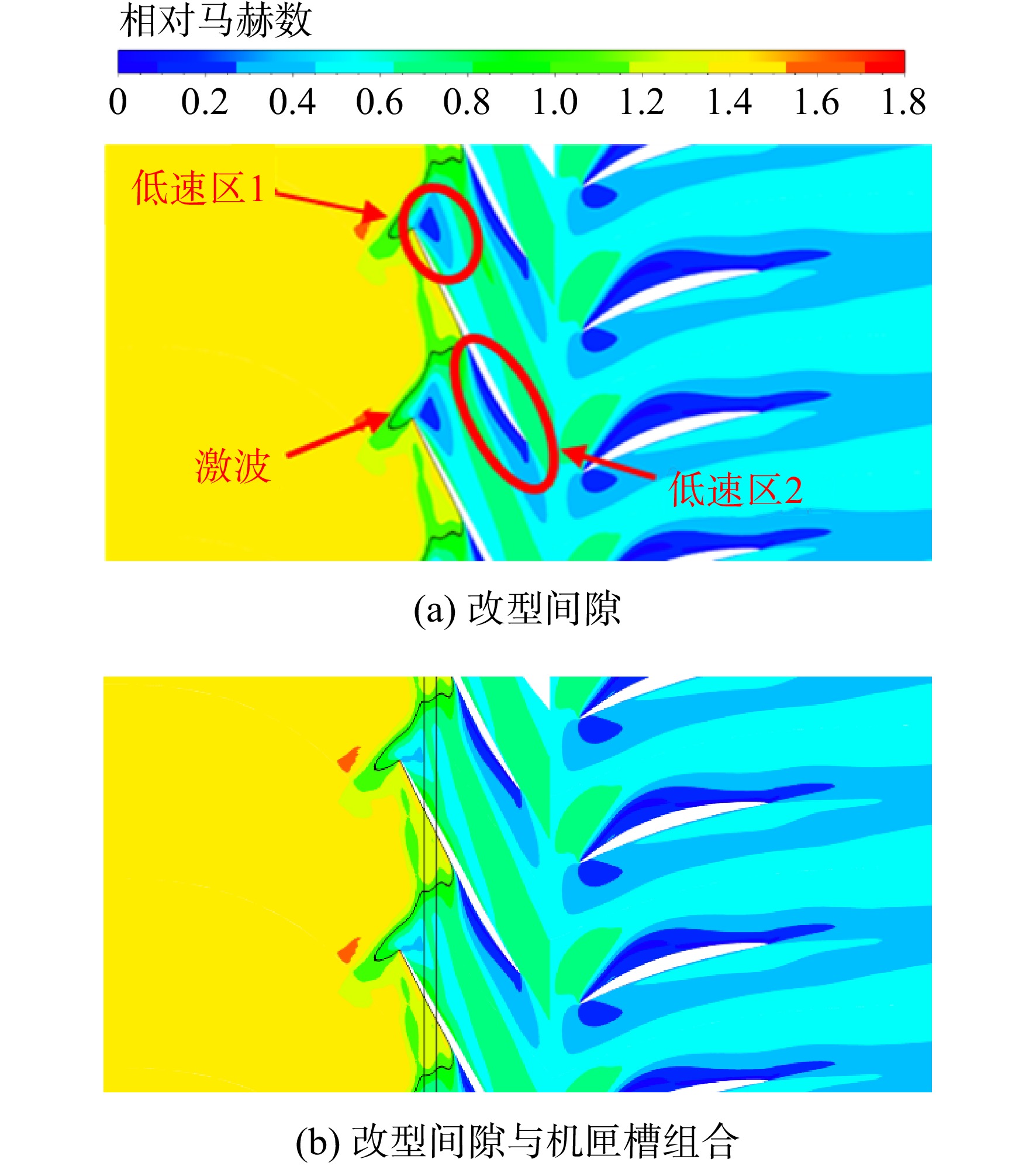
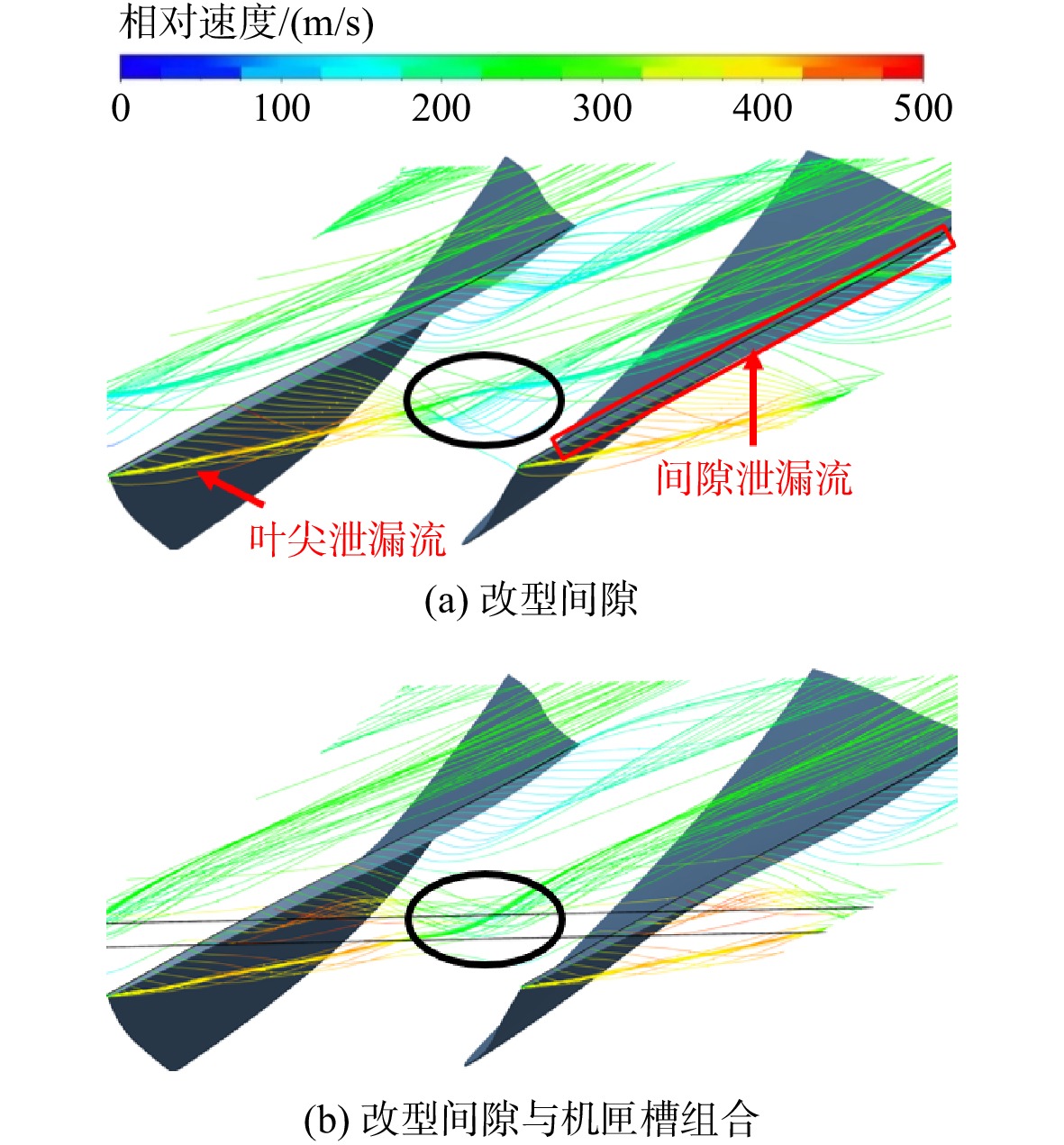
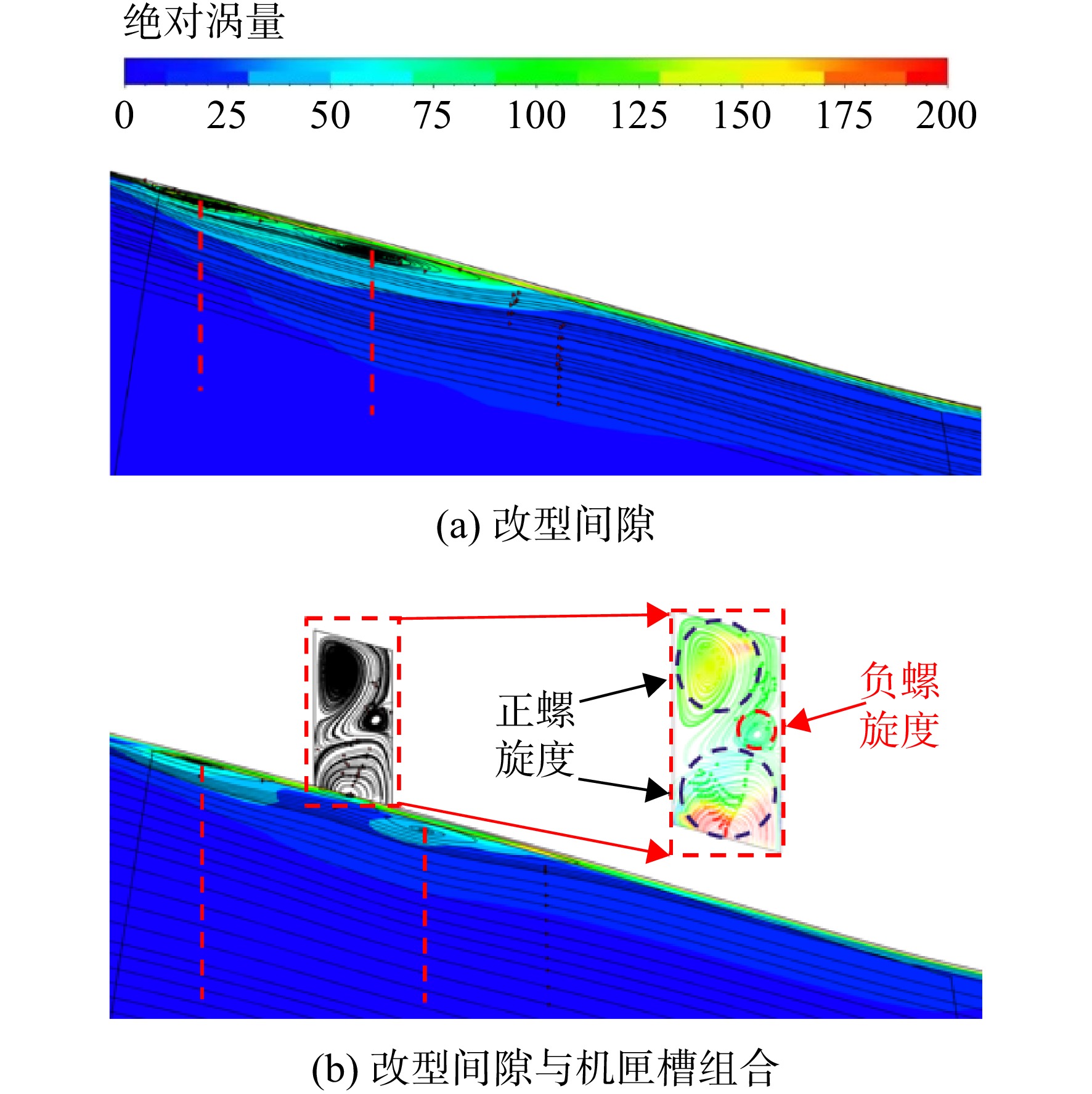
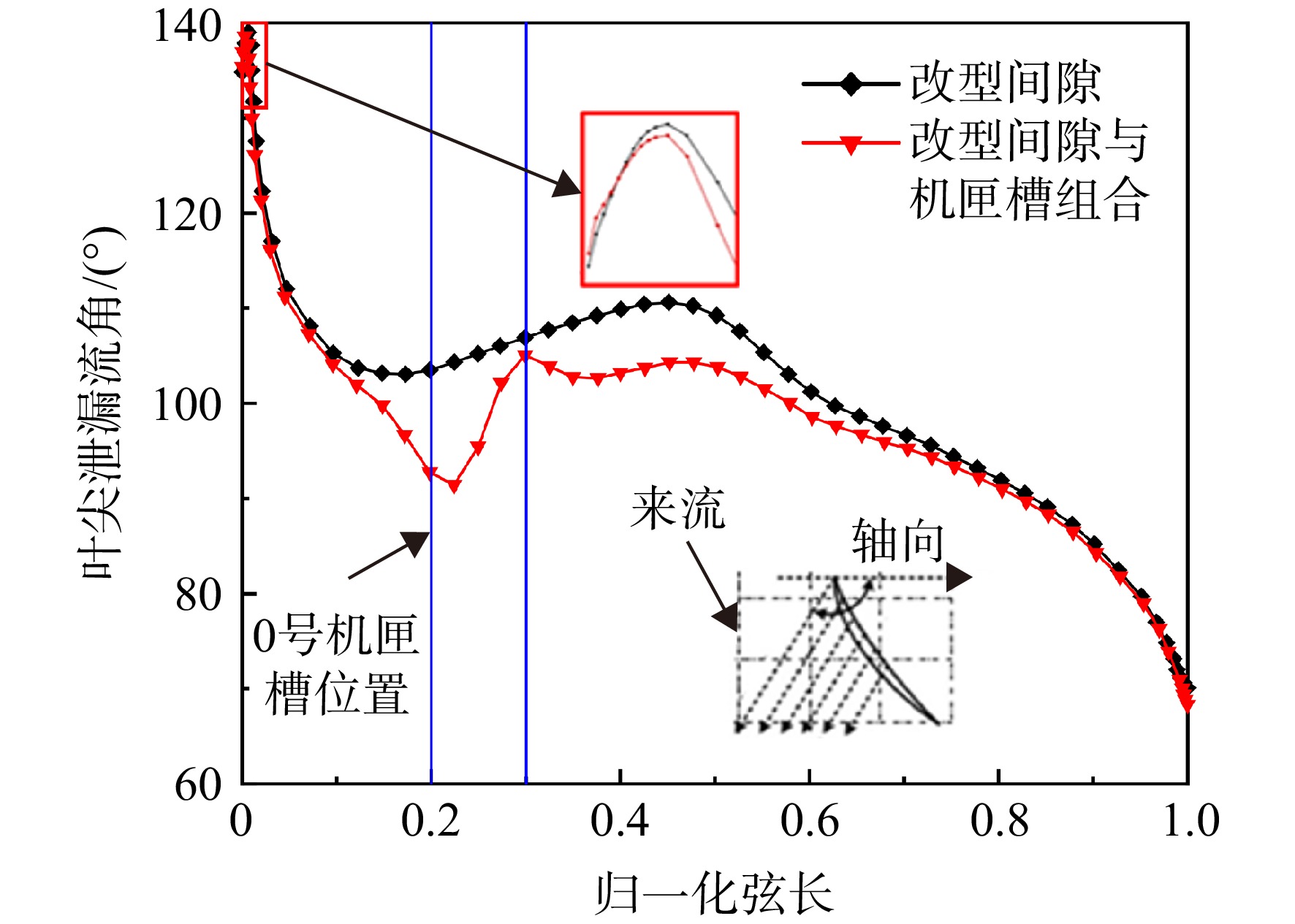
A parallel dilation tip clearance was designed to inhibit the flow loss at rotor tip clearance. Through numerical simulation, it was found that the modified tip clearance can effectively suppress the wake loss at the trailing edge of the rotor and reduce the size of the corner separation vortex in the region of the casing formed by mixing the spanwise underflow and the leakage flow at the trailing edge of the suction surface. The position of shock waves action on the rotor suction surface moved downstream, which shortened the length of the boundary layer and weakened the separation degree of the boundary layer. The research showed that the peak efficiency of the modified tip clearance increased to 0.374% and the stability margin increased to 3.457% compared with the design tip clearance. To improve the effect of vortex loss suppression by the modified tip clearance, a circumferential single casing groove was added at the leading edge of the rotor tip. The results showed that the combination scheme can reduce the risk of double leakage flow, make the interface between the main stream and the tip leakage flow move into the channel and reduce the entropy, delay the occurrence of spike stall caused by leading edge spillage at low flow rate. Moreover, the stability margin and peak efficiency of the combination scheme increased by 4.105% and 0.164%, respectively, compared with the design tip clearance.

Numerical simulation of effect of circumferential non-uniform tip clearance on rotating instability in a rotor
JIANG Chao, WANG Zhikuan, LE Guigao, HU Jun
2024, 39(12): 20220973. doi: 10.13224/j.cnki.jasp.20220973
Abstract:

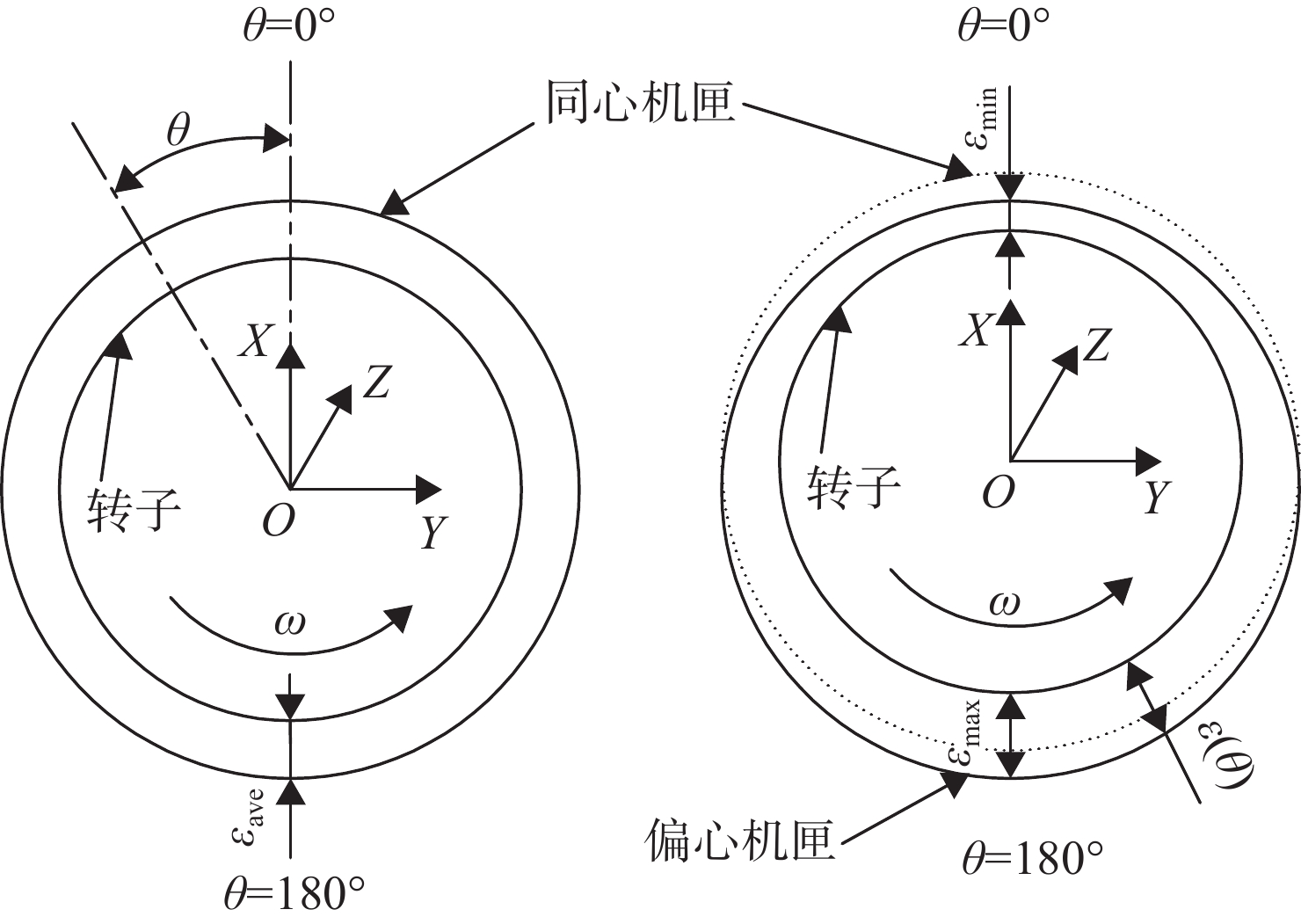
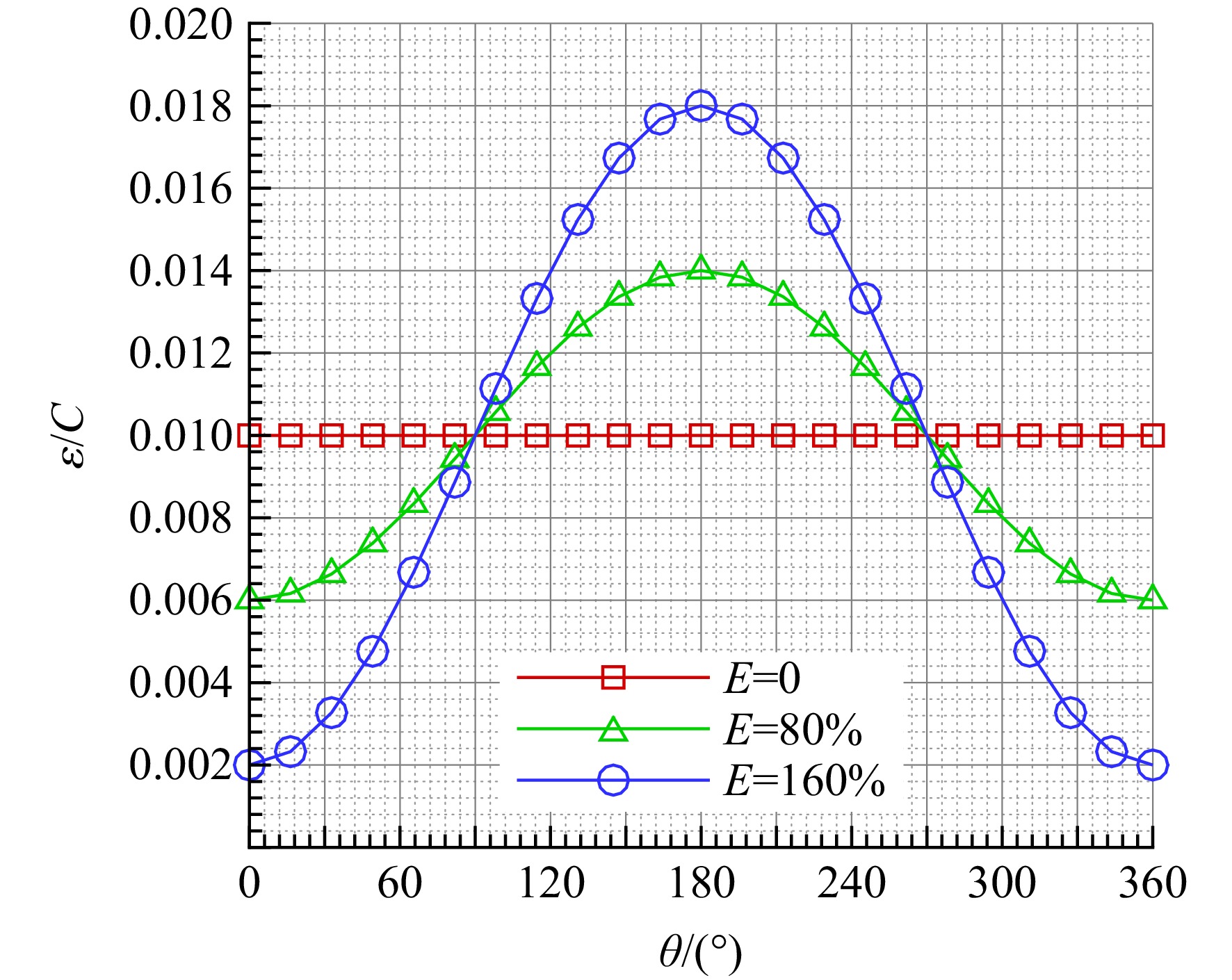
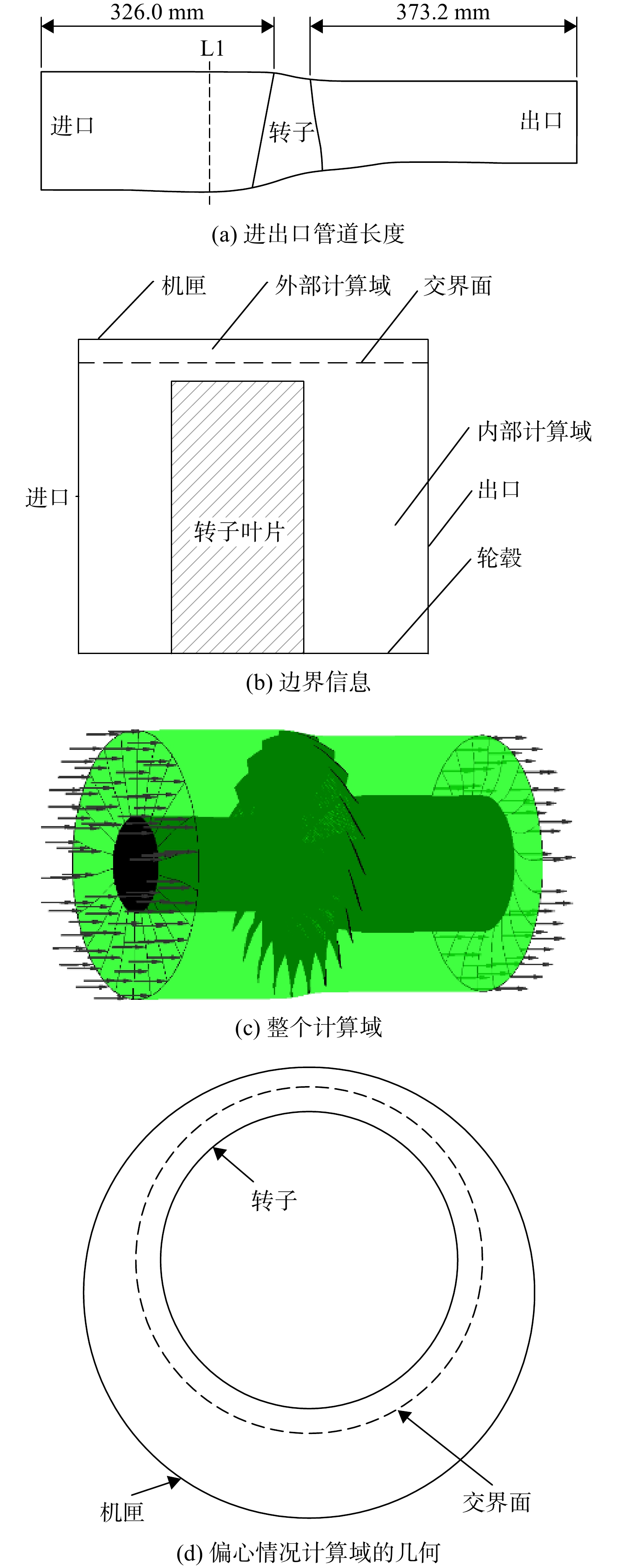
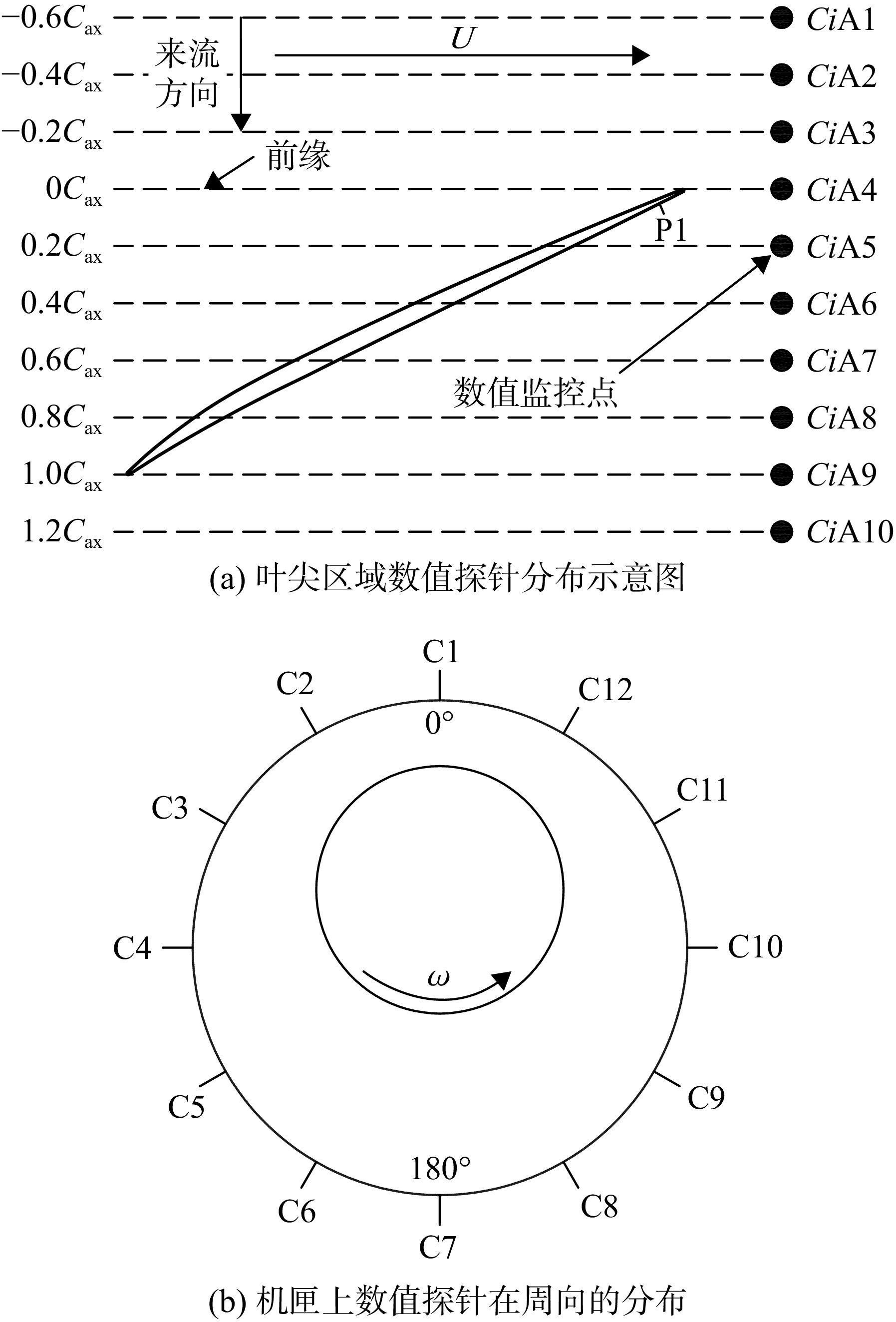
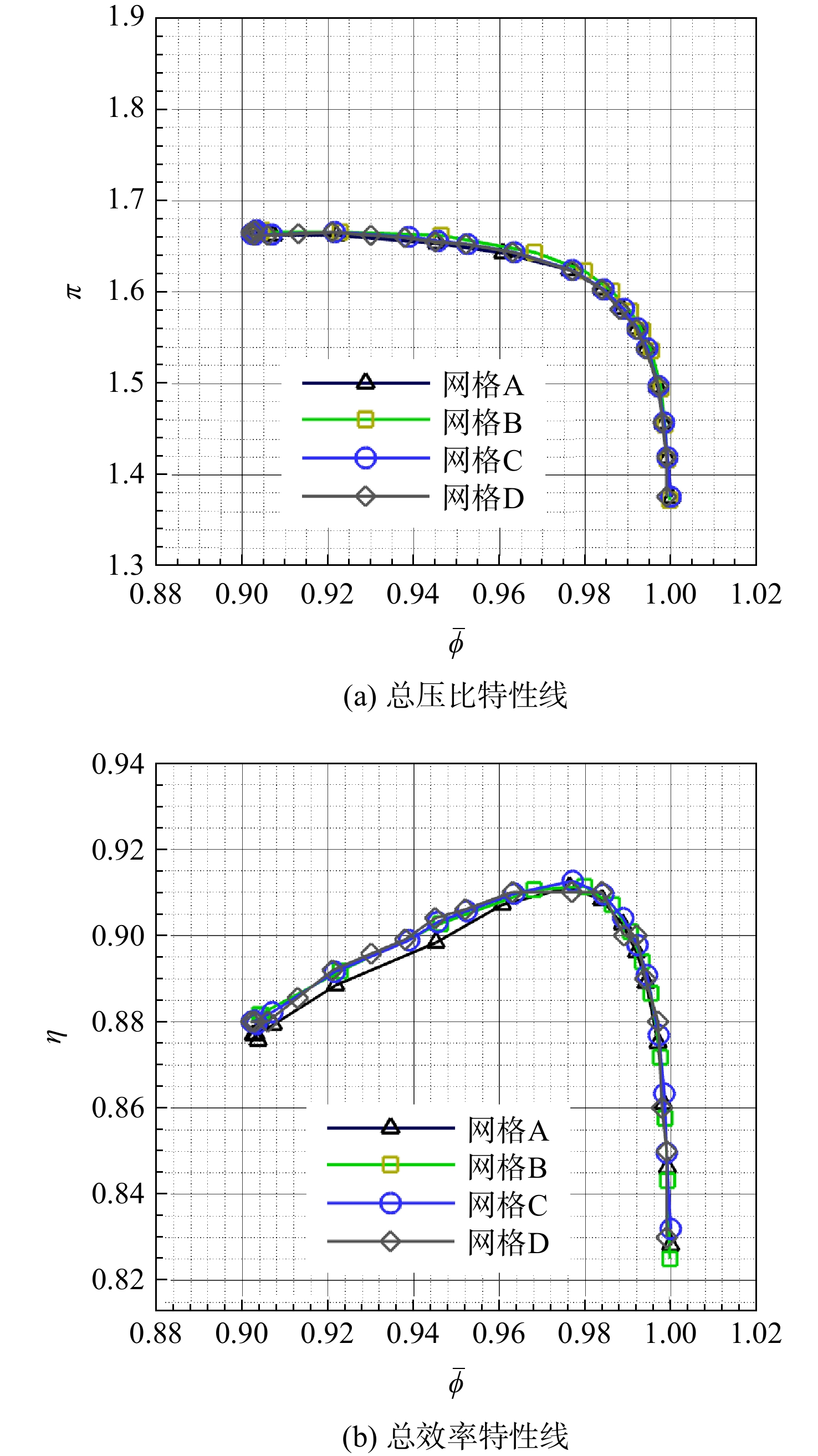
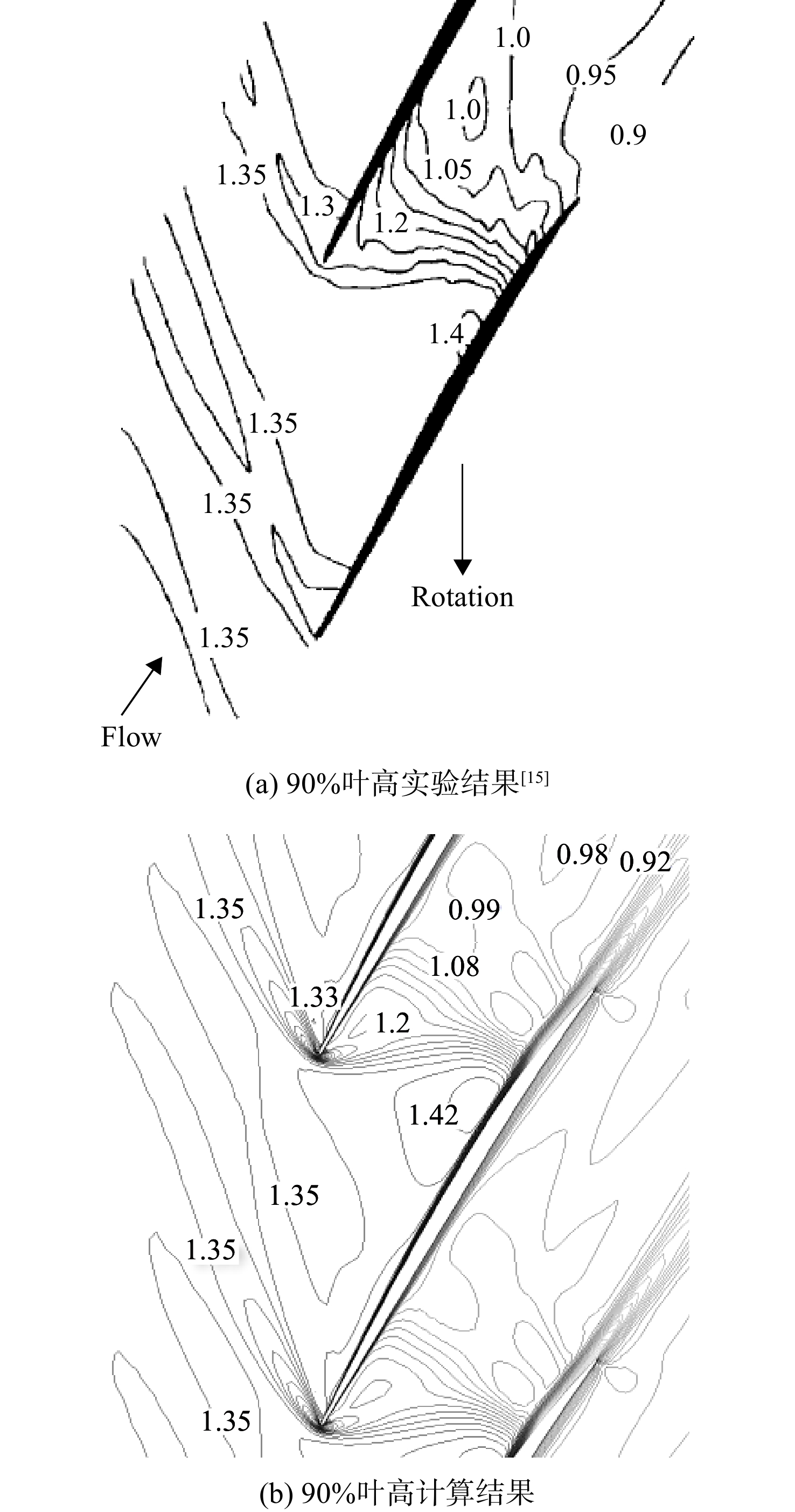
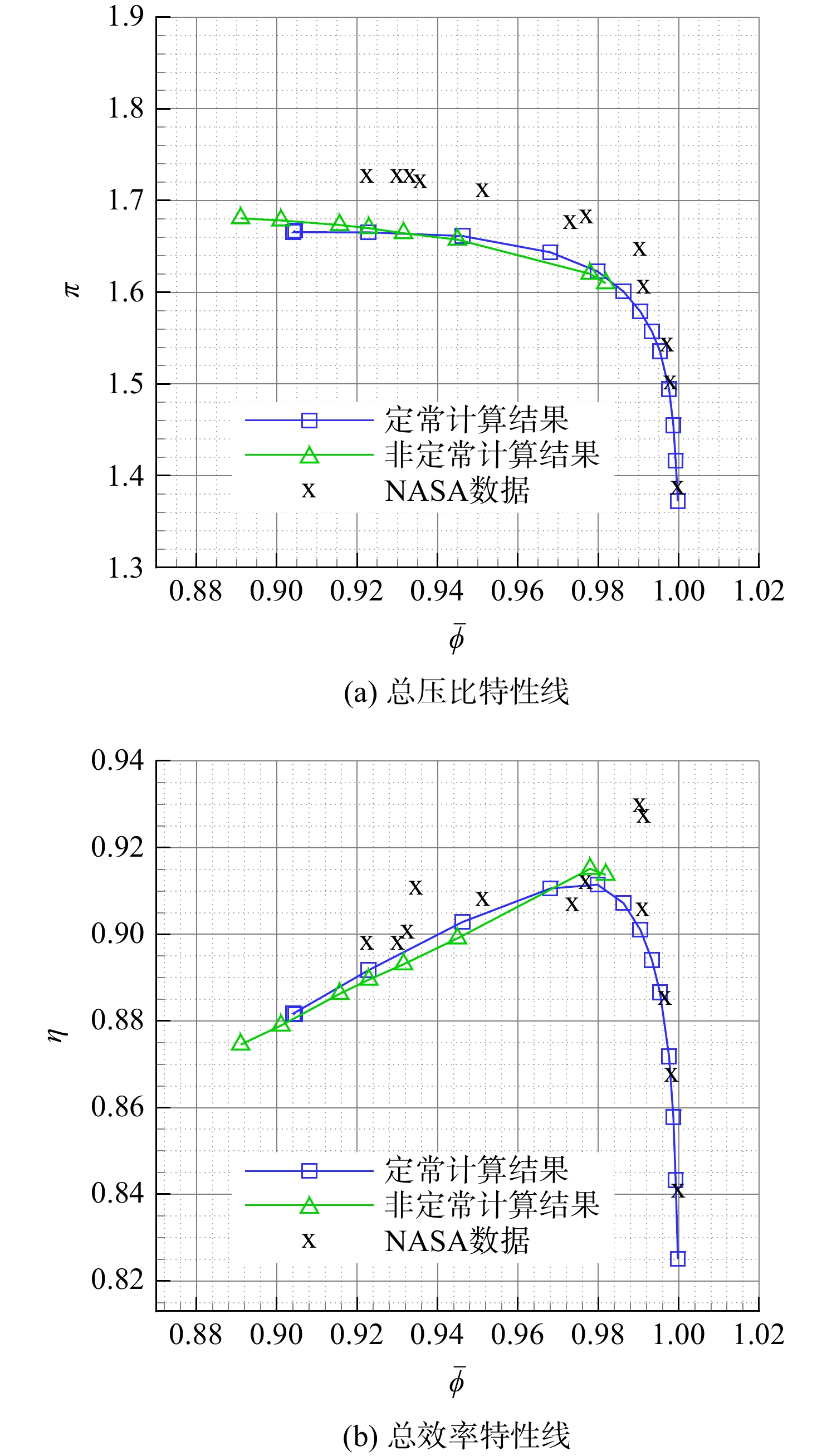
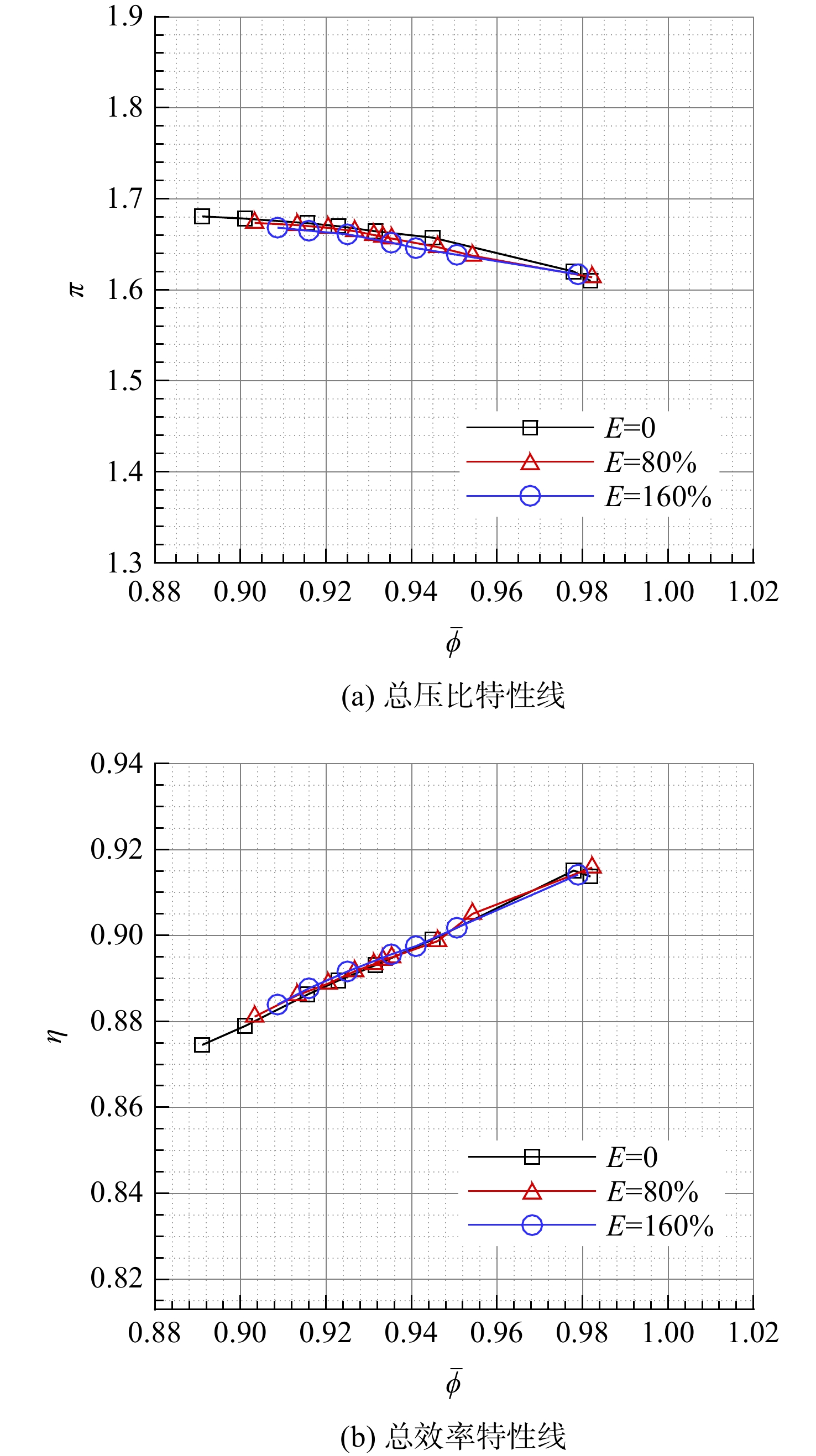
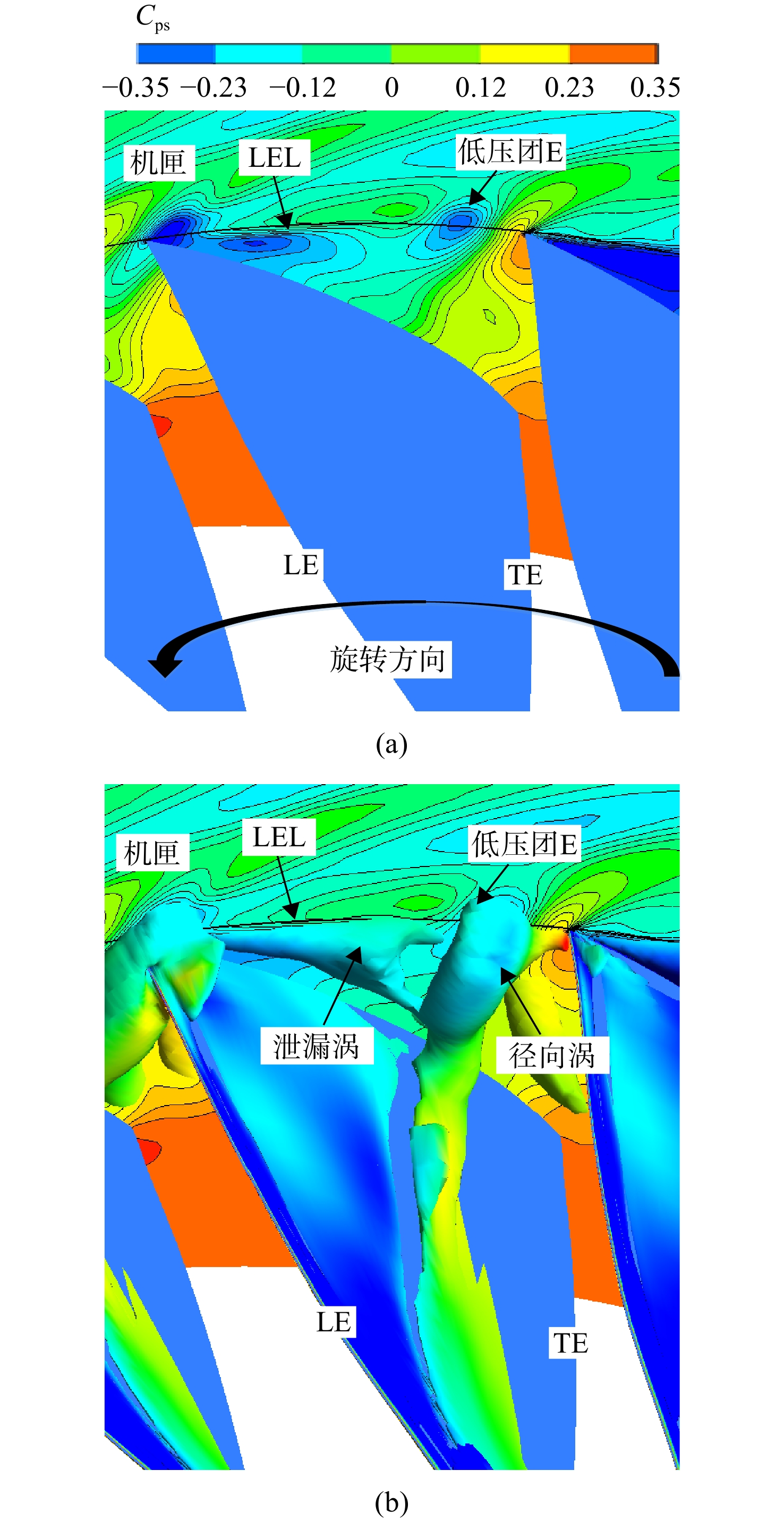
In order to study the flow phenomenon of rotating instability in compressors with non-uniform tip clearance, the Rotor 67 was taken as the research object, and the detailed flow field results and the characteristic lines of three kinds of eccentric rotor were calculated utilizing the three-dimensional full annulus unsteady computational fluid dynamics. The numerical calculation results showed that when the average tip clearance was constant, the eccentricity had little effect on the characteristic line of the non-stall part, but had a significant effect on the stall boundary. The disturbances in the tip region of concentric and eccentric rotors had a unified physical structure. These disturbances presented as moving low-pressure spots on the shroud, which were three-dimensional radial vortices starting from the suction surface of the blade and ending in the shroud, and had no direct relationship with the tip clearance leakage vortex. The eccentricity only changed the circumferential distribution pattern of the disturbances, and did not change the physical nature of the perturbation.

Fast calculation and optimization of ducted propeller based on slipstream tube model
SUN Pengbo, ZHOU Zhou
2024, 39(12): 20220665. doi: 10.13224/j.cnki.jasp.20220665
Abstract:

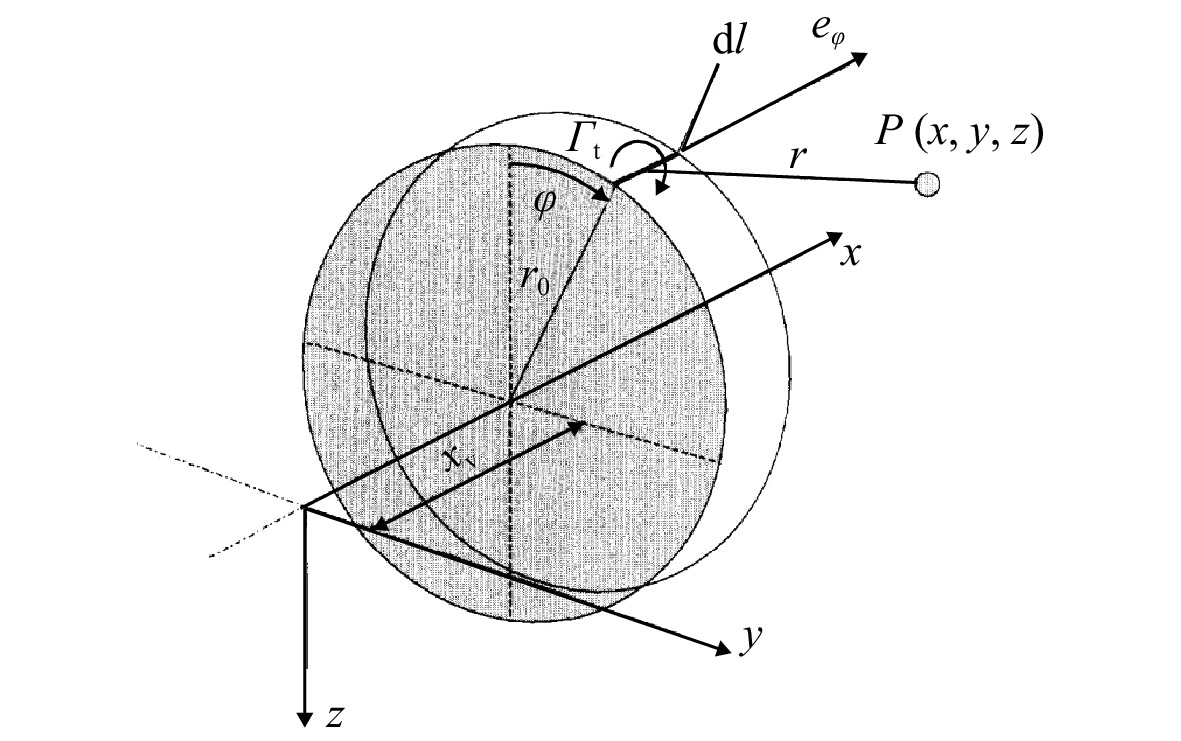
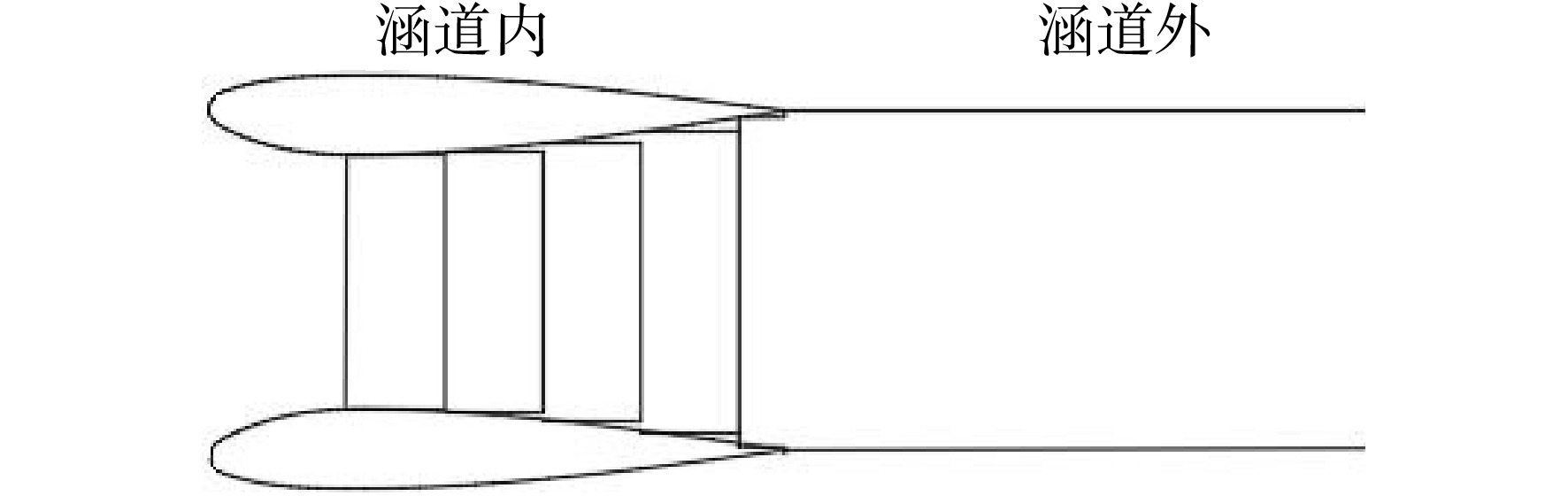
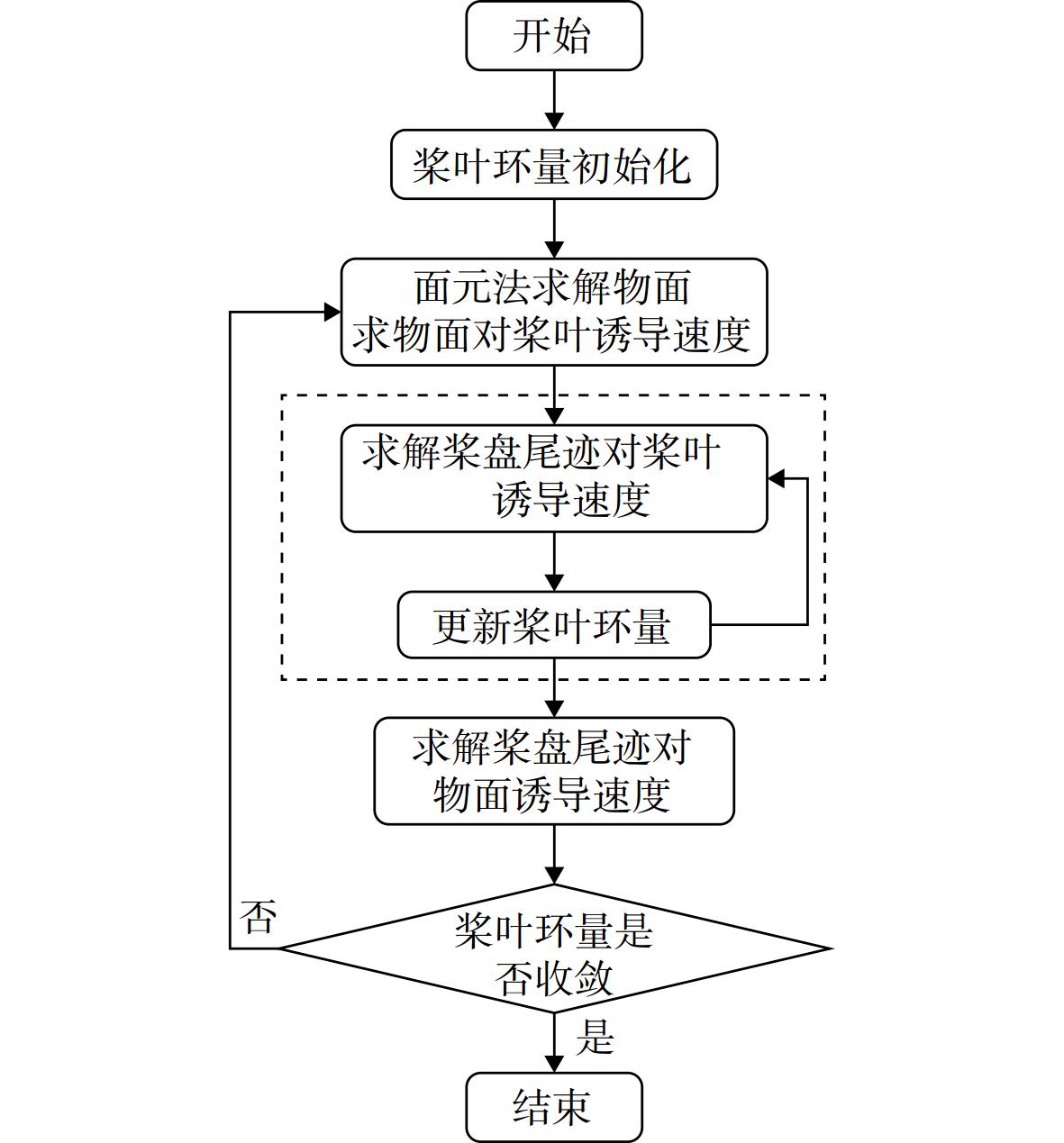
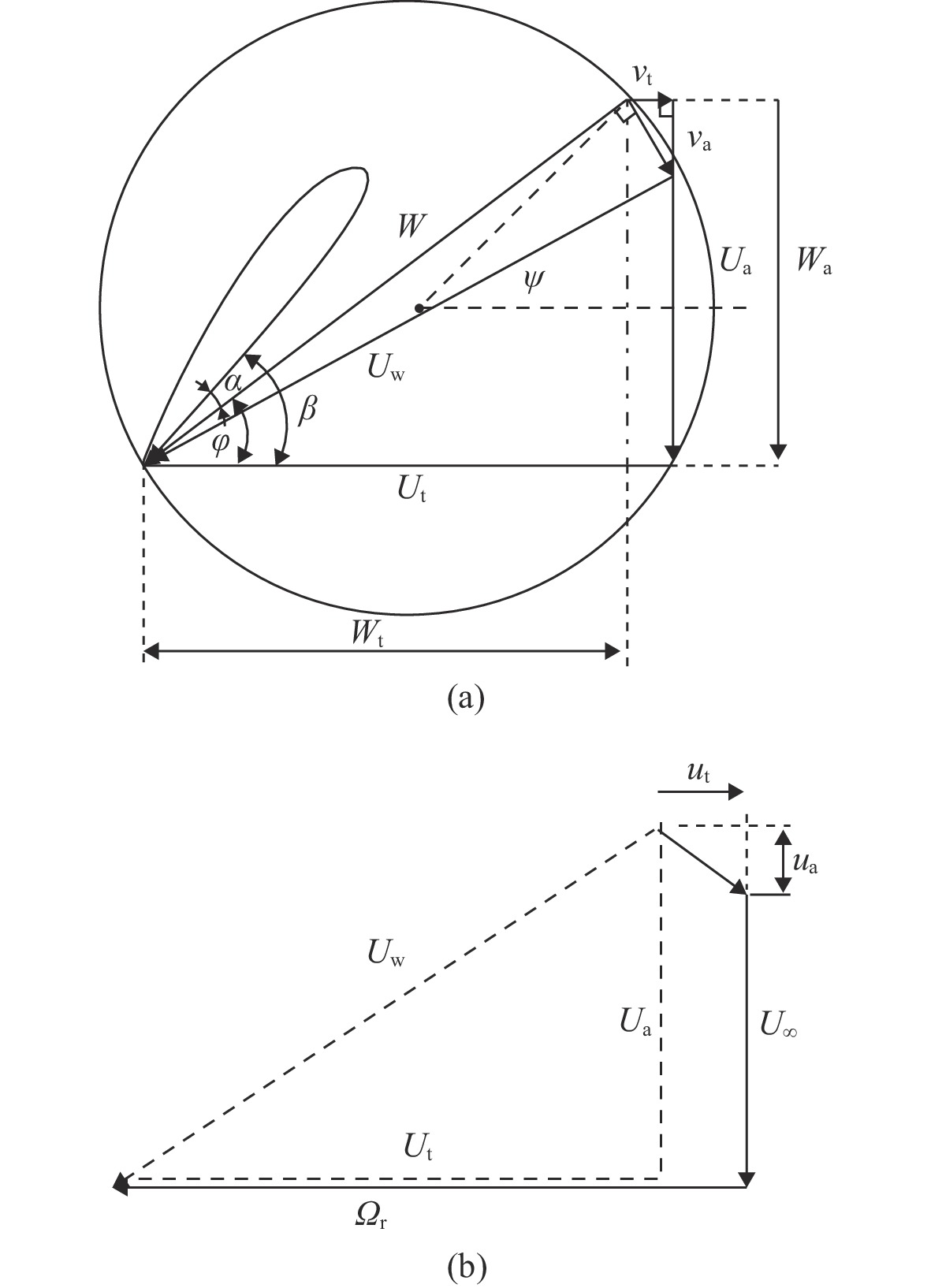
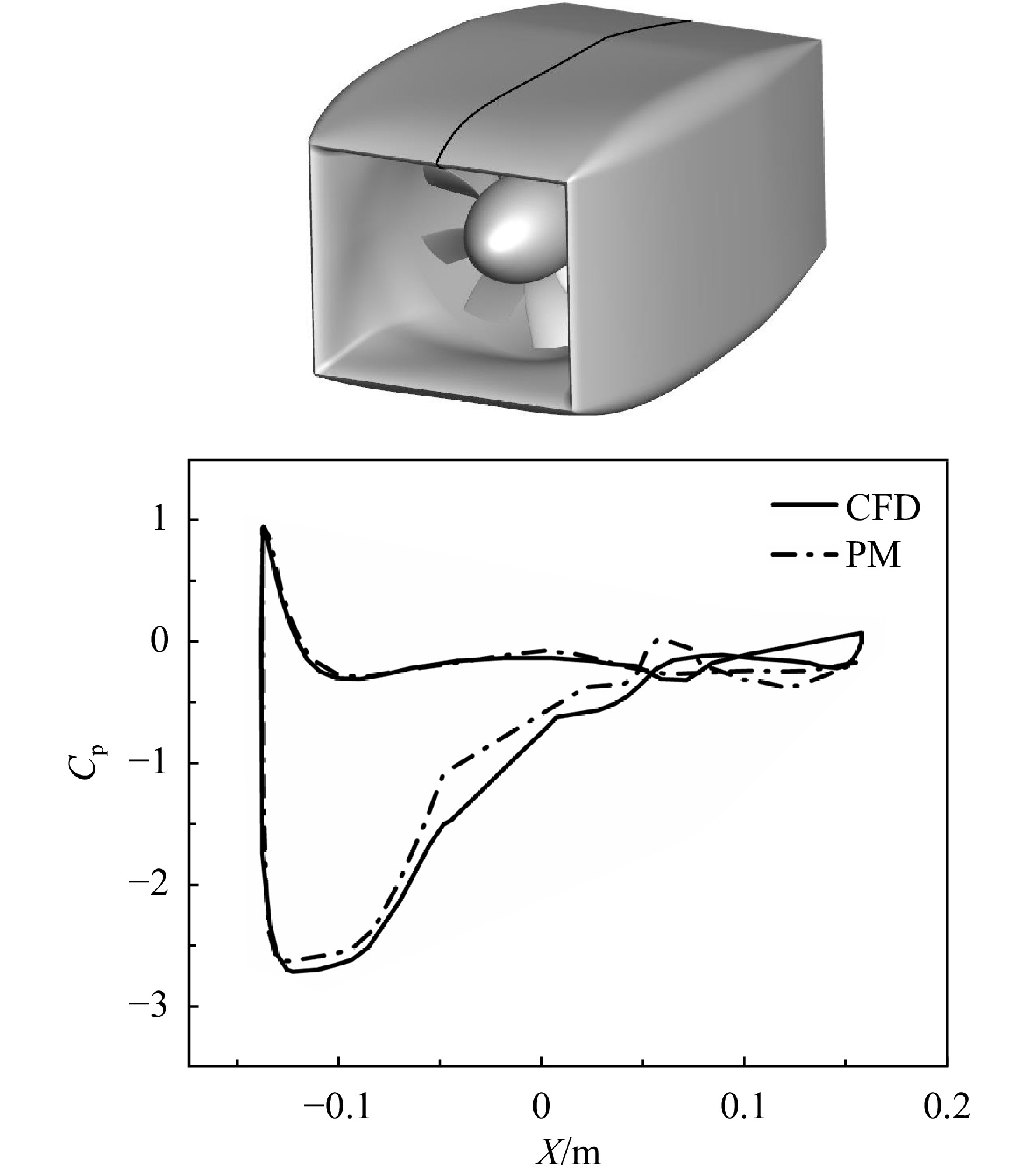
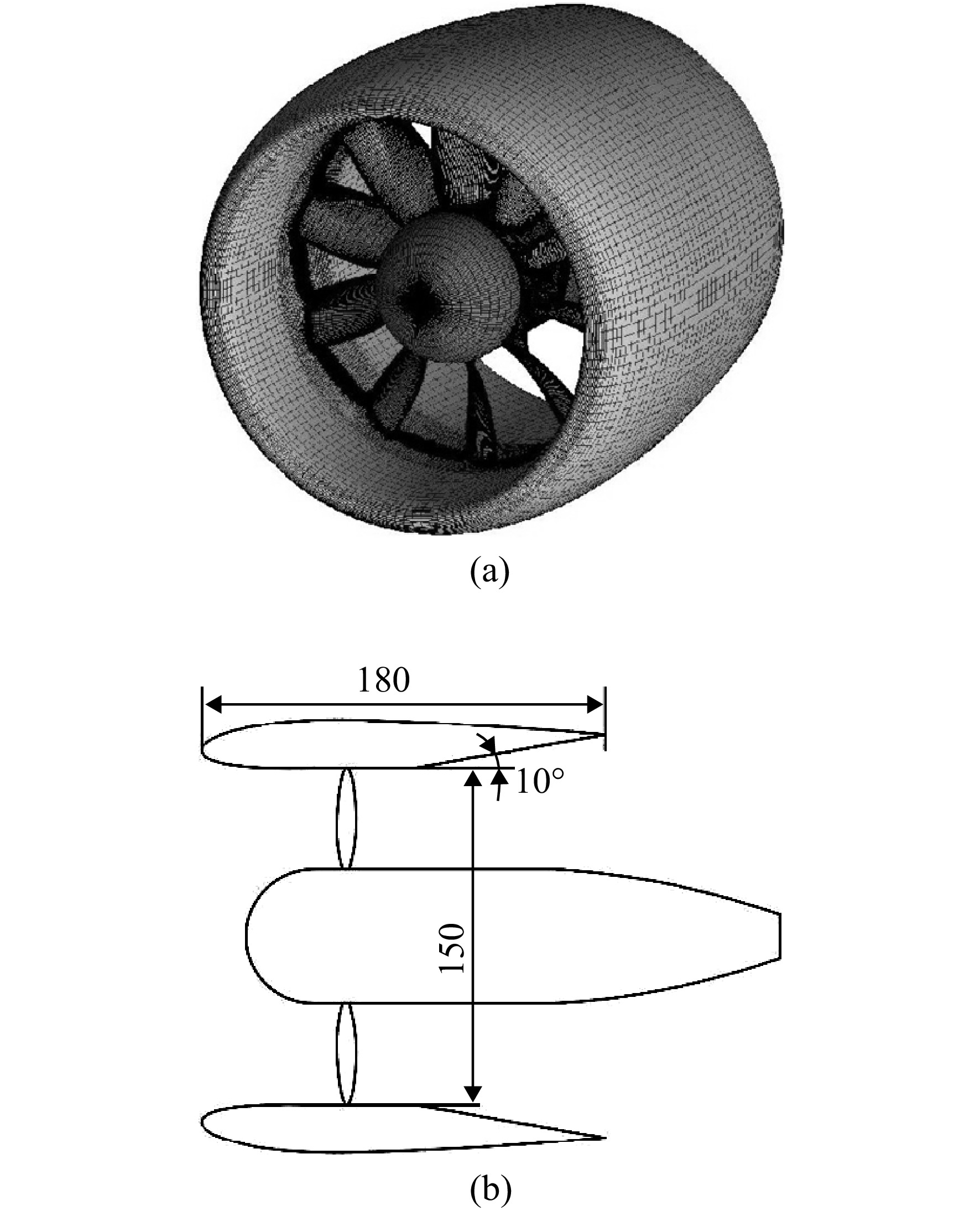
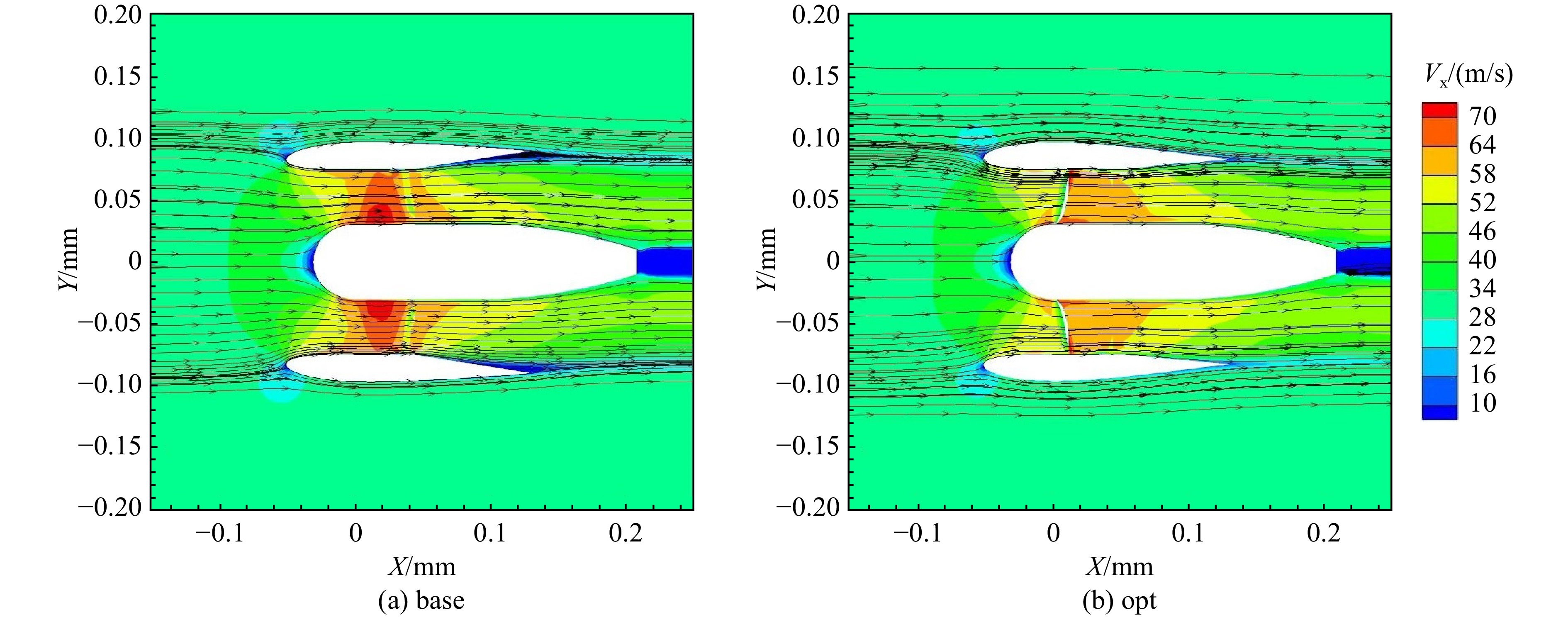
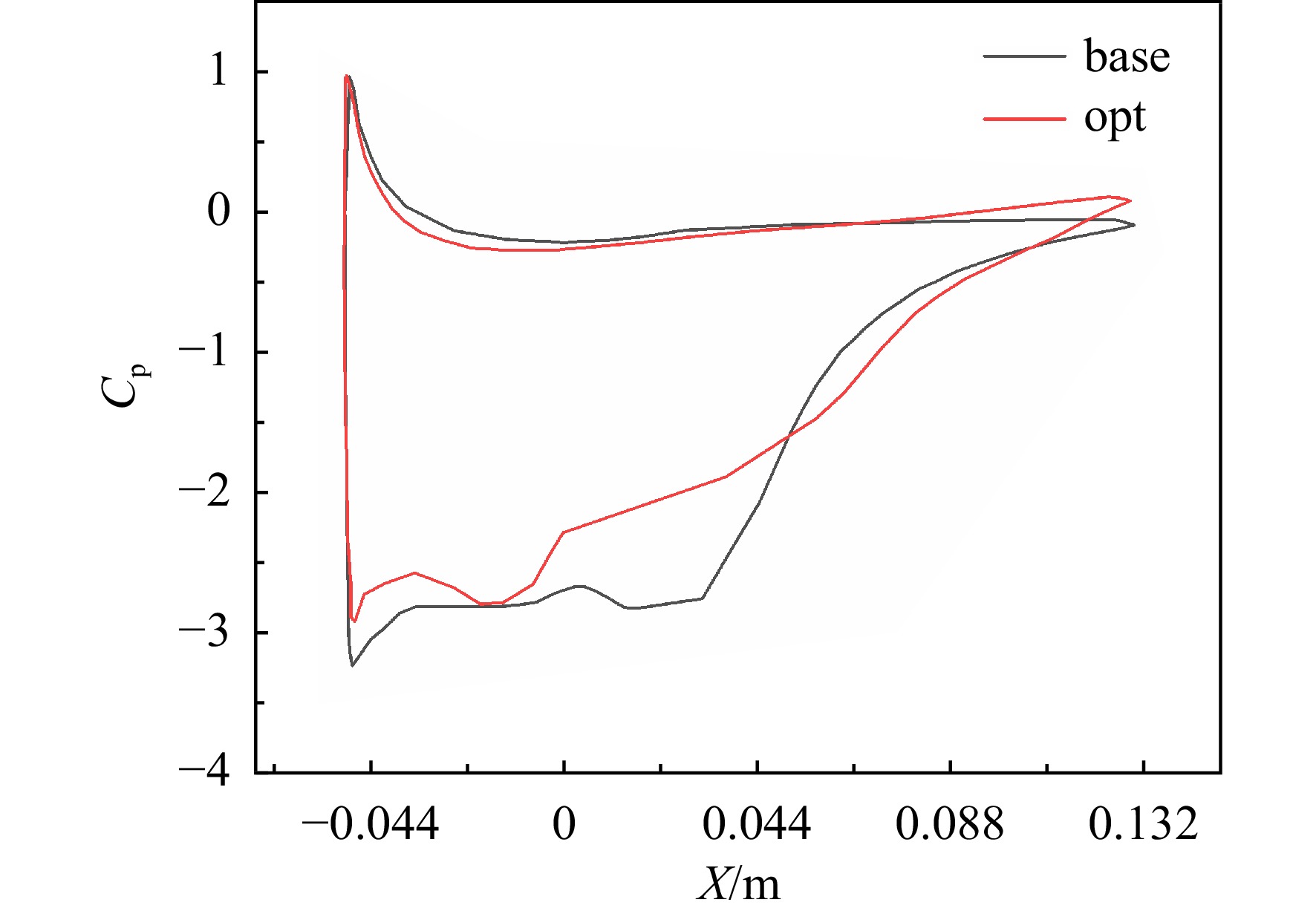
The computational method of ducted propeller based on CFD requires much more resources and long time when it involves works such as iterative calculation and optimization. In order to effectively reduce the computational cost of these kinds of work in preliminary optimization, a fast calculation method for ducted propeller was developed by coupling the surface panel method with the slipstream tube wake model, and fast optimization design for the duct wall shape of a ducted fan based on this method was carried out. The results showed that the method effectively reduced the computing resource requirement, while retaining high accuracy. The method can also be applied to fast calculation of ducted fans with non-circular inlet and outlet. The flow field analysis based on CFD showed that the expansion angle of the duct wall was reduced, the adverse pressure gradient of the duct wall was curtailed, the existing flow separation was eliminated, and the inlet velocity of the impeller was lowered down, thereby improving its efficiency and increasing the overall propulsive efficiency of the ducted fan by 20.7%. It demonstrated the effectiveness of the preliminary rapid optimization method of the ducted fan in finding the optimal direction.

Brush seal porous media model based on test corrections of differential pressure-brush wire thickness
LI Genhong, MA Yingqun, WANG Xinggao, ZHANG Di, ZHAO Wei, ZHAO Qingjun
2024, 39(12): 20220989. doi: 10.13224/j.cnki.jasp.20220989
Abstract:

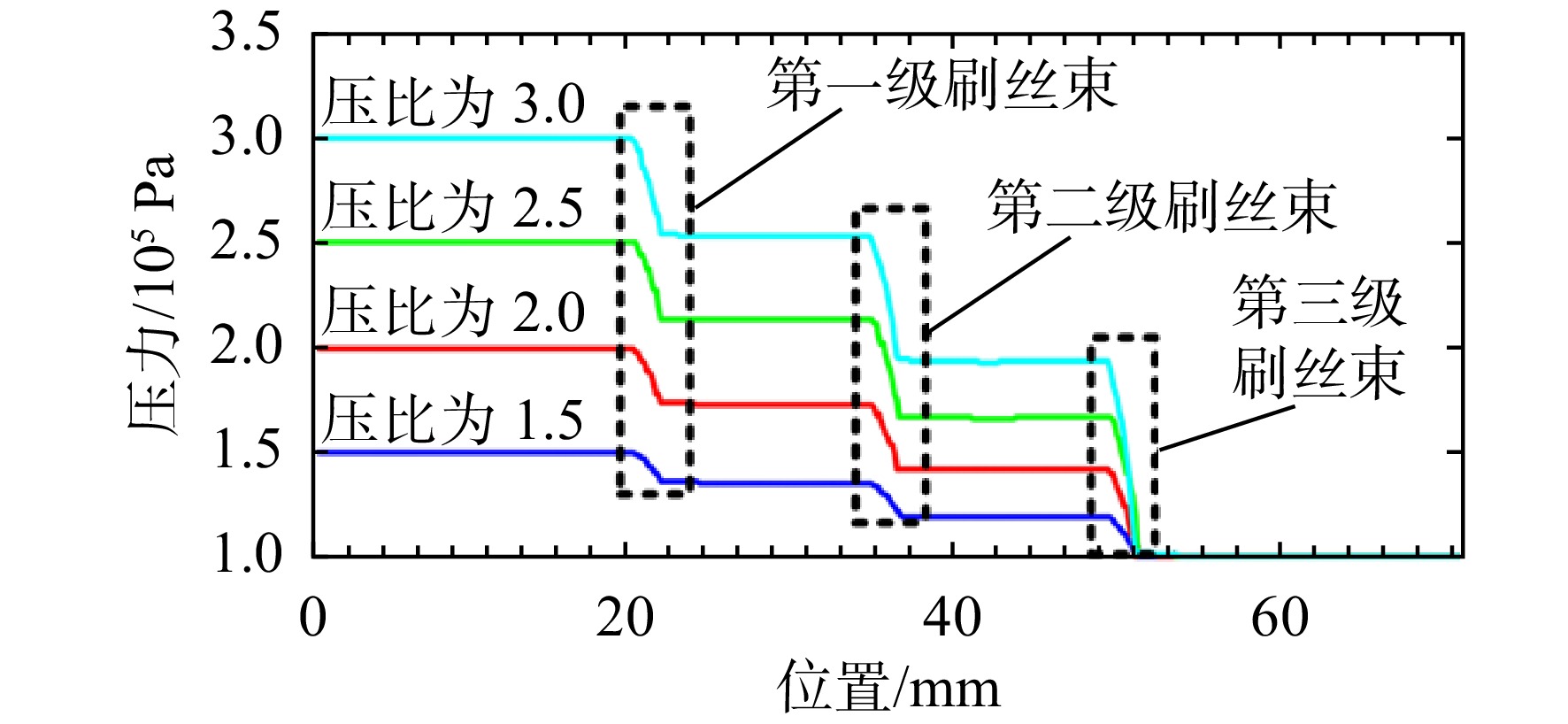
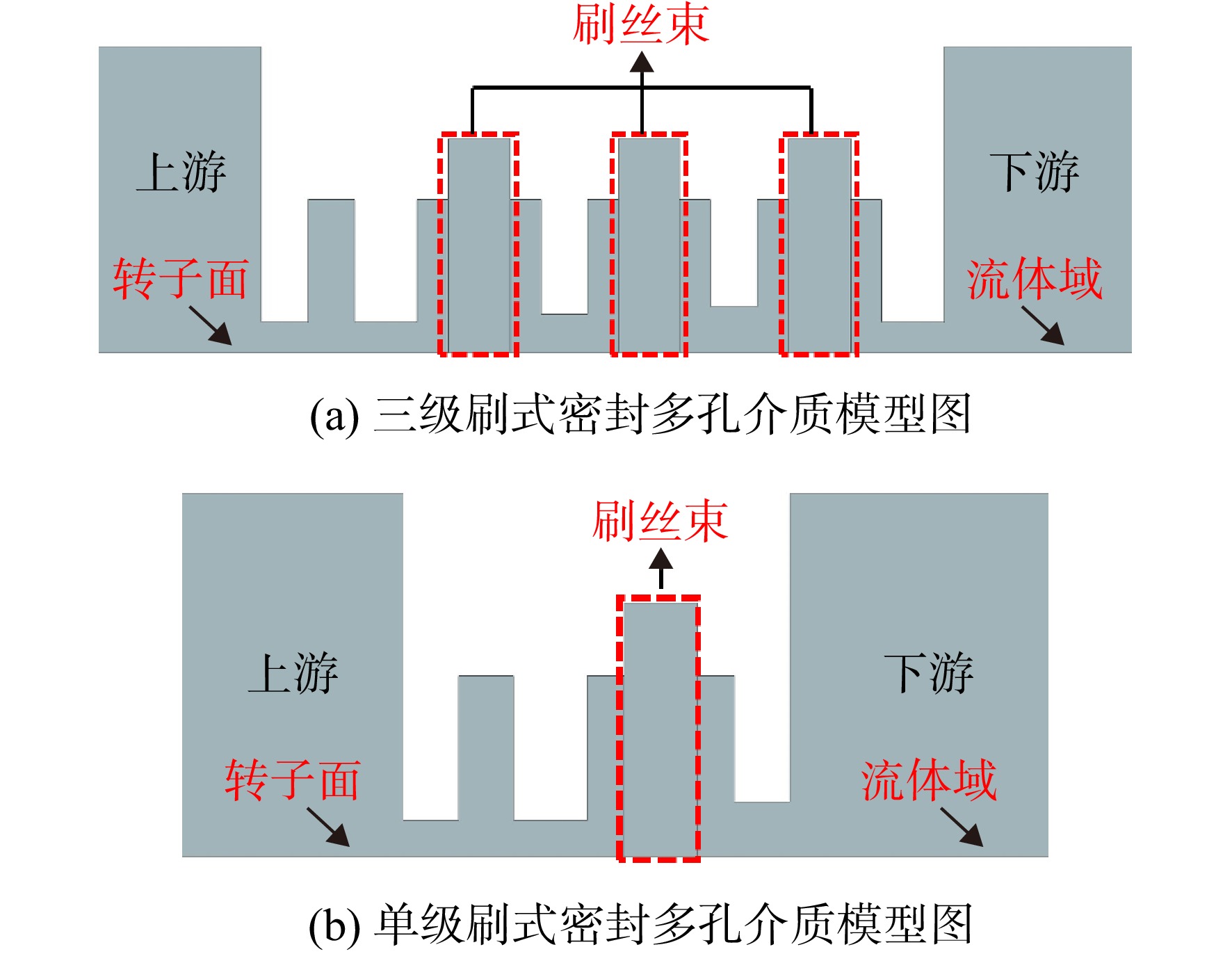
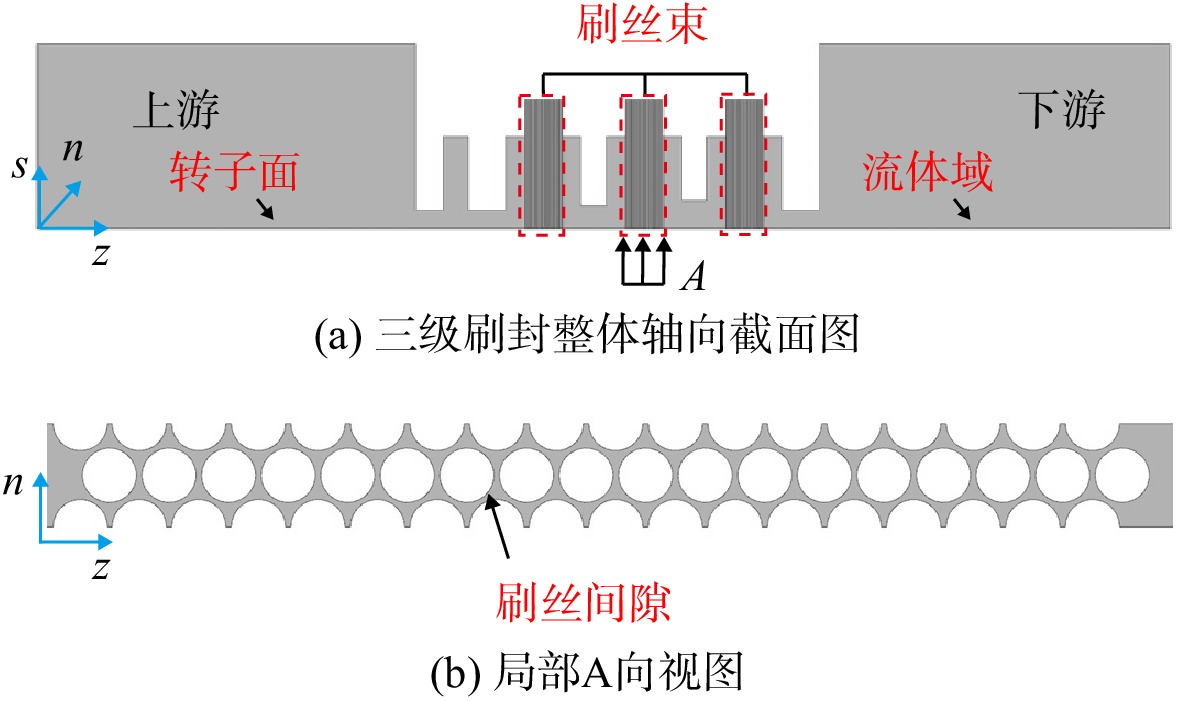
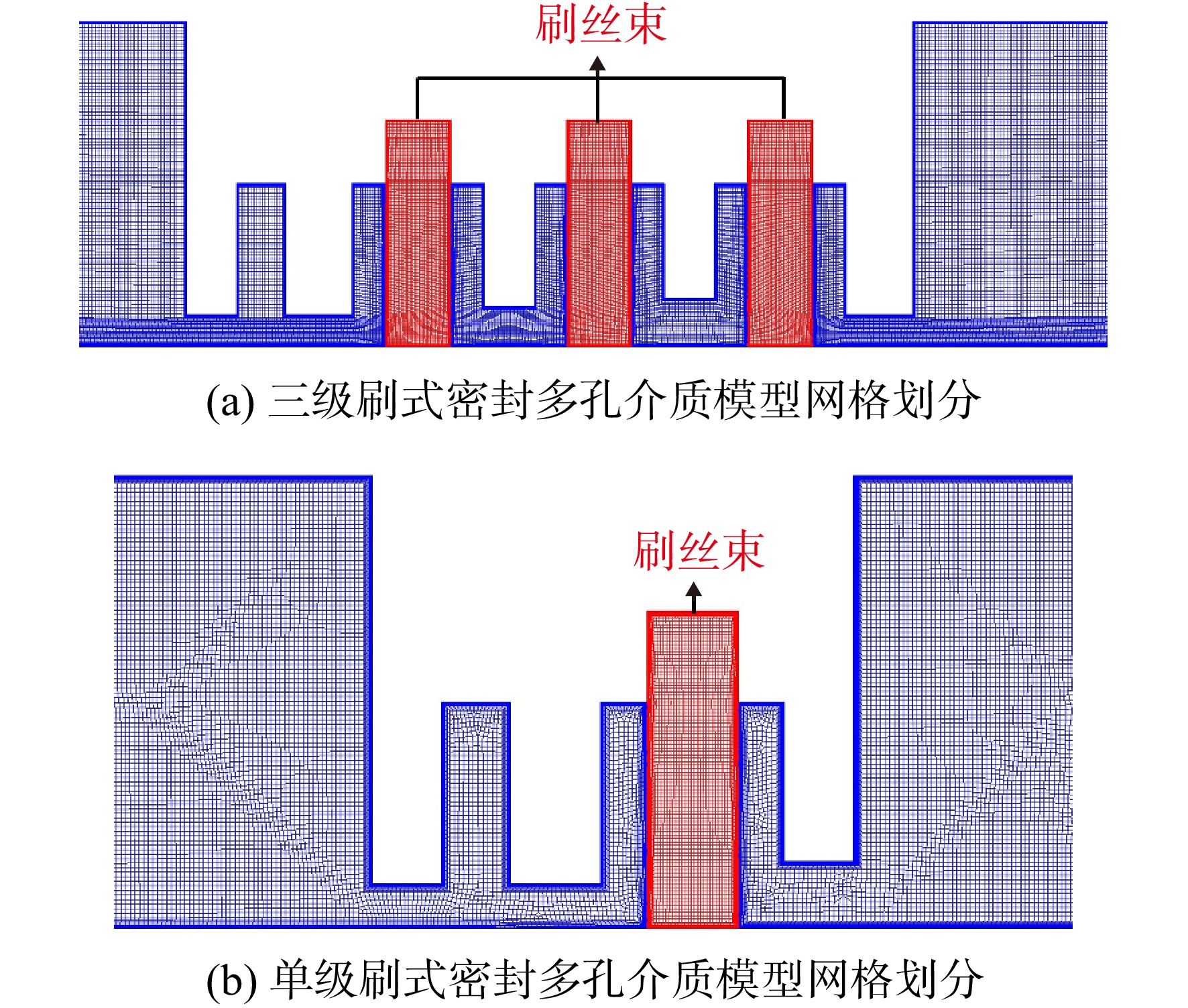
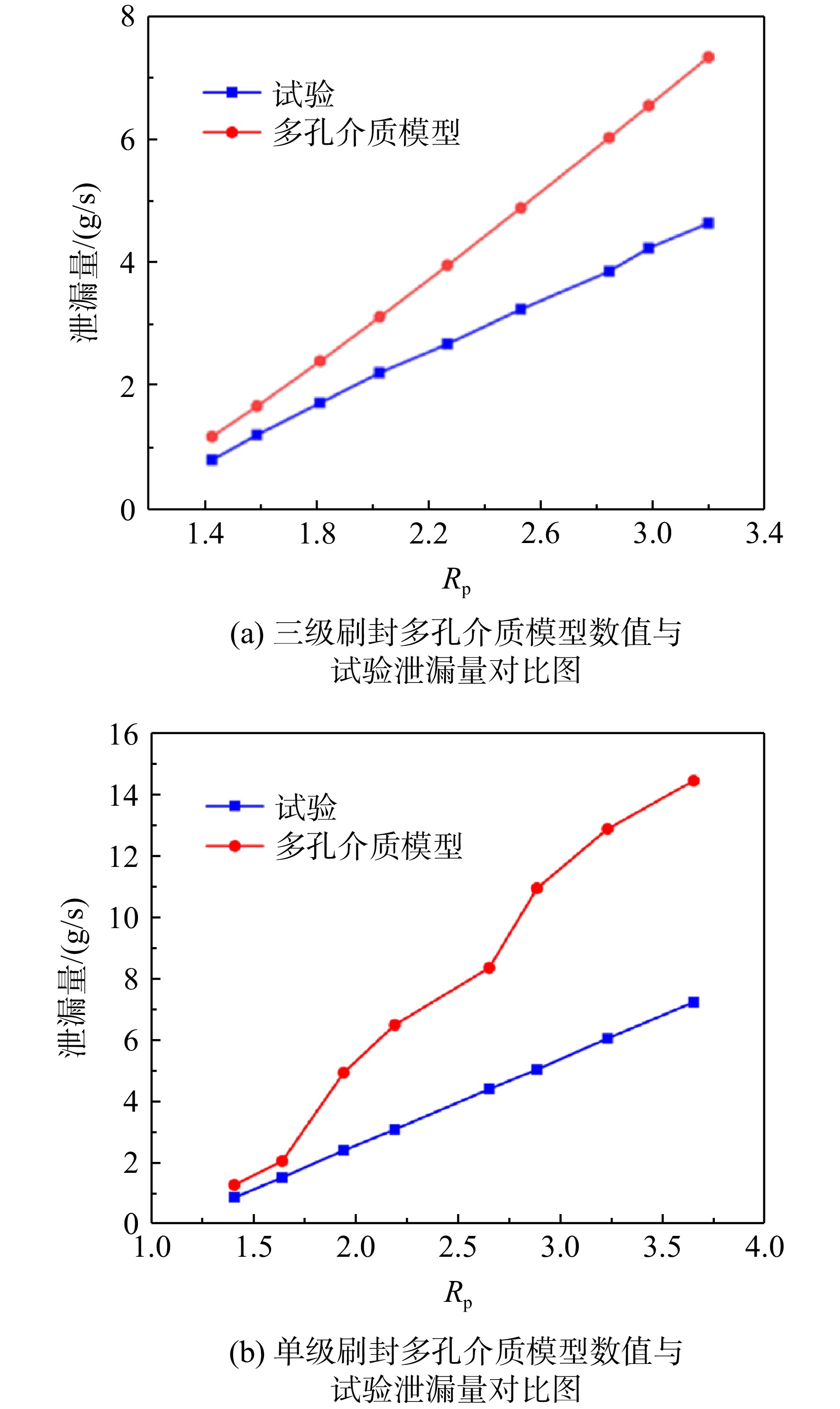
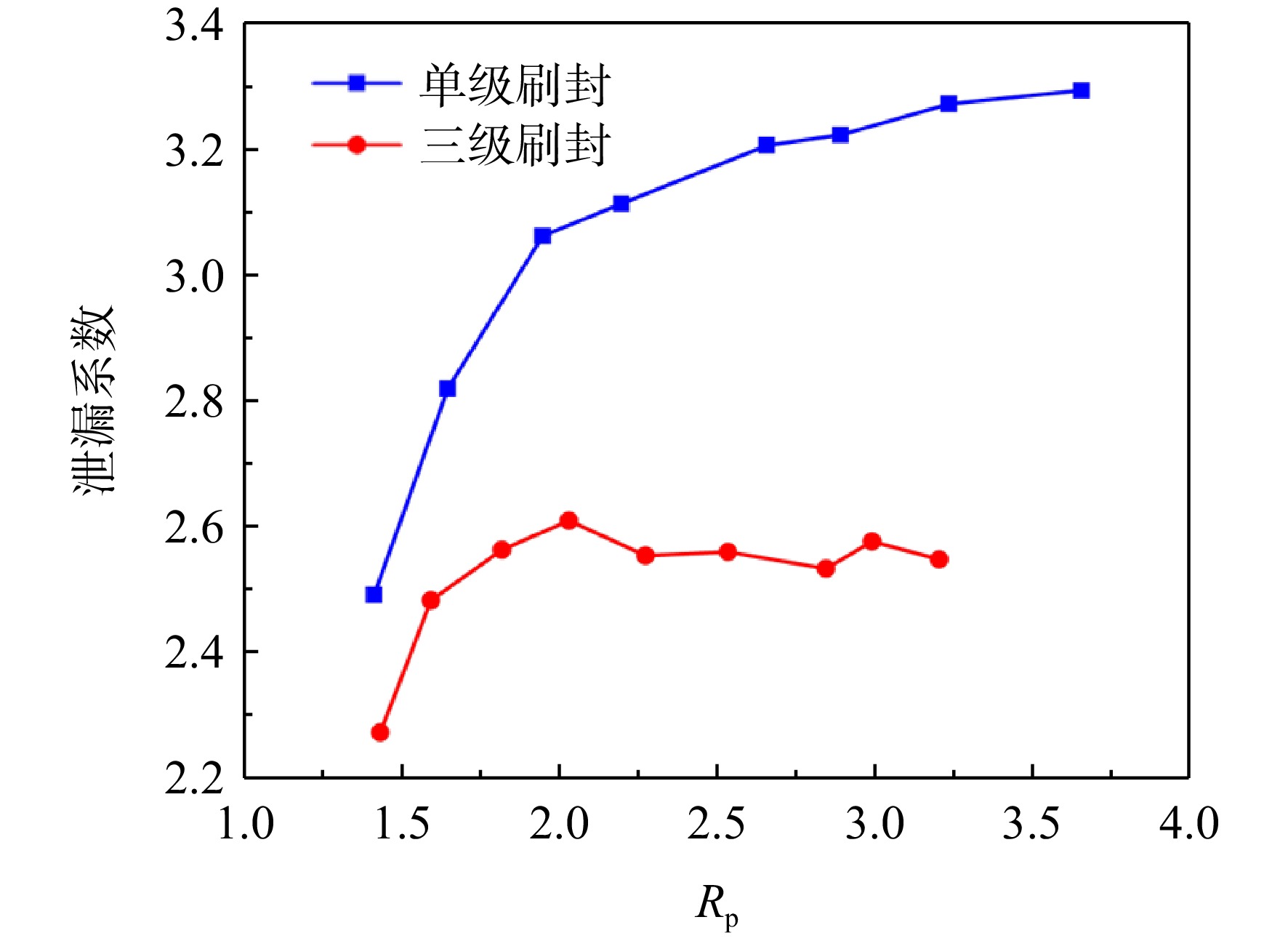
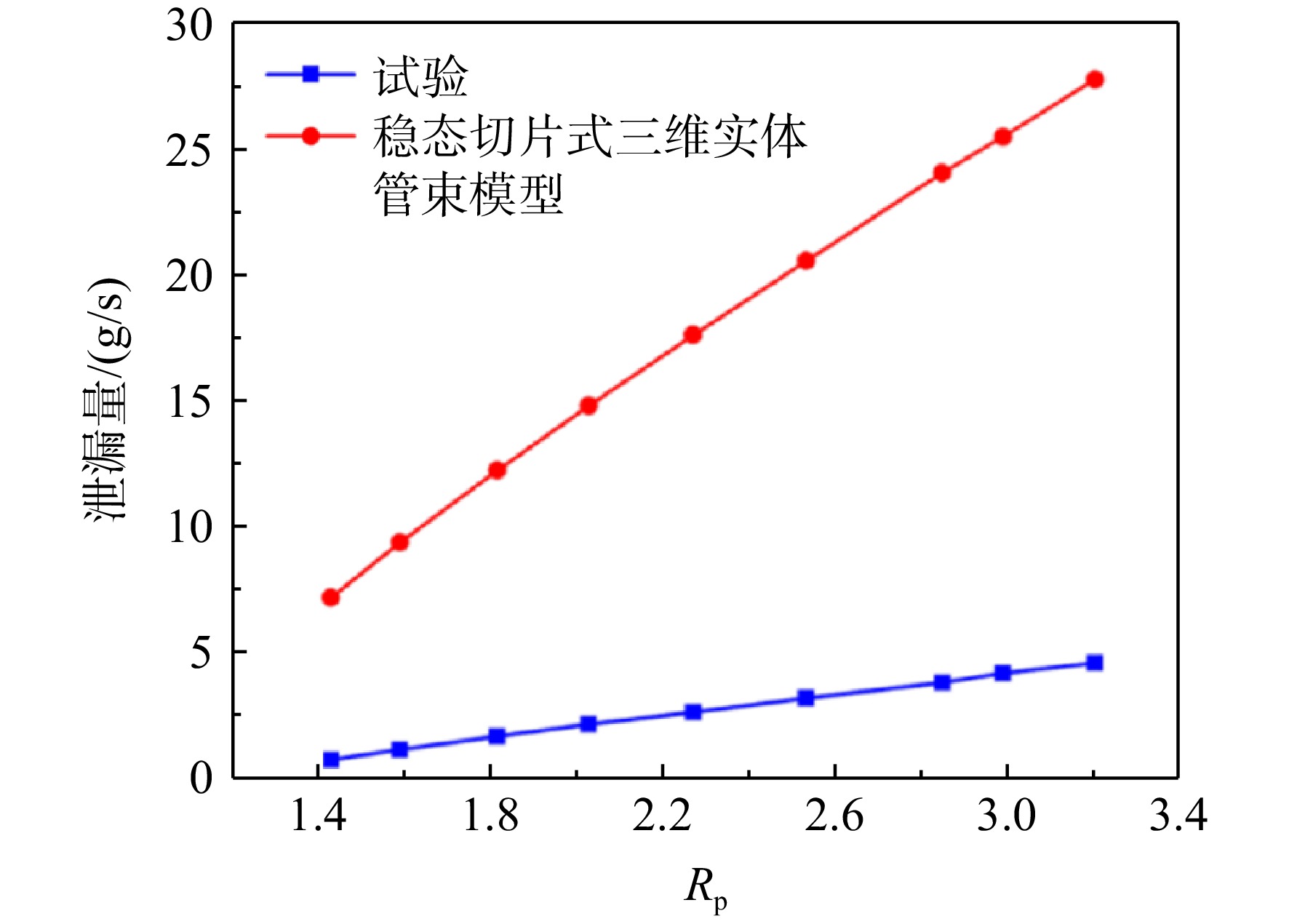
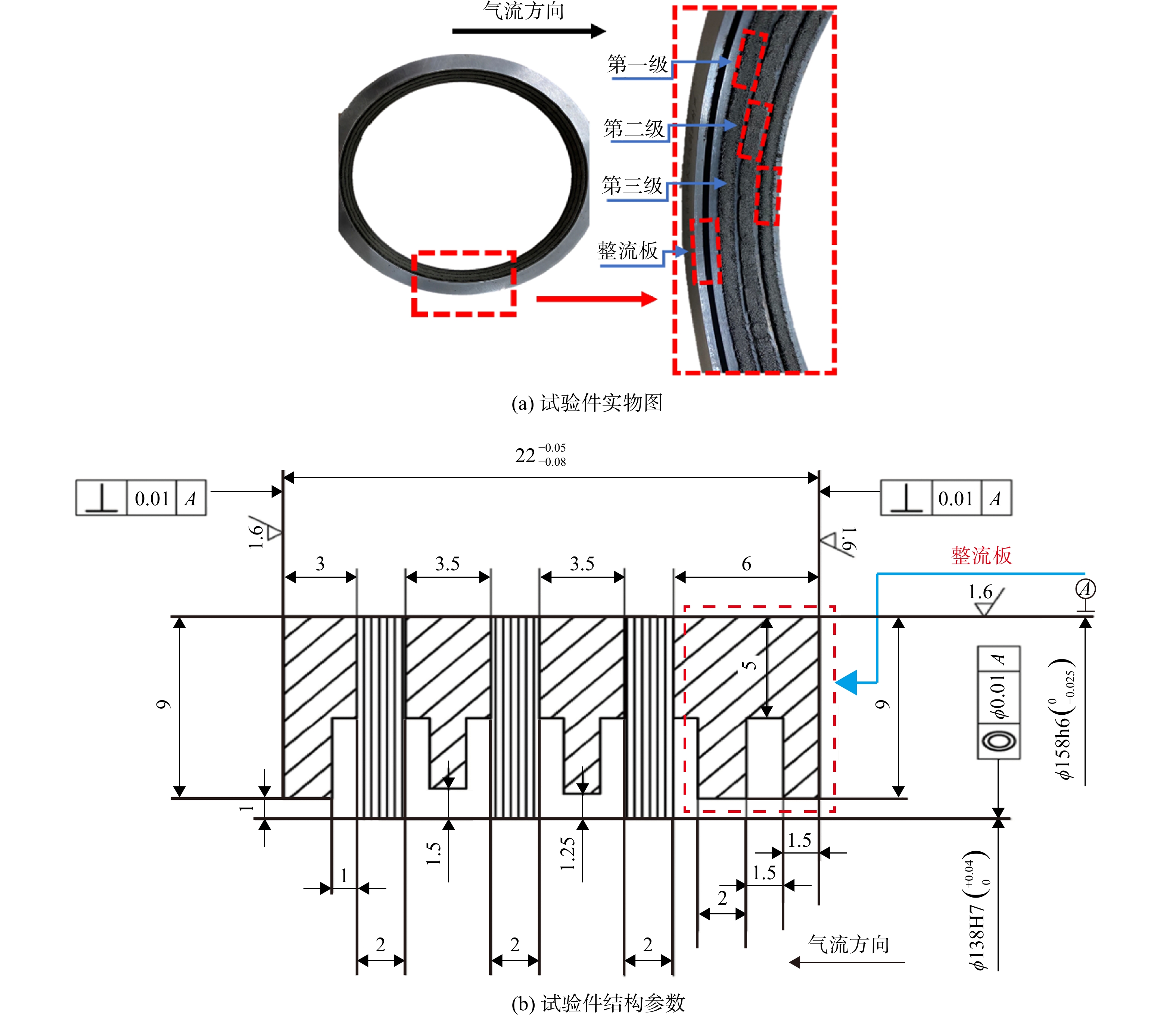
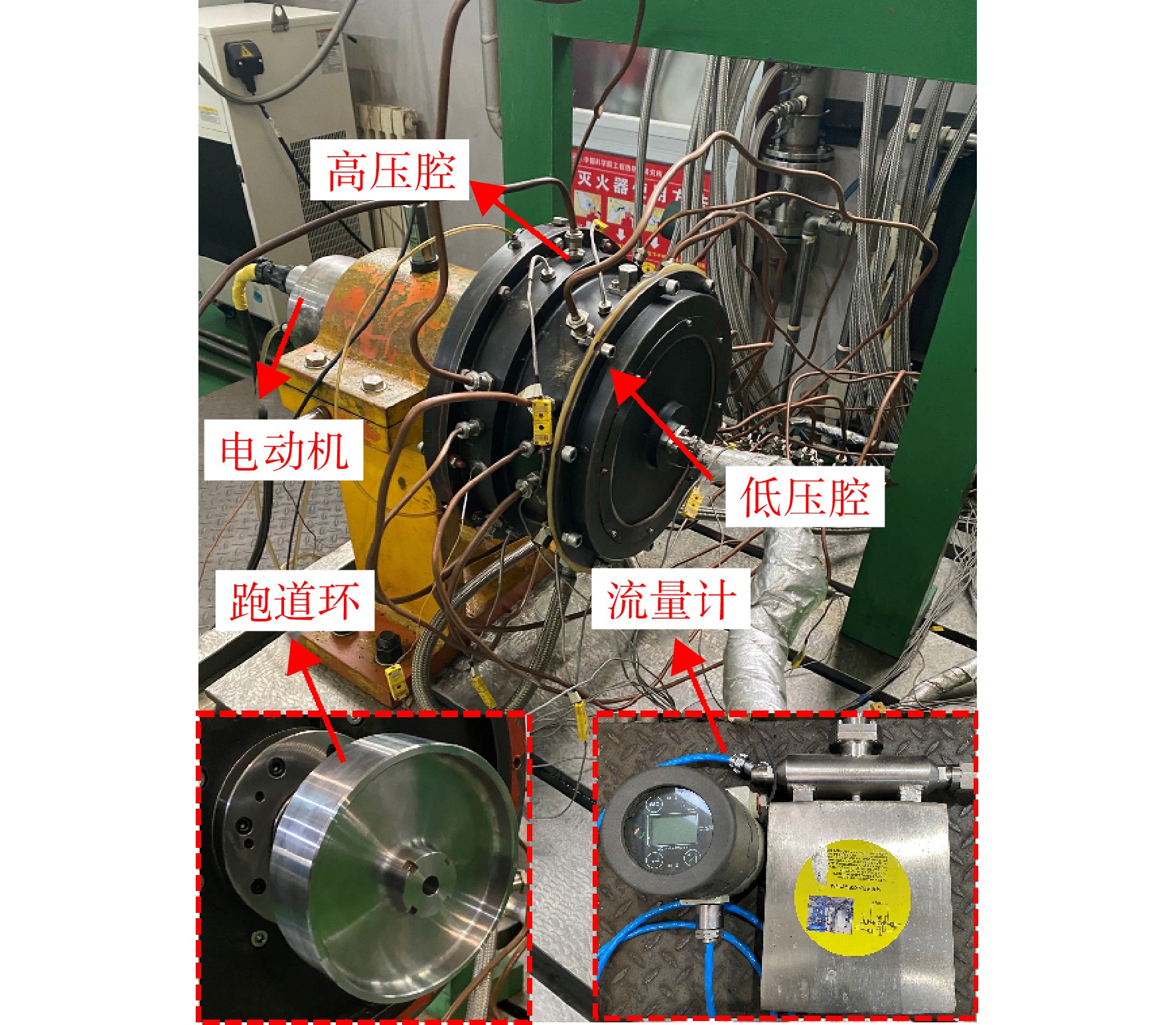
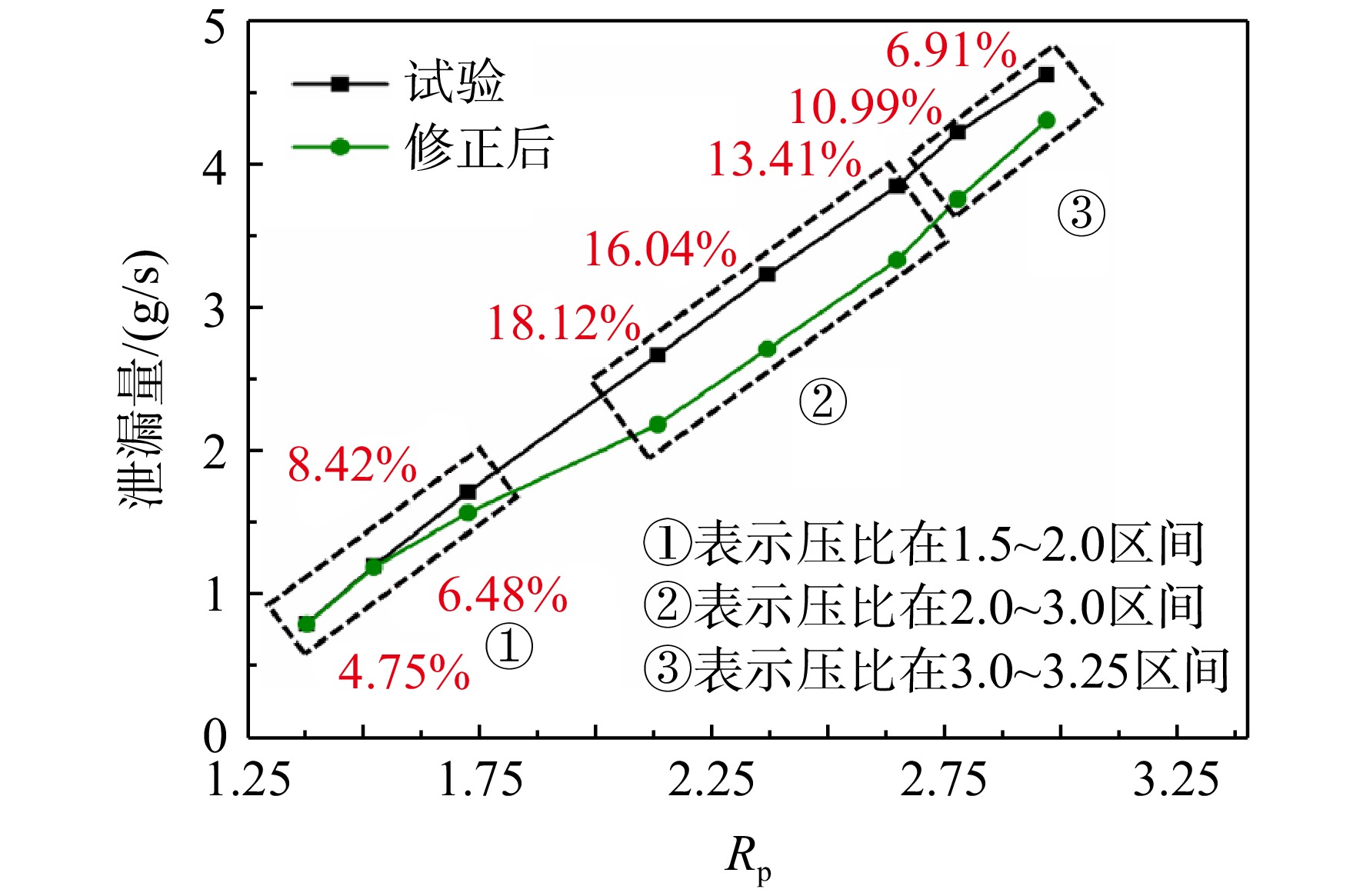
A steady-state clip type three-dimensional solid model of the three-stage brush seal and a porous media model of the single-stage brush seal and three-stage brush seal based on the test data modification were established, a brush seal leakage medium-speed durable characteristic experiment device was designed and built, the influence of pressure drop on leakage characteristics of single-stage and three-stage brush seals was studied, and the advantages and disadvantages of the two numerical methods were analyzed and compared. The modified porous media model was used to study the flow field characteristics of the three-stage brush seal, and the axial and radial pressure distribution characteristics inside the brush bundle were analyzed. The results showed that the porous media model modified based on experimental data had higher solution accuracy than the steady-state three-dimensional forked tube bundle model and was closer to the experimental results, the error between the corrected values and the test results of single-stage and three-stage porous media models was less than 5% and 20%, respectively, which was in good agreement with the experimental results. There were large axial and radial pressure gradients in the height and surrounding area of the brush wire bundle fence, and good sealing effect was achieved through the flow resistance effect.

Rocket Engine
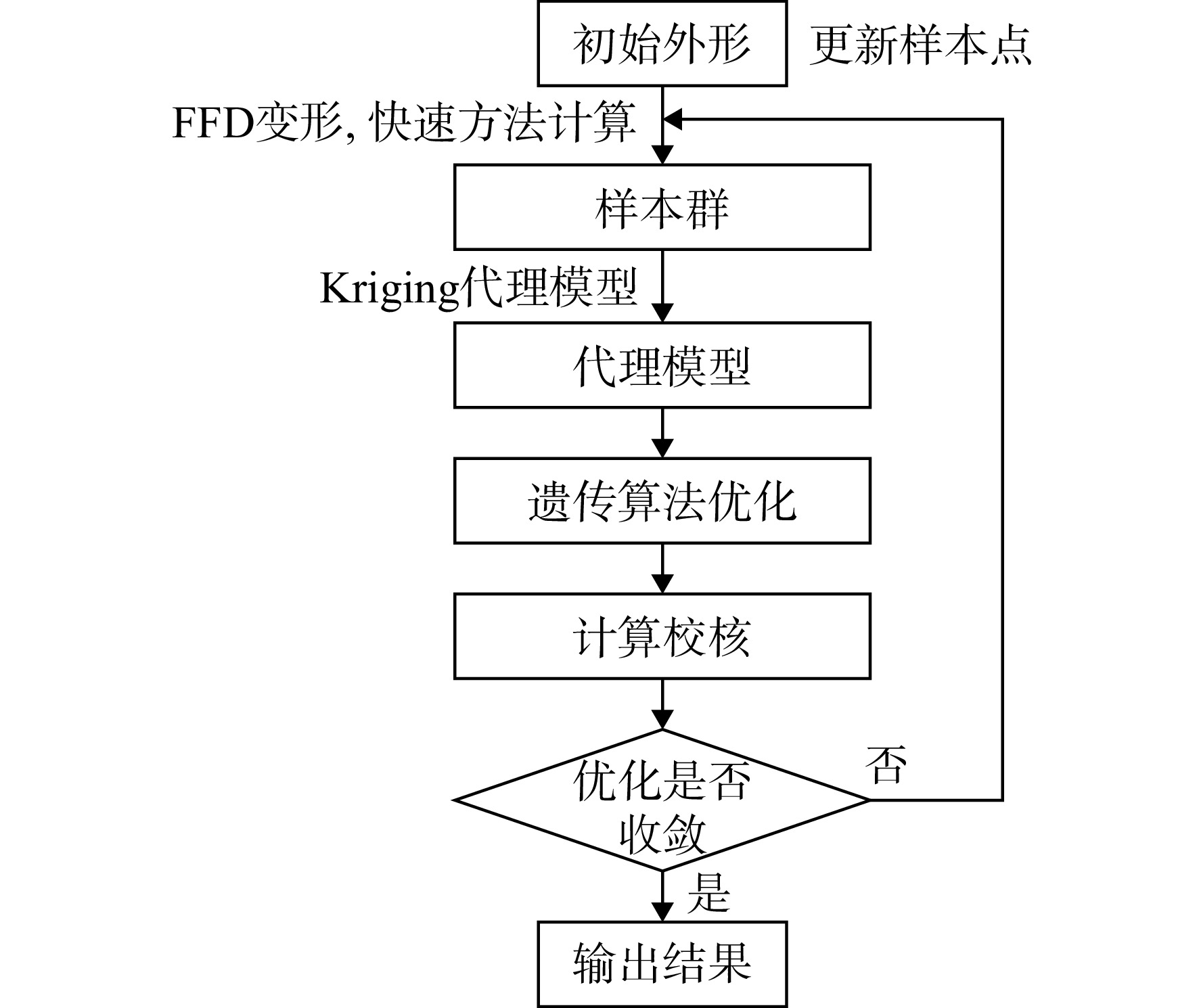
Simulation of pre-cooling filling process of liquid oxygen system based on parameter optimization of Kriging
ZHANG Xiaoguang, REN Xiaowen, GAO Yushan, XING Lixiang
2024, 39(12): 20230002. doi: 10.13224/j.cnki.jasp.20230002
Abstract:

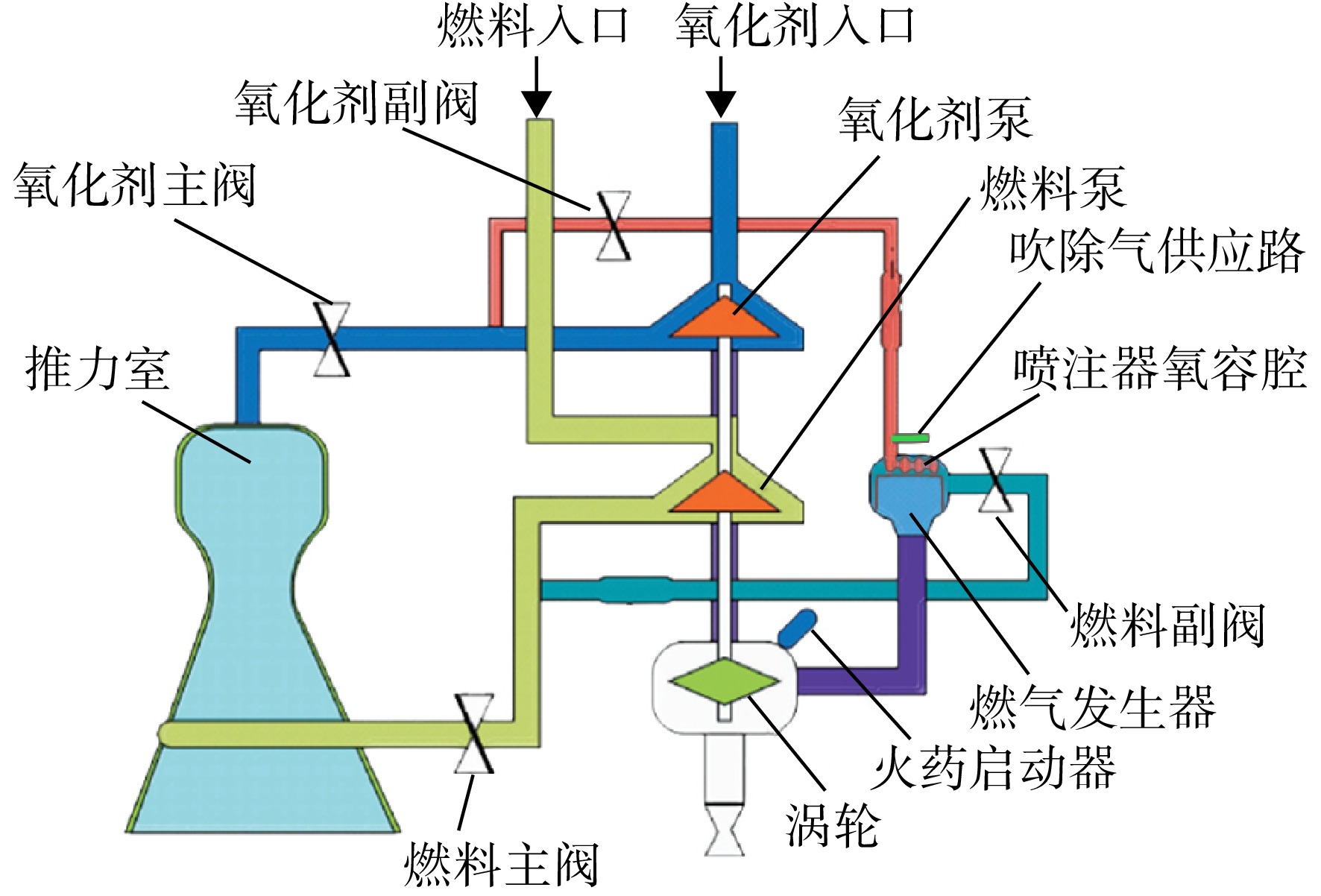
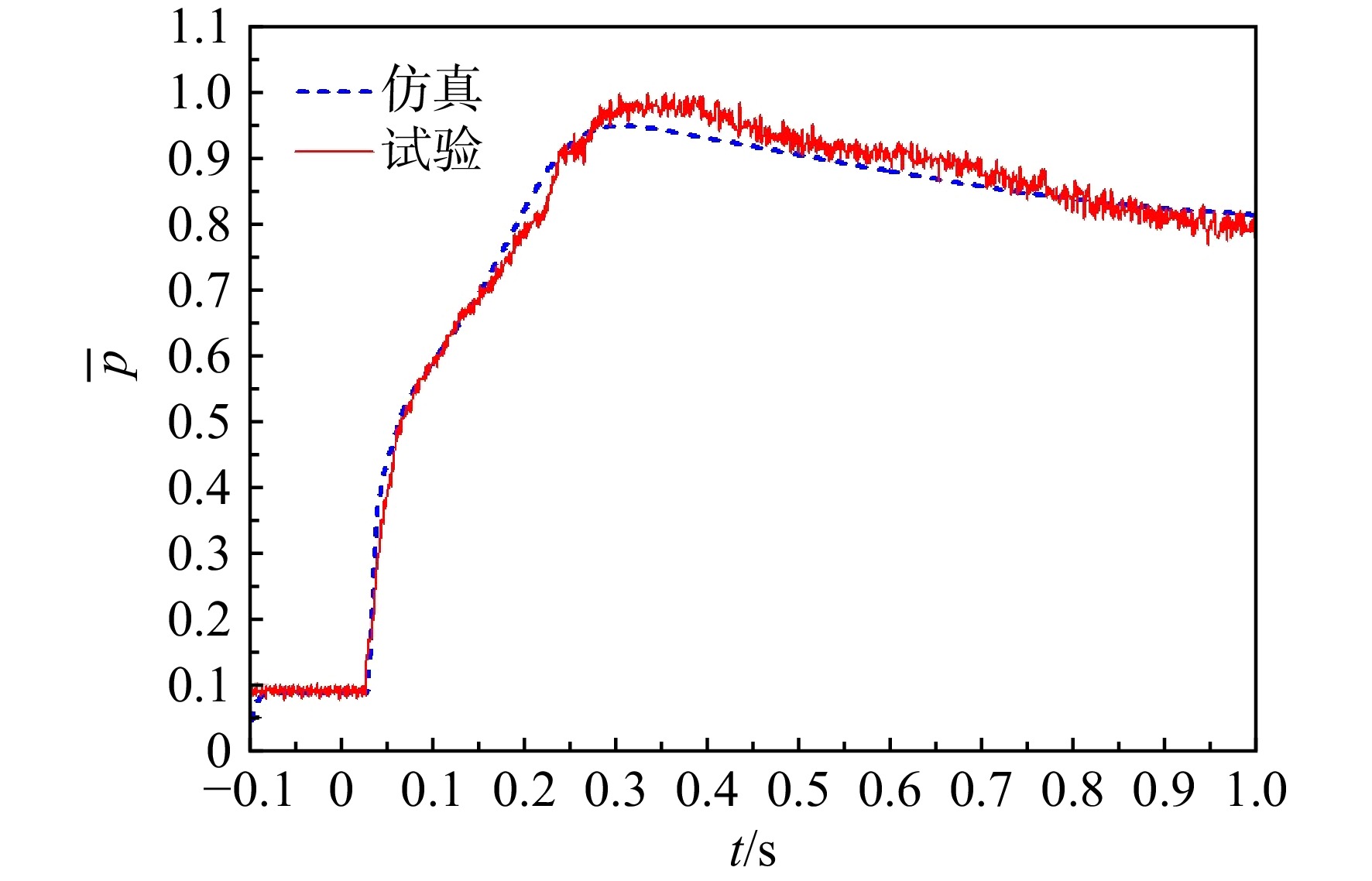
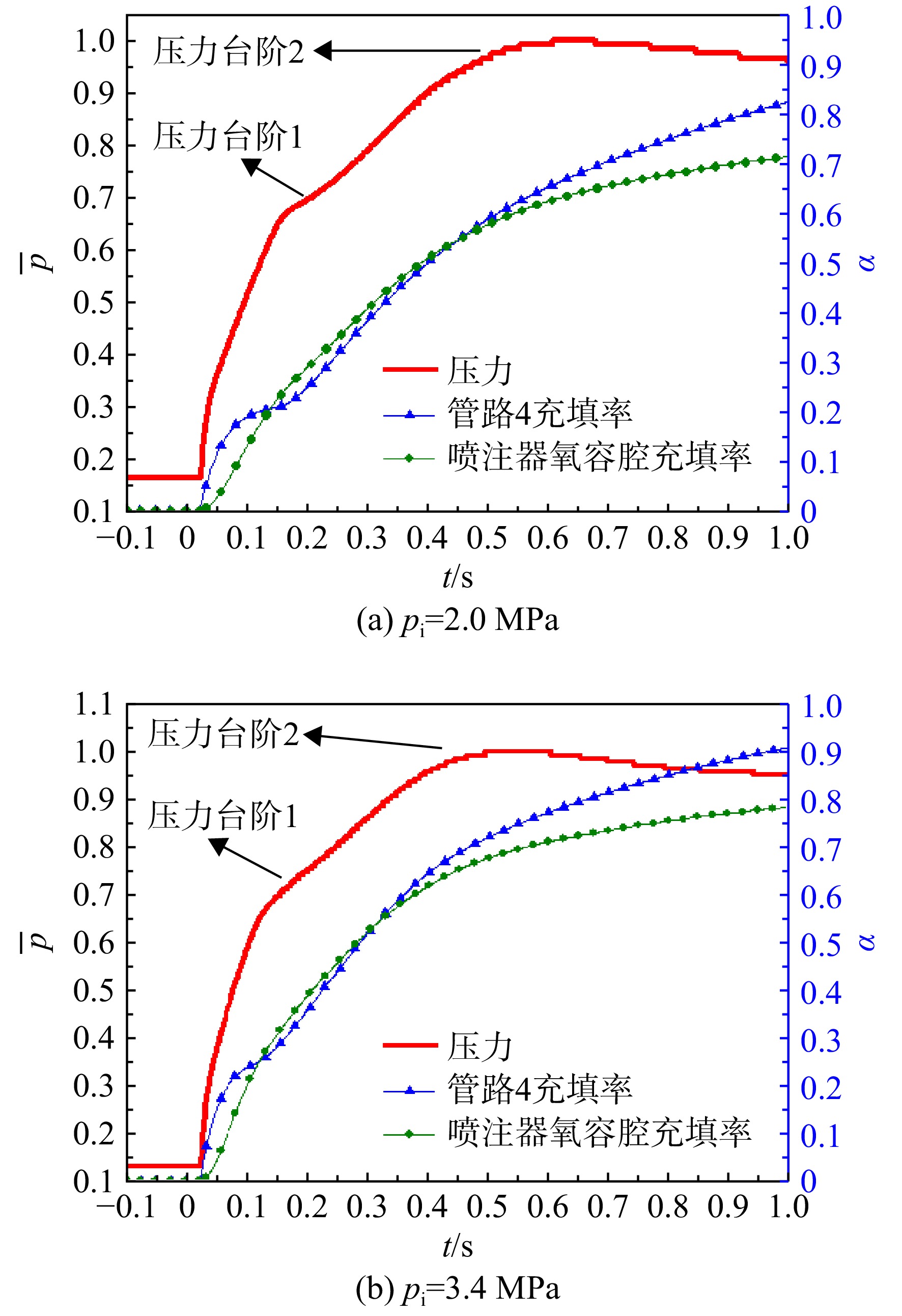
For the pre-cooling filling process of liquid oxygen system of cryogenic liquid rocket engines under the action of inert gas blowing, a two-component two-phase filling model was established. Due to the inclusion of 7 control equations, the complexity of the model parameters increased, and there were constraints on the low optimization efficiency and strong nonlinearity of the parameter matrix for direct parameter optimization. Based on the Kriging surrogate model, the particle swarm optimization algorithm was used to efficiently find the global optimal parameter combination of the two-component two-phase filling model under the influence of multi-factor coupling, which effectively improved the simulation accuracy of the model. The simulation study on the pre-cooling and filling of the liquid oxygen system of a certain type of engine showed that the relative error between the simulation results and the test data was only 2.75%. The pressure climb curve in the liquid oxygen dome of injector showed the characteristics of step rise, and the liquid oxygen filling rate accelerated with the increase of inlet pressure.

Investigation the control of the basic thermal environment of multistage launch vehicle at high altitude flight
ZHAO Chengeng, SUN Zhongyi, SU Yifei, WANG Yichen, LE Guigao
2024, 39(12): 20220439. doi: 10.13224/j.cnki.jasp.20220439
Abstract:

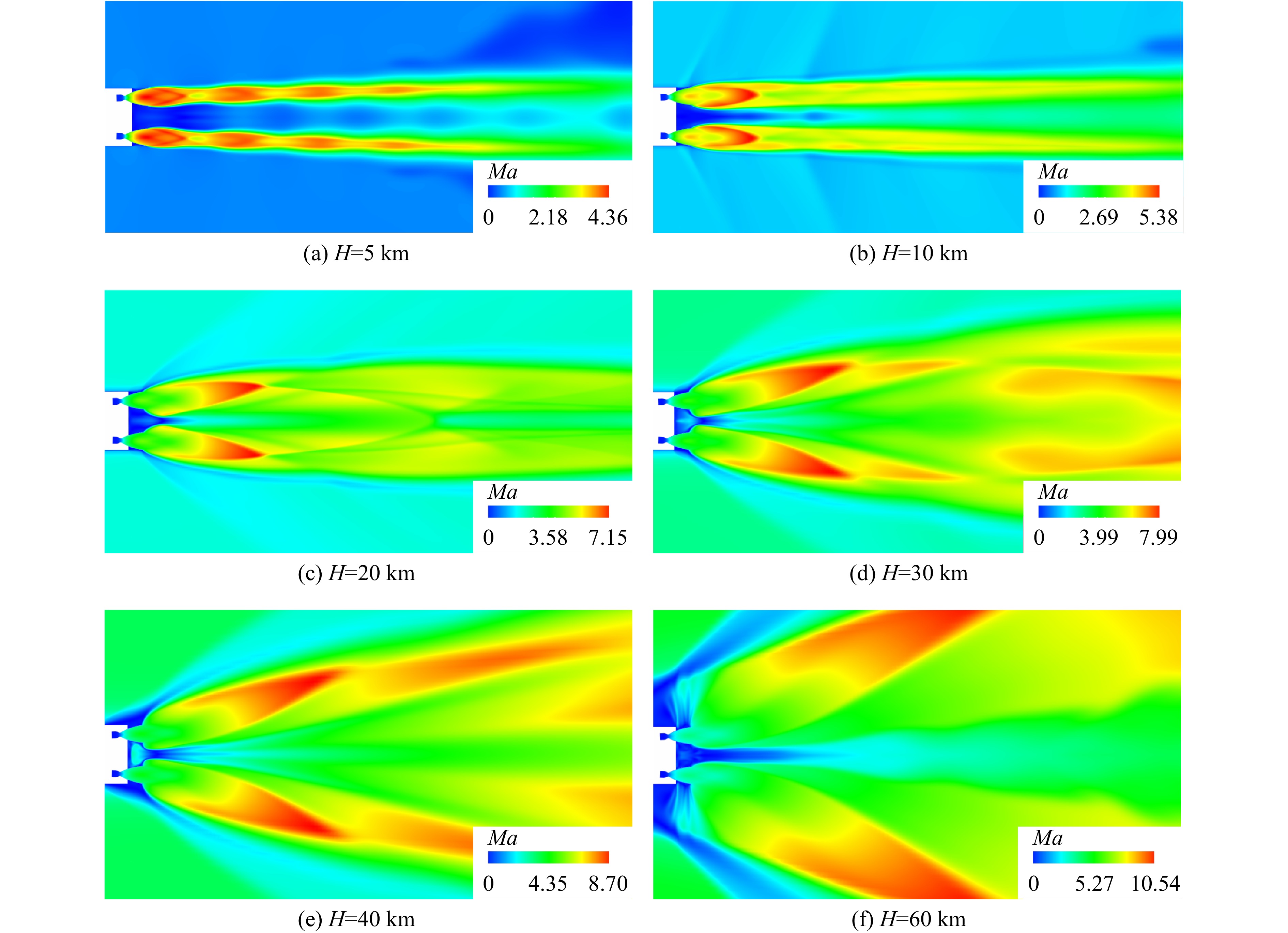
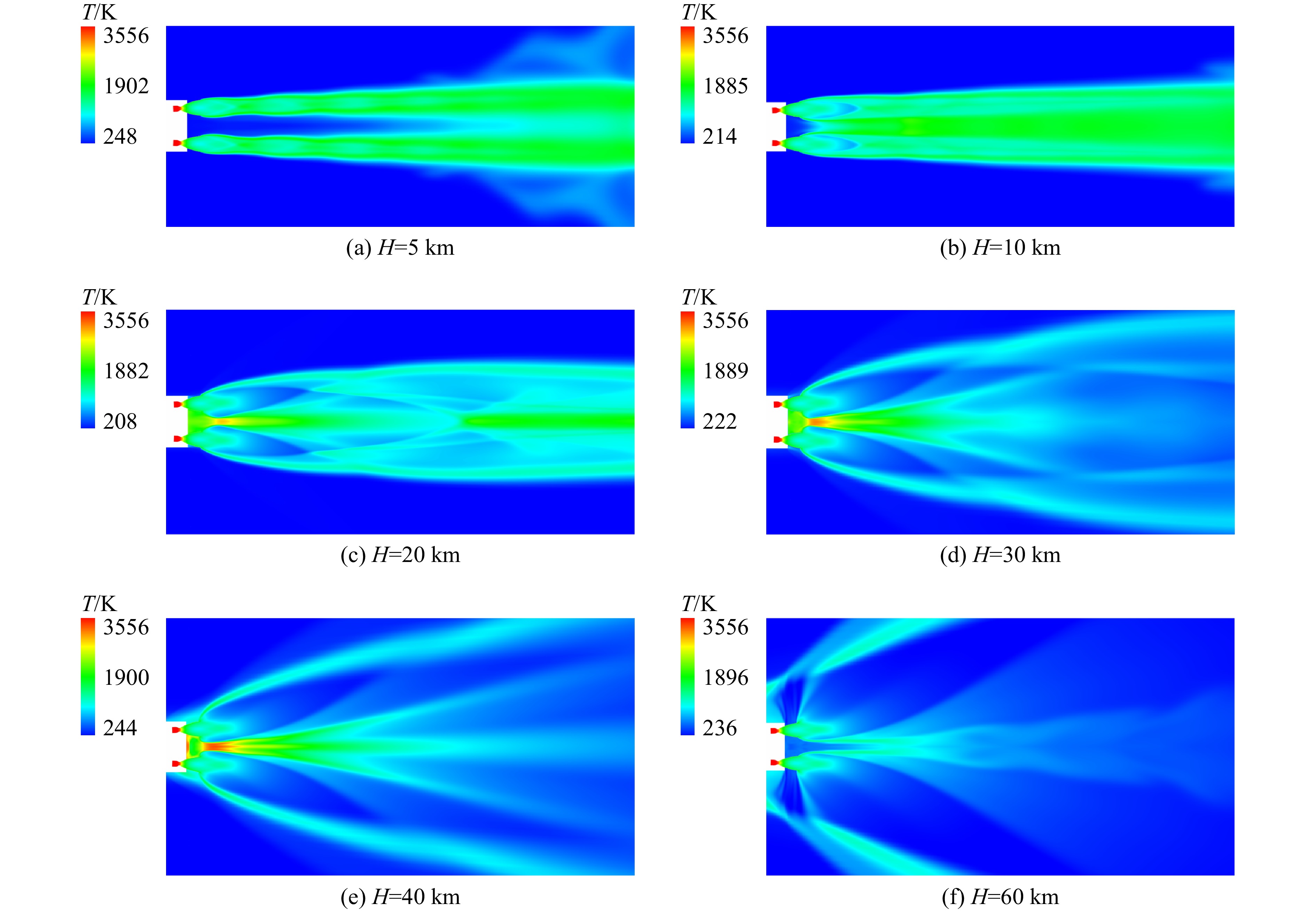
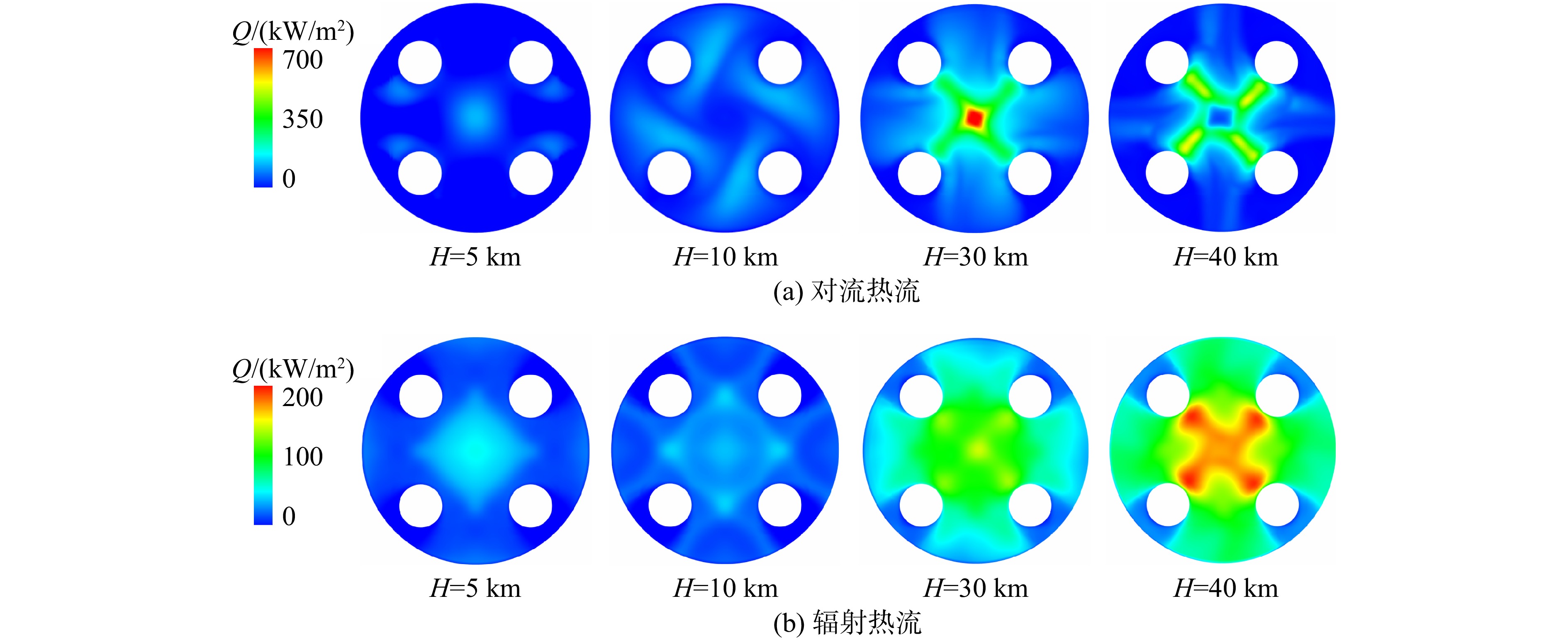
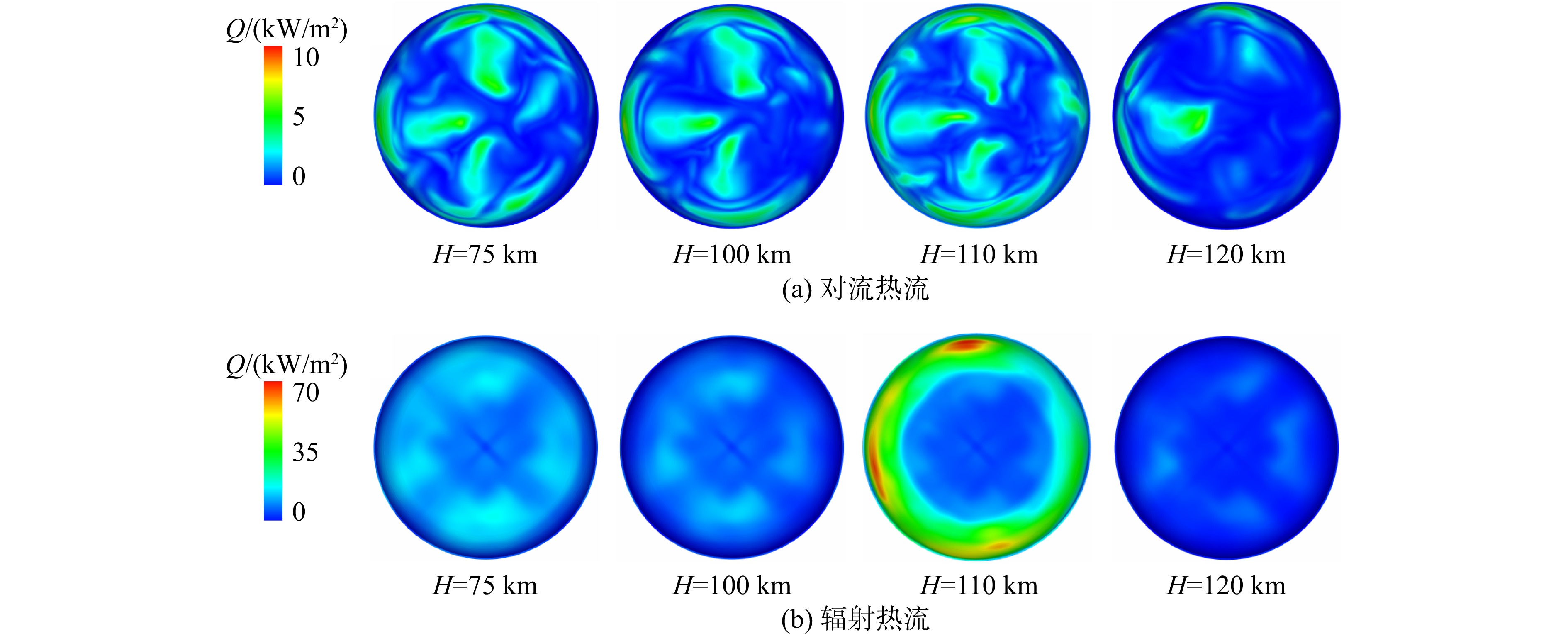
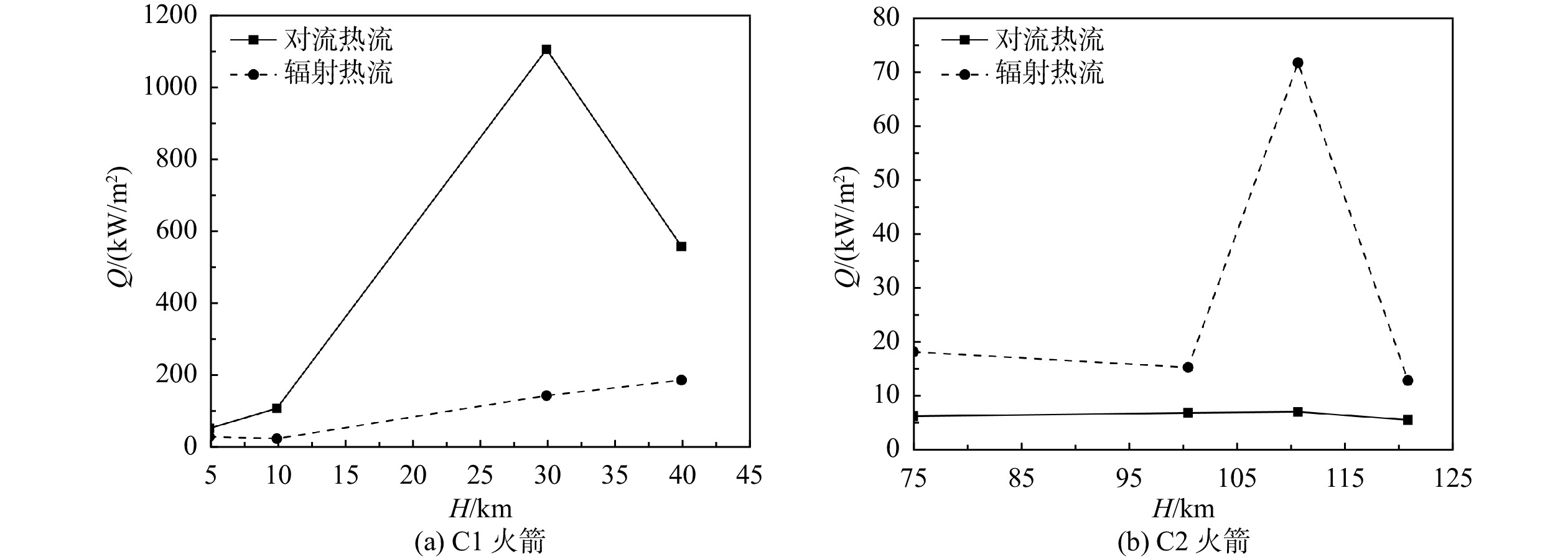
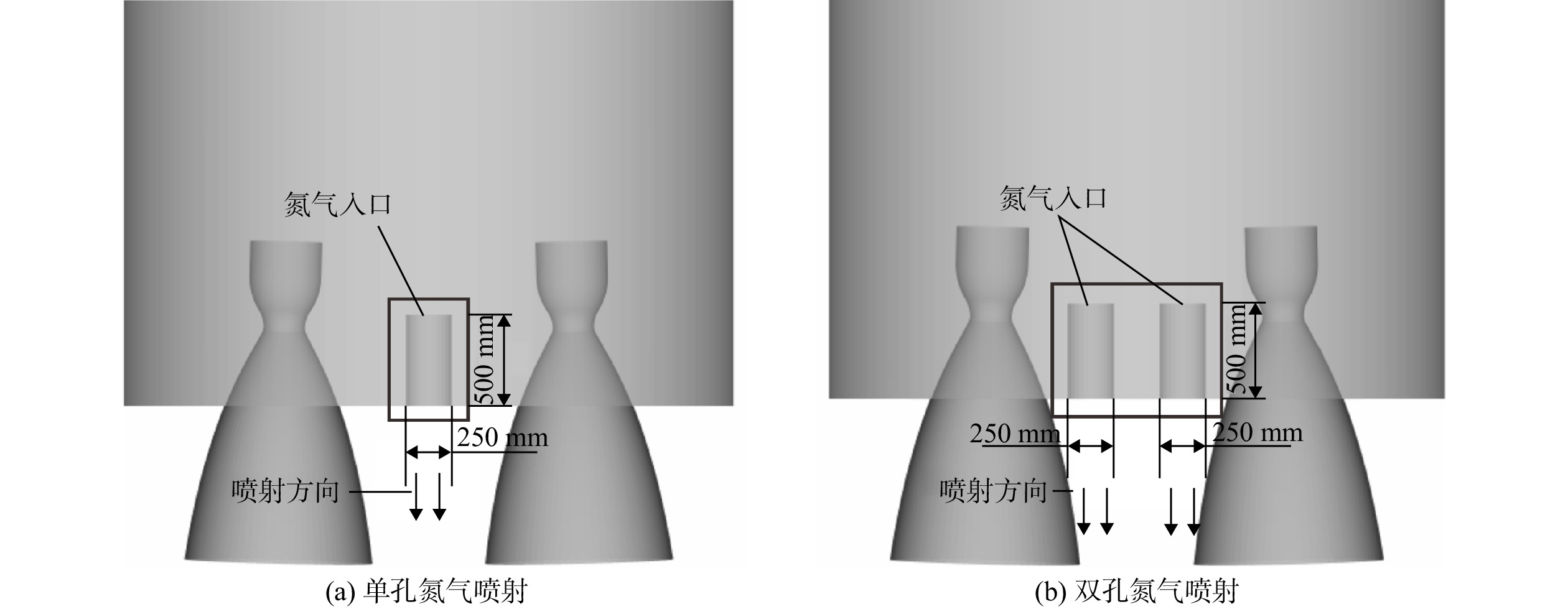
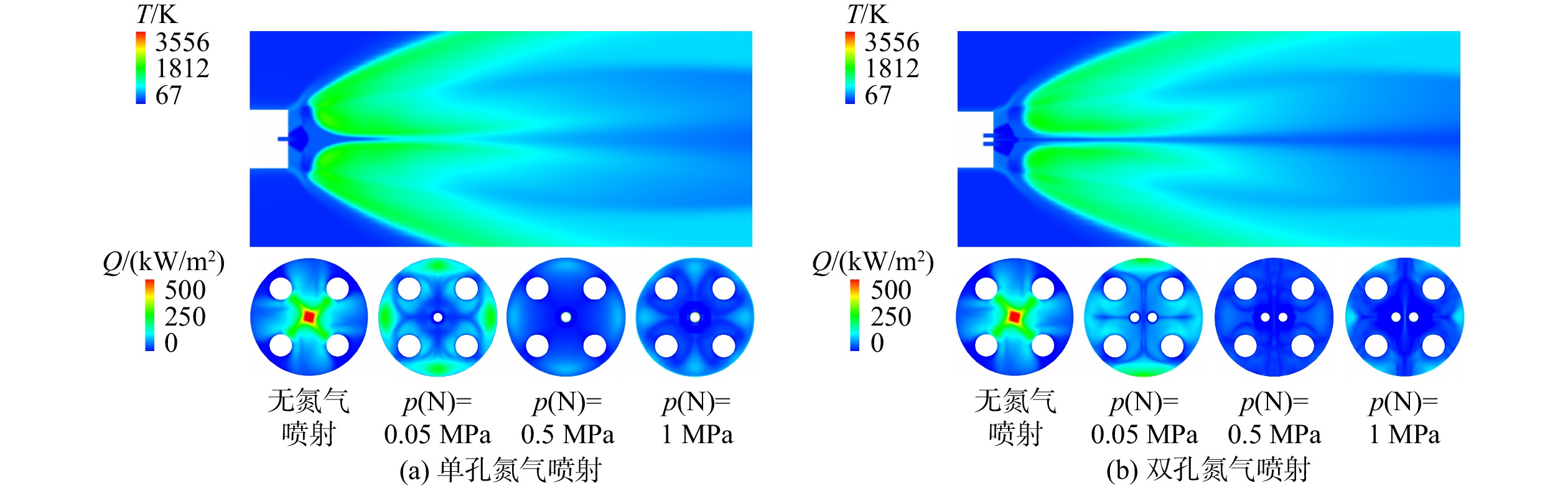
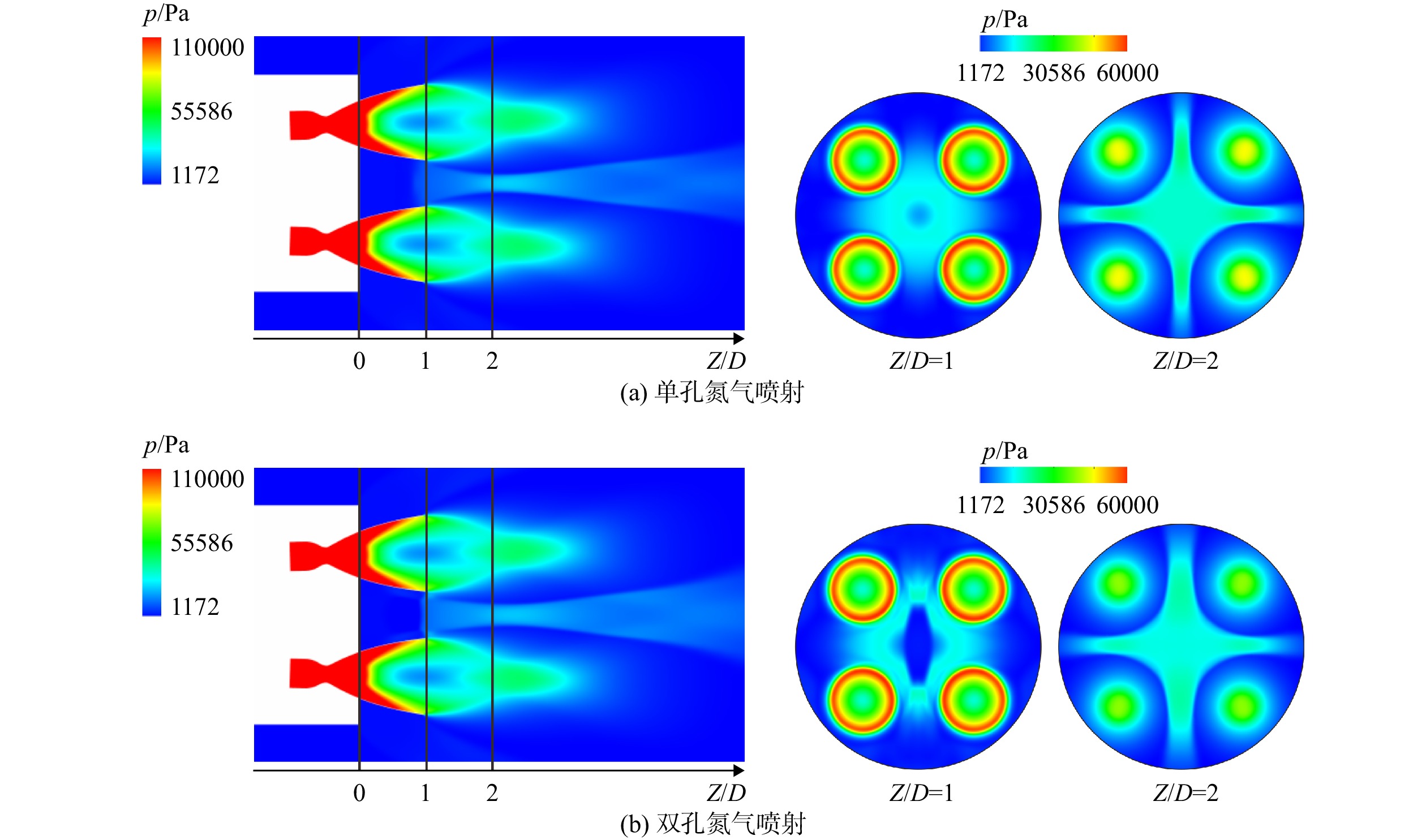
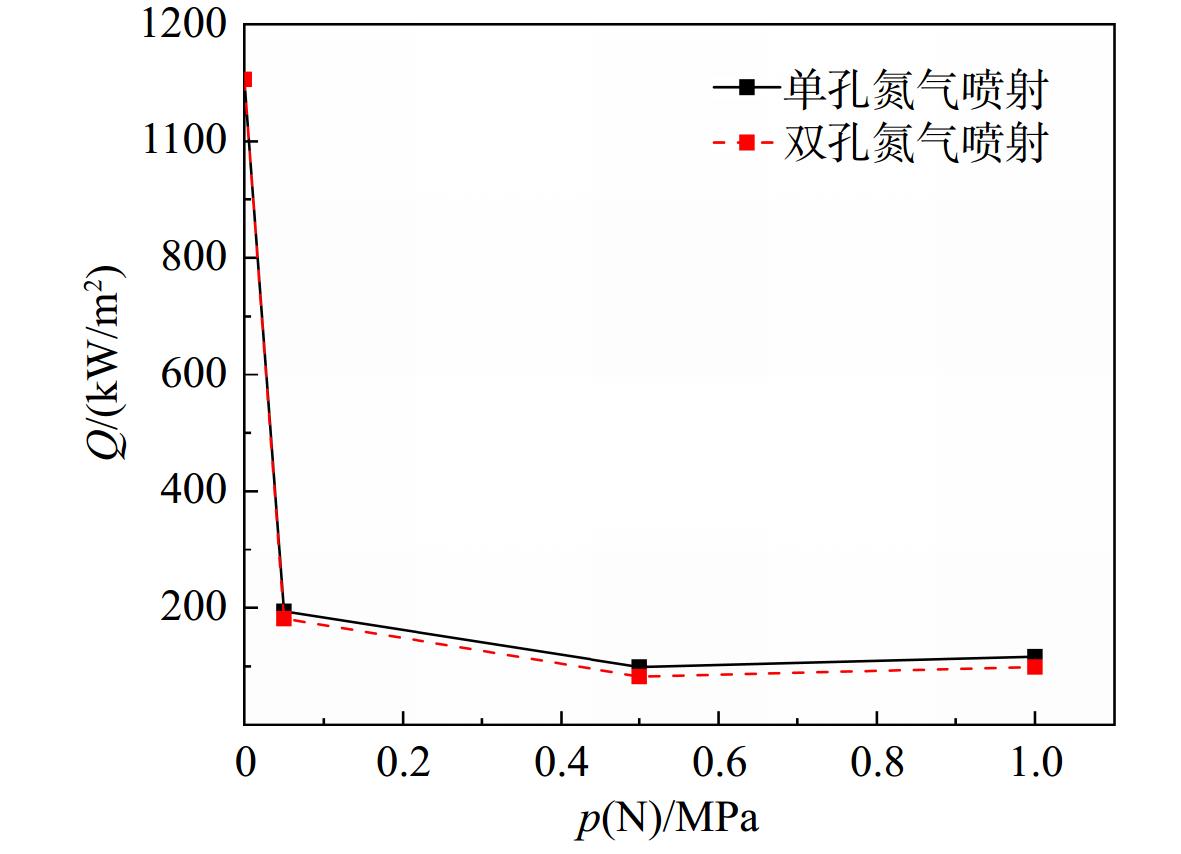
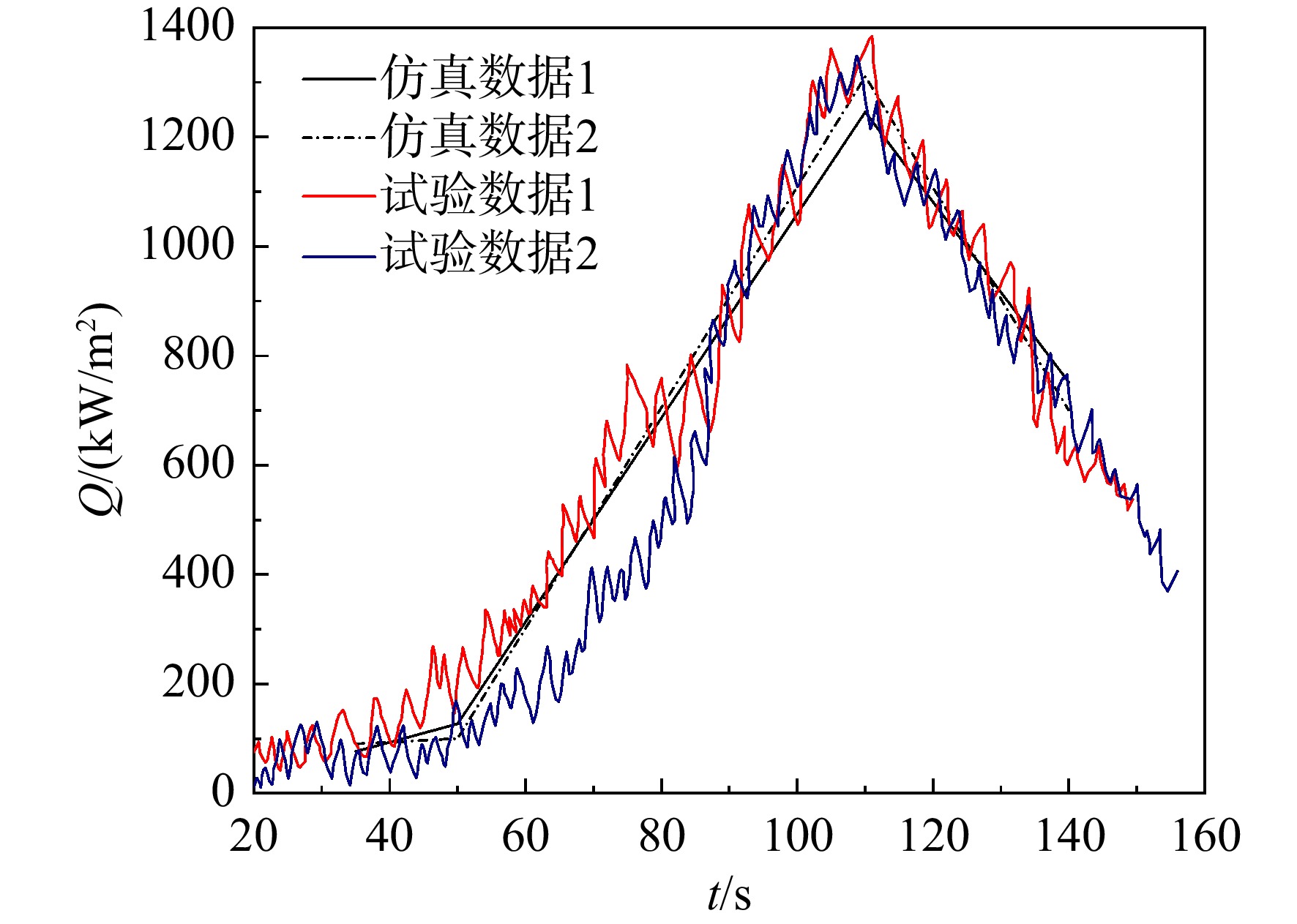
The basic thermal environment of one-engine and four-engine multi-stage liquid launch vehicles has been systematically investigated and the feasibility of the nitrogen injection thermal protection method at the rocket base has been verified by numerical simulation. Based on multi-component Navier-Stokes equation, k-ε equation turbulence model and thermal radiation equation, the control equations were discretized using AUSM format to establish a plume model for high altitude supersonic flight launch vehicles. The plume flow field and heating rate of the launch vehicle at different altitudes were calculated using the blocked gird construction method, and the numerical results were compared with flight experiments to verify the feasibility of the calculation method. Study showed that at low altitudes, convection heating rate is dominant, with a peak at 30 km; at high altitudes, radiation heating rate is dominant, with a peak at 110 km; at the same time, the nitrogen injection device can effectively suppress gas backflow and reduce convection heating rate at the rocket base, but the selection of the right number of spouts and total injection pressure is extremely important.

Numerical simulation study on altitude compensating performance of a slot nozzle
YU Haixu, WEI Zhijun, ZHANG Xudong, GONG Sungen
2024, 39(12): 20220316. doi: 10.13224/j.cnki.jasp.20220316
Abstract:

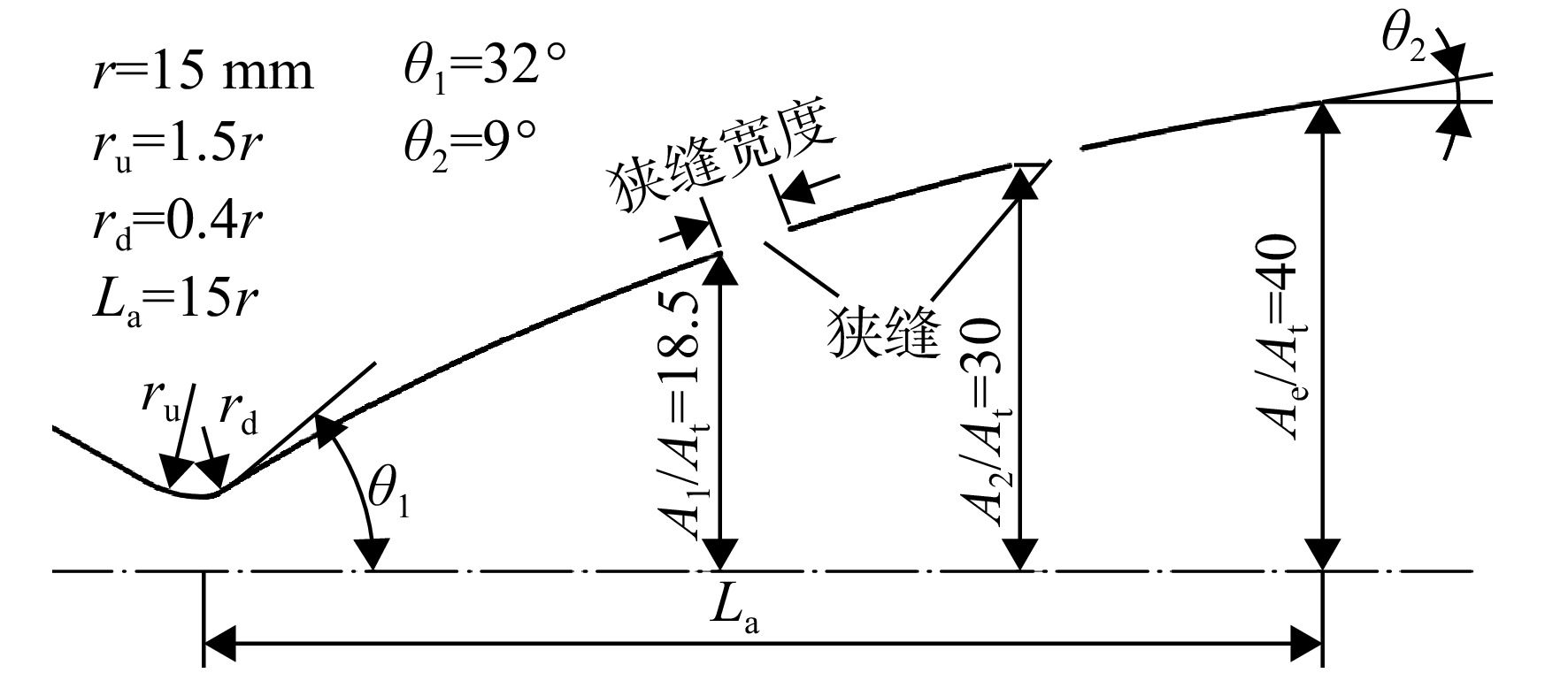
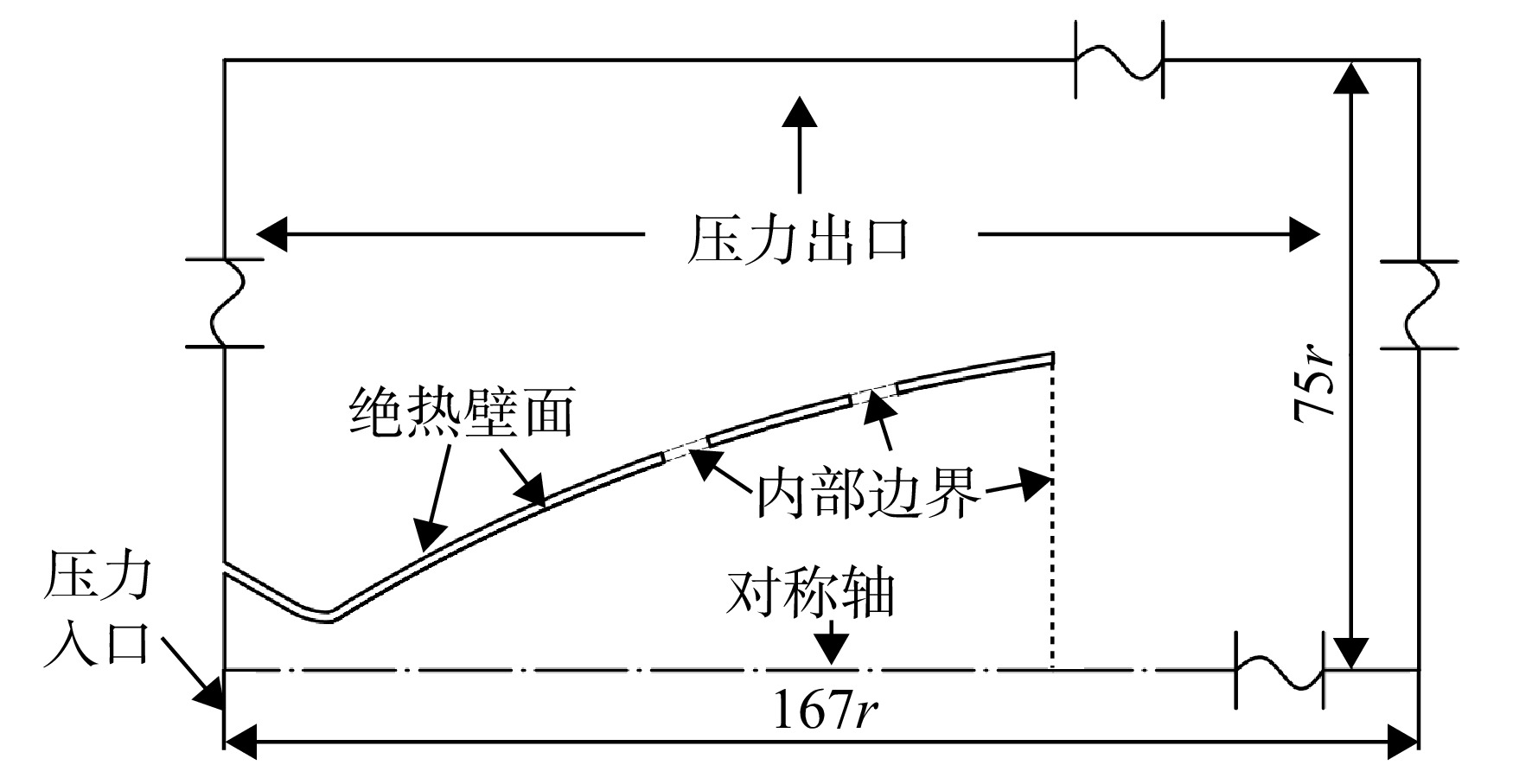
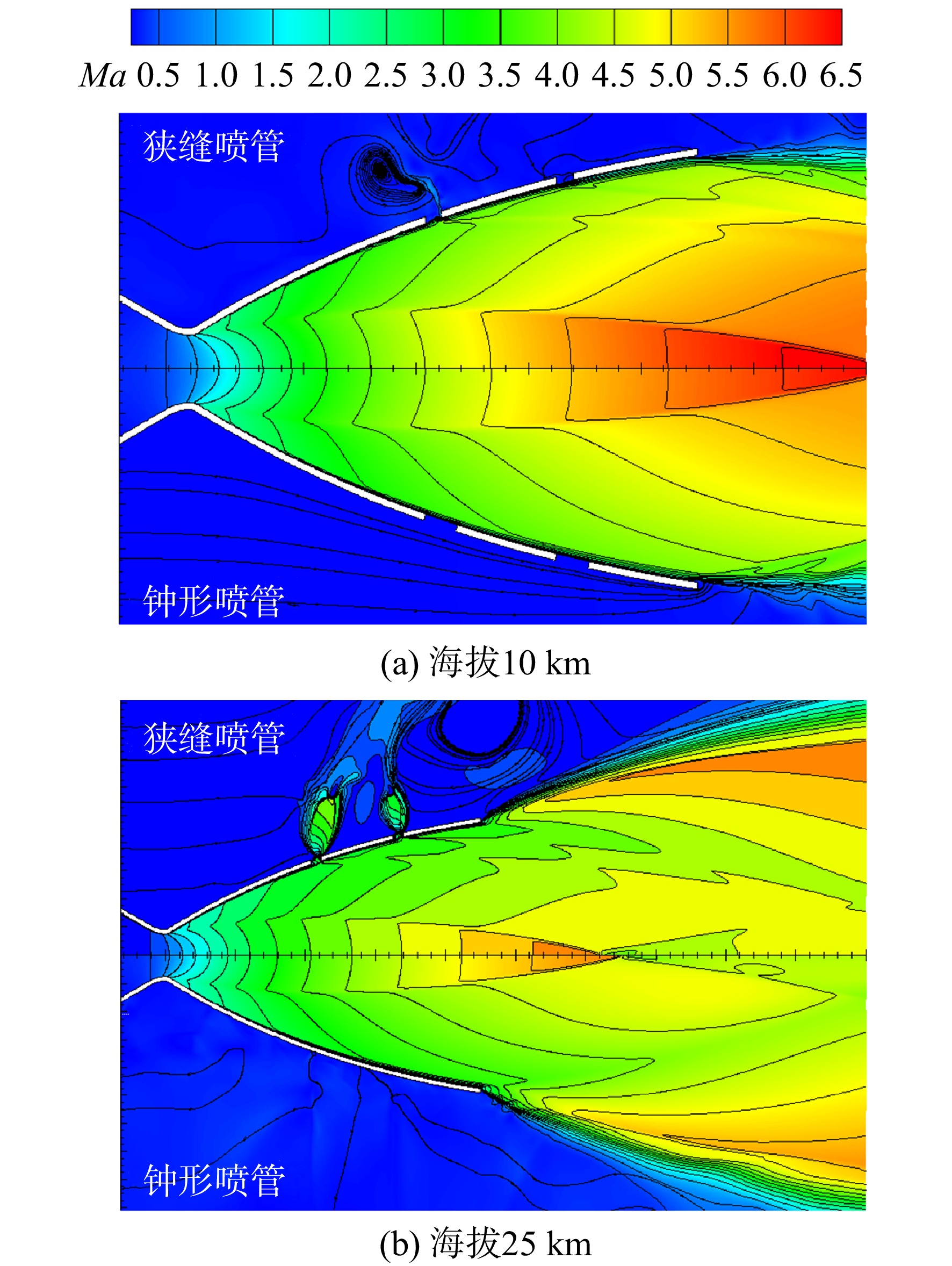
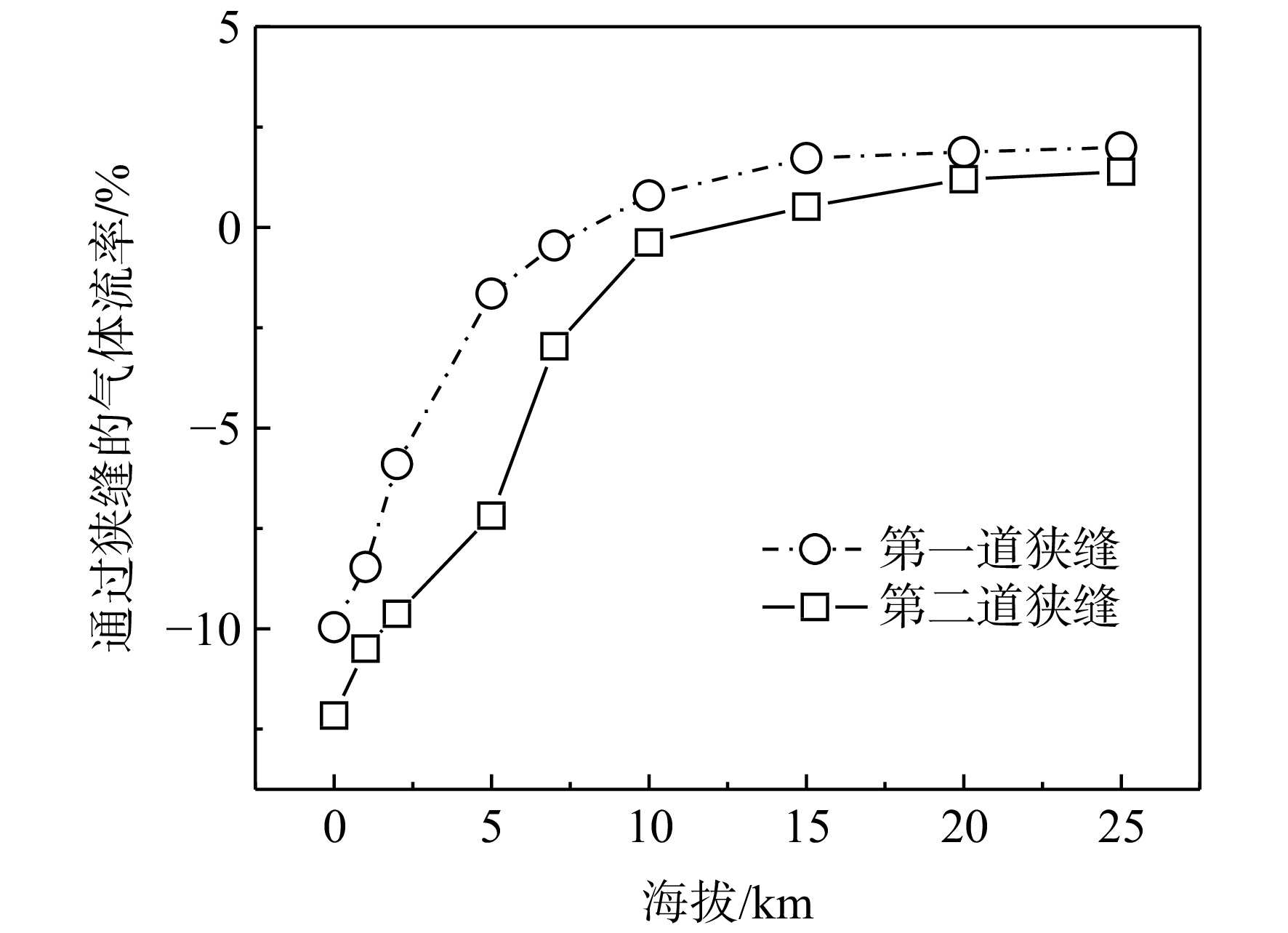
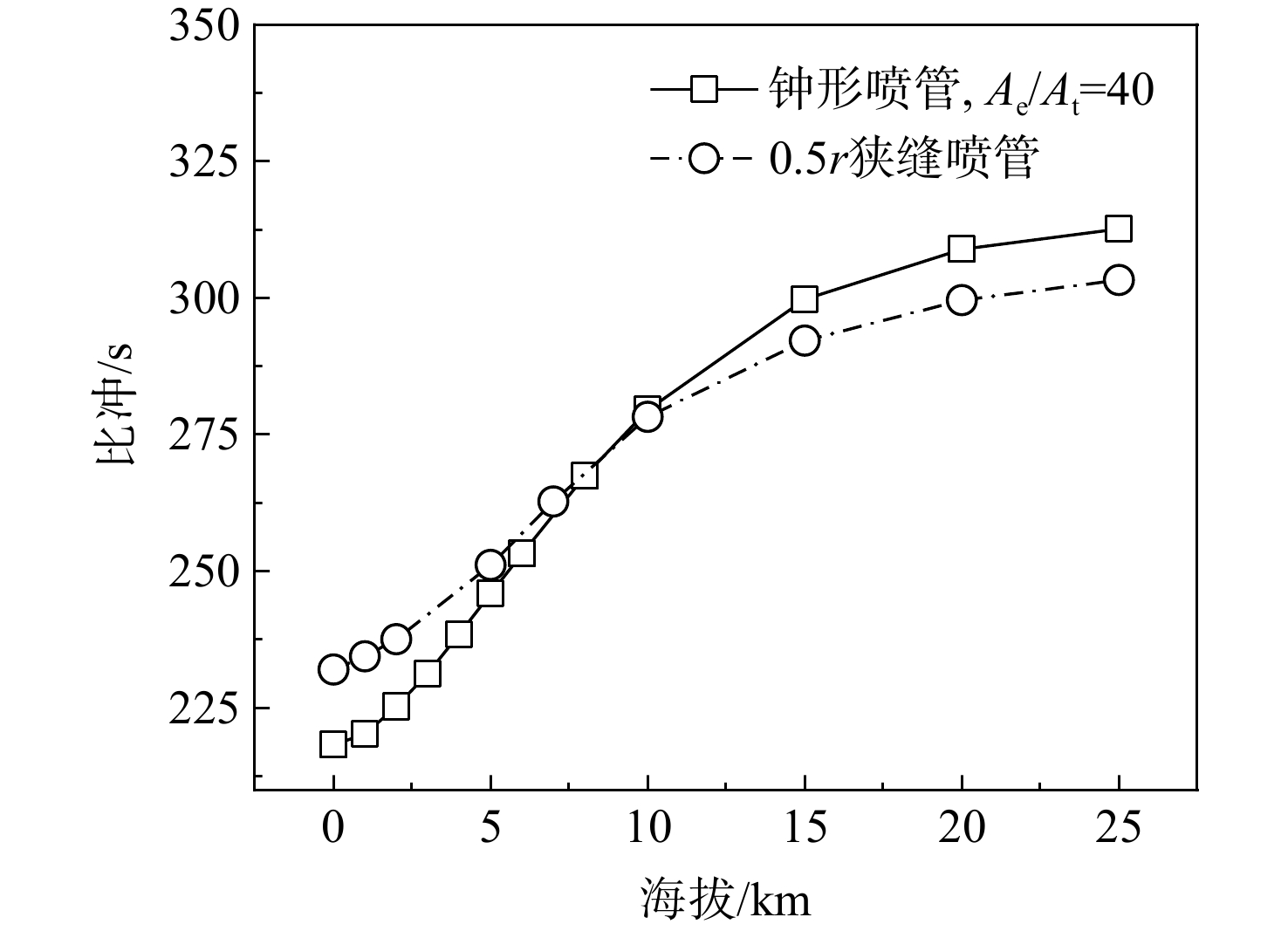
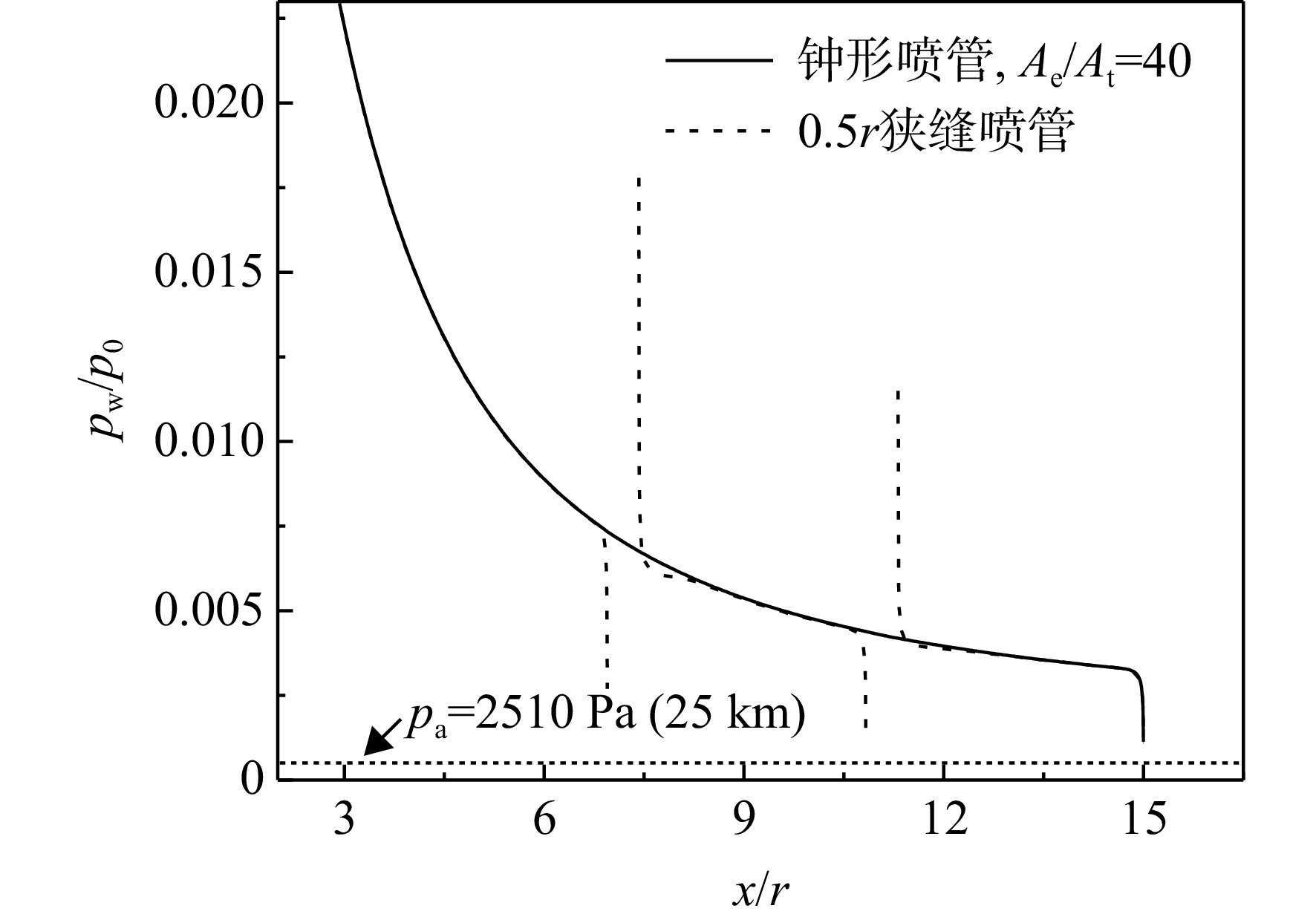
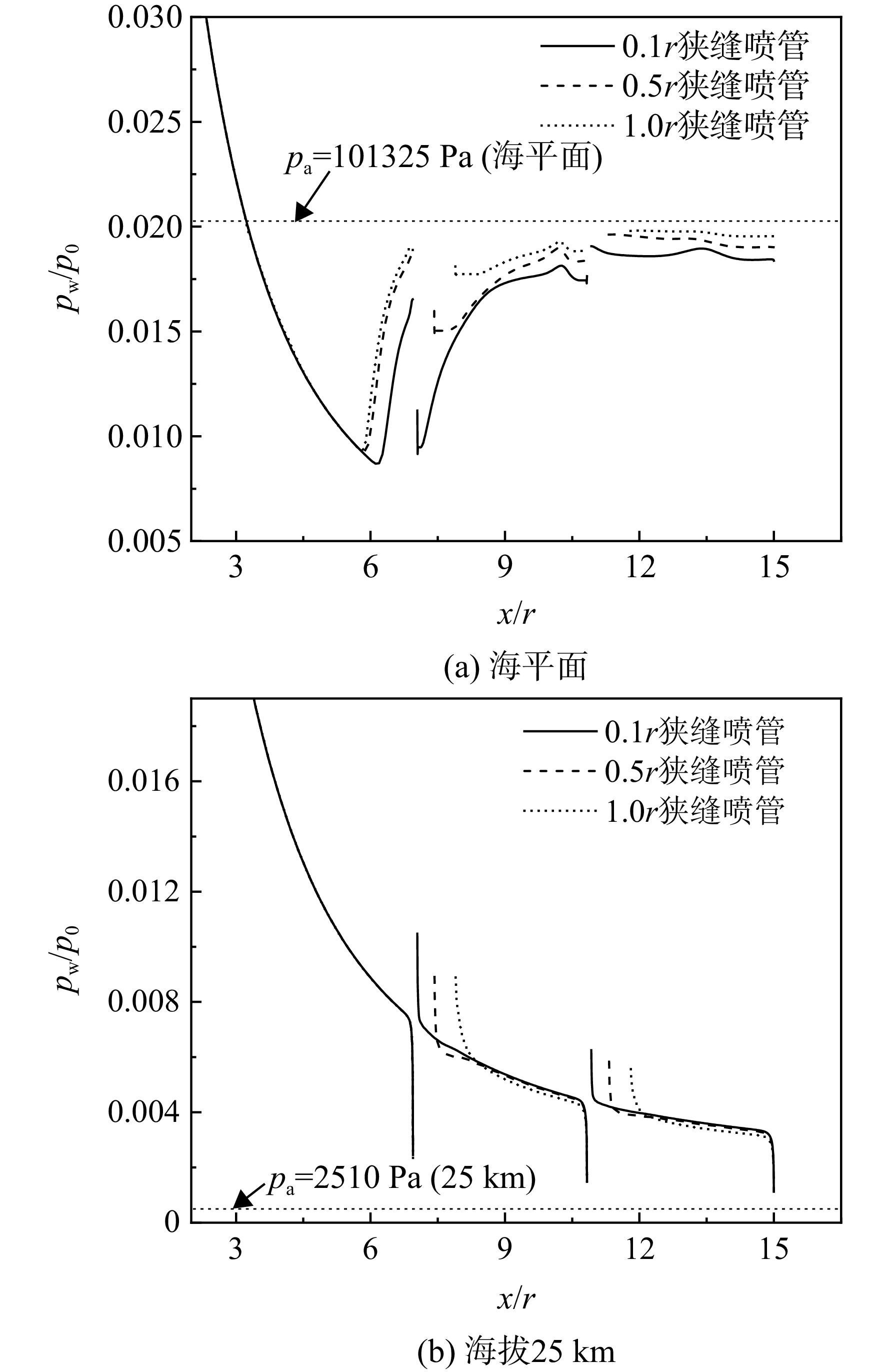
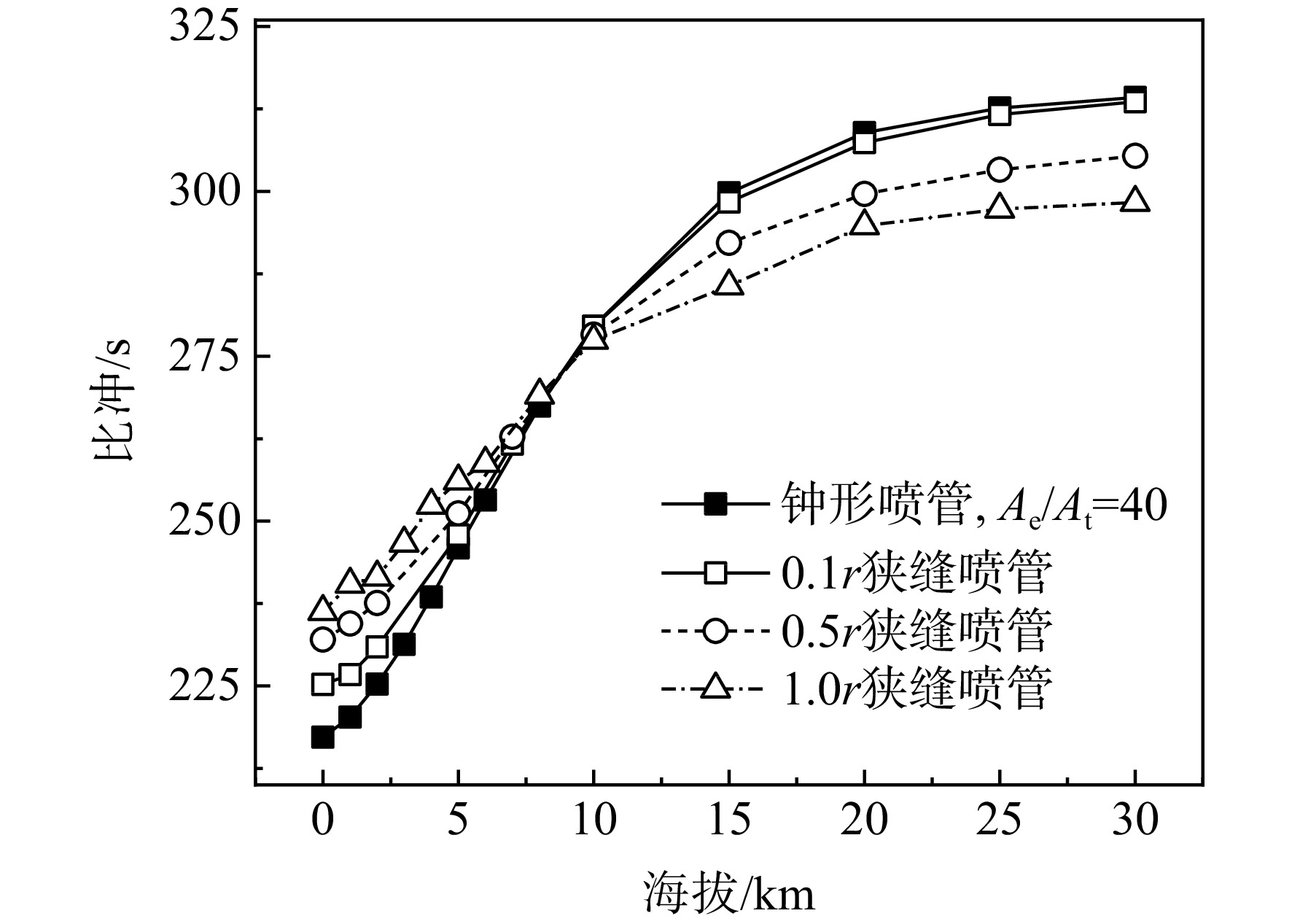
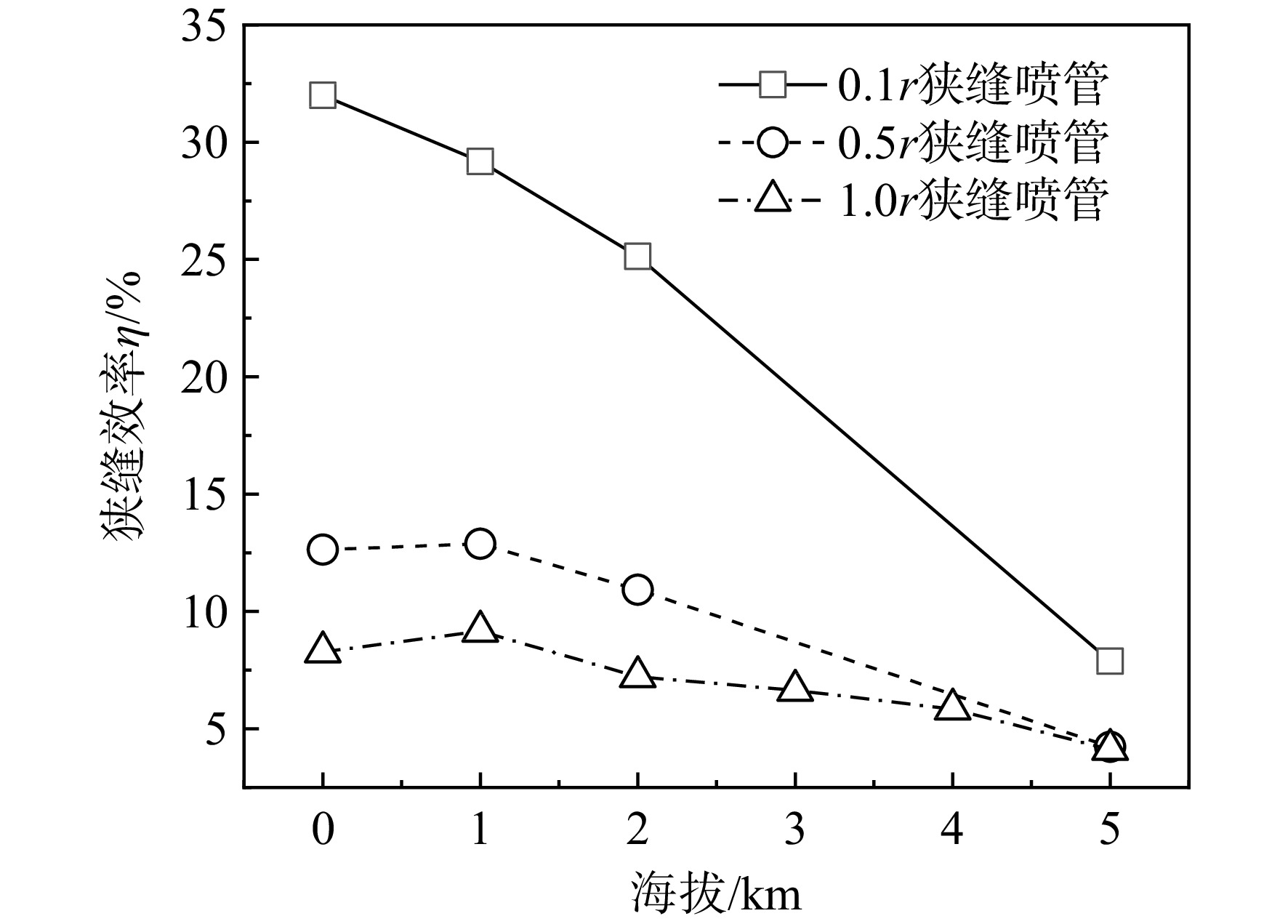
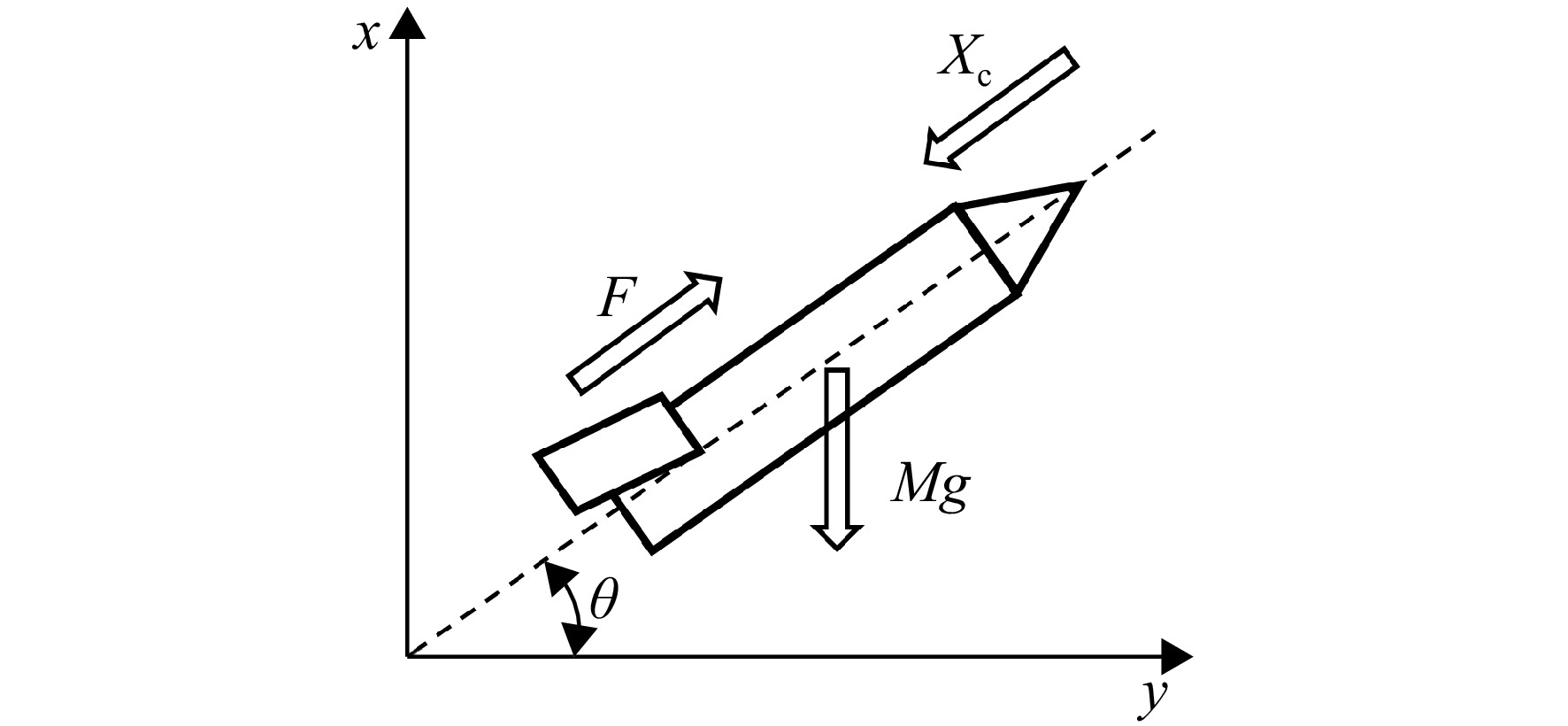
A vented nozzle with slots (slot nozzle) is a kind of altitude compensating nozzle. In order to study its altitude compensating performance and influence, three sizes of slit nozzles were designed based on a bell nozzle with expansion ratio of 40, and numerical simulation was carried out to obtain the influences of altitude and slit width on the flow field characteristics and specific impulse. And through external ballistic calculation, the total impulse gain on the whole working process of the first stage rocket was obtained. The results showed that compared with the bell nozzle with the same expansion ratio, the slot nozzle had specific impulse gain at low altitude, but specific impulse loss at high altitude. The wider slot width indicated the greater gain at low altitude and the bigger loss at high altitude. The critical compensating height was related only to the slit position, but not to the slit width. The total impulse of the first-stage rocket can be significantly improved by setting slots of appropriate width at the appropriate position. In these two application scenarios of the Solid Rocket Booster and Nanosat Launch Vehicle, the total impulse gain was 1.8% and 3.0%, respectively, which was equivalent to an average specific impulse increase of 5.0 s and 8.0 s, respectively.

Analysis and optimization of acoustic damping characteristics of staged combustion cycle engine thrust chamber
MENG Jingyuan, LI Bin, WANG Guangxu, XIAO Hong, YANG Baoe
2024, 39(12): 20230010. doi: 10.13224/j.cnki.jasp.20230010
Abstract:

In view of the development requirements of the staged combustion cycle liquid rocket engine, a research and optimization analysis of the acoustic damping characteristics of the mixed head in the thrust chamber was carried out. A three-dimensional linear acoustic damping characteristic model considering the acoustic impedance of the flow distributor and the damping source term was established to quantify the damping dissipation of the mixed head. The acoustic mode frequency and growth rate of the thrust chamber were obtained by solving the Helmholtz equation, and the damping components such as the flow distributor and the injector were optimized. The results showed that the impedance of the flow distributor and the advective mean flow energy of the injector had a damping effect, and the average mean effect was more significant. The size and spacing of the hole within the flow distributor, the height of the oxidizer plenum and the length of the injector constituted the key parameters to improve the damping effect of the mixed head.

Power Transimission
Feature extraction of AE signal for rolling bearing fault by improved TFCA method
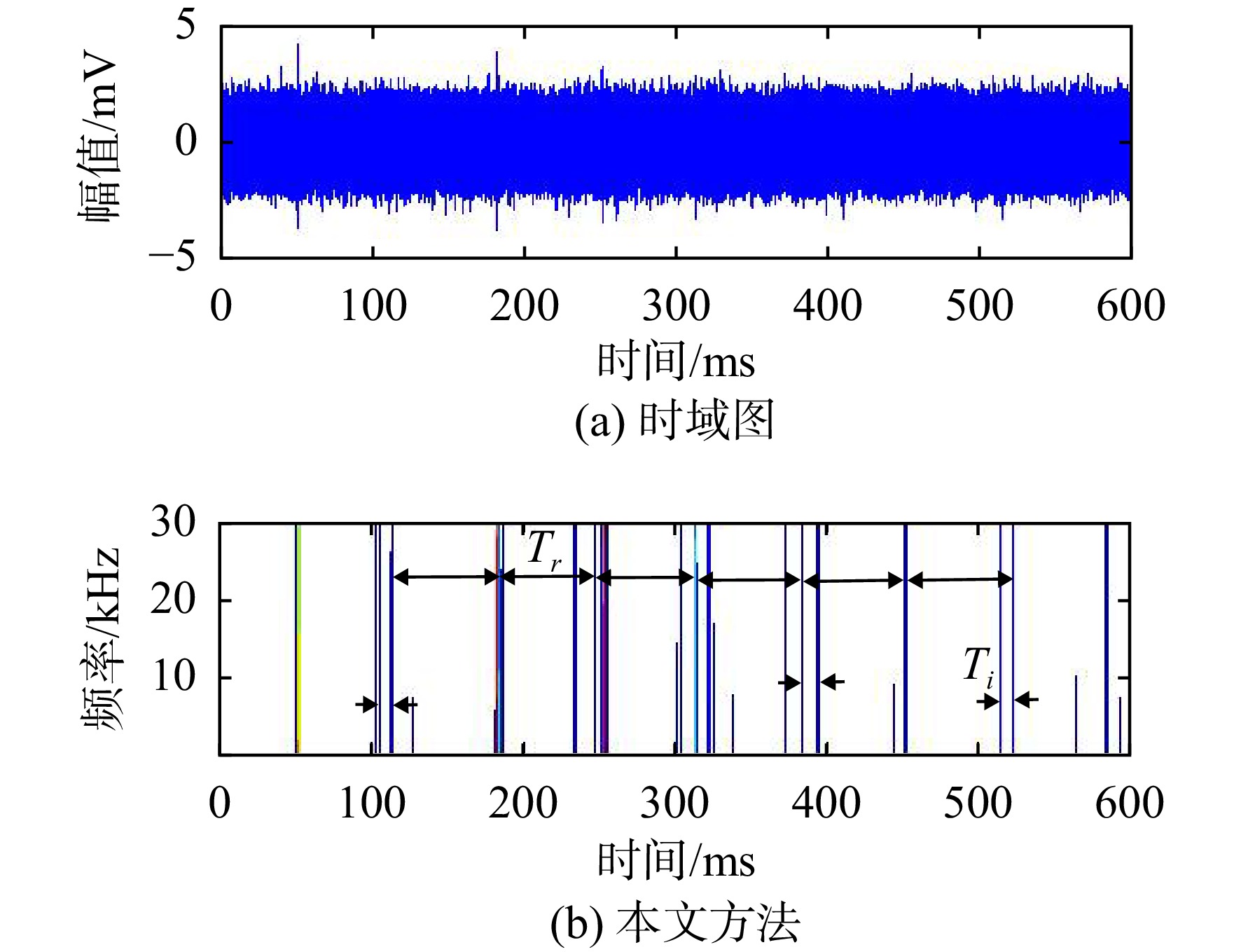
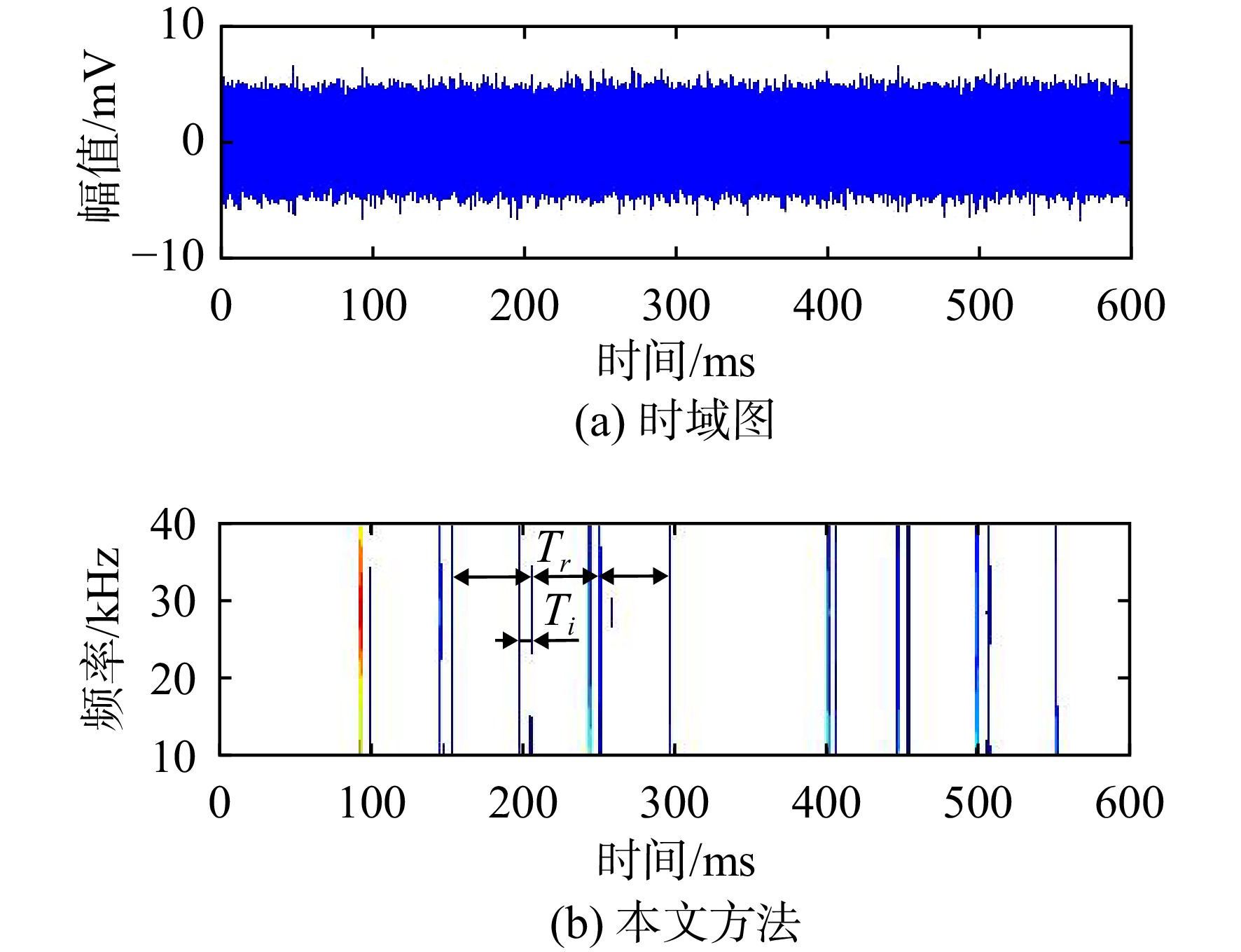
YU Yang, LI Yun, YANG Ping, TANG Jin, ZHAO Xin, LIANG Zheming
2024, 39(12): 20220318. doi: 10.13224/j.cnki.jasp.20220318
Abstract:

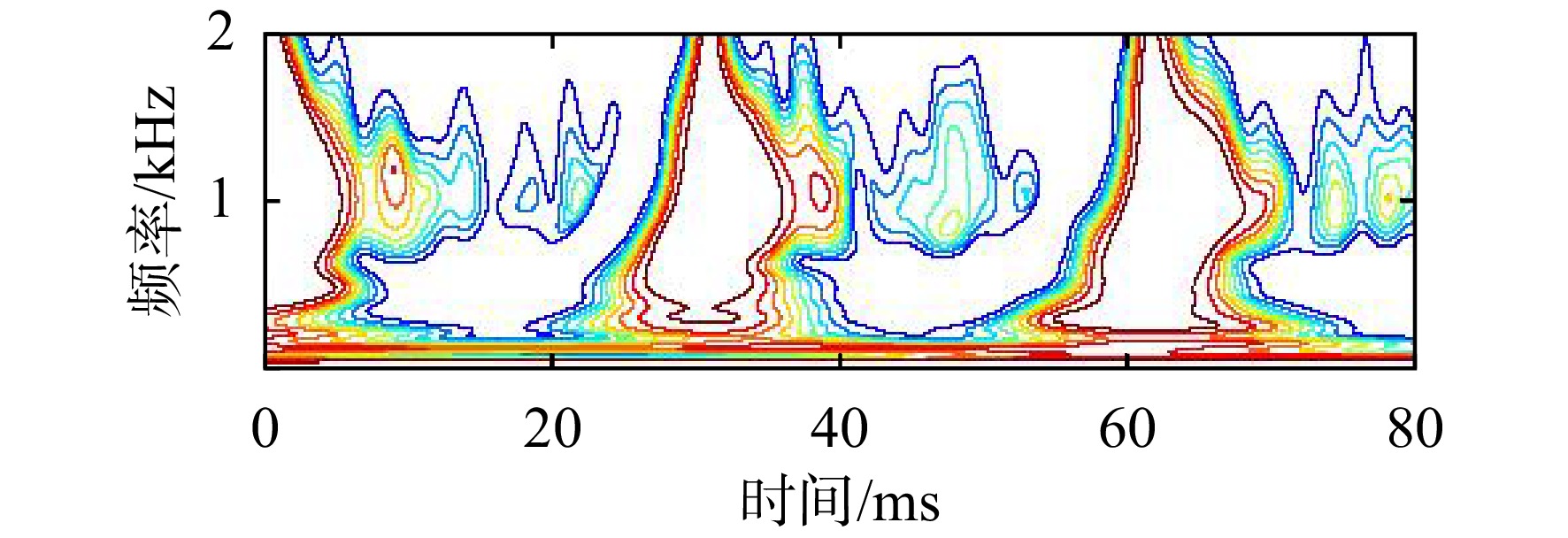
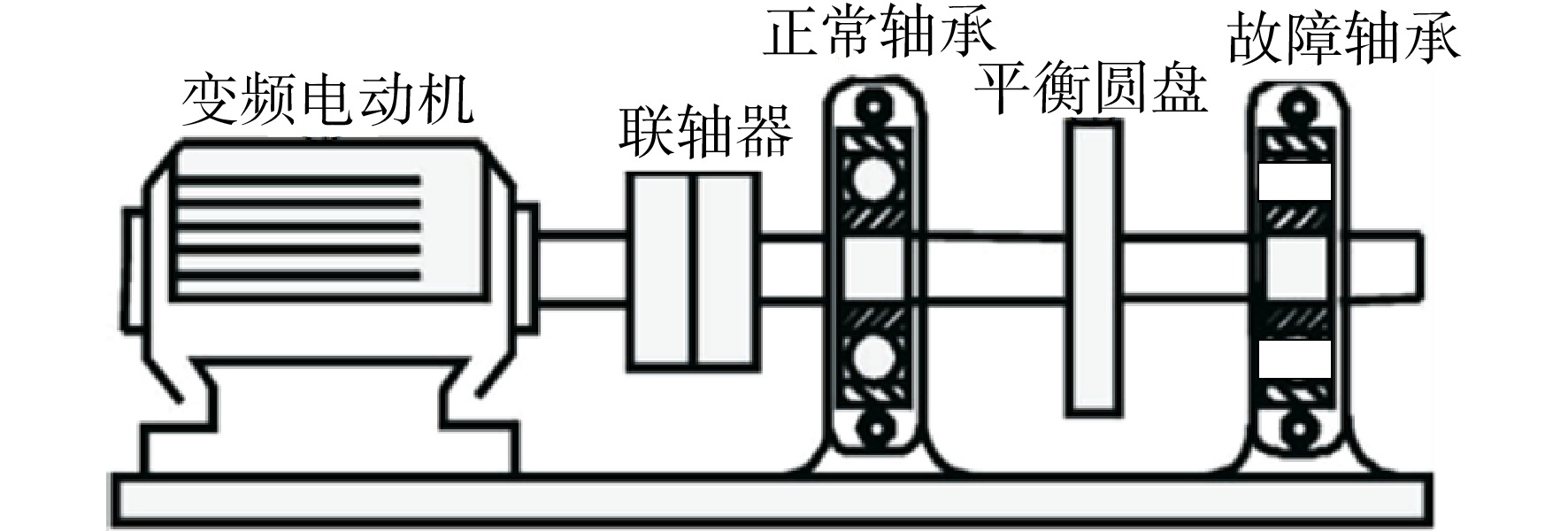
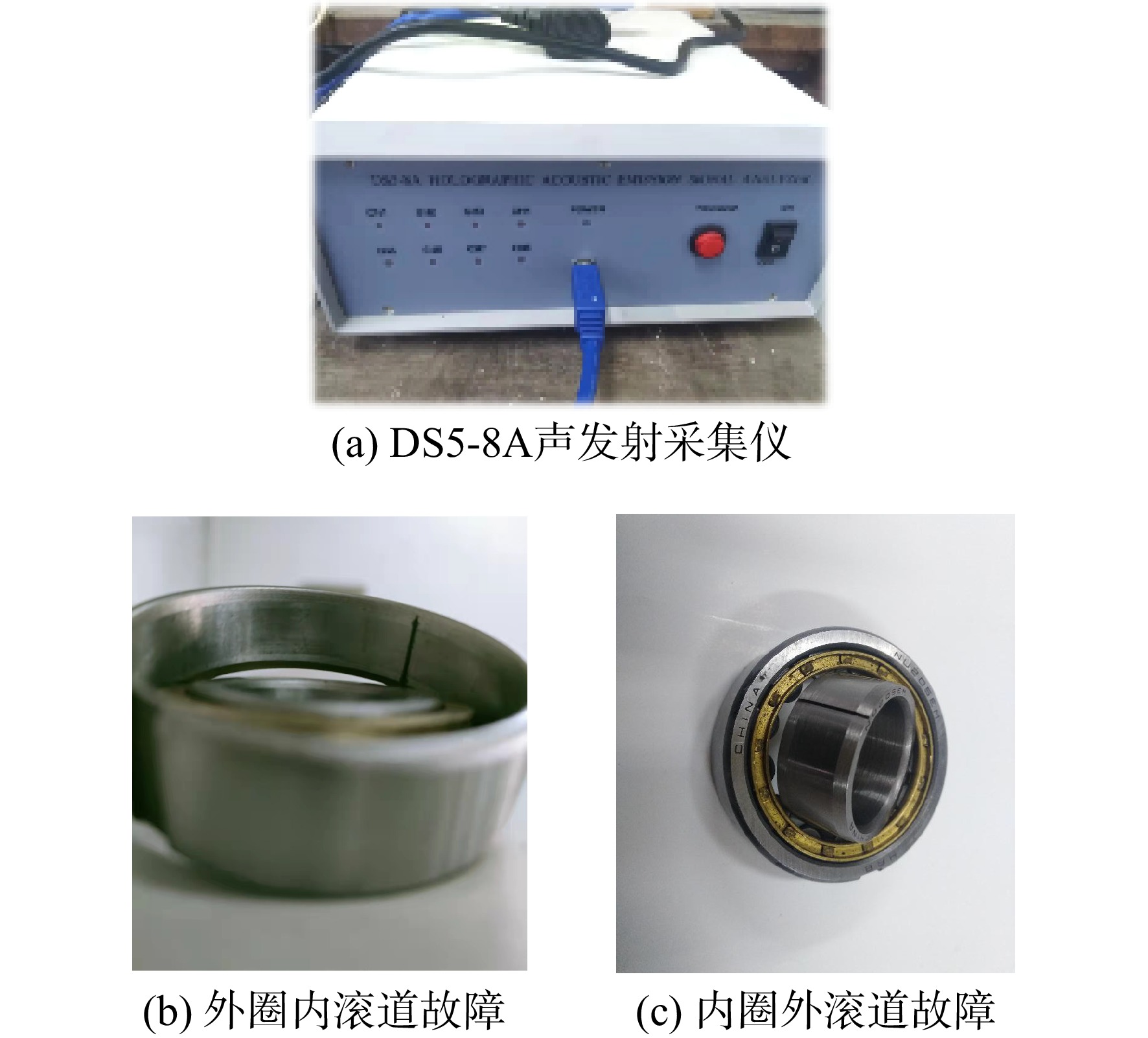
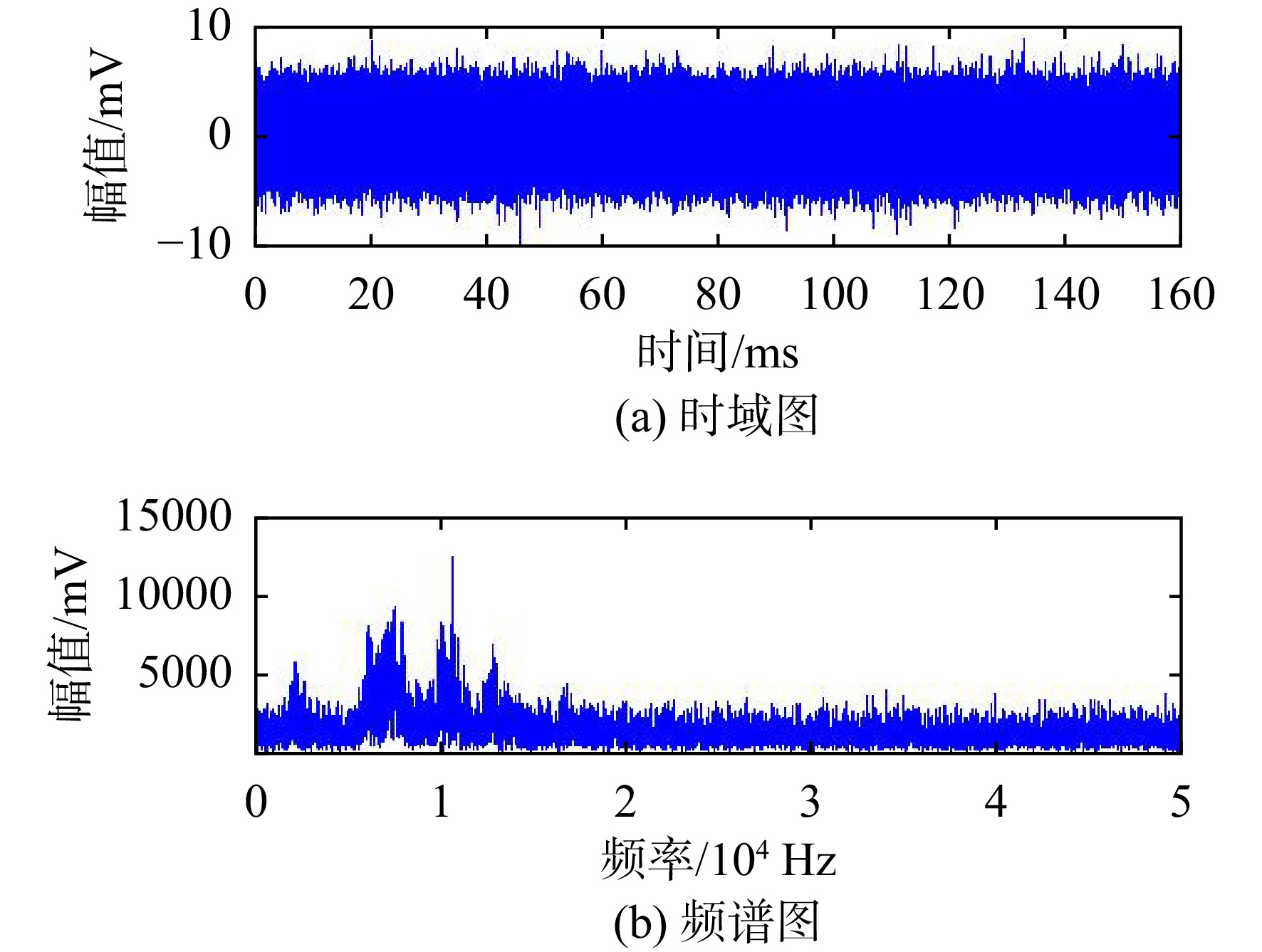
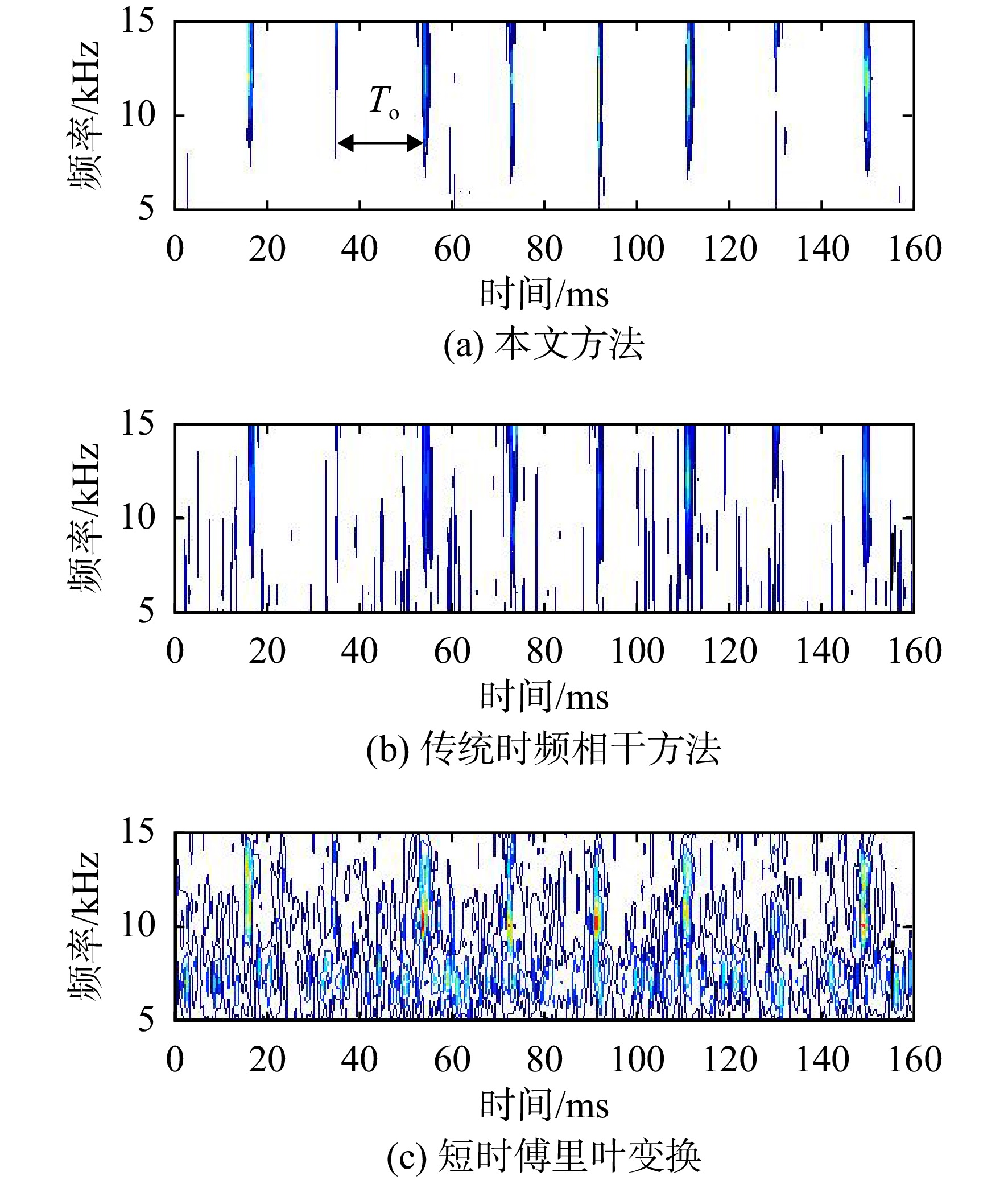
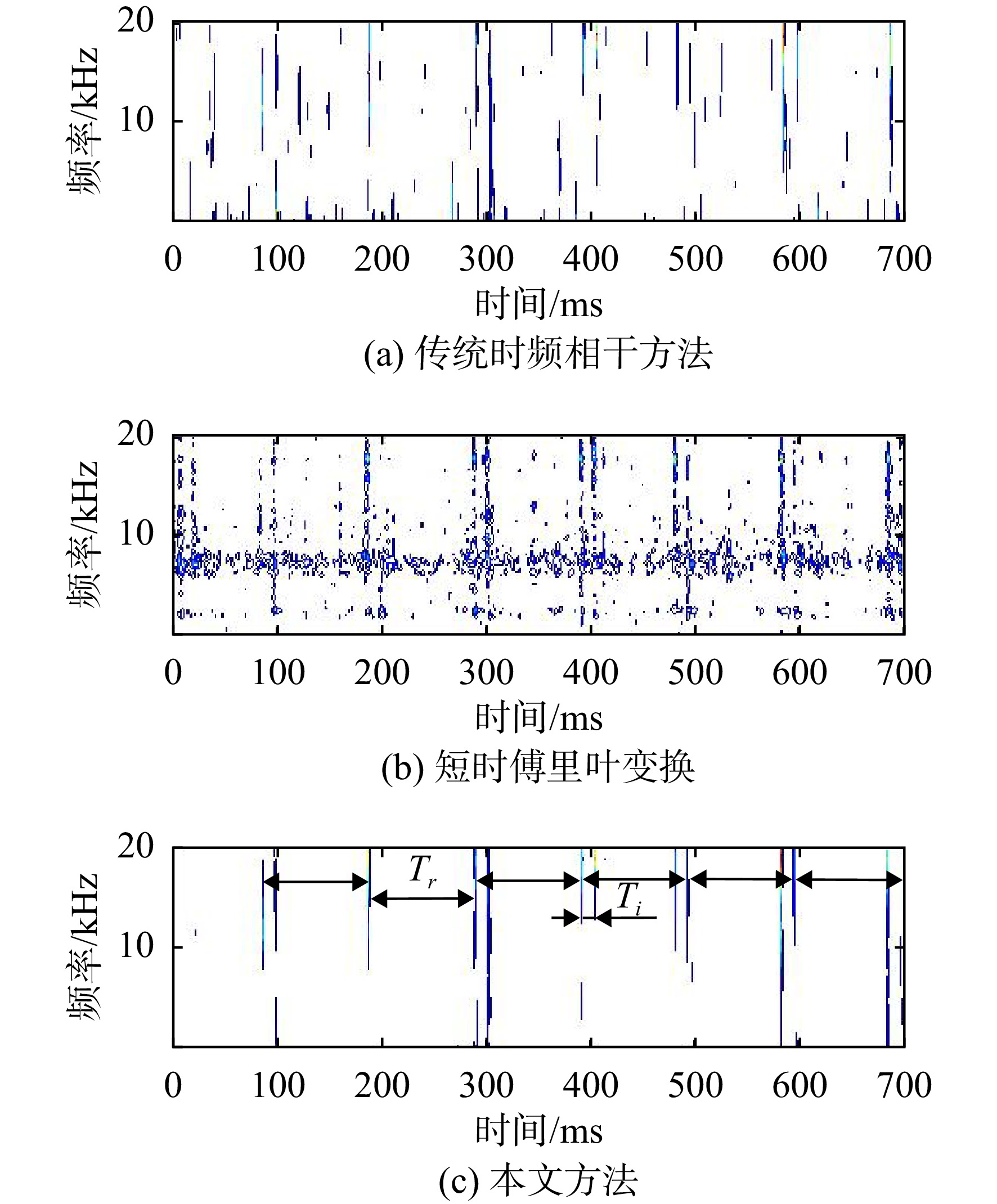
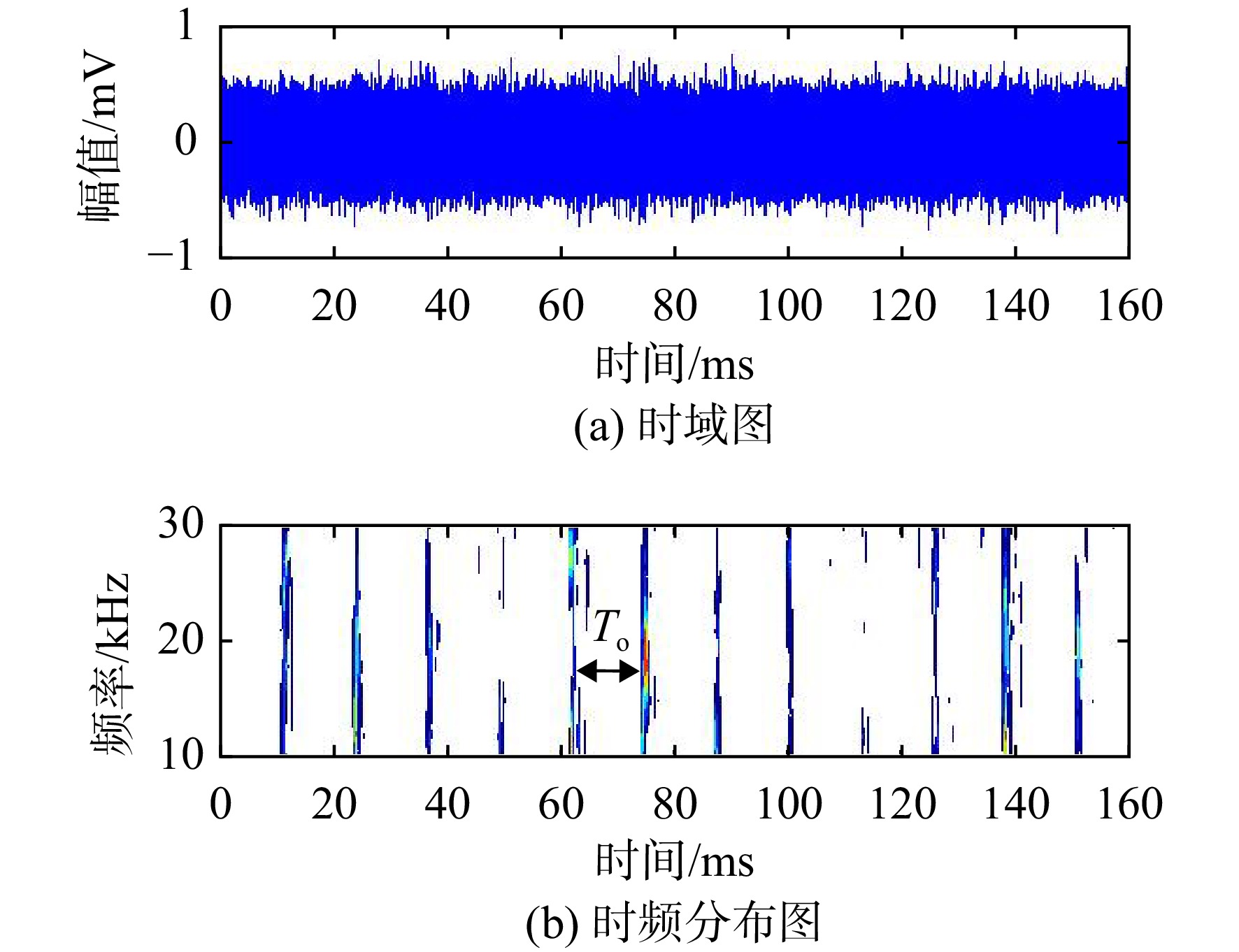
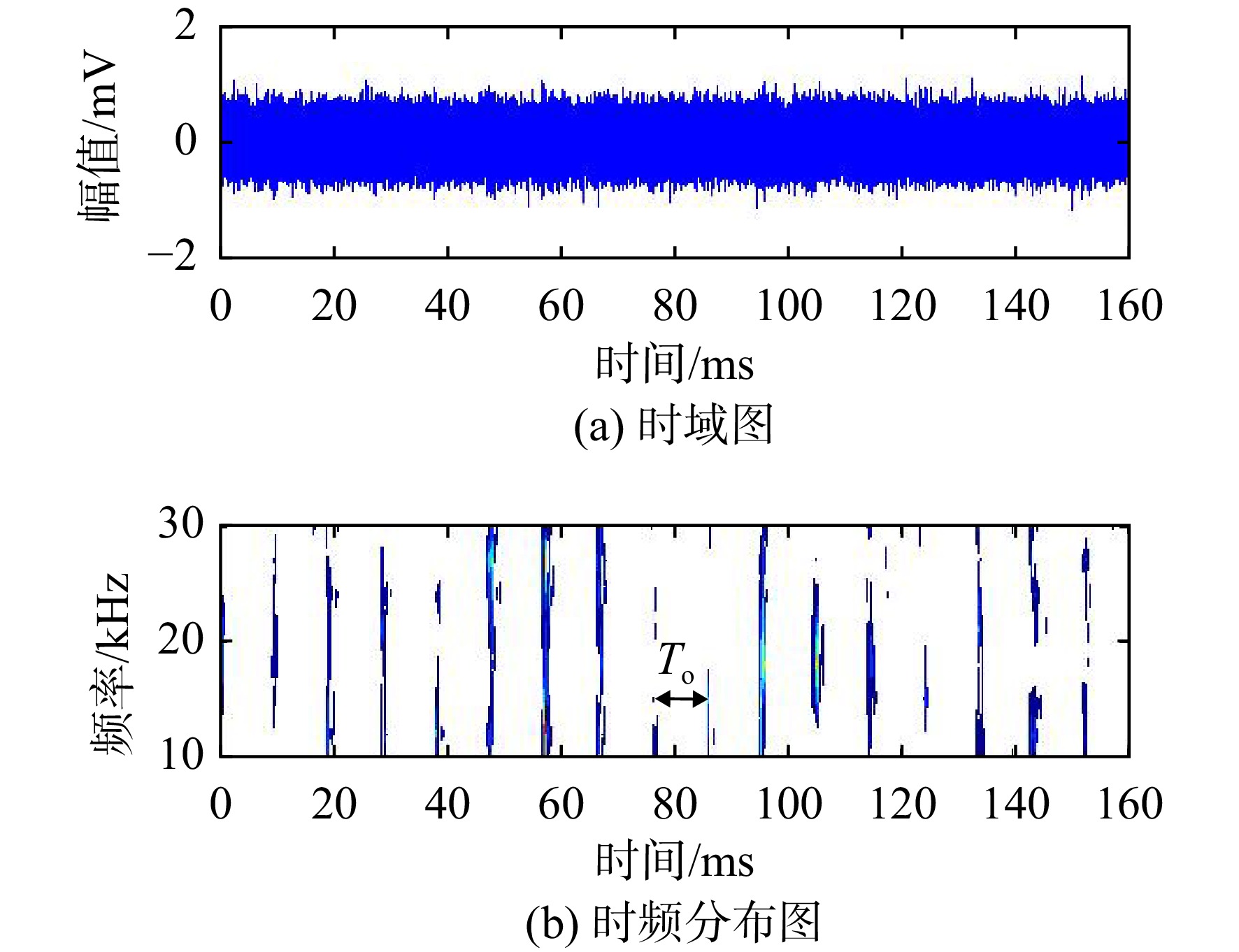
In order to solve the problem of traditional time-frequency coherence analysis (TFCA) method's failure to analyze the single-channel signal, a new time-frequency coherence method was proposed. The new method can analyze the single-channel signal through the average estimation operator. The soft-land full-information acoustic emission (AE) system and the rotating machinery simulation platform were used to detect the inner ring and outer ring faults of the rolling bearing. The study focused on the extraction of fault characteristic periods of rolling bearings under conditions of low signal-to-noise ratio. The proposed method was compared with the traditional time-frequency coherence, short-time Fourier transform, wavelet coherence methods, and was verified experimentally. The simulated and experimental results showed that the proposed method is superior to other time-frequency methods. The proposed method can accurately extract the period characteristics of fault signal, and exhibit high time-frequency aggregation and strong anti-noise performance.

Accelerated test design and analysis of rolling bearings based on the principle of equivalence
LI Junxing, LIU Jingtao, ZHANG Yongbo, QIU Ming, PANG Xiaoxu
2024, 39(12): 20220436. doi: 10.13224/j.cnki.jasp.20220436
Abstract:

In view of the characteristics that more and more rolling bearings have high reliability and long life, a method based on the principle of equivalence was proposed for the accelerated test design and assessment of rolling bearings. Firstly, the relationship between the accelerated stress and the normal stress in terms of life distribution was established based on the principle of equivalence. Secondly, the estimation method of the shape parameters of the residual strength distribution of the bearing was individually given for the three common data types in the engineering, including zero-failure data, type-I and type-Ⅱ censored data. Subsequently, the accelerated stress levels and test cut-off times for rolling bearings at a given reliability, as well as the one-sided lower confidence limits for the bearing reliability and reliable life at a given stress, were derived, respectively. Finally, a validation analysis was conducted using a specific bearing engineering case study. The results indicated that the calculated lower one-sided confidence limits for life and reliability at normal stress levels were 293.94 h and 0.945, closely aligning with the actual values of 300 h and 0.95. This could strongly support the design and evaluation of accelerated testing for rolling bearings.

Dynamic analysis of aero-engine spindle ball bearings with thermal-mechanical coupling
CAO Saisai, YANG Haisheng, LUO Bin, TANG Rui, DENG Sier
2024, 39(12): 20220890. doi: 10.13224/j.cnki.jasp.20220890
Abstract:

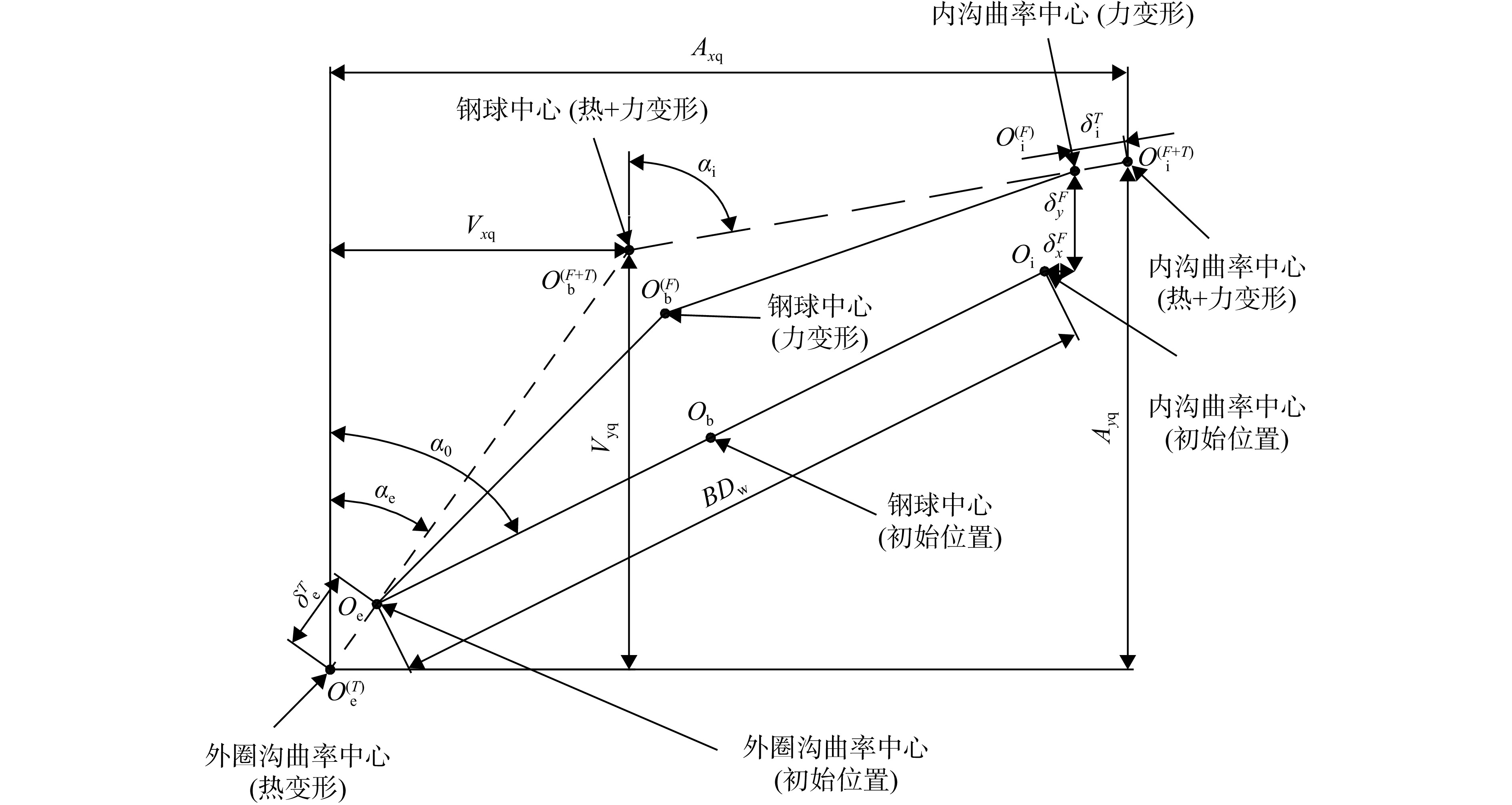
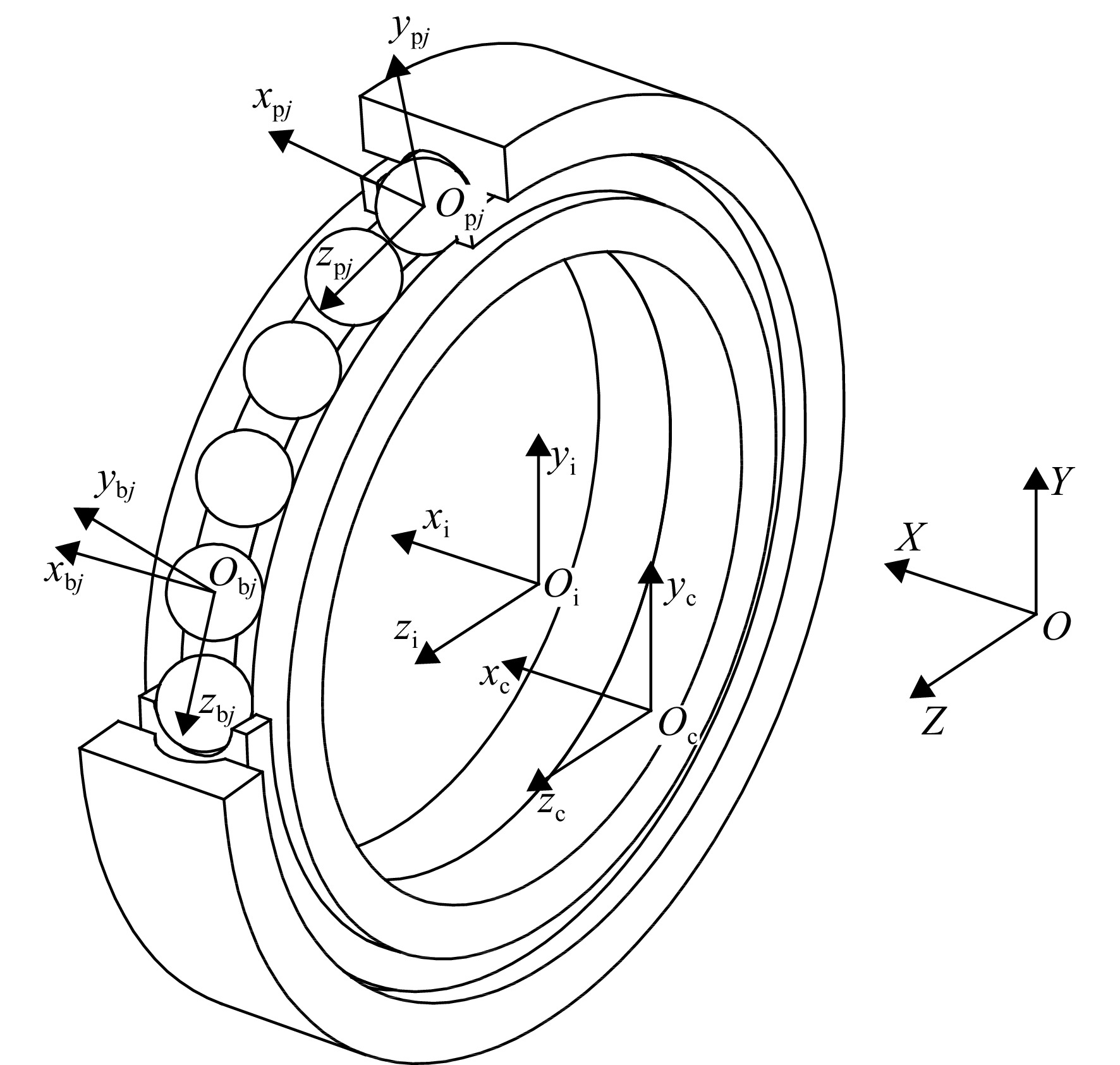
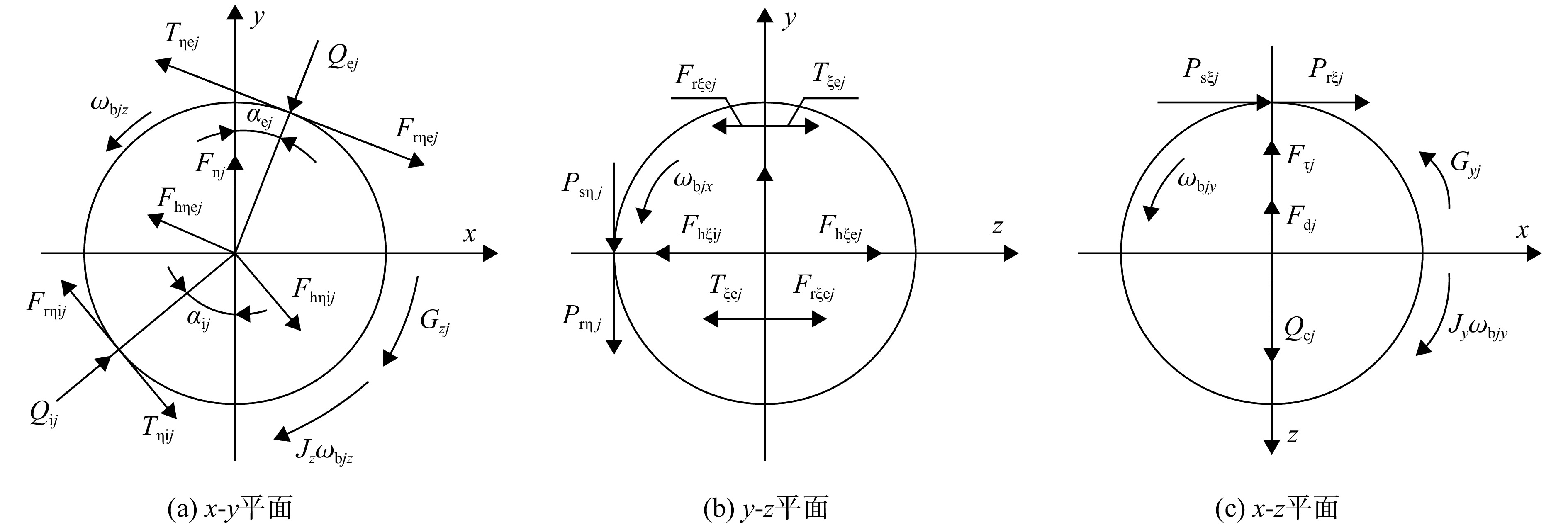
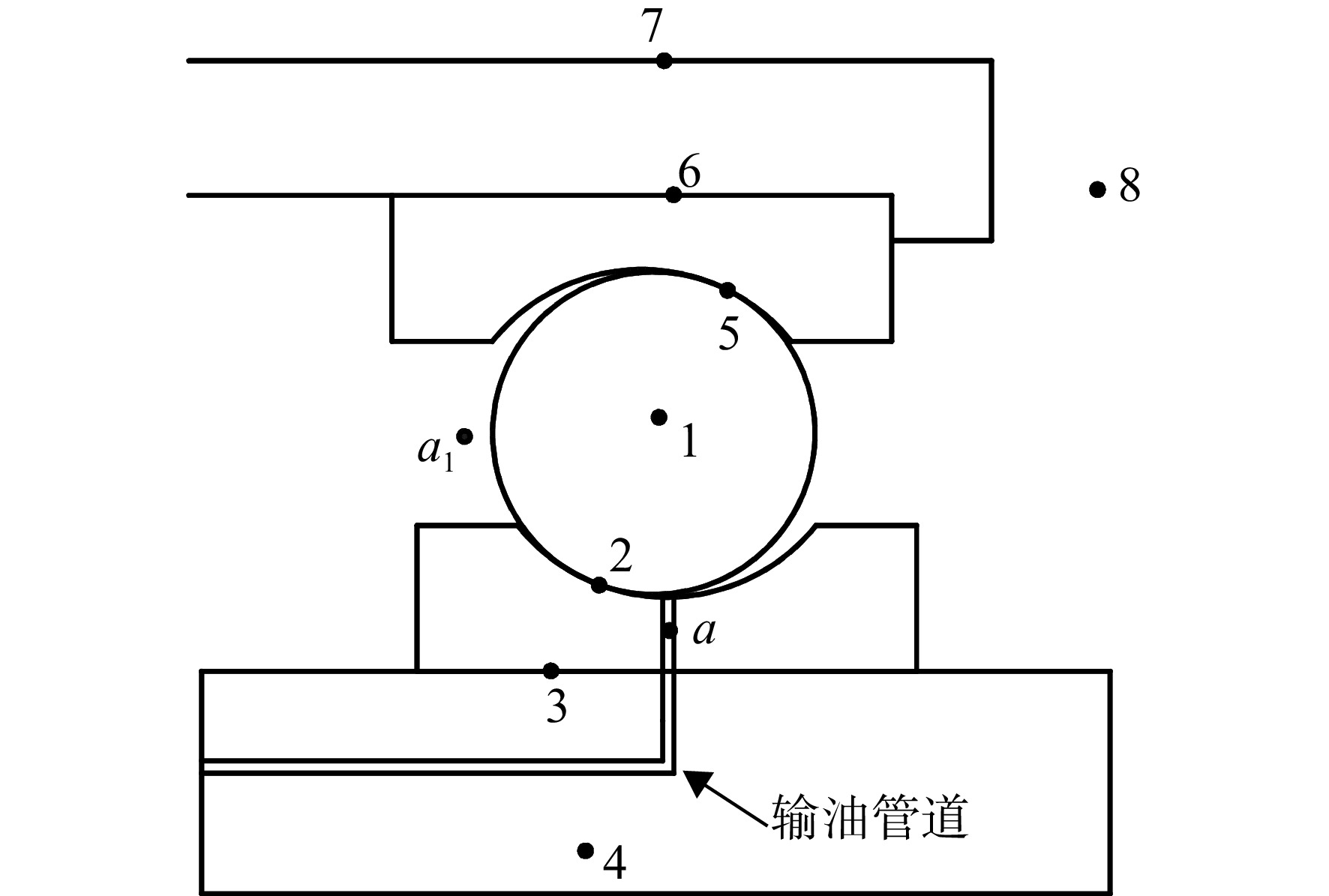
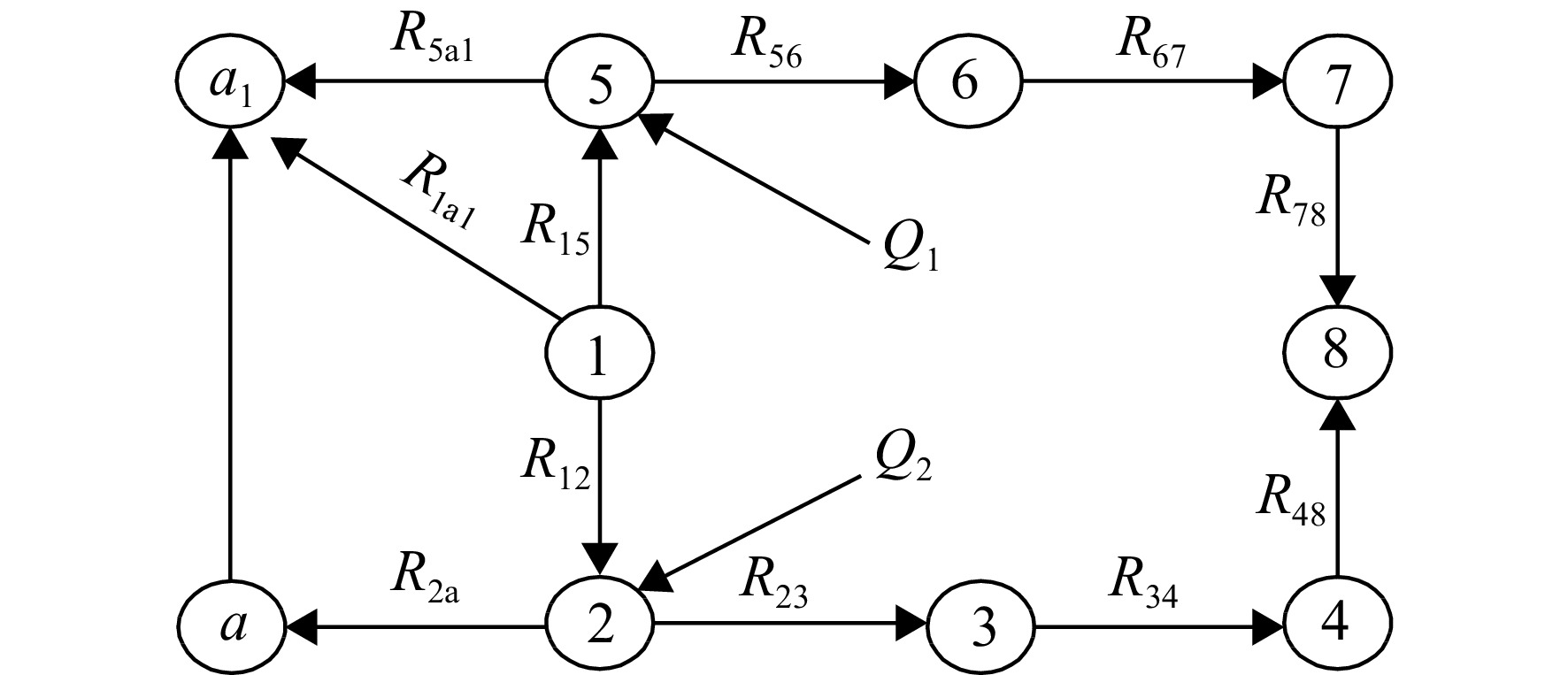
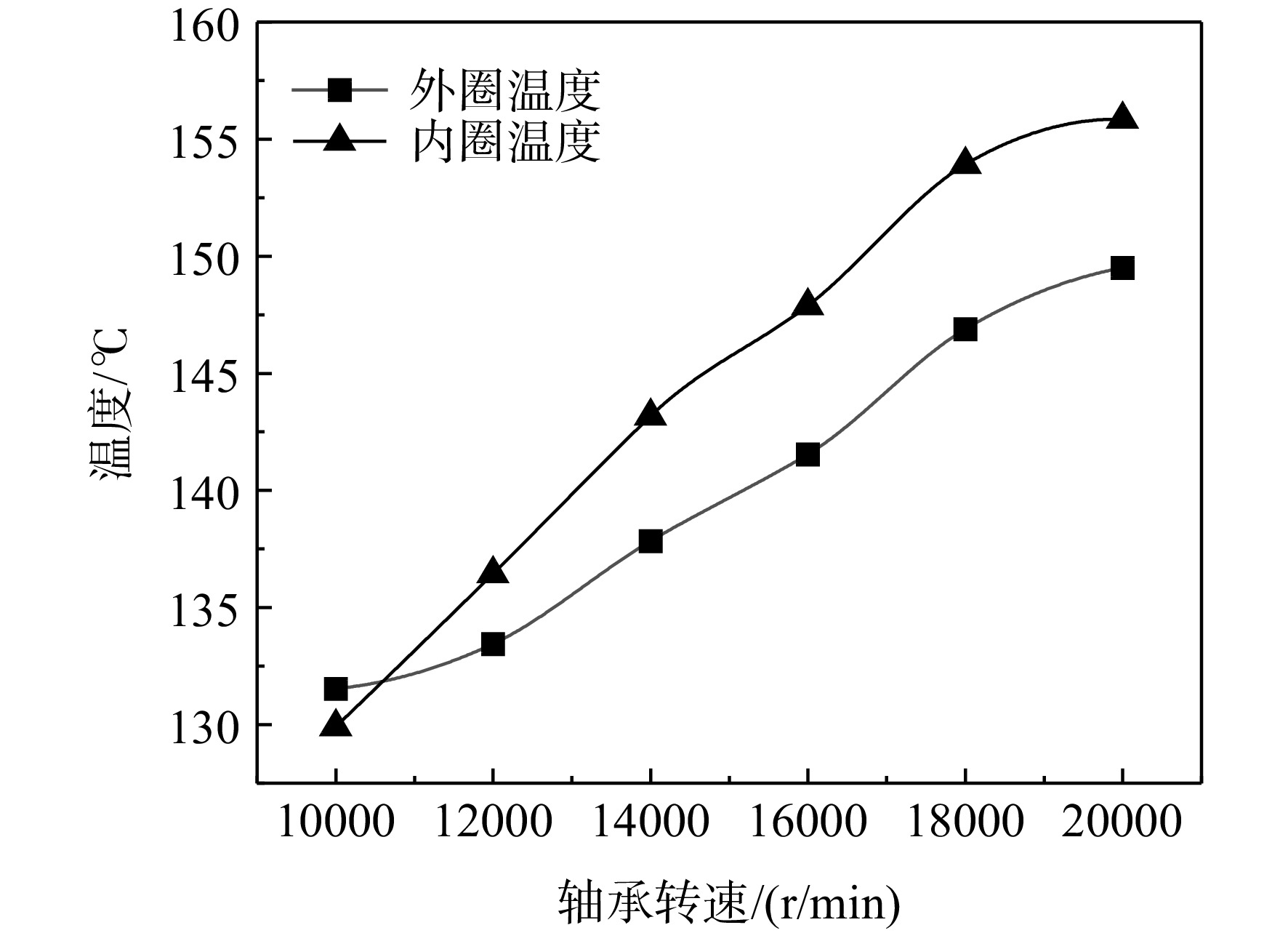
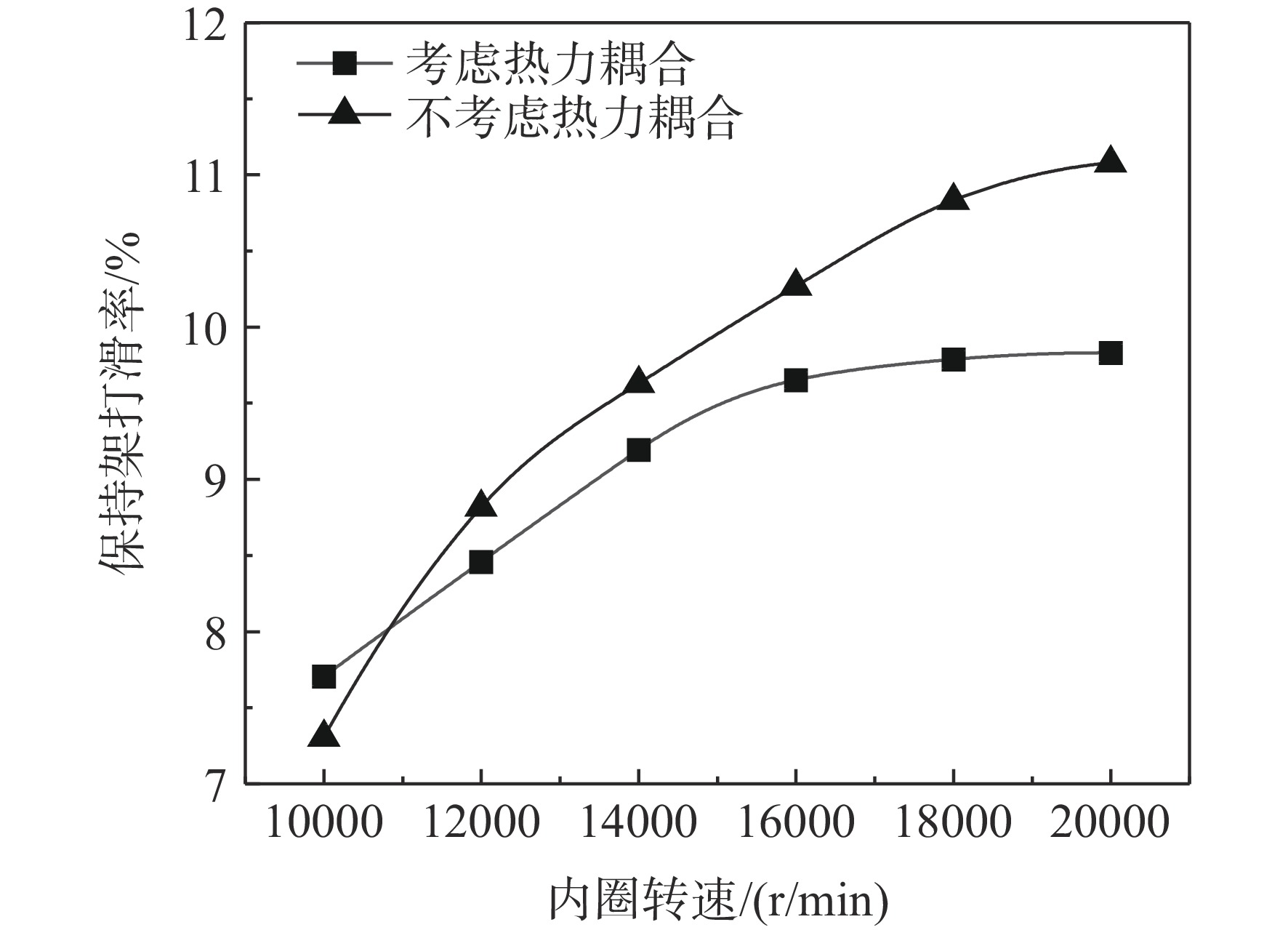
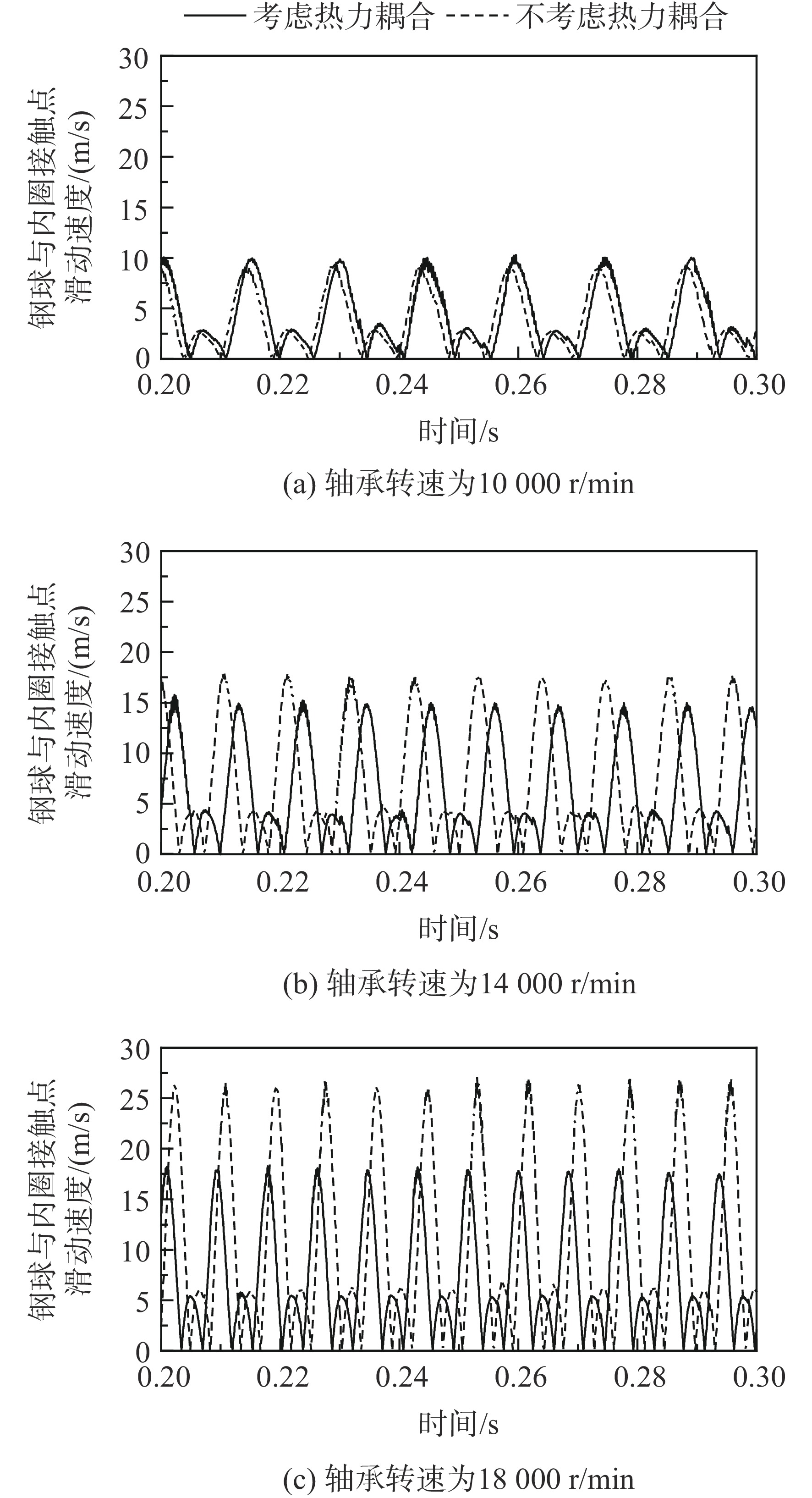
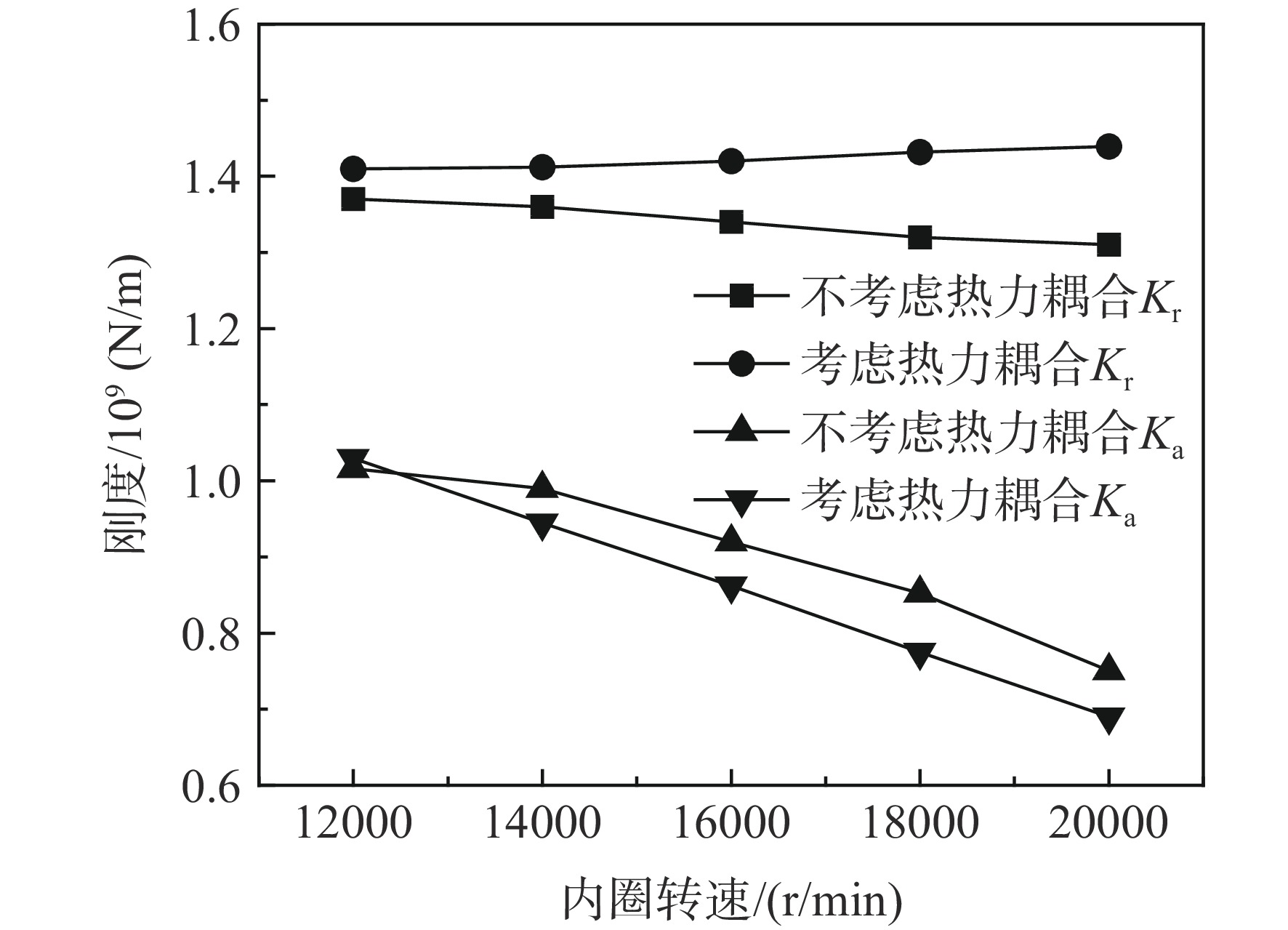
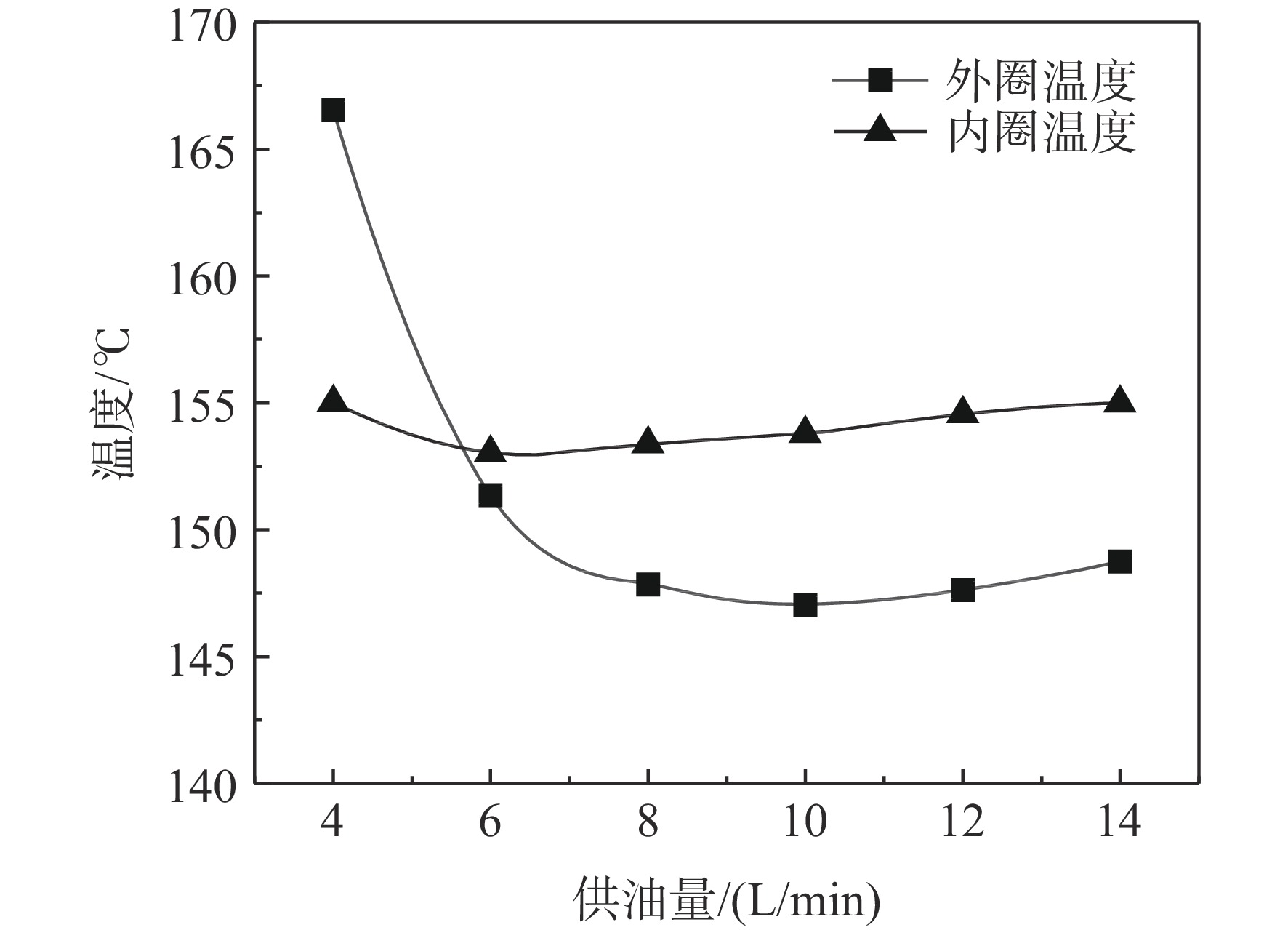
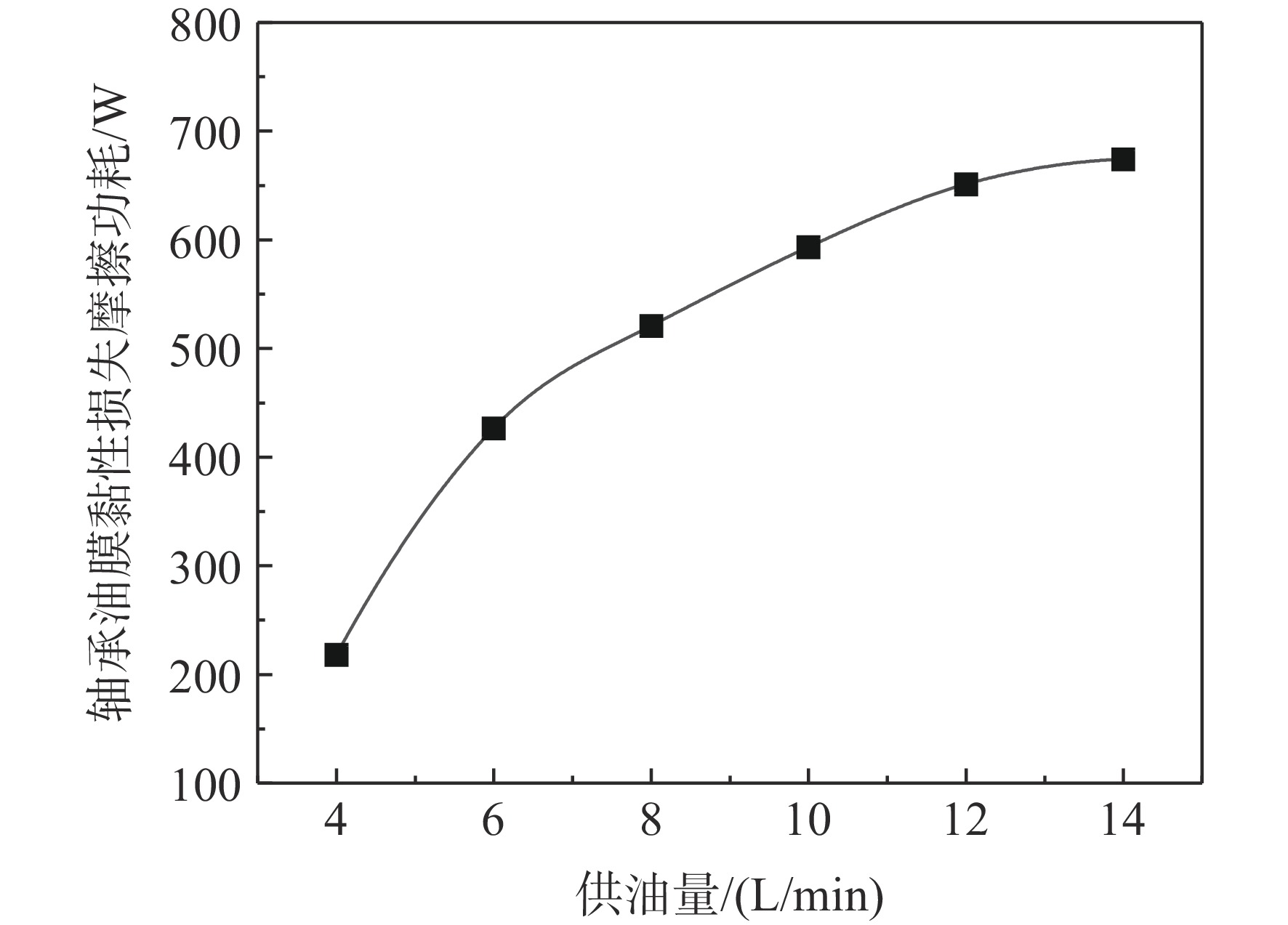
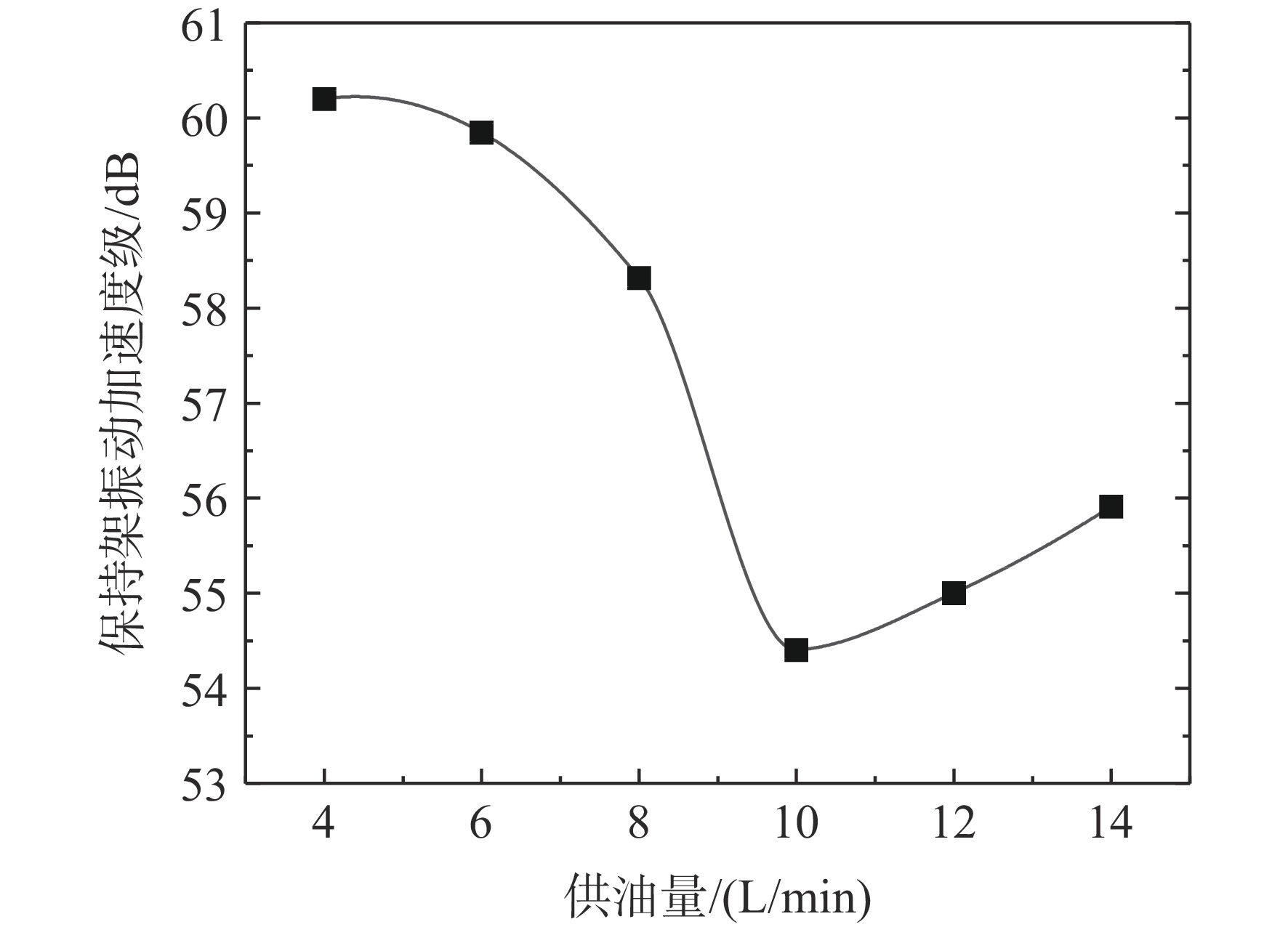
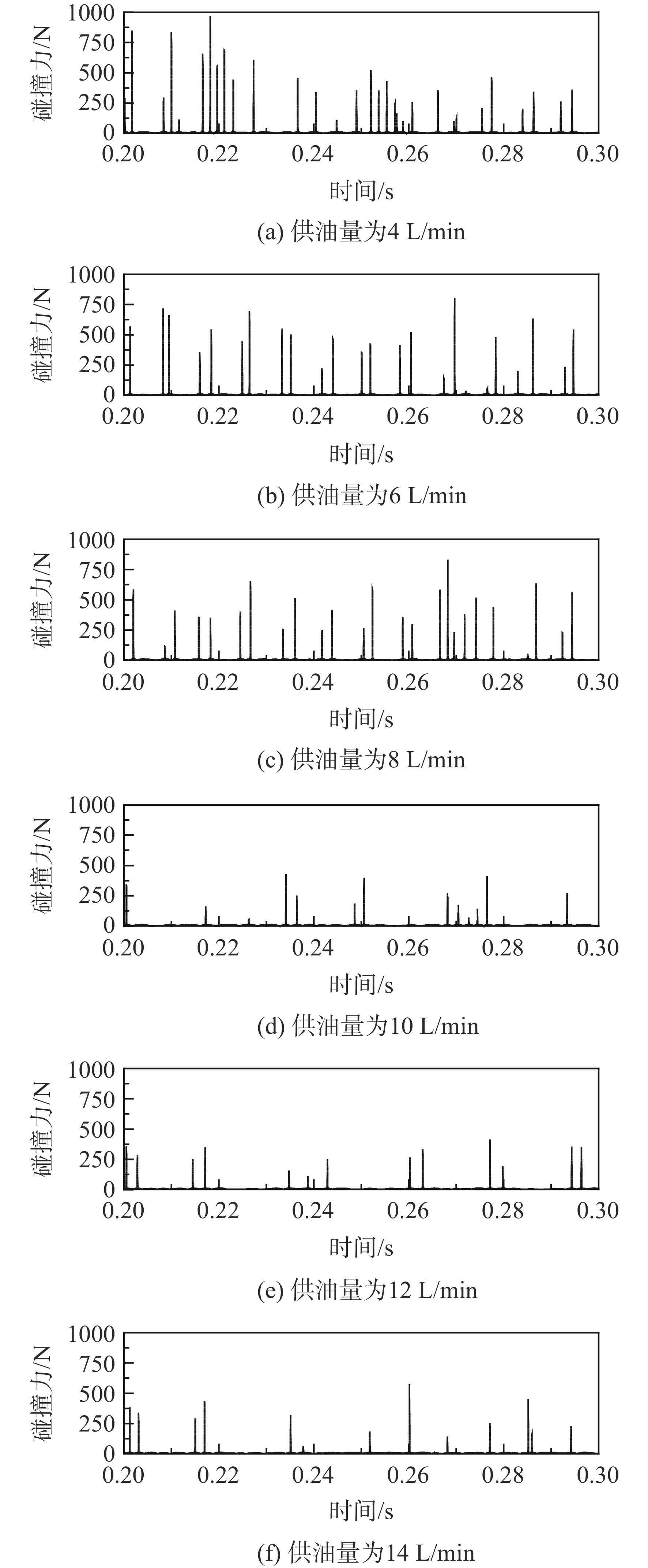
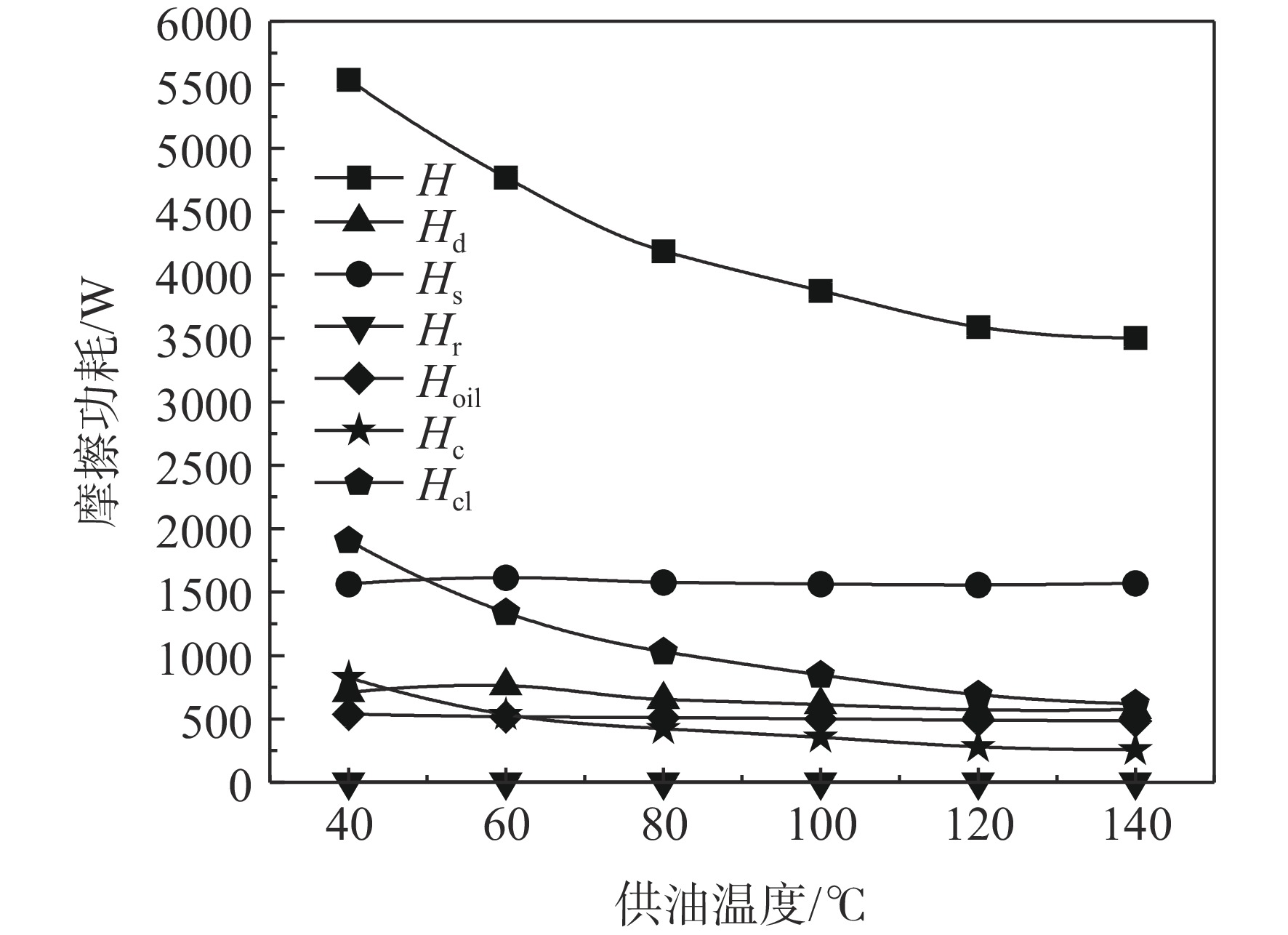
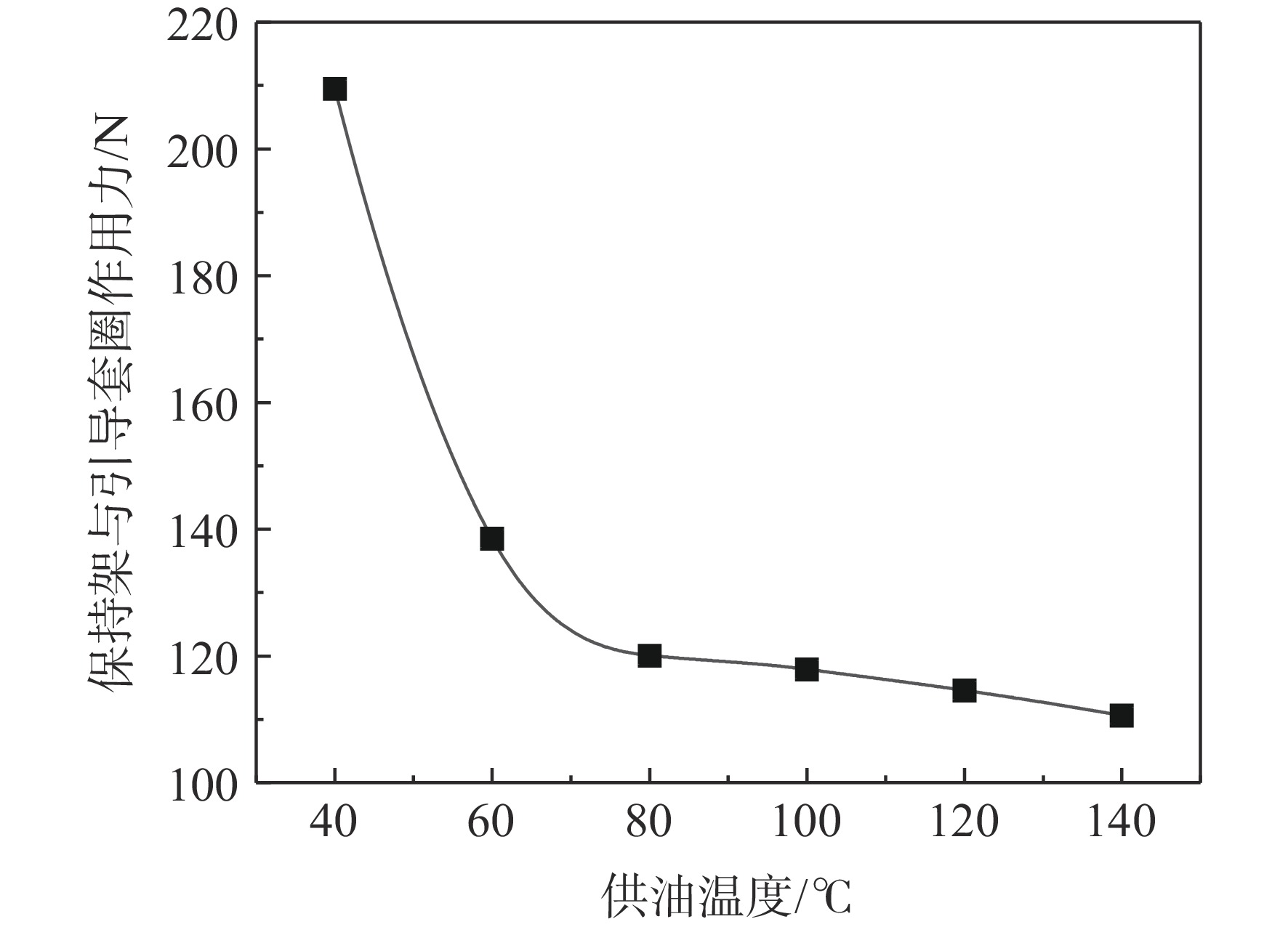
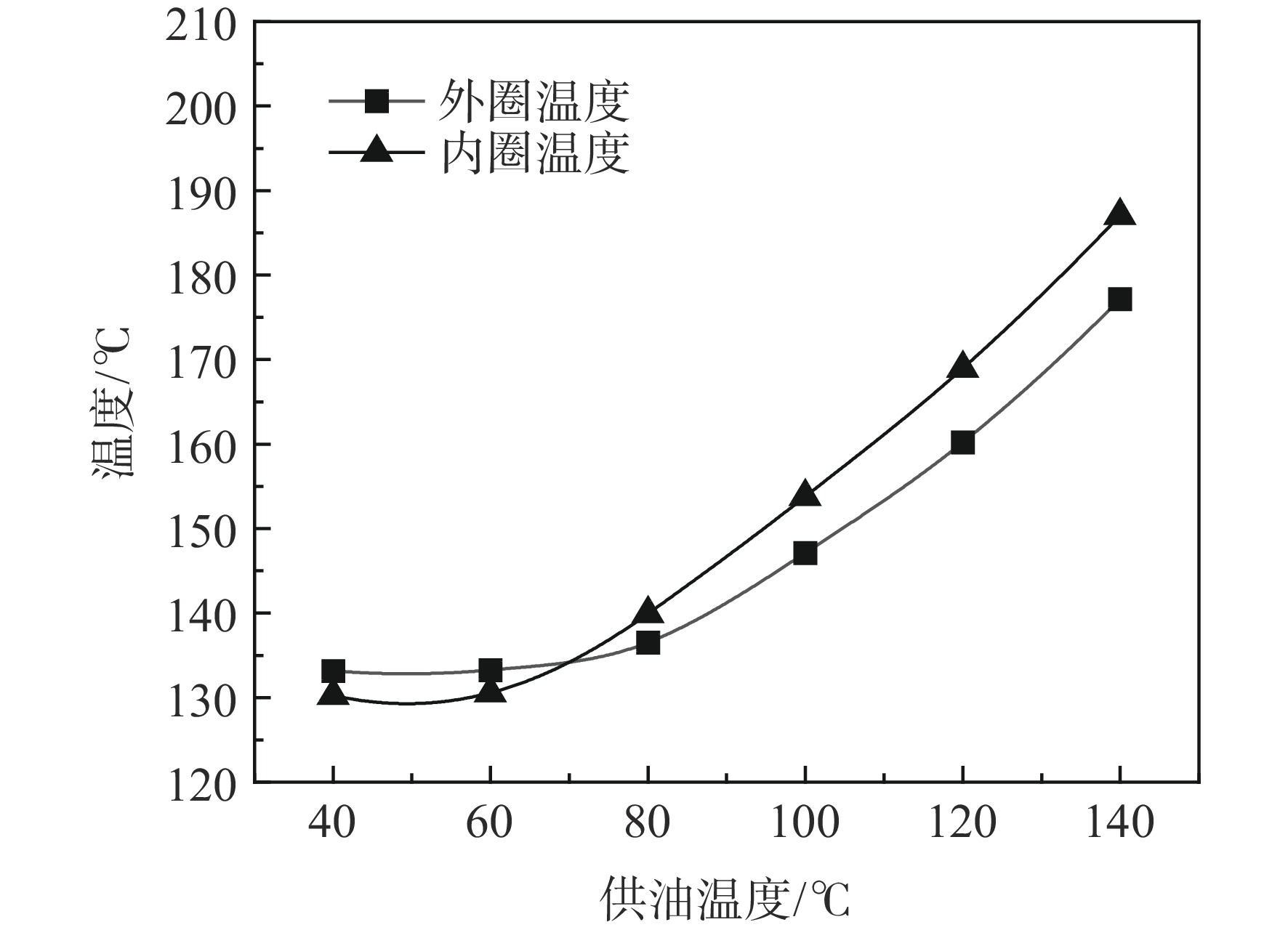
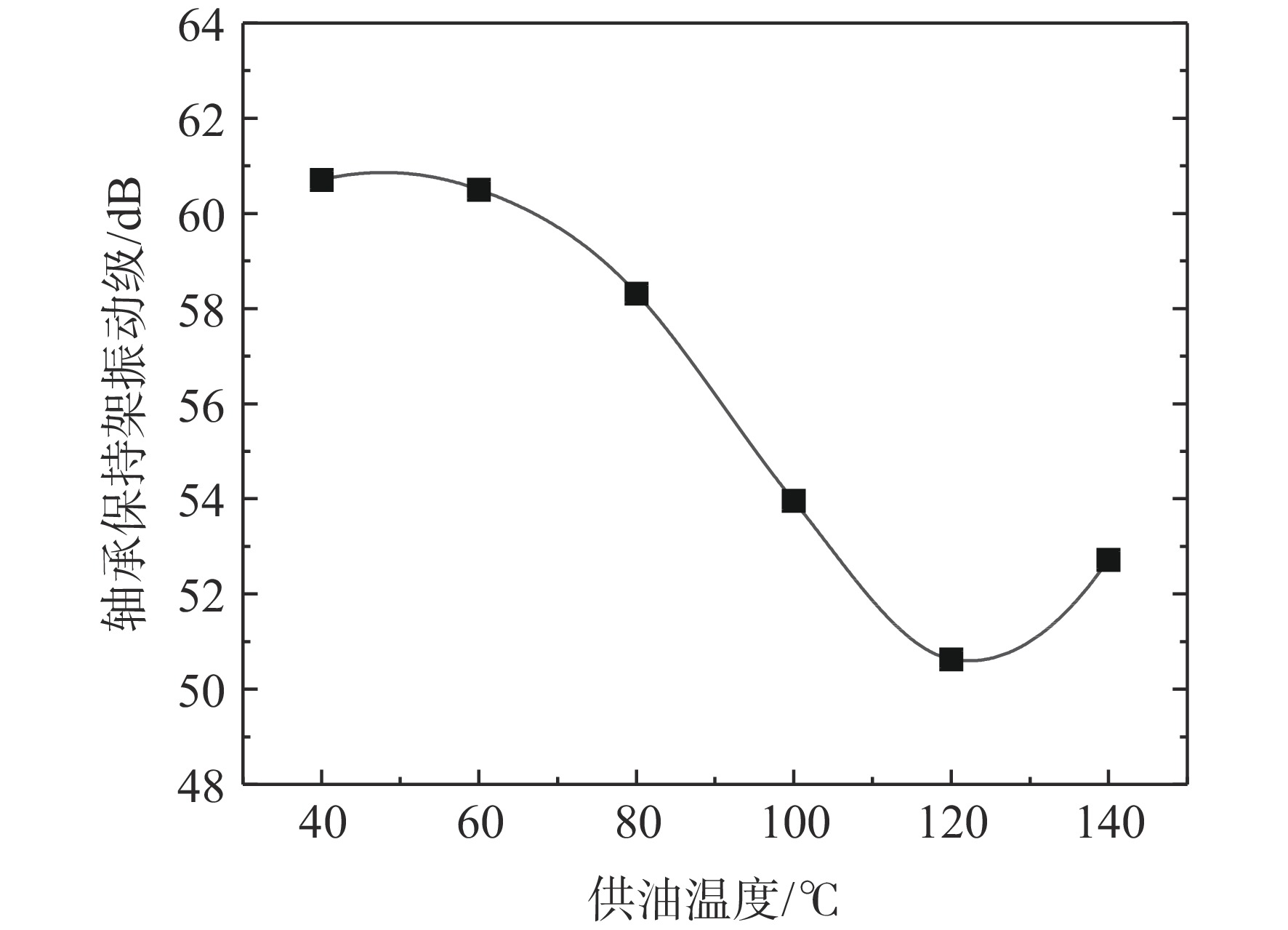
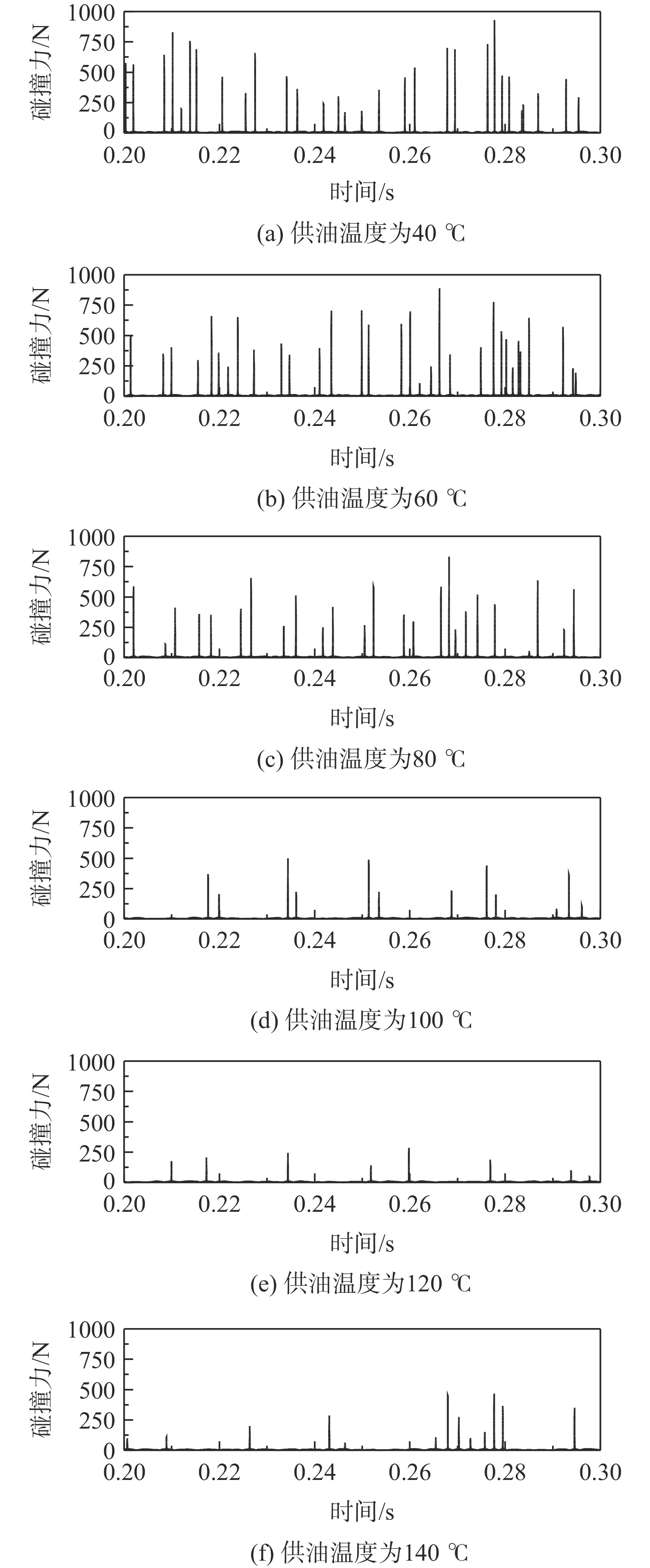
In order to analyze the dynamic characteristics of aero-engine bearings more accurately, a thermal-mechanical coupling dynamic model of aero-engine spindle ball bearings was established based on the dynamic theory of rolling bearings and heat transfer theory. Then, the dynamic differential equations were solved using the GSTIFF variable step size integral algorithm, and the effects of bearing oil supply and temperature on bearing temperature and bearing dynamics were analyzed. The results showed that the dynamic characteristics of ball bearings were greatly affected by bearing heat generation when ball bearings were running at high speeds. When the oil supply increased, the bearing temperature and the collision force between the ball and the cage were reduced. However, too much oil supply could lead to an increase in bearing cage vibration. The oil supply temperature mainly affected the bearing temperature and lubricating oil viscosity. The acting force between the cage and the guide ring decreased with the increase of the oil supply temperature. The bearing cage vibration was minimal when the oil supply temperature was 120 ℃.

Autocontrol
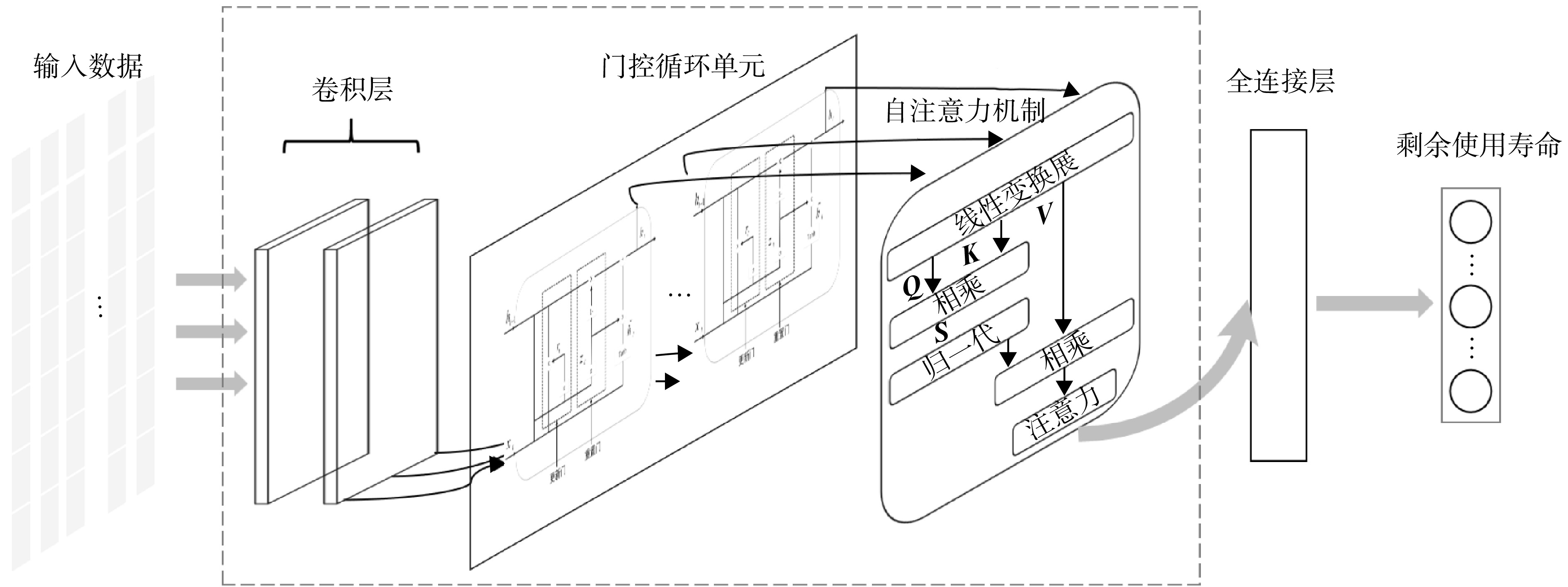
Improved GRU-based self-attention optimization algorithm for aero-engine remaining useful life prediction
GUO Xiaojing, XU Xiaohui, GUO Jiahao
2024, 39(12): 20220984. doi: 10.13224/j.cnki.jasp.20220984
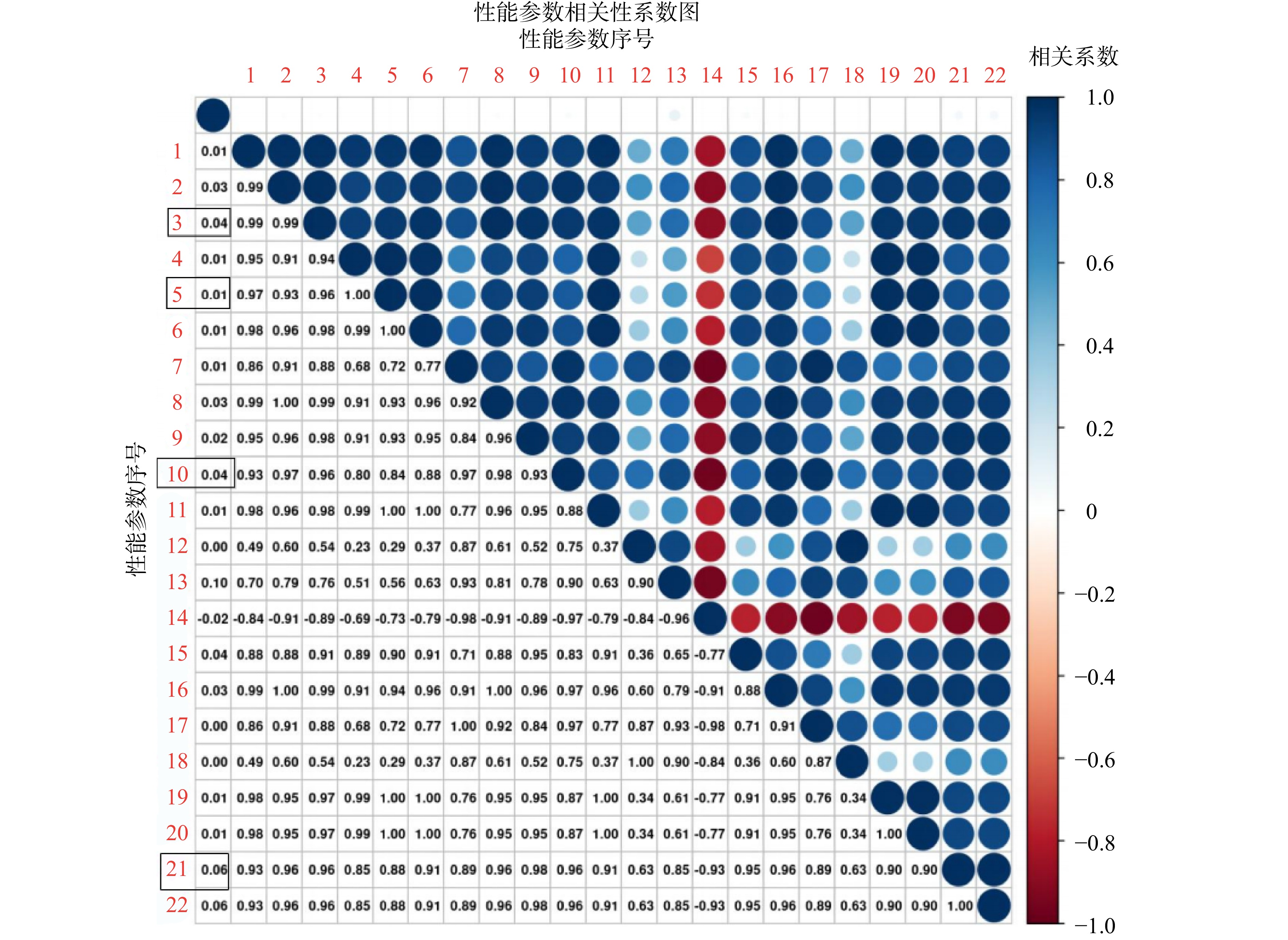
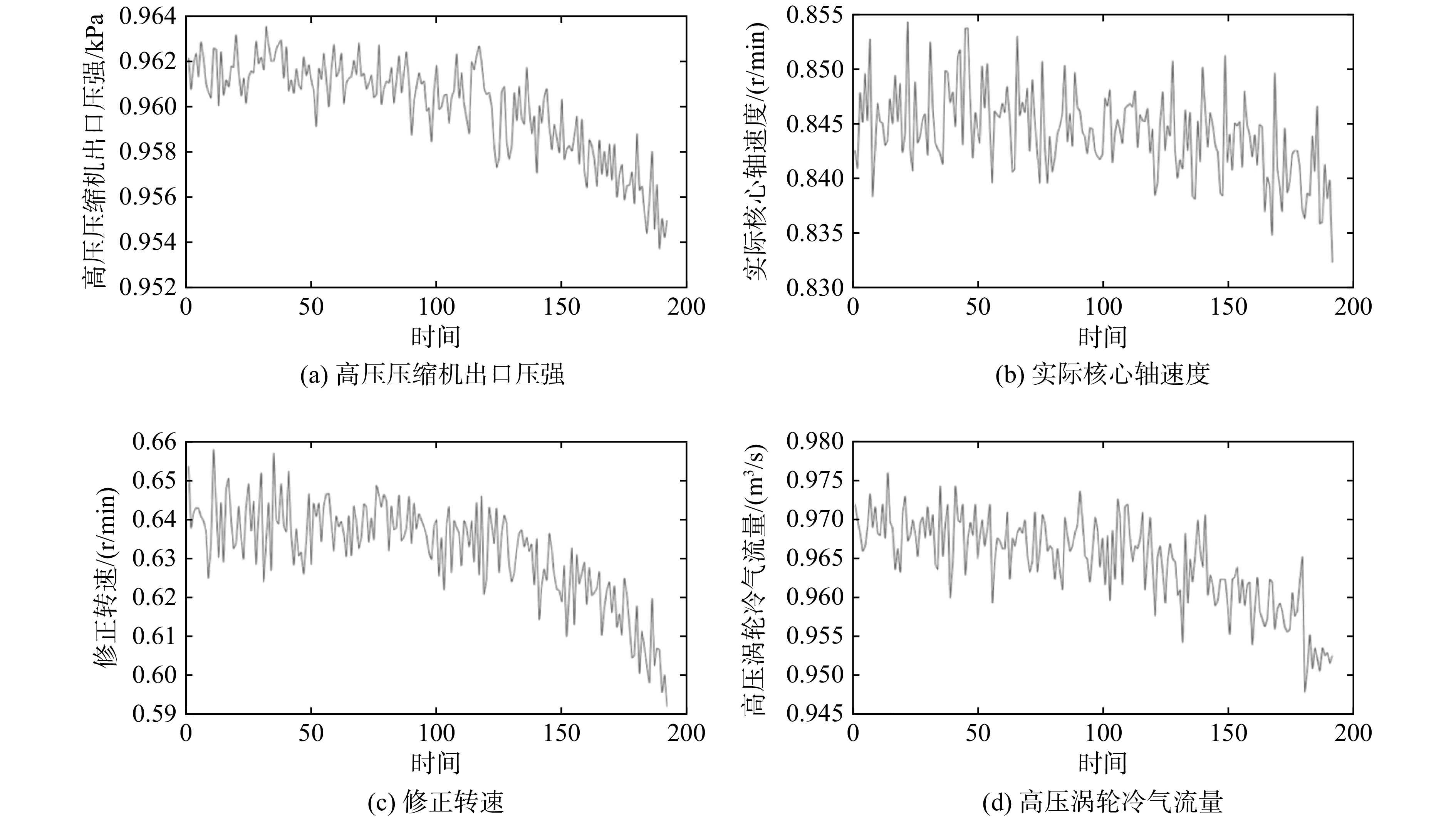
Abstract:

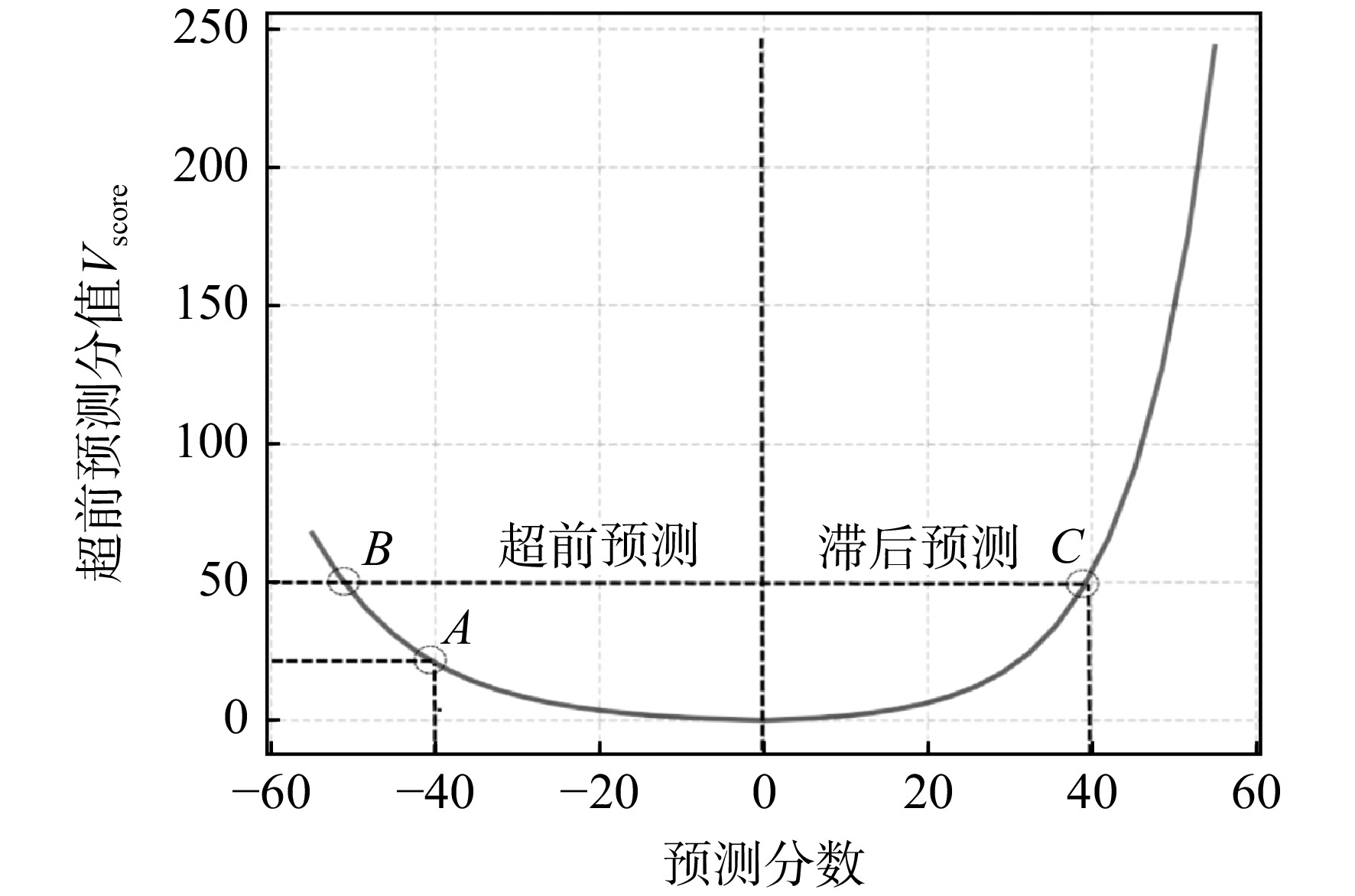
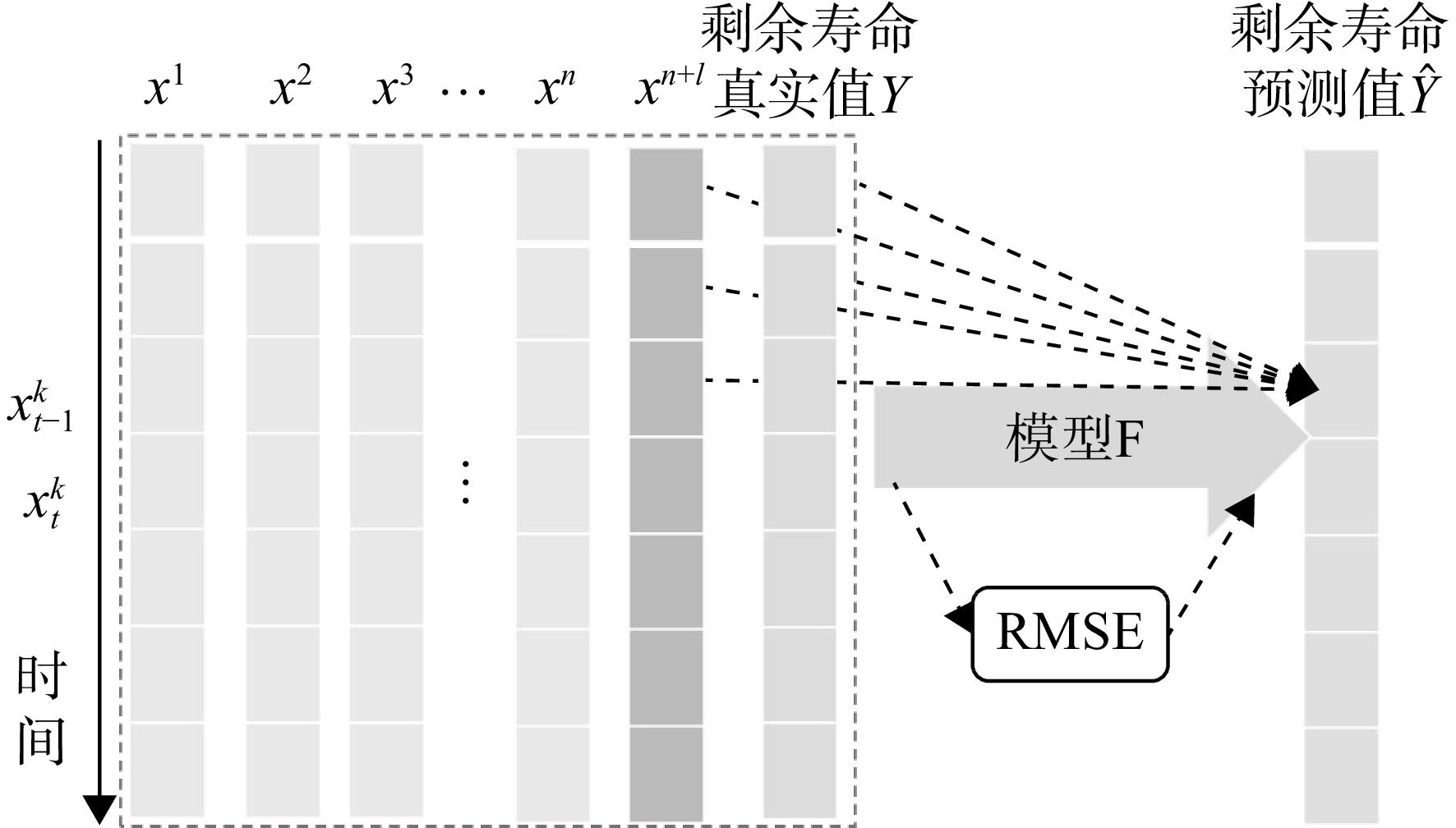
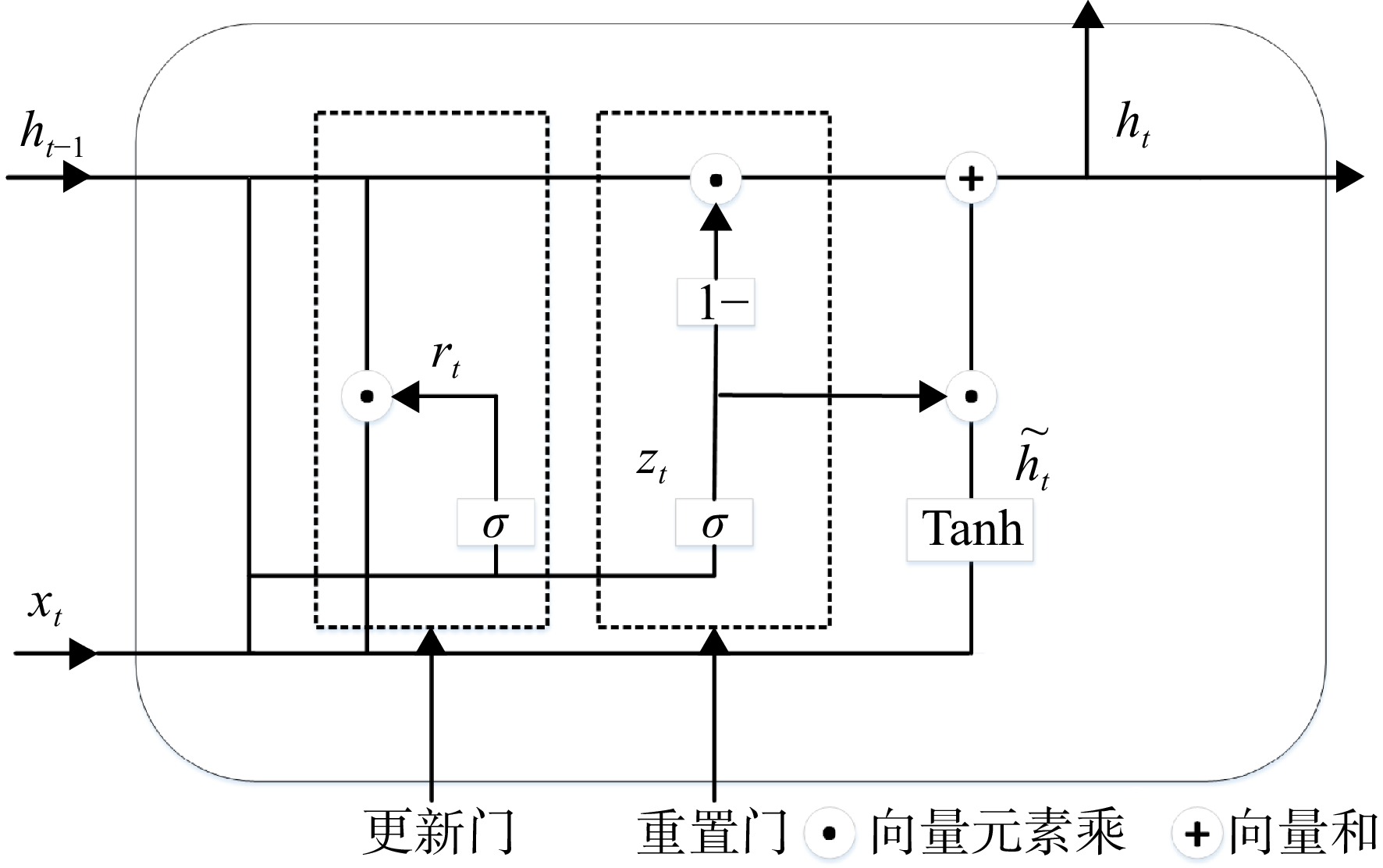
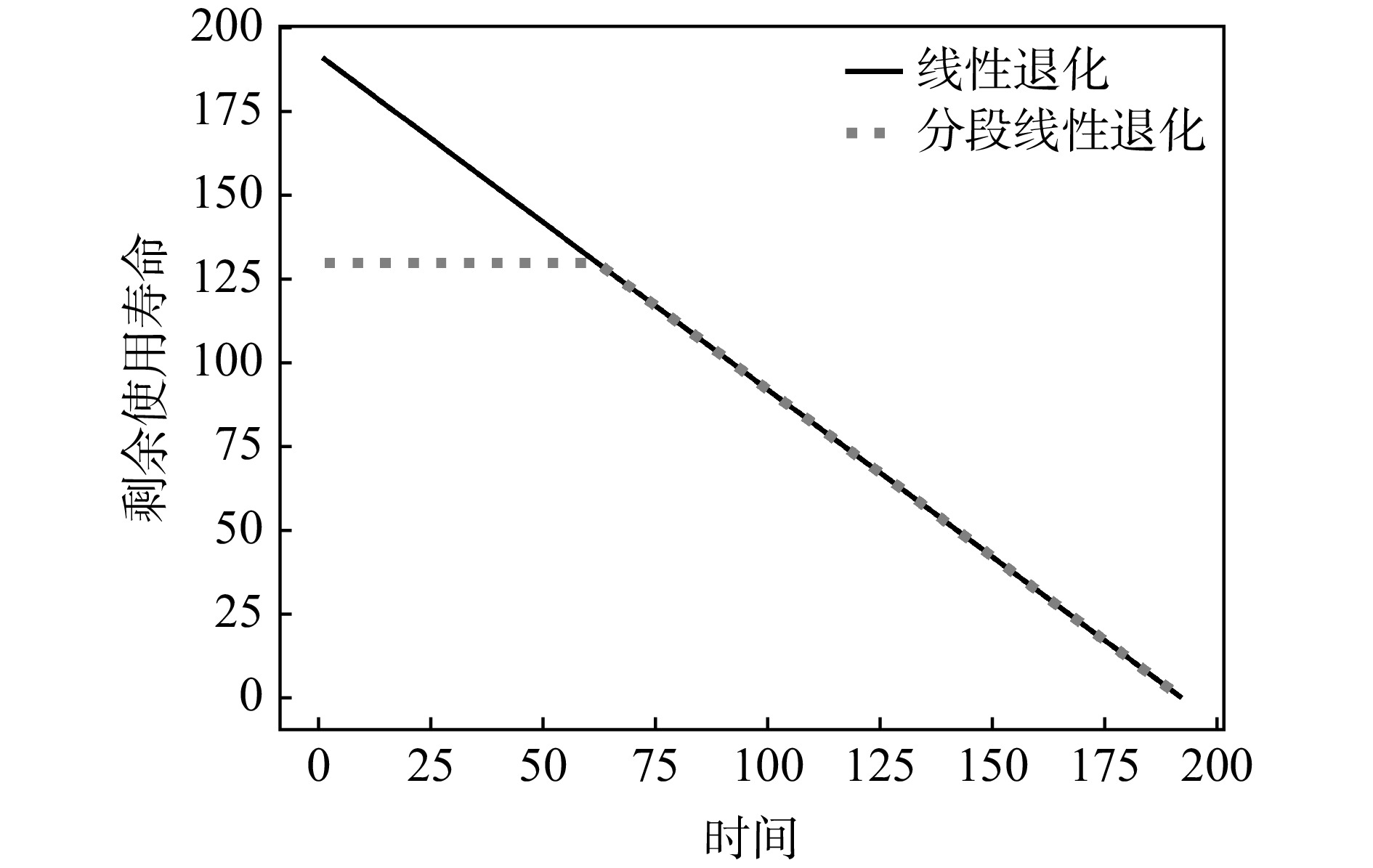
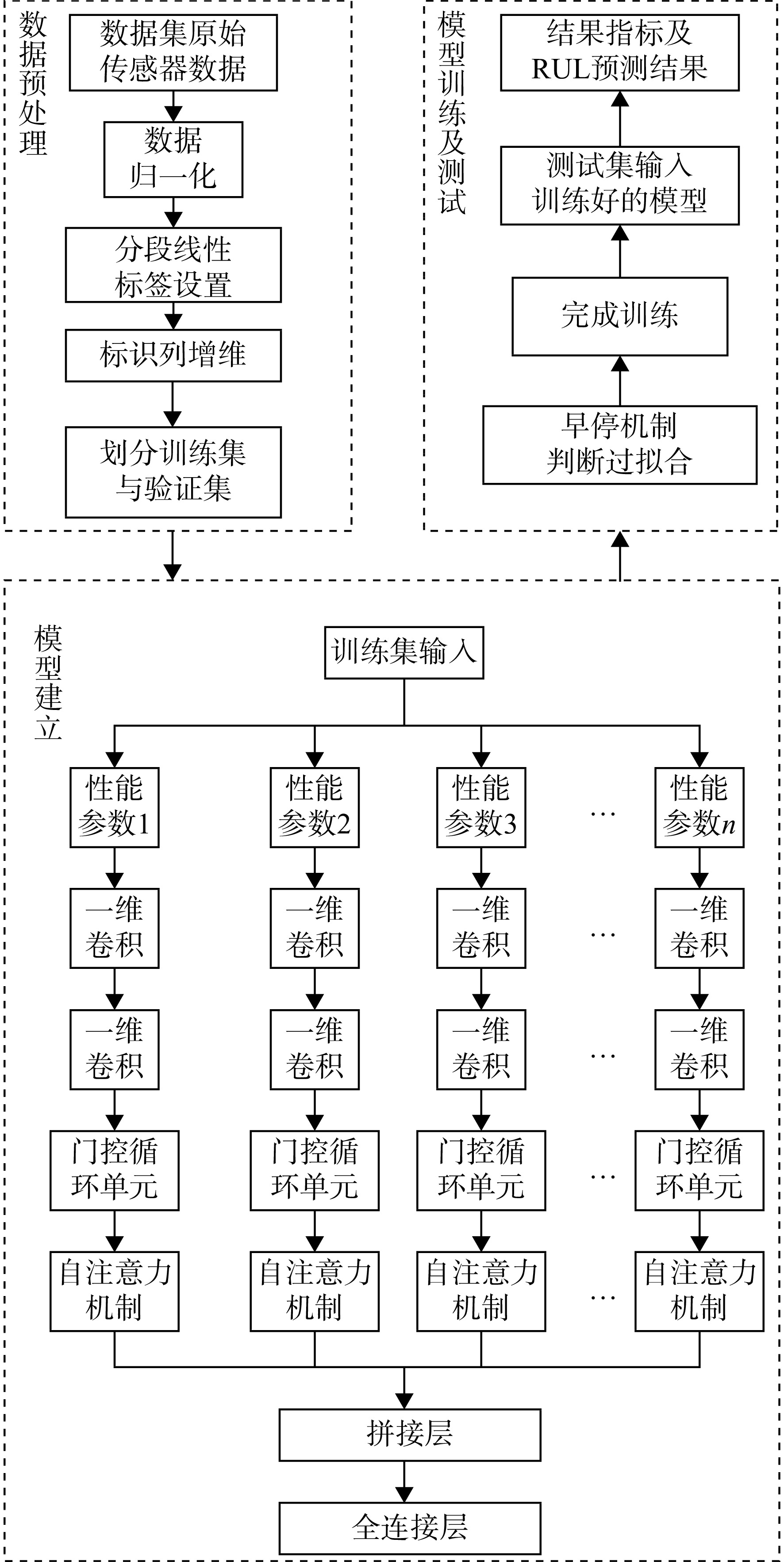
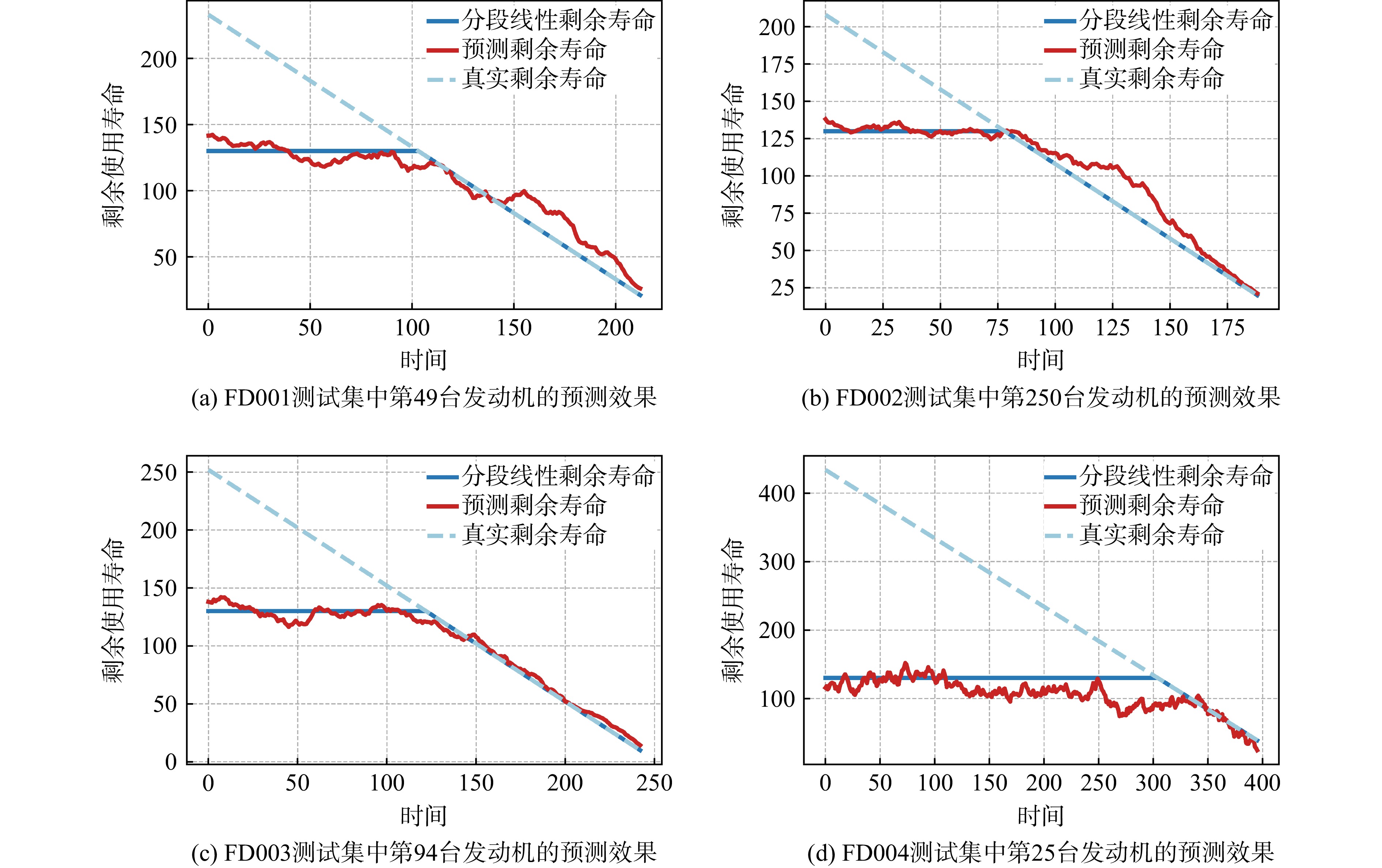
Multivariate, high-dimensional and time-ordered aero-engine performance parameters can characterize life regressions, which are prone to gradient disappearance using conventional model training. A self-attention optimization algorithm was proposed to improve the gated recurrent units (GRU). Row gradients of source domain and inter-column correlations were analyzed. The feature weights were optimized by augmenting the strongly correlated lifetime columns, with its aim to accelerate model convergence and improve prediction accuracy. Experiments on the engine life prediction dataset (C-MAPSS) showed that the root mean square error (RMSE) of life obtained by the algorithm fell in the interval [10.52, 18.91] and the over-prediction index (score) in the interval [48.69, 204.98]. Compared with the traditional method, the effect of life prediction was greatly reduced, and an effective solution was provided for engine life prediction and advanced maintenance.

Review of solar UAV power system
ZHANG Shu, LIU Xuan, WANG Chen, YUE Fengfa, GUAN Yueshi, WANG Yifeng
2024, 39(12): 20220792. doi: 10.13224/j.cnki.jasp.20220792
Abstract:

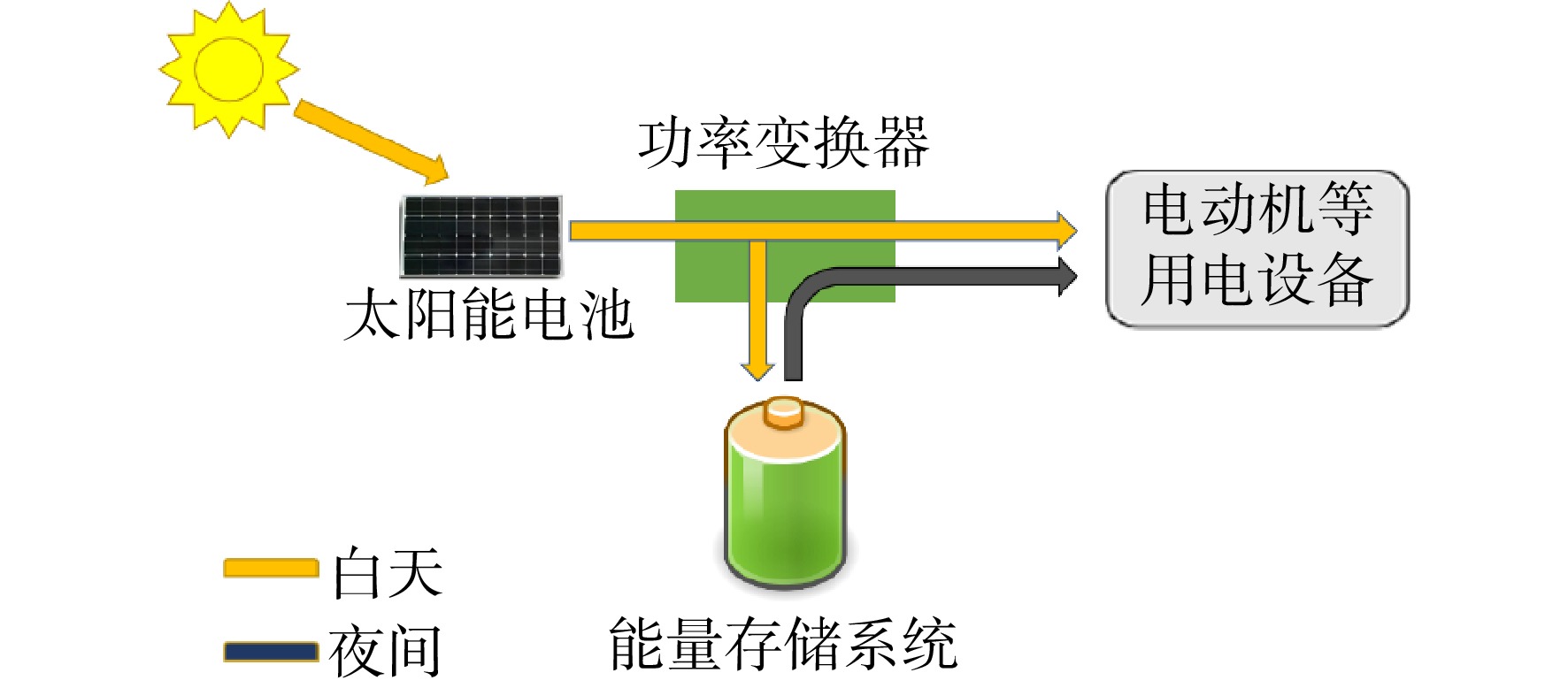
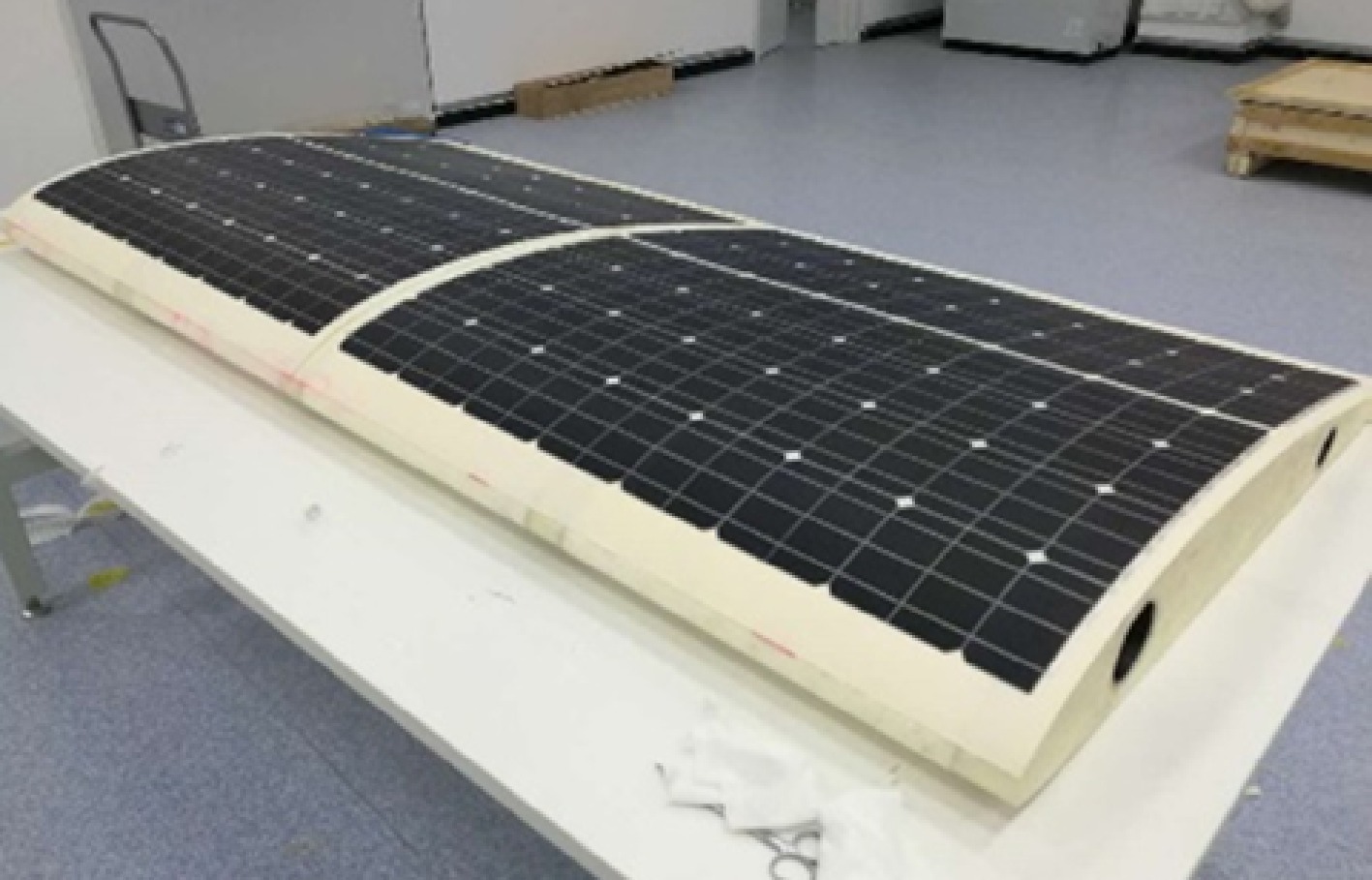
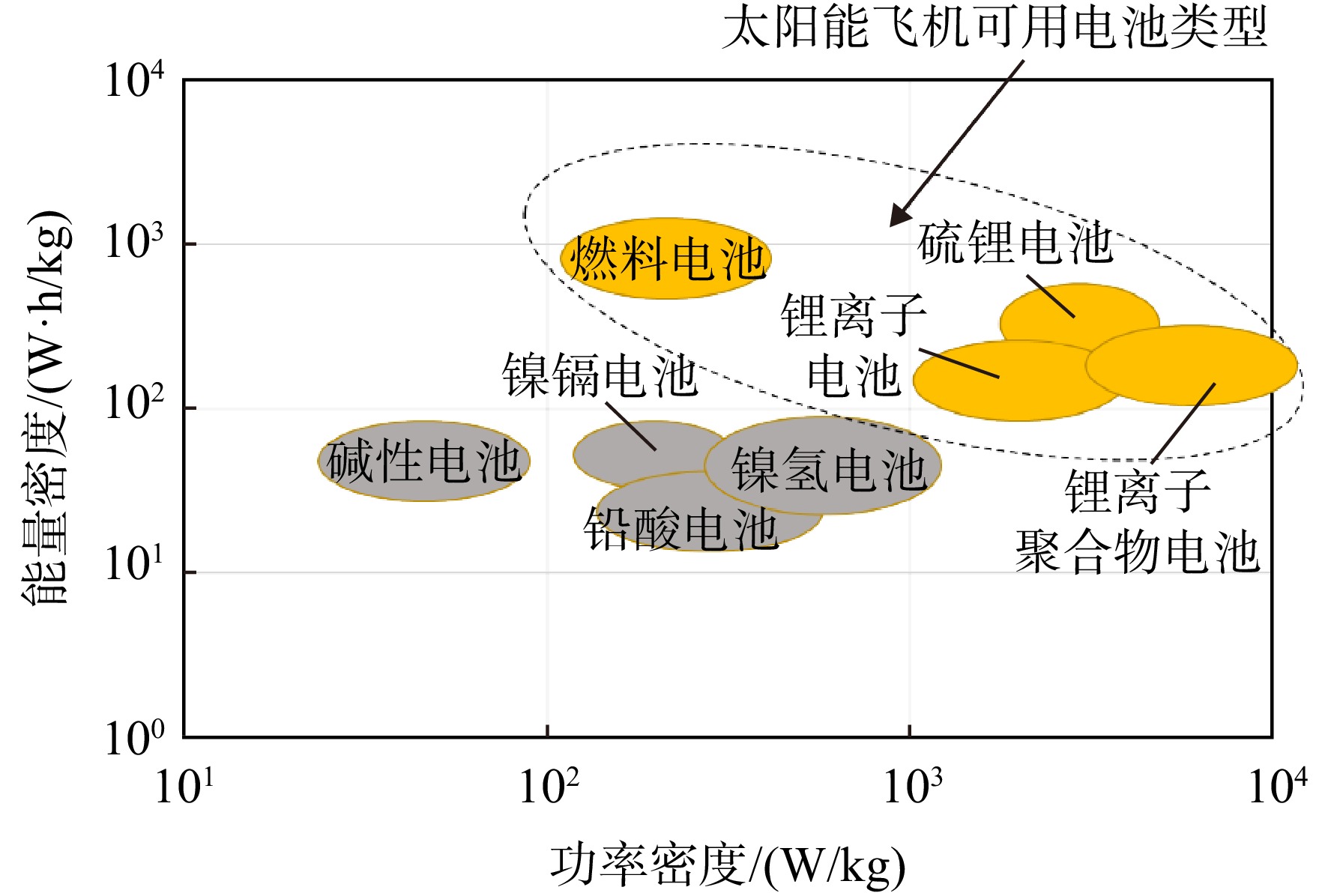
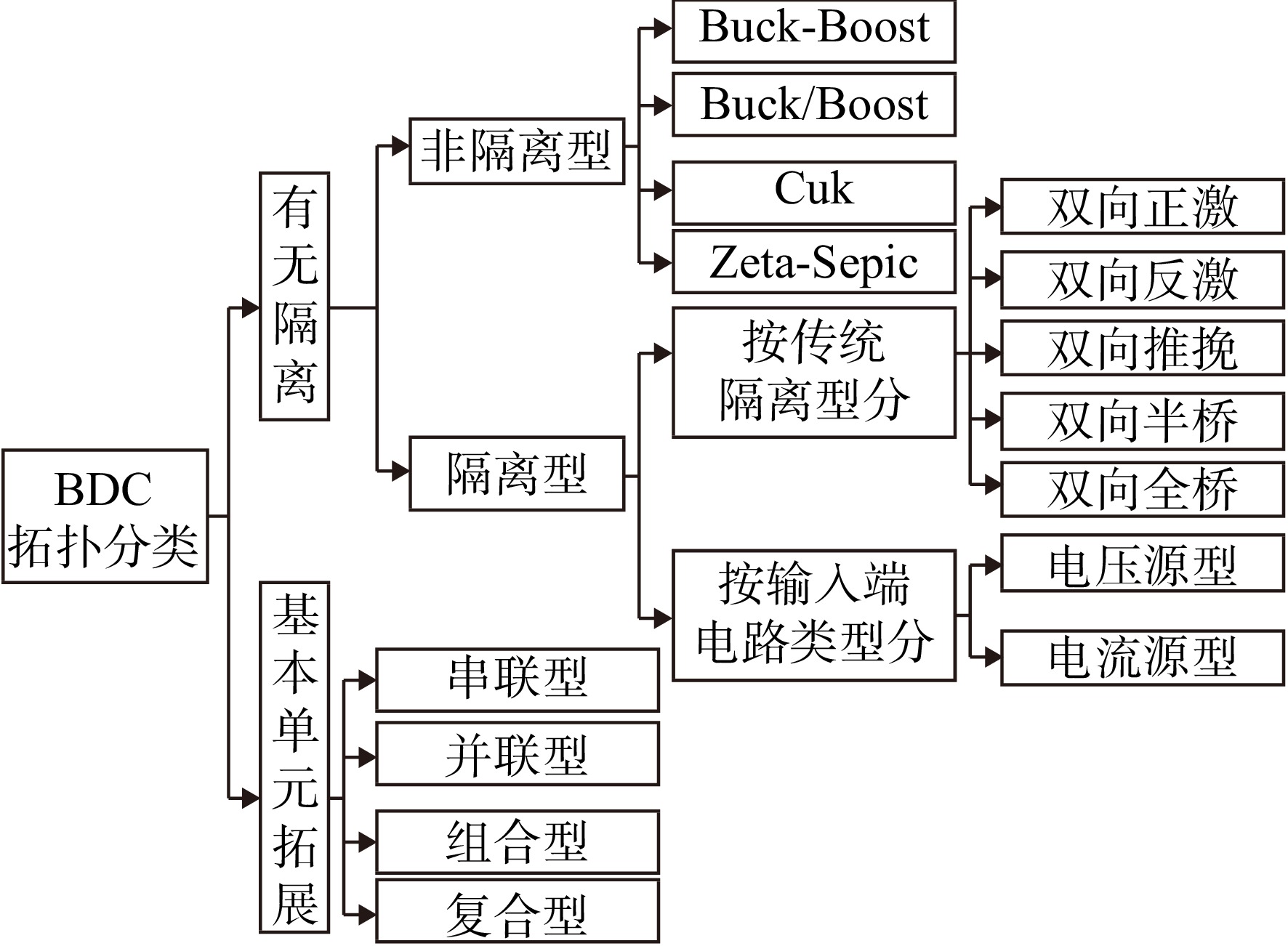
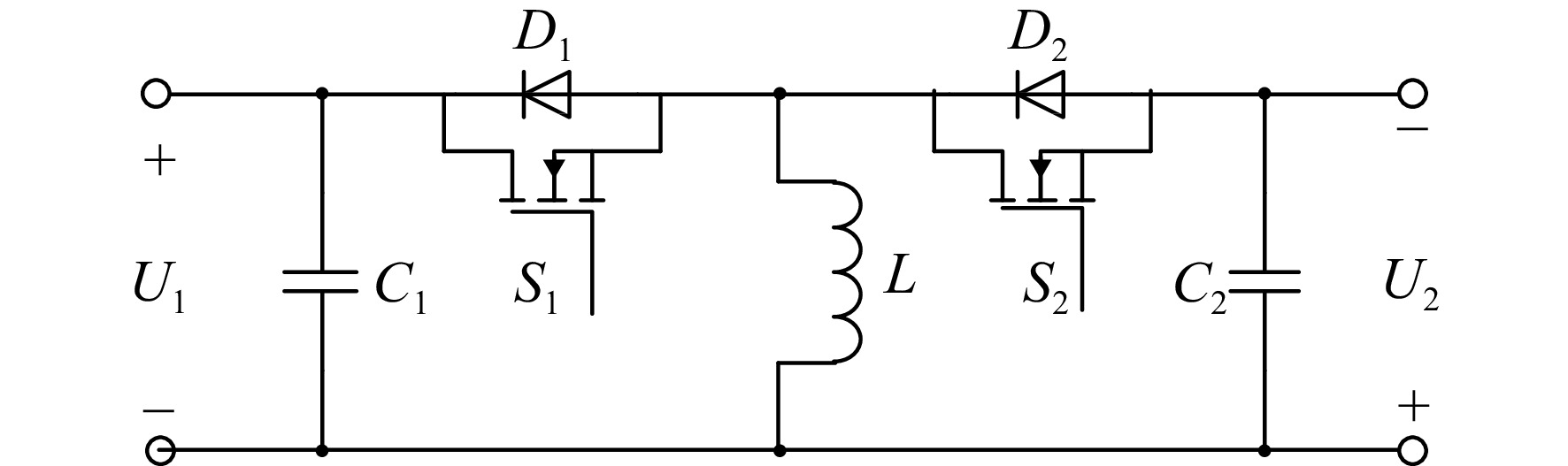
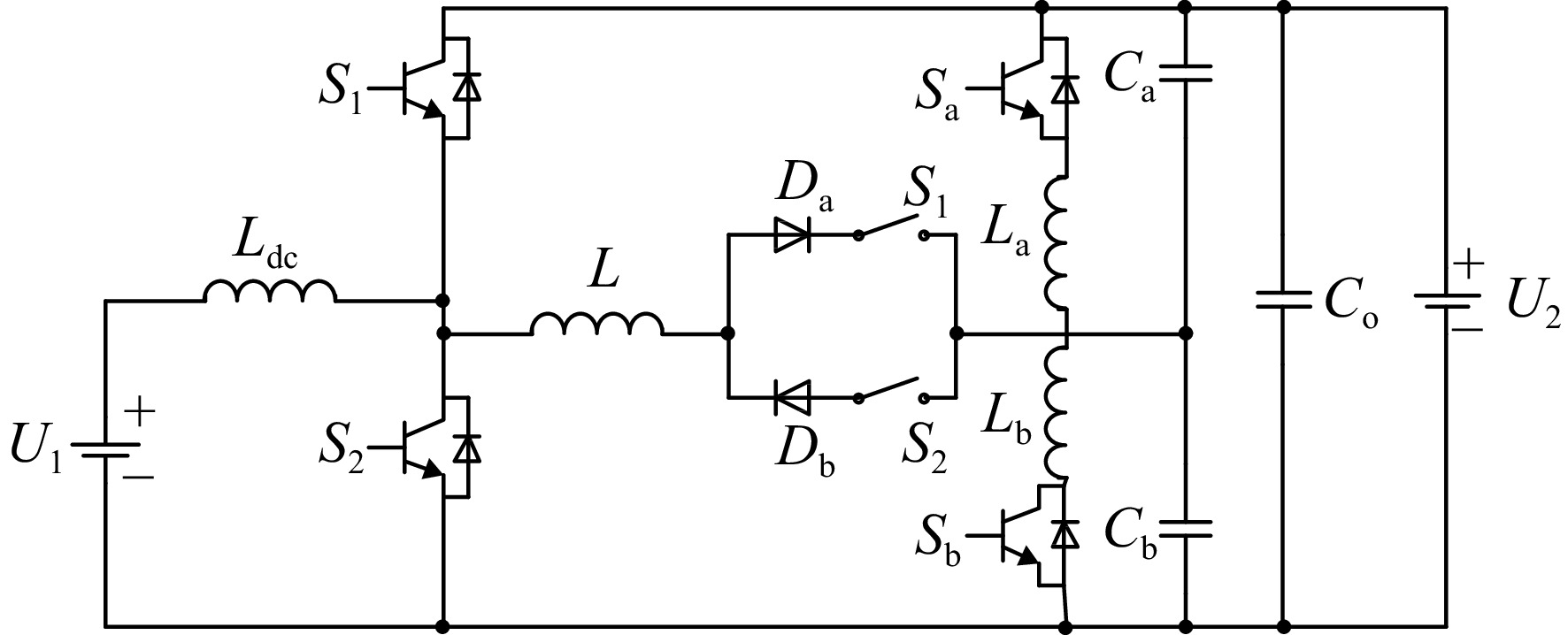
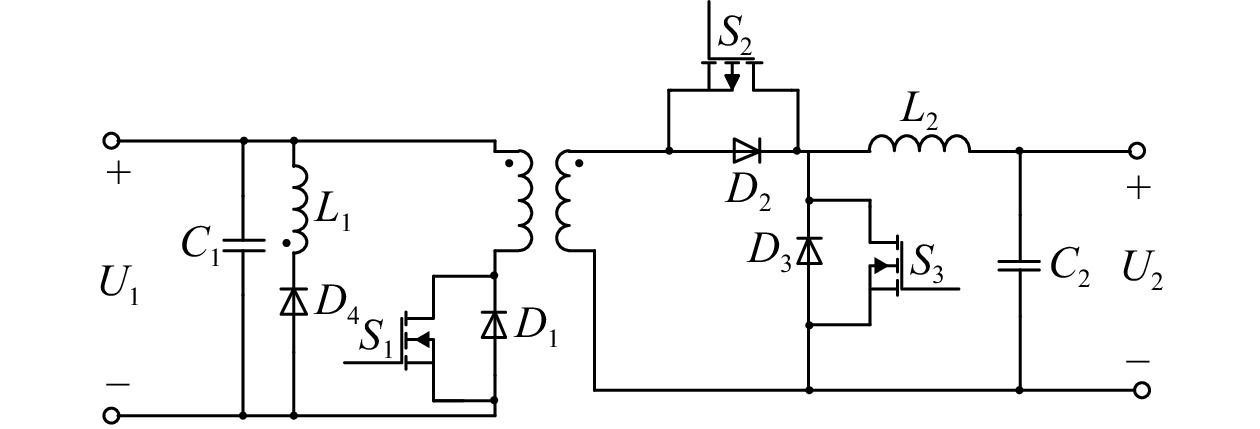
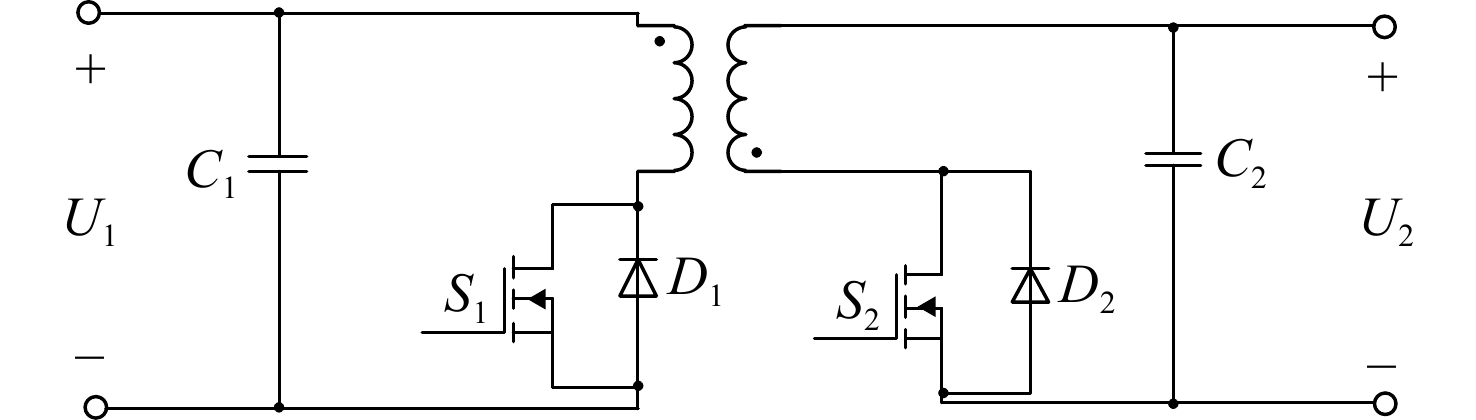
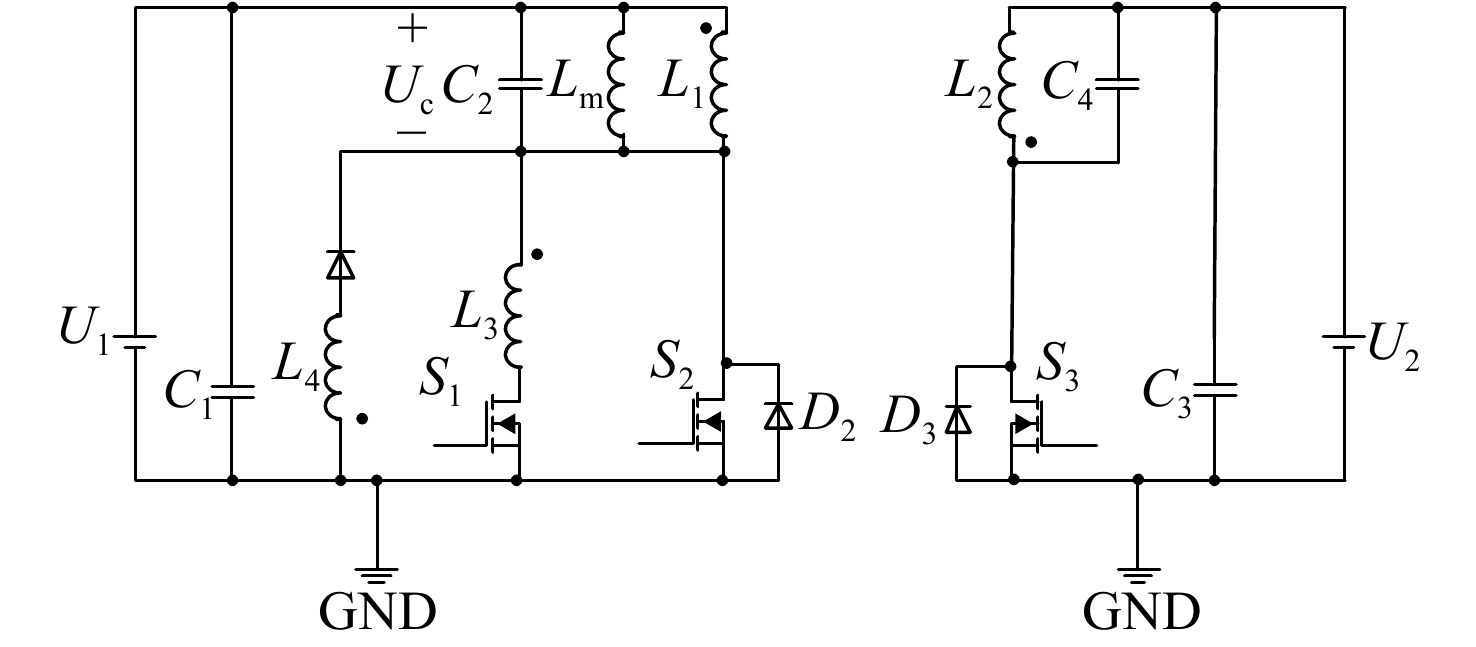
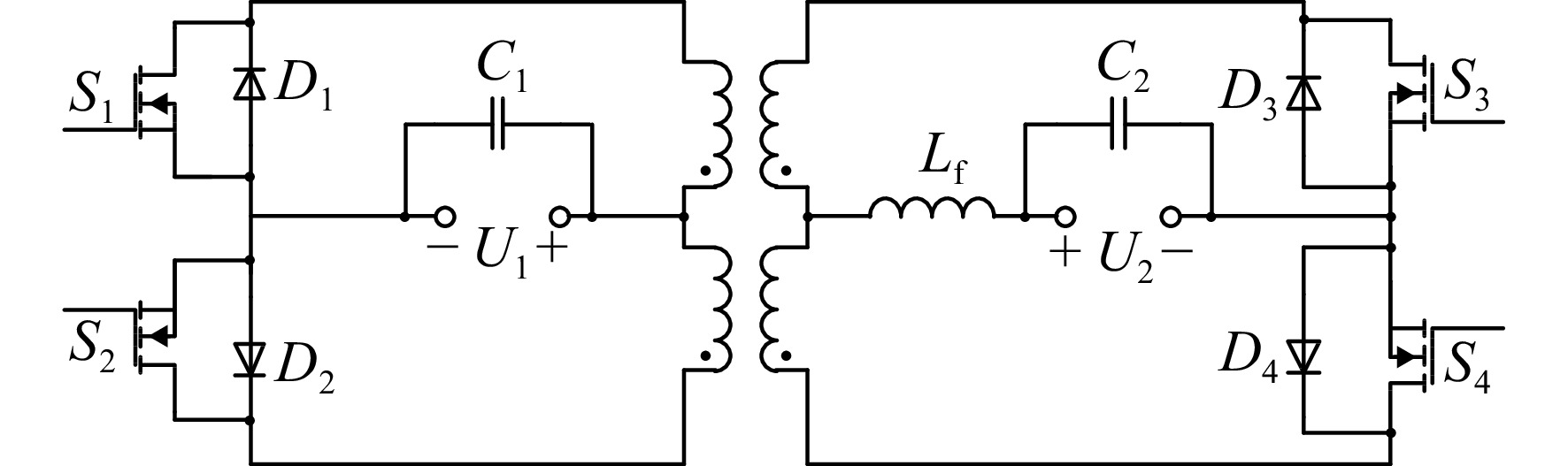
In view of the lack of systematic research on solar unmanned aerial vehicles (UAV) in China, the development status of solar unmanned aerial vehicles was discussed from the aspects of solar panels, energy storage systems, power converters, etc., according to the main functional units of the power system. The representative research results at home and abroad were summarized. It was found that the performance of the solar UAV power system was one of the key factors affecting its continuous operation. The main research issues included: improving the conversion efficiency and physical characteristics of photovoltaic cells, improving the energy density and stability of energy storage units, and equipping the corresponding energy management system. Finally, the development direction of solar UAV power system was summarized: from the research and development of high-performance solar cell materials, to the research on the diversity of energy storage systems and the improvement of environmental adaptability, and then to the design of high-power and high-efficiency power converters and the intellectualization of energy management, finally to improvement of the energy utilization rate and realization of the miniaturized and lightweight system.

Safety,Airworthiness
Numerical simulation on bird ingestion characteristics from engine inlet of turboprop aircraft
ZHOU Haoyu, WU Zhenlong, XIE Maixiang, TAN Huijun, ZHENG Gaojie, ZHANG Fengqi, LUO Gang, CHEN Wei
2024, 39(12): 20230083. doi: 10.13224/j.cnki.jasp.20230083
Abstract:

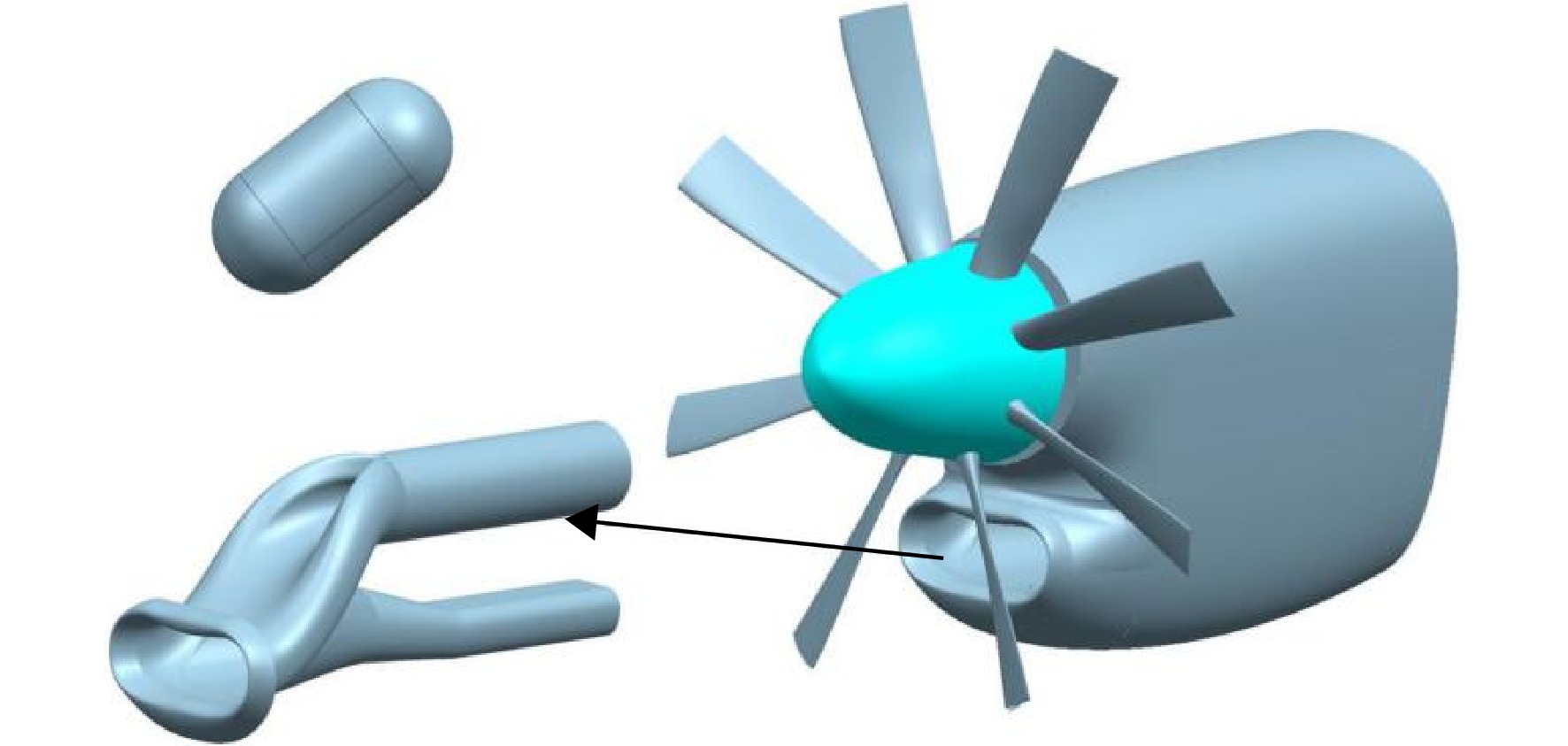
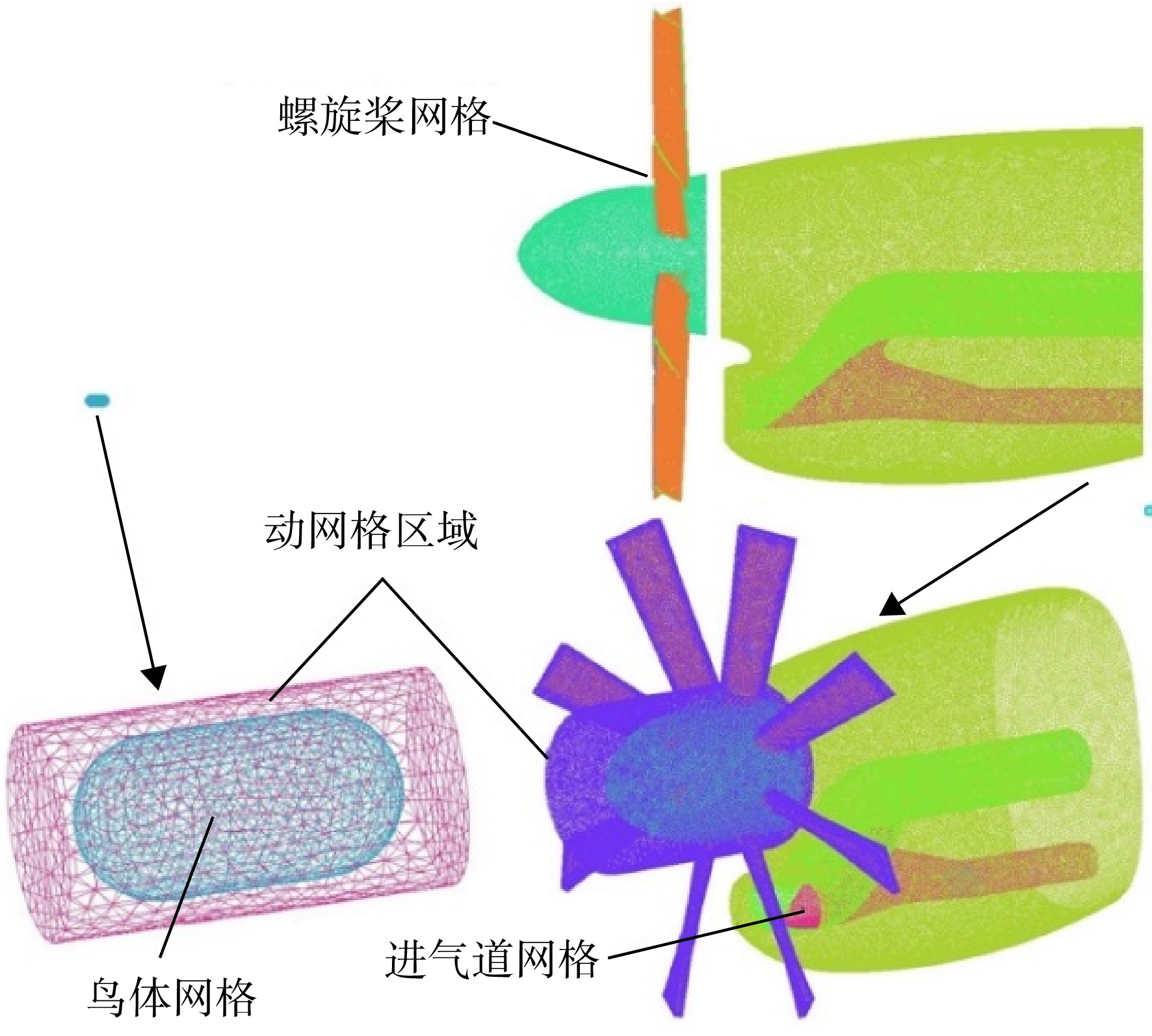
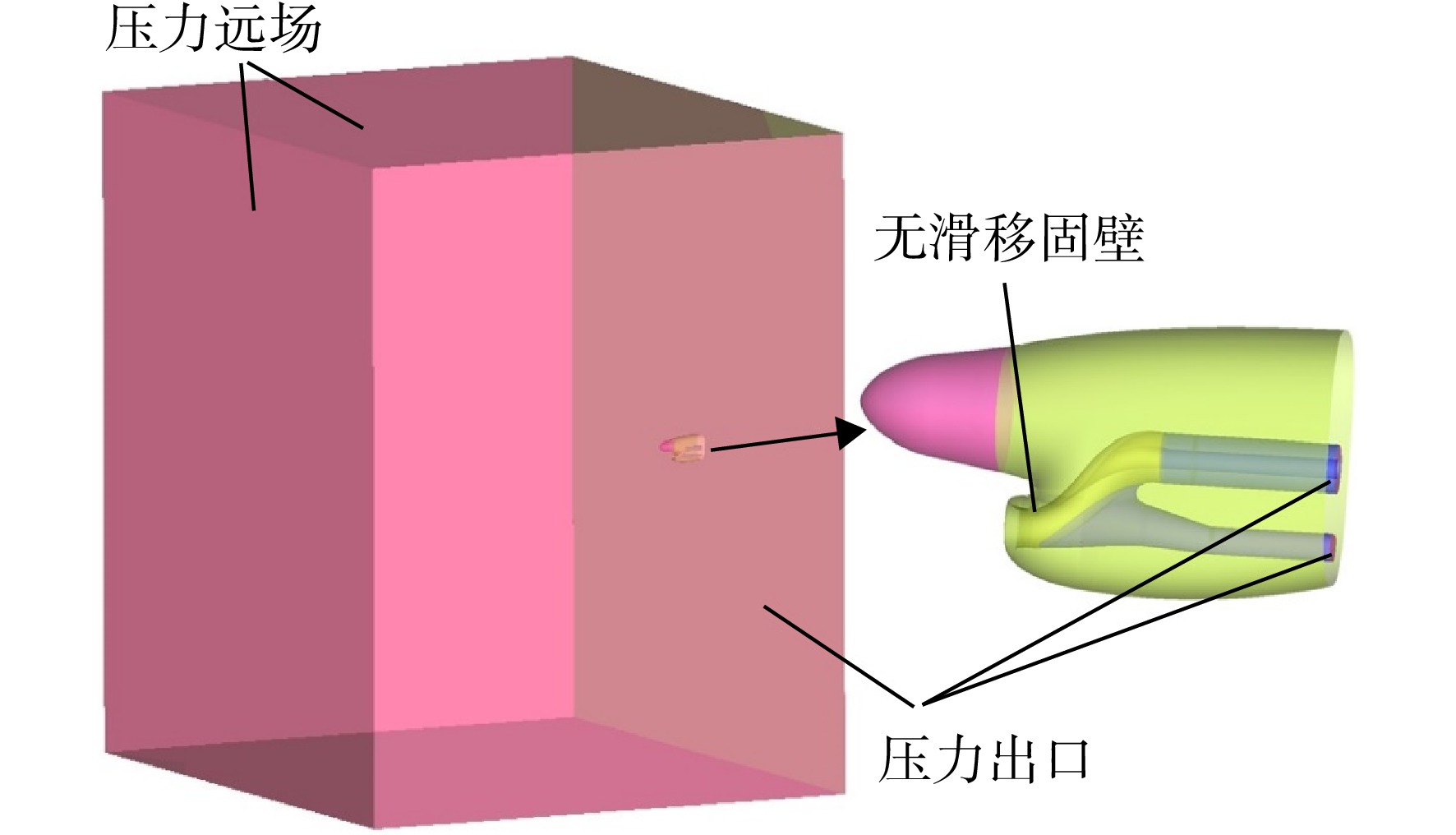
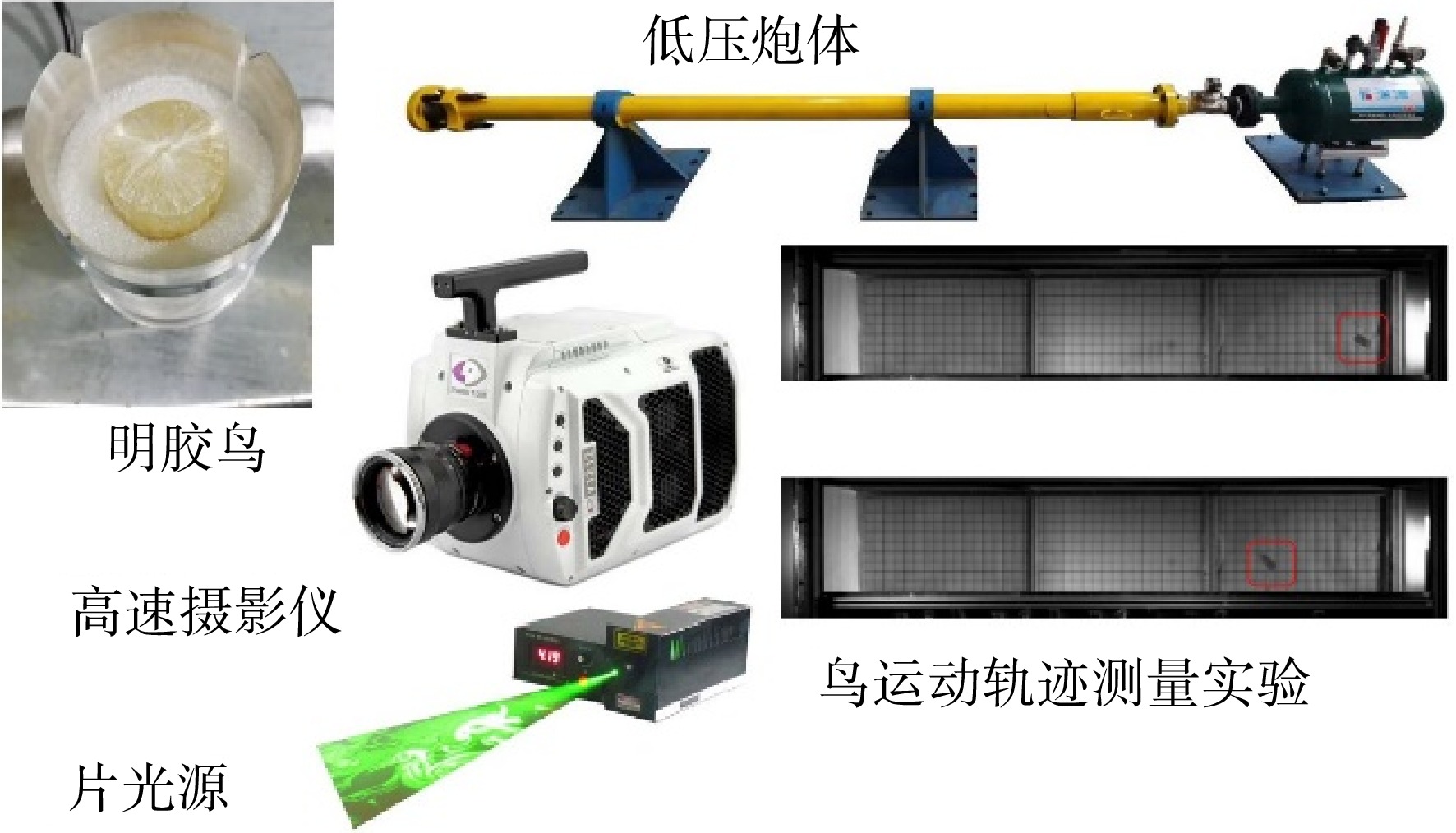
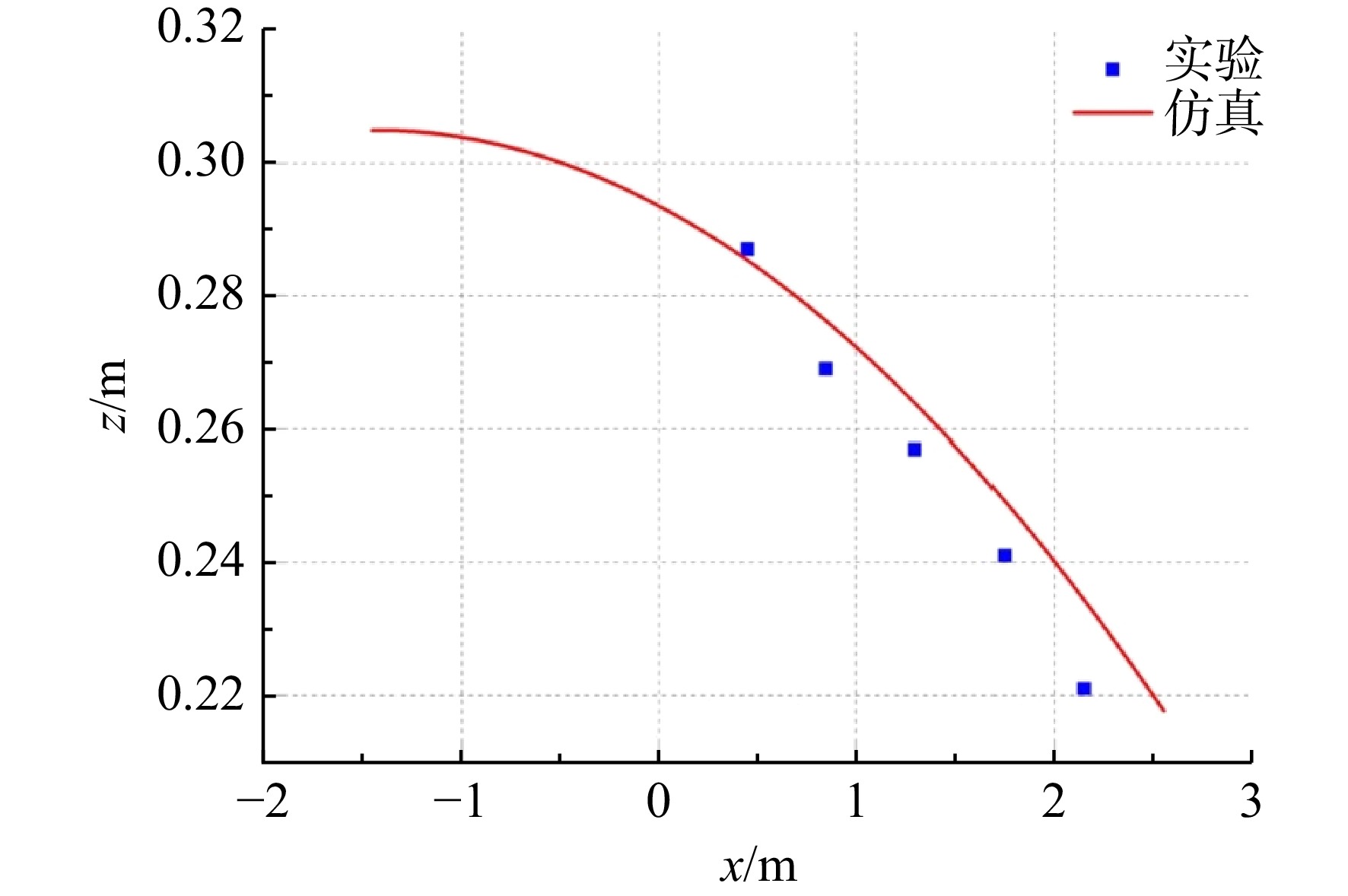
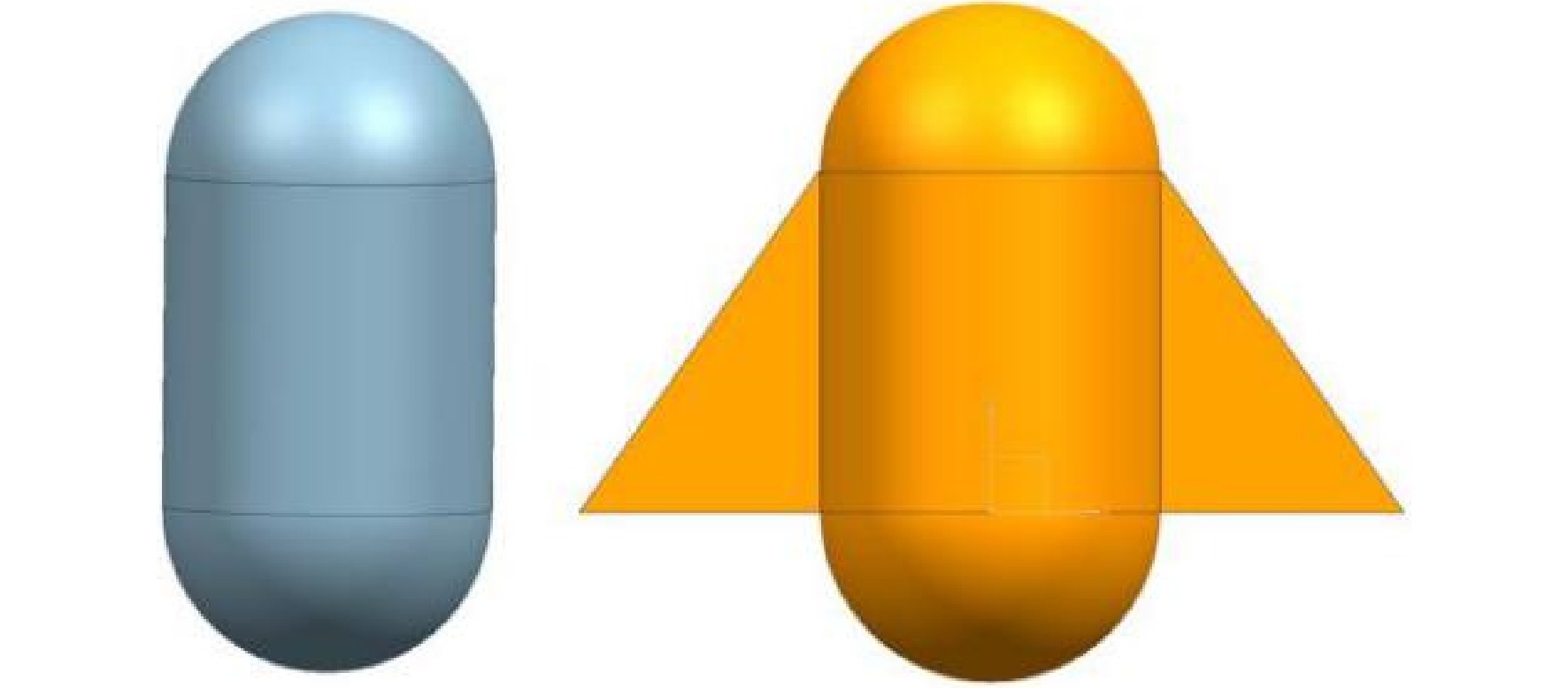
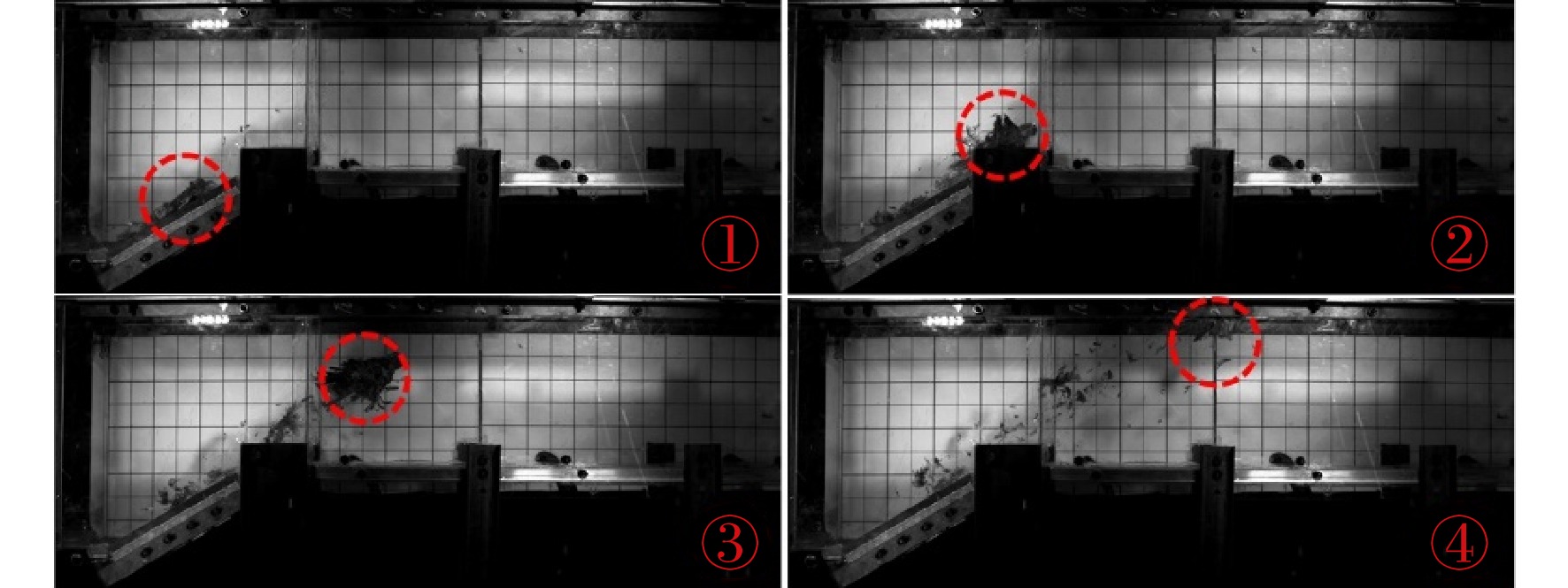
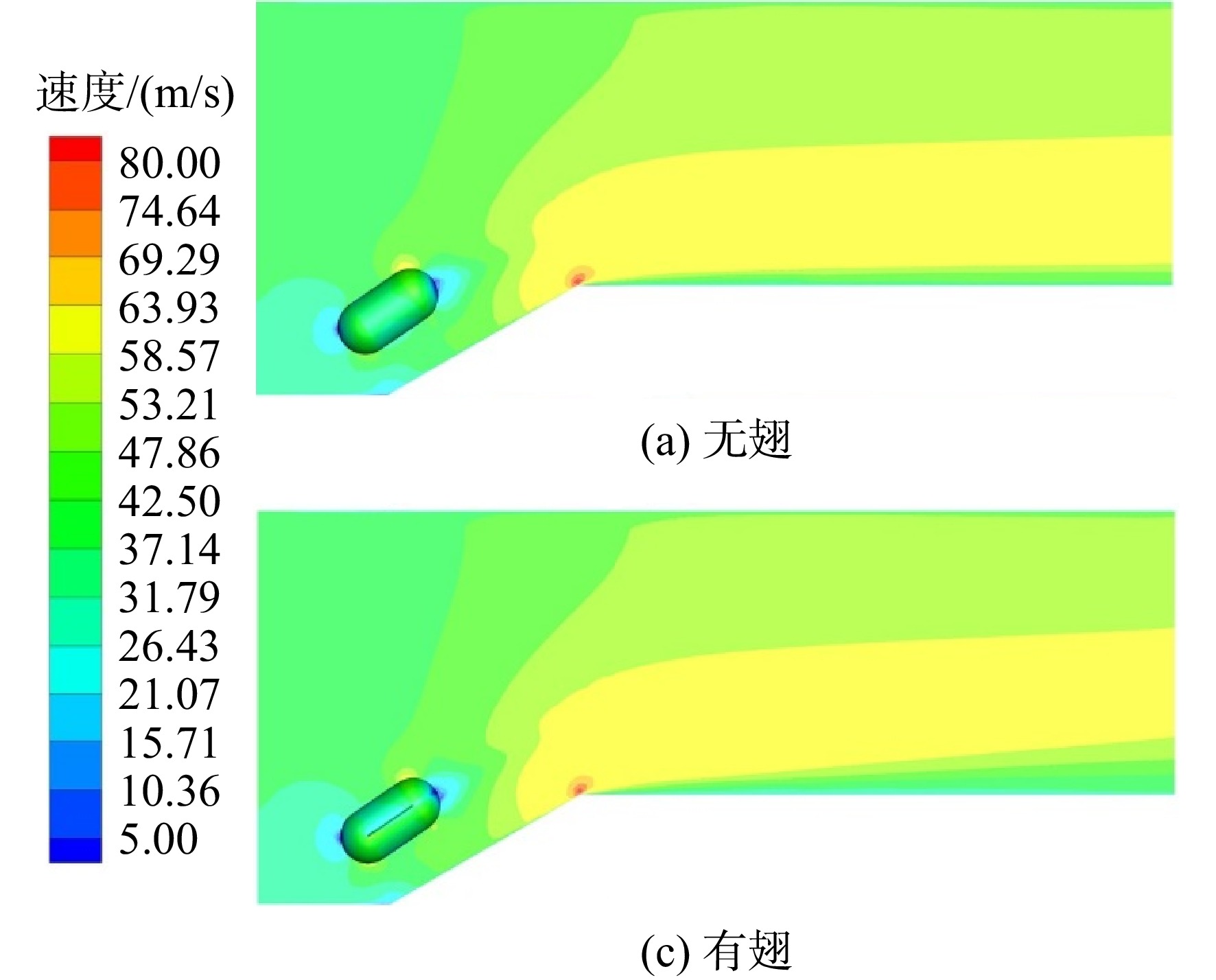
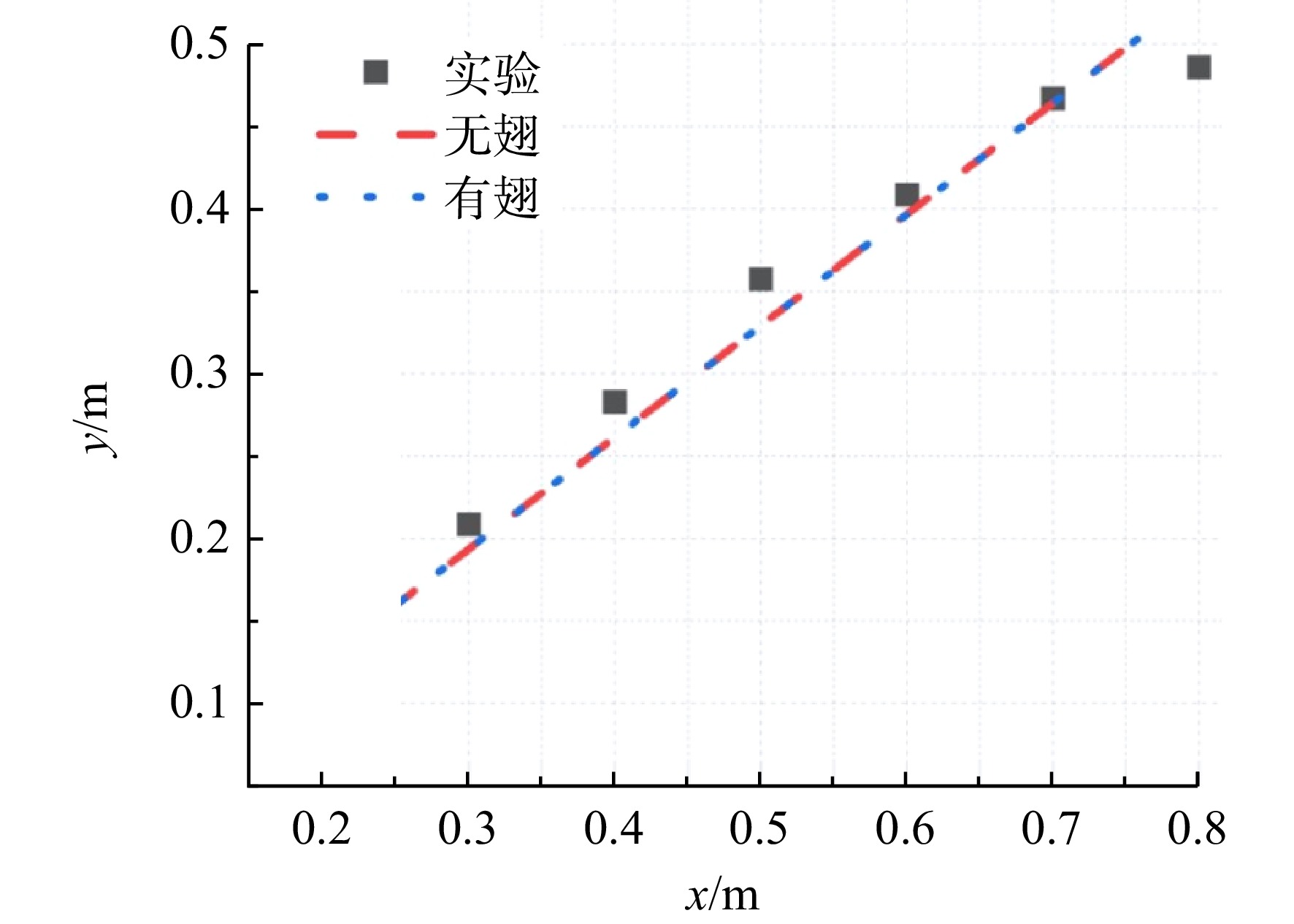
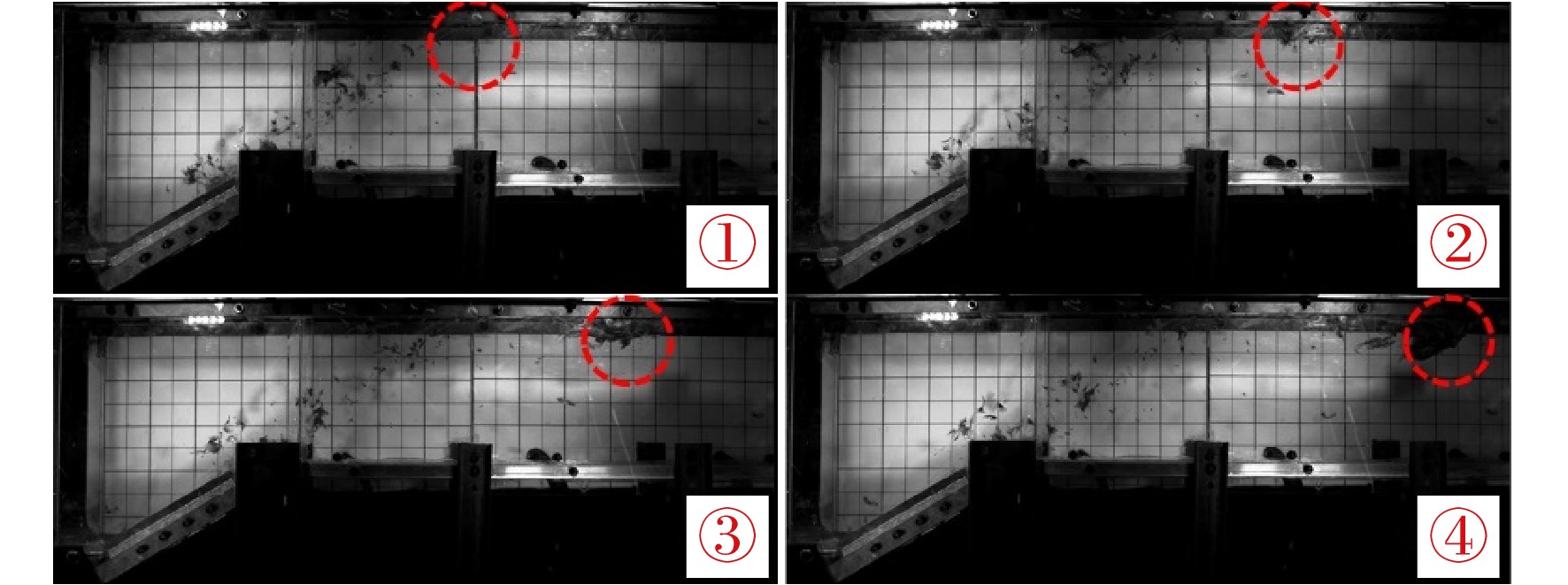
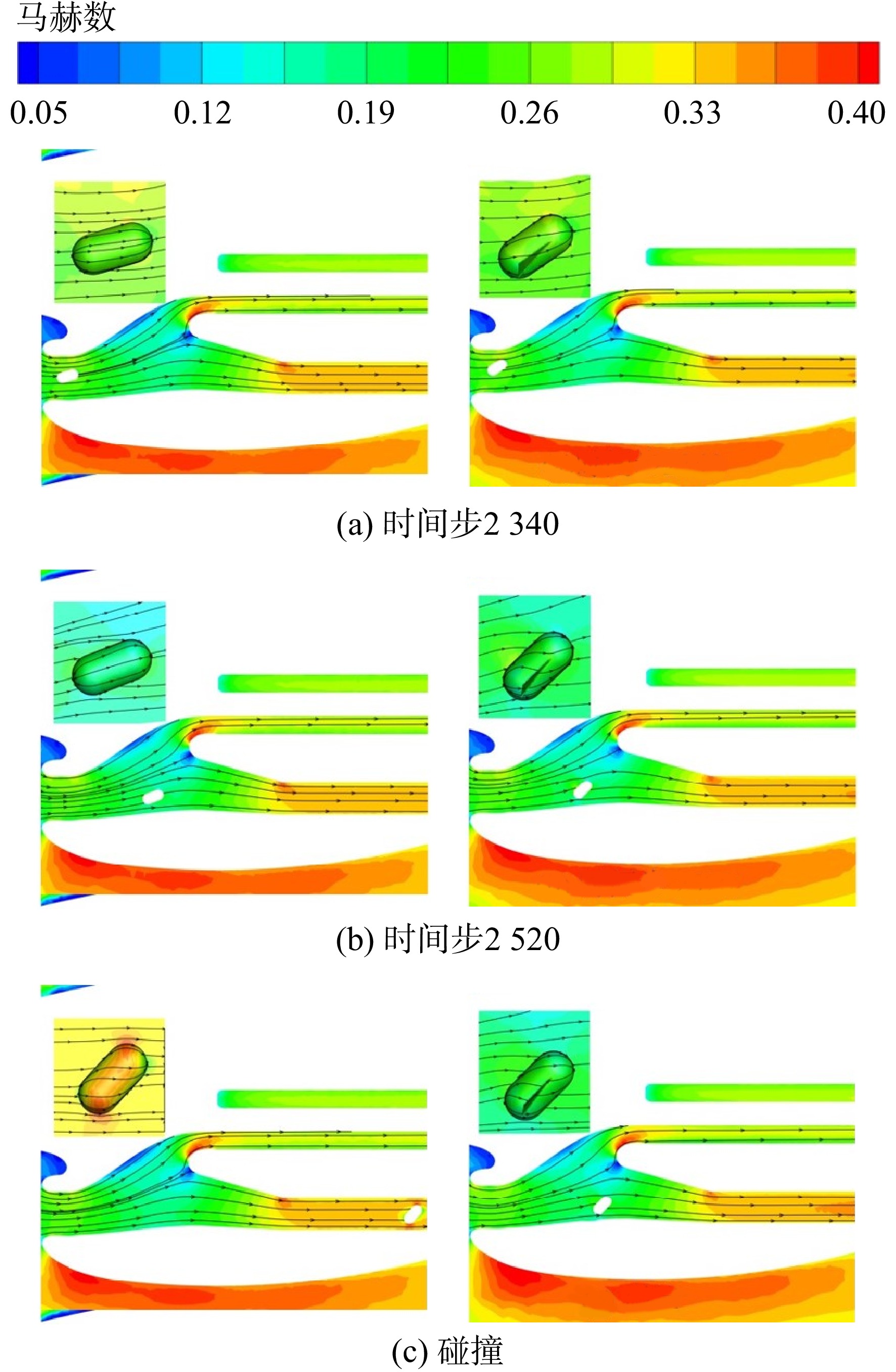
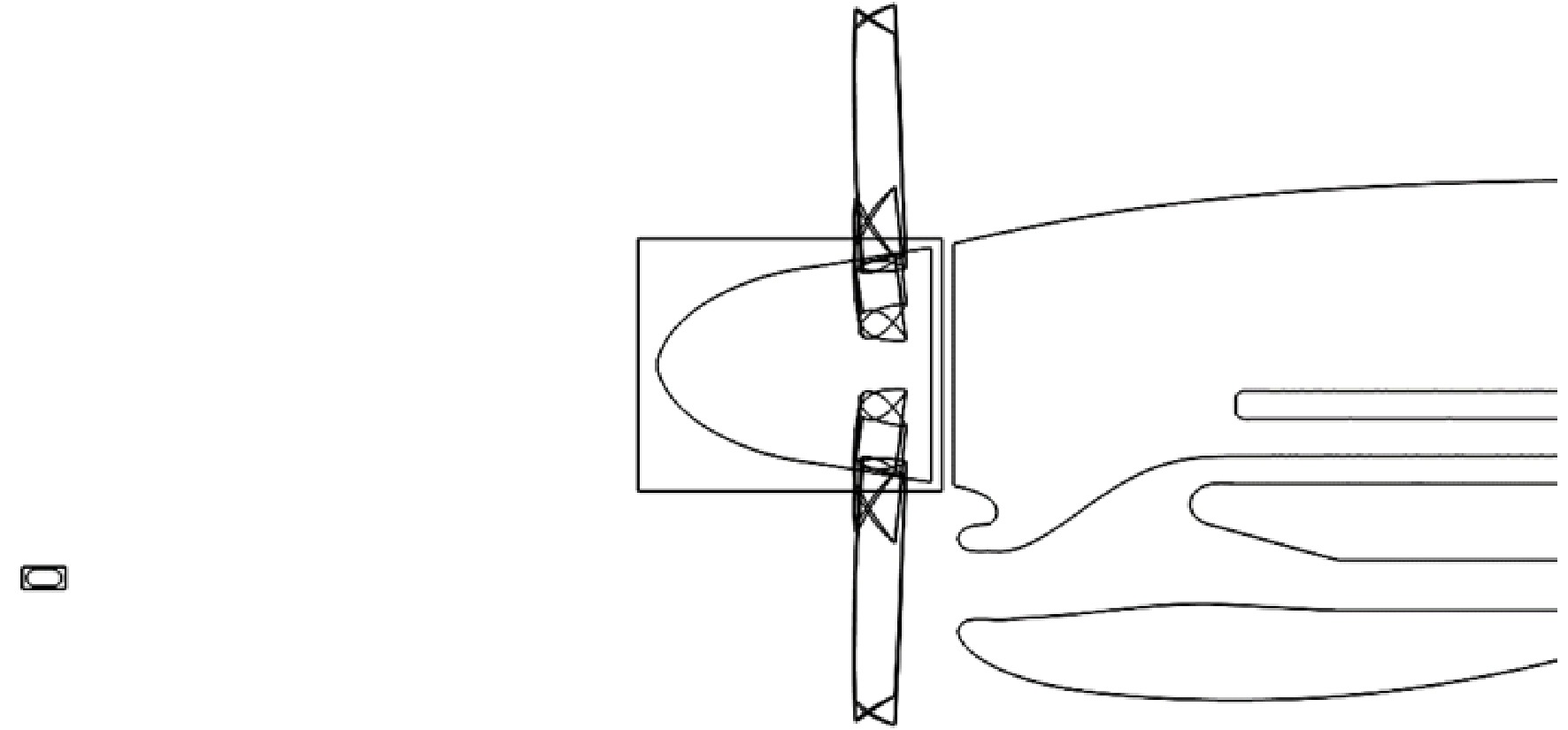
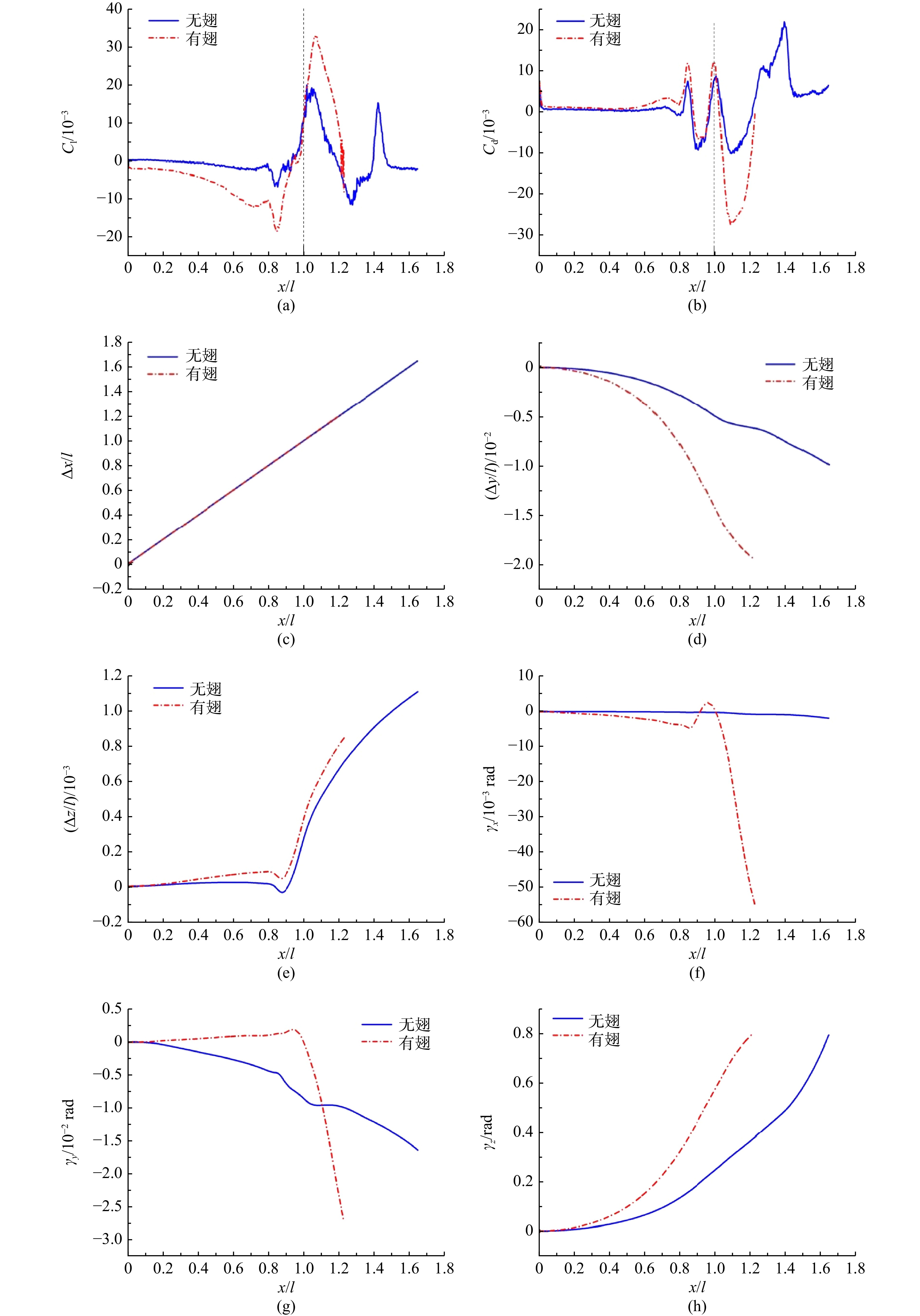
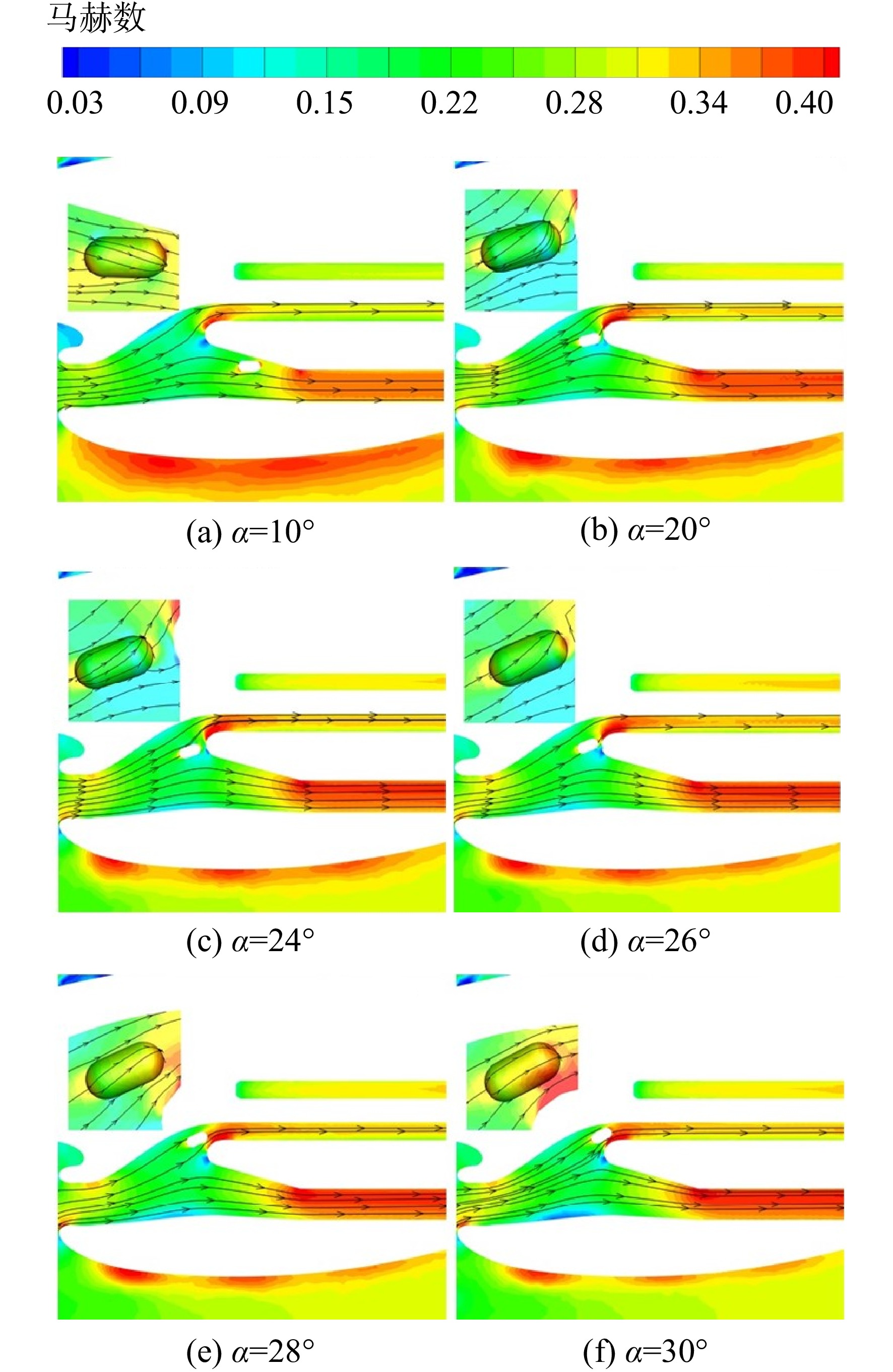
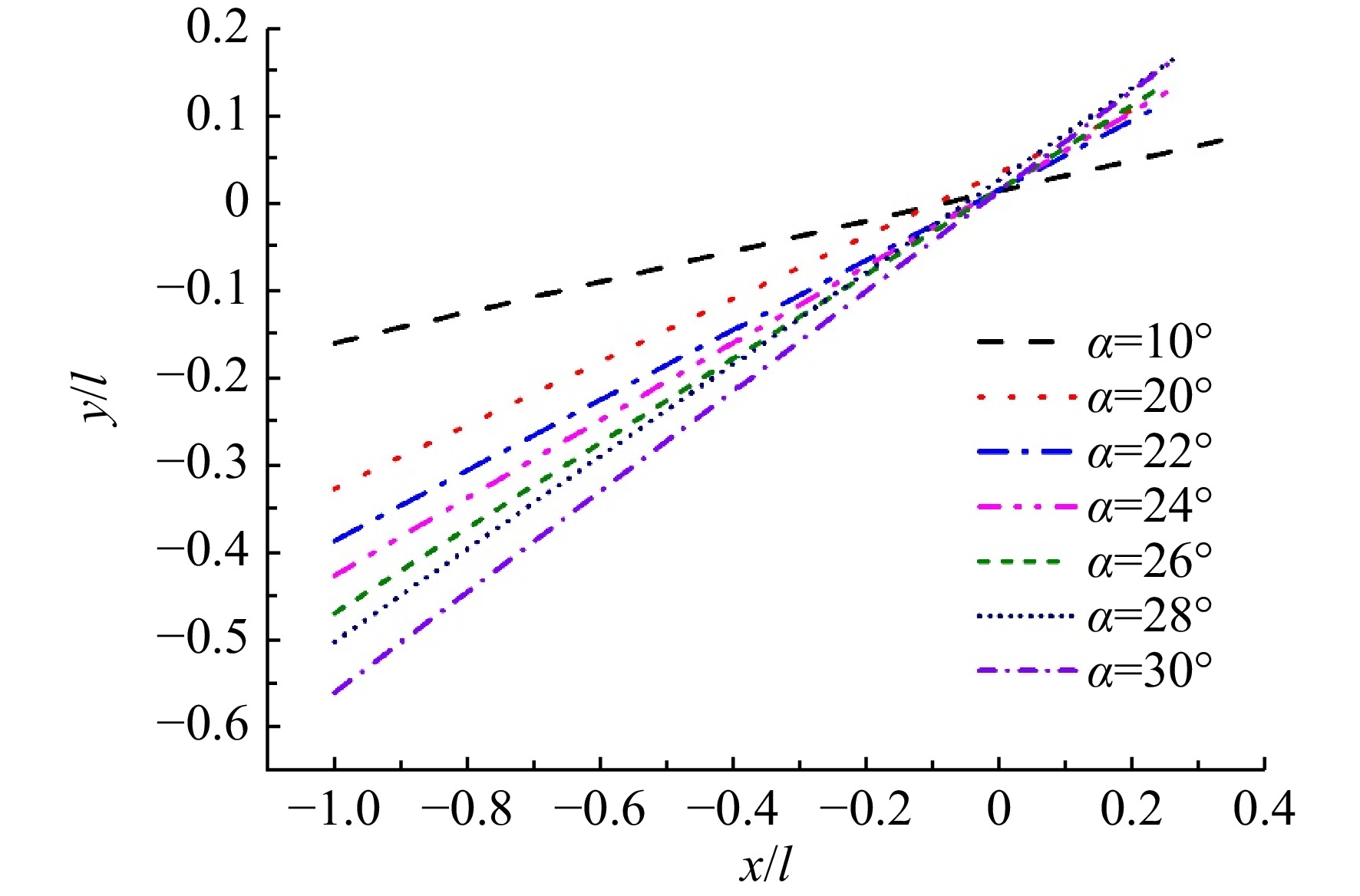
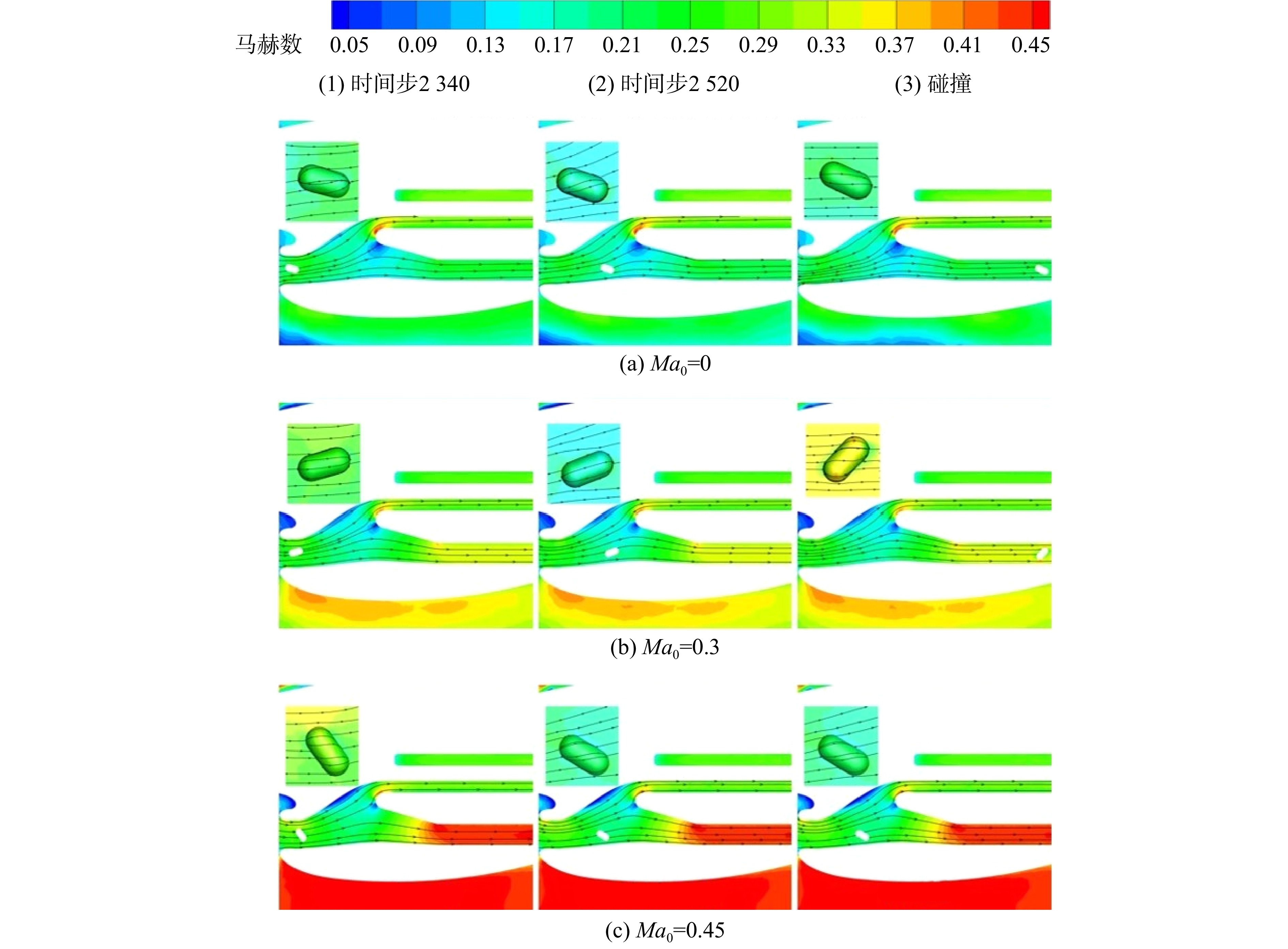
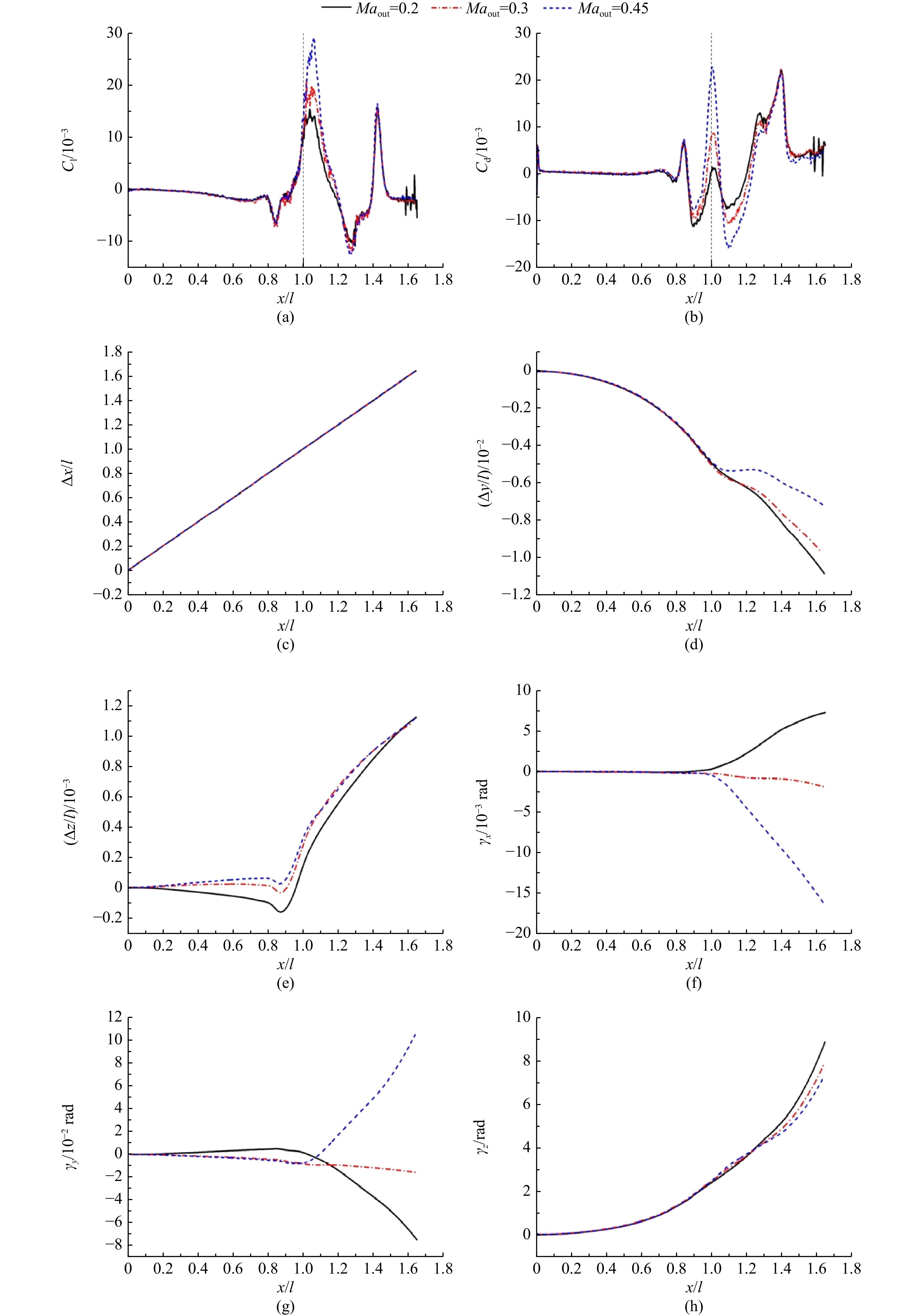
According to airworthiness regulations, attribute analysis on common foreign objects—birds, was conducted, and their geometric, mass, initial attitude, and velocity characteristics were determined; through computational fluid dynamics (CFD), the “dynamic grid method” and the six degrees of freedom method were coupled to numerically simulate the bird swallowing characteristics of the main engine inlet of a turboprop aircraft. The influence of the trajectory characteristics and exclusion characteristics of birds being sucked into the engine inlet was studied under the condition of integrated propeller/inlet/bypass channels. The results showed that the flow environment of the inlet may deteriorate, the total pressure coefficient of restitution in the aerodynamic interface plane (AIP) of the inlet may decrease, and the total pressure distortion may increase after the birds enter the inlet; under the simulated working conditions, birds were excluded from the side channel or collided with the wall of the side channel, which can be considered exclusion; the incoming Mach number had a significant impact on the attitude of birds before entering the inlet. At high outlet Mach numbers and high angles of attack, the bird body was more likely to be sucked into the main engine, which may have a serious impact on the main engine.